ALEXANDRIA CARE CENTER

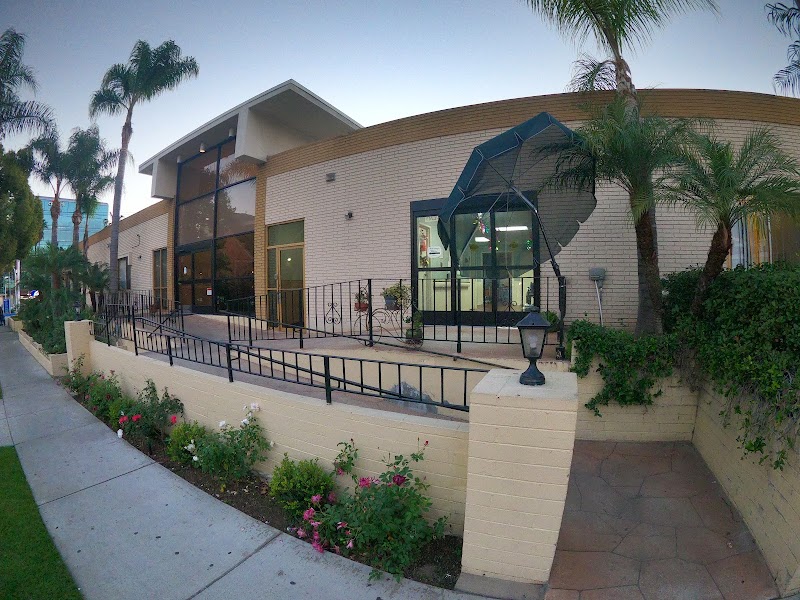
1515 N ALEXANDRIA AVE., LOS ANGELES, CA 90027 (323) 660-1800
For profit - Limited Liability company 177 Beds GENESIS HEALTHCARE Data: November 2025
Trust Grade
43/100
#965 of 1155 in CA
Last Inspection: January 2025

Within standard 12-15 month inspection cycle. Federal law requires annual inspections.

Overview

Alexandria Care Center has a Trust Grade of D, indicating below-average performance with some concerning issues. It ranks #965 out of 1,155 facilities in California, placing it in the bottom half, and #266 out of 369 facilities in Los Angeles County, meaning there are only a few better options nearby. The facility is improving, with a slight reduction in issues from 35 in 2024 to 34 in 2025. Staffing is a relative strength here, with a 4 out of 5-star rating and a turnover rate of 30%, which is below the state average. While there have been no fines reported, which is a positive sign, there are still significant concerns such as residents not having their call lights within reach, potentially delaying timely assistance. Overall, while there are strengths in staffing and no fines, the facility's low trust grade and inspection findings suggest families should thoroughly consider their options.

Trust Score
D
43/100
In California
#965/1155
Bottom 17%
Safety Record
Low Risk
No red flags
Inspections
Getting Better
35 → 34 violations
Staff Stability
✓ Good
30% annual turnover. Excellent stability, 18 points below California's 48% average. Staff who stay learn residents' needs.
Penalties
✓ Good
No fines on record. Clean compliance history, better than most California facilities.
Skilled Nurses
⚠ Watch
Each resident gets only 26 minutes of Registered Nurse (RN) attention daily — below average for California. Fewer RN minutes means fewer trained eyes watching for problems.
Violations
⚠ Watch
104 deficiencies on record. Higher than average. Multiple issues found across inspections.
★☆☆☆☆
1.0
Overall Rating
★★★★☆
4.0
Staff Levels
★★★★☆
4.0
Care Quality
★☆☆☆☆
1.0
Inspection Score
Stable
2024: 35 issues
2025: 34 issues

The Good

  • 4-Star Staffing Rating · Above-average nurse staffing levels
  • 4-Star Quality Measures · Strong clinical quality outcomes
  • Low Staff Turnover (30%) · Staff stability means consistent care
  • Full Sprinkler Coverage · Fire safety systems throughout facility
  • No fines on record
  • Staff turnover is low (30%)

    18 points below California average of 48%

Facility shows strength in staffing levels, quality measures, staff retention, fire safety.

The Bad

1-Star Overall Rating

Below California average (3.1)

Significant quality concerns identified by CMS

Chain: GENESIS HEALTHCARE

Part of a multi-facility chain

Ask about local staffing decisions and management

The Ugly 104 deficiencies on record

Apr 2025 5 deficiencies
CONCERN (D) 📢 Someone Reported This

A family member, employee, or ombudsman was alarmed enough to file a formal complaint

Potential for Harm - no one hurt, but risky conditions existed

Comprehensive Care Plan (Tag F0656)

Could have caused harm · This affected 1 resident

Based on interview and record review, the facility failed to implement a person-centered care plan for one of three sampled residents (Resident 1) by failing to ensure care plan was followed on the us...

Read full inspector narrative →
Based on interview and record review, the facility failed to implement a person-centered care plan for one of three sampled residents (Resident 1) by failing to ensure care plan was followed on the use of low air loss mattress (LALM-a mattress designed to distribute the patient's body weight over a broad surface area to prevent skin breakdown and treat pressure ulcers [a localized injury to the skin and or underlying tissue usually over a bone prominence as a result of pressure or pressure in combination with shear and may lead to deep tissue injury]). This deficient practice had the potential for delayed provision of necessary care and services and had the potential for the development of pressure ulcers or injuries for Resident 1. Findings: During a review of Resident 1 ' s admission Record, the admission Record indicated the facility admitted Resident 1 on 8/27/2021, with diagnoses that included unspecified (unconfirmed) chronic kidney disease (CKD-a condition where the kidneys are damaged and cannot filter blood properly, leading to a buildup of waste and fluid in the body), dementia (a progressive state of decline in mental abilities) and essential hypertension (a condition characterized by persistently high blood pressure without an identifiable underlying cause). During a review of Resident 1 ' s History and Physical (H&P-a medical examination that involves a doctor taking a patient's medical history, performing a physical exam, and documenting their findings) dated 2/12/2025, the H&P indicated Resident 1 did not have the capacity to understand and make decisions. During a review of Resident 1 ' s Minimum Data Set (MDS – a resident assessment tool) dated 2/12/2025, the MDS indicated Resident 1 ' s cognitive (mental action or process of acquiring knowledge and understanding) skills for daily decisions were severely impaired. The MDS indicated Resident 1 required maximum assistance from staff for toileting, showering and personal hygiene. The MDS indicated Resident 1 was always incontinent (unable to control) of bowel and bladder functions. The MDS indicated Resident 1 had pressure reducing device for bed. During a review of Resident 1 ' s Order Summary Report dated 1/31/2025, the Order Summary Report indicated an order for low air loss, weight base, 100-150 every shift for skin maintenance and prevention. During a review of Resident 1 ' s Weights and Vitals Summary dated 3/4/2025, the Weights and Vitals Summary indicated Resident 1 was 111.8 pounds (lbs.-unit of measurement). During a review of Resident 1 ' s Braden Scale for Predicting Pressure Sore Risk dated 3/17/2025, the Braden Scale indicated Resident 1 was at mild risk for pressure sore. During an observation on 3/28/2025, at 9:30 a.m. at Resident 1 ' s bedside, observed Resident 1 ' s LALM control unit at 200 lbs. setting. During a concurrent observation and interview on 3/28/2025, at 9:32 a.m., with Certified Nursing Assistant 1 (CNA 1), at Resident 1 ' s bedside. Observed Resident 1 ' s LALM control unit setting at 200. During a concurrent observation and interview on 3/28/2025, at 9:42 a.m. with Licensed Vocational Nurse 1 (LVN 1), at Resident 1 ' s bedside. LVN 1 stated Resident 1 ' s LALM control unit setting at 200. During a concurrent interview and record review on 3/28/2025, at 10:49 a.m., with the Director of Nursing (DON), Resident 1 ' s Care Plan on at risk for skin breakdown dated 1/31/2025 was reviewed. The Care Plan Indicated Resident 1 ' s LALM setting at 100-150. The DON stated Resident 1 ' s LALM setting of 200 was different from the care plan setting of 100-150. The DON stated Resident 1 ' s LALM setting should be from 100-150 as indicated in the Care Plan. The DON stated the importance of following the care plan was to prevent skin breakdown. During an interview on 4/1/2025, at 10:34 a.m., with Treatment Nurse 1 (TN 1), TN 1 stated if LALM setting was over Resident 1 ' s weight, the LALM will be firmer and will not protect Resident 1 ' s skin, causing more pressure instead of relieving the pressure. During an interview on 4/1/2025, at 11:01 a.m., with the Director of Staff Development (DSD), the DSD stated LALM setting is based on comfort and manufacturer but usually is based on resident ' s weight. The DSD stated if care plan indicated 100-150 then setting of the LALM should be at 100-150 and not 200. The DSD stated care plan should be followed. During a review of facility ' s policy and procedure (P&P) titled, Care Plan Comprehensive, dated 8/25/2021 and last reviewed on 1/2025, the P&P indicated, III. PROCEDURE 1. Each resident ' s comprehensive care plan is designed to: a. Incorporate identified problem areas. b. Incorporate risk and contributing factors associated with identified problems. c. Build on the resident's individualized needs, strengths, preferences. d. Build on the resident's individualized needs, strengths, preferences. e. Reflect the resident's expressed wishes regarding care and treatment goals. f. Reflect treatment goals, timetables, and objectives in measurable outcomes. g. Identify the professional services that are responsible for each element of care. h. Aid in preventing or reducing declines in the resident's functional status and/or functional levels. 2. The comprehensive care plan includes the following: a. The services that are to be furnished to attain or maintain the resident's highest practicable physical, mental, and psychosocial well-being.
CONCERN (D) 📢 Someone Reported This

A family member, employee, or ombudsman was alarmed enough to file a formal complaint

Potential for Harm - no one hurt, but risky conditions existed

Pressure Ulcer Prevention (Tag F0686)

Could have caused harm · This affected 1 resident

Based on observation, interview, and record review, the facility failed to ensure a resident received care consistent with professional standards of practice to prevent pressure ulcer (a localized inj...

Read full inspector narrative →
Based on observation, interview, and record review, the facility failed to ensure a resident received care consistent with professional standards of practice to prevent pressure ulcer (a localized injury to the skin and or underlying tissue usually over a bone prominence as a result of pressure or pressure in combination with shear [occur between the internal body structures and skin tissues typically moving in opposite directions and may lead to deep tissue injury]) for one of three sampled residents (Resident 1) by failing to ensure the low air loss mattress (LALM-a mattress designed to distribute the patient's body weight over a broad surface area to prevent skin breakdown and treat pressure ulcers) machine was functioning as indicated in the Operators Manual. This deficient practice had the potential for Resident 1 to develop pressure ulcers or injuries. Findings: During a review of Resident 1 ' s admission Record, the admission Record indicated the facility admitted Resident 1 on 8/27/2021, with diagnoses that included unspecified (unconfirmed) chronic kidney disease (CKD-a condition where the kidneys are damaged and cannot filter blood properly, leading to a buildup of waste and fluid in the body), dementia (a progressive state of decline in mental abilities) and essential hypertension (a condition characterized by persistently high blood pressure without an identifiable underlying cause). During a review of Resident 1 ' s History and Physical (H&P-a medical examination that involves a doctor taking a patient's medical history, performing a physical exam, and documenting their findings) dated 2/12/2025, the H&P indicated Resident 1 did not have the capacity to understand and make decisions. During a review of Resident 1 ' s Minimum Data Set (MDS – a resident assessment tool) dated 2/12/2025, the MDS indicated Resident 1 ' s cognitive (mental action or process of acquiring knowledge and understanding) skills for daily decisions were severely impaired. The MDS indicated Resident 1 required maximum assistance from staff for toileting, showering and personal hygiene. The MDS indicated Resident 1 was always incontinent (unable to control) of bowel and bladder functions. The MDS indicated Resident 1 had pressure reducing device for bed. During a review of Resident 1 ' s Order Summary Report dated 1/31/2025, the Order Summary Report indicated an order for low air loss, weight base, 100-150 every shift for skin maintenance and prevention. During a review of Resident 1 ' s Weights and Vitals Summary dated 3/4/2025, the Weights and Vitals Summary indicated Resident 1 was 111.8 pounds (lbs.-unit of measurement). During a review of Resident 1 ' s Braden Scale for Predicting Pressure Sore Risk dated 3/17/2025, the Braden Scale indicated Resident 1 was at mild risk for pressure sore. During an observation on 3/28/2025, at 9:30 a.m. at Resident 1 ' s bedside, observed Resident 1 ' s LALM control unit had the following: 1. Cycle time 10 minutes, 15 minutes, 20 minutes and 25 minutes indicator had all light up. 2. Patient weight indicator at 200 lbs. 3. Low pressure light indicator on. 4. Mute button indicator on. During a concurrent observation and interview on 3/28/2025, at 9:32 a.m., with Certified Nursing Assistant 1 (CNA 1), at Resident 1 ' s bedside. Observed Resident 1 ' s LALM control unit had low pressure light on, residents weight at 200 and machine button light on. CNA 1 stated yesterday (3/27/2025), the LALM control unit had low pressure light on and that he (CNA 1) had reported to the Treatment Nurse 1 (TN 1). CNA 1 stated Resident 1 ' s LALM control unit low pressure light was on, all the time. CNA 1 stated he (CNA 1) believed the facility did not fix it. During an interview on 3/28/2025, at 9:38 a.m., with Licensed Vocational Nurse 1 (LVN 1), LVN 1 stated TN 1 was informed of Resident 1 ' s broken LALM control unit yesterday (3/27/2025). During a concurrent observation and interview on 3/28/2025, at 9:42 a.m. with LVN 1, at Resident 1 ' s bedside. LVN 1 stated Resident 1 ' s LALM control unit showed low pressure and weight at 200 lbs. LVN 1 stated if LALM control unit light for low pressure was on it meant that there was not enough air in the LALM and may result to recurrent (condition or symptom that returns or appears again) wound or pressure ulcer. During an interview on 3/28/2025, at 9:53 a.m., with TN 2, TN 2 stated there were no reported issues on LALM today 3/28/2025. TN 1 stated light on low pressure indicator of LALM maybe from air leak, faulty tubing or sensor not working properly. TN 2 stated it can cause pain and Resident 1 can be uncomfortable if low pressure light was on too long. During an interview on 3/28/2025, at 10:06 a.m., with the Director of Nurses (DON), the DON stated if nurses see any light or blinking light on the LALM, nurses should check it as it is a warning sign that LALM might have a problem. The DON stated low pressure light indicator may mean that the machine was not blowing enough air pressure in the bed. The DON stated LALM should have been fixed right away. The DON stated LALM cannot be muted as the warning sound cannot be heard if there was a problem with the machine. During a concurrent interview and record review on 3/28/2025, at 10:49 a.m., with the DON, Resident 1 ' s Care Plan on at risk for skin breakdown dated 1/31/2025 was reviewed. The Care Plan Indicated Resident 1 ' s LALM setting at 100-150. The DON stated Resident 1 ' s LALM setting of 200 was different from the care plan setting of 100-150. The DON stated Resident 1 ' s LALM setting should be from 100-150 as indicated in the Care Plan. The DON stated the facility ' s policy for use of LALM did not indicate when to fix the LALM. The DON stated CNA 1 should have reported it today (3/28/2025) if he (CNA 1) had observed that Resident 1 ' s LALM control unit had lights on. During an interview on 4/1/2025, at 10:34 a.m., with TN 1, TN 1 stated on the morning of 3/27/2025, CNA 1 had reported that Resident 1 ' s LALM was not inflating. TN 1 stated she (TN 1) had fixed the LALM on 3/27/2025 after CNA 1 had reported. TN 1 stated if LALM setting was over Resident 1 ' s weight, the LALM will be firmer and will not protect Resident 1 ' s skin, causing more pressure instead of relieving the pressure. TN 1 stated the mute button should not light up because it will not alarm the staff if the LALM had a problem. TN 1 stated the LALM should have one cycle light on only, whether 10, 15, 20, or 25 minutes. TN 1 stated the cycle indicates alternating pressure. TN 1 stated Resident 1 will be at risk for pressure ulcer if the LALM was not fixed right away. During an interview on 4/1/2025, at 11:01 a.m., with the Director of Staff Development (DSD), the DSD stated LALM setting is based on comfort and manufacturer but usually is based on resident ' s weight. The DSD stated if care plan indicated 100-150 then setting of the LALM should be at 100-150 and not 200. During a review of LALM Operators Manual provided by the facility, the Operators Manual indicated, Drive Support Surfaces are high quality and affordable air replacement mattress systems. Specifically designed to redistribute pressure, these systems offer a solution for the prevention and treatment of pressure ulcers and offers an optimal solution for pressure redistribution and microclimate control. Drive Support Surfaces are designed and constructed to reduce the incidence of pressure ulcers while optimizing patient comfort. Mute Button, the audible/visible alarm turns on either when the pressure is low, or the system fails to alternate. Cycle Time Button can be used to select the appropriate cycle time of the inflation mode. There are 4 different cycle times available: 10, 15, 20 and 25 minutes. The Weight Setting Buttons positive (+) and negative (-) can be used to adjust the pressure. Is based on the patient's weight. Low pressure indicator, this indicator light (red) flickers when the pressure is below the pre-defined level. Maintenance and Storage: Low pressure, examine if there is air leakage between the control unit and the mattress connections or from the air mattress tubes. Set the unit to the highest weight setting. Keep the tubes fully inflated and inspect for air leakage from cells. Make sure that no leakage occurs. If any leakage occurs, please contact your local agent or dealer. If the pressure is consistently low, the audible alarm will beep, and its indicator will light up to attract attention. If there should be obvious leakage, for example caused by loose connection of tubes, the audible/visible alarm will be activated. If the pressure drops below the pre-defined level, the low-pressure indicator will light up accompanied by a beep alarm tone. Operation: Weight Setting Selection, the pressure of the mattress can be adjusted by choosing the patients' corresponding weight setting.
CONCERN (D) 📢 Someone Reported This

A family member, employee, or ombudsman was alarmed enough to file a formal complaint

Potential for Harm - no one hurt, but risky conditions existed

Pharmacy Services (Tag F0755)

Could have caused harm · This affected 1 resident

Based on interview and record review, the facility failed to provide pharmaceutical services (including procedures that assure the accurate acquiring, receiving, dispensing, and administering of all d...

Read full inspector narrative →
Based on interview and record review, the facility failed to provide pharmaceutical services (including procedures that assure the accurate acquiring, receiving, dispensing, and administering of all drugs and biologicals) for one of three sampled residents (Resident 2) by failing to ensure the physician order was followed. This deficient practice had the potential to result in medication error and can cause hypotension (low blood pressure). Findings: During a review of Resident 2 ' s admission Record, the admission Record indicated the facility admitted Resident 2 on 3/8/2021, with diagnoses that included unspecified (unconfirmed) dementia (a progressive state of decline in mental abilities), essential hypertension (HTN- high blood pressure) and dysphagia (difficulty in swallowing). During a review of Resident 2 ' s History and Physical (H&P-a medical examination that involves a doctor taking a patient's medical history, performing a physical exam, and documenting their findings) dated 2/12/2025, the H&P indicated Resident 2 did not have the capacity to understand and make decisions. During a review of Resident 2 ' s Minimum Data Set (MDS-a resident assessment tool) dated 3/6/2025, the MDS indicated Resident 2 ' s cognitive (mental action or process of acquiring knowledge and understanding) skills for daily decisions were severely impaired. The MDS indicated Resident 2 required moderate assistance from staff for oral hygiene, dressing and personal hygiene. During a review of Resident 2 ' s Physician Order dated 1/24/2023, the Physician Order indicated the following orders: 1.Carvedilol (medication used to treat HTN) tablet 6.25 milligram (mg-metric unit of measurement, used for medication dosage and/or amount), give one tablet by mouth two times a day for HTN, hold for systolic blood pressure (sbp- the pressure in the arteries when the heart contracts and pumps blood throughout the body, the upper number) lower than 100 or diastolic blood pressure (dbp- the pressure in the arteries when the heart is resting between beats, the lower number) lower than 60. 2. Losartan potassium (medication used to treat HTN) tablet 50 mg, give one tablet by mouth two times a day for HTN, hold for sbp lower than 100 or dbp lower than 60. During a review of Resident 2 ' s Medication Administration Record (MAR-a daily documentation record used by a licensed nurse to document medications and treatments given to a resident) dated 3/7/2025, the MAR indicated carvedilol, and losartan was given to Resident 2 on 3/7/2025 at 9 a.m., with a blood pressure of 104/53. During a concurrent interview and record review on 4/1/2025, at 10:48 a.m., with Licensed Vocational Nurse 1 (LVN 1), Resident 2 ' s Physician Order dated 1/24/2023 and MAR dated 3/7/2025 was reviewed. LVN 1 stated she (LVN 1) had administered carvedilol and losartan to Resident 2 with a blood pressure of 104/53. LVN 1 stated she (LVN 1) should have held the medication and should have notified and clarified the order with the physician. LVN 1 stated administering blood pressure medication without following physician order can result to Resident 2 ' s hypotension (low blood pressure). During an interview on 4/1/2025, at 11:01 a.m., with the Director of Staff Development (DSD), the DSD stated LVN 1 should have held the carvedilol and losartan as ordered by the physician. The DSD stated LVN 1 did not follow the physician order. The DSD stated Resident 2 can have low blood pressure, get dizzy and experience orthostatic hypotension (a condition where blood pressure drops significantly when a person stands up). During an interview on 4/1/2025, at 11:26 a.m., with the Director of Nursing (DON), the DON stated LVN 1 should have held the carvedilol and losartan as per physician order. The DON stated Resident 2 ' s blood pressure will be affected and further cause hypotension. The DON stated LVN 1 should have clarified the order with the physician if the 60 was the dbp or the heart rate. During a review of facility ' s policy and procedure (P&P) titled, Administering Medications dated 4/2019 and last reviewed on 1/2025, the P&P indicated, 4. Medications are administered in accordance with prescriber orders, including any quired time frame 11. The following information is checked/verified for each resident prior to administering medications: a. Allergies to medications; and b. Vital signs, if necessary.
CONCERN (D) 📢 Someone Reported This

A family member, employee, or ombudsman was alarmed enough to file a formal complaint

Potential for Harm - no one hurt, but risky conditions existed

Medical Records (Tag F0842)

Could have caused harm · This affected 1 resident

Based on interview and record review the facility failed to maintain accurate and complete medical record for one of three sampled residents (Resident 2). This deficient practice resulted to Resident ...

Read full inspector narrative →
Based on interview and record review the facility failed to maintain accurate and complete medical record for one of three sampled residents (Resident 2). This deficient practice resulted to Resident 2's medical records contain inaccurate documentation and had the potential to cause confusion in Resident 2's care. Findings: During a review of Resident 2 ' s admission Record, the admission Record indicated the facility admitted Resident 2 on 3/8/2021, with diagnoses that included unspecified (unconfirmed) dementia (a progressive state of decline in mental abilities), essential hypertension (HTN- high blood pressure) and dysphagia (difficulty in swallowing). During a review of Resident 2 ' s History and Physical (H&P-a medical examination that involves a doctor taking a patient's medical history, performing a physical exam, and documenting their findings) dated 2/12/2025, the H&P indicated Resident 2 did not have the capacity to understand and make decisions. During a review of Resident 2 ' s Minimum Data Set (MDS-a resident assessment tool) dated 3/6/2025, the MDS indicated Resident 2 ' s cognitive (mental action or process of acquiring knowledge and understanding) skills for daily decisions were severely impaired. The MDS indicated Resident 2 required moderate assistance from staff for oral hygiene, dressing and personal hygiene. During a review of Resident 2 ' s Physician Order dated 11/11/2024, the Physician order indicated anticoagulant medication (medications that prevent blood from clotting too quickly or easily) monitor for discolored urine, black tarry (black, sticky, and often foul-smelling) stools, sudden severe headache, nausea, vomiting, diarrhea, muscle joint pain, lethargy (a state of unusual tiredness, sluggishness, and a lack of energy), bruising, sudden changes in mental status and or vital signs (clinical measurements, specifically pulse rate, temperature, respiration rate, and blood pressure, that indicate the state of a patient's essential body functions), shortness of breath, nose bleeds-document Y if monitored and none of the above was observed. Document N if monitored and any of the above was observed every shift. During a review of Resident 2 ' s Medication Administration Record (MAR- a daily documentation record used by a licensed nurse to document medications and treatments given to a resident) dated 3/2025, the MAR indicated N on the following dates and times: 1. 7 a.m. to 3 p.m.- 3/5/2025 and 3/23/2025 2. 3 p.m. to 11 p.m.- 3/13/2025 and 3/23/2025 3. 11 p.m., to 7 a.m.- 3/1/2025, 3/9/2025, 3/13/2025, 3/17/2025, 3/22/2025 and 3/23/2025. During a concurrent interview and record review on 3/28/2025, at 10:49 a.m., with the Director of Nursing (DON), Resident 2 ' s Progress Notes dated 3/2025 was reviewed, The DON stated Resident 2 was on anticoagulant. The DON stated residents on anticoagulant was monitored for signs of bleeding. The DON stated if staff observed signs of bleeding, physician will be notified and documented in progress notes or change of condition. The DON stated there were no documented signs of bleeding in Resident 2 ' s Progress Notes. During an interview on 4/1/2025, at 10:48 a.m., with Licensed Vocational Nurse 1 (LVN 1), LVN 1 stated residents on anticoagulant was monitored for bleeding and documented in MAR. LVN 1 stated she (LVN 1) documented Y for presence of bleeding and N if no bleeding observed. LVN 1 stated she (LVN 1) had mistakenly documented presence of bleeding but had never observed any signs of bleeding. LVN 1 stated the importance of accurate documentation was for accurate monitoring and physician notification. LVN 1 stated inaccurate documentation can cause confusion if presence or absence of bleeding. During an interview on 4/1/2025, at 11:10 a.m., with the Director of Staff Development (DSD), the DSD stated nurses had misread the order and did not document according to physician order. The DSD stated nurse documentation can cause confusion in resident status. During an interview on 4/1/2025, at 11:26 a.m , with the DON, the DON stated she (DON) had asked the nurses, and none had observed any signs of bleeding. The DON stated the nurses had failed to follow the physician order for monitoring and documenting. The DON stated the nurse ' s documentation for anticoagulant monitoring can cause confusion and the order needed to be clarified with the physician. The DON stated the importance of accurate documentation was to create a change of condition and notify the doctor and family if signs of bleeding was observed. During a review of facility ' s policy and procedure (P&P) titled, Anticoagulant-Clinical Protocol dated 11/2018 and last reviewed on 1/2025, the P&P indicated, 1. As part of the initial assessment, the physician and staff will identify individuals who are currently anticoagulated; for example, those with a recent history of deep vein thrombosis (DVT- condition where a blood clot forms in a deep vein, usually in the leg), or heart valve replacement (a surgical procedure to replace a damaged or diseased heart valve with a new one), atrial fibrillation (an irregular and often very rapid heart rhythm) or those who have had recent joint replacement surgery (a surgical procedure to replace some or all of a joint). a. Assess for any signs or symptoms related to adverse drug reactions (an untoward reaction to a medication) due to the medication alone or in combination with other medications. 5. The staff and physician will monitor for possible complications in individuals who are being anticoagulated and will manage related problems. a. If an individual on anticoagulation therapy shows signs of excessive bruising, hematuria (blood in urine), hemoptysis (coughing up blood), or other evidence of bleeding, the nurse will discuss the situation with the physician before giving the next scheduled dose of anticoagulant. b. The physician will order measures to address any complications, including holding or discontinuing the anticoagulant as indicated. During a review of facility ' s P&P titled, Nursing Documentation dated 6/27/2022 and last reviewed on 1/2025, the P&P indicated, Nursing documentation will follow the guidelines of good communication and be concise, clear, pertinent, and accurate based on the resident's or patient's condition, situation, and complexity. Procedure: a. Documentation includes information about the patient's status, nursing assessment and interventions, expected outcomes, evaluation of the patient's outcomes, and responses to nursing care. b. Timely entry of documentation must occur as soon as possible after the provision of care and in conformance with time frames for completion as outlined the other policies and procedures. c. The patient's record specifies what nursing interventions were performed by whom, when, and where. d. All patient information will be documented, scanned, or entered in the appropriate section of the clinical record following established guidelines.
CONCERN (E) 📢 Someone Reported This

A family member, employee, or ombudsman was alarmed enough to file a formal complaint

Potential for Harm - no one hurt, but risky conditions existed

Deficiency F0558 (Tag F0558)

Could have caused harm · This affected multiple residents

**NOTE- TERMS IN BRACKETS HAVE BEEN EDITED TO PROTECT CONFIDENTIALITY** Based on observation, interview, and record review, the facility failed to ensure a call light device (also known as a call bell...

Read full inspector narrative →
**NOTE- TERMS IN BRACKETS HAVE BEEN EDITED TO PROTECT CONFIDENTIALITY** Based on observation, interview, and record review, the facility failed to ensure a call light device (also known as a call bell or nurse call button, is a device typically found near a patient's bed or within reach consisting of a button that, when pressed, sends a signal to the nursing station or a centralized system, alerting healthcare providers that assistance is required in the room) was within residents reach for three of three sampled residents (Residents 1, 2, and 3). This deficient practice had the potential to result in the delay in the residents' care and not receiving assistance timely. Findings: During a review of Resident 1 ' s admission Record, the admission Record indicated the facility admitted Resident 1 on 8/27/2021, with diagnoses that included unspecified (unconfirmed) chronic kidney disease (CKD-a condition where the kidneys are damaged and cannot filter blood properly, leading to a buildup of waste and fluid in the body), dementia (a progressive state of decline in mental abilities) and essential hypertension (a condition characterized by persistently high blood pressure without an identifiable underlying cause). During a review of Resident 1 ' s History and Physical (H&P-a medical examination that involves a doctor taking a patient's medical history, performing a physical exam, and documenting their findings) dated 2/12/2025, the H&P indicated Resident 1 did not have the capacity to understand and make decisions. During a review of Resident 1 ' s Minimum Data Set (MDS – a resident assessment tool) dated 2/12/2025, the MDS indicated Resident 1 ' s cognitive (mental action or process of acquiring knowledge and understanding) skills for daily decisions were severely impaired. The MDS indicated Resident 1 required maximum assistance from staff for toileting, showering and personal hygiene. The MDS indicated Resident 1 was always incontinent (unable to control) of bowel and bladder functions. During a review of Resident 1 ' s Care Plan on unwitnessed fall dated 2/28/2025, the Care Plan indicated an intervention that the call light will be within reach. During a concurrent observation and interview on 3/28/2025, at 9:31 a.m., with Resident 1, at Resident 1 ' s bedside, observed Resident 1 ' s call light hanging on the wall. Resident 1 stated she (Resident 1) do not know what a call light was and do not know where it was. During a concurrent observation and interview on 3/28/2025, at 9:32 a.m., with Certified Nursing Assistant 1 (CNA1), at Resident 1 ' s bedside, Resident 1 ' s call light was hanging on the wall. CNA 1 stated Resident 1 ' s call light was on the wall and Resident 1 was unable to reach it. CNA 1 stated he (CNA 1) forgot to check if Resident 1 had the call light. CNA 1 stated sometimes nurses does not put it back within Resident 1 ' s reach. During a review of Resident 2 ' s admission Record, the admission Record indicated the facility admitted Resident 2 on 3/8/2021, with diagnoses that included unspecified (unconfirmed) dementia, essential hypertension and dysphagia (difficulty in swallowing). During a review of Resident 2 ' s H&P dated 2/12/2025, the H&P indicated Resident 2 did not have the capacity to understand and make decisions. During a review of Resident 2 ' s MDS dated [DATE], the MDS indicated Resident 2 ' s cognitive skills for daily decisions were severely impaired. The MDS indicated Resident 2 required moderate assistance from staff for oral hygiene, dressing and personal hygiene. The MDS indicated Resident 2 was frequently incontinent of bowel and bladder functions. During a review of Resident 2 ' s Care Plan on at risk for fall dated 3/9/2021, the Care Plan indicated an intervention to place call light within reach while resident in bed or close proximity to the bed. During a concurrent observation and interview on 3/28/2025, at 9:38 a.m., with Licensed Vocational Nurse 1 (LVN 1), inside Resident 2 ' s room. Observed Resident 2 ' s call light behind the upper part of the bed on the floor. LVN 1 stated call light was on the floor on the upper part of the bed. LVN 1 stated Resident 2 was unable to reach the call light. LVN 1 stated nurses would not be able to attend to resident needs when Resident 2 calls for assistance. During a review of Resident 3 ' s admission Record, the admission Record indicated the facility admitted Resident 3 on 2/9/2018, with diagnoses that included Alzheimer ' s Disease (a disease characterized by a progressive decline in mental abilities), unspecified atrial fibrillation (an irregular and often very rapid heart rhythm) and essential hypertension. During a review of Resident 3 ' s MDS dated [DATE], the MDS indicated Resident 3 ' s cognitive skills for daily decisions were severely impaired. The MDS indicated Resident 3 was always incontinent of bowel and bladder functions. During a review of Resident 3 ' s Care Plan on at risk for fall dated 2/13/2018, the Care Plan indicated an intervention to place call light within reach while resident in bed or close proximity to the bed. During a concurrent observation and interview on 3/28/2025, at 9:38 a.m., with LVN 1, inside Resident 3 ' s room. Observed Resident 3 ' s call light on the floor on Resident 3 ' s right side of the bed. LVN 1 stated call light was on the floor. LVN 1 stated Resident 3 was unable to reach the call light. LVN 1 stated nurses would not be able to attend residents needs when Resident 3 calls for assistance. During an interview on 3/28/2025, at 10:06 a.m. with the Director of Nursing (DON), the DON stated nurses should make sure residents can reach their call lights. The DON stated the facility ' s policy was to make sure residents call light was within reach. The DON stated if residents unable to reach their call lights, residents will not be able to use it to ask for assistance and can result to a delay in care. During a review of facility ' s policy and procedure (P&P) titled, Answering the Call Light, dated 10/24/2024, and last reviewed on 1/2025, the P&P indicated, Ensure that the call light is accessible to the resident when in bed, from the toilet, from the shower or bathing facility and from the floor.
Feb 2025 1 deficiency
CONCERN (D) 📢 Someone Reported This

A family member, employee, or ombudsman was alarmed enough to file a formal complaint

Potential for Harm - no one hurt, but risky conditions existed

Free from Abuse/Neglect (Tag F0600)

Could have caused harm · This affected 1 resident

**NOTE- TERMS IN BRACKETS HAVE BEEN EDITED TO PROTECT CONFIDENTIALITY** Based on interview and record review, the facility failed to protect the resident's right to be free from physical abuse (delibe...

Read full inspector narrative →
**NOTE- TERMS IN BRACKETS HAVE BEEN EDITED TO PROTECT CONFIDENTIALITY** Based on interview and record review, the facility failed to protect the resident's right to be free from physical abuse (deliberately aggressive or violent behavior with the intention to cause harm by one resident towards another) for one of two sampled residents (Resident 2) when on 2/17/2025 at 6:25 p.m., Certified Nursing Assistant (CNA) 1 witnessed Resident 3 hit Resident 2 with closed fits, hitting Resident 2 on the right side of Resident 2's head. This deficient practice resulted in Resident 2 being subjected to physical abuse by Resident 3 while under the care of the facility. Resident 2 had pain scale (a tool used by doctors to measure how much pain someone is feeling) of 3 out of 10 (you feel a noticeable pain that might distract you a bit, but you can still manage it and adapt to it), requiring acetaminophen (a pain reliever) 325 milligrams (mg-unit of measurement) two (2) tablets by mouth. Based on the Reasonable Person Concept (the usual behavior of an average person under the same circumstances), due to Residents 2's impaired cognition (refers to conscious mental activities including thinking, reasoning, understanding, learning, and remembering) and medical condition, an individual subjected to physical abuse may have physical pain, psychological (mental or emotional) effects including feelings of hopelessness (a feeling or state of despair or lack of hope), helplessness (the belief that there is nothing that anyone can do to improve a bad situation), and humiliation (the feeling of being ashamed or losing respect for own self). Findings: a. During a review of Resident 2's admission Record, the admission Record indicated the facility admitted Resident 2 on 4/13/2022 with diagnoses including schizoaffective disorder (a mental illness that can affect thoughts, mood, and behavior), major depressive disorder (a mood disorder that causes a persistent feeling of sadness and loss of interest), and essential (primary) hypertension (HTN-high blood pressure). During a review of Resident 2's Physician orders, dated 4/14/2022, the physician order indicated acetaminophen tablet 325 mg give 2 tablets by mouth every 4 hours as needed for mild pain 1 to 3. During a review of Resident 2's Minimum Data Set (MDS - a resident assessment tool), dated 1/5/2025, the MDS indicated Resident 2's cognition was moderately impaired. The MDS indicated Resident 2 required partial assistance (helper does less than half the effort) with showering, requires supervision (helper provides verbal cues) with oral hygiene, and required set up (helper sets up or cleans up) with eating, toileting, upper and lower body dressing, putting on and taking off footwear and personal hygiene. During a review of Resident 2's Change in Condition (COC - a significant change in resident's health status) Evaluation, dated 2/17/2025 at 6:25 p.m., the COC indicated a resident-to-resident altercation. At around 6:25 p.m. Licensed Vocational Nursem (LVN) 1 was at the station and saw Resident 2 getting linen from the linen cart in front of Room A in the hallway Resident 3 was walking towards the dining room with CNA 1 next to him when all of the sudden, Resident 3 turned around and swung his hand and hit Resident 2 on her (Resident 2) right temporal side. Resident 2 stated a little bit of pain 3 out of 10, acetaminophen 325 mg 2 tablets by mouth given with relief. During a review of Resident 2's medication administration records (MAR - a daily documentation record used by a licensed nurse to document medications and treatments given to a resident) for 2/2025, the MAR indicated acetaminophen 325 mg was given on 2/17/2025 at 6:53 p.m. b. During a review of Resident 3's admission Record, the admission Record indicated the facility admitted Resident 3 on 2/26/2020 with diagnoses including unspecified psychosis (a severe mental condition in which thought, and emotions are so affected that contact is lost with reality), essential (primary) hypertension (HTN-high blood pressure) and major depressive disorder (a mood disorder that causes a persistent feeling of sadness and loss of interest). During a review of Resident 3's MDS, dated [DATE], the MDS indicated Resident 3's cognition was severely impaired. The MDS indicated Resident 2 required partial assistance with toileting, showering, upper and lower body dressing, putting on and taking off footwear and personal hygiene and required supervision with eating and oral hygiene. During a review of Resident 3's Physician Order ,dated 2/6/2023, the physician order indicated to monitor for episodes of psychosis with agitation and hitting staff. During a review of Resident 3's COC Evaluation, dated 2/17/2025 at 6:25 p.m., the evaluation indicated resident to resident altercation. At 6:25 p.m. Resident 3 was walking along the hallway towards the dining room with CNA 1 next to him and Resident 2 was by the linen cart getting a pillowcase and LVN 1 was in front of the linen cart. All of a sudden Resident 3 turned around and swung his hand and hit Resident 2 on Resident 2's right temporal side. During an interview on 2/25/2025 at 12:22 p.m. with Resident 2, Resident 2 stated Resident 3 was always going into Resident 2's room, and will even find him sleeping on her (Resident 2) bed. Resident 2 stated Resident 3 will go into the backyard and knock on my door to come in. Resident 2 stated does not recall the date, but it was at nighttime, Resident 3 was following her in the hallway. Resident 2 stated she told Resident 3, stop following me, and stay away from me. Resident 2 stated she then walked over to the linen cart and that was when Resident 3 with his right closed fist hand hit Resident 2 on her right temporal. Resident 2 stated she was given acetaminophen (Tylenol) for the pain. Resident 2 stated since incident Resident 3 has had a sitter but Resident 2 does not feel safe because Resident 3 has previously come into her room. During an interview on 2/25/2025 at 1:59 p.m. with CNA 1, CNA 1 stated Resident 3 is able to ambulate on his own, is very confused, will hit doors, has history of going to other residents' rooms. CNA 1 stated incident with Resident 2 and Resident 3 occurred on 2/17/2025 around 6 p.m. CNA 1 stated was walking in hallway towards the dining room and saw Resident 2 by the nurses' station at the linen cart and Resident 3 was right next to Resident 2. CNA 1 stated Resident 2 and Resident 3 were not talking or arguing and suddenly Resident 3 with his closed fits, hitting Resident 2's on the right side of her head. CNA 1 stated this would be considered abuse because it was intentional even though the resident is confused. During an interview on 2/25/2025 at 2:27 p.m. with LVN 1, LVN 1 stated Resident 3 gets confused and sometimes will wander into other residents' room with periods of confusion, ambulatory on own, and also has language barrier. LVN 1 stated was working the day of the incident that happened on 2/17/2025 around 6:25 p.m. LVN1 stated was in the nurses' station in front of Room A. LVN 1 stated Resident 2 was taking a pillowcase from cart and the cart was outside of Room A by the door, and then Resident 3 was walking towards dining room and suddenly turned around and hit Resident 2 with his (Resident 3) left hand and not sure if his hands were opened or close. LVN 1 stated Resident 2 then reacted by trying to hit Resident 3 with the pillowcase but LVN1 was able to get in the middle of Resident 2 and Resident 3. LVN 1 stated Resident 2 complained of a little pain 3 out of 10 and was given acetaminophen. LVN 1 stated based on what she knows would think because Resident 3 does not understand but it is still like abuse because there was a hitting incident but cannot say if it was intentional. LVN 1 stated hitting is still hitting because you are going to harm someone. LVN 1 stated it is abuse. During an interview on 2/25/2025 at 3:43 p.m. with the Administrator (Adm), the Adm stated was notified on 2/17/2025 around 6:35 p.m. by LVN 1 that Resident 2 was getting a pillowcase from line cart when Resident 3 swung his hand and hit Resident 2. The Adm stated this incident was considered an altercation because Resident 2 was hit. The Adm stated Resident 3 does have behaviors of wandering that is why he is in memory care unit. The Adm stated Resident 3 will go to Resident 2's room. The Adm stated not sure if this would be considered abuse but the fact that he did hit Resident 2 it happened not sure if it was intentional because it was so sudden with no indication, no interaction, or no argument prior to the incident. During a review of the facility's policy and procedure (P&P) titled, Abuse Prohibition, last reviewed on 10/25/2024, the P&P indicated health care centers prohibit abuse, mistreatment, neglect, misappropriation of resident property, and exploitation for all residents. Abuse is defined as the willful infliction of injury, unreasonable confinement, or punishment with resulting physical harm, injury, or mental anguish. Physical abuse includes hitting, slapping, pinching, kicking, etc. as well as controlling behavior through corporal punishment.
Jan 2025 28 deficiencies
CONCERN (D)

Potential for Harm - no one hurt, but risky conditions existed

Deficiency F0558 (Tag F0558)

Could have caused harm · This affected 1 resident

**NOTE- TERMS IN BRACKETS HAVE BEEN EDITED TO PROTECT CONFIDENTIALITY** Based on observation, interview, and record review the facility failed to provide reasonable accommodation of resident needs and...

Read full inspector narrative →
**NOTE- TERMS IN BRACKETS HAVE BEEN EDITED TO PROTECT CONFIDENTIALITY** Based on observation, interview, and record review the facility failed to provide reasonable accommodation of resident needs and preferences by failing to ensure the call light (CL, an alerting device for nurses or other nursing personnel to assist a patient when in need) was within reach for two of three sampled residents (Resident 33 and 94) reviewed under the Environment task. This deficient practice had the potential to result in the delay of care and services and possible injury to residents when they are unable to summon health care workers. Findings: a.During a review of Resident 33's admission Record, the admission Record indicated the facility admitted the resident on 11/18/2020 and readmitted the resident on 5/2/2024 with diagnoses that included heart failure (HF-a heart disorder which causes the heart to not pump the blood efficiently, sometimes resulting in leg swelling), displaced comminuted fracture (a bone that is broken in at least two places) of the shaft of the right femur (the thigh bone), muscle weakness, reduced mobility, morbid obesity (a serious health condition that results from an abnormally high body mass), and need for assistance with personal care. During a review of Resident 33's Order Summary Report, the report indicated an order for fall precautions (interventions to reduce the occurrence of falls), dated 5/2/2024 During a review of Resident 33's History and Physical (H&P), dated 5/30/2024, the H&P indicated Resident 33 did not have the capacity to make decisions but could make her needs known. During a review of Resident 33's Minimum Data Set (MDS - resident assessment tool) dated 11/12/2024, the MDS indicated Resident 33 was able to understand others and was able to make herself understood. The MDS further indicated the resident had an impairment on one side of the lower extremities, was dependent on staff for toileting and bathing, and required substantial/maximal assistance for personal hygiene and dressing. The MDS indicated Resident 33 required substantial/maximal assistance from staff for bed mobility and was dependent on staff for transfers from the bed to the chair. During a review of Resident 33's Care Plan (CP) titled, Resident is at risk for falls: cognitive loss, lack of safety awareness, history of falls with injury ., initiated 5/2/2024 and last revised 1/6/2025, indicated to arrange the resident's environment to enhance vision and maximize independence. During a concurrent observation and interview on 1/28/2025 at 9:50 a.m., Resident 33 lying in bed. Resident 33 stated she wanted to go home and did not have a call light to call for assistance. The call light cord was clipped to a string hanging from the light attached to the wall. The call light button was dangling behind Resident 33's bed. Resident 33 stated she can't really move and does not know where the call light is. During a concurrent observation and interview on 1/28/2025 at 9:55 a.m., with Restorative Nurse Aide 1 (RNA 1), RNA 1 entered Resident 33's room and stated the call light was clipped to the light string and was not within reach of the resident, but it should have been within reach so the resident could call and get assistance. RNA 1 unclipped the light from the light string and clipped the call light cord to the resident's sheet and placed the call light button near the resident's hand. During an interview on 1/31/2025 at 8:30 a.m., with the Director of Staff Development (DSD), the DSD stated every resident has a right to have a call light to call for assistance. The DSD stated when the call light is not within reach it could result in the resident trying to reach for the call light and potentially resulting in a fall. During a concurrent interview and record review on 1/31/2025 at 9:30 a.m., with the Director of Nursing (DON), the DON reviewed the facility policy and procedures regarding call lights. The DON stated the call light cord should be clipped to the bed sheet and not clipped to the string from the light. The DON stated staff should make sure the call light is not clipped or tangled with the light string to ensure the resident can call for assistance. The DON stated when the call light is not within reach of the resident it can potentially result in staff not attending to the resident and the resident not getting help during an emergency. The DON stated the facility policy was not followed when Resident 33's call light was not within reach. During a review of the facility's policy and procedure (P&P) titled, Answering the Call Lights, last reviewed 1/22/2025, the P&P indicated the purpose of the policy was to ensure timely responses to the resident's requests and needs. Ensure the CL is accessible to the resident when in bed. During a review of the facility P&P titled, Resident Rights, last reviewed 1/22/2025, the P&P indicated employees shall treat all residents with kindness, respect, and dignity. Federal and state laws guarantee certain basic rights to all residents of the facility. These rights include the residents right to communication with and access to people and services, both inside and outside the facility. b. During a review of Resident 94's admission Record, the admission Record indicated the facility originally admitted the resident on 3/10/2023 and readmitted the resident into the facility on [DATE] with diagnoses including type two (2) diabetes mellitus (DM 2 - a disorder characterized by difficulty in blood sugar control and poor wound healing), hypertension (HTN - high blood pressure), and generalized muscle weakness. During a review of Resident 94's MDS, dated [DATE], the MDS indicated the resident had severely impaired cognition (mental action or process of acquiring knowledge and understanding) and required setup or clean-up assistance with eating; supervision or touching assistance with oral hygiene; partial/moderate assistance to substantial/maximal to total assistance from staff with all activities of daily living (ADLs - basic tasks that must be accomplished every day for an individual to thrive). During a review of Resident 94's H&P dated 12/20/2024, the H&P indicated Resident 94 had the capacity to understand and make decisions. During a review of Resident 94's care plan on risk for falls initiated on 12/17/2024, the care plan indicated to place the call light within reach while in bed or close proximity to the bed as one of the interventions to prevent falls. During a review of Resident 94's fall risk evaluation form dated 12/17/2024 and 1/26/2025, the fall risk evaluations indicated Resident 94 was a risk for falls. During a concurrent observation and interview on 1/28/2025 at 9:52 a.m., while inside Resident 94's room with Licensed Vocational Nurse 3 (LVN 3), LVN 3 verified Resident 94's call light was on the floor. LVN 3 stated staff should ensure the call light was within the resident's reach prior to leaving the room so the resident can call for assistance. LVN 3 stated Resident 94's call light should have been within reach at all times so the resident would be able to call for assistance when needed. n LVN 3 stated if the call light was not within reach, Resident 94 would not be able to ask for assistance and the resident might get out of bed unassisted and fall. During an interview on 1/30/2025 at 2:30 p.m. with the DON, the DON stated the staff should place the call light within the residents' reach prior to leaving the room to ensure the residents can call for assistance and for the staff to meet their needs. The DON stated Resident 94's call light should have been within reach to ensure the resident would be able to call for assistance to prevent delay in the provision of care the resident needs, which may lead to Resident 94 getting out of bed unassisted and possibly fall. During a review of the facility's P&P titled, Answering the Call Light, last reviewed on 1/25/2025, the P&P indicated to ensure that the call light is accessible to the resident when in bed for timely response to the resident's requests and needs.
CONCERN (D)

Potential for Harm - no one hurt, but risky conditions existed

Safe Environment (Tag F0584)

Could have caused harm · This affected 1 resident

Based on observation, interview, and record review, the facility failed to provide a safe, comfortable, and homelike environment for one of three sampled residents (Resident 10) investigated under the...

Read full inspector narrative →
Based on observation, interview, and record review, the facility failed to provide a safe, comfortable, and homelike environment for one of three sampled residents (Resident 10) investigated under the Environmental Task by failing to maintain the cleanliness of Resident 10's electric stand fan. This deficient practice has the potential to negatively affect the resident's quality of life. Findings: During a review of Resident 10's admission Record, the admission Record indicated the facility originally admitted the resident on 12/7/2022 and readmitted in the facility on 5/28/2024 with diagnoses including chronic obstructive pulmonary disease (COPD - a chronic lung disease causing difficulty in breathing), major depressive disorder (a mood disorder that causes a persistent feeling of sadness and loss of interest), and generalized weakness. During a review of Resident 10's History and Physical (H&P) dated 5/29/2024, the H&P indicated the resident had the capacity to understand and make decisions. During a review of Resident 10's Minimum Data Set (MDS, a resident assessment tool), dated 9/9/2024, the MDS indicated the resident had an intact cognition (mental action or process of acquiring knowledge and understanding) and required setup or clean-p assistance with eating; supervision or touching assistance with personal hygiene; substantial/maximal assistance with upper body dressing and rolling left and right; total assistance from staff with all activities of daily living (ADLs - basic tasks that must be accomplished every day for an individual to thrive). During a concurrent observation and interview on 1/28/2025 at 10:30 a.m., inside Resident 10's room, with Licensed Vocational Nurse 2 (LVN 2), LVN 2 stated the frame of the electric stand fan placed on the floor by the foot of Resident 10's bed had strips of gray powder-like material lining the outward front and back of the frame. LVN 2 stated the gray powde- like material on the fan is dust. LVN 2 stated housekeeping was responsible to clean any equipment or appliance in the facility. LVN 2 stated cleaning of furniture like electric fan is done during daily cleaning of the room. LVN 2 stated housekeeping staff should have checked any furniture in the room such as the electric fan daily when the room is cleaned and clean if visibly soiled to provide a safe and clean environment for the residents. During a concurrent observation and interview on 1/28/2025 at 10:34 a.m., inside Resident 10's room with the Housekeeping Supervisor (HKS), the HKS verified Resident 10's electric fan had strips of gray powder-like material on the back and front frame and described it as dust. The HKS stated housekeeping department is responsible to ensure cleanliness of furniture such as electric fans. The HKS stated furniture in the room including electric fan are cleaned on a regular basis when the room is scheduled for deep cleaning monthly. The HKS stated housekeeping staff are supposed to check the fans every day and clean if with dust. The HKS stated the staff should have cleaned the electric fan every day to prevent buildup of dust for resident safety and to keep the resident environment clean. The HKS stated if the fan was not clean then the air coming out was not clean as well and can be a source of infection. During an interview on 1/28/2025 at 3:02 p.m. with the Director of Nursing (DON), the DON stated the housekeeping department is primarily responsible to maintain cleanliness of any furniture inside the resident room. The DON stated the housekeeping department has a monthly schedule of rooms for deep cleaning which include cleaning the furnishings such as fans. The DON stated if cleanliness is not maintained such as heavy dust in an electrical fan can cause allergens due to unclean air coming from the fan. The DON stated it was also not providing a homelike environment, thus affecting resident's quality of life. During a review of the facility's P&P titled, Homelike Environment, last reviewed 1/25/2025, the P&P indicated residents are provided with a safe, clean, comfortable, and homelike environment. The policy indicated the staff, and management maximizes the characteristics of the facility that reflect a personalized, homelike setting by providing a clean, sanitary, and orderly environment.
CONCERN (D)

Potential for Harm - no one hurt, but risky conditions existed

Deficiency F0604 (Tag F0604)

Could have caused harm · This affected 1 resident

**NOTE- TERMS IN BRACKETS HAVE BEEN EDITED TO PROTECT CONFIDENTIALITY** Based on observation, interview, and record review, the facility failed to ensure residents were treated with respect and dignit...

Read full inspector narrative →
**NOTE- TERMS IN BRACKETS HAVE BEEN EDITED TO PROTECT CONFIDENTIALITY** Based on observation, interview, and record review, the facility failed to ensure residents were treated with respect and dignity including the right to be free from physical restraints (any manual method, physical or mechanical device, equipment, or material that is attached or adjacent to the resident's body, cannot be removed easily by the resident, and restricts the resident's freedom of movement or normal access to his/her body) for one (1) of one sampled resident (Resident 95) investigated during a review of the physical restraints care area when the facility failed to obtain a physician's order, perform an assessment, obtain an informed consent (process in which residents or resident representatives are given important information, including possible risks and benefits, about a procedure or treatment), and develop a care plan for the use of pillows tucked underneath the fitted sheet. These deficient practices had the potential to result in the restriction of the residents' freedom of movement, a decline in physical functioning, psychosocial harm, physical harm from entrapment (a state in which a person is trapped by the bed rail in a position that they cannot move from), and death of residents. Findings: During a review of Resident 95's admission Record, the admission Record indicated the facility admitted the resident into the facility on [DATE] with diagnoses including Alzheimer's disease (a disease characterized by a progressive decline in mental abilities), hypertension (HTN - high blood pressure), and atrial fibrillation (an irregular and often very rapid heart rhythm which can lead to blood clots in the heart). During a review of Resident 95's fall risk evaluation dated 12/3/2024, the fall risk evaluation indicated the resident was a high risk for falls. During a review of Resident 95's History and Physical (H&P) dated 12/8/2024, the H&P indicated the resident did not have the capacity to understand and make decisions. During a review of Resident 95's Minimum Data Set (MDS, a standardized assessment and care screening tool), dated 12/10/2024, the MDS indicated the resident had severely impaired cognition (mental action or process of acquiring knowledge and understanding) and required substantial/maximal assistance with eating, upper body dressing, and rolling left and right; total assistance from staff with all activities of daily living (ADLs - basic tasks that must be accomplished every day for an individual to thrive). The MDS did not indicate Resident 95 had a restraint. During a review of Resident 95's care plan (CP) for the risk for falls due to attempts to get out of bed without assistance initiated on 12/10/2024 and last revised on 12/23/2024, the CP indicated to conduct frequent visual checks for safety as one of the interventions to prevent falls. During an observation on 1/28/2025 at 10:27 a.m. while inside Resident 95's room, Resident 95 was observed lying in bed, alert, and answers with mumbling sounds. The pillows were tucked under Resident 95's fitted sheet on both sides of the bed and the resident appeared sunk in the bed. During a concurrent observation and interview on 1/28/2025 at 10:43 a.m., while inside Resident 95's room with Certified Nursing Assistant 1 (CNA 1), CNA 1 verified the pillows were tucked under the fitted sheet on both sides of the bed to prevent Resident 95 from falling as the resident gets out of bed unassisted. CNA 1 stated the staff have always used the pillows tucked under the fitted sheet. CNA 1 stated placing the pillows under the fitted sheets restricts Resident 95's movement. During an interview on 1/30/2025 with the Director of Staff Development (DSD), the DSD stated placing pillows tucked under the fitted sheet on both sides of the bed is not acceptable and is a form of restraint and it restricts the resident's movement. The DSD stated CNA 1 should not have placed the pillows under the fitted sheet to prevent Resident 95 from falling if the resident gets out of bed unassisted. During an interview on 1/30/2025 at 2:30 p.m. with the Director of Nursing (DON), the DON stated pillows tucked under the fitted sheet is not allowed to prevent the residents from falling. The DON stated if the pillows under the fitted sheet is a family preference, the licensed nurse is supposed to obtain an order from the physician, obtain informed consent so the family would be aware of the risks and consequences of placing the pillows under the fitted sheet, complete a restraint assessment to ensure the use of the restraint is appropriate, and develop and implement a care plan so the staff would be aware of the proper interventions to care for the resident. The DON stated the pillows tucked under the fitted should not have been placed on Resident 95 as the pillows restrict Resident 95's freedom of movement and is considered a restraint. During a review of the facility's policy and procedure (P&P) titled, Use of Restraints, last reviewed on 1/125/2025, the P&P indicated: - Restraints shall only be used for the safety and well-being of the resident(s) and only after other alternatives have been tried successfully. - Restraints shall only be used to treat the resident's medical symptoms and never for discipline or staff convenience or for the prevention of falls. - Physical restraints are defined at any manual method, or physical or mechanical device, material or equipment attached or adjacent to the resident's body that the individual cannot remove easily, which restricts freedom of movement or restricts normal access to one's body. - If the resident cannot remove a device in the same manner in which the staff applied it given the resident's physical condition and this restricts his/her typical ability to change position or place, that device is considered a restraint. - Prior to placing a resident in restraints, there shall be pre-restraining assessment, and review to determine the need for restraints. The assessment shall be used to determine the possible underlying causes of the problematic medical symptom and to determine if there are less restrictive interventions that may improve the symptoms - Restraints shall only be used upon the written order of the physician and after obtaining consent from the resident and/or representative. The order shall include the following: a. The specific reason for the restraint. b. How the restraint will be used to benefit the resident's medical symptom. c. The type of restraint, and period of time for the use of the restraint. - Residents and/or surrogate/sponsor shall be informed about the potential risks and benefits of all options under consideration, including the use of restraints, not using restraints, and the alternatives to restraint use - Care plans for residents in restraints will reflect interventions that address not only the immediate medical symptom (s) but the underlying problems that may be causing the symptom(s) - Care plans shall also include the measures taken to systematically reduce or eliminate the needs for restraint use
CONCERN (D)

Potential for Harm - no one hurt, but risky conditions existed

Deficiency F0645 (Tag F0645)

Could have caused harm · This affected 1 resident

Based on interview and record review, the facility failed to ensure residents are screened using the Preadmission Screening and Resident Review (PASRR, a federal requirement to help ensure that indivi...

Read full inspector narrative →
Based on interview and record review, the facility failed to ensure residents are screened using the Preadmission Screening and Resident Review (PASRR, a federal requirement to help ensure that individuals are not appropriately placed in nursing homes for long-term care) for a mental disorder (MD) or intellectual disability (ID) prior to admission and that individuals identified with serious mental illness (SMI) and/or ID/developmental disability (DD)/related conditions (RC) receive the care and services in maintaining his/her highest practicable level in the most appropriate setting for one of five sampled residents (Resident 48) investigated under PASRR care area, by failing to submit a new Level 1 PASRR for Resident 48, who had a discrepancy in the previous PASRR Level I screening and ensure it was completed accurately. This deficient practice had the potential to result in inappropriate placement and unidentified specialized services for Resident 48. Findings: During a review of Resident 48's admission Record, the admission Record indicated the facility originally admitted the resident on 8/10/2022 with diagnoses including bipolar disorder (sometimes called manic-depressive disorder; mood swings that range from the lows of depression to elevated periods of emotional highs), calculus (small, hard deposits made of minerals and salts) of kidney (also called kidney stones), and neoplasm (a new and abnormal growth of tissue in some part of the body) of uncertain behavior of skin. During a review of Resident 48's General Acute Care Hospital 2 (GACH 2)'s Physician Progress Notes, dated 8/4/2022, GACH 2's Physician Progress Notes indicated the psychiatry evaluation for the resident to rule out schizoaffective disorder (a mental illness that can affect thoughts, mood, and behavior) or bipolar mania. During a review of Resident 48's GACH 2's Discharge Medication Reconciliation Order Report, dated 8/9/2022, GACH 2's Discharge Medication Reconciliation Order Report indicated the following: - Olanzapine (antipsychotic-drug used to manage abnormal condition of the mind described as involved a loss of contact with reality) 7.5 milligram (mg-a unit of measurement) orally every day at bedtime for psychosis (a severe mental condition in which thought, and emotions are so affected that contact is lost with reality). During a review of Resident 48's Psychiatry Progress Note, dated 8/21/2022, the Psychiatry Progress Note indicated the resident has bipolar disorder and schizoaffective disorder. During a review of Resident 48's Minimum Data Set (MDS-a resident assessment tool), dated 11/10/2024, the MDS indicated the resident had the ability to make self understood and understand others. The MDS indicated the resident was dependent on staff for toileting hygiene, shower/bathe self, lower body dressing, and putting on/taking off footwear. The MDS indicated the resident required assistance with mobility from staff including roll left and right, sit to lying, lying to sitting on side of bed, chair/bed-to-chair transfer, toilet transfer, and tub/shower transfer. The MDS indicated the resident was taking antipsychotic and anticonvulsant medications under high-risk drug classes. During a concurrent interview and record review on 1/30/2025 at 9:19 a.m. with the Assistant Director of Nursing (ADON), Resident 48's PASRR dated 8/10/2022 was reviewed. The PASRR indicated negative for level 1. The ADON stated it (PASRR) should have been coded yes when Resident 48 had diagnosed of mental disorder and should have been yes when resident was prescribed medications for mental illness. During an interview on 1/31/2025 at 4:39 p.m. with the Director of Nursing (DON), the DON stated Resident 48's PASRR first diagnoses and medication resulted in level 1 positive. The DON stated if a resident had any mental changes, they would need to submit a new PASRR screening. The DON stated they had to ensure that the completed PASRR was correct and appropriate. The DON stated when PASRRs are not completed accurately it could potentially place the residents for missed opportunities and services. During a review of the facility's policy and procedure (P&P) titled, PASRR Completion Policy, last reviewed and approved on 1/22/2025, the P&P indicated the facility will make sure that all admissions have the appropriate PASRR completed. The P&P indicated the designated staff will ensure that the PASRR is done and completed.
CONCERN (D)

Potential for Harm - no one hurt, but risky conditions existed

Deficiency F0657 (Tag F0657)

Could have caused harm · This affected 1 resident

Based on interview and record review the facility failed to ensure resident comprehensive care plans (CP - a written course of action that includes measurable objectives and timetables to meet the res...

Read full inspector narrative →
Based on interview and record review the facility failed to ensure resident comprehensive care plans (CP - a written course of action that includes measurable objectives and timetables to meet the resident's physical, psychosocial and functional needs) regarding smoking were updated after a change of condition for one of five sampled residents (Resident 62) reviewed under the Accidents care area. This deficient practice had the potential to result in miscommunication among interdisciplinary staff, residents, and resident representatives regarding the resident's care needs. Findings: During a review of Resident 62's admission Record, the admission Record indicated the facility admitted the resident on 5/27/2019 and readmitted the resident on 1/4/2025 with diagnoses that included seizures (abnormal electrical activity in the brain), difficulty walking, and muscle weakness. During a review of Resident 62's Minimum Data Set (MDS - resident assessment tool), dated 1/9/2025, the MDS indicated the resident was able to understand others and was able to make himself understood. The MDS further indicated the resident required supervision or touching assistance with oral hygiene, toileting, dressing, and personal hygiene. The MDS indicated the resident had one fall since admission or readmission. During a review of Resident 62's History and Physical (H&P), undated, the H&P indicated the resident ambulated with walker and had the capacity to understand and make decisions. During a review of Resident 62's Change of Condition (COC) Evaluation, dated 1/5/2025, the COC indicated the resident fell and was found on his right side on the floor of the outside patio. During a review of Resident 62's Smoking Evaluation, dated 1/6/2025, the evaluation indicated the resident required supervision while smoking due to being a fall risk. During a review of Resident 62's Care Plan (CP) titled, Patient may smoke independently per smoking assessment ., initiated on 1/7/2025 and last revised on 1/28/2025, the CP indicated a goal that the resident would smoke safely. The CP indicated to reassess the resident's ability to smoke independently with any change of condition. During a concurrent interview and record review, on 1/28/2025, at 8:45 a.m., with the Assistant Director of Nursing (ADON), Resident 62's CPs and Smoking Evaluation, dated 1/6/2025, were reviewed. The ADON stated CPs are a tool used by all departments to know the plan of care for a resident. The ADON stated CPs are developed at admission and when a resident has a change of condition, like a fall. The ADON stated Resident 62 had a fall on the patio and a smoking evaluation was completed that indicated the resident should be supervised while smoking. The ADON stated Resident 62's CP regarding smoking indicated the resident may smoke independently. The ADON stated Resident 62's smoking CP was not updated to indicate the resident required supervision while smoking, but it should have been. The ADON stated when Resident 62's CP was not updated and revised it could have resulted in the resident not being supervised while smoking and potentially leading to injury from falls and burns. During a concurrent interview and record review, on 1/31/2025, at 9:30 a.m., with the Director of Nursing (DON), the facility's policy and procedures (P&P) titled Care Plan Comprehensive, last reviewed 1/22/2025, and Smoking, last reviewed 1/22/2025, were reviewed. The DON stated CPs are followed for each resident to deliver the right resident centered interventions. The DON stated a fall is a change of condition and Resident 62's smoking CP should have been updated and revised, but it was not. The DON stated when Resident 62's smoking CP was not updated and revised there was a potential that the resident would not be supervised resulting in an incident. The DON stated the facility P&Ps were not followed. During a review of the facility's P&P titled, Care Plan Comprehensive, last reviewed 1/22/2025, the P&P indicated an individualized comprehensive care plan that includes measurable objectives and timetables to meet the resident's medical, physical, mental and psychosocial needs shall be developed for each resident. Each resident ' s comprehensive care plan is designed to: a. Incorporate identified problem areas. b. Incorporate risk and contributing factors associated with identified problems. c. Build on the resident's individualized needs, strengths, preferences . h. Aid in preventing or reducing declines in the resident's functional status and/or functional levels . Care plan interventions are designed after careful consideration of the relationship between the resident's problem areas and their causes. The resident's comprehensive care plan is developed within seven (7) days of the completion of the resident's comprehensive assessment (MDS). Assessments of resident's are ongoing and care plans arc reviewed and revised as information about the resident and the resident 's condition change. The Interdisciplinary Team is responsible for evaluation and updating of care plans: a. When there has been a significant change in the resident' s condition . c. When the resident has been readmitted to the facility from a hospital stay. During a review of the facility P&P titled, Smoking, last reviewed 1/22/2025, the P&P indicated the purpose of the policy was to provide a safe environment for residents, staff, and visitors. Licensed Nurse will evaluate resident's who express a desire to smoke upon admission, quarterly, annually, significant change of condition, as needed, and present it to the Interdisciplinary Team (IDT) for review. As identified by the Smoking Evaluation, residents who require assistance and / or monitoring for smoking safety are not allowed to smoke unaccompanied. The IDT will develop an individualized plan for required supervision for residents who smoke. This is documented on the Resident Smoking Evaluation and the Resident's Plan of Care.
CONCERN (D)

Potential for Harm - no one hurt, but risky conditions existed

Quality of Care (Tag F0684)

Could have caused harm · This affected 1 resident

Based on observation, interview, and record review, the facility failed to provide quality of care in accordance with professional standards of practice to meet the resident's physical, mental, psycho...

Read full inspector narrative →
Based on observation, interview, and record review, the facility failed to provide quality of care in accordance with professional standards of practice to meet the resident's physical, mental, psychosocial needs for one of one sampled resident (Resident 147) investigated under rehab and restorative care area by failing to: 1. Conduct the interdisciplinary team meeting (IDT-a coordinated group of experts from several different fields) with the resident's responsible party regarding the resident's refusals to participate in physical therapy treatments. 2. Inform Resident 147's physician regarding the resident's refusals to participate in physical therapy treatments. These deficient practices had the potential to result in Resident 147's decline in mobility, strength, and overall physical function, leading to increased dependence to providers. Findings: During a review of Resident 147's admission Record, the admission Record indicated the facility admitted the resident on 11/29/2024 with diagnoses including nondisplaced intertrochanteric fracture (break-in bone) of right femur (thigh bone), orthopedic aftercare (follow-up care and treatment after surgery or an injury to bones or joints), and rheumatoid arthritis (a chronic progressive disease-causing inflammation in the joints and resulting in painful deformity and immobility). During a review of Resident 147's History and Physical (H&P), dated 12/1/2024, the H&P indicated the plan for rehabilitation as the resident has good rehab potential. During a review of Resident 147's Order Summary Report, the Order Summary Report indicated the following: - Physical Therapy (PT) - Evaluation and Treatment as recommended, dated 11/29/2024. - PT clarification of treatment for therapeutic exercises, neuromuscular reeducation, therapeutic activities, and gait training daily for five (5) days per week for 30 days, dated 11/30/2024. - Continue PT treatment for therapeutic exercises, neuromuscular reeducation, therapeutic activities, gait training daily for 5 days per week for 30 days, dated 12/30/2024. During a review of Resident 147's Minimum Data Set (MDS - a resident assessment tool), dated 12/3/2024, the MDS indicated the resident had the ability to make self understood and understand others. The MDS indicated the resident had an impairment on one side on the lower extremity that interfered with daily functions or placed the resident at risk of injury. The MDS indicated the resident required maximal assistance with the ability to roll left and right, sit to lying, lying to sitting on one side of bed, sit to stand, chair/bed-to-chair transfer. During an observation on 1/30/2025 at 3:10 p.m., at Resident 147's bedside with Physical Therapist 1 (PT 1), PT 1 asked the resident if they could change the sheet; the resident could roll to her right but refused to move. PT 1 asked the resident to change position from lying to sitting on the side of the bed. PT 1 assisted resident to sitting side of bed position. Resident 147 stated she wants to lie back to bed. Resident 147 refused to continue physical therapy treatment. During a concurrent interview and record review on 1/31/2025 at 2:32 p.m., with PT 1, reviewed Resident 147's Missed Visit Details, the following were reviewed: - 12/12/2024 -refused treatment even with maximum encouragement. - 12/13/2024 - refused treatment family at present and unable to encourage resident to participate in therapy. - 12/16/2024 - refused treatment. - 12/17/2024 - refused treatment. - 1/10/2025, refused treatment multiple attempts and max encouragement. PT 1 stated resident's missed visit details was reported to the Director of Rehabilitation (DOR) who was informed that they were having issues with the resident. PT 1 stated the DOR will then involve social services and the interdisciplinary team members. During a concurrent interview and record review on 1/31/2025 at 1:55 p.m., with Social Services Assistant 1 (SSA 1), Resident 147's Social Services Assessment and Documentation dated 12/3/2024 was reviewed. SSA 1 stated they discussed with the rehab team the resident's progress in the minutes, but it was not documented in the resident's progress notes. SSA 1 stated 12/3/2024 was the last contact she had with the resident's RP. During an interview on 1/31/2025 at 2:07 p.m. with Responsible Party 1 (RP 1), RP 1 stated initially Resident 147 participated in therapy. RP 1 stated he could not come every day to encourage Resident 147 with therapy. RP 1 stated he saw Resident 147 refusals to participate with therapy. RP 1 stated the goal for Resident 147 is to go home and doing the exercise will help her get strong enough to go home with him (RP 1). RP 1 stated PT 1 has spoken to him about Resident 147's refusing to participate and he (RP 1) was present in some of those situations. RP 1 stated Resident 147 does not even want to open her eyes, her mind is okay, but she (Resident 147) just chose not to do the rehab exercises. During an interview on 1/31/2025 at 2:42 p.m. with PT 1, PT 1 stated Resident 147 required maximum encouragement including talking to the resident and explaining what they are going to do; approach more than once or keep trying; explain to the resident while providing the care/treatment; continually encourage resident to participate; try different approaches such as with rolling left and right and bed they can ask the resident would they like their sheet changed. PT 1 stated the potential outcome for the resident for multiple missed visit details would be stiffness, atrophy of the legs, loss of muscle strength, loss of sitting balance and tolerance, and at risk for skin breakdown if the resident is in bed all the time. PT 1 stated the care plan should be revised to reflect the updated goal. During an interview on 1/31/2025 at 4:08 p.m., with MDS Nurse 1 (MDSN 1), MDSN 1 stated she was part of the IDT meeting on 12/10/2024, 12/17/2024 and had discussed Resident 147's refusal to participate in physical therapy treatments. MDSN 1 stated they should have developed the care plan when the resident had multiple refusals. MDSN 1 stated this was not done and should have been documented in the IDT notes to reflect that it was discussed and addressed. MDSN 1 stated purpose of IDT is to ensure as a team they are providing and ensuring interventions and goals are achieved and go home. MDSN 1 stated any changes family and MD will be notified. MDSN 1 stated the resident's MD was not notified. MDSN 1 stated the resident potential for decline such as contractures, skin injury, if the resident is not being moved and address any approaches needed for skilled rehab. During an interview on 1/31/2025 at 4:55 p.m., with the DON, the DON stated she was made aware of Resident 147's episodes of refusals and participating with rehab. The DON stated the IDT should have identified this and should have discussed with the son and should have been documented. The DON stated moving forward they would need to update and document and prove that they tried their due diligence that resident refused. The DON stated the potential for the resident's continuous refusal would be a decline in their functional level. During a review of the facility's policy and procedure (P&P) titled, Requesting, Refusing and/or Discontinuing Care or Treatment, last reviewed and approved on 1/22/2025, the P&P indicated if a resident/representative requests, discontinues or refuses care or treatment, an appropriate member of the interdisciplinary team (IDT) will meet with the resident/representative to: a. determine why he or she is requesting, refusing, or discontinuing care or treatment; b. try to address his or her concerns and discuss alternative options; and c. discuss the potential outcomes or consequences (positive or negative) of the decision . 7. Information relating to the request, refusal, or discontinuation of treatment are documented in the resident's medical record . 9. The healthcare practitioner must be notified of refusal or treatment, in a time frame determined by the resident's condition and potential serious consequences of the request. During a review of the facility's P&P titled, Care Plan Comprehensive, last reviewed and approved on 1/22/2025, the P&P indicated an individualized comprehensive care plan that includes measurable objectives and timetables to meet the resident's medical, physical, mental and psychosocial needs shall be developed for each resident. The facility's IDT, in coordination with the resident and/or his/her family or representative, must develop and implement a comprehensive person-centered care for each resident. Each resident ' s comprehensive care plan is designed to: a. Incorporate identified problem areas. b. Incorporate risk and contributing factors associated with identified problems. c. Build on the resident's individualized needs, strengths, preferences . f. Reflect treatment goals, timetables, and objectives in measurable outcomes . The resident's comprehensive care plan is developed within seven (7) days of the completion of the resident's comprehensive assessment (MDS). Assessments of resident's are ongoing and care plans arc reviewed and revised as information about the resident and the resident 's condition change.
CONCERN (D)

Potential for Harm - no one hurt, but risky conditions existed

Pressure Ulcer Prevention (Tag F0686)

Could have caused harm · This affected 1 resident

Based on observation, interview, and record review, the facility failed to ensure residents received care consistent with professional standards of practice to prevent pressure injury (also called pre...

Read full inspector narrative →
Based on observation, interview, and record review, the facility failed to ensure residents received care consistent with professional standards of practice to prevent pressure injury (also called pressure ulcer, the breakdown of skin integrity due to pressure) for one of one sampled resident (Resident 86) investigated under pressure injury by failing to ensure Resident 86's low air loss mattress (LALM, a mattress that helps prevent and treat pressure injuries by circulating air and relieving pressure on the body) had a physician's order and care plan developed. This deficient practice had the potential for the development and worsening of pressure injuries to Resident 86. Findings: During a review of Resident 86's admission Record, the admission Record indicated the facility admitted the resident on 8/27/2021 with diagnoses including chronic kidney disease (a condition in which the kidneys are damaged and cannot filter blood as well as they should), major depressive disorder (a mood disorder that causes a persistent feeling of sadness and loss of interest), and dementia (a progressive state of decline in mental abilities). During a review of Resident 86's History and Physical (H&P), dated 8/31/2023, the H&P indicated the resident does not have the capacity to understand and make decisions. During a review of Resident 86's Braden Scale for Predicting Pressure Risk, dated 9/19/2024, the Braden Scale for Predicting Pressure Risk indicated the resident has mild risk for pressure ulcers. During a review of Resident 86's Minimum Data Set (MDS-a resident assessment tool), dated 11/12/2024, the MDS indicated the resident had the ability to understand others and had the ability to make self understood. The MDS indicated the resident required moderate assistance with rolling left and right on the bed and required maximal assistance with lying to sitting on side of bed and with no back support. The MDS indicated the resident has pressure reducing device for bed. During an observation on 1/28/2025 at 9:21 a.m., at Resident 86's bedside, resident was lying in bed with LALM settings at 400 pounds (lbs - a unit of measurement). During a concurrent observation and interview on 1/31/2025 at 11:45 a.m., with Certified Nursing Assistant 4 (CNA 4) at Resident 86's bedside, resident was lying in bed with LALM settings at 350 lbs with red light on low pressure. CNA 4 stated the resident's LALM will alarm every 15 minutes (min-a unit of measurement) so he sets the LALM settings beyond the resident's weight. CNA 4 stated he can adjust the weight settings up or down, usually sets it at maximum, but set it at 350 lbs today. CNA 4 stated if he sets it at 150 lbs of the resident's weight the LALM will alarm. CNA 4 stated this has been going on for about 3 months now and has informed the previous charge nurse but has not informed Licensed Vocational Nurse 5 (LVN 5) that day. CNA 4 stated ereCNAs can adjust the LALM settings. During an interview on 1/31/2025 at 11:53 a.m., with LVN 5, LVN 5 stated he was not aware of Resident 86's LALM not working. LVN 5 stated only the treatment nurse can adjust on the resident's mattress settings. During a concurrent interview and record review on 1/31/2025 at 12:00 p.m. with Registered Nurse 2 (RN 2), Resident 86's physician orders were reviewed. RN 2 stated there was no order for the use of the LALM. RN 2 stated there should be an order for the use of the LALM as part of the monitoring and treatment for the resident. During a concurrent interview and record review on 1/31/2025 at 12:03 p.m. with RN 2, Resident 86's care plans were reviewed. RN 2 stated there was no care plan developed for the use of the LALM. During an interview on 1/31/2025 at 4:41 p.m., with the Director of Nursing (DON), the DON stated LALM are intended for residents who have multiple pressure ulcers or are at high risk for development of pressure ulcer; all residents have a pressure reducing mattress which is pressure relieving and can help prevent the resident from developing pressure ulcers. The DON stated the use of LALM needs to have settings in place and the treatment nurse would place a sticker on the machine of what would the setting be. The DON stated there would be a physician's order for the use of LALM. The DON stated CNAs cannot manipulate the LALM settings and they should report the issue to their charge nurse or treatment nurse. The DON stated the LALM is for prevention of pressure ulcers and a care plan should be developed. The DON stated the resident could potentially be at risk for pressure ulcer when care plan interventions are not implemented correctly. During a review of the facility's policy and procedure (P&P) titled, Positioning/Transfer and Changing Resident with Airloss Mattress, last reviewed and approved on 1/22/2025, the P&P indicated the facility establishes techniques, responsibilities, and protocols for transferring, repositioning and changing of residents on an airloss mattress to ensure safety of the resident and employee. The P&P indicated low air loss mattresses are designed to distribute the patient's body weight over a broad surface area and help prevent skin breakdown. During a review of the facility's P&P titled, Physician Orders, last reviewed and approved on 1/22/2025, the P&P indicated this policy will ensure that all physician orders are complete and accurate. The P&P indicated other orders will include a description complete enough to ensure clarity of the physician's plan of care. The P&P indicated the licensed nurse receiving the order will be responsible for documenting and implementing the order. Medication/treatment orders will be transcribed onto the appropriate resident administration record. During a review of the facility P&P titled, Care Plan Comprehensive, last reviewed and approved on 1/22/2035, the P&P indicated an individualized comprehensive care plan that includes measurable objectives and timetables to meet the resident's medical, physical, mental and psychosocial needs shall be developed for each resident. The facility's IDT, in coordination with the resident and/or his/her family or representative, must develop and implement a comprehensive person-centered care for each resident. Each resident ' s comprehensive care plan is designed to: a. Incorporate identified problem areas. b. Incorporate risk and contributing factors associated with identified problems. c. Build on the resident's individualized needs, strengths, preferences . f. Reflect treatment goals, timetables, and objectives in measurable outcomes . The resident's comprehensive care plan is developed within seven (7) days of the completion of the resident's comprehensive assessment (MDS). Assessments of resident's are ongoing and care plans arc reviewed and revised as information about the resident and the resident 's condition change. During a review of the facility's operator's manual, titled Med Aire Plus 8 Alternating Pressure and Low Air Loss Mattress Replacement System with Defined Perimeter, undated, the manual indicated mute button - the audible/visible alarms turns on either when the pressure is low, or the system fails to alternate . The weight setting buttons (+) and (-) can be used to adjust the pressure of the inflated cells based on the patient's weight. As the weight increases, the pressure level indicator lights up (green) with each added level of pressure . Low pressure indicator light (red) flickers when the pressure is below the pre-defined level.
CONCERN (D)

Potential for Harm - no one hurt, but risky conditions existed

Incontinence Care (Tag F0690)

Could have caused harm · This affected 1 resident

Based on observation, interview, and record review, the facility failed to ensure residents with a urinary catheter (a hollow tube inserted into the bladder to drain or collect urine) received appropr...

Read full inspector narrative →
Based on observation, interview, and record review, the facility failed to ensure residents with a urinary catheter (a hollow tube inserted into the bladder to drain or collect urine) received appropriate care and services to prevent urinary tract infections (UTI, an infection in the bladder/urinary tract) for one (1) out of one sampled resident (Resident 137) investigated under the urinary catheter or UTI care area when the facility failed to ensure Residents 137's urinary catheter tubing did not have a loop while hanging on the side the bed. This deficient practice had the potential to result in the resident's urine to not flow freely which may lead to the development of an UTI. Findings: a. During a review of Resident 137's admission Record, the admission record indicated the facility originally admitted Resident 137 on 5/21/2024 and readmitted the resident on 1/9/2025, with diagnoses including congestive heart failure (CHF - a heart disorder which causes the heart to not pump the blood efficiently, sometimes resulting in leg swelling), type 2 diabetes mellitus (DM 2 - a disorder characterized by difficulty in blood sugar control and poor wound healing), and generalized muscle weakness. During a review of Resident 137's Minimum Data Set (MDS - a resident assessment tool) dated 1/11/2025, the MDS indicated Resident 137 had impaired cognition (mental action or process of acquiring knowledge and understanding) and required total assistance from staff with all activities of daily living (ADLs - basic tasks that must be accomplished every day for an individual to thrive). The MDS indicated Resident 137 had an indwelling catheter. During a review of Resident 137's History and Physical (H&P) dated 1/12/2025, the H&P indicated Resident 137 did not have the capacity to understand and make decisions. During a review of Resident 137's Order Summary Report, the Order Summary Report indicated the following physician's orders dated 1/13/2025: - Change indwelling catheter when occluded or leaking as needed. - Perform indwelling catheter care every day shift and as needed. - Indwelling catheter 16 French (FR - a unit of measurement) with ten (10) milliliters (ml - a unit of measurement) balloon to bedside straight drainage for urinary retention. During a concurrent observation and interview on 1/28/2025 at 10:38 a.m. while inside Resident 137's room with Licensed Vocational Nurse 2 (LVN 2), LVN 2 verified Resident 137's urinary catheter tubing had a loop, and the loop had urine inside. LVN 2 stated the urinary catheter tubing should not have a loop as the urine will not flow freely or back up into the bladder and cause a UTI. LVN 2 stated Resident 137's should have no loop as it placed the resident at risk for acquiring UTI when the urine in the tubing cannot flow freely and possibly back up into the bladder. During an interview on 1/30/2025 at 2:30 p.m. with the Director of Nursing (DON), the DON stated urinary catheter tubing should be positioned properly on the side of the bed to prevent loops or kink as the urine will not flow freely and back up into the bladder and nurses should check every time they go to the resident's room. The DON stated Resident 137's urinary catheter tubing should have been placed properly on the side of the bed to prevent kinks or loops as the urine will not flow freely and back up into the bladder which may lead to an UTI. During a review of the facility's policy and procedure (P&P) titled, Urinary Tract Infections (Catheter-Associated), Guidelines for Preventing, last reviewed on 1/25/2025, the P&P indicated to maintain unobstructed urine flow by keeping the catheter and tubing free of kinks.
CONCERN (D)

Potential for Harm - no one hurt, but risky conditions existed

Deficiency F0692 (Tag F0692)

Could have caused harm · This affected 1 resident

**NOTE- TERMS IN BRACKETS HAVE BEEN EDITED TO PROTECT CONFIDENTIALITY** Based on observation, interview, and record review, the facility failed to monitor Resident 69's change in condition for signifi...

Read full inspector narrative →
**NOTE- TERMS IN BRACKETS HAVE BEEN EDITED TO PROTECT CONFIDENTIALITY** Based on observation, interview, and record review, the facility failed to monitor Resident 69's change in condition for significant weight loss for one of two sampled residents (Resident 69) investigated under the nutrition care area. This deficient practice had the potential to place the resident at risk for further weight loss. Findings: During a review of Resident 69's admission Record, the admission Record indicated the facility admitted the resident on 11/18/2019 with diagnoses including type 2 diabetes mellitus (DM-a disorder characterized by difficulty in blood sugar control and poor wound healing), hypertension (HTN-high blood pressure), and dementia (a progressive state of decline in mental abilities). During a review of Resident 69's Weights and Vitals Summary, the Weights and Vitals Summary indicated: - 1/2/2025, 152.8 pounds (lbs. -a unit of measurement) - 12/2/2024, 163.7 lbs. - 11/4/2024, 165.7 lbs. - 10/6/2024, 165.5 lbs. - 7/3/2024, 170.3 lbs. During a review of Resident 69's Nutritional Assessment, dated 1/2/2025, the Nutritional Assessment indicated the resident had significant weight change with recommendations to monitor weight trend, meal intake, and labs as available. The Nutritional Assessment indicated the goals of minimizing further weight loss and maintaining meal intake greater than 75 percent (%) through next review date. During a review of Resident 69's Change in Condition (COC- a major decline in a resident's status) Evaluation, dated 1/5/2025, the COC Evaluation indicated the resident had a weight loss of 11 lbs. in 30 days and a weight loss of 17 lbs. in 180 days. During a review of Resident 69's weight loss care plan, dated 1/6/2025, the care plan indicated the goal of having no complications from weight variance and with interventions including monitoring for changes in nutritional status (changes in intake, ability to feed self, unplanned weight loss/gain, abnormal labs) and reporting to food and nutrition/physician as indicated. During a concurrent observation and interview on 1/29/2025 at 1:23 p.m. with Registered Nurse 2 (RN 2), RN 2 stated Resident 69 ate 50% of his meal. During an interview on 1/29/2025 at 1:36 p.m., with RN 2, RN 2 stated Resident 69 had a COC for significant weight loss on 1/5/2025 and that there should have been a monitoring as to why the resident was losing weight. RN 2 stated it is important because resident could lead to health deterioration and malnutrition (a condition that occurs when your diet lacks the nutrients your body needs to function). During a concurrent interview and record review on 1/29/2025 at 3:19 p.m., with Licensed Vocational Nurse 4 (LVN 4), Resident 69's Progress Notes 1/1/2025 to 2/1/2025 was reviewed. LVN 4 stated she completed the COC on 1/5/2025, but she did not finish it. LVN 4 stated she remembers calling the doctor and family, but she does not recall what time. LVN 4 stated there should have been documentation of monitoring after the COC was identified. LVN 4 stated the resident would be at risk for further weight loss if (Resident 69) he was not monitored. During an interview on 1/31/2025 at 4:52 p.m., with the Director of Nursing (DON), the DON stated there should have been a 72- hour monitoring for any changes in condition. The DON stated when the monitoring is not done there is a potential for not implementing the interventions that are needed to prevent Resident 69 from further weight loss. During a review of the facility's policy and procedure (P&P) titled, Weight Management, last reviewed and approved on 1/22/2025, the P&P indicated this policy to determine possible causes of significant weight change . the following interventions will be carried out: a. Notification of attending physician and family member/responsible party by nursing staff. b. Notification of dietetics professional by nursing staff. The dietetics professional will assess the resident, document the assessment, and make recommendations in the resident's medical record. During a review of the facility's P&P titled, Change in Condition, Notification of, last reviewed and approved on 1/22/2025, the P&P indicated the facility must immediately inform the resident, consult with the resident's physician and/or nurse practitioner, and notify, consistent with his/her authority, Resident Representative where there is: a significant change in the resident's physical, [NAME], or psychosocial status (that is, a deterioration in health, mental or psychosocial status in either life-threatening conditions or clinical complications.
CONCERN (D)

Potential for Harm - no one hurt, but risky conditions existed

Deficiency F0700 (Tag F0700)

Could have caused harm · This affected 1 resident

Based on observation, interview, and record review, the facility failed to ensure the safe and appropriate use of side rails (SR or bed rail - adjustable, rigid, plastic or metal bars attached to the ...

Read full inspector narrative →
Based on observation, interview, and record review, the facility failed to ensure the safe and appropriate use of side rails (SR or bed rail - adjustable, rigid, plastic or metal bars attached to the bed that may be positioned in various locations on the bed; upper or lower, either or both sides) for one of five sampled residents (Resident 145) reviewed under the Accidents care area by failing to: 1. Attempt to use appropriate alternatives prior to installing bilateral (both sides) upper (at the head and shoulder area) SRs. 2. Conduct an assessment including the risk for entrapment (occurs when a resident is caught between the mattress and bed rail or within the bed rail itself) from bilateral upper SRs use. 3. Review the risks and benefits of bilateral upper SRs with the resident or resident representative and obtain informed consent (voluntary agreement to accept treatment and/or procedures after receiving education regarding the risks, benefits, and alternatives offered). 4. Develop and implement a Care Plan (CP - a written course of action that helps a resident achieve outcomes that improve their quality of life) for the use of SRs. These deficient practices had the potential to result in physical harm from entrapment and death of residents. Cross-reference F656 Findings: During a review of Resident 145's admission Record, the admission Record indicated the facility admitted the resident on 10/23/2024 and readmitted the resident on 11/23/2024 with diagnoses that included spinal stenosis (a narrowing of the spinal canal in your lower back that may cause pain or numbness in your legs), radiculopathy (a condition that occurs when a nerve in the spine is damaged or irritated, often called a pinched nerve), cervical region (area at the neck), lack of coordination, and muscle weakness. During a review of Resident 145's Minimum Data Set (MDS - resident assessment tool), dated 11/29/2024, the MDS indicated the resident was able to understand others and was able to make herself understood. The MDS further indicated the resident had impairment on one side of the upper extremities, was dependent on staff for toileting and bathing, and required partial/moderate assistance for personal and oral hygiene. The MDS indicated the resident required substantial/maximal assistance from staff for transferring from the bed to chair, rolling left to right in the bed, and moving from sitting to lying. During a review of Resident 145's Order Summary Report, dated 11/23/2024, the Order Summary Report indicated an order for bed rails as an enabler for turning and repositioning in bed. During a review of Resident 145's Bed Rail Evaluation, dated 11/23/2024, the Bed Rail Evaluation indicated the resident was not able to move upper and lower extremities and the SR recommendation was for no SRs to be used. The evaluation did not indicate any alternatives were attempted prior to the use of SRs and did not indicate an assessment was completed for potential entrapment. The evaluation did not indicate to develop a CP on the use of SRs. During a concurrent observation and interview with Resident 145, on 1/28/2025, at 8:45 a.m., inside Resident 145's room, Resident 145 laid in bed with bilateral upper SRs in the raised position. Resident 145 stated the SRs are always up. During a concurrent observation, interview, and record review with Minimum Data Set Nurse (MDSN) 1 and Registered Nurse (RN) 1, on 1/30/2025, at 8:45 a.m., Resident 145's physician orders, Bed Rail Evaluation, dated 11/23/2024, CPs, and informed consents were reviewed. MDSN 1 entered Resident 145's room and stated the resident had bilateral upper SRs in use. RN 1 stated the process for the use of SRs is to first attempt to use alternatives prior to SRs use, then a safety assessment should be completed, and informed consent should be obtained with the physician's order. RN 1 stated Resident 145's most recent bed rail evaluation indicated the use of SRs was not recommended. RN 1 stated Resident 145 had a physician's order for the use of SRs and the SR evaluation was not completed correctly. RN 1 stated when the SR evaluation was not completed correctly it resulted in the following: no alternatives to SRs were attempted prior to the use of SRs, the resident was not assessed for safety and the risk for entrapment, and informed consent was not obtained. RN 1 stated it was important to attempt alternatives, assess the resident for safety, and obtain consent because SRs can lead to injury of the resident. RN 1 stated CPs are used to provide a resident's care with resident specific interventions and goals. RN 1 stated resident's using SRs should have a CP for the use of SRs. RN 1 stated the importance of the SR CP was to know if resident goals, like remaining free of injury from the use of SRs, were met or not met. RN 1 stated Resident 145 did not have a CP for the use of SRs, but the resident should have had a CP. During a concurrent interview and record review, on 1/31/2025, at 9:30 a.m., with the Director of Nursing (DON), the facility's policy and procedures (P&P) titled, Siderails, last reviewed 1/22/2025, was reviewed. The DON stated there is a process for the use of SRs that includes an assessment to determine the safety of SR use and to explain the risk of the SRs to the resident while obtaining informed consent. The DON stated this process was not followed when the facility used SRs on Resident 145 without a safety assessment, without attempting alternatives, and without obtaining informed consent. The DON stated when the facility P&P was not followed it could have potentially resulted in entrapment of the resident. During a review of the facility's P&P titled, Siderails, last reviewed 1/22/2025, the P&P indicated the purpose of the policy was to ensure the safe use of side rails as an assistive device, to aid mobility, or to treat medical symptoms. The Interdisciplinary Team (IDT) will determine whether a resident should be provided with side rails on his/her bed, based on an individual assessment which includes the risk for entrapment. Side rails are only permissible if they are used to treat a resident's medical symptoms or to assist with mobility and transfer of residents. Following admission and/or as a resident's condition necessitates, a licensed nurse and or the IDT attempt at less restrictive approaches and evaluating their effectiveness will be part of the IDT recommendations and review. The licensed nurse will complete the Bedrail Evaluation and develop a Care Plan reflecting the evaluation. The IDT will discuss the risks involved with SRs with the resident and/or the resident's surrogate decision maker and caregivers and describe alternatives that may be safer and feasible. Prior to placing the SRs on the bed, informed consent will be obtained when SR meets the definition of a restraint even when it is also an enabler.
CONCERN (D)

Potential for Harm - no one hurt, but risky conditions existed

Medical Records (Tag F0842)

Could have caused harm · This affected 1 resident

**NOTE- TERMS IN BRACKETS HAVE BEEN EDITED TO PROTECT CONFIDENTIALITY** Based on interview and record review, the facility failed to maintain medical records in accordance with accepted professional s...

Read full inspector narrative →
**NOTE- TERMS IN BRACKETS HAVE BEEN EDITED TO PROTECT CONFIDENTIALITY** Based on interview and record review, the facility failed to maintain medical records in accordance with accepted professional standards to two of two sampled residents (Resident 116 and 120) by failing to document if Resident 116's Humulin (a hypoglycemic medication/insulin-a hormone that lowers the level of sugar in the blood) and Resident 120's Lispro (a hypoglycemic medication) doses were administered or not administered. This deficient practice had the potential to result in inaccurate documentation in the medical records regarding the residents' medication administration. Findings: a. During a review of Resident 116's admission Record, the admission Record indicated the facility originally admitted the resident on 6/30/2023 with diagnoses including type 2 diabetes mellitus (DM-a disorder characterized by difficulty in blood sugar control and poor wound healing), hypertension (HTN-high blood pressure), and dementia (a progressive state of decline in mental abilities). During a review of Resident 116's History and Physical (H&P), dated 7/3/2023, the (H&P) indicated the resident does not have decision making capacity. During a review of Resident 116's Minimum Data Set (MDS-a resident assessment tool), dated 1/3/2025, the MDS indicated the resident had the ability to make self understood and understand others. The MDS indicated was taking hypoglycemic medications. During a review of Resident 116's physician order, the physician order dated 7/3/2023 indicated Humulin R Injection Solution100 unit/milliliter (ml-a unit of measurement) inject as per sliding scale . subcutaneously (beneath the skin) before meals and at bedtime for DM). During a concurrent interview and record review on 1/31/2025 at 4:46 p.m., with the Director of Nursing (DON), Resident 116's Medication Administration Record (MAR) 1/2025 was reviewed. The MAR indicated missing documentation for Humulin at 6:30 a.m. on 1/8/2025 and 1/11/2025. The DON stated documentation is intended for monitoring if medications are administered as ordered for them to know of the resident's blood sugar levels. The DON stated the staff can do late documentation as soon as they remember. The DON stated the resident would have a potential for hypoglycemia (low blood sugar) or hyperglycemia (high blood sugar) if documentation is not being done. The DON stated when the licensed nurses do not document the medication administration, then it (medication administration) is not done. b. During a review of Resident 120's admission Record, the admission Record indicated the facility admitted the resident on 8/22/2024 with diagnoses including type 2 DM, seizures (a sudden, uncontrolled electrical disturbance in the brain which can cause uncontrolled jerking, blank stares, and loss of consciousness), and HTN. During a review of Resident 120's H&P, dated 8/24/2024, the H&P indicated the resident has the capacity to understand and make decisions. During a review of Resident 120's MDS, dated [DATE], the MDS indicated the resident had the ability to make self understood and understand others. The MDS indicated Resident 120 was taking hypoglycemic medications. During a review of Resident 120's physician order dated 12/3/2024, the physician order indicated Insulin Lispro Injection Solution 100 unit/ml inject as per sliding scale . subcutaneously before meals and at bedtime for DM to inject within 15 minutes before meal or with first bite of the meal. During a concurrent interview and record review on 1/31/2025 at 4:46 p.m., with the DON, Resident 120's [DATE]/2025 was reviewed. The MAR indicated missing documentation for insulin lispro on: 1/4/2025 at 11:30 a.m.; 1/8/2025 at 11:30 a.m.; 1/12/2025 at 4:30 p.m. and 9:00 p.m.; 1/15/2025 4:30 p.m. and 9:00 p.m.; and 1/20/2025 at 11:30 a.m. The DON stated documentation is intended for monitoring if medications are administered as ordered for them to know of the resident's blood sugar levels. The DON stated the staff can do late documentation as soon as they remember. The DON stated the resident would have a potential for hypoglycemia (low blood sugar) or hyperglycemia (high blood sugar) if documentation is not being done. The DON stated when the licensed nurses do not document the medication administration, then it (medication administration) is not done. During a review of the facility's policy and procedure (P&P) titled, Charting and Documentation, last reviewed and approved on 1/22/2025, the P&P indicated services provided to the resident, progress toward the care plan goals, or any changes in the resident's medical, physical, functional or psychosocial condition, shall be documented in the resident's medical record. The medical record should facilitate communication between the interdisciplinary team regarding the resident's condition and response to care . The following information is to be documented in the resident's medical record: a. objective observations; b. medications administered . 7. Documentation of procedures and treatments will include care-specific details, including a. date and time the procedure/treatment was provided . e. whether the resident refused the procedure/treatment; notification of family, physician or other staff, if indicated; and g. the signature and title of the individual documenting.
CONCERN (D)

Potential for Harm - no one hurt, but risky conditions existed

Infection Control (Tag F0880)

Could have caused harm · This affected 1 resident

**NOTE- TERMS IN BRACKETS HAVE BEEN EDITED TO PROTECT CONFIDENTIALITY** b.During a review of Resident 21's admission Record, the admission Record indicated the facility admitted the resident on 12/6/2...

Read full inspector narrative →
**NOTE- TERMS IN BRACKETS HAVE BEEN EDITED TO PROTECT CONFIDENTIALITY** b.During a review of Resident 21's admission Record, the admission Record indicated the facility admitted the resident on 12/6/2024 with diagnoses including chronic obstructive pulmonary disease (COPD - a chronic lung disease causing difficulty in breathing), hypertension (HTN - high blood pressure), and generalized muscle weakness. During a review of Resident 21's History and Physical (H&P) dated 12/5/2024, the H&P indicated the resident had the capacity to understand and make decisions. During a review of Resident 21's MDS, dated [DATE], the MDS indicated the resident had an intact cognition (mental action or process of acquiring knowledge and understanding) and required substantial/maximal assistance to total assistance with all activities of daily living (ADLs - basic tasks that must be accomplished every day for an individual to thrive). During a review of Resident 21's Order Summary Report, the Order Summary Report indicated a physician's order dated 1/26/2025: - Budesonide Inhalation Suspension (a steroid [a class of drugs that can reduce inflammation in the body] that decreases inflammation in the airways in the lungs which improves airflow and makes breathing easier) 1 MG/2ML one (1) application inhale orally via nebulizer two times a day for shortness of breath for seven days. During a concurrent observation and interview on 1/28/2025 at 9:30 a.m., while inside Resident 21's room with Registered Nurse 2 (RN 2), RN 2 verified Resident 21's HHN set up including the mask, medicine cup, and tubing was just laying on top of the resident's belongings at the bedside table and not placed inside a plastic storage bag. RN 2 stated the licensed nurse should place the HHN set up inside the plastic storage bag at the bedside after use to prevent the set up to be contaminated and cause infection to the resident. RN 2 stated Resident 21's HHN set up should have been placed inside the plastic storage bag to ensure the set up did not get contaminated and placed Resident 2 at risk for acquiring infection due to a contaminated tubing. During an interview on 1/30/2025 at 4:14 p.m. with the Assistant Director of Nursing (ADON), the ADON stated the whole HHN set up are supposed to be placed inside the plastic storage bag after providing HHN treatment to the residents to prevent contamination of the set up. The ADON stated Resident 21's HHN set up should have placed inside the plastic storage bag after HHN treatment to prevent contamination which placed Resident 21 at risk for acquiring infection due to the contaminated tubing. During a review of the facility's policy and procedure (P&P) titled, Infection Prevention and Control Program, last reviewed 1/25/2025, the P&P indicated an infection prevention and control program (IPCP) is established and maintained to provide a safe, sanitary, and comfortable environment and to help prevent the development and transmission of communicable diseases and infections. The P&P further indicated important facets of infection and prevention include: -Instituting measures to avoid complications or dissemination. -Educating staff and ensuring that they adhere to proper techniques and procedures. Based on observation, interview, and record review, the facility failed to maintain an infection prevention and control program designed to provide a safe, sanitary, and comfortable environment and to help prevent the development and transmission of communicable diseases and infections by failing to: 1. Ensure resident urinals were labeled with a resident identifier for one of two sampled residents (Resident 357) reviewed during the Urinary Tract Infection (UTI- an infection in the bladder/urinary tract) care area. 2. Ensure resident's hand-held nebulizer (HHN - a small machine that turns liquid medicine into a mist that can be easily inhaled) tubing was placed inside the plastic storage after use for one (1) out of two (2) sampled residents (Resident 21) reviewed under the Respiratory care area. This deficient practice had a potential to spread infections and illnesses among residents. Findings: a. During a review of Resident 357's admission Record, the admission Record indicated the facility admitted the resident on 3/11/2021 and readmitted the resident on 1/27/2025 with diagnoses that included UTI, benign prostatic hyperplasia (BPH - enlargement of the prostate gland that may result in urinary retention), and depression (persistent feelings of sadness and loss of interest that can interfere with daily living). During a review of Resident 357's History and Physical (H&P), dated 1/27/2025, the H&P indicated the resident was alert to person, place, and time; had fatigue and weakness; and had an unsteady gait. During a review of Resident 357's Care Plan (CP) titled, Resident experiences or is at risk for urinary retention related to BPH, initiated 1/28/2025, indicated to facilitate easy access to the bathroom, urinal, or commode with assistance. During an observation on 1/28/2025 at 9:25 a.m., Resident 357 was observed lying in bed, awake and alert. A used urinal was on the resident's bedside rolling table. Resident 357 stated the staff needed to collect a sample from the urinal. The urinal was not labeled with a resident identifier. During a concurrent observation and interview on 1/28/2025 at 9:30 a.m. with Licensed Vocational Nurse 4 (LVN 4), LVN 4 entered Resident 357's room and stated urinals should be labeled with a resident identifier for infection control reasons. LVN 4 stated the urinal on Resident 357's bedside table was not labeled, but it should have been. LVN 4 stated there were two residents in the room and it was important to label the urinals to ensure the urinal was not used by more than one resident. LVN 4 stated there was a potential for the spread of infection from one resident to another if the same urinal was used for two residents. During an interview on 1/31/2025 at 8:30 a.m., with the Director of Staff Development (DSD), the DSD stated the facility staff label all urinals with the resident room and bed number to identify the urinal is for one resident. The DSD stated urinals are for single resident use because the urinal may have bacteria on it with the potential for cross contamination (the process by which bacteria or other microorganisms are unintentionally transferred from one substance or object to another, with harmful effect) if used by another resident. During a concurrent interview and record review on 1/31/2025 at 9:30 a.m., with the Director of Nursing (DON), the DON reviewed the facility policy and procedure regarding infection control and personal property. The DON stated urinals are labeled with the resident room and bed number. The DON stated urinals are labeled so they are not interchanged between residents for infection control. The DON stated if a resident had an infection and used a urinal there was a potential it may transfer to another resident if a urinal was shared between the residents. The DON stated a urinal is like personal property and should be labeled. The DON stated the facility policy was not followed when Resident 357's urinal was not labeled. During a review of the facility P&P titled, Infection Prevention and Control Program, last reviewed 1/22/2025, the P&P indicated an infection prevention and control program is established and maintained to provide a safe, sanitary and comfortable environment and to help prevent the development and transmission of communicable diseases and infections. Important facets of infection prevention include: instituting measures to avoid complications or dissemination, and education staff and ensuring that they adhere to proper techniques and procedures. During a review of the facility policy and procedure (P&P) titled, Cleaning and Disinfection of Resident-Care Items and Equipment, last reviewed 1/22/2025, the P&P indicated resident care equipment, including reusable items will be cleaned and disinfected. Reusable single resident-use items are cleaned/disinfected between uses by single resident (e.g. urinals).
CONCERN (E)

Potential for Harm - no one hurt, but risky conditions existed

Comprehensive Care Plan (Tag F0656)

Could have caused harm · This affected multiple residents

**NOTE- TERMS IN BRACKETS HAVE BEEN EDITED TO PROTECT CONFIDENTIALITY** c. During a review of Resident 147's admission Record, the admission Record indicated the facility admitted the resident on 11/2...

Read full inspector narrative →
**NOTE- TERMS IN BRACKETS HAVE BEEN EDITED TO PROTECT CONFIDENTIALITY** c. During a review of Resident 147's admission Record, the admission Record indicated the facility admitted the resident on 11/29/2024 with diagnoses including nondisplaced intertrochanteric fracture (break-in bone) of the right femur (thigh bone), orthopedic aftercare (follow-up care and treatment after surgery or an injury to bones or joints), and rheumatoid arthritis (a chronic progressive disease-causing inflammation in the joints and resulting in painful deformity and immobility). During a review of Resident 147's History and Physical, dated 12/1/2024, the History and Physical indicated the resident had a plan for rehabilitation and has good rehab potential. During a review of Resident 147's Order Summary Report, the summary report indicated the following: - Physical Therapy (PT) - Evaluation and Treatment as recommended, dated 11/29/2024. - PT clarification of treatment for therapeutic exercises, neuromuscular reeducation, therapeutic activities, and gait training daily for five (5) days per week for 30 days, dated 11/30/2024. - Continue PT treatment for therapeutic exercises, neuromuscular reeducation, therapeutic activities, gait training daily for 5 days per week for 30 days, dated 12/30/2024. During a review of Resident 147's MDS, dated [DATE], the MDS indicated the resident had the ability to make self understood and understand others. The MDS indicated the resident had an impairment on one side on the lower extremity that interfered with daily functions or placed the resident at risk of injury. The MDS indicated the resident required maximal assistance with the ability to roll left and right, sit to lying, lying to sitting on one side of bed, sit to stand, chair/bed-to-chair transfer. During an observation on 1/30/2025 at 3:10 p.m., at Resident 147's bedside, with Physical Therapist 1 (PT 1), PT 1 asked the resident if they could change the sheet so they could roll her to the right, but the resident refused to move. PT 1 asked the resident to change her position from lying to sitting on the side of the bed. PT 1 assisted the resident to sitting in the side of bed position. Resident 147 stated she wants to lie back down in the bed. Resident 147 refused to continued physical therapy treatment. During a concurrent interview and record review on 1/31/2025 at 2:32 p.m., with PT 1, Resident 147's Missed Visit Details, were reviewed and indicated the following: - 12/12/2024 -refused treatment even with max encouragement. - 12/13/2024 - refused treatment family present and unable to encourage resident to participate in therapy. - 12/16/2024 - refused treatment. - 12/17/2024 - refused treatment. - 1/10/2025, refused treatment multiple attempts and max encouragement. PT 1 stated Resident 147's missed visit details were reported to the Director of Rehabilitation (DOR) and informed that they were having issues with the resident. PT 1 stated the DOR will then involve social services and the interdisciplinary team members. During a concurrent interview and record review on 1/31/2025 at 1:55 p.m., with the Social Services Assistant 1 (SSA 1), Resident 147's Social Services Assessment and Documentation dated 12/3/2024 was reviewed. SSA 1 stated they discussed with the rehab team the resident's progress in the minutes, but it is not documented in the resident's progress notes. SSA 1 stated 12/3/2024 was the last contact she had with the resident's RP. During an interview on 1/31/2025 at 2:42 p.m., PT 1 stated Resident 86 required maximum encouragement including talking to the resident and explaining what they are going to do; approach more than once or keep trying; explain to the resident while providing the care/treatment; continually encourage resident to participate; try different approaches such as with rolling left and right and bed they can ask the resident would they like their sheet changed. PT 1 stated the potential outcome for the resident for multiple missed visit details would be stiffness, atrophy of the legs, loss of muscle strength, loss of sitting balance and tolerance, and at risk for skin breakdown if the resident is in bed all the time. PT 1 stated the care plan should be revised to reflect the updated goal. During an interview on 1/31/2025 at 4:08 p.m., with MDS Nurse 1 (MDSN 1), MDSN 1 stated she was part of the IDT meeting on 12/10/2024 and 12/17/2024 and had discussed Resident 86's refusal to participate in physical therapy treatments. MDSN 1 stated they should have developed the care plan when the resident had multiple refusals. MDSN 1 stated this was not done and should have been documented in the IDT notes to reflect that it was discussed and addressed. During an interview on 1/31/2025 at 4:55 p.m., with the DON, the DON stated she was made aware that Resident 147 had episodes of refusals and participating with rehab when the son was here. The DON stated the IDT should have identified this and should have discussed with the son and should have been written. The DON stated moving forward they would need to update and document and prove that they tried their due diligence that resident refused. The DON stated there is a potential for the resident's continuous refusal to result in a decline in their functional level. During a review of the facility's P&P titled, Care Plan Comprehensive, last reviewed 1/22/2035, the P&P indicated an individualized comprehensive care plan that includes measurable objectives and timetables to meet the resident's medical, physical, mental and psychosocial needs shall be developed for each resident. The facility's IDT, in coordination with the resident and/or his/her family or representative, must develop and implement a comprehensive person-centered care for each resident. Each resident ' s comprehensive care plan is designed to: a. Incorporate identified problem areas. b. Incorporate risk and contributing factors associated with identified problems. c. Build on the resident's individualized needs, strengths, preferences . f. Reflect treatment goals, timetables, and objectives in measurable outcomes . The resident's comprehensive care plan is developed within seven (7) days of the completion of the resident's comprehensive assessment (MDS). Assessments of resident's are ongoing, and care plans are reviewed and revised as information about the resident and the resident 's condition change. d. During a review of Resident 86's admission Record, the admission Record indicated the facility admitted the resident on 8/27/2021 with diagnoses including chronic kidney disease (a condition in which the kidneys are damaged and cannot filter blood as well as they should), major depressive disorder (a mood disorder that causes a persistent feeling of sadness and loss of interest), and dementia (a progressive state of decline in mental abilities). During a review of Resident 86's History and Physical, dated 8/31/2023, the History and Physical indicated the resident does not have the capacity to understand and make decisions. During a review of Resident 86's Braden Scale for Predicting Pressure Sore (also called pressure injuries and decubitus ulcers - injuries to skin and underlying tissue resulting from prolonged pressure on the skin) Risk, dated 9/19/2024, indicated the resident had a mild risk for pressure sore development. During a review of Resident 86's MDS, dated [DATE], the MDS indicated the resident had the ability to understand others and had the ability to make self understood. The MDS indicated the resident required moderate assistance with rolling left and right on the bed and required maximal assistance with lying to sitting on the side of bed and with no back support. The MDS indicated the resident used a pressure reducing device for bed. During an observation on 1/28/2025 at 9:21 a.m., while at Resident 86's bedside, Resident 86 was lying in bed with LALM settings at 400 pounds (lbs - a unit of measurement). During a concurrent observation and interview on 1/31/2025 at 11:45 a.m., while at Resident 86's bedside, Resident 86 was lying in bed with LALM settings at 350 lbs. with the red light on low pressure. Certified Nursing Assistant 4 (CNA 4) stated the resident's LALM will alarm every 15 minutes (min-a unit of measurement) so he sets the LALM settings beyond the resident's weight. CNA 4 stated he can adjust the weight settings up or down, usually sets it at maximum, but set it at 350 lbs today. CNA 4 stated if he sets it at 150 lbs of the resident's weight the LALM will alarm. CNA 4 stated this has been going on for about 3 months now and has informed the previous charge nurse but has not informed Licensed Vocational Nurse 5 (LVN 5) today. CNA 4 stated yes CNAs can adjust the LALM settings. During an interview on 1/31/2025 at 11:53 a.m., with LVN 5, LVN 5 stated he was not aware of Resident 86's LALM not working. LVN 5 stated only the treatment nurse can adjust the resident's mattress settings. During a concurrent interview and record review on 1/31/2025 at 12 p.m. with Registered Nurse 2 (RN 2), Resident 86's physician orders was reviewed. RN 2 stated there was no order for the use of the LALM. RN 2 stated there should be an order for the use of the LALM as part of the monitoring and treatment for the resident. During a concurrent interview and record review on 1/31/2025 at 12:03 p.m. with RN 2, Resident 86's care plans were reviewed. RN 2 stated there was no care plan developed for the use of the LALM. During an interview on 1/31/2025 at 4:41 p.m., with the DON, the DON stated LALM are for residents who have multiple pressure ulcers or have a high risk for development of pressure ulcers. All residents have a pressure reducing mattress which is pressure reliving and can have it to help to prevent the resident from developing pressure ulcers. The DON stated the use of LALM needs to have settings in place and the treatment nurse would place a sticker on the machine indicating what the setting is, this way everyone would know. The DON stated there would be an order and it would be monitored in the electronic medical administration record. The DON stated CNAs cannot manipulate the LALM settings and they should report the issue to their charge nurse or treatment nurse. The DON stated the LALM is for prevention and a care plan should be developed. The DON stated the resident could potentially be at risk for a pressure ulcer when care plan interventions are not implemented correctly. During a review of the facility P&P titled, Care Plan Comprehensive, last reviewed 1/22/2025, the P&P indicated an individualized comprehensive care plan that includes measurable objectives and timetables to meet the resident's medical, physical, mental and psychosocial needs shall be developed for each resident. The facility's IDT, in coordination with the resident and/or his/her family or representative, must develop and implement a comprehensive person-centered care for each resident. Each resident's comprehensive care plan is designed to: a. Incorporate identified problem areas. b. Incorporate risk and contributing factors associated with identified problems. c. Build on the resident's individualized needs, strengths, preferences . f. Reflect treatment goals, timetables, and objectives in measurable outcomes . The resident's comprehensive care plan is developed within seven (7) days of the completion of the resident's comprehensive assessment (MDS). Assessments of resident's are ongoing and care plans arc reviewed and revised as information about the resident and the resident 's condition change. b. During a review of Resident 141's admission Record (a document containing demographic and diagnostic information,) dated 1/30/2025, the admission Record indicated Resident 141 was originally admitted to the facility on [DATE] and re-admitted on [DATE] with diagnosis including Afib. During a review of Resident 141's Order Summary Report, dated 8/22/24, the report indicated Resident 141 was prescribed Pradaxa 150 milligram ([mg] - a unit of measure of mass) one tablet by mouth every 12 hours for Afib., starting 12/18/2024. During a review of Resident 141's Care Plan, initiated 12/31/2024, the Care Plan indicated: Resident is at risk for injury or complications related to the use of anticoagulation therapy medication Pradaxa. Observe for active bleeding, i.e. hematuria, bruising, guaiac+ (bloody) stool, nose bleeds, bleeding gums, etc. During a review of Resident 141's Medication Administration Record ([MAR] - a record of mediations administered to residents,) for January 2025, the MAR indicated Resident 141 was prescribed Pradaxa 150 mg one tablet by mouth every 12 hours for Afib., at 9 a.m. and 9 p.m. The MAR did not contain documentation for the monitoring of side effects of Pradaxa between 1/1/2025 and 1/30/2025. During a concurrent record review and interview on 1/30/2025 at 10:08 a.m., with the DON, the DON stated that Resident 141's Care Plan dated 12/31/2024 indicated Resident 141 was at risk of complications from Pradaxa, and to monitor for active bleeding. The DON stated monitoring for bleeding would be documented on the MAR, and that the DON was unable to locate documentation for monitoring for bleeding related to the use of Pradaxa for Resident 141 between 1/1/2025 and 1/30/2025. The DON stated that monitoring for bleeding with Pradaxa use was important to ensure Resident 141 does not have bleeding that was unnoticed, which may harm the resident and require hospitalization. The DON stated the facility failed to implement the Care Plan to accurately reflect the needs of Resident 141 and ensure to maintain the highest level of functionality and quality of life, with measurable goals and outcomes for Afib with the use of Pradaxa. The DON stated that monitoring for anticoagulation therapy with Pradaxa will be immediately implemented for Resident 141. A review of the facility's Policy & Procedures (P&P,) titled Care Plan Comprehensive, last reviewed 1/22/2025, the P&P indicated that An individualized comprehensive care plan that includes measurable objectives and timetables to meet the resident's medical, physical, mental and psychosocial needs shall be developed for each resident. 1. Each resident's comprehensive care plan is designed to: c. Build on the resident's individualized needs, strengths, preferences. f. Reflect treatment goals, timetables, and objectives in measurable outcomes. 2. The comprehensive care plan includes the following: a. The services that are to be furnished to attain or maintain the residents highest practicable physical, mental, and psychosocial well-being. A Review of the facility's P&P titled Medication Regimen Review, last reviewed 1/22/2025, the policy indicated: 5. The Medication Regimen Review involves a thorough review of the resident's medical record to prevent, identify, report and resolve medication related problems, medication errors and other irregularities, for example: d. inadequate monitoring for adverse consequences 9. An irregularity refers to the use of medication .without adequate monitoring .and or in the presence of adverse consequences. Based on observation, interview and record review, the facility failed to develop a comprehensive person-centered care plan (CP-a document outlining a detailed approach to care customized to an individual resident's needs) by failing to: 1. Develop and implement a care plan for Resident 145's use of side rails (SR or bed rail, adjustable rigid plastic or metal bars attached to the bed that may be positioned in various locations on the bed; upper or lower, either or both sides) for one of five sampled residents reviewed under the Accidents care area. This deficient practice had the potential to result in a delay in the provision of necessary care and services for residents using SRs. 2. Implement the care plan intervention to monitor the side effects (also known as adverse effects - unwanted, uncomfortable, or dangerous effects that a drug may have) of Pradaxa (an anticoagulant [blood thinner] medication used for atrial fibrillation [Afib - a condition with irregular, fast heart rate caused by poor blood flow]), for one of four residents reviewed for unnecessary medications (Resident 141). As a result, Resident 141 was not monitored for the side effects for the use of Pradaxa between 1/1/2025 and 1/30/2025. This deficient practice had the potential to result in Resident 141 receiving suboptimal (less than the highest standard or quality) care leading to the use of unnecessary medications causing potential side effects (unwanted, unpleasant results of a medication) and negatively impacting their physical, mental, and psychosocial well-being. 3. Develop and implement a care plan for Resident 147's refusals of physical therapy treatments. This deficient practice had the potential to result in Resident 147's decline in mobility, strength, and overall physical function, leading to increased dependence to providers. 4. Develop and implement a care plan for Resident 86's use of a low air loss mattress (LALM-a pressure reducing support surface). This deficient practice had the potential to result in not addressing Resident 86's needs, preferences, and necessary adjustments to mattress settings leading to discomfort or complications. Cross reference F700 (Resident 145) Findings: a. During a review of Resident 145's admission Record, the admission Record indicated the facility admitted the resident on 10/23/2024 and readmitted the resident on 11/23/2024 with diagnoses that included spinal stenosis (a narrowing of the spinal canal in your lower back that may cause pain or numbness in your legs), radiculopathy (a condition that occurs when a nerve in the spine is damaged or irritated, often called a pinched nerve), cervical region (area at the neck), lack of coordination, and muscle weakness. During a review of Resident 145's Order Summary Report, the report indicated an order for bed rails as enabler for turning and repositioning in bed, dated 11/23/2024. During a review of Resident 145's Minimum Data Set (MDS - resident assessment tool) dated 11/29/2024, the MDS indicated the resident was able to understand others and was able to make herself understood. The MDS further indicated the resident had an impairment on one side of the upper extremities, was dependent on staff for toileting and bathing, and required partial/moderate assistance for personal and oral hygiene. The MDS indicated the resident required substantial/maximal assistance from staff for transferring from the bed to chair, rolling left to right in the bed, and moving from sitting to lying. During a concurrent observation and interview on 1/28/2025 at 8:45 a.m., Resident 145 lay in bed with bilateral (both sides) upper siderails in the raised position. Resident 145 stated the siderails are always up. During a concurrent observation, interview, and record review on 1/30/2025 at 8:45 a.m. with Minimum Data Set Nurse 1 (MDSN 1) and Registered Nurse 1 (RN 1), MDSN 1 and RN 1 reviewed Resident 145's physician orders and care plans. MDSN 1 entered Resident 145's room and stated the resident had bilateral upper siderails in use. RN 1 stated Care Plans are used to provide a resident's care with resident specific interventions and goals. RN 1 stated resident's using SRs should have a CP for the use of SRs. RN 1 stated the importance of the siderail care plan was to know if resident goals, like remaining free of injury from the use of siderails, were met or not met. RN 1 stated Resident 145 did not have a care plan for the use of siderails but should have. During an interview on 1/31/2025 at 9:30 a.m. with the Director of Nursing (DON), the DON stated resident centered care plans specify resident's specific needs and problems. The DON stated care plans are followed for each resident to deliver the right intervention for the resident. The DON stated the facility policy was not followed when Resident 145 did not have a care plan for the use of siderails. During a review of the facility Policy and Procedure (P&P) titled, Siderails, last reviewed 1/22/2025, the P&P indicated the purpose of the policy was to ensure the safe use of side rails as an assistive device, to aid mobility, or to treat medical symptoms. The LN will complete the Bedrail Evaluation and develop a Care Plan reflecting the evaluation. During a review of the facility's P&P titled, Care Plan Comprehensive, last reviewed 1/22/2025, the P&P indicated an individualized comprehensive care plan that includes measurable objectives and timetables to meet the resident's medical, physical, mental and psychosocial needs shall be developed for each resident. The facility's IDT, in coordination with the resident and/or his/her family or representative, must develop and implement a comprehensive person-centered care plan for each resident. Each resident ' s comprehensive care plan is designed to: a. Incorporate identified problem areas. b. Incorporate risk and contributing factors associated with identified problems. c. Build on the resident's individualized needs, strengths, preferences . f. Reflect treatment goals, timetables, and objectives in measurable outcomes . The resident's comprehensive care plan is developed within seven (7) days of the completion of the resident's comprehensive assessment (MDS). Assessments of resident's are ongoing and care plans arc reviewed and revised as information about the resident and the resident 's condition change.
CONCERN (E)

Potential for Harm - no one hurt, but risky conditions existed

Deficiency F0658 (Tag F0658)

Could have caused harm · This affected multiple residents

**NOTE- TERMS IN BRACKETS HAVE BEEN EDITED TO PROTECT CONFIDENTIALITY** c. During a review of Resident 129's admission Record dated 1/30/2025, the admission Record indicated the resident was original...

Read full inspector narrative →
**NOTE- TERMS IN BRACKETS HAVE BEEN EDITED TO PROTECT CONFIDENTIALITY** c. During a review of Resident 129's admission Record dated 1/30/2025, the admission Record indicated the resident was originally admitted to the facility on [DATE] and re-admitted on [DATE] with diagnoses including DM2. During a review of Resident 129's Order Summary Report, dated 1/30/2025, the Order Summary Report indicated Resident 129 was prescribed Regular (short-acting insulin) insulin to inject per sliding scale (insulin dosing plan whereby the amount of insulin administered depends on the resident's blood sugar level,) SQ before meals and at bedtime related to DM2, starting 4/15/2024. During a review of Resident 129's MAR for January 2025, the MAR indicated Resident 129 was prescribed Regular insulin to inject per sliding scale SQ before meals and at bedtime related to DM2, at 6:30 a.m., 11:30 a.m., 4:30 p.m. and 9 p.m. During the same review, the MAR indicated Regular Insulin was administered SQ by the following licensed nurses, on the following days, times, and sites: 1/12/25 two (2) un at 11:30 a.m. on left arm by LVN 6 1/12/25 two (2) un at 4:30 p.m. on left arm by LVN 7 1/12/25 two (2) un at 9 p.m. on left arm by LVN 7 1/16/25 two (2) un at 11:30 a.m. on left arm by LVN 6 1/16/25 two (2) un at 9 p.m. on left arm by LVN 8 During a concurrent interview and record review on 1/30/2025 at 2:18 p.m., with the Director of Nursing (DON,) the DON reviewed Resident 129's MAR for January 2025. The DON stated that Resident 129's MAR indicated there were instances where the insulin administration sites were not rotated by several licensed nurses, as expected by facility policy, standard of practice and manufacturer guidelines. The DON stated the failure of the licensed nurses to rotate insulin administration sites could cause harm to Resident 129 by causing lipodystrophy (skin abnormalities such as lumps in the skin or thickened skin) at the repeated administration sites. The DON stated not rotating insulin administration sites was considered a significant medication error. During a review of the facility's Policy & Procedures (P&P,) Insulin Administration, last reviewed 1/22/2025, the P&P indicated: To provide guidelines for the safe administration of insulin to residents with diabetes. 16.b. injection sites should be rotated. During a review of facility provided manufacturer's guide Highlights of Prescribing Information for Humulin R (brand name for Regular insulin) dated June 2023, the guide indicated to Rotate injection sites to reduce risk of lipodystrophy and localized cutaneous amyloidosis (skin with lumps). Based on interview and record review, the facility failed to provide care in accordance with professional standards for three (3) of three (3) sampled residents (Resident 51, 137, and 129) investigated for insulin (a hormone that lowers the level of glucose [a type of sugar] in the blood) use by failing to rotate (a method to ensure repeated injections are not administered in the same area) subcutaneous ([SQ] -beneath the skin) insulin administration sites. The deficient practice increased the risk that Residents 51,137, and 129 could experience adverse effects (unwanted, unintended result) from same site subcutaneous administration of insulin such as lipodystrophy (abnormal distribution of fat) and cutaneous amyloidosis (is a condition in which clumps of abnormal proteins called amyloids build up in the skin). Cross Reference F760 Findings: a. During a review of Resident 51's admission Record, the admission Record indicated the facility originally admitted Resident 51 on 3/5/2019 and readmitted the resident on 6/11/2024, with diagnoses including type 2 diabetes mellitus (DM 2 - a disorder characterized by difficulty in blood sugar control and poor wound healing), chronic obstructive pulmonary disease (COPD-a chronic lung disease causing difficulty in breathing), and generalized muscle weakness. During a review of Resident 51's Minimum Data Set (MDS - a resident assessment tool) dated 11/9/2024, the MDS indicated Resident 51 had an intact cognition (mental action or process of acquiring knowledge and understanding) and required supervision or touching assistance with eating; partial /moderate assistance with personal hygiene and rolling left and right; substantial/maximal assistance with upper body dressing, lower body dressing, , and sit to lying/lying to sitting; total assistance from staff with all activities of daily living (ADLs - basic tasks that must be accomplished every day for an individual to thrive). The MDS indicated Resident 51 received insulin. During a review of Resident 51's History and Physical (H&P) dated 6/19/2024, the H&P indicated Resident 51 did not have the capacity to understand and make decisions. During a review of Resident 51's Order Summary Report, the Order Summary Report indicated the following physician's orders dated: - 6/11/2024: Insulin glargine-yfgn (Lantus -a long-acting insulin) subcutaneous solution pen-injector 100 unit/ml inject 15 units subcutaneously at bedtime for DM. - 6/12/2024 to 10/31/2024; 10/31/2024 to 12/6/2024: Insulin lispro MUV 100 unit/ml vial. Inject subcutaneously before meals and at bedtime for DM. Inject as per sliding scale: if 140 - 199 = 1; < 70 and conscious glucogel (a gel form of glucose which provides a direct source of sugar 1pack or 4 oz juice, if unconscious, give glucagon IM one time and call MD; 200 - 249 = 2; 250 - 299 = 3; 300 - 349 = 4; 350 - 400 = 5. If blood sugar is greater than 400 mg per deciliter (dl - a unit of measurement) administer 5 units and Call MD. - 12/6/2024: INSULIN LISPRO MUV 100UNIT/1ML VIAL Inject subcutaneously before meals and at bedtime for DM inject within 15 mins before meal or with first bite of meal. Inject as per sliding scale: if 140 - 199 = 1; < 70 and conscious glucogel1pack or 4 oz juice, if unconscious, glucagon IM one time and call MD; 200 - 249 = 2; 250 - 299 = 3; 300 - 349 = 4; 350 - 400 = 5. If blood sugar is greater than (> - a unit of measurement) 400 mg per deciliter (dl - a unit of measurement) = give 5 units and call MD. During a concurrent interview and record review on 1/30/2025 at 11:15 a.m., reviewed Resident 51's Order Summary Report, Medication Administration Record (MAR - a daily documentation records used by a licensed nurse to document medications and treatments given to a resident) Location of Administration Report for 12/2024 and 1/2025 with Licensed Vocational Nurse 2 (LVN 2), LVN 2 verified Resident 51 had a physician's order for insulin lispro and insulin glargine and were administered as follows: - Insulin glargine-yfgn subcutaneous solution pen-injector 100 unit/ml 12/05/24 9:30 p.m. subcutaneously Abdomen - LUQ 12/06/24 9:27 p.m. subcutaneously Abdomen - LUQ 12/12/24 9:13 p.m. subcutaneously Abdomen - LUQ 12/13/24 9:23 p.m. subcutaneously Abdomen - LUQ 12/19/24 10:08 p.m. subcutaneously Arm - left 12/20/24 8:59 p.m. subcutaneously Arm - left 12/21/24 9:21 p.m. subcutaneously Abdomen - RLQ 12/22/24 9:50p.m. subcutaneously Abdomen - RLQ 12/26/24 9:24 p.m. subcutaneously Abdomen - LUQ 12/27/24 9:34 p.m. subcutaneously Abdomen - LUQ 1/16/25 9:00 p.m. subcutaneously Abdomen - LUQ 1/17/25 10:00 p.m. subcutaneously Abdomen - LUQ 1/18/25 8:23 p.m. subcutaneously Abdomen - LUQ 1/19/25 8:56 p.m. subcutaneously Abdomen - RLQ 1/20/25 9:37 p.m. subcutaneously Abdomen - RLQ 1/21/25 9:09 p.m. subcutaneously Abdomen - left lower quadrant (LLQ) 1/22/25 9:43 p.m. subcutaneously Abdomen - LLQ - Insulin lispro MUV 100 unit/ml vial: 12/06/24 11:28 a.m. subcutaneously Arm - left 12/07/24 11:26 a.m. subcutaneously Arm - left LVN 2 stated insulin administration sites should be rotated per standards of practice, manufacturer's guidelines. LVN 2 verified Resident 51's MAR indicated the insulin administration sites were not rotated. LVN 2 stated Resident 51's insulin administration sites should have been rotated per manufacturer's guidelines and standards of practice to prevent pain, redness, irritation, and bumps or lumps on the resident's skin. During an interview on 1/30/2025 at 3:00 p.m. with the Director of Nursing (DON), the DON stated the administration sites of insulin should be rotated per as indicated in the manufacturer's guideline and according to standards of practice to prevent complications such as bruising, and lipodystrophy. The DON stated Resident 51's insulin administration site should have been rotated as it placed the resident at risk for pain bruising, lipodystrophy, and amyloidosis. During a review of the facility provided manufacturer's guideline on Lantus (insulin glargine, last revised on 6/2023, the manufacturer's guideline indicate to administer Lantus SQ into the abdominal area, thigh, or deltoid, and rotate injection sites within the same region from one injection to the next to reduce the risk of lipodystrophy and localized cutaneous amyloidosis. Do not inject into the areas of lipodystrophy or localized cutaneous amyloidosis. During a review of the facility provided manufacturer's guideline on, Insulin Lispro Kwikpen, last reviewed on 1/25/2025, the manufacturer's guideline indicated to change or rotate injection sites within the area with each dose to reduce the risk of getting lipodystrophy (pits in ski or thickened skin) and localized cutaneous amyloidosis 9skin with lumps) at the injection sites. - Do not use the exact same spot for each injection. - Do not inject where the skin has pits, is thickened, or has lumps. - Do not inject where the skin is tender, bruised, scaly or hard, or into scars or damaged skin. During a review of the facility's policy and procedure (P&P) tilted, Insulin Administration, last reviewed 1/25/2025, the P&P indicated a purpose to provide guidelines for the safe administration of insulin to residents with diabetes. Select an injection site. The P&P further indicated: a. Insulin may be injected into the subcutaneous tissue of the upper arm, and the anterior or lateral areas of the thighs and abdomen. Avoid the area approximately 2 inches around the navel. b. Injection sites should be rotated, preferably within the same general area (abdomen, thigh, upper arm). b. During a review of Resident 137's admission Record, the admission Record indicated the facility originally admitted Resident 137 on 5/21/2024 and readmitted the resident on 1/9/2025, with diagnoses including congestive heart failure (CHF - a heart disorder which causes the heart to not pump the blood efficiently, sometimes resulting in leg swelling), type 2 diabetes mellitus (DM 2 - a disorder characterized by difficulty in blood sugar control and poor wound healing), and generalized muscle weakness. During a review of Resident 137's MDS dated [DATE], the MDS indicated Resident 137 had severely impaired cognition (mental action or process of acquiring knowledge and understanding) and required total assistance from staff with all activities of daily living (ADLs - basic tasks that must be accomplished every day for an individual to thrive). The MDS indicated Resident 137 received insulin. During a review of Resident 137's History and Physical (H&P) dated 1/12/2025, the H&P indicated Resident 137 did not have the capacity to understand and make decisions. During a review of Resident 137's Order Summary Report, the Order Summary Report indicated the following physician's orders dated: - 12/1/2024 to 12/10/2025; 12/10/2024 to 1/9/2025: Insulin lispro (a short acting insulin) injection solution inject subcutaneously before meals and at bedtime for DM 2 to inject 15 minutes before meals or with first bite of the meal. Inject as per sliding scale (increasing administration of the pre?meal insulin dose based on the blood sugar level before the meal): if 71 - 150 = 0 ; less than (< - a unit of measurement) 70 if patient is conscious, give four (4) ounces (oz - a unit of measurement) of juice. If unconscious, give glucagon (a natural hormone the body makes which prevents the blood sugar from dropping too low) 1 milligram (mg - a unit of measurement) intramuscularly (IM - into the muscle tissue) one time. Notify physician (MD); 151 - 200 = 1 unit; 201 - 250 = 2; 251 - 300 = 3; 301 - 350 = 4; 351 -400 = 6; above 401 = 8. - 1/9/2025: Insulin lispro injection solution inject subcutaneously before meals and at bedtime for DM 2. Inject as per sliding scale: if 151 - 200 = 1; if blood sugar is < 70 and conscious give 4 oz of juice. If unconscious give glucagon 1mg IM one time and notify MD; 201 - 250 = 2; 251 - 300 = 3; 301 - 350 = 4; 351 - 400 = 6 if blood sugar above 400, give 8 units and notify MD for DM 2. - 9/6/2024 to 12/1/2024: Insulin glargine (Lantus - a long-acting insulin) subcutaneous solution 100 unit per ml (unit/ml - a unit of measurement) inject 50 units subcutaneously two times a day for DM 2. - 1/9/2025: Lantus solostar subcutaneous solution pen-injector 100 unit/ml. inject 40 units subcutaneously two times a day for DM 2. During a concurrent interview and record review on 1/30/2025 at 11:00 a.m., reviewed Resident 137's Order Summary Report, Medication Administration Record (MAR - a daily documentation records used by a licensed nurse to document medications and treatments given to a resident) Location of Administration Report for 12/2024 and 1/2025 with Licensed Vocational Nurse 2 (LVN 2), LVN 2 verified Resident 137 had a physician's order for insulin lispro and Lantus and were administered as follows: - Insulin lispro injection solution: 12/02/24 9:02 p.m. subcutaneously Arm - right 12/03/24 6:06 a.m. subcutaneously Arm - right 12/04/24 5:07 p.m. subcutaneously Abdomen - left upper quadrant (LUQ) 12/04/24 9:14 p.m. subcutaneously Abdomen - LUQ 12/11/24 12:22 p.m. subcutaneously Arm - left 12/11/24 6:06 p.m. subcutaneously Arm - left 12/11/24 9:11 p.m. subcutaneously Arm - right 12/12/24 6:11 a.m. subcutaneously Arm - right 12/14/24 8:24 p.m. subcutaneously Abdomen - LUQ 12/15/24 5:26 p.m. subcutaneously Abdomen - LUQ 12/18/24 11:46 a.m. subcutaneously Abdomen - right lower quadrant (RLQ) 12/18/24 4:30 p.m. subcutaneously Abdomen - RLQ 1/22/25 4:36 p.m. subcutaneously Arm - right 1/22/25 9:22 p.m. subcutaneously Arm - right 1/23/25 5:59 a.m. subcutaneously Arm - left 1/23/25 11:50 a.m. subcutaneously Arm - left 1/24/25 6:16 a.m. subcutaneously Arm - left - Lantus solostar subcutaneous solution pen-injector 100 unit/ml 1/19/25 10:47 a.m. subcutaneously Abdomen - RLQ 1/19/25 9:12 p.m. subcutaneously Abdomen - RLQ 12/18/24 9:00 p.m. subcutaneously Abdomen - LUQ 12/19/24 9:33 p.m. subcutaneously Abdomen - LUQ LVN 2 stated insulin administration sites should be rotated per standards of practice, manufacturer's guidelines. LVN 2 verified Resident 137's MAR indicated the insulin administration sites were not rotated. LVN 2 stated Resident 137's insulin administration sites should have been rotated per manufacturer's guidelines and standards of practice to prevent pain, redness, irritation, and bumps or lumps on the resident's skin. During an interview on 1/30/2025 at 3:00 p.m. with the Director of Nursing (DON), the DON stated the administration sites of insulin should be rotated per as indicated in the manufacturer's guideline and according to standards of practice to prevent complications such as bruising, and lipodystrophy. The DON stated Resident 137's insulin administration site should have been rotated as it placed the resident at risk for pain bruising, lipodystrophy, and amyloidosis. During a review of the facility provided manufacturer's guideline on Lantus (insulin glargine, last revised on 6/2023, the manufacturer's guideline indicate to administer Lantus SQ into the abdominal area, thigh, or deltoid, and rotate injection sites within the same region from one injection to the next to reduce the risk of lipodystrophy and localized cutaneous amyloidosis. Do not inject into the areas of lipodystrophy or localized cutaneous amyloidosis. During a review of the facility provided manufacturer's guideline on, Insulin Lispro Kwikpen, last reviewed on 1/25/2025, the manufacturer's guideline indicated to change or rotate injection sites within the area with each dose to reduce the risk of getting lipodystrophy (pits in ski or thickened skin) and localized cutaneous amyloidosis (skin with lumps) at the injection sites. - Do not use the exact same spot for each injection. - Do not inject where the skin has pits, is thickened, or has lumps. - Do not inject where the skin is tender, bruised, scaly or hard, or into scars or damaged skin. During a review of the facility's policy and procedure (P&P) tilted, Insulin Administration, last reviewed 1/25/2025, the P&P indicated a purpose to provide guidelines for the safe administration of insulin to residents with diabetes. Select an injection site. The P&P further indicated: a. Insulin may be injected into the subcutaneous tissue of the upper arm, and the anterior or lateral areas of the thighs and abdomen. Avoid the area approximately 2 inches around the navel. b. Injection sites should be rotated, preferably within the same general area (abdomen, thigh, upper arm).
CONCERN (E)

Potential for Harm - no one hurt, but risky conditions existed

Accident Prevention (Tag F0689)

Could have caused harm · This affected multiple residents

**NOTE- TERMS IN BRACKETS HAVE BEEN EDITED TO PROTECT CONFIDENTIALITY** Based on observation, interview, and record review, the facility failed to ensure the resident environment was free of accident ...

Read full inspector narrative →
**NOTE- TERMS IN BRACKETS HAVE BEEN EDITED TO PROTECT CONFIDENTIALITY** Based on observation, interview, and record review, the facility failed to ensure the resident environment was free of accident hazards for four (4) of five (5) sampled residents (Residents 94, 21, 27 and 129's) investigated under accidents by failing to: 1. Ensure there was no furniture or equipment on top of Resident 94, 21, and 27's floor mats for a long period of time. 2. Ensure Resident 129's bed was not left in the elevated/high position while unattended by staff. These deficient practices had the potential to place Residents 94, 21, 27, and 129 at risk for increased chances of incurring injury such as falls with fracture (a break or crack in a bone) and even death. Findings: a. During a review of Resident 94's admission Record, the admission Record indicated the facility originally admitted Resident 94 into the facility on 3/10/2023 and readmitted on [DATE], with diagnoses including type two (2) diabetes mellitus (DM 2 - a disorder characterized by difficulty in blood sugar control and poor wound healing), hypertension (HTN - high blood pressure), and generalized muscle weakness. During a review of Resident 94's Minimum Data Set (MDS, a standardized assessment and care screening tool), dated 12/10/2024, the MDS indicated Resident 94 had severely impaired cognition (mental action or process of acquiring knowledge and understanding) and required setup or clean-up assistance with eating; supervision or touching assistance with oral hygiene; partial/moderate assistance to substantial/maximal to total assistance from staff with all activities of daily living (ADLs - basic tasks that must be accomplished every day for an individual to thrive). During a review of Resident 94's care plan for risk of falls initiated on 12/17/2024, the care plan included interventions to maintain a clutter free environment in the resident's room and consistent furniture arrangement to prevent falls. During a review of Resident 94's History and Physical (H&P) dated 12/20/2024, the H&P indicated Resident 94 had the capacity to understand and make decisions. During a review of Resident 94's Order Summary Report, the Order Summary Report included a physician's order dated 1/20/2025 to apply a non-skid mat on both sides of bed for safety. During a review of Resident 94's fall risk evaluation form dated 12/17/2024 and 1/26/2025, the fall risk evaluations indicated Resident 94 was at risk for falls. During a concurrent observation and interview on 1/28/2025 at 9:52 a.m., while inside Resident 94's room with Licensed Vocational Nurse 3 (LVN 3), LVN 3 verified Resident 94's overbed table was placed on top of the right floor mat. LVN 3 stated he was not aware that the overbed table could not be placed on top of the floor mat for a long period of time. LVN 3 verified Resident 94's overbed table wheels left an indentation on the floor affecting the integrity of the floor mat which can affect resident safety in the event a fall. LVN 3 stated Resident 94's overbed table can be unstable and fall on the resident or Resident 94 can hit the table when he tries to get out of bed unassisted. During an interview on 1/30/2025 at 2:30 p.m. with the Director of Nursing (DON), the DON stated the resident environment should be clutter free and there should be no equipment or furniture on top of the floor mats, as it can affect the integrity of the mat and get torn. The DON verified the manufacturer's guideline for Floor Mat 1 (FM 1) indicated to avoid placing furniture or equipment on the mat as it can cause indentations. The DON stated Resident 94's environment should have been clutter free to include not leaving the overbed table on top of the floor mat. The DON stated the overbed table can be unstable and might fall on the resident. The DON stated Resident 94 could also hit the table when he tries to get out of bed unassisted which can lead to injury. b. During a review of Resident 27's admission Record, the admission Record indicated the facility originally admitted the resident into the facility on [DATE] and readmitted on [DATE] with diagnoses including type two (2) diabetes mellitus (DM 2 - a disorder characterized by difficulty in blood sugar control and poor wound healing), hypertension (HTN - high blood pressure), and generalized muscle weakness. During a review of Resident 27's care plan for risk for falls initiated on 3/12/2024 and last revised on 9/16/2024, the care plan indicated floor mats on both sides of the bed and assist resident or caregiver to organize belongings for a clutter-free environment in the resident's room and consistent furniture arrangement as a few of the interventions to prevent falls. During a review of Resident 27's fall risk evaluation forms dated 9/23/2024 and 9/26/2024, the fall risk evaluations indicated Resident 27 was a risk for falls. During a review of Resident 27's History and Physical (H&P) dated 9/26/2024, the H&P indicated the resident had the capacity to understand and make decisions. During a review of Resident 27's Minimum Data Set (MDS, a standardized assessment and care screening tool), dated 11/6/2024, the MDS indicated the resident had an intact cognition (mental action or process of acquiring knowledge and understanding) and required setup or clean-up assistance with eating; supervision or touching assistance with oral hygiene and personal hygiene; partial/moderate assistance with upper body dressing and rolling left and right; total assistance with toileting and bathing; substantial/maximal from staff with all activities of daily living (ADLs - basic tasks that must be accomplished every day for an individual to thrive). During a concurrent observation and interview on 1/28/2025 at 10:20 a.m., while inside Resident 27's room with Certified Nursing Assistant 1 (CNA 1), CNA 1 confirmed Resident 27's overbed table was placed on top of the left floor mat. CNA 1 stated it had always been Resident 27's preference to have the overbed table on top of the floor mat. CNA 1 stated she was not aware that the overbed table could not be placed on top of the floor mat for a long period of time. CNA 1 verified Resident 27s overbed table wheels were unstable when moved. CNA 1 stated Resident 27's overbed table can fall on the resident if unstable or Resident 27 can hit the table when she rolls out of bed by accident and get injured. During a concurrent observation and interview on 1/28/2025 at 10:25 a.m., while inside Resident 27's room with Licensed Vocational Nurse 2 (LVN 2), LVN 2 stated she did not know there should be no equipment or furniture placed on top of the floor mat. LVN 2 verified that the table was unstable when moved and can fall on the resident which may lead to injury. During an interview on 1/30/2025 at 2:30 p.m. with the Director of Nursing (DON), the DON stated the resident environment should be clutter free and there should be no equipment or furniture on top of the floor mats as it can affect the integrity of the mat and get torn. The DON verified the manufacturer's guideline for Floor Mat 1 (FM 1) indicated to avoid placing furniture or equipment on the mat as it can cause indentations. The DON stated Resident 94's environment should have been clutter free to include not leaving the overbed table on top of the floor mat. The DON stated the overbed table can be unstable and might fall on the resident. The DON stated Resident 27 could also hit the table when she tries to get out of bed unassisted which can lead to injury. c. During a review of Resident 21's admission Record, the admission Record indicated the facility admitted the resident into the facility on [DATE] with diagnoses including chronic obstructive pulmonary disease (COPD - a chronic lung disease causing difficulty in breathing), hypertension (HTN - high blood pressure), and generalized muscle weakness. During a review of Resident 21's History and Physical (H&P) dated 12/5/2024, the H&P indicated the resident had the capacity to understand and make decisions. During a review of Resident 21's fall risk evaluation forms dated 12/6/2024, the fall risk evaluations indicated Resident 27 was a risk for falls. During a review of Resident 21's care plan for risk of falls initiated on 12/6/2024 and last revised on 1/7/2025, the care plan included interventions to place the floor mat on the right side and maintain a clutter-free environment in the resident's room and consistent furniture arrangement to prevent falls. During a review of Resident 21's Minimum Data Set (MDS, a standardized assessment and care screening tool), dated 12/13/2024, the MDS indicated the resident had intact cognition (mental action or process of acquiring knowledge and understanding) and required substantial/maximal assistance to total assistance with all activities of daily living (ADLs - basic tasks that must be accomplished every day for an individual to thrive). During a concurrent observation and interview on 1/28/2025 at 9:39 a.m., while inside Resident 21's room with Registered Nurse 2 (RN 2), RN 2 verified Resident 21's overbed table was placed on top of the right floor mat. RN 2 stated she was not sure that the table could not be placed on top of the floor mat. RN 2 verified the overbed table was unstable when moved. RN 2 stated the placement of the table placed Resident 21 at risk for getting injured when the table falls on the resident or Resident 21 can hit the table when she rolled out of bed by accident. During an interview on 1/30/2025 at 2:30 p.m. with the Director of Nursing (DON), the DON stated the resident environment should be clutter free and there should be no equipment or furniture on top of the floor mats as it can affect the integrity of mat and get torn. The DON verified the manufacturer's guideline for Floor Mat 1 (FM 1) indicated to avoid placing furniture or equipment on the mat as it can cause indentations. The DON stated Resident 94's environment should have been clutter free to include not leaving the overbed table on top of the floor mat. The DON stated the overbed table can be unstable and might fall on the resident. The DON stated Resident 27 could also hit the table when she tries to get out of bed unassisted which can lead to injury. During a review of the facility provided undated manufacturer's guideline on Floor Mat 1 (FM 1), undated, the manufacturer's guideline indicated to avoid placing furniture or equipment on the mat as this may cause permanent indentations to occur. During a review of the facility's policy and procedure (P&P) titled, Quality of Life - Accommodation of Needs, last reviewed 1/25/2025, the P&P indicated: - The facility's environment and staff behaviors are directed toward assisting the resident in maintaining and/or achieving independent functioning, dignity and well-being - The resident individual needs and preferences, including the need for adaptive devices and modifications to the physical environment, shall be evaluated upon admission and reviewed on an ongoing basis. - Adaptations may be made to the physical environment including the resident's bedroom and bathroom which include arranging furniture as the resident requests, providing the arrangement is safe, his or her roommate agrees, and space allows. d. During a review of Resident 129's admission Record (AR), the AR indicated the facility admitted the resident into the facility on [DATE] and readmitted the resident on 4/15/2024 with diagnoses including diabetes mellitus (DM-a disorder characterized by difficulty in blood sugar control and poor wound healing), major depressive disorder (a mood disorder that causes a persistent feeling of sadness and loss of interest), and adult failure to thrive (a state of decline due to underlying physical, mental, or psychosocial conditions). During a review of Resident 129's Order Summary Report, the report indicated orders for fall precautions (interventions to reduce the risk of injury from falls), dated 4/16/2024. During a review of Resident 129's History and Physical (H&P), dated 4/24/2024, the H&P indicated the resident did not have the capacity to make decisions. During a review of Resident 129's Order Summary Report, the report indicated orders for fall precautions - fall mats (a cushioned floor pad designed to help prevent injury should a person fall) on both sides of the bed, dated 5/2/2024. During a review of Resident 129's Minimum Data Set (MDS - resident assessment tool), dated 1/1/2025, the MDS indicated the resident sometimes had the ability to make herself-understood and sometimes was able to understand others. The MDS further indicated the resident was dependent on staff for bathing and dressing; required substantial/maximal assistance from staff for oral and personal hygiene, toileting, and mobility in bed and for transfers. During a review of Resident 129's Care Plan (CP) titled, Resident is at risk for falls: impaired mobility ., initiated on 2/8/2024 and last revised on 1/7/2025, the care plan indicated a goal that the resident would have no falls and to assist the resident with consistent furniture arrangement and place floor mats on both sides of the bed. During an observation on 1/28/2025 at 10 a.m., Resident 129 was lying in bed. Resident 129 was awake and did not verbally respond. Resident 129's bed was elevated to the high position. There were no staff present in the room and fall mats were present on both sides of the resident's bed. During a concurrent observation and interview on 1/28/2025 at 10:10 a.m., with Certified Nursing Assistant 3 (CNA 3), CNA 3 entered Resident 129's room and stated the resident's bed was high. CNA 3 stated she assisted Resident 129 with breakfast and then went to another resident's room and did not lower the bed. CNA 3 stated resident 129 had fall mats but she was not sure if the resident was a risk for falls. CNA 3 stated she would find out if the resident was a fall risk. CNA 3 exited Resident 129's room and left the resident's bed in the high elevated position. During a follow up observation and interview on 1/28/2025 at 10:15 a.m., with CNA 3, CNA 3 returned to Resident 129's room and stated the resident was a fall risk and she should not have left the resident's bed in the high position because the resident was considered at risk for falls. CNA 3 was observed lowering Resident 129's bed to the lowest position. During an interview on 1/31/2025 at 8:30 a.m., with the Director of Staff Development (DSD), the DSD stated resident beds should not be left in the high position when unattended by staff because a resident could get nervous and fall. The DSD stated there was a higher risk for injuries, like fractures, when a resident falls from the bed in the high position. During a concurrent interview and record review on 1/31/2025, at 9:30 a.m., with the Director of Nursing (DON), the DON reviewed the facility policy regarding fall management. The DON stated Resident 129 has confusion and the resident's bed should be in the lowest position when unattended by staff, but it wasn't when CNA 3 left the resident's bed up and left the resident's room. The DON stated the bed in the low position would minimize the risk for injury from falls. The DON stated the facility's policy and procedures were not followed when Resident 129's bed was left up. During a review of the facility's policy and procedure (P&P) titled, Fall Risk Assessment last reviewed on 1/22/2025, the P&P indicated the nursing staff, in conjunction with the attending physician, consultant pharmacist, therapy staff, and others, will seek to identify and document resident risk factors for falls and establish a resident centered fall prevention plan based on relevant assessment information. The staff will seek to identify environmental factors that may contribute to falling. During a review of the facility's P&P titled, Fall Management, last reviewed on 1/22/2025, the P&P indicated the purpose of the policy was to reduce the risk for falls and minimize the actual occurrence of falls. Patients will be assessed for fall risk as part of the nursing assessment process. Those determined to be at risk for falls will receive appropriate interventions to reduce the risk and minimize injury.
CONCERN (E)

Potential for Harm - no one hurt, but risky conditions existed

Pharmacy Services (Tag F0755)

Could have caused harm · This affected multiple residents

Based on interview and record review the facility failed to: a. Dispose of medications in a manner that was not retrievable (able to get back) in one (1) of two (2) inspected Medication Rooms (Medica...

Read full inspector narrative →
Based on interview and record review the facility failed to: a. Dispose of medications in a manner that was not retrievable (able to get back) in one (1) of two (2) inspected Medication Rooms (Medication Room Station 2). b. Include the verifying signatures of either the Director of Nursing (DON) or a Registered Nurse (RN) along with Licensed Vocational Nurse (LVN) on the Controlled or Antibiotic Drug Record accountability logs for three (3) of six (6) sampled records awaiting disposal (removal, destroying) in the Controlled Substances (CS - also known as Controlled Drug and Controlled Medications [CD, CM - medications which have a potential for abuse and may also lead to physical or psychological dependence]) locked cabinet. As a result, control and accountability of CS ' s and medications awaiting final disposition (process of returning and/or destroying unused medications) did not follow state and federal regulations and facility policy and procedures. These deficient practices increased the opportunity for medication diversion (the transfer of a medication from a lawful to an unlawful channel of distribution or use), CS diversion, and increased the risk that residents in the facility could have accidental exposure to harmful medications possibly leading to physical and psychosocial harm, and hospitalization. Findings: During a concurrent interview and record review, on 1/30/2025, at 12:00 p.m., with the DON and Assistant Director of Nursing (ADON), the accountability logs for CSs awaiting final disposition in a locked cabinet were reviewed and three Antibiotic or Controlled Drug Record, dated 1/27/2025, did not contain verifying signatures. The DON and ADON stated they were unable to locate the verifying signatures of RN/DON on the three Antibiotic or Controlled Drug Record accountability logs. The DON stated the DON failed to sign the Antibiotic or Controlled Drug Record accountability logs upon receipt of the CSs from the LVNs. The DON and ADON stated they count the CSs with the LVN upon receipt of the accountability log, however they overlooked to sign & date the three logs. The DON stated the DON understood the importance of CS accountability to ensure each CS dose was accounted for until disposed throughout the process of CS accountability. The DON stated it was important to verify and sign these logs to prevent medication diversions and accidental exposure of harmful substances to residents. During a concurrent observation and interview, on 1/30/2025, at 12:35 p.m., with the ADON in Medication Room Station 2, the pharmaceutical waste bin contained a mixture of intact (not damaged or impaired in any way) loose medication tablets and capsules out of their manufacturer packaging, and medications in orange bottles. The ADON stated per facility policy and procedures, medications needed to be disposed of in a manner that the medications could not be retrieved intact (unchanged from original form) by pouring liquid over them to disintegrate (break apart) the medications. The ADON stated the pharmaceutical bin did not contain any liquid to disintegrate the medications, and the medications remained in their original form, allowing for easy access, retrieval and potential re-use. During an interview, on 1/30/2025, at 12:35 p.m., with the DON, the DON stated per facility policy and procedures, medications needed to be disposed of in a manner that the medications could not be retrieved intact by pouring Drug Buster (a liquid that disintegrates the medications, in the pharmaceutical bin). The DON acknowledged the pharmaceutical waste bin contained medications that were disposed in their original manufacturer packaging and as loose tablets and capsules. The DON acknowledged without proper disposal of medications, there is a potential for accidental misuse and diversion of medication, and exposure of harmful substances affecting the safety of all residents and staff. The DON stated the facility failed to destroy the medications found in the pharmaceutical bin in Medication Room Station 2 safely and according to facility policy and state regulations. During a review of the facility ' s policy and procedures (P&P) titled, Controlled Substances, last reviewed 1/22/2025, the P&P indicated The facility complies with all laws, regulations and other requirements related to handling, storage, disposal, and documentation of CM. 7. Waste and/or disposal of CMs are done in the presence of the nurse and a witness who also signs the disposition sheet. 21. Accountability records for discontinued CS are kept with the unused supply until it is destroyed or disposed of as required by applicable law or regulation. During a review of the P&P titled, Discarding and Destroying Medications, last reviewed 1/22/2025, the P&P indicated Medications . are disposed of in accordance with federal, state, and local regulations governing management of non-hazardous pharmaceuticals, hazardous waste and controlled substances. Schedule II, III, and IV (non-hazardous) CS will be disposed of in accordance with the state regulations and federal guidelines regarding disposition of non-hazardous CM. The medication disposition record will contain .: Signature of witnesses. During a review of the P&P titled, Controlled Medication Disposal, last reviewed 1/22/2025, the P&P indicated Medications included in the Drug Enforcement Administration (DEA) classification as controlled substances are subject to special handling, storage, disposal, and recordkeeping in the facility, in accordance with federal and state laws and regulations. The DON and the Consultant Pharmacist are responsible for the facility ' s compliance with federal and state laws and regulations in the handling of CMs. When a dose of a CM is removed from the container for administration but refused by the resident or not given for any reason .It must be destroyed according to facility policy in the presence of two licensed nurses and the disposal documented on the accountability record .The same process applies to the disposal of unused partial tablets and unused portions of single dose ampules and doses of CS wasted for any reason.
CONCERN (E)

Potential for Harm - no one hurt, but risky conditions existed

Deficiency F0757 (Tag F0757)

Could have caused harm · This affected multiple residents

**NOTE- TERMS IN BRACKETS HAVE BEEN EDITED TO PROTECT CONFIDENTIALITY** Based on interview and record review, the facility failed to ensure that residents' drug regimen were free from unnecessary drug...

Read full inspector narrative →
**NOTE- TERMS IN BRACKETS HAVE BEEN EDITED TO PROTECT CONFIDENTIALITY** Based on interview and record review, the facility failed to ensure that residents' drug regimen were free from unnecessary drugs (any drug in excess) for two (2) of four (4) sampled residents (Resident 10 and 141) for unnecessary medication review. 1. Resident 10's duplicate medication orders for the same indication remained as active drugs on the Medication Administration Record (MAR - a record of medications administered to a resident), starting 1/19/2025. 2. Resident 141 did not have monitoring for the side effects (also known as adverse effects - unwanted, uncomfortable, or dangerous effects that a drug may have) of Pradaxa (an anticoagulant [blood thinner] medication used for atrial fibrillation [Afib - irregular, often rapid heart rate that commonly causes poor blood flow]), between 1/1/2025 and 1/30/2025. These deficient practices had the potential to cause Resident 10 and Resident 141 to receive suboptimal (less than the highest standard or quality) care leading to the use of unnecessary medications causing potential side effects and negatively impacting their physical, mental, and psychosocial well-being. Cross-reference F656. Findings: 1. During a review of Resident 10's admission Record (a document containing demographic and diagnostic information), dated 1/30/2025, the admission Record indicated Resident 10 was originally admitted to the facility on [DATE] and re-admitted on [DATE] with diagnosis including morbid obesity. During a review of Resident 10's MAR, dated January 2025, printed 1/29/2025, at1:06 p.m., the MAR indicated that Resident 10 was prescribed and had an active order for: 1.) rivaroxaban (a blood thinner medication used for Deep Vein Thrombosis [DVT - a condition that forms blood clots in the body]) 10 milligram (mg - a unit of measure of mass) tablet to be given orally at bedtime at 9:00 p.m. starting 5/28/2024, and 2.) rivaroxaban 10 mg tablet to be given orally at bedtime at 9 p.m. starting 1/19/2025. The MAR indicated that both rivaroxaban 10 mg doses were signed off as administered from the following licensed nurses on the following times/dates: Licensed Vocational Nurse (LVN) 9 - at 9:00 p.m., on 1/20/2025 and 1/21/2025 Registered Nurse (RN) 3 - at 9:00 p.m., on 1/22/2025 and 1/23/2025 LVN 3 -at 9:00 p.m., on 1/24/2025 LVN 10 - at 9:00 p.m., on 1/25/2025, 1/26/2025, 1/27/2025, and 1/28/2025 2. During a review of Resident 141's admission Record, the admission Record indicated Resident 141 was originally admitted to the facility on [DATE] and re-admitted on [DATE] with diagnosis including Afib. During a review of Resident 141's Order Summary Report, dated 8/22/2024, the Order Summary Report indicated Resident 141 was prescribed Pradaxa 150 mg to give one tablet by mouth every 12 hours for Afib, starting 12/18/2024. During a review of Resident 141's MAR, dated January 2025, the MAR indicated Resident 141 was prescribed Pradaxa 150 mg to give one tablet by mouth every 12 hours for Afib, at 9:00 a.m. and 9:00 p.m. The MAR did not contain documentation for the monitoring of side effects of Pradaxa between 1/1/2025 and 1/30/2025. During a concurrent interview and record review, on 1/30/2025, at 9:30 a.m., with the Director of Nursing (DON), Resident 10's MAR, dated January 2025, was reviewed and the DON stated that Resident 10 had two active orders for rivaroxaban 10 mg starting 1/19/2025. The DON stated the MAR showed both 10 mg doses were documented as given between 1/20/2025 and 1/28/2025. The DON stated that this was due to documentation error and Resident 10 did not receive both doses, since Resident 10 only had one (1) medication supply from the pharmacy for rivaroxaban. The DON stated the physician order on 5/28/2024 needed to be discontinued when a new order for rivaroxaban was prescribed on 1/19/2025. The DON stated that Resident 10 could potentially receive both doses of rivaroxaban if the medication was available and lead to harm by causing excessive bleeding and possibly death. The DON stated the facility failed to identify the duplicate order on the January 2025 MAR starting 1/19/2025. During a concurrent interview and record review, on 1/30/2025, at 10:08 a.m., with the DON, Resident 141's Care Plan, dated 12/31/2024, was reviewed and the DON stated Resident 141's Care Plan indicated Resident 141 was at risk for complications from Pradaxa, and to monitor for active bleeding. The DON stated monitoring for bleeding would be documented on the MAR and the DON was unable to locate documentation for monitoring for bleeding related to use of Pradaxa for Resident 141 between 1/1/2025 and 1/30/2025. The DON stated that monitoring for bleeding with Pradaxa use was important to ensure Resident 141 does not have bleeding that was unnoticed, which may harm the resident and require hospitalization. During a review of the facility's policy and procedures (P&P) titled, Physician Orders, last reviewed 1/22/2025, the P&P indicated that the Medical Records Department will verify that physician orders are complete, accurate and clarified as necessary. During a review of the facility's P&P titled, Medication Utilization and Prescribing - Clinical Protocol, last reviewed 1/22/2025, the P&P indicated: 4. The consultant pharmacist should use the monthly and interim drug regimen review to help identify potentially problematic medications, including medication regimens that are not supported based on clinical signs and symptoms. 3. The staff and practitioners in collaboration with the consultant pharmacist will take into account medication-related issues such as .effects of medication combinations and drug-drug interactions. During a review of the facility's P&P titled, Medication and Treatment Orders, last reviewed 1/22/2025, the P&P indicated Orders for medications and treatments will be consistent with principles of safe and effective order writing.
CONCERN (E)

Potential for Harm - no one hurt, but risky conditions existed

Medication Errors (Tag F0758)

Could have caused harm · This affected multiple residents

**NOTE- TERMS IN BRACKETS HAVE BEEN EDITED TO PROTECT CONFIDENTIALITY** Based on interview and record review, the facility failed to ensure two (2) of five (5) sampled residents (Resident 21 and 358) ...

Read full inspector narrative →
**NOTE- TERMS IN BRACKETS HAVE BEEN EDITED TO PROTECT CONFIDENTIALITY** Based on interview and record review, the facility failed to ensure two (2) of five (5) sampled residents (Resident 21 and 358) drug regimen was free from unnecessary (any medication in excessive dose, excessive duration, without adequate monitoring) psychotropic (a medication that affects brain activity associated with mental processes and behavior) medications by failing to ensure: 1. Resident 21 had a specific, measurable target behavior related to the use of sertraline (an antidepressant [against depression] medication used for depression or bipolar disorder), starting 12/7/2024. 2. Quetiapine fumarate (an antipsychotic [a class of medication used to treat psychiatric disorders]) and sertraline HCl (a medication to treat depression [persistent feelings of sadness)] were prescribed, administered, and monitored for specific measurable behavioral manifestations for Resident 358. These deficient practices had the potential to result in unnecessary medication administration and placed Resident 21 and 358 at risk for significant adverse effects (unwanted, unintended result of medications) from the use of unnecessary antipsychotic medications, including confusion, dizziness, and injuries from falls, resulting in the impairment or decline of residents' mental, physical condition, functional, and psychosocial status. Findings: 1.a. During a review of Resident 21's admission Record (a document containing demographic and diagnostic information,) dated 1/30/2025, the admission Record indicated Resident 21 was originally admitted to the facility on [DATE] with a diagnosis that included bipolar. During a review of Resident 21's Order Summary Report, dated 1/30/2025, the report indicated Resident 21 was prescribed sertraline 50 milligram (mg - a unit of measure of mass) one (1) tablet by mouth daily for depression manifested by sadness, starting 12/7/2024. During a review of Resident 21's Medication Administration Record ([MAR] - a record of medications administered to residents) for January 2025, the MAR indicated Resident 21 was prescribed sertraline 50 mg one (1) tablet by mouth to be given daily for depression manifested by sadness, at 9 a.m. During a review of Resident 21's Minimum Data Set (MDS - resident assessment tool), dated 12/13/2024, the MDS indicated Resident 21 was cognitively (mental action or process of acquiring knowledge and understanding) intact. Resident 21's MDS indicated zero (0) symptoms of having Little interest or pleasure in doing things and zero (0) symptoms in Feeling down, depressed, or hopeless. Resident 21's MDS indicated Resident 21 was taking antidepressants. During a concurrent record review and interview on 1/30/2025 at 2:12 p.m., with the Director of Nursing (DON,) the DON reviewed Resident 21's MDS and MAR. The DON stated the MDS did not indicate that Resident 21 was depressed, and the January 2025 MAR indicated the sertraline order did not include monitoring for a specific type of behavior and condition. The DON stated sadness was not considered a behavior but rather an emotion. The DON stated the monitoring of sadness for sertraline use was unclear and open to interpretation by different licensed nurses. The DON stated not having specific behavior and condition monitoring could result in inaccurate assessment by the physician for the effectiveness of Resident 21's sertraline therapy. The DON stated that the facility failed to have individualized, person-centered care by monitoring a non-specific behavior for Resident 21, potentially resulting in the use of unnecessary psychotropic medication. 1.b. During a review of Resident 358's admission Record, the admission Record indicated the facility admitted the resident on 1/9/2025 with diagnoses that included depression, dementia (a progressive state of decline in mental abilities), and a history of falls. During a review of Resident 358's MDS dated [DATE], the MDS indicated the resident sometimes was able to understand others and sometimes was able to make himself understood. The MDS further indicated the resident was dependent on staff for toileting, showering, dressing, and transferring from the bed to the toilet or shower. The MDS indicated the resident was taking antipsychotic and antidepressant medication. During a review of Resident 358's Order Summary Report, the report indicated the following orders: - Quetiapine fumarate oral tablet 50 mg, give one tablet by mouth three times a day for agitation, dated 1/9/2025. - Anti-psychotic: monitor episodes of agitation every shift, dated 1/9/2025. - Sertraline HCl oral tablet 100 mg , give one tablet by mouth one time a day for depression manifested by unhappiness, dated 1/9/2025. - Anti-depressant: monitor episodes of unhappiness every shift, dated 1/9/2025. During a review of Resident 358's Care Plan (CP) titled, Resident is at risk for complications related to the use of psychotropic drugs . Medication: Sertraline . Quetiapine ., initiated on 1/10/2025, the CP indicated a goal that the resident will have the smallest most effective dose without side effects. During a concurrent interview and record review on 1/30/2025 at 2:21 p.m., with Minimum Data Set Coordinator 1 (MDSC 1), MDSC 1 reviewed Resident 358's physician orders and Medication Administration Record. MDSC 1 stated psychotropic medications affect the mind and behavior of residents. MDSC 1 stated psychotropics are considered high risk medications for the elderly because there was the potential for side effects like death of the resident from polypharmacy (the regular use of five or more medications at the same time and is common in older adults). MDSC 1 stated psychotropic medication use must be monitored to ensure the resident has behaviors that warrant the use of the medication. MDSC 1 stated the goal is to eliminate the medication or lower the dose to prevent adverse effects. MDSC 1 stated Resident 358's quetiapine fumarate was ordered for the behavior manifestation of agitation. MDSC 1 stated agitation is very general and is not descriptive of a specific behavior to monitor like outbursts or restlessness. MDSC 1 stated Resident 358's sertraline was prescribed with the behavior manifestation of unhappiness. MDSC 1 stated unhappiness is very general and is not descriptive of a specific behavior like verbalization of sadness. MDSC 1 stated the admitting nurse or the interdisciplinary team should have clarified with the physician to indicate specific behavioral manifestations to monitor, but they did not. During a concurrent interview and record review on 1/31/2025 at 9:30 a.m. with the DON, the DON reviewed the facility policy and procedures regarding psychotropic medications. The DON stated agitation and unhappiness are not specific behavioral manifestations for the use of psychotropics. The DON stated there must be specific, targeted behaviors to monitor and evaluate for the possibility of a gradual dose reduction (GDR) of a resident's psychotropic medication. The DON stated GDRs are important to lessen the chance of side effects from unnecessary medications. The DON stated when unnecessary psychotropic medications are administered there is a high risk for side effects like falls that may result in fractures. The DON stated the facility policy was not followed when Resident 358's psychotropic medications were not ordered with specific behavioral manifestations to monitor. During a review of facility Policy and Procedures (P&P,) titled Psychotropic Medication Use, by SNF Clinic, last revised July 2022, the P&P indicated: Residents will not receive medications that are not clinically indicated to treat a specific condition. 1. A Psychotropic medication is any medication that affects brain activity associated with mental processes and behavior. 2. Drugs in the following categories are considered psychotropic medications and are subject to prescribing, monitoring, and review requirements specific to psychotropic medications: a. Anti-psychotics b. Anti-depressants 3. Psychotropic medication management includes: a. Indications for use d. Adequate monitoring for efficacy 4. Residents who have not used psychotropic medications are not prescribed or given these medications unless it is determined to be necessary to treat a specific condition that is diagnosed and documented in the clinical record. 8. Consideration of the use of any psychotropic medication is based on a comprehensive review of the resident. This includes evaluation of the resident's signs and symptoms to identify underlying causes. 3. When determining whether to initiate, modify, or discontinue medication therapy, the IDT conducts an evaluation of the resident. The evaluation will attempt to clarify whether: signs and symptoms are clinically significant enough to warrant medication therapy. During a review of the facility's P&P titled Psychotropic Medication Use, by Skilled Nursing Pharmacy, with an effective date June 2021, the P&P indicated that A psychotropic drug is any medication that affects brain activities associated with mental processes and behavior, which includes but is not limited to antipsychotics, anxiolytics, hypnotics and antidepressants. The Facility should comply with the State Operations Manual, and all other Applicable Law relating to the use of psychoactive medications, including gradual dose reductions. 1c. Staff should become familiar with .the resident to .reduce behavioral symptoms and/or distress, types and the consequences of behaviors exhibited by the resident and interventions that maybe indicated for a specific behavior type. 3. Psychotropic medications to treat behaviors will be used appropriately to address specific underlying medical or psychiatric causes of behavioral symptoms.
CONCERN (E)

Potential for Harm - no one hurt, but risky conditions existed

Unnecessary Medications (Tag F0759)

Could have caused harm · This affected multiple residents

**NOTE- TERMS IN BRACKETS HAVE BEEN EDITED TO PROTECT CONFIDENTIALITY** Based on observation, interview, and record review, the facility failed to ensure that its medication error rate was less than f...

Read full inspector narrative →
**NOTE- TERMS IN BRACKETS HAVE BEEN EDITED TO PROTECT CONFIDENTIALITY** Based on observation, interview, and record review, the facility failed to ensure that its medication error rate was less than five (5) percent (%). Three (3) medication errors out of 29 total opportunities contributed to an overall medication error rate of 10.35% affecting two (2) of five (5) residents observed for medication administration (Resident 109 and 257). The medication errors were as follows: 1. Resident 257 did not receive a form of aspirin (a medication used to treat peripheral vascular disease [PVD - a condition that affects blood vessels] and Deep Vein Thrombosis [DVT - a condition that forms blood clots in the body] in those with atrial fibrillation [an irregular, fast heart rate]) as ordered by Resident 257's physician. 2. Resident 109 received metformin (a medication used to treat high blood sugar levels) and aspirin at a different time than ordered by Resident 109's physician. These failures had the potential to result in Resident 257 and Resident 109 to experience medication adverse effects (unwanted, uncomfortable, or dangerous effects that a medication may have) and had the potential to result in residents' health and well-being to be negatively impacted. Findings: 1. During a review of Resident 257's admission Record, the admission Record indicated the resident was originally admitted to the facility on [DATE] with diagnoses including atrial fibrillation. During a review of Resident 257's Order Summary Report, dated 1/28/2025, the Order Summary Report indicated Resident 109 was prescribed aspirin 81 milligram (mg - a unit of measure of mass) enteric coated (EC - a form of aspirin that is designed to slowly release medication) tablet once a day for DVT prophylaxis (prevention) starting 1/25/2025. During a review of Resident 257's Medication Administration Record (MAR - a record of mediations administered to residents), dated January 2025, the MAR indicated Resident 257 was prescribed aspirin 81 mg EC tablet to be given once a day orally for DVT prophylaxis at 9:00 a.m. During an observation, on 1/28/2025, at 8:59 a.m., in Medication Cart Station 1, Licensed Vocational Nurse (LVN) 5 administered aspirin 81 mg chewable tablet to Resident 257. Resident 257 swallowed the aspirin tablet with glass of juice. During an interview, on 1/28/2025, at 1:15 p.m., with LVN 5, LVN 5 stated that LVN 5 administered aspirin 81 mg chewable tablet during the morning medication administration at 8:59 a.m. to Resident 257. LVN 5 stated that LVN 5 failed to follow the physician orders to administer aspirin 81 mg EC tablet. LVN 5 stated this was considered a medication error, and that there was a risk for stomach irritation to 257 when the EC form was not given. 2. During a review of Resident 109's admission Record, the admission Record indicated the resident was originally admitted to the facility on [DATE] and re-admitted on [DATE] with diagnoses including Diabetes Mellitus 2 (DM2 - a condition where there are high blood sugar levels.) During a review of Resident 109's Order Summary Report, dated 1/28/2025, the Order Summary Report indicated Resident 109 was prescribed aspirin 81 mg once a day for PVD starting 6/13/2024, and metformin 500 mg twice a day for diabetes starting 6/6/2024. During a review of Resident 109's MAR, dated January 2025, the MAR indicated Resident 109 was prescribed aspirin 81 mg to be given once a day orally for PVD at 8:00 a.m., and metformin 500 mg to be given twice a day orally for diabetes at 7:00 a.m. and 5:00 p.m. During an observation, on 1/28/2025, at 9:40 a.m., in Medication Cart Station 2, LVN 1 administered aspirin 81 mg tablet and metformin 500 mg tablet to Resident 109. Resident 109 swallowed the aspirin and metformin tablet with glass of water. During an interview, on 1/28/2025, at 12:45 p.m., with LVN 1, LVN 1 stated that LVN 1 administered aspirin 81 mg tablet and metformin 500 mg tablet during the morning medication administration at 9:40 a.m. to Resident 109. LVN 1 acknowledged the physician's order specified to administer metformin at 7:00 a.m. and aspirin at 8:00 a.m. LVN 1 stated, per facility policy, there was a 60-minute window for medication administration and LVN 1 administered the metformin and aspirin later than that timeframe. LVN 1 stated these were considered medication errors. During an interview, on 1/30/2025, at 2:18 p.m., with the Director of Nursing (DON), the DON stated LVN 5 failed to administer aspirin 81 mg EC tablet to Resident 109, and LVN 1 failed to administer metformin 500 mg tablet and aspirin 81 mg tablet to Resident 257 at the scheduled time, according to the physician orders. The DON stated licensed nurses should follow facility medication administration guidelines to ensure physician orders are followed and the right medications at the right times are administered to residents. The DON stated Resident 109 may be at risk for developing stomach irritation from receiving aspirin 81 mg chewable tablet, and Resident 257 may be at risk of stomach irritation from receiving the metformin at 9:40 a.m. without a meal. During a review of the facility's policy and procedure (P&P) titled, Administering Medications, last reviewed 1/22/2025, the P&P indicated Medications are administered in a safe and timely manner, and as prescribed. 4. Medications are administered in accordance with prescriber orders, including any required time frame. 7. Medications are administered within one (1) hour of their prescribed time, unless otherwise specified. 9. The individual administering the medication checks to verify the right resident, right medication, right dosage, right time and right method (route) of administration before giving the medication. During a review of the facility's P&P titled, Medication Errors, last reviewed 1/22/2025, the P&P indicated: b. Medication Error means the administration of medication: At the wrong time Which is not currently prescribed.
CONCERN (E)

Potential for Harm - no one hurt, but risky conditions existed

Deficiency F0760 (Tag F0760)

Could have caused harm · This affected multiple residents

**NOTE- TERMS IN BRACKETS HAVE BEEN EDITED TO PROTECT CONFIDENTIALITY** 3. During a review of Resident 129's admission Record dated 1/30/2025, indicated the resident was originally admitted to the fac...

Read full inspector narrative →
**NOTE- TERMS IN BRACKETS HAVE BEEN EDITED TO PROTECT CONFIDENTIALITY** 3. During a review of Resident 129's admission Record dated 1/30/2025, indicated the resident was originally admitted to the facility on [DATE] and re-admitted on [DATE] with diagnoses including DM2. During a review of Resident 129's Order Summary Report, dated 1/30/2025, indicated Resident 129 was prescribed Regular (short-acting insulin) insulin to inject per sliding scale, SQ before meals and at bedtime related to DM2, starting 4/15/24. During a review of Resident 129's Medication Administration Record ([MAR] - a record of mediations administered to residents) for January 2025, the MAR indicated Resident 129 was prescribed Regular insulin to inject per sliding scale SQ before meals and at bedtime related to DM2, at 6:30 a.m., 11:30 a.m., 4:30 p.m. and 9 p.m. During the same review, the MAR indicated Regular Insulin was administered SQ by the following licensed vocational nurse (LVN)s, on the following days, times, and sites: 1/12/25 two (2) un at 11:30 a.m. on left arm by LVN 6 1/12/25 two (2) un at 4:30 p.m. on left arm by LVN 7 1/12/25 two (2) un at 9 p.m. on left arm by LVN 7 1/16/25 two (2) un at 11:30 a.m. on left arm by LVN 6 1/16/25 two (2) un at 9 p.m. on left arm by LVN 8 During a concurrent interview and record review on 1/30/2025 at 2:18 p.m., with the Director of Nursing (DON,) the DON reviewed Resident 129's MAR for January 2025. The DON stated that Resident 129's MAR indicated there were instances where the insulin administration sites were not rotated by several licensed nurses, as expected by facility policy, standard of practice and manufacturer guidelines. The DON stated the failure of the licensed nurses to rotate insulin administration sites could cause harm to Resident 129 by causing lipodystrophy (skin abnormalities such as lumps in the skin or thickened skin) at the repeated administration sites. The DON stated not rotating insulin administration sites was considered a significant medication error. During a review of the facility's policy and procedure (P&P) tilted, Insulin Administration, last reviewed 1/25/2025, the P&P indicated a purpose to provide guidelines for the safe administration of insulin to residents with diabetes. Select an injection site. The P&P further indicated: c. Insulin may be injected into the subcutaneous tissue of the upper arm, and the anterior or lateral areas of the thighs and abdomen. Avoid the area approximately 2 inches around the navel. d. Injection sites should be rotated, preferably within the same general area (abdomen, thigh, upper arm). During a review of facility provided manufacturer's guide Highlights of Prescribing Information for Humulin R (brand name for Regular insulin) dated June 2023, the guide indicated to Rotate injection sites to reduce risk of lipodystrophy and localized cutaneous amyloidosis (skin with lumps). Based on interview and record review, the facility failed to ensure residents were free of any significant medication errors (means the observed or identified preparation or administration of medications or biologicals which is not in accordance with the prescriber's order, manufacturer's specifications, and accepted professional standards) for three (3) of three (3) sampled residents (Resident 51, 129 and 137) investigated for insulin (a hormone that lowers the level of glucose [a type of sugar] in the blood) use by failing to rotate (a method to ensure repeated injections are not administered in the same area) subcutaneous ([SQ] -beneath the skin) insulin administration sites. This deficient practice increased the risk that Residents 51, 129 and 137 could experience adverse effects (unwanted, unintended result) from same site subcutaneous administration of insulin such as lipodystrophy (abnormal distribution of fat) and cutaneous amyloidosis (is a condition in which clumps of abnormal proteins called amyloids build up in the skin). Cross Reference F658 Findings: 1. During a review of Resident 51's admission Record (a document containing demographic and diagnostic information,) the admission record indicated the facility originally admitted Resident 51 on 3/5/2019 and readmitted the resident on 6/11/2024, with diagnoses including type 2 diabetes mellitus (DM 2 - a disorder characterized by difficulty in blood sugar control and poor wound healing), chronic obstructive pulmonary disease (COPD-a chronic lung disease causing difficulty in breathing), and generalized muscle weakness. During a review of Resident 51's Minimum Data Set (MDS - a resident assessment tool) dated 11/9/2024, the MDS indicated Resident 51 had an intact cognition (mental action or process of acquiring knowledge and understanding) and required supervision or touching assistance with eating; partial /moderate assistance with personal hygiene and rolling left and right; substantial/maximal assistance with upper body dressing, lower body dressing, , and sit to lying/lying to sitting; total assistance from staff with all activities of daily living (ADLs - basic tasks that must be accomplished every day for an individual to thrive). The MDS indicated Resident 51 received insulin. During a review of Resident 51's History and Physical (H&P) dated 6/19/2024, the H&P indicated Resident 51 did not have the capacity to understand and make decisions. During a review of Resident 51's Order Summary Report, the Order Summary Report indicated the following physician's orders dated: - 6/11/2024: Insulin glargine-yfgn (Lantus -a long-acting insulin) subcutaneous (SQ - under the skin]) solution pen-injector 100 unit per ml (unit/ml - a unit of measurement) inject 15 units SQ at bedtime for DM. - 6/12/2024 to 10/31/2024; 10/31/2024 to 12/6/2024: Insulin lispro MUV 100 unit/ml vial. Inject SQ before meals and at bedtime for DM. Inject as per sliding scale: if 140 - 199 = 1; < 70 and conscious glucogel (a gel form of glucose which provides a direct source of sugar 1pack or 4 ounce ([oz - a unit of measurement]) juice, if unconscious, give glucagon intramuscular ([IM - into the muscle tissue]) one time and call MD; 200 - 249 = 2; 250 - 299 = 3; 300 - 349 = 4; 350 - 400 = 5. If blood sugar is greater than 400 mg per deciliter (dl - a unit of measurement) administer 5 units and Call MD. - 12/6/2024: INSULIN LISPRO MUV 100 UNIT/1ML VIAL Inject SQ before meals and at bedtime for DM inject within 15 mins before meal or with first bite of meal. Inject as per sliding scale (insulin dosing plan whereby the amount of insulin administered depends on the resident's blood sugar level): if 140 - 199 = 1; < 70 and conscious glucogel 1pack or 4 oz juice, if unconscious, glucagon IM one time and call MD; 200 - 249 = 2; 250 - 299 = 3; 300 - 349 = 4; 350 - 400 = 5. If blood sugar is greater than (> - a unit of measurement) 400 mg per deciliter (dl - a unit of measurement) = give 5 units and call MD. During a concurrent interview and record review on 1/30/2025 at 11:15 a.m., Resident 51's Order Summary Report, MAR, Location of Administration Report for 12/2024 and 1/2025 was reviewed with LVN 2, LVN 2 verified Resident 51 had a physician's order for insulin lispro and insulin glargine and were administered as follows: - Insulin glargine-yfgn SQ solution pen-injector 100 unit/ml 12/05/24 9:30 p.m. SQ Abdomen - LUQ 12/06/24 9:27 p.m. SQ Abdomen - LUQ 12/12/24 9:13 p.m. SQ Abdomen - LUQ 12/13/24 9:23 p.m. SQ Abdomen - LUQ 12/19/24 10:08 p.m. SQ Arm - left 12/20/24 8:59 p.m. SQ Arm - left 12/21/24 9:21 p.m. SQ Abdomen - RLQ 12/22/24 9:50p.m. SQ Abdomen - RLQ 12/26/24 9:24 p.m. SQ Abdomen - LUQ 12/27/24 9:34 p.m. SQ Abdomen - LUQ 1/16/25 9:00 p.m. SQ Abdomen - LUQ 1/17/25 10:00 p.m. SQ Abdomen - LUQ 1/18/25 8:23 p.m. SQ Abdomen - LUQ 1/19/25 8:56 p.m. SQ Abdomen - RLQ 1/20/25 9:37 p.m. SQ Abdomen - RLQ 1/21/25 9:09 p.m. SQ Abdomen - left lower quadrant (LLQ) 1/22/25 9:43 p.m. SQ Abdomen - LLQ - Insulin lispro MUV 100 unit/ml vial: 12/06/24 11:28 a.m. SQ Arm - left 12/07/24 11:26 a.m. SQ Arm - left LVN 2 stated insulin administration sites should be rotated per standards of practice and manufacturer's guidelines. LVN 2 verified Resident 51's MAR indicated the insulin administration sites were not rotated. LVN 2 stated Resident 51's insulin administration sites should have been rotated per the manufacturer's guidelines and standards of practice to prevent pain, redness, irritation, and bumps or lumps on the resident's skin. LVN 2 stated not rotating the administration sites can be considered a medication error by not following the manufacturer's guideline and standards of practice. During an interview on 1/30/2025 at 3 p.m. with DON, the DON stated the administration sites of insulin should be rotated per as indicated in the manufacturer's guideline and according to standards of practice to prevent complications such as bruising, and lipodystrophy. The DON stated Resident 51's insulin administration site should have been rotated as it placed the resident at risk for pain bruising, lipodystrophy, and amyloidosis. The DON stated not rotating insulin administration sites can be considered a medication error due to not following the standards of practice and manufacturer's guideline. During a review of the facility's policy and procedure (P&P) tilted, Insulin Administration, last reviewed 1/25/2025, the P&P indicated a purpose to provide guidelines for the safe administration of insulin to residents with diabetes. Select an injection site. The P&P further indicated: a. Insulin may be injected into the subcutaneous tissue of the upper arm, and the anterior or lateral areas of the thighs and abdomen. Avoid the area approximately 2 inches around the navel. b. Injection sites should be rotated, preferably within the same general area (abdomen, thigh, upper arm). During a review of the facility provided manufacturer's guideline on Lantus (insulin glargine, last revised on 6/2023, the manufacturer's guideline indicate to administer Lantus SQ into the abdominal area, thigh, or deltoid, and rotate injection sites within the same region from one injection to the next to reduce the risk of lipodystrophy and localized cutaneous amyloidosis. Do not inject into the areas of lipodystrophy or localized cutaneous amyloidosis. During a review of the facility provided manufacturer's guideline on, Insulin Lispro Kwikpen, last reviewed on 1/25/2025, the manufacturer's guideline indicated to change or rotate injection sites within the area with each dose to reduce the risk of getting lipodystrophy (pits in skin or thickened skin) and localized cutaneous amyloidosis (skin with lumps) at the injection sites. - Do not the exact same spot for each injection. - Do not inject where the skin has pits, is thickened, or has lumps. - Do not inject where the skin is tender, bruised, scaly or hard, or into scars or damaged skin. 2. During a review of Resident 137's admission Record, the admission record indicated the facility originally admitted Resident 137 on 5/21/2024 and readmitted the resident on 1/9/2025, with diagnoses including congestive heart failure (CHF - a heart disorder which causes the heart to not pump the blood efficiently, sometimes resulting in leg swelling), DM2, and generalized muscle weakness. During a review of Resident 137's MDS dated [DATE], the MDS indicated Resident 137 had severely impaired cognition (mental action or process of acquiring knowledge and understanding) and required total assistance from staff with all activities of daily living ADLs. The MDS indicated Resident 137 received insulin. During a review of Resident 137's H&P dated 1/12/2025, the H&P indicated Resident 137 did not have the capacity to understand and make decisions. During a review of Resident 137's Order Summary Report, the Order Summary Report indicated the following physician's orders dated: - 12/1/2024 to 12/10/2025; 12/10/2024 to 1/9/2025: Insulin lispro (a short acting insulin) injection solution inject SQ before meals and at bedtime for DM 2 to inject 15 minutes before meals or with first bite of the meal. Inject as per sliding scale: if 71 - 150 = 0 ; less than (< - a unit of measurement) 70 if patient is conscious, give four (4) oz of juice. If unconscious, give glucagon 1 mg IM one time. Notify MD; 151 - 200 = 1 unit; 201 - 250 = 2; 251 - 300 = 3; 301 - 350 = 4; 351 - 400 = 6; above 401 = 8. - 1/9/2025: Insulin lispro injection solution inject SQ before meals and at bedtime for DM 2. Inject as per sliding scale: if 151 - 200 = 1; if blood sugar is < 70 and conscious give 4 oz of juice. If unconscious give glucagon 1mg IM one time and notify MD; 201 - 250 = 2; 251 - 300 = 3; 301 - 350 = 4; 351 - 400 = 6 if blood sugar above 400, give 8 units and notify MD for DM 2. - 9/6/2024 to 12/1/2024: Insulin glargine (Lantus - a long-acting insulin) SQ solution 100 unit/ml inject 50 units SQ two times a day for DM 2. - 1/9/2025: Lantus solostar subcutaneous solution pen-injector 100 unit/ml. inject 40 units SQ two times a day for DM 2. During a concurrent interview and record review on 1/30/2025 at 11 a.m., Resident 137's Order Summary Report, MAR, Location of Administration Report for 12/2024 and 1/2025 was reviewed with Licensed LVN 2, LVN 2 verified Resident 137 had a physician's order for insulin lispro and Lantus and were administered as follows: - Insulin lispro injection solution: 12/02/24 9:02 p.m. SQ Arm - right 12/03/24 6:06 a.m. SQ Arm - right 12/04/24 5:07 p.m. SQ Abdomen - left upper quadrant (LUQ) 12/04/24 9:14 p.m. SQ Abdomen - LUQ 12/11/24 12:22 p.m. SQ Arm - left 12/11/24 6:06 p.m. SQ Arm - left 12/11/24 9:11 p.m. SQ Arm - right 12/12/24 6:11 a.m. SQ Arm - right 12/14/24 8:24 p.m. SQ Abdomen - LUQ 12/15/24 5:26 p.m. SQ Abdomen - LUQ 12/18/24 11:46 a.m. SQ Abdomen - right lower quadrant (RLQ) 12/18/24 4:30 p.m. SQ Abdomen - RLQ 1/22/25 4:36 p.m. SQ Arm - right 1/22/25 9:22 p.m. SQ Arm - right 1/23/25 5:59 a.m. SQ Arm - left 1/23/25 11:50 a.m. SQ Arm - left 1/24/25 6:16 a.m. SQ Arm - left - Lantus solostar SQ solution pen-injector 100 unit/ml 1/19/25 10:47 a.m. SQ Abdomen - RLQ 1/19/25 9:12 p.m. SQ Abdomen - RLQ 12/18/24 9:00 p.m. SQ Abdomen - LUQ 12/19/24 9:33 p.m. SQ Abdomen - LUQ LVN 2 stated insulin administration sites should be rotated per standards of practice and manufacturer's guidelines. LVN 2 verified Resident 137's MAR indicated the insulin administration sites were not rotated. LVN 2 stated Resident 137's insulin administration sites should have been rotated per the manufacturer's guidelines and standards of practice to prevent pain, redness, irritation, and bumps or lumps on the resident's skin. LVN 2 stated not following manufacturer's guideline and standards of practice of rotating insulin administration sites can be considered a medication error. During an interview on 1/30/2025 at 3 p.m. with DON, the DON stated the administration sites of insulin should be rotated per as indicated in the manufacturer's guideline and according to standards of practice to prevent complications such as bruising, and lipodystrophy. The DON stated Resident 137's insulin administration site should have been rotated as it placed the resident at risk for pain bruising, lipodystrophy, and amyloidosis. The DON stated not rotating insulin administration sites can be considered a medication error due to not following the standards of practice and manufacturer's guideline. During a review of the facility's policy and procedure (P&P) tilted, Insulin Administration, last reviewed 1/25/2025, the P&P indicated a purpose to provide guidelines for the safe administration of insulin to residents with diabetes. Select an injection site. The P&P further indicated: a. Insulin may be injected into the subcutaneous tissue of the upper arm, and the anterior or lateral areas of the thighs and abdomen. Avoid the area approximately 2 inches around the navel. b. Injection sites should be rotated, preferably within the same general area (abdomen, thigh, upper arm). During a review of the facility provided manufacturer's guideline on Lantus (insulin glargine, last revised on 6/2023, the manufacturer's guideline indicate to administer Lantus SQ into the abdominal area, thigh, or deltoid, and rotate injection sites within the same region from one injection to the next to reduce the risk of lipodystrophy and localized cutaneous amyloidosis. Do not inject into the areas of lipodystrophy or localized cutaneous amyloidosis. During a review of the facility provided manufacturer's guideline on, Insulin Lispro Kwikpen, last reviewed on 1/25/2025, the manufacturer's guideline indicated to change or rotate injection sites within the area with each dose to reduce the risk of getting lipodystrophy (pits in skin or thickened skin) and localized cutaneous amyloidosis (skin with lumps) at the injection sites. - Do not the exact same spot for each injection. - Do not inject where the skin has pits, is thickened, or has lumps. - Do not inject where the skin is tender, bruised, scaly or hard, or into scars or damaged skin.
CONCERN (E)

Potential for Harm - no one hurt, but risky conditions existed

Deficiency F0761 (Tag F0761)

Could have caused harm · This affected multiple residents

Based on observation, interview, and record review the facility failed to: 1. Store seven (7) ipratropium with albuterol (a combination medication used to treat and prevent shortness of breath) inhal...

Read full inspector narrative →
Based on observation, interview, and record review the facility failed to: 1. Store seven (7) ipratropium with albuterol (a combination medication used to treat and prevent shortness of breath) inhalation solutions in the foil pack (package made of foil protecting the inhalation solution from light and degradation) for Resident 72, in accordance with manufacturer's requirements in one (1) of four (4) inspected medication carts (Medication Cart Station 1 T2). 2. Remove and discard from use one (1) expired eye drop medication bottle for Residents 115 in accordance with manufacturer's requirements in one (1) of four (4) inspected medication carts (Medication Cart Station 2 T). 3. Store or label one (1) insulin (medication used to regulate blood sugar levels) Humulin R (short-acting insulin) vial for Resident 258, in accordance with manufacturer's requirements in one (1) of four (4) inspected medication carts (Medication Cart Station 1 T2). 4. Remove and discard from use two (2) open Aplisol (also known as Tubersol - medication used to diagnose tuberculosis [infection in the lungs]) vials for facility stock, in accordance with manufacturer's requirements and facility policy and procedures in one (1) of two (2) inspected Medication Rooms (Medication Room Station 1). These deficient practices increased the risk that Residents 72, 115 and 258 could receive medication that had become ineffective or toxic due to improper storage or labeling, possibly leading to health complications resulting in hospitalization or death. Findings: During a concurrent observation and interview, on 1/29/2025, at 11:10 a.m., in Medication Cart Station 1 T2, with Licensed Vocational Nurse (LVN) 4, the following medications were found either stored in a manner contrary to their respective manufacturer's requirements, not labeled with an open date as required by their respective manufacturer's specifications, or stored and labeled contrary to facility policies: 1. One (1) open ipratropium with albuterol combination inhalation solution foil pouch for Resident 72, was found stored at room temperature and labeled with a date indicating inhalation solution was removed from foil pouch on 1/5/2025. Seven (7) inhalation solutions were stored outside the foil pouch. The manufacturer's product storage and labeling indicated opened foil pouches of ipratropium with albuterol inhalation solutions should always be stored in the foil pouch at room temperature between 36 and 77 degrees Fahrenheit and used or discarded within two weeks of being removed from foil pouch. 2. One (1) unopened insulin Humulin R vial for Resident 258 was found stored at room temperature without a date indicating when storage at room temperature began. The label on the prescription bottle indicated to discard unused medication after 31 days. The manufacturer's product labeling indicated unopened Humulin R vials should be stored in the refrigerator room between 36 and 46 degrees Fahrenheit and discarded after 31 days once stored at room temperature. LVN 4 stated the ipratropium with albuterol inhalation solution foil pack for Resident 72 was opened and seven (7) inhalation solutions were stored outside the foil pouch in Medication Cart Station T2 with a date indicating the pouch was opened on 1/5/2025. LVN 4 stated according to the manufacturer guidelines the inhalation vials needed to remain in the foil pouch or when stored outside the pouch discarded within two (2) weeks. LVN 4 stated seven (7) ipratropium with albuterol inhalations were considered expired after 1/19/2025. LVN 4 stated giving expired ipratropium with albuterol can be ineffective in treating the shortness of breath for Resident 72, exacerbate (make worse) the situation leading to stoppage of breathing. LVN 4 stated seven (7) the ipratropium with albuterol inhalation vials for Resident 72 should be discarded from Medication Cart Station 1 T2. LVN 4 stated Resident 258's Humulin R vial was stored at room temperature and not opened and should have either been stored in the refrigerator until opened or labeled with a date when storage at room temperature began. LVN 4 stated it was unknown when the Humulin R vial was stored at room temperature therefore unknown when it would expire and need to be discarded. LVN 4 stated open multi-dose (containing more than one dose) medications like insulins are usually good for 28 days and lose potency (effectiveness) and expire beyond that date, and, if not labeled, the expired insulin can be used in error. LVN 4 stated the Humulin R vial needed to be discarded and replaced with a new one from pharmacy to ensure expired insulin was not administered in error to Resident 258. LVN 4 stated administering expired insulin will not be effective in treating residents blood sugar levels and can harm Resident 258 by causing high blood sugar levels leading to coma (a life-threatening complication that can result from very high blood sugar or very low blood sugar levels) and hospitalization. During a concurrent observation and interview, on 1/29/2025, at 11:24 a.m., in Medication Cart Station 2 T, with LVN 2, the medication below was found either stored in a manner contrary to their respective manufacturer's requirements, not labeled with an open date as required by their respective manufacturer's specifications, or stored and labeled contrary to facility policies: One open dorzolamide (a medication used to decrease pressure in the eye caused by glaucoma [type of eye disease]) eye drop bottle for Resident 115 was found stored at room temperature and labeled with a date indicating use began on 12/27/2024. The label on the prescription bottle indicated to discard unused portion after 28 days. LVN 2 stated the dorzolamide eye drop bottle for Resident 115 was opened on 12/27/2024 and according to the label on the bottle it needed to be discarded after 28 days, which would be on 1/25/2025. LVN 2 stated the dorzolamide eye bottle for Resident 115 was considered expired, and administering expired eye drops would not be effective in treating Resident 115's eye condition as the medication had lost potency and can potentially lead to eye infections as the bottle was no longer sterile beyond the 28 days. During a concurrent observation and interview, on 1/3/2025, at 12:15 p.m., with Registered Nurse (RN) 1, in Medication Room Station 1, the medication below was found either expired and not discarded, or stored contrary to their respective manufacturer's specifications and facility policies and procedures: Two (2) open Aplisol multi-dose vial for facility stock was found stored in the refrigerator and not labeled with a date indicating when use began. The manufacturer's product storage and labeling indicated Aplisol vials should be stored in the refrigerator between 36 and 46 degrees Fahrenheit and used or discarded from use within 30 days of opening the vial. RN 1 stated two (2) Aplisol vial stored in the refrigerator in Medication Room Station 1 were opened, used, and not labeled with a date indicating when use began. RN 1 stated open Aplisol vials were good for 30 days. RN 1 stated Aplisol vials need to be labeled with a date when first used to know when to discard and not administer expired Aplisol to residents in error. RN 1 stated administering expired Aplisol to residents may result in inaccurate results (either false negative or false positive) and therefore lead to providing the incorrect treatment to residents. RN 1 stated both vials were considered expired and needed to be removed from the refrigerator and placed in the expired medication bin to be disposed of and not accidentally used for residents. During an interview, on 1/30/2025, at 2:18 p.m., with the Director of Nursing (DON), the DON stated that ipratropium with albuterol inhalation vials needed to be discarded after two (2) weeks when stored outside the foil pack, unopened insulin Humulin R vials needed be stored in the refrigerator or labeled with a date when stored at room temperate, and eye drop bottles removed from medication carts are discarded after 28 days of use. The DON stated medications that are not stored according to manufacturer guidelines were considered expired. The DON stated expired medications have lost their potency and will not be effective in treating a resident's condition. The DON stated that several licensed nurses failed to remove expired dorzolamide bottle for Resident 115 from Medication Cart Station 2 T, store ipratropium with albuterol inhalation vials for Resident 72 inside the foil pouch, and label Humulin R vial with an open date for Resident 258 in Medication Cart Station 1 T2, according to facility and manufacturer guidelines. The DON stated these failures could potentially lead to the administration of expired medication to residents. The DON stated administering expired ipratropium with albuterol to Resident 72 will not treat the shortness of breath, exacerbating (making worse) the shortness of breath potentially leading to stoppage of breathing and hospitalization. The DON stated administering expired eye drop to Resident 115 will not be effective in treating the resident's eye condition and potentially cause eye infections. The DON stated administering expired insulin will not be effective in controlling blood sugar levels and can harm Resident 258 by causing high or low blood sugar levels, leading to coma and hospitalization. The DON stated that two (2) Aplisol vial were opened and not labeled with a date when use began and stored in the medication refrigerator for facility stock use. The DON stated multi-dose vials (used more than once) usually expire 28 days after opening the vials and should be discarded beyond that date to prevent accidental use. The DON stated both Aplisol vials were considered expired and needed to be removed from the medication room and be discarded to prevent accidental use. The DON stated using Aplisol vials beyond the expiration date in error may potentially provide inaccurate results for tuberculosis (a contagious bacterial disease that's usually spread through the air when someone with tuberculosis coughs, sneezes, or spits) leading to inaccurate treatment for residents. During a review of the facility's policy and procedures (P&P) titled, Administering Medications, last reviewed 1/22/2025, the P&P indicated Medications are administered in a safe and timely manner, and as prescribed. 11. The expiration/beyond use date on the medication label is checked prior to administering. When opening a multi-dose container, the date opened is recorded on the container. During a review of the facility's P&P titled, Storage of Medications, last reviewed 1/22/2025, the P&P indicated: The facility stores all drugs and biologicals in a safe, secure and orderly manner. 1. Drugs and biologicals used in the facility are stored in locked compartments under proper temperature, light and humidity controls. 4. Discontinued, outdated, or deteriorated drugs or biologicals are returned to the dispensing pharmacy or destroyed. During a review of the facility's P&P titled, Medication Labeling and storage, last reviewed 1/22/2025, the P&P indicated: The facility stores all medications and biologicals in locked compartments under proper temperature, light and humidity controls. 2. The nursing staff is responsible for maintaining medication storage and preparation areas in a clean, safe, and sanitary manner. 5. Multi-dose vials that have been opened or accessed (e.g. needle punctured) are dated and discarded within 28 days unless the manufacturer specifies a shorter or longer date for the open vial.
CONCERN (E)

Potential for Harm - no one hurt, but risky conditions existed

Menu Adequacy (Tag F0803)

Could have caused harm · This affected multiple residents

**NOTE- TERMS IN BRACKETS HAVE BEEN EDITED TO PROTECT CONFIDENTIALITY** Based on observation, interview, and record review, the facility failed to follow the menu and did not meet nutritional needs o...

Read full inspector narrative →
**NOTE- TERMS IN BRACKETS HAVE BEEN EDITED TO PROTECT CONFIDENTIALITY** Based on observation, interview, and record review, the facility failed to follow the menu and did not meet nutritional needs of: a. Twenty seven (27) of 27 residents on puree diet (diet consisting of food with soft pudding-like consistency) and 15 of 15 residents on soft mechanical diet (diet consisting of chopped and soft foods), received less portion for pureed rice and pureed corn as staff did not level off number eight (#8, ½ cup) scoop. b. Seven (7) of 7 residents on puree diet and ten (10) of 10 resident on regular texture (no restriction) got mashed potatoes with their tacos in substitution for rice. c. 1 of 1 sampled resident had no alternate menu posted in Station 3 and the room. These failures had the potential to result in decreased food and nutrient intake resulting to unintended (not planned) weight loss. Findings: a. During a review of the facility's menu spreadsheet (a sheet containing kind and amount of food each diet would receive) titled Diet Guide Sheet, dated 1/28/2025, the spreadsheet indicated residents on dysphagia puree diet would include the following foods in the tray: - Pureed chicken fajita ½ cup (c, a household measurement) - Pureed cream style corn ½ c - Pureed steamed rice ½ c - Pureed sliced pears ½ c During a review of the facility's menu spreadsheet (a sheet containing kind and amount of food each diet would receive) titled, Diet Guide Sheet, dated 1/28/2025, the spreadsheet indicated residents on dysphagia soft mechanical diet would include the following foods in the tray: - Pureed chicken fajita ½ cup (c, a household measurement) - Pureed cream style corn ½ c - Pureed steamed rice ½ c - Sliced pears ½ c During an observation on 1/28/2025 at 12:03 p.m. of the trayline (an area where foods were assembled from the steamtable to the trays), observed cook not leveling off #8 scoop for pureed rice and pureed corn for soft mechanical and puree diets. During an observation on 1/28/2025 at 12:45 p.m. of the trayline, observed cook not leveling off #8 scoop for pureed rice and pureed corn for soft mechanical and puree diets giving less portions. During an observation on 1/28/2025 at 12:53 p.m. of the trayline, observed trayline was running out of soft mechanical chicken fajita and cook was not leveling the #8 scoop full giving less portions. During an interview on 1/28/2025 at 1:41 p.m. with the Dietary Supervisor (DS), the DS stated the spreadsheet indicated portion sizes of food and the right portion size was for staff to fill up the scoop and level it off. The DS stated if staff was not filing the #8 scoop and leveling it off, they were giving the residents less portions. The DS stated if residents received less portions, then the residents would not get the right amount of nutrition causing long term weight loss as a potential outcome. During an interview on 1/29/2025 at 3:20 p.m., with the Registered Dietitian (RD), the RD stated a correct portion size is filling up the scoop and leveling it off. The RD stated if the scoop was not filled and leveled off, there would be less portion size and less calories for the meal provided affecting resident's caloric intake. The RD stated weight loss, delay in wound healing as a long tern effect would be the potential outcome. During a review of the facility's recipe titled, Tortilla, Flour (6 inches)- 1 each, undated, the recipe indicated portion size of puree corn was ½ c. During a review of the facility's policy and procedure (P&P) titled Menus, dated 1/22/2025, the P&P indicated, Menus will be planned to meet the nutritional needs of the residents/patients in accordance with the established national guidelines. Menus will be developed to meet the criteria through the use of an approved menu planning guide. Facility unable to provide specific policy for portion sizes when requested. b. During a review of Resident 91's admission Record, the admission Record indicated the facility initially admitted Resident 91 on 12/24/2021 and re-admitted on [DATE] with diagnoses including type 2 diabetes mellitus (DM 2, a disorder characterized by difficulty of blood sugar control and would healing), chronic kidney disease stage 3 (a condition in which the kidneys are damaged and cannot filter blood as well as they should), and essential hypertension (an abnormally high blood pressure that was not a result of a medical condition). During a review of Resident 91's Minimum Data Set (MDS- a resident assessment tool), dated 11/12/2024, the MDS indicated Resident 91 usually made self understood and understand others. The MDS further indicated Resident 91 required set up and clean up assistance with eating while a resident of the facility and within the last seven days. During a review of Resident 91's Order Summary Report, dated 4/23/2024, the Order Summary Report indicated a physician's order for consistent carbohydrate diet (a diet containing the same amount of carbohydrates per meal for blood sugar management), regular texture (no restriction) and no salt on tray. During an interview on 1/28/2025 at 10:20 a.m. with Resident 91, Resident 91 stated the food sucks, and would not feed this food to a dog. Resident 91 stated having already spoken to the kitchen staff (not identified) about the food quality, but nothing was changed. During a review of the facility's menu spreadsheet titled, Diet Guide Sheet, dated 1/28/2025, the spreadsheet indicated residents on regular diet (no restrictions) would include the following foods in the tray: - Chicken fajita with flour tortilla two (2) each - Chuckwagon corn ½ c - Steamed rice ½ c - Sliced pears ½ c During an observation on 1/28/2025 at 12:53 p.m. of the food in trayline, observed puree rice and regular rice ran out and was substituted with mashed potatoes. During an observation on 1/28/2025 at 1:15 p.m., seven (7) puree trays got mashed potato instead of puree rice while the diet ticket indicated puree rice to be served to the resident. Observed ten (10) regular texture diet trays received mashed potatoes instead of steamed rice. During an interview on 1/28/2024 at 1:31 p.m. with the DS and District Manager (DM), the DM stated the cook did not make enough rice, but the uncooked rice is available. DM stated they substituted rice with mashed potatoes, and it was a weird combination with tacos. DM stated resident would be discontent and would complain as a potential outcome. The DS stated residents would not eat causing weight loss as a potential outcome. During an interview on 1/29/2025 at 3:23 p.m. with the RD, the RD stated rice, and mashed potato has similar carbohydrate content as a substitute, however, when looking at overall menu compatibility, tacos and mashed potatoes combination in a meal would not be ideal, and it could dissatisfy residents as they were expecting certain food (steamed rice) but got other food items. The RD stated residents would not eat the food as a potential outcome. During a review of the facility's P&P titled, Menus, dated 1/22/2025, the P&P indicated, (6) Menus will be served as written, unless a substitution is provided in response to preference, unavailability of an item, or a special meal. During a review of the facility's P&P titled, Food: Quality and Palatability, dated 1/22/2025, the P&P indicated, (1) The Dining Services Director and Cook(s) are responsible for food preparation. Menu items are prepared according to menus, production guidelines, and standardized recipes. (4) The cook(s) prepare food in accordance with the recipes, and season for region and/or ethnic preferences, as appropriate. During a review of the facility's P&P titled, Standardized Recipes, dated 1/22/2025, the P&P indicated, (2) Standardized Recipes will be adjusted to the number of portions required for a meal. c. During a review of Resident 128's admission Record, the admission Record indicated the facility initially admitted Resident 128 on 12/28/2023 and re-admitted on [DATE] with diagnoses including essential hypertension, pleural effusion (a buildup of fluid between the lungs and chest cavity), and hyperlipidemia (high fat in the blood). During a review of Resident 128's MDS, dated [DATE], the MDS indicated Resident 128 usually made self understood and understand others. The MDS further indicated Resident 128 required supervision and touching assistance (helper provides verbal cues and touch as resident completes the activity) with eating while a resident of the facility and within the last seven days. During a review of Resident 128's Order Summary Report, dated 12/16/2024, the Order Summary Report indicated a physician's order for regular diet (no restriction). During an interview on 1/28/2025 at 11:00 a.m. with Resident 128, Resident 128 stated there were not much food choices and he wanted chicken and fish, but he was not getting his request. Resident 128 stated alternate menu was not available, and he did not know where to find it. During an interview on 1/28/2025 at 11:10 a.m., with Certified Nursing Assistant 2 (CNA 2), CNA 2 stated alternate menu was suppose to be posted by the Station 3 menu board. CNA 2 stated the menu board did not have menu posted that was readable and the alternate menu was not posted on the board. During an interview on 1/28/2025 at 11:12 a.m. with Licensed Vocational Nurse 2 (LVN 2), LVN 2 stated the menus were not posted on the three (3) slots intended for menus instead they are in the bottom of the board that were not readable as they were too small and sometimes blocked by the medication cart. LVN 2 stated it was important to post the menus and alternate menus so residents could be reminded of the food served that day and could ask for alternate menu if they changed their minds and if they did not like the food they received. During an interview on 1/30/2025 at 4:30 p.m. with LVN 2, LVN 2 stated there was no visible copy of the weekly menu on the side of Resident 128's room and there was no alternate menu posted. LVN 2 stated it was important that both menus were posted in the resident's room. During a review of the facility's P&P titled, Menus, dated 1/22/2025, the P&P indicated, (8) Menus will be posted in the Dinning Services department, dining rooms, and resident/patient care areas.
CONCERN (E)

Potential for Harm - no one hurt, but risky conditions existed

Deficiency F0804 (Tag F0804)

Could have caused harm · This affected multiple residents

**NOTE- TERMS IN BRACKETS HAVE BEEN EDITED TO PROTECT CONFIDENTIALITY** Based on observation, interview, and record review, the facility failed to prepare food by methods that conserved appetizing tem...

Read full inspector narrative →
**NOTE- TERMS IN BRACKETS HAVE BEEN EDITED TO PROTECT CONFIDENTIALITY** Based on observation, interview, and record review, the facility failed to prepare food by methods that conserved appetizing temperature when sliced pears were dished out at 11:45 a.m. with temperature of 68 degrees Fahrenheit (°F, a degree of temperature) and the coleslaw was left out in trayline from 12:00 to 12:25 p.m. with a temperature of 75°F. This failure had a potential to result in 149 of 155, including Resident 91, facility residents at risk of unplanned weight loss, a consequence of poor food intake, getting food from the kitchen. Findings: a. During a review of Resident 91's admission Record, the admission Record indicated the facility initially admitted Resident 91 on 12/24/2021 and re-admitted on [DATE] with diagnoses including type 2 diabetes mellitus (DM 2, a disorder characterized by difficulty of blood sugar control and would healing), chronic kidney disease stage 3 (a condition in which the kidneys are damaged and cannot filter blood as well as they should), and essential hypertension (an abnormally high blood pressure that was not a result of a medical condition). During a review of Resident 91's Minimum Data Set (MDS- a resident assessment tool), dated 11/12/2024, the MDS indicated Resident 91 usually made self understood and understand others. The MDS further indicated Resident 91 required set up and clean up assistance with eating while a resident of the facility and within the last seven days. During a review of Resident 91's Order Summary Report, dated 4/23/2024, the Order Summary Report indicated a physician's order for consistent carbohydrate diet (a diet containing the same amount of carbohydrates per meal for blood sugar management), regular texture (no restriction) and no salt on tray. During an interview on 1/28/2025 at 10:20 a.m. with Resident 91, Resident 91 stated the hot food was cold and the cold food was hot when served. Resident 91 sated the spaghetti and eggs the kitchen served was cold. During a review of the facility's menu spreadsheet titled, Diet Guide Sheet, dated 1/28/2025, the spreadsheet indicated residents on regular diet (no restrictions) would include the following foods in the tray: - Chicken fajita with flour tortilla two (2) each - Chuckwagon corn ½ cup (c, a household measurement) - Steamed rice ½ c - Sliced pears ½ c During an observation on 1/28/2025 at 11:45 a.m., of the trayline (an area where foods are assembled from the steamtable to the resident's plate), staff started placing the sliced pears on the trays in all the carts. During an observation on 1/28/2025 at 12:00 p.m., of the trayline, a container of coleslaw was out by the steamtable without any ice that would make the coleslaw cold. During an observation on 1/28/2025 at 12:27 p.m. of the trayline, the coleslaw has been sitting on the steamtable top. During a concurrent observation and interview on 1/28/2025 at 12:37 p.m. of the coleslaw with the [NAME] 1 and the District Manager (DM), observed the coleslaw temperature was at 75°F. [NAME] 1 stated she put the coleslaw out at around 12:00 p.m. DM stated the coleslaw had to be in an ice bath to keep its temperature cold. During a concurrent test tray (a process of tasting, temping, and evaluating the quality of food) observation and interview with the DM, observed the following temperature temped by the DM for foods: - Chicken fajita 111°F. - Chuckwagon corn 105°F. - Steamed riced 103°F. - Pears 68°F. - Puree chicken fajita 100°F. - Puree tortilla 111°F. - Puree rice 107°F. - Puree pears 65°F. The DM stated the trayline lunch service lasted longer today and the food temperatures were not supposed to be where it was. The DM stated desserts should be about 30°F. The DM stated it was not a good practice for staff to put the dessert ahead of time. The DM stated although the food could be out for two (2) hours for food safety, when residents received food that were not hot or cold, they ended up being dissatisfied. The DM stated resident would not eat the food and would lose weight as a potential outcome. During a review of the facility's policy and procedure (P&P) titled, Food: Quality and Palatability, dated 1/22/2025, the P&P indicated, Food will be prepared by methods that conserve nutrient value, flavor and appearance. Food will be palatable, attractive, and serve at a safe and appetizing temperature. Definitions: Proper (safe and appetizing) temperature: Food should be at the appropriate temperature as determined by the type of food to ensure resident's satisfaction and minimizes the risk for scalding and burns. During a review of the facility's P&P titled, Food: Preparation, dated 1/22/2025, the P&P indicated, (13) All foods will be held appropriate temperatures, greater than 135°F (or as state regulation requires) for hot holding, and less than 41°F for cold food holding.
CONCERN (E)

Potential for Harm - no one hurt, but risky conditions existed

Deficiency F0805 (Tag F0805)

Could have caused harm · This affected multiple residents

Based on observation, interview, and record review, the facility failed to prepare foods in a form designed to meet individual needs when puree tortilla was too sticky and did not pass the spoon tilt ...

Read full inspector narrative →
Based on observation, interview, and record review, the facility failed to prepare foods in a form designed to meet individual needs when puree tortilla was too sticky and did not pass the spoon tilt test (a test used to determine the stickiness of the food and the ability of the food to hold together) and puree corn did not hold its shape for residents on puree diet (foods that are smooth with pudding like consistency)/International Dysphagia Diet Initiative ([IDDSI] a framework for categorizing food textures and drink thickness) level four (4). These failures had the potential to result in difficulty in swallowing, chewing, decreased in food intake and nutrient intake to 27 of 27 residents on puree diet, resulting to unintended weight loss and choking (when food gets stuck in your airway, blocking the flow of air to your lungs). Findings: During a review of the facility's menu spreadsheet (a sheet containing kind and amount of food each diet would receive) titled, Diet Guide Sheet, dated 1/28/2025, the spreadsheet indicated residents on dysphagia puree diet would include the following foods in the tray: - Pureed chicken fajita ½ cup (c, a household measurement) - Pureed cream style corn ½ c - Pureed steamed rice ½ c - Pureed sliced pears ½ c During an observation on 1/28/2025 at 12:11 p.m. of the trayline (an area where foods were assembled from the steamtable to resident's plate), observed puree corn was watery and did not hold its shape when plated on the plate. During a concurrent test tray (a process of tasting, temping, and evaluating the quality of food) on 1/28/2025 at 1:34 p.m. of puree diet with the District Manager (DM) and the Dietary Supervisor (DS), the DM stated the corn did not hold its shape on the plate and the visual presentation could be affected and would not be appetizing to the residents. The DM stated the puree tortilla did not fall off the spoon-tilt test and it was too sticky. The DM stated the staff did not add sufficient liquid for the puree tortilla to be a little softer. The DS stated residents would not eat the puree food causing weight loss if the foods were not appetizing to them. The DM stated residents could choke on puree food if it was too sticky as a potential outcome. During a review of the facility's policy and procedure (P&P) titled, Menus, dated 1/22/2025, the P&P stated, Menus will be planned in advance to meet the nutritional needs of the residents/patients in accordance to established national guidelines. Menus will be developed to meet the criteria through the use of the approved menu planning guide. (3) Menu cycles will include standardized recipes. During a review of the facility's P&P titled, Standardized Recipes, dated 1/22/2025, the P&P indicated, Standardized recipes shall be developed and used in the preparation of foods. During a review of the facility's recipe titled, Tortilla Flour (6 inches)- 1 each, undated, the recipe indicated, (1) For pureed: measure out desired # of servings into food processor. Blend until smooth. Add liquid if product needs thinning. Add commercial thickener if product needs thickening. During a review of the facility's recipe titled, Corn, Creamed Style (can) ½ cup undated, the recipe indicated, (1) For pureed: measure out desired # of servings into food processor. Blend until smooth. Add liquid if product needs thinning. Add commercial thickener if product needs thickening. During a review of the facility's P&P titled, Diet Manual, dated 1/22/2024, the P&P indicated, An approved Diet Manual will be used for menu planning for regular and therapeutic diet plans. (4) The Dinning Services Director and Registered Dietitian/Nutritionist (RDN), or other clinically qualified nutrition professional will ensure that the Diet Manual serves as a guide for ordering diets, and that the menus served will be consistent with the Diet Manual. During a review of the facility's diet and nutrition care manual titled, Dysphagia Puree (Level 1) Diet, dated 1/22/2025, the document indicated, This diet is used only for people who have severe chewing and/or swallowing problems. All foods are pureed to stimulate a soft food bolus, eliminating the whole chewing phase. Thoroughly evaluate individuals before placing on puree diet, and periodically, re-evaluate for ability to advance to the next level of dysphagia diet. All foods must be the consistency of moist, mashed potatoes or pudding. During a review of the IDDSI guideline website titled IDDSI dated 7/2019, the IDSSI website indicated, Level 4 Pureed is usually eaten with spoon, falls off spoon in a single spoonful when tilted and continues to hold shape on the plate, no lumps, not sticky, and liquid must not separate from solid. Food testing method: Spoon tilt test and Fork drip test. (IDDSI, July 2019, The IDDSI Framework section).
CONCERN (E)

Potential for Harm - no one hurt, but risky conditions existed

Food Safety (Tag F0812)

Could have caused harm · This affected multiple residents

**NOTE- TERMS IN BRACKETS HAVE BEEN EDITED TO PROTECT CONFIDENTIALITY** Based on observation, interview, and record review, the facility failed to ensure safe and sanitary food storage and food prepar...

Read full inspector narrative →
**NOTE- TERMS IN BRACKETS HAVE BEEN EDITED TO PROTECT CONFIDENTIALITY** Based on observation, interview, and record review, the facility failed to ensure safe and sanitary food storage and food preparation practices in the kitchen when: 1. Kitchen equipment and kitchen areas were not cleaned and sanitized. a. Refrigerator and Freezer floors had dirt build up. b. Vents had dust buildup 2. Preparation [NAME] 1 washed the towel cloth in the preparation sink area while the chicken was thawing on the other sink causing water splatters to go the chicken. 3. Three (3) of four (4) light bulbs in the dry storeroom area were not covered 4. Two (2) dented cans were found with non-dented cans. 5. Twenty one of 21 resident's trays were cracked and chipped. 6. Pots and pans stacked wet. 7. Staff was wearing a bracelet during food preparation. 8. Expired food items of three (3) residents in the refrigerator 9. Residents' freezer temperature was not monitored; there was no thermometer and ice cream stored in it was not rock-solid. These failures had the potential to result in harmful bacterial growth and cross contamination (transfer of harmful bacteria from one place to another) that could lead to foodborne illness (a disease caused by consuming food or drinks that are contaminated by germs or chemicals) in 149 of 155 medically compromised residents who received food and ice from the kitchen. Findings: 1.a. During an observation on 1/28/2025 at 8:34 a.m., of the walk-in refrigerator, observed dirt debris and dust buildup on the floor. During an observation on 1/28/2025 at 8:35 a.m., observed dirt buildup on the floor in the walk-in freezer. During a concurrent observation and interview on 1/28/2025 at 8:54 a.m., with the District Manager (DM), the DM stated there was dirt buildup in the walk-in freezer and walk in refrigerator floors. The DM stated the last time it was cleaned was last Thursday and it was important to maintain the cleanliness to prevent cross-contamination as they have food in the dirty area. The DM stated the staff only cleaned what they see and what they do not see and needed to deep clean. During a review of the facility's policy and procedure (P&P) titled, Refrigerators and Freezer, dated 1/22/2025, the P&P indicated, This facility will ensure safe refrigerator and freezer maintenance, temperatures, and sanitation and will observe food expiration guidelines. (10) Refrigerators and freezers will be kept clean, free of debris, and mopped with sanitizing solution on a scheduled basis and more often as necessary. b. During an observation on 1/28/2025 at 11:29 a.m., of the kitchen vents, observed four (4) of 4 vents had dust buildup. During a concurrent observation and interview on 1/29/2025 at 12:12 p.m. of the kitchen vents with the Dietary Supervisor (DS) and the DM, the DS stated the maintenance staff clean the vents, but it had dust buildup. The DS stated he was not sure as to when the last time the vent was cleaned. The DM stated it was not okay as dust could go everywhere including food and could cause cross-contamination. During a review of the facility's P&P titled, Environment, dated 1/22/2025, the P&P indicated, All food preparation areas, food service areas, and dining areas will be maintained in a clean and sanitary condition. (1) The Dinning Services Director will ensure that the kitchen is maintained in a clean and sanitary manner, including floors, walls, ceilings, lighting, and ventilation. During a review of Food Code 2022, dated 1/18/2023, the Food Code 2022 indicated, 4-601.11 (A) Equipment Food Contact Surfaces and utensils shall be cleaned: (1) Except as specified in (B) of this section, before use with a different type of raw animal food such as beef, fish, lamb, pork or poultry; (2) Each time there is a change from working with raw foods to working with ready-to-eat food; (3) Between uses with raw fruits and vegetables and with time/temperature control for safety food. (4) Before using or storing a food temperature measuring device, and (5) At the time during the operation when contamination may have occurred. During a review of Food Code 2022, dated 1/18/2023, the Food Code 2022 indicated,4-602.13 Nonfood-Contact Surfaces. Nonfood-contact surfaces of equipment shall be cleaned at a frequency necessary to preclude accumulation of soil residues. During a review of Food Code 2022, dated 1/18/2023, the Food Code 2022 indicated, 4-602.12 Cooking and Baking Equipment. (A) The food contact surfaces of cooking and baking equipment shall be cleaned at least every 24 hours. This section does not apply to hot oil cooking and filtering equipment if it is cleaned as specified subparagraph 4-602.11 (D)(6). 2. During an initial kitchen tour observation on 1/28/2025 at 8:35 a.m. in the two-compartment sink area, observed staff washing white cloth in the first compartment while thawing raw chicken on the second compartment, causing the water from the first compartment cross-over the pan of the thawing chicken in the second compartment. During a concurrent observation and interview on 1/28/2025 at 9:06 a.m., of the two-compartment preparation sink with the DM, the DM stated there was raw chicken thawing on a pan with cold water on. The DM stated the first sink is used for washing vegetables and the second sink is for thawing. The DM stated they could not wash a cloth in the sink because it could splatter water on the chicken being thawed and it would be cross-contamination. During a review of the facility's P&P titled, Food Preparation, dated 1/22/2025, the P&P indicated, (2) Dining Services staff will be responsible for food preparation procedures that avoid contamination by potentially harmful physical, biological and chemical contamination. During a review of Food Code 2022, dated 1/18/2023, the Food Code 2022 indicated, 3-307.11 Miscellaneous Sources of Contamination. Food shall be protected from contamination that may result from a factor or source not specified under Subparts 3-301-3-306. 3. During a concurrent observation and interview on 1/28/2025 at 9:19 a.m., in the storage room [ROOM NUMBER] with the DM, observed three (3) of four (4) light bulbs were not covered. The DM stated it was important to cover the light bulb because of safety and prevention of physical contamination of food. During a review of the facility's P&P titled, Environment, dated 1/22/2025, the P&P indicated, All food preparation areas, food service areas will be maintained in a clean and sanitary condition. During a review of Food Code 2022, dated 1/18/2023, the Food Code indicated, 6-202.11 Light Bulbs, Protective Shielding. (A) Except as specified in (B) of this section, light bulbs shall be shielded, coated, or otherwise shatter-resistant in areas where there is exposed FOOD; clean EQUIPMENT, UTENSILS, and LINENS; or unwrapped SINGLE-SERVICE and SINGLE-USE ARTICLES. 4. During a concurrent observation and interview on 1/28/2025 at 9:19 a.m., in the storage room [ROOM NUMBER] with the DM, the DM stated there were two dented cans not placed in the dented can area near the emergency supply. The DM stated it was important to separate dented cans from non-dented cans to avoid using it for residents as dented cans can release chemical and metal could go to the food for cross-contamination. During a review of the facility's P&P titled, Receiving, dated 1/22/2025, the P&P indicated (4) All canned foods will be appropriately inspected for dents, rust or bulges. Damaged cans will be segregated and clearly identified for return to vendor for disposal, as appropriate. During a review of Food Code 2022, dated 1/18/2023, the Food Code 2022 indicated, 3-101.11 Safe Unadulterated, and Honestly Presented. Food shall be safe, unadulterated, and, as specified under 3-601.12, honestly presented. 3-201.11 Compliance with Food Law. A primary line of defense ensuring that food meets the requirements of §3-101.11 is to obtain food from approved sources, the implications of which are discussed below. However, it is also critical to monitor food products to ensure that, after harvesting, processing, they do not fail victim to conditions that endanger their safety, make them adulterated, or compromise their honest presentation. The regulatory community, industry, and consumers should exercise vigilance in controlling the conditions to which foods are subjected and be alert to signs of abuse. FDA considers food in hermetically sealed containers that are swelled or leaking to be adulterated and actionable under the Federal Food, Drug, and Cosmetic Act. Depending on the circumstances, rusted, and pitted or dented cans may also present a serious potential hazard. 5. During an observation on 1/28/2025 at 11:37 a.m. on the trayline (area where food is assembled from the steamtable to the resident's plate), observed 21 of 21 resident's tray had cracks and chips. During a concurrent observation and interview on 1/28/2025 at 1:45 p.m., of the resident's trays with the Dietary Supervisor (DS) and the DM, the DS stated the trays had cracks and they have requested for it to get replaced however, the DS did not remember as to when the request was made. The DM stated the resident's tray metal was coming out and residents could cut themselves and could be a dignity issue. The DM stated there could be a possible growth of bacteria on the resident's tray because it was not a smooth surface. The DM stated the bacteria from the trays could contaminate the food. During a review of the facility's P&P titled, Equipment, dated 1/22/2025, the P&P indicated, All foodservice equipment will be clean, sanitary, and in proper working condition. During a review of Food Code 2022, dated 1/18/2023, the Food Code 2022 indicated, 4-202.11 Food-Contact Surfaces. (A) Multiuse Food-contact surfaces shall be (1) Smooth (2) Free of breaks, open seams, cracks, chips, inclusions, pits, and similar imperfections. (3) Free of sharp internal angles, corners, and crevices, (4) Finished to have smooth welds and joints. 6. During an observation on 1/28/2025 at 11:41 a.m., of the storage rack by the dish room, observed the pans were stacked wet. During an interview on 1/28/2025 at 1:48 p.m. of the storage rack by the dishroom with the DS, the DS stated staff air dry the pots and pans at the end of dishmachine area before bringing it to the storage racks. The DS stated the pots and pans were stacked wet, and it was not okay as it could cause moist for bacterial growth. During a review of the facility's P&P titled, Manual Warewashing, dated 1/22/2025, the P&P indicated, (3) All service ware and cookware will be air dried prior to storage. During a review of Food Code 2022, dated 1/18/2023, the Food Code 2022 indicated, 4-901.11 Equipment and Utensils, air-drying required. After cleaning and sanitizing equipment and utensils: (A) Shall be air-dried or used after adequate draining as specified in the first paragraph of 40 CFR 180.940 tolerance exemptions for active and inert ingredients for use in antimicrobial formulations (food-contact surface sanitizing solutions), before contact with food and; (B) May not be cloth dried except that utensils that have been air-dried may be polished with cloths that are maintained clean and dry. 7. During an observation on 1/29/2025 at 11:32 a.m. of the cooking process, observed [NAME] 1 wearing a bracelet while cooking. During a concurrent observation and interview on 1/29/2025 at 12:01 p.m., of the trayline with the DS, the DS stated [NAME] 1 was wearing bracelet and it was not okay as she could drop it on the food and it is a hazard in the kitchen. The DS stated it could be physical contamination to food so he would ask [NAME] 1 to remove it. During a review of the facility's P&P titled, Staff Attire, dated 1/22/2024, the P&P indicated, All employees wear approved attire for the performance of their duties. (5) Hand jewelry will be limited to a plain band. Arm jewelry and dangling jewelry is not permitted. A review of Food Code 2022, dated 1/18/2023, the Food Code 2022 indicated 2-303.11 Prohibition. Except for a plain ring such as wedding band, while preparing food, food employees may not wear jewelry including medical information jewelry on their arms and hands. 8. During a concurrent observation and interview on 1/29/2025 at 3:41 p.m. of the Residents' refrigerator in Station one (1) with Registered Nurse 1 (RN 1), observed three (3) plastic of food dated 1/26/2025. RN 1 stated they needed to throw expired foods as they only needed to keep the food for 24 hours. RN 1 stated there were three residents' foods that were passed its expiration dates and needed to be thrown away. RN 1 stated residents could have nausea, vomiting and diarrhea upon consumption of expired food. During a review of the facility's P&P titled, Food: Preparation, dated 1/22/2025, the P&P indicated, (17) All refrigerated, ready-to-eat TCS prepared foods that are to be held for more than 24 hours at a room temperature of 41°F or less, will be labeled and dated with a prepared date, (Day 1) or a use by date. During a review of Food Code 2022, dated 1/18/2023, the Food Code 2022 indicated, 3-501.17 Commercially processed food, open and hold cold, (B) except specified in (E) - (G) of this section, refrigerated, ready-to-eat time/temperature control for food safety food prepared and packed by a food processing plant shall be clearly marked, at the time the original container is opened in a food establishment and if the food is held for more than 24 hours, to indicate the date or day by which the food shall be consumed on the premises, sold, or discarded, based on the temperature and time combinations specified in (A) of this section and (1) The day the original container is opened in the food establishment shall be counted as Day 1; and (2) The day or date marked by the food establishment may not exceed a manufacture's use-by- date if the manufacturer determined the use-by date based on food safety. 9. During an observation and interview on 1/29/2025 at 3:47 p.m., of Residents' refrigerator in Station 1 with RN 1, RN 1 stated they were not monitoring the temperature of the freezer as there was no thermometer in it. RN 1 stated the chocolate ice creams stored in the freezer were no rock solid. RN 1 stated it was important to monitor freezer temperature to ensure the product was not spoiled. RN 1 stated the possible outcome from eating expired food were change of condition for residents for nausea, vomiting and diarrhea. During a review of the facility's P&P titled, Refrigerator and Freezer, last reviewed 1/22/2025, the P&P indicated, (1) Acceptable temperature ranges are 35 degrees Fahrenheit (°F, a scale of temperature) to 40°F for refrigerators and less than 0°F for freezers. (2) Monthly tracking sheets for all refrigerators and freezers will be posted to record temperatures. During a review of the facility's P&P titled, Food: Safe Handling for Foods from Visitors, dated 1/22/2025, the P&P indicated, (5) Refrigerator/freezers for storage of food brought in by visitors will properly be maintained, and: - Equipped with thermometers - Have temperature monitored daily for refrigeration less than or equal to 41°F and freezer less than or equal to 0°F. During a review of Food Code 2022, dated 1/18/2023, the Food Code indicated 4-204.112 Temperature Measuring Devices. (A) In a mechanically refrigerated or hot FOOD storage unit, the sensor of a TEMPERATURE MEASURING DEVICE shall be located to measure the air temperature or a simulated product temperature in the warmest part of a mechanically refrigerated unit and in the coolest part of a hot FOOD storage unit. (B) Except as specified in (C) of this section, cold or hot holding EQUIPMENT used for TIME/TEMPERATURE CONTROL FOR SAFETY FOOD shall be designed to include and shall be equipped with at least one integral or permanently affixed TEMPERATURE MEASURING DEVICE that is located to allow easy viewing of the device's temperature display.
CONCERN (E)

Potential for Harm - no one hurt, but risky conditions existed

Garbage Disposal (Tag F0814)

Could have caused harm · This affected multiple residents

Based on observation, interview, and record review, the facility failed to dispose garbage and refuse properly when: a. The trash in the handwashing area was not lined with plastic b. The dumpster'...

Read full inspector narrative →
Based on observation, interview, and record review, the facility failed to dispose garbage and refuse properly when: a. The trash in the handwashing area was not lined with plastic b. The dumpster's (large trash container designed to be emptied into a truck) surroundings had liquid, food juices spills and trash on the ground and the dumpster was not fully covered. These failures had a potential to result to attracting birds, flies, insects, pest and possibly spread infection to 149 of 156 facility residents. Findings: a. During an observation on 1/28/2025 at 11:30 a.m., in handwashing area, the trash bin was not lined with plastic. During a concurrent observation and interview on 1/29/2025 at 12:44 p.m. with the Dietary Supervisor (DS), the DS stated the trash can by the handwashing machine was not lined and they must put plastic in it as it was not sanitary and for infection control. b. During a concurrent observation and interview on 1/29/2025 at 12:40 p.m. of the dumpster area with the Dietary Supervisor (DS), the DS stated the garbage floor needed to be sprayed and clean as there was liquid spills and dumpster container had sticky dirt. The DS stated the dirt was brown debris and could be anything, food or something else. The DS stated it was not acceptable as it could attract rodents in the facility, and they do not want rodents' infestation (a presence of unusually large number of insect or animal in a place to cause disease). The DS stated the floor has trash too and the cover of the dumpster had a gap not covering the whole dumpster. The DS stated it was not acceptable for the dumpster not to be completely covered as it could attract flies, and it could spread infection. During an interview on 1/29/2025 at 3:55 p.m. with the Maintenance Supervisor (MS), the MS stated the dumpster looked nasty and the sticky dirty could be from the food after seeing a photograph of the dumpster. The MS stated the dumpster was open and needed to always close as it could attract odors and mosquitos. The MS stated the surrounding areas of the dumpster must be clean as it could attract insect causing spread of infection. The MS sated the trash gets picked up everyday but sometimes the vendor does not pick up. The MS stated this was not acceptable as it could spread infection to the residents as a potential outcome. During a review of the facility's policy and procedure (P&P) titled, Environment, dated 1/22/2025, indicated (6) All trash will be contained, covered, leak-proof containers that prevent cross-contamination. (7) All trash will be properly disposed of in external receptables (dumpsters) and the surrounding area will be free of debris. During a review of the facility's P&P titled, Dispose of Garbage and Refuse, dated 1/22/2025, the P&P indicated, All garbage and refused will be collected and disposed in a safe and efficient manner. (1) The Dinning Services Director coordinates with the Director of Maintenance to ensure that the area surrounding the exterior dumpster is maintained in a manner free of rubbish or other debris. During a review of Food Code 2022, dated 1/18/2023, the Food Code 2022 indicated, 5-501.113 Covering Receptacles and waste handling units for refuse, recyclables, and returnable shall be kept covered: (A) Inside food establishment if the receptacles and units: (1) Contain food residue and are not in continuous use; or (2) After they are filled; and 174 (B) With tight-fitting lids or doors if kept outside the food establishment. During a review of Food Code 2022, dated 1/18/2023, the Food Code 2022 indicated, 5-501.116 Cleaning Receptacles. Proper storage and disposal of garbage and refused are necessary to minimize the development of odors, prevent such waste from becoming an attractant and harborage of breeding place for insects and rodents, and prevent the soiling of food preparation and food service areas. Improperly handled garbage creates nuisance conditions, makes housekeeping difficult, and may be possible source of contamination of food, equipment, and utensils. Outside receptacles must be constructed with tight-fitting lids or covers to prevent the scattering of the garbage or refuse by birds, the breeding of flies, or the entry of rodents. Proper equipment and supplies must be made available to accomplish thorough and proper cleaning of garbage storage areas and receptacles so that unsanitary conditions can be eliminated. During a review of Food Code 2022, dated 1/18/2023, the Food Code 2022 indicated, A review of Food Code 2017, indicated, 5-501.15 Outside receptacles. (A) Receptacles and waste handling units for REFUSE, recyclables, and returnable used with materials containing FOOD residue and used outside the FOOD ESTABLISHMENT shall be designed and constructed to have tight-fitting lids, doors, or covers.
MINOR (B)

Minor Issue - procedural, no safety impact

Deficiency F0582 (Tag F0582)

Minor procedural issue · This affected multiple residents

**NOTE- TERMS IN BRACKETS HAVE BEEN EDITED TO PROTECT CONFIDENTIALITY** Based on interview and record review, the facility failed to provide in writing the completed Skilled Nursing Facility Advance B...

Read full inspector narrative →
**NOTE- TERMS IN BRACKETS HAVE BEEN EDITED TO PROTECT CONFIDENTIALITY** Based on interview and record review, the facility failed to provide in writing the completed Skilled Nursing Facility Advance Beneficiary Notice (SNF ABN - a notification to the resident or responsible party [RP] of the potential liability charges for services not covered when the resident was discharged from Medicare Part A services with benefit days remaining) and the Notice of Medicare Non-Coverage (NOMNC - a notification to inform the resident or RP of the pending termination of coverage and of his/her right to an expedited review of service determination) for two of three sampled residents (Residents 13 and 118) reviewed during the Beneficiary Notification task. This deficient practice had the potential to result in residents or RPs not being able to exercise their rights to be informed in advance of financial responsibilities, request an expedited review upon appeal, or determine in advance the course of their care. Findings: a. During a review of Resident 118's admission Record, the admission Record indicated the facility admitted the resident on 12/10/2024 with diagnoses that included urinary tract infection (UTI - an infection in the bladder/urinary tract), pneumonia (an infection/inflammation in the lungs), muscle weakness, and benign prostatic hyperplasia (BPH - enlargement of the prostate gland that may result in urinary retention). During a review of Resident 118's Minimum Data Set (MDS - resident assessment tool), dated 12/16/2024, the MDS indicated the resident was able to understand others and was able to make himself understood. During a review of Resident 118's History and Physical Examination form, dated 12/16/2024, the History and Physical Examination form indicated the resident had the capacity to understand and make decision. During a review of Resident 118's SNF Beneficiary Protection Notification Review form, the SNF Beneficiary Protection Notification Review form indicated the facility initiated the discharge from Medicare Part A services when benefit days were not exhausted. The document indicated that the last covered day of Medicare Part A service was 1/31/2025. During a review of Resident 118's NOMNC form, signed by the Business Office Assistant (BOA) on 1/28/2025, the NOMNC form indicated the BOA notified Resident 118's RP via telephone that services will end and the RP may appeal the decision. The NOMNC form did not indicate Resident 118 or the resident's RP signed the form. During a review of Resident 118's SNF ABN form, signed by the BOA on 1/28/2025, the SNF ABN form indicated Resident 118's RP was notified via telephone that the services provided did not meet the Medicare Part A coverage requirements. The SNF ABN form did not indicate an estimated out of pocket share of cost. The SNF ABN form did not indicate Resident 118 or the resident's RP signed the form. During a concurrent interview and record review, on 1/30/2025, at 11:00 a.m., with the BOA, Resident 118's SNF ABN form, dated 1/28/2025, and NOMNC form, dated 1/28/2025, were reviewed. The BOA stated the facility's previous Business Office Manager (BOM) completed the SNF ABN and NOMNC, but the BOM left a few weeks ago and now the BOA was completing the forms. The BOA stated the forms are provided to residents or their RP before the last day of Medicare Part A coverage to notify the resident that they will be responsible for paying their share of costs and the resident has a right to appeal. The BOA stated the BOA called Resident 118's RP regarding the notification forms and did not provide the written forms to the resident or RP. The BOA stated he was not aware the notification forms should be provided in writing to the RP because he just took over providing the notification forms when the BOM left the facility. The BOA stated Resident 118's SNF ABN form was not complete because it did not include an estimated share of cost and there was no documented evidence that the RP was notified of the estimated share of cost. The BOA stated it was important for a resident or RP to know their estimated share of costs because they may mistakenly believe their insurance will cover the total amount. The BOA stated when residents or RPs are not informed it may result in the resident or RP not being able to make informed decisions regarding their care. The BOA stated he was not aware the SNF ABN and NOMNC should be provided in writing and that the SNF ABN should indicate the estimated share of costs because he was new to completing the forms. During a follow up concurrent interview and record review, on 1/30/2025, at 11:45 a.m., with the BOA, the facility's policy and procedure (P&P) titled, Medicare Advanced Beneficiary Notice, last reviewed 1/22/2025, was reviewed. The BOA stated the P&P indicated that the SNF ABN and NOMNC must be completed and provided in writing. The BOA stated the facility's P&P was not followed. During a concurrent interview and record review, on 1/31/2025, at 10:01 a.m., with the Administrator (ADM), the facility's P&P titled, Medicare Advanced Beneficiary Notice, last reviewed 1/22/2025, was reviewed. The ADM stated the ADM was responsible for overseeing the business office after the BOM quit. The ADM stated the facility policy is the SNF ABN and NOMNC must be provided in writing to the resident or RP. The ADM stated the SNF ABN must include the share of cost to ensure the resident or RP has all the information regarding their right to appeal. The ADM stated the facility practice is to directly give the SNF ABN and NOMNC forms to the resident or RP and have them sign the forms. The ADM stated if the RP is not available, they may call the RP and send the written forms via certified mail with a request to return the signed the forms. The ADM stated she did not know the BOA was not aware of this practice and she was relying on the facilities consultants to educate the BOA when the BOM left the facility. The ADM stated the facility's policy was not followed when the BOA did not provide the completed forms in writing. During a review of the facility's P&P titled, Medicare Advanced Beneficiary Notice, last reviewed 1/22/2025, the P&P indicated residents are informed in advance when changes will occur to their bills. 1. If the director of admissions or benefits coordinator believes (upon admission or during the resident's stay) that Medicare (Part A of the Fee for Service Medicare Program) will not pay for an otherwise covered skilled services, the resident (representative) is notified in writing why the services may not be covered and of the resident's potential liability for payment of the non-covered services. a) The facility issues the Skilled Nursing Facility Advanced Beneficiary Notice (CMS form 10055) to the resident prior to providing care that Medicare usually covers but may not pay for because the care is considered not medically reasonable and necessary, or custodial. b) The resident (or representative) may choose to continue receiving the skilled services that may not be covered and assume financial responsibility. 2.If the resident's Medicare Part A benefits are terminating for coverage reasons, the director of admissions or benefits coordinator issues the Notice of Medicare Non-Coverage (CMS form 10123) to the resident at least two calendar days before Medicare covered services end (for coverage reasons). a) The Notice of Medicare Non-Coverage informs the resident of the pending termination of coverage and of his/her right to an expedited review of service determination. b) The Notice of Medicare Non-Coverage is not indicated when the resident's Medicare covered days are exhausted; nor is it used to notify the resident of potential liability for payment. b. During a review of Resident 13's admission Record, the admission Record indicated the facility admitted the resident on 12/4/2010 and readmitted the resident on 10/7/2024 with diagnoses that included essential (primary) hypertension (high blood pressure with an unknown cause), muscle weakness, dysphagia (difficulty swallowing), and Alzheimer's Disease (a disease characterized by a progressive decline in mental abilities). During a review of Resident 13's MDS, dated [DATE], the MDS indicated the resident rarely or never was able to understand others and rarely or never was able to make herself understood. During a review of Resident 13's History and Physical Examination form, dated 12/10/2024, the History and Physical form indicated the resident did not have the capacity to understand and make decisions. During a review of Resident 13's SNF Beneficiary Protection Notification Review form, the form indicated the facility initiated the discharge from Medicare Part A services when benefit days were not exhausted. The SNF Beneficiary Protection Notification Review form indicated that the last covered day of Medicare Part A service was 12/6/2024. During a review of Resident 13's NOMNC form, signed by the BOM on 12/3/2024, the NOMNC form indicated Resident 13's RP was notified via telephone by the facility's BOM that the services will end and the RP may appeal the decision. The NOMNC form did not indicate the form was signed by the resident's RP. During a review of Resident 13's SNF ABN form, signed by the BOM on 12/3/2024, the SNF ABN form indicated Resident 13's RP was notified via telephone that the services provided did not meet the Medicare coverage requirements. The SNF ABN form did not indicate the estimated out of pocket share of cost. The SNF ABN form did not indicate a signature from the resident or the resident's RP. During a concurrent interview and record review, on 1/30/2025, at 11:00 a.m., with the BOA, Resident 13's SNF ABN form, dated 12/3/2024, and NOMNC form, dated 12/3/2024, were reviewed. The BOA stated the facility's previous BOM completed the SNF ABN and NOMNC forms, but the BOM quit the facility a few weeks prior. The BOA stated the forms are provided to residents or their RP before the last day of Medicare Part A coverage to notify the resident that they will be responsible for paying their share of costs and the resident has a right to appeal. The BOA stated the forms indicated the BOM called Resident 13's RP regarding the notifications. The BOA stated there was no documented evidence the notification forms were mailed or provided in writing to the resident or RP. The BOA stated Resident 13's SNF ABN form was not complete because it did not include an estimated share of cost and there was no documented evidence that the RP was notified of the estimated share of cost. The BOA stated it was important for a resident or RP to know their estimated share of costs because they may mistakenly believe their insurance will cover the total amount. The BOA stated when residents or RPs are not informed it may result in the resident or RP not being able to make informed decisions regarding their care. During a follow up concurrent interview and record review, on 1/30/2025, at 11:45 a.m., with the BOA, the facility's P&P titled, Medicare Advanced Beneficiary Notice, last reviewed 1/22/2025, was reviewed. The BOA stated the P&P indicated that the SNF ABN and NOMNC must be completed and provided in writing. The BOA stated the facility's P&P was not followed. During a concurrent interview and record review, on 1/31/2025, at 10:01 a.m., with the facility ADM, the facility's P&P titled, Medicare Advanced Beneficiary Notice, last reviewed 1/22/2025, was reviewed. The ADM stated the ADM was responsible for overseeing the business office after the BOM quit. The ADM stated the facility's policy is the SNF ABN and NOMNC must be provided in writing to the resident or RP. The ADM stated the SNF ABN must include the share of cost to ensure the resident or RP has all the information regarding their right to appeal. The ADM stated the facility practice is to directly give the SNF ABN and NOMNC forms to the resident or RP and have them sign the forms. The ADM stated if the RP is not available, they may call the RP and send the written forms via certified mail with a request to return the signed the forms. The ADM stated she did not know the BOA was not aware of this practice and she was relying on the facilities consultants to educate the BOA when the BOM left the facility. The ADM stated the facility policy was not followed when the BOA did not provide the completed forms in writing and was not followed when there was no documented evidence the previous BOM provided the completed forms in writing to the resident or RP. During a review of the facility's P&P titled, Medicare Advanced Beneficiary Notice, last reviewed 1/22/2025, the P&P indicated residents are informed in advance when changes will occur to their bills. 1. If the director of admissions or benefits coordinator believes (upon admission or during the resident's stay) that Medicare (Part A of the Fee for Service Medicare Program) will not pay for an otherwise covered skilled services, the resident (representative) is notified in writing why the services may not be covered and of the resident's potential liability for payment of the non-covered services. c) The facility issues the Skilled Nursing Facility Advanced Beneficiary Notice (CMS form 10055) to the resident prior to providing care that Medicare usually covers but may not pay for because the care is considered not medically reasonable and necessary, or custodial. d) The resident (or representative) may choose to continue receiving the skilled services that may not be covered and assume financial responsibility. 2.If the resident's Medicare Part A benefits are terminating for coverage reasons, the director of admissions or benefits coordinator issues the Notice of Medicare Non-Coverage (CMS form 10123) to the resident at least two calendar days before Medicare covered services end (for coverage reasons). c) The Notice of Medicare Non-Coverage informs the resident of the pending termination of coverage and of his/her right to an expedited review of service determination. d) The Notice of Medicare Non-Coverage is not indicated when the resident's Medicare covered days are exhausted; nor is it used to notify the resident of potential liability for payment.
MINOR (B)

Minor Issue - procedural, no safety impact

Assessment Accuracy (Tag F0641)

Minor procedural issue · This affected multiple residents

**NOTE- TERMS IN BRACKETS HAVE BEEN EDITED TO PROTECT CONFIDENTIALITY** Based on interview and record review, the facility failed to accurately complete the admission diagnosis and the minimum data se...

Read full inspector narrative →
**NOTE- TERMS IN BRACKETS HAVE BEEN EDITED TO PROTECT CONFIDENTIALITY** Based on interview and record review, the facility failed to accurately complete the admission diagnosis and the minimum data set (MDS - a comprehensive resident assessment tool) assessment Section I (active diagnoses) on 12/13/2024 for one (1) of four (4) residents (Resident 21) sampled for unnecessary medications by omitting a diagnosis of schizophrenia (a mental zdisorder characterized by disordered thinking, behaviors, and emotions that impairs daily functioning) and bipolar disorder (a mental illness that causes unusual shifts in a person's mood, energy, activity levels, and concentration, making it difficult to carry out day-to-day tasks.) This deficient practice increased the risk that Resident 21 may not have received care planning and treatment according to Resident 21's needs possibly leading to a decline in Resident 21's overall health and well-being. Findings: During a review of Resident 21's admission Record (a document containing demographic and diagnostic information), the admission Record indicated Resident 21 was originally admitted to the facility on [DATE] with a diagnosis including bipolar disorder. The admission Record did not indicate a diagnosis including schizophrenia or depression. During a review of Resident 21's General Acute Care Hospital (GACH) 1 records, dated 11/24/2024, the GACH 1 records indicated Resident 21 had history of bipolar disorder and schizophrenia. The records did not indicate a history of depression. Resident 21 was taking quetiapine (an antipsychotic [against psychosis {severe mental disorder that causes abnormal thinking and perception}] medication that treats several kinds of mental health conditions including schizophrenia) and sertraline (an antidepressant [against depression] medication used for depression or bipolar disorder) for bipolar/schizophrenia as follows: 1. quetiapine 50 milligram (mg - a unit of measure of mass) one (1) tablet by mouth twice a day 2. quetiapine 25 mg one (1) tablet by mouth daily at noon 3. sertraline 50 mg one (1) tablet by mouth daily During a review of Resident 21's History and Physical (H&P - a record of a comprehensive physician's assessment), by Medical Doctor (MD) 1, dated 12/5/2024, indicated a diagnosis of bipolar disorder and schizophrenia and did not indicate a diagnosis of depression. During a review of Resident 21's MDS, dated [DATE], the MDS indicated Resident 21 was cognitively (mental action or process of acquiring knowledge and understanding) intact. Resident 21's MDS indicated zero (0) symptoms of having Little interest or pleasure in doing things and zero (0) symptoms in Feeling down, depressed, or hopeless. Resident 21's MDS indicated a diagnosis for bipolar disorder, and did not indicate a diagnosis for depression and schizophrenia. Resident 21's MDS indicated Resident 21 was taking antipsychotics and antidepressants. During a review of Resident 21's Medication Administration Record (MAR - a record of mediations administered to residents), dated January 2025, the MAR indicated Resident 21 was prescribed the following: 1. quetiapine 25 mg one (1) tablet by mouth once a day for schizophrenia manifested by screaming for no apparent reason at 9 a.m., starting 12/7/2024 2. sertraline 50 mg one (1) tablet by mouth daily for depression manifested by sadness at 9 a.m., starting 12/7/2024 During a concurrent interview and record review, on 1/30/2025, at 2:12 p.m., with the Director of Nursing (DON), Resident 21's GACH records, dated 11/24/2024, admission Record, MDS, dated [DATE], and MAR, dated 1/2025, were reviewed. The DON stated the DON along with the MDS coordinator completes the MDS assessments. The DON stated Resident 21's GACH records indicated Resident 21 had a medical history of bipolar disorder and schizophrenia, and the facility admission diagnosis indicated bipolar disorder, while the MDS assessment indicated diagnoses of schizophrenia and depression. The DON stated it was important for the admission and MDS assessment to accurately reflect the needs of Resident 21 to ensure the facility maintained the highest level of functionality and quality of life for Resident 21. The DON stated the facility did not include accurate diagnoses for Resident 21 on Resident 21's admission Record and MDS Section I assessment, initiated on 12/13/2024, because it was missed and overlooked. During a review of the facility's policy and procedures (P&P) titled, Resident Assessments, last reviewed 1/22/2025, the P&P indicated: 6. The Resident Assessment Coordinator is responsible for ensuring that the Interdisciplinary Team (IDT) conducts timely and appropriate resident assessments. 12. Information in the MDS assessments will consistently reflect information in the progress notes, plans of care . During a review of the facility's P&P titled, Psychotropic Medication Use, last reviewed 1/22/2025, the P&P indicated: Residents will not receive medications that are not clinically indicated to treat a specific condition. 1. A psychotropic medication is any medication that affects brain activity associated with mental processes and behavior. 2. Drugs in the following categories are considered psychotropic medications and are subject to prescribing, monitoring, and review requirements specific to psychotropic medications: a. Anti-psychotic b. Anti-depressants 8. Consideration of the use of any psychotropic medication is based on comprehensive review of the resident. 3. When determining to initiate .medication therapy, the IDT conducts an evaluation of the resident. The evaluation will attempt to clarify whether: a. Signs and symptoms are clinically significant enough to warrant medication therapy b. A particular medication is clinically indicated to manage the symptoms or condition.
Dec 2024 4 deficiencies
CONCERN (D) 📢 Someone Reported This

A family member, employee, or ombudsman was alarmed enough to file a formal complaint

Potential for Harm - no one hurt, but risky conditions existed

Comprehensive Care Plan (Tag F0656)

Could have caused harm · This affected 1 resident

Based on interview and record review, the facility failed to develop a comprehensive care plan for one of three sampled residents (Resident 5) who was refusing to shower. This deficient practice had t...

Read full inspector narrative →
Based on interview and record review, the facility failed to develop a comprehensive care plan for one of three sampled residents (Resident 5) who was refusing to shower. This deficient practice had the potential for delayed provision of necessary care and services. Findings: During a record review of Resident 5's admission Record, the admission record indicated the facility admitted Resident 5 on 12/7/2022, with diagnoses that included other partial intestinal obstruction (the intestine is only partially blocked, allowing some food, liquid, and gas to pass through, but not a complete blockage where nothing can move through), left shoulder bicipital tendinitis (inflammation of the tendon that connects the biceps muscle to the shoulder and elbow), and primary osteoarthritis (causes joint pain, swelling, and tenderness that can affect a person's mobility and quality of life). During a record review of Resident 5's History and Physical (H&P- a medical examination that involves a doctor taking a patient's medical history, performing a physical exam, and documenting their findings), dated 5/29/2024, the H&P indicated Resident 5 had the capacity to understand and make decisions. During a record review of Resident 5's Minimum Data Set (MDS a federally mandated resident assessment tool), dated 12/8/2024, the MDS indicated Resident 5 had intact cognitive skills for daily decisions. The MDS indicated Resident 5 was dependent to staff for showering and bathing. During an interview on 12/31/2024 at 8:54 a.m., Certified Nursing Assistant 1 (CNA 1), CNA 1 stated Resident 5 had refused shower. During an interview on 12/31/2024 at 9:04 a.m., with Licensed Vocational Nurse 4 (LVN 4), LVN 4 stated Resident 5 refused shower because she (Resident 5) did not want to get out of bed. LVN 4 stated she was not sure if there was a care plan for shower refusal. During an interview on 12/31/2024 at 9:09 a.m., with CNA 2, CNA 2 stated she had offered shower to Resident 5 and Resident 5 refused. CNA 2 stated she (CNA 2) reported the refusal to the LVN. During a concurrent interview and record review on 12/31/2024 at 9:44 a.m., with the Director of Nursing (DON), Resident 5's Documentation Survey Report on bathing dated 12/2024 and care plan on refusing shower dated 12/31/2024 was reviewed. The DON stated there were no documented shower provided to Resident 5 on 12/2024 only bed bath. The DON stated nurses should have initiated a care plan for Resident 5's refusal for shower on 12/1/2024. The DON stated care plan was created late. During a concurrent interview and record review on 12/31/2024 at 11:05 a.m., with the DON, facility's policy and procedure (PP) titled, Goals and Objective, Care Plans, dated 4/2009 and last reviewed on 1/2024, the PP indicated, 1. Care plan goals and objectives are defined as the desired outcome for a specific resident problem. 2. When goals and objectives are not achieved, the resident's clinical record will be documented as to why the results were not achieved and what new goals and objectives have been established. Care plans will be modified accordingly. The resident has the right to refuse to participate in establishing care plan goals and objectives. When such refusals are made, appropriate documentation will be entered into the resident's clinical records in accordance with established policies.
CONCERN (D) 📢 Someone Reported This

A family member, employee, or ombudsman was alarmed enough to file a formal complaint

Potential for Harm - no one hurt, but risky conditions existed

Accident Prevention (Tag F0689)

Could have caused harm · This affected 1 resident

Based on interview and record review, the facility failed to ensure a resident was provided supervision to prevent elopement (the act of leaving a facility unsupervised and without prior authorization...

Read full inspector narrative →
Based on interview and record review, the facility failed to ensure a resident was provided supervision to prevent elopement (the act of leaving a facility unsupervised and without prior authorization) for one of three sampled residents (Resident 4). On 12/17/2024, at 7:10 p.m., Resident 4 walked out of the facility unassisted with no front wheel walker (FWW- a mobility aid that helps people with limited upper body strength or who need help bearing weight while walking). This deficient practice resulted to Resident 4's elopement and can potentially place Resident 4 at risk for injury, fall and accidents. Findings: During a record review of Resident 4's admission Record, the admission Record indicated the facility admitted Resident 4 on 11/1/2023, with diagnoses that included unspecified (unconfirmed) anemia (a condition where the body does not have enough healthy red blood cells), alcohol abuse (a pattern of drinking too much alcohol too often) and personal history of transient ischemic attack (TIA- or mini stroke, happens when there's a temporary disruption in the blood supply to part of the brain) and cerebral infraction (occurs as a result of disrupted blood flow to the brain due to problems with the blood vessels that supply it) without residual effects (the ongoing, lingering effects on the body). During a record review of Resident 4's History and Physical (H&P- a medical examination that involves a doctor taking a patient's medical history, performing a physical exam, and documenting their findings), dated 11/8/2023, the H&P indicated Resident 4 had the capacity to understand and make decisions. During a record review of Resident 4's Order Summary Report, dated 11/21/2023, the Order Summary Report indicated Restorative Nursing Assistant (RNA) for ambulation using FWW daily five times a week as tolerated. During a record review of Resident 4's Minimum Data Set (MDS- a resident assessment tool), dated 11/5/2024, the MDS indicated Resident 4's cognitive (mental action or process of acquiring knowledge and understanding) skills for daily decisions were moderately impaired. The MDS indicated Resident 4 used walker and wheelchair (a mobility device that helps people move around when they have difficulty walking or are unable to walk) for mobility. The MDS indicated Resident 4 required assistance from staff for (personal hygiene and toileting). During a record review of Resident 4's Care Plan on at risk for falls related to limited mobility and poor safety awareness, dated 11/18/2024, the Care Plan indicated an intervention to provide verbal cues for safety and sequencing when needed. During a record review of Resident 4's Change in Condition Evaluation (CIC), dated 12/17/2024, timed at 7:30 p.m., the CIC indicated on 12/17/2024, at 7:13 p.m., Family Member 1 (FM 1) called the facility and informed the facility that Resident 4 called FM 1 and Resident 4 stated he (Resident 4) was between Street C and D (three blocks away from the facility) trying his (Resident 4) way back to FM 1's house. The CIC indicated at 7:15 p.m., staff were alerted that Resident 4 left the facility and at 7:16 p.m., Licensed Vocational Nurse (LVN) drove around the facility to look for the patient. At 7:30 p.m., found Resident 4 along Street C between Street D and Street E. The CIC indicated FM 1 drove with Resident 4 and Resident 4 was dropped off at the facility. The CIC indicated at 7:35 p.m., FM 1, Director of Nursing (DON), Administrator (ADM) and physician were notified. During a record review of Resident 4's Progress Notes (PN), dated 12/18/2024, timed at 7:50 a.m., the PN indicated Resident 4 did not go out on pass and FM 1 was not at the facility on 12/17/2024. During a record review of Resident 4's Progress Notes (PN), dated 12/18/2024, timed at 8:06 a.m., the PN indicated last time FM 1 visited Resident 4 in the facility was on 12/12/2024. During an interview on 12/31/2024, at 9:40 a.m., RNA stated Resident 4 ambulates with FWW per rehabilitation recommendation for safety. During an interview on 12/31/2024, at 9:44 a.m., the Director of Nursing (DON) stated on 12/17/2024, the facility had a candlelight dinner with visitors and residents. The DON stated Resident 4 attended with no family members. The DON stated Resident 4 left the facility at 7:10 p.m. from the front entrance. The DON stated at 7:13 p.m., the Infection Preventionist (IP) received a called from FM 1 that Resident 4 was outside of the facility between Street C and Street D. The DON stated LVN 1 and LVN 2 drove outside to search and found Resident 4 talking on the phone while walking with no FWW towards the facility. The DON stated Resident 4 had no injury. The DON stated Receptionist (RCP) thought Resident 4 was a visitor and RCP let him (Resident 4) go out. The DON stated elopement can result in fall and accidents. During a concurrent interview and record review on 12/31/2024, at 11:05 a.m., with the DON, facility's policy and procedure (PP), titled, Accidents and Incidents-Investigating and Reporting, dated 7/2017 and last reviewed on 1/2024. The DON stated the PP did not indicate accidents or elopement prevention. During a concurrent interview and record review on 12/31/2024, at 11:06 am with the DON, facility's PP titled, Elopement of Resident, dated 7/12/2023, was reviewed. The PP indicated, Residents will be evaluated for elopement risk upon admission, re-admission, quarterly and with a change in condition as part of the clinical assessment process. Those determined to be at risk will receive appropriate interventions to reduce risk and minimize injury. 3. Unwitnessed Elopement 3.1 Notify the supervisor that the patient is missing. 3.2 Supervisor will alert all staff of missing patient with an announcement to activate missing patient protocol. 3.3 A designee from each unit and department will report to the location that announced the missing patient to learn of the patient's name, when the patient was last seen, and a description of the patient. 3.4 Staff will search: 3.4.1. Room to room and all areas of the Facility (including occupied and unoccupied spaces): patient rooms, closets, under beds, shower rooms, utility rooms, offices, dining rooms, stairwells, laundry, kitchen (including walk-in refrigerators and freezers), bathrooms, dayrooms/lounges, courtyards, and employee lounges; and 3.4.2 Outside building perimeter and grounds. During an interview on 12/31/2024, at 11:10 a.m., the ADM stated they do not have a general PP for accident prevention, only specific for elopement or fall. During an interview on 1/3/2025, at 8:31 a.m., the RCP stated she (RCP) saw Resident 4 left the facility from the main front door but assumed he (Resident 4) was a visitor. The RCP stated she (RCP) did not notice if Resident 4 had the resident name tag (wrist name tag). During an interview on 1/3/2025, at 10:04 a.m., LVN 3 stated he (LVN 3) was the assigned nurse for Resident 4 on 12/17/2024. LVN 3 stated on 12/17/2024, at 7 p.m., he (LVN 3) gave Resident 4 a Tylenol (medication used to treat pain) for complaints of back pain. LVN 3 stated at 7:13 p.m., he (LVN 3) was informed that Resident 4 was outside three blocks away from the facility. LVN 3 stated Resident 4 can ambulate but ambulates with FWW for safety. LVN 3 stated elopement can result to fall, injury and worst can cause death. During an interview on 1/3/2025, at 10:47 a.m., the IP stated on 12/17/2024, around 7 p.m., he (the IP) was in his office when the phone rang in the nurse's station and when he (the IP) answered, FM 1 reported that Resident 4 was outside. The IP stated he looked in Resident 4's room and overhead paged (a network of speakers and microphones that allows for announcements and instructions to be broadcast throughout the facility) code (set of color-coded emergency signals that facility uses to convey critical information quickly and efficiently) pink for elopement. During an interview on 1/3/2025, at 11:37 a.m., LVN 1 stated she (LVN 1) was in station 1 when she heard the code pink called by the IP. LVN 1 stated she (LVN 1) and LVN 2 went on the same car and drove around to look for Resident 4. LVN 1 stated Resident 4 was found walking towards the facility along Street C and Street D, three blocks away from the facility. LVN 1 stated Resident 1 did not have the FWW. During an interview on 1/3/2025, at 11:45 a.m., LVN 2 stated he (LVN 2) was in station 3 when he heard the code pink. LVN 2 stated he and LVN 1 drove outside using one car and found Resident 4 three blocks away from the facility. LVN 2 stated Resident 4 had no injury and was walking with no FWW towards the facility's direction. During a record review of facility's policy and procedure (PP) titled, Elopement of Residents, dated 7/12/2023, and last reviewed on 1/2024, the PP indicated, Witnessed Attempted or Actual Elopement, Staff witnessing a confused patient or an identified elopement risk patient attempting to leave the Unit and/or Facility unaccompanied will intervene as appropriate to redirect the patient to a safe area and prevent elopement. If the patient cannot be redirected, alert other staff members to notify the supervisor and stay with the patient until he or she is safely returned to the unit and or facility.
CONCERN (D) 📢 Someone Reported This

A family member, employee, or ombudsman was alarmed enough to file a formal complaint

Potential for Harm - no one hurt, but risky conditions existed

Medical Records (Tag F0842)

Could have caused harm · This affected 1 resident

**NOTE- TERMS IN BRACKETS HAVE BEEN EDITED TO PROTECT CONFIDENTIALITY** Based on interview and record review, the facility failed to maintain accurate and complete medical record for two of three samp...

Read full inspector narrative →
**NOTE- TERMS IN BRACKETS HAVE BEEN EDITED TO PROTECT CONFIDENTIALITY** Based on interview and record review, the facility failed to maintain accurate and complete medical record for two of three sampled residents (Resident 4 and Resident 5) by: 1. Failing to accurately document Resident 4's history of elopement (the act of leaving a facility unsupervised and without prior authorization) in the Elopement Evaluation on 12/17/2024 after Resident 4 had elope. 2. Failing to accurately document shower was provided to Resident 5 on 12/2024. These deficient practices had the potential to cause confusion in care and the medical records containing inaccurate documentation. Findings: a. During a record review of Resident 4's admission Record, the admission Record indicated the facility admitted Resident 4 on 11/1/2023, with diagnoses that included unspecified (unconfirmed) anemia (a condition where the body does not have enough healthy red blood cells), alcohol abuse (a pattern of drinking too much alcohol too often) and personal history of transient ischemic attack (TIA- or mini stroke, happens when there's a temporary disruption in the blood supply to part of the brain) and cerebral infraction (occurs as a result of disrupted blood flow to the brain due to problems with the blood vessels that supply it) without residual effects (the ongoing, lingering effects on the body). During a record review of Resident 4's History and Physical (H&P-a medical examination that involves a doctor taking a patient's medical history, performing a physical exam, and documenting their findings), dated 11/8/2023, the H&P indicated Resident 4 had the capacity to understand and make decisions. During a record review of Resident 4's Minimum Data Set (MDS- a resident assessment tool), dated 11/5/2024, the MDS indicated Resident 4's cognitive (mental action or process of acquiring knowledge and understanding) skills for daily decisions were moderately impaired. The MDS indicated Resident 4 used walker and wheelchair (a mobility device that helps people move around when they have difficulty walking or are unable to walk) for mobility. The MDS indicated Resident 4 required assistance from staff for (personal hygiene and toileting). During a record review of Resident 4's Change in Condition Evaluation (CIC), dated 12/17/2024, timed at 7:30 p.m., the CIC indicated on 12/17/2024, at 7:13 p.m., Family Member 1 (FM 1) called the facility and informed the facility that Resident 4 called FM 1 and Resident 4 stated he (Resident 4) was between Street C and D (three blocks away from the facility) trying his (Resident 4) way back to FM 1's house. The CIC indicated at 7:15 p.m., staff were alerted that Resident 4 left the facility and at 7:16 p.m., Licensed Vocational Nurse (LVN) drove around the facility to look for the patient. At 7:30 p.m., found Resident 4 along Street C between Street D and Street E. The CIC indicated at 7:35 p.m., FM 1, Director of Nursing (DON), Administrator (ADM) and physician was notified. During a concurrent interview and record review on 12/31/2024, at 9:44 a.m., with the DON, Resident 4's Elopement Evaluation dated 12/17/2024, timed at 11:26 p.m. was reviewed. The Elopement Evaluation indicated Resident 4 had no history of actual elopement or attempted elopement. The DON stated Registered Nurse 1 (RN 1) should have documented yes that Resident 4 had history of elopement since Resident 4 eloped on 12/17/2024, at 7:10 p.m. earlier that day. b. During a record review of Resident 5's admission Record, the admission record indicated the facility admitted Resident 2 on 12/7/2022 with diagnoses that included other partial intestinal obstruction (the intestine is only partially blocked, allowing some food, liquid, and gas to pass through, but not a complete blockage where nothing can move through), left shoulder bicipital tendinitis (inflammation of the tendon that connects the biceps muscle to the shoulder and elbow) and primary osteoarthritis (causes joint pain, swelling, and tenderness that can affect a person's mobility and quality of life). During a record review of Resident 5's H&P, dated 5/29/2024, the H&P indicated Resident 5 had the capacity to understand and make decisions. During a record review of Resident 5's MDS, dated [DATE], the MDS indicated Resident 5 had intact cognitive skills for daily decisions. The MDS indicated Resident 5 was dependent to staff for showering and bathing. During an interview on 12/31/2024 at 9:04 a.m., with LVN 4, LVN 4 stated Resident 5 had been showered but mostly bed bath per Resident 5 preference. LVN 4 stated Resident 5's shower schedule was on Wednesdays and Saturdays. During a concurrent interview and record review on 12/31/2024 at 9:44 a.m., with the DON, Resident 5's Documentation Survey Report on bathing dated 12/2024 was reviewed. The DON stated there were no documented shower provided to Resident 5 only bed bath and last bed bath provided was on 12/29/2024. The DON stated the importance of shower is for hygiene and to promote dignity. During an interview on 12/31/2024 at 10:39 a.m., Resident 5 stated her (Resident 5) last shower was two weeks ago. During a concurrent interview and record review on 12/31/2024 at 11:10 p.m., with the Administrator (ADM), facility's policy and procedure titled, Charting and Documentation, dated 7/2017 and last reviewed on 1/2024. The ADM stated the PP indicated, Documentation in the medical record will be objective (not opinionated or speculative), complete and accurate.
CONCERN (E) 📢 Someone Reported This

A family member, employee, or ombudsman was alarmed enough to file a formal complaint

Potential for Harm - no one hurt, but risky conditions existed

Tube Feeding (Tag F0693)

Could have caused harm · This affected multiple residents

**NOTE- TERMS IN BRACKETS HAVE BEEN EDITED TO PROTECT CONFIDENTIALITY** Based on observation, interview, and record review, the facility failed to ensure the enteral feeding (a way of delivering nutri...

Read full inspector narrative →
**NOTE- TERMS IN BRACKETS HAVE BEEN EDITED TO PROTECT CONFIDENTIALITY** Based on observation, interview, and record review, the facility failed to ensure the enteral feeding (a way of delivering nutrition directly to the stomach or small intestine) for two of three sampled residents (Resident 1 and Resident 2) were managed by failing to: 1. Ensure Resident 1 and Resident 2 had their enteral feeding supplies labeled with the licensed nurse's signature, date, and time. 2. Ensure Resident 1 received the enteral feeding at the required time. 3. Ensure Resident 1 and Resident 2's total amount of enteral feedings were monitored. These deficient practices had the potential to result in residents receiving inaccurate amount of formula as ordered and enteral feeding supplies harboring bacteria and transmitting to residents. Findings: a. During a concurrent observation and interview on 12/30/2024 at 12:35 p.m., with Registered Nurse 2 (RN 2), observed Resident 1's enteral feeding water bag without a signature of the licensed nurse, dated 12/30/2024 at 12:00 a.m., was connected to the resident. Resident 1's enteral feeding machine was turned on and was set at 40 milliliters (ml - unit of measurement) per hour. Resident 1's enteral feeding formula bag had 600 ml more to infuse but the machine indicated there were 427 ml of formula left to infuse. Resident 1's enteral feeding machine indicated the resident received 2,213 ml of formula. RN 2 stated enteral feedings were for the resident's nutrition. RN 2 stated Resident 1's enteral feeding machine should not be turned on until 1 p.m. per physician orders. RN 2 stated Resident 1's enteral feeding machine setting should be cleared at the end of every shift to ensure the amount the resident received was accurate. RN 2 stated Resident 1 had the potential to receive inaccurate feeding volume. RN 2 stated Resident 1's enteral feeding water bag should indicate the date and time it was changed. RN 2 stated Resident 1 had the potential for infection. During a record review of Resident 1's admission Record indicated the facility admitted the resident on 1/13/2016 and readmitted the resident on 8/18/2023 with diagnoses including dementia (impaired ability to remember, think, or make decisions that interferes with doing everyday activities), attention to gastrostomy (type of artificial opening to the stomach that requires special care), and essential hypertension (an abnormally high blood pressure that was not a result of a medical condition). During a record review of Resident 1's Minimum Data Set (MDS - a resident assessment tool), dated 10/10/2024, the MDS indicated the resident's cognitive (refers to conscious mental activities including thinking, reasoning, understanding, learning, and remembering) skills were severely impaired. During a record review of Resident 1's Physician Order, dated 4/10/2024, the Physician Order indicated enteral feed order every shift Jevity (a feeding formula) 1.5 calories, administered continuously using a feeding pump at 40 ml per hour for 20 hours per day or until total nutrient delivered of 800 ml per day with downtime of 9 a.m. to 1 p.m. During an interview on 12/30/2024 at 1:18 p.m., the Director of Nursing (DON) stated Resident 1's enteral feeding should be turned on for 20 hours, turned off after the total volume was completed, and turned back on at 1 p.m. per physician order. The DON stated the enteral feeding machine was not cleared. The DON stated these practices had the potential for Resident 1 to receive inaccurate formula volume that could cause the resident's abdominal discomfort and bloating. The DON stated the enteral feeding water bag should indicate the licensed nurse's signature, the date, and the time the bag was changed. The DON stated Resident 1's enteral feeding water bag did not indicate the licensed nurse signature. The DON stated the facility failed to monitor and follow Resident 1's enteral feeding orders. b. During a concurrent observation and interview on 12/30/2024 at 12:54 p.m., with RN 2, observed Resident 2's enteral feeding water bag without a signature of the licensed nurse and the date and time the formula was started, was connected to the resident. Resident 2's enteral feeding formula did not indicate the time the formula whas changed. Resident 2's enteral feeding machine was set at 50 ml per hour. Resident 2's enteral feeding formula bag had 400 ml more to infuse but the machine indicated there were 193 ml of formula left to infuse. Resident 2's enteral feeding machine indicated the resident received 2,160 ml of formula. RN 2 stated enteral feedings were for the resident's nutrition. RN 2 stated Resident 2's enteral feeding machine setting should be cleared at the end of every shift to ensure the amount the resident received was accurate. RN 2 stated Resident 2 had the potential to receive inaccurate feeding volume. RN 2 stated Resident 2's enteral feeding water and formula bag should indicate the date and time it was changed. RN 2 stated Resident 2 had the potential for infection. During a record review of Resident 2's admission Record indicated the facility admitted the resident on 10/29/2020 and readmitted the resident on 11/18/2022 with diagnoses including Parkinson's disease (a brain disorder that causes unintended or uncontrollable movements, such as shaking, stiffness, and difficulty with balance and coordination) without dyskinesia (involuntary, erratic, writhing movements of the face, arms, legs or trunk), attention to gastrostomy, and cerebral palsy (a group of conditions that affect movement and posture). During a record review of Resident 2's MDS, dated [DATE], the MDS indicated the resident's cognitive skills were moderately impaired. During a record review of Resident 2's Physician Order, dated 5/8/2023, the Physician Order indicated enteral feed order every shift Jevity 1.5 calories, administered continuously using a feeding pump at 50 ml per hour for 20 hours per day or until total nutrient delivered of 1000 ml per day. During an interview on 12/30/2024 at 1:18 p.m., the DON stated Resident 2's enteral feeding machine was not cleared at the end of the 11 p.m. to 7 a.m. shift or at the start of the 7 a.m. to 3 p.m. shift. The DON stated this practice had the potential for Resident 2 to receive inaccurate formula volume that could cause the resident's abdominal discomfort and bloating. The DON stated the enteral feeding water bag and formula bag should indicate the licensed nurse's signature, the date, and the time the bag was changed. The DON stated Resident 1's enteral feeding water bag did not indicate the licensed nurse signature and the date and time the bag was changed. The DON stated Resident 1's enteral feeding formula bag did not indicate the time the bag was changed. The DON stated the facility failed to monitor and follow Resident 1's enteral feeding orders. During a record review of the facility's policy and procedure (PnP) titled, Closed Enteral Feeding, last reviewed on 1/2024, the PnP indicated the enteral feeding will be administered via pump as ordered by the Attending Physician. The Procedure section on the PnP indicated to calculate amount of formula to be given per shift per Attending Physician's order, label the formula with date and time, set dose limit on the machine, and document administration of enteral feeding in the resident's medical records.
Oct 2024 2 deficiencies
CONCERN (D) 📢 Someone Reported This

A family member, employee, or ombudsman was alarmed enough to file a formal complaint

Potential for Harm - no one hurt, but risky conditions existed

Safe Environment (Tag F0584)

Could have caused harm · This affected 1 resident

**NOTE- TERMS IN BRACKETS HAVE BEEN EDITED TO PROTECT CONFIDENTIALITY** Based on observation, interview, and record review, the facility failed to provide a comfortable and safe temperature level for ...

Read full inspector narrative →
**NOTE- TERMS IN BRACKETS HAVE BEEN EDITED TO PROTECT CONFIDENTIALITY** Based on observation, interview, and record review, the facility failed to provide a comfortable and safe temperature level for two of four sampled residents (Resident 3 and Resident 4) by failing to ensure the facility temperature was between 71 degrees Fahrenheit (°F, unit of measurement for temperature) to 81°F as indicated in the facility ' s policy and procedure (PnP). This deficient practice had the potential to cause serious medical problems and altered comfort level. Findings: During a record review of Resident 3 ' s admission Record, the admission Record indicated the facility admitted the resident on 2/18/2020 with diagnoses including hemiplegia (inability to move one side of the body) and hemiparesis (weakness on one side of the body)following cerebral infarction (damage to tissues in the brain due to a loss of oxygen to the area) affecting right non-dominant side, type 2 diabetes mellitus (a chronic condition that affects the way the body processes blood sugar [glucose]), and essential hypertension (an abnormally high blood pressure that was not a result of a medical condition). During a record review of Resident 3 ' s Minimum Data Set (MDS - a federally mandated resident assessment tool), dated 9/12/2024, the MDS indicated the resident ' s cognitive (mental action or process of acquiring knowledge and understanding) skills was intact. During an observation and concurrent interview on 9/30/2024 at 2:39 p.m., with the Maintenance Director (MtD), the MtD used a temperature gun to measure station 2 ' s hallway temperature and Resident 3 ' s room temperature. The MtD stated the temperature in station 2 ' s hallway in front of resident room [ROOM NUMBER] measured 68.9 °F. The MtD stated the temperature inside Resident 3 ' s room measured 68 °F. During a follow up interview on 9/30/2024 at 3:40 p.m., with the MtD, and a concurrent record review of the facility-provided Air Log (facility temperature log), the Air Log indicated the facility temperature were not checked on the following dates: 7/21/2024, 7/27/2024 to 7/31/2024, 8/2/2024 to 8/5/2024, 8/8/2024 to 8/18/2024, 8/24/2024 to 8/27/2024, 9/1/2024 to 9/5/2024, 9/7/2024, 9/15/2024 to 9/18/2024, and 9/20/2024 to 9/21/2024. The Air Log indicated on 8/6/2024, station 2, 3, and 4 ' s temperature was not checked. The Air Log indicated on 8/7/2024, station 1 ' s temperature was not checked. The Air Log indicated on 8/28/2024, station 4 ' s temperature was not checked. The Air Log indicated on 8/31/2024, station 1, 2, and 3 ' s temperatures were not checked. The MtD stated he kept the facility temperature between 68°F to 74°F. The MtD stated he did not monitor the facility temperature every day. The MtD stated he should be more specific in taking the facility temperature to ensure the facility temperature were monitored in all areas. During an observation and concurrent interview on 10/1/2024 at 10 a.m. with Resident 3 and Licensed Vocational Nurse 1 (LVN 1), Resident 3 stated it was cold in her room and in the hallway. Resident 3 stated she became darker because she had to stay to the patio to warm up. Resident 3 ' s bed was observed with thick red blanket. LVN 1 stated Resident 3 was wearing a sweater in her room. During an interview on 10/1/2024 at 3:25 p.m., with the Director of Nursing (DON), the DON stated the facility temperature should be maintained according to the regulation which was 71°F to 81°F. The DON stated that facility temperature out of range had the potential to cause residents ' discomfort. During a record review of the facility ' s PnP titled, Accommodation of Needs, dated 1/2024, indicated the purpose to provide a safe, clean, comfortable, and homelike environment. The PnP indicated the facility must provide comfortable and safe temperature levels to . maintain a temperature range to 71°F to 81°F. During a record review of Resident 4 ' s admission Record, the admission Record indicated the facility admitted the resident on 6/30/2023 with diagnoses including dementia (impaired ability to remember, think, or make decisions that interferes with doing everyday activities), type 2 diabetes mellitus, and essential hypertension. During a record review of Resident 4 ' s MDS, dated [DATE], the MDS indicated the resident ' s cognitive skills was moderately impaired. During an observation and concurrent interview on 9/30/2024 at 2:51 p.m., with the MtD, the MtD used a temperature gun to measure station 4 ' s hallway temperature and Resident 4 ' s room temperature. The MtD stated the temperature in station 4 ' s hallway in front of resident room [ROOM NUMBER] measured 68.3 °F. The MtD stated the temperature inside Resident 4 ' s room measured 69.6 °F. During a follow up interview on 9/30/2024 at 3:40 p.m., with the MtD, and a concurrent record review of the facility-provided Air Log (facility temperature log), the Air Log indicated the facility temperature were not checked on the following dates: 7/21/2024, 7/27/2024 to 7/31/2024, 8/2/2024 to 8/5/2024, 8/8/2024 to 8/18/2024, 8/24/2024 to 8/27/2024, 9/1/2024 to 9/5/2024, 9/7/2024, 9/15/2024 to 9/18/2024, and 9/20/2024 to 9/21/2024. The Air Log indicated on 8/6/2024, station 2, 3, and 4 ' s temperature was not checked. The Air Log indicated on 8/7/2024, station 1 ' s temperature was not checked. The Air Log indicated on 8/28/2024, station 4 ' s temperature was not checked. The Air Log indicated on 8/31/2024, station 1, 2, and 3 ' s temperature was not checked. The MtD stated he kept the facility temperature between 68°F to 74°F. The MtD stated he did not monitor the facility temperature every day. The MtD stated he should be more specific in taking the facility temperature to ensure the facility temperature were monitored in all areas. During a concurrent observation and interview on 10/1/2024 at 10:50 a.m., with Resident 4, Resident 4 was observed wearing a sweater inside the resident ' s room. Resident 4 stated it was cold in his room. During an interview on 10/1/2024 at 3:25 p.m., with the Director of Nursing (DON), the DON stated the facility temperature should be maintained according to the regulation which was 71°F to 81°F. The DON stated that facility temperature out of range had the potential to cause residents ' discomfort. During a record review of the facility ' s PnP titled, Accommodation of Needs, dated 1/2024, indicated the purpose to provide a safe, clean, comfortable, and homelike environment. The PnP indicated the facility must provide comfortable and safe temperature levels to . maintain a temperature range to 71°F to 81°F.
CONCERN (D) 📢 Someone Reported This

A family member, employee, or ombudsman was alarmed enough to file a formal complaint

Potential for Harm - no one hurt, but risky conditions existed

Accident Prevention (Tag F0689)

Could have caused harm · This affected 1 resident

Based on interview and record review, the facility failed to ensure residents receive the necessary care based on the assessed individual needs to prevent accidents and minimize injuries for one of fo...

Read full inspector narrative →
Based on interview and record review, the facility failed to ensure residents receive the necessary care based on the assessed individual needs to prevent accidents and minimize injuries for one of four sampled residents (Residents 2) by failing to ensure Resident 4 was not in procession of a sharp tool. A wire cutter was in Resident 2 ' s possession in the resident ' s room. This deficient practice had the potential to cause injury or harm to Resident 2 and other residents. Findings: During a record review of Resident 2 ' s admission Record, the admission Record indicated the facility admitted the resident on 6/15/2024 with diagnoses including essential hypertension (an abnormally high blood pressure that was not a result of a medical condition), benign prostatic hyperplasia (BPH – a condition that occurs when the prostate gland enlarges, potentially slowing or blocking the urine stream), and gout (a type of inflammation that causes pain and swelling in the joints). During a record review of Resident 2 ' s Minimum Data Set (MDS - a federally mandated resident assessment tool), dated 9/12/2024, the MDS indicated the resident ' s cognitive (mental action or process of acquiring knowledge and understanding) skills were intact. During an interview on 9/30/2024 at 3:15 p.m., with Resident 2, Resident 2 stated the resident had possession of a wire cutter. Resident 2 stated Certified Nursing Assistant 1 (CNA 1) went inside the resident ' s room to answer the resident ' s call. Resident 2 stated CNA 1 was asked to cut the wires behind the television in Resident 2 ' s room. Resident 2 stated he used the wire cutter to cut the meat on his meal and had wanted to cut the cable wire behind the television. During a telephone interview on 10/1/2024 at 12:36 p.m., with CNA 1, CNA 1 stated Resident 2 handed him a pair of wire cutter and asked him to cut the wires hanging behind the television in the resident ' s room. CNA 1 stated Resident 2 informed him that the resident tried to cut the wires but was not successful and had requested for CNA 1 to do it. CNA 1 stated he took the wire cutter and notified the nurse in charge. During an interview on 10/1/2024 at 1:29 p.m. and concurrent record review of Resident 2 ' s Inventory of Personal Effects, reviewed with LVN 2, the Inventory of Personal Effects did not indicate Resident 2 had possession of a wire cutter. LVN 2 stated that Resident 2 ' s belongings should be checked with the resident ' s permission, for new items brought in by visitors. LVN 2 stated possession of a wire cutter had the potential to for accidents and injuries on Resident 2 and other residents. During an interview on 10/1/2024 at 10/1/2024 at 3:25 p.m., with the Director of Nursing (DON), the DON stated Resident 2 ' s possession of a wire cutter had the potential for accidents and injury. The DON stated the facility failed to ensure proper Inventory of Personal Effects were done to ensure residents do not have possession of items that had the potential to cause injury. During a record review of the facility ' s policy and procedures (PnP) titled, Patient ' s Personal Property, dated 1/2024, indicated all items brought into the Center will be listed on the Inventory of Personal Effects form and kept in the patient ' s clinical chart. The PnP indicated any additional items brought into the Center after admission must be added to the list. During a record review of the facility ' s PnP titled, Safety of Residents, dated 1/2024, indicated the purpose to provide a safe environment for residents and facility staff.
Jun 2024 1 deficiency
CONCERN (D) 📢 Someone Reported This

A family member, employee, or ombudsman was alarmed enough to file a formal complaint

Potential for Harm - no one hurt, but risky conditions existed

Notification of Changes (Tag F0580)

Could have caused harm · This affected 1 resident

**NOTE- TERMS IN BRACKETS HAVE BEEN EDITED TO PROTECT CONFIDENTIALITY** Based on interview and record review, the facility failed to notify the resident ' s medical doctor and responsible party timely...

Read full inspector narrative →
**NOTE- TERMS IN BRACKETS HAVE BEEN EDITED TO PROTECT CONFIDENTIALITY** Based on interview and record review, the facility failed to notify the resident ' s medical doctor and responsible party timely when a resident was noted with purple discoloration to the left eye for one of three sampled residents (Resident 1). This deficient practice could have resulted in a delay of appropriate necessary care and treatment to Resident 1 and had the potential for missed opportunities by the responsible party to be involved with care and decision-making. Findings: A review of Resident 1 ' s admission Record indicated the resident was originally admitted on [DATE] and was readmitted on [DATE] with medical history including acute systolic heart failure (a chronic condition in which the hears does not pump blood as well as it should) , atherosclerosis of aorta ( plaque buildup on the inner walls of the aorta), hyperlipidemia (elevated cholesterol), dementia (impaired ability to remember, think, or make decisions that interferes with doing everyday activities), anemia (low red blood cells), and hypertension (elevated blood pressure). A review of Resident 1 ' s History and Physical Examination, dated 1/27/2024, indicated the resident does not have the capacity to understand and make decisions. A review of Resident 1 ' s Minimum Data Set (MDS - standardized assessment and care-screening tool), dated 12/6/2023, indicated the resident had severe impaired cognition (refers to conscious mental activities including thinking, reasoning, understanding, learning, and remembering). Resident 1 required maximal assistance with rolling from left to right, lying to sitting on the side of the bed. Resident 1 was totally dependent on toilet and shower transfers. A review Resident 1 ' s Change of Condition, dated 6/16/2024, indicated the resident was noted to have discoloration of the left eye with no verbal complain of pain and no swelling noted. During a telephone interview with Family Member (FM), on 6/19/2024 at 7:30 a.m., FM stated that he visited Resident 1 on Father ' s Day (6/16/2024), and he noticed that Resident 1 had a black eye. He stated, he notified the charge nurse that day. FM stated, he wanted the facility to investigate Resident 1 ' s black eye, but the facility did not call him back for the update. FM stated, he is very concerned about Resident 1. FM stated, no one in the facility had called him to notify that Resident 1 had a black eye. During an interview with Certified Nurse Assistant (CNA 1), on 6/9/2024 at 8:40 a.m., CNA 1 stated, on 6/9/2024, she was giving Resident 1 a shower and she noted that the resident had redness and purple discoloration under the left eye. CNA 1 stated, she reported to the charge nurse that Resident 1 had purple discoloration under the left eye. During an interview with Licensed Vocational Nurse (LVN 1), on 6/19/2024 at 9 a.m., LVN 1 stated, CNA 1 reported to him that Resident 1 had some redness to the left eye and he went to assess the resident. LVN 1 stated, the resident had some redness and did not feel the need to initiate a change of condition. LVN stated he did not endorse this to anyone, and he came back the next day and noted that the redness was still there, but stated he did not think it was necessary to call the medical doctor and family representative. LVN 1 stated, on Father ' s Day (6/16/2024), Resident 1 ' s Family Member came to visit, and FM reported that Resident 1 had purple discoloration under his left eye. LVN 1 stated, he initiated a change of condition. During an interview with the Director of Nurses (DON), on 6/19/2024 at 10:30 am., the DON stated, LVN 1 needed to initiate a change of condition, notify the resident ' s medical doctor, and notify the resident ' s representative when the CNA reported the purple discoloration to Resident 1 ' s eye on 6/9/2024. During an interview with the Administrator (ADMIN), on 6/19/2024 at 10:40 a.m., the ADMIN stated she initiated an investigation when Resident 1 ' s Family Member reported to her that day that Resident 1 had purple discoloration to the left eye, and she stated there were no allegations of abuse reported or falls reported. The ADMIN stated the charge nurse should have initiated a change of condition on 6/9/2024 when he (LVN 1) was first notified of Resident 1 ' s purple discoloration under the resident ' s left eye. The ADMIN stated, Resident 1 ' s call light was located on the left side of the resident and maybe when the nurse repositioned the resident that he (Resident 1) could have potentially hit his eye with the call light, but she was not sure. A review of the facility's policy and procedure titled, Change in Condition, dated 8/25/2021, indicated to ensure residents, family, legal representatives, and physicians are informed of changes in the resident's condition.
Jan 2024 28 deficiencies
CONCERN (D)

Potential for Harm - no one hurt, but risky conditions existed

Deficiency F0552 (Tag F0552)

Could have caused harm · This affected 1 resident

Based on interview and record review, the facility failed to ensure the informed consent (permission granted by a resident or resident representative to proceed with treatment after the physician had ...

Read full inspector narrative →
Based on interview and record review, the facility failed to ensure the informed consent (permission granted by a resident or resident representative to proceed with treatment after the physician had fully explained the benefits and possible risks or consequences) for the administration of olanzapine (a medication used to treat mental disorder including schizophrenia [chronic and severe mental disorder that affects how a person thinks, feels, and behaves, and bipolar disorder [a condition that causes extreme mood swings that include emotional highs and lows]) was completed to include the dosage (amount of medicine), route (way a medication is taken), frequency, and indication (valid reason) for one (Resident 3) out of two sampled residents investigated under the dementia care area. This deficient practice may result in inaccuracy of resident's medical record and violated the resident and resident's representative to be fully well-informed regarding the use of the medication and its potential risks and side effects (expected, well-known reaction that occurs with a predictable frequency and may or may not rise to the level of being an adverse consequence). Findings: A review of Resident 3's admission Record indicated the facility admitted the resident on 10/29/2020 and readmitted the resident on 11/18/2022 with diagnoses including schizophrenia, major depressive disorder (a condition that causes a persistently low or depressed mood that interferes with daily life), and Alzheimer's Disease (a condition that slowly destroys memory, thinking skills, and the ability to carry out the simplest tasks). A review of Resident 3's History and Physical (H&P) dated 10/30/2023, indicated the resident did not have the capacity to understand and make decisions. A review of Resident 3's Minimum Data Set (MDS - a standardized assessment and care screening tool), dated 11/3/2023, indicated the resident had severely impaired cognition (mental action or process of acquiring knowledge and understanding) and totally dependent on staff with all activities of daily living (ADLs - basic tasks that must be accomplished every day for an individual to thrive). A review of Resident 3's Order Summary Report indicated the following physician's order: -olanzapine oral tablet 2.5 milligrams (mg - a unit of measurement) give one tablet via gastrostomy tube (G-tube - a tube inserted through the abdomen that delivers nutrition directly into the stomach) at bedtime for psychosis (a condition when people lose some contact with reality) manifested by yelling or screaming. A review of Resident 3's Psychotropic Medication Administration Informed Consent for the use of olanzapine dated 11/18/2022 indicated a consent was obtained from family member 2 (FM 2). The form did not indicate the medication's administration dose, route, frequency, and indication. During a concurrent interview and record review on 1/11/2024, Resident 3's medical record was reviewed with Registered nurse 1 (RN 1). RN 1 stated the informed consent for the administration of olanzapine was not completed. RN 1 stated the informed consent should have included what was indicated in the physician's order. RN 1 stated the informed consent should have been completed so the resident or resident representative would be well informed of the actual dose, route, frequency, and indication of olanzapine. During a concurrent interview and record review on 1/11/2024 at 10:53 a.m., with the Director of Nursing (DON), Resident 3' informed consents were reviewed. The DON verified that the informed consent for the administration of olanzapine did not indicate the dosage, route, frequency, indication, and specific behavior manifestation. The DON stated the informed consent should indicate what was indicated in the physician's order so the resident and or resident representative will be well informed of the medication including the potential risks and side effects. A review of the facility's policy and procedure titled, Psychoactive Drug Management, last reviewed 1/18/2023, indicated a purpose to provide a therapeutic environment that supports residents to obtain or maintain the highest physical, mental, and psychosocial well-being. The policy indicated the following: Whenever an order is obtained for psychoactive drugs (medications prescribed for the management of mental and emotional disorders, or to aid in overcoming challenging behavior), the licensed nurse (LN) verifies with the resident or responsible party that informed consent has been obtained prior to administering the medication and document the verification on the informed consent and or nursing progress notes. Any psychoactive medications must include the: - Name of drug and dosage - Route - Frequency - Diagnosis for use; and - Specific behavior manifested.
CONCERN (D)

Potential for Harm - no one hurt, but risky conditions existed

Deficiency F0558 (Tag F0558)

Could have caused harm · This affected 1 resident

Based on observation, interview, and record review the facility failed to keep the call light (an alerting device for nurses or other nursing personnel to assist a patient when in need) within reach o...

Read full inspector narrative →
Based on observation, interview, and record review the facility failed to keep the call light (an alerting device for nurses or other nursing personnel to assist a patient when in need) within reach of the resident for one out of three sampled residents (Resident 22) investigated during review of environment facility task. This deficient practice had the potential to result in the resident not being able to call for facility staff assistance and delay in the provision of necessary care and services that can negatively affect the resident's comfort and well-being. Findings: A review of Resident 22's admission Record indicated the facility admitted the resident on 5/4/2023, with diagnosis of dementia (the impaired ability to remember, think, or make decisions that interferes with doing everyday activities). A review of Resident 22's History and Physical (H&P), dated 5/17/2023, indicated the resident did not have the capacity to understand and make decisions. A review of Resident 22's Minimum Data Set (MDS, a standardized assessment and care screening tool), dated 5/11/2023, indicated the resident had the ability to make self-understood and understand others. The MDS indicated the resident required supervision on transfer, walk in room and in the corridor, and eating. The resident required limited assistance on dressing and toilet use. Lastly, the resident required extensive assistance on personal hygiene. A review of Resident 22's Nursing Documentation- V11, dated 5/4/2023, indicated the resident was high risk for fall. A review of Resident 22's Care Plans titled, Resident is at risk for falls due to cognitive loss and lack of safety awareness, initiated on 5/4/2023, and Resident is at nutritional risk related to diagnoses of dementia, hypertension (HTN, a condition in which the blood vessels have persistently raised pressure), diabetes mellitus (DM, elevated levels of blood sugar circulating in the blood stream)), hard of hearing .,: last revised on 1/8/2024, indicated interventions to place glasses within reach in a consistent place and encourage use and place call light within reach at all times. During a concurrent observation and interview on 1/8/2024, at 9:47 a.m., with Certified Nursing Assistant 1 (CNA 1), observed Resident 22's call light on the floor. side of the CNA 1 stated the call light should be within reach of the resident so they can call for help and to prevent possible fall reaching for the call light. During an interview on 1/11/2024, at 9:22 a.m., with the Director of Nursing (DON), the DON stated the call light should be within reach so that the resident can call the staff for help and prevent potential fall. A review of the facility's recent policy and procedure titled, Answering the Call Light, last reviewed on 1/18/2023, indicated to ensure that the call light is accessible to the resident when in bed, from the toilet, from the shower or bathing facility and from the floor.
CONCERN (D)

Potential for Harm - no one hurt, but risky conditions existed

Deficiency F0661 (Tag F0661)

Could have caused harm · This affected 1 resident

**NOTE- TERMS IN BRACKETS HAVE BEEN EDITED TO PROTECT CONFIDENTIALITY** Based on interview and record review, the facility failed to ensure there was documented evidence that a resident or the residen...

Read full inspector narrative →
**NOTE- TERMS IN BRACKETS HAVE BEEN EDITED TO PROTECT CONFIDENTIALITY** Based on interview and record review, the facility failed to ensure there was documented evidence that a resident or the resident's representative was provided information on home health (a wide range of health care services that can be given in the home for an illness or injury) services and durable medical equipment (DME - equipment that is considered medically necessary as prescribed by a physician for use in a patient's home) upon discharge for one (Resident 152) out of three sampled residents investigated during review of closed records. This deficient practice placed the resident at risk for not receiving the necessary care and services related to the resident's discharge goals and needs. Findings: A review of Resident 152's admission Record indicated the facility admitted the resident on 10/28/2023 with diagnoses including intracerebral hemorrhage (bleeding in the brain caused by the rupture of a damaged blood vessel in the head), generalized muscle weakness, difficulty walking, and dysphagia (difficulty swallowing). A review of Resident 152's History and Physical (H&P) dated 10/28/2023 indicated the resident had the capacity to understand and make decisions. A review of Resident 152's Minimum Data Set (MDS - a standardized assessment and care screening tool), dated 12/5/2023, indicated the resident had an intact cognition (mental action or process of acquiring knowledge and understanding) and required set up with eating, partial to moderate assistance with toileting and transfers, and supervision with all other activities of daily living (ADLs - basic tasks that must be accomplished every day for an individual to thrive). A review of Resident 152's Order Summary Report, dated 12/1/2023, indicated an order to discharge the resident to home on [DATE] with home health services (HH - medical care delivered in the patient's home while recovering from an illness), and durable medical equipment (DME - equipment ordered by a doctor for use in the home). A review of Resident 152's discharge instructions dated 12/5/2023, did not indicate that home health services and DME information were provided to the resident and/or the resident's representative. A review of Resident 152's Progress Note dated 12/5/2023 indicated the resident was discharged home on [DATE] accompanied by the resident's friends. During a concurrent interview and record on 1/10/2024 at 4:01 p.m., with the Case Manger (CM), Resident 152's medical record was reviewed The CM stated there was no documented evidence that HH and DME services information were provided to the resident and/or the resident's representative. The CM stated arrangements made regarding Resident 152's HH and DME needs were communicated the resident verbally. The CM stated she should have documented the information in the resident's electronic health record (EHR) and provided the resident instructions in writing to ensure a safe discharge and to ensure services are delivered timely. During an interview on 1/11/2024 at 10:14 a.m., with the Director of Nursing (DON), the DON stated the CM was responsible for making arrangements for HH and DME needs for Resident 152 prior to discharge. The DON stated detailed discharge instructions with the name and phone numbers of the HH and DME providers should have been provided by the CM to the resident and/or the resident's representative to ensure coordination of care and delivery of services timely. A review of the facility's policy and procedure titled, Discharging Residents, last reviewed 1/18/2023, indicated to ensure the resident or RP receive teaching and discharge instructions if the resident is being discharged home.
CONCERN (D)

Potential for Harm - no one hurt, but risky conditions existed

Deficiency F0676 (Tag F0676)

Could have caused harm · This affected 1 resident

Based on observation, interview, and record review, the facility failed to provide treatment and services to maintain or improve a resident's ability to carry out activities of daily living (ADL - act...

Read full inspector narrative →
Based on observation, interview, and record review, the facility failed to provide treatment and services to maintain or improve a resident's ability to carry out activities of daily living (ADL - activities such as bathing, dressing, grooming, oral care, mobility, elimination, dining, and communication) when Resident 7 was not provided services to address Resident 7's extrapyramidal symptoms (movement disorders that include muscle spasms, motor restlessness, tremors [shaking or trembling movements in one or more part of the body], decreased body movement, rigidity, and abnormal movements) and movement disorder for one of three (Resident 7) sampled residents reviewed under activities of daily living care area. This deficient practice had the potential for Resident 7 to have decreased oral intake and decline in independence with eating. Findings: A review of Resident 7's admission Record indicated the facility originally admitted Resident 7 on 12/7/2022 and readmitted the resident on 7/30/2023 with diagnoses including chronic obstructive pulmonary disease (COPD - a lung disease characterized by long term poor airflow), generalized muscle weakness, idiopathic peripheral autonomic neuropathy (damage of the peripheral nerves where cause cannot be determined), fibromyalgia (a chronic disorder characterized by widespread pain and other symptoms such as fatigue, muscle stiffness, and difficulty sleeping), bipolar disorder (mental illness that causes unusual shifts in a person's mood, energy, activity levels, and concentration), major depressive disorder (a mental health disorder characterized by persistently depressed mood or loss of interest in activities, causing significant impairment in daily life), and extrapyramidal and movement disorder. A review of Resident 7's History and Physical (H&P), dated 8/2/2023, indicated Resident 7 was alert and oriented and had a diagnosis of fibromyalgia. A review of Resident 7's Minimum Data Set (MDS - an assessment and care screening tool), dated 12/8/2023, indicated Resident 7 was cognitively intact (able to understand and make decisions), required setup or clean-up assistance with eating, partial or moderate assistance with oral hygiene, substantial or maximal assistance with upper body dressing, personal hygiene, and bed mobility, and was dependent on facility staff for toileting hygiene, showering or bathing, lower body dressing, and putting on or taking off footwear. A review of Resident 7's Order Summary Report indicated Resident 7 the following orders: - Benztropine mesylate (medication used to improve muscle control and reduce stiffness) oral tablet 0.5 milligrams (mg - a unit of measure) give one tablet by mouth two times a day for extrapyramidal symptom prophylaxis (medication that prevents an illness or a recurrence of a condition) on 7/30/2023. - Pramipexole Dihydrochloride (also known as Mirapex - medication that treats conditions that affect movement) 0.25 mg give one tablet by mouth one time a day for tremors on 7/30/2023. - Divalproex sodium oral tablet delayed release 500 mg give one tablet by mouth every 12 hours for bipolar disorder manifested by mood cycling. - Monitor Divalproex adverse reactions: nausea, vomiting, diarrhea, muscle weakness, fine hand tremor, drowsiness, thirst, polyuria (urinating more than normal), sluggish/dazed feeling every shift on 11/14/2023. During a concurrent observation and interview with Resident 7, on 1/8/2024, at 1:52 p.m., inside Resident 7's room, Resident 7 stated she ordered a bowl of chili and chicken nuggets from outside the facility. A bowl of chili and chicken nuggets were observed on top of Resident 7's bedside table. Resident 7's hands were shaking while attempting to scoop chili onto a plastic spoon and while moving the spoon into her mouth. No other eating utensils were observed within proximity of Resident 7. Resident 7 stated she was not provided with a special utensil to feed herself. Resident 7 stated while eating, she spills food on herself. A light orange stain was observed on the top of Resident 7's gown. Resident 7 stated she received the stain from spilling food on herself. During an interview with Licensed Vocational Nurse (LVN) 3, on 1/10/2024, at 2:45 p.m., LVN 3 stated Resident 7 has been diagnosed with extrapyramidal and movement disorder since her admission. LVN 3 stated residents with tremors are given specialized utensils that are thicker and make it easier to feed themselves. LVN 3 further stated the facility can offer Resident 7 specialized utensils. During an interview with the Medical Director (MD), on 1/10/2024, at 3:25 p.m., the MD stated he was Resident 7's physician. The MD stated Resident 7 has been on psychiatric medications for multiple years and could be causing her extrapyramidal symptoms. The MD stated Resident 7 had tremors and could benefit from the use of specialized utensils while eating. The MD further stated Resident 7 would need to be evaluated by occupational therapy (a form of therapy that encourages rehabilitation through performance of activities required in daily life) for the use of specialized utensils. During an interview with Occupational Therapist (OT) 1, on 1/10/2024, at 3:44 p.m., OT 1 stated residents with tremors are assessed and an appropriate device is determined for use on the resident. OT 1 stated she would recommend weighted utensils for residents with tremors to reduce or minimize tremors while trying to eat. OT 1 stated residents with tremors can have their food fall off their utensils while eating. OT 1 stated nursing staff will let the rehabilitation department know if a resident needs to be evaluated for tremors. OT 1 further stated if nursing staff does not report a resident's tremors, the rehabilitation department would not know a resident is having issues with tremors while eating. During a concurrent interview and record review, on 1/11/2024, at 11:00 a.m., with LVN 5, Resident 7's care plans were reviewed and did not indicate a care plan to address Resident 7's diagnosis of extrapyramidal and movement disorder and Mirapex use. LVN 5 stated Resident 7 has a diagnosis of extrapyramidal and movement disorder and takes Mirapex for her tremors. LVN 5 stated it is important to have a care plan for Resident 7's diagnoses and medication use so that the facility staff can monitor the resident, check for the effectiveness of medications, and report findings to the physician. LVN 5 further stated if a resident is having difficulty eating, the facility staff can get an order for occupational therapy to evaluate the resident. LVN 5 further stated an occupational therapist can order special utensils or provide exercises for the resident to make it easier for the resident to eat with a better grip and increased control. During a concurrent observation and interview, on 1/11/2024, at 11:25 a.m., with LVN 5, inside Resident 7's room, LVN 5 confirmed Resident 7's right hand was shaking rhythmically. During an interview with the Director of Nursing (DON), on 1/11/2024, at 2:06 p.m., the DON stated residents with a diagnosis of extrapyramidal symptoms and movement disorder should have a care plan in place. The DON stated interventions used to treat extrapyramidal symptoms include adjusting medications and getting occupational therapy involved to assess the resident and see if special utensils or devices are needed. The DON further stated involuntary movements can affect a resident's ability to eat and be a potential for less oral intake and a decline in independence when eating. A review of the facility's policy and procedure (P&P) titled, Assistance with Meals, last reviewed 1/18/2023, indicated: 1. Adaptive devices (special eating equipment and utensils) will be provided for residents who need or request them. These may include devices such as silverware with enlarged/padded handles, plate guards, and/or specialized cups. 2. Assistance will be provided to ensure that residents can use and benefit from special eating equipment and utensils.
CONCERN (D)

Potential for Harm - no one hurt, but risky conditions existed

Pressure Ulcer Prevention (Tag F0686)

Could have caused harm · This affected 1 resident

Based on observation, interview, and record review the facility failed to provide care consistent with professional standards of practice to prevent pressure ulcer/injury (injury to skin and underlyin...

Read full inspector narrative →
Based on observation, interview, and record review the facility failed to provide care consistent with professional standards of practice to prevent pressure ulcer/injury (injury to skin and underlying tissue resulting from prolonged pressure on the skin) to one of two sampled residents (Resident 85) reviewed under the pressure ulcer care area by failing to ensure the residents' low air-loss mattresses (LALM, an air mattress covered with tiny holes) were set according to the physician's order. The deficient practice had the potential for development and worsening of pressure ulcers to the residents. Findings: A review of Resident 85's admission Record indicated the facility originally admitted the resident on 12/20/2020 and readmitted the resident on 12/9/2023, with diagnoses dementia (a general term for impaired ability to remember, think, or make decisions that interferes with doing everyday activities) and muscle weakness. A review of Resident 85's Minimum Data Set (MDS, a standardized assessment and care screening tool), dated 12/12/2023, indicated the resident had severely impaired cognition (mental action or process of acquiring knowledge and understanding). The MDS indicated the resident was totally dependent on eating, oral hygiene, personal hygiene, toileting hygiene, shower/ bathe self, upper and lower body dressing, and putting on/taking off footwear. The MDS further indicated the resident was incontinent of bowel and urine, and the resident was receiving skin and ulcer/injury treatment using a pressure-reducing device for bed. A review of Resident 85's Order Summary Report, dated 12/29/2023, indicated an order for low air loss mattress for wound management every shift. A review of Resident 85's Order Summary Report, dated 1/8/2024, indicated an order low air loss mattress for wound management 150-180 every shift. A review of Resident 85's care plan titled, Risk for skin breakdown related to and or limited mobility, no ambulating, incontinence, fragile skin, Sacral Stage 3 pressure injury, last revised on 1/4/2024, indicated interventions to use pressure relieving device to assist resident with turning/positioning to reduce friction/shear. A review of Resident 85's Weights (Wts)/Vitals, dated 11/1/2023, indicated Resident 85's weight was 160 pounds (lbs., a unit of weight). During an observation 1/8/2024, at 9:41 a.m., observed Resident 85's low air loss mattress set at 400 lbs. During a concurrent observation and interview on 1/8/2024, at 9:55 a.m., with Treatment Nurse 1 (TN 1), observed the low air-loss mattress set at 400 lbs. TN 1 stated the bed was not set according to the resident's weight. TN 1 stated that the standard of practice is the low air loss mattress settings is based on the resident's weight as indicated in the physician order. During an interview on 1/10/2024, at 2:32 p.m., with the Director of Staff Development (DSD), the DSD stated the charge nurse, and the wound care nurse are responsible for ensuring that the resident's LAL mattress has the correct settings as indicated in the order. The DSD stated that it is important for the LAL mattress settings to be correct, so the resident is getting the optimal care they need. During an interview on 1/10/2024, at 1 :28 p.m., with the Director of Nursing (DON), the DON stated the licensed nurses sets the LALM according to the doctor's order and the resident's weight. The DON stated the failure of setting the LALM according to weight could cause the resident's pressure ulcer to get worse. The DON also stated that having an order for the LALM settings makes sure the mattress is functioning well and effective. A review of the facility's in-service (training, courses of study, done while somebody is working in a job, in order to learn new skills) titled, What is a LAL Mattress, dated on 1/11/2024, indicated low air loss mattress use must have a medical doctor order with settings. Settings order will reflect level by weight and/or residents comfort level based on manufacturer suggested settings: Settings on the pump will match the MD orders. A review of the facility's recent policy and procedure titled, Skin Integrity Management, last reviewed on 1/18/2023, indicated Implement pressure ulcer prevention for identified risk factors, determine the need for support surface for bed and chair. Notify physician/ APP to obtain orders.
CONCERN (D)

Potential for Harm - no one hurt, but risky conditions existed

Deficiency F0692 (Tag F0692)

Could have caused harm · This affected 1 resident

Based on observation, interview and record review, the facility failed to provide a nutritional supplement to a resident who had a weight loss of 18.57% in six months for one out of 13 (Resident 92) s...

Read full inspector narrative →
Based on observation, interview and record review, the facility failed to provide a nutritional supplement to a resident who had a weight loss of 18.57% in six months for one out of 13 (Resident 92) sampled residents investigated during review of dining observation task. This deficient practice placed Resident 92 at risk for continued weight loss and complications related to nutritional and hydration status. Findings: A review of Resident 92's admission Record indicated the facility admitted the resident on 5/31/2023 and readmitted the resident on 10/30/2023 with diagnoses including urinary tract infection (UTI - also known as bladder infection, an infection in the urinary system), metabolic encephalopathy (a problem in the brain caused by chemical imbalance in the blood due to illness or organs that are not working well), and history of falling. A review of Resident 92's History and Physical dated 10/31/2023 indicated Resident 92 had the capacity to understand and make decisions. A review of Resident 92's Minimum Data Set (MDS - a standardized assessment and care screening tool), dated 12/6/2023, indicated the resident had severely impaired cognition (mental action or process of acquiring knowledge and understanding), was independent with bed mobility, and required maximal to total assistance from staff with all other activities of daily living (ADLs - basic tasks that must be accomplished every day for an individual to thrive). A review of Resident 92's Order Summary Report indicated a physician order dated 11/4/2023 for house supplement with meals. A review of Resident 92's weight loss variance care plan initiated on 6/16/023 last revised 11/19/2023 with a target date of 2/17/2023 indicated an intervention to provide supplement as ordered. During a concurrent observation and interview on 1/8/2023 at 1:00 p.m., observed Certified Nursing Assistant 12 (CNA 12) assisting Resident 92 with lunch. CNA 12 verified that Resident 92's lunch individual tray assembly ticket dated 1/8/2024 indicated one (1) serving of low sugar house shake. CNA12 stated the house shake was not in the tray. CNA 12 stated the shake should have been in the tray as indicated in the ticket. CNA 12 stated if the shake was not in the tray, staff should notify the charge nurse. During a concurrent interview and record review on 1/11/2024 at 9:10 a.m., with Registered Nurse 1 (RN 1), Resident 92's Order Summary Report was reviewed. RN 1 verified Resident 92 had an order for house supplement with meals. RN 1 stated if the physician's order indicated house supplement with meals, the shake should be included with each meal tray served to the resident. RN 1 stated if the house supplement was not in the tray, the CNA will notify the licensed nurse (LN) and a diet requisition form will be completed and routed to the kitchen. RN 1 stated if the supplement was not provided to the resident, it places the resident at risk for further weight loss. During an interview on 1/11/2023 at 10:20 a.m., with the Director of Nursing (DON), the DON stated the house supplement should be provided to Resident 92 every meal as ordered by the physician. The DON stated if the house supplement was not on the meal tray, the CNA should notify the LN, and the LN will request the nourishment from the kitchen. The DON stated it is important to serve the supplement to the resident every meal to assist in meeting the resident's nutritional needs. The DON stated if the resident was not given the supplement, it placed Resident 92 at risk for further weight loss. A review of the facility's policy and procedure titled, Weight Management, last reviewed 1/18/2023, indicated in the event of a patterned, significant, unplanned weight loss, the dietetics professional will assess the resident and document the assessment, and make recommendations in the resident's medical records. The policy indicated, orders may be obtained for nutritional supplements or other interventions. A review of the facility's policy and procedure titled, Nutritional Assessment, last reviewed 1/18/2023, indicated the following: 1. The dietitian, in conjunction with the nursing staff and healthcare practitioners, will conduct a nutritional assessment for each resident upon admission and as indicated by a change in condition that places the resident at risk for impaired nutrition. 2. The nutrition care plan shall indicate the resident's requirements for nutrient intake. Whenever possible, oral diet supplement will be used to administer nutrition therapy.
CONCERN (D)

Potential for Harm - no one hurt, but risky conditions existed

Deficiency F0694 (Tag F0694)

Could have caused harm · This affected 1 resident

Based on observation, interview and record review, the facility failed to observe professional standards of quality to one out of one sampled resident (Resident 157) by: 1. Failing to document insert...

Read full inspector narrative →
Based on observation, interview and record review, the facility failed to observe professional standards of quality to one out of one sampled resident (Resident 157) by: 1. Failing to document insertion of intravenous (IV - therapy that delivers medications directly into a vein) line for Resident 157. 2. Failing to label the peripheral IV site with the date the line was inserted to indicate how long the IV line had been on Resident 157's left wrist. These deficient practices had the potential to expose Resident 157 to infection and IV therapy complications. Findings: A review of Resident 157's admission Record indicated the facility admitted the resident on 11/16/2023, with diagnoses that included right shoulder abscess (a swollen area within body tissue, containing an accumulation of pus), hypertension (high blood pressure), muscle weakness. A review of Resident 157's Minimum Data Set (MDS - a comprehensive standardized assessment and care-screening tool), dated 1/1/2024, indicated the resident had the ability to make self-understood and understand others. The MDS indicated the resident required substantial/maximal assistance to lower body dressing. The MDS indicated the resident required partial/moderate assistance with toileting hygiene, shower/bathe self, and putting on/taking off footwear. The MDS indicated Resident 157 had peripheral IV access and was receiving IV medications. A review of Resident 157's Order Summary Report, dated 1/2/2024, indicated an order to obtain informed consent and insert short peripheral IV catheter and rotate IV site when clinically indicated as needed document location and label with date/time/initials. A review of Resident 157's Order Summary Report, dated 1/5/2024, indicated an order for Ceftriaxone (antibiotic) Sodium Solution 1 GM (gram) intravenously every 24 hours for Right shoulder abscess until 1/13/2024 at 11:59pm. A review of Intravenous Therapy Medication Record (IV sheet), dated 1/9/2024, indicated an order for peripheral intravenous (IV - administered into a vein) catheter (IV line) was inserted on 1/2/2024 at 2:31 a.m. The record did not indicate a documentation that the previous IV line was removed. During a concurrent observation and interview on 1/9/2024, at 7:54 a.m., observed Resident 157's lying in bed with an IV access to the resident's left wrist. Resident 157's IV line was observed to be not labeled and not dated. Resident 157 stated that his IV was inserted two days ago by Registered Nurse 2 (RN 2). During a concurrent observation and interview on 1/9/2024, at 8:05 a.m., with RN 2, RN 2 verified Resident 157's IV line was not labeled and not dated. RN 2 stated the IV line should have a label and a date, so nurses know when it was inserted and when Resident 157's IV line needed to be changed to prevent the risk of infection. During a concurrent interview and record review on 1/9/2024, at 10:09 a.m., with RN 2, Resident 157's medical record was reviewed. RN 2 verified that Resident 157's medical record showed that his IV was last inserted on 1/4/2024. RN stated she should have documented Resident 157's IV was last changed on 1/7/2024. RN 2 stated if an intervention is not documented in Resident 157's medical record, other staff will think the intervention has not been done. During an interview on 1/10/2024, at 1:25 p.m., with Director of Nursing (DON), the DON stated nurses should always label and date Resident 157's IV and document the start date so all nurses are aware. The DON stated that if a resident's IV has been there longer than it should be the resident is at greater risk for infection. A review of the facility's policies and procedures titled Peripheral IV Dressing Changes, reviewed 1/1/2023, indicated the purpose of this procedure is to prevent catheter-related infections associated with contaminated, loosened, or soiled catheter-site dressings. Steps in the procedure include label dressing with date, time, and initials. The following should be documented in the resident's medical record: Date, time, type of dressing, and reason for dressing change.
CONCERN (D)

Potential for Harm - no one hurt, but risky conditions existed

Respiratory Care (Tag F0695)

Could have caused harm · This affected 1 resident

**NOTE- TERMS IN BRACKETS HAVE BEEN EDITED TO PROTECT CONFIDENTIALITY** Based on observation, interview, and record review the facility failed to ensure each resident receives necessary respiratory ca...

Read full inspector narrative →
**NOTE- TERMS IN BRACKETS HAVE BEEN EDITED TO PROTECT CONFIDENTIALITY** Based on observation, interview, and record review the facility failed to ensure each resident receives necessary respiratory care and services in accordance with professional standards of practice by failing to administer Resident 7's supplemental oxygen as ordered by the physician for one out of three sampled residents (Resident 7) reviewed under the respiratory care area This deficient practice had the potential for Resident 7 to desaturate (condition of low blood oxygen level) and experience respiratory problems. Findings: A review of Resident 7's admission Record indicated the facility originally admitted Resident 7 on 12/7/2022 and readmitted the resident on 7/30/2023 with diagnoses including chronic obstructive pulmonary disease (COPD - a lung disease characterized by long term poor airflow) and generalized muscle weakness. A review of Resident 7's History and Physical (H&P), dated 8/2/2023, indicated Resident 7 was alert and oriented and had a diagnosis of fibromyalgia. A review of Resident 7's MDS, dated [DATE], indicated Resident 7 was cognitively intact (able to understand and make decisions), required setup or clean-up assistance with eating, partial or moderate assistance with oral hygiene, substantial or maximal assistance with upper body dressing, personal hygiene, and bed mobility, and was dependent on facility staff for toileting hygiene, showering or bathing, lower body dressing, and putting on or taking off footwear. The MDS further indicated Resident 7 received oxygen therapy. A review of Resident 7's Order Summary Report, dated 8/1/2023, indicated Resident 7 had an order for oxygen at two liters per minute via nasal cannula (a medical device to provide supplemental oxygen therapy to people who have lower oxygen levels) continuously every shift for COPD. A review of Resident 7's care plans, dated 8/3/2023, indicated a focus of COPD clinical management with interventions including administering oxygen as ordered/indicated. During an observation on 1/8/2024, at 11:20 a.m., inside Resident 7's room, Resident 7 wore a nasal cannula with the prongs inserted into her nostrils. The nasal cannula was connected to an oxygen concentrator (medical device that provides supplemental oxygen). The oxygen concentrator settings indicated it was administering 1.5 liters of oxygen per minute. During a concurrent observation and interview with LVN 4, on 1/9/2023, at 3:24 p.m., inside Resident 7's room, a nasal cannula was observed on top of Resident 7's bedside table on the right side of the resident. The nasal cannula was connected to an oxygen concentrator and the settings indicated it was administering 1.5 liters of oxygen per minute. LVN 4 stated the nasal cannula was not connected to Resident 7 and the oxygen concentrator should be set to 2 liters per minute per physician's orders. LVN 4 further stated if the resident's oxygen settings are not set correctly, the resident might start to desaturate and not keep her oxygen levels within normal range (95 to 100 percent for healthy adults and 88 to 92 percent is considered safe for people with moderate to severe COPD). During an interview with the DON, on 1/11/2024, at 2:06 p.m., the DON stated it is important for physician's orders for oxygen administration are followed so that the right amount of oxygen is given to the resident. The DON further stated if a resident is not given the correct amount, the resident may experience respiratory problems. A review of the facility's P&P titled, Oxygen Administration, last reviewed 1/18/2024, indicated to verify that there is a physician's order for oxygen administration, review the resident's care plan to assess for any special needs of the resident, and assemble the equipment and supplies as needed. The P&P further indicated the nasal cannula is a tube that is placed approximately one-half inch into the resident's nose and is held in place by an elastic band placed around the resident's head. A review of the facility's P&P titled, Oxygen: Nasal Cannula, last reviewed 1/18/2023, indicated to connect the cannula to the nipple adapter or humidifier and set the flow rate to the prescribed liter flow.
CONCERN (D)

Potential for Harm - no one hurt, but risky conditions existed

Deficiency F0697 (Tag F0697)

Could have caused harm · This affected 1 resident

Based on interview and record review the facility failed to ensure that residents receive treatment and care in accordance with professional standards of practice related to pain management to one out...

Read full inspector narrative →
Based on interview and record review the facility failed to ensure that residents receive treatment and care in accordance with professional standards of practice related to pain management to one out of two sampled residents (Resident 13) reviewed under the pain management care area by failing to assess and document the resident's pain every shift per physician's order. This deficient practice placed the resident at risk for having unmanaged pain that may affect function, impair mobility, impair mood, or disturb sleep, and diminish quality of life. Findings: A review of Resident 13's admission Record indicated the facility admitted the resident on 3/16/2017, with diagnoses including arthropathic psoriasis (a chronic, autoimmune [body's immune system attacks and destroys healthy body tissue by mistake] form of arthritis that causes joint inflammation and occurs with the skin condition psoriasis [thick areas of discolored skin covered with scales]), anxiety disorder (persistent and excessive worry that interferes with daily activities), and major depressive disorder (a mental health condition that causes a persistently low or depressed mood and a loss of interest that once brought joy). A review of Resident 13's History and Physical (H&P), dated 9/25/2023, indicated the resident had the capacity to understand and make decisions. A review of Resident 13's Minimum Data Set (MDS, a standardized assessment and care screening tool), dated 3/6/2023, indicated the resident had the ability to make self-understood and understand others. The MDS indicated the resident was receiving if needed (PRN) pain medications and opioids (a broad group of pain-relieving medicines that work with the brain cells). A review of Resident 13's Order Summary Report, dated 3/16/2017, indicated the following order: - Pain monitor (able to communicate). Are you free of pain or hurting? If no, indicated response through chart code: Pain Intervention (PI) (if new or change in pain, complete pain eval) every shift. A review of Resident 13's Medication Administration Report (MAR) from 10/2023 to 1/2024 indicated missing assessments and documentation on the following dates and shifts: 10/5/2023 day shift, 11/10/23 evening shift, 11/16/2023 day shift, 11/17/2023 & 11/18/2023 night shift, 11/22/2023 & 11/28/2023 day shift, and 1/8/2024 night shift. A review of Resident 13's care plan titled, Resident has spasm at the temporomandibular joints (TMJ, the 2 joints that connect the lower jaw to the skull); on Valium (a brand name for a drug that calms and stop worrying) prn, last revised on 9/16/2023, indicated an intervention to assess resident for any complaints of (c/o) pain in the facial area/muscle and jaw joint radiating to the neck and shoulder. During a concurrent interview and record review on 1/9/2024, at 1:54 p.m., with Licensed Vocational Nurse 6 (LVN 6), Resident 13's MAR was reviewed. LVN 6 stated there were multiple days that the resident was not assessed for pain from 10/2023 to 1/2024 as indicated in the MAR. LVN 6 stated that the resident's pain should be assessed as ordered to monitor the resident's pain and to inform the doctor if the resident pain is not relieved. During an interview on 1/11/2024, at 9:34 a.m., with the Director of Nursing (DON), the DON stated it was important to monitor and address the resident's pain and check the effectiveness of the pain medication. A review of the facility's recent policy and procedure titled, Pain Management, last reviewed on 1/18/2023, indicated residents will be evaluated as part of the nursing assessment process for the presence of pain upon admission/re-admission, quarterly, with change in condition or change in pain status, and as required by the state thereafter. Pain management that is consistent with professional standards of practice, the comprehensive person-centered care plan, and the Resident's goal and preferences is provided to Residents who require such services. At a minimum of daily, Residents will be evaluated for the presence of pain by making an inquiry of the Resident or by observing for signs of pain.
CONCERN (D)

Potential for Harm - no one hurt, but risky conditions existed

Deficiency F0744 (Tag F0744)

Could have caused harm · This affected 1 resident

Based on observation, interview, and record review, the facility failed to ensure a resident diagnosed with dementia (the impaired ability to remember, think, or make decisions that interferes with do...

Read full inspector narrative →
Based on observation, interview, and record review, the facility failed to ensure a resident diagnosed with dementia (the impaired ability to remember, think, or make decisions that interferes with doing everyday activities) received the appropriate treatment and services to attain or maintain his or her highest practicable physical, mental, and psychosocial well-being by failing to implement person-centered care plan interventions for Resident 105, who was observed with door closed during multiple observations when the resident was exhibiting verbal outbursts for one of three sampled residents (Resident 105) reviewed under the dementia care area. This deficient practice had the potential to affect Resident 105's safety and well-being. Findings: A review of Resident 105's admission Record indicated the facility admitted the resident on 4/13/2023 with diagnoses including seizures (a sudden, uncontrolled burst of electrical activity in the brain) and dementia (impaired ability to remember, think, or make decisions that interferes with doing everyday activities). A review of Resident 105's History and Physical, dated 4/22/2023, indicated the resident has the capacity to understand and make decisions. A review of Resident 105's Order Summary Report indicated an order to admit under care of Physician 1, the resident is certified for hospice, dated 4/14/2023. A review of Resident 105's Minimum Data Set (MDS, a standardized assessment and care screening tool), dated 10/10/2023, indicated the resident usually made self-understood and usually understood others and dependent with oral hygiene, toileting hygiene, shower/bathe self, lower body dressing, putting on/taking off footwear. The MDS indicated hospice care was performed while the resident was a resident of the facility. A review of Resident 105's care plan, revised on 10/23/2023, indicated the resident with episodes of verbal outbursts with interventions that included to monitor for pain, explain all care, allow time for expressions of feelings, provide empathy, reassurance, and divert resident by giving alternative objects or activities. During an observation on 1/8/2024 at 9:32 a.m., observed Resident 105's door closed and a loud cry was coming from the room. Observed Resident 105 inside the room, yelling with incomprehensible words. During observations on 1/8/2024 at 10:29 a.m. and 12:11 p.m., observed Resident 105's door closed while the resident is inside the room. During a concurrent observation and interview on 1/8/2024 at 1:06 p.m., observed Certified Nursing Assistant 7 (CNA 7) open the door and enter Resident 105's room. CNA 7 stated she was the assigned CNA for Resident 105. CNA 7 stated she closed Resident 105's door when the resident is agitated and yelling for the safety of the resident. CNA 7 stated one of the residents down the hallway gets irritated when the resident hears yelling and crying and might try to hit Resident 105. CNA 7 stated she sometimes leaves Resident 105's door open when the resident is calm. During an interview on 1/11/2024 at 12:03 p.m., with Registered Nurse 3 (RN 3), RN 3 stated closing a resident's door is not an intervention for resident with behavioral disturbance because it places the resident at risk for falls. RN 3 stated the CNA should have reported the resident's behavior of yelling to their charge nurse or supervisor. During an interview on 1/11/2024 at 2:04 p.m., with the Director of Nursing (DON), the DON stated during the huddle at the beginning of shift CNAs are informed of which residents have special needs. The DON stated it is important that the interventions implemented are appropriate in meeting the needs of the residents. The DON stated CNA 7 should have reported Resident 105's behavior to the charge nurse. A review of the facility's policy and procedure (P&P) titled, Dementia - Clinical Protocol, last reviewed by the Patient Care Policy Committee on 1/18/2023, indicated for the individual with confirmed dementia, the Interdisciplinary team (IDT, a team of healthcare professionals from different professional disciplines who work together to manage the physical, psychological and spiritual needs of the patient) will identify a resident-centered care plan to maximize remaining function and quality of life. The P&P indicated resident needs will be communicated to direct care staff through care plan conferences, during change of shift communications and through written documentation (nurses' notes and documentation tools).
CONCERN (D)

Potential for Harm - no one hurt, but risky conditions existed

Deficiency F0757 (Tag F0757)

Could have caused harm · This affected 1 resident

Based on interview and record review, the facility failed to ensure a resident who is receiving Eliquis (Apixaban, used to prevent serious blood clots from forming due to a certain irregular heartbeat...

Read full inspector narrative →
Based on interview and record review, the facility failed to ensure a resident who is receiving Eliquis (Apixaban, used to prevent serious blood clots from forming due to a certain irregular heartbeat or after hip/knee replacement surgery) is monitored for side effects (an often harmful and unwanted effect) as indicated in the plan of care for one of one sampled residents (Resident 55) reviewed for anticoagulant use. This deficient practice placed the residents at risk for unnecessary medication and undetected side effects. Findings: A review of Resident 55's admission Records indicated the facility admitted the resident on 5/16/2018 and readmitted the resident on 11/8/2021, with a diagnosis of quadriplegia (a life-altering condition that results in a loss of control of both arms and both legs). A review Resident 55's Minimum Data Set (MDS, a standardized assessment and care screening tool), dated 5/6/2023, indicated the resident had the ability to make self-understood and understand others. The MDS indicated the resident was on an anticoagulant (a group of medications that decrease the body's ability to clot). A review of Resident 55's Order Summary Report, dated 7/14/2022, indicated the following order: - Eliquis tablet 2.5 milligrams (mg, a unit of weight) (Apixaban). Give 1 tablet by mouth two times a day for deep vein thrombosis (DVT, a medical condition that occurs when a blood clot forms in a deep vein) prophylaxis (measures designed to preserve health and prevent the spread of disease). A review of Resident 55's care plan titled, Resident is at risk for injury or complication related to the use of anticoagulation therapy medication: Eliquis and Aspirin, last revised on 11/20/2022, indicated an intervention to observe for active bleeding, i.e., hematuria, bruising, guaiac positive (+) stool (a test that looks for hidden [occult] blood in stool sample), nose bleeds, bleeding gums, etc. A review of Resident 55's Medication Administration Record (MAR) for 10/2023 through 1/2024, indicated missing monitoring for side effects on the use of an anticoagulant Eliquis (Apixaban) on the following dates and shifts: -10/5/2023 on day shift -11/7/2023, 11/16/2023, 11/22/2023, and 11/28/2023 on day shift -11/10/2023 on evening shift -11/17/2023 and 11/18/2023 on night shift -1/8/2024 on night shift During a concurrent interview and record review on 1/9/2024, at 1:41 p.m., with Licensed Vocational Nurse 6 (LVN 6), Resident 55's medical record was reviewed. LVN 6 stated there were missed documentation of monitoring for side effects on the use of the anticoagulant Eliquis (Apixaban) on the MAR between October 2023 to January 2024. LVN 6 stated it was important for nurses to consistently monitor the resident for side effects such as bleeding, so the doctor is aware of any adverse effects (unwanted) of the medication. LVN 6 stated the doctor may order to decrease, change the dose of the medication, or check the laboratory of the resident like prothrombin time (PT, a blood test that measures the time it takes for the liquid portion [plasma] of your blood to clot), international normalized ratio (INR, a blood test that tells how long it takes the blood to clot). During an interview on 1/11/2024, at 9:30 a.m., the Director of Nursing (DON) stated nurses should be monitoring for side effects on the use of anticoagulants such as skin bruising or bleeding so can they inform the doctor and provide the necessary care. A review of the facility's recent policy and procedure titled. Anticoagulation- Clinical Protocol, last reviewed on 1/18/2023, indicated the staff and physician will monitor for possible complications in individuals who are being anticoagulated, and will manage related problems. a. If an individual on anticoagulation therapy shows signs of excessive bruising, hematuria (blood in the urine), hemoptysis (coughing up blood from the lungs), or other evidence of bleeding, the nurse will discuss the situation with the physician before giving the next scheduled dose of anticoagulant. b. The physician will order measures to address any complications, including holding or discontinuing the anticoagulant as indicated.
CONCERN (D)

Potential for Harm - no one hurt, but risky conditions existed

Deficiency F0761 (Tag F0761)

Could have caused harm · This affected 1 resident

Based on observation, interview, and record review, the facility failed to ensure safe provision of pharmaceutical services for one of seven medication carts (Med Cart #4) inspected while investigatin...

Read full inspector narrative →
Based on observation, interview, and record review, the facility failed to ensure safe provision of pharmaceutical services for one of seven medication carts (Med Cart #4) inspected while investigating medication and labeling tasks. The facility failed to discard the insulin glargine injection pen (medication that lowers the level of glucose [sugar] in the blood) after 28 days of opening per facility protocol for Resident 20. The insulin glargine injection pen was opened on 12/8/2023. This deficient practice had the potential for administering less potent (lessening of physical or chemical effect) medication that is ineffective in controlling blood sugar levels. Findings: A review of Resident 20's admission Record indicated the facility admitted the resident on 12/28/2020, with diagnoses that included type 2 diabetes mellitus (a condition that happens because of a problem in the way the body regulates and uses sugar as a fuel) with hyperglycemia (high blood sugar). A review of Resident 20's Minimum Data Set (MDS, a standardized assessment and care screening tool), dated 4/6/2023, indicated the resident usually make self-understood and understand others. The MDS indicated the resident was on insulin injections. A review of Resident 20's Order Summary Report, dated 11/22/2023, indicated a physician's order of insulin glargine subcutaneous (beneath, or under, all the layers of the skin) solution pen-injector 100 unit/ml (Insulin Glargine). Inject 10 units subcutaneously at bedtime for diabetes mellitus (DM). Hold (do not administer) for blood sugar (BS) less than (<)100. During an observation and interview on 1/10/2024, at 3:43 p.m., during medication cart audit on Station A, observed with Licensed Vocational Nurse 7 (LVN 7) Resident 20's insulin glargine injection pen with open date of 12/8/2023 still inside the med cart. LVN 7 stated the insulin pen should have been discarded on 1/5/2024. LVN 7 further stated the insulin was only good for 28 days. LVN 7 stated it should have been discarded to ensure the efficacy of the insulin in lowering the blood sugar of the resident. During an interview on 1/11/2024, at 9:25 a.m., the Director of Nursing (DON) stated the insulin glargine injection pen should have been discarded. The DON stated the staff should follow the manufacturers recommendation to discard after 28 days the insulin pen was opened to make sure the medication was on its effectiveness date. A review of the facility's recent policy and procedure titled, Insulin Pens, last reviewed on 1/18/2023, indicated store insulin pens at room temperature. Follow manufacturer's recommendations for product expiration. A review of the facility-provided undated drug information titled, Insulin Glargine Solostar U100 (3.0), indicated discard all containers in use after 28 days, even if there is insulin left.
CONCERN (D)

Potential for Harm - no one hurt, but risky conditions existed

Medical Records (Tag F0842)

Could have caused harm · This affected 1 resident

**NOTE- TERMS IN BRACKETS HAVE BEEN EDITED TO PROTECT CONFIDENTIALITY** Based on interview and record review, the facility failed to maintain medical records that were complete and accurately document...

Read full inspector narrative →
**NOTE- TERMS IN BRACKETS HAVE BEEN EDITED TO PROTECT CONFIDENTIALITY** Based on interview and record review, the facility failed to maintain medical records that were complete and accurately documented by: 1. Failing to document Resident 7's pregabalin (also known as Lyrica, a medication used to treat nerve and muscle pain) oral capsule 100 milligrams (mg - a unit of measure) administration on [DATE] at 6:00 a.m. for one of two sampled residents reviewed under the pain care area. This deficient practice had the potential for facility staff to not know if the medication was administered or not and administer an additional dose of medication. 2. Failing to document the name and title of the individual who pronounced the resident dead and by failing to ensure the physician indicate in the resident's medical record the cause of death of the resident who expired in the facility on [DATE] for one of three (Resident 153) residents sampled residents identified during closed record reviews. This deficient practice had the potential to result in inaccurate documentation in the medical record regarding Resident 153's death. Findings: 1. A review of Resident 153's admission Record indicated the facility admitted the resident on [DATE] and readmitted the resident on [DATE], with diagnoses including diastolic (congestive) heart failure (a condition in which the heart's main pumping chamber [left ventricle] becomes stiff and unable to fill properly), pneumothorax (a collapsed lung), and chronic respiratory failure (a condition that results in the inability to effectively exchange carbon dioxide and oxygen, and induces chronically low oxygen levels or chronically high carbon dioxide levels). A review of Resident 153's Physician Orders for Life-Sustaining Treatment (POLST, is a medical order that helps give people with serious illness more control over their care during a medical emergency), dated [DATE], and signed by family member 1 (FM 1) on [DATE], indicated the following: - Do Not Attempt Resuscitation (DNR, it instructs health care providers not to do emergency life-saving procedures if they stop breathing or their heart stops) - Allow natural death. The resident was on comfort-focused treatment, primary goal of maximizing comfort. A review of Resident 153's Order Summary Report indicated the following orders: -Admit to Hospice Provider 1 (HP 1, focuses on the care, comfort, and quality of life of a person with a serious illness who is approaching the end of life) under routine care with a diagnosis of cerebral vascular disease (a group of conditions that affect blood flow and the blood vessels in the brain) on [DATE]. -Do not Resuscitate (DNR) comfort measures only on [DATE]. -No laboratory (labs)/ no x-ray/ no hospital transfer care, call hospice care for change of conditions on [DATE]. -May release body to Mortuary Accommodation 1 (MA 1) on [DATE]. A review of Resident 153's Progress Notes, dated [DATE], indicated the following: - The resident was noted with agonal breathing (gasping respiration), with terminal temperature 101.2 cooling measure applied, resident no longer responsive to tactical (sense of touch) or verbal stimuli, resident no longer having breaths, at 10 a.m. no bp (blood pressure), no heart sounds or breathing sounds. The resident expired on [DATE] at 10 a.m. During a concurrent interview and record review on [DATE], at 11:35 a.m., with the Director of Nursing (DON), Resident 153's medical record was reviewed. The DON stated there was no physician progress notes indicating the cause of death of the resident. The DON stated the mortuary contacts the physician to file the death certificate for the resident, however, the facility does not get a copy of the death certificate. The DON also stated that she did not find the information of the individual who pronounced the death of the resident. During an interview on [DATE], at 9:24 a.m., with the DON, the DON stated it is the protocol of the facility to document complete information regarding a resident's death. A review of the facility's recent policy and procedure titled, Death of A Resident, Documenting, last reviewed on [DATE], indicated all information pertaining to a resident's death (i.e., date, time of death, the name and title of the individual pronouncing the resident dead, etc.) must be recorded on the nurses' notes. The Attending Physician must record the cause of death in the progress notes and must complete and file a death certificate with the appropriate agency within twenty-four (24) hours of the resident's death or as may be prescribed by state law. 2. A review of Resident 7's admission Record indicated the facility originally admitted Resident 7 on [DATE] and readmitted the resident on [DATE] with diagnoses including chronic obstructive pulmonary disease (COPD - a lung disease characterized by long term poor airflow), generalized muscle weakness, idiopathic peripheral autonomic neuropathy (damage of the peripheral nerves where cause cannot be determined), fibromyalgia (a chronic disorder characterized by widespread pain and other symptoms such as fatigue, muscle stiffness, and difficulty sleeping), and extrapyramidal and movement disorder (involuntary movements that cannot be controlled). A review of Resident 7's History and Physical (H&P), dated [DATE], indicated Resident 7 was alert and oriented and had a diagnosis of fibromyalgia. A review of Resident 7's Minimum Data Set (MDS - an assessment and care screening tool), dated [DATE], indicated Resident 7 was cognitively intact (able to understand and make decisions), required setup or clean-up assistance with eating, partial or moderate assistance with oral hygiene, substantial or maximal assistance with upper body dressing, personal hygiene, and bed mobility, and was dependent on facility staff for toileting hygiene, showering or bathing, lower body dressing, and putting on or taking off footwear. The MDS further indicated Resident 7 was on a scheduled pain medication regimen. A review of Resident 7's Order Summary Report, dated [DATE], indicated an order for Lyrica oral capsule 100 mg give one capsule by mouth three times a day for pain management and hold if respiratory rate is less than 12 breaths per minute. A review of Resident 7's Medication Administration Record (MAR), dated 1/2024, indicated no documentation of administration on [DATE] at 6:00 a.m. for the order: -Lyrica oral capsule 100 mg give one capsule by mouth three times a day for pain management and hold if respiratory rate is less than 12 breaths per minute. During an interview with Resident 7, on [DATE], at 2:18 p.m., Resident 7 stated she received her Lyrica on [DATE], at 6:00 a.m. During a concurrent interview and record review with Licensed Vocational Nurse (LVN) 3, on [DATE], at 2:45 p.m., Resident 7's MAR, dated 1/2024, was reviewed and LVN 3 confirmed Resident 7's MAR did not indicate documentation of administration for Resident 7's Lyrica on [DATE], at 6:00 a.m. LVN 3 stated Resident 7 received her Lyrica that morning because she performed the medication count in the morning of [DATE] with the outgoing nurse that administered the medication. LVN 3 further stated it is important to document medication administration because if it is not documented, it can indicate that the medication was not administered, the facility would not be able to follow up on the resident if they are having pain, or it might cause miscommunication between other facility staff and the resident. During an interview with the Director of Nursing (DON), on [DATE], at 2:06 p.m., the DON stated it is important to document medication administration so that the facility knows when a medication is administered and to see if the medication is effective. The DON further stated if medication is not documented when administered, the facility staff would not know if a medication was given or not and it is possible that the facility staff might try to correct the missed administration and provide the resident with an extra dose of medication. A review of the facility's policy and procedure (P&P) titled, Administering Medications, last reviewed [DATE], indicated as required or indicated for a medication, the individual administering the medication records in the resident's medical record: a. The date and time the medication was administered; b. The dosage; c. The route of administration; d. The injection site (if applicable); e. Any complaints or symptoms for which the drug was administered; f. Any results achieved and when the results were observed; and g. The signature and title of the person administering the drug.
CONCERN (E)

Potential for Harm - no one hurt, but risky conditions existed

Resident Rights (Tag F0550)

Could have caused harm · This affected multiple residents

**NOTE- TERMS IN BRACKETS HAVE BEEN EDITED TO PROTECT CONFIDENTIALITY** Based on observation, interview, and record review, the facility failed to ensure Certified Nursing Assistant 10 (CNA 10) knock ...

Read full inspector narrative →
**NOTE- TERMS IN BRACKETS HAVE BEEN EDITED TO PROTECT CONFIDENTIALITY** Based on observation, interview, and record review, the facility failed to ensure Certified Nursing Assistant 10 (CNA 10) knock and request permission before entering the resident`s room for three of four sampled residents (Resident 42, 45, and 155) reviewed under dignity care area. This deficient practice has the potential to affect the resident's sense of self-worth and self-esteem. Findings: a. A review of Resident 42's admission Record indicated the facility admitted the resident on 10/27/2023 with diagnoses including diabetes mellitus (a condition that affects the way the body regulates and uses blood sugar), difficulty walking, depression (a mood disorder that causes a persistent feeling of sadness and loss of interest), and hypertension (high blood pressure). A review of Resident 42's Minimum Data Set (MDS, a standardized assessment and care screening tool), dated 11/11/2023, indicated the resident had severely impaired cognition (mental action or process of acquiring knowledge and understanding). During an observation 1/8/2024 at 9:06 a.m., observed Certified Nursing Assistant 10 (CNA 10) go into Resident 42's room without knocking to answer Resident 42's call light. During an observation 1/8/2024, at 9:07 a.m., observed CNA 10 go back into Resident 42's room with a water pitcher without knocking. b. A review of Resident 45's admission Record indicated the facility admitted the resident on 10/30/2023 with diagnoses including diabetes mellitus, muscle weakness, and hypertension. A review of Resident 45's MDS, dated [DATE], indicated the resident had the ability to make self-understood and understand others. During an observation on 1/8/2024 at 9:09 a.m., observed CNA 10 going into Resident 45's room without knocking to answer Resident 45's call light. Observed c. A review of Resident 155's admission Record indicated the facility admitted the resident on 1/2/2024 with diagnoses including chronic kidney disease (is a condition in which the kidneys are damaged and cannot filter blood as well as they should), depression, repeated falls, and muscle weakness. A review of Resident 155's medical doctor's progress notes, dated 1/9/2024, indicated the resident had the ability to make self-understood and understand others. During an observation 1/8/2024 at 9:08 a.m., observed CNA 10 going into Resident 155's room without knocking to answer Resident 155's call light. During an interview on 1/8/2024, at 9:17 a.m., with CNA 10, CNA 10 stated she had worked at the facility for the past 15 years. CNA 10 stated that before going into resident room's she knocks on the door before entering their room, then says good morning, and asks them what they need. CNA 10 stated that it is important to explain to the residents what she is going to do and knock before she enters their room to show respect and dignity. During an interview on 1/8/2024, at 12:29 p.m., Resident 155 stated most of the staff knock on his door before coming into his room but some of the staff do not always remember to knock before entering. Resident 155 stated that he would prefer that they always knock before entering his room. During an interview on 1/10/2024, at 1:08 p.m., with the Director of nursing (DON), the DON stated that staff always needs to knock before entering resident rooms to give permission for staff to enter their room. The DON stated the facility is the resident's house, and knocking before entering a resident's room shows respect and dignity. A review of the facility's policy and procedure titled (P&P) titled, Dignity, Resident Rights, last reviewed 1/18/2023, indicated, Each resident shall be cared for in a manner that promotes and enhances his or her sense of well-being, level of satisfaction with life, and feelings of self-worth and self-esteem. The P&P further indicated staff are expected to knock and request permission before entering residents' rooms.
CONCERN (E)

Potential for Harm - no one hurt, but risky conditions existed

Comprehensive Care Plan (Tag F0656)

Could have caused harm · This affected multiple residents

**NOTE- TERMS IN BRACKETS HAVE BEEN EDITED TO PROTECT CONFIDENTIALITY** 2. A review of Resident 29's admission Record indicated the facility admitted the resident on 11/16/2023, with diagnoses that in...

Read full inspector narrative →
**NOTE- TERMS IN BRACKETS HAVE BEEN EDITED TO PROTECT CONFIDENTIALITY** 2. A review of Resident 29's admission Record indicated the facility admitted the resident on 11/16/2023, with diagnoses that included type 2 diabetes mellitus (a condition that affects the way the body regulates and uses blood sugar) metabolic encephalopathy (a disease in which the functioning of the brain is affected by some agent or condition-such as viral infection or toxins in the blood), and muscle weakness. A review of Resident 29's MDS, dated [DATE], indicated the resident had moderately impaired cognition (mental action or process of acquiring knowledge and understanding). The MDS indicated Resident 29 was on insulin injections. A review of Resident 29's Order Summary Report indicated the following physician's order: - Insulin Lispro (rapid-acting insulin) Injection Solution 100 (units of insulin in each milliliter of insulin) (Insulin Lispro), inject as per sliding scale (varies the dose of insulin based on blood glucose level) on 11/16/2023. A review of Resident 29's Medication Administration Record (MAR) dated 1/1/2024-1/31/2024 indicated the resident received doses of insulin injections. A review of Resident 29's medical chart indicated Resident 29 had no care plan on the use of insulin Lispro. During a concurrent interview and record review on 1/11/2024, at 9:42 a.m., with Registered Nurse 2 (RN 2), Resident 29's medical record was reviewed. RN 2 verified that Resident 29 did not have a care plan for insulin. RN 2 there should have been a care plan for the resident's use of insulin because the resident is diabetic. RN 2 stated it is important for Resident 29 to have a care plan on insulin because the resident is diabetic and is receiving insulin. RN 2 stated the nurses need to monitor the resident for side effects of insulin such as hypoglycemia or hyperglycemia. During a concurrent interview and record review on 1/11/2024, at 9:51 a.m., with MDS Coordinator (MDSC), Resident 29's medical record was reviewed. MDSC stated that Resident 29 did not have a care plan for insulin. The MDSC stated Resident 29's care plans should indicate the specific care the resident is receiving including the use of insulin. During an interview on 1/11/2024, at 10:01 a.m., with the DON, the DON stated residents who are receiving insulin should have a care plan so the nurses can monitor residents for side effects and potential complications of insulin use. The DON stated that it is the responsibility of the licensed nurses to update and develop care plans for the residents. Based on observation, interview, and record review, the facility failed to develop a comprehensive person-centered care by failing to: 1. Ensure Resident 7 had a care plan addressing her extrapyramidal symptoms (movement disorders that include muscle spasms, motor restlessness, tremors [shaking or trembling movements in one or more part of the body], decreased body movement, rigidity, and abnormal movements) and movement disorder diagnosis for one of three sampled residents reviewed under activities of daily living care area. Cross-reference F676 2. Ensure Resident 29 had a care plan for insulin (a hormone that lowers the level of glucose [a type of sugar] in the blood) use for one of one sampled resident reviewed under insulin care area. 3. Ensure Resident 126 had a care plan to address the use of quetiapine (an antipsychotic drug used to manage abnormal condition of the mind described as involved a loss of contact with reality) for one of five sampled residents reviewed under unnecessary medications care area. These deficient practices had the potential to cause a delay in care and to result in poor treatment outcomes for Resident 7, 29, and 126. Findings: 1. A review of Resident 7's admission Record indicated the facility originally admitted Resident 7 on 12/7/2022 and readmitted the resident on 7/30/2023 with diagnoses including chronic obstructive pulmonary disease (COPD - a lung disease characterized by long term poor airflow), generalized muscle weakness, idiopathic peripheral autonomic neuropathy (damage of the peripheral nerves where cause cannot be determined), fibromyalgia (a chronic disorder characterized by widespread pain and other symptoms such as fatigue, muscle stiffness, and difficulty sleeping), bipolar disorder (mental illness that causes unusual shifts in a person's mood, energy, activity levels, and concentration), major depressive disorder (a mental health disorder characterized by persistently depressed mood or loss of interest in activities, causing significant impairment in daily life), and extrapyramidal and movement disorder. A review of Resident 7's History and Physical (H&P), dated 8/2/2023, indicated Resident 7 was alert and oriented and had a diagnosis of fibromyalgia. A review of Resident 7's Minimum Data Set (MDS - an assessment and care screening tool), dated 12/8/2023, indicated Resident 7 was cognitively intact (able to understand and make decisions), required setup or clean-up assistance with eating, partial or moderate assistance with oral hygiene, substantial or maximal assistance with upper body dressing, personal hygiene, and bed mobility, and was dependent on facility staff for toileting hygiene, showering or bathing, lower body dressing, and putting on or taking off footwear. A review of Resident 7's Order Summary Report indicated the following orders: - Benztropine mesylate (medication used to improve muscle control and reduce stiffness) oral tablet 0.5 milligrams (mg - a unit of measure) give one tablet by mouth two times a day for extrapyramidal symptom prophylaxis (medication that prevents an illness or a recurrence of a condition) on 7/30/2023. - Pramipexole Dihydrochloride (also known as Mirapex - medication that treats conditions that affect movement) 0.25 mg give one tablet by mouth one time a day for tremors on 7/30/2023. - Divalproex sodium oral tablet delayed release 500 mg give one tablet by mouth every 12 hours for bipolar disorder manifested by mood cycling on 7/30/2023. - Monitor Divalproex adverse reactions: nausea, vomiting, diarrhea, muscle weakness, fine hand tremor, drowsiness, thirst, polyuria (urinating more than normal), sluggish/dazed feeling every shift on 11/14/2023. During a concurrent observation and interview on 1/8/2024, at 1:52 p.m., with Resident 7 inside the resident's room, Resident 7 stated she ordered a bowl of chili and chicken nuggets from outside the facility. A bowl of chili and chicken nuggets were observed on top of Resident 7's bedside table. Resident 7's hands were shaking while attempting to scoop chili onto a plastic spoon and while moving the spoon into her mouth. No other eating utensils were observed within proximity of Resident 7. Resident 7 stated she was not provided with special utensil to feed herself. Resident 7 stated while eating, she spills food on herself. A light orange stain was observed on the top of Resident 7's gown. Resident 7 stated she received the stain from spilling on herself. During an interview with Licensed Vocational Nurse (LVN) 3, on 1/10/2024, at 2:45 p.m., LVN 3 stated Resident 7 has been diagnosed with extrapyramidal and movement disorder since her admission. LVN 3 stated residents with tremors are given specialized utensils that are thicker and make it easier to feed themselves. LVN 3 further stated the facility can offer Resident 7 specialized utensils. During a concurrent interview and record review, on 1/11/2024, at 11:00 a.m., with LVN 5, Resident 7's care plans were reviewed. LVN 5 stated the care plans did not indicate a care plan to address Resident 7's diagnosis of extrapyramidal and movement disorder and Mirapex use. LVN 5 stated Resident 7 has a diagnosis of extrapyramidal and movement disorder and takes Mirapex for her tremors. LVN 5 stated it is important to have a care plan for Resident 7's diagnoses and medication use so that the facility staff can monitor the resident, check for the effectiveness of medications, and report findings to the physician. During a concurrent observation and interview, on 1/11/2024, at 11:25 a.m., with LVN 5, inside Resident 7's room, LVN 5 confirmed Resident 7's right hand was shaking rhythmically. During an interview with the Director of Nursing (DON), on 1/11/2024, at 2:06 p.m., the DON stated residents with a diagnosis of extrapyramidal symptoms and movement disorder should have a care plan in place. The DON stated interventions used to treat extrapyramidal symptoms include adjusting medications and getting occupational therapy involved to assess the resident and see if special utensils or devices are needed. The DON further stated involuntary movements can affect a resident's ability to eat and be a potential for less oral intake and a decline in independence when eating. 3. A review of Resident 126's admission Record indicated the facility admitted the resident on 6/28/2023 with diagnoses including chronic kidney disease (a condition in which the kidneys are damaged and cannot filter blood as well as they should) and dementia (impaired ability to remember, think, or make decisions that interferes with doing everyday activities) with other behavioral disturbance. A review of Resident 126's History and Physical, dated 10/20/2023, indicated the resident does not have the capacity to understand and make decisions. A review of Resident 126's MDS, dated [DATE], indicated the resident had impaired cognition (refers to conscious mental activities including thinking, reasoning, understanding, learning, and remembering). The MDS indicated the resident is dependent (helper does all of the effort) for toileting hygiene, shower/ bathe self, upper and lower body dressing, and putting on/ taking off footwear. A review of Resident 126's Physician Order indicated an order for quetiapine fumarate, oral, tablet, 25 milligrams (mg, a unit of measure), give 12.5 mg by mouth at bedtime for behavioral disorder. During a concurrent interview and record review on 1/11/2024 at 9:28 a.m., with Registered Nurse 3 (RN 3), Resident 126's care plans were reviewed. RN 3 stated there was no care plan developed for the use of quetiapine. RN 3 stated there should have been a care plan with an intervention to monitor adverse reactions (unwanted effects that a medication may have) and side effects. During an interview on 1/11/2024 at 2:00 p.m., with the Director of Nursing (DON), the DON stated when the licensed nurse received the order for quetiapine, there should have been a care plan developed and if there are any changes the licensed nurse/Interdisciplinary team (a coordinated group of experts from several different fields) would update the care plan. A review of the facility's policy and procedure (P&P) titled, Care Plan Comprehensive, last reviewed 1/18/2023, indicated each resident's comprehensive care plan is designed to incorporate identified problem areas, incorporate risk and contributing factors associated with identified problems, build on the resident's individualized needs, strengths, preferences, identify professional services that are responsible for each element of care, aid in preventing or reducing declines in the resident's functional status and/or functional levels, enhance the optimal functioning of the resident by focusing on a rehabilitative program, and reflect currently recognized professional standard of practice for problem areas and conditions. A review of the facility's policy and procedure titled, Psychoactive Drug Management, last reviewed by the Patient Care Policy Committee on 1/18/2023, indicated the licensed nurse will notify and collaborate with the attending physician, family, resident, responsible party, and/or Interdisciplinary team members regarding the identified contributing factors to the resident's mood/behavior problems and the non-drug interventions taken to address the problems, as well as to evaluate the effectiveness of the non-drug interventions for further recommendations. The P&P indicated the licensed nurse will document the interventions taken and recommendations in the resident's care plan. The P&P indicated documentation requirements included the care plan reflecting the use of any psychoactive medications.
CONCERN (E)

Potential for Harm - no one hurt, but risky conditions existed

Deficiency F0658 (Tag F0658)

Could have caused harm · This affected multiple residents

Based on observation, interview, and record review, the facility's licensed nursing staff failed to provide care in accordance with professional standards by failing to rotate (a method to ensure repe...

Read full inspector narrative →
Based on observation, interview, and record review, the facility's licensed nursing staff failed to provide care in accordance with professional standards by failing to rotate (a method to ensure repeated injections are not administered in the same area) subcutaneous (beneath the skin) insulin (a hormone that lowers the level of sugar in the blood) administration sites for: 1. One of five sampled residents (Resident 1) investigated during review of unnecessary medications. 2. One of four sampled residents (Resident 306) investigated during review of medication administration facility task. This deficient practice had the potential for adverse effects (unwanted, unintended result) of same site subcutaneous administration of insulin such as lipodystrophy (abnormal distribution of fat) and cutaneous amyloidosis (a rare disease that occurs when a protein called amyloid builds up in organs). Findings: 1. A review of Resident 1's admission Record indicated the facility admitted the resident on 6/2/2017 and readmitted the resident on 11/7/2023, with diagnosis of type 2 diabetes mellitus (a disease that occurs when the blood glucose, also called blood sugar, is too high) with diabetic neuropathy (a type of nerve damage that can occur with diabetes). A review of Resident 1's Minimum Data Set (MDS, a standardized assessment and care screening tool), dated 7/2/2023, indicated the resident had the ability to make self-understood and understand others. The MDS indicated the resident was on insulin injections. A review of Resident 1's Order Summary Report indicated an order of: - Insulin aspart injection solution 100 units per milliliter (unit/ml, a milliliter is a unit of fluid volume equal to one thousand of a liter) (Insulin Aspart). Inject as per sliding scale (the increasing administration of the pre-meal insulin dose based on the blood sugar level before the meal): if 140 - 199 = 2; 200 - 249 = 4; 250 - 299 = 7; 300 - 349 = 10; 350 - 400 = 12 blood sugar (BS) greater than ( >) 400 call MD; BS less than 70 milligrams per deciliter (mg/dl, a unit of measure that shows the concentration of a substance in a specific amount of fluid) call MD, subcutaneously before meals and at bedtime for diabetes mellitus (DM) on 11/7/2023. -Insulin glargine solution 100 unit/ml. Inject 60 units subcutaneously every 12 hours for DM. A review of Resident 1's Location of Administration Report on insulin administration site from 10/2023 to 1/2024, indicated Insulin Aspart Injection Solution 100 unit/ml was administered on the following dates and sites: 10/2/2023 at 6:21 a.m. on the Arm-left 10/2/2023 at 11:24 a.m. on the Arm-left 10/3/2023 at 3:51 p.m. on the Arm-left 10/3/2023 at 9:58 p.m. on the Arm-left 10/4/2023 at 4:11 p.m. on the Abdomen- Left Lower Quadrant (Abdomen-LLQ) 10/4/2023 at 9:52 p.m. on the Abdomen-LLQ 10/5/2023 at 9:53 p.m. on the Abdomen-LLQ 10/7/2023 at 6:30 a.m. on the Arm-left 10/7/2023 at 10:24 p.m. on the Arm-left 10/8/2023 at 6:44 a.m. on the Arm-left 10/8/2023 at 11:44 a.m. on the Arm-left 10/9/2023 at 12:511 p.m. on the Arm-left 10/9/2023 at 12:51 p.m. on the Abdomen- Left Upper Quadrant (Abdomen-LUQ) 10/9/2023 at 4:07 p.m. on the Abdomen-LUQ 11/2/2023 at 2:33 p.m. on the Abdomen-LUQ 11/7/2023 at 10:22 p.m. on the Abdomen-LUQ 11/11/2023 at 5:28 p.m. on the Abdomen- Right Lower Quadrant (Abdomen-RLQ) 11/11/2023 at 8:48 p.m. on the Abdomen-RLQ 11/12/2023 at 8:04 p.m. on the Abdomen-LUQ 11/13/2023 at 9:17 p.m. on the Abdomen-LUQ 11/15/2023 at 6:21 a.m. on the Arm-left 11/15/2023 at 9:20 p.m. on the Arm-left 11/17/2023 at 7:32 p.m. on the Abdomen-LLQ 11/17/2023 on 10:02 p.m. on the Abdomen-LLQ 11/18/2023 on 6:04 p.m. on the Abdomen-LLQ 11/18/2023 10:13 p.m. on the Abdomen-LLQ 12/1/2023 at 5:37 a.m. on the Arm-left 12/1/2023 at 11:30 a.m. on the Arm-left 12/1/2023 on 9:11 a.m. on the Abdomen-LLQ 12/1/2023 at 9:12 p.m. on the Abdomen-LLQ 12/2/2023 at 7:33 p.m. on the Abdomen-LLQ 12/2/2023 at 9:01 p.m. on the Abdomen-LLQ 12/3/2023 at 8:04 p.m. on the Abdomen-LUQ 12/4/2023 at 6:55 a.m. on the Abdomen-LUQ 12/4/2023 at 11:14 am. on the Abdomen-LUQ 12/4/2023 at 8:09 a.m. on the Abdomen-LUQ 12/5/2023 5:56 a.m. on the Abdomen-LUQ -Insulin Glargine Solution 100 unit/ml was administered on: 10/6/2023 at 9:53 a.m. on the Abdomen-RLQ 10/6/2023 at 10:17 a.m. on the Abdomen-RLQ 10/8/2023 at 1:21 p.m. on the Abdomen-RLQ 10/8/2023 at 8:44 p.m. on the Abdomen-RLQ 10/9/2023 at 8:28 p.m. on the Abdomen-RLQ 10/10/2023 at 11:31 a.m. on the Abdomen-RLQ 10/10/2023 at 11:41 p.m. on the Abdomen-LLQ 10/11/2023 at 10:37 a.m. on the Abdomen-LLQ 10/11/2023 at 9:50 p.m. on the Abdomen-LLQ 10/13/2023 at 10:06 p.m. on the Abdomen-LLQ 10/14/2023 at 9:34 a.m. on the Abdomen-LLQ 10/14/2023 at 10:25 p.m. on the Abdomen-LLQ 11/20/203 at 12:32 p.m. on the Abdomen-LUQ 11/20/2023 at 8:35 p.m. on the Abdomen-LUQ 11/21/2023 at 11:08 p.m. on the Abdomen-LLQ 11/22/2023 at 10:28 p.m. on the Abdomen-LLQ 11/28/2023 at 8 p.m. on the Abdomen-LLQ 11/29/2023 at 9:29 a.m. on the Abdomen-LLQ 12/1/2023 at 9 a.m. on the Abdomen-LLQ 12/1/2023 at 9:12 p.m. on the Abdomen-LLQ 12/2/2023 at 9:01 p.m. on the Abdomen-LLQ 12/3/2023 at 10:55 a.m. on the Abdomen-LLQ 12/4/2023 at 8:17 p.m. on the Abdomen-RLQ 12/5/2023 at 11:10 a.m. on the Abdomen-RLQ 12/7/2023 at 10:35 p.m. on the Abdomen-LLQ 12/8/2023 at 8:57 a.m. on the Abdomen-LLQ 12/8/2023 at 907 p.m. on the Abdomen-LLQ 12/9/2023 at 9:34 a.m. on the Abdomen-LLQ 12/9/2023 at 9:04 p.m. on the Abdomen-LUQ 12/10/2023 at 8 a.m. on the Abdomen-LUQ During a concurrent interview and record review on 1/9/2024, at 1:51 p.m., with Licensed Vocational Nurse 6 (LVN 6), Resident 1's Location of Administration of insulin was reviewed. LVN 6 stated there were repeated administration of insulin to the same site documented on the resident's Medication Administration Record (MAR) from 10/2023 to 12/2023. LVN 6 stated insulin administration site should be rotated to prevent tissue injury and lipodystrophy. During an interview on 1/11/2024, at 9:31 a.m., the Director of Nursing (DON) stated the site of insulin administration should be rotated to prevent lipodystrophy, skin bruising and skin trauma. A review of the facility's recent policy and procedure titled, Insulin Administration, last reviewed on 1/8/2023, indicated select an injection site. a. Insulin may be injected into the subcutaneous tissue of the upper arm, and the anterior or lateral areas of the thighs and abdomen. Avoid the area approximately 2 inches around the navel. b. Injection sites should be rotated, preferably within the same general area (abdomen, thigh, upper arm). A review of Omnicare Drug Information on the use of Insulin Glargine SoloStar U100 (3.0), copyright 2024, indicated inject the medication under the skin of the abdomen, upper arms, or thighs as directed by your doctor, usually once daily. Do not rub the injection site. Do not inject into a vein or muscle. Change where you inject each time to lessen the risk of problems or damage under the skin (for example, pits/lumps or thickened skin). Do not inject into skin that is red, swollen, itchy, or damaged. A review of the Omniview- Drug Information on the use of Insulin Lispro 100 unit/ml VK (10.0), last revised on 10/2023, indicated change where you inject each time to lessen the risk of problems or damage under the skin (for example, pits/lumps or thickened skin). Insulin lispro may be injected in the stomach area, the thigh, the buttocks, or the back of the upper arm. 2. A review of Resident 306's admission Record indicated the facility admitted Resident 306 on 1/5/2024 with diagnoses including type two diabetes mellitus (a chronic condition that affects the way the body processes blood sugar). A review of Resident 306's general acute care hospital (GACH) H&P, dated 1/1/2024, indicated Resident 306 was alert and oriented and has a history of type two diabetes mellitus. A review of Resident 306's Order Summary Report, dated 1/6/2024, indicated an order for insulin lispro inject as per sliding scale (increasing administration of the pre-meal insulin dose based on the blood sugar level before the meal), if blood sugar is 140 to 199, administer two units (a unit of measure) of insulin, subcutaneously (under the skin) before meals and at bedtime for diabetes mellitus. A review of Resident 306's Medication Administration Record (MAR), dated 1/2024, indicated Resident 306 received insulin lispro on the following dates and sites: - 1/6/2024 at 4:16 p.m. subcutaneously on the right arm. - 1/7/2024 at 11:31 a.m. subcutaneously on the left arm. - 1/7/2024 at 5:15 p.m. subcutaneously on the right arm. - 1/8/2024 at 6:43 a.m. subcutaneously on the right arm. - 1/8/2024 at 11:19 a.m. subcutaneously on the left arm. - 1/8/2024 at 4:44 p.m. subcutaneously on the left arm. - 1/8/2024 at 8:35 p.m. subcutaneously on the right arm. - 1/9/2024 at 11:13 a.m. subcutaneously on the right arm. During a concurrent observation and interview, on 1/9/2024, at 11:13 a.m., with Licensed Vocational Nurse (LVN) 3, inside Resident 306's room, LVN 3 stated she was going to administer insulin lispro two units for Resident 306's blood sugar level of 179. LVN 3 cleaned a vial labeled insulin lispro with an alcohol pad and drew up two units of insulin using a syringe and needle. LVN 3 used a separate alcohol pad and cleaned Resident 306's right arm and injected two units of insulin lispro beneath the skin of the cleaned area on the resident's right arm. During an interview with the DON, on 1/11/2024, at 9:31 a.m., the DON stated the site of insulin administration should be rotated to avoid skin bruising and to prevent lipodystrophy. During an interview with the DON, on 1/11/2024, at 2:06 p.m., the DON stated subcutaneous medication sites should be rotated and the staff administering subcutaneous medications should check the MAR to see where the last injection was performed, and injection sites should not be consecutive. A review of the facility's P&P titled, Insulin Administration, last reviewed 1/8/2023, indicated insulin may be injected into the subcutaneous tissue of the upper arm, and the anterior (in front of) or lateral (of, at, toward, or from the side or sides) areas of the thighs and abdomen. The P&P further indicated injection sites should be rotated, preferably within the same general area. A review of a document provided by the facility titled, Omniview - Drug Information, last revised 12/2023, indicated how to use insulin lispro and to change where to inject each time to lessen the risk of problems or damage under the skin (for example, pits/lumps or thickened skin).
CONCERN (E)

Potential for Harm - no one hurt, but risky conditions existed

Pharmacy Services (Tag F0755)

Could have caused harm · This affected multiple residents

**NOTE- TERMS IN BRACKETS HAVE BEEN EDITED TO PROTECT CONFIDENTIALITY** Based on interview and record review, the facility failed to provide pharmaceutical services (including procedures that assure t...

Read full inspector narrative →
**NOTE- TERMS IN BRACKETS HAVE BEEN EDITED TO PROTECT CONFIDENTIALITY** Based on interview and record review, the facility failed to provide pharmaceutical services (including procedures that assure the accurate acquiring, receiving, dispensing, and administering of all drugs and biologicals) for four of seven sampled residents (Residents 13, 99, 67, and 306) investigated under the Medication Administration and Storage and Labeling task, by failing the following: 1. To ensure Oxycodone-Acetaminophen 5-325 milligrams (mg, a unit of weight), a controlled drug (a drug or chemical whose manufacture, possession, or use is regulated by a government), was readily available and the change of shift Controlled Drug Record (designed for dispensers of controlled substances to keep track of the pharmaceuticals as legally mandated) was properly reconciled with the Medication Administration Record (a report detailing the drugs administered to a resident by a healthcare professional at a treatment facility) by the licensed nurses for Resident 13. This deficient practice had the potential for drug diversion (illegal distribution or abuse of prescription drugs or their use for unintended purposes) of controlled medications. 2. To ensure that Resident 99's metoprolol (medication used to treat high blood pressure), gabapentin (medication used to treat nerve pain from diabetes [high blood sugar] or shingles [a viral infection that causes a painful rash]), digoxin (medication used to improve the strength and efficiency of the heart, or to control the rate and rhythm of the heartbeat) , and clopidogrel bisulfate (used to prevent heart attacks and strokes in persons with heart disease [recent heart attack], recent stroke, or blood circulation disease) were administered as ordered by the physician. This deficient practice placed Resident 99 at risk for medication complications. 3. To ensure Licensed Vocational Nurse (LVN) 2 did not mix Resident 67's aspirin (medication used to thin the blood) and thiamine (also known as vitamin B1, supplement used for growth, development, and function of cells) together and administer through Resident 67's gastrostomy tube (GT - a soft tube inserted during surgery into the stomach through the belly to deliver food and medications a person with difficulty or inability swallowing, also known as an enteral tube). 4. To ensure LVN 3 alternated Resident 306's insulin lispro (a fast-acting medication used to control high blood sugar) injection sites. These deficient practices had the potential to place Residents 67 and 306 at risk of health complications. Cross -reference F658 and F759 Findings: 1. A review of Resident 13's admission Record indicated the facility admitted the resident on 3/16/2017 with diagnoses including arthropathic psoriasis (a chronic, autoimmune [body's immune system attacks and destroys healthy body tissue by mistake] form of arthritis that causes joint inflammation and occurs with the skin condition psoriasis [thick areas of discolored skin covered with scales]), anxiety disorder (persistent and excessive worry that interferes with daily activities), and major depressive disorder (a mental health condition that causes a persistently low or depressed mood and a loss of interest that once brought joy). A review of Resident 13's History and Physical (H&P), dated 9/25/2023, indicated the resident had the capacity to understand and make decisions. A review of Resident 13's Minimum Data Set (MDS, a standardized assessment and care screening tool), dated 3/6/2023, indicated the resident had the ability to make self-understood and understand others. The MDS indicated Resident 13 was receiving, if needed, (PRN) pain medications and was on an opioid (a broad group of pain-relieving medicines that work with the brain cells). A review of Resident 13's Order Summary Report, dated 10/16/2023, indicated an order of Percocet tablet 5-325 mg (Oxycodone-Acetaminophen). Give one tablet by mouth every 4 hours as needed for pain. Not to exceed three grams (gm, a unit of weight)/24 hours (hrs.). A review of Resident 13's Controlled or Antibiotic Drug Record for 11/2023 indicated Oxycodone-Acetaminophen 5/325 mg tab recorded: 11/1/2023- 5 doses taken out. 11/2/2023- 5 doses taken out. 11/3/2023- 5 doses taken out. 11/4/2023- 5 doses taken out. 11/5/2023- 5 doses taken out. 11/6/2023- 6 doses taken out. 11/7/2023- 4 doses taken out. 11/8/2023- 4 doses taken out from the Omnicell (an automated dispensing system and supply automation products). 11/9/2023- no stock 11/10/2023- no stock 11/11/2023- no stock 11/12/2023- 2 doses taken out. 11/13/2023- 4 doses taken out. 11/14/2023- 6 doses taken out. 11/15/2023- 5 doses taken out. 11/16/2023- 5 doses taken out. 11/17/2023- 6 doses taken out. 11/18/2023- 6 doses taken out. 11/19/2023- 6 doses taken out. 11/20/2023- 6 doses taken out. 11/21/2023- 6 doses taken out. 11/22/2023- 6 doses taken out. 11/23/2023- 6 doses taken out. 11/24/2023- 6 doses taken out. 11/25/2023- 6 doses taken out. 11/26/2023- 6 doses taken out. 11/27/2023- 6 doses taken out. 11/28/2023- 5 doses taken out. 11/29/2023- 6 doses taken out. 11/30/2023- 6 doses taken out. A review of Resident 13's Medication Administration of Oxycodone-Acetaminophen 5/325 mg tab for 11/2023 indicated: 11/1/2023- 2 doses given. 11/2/2023- 2 doses given. 11/3/2023- 2 doses given. 11/4/2023- 1 dose given. 11/5/2023- none given. 11/6/2023- none given. 11/7/2023- 1 dose given. 11/8/2023- 2 doses given. 11/9/2023- 11/13/2023- none given. 11/14/2023- 3 doses given. 11/15/2023- 2 doses given. 11/16/2023- 2 doses given. 11/17/2023- 3 doses given. 11/18/2023- 2 doses given. 11/19/2023 to 11/20/2023- none given. 11/21/2023- 2 doses given. 11/22/2023- 2 doses given. 11/23/2023- 3 doses given. 11/24/2023- 3 doses given. 11/25/2023- 2 doses given. 11/26/2023- 1 dose given. 11/27/2023 to 11/28/2023- none given. 11/29/2023- 2 doses given. 11/30/2023- 4 doses given. A review of Omnicell Transaction by Patient, from 11/1/2023 to 1/10/2024, indicated Resident 13 had 4 doses of Oxycodone-Acetaminophen 5-325 mg tab taken from the machine: 11/8/2023 at 8:52 a.m. 11/8/2023 at 12:12 p.m. 11/8/2023 at 3:36 p.m. 11/8/2023 at 8:05 p.m. A review of Pharmacy 1's Proof of Delivery, with a date filled of 10/16/2023, indicated an Order #R70402921, Oxycodone-Acetaminophen 5/325 mg tab, quantity of 116 tablets. A review of Pharmacy 1's Proof of Delivery, with a date filled of 11/12/2023, indicated an Order #R70571900, Oxycodone-Acetaminophen 5/325 mg tab, quantity of 60 tablets. During an interview on 1/9/2024, at 2:29 p.m., Licensed Vocational Nurse 1 (LVN 1) stated she remembered Resident 13 was having an issue with his insurance regarding the refill of the pain medication Oxycodone-Acetaminophen 5-325 mg tablets early November of 2023. LVN 1 stated while fixing the issue of medication refill, they got the medication from the Omnicell. LVN 1 stated Resident 13 was medicated with pain medication and had not missed a dose if needed. During an interview on 1/10/2024, at 9:04 a.m., Resident 13 stated he did not get the Percocet (Oxycodone-Acetaminophen 5-325 mg tablets) on 11/9/2023, 7 a.m. to 3 p.m. and 3 p.m. to 11 p.m. shifts. Resident 13 stated on 11/10/2023, the insurance problem kicked in, on 7 a.m. to 3 p.m. shift Resident 13 did not get his Percocet, later that day LVN 1 told him finally MD signed the refill request, but the pharmacy will not fill them because the facility will not pay out of pocket. Resident 13 stated at 11/10/2023, at 11:10 p.m. he was told he was flagged out of the insurance. Resident 13 stated that on 11/11/2023, 7 a.m. to 3 p.m. shift, he was told by the charge nurse the Percocet will arrive at 12 p.m. that day, then it became 3 p.m., and later that day the charge nurse stated that the medication was not delivered. Resident 13 stated that on 11/12/2023, at 5:20 p.m., the medication got delivered. During an interview on 1/10/2024, at 9:49 a.m., the Pharmacy [NAME] Department Officer (PBDO) stated Resident 13 has medical insurance. The PBDO stated the facility ordered on 11/9/2023 to have Resident 13's Percocet to be refilled, it got rejected due to refill too soon. The PBDO stated the refill got approved on 11/12/2023 and was paid for by Medi-Cal. During an interview on 1/10/2024, at 10:40 a.m., the Director of Nursing (DON) stated she was aware of Resident 13's issue with the medication refill last November 2023. The DON stated they requested for a refill of the medication on 11/8/2023 but was declined due to early refill of the medication. The DON stated she was only made aware of the discrepancies on the MAR and the Controlled or Antibiotic Drug Record of Resident 13 not matching administration of Percocet for November 2023 today. The DON confirmed there were undocumented administration of Percocet in the MAR of Resident 13 for November 2023. The DON stated the nurses forgot to sign the medications given on the MAR. The DON stated they make orders for medication refills when there are 3 to 4 medications left in the bubble pack. The DON also stated the staff should document the narcotic/controlled drug withdrawal on the narcotic/controlled drug record and document on the MAR that it was given. The DON stated not documenting the medication given could potentially cause unaccounted controlled drug record and undetected drug diversion. During an interview on 1/10/2024, at 2:47 p.m., the Pharmacist (PHARM) stated the Oxycodone-Acetaminophen 5/325 mg tab with a filled date of 10/16/2023 with 116 tablets should run out by 11/4/2023, and 4 was placed on the Omnicell, which was all given on 11/8/2023. The PHARM stated the request to refill should have been given 3 to 5 days before 11/4/2023, to give ample time to refill the medication. The PHARM stated the facility requested for refill on 11/8/2023. During a concurrent observation and interview on 1/10/2024, at 4:13 p.m., in Station B, observed 2 Licensed Vocational Nurses (LVNs) counting narcotics/controlled drug at the end of their shift. Observed Licensed Vocational Nurse 10 (LVN 10) counting the narcotic/controlled drug left on the bubble pack, while the other LVN checks the Controlled or Antibiotic Drug Record of a resident. Both LVNs did not reconcile administration of the narcotic/controlled drug in the MAR of the resident. LVN 10 stated they do not check the individual narcotic sheet per resident if the withdrawal coincides with the administration in the MAR. LVN 10 stated it was important to reconcile the withdrawal of narcotic to the administration in the MAR to make sure the narcotic was accounted for. During an interview on 1/11/2024, at 1:01 p.m., the DON stated they do not have a specific policy that will indicate to reorder narcotic once the stocks remaining were only good for 3 to 5 days. The DON stated it has become the practice to ensure the stocks were always available and if there were issues with insurances the pharmacy had the time to contact insurance or primary physician. A review of the facility's recent policy and procedure titled, Controlled Substances: Management of, last reviewed on 1/8/2023, indicated all staff who administer medications will safeguard controlled substances. The management of controlled substances - including the ordering, receipt, storage, administration, ongoing inventory, and destruction- is conducted under the direction and ultimate responsibility of the Center Executive Director (CED) and Center Nurse Executive (CNE) and follows safe practice and federal/state regulations. Ongoing inventory: A complete count of all Schedule II-IV controlled substances is required at the change of shifts per state regulation or at any time in which narcotic keys are surrendered from one licensed nursing staff to another. The count must be performed by two licensed nurses and/or authorized nursing personnel, per state regulations. A review of the facility's recent policy and procedure titled, Administering Medications, last reviewed on 1/18/2023, indicated the individual administering the medications initials the resident's MAR on the appropriate line after giving each medication and before administering the next ones. 2. A review of Resident 99's History and Physical, dated 6/14/2023, indicated that the resident had fluctuating capacity to understand and make decisions. A review of Resident 99's MDS, dated [DATE], indicated the resident had intact cognition (mental action or process of acquiring knowledge and understanding) and required maximal to total assistance from staff with activities of daily living (ADLs - basic tasks that must be accomplished every day for an individual to thrive). A review of Resident 99's Order Summary Report indicated the following orders: -clopidogrel bisulfate oral tablet 75 milligrams (mg - a unit of measurement) give one (1) tablet via G-tube one time a day for blood thinner. -digoxin oral tablet 125 micrograms (mcg - a unit of measurement) give 1 tablet by mouth one time a day for atrial fibrillation (a heart condition that causes an irregular and often abnormally fast heart rate) hold for apical pulse less than 60. -gabapentin oral capsule 300 mg give 1 capsule via G-tube three times a day for nerve pain. -metoprolol tartrate oral tablet 25 mg give 1 tablet via G-tube two times a day for HTN hold for systolic blood pressure (SBP - the top number, measures the force the heart exerts on the walls of the arteries each time it beats) less than (<) 110 or pulse rate (PR) < 60. A review of pharmacy delivery manifest indicated the following delivery dates: 12/27/2023 clopidogrel bisulfate oral tablet 75 mg 30 tablets 12/14/2023 digoxin oral tablet 125 mcg 30 tablets 12/27/2023 gabapentin oral capsule 300 mg 90 capsules 12/27/2023 metoprolol tartrate oral tablet 25 mg 60 tablets During an observation of Medication Cart 1 (Med Cart 1) on 1/10/2024 at 2:36 p.m. and concurrent interview and record review with Licensed Vocational Nurse 9 (LVN 9), Resident 99's the morning dose blister packs (a card that packages doses of medication within small, clear, or light-resistant, amber-colored plastic bubbles [or blisters]) and MAR were reviewed. LVN 9 verified the following medications were administered: clopidogrel bisulfate oral tablet 75 mg doses for 1/1/2024, 1/8/2024, and 1/9/2024 remained in the blister pack. digoxin oral tablet 125 mcg doses for 1/1/2024, 1/2/2024, 1/8/2024, and 1/9/2024 remained in the blister pack. gabapentin oral capsule 300 mg doses for 1/8/2024 and 1/9/2024 remained in the blister pack. metoprolol tartrate oral tablet 25 mg doses for 1/2/2024, 1/8/2024, and 1/9/2024 remained in the blister pack. LVN 9 stated when the pharmacy delivers 30-day supply of medication in blister packs, the licensed nurses (LN) should remove the tablet on the day they started using the blister pack. LVN 9 stated the medications in the bubble pack should have been administered per physician's order as it placed Resident 99 at risk for complications such as increase in blood pressure and/or heart rate. During a concurrent interview and record review on 1/10/2024, Resident 99's MAR and blister packs were reviewed with Registered Nurse 3 (RN 3). RN 3 verified that Resident 99's MAR indicated that the medications were documented as administered on 1/1/2024, 1/2/2024, 1/8/2024, and 1/9/2024 but the tablets remained in the blister pack. RN 3 stated that it was possible the medications were not administered to the resident. RN 3 stated the medications should have been administered as ordered by the physician as it could potentially affect Resident 99's vital signs such as increase in blood pressure and/or heart rate. During a concurrent interview and record review on 1/10/2024 at 4:11 p.m., the Director of nursing (DON) stated if the pharmacy delivered 30-day supply of medications, the LN would have to remove the medication according to the day it was started. The DON verified that the pharmacy delivered 30-day supply for metoprolol, gabapentin, digoxin, and clopidogrel bisulfate and administration started on the day they were delivered. The DON verified the medications were not administered and the doses remained on the slot or day they were supposed to be administered. The DON stated it had the potential for Resident 99's blood pressure and/or heart rate to increase due to the missed doses. A review of the facility's policy and procedure titled, Medication Administration, last reviewed 1/18/2023, indicated the following: 1. Medications are administered in a safe and timely manner, and as prescribed. 2. Medications are administered in accordance with prescriber orders, including any required time frame. 3. The individual administering the medication initials the MAR on the appropriate line after giving each medication and before administering the next ones. 3. A review of Resident 67's admission Record indicated the facility originally admitted Resident 67 on 3/8/2019 and readmitted the resident on 2/18/2020 with diagnoses including dysphagia (difficulty swallowing), encounter for attention to gastrostomy, hemiplegia (paralysis of one side of the body) and hemiparesis (one-sided muscle weakness following cerebral infarction [also known as a stroke or cerebral vascular accident, an interruption in the flow of blood to cells in the brain]). A review of Resident 67's History and Physical (H&P), dated 5/8/2023, indicated Resident 67 did not have the capacity to understand and make decisions. A review of Resident 67's MDS, dated [DATE], indicated Resident 67 was cognitively intact, had impairment on one side of both upper and lower extremities (shoulders, elbows, wrists, hands, hips, knees, ankles, feet), used a walker and wheelchair, needed substantial or maximal assistance with eating, oral hygiene, upper body dressing, personal hygiene, and toilet transferring, was completely dependent on facility staff for toileting hygiene, shower or bathing, lower body dressing, putting on or taking off footwear, and tub or shower transfer, and had a feeding tube. A review of Resident 67's Order Summary Report indicated Resident 67 was ordered the following: - Aspirin 81 milligrams (mg - a unit of measure) give one tablet via GT one time a day for cerebrovascular accident on 2/19/2020. - Thiamine oral tablet 100 mg give one tablet via GT one time a day for supplement on 12/16/2022. - May crush crushable meds on 2/18/2020. During a concurrent observation and interview, on 1/9/2024, at 8:40 a.m., inside Resident 67's room, LVN 2 was observed during Resident 67's medication administration. LVN 2 placed a thiamine tablet and an aspirin tablet in a small clear plastic bag and crushed the medication using a pill crusher. LVN 2 poured the crushed thiamine and aspirin tablets into a small clear plastic cup, poured clear liquid into the cup, and mixed the liquid and crushed medications together. LVN 2 connected a syringe (a simple piston pump consisting of a plunger that fits tightly in a tube) to Resident 67's GT, checked the placement of the GT, and administered 30 milliliters (ml - a unit of measure) of clear liquid. LVN 2 poured the aspirin, thiamine, and clear liquid mixture into the syringe connected to Resident 67's GT and poured 30 ml of clear liquid after the mixture was administered. LVN 2 stated he crushed the thiamine and aspirin together and administered it through Resident 67's GT. LVN 2 stated he should have separated the medications when administering medications. LVN 2 further stated it is important to administer crushed medications separately because each medication has different side effects, and the facility staff would not be able to monitor for specific side effects if the medications were administered together. During an interview with the Director of Nursing (DON), on 1/11/2024, at 2:06 p.m., the DON stated when administering medications by GT, each medication is crushed, dissolved, and administered separately, with water administered between each medication and at the end of medication administration to observe for reactions, absorption, and effectiveness of medications. The DON further stated if medications are administered together by GT, a clot might form in the GT and there is a possibility of reactions between medications. A review of the facility's policy and procedure (P&P) titled, Administering Medications through an Enteral Tube, last reviewed 1/8/2023, indicated to administer each medication separately and flush between medications. d. A review of Resident 306's admission Record indicated the facility admitted Resident 306 on 1/5/2024 with diagnoses including type two diabetes mellitus (a chronic condition that affects the way the body processes blood sugar). A review of Resident 306's general acute care hospital (GACH) H&P, dated 1/1/2024, indicated Resident 306 was alert and oriented and has a history of type two diabetes mellitus. A review of Resident 306's Order Summary Report, dated 1/6/2024, indicated an order for insulin lispro inject as per sliding scale (increasing administration of the pre-meal insulin dose based on the blood sugar level before the meal), if blood sugar is 140 to 199, administer two units (a unit of measure) of insulin, subcutaneously (under the skin) before meals and at bedtime for diabetes mellitus. A review of Resident 306's MAR, dated 1/2024, indicated Resident 306 received insulin lispro on: - 1/6/2024 at 4:16 p.m. subcutaneously on the right arm. - 1/7/2024 at 11:31 a.m. subcutaneously on the left arm. - 1/7/2024 at 5:15 p.m. subcutaneously on the right arm. - 1/8/2024 at 6:43 a.m. subcutaneously on the right arm. - 1/8/2024 at 11:19 a.m. subcutaneously on the left arm. - 1/8/2024 at 4:44 p.m. subcutaneously on the left arm. - 1/8/2024 at 8:35 p.m. subcutaneously on the right arm. - 1/9/2024 at 11:13 a.m. subcutaneously on the right arm. During a concurrent observation and interview, on 1/9/2024, at 11:13 a.m., with LVN 3, inside Resident 306's room, LVN 3 stated she was going to administer insulin lispro two units for Resident 306's blood sugar level of 179. LVN 3 cleaned a vial labeled insulin lispro with an alcohol pad and drew up two units of insulin using a syringe and needle. LVN 3 used a separate alcohol pad and cleaned Resident 306's right arm and injected two units of insulin lispro beneath the skin of the cleaned area on the resident's right arm. During an interview with the DON, on 1/11/2024, at 9:31 a.m., the DON stated the site of insulin administration should be rotated to avoid skin bruising and prevent lipodystrophy. During an interview with the DON, on 1/11/2024, at 2:06 p.m., the DON stated subcutaneous medication sites should be rotated, the staff administering subcutaneous medications should check the MAR to see where the last injection was performed, and injection sites should not be consecutive. A review of the facility's P&P titled, Insulin Administration, last reviewed 1/18/2023, indicated insulin may be injected into the subcutaneous tissue of the upper arm, and the anterior (in front of) or lateral (of, at, toward, or from the side or sides) areas of the thighs and abdomen. The P&P further indicated injection sites should be rotated, preferably within the same general area.
CONCERN (E)

Potential for Harm - no one hurt, but risky conditions existed

Medication Errors (Tag F0758)

Could have caused harm · This affected multiple residents

**NOTE- TERMS IN BRACKETS HAVE BEEN EDITED TO PROTECT CONFIDENTIALITY** Based on interview and record review, the facility failed to ensure a resident was free from unnecessary drugs for four of five ...

Read full inspector narrative →
**NOTE- TERMS IN BRACKETS HAVE BEEN EDITED TO PROTECT CONFIDENTIALITY** Based on interview and record review, the facility failed to ensure a resident was free from unnecessary drugs for four of five sampled residents (Residents 112, 27, 54, and 126) investigated during review of unnecessary medications by: 1. Failing to monitor behavioral manifestations and side effects (an often harmful and unwanted effect) of psychotropic (any drug that affects behavior, mood, thoughts, or perception) use for Residents 112, 27, 54, and 126. 2. Failing to provide an adequate indication and by failing to monitor behavioral manifestations for Resident 126's use of quetiapine. These deficient practices placed the residents at risk of receiving unnecessary psychotropic medications without monitoring and evaluating the effectiveness of the antipsychotic medication. Findings: 1.a. A review of Resident 112's admission Record indicated the facility admitted the resident on 9/22/2022, with diagnoses of dementia (loss of memory, language, problem-solving and other thinking abilities that are severe enough to interfere with daily life) and psychosis (a collection of symptoms that affect the mind, where there has been some loss of contact with reality). A review of Resident 112's Minimum Data Set (MDS, a standardized assessment and care screening tool), dated 12/21/2023, indicated the resident usually had the ability to make self-understood and understand others. The MDS indicated the resident was receiving high-risk drug class antipsychotic medication (a type of psychiatric medication which are available on prescription to treat psychosis). A review of Resident 112's Order Summary Report indicated the following orders: - Zyprexa zydis oral tablet disintegrating 5 milligrams (mg, a unit of weight) (Olanzapine). Give 0.5 tablet by mouth at bedtime for psychosis monitor for behavior (m/b) hitting. (1/2 tab = 2.5 mg) every shift. Tally by hashmarks on 7/7/2023. - Anti-psychotic: Monitor episodes of hitting for Zyprexa. Document non-pharmacological interventions use. 1. removed patient from environment 2. Redirected by engagement in alternative activity. 3. Listen to patient, attempted to calm familiarized patient with belongings/surroundings 4. Toileted patient 5. Ambulated patient. 6. Escorted patient to room for reduced stimuli 7. Provided patient with food/drink. Document result every shift (q shift) (+) effective (-) ineffective on 10/6/2022. - Anti-Psychotic: Monitor side effects related to Zyprexa: Dry mouth, constipation, blurry vision, disorientation/confusion, difficulty urinating, hypotension (low blood pressure), dark urine, yellow skin, nausea and vomiting (N&V), lethargy, drooling, extrapyramidal symptoms (EPS, involuntary movements that cannot be controlled), symptoms (sx) (tremors, gait [a manner of walking] issues, involuntary movement of mouth/tongue), weight gain, loss of appetite every shift on 10/6/2022. A review of Resident 112's Medication Administration (MAR) for 10/2023 to 1/2024 indicated missing documentation of monitoring for behavior and side effects on the use of Zyprexa on the following dates and shifts: 10/4/2023 night shift, 10/5/2023 day shift, 10/11/2023 night shift, 11/18/2023 evening shift, 11/20/2023 night shift, 12/4/2023 night shift, 12/7/2023 night shift, 12/13/2023 night shift. A review of Resident 112's care plan titled, Resident is at risk for complications related to the use of psychotropic drug medication: Zyprexa, last revised on 1/3/2024, indicated an intervention to complete behavior monitoring flow sheet. Monitor for side effects and consult physician and/or pharmacist as needed. During a concurrent interview and record review on 1/9/2024, at 1:26 p.m., with Licensed Vocational Nurse 6 (LVN 6), Resident 112's MAR was reviewed. LVN 6 stated there were multiple days documentation of monitoring of behavior and side effects on the use of Zyprexa were not done from 10/2023 to 1/4/2024. LVN 6 stated the monitoring should be documented to know if the medication is effective and to help determine if there is a need to increase, decrease, or discontinue the medications. LVN 6 stated if it was not documented it was not done. During interview on 1/11/2024, at 9:25 a.m., with the Director of Nursing (DON), the DON stated licensed nurses should make sure they assess the resident's behavior and side effects on the use of psychotropic medications to ensure the medication is appropriate and to ensure side effects and adverse effects observed are to reported to the doctor. 1.b. A review of Resident 27's admission Record indicated the facility admitted the resident on 9/19/2022, with diagnoses including paranoid schizophrenia (a severe, lifelong brain disorder that causes people to interpret reality abnormally), depression (a constant feeling of sadness and loss of interest, which stops the individual from doing normal activities), and anxiety disorder (persistent and excessive worry that interferes with daily activities). A review of Resident 27's MDS, dated [DATE], indicated the resident sometimes had the ability to make self-understood and understand others. The MDS indicated the resident was on antipsychotic and antidepressant medications (a type of medicine used to treat clinical depression). A review of Resident 27's Order Summary Report indicated the following orders: - Risperdal oral solution (Risperidone). Give 2 mg by mouth two times a day for paranoid schizophrenia m/b sudden outburst of screaming, refusal of care and medication, pacing back and forth in the hallway on 12/122023. - Trazodone HCl oral tablet (Trazodone HCl). Give 25 mg by mouth at bedtime every other day for depression m/b inability to sleep on 10/17/2023. - Anti-Depressant: Monitor episodes of inability to sleep for Trazodone q shift & tally by hashmarks. Document non-pharmacological interventions use. 1. removed patient from environment 2. Redirected by engagement in alternative activity. 3. Listen to patient, attempted to calm familiarized patient with belongings/surroundings 4. Toileted patient 5. Ambulated patient. 6. Escorted patient to room for reduced stimuli 7. Provided patient with food/drink. Document result q shift (+) effective (-) ineffective every shift on 9/21/2022. - Ant--Depressant: Monitor side effects related to Trazodone: Sedation, drowsiness, dry mouth, blurred Vision, urinary retention (retaining urine in the bladder), tachycardia (fast heartbeat), muscle tremor, agitation, headache, skin rash, photosensitivity (an exaggerated response to UV light, eliciting symptoms such as burning, itching, and redness) (skin) excess weight gain every shift on 9/21/2022. - Anti-Psychotic: Monitor side effects related to Risperdal: Dry mouth, constipation, blurry vision, disorientation/confusion, difficulty urinating, hypotension, dark urine, yellow skin, N&V, lethargy, drooling, EPS sx (tremors, gait issues, involuntary movement of mouth/tongue), weight gain, loss of appetite every shift on 8/4/2023. - Anti-psychotic: Monitor episodes of sudden outburst of screaming, refusal of care and medication, for Risperdal q shift & tally by hashmarks. Document non-pharmacological interventions use. 1. removed patient from environment 2. Redirected by engagement in alternative activity. 3. Listen to patient, attempted to calm familiarized patient with belongings/surroundings 4. Toileted patient 5. Ambulated patient. 6. Escorted patient to room for reduced stimuli 7. Provided patient every shift on 8/4/2023. - Monitor T.C.A.P related to Risperdal use. T - Tardive Dyskinesia (facial, tongue movement) C - Cognitive/Behavior (decreased mental status) A - Akathisia (Inability to sit still) P - Parkinsonism (Tremors, drooling rigidity) Tally by hashmark Enter: 0 = not present, 1 = Present every shift on 8/4/2023. A review of Resident 27's Medication Administration Record (MAR) from 10/2023 to 1/2024 indicated missing documentation of monitoring for behavior and side effects on the use of Risperdal and Trazodone on the following dates and shifts: 10/4/2023 night shift, 10/5/2023 day shift, 10/11/2023 night shift, 11/7/2023 night shift, 12/7/2023 night shift, and 12/15/2023 evening shift. A review of Resident 27's care plan titled, Resident is at risk for complications related to the use of psychotropic drug medications: on Risperdal and Trazodone, last revised on 10/6/2023, indicated an intervention to complete behavior monitoring flowsheet and to monitor for side effects and consult physician and/or pharmacist as needed. During a concurrent interview and record review on 1/9/2024, at 1:26 p.m., with LVN 6 Resident 72's MAR was reviewed. LVN 6 stated there were multiple days documentation of monitoring of behavior and side effects on the use of Risperdal and Trazodone were not done from 10/2023 to 1/4/2024. LVN 6 stated the monitoring should be documented to know if the medication is effective and to help determine if there is a need to increase, decrease, or discontinue the medications. LVN 6 stated if it was not documented it was not done. 2. A review of Resident 126's admission Record indicated the facility admitted the resident on 6/28/2023 with diagnoses including chronic kidney disease (a condition in which the kidneys are damaged and cannot filter blood as well as they should) and dementia (impaired ability to remember, think, or make decisions that interferes with doing everyday activities) with other behavioral disturbance. A review of Resident 126's History and Physical, dated 10/20/2023, indicated the resident does not have the capacity to understand and make decisions. A review of Resident 126's MDS, dated [DATE], indicated the resident had impaired cognition (refers to conscious mental activities including thinking, reasoning, understanding, learning, and remembering). The MDS indicated the resident is dependent (helper does all of the effort) for toileting hygiene, shower/ bathe self, upper and lower body dressing, and putting on/ taking off footwear. A review of Resident 126's Physician Order indicated an order for quetiapine fumarate, oral, tablet, 25 mg, Give 12.5 mg by mouth at bedtime for behavioral disorder. During a concurrent interview and record review on 1/11/2024 at 9:07 a.m., with Registered Nurse 3 (RN 3), Resident 126's clinical record, including physician orders were reviewed. RN 3 stated the order for quetiapine did not indicate a medical diagnosis and a specified behavior for its use. RN 3 stated there is no order for monitoring a specific behavior and monitoring of the medication's side effects. RN 3 stated that without monitoring the resident is at risk for adverse reactions. During an interview on 1/11/2024 at 2:00 p.m., with the DON, the DON stated orders for psychotropic medications should include the dose, frequency, diagnosis, and the manifested behavior so they can review if the medication is appropriate and discuss with the resident's physician if it is no longer needed. The DON stated the purpose of monitoring side effects is to make sure the resident is not experiencing any side effects such as orthostatic blood pressure that could result in the resident being at risk for falls. A review of the facility's policy and procedure titled, Psychoactive Drug Management, last reviewed by the Patient Care Policy Committee on 1/18/2023, indicated any order for psychoactive medications must include diagnosis for use and specific behavior manifested.
CONCERN (E)

Potential for Harm - no one hurt, but risky conditions existed

Unnecessary Medications (Tag F0759)

Could have caused harm · This affected multiple residents

Based on observation, interview, and record review, the facility failed to ensure that its medication error rate was less than five percent (%). Three medication errors out of 28 total opportunities c...

Read full inspector narrative →
Based on observation, interview, and record review, the facility failed to ensure that its medication error rate was less than five percent (%). Three medication errors out of 28 total opportunities contributed to an overall medication error rate of 10.71% affecting two of four sample residents (Resident 67 and 306) observed for medication administration performed by Licensed Vocational Nurse (LVN) 2 and LVN 3. The facility failed to: 1. Ensure LVN 2 did not mix Resident 67's aspirin (medication used to reduce pain and inflammation) and thiamine (also known as vitamin B1, supplement used for growth, development, and function of cells) together and administer through Resident 67's gastrostomy tube (GT - a soft tube inserted during surgery into the stomach through the belly to deliver food and medications a person with difficulty or inability swallowing, also known as an enteral tube). 2. Ensure LVN 3 rotated Resident 306's insulin lispro (a fast-acting medication used to control high blood sugar) injection site. These deficient practices had the potential to result in reducing absorption and effectiveness of medications and increase the possibility of creating a clog (block) in the GT for Resident 67 and increase Resident 306's risk of bruising and lipodystrophy (complete or partial loss of fat tissue) from not rotating insulin injection sites. Cross-reference F658 and F755 Findings: 1. A review of Resident 67's admission Record indicated the facility originally admitted Resident 67 on 3/8/2019 and readmitted the resident on 2/18/2020 with diagnoses including dysphagia (difficulty swallowing), encounter for attention to gastrostomy, hemiplegia (paralysis of one side of the body) and hemiparesis (one-sided muscle weakness following cerebral infarction [also known as a stroke or cerebral vascular accident, an interruption in the flow of blood to cells in the brain]). A review of Resident 67's History and Physical (H&P), dated 5/8/2023, indicated Resident 67 does not have the capacity to understand and make decisions. A review of Resident 67's Minimum Data Set (MDS - a standardized assessment and care screening tool), dated 12/9/2023, indicated Resident 67 was cognitively (refers to conscious mental activities including thinking, reasoning, understanding, learning, and remembering) intact, had impairment on one side of both upper and lower extremities (shoulders, elbows, wrists, hands, hips, knees, ankles, feet), used a walker and wheelchair, needed substantial or maximal assistance with eating, oral hygiene, upper body dressing, personal hygiene, and toilet transferring, was completely dependent on facility staff for toileting hygiene, shower or bathing, lower body dressing, putting on or taking off footwear, and tub or shower transfer, and had a feeding tube. A review of Resident 67's Order Summary Report indicated Resident 67 indicated the following orders: - Aspirin 81 milligrams (mg - a unit of measure) give one tablet via GT one time a day for cerebrovascular accident, with order date of 2/19/2020. - Thiamine oral tablet 100 mg give one tablet via GT one time a day for supplement, with order date of 12/16/2022. - May crush crushable meds, with order date of 2/18/2020. During a concurrent observation and interview, on 1/9/2024, at 8:40 a.m., inside Resident 67's room, LVN 2 was observed during Resident 67's medication administration. LVN 2 placed a thiamine tablet and an aspirin tablet in a small clear plastic bag and crushed the medication using a pill crusher. LVN 2 poured the crushed thiamine and aspirin tablets into a small clear plastic cup, poured clear liquid into the cup, and mixed the liquid and crushed medications together. LVN 2 connected a syringe (a simple piston pump consisting of a plunger that fits tightly in a tube) to Resident 67's GT, checked the placement of the GT, and administered 30 milliliters (ml - a unit of measure) of clear liquid. LVN 2 poured the aspirin, thiamine, and clear liquid mixture into the syringe connected to Resident 67's GT and poured 30 ml of clear liquid after the mixture was administered. LVN 2 stated he crushed the thiamine and aspirin together and administered it through Resident 67's GT. LVN 2 stated he should have separated the medications when administering medications. LVN 2 further stated it is important to administer crushed medications separately because each medication has different side effects, and the facility staff would not be able to monitor for specific side effects if the medications were administered together. During an interview with the Director of Nursing (DON), on 1/11/2024, at 2:06 p.m., the DON stated when administering medications by GT, each medication is crushed, dissolved, and administered separately, with water administered between each medication and at the end of medication administration to observe for reactions, absorption, and effectiveness of medications. The DON further stated if medications are administered together by GT, it might clog the GT and there is a possibility of reactions between medications. A review of the facility's policy and procedure (P&P) titled, Administering Medications through an Enteral Tube, last reviewed 1/18/2023, indicated to administer each medication separately and flush between medications. 2. A review of Resident 306's admission Record indicated the facility admitted Resident 306 on 1/5/2024 with diagnoses including type two diabetes mellitus (a chronic condition that affects the way the body processes blood sugar). A review of Resident 306's general acute care hospital (GACH) H&P, dated 1/1/2024, indicated Resident 306 was alert and oriented and has a history of type two diabetes mellitus. A review of Resident 306's Order Summary Report, dated 1/6/2024, indicated an order for insulin lispro inject as per sliding scale (increasing administration of the pre-meal insulin dose based on the blood sugar level before the meal), if blood sugar is 140 to 199, administer two units (a unit of measure) of insulin, subcutaneously (under the skin) before meals and at bedtime for diabetes mellitus. A review of Resident 306's Medication Administration Record (MAR), dated 1/2024, indicated Resident 306 received insulin lispro on: - 1/6/2024 at 4:16 p.m. subcutaneously on the right arm. - 1/7/2024 at 11:31 a.m. subcutaneously on the left arm. - 1/7/2024 at 5:15 p.m. subcutaneously on the right arm. - 1/8/2024 at 6:43 a.m. subcutaneously on the right arm. - 1/8/2024 at 11:19 a.m. subcutaneously on the left arm. - 1/8/2024 at 4:44 p.m. subcutaneously on the left arm. - 1/8/2024 at 8:35 p.m. subcutaneously on the right arm. - 1/9/2024 at 11:13 a.m. subcutaneously on the right arm. During a concurrent observation and interview, on 1/9/2024, at 11:13 a.m., with LVN 3, inside Resident 306's room, LVN 3 stated she was going to administer insulin lispro two units for Resident 306's blood sugar level of 179. LVN 3 cleaned a vial labeled insulin lispro with an alcohol pad and drew up two units of insulin using a syringe and needle. LVN 3 used a separate alcohol pad and cleaned Resident 306's right arm and injected two units of insulin lispro beneath the skin of the cleaned area on the resident's right arm. During an interview on 1/11/2024, at 9:31 a.m., with the DON, the DON stated the site of insulin administration should be rotated to avoid skin bruising and prevent lipodystrophy. During an interview on 1/11/2024, at 2:06 p.m., with the DON, the DON stated subcutaneous medication sites should be rotated, the staff administering subcutaneous medications should check the MAR to see where the last injection was performed, and injection sites should not be consecutive. A review of the facility's P&P titled, Insulin Administration, last reviewed 1/18/2023, indicated insulin may be injected into the subcutaneous tissue of the upper arm, and the anterior (in front of) or lateral (of, at, toward, or from the side or sides) areas of the thighs and abdomen. The P&P further indicated injection sites should be rotated, preferably within the same general area.
CONCERN (E)

Potential for Harm - no one hurt, but risky conditions existed

Menu Adequacy (Tag F0803)

Could have caused harm · This affected multiple residents

**NOTE- TERMS IN BRACKETS HAVE BEEN EDITED TO PROTECT CONFIDENTIALITY** Based on observation, interview, and record review the facility failed to ensure menus are developed and prepared to meet reside...

Read full inspector narrative →
**NOTE- TERMS IN BRACKETS HAVE BEEN EDITED TO PROTECT CONFIDENTIALITY** Based on observation, interview, and record review the facility failed to ensure menus are developed and prepared to meet resident choices by failing to: 1. Follow the diet menu and the dietician's recommendation to have ½ cup of apple sauce during lunch and dinner for one of 14 sampled residents (Resident 22) investigated during review of dining observation task. This deficient practice had the potential to result in weight loss due to inadequate calories in residents who did not receive the correct amount or food items of their choices and of their preference. 2. Used small scoop size to serve corn for residents on regular diet and on dysphagia advanced diet (includes moist foods in bite sized pieces for residents who have chewing and or swallowing difficult) and served less protein to residents on renal diet. 83 residents on regular texture diet and 35 residents on dysphagia advanced received less corn. Five residents on renal diet received 2.5 ounces of protein instead of 3 ounces. 3. Ensure staff followed food production recipes for the puree diet (food that is blended to a pudding consistency, no chewing required) and renal diet (a diet aimed at keeping levels of fluids, electrolytes, and minerals balanced in the body in individuals with kidney disease or who are on dialysis) during lunch preparation and tray line observation. Two residents on renal diet received boiled chicken pieces instead of baked herbed chicken per menu. These deficient practices had the potential to result in meal dissatisfaction, decreased nutritional intake and weight loss. Findings: 1. A review of Resident 22's admission Record indicated the facility admitted the resident on 5/4/2023, with a diagnosis of type 2 diabetes mellitus (a disease that occurs when your blood glucose, also called blood sugar, is too high) with hyperglycemia (happens when there is too much sugar in the blood). A review of Resident 22's History and Physical (H&P), dated 5/17/2023, indicated the resident did not have the capacity to understand and make decisions. A review of Resident 22's Minimum Data Set (MDS, a standardized assessment and care screening tool), dated 5/11/2023, indicated the resident had the ability to make self-understood and understand others. The MDS indicated the resident needed supervision on eating. The MDS indicated the resident was on a mechanically altered diet (foods that can be safely and successfully swallowed). A review of Resident 22's Order Summary Report indicated an order of: -Regular/liberalized diet. Dysphagia (difficulty swallowing) advanced texture on 12/7/2023. -4 ounces (oz, a unit of weight) health shake three times a day (TID) in between (b/w) meals [10 a.m.-2 p.m.-8 p.m.] three times a day supplement on 1/9/2024. -Fortified cereal breakfast on 12/7/2023. -Glucerna 1.5 fluid ounces (FL oz, a unit of volume typically used for measuring liquids) with meals for supplement on 1/8/2024. A review of Resident 22's Nutritional Assessment, dated 11/7/2023, indicated a weigh loss of 14.1 % in the last six months. The Nutritional Assessment indicated per staff; resident likes to eat apple sauce. The dietician recommended to 1) Add apple sauce with (w/) lunch and dinner; 2) Increase health shake to 4 oz. TID b/w meals; and 3) Consider increasing ferrous sulfate (FeSO4, iron supplement) to two times a day (BID) monitor weight trend, oral (po) intake, labs as available. Follow up (F/u) if needed (prn). A review of Resident 22's care plan titled, Resident is at nutritional risk related to diagnoses of dementia (loss of memory, language, problem-solving and other thinking abilities that are severe enough to interfere with daily life), hypertension (HTN, a condition in which the blood vessels have persistently raised pressure), diabetes mellitus (DM), hard of hearing ., last revised on 1/8/2024, indicated and intervention to honor food preferences within meal plan. A review of Resident 22's Meal Ticket, dated 1/8/2024, during lunch, indicated applesauce - ½ cup. During a concurrent observation and interview on 1/8/2024, at 12:30 p.m., observed with Certified Nursing Assistant 2 (CNA 2) Resident 22's lunch tray without apple sauce. CNA 2 confirmed the ½ cup apple sauce was on the meal ticket however, the apple sauce was not on the lunch tray of the resident. CNA 2 stated the apple sauce is always missing from the resident's tray. CNA 2 stated it was important that they follow the meal ticket to make sure the resident gets the required nutrition and to honor residents' preferences. During an interview on 1/11/2024, at 8:40 a.m., with the Dietary Service Supervisor (DSS), the DSS stated they have a system in checking for completeness of the meal trays. The DSS stated he isresponsible for ensuring the meal tray tickets are followed. The DSS Stated they must have overlooked the ½ cup of applesauce on the meal tray of the resident accidentally. The DSS stated it was important to follow the diet menu to make sure the required nutrition was served to residents. During an interview on 1/11/2024, at 9:20 a.m., the Director of Nursing (DON) stated it was important to make sure they follow the nutritionist recommendation and diet ticket to honor resident's preferences and meet nutritional needs of the resident. A review of the facility's recent policy and procedure titled, Nutritional Assessment, last reviewed on 1/8/2023, indicated the nutritional assessment will be conducted by the multidisciplinary team and shall identify at least the following components: (10) Food preferences and dislikes (including flavors, textures, and forms). A review of the facility's recent policy and procedure titled, Dining and Food Preferences, last reviewed on 1/8/2023, indicated individual dining, food, and beverage preferences are identified for all residents/patients. The individual tray assembly ticket will identify all food items appropriate for resident/patient based on diet order, allergies & intolerances, and preferences. 2. According to the facility lunch menu for regular, dysphagia advanced diet on 1/8/2024, the following items will be served on regular diet: Coditos Con [NAME] (chicken and macaroni tomato stew) 8 ounces(oz.) or 1 cup; Fiesta corn ½ cup; deluxe fruit salad. Dysphagia advanced diet: Coditos Con [NAME] (chicken and macaroni tomato stew) 8 ounces(oz.) or 1 cup; pureed cream style corn #8 scoop ½ cup; sliced peaches and pears ½ cup. Renal diet: Herbed chicken breast 3 oz.; whole kernel corn ½ cup; buttered macaroni noodles ½ cup; pineapple tidbits ½ cup. During an observation of the tray line service for lunch on 1/8/2024, at 12:00PM, residents who were on regular diet and dysphagia advanced diet the cook served corn using the #12 scoop yielding 2.5 oz 1/3 of cup instead of ½ cup per menu and residents who were on renal diet the cook served using the #12 scoop yielding 2.5 oz of diced boiled chicken instead of 3 oz of baked herbed chicken per menu. During an interview with CK1 and DSS on 1/8/2024 at 12:30PM, CK 1 said she was in a rush and didn't check the scoop size accuracy. CK1 said the plain chicken for the renal diet was boiled chicken with salt and pepper. CK1 said she did not make the baked herbed chicken for the renal diet. DSS said residents on renal diet received less protein than the menu. DSS said he will provide in-service to cooks to follow the menu and recipe. 3. According to the facility lunch menu for puree diet on 1/8/2024, the following items will be served: Pureed Coditos Con [NAME] (pureed chicken macaroni tomato stew) 8 ounces (oz.) or 1 cup; pureed cream style corn #8 scoop ½ cup; pureed sliced peaches and pears. Renal diet: Herbed chicken breast 3 oz.; whole kernel corn ½ cup; buttered macaroni noodles ½ cup; pineapple tidbits ½ cup. During an observation of the tray line service for lunch on 1/8/2024, at 12:00PM, residents who were on pureed diet the cook served pureed plain chicken, pureed macaroni, and pureed corn scooped as separate items. The residents on puree diet did not recieve puree Coditos Con [NAME] per menu. During an interview with CK1 and CK2 on 1/8/2024, at 12:30PM CK1 said some people do not eat tomatoes and that's why didn't puree the main dish. CK2 said that he made a mistake and did not follow the menu. CK2 reviewed the recipe and stated that residents on puree diet did not get what was on the menu. CK2 said they made a mistake in the recipe. During the same interview CK1 said renal diet did not receive baked herbed chicken. CK1 said the chicken was boiled and diced. A review of the recipe for Coditos Con [NAME], indicated for pureed: measure desired number of servings into food processor. Blend until smooth. A review of the recipe for Baked Chicken, Herbed, indicated lay chicken in a single layer in a pan. Brush seasoning mixture, cover chicken and bake in oven. Serving portion 3 oz. A review of cook's job description (undated) indicated, the cook prepares and serves food including texture modified and therapeutic diets according to the facility menu. A review of facility's policy titled Menus (revised 9/2017) indicated, Menus will be planned in advance to meet the nutritional needs of the residents in accordance with established national guidelines.
CONCERN (E)

Potential for Harm - no one hurt, but risky conditions existed

Deficiency F0804 (Tag F0804)

Could have caused harm · This affected multiple residents

**NOTE- TERMS IN BRACKETS HAVE BEEN EDITED TO PROTECT CONFIDENTIALITY** b. A review of Resident 7's admission Record indicated the facility originally admitted Resident 7 on 12/7/2022 and readmitted t...

Read full inspector narrative →
**NOTE- TERMS IN BRACKETS HAVE BEEN EDITED TO PROTECT CONFIDENTIALITY** b. A review of Resident 7's admission Record indicated the facility originally admitted Resident 7 on 12/7/2022 and readmitted the resident on 7/30/2023 with diagnoses including chronic obstructive pulmonary disease (COPD - a lung disease characterized by long term poor airflow) and generalized muscle weakness. A review of Resident 7's History and Physical (H&P), dated 8/2/2023, indicated Resident 7 was alert and oriented and had a diagnosis of fibromyalgia. A review of Resident 7's Minimum Data Set (MDS - an assessment and care screening tool), dated 12/8/2023, indicated Resident 7 was cognitively intact (able to understand and make decisions), required setup or clean-up assistance with eating, partial or moderate assistance with oral hygiene, substantial or maximal assistance with upper body dressing, personal hygiene, and bed mobility, and was dependent on facility staff for toileting hygiene, showering or bathing, lower body dressing, and putting on or taking off footwear. A review of Resident 7's Order Summary Report, dated 7/30/2023, indicated Resident 7 was ordered a regular diet, no salt on the tray, with regular texture. During an interview with Resident 7, on 1/8/2024, at 11:20 a.m., Resident 7 stated the food comes in cold and is not appetizing. Resident 7 further stated she purchases her own food to eat because she does not like the food in the facility. During a concurrent observation and interview with Resident 7, on 1/8/2024, at 1:27 p.m., inside Resident 7's room, a certified nursing assistant (CNA) was observed setting up Resident 7's meal tray. Resident 7's meal tray contained a red bowl with elbow macaroni and small chunks of tomato, corn, and a tortilla. The elbow macaroni appeared clumped together. The meal ticket on the tray indicated Resident 7 was served coditos con [NAME], corn tortilla, fiesta corn, deluxe fruit salad, banana, iced tea, and coffee or hot tea. Resident 7 stated the food looks disgusting and she would be ordering food from a fast-food restaurant. During a concurrent observation and interview, on 1/8/2024, at 1:49 p.m., outside Resident 7's room, CNA 3 was observed bringing a bag from a fast-food restaurant into Resident 7's room. CNA 3 stated the bag contained food ordered by Resident 7. During an observation on 1/8/2023, at 1:52 p.m., inside Resident 7's room, a bowl of chili and chicken nuggets was observed on Resident 7's bedside table. Resident 7 used a white plastic spoon to eat her chili and her hands to eat the chicken nuggets. c. A review of Resident 71's admission Record indicated the facility originally admitted Resident 71 to the facility on [DATE] and readmitted on [DATE] with diagnoses including type two diabetes mellitus (a disease that affects how the body uses blood sugar). A review of Resident 71's MDS, dated [DATE], indicated Resident 71 is able to understand and make decisions and required setup or clean-up assistance with eating. A review of Resident 71's H&P, dated 6/30/2023, indicated Resident 71 had fluctuating capacity to understand and make decisions. A review of Resident 71's Order Summary Report, dated 6/28/2023, indicated an order for regular diet with regular texture. During an interview with Resident 71, on 1/8/2024, at 9:16 a.m., Resident 71 stated the food is delivered cold and he has to get out of bed and walk to the microwave to warm it up. Resident 71 further stated his food is tasteless and he buys food from the outside for backup. During a concurrent observation and interview with Resident 71, on 1/8/2024, at 1:18 p.m., inside Resident 71's room, a tray containing a hamburger with two buns, a meat patty, tomato, and lettuce, and tater tots was place on top of Resident 71's bedside table. Resident 71 touched the meat patty and stated the meat is cold and he has to go to the microwave to heat it up. d. A review of Resident 74's admission Record indicated the facility admitted Resident 74 on 7/22/2020 with diagnoses including type two diabetes mellitus. A review of Resident 74's MDS, dated [DATE], indicated Resident 74 was able to understand and make decisions and required supervision or touching assistance with eating. A review of Resident 74's H&P, dated 5/31/2023, indicated Resident 74 has the capacity to understand and make decisions. A review of Resident 74's Order Summary Report, dated 7/22/2020, indicated an order for regular diet with regular texture and fortified mashed potatoes at dinner. During a concurrent observation and interview with Resident 74, on 1/8/2024, at 10:22 a.m., inside Resident 74's room, Resident 74 stated the food taste terrible and is always cold. Resident 74 further stated he ends up going to the store to buy his own food and he stores his food in his drawers. Oatmeal and canned food were observed inside Resident 74's drawer. During an interview with Resident 74, on 1/8/2024, at 1:59 p.m., Resident 74 stated he had his meal tray sent back and he had soup that he bought for lunch. During an interview with the Director of Nursing (DON), on 1/11/2024, at 2:06 p.m., the DON stated it is important to provide residents with palatable food so that the residents will eat the food being served and to prevent weight loss. Based on observation, interview and record review, the facility failed to ensure food was prepared by methods that conserved texture, appearance and served at appetizing temperatures for 152 out of 158 residents who received food from kitchen and for residents 7, resident 71 and resident 74 who complained the food did not look appetizing to eat. This deficient practice had the potential to result in meal dissatisfaction, decrease food intake and placed residents at risk for unplanned weight loss. Findings: a. During initial facility tour on 1/8/2024 at 8:00AM, complaints about the temperature and flavor of food were identified. During an observation in the kitchen on 1/8/2024 at 11:00AM Cook1 (CK1) was preparing the lunch menu. CK1 said the lunch includes Coditos con [NAME] (Elbow Macaroni with chicken and tomato soup) and fiesta corn (corn with red and green peppers). During the same observation CK1 had cooked the macaroni pasta and cubed chicken in a large container. During the observation tomato soup base was cooking on the stove. Dietary Supervisor was assisting CK1 and poured the tomato soup/stew base on the cooked macaroni and chicken and placed in oven. During an observation in the kitchen on 1/8/2024 at 11:20AM CK1 and CK2 were preparing lunch for residents on pureed diet. CK2 blended and pureed boiled chicken pieces then blended and pureed cooked macaroni and next blended and pureed the corn. The pureed diet was not Coditos con [NAME] (Elbow Macaroni with chicken and tomato soup). Residents on pureed diet received plain pureed chicken, pureed corn and pureed pasta. During a concurrent interview, CK1 said there are some residents who are on pureed diet and don't like tomato. During an observation and interview in the kitchen on 1/8/2024 at 12:00PM CK2 checked the temperatures of lunch items using facility thermometer. The temperature of food checked were: 1.Pureed plain chicken 185 degrees Fahrenheit (F) 2.Pureed corn 145 F 3.Pureed macaroni 156F 4.Pureed bread 167F 5.Regular Coditos con [NAME] 188F 6.Regular fiesta corn 177F 7.Cream of corn for chopped diet 170F During the test tray on 1/8/2024 at 1:15PM food temperatures of sampled food varied from warm to lukewarm. Dietary District Manager (DM) and Registered Dietitian (RD1) took temperatures of the test tray items using facility thermometer which recorded as follows: 1.Pureed plan chicken 125F 2.Pureed corn 105F 3.Pureed macaroni 107F 4.Pureed Bread 105F 5.Regular Coditos con [NAME] 128F 6.Regular Fiesta corn 105F During the same test tray, the regular Coditos con [NAME] had lumpy and mushy texture. The stew was red and was in a red bowl. The macaroni was falling apart because it was overcooked and had absorbed the liquid from the stew. The pureed food did not taste the same as Coditos con [NAME], the puree chicken was plain chicken with salt and the puree macaroni was flavorless. There was no tomato base soup in the puree food. During the same test tray, DM said the dish should be more like a thick soup. DM agreed that the macaroni was overcooked, and the texture was mushy. DM said the macaroni and chicken were cooking for a long time. The food was in the oven then on the steam table for an hour and resulted in a lumpy mushy stew that does not look appetizing. RD1 said temperature of the pureed corn and the regular corn was significantly lower. RD1 said the chicken and macaroni looked overcooked and the presentation was lacking. RD1 said that the residents on the pureed diet did not get the same food as residents on regular diet. RD1 and DM said residents should have the same food and experience same flavor. DM said the temperature of the food was low and food was not warm. During an interview with Dietary Service Supervisor (DSS), on 1/8/2024, at 1:30PM, DSS said the menu was not followed for the pureed diet. DSS said the macaroni and chicken stew was cooking for a long time and the texture was not right. DSS said he will provide in-service to all staff on following the menu. A review of facility's policy titled Food: Quality and Palatability Policy No.006 (revised 9/2017) indicated, Food will be palatable, attractive, and served at a safe and appetizing temperature. Cooks use proper cooking techniques to ensure color and flavor retention.
CONCERN (E)

Potential for Harm - no one hurt, but risky conditions existed

Deficiency F0808 (Tag F0808)

Could have caused harm · This affected multiple residents

Based on observation, interview and record review, the facility failed to provide nutritional supplements during lunch on 1/8/2024 as ordered by the physician for 17 out of 60 residents who were on nu...

Read full inspector narrative →
Based on observation, interview and record review, the facility failed to provide nutritional supplements during lunch on 1/8/2024 as ordered by the physician for 17 out of 60 residents who were on nutritional supplements. This deficient practice had the potential to result in decrease caloric intake and lead to undesirable weight loss. Findings: During an observation of the tray line service for lunch on 1/8/2024 at 12:30PM, residents who were on nutritional supplements during lunch meal did not receive the supplements on the tray. During the same observation, there was a beverages cart that had water and juice in cups, individual cartons of milk and nondairy beverages. There were no nutritional supplements on the beverages cart. During a concurrent observation and interview with Dietary Aide (DA1) on 1/8/2024 at 12:30PM, DA 1 was adding food items and beverages on the lunch trays. DA 1 said the beverage cart contains all the beverages that will be served during lunch today. DA 1 was looking at the individual resident specific meal ticket (a paper that lists residents' food, beverages, and supplements for lunch) and adding beverages based on resident preferences that was specified. DA 1 was not adding the nutritional supplements when the lunch ticket indicated to add nutrition supplement with lunch. During an interview, DA 1 said that he is not adding the nutrition supplements because the nutritional supplements are not underlined on the meal ticket. DA1 was adding beverages that were underlined. During an interview with Dietary District Manager (DM) on 1/8/2024 at 12:35PM, DM said nutrition supplements are an order from physician with the diet orders, the beverages are underlined based on resident preferences. DM said the nutritional supplements must be added with the lunch meal because it is ordered and not a preference. During an interview with Registered Dietitian (RD1) on 1/9/2024 at 11:20AM, RD1 said the nutritional supplements are recommended by the Dietitians for residents who are underweight, losing weight or have poor food intake and for residents who need the extra calories to maintain balance and for wound healing. RD1 said nutritional supplements recommendations are approved by physician and are ordered by physician in addition to the resident's diet order. Sometimes the physician orders nutritional supplements once a day or three times a day with meals or in between meal. If residents don't receive the nutritional supplements, then they will have less caloric intake. During an interview with Facility Administrator (ADM) on 1/9/2024 at 12:30PM, ADM said the nutritional supplements order delivery was delayed and received after lunch. ADM said because of the delivery delay residents did not receive the supplements yesterday lunch. ADM said once delivery arrived the residents received their supplements in the afternoon snack to compensate for the loss. A review of facility policy titled Therapeutic Diets Policy No.008 (revised 9/2017) indicated, All residents have a diet order, including regular, therapeutic that is prescribed by the attending physician.
CONCERN (E)

Potential for Harm - no one hurt, but risky conditions existed

Food Safety (Tag F0812)

Could have caused harm · This affected multiple residents

Based on observation, interview and record review, the facility failed to ensure safe and sanitary food storage and food preparation practices in the kitchen when: 1.Several food items were not dated...

Read full inspector narrative →
Based on observation, interview and record review, the facility failed to ensure safe and sanitary food storage and food preparation practices in the kitchen when: 1.Several food items were not dated or labeled in the walk-in refrigerator. One box of beef patties and one box of pork sausage links were stored uncovered in the walk-in freezer. One juice box containing orange juice blend with manufactures use by date of 11/10/2023 exceeding storage period for juice was connected to the juice machine and in use. 2.One can opener blade was dirty, serving utensils/scoops were dirty with dried food, floor, and walls behind the range area (stove and oven) were dirty. The floor next to the oven was dirty with sticky and greasy residue and the back wall of the oven had orange color stains. Under the food preparation counter next to oven was not maintained clean and there were food debris. There was Trash on the floor under food preparation counter. 3.Resident food brought from outside of the facility, including leftovers, were stored in the nursing unit resident refrigerator with no date. These deficient practices had the potential to result in harmful bacteria growth and cross contamination (transfer of harmful bacteria from one place to another) that could lead to food borne illness in 152 out 158 residents who received food from the facility and including residents who had food stored in the resident refrigerator. Findings: 1.During an observation in the kitchen on 1/8/2024 at 8:00AM, there was a medium container of tomato salsa stored in the walk-in refrigerator with no label and date. During a concurrent observation and interview with cook (CK 1), CK1 said the Tomato salsa was previously prepared but doesn't know when. There was a small container of 6 hard boiled eggs, some had broken shells. Eggs were stored in the walk-in refrigerator with no date. CK1 did not know when the eggs were made, she said there is no date. During the same observation in the walk-in refrigerator, a large plastic bag containing raw chicken was stored on the bottom shelf on top of a large box. The bag was torn open and there was no date. The large box was labeled chicken but there was no date. During an observation and interview with Dietary Supervisor (DSS) on 1/8/2024 at 9:00AM, DSS said food prepared and stored in the refrigerator should be dated to know when to discard. DSS removed the salsa and the eggs from the walk-in refrigerator to discard. During the same observation DSS said the plastic bag containing chicken and the large box of chicken was pulled out form the freezer to thaw. DSS said the box of chicken was pulled out yesterday for todays and there should be a date on it. DSS said the plastic bag containing chicken is thawed with no date and discarded the bag. DSS said all food should be labeled and dated to discard when items expired and for safe storage. During a concurrent observation and interview in the facility walk in freezer on 1/8/2024 at 9:15AM There was one large box of beef patties stored in the freezer. The box was open, and the beef patties were exposed to freezer environment. During the same observation there was one large box of pork sausage links stored in the facility walk in freezer. The box was open, and the sausage links were exposed to freezer environment. During a an interview with DSS, DSS said food should be covered tight to prevent cross contamination. A review of facility policy titled Cold Foods policy No.019 (revised 4/2018) indicated, All foods will be stored wrapped or in covered containers, labeled and dated, and arranged in a manner to prevent cross contaminations. A review of facility policy titled Food: Preparation policy No.016 (revised 9/2017) indicated, All TCS (time/temperature control for safety) Foods that are to be held for more than 24 hours at a temperature of 41degrees Fahrenheit (F) or less, will be labeled and dated with a prepared date (Day 1) and a use by date (Day 7). A review of the 2022 U.S. Food and Drug Administration Food Code titled Ready to Eat, Time/Temperature control for safety food, Date Marking Code#3-501.17, indicated, Ready to eat, time temperature control for safety food prepared and packaged by food processing plant shall be clearly marked, at the time the original container is opened in a food establishment and if the food is held for more than 24 hours, to indicate the date or day by which the food shall be consumed, sold, or discarded. 2.During an observation in the kitchen on 1/8/2024 at 8:15AM the floor on the side of the range (stove and oven) was dirty. There was dried food debris, the floor was stained with sticky and greasy residue. The shelf Under the food preparation counter was dirty with food crumbs. The stainless-steel back splash behind the oven had orange color stains. During the same observation in the food preparation area, the floor under the food preparation counter was dirty with trash such as plastic lid, Styrofoam cup and food debris. During an observation in the kitchen on 1/8/2024 at 8:25AM serving scoops stored in a plastic tub was dirty with dried food particles stuck on them. During an observation in the kitchen food preparation area on 1/8/2024 at 8:30AM, once can opener blade was noted to worn out and dirty. The blade was not smooth to the touch, was stained and covered with sticky brown color residue. During an interview with DSS on 1/8/24 at 9:30AM, DSS verified that there is only one can opener in the kitchen. DSS said that the can opener needs to be washed immediately and removed it from the table. During an observation and interview with DSS on 1/8/2024 at 9:30AM, DSS said the scoops are dirty and removed them to be washed. DSS said the floor looks dirty and has not been swept, and the counters needs to be pulled out and wiped down. DSS said dirt can cause cross contamination of food. During an interview with Dietary District Manager (DM) on 1/8/2024 at 11:00AM, DM said DSS was out sick for a week and cleaning schedule has not been followed. DM said the floors, oven, counters, and scoops will immediately be cleaned and sanitized. DM said she will provide Inservice to all staff regarding the cleaning schedule. Dirty kitchen can cause cross contamination of food. A review of facility policy titled Food: Preparation Policy No.016 (revised 9/2017) indicated, Dining services staff will be responsible for food preparation procedures that avoid contamination by potentially harmful physical, biological, and chemical contamination. All utensils, food contact equipment, and food contact surfaces will be cleaned and sanitized after every use. A review of facility policy titled Environment Policy No.028 (revised 9/2017) indicated, All food preparation areas, food service areas, and dining areas will be maintained in a clean and sanitary condition. The dinning services Director will ensure that the kitchen is maintained in a clean and sanitary manner, including floors, walls, ceilings, lighting, and ventilation. A review of the 2022 U.S. Food and Drug Administration Food Code, 4-202.15 Can Openers. Indicated, Once can openers become pitted or the surface in any way becomes uncleanable, they must be replaced because they can no longer be adequately cleaned and sanitized. Can openers be designed to facilitate replacement. 3.During an observation in the resident refrigerator for Stations 2 and 3 on 1/9/2024 at 8:50AM, there were 2 plastic bags containing food stored in the refrigerator with no date. The food was labeled with resident room number but no date to know when it was brought in. There was one plastic bag containing food and a food delivery receipt with the date of 12/20/2023 exceeding storage period. There was one sack lunch containing sandwich and snacks for a resident to take to dialysis with no name or date and there were two individual containers of vanilla flavored high calorie shakes with manufactures instruction to store frozen or if thawed to discard after 14 days and it stored with no thaw date. During a concurrent observation and interview with LVN1, LVN 1 stated that nursing staff checks the food brought in for residents from outside for diet compatibility and label and date the containers to store in the refrigerator. LVN1 does not know when the food was brought in because there is no date. LVN1 stated that housekeeping staff will discard the food after 3 days of food in the refrigerator. During an observation in the resident refrigerator for station 1 on 1/9/2024 at 9:00AM there were Two plastic bags containing food for residents. There were no dates on the food. During a concurrent observation and interview with Director of Staff Development (DSD) on 1/9/2024 at 9:05AM, DSD stated nursing staff checks the food brought from outside and labels and date the food with resident name room number and the date it was brought in. DSD said during the holidays many family members brought food from home. DSD said the food will be discarded because it was not stored safely for resident and is expired and can cause illness. During a concurrent observation and interview with Housekeeping Supervisor (HS) on 1/9/2024 at 9:05AM, HS said housekeeping staff checks the refrigerators and discard contents every Friday. HS said there are some foods that has been here since holidays and should have been discarded. HS said she will provide in-service to housekeeping staff. A review of facility policy titled Food brought in for patients/residents Policy No.4.13 (revised 6/15/2018) indicated, Food brought to patients/residents by family or visitors will be handled and stored in a safe and sanitary manner. Food items that required refrigeration must be labeled with patient's/resident's name and date the food was brought in. Food will be held in refrigerator for three (3) days following date on label and will be discarded by staff upon notification to patient/resident.
CONCERN (E)

Potential for Harm - no one hurt, but risky conditions existed

Deficiency F0849 (Tag F0849)

Could have caused harm · This affected multiple residents

**NOTE- TERMS IN BRACKETS HAVE BEEN EDITED TO PROTECT CONFIDENTIALITY** Based on interview and record review, the facility failed to ensure necessary care was provided consistently for four of four sa...

Read full inspector narrative →
**NOTE- TERMS IN BRACKETS HAVE BEEN EDITED TO PROTECT CONFIDENTIALITY** Based on interview and record review, the facility failed to ensure necessary care was provided consistently for four of four sampled residents (Resident 110, 28, 105, and 126) investigated addressing hospice services (a program designed to provide a caring environment for meeting the physical and emotional needs of the terminally ill) by failing to: a. Ensure there was documented evidence interdisciplinary team (IDT, a team of healthcare professionals from different professional disciplines who work together to manage the physical, psychological, and spiritual needs of the patient) meetings were held to collaborate with hospice representatives the hospice plan of care for Resident 110. b. Ensure hospice staff, including licensed vocational nurse (LVN) and hospice aide (HA), provided nursing and visitation notes to the facility for Residents 28, 105, and 126. c. Ensure hospice staff, including LVN and HA visited according to the hospice calendar provided to the facility for Residents 28, 105, and 126. These deficient practices had the potential to negatively affect the residents' physical comfort and psychosocial well-being and had the potential to result in the delay or lack of necessary hospice care and services. Findings: a. A review of Resident 110's admission Record indicated the facility admitted the resident on 8/12/2022 with diagnoses including to cerebral infarction (also known as stroke - refers to damage to tissues in the brain due to a loss of oxygen to the area), right hemiplegia (paralysis on right side of the body), and encounter for palliative care (specialized medical care that focuses on providing relief from pain and other symptoms of a serious illness). A review of Resident 110's History and Physical (H&P) dated 8/13/2022, indicated that the resident has fluctuating capacity to understand and make decisions. A review of Resident 110's Minimum Data Set (MDS, a standardized assessment and screening tool) dated 12/3/2023, indicated the resident had severely impaired cognition (mental action or process of acquiring knowledge and understanding) and required supervision with eating; moderate assistance with oral hygiene; and maximal to total assistance from staff with all other activities of daily living (ADLs, basic tasks that must be accomplished every day for an individual to thrive). A review of Resident 110's Order Summary Report, indicated a physician's order dated 8/12/2022 to admit resident to Hospice Provider 1 (HP 1) due to cerebral infarction. A review of Resident 110's care plan on hospice care, initiated on 8/13/2022, last reviewed 11/26/2023, indicated a goal that Resident 110 will experience highest practical quality of life throughout his life journey. The care plan indicated the following interventions: - Facility staff will notify hospice of significant changes, clinical complications needing plan of care change, need to transfer client and/or death. - Establish routine center/hospice care collaboration meetings. A review of Resident 110's progress notes and care plan meeting notes in the electronic health record (EHR) indicated there was no documented evidence interdisciplinary care plan meetings were conducted with HP 1 representative. During an interview on 1/10/2024 at 4:15 p.m., Resident 110 was unable to answer if the facility held IDT meetings with him and HP 1. Resident 110 shrugged his shoulders when asked if the meetings were held or not. During a concurrent interview and record review on 1/11/2024 at 8:26 a.m., Resident 110's progress notes and care plan meeting notes were reviewed with the Social Services Director (SSD). The SSD stated IDT meetings are held for all residents on admission, quarterly, and any significant change in resident's condition. The SSD stated IDT meetings were held with HP 1 to collaborate the plan of care for Resident 110. The SSD verified there was no documented evidence that the IDT meetings were held with the resident and HP 1 since Resident 110's admission under hospice care. The SSD stated IDT meeting notes should have been documented in the EHR to ensure the meetings were held to collaborate Resident 110's plan of care with the hospice provider and to avoid delay in necessary care and services. The SSD stated if the meeting was not documented, the meeting did not happen. During a concurrent interview and record review on 1/11/2024 at 10:23 a.m., Resident 110's EHR were reviewed with the Director of Nursing (DON). The DON stated the SSD is the facility representative to coordinate resident care with hospice providers. The DON stated she was aware the IDT meetings were held with HP 1 quarterly. The DON verified there was no documented evidence that the IDT meetings were held quarterly per facility policy. The DON stated the IDT meetings with HP 1 should have been documented in the EHR to ensure collaboration of Resident 110's plan of care and interventions implemented; this placed the resident at risk for a delay in the care and services he needs. A review of the facility's policy and procedure titled, Hospice Care of Residents, last reviewed on 1/18/2023, indicated: - The hospice and facility will collaborate on a care plan for the resident. - The facility and hospice staff will collaborate on a regular basis concerning resident's care. b. A review of Resident 28's admission Record indicated the facility originally admitted the resident on 4/25/2024 and readmitted the resident on 1/6/2024 with diagnoses including chronic kidney disease (a condition in which the kidneys are damaged and cannot filter blood as well as they should) and malignant neoplasm (a cancerous tumor) of left kidney, except renal pelvis (a large cavity that collects the urine as it is produced). A review of Resident 28's H&P, dated 1/8/2024, indicated the resident does not have decisional capacity. A review of Resident 28's Order Summary Report, dated 4/25/2023, indicated admit to HP 1 under routine level of care with terminal diagnosis of cerebral infarction (commonly known as stroke, caused by a blockage in a blood vessel in the brain, leading to brain damage). A review of Resident 28's MDS, dated [DATE], indicated the resident usually understands others and usually made self understood. The MDS also indicated the resident was dependent with the helper with oral hygiene, toileting hygiene, shower/bathe self, lower body dressing, putting on/taking off footwear, and personal hygiene. The MDS indicated hospice care was performed while the resident was a resident of the facility. A review of Resident 28's Physician Certification for Hospice Benefit, effective date 11/13/2023 to 1/11/2024, indicated the resident was re-certified for hospice benefit the resident is terminally ill and needed to continue provision of hospice service under routine level of care. A review of Resident 28's HP 1's Plan of Care, dated 11/18/2023, indicated frequency of visits of the following: HA - twice per week, Registered Nurse (RN) - one per two weeks and one as needed (PRN) visits, Skilled Nurse (SN)/LVN - one per week + two PRN visits During a concurrent interview and record review on 1/9/2024 at 3:18 p.m., with RN 3, reviewed Resident 28's HP 1 binder. RN 3 stated the hospice binder contains the hospice care-related notes including plan of care, calendar, certification from the hospice doctor, and flow sheet signature when they visit the resident. During a concurrent interview and record review on 1/9/2024 at 3:21 p.m., with the Medical Records Director (MRD), reviewed Resident 28's HP 1 binder. The Resident 28's HP 1 flow sheet indicated HA signature 7/31/2023, LVN signature 11/30/2023, and recent HA visit note dated 12/21/2023. MRD stated the hospice binder contains the notes they have from the hospice providers and whatever is on the hospice binder are the only documents available. MRD stated the hospice staff when they visit signs the hospice sign-in flow sheet and forms. A review of Resident 28's HP 1 hospice calendar for 1/2024, indicated the following: - HA scheduled visit date 1/1/2024, 1/4/2024, and 1/8/2024; - LVN scheduled visit date 1/3/2024; - RN scheduled visit date 1/4/2024. During an interview on 1/11/2024 at 1:56 p.m., the DON stated the hospice staff will ask for their calendar when they come to visit, they will inform the supervisor, and they will sign their attendance sheet. The DON stated during their (hospice staff) visit, the hospice staff will write the date and time, vital signs (measurements of the body's most basic functions: pulse rate, rate of breathing, body temperature, and often blood pressure) and any comments on their forms and they file their forms in their hospice binder. The DON stated the hospice audit is a shared responsibility amongst social services, medical records, and licensed nurses. The DON stated the licensed nurses do the audits on a weekly basis during their weekly assessments. The DON stated the importance of adhering to the hospice calendar schedule for visits and ensuring that detailed visit notes are submitted to facilitate seamless care coordination with the staff. The DON stated this will help ensure that everyone involved in the resident's care is well-informed and aligned regarding the care and its implementation. c. A review of Resident 105's admission Record indicated the facility admitted the resident on 4/13/2023 with diagnoses including seizures (a sudden, uncontrolled burst of electrical activity in the brain) and dementia (impaired ability to remember, think, or make decisions that interferes with doing everyday activities). A review of Resident 105's H&P, dated 4/22/2023, indicated the resident has the capacity to understand and make decisions. A review of Resident 105's Order Summary Report indicated admit under care of Physician 1, the resident is certified for hospice, dated 4/14/2023. A review of Resident 105's MDS, dated [DATE], indicated the resident usually made self understood and usually understood others. The MDS also indicated the resident was dependent with oral hygiene, toileting hygiene, shower/bathe self, lower body dressing, putting on/taking off footwear. The MDS indicated hospice care was performed while the resident was a resident of the facility. A review of Resident 105's Physician Certification for Hospice Benefit, effective date 11/9/2023 to 1/7/2024, indicated the resident was re-certified for hospice benefit and will continue current plan of care and medications. A review of Resident 105's HP 1 Calendar from 12/2023 to 1/2024 indicated frequency of visit for RN one per week and one PRN visits every 14 days; LVN one per week and two PRN visits for assessments; and HA twice per week. - HA scheduled visit dates: 12/1/2023, 12/4/2023, 12/8/2023, 12/11/2023, 12/15/2023, 12/18/2023, 12/22/2023, 12/25/2023, 12/29/202, 1/1/2024, and 1/5/2024. - SN/LVN scheduled visit dates: 12/6/2023, 12/13/2023, 12/20/2023, 12/27/2023, and 1/3/2024. - RN scheduled visit dates: 12/7/2023, 12/21/2023, and 1/4/2024. During a concurrent interview and record review of the hospice binder, on 1/9/2024 at 3:15 p.m., RN 3 stated the hospice staff signs on the hospice binder and the charge nurse follow-ups with the hospice if they (hospice staff) have not visited. RN 3 stated the hospice staff files their visit notes in the hospice binder. RN 3 stated the last HA visit available as signed on the flow sheet was dated 8/9/2023. RN 3 stated the last SN/LVN signatures on the flow sheet were dated 1/3/2024. RN 3 stated the hospice staff are scheduled to visit according to the hospice calendar that HP 1 provides. During an interview on 1/11/2024 at 1:56 p.m., the DON stated the hospice staff will ask for their calendar when they come to visit, they will inform the supervisor, and they will sign their attendance sheet. The DON stated during their (hospice staff) visit, the hospice staff will write the date and time, vital signs (measurements of the body's most basic functions: pulse rate, rate of breathing, body temperature, and often blood pressure) and any comments on their forms and they file their forms in filed on their hospice binder. The DON stated the hospice audit is a shared responsibility amongst social services, medical records, and licensed nurses. The DON stated the licensed nurses do the audits on a weekly basis during their weekly assessments. The DON stated the importance of adhering to the hospice calendar schedule for visits and ensuring that detailed visit notes are submitted to facilitate seamless care coordination with the staff. The DON stated this will help ensure that everyone involved in the resident's care is well-informed and aligned regarding the care and its implementation. d. A review of Resident 126's admission Record indicated the facility admitted the resident on 6/28/2023 with diagnoses including chronic kidney disease (a condition in which the kidneys are damaged and cannot filter blood as well as they should) and dementia (impaired ability to remember, think, or make decisions that interferes with doing everyday activities) with other behavioral disturbance. A review of Resident 126's History and Physical, dated 10/20/2023, indicated the resident does not have the capacity to understand and make decisions. A review of Resident 126's MDS, dated [DATE], indicated the resident had impaired cognition. The MDS indicated the resident is dependent for toileting hygiene, shower/ bathe self, upper and lower body dressing, and putting on/ taking off footwear. A review of Resident 126's Physician Order, dated 10/19/2023, indicated to admit the resident to HP 2 under routine care. A review of Resident 126's Physician Certification for Hospice Benefit, effective date 10/19/2023 to 1/16/2024, indicated the resident was certified for hospice benefit, required maximum assistance with all ADLs, and has a life expectancy of six months or less if the disease runs its normal course. A review of Resident 126's HP 2 calendar 12/2023 and 1/2024 indicated all disciplines to sign in the appropriate box on every visit. The calendar indicated the following: - HA scheduled visit dates: 12/5/2023, 12/7/2023, 12/12/2023, 12/14/2023, 12/19/2023, 12/21/2023, 12/26/2023, 12/28/2023, 1/2/2024, and 1/4/2024. - SN/LVN scheduled visit dates: 12/4/2023, 12/7/2023, 12/11/2023, 12/14/2023, 12/18/2023, 12/21/2023, 12/26/2023, 12/28/2023, 1/2/2024, and 1/4/2024. During a concurrent interview and record review on 1/9/2024 at 3:18 p.m., with RN 3, reviewed Resident 126's HP 2 hospice binder. RN 3 stated HP 2 has a calendar but no flow sheet/sign-in sheet. RN 3 stated she does not know if the hospice staff visited or not because HP 2 does not have a sign-in sheet and there were no signatures on the calendars for 12/2023 and 1/2024. RN 3 stated the last hospice HA visit note and SN/LVN note on file was dated 10/19/2020 . During an interview on 1/11/2024 at 1:56 p.m., the DON stated the hospice staff will ask for their calendar when they come to visit, they will inform the supervisor, and they will sign their attendance sheet. The DON stated during their (hospice staff) visit, the hospice staff will write the date and time, vital signs (measurements of the body's most basic functions: pulse rate, rate of breathing, body temperature, and often blood pressure) and any comments on their forms and they file their forms in filed on their hospice binder. The DON stated the hospice audit is a shared responsibility amongst social services, medical records, and licensed nurses. The DON stated the licensed nurses do the audits on a weekly basis during their weekly assessments. The DON stated the importance of adhering to the hospice calendar schedule for visits and ensuring that detailed visit notes are submitted to facilitate seamless care coordination with the staff. The DON stated this will help ensure that everyone involved in the resident's care is well-informed and aligned regarding the care and its implementation. A review of the facility's policy and procedure (P&P) titled, Hospice Care of Residents, last reviewed by the Patient Care Policy Committee on 1/18/2023, indicated the hospice and facility will collaborate on a care plan for the resident. The procedure indicated document of hospice notes will be included in the facility progress notes and all documentation concerning hospice services will be maintained in the resident's medical record.
CONCERN (E)

Potential for Harm - no one hurt, but risky conditions existed

Infection Control (Tag F0880)

Could have caused harm · This affected multiple residents

**NOTE- TERMS IN BRACKETS HAVE BEEN EDITED TO PROTECT CONFIDENTIALITY** 4a. A review of Resident 42's admission Record indicated the facility admitted the resident on 10/27/2023 with diagnoses includi...

Read full inspector narrative →
**NOTE- TERMS IN BRACKETS HAVE BEEN EDITED TO PROTECT CONFIDENTIALITY** 4a. A review of Resident 42's admission Record indicated the facility admitted the resident on 10/27/2023 with diagnoses including diabetes mellitus (a condition that affects the way the body regulates and uses blood sugar), difficulty walking, depression (a mood disorder that causes a persistent feeling of sadness and loss of interest), and hypertension (high blood pressure). A review of Resident 42's MDS, dated [DATE], indicated the resident had severely impaired cognition (mental action or process of acquiring knowledge and understanding). During an observation 1/8/2024 at 9:06 a.m., observed Certified Nursing Assistant 10 (CNA 10) go into Resident 42's room without performing hand hygiene to answer Resident 42's call light. Observed CNA 10 leave Resident 42's room without performing hand hygiene. During an observation 1/8/2024, at 9:07 a.m., observed CNA 10 go back into Resident 42's room with a water pitcher without performing hand hygiene. Observed CNA 10 leave Resident 42's room again without performing hand hygiene. 4b. A review of Resident 45's admission Record indicated the facility admitted the resident on 10/30/2023 with diagnoses including diabetes mellitus, muscle weakness, and hypertension. A review of Resident 45's MDS, dated [DATE], indicated the resident had the ability to make self-understood and understand others. During an observation 1/8/2024 at 9:09 a.m., observed CNA 10 going into Resident 45's room without performing hand hygiene to answer Resident 45's call light. Observed CNA 10 leave Resident 45's room without performing hand hygiene. 4c. A review of Resident 155's admission Record indicated the facility admitted the resident on 1/2/2024 with diagnoses including chronic kidney disease (is a condition in which the kidneys are damaged and cannot filter blood as well as they should), depression, repeated falls, and muscle weakness. A review of Resident 155's medical doctor's progress notes, dated 1/9/2024, indicated the resident had the ability to make self-understood and understand others. During an observation 1/8/2024 at 9:08 a.m., observed CNA 10 going into Resident 155's room without performing hand hygiene to answer Resident 155's call light. Observed CNA 10 leave Resident 155's room without performing hand hygiene. During an interview on 1/8/2024, at 9:17 a.m., CNA 10 stated that she either washes her hands or uses the hand sanitizer before entering a resident's room. She stated that before leaving a resident's room, she uses the hand sanitizer. CNA 10 stated that she normally uses hand sanitizer before entering each room and once she leaves, but she forgot this time when entering Resident 42, Resident 45, and Resident 155's rooms. CNA 10 stated that it is important to use disinfectant every time she goes into a resident room to prevent any infections. During an interview on 1/10/2024, at 8:35 a.m., the IP stated her last in-service on infection control and performing hand hygiene was on 12/11/2023. The IP stated she talked about how to prevent the spread of infection by encouraging and reminding staff to perform hand hygiene before and after entering resident rooms. She stated that all staff were taught this; it is important for staff to perform hand hygiene before and after leaving resident rooms to prevent the transmission of germs and bacteria and to prevent the spread of infection. During an interview on 1/10/2024, at 1:08 p.m., the DON stated that if staff is doing patient care or have contact with the resident or their belongings or anything in the room, they need to perform hand hygiene or wash their hands. The DON stated that if the staff touches the resident's call light, staff needs to use hand sanitizer afterwards, and anytime they touch another patient or another resident, they are supposed to use hand sanitizer. The DON stated that all staff have been educated on performing hand hygiene. The DON further stated that sometimes the staff will forget; the facility department heads are continuously reminding the staff and observing them to make sure they are in compliance. The DON stated it is important for staff to use hand sanitizer before and after resident care and when in contact with the resident's call light to prevent infection. A review of the facility's policy and procedure (P&P) titled, Handwashing/ Hand Hygiene, last reviewed by the Patient Care Policy Committee on 1/18/2023, indicated hand hygiene as the primary means to prevent the spread of infections. The P&P indicated to use an alcohol-based hand rub containing at least 62% alcohol after contact with objects in the resident room, and after removing personal protective equipment. Based on observation, interview, and record review, the facility failed to implement infection prevention and control measures for nine of 18 sampled residents investigated addressing the care area of infection control (Resident 1, 7, 12, 42, 45, 155, 48, 66, 103, and 146) by: 1. Failing to label the urinal bottle (a container used to collect urine) of Resident 1 to prevent cross contamination (the physical movement or transfer of harmful bacteria from one person, object, or place to another). 2. Failing to label the respiratory breathing treatment (involve inhaling medications using a nebulizer/humidifier device [a small machine that turns liquid medicine into a mist that can be easily inhaled]) tubing of Resident 112 of when it was last changed. 3. Failing to keep Resident 7's oxygen tubing off the floor. 4. Certified Nursing Assistant 10 (CNA 10) failing to perform hand hygiene (wash or sanitize) before going in and out of residents' rooms to answer the call light for Residents 42, 45, and 155. 5. CNA 10 failing to perform hand hygiene before going in and out of Resident 42's room to deliver water pitcher. 6. Failing to ensure the enteral feeding (a method of feeding that delivers nutrients directly to the stomach or intestines through a thin flexible tube) pump was maintained clean for Resident 48. 7. Housekeeping Staff 1 (HSK 1) failing to perform hand hygiene after cleaning and exiting a transmission-based precaution (safety steps taken to stop the spread of germs that can be spread through the air, through droplets, or by touching contaminated surfaces) room and before proceeding to clean the next room for Residents 103, 146, and 66, These deficient practices had the potential for contamination of residents' equipment and can place the residents at risk for infection. Findings: 1. A review of Resident 1's admission Record indicated the facility admitted the resident on 6/2/2017 and readmitted the resident on 11/7/2023, with diagnoses including hydronephrosis (swelling of one or both kidneys) with renal and ureteral calculus (hard deposits made of minerals and salts that form inside the kidneys) obstruction, and pressure ulcer (injury to skin and underlying tissue resulting from prolonged pressure on the skin) of sacral region (the portion of the spine between the lower back and tailbone) stage 4 (full-thickness skin loss extending through the fascia with considerable tissue loss). A review of Resident 1's Minimum Data Set (MDS, a standardized assessment and care screening tool), dated 7/2/2023, indicated the resident had the ability to make self-understood and understand others. The MDS indicated the resident required extensive assistance on personal hygiene and was totally dependent on toilet use. A review of Resident 1's Order Summary Report, dated 11/8/2023, indicated an order of infection precautions- enhanced standard precaution (a resident-centered and activity-based approach for preventing multidrug-resistant organisms [MDRO, a germ that is resistant to many antibiotics] transmission in skilled nursing facilities). During a concurrent observation and interview on 1/8/2024, at 9:18 a.m., observed with Certified Nursing Assistant 3 (CNA 3) the unlabeled urinal bottle of Resident 1 hanging on the trash bin. CNA 3 stated the resident's urinal should be labeled with the name of the resident and the urinal should not be hung on the trashcan to prevent infection and mixing of urinal bottles. During an interview on 1/10/2024, at 1:05 p.m., the Infection Preventionist (IP) stated urinals should be changed every week and they should be dated and labeled with the name of the resident to prevent switching of urinals to prevent infection. During an interview on 1/11/2024, at 9:31 a.m., the Director of Nursing (DON) stated they label the urinal to prevent exchanging urinals with other residents to prevent spread of infection. During an interview on 1/11/2024, at 1:01 p.m., the Administrator (ADM) stated they do not have a specific policy that will indicate to label the urinal with the name; they did it as a practice in the facility to prevent switching of urinal that could cause cross contamination. A review of the facility's Nursing Department Infection Control Guidelines- Care of Patient Care Equipment, copyright 2014, indicated personal care equipment, for example, urinals- single patient use items only, label all items with patient name and room number, cover/store in patient's bedside cabinet, and clean and disinfect after each use and discard if heavily stained, worn, or upon patient discharge. 2. A review of Resident 112's admission Record indicated the facility admitted the resident on 9/22/2022 with a diagnoses including dementia (the impaired ability to remember, think, or make decisions that interferes with doing everyday activities). A review of Resident 112's Minimum Data Set (MDS, a standardized assessment and care screening tool), dated 12/21/2023, indicated the resident usually make self-understood and understand others. A review of Resident 112's Order Summary Report, dated 3/22/2023, indicated an order of albuterol sulfate nebulization solution (2.5 milligrams (mg, a unit of weight)/3 milliliters (ml, a unit of volume)) 0.083percent (%), 3 ml inhale orally via nebulizer every 4 hours as needed for shortness of breath or wheezing. During a concurrent observation and interview on 1/8/2024, at 10:03 a.m., observed with Certified Nursing Assistant 11 (CNA 11) the respiratory breathing treatment tubing of Resident 112 was not labeled with the date it was last changed. CNA 11 stated the respiratory breathing treatment tubing should be labeled with the date it was last changed to keep track on when to change them again to prevent growth of bacteria in the tubing that could cause infection to residents. During an interview on 1/8/2024, at 10:06 a.m., Licensed Vocational Nurse 6 (LVN 6) stated the respiratory breathing treatment tubing should have been dated with the date it was last changed. LVN 6 stated the breathing treatment tubing should have been changed last Sunday (1/7/2024) night to prevent infection. During an interview on 1/11/2024, at 9:09 a.m., the Infection Preventionist (IP) stated the respiratory breathing treatment tubing should be dated to know when the tubing was last changed and for infection control. During an interview on 1/11/2024, at 9:27 a.m., the Director of Nursing (DON) stated the staff should label the respiratory breathing treatment tubing to remind staff on when to change the tubing. The DON also stated they were changing them every Sunday. A review of the facility's recent policy and procedure titled, Oxygen: Nasal Cannula, last reviewed on 1/18/2023, indicated if a humidifier is used: Label with date. A review of the facility's recent policy and procedure titled, Infection Prevention and Control Program, last reviewed on 1/18/2023, indicated an infection prevention and control program (IPCP) is established and maintained to provide a safe, sanitary, and comfortable environment and to help prevent the development and transmission of communicable diseases and infections. 5. A review of Resident 48's admission Record indicated the facility admitted the resident on 1/13/2016 and readmitted the resident on 8/18/2023 with diagnoses including dementia (a general term for the impaired ability to remember, think, or make decisions that interferes with doing everyday activities), gastrostomy (a tube inserted through the stomach that brings nutrition directly to the stomach), and dysphagia (difficulty swallowing). A review of Resident 48's History and Physical dated 8/30/2023 indicated the resident did not have the capacity to understand and make decisions. A review of Resident 48's MDS, dated [DATE], indicated the resident had severely impaired cognition (mental action or process of acquiring knowledge and understanding) and was totally dependent on staff with all activities of daily living (ADLs - basic tasks that must be accomplished every day for an individual to thrive). A review of Resident 48's Order Summary Report, dated 10/10/2023, indicated the resident had an order for enteral feeding 20 hours per day or until total nutrient delivered. During an observation on 1/8/2023 at 9:15 a.m., observed Resident 48's enteral feeding pump with smears of dried particles on the screen. During a concurrent observation and interview of 1/9/2024 at 9:38 a.m., Registered Nurse 3 (RN 3) verified that the enteral feeding pump was not clean. RN 3 stated that the enteral feeding pump had dried feeding formula on the screen. RN 3 stated that licensed nurses are responsible to clean. RN 3 stated the pump should have been cleaned regularly. RN 3 stated it was an infection control issue and placed Resident 48 at risk for acquiring an infection due to a contaminated enteral feeding pump. During an interview on 1/11/2024 at 9:03 a.m., the IP stated licensed nurses are responsible to ensure that the enteral feeding pump was cleaned and always sanitized. The IP stated, the pump should have been cleaned and sanitized as it was an infection control issue. The IP stated the contaminated pump placed Resident 48 at risk for acquiring infection. A review of the facility's Nursing Department Infection Control Guidelines, last reviewed 1/18/2023, indicated to wipe enteral pumps with disinfectant wipes every day and disinfect with Environmental Protection Agency (EPA - a United States government agency responsible for the protection of human health and the environment) registered disinfectant between patients. 3. A review of Resident 7's admission Record indicated the facility originally admitted Resident 7 on 12/7/2022 and readmitted the resident on 7/30/2023 with diagnoses including chronic obstructive pulmonary disease (COPD - a lung disease characterized by long term poor airflow). A review of Resident 7's MDS, dated [DATE], indicated Resident 7 was cognitively intact (able to understand and make decisions), required set-up or clean-up assistance with eating; partial or moderate assistance with oral hygiene; substantial or maximal assistance with upper body dressing, personal hygiene, and bed mobility; and was dependent on facility staff for toileting hygiene, showering or bathing, lower body dressing, and putting on or taking off footwear. A review of Resident 7's Order Summary Report, dated 8/1/2023, indicated the resident had an order for oxygen at two liters per minute via nasal cannula (a medical device to provide supplemental oxygen therapy to people who have lower oxygen levels) continuously every shift for COPD. During an observation, on 1/8/2024, at 11:20 a.m., inside Resident 7's room, Resident 7 was wearing a nasal cannula with the prongs inserted into her nostrils. The nasal cannula tubing was coiled, touching the floor, and connected to an oxygen concentrator (medical device that provides supplemental oxygen). During a concurrent observation and interview, on 1/9/2024, at 3:24 p.m., with Licensed Vocational Nurse (LVN) 4, inside Resident 7's room, Resident 7's nasal cannula tubing was observed coiled and touching the floor. LVN 4 confirmed Resident 7's nasal cannula tubing was touching the floor and stated Resident 7's nasal cannula tubing is too long, and the excess tubing is touching the floor. LVN 4 stated the nasal cannula tubing should not be touching the floor because it is unsanitary and can be a source of infection. During an interview with the DON, on 1/11/2024, at 2:06 p.m., the DON stated oxygen tubing should be kept off the floor. The DON further stated if the oxygen tubing is touching the floor, residents receiving supplemental oxygen would have an increased chance for infection. A review of the facility's recent policy and procedure titled, Infection Prevention and Control Program, last reviewed on 1/18/2023, indicated an infection prevention and control program (IPCP) is established and maintained to provide a safe, sanitary, and comfortable environment and to help prevent the development and transmission of communicable diseases and infections. 6a. A review of Resident 103's admission Record indicated the facility admitted the resident on 3/10/2023 with diagnoses including spinal stenosis, lumbar region (a condition where the space around the spinal cord in the lower back narrows, causing pressure on the nerves and resulting in pain, numbness, or weakness in the legs) and hypothyroidism (a condition where the thyroid gland does not make enough thyroid hormones, leading to symptoms like fatigue, weight gain, and feeling cold). A review of Resident 103's History and Physical, dated 3/12/2023 indicated the resident has the capacity to understand and make decisions. A review of Resident 103's Physician Order, dated 12/27/2023, indicated isolation (prevent transmission of infectious agents) while shingles (a painful, usually itchy, rash that develops on one side of the face or body) blisters are active for 12 days every shift. 6b. A review of Resident 146's admission Record indicated the facility admitted the resident on 11/30/2023 with diagnoses including dysphagia (a condition that makes it difficult to swallow) and aphasia (a language disorder that affects a person's ability to communicate) following cerebral infarction (commonly known as stroke, caused by a blockage in a blood vessel in the brain, leading to brain damage). A review of Resident 146's History and Physical, dated 12/1/2023, indicated the resident has fluctuating capacity to understand and make decisions. 6c. A review of Resident 66's admission Record indicated the facility originally admitted the resident on 8/28/2022 and readmitted the resident on 12/25/2023 with diagnoses including end stage renal disease (the kidneys cease functioning on a permanent basis) and dysphagia. A review of Resident 66's History and Physical, dated 12/26/2023, indicated the resident does not have capacity. During an observation on 1/9/2024 at 9:06 a.m., observed airborne precaution (safety measures taken to prevent the spread of infectious agents that can be transmitted through the air) signage posted outside of Resident 103's room. Observed Housekeeping Staff 1 (HSK 1) inside Resident 103's room (with door open) sweeping the floor. HSK 1 was wearing a gown and an N-95 respirator (respiratory protective device designed to achieve a very close facial fit and very efficient filtration of airborne particles). Observed HSK 1 mopped the floor with no gloves, placed the mop back to the cleaning cart, and swept the floor. Observed HSK 1 put on one glove to her right hand and using that gloved right hand picked up the trash bag from Resident 103's room to the utility room and disposed the trash. Observed HSK 1 walked back to her cleaning cart, removed the glove from her right hand, closed Resident 103's door, and pushed her cleaning cart to the next room of Residents 146 and 66. During an observation on 1/9/2024 at 9:08 a.m., observed Residents 146 and 66's door closed. HSK 1 knocked on the door and entered the room. HSK 1 put on a new pair of gloves for both hands and went to clean the residents' restroom. Observed Residents 146 and 66 lying in their respective bed. HSK 1 picked up the trash from the restroom and disposed it in her cleaning cart. HSK 1 continued to clean the residents' overbed side tables, nightstands/side tables, swept the floor, mopped the floor, while using the same gloves. During an interview on 1/9/2024 at 9:21 a.m., HSK 1 stated before entering and after exiting the room and between glove changes, she is supposed to sanitize her hands. HSK 1 stated she may have forgotten to wash her hands earlier. HSK 1 stated she is supposed to sanitize her hands to protect herself. During an interview on 1/11/2024 at 2:25 p.m., the DON stated all staff are expected to remove their personal protective equipment (PPE, equipment worn to minimize exposure to hazards that cause serious workplace injuries and illnesses; includes gown, mask, and gloves) before they exit an isolation room, and they also must do hand washing for infection control reasons. A review of the facility's policy and procedure (P&P) titled, Handwashing/ Hand Hygiene, last reviewed by the Patient Care Policy Committee on 1/18/2023, indicated hand hygiene as the primary means to prevent the spread of infections. The P&P indicated to use an alcohol-based hand rub containing at least 62% alcohol after contact with objects in the resident room, and after removing personal protective equipment. The P&P indicated the use of gloves does not replace hand washing/ hand hygiene and integration of gloves use along with routine hang hygiene is recognized as the best practice for preventing healthcare-associated infections. A review of the facility's recent policy and procedure titled, Infection Prevention and Control Program, last reviewed on 1/18/2023, indicated an infection prevention and control program (IPCP) is established and maintained to provide a safe, sanitary, and comfortable environment and to help prevent the development and transmission of communicable diseases and infections.
MINOR (B)

Minor Issue - procedural, no safety impact

Deficiency F0577 (Tag F0577)

Minor procedural issue · This affected multiple residents

Based on observation, interview, and record review, the facility failed to promote the resident rights to examine the results of the most recent survey (a survey to determine compliance with state and...

Read full inspector narrative →
Based on observation, interview, and record review, the facility failed to promote the resident rights to examine the results of the most recent survey (a survey to determine compliance with state and federal regulations) of the facility by failing to post the most recent survey results in a place that are prominent and accessible (a place where individuals wishing to examine survey results do not have to ask to see them) to residents, family members, and legal representatives of residents. This deficient practice resulted in the residents' and their representative not having access to examine the most recent survey results. Findings: During a concurrent observation and record review on 1/9/2024 at 10:20 a.m., in the facility lobby, observed the survey results binder placed in a file holder attached to the wall facing the lobby entrance. The binder contained the facility's survey results for the year 2019 and 2021. During a concurrent interview and record review on 1/9/2024 at 10:21 a.m., with the Administrator (ADM), the survey results binder was reviewed. The ADM stated the recent health recertification survey posted was dated 10/18/2019. The ADM stated the most recent survey results conducted should have been posted in a prominent area where the residents and their families can access for review. The facility's last recertification survey was conducted on 1/13/2023. During an interview on 1/11/2024 at 1:56 p.m., with the Director of Nursing, the DON stated the recent survey results should be posted and available for the consumers for residents and family members able to access it. A review of the facility's policy and procedure titled, Survey Results, Examination Of, last reviewed by the Patient Care Policy Committee on 1/18/2023, indicated that a copy of the most recent standard survey, including any subsequent extended surveys, follow-up revisits reports, etc., along with state approved plans of correction of noted deficiencies, is maintained in a 3-ring binder located in an area frequented by most residents, such as the main lobby, or resident activity room.
MINOR (B)

Minor Issue - procedural, no safety impact

MDS Data Transmission (Tag F0640)

Minor procedural issue · This affected multiple residents

**NOTE- TERMS IN BRACKETS HAVE BEEN EDITED TO PROTECT CONFIDENTIALITY** Based on interview and record review, the facility failed to submit and transmit the Minimum Data Set (MDS, a standardized asses...

Read full inspector narrative →
**NOTE- TERMS IN BRACKETS HAVE BEEN EDITED TO PROTECT CONFIDENTIALITY** Based on interview and record review, the facility failed to submit and transmit the Minimum Data Set (MDS, a standardized assessment and care screening tool) timely for three of three sampled residents (Resident 89, 96, and 14) investigated under the Resident Assessment facility task. These deficient practices had the potential to result in care that does not address the resident's specific care needs. Findings: a. A review of Resident 89's admission Record indicated the facility originally admitted the resident on 2/16/2021 and readmitted the resident on 3/26/2021 with diagnoses including anemia (condition in which the body does not get enough oxygen-rich blood) and dementia (impaired ability to remember, think, or make decisions that interferes with doing everyday activities). A review of Resident 89's History and Physical (H&P), dated 2/18/2023, indicated the resident does not have the capacity to understand and make decisions. A Review of Resident 89's Final Validation Report (facility's documentation of successful MDS file submission), dated 1/9/2024, indicated the MDS record with target date of 11/17/2023 was submitted late. b. A review of Resident 96's admission Record indicated the facility admitted the resident on 8/27/2021 with diagnoses including chronic kidney disease (a condition in which the kidneys are damaged and cannot filter blood as well as they should) and dementia. A review of Resident 96's H&P, dated 8/31/2023, indicated the resident does not have the capacity to understand and make decisions. A Review of Resident 96's Final Validation Report, dated 1/9/2024, indicated the MDS record with target date of 11/16/2023 was submitted late. c. A review of Resident 14's admission Record indicated the facility admitted the resident on 11/22/2022 with diagnoses including depression (a constant feeling of sadness and loss of interest, which stops the individual from doing normal activities) and chronic kidney disease. A review of Resident 14's physician's Progress Note, dated 1/30/2023, indicated the resident has no decision-making capacity. A review of the Accepted Batch Results (record containing the list of MDS assessments that were electronically transmitted and successfully received by the MDS system), dated 12/2/2023, indicated Resident 14's Annual MDS assessment dated [DATE] was rejected. During an interview on 1/10/2024 at 3:07 p.m., the MDS Coordinator (MDSC) stated Residents 89, 96, and 14's MDS assessments submitted on 12/2/2023 were rejected. The MDSC stated she found out about this issue when she tried to locate for the copies of the validation report requested, the system flagged the records as rejected. The MDSC stated after she knew about the issue, she resubmitted the MDS assessments yesterday, 1/9/2024. During a concurrent interview and record review on 1/10/2024 at 5:16 p.m., with the MDSC, reviewed the MDS accepted batch results dated 12/2/2023. The MDSC stated the MDS assessments that were submitted late included: - Resident 89's Quarterly Assessment, dated 11/17/2023 - Resident 96's Quarterly Assessment, dated 11/16/2023 - Resident 14's Annual Assessment, dated 11/20/2023 During a concurrent interview and record review on 1/10/2024 at 5:19 p.m., with the MDSC, reviewed validation reports for Resident 89, 96, and 14. The MDSC stated the validation report would indicate if the MDS assessments submitted were accepted and/or rejected. The MDSC stated she is responsible for tracking and checking the MDS submissions. The MDSC stated she was not able to locate the validation report for the MDS submitted on 12/2/2023 for Residents 89, 96, and 14. During an interview on 1/11/2024 at 1:54 p.m., the Director of Nursing (DON) stated after they complete the MDS assessments, they group the MDS assessments in batches; the batches are then transmitted within 14 days of completion; they then print the validation report after they transmit the MDS assessments. The DON stated the purpose of transmitting the MDS assessment submitted was for compliance with state requirements and for payment purposes. A review of the facility's policy and procedure titled, Electronic Transmission of the MDS, last reviewed by the Patient Care Policy Committee on 1/18/2023, indicated the MDSC is responsible for ensuring that appropriate edits are made prior to transmitting MDS data and that feedback and validation reports from each transmission are maintained for historical purposes and for tracking. A review of the Centers for Medicare & Medicaid Services (CMS, a federal agency that administers major healthcare programs) Long-Term Care Facility Resident Assessment Instrument 3.0 User's Manual, dated 10/2023, indicated providers must transmit all sections of the MDS 3.0 required for their State-specific instrument and all tracking or correction information. The manual indicated the MDS must be transmitted electronically no later than 14 calendar days after the MDS completion date.
MINOR (B)

Minor Issue - procedural, no safety impact

Assessment Accuracy (Tag F0641)

Minor procedural issue · This affected multiple residents

**NOTE- TERMS IN BRACKETS HAVE BEEN EDITED TO PROTECT CONFIDENTIALITY** Based on interview and record review, the facility failed to accurately code in the Minimum Data Set (MDS-a standardized assessm...

Read full inspector narrative →
**NOTE- TERMS IN BRACKETS HAVE BEEN EDITED TO PROTECT CONFIDENTIALITY** Based on interview and record review, the facility failed to accurately code in the Minimum Data Set (MDS-a standardized assessment and care screening tool) Assessment the discharge destination of a resident who was discharged to the community (refers to private home/apt., board/care, assisted living, or group home) for one of three sampled residents (Resident 152) investigated during review of closed records. This deficient practice placed the resident at risk for not receiving the necessary care and services related to the resident's discharge goals and needs. Findings: A review of Resident 152's admission Record indicated the facility admitted the resident on 10/28/2023 with diagnoses including intracerebral hemorrhage (bleeding in the brain caused by the rupture of a damaged blood vessel in the head), generalized muscle weakness, difficulty walking, and dysphagia (difficulty swallowing). A review of Resident 152's History and Physical (H&P) dated 10/28/2023 indicated the resident had the capacity to understand and make decisions. A review of Resident 152's Minimum Data Set (MDS - a standardized assessment and care screening tool), dated 12/5/2023, indicated Resident 152 was discharged to acute hospital. A review of Resident 152's Order Summary Report, dated 12/1/2023, indicated an order to discharge the resident to home on [DATE] with home health services (HH - medical care delivered in the patient's home while recovering from an illness), and durable medical equipment (DME - equipment ordered by a doctor for use in the home). During a concurrent interview and record review on 1/10/2024 at 4:28 p.m., with the Minimum Data Set Coordinator (MDSC), Resident 152's MDS Discharge Assessment was reviewed. The MDSC stated Resident 102's MDS Discharge assessment dated [DATE], indicated Resident 152 was discharged to an acute hospital. The MDSC stated the MDS assessment coding for Resident 152 was inaccurate and a modified MDS Discharge Assessment had been submitted. The MDSC stated the facility follows the Center for Medicare and Medicaid Services' (CMS) Long Term Care Facility Resident Assessment Instrument 3.0 User's Manual for completion and submission of discharge assessments. The MDSC stated the MDS assessment should have been coded correctly for accuracy of records to avoid delay in necessary care and services the resident needs. A review of the facility's policy and procedure titled, MDS Completion and Submission Timeframes, last reviewed 1/18/2023, indicated the facility will conduct and submit resident assessment in accordance with current federal and state submission timeframes. A review of Centers for Medicare and Medicaid Services (CMS, a federal agency that administers the nation's major healthcare programs) Resident Assessment Instrument (RAI, a means of ensuring that residents receive the highest quality of care and can maintain the highest quality of life) Version 3.0 Manual, last updated 10/2023 Chapter 1 Section 1.3 indicated, the RAI process requires that the assessment accurately reflects the resident's status.
Dec 2023 2 deficiencies
CONCERN (D) 📢 Someone Reported This

A family member, employee, or ombudsman was alarmed enough to file a formal complaint

Potential for Harm - no one hurt, but risky conditions existed

Resident Rights (Tag F0550)

Could have caused harm · This affected 1 resident

Based on observation, interview, and record review, the facility failed to provide care in a manner that maintained a resident ' s dignity for one of three sampled residents (Resident 1) by failing to...

Read full inspector narrative →
Based on observation, interview, and record review, the facility failed to provide care in a manner that maintained a resident ' s dignity for one of three sampled residents (Resident 1) by failing to ensure Resident 1's urinary collection bag was covered with a privacy bag. This deficient practice had the potential to affect the self-esteem and self-worth of Resident 1. Findings: A review of Resident 1 ' s admission Record indicated the facility admitted the resident on 11/29/2023 with diagnoses that included displaced fracture (the ends of the bone have come out of alignment) of epiphysis (made of spongy cancellous bone covered by a thin layer of compact bone) of right femur (thigh bone), age related osteoporosis (the bones become brittle and fragile) and hypertension (uncontrolled elevated blood pressure). A review of Resident 1 ' s History and Physical, dated 12/5/2023, indicated the resident had no decision- making capacity. A review of Resident 1 ' s Minimum Data Set (MDS - a standardized assessment and care-screening tool), dated 12/5/2023, indicated Resident 1 had intact cognition (mental action or process of acquiring knowledge and understanding). The MDS also indicated Resident 1 was always incontinent (unable to control) of bowel and bladder functions. During a concurrent observation and interview on 12/11/2023 at 9:08 a.m., with the Director of Staff Development (DSD), right outside Resident 1 ' s room. Observed Resident 1 ' s door open, with urinary collection bag hanging on the bed frame with clear yellow urine. The DSD stated the resident urinary collection bag had no privacy cover and staff should cover the urinary bag for privacy and dignity purposes. During an interview on 12/11/2023 at 9:49 a.m., the Director of Nursing (DON) stated urinary collection bag should be covered for privacy. A review of facility ' s policy and procedure titled, Dignity Resident Rights, dated 2/2021 and reviewed on 11/18/2023, indicated, Residents are treated with dignity and respect at all times. Demeaning practices and standards of care that compromise dignity are prohibited. Staff are expected to promote dignity and assists residents, for example: a. helping the resident to keep urinary catheter (a tube that is inserted into your bladder, allowing your urine to drain freely) bag covered.
CONCERN (E) 📢 Someone Reported This

A family member, employee, or ombudsman was alarmed enough to file a formal complaint

Potential for Harm - no one hurt, but risky conditions existed

Infection Control (Tag F0880)

Could have caused harm · This affected multiple residents

Based on observation, interview, and record review, the facility failed to maintain infection prevention and control program during a Coronavirus Disease-2019 (COVID-19- highly contagious respiratory ...

Read full inspector narrative →
Based on observation, interview, and record review, the facility failed to maintain infection prevention and control program during a Coronavirus Disease-2019 (COVID-19- highly contagious respiratory disease is thought to spread from person to person through droplets released when an infected person coughs, sneezes or talks) outbreak (a sudden increase in occurrences of a disease) for three of five sampled staff (admission Director [AD], Licensed Vocational Nurse 1 [LVN 1] and Certified Nursing Assistant 1 [CNA 1]) by: 1. Failing to ensure admission Director wore a N95 respirator (a respiratory protective device designed to achieve a very close facial fit and very efficient filtration of airborne particles) while walking in the front lobby. 2. Failing to ensure CNA 1 wore a N95 respirator while walking in the hallway carrying a clear plastic bag of thrash. 3. Failing to ensure LVN 1 wore N95 respirator while in the hallway going to the nurse ' s station. These deficient practices had the potential to result in the spread of COVID-19 to other residents and staff. Findings: a. During an observation on 12/11/2023 at 8:59 a.m., in the front lobby, observed the admission Director (AD) walking by the front lobby with no mask. During an interview on 12/11/2023 at 9:46 a.m., the AD stated he was aware that they have a COVID-19 outbreak inside the facility. The AD stated he was informed that if in the hallway and resident rooms, staff should wear N95. b. During an observation on 12/11/2023 at 9:10 a.m., in the hallway, observed Certified Nursing Assistant 1 (CNA 1) walking in the hallway wearing a surgical mask carrying a clear plastic bag of trash. During a concurrent observation and interview on 12/11/2023 at 9:11 a.m., with CNA 1 and translated to English from Spanish by CNA 2, in the hallway. CNA 1 was observed wearing surgical mask. CNA 1 stated her nose hurts when she wears N95. CNA 1 stated she was informed to wear N95 to prevent the spread of COVID-19. c. During a concurrent observation and interview on 12/11/2023 at 9:15 a.m., with Licensed Vocational Nurse 1 (LVN 1) in the hallway, observed LVN 1 wearing a surgical mask walking towards the nurse ' s station. LVN 1 stated she was aware of the COVID-19 outbreak inside the facility. LVN 1 stated she was informed to wear N95, but it was hard for her to breathe when she uses the N95. LVN 1 stated N95 is to prevent the spread of infection. During an interview on 12/11/2023 at 9:49 a.m., the Director of Nursing (DON) stated they had a COVID-19 outbreak since 11/25/2023 and currently have ten COVID-19 positive residents inside the facility. The DON stated public health informed them on 12/8/2023 that staff needs to wear N95 in the resident care areas like nurse ' s station, hallways, and front desk to prevent the spread of COVID-19 infection. A review of facility ' s policy and procedure titled, COVID-19 Management Infection Control, undated but reviewed on 1/18/2023 indicated, To provide a safe environment and to prevent the development and transmission of COVID-19, II. Staff, i. Unless required by local or state public health agencies, universal source control for staff is not required. ii. When COVID-19 hospitalization levels are high or when in an outbreak, all staff should wear a surgical/ procedure mask or higher (N95 respirator) for source control when providing care, working with a resident in person or in resident care areas in the facility.
Sept 2023 1 deficiency
CONCERN (D) 📢 Someone Reported This

A family member, employee, or ombudsman was alarmed enough to file a formal complaint

Potential for Harm - no one hurt, but risky conditions existed

Medical Records (Tag F0842)

Could have caused harm · This affected 1 resident

**NOTE- TERMS IN BRACKETS HAVE BEEN EDITED TO PROTECT CONFIDENTIALITY** F842 Resident Records - Identifiable Information §483.20(f)(5) Resident-identifiable information. (i) A facility may not r...

Read full inspector narrative →
**NOTE- TERMS IN BRACKETS HAVE BEEN EDITED TO PROTECT CONFIDENTIALITY** F842 Resident Records - Identifiable Information §483.20(f)(5) Resident-identifiable information. (i) A facility may not release information that is resident-identifiable to the public. (ii) The facility may release information that is resident-identifiable to an agent only in accordance with a contract under which the agent agrees not to use or disclose the information except to the extent the facility itself is permitted to do so. §483.70(i) Medical records. §483.70(i)(1) In accordance with accepted professional standards and practices, the facility must maintain medical records on each resident that are— (i) Complete; (ii) Accurately documented; (iii) Readily accessible; and (iv) Systematically organized §483.70(i)(2) The facility must keep confidential all information contained in the resident ' s records, regardless of the form or storage method of the records, except when release is— (i) To the individual, or their resident representative where permitted by applicable law; (ii) Required by Law; (iii) For treatment, payment, or health care operations, as permitted by and in compliance with 45 CFR 164.506; (iv) For public health activities, reporting of abuse, neglect, or domestic violence, health oversight activities, judicial and administrative proceedings, law enforcement purposes, organ donation purposes, research purposes, or to coroners, medical examiners, funeral directors, and to avert a serious threat to health or safety as permitted by and in compliance with 45 CFR 164.512. §483.70(i)(3) The facility must safeguard medical record information against loss, destruction, or unauthorized use. §483.70(i)(4) Medical records must be retained for— (i) The period of time required by State law; or (ii) Five years from the date of discharge when there is no requirement in State law; or (iii) For a minor, 3 years after a resident reaches legal age under State law. §483.70(i)(5) The medical record must contain— (i) Sufficient information to identify the resident; (ii) A record of the resident ' s assessments; (iii) The comprehensive plan of care and services provided; (iv) The results of any preadmission screening and resident review evaluations and determinations conducted by the State; (v) Physician, nurse, and other licensed professionals progress notes; and (vi) Laboratory, radiology and other diagnostic services reports as required under §483.50. Based on interview and record review, the facility failed to maintain a completely filled out Resident ' s Clothing and Possessions form for one of two sampled residents (Resident 1). The staff failed to obtain the signature of either resident or responsible party (RP) when they received belongings upon admission. This deficient practice had a potential for missing or losing properties and placed Resident 1 at risk for not receiving his belongings upon discharge or transfer. Findings: A review of the admission Record indicated Resident 1 was admitted to the facility on [DATE], with diagnoses that including sepsis (a serious condition resulting from the presence of harmful microorganisms in the blood or other tissues and the body ' s response to their presence, potentially leading to the malfunctioning of various organs, shock, and death) and diabetes mellitus (a disease in which the body ' s ability to produce or respond to the hormone insulin is impaired, resulting in abnormal metabolism of carbohydrates and elevated levels of glucose in the blood and urine). A review of Resident 1's Minimum Data Set (MDS - a standardized assessment and screening tool), dated 7/07/23, indicated the resident was alert and oriented. The MDS also indicated the Resident 1 required extensive assistance from one person physical assist with bed mobility, transfer, walk in room, locomotion on and off unit, dressing, toilet use, personal hygiene and R 1 is totally dependent with bathing. During a concurrent interview and record review on 9/27/23, at 9:45 am, with Licensed Vocational Nurse 1 (LVN 1), there was an inventory of personal effects which was incomplete. The record showed several items and LVN 1 ' s signature but without a date and patient or responsible party ' s signature and a date. The items included the following: 1. 1 belt 2. 2 coats 3. 2 jackets 4. 1 pajama pants 5. 1 short 6. 5 shirts 7. 1 sweater 8. 4 pants 9. A radio/audio player/headset 10. 1 wallet/purse LVN 1 stated, she should have completed the form by getting the family ' s signature and dated properly. If a patient is disoriented and family members are not available, she should have a witness to sign and confirm inventories to prevent any loss of items. During a concurrent interview and interview 9/27/23, at 2:38 pm, the Social Services Director (SSD) stated that upon admission, when a resident is admitted to the facility, an inventory of the resident ' s personal effects shall be done by staff member (1 Certified Nursing Assistant or CNA and 1 LVN). The inventory should include all personal clothing, valuable article and obtain either resident or RP ' s signature and staff sign and date. If residents bring valuables, SSD keeps and lock them up in the security cabinet. A review of the facility's policy and procedure titled, Personal Property, revised 8/15/23, indicated the purpose is to protect the patient ' s right to retain their personal belongings and preserve the patient ' s individuality and dignity. All items brought into the Center will be listed on the Inventory of Personal Effects form and kept in the patient ' s clinical chart. Obtain the following signature on the Inventory of Personal Effects: 1. Patient or representative and date. 2. Employee and date.
Sept 2023 1 deficiency
CONCERN (E) 📢 Someone Reported This

A family member, employee, or ombudsman was alarmed enough to file a formal complaint

Potential for Harm - no one hurt, but risky conditions existed

Medical Records (Tag F0842)

Could have caused harm · This affected multiple residents

F842 Resident Records - Identifiable Information §483.20(f)(5) Resident-identifiable information. (i) A facility may not release information that is resident-identifiable to the public. (ii) The...

Read full inspector narrative →
F842 Resident Records - Identifiable Information §483.20(f)(5) Resident-identifiable information. (i) A facility may not release information that is resident-identifiable to the public. (ii) The facility may release information that is resident-identifiable to an agent only in accordance with a contract under which the agent agrees not to use or disclose the information except to the extent the facility itself is permitted to do so. §483.70(i) Medical records. §483.70(i)(1) In accordance with accepted professional standards and practices, the facility must maintain medical records on each resident that are- (i) Complete; (ii) Accurately documented; (iii) Readily accessible; and (iv) Systematically organized §483.70(i)(2) The facility must keep confidential all information contained in the resident ' s records, regardless of the form or storage method of the records, except when release is- (i) To the individual, or their resident representative where permitted by applicable law; (ii) Required by Law; (iii) For treatment, payment, or health care operations, as permitted by and in compliance with 45 CFR 164.506; (iv) For public health activities, reporting of abuse, neglect, or domestic violence, health oversight activities, judicial and administrative proceedings, law enforcement purposes, organ donation purposes, research purposes, or to coroners, medical examiners, funeral directors, and to avert a serious threat to health or safety as permitted by and in compliance with 45 CFR 164.512. §483.70(i)(3) The facility must safeguard medical record information against loss, destruction, or unauthorized use. §483.70(i)(4) Medical records must be retained for- (i) The period of time required by State law; or (ii) Five years from the date of discharge when there is no requirement in State law; or (iii) For a minor, 3 years after a resident reaches legal age under State law. §483.70(i)(5) The medical record must contain- (i) Sufficient information to identify the resident; (ii) A record of the resident ' s assessments; (iii) The comprehensive plan of care and services provided; (iv) The results of any preadmission screening and resident review evaluations and determinations conducted by the State; (v) Physician, nurse, and other licensed professionals progress notes; and (vi) Laboratory, radiology and other diagnostic services reports as required under §483.50. Based on interview and review, the facility failed to ensure six medications were signed off for one of three sampled residents (Resident 1). This deficient practice resulted in inaccurate documentation of Resident 1's medical record. Findings: A review of Resident 1 ' s admission Record indicated the facility admitted the resident on 5/11/2023 with diagnoses including malignant neoplasm of rectum (a condition in which malignant [cancer] cells form in the tissues of the rectum (the final straight portion of the large intestine [also known as the large bowel] in humans), hypokalemia (low level of potassium [a mineral that helps maintain normal levels of fluid inside the body] in the blood), and generalized muscle weakness. A review of Resident 1 ' s History and Physical, dated 5/13/2022, indicated the resident had fluctuating capacity to understand and make decisions. A review of Resident 1 ' s Minimum Data Set (MDS- a resident assessment and care-screening tool), dated 5/17/2022, indicated the resident had intact cognition (mental action or process of acquiring knowledge and understanding) and required limited assistance from staff with eating, total assistance with transfers, toilet use, and bathing, and extensive assistance with all other activities of daily living (ADLs - basic tasks that must be accomplished every day for an individual to thrive). A review of Resident 1 ' s Order Summary Report, indicated the following orders: 1. Calcium carbonate a (medication used to treat symptoms caused by too much stomach acid) tablet chewable 50 milligrams (mg – a unit of measurement) give one (1) tablet by mouth two (2) times a day for heartburn (a condition that occurs when stomach acid backs up into the tube that carries food from your mouth to your stomach). 2. Ferrous sulfate tablet (a medication that is used to treat or prevent low blood levels of iron [an important mineral that helps maintain healthy blood]) 325 mg give 1 tablet by mouth 2 times a day for supplementation. 3. Megestrol acetate (a medication used to treat loss of appetite, malnutrition, and severe weight loss) suspension (a liquid with small pieces of drug that is not completely dissolved in the solution) 400 mg per ten (10) milliliters (ml – a unit of liquid measurement) give 10 ml by mouth 2 times a day for appetite stimulant. 4. Multivitamin-minerals tablet (a medication used to treat or prevent vitamin deficiency due to poor diet or certain illnesses) give 1 tablet by mouth 1 time a day for supplement. 5. Potassium chloride (a medication to treat and prevent low blood potassium) packet 20 milliequivalent (mEq – a unit of measurement) give 20 mEq by mouth 2 times a day for hypokalemia change to powder. 6. Vitamin C (ascorbic acid – a medication needed by the body to help wounds heal, enhance the absorption of iron from plant foods, and support the immune system) give 500 mg by mouth 2 times a day for supplement. A review of Resident 1 ' s Medication Administration Record (MAR - a report detailing the drugs administered to a patient by a healthcare professional at a treatment facility) indicated the above-mentioned medications were not signed off on the following dates and times: 1. Calcium carbonate a tablet chewable 50 mg give one 1 tablet by mouth 2 times a day for heartburn on 7/9/2022, 7/11/2022, 7/14/2022 at 9 a.m. and 7/15/2022 at 5 p.m. 2. Ferrous sulfate tablet 325 mg give 1 tablet by mouth 2 times a day for supplementation on 7/9/2022, 7/11/2022, 7/14/2022 at 9 a.m. and 7/15/2022 at 5 p.m. 3. Potassium chloride packet 20 MEQ give 20 mEq by mouth 2 times a day for hypokalemia change to powder on 7/9/2022, 7/11/2022, 7/14/2022 at 9 a.m. and 7/15/2022 at 5 p.m. 4. Vitamin C (ascorbic acid) give 500 mg by mouth 2 times a day for supplement on 7/9/2022, 7/11/2022, 7/14/2022 at 9 a.m. and 7/15/2022 at 5 p.m. 5. Megestrol acetate suspension 400 mg/10 ml give 10 ml by mouth 2 times a day for appetite stimulant on 7/9/2022, 7/11/2022, 7/14/2022 at 9 a.m. and 7/15/2022 at 5 p.m. 6. Multivitamin-minerals tablet give 1 tablet by mouth 1 time a day for supplement on 7/9/2022, 7/11/2022, 7/14/2022 at 9 a.m. During a concurrent interview and record review on 9/22/2023 at 2:45 p.m., Resident 1 ' s MAR was reviewed with Registered Nurse 3. RN 3 stated that the calcium carbonate tablet, ferrous sulfate tablet, potassium chloride tablet, Vitamin C tablet, megestrol acetate suspension and multivitamin-minerals tablet were not signed off on 7/9/2022, 7/11/2022, 7/14/2022 at 9 a.m. and 7/15/2022 at 5 p.m. for MVI, vit c, potassium chloride, calcium carbonate, and ferrous sulfate and 7/9/2022, 7/11/2022, 7/14/2022 at 9 a.m. and 7/15/2022 at 5 p.m. for megestrol acetate. RN 3 stated that if a medication was not signed off, it can either mean the medications were administered but not documented or the medications were not administered. RN 3 stated the licensed nurse assigned should have signed off the MAR as soon as medications were administered for accuracy of records. During a concurrent interview and record review on 9/22/2023 at 3:30 p.m., Resident 1 ' s MAR was reviewed with the Director of Nursing (DON). The DON stated that the calcium carbonate tablet, ferrous sulfate tablet, potassium chloride tablet, Vitamin C tablet, megestrol acetate suspension and multivitamin-minerals tablet were not signed off on 7/9/2022, 7/11/2022, 7/14/2022 at 9 a.m. and 7/15/2022 at 5 p.m. for MVI, vit c, potassium chloride, calcium carbonate, and ferrous sulfate and 7/9/2022, 7/11/2022, 7/14/2022 at 9 a.m. and 7/15/2022 at 5 p.m. for megestrol acetate. The DON stated there should be no missing documentation in the MAR and medications should be signed off as soon as administered. A review of the facility ' s policy and procedure titled, Nursing Documentation, last reviewed on 1/18/2023, indicated the following: 1. To communicate patient ' s status and provide complete, comprehensive, and accessible accounting of care and monitoring provided. 2. Nursing documentation will follow the guidelines of good communication and concise, clear, pertinent, and accurate based on the resident ' s condition, situation, and complexity. 3. Timely entry of documentation must occur as soon as possible after the provision of care and in conformance with time frames for completion as outlined by other policies and procedures.
Sept 2023 1 deficiency
CONCERN (E) 📢 Someone Reported This

A family member, employee, or ombudsman was alarmed enough to file a formal complaint

Potential for Harm - no one hurt, but risky conditions existed

Free from Abuse/Neglect (Tag F0600)

Could have caused harm · This affected multiple residents

**NOTE- TERMS IN BRACKETS HAVE BEEN EDITED TO PROTECT CONFIDENTIALITY** Based on observation, interview, and record review, the facility failed to protect the resident ' s rights to be free from physi...

Read full inspector narrative →
**NOTE- TERMS IN BRACKETS HAVE BEEN EDITED TO PROTECT CONFIDENTIALITY** Based on observation, interview, and record review, the facility failed to protect the resident ' s rights to be free from physical abuse by failing to implement safety measures to prevent resident to resident altercations for three of six sampled residents (Resident 1, Resident 2, and Resident 6). This deficient practice resulted in Resident 1, Resident 2, and Resident 6 experiencing physical abuse. Findings: A review of Resident 1 ' s admission Record indicated the facility initially admitted Resident 1 on 2/26/2020 and readmitted the on 2/06/2023 with diagnoses of psychosis (a collection of symptoms that affect the mind, where there has been some loss of contact with reality) and major depressive disorder (is a common and serious medical illness that negatively affects how you feel, the way you think and how you act). A review of Resident 1's Minimum Data Set (MDS - a standardized screening and assessment tool) dated 8/18/2023 indicated the resident was moderately impaired in cognitive skills (ability to make decisions). The MDS indicated Resident 1 required limited assistance for dressing, toilet use, and personal hygiene and requires one-person physical assistance. The MDS indicated Resident 1 required supervision for bed mobility, transfers, walking in room and corridor, locomotion on and off unit, and eating and requires set up help only. A review of Resident 1's SBAR ([Communication tool used in healthcare] Situation-Background-Assessment-Recommendation) completed on 8/26/2023, at 12:30 p.m., indicated Resident 1 was seen aggressively pinning another Resident 2 onto the table in the dining room. Resident 1 was seen getting hit in the mouth by Resident 2. A review of Resident 1's Nursing Progress Notes Skin Assessment Description dated 8/26/2023, at 12:39 p.m., indicated Resident 1 had new skin injury Upper Mouth Abrasion (scrape) 0.2 centimeters (cm) by (x) 0.1 cm and a Lower Mouth Abrasion 0.2 cm x 0.2 cm. A review of Resident 2 ' s admission Record indicated the facility admitted Resident 2 on 8/27/2021 with diagnoses of major depressive disorder and dementia (a group of symptoms affecting memory, thinking, and interfering with daily life). A review of Resident 2's MDS dated [DATE] indicated the resident was moderately impaired in cognitive skills. The MDS indicated Resident 2 required supervision for transfers, walking in room and corridor, locomotion on and off unit, dressing, toilet use, and personal hygiene and requires set up help only. A review of Resident 2's SBAR completed on 8/26/2023, at 12:20 p.m. indicated Resident 2 was seen aggressively getting pinned down by Resident 1 onto the table in the dining room. Charge Nurse immediately separated patients. A review of the Conclusion 5-Day Report, dated 8/31/2023, indicated on 8/26/2023 around 12:25pm LVN 1 was at the nursing station and had partial visual monitoring for dining room where five residents were sitting and watching TV. LVN 1 heard a scream from dining room and rushed to check what happened. As soon as LVN 1 walked in the dining room, she saw Resident 1 had Resident 2 ' s head down on the table and Resident 2 was throwing her hands at Resident 1. LVN 1 took Resident 1 to the station to wash his face since his lips were bleeding. On 9/13/2023 at 1:46 p.m. during an interview, certified nursing assistant 2 (CNA 2) stated that there is always supervising the residents in the activity room at all times. On 9/13/2023 at 3:18 p.m., during a telephone interview, Licensed Vocational Nurse 1 (LVN 1) stated that on 8/26/2023 during lunch time, she was sitting in the nurse ' s station in front of the dining area. LVN 1 stated that she should have had one of the staff supervising the residents in the dining area. LVN 1 stated that from where she was sitting, she could only partially see the residents in the dining room. LVN 1 stated that she heard yelling and immediately ran inside the dining room and found Resident 1 pinning Resident 2 down on the table. Resident 2 ' s head was on the table and Resident 1 was pinning her down and they both were swinging their hands at each other. She immediately took hold of Resident 1 and moved him out of the room. LVN 1 stated that Resident 1 had a cut on his lip after the altercation. LVN 1 stated that it is important to have a staff person in the dining room at all times in case something like an emergency were to happen with one of the residents or they have a disagreement or a fight with each other. LVN 1 stated that she was able to partially see the residents when she was sitting at the nursing station. LVN 1 stated that she will ensure to have a staff person in the dining room when they are residents in the room to avoid resident to resident altercation. On 9/13/2023 at 4:01 p.m., during an interview, the Administrator (ADMIN) stated that the resident should have had staff supervision in the dining room at B. A review of Resident 1 ' s Change in Condition Evaluation, dated 9/10/2023, indicated Resident 1 had a scrape/cut on the right side of their nose and right eyebrow and stated he was trying to protect himself from getting hit by a plate lid/cover by Resident 6. A review of Resident 1 ' s Care Plan, initiated 8/26/2023 and revised 9/15/2023, indicated Resident 1 was noted with an altercation with another resident and on 9/10/2023, Resident 1 claimed that another resident hit them. Resident 1 ' s care plan further indicated interventions included frequent visual checks for safety and try to anticipate possible triggers before episodes of behavioral issues arise. A review of Resident 1 ' s Psychiatric Consult Note, dated 9/12/2023, indicated it was reported that Resident 1 was punched by Resident 6. The psychiatric consult notes further indicated Resident 1 does not remember how the incident occurred or has not recollection of any event. A review of Resident 6 ' s admission Record indicated Resident 6 was originally admitted to the facility on [DATE] and readmitted on [DATE] with diagnoses including psychosis. A review of Resident 6 ' s History & Physical (H&P), dated 4/24/2023, indicated Resident 6 does not have the capacity to understand and make decisions. A review of Resident 6 ' s MDS, dated [DATE], indicated Resident 6 had mild cognitive impairment (minor problems with mental abilities such as memory and thinking). A review of Resident 6 ' s Change in Condition Evaluation, dated 9/10/2023, indicated Resident 1 had a scrape/cut on the right side of their nose and right eyebrow and stated he was trying to protect himself from getting hit by a plate lid/cover by Resident 6. The change in condition evaluation indicated Resident 6 ' s behavioral changes include being physically and verbally aggressive. A review of Resident 6 ' s Care Plans, initiated 7/20/2023 and revised 9/18/2023, indicated Resident 6 has an aggressive behavior and on 9/10/2023 Resident 6 had an episode of aggressive behavior involving a physical altercation with another resident. Resident 6 ' s care plans further indicated an intervention, initiated on 9/10/2023, indicated to monitor Resident 6 ' s behavior and inform the physician if the resident will continue to have that behavior. A review of Resident 6 ' s Order Summary Report, dated 9/10/2023, to transfer Resident 6 out 5150 (legal code that a allows a person with a mental illness to be involuntarily detained for 72-hour psychiatric hospitalization) for aggression to the General Acute Care Hospital (GACH). During an interview with CNA 4, on 9/19/2023, at 2:40 p.m., CNA 4 stated on 9/10/2023, between 5:20 a.m. to 5:30 a.m., they saw Resident 1 holding Resident 6 ' s hand down and saw Resident 6 attempting to pick up a plate lid from the ground close to the nursing station. CNA 4 stated they separated Resident 1 and Resident 6 and noticed a cut on the right side of Resident 1 ' s nose and eyebrow. During an interview with Registered Nurse (RN) 2, on 9/19/2023, at 5:08 p.m., RN 2 stated that they were notified of an altercation between Resident 1 and Resident 6. RN 2 stated they had CNA 4 translate for them and Resident 1 to ask Resident 1 what occurred. RN 2 stated Resident 1 informed them Resident 6 threw the plate lid at Resident 1 ' s face. During an interview with the Director of Nursing (DON), on 9/19/2023, at 5:45 p.m., the DON stated she was informed of the incident between Resident 1 and Resident 6 that occurred on 9/10/2023, before 6:00 a.m. The DON stated Resident 1 received a scrape on his nose and right eyebrow. The DON stated Resident 1 could have received the scratches from scratching himself while protecting himself from Resident 6. The DON further stated Resident 1 could have received the scratches by an object hitting his face. During an interview with the DON, on 9/19/2032, at 6:43 p.m., the DON stated the root-cause analysis addressing the incident between Resident 1 and Resident 6 and Resident 1 ' s scratches was that Resident 1 was in the nursing station and Resident 6 was outside of his room at the same time. The DON stated Resident 6 ' s room is next to the nursing station. The DON stated Resident 6 believed Resident 1 was trying to go into Resident 6 ' s room. The DON stated Resident 1 ' s proximity to Resident 6 ' s room caused Resident 6 to be upset and cause the altercation. The DON stated the facility did not provide monitoring for both residents at the time of the incident. The DON stated there is usually someone at the nursing station. A review of a facility report Re: Altercation between two residents (Resident 6 and Resident 1), dated 9/15/2023, indicated CNA 4 was in the hallway talking to a resident and noticed a struggle between Resident 1 and Resident 6. Resident 1 was attempting to block an attack from Resident 6 by trying to hold his hands down. CNA 4 rushed towards Resident 1 and Resident 6 and tried to stop the altercation. CNA 4 noticed Resident 1 ' s nose and eyebrow had a scratch and was bleeding. The letter further indicated CNA 4 did not see how Resident 1 got the scratches but noticed a tray lid on the floor and Resident 6 picked up the lid and was trying to hit Resident 1 with the lid, but she blocked the attack and moved Resident 1 away. A review of the facility ' s policy and procedure (P&P) titled, Abuse Prohibition Policy and Procedure, last reviewed on 1/18/2023, indicated the facility ' s policy, prohibits abuse, mistreatment, neglect, misappropriation of resident property, and exploitation for all residents. Abuse is defined as the willful infliction of injury, unreasonable confinement, intimidation, or punishment with resulting physical harm, injury, or mental anguish. Abuse also includes the deprivation by an individual, including a caretaker, of goods and services that are necessary to attain or maintain physical, mental or psychosocial well-being. Instances of abuse of all patients, irrespective of any mental or physical condition, cause physical harm, pain, or mental anguish. It includes verbal abuse, sexual abuse, physical abuse, and mental abuse including abuse facilitated or enabled through the use of technology. Willful, as used in this definition of abuse, means the individual must have acted deliberately, not that the individual must have intended to inflict injury or harm.
Aug 2023 4 deficiencies
CONCERN (D)

Potential for Harm - no one hurt, but risky conditions existed

Accident Prevention (Tag F0689)

Could have caused harm · This affected 1 resident

**NOTE- TERMS IN BRACKETS HAVE BEEN EDITED TO PROTECT CONFIDENTIALITY** Based on observation, interview, and record review, the facility failed to post no smoking/oxygen in use sign outside the reside...

Read full inspector narrative →
**NOTE- TERMS IN BRACKETS HAVE BEEN EDITED TO PROTECT CONFIDENTIALITY** Based on observation, interview, and record review, the facility failed to post no smoking/oxygen in use sign outside the residents' door for two of two sampled residents (Resident 2 and 10), who were receiving oxygen therapy (medical treatment where a person receives extra oxygen to help them breathe better). This deficient practice had the potential to result in residents, staff and visitors not observing oxygen safety precautions. Findings: a.A review of Resident 2's admission Record indicated the facility readmitted the resident 8/18/2023 with diagnoses including unspecified dementia (a decline in cognitive abilities, such as memory loss and problem-solving skills) without behavioral disturbance and dysphagia (difficulty swallowing). A review of Resident 2's History and Physical, dated 1/25/2023 indicated the resident does not have the capacity to understand and make decisions. A review of Resident 2's MDS, dated [DATE], indicated the resident had severely impaired cognitive skills for daily decision making. The MDS indicated the resident required total dependence with bed mobility, dressing, eating, toilet use, and personal hygiene with one-person physical assist. A review of Resident 2's Order Summary Report, indicated an order dated 8/18/2023 for oxygen at 2 liters per minute (LPM) via nasal cannula (NC, a medical device used to deliver supplemental oxygen to a patient by inserting small prongs into the nostrils) every shift. A review of Resident 2's care plan for Risk for Respiratory Complications Care Plan, initiated on 8/18/2023, indicated the resident with goals of no signs/symptoms of respiratory distress with interventions including oxygen as ordered via mask/nasal cannula. During an observation on 8/28/2023 at 10:26 a.m., at Resident 2's bedside, observed resident receiving oxygen set at 3 LPM via NC. There was no no smoking/oxygen in use signage posted observed by the resident's door. During a concurrent observation and interview on 8/29/2023 at 8:18 a.m., at Resident 2's bedside, Registered Nurse 1 (RN 1) stated Resident 2 is receiving 3 LPM of oxygen via NC. RN 1 stated there be a sign indicating oxygen in use by the resident's door. During an interview on 8/29/2023 at 8:22 a.m., RN 1 stated the oxygen in use sign is to inform the staff that the resident is receiving oxygen treatment. During an interview on 8/29/2023 at 2:11 p.m., the Infection Preventionist (IP) stated that the no smoking/oxygen in use sign, cautions the nurse and whoever enters the resident's room to be aware that the oxygen machine can become a fire hazard. During an interview on 8/29/2023 at 4:14 p.m., the Director of Nursing (DON) stated that when there is oxygen in use, the facility staff/licensed nurses need to put the sign to remind the visitors that smoking is not allowed because it may cause combustion. A review of the facility's policy titled, Oxygen: High Pressure Cylinders, approved on 1/18/2023, indicated that fire hazards is increased in the presence of oxygen. No smoking or open flame within five feet of oxygen and to inform patients of oxygen safety precautions and prohibitions. b.A review of Resident 10's admission Record indicated the facility admitted the resident on 8/2/2023 with diagnoses including chronic obstructive pulmonary disease (COPD, a chronic lung disease that causes difficulty breathing due to airflow obstruction) and urinary tract infection (in infection in the urinary system caused by bacteria, resulting in symptoms like frequent urination, pain during urination, and cloudy urine). A review of Resident 10's History and Physical, dated 8/4/2023, indicated the resident has fluctuating capacity to understand and make decisions. A review of Resident 10's MDS, dated [DATE], indicated the resident is cognitively intact. The MDS indicated the resident required extensive assistance with bed mobility, dressing, toilet use, and personal hygiene with one-person physical assist. The MDS indicated oxygen therapy was performed while a resident and while not a resident in the last 14 days. A review of Resident 10's Order Summary Report, indicated an order dated 8/2/2023 for oxygen at 3 LPM via nasal cannula, continuously. A review of Resident 10's COPD-Clinical Management Care Plan, initiated 8/12/2023, indicated a goal of pulse ox 90% or greater and included an intervention to administer oxygen as ordered/indicated. During an observation on 8/29/2023 at 8:12 a.m., observed Resident 10 receiving oxygen via NC. There was no no smoking/oxygen in use signage posted observed by the resident's door. During a concurrent observation and interview on 8/29/2023 at 8:20 a.m., with RN 1 at Resident 10's bedside, RN 1 stated the resident is receiving oxygen 3 LPM via NC. RN 1 stated there is no oxygen in use sign posted by the resident's door. During an interview on 8/29/2023 at 8:22 a.m., RN 1 stated the oxygen in use sign is to inform the staff that the resident is receiving oxygen treatment. During an interview on 8/29/2023 at 2:11 p.m., the Infection Preventionist (IP) stated that the no smoking/oxygen in use sign, cautions the nurse and whoever enters the resident's room to be aware that the oxygen machine can become a fire hazard. During an interview on 8/29/2023 at 4:14 p.m., the Director of Nursing (DON) stated that when there is oxygen in use, the facility staff/licensed nurses need to put the sign to remind the visitors that smoking is not allowed because it may cause combustion. A review of the facility's policy titled, Oxygen: High Pressure Cylinders, approved on 1/18/2023, indicated that fire hazards is increased in the presence of oxygen. No smoking or open flame within five feet of oxygen and to inform patients of oxygen safety precautions and prohibitions.
CONCERN (D)

Potential for Harm - no one hurt, but risky conditions existed

Respiratory Care (Tag F0695)

Could have caused harm · This affected 1 resident

**NOTE- TERMS IN BRACKETS HAVE BEEN EDITED TO PROTECT CONFIDENTIALITY** Based on observation, interview and record review, the facility failed to ensure a resident received oxygen therapy as ordered b...

Read full inspector narrative →
**NOTE- TERMS IN BRACKETS HAVE BEEN EDITED TO PROTECT CONFIDENTIALITY** Based on observation, interview and record review, the facility failed to ensure a resident received oxygen therapy as ordered by the physician for one of two sampled residents (Resident 2). This deficient practice could l result in oxygen toxicity, which can cause lung damage, respiratory distress, and other serious health complications due to unnecessary oxygen administration or higher than necessary rate of oxygen administration. Findings: A review of Resident 2's admission Record indicated the facility readmitted the resident on 8/18/2023 with diagnoses including unspecified dementia (a decline in cognitive abilities, such as memory loss and problem-solving skills) without behavioral disturbance and dysphagia (difficulty swallowing). A review of Resident 2's History and Physical, dated 1/25/2023 indicated the resident does not have the capacity to understand and make decisions. A review of Resident 2's MDS, dated [DATE], indicated the resident had severely impaired cognitive skills for daily decision making. The MDS indicated the resident required total dependence with bed mobility, dressing, eating, toilet use, and personal hygiene with one-person physical assist. A review of Resident 2's Order Summary Report, indicated an order dated 8/18/2023, for oxygen at two liters per minute (LPM) via nasal cannula (NC, a medical device used to deliver supplemental oxygen to a resident by inserting small prongs into the nostrils) every shift. A review of Resident 2's care plan for Risk for Respiratory Complications Care Plan, initiated on 8/18/2023, indicated a goal of to have no signs/symptoms of respiratory distress and interventions including oxygen as ordered via mask/nasal cannula. During an observation on 8/28/2023 at 10:26 a.m., at Resident 2's bedside, observed resident receiving oxygen at three LPM via NC. During a concurrent observation and interview on 8/29/2023 at 8:18 a.m., at Resident 2's bedside, Registered Nurse 1 (RN 1) stated Resident 2 is receiving three LPM of oxygen via NC. RN 1 stated there should be an order indicating for three LPM of oxygen. During a concurrent interview and record review on 8/29/2023 at 11:13 a.m., reviewed Resident 2's Order Summary Report with MDS Nurse (MDSN). The MDSN stated the resident's order indicated oxygen at two liters per minute (LPM) via nasal cannula every shift. During an interview on 8/29/2023 at 4:14 p.m., the Director of Nursing (DON) stated when there is an oxygen order and the condition warrants an increase in oxygen, the licensed nurse should notify the doctor about the resident's condition and get an order. The DON stated if resident is given more oxygen than what was ordered this may cause respiratory complications such as respiratory distress. A review of the facility's policy titled, Oxygen Administration, approved on 1/18/2023, indicated that the purpose of this procedure is to provide guidelines for safe oxygen administration. The policy and procedure indicated verification of a physician's order and/or facility protocol for oxygen administration.
CONCERN (D)

Potential for Harm - no one hurt, but risky conditions existed

Deficiency F0883 (Tag F0883)

Could have caused harm · This affected 1 resident

Based on observation, interview, and record review the facility failed to provide documentation in the resident's medical record that indicated education was provided to the resident or the resident's...

Read full inspector narrative →
Based on observation, interview, and record review the facility failed to provide documentation in the resident's medical record that indicated education was provided to the resident or the resident's representative regarding the benefits and risks of pneumococcal immunization (a way to protect a person against several types of pneumonia [lung infection] status) prior to administration of the pneumococcal vaccine (a preparation that is used to stimulate the body's response against pneumococcal diseases) for two (Residents 3, and 6) of five sampled residents. This deficient practice resulted in incomplete resident's records and violated the resident or the responsible party's rights to make an informed decision. Findings: a. A review of Resident 3's admission Record indicated the facility admitted the resident on 7/26/2023 with diagnoses including difficulty in walking, muscle weakness, cellulitis (a common bacterial skin infection that causes redness, swelling, and pain in the infected area of the skin) of left lower limb (left lower leg), and sepsis (he body's overwhelming and life-threatening response to infection that can lead to tissue damage, organ failure, and death). A review of Resident 3's History and Physical dated 7/28/2023, indicated the resident had the capacity to understand and make decisions.A review of Resident 3's Minimum Data Set (MDS-standardized assessment and care screening tool) dated 8/2/2023, indicated the resident had an intact cognition (mental action or process of acquiring knowledge and understanding) and required supervision from staff with eating, extensive assistance with bathing, and limited assistance with all other activities of daily living (ADLs - basic tasks that must be accomplished every day for an individual to thrive). During a concurrent interview and record review on 8/29/2023 at 10 a.m., Resident 3's Pneumococcal Vaccine Informed Consent (PVIC) was reviewed with the Infection Preventionist (IP). The IP verified there was no documented evidence in the PVIC and in the electronic health record (EHR - an electronic version of a patient's medical history) that the Vaccine Information Sheet (VIS - information sheet that explain the benefits and risks of a vaccine) was provided to the resident or the resident's responsible party (RP). The IP stated there was no check mark in the form that indicated education was provided. The IP stated the VIS should have been provided to the resident or the resident's responsible party (RP) so they would be aware of the risks and benefits of receiving the vaccine. b. A review of Resident 6's admission Record indicated the facility admitted the resident on 6/21/2023 with diagnoses including vertigo (a common disorder that can cause symptoms like feelings of dizziness, spinning, sweating, and nausea), hypertension (abnormally high blood pressure), and difficulty walking. A review of Resident 6's History and Physical dated 6/26/2023, indicated that resident had the capacity to understand and make decisions. A review of Resident 6's Minimum Data Set (MDS-standardized assessment and care screening tool) dated 6/28/2023, indicated the resident had an intact cognition (cognition (mental action or process of acquiring knowledge and understanding) and required supervision from staff with bed mobility, and eating, extensive assistance with transfers, and bathing, and limited assistance with all other activities of daily living (ADLs - basic tasks that must be accomplished every day for an individual to thrive). During a concurrent interview and record review on 8/29/2023 at 10 a.m., Resident 6's Pneumococcal Vaccine Informed Consent (PVIC) was reviewed with the Infection Preventionist (IP). The IP verified there was no documented evidence in the PVIC and in the electronic health record (EHR - an electronic version of a patient's medical history) that the Vaccine Information Sheet (VIS - information sheet that explain the benefits and risks of a vaccine) was provided to the resident or the resident's responsible party (RP). The IP stated there was no check mark in the form that indicated education was provided. The IP stated the VIS should have been provided to the resident or the resident's RP so they would be aware of the risks and benefits of receiving the vaccine. A review of the facility's policy and procedure titled, Pneumococcal Vaccination, last reviewed 1/18/2023, indicated to provide resident or resident representative education (VIS) regarding the benefits and potential side effects of the vaccine. The policy indicated to document education, including VIS, in the HER.
CONCERN (E)

Potential for Harm - no one hurt, but risky conditions existed

Deficiency F0658 (Tag F0658)

Could have caused harm · This affected multiple residents

**NOTE- TERMS IN BRACKETS HAVE BEEN EDITED TO PROTECT CONFIDENTIALITY** c. A review of Resident 3's admission Record indicated the facility admitted the resident on 7/26/2023 with diagnoses including ...

Read full inspector narrative →
**NOTE- TERMS IN BRACKETS HAVE BEEN EDITED TO PROTECT CONFIDENTIALITY** c. A review of Resident 3's admission Record indicated the facility admitted the resident on 7/26/2023 with diagnoses including difficulty in walking, muscle weakness, cellulitis (a common bacterial skin infection that causes redness, swelling, and pain in the infected area of the skin) of left lower limb (left lower leg), and sepsis (he body's overwhelming and life-threatening response to infection that can lead to tissue damage, organ failure, and death). A review of Resident 3's History and Physical dated 7/28/2023, indicated that resident had the capacity to understand and make decisions. A review of Resident 3's Minimum Data Set (MDS-standardized assessment and care screening tool) dated 8/2/2023, indicated the resident had an intact cognition (cognition (mental action or process of acquiring knowledge and understanding) and required supervision from staff with eating, extensive assistance with bathing, and limited assistance with all other activities of daily living (ADLs - basic tasks that must be accomplished every day for an individual to thrive). A review of Resident 3's Order Summary Report indicated a physician's order dated 7/26/2023 to monitor for signs and symptoms of new onset of sore throat, chest congestion (accumulation of mucus [also known as phlegm] in the lungs and lower breathing tubes), or increased shortness of breath, or worsening confusion, malaise, and/or muscle pain, nausea, vomiting, diarrhea, chills, and/or shaking pain, headache, new loss of taste or smell, fever, tachycardia, oxygen saturation, runny nose, nasal congestion, every eight hours. During a concurrent interview and record review on 8/29/2023 at 11:00 a.m., reviewed Resident 3's Medication Administration Record (MAR - a report detailing the drugs administered to a patient by a healthcare professional at a facility) and order summary report with the Infection Preventionist (IP). The IP verified there were missed documentation for monitoring for signs and symptoms of new onset of sore throat, chest congestion, or increased shortness of breath, or worsening confusion, malaise, and/or muscle pain, nausea, vomiting, diarrhea, chills, and/or shaking pain. Headache, new loss of taste or smell, fever, tachycardia, oxygen saturation, runny nose, nasal congestion, every four hours the following dates and times: 1. 8/11/2023 at 12 a.m. 2. 8/14/2023 at 4 p.m. d. A review of Resident 6's admission Record indicated the facility admitted the resident on 6/21/2023 with diagnoses including vertigo (a common disorder that can cause symptoms like feelings of dizziness, spinning, sweating, and nausea), hypertension (abnormally high blood pressure), and difficulty walking. A review of Resident 6's History and Physical dated 6/26/2023, indicated that resident had the capacity to understand and make decisions. A review of Resident 6's Minimum Data Set (MDS-standardized assessment and care screening tool) dated 6/28/2023, indicated the resident had an intact cognition (cognition (mental action or process of acquiring knowledge and understanding) and required supervision from staff with bed mobility, and eating, extensive assistance with transfers, and bathing, and limited assistance with all other activities of daily living (ADLs - basic tasks that must be accomplished every day for an individual to thrive). A review of Resident 6's Order Summary Report indicated a physician's order dated 8/22/2023 to monitor for signs and symptoms of new onset of sore throat, chest congestion, or increased shortness of breath, or worsening confusion, malaise, and/or muscle pain, nausea, vomiting, diarrhea, chills, and/or shaking pain. Headache, new loss of taste or smell, fever, tachycardia, oxygen saturation, runny nose, nasal congestion, every four hours During a concurrent interview and record review on 8/29/2023 at 11:00 a.m., reviewed Resident 6's Medication Administration Record (MAR - a report detailing the drugs administered to a patient by a healthcare professional at a facility) and order summary report with the Infection Preventionist (IP). The IP verified there were missed documentation for monitoring for signs and symptoms of new onset of sore throat, chest congestion, or increased shortness of breath, or worsening confusion, malaise, and/or muscle pain, nausea, vomiting, diarrhea, chills, and/or shaking pain. Headache, new loss of taste or smell, fever, tachycardia, oxygen saturation, runny nose, nasal congestion, every four hours the following dates and times: 1. 8/22/2023: 8 p.m. 2. 8/23/2023: 12 a.m., 4 a.m., 4 p.m., 8 p.m. 3. 8/25/2023: 4 p.m., 8 p.m. 4. 8/26/2023: 12 a.m., 4 a.m. e. A review of Resident 7's admission Record indicated the facility admitted the resident on 8/1/2023 with diagnoses including vertigo (a common disorder that can cause symptoms like feelings of dizziness, spinning, sweating, and nausea), hypertension (abnormally high blood pressure), and difficulty walking. A review of Resident 7's History and Physical dated 8/2/2023, indicated that resident had decision making capacity. A review of Resident 7's Minimum Data Set (MDS-standardized assessment and care screening tool) dated 6/28/2023, indicated the resident had an intact cognition (cognition (mental action or process of acquiring knowledge and understanding) and required limited assistance from staff with eating, extensive assistance with bed mobility and personal hygiene, and total assistance with all other activities of daily living (ADLs - basic tasks that must be accomplished every day for an individual to thrive). A review of Resident 7's Order Summary Report indicated a physician's order dated 8/22/2023 to monitor for signs and symptoms of new onset of sore throat, chest congestion, or increased shortness of breath, or worsening confusion, malaise, and/or muscle pain, nausea, vomiting, diarrhea, chills, and/or shaking pain. Headache, new loss of taste or smell, fever, tachycardia, oxygen saturation, runny nose, nasal congestion, every four hours During a concurrent interview and record review on 8/29/2023 at 11:00 a.m., reviewed Resident 7's Medication Administration Record (MAR - a report detailing the drugs administered to a patient by a healthcare professional at a facility) and order summary report with the Infection Preventionist (IP). The IP verified there were missed monitoring for signs and symptoms of new onset of sore throat, chest congestion, or increased shortness of breath, or worsening confusion, malaise, and/or muscle pain, nausea, vomiting, diarrhea, chills, and/or shaking pain. Headache, new loss of taste or smell, fever, tachycardia, oxygen saturation, runny nose, nasal congestion, every four hours on the following dates and times: 1. 8/22/2023: 8 p.m. 2. 8/23/2023: 12 a.m., 4 a.m., 4 p.m., 8 p.m. 3. 8/25/2023: 4 p.m., 8 p.m. 4. 8/26/2023: 12 a.m., 4 p.m. During an interview on 8/29/2023 at 4:10 p.m., the Director of Nursing (DON) stated the licensed nurses should have signed the MAR after taking the vital signs and after giving the medications as ordered by the resident's physician. A review of the facility's policy and procedure titled, Vital Signs, approved on 1/18/2023, indicated that vital signs (blood pressure, pulse, respiration, temperature, oxygen saturation) will be obtained and documented in the medical record based on physician order. A review of the facility's policy and procedure titled, Nursing Documentation, approved on 1/18/2023, indicated that the purpose of this policy is to communicate patient's status and provide complete, comprehensive, and accessible accounting of care and monitoring provided. The procedure indicated timely entry of documentation must occur as soon as possible after the provision of care and conformance with time frames for completion as outlined by other policies and procedures. Based on observation, interview, and record review, the facility failed to provide services that meet professional standards of quality for five of five sampled residents (Resident 9, 8, 3, 6, and 7) by failing to ensure licensed nurses: 1. Obtain and document Resident 9 and 8's vital signs (measurements of the body's most basic functions; vital signs routinely monitored are body temperature, heart rate, respiration rate, blood pressure [the pressure of circulating blood against the blood vessel walls] and oxygen saturation [oxygen level in the blood]) as ordered by the resident's physicians. 2. Document administration of Paxlovid (300/100) Oral Tablet Therapy Pack 20 x 150 milligrams (mg, a unit of measure) &10 x 100 mg (Nirmatrelvir-Ritonavir, an antiviral medications) for Resident 9. 3. Follow physician's orders for monitoring Resident 3, 6, 7, 8 and 9 for signs and symptoms of chest congestion, cough, increased shortness of breath, or worsening confusion, malaise, and/or muscle pain, nausea, vomiting, diarrhea, chills, and/or shaking pain, headache, new loss of taste or smell, fever, tachycardia, oxygen saturation, runny nose, nasal congestion These deficient practices had the potential to negatively affect the delivery of necessary care and services for Residents 3, 6, 7, 8, and 9. Findings: a. A review of Resident 9's admission Record indicated the facility readmitted the resident on 8/16/2023 with diagnoses including acute respiratory failure with hypoxia (a condition where the lungs are unable to provide enough oxygen to the body's organs and tissues, leading to a potentially life-threatening situation) and mild persistent asthma (a type of asthma characterized by symptoms that occur regularly by are not severe such as coughing, wheezing, and shortness of breath). A review of Resident 9's Minimum Data Set (a standardized assessment and care screening tool), dated 8/9/2023, indicated the resident required extensive assistance with bed mobility, personal hygiene, and total dependence with dressing, eating, and toilet use with one-person physical assist. A review of Resident 9's Order Summary Report, indicated the following orders: -Monitor for signs and symptoms of new onset of sore throat, chest congestion, cough, or increased shortness of breath, or worsening confusion, malaise, and/or muscle pain, nausea, vomiting, diarrhea, chills, and/or shaking pain, headache, new loss of taste or smell, fever, tachycardia, oxygen saturation, runny nose, nasal congestion, every four hours, dated 8/22/2023. -Paxlovid (300/100) Oral Tablet Therapy Pack 20 x 150 milligrams (mg, a unit of measure) &10 x 100 mg (Nirmatrelvir-Ritonavir, an antiviral medications), give one tablet by mouth two times a day for COVID-19 (a contagious respiratory illness caused by the coronavirus that can cause mild to severe symptoms) infection for five days until finished, dated 8/20/2023. A review of Resident 9's care plan for risk for the respiratory/complications of COVID-19 illness due to positive COVID results, initiated date 8/20/2023, indicated goals of minimizing risk for COVID-19 complications which included interventions of monitor for signs and symptoms such as new onset of sore throat, chest congestion, cough, nasal congestion, runny nose, or increased shortness of breath, etc. every four hours and monitor vital signs every four hours, and Paxlovid as ordered. A review of Resident 9's Change in Condition Evaluation, dated 8/20/2023, indicated the resident had fever and abnormal vital signs. The COC Evaluation indicated the recommendation of the primary physician included monitoring of vital signs every four hours. During a concurrent interview and record review on 8/29/2023 at 9:36 a.m., reviewed Resident 9's August 2023 Medication Administration Record (MAR), with the Minimum Data Set Nurse (MDSN). The MDSN stated the licensed nurses did not document the following physician's order: -monitor for signs and symptoms of new onset of sore throat, chest congestion, cough, or increased shortness of breath, or worsening confusion, malaise, and/or muscle pain, nausea, vomiting, diarrhea, chills, and/or shaking pain, headache, new loss of taste or smell, fever, tachycardia, oxygen saturation, runny nose, nasal congestion, every four hours on the following dates: - 8/22/2023 at 8 p.m. - 8/23/2023 at 12 a.m., 4 am - 8/25/2023 at 4 p.m., 8 p.m. - 8/26/2023 at 12 p.m., 4 a.m. The MDSN stated the licensed nurses did not document the 5 p.m. scheduled administration of Paxlovid (300/100) Oral Tablet Therapy Pack 20 x 150 milligrams (mg, a unit of measure) &10 x 100 mg (Nirmatrelvir-Ritonavir, an antiviral medications) on 8/21/2023, 8/22/2023, and 8/25/2023. The MDSN stated the licensed nurses should have signed the MAR after right after the resident's vital signs were taken or after passing the medication. During an interview on 8/29/2023 at 2:34 p.m., the Infection Preventionist (IP) stated that the licensed nurses should have documented the administration of the medication in the MAR after it was given to Resident 9. The IP stated it is to show proof that the resident received the medication. The IP stated the licensed nurses should have made the doctor aware the resident did not receive the complete dose of the anti-viral medication. During an interview on 8/29/2023 at 4:10 p.m., the Director of Nursing (DON) stated there should be no gaps in documenting administration of the medication in the MAR. The DON stated the licensed nurses should have signed the MAR after taking the vital signs and after giving the medications as ordered by the resident's physician. A review of the facility's policy and procedure titled, Vital Signs, approved on 1/18/2023, indicated that vital signs (blood pressure, pulse, respiration, temperature, oxygen saturation) will be obtained and documented in the medical record based on physician order. A review of the facility's policy and procedure titled, Nursing Documentation, approved on 1/18/2023, indicated that the purpose of this policy is to communicate patient's status and provide complete, comprehensive, and accessible accounting of care and monitoring provided. The procedure indicated timely entry of documentation must occur as soon as possible after the provision of care and conformance with time frames for completion as outlined by other policies and procedures . b. A review of Resident 8's admission Record indicated the facility readmitted the resident on 8/8/2023 with diagnoses including neuropathy (a condition that affects the nerves, causing symptoms such as numbness, tingling, and pain in the hands and feet) and sleep apnea (a sleep disorder characterized by pauses in breathing or shallow breaths during sleep, often accompanied by loud snoring). A review of Resident 8's MDS, dated [DATE], indicated the resident as cognitively intact and required extensive assistance with bed mobility, dressing, toilet use, personal hygiene with one-person physical assistance and total dependence with transfer with two-person physical assist. A review of Resident 8's Order Summary Report, indicated an order dated 8/20/2023, to monitor for signs and symptoms of chest congestion, cough, or increased shortness of breath, or worsening confusion, malaise and/or muscle pain, chills and/or shaking pain, headache, fever, tachycardia, oxygen saturation, runny nose, nasal congestion, every four hours. A review of Resident 8's Change in Condition Evaluation, dated 8/20/2023, indicated the resident was COVID-19 positive and physician recommended COVID-19 Kaiser Protocols (a set of guidelines and measures put in place to prevent the spread of COVID-19) blood tests, and x-rays (test that produces images of the structures inside your body). A review of Resident 8's care plan for Risk for the respiratory/complications of COVID-19 illness due to positive COVID results, initiated date 8/20/2023 indicated goals of minimizing risk for COVID-19 complications and included interventions to monitor for vital signs every four hours, and monitor for new onset of sore throat, chest congestion, cough, fever, tachycardia, oxygen saturation every four hours. During a concurrent interview and record review on 8/29/2023 at 10:46 a.m., reviewed Resident 8's August 2023 Medication Administration Record (MAR) with the MDSN. The MDSN stated the licensed nurses did not document the following physician's order: -monitor for signs and symptoms of new onset of sore throat, chest congestion, cough, or increased shortness of breath, or worsening confusion, malaise, and/or muscle pain, nausea, vomiting, diarrhea, chills, and/or shaking pain, headache, new loss of taste or smell, fever, tachycardia, oxygen saturation, runny nose, nasal congestion, every four hours, on the following dates: - 8/21/2023 at 1 a.m., 6 a.m., 5 p.m., 9 p.m. - 8/22/2023 at 9 p.m., 1 p.m. - 8/23/2023 at 1 a.m., 6 a.m. - 8/25/2023 at 5 p.m., 9 p.m. - 8/26/2023 at 1 a.m., 6 a.m., 1 p.m. During an interview on 8/29/2023 at 4:10 p.m., the Director of Nursing (DON) stated the licensed nurses should have signed the MAR after taking the vital signs and after giving the medications as ordered by the resident's physician. A review of the facility's policy and procedure titled, Vital Signs, approved on 1/18/2023, indicated that vital signs (blood pressure, pulse, respiration, temperature, oxygen saturation) will be obtained and documented in the medical record based on physician order. A review of the facility's policy and procedure titled, Nursing Documentation, approved on 1/18/2023, indicated that the purpose of this policy is to communicate patient's status and provide complete, comprehensive, and accessible accounting of care and monitoring provided. The procedure indicated timely entry of documentation must occur as soon as possible after the provision of care and conformance with time frames for completion as outlined by other policies and procedures .
Aug 2023 1 deficiency
CONCERN (D) 📢 Someone Reported This

A family member, employee, or ombudsman was alarmed enough to file a formal complaint

Potential for Harm - no one hurt, but risky conditions existed

Deficiency F0925 (Tag F0925)

Could have caused harm · This affected 1 resident

Based on observation, interview, and record review, the facility failed to implement an effective pest control program by failing to prevent flies from being inside the facility. This deficient practi...

Read full inspector narrative →
Based on observation, interview, and record review, the facility failed to implement an effective pest control program by failing to prevent flies from being inside the facility. This deficient practice increases the risks in creating unsanitary living conditions for the residents, staff, and visitors. Findings: On 8/8/2023 at 12:34 p.m., during a concurrent observation and interview with Registered Nurse 1 (RN 1), observed a fly on the glass doors in hallway. RN 1 verified seeing the fly and indicated the fly could have come from the facility ' s entrance. On 8/8/2023 at 12:40 p.m., during an interview with Infection Prevention Nurse (IP), IP stated that flies create maggots (small, soft-bodied worm like immature form of insect). IP stated that flies land on warm environments that have foul odor, like old food. IP stated that if outdoors, flies would land on feces (animal waste). IP indicated that if a fly were to land on a resident's wound and create maggots, it would create more bacteria (micro in size organisms that can cause disease) on the wound, spreading to other parts of the body. A review of Resident 3 ' s admission Record indicated an admit date of 6/29/2023 with the diagnoses of cellulitis of right lower limb (a bacterial skin infection causing redness to site, pain, swelling to the right lower leg), difficulty in walking, and need for assistance with personal care. A record review of Resident 3's Minimum Data Set ([MDS] standardized assessment and screening tool) dated 7/6/2023, indicated that Resident 3 has full capacity for understanding questions, thought process, and decision-making tasks. On 8/8/2023 at 2:38 p.m., during an interview with Resident 3, Resident 3 indicated seeing a fly in the bedroom earlier in the day. On 8/8/2023 at 2:47 p.m., during an observation with Director of Staff Development (DSD), DSD verified seeing a second fly on the glass windows of the facility Activity/Dining area. The fly was smaller in size from previous observed fly. On 8/10/2023 at 12:23 p.m., during a phone interview with Pest Control Technician (PCT), PCT indicated seeing flies in the main entrance of the facility. The PCT stated flies land on rotten food, decomposed (rotting away) matter and animal feces and during summer time or increaded temperatures, flies reproduce faster. The PCT stated it takes 8-24 hours to lay eggs, it then takes 4-7 days for eggs to become maggots or little worms, next stage is the cocoon stage when they get wings, then the life span of the fly is 3-6 days after. A review of the facility provided policy titled, Infection Control Practices, with revision date 6/20/2019, indicated under Pest Management, The facility will provide a pest free environment with a pest control vendor for appropriate services on a periodic basis whether weekly, monthly, or as needed. A review of the facility provided policy titled, Accommodation of Needs, with last revision date 2/1/2023, stated, The resident/patient (hereinafter patient) has the right to a safe, clean, comfortable, and homelike environment including, but not limited to, receiving treatment and support for daily living safely. The policy also indicated, Reasonable accommodation of individual needs and preferences means the Center ' s efforts to individualize the patient ' s physical environment. This includes the physical environment of the patient ' s bedroom and bathroom, as well as individualizing as much as feasible for the Center ' s common living areas. The Center ' s physical environment and staff behaviors should be directed toward assisting the patient in maintaining and/or achieving independent functioning, dignity, and well-being to the extent possible in accordance with the patient ' s own needs and preferences.
Aug 2023 1 deficiency
CONCERN (D) 📢 Someone Reported This

A family member, employee, or ombudsman was alarmed enough to file a formal complaint

Potential for Harm - no one hurt, but risky conditions existed

Menu Adequacy (Tag F0803)

Could have caused harm · This affected 1 resident

**NOTE- TERMS IN BRACKETS HAVE BEEN EDITED TO PROTECT CONFIDENTIALITY** Based on observation, interview, and record review, the facility failed to follow menu for residents when three of six residents...

Read full inspector narrative →
**NOTE- TERMS IN BRACKETS HAVE BEEN EDITED TO PROTECT CONFIDENTIALITY** Based on observation, interview, and record review, the facility failed to follow menu for residents when three of six residents (Resident 2, Resident 3, and Resident 4) on a renal diet (diet that is low in sodium, potatssium, phosporus and protein for person with kidney disease) got one-half (½) cup mashed potato instead of ½ cup buttered noodles. This deficient practice had the potential to increase nutritional value for sodium and potassium content not consistent to the physician ' s diet order. Furthermore, this deficient practice of serving inaccurate food items may result in decreased food intake and weight loss further compromising the medical status of residents getting wrong food items in their meal. Findings: A review of Resident 2's admission Record indicated the facility initially admitted the resident on 5/1/2023 and readmitted on [DATE] with diagnoses that included end stage renal disease (ESRD - last stage of long-term kidney disease), dysphagia (difficulty swallowing), and anemia (a condition in which the body does not have enough health red blood cells). A review of Resident 2's Miminum Data Sheet (MDS -a standardized assessment tool that measures health status ), dated 6/8/2023, indicated the resident is cognitively ( a mental process that take place in the brain, including thinking, attention, language, learning , memory and perception) intact. The MDS indicated that Resident 2's needed supervision and set-up only when eating. A review of Resident 2's Physician's diet order, dated 6/6/2023, indicated Resident 2's diet was renal diet regular texture (no texture modification). A review of Resident 3's admission Record Indidated the facility initially admitted the resident on 5/8/2023 and readmitted on [DATE] with diagnosis that included ESRD, dysphagia, moderate protein-calorie malnutrition (undernutrition resulting to inadequare intake of nutrients), Diabetes Mellitus, Type 2 (a condition resulting from insufficient production of insulin, causing high blood sugar), and essential hypertension (high blood pressure). A review of Resident 3's MDS, dated [DATE], indicated resident is cognitively intact. The MDS indicated that Resident 3's needed supervision and set-up only when eating. A review of Resident 3's Physician diet order, dated 6/28/2023, indicated Resident 3's diet was renal diet regular texture, no salt on tray three times a day (TID). A review of Resident 4's admission Record indicatd the facility initially admitted Resident 4 on 3/2/2022 and readmitted on [DATE] with diagnosis of ESRD, anemia, essential hypertension and hyperlipidemia (high cholesterol in the blood). A review of Resident 4's MDS, dated [DATE], indicated the resident is cognitively intact. The MDS indicated that Resident 4's needed limited assistance (resident highly involved in activity) and one person assist when eating. A review of Resident 4's Physician diet order, dated 3/13/2023, indicated Resident 4's diet was renal diet , regular texture, double portion protein with meals. A review of facility ' s lunch menu (a list of available foods served for each resident), on 8/2/2023, the following items will be served on a renal diet: - 1 pc open faced roast pork sandwich. - 2 oz (oz, a unit of measure) of brown gravy - ½ cup of herbed green beans - ½ cup buttered noodles - 1 square lemon cake with lemon icing - 6 oz coffee During lunch meal observation on 8/2/2023 at 12:42 p.m. for Resident 3, Resident 3's lunch tray was on top of the table inside Resident 3 ' s room, Resident 3 got pork, dinner roll, mashed potatoes, green peas, lemon cake and water on the tray. During a concurrent interview, Resident 3 stated, I got a wrong tray earlier, a regular diet from room [ROOM NUMBER]. Staff gave me a renal diet now, but it has mashed potatoes instead of noodles. I did not eat my food as I cannot be eating too much mashed potatoes because I am on a renal diet. I need to follow my doctor ' s diet. During a review of Resident 3 ' s meal ticket for lunch on 8/2/2023 at 12:42 p.m., Resident 3 ' s meal ticket indicated, renal, no salt, open faced roast pork sandwich, low sodium (no added salt) brown gravy, buttered noodles, herbed green beans, lemon cake with lemon icing. During lunch meal observation on 8/2/2023 at 12:43 p.m., for Resident 2, Resident 2 ' s lunch tray was on top of the table inside the Resident 2 ' s room. Resident 2 ate 90 percent (%) of the green peas, a tablespoon of mashed potato and the dinner roll. During a concurrent interview, Resident 2 stated, I did not eat the rest of the meal as it did not match my meal ticket. I am supposed to get noodles as it is stated in my meal ticket. I need to eat the right kind of food to be stronger from dialysis (treatment for persons with kidney problem). During a lunch meal observation on 8/2/2023 at 12:50 p.m., for Resident 4, Resident 4 ' s lunch tray was on top of the table inside the Resident 4 ' s room. Resident 4 ' s tray consisted of pork, dinner roll, green peas, mashed potato, sliced lemon cake and two cranberry juices. During a review of Resident 4 ' s meal ticket for lunch on 8/2/2023 at 12:50 p.m., Resident 4 ' s meal ticket indicated open faced roast pork sandwich, low sodium (no added salt) brown gravy, buttered noodles, herbed green beans, lemon cake with lemon icing, No tomato, no potato, no orange, no banana, and no strawberries. During a concurrent observation and interview with the Certified Dietary Manager (CDM) on 8/2/2023 at 12:56 p.m., CDM observed the noodles is missing from the tray of Resident 2 ' s Renal diet tray. CDM stated, the noodles were missing, and it has mashed potato instead. I need to investigate, and I did not see the noodles on trayline (an area where food is prepared for distribution). I don ' t think the staff prepared it. CDM stated putting the noodles in the renal trays is against the resident ' s diet order and it is not supposed to be on the tray. CDM stated that there was menu substitution for noodles approved by a Registered Dietitian (RD). During an interview with the Director of Nursing (DON) on 8/2/2023 at 1:52 p.m., the DON stated, the renal trays have no noodles and the meal tickets indicated noodles. The residents on renal diets got mashed potatoes instead of noodles. The DON stated, wrong food items will affect the resident ' s nutritional needs and may be deficient in their caloric intake. It may also affect the resident ' s weight if the residents did not eat their food. A review of facility's undated Diet and Nutrition Care Manual titled, Renal Dialysis Diet, indicated that, individuals placed on this diet are often limited in the amount of sodium, fluid, potassium, and phosphorus they can consume. The following general guidelines are intended for use with adults and must be adapted to meet individual needs. The goal of the diet is to maintain nutritional health, prevent malnutrition, and reduce accumulation of potassium, sodium, phosphorus, urea and fluids. Provide adequate nutrients as recommended by the Dietary Guidelines and National Research Council by using these guidelines to provide three balanced meals and up to three snacks daily: Vegetables (choices are generally based on potassium content) Avoid high sodium foods. Generally, up to 1 cup equivalent of low potassium vegetables. Vegetable choices depend on serum potassium level and dialysis therapy. Avoid the high potassium food listed on page 7 to 6. Foods to avoid: High potassium: artichokes, avocado, bamboo shoots, fresh beets, Brussels sprouts, chard, greens (beet, collard, mustard), kohlrabi, parsnips, potatoes (white/sweet), pumpkin, rutabagas, spinach, tomatoes. A review of facility's policy and procedure titled, Menus, revised on 9/2017, indicated that menus will be planned in advance to meet the nutritional needs of the residents/patients in accordance with the established national guidelines. Menus will be developed to meet the criteria through the use of an approved menu planning guide. Procedures: Menus will be served as written, unless a substitution is provided in response to preference, unavailability of the item, or a special meal. A review of the facility ' s Menu Substitution log, dated 8/2/23, indicated that there is no menu substation for buttered noodles.
Jul 2023 1 deficiency
CONCERN (D) 📢 Someone Reported This

A family member, employee, or ombudsman was alarmed enough to file a formal complaint

Potential for Harm - no one hurt, but risky conditions existed

Pharmacy Services (Tag F0755)

Could have caused harm · This affected 1 resident

Based on interview, and record review, the facility failed to provide pharmaceutical services (including procedures that assure the accurate acquiring, receiving, dispensing, and administering of all ...

Read full inspector narrative →
Based on interview, and record review, the facility failed to provide pharmaceutical services (including procedures that assure the accurate acquiring, receiving, dispensing, and administering of all drugs and biologicals) for one out of four sampled residents (Resident 1) by failing to ensure that the medications were administered as ordered by the physician. This deficient practice had the potential for causing complications such as elevated blood pressure and heart rate, and seizures (a sudden, uncontrolled burst of electrical activity in the brain that can cause changes in behavior, movements, feelings and levels of consciousness). Findings: A review of Resident 1 ' s admission Record indicated, the facility admitted the resident on 8/10/2023 with diagnoses including but not limited to seizures, hemiplegia (severe or complete loss of strength or paralysis on one side of the body) and hemiparesis (a mild or partial weakness or loss of strength on one side of the body) following cerebral infarction (also known as ischemic stroke that occurs when a clot blocks a blood vessel that feeds the brain) affecting right dominant side, atrial fibrillation (A Fib - a heart condition that causes an irregular and often abnormally fast heart rate), gastrostomy (G-tube - creation of an artificial external opening into the stomach to bring nutrition directly into the stomach), hypertension HTN - (also known as high blood pressure – a condition which develops when blood flows through arteries at higher than normal pressures). A review of Resident 1 ' s History and Physical, dated 3/22/2023, indicated that the resident did not have the capacity to understand and make decisions. A review of Resident 1 ' s Minimum Data Set (MDS- a standardized assessment and screening tool), dated 5/15/2023, indicated the resident had severely impaired cognition (mental action or process of acquiring knowledge and understanding). The MDS indicated resident required total assistance from staff with activities of daily living (ADLs - basic tasks that must be accomplished every day for an individual to thrive). A review of Resident 1 ' s Order Summary Report indicated the following: 1. Amiodarone hydrochloride (hcl) oral tablet 200 milligrams (mg – a unit of measurement) give one (1) tablet via G-tube 1 time a day for arrythmia (Improper beating of the heart, whether irregular, too fast, or too slow). 2. Apixaban oral tablet 2.5 mg give 1 tablet via G-tube two (2) times a day for cardiovascular accident (CVA - the medical term for a stroke when blood flow to a part of your brain is stopped either by a blockage or the rupture of a blood vessel) prophylaxis (action taken to prevent disease). 3. Aspirin oral tablet chewable 81 mg give 1 tablet via G-tube 2 times a day for CVA prophylaxis. 4. Digoxin oral tablet 125 microgram (mcg – a unit of measurement) via G-tube 1 time a day for A Fib hold for apical pulse (AP - a pulse point on your chest at the bottom tip of your heart) less than 80. 5. Famotidine oral tablet 20 mg give 1 tablet via G-tube 2 times a day for gastroesophageal reflux disease (GERD – also known as acid reflux, occurs when stomach acid repeatedly flows back into the tube connecting your mouth and stomach). 6. Keppra oral solution 100 mg per milliliter (mg/ml – a unit of measurement for liquid) give 500 mg via G-tube every 12 hours for seizure. 7. Losartan potassium oral tablet 25 mg give 1 tablet via G-tube 1 time a day for HTN hold for systolic blood pressure (SBP - the top number in blood pressure and refers to the amount of pressure experienced by the arteries while the heart is beating) less than 60. 8. Metoprolol tartrate oral tablet 50 mg give 1 tablet four (4) times a day for HTN hold for SBP less than 100 heart rate (HR) less than 60. 9. Valproic acid oral solution 250 mg/ml give 5 ml via G-tube every eight (8) hours for seizures. A review of Resident 1 ' s Medication Administration Record (MAR) indicated missing signatures on the following dates and times for the following medications: 1. Amiodarone hcl oral tablet 200 mg give 1 tablet via G-tube 1 time a day for arrythmia at 9 a.m. on 7/3/2023 and 7/23/2023. 2. Apixaban oral tablet 2.5 mg give 1 tablet via G-tube 2 times a day for CVA prophylaxis at 9 a.m. on 7/3/2023 and 7/23/2023. 3. Aspirin oral tablet chewable 81 mg give 1 tablet via G-tube 2 times a day for CVA prophylaxis at 9 a.m. on 7/3/2023 and 7/23/2023. 4. Digoxin oral tablet 125 mcg via G-tube 1 time a day for A Fib hold for AP less than 80 at 9 a.m. on 7/3/2023 and 7/23/2023. 5. Famotidine oral tablet 20 mg give 1 tablet via G-tube 2 times a day GERD at 9 a.m. on 7/3/2023 and 7/23/2023. 6. Keppra oral solution 100 mg/ml give 500 mg via G-tube every 12 hours for seizure at 9 a.m. on 7/3/2023 and 7/23/2023. 7. Losartan potassium oral tablet 25 mg give 1 tablet via G-tube 1 time a day for HTN hold for SBP - less than 60 at 9 a.m. on 7/2/2023 and 7/23/2023. 8. Metoprolol tartrate oral tablet 50 mg give 1 tablet 4 times a day for HTN hold for SBP less than 100 HR less than 60 at 9 a.m. and 1 p.m. on 7/3/2023 and 7/23/2023. 9. Valproic acid oral solution 250 mg/ml give 5 ml via G-tube every eight (8) hours for seizures at: · 6 a.m. on 7/5/2023 and 7/24/2023 · 2 p.m. on 7/3/2023, 7/20/2023, and 7/23/2023 · 10 p.m. on 7/9/2023, 7/16/2023, 7/23/2023 During a concurrent interview and record review on 7/29/2023 at 2:40 p.m., Resident 1 ' s MAR was reviewed with the Infection Preventionist (IP). The IP stated check marks indicated the medications were administered. The IP verified that there were missing check marks and signatures in the MAR and stated if it is not signed then the medications were not administered. The IP stated that the standard of practice for medication administration is to document as soon as medications were administered. The IP stated that not administering Resident 1 ' s medications had the potential to cause unintended complications such as elevated blood pressure, elevated heart rate, and reoccurrence of seizures. During a concurrent interview and record review on 7/29/2023 at 3 p.m., Resident 1 ' s MAR was reviewed with Licensed Vocational Nurse 4 (LVN 4). LVN 4 stated that she was the nurse for Resident 1 on 7/3/2023 7 a.m. to 3 p.m. shift and verified that all the medications due on her shift for Resident 1 were missing the initials and check marks. LVN 4 stated that the medications should have indicated a check mark and initials of the nurse to indicate that the medications were administered to the resident. LVN 4 stated it is important to ensure documentation in the MAR was properly saved and accurate. LVN 4 stated if something was not documented then it was not done and had the potential for causing complications such as elevated blood pressure and heart rate, and seizures. During a concurrent interview and record revies on 7/29/2023 at 3:19 p.m., Resident 1 ' s MAR was reviewed with Licensed Vocational Nurse 5 (LVN 5). LVN 5 stated that he was the nurse assigned to Resident 1 on 7/23/2023 7 a.m. to 3 p.m. shift and verified that all the medications due on his shift for Resident 1 were missing the initials and check marks. LVN 5 stated that the medications should have the check marks and initials of the administering nurse. LVN 5 stated that is important to ensure that documentation in the MAR was properly saved and accurate. LVN 5 stated that if something was not documented then it was not done and had the potential for causing complications such as elevated blood pressure and heart rate, and seizures. During a concurrent interview and record review on 7/29/2023 at 4:00 p.m., Resident 1 ' s MAR was reviewed with the Director of Nursing (DON). The DON verified that Resident 1 ' s medications were not administered on 7/3/2023, 7/5/2023, 7/9/2023, 7/16/2023, 7/20/2023, 7/23/2023, and 7/24/2023. The DON stated a check mark in the MAR indicated the medications were administered and if there was no check mark and initials of the nurse, then the medications were not administered. The DON stated the medications should have been signed as soon as administered to ensure proper and accurate documentation. The DON stated that not documenting means the medications were not administered and places Resident 1 at risk for potential complications for not receiving the medications such as elevated blood pressure and heart rate, and seizures. A review of the facility ' s policy and procedure titled Nursing Documentation, last reviewed 5/1/2023, indicated its purpose to communicate patient ' s status and provide complete, comprehensive and accessible accounting of care and monitoring provided. The policy indicated that timely entry of documentation must occur as soon as possible after the provision of are and in conformance with time frames for completion. A review of the facility ' s policy and procedure titled, Medication Administration: Oral, last reviewed 5/1/2023 indicated to document administration of medication and record reason if drug was withheld.
Jul 2023 3 deficiencies
CONCERN (E) 📢 Someone Reported This

A family member, employee, or ombudsman was alarmed enough to file a formal complaint

Potential for Harm - no one hurt, but risky conditions existed

Deficiency F0564 (Tag F0564)

Could have caused harm · This affected multiple residents

**NOTE- TERMS IN BRACKETS HAVE BEEN EDITED TO PROTECT CONFIDENTIALITY** Based on observation, interview, and record review, the facility failed to implement its admission Agreement rights for one of f...

Read full inspector narrative →
**NOTE- TERMS IN BRACKETS HAVE BEEN EDITED TO PROTECT CONFIDENTIALITY** Based on observation, interview, and record review, the facility failed to implement its admission Agreement rights for one of four sampled residents (Resident 1). On 7/18/2023, a gun was identified in possession of Resident 1. This failure increased the risks for injury and death for the facility's residents, visitors, and its staff. Findings: On 7/19/2023 at 12:55 p.m., upon entrance to the facility, there were no noted postings to identify that the facility does not allow the possession of firearms, knives, or any other dangerous weapons within the property. A record review of Resident 1's admission Record indicated an admission date on 7/22/2020 with diagnoses that included dysphagia (having difficulty in swallowing), end stage renal disease (long term loss of kidney function when kidneys can no longer support the body's needs), and difficulty in walking. A record review of Resident 1's Minimum Data Set (MDS - a standardized assessment and screening tool) dated 7/7/2023, indicated that Resident 1 was fully alert with understanding questions, thought process, and with capacity for decision-making tasks. Further review of MDS indicated that Resident 1 required extensive assistance for bed mobility (how resident moves from lying position, turns side to side, or positions body) and with transfers (how resident moves from surfaces including to or from bed, chair, or wheelchair to bed). On 7/19/2023 at 1:13 p.m., during an interview, Resident 1 confirmed having had a gun present in the facility. Resident 1 stated, I used to buy and sell guns before coming here. All my guns are loaded (with bullets). Resident 1 indicated that the staff never accounted for the inventory (record of resident's personal belongings brought in the facility). On 7/19/2023 at 2:06 p.m., during a phone interview, Certified Nurse Assistant 1 (CNA 1) indicated that on the morning of 7/18/2023 around 6:30 a.m., CNA 1 went to check on Resident 1, lifted the blanket, only to find a gun on the right side of the resident facing the door. CNA 1 stated having gloves on, lifted the gun not knowing it was real, but it was heavy. On 7/19/2023 at 3:53 p.m., during an interview and record review, Registered Nurse 1 (RN 1) indicated Resident 1 is alert and was admitted on [DATE]. RN 1 indicated that Resident 1 has not been out of the facility or discharged to hospital since being admitted . On 7/20/2023 at 2:35 p.m., during an interview, Resident 1 stated, I have had that gun here for days, weeks, months. I know I told the psychiatrist earlier it's been 3 years, but I really don't know how long I've had it or who brought it in. Resident 1 was presented the admission Agreement packet and asked if he had ever received a copy for himself, Resident 1 denied ever seeing a copy. On 7/20/2023 at 4:54 p.m., during an interview, Licensed Vocational Nurse 3 (LVN 3) indicated that the possibility of harm with a gun is large and that most residents within the facility are elderly and sick. LVN 3 stated, I don't see a reason for having a gun in the facility. It would be catastrophic (great damage or suffering) and could be fatal if used. LVN 3 indicated that a couple Sundays ago, there was a woman and a little girl visiting Resident 1 and that Resident 1 disclosed to LVN 3 that the little girl was a granddaughter. During record review of visitors' screening log, there were no noted visitors recorded for Resident 1 during previous weekends. On 7/21/2023 at 12:51 p.m., during a phone interview, Police Officer 1 (PO 1) stated picking up a gun from Resident 1 at the facility last 7/18/2023, that the model of the weapon was a [NAME] 36, and that the caliber or measurement of the size of the bullets was 45 (0.45 inches [unit of measure] from side to side of bullet). PO 1 indicated collecting seven (7) bullets along with the gun. PO 1 stated, The possibilities of having a gun in a hospital includes death. If he went [NAME] (having destructive behavior) and used the weapon, it can kill someone unexpectedly. We recommended for the facility to have camera inside the lobby. We advised having a security guard, and to have better recording of the visitation log of who is entering as it was unorganized. They didn't even have dates on their visitor logs when we reviewed it. I have family members that work in nursing homes like that. I know young children visit their loved ones in places like that. Who's to say a kid can't grab at the gun and use it? Kids run in and out of those places. So, I would hate to find out that something bad happened in there. On 7/21/2023 at 1:52 p.m., during an observation, able to enter facility with computer bag without having its contents searched for weapons or prohibited items. On 7/21/2023 at 2:53 p.m., during an interview with the Social Services Director (SSD) and a concurrent record review of Resident 1's Inventory of Personal Effects (record of resident's personal belongings brought in the facility), the SSD indicated that Resident 1 is fully alert without episodes of forgetfulness. The SSD stated that Resident 1's first inventory on file was dated 7/23/2020, but no signature from Resident 1 or representative to confirm resident had No belongings as Resident 1 was alert. The SSD also stated that the second inventory form on file was blank, including not having a date written. The SSD stated the third inventory form for Resident 1 had a date that was not recognizable to read; Resident 1 did not countersign the form to confirm the belongings. The SSD stated that based on the facility's admission Agreement, the inventory should be done upon admission and semiannually (twice a year). The SSD stated that anytime someone brings inventory to the residents, it should be counted to track items coming in and going out to account for personal belongings. The SSD indicated that the residents or responsible party should be allowed a copy of the admission Agreement but was unsure if Resident 1 received a copy. A review of Resident 1's record titled Inventory of Personal Effects with completion date 7/19/2023 shows no record of a copy or receipt of admission Agreement. On 7/21/2023, at 4:49 p.m., during an interview, Resident 1 was able to confirm the current date, the time, the day of the week, and the current U.S. President. Resident 1 stated, A gun was found here. An automatic. It was a [NAME] 36. Resident 1 indicated not knowing how long the weapon has been in his possession inside facility. Resident 1 stated, The reason you're not seeing any of my visitors on the sign in is because when they visit me, my visitors come in after hours, or no one is screening them. They tell me no one was at the front to screen them or check into their bags. The staff think my visitors are delivering food. I know this because I see a lot of other visitors still in the hallways after hours. I don't know which of my visitors brought the gun and I don't know when, but I always ask them why they're carrying a bag up here when they have a license to drive and leave the bag in the car. A review of the facility policy and procedures titled, Resident's Personal Property, with effective date of 8/25/2021 indicated, Personnel will identify and record the Resident belongings upon admission to a Facility. The policy's procedure indicated All items brought into the Facility will be listed on the Inventory of Personal Effects form and kept in the Resident clinical chart. Any additional items brought into the facility after admission must be added to this list. The procedures also indicated for staff to obtain the following signatures on the Inventory of Personal Effects as indicated, 3.1.1 Resident or resident representative/date, 3.1.2 Employee/date. A review of the facility-provided admission agreement titled, California Standard admission Agreement For Skilled Nursing Facilities And Intermediate Care Facilities, with date of 5/2011, contained the topic California Personal Property Regulation, with date 1/1/2017, which indicated, A written patient personal property inventory is established upon admission and retained during the resident's stay in a long-term health care facility. A copy of the written inventory shall be provided to the resident or the person acting on the resident's behalf. Subsequent items brought into or removed from the facility shall be added or removed from the personal property inventory by the facility at the written request of the resident, the resident's family, a responsible party, or a person acting on behalf of a resident. The admission Agreement also indicated that the signed admission Agreement should have a White copy on the Financial File, a Yellow copy to the Resident, and a Pink copy in the Medical Chart. A review of the facility-provided policy titled Safety of Residents with effective date 6/27/2022, indicated the purpose statement, To provide a safe environment for residents and Facility Staff. A review of the facility policy and procedures titled, Resident Rights Under Federal Law, with revision date of 2/1/2023, indicated the policy statement, On admission, each patient will be informed orally and in writing of his/her Resident Rights. This will be acknowledged by the resident's signature (or resident representative's signature) on the admission packet. A review of the facility-provided policy and procedures titled Weapons, with last revision date on 2/1/2023, indicated Centers (facility) prohibit the possession of firearms, knives, or any other dangerous weapon on Center property. All center personnel including employees, contract workers and temporary employees, as well as patients/residents (hereinafter patient), volunteers, visitors, and vendors on Center property are covered by this policy. A license to carry a weapon does not supersede Center policy. The notification of policy stated, The Administration or designee is responsible for informing employees including contract workers and temporary employees, patients, volunteers, visitors, and vendors regarding the Weapon policy. 1.1.1 Signage prohibiting weapons will be placed at each entrance into the Center.
CONCERN (E) 📢 Someone Reported This

A family member, employee, or ombudsman was alarmed enough to file a formal complaint

Potential for Harm - no one hurt, but risky conditions existed

Accident Prevention (Tag F0689)

Could have caused harm · This affected multiple residents

**NOTE- TERMS IN BRACKETS HAVE BEEN EDITED TO PROTECT CONFIDENTIALITY** Based on observation, interview, and record review, the facility failed to provide a safe environment for two out of four sample...

Read full inspector narrative →
**NOTE- TERMS IN BRACKETS HAVE BEEN EDITED TO PROTECT CONFIDENTIALITY** Based on observation, interview, and record review, the facility failed to provide a safe environment for two out of four sampled residents (Residents 1 and 2). On 7/18/2023, a gun was identified in possession of Resident 1. On 7/19/2023, Resident 2 requested a transfer of rooms from the shared bedroom with Resident 1 for his own safety. This failure increased the risks for injury and death for the facility's residents, visitors, and its staff. Findings: a. 1. On 7/19/2023 at 12:55 p.m., upon entrance to the facility, there were no noted postings to identify that the facility does not allow the possession of firearms, knives, or any other dangerous weapons within the property. A record review of Resident 1's admission Record indicated an admission date on 7/22/2020 with diagnoses that included dysphagia (having difficulty in swallowing), end stage renal disease (long term loss of kidney function when kidneys can no longer support the body's needs), and difficulty in walking. A record review of Resident 1's Minimum Data Set (MDS - a standardized assessment and screening tool) dated 7/7/2023, indicated that Resident 1 was fully alert with understanding questions, thought process, and with capacity for decision-making tasks. Further review of MDS indicated that Resident 1 required extensive assistance for bed mobility (how resident moves from lying position, turns side to side, or positions body) and with transfers (how resident moves from surfaces including to or from bed, chair, or wheelchair to bed). On 7/19/2023 at 1:13 p.m., during an interview, Resident 1 confirmed having had a gun present in the facility. Resident 1 stated, I used to buy and sell guns before coming here. All my guns are loaded (with bullets). Resident 1 indicated that the staff never accounted for the inventory (record of resident's personal belongings brought in the facility). On 7/19/2023 at 2:06 p.m., during a phone interview, Certified Nurse Assistant 1 (CNA 1) indicated that on the morning of 7/18/2023 around 6:30 a.m., CNA 1 went to check on Resident 1, lifted the blanket, only to find a gun on the right side of the resaident facing the door. CNA 1 stated having gloves on, lifted the gun not knowing it was real, but it was heavy. On 7/19/2023 at 2:47 p.m., during an interview, Social Services Assistant (SSA) indicated that upon a resident's admission, inventory is done by CNAs. The assigned CNA is to sign the inventory, then it is countersigned by the resident if the resident is alert, or a family member if one is present. If a family member is not present and the resident is not alert, the Registered Nurse supervisor or Licensed Vocational Nurse can countersign with the CNA to validate the belongings. SSA indicated that for Resident 1's case, if the inventory was done, staff could have identified the weapon sooner, separated the weapon from Resident 1, and notified the police. On 7/19/2023 at 3:09 p.m., during an observation and interview, observed Resident 1's belongings around bedside with the Director of Staff Development (DSD). Observed one (1) luggage to the left of the resident, Resident 1 was wearing a necklace, and noted with a cellular phone. Resident 1 stated having a charger for the phone. Other present belongings included a tablet computer present on the top drawer of bedside cabinet and a second luggage inside Resident 1's closet. Resident 1 stated never refusing the staff to have the inventory done. On 7/19/2023 at 3:53 p.m., during an interview and record review, Registered Nurse 1 (RN 1) indicated Resident 1 is alert and was admitted on [DATE]. RN 1 indicated that Resident 1 has not been out of the facility or discharged to hospital since being admitted and confirmed that Resident 1does have a lot of belongings. RN 1 stated, On inventory and screening, it should be done during screening of visitors or family members in what they bring. We really don't know if there was a visitor the day before, maybe he had other days there could be a time someone visited him. I have worked here since 6/6/1996, working four days a week now during 7-3 shift (7 a.m. to 3 p.m. shift). For this resident, I have never seen any visitor for him before this event. If inventory was being done during any visits, maybe the gun could have been identified sooner. For having a gun in the facility, it could bring harm to himself, other residents, visitors, and the staff. Harm can include death. On 7/19/2023 at 4:44 p.m., during an interview, the Director of Nursing (DON), DON indicated that since finding the weapon on Resident 1, an update of inventory screening for all the present residents including Resident 1 has not been completed. The DON stated that Resident 1 never refused to have his inventory checked. On 7/20/2023 at 4:54 p.m., during an interview, Licensed Vocational Nurse 3 (LVN 3) indicated that the possibility of harm with a gun is large and that most residents within the facility are elderly and sick. LVN 3 stated, I don't see a reason for having a gun in the facility. It would be catastrophic (great damage or suffering) and could be fatal if used. LVN 3 indicated that a couple Sundays ago, there was a woman and a little girl visiting Resident 1 and that Resident 1 disclosed to LVN 3 that the little girl was a granddaughter. During record review of visitors' screening log, there were no noted visitors recorded for Resident 1 during previous weekends. On 7/21/2023 at 12:51 p.m., during a phone interview, Police Officer 1 (PO 1) stated picking up a gun at the facility from Resident 1 on 7/18/2023, that the model of the weapon was a [NAME] 36, and that the caliber or measurement of the size of the bullets was 45 (0.45 inches [unit of measure] from side to side of bullet). PO 1 indicated collecting seven (7) bullets along with the gun. PO 1 stated, The possibilities of having a gun in a hospital includes death. If he went [NAME] (having destructive behavior) and used the weapon, it can kill someone unexpectedly. We recommended for the facility to have camera inside the lobby. We advised having a security guard, and to have better recording of the visitation log of who is entering as it was unorganized. They didn't even have dates on their visitor logs when we reviewed it. I have family members that work in nursing homes like that. I know young children visit their loved ones in places like that. Who's to say a kid can't grab at the gun and use it? Kids run in and out of those places. So, I would hate to find out that something bad happened in there. On 7/21/2023 at 1:52 p.m., during an observation, able to enter facility with computer bag without having its contents searched for weapons or prohibited items. On 7/21/2023 at 2:53 p.m., during an interview with the Social Services Director (SSD) and a concurrent record review of Resident 1's Inventory of Personal Effects (record of resident's personal belongings brought in the facility), the SSD indicated that Resident 1 is fully alert without episodes of forgetfulness. The SSD stated that Resident 1's first inventory on file was dated 7/23/2020, but no signature from Resident 1 or representative to confirm resident had No belongings as Resident 1 was alert. The SSD also stated that the second inventory form on file was blank, including not having a date written. The SSD stated the third inventory form for Resident 1 had a date that was not recognizable to read; Resident 1 did not countersign the form to confirm the belongings. The SSD stated that based on the facility's admission Agreement, the inventory should be done upon admission and semiannually (twice a year). The SSD stated that anytime someone brings inventory to the residents, it should be counted to track items coming in and going out to account for personal belongings. On 7/21/2023, at 4:49 p.m., during an interview, Resident 1 was able to confirm the current date, the time, the day of the week, and the current U.S. President. Resident 1 stated, A gun was found here. An automatic. It was a [NAME] 36. Resident 1 indicated not knowing how long the weapon has been in his possession inside facility. Resident 1 stated, The reason you're not seeing any of my visitors on the sign in is because when they visit me, my visitors come in after hours, or no one is screening them. They tell me no one was at the front to screen them or check into their bags. The staff think my visitors are delivering food. I know this because I see a lot of other visitors still in the hallways after hours. I don't know which of my visitors brought the gun and I don't know when, but I always ask them why they're carrying a bag up here when they have a license to drive and leave the bag in the car. a. 2. A record review of Resident 2's admission Record indicated an admission date of 11/29/2022 with diagnoses that included chronic gout (condition of having high uric acid in the blood causing pain and swelling around joints), heart failure (condition where the heart does not effectively circulate blood for the body's needs) and need for assistance with personal care. A record review of Resident 2's Minimum Data Set (MDS - a standardized assessment and screening tool) dated 6/2/2023, indicated that Resident 2 had moderate impairments with thought process and decision-making tasks. Further review of MDS indicated that Resident 2 required extensive assistance for bed mobility (how resident moves from lying position, turns side to side, or positions body) and with transfers (how resident moves from surfaces including to or from bed, chair, or wheelchair to bed). A review of Resident 2's record titled Room Transfer/New Roommate Change Form, dated 7/19/2023, indicated Resident 2 requested a transfer of rooms from the shared bedroom with Resident 1 to a different room and roommate. On 7/21/2023 at 4:32 p.m., during an interview, Resident 2 indicated, I wanted to move rooms from the last place. The other day, police came in. I was expecting them to draw their guns at me thinking it was me. Resident 2 stated, It bothered me that he had a gun in there. When asked if Resident 2 can elaborate what was bothering him, Resident 2 stated, For safety reasons. That's why I wanted to move. A review of the facility policy and procedures titled, Resident's Personal Property, with effective date of 8/25/2021 indicated, Personnel will identify and record the Resident belongings upon admission to a Facility. The policy's procedure indicated, All items brought into the Facility will be listed on the Inventory of Personal Effects form and kept in the Resident clinical chart. Any additional items brought into the facility after admission must be added to this list. The procedures also indicated for staff to obtain the following signatures on the Inventory of Personal Effects as indicated, 3.1.1 Resident or resident representative/date, 3.1.2 Employee/date. A review of the facility-provided admission agreement titled, California Standard admission Agreement For Skilled Nursing Facilities And Intermediate Care Facilities, with date of 5/2011, contained the topic California Personal Property Regulation, with date 1/1/2017, which indicated, A written patient personal property inventory is established upon admission and retained during the resident's stay in a long-term health care facility. A copy of the written inventory shall be provided to the resident or the person acting on the resident's behalf. Subsequent items brought into or removed from the facility shall be added or removed from the personal property inventory by the facility at the written request of the resident, the resident's family, a responsible party, or a person acting on behalf of a resident. A review of the facility-provided policy and procedures titled Weapons, with last revision date on 2/1/2023, indicated Centers (facility) prohibit the possession of firearms, knives, or any other dangerous weapon on Center property. All center personnel including employees, contract workers and temporary employees, as well as patients/residents (hereinafter patient), volunteers, visitors, and vendors on Center property are covered by this policy. A license to carry a weapon does not supersede Center policy. The notification of policy stated, The Administration or designee is responsible for informing employees including contract workers and temporary employees, patients, volunteers, visitors, and vendors regarding the Weapon policy. 1.1.1 Signage prohibiting weapons will be placed at each entrance into the Center. A review of the facility-provided policy titled Safety of Residents with effective date 6/27/2022, indicated the purpose statement, To provide a safe environment for residents and Facility Staff.
CONCERN (E) 📢 Someone Reported This

A family member, employee, or ombudsman was alarmed enough to file a formal complaint

Potential for Harm - no one hurt, but risky conditions existed

Medical Records (Tag F0842)

Could have caused harm · This affected multiple residents

Based on observation, interview, and record review, the facility failed to account for and update the personal belongings as needed for one of four sampled residents (Resident 1). On 7/18/2023, Reside...

Read full inspector narrative →
Based on observation, interview, and record review, the facility failed to account for and update the personal belongings as needed for one of four sampled residents (Resident 1). On 7/18/2023, Resident 1 was identified with a gun present in the facility among other personal belongings. The failure to account for Resident 1's weapon within the building posed a threat to the facility's residents, visitors, and its staff. Findings: A record review of Resident 1's admission Record indicated an admission date on 7/22/2020 with diagnoses that included dysphagia (having difficulty in swallowing), end stage renal disease (long term loss of kidney function when kidneys can no longer support the body's needs), and difficulty in walking. A record review of Resident 1's Minimum Data Set (MDS - a standardized assessment and screening tool) dated 7/7/2023, indicated that Resident 1 was fully alert with understanding questions, thought process, and with capacity for decision-making tasks. Further review of MDS indicated that Resident 1 required extensive assistance for bed mobility (how resident moves from lying position, turns side to side, or positions body) and with transfers (how resident moves from surfaces including to or from bed, chair, or wheelchair to bed). On 7/19/2023 at 1:13 p.m., during an interview, Resident 1 confirmed having had a gun present in the facility. Resident 1 stated, I used to buy and sell guns before coming here. All my guns are loaded (with bullets). Resident 1 indicated that the staff never accounted for the inventory (record of resident's personal belongings brought in the facility). On 7/19/2023 at 2:06 p.m., during a phone interview, Certified Nurse Assistant 1 (CNA 1) indicated that on the morning of 7/18/2023 around 6:30 a.m., CNA 1 went to check on Resident 1, lifted the blanket, only to find a gun on the right side of the resident facing the door. CNA 1 stated having gloves on, lifted the gun not knowing it was real, but it was heavy. On 7/19/2023 at 2:47 p.m., during an interview, Social Services Assistant (SSA) indicated that upon a resident's admit, inventory is done by CNAs. The assigned CNA is to sign the inventory, then it is countersigned by the resident if the resident is alert, or a family member if one is present. If a family member is not present and the resident is not alert, the Registered Nurse supervisor or Licensed Vocational Nurse can countersign with the CNA to validate the belongings. SSA indicated that for Resident 1's case, if the inventory was done, staff could have identified the weapon sooner, separated the weapon from Resident 1, and notified the police. On 7/19/2023 at 3:09 p.m., during an observation and interview, observed Resident 1's belongings around the bedside with the Director of Staff Development (DSD). Observed one (1) luggage to the left of the resident, Resident 1 was wearing a necklace, and noted with a cellular phone. Resident 1 stated having a charger for the phone. Other present belongings included a tablet computer present on the top drawer of bedside cabinet and a second luggage inside Resident 1's closet. Resident 1 stated never refusing the staff to have the inventory done. On 7/21/2023 at 2:53 p.m., during an interview with the Social Services Director (SSD) and a concurrent record review of Resident 1's Inventory of Personal Effects (record of resident's personal belongings brought in the facility), the SSD indicated that Resident 1 is fully alert without episodes of forgetfulness. The SSD stated that Resident 1's first inventory on file was dated 7/23/2020, but no signature from Resident 1 or representative to confirm resident had No belongings as Resident 1 was alert. The SSD also stated that the second inventory form on file was blank, including not having a date written. The SSD stated the third inventory form for Resident 1 had a date that was not recognizable to read; Resident 1 did not countersign the form to confirm the belongings. The SSD stated that based on the facility's admission Agreement, the inventory should be done upon admission and semiannually (twice a year). The SSD stated that anytime someone brings inventory to the residents, it should be counted to track items coming in and going out to account for personal belongings. A review of the facility policy and procedures titled, Resident's Personal Property, with effective date of 8/25/2021 indicated, Personnel will identify and record the Resident belongings upon admission to a Facility. The policy's procedure indicated All items brought into the Facility will be listed on the Inventory of Personal Effects form and kept in the Resident clinical chart. Any additional items brought into the facility after admission must be added to this list. The procedures also indicated for staff to obtain the following signatures on the Inventory of Personal Effects as indicated, 3.1.1 Resident or resident representative/date, 3.1.2 Employee/date. A review of the facility-provided admission agreement titled, California Standard admission Agreement For Skilled Nursing Facilities And Intermediate Care Facilities, with date of 5/2011, contained the topic California Personal Property Regulation, with date 1/1/2017, which indicated, A written patient personal property inventory is established upon admission and retained during the resident's stay in a long-term health care facility. A copy of the written inventory shall be provided to the resident or the person acting on the resident's behalf. Subsequent items brought into or removed from the facility shall be added or removed from the personal property inventory by the facility at the written request of the resident, the resident's family, a responsible party, or a person acting on behalf of a resident.
May 2023 2 deficiencies
CONCERN (D) 📢 Someone Reported This

A family member, employee, or ombudsman was alarmed enough to file a formal complaint

Potential for Harm - no one hurt, but risky conditions existed

Infection Control (Tag F0880)

Could have caused harm · This affected 1 resident

**NOTE- TERMS IN BRACKETS HAVE BEEN EDITED TO PROTECT CONFIDENTIALITY** Based on observation, interview, and record review, the facility failed to follow infection control procedures for one of three ...

Read full inspector narrative →
**NOTE- TERMS IN BRACKETS HAVE BEEN EDITED TO PROTECT CONFIDENTIALITY** Based on observation, interview, and record review, the facility failed to follow infection control procedures for one of three sampled residents (Resident 12) investigated addressing enteral feeding (a way of delivering nutrition directly to the stomach or small intestine) by failing to perform hand hygiene (hand washing with soap and water and use of alcohol-based hand sanitizer) and change gloves after touching unclean surfaces while replacing the gastrostomy tube (G-tube - a flexible feeding tube placed through the abdomen that delivers nutrition directly to the residents who are unable to obtain adequate nutrition by mouth) feeding set up. This deficient practice placed Resident 12 at risk for exposure and contracting infections. Findings: On 5/11/2023 at 11:58 a.m., during a concurrent observation and interview, observed Licensed Vocational Nurse 2 (LVN 2) wearing a pair of gloves while preparing to change Resident 12 ' s G-tube feeding set-up. Attempted to interview Resident 12 but resident did not respond. LVN 2 closed Resident 12 ' s door, touching it with her gloved hands then proceeded to touch the G-tube feeding connector, disconnect the used tubing, and connect the new G-tube set-up. LVN 2 stated that she should have removed her unclean gloves, sanitized hands, and put on a new pair of gloves before touching Resident 12 ' s G-tube. LVN 2 stated that not changing her gloves could potentially spread infection to Resident 12. A review of Resident 12 ' s admission Record indicated the facility admitted the resident 6/10/2021 and readmitted the resident on 2/14/2022 with diagnoses including gastrostomy, dysphagia (swallowing difficulties), and epilepsy (a group of disorders marked by problems in the normal functioning of the brain). A review of Resident 12 ' s History and Physical Examination, dated 2/18/2022, indicated the resident had a G-tube present and the resident did not have the capacity to understand and make decisions. A review of Resident 12 ' s MDS, dated [DATE], indicated the resident had cognitive (involving conscious intellectual activity such as thinking, reasoning, or remembering) impairment. Resident 12 required extensive assistance with one person assist with bed mobility and required total assistance with one person assist with eating. The MDS also indicated Resident 12 had an abdominal PEG. A review of the Physician Order for Resident 12, dated 5/9/2023, indicated an enteral feed of Osmolite (a feeding formula) 1.5 calories, administered continuously using a feeding pump at 55 milliliters (ml - unit of measurement) every hour for 20 hours every day and flush tube with 70 ml of water every hour for 20 hours. The physician order indicated if Osmolite was not available to use Jevity (a feeding formula) 1.5 calories with the same feeding order. It also indicated the downtime (duration when the resident is not receiving the tube feeding) of 9 a.m. to 1 p.m. On 5/11/2023 at 2:03 p.m., during an interview, the Infection Preventionist Nurse (IPN) stated that hand hygiene before wearing gloves and after removing the gloves were some of the infection prevention measures implemented by the facility. The IPN stated that not performing hand hygiene could potentially result to cross contamination and spread of infection to residents. A review of the facility ' s policy and procedure titled, Standard Precaution, revised on 1/18/2023, indicated the purpose to reduce the risk of transmission of microorganisms by direct or indirect contact. The policy indicated the process of changing gloves between tasks and procedures on the same individual and after contact with material that may contain a high concentration of microorganisms. The policy and procedurefurther indicated to change gloves after contact with patient and/or surrounding environment.
CONCERN (E) 📢 Someone Reported This

A family member, employee, or ombudsman was alarmed enough to file a formal complaint

Potential for Harm - no one hurt, but risky conditions existed

Tube Feeding (Tag F0693)

Could have caused harm · This affected multiple residents

**NOTE- TERMS IN BRACKETS HAVE BEEN EDITED TO PROTECT CONFIDENTIALITY** Based on observation, interview, and record review, the facility failed to ensure three of three sampled residents (Residents 10...

Read full inspector narrative →
**NOTE- TERMS IN BRACKETS HAVE BEEN EDITED TO PROTECT CONFIDENTIALITY** Based on observation, interview, and record review, the facility failed to ensure three of three sampled residents (Residents 10, 11, and 12) investigated addressing enteral feeding (a way of delivering nutrition directly to the stomach or small intestine) had their supplies labeled with date and time and changed every 24 hours. This deficient practice had the potential to result in residents receiving inaccurate amount of formula as ordered and enteral feeding supplies harboring bacteria and transmitting to residents. Findings: a. On 5/11/2023 at 10:59 a.m., during a concurrent observation and interview, observed Resident 10 ' s feeding formula bottle and water bag, dated 5/10/2023 at 1:30 a.m. and an undated tubing connected to the resident. Licensed Vocational Nurse 2 (LVN 2) stated that feeding bottle, water bag, and tubing had to be changed every 24 hours to prevent clogging of the tubing and infection. LVN 2 further stated that Resident 10 ' s feeding bottle, tubing, and water bag should have been changed on 5/11/2023 before 1:30 a.m. A review of Resident 10 ' s admission Record indicated the facility admitted the resident on 2/13/2015 and readmitted the resident on 4/14/2023 with diagnoses including gastrostomy (surgical opening into the stomach), dysphagia (swallowing difficulties), and muscle weakness (a lack of strength in the muscles). A review of Resident 10 ' s History and Physical Examination, dated 4/18/2023, indicated the resident had a percutaneous endoscopic gastrostomy tube (PEG or G-tube - a flexible feeding tube placed through the abdomen that delivers nutrition directly to the residents who are unable to obtain adequate nutrition by mouth) present and the resident does did not have the capacity to understand and make decisions. A review of Resident 10 ' s Minimum Data Set (MDS - a standardized assessment and care-screening tool), dated 4/19/2023, indicated the resident had cognitive (involving conscious intellectual activity such as thinking, reasoning, or remembering) impairment. Resident 10 was totally dependent with one person assist with bed mobility and eating. The MDS indicated Resident 10 had the swallowing disorder of holding food in the mouth/cheeks or residual food in mouth after meals and coughing or choking during meals or when swallowing medications. The MDS also ndicated Resident 10 had an abdominal PEG. A review of the Physician Order for Resident 10, dated 5/8/2023, indicated an enteral feed order every shift of Jevity (a feeding formula) 1.5 calories, administered continuously using a feeding pump at 55 milliliters (ml - unit of measurement) every hour for 20 hours and flush tube with 30 ml of water every hour for 20 hours. b. On 5/11/2023 at 11:23 a.m., during a concurrent observation and interview, observed Resident 11 ' s feeding formula bottle, tubing, and water bag had no indication of the date and time it was changed. LVN 2 confirmed that the feeding formula bottle, tubing, and water bag were not labeled indicating the date and time it was changed and stated she would change the bottle, tubing, and the bag immediately. A review of Resident 11 ' s admission Record indicated the facility admitted the resident 8/25/2020 and readmitted the resident on 11/8/2022 with diagnoses including gastrostomy, dysphagia, and essential hypertension (high blood pressure that is not due to a medical condition). A review of Resident 11 ' s History and Physical Examination, dated 11/9/2022, indicated the resident had a PEG present and the resident did not have the capacity to understand and make decisions. A review of the Physician Order for Resident 11, dated 2/22/2023, indicated an enteral feed order every shift of Jevity 1.5 calories, administered continuously using a feeding pump at 45 ml every hour for 20 hours every day and flush tube with 60 ml of water every hour for 20 hours. The physician order also indicated the downtime (duration when the resident is not receiving the tube feeding) of 9 a.m. to 1 p.m. A review of Resident 11 ' s MDS, dated [DATE], indicated the resident had cognitive impairment. Resident 11 required extensive assistance with one person assist with bed mobility and was totally dependent with one person assist with eating. The MDS also indicated Resident 11 had an abdominal PEG. c. On 5/11/2023 at 11:58 a.m., during a concurrent observation and interview, observed Resident 12 ' s G-tube tubing had no indication of the date and time it was changed. LVN 2 confirmed that the tubing was not labeled indicating the date and time it was changed and stated she would change the bottle, tubing, and the bag immediately. A review of Resident 12 ' s admission Record indicated the facility admitted the resident 6/10/2021 and readmitted the resident on 2/14/2022 with diagnoses including gastrostomy, dysphagia, and epilepsy (a group of disorders marked by problems in the normal functioning of the brain). A review of Resident 12 ' s History and Physical Examination, dated 2/18/2022, indicated the resident had a G-tube present and the resident did not have the capacity to understand and make decisions. A review of Resident 12 ' s MDS, dated [DATE], indicated the resident had cognitive impairment. Resident 12 required extensive assistance with one person assist with bed mobility and was totally dependent with one person assist with eating. The MDS indicated Resident 12 had an abdominal PEG. A review of the Physician Order for Resident 12, dated 5/9/2023, indicated an enteral feed of Osmolite (a feeding formula) 1.5 calories, administered continuously using a feeding pump at 55 ml every hour for 20 hours every day and flush tube with 70 ml of water every hour for 20 hours. The physician order indicated if Osmolite was not available to use Jevity 1.5 calories with the same feeding order. It also indicated the downtime of 9 a.m. to 1 p.m. On 5/11/2023 at 3:44 p.m., during an interview, the Director of Nursing stated that G-tube tubing and water should be labeled with the date and time the supplied were changed and should be changed every 24 hours. The DON further stated that residents can potentially get infections from unchanged G-tube feeding supplies. A review of the facility ' s in-service titled, Care for Resident on GT, dated 2/6/2023, indicated the purpose to provide additional understanding with care for a resident with a GT. The in-service content indicated to label tubing and enteral feeding formula with patient ' s name, infusion rate, date, and time. A review of the manufacturer ' s guidelines on the facility ' s G-tube supplies titled, Epump Set with Flush Bag, revised in 1/2019, indicated to not use for greater than 24 hours. A review of the facility ' s policy and procedure titled, Enteral Feeding, revised on 1/18/2023, indicated to change feeding formula and tubing every 24 to 48 hours or as required by manufacturer guidelines.
Jan 2023 16 deficiencies
CONCERN (D)

Potential for Harm - no one hurt, but risky conditions existed

Resident Rights (Tag F0550)

Could have caused harm · This affected 1 resident

**NOTE- TERMS IN BRACKETS HAVE BEEN EDITED TO PROTECT CONFIDENTIALITY** Based on observation, interview, and record review, the facility failed to provide care in a manner that maintained or enhanced ...

Read full inspector narrative →
**NOTE- TERMS IN BRACKETS HAVE BEEN EDITED TO PROTECT CONFIDENTIALITY** Based on observation, interview, and record review, the facility failed to provide care in a manner that maintained or enhanced a resident's dignity and respect in full recognition of their individuality for two of two sampled residents (Resident 52 and Resident 99) when the following occurred: 1. Certified Nursing Assistant (CNA) 10 was observed standing over Resident 52 while feeding the resident. 2. Failing to ensure Resident 99's urinary drainage bag (designed to collect urine drained from the bladder via a catheter or sheath) was covered with a privacy bag (a cover that discreetly conceals a urine drainage bag from public view). These deficient practices had the potential to cause psychosocial harm to the residents and violates Residents' right to be treated with dignity. Findings: a. A review of Resident 52's admission Record, dated 1/10/2023, indicated Resident 52 was originally admitted to the facility on [DATE], and admitted to the facility on [DATE], with diagnoses including polyosteoarthritis (the wearing down of protective tissue at the ends of bones that occurs gradually and worsens over time involving multiple joints). A review of Resident 52's Minimum Data Set (MDS - an assessment and care screening tool), dated 11/6/2022, indicated Resident 52's cognitive skills were intact (able to understand and make decisions) and required extensive assistance with eating. A review of Resident 52's Order Summary Report dated 12/6/2021, indicated Resident 52 was ordered a regular diet with dysphagia advance texture (a diet that alters the texture of the food to allow residents to swallow without difficulty). A review of Resident 52's Care Plan revised 11/16/2021, indicated Resident 52 required assistance with eating. The care plan further indicated interventions included Resident 52 requiring supervision or limited assistance with eating. During an observation on 1/9/2023, at 1:06 PM., inside Resident 52's room, CNA 10 was observed feeding Resident 52 while standing over the resident. During a concurrent observation and interview with the Director of Staff Development (DSD) on 1/9/2023, at 1:10 PM., inside Resident 52's room, the DSD was observed informing CNA 10 to sit close to Resident 52 while feeding the resident. The DSD stated it was important for staff to sit face to face with the resident while feeding them to treat them with respect and to be able to better observe residents while they are eating to make sure the resident were swallowing properly. During an interview on 1/9/2023, at 1:34 PM., with CNA 10, CNA 10 confirmed she was standing over Resident 52 while feeding her. CNA 10 further stated it was important to make sure to be sitting at eye level with the resident while feeding them to respect their dignity and for resident safety to make sure the food they are eating is swallowed properly. A review of the facility's policy and procedure (P&P) titled, Feeding a Patient/Resident, revised 6/1/2021, indicated to sit in a chair at eye level with the resident when feeding a resident. b. A review of Resident 99's admission Record indicated the resident was admitted to the facility on [DATE], and re-admitted to the facility on [DATE], with a medical history that included neuromuscular dysfunction of the bladder (when a person lacks bladder control due to brain, spinal cord or nerve problems), urogenital implants (material in the urethra [tube through which urine leaves the bladder] placed to help control urine leakage caused by a weak urinary sphincter [muscle that controls the flow of urine]), and heart failure (a condition in which the heart muscle is unable to pump enough blood to meet the body's needs). A review of Resident 99's MDS indicated the resident was cognitively and required limited assistance and one-person physical assistance for dressing, walking in the corridor, toilet use, and personal hygiene. A review of Resident 99's Order Summary Report dated 1/10/2023, indicated the resident had a physician's order for suprapubic catheter (a hollow flexible tube that is used to drain urine from the bladder) care every day shift. A review of Resident 99's Care Plan dated 10/15/2022, indicated the resident required a suprapubic catheter due to a neurogenic bladder (when a person lacks bladder control due to brain, spinal cord, or nerve problems). The Care Plan further indicated to provide Resident 99 with a privacy bag for the suprapubic catheter. During an observation on 1/10/2023, at 9:53 AM., Resident 99's urinary drainage bag for the resident's suprapubic catheter was observed without a privacy bag. During a concurrent observation and interview on 1/10/2023, at 10:02 AM., with Certified Nursing Assistant (CNA) 1, Resident 99's urinary drainage bag was observed without a privacy bag. CNA 1 confirmed Resident 99's urinary drainage bag did not have a privacy bag. CNA 1 stated the resident's urinary drainage bag should have a privacy bag to keep it covered. During an interview on 1/13/2022, at 11:20 AM., the Director of Nursing (DON) stated all catheter urinary drainage bags should be covered with a privacy bag to protect a resident's dignity and privacy. The DON stated that not covering a urinary drainage bag with a privacy bag had the potential for a resident to experience psychosocial harm. A review of the facility's Policy and Procedure (P&P) titled, OPS206 Resident Rights Under Federal Law, revised 3/1/2022, indicated patients/residents have the fundamental right to considerate care that safeguards their personal dignity along with respecting cultural, social, and spiritual values. The P&P further indicated to treat each resident with respect and dignity and care for each resident in a manner and in an environment that promotes maintenance or enhancement of his/her self-esteem and self-worth.
CONCERN (D)

Potential for Harm - no one hurt, but risky conditions existed

Notification of Changes (Tag F0580)

Could have caused harm · This affected 1 resident

**NOTE- TERMS IN BRACKETS HAVE BEEN EDITED TO PROTECT CONFIDENTIALITY** Based on observation, interview and record review, the facility failed to ensure the physician was notified about the resident's...

Read full inspector narrative →
**NOTE- TERMS IN BRACKETS HAVE BEEN EDITED TO PROTECT CONFIDENTIALITY** Based on observation, interview and record review, the facility failed to ensure the physician was notified about the resident's refusal to be weighed for one of three sampled residents (Resident 106). This deficient practice had the potential to delay necessary care and services related to the resident's disease and could lead to negative health outcomes. Findings: A review of the admission record indicated that Resident 106 was initially admitted to the facility on [DATE], with diagnoses including congestive heart failure (occurs when the heart muscle doesn't pump blood as well as it should), chronic kidney disease stage 3 (occurs when kidneys have mild to moderate damage, and they are less able to filter waste and fluid out of your blood), and reduced mobility (a disability that affects a person's gross motor skills, such as their ability to sit independently, stand, balance, walk, run, swim, or do any of the movements that engage the large muscles of the legs, arms, and torso). A review of Resident 12's Minimum Data Set [MDS- a comprehensive assessment and care screening tool] dated 12/10/2022, indicated the resident had some mild cognitive impairment. It further indicated the resident required limited assistant for bed mobility, transfer, locomotion on unit, dressing, toilet use, and personal hygiene. Resident 12 required supervision for eating. During an observation on 1/13/2023, at 10 AM., Resident 106 was lying down in her bed and noted to have bilateral lower extremity (BLE- the leg, ankle, and foot) pitting edema (occurs when excess fluid builds up in the body, causing swelling; when pressure was applied to the swollen area, a pit, or indentation, will remain). A review of the physician's order dated 12/13/2020, indicated to weigh Resident 106 every day shift every Monday for 4 Weeks and every day shift every one month starting on the 1st for one day. A review of Resident 106's care plan of the alteration in nutritional status related to CHF with current bilateral lower extremity (legs, ankles and feet) pitting edema (when a swollen part of your body has a dimple (or pit) after you press it for a few seconds) initiated on 2/4/2022, and revised on 3/25/2022, listed one of the interventions to weigh weekly x 4 upon admission then monthly and alert dietician and physician to any significant loss or gain. During an interview with Licensed Vocational Nurse (LVN) 4 on 1/12/2023, at 10:10 AM., and concurrent record review of a document titled, Weights and Vitals summary, dated 1/12/2023. The document indicated Resident 106 refused to be weighed on the following dates: 11/4/2021, 12/3/2021, 3/3/2022, 4/5/2022, 5/5/2022, 6/2/2022, 7/7/2022, 8/8/2022, 11/4,2022, 12/6/2022, and 1/9/2023. LVN 4 stated and confirmed the resident refused to be weighed on all the dates listed above. She further confirmed there was no documented evidence indicating the physician was notified about the change in condition. During an interview with the Director of Nursing (DON) on 1/13/2023, at 10:26 AM., the DON stated that if the weights were not checked, staff would not be able to determine if Resident 106 was gaining or losing weight. During an interview on 1/13/23, at 11:33 AM., Registered Nurse (RN) 5 stated Resident 106's refusal to be weighed should have been reported to the physician. A review of the facility policy titled, Change in Condition: Notification of, effective date 8/25/2021, indicated to ensure residents, family, legal representative, and physicians are informed of changes in the resident's condition. It further stated that a facility must immediately inform the resident, consult with the Resident's physician and/or NP (nurse Practitioner), and notify, consistent with his/her authority, resident representative where there is: A need to alter treatment significantly (that is, a need to discontinue or change an existing form of treatment due to adverse consequences, or commence a new form of treatment).
CONCERN (D)

Potential for Harm - no one hurt, but risky conditions existed

Comprehensive Care Plan (Tag F0656)

Could have caused harm · This affected 1 resident

**NOTE- TERMS IN BRACKETS HAVE BEEN EDITED TO PROTECT CONFIDENTIALITY** Based on interview, and record review, the facility failed to develop a specific and individualized care plan for one of six sam...

Read full inspector narrative →
**NOTE- TERMS IN BRACKETS HAVE BEEN EDITED TO PROTECT CONFIDENTIALITY** Based on interview, and record review, the facility failed to develop a specific and individualized care plan for one of six sampled residents (Resident 129). This deficient practice had the potential to result in a delay in delivery of care and services. Findings: A review of Resident 129's admission Record indicated the originally admitted the resident on 5/14/2022 and re-admitted him on 12/14/2022, with diagnoses that included multiple myeloma (a blood cancer that develops from cells in the bone marrow), muscle weakness and need for assistance with personal care. A review of Resident 129's Minimum Data Set (MDS) dated [DATE], indicated Resident 129's cognition was moderately impaired (decision poor; cues/supervision required). The resident required extensive one-person physical assist with transfer, bed mobility, dressing, toileting, and personal hygiene. A review of Resident 129's History and Physical (H&P), dated 12/31/2022, indicated the resident was alert and oriented times three. A review of Resident 129's physician's order dated 1/10/2023, indicated the resident was to receive skilled physical therapy service three times a week for 30 days. During a concurrent interview and observation on 1/9/2023, at 11:57 AM., in Resident 129's room, Resident 129's left hand was observed to be swollen. Resident 129 stated his left arm hurt and the pain was controlled for about an hour. During an interview on 1/11/2023, 11:20 AM., Licensed Vocational Nurse (LVN) 3 stated Resident 129 can move his left arm a little bit. I am not sure he can extend it and that's where he complains of pain the most. He went for an appointment a few days ago and he received order for Baclofen (a muscle relaxant) and Voltaren gel (arthritis pain medication). During a interview and concurrent record review of Resident 129's electronic chart on 1/12/2023, at 10:52 AM., Registered Nurse (RN) 3, stated Resident 129's Activities of Daily Living (ADL) care plan was developed/initiated yesterday, 1/10/2023. RN3 stated he should of had a care plan for ADLs initiated when the resident was readmitted on [DATE]. RN 3 further stated health care workers deliver the resident's care based on the care plan. It was how they know how to care for the resident's current needs. RN3 further stated the nurses would not be aware of how to derive their care for the resident. During an interview on 1/12/2023, at 11:03 AM., the Director of Rehab (DOR) stated Resident 129 was readmitted in December. During the eval he required total assist with bed mobility 100% assistance and transfers. and that was the only thing he was able to assess. The DOR stated the goal was to go from total assistance to maximum assistance for bed mobility and transfer. During an interview on 1/12/2023, 2:50 PM., the Director of Nursing (DON) stated a baseline care plan should be completed in 48 hours and the rest of the care plans should be developed within 14 days. The DON further stated care plans were important so that staff can identify the problems, develops interventions that were resident specific and for continuity of care. A review of the facility's policy and procedure titled, Activities of Daily Living, (ADLs) revised 6/1/2021, indicated patients were assessed upon admission, quarterly and with a significant change to identify the resident's status in all sections of ADLs, inability to perform ADLs, risk for decline in any ADL ability and ability to improve in identified ADLs. It also indicated the care plan will address the patient's ADL needs and goals, including g the provision of ADLs if the patient is unable to perform ADLs. A review of the facility's policy and procedure titled, Care Plan Comprehensive, dated 8/25/2021, indicated an individualized comprehensive care plan will be developed for each resident that includes measurable objectives and timetables to meet the resident's medical, physical and psychosocial needs. It also indicated a resident's care plan is designed to aid in preventing or reducing declines in the resident's functional status and/or functional levels.
CONCERN (D)

Potential for Harm - no one hurt, but risky conditions existed

Accident Prevention (Tag F0689)

Could have caused harm · This affected 1 resident

**NOTE- TERMS IN BRACKETS HAVE BEEN EDITED TO PROTECT CONFIDENTIALITY** Based on observation, interview, and record review, the facility failed to ensure residents receive adequate supervision and ass...

Read full inspector narrative →
**NOTE- TERMS IN BRACKETS HAVE BEEN EDITED TO PROTECT CONFIDENTIALITY** Based on observation, interview, and record review, the facility failed to ensure residents receive adequate supervision and assistance to prevent accidents when the following occurred for two of two sampled residents (Resident 7 and Resident 103): a. Resident 7 did not have an elopement (unauthorized departure from the facility) or wandering risk assessment in their medical records. b. The facility failed to follow it's own smoking policy and procedures. These deficient practices had the potential for the facility not to know if Resident 7 was at risk for elopement or wandering and not following it's own smoking policy; had the potential to result in an accidental fire in the facility and could lead to injury or death to residents. Findings: a. A review of Resident 7's admission Record, dated 1/10/2023, indicated Resident 7 was originally admitted to the facility on [DATE], and admitted to the facility on [DATE], with diagnoses including dysphagia (difficulty swallowing foods or liquids) and encounter for gastrostomy (a tube inserted through the wall and into the stomach for administration of food or medications). A review of Resident 7's History & Physical, dated 7/23/2021, indicated Resident 7 did not have the capacity to understand and make decisions. A review of Resident 7's Minimum Data Set (MDS - an assessment and care screening tool), dated 10/31/2022, indicated Resident 7 was rarely or never understood. During a concurrent interview and Resident 7's record review with the Assistant Director of Nursing (ADON), on 1/10/2023, at 9:47 AM., the ADON confirmed that there was no wandering or elopement risk assessment performed for Resident 7. The ADON stated it should have been important to perform an elopement/wandering risk assessment to identify if Resident 1 was at risk for elopement. The ADON further stated it was important to ensure residents at risk for elopement had a care plan in place for the resident's safety. A review of the facility's policy and procedure (P&P) titled, Elopement of Resident, dated 3/22/2022, indicated residents will be evaluated for elopement risk upon admission, re-admission, quarterly and with a change in condition as part of the clinical assessment process. b. A review of Resident 103's admission record indicated Resident 103 was admitted to the facility on [DATE], and re-admitted on [DATE], with diagnoses dementia, Type II diabetes mellitus (a disease that result in too much sugar in the blood)and high blood pressure. A review of Resident 103's Smoking Evaluation, dated 3/10/2022, indicated Resident 103 was an independent smoker. It also indicated in section E. Evaluation. Resident Signature and Date - I understand that by my signature, I am acknowledging the center's smoking policy and the outcome of my smoking evaluation. I further understand that failure to comply with the smoking rules may result in termination of my smoking privileges and/or initiation of a discharge plan. The smoking evaluation was signed and dated by the resident. A review of Resident 103's Smoking Care Plan, created on 4/18/2022, indicated the interventions included to maintain patient's smoking materials at nurses station and to monitor patient's compliance to smoking policy. A review of Resident 103's MDS, dated [DATE], indicated Resident 103's cognition (refers to mental abilities and processes) was intact. Resident 103 was able to express ideas and wants and was able to understand others. A review of the facility's smoking schedule indicated smoking periods were from 8:30 AM to 8:45 AM, 10:30 AM to 10:45 AM, 1:30 PM to 1:45 PM, 4:30 PM to 4:45 PM. During an observation on 1/11/2023, at 8:04 AM., Resident 103 was observed in the room. During a concurrent interview the resident stated he smoked and kept his own cigarettes. Resident 103 stated he smoked on the patio outside his room whenever he wants. Resident 103 showed the writer a bag of loose tobacco. He pointed to the designated smoking area sign outside of his room. The patio door in the resident's room was observed opened. During the observation an aluminum mini pie tin was used as an ashtray on the resident's table in his room. Resident 103 pulled his lighter out of his pocket and showed his yellow cigarette lighter and flicked it. Resident 103 stated he signed the smoking evaluation, and he buys cigarettes for other residents and lights their cigarettes. During an interview on 1/11/2023, at 9:46 AM., the Activities Director (AD) stated smokers were given a packet with the smoking schedule and the smoking policy and procedure. The AD stated, When we assessed the patient, we decided if they are independent or need assistance. When asked what did independent smoker means? The AD stated when a resident was able to light his or her own cigarette. The AD stated the facility keeps the cigarette and lighter for the resident's safety. The AD further stated resident are allowed to smoke outside the posted time but with supervision. The AD stated the resident can not keep his or her own loose tobacco. During a concurrent observation and interview on 1/11/2023, at 10 AM., in the presence of AD, Resident 103 was observed smoking without supervision on smoking patio. When asked, the AD stated Resident 103 should be supervised to prevent fire hazards. A review of the facility's policy and procedures titled, Smoking, revised 11/20/2018, indicated smoking supplies (including, but not limited to, tobacco, matches, lighters, lighter fluid, etc.) will be labeled with the patient's name, room number and bed number, maintained by staff, and stored in a suitable cabinet kept at the nursing station. It also indicated if the patient was cognitively and physically able to secure all smoking materials, the facility may allow him to maintain his own tobacco products in a locked compartment. It further indicated patients will not be allowed to maintain their own lighter, lighter fluid or matches.
CONCERN (D)

Potential for Harm - no one hurt, but risky conditions existed

Incontinence Care (Tag F0690)

Could have caused harm · This affected 1 resident

**NOTE- TERMS IN BRACKETS HAVE BEEN EDITED TO PROTECT CONFIDENTIALITY** Based on observation, interview, and record review, the facility failed to ensure two of 32 sampled residents (Residents 71 and ...

Read full inspector narrative →
**NOTE- TERMS IN BRACKETS HAVE BEEN EDITED TO PROTECT CONFIDENTIALITY** Based on observation, interview, and record review, the facility failed to ensure two of 32 sampled residents (Residents 71 and 126), who have a medical history of urinary incontinence (leaking of urine that can't be controlled) and bowel incontinence (leaking of stool that can't be controlled), were provided with the necessary care, assistance, and services to maintain as much normal bladder and bowel function as possible. This is evidenced by: a. Failing to provide timely assistance to the restroom for Resident 71. b. Failing to provide timely incontinence care and assistance for Resident 126. These deficient practices have the potential to lead to the development of a urinary tract infection (an infection in any part of the urinary system), skin irritation or wounds, and had the potential to result to psychosocial harm (harm to someone's mental health) to the residents. Findings: A review of Resident 71's admission record, indicated the facility admitted the resident on 2/5/2020, with diagnoses that include high blood pressure and Type 2 diabetes mellitus (a disease that results in too much sugar in the blood). A review of Resident 71's Minimum Data Set (MDS-a standardized assessment and care screening tool) dated 11/3/2022, indicated he had clear speech, could be understood, and could understand others. It also indicated he experienced occasional urinary and bowel incontinence and required extensive assistance with one-person physical assist with transfer, dressing and toileting. A review of Resident 71's Activities of Daily Living (ADL- essential and routine activities include eating, dressing, getting into or out of a bed or chair, taking a bath or shower, and using the toilet) care plan, developed 2/6/2020, indicated the goal was for the resident to maintain the highest capable level of ADLs. A review of Resident 71's Care Plan, developed 5/16/2022, indicated the resident prefers to have five urinals to be kept at his bedside. The care plan interventions included for nursing staff to check on the resident every two to three hours to make sure that his urinal was emptied and clean and to talk to the resident to find out why he wants to keep more than one to two urinals. During a concurrent observation and interview in Resident 71's room on 1/09/2023, at 11:39 AM., four urinals were observed hanging on the trash bin. Resident 71 stated, I need help. Resident 71's stated, That's why I have 4 urinals. You see I have a walker. They tell me I have to call to go to the bathroom, but when I pressed the call bell, someone comes and says they'll be back, but they never come back. During an interview on 1/12/2023, at 12:43 PM., certified nursing assistant (CNA) 5 stated there were residents who complained of not getting assistance at night. CNA 5 stated that CNAs tend to call off during the weekend and that's why the residents would asked for assistance because of staff shortage. During an interview on 1/12/2023, at 1:01 PM., the director of staff development (DSD) stated, Periodically, residents said it is taking to long for residents to be seen. The DSD stated she had talked to the nurses about Resident 71. He just wants so many urinals, he always asks for more. He will not let me reduce the number of urinals. b. A review of Resident 126's admission Record indicated the resident was originally admitted to the facility on [DATE], and re-admitted to the facility on [DATE], with diagnoses that included muscle weakness, difficulty in walking, type 2 diabetes, and hypertension (high blood pressure). A review of Resident 126's MDS dated [DATE], indicated the resident was cognitively intact (decisions consistent/reasonable), was totally dependent for dressing and toilet use, and required extensive assistance for bed mobility, and personal hygiene. The MDS further indicated Resident 126 was always incontinent of urine and bowel. A review of Resident 126's Care Plan initiated 11/29/2022, indicated the resident required assistance and was dependent for ADL care in bathing, grooming, personal hygiene, dressing, eating, bed mobility, transferring, locomotion, and toileting related to chronic disease and limited mobility. A review of Resident 126's Care Plan initiated 11/29/2022, indicated the resident was incontinent of bowel and was unable to participate in a retraining program cognitively or physically. The Care Plan further indicated to assist with perineal care as needed. During an interview on 1/9/2023, at 9:24 AM., Resident 126 stated she used diapers and stated she used to have wounds on her sacral area (area below the lumbar spine and above the tailbone) but indicated they have healed. Resident 126 stated she had issues with staff not answering call lights timely to get her diaper changed. Resident 126 stated sometimes especially in the afternoon she must wait one hour to get her diaper changed because staff do not come timely. Resident 126 stated she had to sit in soiled diapers and stated that it did not feel good, and stated she worried her wounds may get worse. During an interview on 1/13/2023, at 8:51 AM., with CNA 2 stated during the week staffing was ok, but during the weekends sometimes the facility was short of CNAs. CNA 2 stated CNAs would take care of 6-7 residents, but at the most, not enough staff CNA would take care of 9 residents and it takes longer to answer call lights and assist residents. During an interview on 1/13/2023, at 9:15 AM., Certified Nursing Assistant (CNA) 4 stated that the facility was short staffed on weekends, stated he felt like they do not do a good enough job taking care of the residents. CNA4 stated when the facility was short staffed, call lights do not get answered as quickly, and residents had to wait longer for assistance, for showers, or to get soiled diapers changed. During an interview on 1/13/2023, at 10:43 AM., the DSD stated the facility had a staffing waiver for CNAs and stated the facility does occasionally have calls offs in which a replacement for the CNAs in needed to cover. The DSD stated if a cover for the CNA that called off cannot be found then the CNAs may have to take more residents. The DSD stated periodically the facility has residents who state it take them a while to be seen. During an interview on 1/13/2023, at 11:20 AM., the Director of Nursing (DON) stated residents should be provided with incontinence care and assistance to the restroom as soon as possible. The DON stated CNAs should answer call lights timely, and immediately enter a room if a call light is seen on. The DON stated the facility currently had a staffing waiver for CNAs. The DON stated the facility schedules CNAs, but sometimes there may be call offs in which the facility had to find someone to cover. The DON stated at times CNAs may have less staff and more residents to care for, but still should be providing incontinence care and assistance timely when the resident asks for assistance. The DON stated if residents were not provided with assistance to the bathroom when needed, if soiled diapers were not changed timely, or incontinence care was not provided timely this may lead the resident to develop skin wounds, a urinary tract infection, or psychosocial harm. A review of the facility's policy and procedure (P&P) titled, Activities of Daily Living (ADLs), revised 6/1/2021, indicated the facility was to provide the necessary care and services to ensure a resident's ADLs were maintained or improved consistent with the resident's needs and choices. It also indicated the facility will encourage the resident to perform ADLs as much as the patient is able and for a resident who was unable to carry out ADLs will receive the necessary level of ADL assistance to maintain good nutrition, grooming and personal and oral hygiene. A review of a letter from the State of California - Health and Human Services Agency, California Department of Public Health dated 6/1/2022, indicated the letter was in response to the request submitted by the facility for a workforce shortage waiver pursuant to Health and Safety Code section 1276.65 (I) and in accordance with All Facilities Letter (AFL) 18-16. The letter indicated the facility's request was approved, only as applicable to the required 2.4 CNA staffing standard, and valid from 7/1/2022 until 6/30/2023, under the following conditions: The facility shall employ and schedule additional staff as needed to ensure compliance with all applicable state and federal staffing requirements. The letter further indicated the department shall terminate the waiver if the facility received one of the following: substantiated findings of substandard quality of care related to insufficient staffing.
CONCERN (D)

Potential for Harm - no one hurt, but risky conditions existed

Deficiency F0692 (Tag F0692)

Could have caused harm · This affected 1 resident

**NOTE- TERMS IN BRACKETS HAVE BEEN EDITED TO PROTECT CONFIDENTIALITY** Based on observation, interview, and record review, the facility failed to identify unplanned significant weight loss of seven p...

Read full inspector narrative →
**NOTE- TERMS IN BRACKETS HAVE BEEN EDITED TO PROTECT CONFIDENTIALITY** Based on observation, interview, and record review, the facility failed to identify unplanned significant weight loss of seven pounds (5.5 percent) in one month since admission for one of three sampled residents (Resident 152) by: a. Failing to monitor Resident 152's weight as ordered by physician b. Failing to implement the interventions listed in Resident 152's Nutritional care plan. c. Failing to assess and monitor resident's nutritional status d. Failing to ensure an interdisciplinary team (IDT - a coordinated group of experts from several different fields) develop a comprehensive plan of care for resident that had a significant weight loss of 7 pounds in one month. These deficient practices resulted in Resident 152's unplanned significant weight loss of seven pounds (5.5%) in one month. Findings: A review of Resident 152's admissions record indicated the resident was admitted on [DATE], with diagnoses including spinal stenosis (happens when the spaces in the spine narrow and create pressure on the spinal cord and nerve roots [he spinal cord is a bundle of nerves that comes out of the base of the brain and runs down the center of the spine]), muscle weakness and anemia (a condition in which you lack enough healthy red blood cells to carry adequate oxygen to your body's tissues). A review of the Minimum Data Set (MDS - a comprehensive assessment and care screening tool) dated 11/13/2022, indicated Resident 152 was cognitively intact and required limited assistance for all his activities of daily living (ADLs- Bed mobility, transfer, walk in room, walk in corridor, dressing, eating, toilet use, and personal hygiene). During an observation and concurrent interview on 1/9/23, at 8:40 AM., resident 152 was observed sitting in his wheelchair looks frail (not strong enough to endure strain, pressure, or strenuous effort), and stated that food portions were too small which sometimes left him feeling hungry. He stated that he had notified the staff in the facility about the small food portions. A review of the physician's order dated 11/7/22, at 5:36 PM., indicated to weigh the resident every week times four then, every month. A review of Resident 152's Monthly/Weekly Weights (Wts) dated 1/12/2023, indicated the following readings: 11/8/2022 10:52 127 pounds (lbs.) 11/17/2022 13:24 125 lbs. 11/22/2022 13:00 123 lbs. 1/9/2023 16:48 120 lbs A review of Resident 152's nutritional Care Plan initiated on 11/8/2022, by the dietary discipline for Nutritional Risk due to his comorbidities such as spinal stenosis, difficulty in walking and muscle weakness was developed. The plan of care did not indicate the nursing discipline had approached or implemented the interventions for the current significant weight loss. The intervention to weigh as per schedule and alert dietician and physician to any significant loss or gain was not developed or initiated. A review of Resident 152's clinical record, there was no documented evidence that a dietary assessment was completed as indicated by the facility's policy, titled Medical Nutrition Therapy: Assessment and Care planning, revised 9/2017. During an interview with the Registered Dietician (RD) on 1/13/2023, the RD stated the resident should have triggered in Point Click Care (PCC- cloud-based healthcare software provider helping long-term and post-acute care (LTPAC) providers) between and interventions should have been initiated such as increase oral intake, consult with MD about the fluid restriction, and blood work. The RD further stated the potential of not identifying and intervening for significant weight loss was possibly a decline in nutrition and health. A review of the facility policy titled, Medical Nutrition Therapy: Assessment and Care planning, revised 9/2017, indicated A registered Dietician/Nutritionist (RDN) or other clinically qualified nutritional professional is responsible for the completion of a comprehensive nutrition assessment for all residents/patients for the purpose of identifying and planning the nutrition care based on the needs, goals, and preferences of each resident/patient. It further indicated that the RDN or other qualified nutrition professional will be responsible for the completion of a comprehensive assessment annually, upon referral, or as indicated by the clinical condition of the resident. A review of the policy and procedures (P&P) titled, Weight management, effective date 8/25/2021, indicated the purpose was to obtain baseline weight and identify significant weight change to determine possible causes of significant weight change. Each individual's weight will be obtained and documented upon admission to the facility. It further indicated that in nursing facilities, weights will be obtained weekly for four weeks after admissions. Subsequent weights will be obtained monthly unless a physician's order or an individual's condition warrants more frequent measurements. The registered dietician nutritionist (RDN) or designee will be responsible for determining the desirable weight range or usual body weight. This will be documented on the initial Medical nutrition therapy (MNT) assessment and reassessment.
CONCERN (D)

Potential for Harm - no one hurt, but risky conditions existed

Deficiency F0697 (Tag F0697)

Could have caused harm · This affected 1 resident

**NOTE- TERMS IN BRACKETS HAVE BEEN EDITED TO PROTECT CONFIDENTIALITY** Based on interview and record review, the facility failed to ensure a pain consultation appointment was made per physician's ord...

Read full inspector narrative →
**NOTE- TERMS IN BRACKETS HAVE BEEN EDITED TO PROTECT CONFIDENTIALITY** Based on interview and record review, the facility failed to ensure a pain consultation appointment was made per physician's order for one of 32 sampled residents (Resident 14). This deficient practice had the potential to negatively affect the residents' physical comfort and psychosocial well-being and had the potential to increase the resident's pain level. Findings: A review of Resident 14's admission information indicated Resident 14 was admitted to the facility on [DATE], with diagnoses including fibromyalgia chronic (long-lasting) disorder that causes pain and tenderness throughout the body), gastric ulcer and heart failure (condition in which the heart muscle is unable to pump enough blood to meet the body's needs for blood and oxygen). A review of Resident 14's Minimum Data Set [MDS- a comprehensive assessment and screening tool] dated 12/13/2022, indicated the resident was cognitively intact and required extensive one-person physical assistance with dressing, transfer, and personal hygiene and two-person physical assistance with bed mobility. A review of Resident 14's Physician's Orders dated 12/7/2022, indicated the facility was to administer: - Lyrica (used to treat fibromyalgia and nerve pain) 100 milligrams (mg) by mouth two times a day for pain management - Baclofen (muscle relaxant) 20 mg by mouth every 8 hours for muscle spasm - Norco (opioid pain medication) 5-325 mg every six hours as needed (prn) for severe pain. A review of Resident 14's Risk for Verbal Behaviors Care plan, developed 12/7/2022, indicated interventions to monitor for pain and to administer pain medication as ordered and document effectiveness/side effects. A review of Resident 14's Risk for Alteration in Comfort Care Plan, created on 12/7/2022, indicated the resident was at risk due to acute pain and fibromyalgia. The goal was for the resident to not exhibit non-verbal indicators of pain x 90 days. The interventions included to medicate the resident for pain as ordered and to monitor for effectiveness and side effects and report to the physician as indicated. A review of Resident 14's Change in Condition form dated 12/29/2022, indicated the resident complaining of increasing pain and was requesting an increase in her dosage of Lyrica. It also indicated the physician ordered a pain management consult. A review of Resident 14's Physicaian's order summary report indicated on 12/29/2022, the physician ordered pain management consult for increased pain. A review of Resident 14's Medication Administration Record (MAR) dated 12/2022, indicated the resident complained of pain, with a pain level between seven to nine out of 10 and received an as needed dose of Norco, 24 times during the month. A review of Resident 14's [DATE]/2023, indicated from January 1 to January 10, Resident 14 complained of pain, with a pain level between 7 and 9 and received an as needed dose of Norco, 12 times. During an interview on 1/9/2023, at 10:41 AM., Resident 14 stated, I have chronic generalized pain. I have fibromyalgia. I have muscle and nerve pain all over my whole body. Right now, my pain is an 8 or 9 (out of 10 - indicative of severe pain). The pain doesn't go down much anymore. She further stated her pain medication needs to be increased or changed to something else. I have had it for so long, I don't know how much help it still does. I've been on the Lyrica and Norco for years now. They said they called the doctor, but I don't know if they have or not. They don't seem to care. They don't' seem to know how to care for chronically ill patients. During an interview on 1/11/2023, at 11:00 AM., Licensed Vocational Nurse (LVN) 3 stated Resident 14 ha severe generalized pain, received Lyrica and Baclofen routinely and Norco as needed for pain. LVN 3 also stated Resident 14, told me that she wanted the Lyrica increased. I told the physician and he wanted her to have a pain consult. LVN 3 stated Resident 14 had not had a pain consult yet and social services schedules the medical appointments. She also stated appointments should be made as soon as possible. During an interview on 1/11/2023, at 11:49 AM., the Social Services Director (SSD) stated Social services make the medical appointments, endorses it to the communication board and makes a physical copy of the appointment for the Registered Nurse (RN) Supervisor. The SSD stated he could not find an appointment made for Resident 14's pain consults at this time. During an interview on 1/11/2023, at 12:01 PM., the Social Services Assistant (SSA) stated she could not find a record of an appointment made. During an interview on 1/11/2023, on 12:04 PM., the Case Manager (CM) stated she did not work with Resident 14 because she had Medicare, the nurses were to make the medical appointments. During an interview on 1/12/2023 at 2:46 PM, the Director of Nursing (DON) stated a resident's medical appointments should be initiated the same or next day after the order was given. A review of the facility's policy and procedure titled, Pain Management, dated 8/25/2021, indicated it was the facility's policy to provide pain management that was consistent with professional standards of practice, the comprehensive person-centered care plan, and the residents goals and preferences was provided to residents who require such services. It also indicated residents receiving interventions for pain will be monitored for the effectiveness and side effects in providing pain relief and staff will contact the physician to report findings and obtain revised treatments orders, if indicated.
CONCERN (D)

Potential for Harm - no one hurt, but risky conditions existed

Pharmacy Services (Tag F0755)

Could have caused harm · This affected 1 resident

Based on observation, interview, and record review the facility failed to have medication (Lorazepam; a class of medication used to treat anxiety disorders, trouble sleeping, and severe agitation) in ...

Read full inspector narrative →
Based on observation, interview, and record review the facility failed to have medication (Lorazepam; a class of medication used to treat anxiety disorders, trouble sleeping, and severe agitation) in the Emergency Medication Kit (EKIT) that was stored in the refeigerator located at Nursing Station 1 Medication Room. This deficient practice increased the risk residents could have delayed medication treatment and continuity of care due to lack of availability of the controlled medications, possibly leading to physical and psychosocial harm. Findings: During a concurrent observation and interview on 1/11/2023, at 10:45 AM., with Registered Nurse 5 in Medication Room located at the in Nursing Station 1 Lorazepam which was a controlled medication (regulated by the government which include opioids, stimulants, depressants, hallucinogens, and anabolic steroids) was not available in the Emergency medication Kit (EKIT) stored in the refrigerator. RN 5 stated emergency kits for IV fluids and tablets were maintained in the medication storage and dispense machine. RN 5 further stated the refrigerator EKit did not contain any supply of Lorazepam. RN 5 stated she was not sure if the EKit was required to have emergency supply of Lorazepam. During an interview on 1/12/2023, at 2:10 PM., the Director of Nursing (DON), stated the facility was required to have an emergency supply of medications for residents including controlled substances. The DON stated the facility did not have Lorazepam in the Emergency Kit for resident use during an emergency. The DON stated if the emergency medication of Lorazepam was not available it may delay treatment of resident's anxiety and may cause harm. A review of facility's policy and procedure titled, Emergency Supplies of Medications, revised 9/22/2022, indicated facility should maintain a list of inventory in the Emergency Kit in a location easily retrievable for quick reference. It further indicated, before facility staff may access a medically necessary Schedule II, Schedule III-V Controlled Substance from Facility's Controlled Substance Emergency Kit, facility staff shall request and receive a verbal authorization from pharmacy.
CONCERN (D)

Potential for Harm - no one hurt, but risky conditions existed

Deficiency F0825 (Tag F0825)

Could have caused harm · This affected 1 resident

**NOTE- TERMS IN BRACKETS HAVE BEEN EDITED TO PROTECT CONFIDENTIALITY** Based on interview and record review, the facility failed to provide one of 32 sampled residents (Resident 95) with Restorative ...

Read full inspector narrative →
**NOTE- TERMS IN BRACKETS HAVE BEEN EDITED TO PROTECT CONFIDENTIALITY** Based on interview and record review, the facility failed to provide one of 32 sampled residents (Resident 95) with Restorative Nursing Treatment as evidenced by: a. Failing to provide Restorative Nursing Assistant (RNA) treatment as per physician orders. b. Failing to provide RNA treatment as per Resident 95's Restorative Range of Motion Care Plan. c. Failing to provide RNA staff to provide Restorative Nursing Treatment to Resident 95. These deficient practices have the potential to result in a decline in Resident 95's range of motion (how far you can move or stretch a part of your body) potentially causing harm to the resident's joints and muscles. Findings: A review of Resident 95's admission Record indicated the resident was admitted to the facility on [DATE], with diagnoses that included muscle weakness, assistance with personal care, dysphagia (difficulty swallowing) and end stage renal disease (when the body's kidneys can no longer support the body's needs). A review of Resident 95's Minimum Data Set (MDS- an assessment and care screening tool) dated 10/12/2022, indicated the resident was cognitively intact (decisions consistent/reasonable), was totally dependent with toilet use and dressing, and required extensive assistance with bed mobility, transferring, and personal hygiene. The MDS further indicated Resident 95 utilized a walker and wheelchair for mobility. A review of Resident 95's Physician Order Summary Report dated 11/24/2020, indicated the resident was to receive a Restorative Nursing Assistant (RNA) to apply left hand splint for four to six hours every day five times a week as tolerated. A review of Resident 95's Physician's Order dated 12/3/2020, indicated the resident was to receive RNA for Passive Range of Motion (PROM -the range of motion that is achieved when an outside force (such as an RNA) exclusively causes movement of a joint) exercise to the bilateral lower extremities (BLE) every day five times a week as tolerated. A review of Resident 95's Physician's Order Summary Report dated 5/6/2021, indicated the resident was to receive an RNA for sit to stand with a front wheel walker (FWW) every day three times a week as tolerated. A review of Resident 95's Physician's Order Summary Report dated 10/12/2022, indicated the resident was to receive Restorative Nursing Assistant (RNA) for Active Range of Motion (AROM- therapeutic exercises related to joint range of motion) exercises to the bilateral upper extremities (BUE) using 5 pounds (lbs.) every day five times a week as tolerated. A review of Resident 95's Range of Motion Care Plan initiated 10/12/2022, indicated Resident 95 was at risk for the loss of range of motion. The Care Plan indicated interventions to provide RNA for AROM exercise to BUE using 5 lbs. every day five times a week as tolerated, RNA for PROM exercises BLE every day five times per week as tolerated. A review of Resident 95's Documentation Survey Report dated 12/1/2022, to 12/31/2022, indicated there was no documentation for RNA for AROM exercise to BUE using 5 lbs. every day five times a week as tolerated on 12/1/2022, 12/7/2022, 12/9/2022, 12/12/2022, 12/16/2022, 12/24/2022, and 12/27/2022. A review of Resident 95's Documentation Survey Report dated 12/1/2022 to 12/31/2022, indicated there was no documentation for RNA for PROM exercise to BLE every day five times a week as tolerated for 12/1/2022, 12/7/2022, 12/9/2022, 12/12/2022, 12/16/2022, and 12/27/2022. A review of Resident 95's Documentation Survey Report dated 12/1/2022 to 12/31/2022 indicated there was no documentation for RNA for sit to stand with FWW every day three times a week as tolerated for 12/7/2022, 12/9/2022, 12/12/2022, and 12/16/2022. A review of Resident 95's Documentation Survey Report dated 12/1/2022 to 12/31/2022 indicated there was no documentation for RNA to apply left hand splint for four to six hours every day five times a week as tolerated for 12/1/2022, 12/7/2022, 12/9/2022, 12/12/2022, and 12/16/2022. A review of the facility Nursing Staffing Assignment and Sign-In Sheet dated 12/1/2022 to 12/31/2022 indicated there was no RNA scheduled or signed in for the 7 AM to 3 PM shift for station three on 12/9/2022, 12/12/2022, 12/16/2022, 12/17/2022, and 12/24/2022. During an interview on 1/9/2023, at 8:59 AM., Resident 95 stated he was supposed to be getting Restorative Nursing Assistant (RNA) services but has not received any because the facility doesn't have one all the time. During an interview on 1/11/2023, at 12:30 PM, Resident 95 stated he didn't get RNA services in 12/2022. Resident 95 stated he was supposed to be getting RNA services every day, but for some reason those services stopped. During a concurrent interview and record review on 1/13/2023, at 9:38 AM., with RNA 1, Resident 95's Documentation Survey Report dated 12/1/2022 to 12/31/2022 was reviewed. RNA 1 stated he was the permanent RNA for station 3 and performs the RNA exercises for Resident 95. RNA 1 stated sometimes he is pulled to do Certified Nursing Assistant (CNA) work for the 7 AM to 3 PM shift, but then will do RNA work in the afternoon. RNA 1 stated Resident 95 receives AROM and PROM exercises five times a week. RNA 1 stated he does not know why on some days there no documentation for RNA services in 12/2022, indicated maybe those were days RNA 1 had called off. RNA 1 stated sometimes there are not enough RNAs to cover if someone calls off. During a concurrent interview and record review on 1/13/2023, at 10:43 AM., with the Director of Staff Development (DSD), the Nursing Staff Assignment and Sign-in Sheets for 12/9/2022, 12/12/2022, 12/16/2022, 12/17/2022, and 12/14/2022 were reviewed. The DSD stated he creates the schedule for the CNAs and RNAs. The DSD stated there should be a total of 6 RNAs for the whole building, but currently the facility has a total of four. THE DSD stated some days the facility is short RNA's especially when there are call offs, and other days the facility is not. During a concurrent interview and record review on 1/13/2023, at 11:20 AM., with the Director of Nursing (DON), Resident 95's Documentation Survey Report dated 12/1/2022 to 12/31/2022 and the Nursing Staffing Assignment and Sign-In Sheet dated 12/1/2022 to 12/31/2022 were reviewed. The DON stated that missing RNA documentation on Resident 95's Documentation Survey Report indicated that Resident did not receive RNA services on that day. The DON stated that the facility could have had some emergency that the RNAs might have pulled out on the floor or stay over their shift and might have missed providing RNA services to some residents. The DON stated that in 12/2022 many RNAs were sick and had to call out due to COVID which could have led to some residents missing RNA services. The DON stated Resident 95 not receiving RNA services could lead to a decline in range of motion and decline in resident mobility status. A review of the facility Policy and Procedures (P&P) titled NSG232 Restorative Nursing revised 6/1/21, indicated the purpose of Restorative Nursing is to help the patient attain and maintain optimal physical, mental, and psychosocial functioning. Develop restorative nursing programs appropriate to the patient's identified needs. Develop specific measurable goals and document goals and interventions on the patient's restorative care plan. Implement the restorative nursing program according to the specifics on the care plan.
CONCERN (E)

Potential for Harm - no one hurt, but risky conditions existed

Deficiency F0558 (Tag F0558)

Could have caused harm · This affected multiple residents

**NOTE- TERMS IN BRACKETS HAVE BEEN EDITED TO PROTECT CONFIDENTIALITY** Based on observation, interview and record review, the facility failed to ensure the call light was in the resident's reach for ...

Read full inspector narrative →
**NOTE- TERMS IN BRACKETS HAVE BEEN EDITED TO PROTECT CONFIDENTIALITY** Based on observation, interview and record review, the facility failed to ensure the call light was in the resident's reach for three of four sampled residents (Residents 12, 31 and 6). This deficient practice had the potential for the residents to not obtain assistance from staff when needed leading to resident harm. Findings: a. A review of the admission record indicated the facility originally admitted Resident 12 on 9/15/2019, and he was readmitted on [DATE], with diagnoses including hemiplegia (severe or complete loss of strength or paralysis on one side of the body) and hemiparesis (mild or partial weakness or loss of strength on one side of the body), chronic obstructive pulmonary disease (COPD - a lung disease characterized by long term poor airflow) and bilateral hand contractures (permanent tightening of the muscles, tendons, skin, and nearby tissues that prevents normal movement of a joint or other body part). A review of Resident 12's Minimum Data Set [MDS- a comprehensive assessment and care screening tool] dated 12/10/2022, indicated the resident's speech was unclear (slurred or mumbled words), and his ability to make concrete requests was limited. It also indicated he was totally dependent and required one-person physical assist with dressing, eating, toileting and personal hygiene and required extensive assistance with one-person physical assist with bed mobility. During observation on 1/9/2023, at 9:43 AM., inside Resident 12's room, Resident 12's mechanical pad call light (for residents who have difficulty using standard call lights) was observed in the resident's bedside dresser drawer. During a concurrent observation and interview in Resident 12's room on 1/9/2023, at 9:51 AM., Licensed Vocational Nurse (LVN) 4 stated Resident 12's call light was not within reach. LVN 4 also stated the call light should be accessible to the resident so we can know if they need anything. It is a safety issue. b. A review of the admissions record indicated the facility originally admitted Resident 31 on 6/12/2014, and was readmitted on [DATE], with diagnoses including diabetes mellitus (a group of diseases that affect how the body uses blood sugar [glucose]), congestive heart failure (occurs when the heart muscle doesn't pump blood as well as it should), and chronic kidney disease stage 3 (occurs when kidneys have mild to moderate damage, and they are less able to filter waste and fluid out of your blood), A review of Resident 12's MDS dated [DATE], indicated Resident 31 was severely impaired cognitively. It also indicated the resident required limited one person assistance for bed mobility, transfer, locomotion on unit, locomotion off unit, dressing, eating, toilet use, and personal hygiene. During an observation and concurrent interview on 1/9/2023, at 8:58 AM., Resident 31 was lying down in bed with the call light on the floor between the head of the bed and the wall behind her. Licensed Vocational Nurse (LVN) 6 confirmed that the call light was out of reach for the resident. LVN 6 further stated the call light must be in reach for the resident to call for help other wise they may try to get up and fall. c. A review of the admission record indicated that Resident 6 was initially admitted on [DATE], and readmitted [DATE], with diagnoses including diabetes mellitus (a group of diseases that affect how the body uses blood sugar [glucose]), anxiety disorder (involves persistent and excessive worry that interferes with daily activities), and hypothyroidism (condition where the thyroid doesn't create and release enough thyroid hormone into your bloodstream). A review of Resident 6's MDS dated [DATE], indicated Resident 6 was severely impaired cognitively. It also indicated the resident required one-person physical assistance for bed mobility, transfer, dressing, locomotion on unit, locomotion off unit, toilet use, and personal hygiene. Resident 6 required set up only for eating. During an observation and concurrent interview on 1/9/2023, at 9:19 AM., with Certified Nursing Assistant (CNA) 6, Resident 6 was observed lying down with her head at the foot of the bed, hitting a cup against the bedside table yelling asking to go to the bathroom with the call light at her feet by the head of her bed. CNA 6 confirmed that the call light was out of reach and that it needed to be in reach so that the resident can call for help whenever they need it. CNA 6 further stated the resident might try to climb out of bed to the wheelchair and may fall if they cannot reach it. During an interview on 1/13/2023, at 10:37 AM., Director of Nursing (DON) stated the call light has to be in reach. The resident will not be able to call for assistance. Their needs might not be able to be met. It can increase the potential for falls. A review of the facility's policy and procedure titled, Call Lights, revised 6/1/2021, indicated residents will have a call light or alternative communication device within their reach at all times when unattended.
CONCERN (E)

Potential for Harm - no one hurt, but risky conditions existed

Deficiency F0578 (Tag F0578)

Could have caused harm · This affected multiple residents

**NOTE- TERMS IN BRACKETS HAVE BEEN EDITED TO PROTECT CONFIDENTIALITY** Based on interview and record review, the facility failed to ensure a current copy of the resident's advance directive and/or ad...

Read full inspector narrative →
**NOTE- TERMS IN BRACKETS HAVE BEEN EDITED TO PROTECT CONFIDENTIALITY** Based on interview and record review, the facility failed to ensure a current copy of the resident's advance directive and/or advance directive acknowledgement form (document provided by the facility that indicates whether a resident has an advance directive, would like information regarding creation of an advance directive, or refusal to create an advance directive) were developed and in the chart for 20 of 40 sampled residents (Resident 1, Resident 4, Resident 5, Resident 7, Resident 12, Resident 14, Resident 19, Resident 39, Resident 42, Resident 52, Resident 61, Resident 77, Resident 89, Resident 103, Resident 110, Resident 116, Resident 129, Resident 134, Resident 260, and Resident 360) medical records. This deficient practice had the potential for the facility to not honor the affected resident's medical decisions regarding end-of-life treatment. Findings: a. A review of Resident 7's admission Record, dated 1/10/2023, indicated Resident 7 was originally admitted to the facility on [DATE], and admitted to the facility on [DATE], with diagnoses including dysphagia (difficulty swallowing foods or liquids) and encounter for gastrostomy (a tube inserted through the wall and into the stomach for administration of food or medications). A review of Resident 7's History & Physical (H&P), dated 7/23/2021, indicated Resident 7 did not have the capacity understand and make decisions. A review of Resident 7's Minimum Data Set (MDS - an assessment and care screening tool), dated 10/31/2022, indicated Resident 7 was rarely or never understood. During concurrent interview and record review with the Assistant Director of Nursing (ADON), on 1/10/2023, at 9:47 AM., Resident 7's medical record was reviewed, and no advance directive or advance directive acknowledgement form was found. The ADON confirmed Resident 7's advance directive or advance directive acknowledgement form was not present in Resident 7's medical record. The ADON further stated it was important to have an advance directive in the resident's medical record to know what the resident's wishes are in the case of an emergency. b. A review of Resident 89's admission Record, dated 1/10/2023, indicated Resident 89 was originally admitted to the facility on [DATE], and admitted to the facility on [DATE], with diagnoses including hypertension (high blood pressure) and dysphagia. A review of Resident 89's H&P, dated 11/9/2022, indicated Resident 89 did not have the capacity to understand and make decisions. A review of Resident 89's MDS, dated [DATE], indicated Resident 89 had severe cognitive impairment (trouble remembering, learning new things, concentrating, or making decisions that affect their everyday life). During a concurrent interview and record review with the ADON, on 1/10/2023, at 10:09 AM., Resident 89's medical record was reviewed, and no advance directive or advance directive acknowledgement form was found. The ADON confirmed Resident 89's advance directive or advance directive acknowledgement form was not present in Resident 89's medical record. c. A review of Resident 19's admission Record, dated 1/10/2023, indicated Resident 19 was admitted to the facility on [DATE], with diagnoses including dysphagia and generalized muscle weakness. A review of Resident 19's H&P, dated 12/29/2022, indicated Resident 19 did not have the capacity to understand and make decisions. A review of Resident 19's MDS, dated [DATE], indicated Resident 89 had severe cognitive impairment. During a concurrent interview and record review with the ADON, on 1/10/2023, at 10:29 AM., Resident 19's medical record was reviewed, and no advance directive or advance directive acknowledgement form was found. The ADON confirmed Resident 19's advance directive or advance directive acknowledgement form was not present in Resident 19's medical record. d. A review of Resident 61's admission Record, dated 1/10/2023, indicated Resident 61 was originally admitted to the facility on [DATE], and admitted on [DATE], with diagnoses including pulmonary fibrosis (a lung disease that occurs when lung tissue becomes damaged or scarred), dysphagia, and profound intellectual disabilities. A review of Resident 61's H&P, dated 11/25/2022, indicated Resident 61 had profound intellectual disabilities and is aphasic (a language disorder that affects a person's ability to communicate). A review of Resident 61 MDS, dated [DATE], indicated Resident 61 was rarely or never understood. During a concurrent interview and record review with the ADON, on 1/10/2023, at 10:39 AM., Resident 61's medical record was reviewed, and no advance directive or advance directive acknowledgement form was found. The ADON confirmed Resident 61's advance directive or advance directive acknowledgement form was not present in Resident 61's medical record. e. A review of Resident 4's admission Record, dated 1/10/2023, indicated Resident 4 was originally admitted to the facility on [DATE], and admitted to the facility on [DATE], with diagnoses including generalized muscle weakness and acute respiratory failure. A review of Resident 4's MDS, dated [DATE], indicated Resident 4 had severe cognitive impairment. During a concurrent interview and record review with the ADON, on 1/10/2023, at 11:30 AM., Resident 4's medical record was reviewed, and no advance directive or advance directive acknowledgement form was found. The ADON confirmed Resident 4's advance directive or advance directive acknowledgement form was not present in Resident 4's medical record. A review of the remaining 15 sampled residents (Resident 1, 5, 12, 14, 39, 42, 52, 77, 103, 110, 116, 129, 134, 260, and 360) medical records indicated no advance directive or advance directive acknowledgement forms were found for the remaining 15 residents sampled. During an interview with the Social Services Director (SSD) on 1/13/2023, at 9:49 AM., the SSD stated if a resident had an advance directive, a copy of it should be placed in the resident's medical record. The SSD stated there should be an acknowledgment or declination form for advance directives for every resident. The SSD stated there was typically a form in every facility for advance directive acknowledgement that should be signed and dated, and verbal consents were not allowed. The SSD further stated it was important to have an advance directive in the resident's medical record to know what a resident's wishes were for end-of-life treatment. A review of the facility's policy and procedure (P&P) titled, Advance Directive, dated 3/23/2022, indicated upon admission, admission staff or designee will inform the resident of their right to execute an Advance Directive Form, if one did not already exist. The P&P indicated the choice not to complete the Advance Directive Form was recorded in the resident's medical record. The P&P further indicated inquiries concerning Advance Directives were referred to the Director of Social Services.
CONCERN (E)

Potential for Harm - no one hurt, but risky conditions existed

Tube Feeding (Tag F0693)

Could have caused harm · This affected multiple residents

**NOTE- TERMS IN BRACKETS HAVE BEEN EDITED TO PROTECT CONFIDENTIALITY** Based on observation, interview, and record review the facility failed to ensure the gastrostomy tube (Gastric Tube - a tube ins...

Read full inspector narrative →
**NOTE- TERMS IN BRACKETS HAVE BEEN EDITED TO PROTECT CONFIDENTIALITY** Based on observation, interview, and record review the facility failed to ensure the gastrostomy tube (Gastric Tube - a tube inserted through the abdomen that delivers nutrition directly to the stomach) and feeding bottle were labeled with staff initial, date and time the feedings were hung, for three of 17 sampled Residents (Residents 1, 7, and 42). This deficient practice had the potential for residents' needs not being provided and placed the residents at risk to develop complications of enteral feeding. Findings: a. A review of Resident 1's admission Record indicated the facility admitted the resident on 8/2/2022, with diagnoses including diabetes mellitus Type II (a chronic condition that affects the way the body processes blood sugar [glucose]), encounter for gastrostomy (an opening into the stomach from the abdominal wall, made surgically for the introduction of food), and dysphagia (difficulty swallowing). A review of Resident 1's Minimum Data Set (MDS- a standardized assessment and screening tool) dated 10/12/2022, indicated the resident cognitive skills of decisions making were severely impaired (never/rarely made decisions). The MDS also indicated the resident required total dependence with two people assist for activities of daily living (bed mobility, toilet use, and personal hygiene). A review of Resident 1's, Physician's Order Summary dated 1/9/2023, indicated Enteral (Gastric Tube) Feed Order (GT- a tube inserted through the abdomen that delivers nutrition directly to the stomach) every shift of Diabetic Source 1.2 (a calorically dense formula that has a unique blend. of carbohydrates, including slowly digestible carbohydrate clinically shown to help minimize blood glucose [sugar] response) administer at 60 milliliters per hour (ml/hr - a unit of measure) for 20 hours. A review of Resident 1's GT feeding care plan dated 8/1/2022, indicated the resident was at nutritional risk. This care plan also indicated to provide enteral feeding and water flush as ordered. A review of Resident 1's Medication Administration Record (MAR), dated 1/9/2023, indicated gastric tube feeding was hung on 1/9/2023. However, the time and rate was not documented. During an observation and concurrent interview on 1/9/2023, at 9:25 AM., Licensed Vocational Nurse (LVN) 2, confirmed that the Diabetic Source 1.2 enteral feeding bottle that was hung on 1/9/2023, had no time and the enteral tube feeding tubing had no date or time. LVN 2 stated the Diabetic Source 1.2 feeding bottle and tubings should have been dated and the time it was hung to prevent infection. b. A review of Resident 7's admission Record, dated 1/10/2023, indicated Resident 7 was originally admitted to the facility on [DATE], and admitted to the facility on [DATE], with diagnoses including dysphagia (difficulty swallowing foods or liquids) and encounter for gastrostomy (a tube inserted through the wall and into the stomach for administration of food or medications). A review of Resident 7's History & Physical, dated 7/23/2021, indicated Resident 7 does not have the capacity understand and make decisions. A review of Resident 7's MDS dated [DATE], indicated Resident 7 received tube feeding while a resident in the facility. A review of Resident 7's Physician's order Summary Report dated 4/1/2022, indicated Resident 7 was to receive Jevity 1.2 Cal (high-protein, fiber-fortified therapeutic nutrition that provides complete, balanced nutrition for long- or short-term tube feeding) continuous via pump at 50 milliliters (mL) per hour x 20 hours or until total nutrient delivered. During an observation on 1/9/2023, at 9:25 AM., Resident 7's tube feeding was observed hung on an infusion pump. Resident 7's tube feeding bottle Jevity 1.2, dated 1/8/2023, had no rate, no start time, and no nursing staff initials who prepared and hung the feeding. During a concurrent observation and interview with Licensed Vocational Nurse (LVN) 5, on 1/9/2023, at 9:26 AM., Resident 7's tube feeding label was observed without the time the formula was hung, the rate of the tube feeding, or who hung the feeding. LVN 5 confirmed the tube feeding label was not labeled and the tube feeding label should indicate the date the tube feeding was hung, the time it was hung, the rate of administration, and the staff member who hung the tube feeding. LVN 5 further stated it was important to have the information on the tube feeding label to ensure the resident received the right amount of nutrients at the right rate. c. A review of Resident 42's admission Record indicated the facility admitted the resident on 6/9/2022, with diagnoses including hypertension (HTN - elevated blood pressure), encounter for gastrostomy (an opening into the stomach from the abdominal wall, made surgically for the introduction of food), and dysphagia (difficulty swallowing). A review of Resident 42's MDS dated [DATE], indicated the resident was cognitively severely impaired (never/rarely made decisions) and the resident required total dependence with one person assist for bed mobility, toilet use, and personal hygiene. A review of Resident 42's Physician's Order, dated 12/1/2022, indicated Enteral (Gastric Tube) Feed Order Jevity 1.5 (high-protein, fiber-fortified therapeutic nutrition that provides complete, balanced nutrition for long- or short-term tube feeding) at 40 milliliters per hour (ml/hr - a unit of measure) for 20 hours. A review of Resident 42's careplan for enteral feeding tube to meet nutrition/hydration, created 6/9/2022, indicated feedings at room temperature as ordered and formula Jevity 1.2 for 20 hours. A review of Resident 42's Medication Administration Record (MAR), dated 1/9/2023, indicated gastric tube feeding was hung on 1/9/2023. During an observation and concurrent interview on 1/9/2023, at 9:35 AM., with Assistant Director of Nursing (ADON), in Resident 42's room, the Jevity 1.5 enteral feeding bottle was observed with hung date 1/8/2023 with no time and the enteral tube feeding tubing was observed with no date and time hung. The ADON stated due to the potential for infection and due to expiration, the enteral feeding was changed within 24 hours. He stated staff were required to label with date and time when enteral feeding was hung. He stated the enteral feeding Jevity 1.5 for Resident 42 was dated 1/8/2023 with no time. The ADON stated without the time when it was hung, he was unable to say when it was required to be changed. A review of facility's policy and procedures titled, Enteral Feeding: Administration by Pump, revised 6/15/2022, indicated to label the administration bag and tubing with patient's name, room number, date, start time, and flow rate.
CONCERN (E)

Potential for Harm - no one hurt, but risky conditions existed

Respiratory Care (Tag F0695)

Could have caused harm · This affected multiple residents

**NOTE- TERMS IN BRACKETS HAVE BEEN EDITED TO PROTECT CONFIDENTIALITY** Based on observation, interview, and record review, the facility failed to provide necessary respiratory care services for three...

Read full inspector narrative →
**NOTE- TERMS IN BRACKETS HAVE BEEN EDITED TO PROTECT CONFIDENTIALITY** Based on observation, interview, and record review, the facility failed to provide necessary respiratory care services for three of three sampled residents (Resident 74, Resident 360, and Resident 260) by failing to ensure: a. Resident 74 had a date on the nasal cannula (a device used to deliver supplemental oxygen) tubing to ensure the tubing's prompt weekly changing. b. Resident 360 had a date on the nasal cannula to ensure prompt weekly changing. c. Resident 260 had a date on the nebulizer (small machine that turns liquid medicine into a mist that can be easily inhaled) tubing to ensure prompt weekly changing. These deficient practices had the potential to cause complications associated with oxygen therapy, including infections or respiratory distress. Findings: a. A review of Resident 74's admission Record indicated the resident was originally admitted to the facility on [DATE], and re-admitted to the facility on [DATE], with diagnoses including muscle weakness, dysphagia (difficulty swallowing, pneumonia (infection of one or both of the lungs caused by bacteria, viruses, fungi, or chemical irritants), and heart failure (a condition in which the heart muscle is unable to pump enough blood to meet the body's needs). A review of Resident 74's Care Plan dated 10/9/2022, indicated Resident 74 was at risk for respiratory complications related to a history of acute (symptoms that begin and worsen quickly) and chronic respiratory failure (condition that occurs when the lungs cannot get enough oxygen into the blood or eliminate enough carbon dioxide from the body) with hypoxia (low levels of oxygen in the body) and pneumonia. Resident 74's Care Plan further indicated the resident's oxygen settings were continuous at two liters per minute via nasal cannula. A review of Resident 74's Minimum Data Set (MDS - an assessment and care screening tool), dated 11/10/2022, indicated Resident 74 had moderately impaired cognition (decisions poor; cues/supervision required) and required extensive assistance for bed mobility, dressing, eating, and personal hygiene. A review of Resident 74's Order Summary Report dated 1/1/2023, indicated the resident had an order for oxygen (O2) at 1 liter/min with nasal cannula titration of O2 up to 5 liter/min non-rebreather mask (device used to deliver supplemental oxygen placed directly on a resident's nostrils) every shift for shortness of breath (SOB)/wheezing. During an observation on 1/9/2023, at 10:17 AM., Resident 74 was observed wearing a nasal cannula. Resident 74's nasal cannula settings were observed at three liters per minute. Further observation indicated Resident 74's nasal cannula tubing was not labeled with the date or time. During an observation and concurrent interview on 1/9/2023, at 10:28 AM., with Licensed Vocational Nurse (LVN) 1, Resident 74's nasal cannula tubing and was observed with no labels indicating the date and time it was changed. LVN 1 confirmed Resident 74's nasal cannula tubing did not have labels indicating the date and time it was changed. LVN 1 stated it was important to date and label the tubing to know when to change the tubing needs to be changed. LVN 1 stated the tubing was replaced every Sunday, and indicated it was important to label the tubing to prevent issues with infection control. b. A review of Resident 360's admission Record indicated the facility admitted the resident on 1/5/2023 with diagnoses including Type II diabetes mellitus (a chronic condition that affects the way the body processes blood sugar [glucose]), hypertension (HTN - elevated blood pressure), and anxiety disorder (a mental disorder characterized by feelings of excessive uneasiness and apprehension). A review of Resident 360's MDS dated [DATE], indicated the resident was cognitively intact (decisions consistent/reasonable) and required extensive assistance with one person assist for bed mobility, toilet use, and personal hygiene. A review of Resident 360's Physician Order dated 1/9/2023, indicated Oxygen (O2) at 2 Liters (unit of measure) per minute via nasal cannula (NC - device used to deliver supplemental oxygen placed directly on a resident' s nostrils) as needed post treatment. A review of Resident 360's Care Plan for at risk for COVID-19 infection due to exposure, created 1/9/2023, indicated oxygen via nasal cannula 2 to 4 liters per minute as needed. During an observation and concurrent interview on 1/9/2023, at 8:58 AM., with Registered Nurse 2 (RN 2), in Resident 360's room, Resident 360's nasal cannula was observed without date it was changed. RN 2 stated Resident 360 was receiving oxygen via nasal cannula. She stated there was no date of when the nasal cannula was changed. RN 2 stated they were changed once a week and it was supposed to be labeled with date it was changed. c. A review of Resident 260's admission Record indicated the facility admitted the resident on 11/28/2022 with diagnoses including chronic obstructive pulmonary disease (COPD - a lung disease characterized by long term poor airflow), high blood pressure and anemia (condition in which the body does not get enough oxygen-rich blood). A review of Resident 260's Risk for Respiratory Complications, initiated 11/30/2022, indicated the resident was at risk for respiratory complications due to COPD. The interventions included to administer aerosol as indicated. A review of Resident 260's MDS dated [DATE], indicated Resident 260 required limited one-person physical assistance with transfer, toilet use, and personal hygiene. A review of Resident 260's Physician's Orders, dated 12/6/2022, indicated the facility was to administer Albuterol (a medication that opens up the medium and large airways in the lungs) 2.5 milligram (mg) via nebulizer (a device for producing a fine spray of liquid, used for example for inhaling a medication) every two hours as needed for dyspnea (difficult or labored breathing). During an observation on 1/9/2023, at 9:30 AM., in Resident 260's room, a nebulizer machine was observed on the resident's bedside table and the nebulizer tubing and mask was undated and no label. During an interview and concurrent observation in Resident 260's room on 1/9/2023 at 9:53 AM, Licensed Vocational Nurse (LVN) 4 stated the nebulizer tubing was not dated and that it should be dated. LVN 4 further stated that it was important to date the tubing to know when we should throw it out. During an interview on 1/12/2023, at 2:15 PM., the Director of Nursing (DON) stated the facility staff were required to label oxygen tubing including nasal cannula with date of set up. She stated the facility protocol was to change the oxygen tubing once weekly. The DON stated if the oxygen tubing was not dated, the facility staff failed to properly document nasal cannula start date and there was a potential the resident would be at increased risk for infection. During an interview on 1/12/2023, at 2:46 PM., the DON stated the nebulizer tubing was changed weekly and should be dated. The DON further stated the tubing was changed weekly for infection control. A review of the facility's policy and procedure (P&P) titled, Nebulizer: Small Volume, revised 11/1/2019, indicated the nebulizer, mouthpiece, and T piece (T shaped appliance that allows one to leave the nebulizer in the mouth during nebulizer treatment) cleaned with sterile water and dried after each use. The policy indicated the setup was to be replaced daily. A review of the facility's P&P titled, Oxygen: Nasal Cannula, revised 6/15/2022, indicated nasal cannula labeled with date of initial set-up. A review of the facility's P&P titled, Oxygen: Concentrator, revised 6/15/2022, indicated date and time oxygen started.
CONCERN (E)

Potential for Harm - no one hurt, but risky conditions existed

Staffing Information (Tag F0732)

Could have caused harm · This affected multiple residents

Based on observation, interview, and record review, the facility failed to ensure daily nurse staffing information was posted for three days (1/6/2023, 1/7/2023, and 1/8/2023). This deficient practice...

Read full inspector narrative →
Based on observation, interview, and record review, the facility failed to ensure daily nurse staffing information was posted for three days (1/6/2023, 1/7/2023, and 1/8/2023). This deficient practice had the potential to result in residents, staff, and visitors from not knowing total number of staff and hours worked in the facility. Findings: During an observation on 1/9/2023, at 7:43 AM., in the facility lobby, the facility document titled, Census and Direct Care Service Hours Per Patient Day (DHPPD), dated 1/5/2023, was posted on the wall. Further observation indicated there were no additional Census and Direct Care Service Hours Per Patient Day (DHPPD) posted on the wall. During a concurrent interview and record review on 1/13/2023, at 10:43 AM., with the Director of Staff Development (DSD), a photograph of the Census and Direct Care Service Hours Per Patient Day (DHPPD), taken on 1/9/2023, at 7:43 AM, was reviewed. The photograph of the Census and Direct Care Service Hours Per Patient Day (DHPPD) indicated it was dated 1/5/2023. The DSD confirmed the Census and Direct Care Service Hours Per Patient Day (DHPPD) was dated 1/5/2023. The DSD stated that the Census and Direct Care Service Hours Per Patient Day (DHPPD) should be posted daily. The DSD stated that on the weekends, the Registered Nurse Supervisor, receptionist, or activities staff will post the Census and Direct Care Service Hours Per Patient Day (DHPPD). The DSD stated it was important to post the Census and Direct Care Service Hours Per Patient Day (DHPPD) daily so that visitors and residents know how many staff are available on a given day. A review of the facility's policy and procedures (P&P) titled, Posting Staffing, revised 11/1/2019, indicated the facility will post the census, shift hours, number of staff, and total actual hours worked by licensed and unlicensed nursing staff who are directly responsible for patient care for each shift and on a daily basis.
CONCERN (E)

Potential for Harm - no one hurt, but risky conditions existed

Deficiency F0761 (Tag F0761)

Could have caused harm · This affected multiple residents

**NOTE- TERMS IN BRACKETS HAVE BEEN EDITED TO PROTECT CONFIDENTIALITY** Based on observation, interview, and record review, the facility failed to ensure all medications were labeled to include the ex...

Read full inspector narrative →
**NOTE- TERMS IN BRACKETS HAVE BEEN EDITED TO PROTECT CONFIDENTIALITY** Based on observation, interview, and record review, the facility failed to ensure all medications were labeled to include the expiration date for two of four Medication Carts (Nursing Station 1 Medication Cart T1 and Nursing Station 4 Medication Cart), reviewed under the facility task of medication storage by failing to: a. Indicate the open date for multidose medication Aspirin (A drug used to reduce pain, fever, and/or inflammation) 81 milligram (mg -a unit of measure) and Acetaminophen (A medication used to treat fever and mild to moderate pain) 325 mg in Nursing Station 1 Medication Cart TI. b. Indicate the open date for Glucometer (A device for measuring the concentration of glucose [sugar] in the blood) Quality Control Solution in Nursing Station 4 Medication Cart per manufacturer guidelines. These deficient practices have the potential to negatively affect the medication effectiveness given to residents or had the potential to result in administering expired mediations. Findings: a. During an inspection, of the Medication Cart T1 located at Nursing Station 1 on [DATE], at 11:33 AM., with Licensed Vocational Nurse (LVN) 7, Aspirin 81 milligram tablets container (mg -a unit of measure) and Acetaminophen 325 mg tablets (medication pills) container was observed with no open date. LVN 7 stated there is no open dates on Aspirin 81 mg, and Acetaminophen 325 mg medications. He stated all medications must have the date they are opened written on the medication container. LVN 7 stated the expiration date depends on the date the medication is opened and must be disposed before the expiration date. b. During a concurrent observation and interview of Nursing Station 4 Medication Cart, on [DATE], at 8:52 AM., with Licensed Vocational Nurse 2 (LVN 2), Glucometer Quality Control Solution (QC) was observed with no open date. LVN 2 stated there is no open date on the QC solution for the Glucometer. He stated he is the nurse that opened the QC solution and unable to verify when it was opened. He stated the QC solution is good for about one month after its open date. He stated it is possible for the QC to be expired and provide inaccurate QC of the Glucometer and potentially inaccurate reading of blood glucose (sugar) and may cause harm to the residents. During an interview on [DATE], at 2:20 PM., the Director of Nursing (DON) stated the facility protocol was to label with open date all medications when opened. She stated the reason for the open date was to ensure medications will not be used beyond the expiration of the medication once opened depending on the manufacturer's recommendations. She stated if facility staff failed to label medications with open dates, then there was a potential the resident would be provided less effective medication. DON stated this also applied to Glucometer Quality Control solutions. They have an expiration date once opened and may potentially give inaccurate readings if past the expiration date. She stated this could potentially harm residents. A review of the facility's policy and procedures titled, Storage and Expiration Dating of Medications, Biologicals, Syringes and Needles, revised [DATE], indicated once any medication or biological package was opened, facility should follow manufacturer/supplier guidelines with respect to expiration dates for opened medications. Facility staff should record the date opened on medication container when medication had a shortened date once opened. Facility staff may record the calculated expiration date based on date opened on the medication container.
CONCERN (E)

Potential for Harm - no one hurt, but risky conditions existed

Food Safety (Tag F0812)

Could have caused harm · This affected multiple residents

Based on observation, interview and record review, the facility failed to ensure opened food containers were labeled and dated. a. Undated and unlabeled food products b. Out of date fruit punch c. Foo...

Read full inspector narrative →
Based on observation, interview and record review, the facility failed to ensure opened food containers were labeled and dated. a. Undated and unlabeled food products b. Out of date fruit punch c. Food stored on the floor These deficient practices have the potential to result in residents developing a food borne illness. Findings: During a concurrent interview and observation with Dietary Services Supervisor (DSS) on 1/9/23, at 7:52 AM., in the facility's refrigerator and freezer the following was observed: a. Half of a full gallon milk container of reduced fat milk and a plastic container of grated cheese with the top placed a skew on top was undated. b. A 22-quart (qt) container of fruit punch labeled to be used by 1/8/2023. c. In the freezer Observed 3 boxes of Golden Crispy Tenders by Tyson and one other boxed stacked on the floor. DSS stated that they should be off the floor. On top shelf in freezer open box of English muffins. Labeled Received 12/5/22, opened 12/26/22, no use by date. DSS was unable to find use by date on box. DSS stated That's the problem, I have, the new staff doesn't label the items. DSS also stated, the food items should have had a date and food is to be labeled with an open date and expiration date in order to know when the food will expire. During an interview on 1/13/23, at 11:15 AM., Interview, Kitchen District Manager (KDM) stated that any food opened has to be dated and labeled. It's our policy to label the food it's for safety of the residents. A review of the facility's policy and procedures (P&P) titled, Food Storage: Cold Foods, revised 4/2018, indicated all food items will be stored six inches above the floor. And all food items will be appropriately labeled and dated either through manufacturer packaging or staff notation.
Nov 2022 1 deficiency
CONCERN (D) 📢 Someone Reported This

A family member, employee, or ombudsman was alarmed enough to file a formal complaint

Potential for Harm - no one hurt, but risky conditions existed

Infection Control (Tag F0880)

Could have caused harm · This affected 1 resident

Based on observation, interview, and record review, the facility failed to ensure that staff followed COVID -19 (Coronavirus disease 2019 is an infectious disease caused by virus that can result in di...

Read full inspector narrative →
Based on observation, interview, and record review, the facility failed to ensure that staff followed COVID -19 (Coronavirus disease 2019 is an infectious disease caused by virus that can result in different symptoms from mild to severe respiratory illnesses and is spread during close contact and through the air from person to person) Infection Control policy and procedure by failing to ensure that Certified Nurse Assistant 3 (CNA3) was wearing a gown and gloves inside Resident 4`s room in the red zone (space designated for COVID-19 positive residents). This deficient practice had the potential to result in the spread of COVID-19 infection to all residents and staff. Findings: A review of the admission Record (Face Sheet) indicated the facility admitted Resident 4 on 3/16/2022 with diagnoses including, metabolic encephalopathy (problem in the brain caused by chemical imbalance in the blood), muscle weakness, and diabetes mellitus (a disease that results in too much sugar in the blood). A review of the Minimum Data Set (MDS - a standardized assessment and care-screening tool) dated 9/15/2022 indicated Resident 4 had intact cognition (decisions consistent/reasonable) and required extensive assistance with one person assist for dressing, bed mobility, personal hygiene, and toilet use. A review of Resident 4`s Laboratory Test results on 10/31/2022, at 1:00 PM., indicated, Resident 4 was tested positive for COVID-19 on 10/22/2022. During an observation and concurrent interview with CNA3 on 10/31/2022, at 1:17 PM., CNA3 was observed not wearing a gown and gloves inside Resident 4`s room in the red zone. CNA3 stated she rushed inside the room to assist the resident and forgot to wear her gown and gloves. CNA3 stated it is required to wear gown and gloves before entering resident rooms in the red zone. During an interview with Infection Preventionist Nurse (ICP) on 10/31/2022, at 1:19 PM., ICP stated CNA3 was not wearing a gown and gloves inside resident room in the red zone. ICP stated staff are required to wear gowns and gloves when entering resident room in the red zone. During an interview with the facility`s Administrator (ADM) on 10/31/2022, at 1:41 PM., ADM stated staff are required to wear gown and gloves when entering resident rooms in the red zone. ADM stated CNA3 failed to follow facility`s policy and procedure for COVID-19. ADM stated the potential outcome is the spread of COVID-19 infection to all staff and residents. A review of facility`s policy and procedure titled, COVID-19 Management in Long Term Care -LTC, revised 10/6/2022 indicated, gloves and gown are to be donned (put on) before entering a room where the resident is in quarantine or isolation, and doffed (remove) before exiting the room.
Nov 2022 1 deficiency
CONCERN (D) 📢 Someone Reported This

A family member, employee, or ombudsman was alarmed enough to file a formal complaint

Potential for Harm - no one hurt, but risky conditions existed

Deficiency F0582 (Tag F0582)

Could have caused harm · This affected 1 resident

Based on interview and record review, the facility failed to inform eligible residents of changes made to services covered by Medicare and/or Medicaid for one of two residents (Resident 1). This defic...

Read full inspector narrative →
Based on interview and record review, the facility failed to inform eligible residents of changes made to services covered by Medicare and/or Medicaid for one of two residents (Resident 1). This deficient practice had the potential for Resident 1 or the responsible party to not be given the information needed to decide to continue or refuse receiving the specific skilled services and have those options honored. Findings: A review of Resident 1's admission Record indicated the facility admitted the resident on 5/11/2022 with unspecified dementia (decline in mental ability severe enough to interfere with daily functioning/life), malignant neoplasm of rectum (a disease in which malignant [cancer] cells form in the rectum [anus]), and colostomy (an opening for the large intestine through the abdomen). A review of Resident 1's Minimum Data Set (MDS- a standardized assessment and care screening tool) dated 5/17/2022 indicated the resident was cognitively intact (decisions consistent/reasonable) and required extensive assistance with one person assist for bed mobility, dressing, and personal hygiene. A review of Resident 1 ' s Physical Therapy Discharge Summary, dated 7/8/2022, indicated the discharge reason was maximum potential achieved. A review of Resident 1 ' s Occupational Therapy Discharge Summary, dated 7/8/2022, indicated the discharge reason was maximum potential achieved. During an interview and concurrent record review on 11/9/2022 at 10 AM, with Case Manager (CM), Resident 1 ' s Skilled Nursing Facility Advanced Beneficiary Notice (SNFABN) and Notice of Medicare Non-Coverage (NOMNC) notifications were reviewed. There were no SNFABN and NOMNC notifications available for Resident 1. The CM stated the facility was not able to provide SNFABN and NOMNC notifications for Resident 1. She stated Resident 1 was discharged from Physical Therapy and Occupational Therapy on 7/8/2022 with skilled services days remaining and remained in the facility. The CM stated she was required to provide the SNFABN and NOMNC notifications and failed to provide the written information to Resident 1 and/or the responsible party. During an interview on 11/9/2022 at 11:55 AM, the Director of Nursing (DON) stated the facility was required to provide Resident 1 and/or responsible party with SNFABN and NOMNC notifications and failed to provide it to Resident 1 and responsible party. The DON stated the potential outcome of the failure was the resident and responsible party may not have the information needed to decide to continue or refuse receiving the specific skilled services. During an interview on 11/10/2022 at 11:05 AM the Administrator (Admin) stated the facility was required to provide written notification of SNFABN and NOMNC to residents and/or responsible party. She stated for Resident 1, the facility failed to provide a written notification of NOMNC and SNFABN and the potential outcome was the residents and responsible parties would not be given the information needed to decide to continue or refuse receiving the specific skilled services. A review of the facility ' s policy and procedure, Medicare Non-Coverage Notice, reviewed 3/20/2022, indicated a Medicare provider or health plan must give an advance, completed copy of the Notice of Medicare Non-Coverage (NOMNC) to beneficiaries/enrollees receiving skilled nursing, home health, comprehensive outpatient rehabilitation facility, and hospice services not later than two days before the termination of services.
Understanding Severity Codes (click to expand)
Life-Threatening (Immediate Jeopardy)
J - Isolated K - Pattern L - Widespread
Actual Harm
G - Isolated H - Pattern I - Widespread
Potential for Harm
D - Isolated E - Pattern F - Widespread
No Harm (Minor)
A - Isolated B - Pattern C - Widespread

Questions to Ask on Your Visit

  • "Can I speak with families of current residents?"
  • "What's your RN coverage like on weekends and overnight?"

Our Honest Assessment

Strengths
  • • No major safety red flags. No abuse findings, life-threatening violations, or SFF status.
  • • No fines on record. Clean compliance history, better than most California facilities.
  • • 30% annual turnover. Excellent stability, 18 points below California's 48% average. Staff who stay learn residents' needs.
Concerns
  • • 104 deficiencies on record. Higher than average. Multiple issues found across inspections.
  • • Grade D (43/100). Below average facility with significant concerns.
Bottom line: Trust Score of 43/100 indicates significant concerns. Thoroughly evaluate alternatives.

About This Facility

What is Alexandria's CMS Rating?

CMS assigns ALEXANDRIA CARE CENTER an overall rating of 1 out of 5 stars, which is considered much below average nationally. Within California, this rating places the facility higher than 0% of the state's 100 nursing homes. A rating at this level reflects concerns identified through health inspections, staffing assessments, or quality measures that families should carefully consider.
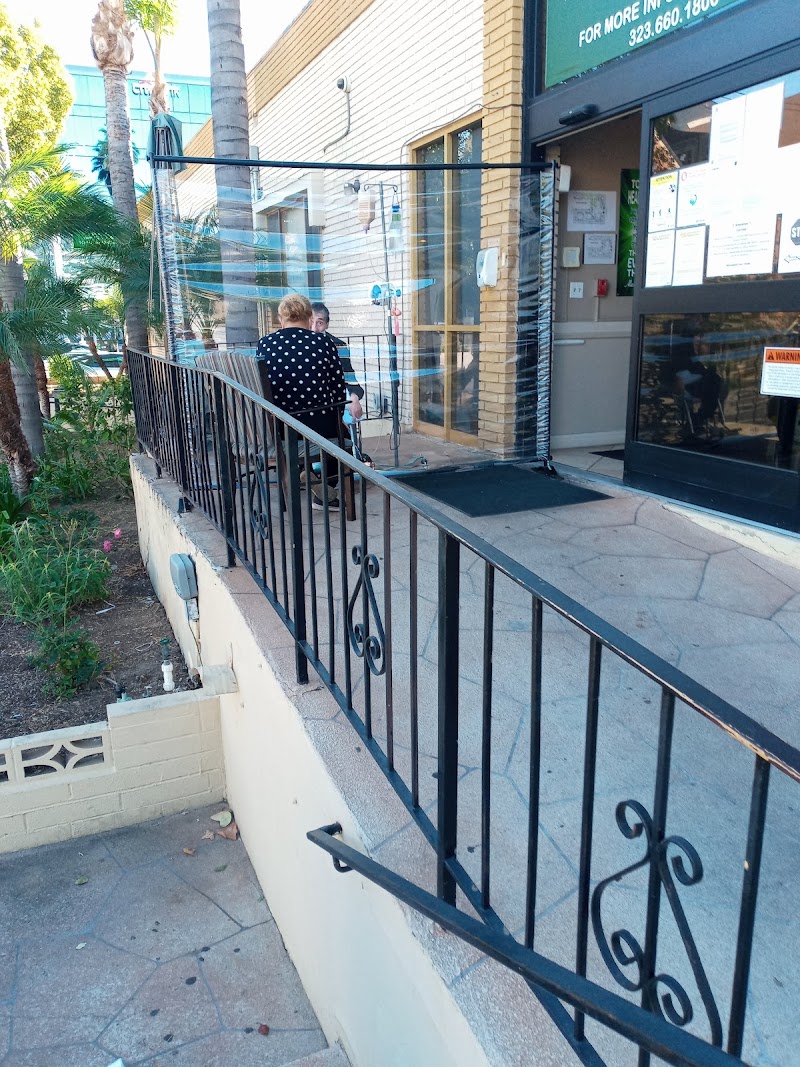
How is Alexandria Staffed?

CMS rates ALEXANDRIA CARE CENTER's staffing level at 4 out of 5 stars, which is above average compared to other nursing homes. Staff turnover is 30%, compared to the California average of 46%. This relatively stable workforce can support continuity of care.

What Have Inspectors Found at Alexandria?

State health inspectors documented 104 deficiencies at ALEXANDRIA CARE CENTER during 2022 to 2025. These included: 99 with potential for harm and 5 minor or isolated issues. While no single deficiency reached the most serious levels, the total volume warrants attention from prospective families.
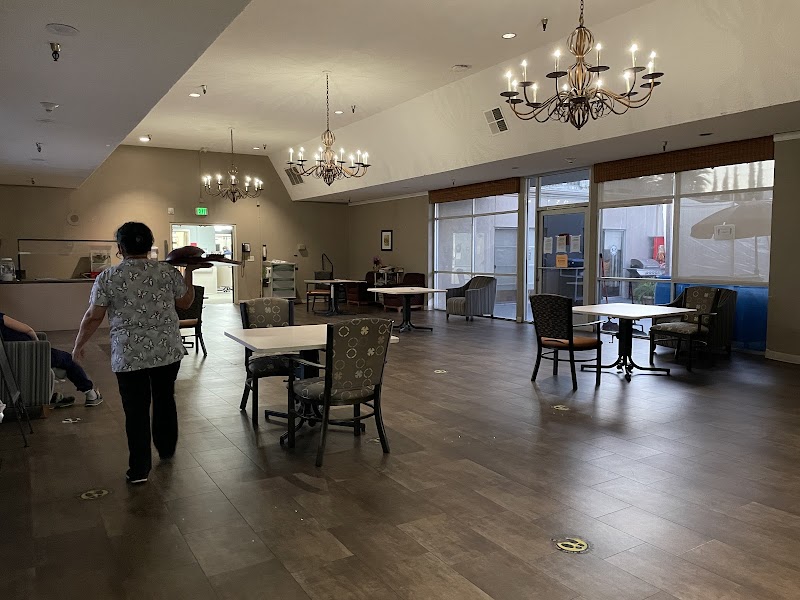
Who Owns and Operates Alexandria?

ALEXANDRIA CARE CENTER is owned by a for-profit company. For-profit facilities operate as businesses with obligations to shareholders or private owners. The facility is operated by GENESIS HEALTHCARE, a chain that manages multiple nursing homes. With 177 certified beds and approximately 161 residents (about 91% occupancy), it is a mid-sized facility located in LOS ANGELES, California.
How Does Alexandria Compare to Other California Nursing Homes?

Compared to the 100 nursing homes in California, ALEXANDRIA CARE CENTER's overall rating (1 stars) is below the state average of 3.1, staff turnover (30%) is significantly lower than the state average of 46%, and health inspection rating (1 stars) is much below the national benchmark.

What Should Families Ask When Visiting Alexandria?

Based on this facility's data, families visiting should ask: "Can I visit during a mealtime to observe dining assistance and food quality?" "How do you handle medical emergencies, and what is your hospital transfer rate?" "Can I speak with family members of current residents about their experience?"

Is Alexandria Safe?

Based on CMS inspection data, ALEXANDRIA CARE CENTER has a clean safety record: no substantiated abuse findings (meaning no confirmed cases of resident harm), no Immediate Jeopardy citations (the most serious violation level indicating risk of serious injury or death), and is not on the Special Focus Facility watch list (a federal program monitoring the lowest-performing 1% of nursing homes). The facility has a 1-star overall rating and ranks #100 of 100 nursing homes in California. While no facility is perfect, families should still ask about staff-to-resident ratios and recent inspection results during their visit.

Do Nurses at Alexandria Stick Around?

Staff at ALEXANDRIA CARE CENTER tend to stick around. With a turnover rate of 30%, the facility is 16 percentage points below the California average of 46%. Low turnover is a positive sign. It means caregivers have time to learn each resident's needs, medications, and personal preferences. Consistent staff also notice subtle changes in a resident's condition more quickly.

Was Alexandria Ever Fined?

ALEXANDRIA CARE CENTER has no federal fines on record. CMS issues fines when nursing homes fail to meet care standards or don't correct problems found during inspections. The absence of fines suggests the facility has either maintained compliance or corrected any issues before penalties were assessed. This is a positive indicator, though families should still review recent inspection reports for the full picture.

Is Alexandria on Any Federal Watch List?

ALEXANDRIA CARE CENTER is not on any federal watch list. The most significant is the Special Focus Facility (SFF) program, which identifies the bottom 1% of nursing homes nationally based on persistent, serious quality problems. Not being on this list means the facility has avoided the pattern of deficiencies that triggers enhanced federal oversight. This is a positive indicator, though families should still review the facility's inspection history directly.