ALVARADO CARE CENTER
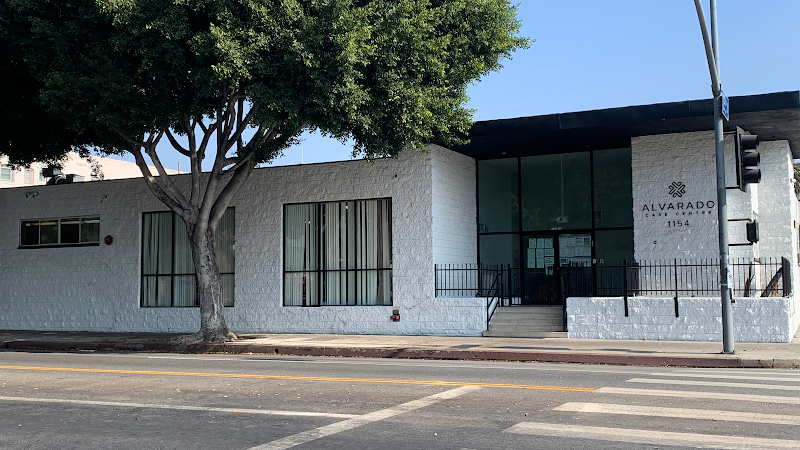
1154 S.ALVARADO ST, LOS ANGELES, CA 90006 (213) 385-1715
For profit - Limited Liability company 72 Beds HELENE MAYER Data: November 2025 1 Immediate Jeopardy citation
Trust Grade
28/100
#734 of 1155 in CA
Last Inspection: December 2024

Within standard 12-15 month inspection cycle. Federal law requires annual inspections.

Overview

Alvarado Care Center has received a Trust Grade of F, indicating significant concerns about the quality of care provided. Ranking #734 out of 1155 facilities in California places it in the bottom half, and at #154 out of 369 in Los Angeles County, there are better local options available. While the facility is improving-reducing issues from 34 to 9 over the past year-the current state still raises alarms due to 55 deficiencies identified during inspections, including serious problems like physical abuse between residents and failure to prevent pressure injuries for a bedbound individual. Staffing is a relative strength with a low turnover rate of 21%, but the RN coverage is only average, and the facility has incurred $52,457 in fines, which is higher than 86% of California facilities. Families should weigh these weaknesses against the improvements and the facility's strengths when considering Alvarado Care Center.

Trust Score
F
28/100
In California
#734/1155
Bottom 37%
Safety Record
High Risk
Review needed
Inspections
Getting Better
34 → 9 violations
Staff Stability
✓ Good
21% annual turnover. Excellent stability, 27 points below California's 48% average. Staff who stay learn residents' needs.
Penalties
✓ Good
$52,457 in fines. Lower than most California facilities. Relatively clean record.
Skilled Nurses
⚠ Watch
Each resident gets only 23 minutes of Registered Nurse (RN) attention daily — below average for California. Fewer RN minutes means fewer trained eyes watching for problems.
Violations
⚠ Watch
55 deficiencies on record. Higher than average. Multiple issues found across inspections.
★★☆☆☆
2.0
Overall Rating
★★☆☆☆
2.0
Staff Levels
★★★★☆
4.0
Care Quality
★★☆☆☆
2.0
Inspection Score
Stable
2024: 34 issues
2025: 9 issues

The Good

  • 4-Star Quality Measures · Strong clinical quality outcomes
  • Low Staff Turnover (21%) · Staff stability means consistent care
  • Full Sprinkler Coverage · Fire safety systems throughout facility
  • No fines on record
  • Staff turnover is low (21%)

    27 points below California average of 48%

Facility shows strength in quality measures, staff retention, fire safety.

The Bad

2-Star Overall Rating

Below California average (3.1)

Below average - review inspection findings carefully

Federal Fines: $52,457

Above median ($33,413)

Moderate penalties - review what triggered them

Chain: HELENE MAYER

Part of a multi-facility chain

Ask about local staffing decisions and management

The Ugly 55 deficiencies on record

1 life-threatening 1 actual harm
Sept 2025 4 deficiencies
CONCERN (D) 📢 Someone Reported This

A family member, employee, or ombudsman was alarmed enough to file a formal complaint

Potential for Harm - no one hurt, but risky conditions existed

Comprehensive Care Plan (Tag F0656)

Could have caused harm · This affected 1 resident

**NOTE- TERMS IN BRACKETS HAVE BEEN EDITED TO PROTECT CONFIDENTIALITY** Based on interview and record review, the facility failed to develop a comprehensive care plan for one of two sampled residents ...

Read full inspector narrative →
**NOTE- TERMS IN BRACKETS HAVE BEEN EDITED TO PROTECT CONFIDENTIALITY** Based on interview and record review, the facility failed to develop a comprehensive care plan for one of two sampled residents (Resident 1). For Resident 1 who was assessed on 5/29/25 as at risk for fall, the facility failed to develop a plan of care to address the risk of fall for Resident 1. This deficient practice had the potential to cause a delay or lack of necessary care for Resident 1. During a review of the admission Record indicated the facility admitted Resident 1 on 5/29/25 with diagnoses including diabetes (DM-a disorder characterized by difficulty in blood sugar control and poor wound healing), dysphagia (difficulty swallowing), lack of coordination and absence of right leg above knee.During a review of the Minimum Data Set (MDS, a resident assessment tool) dated 6/5/25 indicated Resident 1 had moderately impaired cognition. Resident 1 was dependent on shower, lower body dressing, putting on/taking off footwear, personal hygiene, substantial assistance (helper does more than half the effort) with oral hygiene, toileting hygiene, upper body dressing and moderate assistance (helper does less than the effort) with eating.During a concurrent interview and record review on 9/5/25 at 1:34 p.m., Resident 1's Fall Risk assessment dated [DATE] was reviewed with the director of nursing (DON). The DON stated Resident 1 was admitted on [DATE] and was assessed as having a high risk for fall. The DON stated she was unable to find a care plan developed to address Resident 1's risk of fall. DON stated Resident 1's fall risk care plan would have interventions to prevent falls that would include keeping the environment free of clutter and belongings within reach. During a review of the facility Policy titled Nursing Assessment reviewed on 5/19/25 indicated .the admission assessment will be included in the resident's medical record and will be used to create an initial baseline care plan.for the resident. During a review of the facility's policy and procedures titled Fall Risk Assessment reviewed on 5/19/25, the P&P indicated the facility assesses all residents upon admission and periodically for their risk of falling. The facility uses this information to develop both individualized plans of care and facility wide fall prevention measures.
CONCERN (D) 📢 Someone Reported This

A family member, employee, or ombudsman was alarmed enough to file a formal complaint

Potential for Harm - no one hurt, but risky conditions existed

Deficiency F0657 (Tag F0657)

Could have caused harm · This affected 1 resident

Based on interview and record review the facility failed to update and revise the care plan for one of two sampled residents (Resident 1). For Resident 1, the facility failed to update and revise the ...

Read full inspector narrative →
Based on interview and record review the facility failed to update and revise the care plan for one of two sampled residents (Resident 1). For Resident 1, the facility failed to update and revise the care plan when Resident 1 had a fall on 8/18/25 and 8/30/25. This deficient practice resulted in the facility failing to develop and implement new interventions for Resident 1 to prevent future falls. Findings:During a review of the admission Record indicated the facility admitted Resident 1 on 5/29/25 with diagnoses including diabetes (DM-a disorder characterized by difficulty in blood sugar control and poor wound healing), dysphagia (difficulty swallowing), lack of coordination and absence of right leg above knee.During a review of the Minimum Data Set (MDS, a resident assessment tool) dated 6/5/25 indicated Resident 1 had moderately impaired cognition. Resident 1 was dependent on shower, lower body dressing, putting on/taking off footwear, personal hygiene, substantial assistance (helper does more than half the effort) with oral hygiene, toileting hygiene, upper body dressing and moderate assistance (helper does less than the effort) with eating.During a review of the Change of Condition (COC) dated 8/18/25 at 10:56 a.m., indicated Resident 1 fell in the smoking patio and had no injuries. During a review of Resident 1's Post Fall Assessment and Investigation dated 8/18/25 indicated the yes box was marked indicating Resident 1's care plan was updated. During a review of the Change of Condition dated 8/30/25 at 2:16 a.m. indicated Resident 1 was found on the floor on the left side of his bed.During a review of the Post Fall Assessment and Investigation dated 8/30/25 indicated the yes box was marked indicating Resident 1's care plan was updated. During a concurrent interview and record review on 9/5/25 at 2:49 p.m., Resident 1's care plan with a focus on the resident has had an actual fall initiated on 8/11/25, created and revised on 9/5/25 was reviewed with the registered nurse supervisor (RNS 1). RNS 1 stated he created the care plan on 9/5/25. RNS 1 stated the care plan should have been created or revised when Resident 1 had the fall on 8/18/25 and 8/30/25. During a review of the facility's policy and procedures (P&P) titled Fall Management Program reviewed on 5/19/25, the P&P indicated, the nursing staff will develop a plan of care specific to the resident's needs with interventions to reduce the risks of falls. The interdisciplinary team will routinely review the plan of care at a minimum of quarterly, with a significant change in condition and post fall. Interventions will be implemented or changed based on the resident's condition and response. The same policy indicated following a resident's fall, the licensed nurse will review the circumstances of the fall, review the plan of care, implement new interventions as appropriate and revise the plan as indicated. The resident's care plan will be updated as necessary.
CONCERN (D) 📢 Someone Reported This

A family member, employee, or ombudsman was alarmed enough to file a formal complaint

Potential for Harm - no one hurt, but risky conditions existed

Deficiency F0692 (Tag F0692)

Could have caused harm · This affected 1 resident

Based on interview and record review, the facility failed to ensure residents received adequate nutrition for one of two sampled residents (Resident 1). For Resident 1, the facility failed to provide ...

Read full inspector narrative →
Based on interview and record review, the facility failed to ensure residents received adequate nutrition for one of two sampled residents (Resident 1). For Resident 1, the facility failed to provide interventions when Resident 1 refused to eat on 8/18/25 at 5:30 p.m. and refused to eat all meals on 8/19/25 and 8/23/25. This deficient practice resulted in Resident 1 not meeting his adequate nutritional status. During a review of the admission Record indicated the facility admitted Resident 1 on 5/29/25 with diagnoses including diabetes (DM-a disorder characterized by difficulty in blood sugar control and poor wound healing), dysphagia (difficulty swallowing), lack of coordination and absence of right leg above knee.During a review of the Minimum Data Set (MDS, a resident assessment tool) dated 6/5/25 indicated Resident 1 had moderately impaired cognition. Resident 1 was dependent on shower, lower body dressing, putting on/taking off footwear, personal hygiene, substantial assistance (helper does more than half the effort) with oral hygiene, toileting hygiene, upper body dressing and moderate assistance (helper does less than the effort) with eating.During a review of Resident 1's care plan initiated on 6/16/25 indicated Resident 1 was at risk for potential nutritional problems related to mechanical soft (soft texture diet that require less chewing than regular texture food) carbohydrate controlled (CCHO, consistent carbohydrate diet to control diabetes) no added salt soft diet restrictions. The care plan goal indicated Resident 1 will maintain adequate nutritional status as evidenced by maintaining weight, no signs and symptoms of malnutrition and consuming at least 75% of at least three meals daily through the review date. The care plan interventions included for the registered dietitian (RD) to evaluate and make diet change recommendations as needed. During a review of the Resident 1's Documentation Survey Report for 8/25 - Nutrition - Amount Eaten indicated the following:8/18/25 Resident 1 refused to eat at 5:30 p.m.8/19/25 Resident 1 refused to eat at 7:30 a.m., 12 p.m. and 5:30 p.m.8/23/25 - Resident 1 refused to eat at 7:30 a.m., 12 p.m. and 5:30 p.m. During an interview and concurrent review on 9/5/25 at 1:34 p.m., Resident 1's Nutrition - Amount Eaten dated 8/25 and Resident 1's progress notes were reviewed with the director of nursing (DON). The DON stated Resident 1 refused to eat dinner on 8/18/25, refused meals on 8/19/25, had variable intake the following days and refused meals on 8/23/25. The DON stated she was unable to find documentation that Resident 1's physician and registered dietitian were notified. The DON stated the physician, and the RD should be notified immediately to see if they have any recommendations. The DON stated when Resident 1 was refusing meals, Resident 1 could potentially lose weight. During a review of the facility's policy and procedures (P&P) titled Care and Services reviewed on 5/19/25, the P&P indicated the licensed nurse or designee documents and notifies the resident's physician and responsible party of:A. Change in condition, including progress and/or decline in physical or mental functionB. Resident refusal of care or servicesC. Unusual circumstances.
CONCERN (D) 📢 Someone Reported This

A family member, employee, or ombudsman was alarmed enough to file a formal complaint

Potential for Harm - no one hurt, but risky conditions existed

Medical Records (Tag F0842)

Could have caused harm · This affected 1 resident

**NOTE- TERMS IN BRACKETS HAVE BEEN EDITED TO PROTECT CONFIDENTIALITY** Based on interview and record review the facility failed to maintain accurate and complete record for one of two sampled residen...

Read full inspector narrative →
**NOTE- TERMS IN BRACKETS HAVE BEEN EDITED TO PROTECT CONFIDENTIALITY** Based on interview and record review the facility failed to maintain accurate and complete record for one of two sampled residents (Resident 1). For Resident 1 the facility failed to ensure:1.The Fall Risk Assessments dated 8/18/25 and 8/30/25 reflected Resident 1's risk of fall, whether Resident 1 was low risk or high risk for fall. 2.The Fall Risk assessment dated [DATE] accurately reflected that Resident 1 had a history of falls. These deficient practices resulted in an inaccurate and incomplete record for Resident 1. During a review of the admission Record indicated the facility admitted Resident 1 on 5/29/25 with diagnoses including diabetes (DM-a disorder characterized by difficulty in blood sugar control and poor wound healing), dysphagia (difficulty swallowing), lack of coordination and absence of right leg above knee.During a review of the Minimum Data Set (MDS, a resident assessment tool) dated 6/5/25 indicated Resident 1 had moderately impaired cognition. Resident 1 was dependent on shower, lower body dressing, putting on/taking off footwear, personal hygiene, substantial assistance (helper does more than half the effort) with oral hygiene, toileting hygiene, upper body dressing and moderate assistance (helper does less than the effort) with eating.During a review of Resident 1's Fall Risk assessment dated [DATE] and 8/30/25 did not indicate if Resident 1 was low risk or high risk for fall. During a review of Resident 1's Fall Risk assessment dated [DATE] indicated Resident 1 did not have history of fall. During a concurrent interview and record review on 9/10/25 at 1:48 p.m., Resident 1's Fall Risk assessment dated [DATE], 8/18/25 and 8/30/25 were reviewed with the registered nurse supervisor (RNS 1). RNS 1 stated Resident 1's Fall Risk assessment dated [DATE] and 8/30/25 did not indicate Resident 1's fall risks. RNS 1 stated the Fall Risk Assessments should identify if Resident 1 was low or high risk for fall. RNS 1 further stated the Fall Risk assessment dated [DATE] indicated that Resident 1 had no history of fall. RNS 1 agreed that the Fall Risk assessment dated [DATE] was wrong because Resident 1 had previous history of fall. During a review of the facility's policy and procedures (P&P) titled Documentation - Nursing reviewed on 5/19/25, the P&P indicated nursing documentation will be concise, clear, pertinent and accurate.
Aug 2025 1 deficiency 1 IJ
CRITICAL (J) 📢 Someone Reported This

A family member, employee, or ombudsman was alarmed enough to file a formal complaint

Immediate Jeopardy (IJ) - the most serious Medicare violation

Pressure Ulcer Prevention (Tag F0686)

Someone could have died · This affected 1 resident

**NOTE- TERMS IN BRACKETS HAVE BEEN EDITED TO PROTECT CONFIDENTIALITY** Based on interview and record review, the facility failed to prevent the development of pressure injuries and provided care and ...

Read full inspector narrative →
**NOTE- TERMS IN BRACKETS HAVE BEEN EDITED TO PROTECT CONFIDENTIALITY** Based on interview and record review, the facility failed to prevent the development of pressure injuries and provided care and services consistent with professional standards of practice for one out of three sampled residents (Resident 1) by failing to: 1. Implement interventions to prevent PI (Pressure Injury - localized, pressure-related damage to the skin and/or underlying tissue usually over a bony prominence) development for Resident 1 who was admitted without PI, by not repositioning according to the Care Plan (CP- a document that details an individual's health conditions, treatments, needs, and goals, serving as a blueprint for their healthcare and support services) for quadriplegia dated 6/27/25. No documentation repositioning was done. Resident bedbound.2. Provide pressure-relieving mattresses as indicated in the CP for quadriplegia dated 6/27/25.3. Accurately assess Resident 1 Risk for skin breakdown. Skin assessment done on 6/30/25 indicated friction and shear no apparent problem and the assessment scored zero (no risk for skin breakdown). Resident 1 is bed bound, who had multiple co-morbidities (incontinent, hip fracture) and was totally dependent on staff, placing him at increased risk for PI development.5. Implement recommendation of the wound care specialist for Low Air loss Mattress on 8/4/2025 upon discovery of the PI.6. The lack of assessing and measuring pressure ulcers to establish a baseline of wound conditions as well as providing care and treatment for pressure injuries resulted in the development of a DTI (Deep tissue Injury- damage to the underlying muscles and fatty tissue caused by prolonged pressure or trauma, but the skin on top remains intact).7. Ensure facility staff had the necessary competencies needed to identify, describe, care,and treat Residents 1's pressure injuries.8. Report an abnormal WBC level of 15.81 (4-11) on 8/7/2025 to the resident's physician as a sign of infection. As a result, the development of the hospital acquired pressure injury had a highly potentially led to a systemic infection (sepsis- a life-threatening organ dysfunction caused by a disorganized response to an infection), unnecessary hospitalization, organ failure, and death. On 8/11/2025, Resident 1 was unresponsive, requiring transfer to GACH (General Acute Care Hospital). Resident 1 was admitted to the hospital eventually FM decided on palliative care and expired on 8/14/2025.Findings:During a review of Resident 1's Record of Admission (undated), indicated, Resident 1 was initially admitted [DATE] and readmitted to the facility on [DATE] with diagnoses including fracture (a break in the bone) of right femur (The thigh bone), chronic atrial fibrillation (A type of long-lasting, irregular heartbeat where the heart's top chambers quiver instead of beating in a coordinated, regular way), and dysphagia (Difficulty swallowing) oropharyngeal phase (Second stage of swallowing when the food goes from the back of the mouth to into the esophagus [tube that connects the throat to the stomach]). During a review of the Resident 1's CP created 6/27/2025 with a focus on the diagnosis quadriplegia. The CP indicated interventions which included:Perform skin assessments every shift. Reposition every two hours using pressure-relieving mattresses or cushions (e.g., ROHO cushions- a soft, squishy seat made of air-filled bubbles that adjust to your body. It's used mostly by people who can't move around much, like those in wheelchairs, to help protect their skin and keep them comfortable). Use moisture-barrier creams and keep skin clean and dry. During a review of Resident 1's admission assessment dated [DATE], the assessment indicated Resident 1 was able to move in bed and chair independently with no apparent problems with friction and shear. The same assessment indicated Resident 1's skin was good/intact with no skin breakdown. The same assessment which includes the Braden scale (a widely used, evidence-based assessment tool in healthcare used to predict a patient's risk of developing pressure injuries) score was 0 (zero score would be invalid, as the lowest possible total score is 6, score ranges between 6 and 23 where the lower the score, the higher the risk). During a review of Resident 1's CP created 7/7/2025 with a focus on the diagnosis quadriplegia. The CP indicated interventions which included:Reposition is necessary to prevent skin breakdown. Prevent 90-degree flexion (bending a part of your body to create a right angle) to prevent circulation problems. During a review of Resident 1's History and Physical (H&P, a comprehensive medical assessment that includes a patient's medical history, a physical examination, and an assessment/plan), dated 7/9/2025 indicated, Resident 1 was having memory loss and had fluctuating capacity to make decisions. The same H&P indicated advance directives, and/or goals were discussed in detail with Resident 1's (Next of kin) and designated decision maker, FM1. During a review of Resident 1's Minimum Data Set (MDS, a resident assessment tool), dated 7/25/2025, indicated that Resident 1 had moderate cognitive (ability to think, understand and make daily decisions) impairment. The same MDS further indicated Resident 1 was mostly dependent on staff for his activities of daily living (ADLs-toileting, shower/bathe self, lower body dressing, and putting on/taking off footwear). The same MDS indicated Resident 1 required substantial/maximal assistance (describe the level of help a patient requires to perform a task, the resident is highly dependent and requires extensive physical support to complete the task) for rolling left and right, sitting to lying, and lying to sit on side of the bed. During a review of Resident 1's wound care specialist notes dated 8/4/2025, the notes indicated Resident 1 had pressure induced deep tissue damage of sacral (the region of the human body at the base of the spine and top of the buttocks) region measuring 15 centimeter (cm, is a unit of length measurement), 3 x 5 cm ulceration (An open sore or wound that develops on the skin), moderate sanguineous drainage (A bright, red, and fresh-bleeding discharge from a wound, indicating damage to blood vessels and occurring normally in the early stages of wound healing), 26-50% slough (a type of non-viable (dead) tissue that forms in wounds), 26-50% epithelialization (the regeneration and migration of epithelial cells across the surface of a wound). The same notes indicated, recommend low air mattress. Spoke with nurse (unidentified) who will facilitate. During a review of Resident 1's physician order dated 8/4/2025 indicated, Sacrum DTI (A DTI is damage to deeper underlying structures overlaid with either intact or non-intact skin, occurring due to prolonged pressure at the bone-muscle interface): Cleanse wound with normal saline (NS, sterile mixture of salt and water that closely matches the salt concentration of human blood), pat dry, paint with betadine (a brand of antiseptic product that contains povidone-iodine to prevent and treat infections in minor wounds like cuts, scrapes, and burns), cover with foam dressing every day shift. During a review of Resident 1's Situation, Background, Assessment, Recommendation (SBAR, a communication tool used by healthcare workers when there is a change of condition among the residents) dated 8/4/25 indicated, that the resident presented with a deep tissue injury (DTI) on the sacrum. Resident 1 was informed of the recommendation to initiate use of a low air loss (LAL) mattress (a specialized medical air mattress designed to promote skin integrity by providing continuous airflow to reduce moisture and heat, preventing bedsores and enhancing comfort for people with limited mobility). However, the resident, who has a designated Responsible Party (RP), declined the use of the LAL mattress. The facility initiated the appropriate treatment protocol for the DTI, and Resident 1 to be repositioned every two hours. During a review of Resident 1's CP created 8/4/2025 with a focus, The resident has DTI pressure ulcer in sacrum or potential for pressure ulcer development r/t (related to) immobility. The CP indicated interventions which included:Assess/record/monitor wound healing, measure length, width depth where possible. Assess and document status of wound perimeter, wound bed and healing progress. Report improvements and declines to the medical doctor (MD).Educated the resident/family/caregivers as to the causes of skin breakdown; including transfer/positioning requirements; importance of taking care during ambulation/mobility, good nutrition and frequent repositioning. During a review of Resident 1's Laboratory Results report dated 8/7/2025 and reported at 4:14 pm, the results indicated a white blood cell count (WBC - measure the total number of white blood cells in the blood, which are a crucial part of the immune system that fight infection and disease, and may indicate infection or inflammation if level is elevated) of 15.81 cells per microliter [cells/uL, unit of measurement] (normal level range 4-11 cells/uL). The MD was not notified. During a review of Resident 1's nursing notes dated 8/11/2025 at 8:39 am, indicated, Resident (Resident 1) seen in respiratory distress at around 8 AM during breakfast time. Resident (Resident 1) is difficult to arouse, even with a sternal rub. Accessory muscle use noted with a respiratory rate of 32 breaths per minute (normal is 12-20bpm). Resident's body temperature at 98.9F (Fahrenheit, temperature scale), normal range of (97 F to 99 F) blood pressure at 132/76, heart rate (HR) at fluctuating around 110~120 per min, and oxygen saturation at 88% (percent). Paramedics were called for assistance. Resident 1 left at 8:16 am (on 8/11/25) to GACH. Medical Doctor (MD) and Family Member (FM 1) notified. During a review of Resident 1's 911 (the universal emergency telephone number in the United States and Canada that you call for immediate help from the police, fire department, or emergency medical services) run sheet (report) date 8/11/2025 at 7:59 am, indicated the chief complaint as altered level of consciousness (ALOC -a condition where a person is not as awake, alert, or responsive as they normally would be ranging from mild to complete coma). Resident found fowlers (sitting up about 90 degrees) in bed, on oxygen (O2) via non-rebreather mask (NRB - a specialized medical mask with a connected reservoir bag that provides high concentrations of oxygen to patients who can breathe on their own but need more support) at 15 liters per minute (lpm-unit of measure for oxygen delivery), and Glasgow Coma Scale (GCS - a tool that doctors and nurses use to measure how awake and responsive a person is, especially after a head injury or if someone might be in a coma) of score of three (15 as fully awake and alert , 8 or below as serious condition, possibly a coma, 3 is no response at all, deep coma). Staff (unidentified) stated that Resident 1 was found to be unresponsive while doing rounds this morning with no time specified. Last known well for Resident 1 is sometime last night with no specific time stated by staff. Staff (unidentified) states that Resident 1 is normally alert oriented, able to effectively communicate, and GCS 15. Staff states no recent trauma, cold/flu symptoms, drug or alcohol use, or abnormalities in urine output. Resident 1 has no history of stroke (when there is blood interruption to the brain causing the cells to die) or seizure (a temporary, uncontrolled electrical disturbance in the brain that can cause changes in a person's awareness, behavior, sensations, and muscle control) according to facility paperwork. Resident 1 is tachycardic (elevated heart rate) and feels hot to the touch with normal color and dry skin. During an interview with Family Member (FM) 1, on 8/15/25 at 5:10 pm, FM 1 stated that Resident 1 was admitted to the facility in January 2024 while ambulatory and no skin abnormalities. FM 1 stated that Resident 1 suffered a right hip fracture in 6/2025 and returned to the facility 6/30/2025. FM 1 stated that Resident 1 required assistance from the facility staff after he returned to the facility which included toileting, turning, eating etc. On 8/4/2025, FM 1 received a call from nursing on the morning of on 8/11/2025 in telling her that Resident 1 had been transferred to GACH after Resident 1 was found unresponsive. FM 1 stated that she (FM 1) was very confused and asked what could have led to the sudden change and was at that point, the faculty staff notified FM 1 that Resident 1 had a pressure injury to his (Resident 1) buttocks which had opened up on 8/4/2025. FM 1 stated that she felt frustrated and asked why the facility had not notified her about the pressure injury being that she had Durable Power of Attorney for Health care (DPOA, a legal document where a trusted person [agent or health care proxy] to make medical decisions if one become mentally incapacitated) and the responsible party. FM 1 stated that Resident 1 had a history of dementia (A decline in cognitive function-such as memory, reasoning, language, and problem-solving-that is severe enough to interfere with daily life) and Parkinson's disease (a condition that affects the brain and makes it harder for a person to move their body the way they want to) which caused him to be confused and unable to make his own decisions which was the reason why she was designated DPOA. FM 1 stated that the facility as well as other health care providers called her (FM 1) regarding every decision pertaining to Resident 1's care. On the same interview FM 1 stated that the GACH healthcare personnel (unidentified) informed her that the PI was in bad shape and appeared infected. FM 1 stated that the GACH physician informed her that Resident 1 was septic with the PI as a possible source. FM 1 stated that Resident 1 was placed on comfort care on 8/12/2025, discharged to her home on 8/13/2025 and passed away on 8/14/2025. During an interview with Certified Nursing Assistant (CNA) 3 on 8/16/2025 at 11:31 am, CNA 3 stated that Resident 1 was bedbound after his surgery (right hip replacement) and readmitted on [DATE]. Resident 1 required total assistance for activities such as repositioning, feeding even though he was able to move his arms, changing his incontinence (unable to control both bladder and bowels) briefs, bed bath, and dressing. During an interview on 8/16/2025 at 11:58am, LVN 1 stated that skin assessments must be completed weekly by nursing. If a resident is found to have a stage 2 (partial-thickness skin loss involving the epidermis and dermis) or higher PI, a LAL mattress should be provided. Interventions to prevent skin breakdown included getting residents up out of bed to relieve pressure at least after breakfast and back to bed at lunch, frequent checking of the skin, and repositioning. During an interview with LVN 2 on 8/18/2025 at 11 am, LVN 2 stated that residents that are at risk of skin breakdown such as bedbound must have a CP to prevent skin breakdown and include interventions such as repositioning while in bed, keeping the residents nice and dry. LVN 2 stated the CP helps the team know how to care for the residents. LVN 2 stated skin assessment must be documented and done often/daily especially when non-ambulatory/non-verbal. LVN 2 stated that there are signs such as redness to the skin first before it develops to pressure injury or skin breakdown. LVN stated that if she had a resident who had changes in condition such as abnormal lab values, it must promptly be reported to the physician for directions on what actions to take next such as transfer the resident to the hospital. During an interview with Infection Prevention Nurse (IPN) on 8/18/2025 at 1 pm, the IPN stated that on 8/4/2025 a Certified Nursing Assistant (CNA) informed her that Resident 1 had a skin abnormality to his sacrum. The IPN stated that a consult for the wound care specialist was placed. The IPN stated that she assisted the wound care specialist with repositioning the resident to allow a clear view of the PI site for the wound care specialist. The IPN stated that she had leaned over to see the PI while holding Resident 1 on the side facing her (IPN). Resident 1's skin had a reddish/purple color to the sacrum. IPN stated that Resident 1's skin was intact with a small scratch and no drainage. The IPN stated that Resident 1's PI was classified as a DTI and may happen when a resident is not moving or repositioning. During an interview with the Registered Nurse Supervisor (RNS) on 8/18/2025 at 12:02 pm, the RNS stated that residents who are admitted with surgical wounds must have ongoing assessments with documentation describing the condition of the wound including size (measurements) and drainage upon admission and throughout admission until completely healed. RNS stated that there was no specific protocol for DTI, but that interventions such as repositioning every two hours, wound care specialist consults and daily skin assessments should be done. RNS stated that the facility refers to the PI policy. During a concurrent interview and record review of Resident 1's wound care specialist notes dated 8/4/2025 with the MDS nurse (also as treatment Nurse) on 8/18/2025 at 2:02 pm, the MDS nurse stated that when he completed Resident 1's dressing changes on 8/8/2025, the skin to Resident 1's sacrum had some reddish/ purple color but that the skin was intact with no drainage noted. The MDS nurse confirmed that he had not received specific training as a treatment nurse (a licensed nurse who specializes in providing direct care and expert assessments for wounds, skin conditions, and other therapeutic needs, including medication administration and treatment plan development, all under physician orders and facility guidelines) cause his main job is doing MDS. During an interview with the wound care specialist on 8/18/2025 at 2:10 pm, the wound care specialist stated that pressure ulcers usually have signs such as redness before breakdown and develop over time. He stated that Resident 1 had a DTI with an area of ulceration upon his assessment on 8/4/2025. Wound care specialist stated that an elevated WBC must be reported to either himself or the primary medical provider because it may indicate an infection process. The wound care specialist confirmed that he had not received any call from the facility regarding the elevated WBCs. The specialist stated that had he received a call about the elevated WBC, he would have ordered for a wound culture to be collected to rule out wound infection. The specialist stated that wound infection may lead to sepsis. During an interview with the DON on 8/19/2025 at 12:43 pm, the DON confirmed that the facility did not have a full-time treatment nurse. The DON stated that one of the requirements for treatment nurses was to complete a special treatment nurse training online. The DON confirmed that the facility staff (IPN, MDS, ADSD- assistant Director of staff Development) that were covering as a treatment nurse had not completed the training. During an interview with the DON on 8/19/2025 at 2 pm, the DON stated that Resident 1 had a care plan for quadriplegia based on documentation received upon the resident's readmission from the General Acute Care Hospital (GACH) on 6/30/2025. The DON further stated that the pressure injury risk assessment for Resident 1 was done inaccurately. The DON confirmed that there was no documented evidence that the interventions outlined in Resident 1's care plan, initiated on 6/27/2025 and 8/4/2025, were implemented. Specifically, there was no documentation of skin assessments being performed every shift, nor of repositioning every two hours using pressure-relieving mattresses or cushions. DON further stated these interventions, if consistently applied, may have prevented the development of pressure injury. During a review of a policy and procedures (P&P) titled, Pressure Ulcer Prevention, reviewed 5/19/2025, indicated to identify residents at risk for skin breakdown, implement measures to prevent and/or manage pressure ulcers and minimize complications. The same P&P indicated the following procedure:Risk Identification and Assessment:The Licensed Nurse will complete a Braden Scale Assessment upon admission and quarterly to identify residents at risk for skin breakdown. The Licensed Nurse will conduct a skin assessment for a resident upon admission, readmission, weekly, and as needed. Results of the weekly skin assessment will be documented in the medical record. (Results may be documented using the Weekly Skin Inspection form. Weekly Skin Inspection) .If the resident is identified as having a wound, refer to policy for Wound Management.If the resident is identified as having a wound upon admission, findings will be documented on the Resident admission Assessment. Each identified wound will be documented in the resident's clinical chart. During a review of a P&P titled, Change of Condition Notification, reviewed 5/19/2025, the P&P indicated, To ensure residents, family, legal representatives, and physicians are informed of changes in the resident's condition in a timely manner. The same P&P defined an acute change in condition (ACOC) as, is a sudden, clinically important deviation from a patient's baseline in physical, cognitive, behavioral, or functional domains. Clinically important means a deviation that, without intervention, may result in complications or death). The P&P's further indicated the following:The Licensed Nurse will notify the residents' Attending Physician when there is an:A significant change in the resident's physical, mental or psychosocial status, e.g., deterioration in health, mental or psychosocial status, life-threatening conditions or clinical complications.A need to alter treatment significantly (e.g. based on lab/x-ray results, a need to discontinue an existing form of treatment due to change of condition).
Jul 2025 1 deficiency
CONCERN (D) 📢 Someone Reported This

A family member, employee, or ombudsman was alarmed enough to file a formal complaint

Potential for Harm - no one hurt, but risky conditions existed

Administration (Tag F0835)

Could have caused harm · This affected 1 resident

**NOTE- TERMS IN BRACKETS HAVE BEEN EDITED TO PROTECT CONFIDENTIALITY** Based on interview and record review the facility failed to ensure their policy for Unusual Occurrence Reporting included major ...

Read full inspector narrative →
**NOTE- TERMS IN BRACKETS HAVE BEEN EDITED TO PROTECT CONFIDENTIALITY** Based on interview and record review the facility failed to ensure their policy for Unusual Occurrence Reporting included major accidents and follow it to report a major accidental fall with injury according to the State and Federal regulations for one of three sampled residents (Resident 1). This deficient practice resulted an outdated policy and procedures being implemented when the facility made the decision not to report a major accidental fall with injury to the State Agency (SA). During a review of Resident 1's admission Record dated 7/10/25, indicated the resident was admitted to the facility on [DATE] with diagnosis including unsteadiness on feet, lack of coordination, Parkinson's disease (a progressive disease of the nervous system marked by tremor, muscular rigidity, and slow, imprecise movements), repeated falls, major depressive disorder (a mood disorder that causes a persistent feeling of sadness and loss of interest), osteoarthritis (a progressive disorder of the joints, caused by a gradual loss of cartilage).During a review of Resident 1's History and Physical (H&P) dated 7/9/25 indicated the resident was having memory problems and had fluctuating capacity to make medical decisions. During a review Resident 1's Minimum Data Set (MDS, a resident assessment tool) dated 7/7/25 indicated Resident 1 had moderately impaired cognitive (process of thinking, reasoning, judgement or remembering) function. Resident 1 was dependent (helper does all the effort) with toileting, shower, lower body dressing, putting on footwear and sit to stand and transfers. The assessment for walking was not attempted due to medical condition of safety concerns.During a review Resident 1's of the Nurses Notes dated 6/25/25 at 00:20 am indicated, resident again trying to physically fight the nurse. resident started to take steps toward his walker and he lost his balance and fell to the floor. During a review of Resident 1's Nurses Notes dated 6/25/25 at 2:50 am indicated, 911 was called due resident's unrelieved pain. resident transferred to hospital at approximately 3:00 am. During a review of Resident 1's CT (medical imaging procedure that uses X-rays to create detailed cross-sectional images of the body) pelvis (central core of your skeletal system) imaging report dated 6/25/25 at 8:43 am indicated Resident 1 had and fracture of the right femur (long bone of the thigh). During a review of Resident 1's Nurses Notes dated 6/30/25 at 10:48 pm the resident was readmitted to the facility. During a review of the facility's policy and procedures (P&) titled Unusual Occurrence Reporting implemented October 2023, indicated the facility will follow all applicable state and federal laws and regulation regarding the reporting of unusual occurrences. The Facility reports the following events by phone and in writing to the appropriate State or Federal agencies. Other Occurrences. Death of a resident, employee or visitor due to unnatural causes. Allegations of abuse, or neglect. Allegations of misappropriation of resident property; and. Other occurrences that interfere with Facility operations and affect the welfare, safety, or health of residents, employees or visitors. During a review of the California Code Regulations - 72541 - Unusual Occurrences, indicated Occurrences such as epidemic outbreaks, poisonings, fires, major accidents, death from unnatural causes or other catastrophes and unusual occurrences which threaten the welfare, safety or health of patients, personnel or visitors shall be reported by the facility within 24 hours either by telephone (and confirmed in writing) or by telegraph to the local health officer and the Department.During a concurrent interview and record review on 7/10/25 at 1:37 pm with Director of Nursing (DON) of the facility's P&P for Unusual Occurrence Reporting and the California Code of Regulations, 72541 - Unusual Occurrences were reviewed. The DON stated they new how the fracture happened it was from a fall and not an unknown source. Would not be considered an unusual occurrence because they knew how it happened. DON verifies the facility's policy does not mention major accidents as being reportable and states the resident was prone to fractures due to the diagnosis of osteoarthritis. During a concurrent interview and record review on 7/10/25 at 1:50 pm with the facility Administrator (ADM) the California Code of Regulations, 72541 - Unusual Occurrences were reviewed. The ADM stated they didn't think the fracture was reportable because it was a witnessed fall. ADM reviewed the regulation where it indicates major accidents are reportable and ADM has nothing to add stays silent.
Jun 2025 3 deficiencies
CONCERN (D) 📢 Someone Reported This

A family member, employee, or ombudsman was alarmed enough to file a formal complaint

Potential for Harm - no one hurt, but risky conditions existed

Deficiency F0551 (Tag F0551)

Could have caused harm · This affected 1 resident

Based on interview and record review the facility failed to notify the resident's Power of Attorney (POA, allows someone else to manage the personal and financial matters of another person) for one of...

Read full inspector narrative →
Based on interview and record review the facility failed to notify the resident's Power of Attorney (POA, allows someone else to manage the personal and financial matters of another person) for one of two sampled residents (Resident 1). For Resident 1, the facility failed to notify Resident 1's POA when Resident 1 had an appointment for Magnetic Resonance Imaging (MRI, medical imaging procedure for making images of the internal structures of the body) on 6/25/25. This deficient practice resulted in Resident 1 and Resident 1's POA not given their right to participate in decision making before services were provided.Findings. During a review of the admission Record indicated the facility admitted Resident 1 on 11/21/24 with diagnoses including dementia (a progressive state of decline in mental abilities), hypertension (high blood pressure) and depression. During a review of the History and Physical dated 2/15/25 indicated Resident 1 does not have the capacity to understand and make decisions. During a review of the Minimum Data Set (MDS, a resident assessment tool) dated 5/30/25 indicated Resident 1 had moderately impaired cognitive function. Resident 1 was dependent on toileting hygiene, needed maximal assistance (helper does more than half the effort) with shower/bathe, lower body dressing, putting on/taking off footwear and needed moderate assistance (helper does less than half the effort) with eating, oral hygiene, upper body dressing and personal hygiene. During a review of the Physician Order dated 5/19/25 at 12:23 p.m., Resident 1's physician gave an order for MRI of the brain for evaluation of confusion.During a review of the Physician Order dated 6/16/25 at 10:02 am., indicated Resident 1 had an appointment on 6/25/25 at 11 a.m. for the MRI of the brain. During an interview on 6/25/25 at 3:03 p.m. Resident 1's POA stated the facility failed to notify her that Resident 1 had an appointment for the MRI. POA stated she always accompany Resident 1 for Resident 1's appointments because Resident 1 could not advocate for herself. During an interview on 6/27/25 at 11:19 a.m., licensed vocational nurse (LVN 1) stated she arranged Resident 1's MRI appointment but did not notify Resident 1's POA. LVN 1 stated Resident 1's POA should have been notified about Resident 1's appointment. During an interview on 6/27/25 at 12 p.m., the director of nursing (DON) stated Resident 1's POA should be notified about the appointment because Resident 1 was unable to decide for herself. During a review of the facility Policy titled Resident Rights reviewed on 5/19/25 indicated residents had the right to choose a physician and treatment, participate in decisions and care planning, .including involving representatives. The same Policy indicated the residents had the right to be fully informed and participate in their treatment in a language they can understand.
CONCERN (D) 📢 Someone Reported This

A family member, employee, or ombudsman was alarmed enough to file a formal complaint

Potential for Harm - no one hurt, but risky conditions existed

Deficiency F0658 (Tag F0658)

Could have caused harm · This affected 1 resident

Based on observation, interview and record review the facility failed to properly use the low air loss mattress (LAL, specialized mattress that prevents pressure ulcers [damage to an area of the skin ...

Read full inspector narrative →
Based on observation, interview and record review the facility failed to properly use the low air loss mattress (LAL, specialized mattress that prevents pressure ulcers [damage to an area of the skin caused by constant pressure on the area for a long time], according to the professional standard of practice for one of the two sampled residents (Resident 1). During observation on 6/27/25 at 9:20 a.m., Resident 1 had a blue reusable pad ( chux) while lying on the LAL mattress. This deficient practice had the potential to affect Resident 1's comfort level and delay healing of Resident 1's pressure ulcer. Findings: During a review of the admission Record indicated the facility admitted Resident 1 on 11/21/24 with diagnoses including dementia (a progressive state of decline in mental abilities), hypertension (high blood pressure) and depression. During a review of Resident 1's Care Plan initiated on 11/22/24 indicated Resident 1 had saccrococcyx (lower back and tail bone) pressure injury. The Care Plan goal included Resident 1 will have no complications related to the saccrococcyx pressure injury through the next review date. The care plan interventions included to follow the facility protocols for treatment of pressure injury, identify/document causative factors and to eliminate/resolve where possible. During a review of Resident 1's Physician Order dated 12/30/24 at 3:34 p.m., indicated an order for LAL mattress and to monitor for proper setting, functioning and placement everyday shift for skin management. During a review of the Minimum Data Set (MDS, a resident assessment tool) dated 5/30/25 indicated Resident 1 had moderately impaired cognitive function. Resident 1 was dependent on toileting hygiene, needed maximal assistance (helper does more than half the effort) with shower/bathe, lower body dressing, putting on/taking off footwear and needed moderate assistance (helper does less than half the effort) with eating, oral hygiene, upper body dressing and personal hygiene. During concurrent observation and interview on 6/27/25 at 9:32 a.m., certified nursing assistant (CNA 1) stated Resident 1 was lying on the chux with white draw sheet (small bed sheet that cover the area between a person's upper back and thighs). CNA 1 stated the chux should be removed because Resident 1 was lying in a special mattress. During an interview on 6/27/25 at 9:40 a.m., licensed vocational nurse (LVN 2) stated the chux should not be used with the LAL mattress because the chux defeats the purpose of the LAL mattress because the chux can cause the build up of pressure in the mattress. During an interview on 6/27/25 at 12 p.m., the director of nursing (DON) stated the chux should not be used for Resident 1 while on the LAL mattress.During a review of the LAL Mattress Operator's Manual (item number 14029DP) indicated to cover the mattress with a cotton sheet to avoid direct contact and improve the comfort level. During a review of the facility Policy titled Care Standards reviewed on 5/19/25 indicated all residents receive necessary care and services that are evidence based and in accordance with accepted professional clinical standards of practice.
CONCERN (D) 📢 Someone Reported This

A family member, employee, or ombudsman was alarmed enough to file a formal complaint

Potential for Harm - no one hurt, but risky conditions existed

Pharmacy Services (Tag F0755)

Could have caused harm · This affected 1 resident

Based on interview and record review the facility failed to ensure medications were administered as ordered by the physician for one of two sampled residents (Resident 1). For Resident 1, the facility...

Read full inspector narrative →
Based on interview and record review the facility failed to ensure medications were administered as ordered by the physician for one of two sampled residents (Resident 1). For Resident 1, the facility failed to document medications were administered as soon as given and failed to document the reasons why the medications were not administered.These deficient practices resulted in the facility failing to determine if the medications were administered to Resident 1, prevent the potential for medication errors, medication duplication and delay in care and treatment to meet the needs of Resident 1. Findings:During a review of the admission Record indicated the facility admitted Resident 1 on 11/21/24 with diagnoses including dementia (a progressive state of decline in mental abilities), hypertension (high blood pressure) and depression. During a review of the History and Physical dated 2/15/25 indicated Resident 1 does not have the capacity to understand and make decisions. During a review of the Minimum Data Set (MDS, a resident assessment tool) dated 5/30/25 indicated Resident 1 had moderately impaired cognitive function. Resident 1 was dependent on toileting hygiene, needed maximal assistance (helper does more than half the effort) with shower/bathe, lower body dressing, putting on/taking off footwear and needed moderate assistance (helper does less than half the effort) with eating, oral hygiene, upper body dressing and personal hygiene. During a review of Resident 1's Medication Administration Record (MAR - a daily documentation record used by a licensed nurse to document medications and treatments given to a resident) for 6/2025 indicated the following:1.Ascorbic acid 500 milligrams (mg., metric unit of measurement, used for medication dosage and/or amount) give one table one time a day for supplement was not signed as given at 9 a.m. on 6/13/25 and 6/17/25.2.Famotidine 20 mg. give one tablet by mouth in the morning for hyperacidity and to give before breakfast was not signed as given at 6:30 a.m. on 6/3/25, 6/20/25, 6/24/25 and 6/25/25.3.Ferrous Sulfate tablet 325 mg. give one tablet by mouth one time a day for supplement at 9 a.m. on 6/13/25 and 6/17/25. 4.Folic acid 1 mg. give one tablet by mouth one time a day for supplement was not signed as given at 9 a.m., on 6/13/25 and 6/17/25.5. Lisinopril oral tablet 10 mg. give one tablet by mouth one time a day for hypertension was not signed as given at 9 a.m. on 6/2/25, 6/13/25, 6/14/25 and 6/17/25.6. Multiple Vitamin Tablet give one tablet by mouth one time a day for supplement was not signed as given at 9 a.m. on 6/13/25 and 6/17/25. 7.Zinc Sulfate oral tablet 220 mg. give one tablet by mouth one time a day for supplement not signed as given at 9 a.m. on 6/13/25 and 6/17/25.8. Docusate Sodium 100 mg. give one capsule by mouth two times a day for constipation not signed as given at 9 a.m. on 6/13/25 and 6/17/25.9.Prostat oral liquid give 30 milliliters (ml., measure of volume) by mouth two times a day for supplement not signed as given at 9 a.m. on 6/13/25 and 6/17/25. During an interview on 6/27/25 at 12 p.m., Resident 1's MAR was reviewed with the director of nursing (DON). DON stated the MAR should be signed as soon as the medications were administered to Resident 1. DON agreed that if the MAR was not signed the medications were not given. During a review of the facility Policy titled Medication Administration reviewed on 5/19/25 indicated the licensed nurse will chart the drug, time administered and initial his/her name with each medication administration. The time and dose of the drug or treatment administered will be recorded in the resident's individual medication record by the person who administers the drug or treatment. Initials may be used, provide that the signature of the person administering the medication or treatment is also recorded on the medication or treatment record.
Dec 2024 11 deficiencies
CONCERN (D)

Potential for Harm - no one hurt, but risky conditions existed

Comprehensive Assessments (Tag F0636)

Could have caused harm · This affected 1 resident

**NOTE- TERMS IN BRACKETS HAVE BEEN EDITED TO PROTECT CONFIDENTIALITY** Based on observation, interview, and record review the facility failed to ensure a resident's oral status was assessed comprehen...

Read full inspector narrative →
**NOTE- TERMS IN BRACKETS HAVE BEEN EDITED TO PROTECT CONFIDENTIALITY** Based on observation, interview, and record review the facility failed to ensure a resident's oral status was assessed comprehensively for one of one sampled resident (Resident 40). This deficient practice may result in a failure to meet Resident 40's oral health needs. Findings: During a review of Resident 40's admission Record, the document indicated that the facility admitted Resident 40 on 11/28/2024 with diagnoses including acute kidney failure (a condition in which the kidneys are damaged and cannot filter blood well), atrial fibrillation (a heart condition that causes an irregular and often abnormally fast heart rate), and anemia (a condition that develops when your blood produces a lower-than-normal amount of healthy blood cells). During a review of Resident 40's Minimum Data Set (MDS - a standardized assessment and care-screening tool), dated 12/5/2024, the document indicated that the resident had intact cognition (undamaged mental abilities, including remembering things, making decisions, concentrating, or learning). The MDS further indicated that Resident 40 needed supervision for eating, and moderate -to-maximal assistance with all other activities of daily living ( ADL-activities related to personal care). The MDS indicated Resident 40 did not have any broken or loosely fitted dentures. During a review of Resident 40 's History and Physical Examination (HP) dated 11/30/2024, the document indicated that Resident 40 had the capacity to understand and make decisions. Further, the HP indicated that Resident 40 had missing upper teeth. During concurrent observation and interview on 12/13/2024 at 7:38 PM in Resident 40's room, the resident was observed without upper teeth. Resident 40 stated that he lost his upper dentures and could not find them prior to his admission. During concurrent interview and record review on 12/15/2024 at 10AM with Registered Nurse 1 (RN1), RN 1 reviewed Resident 40's Initial Nutritional assessment dated [DATE]. RN 1 stated that the assessment did not indicate that Resident 40 had a missing or broken teeth. RN1 stated that an inaccurate assessment of the condition of Resident 40's oral health may lead to nutritional problems like with eating food and maintaining weight. During an interview with the Director of Nursing (DON) on 12/55/2024 at 11 AM, the DON stated that failure to do an accurate assessment of Resident 40's oral health may lead to further deterioration of the resident's health. A review of the facility's recent policy and procedure titled Nursing Assessment last reviewed 11/202023, indicated: The assessment process must include direct and indirect observation and communication with resident, as well as communication with licensed and non-licensed direct care staff members on all shifts.
CONCERN (D)

Potential for Harm - no one hurt, but risky conditions existed

Deficiency F0638 (Tag F0638)

Could have caused harm · This affected 1 resident

**NOTE- TERMS IN BRACKETS HAVE BEEN EDITED TO PROTECT CONFIDENTIALITY** Based on interview and record review, the facility failed to ensure one of three sampled residents (Resident 25), who had pressu...

Read full inspector narrative →
**NOTE- TERMS IN BRACKETS HAVE BEEN EDITED TO PROTECT CONFIDENTIALITY** Based on interview and record review, the facility failed to ensure one of three sampled residents (Resident 25), who had pressure ulcers (also known as a pressure injury, a localized area of damaged skin or tissue caused by prolonged pressure on the skin), was assessed quarterly using the Braden scale assessment (a tool used to assess a patient's risk of developing pressure ulcers). This deficient practice caused an increased risk in assessing a significant change to Resident 25's skin integrity. Findings: During a review of Resident 25's admission Record, the admission Record indicated the facility admitted the resident on 7/13/2024 with diagnoses that included a displaced communicated fracture of the shaft of the right fibula (an injury where the bone in the lower leg, specifically the middle section (shaft), has broken into multiple pieces causing a visible deformity and likely requiring surgical intervention), difficulty in walking, and anemia (a condition where the body does not have enough healthy red blood cells). During a review of Resident 25's Minimum Data Set (MDS, a resident assessment tool) dated 10/24/2024, the MDS indicated the resident was at risk for pressure ulcers. The MDS further indicated Resident 25 had a stage 3 pressure ulcer (a pressure injury characterized by full-thickness tissue loss where subcutaneous fat is visible within the wound, but bone, tendon, or muscle are not exposed) and was receiving pressure ulcer care. During a review of Resident 25's Braden scale assessment dated [DATE], the assessment indicated the resident was at high risk for developing a pressure ulcer with a score of 12. The Braden scale indicated Resident 25 had very limited sensory perception, was very moist, was bedfast (confined to bed), had very limited mobility, had adequate nutrition, and had a potential problem with friction and shear. During a concurrent interview and record review on 12/15/2024 at 3:36 PM, Resident 25's Braden scale assessment dated [DATE] was reviewed with Registered Nurse (RN) 2. RN 2 confirmed a Braden scale assessment for Resident 25 was last performed on 8/9/2024. RN 2 stated Resident 25 should have had a Braden scale assessment performed on 11/2024. RN 2 stated Braden scale assessments are done quarterly to see how at risk the resident is for a pressure ulcer. RN 2 stated there was a potential for the worsening of Resident 25's pressure ulcer if a Braden scale assessment was not done quarterly. During a concurrent interview and record review on 12/15/2024 at 4:58 PM, Resident 25's Braden scale assessment dated [DATE] was reviewed with the Director of Nursing (DON). The DON confirmed Resident 25's last Braden scale assessment was done on 8/9/2024. The DON stated Resident 25 should have had another Braden scale assessment performed on 10/2024. The DON stated Braden scale assessments are performed on admission weekly for 4 weeks and then quarterly. The DON stated Braden scale assessments identify the resident's risk level for developing a pressure ulcer. The DON stated when a Braden scale assessment is not done there is a potential for staff to not identify the interventions needed to address the resident's level of risk which could lead to a worsening of the resident's wounds. During a review of the facility's policy and procedure titled Pressure Ulcer Prevention dated 10/1/2023, the policy and procedure indicated The Licensed Nurse will complete a Braden Scale Assessment upon admission and quarterly to identify residents at risk for skin breakdown.
CONCERN (D)

Potential for Harm - no one hurt, but risky conditions existed

MDS Data Transmission (Tag F0640)

Could have caused harm · This affected 1 resident

**NOTE- TERMS IN BRACKETS HAVE BEEN EDITED TO PROTECT CONFIDENTIALITY** Based on interview, and record review, the facility failed to ensure the Minimum Data Set (MDS - a resident assessment tool) was...

Read full inspector narrative →
**NOTE- TERMS IN BRACKETS HAVE BEEN EDITED TO PROTECT CONFIDENTIALITY** Based on interview, and record review, the facility failed to ensure the Minimum Data Set (MDS - a resident assessment tool) was transmitted timely to the Centers for Medicare and Medicaid Services (CMS) system for one of one sampled resident (Resident 3). This deficient practice had the potential to result in delayed services for the resident. Findings: During a review of Resident 3`s admission Record, the admission Record indicated the facility originally admitted the resident on 4/13/2005, and readmitted on [DATE], with diagnoses including dementia (a progressive state of decline in mental abilities), type two diabetes mellitus (DM-a disorder characterized by difficulty in blood sugar control and poor wound healing), and major depressive disorder (a mood disorder that causes a persistent feeling of sadness and loss of interest). During a review of Resident 3's MDS dated [DATE], The MDS indicated that the resident`s cognitive skills (brain's ability to think, read, learn, remember, reason, express thoughts, and make decisions) for daily decision making was severely impaired (never/rarely made decisions). The MDS indicated that Resident 3 was dependent to staff (helper does all of the effort) for eating, oral hygiene, showering/bathing, upper and lower body dressing, toileting hygiene, and personal hygiene. During a concurrent interview and record review on 12/15/2024 at 11:16 AM, with the facility`s [NAME] President of Clinical Services (VP) in person and MDS Resource (MDSR) by telephone, Resident 3's MDS assessment dated [DATE] was reviewed. The VP stated that the system showed that the MDS dated [DATE] was accepted by CMS on 12/12/2024. The MDSR stated that the MDS dated [DATE] was submitted to CMS on 12/11/2024 and accepted on 12/12/2024. The MDSR stated that MDS assessments must be transmitted to CMS within 14 days of completion. The MDSR stated Resident 3's MDS dated [DATE] was not timely transferred to CMS and therefor a deficient practice. The MDSR stated the potential outcome is that the CMS will not have the most updated resident information. During a review of the facility's Policy and Procedure (P&P) titled RAI Process-Operational Manual-Administrative Policies, dated 10/1/2023, the P&P indicated that the facility would utilize the Resident Assessment Instrument (RAI) process as the basis for the accurate assessment for each resident`s functional capacity and health status, as outlined in the CMS RAI manual. The facility will transmit MDS assessments in accordance with the transmission dates outlined in AP-10-Form A, RAI OBRA Required Assessment Summary and AP-10-Form B Medicare Assessment Reporting Schedule.
CONCERN (D)

Potential for Harm - no one hurt, but risky conditions existed

Pressure Ulcer Prevention (Tag F0686)

Could have caused harm · This affected 1 resident

Based on observation, interview, and record review, the facility failed to set the resident's Low Air Loss Mattress (LALM - a pressure-relieving mattress used to prevent and treat pressure injuries) t...

Read full inspector narrative →
Based on observation, interview, and record review, the facility failed to set the resident's Low Air Loss Mattress (LALM - a pressure-relieving mattress used to prevent and treat pressure injuries) to the correct setting for one of one sampled residents (Resident 23) investigated under the pressure ulcer/injury (localized damage to the skin and/or underlying soft tissue usually over a bony prominence or related to a medical or other device) care area. This deficient practice had the potential to place the resident at risk for discomfort and the development of pressure ulcers/injuries. Findings: During a review of Resident 23's admission Record, the document indicated the facility admitted Resident 23 to the facility on 3/5/2024 and readmitted the resident on 7/5/2024 with diagnoses including idiopathic neuropathy (a nerve condition that affects the body's automatic function), major depression (a mood disorder that causes a persistent feeling of sadness and loss of interest and can interfere with your daily activities of living), and anxiety (persistent and excessive worry that interferes with daily activities). During a review of Resident 23's Minimum Data Set (MDS- a federally mandated resident assessment tool) dated 12/10/2024, the document indicated the resident's cognition (the mental action or process of acquiring knowledge and understanding through thought, experience, and the senses) was moderately impaired cognition (a moderate damaged mental abilities, including remembering things, making decisions, concentrating, or learning), and was totally dependent on staff for all activities of daily living (ADLs - basic tasks that must be accomplished every day for an individual to thrive). During a review of Resident 23's Physical and History ( H&P), dated 2/6/2024, the document indicated that the resident did not have the capacity to understand and make decisions. During a review of Resident 23's physician order (a document that outlines a patient's health information, conditions, treatments, care services, and goals), dated 3/27/2024, the document indicated an order for a LALM: monitor for proper setting and placement (setting according to patient weight) every shift for skin management. During a review of Resident 23's physician order, dated 7/7/2024, the document indicated an order to discontinue the LALM. During a review of Resident 23's Nutritional Care plan indicated Resident 23 weighs 99 pounds (lbs. - unit of measurement of weight) on 12/4/24 During a concurrent observation and interview on 12/15/2024 at 9:50 AM with Treatment Nurse 1 (TN 1) in Resident 23's room, the resident's LALM was observed to be set to 120 pounds. TN 1 stated the LALM was supposed to be set at the resident's weight, around 99 lbs. TN 1 stated the LALM is an intervention to promote wound healing and prevent further pressure injuries. TN 1 stated if the LALM is not set at the correct setting then it won't be effective and there is the potential the resident may develop further pressure injuries. On 12/15/2024 at 10 a.m., during a concurrent interview and record review , Resident 23's electronic record was reviewed by Registered Nurse 1 (RN 1) . When asked to see the physician order for Resident 23's LALM, RN 1 stated she could not find any current order for a LALM. RN 1 stated that the physician order for the LALM was discontinued on 7/7/2024. RN 1 stated that using a LALM without a physician order and on the incorrect setting may cause a resident discomfort and prevent the resident's skin condition from improving. During an interview on 12/15/2024 at 11 AM with the Director of Nursing (DON), the DON stated that it was important to follow the physician's order for the correct settings of the LALM for each resident. The DON stated if the LALM is not set at the correct setting then it won't be effective and there is a potential the resident may develop further skin injuries. During a review of the facility's recent policy and procedure titled Pressure Ulcer Prevention, last reviewed 11/20/2023, the policy indicated: The facility will identify residents at risk for pressure ulcers and provide care and services to promote the prevention pressure ulcer development. During a review of the manual of LALM titled Med-Aire Melody Alternating Pressure Low Air Loss Mattress Replacement System, the manual indicated: Determine the patient's weight and set the control knob to that weight setting on the control unit.
CONCERN (D)

Potential for Harm - no one hurt, but risky conditions existed

Accident Prevention (Tag F0689)

Could have caused harm · This affected 1 resident

**NOTE- TERMS IN BRACKETS HAVE BEEN EDITED TO PROTECT CONFIDENTIALITY** Based on interview and record review, the facility failed to ensure that one of three sampled residents (Resident 35) received t...

Read full inspector narrative →
**NOTE- TERMS IN BRACKETS HAVE BEEN EDITED TO PROTECT CONFIDENTIALITY** Based on interview and record review, the facility failed to ensure that one of three sampled residents (Resident 35) received the necessary care and services to prevent accidents and falls by failing to: 1. Revise Resident 35`s fall care plan (a plan of care that summarizes a resident's health conditions, specific care needs, and current treatments) after Resident 35 fell on 7/31/2024 and 10/16/2024. 2. Assess Resident 35 accurately when developing fall risk assessments. These deficient practices placed Resident 35 at an increased risk for recurrent falls. Findings: During a review of Resident 35`s admission Record, the admission Record indicated the facility originally admitted Resident 35 on 4/8/2024, and readmitted the resident on 11/11/2024, with diagnoses that included depression (a mood disorder that causes a persistent feeling of sadness and loss of interest), lack of coordination (not able to move different parts of the body together well or easily), reduced (less) mobility, and unsteadiness on feet. During review of Resident 35`s care plan for falls initiated on 5/16/2024, the care plan indicated a goal for Resident 35 to resume his usual activities without further fall incidents through the review date. The Care plan interventions included to place the resident`s call light within his reach, to change his room closer to the nurse`s station and to provide frequent visual checks. During a review of Resident 35`s SBAR form (situation, background, assessment, recommendation-a communication tool used by healthcare workers when there is a change of condition among the residents) dated 7/30/2024, indicated that Resident 35 had a fall. During a review of Resident 35`s Post Fall Assessment and Investigation Form dated 7/30/2024, the form indicated that according to Resident 35, he got up to go to the bathroom, felt dizzy and accidently slipped and hit his head on his wheelchair on 7/30/2024. During a review of Resident 35's Fall Risk assessment dated [DATE], indicated that the resident had a low risk for falling. The assessment form indicated Resident 35 had never fallen before, had more than one diagnoses on his chart, and exhibited (showed) normal gait (the pattern that you walk). During further review of the Care Plan for falls indicated the care plan was revised on 8/23/2024 and 9/4/2024 after Resident 35's unwitnessed falls. During a review of Resident 35's Fall Risk assessment dated [DATE], the assessment indicated Resident 35 had a low risk for falling. The assessment form indicated that Resident 35 had never fallen before. The assessment form indicated Resident 35 did not have more than one diagnoses on his chart and exhibited normal gait. During a review of Resident 35's Minimum Data Set (MDS - a resident assessment tool) dated 10/16/2024, the MDS indicated Resident 35`s cognitive skills (brain's ability to think, read, learn, remember, reason, express thoughts, and make decisions) for daily decision making was intact (decisions consistent/reasonable). The MDS indicated that Resident 35 was independent (resident completes the activity by himself) in eating, oral hygiene, showering/bathing, upper and lower body dressing, toileting hygiene, and personal hygiene. The MDS further indicated Resident 35 was independent during toilet transfers (the ability to get on and off a toilet or commode) and was also independent when walked 150 feet. During a review of Resident 35`s SBAR form dated 10/16/2024, the SBAR form indicated that Resident 35 had a fall. During a review of Resident 35`s Post Fall Assessment and Investigation Form dated 10/16/2024, the form indicated that according to Resident 35, he was trying to get up from his bed and fell on the floor on 10/16/2024. During a concurrent interview and record review on 12/14/2024 at 3PM with Registered Nurse 2 (RN 2), Resident 35`s care plan for falls and fall risk assessments were reviewed. RN 2 stated that Resident 35 had episodes of falls on 5/16/2024, 7/30/2024, 8/23/2024, 9/4/2024, and 10/16/2024. RN 2 stated Resident 35`s care plan for falls was initiated on 5/16/2024 and was revised after his falls on 8/23/2024 and 9/4/2024. However, Resident 35`s fall care plan was not reviewed or revised after his falls on 7/30/2024 and 10/16/2024. RN2 stated he is not sure if Resident 35`s care plan was required to be revised or reviewed after each fall. RN2 stated Resident 35`s fall risk assessment dated [DATE] indicated a low fall risk. RN 2 stated Resident 35 was not assessed correctly based on the 9/4/2024 fall risk assessment. RN2 stated the fall risk assessment indicated that Resident 35 had never fallen before which is incorrect because Resident 35 fell on 5/16/2024, 7/30/2024, and 8/23/2024. RN 2 further stated that the fall risk assessment also indicated that Resident 35 did not have more than one diagnoses in the chart which is incorrect. RN2 stated that licensed staff are required to assess each resident thoroughly for fall risk assessment, so the outcome reflects the correct category of risk for fall. RN2 stated the potential outcome of an incorrect fall risk assessment is that the resident would not be considered a high risk for falls and appropriate interventions would not take place for the resident. During a concurrent interview and record review on 12/14/2024 at 4:30 PM, with the facility`s Director of Nursing (DON), Resident 35`s care plan for falls and fall risk assessments were reviewed. The DON stated licensed staff are required to review or revise each resident`s fall care plan after each fall. The DON stated the care plan revisions are required because we want to know what interventions need to be done differently to prevent the resident from falling. The DON confirmed that resident 35`s fall care plan was not revised after he fell on 7/31/2024 and 10/16/2024 and that is a deficient practice. The DON stated the potential outcome would be inappropriate care and monitoring that could cause more falls. The DON stated Resident 35`s fall risk assessments dated 9/4/2024 and 7/31/2024 were not completed correctly and Resident 35 was incorrectly considered a low risk for fall based on the incorrect fall risk assessments. Therefore, appropriate interventions were not implemented to prevent a fall. During a review of the facility`s Policy and Procedure (P&P) titled Fall Risk assessment, dated 10/1/2023, the P&P indicated that the facility would ensure that the resident`s environment remains as free of accident hazards as is possible, and that each resident receive adequate supervision and assistance to prevent accidents. The licensed nurse will use the fall risk assessment form to help identify individuals with a history of falls and risk factors for subsequent falling. The assessments will be completed upon admission, quarterly and with a significant change of condition. Based on the initial information gathered, the Interdisciplinary Team (IDT) will identify and implement appropriate interventions to reduce the risk of falls. During a review of the facility`s P&P titled Fall Management Program, dated 10/1/2023, the P&P indicated that the licensed nurse would assess each resident for their risk for falling upon admission, quarterly, and with a significant change in condition. Based on the information gathered from the history and assessment of the resident, the nursing staff and IDT with input from the attending physician will identify and implement interventions to reduce the risk of falls. The nursing staff will develop a plan of care specific to the resident`s needs with interventions to reduce the risk of falls. The IDT will routinely review the plan of care at a minimum of quarterly, with a significant change in condition, and post fall. Interventions will be implemented or changed based on the resident`s condition and response.
CONCERN (D)

Potential for Harm - no one hurt, but risky conditions existed

Deficiency F0761 (Tag F0761)

Could have caused harm · This affected 1 resident

Based on observation, interview, and record review, the facility failed to ensure latanoprost eye drops (a medication that required refrigeration and used to treat glaucoma) were stored in the refrige...

Read full inspector narrative →
Based on observation, interview, and record review, the facility failed to ensure latanoprost eye drops (a medication that required refrigeration and used to treat glaucoma) were stored in the refrigerator per the manufacturer's requirements for one resident (Resident 10) in one of one inspected medication carts (Medication Cart 1). The deficient practice had the potential to result in an increased risk that Resident 10 could have received medication that had become ineffective or toxic due to improper storage possibly leading to health complications. Findings: During a concurrent observation and interview on 12/15/2024 at 3:03 PM of Medication Cart 1 with Licensed Vocational Nurse (LVN 1) the following medications were found stored in a manner contrary to the manufacturer's requirements: 1). One unopened bottle of latanoprost eye drops (medication used to treat glaucoma, a condition in which increased pressure in the eye can lead to a gradual loss of vision, and ocular hypertension, a condition which causes increased pressure in the eye) for Resident 10 was found stored at room temperature. LVN 1 stated the latanoprost in Medication Cart 1 was new and had not been opened yet. LVN 1 stated because the bottle was unopened, it should have been stored in the refrigerator until it was needed. LVN 1 stated the medication could be less effective if it was not stored according to manufacturer's guidelines. During an interview on 12/15/2024 at 4:58 PM, the Director of Nursing (DON) stated Latanoprost should be refrigerated until it is opened. The DON stated failing to keep the medication in the refrigerator per the manufacturer's guidelines could cause it to be less effective at treating Resident 10's eye condition which might lead to a worsening of their eye condition. During a review of the manufacturer's product labeling for latanoprost dated 12/2022, the product labeling indicated to Store unopened bottle(s) under refrigeration at 2° to 8°C (36° to 46°F) . Once a bottle is opened for use, it may be stored at room temperature up to 25°C (77°F) for six weeks.
CONCERN (D)

Potential for Harm - no one hurt, but risky conditions existed

Infection Control (Tag F0880)

Could have caused harm · This affected 1 resident

Based on observation, interview, and record review, the facility failed to implement its policy and procedure titled, Installation of Eye Drops (putting eye drops into residents' eyes) by failing to e...

Read full inspector narrative →
Based on observation, interview, and record review, the facility failed to implement its policy and procedure titled, Installation of Eye Drops (putting eye drops into residents' eyes) by failing to ensure Licensed Vocational Nurse 1 (LVN 1) washed and dried her hands thoroughly before treating each eye while administering eye drops to one (Resident 24) out of five residents investigated during a review of the infection control task. This deficient practice had the potential to cause cross contamination (unintentional transfer of bacteria/germs or other contaminants from one surface to another) infection (occurs when harmful microorganisms, such as bacteria or viruses enter the body and multiply) between Resident 24's eyes. Findings: During a review of Resident 24's admission Record, the admission Record indicated that the facility initially admitted Resident 24 on 11/26/2024 with diagnoses that included chronic systolic heart failure (a long-term condition in which a heart cannot pump blood well enough to meet the body needs), essential hypertension (high blood pressure), and schizophrenia (a disorder that affects a person's ability to think, feel, and behave clearly). During a review of Resident 24's Physical and History (HP) dated 11/27/2024, the HP indicated Resident 24 had the capacity to understand and make decisions. During the review of Resident 24's Physician Order Report, dated 12/1/2024, the document indicated a physician order, dated 11/27/2024, for Combigan ophthalmic solution (eye drops used to control glaucoma [a chronic eye disease that damages the optic nerve, which can lead to vision loss or blindness]) 0.2-0.5% (%- unit of measurement of concentration) 1 drop in each eye two times a day. During a review of Resident 24's Minimum Data Set (MDS - a federally mandated resident assessment tool), dated 12/3/2024, the MDS indicated Resident 24 had mildly impaired cognition (a slight decline in mental abilities, memory and completing complex tasks). The MDS further indicated Resident 24 required moderate-to-maximal assistance for eating, dressing, toileting and personal hygiene, and shower transfer. During a medication administration observation on 12/15/2024 at 9:10 a.m. while in Resident 24's room, LVN 1 administered Combigan ophthalmic solution one (1) drop to both of Resident 24's eyes. LVN 1 sanitized her hands with an Alcohol Based Hand Sanitizers (ABHS- solution used in) and administered Combigan ophthalmic solution one (1) drop in Resident 24's right eye. Then, without removing her gloves and sanitizing her hands, proceeded to administer Combigan ophthalmic solution one (1) drop in Resident 24's left eye. During an interview on 12/15/2024 at 9:15 a.m., LVN 1 stated that she (LVN 1) did not know that she had to clean hands in between eyes when administering eye drops in both eyes of the resident. During an interview on 12/15/2024 at 4:21 p.m. with the Infection Preventionist (IP), the IP did not know that licensed staff had to clean hands in between eyes when administering eye drops in both eyes of the resident. During an interview on 12/15/2024 at 11 a.m. with the Director of Nursing (DON), the DON stated that according to the facility's policy during the administration of medication in both resident's eyes, the licensed staff must clean hands in between each eye. The DON stated that failure to properly perform hand hygiene during administration of eye drops for Resident 24 could have led to cross contamination or infection between the resident's left and right eyes. During a review of the facility policy titled Installation of Eye Drops last reviewed on 11/20/2023, the policy stated, If administration of eye drops is required for other eye, remove gloves, wash hands and reapply gloves to avoid any cross contamination between eyes.
CONCERN (E)

Potential for Harm - no one hurt, but risky conditions existed

Comprehensive Care Plan (Tag F0656)

Could have caused harm · This affected multiple residents

**NOTE- TERMS IN BRACKETS HAVE BEEN EDITED TO PROTECT CONFIDENTIALITY** Based on interview, and record review, the facility failed to develop individualized person-centered care plan (a plan of care t...

Read full inspector narrative →
**NOTE- TERMS IN BRACKETS HAVE BEEN EDITED TO PROTECT CONFIDENTIALITY** Based on interview, and record review, the facility failed to develop individualized person-centered care plan (a plan of care that summarizes a resident's health conditions, specific care and services facility staff need to provide a resident to promote healing and prevent a worsening of a condition, and current treatments) to meet the residents needs for three of six sampled residents (Resident 25, Resident 28 and Resident 45) as evidenced by: 1. Failing to create a care plan with goals and interventions for Resident 25's pressure ulcers (also known as a pressure injury, a localized area of damaged skin or tissue caused by prolonged pressure on the skin). 2. Failing to develop a care plan with person centered interventions for antidepressant medication use (medication to treat depression [a mood disorder that causes a persistent feeling of sadness and loss of interest]) for Resident 28. 3. Failing to create a care plan with goals and interventions for Resident 45's refusal of bolus (a way to send formula through your feeding tube using a catheter syringe) tube feeding (TF, a form of nutrition that is delivered into the digestive system as a liquid). These deficient practices have the potential to lead to the inadequate and delay of the delivery of care of Resident 25, 28, and 45. Findings: 1. During a review of Resident 25's admission Record, the admission Record indicated the facility admitted the resident on 7/13/2024 with diagnoses that included a displaced communicated fracture of the shaft of the right fibula (an injury where the bone in the lower leg, specifically the middle section [shaft], has broken into multiple pieces causing a visible deformity and likely requiring surgical intervention), difficulty in walking, and anemia (a condition where the body does not have enough healthy red blood cells). During a review of Resident 25's Minimum Data Set (MDS, a resident assessment tool) dated 10/24/2024, the MDS indicated the resident was at risk for pressure ulcers. The MDS further indicated Resident 25 had a stage 3 pressure ulcer (a pressure injury characterized by full-thickness tissue loss where subcutaneous fat is visible within the wound, but bone, tendon, or muscle are not exposed) and was receiving pressure ulcer care. During a review of Resident 25's physician orders dated 12/5/2024, the physician orders indicated the resident was to receive the following treatment: a. Cleanse the right lateral (outer side of the knee joint) knee with normal saline, pat dry, apply calcium alginate, cover with a dry dressing every day shift for pressure injury for 30 days. b. Cleanse the right medial (towards the middle) knee with normal saline (a sterile solution consisting of a mixture of salt and water), pat dry, apply calcium alginate (a highly absorbent wound dressing), cover with a dry dressing every day shift for pressure injury for 30 days. During a review of Resident 25's Treatment Administration Record (TAR) dated 12/1/2024 - 12/31/2024, the TAR indicated the resident was receiving pressure ulcer treatment to their right lateral and medial knee daily. During a review of Resident 25's Care Plan, the Care Plan indicated the resident did not have a developed care plan for their right lateral and medial knee pressure injury. During a concurrent interview and record review, Resident 25's care plan was reviewed with Registered Nurse (RN) 2. RN 2 stated Resident 25 had a stage 3 pressure injury to their right lateral and medial knee. RN 2 stated Resident 25 did not have a care plan developed for their pressure injuries. RN 2 stated it was important for Resident 25 to have a care plan for their pressure injuries, so staff are aware of the type of care the resident needed and to provide that care to the resident. RN 2 stated there was a potential for Resident 25's pressure injuries to worsen without a developed care plan. 2. During a review of Resident 28's admission Record, the admission Record indicated that he facility admitted the resident on 5/29/2024, with diagnoses including major depressive disorder, bipolar disorder (sometimes called manic-depressive disorder; mood swings that range from the lows of depression to elevated periods of emotional highs), and paranoid schizophrenia (a mental illness that is characterized by disturbances in thought when a person feels distrustful and suspicious of other people and acts accordingly). During a review of Resident 28's Minimum Data Set (MDS - a resident assessment tool) dated 6/11/2024, the MDS indicated that the resident`s cognitive skills (brain's ability to think, read, learn, remember, reason, express thoughts, and make decisions) for daily decision making was intact (decisions consistent/reasonable). The MDS indicated Resident 28 had little interest or pleasure doing stuff, was feeling down, depressed, hopeless, and bad about herself, had trouble falling or staying asleep, and was feeling tired or having little energy. The MDS further indicated that Resident 28 did not have hallucinations (false perceptions, where you sense an object, person, or event even though it is not really there or didn't happen), and delusions (having false or unrealistic beliefs). During a review of Resident 28`s physician order dated 5/29/2024, indicated that Resident 28 was prescribed Lexapro (medication used to treat depression) 20 milligrams (mg-a unit of measure of mass) by mouth daily for depression as manifested by verbalization of sadness. A review of Resident 28`s Care Plan for Lexapro dated 8/14/2024, the care plan indicated a goal that the resident will be free from discomfort, or adverse reactions (unwanted, uncomfortable, or dangerous effects that a drug may have) related to antidepressant. The Care plan interventions were to administer antidepressant medication as ordered by the physician, to educate the resident/family/caregivers about risks benefits, and the side effects of the medication, and to monitor and document the adverse reactions to antidepressant and report them to the physician as needed. During a concurrent interview and record review on 12/14/2024 at 3:08 PM, with the facility`s Director of Nursing (DON), Resident 28's care plans and physician orders were reviewed. The DON stated that the licensed staff developed a care plan to address Resident 28's diagnosis of depression and her use of Lexapro on 8/30/2024. The DON stated that there was no care plan initiated for Resident 28 regarding her use of Lexapro before 8/30/2024. The DON stated Resident 28 was admitted to the facility on [DATE] and her physician ordered Lexapro on 5/29/2024. The DON stated licensed staff were required to initiate a care plan with goal and person-centered interventions for Lexapro when this medication was ordered for Resident 28 on 5/29/2024. The DON stated the potential outcome of not developing a person-centered care plan with goals and appropriate interventions upon admission is inadequate care and monitoring. 3. During a review of Resident 45's admission Record, the admission Record indicated the facility admitted the resident on 6/14/2024 with diagnoses that included gastrostomy (g-tube - an opening to the stomach from the abdominal wall made surgically for the introduction of food), schizophrenia (a disorder that affects a person's ability to think, feel, and behave clearly), and gastro-esophageal reflux disease (GERD, frequent heartburn). During a review of Resident 45's physician order dated 8/5/2024, the physician order indicated the resident was to receive enteral nutrition (tube feeding) via bolus, 1 can of Two-Cal (calorie and protein dense nutrition to support patients with volume intolerance), 237 milliliters (ml), every three hours for a total of 8 cans per day to provide 1896 ml/3792 calories. During a review of Resident 45's Minimum Data Set (MDS, a resident assessment tool) dated 11/1/2024, the MDS indicated the resident was cognitively intact (had the ability to think, understand, and reason). The MDS further indicated Resident 45 had a feeding tube. During a review of Resident 45's Medication Administration Record (MAR) dated 12/1/2024-12/31/2024, the MAR indicated the resident refused bolus tube feeding 19 times from 12/1/2024 - 12/14/2024. During a review of Resident 45's care plan, the care plan indicated the resident did not have a care plan developed for refusing bolus tube feedings. During a concurrent interview and record review on 12/15/2024 at 3:25 PM, Resident 45's care plan and MAR was reviewed with RN 2. RN 2 stated that Resident 45 sometimes refused his bolus tube feedings. RN 2 stated Resident 45's MAR also indicated there were times Resident 45 refused bolus tube feedings. RN 2 stated Resident 45 did not have a care plan developed for the refusal of bolus tube feedings. RN 2 stated Resident 45 should have a care plan for refusing bolus feedings so staff can plan interventions to care for the resident like educating the resident on the risk of not getting the tube feeding. RN 2 stated there was a potential to experience weight loss without a proper care plan. During a concurrent interview and record review on 12/15/2024 at 4:58 PM, Resident 25 and 45's care plans were reviewed with the Director of Nursing (DON). The DON stated confirmed Resident 25 did not have a car plan for their pressure injury and Resident 45 did not have a care plan for the refusal of bolus tube feedings. The DON stated not having a care plan could potentially mean the resident has no treatment plan which could mean the resident may not receive care to address their needs. A review of the facility's Policy and Procedure (P&P) titled Care Planning 10/1/2023, indicated Purpose: To ensure that a comprehensive person-centered Care Plan is developed for each resident based on their individual assessed needs .A comprehensive care plan will be developed for each resident. The Care Plan will include measurable objectives and timetables to meet a resident's medical, nursing, mental and psychosocial needs .Each resident's Comprehensive Care Plan will describe the following: Services that are to be furnished to attain or maintain the resident's highest practicable physical, mental and psychosocial well-being; Any services that would be required, but are not provided due to the resident's exercise of rights, which includes the right to refuse treatment .The resident's goals for admission and desired outcomes; and discharge plans as appropriate . During a review of the facility`s P&P titled Care Planning, dated 10/1/2023, the P&P indicated that a licensed nurse will initiate a care plan and the care plan will be finalized in accordance with MDS guidelines and updated as indicated for change in condition, onset of new problems, resolution of current problems, and as deemed appropriate by clinical assessment judgment on an as needed bases. The comprehensive care plan must be completed within seven days after completion of the comprehensive assessment and must be periodically reviewed and revised by a team of qualified persons after each assessment, including the comprehensive and quarterly review assessments. During a review of the facility's P&P titled Psychotherapeutic Drug Management, dated 10/1/2023, the P&P indicated that the care plan will reflect an individualized team approach emphasizing person-centered interventions with measurable goals, timetables, and specific interventions for the management of behavioral and psychological symptoms. The resident`s care plan will include the reason(s) for the drug and describe the behaviors the drug was prescribed to treat. The care plan will include the problems/symptoms the resident is experiencing, goals for the resident, a sticker or note describing the side effects of the drug, non-pharmacologic interventions to help the resident cope with the problem. Interventions by nursing, activities, social services, and other departments as indicated will also be included on the care plans.
CONCERN (E)

Potential for Harm - no one hurt, but risky conditions existed

Medication Errors (Tag F0758)

Could have caused harm · This affected multiple residents

**NOTE- TERMS IN BRACKETS HAVE BEEN EDITED TO PROTECT CONFIDENTIALITY** Based on interview and record review, the facility failed to monitor for behaviors and side effects (an effect of a drug or othe...

Read full inspector narrative →
**NOTE- TERMS IN BRACKETS HAVE BEEN EDITED TO PROTECT CONFIDENTIALITY** Based on interview and record review, the facility failed to monitor for behaviors and side effects (an effect of a drug or other type of treatment that is in addition to or beyond its desired effect) of antipsychotic medication (medication used to treat certain mental/mood disorders) for two of five sampled residents (Resident 8 and Resident 23) by failing to: 1. Monitor Resident 8 for behaviors and side effects of risperidone (Risperdal, an antipsychotic medication used to treat mental illness). 2. Monitor Resident 23 for side effects and behavioral episodes for the use of risperidone and valproic acid (a medication used to treat seizures [a burst of uncontrolled electrical activity between brain cells that caused temporary abnormalities in muscle tone or movements] and bipolar disorder [a mental illness that causes unusual shifts in a person's mood, energy, activity levels, and concentration]). These deficient practices have the potential to result in increased risk of taking unnecessary medication and experience adverse effects (armful or undesirable consequences that occur as a result of a treatment, intervention, or exposure) from the medication. Findings: During a review of Resident 8's admission Record, the admission Record indicated the facility re-admitted Resident 8 on 9/12/2024 with diagnoses that included bipolar disorder (a mental illness that causes extreme shifts in mood, energy, activity, and concentration). During a review of Resident 8's Minimum Data Set (MDS, a resident assessment tool) dated 10/5/2024, the MDS indicated Resident 8 had severely impaired cognition (problems with a person's ability to think, learn, remember, use judgement, and make decisions) and was receiving antipsychotic medication. During a review of Resident 8's physician order dated 12/11/2024, the physician order indicated Resident 8 was to receive Risperdal 2 milligrams (mg) by mouth one time a day for bipolar disorder manifested by excessive talking and screaming. There were no physician orders to monitor Resident 8 for behaviors of excessive talking and screaming. There were no physician orders to monitor for side effects of Risperdal. During a review of Resident 8's Medication Administration Record (MAR - a report detailing the drugs administered to a patient by a healthcare professional at a treatment facility) dated 12/1/2024 - 12/31/2024, the MAR did not indicate Resident 8 was being monitored for behaviors or for side effects of Risperdal. During a concurrent interview and record review on 12/15/24 at 3:59 PM, Resident 8's physician orders, MAR, and care plan were reviewed with Registered Nurse (RN) 2. RN 2 confirmed Resident 8 was not being monitored for behaviors or side effects of Risperdal. RN 2 stated behaviors and side effects should be monitored when a resident is taking an antipsychotic medication to know if the medication is good for the resident. RN 2 stated there was a potential for Resident 8 to experience worsening side effects from Risperdal if they are not monitored for behaviors and side effects of the medication. During a concurrent interview and record review on 12/15/2024 at 4:58 PM, Resident 8's physician orders, MAR, and care plan were reviewed with the Director of Nursing (DON). The DON confirmed Resident 8 was not being monitored for behaviors and side effects of Risperdal. The DON stated residents need to be monitored for side effects and behaviors related to taking antipsychotic medication. The DON stated there is a potential for the resident to experience adverse effects from the medication if they are not monitored for behaviors and side effects. 2. During a review of Resident 23's admission Record, the admission Record indicated the facility originally admitted the resident on 1/25/2024 and readmitted the resident on 10/12/2024 with diagnoses that included sepsis (a serious condition in which the body responds improperly to an infection where the infection-fighting processes turn on the body, causing the organs to work poorly), metabolic encephalopathy (a problem in the brain caused by a chemical imbalance in the blood), and chronic kidney disease (a condition in which the kidneys are damaged and cannot filter blood well). During a review of Resident 23's MDS, dated [DATE], the MDS indicated Resident 23 had severely impaired cognition (thought processes) and required maximal assistance from staff for eating, oral hygiene, and upper body dressing. Further, the MDS indicated Resident 23 was dependent on two or more helpers for toileting and personal hygiene, showering, and lower body dressing. During a review of Resident 23's history and physical (HP) dated 11/27/2024, the HP indicated Resident 23 had the capacity to understand and make decisions. During the review of Resident 23's Physician Order Report, dated 12/1/2024, the document indicated the following physician orders: 1. Risperidone 25 mg one tablet via gastrostomy (G-Tube - a tube inserted through the abdomen that delivers nutrition directly to the stomach) in the morning for mood disorder manifested by sudden outburst of anger dated 11/18/2024. 2. Valproic acid 2,5 ml via G-Tube two times a day for mood disorder manifested by screaming and yelling dated 11/4/2024. 3. Monitor for side effect of valproic acid every shift dated 8/11/2024. 4. Monitor for episodes per shift of target behavior (sudden outburst of anger) dated 8/11/2024. During a concurrent interview and record review on 12/15/2024 at 11 a.m., the surveyor reviewed Resident 23's 12/2024 Medication Administration Record with Registered Nurse 1 (RN 1). RN 1 stated the resident received the following: 1. Risperidone 0.25mg on 12/5/2024 at 9 a.m. 2. Risperidone 0.25mg on 12/10/2024 at 9 a.m. 3. Valproic acid 250 mg on 12/5/2024 at 9 a.m. 4. Valproic acid 250 mg on 12/5/2024 at 6 p.m. 5. Valproic acid 250 mg on 12/10/2024 at 9 a.m. 6. Valproic acid 250 mg on 12/10/2024 at 6 p.m. When RN 1 was asked to provide documentation that the licensed nurses were monitoring for side effects for risperidone and valproic acid, and behavioral episodes, RN 1 stated she could not find any documentation indicating that the nurses were monitoring for side effects and behavioral episodes on 12/5/2024 and 12/10/2024. During an interview on 12/15/2024 at 11 a.m., with the Director of Nursing, the Director of Nursing (DON) stated it was important to monitor for behavioral episodes if a resident was taking an antipsychotic medication, in order, to determine if the dosage needed to be adjusted. The DON stated that, in addition, nurses needed to monitor for adverse side effects so it could be reported to the physician and necessary changes could be made to the dosage. The DON stated if the nurses did not monitor for either of these, then the resident may possibly be receiving an unnecessary medication. A review of the facility's policy and procedure titled Psychotherapeutic Drug Management dated 10/1/2023, indicated, Nursing Responsibility .Will monitor psychotropic drug use daily noting any adverse effects (i.e. EPS, tardive dyskinesia, excessive dose or distressed behavior) .Will monitor the presence of target behaviors on a daily basis charting by exception (i.e., charting only when the behaviors are present .Implements and updates the care plan as indicated .The weekly nursing summary will include an assessment of the psychotherapeutic drugs administered including: manifestations, non-pharmacologic interventions used, side effects and an assessment of the resident's progress in normalizing behavior. The monthly psychotherapeutic summary will be completed.
CONCERN (E)

Potential for Harm - no one hurt, but risky conditions existed

Food Safety (Tag F0812)

Could have caused harm · This affected multiple residents

Based on observation, interview, and record review, the facility failed to ensure a safe and sanitary environment and safe food storage practices were followed in the kitchen by failing to: 1. Ensure ...

Read full inspector narrative →
Based on observation, interview, and record review, the facility failed to ensure a safe and sanitary environment and safe food storage practices were followed in the kitchen by failing to: 1. Ensure a bag of carrots and a bag of frozen corn was labeled and dated in the freezer. 2. Ensure a plastic bag full of personal clothing and shoes belonging to staff was not stored in the dry food storage area during the initial kitchen visit. 3. Ensure a staff member`s jacket and hat were not hanging on the shelf in the dry food storage area during a follow up visit of the kitchen. These deficient practices had the potential to place the facility residents at risk for foodborne illness (illness caused by food contaminated with bacteria, viruses, and other toxins) and the growth of harmful bacteria and cross contamination (transfer of harmful bacteria from one place to another). Findings: During an initial kitchen tour on 12/13/2024 at 6:10 PM with [NAME] 1, the surveyor observed a bag of frozen carrots and a bag of frozen corn without a label and date in the freezer. [NAME] 1 stated all food in the freezer must be labeled and dated. [NAME] 1 removed the bag of carrots and corn from the freezer. During a concurrent observation and interview on 12/13/2024 at 6:23 PM, with [NAME] 1 while inside the dry food storage area, a bag full of personal clothing including a pair of shoes was observed placed on the top shelf of the storage area. [NAME] 1 immediately removed the bag and stated that it belongs to one of the staff members in the kitchen. [NAME] 1 further stated that no personal items are allowed inside the dry food storage area. During an interview on 12/14/2024 at 12:45 PM, with the facility`s Dietary Supervisor (DS), the DS stated that food in the freezer must be labeled and dated. The DS stated that personal belongings are not permitted in the kitchen dry food storage area. The DS stated the potential outcome of placing personal belonging in the dry food storage area is the risk of cross-contamination. During a concurrent observation and interview on 12/15/2024 at 11:46 AM, with DS in the kitchen, a staff member`s jacket and hat were observed hanging from the shelf in the dry storage area. The DS removed the clothing and stated that personal items are not allowed in the dry food storage area. During a review of the facility`s policy and procedure titled Food Storage, dated 10/1/2023, the policy and procedure indicated that foods to be frozen should be stored in their original containers if designed for freezing. Foods to be frozen should be stored in airtight containers or wrapped in heavy-duty aluminum foil, special laminated papers, or plastics. Label and date all food items. Dry storage area should be easily accessible for receiving production, the walls, ceiling, and floor should be maintained in good repair and regularly cleaned. Cleaning supplies must be stored in a separate area away from food. Monitor area routinely for pest activity. During a review of the facility`s policy and procedure titled Dietary Department-General, dated 10/1/2023, indicated that Personal belongings of dietary staff should be kept in designated areas only (e.g. employee locker).
CONCERN (E)

Potential for Harm - no one hurt, but risky conditions existed

Deficiency F0813 (Tag F0813)

Could have caused harm · This affected multiple residents

Based on observation and interview, the facility failed to store the following food brought in by visitors in accordance with the facility's policy by not labeling items with the resident's name and t...

Read full inspector narrative →
Based on observation and interview, the facility failed to store the following food brought in by visitors in accordance with the facility's policy by not labeling items with the resident's name and the date it was brought to the facility: a. Three cartons of Almond Breeze. b. One plastic container of string cheese. c. One plastic bottle of Gatorade. d. One carton of Ensure original. e. One plastic container of clover honey. This deficient practice had the potential to result in the risk of food borne illness (illness caused by food contamination with bacteria, viruses, parasites, or toxins). Findings: During a concurrent observation and interview on 12/15/24 at 10:23 a.m., with Registered Nurse 1 (RN 1), while in the medication storage room, the designated residents' refrigerator was observed with the following items: three cartons of Almond Breeze, one plastic container of string cheese, one plastic bottle of Gatorade, one carton of Ensure original, and one plastic container of clover honey. These items had no resident's name or date it was brought to the facility. RN 1 stated that food brought outside by the family members should be stored with the resident's name and date it was brought to the facility. RN 1 stated this is important to do to make sure the food was compatible with the attending physician's diet order and food was not getting spoiled. During an interview on 12/15/24 at 3:30 PM, the Director of Nursing (DON) stated food should have been labeled with resident's name and the date when it was brought to the facility because perishable food requiring refrigeration should be discarded after 48 hours. The DON stated if the food was not labeled, the food could go bad, and the facility would want to prevent that. During a review of the facility's policy and procedure (P&P) titled, Food brought in by visitors last reviewed on 11/20/2023, the policy indicated that Food from an outside source should be stored in a sealed container with the resident's name and the date it was brought to the facility.
Nov 2024 1 deficiency
CONCERN (D) 📢 Someone Reported This

A family member, employee, or ombudsman was alarmed enough to file a formal complaint

Potential for Harm - no one hurt, but risky conditions existed

Deficiency F0688 (Tag F0688)

Could have caused harm · This affected 1 resident

Based on interview and record review the facility failed to provide range of motion (ROM, activity aimed at improving movement of a specific joint) exercises as ordered by the physician for two of thr...

Read full inspector narrative →
Based on interview and record review the facility failed to provide range of motion (ROM, activity aimed at improving movement of a specific joint) exercises as ordered by the physician for two of three sampled residents (Resident 2 and Resident 3). For Resident 2 and Resident 3, the facility failed to: 1. Ensure the restorative nursing assistants (RNA, assist recovering residents to regain physical and cognitive capabilities through mobility and exercises) provided ROM exercises to Resident 2 and Resident 3 daily five times a week as ordered by the physician. Resident 2 and Resident 3 did not receive ROM exercises on 11/5/24, 11/7/24 and 11/12/24. 2. Create care plan that would address the restorative needs of Resident 2 and Resident 3. These deficient practices had the potential for Resident 2 and Resident 3 to develop decreased ROM and contractures (a stiffening/shortening at any joint, that reduces the joint's range of motion). Findings: 1. During a review of the admission Record for Resident 2, the admission record indicated the facility admitted Resident 2 on 7/12/24 with diagnoses including fracture of the right fibula (break in the bone near the ankle joint), lack of coordination and difficulty in walking. During a review of the Physician Order for Resident 2, dated 10/08/24 at 2:14 p.m. and 2:16 p.m., indicated an order for RNA to do passive ROM (PROM, the therapist moves the limb or body part gently stretching and reminding the resident how to move correctly) exercises to Resident 2's right and left lower extremities daily one time a day, five times a week every Monday, Tuesday, Wednesday, Thursday, and Friday. During a review of the Physician Order for Resident 2, dated 10/11/24 at 5:42 p.m. and 6:01 p.m. indicated an order for RNA to perform active range of motion (AROM, moving joints through their full range of motion using own muscle strength without external assistance) exercises to Resident 2's right upper and left upper extremities daily one time a day, five times a week every Monday, Tuesday, Wednesday, Thursday, and Friday. During a review of the Physical Therapy (PT) Discharge Summary for Resident 2 dated 10/11/24, the PT discharge summary indicated PT recommended RNA program for Resident 2. During a review of the Minimum Data Set (MDS, resident assessment tool) for Resident 2 dated 10/24/24, the MDS indicated Resident 2 had moderately impaired cognitive skills. The MDS indicated Resident 2 was dependent (helper does all the effort) with toileting hygiene, needed substantial assistance (helper does more than half the effort) with shower/bathe, lower body dressing, moderate assistance (helper does less than half the effort) with upper body dressing and supervision with oral hygiene and personal hygiene. The MDS indicated Resident 2 was independent with eating. During a review of Resident 2's Restorative Administration Record (RAR, documentation of provision of restorative nursing program) for 11/2024, the RAR indicated the following dates were not signed: 11/5/24, 11/7/24 and 11/12/24. 2. During a review of the admission Record for Resident 3, the admission record indicated the facility admitted Resident 3 on 6/6/24 with diagnoses including Huntington's disease (a condition when the brain cells in certain parts of the brain start to break down) and movement disorder. During a review of the MDS for Resident 3 dated 9/13/24, the MDS indicated Resident 3 had severely impaired cognitive skills. Resident 3 needed supervision with eating, oral hygiene, toileting hygiene, shower/bathe self, upper/lower body dressing, putting on/off footwear and personal hygiene. During a review of the Physician Order for Resident 3 dated 6/11/24 at 1:55 p.m., indicated a physician order for the RNA to do AROM on Resident 3's left and right upper extremity daily five times a week one time a day every Monday, Tuesday, Wednesday, Thursday, and Friday. During a review of the Rehabilitation Screening Form dated 6/11/24 and 9/11/24 indicated PT recommendations that included RNA program for Resident 3. During a review of Resident 3's RAR, indicated the following dates were not signed 11/5/24, 11/7/24 and 11/12/24. During a concurrent interview and record review on 11/15/24 at 11:15 a.m. with RNA 1, Resident 2 and Resident 3's RAR for 11/24 were reviewed. During a concurrent interview RNA 1 stated Resident 2 and Resident 3 had order for ROM exercises daily Monday to Friday for about 10 to 15 minutes. RNA 1 stated the following dates were not signed by the RNA - 11/5/24, 11/7/24 and 11/12/24. RNA 1 stated sometimes Resident 2 and Resident 3 refused the ROM exercises but stated she cannot find documentation that Resident 2 and Resident 3 refused. RNA 1 stated the ROM exercises was to improve the flexibility and muscles of Resident 2 and Resident 3. During a concurrent interview and record review on 11/15/24 at 11:50 a.m., the facility's policy and procedures (P&P) titled Restorative Nursing Program Guidelines was reviewed with the registered nurse supervisor 1 (RNS 1). The P&P indicated the interdisciplinary care plan will reflect the written plan of cate for meeting the restorative needs of each resident. RNS 1 reviewed the care plan for Resident 2 and Resident 3 and stated RNS 1 was unable to find care plan addressing the restorative needs of Resident 2 and Resident 3. RNS 1 stated the care plan is for the facility to determine what interventions are being given to Resident 2 and Resident 3. RNS 1 also agreed that the RAR were not signed as done on 11/5/24, 11/7/24 and 11/12/24. RNS 1 stated the RNA exercises is to prevent Resident 2 and Resident 3 from potentially developing contractures. During the exit conference on 11/15/24 at 12:10 p.m., the administrator (ADM) stated once the RNA exercises were done, the RNA must sign the RAR. During a review of the facility's P&P titled Restorative Nursing Program Guidelines reviewed on 10/1/23, indicated the interdisciplinary care plan will reflect the written plan of care for meeting the restorative needs of each resident including problems/needs, measurable goals, and individualized approaches. The care plan for each resident will be reviewed quarterly or as needed by the interdisciplinary team. The same P&P indicated the RNA carries out the restorative program according to the care plan and documents daily.
Sept 2024 3 deficiencies
CONCERN (D) 📢 Someone Reported This

A family member, employee, or ombudsman was alarmed enough to file a formal complaint

Potential for Harm - no one hurt, but risky conditions existed

Comprehensive Assessments (Tag F0636)

Could have caused harm · This affected 1 resident

Based on interview and record review the facility failed to develop a person-centered care plan after a change in condition (CIC - clinically important deviation from a patient ' s baseline in physica...

Read full inspector narrative →
Based on interview and record review the facility failed to develop a person-centered care plan after a change in condition (CIC - clinically important deviation from a patient ' s baseline in physical, cognitive, behavioral, or functional domains that, without intervention, may result in complications or death) for one of four sampled residents (Resident 1). On 8/20/24, Resident 1 alleged that a person came into Resident 1 ' s room and placed a hand over Resident 1 ' s mouth. The facility failed to create a care plan that will address Resident 1 ' s allegations and the interventions and services that would be provided to Resident 1. This deficient practice had the potential for the facility not to meet the needs of Resident 1. Findings: During a review of the admission Record indicated the facility admitted Resident 1 on 8/15/24 with diagnoses including cerebrovascular disease (condition that affect the blood flow in the brain) with hemiplegia (paralysis that affects only one side of the body) and hemiparesis (weakness in one side of the body) of the right side, diabetes (a condition that happens when the blood sugar [blood glucose] is too high), and anxiety disorder. During a review of the Nurse Progress Notes dated 8/20/24 at 11 p.m. indicated the licensed vocational nurse (LVN) overheard Resident 1 talking on the phone with Resident 1 ' s family member (FM 1). Resident 1 told FM 1 that a person came into Resident 1 ' s room and placed a hand over Resident 1 ' s mouth. The Notes indicated Resident 1 was unable to give detailed information about the incident. Resident 1 was assessed and found no visible injuries. During a review of the Change in Condition dated 8/20/24 at 11:45 p.m., indicated Resident 1 alleged that a person came into Resident 1 ' s room and placed a hand over Resident 1 ' s mouth. The CIC indicated Resident 1 was unable to give a description of the person or a time for the incident. The CIC indicated the primary physician was notified and gave order to monitor Resident 1. During a review of the Minimum Data Set (MDS, standardized care and health screening tool) dated 8/21/24 indicated Resident 1 had severe cognitive impairment. Resident 1 was dependent (helper does all the effort) with eating, oral hygiene, toileting hygiene, shower/bathe, lower body dressing and substantial assistance (helper does more than half the effort) with upper body dressing. During a concurrent interview and record review on 9/19/24 at 8:34 a.m. with the registered nurse supervisor 1 (RNS 1), Resident 1 ' s CIC and Nurses Progress Notes were reviewed. RNS 1 stated on 8/20/24, Resident 1 was overheard talking on the phone and informed the FM 1 that a person came inside Resident 1 ' s room and placed a hand over Resident 1 ' s mouth. RNS 1 further stated he was unable to find a care plan addressing Resident 1 ' s allegations. RNS stated a care plan should have been created to address Resident 1 ' s allegation. During a concurrent interview and record review on 9/19/24 at 9:57 a.m., the director of staff development (DSD) confirmed there was no care plan created addressing Resident 1 ' s allegation that a person came into Resident 1 ' s room and placed a hand over Resident 1 ' s mouth. The DSD stated there should be a care plan to establish the plan of care for Resident 1. During a review of the facility's Policy and Procedures (P&P) titled Change of Condition Notification, implemented on 10/1/23, indicated, the licensed nurse will document the following that included, update the care plan to reflect the resident ' s current status. The same Policy indicated the licensed nurse will communicate any changes, required interventions to the interdisciplinary team members involved in the resident ' s care. During a review of the facilit's P&P titled Care Planning, implemented on 10/1/23 indicated, the licensed nurse will initiate the care plan, and the plan will be finalized in accordance with MDS guidelines and updated as indicated for change in condition, onset of new problems, resolution of current problems and as deemed appropriate by clinical assessment and judgement on as needed basis.
CONCERN (D) 📢 Someone Reported This

A family member, employee, or ombudsman was alarmed enough to file a formal complaint

Potential for Harm - no one hurt, but risky conditions existed

Deficiency F0745 (Tag F0745)

Could have caused harm · This affected 1 resident

Based on interview and record review the facility failed to provide the necessary social services for one of four sampled residents (Resident 1). For Resident 1, the facility failed to provide social ...

Read full inspector narrative →
Based on interview and record review the facility failed to provide the necessary social services for one of four sampled residents (Resident 1). For Resident 1, the facility failed to provide social services to Resident 1 who made allegation on 8/20/24 that a person went into her room and placed a hand to cover Resident 1 ' s mouth. This deficient practice had the potential to affect Resident 1 ' s psychosocial well-being and ensure that Resident 1 felt safe. Findings: During a review of the admission Record indicated the facility admitted Resident 1 on 8/15/24 with diagnoses including cerebrovascular disease (condition that affect the blood flow in the brain) with hemiplegia (paralysis that affects only one side of the body) and hemiparesis (weakness in one side of the body) of the right side, diabetes (a condition that happens when the blood sugar [blood glucose] is too high), and anxiety disorder. During a review of the Nurse Progress Notes dated 8/20/24 at 11 p.m. indicated the licensed vocational nurse (LVN) overheard Resident 1 talking on the phone with Resident 1 ' s family member (FM 1). Resident 1 told the FM 1 that a person came into Resident 1 ' s room and placed a hand over Resident 1 ' s mouth. The Notes indicated Resident 1 was unable to give detailed information about the incident. Resident 1 was assessed and found no visible injuries. During a review of the Change in Condition (CIC - clinically important deviation from a patient ' s baseline in physical, cognitive, behavioral, or functional domains that, without intervention, may result in complications or death) dated 8/20/24 at 11:45 p.m., indicated Resident 1 alleged that a person came into Resident 1 ' s room and placed a hand over Resident 1 ' s mouth. The CIC indicated Resident 1 was unable to give a description of the person or a time for the incident. The CIC indicated the primary physician was notified and gave order to monitor Resident 1. During a review of the Minimum Data Set (MDS, standardized care and health screening tool) dated 8/21/24 indicated Resident 1 had severe cognitive impairment. Resident 1 was dependent (helper does all the effort) with eating, oral hygiene, toileting hygiene, shower/bathe, lower body dressing and substantial assistance (helper does more than half the effort) with upper body dressing. During a review of the Resident Grievance/Complaint Investigation Report dated 8/21/24 indicated Resident 1 informed the social service designee (SSD) that someone came into Resident 1 ' s room and went towards Resident 1 the previous night (8/20/24). The Report indicated Resident 1 showed body language of hand slightly touching mouth. The immediate corrective action indicated the incident was reported to the administrator and the Resident 1 ' s family member. During an interview on 9/19/24 at 9:29 a.m., the social service designee (SSD) stated Resident 1 alleged that a person came into her room and placed a hand over Resident 1 ' s mouth. SSD stated she went to see Resident 1 on 8/21/24 and spoke to Resident 1. SSD stated she filed a grievance report for Resident 1. SSD stated she did not document in the progress notes what else she did for Resident 1. SSD stated she does not need to document because there was already a grievance report. SSD stated Resident 1 was discharged home on 8/21/24 in the afternoon and she arranged for necessary equipment that Resident 1 needed at home. During an interview on 9/19/24 at 9:57 a.m., the director of staff development (DSD) confirmed the SSD did not document the services rendered to Resident 1. During a review of the facility's Policy and Procedures titled Social Services Program implemented on 10/1/2, indicated, no less than quarterly and upon change of condition, the director of social services evaluates the resident ' s psychosocial status and records his/her observations in a social services progress note that is maintained as part of the resident ' s electronic health record.
CONCERN (D) 📢 Someone Reported This

A family member, employee, or ombudsman was alarmed enough to file a formal complaint

Potential for Harm - no one hurt, but risky conditions existed

Medical Records (Tag F0842)

Could have caused harm · This affected 1 resident

Based on interview and record review the facility failed to maintain medical records that were accurate and concise for one of four sampled residents (Resident 1). On 8/21/24 at 7 a.m., the Nurses Pro...

Read full inspector narrative →
Based on interview and record review the facility failed to maintain medical records that were accurate and concise for one of four sampled residents (Resident 1). On 8/21/24 at 7 a.m., the Nurses Progress Notes indicated Resident 1 alleged that a staff member physically assaulted Resident 1. The registered nurse supervisor (RNS 1) stated Resident 1 ' s allegation that a staff member physically assaulted Resident 1 was wrong. This deficient practice resulted in the inaccurate medical record for Resident 1. Findings: During a review of the admission Record indicated the facility admitted Resident 1 on 8/15/24 with diagnoses including cerebrovascular disease (condition that affect the blood flow in the brain) with hemiplegia (paralysis that affects only one side of the body) and hemiparesis (weakness in one side of the body) of the right side, diabetes (a condition that happens when the blood sugar [blood glucose] is too high), and anxiety disorder. During a review of the Nurse Progress Notes dated 8/20/24 at 11 p.m. indicated the licensed vocational nurse (LVN) overheard Resident 1 talking on the phone with Resident 1 ' s family member (FM 1). Resident 1 told the FM 1 that a person came into Resident 1 ' s room and placed a hand over Resident 1 ' s mouth. The Notes indicated Resident 1 was unable to give detailed information about the incident. Resident 1 was assessed and found no visible injuries. During a review of the Change in Condition (CIC - clinically important deviation from a patient ' s baseline in physical, cognitive, behavioral, or functional domains that, without intervention, may result in complications or death) dated 8/20/24 at 11:45 p.m., indicated Resident 1 alleged that a person came into Resident 1 ' s room and placed a hand over Resident 1 ' s mouth. The CIC indicated Resident 1 was unable to give a description of the person or a time for the incident. The CIC indicated the primary physician was notified and gave order to monitor Resident 1. During a review of the Minimum Data Set (MDS, standardized care and health screening tool) dated 8/21/24 indicated Resident 1 had severe cognitive impairment. Resident 1 was dependent (helper does all the effort) with eating, oral hygiene, toileting hygiene, shower/bathe, lower body dressing and substantial assistance (helper does more than half the effort) with upper body dressing. During a review of the Nurse Progress Notes dated 8/21/24 at 7 a.m., indicated Resident 1 was on monitoring due to Resident 1 alleged that .a staff member physically assaulted . Resident 1. During a concurrent interview and record review on 9/19/24 at 8:34 a.m. with the registered nurse supervisor 1 (RNS 1), Resident 1 ' s CIC and Nurses Progress Notes were reviewed. RNS 1 stated on 8/20/24, Resident 1 was overheard talking on the phone and informed the FM 1 that a person came inside Resident 1 ' s room and placed a hand over Resident 1 ' s mouth. RNS 1 stated on 8/21/24 at 7 a.m., the Nurses Notes indicated Resident 1 alleged that a staff member physically assaulted Resident 1. RNS 1 stated the Notes that was entered on 8/21/24 at 7 a.m., was not accurate. RNS 1 stated Resident 1 was for monitoring about the allegation that a person entered Resident 1 ' s room and placed a hand over Resident 1 ' s mouth. During a review of the facility's Policy and Procedures titled Documentation – Nursing, implemented on 10/1/24, indicated, nursing documentation will be concise, clear, pertinent, and accurate.
Jul 2024 3 deficiencies
CONCERN (D) 📢 Someone Reported This

A family member, employee, or ombudsman was alarmed enough to file a formal complaint

Potential for Harm - no one hurt, but risky conditions existed

Free from Abuse/Neglect (Tag F0600)

Could have caused harm · This affected 1 resident

**NOTE- TERMS IN BRACKETS HAVE BEEN EDITED TO PROTECT CONFIDENTIALITY** Amended on 4/22/2025 Based on interview and record review, the facility failed to protect the resident's right to be free from p...

Read full inspector narrative →
**NOTE- TERMS IN BRACKETS HAVE BEEN EDITED TO PROTECT CONFIDENTIALITY** Amended on 4/22/2025 Based on interview and record review, the facility failed to protect the resident's right to be free from physical abuse (deliberate, aggressive, or violent behavior with the intention to cause harm) for one of two sampled residents (Resident 1), when on 6/26/2024 Resident 2 hit Resident 1 on the nose causing pain and redness to the nose. Resident 1 was subjected to abuse and psychosocial (mental health) harm by Resident 2, while under the care of the facility. Findings: A review of Resident 2's admission record indicated the facility admitted the resident on 1/19/2024 with diagnoses including Parkinson's disease (brain disorder that causes unintended or uncontrollable movements, such as shaking, stiffness, and difficulty with balance and coordination), psychosis (a mental disorder, collection of symptoms that affect the mind, where there has been some loss of contact with reality) and anxiety disorder. A review of Resident 2's Behavior Problem Care Plan, initiated 3/7/2024, indicated the resident had psychosis manifested by sudden outburst of anger. The goal was for Resident 2 to utilize acceptable methods of communicating needs and the interventions included to assist the resident in developing more appropriate methods of coping, interacting, and for caregivers to provide opportunity for positive interaction or attention. A review of Resident 2's Change in Condition (COC) form, dated 3/14/2024, indicated Resident 2 had an episode of physical aggression towards staff. Resident 2 hit the staff member on the chest. A review of the Activities, Cognitive Stimulation and Social Interaction care plan, developed 3/14/2024, indicated the resident was dependent upon staff for these activities. The care plan interventions indicated all staff were to converse with Resident 2 while providing care and Resident 2 needed one to one bedside/in-room visits and activities if unable to attend out of room events. According to a review of Resident 2's History and Physical (H&P), dated 4/19/2024, the resident was recently discharged from hospital due to confusion and agitation and was transferred to the hospital due to 5150 danger to self (the number of the section of the Welfare and Institutions Code, which allows an adult who is experiencing a mental health crisis to be involuntarily detained for a 72- hour psychiatric hospitalization when evaluated to be a danger to others, to himself or herself, or gravely disabled). The H&P indicated the resident was currently diagnosed with major depression (a common and serious medical illness severe low mood, sadness and despair), psychotic features (collection of symptoms that affect the mind, where there has been some loss of contact with reality), and was being followed by psychiatry(a medical practitioner specializing in the diagnosis and treatment of mental illness). The H&P further indicated Resident 2 lacked capacity to make medical decisions. A review of Resident 2's Minimum Data Set (MDS, an assessment and care planning tool) dated 4/27/2024, indicated the resident's cognitive skills of daily decision were intact. The MDS indicated Resident 2 did not have physical or verbal behavioral symptoms directed towards others, which was a discrepancy compared to the Behavior Problem Care Plan, initiated 3/7/2024 and the COC dated 3/14/2024. A review of Resident 2's Nursing Home Visit note, dated 5/6/2024, indicated the resident was seen for a psychiatric consultation (a medical practitioner specializing in the diagnosis and treatment of mental illness) at the request of the primary physician to assess the resident's behaviors and to review any psychotropic medications (a group of drugs that doctors may prescribe to treat a variety of brain conditions). The note indicated Resident 2 was having sudden outbursts of anger, inability to sleep, and episodes of aggressive behavior towards staff. A review of Resident 2's COC form, dated 5/14/2024 at 1:30 AM, indicated Resident 2 was noted grabbing and spitting on staff members. Resident 2's behavior care plan was not updated to reflect the resident's behavior of grabbing and spitting at staff. A review of Resident 2's Nursing Home Visit note, dated 6/6/2024, indicated Resident 2 continued to have sudden outbursts of anger. The note indicated the recommendation for a decrease in the resident's psychotropic medication dose was contraindicated because the benefits outweighed the risks for the resident and a reduction was likely to impair the resident's function and /or cause instability. A review of Resident 2's COC form, dated 6/26/2024 at 6:15 PM, indicated Resident 2 had physical aggression towards a roommate (Resident 1). The form indicated Resident 2 hit Resident 1's face, as Resident 2 was angry due to the roommate being very slow and Resident 2 needed to go to the restroom right away. The COC form indicated the psychiatrist ordered Resident 2 to transfer out of the facility on a 5150. A review of the Physician's Orders, dated 6/26/2024 (after the altercation), indicated the following: - monitor Resident 2 for 72 hours due to physical aggression - transfer Resident 2 on 5150 (which allows an adult who is experiencing a mental health crisis to be involuntarily detained for a 72- hour psychiatric hospitalization when evaluated to be a danger to others, or to himself or herself, or gravely disabled) due to physical aggression towards another resident - place Resident 2 on one-to-one observation (used to reduce the risk and incidence of harm to the resident). A review of Resident 1's admission Record indicated the facility admitted the resident on 5/31/2024 with diagnoses including schizoaffective disorder (a mental health condition including schizophrenia and mood disorder symptoms) and depression. According to a review of Resident 1's History and Physical, dated 6/1/2024, the resident had the capacity to understand and make decisions. A review of Resident 1's MDS dated [DATE], indicated the resident's cognitive skills of daily decision were intact. The MDS indicated Resident 1 had little interest or pleasure in doing things and Resident 1 was feeling down, depressed or hopeless. The MDS also indicated the resident required partial to substantial assistance with oral hygiene, toileting hygiene, showering/bathing, and dressing. A review of Resident 1's Resident Grievance/Complaint Investigation Report dated 6/24/2024 (two days before the altercation) indicated Resident 1 reported not getting along with his roommate (Resident 2). The report indicated Resident 1 and his roommate were offered a room change and both refused. A review of Resident 1's COC form, dated 6/26/2024 at 6:15 PM, indicated Resident 1 received physical aggression, the resident's nose was red, and staff applied an ice pack. The COC indicated the physician ordered Resident 1 to receive an x-ray. A review of the Physician's Orders, dated 6/26/2024, indicated to transfer Resident 1 to a general acute care hospital (GACH) for further evaluation of nasal pain and redness, Resident 1 was to receive a stat (immediate) x-ray of the face due to nasal pain and redness, and was to have a psychiatrist and psychologist consultation. According to a review of Resident 1's Telemedicine Visit note, dated 6/27/2024, the resident was recently involved in a physical altercation with another resident (Resident 2), in which Resident 1 was the victim. The note indicated Resident 1 continued to verbalize feelings of depression and the psychiatrist increased the resident's dose of Luvox (fluvoxamine - a medication used to treat unwanted repeated thoughts). During an interview on 7/10/2024 at 9:20 AM, Resident 1 stated while sitting in a wheelchair in their shared room (on 6/26/2024), Resident 2 walked past. Resident 1 stated Resident 2 then turned back around and hit Resident 1 in the face three times. During a phone interview on 7/10/2024 at 10:03 AM, Certified Nursing Assistant (CNA) 1 stated she heard Resident 2 screaming and yelling at Resident 1 on 6/26/2024. Resident 1 stated, Get away from me, to Resident 2. CNA 1 stated then she observed Resident 2 hit Resident 1 in the face twice. CNA 1 stated she then went to inform the charge nurse. CNA 1 stated Resident 2 tended to be 'grumpy'. During an interview on 7/10/2024 at 10:24 AM, Licensed Vocational Nurse (LVN) 1 stated about two weeks ago (on 6/26/2024), while administering medications, RN Supervisor (RNS) 2 stated Resident 1 and Resident 2 had a physical altercation. LVN 1 stated upon assessing Resident 1, Resident 1 had a small area of redness on the nose. LVN 1 stated Resident 1 stated it was painful but refused pain medication. LVN 1 further stated Resident 2 was placed on one-to-one observation. LVN 1 stated Resident 2 had a history of being verbally aggressive towards staff. On 7/10/2024 at 10:49 AM, during an interview, RNS 2 stated that on 6/26/2024 around 6 PM, RNS 2 heard a loud noise, and Resident 1 reported, I was too slow to move out of his way, I think he became impatient, so he hit me twice. RNS 2 stated Resident 2 had a red area on the nose and law enforcement was notified. RNS 2 stated law enforcement determined Resident 2 did not qualify for 5150 transfer and Resident 1 was moved to a different room. RNS 2 further stated Resident 2 had a sudden outburst of anger toward staff in the past and if you did not give Resident 2 attention he would become angry. During an interview on 7/10/2024 at 12:07 PM, RNS 1 stated we have to remind Resident 2 to use his call light instead of screaming. During a concurrent review of Resident 2's COC Evaluation, dated 5/14/2024, where Resident 2 was noted to spit on staff, RNS 1 stated the care plan for this incident of Resident 2 being physically aggressive with staff was initiated on 6/26/2024 (over one month later from the COC evaluation). RNS 1 further stated when Resident 2 was readmitted from the GACH on 7/3/2024 (after the altercation with Resident 1), the resident's dose of Seroquel (an antipsychotic medication that treats several kinds of mental health conditions) was increased from 25 milligrams (mg) to 50 mg. During a concurrent interview and record review on 7/10/2024 at 1:55 PM, Resident 1's Resident Grievance / Complaint Investigation Report, dated 6/24/2024, was reviewed. The Social Services Director (SSD) stated Resident 1 made a grievance against Resident 2 prior to the physical altercation (on 6/24/24). The SSD stated Resident 1's grievance against Resident 2 was regarding Resident 2's TV being too loud and Resident 2's extended time in the restroom. The SSD stated when speaking to Resident 2 regarding Resident 1's complaint, Resident 2 refused to move and stated they would work the situation out. During an interview on 7/10/2024 at 4:09 PM, the Administrator (ADM) stated she was in the building when the altercation between Resident 1 and Resident 2 occurred. The ADM stated she completed an investigation into the incident, and it was determined Resident 2 hit Resident 1. A review of the facility's policy and procedure (P&P) titled, Abuse Prevention and Prohibition Program, dated 10/1/2023, indicated the residents have the right to be free from abuse and neglect, or mistreatment. The policy indicated the facility was committed to protecting residents from abuse by anyone including staff, other residents, visitors, and others. A review of the facility's P&P titled, Resident - Resident Altercations, dated 10/1/2023, indicated the facility acts promptly and conscientiously to prevent and address altercations between residents. The policy indicated the facility staff monitors residents for aggressive or inappropriate behavior toward other residents, separates the residents and institute measures to calm the situation.
CONCERN (D) 📢 Someone Reported This

A family member, employee, or ombudsman was alarmed enough to file a formal complaint

Potential for Harm - no one hurt, but risky conditions existed

Comprehensive Care Plan (Tag F0656)

Could have caused harm · This affected 1 resident

Based on interview and record review, the facility failed to developo a care plan (a document outlining a detailed approach to care customized to an individual resident's need) for psychotropic (a med...

Read full inspector narrative →
Based on interview and record review, the facility failed to developo a care plan (a document outlining a detailed approach to care customized to an individual resident's need) for psychotropic (a medication that affects behavior, mood, thoughts, or perception) medication for one of four sampled residents (Resident 2). This deficient practice had the potential to result in Resident 2 not receiving the appropriate care and to experience adverse (harmful) side effects which could result in injury. Findings: A review of Resident 2's admission Record indicated the facility admitted the resident on 7/18/2024 with diagnoses including unspecified psychosis (a mental disorder characterized by a disconnection from reality) schizoaffective disorder (a mental health problem where you experience psychosis as well as mood symptoms), and depression (a mood disorder that causes a persistent feeling of sadness and loss of interest and can interfere with your daily activities of living). A review of Resident 2's Physician's Orders dated 7/18/2024, indicated the resident was to receive the following: -Paroxetine (Paxil, a medication used to treat depression) 50 milligrams (mg) one time a day for depression manifested by feelings of sadness. -Quetiapine Fumarate (Seroquel, a medication used to treat psychosis) 200 mg by mouth at bedtime for psychosis manifested by unusual behavior. -Risperidone (Risperdal, a medication used to treat the symptoms of schizophrenia) 3 mg every 12 hours for schizoaffective disorder manifested by sudden changes in mood. A review of Resident 2's Minimum Data Set (MDS, a standardized assessment and care screening tool) dated 7/25/2024, indicated the resident was cognitively intact (had the ability to think, understand, reason, and make decisions) and had active diagnoses of depression, schizophrenia (a disorder that affects a person's ability to think, feel, and behave clearly), and psychotic disorder. The MDS indicated Resident 2 was taking antipsychotic (medication used to manage psychosis), and antidepressant (medication used to treat depression) medication. A review of Resident 2's Medication Administration Record dated 8/1 - 8/31/2024, indicated Resident 2 received the following medications: -22 doses of Paxil 50 mg from 8/1/2024 - 8/22/2024 -21 doses of Seroquel 200 mg from 8/1/2024 - 8/22/2024 -43 doses of Risperdal 3 mg from 8/1/2024 - 8/22/2024 According to a review of Resident 2's care plans, the resident did not have a care plan initiated for Paxil, Seroquel, or Risperdal. During a concurrent interview and record review on 8/22/2024 at 1:40 PM, Resident 2's care plan and physician's orders for Paxil, Seroquel, and Risperdal were reviewed with Registered Nurse Supervisor (RNS) 1. RNS 1 confirmed that Resident 2 did not have a developed care plan for Paxil, Seroquel, or Risperdal. RNS 1 stated, I don't know what happened, it is supposed to be care planned. RNS 1 stated care plan should be developed for any psychotropic medication and that not creating a care plan for psychotropic medication could potentially cause injury to Resident 2 because staff would not know what medication the resident was receiving or the side effects to monitor. The Director of Nursing (DON) was not available for interview. During a concurrent interview and record review on 8/22/2024 at 2:08 PM, Resident 2's care plan and physician's orders for Paxil, Seroquel, and Risperdal were reviewed with the Administrator. The Administrator confirmed Resident 2 did not have a developed care plan for Paxil, Seroquel, or Risperdal. During a review of the facility's policy and procedure titled, Care Planning, implemented 10/1/2023, indicated a Comprehensive Care Plan will be developed for each resident. The Care Plan will include measurable objectives and timetables to meet a resident's medical, nursing, mental, and psychosocial needs. Each resident's Comprehensive Care Plan will describe the following: Services that are to be furnished to attain or maintain the resident's highest practicable physical, mental, and psychosocial well-being; any services that would be required, but are not provided due to the resident's exercise of rights, which includes the right to refuse treatment; any specialized services including rehabilitative service as a result of PASARR recommendations. If the facility disagrees with the PASARR findings, rationale will be notated in the resident's medical record; the resident's goals for admission and desired outcomes; and discharge plans as appropriate. The Comprehensive Care Plan must be completed within 7 days after completion of the Comprehensive admission Assessment and must be periodically reviewed and revised by a team of qualified persons after each assessment, including the comprehensive and quarterly review assessments.
CONCERN (D) 📢 Someone Reported This

A family member, employee, or ombudsman was alarmed enough to file a formal complaint

Potential for Harm - no one hurt, but risky conditions existed

Medication Errors (Tag F0758)

Could have caused harm · This affected 1 resident

Based on interview and record review, the facility failed to obtain informed consent (a communication between a patient and physician that results in the patient's authorization or agreement to underg...

Read full inspector narrative →
Based on interview and record review, the facility failed to obtain informed consent (a communication between a patient and physician that results in the patient's authorization or agreement to undergo a specific medical intervention or treatment) for an increase in the dosage of Fluvoxamine Maleate [a medication used to treat depression (a mood disorder that causes a persistent feeling of sadness and loss of interest and can interfere with your daily activities of living), with side effects that include nausea, diarrhea, tremors, seizures, fast heartbeat, insomnia (trouble sleeping), and restlessness] for one of four sampled residents (Resident 1). This deficient practice had the potential to result in Resident 1 not being informed about the medications Resident 1 was receiving and had the potential to cause the resident to experience adverse (harmful) side effects of the medication. Findings: A review of Resident 1's admission Record indicated the facility admitted the resident on 5/31/2024 with a diagnoses including depression. A review of Resident 1's Physician's Order dated 5/31/2024, indicated Resident 1 was to receive Fluvoxamine Maleate 50 milligrams (mg) by mouth at bedtime for depression manifested by feelings of sadness. A review of Resident 1's Consent 3.0 document dated 5/31/2024, indicated Resident 1 consented to receive the anti-depressant medication Fluvoxamine Maleate 50 milligrams (mg) by mouth at bedtime. A review of Resident 1's Minimum Data Set (MDS, a standardized assessment and care screening tool) dated 6/13/2024, indicated Resident 1 was cognitively intact (had the ability to think, understand, reason, and make decisions), had a diagnosis of depression, and was taking antidepressants (medication used to treat depression). According to a review of Resident 1's Psychiatric (psychiatrist, a medical doctor who specializes in mental health) Note dated 6/27/2024, the resident was seen for a psychiatric consultation. The note indicated Resident 1's dosage of Fluvoxamine maleate was to be increased to 100 mg at bedtime. A review of Resident 1's Physician's Order dated 6/27/2024, indicated the resident was to receive Fluvoxamine Maleate 100 mg by mouth at bedtime for depression manifested by feelings of sadness. A review of Resident 1's Medication Administration Record (MAR) dated 8/1/2024 - 8/31/2024, indicated the resident received 20 doses of Fluvoxamine Maleate from 8/1/2024 to 8/21/2024. There was no Consent 3.0 document that indicated Resident 1 consented to receive Fluvoxamine Maleate 100 mg by mouth at bedtime. During a concurrent interview and record review on 8/22/2024 at 1:40 PM, Resident 1's physician's order for Fluvoxamine Maleate 100 mg dated 6/27/2024 and Consent 3.0 document dated 5/31/2024 were reviewed with Registered Nurse Supervisor (RNS) 1. RNS 1 stated Resident 1 was currently receiving Fluvoxamine Maleate 100 mg by mouth at bedtime. RNS 1 stated Resident 1 was previously taking 50 mg of Fluvoxamine Maleate 50, but the dose was increased on 6/27/2024 to 100 mg. RNS 1 verified that Resident 1 provided consent to receive Fluvoxamine Maleate 50 mg as indicated on the Consent 3.0 document dated 5/31/2024. RNS 1 further stated that there was no consent obtained from Resident 1 for the increase in the dose of Fluvoxamine Maleate to 100 mg. RNS 1 stated the informed consent should have been obtained from Resident 1 for the increase to 100 mg of Fluvoxamine Maleate. RNS 1 stated there was a potential for Resident 1 to not have been informed of the change in dosage and for Resident 1 to experience adverse side effects if informed consent was not obtained from the resident. The Director of Nursing (DON) was not available for interview on 8/22/2024. During a concurrent interview and record review on 8/22/2024 at 2:08 PM, Resident 1's physician's order for Fluvoxamine Maleate 100 mg dated 6/27/2024 and Consent 3.0 document dated 5/31/2024 were reviewed with the Administrator. The Administrator confirmed Resident 1 did not have a consent for Fluvoxamine Maleate 100 mg. The Administrator stated they only saw the consent for Fluvoxamine Maleate 50 mg. A review of the facility's policy and procedure titled, Psychotherapeutic Drug Management, dated 10/1/2023, indicated when changing the dosage of psychotherapeutic medications, the Attending Physician/LHP must obtain informed consent for changes in dosage of a psychotherapeutic medication. An updated informed consent is needed even if the medication change is from within the same class (Ex: SSR, antipsychotic, etc.).
Jun 2024 4 deficiencies
CONCERN (D) 📢 Someone Reported This

A family member, employee, or ombudsman was alarmed enough to file a formal complaint

Potential for Harm - no one hurt, but risky conditions existed

Deficiency F0551 (Tag F0551)

Could have caused harm · This affected 1 resident

**NOTE- TERMS IN BRACKETS HAVE BEEN EDITED TO PROTECT CONFIDENTIALITY** Based on interview, and record review, the facility failed to ensure one of five sampled residents (Resident 1) diagnosed with u...

Read full inspector narrative →
**NOTE- TERMS IN BRACKETS HAVE BEEN EDITED TO PROTECT CONFIDENTIALITY** Based on interview, and record review, the facility failed to ensure one of five sampled residents (Resident 1) diagnosed with unspecified dementia (loss of cognitive functioning-thinking, remembering, and reasoning) and major depressive disorder (a mental health condition that causes a persistently low or depressed mood and a loss of interest in activities that once brought joy) severe with psychotic symptoms (a collection of symptoms, including delusions [false beliefs, for example, that people on television are sending them special messages or that others are trying to hurt them] and hallucinations [seeing or hearing things that others do not, such as hearing voices telling them to do something or criticizing them] which happen when a person experiences a disconnection from reality) with a court delegated durable power of attorney (POA – authorizes someone else to handle certain matters, such as finances or health care, on someone ' s behalf. If a power of attorney is durable, it remains in effect if the person become incapacitated for any reason, including illness and accidents) in regard to Resident 1 ' s financials ' decision maker was informed of Resident 1 ' s financial activity while in the facility. This deficient practice violated Resident 1 ' s Responsible Party 1 (RP 1) who was her Durable Power of Attorney (POA [Agent]) to be informed of Resident 1 ' s financial decision and placed the resident at risk for making informed decisions she was not able to recognize based on her medical condition. Findings: A review of Resident 1's admission Record indicated that Resident 1 was admitted to the facility on [DATE] with diagnosis including unspecified major depressive disorder severe with psychotic, and chronic obstructive pulmonary disease (COPD - a group of lung diseases that block airflow and make it difficult to breathe). A review of Resident 1's Minimum Data Set (MDS - a comprehensive standardized assessment and care-screening tool) dated 6/1/2024, indicated Resident 1 has modified independence cognition (mental action or process of acquiring knowledge and understanding for daily decision-making and was independent from staff for ADLs – toileting hygiene, shower/bathe self, personal hygiene, mobility such as sit to lying, sit to stand, toilet transfer, and walking 150 feet. The MDS also indicated, Resident 1 was taking antipsychotic medications (a medication which are available on prescription to treat a certain type of mental health problems). A review of Resident 1 ' s Behavioral Health Care Hospital 1 (BHC 1) ' s History and Physical, dated 3/5/2024 indicated, She (Resident 1) was brought in BHC 1 on a psychiatric hold (allows that person to be kept safe until they're seen and evaluated by a mental health professional, even and especially when they don't understand that they're in a crisis or need help) for danger to self . Resident 1 was brought in very tired, aggressive, and also attempted to harm herself, to walk out of a moving car. Today on face-to-face evaluation, the patient reports she has been having multiple episodes of confusion, not knowing where she is at, disorganized, easily agitated, and she has been homeless, coming off of methamphetamine (a powerful, highly addictive stimulant that affects the central nervous system that is mainly used as a recreational drug), out of state. A review of Resident 1 ' s Durable Power of Attorney, dated 3/5/2024 indicated, Resident 1 appoint RP 1 as my attorney-in-fact (Agent) to exercise the powers and discretions described below. If the Agent is unable to serve for any reason, I (Resident 1) appoint Responsible Party 2 (RP 2), as my alternate or successor Agent, as the ease may be to serve with the same powers and discretions . My Agent shall have full power and authority to act on my behalf. This power and authority shall authorize my Agent to manage and conduct all of my affairs and to exercise all of my legal rights and powers, including all rights and powers that I may acquire in the future. My Agent ' s powers shall include, but not limited to, the power to: open, maintain or close bank accounts .: conduct any business with any banking or financial institution with respect to any of my accounts, including but not limited to , making deposits and withdrawals, negotiating or endorsing any checks or other instruments with respect to any suck accounts . the document gives your agent the powers to manage, dispose of, sell, and convey your real and personal property . the powers you give your agent will continue to exist for your entire lifetime . the powers you give your agent in this durable power of attorney will continue to exist even if you can no longer make your own decisions respecting the management of your property. A review of Resident 1 ' s Appointment receipt, dated 5/3/2024 indicated, Resident 1 has an appointment at Bank 1, with notes indicating, Concierge (CR ) 1 will assist with transportation. A review of Resident 1 ' s NR 1 notes dated 5/28/2024 indicated, Patient (Resident 1) has been followed in neurology clinic and has a diagnosis of moderate cognitive impairment/dementia; due to her memory issues, it is best for her to be in a memory which should be a locked facility. Patient (Resident 1) has had multiple episodes of getting lost and has put herself in danger. Her power of attorney should be in charge of her health as she (Resident 1) is not able to take care of herself. During an interview with RP 1 on 6/26/2024 at 9:58 a.m., RP 1 stated, he was appointed as the Durable POA for Resident 1 and the facility never informed him of Resident 1 ' s financial activity, such as making large amount of withdrawal from her (Resident 1) ' s bank. RP 1 stated, Resident 1 withdrew thousands of dollars which they don ' t know how she (Resident 1) spent it. RP 1 stated, Resident 1 does not have the capacity to make her own decisions and has a history of harming herself. RP 1 stated, Resident 1 was transferred out to a locked facility as ordered by her Neurologist 1 (NR 1). RP 1 further stated, because Resident 1 withdrew large amount of money, she ended up missing and losing her money in which they were afraid she spent on illegal drugs. During an interview with CR 1 on 6/26/2024 at 1:44 p.m., CR 1 stated, she assisted Resident 1 to go to the bank on 5/3/2024 where she (Resident 1) withdrew money of more than $200. CR 1 stated, the Director of Nursing (DON) informed her of Resident 1 ' s appointment and she just followed Resident 1 ' s request. During an interview with Social Services Director (SSD), on 6/26/2024 at 3 p.m., SSD stated, she is aware of Resident 1 ' s durable POA. SSD stated, Resident 1 is alert and oriented and able to make her own decisions, therefore, she was allowed to make decisions on her own when it comes to her financial ability. When asked if SSD read the Durable POA dated 3/5/2024, SSD stated, the durable POA does not matter because Resident 1 can make her own decision. SSD further stated, they did not notify Resident 1 ' s agent regarding her appointment to her bank. During an interview with DON on 6/26/2024 at 4:25 p.m., DON stated, Resident 1 informed her that she has an appointment to go to the bank in which she made CR 1 aware so she can assist Resident 1. The DON stated, since Resident 1 has the capacity to make her own decisions, she was told that the Durable POA does not take effect. When asked regarding Resident 1 ' s diagnosis of dementia and history of being admitted to BHC 1, DON stated, Resident 1 has a history of dementia which was prior to being admitted to their facility. The DON further stated, they did not notify Resident 1 ' s Agent before and after she withdrew money from Bank 1. During an interview with Administrator (ADM), on 6/26/2024 at 4:35 p.m., ADM stated, Resident 1 has the capacity to make her own decisions and she (Resident 1) can make her own decisions. ADM stated, Resident 1 does have a history of being admitted to BHC 1 and with a history of dementia. ADM further stated, she does not believe that they need to notify Resident 1 ' s Agent when it comes to her decision on her financial. A review of the facility's policy and procedures (P&P) titled, Informed Consent, implemented on 10/1/2023, indicated, Informed consent is defined as the voluntary agreement of a resident (or a representative of an incapacitated resident) to accept a treatment or procedure . Resident Without Decision Making Capacity With a Surrogate Decision-Maker: A. The surrogate decision-maker can be any of the following: i. The agent designated by the person in an Advance Directive or Durable Power of Attorney for Healthcare, if one exists; ii. The person designated by the resident orally and documented in the medical record. A review of the facility ' s P&P titled, Decision Making Capacity, implemented on 10/1/2023 indicated, In the case of a resident adjudged incompetent under the state law, the rights of the resident devolved to and are exercised by the resident representative appointed by the state to act on the resident ' s behalf. i. The court appointed resident representative will exercise the resident ' s right to the extent judged necessary by the court. Recognized surrogate decision-makers will be provided relevant information to make informed decisions regarding treatment for the resident.
CONCERN (D) 📢 Someone Reported This

A family member, employee, or ombudsman was alarmed enough to file a formal complaint

Potential for Harm - no one hurt, but risky conditions existed

Safe Environment (Tag F0584)

Could have caused harm · This affected 1 resident

**NOTE- TERMS IN BRACKETS HAVE BEEN EDITED TO PROTECT CONFIDENTIALITY** Based on interview and record review, the facility failed to provide a safe, comfortable, and homelike environment by failing to...

Read full inspector narrative →
**NOTE- TERMS IN BRACKETS HAVE BEEN EDITED TO PROTECT CONFIDENTIALITY** Based on interview and record review, the facility failed to provide a safe, comfortable, and homelike environment by failing to ensure residents ' rooms were kept with comfortable sound levels maintained for two of six sampled residents (Resident 5 and Resident 6). This deficient practice placed Resident 5 and 6 an increased level of discomfort and inability to sleep during the night that had the potential to negatively impact the resident ' s quality of life. Cross Reference F656. Findings: 1. A review of Resident 5's admission Record indicated that Resident 5 was originally admitted to the facility on [DATE] and readmitted on [DATE] with diagnosis including type 2 diabetes mellitus (DM-a chronic condition that affects the way the body processes blood sugar [glucose]) and depression (a mood disorder that causes persistent feeling of sadness and loss of interest). A review of Resident 5's Minimum Data Set (MDS - a comprehensive standardized assessment and care-screening tool) dated 6/6/2024, MDS indicated Resident 5 has intact cognition (mental action or process of acquiring knowledge and understanding) for daily decision-making and required maximal assistance from staff for activities of daily living (ADL-rolling left to right, sit to lying, toilet transfer). The MDS also indicated, Resident 5 was total dependent from staff with toileting hygiene, shower/bathe self and personal hygiene. 2. A review of Resident 6's admission Record indicated that Resident 6 was admitted to the facility on [DATE] with diagnosis including DM-a chronic condition that affects the way the body processes blood sugar [glucose]), congestive heart failure (CHF- a progressive condition that affects the pumping power of the heart muscle) and insomnia (inability to sleep). A review of Resident 6's MDS dated [DATE], indicated Resident 6 has intact cognition for daily decision-making and was total dependent from staff for ADLs – toileting hygiene, shower/bathe self, lower body dressing and personal hygiene. The MDS also indicated, Resident 6 has symptoms of feeling down, depressed or hopeless and trouble falling or staying asleep. 3. A review of Resident 1's admission Record indicated that Resident 1 was admitted to the facility on [DATE] with diagnosis including chronic obstructive pulmonary disease (COPD - a group of lung diseases that block airflow and make it difficult to breathe), unspecified dementia (loss of cognitive functioning-thinking, remembering, and reasoning), major depressive disorder (a mental health condition that causes a persistently low or depressed mood and a loss of interest in activities that once brought joy) severe with psychotic symptoms (a collection of symptoms, including delusions [false beliefs, for example, that people on television are sending them special messages or that others are trying to hurt them] and hallucinations [seeing or hearing things that others do not, such as hearing voices telling them to do something or criticizing them] which happen when a person experiences a disconnection from reality). A review of Resident 1's MDS dated [DATE], indicated Resident 1 has modified independence cognition for daily decision-making and was independent from staff for ADLs – toileting hygiene, shower/bathe self, personal hygiene, mobility such as sit to lying, sit to stand, toilet transfer, and walking 150 feet. The MDS also indicated, Resident 1 was taking antipsychotic medications (a medication which are available on prescription to treat a certain type of mental health problems). During an interview with Resident 6 on 6/26/2024 at 10:49 a.m., Resident 6 stated, her previous roommate (Resident 1) would be awake in the middle of the night. Resident 6 stated, Resident 1 would watch TV or listen to music loudly after 9 p.m., which caused her to stay awake and unable to sleep at night. Resident 6 further stated, Resident 1 would open the sliding door in their room to the patio and she would smell smoke in her room. Resident 1 stated, she told the staff and she talked to the Social Services Director about Resident 1 and they are aware of the situation. During an interview with Resident 5 on 6/26/2024 at 10:58 a.m., Resident 5 stated, Resident 1, her previous roommate plays music and watches TV loudly until late at night, she (Resident 1) also is awake until 11 p.m., 1 a.m. and sometimes at 3 a.m. and would have other people come in their room through their patio sliding door. Resident 5 further stated, she talked to the SSD multiple times about the incident as her office was just right in front of her room. Observed SSD ' s office in front of Resident 5 and 6 ' s room. During an interview with Licensed Vocational Nurse 1 (LVN1) on 6/26/2024 at 12:56 p.m., LVN1 stated, Resident 1 uses the sliding door to the smoking patio even at night and goes to the patio herself. LVN1 stated, Resident 5 and 6 complained about Resident 1 because she would play music and watches TV late at night. LVN 1 stated, he knows that SSD talks to Resident 5 and 6 about their concerns. During an interview with Certified Nursing Assistant 2 (CNA2) on 6/26/2024 at 12:56 p.m., CNA2 stated, Resident 1 was indeed, goes to the smoking patio through their sliding door inside their room. CNA2 stated, Resident 5 and 6 would complain to him regarding Resident 1 as she would be up all night and would play music. CNA2 further stated, Resident 5 and 6 also complained of the smell of smoke in their room. During an interview Registered Nurse 2 (RN 2) on 6/26/2024 at 3:27 p.m., RN 2 stated and confirmed, Resident 1 would play music and watches TV loudly late at night. RN 2 stated, she spoke with Resident 1 regarding her music and TV playing at night because it causes other residents to be unable to sleep. RN 2 stated, Resident 5 and 6 complained about Resident 1 in multiple occasions and she mentioned it to SSD. During an interview with SSD on 6/26/2024 at 6:00 p.m., SSD stated, she was aware of Resident 1 ' s being loud at night and Resident 5 and 6 complained about Resident 1 because they were roommate. When asked if there were any care plan developed regarding Resident 5 and 6 ' s complained about Resident 1, SSD was unable to answer. A review of Resident 5 and Resident ' s care plan (CP), as of 6/26/2024 indicated, there was no CP developed regarding Resident 5 and 6 inabilities to sleep due to Resident 1 ' s noise and there was no CP developed regarding Resident 1 ' s noise. A review of the facility ' s policy and procedures (P&P) titled, Resident Rooms and Environment, date implemented on 10/1/2023, the P&P indicated that facility provides residents with a safe, clean, comfortable and homelike environment and facility staff will provide residents with a pleasant environment and person-centered care plan that emphasizes the resident ' s comfort, independence and personal needs and preferences; paying close attention to the comfortable noise levels.
CONCERN (D) 📢 Someone Reported This

A family member, employee, or ombudsman was alarmed enough to file a formal complaint

Potential for Harm - no one hurt, but risky conditions existed

Comprehensive Care Plan (Tag F0656)

Could have caused harm · This affected 1 resident

**NOTE- TERMS IN BRACKETS HAVE BEEN EDITED TO PROTECT CONFIDENTIALITY** Based on interview and record review, the facility failed to implement a comprehensive care plan (CP) that met the care/services...

Read full inspector narrative →
**NOTE- TERMS IN BRACKETS HAVE BEEN EDITED TO PROTECT CONFIDENTIALITY** Based on interview and record review, the facility failed to implement a comprehensive care plan (CP) that met the care/services based on the resident's individual assessed needs for three of seven sampled residents (Resident 1, Resident 5, and Resident 6) regarding Resident 5 and 6 ' s inability to sleep and complained due to Resident 1 ' s noise at nighttime. This deficient practice had the potential to result negative impact on residents ' health and safety, as well as the quality of care and services received. Cross Reference F584. Findings: 1. A review of Resident 5's admission Record indicated that Resident 5 was originally admitted to the facility on [DATE] and readmitted on [DATE] with diagnosis including type 2 diabetes mellitus (DM-a chronic condition that affects the way the body processes blood sugar [glucose]) and depression (a mood disorder that causes persistent feeling of sadness and loss of interest). A review of Resident 5's Minimum Data Set (MDS - a comprehensive standardized assessment and care-screening tool) dated 6/6/2024, MDS indicated Resident 5 has intact cognition (mental action or process of acquiring knowledge and understanding) for daily decision-making and required maximal assistance from staff for activities of daily living (ADL-rolling left to right, sit to lying, toilet transfer). The MDS also indicated, Resident 5 was total dependent from staff with toileting hygiene, shower/bathe self and personal hygiene. A review of Resident 5 ' s CP as of 6/26/2024 indicated, there was no CP developed regarding Resident 5 ' s inability to sleep due to Resident 1 ' s noise and complained about Resident 1 (roommate). 2. A review of Resident 6's admission Record indicated that Resident 6 was admitted to the facility on [DATE] with diagnosis including DM-a chronic condition that affects the way the body processes blood sugar [glucose]), congestive heart failure (CHF- a progressive condition that affects the pumping power of the heart muscle) and insomnia (inability to sleep). A review of Resident 6's MDS dated [DATE], indicated Resident 6 has intact cognition for daily decision-making and was total dependent from staff for ADLs – toileting hygiene, shower/bathe self, lower body dressing and personal hygiene. The MDS also indicated, Resident 6 has symptoms of feeling down, depressed or hopeless and trouble falling or staying asleep. A review of Resident 6 ' s CP as of 6/26/2024 indicated, there was no CP developed regarding Resident 6 ' s inability to sleep due to Resident 1 ' s noise and complained about Resident 1 (roommate). 3. A review of Resident 1's admission Record indicated that Resident 1 was admitted to the facility on [DATE] with diagnosis including chronic obstructive pulmonary disease (COPD - a group of lung diseases that block airflow and make it difficult to breathe), unspecified dementia (loss of cognitive functioning-thinking, remembering, and reasoning), major depressive disorder (a mental health condition that causes a persistently low or depressed mood and a loss of interest in activities that once brought joy) severe with psychotic symptoms (a collection of symptoms, including delusions [false beliefs, for example, that people on television are sending them special messages or that others are trying to hurt them] and hallucinations [seeing or hearing things that others do not, such as hearing voices telling them to do something or criticizing them] which happen when a person experiences a disconnection from reality). A review of Resident 1's MDS dated [DATE], indicated Resident 1 has modified independence cognition for daily decision-making and was independent from staff for ADLs – toileting hygiene, shower/bathe self, personal hygiene, mobility such as sit to lying, sit to stand, toilet transfer, and walking 150 feet. The MDS also indicated, Resident 1 was taking antipsychotic medications (a medication which are available on prescription to treat a certain type of mental health problems). A review of Resident 1 CP, as of 6/26/2024 indicated, there was no CP developed regarding Resident 1 ' s behavior and noise especially at night. During an interview with Resident 6 on 6/26/2024 at 10:49 a.m., Resident 6 stated, her previous roommate (Resident 1) would be awake in the middle of the night. Resident 6 stated, Resident 1 would watch TV or listen to music loudly after 9 p.m., which caused her to stay awake and unable to sleep at night. Resident 6 further stated, Resident 1 would open the sliding door in their room to the patio and she would smell smoke in her room. Resident 1 stated, she told the staff and she talked to the Social Services Director about Resident 1 and they are aware of the situation. During an interview with Resident 5 on 6/26/2024 at 10:58 a.m., Resident 5 stated, Resident 1, her previous roommate plays music and watches TV loudly until late at night, she (Resident 1) also is awake until 11 p.m., 1 a.m. and sometimes at 3 a.m. and would have other people come in their room through their patio sliding door. Resident 5 further stated, she talked to the SSD multiple times about the incident as her office was just right in front of her room. Observed SSD ' s office in front of Resident 5 and 6 ' s room. During an interview with Licensed Vocational Nurse (LVN) 1, on 6/26/2024 at 12:56 p.m., LVN1 stated, Resident 1 uses the sliding door to the smoking patio even at night and goes to the patio herself. LVN1 stated, Resident 5 and 6 complained about Resident 1 because she would play music and watches TV late at night. LVN 1 stated, he knows that SSD talks to Resident 5 and 6 about their concerns. During an interview with Certified Nursing Assistant (CNA) 2, on 6/26/2024 at 12:56 p.m., CNA2 stated, Resident 1 was indeed, goes to the smoking patio through their sliding door inside their room. CNA2 stated, Resident 5 and 6 would complain to him regarding Resident 1 as she would be up all night and would play music. CNA2 further stated, Resident 5 and 6 also complained of the smell of smoke in their room. During an interview Registered Nurse (RN) 2, on 6/26/2024 at 3:27 p.m., RN 2 stated and confirmed, Resident 1 would play music and watches TV loudly late at night. RN 2 stated, she spoke with Resident 1 regarding her music and TV playing at night because it causes other residents to be unable to sleep. RN 2 stated, Resident 5 and 6 complained about Resident 1 in multiple occasions and she mentioned it to SSD. During an interview with SSD, on 6/26/2024 at 6:00 p.m., SSD stated, she was aware of Resident 1 ' s being loud at night and Resident 5 and 6 complained about Resident 1 because they were roommate. When asked if there were any care plan developed regarding Resident 5 and 6 ' s complained about Resident 1, SSD was unable to answer. During an interview with Director of Nursing (DON), on 6/26/2024 at 4:25 p.m., DON stated, there should be a CP developed regarding Resident 5 and 6 complained about the noise caused by Resident 1. DON further stated, there should also be a CP develop regarding Resident 1 ' s behavior. A review of facility ' s policy and procedures (P&P), titled, Care Planning, date implemented on 10/1/2023 indicated, purpose is to ensure that a comprehensive person-centered care plan is developed for each resident based on their individual assessed needs. The care plan serves as a course of action where the resident (resident ' s family and/or guardian or other legally authorized representative), resident ' s Attending Physician, and the IDT work to help the resident move toward resident-specific goals that address the resident ' s medical, nursing, mental and psychosocial needs. A review of facility ' s P&P, titled, Resident Rooms and Environment, date implemented on 10/1/2023, the P&P indicated that facility provides residents with a safe, clean, comfortable and homelike environment and facility staff will provide residents with a pleasant environment and person-centered care plan that emphasizes the resident ' s comfort, independence and personal needs and preferences; paying close attention to the comfortable noise levels.
CONCERN (D) 📢 Someone Reported This

A family member, employee, or ombudsman was alarmed enough to file a formal complaint

Potential for Harm - no one hurt, but risky conditions existed

Accident Prevention (Tag F0689)

Could have caused harm · This affected 1 resident

**NOTE- TERMS IN BRACKETS HAVE BEEN EDITED TO PROTECT CONFIDENTIALITY** Based on interview, and record review, the facility failed to ensure one of three sampled residents (Resident 1) who was a smoke...

Read full inspector narrative →
**NOTE- TERMS IN BRACKETS HAVE BEEN EDITED TO PROTECT CONFIDENTIALITY** Based on interview, and record review, the facility failed to ensure one of three sampled residents (Resident 1) who was a smoker was assessed for their ability to smoke safely prior to being allowed to smoke independently while in the facility. This deficient practice had the potential for fire related accidents in the facility among residents, staff and visitors. Findings: A review of Resident 1's admission Record indicated that Resident 1 was admitted to the facility on [DATE] with diagnosis including nicotine dependence, cigarettes (involves physical and psychological factors that make it difficult to stop using tobacco, even if the person wants to quit), chronic obstructive pulmonary disease (COPD - a group of lung diseases that block airflow and make it difficult to breathe), unspecified dementia (loss of cognitive functioning-thinking, remembering, and reasoning), major depressive disorder (a mental health condition that causes a persistently low or depressed mood and a loss of interest in activities that once brought joy) severe with psychotic symptoms (a collection of symptoms, including delusions [false beliefs, for example, that people on television are sending them special messages or that others are trying to hurt them] and hallucinations [seeing or hearing things that others do not, such as hearing voices telling them to do something or criticizing them] which happen when a person experiences a disconnection from reality). A review of Resident 1's Minimum Data Set (MDS - a comprehensive standardized assessment and care-screening tool) dated 6/1/2024, indicated Resident 1 has modified independence cognition (mental action or process of acquiring knowledge and understanding for daily decision-making and was independent from staff for ADLs – toileting hygiene, shower/bathe self, personal hygiene, mobility such as sit to lying, sit to stand, toilet transfer, and walking 150 feet. The MDS also indicated, Resident 1 was taking antipsychotic medications (a medication which are available on prescription to treat a certain type of mental health problems). A review of Resident 1 ' s Care Plan (CP) as on 6/26/2024 indicated, there was no specific CP developed regarding maintaining a safe environment with the focus of Resident 1 ' s smoking. A review of Resident 1 ' s Safe Smoking Assessment/admission assessment dated [DATE] indicated, the smoking assessment completed by Registered Nurse (RN) 1 indicated, Resident 1 does not smoke. A review of the List of Smokers (list of residents) in the facility, dated 4/12/2024 indicated, Resident 1 was a smoker. During an interview with RN 1 on 6/26/2024 at 2:20 p.m., RN 1 stated, Resident 1 was a smoker and was independent with smoking. RN 1 stated, upon admission, Resident 1 ' s family member informed him that Resident 1 should not smoke in the facility because of her diagnosis of COPD and it was ordered by her (Resident 1 ' s) physician. RN 1 reviewed Resident 1 ' s admission assessment with surveyor and confirmed, he completed the smoking assessment during admission in which he answered that Resident 1 does not smoke. RN 1 further stated, he did not do a thorough and accurate assessment which puts Resident 1 at risk of smoking accident such as burning and respiratory issues due to her diagnosis. A review of the facility ' s policy and procedures (P&P) titled, Smoking, date implemented 10/1/2023, the P&P indicated, Smoking is not allowed anywhere inside the Facility . Resident who want to smoke will be assessed for their ability to smoke safely prior to being allowed to smoke independently in these areas . Smokers shall be identified at the time of admission. A licensed nurse will complete Safe Smoking Assessment for resident who wish to smoke: all smokers shall be assessed related to smoking safety at the time of admission and then at least quarterly, the licensed nurse will provide the Safe Smoking Assessment for review by IDT, the IDT shall create a smoking Care Plan for the resident.
Mar 2024 1 deficiency
CONCERN (D) 📢 Someone Reported This

A family member, employee, or ombudsman was alarmed enough to file a formal complaint

Potential for Harm - no one hurt, but risky conditions existed

Deficiency F0919 (Tag F0919)

Could have caused harm · This affected 1 resident

**NOTE- TERMS IN BRACKETS HAVE BEEN EDITED TO PROTECT CONFIDENTIALITY** Based on observation, interview and record review the facility failed to have the call light (a mechanism used by residents to p...

Read full inspector narrative →
**NOTE- TERMS IN BRACKETS HAVE BEEN EDITED TO PROTECT CONFIDENTIALITY** Based on observation, interview and record review the facility failed to have the call light (a mechanism used by residents to promptly communicate with staff) within reach for two of five sampled residents (Resident 2 and 3). This deficient practice had the potential to result in an accident and/or injury. Findings: A review Resident 2's admission Record dated 4/26/24 indicated Resident 2 was originally admitted to the facility on [DATE] with diagnosis including hypertension (high blood pressure), hemiplegia (paralysis of one side of the body) of the right dominant side, dementia (decline in abilities to remember, make judgments, think, or make decisions), atherosclerotic heart disease (damage or disease of the heart's large vessels). A review of Resident 2's Minimum Data Set (MDS, a standardized assessment and care screening tool), dated 2/4/24 indicated Resident 2 had severe cognitive (ability to think, understand and make daily decisions) impairment and was dependent on staff for eating, oral hygiene, toileting, bathing, and dressing. A review of Resident 2's care plan for risk for fall related to periods of confusion, undated, indicated, an intervention of Be sure The resident's call light is within reach and encourage the resident to use it for assistance as needed. A review Resident 3's admission Record dated 3/26/24 indicated Resident 3 was originally admitted to the facility on [DATE] with diagnosis including hypertensive heart disease (heart disease caused by high blood pressure), morbid (severe) obesity, muscle weakness, lack of coordination, Parkinson's disease (a progressive disorder of the central nervous system that affects movement, often including tremors). A review of Resident 3's Minimum Data Set (MDS, a standardized assessment and care screening tool), dated 1/4/24 indicated Resident 3 had severe cognitive (ability to think, understand and make daily decisions) impairment and required supervision or touching assistance to partial / moderate assistance by staff for eating, oral hygiene, toileting, bathing, and dressing. A review of Resident 3's care plan for risk for falls related to gait/balance problems, incontinence (loss of bladder control), psychoactive (substance that affects how the brain works and causes changes in mood, awareness, thoughts, feelings, or behavior) drug use, revised on 3/26/24, indicated Be sure The resident's call light is within reach and encourage the resident to use it for assistance as needed. The resident needs prompt response to all requests for assistance. During an observation with concurrent interview on 3/26/24 at 10:34 am with Certified Nursing Assistant (CNA) 1 in Resident 2's room, Resident 2's call light was observed on the resident's dresser, next to the resident's bed, out of the line of vision of the resident. CNA 1 confirmed the resident was unable to reach the call light and stated it should be within the resident's reach. During an observation with concurrent interview on 3/26/24 at 10:45 am with DSD (Director of Staff Development), Resident 3's call light was observed clipped to the bedsheet at the head of the resident's bed, dangling down off the bed out of reach of the resident. The DSD confirmed the resident was unable to reach the call light and promptly went to position it within reach. A review of the facility's policy and procedures Communication - Call System, dated 10/1/23, indicated, To provide a mechanism for residents to promptly communicate with nursing staff .The facility will provide a call system to enable residents to alert to the nursing staff from their beds and toileting/bathing facilities .Call cords will be placed within the resident's reach in the resident's room.
Jan 2024 11 deficiencies
CONCERN (D)

Potential for Harm - no one hurt, but risky conditions existed

Deficiency F0552 (Tag F0552)

Could have caused harm · This affected 1 resident

**NOTE- TERMS IN BRACKETS HAVE BEEN EDITED TO PROTECT CONFIDENTIALITY** Based on interview, and record review, the facility failed to follow its Informed Consent, policy and procedure (a process by wh...

Read full inspector narrative →
**NOTE- TERMS IN BRACKETS HAVE BEEN EDITED TO PROTECT CONFIDENTIALITY** Based on interview, and record review, the facility failed to follow its Informed Consent, policy and procedure (a process by which residents or their responsible parties have the choice to accept or decline certain medication therapy or treatments once they are educated about the risks and benefits) for two of five sampled residents (Resident 22 and 25) by failing to: -Ensure the facility obtained Resident 22's signature for declination of the COVID-19 (Coronavirus disease 2019 is an infectious disease caused by virus that can result in different symptoms from mild to severe respiratory illnesses and is spread during close contact and through the air from person to person) vaccination. -Ensure the facility informed and obtained the Responsible Party's (RP) signature prior to administering the influenza (a high contagious viral infection of the respiratory passages) and COVID-19 vaccinations. These deficient practices violated Resident 22's right to make an informed decision regarding the COVID-19 vaccination and excluded Resident 25's Responsible Party from making an informed decision for Resident 25 regarding the Influenza and COVID-19 vaccinations. Findings: a. A review of Resident 22's admission record indicated the facility admitted the resident on 11/9/2023, with diagnoses that included depression (a mood disorder with feeling of sadness and loss of interest), and lack of coordination. A review of Resident 22's COVID-19 Vaccine Consent/Declination Form dated 11/13/2023, indicated the declination portion of the form was checked. However, Resident 22's signature was not on the form. A review of Resident 22's Minimum Data Set (MDS - a standardized assessment and care screening tool) dated 11/16/2023, indicated Resident 22 had intact cognition (decisions are consistent and reasonable). The MDS further indicated Resident 22 required moderate assistance for personal hygiene, toileting hygiene, and lower body dressing. A review of Resident 22's physician History and Physical (H&P) dated 11/25/2023, indicated Resident 22 had the capacity to understand and make decision. During a concurrent interview, and record review on 1/26/2024 at 9:38 AM, with the Infection Preventionist (IP), Resident 22's consent forms for vaccination were reviewed. The IP stated the informed consent for COVID-19 vaccination declination was not signed by Resident 22. The IP stated, Resident 22 declined to receive the COVID-19 vaccine. I do not know why I did not obtain his signature on the form. The IP stated licensed staff were required to obtain a signed informed consent from the resident or their representative that indicates weather or not they wish to receive the COVID-19 vaccination. The IP stated the potential outcome was not honoring a resident's rights. b. A review of Resident 25's admission record indicated the facility admitted the resident on 10/11/2023, with diagnoses that included cerebral infarction (damage to tissues in the brain due to a loss of oxygen to the area), and paraplegia (loss of the ability to move the lower half of your body). The admission record further indicated Responsible Party 1 (RP 1) was Resident 25's Responsible Party. A review of Resident 25's Influenza Vaccination Screening and Informed Consent Form dated 10/12/2023, indicated Resident 25 signed the consent for administration of the vaccine. A review of Resident 25's physician History and Physical (H&P) dated 10/26/2023, indicated Resident 25 can make needs known but cannot make medical decisions. A review of Resident 25's COVID-19 Vaccine-Resident Consent/Declination Form dated 10/26/2023, indicated the facility's IP signed the consent for administration of the COVID-19 vaccine. A review of Resident 25's MDS dated [DATE], indicated Resident 25 had severely impaired cognition (never/rarely made decisions). The MDS further indicated Resident 25 required maximum assistance for personal hygiene, and dressing and was dependent on staff for toileting hygiene, bathing and showering. During a concurrent interview, and record review on 1/26/2024 at 9:20 AM, with the IP, Resident 25's consent for vaccinations were reviewed. The IP stated Resident 25 gave verbal consent to receive COVID-19 and influenza vaccines. However, Resident 25 did not have the capacity to give consent. The IP stated that based on Resident 25's physician's H&P, the resident cannot make medical decisions. The IP stated, I should have called and confirmed consent with Resident 25's RP 1 before administering COVID-19 and influenza vaccines. The IP stated the potential outcome of administering vaccines without a proper informed consent was a violation of the resident's and RP's rights. A review of Resident 25's Immunization Record on 1/26/2024 at 9:30 AM, indicated the resident received the COVID-19 vaccine 2023-24 on 10/26/2023, and the influenza vaccine on 10/16/2023. During an interview on 1/26/2024 at 1:30 PM, with the facility's Administrator (ADM), the ADM stated licensed staff were required to inform RP 1 about Resident 25's wish to receive COVID-19 and influenza vaccines prior to their administrations. The ADM stated staff were required to obtain a completed consent form from a resident or their RP. The ADM stated the potential outcome was the violation of the resident or responsible party's right for decision making. A review of the facility's policy and procedure titled, Informed Consent, revised 10/1/2023, indicated informed consent was defined as the voluntary agreement of a resident or representative of an incapacitated resident to accept a treatment or procedure after receiving information. The resident had the right to accept or refuse the proposed treatment, and if he or she consents, had the right to revoke his or her consent for any reason at any time. The resident or representative must sign the consent prior to administration of the treatment or procedure.
CONCERN (D)

Potential for Harm - no one hurt, but risky conditions existed

Deficiency F0582 (Tag F0582)

Could have caused harm · This affected 1 resident

Based on interview, and record review, the facility failed to inform a Medicare and/or Medicaid eligible resident of changes made to services covered by Medicare and/or Medicaid prior to the last cove...

Read full inspector narrative →
Based on interview, and record review, the facility failed to inform a Medicare and/or Medicaid eligible resident of changes made to services covered by Medicare and/or Medicaid prior to the last covered day for one of three sampled residents (Residents 50). This deficient practice had the potential to result in Resident 50 not being provided the information needed to decide to continue or refuse receiving the specific skilled services and have those options honored. Findings: A review of Resident 50's admission record indicated the facility admitted Resident 50 on 9/27/2023 with diagnoses including schizophrenia (chronic and severe mental disorder that affects how a person thinks, feels, and behaves), bipolar disorder (extreme mood swings that include mania [emotional highs] and depression which may lead to impaired functioning), and unsteadiness on feet. A review of Resident 50's recent quarterly Minimum Data Set (MDS- a standardized assessment and care screening tool) dated 10/2/2023 indicated Resident 50 was cognitively intact (decisions consistent and reasonable) and required supervision or touching assistance for eating, oral hygiene, and toileting hygiene. During a concurrent record review and interview on 1/26/2024 at 8:05 AM, with the Business Office Manager (BOM), Resident 50's Skilled Nursing Facility Advance Beneficiary Notice of Non-coverage (SNFABN), and Notice of Medicare Non-coverage (NOMNC), dated 10/31/2023 were reviewed. The BOM stated Medicare last covered day for Resident 50 was on 10/31/2023. She stated she found out about the last covered day during the first week of November 2023 when she ran an eligibility report. The BOM stated the SNFABN and NOMNC were required to be provided two to three days before the last covered day. She stated the notifications were not provided until 11/27/2023. She stated the notification was provided on 11/27/2023 because the resident was appealing to Medicare and was waiting for the results of the appeal. The BOM stated she could have provided the notifications before the appeal decision and that if the notification was not provided prior to the last covered day, there was a potential residents may not be informed of their rights to decide to continue or refuse receiving the specific skilled services. During a concurrent record review and interview, on 1/26/2024 at 1:10 PM, with Administrator (Admin), Resident 50's Advance Beneficiary Notice of Non-coverage, and Notice of Medicare Non-coverage, dated 10/31/2023 were reviewed. The Admin stated Resident 50 was still residing in the facility and the last covered day according to documents was 10/31/2023. The Admin stated the SNFABN and NOMNC were required to be provided two to three days prior to the last covered day. She stated the notification was provided on 11/27/2023 and if the notification was not provided prior to the last covered day, there was a potential residents may not be informed of their rights to decide to continue or refuse receiving the specific skilled services. A review of the facility's policy and procedure titled,Medicare Denial Process, dated 10/1/2023 indicated the BOM or designee prepares the appropriate denial notice. The Skilled Nursing Facility Advanced Beneficiary Notice of Non-Coverage will be issued when there are skilled benefit days remaining and the resident was being discharged from Part A services and will continue living in the facility. The Notice of Medicare Non-Coverage will be issued when resident was receiving Part B therapy and all Part B services were ending. The resident had Part A skilled benefit days remaining, and the facility had determined that the resident no longer meets the skilled level of care and the resident will continue to live at the facility.
CONCERN (D)

Potential for Harm - no one hurt, but risky conditions existed

Comprehensive Care Plan (Tag F0656)

Could have caused harm · This affected 1 resident

**NOTE- TERMS IN BRACKETS HAVE BEEN EDITED TO PROTECT CONFIDENTIALITY** Based on interview, and record review, the facility failed to develop an individualized person-centered care plan to meet the re...

Read full inspector narrative →
**NOTE- TERMS IN BRACKETS HAVE BEEN EDITED TO PROTECT CONFIDENTIALITY** Based on interview, and record review, the facility failed to develop an individualized person-centered care plan to meet the residents' need for two of five sampled residents (Resident 30 and 38). For Resident 30 the facility failed to develop a care plan with goals and interventions for Urinary Tract Infection (UTI- an infection in any part of the urinary system). -For Resident 38, the facility failed to develop a care plan with goals and interventions when the resident refused to receive the influenza (a high contagious viral infection of the respiratory passages), and COVID-19 (Coronavirus disease 2019 is an infectious disease caused by virus that can result in different symptoms from mild to severe respiratory illnesses and is spread during close contact and through the air from person to person) vaccinations. These deficient practices had the potential to result in and lead to inadequate care of Residents 30 and 38. Findings: a. A review of Resident 30's admission record indicated Resident 30 was originally admitted to the facility on [DATE], and readmitted on [DATE], with diagnoses that included asthma (a disease that affects your lungs), and heart failure (a lifelong condition in which the heart muscle can't pump enough blood to meet the body's needs for blood and oxygen). A review of Resident 30's Situation, Background, Assessment, and Recommendation (SBAR) form dated 8/3/2023, indicated Resident 30 had pain while urinating. A review of Resident 30's SBAR form dated 8/5/2023, indicated the resident had UTI. A review of Resident 30's Medication Administration Record (MAR) for August 2023, indicated Resident 30 received Bactrim DS (a medication used to treat infections including urinary tract infection-Double Strength) 800-160 milligrams (MG) one tablet by mouth two times a day for UTI for 10 days beginning on 8/8/2023, through 8/18/2023. A further review of the MAR indicated Resident 30 received Macrobid (an antibiotic used to treat urinary tract infections) oral capsule 100 mg. one capsule by mouth two times a day for UTI from 8/5/2023 through 8/8/2023. A review of Resident 30's Minimum Data Set (MDS - a standardized assessment and care screening tool) dated 10/22/2023, indicated Resident 30 had intact cognition (decisions consistent and reasonable) and required maximum assistance with toileting hygiene, showering and bathing, and dressing lower body. A review of Resident 30's Care Plans on 1/25/2023 at 11:35 AM, indicated there was no individualized person-centered care plan for UTI on 8/5/2023, which would have included measurable objectives, monitoring, and a timetable to meet resident`s needs. During a concurrent interview and record review on 1/25/2024 at 11:45 AM, with Registered Nurse 2 (RN 2), Resident 30's care plans were reviewed. RN 2 stated there was no UTI care plan initiated for Resident 30 on 8/5/2023. RN 2 stated, The interventions and monitoring for UTI were missing because a care plan was not initiated for this condition. RN 2 stated the potential outcome was the lack of sufficient care and monitoring which can lead to recurrent infection for the resident. b. A review of Resident 38's admission record indicated Resident 38 was admitted to the facility on [DATE], with diagnoses that included Type II diabetes mellitus (high levels of sugar in the blood), and muscle weakness. A review of Resident 38's MDS dated [DATE], indicated Resident 38 had intact cognition and required maximum assistance for toileting hygiene, showering and bathing, and dressing lower body. A review of Resident 38's Immunization Records, indicated Resident 38 refused to receive the influenza vaccine on 12/20/2023, and the COVID-19 vaccine on 12/21/2023. A review of Resident 38's Care Plans on 1/26/2023 at 9:50 AM, indicated no care plan was initiated for Resident 38's refusal of the influenza and COVID-19 vaccinations. During a concurrent interview and record review on 1/26/2024 at 10 AM, with the facility's Infection Preventionist (IP), the IP stated, I did not develop a care plan after Resident 38 refused to receive the influenza and COVID-19 vaccinations. The IP stated the staff were required to initiate and develop a care plan for refusal of the influenza, and COVID-19 vaccinations. The IP stated the potential outcome of not initiating care plans for vaccination refusal was the inability to track, monitor and evaluate a resident's wishes and progress toward his or her goals. During an interview on 1/26/2024 at 1:35 PM, the facility's Administrator (ADM) stated licensed staff were required to develop an individualized person-centered care plan for residents who have a change of condition like infection. The ADM further stated licensed nurses were required to develop a care plan when residents refuse to receive vaccinations. The ADM stated the potential outcome of not initiating a care plan was the lack of care and inability to deliver necessary interventions and monitoring for the residents. A review of the facility's policy and procedure titled, Care Planning/Baseline Care Plan, dated October 2013, indicated a comprehensive care plan will develop for each resident based on their individual assessed needs. A licensed nurse will initiate the care plan, and the plan will be finalized in accordance with guidelines and updated as indicated for change of condition, onset of new problems, resolution of current problems, and as deemed appropriate by clinical assessment and judgment on an as needed basis.
CONCERN (D)

Potential for Harm - no one hurt, but risky conditions existed

Deficiency F0685 (Tag F0685)

Could have caused harm · This affected 1 resident

Based on observation, interview, and record review, the facility failed to ensure residents received proper assistive devices to maintain hearing abilities by not providing both hearing aids for one o...

Read full inspector narrative →
Based on observation, interview, and record review, the facility failed to ensure residents received proper assistive devices to maintain hearing abilities by not providing both hearing aids for one of one sampled resident (Resident 18). This deficient practice had the potential to result in resident's needs not being provided and not being able to hear adequately during a conversation. Findings: A review of Resident 18's admission record indicated the facility re-admitted Resident 18 on 5/24/2021 with diagnoses that included hypertension (HTN - elevated blood pressure), glaucoma (a condition of increased pressure within the eyeball causing gradual loss of sight), and hearing loss to the left ear. A review of Resident 18's hearing assessment, dated 5/4/2023, indicated the resident had hearing loss significant enough to quality for hearing aids (HA- a device designed to improve hearing by making sound audible to a person with hearing loss). Resident 18 had greater hearing loss at higher frequencies in the left ear, meaning the resident had greater difficulty discriminating between sounds during conversations and hearing higher pitched voices and sounds. A review of Resident 18's Minimum Data Set (MDS- a standardized assessment and care screening tool) dated 1/4/2024 indicated Resident 18 was cognitively intact (decisions consistent and reasonable). The MDS indicated Resident 18 required substantial / maximal assistance for showers and baths, toilet transfer, and setup or clean up assistance for eating. The MDS further indicated, Resident 18 had minimal difficulty with ability to hear. A review of Resident 18's hearing aid tracking log indicated the facility was keeping the left and right hearing aids for Resident 18 during 10/2023, 11/2023, and 12/2023, but no hearing aid tracking log was available for 1/2024. A review of Resident 18's Mild Hearing Loss on left ear Care Plan revised 1/5/2024, indicated Resident 18 will understand others when communicating. A review of Resident 18's Care Plan dated 1/23/2024 indicated Resident 18 would rather have the hearing aide in the medication cart and would ask for it whenever he wants them. The care plan interventions indicated to make sure the hearing aids were in proper working order, were kept in a dry and safe place, and the resident would ask for his hearing aids. During an interview on 1/23/2024 at 10:50 AM, in Resident 18's room, the resident stated he could not hear without his hearing aid. Resident 18 stated he asked for his hearing aid this morning when he woke up around 7 AM and the facility staff took his hearing aid and he did not get them today. Resident 18 stated he had two hearing aids, one for his left and right ear. He stated a staff put away his hearing aids about two weeks ago and he now only had one hearing aid. Resident 18 stated they did not put in both hearing aids for about two weeks now. He stated not being able to hear without the hearing aids was frustrating. During an interview on 1/23/2024 at 10:53 AM, with Licensed Vocational Nurse 1 (LVN 1), she stated Resident 18 did not use a hearing aid. LVN 1 stated she had not seen Resident 18 use hearing aids and the resident did not have a hard time hearing. LVN 1 stated she speaks close to resident's ear for him to hear her and she did not remember a staff informing her Resident 18 requested his hearing aids this morning. During an interview on 1/23/2024 at 11:05 AM, Registered Nurse 1 (RN 1) stated Resident 18 did use and had hearing aids. She stated his hearing aids were kept in the medication cart. RN 1 stated the resident's hearing aid should be provided upon resident request and the resident was not provided with his hearing aids this morning. RN 1 stated the resident should have his hearing aid so he can communicate with staff and be able to hear. During an interview on 1/23/2024 at 11:12 AM, Licensed Vocational Nurse 1 (LVN) stated Resident 18's hearing aid was kept in the medication cart. LVN 1 stated she was asked by RN 1 to put the hearing aid for Resident 18 just now. LVN 1 stated no other staff informed her Resident 18 requested his hearing aid this morning. LVN 1 stated she never put in the hearing aid for Resident 18 before. She stated there was only one hearing aid in the box and she did not know where the other hearing aid went. During an interview on 1/25/2024 at 9:15 AM, Registered Nurse 2 (RN) stated Resident 18 did not have his hearing aid in his ear currently. He stated the hearing aids were kept in the medication cart and the hearing aids should be provided early in the morning when the resident requests. RN 2 stated Resident 18 indicated he wanted his hearing aids as the resident had a hard time hearing without the hearing aids. During an interview on 1/26/2024 at 1 PM, the Administrator (Admin) stated Resident 18 used hearing aids for hearing loss and the facility was currently unable to locate the hearing aid log for 1/2024. The Admin stated Resident 18's hearing aid was kept in the medication cart per the resident request and the hearing aid should be provided upon resident request. She stated if Resident 18 was not provided his hearing aids, he may have difficulty hearing and communicating without them. A review of the facility's policy titled, Deaf or Hearing Impaired Resident Care, dated 10/1/2023, indicated nursing staff will consider the following methods for communication based on resident need: hearing aid when indicated.
CONCERN (D)

Potential for Harm - no one hurt, but risky conditions existed

Respiratory Care (Tag F0695)

Could have caused harm · This affected 1 resident

Based on observation, interview and record review, the facility failed to change the oxygen tubing for one of 21 sampled residents (Resident 38). This failure had the potential to result in a respirat...

Read full inspector narrative →
Based on observation, interview and record review, the facility failed to change the oxygen tubing for one of 21 sampled residents (Resident 38). This failure had the potential to result in a respiratory tract infection (an infection that affects the part of your body responsible for breathing) for Resident 38. Findings: During an observation on 1/23/2024 at 11:23 AM in Resident 38's room, there was an oxygen tube connected to the oxygen machine and to Resident 38 without a date. There was also an open equipment bag dated 1/7/2024. A review of Resident 38's admission record indicated Resident 38 was admitted to the facility 12/20/2023 with diagnoses including acute on chronic combined systolic (congestive), diastolic congestive heart failure (CHF- disease that causes the heart muscle to lose the ability to pump blood efficiently, and back pressure in the veins forces fluid to seep out and settle in the lungs and other tissues), and pneumonia (the air sacs may fill with fluid or pus). A review of the Minimum Data Set (MDS - a comprehensive assessment and care screening tool), dated 12/27/2023 indicated Resident 38's cognition level was intact. A review of Resident 38's Oxygen Therapy care plan dated 1/20/2024 was due to right sided pleural effusion (a buildup of fluid between the layers of tissue that line the lungs and chest cavity) and CHF. The care plan goal indicated Resident 38 would have no signs and symptoms of poor oxygen absorption through the review date and the interventions indicated staff should monitor for signs and symptoms of respiratory distress and report to the doctor as needed. During an interview on 1/24/2024 at 8:20 AM, Licensed Vocational Nurse (LVN) 1 stated, Night shift staff are responsible for changing the oxygen tubing once a week on Sunday nights, but any licensed staff can change it. During a concurrent observation and interview on 1/26/2024 at 12:44 PM, the Registered Nurse Supervisor (RN) stated oxygen tubing was changed weekly by the morning shift, but any licensed staff can do it. Resident 38's oxygen tubing was dated 1/26/2023 and the bag 1/23/2023. According to Resident 38 the tubing was changed in the morning by the night shift nurse. The RN supervisor stated if the tubing was not changed it increased the likelihood of a respiratory infection, which can cause respiratory distress and pneumonia. The RN Supervisor stated staff should date, time and initial the humidifier, bag, and oxygen tubing. If this was not done others would not know when it was changed and can cause infection. A review of the facility's policy and procedure (P&P) titled, Respiratory Care and Oxygen Administration, dated 10/1/2023, indicated all oxygen tubing, humidifiers, masks, and cannulas used to deliver oxygen will be changed weekly and when visibly soiled.
CONCERN (D)

Potential for Harm - no one hurt, but risky conditions existed

Deficiency F0698 (Tag F0698)

Could have caused harm · This affected 1 resident

Based on observation, interview, and record review, the facility failed to ensure one of one sampled resident (Resident 55) who was receiving hemodialysis (HD-a medical procedure to remove fluid and w...

Read full inspector narrative →
Based on observation, interview, and record review, the facility failed to ensure one of one sampled resident (Resident 55) who was receiving hemodialysis (HD-a medical procedure to remove fluid and waste products from the body) had an emergency kit (supplies can be used to stop bleeding during emergency) at his bedside. This deficient practice had the potential to result in the resident to receive delayed interventions during accidental bleeding. Findings: A review of the admission record indicated the facility admitted Resident 55 on 10/18/2023, with diagnoses including end stage renal disease (ESRD, when kidneys are no longer able to work as they should to meet the needs of the body), dependence on renal dialysis (process of removing waste products and excess fluid from the body), and epilepsy (brain disorder that causes people to have recurring involuntary muscle movements, sensory disturbances and altered consciousness). A review of Resident 55's Physician's Orders, dated 12/23/2023, indicated Resident 55 required hemodialysis every Monday, Wednesday, and Friday at 4:15 AM. A review of Resident 55's Minimum Data Set (MDS, a standardized assessment and care screening tool) dated 12/30/2023, indicated Resident 55 was cognitively intact (decisions consistent and reasonable) and required partial / moderate assistance with toileting, upper body dressing, and putting on and taking off footwear. During a concurrent observation and interview on 1/23/2024 at 9:30 AM, with Resident 55, in Resident 55's room, the resident was observed in his bed. Resident 55 stated he went to dialysis every Monday, Wednesday, and Friday. During a concurrent observation there was no HD emergency kit at the resident's bedside. Resident 55 stated the facility did not keep the dialysis emergency kit in his room. During a concurrent observation and interview on 1/23/2024 at 9:39 AM, with Registered Nurse (RN) 1, inside Resident 55's room, RN 1 was not able to locate the hemodialysis emergency kit at the bedside or inside his room. RN 1 stated resident's hemodialysis emergency kit was supposed to be at the resident's bedside. RN 1 stated she was not able to find the hemodialysis emergency kit in Resident 55's room. During an interview on 1/26/2024 at 1:12 PM, the Administrator (Admin) stated staff were required to place an emergency kit at the bedside of a resident who was going through Hemodialysis. She stated the potential outcome of not having an emergency kit at a resident's bedside was the inability to stop bleeding during accidental bleeding. A review of the facility's policy and procedure titled, Dialysis Care, dated 10/1/2023, indicated in the event of bleeding, apply direct pressure on the AV shunt site. Use dialysis kit kept at bedside to stop bleeding of AV shunt.
CONCERN (D)

Potential for Harm - no one hurt, but risky conditions existed

Staffing Information (Tag F0732)

Could have caused harm · This affected 1 resident

Based on observation, interview and record review, the facility failed to post daily the Direct Care Service Hours Per Patient Day (DHPPD - refers to the actual hours of work performed per patient day...

Read full inspector narrative →
Based on observation, interview and record review, the facility failed to post daily the Direct Care Service Hours Per Patient Day (DHPPD - refers to the actual hours of work performed per patient day by a direct caregiver) actual hours worked by licensed staff providing direct care to the residents per shift. As a result, residents and visitors did not know the accurate number of hours of staff working. Findings: During an observation on 1/23/2024 at 8:30 AM, the facility's posting of their DHPPD was observed. The facility did not have the DHPPD posted to indicate the actual direct care service hours for 1/22/2023 and / or 1/23/2023. During an observation on 1/24/2023 at 10:45 AM, the facility's posting of their DHPPD was observed. The facility did not have DHPPD posted to indicate the actual direct care service hours for 1/23/2024 and / or 1/24/2024. During an interview on 1/25/2024 at 10:14 AM, with Payroll (PR), the PR staff stated she was responsible for calculating and completing the DHPPD hours form. The PR staff stated she did not post the actual DHPPD hours for 1/23/2024, 1/24/2024, or 1/25/2024. The PR staff stated she was not aware the actual DHPPD hours needed to be posted daily. During a concurrent observation and interview on 1/25/2024 at 10:18 AM, with the Director of Staff Development (DSD), the DHPPD posting was observed. The DSD stated she and payroll would post the projected DHPPD hours on the board at the nursing station. The DSD stated the actual DHPPD hours were not posted on the board and she was not aware the actual DHPPD hours needed to be posted for residents and visitors to see. The DSD stated per facility policy and procedure, the actual hours worked by nursing staff was required to be posted daily and if the actual DHPPD hours were not posted, there was a potential visitors and residents may not see the accurate hours of staff worked in the facility. During an interview on 1/26/2024 at 1:09 PM, the Administrator (Admin) stated the facility policy and procedure indicated the facility would post on a daily basis the total number and actual hours worked by the licensed and unlicensed nursing staff directly responsible for resident care per shift. The Admin stated the facility staff had not posted the actual DHPPD hours and staff were required to post the actual DHPPD staffing hours daily to allow residents and visitors to see the accurate hours staff worked in the facility. A review of the facility's policy and procedure titled, Nursing Department - Staffing, Scheduling & Postings, dated 10/1/2023, indicated the facility will post the following information on a daily basis: i. Facility Name. ii. The current date (the date for which the information is posted). iii. The total number and the actual hours worked by the following categories of licensed and unlicensed nursing staff directly responsible for resident care per shift: a. Registered Nurses b. Licensed Vocational Nurses or Licensed Vocational Nurses (as defined under State law) c. Certified Nursing Aides. iv. Resident Census. The policy indicated the facility will post the nurse staffing data specified above, on a daily basis at the beginning of each shift. The data must be posted in a clear and reasonable format and in a prominent place readily accessible to residents and visitors.
CONCERN (D)

Potential for Harm - no one hurt, but risky conditions existed

Medication Errors (Tag F0758)

Could have caused harm · This affected 1 resident

**NOTE- TERMS IN BRACKETS HAVE BEEN EDITED TO PROTECT CONFIDENTIALITY** Based on observation, interview and record review, the facility failed to ensure one of 21 sampled residents (Resident 45) was f...

Read full inspector narrative →
**NOTE- TERMS IN BRACKETS HAVE BEEN EDITED TO PROTECT CONFIDENTIALITY** Based on observation, interview and record review, the facility failed to ensure one of 21 sampled residents (Resident 45) was free of an unnecessary psychotropic (acting on the mind) medication. This deficient practice resulted in Resident 45 receiving Quetiapine (generic name Seroquel, a medication to treat mental and mood disorders) without a clinical indication or reason for use. Findings: A review of Resident 45's admission record indicated Resident 45 was originally admitted to the facility on [DATE] and re-admitted on [DATE] with diagnoses that included but not limited to schizophrenia unspecified (a mental disorder in which a person is disconnected from reality), epilepsy unspecified, intractable with status epilepticus (a disorder in which nerve cell activity in the brain is disturbed, causing seizures that are controlled) and essential hypertension (HTN - elevated blood pressure with no known cause). A review of Resident 45's Psychiatric consult notes from MD 2 dated 8/30/2023 indicated Resident 45 had intermittent visual hallucinations, behavior appears under control, on Seroquel 25 mg, stated he doesn't like food, sleeps fine. A review of the Psychiatric Consult Note dated 9/6/2023 indicated Resident 45 had a history of schizophrenia and on 11/4/2023 the consult note indicated Resident 45 had a history of schizophrenia and presented with agitation. Resident 45 was stable, denied suicidal ideation, auditory / visual hallucinations, and denied delusions. The Psychiatric Consult Note indicated the plan was to continue Seroquel 25 mg oral tablet daily by mouth for schizophrenia manifested by agitation as evidenced by crawling out of bed, provide support, and reality-based orientation. A review of Resident 45's Psychotropic Medication care plan, dated 11/23/2023 was related to behavior management, with the goal to reduce the use of psychotropic medication through the review date. The care plan interventions indicated to do the following: -Consult with pharmacy, medical doctor to consider dosage reduction when clinically appropriate at least quarterly. -Discuss with medical doctor, family regarding ongoing need for use of medication. -Review behaviors / interventions and alternate therapies attempted and their effectiveness as per facility policy. A review of the Psychiatric Consult Note dated 12/6/2023 indicated Resident 45 had a history of schizophrenia and presented stable on that day. Resident 45 denied suicidal ideation, homicidal ideation, auditory / visual hallucinations, and denied delusions. Resident 45 was calm and cooperative. A review of the Psychiatric Consult Note dated 1/4/2024 by the Nurse Practitioner (NP), indicated Resident 45 had a history of schizophrenia, seen with no emotional distress, denied suicidal ideation, homicidal ideation, auditory / visual hallucinations and denied delusions. Resident 45 was calm and cooperative. A review of the Physician's Orders (MD 1) dated 1/15/2024, indicated to Resident 45 was to receive Seroquel 25 mg by mouth daily, for schizophrenia manifested by agitation, as evidenced by crawling out of bed. The Physician's Order indicated to monitor episodes of behavior every shift. A review of facility's Nurse's Notes dated from 9/24/2023 to 1/22/2024, indicated there were no episodes of agitation, hallucination, or evidence of crawling out of bed documented throughout Resident 45's stay in the facility. The Nurse's Note indicated Resident 45 was alert, cooperative and resting quietly. During an observation on 1/23/2024 at 9:53 AM., Resident 45 was in bed, alert and awake in his room, laying quietly. Resident 45 spoke mostly Spanish, was pleasant, smiling throughout the interaction and was alert and oriented to name. On 1/24/2024, Resident 45 was in bed laying quietly, and responsive to name. On 1/25/2024, Resident 45 was seen with staff, calm and cooperative. On 1/26/2024, Resident 45 was laying in bed, alert to name, in no apparent distress. A review of the undated note to the Attending Physician from Pharmacist 1 indicated Resident 45 continued to take Seroquel 25 milligrams daily from 9/12/2023 and needed an assessment, if clinically appropriate at the time for gradual dose reduction (GDR). Pharmacist 1 indicated, if the dose was to continue, include documentation describing a dose reduction as clinically appropriate was not indicated in the progress note or on the form provided. Resident 45's doctor (MD 1) recommended the continuation of Seroquel 25 mg and wrote 'GDR was contraindicated' and there was no additional reason specified. A drug regimen review conducted by Pharmacist 1, dated 1/15/2024, indicated no potential of a clinically significant medication issue was identified. During an interview on 1/26/2024 at 1:31 PM, the Director of Nursing (DON) stated nurses and social services were responsible, as they should have caught it, and relayed the message to the resident's physician to discontinue the medication if not necessary. The DON stated Resident 45's medication (Seroquel) should be discontinued, as the resident could have complications from the psychotropic medication. During a concurrent medical record review, the DON stated Resident 45's documentation for schizophrenia as evidenced by the resident trying to climb out of bed for 11/2023, 12/2023, and 1/2024, showed no episodes of attempts to climb out of bed. The facility policies and procedures titled, Psychotherapeutic Drug Management, dated 10/1/2023, indicated the facility was to ensure non-pharmacological interventions were considered and used when indicated, instead of, or in addition to medication. The attending physician will review the current drug regimen monthly and determine if the resident should remain on the same dose or an adjustment should be made. The weekly nursing summary will include an assessment of the psychotherapeutic drugs administered including manifestations, non-pharmacologic interventions used, side effects and an assessment of the resident's progress in normalizing behaviors.
CONCERN (E)

Potential for Harm - no one hurt, but risky conditions existed

Deficiency F0578 (Tag F0578)

Could have caused harm · This affected multiple residents

**NOTE- TERMS IN BRACKETS HAVE BEEN EDITED TO PROTECT CONFIDENTIALITY** Based on interview and record review, the facility failed to ensure residents had specific choices and treatments communicated t...

Read full inspector narrative →
**NOTE- TERMS IN BRACKETS HAVE BEEN EDITED TO PROTECT CONFIDENTIALITY** Based on interview and record review, the facility failed to ensure residents had specific choices and treatments communicated through an Advance Directives and copies of the Advance Directives (written statement of a person's wishes regarding medical treatment made to ensure those wishes are carried out should the person be unable to communicate them to a doctor) were maintained in the Resident's clinical record for four of forty-three Residents (Resident 2 , 28, 38 and 56). This deficient practice had the potential to cause conflict with a resident's wishes regarding health care for Residents (2, 28, 38 and 56). Findings: a. A review of Resident 2's admission record indicated Resident 2 was originally admitted to the facility on [DATE] and re-admitted on [DATE] with diagnoses that included unspecified dementia, unspecified severity, without behavioral disturbance, psychotic disturbance, mood disturbance and anxiety (a mental disorder in which a person loses the ability to think, remember, learn, make decisions, and solve problems), epilepsy, unspecified, not intractable, without status epilepticus (a disorder in which nerve cell activity in the brain is disturbed, causing seizures not easily controlled) and hepatic encephalopathy (loss of brain function when a damaged liver does not remove toxins from the blood). A review of Resident 2's Physician's Orders for Life-Sustaining Treatment (POLST - a portable medical order form that records patients' treatment wishes so that emergency personnel know what treatments the patient wants in the event of a medical emergency, taking the patient's current medical condition into consideration. A POLST form is not an advance directive), prepared on 3/1/2021, indicated Resident 2 did not have an advance directive that was signed and reviewed with the resident's responsible party. The advance directive was not found in Resident 2's clinical record. A review of Resident 2's Minimum Data Set (MDS- a standardized assessment and care screening tool) dated 10/12/2023, indicated Resident 2 had severe cognitive impairment. The MDS also indicated Resident 2 was totally dependent with bed mobility, transfer, dressing, and personal hygiene. During a concurrent record review and interview with the Social Service Director (SSD), on 1/26/2024, at 9:40 AM, a review of Resident 2's Advanced Healthcare Directive Acknowledgement Form (AHCD), dated 2/27/2023 was reviewed. Resident 2's (AHCD) was signed by the resident representative and all boxes were unchecked. The SSD verified the form and signature and stated the social service department was responsible for providing advance directives information. The SSD stated, I communicate with the resident that they have a right to an advance directive. If the resident wants it, I conduct one. If they say, yes, I will complete one with them or the responsible party. The form is completed upon admission. An Advance directive is important in case they have an emergency and have a wish. An Advance Directive should be completed in seven days after admission. An advance directive should be in the chart or in my documentation. The form should be kept in the active chart. It should be filled out completely. b.A review of Resident 28's admission record indicated the facility readmitted the resident on 5/4/2023, with diagnoses that included unspecified dementia (long term and often gradual decrease in the ability to think and remember severe enough to affect a person's daily functioning), dysphagia (difficulty swallowing), and anemia (condition characterized by lowered ability of blood to carry oxygen). A review of Resident 28's history and physical (H&P), dated 11/8/2023, indicated Resident 28 did not have the capacity to understand and make decisions. A review of Resident 28's Minimum Data Set (MDS- a standardized assessment and care screening tool) dated 11/13/2023, indicated Resident 28 had moderately impaired cognition (decisions poor; cues and supervision required). The MDS also indicated Resident 28 was dependent on staff for toileting hygiene, showering and baths, and lower and upper body dressing. A review of Resident 28's physical chart on 1/24/2024 at 9:46 AM indicated there was no information readily available regarding the presence of an Advance Directive (a written instruction, recognized under State law, relating to the provision of health care when the individual is unable to make decisions for themselves). The Advance Directive Acknowledgement Form available in Resident 28's physical chart was blank and not filled out. During a concurrent interview and record review on 1/26/2024 at 9:40 AM, with Social Services Director (SSD), Resident 28's undated Advance Healthcare Directive Acknowledgment Form (AHCD), was reviewed. The SSD stated the Advance Healthcare Directive Acknowledgement Form was not filled out and blank for Resident 28. She stated the AHCD was not provided and filled out for Resident 28. The SSD stated the AHCD was required to be completed upon admission and the form maintained in the active medical chart. c.A review of Resident 38's admission record indicated the facility admitted Resident 38 to the facility on [DATE], with diagnoses that included but not limited to, acute on chronic combined systolic (congestive) and diastolic (congestive) heart failure (a disease that causes the heart muscle to lose the ability to pump blood efficiently, and back pressure in the veins forces fluid to seep out and settle in the lungs and other tissues), and essential hypertension (HTN - elevated blood pressure with no known cause). A review of Resident 38's POLST prepared on 12/20/2023, was unmarked for advance directive. The advance directive was not found in Resident 38's clinical record. A review of Resident 38's MDS dated [DATE], indicated Resident 38 had organized thinking and was attentive. During a concurrent record review and interview with the Social Service Director (SSD), on 1/26/2024, at 9:40 AM, a review of Resident 38's Advanced Healthcare Directive Acknowledgement Form (AHCD), dated 12/20/2023 was reviewed. Resident 38's (AHCD) was signed by Resident 38 and the box was checked and indicated Resident 38 did not have an advance healthcare directive. The SSD verified the form and signature and stated the social service department was responsible for providing advance directives information. The SSD stated, I communicate with the resident that they have a right to an advance directive. If the resident wants it, I conduct one. If they say, yes, I will complete one with them or the responsible party. The form was completed upon admission. An advance directive was important in case the resident has an emergency and have a wish. An advance directive should be completed in seven days after admission. An advance directive should be in the chart or in my documentation. The form should be kept in the active chart. It should be filled out completely. d. A review of Resident 56's admission record indicated the facility admitted Resident 56 on 11/29/2023 with diagnoses that included but not limited to, end stage renal disease (occurs when the kidneys no longer work as they should to meet your body's needs), anemia (a lack of red blood cells or red blood cells not working properly in the body), and hyperlipidemia (a condition in which there are high levels of fat in the blood). A review of Resident 56's MDS dated [DATE], indicated Resident 56 had organized thinking and was attentive without altered level of consciousness. A review of Resident 56's undated POLST was blank. The advance directive was not found in Resident 56's clinical record. During a concurrent record review and interview with the Social Service Director (SSD), on 1/26/2024, at 9:40 AM, a review of Resident 56's undated AHCD was reviewed. Resident 56's AHCD was blank. The SSD verified the form and stated the social service department was responsible for providing advance directives information. A review of the facility's revised policy dated 10/1/2023, titled, Advance Directives, indicated upon admission of a resident to the facility, admission staff or designee will inform the resident of their right to execute an advance directive form, if one does not readily exist. If no advance directive exists, the facility provides the resident with an opportunity to complete the advance directive form upon resident request. A copy of the advance directive was maintained as part of the resident's medical record. If the resident was incapacitated at the time of admission and was unable to receive information or articulate whether he or she has executed an advance directive, the facility may give advance directive information to the resident's representative in accordance with state law.
CONCERN (E)

Potential for Harm - no one hurt, but risky conditions existed

Deficiency F0805 (Tag F0805)

Could have caused harm · This affected multiple residents

**NOTE- TERMS IN BRACKETS HAVE BEEN EDITED TO PROTECT CONFIDENTIALITY** Based on observation, interview, and record review, the facility failed to ensure therapeutic diets were served as prescribed by...

Read full inspector narrative →
**NOTE- TERMS IN BRACKETS HAVE BEEN EDITED TO PROTECT CONFIDENTIALITY** Based on observation, interview, and record review, the facility failed to ensure therapeutic diets were served as prescribed by the physician for three of ten sampled residents (Residents 23, 25, and 41). These deficient practices had the potential to result in the risk for decreased nutritional intake and weight loss. Findings: a. A review of Resident 23's admission record indicated the facility readmitted the resident on 10/6/2022, with diagnoses that included unspecified dementia (short-term memory loss, confusion, personality, and behavior changes) and Type II diabetes mellitus (high levels of sugar in the blood). A review of Resident 23's Minimum Data Set (MDS - a standardized assessment and care screening tool) dated 8/9/2023, indicated Resident 23 had severely impaired cognition (never/rarely made decisions) and required supervision when eating, with extensive assistance for dressing, personal hygiene, and toilet use. The MDS indicated Resident 23 did not have a swallowing disorder and did not have any weight loss or weight gain in the last six months. A review of the Physician's Order dated 8/18/2023, indicated Resident 23 was to receive a fortified diet (addition of one or more essential nutrients to a food), with no added sodium, and mechanical soft-finely chopped diet. During an observation of the tray line service (a food preparation method in which food trays travel around the production line) for lunch on 1/25/2024 at 12:04 PM, Resident 23 was served chopped roast beef with red rice and chopped carrots. During an observation on 1/25/2024 at 12:15 PM, with the Dietary Supervisor (DS), Resident 23's lunch tray was noted. During a concurrent interview, the DS stated the [NAME] did not include a fortified diet for Resident 23. The DS stated, Resident 23 was required to receive extra gravy with his lunch as part of a fortified diet which was missed. The DS stated the potential outcome was providing less nutrients to the resident and possible weight loss. b. A review of Resident 41's admission record indicated the facility admitted the resident on 11/16/2023, with diagnoses that included Type II diabetes mellitus, and lack of coordination. A review of the Physician's Order dated 11/27/2023, indicated the diet order for Resident 41 was fortified, controlled carbohydrate (eating the same amount of carbohydrates every day, CCHO), large portion, and mechanical soft-finely chopped texture. A review of Resident 41's MDS dated [DATE], indicated Resident 41 had intact cognition (decisions consistent and reasonable) and required supervision for eating, and oral hygiene. The MDS indicated Resident 41 did not have a swallowing disorder and did not have any weight loss or weight gain in the last six months. During an observation of the tray line service for lunch on 1/25/2024 at 12:06 PM, Resident 41 was served large portions of chopped roast beef with red rice and chopped carrots. During a concurrent observation and interview on 1/25/2024 at 12:17 PM, with the DS, Resident 41's lunch tray was observed. The DS stated the [NAME] did not include fortified diet for Resident 41. The DS stated, Resident 41 was required to receive extra gravy with his lunch as part of a fortified diet which was missed. The DS stated the potential outcome was providing less nutrients to the resident and weight loss. c. A review of Resident 25's admission Record indicated the facility admitted the resident on 10/11/2023, with diagnoses including cerebral infarction (damage to tissues in the brain due to a loss of oxygen to the area), and paraplegia ( loss of the ability to move lower half of your body). A review of the Physician's Order dated 10/24/2023 indicated the diet order was mechanical soft-finely chopped texture diet. A review of Resident 25's MDS dated [DATE], indicated Resident 25 had severely impaired cognition (never/rarely made decisions), required set up for eating and required maximum assistance for personal hygiene and dressing. The MDS indicated Resident 25 was dependent on staff for toileting hygiene and bathing and showering. The MDS further indicated the resident did not have swallowing disorder and did not have any weight loss or weight gain in the last six months. During an observation on 1/26/2024 at 7:54 AM, Resident 25 was observed sitting on her bed eating her breakfast. Resident 25's breakfast tray consisted of chopped sausages and a waffle which was cut in half. Resident 25 was observed trying to cut the waffle in to smaller pieces which she could not. During a concurrent observation and interview on 1/26/2024 at 8:02 AM, with the DS, the DS observed that Resident 25 was not able to cut the waffle in to smaller pieces. The DS stated Resident 23 was required to receive a finely chopped waffle which she did not. The DS stated the potential outcome was the resident's inability to consume the diet and potential for weight loss. During an interview on 1/26/2023 at 1:37 PM, the facility's Administrator (ADM) stated the DS and licensed staff were required to check the residents' meal trays with the physician's orders to make sure the correct diet was served to the residents. The ADM stated the potential outcome of not providing fortified and finely chopped diet to a resident was possible weight loss. A review of the facility's policy and procedure titled, Therapeutic Diets, dated October 2023, indicated the purpose was to ensure the facility provided therapeutic diets to residents that meet nutritional guidelines and the Physician's Orders. Therapeutic diets were diets that deviate from the regular diet and required a physician's order. Per the physician's order, therapeutic diets were planned, prepared, and served in consultation with the dietician. The therapeutic diet would be reflected on the resident's tray card. The Dietary Manager/director of Nutrition and Dietitian would observe meal preparation and serving to ensure that food portions served were equal to the written portion size.
CONCERN (E)

Potential for Harm - no one hurt, but risky conditions existed

Food Safety (Tag F0812)

Could have caused harm · This affected multiple residents

Based on observation, interview, and record review, the facility failed to ensure a safe and sanitary environment, including food storage practices in the kitchen, as evidenced by: -Observation of vi...

Read full inspector narrative →
Based on observation, interview, and record review, the facility failed to ensure a safe and sanitary environment, including food storage practices in the kitchen, as evidenced by: -Observation of visible dirt and stains on the dish washing machine. -Failing to label and date an open bag of grapes and cilantro in the refrigerator and a bag of shredded cheese inside the freezer. These deficient practices had the potential to result in harmful bacteria growth and cross contamination (transfer of harmful bacteria from one place to another) that could lead to foodborne illness or infection. Findings: During the initial tour and observation of the kitchen on 1/23/2023 at 7:50 AM, with the Dietary Supervisor (DS), there was dirt which appeared to be wood dust on top of the dish washing machine. There were stains on the front and sides of the dish washing machine. During a concurrent interview, the DS stated, The dish washing machine is dirty. Staff normally perform the cleaning of the dish washer every afternoon. They must have missed cleaning it yesterday. The DS stated the potential outcome was contamination of the dishes inside the dish washer. During an observation on 1/23/2024 at 7:56 AM, with the DS, there was an opened bag of red grapes and a bag of cilantro with brown/blackened leaves and a liquid substance collected at the bottom of the bag, in the walk-in refrigerator. Neither bag had a label or date on it. Inside of Freezer 1 there was a bag of shredded cheese which was not closed and did not have a label or date. During a concurrent interview, the DS stated the dietary staff should have labeled and dated the packages when opened. The DS further stated food in the freezer needs to be sealed. The DS then immediately removed the bags of grapes, cilantro, and shredded cheese from the fridge and the freezer and discarded them. During an interview on 1/26/2024 at 1:40 PM, the facility's Administrator (ADM) stated the kitchen and all of its appliances should be free from dust, dirt and in a clean and sanitary order. The ADM stated food should be stored in the fridge and freezer with label and date. The ADM stated the potential outcome was cross contamination and foodborne illnesses. A review of facility's policy and procedure titled, Food Storage, dated October 2023, indicated food items would be stored, thawed, and prepared in accordance with good sanitary practice. Foods should be stored in their original containers if designed for freezing. Foods to be frozen should be stored in airtight containers or wrapped in heavy-duty aluminum foil or special laminated papers. Label and date all food items. Fresh vegetables should be checked and sorted for ripeness. Fresh vegetables should be ordered and delivered frequently to ensure freshness. A review of facility's policy and procedure titled, Cleaning Schedule, dated October 2023, indicated the dietary staff would maintain a sanitary environment in the dietary department by complying with the routine cleaning schedule developed by Dietary manager / Director of Nutrition.
May 2023 2 deficiencies 1 Harm
SERIOUS (G) 📢 Someone Reported This

A family member, employee, or ombudsman was alarmed enough to file a formal complaint

Actual Harm - a resident was hurt due to facility failures

Free from Abuse/Neglect (Tag F0600)

A resident was harmed · This affected 1 resident

**NOTE- TERMS IN BRACKETS HAVE BEEN EDITED TO PROTECT CONFIDENTIALITY** Based on observation, interviews, and record review, the facility failed to protect the resident's right to be free from physica...

Read full inspector narrative →
**NOTE- TERMS IN BRACKETS HAVE BEEN EDITED TO PROTECT CONFIDENTIALITY** Based on observation, interviews, and record review, the facility failed to protect the resident's right to be free from physical abuse for of one of four sampled residents (Resident 3) in accordance with the facility's policy and procedures (P&P), dated June 2022, by failing to: 1. Ensure Resident 4 did not push Resident 3 on April 29, 2023. 2. Thoroughly investigate the incident when Resident 3 reported to Licensed Vocational Nurse 3 (LVN 3) that Resident 4 pushed her on 4/29/2023 for the potential for resident-to-resident abuse. 3. Implement safety measures to protect Resident 3 from potential further physical abuse from Resident 4 by not sharing or remain in the same room after the incident on April 29, 2023. These deficient practices resulted in Resident 4 subjecting Resident 3 to physical abuse and mental abuse. Resident 3 fall to the ground, hitting her head on the floor, and bled from the mouth after she was pushed by Resident 4. Resident 3 was visibly anxious and stated she feared for her life and could die if Resident 4 pushed her again. Findings: A review of Resident 3's admission record indicated the facility admitted Resident 3 on April 1, 2023, with diagnoses including Type 2 diabetes mellitus, (A long term condition that affects the way the body processes blood sugar), unsteadiness on feet, lack of coordination, dysphagia (Swallowing difficulties), and cataract (A condition where the lens of the eye becomes cloudy). A review of Resident 3's Minimum Data Set (MDS- a standardized assessment and care screening tool) dated April 8, 2023, indicated Resident 3's cognitive skills (mental ability to make decisions of daily living) was intact, and was able to understand, and communicate her needs. The MDS indicated Resident 3 required staff assist when moving from seated to standing position, walking, turning around, moving on and off toilet, surface to surface transfer, for activities of daily living (ADL- grooming, bed mobility, personal hygiene, surface transfers) and had unsteady balance/gait (manner of walking). The MDS indicated Resident 3 required staff assist with mobility due to weakness in Resident 3's both arms. The MDS further indicated Resident 3 did not have any behavioral concerns/issues. The MDS indicated Resident 3 did not have any thoughts of hurting self. The MDS did not indicated Resident 3 was better off dead. A review of Resident 3's Psychiatry (The branch of medicine that deals with mental and behavioral disorders) and Neurology (The branch of medicine that deals with disorders of the nervous system) consultation progress notes dated April 29, 2023, indicated the psychiatrist consulted with Resident 3 via videoconference. The progress notes indicated, Psychiatry consult request as patient (Pt- Resident 3) is throwing herself on floor and falsely accusing peers and staff of assaulting her. The progress notes indicated Resident 3 did not have a history (hx) of schizophrenia (A mental disorder characterized by disruptions in thought processes, perceptions, emotional responsiveness, and social interactions) or psychosis (A mental health problem that causes people to perceive or interpret things differently from those around them). The progress notes indicated Resident 3 told the psychiatrist, I don't have problems, denied falsely accusing others, and denied throwing herself to the floor. The psychological consultation notes further indicated, Resident 3, Denies she is accusing others of harming her. Also denies falling on the floor. A review of Resident 3's Change of Condition Evaluation (COC- A sudden change in mental, physical, or behavioral status from a resident's normal status) report dated April 29, 2023, timed at 12 midnight, indicated LVN 4 documented that Resident 3 was, making false accusations towards resident and staff. The COC also indicated Resident 3's mental status was unchanged from baseline. A review of Resident 3's nursing progress notes dated, April 29, 2023, timed at 12:28 a.m., indicated that on April 28, 2023, at 11:30 p.m., Patient [Resident 3] noted to be at nurses station speaking to the charge nurse (CN) about her roommate [Resident 4] being too loud. A review of Resident 3's Psychiatry and Neurology consultation progress notes dated May 3, 2023, indicated the psychiatrist documented that Resident 3 stated, That Is crazy. Resident 3 was, Visibly anxious states she was pushed by roommate [Resident 4]. Repeating she [Resident 4] pushed me. No criteria for 5150 (The Welfare and Institutions Code number, which allows an adult who is experiencing a mental health crisis to be involuntarily detained for a 72-hour psychiatric hospitalization when evaluated to be a danger to others, or to himself or herself, or gravely disable) met. Recommend room change . A review of Resident 3's Skilled Medicare Charting Record (SMCR), dated April 28, 2023, timed at 11:07 p.m., indicated Resident 3 was, alert and understands the situation, and is able to communicate with clear speech. A review of Resident 4's record titled Room Change Form, dated April 29, 2023, timed at 8:59 a.m., indicated Resident 4 remained in the room with Resident 3. The room change form further indicated room change was performed because Resident 3 was disturbing Resident 4. A review of Resident 4's admission record indicated the facility admitted Resident 4 on April 4, 2023, with diagnoses including unspecified psychosis (A severe condition in which thought and emotions are so affected that contact is lost with external reality), schizophrenia (A mental disorder characterized by disruptions in thought processes, perceptions, emotional responsiveness, and social interactions), anxiety disorder (tension, or uneasiness that stems from the anticipation of danger, which may be internal or external), insomnia (A sleep disorder in which a person has trouble falling and/or staying asleep), and psychoactive substance (Is a chemical substance that changes function of the nervous system, and results in alterations in perception, mood, cognition and behavior) abuse with unspecified psychoactive substance-induced disorder. A review of Resident 4's MDS dated [DATE], indicated Resident 4's cognitive skills was intact. Resident 4, able to walk independently with minimal assistance and supervision from staff. On May 2, 2023, at 1:20 p.m., during an interview, Resident 3 stated she informed LVN 3 that she [Resident 3] fell to the ground after Resident 4 pushed her. Resident 3 stated that LVN 3 assessed her, and that during the assessment, she [Resident 3] informed LVN 3 that Resident 4 pushed her to the floor. Resident 3 further stated LVN 3 ignored her report about the incident with Resident 4. Resident 3 stated she was terrified that she could die if Resident 4 pushed her again. Resident 3 stated that she did not know how to protect herself. Resident 3 stated that she told LVN 3 that Resident 4 pushed her. Resident 3 further stated that LVN 3 ignored her [Resident 3] statement that Resident 4 pushed her. Resident 3 stated LVN 3 told her to stand from the floor and go wash her [Resident 3] in the restroom. On May 2, 2023, at 1:34 p.m., during an interview, Resident 4 stated she pushed Resident 3 to the ground. Resident 4 also stated that a facility staff told her on the night of the incident with Resident 3, that everything would be okay, and not to worry. Resident 4 refused to provide more details concerning the conversation with the facility staff that reassured her. Resident 4 also declined to identify the facility staff who told her that everything would be alright. On May 3, 2023, at 7 a.m., during an interview, LVN 4 stated that on April 29, 2023, night, Resident 3 reported to him [LVN 4] that Resident 4 pushed her. LVN 4 stated he found Resident 4 asleep after Resident 3 reported the incident with Resident 4. LVN 4 stated Resident 3's allegation about Resident 4 was unsubstantiated (Not supported or proven by evidence). LVN 4 stated he did not implement any abuse policy and procedures to protect Resident 3 from further potential harm or abuse. LVN 4 stated Resident 4 slept all night, on April 29, 2023. LVN 3 stated further he was not familiar with Resident 3 and that he had never provided care to Resident 3. On May 3, 2023, at 10:07 a.m., during an interview, LVN 3 stated that she witnessed Resident 3 throw herself to the floor and bled from the mouth. LVN 3 stated she witnessed Resident 3 fall to the floor and hit her [Resident 3's] head on the floor. LVN 3 stated she instructed Resident 3 to stand up, go to the restroom and wash her [Resident 3] mouth and face, so that LVN 3 could better assessment Resident 3. LVN 3 stated Resident 3 refused to comply with LVN 3's instructions. LVN 3 stated she did not implement the facility's abuse policy and procedures because LVN 3 stated she was in the supply closet and witnessed Resident 3 throw herself to the ground. On May 3, 2023, at 10:27 a.m. during an observation, the supply closet was not directly opposite Resident 3's room. On May 3, 2023, at 12:20 p.m., during an interview with Resident 3 in the presence of the SSD, Resident 3 stated that her roommate [Resident 4] pushed her on April 29, 2023. The SSD stated she understood everything Resident 3 said. A review of the facility's document titled, Employee Interview Record, dated May 3, 2023, timed at 2 p.m., indicated the DON documented that LVN 3 stated Resident 3, Went to the other LVN about how she can't sleep due to roommate being loud. LVN was at the central supply room and heard someone yelling and noted resident threw herself onto the floor. and noted there was bleeding. LVN placed a four by four (4x4) gauze (wound care material) on resident's lip . A review of the facility's document titled, Employee Interview Record, dated May 3, 2023, timed at 2 p.m., indicated the DON documented that LVN 4 stated that Resident 3, came to the station and requested to move the roommate [Resident 4] out of the room. She [Resident 4] is not good. I want her out of the room. A review of the facility's document titled, Resident Interview Record, dated 5/3/2023, indicated the SSD documented that Resident 4 stated, She [Resident 4] was slamming the door to the room. All I remember was closing the door and she [Resident 3] fell. LVN [LVN 4] was in the hallway and saw [Resident 3] on the floor by her room. LVN [LVN 4 assessed her [Resident 3] and noted bleeding from the upper lip that looked like resident bit her lip. A review of the facility's document titled, Resident Interview record, dated 5/3/2023, indicated the SSD documented that Resident 3 stated, Verbalized Friday evening (4/28/2023) roommate [Resident 4] was pacing and not allowing her to rest. Reported to nurses' station, resulting in one of the charge nurses (LVN) to speak to roommate. Resident 3 alleged to be pushed . A review of the facility's policy and procedures, titled, Resident to Resident Altercation, released in December 2017, indicated, Fundamental Information: All altercations, including those that may represent resident-to-resident abuse, shall be thoroughly investigated and reported to the Nursing Supervisor, the Director of Nursing services and to the Administrator. Procedure: 1. Facility staff will monitor residents for aggressive/inappropriate behavior towards other residents. incidents shall be promptly reported to the Nurse Supervisor, the Director of Nursing services and to the Administrator. A review of the facility's policy and procedures (P&P), dated June 2022, titled, Abuse and Neglect Prohibition Policy, indicated, . It is the facility's policy to prohibit abuse, mistreatment, neglect, involuntary seclusion, and misappropriation of property for all residents through the following: .; Prevention of occurrences; Identification of possible incidents or allegations which need investigation; Investigation of incidents and allegations; Reporting of incidents, investigations, and the facility's response to the results of their investigations; protection of residents during investigations. The P&P further indicated, Physical Abuse includes hitting, slapping, pinching, kicking, etc., as well as controlling behavior through corporal punishment. Mental Abuse includes, but is not limited to, humiliation, harassment, and threats of punishment or deprivation . Willful is . means the individual must have acted deliberately, not that the individual must have intended to inflict injury or harm. Forms of abuse can be as follows: . 2. Resident to Resident Abuse of Any type 1. The following actions to prevent abuse, mistreatment, . will include: 4. The assessment, care planning, and monitoring of residents with needs and behaviors which might lead to conflict or neglect, such as residents with a history of aggressive behaviors, residents who have behaviors such as entering other residents' rooms, residents with self-injurious behaviors, residents with communication disorders, those that require heavy nursing care and/or are totally dependent on staff. D. Identification of possible incidents or allegations which need investigations: 3. If the suspected abuse is resident-to-resident, the resident who has in any way threatened or attacked another will be removed from the setting or situation. 5. When an abuse is identified, the appropriate steps to protect residents from additional abuse will be implemented immediately, which will include: i. Conducting a thorough investigation of the alleged abuse ii. Taking steps to prevent further potential abuse iii. Take appropriate action that is reflected in the revise the care plan that addressed the resident's current medical, nursing, physical, mental, or psychosocial needs or preferences change as a result of an incident of abuse E. Investigation of incidents and allegations: 1. Initiate an investigation within 24 hours of an allegation of abuse that focuses on: i. Whether abuse or neglect occurred and to what extent; ii. Clinical examination for signs of injuries, if indicated; iii. Causative factors; and, iv. Interventions to prevent further injury. A review of the facility's Inservice (Education/training) titled, Abuse and Neglect lesson plan, dated January 19, 2023, included 12 types of abuse and Mandated Reporter, and that LVN 3 and LVN 4 attended the inservice. The lesson plan included lecture, and handouts of the facility policy entitled, Abuse and Neglect Prohibition Policy The course objectives were as follows: At the conclusion of the presentation, the participants will be able to: 1. Define what Abuse is and how it is preventable 2. Verbalize the and provide example of the 12 types of Abuse 3. Identify who Abuse Prevention Coordinator is 4. Identify Mandated Reports
CONCERN (D) 📢 Someone Reported This

A family member, employee, or ombudsman was alarmed enough to file a formal complaint

Potential for Harm - no one hurt, but risky conditions existed

Report Alleged Abuse (Tag F0609)

Could have caused harm · This affected 1 resident

**NOTE- TERMS IN BRACKETS HAVE BEEN EDITED TO PROTECT CONFIDENTIALITY** Based on observation, interviews, and record review, the facility failed to report allegation of resident to resident physical a...

Read full inspector narrative →
**NOTE- TERMS IN BRACKETS HAVE BEEN EDITED TO PROTECT CONFIDENTIALITY** Based on observation, interviews, and record review, the facility failed to report allegation of resident to resident physical abuse for of one of four sampled residents (Resident 3) in accordance with facility's policy and procedures titled, Abuse and Neglect Prohibition Policy revised June 2022. Resident 3 alleged that on April 29, 2023, she fell to the floor after Resident 4 pushed her. This deficient practice had the potential to result in delayed investigation by California Department of Public Health (CDPH) which placed Resident 1 and other residents in the facility at risk for further physical abuse and psychological harm (an emotional response to a distressing event or series of events). Findings: On May 2, 2023, at 8:25 a.m., an unannounced visit was conducted at the facility regarding a Resident to Resident abuse. A review of Resident 3's admission record indicated the facility admitted Resident 3 on April 1, 2023, with diagnoses including Type 2 diabetes mellitus, (A long term condition that affects the way the body processes blood sugar), unsteadiness on feet, lack of coordination, dysphagia, (Swallowing difficulties) cataract (A condition where the lens of the eye becomes cloudy). A review of Resident 3's Minimum Data Set (MDS- a standardized assessment and care screening tool) dated April 8, 2023, indicated Resident 3's cognitive skills (mental ability to make decisions of daily living) was intact, and was able to understand, and communicate her needs. The MDS indicated Resident 3 required staff assist when moving from seated to standing position, walking, turning around, moving on and off toilet, surface to surface transfer, for activities of daily living (ADL- grooming, bed mobility, personal hygiene, surface transfers) and unsteady balance/gait (manner of walking). The MDS indicated Resident 3 required staff assist with mobility due to Resident 3 having weakness in her two arms. The MDS further indicated Resident 3 did not have any behavioral concerns. The MDS indicated Resident 3 did not have any thoughts of hurting self, was not better off dead, and did not have any behavioral issues. A review of Resident 4's admission record indicated the facility admitted Resident 4 on April 4, 2023, with diagnoses including unspecified psychosis (A severe condition in which thought and emotions are so affected that contact is lost with external reality), schizophrenia (A mental disorder characterized by disruptions in thought processes, perceptions, emotional responsiveness, and social interactions), anxiety disorder (tension, or uneasiness that stems from the anticipation of danger, which may be internal or external), insomnia (A sleep disorder in which a person has trouble falling and/or staying asleep), psychoactive substance (Is a chemical substance that changes function of the nervous system, and results in alterations in perception, mood, cognition and behavior) abuse with unspecified psychoactive substance-induced disorder. A review of Resident 4's MDS dated [DATE], indicated Resident 4's cognitive skills was intact. Resident 4, able to walk independently with minimal assistance and supervision from staff. On May 2, 2023, at 1:20 p.m., during an interview, Resident 3 stated that on April 29, 2023, she informed LVN 3 that she [Resident 3] fell to the ground after Resident 4 pushed her. Resident 3 stated that LVN 3 assessed her, and that during the assessment, she [Resident 3] informed LVN 3 that Resident 4 pushed her to the floor. Resident 3 further stated LVN 3 ignored her report about the incident with Resident 4. Resident 3 stated she was terrified that she could die if Resident 4 pushed her again. Resident 3 stated that she did not know how to protect herself. Resident 3 stated that she told LVN 3 that Resident 4 pushed her. Resident 3 further stated that LVN 3 ignored her [Resident 3] statement that Resident 4 pushed her. Resident 3 stated LVN 3 told her to stand from the floor and go wash her [Resident 3] in the restroom. On May 3, 2023, at 7:00 a.m., during an interview, LVN 4 stated that on April 29, 2023, night, Resident 3 reported to him [LVN 4] that Resident 4 pushed her. LVN 4 stated he found Resident 4 asleep after Resident 3 reported the incident with Resident 4. LVN 4 stated Resident 3's allegation about Resident 4 was unsubstantiated (Not supported or proven by evidence). LVN 4 stated he did not implement any abuse policy and procedures to protect Resident 3 from further potential harm or abuse. LVN 4 stated Resident 4 slept all night, on April 29, 2023. LVN 3 stated further he was not familiar with Resident 3 and that he had never provided care to Resident 3. On May 2, 2023, at 1:34 p.m., during an interview, Resident 4 stated she pushed Resident 3 to the ground. Resident 4 also stated that a facility staff told her on the night of the incident with Resident 3, that everything would be okay, and not to worry. However, Resident 4 refused to provide more details concerning the conversation with the facility staff that reassured her. Resident 4 also declined to identify the facility staff who told her that everything would be alright. A review of the facility's policy and procedures, titled, Resident to Resident Altercation, released in December 2017, indicated, Fundamental Information: All altercations, including those that may represent resident-to-resident abuse, shall be thoroughly investigated and reported to the Nursing Supervisor, the Director of Nursing services and to the Administrator. Procedure: 1. incidents shall be promptly reported to the Nurse Supervisor, the Director of Nursing services and to the Administrator. A review of the facility's policy and procedures (P&P), dated June 2022, titled, Abuse and Neglect Prohibition Policy, indicated, . It is the facility's policy to prohibit abuse, mistreatment, neglect, involuntary seclusion, and misappropriation of property for all residents through the following: .; Prevention of occurrences; Identification of possible incidents or allegations which need investigation; Investigation of incidents and allegations; Reporting of incidents, . The P&P further indicated, Physical Abuse includes hitting, slapping, pinching, kicking, etc., as well as controlling behavior through corporal punishment. Mental Abuse includes, but is not limited to, humiliation, harassment, and threats of punishment or deprivation . Willful is . means the individual must have acted deliberately, not that the individual must have intended to inflict injury or harm. Forms of abuse can be as follows: . 2. Resident to Resident Abuse of Any type. 5. When an abuse is identified, the appropriate steps to protect residents from additional abuse will be implemented immediately, which will include: . iv. Reporting the alleged violation and investigation within required timeframes A review of the facility's Inservice (Education/training) titled, Abuse and Neglect lesson plan, dated January 19, 2023, included 12 types of abuse and Mandated Reporter, and that LVN 3 and LVN 4 attended the inservice. The lesson plan included lecture, and handouts of the facility policy entitled, Abuse and Neglect Prohibition Policy The course objectives were as follows: At the conclusion of the presentation, the participants will be able to: . 4. Identify Mandated Reports
Apr 2023 10 deficiencies
CONCERN (D)

Potential for Harm - no one hurt, but risky conditions existed

Resident Rights (Tag F0550)

Could have caused harm · This affected 1 resident

Based on observation, interview, and record review, for one of three sampled Residents (Resident 2), the facility failed to ensure Resident 2 was treated with respect and dignity by failing to ensure ...

Read full inspector narrative →
Based on observation, interview, and record review, for one of three sampled Residents (Resident 2), the facility failed to ensure Resident 2 was treated with respect and dignity by failing to ensure hand hygiene was provided prior to eating her meal. This deficient practice had the potential to cause lowered self-esteem and self-worth for Resident 2. Findings: A review of Resident 2's admission Record indicated the facility admitted Resident 2 initially on 1/22/2001 and readmitted Resident 2 on 8/3/2016 with diagnoses including paraplegia (The inability to voluntarily move the lower parts of the body), hypertension (HTN-elevated blood pressure), and diabetes mellitus (high blood sugar). A review of Resident 2's Minimum Data Set (MDS - a standard assessment and care screening tool) dated 4/9/2023, indicated Resident 2 was cognitively (The mental ability to make decisions of daily living) impaired. The MDS indicated Resident 2 required extensive staff assist with bed mobility, dressing, and personal hygiene, and was dependent on staff for transfer. On 4/9/2023 at 7:30 AM., during an observation and interview, Resident 2 was observed seated on her bed and the breakfast tray was on the overbed table infront of her [Resident 2]. Resident 2 was not eating her breakfast. Resident 2 requested the surveyor to assist her clean her [Resident 2] hands. Resident 2 stated she do not feel comfortable eating with dirty hands. On 4/9/2023 at 7:35 AM., during an interview, Certified Nurse Assistant 1 (CNA 1) stated, I forgot. It is important to keep her [Resident 2] hands clean before eating and not to have germs on them. On 4/9/2023 at 2:29 PM., during an interview, the Director of staff Development (DSD) stated staff need to offer and assist residents with hand hygiene before meals. On 4/9/2023 at 2:35 PM., during an interview with Director of Nursing (DON), DON stated staff need to offer/encourage residents to perform hand hygiene and assist when needed. A review of the facility's policy and procedures titled, Resident Dignity & Personal Privacy, dated 12/2026, indicated, The facility provided care for residents in a manner that respects and enhances each resident's dignity, individuality, and right to personal privacy . Dignity means that when interacting with the residents, staff carries out activities that assist the resident in maintaining and enhancing his or her self-esteem and self-worth.
CONCERN (D)

Potential for Harm - no one hurt, but risky conditions existed

Safe Environment (Tag F0584)

Could have caused harm · This affected 1 resident

Cross Reference F557 Based on observation, interview, and record review the facility failed to develop a inventory list (A complete list of items) and label personal belongings for one of 30 sampled r...

Read full inspector narrative →
Cross Reference F557 Based on observation, interview, and record review the facility failed to develop a inventory list (A complete list of items) and label personal belongings for one of 30 sampled residents (Resident 33). This deficient practice had the potential for loss and unaccounted for belongings for Resident 33. Findings: A review of Resident 33's admission Record indicated the facility admitted Resident 33 on 2/14/2023 with diagnoses including chronic obstructive pulmonary disorder (COPD-A condition involving constriction of the airways and difficulty or discomfort in breathing), paranoid schizophrenia (characterized by predominantly positive symptoms of schizophrenia, including delusions and hallucinations that blur the line between what is real and what is not), anxiety (A feeling of worry, nervousness, and major depressive disorder (A persistently low depressed mood or decreased interest in pleasurable activities, feelings of guilt or worthlessness, lack of energy, poor concentration and appetite changes). A review of Resident 33's inventory list dated 2/14/2023, indicated Resident 33 had one pair of black sandals, three jackets (black, beige, gray), 4 flower patterned dresses, one flower printed skirt and one white sweatshirt. A review of Resident 33's Minimum Date Set (MDS-A standardized assessment care screening tool), dated 2/21/2023, indicated Resident 33 required limited staff assist with bed mobility, walking, dressing and toilet use. A review of Resident 33's history and physical (H&P- The most formal and complete assessment of the patient and the problem by the attending physician), dated 3/17/2023, indicated Resident 33 had intact cognitive (The mental action or process of acquiring knowledge and understanding through thought, experience, and the senses) skills for making decisions of daily living. On 4/7/2023 at 7:16 PM., during an observation, a large plastic bag full of clothing was observed on Resident 33's nightstand. The plastic bag had several clothing items not listed on Resident 33's inventory list, and some had a foul urine like odor. Some of the clothing items inside the plastic bag were not labeled with Resident 33's name. No clothing were observed inside the closet assigned to Resident 33. Several unlabelled clothing items and a water pitcher were observed inside a drawer underneath the closet assigned to Resident 33. On 4/7/2023 at 7:17 PM., during an interview, Resident 33 confirmed and stated her belongings were in the plastic bag on the nightstand because she did not have space to keep her belongings. Resident 33 confirmed and stated the facility did not go through the plastic bag with her and label all her clothing items. Resident 33 further stated some of the clothing in the plastic bag were clean and some needed to be washed. Resident 33 stated she did not want to send her dirty clothing to be washed because they [Clothing] were not labeled and did not want to lose them. Resident 33 confirmed and stated the clothing items in the drawer underneath the closet assigned to her, did not belong to her. On 4/8/2023 during an interview at 10:11 AM., the director of staff development (DSD) confirmed upon admission a resident's belongings should be labeled and listed in the inventory list and the list should be updated when new items are brought in. A review of the facility's policy and procedures titled,personal property, dated 4/2018, indicated, Each resident's room is equipped with private closet space that includes clothing racks and shelving that permits easy access to resident's clothing . the resident's personal belongings and clothing shall be inventoried and documented upon admission and as such items are replenished. A review of the facility's policy and procedures titled, Theft and Loss, dated 4/2018, indicated, Items brought in by residents/resident representative after admission will be added to the inventory list through his/her stay . [NAME] all personal items, including watches, dentures, eyeglasses, and hearing aids.
CONCERN (D)

Potential for Harm - no one hurt, but risky conditions existed

Incontinence Care (Tag F0690)

Could have caused harm · This affected 1 resident

Based on observation, interview, and record review the facility failed to ensure the urinary catheter (A tube inserted into the bladder allowing urine to drain freely into a closed system drainage bag...

Read full inspector narrative →
Based on observation, interview, and record review the facility failed to ensure the urinary catheter (A tube inserted into the bladder allowing urine to drain freely into a closed system drainage bag) was secured to prevent dragging on the floor for one of 30 sampled residents, Resident 4. This deficient practice had the potential to result in a urinary tract infection (UTI- infection on any part of the urinary system). Findings A review of Resident 4's admission Record indicated the facility originally admitted Resident 4 on 12/28/2001 and readmitted Resident 4 on 12/14/2022 with diagnoses including Sepsis (infection in the blood stream), acute kidney failure (a sudden episode of kidney damage that happens within a few hours or days), dysphagia (Difficulty swallowing), urinary catheter, schizophrenia (A mental condition involving a breakdown in the relation of thought, emotion, and behavior, leading to faulty perception, inappropriate actions and feelings, withdrawal from reality and personal relationships into fantasy and delusions) and severe mental retardation (A permanent condition characterized by below average intelligence, which causes limitations in learning and adaptive functioning). A review of Resident 4's history and physical (H&P- The most formal and complete assessment of the patient and the problem by the attending physician dated 12/18/2022 indicated Resident 4's cognition (The mental action or process of acquiring knowledge and understanding through thought, experience, and the senses) was impaired. A review of Resident 4's Minimum Date Set (MDS- A standardized assessment care screening tool) dated 12/20/2022, indicated Resident 4 required limited staff assist with bed mobility and walking. The MDS further indicated Resident 4 used a wheelchair for mobility. A review of Resident 4's physician order dated 12/14/2022, indicated to check urinary catheter for placement every shift. A review of Resident 4's care plan revised on 1/19/2023, indicated, The resident has a behavior of walking around the facility dragging his urinary catheter collection bag on the floor with a risk of dislodgment and infection. The Intervention included, To re-orient the resident on the importance of always keeping the urinary catheter above the bladder. On 4/7/2023 at 7:30 PM., during an observation, Resident 4 was observed walking out of his room, down the hall to the nursing station, and his urinary catheter collection bag was dragging on the floor behind him. Licensed Vocational Nurse 2 (LVN 2) escorted Resident 4 back to his room and changed the urinary catheter bag. On 4/7/2023 at 7:34 PM., during an interview, LVN 2 confirmed and stated Resident 4's urinary catheter bag should be secured to Resident 4's leg. On 4/9/2023 at 2:42 PM., during an interview, the Director of Nursing (DON) confirmed and stated Resident 4's urinary catheter should have been secured to the resident's leg. The DON further stated the urinary catheter could be dislodged or Resident 4 could have an infection as result of the urine bag dragging on the floor. A review of the facility's policy and procedures titled, Indwelling Catheter Care, dated 2/2017, indicated, To keep drainage bag off the floor and tubing should be secured with a securement device.
CONCERN (D)

Potential for Harm - no one hurt, but risky conditions existed

Deficiency F0760 (Tag F0760)

Could have caused harm · This affected 1 resident

Based on observation, interview, and record review, the facility failed to ensure one of three residents (Resident 48) received oxygen (A colorless/odorless gas necessary to sustain life) at two (2) l...

Read full inspector narrative →
Based on observation, interview, and record review, the facility failed to ensure one of three residents (Resident 48) received oxygen (A colorless/odorless gas necessary to sustain life) at two (2) liter per minute as per the physician's order. This deficiency practice placed Resident 48 at increased risk for oxygen toxicity (lung damage that happens from breathing too much extra [supplemental] oxygen) which can cause a person to lose the drive to breathe and lead to sudden death). Findings: A review of Resident 48's admission Record, indicated the facility originally admitted Resident 48 on 10/06/2020 with a diagnosis that included, chronic obstructive pulmonary disease (COPD- A group of diseases that cause airflow blockage and breathing-related problems), heart failure (A condition in which the heart doesn't pump or fill blood as well as it should), and bronchitis (An infection of the airway of the lungs). On 04/08/2023 at 3:33 p.m. during a concurrent observation, interview, and record review with Licensed Vocational Nurse 1 (LVN 1), Resident 48 was observed receiving continous oxygen at 3.5 liters per minute (L/min) via nasal cannula (A flexible tube used to deliver oxygen to a person). A review of Resident 48's medication administration record (MAR) indicated a doctor's order for Resident 48 to receive 2 L/min of continuous oxygen via nasal cannula for COPD/SOB. LVN 1 stated she did not know why or who increased Resident 48's oxygen above the rate ordered by the doctor. LVN 1 further stated, Increasing the oxygen dose without doctor's orders for a person with a diagnosis of COPD could lead to oxygen toxicity. A review of Resident 48's Physician Order Summary dated 04/08/2023, indicated Resident 48 to receive oxygen at 2 liters/min via nasal cannula every shift for COPD/SOB. On 04/09/2023 at 2:30 p.m., during an interview, the Director of Nursing (DON) stated, A doctor's order must be obtained to increase the rate of oxygen received by a resident. The DON further stated, Increasing the rate of oxygen without a doctor's order placed a resident at risk of oxygen toxicity which can cause the resident to lose their drive to breath and lead to sudden death. A review of facility's policy and procedures titled, Physician Order, dated, 12/2016, indicated, Any change in a physician order must be transcribed as a new order.
CONCERN (D)

Potential for Harm - no one hurt, but risky conditions existed

Deficiency F0761 (Tag F0761)

Could have caused harm · This affected 1 resident

**NOTE- TERMS IN BRACKETS HAVE BEEN EDITED TO PROTECT CONFIDENTIALITY** Based on observation, interview, and record review the facility failed to label two opened vials of Influenza Vaccine (Also know...

Read full inspector narrative →
**NOTE- TERMS IN BRACKETS HAVE BEEN EDITED TO PROTECT CONFIDENTIALITY** Based on observation, interview, and record review the facility failed to label two opened vials of Influenza Vaccine (Also known as flu shots, are vaccines that protect against infection by influenza viruses) found in the medication refrigerator per their policy regarding Medication Storage in the facility. This deficient practice could lead to administration of expired vaccinations to all the residents. Findings On [DATE] at 11:32 AM., during an observation of the medication storage refrigerator 2 Influenza Vaccine multi-dose vial (a small container, typically round like a cylinder and made from glass used specially to hold liquid medication intended to be given by injection that contains more than one dose) were found out of box with no cap covering insertion point of vial and no date indicating when they were opened. On [DATE] at 11:33 AM., during an interview, the registered nurse supervisor (RNS 1) confirmed and stated when multi-dose vials are opened, they must be labeled with an open date. The RNS 1 was asked when these vials expire and could not provide a response. On [DATE] at 9:57 AM., during an interview, the director of nursing (DON) confirmed and stated the Influenza multi-dose vial should be labeled with a date when opened and they expire 30 days from that date. A review of the facility's policy and procedures (P &P) titled Medication Storage in the facility, dated [DATE] indicated refrigerated medications are kept in closed and labeled containers. A review of the facility's P &P titled Vials and Ampoules of injectable medications, dated [DATE] indicates the date opened and the initials of the first person to use the vial are recorded on multi-dose vials (on the vial label or an accessory label affixed for the purpose).
CONCERN (D)

Potential for Harm - no one hurt, but risky conditions existed

Food Safety (Tag F0812)

Could have caused harm · This affected 1 resident

Based on observation, interview, and record review the facility failed to ensure prepared food was stored per its' facility policy for Food Storage Principles. This deficient practice had the potentia...

Read full inspector narrative →
Based on observation, interview, and record review the facility failed to ensure prepared food was stored per its' facility policy for Food Storage Principles. This deficient practice had the potential to place 64 of 64 residents, who can eat by mouth, in the facility at risk for food borne illness (an illness caused by ingestion of contaminated food or beverages). Findings: On 4/7/2023 at 4:45 PM, during the initial kitchen tour, accompanied by Dietary Aid (DA) 1, during an inspection the walk-in refrigerator, observed a box of already prepared sandwiches with no label or date on the packaging. On 4/7/2023 at 4:46 PM, during an interview, the DA 1, stated that the sandwiches were prepared today and will be placed out for the nighttime snack. If the residents are hungry at night, the residents can get a sandwich. DA 1 stated that the sandwiches should be labeled with the date that they were prepared on. On 4/7/2023 at 4:50 PM, during an interview, [NAME] 1 (CK 1), stated that she had made the sandwiches earlier in the day and stored them in the refrigerator and will give them to the nursing staff to give the residents if they request a nighttime snack. CK 1 stated that prepared food should be labeled with the date they were prepared if it is going to be stored. On 4/9/2023 at 12:10 PM, during an interview, the Dietary Supervisor (DS) stated that when food is prepared and is going to be stored it should have a label placed on the food of when it was prepared. A review of the facility policy and procedures titled Food Storage Principles dated April 2020, indicated proper food storage is essential for preserving food quality. This applies to foods stored prior to preparation and also to prepared foods, placed in storage. Storage that impacts the preservation of quality including holding period, temperature, and humidity Label each package, box, can with expiration date, date of receipt or when the time was stored after preparation.
CONCERN (D)

Potential for Harm - no one hurt, but risky conditions existed

Infection Control (Tag F0880)

Could have caused harm · This affected 1 resident

**NOTE- TERMS IN BRACKETS HAVE BEEN EDITED TO PROTECT CONFIDENTIALITY** Based on observation, interview and record review, the facility failed to observe its infection control policy when staff failed...

Read full inspector narrative →
**NOTE- TERMS IN BRACKETS HAVE BEEN EDITED TO PROTECT CONFIDENTIALITY** Based on observation, interview and record review, the facility failed to observe its infection control policy when staff failed to: 1. Wash hands before and after entering resident's room 2. Disinfect a handheld portable telephone that was retrieved from a resident's room and placed on a charging port. This deficient practice had the potential to result in contamination and transmission of infection. Findings: On 4/9/2023 at 07:51 AM., Certified Nursing Assistant 1 (CNA 1) was observed leaving room [ROOM NUMBER] after picking up a breakfast tray from the room and did not perform hand hygiene. On 4/9/2023 at 07:51 AM., during an interview, CNA 1stated he should have performed hand hygiene but I didn't, I should have. CNA 1 stated performance of hand hygiene between residents is important to prevent germs and infection. On 4/9/2023 at 09:02 AM., during an observation, Central Supply staff (CCS) was seen picking up a handheld portable phone from room [ROOM NUMBER], left the room and proceeded to the nursing station where she placed the handheld portable phone on the charging base at the nursing station without disinfecting it. On 4/9/2023 at 09:02 AM., during an interview, the CSS stated she did not disinfect the handheld portable phone when she picked it up from room [ROOM NUMBER]. CSS stated, I did not clean it, I need to sanitize it to prevent infection. On 4/9/2023 at 09:04 AM., during an interview, the Director of Nursing (DON) stated staff need to observe infection control measures for equipment that is always used by multiple residents/staffs between use. A review of the facility's policy and procedures titled COVID-19 Environmental Cleaning, dated 6/2020 indicated, the purpose of this policy is to establish and provide guidelines for environmental cleaning for COVID-19 as well as prevent transmission of infectious agents in the facility.
CONCERN (E)

Potential for Harm - no one hurt, but risky conditions existed

Deficiency F0557 (Tag F0557)

Could have caused harm · This affected multiple residents

Cross Reference F584 Based on observation, interview, and record review the facility failed to label several clothing stored in a plastic bag for one of 30 sampled residents (Resident 33). Some of the...

Read full inspector narrative →
Cross Reference F584 Based on observation, interview, and record review the facility failed to label several clothing stored in a plastic bag for one of 30 sampled residents (Resident 33). Some of the several clothing had a foul urine like odor. This deficient practice resulted in Resident 33 storing clean cloths and clothes that required washing together in one plastic bag. This defciienct practice also had the potential to lower the self esteem and lower the self worth for Resident 33 Findings: A review of Resident 33's admission Record indicated the facility admitted Resident 33 on 2/14/2023 with diagnoses including chronic obstructive pulmonary disorder (COPD-A condition involving constriction of the airways and difficulty or discomfort in breathing), paranoid schizophrenia (characterized by predominantly positive symptoms of schizophrenia, including delusions and hallucinations that blur the line between what is real and what is not), anxiety (A feeling of worry, nervousness, and major depressive disorder (A persistently low depressed mood or decreased interest in pleasurable activities, feelings of guilt or worthlessness, lack of energy, poor concentration and appetite changes). A review of Resident 33's inventory list dated 2/14/2023, indicated Resident 33 had one pair of black sandals, three jackets (black, beige, gray), 4 flower patterned dresses, one flower printed skirt and one white sweatshirt. A review of Resident 33's Minimum Date Set (MDS-A standardized assessment care screening tool), dated 2/21/2023, indicated Resident 33 required limited staff assist with bed mobility, walking, dressing and toilet use. A review of Resident 33's history and physical (H&P- The most formal and complete assessment of the patient and the problem by the attending physician), dated 3/17/2023, indicated Resident 33 had intact cognitive (The mental action or process of acquiring knowledge and understanding through thought, experience, and the senses) skills for making decisions of daily living. On 4/7/2023 at 7:16 PM., during an observation, a large plastic bag full of clothing was observed on Resident 33's nightstand. The plastic bag had several clothing items not listed on Resident 33's inventory list, and some had a foul urine like odor. Some of the clothing items inside the plastic bag were not labeled with Resident 33's name. No clothing were observed inside the closet assigned to Resident 33. Several unlabelled clothing items and a water pitcher were observed inside a drawer underneath the closet assigned to Resident 33. On 4/7/2023 at 7:17 PM., during an interview, Resident 33 confirmed and stated her belongings were in the plastic bag on the nightstand because she did not have space to keep her belongings. Resident 33 confirmed and stated the facility did not go through the plastic bag with her. Resident 33 further stated some of the clothing in the plastic bag were clean and some needed to be washed. Resident 33 stated she did not want to send her dirty clothing to be washed because they [Clothing] were not labeled and did not want to lose them. Resident 33 confirmed and stated the clothing items in the drawer underneath the closet assigned to her, did not belong to her. On 4/8/2023 at 10:11 AM., during an interview, the Director of Staff Development (DSD) confirmed and stated, that upon admission a resident's belongings should be labeled. A review of the facility's policy and procedures titled, Theft and Loss, dated 4/2018, indicated, Items brought in by residents/resident representative after admission will be . [NAME] all personal items, including watches, dentures, eyeglasses, and hearing aids.
CONCERN (E)

Potential for Harm - no one hurt, but risky conditions existed

Quality of Care (Tag F0684)

Could have caused harm · This affected multiple residents

**NOTE- TERMS IN BRACKETS HAVE BEEN EDITED TO PROTECT CONFIDENTIALITY** Based on observation, interview and record review, facility failed to: 1. Ensure one of three sampled residents (Resident 170) r...

Read full inspector narrative →
**NOTE- TERMS IN BRACKETS HAVE BEEN EDITED TO PROTECT CONFIDENTIALITY** Based on observation, interview and record review, facility failed to: 1. Ensure one of three sampled residents (Resident 170) received treatment and care in accordance with professional standards of practice to meet the physical needs for Resident 170. 2. Document weekly skin assessment after a change in condition on the skin for Resident 18. These deficient practices had the potential to result in the decline in the skin condition for Residents 18 and 170. Findings: 1. A review of Resident 170 admission Record, dated 3/13/2023, indicated the facility admitted Resident 170 on 3/13/2023 with diagnoses including acute respiratory failure (When the lungs cannot release enough oxygen into the blood), heart failure (When the heart muscle does not pump blood as well as it should), dementia (impaired ability to remember, think, or make decisions that interferes with doing everyday activities), major depressive disorder (a mood disorder that causes a persistent feeling of sadness and loss of interest), bipolar disorder (causes extreme mood swings that include emotional highs and lows) and unsteadiness on feet (difficulty with balance control). A review of Resident 170's initial assessment dated [DATE], indicated Resident 170 had self-inflicted scratches on both upper and lower extremities (arms and legs) and more prominent on the right leg. A review of Resident 170's weekly nursing summaries notes dated 3/16/2023, 3/24/2023, and 3/31/2023, indicated the skin assessment section were left blank (No documentation). The weekly nursing summaries notes did not mention Resident 170 had small red wounds (open area of skin) on upper and lower extremities. On 4/7/2023 at 6:30 PM, during an observation, Resident 170 had multiple small red wounds on the right leg. On 4/8/2023 at 2:45 PM, during an interview, Licensed Vocational Nurse 2 (LVN 2) stated he was currently the treatment nurse. LVN 2 stated that he was not aware that Resident 170 had any skin condition. On 4/8/2023 at 3:00 PM, during a follow up interview, LVN 2 stated he assessed Resident 170 and confirmed that Resident 170 had small red wounds on bilateral (both) lower extremities and would notify the doctor about Resident 170's wounds. A review of Resident 170's change of condition dated 4/8/2023, completed by LVN 1, indicated Resident 170, Has 4 small dry red scabbing over area on the right anterior (front side) thigh with no erythema (reddening of the skin) and multiple light brown resolving scabs (rough protective crust that forms over a cut or wound during healing) on the right lower extremity. Medical Doctor was notified and to monitor resident for dry small open areas for signs of infection, itching or possible picking of skin every shift. On 4/9/2023 at 1:00 PM during an interview the Director of Nursing (DON), DON stated that when a resident has an initial assessment completed upon admission and there is a concern with the resident, it should be communicated with and discussed with the medical doctor. DON stated that for Resident 170 it should have been communicated to the resident's doctor regarding the small red wounds and it should have been monitored and documented by the nursing staff. 2. A review of Resident 18's admission Record indicated the facility admitted Resident 18 initially on 12/9/2011 and readmitted Resident 18 on 5/16/2022 with diagnoses including reduced mobility (the ability to move freely), hypertension (HTN-elevated blood pressure) and diabetes mellitus (high blood sugar). A review of Resident 18's Minimum Data Set (MDS - a standard assessment and care screening tool) dated 4/9/2023, indicated Resident 18 was cognitively (mental ability to make decisions of daily living) impaired. The MDS indicated Resident 18 required extensive assistance for bed mobility, dressing, personal hygiene, and transfer. A review of Resident 18's Situation Background Assessment Recommendation (SBAR) Communication Form dated 3/10/2023, indicated, Situation: the change in condition, symptoms, or signs observed and evaluated is/are skin wound or ulcer, and appearance: Certified Nursing Assistant (CNA) reported bilateral (two sided) groin (area between the abdomen and the thigh on either side of the body) moisture associated skin damage (MASD) during incontinence (the involuntary leakage of urine from the bladder) care. A review of the weekly nursing summary: skin assessment: 1. Skin assessment: enter all types of wounds and/or skin conditions for the following dates indicated: a. 3/15/2023 at 19:10 PM., skin Assessment, site, type, length, width, depth, and stage were blank. b. 3/22/2023 at 23:26 PM., skin Assessment, site, type, length, width, depth, and stage were blank. c. 3/29/2023 at 15:03 PM., skin Assessment, site, type, length, width, depth, and stage were blank. d. 4/5/2023 at 23:18 PM., skin Assessment, site, type, length, width, depth, and stage were blank. On 4/9/2023 at 2:35 PM., during a concurrent interview and record review with the Director of Nursing (DON), Resident 18's weekly nursing summary skin assessment was reviewed. The DON stated weekly skin assessments must be performed and documented weekly by the treatment nurse. The DON stated weekly skin assessments for Resident 18 after the change in condition was not done. The DON stated, I don't see any notes from the treatment nurse. The DON stated follow up off skin assessment after a change in condition is important, To make sure that the skin is healing and not getting worse. A review of the facility's policy and procedures titled, Skin Breakdown, Prevention and Management, dated December 2017, indicated, The purpose of the policy is to provide practice guidelines for assessment, prevention, intervention, and monitoring of pressure and non-pressure skin discoloration and/or breakdown are investigated and documented in a timely, thorough manner A weekly skin condition documentation form will be initiated and completed for any non-pressure skin discoloration and/or skin breakdown. A weekly assessment will be completed until the non-pressure skin discoloration and/or skin breakdown is resolved. It is the goal of the nursing staff with the assistance of the interdisciplinary team (IDT - Team members from different disciplines working collaboratively, with a common purpose, to set goals, make decisions and share resources and responsibilities) using the nursing process to identify, assess, plan, prevent, intervene, and monitor progress of all care for all residents at risk of developing and/or developed any type of pressure or non-pressure skin discoloration or breakdown. All residents will be assessed for risk for skin breakdown upon admission, weekly for four weeks thereafter, quarterly thereafter and with a significant change of condition .Upon admission or when a resident is identified to have a non-pressure skin discoloration and/or skin breakdown, the licensed nurse will contact the attending independent licensed practitioner. The licensed nurse will notify the independent licensed practitioner for any sites or areas that requires any form of treatment.
CONCERN (E)

Potential for Harm - no one hurt, but risky conditions existed

Pharmacy Services (Tag F0755)

Could have caused harm · This affected multiple residents

Based on interview and record review, the facility failed to sign the consolidated delivery sheets (receipt received from pharmacy that includes all medication orders for multiple residents delivered ...

Read full inspector narrative →
Based on interview and record review, the facility failed to sign the consolidated delivery sheets (receipt received from pharmacy that includes all medication orders for multiple residents delivered on that date) upon receipt of medication delivery per its' facility policy and procedures (P &P) regarding medication ordering and receiving from pharmacy This deficient practice had the potential to cause inability of the facility to readily identify loss and drug diversion (illegal distribution or abuse of prescription drugs or their use for unintended purposes) of controlled medications and other uncontrolled medications. Findings: On 4/9/2023 during a record review of the consolidated delivery sheets for the month of April, 2023, it indicated no signatures on the following dates: 4/1/2023, 4/2/2023, 4/4/2023, 4/3/2023, 4/6/2023, and 4/8/2023. On 4/9/2023 during an interview at 8:35 AM., the director of nursing (DON) confirmed and stated when the licensed nurse receives medication deliveries, they should sign the delivery sheet to indicate the medications have been received. The DON further stated failure to do so may result in missing medication for a resident. A review of the facility's P & P titled Medication Ordering and Receiving From Pharmacy dated April 2008 indicates a licensed nurse received medications delivered to the facility and documents that the delivery was received and was secure on the medication delivery receipt.
Understanding Severity Codes (click to expand)
Life-Threatening (Immediate Jeopardy)
J - Isolated K - Pattern L - Widespread
Actual Harm
G - Isolated H - Pattern I - Widespread
Potential for Harm
D - Isolated E - Pattern F - Widespread
No Harm (Minor)
A - Isolated B - Pattern C - Widespread

Questions to Ask on Your Visit

  • "What changes have you made since the serious inspection findings?"
  • "Can I speak with families of current residents?"
  • "What's your RN coverage like on weekends and overnight?"

Our Honest Assessment

Strengths
  • • 21% annual turnover. Excellent stability, 27 points below California's 48% average. Staff who stay learn residents' needs.
Concerns
  • • Multiple safety concerns identified: 1 life-threatening violation(s), 1 harm violation(s), $52,457 in fines. Review inspection reports carefully.
  • • 55 deficiencies on record, including 1 critical (life-threatening) violation. These warrant careful review before choosing this facility.
  • • $52,457 in fines. Extremely high, among the most fined facilities in California. Major compliance failures.
  • • Grade F (28/100). Below average facility with significant concerns.
Bottom line: Trust Score of 28/100 indicates significant concerns. Thoroughly evaluate alternatives.

About This Facility

What is Alvarado's CMS Rating?

CMS assigns ALVARADO CARE CENTER an overall rating of 2 out of 5 stars, which is considered below average nationally. Within California, this rating places the facility higher than 0% of the state's 100 nursing homes. A rating at this level reflects concerns identified through health inspections, staffing assessments, or quality measures that families should carefully consider.
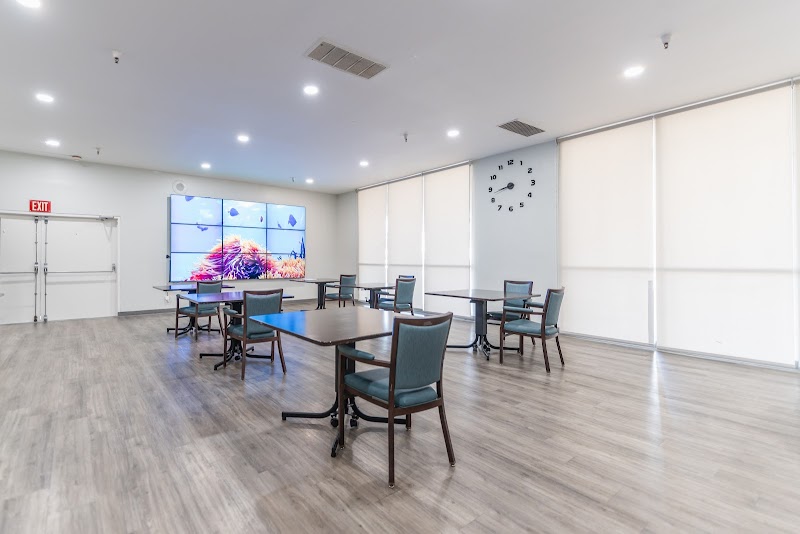
How is Alvarado Staffed?

CMS rates ALVARADO CARE CENTER's staffing level at 2 out of 5 stars, which is below average compared to other nursing homes. Staff turnover is 21%, compared to the California average of 46%. This relatively stable workforce can support continuity of care.

What Have Inspectors Found at Alvarado?

State health inspectors documented 55 deficiencies at ALVARADO CARE CENTER during 2023 to 2025. These included: 1 Immediate Jeopardy (the most serious level, indicating potential for serious harm or death), 1 that caused actual resident harm, and 53 with potential for harm. Immediate Jeopardy findings are rare and represent the most serious regulatory concerns. They require immediate corrective action.
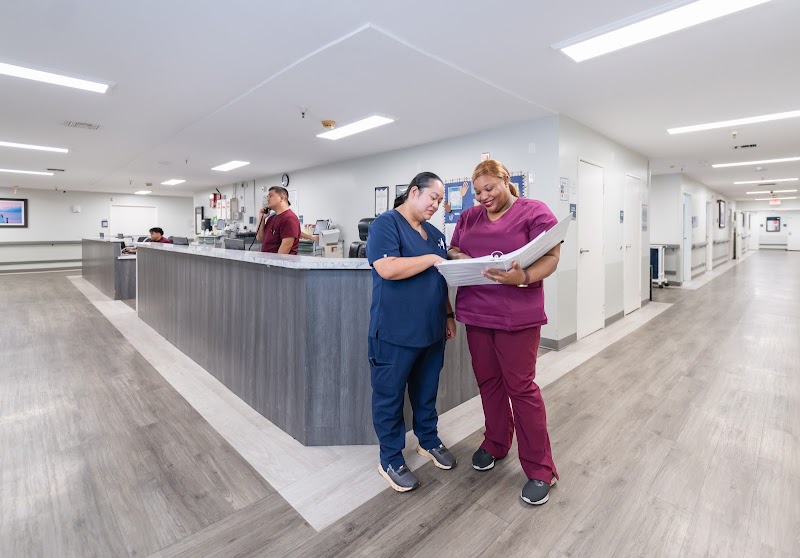
Who Owns and Operates Alvarado?

ALVARADO CARE CENTER is owned by a for-profit company. For-profit facilities operate as businesses with obligations to shareholders or private owners. The facility is operated by HELENE MAYER, a chain that manages multiple nursing homes. With 72 certified beds and approximately 69 residents (about 96% occupancy), it is a smaller facility located in LOS ANGELES, California.
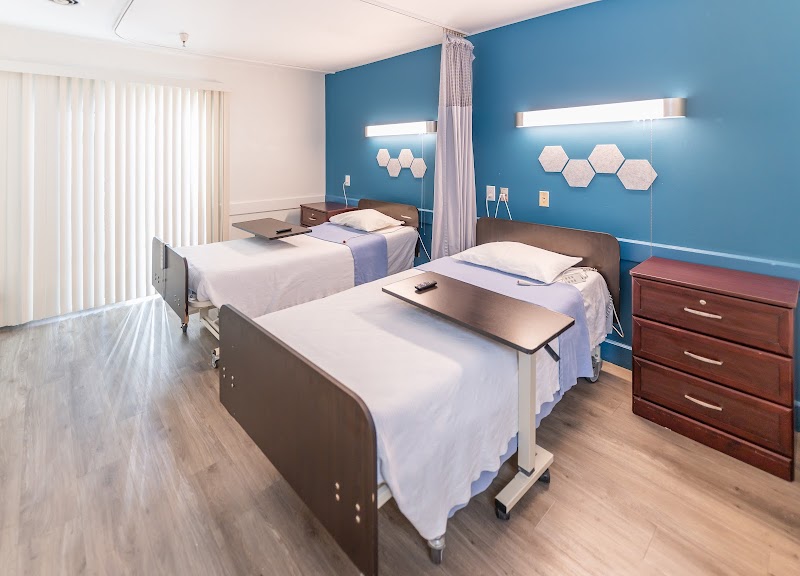
How Does Alvarado Compare to Other California Nursing Homes?

Compared to the 100 nursing homes in California, ALVARADO CARE CENTER's overall rating (2 stars) is below the state average of 3.1, staff turnover (21%) is significantly lower than the state average of 46%, and health inspection rating (2 stars) is below the national benchmark.

What Should Families Ask When Visiting Alvarado?

Based on this facility's data, families visiting should ask: "What changes have been made since the serious inspection findings, and how are you preventing similar issues?" "Can you walk me through typical staffing levels on day, evening, and night shifts?" "Can I visit during a mealtime to observe dining assistance and food quality?" "How do you handle medical emergencies, and what is your hospital transfer rate?" These questions are particularly relevant given the facility's Immediate Jeopardy citations and the below-average staffing rating.

Is Alvarado Safe?

Based on CMS inspection data, ALVARADO CARE CENTER has documented safety concerns. Inspectors have issued 1 Immediate Jeopardy citation (the most serious violation level indicating risk of serious injury or death). The facility has a 2-star overall rating and ranks #100 of 100 nursing homes in California. Families considering this facility should ask detailed questions about what corrective actions have been taken since these incidents.

Do Nurses at Alvarado Stick Around?

Staff at ALVARADO CARE CENTER tend to stick around. With a turnover rate of 21%, the facility is 25 percentage points below the California average of 46%. Low turnover is a positive sign. It means caregivers have time to learn each resident's needs, medications, and personal preferences. Consistent staff also notice subtle changes in a resident's condition more quickly.

Was Alvarado Ever Fined?

ALVARADO CARE CENTER has been fined $52,457 across 2 penalty actions. This is above the California average of $33,603. Fines in this range indicate compliance issues significant enough for CMS to impose meaningful financial consequences. Common causes include delayed correction of deficiencies, repeat violations, or care failures affecting resident safety. Families should ask facility leadership what changes have been made since these penalties.

Is Alvarado on Any Federal Watch List?

ALVARADO CARE CENTER is not on any federal watch list. The most significant is the Special Focus Facility (SFF) program, which identifies the bottom 1% of nursing homes nationally based on persistent, serious quality problems. Not being on this list means the facility has avoided the pattern of deficiencies that triggers enhanced federal oversight. This is a positive indicator, though families should still review the facility's inspection history directly.