ARARAT CONVALESCENT HOSPITAL
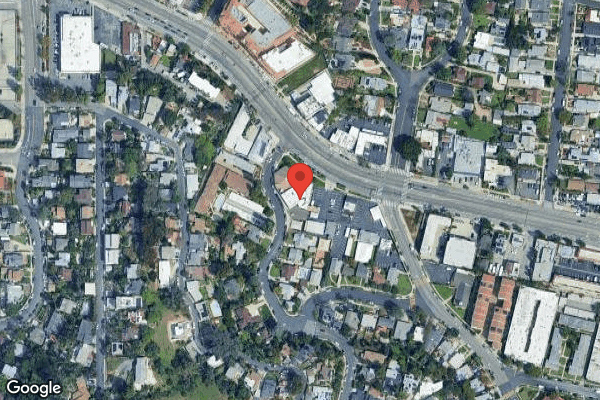
2373 COLORADO BLVD., LOS ANGELES, CA 90041 (323) 256-8012
Non profit - Corporation 42 Beds Independent Data: November 2025 1 Immediate Jeopardy citation
Trust Grade
51/100
#523 of 1155 in CA
Last Inspection: October 2024

Within standard 12-15 month inspection cycle. Federal law requires annual inspections.

Overview

Ararat Convalescent Hospital has a Trust Grade of C, indicating it is average and in the middle of the pack among nursing homes. It ranks #523 out of 1155 facilities statewide, placing it in the top half of California options, and #86 out of 369 in Los Angeles County, suggesting only a few local facilities are better. The facility is improving, with issues decreasing significantly from 14 in 2024 to just 2 in 2025. Staffing is a clear strength, rated 5 out of 5 stars, with a turnover rate of 22%, much lower than the state average, ensuring staff are familiar with the residents. However, there are concerns: the facility incurred $10,039 in fines, which is average for California, and there was a critical incident where a resident was found tied to a wheelchair, indicating serious neglect. Additionally, it was noted that the facility failed to maintain accurate assessments for some residents, potentially affecting their treatment. Overall, while staffing is excellent, families should weigh these incidents and the facility's average rating when considering care options.

Trust Score
C
51/100
In California
#523/1155
Top 45%
Safety Record
High Risk
Review needed
Inspections
Getting Better
14 → 2 violations
Staff Stability
✓ Good
22% annual turnover. Excellent stability, 26 points below California's 48% average. Staff who stay learn residents' needs.
Penalties
○ Average
$10,039 in fines. Higher than 61% of California facilities. Some compliance issues.
Skilled Nurses
✓ Good
Each resident gets 51 minutes of Registered Nurse (RN) attention daily — more than average for California. RNs are trained to catch health problems early.
Violations
⚠ Watch
37 deficiencies on record. Higher than average. Multiple issues found across inspections.
★★★☆☆
3.0
Overall Rating
★★★★★
5.0
Staff Levels
★★★☆☆
3.0
Care Quality
★★☆☆☆
2.0
Inspection Score
Stable
2024: 14 issues
2025: 2 issues

The Good

  • 5-Star Staffing Rating · Excellent nurse staffing levels
  • Low Staff Turnover (22%) · Staff stability means consistent care
  • Full Sprinkler Coverage · Fire safety systems throughout facility
  • No fines on record
  • Staff turnover is low (22%)

    26 points below California average of 48%

Facility shows strength in staffing levels, staff retention, fire safety.

The Bad

3-Star Overall Rating

Near California average (3.1)

Meets federal standards, typical of most facilities

Federal Fines: $10,039

Below median ($33,413)

Minor penalties assessed

The Ugly 37 deficiencies on record

1 life-threatening
Sept 2025 1 deficiency
CONCERN (D) 📢 Someone Reported This

A family member, employee, or ombudsman was alarmed enough to file a formal complaint

Potential for Harm - no one hurt, but risky conditions existed

Infection Control (Tag F0880)

Could have caused harm · This affected 1 resident

**NOTE- TERMS IN BRACKETS HAVE BEEN EDITED TO PROTECT CONFIDENTIALITY** Based on interview and record review, the facility failed to report a Coronavirus 2019 (COVID-19, a contagious disease) outbreak...

Read full inspector narrative →
**NOTE- TERMS IN BRACKETS HAVE BEEN EDITED TO PROTECT CONFIDENTIALITY** Based on interview and record review, the facility failed to report a Coronavirus 2019 (COVID-19, a contagious disease) outbreak (two or more linked cases of the same illness) to the California Department of Public Health (CDPH) in accordance with the facility's policy and procedure titled Communicable Diseases - Outbreak when the facility experienced a COVID-19 outbreak on 8/14/25. This deficient practice resulted in the facility failing to notify CDPH when an outbreak occurred and had the potential for the facility to underreport future outbreaks within the facility. A review of Resident 3's admission record indicated the Resident was originally admitted to the facility on [DATE], with a diagnosis of Poly-osteoarthritis (pain, swelling, and stiffness in the joints), heart disease (Problems with the heart, such as blocked arteries or heart damage) and hypertensive heart disease(Heart problems caused by long-term high blood pressure). A review of Resident 3's History and physical (H&P) dated 2/25/2025, indicated this Resident has the capacity to understand and make decisions. A review of Resident 3's Minimum data set ( MDS- a standardized assessment and screening tool ) dated 8/12/2025, indicated, Resident 3 has moderate cognitive impairment( may remember some things but have trouble with short- term memory, recalling information after a delay, or staying fully oriented to time), and requires partial assistance ( helper does less than half the effort) with showering. Only requiring set-up or clean - up for toileting, oral hygiene and dressing. A review of Resident 3's Change in Condition Evaluation dated 8/15/2025, indicated Resident 3 had a runny nose, voice hoarsening, occasional cough and weakness. The Evaluation Covid antigen test performed on 8/13/2025 indicated a positive COVID-19 result. A review of Resident 4's admission record indicated the Resident was admitted on [DATE], with a diagnosis of a fracture to the shaft of the right femur (a break in the long, straight part of the thigh bone on the right side). A review of Resident 4's History and physical (H&P) dated 11/1/2024, indicated the Resident does not have the capacity to understand and make decisions. A review of Resident 4's Minimum data set ( MDS- a standardized assessment and screening tool) indicated the Resident has severe memory impairment ( may not be able to remember or repeat words, recall information, or answer orientation questions) but only requires set up or clean up assistance meaning helper sets up or cleans up and Resident can complete activity by self-such as oral care and eating. A review of Resident 4's Change in Condition Evaluation dated 8/16/2025, indicated Resident 4 had a runny nose. Resident 4 was tested for COVID-19 on 8/16/25 and a positive result. A review of Resident 5's admission record indicated the Resident was admitted to the facility on [DATE], with a diagnosis of congestive heart failure ( the heart isn't pumping blood as well as it should, so fluid can build up in the body). A review of Resident 5's Minimum data set (MDS- a standardized assessment and screening tool) dated 5/4/2025, indicated the Resident had the ability to answer simple questions and participate in conversation, but will often need help with more complex decisions, problem - solving or remembering instructions. Resident 5 requires substantial assistance meaning a helper does more than half the effort when getting dressed or toileting. A review of Resident 5's Progress notes dated 8/15/2025, indicated Resident 5 was tested for COVID- 19 on 8/15/2025 and had a positive test result. During a review of the facility provided document titled, Covid - 19 Contact information form for long -Term Care Facilities Resident, dated 8/13/2025, the Form indicated a total of three residents were positive for Covid - 19. The Form indicated the following:Resident 3 was confirmed COVID -19 positive on 8/13/2025Resident 4 was confirmed COVID-19 positive on : 8/16/2025Resident 5 was confirmed COVID-19 positive on: 8/15/2025 During an interview on 9/11/2025 at 11:15 AM with infection preventionist nurse (IP) 1, IP 1 stated since Residents 1, 4, and 5 were symptomatic and were positive for COVID-19, the facility should have reported the positive COVID- 19 residents to the California Department of Public Health. During an interview on 9/11/2025 at 12:35 with the Administrator (ADM) , the ADM stated the facility had a COVID-19 outbreak and stated that CDPH should have been notified regarding the COVID-19 outbreak. During a concurrent interview and record review on 9/11/2025 at 12:35 with the ADM, the ADM, the undated facility's policy and procedure (P&P) titled, Communicable diseases - outbreak was reviewed. The P&P indicated, the administrator will be responsible for reporting to the Department of Public Health and local public health officer a single case of a communicable disease requiring immediate reporting and epidemiology investigation. The Administrator stated not reporting to CDPH since she thought the facility's IP had reported the COVID-19 positive residents to CDPH. During an interview on 9/11/2025 at 12:45PM with Infection Preventionist (IP) 1, IP 1 stated not notifying CDPH because IP 1 thought IP 2 had notified CDPH regarding Resident 1,4, and 5's positive COVID-19 status. During an interview on 9/11/2025 at 12:50PM with the Director of Nursing ( DON) , the DON stated that the Department of Public health and the Public Health Nurse had been notified. Stating the Covid Outbreak consisted of three people. No document could be provided by DON indicating the Department of Public Health had been notified. During an interview on 9/11/2025 at 1:30PM with IP 2, IP 2 not reporting the COVID-19 outbreak to the California Department of Public Health. IP 2 stated not knowing that the facility had to report the COVID-19 cases to CDPH, and by not reporting the COVID-19 cases there would be a lack of outbreak support. During a review of the facility's undated policy and procedure ( P&P) titled, Communicable Diseases - Outbreak,, the P&P indicated the purpose of Policy was to ensure that outbreaks of communicable disease are identified, handled, and reported as required. The P&P indicated outbreaks of communicable diseases within the Facility was promptly identified an appropriated treated and reported. The P&P indicated that the Administrator was responsible for reporting to the Department of Public Health, which included facility outbreak of COVID-19. The P&P indicated outbreak definition was one or more facility acquired COVID-19 case in a resident and/or three or more suspect, probable or confirmed COVID-19 cases. The Policy indicated reporting outbreaks related to a communicable disease, the facility must report the communicable disease data to CDPH.
Sept 2025 1 deficiency
CONCERN (D) 📢 Someone Reported This

A family member, employee, or ombudsman was alarmed enough to file a formal complaint

Potential for Harm - no one hurt, but risky conditions existed

Accident Prevention (Tag F0689)

Could have caused harm · This affected 1 resident

**NOTE- TERMS IN BRACKETS HAVE BEEN EDITED TO PROTECT CONFIDENTIALITY** Based on observation, interview, and record review, the facility failed to ensure Certified Nursing Assistant (CNA) 1 immediatel...

Read full inspector narrative →
**NOTE- TERMS IN BRACKETS HAVE BEEN EDITED TO PROTECT CONFIDENTIALITY** Based on observation, interview, and record review, the facility failed to ensure Certified Nursing Assistant (CNA) 1 immediately notify a licensed nurse and not move a resident after a fall on 8/19/2025 prior to a licensed nurse' assessment, in accordance with the facility's policy and procedure (P&P) titled, Response to Falls, for one out of three sampled residents (Resident 1) reviewed for falls. CNA 1 lifted Resident 1 from the floor and moved the resident back to bed. CNA 1 did not notify Licensed Vocational Nurse (LVN) 1 until after 20 minutes. These deficient practices had the potential for Resident 1 to suffer further discomfort and complications from the unwitnessed fall. On 8/19/2025, LVN 1 found Resident 1 shivering and shaking in pain after the fall with a swollen and discolored left foot. The result of an X-ray (imaging technology that creates images of people's body, including the bones, and is often used in diagnosis fractures), dated 8/19/2025, indicated that the resident had a left foot fracture. During a review of Resident 1's admission Record indicated the resident was originally admitted on [DATE], and readmitted on [DATE], with diagnoses that included Alzheimer's Disease (a disease characterized by a progressive decline in mental abilities), muscle weakness, dementia (a progressive state of decline in mental abilities), and osteoporosis (weak and brittle bones due to lack of calcium and Vitamin D). During a review of Resident 1's care plans indicated that Resident 1 is at risk for pain, muscle weakness or fractures [due to] Vitamin D deficiency, initiated on 8/27/2022, and revised on 9/26/2023. Interventions in the care plan included for gentle handling during care to avoid accidental fractures and minimize bone pain. During a review of Resident 1's care plan initiated on 8/27/2022, revised on 9/26/2023 indicated that Resident 1 is at risk for falls and had balance problem while walking. The care plan included interventions to have a floor mat on the side of Resident 1's bed, initiated on 3/19/2 025. During a review of Resident 1's History and Physical (H&P), dated 11/29/2024, indicated that the resident does not have the capacity to understand and make decisions. The H&P indicated that the resident has a history of hip fracture. During a review of Resident 1's Morse Fall assessment (an assessment to determine a resident's fall risk factors), dated 5/20/2025, the Fall assessment indicated that Resident 1 was assessed as a high risk for falls. The Fall Note indicated that Resident 1 had a history of falls. The Falls assessment also indicated that Resident 1 overestimates or forgets limits of her ability to walk safely. The Falls assessment did not indicate additional interventions to be added or revised to the resident's care plan as a result of this Fall assessment. During a review of Resident 1's Minimum Data Set (MDS- a resident assessment tool), dated 8/19/2025, indicated the resident has severely impaired cognition (the ability to process thoughts). The MDS indicated that Resident 1 has impaired range of motion on one side of her body. The MDS indicated that Resident 1 required maximal assistance (helper does more than half the effort) on activities such as moving in bed from left to right, changing positions from sitting to lying, sitting to standing, and transferring to and from a bed to a chair. The MDS also indicated that Resident 1 is dependent (helper does all the effort) on activities such as toileting, lower body dressing, transferring to a toilet, and transferring to a tub or shower. The MDS also indicated that Resident 1 was not able to walk 10 feet at the time of assessment. During a review of Resident 1's care plans indicated that Resident 1 is at risk for pathological fractures [due to] aging process and osteoporosis, initiated on 3/4/2023, revised on 9/26/2023. Interventions included for gentle handling of resident to prevent injury/fractures, initiated on 3/4/2023. During a review of Resident 1's care plans indicated the resident is at risk for spontaneous fractures, initiated on 7/21/2023. The care plan indicated a goal to decrease potential of fall and resulting to fractures. The care plan also included interventions initiated on 7/21/2023 to handle resident gently while assisting with [Activities of Daily Living] and transfers. The care plan also indicated interventions for staff to handle gently when moving resident. During a review of Resident 1's Change in Condition (CIC), dated 8/19/2025, timed at 9:11 PM, authored by LVN 1, the CIC indicated that Resident 1 sustained a fall on 8/19/2025. The CIC indicated that the CNA (CNA 1) reported noticing discoloration on the resident's foot. The CIC indicated when LVN 1 assessed Resident 1, she found Resident 1 on the bed and that the top of Resident 1's left foot was swollen [with] bluish discoloration. The CIC indicated that LVN 1 asked the CNA whether he had noticed the discoloration earlier in the shift. The CNA responded that he saw the discoloration 20 minutes earlier, just before informing LVN 1. The CIC further indicated that the CNA found the resident on the floor mat and picked [the resident] up and put [the resident] back in bed. The CIC indicated that Resident 1 had a moderate to severe level of pain. The CIC further indicated that the physician was notified on 8/19/2025 at 9:19 PM with an order for an Xray. During a review of Resident 1's physician's order, dated 8/19/2025, timed at 9:41 PM and authored by LVN 1, included an order for STAT (immediately or right now) X-ray (imaging technology that creates images of people's body, including the bones, and is often used in diagnosis fractures) of the left foot due to pain. During a review of Resident 1's Pain Assessment note, dated 8/19/2025, timed at 10:28 PM, and signed by LVN 1, the note indicated Resident 1 exhibited indicators of pain such as non-verbal sounds, vocal complaints of pain, facial expressions of pain, and protective body movements or postures such as bracing, guarding, rubbing or massaging a body part/area, clutching or holding a body part during movement. The Note indicated that Resident 1 received Ibuprofen (a pain medication) 600 mg (milligrams, a unit of measuring weight). During a review of Resident 1's Medication Administration Record (MAR) for the month of August 2025, the MAR included a physician order dated 8/19/2025, timed at 10:13 PM, to administer Ibuprofen Oral Tablet 600 mg give 1 tablet by mouth every 12 hours as needed for moderate pain. The MAR also indicated that on 8/19/2025 at 10:37 PM, Resident 1 was given the medication for a pain level of seven (7) out of ten (10). The MAR also indicated that on 8/19/2025 at 1:04 PM, Resident 1 was given the medication for a pain level of four (4) out of ten (10). During a review of Resident 1's Radiology Report, dated 8/19/2025, timed at 11:40 PM, the Report indicated that Resident 1 had an Acute nondisplaced distal fourth metatarsal neck fracture. Possible additionally distal fifth metatarsal neck fracture. During a review of Resident 1's care plans indicated that Resident 1 had an actual unwitnessed fall [on] 8/19/2025, initiated on 8/20/2025. The care plan indicated for Resident 1 to wear a foot cast (a protective, rigid device, typically made of fiberglass or plaster, that immobilizes a broken bone to hold it in place) on left foot for a left foot fracture for a duration of four (4) weeks. During a review of Resident 1's Progress Notes included an IDT (Interdisciplinary Team) Notes entry, dated 8/20/2025, timed at 6:41 PM. The IDT Note indicated that the social worker and RN 3 discussed Resident 1's unwitnessed fall with the resident's family member, Family Member (FM) 1. The IDT Note indicated that Resident 1's x-ray result confirmed that the resident suffered a left foot fracture . The IDT Note also indicated that FM 1 did not want Resident 1 to be transferred to the acute hospital. The IDT Note further indicated that FM 1 agreed to the interventions of Podiatry (field of medicine that specializes in the treatment of the feet) consultation, pain management measures, the use of a bed alarm (a device placed over a resident's bed that emits a sound to notify staff that the resident is attempting to leave the bed), and Physical and Occupational Therapy. During a review of Resident 1's orders included an order, dated 8/21/2025, for foot cast on left foot for left 4th metatarsal neck fracture every shift for 4 weeks. During a review of Resident 1's Podiatry (the treatment of the feet and their ailments) Note, dated 8/21/2025, the Podiatry Note indicated information about Resident 1's fall on 8/19/2025. The Podiatry Note indicated Resident 1 had severe pain after the fall with painful, swollen, edema, ecchymosis to the dorsal aspect of the left foot. The Podiatry Note indicated Resident 1's range of motion (ROM) was limited due to severe pain on any movement. The Podiatry Note further indicated that Resident 1 had a fracture of the fourth metatarsal (long bone next to the little toe of the foot) of the left foot. The Podiatry Note indicated Resident 1's left foot and left leg were placed in a cast for a duration of four weeks. The Podiatry Note indicated for Resident 1 to have only a bed bath for four weeks and to monitor the left foot toes for discoloration, bruising, erythema, edema and inform the physician. During an observation on 9/4/2025 at 9:28 AM, Resident 1 w as observed lying in bed. Resident 1 was observed wearing a cast over the left foot. Resident 1 was observed comfortable and without any signs or symptoms of pain. An attempt to interview Resident 1 was conducted, but Resident 1 did not respond or acknowledge the presence of the survey team. During an interview on 9/4/2025 at 10:05 AM with CNA 2, CNA 2 stated Resident 1 cannot stand up without assistance from facility staff. CNA 2 stated if a resident is observed on the floor, the resident must not be moved, and the licensed nurse must be informed immediately. During a phone interview on 9/4/2025 at 10:16 AM with CNA 1, CNA 1 stated that on 8/19/2025, between 8:30 PM to 9 PM, he was walking by the facility hallway, outside Resident 1's room when he saw that Resident 1 was not in bed. CNA 1 stated he saw Resident 1's feet were on the floor. CNA 1 stated when he went inside Resident 1's room, he found Resident 1 lying on the floor, face up. CNA 1 stated Resident 1 did not complain of pain nor exhibited signs of pain while on the floor. CNA 1 stated Resident 1 verbally asked for help. CNA 1 then stated that he lifted the resident up from the floor by wrapping his arms around the resident's body, under the armpits, then lifted the resident and carried the resident to the bed. CNA 1 added he did not ask for help because the other nursing staff were busy. CNA 1 stated he didn't need the charge nurse to move the resident back to bed because the resident was not not heavy. During the same phone interview on 9/4/2025 at 10:16 AM with CNA 1, CNA 1 stated it was only when Resident 1 was in bed, the resident complained of pain. CNA 1 further clarified that Resident 1 did not express that the resident experienced pain while on the floor, nor did CNA 1 observe the presence of pain from Resident 1 while the resident was on the floor. During a follow-up phone interview on 9/4/2025 at 11:31 AM with CNA 1, CNA 1 re-stated that Resident 1 complained of pain only after he had put the resident back in bed. CNA 1 also stated he only noticed the bruising when Resident 1 was in bed. CNA 1 added after placing Resident 1 in bed, upon observing the bruising in the left foot, and Resident 1's complaint of pain, he became busy and was not able to inform the nurse immediately. During a phone interview on 9/4/2025 at 11:48 AM with LVN 1, LVN 1 stated that on 8/19/2025, between 9:10 PM to 9:20 PM, CNA 1 approached her at the Nursing Station to report discoloration on Resident 1's foot. LVN 1 stated that upon entering the resident's room, LVN 1 observed Resident 1 lying in bed with a swollen, bluish left foot and the resident was shivering and shaking in pain. When LVN 1 asked CNA 1 about the discoloration, LVN 1 stated that CNA 1 had noticed it approximately 20 minutes earlier. LVN 1 further stated that after further questioning, CNA 1 disclosed that he had found Resident 1 on the floor and had returned her to bed without notifying LVN 1 at the time. During the same phone interview on 9/4/2025 at 11:48 AM with LVN 1, LVN 1 stated CNA 1 should have informed the licensed nurses on 8/19/2025 immediately that Resident 1 was on the floor. LVN 1 added the licensed nurses must assess Resident 1 before she was moved because any injury sustained by the resident could get worse if she was moved. LVN 1 stated CNA 1 did not provide a reason why he did not notify the licensed nurses upon finding Resident 1 lying on the floor on 8/19/2025, immediately. During a phone interview on 9/4/2025 at 12:43 PM with Registered Nurse (RN) 1, RN 1 stated on the evening of 8/19/2025, CNA 1 reported to LVN 1 that Resident 1's left foot had a bruise. RN 1 stated upon her arrival inside Resident 1's room, Resident 1 was already in bed. RN 1 stated she assessed Resident 1's left foot and found that it was swollen and seemed like there was fracture. RN 1 stated Resident 1 also complained of pain when the left foot was touched. During an interview on 9/4/2025 at 2:47 PM with RN 2, RN 2 stated when a CNA finds a resident on the floor, the CNA should inform the licensed nurse immediately. RN 2 stated it is important for a licensed nurse to assess any resident who is found on the floor prior to being moved. RN 2 stated moving a resident prior to a licensed nurse' assessment could potentially cause a fracture and the situation could get worse. RN 2 stated that a licensed nurse should also be present when the resident is moved from the floor to the bed, because it is part of the assessment to identify if the resident has pain in any part of the body, including the feet and legs. During a concurrent interview and record review on 9/4/2025 at 4:43 PM with the Director of Nursing (DON), Resident 1's medical records were reviewed, including the CIC, dated 8/19/2025 authored by LVN 1. The DON stated the CIC indicated that Resident 1 was found to have discoloration on the left foot. The DON stated the CIC also indicated CNA 1 assigned to Resident 1, failed to inform LVN 1, immediately that Resident 1 was found on the floor beside the resident's bed. Furthermore, the DON added the CIC indicated CNA 1 had returned Resident 1 back to bed without notifying LVN 1. During the same interview on 9/4/2025 at 4:43 PM with the DON, the DON stated CNA 1 should have informed the licensed nurses on 8/19/2025, as soon as CNA 1 found Resident 1 lying on the floor. The DON stated prior to moving Resident 1, the licensed nurse should have assessed the resident to look for the presence of pain, bruising or redness, skin breakdown, bleeding, bumps, which could be signs of fracture. The DON added that if the resident presents with signs of fracture, the resident should not be moved and 9-1-1 (an emergency hotline to reach police, fire, and ambulance services) should be called to transfer the resident to an acute hospital. The DON stated inappropriately moving a resident who has fallen, with or without the presence of a fracture, could cause further injury. The DON further added that if a fracture was present before Resident 1 was moved, the act of CNA 1 moving Resident 1 from the floor to the bed could have lead to a more serious injury or fracture and other complications. During a concurrent interview and records review on 9/4/2025 at 4:43 PM with the DON, the facility's job description for a Certified Nursing Assistant, revised 12/31/2004, was reviewed. The DON stated the job description indicated that the CNA's must report all changes in condition or accidents to the licensed nurses as soon as possible. During a concurrent interview and records review on 9/4/2025 at 4:43 PM with the DON, the facility's policy and procedures (P&P) titled, Response to Falls, revised 3/1/2015, was reviewed. The DON stated the P&P indicated to not move the resident when a fall is suspected until after the resident has been assessed by the nurse. During a review of the facility's job description for a Certified Nursing Assistant, revised 12/31/2004, the job description indicated that it is the responsibility of the CNA to report all changes in the resident's condition or any accidents observed as soon as possible to the nurse supervisor/charge nurse. During a review of the facility's policy and procedures titled, Response to Falls, revised 3/1/2015, the P&P indicated the following:1. Residents experiencing a fall will be promptly assessed and treated for injuries.2. Upon witnessing a fall or finding a resident in a position indicating a fall, stay with the resident and send another staff member to notify a licensed nurse if the first responder is not licensed personnel. 3. Do not move the resident initially until after an assessment has been completed.4. If the Licensed Nurse suspects a fractured hip, back or other injury, the Licensed Nurse will make the resident comfortable until emergency medical services arrives.
Nov 2024 1 deficiency 1 IJ
CRITICAL (J) 📢 Someone Reported This

A family member, employee, or ombudsman was alarmed enough to file a formal complaint

Immediate Jeopardy (IJ) - the most serious Medicare violation

Deficiency F0604 (Tag F0604)

Someone could have died · This affected 1 resident

**NOTE- TERMS IN BRACKETS HAVE BEEN EDITED TO PROTECT CONFIDENTIALITY** During an observation, interview and record reviews, the facility failed to ensure one of three sampled residents (Resident 1) w...

Read full inspector narrative →
**NOTE- TERMS IN BRACKETS HAVE BEEN EDITED TO PROTECT CONFIDENTIALITY** During an observation, interview and record reviews, the facility failed to ensure one of three sampled residents (Resident 1) was free from the use of physical restraints (a manual method or device that limits a person's ability to move freely), in accordance with the facility ' s policy and procedure titled Restraints by failing to: 1. Identify a situation that constitutes abuse when Certified Nurse Assistant [CNA] 1 had knowledge that Resident 1 was tied to the wheelchair with a white sheet, on 11/9/24, during the 3 PM to 11 PM shift, as evidenced by a videoclip . CNA 1 did not untie (remove) the white sheet from Resident 1 and did not report the observation to the licensed vocational nurse (LVN 1) immediately. 2. Protect Resident 1 from potential harm that could result in an injury by not responding immediately to protect Resident 1 when CNA 1 witnessed Resident 1 tied up with a white sheet to the wheelchair on 11/9/24. Instead, CNA 1 recorded a video of Resident 1 while tied up with a white sheet to the wheelchair, inside another resident ' s [Resident 2] room. 3. Report all alleged violations of abuse immediately to the abuse coordinator [Administrator] and other State Agencies immediately or within two hours when CNA 1 had knowledge of Resident 1 being restrained with a white sheet on 11/9/2024. CNA 1 did not inform the abuse coordinator [Administrator] of witnessing Resident 1 tied up to the wheelchair on 11/9/2024. These failures resulted in Resident 1 experiencing abuse and had the potential to result in serious injury that included strangulation [occurs when something compresses the neck tightly enough to restrict airflow], accidental asphyxiation [compression of the chest wall] to Resident 1, who was cognitively impaired [difficulties with thinking, learning, remembering, and making decisions] and unable to verbalize needs. On 11/13/2024 at 9:30 AM, while onsite at the facility, the California Department of Public Health (CDPH) identified an Immediate Jeopardy situation (IJ, a situation in which the provider ' s noncompliance [not following rules] with one or more requirements of participation has caused or is likely to cause serious injury, harm, impairment, or death of a resident) regarding the facility ' s failure to ensure Resident 1 was free from restraints. The surveyor notified the Administrator and the Director of Nursing (DON) of the IJ situation on 11/13/2024 at 9:30 AM, due to the facility ' s failure to protect Resident 1 and identify a situation that constitutes abuse when CNA 1 witnessed the improper use of physical Restraints against Resident 1. On 11/15/2024 at 1:53 PM, while onsite and after the surveyor verified/confirmed the facility ' s full implementation of the IJ Removal Plan (a detailed plan to address the IJ findings) through observation, interview, and record review, and determined the IJ situation was no longer present, the IJ was removed onsite, in the presence of the Administrator. The acceptable IJ Removal Plan included the following information: 1. Starting 11/1/4/2024, staff including but not limited to license nurses, certified nursing assistants, office staff, kitchen staff, and housekeeping staff will have in-service education regarding elder abuse, reporting abuse and the use of physical restraints, conducted by the Director of Staff Development [DSD], DON and /or Administrator. The in-services are based on facility Policies and Procedures titled Restraints, Abuse Prevention and Prohibition Program, and Definitions. By 11/18/2024, 50 out of 61 facility employees will have received in-service education regarding elder abuse, reporting abuse and the use of physical restraints. 2. A posttest was created to verify staff competency on abuse and use of restraints. The post test will be given to all staff to determine understanding of in-service. Staff will be given repeat in-service on areas found to be lacking in knowledge until 100% score is received. 3. Starting 11/12/2024, charge nurses were assigned to complete Abuse Rounds on a minimum once per shift to ensure there are no signs or symptoms of abuse or restraints. Rounds will continue once per shift for a minimum of three months. 4. If a suspected abuse or improper restraint is identified charge nurse will immediately notify the Administrator and DON. 5. On 11/15/2024 at 2:30 PM, the facility ' s Social Services Consultant will provide staff in-service regarding abuse. 6. All charge nurses will be in-serviced on use of SOC 341 [a form used to report suspected abuse or neglect of dependent adults and elders] starting 11/14/2024 7. By 11/19/2024, the Administrator will review facility ' s current Abuse Prevention Plan with DSD to develop a new yearly in-service schedule with increased abuse training. New employee Orientation abuse and neglect training will be reviewed and updated as needed during the facility ' s Quality Assurance and Performance Improvement (QAPI) [is a data driven and proactive approach to quality improvement] on 11/19/2024. Findings: During a review of Resident 1 ' s admission Record, [AR] the AR indicated the facility admitted the resident on 12/20/2018 and readmitted on [DATE], with a primary diagnosis of dementia (loss of ability to think, remember and reason), anxiety disorder [an emotion characterized by feeling of worried thoughts and tension) and history of falling. During a review of Resident 1 ' s care plan revised on 1/3/2024, the care plan indicated Resident 1 was a Wandering/Elopement [leaving without permission] Risk as evidenced by attempts to leave the facility unattended, wanders aimlessly, and had impaired safety awareness. The care plan interventions included to allow Resident 1 to wander in safe surroundings within the facility, and to distract resident from wandering by offering pleasant diversions, structured activities, food, conversation, television, and books. The care plan interventions further indicated to monitor Resident 1 ' s whereabouts with visual checks at least every two hours for safety. During a review of Resident 1 ' s Minimum Data Set (MDS, a federally mandated resident assessment tool) dated 9/11/2024, the MDS indicated the resident had severely impaired cognition (thought process). The MDS indicated Resident 1 exhibited wandering behavior daily. During a review of Resident 1 ' s Multidisciplinary Care Conference (ID- Interdisciplinary Team) dated 9/6/2024, the IDT indicated the resident was confused and disoriented with a history of dementia and to keep resident safe and comfortable by offering a physical and social environment that provides activities appropriate for the resident ' s cognitive functioning and interests. The care plan interventions further indicated to reassure the resident that she was safe in the facility, loved and wanted. During a review of Resident 1 ' s Wandering Risk Assessment (a tool to identify residents who are at risk of wandering dated 9/11/2024, the Assessment indicated Resident 1 was disoriented and does not understand surroundings. The Assessment indicated Resident 1 was a known wanderer with a history of wandering. During a concurrent observation and interview with Resident 1 on 11/13/2024 at 9:57 AM, at the facility ' s Dining Room, Resident 1 was observed walking steadily. Resident 1 stated she did not recall anything and could not remember being tied with a white sheet to the wheelchair. During a telephone interview with CNA 1 on 11/13/2024 at 10:29 AM, CNA 1 stated on 11/9/2024, at around dinner time (8 PM), during the 3 PM to 11 PM shift, CNA 1 found Resident 1 inside another resident ' s [Resident 2] room and witnessed Resident 1 tied up with a white sheet to the wheelchair which was tied at the back with a knot. CNA 1 further stated that she recorded a videoclip of the incident [Resident 1 while tied up to the wheelchair]. CNA 1 stated Resident 1 appeared scared at the time. CNA 1 stated that on 11/9/2024, CNA 1 had called the Administrator on the phone from the facility ' s parking lot after witnessing Resident 1 tied up to the wheelchair. CNA 1 stated when she returned from the parking lot, CNA 1 stated someone had removed the sheet from Resident 1. CNA 1 stated, she did not inform the Administrator about what she had witnessed, Resident 1 tied up with a white sheet to the wheelchair. CNA1 stated she did not notify the Charge Nurse or any of the facility staff on duty that evening [11/9/2024] about witnessing Resident 1 tied up with a white sheet to the wheelchair. CNA 1 stated it was not until the following Monday, on 11/11/2024, when she informed the Administrator, in person, that she witnessed Resident 1 tied up with a white sheet to the wheelchair on 11/9/2024. CNA 1 stated that she informed the Administrator of taking a videoclip while Resident 1 was tied up. On 11/13/2024, at 10:58 AM, during a review of the videoclip shared via instant messaging [iMessage – a communication technique that facilitates text-based communication to include multimedia content such as photos, videos, and audio recording] by CNA 1, the videoclip showed Resident 1 sitting on a wheelchair inside a room, in front of the television, with a white sheet around the resident with a knot tied to the back of the wheelchair. The recorder [CNA1] continued going around Resident 1 showing a full 360-degree angle [a view in every direction] of Resident 1 tied down with a white sheet while sitting on the wheelchair. The part of the videoclip recording at 00:28 [timecode] mark, showed an individual (unknown) pushing Resident 1 ' s hands away from the resident ' s chest showing full view of the white sheet tied across the resident ' s chest. During another telephone interview on 11/13/2024 at 11:15 AM with CNA 1, CNA 1 stated the time she witnessed Resident 1 with a white sheet tied to the back of the wheelchair on 11/9/2024, was around 8 PM. CNA 1 stated she saw Resident 1 inside another resident ' s [Resident 2] room sitting on a wheelchair with a white sheet wrapped around Residents 1 ' s abdomen/chest area tied in a knot at the back of the wheelchair. CNA 1 stated she recorded a video of Resident 1 tied up, as proof to show the Administrator of the alleged abuse. CNA 1 stated after recording a video of Resident 1 she did not report it to the charge nurses or LVN 1 or any facility staff in the facility because CNA 1 was afraid, they [other facility staff] would untie Resident 1 and deny ever tying her. During the same interview, on 11/13/2024 at 11:15 AM, CNA 1 stated she stepped out of the facility to go to the facility ' s parking lot to call the Administrator on 11/9/2024, because she knew to report any type of abuse she witnessed to the facility's Administrator. CNA 1 stated she spoke to the Administrator over the phone and informed the Administrator that he had to come to the facility right away, to see with his own eyes what was happening to Resident 1. CNA 1 further stated she did not tell the Administrator what she observed, and told the Administrator, It was an urgent matter concerning Resident 1 and that he had to come in person to the facility to witness with his own eyes. CNA 1 stated the Administrator informed her [CNA 1], that he would talk to CNA 1 on Monday [11/11/2024]. CNA 1 stated after ending the phone conversation, CNA 1 sent another text message to the Administrator asking him to come to the facility because it was something very important and wanted the Administrator to see with his own eyes. CNA 1 stated the Administrator did not respond to her text message. CNA 1 stated that when she went back inside the facility to check on Resident 1, CNA 1 observed Resident 1 was back in her room lying in bed. CNA 1 stated she did not know who from the facility had untied and returned Resident 1 back to her room. During an interview with the DON on 11/13/2024 at 11:30 AM, the DON stated she was not aware of Resident 1 being tied to the wheelchair until 11/11/2024. The DON stated the Administrator had called her on 11/9/2024 and informed her that there was a CNA incident [the phone call that the Administrator received from CNA 1] that happened at the facility, and that the Administrator and the DON would follow up the following Monday, on 11/11/2024. The DON stated, on 11/11/2024, the Administrator and the DON met with CNA 1 to discuss what CNA 1 wanted to discuss on 11/9/2024. The DON stated CNA 1 informed both the Administrator and the DON about witnessing Resident 1 tied up to the wheelchair on 11/9/2024 and briefly shared the videoclip of Resident 1 during that evening. The DON stated when CNA 1 was asked why she had not reported the abuse incident earlier, on 11/9/2024, CNA 1 stated that she preferred to report Resident 1 ' s incident [abuse] in person. The DON stated there was a delay of three days when CNA 1 decided to report witnessing Resident 1 tied up to the wheelchair on 11/11/2024. During an interview with the Administrator on 11/13/2024, at 11:45 AM, the Administrator stated he received a text message from CNA 1 on 11/9/2024 at around 5 PM informing him that CNA 1 had proof of something very important. The Administrator stated that at 6:22 PM, CNA 1 texted him again stating this was not about CNA 1 but about a resident [did not indicate a specific resident ' s name]. Administrator stated he called CNA1 back at around 6:24 PM and asked about her concerns in the text message. The Administrator stated that CNA1 informed him, there was no emergency, and the issue was not urgent and stated CNA 1 would discuss the situation to the Administrator that following Monday, 11/11/2024. The Administrator stated he called the DON to inform her of the CNA 1 ' s phone call and that they would talk to CNA 1 on Monday [11/11/24]. During the same interview with the Administrator on 11/13/2024 at 11:45 AM, the Administrator stated on 11/11/2024 at 3:13 PM, CNA 1 came to his office and showed the DON and himself, the videoclip of the incident [being tied up to the wheelchair] involving Resident 1. The Administrator stated he informed CNA 1 that the videoclip CNA 1 showed was abuse and should have been reported by CNA 1 immediately to the proper authorities [abuse coordinator and other State Agencies] as soon as it was witnessed in accordance with the facility ' s policy and procedure [P&P]. During a concurrent interview on 11/13/2024 at 2:15 PM with the Administrator, the Administrator stated he had started an investigation on 11/11/2024 regarding Resident 1 ' s abuse incident on 11/9/2024, that was reported to the Administrator on 11/11/2024 by CNA 1. The Administrator stated he had place CNA 1 on suspension (temporarily removed from their job duties, usually while an investigation is underway) on 11/11/2024, but had not suspended CNA 2 who was the assigned CNA for Resident 1 during the 3 PM to 11 PM shift, on 11/9/2024 (4 days after the abuse incident). The Administrator stated that he did not suspend CNA 2 right away because CNA 2 was not scheduled to work until Thursday, 11/14/2024. During an interview with LVN 1 on 11/14/2024 at 1:15 PM, LVN 1 stated she was working on a Saturday, dated 11/9/2024, during the 3 PM to 11 PM shift, as a Charge Nurse. LVN 1 stated no one had come forward to report seeing any resident in a sheet restraint. LVN 1 stated, the Administrator called her at the facility on 11/9/2024 and gave her instructions to make rounds to ensure the safety of the residents. LVN 1 stated, she had asked CNA 1 if there were any issues she wanted to discuss or report on 11/9/2024, but CNA1 stated it was not an emergency and refused to discuss the matter with LVN 1. During a review of the facility ' s P&P titled Restraints revised on 11/1/2017, the P&P indicated residents shall be provided an environment that is restraint- free, unless a restraint is necessary to treat a medical symptom in which case the least restrictive measures shall be used. During a review of the facility ' s P&P titled Abuse Prevention and Prohibition Program revised on 10/24/2022, the P&P indicated each resident has the right to be free from mistreatment, neglect, abuse, involuntary seclusion. Anyone who suspects that an abuse has been committed against a resident must immediately report this information to the Administrator and to the Director of Nursing Services. The P&P indicated it is the Administrator ' s responsibility to ensure the proper authorities and individuals are notified immediately or within two hours.
Nov 2024 1 deficiency
CONCERN (E) 📢 Someone Reported This

A family member, employee, or ombudsman was alarmed enough to file a formal complaint

Potential for Harm - no one hurt, but risky conditions existed

Infection Control (Tag F0880)

Could have caused harm · This affected multiple residents

**NOTE- TERMS IN BRACKETS HAVE BEEN EDITED TO PROTECT CONFIDENTIALITY** 6. During a review of Resident 20's admission Records (Face sheet), the facility admitted Resident 20 on 2/10/2020 and readmitte...

Read full inspector narrative →
**NOTE- TERMS IN BRACKETS HAVE BEEN EDITED TO PROTECT CONFIDENTIALITY** 6. During a review of Resident 20's admission Records (Face sheet), the facility admitted Resident 20 on 2/10/2020 and readmitted her on 8/18/2022 with diagnoses of, but not limited to, a broken left leg and hemiplegia (paralysis) of the left side. During a review of Resident 20's Minimum Data Set (MDS, a federally mandated resident assessment tool), dated 8/19/2024, Resident 20 was severely cognitively (mental process involved in knowing, learning, and understanding) impaired. During a review of Resident 20's History and Physical (H&P, a comprehensive physician ' s note regarding the assessment of the resident ' s health status), dated 9/3/2024, Resident 20 does not have the capacity to understand and make decisions. During a review of Resident 6's admission Records (Face sheet), the facility admitted Resident 6 on 10/11/2024 with diagnoses of, but not limited to, a broken right leg and atherosclerotic heart disease (build-up of fats or cholesterol in the arteries [tublike structures transporting blood from the heart of the rest of the body]). During a review of Resident 6's H&P, dated 10/12/2024, Resident 6 does not have the capacity to understand and make decisions. During a review of Resident 6's MDS, dated [DATE], Resident 6 was cognitively intact. During a review of the Sample Case Log of Resident and Staff with Acute Gastrointestinal Illness, received on 11/1/2024, Resident 6 ' s started to experienced nausea and vomiting on 10/29/2024. During an observation on 11/1/2024 at 1PM, a Contact Precaution isolation sign (isolation sign posted by an isolation room that required staff and visitors to wear a gown and gloves) was posted by Resident Room (RR) 1 with Resident 6 ' s bed number written on it. Certified Nurse Assistant (CNA) 1 was observed inside the room wearing personal protective equipment (PPE, specialized equipment such as gown, gloves, and mask that minimize exposure to hazards that may cause illness) and seated next to Resident 20 ' s bed. During an observation on 11/1/2024 at 1:10PM, CNA 1 walked out of RR 1 wearing her PPE and holding a food tray. CNA 1 walked down the hallway to the kitchen and dropped off the food tray. During an interview on 11/1/2024 at 1:14PM with CNA 1, CNA 1 stated, she was helping Resident 20 with her lunch but wore her PPE just in case Resident 6 needed help. CNA 1 stated, she should have removed her PPE before leaving the room for infection control and to not spread germs. 7. During a review of Resident 8's Face sheet, the facility admitted Resident 8 on 12/01/2022 and readmitted Resident 8 on 7/19/2024 with diagnoses of, but not limited to, atherosclerotic heart disease and urinary tract infection (UTI, an infection in the bladder/urinary tract). During a review of Resident 8's H&P, dated 7/20/2024, Resident 8 does not have the capacity to understand and make decisions. During a review of Resident 8's MDS, dated [DATE], Resident 8 was severely cognitively impaired. During a review of the Sampled Case Log of Resident ad Staff with Acute Gastrointestinal Illness, received on 11/1/2024, Resident 8 started to experience nausea and vomiting on 10/30/2024. During a review of Resident 3's Face sheet, the facility admitted Resident 3 on 8/13/2021 with diagnoses of, but not limited to, hemiplegia of the left side and dementia (loss of cognitive function that interferes with a person ' s daily life and activities). During a review of Resident 3's H&P, dated 9/3/2024, Resident does not have the capacity to understand and make decisions. During a review of Resident 3's MDS, dated [DATE], Resident 3 was severely cognitively impaired. During an observation on 11/1/2024 at 1PM, a Contact Precaution isolation sign was posted by RR 2 with Resident 8 ' s bed number written on it. During an observation on 11/1/2024 at 1:27PM, CNA 2 was in RR 2 talking with Resident 8. CNA 2 walked out of RR 2 and walked into RR 3 to talk to Resident 3 without using the hand sanitizer. During an interview on 11/1/2024 at 1:30PM with CNA 2, CNA 2 stated, he did not use the alcohol-based hand rub before entering or leaving a resident room. CNA 2 stated, he should have used alcohol-based hand rub or wash his hands before any contact with the resident, changing resident ' s undergarments, assisting with feeding the resident, and going in between two residents. During an interview on 11/1/2024 at 3:55PM with the Infection Preventionist (IP), the IP stated, the staff members should wash their hands or use alcohol-based hand rub before and after caring for the residents. The IP stated, it was important to stop the spread of virus or infection to other residents and staff members. During an interview on 11/1/2024 at 6:30PM with the Director of Nursing (DON), the DON stated, CNA 1 should have not worn the PPE in the hallway. The DON stated, CNA 1 ' s PPE could have spread the virus or the bacteria to other residents, visitors, or staff members in the hallway. The DON stated, it was important for staff members to wash their hands with soap and water or use alcohol-based hand rub in between resident cares to stop the spread of infection. During a review of the facility policies and procedures (P&P) titled Personal Protective Equipment, dated 4/28/2024, indicated if the gown was used, it should be used once and thrown away in the same room it was used in. During a review of the facility ' s P&P titled Resident Isolation - Categories of Transmission-Based Precautions, dated 10/28/2022, indicated the gown should be removed and hand hygiene should be performed before leaving the resident ' s environment. During a review of the facility ' s P&P titled Hand Hygiene, dated 6/1/2017, indicated that the facility staff followed the hand hygiene procedures to help prevent the spread of infection to other staff, residents, and visitors. The P&P indicated that facility staff, visitors, and volunteers must perform hand hygiene procedures such using alcohol-based hand hygiene products immediately upon entering or exiting a resident occupied area. 2. During a review of Resident 16's admission Record indicated the facility originally admitted Resident 16 on 10/2/2023 and readmitted on [DATE] with diagnoses that included mood disorder (a mental health condition that primarily affects your emotional state) and urinary tract infection (an infection in any part of your urinary system [the body system eliminate waste from the body]). During a review of Resident 16's Minimum Data Set (MDS, a federally mandated resident assessment tool), dated 10/24/2024, indicated Resident 16 had severely impaired cognitive (ability to think and reason) skills for daily decision making. During an observation on 11/1/2024 at 1:26 PM, in Resident 16's room, HK 1 was holding a dry dust mop and sweeping the floor with both her gloved hands. Then, HK 1 held Resident 16's bed control remote, which was hung on the bed rail, and pressed the remote with her gloved left hand to elevate the bed to clean the floor underneath the bed. After sweeping the floor underneath the bed, HK 1 pressed the remote to lower the bed to low position, then, she hung the remote on the bed rail. HK 1 continue to sweep the rest of the floor in the room. During an observation on 11/1/2024 at 1:31 PM, in Resident 16's room, HK 1 was holding a wet mop to mop the floor without changing her gloves that she used to sweep the floor with the dry dust mop. HK 1 held Resident 16's bed control remote and pressed the remote with her gloved left hand to elevate the bed to mop the floor underneath the bed. After mopping the floor underneath the bed, HK 1 pressed the remote to lower the bed to low position, then, she hung the remote on the bed rail. HK 1 continue to mop the rest of the floor in the room and the floor in Resident 16's restroom. During an observation on 11/1/2024 at 1:35 PM, in Resident 16's room, HK 1 pulled the floor mat which was next to Resident 16's bed to the other side of the room, then, she cleaned and disinfected the floor mat with both her gloved hands, but she had not changed the gloves since she swept the floor. During an observation on 11/1/2024 at 1:36 PM, in Resident 16's room, HK 1 put the floor mat next to Resident 16's bed after cleaning and disinfecting it with both gloved hands, then, she pushed Resident 16's bedside table next to Resident 16's bed with her right gloved hand without changing gloves. Next, HK 1 removed the gloves and the gown, and threw in the trash bin inside the room, then, she exited the room. During an interview on 11/1/2024 at 1:37 PM, with HK 1, HK 1 stated she did not change gloves in between the tasks of sweeping and mopping the floor, touching the bed control remote, cleaning and disinfecting the floor mat, and touching the bedside table. HK 1 stated she only clean and disinfect the bed control remote and beside table at the beginning of cleaning the room, but she did not clean and disinfect the bed control remote and the bedside table after she sweeping and mopping the floor, and cleaning and disinfecting the floor mat. During an interview on 11/1/2024 at 06:30 PM, with the Director of Nursing (DON), the DON stated the gloves were dirty during the process of sweeping and mopping the floor and cleaning and disinfecting the floor mat. The DON stated HK should change gloves before touching the clean items and disinfect the bed control remote and bedside table before exiting. 3. During a review of Resident 7's admission Record indicated the facility originally admitted Resident 7 on 7/24/2023 and readmitted on [DATE] with diagnoses that included dementia (A group of thinking and social symptoms that interferes with daily functioning) and heart failure (a serious condition that occurs when the heart is unable to pump enough blood and oxygen to the body). During a review of Resident 7's MDS, dated [DATE], indicated Resident 7 had severely impaired memory and cognition. The MDS indicated Resident 7 required setup or clean-up assistance with eating and oral hygiene, partial/moderate assistance with toileting hygiene, personal hygiene, and chair/bed-to-chair transfer, and substantial/maximal assistance with shower/bathe self. During a review of Resident 19's admission Record indicated the facility originally admitted Resident 7 on 3/8/2021 and readmitted on [DATE] with diagnoses that included dementia (A group of thinking and social symptoms that interferes with daily functioning) and hyperlipidemia (a condition where there are high levels of fat in the blood). During a review of Resident 19's MDS, dated [DATE], indicated Resident 19 had moderately impaired memory and cognition. During an observation on 11/1/2024 at 5:32 PM, the Contact Precautions (a set of steps to prevent the spread of infectious diseases through direct or indirect contact with a patient or their environment) signage was posted by the door of Resident 7's room, indicating everyone must put on gloves and gown before room entry for Resident 7. Resident 7 was sitting at her bedside table with her completed dinner tray on the table in the room. Certified Nursing assistant (CNA) 4 put on a pair of new gloves and went into Resident 7's room without putting on a gown, then, she picked up Resident 7's dinner tray and put the tray on the food delivery cart. CNA 4 sanitized her hands with the alcohol sanitizer, then, she went in Resident 19's room and pick up Resident 19's dinner tray from the bedside table and put it to the food delivery cart. During an interview on 11/1/2024 at 5:34 PM, with CNA 4, CNA 4 stated she knew that Resident 7 was on contact isolation, and she should put on a gown when providing care Resident 7. CNA 4 stated she did not put on a gown when picking up Resident 7's tray because she did not realize that her other parts of body and clothing could contract bacteria and virus and pass the infection to other residents. During an interview on 11/1/2024 at 6:31 PM, with the DON, the DON stated contact precautions must be followed when providing care to the infected resident, including wearing personal protective equipment (PPE). 4. During a review of Resident 14 's admission Record indicated the facility admitted Resident 14 on 2/9/2024 with diagnoses that included dementia and hyperlipidemia. During a review of Resident 14's MDS, dated [DATE], indicated Resident 14 had moderately impaired memory and cognition. The MDS indicated Resident 14 was independent with eating, personal hygiene, and chair/bed-to-chair transfer, and required partial/moderate assistance with shower/bathe self. During an observation on 11/1/2024 at 5:38 PM, the Contact Precautions signage was posted by the door of Resident 14's room, indicating everyone must put on gloves and gown before room entry for Resident 14. In Resident 14's room, Resident's family member (FM) 1 was wearing a pair of gloves and a mask, but she was not wearing a gown. FM 1 was touching and arranging Resident 14's bed linens that were on Resident 14's bed. During an interview on 11/1/2024 at 5:40 PM, with FM 1, FM 1 stated when she came in the facility to visit Resident 14, no staff stopped her and told her to put on a gown before she entered Resident 14's room. FM 1 stated she did not pay attention to the Contact Precautions signage posted by the door of Resident 14's room. FM 1 stated she did not know the facility was having an outbreak and Resident 14 was infected in this outbreak. During a concurrent observation and interview on 11/1/2024 at 5:45 PM, with the Administrator (ADM), a signage was posted on the wall above the visitor's sign-in table, indicated due to a stomach bug outbreak, all visitors need to wear a mask and wash hands at all times. FM 1 was visiting Resident 14 without wearing a gown. The ADM stated the signage, that only informing the visitors to wear a mask and wash hands, did not provide the proper protection guidance for the visitors. ADM stated a proper signage for the visitor would be posted to be compliance with the contact precautions during the outbreak. The ADM stated when the visitor, who was visiting the infected resident, must follow the contact precautions to put on gloves and a gown before entering the room. The ADM stated the staff should inform and educate the visitors the importance of putting on proper PPEs to protect themselves and the residents in the facility. 5. During a record review of the Facsimile Transmittal Sheet, dated 10/31/2024, indicated the facility reported the gastrointestinal (GI, the body system that takes in food and liquids and break them down into substances that the body can use for energy, growth, and repair) outbreak in the facility on 10/31/2024 at 2:25 PM. During an interview on 11/1/2024 at 4:25 PM, with the DON, the DON stated two residents exhibited the GI symptoms, such as nausea, vomiting and diarrhea on 10/28/2024 nighttime, but she thought the two symptomatic resident were isolated cases when she came in to work on 10/29/2024. The DON stated two more residents reported similar GI symptoms on 10/29/2024 nighttime. The DON stated when she returned to work on 10/30/2024 morning and was informed about two more symptomatic residents, she started to link these four residents together and suspected a GI outbreak. The DON stated she reported to Los Angeles County Department of Public Health (LAC DPH) and spoke to a doctor from LAC DPH on 10/30/2024. The DON stated the LAC DPH doctor suspected Norovirus (a group of viruses that causes severe vomiting and diarrhea. It's a very common illness and it's very contagious) might be the cause of the outbreak and provided her with the guidance. During a concurrent interview and record review on 11/1/2024 at 4:27 PM, with the DON, Norovirus (Viral Gastroenteritis) Control Measures for Skilled Nursing Facilities, dated 12/1/2006, was reviewed. The DON stated according to the guidance, the facility should notify LAC Public Health and LAC Health facilities. The DON stated she did not report to LAC Health Facilities on 10/30/2024 because the phone number that listed on the guidance for LAC Health Facilities was not a working number. During a concurrent interview and record review on 11/4/2024 at 12:20 PM, with the ADM, the facility's Policy and Procedure (P&P) titled, Unusual Occurrence Reporting, dated 10/1/2017, was reviewed. The ADM stated they had the LAC Health Facilities phone number in the nursing station and the DON should have reported the outbreak to the LAC Health Facilities on 10/30/2024. The ADM stated he did not know the cases were reportable cases to LAC Health Facilities until the Public Health Nurse informed him to report to LAC Health Facilities on 10/31/2024, then, he faxed the report to LAC Health Facilities on 10/31/2024. The ADM stated according to the facility's P&P, the facility should report the unusual occurrences to the appropriate agency within 24 hours, but the reporting of the outbreak to the LAC Health Facilities was delayed this time. During a review of the facility's P&P titled, Norovirus (Viral Gastroenteritis) Control Measures for Skilled Nursing Facilities, dated 12/1/2006, indicated notify LAC Public Health at . and LAC Health Facilities at . The P&P indicated the facility should increase frequency of routine ward cleaning and give special attention to frequently touched objects. The P&P also indicated Educate staff, residents and visitors about methods of transmission. Wear Gloves, gown, and surgical or procedural mask when in contact with a symptomatic resident. Remove protective equipment and wash hands after contact with an ill resident and before contact with an unaffected resident. During a review of the facility's P&P titled, Guideline for the Prevention and Control of Norovirus Gastroenteritis Outbreaks in Healthcare Settings, dated 2/15/2017, indicated the facility ensure that the visitors comply with hand hygiene and Contact Precautions. During a review of the facility's P&P titled, Unusual Occurrence Reporting, dated 10/1/2017, indicated Unusual occurrences are reported to the appropriate agency within 24 hours by telephone and then confirmed in writing. During a review of the facility's P&P titled, Personal Protective Equipment, dated 4/28/2020, indicated staff wear gloves whenever there is touching blood, body fluids, secretions, excretions, mucous membranes, and/or non-intact skin, and gloves are used only once and are discarded into the appropriate located in the room in which the procedure is being performed. During a review of the facility's P&P titled, Reportable Diseases, dated 12/1/2021, indicated the facility to ensure the timely reporting of disease as required to the appropriate officials. During a review of the facility's P&P titled, Visitation-Infection Control, dated 10/10/2022, indicated the facility will post a notice to visitors related to limitations or restrictions on visitation at each entrance. The P&P indicated visitors must follow instruction regarding Facility infection control practices and visitation restrictions, which includes donning and doffing of PPE. During a review of the facility's P&P titled, Resident Isolation-Categories of Transmission-based Precautions, dated 10/24/2022, indicated PPE are required, including gloves and gowns, to care for residents who are placed under Contact Precautions. Based on observation, interview, and record review, the facility failed to ensure to maintain an infection control program designed to provide a safe, sanitary and comfortable environment and to help prevent the development and transmission of disease by failing to: 1. Ensure Certified Nurse Assistant (CNA) 1 removed her personal protective equipment (PPE, specialized equipment such as gown, gloves, and mask that minimize exposure to hazards that may cause illness) before leaving a designated isolation room. 2. Ensure CNA 2 used proper hand hygiene in between Resident 8 and Resident 3 ' s room. 3. Ensure Kitchen Assistant [KA] wore gloves when handling and preparing food/drink in the kitchen. 4. Family Visitor (FM) 2 observed walking into the facility and resident hallway without wearing a surgical mask. 5. Ensure Certified Nursing Assistant (CNA) 6 performed hand hygiene when touching Resident 24 ' s wheelchair and food tray for lunch. 6. Ensure CNA 7 donned personal protective equipment (PPE) when entering a contact isolation (used for patients with disease caused by microorganisms [bacteria and viruses] that are spread through direct and indirect contact) room and performed hand hygiene when touching Resident 2 ' s food tray and resident food cart. 7. Ensure Activities Staff (AS) performed hand hygiene when touching Resident 6 ' s walker and chairs in the dining/activity room. 8. Housekeeping (HK) 1 did not change gloves when sweeping and mopping the floor, touching Resident 16 ' s bed control remote, cleaning and disinfecting Resident 16 ' s floor mat, and touching Resident 16 ' s bedside table in Resident 16 ' s room. Resident 16 was under Contact Precautions (a set of steps to prevent the spread of infectious diseases through direct or indirect contact with a patient or their environment). 9. Certified Nursing Assistant (CNA) 4 did not wear a gown when picking up Resident 7 ' s food tray, who was having gastrointestinal (GI, the body system that takes in food and liquids and break them down into substances that the body can use for energy, growth, and repair) symptoms. Then, CNA 4 went to Resident 19 ' s bed and picked up Resident 19 ' s food tray. Resident 19 did not have GI symptoms. 10. Family Member (FM) 1 did not follow the facility ' s Contact Precautions when visiting Resident 14, who was having GI symptoms. 11. The facility did not report the GI outbreak timely. These deficient practices had the potential to result in the infection spread throughout the facility. In additon, this failure resulted in a Gastrointestinal Illness (GI) outbreak that affected 15 residents and 7 staff members who experienced symptoms such as nausea, vomiting, and diarrhea since 10/28/2024. Findings: 1. During a review of the facility's entrance on 11/14/2024 at 11:00 AM, a total of 4 signages were observed. The signages indicated the following: -Please use mask and use hand sanitizer during flu season October 2024- March 2025 -Attention All Visitors we are currently experiencing an outbreak; please put a mask on prior to entering the facility; speak with an LVN or RN Prior to entering any patient room for further infection control precautions; these precautions are for your safety ass well as the safety of your love ones; thank you. - Stop (Picture of Stop sign) - All Visitors; due to a stomach bug outbreak PLEASE WEAR A MASK AND WASH HANDS AT ALL TIMES During a concurrent observation and interview in the kitchen on 11/14/2024 at 11:04 AM, KA was observed pouring juice from a pitcher to individual cups, and then covering the cups with saran wrap. KA was observed not wearing gloves. KA stated she did not realize she was not wearing gloves. During an interview with the Dietary Supervisor (DS) on 11/14/2024 at 11:06 AM, DS stated kitchen staff were instructed by Public Health to use disposable gloves when preparing and handling food for the patients affected by the outbreak. DS stated kitchen staff was informed that only disposable plates and utensils were to be used for the residents. DS stated kitchen staff should practice safety in wearing gloves when handling ready to eat foods and should wash their hands frequently at the end of the task. During an observation in the facility hallway on 11/14/2024 at 12:01 PM, FM 2 was observed walking to the dining room without wearing a mask. Multiple facility staff did not stop FM 2 as she walked from the facility entrance to dining/activity room. During a review of Resident 24's Face Sheet (front page of the chart that contains a summary of basic information about the resident) indicated Resident 24 was admitted to the facility on [DATE], with diagnoses that included atherosclerosis of aorta (also known as coronary artery disease, condition characterized by the buildup of plaque, consisting of fat, cholesterol, calcium, other subastances on the inner walls of the aorta), bilateral primary osteoarthritis (type of arthritis that occurs when flexible tissue at the ends of bones wears down) of knee, and Type 2 Diabetes Mellitus (a disorder characterized by difficulty in blood sugar control and poo wound healing). During a review of Resident 24's History and Physical dated 2/6/2024 indicated Resident 24 had the capacity to understand and make decisions. During a review of Resident 24's Minimum Data Set (MDS- a federally mandated resident assessment tool), dated 8/9/2024, indicated the resident was cognitively (mentally) intact. The MDS indicated resident required supervision (helper provides verbal cues and/or touching/steadying and/or contact guard assistance as resident completes activity) with sit to stand position, chair/bed-to-chair transfer, and walking more than 10 feet. During a concurrent observation and interview on 11/14/2024 at 12:04 PM, CNA 6 was observed wheeling Resident 24 from the dining room to Resident 24 ' s room. CNA 6 was observed touching resident ' s wheelchair and food tray cover to assist resident for lunch. CNA 6 did not wash hands with soap and water, CNA 6 did not assist Resident 24 to wash resident ' s hands with soap and water. CNA 6 stated she used hand sanitizer for herself and walked out of the room. During an interview on 11/14/2024 at 12:45 PM, CNA 6 stated she used hand sanitizer for hand hygiene and did not help Resident 24 wash her hands prior to eating lunch. CNA 6 stated it was important to wash hands with soap and water during the gastrointestinal outbreak, to prevent infection. CNA 6 stated hand sanitizer was used for hand hygiene if she was really busy. During a review of Resident 2's Face Sheet indicated Resident 2 was admitted to the facility on [DATE], with diagnoses that included chronic kidney disease stage 3, type 2 Diabetes Mellitus, and anemia (condition that develops when blood produces a lower-than normal amount of healthy red blood cells). During a review of Resident 2's History and Physical dated 5/20/2024 indicated Resident 2 did not have the capacity to understand and make decisions. During a review of Resident 2's Minimum Data Set (MDS- a federally mandated resident assessment tool), dated 8/26/2024, indicated the resident had severely impaired cognition. The MDS indicated resident was dependent with sit to stand position, chair/bed-to-chair transfer, and walking more than 10 feet. During a review of Resident 2's Order Summary Report, the physician prescribed an order on 11/5/2024 for Contact isolation precaution every shift for colonized clostridium difficile (C-Diff, very contagious bacterial infection that causes symptoms such as frequent watery diarrhea, abnormal cramping, nausea) for 60 days. During an observation on 11/14/2024 at 12:30 PM, CNA 7 was observed bringing food tray into Resident (PPE)2 ' s room who was under contact isolation. CNA 7 did not don personal protective equipment prior to entering resident ' s room. CNA 7 was observed removing the cover of Resident 2 ' s food tray which had resident ' s lunch in disposable plates and utensils. CNA 7 observed exiting Resident 2 ' s room and proceeded to touch food cart to get another resident ' s tray for lunch. CNA 7 did not perform hand hygiene during entire observation. During an observation on 11/14/2024 at 12:58 PM, prior to entering Resident 2 ' s room was signage that indicated Contact Isolation, MUST PHYSICALLY WASH HANDS. During an interview on 11/14/2024 at 1:12 PM, CNA 7 stated was from registry and was not aware of the gastrointestinal outbreak. CNA 7 stated when he arrived at facility this morning he was given his assignment and was not told about hand washing or instructed about the facility ' s outbreak. During an interview on 11/14/2024 at 1:40 PM, the infection prevention nurse (IPN) stated it was important to wash hands with soap and water during GI outbreak for infection control. IPN stated staff should wash their hands with soap and water and wear PPE if they are going into a contact isolation room. During a review of Resident 6's Face Sheet indicated Resident 2 was admitted to the facility on [DATE], with diagnoses that included atherosclerotic heart disease of native coronary artery (coronary artery disease), paroxysmal atrial fibrillation (a fast, irregular heartbeat that lasts a few hours or days), and type 2 Diabetes Mellitus. During a review of Resident 2's Minimum Data Set (MDS- a federally mandated resident assessment tool), dated 8/26/2024, indicated the resident was cognitively intact. The MDS indicated resident required partial/moderate assistance with sit to stand position and chair/bed-to-chair transfer. During a concurrent observation and interview on 11/14/2024 at 12:37 PM, AS was observed carrying Resident 6 ' s walker from the dining room and into Resident 6 ' s room. AS left resident ' s room and proceeded to touch chairs in the resident dining/activity room. AS did not perform hand hygiene during this entire observation. AS stated she brought the walker to resident ' s room and forgot to wash her hands. AS stated she should wash her hands every time she is in contact with resident belongings. AS stated the importance of hand washing is for infection control. During a review of Public Health's Gastrointestinal Outbreak Notification Letter dated 10/31/2024, the letter indicated the following recommendation to enforce strict hand washing procedures for all residents and staff, especially washing hands with warm water and soap before meals and after visiting the toilet. During a review of the facility's policy and procedure (P&P) titled Infection Prevention and Control Program, dated 10/24/2022 indicated the facility establishes and maintains an infection control program designed to provide a safe, sanitary and comfortable environment and to help prevent the development and transmission of disease and infection in accordance with Federal and State requirements.
Nov 2024 1 deficiency
CONCERN (D) 📢 Someone Reported This

A family member, employee, or ombudsman was alarmed enough to file a formal complaint

Potential for Harm - no one hurt, but risky conditions existed

Deficiency F0558 (Tag F0558)

Could have caused harm · This affected 1 resident

**NOTE- TERMS IN BRACKETS HAVE BEEN EDITED TO PROTECT CONFIDENTIALITY** Based on observation, interview and record review, the facility failed to accommodate the needs of one of three sampled resident...

Read full inspector narrative →
**NOTE- TERMS IN BRACKETS HAVE BEEN EDITED TO PROTECT CONFIDENTIALITY** Based on observation, interview and record review, the facility failed to accommodate the needs of one of three sampled residents (Resident 1) with history of fall and a high risk for fall, in accordance with the facility ' s policy and procedure by failing to ensure the call light (a device used by residents to signal his or her needs for assistance) was within reach. This deficient practice had the potential for Resident 1 not to receive assistance especially during a fall or not receive immediate care with Activities of Daily Living (ADL) if unable to reach the call light. Findings: During a review of Resident 1's admission Record, indicated the facility originally admitted Resident 1 on 10/2/2023 and readmitted on [DATE] with diagnoses that included osteoporosis (a disease that causes bones to become weak and more likely to break), generalized muscle weakness, and history of falling. During a review of Resident 1's Minimum Data Set (MDS – a federally mandated resident assessment tool) dated 10/2/2024, indicated Resident 1 required setup or clean-up assistance (helper sets up or cleans up; resident completes activity) with eating, supervision or touching assistance (helper provides verbal cues and/or touching/steadying and or contact guarding assistance as resident completes activity) with toileting, personal hygiene, sit to stand, and required partial/moderate assistance (helper does less than half the effort) with bathing and dressing. A review of Resident 1 ' s care plan (CP) for requiring assistance with transfer/ambulation due to poor balance potential for falls/injury, revised 1/6/2024, the CP indicated intervention included call light within easy reach and answered promptly. A review of Resident 1 ' s care plan (CP) dated on 8/3/2024, revised 8/6/2024 indicated Residnet 1 had an actual, unwitnessed fall. The CP intervention included call lights to be within easy reach. A review of Resident 1 ' s facility document titled Fall Risk Assessment, dated 4/4 2024, 7/3/2024, 10/2/2024, the document indicated Resident 1 was a high risk for fall. During a concurrent observation and interview on 11/7/2024at 9:06 AM with certified nurse assistant (CNA) 1 in Resident 1 ' s room, Resident 1 in bed with head of bed elevated, call light chord was wedged between Resident 1 ' s mattress and headboard above Resident 1 ' s head, the call light button was about 2 inches from the ground. CNA 1 stated, the call light should not be there, Resident 1 cannot reach it. CNA 1 stated, Resident 1 can use the call light for assistance, and she is a fall risk so it should be within reach at all times. During an interview on 11/7/2024at 9:15 AM with Social Service Director (SSD), SSD stated, Resident 1 can use the call light when she needs assistance, so it needs to be within reach, otherwise she may try to get up and result in fall that could hurt herself. During an interview on 11/7/2024 at 9:45 AM with Registered Nurse (RN) 1, RN 1 stated, Resident 1 was able to use call light for assistance, so it needs to be within reach to accommodate her needs. RN 1 stated, Resident 1 needs assistance getting up, so her call light is important to prevent fall and injury. During an interview on 11/7/2024 at 9:45 AM with Licensed Vocational Nurse (LVN) 1, LVN 1 stated, Resident 1 uses the call light if she needs assistance to the bathroom. During an interview on 11/7/2024 at 10:40 AM with Occupational Therapist (OT), OT stated, Resident 1 requires assistance to go to the restroom, she cannot do it by herself, she uses the call light for assistance. During an interview on 11/7/2024 at 11:25 AM with Director of Nurses (DON), DON stated, Resident 1 always need the call light to be within reach for assistance and to accommodate her needs with ADLS, because Resident 1 was at high risk for fall and injury. A review the facility ' s policy and procedure (P&P) titled, Resident Rights - Accommodation of Needs, dated 8/1/2024, the P&P indicated; a) the facility provides an environment and services that meet residents ' individual needs, b) the facility ' s environment is designed to assist the resident in achieving independent functioning and maintaining the residents ' dignity and wellbeing, and c) Residents ' individual needs and preferences are accommodated to the extent possible. A review the facility ' s policy and procedure (P&P) titled, Communication – Call System, dated 10/24/2022, the P&P indicated; a) facility to provide a mechanism for residents to promptly communicate with nursing staff, b) the facility will provide a call system to enable residents to alert the nursing staff from their beds, and c) call cords will be placed within the resident ' s reach in the residents room.
Oct 2024 1 deficiency
CONCERN (D) 📢 Someone Reported This

A family member, employee, or ombudsman was alarmed enough to file a formal complaint

Potential for Harm - no one hurt, but risky conditions existed

Deficiency F0658 (Tag F0658)

Could have caused harm · This affected 1 resident

**NOTE- TERMS IN BRACKETS HAVE BEEN EDITED TO PROTECT CONFIDENTIALITY** Based on interview and record review, the facility failed to meet professional standards of practice for one of three sampled re...

Read full inspector narrative →
**NOTE- TERMS IN BRACKETS HAVE BEEN EDITED TO PROTECT CONFIDENTIALITY** Based on interview and record review, the facility failed to meet professional standards of practice for one of three sampled residents (Resident 1), who sustained an unknown injury, when Resident 1 was found with swelling on the left cheek from an unknown cause. The facility failed to conduct neurological assessments (series of tests that evaluate a patient's nervous system function) and develop a care plan. As a result of these deficient practices, Resident 1 had the potential to suffer further deterioration of health. Findings: A review of Resident 1 ' s admission Record indicated the resident was admitted on [DATE] with diagnoses that included metabolic encephalopathy (a change in how the brain works due to an underlying condition), Parkinson ' s disease (a progressive disease of the nervous system marked by tremor, muscular rigidity, and slow, imprecise movements), and muscle weakness. A review of Resident 1 ' s History and Physical (H&P), dated 9/19/2024, indicated the resident did not have the capacity to understand and make decisions. A review of Resident 1 ' s Minimum Data Set (a federally mandated resident assessment tool), dated 9/22/2024, indicated the resident has severe cognitive impairment. A review of Resident 1 ' s Incident Note, dated 10/6/2024, timed at 9:32 PM, signed by the Director of Staffing Development (DSD), indicated Resident 1 was observed with light blue colored swelling on left cheek that was noted with 2 small red spots on it. The notes added Resident 1 had light discoloration on lower lip. A review of the facility ' s investigation conclusion, dated 10/10/2024, signed by Administrator (ADM), indicated when Resident 1 was interviewed regarding the cause of the swelling, Resident 1 responded that she fell outside. A review of resident ' s entire medical chart did not indicate documented evidence that NA was conducted to assess Resident 1 in response to Resident 1 ' s left cheek injury. A review of Resident 1 ' s entire care plans did not indicate documented evidence that a care plan was developed in response to Resident 1 ' s left cheek injury that would have included goals and interventions for facility staff to follow to address the resident ' s left cheek injury. During an interview on 10/17/2024 at 10:42 AM with Licensed Vocational Nurse (LVN), LVN stated when a resident sustains an injury of unknown cause that involves the head or face, NA must be conducted. During an interview on 10/17/2024 at 1:08 PM with Registered Nurse (RN), RN stated when a resident sustains a new injury such as Resident 1 ' s left cheek swelling, a care plan must be developed. RN stated when an injury that involved the head or face is observed, the resident must undergo NA by the nurses and the assessments logged into the Neurological Flow Sheet. During a concurrent interview and record review on 10/17/2024 at 1:12 PM with RN, Resident 1 ' s entire medical records were reviewed. RN stated there is no evidence in Resident 1 ' s chart that a care plan was developed to address Resident 1 ' s left cheek swelling. RN stated there is also no evidence that NA were conducted in response to Resident 1 ' s left cheek swelling. RN stated NA is more extensive than regular monitoring conducted by nurses because NA involves more tests. During an interview on 10/17/2024 at 1:32 PM with DSD, DSD stated NA should be conducted when head injuries are suspected, such as in the case for Resident 1. DSD stated if NA is not conducted, the resident ' s health could deteriorate because the resident would not be adequately monitored for serious injuries like a bleed in the brain or vision problems. DSD further stated care plans should be initiated for any injuries because care plans serve as a plan for staff to follow. DSD stated failure to not develop a care plan can lead to staff to not provide adequate care to the resident. A review of the facility ' s P&P titled, Care Planning, revised 10/24/2022, indicated care plans serve to help the resident move toward resident-specific goals that address the resident ' s medical, nursing, mental, and psychosocial needs. The P&P also indicated the care plan will describe services that are to be furnished to attain or maintain the resident ' s highest practicable physical, mental, and psychosocial well-being. The P&P also indicated changes may be made to the care plan on an ongoing basis for the duration of the resident ' s stay. A review of the facility ' s policy and procedure (P&P) titled, Neurological Assessment, revised 8/1/2014, indicated nursing staff will perform NA following a fall or other accident/injury involving head trauma. The P&P also indicated nursing staff will perform NA following an unwitnessed fall. The P&P indicated NA consists of tests that include determining the resident ' s level of consciousness and pupillary activity (refers to the size of a part of the eye called the pupil and how it changes in response to different stimuli). The P&P further stated early signs of neurological compromise includes changes in the resident ' s level of consciousness and pupillary activity. A review of the facility ' s P&P titled, Response to Falls, revised 3/1/2015, indicated the licensed staff will complete the NA using the Neurological Flow Sheet for any un-witnessed fall with known head injury for 72 hours following the fall.
Oct 2024 7 deficiencies
CONCERN (D)

Potential for Harm - no one hurt, but risky conditions existed

Notification of Changes (Tag F0580)

Could have caused harm · This affected 1 resident

**NOTE- TERMS IN BRACKETS HAVE BEEN EDITED TO PROTECT CONFIDENTIALITY** Based on interview and record review the facility failed to notify the physician of a significant change of condition in accorda...

Read full inspector narrative →
**NOTE- TERMS IN BRACKETS HAVE BEEN EDITED TO PROTECT CONFIDENTIALITY** Based on interview and record review the facility failed to notify the physician of a significant change of condition in accordance with the plan of care and the facility's policy and procedure for one of three sampled residents (Resident 23) with severe weight loss (involuntary loss of 10% or more of usual body weight within 6 months) of 10.13% in three months. As a result of this deficient practice Resident 23 received delayed necessary care and intervention to maintain and prevent further weight loss that could lead to a decline in the resident's well being. Findings: A review of Resident 23's Face Sheet (front page of the chart that contains a summary of basic information about the resident), indicated the resident was readmitted to the facility on [DATE] with diagnoses including congestive heart failure (CHF- a heart disorder which causes the heart to not pump the blood efficiently, sometimes resulting in leg swelling), acute respiratory failure with hypoxia (a condition where you don ' t have enough oxygen in the tissue in your body), and chronic obstructive pulmonary disease (COPD- a chronic lung disease causing difficulty in breathing). A review of Resident 23's History and Physical assessment dated [DATE], indicated Resident 23 had the capacity to understand and make decisions. A review of Resident 23's Minimum Data Set (MDS- a federally mandated resident assessment tool), dated 7/31/2024, indicated the resident was cognitively (mentally) intact. The State Operations Manual (a Federal regulations enforced for the Long Term Care Facilities); Appendix PP (policy and Procedures), revised on 8/8/2024, the suggested parameters for evaluating significance of unplanned and undesired weight loss indicated the following: Severe weight Loss Greater than 5% in 1 month Greater than 7.5% in 3 months Greater than 10 % in six months A review of Resident 23 ' s Monthly Weight Report, indicated the following: a. On July 2024 weight of 158 lbs. b. On August 2024 weight of 145.8 lbs. c. On September 2024 weight of 147 lbs. d. On October 2024 weight of 142 lbs. During a review of the Monthly Weight Report indicated that Resident 23 ' s weight loss from July to October 2024 triggered a severe weight loss of 10.13% in three months. Resident 23 ' s weight loss from July to August 2024 triggered a severe weight loss of 7.72% in one month. During a review of the Nutritional Assessment did not indicate any weight loss from July to August 2024. Resident 23 ' s weight loss from July to August 2024 triggered a severe weight loss of 7.72% in one month. A review of Resident's 23 ' s Nutritional assessment dated [DATE] indicated Resident 23 had lost 1 lb since 8/1/2024. The Nutritional Assessment did not indicate any weight loss from July to August 2024. Resident 23 ' s weight loss from July to August 2024 triggered a severe weight loss of 7.72% in one month. A review of Resident 23 ' s Nutritional Assessment, dated 9/24/2024, indicated Resident 23 had lost 10 lbs since 9/19/2024 status post (after) hospitalization. A review of Resident 23 ' s care plans indicated resident was at risk for dehydration secondary to poor fluid intake, poor cognitive status and chronic medical problems. The care plan indicated to record and monitor monthly weights and inform physician if 5% weight loss in 1 month. No care plan was developed to address Resident 23 ' s 7.72% weight loss from July to August 2024. During a concurrent interview and record review of Resident 23 ' s Monthly Weight Report on 10/6/2024 at 8:31 PM, the Director of Nursing (DON) stated when a resident has a significant weight loss, the staff would notify the physician to see what was going on with resident ' s disease process and consult with the dietician for any new recommendations. The DON stated there would also be a Weight/wound meeting. During a concurrent interview and record review of Resident 23 ' s Nutritional Assessments on 10/6/2024 at 8:40 PM, the DON stated she could not find documented evidence of a Nutritional Assessment after 8/1/2024 that addressed Resident 23 ' s weight loss from July to August 2024. During a concurrent interview and record review of Resident 23 ' s Progress Notes on 10/6/2024 at 8:44 PM, the DON stated she could not find documented evidence in the progress notes from July to August 2024, that licensed nurses documented a change of condition or notified the physician for Resident 23 ' s weight loss. The DON stated she expected for licensed nurses to write on progress note to indicate they have notified the physician and because it was a significant weight loss. A review of the facility ' s policy and procedure titled Change of Condition Notification, dated 1/1/2017 indicated the licensed nurse will notify the resident ' s Attending Physician when there is a change in weight of five pounds or more within a 30-day period unless a different stipulation has been stated in writing by the patient ' s physician. The policy indicated the Attending Physician will be notified timely with a resident ' s change in condition with notification to include a summary of the condition change and an assessment of the resident ' s vital signs and system review focusing on the condition and/or signs and symptoms for which the notification is required. The policy indicated a licensed nurse will document the following: date, time and pertinent details of the incident and the subsequent assessment in the Nursing Notes; the time the Attending Physician was contacted, the method by which he was contacted, the response time, and whether or not orders were received; the time the family/responsible person was contacted; and update the care plan to reflect the resident ' s current status.
CONCERN (D)

Potential for Harm - no one hurt, but risky conditions existed

Deficiency F0692 (Tag F0692)

Could have caused harm · This affected 1 resident

**NOTE- TERMS IN BRACKETS HAVE BEEN EDITED TO PROTECT CONFIDENTIALITY** Based on interview and record review, the facility failed to assess and evaluate and determine the cause of severe weight loss i...

Read full inspector narrative →
**NOTE- TERMS IN BRACKETS HAVE BEEN EDITED TO PROTECT CONFIDENTIALITY** Based on interview and record review, the facility failed to assess and evaluate and determine the cause of severe weight loss in accordance with the facility ' s policy and procedure for one of one three sampled residents (Resident 23) who had an unplanned severe weight loss of 10.13% in three months by failing to: 1. Ensure to report the severe weigh loss to the physician from July to August 2024 to determine the cause of weight loss related to resident ' s disease process 2. Ensure the licensed staff consult with the dietician assessment and for any new dietary recommendations. 3. Develop a care plan for Resident 23 ' s severe weight loss in August 2024 (13 lbs.) These deficient practices resulted in not identifying and addressing severe weight loss, the interdisciplinary team was not able to assess and address underlying causes and the need for interventions to minimize any subsequent complications. Findings: A review of Resident 23 ' s Face Sheet (front page of the chart that contains a summary of basic information about the resident), indicated the resident was readmitted to the facility on [DATE] with diagnoses including congestive heart failure (CHF- a heart disorder which causes the heart to not pump the blood efficiently, sometimes resulting in leg swelling), acute respiratory failure with hypoxia (a condition where you don ' t have enough oxygen in the tissue in your body), and chronic obstructive pulmonary disease (COPD- a chronic lung disease causing difficulty in breathing). A review of Resident 23's History and Physical assessment dated [DATE], indicated Resident 23 had the capacity to understand and make decisions. The State Operations Manual (SOM- a federal regulations enforced in Long Term Care Facilities); Appendix PP (policy and Procedures), revised on 8/8/2024, the suggested parameters for evaluating significance of unplanned and undesired weight loss indicated the following: Severe weight Loss Greater than 5% in 1 month Greater than 7.5% in 3 months Greater than 10 % in six months A review of Resident 23's Minimum Data Set (MDS- a federally mandated resident assessment tool), dated 7/31/2024, indicated the resident was cognitively (mentally) intact. A review of Resident 23's Monthly Weight Report, indicated the following: a. On July 2024 weight of 158 lbs. b. On August 2024 weight of 145.8 lbs. c. On September 2024 weight of 147 lbs. d. On October 2024 weight of 142 lbs. During a review of the Monthly Weight Report indicated that Resident 23 ' s weight loss from July to October 2024 triggered a severe weight loss of 10.13% in three months. Resident 23 ' s weight loss from July to August 2024 triggered a severe weight loss of 7.72% in one month. During a review of Resident 23 ' s Nutritional assessment dated [DATE] indicated Resident 23 had lost 1 lb since 8/1/2024. The Nutritional Assessment did not indicate any weight loss from July to August 2024 in which Resident 23 ' s weight loss from July to August 2024 triggered a severe weight loss of 7.72% in one month. A review of Resident 23 ' s Nutritional Assessment, dated 9/24/2024, indicated Resident 23 had lost 10 lbs since 9/19/2024 status post (after) hospitalization. During a review of Resident 23 ' s care plans indicated resident was at risk for dehydration ( severe fluid loss) ondary to poor fluid intake, poor cognitive status and chronic medical problems. The care plan indicated to record and monitor monthly weights and inform physician if 5% weight loss in 1 month. No care plan was developed to address Resident 23 ' s 7.72% weight loss from July to August 2024. During a concurrent interview and record review of Resident 23 ' s Monthly Weight Report on 10/6/2024 at 8:31 PM, the Director of Nursing (DON) stated when a resident has a significant weight loss the staff would notify the physician to see what was going on with resident ' s disease process and consult with the dietician for any new recommendations. The DON stated there would also be a Weight/wound meeting. The DON stated weight loss would trigger a Nutritional Assessment to be done by the dietician to assess what resident was eating and the amount of food intake. The DON stated Nutritional Assessments are to be done upon admission and readmission to the facility, and as needed. During a concurrent interview and record review of Resident 23 ' s Nutritional Assessments on 10/6/2024 at 8:40 PM, the DON stated she could not find documented evidence of a Nutritional Assessment after 8/1/2024 that addressed Resident 23 ' s weight loss from July to August 2024. During a concurrent interview and record review of Resident 23's Progress Notes on 10/6/2024 at 8:44 PM, the DON stated she could not find documented evidence in the progress notes from July to August 2024, that licensed nurses documented a change of condition or notified the physician for Resident 23's weight loss. The DON stated she expected for licensed nurses to write on progress note to indicate they have notified the physician and because it was a significant weight loss. During a concurrent interview and record review of Resident 23's Care Plans on 10/6/2024 at 8:48 PM, the DON stated she could not find documented evidence of a care plan developed for Resident 23's weight loss. The DON stated she expected the licensed nurses to initiate a care plan for Resident 23's weight loss. The DON stated the importance of developing a care plan for Resident 23's weight loss was so staff can have recommendations and interventions to mitigate the weight. During a review of the facility ' s policy and procedure titled Nutrition & Weight Variance Committee, dated 12/1/2015 indicated the purpose was to ensure that each resident maintains acceptable parameters of weight and nutritional status, such as body weight and protein levels. During a review of the facility ' s policy and procedure titled Nutritional Assessment, dated 8/1/2014 indicated the Dietitian will complete a nutritional assessment initiated by the Dietary Manager upon admission for residents. The policy indicated Nutritional Assessments will also be completed upon readmission, annually, and upon change of condition. The policy indicated the Dietitian will provide a narrative of recommendations in the Assessment section and identify any weight loss or dehydration risk factors. A review of the facility ' s policy and procedure titled Change of Condition Notification, dated 1/1/2017 indicated the licensed nurse will notify the resident ' s Attending Physician when there is a change in weight of five pounds or more within a 30-day period unless a different stipulation has been stated in writing by the patient ' s physician. The policy indicated the Attending Physician will be notified timely with a resident ' s change in condition with notification to include a summary of the condition change and an assessment of the resident ' s vital signs and system review focusing on the condition and/or signs and symptoms for which the notification is required. The policy indicated a licensed nurse will document the following: date, time and pertinent details of the incident and the subsequent assessment in the Nursing Notes; the time the Attending Physician was contacted, the method by which he was contacted, the response time, and whether or not orders were received; the time the family/responsible person was contacted; and update the care plan to reflect the resident ' s current status. A review of the facility ' s policy and procedure titled Care Planning, dated 10/24/2022 indicated the facility would ensure that a comprehensive person-centered Care Plan was developed for each resident based on their individual needs. The policy indicated each resident ' s Comprehensive Care Plan will describe services that are to be furnished to attain or maintain resident ' s highest practicable physical, mental and psychosocial well-being.
CONCERN (E)

Potential for Harm - no one hurt, but risky conditions existed

Assessment Accuracy (Tag F0641)

Could have caused harm · This affected multiple residents

**NOTE- TERMS IN BRACKETS HAVE BEEN EDITED TO PROTECT CONFIDENTIALITY** Based on observation, interview, and record review the facility failed to ensure the Minimum Data Set (MDS, a federal mandated r...

Read full inspector narrative →
**NOTE- TERMS IN BRACKETS HAVE BEEN EDITED TO PROTECT CONFIDENTIALITY** Based on observation, interview, and record review the facility failed to ensure the Minimum Data Set (MDS, a federal mandated resident assessment tool) was accurate for one of two sampled residents (Resident 20): These deficient practices had the potential to result in Resident 20 not receiving appropriate treatment and/or services. Findings: 1. A review of Resident 20 ' s Face Sheet (front page of the chart that contains a summary of basic information about the resident) indicated the resident was admitted to the facility on [DATE] with diagnoses that included Depression, chronic obstructive pulmonary disease (COPD- a chronic lung disease causing difficulty in breathing) with acute (sudden ) exacerbation and chronic congestive heart failure (a condition where the heart has difficulty pumping blood thought out the body). A review of Resident 20 ' s History and Physical assessment dated [DATE], indicated Resident 20 did not have the capacity to understand and make decisions. A review of Resident 20 ' s MDS section I, titled Active Diagnosis dated 7/22/2024 did not indicate Resident 20 ' s active diagnosis of depression (a serious mood disorder that can affect how a person feels, thinks, and behaves). During a concurrent interview and record on 10/14/24 at 8:08PM, with the Director of Nursing (DON), Resident 4 ' s MDS, dated [DATE] was reviewed. The DON stated when conducting MDS assessments, a full assessment of the resident was conducted which included direct observation of the resident, interviewing of the resident, and observing the overall status of the resident which included their medical history. The DON stated accurate completion of a resident ' s MDS was important to provide a clear picture of the overall wellbeing and care of the resident The DON stated when the MDS was inaccurately completed, Resident 20 ' s plan of care would not match the care Resident 20 required. A review of facility policy and procedure titled admission Assessment-nursing manual dated August 30,2019, indicated Licensed nursing staff will complete an admission assessment for residents upon admission to the facility, using the resident assessment instrument (RAI) specified by the Centers for Medicare and Medicaid Services (CMS) as well as coordinate the assessment with the recommendations provided by the preadmission screening resident review.
CONCERN (E)

Potential for Harm - no one hurt, but risky conditions existed

Respiratory Care (Tag F0695)

Could have caused harm · This affected multiple residents

**NOTE- TERMS IN BRACKETS HAVE BEEN EDITED TO PROTECT CONFIDENTIALITY** 2. A review of Resident 20's Face Sheet (front page of the chart that contains a summary of basic information about the resident...

Read full inspector narrative →
**NOTE- TERMS IN BRACKETS HAVE BEEN EDITED TO PROTECT CONFIDENTIALITY** 2. A review of Resident 20's Face Sheet (front page of the chart that contains a summary of basic information about the resident) indicated the resident was admitted to the facility on [DATE] with diagnoses that included chronic obstructive pulmonary disease (COPD- a chronic lung disease causing difficult in breathing) with acute (sudden ) exacerbation and chronic congestive heart failure (a condition where the heart has difficulty pumping blood thought out the body). A review of Resident 20's History and Physical assessment dated [DATE], indicated Resident 20 did not have the capacity to understand and make decisions. A review of Resident 20's Order Summary Report indicated the following: a. On 5/06/2024, a physician order was made to change oxygen tubing weekly, every Sunday for oxygen use and as needed. b. On 3/26/2024, a physician order was made to administer Oxygen at 2 Liters (L- unit of measurement) per minute via nasal cannula (a small plastic tube, which fits into the person's nostrils for providing supplemental oxygen) continuously every shift for shortness of breath. A review of Resident 20 's Minimum Data Set (a federally mandated resident assessment tool) dated 7/22/2024, indicated under Special Treatments, Procedures, and Programs that Resident 20 was receiving oxygen therapy. During an observation in Resident 20's room on 10/4/2024 at 8:00 PM, Resident 20's oxygen tubing and nasal canula was observed on the floor by Resident 20's head of the bed. During a concurrent observation and interview in Resident 20's room on 10/8/2024 at 8:14 PM with licensed vocational nurse (LVN) 3, LVN 3 confirmed Resident 20's oxygen tubing and nasal canula was on the floor. LVN 3 stated the oxygen tubing should never be on the floor due to infection control problems it can make the Resident 20 sick if she was to use it again after it touched the floor. A review of the facility ' s policy and procedure titled Oxygen Administration, dated 8/1/2014 indicated all oxygen tubing, humidifiers, masks, and cannulas used to deliver oxygen will be changed weekly and when visibly soiled. Based on observation, interview, and record review, the facility failed to administer oxygen therapy (treatment that provides supplemental, or extra, oxygen) according to accepted standards of clinical practice and accordance with the facility's policy and procedure for two of two sampled residents (Resident 4 and 20) by failing to ensure: 1. Resident 4 oxygen nasal cannula tubing (a small plastic tube, which fits into the person ' s nostrils for providing supplemental oxygen) was not touching the floor. 2. Resident 20 oxygen nasal cannula and oxygen tubing was not touching the floor. This deficient practice placed Resident 4 to develop infection and 20 at risk for shortness of breath and/or hypoxia (low levels of oxygen in the body tissues) which can lead into serious injury or death. Findings: 1. A review of Resident 4 ' s Face Sheet (front page of the chart that contains a summary of basic information about the resident) indicated the resident was admitted to the facility on [DATE] with diagnoses that included encephalopathy (brain disease that alters brain function or structure), type 2 diabetes mellitus (long-term condition in which the body has trouble controlling blood sugar and using it for energy), and chronic obstructive pulmonary disease (COPD- a chronic lung disease causing difficult in breathing). A review of Resident 4 ' s History and Physical assessment dated [DATE], indicated Resident 4 did not have the capacity to understand and make decisions. A review of Resident 4 ' s Order Summary Report indicated the following: On 9/29/2024, a physician order was made to change oxygen tubing weekly, every Sunday for oxygen use and as needed. On 10/5/2024, a physician order was made to administer oxygen at 2 Liters (L- unit of measurement) per minute via nasal cannula (a small plastic tube, which fits into the person ' s nostrils for providing supplemental oxygen) continuously every shift for shortness of breath. A review of Resident 4 ' s Minimum Data Set (a federally mandated resident assessment tool) dated 8/5/2024, indicated under Special Treatments, Procedures, and Programs that Resident 4 was receiving oxygen therapy. During an observation in Resident 4 ' s room on 10/4/2024 at 8:02 PM, Resident 4 was observed receiving oxygen via nasal cannula and resident ' s oxygen tubing was on the floor. During a concurrent observation and interview in Resident 4 ' s room on 10/8/2024 at 8:08 PM, licensed vocational nurse (LVN) 1 confirmed Resident 4 ' s oxygen tubing was on the floor. LVN stated the oxygen tubing should not be on the floor due to infection control and she will change it. During an interview with the Director of Nursing (DON) on 10/6/2024 at 8:49 PM, the DON stated residents ' oxygen tubing should not be on the floor so that there will be no bacteria in the tubing that could affect the resident.
CONCERN (E)

Potential for Harm - no one hurt, but risky conditions existed

Deficiency F0726 (Tag F0726)

Could have caused harm · This affected multiple residents

Based on interview and record review, the facility failed to ensure three out five Licensed Vocation Nurses (LVN ' s 2, 4, 5) in the facility completed their annual competency assessment and evaluatio...

Read full inspector narrative →
Based on interview and record review, the facility failed to ensure three out five Licensed Vocation Nurses (LVN ' s 2, 4, 5) in the facility completed their annual competency assessment and evaluation(a process that assess and evaluates an employees skills, knowledge and performance) for the appropriate job category, in accordance with the facility's Facility Assessment (facility assessment to determine what resources and services are necessary to care for its residents). This deficient practice placed the residents at risk for not receiving appropriate services, treatments, and risk for infection from daily care. Findings: A review of LVN's 2 employee file records indicated the facility hired LVN 2 on 9/19/2023. LVN 2's employee records included a LVN/RN Orientation & Annual Evaluation Skills Check List the form was signed by the employee and the DON, the instructions on the form indicated Employee name and a line for reviewed by Directions: check the number that best describes your experience with that particular skill, Self-Evaluation list of skills. A review of LVN's 4 employee file records indicated the facility hired LVN 2 on 10/18/1989. LVN 4's employee records included a LVN/RN Orientation & Annual Evaluation Skills Check List the form was signed by the employee and the DON, the instructions on the form indicated Employee name and a line for reviewed by Directions: check the number that best describes your experience with that particular skill, Self-Evaluation list of skills. A review of LVN's 5 employee file records indicated the facility hired LVN 2 on 12/01/2018. LVN 5's employee records included a LVN/RN Orientation & Annual Evaluation Skills Check List the form was signed by the employee and the DON, the instructions on the form indicated Employee name and a line for reviewed by Directions: check the number that best describes your experience with that particular skill, Self-Evaluation list of skills. During an interview and concurrent record review on 10/05/2024 at 10:43 AM with Director of Nursing (DON), the DON stated all Licensed Nurses did not complete competency skills upon hire and then annually. The DON stated upon her hire to the facility in March,2024 she was provided with the LVN/RN Orientation & Annual Evaluation Skills Check List and she used this check list for the nurses ' competencies. DON stated she gives the nurses the check list at the beginning of their shift, once nurses complete the LVN/RN Orientation & Annual Evaluation Skills Check List, Self-evaluation if a nurse indicated somewhat experienced or not experienced on the check list she talks to the staff to go over the skill. DON stated she did not check or evaluated if the staff had demonstrated proficiency in the skills indicated on the list as that is not included in the form, DON stated she relies on licensed nurses to self-evaluate themselves for their annual competency assessment. During an interview on 10/06/2024 a with facility Administrator (ADM), ADM stated facility does not have a policy and procedure for referring to staff skills validation and evaluation of competencies. A review of Facility Assessment, undated indicated Staff competency -reviewed competency-based evaluations of staff knowledge and skill required to maintain and improve resident ' s physical, functional, mental, and psychosocial well-being. Evaluates competency levels among employees to meet professional standards of practice.
CONCERN (E)

Potential for Harm - no one hurt, but risky conditions existed

Food Safety (Tag F0812)

Could have caused harm · This affected multiple residents

Based on observation, interview, and record review the facility failed to follow proper sanitation and safe food handling based on the facilities policy and procedure by failing to ensure: 1. A plast...

Read full inspector narrative →
Based on observation, interview, and record review the facility failed to follow proper sanitation and safe food handling based on the facilities policy and procedure by failing to ensure: 1. A plastic container containing sugar was labeled with visible dates 2. A Styrofoam cup containing Baba ghanoush in the refrigerator was dated and labeled. These deficient practices had the potential to place residents at risk for foodborne illnesses (illness caused by food contaminated with bacteria, viruses, parasites, or toxins). Findings: On 10/07/2024 at 7:10 PM, during an initial observation of the kitchen, a round plastic container containing sugar inside was observed in the dry goods storage area. The container had a label on the outside with 3 different dates observed indicating 11/14/2022, 11/20/2022, and 5/18/2. There was no indication indicating the received date, opened date, or expiration date. During an observation on 10/07/2024 at 7:30 PM a white, Styrofoam cup in the refrigerator containing a light-yellow thick substance covered with clear plastic. There was no label indicating what the contents in the cup were, nor was there a label indicating the date the contents of the cup was prepared. On 10/08/2024 at 11:27 AM during a subsequent interview with Dietary Supervisor, DS stated all opened food items should have a label indicating open date and expiration date. DS stated the sugar container had an old label that was stuck on container and was not correctly label. On 10/08/20204 at 11:29 AM, during a subsequent interview with DS, DS stated the Styrofoam cup in the refrigerator, observed on 10/7/2024, that was unlabeled and undated, contained Baba ghanoush. DS stated all items in the refrigerator should always be labeled with the name of the items and the date the food item was prepared to prevent any food borne illness to the residents in the facility. A review of the facility ' s policy and procedure titled Food Storage, dated November 1, 2014, indicated Dry storage guidelines-H. Label and date storage products.
MINOR (B)

Minor Issue - procedural, no safety impact

Deficiency F0912 (Tag F0912)

Minor procedural issue · This affected multiple residents

**NOTE- TERMS IN BRACKETS HAVE BEEN EDITED TO PROTECT CONFIDENTIALITY** Based on observation, interview and record review, the facility failed to provide a minimum of 80 square feet (sq. ft., unit of ...

Read full inspector narrative →
**NOTE- TERMS IN BRACKETS HAVE BEEN EDITED TO PROTECT CONFIDENTIALITY** Based on observation, interview and record review, the facility failed to provide a minimum of 80 square feet (sq. ft., unit of measurement) per resident for four out of twelve resident rooms (Rooms 1, 3, 4, 5). The 4 resident rooms consisted of 2 (two) -six (6) bed capacity rooms and 2 -five (5) bed capacity rooms. This deficient practice had the potential to impact the care and services of the facility staffs to provide safe nursing care and privacy to the residents. Findings: During an interview with the Administrator (ADM) on 10/5/2024 at 12:10 PM, the ADM stated the facility would like to request for a room waiver this year. The ADM stated nothing was changed and the number of bed occupancy in rooms 1, 3, 4, and 5 remained the same. A review of the Client Accommodations Analysis form dated 10/5/2024, indicated the facility had 4 rooms (room [ROOM NUMBER], 3, 4, and 5) that did not meet the federal requirements with more than 4 residents and measured less than the required 80 square feet per bed. A review of the facility ' s request for additional room waiver dated 10/4/2024 indicated the granting of the variance will not compromise the health, welfare, and safety of the residents. The request indicated the following resident bedrooms were: room [ROOM NUMBER] (6 beds) 6 residents 432 sq. ft. 72 sq. ft. room [ROOM NUMBER] (6 beds) 4 residents 430 sq. ft. 71.6 sq. ft. room [ROOM NUMBER] (5 beds) 5 residents 360 sq. ft. 72 sq. ft. room [ROOM NUMBER] (5 beds) 3 residents 360 sq. ft. 72 sq. ft. During an interview with the ADM on 10/6/2024 at 3:40 PM, the ADM stated there have been no complaints from residents, resident families, and staff about the room size of Rooms 1, 3, 4 and 5. During an observation from 10/4/2024 to 10/6/2024, Rooms 1, 3 and 4 had adequate space, nursing care, comfort, and privacy to the residents. The residents residing in the affected rooms with an application for variance were observed to have enough space for the residents to move freely inside the rooms. Each resident inside the affected rooms had beds and bedside tables with drawers. There was an adequate room for the operation and use of the wheelchairs (a chair fitted with wheels for use as a means of transport by a person who is unable to walk as a result of illness, injury, or disability), walkers (is a device that gives additional support to maintain balance or stability while walking,), or canes. The room variance did not affect the care and services provided to the residents when nursing staff were observed providing care to the residents. A review of the facility ' s policy and procedure titled Resident Rooms and Environment, dated 11/1/2017 indicated resident rooms must measure at least 80 square feet per resident in multiple resident rooms.
Apr 2024 2 deficiencies
CONCERN (D) 📢 Someone Reported This

A family member, employee, or ombudsman was alarmed enough to file a formal complaint

Potential for Harm - no one hurt, but risky conditions existed

Accident Prevention (Tag F0689)

Could have caused harm · This affected 1 resident

Based on interview and record review, the facility failed to provide sufficient monitoring and supervision to one of three sampled residents (Resident 1) who had an unwitnessed fall on 4/11/24. This d...

Read full inspector narrative →
Based on interview and record review, the facility failed to provide sufficient monitoring and supervision to one of three sampled residents (Resident 1) who had an unwitnessed fall on 4/11/24. This deficient practice resulted to a laceration on the head and above the right eye of Resident 1 that needed medical attention. Findings: A review of Resident 1 ' s admission Record indicated the facility initially admitted the resident on 9/22/23 with diagnoses including congestive heart failure (a long-term condition in which the heart could not pump blood well enough to meet the body's needs). A review of Resident 1 ' s History and Physical assessment, dated 9/23/23, indicated that the resident did not have the capacity to understand and make decisions for herself. A review of Resident 1 ' s Minimum Data Set (MDS - a standardized assessment and screening tool), dated 3/27/24, indicated that the resident ' s cognition (mental action or process of acquiring knowledge and understanding through thought, experience, and senses) was severely impaired and the resident needed moderate to maximum assistance (helper does more than half the effort) from a person to perform daily living activities such as personal hygiene. A review of Resident 1 ' s Progress Notes, dated 4/11/24 at 4:49 AM, indicated that at around 3:15 AM, CNA 1 informed Registered Nurse 1 (RN 1), that she found Resident 1 on the floor next to her bed. The progress notes indicated that Resident 1 sustained a laceration above the right outer side of her eye and on her head, with a moderate amount of blood on the floor next to her. A review of the Witness Statement provided by CNA 1 on 4/11/24 indicated that when she came back from her break at 3:15 AM, she checked on Resident 1 and found her on the floor. A review of the Witness Statement provided by RN 1 on 4/11/24 indicated that at around 3:15 AM, CNA 1 called her to come to the room of Resident 1 because the resident had an unwitnessed fall. RN 1 indicated on her statement that the resident was confused but verbally responsive. On 4/25/24 at 12:20 PM, during an observation, Resident 1 was on her bed having lunch. Resident 1 had a light bruise on her right eye and was on an oxygen concentrator, had a floor mat on both sides of the bed, and the bed had no side rails. On 4/25/24 at 2:10 PM, during an interview with CNA 3, CNA 3, stated that Resident 1 does not use the call light. CNA 3 stated Resident 1 would call staff if she needs help. During a telephone interview on 4/29/24 at 10:26 AM, CNA 1 stated that she worked during the 11-7 AM shift on 4/10/24 and at the beginning of the shift, she informed RN 1 that Resident 1 was awake, confused, and agitated. At around 3:15 AM, CNA 1 stated that she went on her break and found Resident 1 on the floor near her bed when she returned to check the resident. She stated that she immediately notified RN 1 who called 911 and transferred the resident to the hospital. During a telephone interview on 4/29/24 at 10:45 AM, RN 1 stated that she worked during the 11-7 AM shift on 4/10/24 and at the beginning of the shift (around 11 AM to 12 AM), Resident 1 was sleeping when she conducted her rounds. RN 1 stated that she informed the CNAs to call her if Resident 1 wakes up and starts to hallucinate. RN 1 stated that no one informed her that Resident 1 woke up confused and agitated on 4/10/24, prior to the resident's fall. During the same interview, RN 1 stated that on 4/10/24, during th 11-7 shift, she was at the Nursing Station when CNA 1 informed her at around 3:15 AM that she found Resident 1 on the floor near her bed. RN 1 stated that she always tells the CNAs during her shift to inform her whenever the resident wakes up agitated because she knows that the resident randomly becomes confused and agitated when she awakens. RN 1 stated that CNA 1 did not inform her that Resident 1 was confused or agitated during her shift on 4/10/24, prior to the fall. A review of the facility ' s undated policy titled, Fall Risk Assessment, version 1.0, indicated that the facility will ensure that each resident receives adequate supervision and assistance to prevent accidents.
CONCERN (D) 📢 Someone Reported This

A family member, employee, or ombudsman was alarmed enough to file a formal complaint

Potential for Harm - no one hurt, but risky conditions existed

Deficiency F0700 (Tag F0700)

Could have caused harm · This affected 1 resident

Based on observation, interview, and record review, the facility failed to assess the medical need for the use of a bed side rail for one of three sampled residents (Resident 1) that resulted to an un...

Read full inspector narrative →
Based on observation, interview, and record review, the facility failed to assess the medical need for the use of a bed side rail for one of three sampled residents (Resident 1) that resulted to an unwitnessed fall. This deficient practice made Resident 1 suffer a laceration above her right eye and on her head that required medical attention. Findings: A review of Resident 1 ' s admission Record indicated the facility initially admitted the resident on 9/22/23 with diagnoses including congestive heart failure (a long-term condition in which the heart could not pump blood well enough to meet the body's needs). A review of Resident 1 ' s History and Physical assessment, dated 9/23/23, indicated that the resident did not have the capacity to understand and make decisions for herself. A review of Resident 1 ' s Minimum Data Set (MDS - a standardized assessment and screening tool), dated 3/27/24, indicated that the resident ' s cognition (mental action or process of acquiring knowledge and understanding through thought, experience, and senses) was severely impaired and the resident needed moderate to maximum assistance (helper does more than half the effort) from a person to perform daily living activities such as personal hygiene. A review of Resident 1 ' s Progress Notes, dated 4/11/24 at 4:49 AM, indicated that at around 3:15 AM, CNA 1 informed Registered Nurse 1 (RN 1), that she found Resident 1 on the floor next to her bed. The progress notes indicated that Resident 1 sustained a laceration above the right outer side of her eye and on her head, with a moderate amount of blood on the floor next to her. A review of Resident 1 ' s chart indicated that the facility did not do a Side Rail Utilization Assessment (an assessment form completed by a licensed nurse to determine if the use of a side rail is needed by the resident) during the resident ' s stay in the facility. A review of the Witness Statement provided by CNA 1 on 4/11/24 indicated that when she came back from her break at 3:15 AM, she checked on Resident 1 and found her on the floor. A review of the Witness Statement provided by RN 1 on 4/11/24 indicated that at around 3:15 AM, CNA 1 called her to come to the room of Resident 1 because the resident had an unwitnessed fall. RN 1 indicated on her statement that the resident was confused but verbally responsive. During an observation on 4/25/24 at 12:20 PM, Resident 1 was sitting on her bed, confused, and was having lunch. Resident 1 did not have a side rail on both sides of the bed. During a concurrent interview with the Social Services Director (SSD), she stated, We do not use side rails because it is against the regulation. During an interview on 4/25/24 at 3:31 PM, the Director of Nursing (DON) stated, A side rail would help prevent a fall, but it is against the regulation to use them. During an interview on 4/25/24 at 4:06 PM, the SSD stated that the beds in the facility when she started working in 2/2021 had no side rails. She stated the facility does not do a side rail assessment because they do not use side rails unless there is a need. During an interview on 4/29/24 at 1:10 PM, RN 2 stated that Resident 1 does not have a Side Rail Utilization Assessment on file. During a telephone interview on 4/29/24 at 10:26 AM, CNA 1 stated that she worked during the 11-7 AM shift on 4/10/24 and at around 3:15 AM, she went on her break and found Resident 1 on the floor near her bed when she returned to check the resident. During a telephone interview on 4/29/24 at 10:45 AM, RN 1 stated that on 4/10/24, during th 11-7 shift, she was at the Nursing Station when CNA 1 informed her at around 3:15 AM that she found Resident 1 on the floor near her bed. RN 1 stated that she always tells the CNAs during her shift to inform her whenever the resident wakes up agitated because she knows that the resident randomly becomes confused and agitated when she awakens. RN 1 stated that CNA 1 did not inform her that Resident 1 was confused or agitated during her shift on 4/10/24, prior to the fall. On 4/29/24 at 1:10 PM, during a concurrent interview and record review with RN 2, she stated that RN 1 transferred Resident 1 to the acute hospital at around 4 AM, immediately after the unwitnessed fall on 4/11/24. RN 2 stated that Resident 1 was not in the facility when she arrived at 6:45 AM and the resident returned from the hospital at 8:30 AM on the same day. RN 2 stated that Resident 1 has episodes of confusion and agitation every one or two weeks. During a concurrent record review of the resident ' s care plan, RN 2 confirmed that there was no care plan in place to address the resident ' s behavior for confusion and agitation. RN 2 stated that the facility does a Fall Risk Assessment during admission, quarterly, and after a fall incident. A review of Resident 1 ' s Fall Risk Assessment with RN 2, dated 4/11/24, indicated that Resident 1 had no history of falls. RN 2 stated that she did the Fall Assessment for Resident 1 on 4/11/24 and admitted that she should have indicated that the resident had a previous fall in the last 30 days and that the resident has a predisposing disease, that would significantly affect the total score of the assessment. RN 2 stated that the total score of Resident 1 during that Fall Risk Assessment should have been 14 instead of 8. The Fall Risk Assessment tool indicated that a resident with a score of over 10 was considered a High Risk for fall. A review of the facility ' s undated policy titled, Side Rails, version 5.0, revised on 10/24/22, indicated that the purpose of the policy is to determine the appropriateness of bed rail use for individual residents. The policy indicated that the Side Rail Utilization Assessment form must be completed by a licensed nurse to find out if the use of side rails is necessary.
Mar 2024 1 deficiency
CONCERN (E) 📢 Someone Reported This

A family member, employee, or ombudsman was alarmed enough to file a formal complaint

Potential for Harm - no one hurt, but risky conditions existed

Deficiency F0688 (Tag F0688)

Could have caused harm · This affected multiple residents

**NOTE- TERMS IN BRACKETS HAVE BEEN EDITED TO PROTECT CONFIDENTIALITY** Based on interview, and record review, the facility failed to ensure two of three sampled residents (Resident 1 and Resident 2),...

Read full inspector narrative →
**NOTE- TERMS IN BRACKETS HAVE BEEN EDITED TO PROTECT CONFIDENTIALITY** Based on interview, and record review, the facility failed to ensure two of three sampled residents (Resident 1 and Resident 2), received restorative nursing services (RNA -a program available in nursing homes that helps residents maintain any progress they've made during therapy treatments, enabling them to function at a high capacity) as indicated in the physician order. As a result, Residents 1 did not receive RNA services on the following dates: 1. Resident 1 on 2/27/2024, 2/28/2024, and 2/29/2024, from 3/01/2024 to 3/18/2024. 2. Resident 2 on 2/21/2024, 2/22/2024, 2/23/2024, and 2/24/2024, 2/27/2024, 2/28/2024, and 2/29/2024, 3/01/2024 to 3/18/2024. This deficient practice had the potential to place Residents 1 and 2 at risk for further decline in range of motion (ROM) and contracture (a condition of shortening and hardening of muscles, tendons, or other tissue, often leading to deformity and rigidity of joints). Findings: 1. A review of Resident 1's admission Record indicated the resident was admitted to the facility on [DATE], with diagnoses that included metabolic encephalopathy (brain disease that alters brain function or structure), heart failure (condition that heart does not pump enough blood to body), and osteoarthritis (the cartilage within a joint begins to break down and the underlying bone begins to change). A review of Resident 1's Health and Physical dated 05/26/2023, indicated Resident 1 did not have capacity to understand and make decision. A review of Resident 1's Minimum Data Set (MDS - a comprehensive assessment and care-screening tool) dated 12/12/2023, indicated Resident 1 ' s cognition (mental processes) was severely impaired. The MDS indicated Resident 1 was dependent on eating, oral hygiene, toileting hygiene, shower/bath, upper body dressing, lower body dressing, roll left and right, sit to lying, lying to sitting on one side of the bed. A review of Resident 1 ' s Order Summary Report active orders as of March 2023, indicated physician orders as follows: a. On 7/6/2023, physician ordered for Resident 1 to receive RNA program for Passive Range of Motion (PROM) exercise to both lower extremity (BLE) as tolerated 5 times a week. b. On 8/30/2023, physician ordered for Resident 1 to receive RNA program to provide PROM to Both upper Extremity (BUE) all function plan as tolerated everyday 4 times a week. A review of Resident 1 ' s MAR, RNA records, indicated for February and March 2024, indicated the following information: a. For RNA program to provide PROM to Both upper Extremity (BUE) all function plan as tolerated everyday 4 times a week and RNA Program for application of Right 4-6 hours per day as tolerated everyday 5 times a week. The dates 2/27/2024, 2/28/2024, and 2/29/2024, were left blank. b. For RNA program to provide PROM to Both upper Extremity (BUE) all function plan as tolerated everyday 4 times a week and RNA Program for application of Right 4-6 hours per day as tolerated everyday 5 times a week. The dates 3/01/2024 to 3/18/2024were left blank. A review of Resident 1 ' s care plan revised on 7/6/2023, indicated Resident 1 had anincreased risk of development of contractures and decrease joint ROM. The care plan goal indicated Resident 1 to perform PROM exercise as evidenced by decreased risk of development of contractures and maintain joint ROM. The care plan interventions indicated RNA Program for PROM exercises to B LE as tolerated everyday 5 times a week. RNA Program for application of Right 4-6 hours per day as tolerated everyday 5 times a week. 2. A review of Resident 2's admission record indicated the resident was admitted to the facility on [DATE], with diagnoses that included metabolic encephalopathy (brain disease that alters brain function or structure), diabetic type 2(high blood sugar), and gout( A form of arthritis that causes severe pain, swelling, redness and tenderness in joints). A review of Resident 2's Health and Physical dated 8/12/2023, indicated Resident 2 does not have capacity to understand and make decision. A review of Resident 2's Minimum Data Set (MDS - a comprehensive assessment and care-screening tool) dated 2/12/2024, indicated Resident 2 ' s cognition (mental processes) was severely impaired. The MDS indicated Resident 2 require maximum assist tub or shower transfer ,moderate assistance walk 30 feet. A review of Resident 2 ' s Order Summary Report active orders as of March 2023, indicated physician orders as follows: a. On 10/24/2023, physician ordered for Resident 2 to receive RNA program for ambulation as tolerated every day for 5 days a week. b. On 10/26/2023, physician ordered for Resident 2 to receive RNA program for BUE active range of passion (AROM) exercise in all functional planes everyday 5 times a week. A review of Resident 2 ' s MAR, RNA records, indicated for February and March 2024, indicated the following information: a. For RNA program for ambulation as tolerated every day for 5 days a week. The dates 2/27/2024, 2/28/2024, and 2/29/2024 were left blank. b. For RNA program for BUE active range of passion (AROM) exercise in all functional planes everyday 5 times a week. The dates 2/21/2024, 2/22/2024, 2/23/2024, and 2/24/2024 were left blank. c. For RNA program for ambulation as tolerated every day for 5 days a week and BUE active range of passion (AROM) exercise in all functional planes everyday 5 times a week. The dates from 3/01/2024 to 3/18/2024 were left blank. A review of Resident 2 ' s care plan revised 10/24/2023, indicated Resident 2 had an increased risk of decline with functional ambulation. The care plan goal indicated Resident 2 will maintain current level of gait. The care plan interventions indicated RNA Program for ambulation with FWW distance as tolerated everyday 5 times a week. On 3/18/2024 at 10:59 AM, during an interview and record of Resident 1 ' s Order Summary Report active orders for March 2023, with Registered Nurse (RN) 1, RN 1 stated Resident 1 was supposed to receive RNA services for PROM exercise to BLE as tolerated 5 times a week and PROM to BUE all function plan as tolerated everyday 4 times a week. On 3/18/2024 at 10:10 AM, during a concurrent interview and record review of Resident 1 ' s MAR and RNA records, RN 1 stated that Resident 1 ' s RNA sheets indicated blank on the following dates 2/27/2024, 2/28/2024, and 2/29/2024. RN 1 stated that Resident 1 ' s RNA sheets were also left blank from 3/01/2024 to 3/18/2024. RN 1 stated there wasno documented evidence that Resident 1 received RNA services during these dates. RN 1 stated there was no documentedevidence that Resident 1 refused RNA services during the mentioned dates, becauseit should have been documented at the back of the page titled Nurses Medication Notes. RN 1 stated if it was not documented it means it was not performed. RN 1 stated the potential outcome of Resident 1 not receiving RNA services would be a decline in functional status. RN 1 stated the physician order for RNA services was not followed. On 3/18/2024 at 11:32 AM, during an interview and record of Resident 2 ' s Order Summary Report active orders for March 2023, with RN 1, RN 1 stated, Resident 2 was supposed to receive RNA program for ambulation as tolerated everyday, for 5 days a week and RNA program for BUE active range of passion (AROM) exercise in all functional planes everyday 5 times a week. On 3/18/2024 at 11:30 AM, during a concurrent interview and record review of Resident 2 ' s MAR, RNA records, RN 1 stated that on 2/27/2024, 2/28/2024, and 2/29/2024, Resident 2 ' s RNA sheets were left blank for ambulation as tolerated every day for 5 days a week. RN 1 further stated that on 2/21/2024, 2/22/2024, 2/23/2024, and 2/24/2024, the RNA sheets were also left blank for BUE active range of passion (AROM) exercise in all functional planes everyday 5 times a week. RN 1 stated that Resident 2 ' s RNA sheets from 3/01/2024 to 3/18/2024 were also left blank for ambulation as tolerated every day for 5 days a week and BUE AROM exercise in all functional planes everyday 5 times a week. RN 1 stated there was no documented evidence that Resident 2 received RNA services during these dates. RN 1 stated there was no documentedevidence that Resident 2 refused RNA services during the mentioned dates, becauseit should have been documented at the back of the page titled Nurses Medication Notes. RN 1 stated if it was not documented it means it was not performed. RN 1 stated the potential outcome of Resident 2 not receiving RNA services would be a decline in functional status. RN 1 stated the physician order for RNA services was not followed. During an interview on 3/18/24 at 12:06 PM with the Director of Rehabilitation (DR1), DR 1 stated that the Rehab Department did not provide any RNA services for the residents. DR 1 stated that RNA services are necessary for residents to maintain their PROM, to prevent further contractures. DR 1 stated that If not provided the contractures will get worse. During an interview on 3/18/24 at 1:43 PM, with the Director of Nursing (DON), the DON stated that from 2/28/24 up to today 3/18/24, thefacility did not provide RNA services for any of the residents on RNA program. The DONstated the facility ' s RNA staff was on a leave of absence. The DON stated no one was assigned to perform the RNA services. The DON stated it was her responsibility to make sure the facility provide RNA services according to the physician ' s order. The DON stated that RNA services is necessary for residents to prevent contractures and decline in functional status. A review of the facility ' s undated policy and procedure, titled, Restorative Nursing Services, revised July 2017 indicated The Restorative Nursing Program provides nursing interventions that promote the resident's ability to adapt and adjust to living as independently and safely as possible. This program actively focuses on achieving and maintaining optimal physical, mental, and psychosocial functioning. The Director of Nursing Services (DNS), or their designee, manages or direct restorative Nursing Program. Licensed Rehabilitation Professionals, (physical therapists, occupational therapists, and speech therapists) Provide consultation and education for the Restorative Nursing Program. The policy indicated The Interdisciplinary Care Plan will reflect the written plan of care for meeting the restorative needs of each resident including problems/needs, measurable goals and individualized approaches.
Oct 2023 7 deficiencies
CONCERN (D)

Potential for Harm - no one hurt, but risky conditions existed

Deficiency F0558 (Tag F0558)

Could have caused harm · This affected 1 resident

Based on observation, interview and record review, the facility failed to provide reasonable accommodation of need for one of one sampled resident (Resident 33) who was at risk for fall. The facility ...

Read full inspector narrative →
Based on observation, interview and record review, the facility failed to provide reasonable accommodation of need for one of one sampled resident (Resident 33) who was at risk for fall. The facility failed to ensure the Resident 33's call light was within reach as indicated in the facility's policy and procedure, titled Communication and resident's care plan. This deficient practice had the potential for the resident not to receive necessary care and services, or receive delayed care to in an event of an emergeny that could result in fall and accident. Findings: During a review of Resident 33's admission Record, indicated the facility admitted Resident 33 on 3/30/2023 with diagnoses that included abnormalities of gait (a person's manner of walking ) and mobility, hypertension (high blood pressure), and osteoarthritis(degenerative joint disease). During a review of Resident 33's History and Physical (H&P), dated 3/31/2023, the record indicated, Resident 33's did not have the capacity to understand and made decisions. During a review of Resident 33's care plan titled, Fall Care Plan, initiated on 4/2/2023, indicated Resident 33 was at high risk for fall. The interventions indicated the nursing staff will provide Resident 33's call light within reach and teach/encourage the resident to use it for assistance as needed. During a review of Resident 33's Minimum Data Set (MDS, a standardized assessment and care planning tool), dated 9/26/2023, the MDS indicated, Resident 33 required supervision with setup help for transfer (how resident moves between surfaces including to or from bed, chair, wheelchair, standing position), walk in the room, dressing, eating, toilet use and personal hygiene. During a review of Resident 33's Fall Risk Assessment (method of assessing a patient's likelihood of falling), dated 9/26/2023, indicated Resident 33 was assessed as at high risk for fall. During a concurrent observation and interview on 10/6/2023 at 7:41 p.m. with Infection Preventionist Nurse 1 (IPN 1), Resident 33 was walking inside the room with call light hanging from the wall at the back of Resident 33's head board. The IPN 1 was observed trying to pull the call light with force. IPN 1 stated Resident 33 was unable to reach the call light because it was stuck at the back of the head board. IPN 1 stated it was important for the call light to be within reach to attend the residents need in timely manner. During an interview on 10/7/2023 at 5:20 p.m. with Director of Nursing (DON), DON stated, The call light should be in reach to maintain residents' safety and staff able to provide residents need at all times. During a record review of the facility's policy and procedure (P&P) titled, Communication, revised on March 1, 2015, the P&P indicated, the facility will place the resident's call light or other call device close to the resident.
CONCERN (D)

Potential for Harm - no one hurt, but risky conditions existed

Drug Regimen Review (Tag F0756)

Could have caused harm · This affected 1 resident

**NOTE- TERMS IN BRACKETS HAVE BEEN EDITED TO PROTECT CONFIDENTIALITY** Based on interview and record review, the facility failed to act upon the consultant pharmacist's recommendation to obatain a bl...

Read full inspector narrative →
**NOTE- TERMS IN BRACKETS HAVE BEEN EDITED TO PROTECT CONFIDENTIALITY** Based on interview and record review, the facility failed to act upon the consultant pharmacist's recommendation to obatain a blood draw of a basic metabolic panel (BMP- blood test that check the body's fluid balance and levels of electrolytes [minerals that carry an electric charge] evaluate the need of potassium (an electrolyte) supplement for one of five sampled resident (Resident 35). This deficient practice had the potential for Resident 35 to have abnormal body and heart function due to the abnormal laboratory test due to the licensed staff's failure to act upon the reported irregularities by the pharmacist. Findings: During a review of Resident 35's admission Record indicated Resident 35 was admitted to the facility on [DATE] with diagnoses that included type 2 diabetes mellitus (a chronic condition that affects the way the body processes blood sugar), muscle weakness, and hypertension (high blood pressure). During a review of Resident 35's History and Physical (H&P), dated 8/9/2023, the record indicated, Resident 35 had fluctuating (unstable) capacity to understand and make decisions. During a review of Resident 35's Minimum Data Set (MDS, a standardized assessment and care planning tool), dated 8/11/2023, the MDS indicated, Resident 35 required extensive assistance with one-person physical assistance for bed mobility (how resident moves to and from lying position, turns side to side, and positions body while in bed), transfer (how resident moves between surfaces including to or from bed, chair, wheelchair, standing position), dressing, and personal hygiene. During a review of Resident 35's laboratory blood test result, dated 8/10/2023, timed at 6:15 p.m., indicated the Comprehensive Metabolic Panel (CMP - blood test that check the body's fluid balance and levels of electrolytes [minerals in the blood and other body fluids that carry an electric charge]) showed low potassium blood level of 3.3 milliequivalent per liter (meq/L - unit of measurement used for electrolytes) with reference range of 3.5 to 5.1 meq/L. According to https://www.healthdirect.gov.au/potassium-deficiency, indicated low level of Potassium in the blood could make muscle weakness, muscle cramps and abnormal life threatening heart rhythm (failure of the heart to pump effectively and supply blood to the body). During a review of a facility document titled Executive Summary of Consultant Pharmacist's Medication Regimen Review dated 9/11/2023, indicated to consider drawing a new BMP (Basic Metabolic Panel- a blood test to check the potassium level) and evaluate the resident for the need of a potassium supplement. The document indicated on 9/21/2023, Attending Physician agreed with the pharmacist recommendation. During a concurrent record review of Resident 35's clinical record and interview with Infection Prevention Nurse (IPN) 1 on 10/7/2023 4:46 PM, IPN stated there was no recent BMP laboratory test result done for Resident 35. IPN 1 stated, there was no other clinical documentation that BMP was done after 8/10/2023 to recheck the Potassium level for Resident 35. During a concurrent record review of Resident 35's clinical record and interview with the Director of Nurses (DON) on 10/7/2023 at 5:09 p.m., stated there was no clinical documentation that the BMP laboratory blood test was done as recommended by the pharmacist and agreed by Attending Physician. The DON stated, I don't know what happened why it was not carried out. The DON stated pharmacy recommendations should had been addressed. During a review of the facility's policy and procedure (P&P) titled, Consultant Pharmacist Reports, dated 6/2021, indicated, the pharmacist recommendations should be acted upon and documented by the facility staff and or the prescriber.
CONCERN (E)

Potential for Harm - no one hurt, but risky conditions existed

Comprehensive Care Plan (Tag F0656)

Could have caused harm · This affected multiple residents

**NOTE- TERMS IN BRACKETS HAVE BEEN EDITED TO PROTECT CONFIDENTIALITY** 2. A review of Resident 1's Face Sheet (a document that gives a patient's information at a quick glance) indicated a readmission...

Read full inspector narrative →
**NOTE- TERMS IN BRACKETS HAVE BEEN EDITED TO PROTECT CONFIDENTIALITY** 2. A review of Resident 1's Face Sheet (a document that gives a patient's information at a quick glance) indicated a readmission to the facility on 6/26/2023 with diagnoses that included encephalopathy (damage or disease that affects the brain), type 2 diabetes mellitus (a chronic condition that affects the way the body processes blood sugar), atherosclerotic heart disease of native coronary artery without angina pectoris (coronary artery disease, when coronary arteries struggle to supply the heart with enough blood). A review of Resident 1's History and Physical assessment dated [DATE], indicated Resident 1 did not have the capacity to understand and make decisions. A review of Resident 30's Order Summary Report dated 6/26/2023, indicated a physician order was made for Aspirin enteric-coated tablet delayed release 81 milligrams (mg, unit of measure) give 1 tablet by mouth one time a day for prophylaxis. Resident 30's order summary report indicated to monitor resident for discolored urine, black tarry stools, sudden sever headache, nausea & vomiting, diarrhea, muscle joint pain, lethargy (sleepiness) , bruising, sudden changes in mental status, shortness of breath, nose bleeds every shift. A review of Resident 1's, undated, care plan for stroke (a brain disorder resulting from blockage of blood flow to the brain)/cardiac (heart) distress, did not include monitoring specific side effects or adverse reactions for the use of Aspirin. During a concurrent interview and record review of Resident 1's care plans on 10/8/2023 at 2:34 PM, the Director of Nursing (DON) stated he could not find documented evidence that indicated how Resident 1 was monitored for the use of Aspirin. The DON stated there should be a care plan for what side effects to monitor such as bleeding. A review of the facility's policy and procedure titled Anticoagulant Therapy dated 6/13/2018 indicated the facility will monitor residents receiving anticoagulant therapy and initiate the care plan following initiation of anticoagulant therapy Based on interview and record review the facility failed to develop and implement an individualized person-centered plan of care with measurable objectives, timeframe, and interventions to meet the residents' needs for two of 12 sampled residents (Residents 90 and Resident 1) by failing to: 1a. Develop an individualized/person-centered care plan with goals and interventions for Resident 90 with diagnosis of dementia (a brain disorder that results in memory loss and personality changes that affects the daily life). 1b. Develop an individualized/person-centered care plan with goals and interventions for Resident 90 who was receiving oxygen therapy. 2. Develop an individualized/person-centered care plan for Resident 1 who was receiving Aspirin (a medication that prevents blood clot to form). These deficient practices had the potential for the residents to not receive appropriate care treatment and/or services. Findings: 1a. During a review of Resident 90's admission Record indicated Resident 90 was admitted to the facility on [DATE] with diagnoses that included unspecified dementia (memory loss which interferes with daily functioning), adult failure to thrive (decline in older adults that manifests as a downward spiral of health and ability) and atherosclerotic heart disease (caused by plaque buildup in the wall of the arteries that supply blood to the heart). During a review of Resident 90's History and Physical (H&P), dated 9/18/2023, the record indicated, Resident 90 did not have the capacity to understand and make decisions. During a review of Resident 90's Minimum Data Set (MDS, a standardized assessment and care planning tool), dated 9/19/2023, the MDS indicated, Resident 90 required total dependence with one-person physical assistance for transfer (how resident moves between surfaces including to or from bed, chair, wheelchair, standing position), dressing, toilet use and personal hygiene. During an interview and concurrent record review with Infection Preventionist Nurse 1 (IPN 1), on 10/7/2023 at 4:29 p.m., IPN 1 stated, Resident 90 had a diagnosis of dementia but a care plan was not developed to address interventions for the resident with behaviors related to dementia. The IPN stated, care plan for dementia should be developed, and interventions should have been implemented. During a concurrent interview and record review of Resident 90's clinical record on 10/7/2023 at 5:14 p.m. with the facility's Director of Nurses (DON), stated he could not find any documented evidenced that care plan was initiated and/developed for Resident 90 who has dementia. DON stated it was important to develop and implement a care plan for staff to be able to know what plan of care should be provided to the resident who has diagnosis of dementia. 1b. During a concurrent interview and record review of Resident 90's clinical record on 10/7/2023 at 5:14 p.m. with the Director of Nurses (DON) stated, he could not find any documented evidenced that a care plan was initiated and/developed for Resident 90 who was receiving oxygen use. DON stated it was important to develop and implement a care plan for residents who were receiving oxygen so that the staff would know the plan of care and interventions to be provided to the residents. During a review of the facility's policy and procedure (P&P) titled, Care Planning, revised 10/24/2022, P&P indicated, to ensure that a comprehensive person-centered care plan is developed for each resident based on their individual assessed needs. During an observation on 10/6/2023 at 7:34 p.m., with Infection Preventionist 1 (IPN 1), observed Resident 90 lying in bed with oxygen at 2 L/min via nasal cannula. During an interview and concurrent interview with Medical Records 1 (MR 1), on 10/7/2023 at 9:11 a.m., MR 1 stated, Resident 90 had no plan of care developed to address interventions while on oxygen therapy. During a concurrent interview and record review of Resident 90's clinical record on 10/7/2023 at 5:14 p.m. with the facility's Director of Nurses (DON), stated he could not find any documented evidenced that care plan was initiated and/developed for Resident 90 while receiving oxygen therapy. The DON stated it was important to develop and implement a care plan for staff to be able to know what plan of care should be provided to the residents. During a review of the facility's policy and procedure (P&P) titled, Care Planning, revised 10/24/2022, P&P indicated, to ensure that a comprehensive person-centered care plan is developed for each resident based on their individual assessed needs.
CONCERN (E)

Potential for Harm - no one hurt, but risky conditions existed

Respiratory Care (Tag F0695)

Could have caused harm · This affected multiple residents

**NOTE- TERMS IN BRACKETS HAVE BEEN EDITED TO PROTECT CONFIDENTIALITY** Based on observation, interview, and record review, the facility failed to administer oxygen therapy (treatment that provides su...

Read full inspector narrative →
**NOTE- TERMS IN BRACKETS HAVE BEEN EDITED TO PROTECT CONFIDENTIALITY** Based on observation, interview, and record review, the facility failed to administer oxygen therapy (treatment that provides supplemental, or extra, oxygen) according to physician's order and in accordance the facility's policy and procedure for two of two sampled residents (Resident 30 and 90). The facility failed to ensure: 1. Resident 30 was observed with the nasal cannula (NC, a plastic tube used to deliver oxygen to the nare) tubing was on the floor at the bedside. 2. Resident 90's was observed with the NC placed in resident's left nostril and none in the right nostril (one prong of the nasal cannula placed in the left nostril and the other prong was right open to air). This deficient practice placed Resident 30 and 90 at risk for shortness of breath and/or hypoxia (low levels of oxygen in the body tissues) which can lead into serious injury or death. Findings: 1. A review of Resident 30's Face Sheet (a document that gives a patient's information at a quick glance) indicated the resident was readmitted to the facility on [DATE] with diagnoses that included chronic obstructive pulmonary disease (COPD, lung disease causing restricted airflow and breathing problems), acute respiratory failure with hypoxia (a state in which oxygen is not available in sufficient amounts at the tissue level to maintain adequate homeostasis), and pulmonary fibrosis (lung disease that occurs when lung tissue becomes damaged and scarred) and dementia (a progressive brain disorder that affects memory and reasoning abilities). A review of Resident 30's History and Physical assessment dated [DATE], indicated Resident 30 did not have the capacity to understand and make decisions. A review of Resident 30's Order Summary Report dated 5/9/2023, indicated a physician order to administerf oxygen at 2 Liters (L- unit of measurement) per minute via nasal cannula (a device with two prongs that sit below the nose used to deliver supplemental oxygen directly into the nostrils) continuously every shift for shortness of breath. A review of Resident 30's Minimum Data Set (an assessment and screen tool) dated 6/5/2023, indicated under Special Treatments, Procedures, and Programs that Resident 12 was receiving oxygen therapy. A review of Resident 30's Oxygen Therapy Care Plan, dated 1/27/2022, indicated Resident 30 was at risk for shortness of breath due to frequent removal of nasal cannula, dementia, COPD, and chronic respiratory failure. The care plan indicated to set oxygen therapy at 2L per minute continuously via nasal cannula for shortness of breath. The care plan indicated to change oxygen tubing every 7 days and as needed for soilage. During a concurrent observation and interview on 10/7/2023 at 9:42 AM, Resident 30 was observed sleeping in the bedroom with both prongs of the nasal cannula under the resident 's left eye, not inside nares. In a concurrent interview the Infection Prevention Nurse (IPN) stated Resident 30 should be wearing nasal cannula in both nostrils, but resident takes the nasal cannula off frequently. The IPN stated correct placement of nasal cannula was in both nostrils and oxygen tubing should be changed every seven days or as needed when visibly soiled. During an observation in Resident 30's room on 10/8/2023 at 8:57 AM, Resident 30 was observed sleeping in bed, not wearing the nasal cannula. Resident 30's nasal cannula and oxygen tubing was on the floor, next to the right side of her bed. During a concurrent observation and interview in Resident 30's room on 10/8/2023 at 8:59 AM, the DON confirmed Resident 30's nasal cannula and oxygen tubing were on the floor. The DON stated he will replace the nasal cannula and oxygen tubing with a new one. 2. During a review of Resident 90's admission Record indicated Resident 90 was admitted to the facility on [DATE] with diagnoses that included unspecified dementia (memory loss which interferes with daily functioning), adult failure to thrive (decline in older adults that manifests as a downward spiral of health and ability) and atherosclerotic heart disease (caused by plaque buildup in the wall of the arteries that supply blood to the heart). During a review of Resident 90's History and Physical (H&P), dated 9/18/2023, indicated, Resident 90 did not have the capacity to understand and make decisions. A review of Resident 90's Physician Order's, dated 9/15/2023, indicated to apply oxygen at two (2) liters per minute (L/min) via nasal cannula (a device with two prongs that sit below the nose used to deliver supplemental oxygen directly into the nostrils) if oxygen saturation (a percent of blood cells carrying oxygen in the body) is less than 92% as needed for shortness of breath. During a review of Resident 90's MDS, dated [DATE], indicated, Resident 90 required total dependence (totally depended with staff for assistance of activities of daily living) with one-person physical assistance for transfer (how resident moves between surfaces including to or from bed, chair, wheelchair, standing position), dressing, toilet use and personal hygiene. During an observation on 10/6/2023 at 7:34 p.m., with Infection Preventionist 1 (IPN 1), Resident 90 was awake lying in bed while receiving oxygen at 2 L/min via nasal cannula flowing from the oxygen concentrator (that take air from the surroundings, extract oxygen and filter it into purified oxygen used to improve breathing breathe). Resident 90's NC was observed placed in resident's left nostril and none in the right nostril (one prong of the nasal cannula placed in the left nostril and the other prong was right open to air). During a concurrent observation in Resident 90's room and interview with IPN, on 10/7/2023 at 7:36 a.m., IPN 1 stated, only the right prong was placed in Resident 90's left nostril and none on the right nostril. IP stated Resident 90 was getting less oxygen if prongs were not placed in both nostrils. During an interview on 10/7/2023 at 5:13 p.m. with the facility's Director of Nurses (DON), stated nasal cannula should both placed inside Resident 90's nares when in used. DON stated, nasal cannula prongs should be placed in both nostrils to make sure the desired oxygen needed by the resident was administered as ordered. DON stated if nasal cannula was not properly placed in Resident 90's nares it could result in a low blood oxygen saturation to the resident. A review of facility's policy and procedure titled Oxygen Administration, dated 08/01/2014 indicated the purpose of oxygen administration is to prevent or reverse hypoxemia and provide oxygen to the tissues. The policy indicated to check if oxygen is flowing from the tubing the nasal cannula prongs are placed into nares (both nostril).
CONCERN (E)

Potential for Harm - no one hurt, but risky conditions existed

Food Safety (Tag F0812)

Could have caused harm · This affected multiple residents

Based on observation, interview and record review, the facility failed to store, prepare, distribute and serve food in accordance with professional standards of practice and it's policy and procedure ...

Read full inspector narrative →
Based on observation, interview and record review, the facility failed to store, prepare, distribute and serve food in accordance with professional standards of practice and it's policy and procedure on food service safety, proper sanitation and food handling practices by failing to: 1. Ensure the kitchen Aide (KA 1) 1 was wearing a hair net while washing the dishes in the facility's kitchen. 2. Ensure that food items stored in the refrigerator were dated when it was first opened. These deficient practices had the potential for residents to be at risk for contracting food borne illnesses (infections or irritations of the gastrointestinal tract caused by food or beverages that contain harmful bacteria, parasites, viruses, or chemicals). Findings: 1. During an initial tour of the kitchen on 10/6/2023 at 6:32 p.m., KA 1 was observed not wearing a hairnet or hair cover while washing the dishes. KA 1 stated, she forgot to wear the hairnet while in the kitchen. KA 1 stated it was important to wear a hairnet to prevent hair from falling into the food or kitchen utensils in the food preparation area. During an interview on 10/7/2023 at 5:23 p.m., the facility Director of Nursing (DON) stated hairnet should be worn at all times by staff while inside the kitchen. DON stated, the staff's hair could possibly fall or drop in the food, plates or kitchen utensils if staff were not wearing hairnet or hair covered when preparing food. During a review of the facility's P&P titled, Dietary Department - General, revised on 10/24/2022, the P&P indicated, food services staff must wear hairnets. 2. During an initial tour of the kitchen on 10/6/2023 at 6:39 p.m., together with KA 1, the dry storage room was observed with Ziplock bag containing breadcrumbs without a label or date of when it was first transferred from the original bag. The KA 1 stated the food items should be dated the first time it was opened or transferred from the original package because you will never know if the food was expired or not. During an initial tour of the kitchen on 10/6/2023 at 6:42 p.m. with the KA 1, the refrigerator was observed with light brown patty in a plastic bag without a dated to indicate when it was first opened. KA 1 stated food items should be dated the first time it was opened or used. During an interview on 10/7/2023 at 5:24 p.m., the facility Director of Nursing (DON) stated food items should be labeled and dated to know when it was first used. During a review of the facility's P&P titled, Food storage, revised on November 1, 2004, the P&P indicated, any opened products should be placed in storage containers with tight fitting lids and labeled with dated storage product. In addition, the policy indicated the frozen meat stored in the freezer should be labeled and dated. All food items or dry storage products must be labeled and dated in the storage.
CONCERN (E)

Potential for Harm - no one hurt, but risky conditions existed

Infection Control (Tag F0880)

Could have caused harm · This affected multiple residents

**NOTE- TERMS IN BRACKETS HAVE BEEN EDITED TO PROTECT CONFIDENTIALITY** Based on observation, interview, and record review, the facility failed to maintain a safe, sanitary environment to help prevent...

Read full inspector narrative →
**NOTE- TERMS IN BRACKETS HAVE BEEN EDITED TO PROTECT CONFIDENTIALITY** Based on observation, interview, and record review, the facility failed to maintain a safe, sanitary environment to help prevent the spread and transmission of infections for three of three residents ( Residdent 30, 22 and 90) in accordance with the facility's policy and procedure by failing to: 1. Ensure that nasal cannula or oxygen tubing (flexible plastic tubing used to deliver oxygen through nostrils and the tubing is fitted over the patient's ears) was not touching the floor for Resident 30. 2. Ensure that Certified Nursing Assistant (CNA) 1 don (put on) personal protective equipment (PPE such as gown, gloves, mask, face shield) before entering Resident 22's room with contact isolation precautions (infectious agents, including epidemiologically important microorganisms which are spread by direct or indirect contact with the patient or the patient's environment) signage. 3. Ensure that CNA 1 and CNA 2 doff PPE near designated trash bin for soiled PPE. 4. Ensure trash bin for soiled PPE is located inside Resident 22 room and not overflowing. Trash bin for soiled PPE was observed next to the isolation cart at room entrance. 5. Ensure that nasal cannula or oxygen tubing was not touching the floor for Resident 90. These deficient practices had the potential to increase the risk of the spread of infection to the residents, staff, and other visitors in the facility. Findings: 1. A review of Resident 30's Face Sheet (a document that gives a patient's information at a quick glance) indicated a readmission to the facility on 5/8/2023 with diagnoses that included chronic obstructive pulmonary disease (COPD, lung disease causing restricted airflow and breathing problems), acute respiratory failure with hypoxia (a state in which oxygen is not available in sufficient amounts at the tissue level to maintain adequate homeostasis), and pulmonary fibrosis (lung disease that occurs when lung tissue becomes damaged and scarred). A review of Resident 30's History and Physical assessment dated [DATE], indicated Resident 30 did not have the capacity to understand and make decisions. A review of Resident 30's Order Summary Report dated 10/6/2023, indicated a physician order to change oxygen tubing every seven (7) days and as needed. During an observation in Resident 30's room on 10/8/2023 at 8:57 AM, Resident 30 was observed sleeping in bed, not wearing the nasal cannula. Resident 30's nasal cannula and oxygen tubing was on the floor, next to the right side of her bed. During a concurrent observation and interview in Resident 30's room on 10/8/2023 at 8:59 AM, the DON confirmed Resident 30's nasal cannula and oxygen tubing were on the floor. 2. A review of Resident 22's face sheet indicated the resident was admitted to the facility on [DATE], with diagnoses that included metabolic encephalopathy (alteration in consciousness due to brain dysfunction), COPD, and type 2 diabetes mellitus (a chronic condition that affects the way the body processes blood sugar) with hyperglycemia (high blood sugar levels). A review of Resident 22's History and Physical assessment dated [DATE], indicated Resident 22 did not have the capacity to understand and make decisions. A review of Resident's 22's Order Summary Report dated 10/6/2023, indicated a physician order for Vancomycin Hydrochloride (medication used to treat an infection of the intestines) suspension to give 250 milliliters (mL, unit of measure) by mouth four times a day for Clostridium difficile (C-Diff, an infection of the intestines which can cause watery or bloody diarrhea). During an observation on 10/7/2023 at 9:51 AM, a contact precautions (suspected to be infected or colonized (multiple growth) with microorganisms (disease causing organism) that are transmitted by direct contact with the resident or indirect contact with environmental surfaces of resident-care items in the resident's environment) signage was observed prior to entering Resident 22's room. The signage indicated the providers and staff must: put on gloves before room entry, discard gloves before room exit, put on gown before room entry, and discard gown before room exit. CNA 1 was observed wearing gloves and surgical mask and holding a disposable gown in her hand. CNA 1 was observed entering Resident 22's room without wearing a disposable gown. 3. During a concurrent observation and interview with the Director of Nursing (DON) on 10/7/2023 at 9:59 AM, CNA 1 and CNA 2 were observed taking off PPE at Resident 22's bedside. The DON stated staff should take off PPE near soiled PPE trash bin and not at resident bedside, due to infection control and to stop the spread of infection. 4. During an interview with CNA 1 and 2 on 10/7/2023 at 10:01 AM, CNA 2 stated she doffed PPE at Resident 22's bedside and placed soiled PPE in a plastic bag. CNA 2 stated she washed her hands in the room and carried the bag of soiled PPE to discard in the trash bin at the entrance of Resident 22's door. At 10:04 AM, CNA 1 stated she is supposed to don PPE before going into Resident 22's room. CNA 1 could not state why she did not put on PPE before entering room. CNA 1 stated the purpose of using PPE was to prevent spread of infection. CNA 1 and 2 stated they did not know where to doff and throw away PPE. During a concurrent observation and interview with the DON on 10/7/2023 at 10:06 AM, the trash bin for soiled PPE was observed overflowing located next to the clean isolation cart at Resident 22's room entrance. The DON stated a large trash bin for soiled PPE should be located inside resident's room. A review of the facility's policy and procedure titled Resident Isolation- Initiating Transmission-Based Precautions, dated 8/1/2014 indicated when transmission-based precautions are implemented the Infection Control Coordinator (or designee): ensure that an appropriate linen barrel/hamper and waste container, with appropriate liner, is placed in or near the resident's room. 5. During a review of Resident 90's admission Record indicated Resident 90 was admitted to the facility on [DATE] with diagnoses that included unspecified dementia (memory loss which interferes with daily functioning), adult failure to thrive (decline in older adults that manifests as a downward spiral of health and ability) and atherosclerotic heart disease (caused by plaque buildup in the wall of the arteries that supply blood to the heart). A review of Resident 90's Physician Order's, dated 9/15/2023, indicated to apply oxygen at two (2) liters per minute (L/min) via nasal cannula (a device with two prongs that sit below the nose used to deliver supplemental oxygen directly into the nostrils) if oxygen saturation (a percent of blood cells carrying oxygen in the body) is less than 92% as needed for shortness of breath. During a review of Resident 90's History and Physical (H&P), dated 9/18/2023, the record indicated, Resident 90 did not have the capacity to understand and make decisions. During a review of Resident 90's Minimum Data Set (MDS, a standardized assessment and care planning tool), dated 9/19/2023, the MDS indicated, Resident 90 required total dependence with one-person physical assistance for transfer (how resident moves between surfaces including to or from bed, chair, wheelchair, standing position), dressing, toilet use and personal hygiene. During an observation on 10/6/2023 at 7:34 p.m., with Infection Preventionist 1 (IPN 1), Resident 90 was awake, lying in bed, with the oxygen tubing at 2L/min touching the floor. The IPN stated, the oxygen tubing should not be touching the floor because the floor was dirty, and resident might get an infection. During an interview on 10/7/2023 at 5:12 p.m. the Director of Nurses (DON), stated oxygen tubing should not be touching the floor because the floor was dirty and could cause cross contamination (the process by which bacteria or other microorganisms are unintentionally transferred from one substance or object to another, with harmful effect). A review of facility's policy and procedure titled Oxygen Administration, revised 08/01/2014 indicated all oxygen tubing, humidifiers, masks, and cannulas used to deliver oxygen will be changed weekly or visibly soiled. The policy and procedure indicated oxygen items will be stored in a plastic bag at the resident's bedside to protect the equipment from dust and dirt when not in use.
MINOR (B)

Minor Issue - procedural, no safety impact

Deficiency F0912 (Tag F0912)

Minor procedural issue · This affected multiple residents

**NOTE- TERMS IN BRACKETS HAVE BEEN EDITED TO PROTECT CONFIDENTIALITY** Based on observation, interview and record review, the facility failed to provide a minimum of 80 square feet (sq. ft. unit of m...

Read full inspector narrative →
**NOTE- TERMS IN BRACKETS HAVE BEEN EDITED TO PROTECT CONFIDENTIALITY** Based on observation, interview and record review, the facility failed to provide a minimum of 80 square feet (sq. ft. unit of measurement) per resident for four of twelve resident rooms (Rooms 1, 3, 4, 5). The 4 resident rooms consisted of 2 (two) six (6) bed capacity rooms and 2 five (5) bed capacity rooms. This deficient practice had the potential to impact the ability to provide safe nursing care and privacy to the residents. Findings: During an interview with the Administrator (ADM) on 10/7/2023 at 12:06 PM, the ADM stated the facility would like to request for a room waiver this year. The ADM stated nothing was changed and the number of bed occupancy in rooms 1, 3, 4, and 5 remained the same. A review of the Client Accommodations Analysis form dated 10/7/2023, indicated the facility had 4 rooms (Rooms 1, 3, 4, and 5) that did not meet the federal requirements with more than 4 residents and measured less than the required 80 square feet per bed. A review of the facility's request for additional room waiver dated 10/7/2023 indicated the granting of the variance will not compromise the health, welfare, and safety of the residents. The request indicated the following resident bedrooms were: room [ROOM NUMBER] (6 beds) 6 residents 432 sq. ft. 72 sq. ft. room [ROOM NUMBER] (6 beds) 5 residents 430 sq. ft. 71.6 sq. ft. room [ROOM NUMBER] (5 beds) 5 residents 360 sq. ft. 72 sq. ft. room [ROOM NUMBER] (5 beds) 5 residents 360 sq. ft. 72 sq. ft. During an interview with the ADM on 10/7/2023 at 3:40 PM, the ADM stated there have been no complaints from residents, resident families, and staff about the room size. The ADM stated the rooms remained clutter free and residents were able to move in and out of the room safely. During an observation from 10/6/2023 to 10/8/2023, Rooms 1, 3 and 4 had adequate space, nursing care, comfort, and privacy to the residents. The residents residing in the affected rooms with an application for room variance (room measurement) were observed to have enough space for the residents to move freely inside the rooms. Each resident inside the affected rooms had beds and bedside tables with drawers. There was an adequate room for the operation and use of the wheelchairs (a chair fitted with wheels for use as a means of transport by a person who is unable to walk as a result of illness, injury, or disability), walkers (is a device that gives additional support to maintain balance or stability while walking,), or canes. The room variance did not affect the care and services provided to the residents when nursing staff were observed providing care to the residents. A review of the facility's policy and procedure titled Resident Rooms and Environment, dated 11/1/2017 indicated resident rooms must measure at least 80 square feet per resident in multiple resident rooms.
Apr 2023 4 deficiencies
CONCERN (E) 📢 Someone Reported This

A family member, employee, or ombudsman was alarmed enough to file a formal complaint

Potential for Harm - no one hurt, but risky conditions existed

Deficiency F0726 (Tag F0726)

Could have caused harm · This affected multiple residents

Based on interview and record review, the facility failed to ensure the facility's licensed nurses have appropriate competencies (applied skills and knowledge that enable people to successfully perfor...

Read full inspector narrative →
Based on interview and record review, the facility failed to ensure the facility's licensed nurses have appropriate competencies (applied skills and knowledge that enable people to successfully perform at their profession) and skills necessary to care for residents on Controlled Medications (medications which have a potential for abuse and may also lead to physical or psychological dependence, also referred to as controlled substance [CS]), in accordance with the facility's policy on Controlled Medications, Disposal, and Medication Destruction for four of four licensed nurses (Registered Nurse 1 and 2, Licensed Vocational Nurse 1 and 2) providing controlled medication administration to two of four sampled residents (Residents 1 and 2). This deficit practice has the potential to result in residents not receiving the quality care needed to prevent physical or psychosocial harm. Findings: A review of Resident 1's admission Record indicated an admission to the facility on 3/30/23. A review of Resident 1's physician phone order, dated 3/30/23 at 3:07 PM, indicated that Resident 1 was prescribed Pregabalin (a CS medication used to treat nerve and muscle pain) 75 mg (unit of measure) orally one time a day, for joint pain. A review of Resident 1's physician phone order, dated 3/31/23 at 7:48 PM, indicated that Resident 1's Pregabalin order was discontinued. A review of Resident 2's admission Record indicated an admission to the facility on 8/09/22. Review of Resident 2's Order Summary Report active orders as of 4/01/23, indicated that Resident 2 was prescribed Pregabalin 50 mg orally two times a day, for neuropathy. On 4/12/23 at 3:15 PM, during a phone interview, the facility's Consultant Pharmacist stated on 4/6/23, during his monthly visit to the facility, the Consultant Pharmacist observed a blank Controlled Drug Record Form for Pregabalin 75 mg for Resident 1 located in the CS Reconciliation Folder. The Consultant Pharmacist stated he looked for Resident 1's Pregabalin 75 mg oral capsule bubble pack but was unable to locate the bubble pack in Medication Cart Station 1. The Consultant Pharmacist stated he notified the ADM and nursing staff. The Consultant Pharmacist stated they started a facility wide search for Resident 1's Pregabalin bubble pack. The Consultant Pharmacist stated the facility was only able to locate the top portion of Resident 1's Pregabalin bubble pack containing the resident's name and medication information, in the document shredder. The Consultant Pharmacist stated the bottom portion of the bubble pack containing the Pregabalin oral capsules were missing. The Consultant Pharmacist stated the 14 Pregabalin capsules for Resident 1 had not been found. Furthermore, the Consultant Pharmacist stated that during the same visit on 4/6/23, he observed Resident 2's Pregabalin 50 mg bubble packs were kept in the regular medication drawer of Medication Cart Station1, and not in the secured CS drawer, as indicated in the facility's policy. The Consultant Pharmacist stated that Resident 2's Pregabalin PM doses in the bubble pack was partially full while the AM Pregabalin doses in the bubble pack was full. The Consultant Pharmacist stated that the AM and PM Pregabalin bubble packs did not match in quantity used. During the same phone interview, on 4/12/23 at 3:15 PM, the Consultant Pharmacist stated he could not find discrepancies for Resident 2's Pregabalin counts during the CS reconciliation, due to the lack of the Controlled Drug Record Forms for Pregabalin 50 mg removed for Resident 2. The Consultant Pharmacist stated Resident 2's eMAR indicated all doses of Pregabalin 50 mg were administered. The Consultant Pharmacist stated that the lack of education to nursing staff on proper CS processes, storage, documentation, reconciliation, and disposition, contributed to the failures for the accountability records of Resident 1 and 2's Pregabalin orders. The Consultant Pharmacist stated it is important to have tight oversight and accountability with CS processes, to ensure they are securely stored, and accurately documented on the Controlled Drug Record form to prevent loss or diversion, accidental exposure of harmful substances to residents and staff, and prevent overdose or underdose to residents. The Consultant Pharmacist stated on 4/6/23, he provided an informal in-service to the nursing staff regarding the processes related to proper handling of CS, such as the identification of CS, storage in locked areas of the medication cart, administration, and documenting in the Controlled Drug Record Form. The Consultant Pharmacist stated that the lack of education to nursing staff on proper CS processes, storage, documentation, reconciliation, and disposition, contributed to the failures for Resident 1 and 2's Pregabalin orders. The Consultant Pharmacist stated it is important to have tight oversight and accountability with CS processes, to ensure they are securely stored, and accurately documented on the Controlled Drug Record form to prevent loss or diversion, accidental exposure of harmful substances to residents and staff, and prevent overdose or underdose to residents. On 4/13/23 at 10:20 AM, during a phone interview, the Administrator (ADM) stated the facility has not had a permanent DON since June 2022. The ADM stated the licensed nurses failed to follow the CS policy and accountability and failed to identify administration and documentation discrepancies in real time. On 4/13/23 at 11:22 AM, during a phone interview, RN 1 stated on 4/1/23, LVN 1 informed her that Resident 1's Pregabalin (75 mg order) was discontinued on 3/31/23. RN 1 stated she removed the bubble pack from Medication Cart Station 1 but could not recall where she placed it. RN 1 stated that subsequently, she noticed the Pregabalin (50 mg) bubble pack for Resident 2 did not match the Controlled Drug Record Form. RN 1 stated that she failed to document the administrations for 4/1/23, 4/2/23, 4/3/23 and 4/4/23 on Resident 2's Controlled Drug Record Form but documented the administrations on Resident 2's eMAR. RN 1 stated she failed to perform the Pregabalin CS reconciliation during shift change and did not know that the CS count did not match until the Consultant Pharmacist identified the discrepancy on 4/6/23. RN 1 stated that when she noticed the count for Resident 2's Pregabalin bubble packs, and it did not match the Controlled Drug Record Form, RN 1 removed the extra capsules from the AM bubble pack, to match the count in the PM bubble pack and placed the capsules in a plastic bag to hand over to the ADM or Consultant Pharmacist for incineration On 4/13/23 at 1:25 PM, during a phone interview, LVN 1 stated RN 1 removed Resident 1's Pregabalin bubble pack and placed the bubble pack in the discontinued medication box in the Nursing Station. LVN 1 stated RN 1 should have known that Pregabalin is a CS and does not belong in the regular medication disposition box. LVN 1 stated she did not know what happened to Resident 1's Pregabalin bubble pack after RN 1 placed in in the regular medication disposition box. LVN 1 stated that someone may have thrown away the top portion of Resident 1's bubble pack in the shredder and did not follow the facility's proper incineration process for CS. LVN 1 stated she was not aware at that time that Pregabalin was a CS. LVN 1 stated she had noticed RN 1 removing the capsules out of Resident 2's Pregabalin AM bubble packs. LVN 1 stated she had informed RN 1 that she cannot dispose of the Pregabalin capsules herself and should save it to hand it over to the supervisor. LVN 1 stated that RN 1 informed her that RN 1 wanted to match the count of Resident 2's Pregabalin bubble pack to Resident 2's Controlled Drug Record Form count. LVN 1 stated she did not know how there could be extra capsules because she does not believe Resident 2 had missed any of the routine Pregabalin doses. LVN 1 stated that licensed staff were not too familiar with Pregabalin, and since the medication order for Resident 2 was not PRN (as needed), the licensed staff were not documenting on the Controlled Drug Record Form. LVN 1 stated the reason for CS accountability is to make sure staff are not diverting CS. LVN 1 stated that extra training would be beneficial and having a DON is helpful so that someone is supervising the nursing staff in real time to let them know of their failures. During an interview with LVN 2 on 4/14/23 at 11:30 AM, LVN 2 stated she was not aware Lyrica is a controlled substance. LVN 2 stated she could not recall when the last time, she received in services for controlled substances. LVN 2 stated she is aware that controlled substances must be wasted properly with pharmacist and RN to prevent abuse, dependence, and overdose. During an interview with RN 2 on 4/14/23 at 11:53 AM, RN 2 stated she was not aware that Lyrica is a controlled medication and could not recall when she received an Inservice about controlled substances. During a telephone interview with LVN 1 on 4/14/23 at 12:33 PM, LVN 1 stated facility does not have a designated DON since June of 2022. LVN 1 stated she also covers the role of DSD (Director of Staff Development) and provides in-services for Certified Nursing Assistants (CNAs). LVN 1 stated it was not her responsibility to provide in-services for controlled substances for licensed nurses. LVN 1 stated she was not aware Pregabalin is a controlled medication. LVN 1 stated Pregabalin was placed alongside the routine medications in the Medication Cart. During an interview with the ADM on 4/14/23 at 1:19 PM, the ADM stated the facility did not have a DON since 9/1/22. The ADM stated she was overseeing all the departments in the facility. The ADM stated she is not a registered nurse and does not have clinical knowledge to act as a DON. The ADM stated the role of the DON is overseeing the Nursing Department, scheduling, hire/fire staff, competency checks, assist with quality assurance, and in-services for the Nursing Department. On 4/14/23 at 1:28PM, during an interview, the ADM stated that she is now aware that the facility's licensed nursing staff was not competent for CS processes. The ADM stated LVN 1 which also covered the DSD duties and provided in-services for staff was not competent to do the training for controlled substances. A review of the facility's Policy and Procedure titled, Job Description-Director of Staff Development, revised on August 2009, indicated The purpose of position: To plan, organize, develop, and direct all in-service educational programs throughout all departments in the facility in accordance with current applicable federal, state, and local standards, guidelines and regulations, and as may be directed by the Director of Nursing, to assure that the highest degree of quality resident care can be maintained at all times. Develop, evaluate and control the quality of in-service educational programs in accordance with established policies and procedures. Secure, develop and maintain records, reports, instructional manuals, reference materials, etc., pertinent to in-service educational programs. Perform administrative requirements such as completing necessary forms, reports, class attendance and subject records, etc. Make written and oral reports/recommendations to the Director of Nursing concerning in-service training programs. A review of the Facility Assessment provided by facility on 4/14/23, indicated Based on our resident profile assessment, we have determined the type of competencies needed by our staff to care for our unique population as shown in the chart below. Our Facility constantly evaluates staff training needs based on our resident population to ensure we are appropriately caring for our residents. Our Facility does not admit residents who we cannot appropriately provide care for, and our admissions process reflects this practice by reviewing each resident admission to ensure we have competent staff to provide care for each unique resident.
CONCERN (E) 📢 Someone Reported This

A family member, employee, or ombudsman was alarmed enough to file a formal complaint

Potential for Harm - no one hurt, but risky conditions existed

Deficiency F0727 (Tag F0727)

Could have caused harm · This affected multiple residents

Based on observation, interview, and record review the facility failed to designate a registered nurse to serve as the director of nursing (DON) since June of 2022 (10 months) on a full-time basis to ...

Read full inspector narrative →
Based on observation, interview, and record review the facility failed to designate a registered nurse to serve as the director of nursing (DON) since June of 2022 (10 months) on a full-time basis to oversee the facility's Nursing Department. Due to the lack of a DON, this deficient practice resulted in the following: 1. Two of two Licensed nurses (Licensed Vocational Nurse 1 and Registered Nurse 1) investigated failed to follow the facility's policy on Controlled Medications (medications which have a potential for abuse and may also lead to physical or psychological dependence, also referred to as controlled substance [CS]), Controlled Medications Disposal, and Medication Destruction to keep a safe, accurate account, documentation, and maintain the disposition (the process of returning and/or destroying unused medications) of controlled medications. 2. Two controlled medication bubble packs (a medication packaging system that contains individual doses of medication per bubble) for two of four sampled residents (Residents 1 and 2) were not being stored in the CS secured medication drawer in one of one inspected medication cart (Medication Cart Station 1), in accordance with the facility's policy and procedures on Storage of Medications, Ordering and Receiving Controlled Medications, and Controlled Medication Disposal. 3. The facility's licensed nurses verbalized that the current facility process was to hand over the CS to the Administrator (ADM) awaiting controlled medication disposal with the Consultant Pharmacist and an RN. The facility's policy indicated that only authorized, licensed nursing and pharmacy personnel should have access to controlled medications. 4. Four of four licensed nurses interviewed, did not have the appropriate competencies (applied skills and knowledge that enable people to successfully perform at their profession) and skills necessary to care for residents on Controlled Medications in accordance with the facility's policy on Controlled Medications, Disposal, and Medication Destruction for four of four licensed nurses (Registered Nurse 1 and 2, Licensed Vocational Nurse 1 and 2) providing controlled medication administration to two of four sampled residents (Residents 1 and 2). Findings: A review of Resident 1's admission Record indicated an admission to the facility on 3/30/23. Review of Resident 1's physician phone order, dated 3/30/23 at 3:07 PM, indicated that Resident 1 was prescribed Pregabalin (a CS medication used to treat nerve and muscle pain) 75 mg (unit of measure) orally one time a day, for joint pain. A review of Resident 1's physician phone order, dated 3/31/23 at 7:48 PM, indicated that Resident 1's Pregabalin order was discontinued. A review of Resident 2's admission Record indicated an admission to the facility on 8/09/22. A review of Resident 2's Order Summary Report active orders as of 4/01/23, indicated that Resident 2 was prescribed Pregabalin 50 mg orally two times a day, for neuropathy. On 4/12/23 at 3:15 PM, during a phone interview, the facility's Consultant Pharmacist stated on 4/6/23, during his monthly visit to the facility, the Consultant Pharmacist observed a blank Controlled Drug Record Form for Pregabalin 75 mg for Resident 1 located in the CS Reconciliation Folder. The Consultant Pharmacist stated he looked for Resident 1's Pregabalin 75 mg oral capsule bubble pack but was unable to locate the bubble pack in Medication Cart Station 1. The Consultant Pharmacist stated he notified the ADM and nursing staff. The Consultant Pharmacist stated they started a facility wide search for Resident 1's Pregabalin bubble pack. The Consultant Pharmacist stated the facility was only able to locate the top portion of Resident 1's Pregabalin bubble pack containing the resident's name and medication information, in the document shredder. The Consultant Pharmacist stated the bottom portion of the bubble pack containing the Pregabalin oral capsules were missing. The Consultant Pharmacist stated the 14 Pregabalin capsules for Resident 1 had not been found. Furthermore, the Consultant Pharmacist stated that during the same visit on 4/6/23, he observed Resident 2's Pregabalin 50 mg bubble packs were kept in the regular medication drawer of Medication Cart Station1, and not in the secured CS drawer, as indicated in the facility's policy. The Consultant Pharmacist stated that Resident 2's Pregabalin PM doses in the bubble pack was partially full while the AM Pregabalin doses in the bubble pack was full. The Consultant Pharmacist stated that the AM and PM Pregabalin bubble packs did not match in quantity used. During the same phone interview, on 4/12/23 at 3:15 PM, the Consultant Pharmacist stated he could not find discrepancies for Resident 2's Pregabalin counts during the CS reconciliation, due to the lack of the Controlled Drug Record Forms for Pregabalin 50 mg removed for Resident 2. The Consultant Pharmacist stated Resident 2's eMAR indicated all doses of Pregabalin 50 mg were administered. The Consultant Pharmacist stated that the lack of education to nursing staff on proper CS processes, storage, documentation, reconciliation, and disposition, contributed to the failures for the accountability records of Resident 1 and 2's Pregabalin orders. The Consultant Pharmacist stated it is important to have tight oversight and accountability with CS processes, to ensure they are securely stored, and accurately documented on the Controlled Drug Record form to prevent loss or diversion, accidental exposure of harmful substances to residents and staff, and prevent overdose or underdose to residents. The Consultant Pharmacist stated on 4/6/23, he provided an informal in-service to the nursing staff regarding the processes related to proper handling of CS, such as the identification of CS, storage in locked areas of the medication cart, administration, and documenting in the Controlled Drug Record Form. During the same interview, the Consultant Pharmacist stated that the lack of education to nursing staff on proper CS processes, storage, documentation, reconciliation, and disposition, contributed to the failures for Resident 1 and 2's Pregabalin orders. The Consultant Pharmacist stated it is important to have tight oversight and accountability with CS processes, to ensure they are securely stored, and accurately documented on the Controlled Drug Record form to prevent loss or diversion, accidental exposure of harmful substances to residents and staff, and prevent overdose or underdose to residents. On 4/13/23 at 10:20 AM, during a phone interview, the ADM stated the facility has not had a permanent DON since the month of June 2022 (10 months ago). The ADM stated the facility had reached out to two recruiter companies but have not been able to find a DON. The ADM stated the facility also had postings to different job websites. The ADM stated an Assistant DON is currently in the clearance process. The ADM stated that she had been staffing the facility with an RN for at least eight hours a day and the facility had a full time Infection Preventionist Nurse. The ADM stated the licensed nurses failed to follow the facility's CS policy and accountability and failed to identify CS administration and documentation discrepancies in real time. On 4/13/23 at 11:22 AM, during a phone interview, RN 1 stated on 4/1/23, LVN 1 informed her that Resident 1's Pregabalin (75 mg order) was discontinued on 3/31/23. RN 1 stated she removed the bubble pack from Medication Cart Station 1 but could not recall where she placed it. RN 1 stated that subsequently, she noticed the Pregabalin (50 mg) bubble pack for Resident 2 did not match the Controlled Drug Record Form. RN 1 stated that she failed to document the administrations for 4/1/23, 4/2/23, 4/3/23 and 4/4/23 on Resident 2's Controlled Drug Record Form but documented the administrations on Resident 2's eMAR. RN 1 stated she failed to perform the Pregabalin CS reconciliation during shift change and did not know that the CS count did not match until the Consultant Pharmacist identified the discrepancy on 4/6/23. RN 1 stated that when she noticed the count for Resident 2's Pregabalin bubble packs, and it did not match the Controlled Drug Record Form, RN 1 removed the extra capsules from the AM bubble pack, to match the count in the PM bubble pack and placed the capsules in a plastic bag to hand over to the ADM or Consultant Pharmacist for incineration On 4/13/23 at 1:25 PM, during a phone interview, LVN 1 stated RN 1 removed Resident 1's Pregabalin bubble pack and placed the bubble pack in the discontinued medication box in the Nursing Station. LVN 1 stated RN 1 should have known that Pregabalin is a CS and does not belong in the regular medication disposition box. LVN 1 stated she did not know what happened to Resident 1's Pregabalin bubble pack after RN 1 placed in in the regular medication disposition box. LVN 1 stated that someone may have thrown away the top portion of Resident 1's bubble pack in the shredder and did not follow the facility's proper incineration process for CS. LVN 1 stated she was not aware at that time that Pregabalin was a CS. LVN 1 stated she had noticed RN 1 removing the capsules out of Resident 2's Pregabalin AM bubble packs. LVN 1 stated she had informed RN 1 that she cannot dispose of the Pregabalin capsules herself and should save it to hand it over to the supervisor. LVN 1 stated that RN 1 informed her that RN 1 wanted to match the count of Resident 2's Pregabalin bubble pack to Resident 2's Controlled Drug Record Form count. LVN 1 stated she did not know how there could be extra capsules because she does not believe Resident 2 had missed any of the routine Pregabalin doses. LVN 1 stated that licensed staff were not too familiar with Pregabalin, and since the medication order for Resident 2 was not PRN (as needed), the licensed staff were not documenting on the Controlled Drug Record Form. LVN 1 stated the reason for CS accountability is to make sure staff are not diverting CS. LVN 1 stated that extra training would be beneficial and having a DON is helpful so that someone is supervising the nursing staff in real time to let them know of their failures. During an interview with LVN 2 on 4/14/23 at 11:30 AM, LVN 2 stated she was not aware Pregabalin is a controlled substance. LVN 2 stated she could not recall when the last time, she received in services for controlled substances. LVN 2 stated she is aware that controlled substances must be wasted properly with pharmacist and RN to prevent abuse, dependence, and overdose. LVN 2 stated the facility did not have a designated DON since June of 2022. LVN 2 stated the ADM is acting like the head of the Nursing Department and in case of clinical emergencies if there is no RN at the facility, she would call the ADM or the Medical Director (MD). LVN 2 stated the facility's ADM is not an RN and does not have the nursing license and knowledge base to perform RN duties. LVN 2 stated that the previous DON must have provided the in-service previously but could not recall when the last time she received training/reeducation on controlled substances. During an interview with RN 2 on 4/14/23 at 11:53 AM, RN 2 stated the facility does not have a designated DON since June of 2022. RN 2 stated she was not the facility's designated DON, and she does not know the role of a DON. RN 2 stated that the ADM stated that her role at the facility is an RN. RN 2 stated her responsibilities included covering the LVNs for breaktimes, giving medications, blood sugar checks, getting and carrying out orders from the providers. RN 2 stated she does not oversee and not responsible for the facility's Nursing Department. RN 2 stated the facility needed a DON. RN 2 stated that currently, the ADM was covering the DON role. RN 2 stated the ADM is not a Registered nurse to cover the role of a DON. During a telephone interview with LVN 1 on 4/14/23 at 12:33 PM, LVN 1 stated the facility does not have a designated DON since June of 2022. LVN 1 stated she also covered the role of a DSD (Director of Staff Development and provided in-services for certified Nursing Assistants (CAN). LVN 1 stated it is not her responsibility to provide in-services for LVNs and RNs. LVN 1 stated it is one of the DON duties. LVN 1 stated that the facility's lack of a designated DON might have led to these failures, since there was no one overseeing the Nursing Department. LVN 1 stated at this time, the ADM is covering the role of the DON. LVN 1 stated she was not aware that Pregabalin is a controlled medication and it was placed with routine medication. LVN 1 stated that licensed nurses must waste controlled medication with another nurse witness and the pharmacist. During an interview with the ADM on 4/14/23 at 1:19 PM, the ADM stated the facility does not have a DON since 9/01/2022. The ADM stated she was overseeing all the departments at the facility. The ADM stated she is not a registered nurse and does not have clinical knowledge to act as a DON. The ADM stated the facility did not formally assign the Registered Nurses to be the designated facility DON. The ADM stated the role of a DON is to oversee the entire Nursing Department, scheduling, hiring/firing staff, competency checks, assisting with Quality Assurance, and facility assessment. The ADM stated the DON is also responsible for in-services and monitoring the Nursing Department. ADM stated that RNs cannot cover all the DON duties. On 4/14/23 at 1:28PM, during an interview, the ADM stated that even though she staffed the facility with RNs, these RNs cannot fully cover the DON duties and expectations. The ADM stated that the facility needed a DON since June 2022. A review of the facility's policy and procedure titled, Job Description Director of Nursing, revised on 6/01/21 indicated Purpose of Position: To plan, organize, develop and direct Nursing Services in accordance with current federal State, and local standards, guidelines, and regulations that govern our facility, and as may be directed by the Administrator, to ensure that the highest degree of quality care is maintained at all times. Duties and responsibilities: Develop, maintain, and periodically update the Nursing Services Manual and nursing service objectives and philosophy. Determine staffing needs and assure scheduling is done accordingly. Employ nursing personnel and conduct performance appraisals. Participate in PIQI activities. Conduct performance appraisals of nursing personnel. Requirement: Must possess an active Registered Nurse license in California. Must possess the ability to plan, organize, develop, implement, and monitor the programs, goals, objectives, policies and procedures, etc., that are necessary for providing quality care. Minimum two years of experience in nursing management in a health care facility Qualification: Must possess a Nursing Degree from an accredited college or university. Must possess an active Registered Nurse license in California. Must possess the ability to plan, organize, develop, implement, and monitor the programs, goals, objectives, policies and procedures, etc., that are necessary for providing quality care. A minimum of one year of experience in nursing administration/supervision in a health care facility. A review of the Facility Assessment provided by facility on 4/14/23, indicated Based on our resident profile assessment, we have determined the type of competencies needed by our staff to care for our unique population as shown in the chart below. Our Facility constantly evaluates staff training needs based on our resident population to ensure we are appropriately caring for our residents. Our Facility does not admit residents who we cannot appropriately provide care for, and our admissions process reflects this practice by reviewing each resident admission to ensure we have competent staff to provide care for each unique resident. A review of the facility's policy titled Controlled Medications dated April 2008 indicated: A. The director of nursing and the consultant pharmacist maintain the facilities compliance with federal and state laws and regulations in the handling of controlled medications. Only authorized, licensed nursing and pharmacy personnel have access to controlled medications. C. When a controlled medication is administered, the licensed nurse administering the medication immediately enters the following information of the accountability record (Controlled Drug Record form) and the medication administration record (MAR): 1. Date and time of administration 2. Amount administered 3. Signature of the nurse administering the dose on the accountability record at the time the medication is removed from the supply D. .it must be destroyed according to facility policy in the presence of two licensed nurses and the disposal documented on the accountability record on the line representing that dose. The same process applies to the disposal of unused partial tablets and unused portions of single dose ampules. A review of the facility's policy titled Controlled Medication Disposal dated January 2013 indicated: A. The DON and the CP are responsible for the facility's compliance with federal and state laws and regulations in the handling of controlled medications. Only authorized, licensed nursing and pharmacy personnel have access to controlled medications. B .it is destroyed in the presence of two licensed nurses, and the disposal documented on the accountability record (Controlled Drug Record form) on the line representing that dose. The same process applies to the disposal of unused partial tablets and unused portions of single dose ampules and doses of CS wasted for any reason. D. Schedule II-V CS remaining in the facility after a resident has been discharged , or the order discontinued, are disposed of in the facility by the DON or designated facility RN in conjunction with the pharmacist. A review of the facility's policy titled Medication Destruction dated October 2017 indicated: B. CS are retained in a securely locked are using double lock procedures, with restricted access until destroyed by the facility DON or a RN employed by the facility and a CP. D. The nurse(s) and/or pharmacist witnessing the destruction ensure that the following information is entered on the medication disposition form. 1. Date of destruction 2. Resident's name 3. Name and strength of medication 4. Prescription number 5. Amount of medication destroyed 6. Signatures of witnesses F. The medication disposition form is kept on file in the facility for 3 years
CONCERN (E) 📢 Someone Reported This

A family member, employee, or ombudsman was alarmed enough to file a formal complaint

Potential for Harm - no one hurt, but risky conditions existed

Pharmacy Services (Tag F0755)

Could have caused harm · This affected multiple residents

**NOTE- TERMS IN BRACKETS HAVE BEEN EDITED TO PROTECT CONFIDENTIALITY** Based on observations, interviews, and record reviews the facility licensed nurses (Registered Nurse [RN] 1 and Licensed Vocatio...

Read full inspector narrative →
**NOTE- TERMS IN BRACKETS HAVE BEEN EDITED TO PROTECT CONFIDENTIALITY** Based on observations, interviews, and record reviews the facility licensed nurses (Registered Nurse [RN] 1 and Licensed Vocational Nurse [LVN] 1) failed to follow the facility's policy on Controlled Medications (medications which have a potential for abuse and may also lead to physical or psychological dependence, also referred to as controlled substance [CS]), Controlled Medications Disposal, and Medication Destruction to keep a safe, accurate account, documentation, and maintain the disposition (the process of returning and/or destroying unused medications) of controlled medications for two of four sampled residents (Residents 1 and 2), by failing to: 1. Account for 14 doses of Resident 1's Pregabalin (a CS used to treat nerve and muscle pain) on the Controlled Drug Record Form (form where the inventory of CS is maintained, and administration of dose documented) for the month of April 2023, which was discontinued by the physician on 3/31/23. 2. Account for eight doses of CS administrations for Resident 2's Pregabalin, on the Controlled Drug Record Form, for the month of April 2023, during an inspection of the facility's one of one locked controlled substance (CS) drawer (Medication Cart Station 1). These deficient practices had the potential for misuse of discontinued CS and increased the risk for CS diversion (the transfer of a controlled substance or other medication from a lawful to an unlawful channel of distribution or use). This deficient practice also increased the risk that Residents 1 and 2 could have delayed medication treatment and continuity of care due to lack of availability of the controlled medications. Cross referenced with F761 Findings: A review of Resident 1's admission Record, printed on 4/11/23 at 11:47 PM, indicated that Resident 1 was admitted to the facility on [DATE] with diagnoses including, osteoarthritis (disease where the tissues at the end of bones wear down) of the knee, major depressive disorder (a mental condition that consists of depressed mood), and Type 2 diabetes mellitus (a condition that affects the way the body processes blood sugar that can lead to nerve pain in toes or feet). A review of Resident 1's physician phone order, dated 3/30/23 timed at 3:07 PM, indicated a physician order to administer Pregabalin oral capsule 75 mg (unit of measure of mass) orally, one time a day for joint pain. A review of Resident 1's History and Physical dated 3/31/23, indicated Resident 1 did not have the capacity to understand and make decisions due to a diagnosis of dementia (a term used to describe a group of symptoms affecting memory, thinking and social abilities). A review of Resident 1's physician phone order, dated 3/31/23 timed at 7:48 PM, indicated that Resident 1's Pregabalin oral capsule 75 mg order, one-time a day, was discontinued. A review of Resident 1's Medication Administration Records ([MAR] - document that shows medication administrations for a resident) for 3/1/23 to 3/31/23, indicated Resident 1's Pregabalin oral capsule 75 mg was ordered on 3/30/23 timed at 3:07 PM and discontinued on 3/31/23 timed at 7:48 PM. The MAR indicated a prescheduled time to administer the Pregabalin 75 mg at 9 AM, once a day. The MAR box indicated it was signed as administered and showed LVN 2's initials, on 3/31/23 at 9 AM. A review of Resident 1's Controlled Drug Record Form indicated Resident 1's name and Pregabalin 75 mg capsule with Fill Date of 3/31/23. The Controlled Drug Record Form indicated under Quantity as 14 capsules. The Controlled Drug Record Form did not have any documentation from a licensed staff to indicate that the CS was removed out from the CS drawer. The Form indicating Disposition of Remaining Doses where an RN and a witness signature was required, remained blank. Review of Resident 2's admission Record, printed on 4/11/23 at 11:46 PM, indicated that Resident 2 was admitted to the facility on [DATE], with diagnoses including Type 2 diabetes mellitus, muscle weakness, polyneuropathy (a condition where many nerves in different parts of the body are damaged). A review of Resident 2's undated History and Physical indicated Resident 2 had the capacity to understand and make decisions. A review of Resident 2's Order Summary Report, printed on 4/12/2023 at 10:37 AM, indicated a physician order dated 8/28/22, to administer Pregabalin 50 mg, 1 capsule by mouth, two times a day for neuropathy. On 4/12/23, during a review of Resident 2's MAR for 4/1/23 to 4/30/23, indicated Resident 2's Pregabalin oral capsule 50 mg was ordered on 8/28/22. The MAR indicated a prescheduled times to administer the Pregabalin 50 mg at 9 AM and 9 PM. The MAR boxes indicated the Pregabalin 50 mg were signed as administered two times a day (9 AM and 9 PM) and showed the initials of the licensed staff that administered the medication. On 4/12/23 at 10:25 AM, during an observation in Medication Cart Station 1, in the presence of LVN 2 and concurrent review of Resident 2's Controlled Drug Record Form (Fill Date 2/25/23), there were dates in the Form where Pregabalin 50 mg did not have documentation from a licensed staff to indicate that the CS was removed out from the CS drawer, for the month of April 2023. The following dates (below) indicated the dates/times the signature of the licensed nurse that administered the Pregabalin 50 mg dose were not documented on the Controlled Drug Record Form at the indicated dates/times the medication was removed from the CS drawer: a. 4/1/23 - 9 AM and 9 PM dose b. 4/2/23 - 9 AM dose c. 4/3/23 - 9 AM dose d. 4/4/23 - 9 AM dose and PM dose e. 4/5/23 - 9 AM dose f. 4/6/23 - 9 AM dose On 4/12/23 at 10:25 AM, during a concurrent interview, LVN 2 stated the facility's process for CS administration was to check the resident's electronic MAR [(eMAR)- electronic method of documenting the medications given to the residents] for doses needed, then prepare the CS medications, document/sign the medications administered on the resident's eMAR and Controlled Drug Record Form. LVN 2 stated the disposition of CS required an LVN and the witness of an RN, where both licensed staff would hand over the CS bubble pack (a medication packaging system that contains individual doses of medication per bubble) and accompanying Controlled Drug Record Form to the administrator (ADM) and to be locked in the Director of Nursing's (DON) office. LVN 2 stated that in the presence of an RN and the Consultant Pharmacist, they would incinerate (destroy) the CS. LVN 2 stated the importance of proper storage, administration, documentation, and destruction for CS were to ensure that medications were not abused, accidental overdose and harm to the residents are prevented, and no diversion (stealing) or missing of needed medications. On 4/12/23 at 11:30 AM, during a phone interview, the ADM stated that one bubble pack for Resident 1 containing 14 Pregabalin 75 mg pills were missing and had not been found. The ADM stated that facility investigation indicated that RN 1 removed Resident 1's Pregabalin bubble pack from Medication Cart Station 1, since the order was discontinued (on 3/31/23). The ADM stated that RN 1 placed the Pregabalin capsules in the regular medication incineration bin located in a locked cabinet in the Nursing Station. During the same interview, on 4/12/23 at 11:30AM, the ADM stated that Medication Cart Station 1 contained two Pregabalin bubble packs delivered for Resident 2. The ADM stated the first bubble pack for AM (morning) dose had 3/25/23 date, handwritten on the bottom of the bubble pack, and the second bubble pack for PM (evening) dose had 3/31/23 date, handwritten on the bottom of the bubble pack. The ADM stated that LVN 1 and RN 1 informed her (ADM) that possibly an old Pregabalin bubble pack was used for the PM doses which caused the uneven medication count between the two bubble packs. The ADM stated that the two licensed staff (RN 1 and LVN 1) removed the extra capsules from the Pregabalin AM bubble pack with the intent to destroy the CS, so that both bubble packs and Controlled Drug Record Form would match in count. On 4/12/23 at 1:20 PM, during an interview, the ADM stated it is important to have accountability amongst peers for CS. The ADM stated the facility failed to follow the policy regarding CS administration, documentation, destruction, and storage. On 4/12/23 at 2:50 PM, during an interview, LVN 3 stated he received a delivery of Pregabalin 75 mg oral capsule bubble pack for Resident 1 on 3/31/23 at 10 PM. LVN 3 noticed on 4/1/23 the Pregabalin 75 mg oral capsule bubble pack for Resident 1 was not in the medication cart. LVN 3 stated he notified the ADM. During the same interview, on 4/12/23 at 2:50 PM, LVN 3 stated that on 4/8/23, LVN 3 noticed the Pregabalin 50 mg oral capsule bubble pack for Resident 2 did not match Resident 2's Controlled Drug Record Form. Subsequently, LVN 3 stated that LVN 1 and RN 1 handed over a plastic bag containing 12 capsules of Pregabalin 50 mg and stated LVN 1 and RN 1 removed the extra Pregabalin doses from the AM (morning) bubble pack to match the Controlled Drug Record Form. LVN 3 stated that LVN 1 and RN 1 informed him that LVN 1 and RN 1 were waiting to hand the capsules to the ADM for disposition. LVN 3 stated that Resident 2's Controlled Drug Record Form were missing documentations for Pregabalin 50 mg administrations until 4/6/23. LVN 3 stated it was important to have accountability of the CS to prevent medication errors and double doses. On 4/12/23 at 3:15 PM, during a phone interview, the facility's Consultant Pharmacist stated on 4/6/23, during his monthly visit to the facility, the Consultant Pharmacist observed a blank Controlled Drug Record Form for Pregabalin 75 mg for Resident 1 located in the CS Reconciliation Folder. The Consultant Pharmacist stated he looked for Resident 1's Pregabalin 75 mg oral capsule bubble pack but was unable to locate the bubble pack in Medication Cart Station 1. The Consultant Pharmacist stated he notified the ADM and nursing staff. The Consultant Pharmacist stated they started a facility wide search for Resident 1's Pregabalin bubble pack. The Consultant Pharmacist stated the facility was only able to locate the top portion of Resident 1's Pregabalin bubble pack containing the resident's name and medication information, in the document shredder. The Consultant Pharmacist stated the bottom portion of the bubble pack containing the Pregabalin oral capsules were missing. The Consultant Pharmacist stated the 14 Pregabalin capsules for Resident 1 had not been found. Furthermore, the Consultant Pharmacist stated that during the same visit on 4/6/23, he observed Resident 2's Pregabalin 50 mg bubble packs were kept in the regular medication drawer of Medication Cart Station1, and not in the secured CS drawer, as indicated in the facility's policy. The Consultant Pharmacist stated that Resident 2's Pregabalin PM doses in the bubble pack was partially full while the AM Pregabalin doses in the bubble pack was full. The Consultant Pharmacist stated that the AM and PM Pregabalin bubble packs did not match in quantity used. During the same phone interview, on 4/12/23 at 3:15 PM, the Consultant Pharmacist stated he could not find discrepancies for Resident 2's Pregabalin counts during the CS reconciliation, due to the lack of the Controlled Drug Record Forms for Pregabalin 50 mg removed for Resident 2. The Consultant Pharmacist stated Resident 2's eMAR indicated all doses of Pregabalin 50 mg were administered. The Consultant Pharmacist stated that the lack of education to nursing staff on proper CS processes, storage, documentation, reconciliation, and disposition, contributed to the failures for the accountability records of Resident 1 and 2's Pregabalin orders. The Consultant Pharmacist stated it is important to have tight oversight and accountability with CS processes, to ensure they are securely stored, and accurately documented on the Controlled Drug Record form to prevent loss or diversion, accidental exposure of harmful substances to residents and staff, and prevent overdose or underdose to residents. On 4/13/23 at 11:22 AM, during a phone interview, RN 1 stated on 4/1/23, LVN 1 informed her that Resident 1's Pregabalin (75 mg order) was discontinued on 3/31/23. RN 1 stated she removed the bubble pack from Medication Cart Station 1 but could not recall where she placed it. RN 1 stated that subsequently, she noticed the Pregabalin (50 mg) bubble pack for Resident 2 did not match the Controlled Drug Record Form. RN 1 stated that she failed to document the administrations for 4/1/23, 4/2/23, 4/3/23 and 4/4/23 on Resident 2's Controlled Drug Record Form but documented the administrations on Resident 2's eMAR. RN 1 stated she failed to perform the Pregabalin CS reconciliation during shift change and did not know that the CS count did not match until the Consultant Pharmacist identified the discrepancy on 4/6/23. RN 1 stated that when she noticed the count for Resident 2's Pregabalin bubble packs did not match the Controlled Drug Record Form, RN 1 removed the extra capsules from the AM bubble pack, to match the count in the PM bubble pack and placed the capsules in a plastic bag to hand over to the ADM or Consultant Pharmacist for incineration On 4/13/23 at 1:25 PM, during a phone interview, LVN 1 stated RN 1 removed Resident 1's Pregabalin bubble pack and placed the bubble pack in the discontinued medication box in the Nursing Station. LVN 1 stated RN 1 should have known that Pregabalin is a CS and does not belong in the regular medication disposition box. LVN 1 stated did not know what happened to Resident 1's Pregabalin bubble pack after RN 1 placed in in the regular medication disposition box. LVN 1 stated that someone may have thrown away the top portion of Resident 1's bubble pack in the shredder and did not follow the facility's proper incineration process for CS. LVN 1 stated she was not aware at that time that Pregabalin was a CS. LVN 1 stated she had noticed RN 1 removing the capsules out of Resident 2's Pregabalin AM bubble packs. LVN 1 stated she had informed RN 1 that she cannot dispose of the Pregabalin capsules herself and should save it to hand it over to the supervisor. LVN 1 stated that RN 1 informed her that RN 1 wanted to match the count of Resident 2's Pregabalin bubble pack to Resident 2's Controlled Drug Record Form count. LVN 1 stated she did not know how there could be extra capsules because she does not believe Resident 2 had missed any of the routine Pregabalin doses. LVN 1 stated that licensed staff were not too familiar with Pregabalin, and since the medication order for Resident 2 was not PRN (as needed), the licensed staff were not documenting on the Controlled Drug Record Form. On 4/13/23 at 3:20 PM, during an interview, LVN 3 stated during the narcotic reconciliation process he found Resident 2's Pregabalin bubble packs in the regular medication section of the Medication Cart Station 1. LVN 3 stated he did not notify anyone that he had found the bubble packs in the wrong section of the medication cart. LVN 3 stated during his reconciliation he did not identify any discrepancies with Pregabalin counts for Resident 2 but could not recall counting or documenting for Pregabalin prior to 4/6/23. LVN 3 stated that after the Consultant Pharmacist's facility visit on 4/6/23, a Controlled Drug Record Form for the month of April 2023 for Resident 2's Pregabalin was created. LVN 3 stated he did not know who started the Controlled Drug Record Form. LVN 3 stated the reason there was no discrepancy identified for Resident 2's Pregabalin was because Pregabalin was not counted as part of the narcotic reconciliation since it was stored in the regular medication section of Medication Cart Station 1 and handled as a regular medication. LVN 3 stated this is also the reason why there was no Controlled Drug Record Form for Resident 2's Pregabalin for the month of April and the previous months. On 4/14/23 at 8:47AM, during a phone interview, the ADM stated the facility is unable to locate any disposition logs for Resident 1's Pregabalin capsules and stated that the licensed staff were not following the CS disposition process, including storing and documenting properly. A review of the facility's policy titled Controlled Medications dated April 2008 indicated: A. The director of nursing and the consultant pharmacist maintain the facilities compliance with federal and state laws and regulations in the handling of controlled medications. Only authorized, licensed nursing and pharmacy personnel have access to controlled medications. C. When a controlled medication is administered, the licensed nurse administering the medication immediately enters the following information of the accountability record (Controlled Drug Record form) and the medication administration record (MAR): 1. Date and time of administration 2. Amount administered 3. Signature of the nurse administering the dose on the accountability record at the time the medication is removed from the supply D. .it must be destroyed according to facility policy in the presence of two licensed nurses and the disposal documented on the accountability record on the line representing that dose. The same process applies to the disposal of unused partial tablets and unused portions of single dose ampules. A review of the facility's policy titled Controlled Medication Disposal dated January 2013 indicated: A. The DON and the CP are responsible for the facility's compliance with federal and state laws and regulations in the handling of controlled medications. Only authorized, licensed nursing and pharmacy personnel have access to controlled medications. B .it is destroyed in the presence of two licensed nurses, and the disposal documented on the accountability record (Controlled Drug Record form) on the line representing that dose. The same process applies to the disposal of unused partial tablets and unused portions of single dose ampules and doses of CS wasted for any reason. D. Schedule II-V CS remaining in the facility after a resident has been discharged , or the order discontinued, are disposed of in the facility by the DON or designated facility RN in conjunction with the pharmacist. A review of the facility's policy titled Medication Destruction dated October 2017 indicated: B. CS are retained in a securely locked are using double lock procedures, with restricted access until destroyed by the facility DON or a RN employed by the facility and a CP. D. The nurse(s) and/or pharmacist witnessing the destruction ensure that the following information is entered on the medication disposition form. 1. Date of destruction 2. Resident's name 3. Name and strength of medication 4. Prescription number 5. Amount of medication destroyed 6. Signatures of witnesses F. The medication disposition form is kept on file in the facility for 3 years
CONCERN (E) 📢 Someone Reported This

A family member, employee, or ombudsman was alarmed enough to file a formal complaint

Potential for Harm - no one hurt, but risky conditions existed

Deficiency F0761 (Tag F0761)

Could have caused harm · This affected multiple residents

**NOTE- TERMS IN BRACKETS HAVE BEEN EDITED TO PROTECT CONFIDENTIALITY** Based on interviews and record reviews the facility failed to ensure that all drugs and biologicals were stored in locked compar...

Read full inspector narrative →
**NOTE- TERMS IN BRACKETS HAVE BEEN EDITED TO PROTECT CONFIDENTIALITY** Based on interviews and record reviews the facility failed to ensure that all drugs and biologicals were stored in locked compartments, including the storage of schedule II-V (medications which have a potential for abuse and may also lead to physical or psychological dependence, also referred to as controlled substances [CS]) medications in separately locked, permanently affixed compartments, permitting only authorized personnel to have access. The facility failed to: 1. Ensure two controlled medication bubble packs (a medication packaging system that contains individual doses of medication per bubble) for two of four sampled residents (Residents 1 and 2) was stored in the CS secured medication drawer in one of one inspected medication cart (Medication Cart Station 1), in accordance with the facility's policy and procedures on Storage of Medications, Ordering and Receiving Controlled Medications, and Controlled Medication Disposal. 2. Ensure that only authorized, licensed nursing and pharmacy personnel have access to controlled medications. Due to the facility's lack of a permanent Director of Nurses (DON), the licensed nurses verbalized that the current facility process was to hand over the CS to the Administrator (ADM) awaiting controlled medication disposal with the Consultant Pharmacist and an RN. These deficient practices increased the risk that Residents 1 and 2 could have received medication that had not been safely secured and stored and increased the risk for loss and diversion (the transfer of a CS or other medication from a lawful to an unlawful channel of distribution or use). Findings: A review of Resident 1's admission Record, printed on 4/11/23 at 11:47 PM, indicated that Resident 1 was admitted to the facility on [DATE] with diagnoses including, osteoarthritis (disease where the tissues at the end of bones wear down) of the knee, major depressive disorder (a mental condition that consists of depressed mood), and Type 2 diabetes mellitus (a condition that affects the way the body processes blood sugar that can lead to nerve pain in toes or feet). A review of Resident 1's physician phone order, dated 3/30/23 timed at 3:07 PM, indicated a physician order to administer Pregabalin oral capsule 75 mg (unit of measure of mass) orally, one time a day for joint pain. A review of Resident 1's History and Physical dated 3/31/23, indicated Resident 1 did not have the capacity to understand and make decisions due to a diagnosis of dementia (a term used to describe a group of symptoms affecting memory, thinking and social abilities). A review of Resident 1's physician phone order, dated 3/31/23 timed at 7:48 PM, indicated that Resident 1's Pregabalin oral capsule 75 mg order, one-time a day, was discontinued. A review of Resident 1's Controlled Drug Record Form indicated Resident 1's name and Pregabalin 75 mg capsule with Fill Date of 3/31/23. The Controlled Drug Record Form indicated under Quantity as 14 capsules. The Controlled Drug Record Forms did not have any documentation from a licensed staff to indicate that the CS was removed out from the CS drawer. The Form indicating Disposition of Remaining Doses where an RN and a witness signature was required, remained blank. Review of Resident 2's admission Record, printed on 4/11/23 at 11:46 PM, indicated that Resident 2 was admitted to the facility on [DATE], with diagnoses including Type 2 diabetes mellitus, muscle weakness, polyneuropathy (a condition where many nerves in different parts of the body are damaged). A review of Resident 2's undated History and Physical indicated Resident 2 had the capacity to understand and make decisions. A review of Resident 2's Order Summary Report, printed on 4/12/2023 at 10:37 AM, indicated a physician order dated 8/28/22, to administer Pregabalin 50 mg, 1 capsule by mouth, two times a day for neuropathy. On 4/12/23 at 10:25 AM, during an interview LVN 2 stated the disposition (the process of returning and/or destroying unused medications) of CS required an LVN and the witness of an RN, where both licensed staff would hand over the CS bubble pack and accompanying Controlled Drug Record Form to the administrator (ADM) and to be locked in the Director of Nursing's (DON) office. LVN 2 stated that in the presence of an RN and the Consultant Pharmacist, they would incinerate (destroy) the CS. LVN 2 stated the importance of proper storage, administration, documentation, and destruction for CS were to ensure that medications were not abused, accidental overdose and harm to the residents are prevented, and no diversion (stealing) or missing of needed medications. On 4/12/23 at 11:30 AM, during a phone interview, the ADM stated that one bubble pack for Resident 1 containing 14 Pregabalin 75 mg pills were missing and had not been found. The ADM stated that facility investigation indicated that RN 1 removed Resident 1's Pregabalin bubble pack from Medication Cart Station 1, since the order was discontinued (on 3/31/23). The ADM stated that RN 1 placed the Pregabalin capsules in the regular medication incineration bin located in a locked cabinet in the Nursing Station. The ADM stated that Medication Cart Station 1 contained two Pregabalin bubble packs delivered for Resident 2. The ADM stated the first bubble pack for AM (morning) dose had 3/25/23 date, handwritten on the bottom of the bubble pack, and the second bubble pack for PM (evening) dose had 3/31/23 date, handwritten on the bottom of the bubble pack. On 4/12/23 at 1:20 PM, during an interview, the ADM stated it is important to have accountability amongst peers for CS. The ADM stated that for LVNS, controlled substances needs to be destroyed with a witness which included an RN, DON, Pharmacist or the ADM. The ADM stated the facility failed to follow the policy regarding CS administration, documentation, destruction, and storage. On 4/12/23 at 2:50 PM, during an interview, LVN 3 stated he received a delivery of Pregabalin 75 mg oral capsule bubble pack for Resident 1 on 3/31/23 at 10 PM. LVN 3 noticed on 4/1/23 the Pregabalin 75 mg oral capsule bubble pack for Resident 1 was not in the medication cart. LVN 3 stated he notified the ADM. During the same interview, on 4/12/23 at 2:50 PM, LVN 3 stated that on 4/8/23, LVN 3 noticed the Pregabalin 50 mg oral capsule bubble pack for Resident 2 did not match Resident 2's Controlled Drug Record Form. Subsequently, LVN 3 stated that LVN 1 and RN 1 handed over a plastic bag containing 12 capsules of Pregabalin 50 mg and stated LVN 1 and RN 1 removed the extra Pregabalin doses from the AM (morning) bubble pack to match the Controlled Drug Record Form. LVN 3 stated that LVN 1 and RN 1 informed him that LVN 1 and RN 1 were waiting to hand the capsules to the ADM for disposition. LVN 3 stated that Resident 2's Controlled Drug Record Form were missing documentations for Pregabalin 50 mg administrations until 4/6/23. LVN 3 stated it was important to have accountability of the CS to prevent medication errors and double doses. LVN 3 stated proper storage avoids accidental exposure to residents who are mobile and can grab things accidentally and harm themselves. On 4/12/23 at 3:15 PM, during a phone interview, the facility's Consultant Pharmacist stated on 4/6/23, during his monthly visit to the facility, the Consultant Pharmacist observed a blank Controlled Drug Record Form for Pregabalin 75 mg for Resident 1 located in the CS Reconciliation Folder. The Consultant Pharmacist stated he looked for Resident 1's Pregabalin 75 mg oral capsule bubble pack but was unable to locate the bubble pack in Medication Cart Station 1. The Consultant Pharmacist stated he notified the ADM and nursing staff. The Consultant Pharmacist stated they started a facility wide search for Resident 1's Pregabalin bubble pack. The Consultant Pharmacist stated the facility was only able to locate the top portion of Resident 1's Pregabalin bubble pack containing the resident's name and medication information, in the document shredder. The Consultant Pharmacist stated the bottom portion of the bubble pack containing the Pregabalin oral capsules were missing. The Consultant Pharmacist stated the 14 Pregabalin capsules for Resident 1 had not been found. Furthermore, the Consultant Pharmacist stated that during the same visit on 4/6/23, he observed Resident 2's Pregabalin 50 mg bubble packs were kept in the regular medication drawer of Medication Cart Station1, and not in the secured CS drawer, as indicated in the facility's policy. The Consultant Pharmacist stated that Resident 2's Pregabalin PM doses in the bubble pack was partially full while the AM Pregabalin doses in the bubble pack was full. The Consultant Pharmacist stated that the AM and PM Pregabalin bubble packs did not match in quantity used. The Consultant Pharmacist stated he could not find discrepancies for the Pregabalin counts during the CS reconciliation, due to the lack of the Controlled Drug Record forms for Pregabalin for Resident 2. The Consultant Pharmacist stated Resident 2's electronic MAR [(eMAR)- electronic method of documenting the medications given to the residents] indicated all doses of Pregabalin was administered. The Consultant Pharmacist stated on 4/6/23 he provided an informal in-service to the nursing staff regarding the processes related to proper handling of CS, such as the identification of CS, storage in locked areas of the medication cart, administration, and documenting in the Controlled Drug Record form. The Consultant Pharmacist stated that the lack of education to nursing staff on proper CS processes, storage, documentation, reconciliation, and disposition, contributed to the failures for Resident 1 and 2's Pregabalin orders. On 4/13/23 at 10:20 AM, during a phone interview, the ADM stated the facility has not had a permanent DON since June 2022. The ADM stated that she had been staffing the facility with an RN for at least eight hours a day and a full time Infection Prevention Nurse. The ADM stated the licensed nurses failed to follow the CS policy and accountability and failed to identify administration and documentation discrepancies in real time. On 4/13/23 at 11:22 AM, during a phone interview, RN 1 stated on 4/1/23, LVN 1 informed her that Resident 1's Pregabalin (75 mg order) was discontinued on 3/31/23. RN 1 stated she removed the bubble pack from Medication Cart Station 1 but could not recall where she placed it. RN 1 stated she failed to perform the Pregabalin CS reconciliation during shift change and did not know that the CS count did not match until the Consultant Pharmacist identified the discrepancy on 4/6/23. RN 1 stated that when she noticed the count for Resident 2's Pregabalin bubble packs did not match the Controlled Drug Record Form, RN 1 removed the extra capsules from the AM bubble pack, to match the count in the PM bubble pack and placed the capsules in a plastic bag to hand over to the ADM or Consultant Pharmacist for incineration. On 4/13/23 at 1:25 PM, during a phone interview, LVN 1 stated RN 1 removed Resident 1's Pregabalin bubble pack and placed the bubble pack in the discontinued medication box in the Nursing Station. LVN 1 stated RN 1 should have known that Pregabalin is a CS and does not belong in the regular medication disposition box. LVN 1 stated she did not know what happened to Resident 1's Pregabalin bubble pack after RN 1 placed in in the regular medication disposition box. On 4/13/23 at 2:50 PM, during an interview, RN 1 stated she may have placed the Pregabalin 75 mg bubble pack for Resident 1 in the regular medication disposition box but was not aware what happened after that. RN 1 stated she now knew that Pregabalin should be treated like a CS because before, RN 1 thought that Pregabalin was like a regular medication. On 4/13/23 at 3:10 PM, during an interview, the Consultant Pharmacist stated the Controlled Drug Record form for Resident 2's Pregabalin for April 2023 was missing at the time of his inspection. The Consultant Pharmacist stated he suspected that the April 2023 Controlled Drug Record Form could have been created sometime after his facility visit on 4/6/23. The CP stated the reason for the lack of a Controlled Drug Record Form was due to nursing staff handling Pregabalin as a regular medication instead of a CS, The Consultant Pharmacist stated that is why he found Resident 2's Pregabalin bubble packs in the wrong area of the Medication Cart Station 1, during his monthly visit on 4/6/23. The Consultant Pharmacist stated all CS must be stored securely and locked in the CS section of the medication cart as indicated in the facility's policy and regulations. On 4/13/23 at 3:20 PM, during an interview, LVN 3 stated during the narcotic reconciliation process he found Resident 2's Pregabalin bubble packs in the regular medication section of the Medication Cart Station 1. LVN 3 stated he did not notify anyone that he had found the bubble packs in the wrong section of the medication cart. LVN 3 stated during his reconciliation he did not identify any discrepancies with Pregabalin counts for Resident 2 but could not recall counting or documenting for Pregabalin prior to 4/6/23. LVN 3 stated that after the Consultant Pharmacist's facility visit on 4/6/23, a Controlled Drug Record Form for the month of April 2023 for Resident 2's Pregabalin was created. LVN 3 stated he did not know who started the Controlled Drug Record Form. LVN 3 stated the reason there was no discrepancy identified for Resident 2's Pregabalin was because Pregabalin was not counted as part of the narcotic reconciliation since it was stored in the regular medication section of Medication Cart Station 1 and handled as a regular medication. LVN 3 stated this is also the reason why there was no Controlled Drug Record Form for Resident 2's Pregabalin for the month of April and the previous months. On 4/13/23 at 5:15PM, during a phone interview, the Consultant Pharmacist stated that in the past the facility's Nursing Consultant had noticed that Pregabalin CS was stored in the regular medication section of the cart and had verbally notified the previous DON about it. The Consultant Pharmacist stated that the Nursing Consultant had not made additional reports regarding the improper storage of Pregabalin to the facility since it was reported to the previous DON. On 4/14/23 at 8:47 AM, during a phone interview, the ADM stated that the NC had not informed her that Pregabalin was being handled as a regular medication and not as a CS by the licensed staff in the facility. The ADM stated the facility is unable to locate any disposition logs for Resident 1's Pregabalin capsules and stated that the licensed staff were not following the CS disposition process, including storing and documenting properly. During an interview with RN 2 on 4/14/23 at 11:53 AM, RN 2 stated the facility does not have a designated DON since June of 2022. RN 2 stated she was not the facility's designated DON, and she does not know the role of a DON. RN 2 stated she does not oversee and not responsible for the facility's Nursing Department. RN 2 stated the facility needed a DON. RN 2 stated that currently, the ADM was covering the DON role. RN 2 stated the ADM is not a Registered nurse to cover the role of a DON. A review of the facility's policy titled Storage of Medications dated April 2008, indicated Schedule II, III, IV, and V are controlled medications are stored separately from other medications in a double locked compartment designated for that purpose. A review of the facility's policy titled Ordering and Receiving Controlled Medications dated April 2008 indicated: A. The director of nursing and the consultant pharmacist maintain the facilities compliance with federal and state laws and regulations in the handling of controlled medications. Only authorized, licensed nursing and pharmacy personnel have access to controlled medications. F. Medications listed in Schedules II, III, IV, and V are stored under double lock. A review of the facility's policy titled Controlled Medication Disposal dated January 2013 indicated: A. The DON and the Consultant Pharmacist are responsible for the facility's compliance with federal and state laws and regulations in the handling of controlled medications. Only authorized, licensed nursing and pharmacy personnel have access to controlled medications.
Oct 2022 10 deficiencies
CONCERN (D)

Potential for Harm - no one hurt, but risky conditions existed

Pressure Ulcer Prevention (Tag F0686)

Could have caused harm · This affected 1 resident

**NOTE- TERMS IN BRACKETS HAVE BEEN EDITED TO PROTECT CONFIDENTIALITY** Based on observation, interview, and record review, the facility failed to ensure the alternating pressure mattress (APM- often ...

Read full inspector narrative →
**NOTE- TERMS IN BRACKETS HAVE BEEN EDITED TO PROTECT CONFIDENTIALITY** Based on observation, interview, and record review, the facility failed to ensure the alternating pressure mattress (APM- often used for the purpose of helping to eliminate and provide pressure sore relief for elderly, bed-bound patients, and bariatric users who have an increased risk to develop bedsores) was adjusted to the correct settings specified for the resident to allow the mattress to alternate the pressure points in the body and redistribute weight for one of one sampled resident (Resident 11) who was at risk for developing pressure injuries (areas of damaged skin caused by staying in one position for too long which reduces blood flow to the area and cause the skin to die and develop a sore). This deficient practice had the potential to cause skin breakdown and depletes the indication for the use of Resident 11's alternating pressure mattress. Findings: A review of Resident 11's Face Sheet indicated a readmission to the facility on [DATE] with diagnoses that included unspecified dementia (impaired ability to remember, think, or make decisions that interferes with doing everyday activities), hemiplegia (symptom that involves one-sided paralysis) with cerebral infarction (stroke, disrupted blood flow to the brain) affecting right dominant side, and pressure ulcer of sacral (the portion of your spine between the lower back and tailbone) region stage 2 (skin breaks open, wears away, or forms an ulcer which is usually tender and painful, it can look like a scrape, blister or shallow crater in the skin). A review of Resident 11's Minimum Data Set (MDS, a standardized resident assessment and care planning tool) dated 08/09/2022, indicated Resident 11's cognitive skills (the ways that your brain remembers, reasons, holds attention, solves problems, thinks, reads, and learns) for daily decision making was severely impaired (never/rarely made decisions). The MDS indicated Resident 11 needed extensive assistance (resident involved in activity, staff provide weight bearing support) for bed mobility and total dependence (needing the support of something or someone in order to continue existing) to staff for transfer. The MDS section titled Skin Conditions indicated Resident 11 Skin and Ulcer/Injury treatments include pressure reducing device for chair and bed. A review of Resident 11's Order Summary Report indicated a physician order dated 7/28/2022 for low air loss mattress every shift for pressure ulcer Stage 2 on the sacral (bottom of the spine) area. A review of Resident 11's Skin Integrity Sheet dated 09/02/2022 indicated Resident 11 had a Stage 2 sacrococcyx (fusion of the sacrum (bottom of the spine) and coccyx (tailbone)) pressure ulcer that measured 3.0 centimeter (cm) x 2.3 cm x 0.1 cm. On 09/16/2022, Resident 11's Stage 2 sacrococcyx pressure ulcer was healed. During an observation on 09/29/2022 at 7:48 AM, Resident 11 was observed using an air alternating pressure mattress connected to Direct Supply machine on the highest setting indicating that the mattress was completely firm. The green light on the machine was observed to indicate the power was on. During an interview with Licensed Vocational Nurse (LVN) 1 on 09/29/2022 at 7:51 AM, LVN 1 stated Resident 11 did not have an active pressure injury and was not using the mattress as a precaution and prevention for skin breakdown. LVN 1 stated she did not know who sets the machine in the facility. LVN 1 stated it was usually the licensed nurse who gets the order and adjusts the settings. LVN 1 stated she is not sure who checks for the correct setting, but she would check the order. LVN 1 stated if there are no settings there is no way to adjust the mattress. During a concurrent review of Resident 11's physician orders and interview with LVN 1 on 09/29/2022 at 7:53 AM, LVN 1 stated the physician's order dated 07/28/22, indicated for Resident 11 to use a low air mattress every shift for pressure ulcer Stage 2 on the sacral area, with no discontinue order. During a concurrent review of Resident 11's physician orders and interview with LVN 1 on 09/29/2022 at at 7:55 AM, LVN 1 stated Resident 11's care plan titled At risk for Skin Breakdown revised on 07/16/2022 indicated an intervention for pressure reducing mattress on bed to help reduce pressure. LVN 1 could not find documented evidence that indicated the appropriate and ordered APM setting specific to Resident 11 in the care plan. During a concurrent observation and interview with LVN 1 on 09/29/2022 at 7:57 AM, LVN 1 stated the (APM) mattress machine pressure was set to the highest setting which means it was completely firm. LVN 1 stated she did not know what static button was indicated for, but it was not on. LVN 1 stated she did not know what the alternating pressure mattress setting should be for Resident 11. During a concurrent observation and interview with the Director of Staff Development (DSD, responsible for overseeing the training and professional development of employees within an organization) on 09/30/22 at 2:05 PM, the DSD confirmed Direct Supply machine was functional and the knob setting was still at the highest setting. During an interview with the DSD on 09/30/22 at 2:24 PM, the DSD stated she did not know who adjusted the settings for Resident 11's alternating pressure mattress. The DSD stated maybe it was the maintenance supervisor. The DSD stated the licensed nurse adjusts/sets the alternating pressure machine. The DSD stated the facility are using a new machine, but before, the setting was based on the resident's weight in kilograms. The DSD stated Resident 11 had a history of pressure injury/ulcer and was high risk for skin breakdown. The DSD stated she did not know what the setting should be for Resident 11 and that she will check the manufacturer's guidelines. The DSD stated she recently conducted an in-service about the new alternating pressure mattress machine. The DSD could not find any instruction on manufacturer's guideline to indicate how to adjust the setting specific to the resident. The DSD stated she would call the company since it was not on the manufacturer's guideline. A review of the facility's policy and procedure titled Pressure Ulcer Prevention, revised on 02/01/2015 indicated the licensed nurse will develop a care plan specific to the resident's risk factors such as moisture control, pressure reduction, positioning, mobility, and nutrition in consultation with the following: Attending Physician, Interdisciplinary Team (IDT)- Skin Committee, Registered Dietitian and Director of Rehabilitation Services.
CONCERN (D)

Potential for Harm - no one hurt, but risky conditions existed

Respiratory Care (Tag F0695)

Could have caused harm · This affected 1 resident

**NOTE- TERMS IN BRACKETS HAVE BEEN EDITED TO PROTECT CONFIDENTIALITY** Based on observation, interview, and record review, the facility failed to administer oxygen therapy (treatment that provides su...

Read full inspector narrative →
**NOTE- TERMS IN BRACKETS HAVE BEEN EDITED TO PROTECT CONFIDENTIALITY** Based on observation, interview, and record review, the facility failed to administer oxygen therapy (treatment that provides supplemental, or extra, oxygen). According to accepted standards of clinical practice for one of two sampled residents (Resident 22) in accordance with the facility's policy and procedure. This deficient practice placed Resident 22 at risk for shortness of breath and/or hypoxia (low levels of oxygen in the body tissues) which can lead into serious injury or death. Findings: A review of Resident 22's Face Sheet (a document that gives a patient's information at a quick glance) indicated a readmission to the facility on [DATE] with diagnoses that included sepsis (body's extreme response to an infection), chronic respiratory failure with hypoxia, and dysphagia (swallowing problems). A review of Resident 22's History and Physical assessment dated [DATE], indicated Resident 22 did not have the capacity to understand and make decisions. A review of Resident 22's Order Summary Report dated 08/29/2022, indicated a physician order was made for Oxygen at 3 Liters (L, unit of measurement) per minute via nasal cannula (a device with two prongs that sit below the nose used to deliver supplemental oxygen directly into the nostrils) as needed for shortness of breath. A review of Resident 22's Minimum Data Set (an assessment and screen tool) dated 09/02/2022, indicated under Special Treatments, Procedures, and Programs that Resident 12 was receiving oxygen therapy. During an observation in Resident 22's room on 09/29/2022 at 8:36 AM, Resident 22 was observed sleeping in bed with a nasal cannula placed in resident's right nostril and none in the left nostril (one prong of the nasal cannula placed in the right nostril and the other prong was left open to air). During a concurrent record review of Resident 22's physician order dated 08/29/2022 and interview with licensed vocational nurse (LVN) 1 on 09/29/2022 at 8:53 AM, LVN 1 stated Resident 22 had a physician order dated 08/29/2022 for Oxygen at 3L per minute via nasal cannula as needed for shortness of breath. During a concurrent observation in Resident 22's room and interview with LVN 1 on 09/29/2022 at 8:54 AM, LVN 1 stated, only 1 nasal cannula prong was placed in Resident 22's right nostril and none in the left nostril. LVN 1 stated she did not know who put on Resident 22's nasal cannula, but the correct way of placing it on the resident was the two prongs of the nasal cannula should be in both nostrils so resident can receive adequate oxygen flow. During an interview with the Director of Staff Development (DSD) on 09/30/2022 at 2:31 PM, the DSD stated correct placement of nasal cannula was in both nostrils and oxygen tubing should be changed every 7 days or as needed when visibly soiled. A review of facility's policy and procedure titled Oxygen Administration, dated 08/01/2014 indicated to check if oxygen is flowing from the tubing the nasal cannula prongs are placed into nares (both nostril).
CONCERN (D)

Potential for Harm - no one hurt, but risky conditions existed

Food Safety (Tag F0812)

Could have caused harm · This affected 1 resident

Based on observation, interview and record review the facility failed to have clean food preparation area, follow Covid-19 (Coronavirus, a severe respiratory illness caused by a virus and spread from ...

Read full inspector narrative →
Based on observation, interview and record review the facility failed to have clean food preparation area, follow Covid-19 (Coronavirus, a severe respiratory illness caused by a virus and spread from person to person) protective personal equipment (PPE) guidelines and label food in the kitchen properly. 1. Main [NAME] 1 was observed in the kitchen not wearing a surgical mask during breakfast preparation. 2. The Juice/Milk Preparation area was observed with facility staff personal belongings such as a cell phone, used face mask. 3. The Food Preparation area was observed with facility staff personal belongings such as car keys and cell phone. 4. An opened half empty bag of flour with no label of open date was found in the Dry Storage Shelf. These deficient practices had the potential to put residents at risk for foodborne illnesses (illness caused by food contaminated with bacteria, viruses, parasites, or toxins). Findings: On 9/28/2022 at 7 AM, during the initial observation of the kitchen, Main [NAME] 1 (Cook 1) and Dishwasher 1 were observed preparing breakfast and not wearing the appropriate PPE (surgical mask). On 9/28/2022 at 7:02 A.M, during a concurrent interview with [NAME] 1, [NAME] 1 stated she forgot she was not wearing PPE and proceeded to put on a surgical mask. [NAME] 1 stated the facility required all employees wear a surgical mask while in the facility to protect them from getting sick. On 9/28/2022 at 7:35 AM, during an initial observation of the kitchen, staff personal belongings were found by the Food Preparation area such as keys, cell phone next to a loaf of white and wheat bread. On 9/28/2022 at 7:36 AM, during an observation and concurrent interview of the kitchen there was on observation of a cell phone and a used N95 mask (a respiratory protective device designed to achieve a very close facial fit and very efficient filtration of airborne particles) in the juice preparation area. Dishwasher 1 stated personal belonging and used N95 masks should not be in the juice preparation area. Dishwasher 1 stated she forgot to throw away the used N95 mask when she took it off to change into a surgical mask. On 9/28/2022 at 7:50 A.M there was an observation of an open white flour bag half full. There was no open date observed written on the bag. [NAME] 1 stated all open food items should have a label indicating open date and expiration date. [NAME] 1 stated she forgot to put a label indicating the date it was opened. On 9/29/2022 at 7:35 AM, during a concurrent interview with the Dietary Supervisor stated all food items had to be labeled after opening. The Dietary Supervisor stated all food preparation areas should be kept clean. The Dietary Supervisor stated that having personal items and used PPEs in the food preparation area was not acceptable because it can spread disease and make the residents sick. A review of the facility's policy and procedure titled Food Preparation and Services, dated 2001 indicated Food service employees shall prepare and serve food in a manner that complies with safe food handling practices. A review of the facility's policy and procedure titled Food Storage, dated November 1, 2014, indicated Dry storage guidelines-H. Label and date storage products A review of the Los Angeles County Department of Public Health document titled Guidelines for Preventing and Managing COVID-19 in Skilled Nursing Facilities, dated 09/27/2022, indicated All staff, regardless of vaccination status, must always wear a medical-grade surgical/procedure mask or N95 respirator for universal source control while they are in the facility (LAC | DPH | Guidelines for Preventing & Managing COVID-19 in Skilled Nursing Facilities [lacounty.gov])
CONCERN (E)

Potential for Harm - no one hurt, but risky conditions existed

Resident Rights (Tag F0550)

Could have caused harm · This affected multiple residents

**NOTE- TERMS IN BRACKETS HAVE BEEN EDITED TO PROTECT CONFIDENTIALITY** Based on observation, interview, and record review, the facility staff failed to promote dignity while dining when Certified Nur...

Read full inspector narrative →
**NOTE- TERMS IN BRACKETS HAVE BEEN EDITED TO PROTECT CONFIDENTIALITY** Based on observation, interview, and record review, the facility staff failed to promote dignity while dining when Certified Nursing Assistants 1 and 2 were observed standing over two of three sampled residents (Resident 12 and Resident 27) while assisting them to eat. This deficient practice violated the resident's rights to maintain and enhanced their self-esteem, self-worth, and the right to be treated with dignity and respect. Findings: 1. A review of Resident 12's Face Sheet (a document that gives a patient's information at a quick glance) indicated a readmission to the facility on [DATE] with diagnoses that included acute embolism (blockage of a pulmonary [lung] artery) and thrombosis (when a blood clot obstructs a vein) of unspecified deep veins of left lower extremity, anemia (condition in which one lacks enough healthy red blood cells to carry adequate oxygen to body's tissues), and legal blindness. A review of Resident 12's History and Physical assessment dated [DATE], indicated Resident 12 did not have the capacity to understand and make decisions. A review of Resident 12's Minimum Data Set (an assessment and screen tool) dated 08/10/2022, required extensive assistance (resident involved in activity, staff provide weight bearing support) with bed mobility and total dependence (full staff performance every time during entire 7-day period) with eating. During a concurrent observation and interview on 09/28/2022 at 8:01 AM, Certified Nursing Assistant (CNA) 1 was standing over Resident 12, while assisting the resident to eat during breakfast. Resident 12 was lying in bed with head of the bed up and bed at the lowest position. CNA 1 stated the chair did not fit between Bed 1D and Bed 1E to assist Resident 12 during eating. CNA 1 stated sometimes she would sit down to assist the resident to eat. CNA 1 stated she did not want to turn Resident 12 because she was facing to the right. 2. A review of Resident 27's Face Sheet (a document that gives a patient's information at a quick glance) indicated a readmission to the facility on [DATE] with diagnoses that included metabolic encephalopathy (disorder where medical problems such as infections, organ dysfunction or electrolyte imbalance impair brain function), dysphagia (swallowing problems), and gastro-esophageal reflux disease (GERD, occurs when stomach acid repeatedly flows back into the tube connecting your mouth and stomach). A review of Resident 27's History and Physical assessment dated [DATE], indicated Resident 12 did not have the capacity to understand and make decisions. A review of Resident 27's Minimum Data Set (an assessment and screen tool) dated 07/25/2022, required extensive assistance (resident involved in activity, staff provide weight bearing support) with bed mobility and limited assistance (resident high involved in activity; staff provide guided maneuvering of limbs or other non-weight bearing assistance) with eating. During a lunch dining observation on 09/28/2022 at 12:36 PM, CNA 2 was observed standing over Resident 27 while assisting the resident in eating cantaloupe (fruit). Resident 27 was observed lying in bed with head of the bed up, and bed raised below CNA 2's waistline. During an interview with CNA 2 on 09/28/2022 at 12:40 PM, CNA 2 stated she was standing while assisting Resident 27 to eat cantaloupe. CNA 2 stated when assisting a resident to eat, the staff must be sitting and at eye level with the resident. During an interview with the Director of Staff Development (DSD) on 09/30/22 at 2:24 PM, DSD stated when assisting residents to eat, the CNA should be sitting. A review of facility's policy and procedure titled Restorative Dining Program, dated 03/01/2015 indicated the staff member should sit while assisting or feeding resident.
CONCERN (E)

Potential for Harm - no one hurt, but risky conditions existed

Transfer Notice (Tag F0623)

Could have caused harm · This affected multiple residents

**NOTE- TERMS IN BRACKETS HAVE BEEN EDITED TO PROTECT CONFIDENTIALITY** Based on interview and record review the facility failed to provide one of three sampled residents (Resident 3) family represent...

Read full inspector narrative →
**NOTE- TERMS IN BRACKETS HAVE BEEN EDITED TO PROTECT CONFIDENTIALITY** Based on interview and record review the facility failed to provide one of three sampled residents (Resident 3) family representative written and verbal notification of proposed transfer and/or discharge to General Acute Care Hospital (GACH) in accordance with the facility's policy and procedure. This failure violated the resident's and representative's rights to make informed decisions and receive transfer/discharge information of their rights to appeal the transfer/discharge and. Findings: A review of Resident 3's face sheet (admission Record) indicated Resident 3 was initially admitted to the facility on [DATE] and readmitted on [DATE]. The Face Sheet indicated Resident 3's diagnoses included hypertensive chronic kidney disease (gradual loss of kidney function over time), Type 2 diabetes mellitus (condition that affects the way the body processes blood sugar). A review of Resident 3's Minimum Data Set (MDS, a standardized care screening and assessment tool), dated 7/1/2022 indicated Resident 3 was cognitively (mental action or process of acquiring knowledge and understanding through thought, experience, and the senses) intact. A review of Resident 3's Notice of Proposed Transfer/discharge date d 8/24/2022, indicated Resident 3's Responsible Party (RP1) was notified of Resident 3's transfer to the acute hospital on 8/22/2022.The Notice of Proposed Transfer/Discharge indicated the transfer/ discharge is necessary for your welfare and your needs cannot be met in the facility. The Notice indicated the resident's and the representative's right to appeal the transfer/discharge if they believed it was inappropriate/involuntary. The Notice indicated the addresses and contact numbers of the Departments to file the appeal, including the timeframes and deadlines in filing the appeal. The Notice of Proposed Transfer/Discharge had two signature lines: one line was for resident/representative that had RP1's written name, the other line had written obtained consent via telephone. A review of Resident 3's telephone order dated 8/24/2022 at 5:19 P.M. indicated transfer resident to the acute hospital via ambulance. Diagnosis: Labored breathing, O2 AT 83% at room air 92% with 3Liters via nasal canula. A review of Resident 3's nurses progress notes dated 8/24/2022 at 10:43 P.M., indicated Resident 3 noted with shortness of breath and labored breathing. Duoneb administered. Notified medical doctor. Received order to transfer resident to acute hospital via Ambulance. Orders caried out. Resident and the family are in agreement with the hospitalization. 5:30 P.M resident transferred to acute hospital. 7-day bed hold notified. During a telephone interview on 10/03/22 at 1:30 P.M. with Resident 3's Responsible Party (RP1). RP 1 stated at the time of Resident 3's transfer he was called by a nurse to notify of the transfer to the acute hospital. RP 1 stated he was not provided a written notification of Notice Proposed to Transfer/Discharge form. During an interview on 9/30/2022 at 3:25 PM with Medical Records Director (MRD), MRD stated she was responsible for auditing the Notice of Proposed Transfer/Discharge and ensure it was filled out completely including the resident or resident representatives who was notified of the transfer or discharge by the nurse caring for the resident at the time. MRD stated she is responsible for faxing the notification upon a resident transfer or discharge to the Ombudsman only. MRD stated she does not send out at the time of transfer written notifications of Proposed transfer/discharge to resident or responsible party, MRD stated she was not aware that needed to be done. MRD stated she did not send out Proposed transfer/discharge to Resident 3 or Resident 3's responsible party. A review of the facility's policy and procedure titled, Transfer and Discharge, dated 6/01/2021 indicated The facility staff will provide the resident with reasonable advance notice of the transfer or discharge before it occurs. Unless exigent circumstances exist, the notice should be provided 30 days prior to the proposed date of transfer/discharge.; V. In cases in which 30 days' notice is not possible, the notice of transfer or discharge should be provided to the resident or resident representative as soon as practicable.
CONCERN (E)

Potential for Harm - no one hurt, but risky conditions existed

Deficiency F0625 (Tag F0625)

Could have caused harm · This affected multiple residents

**NOTE- TERMS IN BRACKETS HAVE BEEN EDITED TO PROTECT CONFIDENTIALITY** Based on interview and record review the facility failed to provide one of three sampled residents (Resident 3) family represent...

Read full inspector narrative →
**NOTE- TERMS IN BRACKETS HAVE BEEN EDITED TO PROTECT CONFIDENTIALITY** Based on interview and record review the facility failed to provide one of three sampled residents (Resident 3) family representatives written and verbal notification of bed hold after an acute hospital transfer. This failure violated the resident's and representative's rights to make informed decisions and receive information of their rights to have the bed hold and return to the facility upon transfer to acute hospital. Findings: A review of Resident 3's face sheet (admission Record) indicated Resident 3 was initially admitted to the facility on [DATE] and readmitted on [DATE]. The Face Sheet indicated Resident 3's diagnoses included hypertensive chronic kidney disease (gradual loss of kidney function over time), Type 2 diabetes mellitus (condition that affects the way the body processes blood sugar). A review of Resident 3's Minimum Data Set (MDS, a standardized care screening and assessment tool), dated 7/1/2022 indicated Resident 3 was cognitively (mental action or process of acquiring knowledge and understanding through thought, experience, and the senses) intact. A review of Resident 3's Notification of Bed hold agreement provided to Resident's 3's Responsible Party (RP 1) upon readmission to the facility dated 8/24/2022, indicated that RP 1 was notified of bed hold agreement I wish to hold my loved one's bed whose hospitalization or therapeutic leave exceeds seven bed hold day and assume financial responsibility. I agree to pay the amount due in full prior to readmission and RP 1's initials were on the Resident/Representative signature line dated 8/24/2022. A review of Resident 3's telephone order dated 8/24/2022 at 5:19 P.M. indicated Transfer resident to Adventist Hospital via ambulance. Diagnosis: Labored breathing, O2 AT 83% at room air 92% with 3Liters via nasal canula. A review of Resident 3's nurses progress notes dated 8/24/2022 at 10:43 P.M., indicated Resident 3 was noted with shortness of breath and labored breathing. Duoneb administered. Notified medical doctor. Received order to transfer resident to Adventist Hospital via Ambulance. Orders caried out. Resident and the family are in agreement with the hospitalization. 5:30 P.M resident transferred to Adventist. 7-day bed hold notified. During a telephone interview on 10/03/22 at 1:30 P.M. with Resident 3's Responsible Party (RP1). RP 1 stated at the time of Resident 3's transfer he was called by a nurse to notify of transfer. RP 1 stated he was not provided a written notification of Bed hold agreement during or after the transfer. During an interview on 9/30/2022 at 2:50 PM with Business Office Manager (BOM), BOM stated the Bed Hold notification form was part of the admission packet and was given to the resident and resident representative on admission to the facility. BOM stated she took over the form when the social service director resigned. The BOM stated she was not told she had to mail a written Bed hold notification form to the resident or resident representative upon transfer. The BOM stated she did not send Resident 3's family a written notification of bed hold upon transfer of Resident 3 to the hospital. A review of the facility's policy and procedure titled Bed hold, dated June 2021 indicated I. Upon admission, the facility informs the resident or his/her personal representative in writing of the facility's bed hold policy and how to exercise the right to a bed hold. II. The facility will provide all residents representatives, regardless of payor source, with a copy of this policy a second time and Form A-Bed hold agreement upon transfer of the resident to an acute hospital or when there is a planned therapeutic leave.
CONCERN (E)

Potential for Harm - no one hurt, but risky conditions existed

Deficiency F0726 (Tag F0726)

Could have caused harm · This affected multiple residents

Based on interview and record review, the facility failed to: 1. Ensure three certified nurse assistants (CNA 2,7 and 8) out of five sampled CNA employee files reviewed, have a documented annual compe...

Read full inspector narrative →
Based on interview and record review, the facility failed to: 1. Ensure three certified nurse assistants (CNA 2,7 and 8) out of five sampled CNA employee files reviewed, have a documented annual competency skills for perineal care, hygiene, and room services to care for residents. 2. Provide documentation of the facility's annual skills competencies for licensed nursing staff. This deficient practice placed residents at risk for not receiving appropriate services, treatments, and risk for infection from daily care, unsafe level and type of identified care necessary for the resident population. Findings: 1. A review of CNA 2's employee file records indicated the facility hired CNA 2 on 7/07/2022. There was no documentation that annual competency was done for CNA 2 from 7/7/2022 to 9/29/2022. A review of CNA 7's employee file records indicated the facility hired CNA 7 on 4/19/2022. There was no documentation that annual competency was done for CNA 7 from 7/7/2022 to 9/29/2022. A review of CNA 8's employee file records indicated the facility hired CNA 8 on 12/06/2017. CNA 8's employee records titled Ararat Convalescent Hospital Certified Nurse Assistant Annual Competency indicated, the skills check competency was completed on 10/03/2020. There was no documentation that annual competency was done from October 2020 to 9/29/2022. During an interview and record review of employee file records of CNA 2 and 7 with the Director of Staff Development (DSD) on 9/29/2022 at 09:57 AM, the DSD stated she was responsible for ensuring all CNA's were up to date with their annual competency skills. The DSD stated, all CNA staff should complete the facility's competency skills check upon hire and then annually. The DSD stated CNA 2, and 7's annual skills competency was not completed because CNA 2 and CNA 7 were new hires to the facility, and she overlooked the fact that CNA 2 and CNA 7 did not complete the skills check prior to starting to work on the floor and providing resident care. The DSD stated it was important to have the CNA's competency skills check completed and documented upon hire and annually thereafter to ensure the CNAs were competent to care for the residents. During an interview and record review of employee file records of CNA 8 with the DSD on 9/29/2022 at 09:57 AM, the DSD stated CNA 8's annual skills competency check was not done last year (2021). 2. During an interview with the Administrator (ADM) on 9/29/2022 at 11:45 AM, the ADM stated the Director of Nursing (DON) completes the skills competency for licensed nurses. The ADM stated she could not find documentation of the licensed nurses' skills competencies conducted by the previous DON. The ADM stated a folder was found titled Skilled Competency, but there were only blank forms. The ADM stated she told the Payroll Manager (PM) to look in the employee files because it might have been filed individually. During an interview with the PM on 9/29/2022 at 11:47 AM, the PM stated she could not find the skills competencies completed for the licensed nurses and that the previous DON had kept the documented skills competencies with her. During an interview with Registered Nurse (RN) 2 on 9/30/2022 at 7:13 AM, RN 2 stated that she could not remember when her annual skills competency was completed. RN 2 stated there had been two Directors of Nursing (DON) at the facility in the past year. During an interview with Licensed Vocational Nurse (LVN) 1 on 9/30/2022 at 7:22 AM, LVN 1 stated she started working at the facility two months ago. LVN 1 stated since she started working at the facility, no one had checked her off for skills competency. LVN 1 stated she this is her first job as a licensed nurse. LVN 1 stated after she got hired she was oriented and mentored by other nurses in the facility. During an interview with the Director of Staff Development (DSD) on 9/30/2022 at 2:31 PM, the DSD stated the previous DON completed the skills competency for the licensed nurses. A review of the facility's Facility Assessment last revised on 9/20/2022, indicated the facility constantly evaluates staff training needs based on resident population to ensure they are appropriately caring for residents. Facility evaluates process to ensure staff are competent and are accurately practicing identified competencies both during day-to-day and emergency operations by the DSD conducting annual evaluations. The Facility Assessment did not indicate which staff the DSD would be conducting annual evaluations for or who conducts the annual evaluations for the licensed nurses.
CONCERN (E)

Potential for Harm - no one hurt, but risky conditions existed

Deficiency F0761 (Tag F0761)

Could have caused harm · This affected multiple residents

**NOTE- TERMS IN BRACKETS HAVE BEEN EDITED TO PROTECT CONFIDENTIALITY** Based on observation, interview, and record review, the facility failed to: 1. Ensure discontinued medications were placed in a...

Read full inspector narrative →
**NOTE- TERMS IN BRACKETS HAVE BEEN EDITED TO PROTECT CONFIDENTIALITY** Based on observation, interview, and record review, the facility failed to: 1. Ensure discontinued medications were placed in a securely locked area and discarded in a timely manner. 2. Ensure Basaglar KwikPen (Insulin glargine, long-acting insulin (a hormone that works by lowering levels of glucose (sugar) in the blood) that starts to work several hours after injection and keeps working evenly for 24 hours)was labeled correctly in accordance with accepted clinical guidelines for two of three sampled residents (Resident 5 and Resident 3). 3. Ensure an unopened Aspirin-low dose(A drug that reduces pain, fever, inflammation, and blood clotting) bottle with expiration date of Februay2022 was discarded and not included in house supply medication storage. This deficient practice had the potential for harm to residents due to the potential loss of strength of the medications, and the potential for the resident to receive ineffective medication dosages. Findings: 1. During a concurrent observation, record review, and interview with Registered Nurse (RN) 1 on 9/28/2022 at 11:25 AM, two unopened bubble pack medication packages for Tramadol (opioid analgesics, works in the brain to change how body feels and responds to pain) 50 mg for Resident 17 were observed wrapped in a paper and rubber band labeled DON inside a locked drawer in the Medication Cart. RN 1 stated when a medication is discontinued it is given to the Director of Nursing (DON) right away on the same day. RN 1 stated she did not know why the discontinued medication was in the Medication Cart and did not know who to give it to. RN 1 stated discarded narcotics were locked in the DON's office and everything was discarded on Monday, which was the last day that the DON was at the facility. During an interview with the Administrator (ADM) on 9/28/2022 at 11:35 AM, regarding the facility's policy for disposal of medications, the ADM stated she would lock the medication because she had the key to the locked drawer for narcotics. The ADM stated the facility's pharmacist comes every first week of the month and the narcotics were just disposed this past Monday (9/26/2022). A review of Resident 17's Face Sheet indicated a readmission to the facility on [DATE] with diagnoses that included displaced intertrochanteric fractures (extracapsular fractures (bone fracture) of the proximal femur (thigh bone) that occur between the greater and lesser trochanter (bony prominence of femur)) of left femur, hemiplegia (symptom that involves one-sided paralysis) following cerebral infarction (stroke, disrupted blood flow to the brain) affecting left non-dominant side, and chronic myeloid (tissue of bone marrow) leukemia (cancer of the body's blood-forming tissues, including the bone marrow and the lymphatic (lymph, network of tissues) system). A review of Resident 17's Order Summary Report indicated a physician order dated 9/16/2022 for Tramadol HCl Tablet 50 milligrams (mg) Give 1 tablet by mouth every 4 hours as needed for moderate to severe pain for 2 weeks was discontinued. A review of the facility's policy and procedure titled Disposal of Medications and Medication-Related Supplies, dated 10/2017 indicated controlled substances are retained in a securely locked area using double-lock procedures, with restricted access until destroyed by the facility director of nursing or a registered nurse employed by the facility and a consultant pharmacist. 2. A review of Resident 5's Face Sheet indicated admission to the facility on 3/19/2021 with diagnoses that included Type 2 Diabetes Mellitus (an impairment in the way the body regulates and uses sugar as a fuel) without complications, Chronic Kidney Disease Stage 3 (kidneys have mild to moderate damage and they are less able to filter waste and fluid out of blood), and hyperlipidemia (blood has too many fats). A review of Resident 5's Order Summary Report indicated a physician order dated 10/27/2021 for Basaglar KwikPen Solution Pen-Injector 100 unit/milliliter (mL) (Insulin Glargine) Inject 25 unit subcutaneously (injection is given in the fatty tissue, just under the skin) one time a day for diabetes mellitus. During a concurrent observation and interview of medication administration with Licensed Vocational Nurse (LVN) 1 on 9/29/2022 at 8:34 AM, LVN 1 stated and verified the label on Resident 5's Basaglar Kwikpen that read Basaglar 100 unit, 25 units, subcutaneously every morning at 8:00 AM for Type 2 Diabetes, expiration date of 6/17/2023 and no open date written. A review of Resident 3's Face Sheet indicated a readmission to the facility on 8/9/2022 with diagnoses that included Type 2 Diabetes Mellitus with Diabetic Chronic Kidney Disease, hyperlipidemia, and atherosclerotic (buildup of fats) heart disease of native coronary artery (arteries which surround and supply the hear) without angina pectoris (condition marked by severe pain in the chest). A review of Resident 3's Order Summary Report indicated a physician order dated 8/28/2022 for Basaglar KwikPen Solution Pen-Injector 100 unit/mL (Insulin Glargine) Inject 26 units subcutaneously (injection is given in the fatty tissue, just under the skin) in the morning related to Type 2 diabetes mellitus with mild non-proliferative diabetic retinopathy (NPDR, new blood vessels aren't growing, the walls of blood vessels in retina weaken) without macular edema (blood vessels leak into a part of the retina called the macula causing macula swell, blurry vision). During a concurrent observation and interview of medication administration with LVN 1 on 9/29/2022 at 9:23 AM, LVN 1 stated and verified the label on Resident 3's Basaglar Kwikpen that read Basaglar 100 unit, 26 units to be given subcutaneously every morning, expiration date of 05/25/2023 and no open date written. LVN 1 stated that Basaglar Kwikpen should have an open date written on the label so that the staff know how long it is good for. A review of the Basaglar Kwikpen Manufacturer's Guidelines dated 12/2015 indicated to always check insulin labels before administration. The manufacturer's guidelines indicated that the Basaglar Kwikpen should be thrown away after 28 days, even if it still has insulin left inside. 3. During a concurrent inspection of the house supply medication storage and interview with Registered Nurse 1 (RN 1) on 9/28/2022 at 11:10 AM, there was one bottle of Aspirin-low dose enteric coated (Coated with a material that permits transit through the stomach to the small intestine before the medication is released). 81mg, 200 count pills with expiration date on the bottle on February 2022 observed in the house supply medication storage. RN 1 stated there should not be any expired medication in the house supply medication storage and proceeded to dispose of medication. RN 1 stated, night shift licensed nurses must check for expired medications weekly, identify and remove medications that were expired in the house supply medication storage. RN 1 stated if a medication was expired and given to a resident, the medicine may not work as intended and could cause harm to the resident. A review of the facility's policy titled, Medication storage in the facility, dated 2008, indicated: outdated, contaminated or deteriorated medications and those in containers that are cracked, soiled, or without secure closures are immediately removed from stock, disposed of according to procedures for medication disposal, and reordered from the pharmacy if a current order exists.
CONCERN (E)

Potential for Harm - no one hurt, but risky conditions existed

Infection Control (Tag F0880)

Could have caused harm · This affected multiple residents

**NOTE- TERMS IN BRACKETS HAVE BEEN EDITED TO PROTECT CONFIDENTIALITY** Based on observation, interview, and record review, the facility failed to maintain a safe, sanitary environment to help prevent...

Read full inspector narrative →
**NOTE- TERMS IN BRACKETS HAVE BEEN EDITED TO PROTECT CONFIDENTIALITY** Based on observation, interview, and record review, the facility failed to maintain a safe, sanitary environment to help prevent the spread of infections such as Coronavirus 2019 (COVID-19, an illness caused by a virus that can spread from person to person) and other infectious diseases to residents, staff members, and visitors in accordance with the facility's policy and procedure by failing to: 1. Ensure Certified Nursing Assistant (CNA) 4 did not have personal belongings (lunch bag and shoulder bag) inside Resident 80's room. 2. Educate and train staff on the appropriate use of an N95 respirator (a respiratory protective device designed to achieve a very close facial fit and very efficient filtration of airborne particles). 3. Ensure that CNA 1 and CNA 3 perform hand hygiene while providing care between residents (Resident 7, Resident 11, Resident 14, and Resident 29). 4. Ensure Licensed Vocational Nurse (LVN) 1 perform hand hygiene after checking Resident 6's blood sugar. 5. Ensure humidifier tubing (a tube used to attach a humidifier bottle [a water bottle that aids in preventing patients' airways from becoming dry]) to most of the continuous flow oxygen concentrators)and humidifier bottle for oxygen concentrator (a machine that takes in air from the room and filter out nitrogen and provides the higher amounts of oxygen needed for oxygen therapy) was labeled with open date for Resident 22. 6. Ensure that nasal cannula- oxygen tubing (flexible plastic tubing used to deliver oxygen through nostrils and the tubing is fitted over the patient's ears) for Resident 26 was not touching the floor. These deficient practices caused an increased risk in the development and transmission of communicable disease and infections, including COVID-19. Findings: 1. A review of Resident 80's Face Sheet (a document that gives a patient's information at a quick glance) indicated admission to the facility on [DATE] with unilateral (one side) primary osteoarthritis (the wearing down of the protective tissue at the ends of bones (cartilage) occurs gradually and worsens overtime) of right knee, Parkinson's disease (disorder of the central nervous system that affects movement, often including tremors), and dementia (a group of conditions characterized by impairment of at least two brain functions, such as memory loss and judgment). A review of Resident 80's History and Physical assessment dated [DATE], indicated Resident 80 did not have the capacity to understand and make decisions. During an observation on 09/28/2022 at 7:17 AM, CNA 4 was observed walking out of Resident 80's room with a shoulder bag and lunch bag and exited facility During an interview on 09/30/2022 at 7:00 AM, CNA 4 stated she was holding her lunch bag and shoulder bag when she went outside of Resident 80's room. CNA 4 stated, she was outside the patio for 3 minutes and went through Resident 80's room andexited through the facility's main doorCNA 4 stated she was aware that personal belongings (shoulder bag and lunch bag) should not be in any resident care area like resident's room because of risk of spreading infection. 2. During an observation on 09/28/2022 at 10:26 AM, CNA 2 was observed exiting a resident's room [ROOM NUMBER] wearing an N95 respirator mask incorrectly with only one strap around her head and the other strap hanging by the chin. During a concurrent observation of CNA 2 and interview on 09/28/2022, CNA 2 wearing N95 respirator mask incorrectly with only one strap around her head and the other strap hanging by the chin. CNA 2 stated she was unaware she was wearing her N95 maskincorrectlybecause she just came from the restroom. CNA 2 stated both straps of the N95 respirator mask should always be secured around the head. During a concurrent observation of the dining or activity room and interview on 09/28/2022 at 12:34 PM, Registered Nurse (RN) 1 was supervising resident activities in the dining oractivity room and wearing an N95 respirator mask with only one strap around her head.RN 1 stated she was aware that she was wearing her N95 mask incorrectly and she was wearing it this way because she could not breathe properly. RN 1 stated the correct way to wear an N95 respirator mask was with 2 straps worn around the head. During an interview with the Administrator (ADM) on 09/28/2022 at 1:38 PM, the ADM stated everyone in the facility should be wearing a N95 respirator mask. ADM stated the Director of Staff Development (DSD) did an in-service recently regarding N95 respirator mask and that it should be worn correctly in the resident rooms, hallways, and in the facility. A review of the facility's mitigation plan revised on 03/21/2022, indicated the facility is providing on -going education for the following topics: hand hygiene and proper use of personal protective equipment. The mitigation plan indicated trainings are provided by the DSD/Infection Preventionists and supplemented by the ADM and Director of Nursing (DON). According to the Centers for Disease Control and Prevention article titled How to Use Your N95 Respirator, dated 03/16/2022, indicated the correct way to use an N95 respirator is to pull the strap over your head, placing it near the crown; then, pull the bottom strap over and place it at the back of your neck, below your ears. The N95 must form a seal to the face to work properly. 3. A review of Resident 29's Face Sheetindicated readmission to the facility on [DATE] with diagnoses that included acute respiratory failure (fluid builds up in the air sacs in your lungs) with hypoxia (low levels of oxygen in body tissues), dysphagia (difficulty swallowing foods or liquids), and muscle weakness. A review of Resident 29's Minimum Data Set (MDS, a standardized resident assessment and care planning tool) dated 08/26/2022, indicated Resident 29's cognitive skills for daily decision making was severely impaired (never/rarely made decisions). The MDS indicated Resident 29 needed limited assistance (resident highly involved in activity; staff provide guided manuevering of limbs or other non-weight bearing assistance) in bed mobility and eating. A review of Resident 7's Face Sheet indicated admission to the facility on [DATE] with diagnoses that included Parkinson's disease, paraplegia (paralysis of the legs and lower body, typically caused by spinal injury or disease), and unspecified dementia (impaired ability to remember, think, or make decisions that interferes with doing everyday activities). A review of Resident 7's MDS dated [DATE], indicated Resident 7's cognitive skills for daily decision making was moderately impaired (decisions poor; cues/supervision required). The MDS indicated Resident 7 needed extensive assistance (resident involved in activity, staff provide weight bearing support) for bed mobility and eating. A review of Resident 11's Face Sheet indicated a readmission to the facility on [DATE] with diagnoses that included chronic obstructive pulmonary disease (COPD, group of lunch diseases that block airflow and make it difficult to breathe), unspecified dementia, and hemiplegia (symptom that involves one-sided paralysis) with cerebral infarction (stroke, disrupted blood flow to the brain) affecting right dominant side. A review of Resident 11's MDS dated [DATE], indicated Resident 11's cognitive skills for daily decision making was severely impaired. The MDS indicated Resident 11 needed extensive assistance for bed mobility and eating. A review of Resident 14's Face Sheet indicated admission to the facility on [DATE] with diagnoses that included chronic systolic (congestive) heart failure (a specific type of heart failure that occurs in the heart's left ventricle), anemia (condition in which the blood doesn't have enough healthy red blood cells), and dementia. A review of Resident 14's MDS dated [DATE], indicated Resident 14's cognitive skills for daily decision making was severely impaired. The MDS indicated Resident 14 needed extensive assistance for bed mobility and total dependence (full staff performance every time during entire 7-day period) for eating. During an observation in room [ROOM NUMBER] on 09/28/2022 at 12:09 PM, CNA 1 and CNA 3 were not wearing gloves when repositioning Resident 29 and both CNAs did not perform hand hygiene after resident interaction. CNA 1 proceeded to Resident 11 and did not perform hand hygiene before feeding resident her lunch, while CNA 3 proceeded to Resident 7 and did not perform hand hygiene before feeding resident her lunch. During an interview with CNA 3 on 09/28/2022 at 12:14 PM, CNA 3 stated she did not wash her hands and forgot to wash them after repositioning Resident 29 and before assisting Resident 7 with her lunch. CNA 3 stated she should have washed her hands after touching a resident and before assisting another resident. During a concurrent observation and interview with CNA 1 on 09/28/2022 at 12:25 PM, after feeding Resident 11, CNA 1 did not perform hand hygiene and returned the food tray back to the food tray cart located at the hallway. CNA 1 returned to room [ROOM NUMBER] and did not perform hand hygiene, unlocked Resident 11's wheelchair brakes to reposition wheelchair and did not perform hand hygiene. CNA 1 proceeded to help Resident 14 and did not perform hand hygiene prior to assisting the resident with her lunch.CNA 1 stated, she could not explain why she did not wash her hands in between resident care (after repositioning Resident 29, before and after feeding Resident 11, and before and after feeding Resident 14 . 4. A review of Resident 6's Face Sheet indicated a readmission to the facility on [DATE] with diagnoses that included aftercare following joint replacement surgery, type 2 diabetes mellitus (chronic condition that affects the way body processes blood sugar), and chronic atrial fibrillation (abnormal heartbeat that makes the heart race, quiver or skip a beat). A review of Resident 6's MDS dated [DATE], indicated Resident 6's Brief Interview for Mental Status (BIMS , a screen used to assist with identifying a resident's current cognition and help to determine if any interventions need to occur) was cognitively intact (able to follow simple commands). A review of Resident 6's Order Summary Report indicated a physician order dated 05/11/2022 for Basaglar KwikPen Solution Pen-Injector (a disposable, single-patient-use prefilled insulin pen) 100 unit/milliliter (mL, unit of measurement) (Insulin Glargine [long-acting insulin]) inject 8 units subcutaneously (the injection is given in the fatty tissue, just under the skin) one time a day for iabetes ellitus, hold if fasting blood sugar (measures blood sugar after an overnight fast [not eating]) is less than 100. During a concurrent observation and interview with LVN 1 on 09/29/2022 at 7:39 AM, LVN 1 did not perform hand hygiene after checking Resident 6's blood sugar. LVN 1 threw away the used supplies (gloves and used glucometer strip with blood) and proceeded to touch medication cart keys located in LVN 1's front scrub pocket and touch the tablet (small computer used for documenting in the electronic health record [eHR]) located on medication cart. LVN 1 stated she did not wash her hands after checking Resident 6's blood sugar and removing her soiled gloves LVN 1 stated, she forgot to perform hand hygiene. LVN 1 stated the purpose of washing hands wasfor infection control. A review of facility's policy and procedure titled Hand Hygiene revised 06/01/2017, indicated facility staff, visitors, and volunteers must perform hand hygiene procedures in the following circumstances: wash hands with soap and water (1) before eating; (2) after using the bathroom; (3) when soiled with visible dirt or debris; (4) after unprotected contact with blood, other body fluids, secretions, excretions, mucous membranes, non-intact skin, intact skin soiled with blood and other body fluids, wound drainage and soiled dressings; (5) before and after food preparation; (6) before and after assisting residents with dining if direct contact with food is anticipated or occurs; (7) in between glove changes. The policy and procedure indicated alcohol-based hand hygiene products can and should be used to decontaminate hands: (1) immediately upon entering a resident occupied area regardless of glove use; (2) immediately upon exiting a resident occupied area regardless of glove use; (3) before moving from one resident to another in a multiple-bed room or procedure regardless of glove use. A review of facility's policy and procedure titled Coronavirus Precaution Policy dated 03/09/2020, indicated we have in-serviced our staff on hand protocols, protective equipment, COVID-19, and everything related. The policy and procedure indicated we have postings on both sides of the double front doors, in the nursing stations, and all around the facility about handwashing, and what to do to reduce spread of infection. According to the Centers for Disease Control and Prevetion (CDC) titled Hand Hygiene in Healthcare Settings dated 01/08/2021, the CDC indicated there are multiple opportunities for hand hygiene that may occur in a single care episode. The CDC indicated to use alcohol-based hand sanitizer: immediately before touching a patient, before performing an aseptic (free from contamination caused by harmful bacteria) or handling invasive medical devices, before moving from work on a soiled body site to a clean body site on the same patient, after touching a patient or the patient's immediate environment, and after contact with blood, body fluids or contaminated surfaces. The CDC indicated to wash hands with soap and water when hands are visibly soiled. 5. A review of Resident 22's Face Sheet indicated a readmission to the facility on [DATE] with diagnoses that included sepsis (body's extreme response to an infection), chronic respiratory failure with hypoxia, and dysphagia (swallowing problems). A review of Resident 22's Order Summary Report dated 08/29/2022, indicated a physician order was made for Oxygen at 3 Liters (L, unit of measurement) per minute via nasal cannula (a device with two prongs that sit below the nose used to deliver supplemental oxygen directly into the nostrils) as needed for shortness of breath. A review of Resident 22's MDS dated [DATE], indicated under Special Treatments, Procedures, and Programs that Resident 12 was receiving oxygen therapy (treatment that provides supplemental, or extra, oxygen). During an observation in Resident 22's room on 09/29/2022 at 8:36 AM, Resident 22's oxygen concentrator has a humidifier tube and humidifier bottle and both did not have an open date. During a concurrent observation in Resident 22's room and interview with LVN 1 on 09/29/2022 at 8:54 AM, LVN 1 stated oxygen tubing and supplies were changed once a week or when visibly soiled. LVN 1 stated there was no label with the date when the humidifier tubing and humidifier bottle was changed or opened and both should be labeled. LVN 1 stated licensed nurses changes the oxygen supplies. During an interview with the Director of Staff Development (DSD) on 09/30/2022 at 2:31 PM, the DSD stated oxygen tubing should be changed every 7 days or as needed when visibly soiled . 6. A review of Resident 26's Face Sheet indicated a readmission to the facility on [DATE] with diagnoses that included COPD, chronic respiratory failure with hypoxia (condition that results in the inability to effectively exchange carbon dioxide and oxygen and induces chronically low oxygen levels or chronically high carbon dioxide levels), and pulmonary fibrosis (lung diseases that occurs when lung tissue becomes damaged or scarred). A review of Resident 26's Order Summary Report dated 06/01/2022, indicated a physician order was made to change oxygen tubing every 7 days and as needed. During a concurrent observation in Resident 26's room and interview with CNA 5 on 09/30/2022 at 8:02 AM, Resident 26's oxygen tubing was touching the floor. CNA 5 stated she was changing the resident, and the oxygen tubing was usually in the bag and not on the floor. CNA 5 stated the oxygen tubing should not be on the floor because it was dirty and for infection control. CNA 5 stated she will notify the charge nurse to replace it with a new one. During an interview with the DSD on 09/30/2022 at 2:31 PM, the DSD stated oxygen tubing should never touch the floor to make sure it was cleaned and to avoid bacteria contaminating the oxygen tubing which may lead to resident getting an infection A review of facility's policy and procedure titled Oxygen Administration, revised 08/01/2014 indicated all oxygen tubing, humidifiers, masks, and cannulas used to deliver oxygen will be changed weekly or visibly soiled. The policy and procedure indicated oxygen items will be stored in a plastic bag at the resident's bedside to protect the equipment from dust and dirt when not in use .
MINOR (B)

Minor Issue - procedural, no safety impact

Deficiency F0912 (Tag F0912)

Minor procedural issue · This affected multiple residents

**NOTE- TERMS IN BRACKETS HAVE BEEN EDITED TO PROTECT CONFIDENTIALITY** Based on observation, interview and record review, the facility failed to provide a minimum of 80 square feet (sq. ft., unit of ...

Read full inspector narrative →
**NOTE- TERMS IN BRACKETS HAVE BEEN EDITED TO PROTECT CONFIDENTIALITY** Based on observation, interview and record review, the facility failed to provide a minimum of 80 square feet (sq. ft., unit of measurement) per resident for four out of twelve resident rooms (Rooms 1, 3, 4, 5). The 4 resident rooms consisted of 2 (two) -six (6) bed capacity rooms and 2 -five (5) bed capacity rooms. This deficient practice had the potential to impact the ability to provide safe nursing care and privacy to the residents. Findings: During the entrance conference interview the Administrator (ADM) on 09/28/2022 at 9:04 A.M, the ADM stated multiple rooms in the facility did not have the required 80 square feet of space per resident, but the facility has a waiver in place and will request an additional waiver. The ADM stated the room size had no impact on care of the residents. During an interview with the ADM on 9/28/2022 at 10:30 A.M., the ADM stated the facility would like to request for an additional room waiver this year. A review of the facilities Client Accommodations Analysis form dated 9/28/2022, indicated the facility had 4 rooms (room [ROOM NUMBER],3,4 & 5) that measured less than the required 80 square footages per resident in multiple bed capacity rooms. A review of the facility's request for additional room waiver dated 9/28/2022 indicated the granting of the variance will not compromise the health, welfare, and safety of the residents. The request indicated the following resident bedrooms were: room [ROOM NUMBER] (6 beds) 6 residents 432 sq. ft. 72 sq. ft. room [ROOM NUMBER] (6 beds) 5 residents 430 sq. ft. 71.6 sq. ft. room [ROOM NUMBER] (5 beds) 5 residents 360 sq. ft. 72 sq. ft. room [ROOM NUMBER] (5 beds) 0 residents 360 sq. ft. 72 sq. ft. During the Resident Council meeting attended by five residents (Resident 2, 3, 6, 10, 24) on 09/29/2022 at 11:00 AM, there were no concerns brought up regarding the residents' room size. During the survey, from 09/28/2022 to 10/03/2022, there were no observed adverse effects as to the adequacy of space, nursing care, comfort, and privacy to the residents. The residents residing in the affected rooms (room [ROOM NUMBER], room [ROOM NUMBER], and room [ROOM NUMBER]) with an application for variance were observed to have enough space for the residents to move freely inside the rooms. Each resident inside the affected rooms had beds and bedside tables with drawers. There was an adequate room for the operation and use of the wheelchairs(a chair fitted with wheels for use as a means of transport by a person who is unable to walk as a result of illness, injury, or disability.), walkers ( is a device that gives additional support to maintain balance or stability while walking,), or canes. The room variance did not affect the care and services provided to the residents when nursing staff were observed providing care to the residents.
Understanding Severity Codes (click to expand)
Life-Threatening (Immediate Jeopardy)
J - Isolated K - Pattern L - Widespread
Actual Harm
G - Isolated H - Pattern I - Widespread
Potential for Harm
D - Isolated E - Pattern F - Widespread
No Harm (Minor)
A - Isolated B - Pattern C - Widespread

Questions to Ask on Your Visit

  • "What changes have you made since the serious inspection findings?"
  • "Can I speak with families of current residents?"
  • "What's your RN coverage like on weekends and overnight?"

Our Honest Assessment

Strengths
  • • 22% annual turnover. Excellent stability, 26 points below California's 48% average. Staff who stay learn residents' needs.
Concerns
  • • Multiple safety concerns identified: 1 life-threatening violation(s). Review inspection reports carefully.
  • • 37 deficiencies on record, including 1 critical (life-threatening) violation. These warrant careful review before choosing this facility.
  • • $10,039 in fines. Above average for California. Some compliance problems on record.
  • • Grade C (51/100). Below average facility with significant concerns.
Bottom line: Mixed indicators with Trust Score of 51/100. Visit in person and ask pointed questions.

About This Facility

What is Ararat Convalescent Hospital's CMS Rating?

CMS assigns ARARAT CONVALESCENT HOSPITAL an overall rating of 3 out of 5 stars, which is considered average nationally. Within California, this rating places the facility higher than 0% of the state's 100 nursing homes. This mid-range rating indicates the facility meets federal standards but may have areas for improvement.

How is Ararat Convalescent Hospital Staffed?

CMS rates ARARAT CONVALESCENT HOSPITAL's staffing level at 5 out of 5 stars, which is much above average compared to other nursing homes. Staff turnover is 22%, compared to the California average of 46%. This relatively stable workforce can support continuity of care.

What Have Inspectors Found at Ararat Convalescent Hospital?

State health inspectors documented 37 deficiencies at ARARAT CONVALESCENT HOSPITAL during 2022 to 2025. These included: 1 Immediate Jeopardy (the most serious level, indicating potential for serious harm or death), 33 with potential for harm, and 3 minor or isolated issues. Immediate Jeopardy findings are rare and represent the most serious regulatory concerns. They require immediate corrective action.

Who Owns and Operates Ararat Convalescent Hospital?

ARARAT CONVALESCENT HOSPITAL is owned by a non-profit organization. Non-profit facilities reinvest revenue into operations rather than distributing to shareholders. The facility operates independently rather than as part of a larger chain. With 42 certified beds and approximately 36 residents (about 86% occupancy), it is a smaller facility located in LOS ANGELES, California.

How Does Ararat Convalescent Hospital Compare to Other California Nursing Homes?

Compared to the 100 nursing homes in California, ARARAT CONVALESCENT HOSPITAL's overall rating (3 stars) is below the state average of 3.1, staff turnover (22%) is significantly lower than the state average of 46%, and health inspection rating (2 stars) is below the national benchmark.

What Should Families Ask When Visiting Ararat Convalescent Hospital?

Based on this facility's data, families visiting should ask: "What changes have been made since the serious inspection findings, and how are you preventing similar issues?" "Can I visit during a mealtime to observe dining assistance and food quality?" "How do you handle medical emergencies, and what is your hospital transfer rate?" "Can I speak with family members of current residents about their experience?" These questions are particularly relevant given the facility's Immediate Jeopardy citations.

Is Ararat Convalescent Hospital Safe?

Based on CMS inspection data, ARARAT CONVALESCENT HOSPITAL has documented safety concerns. Inspectors have issued 1 Immediate Jeopardy citation (the most serious violation level indicating risk of serious injury or death). The facility has a 3-star overall rating and ranks #100 of 100 nursing homes in California. Families considering this facility should ask detailed questions about what corrective actions have been taken since these incidents.

Do Nurses at Ararat Convalescent Hospital Stick Around?

Staff at ARARAT CONVALESCENT HOSPITAL tend to stick around. With a turnover rate of 22%, the facility is 24 percentage points below the California average of 46%. Low turnover is a positive sign. It means caregivers have time to learn each resident's needs, medications, and personal preferences. Consistent staff also notice subtle changes in a resident's condition more quickly. Registered Nurse turnover is also low at 17%, meaning experienced RNs are available to handle complex medical needs.

Was Ararat Convalescent Hospital Ever Fined?

ARARAT CONVALESCENT HOSPITAL has been fined $10,039 across 1 penalty action. This is below the California average of $33,179. While any fine indicates a compliance issue, fines under $50,000 are relatively common and typically reflect isolated problems that were subsequently corrected. Families should ask what specific issues led to these fines and confirm they've been resolved.

Is Ararat Convalescent Hospital on Any Federal Watch List?

ARARAT CONVALESCENT HOSPITAL is not on any federal watch list. The most significant is the Special Focus Facility (SFF) program, which identifies the bottom 1% of nursing homes nationally based on persistent, serious quality problems. Not being on this list means the facility has avoided the pattern of deficiencies that triggers enhanced federal oversight. This is a positive indicator, though families should still review the facility's inspection history directly.