AVALON VILLA CARE CENTER
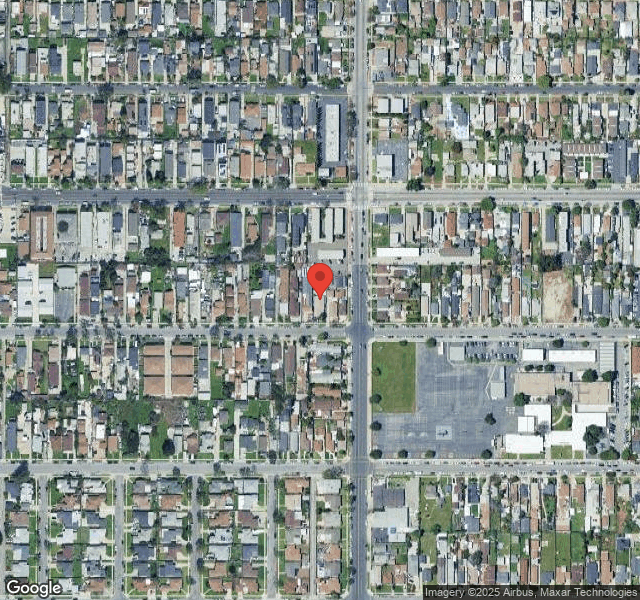

12029 AVALON BLVD, LOS ANGELES, CA 90061 (323) 756-8191
For profit - Individual 131 Beds Independent Data: November 2025 1 Immediate Jeopardy citation
Trust Grade
8/100
#979 of 1155 in CA
Last Inspection: January 2025

Within standard 12-15 month inspection cycle. Federal law requires annual inspections.

Overview

Avalon Villa Care Center has received a Trust Grade of F, indicating significant concerns and a poor reputation among nursing homes. Ranking #979 out of 1155 in California means they are in the bottom half of facilities in the state, and #272 out of 369 in Los Angeles County shows that they have limited local competition that performs better. The facility is worsening, with issues increasing from 4 in 2024 to 56 in 2025, which raises red flags for potential residents and their families. While staffing is rated average with a 3/5 star rating, the turnover rate of 49% is concerning, much higher than the state average of 38%. Additionally, the facility has incurred $66,612 in fines, which is higher than 81% of California facilities, suggesting ongoing compliance issues. Specific incidents include a resident falling and breaking an ankle during a seizure due to a lack of monitoring and a failure to assess another resident's skin condition, leading to serious complications. Overall, while there may be some strengths in staffing, the numerous serious issues and poor overall ratings are significant weaknesses to consider.

Trust Score
F
8/100
In California
#979/1155
Bottom 16%
Safety Record
High Risk
Review needed
Inspections
Getting Worse
4 → 56 violations
Staff Stability
⚠ Watch
49% turnover. Above average. Higher turnover means staff may not know residents' routines.
Penalties
✓ Good
$66,612 in fines. Lower than most California facilities. Relatively clean record.
Skilled Nurses
⚠ Watch
Each resident gets only 23 minutes of Registered Nurse (RN) attention daily — below average for California. Fewer RN minutes means fewer trained eyes watching for problems.
Violations
⚠ Watch
109 deficiencies on record. Higher than average. Multiple issues found across inspections.
★☆☆☆☆
1.0
Overall Rating
★★★☆☆
3.0
Staff Levels
★★★☆☆
3.0
Care Quality
★☆☆☆☆
1.0
Inspection Score
Stable
2024: 4 issues
2025: 56 issues

The Good

  • Full Sprinkler Coverage · Fire safety systems throughout facility
  • No fines on record

Facility shows strength in fire safety.

The Bad

1-Star Overall Rating

Below California average (3.1)

Significant quality concerns identified by CMS

Staff Turnover: 49%

Near California avg (46%)

Higher turnover may affect care consistency

Federal Fines: $66,612

Above median ($33,413)

Moderate penalties - review what triggered them

The Ugly 109 deficiencies on record

1 life-threatening 2 actual harm
Sept 2025 4 deficiencies
CONCERN (D) 📢 Someone Reported This

A family member, employee, or ombudsman was alarmed enough to file a formal complaint

Potential for Harm - no one hurt, but risky conditions existed

Resident Rights (Tag F0550)

Could have caused harm · This affected 1 resident

Based on observation, interview, and record review, the facility failed to ensure one of four sampled residents (Resident 4), was not laying in soiled diaper for over five hours.This deficient practic...

Read full inspector narrative →
Based on observation, interview, and record review, the facility failed to ensure one of four sampled residents (Resident 4), was not laying in soiled diaper for over five hours.This deficient practice resulted in Resident 4 feeling pissed off with the potential to affect the resident's dignity. Findings:During a review of Resident 4's admission Record, the admission Record indicated the facility admitted the resident on 5/19/2022 with diagnoses including nondisplaced spiral fracture of shaft of left tibia (shinbone) and closed fracture (a type of leg injury where the tibia breaks in a spiral pattern due to a twisting force, and the broken ends remain aligned without moving out of place, with the skin remaining closed), chronic obstructive pulmonary disease (COPD - a chronic lung disease causing difficulty in breathing), diabetes mellitus (a disorder characterized by difficulty in blood sugar control and poor wound healing) and schizophrenia (a mental illness that affects a persons, thoughts, feelings and behaviors).During a review of Resident 4's Minimum Data Set (MDS- a resident assessment tool), dated 8/28/2025, the MDS indicated Resident 4's cognition (process of thinking) was intact. The MDS indicated Resident 4 was not able to complete activities of daily living (ADLs) such as bathing, dressing and toileting, and required maximum (helper does more than half the effort) assistance from staff.During a concurrent observation and interview on 9/10/2025 at 11:20 p.m. with Resident 4, in Resident 4's room, Resident 4 was observed to be awake, fidgeting and visibly uncomfortable. Resident 4 stated, I am pissed off because I have been laying in a soiled diaper for more than 5 hours. Resident 4 stated she wanted to be changed.During a concurrent observation and interview on 9/10/2025 at 11:30 a.m., Certified Nurse Assistant (CNA) 1, was observed walking into Resident 4's room and stated she would let the resident's assigned CNA know that the resident needed assistance. CNA 1 did not provide care to Resident 4. During an interview on 9/10/2025 at 11:45 a.m., with Director of Nursing (DON), the DON stated, the facility policy states, 2 minutes is how long the residents wait to be changed. During an interview on 9/10/2025 at 1:25 p.m. with Certified Nursing Assistant (CNA) 2, CNA 2 stated she was busy with other residents and could not assist Resident 4. CNA 2 stated Resident 4 was not provided dignity and was not able to invoke her rights.During a review of the facility's policy and procedure (P&P), titled Quality of Life-Dignity, revised 8/2009, the P&P indicated, Residents shall be treated with dignity and respect at all times.During a review of the facility's policy and procedure (P&P), titled Residents Rights, revised 12/2016, the P&P indicated, Employees shall treat all residents with kindness, respect and dignity.
CONCERN (D) 📢 Someone Reported This

A family member, employee, or ombudsman was alarmed enough to file a formal complaint

Potential for Harm - no one hurt, but risky conditions existed

Deficiency F0558 (Tag F0558)

Could have caused harm · This affected 1 resident

Based on observation, interview and record review, the facility failed to ensure that one of four sampled residents (Resident 4) had call lights answered in a timely manner.This failure had the potent...

Read full inspector narrative →
Based on observation, interview and record review, the facility failed to ensure that one of four sampled residents (Resident 4) had call lights answered in a timely manner.This failure had the potential to result in Resident 4 having a risk for skin injury or skin breakdown. Findings:During an observation on 9/10/2025 at 11:23 a.m., outside the resident's room, a light and an audible tone was ringing, indicating a call light needed to be answered. The call light was not answered by staff until 11:50 a.m.During a review of Resident 4's admission Record, the admission Record indicated the facility admitted Resident 4 on 5/19/2022 with diagnoses including nondisplaced spiral fracture of shaft of left tibia and closed fracture[a type of leg injury where the tibia (shinbone) breaks in a spiral pattern due to a twisting force, and the broken ends remain aligned without moving out of place, with the skin remaining closed], chronic obstructive pulmonary disease (COPD-a chronic lung disease causing difficulty in breathing) diabetes mellitus (DM-a disorder characterized by difficulty in blood sugar control and poor wound healing, and schizophrenia (a mental illness that is characterized by disturbances in thought)During a review of Resident 4's Minimum Data Set (MDS-a resident assessment tool), dated 8/28/2025, the MDS indicated Resident 4's cognition (process of thinking) was intact. The MDS indicated Resident 4 was not able to complete activities of daily living (ADLs) routine tasks such as bathing, dressing and toileting, and required maximum (helper does more than half the effort) assistance from staff.During a concurrent observation and interview on 9/10/2025 at 11:20 p.m. with Resident 4, in Resident 4's room, Resident 4 was observed in bed awake, fidgeting and visibly uncomfortable and stated, I am pissed off because I have been laying in a soiled diaper for more than 5 hours. Resident 4 stated she wanted to be changed.During a concurrent observation and interview on 9/10/2025 at 11:30 a.m., Certified Nurse Assistant (CNA) 1, was observed walking into Resident 4's room and stated she would let the resident's assigned CNA know that the resident needed assistance. CNA 1 did not provide care to Resident 4. During an Interview on 9/10/25 at 11:55 a.m. with CNA 1, CNA 1 stated any staff can answer the call lights when other assigned staff was busy. CNA 1 stated she was assigned to Resident 4's roommate but not Resident 4 who had the issue.During an interview with Director of Nursing (DON) on 9/10/2025 at 11:45 am, the DON stated the facility policy stated call lights were to be answered within 2 minutes. The DON stated then a resident's call light is not answered in a timely manner, that can mean something happened to the resident and the resident needed assistance right away. During a review of the facility's policy and procedure (P&P), titled Answering the Call Light, revised 9/2022, the P&P indicated, Answer the call system immediately
CONCERN (F) 📢 Someone Reported This

A family member, employee, or ombudsman was alarmed enough to file a formal complaint

Potential for Harm - no one hurt, but risky conditions existed

Food Safety (Tag F0812)

Could have caused harm · This affected most or all residents

Based on observation, interview, and record review, the facility failed to ensure kitchen staff wore appropriate hair covering in the food service or preparation areas of the kitchen. This deficient p...

Read full inspector narrative →
Based on observation, interview, and record review, the facility failed to ensure kitchen staff wore appropriate hair covering in the food service or preparation areas of the kitchen. This deficient practice had the potential to result in improper food safety practice and could lead to food contamination, and possible foodborne illness in residents who received food from the kitchen. Findings:During a concurrent observation and interview on 9/11/2025 at 12:25 p.m., in the kitchen, Dishwasher 1 was observed with facial hair. Dishwasher 1 was not wearing the required hair coverings while working in the dishwashing area, located near the food preparation station. Dishwasher 1 stated he did not realize that his hair netting had slipped out of place, and believed his facial hair was still covered. During an interview on 9/11/2025 at 12:45 p.m., in the kitchen, with Assistant Dietary Supervisor (ADS) 1, ADS 1 stated a hair covering not properly secured could result in hair falling into the residents' food, clean dishes, or food preparation area, and increased the risk of food contamination. During a review of the facility's policy and procedures (P&P) tilted Preventing Foodborne Illness-Employee Hygiene and Sanitary, undated, the P&P indicated food services employees would follow appropriate hygiene and sanitary procedures to prevent the spread of foodborne illness. The P&P indicated all employees who handle, prepare or serve food must wear hair nets and/or beard restraints to keep hair from contacting exposed food, clean equipment, and utensils.
CONCERN (F) 📢 Someone Reported This

A family member, employee, or ombudsman was alarmed enough to file a formal complaint

Potential for Harm - no one hurt, but risky conditions existed

Deficiency F0925 (Tag F0925)

Could have caused harm · This affected most or all residents

Based on observation, interview, and record review, the facility failed to maintain an effective pest control program to ensure the environment was free of cockroaches. This deficient practice had the...

Read full inspector narrative →
Based on observation, interview, and record review, the facility failed to maintain an effective pest control program to ensure the environment was free of cockroaches. This deficient practice had the potential to place all residents in the facility at risk for exposure to cockroach-borne contaminants (unsafe, harmful substances) and unsanitary conditions Findings: During a concurrent observation and interview on 9/11/2025 at 3:40 p.m., in the hallway, with the Director of Nursing (DON), observed one live cockroach crawling up on the wall near the kitchen in the main hallway. The DON stated the hallway was regularly used by residents to access the dining room and activity area. The DON stated failure to identify and address live cockroaches in a resident accessible hallway created the potential for unsanitary conditions and the spread of cockroaches into food preparation and/or residents' living spaces. The DON stated the facility's pest control company provided monthly services. The DON stated the maintenance supervisor was responsible for following up with the pest control company for pest issues. During a concurrent interview and record review on 9/11/2025 at 3:55 p.m., with the Maintenance Supervisor (MS), the pest control company service invoices, dated 6/2025 through 9/2025, were reviewed. The service invoices indicated that the pest control company provided weekly services focused primarily in the kitchen areas. The MS stated the pest sightings in the hallway had not been addressed because the hallways were not prioritized like the kitchen. The MS stated the pest control company provided weekly services and provided invoices during the visits, with recommendations for the following visits, such as site-specific treatment plans, identifying unresolved problem areas, and proposed corrective actions. The MS stated he could not provide information regarding the facility's effort to implement pest control recommendations or to ensure cockroaches were eliminated. During an interview on 9/11/2025 at 4:45 p.m., with the Administrator (ADM), the ADM stated the pest control company came to the facility on a regular basis as a part of the ongoing pest control program. The ADM stated services were conducted routinely; however, the ADM could not provide documentation indicating that specific areas of concern, such as the main hallway near the kitchen, were evaluated or treated.During a review of the facility's policy and procedures (P&P) titled Pest Control, revised 5/2008, the P&P indicated the facility would maintain an effective pest control program to ensure the facility was free of pests and rodents.
Aug 2025 3 deficiencies
CONCERN (D) 📢 Someone Reported This

A family member, employee, or ombudsman was alarmed enough to file a formal complaint

Potential for Harm - no one hurt, but risky conditions existed

Administration (Tag F0835)

Could have caused harm · This affected 1 resident

Based on interview and record review, the facility failed to ensure services were administered effectively and efficiently, as the facility Administrator did not confirm the credentialing process was ...

Read full inspector narrative →
Based on interview and record review, the facility failed to ensure services were administered effectively and efficiently, as the facility Administrator did not confirm the credentialing process was completed prior to hiring one of five sampled staff (Staff 1), who worked in the facility as a Licensed Vocational Nurse (LVN) for over a year and a half without a nursing license. This deficient practice resulted in the hiring of unlicensed Staff 1 who was permitted to function as a LVN and placed all residents at risk for unsafe and inappropriate care. Findings: During a review of the Medication Administration Records (MAR) dated 6/1/2025 through 8/15/2025, the MAR indicated Resident 1, who had diagnoses including right ankle and foot osteomyelitis (an infection in the bone), received Norco 5-325 mg (a controlled substance used to relieve moderate to severe pain) on seven separate occasions administered by Staff 1. Further review of the MAR indicated Staff 1 also administered Tramadol (an opioid, controlled substance used to relieve moderate to severe pain), and Oxycodone (an opioid, controlled substance used to relieve severe pain, by prescription only with a high potential for addiction, abuse and misuse) to six different residents during this time. During a concurrent interview and record review on 8/18/2025 at 10:45 a.m., with Director of Staff Development (DSD), Staff 1's personnel file was reviewed. The personnel file indicated Staff 1 was hired to work in the facility as a LVN on 1/8/2024, and did not have proper documentation of a valid professional LVN license. The DSD stated Staff 1's personnel file contained a California Identification Card (ID) and Social Security (SS) card but did not contain evidence of a valid LVN license verification through the California Board of Vocational Nursing and Psychiatric Technicians (BVNPT) system. The DSD stated she did not conduct a license verification for Staff 1 upon hire on 1/8/2024. Upon request, the DSD conducted a license verification on 8/18/2025, through the California BVNPT system and the search revealed no record of an LVN license for Staff 1. The DSD stated the facility hired unlicensed staff to work with the residents. The DSD stated that by allowing unlicensed Staff 1 to function as a LVN, all residents were placed at risk for unsafe care and harm. During an interview on 8/18/2025 at 1:45 p.m., the Director of Nursing (DON) stated that on 8/13/2025, it was brought to her attention that Staff 1 had been working in the facility as an LVN without a professional LVN license. The DON stated this posed a significant risk, including improper medication administration, inaccurate documentation, and the potential for residents to receive unnecessary or inappropriate medications. The DON stated by hiring unlicensed staff to function as an LVN without proper credentials or clinical competency created significant risks, including medication errors and improper treatments, which placed residents at risk for infection and misrepresented residents' condition, leading to unsafe care and adverse outcomes. During a review of the facility's policy and procedure (P&P) titled, Licensure, certification, and Registration of Personnel, revised 4/2007, the P&P indicated the facility would conduct employment background screening and license verification and should the background reveal that the employee / applicant did not hold a current valid license, the employee would not be employed. During an interview on 8/19/2025 at 1:18 p.m., the Administrator (ADM) stated the facility should have followed the P&P but did not. The ADM stated Staff 1 should not have been hired without license verification and that not following the policy, the facility ended up hiring Staff 1 who was unlicensed and unqualified, and this placed all residents at high risk of harm. During a review of the facility's Job Description- Administrator, dated 2023, the Job Description indicated the ADM was responsible for ensuring the credentialing process was completed for all licensed staff providing services in the facility.
CONCERN (D) 📢 Someone Reported This

A family member, employee, or ombudsman was alarmed enough to file a formal complaint

Potential for Harm - no one hurt, but risky conditions existed

Deficiency F0839 (Tag F0839)

Could have caused harm · This affected 1 resident

Based on interview and record review, the facility failed to ensure Staff 1 met the qualifications of a Licensed Vocational Nurse (LVN, an entry level healthcare provider who must complete a state app...

Read full inspector narrative →
Based on interview and record review, the facility failed to ensure Staff 1 met the qualifications of a Licensed Vocational Nurse (LVN, an entry level healthcare provider who must complete a state approved educational program and pass a licensing exam to practice) to provide administration of narcotic medications (controlled substance used to relieve severe pain, by prescription only with a high potential for addiction, abuse and misuse) to the residents. Staff 1 was working in the facility as a LVN, since the hire date of 1/8/2024, without a professional LVN license. This deficient practice caused an increased risk for medication errors, unsafe care, adverse outcomes, and potential death to the residents. Findings: During a review of the Medication Administration Records (MAR) dated 6/1/2025 through 8/15/2025, the MAR indicated Resident 1, with diagnoses including right ankle and foot osteomyelitis (an infection in the bone) received Norco 5-325 mg (a controlled substance used to relieve moderate to severe pain) on seven separate occasions administered by Staff 1 and Resident 2, with diagnoses including pelvis (bony structure inside hips) fracture (a break in a bone) and lumbar vertebra (bone in the lower back) fracture, received Oxycodone (an opioid, controlled substance used to relieve severe pain, by prescription only with a high potential for addiction, abuse and misuse) 10 mg on 31 separate occasions administered by Staff 1. Further review of the MARs dated 6/1/2025 through 8/15/2025 indicated Resident 3, who was diagnosed with left femur (thigh bone) fracture, received Percocet 5-325 mg (a narcotic, controlled substance medication used to treat moderate to severe pain) on 34 different occasions administered by Staff 1. The MARs indicated Resident 4, who was diagnosed with paraplegia (loss of movement and/or sensation, to some degree, of the legs), and back pain, received Norco tablet 5-325 mg, on 33 separate occasions administered by Staff 1. The MARs indicated Staff 1 also administered Tramadol (an opioid, controlled substance used to relieve moderate to severe pain), and other controlled substances to six different residents during this time. During a concurrent interview and record review on 8/18/2025 at 10:45 a.m., with Director of Staff Development (DSD), Staff 1's personnel file was reviewed. The personnel file indicated Staff 1 was hired to work in the facility as a Licensed Vocational Nurse (LVN, an entry level healthcare provider who must complete a state approved educational program and pass a licensing exam to practice) on 1/8/2024, and did not have proper documentation of a valid professional LVN license. The DSD stated Staff 1's personnel file contained a California Identification Card (ID) and Social Security (SS) card but did not contain evidence of a valid LVN license verification through the California Board of Vocational Nursing and Psychiatric Technicians (BVNPT) system. The DSD stated Staff 1's employee file contained a copy of a LVN license of an unidentified individual which did not match Staff 1's ID and SS card. The DSD stated the facility hired Staff 1 by using the unidentified individual's professional LVN license. The DSD stated by allowing unlicensed Staff 1 to function as an LVN for over a year and a half placed all residents at risk of unsafe care and potential harm. During a concurrent interview and record review on 8/19/2025 at 1:18 p.m., with the Administrator (ADM), the facility's policy and procedure (P&P) titled, Licensure, Certification, and Registration of Personnel, revised 4/2007 was reviewed. The P&P indicated the facility would conduct employment background screening and license verification, and should the background reveal that the employee / applicant did not hold a current valid license, the employee would not be employed. The ADM stated the facility should have followed the P&P but did not. The ADM stated Staff 1 should not have been hired without license verification. The ADM stated not following the policy, the facility ended up hiring Staff 1 who was unlicensed and unqualified, and this placed all residents at high risk of harm.
CONCERN (E) 📢 Someone Reported This

A family member, employee, or ombudsman was alarmed enough to file a formal complaint

Potential for Harm - no one hurt, but risky conditions existed

Pharmacy Services (Tag F0755)

Could have caused harm · This affected multiple residents

**NOTE- TERMS IN BRACKETS HAVE BEEN EDITED TO PROTECT CONFIDENTIALITY** Based on interview and record review, the facility failed to ensure routine drugs and biologicals were provided to residents by ...

Read full inspector narrative →
**NOTE- TERMS IN BRACKETS HAVE BEEN EDITED TO PROTECT CONFIDENTIALITY** Based on interview and record review, the facility failed to ensure routine drugs and biologicals were provided to residents by allowing an unlicensed nurse (Staff 1) to administer medications to four of six sampled residents (Residents 1, 2, 3, and 4) for over one and a half years. This deficient practice caused an increased risk in unsafe and inappropriate care of the residents, medication errors, and adverse outcomes to the residents. Findings: a. During a review of Resident 1's admission Record, the admission Record indicated Resident 1 was originally admitted to the facility on [DATE] and readmitted on [DATE] with diagnoses including right ankle and foot osteomyelitis (an infection in the bone). During a review of Resident 1's Minimum Data Set (MDS - a resident assessment tool), dated 7/2025, the MDS indicated Resident 1 had the ability to make self-understood and to understand others. The MDS indicated Resident 1 received an opioid (a drug used for pain) medication. During a review of the Medication Administration Records (MAR) dated 6/1/2025 through 8/15/2025, the MAR indicated Resident 1 received Norco 5-325 mg (a controlled substance used to relieve moderate to severe pain) on seven separate occasions administered by Staff 1. During a concurrent interview and record review on 8/18/2025 at 10:45 a.m., with Director of Staff Development (DSD), Staff 1's personnel file was reviewed. The personnel file indicated Staff 1 was hired to work in the facility as a Licensed Vocational Nurse (LVN, an entry level healthcare provider who must complete a state approved educational program and pass a licensing exam to practice) on 1/8/2024, and did not have proper documentation of a valid professional LVN license. The DSD stated Staff 1's personnel file contained a California Identification Card (ID) and Social Security (SS) card but did not contain evidence of a valid LVN license verification through the California Board of Vocational Nursing and Psychiatric Technicians (BVNPT) system. The DSD stated Staff 1's employee file contained a copy of a LVN license of an unidentified individual which did not match Staff 1's ID and SS card. The DSD stated the facility hired Staff 1 by using the unidentified individual's professional LVN license. The DSD stated by allowing unlicensed Staff 1 to function as an LVN for over a year and a half placed all residents at risk for unsafe care and potential harm. b. During a review of Resident 2's admission Record, the admission Record indicated Resident 2 was admitted to the facility on [DATE] with diagnoses including pelvis (bony structure inside hips) fracture (a break in a bone) and lumbar vertebra (bone in the lower back) fracture. During a review of Resident 2's MDS, dated [DATE], the MDS indicated Resident 2 had the ability to make self-understood and to understand others. The MDS indicated Resident 2 received an opioid medication. During a review of the Medication Administration Records (MAR) dated 6/1/2025 through 8/15/2025, the MAR indicated Resident 2 received Oxycodone (an opioid, controlled substance used to relieve severe pain, by prescription only with a high potential for addiction, abuse and misuse) 10 mg on 31 separate occasions and the medication was administered by Staff 1. During an interview on 8/18/2025 at 1:45 p.m., the Director of Nursing (DON) stated that on 8/13/2025, it was brought to her attention that Staff 1 had been working in the facility as an LVN without a professional LVN license for over a year and a half. The DON stated this posed a significant risk, including improper medication administration, inaccurate documentation, and the potential for residents to receive unnecessary or inappropriate medications. The DON stated by hiring unlicensed staff to function as an LVN without proper credentials or clinical competency created significant risks, including medication errors and improper treatments, which placed residents at risk for infection and misrepresented residents' condition, leading to unsafe care and adverse outcomes. Further review of the MARs dated 6/1/2025 through 8/15/2025 indicated Resident 3, who was diagnosed with left femur (thigh bone) fracture, received Percocet 5-325 mg (a narcotic, controlled substance medication used to treat moderate to severe pain) on 34 different occasions administered by Staff 1. The MARs indicated Resident 4, who was diagnosed with paraplegia (loss of movement and/or sensation, to some degree, of the legs), and back pain, received Norco tablet 5-325 mg, on 33 separate occasions administered by Staff 1. The MARs indicated Staff 1 also administered Tramadol (an opioid, controlled substance used to relieve moderate to severe pain), and other controlled substances to six different residents during this time. During a review of the facility's policy and procedure (P&P) titled, Administering Medications, revised 4/2019, the P&P indicated Only persons licensed or permitted by this state to prepare, administer and document the administration of medications may do so. During a review of the facility's P&P titled, Controlled Substances, revised 11/2022, the P&P indicated the facility would comply with all laws and regulations relating to handling and documentation of controlled medications. The P&P indicated only licensed nursing personnel would have access to scheduled medications-controlled substances.
Aug 2025 4 deficiencies
CONCERN (D) 📢 Someone Reported This

A family member, employee, or ombudsman was alarmed enough to file a formal complaint

Potential for Harm - no one hurt, but risky conditions existed

Deficiency F0605 (Tag F0605)

Could have caused harm · This affected 1 resident

**NOTE- TERMS IN BRACKETS HAVE BEEN EDITED TO PROTECT CONFIDENTIALITY** Based on interview and record review, the facility did not conduct behavior monitoring for one of two sampled residents (Residen...

Read full inspector narrative →
**NOTE- TERMS IN BRACKETS HAVE BEEN EDITED TO PROTECT CONFIDENTIALITY** Based on interview and record review, the facility did not conduct behavior monitoring for one of two sampled residents (Resident 1), who was receiving the psychotropic medication (drug that affects how the brain works) escitalopram (an antidepressant, a medication used to treat depression [a serious medical illness that negatively affects how you feel, think, and act]). This deficient practice placed Resident 1 at risk of receiving escitalopram without an indication.Findings: During a review of Resident 1's admission Record, the admission Record indicated Resident 1 was admitted to the facility on [DATE]. Resident 1's admitting diagnoses included major depressive disorder (MDD, a mood disorder that causes a persistent feeling of sadness and loss of interest). During a review of Resident 1's Minimum Data Set (MDS, a resident assessment tool), dated 7/15/2025, the MDS indicated Resident 1 had moderate cognitive impairment (a level of impairment where individuals may require assistance with certain daily activities and/or tasks). The MDS indicated Resident 1 was dependent on staff for all activities of daily living (ADLs, activities such as bathing, dressing and toileting a person performs daily) except eating. The MDS indicated Resident 1 substantial to maximal assistance from staff for mobility while in and out of bed. The MDS indicated Resident 1 had a diagnosis of MDD and was receiving anti-depressant medication. During a review of Resident 1's physician order, dated 7/10/2025, the order indicated Resident 1 was to receive escitalopram once a day for MDD, manifested by verbalizations of feeling sadness. There were no orders to monitor Resident 1's behavior of verbalizing sadness. During an interview on 8/5/2025 at 1:41 PM, with Licensed Vocational Nurse (LVN) 2, LVN 2 stated behavior monitoring was ordered by Resident 1's physician. LVN 2 stated that if behavior monitoring was not ordered, licensed nursing staff were to contact the physician for the order. LVN 2 stated behavior monitoring was required to track the frequency of the resident's behaviors and allow staff to monitor the effectiveness of the medication. LVN 2 stated behavior monitoring allowed staff to determine if there was a continued need for psychotropic medication or to determine if the current dose was ineffective and adjustments were needed. During an interview on 8/5/2025 at 1:51 PM, with LVN 2, LVN 2 stated Resident 1 did not have any active or discontinued orders for behavior monitoring since the resident began receiving escitalopram on 7/10/2025. During an interview on 8/6/2025 at 12:45, with the Director of Nursing (DON), the DON stated that when a resident is on a psychotropic medication for a specific behavior, the indicated behavior was supposed to be monitored and tracked. The DON stated the purpose of monitoring for and tracking the frequency of the indicated behavior was to assess the effectiveness of the current medication therapy and determine if adjustments were needed. During a review of the facility's policy and procedure (P&P) titled Behavioral Assessment, Intervention, and Monitoring, revised 12/2016, the P&P indicated when medications are prescribed for behavioral symptoms, documentation will include rationale for use and monitoring for efficacy. During a review of the facility's P&P titled Psychotropic Medication Use, revised 7/2022, the P&P indicated psychotropic medication management included adequate monitoring for efficacy.
CONCERN (D) 📢 Someone Reported This

A family member, employee, or ombudsman was alarmed enough to file a formal complaint

Potential for Harm - no one hurt, but risky conditions existed

Report Alleged Abuse (Tag F0609)

Could have caused harm · This affected 1 resident

**NOTE- TERMS IN BRACKETS HAVE BEEN EDITED TO PROTECT CONFIDENTIALITY** Based on interview and record review, the facility failed to ensure an allegation of staff-to-resident and resident-to-resident ...

Read full inspector narrative →
**NOTE- TERMS IN BRACKETS HAVE BEEN EDITED TO PROTECT CONFIDENTIALITY** Based on interview and record review, the facility failed to ensure an allegation of staff-to-resident and resident-to-resident abuse was reported timely for one of three sampled residents (Resident 1). This deficient practice placed Resident 1 and other facility residents at risk of sustaining abuse.Findings: During a review of Resident 1's admission Record, the admission Record indicated Resident 1 was admitted to the facility on [DATE]. Resident 1's admitting diagnoses included generalized muscle weakness, abnormalities of gait (way of walking)and mobility, and major depressive disorder (a serious mental health condition characterized by persistent feelings of sadness, loss of interest in activities, and a range of other symptoms that significantly impact daily life). During a review of Resident 1's Minimum Data Set (MDS, a resident assessment tool), dated 7/15/2025, the MDS indicated Resident 1 had moderate cognitive impairment (a level of impairment where individuals may require assistance with certain daily activities and/or tasks). The MDS indicated Resident 1 was dependent on staff for all activities of daily living (ADLs, activities such as bathing, dressing and toileting a person performs daily) except eating. The MDS indicated Resident 1 required substantial to maximal assistance from staff for mobility while in and out of bed. During a review of Resident 1's Change of Condition (COC) Assessment, dated 7/28/2025 at 3:56 AM, the COC assessment indicated Resident 1 was falsifying stories of staff and residents talking about her. During a review of Resident 1's progress note, dated 7/28/2025 at 5:27 AM, the progress note indicated on 7/28/2025, Resident 1 reported nursing staff were laughing at her and threatening to throw her out on the street. The progress note did not identify any specific nursing staff. The progress note did not indicate the allegation was reported to any outside agencies, including the State Agency (SA). During a review of Resident 1's progress notes, dated 7/28/2025 at 3:32 PM ,7/28/2025 at 11:06 PM, 7/29/2025 at 6:43 AM, and 7/29/2025 at 6:21 PM, the progress notes indicated staff were monitoring Resident 1 for falsifying stories. During a review of Resident 1's care plan titled [Resident 1] Fabricate stories [manifested by] stated ‘Those nurses keep laughing at me and threaten to throw me out on the street.', dated 7/29/2025, the care plan indicated goals of care included Resident 1 feeling comfortable in the facility. Care plan interventions did not indicate the allegations of nursing staff laughing at and threatening the resident were to be reported to any outside agencies, including the SA. During a review of Resident 1's COC Assessment, dated 8/2/2025, the assessment indicated Registered Nurse (RN) 1 received a call from a suicide hotline informing her that Resident 1 made a call to the hotline stating she wanted to die. The assessment indicated RN 1 spoke with Resident 1, and Resident 1 requested to be transferred to the hospital. The assessment indicated RN 1 assessed Resident 1 and the resident stated she wanted to leave. The assessment indicated Resident 1 stated ‘I can't take this anymore.'. During a review of Resident 1's Transfer Form, dated 8/2/2025, the Transfer Form indicated Resident 1 was alert, oriented, and could follow instructions. The Transfer Form indicated Resident 1 was redirected by RN 1 but continued to state ‘I can not take this anymore, I have to get out of here'. The Transfer Form indicated Resident 1 was transferred to the General Acute Care Hospital (GACH) for suicidal ideations (thoughts of suicide). During an interview on 8/5/2025 at 11:53 AM, with RN 1, RN 1 stated Resident 1 informed her that staff and other residents were making fun of her. RN 1 stated Resident 1 reported this allegation to her multiple times during the week of 7/20/2025 to 7/26/2025, but she could not recall the exact dates. RN 1 stated the allegations were reported to other licensed nursing staff as well, but she could not state who. RN 1 stated Resident 1 reported the allegation to her again on 7/28/2025 and she notified the Director of Nursing (DON). RN 1 stated Resident 1's allegations were consistent across multiple shifts and multiple days. RN 1 stated the DON instructed her to document a COC assessment. RN 1 stated the allegations were never reported to the facility's Administrator (abuse coordinator) or reported to the SA. RN 1 stated the allegations should have been reported because Resident 1's claims met the criteria for possible abuse/mistreatment. RN 1 stated timely reporting was important for resident safety and helped to prevent any further harm from occurring. During an interview on 8/6/2025 at 10:27 AM, with the Minimum Data Set Nurse (MDSN), the MDSN stated she developed Resident 1's care plan titled [Resident 1] Fabricate stories [manifested by] stated ‘Those nurses keep laughing at me and threaten to throw me out on the street.', dated 7/29/2025. The MDSN stated the care plan indicated staff were laughing at the resident and threatening to throw her out on the street. The MDSN stated the alleged behavior of the staff in the care plan was not appropriate and was possible abuse. The MDSN stated she was a mandated reporter and stated she did not report the allegation to the facility's Administrator but should have. The MDSN stated the importance of reporting was to ensure the safety of the resident. During an interview on 8/6/2025 at 12:45 PM, with the DON, the DON stated Resident 1's claims of verbal abuse by facility staff and other facility residents were not reported to any outside agencies, including the SA. The DON stated if a resident was allegedly mistreated by staff or another resident, the allegation should be reported immediately, regardless of the likelihood of its validity. The DON stated the allegations should not be automatically written off as falsification or fabrication. The DON stated that reporting the allegations was important to ensure the safety of the resident and to ensure an investigation was done to identify the allegation's validity. The DON stated that writing off the incident as false could cause abuse to go unidentified and place the resident at risk for harm. During a review of the facility's policy and procedure (P&P) titled Abuse Investigation and Reporting, revised 7/2017, the P&P indicated all alleged violations involving abuse were to be reported to the SA immediately, or within two hours.
CONCERN (D) 📢 Someone Reported This

A family member, employee, or ombudsman was alarmed enough to file a formal complaint

Potential for Harm - no one hurt, but risky conditions existed

Comprehensive Care Plan (Tag F0656)

Could have caused harm · This affected 1 resident

**NOTE- TERMS IN BRACKETS HAVE BEEN EDITED TO PROTECT CONFIDENTIALITY** Based on interview and record review, the facility failed to ensure a care plan was developed for one of two sampled residents' ...

Read full inspector narrative →
**NOTE- TERMS IN BRACKETS HAVE BEEN EDITED TO PROTECT CONFIDENTIALITY** Based on interview and record review, the facility failed to ensure a care plan was developed for one of two sampled residents' (Resident 1) diagnosis of major depressive disorder (MDD, a serious mood disorder characterized by persistent feelings of sadness, loss of interest, and other symptoms that interfere with daily life). This deficient practice placed Resident 1 at risk of not receiving non-pharmacologic (non-medication) care and interventions to address her depression and her verbalizations of sadness.Findings: During a review of Resident 1's admission Record, the admission Record indicated Resident 1 was admitted to the facility on [DATE]. Resident 1's admitting diagnoses included major depressive disorder (MDD). During a review of Resident 1's Minimum Data Set (MDS, a resident assessment tool), dated 7/15/2025, the MDS indicated Resident 1 had moderate cognitive impairment (a level of impairment where individuals may require assistance with certain daily activities and/or tasks). The MDS indicated Resident 1 was dependent on staff for all activities of daily living (ADLs, activities such as bathing, dressing and toileting a person performs daily) except eating. The MDS indicated Resident 1 substantial to maximal assistance from staff for mobility while in and out of bed. The MDS indicated Resident 1 had a diagnosis of MDD and was receiving anti-depressant medication (medication used to treat depression). During an interview on 8/5/2025 at 1:53 PM, with Licensed Vocational Nurse (LVN) 2, LVN 2 stated Resident 1 had a diagnosis of MDD, LVN 2 stated Resident 1 did not have a care plan addressing the resident's diagnosis of MDD. LVN 2 stated the care plan should include non-pharmacological interventions to address Resident 1's diagnosis of MDD, such as redirection, activities, and talking with staff about her feelings. LVN 1 stated the care plan would allow staff to address Resident 1's behaviors and monitor the goals to ensure care was effective. During an interview on 8/6/2025 at 12:45 PM, with the Director of Nursing (DON), the DON stated care plans demonstrated resident's plan of care and interventions to be implemented. The DON stated residents with a diagnosis of MDD should have a care plan addressing MDD, separate from a care plan for the medications prescribed for MDD. The DON stated it was important to have a care plan to ensure there were instructions for how to care for the resident, including non-pharmacological interventions. During a review of the facility's policy and procedure (P&P) titled Care Plans, Comprehensive Person-Centered, revised 12/2016, the P&P indicated a comprehensive, person-centered care plan, that includes measurable objectives, was to be developed and implemented for each resident. The P&P indicated the care plan was to reflect treatment goals and enhance optimal functioning of the resident. The P&P indicated care plan interventions were to address underlying sources of the resident's problem areas. During a review of the facility's P&P titled Psychotropic Medication Use, revised 7/2022, the P&P indicated non-pharmacological interventions were to be used to minimize the need for psychotropic medications (any medication that affects brain activity associated with mental processes) when used to treat specific conditions.
CONCERN (D) 📢 Someone Reported This

A family member, employee, or ombudsman was alarmed enough to file a formal complaint

Potential for Harm - no one hurt, but risky conditions existed

Deficiency F0726 (Tag F0726)

Could have caused harm · This affected 1 resident

Based on interview and record review, the facility failed to ensure Registered Nurse (RN) 1 and Licensed Vocational Nurse (LVN) 1 demonstrated competency related to the facility's abuse reporting poli...

Read full inspector narrative →
Based on interview and record review, the facility failed to ensure Registered Nurse (RN) 1 and Licensed Vocational Nurse (LVN) 1 demonstrated competency related to the facility's abuse reporting policies when RN 1 and LVN 1 did not know the facility's abuse reporting requirements and who the facility's abuse coordinator was. This deficient practice placed all facility residents at risk of abuse allegations being unreported or delayed to the State Agency (SA) and other relevant agencies.Findings: 1. During a review of Registered Nurse (RN) 1's employee file, a document titled Statement Acknowledging Requirement to Report Suspected abuse of Dependent Adults and Elders, signed on 5/28/2025, and an abuse training post-test, dated 5/28/2025, were reviewed. The document titled Statement Acknowledging Requirement to Report Suspected abuse of Dependent Adults and Elders indicated RN 1 acknowledged her responsibilities as a mandated reporter to report known or suspected abuse. RN 1's abuse training post-test indicated RN 1 correctly answered that she was a mandated reporter. During an interview on 8/5/2025 at 11:53 AM, with RN 1, RN 1 stated she received abuse training upon hire to the facility. RN 1 stated she was unsure who the facility's abuse coordinator was or if she was a mandated reporter. RN 1 stated she did not know what was required of a mandated reporter. 2. During a review of Licensed Vocational Nurse (LVN) 1's employee file, a document titled Statement Acknowledging Requirement to Report Suspected abuse of Dependent Adults and Elders, signed on 1/13/2025, and an abuse training post-test, dated 1/13/2025, were reviewed. The document titled Statement Acknowledging Requirement to Report Suspected abuse of Dependent Adults and Elders indicated LVN 1 acknowledged her responsibilities as a mandated reporter to report known or suspected abuse. LVN 1's abuse training post-test indicated LVN 1 correctly answered that she was a mandated reporter. During a review of the facility's in-service lesson plan and sign-in sheet, dated 7/17/2025, the in-service records indicated on 7/17/2025, LVN 1 attended the abuse in-service training. The in-service records indicated reporting requirements were reviewed. The in-service lesson plan indicated staff were taught to report any suspicions of abuse to the facility's abuse coordinator within two hours. During an interview on 8/5/2025 at 2:04 PM, with LVN 1, LVN 1 stated she received abuse training upon hire. LVN 1 stated she was not sure who the facility's abuse coordinator was or if she was a mandated reporter. LVN 1 stated she was unsure of the responsibilities of a mandated reporter. During an interview on 8/6/2025 at 12:45 PM, with the Director of Nursing (DON), the DON stated all staff were expected to be competent in implementing the facility's abuse policies and procedures (P&Ps) to ensure timely investigations of any allegations of abuse, and for the safety of the facility's residents. The DON stated the purpose of the training provided upon hire, and the interim in-services, was to ensure staff maintained competency to implement the facility's abuse P&Ps. The DON stated it was important for staff to be aware of their role and responsibilities as a mandated reporter to ensure the safety of the facility's residents, and all staff should know who the facility's abuse coordinator was. During a review of the facility's policy and procedure (P&P) titled Abuse Prevention Program, revised 12/2016, the P&P indicated all facility residents had the right to remain free from abuse. The P&P indicated staff were to develop and implement P&Ps to aid the facility in preventing abuse or mistreatment of its residents, including staff training/orientation programs that included abuse prevention and identification and reporting of abuse.
Jul 2025 2 deficiencies
CONCERN (D) 📢 Someone Reported This

A family member, employee, or ombudsman was alarmed enough to file a formal complaint

Potential for Harm - no one hurt, but risky conditions existed

Accident Prevention (Tag F0689)

Could have caused harm · This affected 1 resident

Based on interview and record review, facility failed to ensure the code (a numeric or alphanumeric sequence used as a security feature of authorized facility staff to enter the facility) used by faci...

Read full inspector narrative →
Based on interview and record review, facility failed to ensure the code (a numeric or alphanumeric sequence used as a security feature of authorized facility staff to enter the facility) used by facility staff to open the facility's gate and entrance door was changed, after an employee, Certified Nurse Assistant (CNA 1) was beaten by three (3) unidentified males (perpetrators) known by a facility employee (CNA 2) gained knowledge and access of the facility's code on 7/19/2025. This deficient practice had the potential for the perpetrators to return to the facility and placed all the residents and staff at risk for severe injuries due to the violent behavior, hospitalization and death.Findings:During an interview on 7/29/2025 at 7:49 a.m. with CNA 1, CNA 1 stated he believed CNA 2 provided the facility's gate code to her boyfriend on 7/19/2025 at (unknown time) after CNA 2 had purchased Starbucks for them (CNA 1 and CNA 2). CNA 1 told CNA 2 he would pay her back another time because he did not have change. CNA 1 stated that he heard a car alarm went off at the facilities parking lot. CNA 1 stated he went outside to check his car and observed CNA 2 start to approach him asking for her money. CNA 1 stated while CNA 2 was approaching him, the 3 perpetrators were observed entering the facility's gate. CNA 1 stated CNA 3 and the Treatment Nurse (TN), attempted to stop the 3 perpetrators from approaching him. CNA 1 stated one male perpetrator struck him on his head, punched his face, busted his lips, nose, and both eyes. CNA 1 stated he fell on the ground. During an interview on 7/29/2025 at 11:43 a.m. with the TN, the TN stated on 7/19/2025 at (unknown time), he witnessed CNA 2 use profanity out loud toward CNA 1. The TN stated the facility's parking lot gate required a code to open and enter. The TN stated only facility staff should know the gate code. The TN stated he wondered how the 3 perpetrators got in the facility's premises. The TN stated one of the unidentified perpetrators struck CNA 1. The TN stated him, and CNA 3 tried to block the 3 perpetrators from striking CNA 1. The TN stated he could not remember how many times CNA 1 was struck. The TN stated, him and CNA 3 assisted CNA 1 back inside the building.During an interview on 7/29/2025 at 1:17 p.m. with CNA 3, CNA 3 stated she saw CNA 1 was on the phone yelling and telling the person (unidentified) to come over to the facility. CNA 3 stated, while CNA 1 was yelling on the phone, the 3 perpetrators entered the facility's gated parking lot. CNA 3 stated she did not know how the 3 perpetrators entered the gate when only facility staff knows the gate code. CNA 3 stated she suspected CNA 2 provided the code to the 3 perpetrators. CNA 3 stated the facility did not change the code to the facility's gate and entrance door after the incident happened on 7/19/2025. CNA 3 stated not changing the code was a safety concern, placing other staff and residents at risk for theft and injury. CNA 3 stated what if they bring guns and hurt us (staff and residents)? During a review of the facility's Policy and Procedures (P&P) titled, Accidents and Incidents- Investigating and Reporting, dated 7/2017, the P&P indicated all incidents that occurred in the facility premises should be investigated. The P&P indicated one of the following data should be included: any corrective action taken. The P&P indicated the incident report should be reviewed by the Safety Committee for trends related to safety hazards in the facility and to analyze any individual resident vulnerabilities.
CONCERN (D) 📢 Someone Reported This

A family member, employee, or ombudsman was alarmed enough to file a formal complaint

Potential for Harm - no one hurt, but risky conditions existed

Infection Control (Tag F0880)

Could have caused harm · This affected 1 resident

**NOTE- TERMS IN BRACKETS HAVE BEEN EDITED TO PROTECT CONFIDENTIALITY** Based on observation, interview, and record review, the facility failed to implement infection prevention and control measures w...

Read full inspector narrative →
**NOTE- TERMS IN BRACKETS HAVE BEEN EDITED TO PROTECT CONFIDENTIALITY** Based on observation, interview, and record review, the facility failed to implement infection prevention and control measures while changing the colostomy ([stoma] a surgical opening on the surface of the abdomen created to divert the flow of feces) bag (where the feces drain), for 1 of 1 sampled (Resident 1) who was on Enhanced Standard Precautions ([EBP] set of infection control measures designed to reduce the spread of certain multidrug-resistant organisms (MDROs) in healthcare settings including the use of gowns and gloves during high-contact resident care activities, including dressing, bathing, transferring, wound care, and device care, particularly nursing homes), by failing to: 1. Wash hands prior to donning (putting on) gloves.2. Change the gloves that were visibly soiled of feces, after cleaning the stoma.3. Clean the bedside table prior to putting on clean colostomy supplies.4. Remove gloves and wash hands prior to putting back the blanket, call light, bed handset (remote used to adjust the bed) and opening the curtain.5. Wash hands after and prior to leaving the resident's room. These deficient practices had the potential to result in spreading infection to other residents in the facility.Findings:During a review of Resident 1's admission Record, the admission Record indicated Resident 1 was originally admitted to the facility on [DATE] and readmitted on [DATE] with diagnoses including hypertension (high blood pressure), and diabetes mellitus (DM- abnormal blood sugar level).During a review of Resident 1's care plan titled, Resident 1 has a colostomy, initiated 9/13/2023, the care plan interventions indicated to change colostomy bag every shift. During a review of Resident 1's History and Physical (H&P) dated 9/13/2024, the H&P indicated Resident 1 had the capacity to understand and make decisions. During a review of Resident 1's Physician's Order Summary report dated 3/11/2025, the Physician's Order Summary report indicated EBP related to colostomy.During a review of Resident 1's Minimum Data Set (MDS - a resident assessment tool) dated 6/16/2025, the MDS indicated Resident 1 was able to understand and be understood by others. The MDS indicated Resident 1 was independent with eating and was dependent (helper does all the effort) for oral hygiene, toileting hygiene, shower/bathe self, upper/lower dressing, putting on/ taking off footwear and personal hygiene. The MDS indicated Resident 1 required partial/moderate assistance (helper does less than half the effort) with rolling from left to right and was dependent for sitting to lying, lying to sitting on side of the bed, sitting to stand, chair/bed to chair transfer, toilet transfer, tub/shower transfer. During a review of Resident 1's Physician's Order Summary report dated 9/18/2025, the Physician's Order Summary report indicated to change colostomy bag every shift. During a concurrent observation and interview on 7/29/25 at 11:25 a.m. with Treatment Nurse (TN), the TN was observed preparing to change Resident 1's colostomy bag. The TN went to the treatment cart (cart where supplies were stored) and got normal saline (NS, normal saline liquid solution used in healthcare settings), collected other treatment supplies, donned (put on) gloves, and entered Resident 1's room. The TN explained the procedure to Resident 1, pulled the curtain to provide privacy, pulled Residents 1's bedside table (containing Resident 1's water pitcher and water cup), and placed the clean colostomy bag, clean gauzes and small cups with NS. The TN proceeded to clean the stoma with wet gauze then disposed the dirty gauze in a plastic bag. The protruding stoma (portion of the intestine pushes through the stoma) was observed with remaining stool around the area. The TN took the clean colostomy bag with the same gloves, with some stools visibly noted on the right glove, and placed the new colostomy bag on stoma. The TN fixed Resident 1's blanket, call light, bed handset and pulled Resident 1's curtain open. The TN removed the gloves and threw the dirty items in the trash, sanitized both his hands and walked out of Resident 1's room. During an interview on 7/29/25 at 11:43 a.m. with TN, the TN stated that he did not sanitize his hands prior to entering Resident 1's room. The TN stated he did not clean the bedside table used to place the clean colostomy supplies. TN stated he did not change gloves after cleaning the colostomy stoma and did not wash or sanitize his hands after cleaning the stoma. The TN stated he did not clean the contacted areas after colostomy change was done. The TN stated he did not follow clean technique when changing Resident 1's colostomy bag. The TN stated not following the clean technique during colostomy bag change could lead to infections such as sepsis resulting in hospitalizations. During a review of the facility's Policy and Procedures (P&P) titled, Colostomy/ileostomy Care, dated 10/2010, the P&P in preparation indicated to review the resident's care plan to assess for any special needs of the resident. The P&P indicated to place clean equipment on the bedside stand, wash hands thoroughly, put on gown and gloves. The P&P indicated to remove the drainage bag, remove gloves, wash hands and put on clean gloves. The P&P indicated to cleanse the skin with appropriate skin cleansing preparation, remove soiled items, remove and discard gowns, gloves and wash hands thoroughly, then reposition bed covers, place the call light within reach, clean overbed table and return to its proper position, then wash and dry hands thoroughly.
Jun 2025 2 deficiencies
CONCERN (D) 📢 Someone Reported This

A family member, employee, or ombudsman was alarmed enough to file a formal complaint

Potential for Harm - no one hurt, but risky conditions existed

Comprehensive Care Plan (Tag F0656)

Could have caused harm · This affected 1 resident

Based on interview, and record review, the facility failed to implement an individualized person-centered plan of care with measurable objectives, timeframe, and interventions for one of three sample ...

Read full inspector narrative →
Based on interview, and record review, the facility failed to implement an individualized person-centered plan of care with measurable objectives, timeframe, and interventions for one of three sample residents (Resident 1) after Resident 1 went into Resident's 2 room and took Resident 2's personal belongings. This failure had the potential to negatively affect the delivery of necessary care and services. Findings: During a review of Resident 1's admission Record dated 6/1/2025, the admission Record indicated the facility admitted Resident 1 on 6/1/2025, with diagnoses including encephalopathy unspecified (problem with how your brain is working), traumatic brain injury (TBI-a disruption in the normal function of the brain that can be caused by a bump, blow, or jolt to the head) and psychoactive substance use (harmful or excessive use of drugs that affect the brain). During a review of the Minimum Data Set (MDS- a resident assessment tool), dated 6/7/2025, the MDS indicated Resident 1's cognition (thought process) was severely impaired. The MDS indicated Resident 1 required partial, moderate assistance (helper does more than half the effort) from staff for activities of daily living (ADLs - routine tasks/activities such as bathing, dressing, toileting and eating a person performs daily to care for themselves). During a review of Progress Notes dated 6/5/2025 at 12:10 p.m. indicated Resident 1 was found in Resident's 2 room looking through Resident's 2 personal belongings. During a review of Resident1's Care Plans, the care plans did not indicate a care plan addressing the resident's behavior of going into other resident's rooms and taking other resident's belongings. During a concurrent interview and record review on 6/17/2025 at 2:29 p.m. with the Director of Nursing (DON), the facility's policy and procedure (P &P) titled, Care Plans, Comprehensive Person-Centered, dated December 2016 was reviewed. The DON stated, a care plan addressing Resident 1 going into other resident's room and going through other residents' belongings was not developed. The DON stated not having a care plan for Resident 1 going into patient's rooms and going through other resident's belongings had the potential for repeat behavior of going into other resident's rooms and a resident-to-resident altercation can happen. During a review of the facility's policy and procedure (P &P) titled, Care Plans, Comprehensive Person-Centered, dated December 2016 indicated each resident will have a comprehensive care plan developed that includes goals, measurable objectives and timetables to meet their medical, nursing, mental, and psychosocial need identified during the comprehensive assessment. The care plan must describe services that are provided to the resident to attain or maintain the resident's highest practicable, physical, mental and psychosocial well-being.
CONCERN (D) 📢 Someone Reported This

A family member, employee, or ombudsman was alarmed enough to file a formal complaint

Potential for Harm - no one hurt, but risky conditions existed

Medical Records (Tag F0842)

Could have caused harm · This affected 1 resident

Based on interview and record review, the facility failed to ensure one of three sample residents' (Resident 2) clinical record was maintained by not documenting reporting a change of condition to the...

Read full inspector narrative →
Based on interview and record review, the facility failed to ensure one of three sample residents' (Resident 2) clinical record was maintained by not documenting reporting a change of condition to the attending physician and psychiatrist. This deficient practice had the potential to result in delay of communication between the staff and provision of care/intervention to the resident. Findings: During a review of Resident 2's admission Record dated 4/23/2025, the admission Record indicated the facility admitted Resident 2 on 4/23/2025, with diagnoses including traumatic brain injury (TBI-a disruption in the normal function of the brain that can be caused by a bump, blow, or jolt to the head), epilepsy (neurological condition that causes recurring seizures due to abnormal electrical activity in the brain), alcohol abuse (excessive consumption of alcohol) and major depressive disorder (a common and serious medical illness that can significantly impact how a person feels, thinks, and acts). During a review of the physician's history and physical (H&P) dated 4/25/2025, indicated Resident 2 has the capacity to understand and make decisions. During a review of the Minimum Data Set (MDS - a resident assessment tool), dated 4/29/2025, the MDS indicated Resident 2's cognition (thought process) was intact. The MDS indicated Resident 2 required partial, moderate assistance (helper does more than half the effort) from staff for activities of daily living (ADLs - routine tasks/activities such as bathing, dressing, toileting and eating a person performs daily to care for themselves). During a review of Resident 2's Progress Notes dated 6/11/2025 indicated documentation of the resident's verbal and physical aggression but there was no documentation the incident was reported to the physician or the psychiatrist. During a concurrent interview and record review on 6/17/25 at 2:42 p.m. with the DON, the DON stated the incident was verbalized to Resident 2's Primary Care Physician (PCP) and attending facility's psychiatrist however the incident should have been documented since if it's not documented, it is not done. When information is not documented the next person would not know and the chain of communication would be broken. During a review of the facility's policy and procedure (P&P) titled, Change in a Resident's Condition or Status dated December 2016, indicated the nurse will notify the resident's primary physician, and representative of changes in the resident's medical/mental condition and/or status.
Jun 2025 2 deficiencies
CONCERN (D) 📢 Someone Reported This

A family member, employee, or ombudsman was alarmed enough to file a formal complaint

Potential for Harm - no one hurt, but risky conditions existed

Resident Rights (Tag F0550)

Could have caused harm · This affected 1 resident

**NOTE- TERMS IN BRACKETS HAVE BEEN EDITED TO PROTECT CONFIDENTIALITY** Based on observation, interview, and record review, the facility failed to ensure two of four sampled residents (Resident 1 and ...

Read full inspector narrative →
**NOTE- TERMS IN BRACKETS HAVE BEEN EDITED TO PROTECT CONFIDENTIALITY** Based on observation, interview, and record review, the facility failed to ensure two of four sampled residents (Resident 1 and Resident 3) were treated with dignity and respect when the facility failed to provide the daily dietary menu to Residents 1 and 3, who were unable to get out of bed without staff assistance. This deficient practice violated Resident 1 and Resident 3 rights and resulted in the resident's not being able to choose their food preferences. Findings: a. During a concurrent observation and interview on 6/6/2025 at 9:40 a.m. with Resident 1 in Resident 1's room, no dietary menu was observed in the resident's room. Resident 1 stated, he was not able to get out of bed without staff assistance, to look at the facility board where the menu would be posted. Resident 1 stated, since admission, staff had not provided him with the daily menu and, had not known what he was going to eat for each meal daily until facility staff brings the food to him. Resident 1 also stated, he would not eat if he received food he did not like and was not provided information of what alternative foods were available. Resident 1 stated it was important for the facility to provide the menu to residents like himself who was not able to get up from bed so he could decide on what food he would like to eat before the food was served. During a review of Resident 1's admission Record, the admission Record indicated Resident 1 was admitted to the facility on [DATE] with diagnoses including intervertebral disc degeneration, lumbar region (a condition where the intervertebral discs in the lower back lose their height and hydration, leading to pain and stiffness), Diabetes Mellitus (DM- a disorder characterized by difficulty in blood sugar control and poor wound healing) and sacroiliitis (an inflammation of the sacroiliac joint). During a review of Resident 1's History and Physical (H&P) dated 4/16/2025, the H&P indicated Resident 1 had the capacity to understand and make medical decisions. During a review of Residents 1's Minimum Data Set (MDS - resident assessment tool), dated 4/20/2025, the MDS indicated Resident 1 had no cognitive (ability to think and reason) impairment. The MDS indicated Resident 1 was totally depended on staff for activities of daily living (ADLs) such as dressing, toilet use, personal hygiene, transfer (moving between surfaces to and from bed, chair, and wheelchair) and bed mobility (how resident moves from lying to turning side to side). During a review of Resident 1's Physician Orders dated 4/25/2025, the Physician's Orders indicated to provide Resident 1 a CCHO (Controlled Carbohydrate), NAS (no added salt) Regular textured, thin liquids consistency diet and double protein with meals. b. During a concurrent observation and interview on 6/6/2025 at 10:39 a.m. with Resident 3. in Resident 3's room, no dietary menu was observed in the resident's room. Resident 3 stated she had problems with her leg and could not get up to walk. Resident 3 stated she had not received a copy of the daily food menu, and she did not know what she was going to eat for her meals at the facility and no one has provided her with the information regarding the alternate food choices. Resident 2 stated, she sometimes asked the nurses (unnamed) what the facility was serving for the meals, however, the nurses also did not know. Resident 3 stated it would be nice to know what she was going to eat every day. Resident 3 also stated it was not right for the facility to not provide her with the information on the dietary menu and alternatives available for her to eat. During a review of Resident 3's admission Record, the admission Record indicated Resident 3 was admitted to the facility on [DATE] with diagnoses including joint replacement surgery (procedure to replace a damaged joint with an artificial one), unsteady gait (a person is walking in a way that is abnormal, uncoordinated, or unstable), and generalized weakness (a widespread reduction in physical strength or power, often affecting most areas of the body). During a review of Resident 3's H&P dated 5/25/2025, the H&P indicated Resident 3 had the capacity to understand and make medical decisions. During a review of Residents 3's MDS dated [DATE], the MDS indicated Resident 3 was able to understand others and make self understood. The MDS indicated Resident 3 required substantial/maximal assistance (staff does more than half the effort, staff lifts or holds trunk or limbs and provides more than half the effort) with ADLs such as dressing, toilet use, personal hygiene, and transfer. During a review of Resident 3's Physician's Order dated 5/25/2025, the Physician's order indicated to provide Resident 3 a Regular diet texture, thin liquids consistency diet. During a concurrent observation and interview on 6/6/2025 at 1:38 p.m. with Certified Nursing Assistance (CNA) 1, CNA 1 stated she did not know what was being served on the menu. CNA 1 stated Residents had the right to know what there are going to receive for meals. CNA 1 stated, Residents 1 and 3 did not have the dietary menus in their rooms. During an interview on 6/6/2025 at 12:00 p.m. with the Dietary Supervisor (DS), the DS stated, menus should be in the dining room and in the residents' rooms. The DS stated it was the Residents right to know what they are having for meals and be informed of the alternative menu to be able to make changes to their meals. During an interview on 6/6/2025 at 2:10 p.m. with Licensed Vocations Nurses (LVN) 2, LVN 2 stated it was the residents' rights to be informed of the menu the facility was serving in advance so the residents could ask for alternate food if the residents didn't like the food on the menu. LVN 2 stated it was important for Resident 1 and Resident 3 to have a menu provided to them. LVN 2 stated, Residents needed to always be treated with respect. During an interview on 6/6/2025 at 3:30 p.m. with the Director of Nursing (DON), the DON stated the dietary menus were posted outside the kitchen and activity room. The DON stated the menus were not posted in the resident's rooms, and if residents were not able to walk to the areas where the menus were posted, staff could provide the information to the residents when the residents asked. The DON stated, residents have the right to know what they're going to eat. The DON stated, providing the menu to the residents in advance would give the residents the opportunity to request for something else in The DON stated Resident 1 and Resident 3 had the right to know and to be informed about their meals. During a review of facility Policies and Procedure (P&P) titled, Residents Rights dated 8/2009, the P&P indicated employees shall treat all residents with kindness, respect and dignity. The P&P indicated, residents are entitled to exercise their rights and privileges to the fullest extended possible and the facility will make every effort to assist each resident in exercising his/her rights to assure that the resident is always treated with respect, kindness and dignity.
CONCERN (D) 📢 Someone Reported This

A family member, employee, or ombudsman was alarmed enough to file a formal complaint

Potential for Harm - no one hurt, but risky conditions existed

Deficiency F0760 (Tag F0760)

Could have caused harm · This affected 1 resident

**NOTE- TERMS IN BRACKETS HAVE BEEN EDITED TO PROTECT CONFIDENTIALITY** Based on observation, interview and record review, the facility failed to ensure Zinc oxide (cream used for skin health, soothin...

Read full inspector narrative →
**NOTE- TERMS IN BRACKETS HAVE BEEN EDITED TO PROTECT CONFIDENTIALITY** Based on observation, interview and record review, the facility failed to ensure Zinc oxide (cream used for skin health, soothing irritated skin, and promoting wound healing) was not left unattended at the bedside for one of four sampled Residents (Resident 4). This failure had the potential to cause an accidental use or misuse of the medication by any residents at the facility. Findings: During a concurrent observation and interview on 6/6/2025 at 10:22 a.m. with Resident 4 in Resident 4's room, a medication cup with white cream was observed on the resident's bedside table unattended. Resident 4 stated, he did not know the cream was there. During a review of Resident 4's admission Record, the admission Record indicated Resident 4 was admitted to the facility on [DATE] and readmitted on [DATE]. The admission Record indicated Resident 4's diagnoses included hemiplegia and hemiparesis (paralysis or weakness on one side of the body), psoriasis (a chronic, immune-mediated skin condition that causes patches of skin to become inflamed, red, and scaly), and abnormalities of gait and mobility (deviations from the typical pattern of walking or movement). During a review of Resident 4's History and Physical (H&P) dated 7/2/2024, the H&P indicated Resident 4 has fluctuating mental capacity to understand and make medical decisions. During a review of Residents 4's Minimum Data Set (MDS – a resident assessment tool), dated 5/6/2025, the MDS indicated Resident 4 had moderate cognitive impairment. The MDS indicated Resident 4 required substantial/maximal assistance (staff lifts or holds trunk or limbs and provides more than half the effort for activities of daily living (ADLs) such as bed mobility (how resident moves from lying to turning side to side), transfers, upper body dressing and personal hygiene. During a review of Resident 4's Physician Orders dated 3/24/2025, the Physician's Orders indicated to administer Zinc oxide to Resident 4's sacral coccyx (area at the base of the spine) for skin maintenance every dayshift. During a concurrent observation and interview on 6/6/2025 at 10:27 a.m. with Licensed Vocational Nurse (LVN) 1, LVN 1 stated the medication cup at Resident 4's bedside contained the Zinc oxide cream that needed to be applied to Resident 4's sacral coccyx area. LVN 1 stated she had to wait for the Certified Nurse Assistant (CNA) 1 to finish cleaning the resident before she could apply the cream. LVN 1 stated it was not acceptable to leave the cream at the bedside table unattended and should have waited to prepare it when the resident was ready. LVN 1 stated any resident could have accidentally ingested the cream thinking it was food or could have had an adverse reaction from receiving medication that did not belong to them. During an interview on 6/6/2025 at 3:30 p.m. with the Director of Nursing (DON), the DON stated medications should never be left unattended. The DON stated licensed nurses were responsible to apply any prescribed cream to residents. The DON stated the risk of leaving any medications unattended include residents having allergic reactions or could ingest the cream, thinking it was food causing abdominal problems for confused resident During a review of the facility's policy and procedure (P&P) titled, Storage of Medication dated 4/2007, the P&P indicated the facility shall store all drugs and biologicals in a safe, secure and orderly manner. The P&P indicated, the nursing staff shall be responsible for maintaining storage and preparation areas in a safe manner. During a review of the facility's P&P titled, Administering Medications , dated, 12/2012 the P&P indicated medications shall be administrate in a safe and timely manner, and as prescribed. Medications must be clearly visible to the personnel administrating the medication and must be inaccessible to residents or others passing by.
May 2025 2 deficiencies
CONCERN (D) 📢 Someone Reported This

A family member, employee, or ombudsman was alarmed enough to file a formal complaint

Potential for Harm - no one hurt, but risky conditions existed

Accident Prevention (Tag F0689)

Could have caused harm · This affected 1 resident

**NOTE- TERMS IN BRACKETS HAVE BEEN EDITED TO PROTECT CONFIDENTIALITY** Based on interview and record review, the facility failed to ensure one of two sampled residents (Resident 1), had a completed R...

Read full inspector narrative →
**NOTE- TERMS IN BRACKETS HAVE BEEN EDITED TO PROTECT CONFIDENTIALITY** Based on interview and record review, the facility failed to ensure one of two sampled residents (Resident 1), had a completed Release of Responsibility for Leave of Absence Form before going out of the facility on pass (permission from the facility to allow a resident to leave the premises). This deficient practice resulted in the facility not knowing the approximate return time and where the resident went to when he went out on pass after he did not return to the facility after being out of the facility on pass. Findings: During a review of Resident 1 ' s Face Sheet (front page of the chart that contains a summary of basic information about the resident), Resident 1 was admitted to the facility on [DATE] with diagnoses that included cerebral infarct (stroke, loss of blood flow to a part of the brain), and alcohol dependence (chronic disease characterized by uncontrolled drinking and preoccupation with alcohol). During a review of Resident 1 ' s Order Summary Report, an order was obtained on 5/17/2025 for Resident 1 to go out on pass for no longer than 4 hours. During a review of Resident 1 ' s Progress Notes dated 5/17/2025 - 5/18/2025, the Progress Notes indicated Resident 1 went out on pass with his brother at approximately 10:45am on 5/17/2025 and at 11:00 p.m. on 5/17/2025, Resident 1 was still not back at the facility. During a phone interview on 5/20/2025 at 11:43 a.m. with Resident 1, Resident 1 stated he was doing well and just didn ' t want to be in the facility any longer. He stated he allowed the hospital he was at to send him to a facility at the time but didn ' t understand why they couldn ' t have just taken him to where he came from. He stated he went out with his brother on 5/17/2025 to run some errands at the bank and while he was out just decided not to return and went back to his home instead. Resident 1 stated he didn ' t let the facility know he wasn ' t going to come back and was apologetic. During a concurrent interview and record review on 5/20/2025 at 12:30 p.m. with Registered Nurse (RN) 1, RN 1 stated when a resident goes out of the facility on pass, the resident would sign out in the out on pass binder form titled Release of Responsibility for Leave of Absence Form which contains information on who the resident was, what time they left, where they ' re going, their contact information, signature of the resident or their representative and the time they arrive back at the facility. RN 1 reviewed the out on pass binder and stated there was no form filled out for Resident 1. During an interview on 5/21/2025 at 10:15 a.m. with RN 2, RN 2 stated when Resident 1 wanted to go out on pass, she explained how it worked and provided him with a green Out On Pass slip to give to the receptionist to show he had permission from the nursing staff he could go out of the facility. RN 2 stated she explained to Resident 1 he could be out for four hours, and Resident 1 told her not to worry since he won ' t be too long and would be back in the facility before four hours. In addition, RN 2 stated before a resident leaves the facility on pass and before they receive the green slip, they would also need to sign out on a binder at the main nurses station and it would have them write them what time they are leaving, where they are going, their phone number, their signature or their representatives signature and an approximate time they would be out for. RN 2 stated she and the other staff members did not have Resident 1 fill out the form but should have because that could have provided useful information to the staff to try to locate the resident quicker when they are out longer than expected. During a review of the facility ' s policy and procedure (P&P) titled Pass Procedure- Sending Residents Out on Pass, dated 2/2025, the P&P indicated the resident or their responsible party was to sign the Release of Responsibility for Leave of Absence indicating the date and time the resident is leaving the facility and the date and time they are expected to return. In addition, the resident or responsible party was to list a location for the resident. The licensed nurse will advise the resident or their responsible party to include the date and exact time the resident left the facility, who accompanied the resident, destination and estimate time of return, phone number where they could be reached and the date, time and condition of resident when they return.
CONCERN (E) 📢 Someone Reported This

A family member, employee, or ombudsman was alarmed enough to file a formal complaint

Potential for Harm - no one hurt, but risky conditions existed

Food Safety (Tag F0812)

Could have caused harm · This affected multiple residents

Based on observation, interview, and record review, the facility failed to ensure food was stored in a sanitary manner to prevent growth of microorganisms that could cause food borne illnesses (food p...

Read full inspector narrative →
Based on observation, interview, and record review, the facility failed to ensure food was stored in a sanitary manner to prevent growth of microorganisms that could cause food borne illnesses (food poisoning- any illness resulting from food spoilage, contamination) by not: 1. Labeling thawing food items with a date and time of when it started to thaw in the refrigerator. 2. Ensuring opened items in the refrigerator had an opened and discard date. 3. Ensuring opened items in the refrigerator was properly sealed. These deficient practices had the potential to place residents at risk for food borne illnesses. Findings: During a concurrent observation and interview on 5/21/2025 at 9:40 a.m. with the Dietary Supervisor (DS), in the refrigerator in the kitchen, one box of fully cooked pork sausage patties was labeled with a received date of 5/15/2025 and an open date of 5/20/2025 but with no time of when the thawing started, one box of oven roasted sliced turkey breast had no date and time of when it started to thaw, one container of packaged chicken had a label that read Chicken for Dinner 5/21/2025 but with no other date and time of when it started to thaw, one package of undated, opened sliced pasteurized American Swiss cheese was loosely wrapped with aluminum foil on the opened end of the packaging, one package of opened fully cooked pork sausage patties was not sealed closed, one container of minced garlic had a label that read Garlic 5/19/2025 and was loosely wrapped with plastic cling wrap. The DS stated the staff would typically start thawing frozen foods about 1-2 days prior to it being cooked and once it is thawed, it could not be refrozen again. The DS stated because the thawed food items such as the sausage patty, turkey slice, and bags of chicken did not have a date or time of when it started to thaw, the dietary staff would not know how long it had been thawed in the refrigerator, and this could be a concern for bacteria growth and the food going bad. The DS also stated that opened refrigerated items such as the package of opened sausage patties, sliced cheese, and minced garlic needed to be placed either in an airtight container or in a resealable plastic bag to maintain the freshness of the food. The DS also stated the containers with the opened food items need to be dated with the day the food item was opened and the day it should be thrown away. The DS further stated if a resident consumed spoiled food due to inappropriate food handling and storage, they could get sick from it. During a review of the facility ' s policy and procedures (P&P) titled Refrigerators and Freezers, revised on 12/2014, the P&P indicated all food shall be appropriately dated to ensure proper rotation by expiration dates. Received dates will be marked on cases and individual items removed from cases for storage. Use by dates will be complete with expiration dates on all prepared food in refrigerators and expiration dates on unopened food will be observed and use by dates indicated once food is opened. During a review of the facility ' s P&P titled Thawing of Meats, dated 2023, the P&P indicated that thawing meats can be done by allowing it to defrost for 2-3 days in the refrigerator depending on quantity and total weight of meat and to label defrosting meat with pull and use by date. During a review of the facility ' s P&P titled Refrigerated Storage and Storage of Frozen Food, dated 2023, the P&P indicated estimated time of thawing meats was 24 hours for every 5 pounds of frozen meat in the refrigerator. Once thawed, uncooked meat was to be used within 2 days and cured meats are to be used within 5 days. During a review of the facility ' s P&P titled Food Receiving and Storage, dated 7/2014, the P&P indicated all foods stored in the refrigerator or freezer will be covered, labeled and dated (use by date).
Apr 2025 2 deficiencies
CONCERN (D) 📢 Someone Reported This

A family member, employee, or ombudsman was alarmed enough to file a formal complaint

Potential for Harm - no one hurt, but risky conditions existed

Deficiency F0726 (Tag F0726)

Could have caused harm · This affected 1 resident

Based on interview and record review, the facility failed to ensure licensed nurses had competencies and skill sets to care for residents by failing to ensure: 1. The facility checked and verified the...

Read full inspector narrative →
Based on interview and record review, the facility failed to ensure licensed nurses had competencies and skill sets to care for residents by failing to ensure: 1. The facility checked and verified the license for Registered Nurse (RN 1), who was had probationary status (RN allowed to practice under certain restrictions). 2. RN 1 completed mandatory competencies and assessments. This failure had the potential for 113 residents in the facility to not receive proper and safe care. Findings: During a review of the California Board of Registered Nursing (BRN) Licensing Details, dated 4/11/2025, the details indicated Registered Nurse (RN 1) ' s license was current but revoked, stayed, and on probation. During a review of the California BRN letter, dated 5/8/2023, the letter indicated RN 1 was approved for employment as a RN supervisor based on the conditions which included: RN 1 to work a maximum of 40 hours with no overtime, was supervised by a list of RN (including RN 2) and the RN must be aware of the cause of the probation and must have reviewed a copy of the approval letter, was audited four times a month for documentation, and had work performance evaluations submitted to the BRN. The letter indicated to notify the board if there were any changes, and the changes had to be approved by the BRN prior to implementation. During interviews with the Director of Staff Development (DSD) on 4/10/2025 at 11:57 a.m. and 4:44 p.m., the DSD stated she has been working at the facility for about 7 years. The DSD stated, RN 1 was under probation and did not know the stipulation of RN 1 ' s probation. The DSD stated, RN 1 worked the evening shift but sometimes RN 1 would work overtime and stay to cover the night shift when there was a staffing need. The DSD stated nurses ' licenses should be verified annually and could not remember when RN 1 ' s license was last checked. The DSD stated the facility had only completed nursing competencies upon hire until 2/2025. During a review of RN 1 ' s employee file, there was no supporting documentation of nursing skills and competencies completed. The file did not the facility monitored and audited RN 1 ' s documentation and work performance. During an interview with Director of Nursing (DON) 2 on 4/15/2025 at 1:20 p.m., DON 2 stated she just started working at the facility and was unaware of RN 1 ' s license being on probation. During an interview with RN 2 on 4/15/2025 at 1:14 p.m., RN 2 stated RN 2 has worked with RN 1 and never had to supervise RN 1 because RN 1 was also a RN supervisor. During an interview with the administrator (ADM) on 4/15/2025 at 4:19 p.m., the ADM stated he was not aware of RN 1 ' s license being on probation beforehand, and the previous DON (DON 1) and RN 1 did not inform him about the probation. During a subsequent interview with DON 2 on 4/16/2025 at 3:19 p.m., DON 2 stated, DON 1 should have verified the licenses for nurses. DON 2 stated she was not sure how often licenses were supposed to be checked. DON 2 stated not being aware of RN 1's probation was a violation because RN 1 was not supposed to work overtime or without another RN supervision. During a review of the facility ' s policy and procedure (P&P) titled, Licensure, Certification, and Registration of Personnel, dated 4/2007, the P&P indicated a copy of the recertification must be filed in the employee ' s personnel record. The P&P indicated should the background investigation reveal that the employee does not hold a current unencumbered (free of disciplinary limitations) license, the employee would be discharged , and appropriate stated and federal officials would be notified of such information.
CONCERN (D) 📢 Someone Reported This

A family member, employee, or ombudsman was alarmed enough to file a formal complaint

Potential for Harm - no one hurt, but risky conditions existed

Medical Records (Tag F0842)

Could have caused harm · This affected 1 resident

**NOTE- TERMS IN BRACKETS HAVE BEEN EDITED TO PROTECT CONFIDENTIALITY** Based on interview and record review, the facility failed to ensure one of four sampled resident's (Resident 1) clinical record...

Read full inspector narrative →
**NOTE- TERMS IN BRACKETS HAVE BEEN EDITED TO PROTECT CONFIDENTIALITY** Based on interview and record review, the facility failed to ensure one of four sampled resident's (Resident 1) clinical records was maintained in accordance with professional standards of practice by failing to ensure the documented times accurately reflected when Resident 1's Vital Signs (measurements that reflect the body's functional status including blood pressure, heart rate, temperature, respirations) were obtained and when Resident 1's Change of Condition occurred on 4/11/2025. This deficient practice had the potential to result in a lack of or a delay in communication between staff and adversely affect the provision of care/interventions for Resident 1. Findings: During a review of Resident 1's admission Record, the admission Record indicated Resident 1 was originally admitted to the facility on [DATE] and readmitted on [DATE]. Resident 1's diagnoses included chronic obstructive pulmonary disease (COPD- a chronic lung disease causing difficulty in breathing), paroxysmal arterial fibrillation (a fast, irregular heartbeat), and heart failure (a heart disorder which causes the heart to not pump the blood efficiently, sometimes resulting in leg swelling). During a review of Resident 1's History and Physical (H&P) dated 4/8/2025, the H&P indicated Resident 1 had the capacity to understand and make decisions. During a review of Resident 1's Minimum Data Set (MDS- a resident assessment tool), dated 4/12/2025, the MDS indicated Resident 1 was able to understand and be understood by others. The MDS indicated Resident 1 required substantial/maximal assistance (staff does more than half the effort) for activities of daily living (ADLs) such as eating, oral hygiene, toileting hygiene, dressing and transfers. During a review of Resident 1's Order Summary Report dated 4/16/2025, the Order Summary Report indicated on 4/8/2025, the physician ordered to administer nitroglycerin tablet sublingual (under the tongue) 0.4 milligram (mg, a unit of measurement) one tablet under the tongue every five minutes as needed for chest pain for three doses and if ineffective (did not work) after three doses, call 911. During a review of Resident 1's Medication Administration Record (MAR) dated 4/15/2025, the MAR indicated nitroglycerin was administered on 4/11/2025 at 2:00 p.m. and it was ineffective. The MAR indicated, on 4/11/2025 at 2:05 p.m. a second dose was administered, and it was effective. During a review of Resident 1's Vital Signs Report dated 4/16/2025, the Vital Signs Report for Resident 1 indicated the following: Resident 1's blood pressures were taken on 4/10/2025 at 9:20 p.m., 4/11/2025 at 2:50 p.m., 4/11/2025 at 4:42 p.m., and 4/12/2025 at 2:14 p.m. Resident 1's heart rates were taken on 4/10/2025 at 6:22 p.m., 4/11/2025 at 2:50 p.m. and 4/11/2025 at 7:55 p.m. Resident 1's Respiration rates were taken on 10/10/2025 at 6:22 p.m. and 4/11/2025 at 7:28 p.m. During a review of Resident 1's Change of Condition (COC) Evaluation, dated 4/11/2025 at 2:00 p.m., the COC indicated Resident 1 had chest pain localized to the left side of the chest which started on 4/11/2025 at 2:50 p.m. The COC indicated nitroglycerin 0.4 mg. was administered to Resident 1 as ordered and after five minutes, the resident continued to report chest pain. The COC indicated a second dose of nitroglycerin 0.4 mg. was administered with verbalized relief of chest pain. The COC indicated most recent blood pressure was 129/78 on 4/11/2025 at 2:50 p.m., heart rate was 78 on 4/11/2025 at 2:50 p.m., and respiration was 18 on 4/10/2025 at 6:22 p.m. the doctor was notified on 4/11/2025 at 2:30 p.m. During a concurrent interview and record review on 4/16/2025 at 2:07 p.m. with the Director of Nursing (DON), Resident 1's COC, dated 4/11/2025, was reviewed. The DON stated Resident 1's chest pain started on 4/11/2025 at 2:50 p.m. and the doctor was called on 4/11/2025 at 2:30 p.m. The DON stated the vital signs were taken on 4/11/2025 at 2:50 p.m. and the vital signs were normal. The DON stated there were no vital signs documented during the change of condition. The DON stated the documentation was off and accurate documentation was important to give a timeline of the events. During an interview with Quality Assurance Nurse (QA) 1, QA 1 stated, Resident 1's change of condition (chest pain) started on 4/11/2025 at 2:00 p.m. QA 1 stated, he administered nitroglycerin and checked Resident 1's vital signs on 4/11/2025 at around 2:05 p.m. QA 1 stated the COC and vital signs documented as 4/11/2025 at 2:50 p.m. does not reflect the actual time when the COC occurred and when the vital signs were obtained. During a review of the facility's policy and procedure (P&P) titled Charting and Documentation, dated 7/2017, the P&P indicated documentation in the medical record would be objective, complete, and accurate. The P&P indicated the documentation of procedures and treatments would include care-specific details including the assessment data and/or any unusual findings obtained during the treatment.
Feb 2025 5 deficiencies
CONCERN (D) 📢 Someone Reported This

A family member, employee, or ombudsman was alarmed enough to file a formal complaint

Potential for Harm - no one hurt, but risky conditions existed

Deficiency F0558 (Tag F0558)

Could have caused harm · This affected 1 resident

**NOTE- TERMS IN BRACKETS HAVE BEEN EDITED TO PROTECT CONFIDENTIALITY** Based on observation, and interview, the facility failed to address a resident's request to move to a different room for one out...

Read full inspector narrative →
**NOTE- TERMS IN BRACKETS HAVE BEEN EDITED TO PROTECT CONFIDENTIALITY** Based on observation, and interview, the facility failed to address a resident's request to move to a different room for one out of six residents (Resident 1.) This resulted in Resident 1 having feelings of anger and hurt feelings for three days. Findings: During a review of Resident 1 ' s admission Record, the admission Record, indicated Resident 1 was admitted to the facility on [DATE], with diagnoses including muscle weakness and major depressive disorder (persistent feelings of sadness, hopelessness, low mood, loss of interest or pleasure in activities that were once enjoyable, changes in appetite, sleep, energy levels, difficulty concentrating, making decisions, and feeling worthless) During a review of Resident 1 ' s Minimum Data Set ([MDS], a federally-mandated residentassessment and care screening tool), dated 10/30/24, the MDS indicated Resident 1 was able to understand and be understood by others. The MDS indicated Resident 1 was independent with eating and required set up for oral hygiene, and personal hygiene. The MDS indicated Resident 1 was dependent with toileting and putting on taking off footwear. The MDS indicated Resident 1 required maximal assistance with shower/bathing and dressing. During a review of Resident 2 ' s admission Record, the admission Record, indicated Resident 2 was admitted to the facility on [DATE], with diagnosis of cerebrovascular disease (group of conditions that affect the blood vessels and blood supply to the brain) and unspecified focal traumatic brain injury with loss of consciousness (brain injury caused by an external force, with a specific area of the brain affected, and a period of unconsciousness, but the exact details of the injury and duration of unconsciousness are not specified) During a review of Resident 2 ' s MDS, dated [DATE], the MDS indicated Resident 2 was usually able to understand and be understood by others. The MDS indicated Resident 2 was independent with eating, oral hygiene, and personal hygiene. The MDS indicated Resident 2 was required moderate assistance toileting and supervision with shower/bathing, dressing and putting on/taking off footwear. During an interview on 2/19/2025 at 12:13 p.m., with Resident 1, Resident 1 stated she had reported to the Certified Nurse Assistant (CNA 5) on a Monday (date not specified) that her roommate (Resident 2) was making her feel angry and was hurting her feelings, and that she wanted to change rooms. Resident 1 stated CNA 5 told her to just ignore Resident 2 because Resident 2 ' s mentation was not good, and Resident 2 did not mean what she said. Resident 1 stated she also reported her wishes to change rooms to Licensed Vocational Nurse (LVN 1) that morning around 8:00 a.m. (date not specified) because Resident 2 was hurting her feelings and was making her angry. Resident 2 stated the facility still had not moved her. During an interview on 2/19/2025 at 1:22 p.m., with LVN 1, LVN 1 stated Resident 1 had complained to her about her roommate (Resident 2) one morning (date unspecified). LVN 1 stated she told Resident 1 that Resident 2 was confused. LVN 1 stated she had not reported the room change request to anyone yet because she just had returned from lunch. LVN 1 stated Resident 2 requested her former room, but Resident 2 ' s former room was already occupied. During an interview on 2/21/2025 at 9:15 a.m. with Social Services Director (SSD), the SSD stated she was aware Resident 2 wanted her former room back, but that room had been used for new admission. SSD stated she did not know the reason of Resident 2 ' s room change request. During an interview on 2/21/2025 at 3:25 p.m., with CNA 5, CNA 5 stated on Monday (date unspecified), Resident 5 told her about her hurt and angry feelings, but she told her (Resident 1) to not pay attention to Resident 2 because Resident 2 was not mentally there. CNA 5 told Resident 2 that she would look into a room change but she could not go back to her former room because it was being used for isolation and as soon as it came available, she would request for her to be transferred. During a review of the facility ' s policy and procedures (P&P) titled, Room Change/Roommate Assignment, dated 1/2022, the P&P indicated, changes in room or roommate assignment shall be made when the resident requests the change.
CONCERN (D) 📢 Someone Reported This

A family member, employee, or ombudsman was alarmed enough to file a formal complaint

Potential for Harm - no one hurt, but risky conditions existed

Comprehensive Care Plan (Tag F0656)

Could have caused harm · This affected 1 resident

**NOTE- TERMS IN BRACKETS HAVE BEEN EDITED TO PROTECT CONFIDENTIALITY** Based on interview and record review, the facility failed to develop an individualized plan of care for one of 6 residents (Resi...

Read full inspector narrative →
**NOTE- TERMS IN BRACKETS HAVE BEEN EDITED TO PROTECT CONFIDENTIALITY** Based on interview and record review, the facility failed to develop an individualized plan of care for one of 6 residents (Residents 5) who had both hands skin itchiness and swelling. This deficient practice resulted in the unresolved skin itchiness and swelling and led to Resident 5 ' s worsening skin condition and multiple hospitalizations. Findings: During a review of Resident 5 ' s admission Record, the admission Record, indicated Resident 5 was admitted to the facility on [DATE], with diagnoses of muscle weakness and hyperlipidemia (high cholesterol) During a review of Resident 5 ' s History and Physical (H&P), dated 10/20/2024, the H&P indicated Resident 5 had fluctuating capacity to understand and make decisions. During a review of Resident 5 ' s Minimum Data Set ([MDS], a federally mandated assessment and care screening tool), dated 10/30/2024, the MDS indicated Resident 5 was able to understand and be understood by others. The MDS indicated Resident 5 was dependent with eating and required set up for oral hygiene, and personal hygiene. The MDS indicated Resident 5 required maximal assistance with shower/bath, dressing, and putting on taking off footwear. During a review of Resident 5 ' s Change of Condition (COC) dated 1/19/2024, the COC indicated Resident 5 had itchiness on the face, neck and hands. The COC indicated Resident 5 had puffiness in the face. The COC indicated the itching was persistent and unrelieved by topical or mild antihistamines. During a review of Resident 5 ' s COC dated 1/25/2025, the COC indicated Resident 5 had severe itching on the skin, with redness and 8/10 (tool used to assess pain where 0 is no pain and 10 is intolerable pain) pain on both arms. During a review of Resident 5 ' s COC dated 2/18/2025, the COC indicated Resident 5 had allergic reactions on both hands with severe itching, redness and scaly skin. During a concurrent interview and record review on 2/21/2025 at 2:08 p.m., with Licensed Vocational Nurse (LVN 4), LVN 4 stated there was no care plan created for Resident 5 regarding the skin condition on her both hands. LVN 4 stated the care plan could have provided interventions on how to manage resident ' s skin problems. LVN 4 stated Resident 5 did not have a care plan to manage and monitor Resident ' s 5 skin and did not have any interventions in place to monitor and follow up with doctor when set goals were not met. LVN 4 stated the interventions indicated in the care plan could have assisted the staff to help resident meet the care needs and goals. During a review of the facility policy and procedure (P&P) titled, Care Plans, Comprehensive Person-Centered, dated 3/2017, the P&P indicated a comprehensive, person-centered care plan that includes measurable objectives and timetables to meet the resident's physical, psychosocial and functional needs should be developed and implemented for each resident.
CONCERN (D) 📢 Someone Reported This

A family member, employee, or ombudsman was alarmed enough to file a formal complaint

Potential for Harm - no one hurt, but risky conditions existed

Quality of Care (Tag F0684)

Could have caused harm · This affected 1 resident

**NOTE- TERMS IN BRACKETS HAVE BEEN EDITED TO PROTECT CONFIDENTIALITY** Based on observation, interview and record review the facility failed to: 1. Document in the progress notes, Change of Condition...

Read full inspector narrative →
**NOTE- TERMS IN BRACKETS HAVE BEEN EDITED TO PROTECT CONFIDENTIALITY** Based on observation, interview and record review the facility failed to: 1. Document in the progress notes, Change of Condition Evaluation (COC) assessment for one of five residents (Resident 5), who was sent out to a General Acute Care Hospital (GACH) on 1/9/2025 due to shortness of breath. 2. Carry out the physician ' s order dated 2/11/2024 for a Dermatology (skin specialist) consult for Resident 5. 3. Create a non-pressure skin assessment form as indicated in the facility ' s policy and procedure (P&P) titled, Skin Tears - Abrasions and Minor Breaks, Care of for Resident 5. These failures resulted in the provision of poor-quality care, worsening condition of Resident 5 ' s skin condition on both hands and multiple hospitalizations. These failures had the potential to affect in maintaining the highest practicable physical, mental and psychosocial well-being of Resident 5. Findings: During a review of Resident 5 ' s admission Record, the admission Record, indicated Resident 5 was admitted to the facility on [DATE], with diagnoses including muscle weakness and hyperlipidemia (high cholesterol). During a review of Resident 5 ' s History and Physical (H&P), dated 10/20/2024, the H&P indicated Resident 5 had fluctuating capacity to understand and make decisions. During a review of Resident 5 ' s Minimum Data Set ([MDS], a federally mandated resident assessment tool), dated 10/30/24, the MDS indicated Resident 5 was able to understand and be understood by others. The MDS indicated Resident 5 was dependent with eating and required set up for oral hygiene, and personal hygiene. The MDS indicated Resident 5 required maximal assistance with shower/bath, dressing, and putting on taking off footwear. During a review of Resident 5 ' s GACH 1 Emergency Department (ED) notes dated 1/9/2025, the ED note indicated Resident 5 was evaluated due to shortness of breath for the past few days. During a review of Resident 5 ' s Order Details dated 1/10/2025, the order indicated a Benadryl (Diphenhydramine HCL) Allergy capsule 25 milligrams (mg- metric unit of measurement, used for medication dosage and/or amount), 1 capsule by mouth every eight (8) hours as needed for itching was ordered for five (5) days that had been completed. During a review of Resident 5 ' s Medication Administration Record (MAR) for 1/2025, the MAR indicated Resident 5 was given Benadryl onse on 1/11/2025 at 4:38 a.m. During a review of Resident 5 ' s physician order dated 1/18/2025, the order indicated another Benadryl Allergy Capsule, 50 mg by mouth every 8 hours as needed for allergies. During a review of Resident 5 ' s, the MAR indicated Resident 5 was given total of seven (7) doses of Benadryl. During a review of Resident 5 ' s clinical record, the clinical records indicated the following Change of Conditions (COC): 1). On 1/19/2024, the COC indicated Resident 5 had itchiness to face, neck and hands and puffiness in face. The COC indicated the itching was persistent andunrelieved by topical or mild antihistamines. The COC indicated clinician ' s recommendation was to provide Benadryl as needed. 2). On 1/25/2025, the COC indicated Resident 5 had severe itching on the skin, with redness and 8/10 (tool used to assess pain where 0 is no pain and 10 is intolerable pain) pain on both arms. The COC notes indicated the Medical doctor ordered cephalexin (antibiotic to treat infections) 500 mg every 6 hours for seven days. On 2/7/2025, Resident 5 ' s progress notes indicated that Family Member (FM) who was at bedside, requested forResident 5 to be transferred out to GACH 2 due to Resident 5 ' s swelling in the face, arms/hands and had a cracked skin on bilateral hands. During a review of Resident 5 ' s GACH 2 ' s emergency department (ED) notes dated 2/8/2025, the ED notes indicated Resident 5 was admitted to GACH 2 due to rashes of both hands. The ED notes indicated to evaluate both hands for improvement on mupirocin and if no improvement, to prescribe steroid cream. The ED notes also indicated to ensure follow up with a Dermatologist (skin specialist). During a review of Resident 5 ' s licensed nurse progress notes dated 2/8/2025 at 8:30 a.m., the progress notes indicated Resident 5 returned from GACH 2, with new order for Mupirocin 2% topically TID (three times a day) for 5 days for bilateral hands. During a review of Resident 5 ' s licensed nurse progress notes dated 2/8/2025 at 5:14 a.m., the licensed nurse progress notes indicated GACH 2 called with report provided regarding Resident 5 ' s GACH 2 ' s treatment. The licensed nurse progress notes indicated the physician had requested Resident 5 to do a follow up appointment with a family doctor one week after Resident 5 return and to seea Dermatologist. During a review of Resident 5 ' s order summary dated 2/11/2024, the order indicated dermatology consult and treatment as needed for skin irritation. During a review of Resident 5 ' s clinical records, the clinical record, the progress notes did not indicate Resident 5 was seen by a Dermatologist as ordered by the physician. On 2/18/2025, another COC indicated Resident 5 had allergic reactions on bilateral (both) hand with severe itching, redness and scaly skin. The COC notes indicated recommendation for Resident 5 to be transferred to GACH 3. During a review of Resident 5 ' s GACH 3 ED notes dated 2/19/2025, the ED note indicated Resident 5 was admitted to GACH 3 due to dry flaky skin on hands and feet. During an interview on 2/20/2025 at 1:41 p.m., with Family Member (FM 1), FM 1 stated that Resident 5 had been complaining of both hands itching since 1/8/2025. FM 1 stated the facility had done nothing to help Resident 5. FM 1 stated that Resident 5 ' s transfer to GACH 2 on 2/8/2025 and GACH 3 on 2/19/2025 were because of her (FM1) request due to her observations that Resident 5 ' s hands had worsened. FM1 stated Resident 5 had been complaining of itching since 1/8/2025, and Resident 5 ' s hands felt itchier and were already bleeding and swollen. During a concurrent interview and record review on 2/21/2025 at 2:08 p.m., with Licensed Vocational Nurse (LVN 4), LVN 4 stated there was no care plan created for Resident 5 regarding the skin condition on her both hands. LVN 4 stated the care plan could have provided interventions on how to manage resident ' s skin problems. LVN 4 stated the interventions indicated in the care plan could have assisted the staff to help resident meet the care needs and goals. LVN 4 stated Resident 5 did not have a care plan to manage and monitor Resident ' s 5 skin and did not have any interventions in place to monitor and follow up with doctor when set goals were not met. During an interview on 2/25/2025 at 10:33 a.m., with Resident 5, Resident 5 stated she felt neglected because of the condition of her skin on the hands. Resident 5 stated both hands had been very itchy to the point of it bleeding. Resident 5 stated the facility would not do anything for my hands. Resident 5 closed her eyes, and stated she felt extremely sad. Resident 5 stated she did not know how many days she suffered with the itchiness and ended up in the hospital. During a concurrent interview and record review on 2/25/2025 at 3:41 p.m., with Registered Nurse (RN 2), the progress notes dated 1/9/2025, COC for 2/7/2025 and COC for 2/18/2025 were reviewed. RN 2 stated Resident 5 ' s progress notes did not indicate notes, reasons why Resident 2 was sent to GACH on 1/9/2025, however, the notes dated 1/11/2025, indicated Resident 5 was being monitored for readmission and had an order for Benadryl dated 1/10/2025 for itchiness. RN 2 stated there was no COC made when Resident 5 was transferred to GACH 2on 2/7/2025. RN 2 stated on 2/8/2025, the progress notes indicated Resident 5 was returning to the facility and that Resident 5 needed to follow up with the primary care physician and dermatologist. RN 2 stated there was a physician ' s order dated 2/11/2025 for Resident 5 to see a dermatologist. RN 2 stated Resident 5 ' s clinical records did not indicate an appointment was made or any notes indicating the facility had attempted to call to schedule a Dermatologist ' s appointment. RN 2 stated Resident 5 was seen by a Dermatologist, Resident 5 would have started the proper treatment and was properly diagnosed. RN 2 stated the COC for 2/18/2025 was written the same way and had no proper assessments documented prior to Resident 2 being sent out to GACH 3. RN 2 stated whenever there are changes in the skin, the licensed staff were supposed to create a non-pressure skin assessment for the resident. RN 2 stated the licensed staff had not created the non-pressure skin assessment for Resident 5. RN 2 stated if they had done the non-pressure skin assessment for Resident 5, it would have flagged them (licensed personnel) to monitor, re-assess and act when there was no improvement noted on Resident 5 ' s skin and to have followed up with the Dermatologist. During a review of the facility ' s P&P titled, Skin tears - Abrasions and Minor Breaks, Care of, dated 9/2013, the P&P indicated the purpose of procedure was to guide the prevention and treatment of abrasions, skin tears, and minor breaks in skin. The P&P indicated to generate non-pressure form and complete. During a review of the facility ' s P&P titled, Change in a Resident ' s Condition or Status, dated 3/2017, P&P indicated the nurse should make detailed observations and gather relevant and pertinent information for the provider, including (for example) information prompted by the Interact SBAR (acronym for Situation, Background, Assessment, and Recommendation) Communication Form. The P&P indicated the nurse should notify the resident's Attending Physician or physician on call when there was a need to transfer the resident to a hospital/treatment center. During a review of the facility ' s P&P titled, Referrals, Social Services, dated 12/2008, the P&P indicated social services should collaborate with the nursing staff or other pertinent disciplines to arrange for services that have been ordered by the physician. The P&P indicated social services will document the referral in the resident's medical record.
CONCERN (D) 📢 Someone Reported This

A family member, employee, or ombudsman was alarmed enough to file a formal complaint

Potential for Harm - no one hurt, but risky conditions existed

Deficiency F0760 (Tag F0760)

Could have caused harm · This affected 1 resident

**NOTE- TERMS IN BRACKETS HAVE BEEN EDITED TO PROTECT CONFIDENTIALITY** Based on interview and record review, the facility failed to ensure one of four sampled residents (Resident 4), was administered...

Read full inspector narrative →
**NOTE- TERMS IN BRACKETS HAVE BEEN EDITED TO PROTECT CONFIDENTIALITY** Based on interview and record review, the facility failed to ensure one of four sampled residents (Resident 4), was administered scheduled medications (Losartan, hypertension [high blood pressure] medicine) and Aspirin (medicine to prevent blood clots and for cerebrovascular accident [CVA] prophylaxis), on 2/21/2025. This deficient practice had the potential to cause complications of hypertensive crisis and CVA that could lead to resident ' s hospitalization and death. Findings: During a review of Resident 4 ' s admission Record, the admission Record, indicated Resident 4 was admitted to the facility on [DATE], with diagnoses of essential hypertension (high blood pressure) and hyperlipidemia (high cholesterol). During a review of Resident 4 ' s care plan dated 8/2/2022, the care plan indicated Resident 4 had altered cardiovascular (related to the heart and blood vessels) status related to hyperlipidemia and hypertension. One of the interventions indicated to give Losartan Potassium Oral tablet 50 milligram (mg- metric unit of measurement, used for medication dosage and/or amount) 1 tablet by mouth, two times a day for hypertension. During a review of Resident 4 ' s Care plan dated 2/7/2024, the care plan indicated Resident 4 was on Aspirin for CVA prophylaxis. One of the interventions indicated to give Aspirin, 1 tablet by mouth in the morning. During a review of Resident 4 ' s Minimum Data Set ([MDS], a standardized assessment and care screening tool), dated 2/6/2025, the MDS indicated Resident 4 ' s was able to understand and be understood by others. The MDS indicated Resident 4 ' s was independent with eating and oral hygiene and set up or dressing. The MDS indicated Resident 4 required moderate assistance for toileting, shower/bath, and supervision for putting on /taking off footwear and personal hygiene. During a review of Resident 4 ' s order summary report for 2/2025, the order summary indicated an order dated 8/2/2023, to administer losartan potassium oral tablet 50 mg, 1 tablet by mouth two times a day for hypertension, hold for SBP (systolic blood pressure) less than 110 and Aspirin tablet 81 mg, 1 tablet by mouth in the morning for CVA prophylaxis (measures taken to prevent or protect against disease or illness). During a review of the Medication Administration Record (MAR) for 2/2025, the MAR for Aspirin and Losartan dated 2/21/2025, indicated one (1), which indicated the resident was away from facility /out on pass with meds. During an interview on 2/21/2025 at 10:46 a.m., with Resident 4, Resident 4 stated the Licensed Vocational Nurse (LVN 4) did not want to give Resident 4 ' s medication prior to going out to her appointment (not specified) on 2/21/2025 (time not specified). Resident 4 stated she asked LVN 4 for her blood pressure medication (Losartan) and LVN 4 ignored her. Resident 4 stated she was concerned of the blood pressure as it would go high whenever she did not take her medication. Resident 4 stated LVN did not care. During a concurrent interview and record review on 2/21/2025 at 12:07 p.m., with LVN 3, the Medication Admin Audit Report for 2/21/2025 was reviewed. LVN 3 stated the assigned licensed nurse for Resident 4 that morning was LVN 4. LVN 3 stated that according to the administration details, LVN 4 documented at 10:58 a.m. that the resident was not available. LVN 3 stated the latest the staff would document the medication was administered would have been at 10:00 a.m. LVN 3 stated, if the licensed nurse were aware that Resident 4 had appointment, the licensed nurse should prioritize giving the medications. During a concurrent interview and record review on 2/21/2025 at 12:10 p.m., with LVN 4, the Medication Admin Audit Report for 2/21/2025 was reviewed. LVN 4 stated she documented at 10:58 a.m. that the Losartan and Aspirin 81 mg (medicine for CVA prophylaxis) were not given to Resident 4 because when she (LVN 4) went to check on Resident 4, she had already left to her appointment. LVN 4 stated she did not offer Resident 4 her medications (Losartan and Aspirin) because the resident was busy with a Certified Nurse Assistant (CNA) and was on the bedside commode. LVN 4 stated Resident 4 could suffer from a stroke due to missing the blood thinner (aspirin) and the hypertension (losartan) medication doses. LVN 4 stated she should have offered Resident 4 all her medications before Resident 4 left the facility. During a review of the facility ' s policy and procedures (P&P) titled Administering Medications, dated 2012, the P&P indicated medications should be administered in a safe and timely manner, and as prescribed. The P&P indicated medications must be administered within one (1) hour of their prescribed time, unless otherwise specified.
CONCERN (D) 📢 Someone Reported This

A family member, employee, or ombudsman was alarmed enough to file a formal complaint

Potential for Harm - no one hurt, but risky conditions existed

Safe Environment (Tag F0921)

Could have caused harm · This affected 1 resident

**NOTE- TERMS IN BRACKETS HAVE BEEN EDITED TO PROTECT CONFIDENTIALITY** Based on observation, and interview, the facility failed to provide safe and comfortable environment for two of six sampled resi...

Read full inspector narrative →
**NOTE- TERMS IN BRACKETS HAVE BEEN EDITED TO PROTECT CONFIDENTIALITY** Based on observation, and interview, the facility failed to provide safe and comfortable environment for two of six sampled residents (Resident 4 and Resident 5) by failing to ensure the resident restrooms (A & B) were in good repair. This deficient practice caused Resident 4 to feel uncomfortable and avoid using the restroom because of her fear of getting an infection. This deficient practice also placed Resident 4 and Resident 5 at risk for accidents or falls. Findings: During a review of Resident 4's admission Record, the admission Record indicated Resident 4's was admitted to the facility on [DATE], with diagnoses including hypertension (high blood pressure), muscle weakness, urinary tract infection (UTI- an infection in the bladder/urinary tract) and falls. During a review of Resident 4's Minimum Data Set (MDS-a resident assessment tool), dated 2/6/25, the MDS indicated Resident 4 was able to understand and be understood by others. The MDS indicated Resident 4 was independent with eating and oral hygiene. The MDS indicated Resident 4 was independent for Activities of Daily Living (ADLs) such eating, oral hygiene, bed mobility (the ability to roll from lying on back to left and ride side and return to lying on back on the bed) and sitting up on side of bed. The MDS indicated Resident 4 required partial/moderate assistance (staff does less than half the effort) for toileting and showering. During an interview on 2/20/2025 at 3:58 p.m., with Resident 4, Resident 4 stated the restroom (A) was falling apart and she did not use it because she was afraid, she might get an infection. Resident 4 stated she wished the bathrooms would look better so she would feel more comfortable using them, instead of using a commode (portable toilet designed to be placed at the bedside). During a concurrent interview and observation on 2/21/2025 at 10:25 a.m., with Certified Nursing Assistant (CNA 3), CNA 3 stated the baseboards in Restroom A had been broken for several months and it made the rooms look old, dirty and not home-like. CNA 3 stated the cracks could lead to bugs crawling into the rooms and that was not sanitary. During a review of Resident 5's admission Record, the admission Record, indicated Resident 5's was admitted to the facility on [DATE], with diagnoses including multiple sclerosis (MS-a chronic, progressive disease involving damage to the nerve cells in the brain and spinal cord) and muscle weakness. During a review of Resident 5's Minimum Data Set MDS dated [DATE], the MDS indicated Resident 5's was able to understand and be understood by others. The MDS indicated Resident 5's was dependent with eating and required set up or clean-up assistance for ADLs such as oral hygiene, and showering, dressing and personal hygiene. During an interview on 2/20/2025 at 1:41 p.m., with Resident 5's Family Member (FM 1), FM 1 stated Resident 5's restroom (B) had a hole on the wall and the floors were falling apart. FM 1 stated, Resident 5 was also in another room and the restroom's (A) baseboard was falling apart. FM 1 stated it did feel safe nor sanitary having Resident 5 living in such conditions. FM 1 stated bugs could crawl up in the holes of the wall. During a concurrent interview and observation on 2/21/2025 at 2:17 p.m., with Maintenance Supervisor (MS), MS stated the bottom of the door frame in the bathroom (B) appeared wet and corroded. MS stated the paint was also peeling off and the bottom part of the door was almost completely gone which acts to support the door. MS stated, the restroom (A) had similar issues with the door edges and wall falling apart with wood that were chipped and multiple layers of paint were chipped of the door. MS stated the restrooms needed to be fixed to be presentable and to provide a home-like environment for the residents. During a concurrent interview and observation on 2/21/2025 at 3:25 p.m., with CNA 5, CNA 5 stated restroom B had cracked, uneven floors and could place residents at risk for tripping and falling. During a review of the facility's Policy and Procedures (P&P) titled Quality of Life - Homelike Environment dated 4/2014, the P&P indicated residents would be provided with a safe, clean, comfortable and homelike environment. The P&P indicated the facility staff and management shall maximize, to the extent possible, the characteristics of the facility that reflect a personalized, homelike setting. These characteristics include cleanliness and order.
Jan 2025 30 deficiencies 1 IJ
CRITICAL (J)

Immediate Jeopardy (IJ) - the most serious Medicare violation

Accident Prevention (Tag F0689)

Someone could have died · This affected 1 resident

**NOTE- TERMS IN BRACKETS HAVE BEEN EDITED TO PROTECT CONFIDENTIALITY** 2. During a review of Resident 117's admission Record, the admission Record indicated Resident 117 was admitted on [DATE]. Resid...

Read full inspector narrative →
**NOTE- TERMS IN BRACKETS HAVE BEEN EDITED TO PROTECT CONFIDENTIALITY** 2. During a review of Resident 117's admission Record, the admission Record indicated Resident 117 was admitted on [DATE]. Resident 117's diagnoses included a broken right thigh bone and displacement of internal fixation device of the right thigh bone (when a surgical implant, like a plate, screw, or rod used to stabilize a broken bone, has moved out of its original position). During a review of Resident 117's History and Physical (H&P), dated 5/7/2024, the H&P indicated Resident 117 had the capacity to understand and make decisions. During a review of Resident 117's admission Minimum Data Set (MDS, a resident assessment tool), dated 5/16/2024, the MDS indicated Resident 117 did not have cognitive impairments (problems with a person's ability to think, learn, remember, use judgement, and make decisions). The MDS indicated Resident 117 was independent with mobility while in bed and was dependent on staff to walk. During a review of Resident 117's discharge MDS, dated [DATE], the MDS indicated Resident 117 was independent in making decisions regarding tasks of daily life, and decisions were consistent and reasonable. The MDS indicated Resident 117 could walk independently. During a review of Resident 117's progress note, dated 11/6/2024, the progress note indicated Resident 117 was non-compliant with facility rules and had displayed aggressive behavior towards facility staff. During a review of Resident 117's progress note, dated 11/9/2024 at 12:33 a.m., the progress note indicated Resident 117 was out of the facility on a pre-approved four-hour leave, and did not return within four hours. The progress note indicated Resident 117 was discharged from the facility, and indicated staff attempts to contact Resident 117 were unsuccessful. During a review of Resident 117's progress note, dated 11/9/24 at 7:15 a.m., the progress note indicated Resident 117 arrived at the facility by bicycle and entered through a back door. The progress note indicated Resident 117 was informed he was discharged from the facility and was trespassing and indicated Resident 117 refused to leave. The progress note indicated nursing Registered Nurse (RN) 1 called law enforcement and Resident 117 was escorted from the facility by law enforcement. During a review of Resident 117's progress note, dated 11/9/24 at 2:26 p.m., the progress note indicated Resident 117 returned to the facility on bicycle, accompanied by a vehicle with two unidentified individuals. The progress note indicated Resident 117 arrived at the facility through a staff-only gated entrance that required a code. The progress note indicated Resident 117 knew the code. The progress note indicated Resident 117 then entered the building through a door used by housekeeping staff and was very aggressive and brandishing a large knife. The progress note indicated Resident 117 was yelling expletives and indicated law enforcement was contacted but never arrived. On 1/31/2024 at 9:29 a.m., an attempt was made to contact Resident 117 by telephone. Resident 117's contact number was disconnected. During an interview on 1/31/2025 at 10:16 a.m., with RN 1, RN 1 stated Resident 117 trespassed onto the facility premises on 11/9/2024 in the morning and stated the Director of Nursing (DON) was notified by phone. RN 1 stated Resident 117 returned to the facility later in the day on 11/9/2024, with a huge knife. RN 1 stated Resident 117 was irate and super aggressive towards staff. RN 1 stated law enforcement was contacted and never arrived at the facility. RN 1 stated that during both trespassing incidents, Resident 117 snuck through the staff-only gate, using the code to gain entry. During an interview on 1/31/2025 at 12:05 p.m., with the DON, the DON stated Resident 117 trespassed onto the facility premises with a large knife and entered through entrances not approved for visitors or residents. The DON stated the gate code to the parking lot was not changed between both trespassing incidents. The DON stated knowing the code created a potential for Resident 117 to trespass onto the facility premises. During a concurrent interview and record review, on 1/31/2025 at 12:57 p.m., with the Administrator (ADM), the facility policy and procedure (P&P) titled Unusual Occurrence Reporting, undated, was reviewed. The ADM stated the P&P indicated occurrences that affect the welfare and safety of facility residents were to be reported to the State agency (SA). The ADM stated Resident 117's trespass onto the facility premises with a large knife was an immediate risk to the welfare and safety of the facility residents and staff, and state it should have been reported to the SA. The ADM stated the facility staff and residents were in fear, and stated Resident 117 created an unsafe environment. During a review of the facility P&P titled Unusual Occurrence Reporting, undated, the P&P indicated occurrences that affect the welfare and safety of facility residents and staff were to be reported via telephone to the SA within 24 hours, and a written report detailing the incident was to be sent to the SA within 48 hours. 3. a. During a review of Resident 319's admission Record, the admission Record indicated Resident 319 was admitted on [DATE]. Resident 319's admitting diagnoses included generalized muscle weakness and schizophrenia (mental illness that is characterized by disturbances in thought). During a review of Resident 319's H&P, dated 1/2/2025, the H&P indicate Resident 319 had the capacity to understand and make decisions. During a review of Resident 319's MDS, dated [DATE], the MDs indicated Resident 319 did not have cognitive impairments or impairments to his upper extremities (shoulders, elbows, wrists, hands). During a review of Resident 319's Smoking Assessment, dated 1/24/2025, the assessment indicated Resident 319 could light his own cigarettes and the facility did not need to store his lighter and cigarettes. During an observation on 1/27/2025 at 8:58 a.m., at Resident 319's bedside, a pack of cigarettes and a disposable lighter were observed resting on Resident 319's bedside table, readily visible. Resident 319 was observed lying in bed, with his face covered by a blanket. b. During a review of Resident 55's admission Record, the admission Record indicated Resident 55 was admitted on [DATE]. Resident 55's admitting diagnoses included dementia (a progressive state of decline in mental abilities) and generalized muscle weakness. During a review of Resident 55's H&P, dated 1/5/2024, the H&P indicated Resident 55 was able to make decisions for activities of daily living (ADLs, activities such as bathing, dressing and toileting a person performs daily). During a review of Resident 55's MDS, dated [DATE], the MDS indicated Resident 55 did not have cognitive impairments or impairments to his upper extremities (shoulders, elbows, wrists, hands). During a review of Resident 55's Smoking Assessment, dated 11/5/2024, the assessment indicated Resident 55 could light his own cigarettes and the facility did not need to store his lighter and cigarettes. During an observation on 1/27/2025 at 3:27 p.m., at Resident 55's bedside, Resident 55 was observed lying in bed facing the wall, with his back facing his dresser and the doorway to the room. A disposable lighter was observed resting on Resident 55's bedside dresser, readily visible. During an interview on 1/27/2025 at 2:19 p.m., with the Activity Director (AD), the AD stated there was no specific storage location or receptacle for residents who maintained possession of their own lighters. During an interview on 1/29/2025 at 8:34 a.m., with the AD, the AD stated that lighters kept in residents' rooms should not be left exposed or readily visible to potential wandering or confused facility residents. The AD stated lighters should be safely stored to prevent another resident from seeing the lighter and trying to steal it and use it. Stated unsupervised or unapproved possession and use of a lighter could result in possible burns or injuries. During a review of the facility P&P titled Smoking Policy - Residents, revised 8/2022, the P&P indicated it was the facility's policy to establish and maintain safe resident smoking practices. 4. During a review of Resident 99's admission Record, the admission Record indicated Resident 99 was originally admitted on [DATE] and was most recently re-admitted on [DATE]. Resident 99's admitting diagnoses included generalized muscle weakness and repeated falls. During a review of Resident 99's H&P, dated 5/18/2024, the H&P indicated Resident 99 had the capacity to understand and make decisions. During a review of Resident 99's MDS, dated [DATE], the MDS indicated Resident 99 did not have cognitive impairments. The MDS indicated Resident 99 did not exhibit rejection of care, including refusal of assistance with ADLs. The MDS indicated Resident 99 had bilateral lower extremity impairments and was dependent on staff for assistance with ADLs. The MDS indicated Resident 99's ability to transfer between surfaces (bed to chair, chair to toilet, etc.) and ability to transition between lying and sitting or sitting and standing positions was not attempted due to his medical conditions or safety concerns. During a review of Resident 99's care plan titled [Resident 99] is at risk for unavoidable fall [relate to] balance problem .generalized weakness, history of repeated falls ., dated 5/28/2024, the care plan interventions indicated staff were to place a floor mat to the right side of Resident 99's bed. During an observation on 1/27/2025 at 9:40 a.m., at Resident 99's bedside, no fall mat was observed to the right side of Resident 99's bed. During an observation on 1/27/2025 at 12:52 p.m., at Resident 99's bedside, no fall mat was observed to the right side of Resident 99's bed. During a concurrent interview and observation on 1/28/2025 at 10:07 a.m., at Resident 99's bedside, no fall mat was observed to the right side of Resident 99's bed. Resident 99 stated he fell two or three times. Resident 99 stated he was trying to get out of bed alone and fell. During an observation on 1/29/2025 at 9:11 a.m., at Resident 99's bedside, no fall mat was observed to the right side of Resident 99's bed. During a concurrent observation and interview on 1/29/2025 at 10:14 a.m., at Resident 99's bedside with Licensed Vocation Nurse (LVN) 3, LVN 3 stated Resident 99 did not have a fall mat to the right side of his bed. LVN 3 stated she provided care to Resident 99 for the last two months and had not seen a fall mat at Resident 99's bedside during those two months. During an interview on 1/30/2025 at 10:00 a.m., with RN 1, RN 1 stated fall mats were provided to minimize and/or prevent injury related to falls. RN 1 stated that the absence of a fall mat could result in the resident sustaining avoidable injury from fall. During an observation on 1/30/2025 at 12:00 p.m., at Resident 99's bedside, no fall mat was observed to the right side of Resident 99's bed During a review of the facility P&P titled Safety and Supervision of Residents, undated, the P&P indicated it was the facility's policy to make the environment was free from accident hazards as possible, and indicated staff were to ensure that interventions to reduce accident risk were to be implemented. Based on interview and record review the facility failed to ensure five of eight sampled residents (Resident 118, 319, 55, 99, and 117) were free of accidents and hazards by failing to: 1. Follow its policy and procedure (P&P) titled, Wandering, Unsafe Resident, which indicated the facility would identify residents at risk for harm due to unsafe wandering and elopement by failing to ensure: a. Resident 118, who was assessed as high risk for wandering (the act of roaming around and becoming lost or confused about their location) and elopement (the act of leaving a facility unsupervised and without prior authorization), did not elope from the facility on 10/13/2024 and 11/24/2024 (42 days after the first elopement). b. Staff were aware of all residents at risk for wandering and elopement. c. Staff were aware of Resident 118's high risk for elopement and how to prevent Resident 118 from leaving the facility unnoticed. d. A person-centered care plan (document that helps nurses and other team care members organize aspects of resident care) with measurable interventions was created for Resident 118, after Resident 118 eloped from the facility on 10/13/2024, to prevent Resident 118 from eloping again on 11/24/2024. e. A readmission 72-Hour Monitoring was conducted for Resident 118 after he eloped and was readmitted on [DATE], to ensure Resident 118 did not have exit seeking behaviors. f. Resident 118 was not placed in a room near the lobby exit door, after he eloped on 10/13/2024 and was readmitted to the facility. g. An interdisciplinary care team ([IDT], a group of different disciplines working together towards a common goal for a resident) meeting was conducted to address Resident 118's elopement on 10/13/2024, to prevent further elopements. h. Staff were in-serviced (a professional training on a particular subject) on how to care for residents at risk for wandering and elopement. i. The P&P titled, Safety and Supervision of Residents, was followed, which indicated each resident's risk factors were identified and interventions adjusted accordingly to meet the resident's individual needs. 2. Notify the State Agency (SA) on 11/9/2024, following an incident of Resident 117 trespassing on the facility premises with a large knife. 3. Ensure Resident 319's and 55's lighters were securely stored and inaccessible to facility residents identified as unsafe to independently use or keep a lighter in their possession. 4. Ensure a fall mat (a floor pad designed to help prevent injury should a person fall) was placed at Resident 99's bedside. As a result, on 11/24/2024, Resident 118 eloped from the facility and as of 01/29/2025 (66 days later), Resident 118 has not been found. There is a likelihood for Resident 118 to suffer medical complications such as malnutrition, dehydration, stroke, exposure to harsh environmental conditions including excessive cold, fire, possible motor vehicle accident, and and/or possible death. These deficient practices also placed all facility residents at risk for avoidable physical and psychosocial harm related to the presence of a resident trespassing onto facility premises with a large knife, and potential burn-related injuries from unsupervised use of lighters. These deficient practices also placed Resident 99 at risk for physical injury from a fall. On 1/29/2025 at 12:35 p.m., an Immediate Jeopardy ([IJ], a situation in which the facility's noncompliance with one or more requirements of participation had cause, or was likely to cause serious injury, harm, impairment, or death to a resident) was called in the presence of the Administrator (ADM) due to the facility's failure to monitor Resident 118, create a care plan, and conduct an IDT meeting after Resident 118 eloped on 10/13/2024 and to prevent Resident 118's elopement from the facility on 11/24/2024. On 1/31/2025 at 2:11 p.m., the facility submitted an acceptable IJ Removal Plan (IJRP). After onsite verification of the IJRP implementation through observation, interview, and record review, the IJ was removed onsite at 1/31/2025 at 3:01 p.m., in the presence of the ADM. The IJRP included the following immediate actions: 1. A facility-wide assessment was conducted on 1/30/2025 by the Director of Nursing (DON), Director of Staff Development (DSD), Minimum Data Set Nurse (MDSN), and the Quality Assurance (QA) Nurse to reevaluate all in-house residents. The Medical Records Director (MRD) conducted an audit to identify other residents who were at high risk for elopement. Three residents (Residents 48, 60, and 63) were identified at high risk for elopement. 2. An IDT meeting was conducted for Residents 48, 60, and 63 to address their high risk for elopement score. 3. Residents 48, 60, and 63's care plans were updated by the DON to address their elopement and wandering risk with goals and interventions. The interventions included: a. Add a blue identifier sticker to the resident's wrist band and room door to alert staff or resident being high risk for wandering and elopement. b. The completion of the elopement/wandering assessment to be completed upon admission, quarterly, and as needed. c. Monitor wandering behavior and document in the electronic health record (eHR) in the behavior monitoring tab by the licensed nurse every shift and as needed. d. Observe for any change in condition that may indicate risk for elopement. e. Observe whereabouts of resident each shift. Elopement behavior documented in the eHR every shift and the certified nursing assistants (CNAs) would complete the Behavior Monitoring log and provide to the Medical Records daily for compliance. 4. The ADM, DON, and DSD developed a visual aide and process to assist in clearly identifying all residents who were high risk for elopement and is routinely accessed by staff. The color blue was adopted as an elopement risk identifier. After a resident was identified to be a high risk for elopement, a blue sticker would be applied to the resident's wrist band and to the resident's door tag. A blue page was added in the Change of Condition (COC) binder at each nurses' station and would have the residents' information and brought to the attention of the nursing staff during daily shift change huddles. Additional blue binders were added in the Activity, Dietary, and Laundry/Housekeeping departments and would be reviewed and/or updated at least daily by the DON and/or the registered nurse (RN). 5. The ADM updated the facility P&P titled, Safety and Supervision of Residents to include executing and implementing interventions identifiers. The ADM updated the P&P titled, Wandering, Unsafe Resident to include: a. An IDT would be arranged within two days to address the resident's wandering and elopement behavior and/or those whose assessments indicated high risk for elopement. b. Staff would apply a blue sticker to the resident's wrist band and door tag. c. Staff would include the resident's information to the Elopement section of the COC binder located at each nurse's station. d. Staff would open a behavior monitoring specific for episodes of wandering in the Medication Administration Record (MAR). e. CNAs would complete the Behavior Monitoring log to conduct hourly monitoring, and provide to the Medical Records daily for compliance. f. Staff would update resident's care plan to include the behavior or unsafe wandering and elopement, and their high risk for elopement. g. An IDT would be conducted when a resident elopes and returns to the facility, to assess the resident's behavior. 6. The ADM conducted an immediate Quality Assurance Meeting (QA) on 1/30/2025 to include a report that outlined the updated P&Ps titled, Safety and Supervision of Residents and Wandering, Unsafe Resident. 7. The DON and DSD started an immediate in-service, on 1/29/2025, with all staff regarding the updated P&Ps titled, Safety and Supervision of Residents and Wandering, Unsafe Resident, how to provide safety and supervision to residents, identification of residents who were high risk for elopement, unsafe wandering behavior, color code identifying elopement risk residents, and the location of COC and department binders. The facility will complete 100% staff in-service by 2/5/2025. Those staff who are out of the facility and not able to attend the in-services would be in-serviced upon their return to the facility. 8. The DSD would provide initial education during the employee's on-boarding orientation, thereafter the DSD and/or the DON would provide the continued in-serviced to all facility staff at least quarterly and as needed (when the facility experienced a close call or when additional in-service was needed for retraining needs). The in-service education would focus on wandering and elopement, providing safety and supervision to residents, identification of residents who were high risk for elopement, unsafe wandering behaviors, color code identification, and location of COC and department binders. 9. Upon completion of any resident's IDT or COC, where the outcome results in the resident being at risk for elopement, the DON, DSD, or ADM would assess the resident's room assignment. If the resident's room was within approximately 30 feet (ft, unit of measurement) of any exit, the DON, DSD, and/or the ADM would review the Occupational Therapy Summary to assess the resident's physician abilities to see if they had the potential to successfully elope. Findings: 1. During a review of Resident 118's admission Record (Face Sheet), the Face Sheet indicated Resident 118 was initially admitted to the facility on [DATE] and readmitted on [DATE] with diagnoses that included Alzheimer's disease (a disease characterized by a progressive decline in mental abilities), psychoactive substance-induced persisting dementia (a deterioration of mental function resulting from the persisting effects of alcohol use), and altered mental status (a change in mental function, such as a decline in awareness, attention, or consciousness). During a review of Resident 118's Minimum Data Set ([MDS], a resident assessment tool), dated 10/3/2024, the MDS indicated Resident 118's cognition (process of thinking) was moderately impaired. The MDS indicated Resident 118 normally used a walker (a mobility aide that helps people walk by providing stability and balance). The MDS indicated Resident 118 required moderate assistance (helper does less than half the effort) with toileting, bathing, lower body dressing, and putting on and taking off footwear. a. During a review of Resident 118's Progress Note, dated 11/24/2024 and timed at 7:24 p.m., the Progress Note indicated on 11/24/2024 at 3:35 p.m., Resident 118 was nowhere to be found within the facility. The Progress Note indicated Resident 118 stepped out of the facility unsupervised and undetected [for] the second time. The Progress Note indicated staff make thorough search inside and outside the facility. The Progress Note indicated Resident 118's physician was made aware and instructed to report the incident to the police. During a concurrent interview and record review on 1/27/2025 at 2:07 p.m., with Registered Nurse (RN) 1, Resident 118's Elopement and Wandering Risk Scale, dated 10/21/2024, was reviewed. The Elopement and Wandering Risk Scale indicated Resident 118 was a high risk to wander. RN 1 stated when a resident was determined to be a high risk for wandering and elopement, additional interventions must be put into place to promote safety for the resident. RN 1 stated once Resident 118 was assessed as high risk for wandering and elopement, immediately the facility should have initiated a plan to put extra set of eyes on him, educate the staff of Resident 118's wandering and elopement score, updated his care plan, and conducted a room change to prevent Resident 118's second elopement on 11/24/2024. b. During an interview on 1/27/2025 at 2:10 p.m., with RN 1, RN 1 stated the facility did not have a way to easily identify residents who were at high risk for wandering and elopement. RN 1 stated the licensed nurses conducted the change-of-shift huddle (a brief meeting where nurses would discuss patient care, safety, and workload) to discuss the residents' needs within their assigned area. RN 1 stated the facility was divided into four stations and within each station and the individual change-of-shift huddles would not incorporate any resident information outside of the station. RN 1 stated when a resident was assessed as high risk for elopement, the CNAs would be instructed verbally to keep an eye on them. During an interview on 1/28/2025 at 12:26 p.m., with RN 2, RN 2 stated during change-of-shift huddle, they do not communicate any high risk for elopement residents in other stations and only focus on the residents within their station. During an interview on 1/28/2025 at 2:52 p.m., with the Director of Nursing (DON), the DON stated once a resident was assessed as high risk for wandering and elopement, that individual information would be included in the change-of-shift huddle for the station they resided in. The DON stated if a resident who was high risk for wandering and elopement ambulated to a different station, the nurses would not be aware of the resident's status. The DON stated the staff had access to an electronic communication tool, where residents at risk for wandering and wandering could be posted, however, the posted communication would move down the board and eventually disappear, unless the information was moved forward. c. During an interview on 1/27/2025 at 2:10 p.m., with RN 1, RN 1 stated Resident 118's risk for wandering and elopement was only communicated to the nurses and CNAs within East Station and would not be communicated to the other three stations. RN 1 stated Resident 118 was ambulatory (able to walk) and if Resident 118 walked to a different station, the staff would not know Resident 118 required close supervision to prevent wandering and elopement. During an interview on 1/27/2025 at 3:40 p.m., with Certified Nursing Assistant (CNA) 2, CNA 2 stated she was assigned to Resident 118 on 11/24/2024 and last saw him at 3:30 p.m. in the dining room. CNA 2 stated during change-of-shift huddle, she would be instructed to just keep an eye on [Resident 118], however, there was no direction on how often to indicate Resident 118's whereabouts and there was nowhere to document their observations. During an interview on 1/28/2025 at 10:32 a.m., with Licensed Vocational Nurse (LVN) 2, LVN 2 stated Resident 118 was very sneaky and was able to elope from the facility two times. LVN 2 stated Resident 118 was ambulatory with a walker and would walk around the facility LVN 2 stated during his rounds on 11/24/2024 at 3:35 p.m., he realized Resident 118 was nowhere to be found. LVN 2 stated he was unsure how Resident 118 eloped from the facility. LVN 2 stated Resident 118 required close supervision and when an extra CNA was available, the CNA would be assigned to Resident 118 to closely monitor and supervise him through the shift. LVN 2 stated this type of close monitoring would not always be possible and the RN on duty would take it upon herself to have Resident 118 sit with her in the nurse's station during the shift to ensure Resident 118's whereabouts. LVN 2 stated they did not have a documented plan of care to address Resident 119's behaviors, however, the nurses and CNAs would be verbally instructed to monitor him closely. During an interview on 1/29/2025 at 9:10 a.m., with LVN 1, LVN 1 stated the CNAs were verbally instructed to do frequent visual checks on the residents that required close monitoring. LVN 1 stated she did not document any visual checks, Resident 118's whereabouts, nor any redirection interventions for Resident 118. LVN 1 stated she was only aware of the residents in her station and did not know about any other high risk for wandering and elopement in the other stations. During an interview on 1/29/2025 at 2:49 p.m., with CNA 2, CNA 2 stated when a resident required monitoring for a behavior or change of condition, the nurses would initiate a Stop and Watch form where the nurses and CNAs would document on. CNA 2 stated Resident 118 did not have a Stop and Watch form, nor any other required documentation specific to his monitoring and supervision. d. During a concurrent interview and record review on 1/27/2025 at 2:13 p.m., with RN 1, Resident 118's Care Plans were reviewed. The Care Plans did not indicate Resident 118's high risk for wandering and elopement score and Resident 118's first elopement on 10/13/2024 were addressed and care planned. RN 1 stated there should have been a Care Plan developed that addressed Resident 118's high risk for wandering and elopement and his first elopement on 10/13/2024. RN 1 stated Care Plans were developed as a template on who the resident was, their problems or risk factors, goals to be accomplished, and interventions the staff were to implement to provide care. RN 1 stated without the Care Plans addressing Resident 118's risk for elopement and actual elopement, the staff was unaware how to properly care for Resident 118. RN 1 stated without a plan to properly care for Resident 118's new behavior and actual elopement, Resident 118 was able to elope again on 11/24/2024 and had not returned to the facility. During an interview on 1/28/2025 at 11:11 a.m., with the Minimum Data Set Coordinator (MDSC), the MDSC stated Resident 118 did not have a care plan that addressed his elopements on 10/13/2024 and 11/24/2024, nor his high risk for wandering and elopement. The MDSC stated those care plans were essential in promoting Resident 118's safety by directing the staff to implement interventions such as observing Resident 118's whereabouts frequently, utilizing a wander guard (a monitoring device), if necessary, redirecting Resident 118 if he were to be close to an exit, and utilize the social services department to frequently assess Resident 118's needs and concerns for leaving the facility. During an interview on 1/28/2025 at 2:52 p.m., with the DON, the DON stated the type, the frequency, and the person responsible of the monitoring for a high risk for wandering and elopement resident would be indicated on the Care Plan and physician's order. The DON stated without a care plan with specific interventions, Resident 118 would not receive the necessary care and monitoring to prevent Resident 118 from eloping from the facility. e. During a concurrent interview and record review on 1/27/2025 at 2:16 p.m., with RN 1, Resident 118's Progress Notes were reviewed. The Progress Notes did not indicate Resident 118 was monitored when readmitted to the facility on [DATE]. RN 1 stated the licensed nurses did not perform and did not document a 72-Hour Monitoring for Resident 118, after the resident eloped on 10/13/2024. RN 1 stated it was important to conduct the 72 Hour monitoring to assess the resident's adjustment to the facility and other behaviors such as exit-seeking. During an interview on 1/28/2025 at 2:52 p.m., with the DON, the DON stated the 72-Hour Monitoring when a resident was admitted to the facility was important to see how the resident was adjusting to the facility and if there were any concerns that needed to be addressed. f. During an interview on 1/27/2025 at 1:44 p.m., with RN 1, RN 1 stated Resident 118 was readmitted on [DATE] and was placed in a room near the lobby exit. RN 1 stated Resident 118's room placement was inappropriate because Resident 118 might have eloped the second time on 11/24/2024, through the lobby exit door. RN 1 stated Resident 118 should have been placed in a room closer to the nurse's station so Resident 118 could be easily monitored more closely. RN 1 stated she did not know how Resident 118 eloped on 10/13/2024. During an interview on 1/28/2025 at 12:26 p.m., with RN 2, RN 2 stated she readmitted Resident 118 to the facility on [DATE]. RN 2 stated Resident 118's room assignment was predetermined prior to his arrival to the facility. RN 2 stated Resident 118 was placed in a room close to the lobby door and the idea of a room change crossed her mind due to Resident 118's prior elopement but did not initiate a room change. RN 2 stated the conversation of a room change should have been brought up to initiate a [TRUNCATED]
CONCERN (D)

Potential for Harm - no one hurt, but risky conditions existed

Resident Rights (Tag F0550)

Could have caused harm · This affected 1 resident

**NOTE- TERMS IN BRACKETS HAVE BEEN EDITED TO PROTECT CONFIDENTIALITY** Based on observation, interview, and record review, the facility failed to ensure two of eight sampled residents (Resident 75 an...

Read full inspector narrative →
**NOTE- TERMS IN BRACKETS HAVE BEEN EDITED TO PROTECT CONFIDENTIALITY** Based on observation, interview, and record review, the facility failed to ensure two of eight sampled residents (Resident 75 and 42) were accommodated with their requests for a blanket and clean bed linens, and a walker and/or wheelchair. These deficient practices had the potential to violate Residents 75 and 42's rights. Findings: a. During a review of Resident 75's Face Sheet (front page of the chart that contains a summary of basic information about the resident), the Face Sheet indicated Resident 75 was admitted to the facility on [DATE]. Resident 75's diagnoses included dysphagia (difficulty swallowing), muscle weakness (loss of muscle strength), and hypertension ([HTN]- high blood pressure. During a review of Resident 75's Minimum Data Set ([MDS]- a resident assessment tool), dated 1/8/2025, the MDS indicated Resident 75's cognitive (the ability to think and process information) skills for daily decisions making was intact. The MDS indicated Resident 75 was independent with eating, toileting hygiene, and upper body dressing. The MDS indicated Resident 75 required moderate (helper does less than half the effort) assistance from staff for showering/bathing. During a concurrent observation and interview on 1/28/2025 at 3:45 p.m., with Resident 75, in Resident 75's room, Resident 75 stated during the night he was feeling cold and unable to sleep. Resident 75 stated he needed an extra blanket. Resident 75 stated his bed linens were not clean and needed to be changed. Resident 75 stated he requested extra bed linens. Resident 75 stated he asked Certified Nursing Assistant (CNA 3) for an extra blanket and requested his bed linen be changed. Resident 75 stated CNA 3 refused to change his bed linen and refused to give him an extra blanket and bed linen. Resident 75 stated he felt disrespected and upset. During an interview on 1/28/2025 at 4:05 p.m., with CNA 3, CNA 3 stated Resident 75 requested an extra blanket and extra bed linen because he (Resident 75) felt cold during the night. CNA 3 stated she did not provide Resident 75 an extra blanket because it was not nighttime yet, and she told Resident 75 to request an extra blanket from another CNA on the nighttime shift. CNA 3 stated she did not change Resident 75's bed linen because the resident requested two bed linens and the facility was to provide one bed linen a day. CNA 3 stated it was her responsibility to provide Resident 75 with care and assistance when requested. CNA 3 stated it was Resident 75's right to ask for assistance and care when needed. CNA 3 stated she should have provided Resident 75 with assistance and care right away when Resident 75 asked. CNA 3 stated it was Resident 75's right to be treated with respect and dignity. b. During a review of Resident 42's Face Sheet, the Face Sheet indicated Resident 42 Resident 42 was originally admitted to the facility on [DATE] and readmitted on [DATE]. Resident 42's diagnoses included schizophrenia (a mental illness that is characterized by disturbances in thought), bipolar disorder (sometimes called manic-depressive disorder; mood swings that range from the lows of depression to elevated periods of emotional highs), major depressive disorder (a mood disorder that causes a persistent feeling of sadness and loss of interest), muscle weakness, and dysphagia. During a review of Resident 42's MDS, dated [DATE], the MDS indicated Resident 42's cognitive skills for daily living was moderately impaired. The MDS indicated Resident 42 required moderate assistance from staff for ADLs. During an observation on 1/29/2025 at 2:25 p.m., in the hallway, observed Resident 42's room door closed. The call light was on. During an observation on 1/29/2025 at 2:35 p.m., in the hallway, observed CNA 3 walk by Resident 42's room and open the door without entering the room. CNA 3 turned off the call light then closed the door and walked way. During a concurrent observation and interview on 1/29/2025 at 2:43 p.m., with Resident 42, in Resident 42's room, observed Resident 42 lying in bed, looking outside the window. There was no wheelchair and/or walker observed in the room. Resident 42 stated she wanted to go outside the patio and needed a wheelchair and/or walker. Resident 42 stated she used to have a wheelchair and a walker in her room. During an interview on 1/29/2025 at 3:03 p.m., with CNA 3, CNA 3 stated she observed that Resident 42's call light was on and went to check the resident. CNA 3 stated she observed Resident 42 lying in bed and thought that Resident 42 accidently pressed the call light. CNA 3 stated she should have walked into Resident 42's room and attended to Resident 42's needs. CNA 3 stated she was not aware that Resident 42 wanted to go to the outside patio. CNA 3 stated she was not aware that Resident 42 needed a wheelchair and /or walker. CNA 3 stated she was in a hurry. CNA 3 stated it was important to treat Resident 42 with respect and attend to her needs appropriately. During an interview on 1/29/2025 at 3:15 p.m., with the Director of Staff Development (DSD), the DSD stated CNAs should answer resident's call lights appropriately and provide care and assistance timely. The DSD stated it was the resident's right to be treated with respect and dignity. During a review of the facility's policy and procedure (P&P) titled Resident Rights, revised 8/2009, the P&P indicated employees shall treat all residents with kindness, respect, and dignity. During a review of the facility's P&P titled Answering the Call Light, revised 10/2010, the P&P indicated staff would respond to the resident's request and needs. The P&P indicated: a) Answer the resident's call as soon as possible. b) Turn off the call light. c) Identify yourself and call the resident by her/his name. d) Listen to the resident's request. e) Do what the resident asked of you. During a review of the facility's Job Description- Certified Nursing Assistant (CNA), undated, the job description indicated the CNA would perform resident care and services essential to caring for personal needs and comfort of residents. The P&P indicated CNA would treat all residents fairly, and with kindness, dignity, and respect.
CONCERN (D)

Potential for Harm - no one hurt, but risky conditions existed

Deficiency F0552 (Tag F0552)

Could have caused harm · This affected 1 resident

**NOTE- TERMS IN BRACKETS HAVE BEEN EDITED TO PROTECT CONFIDENTIALITY** Based on interview and record review, the facility failed to obtain informed consent (a process during which residents or caregi...

Read full inspector narrative →
**NOTE- TERMS IN BRACKETS HAVE BEEN EDITED TO PROTECT CONFIDENTIALITY** Based on interview and record review, the facility failed to obtain informed consent (a process during which residents or caregivers are educated regarding the potential risks and benefits of medication therapy) from the resident or their responsible party (a person delegated to make medical decisions for the resident in the event they are unable to do so) prior to treatment of Cymbalta (a medication used to treat mental illness) for one of five residents sampled for unnecessary medications (Resident 1). The deficient practice of failing to obtain informed consent prior to initiating treatment with psychotropic (medications that affect brain activities associated with mental processed and behavior) medications could have prevented Resident 1 from exercising his right to decline treatment with Cymbalta. This increased the risk that Resident 1 could have experienced adverse effects (unwanted, uncomfortable, or dangerous effects that a drug may have) related to Cymbalta leading to impairment or decline in his mental or physical condition or functional or psychosocial status. Findings: During a review of Resident 1's admission Record (a record containing diagnostic and demographic resident information), dated 1/29/2025, the admission record indicated the resident was admitted to the facility on [DATE] with diagnoses including schizophrenia (a mental illness characterized by hearing or seeing things that are not there) and major depressive disorder (MDD - a mental illness characterized by depressed mood, lack of interest in activities, poor appetite, and/or trouble sleeping). During a review of Resident 1's Psychiatric Note (a medical progress assessment written by a psychiatric care provider) dated 1/2/2025, the psychiatric note indicated the resident had the capacity to understand and make decisions unless exacerbation of paranoid thoughts. During a review of Resident 1's Order Summary Report (a summary of all current physician orders), dated 1/29/2025, the order summary report indicated, on 7/1/2023, Resident 1's attending physician prescribed Cymbalta 30 milligrams (mg - a unit of measure for mass) by mouth once daily for polyneuropathy unspecified (nerve-related pain). During a review of Resident 1's available informed consent documentation and clinical record indicated, there was no documentation that Resident 1 or any responsible party received education regarding the risks and benefits of Cymbalta prior to its initiation on 7/2/2023. During an interview on 1/29/2025 at 12:30 p.m. with the Director of Nursing (DON), the DON stated that the facility failed to obtain informed consent related to the informed consent for Cymbalta. The DON stated it was missing likely because his staff did not know that it was needed even if it was not being used for behavioral management. The DON stated even though this medication was being used to treat nerve pain for Resident 1, it was still a psychotropic medication which affected the brain, and needed an informed consent before being initiated. The DON stated there was a risk that the resident or responsible party would not be able to exercise their right to opt out of treatment with Cymbalta if the informed consent was not done. The DON stated this increased the risk that Resident 1 could have experienced adverse effects related to treatment with Cymbalta. During a review of the facility's undated policy and procedure (P&P) titled, Informed Consent, the P&P indicated The facility shall ensure the resident's rights are maintained . among these rights under this sections are the right to: .consent to or to refuse any treatment . The use of psychotropic drugs . shall be initiated when the facility is able to verify that the resident or resident representative has given informed consent .
CONCERN (D)

Potential for Harm - no one hurt, but risky conditions existed

Deficiency F0558 (Tag F0558)

Could have caused harm · This affected 1 resident

**NOTE- TERMS IN BRACKETS HAVE BEEN EDITED TO PROTECT CONFIDENTIALITY** Based on observation, interview, and record review, the facility failed to ensure the call light (a device that residents use to...

Read full inspector narrative →
**NOTE- TERMS IN BRACKETS HAVE BEEN EDITED TO PROTECT CONFIDENTIALITY** Based on observation, interview, and record review, the facility failed to ensure the call light (a device that residents use to request assistance from staff) was within reach for one of eight sampled residents (Resident 42). This deficient practice had the potential to negatively impact Resident 42's psychosocial well-being and/or result in delayed provision of care and services. Findings: During an observation on 1/27/2025 at 9:13 a.m., in Resident 42's room, observed Resident 42 lying in bed. Resident 42's call light was observed on the floor behind Resident 42's bed. Resident 42's call light was not within reach. During a review of Resident 42's Face Sheet (front page of the chart that contains a summary of basic information about the resident), the Face Sheet indicated Resident 42 Resident 42 was originally admitted to the facility on [DATE] and readmitted on [DATE] with diagnoses included schizophrenia (a mental illness that is characterized by disturbances in thought), bipolar disorder (sometimes called manic-depressive disorder; mood swings that range from the lows of depression to elevated periods of emotional highs), major depressive disorder (a mood disorder that causes a persistent feeling of sadness and loss of interest), muscle weakness, and dysphagia (difficulty swallowing). During a review of Resident 42's Minimum Data Set ([MDS]- a resident assessment tool), dated 1/8/2024, the MDS indicated Resident 42's cognitive skills for daily living was moderately impaired (ability to think and reason). The MDS indicated Resident 42 required moderate assistance from staff for activities of daily living ([ADLs]- routine tasks/activities such as bathing, dressing and toileting a person performs daily to care for themselves). During a review of Resident 42's care plan with a focus of Resident at risk for falls, revised 6/21/2024, the care plan indicated Resident 42 was at risk for falls related to impaired cognition and was not steady during ambulation (walking). The care plan intervention indicated the facility would provide the call light within Resident 42's reach and encourage the resident to use it often. During a concurrent observation and interview on 1/27/2025 at 10:17 a.m., with Certified Nursing Assistant (CNA 4), in Resident 42's room, Resident 42 was observed sitting on the bed. CNA 4 stated Resident 42 was seating on the bed, and Resident 42's call light was observed on the floor behind Resident 42's bed, not within reach. CNA 4 stated Resident 42's call light should have been attached to the resident bed and within reach. CNA 4 stated it was important that resident was able to reach the call light and was able to use it when assistance needed, for an emergency. During an interview on 1/30/2025 at 2:20 p.m., with Registered Nurse (RN 1), the RN 1 stated the call light should be placed within resident reach and the near the resident's bedside. RN 1 stated the call light was important for resident's to be able to communicate with the staff. RN 1 stated the facility's licensed staff were responsible for checking the residents' call light and placing it within resident reach at the bedside. RN 1 stated if the call light not within the resident's reach, the residents would not be able to use the call light and would not be able to call for help and assistance when needed. RN 1 stated the call light not within reach was a resident safety issue, and placed residents at risk for falls and injury. During a review of the facility's policy and procedure (P&P) titled Answering the Call Light, revised 10/2010, the P&P indicated the facility would ensure when the resident was in bed the call light would be within easy reach of the resident.
CONCERN (D)

Potential for Harm - no one hurt, but risky conditions existed

Report Alleged Abuse (Tag F0609)

Could have caused harm · This affected 1 resident

**NOTE- TERMS IN BRACKETS HAVE BEEN EDITED TO PROTECT CONFIDENTIALITY** Based on interview and record review, the facility failed to notify the California Department of Public Health (CDPH), law enfor...

Read full inspector narrative →
**NOTE- TERMS IN BRACKETS HAVE BEEN EDITED TO PROTECT CONFIDENTIALITY** Based on interview and record review, the facility failed to notify the California Department of Public Health (CDPH), law enforcement, and the ombudsman (an advocate for residents of nursing homes, board and care centers, and assisted living facilities) when the facility failed to provide necessary services to prevent potential physical harm, pain, mental anguish, or emotional distress for one of one sampled resident (Resident 118) that resulted in: 1. Resident 118 eloping (the act of leaving a facility unsupervised and without prior authorization) from the facility on 10/13/2024. 2. Resident 118 eloping from the facility, a second time, on 11/24/2024. These deficient practices resulted in a delay of an onsite inspection by CDPH and involvement of law enforcement to assist in locating Resident 118 and had the potential for Resident 118 to Resident 118 to suffer medical complications such as malnutrition, dehydration, stroke, exposure to harsh environmental conditions including excessive cold, fire, possible motor vehicle accident, and and/or possible death. Findings: During a review of Resident 118's admission Record (Face Sheet), the Face Sheet indicated Resident 118 was initially admitted to the facility on [DATE] and readmitted on [DATE] with diagnoses that included Alzheimer's disease (a disease characterized by a progressive decline in mental abilities), psychoactive substance-induced persisting dementia (a deterioration of mental function resulting from the persisting effects of alcohol use), and altered mental status (a change in mental function, such as a decline in awareness, attention, or consciousness). During a review of Resident 118's Minimum Data Set ([MDS], a resident assessment tool), dated 10/3/2024, the MDS indicated Resident 118's cognition (process of thinking) was moderately impaired. The MDS indicated Resident 118 normally used a walker (a mobility aide that helps people walk by providing stability and balance). The MDS indicated Resident 118 required moderate assistance (helper does less than half the effort) with toileting, bathing, lower body dressing, and putting on and taking off footwear. During a review of Resident 118's Progress Note, dated 10/13/2024 and timed 4:45 p.m., the Progress Note indicated on 11/24/2024 at 3:30 p.m., Resident 118 was not in his room and was last seen on the smoking patio at 3 p.m. The Progress Note indicated Resident 118 did not have an out on pass order and staff checked within the facility and the surrounding areas. The Progress Note indicated Resident 118 was unable to be found. During a review of Resident 118's Progress Note, dated 11/24/2024 and timed at 7:24 p.m., the Progress Note indicated on 11/24/2024 at 3:35 p.m., Resident 118 was nowhere to be found within the facility. The Progress Note indicated Resident 118 stepped out of the facility unsupervised and undetected [for] the second time. The Progress Note indicated staff make thorough search inside and outside the facility. The Progress Note indicated Resident 118's physician was made aware and instructed to report the incident to the police. During an interview on 1/27/2025 at 1:44 p.m., with Registered Nurse (RN) 1, RN 1 stated she the RN on duty on 10/13/2024 when Resident 118 eloped from the facility. RN 1 stated she was unaware how Resident 118 eloped. RN 1 stated one of the required services the facility had to provide to all residents was to provide monitoring in the facility to ensure their safety. RN 1 stated on 10/13/2024, she realized Resident 118 was not in his room nor anywhere else within the facility. RN 1 stated many of the facility's staff searched within the facility and went out into the surrounding areas to try to locate Resident 118. RN 1 stated she informed the Director of Nursing (DON) and the Administrator (ADM) of the incident and was instructed not to alert the authorities. RN 1 stated informing law enforcement was important so they would be aware of the situation and to assist in locating Resident 118 by utilizing their ability to contact hospitals and other facilities. RN 1 stated the ADM and/or the DON would be responsible for informing CDPH and the ombudsman so both entities would be aware and so an onsite inspection could occur to assess the facility's actions. During a concurrent interview and record review on 1/31/2025 at 10:12 a.m., with the Administrator (ADM), the facility's policy and procedure (P&P) titled, Abuse and Neglect, revised 3/2018, was reviewed. The P&P indicated, 'Neglect' [means], 'the failure of the facility, its employees or service providers to provide goods and services to a resident that are necessary to avoid physical harm, pain, mental anguish or emotional distress. The ADM stated the facility was supposed to provide services to Resident 118 to prevent him from eloping that included monitoring Resident 118, identifying his inappropriate room placement and his physical abilities to effectively exit the facility, documentation of Resident 118's monitoring and supervision, updating Resident 118's care plans (document that helps nurses and other team care members organize aspects of resident care) with interventions to properly care for Resident 118, conduct an interdisciplinary care team ([IDT], a group of different disciplines working together towards a common goal for a resident) meeting to determine Resident 118's goals and address Resident 118's needs, and address Resident 118's psychosocial wellbeing. The ADM stated the facility failed to provide routine and frequent monitoring to Resident 118 and failed to follow-up on Resident 118's psychosocial, emotional, and physical needs and concerns. The ADM stated the facility failed to provide the necessary services to keep Resident 118 from eloping from the facility, which put Resident 118 at risk of exposure to extreme weather, motor vehicle accident, and death. During a concurrent interview and record review on 1/31/2025 at 10:27 a.m., with the ADM, the facility's P&P titled, Abuse Investigation and Reporting, dated 7/2017, was reviewed. The P&P indicated, All reports of resident abuse, neglect, exploitation, misappropriation of resident property, mistreatment, and/or injuries of unknown source shall be promptly reported to local, state, and federal agencies (as defined by current regulations). The P&P indicated an alleged violation of neglect would be reported immediately but not later than twenty-four hours if the alleged violation did not involve abuse and had not resulted in serious bodily injury. The ADM stated the facility neglected to provide the necessary services to keep Resident 118 from eloping from the facility on 10/13/2024 and 11/24/2024, which placed Resident 118 at risk for physical harm and death. The ADM stated Resident 118's elopement on 10/13/2024 was not reported to CDPH, law enforcement, nor the ombudsman. The ADM stated Resident 118's elopement on 11/24/2024 was not reported to CDPH nor the ombudsman. The ADM stated the facility was responsible for reporting both incidents to CDPH, law enforcement, and the ombudsman to be provided additional assistance in locating Resident 118 and for an onsite visit to occur to assess the facility's compliance with the current regulations to ensure the safety of not only Resident 118 but all the residents in the facility. Cross Reference F689 and F610.
CONCERN (D)

Potential for Harm - no one hurt, but risky conditions existed

Assessment Accuracy (Tag F0641)

Could have caused harm · This affected 1 resident

**NOTE- TERMS IN BRACKETS HAVE BEEN EDITED TO PROTECT CONFIDENTIALITY** Based on interview and record review, the facility failed to accurately complete the minimum data set (MDS - a resident assessme...

Read full inspector narrative →
**NOTE- TERMS IN BRACKETS HAVE BEEN EDITED TO PROTECT CONFIDENTIALITY** Based on interview and record review, the facility failed to accurately complete the minimum data set (MDS - a resident assessment tool) assessment Section I (active diagnoses) by failing to include a diagnosis of depression per information in the medical record for one of five residents sampled for unnecessary medications (Resident 36). The deficient practice of failing to accurately assess active diagnoses and complete MDS Section I increased the risk that Resident 36 may not have received care planning and treatment according to her needs possibly leading to a decline in her overall health and well-being. Findings: During a review of Resident 36's admission Record (a document containing a resident's diagnostic and demographic information), dated 1/29/2025, the admission record indicated the resident was admitted to the facility on [DATE] and most recently readmitted on [DATE] with diagnoses including paranoid schizophrenia (a mental illness characterized by hearing or seeing things that are not there). During a review of Resident 36's History and Physical (H&P - a record of a comprehensive physician's assessment), dated 11/23/2024, the H&P indicated the resident had the capacity to understand and make decisions. The H&P indicated Resident 36 also had the diagnosis of depression (a mental disorder characterized by depressed mood, poor appetite, difficulty sleeping, and lack of interest in normally enjoyable activities). During a review of Resident 36's Psychiatric Note (a medical progress assessment written by a psychiatric care provider) dated 12/7/2024, the psychiatric note indicated the resident's psychiatric diagnoses included paranoid schizophrenia and major depression. During a review of Resident 36's Physician Order Summary (a monthly summary of all active physician orders), dated 1/29/2025, the physician order summary indicated the resident was prescribed Cymbalta (a medication used to treat depression) 30 milligrams (mg - a unit of measure for mass) by mouth once daily for depression manifested by verbalization of sadness on 11/22/2024. During a review of Resident 36's Minimum Data Set (MDS, a resident assessment tool) Section I, dated 12/10/2024, the MDS indicated Resident 36 did not have depression as an active diagnosis. During an interview on 1/29/2025 at 12:51 p.m. with the Director of Nursing (DON), the DON stated Resident 36's MDS section I, dated 12/10/2024, was inaccurate as it did not include depression as one of the resident's active diagnoses. The DON stated Resident 36 had a diagnosis of depression based on documentation in the medical record, but the MDS assessment indicated Resident 36 did not. The DON stated there was a risk that a resident's needs may not be adequately addressed through a care plan if the MDS assessment was inaccurate which could lead to a decline in the resident's physical, mental, or psychosocial status. During a review of the facility's undated policy and procedure (P&P) titled Resident Assessment Instrument, the P&P indicated A comprehensive assessment of a resident's needs shall be made within fourteen (14) days of the resident's admission . Information derived from the comprehensive assessment helps the staff to plan care that allows the resident to reach his/her highest practicable level of functioning .
CONCERN (D)

Potential for Harm - no one hurt, but risky conditions existed

Deficiency F0645 (Tag F0645)

Could have caused harm · This affected 1 resident

**NOTE- TERMS IN BRACKETS HAVE BEEN EDITED TO PROTECT CONFIDENTIALITY** Based on interview and record review, the facility failed to accurately complete the Preadmission Screening and Resident Review ...

Read full inspector narrative →
**NOTE- TERMS IN BRACKETS HAVE BEEN EDITED TO PROTECT CONFIDENTIALITY** Based on interview and record review, the facility failed to accurately complete the Preadmission Screening and Resident Review (PASARR - a federal requirement to help ensure that individuals are not inappropriately placed in nursing homes for long term care) level I screening by omitting a diagnosis of schizophrenia (a mental illness characterized by hearing or seeing things that are not there) for two of five residents sampled for unnecessary medications (Residents 1 and 36). The deficient practice of failing to accurately complete the PASARR Level I screening increased the risk that Residents 1 and 36 could have failed to receive special psychiatric services related to their diagnosis of schizophrenia possibly leading to a decline in their overall health and well-being. Findings: During a review of Resident 1's admission Record (a record containing diagnostic and demographic resident information), dated 1/29/2025, the admission record indicated the resident was admitted to the facility on [DATE] with diagnoses including schizophrenia (a mental illness characterized by hearing or seeing things that are not there) and major depressive disorder (MDD - a mental illness characterized by depressed mood, lack of interest in activities, poor appetite, and/or trouble sleeping). During a review of Resident 1's Psychiatric Note (a medical progress assessment written by a psychiatric care provider) dated 1/2/2025, the psychiatric note indicated the resident had the capacity to understand and make decisions unless exacerbation of paranoid thoughts. Further review of the psychiatric note indicated Resident 1's psychiatric diagnoses included schizophrenia, unspecified. During a review of Resident 1's Order Summary Report (a summary of all current physician orders), dated 1/29/2025 the order summary report indicated, on 7/1/2023, Resident 1's attending physician prescribed olanzapine 10 milligrams (mg - a unit of measure for mass) by mouth at bedtime for auditory hallucinations (hearing things that are not there) as evidenced by hearing voices related to schizophrenia . During a review of Resident 1's Minimum Data Set (MDS - a resident assessment tool) assessment Section I (active diagnoses), dated 11/25/2024, the MDS indicated schizophrenia was currently an active diagnosis. During a review of Resident 1's PASARR Level I Screening, dated 12/19/2024, the PASARR indicated the resident did not have a serious mental illness (such as schizophrenia) and was not prescribed psychotropic (medications that affect brain activities associated with mental processed and behavior) medication. During a review of Resident 36's admission Record, dated 1/29/2025, the admission record indicated the resident was admitted to the facility on [DATE] and most recently readmitted on [DATE] with diagnoses including paranoid schizophrenia. During a review of Resident 36's History and Physical (H&P - a record of a comprehensive physician's assessment), dated 11/23/2024, the H&P indicated the resident had the capacity to understand and make decisions. During a review of Resident 36's Psychiatric Note dated 12/7/2024, the psychiatric note indicated the resident's psychiatric diagnoses included paranoid schizophrenia and major depression. During a review of Resident 36's Physician Order Summary, dated 1/29/2025, the order summary indicated, on 12/18/2024, the resident was prescribed olanzapine 5 mg by mouth at bedtime for paranoid schizophrenia manifested by striking out at peers. During a review of Resident 36's MDS Section I, dated 12/10/2024, the MDS indicated schizophrenia was currently an active diagnosis. During a review of Resident 36's PASARR Level I Screening, dated 12/18/2024, the PASARR indicated the resident did not have a serious mental illness (such as . schizophrenia) and was not prescribed psychotropic medication. During an interview on 1/29/2025 at 12:30 p.m. with the Director of Nursing (DON), the DON stated the facility failed to accurately complete the PASARR level I screening for Residents 1 and 36 by indicating the residents did not have a severe mental illness and were not taking psychotropic medications despite being diagnosed with (and currently taking psychotropic medications for) schizophrenia. The DON stated Resident 1 and 36 both currently have schizophrenia which was clearly indicated in their clinical records. The DON stated, although these residents receive regular psychiatric care at the facility, an accurate PASARR was important to identify whether residents need special services based on mental illness. The DON stated Resident 1 and 36's inaccurate PASARR increased the risk that they may not have received needed specialized care based on their diagnoses possibly leading to a decline in their health and well-being. During a review of the facility policy and procedure (P&P) titled Antipsychotic Medication Use, dated March 2017, the P&P indicated .Residents who are admitted from the community or transferred from a hospital and who are already receiving antipsychotic medications will be evaluated for the appropriateness and indications for use. The interdisciplinary team will: Complete PASRR screening (preadmission screening for mentally ill and intellectually disabled individuals), if appropriate .
CONCERN (D)

Potential for Harm - no one hurt, but risky conditions existed

Deficiency F0658 (Tag F0658)

Could have caused harm · This affected 1 resident

**NOTE- TERMS IN BRACKETS HAVE BEEN EDITED TO PROTECT CONFIDENTIALITY** Based on interview and record review, the facility failed to ensure Certified Nursing Assistant (CNA) 7 and CNA 8 accurately doc...

Read full inspector narrative →
**NOTE- TERMS IN BRACKETS HAVE BEEN EDITED TO PROTECT CONFIDENTIALITY** Based on interview and record review, the facility failed to ensure Certified Nursing Assistant (CNA) 7 and CNA 8 accurately documented the percentage of meals eaten for one of five sampled residents (Resident 1). This deficient practice created the potential for licensed nursing staff, the dietician, and the dietary supervisor to be unaware of Resident 1's actual meal intakes, and result in Resident 1 sustaining undetected malnutrition and weight loss. Findings: During a review of Resident 1's admission Record, the admission Record indicated Resident 1 was admitted on [DATE]. Resident 1's admitting diagnoses included generalized muscle weakness, dysphagia (difficulty swallowing), and anemia (a condition where the body does not have enough healthy red blood cells). During a review of Resident 1's Minimum Data Set (MDS, a resident assessment tool), dated 11/25/2024, the MDS indicated Resident 1 did not have cognitive impairment (problems with a person's ability to think, learn, remember, use judgement, and make decisions). The MDS indicated Resident 1 was independent to eat once a meal was placed in front of him. During a review of Resident 1's Record of Amount of Food Eaten, dated 1/17/2025 to 1/29/2025, the record indicated CNA 7 documented on 1/27/2025 at 1:02 p.m. that Resident 1 consumed 60 percent (%) of his lunch tray. During a review of Resident 1's Record of Amount of Food Eaten, dated 1/17/2025 to 1/29/2025, the record indicated CNA 8 documented, on 1/28/2025 at 12:57 p.m., that Resident 1 consumed 70% of his lunch tray. During a concurrent observation and interview on 1/27/2025 at 1:14 p.m., at Resident 1's bedside, Resident 1's lunch tray was observed on his bedside table. Resident 1's lunch tray had two chicken drumsticks, a side of mashed potatoes, and a side of diced carrots. Resident 1 stated he did not eat meat and stated he would not be eating any food on the tray. Resident 1 stated none of the food delivered on his lunch tray had been consumed. During a concurrent observation and interview on 1/28/2025 at 1:01 p.m., at Resident 1's bedside, Resident 1's lunch tray was observed on his bedside table. Resident 1's lunch tray included two scoops of chicken, two scoops of beans and rice, and a biscuit. Resident 1 stated he was not going to eat the food on the tray and stated none of the food delivered on his lunch tray had been consumed. During a concurrent observation, interview, and record review, on 1/28/2025 at 1:28 p.m., with CNA 8, Resident 1's record of amount of eaten, dated 1/17/2025 to 1/29/2025 was reviewed. Resident 1's lunch tray was observed. CNA 8 stated the record indicated Resident 1 consumed 70% of his lunch tray. CNA 8 stated Resident 1 did not eat any food from his lunch tray. CNA 8 stated the documentation of how much food was eaten was supposed to be accurate, and stated she should not have documented that Resident 1 consumed 70% of his meal. CNA 8 stated the licensed nurse was to be notified whenever a resident consumed less than 50% of their meal, and stated she notified Licensed Vocational Nurse (LVN) 1 of Resident 1's meal intake of less than 50%. During an interview on 1/28/2025 at 1:32 p.m., with LVN 1, LVN 1 stated Resident 1's meal intake of 50% or less was not reported to her by CNA 8. LVN 1 stated that it was important to know about decreased meal intake because it could indicate the resident had an acute illness or could indicate a failure to thrive (decline caused by chronic diseases and functional impairments which can cause weight loss, decreased appetite, poor nutrition, and inactivity). During an interview on 1/30/2025 at 12:31 p.m., with the Dietary Supervisor (DS), the DS stated he did quarterly nutritional assessments of the facility residents, including an assessment of the residents' usual meal intakes. The DS stated that the residents' usual intakes are based on the percentages documented by the CNAs. The DS stated that usual meal intakes below 75% were considered low. The DS stated this low percentage of meal intake would prompt him and the Registered Dietician to meet with the resident to determine the cause of the low intake. During an interview on 1/30/2025 at 12:33 p.m., with the Director of Staff Development (DSD), the DSD stated CNAs were trained to alert the charge nurse when a resident consumed 50% or less of any meal. The DSD stated the percentage of meal eaten was to be documented after the tray was collected and should be accurate. The DSD stated the importance of accurate CNA charting was to prevent weight loss and malnutrition. The DSD stated the percentage of meals eaten was also referenced by the Registered Dietician to guide the plan of care. The DSD stated that if the documentation was not accurate, the resident could sustain potential malnutrition. During a review of the facility's policy and procedure (P&P) titled Charting and Documentation, revised 4/2018, the P&P indicated all observations were to be documented in the resident's clinical records. During a review of the facility's job description for CNAs, dated 2023, the job description indicated CNAs were to record resident's food and fluid intake, and report changes in the resident's eating habits.
CONCERN (D)

Potential for Harm - no one hurt, but risky conditions existed

Pressure Ulcer Prevention (Tag F0686)

Could have caused harm · This affected 1 resident

**NOTE- TERMS IN BRACKETS HAVE BEEN EDITED TO PROTECT CONFIDENTIALITY** Based on observation, interview, and record review, the facility failed to ensure the settings on the low-air-loss mattress (LAL...

Read full inspector narrative →
**NOTE- TERMS IN BRACKETS HAVE BEEN EDITED TO PROTECT CONFIDENTIALITY** Based on observation, interview, and record review, the facility failed to ensure the settings on the low-air-loss mattress (LALM, an air mattress designed to help prevent and treat pressure ulcers [localized damage to the skin and/or underlying tissue usually over a bony prominence]) were correct for one of one sampled resident (Resident 99). This deficient practice placed Resident 99 at risk for a worsened condition of his existing pressure ulcer and/or the development of new pressure ulcers. Findings: During a review of Resident 99's admission Record, the admission Record indicated Resident 99 was originally admitted on [DATE] and was most recently re-admitted on [DATE]. Resident 99's admitting diagnoses included generalized muscle weakness and adult failure to thrive (a decline caused by chronic diseases and functional impairments which can cause weight loss, decreased appetite, poor nutrition, and inactivity). During a review of Resident 99's Minimum Data Set (MDS, a resident assessment tool), dated 11/26/2024, the MDS indicated Resident 99 did not have cognitive impairment (problems with a person's ability to think, learn, remember, use judgement, and make decisions). The MDS indicated Resident 99 required partial to moderate assistance from staff to roll from left to right while in bed and indicated Resident 99's ability to transfer between surfaces (bed to chair, chair to toilet, etc.) and ability to transition between lying and sitting or sitting and standing positions was not attempted due to his medical conditions and/or safety concerns. During a review of Resident 99's physician order, dated 8/21/2024, the order indicated Resident 99 was to have a LALM for wound management. During a review of Resident 99's care plan titled [Resident] has actual impairment to skin integrity .sacrococcyx (tailbone region) Stage 3 [pressure ulcer] (full-thickness loss of skin, dead and black tissue may be visible), dated 5/28/2024, the care plan indicated goals of care were to be free from further skin breakdown. The care plan interventions included use of a LALM. During an observation on 1/27/2025 at 12:50 p.m., at Resident 99's bedside, Resident 99's LALM was observed as set at 150 pounds (lbs., a unit of measuring weight). During an observation on 1/28/2025 at 1:08 p.m., at Resident 99's bedside, Resident 99's LALM was observed as set at 150 lbs. During an observation on 1/29/2025 9:52 a.m., at Resident 99's bedside, Resident 99's LALM was observed as set at 150 lbs. During a concurrent interview and record review, on 1/29/2025 at 9:58 a.m., with the Treatment Nurse (TN), Resident 99's current body weight was reviewed. The TN stated Resident 99's current weight was 118 lbs, and stated Resident 99 had not weighed 150 lbs. or more in the last 6 months. The TN stated LALMs were used to prevent development of pressure ulcers or prevent worsening of existing pressure ulcers. The TN stated LALM settings were only to be adjusted by the TN and stated the settings were based on the resident's weight. The TN stated that the higher the weight setting, the firmer the mattress. The TN stated a firmer mattress added more pressure to bony prominences and could worsen existing pressure ulcers or cause new pressure ulcers to develop. During a concurrent observation and interview on 1/29/2025 at 10:05 a.m., with the TN, at Resident 99's bedside, Resident 99's LALM was observed. The TN stated Resident 99's LALM settings were for a resident weighing 150 lbs., and stated this setting was too high for Resident 99 and was not correct. The TN stated Resident 99's LALM settings should have been lower. During a review of the operator's manual for the Med-Aire Melody Low Air Loss and Alternating Pressure Mattress Replacement System, dated 3/2019, the operator's manual indicated there was a Pressure Adjust Knob which was to be adjusted to the required pressure level, with patient weight settings available on the knob perimeter as a guide.
CONCERN (D)

Potential for Harm - no one hurt, but risky conditions existed

Deficiency F0692 (Tag F0692)

Could have caused harm · This affected 1 resident

**NOTE- TERMS IN BRACKETS HAVE BEEN EDITED TO PROTECT CONFIDENTIALITY** Based on observation, interview, and record review, the facility failed to ensure that a meal substitute provided to one of five...

Read full inspector narrative →
**NOTE- TERMS IN BRACKETS HAVE BEEN EDITED TO PROTECT CONFIDENTIALITY** Based on observation, interview, and record review, the facility failed to ensure that a meal substitute provided to one of five sampled residents (Resident 99) was of equal nutritive value to the meal originally provided. This deficient practice had the potential to result in Resident 99 not receiving the required number of calories, and amount of protein and nutrients needed, and could lead to weight loss, malnutrition, and delayed wound healing. Findings: During a review of Resident 99's admission Record, the admission Record indicated Resident 99 was originally admitted on [DATE] and was most recently re-admitted on [DATE]. Resident 99's admitting diagnoses included generalized muscle weakness, iron deficiency anemia (a condition where the body does not have enough iron to produce healthy red blood cells), vitamin B-12 deficiency anemia (a condition where the body doesn't have enough healthy red blood cells due to a lack of vitamin B12), and adult failure to thrive (a decline caused by chronic diseases and functional impairments which can cause weight loss, decreased appetite, poor nutrition, and inactivity). During a review of Resident 99's Minimum Data Set (MDS, a resident assessment tool), dated 11/26/2024, the MDS indicated Resident 99 did not have cognitive impairments (problems with a person's ability to think, learn, remember, use judgement, and make decisions). The MDS indicated Resident 99 was dependent on staff to eat. During a review of Resident 99's diet order, dated 11/7/2024, the diet order indicated Resident 99 was to receive a fortified diet (foods that have had nutrients added to them that are not normally present), and double portions for all meals. During an observation on 1/28/2025 at 9:51 a.m., at Resident 99's bedside, Resident 99 was observed thin. Resident 99 stated he had recently lost a lot of weight, and stated he relied on facility staff to provide his meals and to feed him. During an observation on 1/28/2025 at 1:40 p.m., Resident 99's lunch tray was observed on a collection cart for trays that had been eaten. Resident 99's tray was observed untouched, with all food indicated on the tray ticket (a slip of paper that displays exactly what that resident will be receiving, based on the resident's diet order and food preferences) present on the tray. During a concurrent observation and interview, on 1/28/2025 at 1:43 p.m., at Resident 99's bedside, Certified Nursing Assistant (CAN) 2 was observed providing Resident 99 a bean and cheese burrito on a Styrofoam plate, with a small bowl of green salsa. There were no side dishes or additional food items provided. CNA 2 stated she did not offer or provide Resident 99 with the lunch tray originally provided by the kitchen. CNA 2 stated she (CNA 2) requested a bean and cheese burrito substitute because Resident 99 liked Mexican food. CNA 2 stated Resident 99 did not make this request. During an interview on 1/28/2025 at 3:45 p.m., with the Registered Dietician (RD), the RD stated staff should offer the tray provided by the kitchen and allow the resident to accept or decline it. The RD stated a fortified diet would be ordered for residents who were underweight or needed to gain weight, and stated a fortified diet would assist in providing more calories. The RD stated substitutes should have an equivalent number of calories and/or nutritional value. The RD stated that if the substitute did not have the equivalent number of calories and/or nutritional value, then it was possible the resident would not meet their nutritional needs. During an interview on 1/28/2025 at 4:15 p.m., with the Dietary Supervisor (DS), the DS stated the bean and cheese burrito was served alone and was not served with any additional side dishes. The DS stated the burrito was meant to substitute the main dish, and not the side dishes. During an interview on 1/28/2025 at 4:24 p.m., with the RD, the RD stated that if a substitute was not served with the originally provided side dishes, the substitute alone would not have the same nutritive value as a whole meal. The RD stated Resident 99 was supposed to receive a fortified tray with double portions, which increased the number of calories and/or nutrients he was supposed to receive. During a review of the dietary spreadsheet, dated 1/28/2025, the spreadsheet indicated the breakfast, lunch, and dinner meals served on 1/28/2025. The spreadsheet indicated Resident 99 was supposed to receive two smothered pork chops as his main dish, along with double portions of two side dishes. During a review of the facility document titled Cycle 1 2025 Winter - Regular Analysis, dated 2002 to 2025, the document indicated two smothered pork chops (double portion) had 384 calories and 43.4 grams of protein, and double portions of the side dishes had a combined total of 362 calories and 9.8 grams of protein. In total, Resident 99's original tray had 746 calories and 53.2 grams of protein from the main dish and side dishes. The document indicated the bean and cheese burrito Resident 99 received in place of his original tray had 408 calories and 18.2 grams of protein.
CONCERN (D)

Potential for Harm - no one hurt, but risky conditions existed

Respiratory Care (Tag F0695)

Could have caused harm · This affected 1 resident

**NOTE- TERMS IN BRACKETS HAVE BEEN EDITED TO PROTECT CONFIDENTIALITY** Based on observation, interview, and record review, the facility failed to ensure the nasal cannula (a small plastic tube, which...

Read full inspector narrative →
**NOTE- TERMS IN BRACKETS HAVE BEEN EDITED TO PROTECT CONFIDENTIALITY** Based on observation, interview, and record review, the facility failed to ensure the nasal cannula (a small plastic tube, which fits into the person's nostrils for providing supplemental oxygen) tubing was dated, not touching the floor, and an oxygen in use sign was posted outside the room for three out of eight sampled residents (Resident 100, 103, and 269) receiving oxygen therapy. These deficient practices had the potential to cause a negative respiratory outcome, increased the risk for Resident 100, 103 and 269 to acquire a respiratory infection and placed resident 100 at risk of injury due to fire hazard. Findings: a. During an observation on 1/27/2025 at 11:13 a.m., in Resident 269's room, Resident 269's nasal cannula tubing was observed undated and touching the floor. During an observation on 1/28/2025 at 9:42 a.m., in Resident 269's room, Resident 269's nasal cannula tubing was observed undated and touching the floor. During a review of Resident 269's admission Record, the admission record indicated Resident 269 was originally admitted to the facility on [DATE] and was readmitted on [DATE]. Resident 269's diagnoses included respiratory failure (serious condition that makes it difficult for a person to breath on their own, lungs can't get enough oxygen into the blood) and quadriplegia (paralysis from the neck down, including the trunk, legs and arms). During a review of Resident 269's History and Physical (H&P) dated 12/15/2024, the H&P indicated Resident 269 did not have the capacity to understand and make decisions. The H&P indicated Resident 269 was able to make decisions for activities of daily living (ADLs- routine tasks/activities such as bathing, dressing and toileting a person performs daily to care for themselves). During a review of Resident 269's Minimum Data Set (MDS), (a mandated resident assessment tool), dated 1/23/2025, the MDS indicated Resident 269's cognitive skills (mental action or process of acquiring knowledge and understanding) for daily decision making was severely impaired. The MDS indicated Resident 269 was dependent on staff for all ADLs. b. During an observation on 1/27/2025 at 12:32 p.m., in Resident 100's room, Resident 100's nasal cannula tubing was undated. There was no signage indicating oxygen was in use posted outside of Resident 100's room. During an observation on 1/28/2025 at 9:58 a.m , in Resident 100's room, Resident 100's nasal cannula tubing was undated. There was no signage indicating oxygen was in use posted outside of Resident 100's room. During a review of Resident 100's admission Record, the admission record indicated Resident 100 was admitted to the facility on [DATE]. Resident 100's diagnoses included diabetes mellitus (a disorder characterized by difficulty in blood sugar control and poor wound healing) and generalized muscle weakness (loss of muscle strength, develops suddenly or gradually). During a review of Resident 100s H&P dated 3/28/2024, the H&P indicated Resident 100 was alert to person, place, and time. During a review of Resident 100's MDS, dated [DATE], the MDS indicated Resident 100's cognitive skills for daily decision making was intact. The MDS indicated Resident 100 was independent for all ADLs. During an interview on 1/28/2025 at 10:14 a.m. with Resident 100, Resident 100 stated she had the same nasal cannula tubing for a long time. Resident 100 stated the tubing was not replaced weekly. Resident 100 stated she asked staff to give her a new nasal cannula but the staff did not. Resident 100 stated she never saw nursing staff date her nasal cannula. c. During an observation on 1/30/2025 at 10:01 a.m., in Resident 103's room, Resident 103's nasal cannula was observed undated and touching the floor. During a review of Resident 103's admission Record, the admission record indicated Resident 100 was originally admitted to the facility on [DATE] and readmitted to the facility on [DATE]. Resident 103's diagnoses included kidney failure (when kidneys are unable to filter waste products from the blood) and cardiomegaly (a condition where the heart becomes enlarged, or larger than normal). During a review of Resident 103's H&P dated 8/13/2024, the H&P indicated Resident 103 had the capacity to understand and make decisions. During a review of Resident 103's MDS, dated [DATE], the MDS indicated Resident 103's cognitive skills for daily decision making was severely impaired. The MDS indicated Resident 103 required supervision for oral hygiene and personal hygiene. The MDS indicated Resident 103 required set up and clean up assistance for eating. During a concurrent observation and interview on 1/30/2025 at 10:06 a.m. with Licensed Vocational Nurse (LVN) 7, in Resident 103's room, Resident 103's nasal cannula was observed undated with no opened date. LVN 7 stated nasal cannulas must be dated when it was newly placed on the resident. LVN 7 stated all nasal cannulas must be dated to notify all staff how long the resident has used it. LVN 7 stated all nasal cannulas must be dated for infection control. LVN 7 stated she did not know how often nasal cannulas must be changed. LVN 7 stated an Oxygen in Use sign must be placed outside of the resident room door for oxygen administration safety. LVN 7 stated it was important to display the sign to prevent residents, staff and visitors from smoking in that area. During a review of the facility's Policy and Procedure (P&P) titled Oxygen Administration dated 2010, the P&P indicated an Oxygen in Use sign must be placed outside of resident room entrance door and on a designated place on or over resident's bed.
CONCERN (D)

Potential for Harm - no one hurt, but risky conditions existed

Deficiency F0700 (Tag F0700)

Could have caused harm · This affected 1 resident

**NOTE- TERMS IN BRACKETS HAVE BEEN EDITED TO PROTECT CONFIDENTIALITY** Based on observation, interview, and record review, the facility failed to follow its policy and procedure (P&P) titled Proper U...

Read full inspector narrative →
**NOTE- TERMS IN BRACKETS HAVE BEEN EDITED TO PROTECT CONFIDENTIALITY** Based on observation, interview, and record review, the facility failed to follow its policy and procedure (P&P) titled Proper Use of Side Rails, which indicated consent (voluntary agreement to accept treatment and/or procedures after receiving education regarding the risks, benefits, and alternatives offered) for side rail use would be obtained from the resident, after presenting potential benefits and risks for four of eight sampled residents (Resident 75, Resident 42, Resident 71, and Resident 6). This deficient practice had the potential to result in inappropriate use of side rails for Residents 75, 42, 71, and 6, and could lead to injury. Findings: a. During a review of Resident 75's Face Sheet (front page of the chart that contains a summary of basic information about the resident), the Face Sheet indicated Resident 75 was admitted to the facility on [DATE]. Resident 75's diagnoses included dysphagia (difficulty swallowing), muscle weakness (loss of muscle strength), and hypertension ([HTN]- high blood pressure. During a review of Resident 75's Minimum Data Set ([MDS]-a resident assessment tool), dated 1/8/2025, the MDS indicated Resident 75's cognitive (the ability to think and process information) skills for daily decisions making was intact. The MDS indicated Resident 75 was independent (resident complete the activity by himself) for eating, toilet hygiene, and upper body dressing. The MDS indicated Resident 75 required moderate (helper does less than half the effort) assistance from staff for showering/bathing. During a concurrent observation and interview on 1/27/2025 at 9:23 a.m., with Resident 75, in Resident 75's room, Resident 75 was observed lying in bed. Resident 75's bed had quarter side rails on the left and right side of the bed. Resident 75 stated he used the side rails to assist him moving in and out of the bed. Resident 75 stated the facility did not inform him of the risks and benefits for using the side rails. During a concurrent interview and record review on 1/30/2025 at 12:05 p.m., with the Director of Nursing (DON), Resident 75's electronic medical record (eMAR) was reviewed. The DON stated Resident 75 used side rails for bed mobility. The DON stated Resident 75 did not have an informed consent, and there was no documentation indicating Resident 75 was informed the risks and benefits for side rails use. b. During a review of Resident 42's Face Sheet, the Face Sheet indicated Resident 42 Resident 42 was originally admitted to the facility on [DATE] and readmitted on [DATE]. Resident 42's diagnoses included schizophrenia (a mental illness that is characterized by disturbances in thought), bipolar disorder (sometimes called manic-depressive disorder; mood swings that range from the lows of depression to elevated periods of emotional highs), major depressive disorder (a mood disorder that causes a persistent feeling of sadness and loss of interest), muscle weakness, and dysphagia. During a review of Resident 42's MDS, dated [DATE], the MDS indicated Resident 42's cognitive skills for daily living was moderately impaired. The MDS indicated Resident 42 required moderate assistance from staff for activities of daily living ([ADLs]- routine tasks/activities such as bathing, dressing and toileting a person performs daily to care for themselves). During a concurrent observation and interview on 1/27/2025 at 10:17 a.m., with Certified Nursing Assistant (CNA 4), in Resident 42's room, CNA 4 stated Resident 42 was observed lying in bed and had quarter side rails on the left and right side of the bed. CNA 4 stated Resident 42 had bilateral (pertaining to both sides) side rails on the bed to enable the resident's functional mobility. CNA 4 stated she was not aware if an informed consent was required for the use of bed side rails. During a concurrent interview and record review on 1/30/2025 at 12:15 p.m., with the DON, Resident 42's eMAR was reviewed. The DON stated there was no informed consent for Resident 42's bed side rails use. c. During a review of Resident 71's Face Sheet, the Face Sheet indicated Resident 71 was originally admitted to the facility on [DATE] and readmitted on [DATE]. Resident 71's diagnoses included hemiplegia and hemiparesis (total paralysis of the arm, leg, and trunk on the same side of the body), diabetes mellitus (DM- a disorder characterized by difficulty in blood sugar control and poor wound healing), and hypertension ([HTN]- high blood pressure. During a review of Resident 71's MDS, dated [DATE], the MDS indicated Resident 71's cognitive skills for daily decision making was intact. The MDS indicated Resident 71 required moderate assistance from staff for ADLs. During a concurrent observation and interview on 1/27/2025 at 11:55 a.m., with Resident 71, in Resident 71's room, Resident 71 was observed seating on the bed and had quarter side rails on both sides of the bed. Resident 71 stated the bed had side rails upon his admission to the facility. Resident 71 stated he used the side rails for bed mobility. Resident 71 stated staff had not provided him with an informed consent for side rails use. During a concurrent interview and record review on 1/30/2025 at 12:30 p.m., with the DON, Resident 71's eMAR was reviewed. The DON stated he was not able to locate an informed consent for Resident 71's side rails use, and there was no documentation for side rails safety use. d. During a review of Resident 6's Face Sheet, the Face Sheet indicated Resident 6 was originally admitted to the facility on [DATE] and readmitted on [DATE] with diagnoses included hemiplegia and hemiparesis, dysphagia (difficulty swallowing), and major depressive disorder (a mood disorder that causes a persistent feeling of sadness and loss of interest). During a review of Resident 6's MDS, dated [DATE], the MDS indicated Resident 6 cognitive skills for daily decision making was intact. The MDS indicated Resident 6 required supervision or touching (helper provides verbal cues and/or touching assistance as resident completes activity) assistance from staff for ADLs. During an observation on 1/27/2025 at 12:33 p.m., in Resident 6's room, Resident 6's bed was observed placed against the wall, with the right side of the bed touching the wall. Resident 6's bed had quarter bilateral side rails placed upper position. During an interview on 1/30/2025 at 12:45 p.m., with the DON, the DON stated it was the resident rights to be informed about the treatment and services provided at the facility. The DON stated informed consent should have been obtained from the residents for bed side rails use, and residents should have been instructed on the risks and benefits for side rails use. The DON stated it was important for residents to be informed about the risks and benefits for side rails use for resident safety and prevent injury. During a review of the facility's P&P titled Bed Safety, revised 12/2007, the P&P indicated facility shall strive to provide a safe sleeping environment for the resident. The P&P indicated facility's staff shall obtain informed consent from the resident for the use of side rails. During a review of the facility's P&P tilted Proper Use of Side Rails, revised 12/2016, the P&P indicated facility would ensure the safe use of the side rails as resident mobility aid. The P&P indicated informed consent for side rails use would be obtained from the resident after presenting potential benefits and risks.
CONCERN (D)

Potential for Harm - no one hurt, but risky conditions existed

Deficiency F0712 (Tag F0712)

Could have caused harm · This affected 1 resident

**NOTE- TERMS IN BRACKETS HAVE BEEN EDITED TO PROTECT CONFIDENTIALITY** Based on interview and record review, the facility failed to ensure residents were seen by a physician at least once every 30 da...

Read full inspector narrative →
**NOTE- TERMS IN BRACKETS HAVE BEEN EDITED TO PROTECT CONFIDENTIALITY** Based on interview and record review, the facility failed to ensure residents were seen by a physician at least once every 30 days, for the first 90 days after admission, for one of three sampled residents (Resident 60). This deficient practice resulted in Resident 60 receiving an initial comprehensive visit on 10/20/2024, and subsequent monthly visits on 11/30/2024 and 12/29/2024, from a non-physician provider (NPP), Nurse Practitioner (NP, a registered nurse who has advanced training to diagnose and treat patients) 1, whose scope of practice was different and more limited than that of a physician. Findings: During a review of Resident 60's admission Record, the admission Record indicated Resident 60 was admitted on [DATE]. Resident 60's admitting diagnoses included multiple sclerosis (a chronic disease that affects the brain and spinal cord), chronic kidney disease (a long-term condition where the kidneys gradually lose their ability to filter waste products from the blood), schizophrenia (a mental illness that is characterized by disturbances in thought), and atherosclerotic heart disease (a condition where plaque builds up in the blood vessels of the heart, narrowing them and reducing blood flow). During a review of Resident 60's Minimum Data Set (MDS, a resident assessment tool), dated 10/30/2024, the MDS indicated Resident 60 had severe cognitive impairments (problems with a person's ability to think, learn, remember, use judgement, and make decisions). The MDS indicated Resident 60 required partial to moderate assistance from staff with mobility while in and out of bed. The MDs indicated Resident 60 required substantial to maximal assistance from staff for toileting hygiene, bathing herself, dressing her lower body, and putting on/taking off footwear. During a review of Resident 60's History and Physical (H&P), dated 10/20/2024, the H&P indicated Resident 60 had fluctuating capacity to understand and make decisions. The H&P was signed by Nurse Practitioner (NP) 1. During a review of Resident 60's progress note, dated 11/30/2024, the note indicated Resident 60 was seen by NP 1 for a monthly visit. During a review of Resident 60's progress note, dated 12/29/2024, the note indicated Resident 60 was seen by NP 1 for a monthly visit. During a concurrent interview and record review, on 1/29/2025 at 3:24 p.m., with the Medical Records Director (MRD), Resident 60's H&P, dated 10/20/2024, and progress notes dated 11/30/2024 and 12/29/2024, were reviewed. The MRD stated the H&P was where physicians documented their initial comprehensive visit and assessment of newly admitted residents, and stated Resident 60's H&P, dated 10/20/2024, indicated Resident 60 was seen by NP 1. The MRD stated the H&P dated 10/20/2024, and progress notes dated 11/30/2024 and 12/29/2024, indicated Resident 60's physician did not complete an in-person visit since her admission on [DATE]. During an interview on 1/30/2025 at 8:52 a.m., NP 1, NP 1 stated she provided care to facility residents under the supervision of a physician. NP 1 stated she occasionally conducted the initial visits for newly admitted residents. NP 1 stated she could not recall if Resident 60's physician saw Resident 60 since her admission on [DATE]. During an interview on 1/30/2025 at 1:14 p.m., with the Director of Nursing (DON), the DON stated that according to federal regulations, the first visit for a newly admitted resident was to be conducted by a physician, and not an NPP. The DON stated it was important residents were seen by a physician to ensure the plan of care was adequate and appropriate for the residents' needs. The DON stated the physician's scope of practice (the range of activities that a healthcare professional is allowed to perform) was broader than that of a NPP. During a review of the facility's policy and procedure (P&P) titled Physician Services, revised 4/2013, the P&P indicated the resident's attending physician was to participate in the resident's assessment and care planning and oversee a relevant plan of care for the resident. The P&P further indicated physician visits, and the frequency of visits, were to be provided in accordance with current federal regulations.
CONCERN (D)

Potential for Harm - no one hurt, but risky conditions existed

Pharmacy Services (Tag F0755)

Could have caused harm · This affected 1 resident

**NOTE- TERMS IN BRACKETS HAVE BEEN EDITED TO PROTECT CONFIDENTIALITY** Based on observation, interview, and record review, the facility failed to accurately account for one dose of lorazepam (a contr...

Read full inspector narrative →
**NOTE- TERMS IN BRACKETS HAVE BEEN EDITED TO PROTECT CONFIDENTIALITY** Based on observation, interview, and record review, the facility failed to accurately account for one dose of lorazepam (a controlled medication used to treat mental illness) 0.5 milligrams (mg - a unit of measure for mass) affecting Resident 47 in one of two inspected medication carts (East Cart), and ensure licensed nurses administered intravenous (IV, a method of administering fluids or drugs directly into a vein using a needle or tube) medication as ordered and the IV access site was monitored per the doctor's orders for one of eight sampled residents (Resident 115). These deficient practices increased the risk of diversion (any use other than that intended by the prescriber) of controlled mediations and the risk that Resident 47 could have received too much or too little medication due to lack of documentation possibly resulting in serious health complications requiring hospitalization, and caused Resident 115 to have an interruption with antibiotic therapy, and exposed Resident 115 to a potential risk of having an IV infection and/or having a non-working IV due to lack of IV site monitoring. Findings: 1. During an observation and concurrent interview of East Cart on 1/28/2025 at 11:55 a.m., with Licensed Vocational Nurse (LVN 4) the following discrepancies were found between the Controlled Medication Count Sheet (a log signed by the nurse with the date and time each time a controlled substance is given to a resident) and the medication card (a bubble pack from the dispensing pharmacy labeled with the resident's information that contains the individual doses of the medication): Resident 47's Controlled Medication Count Sheet for lorazepam 0.5 mg indicated there were 12 doses left, however, the medication card contained 11 doses. During a concurrent interview, LVN 4 stated she administered the missing dose of lorazepam that morning (1/28/2025) around 9:30 AM but failed to sign the Controlled Drug Count Sheet at that time because she was distracted by other tasks. LVN 4 stated the Controlled Drug Record was required to be signed immediately after the time of administration of the medication to ensure the resident did not receive more often than prescribed. LVN 4 stated if Resident 47 received lorazepam more often than prescribed, it could cause medical complications possibly leading to hospitalization. During a review of the facility's undated policy and procedure (P&P) titled Controlled Substances, the P&P indicated .an individual resident controlled substance record must be made for each resident who will be receiving a controlled substance . This record must contain: . number on hand . time of administration . signature of nurse administering medications . 2. During a review of Resident 115's admission Record, the admission record indicated Resident 115 was admitted to the facility on [DATE] with diagnoses including abscess (swollen area within body tissue, containing an accumulation of pus) of prostate (a gland in the male reproductive system) and diabetes mellitus ([DM] a disorder characterized by difficulty in blood sugar control and poor wound healing). During a review of Resident 115's History and Physical (H&P) dated 1/10/2025, the H&P indicated Resident 115 had the capacity to understand and make decisions. During a review of Resident 115's Minimum Data Set (MDS), a mandated resident assessment tool), dated 1/19/2024, the MDS indicated Resident 115's cognitive skills (mental action or process of acquiring knowledge and understanding) for daily decision making was intact. The MDS indicated Resident 115 was independent t for activities of daily living. During a review of Resident 115's Order Summary Report, dated 1/7/2025, the order summary report indicated Resident 115 had an order for Meropenem 1 gram ([gm] metric unit of measurement, used for medication dosage and/or amount) for prostate abscess, intravenously every eight hours until 2/4/2025. The order summary report indicated Resident 115 was scheduled to receive the medication at 6:00 a.m., 2:00 p.m. and 10:00 p.m. The order summary report indicated the order was discontinued on 1/25/2025. During a review of Resident 115's Order Summary Report, dated 1/25/2025, the order summary report indicated Resident 115 had an order to administer Meropenem 1 gm for prostate abscess, intravenously every eight hours until 2/4/2025. The order indicated Resident 115 was scheduled to receive the medication at 2:00 a.m., 10:00 a.m. and 6:00 p.m. The order summary report indicated the order was discontinued on 1/27/2025. During a review of Resident 115's Order Summary Report, dated 1/27/2025, the order summary report indicated Resident 115 had an order to administer Meropenem 1 gm for prostate abscess, intravenously every eight hours until 2/4/2025. The order indicated Resident 115 was scheduled to receive the medication at 6:00 a.m., 2:00 p.m. and 10:00 p.m. During a review of Resident 115's Order Summary Report, dated 1/7/2025, the order summary report indicated Resident 115 had an order to check the resident's IV site for redness, pain at the insertion site, swelling, infiltration (intravenous fluids accidentally leak out of the vein and into the surrounding tissue) and phlebitis (inflammation of a vein near the surface of the skin), adverse reaction to infusion (method of putting fluids, or drugs into the bloodstream), ensure the IV device is intact and provide a 10 milliliters ([ml] metric unit of measurement, used for medication dosage and/or amount) saline flush (a mixture of salt and water that is used to push any residual medication or fluid through the IV line and into your vein) every eight hours before and after medication administration. During a review of Resident 115's Medication Administration Record (MAR), dated 1/7/2025, the MAR indicated Resident 115 was to receive Meropenem for prostate abscess, intravenously every eight hours until 2/4/2025. The MAR indicated Resident 115 was scheduled to receive the medication at 6:00 a.m., 2:00 p.m. and 10:00 p.m. The MAR indicated Resident 115 did not receive meropenem on 1/8/2025 at 2:00 p.m., 1/9/2025 at 2:00 p.m. and 10:00 p.m., 1/10/2025 at 2:00 p.m., 1/11/2025 at 6:00 a.m., 1/12/2025 at 6:00 a.m., 1/13/2025 at 2:00 p.m., 1/15/2025 at 10:00 p.m., 1/17/2025 at 6:00 a.m., 1/20/2025 10:00 p.m., 1/21/2025 at 6:00 a.m., 1/22/2024 at 10:00 p.m., and 1/25/2025 at 6:00 a.m. During a review of Resident 115's MAR, dated 1/25/2025, the MAR indicated Resident 115 was to receive meropenem for prostate abscess, intravenously every eight hours until 2/4/2025. The MAR indicated Resident 115 was scheduled to receive the medication at 2:00 a.m., 10:00 a.m., and 6:00 p.m. The MAR indicated Resident 115 did not receive meropenem on 1/27/2025 at 2:00 a.m. During a review of Resident 115's MAR, dated 1/27/2025, the MAR indicated Resident 115 was to receive meropenem for prostate abscess, intravenously every eight hours until 2/4/2025. The MAR indicated Resident 115 was scheduled to receive the medication at 6:00 a.m., 2:00 p.m. and 10:00 p.m. The MAR indicated Resident 115 did not receive meropenem on 1/29/2025 at 10:00 p.m., and on 1/30/2024 at 10:00 p.m. During a review of Resident 115 electronic medical record, unable to locate nursing progress notes that indicated the reason why Resident 115 did not receive meropenem on 1/27/2025. During a review of Resident 115's MAR, dated 1/7/2025, the MAR indicated to monitor Resident 115's IV access site for redness, pain at the insertion site, swelling, infiltration, adverse reaction to the infusion, and securement device was intact, IV site had to be flushed with 10ml of saline before and after medication administration and IV tubing had to be changed every 24 hours. During a review of Resident 115's care plan titled Antibiotic Therapy for prostate abscess, dated 1/8/2025, the care plan indicated Resident 115's goal was to be free from infection. The care plan interventions indicated to administer 1 gram of meropenem intravenously every eight hours, change the IV tubing every 24 hours, check the IV site for redness, pain at insertion site, swelling, infiltration or phlebitis, adverse reaction to infusion, IV device intact and 10 ml saline flush every eight hours before and after medication administration. During an interview on 1/27/2025 at 10:29 a.m. with Resident 115, Resident 115 stated he was concerned with the care in the facility because he did not receive his antibiotic medication as he should. Resident 115 stated he did not receive his 2:00 a.m. and 10:00 a.m. doses of meropenem. Resident 115 stated he was told that he did not get his medication because staff could not find the keys for the medication cart. Resident 115 stated this was not the first time the nurses did not give him his medication. Resident 115 stated he was concerned that the antibiotic medication was not going to help him because he did not receive it consistently. During an interview on 1/29/2025 at 8:14 a.m. with RN 1, RN 1 stated Resident 115 was receiving antibiotics but did not know why. RN 1 stated Resident 115 did not receive meropenem on 1/27/2025 at 2:00 a.m. because the 11 p.m. to 7 a.m. (night) shift RN could not find the keys to the medication cart. RN 1 stated Resident 115 had previously missed several other meropenem doses and did not know why. RN 1 stated Resident 115 medication administration times changed three times due to missed doses. RN 1 stated when a nurse did not administer a medication, the nurse must inform the resident and doctor why it was not administered, and document the reason why it was not administered on the MAR and in the nursing progress notes. RN 1 stated she called Resident 115's doctor to change Resident 115's medication administration times because he missed his 2:00 a.m. dose on 1/27/2025. RN 1 stated she did not document the notification to Resident 115's doctor of the missed medication administration. RN 1 stated Resident 115 must receive full antibiotic treatment for it to be effective and could potentially be harmful not to take the full treatment. RN 1 stated an incomplete antibiotic treatment could potentially cause Resident 115 to develop a resistance to the antibiotic and would not resolve Resident 115's prostate abscess. During a concurrent interview and record review on 1/29/2025 at 8:38 a.m. with RN 1, Resident 115's MAR, dated 1/1/2025 - 1/29/2025 was reviewed. The MAR indicated on multiple days, there were no licensed staff initials in the box for meropenem, to demonstrate the medication was administered. The MAR indicated on multiple days, there were no licensed staff initials in the box indicating the monitoring of Resident 115's IV site, flushing of the IV site and changing of the IV tubing. RN 1 stated blank entries on the MAR meant meropenem was not administered and the IV site monitoring was not performed. RN 1 stated all IV monitoring must be performed to keep the IV free from infection and to be alerted if the IV was not working. During a concurrent interview and record review on 1/29/2025 at 8:50 a.m. with RN 1, Resident 115's Nursing progress notes dated 1/1/2025 - 1/29/2025 were reviewed. RN 1 stated there were no progress notes indicating why Resident 115 did not receive meropenem. RN 1 stated there were no progress notes indicating Resident 115's doctor was notified of the missed doses of meropenem. RN 1 stated she did not document when she informed Resident 115's doctor about the missing meropenem doses and she did not document the doctors' response. During a concurrent interview and record review on 1/30/2025 at 3:11 p.m. with the Infection Preventionist Nurse (IPN), Resident 115's MAR, dated 1/1/2025 - 1/30/2025 was reviewed. The MAR indicated on multiple days, there were no licensed staff initials in the box for meropenem, to demonstrate the medication was administered. The IPN stated Resident 115 had not received meropenem medication routinely and it would not have a therapeutic effect due to the multiple missed doses. The IPN stated it was important for Resident 115 to receive meropenem because he had a history of urinary tract infections (UTI- an infection in the bladder/urinary tract) and sepsis (a life-threatening blood infection). During an interview on 1/31/2025 10:10 a.m. with RN 2, RN 2 stated she had not been informed that Resident 115 had not received his meropenem medication. RN 2 stated during report, the night shift RN did not inform her Resident 115's meropenem was not administered. RN 2 stated Resident 115's missed meropenem dose should have been communicated to her. RN 2 stated not taking medication per the doctor's order decreased the effectiveness of the medication, increased the risk of infection, and increased the risk of sepsis (a life-threatening blood infection). During a review of the facility's P&P titled Administering Medication, dated 2012, the P&P indicated medications would be administered in a safe and timely matter and as prescribed. The P&P indicated medications must be administered in accordance with the orders, including the required time.
CONCERN (D)

Potential for Harm - no one hurt, but risky conditions existed

Deficiency F0757 (Tag F0757)

Could have caused harm · This affected 1 resident

**NOTE- TERMS IN BRACKETS HAVE BEEN EDITED TO PROTECT CONFIDENTIALITY** Based on interview and record review, the facility failed to ensure three of 16 sampled residents (Residents 4, 24, and 71), who...

Read full inspector narrative →
**NOTE- TERMS IN BRACKETS HAVE BEEN EDITED TO PROTECT CONFIDENTIALITY** Based on interview and record review, the facility failed to ensure three of 16 sampled residents (Residents 4, 24, and 71), who were receiving Apixaban, Xarelto, and Eliquis (anticoagulants [medication, used to prevent blood clots from forming in the blood vessels and the heart]) were monitored for side effects and signs and symptoms of bleeding. These deficient practices had the potential to result in Residents 4, 24 and 71 suffering from an undetected hemorrhage (release of blood from a broken blood vessel, either inside or outside of the body), which could result in death. Findings: a. During a review of Resident 4's admission Record (Face Sheet), the Face Sheet indicated Resident 4 was initially admitted to the facility on [DATE] and readmitted to the facility on [DATE]. Resident 4's diagnoses included hemiplegia and hemiparesis (total paralysis of the arm, leg, and trunk on the same side of the body) following a cerebrovascular disease (condition that can disrupt the blood flow to the brain, leading to damage or death of brain cells) affecting the right side, epilepsy (a chronic neurological condition characterized by recurrent, unprovoked seizures), and multiple subsegmental thrombotic pulmonary emboli (blood clots that occur in two or more arteries in the lungs). During a review of Resident 4's Minimum Data Set ([MDS], a resident assessment tool), dated 11/6/2024, the MDS indicated Resident 4's cognition (process of thinking) was intact. The MDS indicated Resident 4 required moderate assistance (helper does less than half the effort) with bathing and lower body dressing and required supervision with upper body dressing and personal hygiene. The MDS indicated Resident 4 was taking an anticoagulant. During a review of Resident 4's Order Recap Report, dated 6/1/2024 through 1/29/2025, the Order Recap Report indicated to administer Apixaban 5 milligrams (mg, unit of measurement), by mouth, two times a day related to multiple subsegmental pulmonary emboli. The order started on 1/17/2025. During a concurrent interview and record review on 1/30/2025 at 9:31 a.m., with Registered Nurse (RN) 1, Resident 4's Care Plan, dated 8/7/2021, was reviewed. The Care Plan Indicated Resident 4 was receiving anticoagulant therapy. The staff interventions indicated to monitor signs and symptoms of bleeding relating to anticoagulant therapy and document every shift. RN 1 stated Resident 4 was receiving Apixaban, which increased Resident 4's risk of bleeding. RN 1 stated Resident 4 should be monitored for any kind of bleeding because any kind of bleeding could be an indication of a more serious medical condition. During a concurrent interview and record review on 1/30/2025 at 9:37 a.m., with RN 1, Resident 4's Order Recap Report, dated 6/1/2024 through 1/29/2025 was reviewed. The Order Recap Report indicated to administer Apixaban 5mg, two times a day, for multiple subsegmental pulmonary emboli from 6/5/2024 through 1/16/2025. The Order Recap Report indicated to monitor signs and symptoms of bleeding relating to anticoagulant therapy and to notify Resident's 4's physician if any signs and symptoms of bleeding were present such as passing blood in the urine, passing blood during a bowel movement, severe bruising, prolonged nosebleeds that last longer than ten minutes, bleeding gums, vomiting blood, sudden severe back pain, and/or difficulty breathing or chest pain. RN 1 stated Resident 4 did not have a current order to monitor for any signs or symptoms of bleeding. RN 1 stated Resident 4 went to the hospital and was readmitted to the facility, which required Resident 4's physician's orders to be reordered. RN 1 stated Resident 4's monitoring order was not reordered; therefore, the licensed nurses were not prompted to monitor Resident 4 for any signs and symptoms of bleeding that would require notification to Resident 4's physician. RN 1 stated Resident 4 received Apixaban when she was readmitted to the facility on [DATE] and was not properly monitored for bleeding since, which put Resident 4 at risk of undetected bleeding. b. During a review of Resident 24's admission Record (Face Sheet), the Face Sheet indicated Resident 24 was initially admitted to the facility on [DATE] and readmitted to the facility on [DATE]. Resident 24's diagnoses included heart failure (a condition where the heart is unable to pump enough blood to meet the body's needs), dementia (a progressive state of decline in mental abilities), and major depressive disorder (a mood disorder that causes a persistent feeling of sadness and loss of interest). During a review of Resident 24's MDS, dated [DATE], the MDS indicated Resident 24's cognition was severely impaired. The MDS indicated Resident 24 required maximal assistance (helper does more than half the effort) with toileting, bathing, and dressing. The MDS indicated Resident 24 was receiving an anticoagulant. During a review of Resident 24's Order Recap Report, dated 6/1/2024 through 1/29/2025, the Order Recap Report indicated to give Xarelto 20 mg, by mouth, one time a day for atrial fibrillation (heart rhythm disorder where the heart beats irregularly and rapidly). The order started on 12/22/2024. During a concurrent interview and record review on 1/30/2025 at 9:42 a.m., with RN 1, Resident 24's Care Plan, dated 12/27/2023, was reviewed. The Care Plan Indicated Resident 24 was receiving anticoagulant therapy. The staff interventions indicated to monitor Resident 24 for signs and symptoms of bleeding related to anticoagulant therapy and document every shift. RN 1 stated Resident 24 was receiving Xarelto in the facility, which increased Resident 24's risk of bleeding. RN 1 stated Resident 24 should be monitored for any kind of bleeding and inform Resident 24's physician of any abnormalities. During a concurrent interview and record review on 1/30/2025 at 9:42 a.m., with RN 1, Resident 24's Order Recap Report, dated 6/1/2024 through 1/29/2025 was reviewed. The Order Recap Report indicated to administer Xarelto 10 mg, one time a day for deep vein thrombosis ([DVT], a condition where a blood clot forms in a deep vein in the body) prophylaxis (prevention) from 6/8/2024 through 12/22/2024. The Order Recap Report indicated to monitor for signs and symptoms of bleeding related to anticoagulant therapy and to notify Resident's 24's physician if any signs and symptoms of bleeding were present such as passing blood in the urine, passing blood during a bowel movement, severe bruising, prolonged nosebleeds that last longer than ten minutes, bleeding gums, vomiting blood, sudden severe back pain, and/or difficulty breathing or chest pain. This order was active from 6/8/2024 through 12/22/2024. RN 1 stated Resident 24 did not have a current order to monitor for any signs or symptoms of bleeding. RN 1 stated Resident 24 went to the hospital and was readmitted to the facility, which required Resident 24's physician's orders to be reordered. RN 1 stated Resident 24's monitoring order was not reordered; therefore, the licensed nurses were not prompted to monitor Resident 24 for any signs and symptoms of bleeding. RN 1 stated Resident 24 received Xarelto when he was readmitted to the facility on [DATE] and was not properly monitored for bleeding for over a month. RN 1 stated without the proper bleeding monitoring, Resident 24 was at risk of suffering an undetected internal bleeding, which could result in death if not addressed immediately. c. During a review of Resident 71's admission Record (Face Sheet), the Face Sheet indicated Resident 71 was originally admitted to the facility on [DATE] and readmitted on [DATE]. Resident 71's diagnoses included hemiplegia and hemiparesis, diabetes mellitus (DM- a disorder characterized by difficulty in blood sugar control and poor wound healing), heart failure (a condition when your heart doesn't pump enough blood for your body's need), and hypertension ([HTN]- high blood pressure. During a review of Resident 71's MDS, dated [DATE], the MDS indicated Resident 71's cognitive skills for daily decision making was intact. The MDS indicated Resident 71 required moderate assistance from staff for activities of daily living ([ADLs]- routine tasks/activities such as bathing, dressing and toileting a person performs daily to care for themselves). During a concurrent interview and record review on 1/30/2025 at 2:20 p.m., with Registered Nurse (RN 1), Resident 71's Order Summary Report, active order dated 11/22/2024, was reviewed. RN 1 stated the Order Summary Report indicated Resident 71 was to receive Eliquis 5 mg, 1 tablet by mouth two times a day. RN 1 stated the Order Summary Report indicated staff would monitor for signs and symptoms of bleeding related to anticoagulant therapy and document every shift. During a concurrent interview and record review on 1/30/2025 at 2;30 p.m., with RN 1, Resident 71's care plan with a focus of Anticoagulant Eliquis, dated 4/4/2023, was reviewed. RN 1 stated the care plan interventions indicated staff would monitor Resident 71 for signs and symptoms of bleeding related to anticoagulant therapy such as passing blood in urine, severe bruising, prolonged nosebleeds, bleeding gums, vomiting blood and document every shift. RN 1 stated the monitoring of Resident 71's bleeding would be documented in Resident 71's Medication Administration Record (MAR). During a concurrent interview and record review on 1/30/2025 at 2:20 p.m., with RN 1, Resident 71's MAR for the month of January 2025 was reviewed. RN 1 stated she was not able to find documented evidence Resident 71's signs and symptoms of bleeding was monitored on the MAR. RN 1 stated if it was not documented it was not done. RN 1 stated failure to monitor for bleeding for a resident receiving anticoagulant therapy could cause health complications and possibly lead to hospitalization. During a review of the facility's policy and procedure (P&P) titled, Anticoagulation, revised 9/2012, the P&P indicated, The staff and physician will monitor for possible complications in individuals who are being anticoagulated and will manage related problems.
CONCERN (D)

Potential for Harm - no one hurt, but risky conditions existed

Medication Errors (Tag F0758)

Could have caused harm · This affected 1 resident

**NOTE- TERMS IN BRACKETS HAVE BEEN EDITED TO PROTECT CONFIDENTIALITY** Based on interview and record review, the facility failed to provide monitoring for one of five sampled residents (Resident 9) w...

Read full inspector narrative →
**NOTE- TERMS IN BRACKETS HAVE BEEN EDITED TO PROTECT CONFIDENTIALITY** Based on interview and record review, the facility failed to provide monitoring for one of five sampled residents (Resident 9) who was receiving Zyprexa (an antipsychotic medication, a medication that affects the mind, emotions, and behavior), temazepam (a hypnotic medication, a medication used to treat insomnia [difficulty falling asleep, staying asleep, or waking up too early, despite having adequate opportunity for sleep]), haloperidol (an antipsychotic medication), and divalproex sodium (an anticonvulsant medication, a medication used to prevent or treat seizures and can be used to treat behavioral disorders) by failing to: 1. Monitor Resident 9 for side effects for his antipsychotic, anticonvulsant, and hypnotic medications. 2. Monitor Resident 9 for tardive dyskinesia (a neurological condition characterized by involuntary, repetitive, and uncontrollable movements of the body). 3. Monitor Resident 9 for orthostatic hypotension (a drop in blood pressure that occurs when a person stands up from a sitting or lying position). These deficient practices had the potential to result in undetected side effects, worsening tardive dyskinesia, and orthostatic hypotension that could negatively affect Resident 9's safety and well-being. Findings: During a review of Resident 9's admission Record (Face Sheet), the Face Sheet indicated Resident 9 was initially admitted to the facility on [DATE] and readmitted to the facility on [DATE] with diagnoses that included schizophrenia (a mental illness that is characterized by a disturbances in thought), anxiety disorder (a mental health condition characterized by excessive and persistent worry, fear, and unease that can interfere with daily life), and encephalopathy (brain damage that affects how the brain functions). During a review of Resident 9's Minimum Data Set ([MDS], a resident assessment tool), dated 11/19/2024, the MDS indicated Resident 9's cognition was moderate impaired. The MDS indicated Resident 9 required maximal assistance (helper does more than half the effort) with toileting, bathing, lower body dressing, and personal hygiene. The MDS indicated Resident 9 took antipsychotic (medications that affect brain activities associated with mental processes and behavior) and anticonvulsant medication. During a review of Resident 9's History and Physical (H&P), dated 9/25/2024, the H&P indicated Resident 9 had the capacity to understand and make decisions. During a review of Resident 9's Order Recap Report, dated 6/1/2024 through 1/29/2025, the Order Recap Report indicated the following orders: 1. Give divalproex sodium, 250 milligrams (mg, unit of measurement), by mouth, three times a day for mood disorder as manifested by angry outbursts. 2. Give haloperidol, 5 mg, by mouth, every 12 hours for striking out at staff and preventing necessary care related to schizophrenia. 3. Give temazepam 15mg, by mouth, at bedtime for Resident 9's inability to sleep. 4. Give Zyprexa, 5mg, at bedtime for striking out at staff and preventing care related to schizophrenia. During a concurrent interview and record review on 1/30/2025 at 9:43 a.m., with Registered Nurse (RN) 1, Resident 9's Care Plan, dated 2/26/2021, was reviewed. The Care Plan indicated Resident 9 had a diagnosis of schizophrenia as manifested by striking out, preventing necessary care, episodes of yelling, throwing objects. The Care Plan indicated Resident 9 had some facial movement and had a mood disorder as manifested by angry outbursts. The staff interventions indicated to administer haloperidol 5 mg, divalproex sodium 250 mg, and Zyprexa 2.5 mg, monitor and document anti-psychotic for tardive dyskinesia, every shift, monitor and document any side effects of anti-psychotic medication, monitor blood pressure while lying down and sitting for orthostatic hypotension, and monitor and document any side effects of anticonvulsants. RN 1 stated Resident 9 had a care plan that addressed his use of antipsychotic and anticonvulsant medications that directed the licensed nurse to monitor Resident 9 for orthostatic hypotension, tardive dyskinesia, and side effects of antipsychotic and anticonvulsant medications. During a concurrent interview and record review, on 1/30/2025 at 9:47 a.m., with RN 1, Resident 9's Order Recap Report, dated 6/1/2024 through 1/29/2025, was reviewed. The Order Recap Report indicated to monitor Resident 9 for tardive dyskinesia, every shift, from 5/9/2024 through 12/19/2024, monitor Resident 9's blood pressure while lying down and sitting for orthostatic hypotension, every day shift, from 5/26/2024 through 12/19/2024, monitor Resident 9 for side effects of anti-psychotic medication, every shift, from 5/9/2024 through 12/19/2024, monitor Resident 9 for side effects of anticonvulsant medication, every shift, from 10/4/2024 through 12/19/2024, and monitor Resident 9 for side effects of hypnotic medications, every shift, from 10/4/2024 through 12/19/2024. RN 1 stated Resident 9 did not have any current orders for monitoring side effects of antipsychotic, anticonvulsant, and hypnotic medications; orthostatic hypotension, nor tardive dyskinesia. RN 1 stated Resident 9 went to the hospital and was readmitted to the facility, which required Resident 9's physician's orders to be reordered. RN 1 stated Resident 9's monitoring orders were not reordered; therefore, the licensed nurses were not prompted to monitor Resident 9 for medication side effects, orthostatic hypotension, and tardive dyskinesia. RN 1 stated it was important to monitor for medication side effects, orthostatic hypotension, and tardive dyskinesia to notify Resident 9's physician of any change of condition and to receive new orders. RN 1 stated without the necessary monitoring, Resident 9 was at risk of undetected worsening of tardive dyskinesia, side effects, and hypotension, which would negatively affect Resident 9's safety and well-being. During a review of the facility's policy and procedure (P&P) titled, Antipsychotic Medication Use, undated, the P&P indicated the nursing staff shall monitor and report any side effects and adverse consequences of antipsychotic medications to the Attending Physician
CONCERN (D)

Potential for Harm - no one hurt, but risky conditions existed

Deficiency F0761 (Tag F0761)

Could have caused harm · This affected 1 resident

**NOTE- TERMS IN BRACKETS HAVE BEEN EDITED TO PROTECT CONFIDENTIALITY** Based on observation, interview, and record review, the facility failed to ensure two unopened insulin (a medication used to tre...

Read full inspector narrative →
**NOTE- TERMS IN BRACKETS HAVE BEEN EDITED TO PROTECT CONFIDENTIALITY** Based on observation, interview, and record review, the facility failed to ensure two unopened insulin (a medication used to treat high blood sugar) pens were stored in the refrigerator according to the manufacturer's requirements affecting residents 112 and 114 in one of two inspected medication carts (East Cart). The deficient practices of failing to store medications per the manufacturers' requirements increased the risk that Residents 112 and 114 could have received medication that had become ineffective or toxic due to improper storage possibly leading to health complications resulting in hospitalization or death. Findings: During a concurrent observation and interview on [DATE] at 11:55 a.m. of East Cart with Licensed Vocational Nurse (LVN 4), the following medications were found either expired, stored in a manner contrary to their respective manufacturer's requirements, or not labeled with an open date as required by their respective manufacturer's specifications: 1. One unopened insulin glargine (a medication used to treat high blood sugar) pen for Resident 112 was found stored at room temperature. 2. One unopened insulin glargine pen for Resident 114 was found stored at room temperature. According to the manufacturer's product labeling, unopened insulin glargine pens should be stored in the refrigerator. LVN 4 stated the two glargine insulin pens for Residents 112 and 114 have been stored improperly. LVN 4 stated unopened insulin should always be stored in the refrigerator and only brought to the cart once opened and in use for the residents. LVN 4 stated it was likely that the nurses on the overnight shift who received this delivery from the pharmacy unintentionally stored the insulin in the cart instead of the refrigerator. LVN 4 stated if insulin was not stored properly, it may not work to control blood sugar. LVN 4 stated this increased the risk that Resident 112 and 114 could have had medical complications resulting from poor blood sugar control possibly leading to hospitalization. During a review of the facility's undated policy and procedure (P&P) titled Storage of Medications, the P&P indicated The facility shall store all drugs and biologicals in a safe, secure, and orderly manner . Medications requiring refrigeration must be stored in a refrigerator located in the drug room at the nurses' station or other secured location .
CONCERN (D)

Potential for Harm - no one hurt, but risky conditions existed

Deficiency F0805 (Tag F0805)

Could have caused harm · This affected 1 resident

**NOTE- TERMS IN BRACKETS HAVE BEEN EDITED TO PROTECT CONFIDENTIALITY** 3. During an observation on 1/28/2025 at 8:07 a.m., in Resident 5's room, Resident 5 was observed eating breakfast. Resident 5's...

Read full inspector narrative →
**NOTE- TERMS IN BRACKETS HAVE BEEN EDITED TO PROTECT CONFIDENTIALITY** 3. During an observation on 1/28/2025 at 8:07 a.m., in Resident 5's room, Resident 5 was observed eating breakfast. Resident 5's food items was not pureed. During an observation on 1/29/2025 at 7:49 a.m., in Resident 5's room, Resident 5 was observed eating breakfast. Resident 5's food items was not pureed. During a review of Resident 5's admission Record, the admission record indicated Resident 5 was originally admitted to the facility on [DATE] and was readmitted on [DATE]. Resident 5's diagnoses included dysphagia and hemiplegia (total paralysis of the arm, leg, and trunk on the same side of the body). During a review of Resident 5's History and Physical (H&P) dated 7/2/2024, the H&P indicated Resident 5 had fluctuating capacity to understand and make decisions. During a review of Resident 5's MDS, dated [DATE], the MDS indicated Resident 5's cognitive skills for daily decision making was moderately impaired. The MDS indicated Resident 5 required supervision or touching assistance (helper provides verbal cues and/or touching/steadying and/or contact guard assistant as resident completes activity) for eating. The MDS indicated Resident 5 required maximal assistance (helper does more than half the effort) for showering/bathing, lower body dressing and personal hygiene. During a review of Resident 5's Order Summary Report, dated 9/23/3034, the order summary report indicated Resident 5 was to receive with a pureed texture (a very smooth, crushed or blended food), thin liquid consistency diet. During a review of Resident 5's Care Plan for Nutrition, dated 3/12/2019, the care plan indicated Resident 5's goal was to consume 75-100 percent (%) of the meal. The care plan intervention's indicated to provide Resident 5 with a pureed texture and a thin liquid consistency diet. During an interview on 1/29/2025 at 7:53 a.m. with Resident 5, Resident 5 stated he did not receive his food pureed that day (1/29/2025). Resident 5 stated he was supposed to have his food pureed but the meat was cut into small pieces. Resident 5 stated he usually swallowed his food without chewing but with this meal he had to chew it. Resident 5 stated he preferred his food to be pureed. During an interview on 1/31/2025 at 9:41 a.m. with the Dietary Supervisor (DS), the DS stated residents with swallowing issues, have no teeth, or have difficulty chewing received a pureed diet. The DS stated if that resident did not receive a pureed meal there was a risk for choking and it would be difficult for the resident to eat. The DS stated it was important for a resident to receive the appropriate food texture for the resident's safety while eating and for residents to be able to eat. The DS reviewed the pictures of Resident 5 meal on 1/29/2025 and stated the resident's food was not pureed and instead it was a mechanical soft (consists of any foods that can be blended, mashed, pureed, or chopped) texture. The DS stated the food in the picture looked lumpy and it was not recommended for a resident that was on a pureed diet. 4. During a review of Resident 82's admission Record, the admission record indicated Resident 82 was admitted to the facility on [DATE]. Resident 82's diagnoses included myalgia (pain in a muscle or group of muscle) and left lower leg fracture (complete or partial break in the bone). During a review of Resident 82's H&P dated 10/13/2024, the H&P indicated Resident 82 had the capacity to understand and make decisions. During a review of Resident 82's MDS, dated [DATE], the MDS indicated Resident 82's cognitive skills were intact. The MDS indicated Resident 82 was independent for all activities of daily living (ADLs- routine tasks/activities such as bathing, dressing and toileting a person performs daily to care for themselves). During a review of Resident 82's Nutritional update, dated 7/24/2023, the nutritional update indicated Resident 82 was to receive a regular diet and a mechanical soft texture for all meals. The nutritional update indicated to provide Resident 82 with small portion meals at dinner time to prevent further weight gain. During a review of Resident 82's Nutritional update, dated 10/22/2024, the nutritional update indicated Resident 82 was to receive a regular diet and a mechanical soft texture for all meals. The nutritional update did not indicate to serve small portions at dinner to Resident 82. During a review of Resident 82's electronic medical record (EMR), dated 1/2025, unable to locate doctors' order indicating to serve small portions to Resident 82 for dinner. During an interview on 1/29/2025 at 8:09 a.m. with Resident 82, Resident 82 stated he received small portions for dinner. Resident 82 stated he saw other residents had more food on their plate than what he had on his plate. Resident 82 stated he did not know why his portion was so small and stated that maybe it was because the facility did not have enough food. Resident 82 stated staff did not inform him why he was receiving smaller portions. Resident 82 stated he was always hungry during breakfast time because his dinner was very small. During a concurrent interview and record review on 1/30/2025 at 9:53 a.m. with the DS, Resident 82's Doctor Orders, dated 1/2025 was reviewed. The Doctor Orders indicated Resident 82 did not have an order for small meal portions for dinner. The DS stated he was not informed the doctor discontinued the smaller meal portions for Resident 82. The DS stated Resident 82 was placed on small dinner portions because the resident gained weight. The DS stated staff should have informed him (DS) when the small portion order was discontinued. The DS stated Resident 82 should not receive small food portions for dinner if there was no order for small dinner portions. During a review of the facility's P&P titled Diet Orders, dated 2023, the P&P indicated diet orders as prescribed by the physician would be provided by the food and nutrition services department. The P&P indicated nursing would send a Diet Order Communication slip to the food and nutrition services department. The food and nutrition services director would make or adjust the diet profile and tray card as prescribed. During a review of the facility's P&P titled Dysphagia Diets, dated 4/2024, the P&P indicated for dysphagia management, food texture must be prepared lump free, not firm or sticky and holds its shape on a plate. The P&P indicated this diet required no biting or chewing. The P&P indicated this type of food was more easily swallowed and prevented aspiration. The P&P indicated puree foods should have a pudding like smooth consistency without lumps (in example, sour cream or mayonnaise thickness/moistness). Based on observation, interview, and record review, the facility failed to ensure mechanically altered diets (a diet consisting of foods and liquids that have been prepared to be easier to chew and/or swallow) were prepared, provided, and served as ordered for four of eight sampled residents (Resident 11, Resident 99, Resident 5 and Resident 82). This deficient practice had the potential to result in aspiration (when food, liquid, or other material enters a person's airway and eventually the lungs by accident) and complications of aspiration, such as pneumonia (an infection/inflammation in the lungs) and/or inability to breathe. Findings: 1. During a review of Resident 11's admission Record, the admission Record indicated Resident 11 was originally admitted on [DATE] and was most recently re-admitted on [DATE]. Resident 11's admitting diagnoses included dysphagia (difficulty swallowing), metabolic encephalopathy (a problem in the brain caused by chemical imbalances in the blood), generalized muscle weakness, and lack of coordination. During a review of Resident 11's Minimum Data Set (MDS, a resident assessment tool), dated 11/4/2025, the MDS indicated Resident 11 had severe cognitive impairments (a significant decline in cognitive abilities that interferes with daily life and independence). The MDS indicated Resident 11 could eat independently once a meal was placed in front of him. The MDS indicated Resident 11 required a mechanically altered diet. During a review of Resident 11's diet order, dated 6/27/2024, the diet order indicated Resident 11 was to have a mechanical soft, finely chopped diet (a diet consisting of foods that are ground, chopped, or mashed to make them easier to swallow). During a review of Resident 11's care plan titled Nutritional problem or potential nutritional problem ., dated 12/22/2021, the care plan interventions indicated staff were to provide Resident 11's diet a mechanical soft, finely chopped diet, as ordered. During an observation on 1/27/2025 at 9:22 a.m., Resident 11's breakfast tray was observed. Resident 11 had a piece of toasted bread, cut in half diagonally, and an omelet (a dish of beaten eggs cooked in a frying pan until firm). During an observation on 1/27/2025 at 9:24 a.m., an unidentified staff placed Resident 11's breakfast tray in front of the resident and cut the omelet into one-inch pieces. During a concurrent observation and interview, on 1/27/2025 at 9:29 a.m., with Certified Nursing Assistant (CNA) 1, Resident 11's breakfast tray and tray ticket were observed. CNA 1 stated Resident 11's tray ticket (a slip of paper that displays exactly what that resident will be receiving, based on the resident's diet order and food preferences) indicated Resident 11 was to receive a mechanical soft, finely chopped tray. CNA 1 stated the pieces of toasted bread, and the pieces of omelet were not mechanical soft and finely chopped. During an observation on 1/27/2025 at 1:36 p.m., Resident 11 was observed eating lunch in the hallway without staff assistance. Resident 11's lunch tray and tray ticket were observed, and the tray ticket indicated Resident 11 was to have a mechanical soft, finely chopped tray. Resident 11 had an uncut bread roll on the tray. During an observation on 1/28/2025 at 1:37 p.m., of Resident 11 was observed eating lunch in the hallway without staff assistance. Resident 11's lunch tray and tray ticket were observed, and the tray ticket indicated Resident 11 was to have a mechanical soft, finely chopped tray. Resident 11 had a dessert, and the dessert pieces were larger than 1/8-inch to ¼-inch in size. During a concurrent observation and interview, on 01/29/2025 at 12:01 p.m., with the Speech Therapist (ST), photos of Resident 11's breakfast and lunch taken on 1/27/2025, and lunch on taken 1/28/2025, were observed. The ST stated the slices of toast provided for breakfast on 1/27/2025 and the bread roll provided at lunch on 1/27/2025 should not have been served for a mechanical soft, finely chopped diet. The ST stated the dessert provided on 1/28/2025 included pieces that were too large to be served for a mechanical soft, finely chopped diet. The ST stated there was potential for Resident 11 to aspirate if the food pieces were not mechanical soft in texture and finely chopped in size. 2. During a review of Resident 99's admission Record, the admission Record indicated Resident 99 was originally admitted on [DATE] and was most recently re-admitted on [DATE]. Resident 99's admitting diagnoses included generalized muscle weakness, iron deficiency anemia (a condition where the body does not have enough iron to produce healthy red blood cells), vitamin B-12 deficiency anemia (a condition where the body doesn't have enough healthy red blood cells due to a lack of vitamin B12), and adult failure to thrive (a decline caused by chronic diseases and functional impairments which can cause weight loss, decreased appetite, poor nutrition, and inactivity). During a review of Resident 99's MDS, dated [DATE], the MDS indicated Resident 99 did not have cognitive impairments. The MDS indicated Resident 99 was dependent on staff to eat and required a mechanically altered diet. During a review of Resident 99's diet order, dated 11/7/2024, the diet order indicated Resident 99 was to receive a mechanical soft texture diet. During a concurrent observation and interview, on 1/28/2025 at 1:43 p.m., at Resident 99's bedside, CNA 2 was observed providing Resident 99 a bean and cheese burrito, that was not cut into pieces, and had toasted, crispy, browned edges. CNA 2 stated she requested this substitute because Resident 99 liked Mexican food. During a concurrent observation and interview, on 01/29/2025 at 12:01 p.m., with the Speech Therapist (ST), a photo of Resident 99's lunch taken on 1/28/2025 was observed. The ST stated mechanical soft foods were supposed to be easy to chew and swallow, and stated the tortilla of Resident 99's burrito should not have been toasted. The ST stated the tortilla should have been served untoasted because it would be a softer texture and easier for Resident 99 to chew. The ST stated that the bean and cheese burrito served on 1/28/2025 was an aspiration hazard. During a review of the facility's policy and procedure (P&P) titled Mechanical Soft, revised 4/2024, the P&P indicated a mechanical soft diet required a reduced amount of chewing and should be individualized according to a resident's ability to chew and swallow. The P&P indicated that for a mechanical soft, finely chopped diet, the food should be cut into pieces 1/8-inch to ¼-inch in size.
CONCERN (D)

Potential for Harm - no one hurt, but risky conditions existed

Deficiency F0806 (Tag F0806)

Could have caused harm · This affected 1 resident

**NOTE- TERMS IN BRACKETS HAVE BEEN EDITED TO PROTECT CONFIDENTIALITY** Based on observation, interview, and record review, the facility failed to ensure a preference for a Magic Cup (a frozen dessert...

Read full inspector narrative →
**NOTE- TERMS IN BRACKETS HAVE BEEN EDITED TO PROTECT CONFIDENTIALITY** Based on observation, interview, and record review, the facility failed to ensure a preference for a Magic Cup (a frozen dessert used for providing additional calories and protein to those experiencing involuntary weight loss) was provided with meals, for one of five sampled residents (Resident 11). This deficient practice had the potential to result in decreased meal intake and could lead to weight loss and malnutrition. Findings: During a review of Resident 11's admission Record, the admission Record indicated Resident 11 was originally admitted on [DATE] and was most recently re-admitted on [DATE]. Resident 11's admitting diagnoses included metabolic encephalopathy (a problem in the brain caused by chemical imbalances in the blood), type 2 diabetes mellitus (a disorder characterized by difficulty in blood sugar control and poor wound healing), and dysphagia (difficulty swallowing). During a review of Resident 11's Minimum Data Set (MDS, a resident assessment tool), dated 11/4/2025, the MDS indicated Resident 11 had severe cognitive impairments (a significant decline in cognitive abilities that interferes with daily life and independence). The MDS indicated Resident 11 could eat independently once a meal was placed in front of him. The MDS indicated Resident 11 required supervision or touch assistance from staff for mobility while in and out of bed. During a review of Resident 11's diet order, dated 6/27/2024, the diet order indicated Resident 11 was to have a Magic Cup three times a day with meals. During a review of Resident 11's care plan titled Nutritional problem or potential nutritional problem ., dated 12/22/2021, the care plan goals indicated Resident 11 would achieve a goal weight of 177 pounds. Care plan interventions indicated staff were to provide Resident 11's diet as ordered. During a concurrent observation and interview, on 1/27/2025 at 9:29 a.m., with Certified Nursing Assistant (CNA) 1, Resident 11's breakfast tray and tray ticket were observed. CNA 1 stated Resident 11's tray ticket (a slip of paper that displays exactly what that resident will be receiving, based on the resident's diet order and food preferences) indicated Resident 11 was to receive a Magic Cup. CNA 1 stated Resident 11's breakfast tray did not have a Magic Cup on it. During an observation on 1/27/2025 at 1:36 p.m., of Resident 11's lunch tray and tray ticket, the tray ticket indicated Resident 11 was to have a Magic Cup. No magic cup was observed on the tray. During an observation on 1/28/2025 at 1:37 p.m., of Resident 11's lunch tray and tray ticket, the tray ticket indicated Resident 11 was to have a Magic Cup. No magic cup was observed on the tray. During an interview and record review, on 1/28/2025 at 3:39 p.m., with the Dietary Supervisor (DS), Resident 11's diet order and food preferences were reviewed. The DS stated Resident 11's food preferences indicated he preferred to have a Magic Cup three times a day with meals, and stated this was reflected in Resident 11's diet order. The DS stated the facility had Magic Cup in stock and stated that if the resident had a preference to have it with meals, and it was indicated in their diet order, it should be provided to the resident. During a review of the facility's policy and procedure (P&P) titled Resident Food Preferences, revised 11/2018, the P&P indicated the resident's preferences were to be documented in the clinical record, and stated staff were to accommodate those preferences.
CONCERN (D)

Potential for Harm - no one hurt, but risky conditions existed

Deficiency F0810 (Tag F0810)

Could have caused harm · This affected 1 resident

**NOTE- TERMS IN BRACKETS HAVE BEEN EDITED TO PROTECT CONFIDENTIALITY** During an observation, interview, and record review, the facility failed to provide an assisted device during mealtime for one r...

Read full inspector narrative →
**NOTE- TERMS IN BRACKETS HAVE BEEN EDITED TO PROTECT CONFIDENTIALITY** During an observation, interview, and record review, the facility failed to provide an assisted device during mealtime for one resident out of eight sampled residents (Resident 5) by: 1. Not ensuring Resident 5 received a plate guard during his mealtime. 2. Not ensuring dietary staff and nursing staff checked Resident 5's food tray for a plate guard. These deficient practices made it difficult for Resident 5 to feed himself and made Resident 5 feel upset about his food spilling over his plate. Findings: During an observation on 1/27/2025 at 1:15 p.m., in Resident 5's room, Resident 5 was observed sitting in bed eating lunch. Resident 5's food slip indicated to receive a plate guard for all meals. Resident 5 did not have a plate guard attached to his plate. Resident 5's food spilled over the plate when he spooned his food. During an observation on 1/28/2025 at 8:02 a.m., in Resident 5's room, Resident 5 was observed sitting on his bed eating breakfast. Resident 5 was spooning his food to the edge of the plate as the food spilled over the plate. During an observation on 1/28/2025 at 1:44 p.m., in Resident 5's room, Resident 5 was observed sitting on his bed eating lunch. Resident 5 was spooning his food to the edge of the plate as the food spilled over the plate. During a review of Resident 5's admission Record, the admission record indicated Resident 5 was originally admitted to the facility on [DATE] and was readmitted on [DATE]. Resident 5's diagnoses included dysphagia (difficulty swallowing) and hemiplegia (total paralysis of the arm, leg, and trunk on the same side of the body). During a review of Resident 5's History and Physical (H&P) dated 7/2/2024, the H&P indicated Resident 5 had fluctuating capacity to understand and make decisions. During a review of Resident 5's Minimum Data Set (MDS, a resident assessment tool), dated 11/7/2024, the MDS indicated Resident 5's cognitive skills (mental action or process of acquiring knowledge and understanding) for daily decision making was moderately impaired. The MDS indicated Resident 5 required supervision or touching assistance (helper provides verbal cues and/or touching/steadying and/or contact guard assistant as resident completes activity) for eating. The MDS indicated Resident 5 required maximal assistance (helper does more than half the effort) for showering/bathing, lower body dressing and personal hygiene. During a review of Resident 5's Order Summary Report, dated 9/23/3034, the order summary report indicated Resident 5 was to receive a plate guard at breakfast, lunch, and dinner. During a review of Resident 5's Care Plan for nutrition, dated 3/12/2019, the care plan indicated Resident 5's goal was to consume 75-100 percent (%) of meals. The staff's interventions indicated to provide Resident 5 with a plate guard during breakfast, lunch and dinner. During a review of Resident 5's Nutritional Update, dated 5/9/2024, the nutritional update indicated Resident 5 was to receive a plate guard at breakfast, lunch, and dinner. During an interview on 1/27/2025 at 1:19 p.m. with Resident 5, Resident 5 stated he used to get a plate guard with his meals a long time ago. Resident 5 stated it was hard for him to eat without the plate guard because he spills his food over his plate and he feels frustrated. Resident 5 stated he would like a plate guard to help him during his meals. During an interview on 1/29/20245 at 7:52 a.m. with Resident 5, Resident 5 stated it was easier to eat that day (1/29/2025) because he had a plate guard. Resident 5 stated he benefited from the plate guard because he did not spill or waste his food. During an interview on 1/30/2025 at 9:26 a.m. with the Dietary Supervisor (DS), the DS stated a plate guard served to help residents eat. The DS stated residents that are unable to feed themselves easily need a plate guard. The DS stated if a resident did not receive a plate guard, they could spill their food and eat less of their meal. The DS stated it was important for a resident to use a plate guard to promote independent eating. The DS stated Resident 5 must receive a plate guard for all meals and did not understand why he was not getting one. During a concurrent observation and interview on 1/31/2025 at 7:38 a.m. with the DS, in Resident 5's room, Resident 5 was observed without a plate guard on his food tray. The DS stated Resident 5 should have a plate guard to assist him with feeding himself. The DS stated his staff checked the food trays that required a plate guard and they all had plate guards and most likely nursing staff removed it from the food tray. During an interview on 1/31/2025 at 7:43 a.m. with Certified Nursing Assistant (CNA) 6, CNA 6 stated she gave Resident 5 his breakfast tray (on 1/31/2025). CNA 6 stated the plate guard was the plate Resident 6 was eating off. CNA 6 did not answer whether or not she knew what a plate guard was. During an interview on 1/31/2025 at 7:56 a.m. with Licensed Vocational Nurse (LVN) 5, LVN 5 stated food trays should be checked by a licensed nurse and a CNA before passing the food tray to a resident. LVN 5 stated nursing staff must check if the resident received the correct diet, food texture, and assisted devices. LVN 5 stated it was everyone's responsibility to check if everything on the food tray was correct. LVN 5 stated a plate guard should have been on Resident 5's food tray. LVN 5 stated CNA 6 should have made sure there was a plate guard on Resident 5's food tray and if there was not one, CNA 6 should have requested one from the kitchen. During a review of the facility's Policy and Procedure (P&P) titled Quality of Life- Accommodation of Needs dated 2009, the P&P indicated residents individual needs and preferences would be accommodated to the extent possible. The P&P indicated in order to accommodate individual needs and preferences, staff attitudes and behaviors must be directed towards assisting the residents in maintaining independence, dignity and well-being to the extent possible and in accordance with resident wishes. During a review of the facility's P&P titled Commonly Used Self-Feeding Devices, dated 2023, the P&P indicated a plate guard was a stainless steel or plastic ring that attaches to the edge of the plate to prevent food from spilling off the edge. The P&P indicated the resident is able to gather food on a spoon by pushing the spoon against the edge of the plate. The P&P indicated a plate guard was used for the residents who have any condition resulting in weakness or poor coordination, impaired vision, or use od only one hand.
CONCERN (D)

Potential for Harm - no one hurt, but risky conditions existed

Medical Records (Tag F0842)

Could have caused harm · This affected 1 resident

**NOTE- TERMS IN BRACKETS HAVE BEEN EDITED TO PROTECT CONFIDENTIALITY** Based on interview and record review, the facility failed to ensure the registered nurses (RN) accurately documented the medicat...

Read full inspector narrative →
**NOTE- TERMS IN BRACKETS HAVE BEEN EDITED TO PROTECT CONFIDENTIALITY** Based on interview and record review, the facility failed to ensure the registered nurses (RN) accurately documented the medication administration and monitoring of Meropenem (used to treat a wide variety of bacterial infections) for one out of eight sampled residents (Resident 155) by failing to: These deficient practices resulted in Resident 115's missed administration and incomplete assessments of the resident's intravenous (through the vein) administration site that would potentially cause a delay in care and placed Resident 115 at risk of developing an antibiotic-resistant infection. Findings: During a review of Resident 115's admission Record, the admission record indicated Resident 115 was admitted to the facility on [DATE] with diagnoses including abscess (swollen area within body tissue, containing an accumulation of pus) of the prostate (a gland in the male reproductive system) and diabetes mellitus ([DM] a disorder characterized by difficulty in blood sugar control and poor wound healing). During a review of Resident 115's History and Physical (H&P) dated 1/10/2025, the H&P indicated Resident 115 had the capacity to understand and make decisions. During a review of Resident 115's Minimum Data Set (MDS, a resident assessment tool), dated 1/19/2024, the MDS indicated Resident 115's cognitive skills (mental action or process of acquiring knowledge and understanding) for daily decision making was intact. The MDS indicated Resident 115 was independent for activities of daily living (ADLs- routine tasks/activities such as bathing, dressing and toileting a person performs daily to care for themselves). During a review of Resident 115's Order Summary Report, dated 1/7/2025, the order summary report indicated an order for Meropenem 1 gram ([gm] metric unit of measurement, used for medication dosage and/or amount) for prostate abscess, intravenously (IV, through the vein ) every eight hours, at 6 a.m., 2 p.m., and 10 p.m., until 2/4/2025. The order summary report indicated the order was discontinued on 1/25/2025. During a review of Resident 115's Order Summary Report, dated 1/7/2025, the order summary report indicated to check Resident 115's IV site for redness, pain at the insertion site, swelling, infiltration (intravenous fluids accidentally leak out of the vein and into the surrounding tissue), phlebitis (inflammation of a vein near the surface of the skin), adverse reaction to infusion (method of putting fluids, or drugs into the bloodstream). The order summary report indicated to ensure the IV device is intact and saline flush (a mixture of salt and water that is used to push any residual medication or fluid through the IV line and into your vein) every eight hours before and after medication administration. During a review of Resident 115's Order Summary Report, dated 1/25/2025, the order summary report indicated an order for Meropenem 1 gm for prostate abscess, intravenously every eight hours, at 2 a.m., 10 a.m., and 6 p.m., until 2/4/2025. The order summary report indicated the order was discontinued on 1/27/2025. During a review of Resident 115's Order Summary Report, dated 1/27/2025, the order summary report indicated an order for Meropenem 1 gm for prostate abscess, intravenously every eight hours, at 6 a.m., 2 p.m., and 10 p.m., until 2/4/2025. During a review of Resident 115's Medication Administration Record (MAR), for the month of January 2025, the MAR indicated Resident 115 did not receive Meropenem on the following dates and times: 1/8/2025 at 2 p.m., 1/9/2025 at 2 p.m. and 10 p.m., 1/10/2025 at 2 p.m., 1/11/2025 at 6 a.m., 1/12/2025 at 6 a.m., 1/13/2025 at 2 p.m., 1/15/2025 at 10 p.m., 1/17/2025 at 6 a.m., 1/20/2025 10 p.m., 1/21/2025 at 6 a.m., 1/22/2024 at 10 p.m., 1/25/2025 at 6 a.m., 1/27/2025 at 2 a.m., 1/29/2025 at 10 p.m., and 1/30/2025 at 10 p.m. During a review of Resident 115's electronic medical record, unable to locate nursing progress notes that indicated the reason why Resident 115 did not receive Meropenem on 1/27/2025. During a review of Resident 115's Care Plan for antibiotic therapy for prostate abscess, dated 1/8/2025, the care plan indicated Resident 115's goal was to be free from infection. The care plan interventions indicated to administer 1 gram of meropenem intravenously every eight hours, change the IV tubing every 24 hours, follow IV orders by checking the IV site for redness, pain at the insertion site, swelling, infiltration or phlebitis, adverse reaction to infusion. The interventions indicated to ensure the IV device is intact and saline flush 10 milliliters (ml, unit of volume) every eight hours before and after medication administration During an interview on 1/29/2025 at 8:14 a.m. with Registered Nurse (RN) 1, RN 1 stated when a nurse did not administer a medication to a resident, the nurse must document on the MAR the reason the medication was not administered and the nurse must document the notification to the doctor. RN 1 stated blank entries on the MAR was not acceptable because it creates confusion about the medication administration and the monitoring of the IV site. During a concurrent interview and record review on 1/29/2025 at 8:38 a.m. with RN 1, Resident 115's MAR, for the month of January 2025 was reviewed. The MAR indicated on multiple days, there were no licensed staff initials in the box for Meropenem, to demonstrate the medication was administered. The MAR indicated on multiple days, there were no licensed staff initials in the box for monitoring Resident 115's IV site, flushing of the IV site and changing the IV tubing to demonstrate IV monitoring was performed. RN 1 stated blank entries on the MAR meant Meropenem was not administered and the IV site monitoring was not performed. RN 1 stated all IV monitoring must be performed to keep it free from infection and to be alert if the IV was not working. During a concurrent interview and record review on 1/29/2025 at 8:50 a.m. with RN 1, Resident 115's Nursing progress notes, dated 1/2025, were reviewed. RN 1 stated there were no progress notes indicating why Resident 115 did not receive Meropenem or that the resident's doctor was notified. RN 1 stated she did not document when she informed Resident 115's and did not document the doctors' response. RN 1 stated she was supposed to document the doctor's new orders on the nursing progress notes. During a review of the facility's Policy and Procedure (P&P) titled Charting and Documentation dated 4/2008, the P&P indicated all observations, medications administered, services performed, etc., must be documented in the resident's clinical records.
CONCERN (D)

Potential for Harm - no one hurt, but risky conditions existed

Social Worker (Tag F0850)

Could have caused harm · This affected 1 resident

Based on interview and record review, the facility failed to employ a social worker that met the basic qualifications of having a bachelor's degree (an undergraduate degree) in social work (profession...

Read full inspector narrative →
Based on interview and record review, the facility failed to employ a social worker that met the basic qualifications of having a bachelor's degree (an undergraduate degree) in social work (profession that helps people improve their lives and overcome challenges) or in the human services field (field that provides support and assistance to individuals, families, and communities in need). This deficient practice had the potential to affect 115 residents residing in the facility by potentially not receiving the assistance and guidance they needed to attain their highest practicable well-being. Findings: During a review of the Social Services Director (SSD) bachelor's degree certificate, dated 11/2020, the bachelor's degree certificate indicated it was awarded for Applied management. During an interview on 1/29/2025 at 3:40 p.m. with the SSD, the SSD stated she had been working at the facility for 5 months. The SSD stated she had a bachelor's degree in applied administration. The SSD stated she did not have a social worker certificate. The SSD stated she had never worked as a social worker in a healthcare setting because she was not a social worker. The SSD stated the facility required her to have a bachelor's degree and 1 to 2 years' of experience in social work. The SSD stated she had experience helping people in the community with housing needs and other resources but not in a healthcare setting. During an interview on 1/31/2025 at 11:35 a.m. with the Administrator (Admin), the Admin stated he required the SSD to have a bachelor's degree in line with job function and a minimum of 1 year experience in social work. The Admin stated he was aware that SSD did not have a bachelor's degree in social work or in healthcare. The Admin stated residents did not receive the support they needed because the SSD did not encompass the knowledge a social worker had. The Admin stated it was important to employ staff with required qualifications to ensure they are able to meet resident's needs. During a review of the facility's Job description for Social Service Supervisor, dated 2023, the job description indicated the education/vocational requirement for a social worker supervisor was an accredited bachelor's in social work and two years' experience as a social worker.
CONCERN (E)

Potential for Harm - no one hurt, but risky conditions existed

Comprehensive Care Plan (Tag F0656)

Could have caused harm · This affected multiple residents

**NOTE- TERMS IN BRACKETS HAVE BEEN EDITED TO PROTECT CONFIDENTIALITY** f. During a review of Resident 75's Face Sheet, the Face Sheet indicated Resident 75 was admitted to the facility on [DATE] with...

Read full inspector narrative →
**NOTE- TERMS IN BRACKETS HAVE BEEN EDITED TO PROTECT CONFIDENTIALITY** f. During a review of Resident 75's Face Sheet, the Face Sheet indicated Resident 75 was admitted to the facility on [DATE] with diagnoses included dysphagia (difficulty swallowing), muscle weakness (loss of muscle strength), and hypertension ([HTN]- high blood pressure. During a review of Resident 75's MDS, dated [DATE], the MDS indicated Resident 75's cognitive skills for daily decision making was intact. The MDS indicated Resident 75 was independent with eating, toileting hygiene, and upper body dressing. The MDS indicated Resident 75 required moderate (helper does less than half the effort) assistance from staff for showering/bathing. During a concurrent observation and interview on 1/27/2025 at 9:23 a.m., with Resident 75, in Resident 75's room, Resident 75 was observed lying in the bed. Resident 75's bed had quarter side rails on the left and right side of the bed. Resident 75 stated he used the side rails to assist with moving in and out of the bed. During a concurrent interview and record review on 1/30/2025 at 12:05 p.m., with the Director of Nursing (DON), Resident 75's active care plans were reviewed. The DON stated Resident 75's care plans did not indicate Resident 75 used side rails as a bed mobility. The DON stated Resident 75 did not have a care plan developed that indicated the resident's use of bed rails and/or monitored Resident 75's safety for the bed rail use. g. During a review of Resident 42's Face Sheet, the Face Sheet indicated Resident 42 Resident 42 was originally admitted to the facility on [DATE] and readmitted on [DATE] with diagnoses including schizophrenia (a mental illness that is characterized by disturbances in thought), bipolar disorder (sometimes called manic-depressive disorder; mood swings that range from the lows of depression to elevated periods of emotional highs), major depressive disorder (a mood disorder that causes a persistent feeling of sadness and loss of interest), muscle weakness, and dysphagia. During a review of Resident 42's MDS, dated [DATE], the MDS indicated Resident 42's cognitive skills for daily decision making was moderately impaired. The MDS indicated Resident 42 required moderate assistance from staff for activities of daily living ([ADLs]- routine tasks/activities such as bathing, dressing and toileting a person performs daily to care for themselves). During a concurrent observation and interview on 1/27/2025 at 10:17 a.m., with Certified Nursing Assistant (CNA 4), in Resident 42's room, CNA 4 stated Resident 42 was observed lying in bed and had quarter side rails on the left and right side of the bed. CNA 4 stated Resident 42 had bilateral side rails on her bed to enable her functional mobility. During a concurrent interview and record review on 1/30/2025 at 12:15 p.m., with the DON, Resident 42's active care plans were reviewed. The DON stated there was no care plan developed for Resident 42's safety and side rail needs. h. During a review of Resident 71's Face Sheet, the Face Sheet indicated Resident 71 was originally admitted to the facility on [DATE] and readmitted on [DATE] with diagnoses including hemiplegia and hemiparesis (total paralysis of the arm, leg, and trunk on the same side of the body), diabetes mellitus (DM- a disorder characterized by difficulty in blood sugar control and poor wound healing), and HTN. During a review of Resident 71's MDS, dated [DATE], the MDS indicated Resident 71's cognitive skills for daily decision making was intact. The MDS indicated Resident 71 required moderate assistance from staff for ADLs. During a concurrent observation and interview on 1/27/2025 at 11:55 a.m., with Resident 71, in Resident 71's room, Resident 71 was observed sitting on the bed. There were quarter side rails on both sides of the bed. Resident 71 stated he used the side rails for bed mobility. During an interview on 1/30/2025 at 11:55 a.m., with the Director of Nursing (DON), the DON stated when side rails were used as an enabler (assistive device to aid mobility), the residents should have a care plan developed. During a concurrent interview and record review on 1/30/2025 at 12:30 p.m., with the DON, Resident 71's active care plans were reviewed. The DON stated he was not able to locate a care plan for Resident 71's safety, side rail use, and needs. The DON stated Resident 71's side rails were used for assistance with bed mobility and a care plan should have been developed. The DON stated the care plan would indicate the reason for the side rails, the individualized goals, and interventions to be implemented. During an interview on 1/30/2025 at 12:45 p.m., with the DON, the DON stated care plan serves as a communication tool among facility staff who provided care for the residents. The DON stated without care plan interventions on the residents' side rails use, the nursing staff would not have guidance on how to properly care and monitor the residents' safety. Based on observation, interview, and record review, the facility failed to develop and implement a comprehensive care plan for 10 of 24 sampled residents (Residents 118, 48, 63, 60, 9, 75, 42, 71, 99, and 11), by failing to: 1. Develop a care plan to address Resident 118's elopement (the act of leaving a facility unsupervised and without prior authorization) from the facility on 10/13/2025. 2. Develop a care plan to address Resident 118, 48, 63, and 60's high risk for wandering (the act of roaming around and becoming lost or confused about their location) and elopement score. 3. Develop a care plan for Resident 9's use of temazepam (a medication to treat insomnia [difficulty falling asleep, staying asleep, or waking up too early, despite having adequate opportunity for sleep]). 4. Develop a care plan for Residents 75, 42, and 71's use of bed bars ([side rails]-a short rails on one or both sides of the bed that can be used to assist in bed mobility). 5. Ensure a fall mat (a floor pad designed to help prevent injury should a person fall) was placed at Resident 99's bedside, as indicated in Resident 99's fall risk care plan. 6. Ensure Resident 11 received a Magic Cup (a frozen dessert used for providing additional calories and protein to those experiencing involuntary weight loss) with meals, and a modified texture diet, as indicated in Resident 11's nutritional problem care plan. These deficient practices resulted in Resident 118 eloping from the facility, a second time, on 11/24/2024, and had the potential to result in Resident 48, 63, and 60 being under monitored and supervised for wandering and elopement. These deficient practices also resulted in the mismanagement of Resident 9's care with the use of Temazepam, which may increase Resident 9's risk of adverse effects (unwanted, uncomfortable or dangerous effects that a drug may have), and had the potential to negatively affect Residents 75, 42, 71, and 11's physical well-being and had the potential to result in injury. These deficient practices also resulted in Resident 11's decreased meal intake which could lead to weight loss, malnutrition and insufficient provision of care and services. Cross Reference F689 Findings: a. During a review of Resident 118's admission Record (Face Sheet), the Face Sheet indicated Resident 118 was initially admitted to the facility on [DATE] and readmitted on [DATE] with diagnoses that included Alzheimer's disease (a disease characterized by a progressive decline in mental abilities), psychoactive substance-induced persisting dementia (a deterioration of mental function resulting from the persisting effects of alcohol use), and altered mental status (a change in mental function, such as a decline in awareness, attention, or consciousness). During a review of Resident 118's Minimum Data Set ([MDS], a resident assessment tool), dated 10/3/2024, the MDS indicated Resident 118's cognition (process of thinking) was moderately impaired. The MDS indicated Resident 118 required moderate assistance (helper does less than half the effort) with toileting, bathing, lower body dressing, and putting on and taking off footwear. The MDS indicated Resident 118 used a walker (a mobility aide that helps people walk by providing stability and balance) for mobility. During a review of Resident 118's Progress Note, dated 10/13/2024 and timed 4:45 p.m., the Progress Note indicated on 11/24/2024 at 3:30 p.m., Resident 118 was not in his room and was last seen on the smoking patio at 3 p.m. The Progress Note indicated Resident 118 did not have an out on pass order and staff checked within the facility and the surrounding areas. The Progress Note indicated Resident 118 was unable to be found. During a review of Resident 118's Progress Note, dated 11/24/2024 and timed at 7:24 p.m., the Progress Note indicated on 11/24/2024 at 3:35 p.m., Resident 118 was nowhere to be found within the facility. The Progress Note indicated Resident 118 stepped out of the facility unsupervised and undetected for the second time. The Progress Note indicated Resident 118's physician was made aware and instructed to report the incident to the police. During a review of Resident 118's Elopement and Wandering Risk Scale, dated 10/21/2024, the Elopement and Wandering Risk Scale indicated Resident 118 was at high risk to wander. During a concurrent interview and record review on 1/27/2025 at 2:13 p.m., with Registered Nurse (RN) 1, Resident 118's Care Plans, dated 10/13/2024 through 11/24/2024, were reviewed. The Care Plans did not indicate Resident 118's high risk for wandering and elopement score and Resident 118's first elopement on 10/13/2024 were addressed and care planned. RN 1 stated there should have been a care plan developed that addressed Resident 118's high risk for wandering and elopement and his first elopement on 10/13/2024. RN 1 stated care plans were developed as a template on who the resident was, their problems or risk factors, goals to be accomplished, and interventions the staff were to implement to provide care. RN 1 stated without the care plan addressing Resident 118's risk for elopement and actual elopement, the staff was unaware how to properly care for Resident 118. RN 1 stated without a plan to properly care for Resident 118's new behavior and actual elopement, Resident 118 was able to elope again on 11/24/2024 and had not returned to the facility. During an interview on 1/28/2025 at 11:11 a.m., with the MDS Coordinator (MDSC), the MDSC stated Resident 118 did not have a care plan that addressed the residents elopements on 10/13/2024 and 11/24/2024, nor his high risk for wandering and elopement. The MDSC stated those care plans were essential in promoting Resident 118's safety by directing the staff to implement interventions such as observing Resident 118's whereabouts frequently, utilizing a wander guard (a monitoring device) if necessary, redirecting Resident 118 if he were to be close to an exit, and utilize the social services department to frequently assess Resident 118's needs and concerns for leaving the facility. During an interview on 1/28/2025 at 2:52 p.m., with the Director of Nursing (DON), the DON stated the type, the frequency, and the person responsible of the monitoring for a high risk for wandering and elopement resident would be indicated on the care plan and physician's order. The DON stated without a care plan with specific interventions, Resident 118 would not receive the necessary care and monitoring to prevent Resident 118 from eloping from the facility. b. During a review of Resident 63's Face Sheet, the Face Sheet indicated Resident 63 was initially admitted to the facility on [DATE] and readmitted on [DATE] with diagnoses that included heart failure (occurs when the heart cannot pump enough blood and oxygen to the body), dementia (a progressive state of decline in mental abilities), and encephalopathy (brain damage that affects how the brain functions). During a review of Resident 63's MDS, dated [DATE], the MDS indicated Resident 63's decision-making skills were moderately impaired. The MDS indicated Resident 63 was dependent on staff's assistance with oral hygiene, toileting, bathing, and personal hygiene. The MDS indicated Resident 63 used a wheelchair for mobility. During a review of Resident 63's History and Physical (H&P), dated 5/31/2024, the H&P indicated Resident 63 had the capacity to understand and make decisions. During a review of Resident 63's Elopement and Wandering Risk Scale, dated 12/28/2024, the Elopement and Wandering Risk Scale indicated Resident 63 was at high risk to wander. During a concurrent interview and record review on 1/29/2025 at 3:16 p.m., with the MDSC, Resident 63's Care Plans, dated 3/19/2021 through 1/29/2025, were reviewed. The care plans did not indicate Resident 63's high risk for wandering and elopement score were addressed and care planned. The MDSC stated Resident 63 was dependent on staff's assistance with his mobility, therefore, did not create a care plan for his high risk for wander. The MDSC stated a care plan should have been created to guide the staff on how to care for Resident 63. c. During a review of Resident 48's Face Sheet, the Face Sheet indicated Resident 48 was admitted to the facility on [DATE] with diagnoses that included traumatic brain injury (a brain injury caused by an external force, such as a blow to the head), traumatic subarachnoid hemorrhage (a life-threatening brain bleed that occurs when blood vessels in the brain are damaged by trauma), and fracture of the right tibia (a break in the shinbone on the right leg). During a review of Resident 48's MDS, dated [DATE], the MDS indicated Resident 48's decisions-making skills were moderately impaired. The MDS indicated Resident 48 was dependent on staff's assistance with oral hygiene, toileting, bathing, dressing, and personal hygiene. During a review of Resident 48's H&P, dated 9/14/2024, the H&P indicated Resident 48 had the capacity to understand and make decisions. During a review of Resident 48's Elopement and Wandering Risk Scale, dated 12/28/2024, the Elopement and Wandering Risk indicated Resident 48 was at high risk to wander. During a concurrent interview and record review on 1/29/2025 at 3:19 p.m., with the MDSC, Resident 48's Care Plans, dated 9/12/2024 through 1/29/2025, were reviewed. The care plans did not indicate Resident 48's high risk for wandering and elopement score were addressed and care planned. The MDSC stated Resident 48 was bed-bound and did not ambulate (walk), therefore, a care plan for the resident's high risk for wandering and elopement was not created. The MDSC stated Resident 48's high risk for wandering and elopement should have been care planned to create and implement interventions to keep Resident 48 safe. d. During a review of Resident 60's Face Sheet, the Face Sheet indicated Resident 60 was admitted to the facility on [DATE] with diagnoses that included multiple sclerosis (a chronic, progressive disease involving damage to the nerve cells in the brain and spinal cord), schizophrenia (a mental illness that is characterized by disturbances in thought), and chronic kidney disease (when the kidneys are damaged and cannot filter blood the way they should). During a review of Resident 60's MDS, dated [DATE], the MDS indicated Resident 60's cognition was severely impaired. The MDS indicated Resident 60 required maximal assistance (helper does more than half the effort) with toileting, bathing, and lower body dressing. The MDS indicated Resident 60 used a cane for mobility. During a review of Resident 60's H&P, dated 10/20/2024, the H&P indicated Resident 60 had fluctuating capacity to understand and make decisions. During a review of Resident 60's Elopement and Wandering Risk Scale, dated 10/30/2024, the Elopement and Wandering Risk Scale indicated Resident 60 was at high risk to wander. During a concurrent interview and record review on 1/30/2025 at 11:22 a.m., with the MDSC, Resident 48's Care Plan for Resident 48's high risk for elopement and wandering, dated 1/29/2025, was reviewed. The care plan indicated Resident 48 was a high risk for elopement and wandering. The staff interventions indicated to add a blue identifier sticker to Resident 48's wristband and room door, monitor and document wandering behavior every shift, and observe Resident 48's whereabouts every shift. The MDSC stated Resident 48 should have had a care plan to address her high risk of wandering immediately after her Elopement and Wandering Risk Scale was completed. The MDSC stated without a care plan to communicate to the staff of the resident's high risk for wandering and elopement, the staff may not be aware of specific behaviors to look for and the resident could elope from the facility. e. During a review of Resident 9's Face Sheet, the Face Sheet indicated Resident 9 was initially admitted to the facility on [DATE] and readmitted to the facility on [DATE] with diagnoses that included schizophrenia, anxiety disorder (a mental health condition characterized by excessive and persistent worry, fear, and unease that can interfere with daily life), and encephalopathy. During a review of Resident 9's MDS, dated [DATE], the MDS indicated Resident 9's cognition was moderately impaired. The MDS indicated Resident 9 required maximal assistance with toileting, bathing, lower body dressing, and personal hygiene. During a review of Resident 9's H&P, dated 9/25/2024, the H&P indicated Resident 9 had the capacity to understand and make decisions. During a review of Resident 9's Order Recap Report, dated 6/1/2024 through 1/29/2025, the Order Recap Report indicated to administer Temazepam 15 milligrams (mg, unit of measurement), by mouth, at bedtime for Resident 9's inability to sleep. During a concurrent interview and record review on 1/30/2025 at 11:23 am., with the MDSC, Resident 9's Care Plans, dated 2/17/2021 through 1/30/2025, were reviewed. The care plans did not indicate Resident 9's use of temazepam was addressed and care planned. The MDSC stated Resident 9 was on a scheduled sleeping-aide medication and should have been care planned to ensure Resident 9 was being monitored for the hours of sleep acquired every night so the nursing staff could communicate to Resident 9's physician the efficacy of the Temazepam. The MDSC stated the care plan would guide the nurses to monitor for any side effects, to discourage napping throughout the day, and to be aware of the black box waring (a label on a drug that alerts the healthcare providers to a serious risk of injury or death by administering the drug). The MDSC stated without the appropriate care plans in place, Resident 9 was at risk of not receiving the necessary care and services. i. During a review of Resident 99's admission Record, the admission Record indicated Resident 99 was originally admitted to the facility on [DATE] and was most recently re-admitted on [DATE]. Resident 99's admitting diagnoses included generalized muscle weakness and repeated falls. During a review of Resident 99's H&P, dated 5/18/2024, the H&P indicated Resident 99 had the capacity to understand and make decisions. During a review of Resident 99's MDS, dated [DATE], the MDS indicated Resident 99 did not have any cognitive impairment. The MDS indicated Resident 99 had bilateral lower extremity (legs) impairments and was dependent on staff for assistance with ADLs. The MDS indicated Resident 99's ability to transfer between surfaces (bed to chair, chair to toilet, etc.) and ability to transition between lying and sitting or sitting and standing positions was not attempted due to his medical conditions or safety concerns. The MDS indicated Resident 99 did not exhibit rejection of care, including refusal of assistance with ADLs. During a review of Resident 99's care plan titled At risk for unavoidable fall related to balance problem .generalized weakness, history of repeated falls ., dated 5/28/2024, the care plan indicated the staff interventions were to place a floor mat to the right side of Resident 99's bed. During an observation on 1/27/2025 at 9:40 a.m., at Resident 99's bedside, no fall mat was observed to the right side of Resident 99's bed. During an observation on 1/27/2025 at 12:52 p.m., at Resident 99's bedside, no fall mat was observed to the right side of Resident 99's bed. During a concurrent interview and observation on 1/28/2025 at 10:07 a.m., at Resident 99's bedside, no fall mat was observed to the right side of Resident 99's bed. Resident 99 stated he fell two or three times (dates unknown). Resident 99 stated he was trying to get out of bed alone and fell. During an observation on 1/29/2025 at 9:11 a.m., at Resident 99's bedside, no fall mat was observed to the right side of Resident 99's bed. During a concurrent observation and interview on 1/29/2025 at 10:14 a.m., at Resident 99's bedside with Licensed Vocational Nurse (LVN) 3, LVN 3 stated Resident 99 did not have a fall mat to the right side of his bed. LVN 3 stated she provided care to Resident 99 for the last two months and had not seen a fall mat at Resident 99's bedside during those two months. During an interview on 1/30/2025 at 10:00 a.m., with RN 1, RN 1 stated fall mats were provided to minimize and/or prevent injury related to falls. RN 1 stated that the absence of a fall mat could result in the resident sustaining avoidable injury from fall. During an observation on 1/30/2025 at 12:00 p.m., at Resident 99's bedside, no fall mat was observed to the right side of Resident 99's bed. j. During a review of Resident 11's admission Record, the admission Record indicated Resident 11 was originally admitted on [DATE] and was most recently re-admitted on [DATE]. Resident 11's admitting diagnoses included metabolic encephalopathy (a problem in the brain caused by chemical imbalances in the blood), DM, and dysphagia. During a review of Resident 11's MDS, dated [DATE], the MDS indicated Resident 11 had severe cognitive impairment. The MDS indicated Resident 11 could eat independently once a meal was placed in front of him. The MDS indicated Resident 11 required supervision or touch assistance from staff for mobility while in and out of bed. During a review of Resident 11's diet order, dated 6/27/2024, the diet order indicated Resident 11 was to have a Magic Cup three times a day with meals. The order also indicated Resident 11 was to receive a mechanical soft, finely chopped diet (a texture-modified diet that includes finely chopped foods, used for individuals who have difficulty chewing or swallowing). During a review of Resident 11's care plan titled Nutritional problem or potential nutritional problem ., dated 12/22/2021, the care plan indicated the goals were for Resident 11 to achieve a goal weight of 177 pounds. The care plan interventions indicated staff were to provide Resident 11's diet as ordered. During a concurrent observation and interview, on 1/27/2025 at 9:29 a.m., with CNA 1, Resident 11's breakfast tray and tray ticket (a slip of paper that displays exactly what that resident will be receiving, based on the resident's diet order and food preferences) were observed. CNA 1 stated Resident 11's tray ticket indicated Resident 11 was to receive a Magic Cup and a mechanical soft, finely chopped texture. CNA 1 stated Resident 11's breakfast tray did not contain a Magic Cup, and stated Resident 11's eggs were not finely chopped. During an observation on 1/27/2025 at 1:36 p.m., of Resident 11's lunch tray and tray ticket, the tray ticket indicated Resident 11 was to be provided a Magic Cup. No magic cup was observed on the tray. During an observation on 1/28/2025 at 1:37 p.m., of Resident 11's lunch tray and tray ticket, the tray ticket indicated Resident 11 was to be provided a Magic Cup and a mechanical soft, finely chopped meal. No magic cup was observed on the tray, and Resident 11's dessert was not finely chopped. During a review of the facility's policy and procedure (P&P) titled, Wandering, Unsafe Resident, revised 8/2014, the P&P indicated, The resident's care plan will indicate the resident is at risk for elopement or other safety issues. Interventions to try to maintain safety, such as a detailed monitoring plan will be included. During a review of the facility's policy and procedure (P&P) titled Care Plans, Comprehensive Person-Centered', revised 12/2016, the P&P indicated facility would develop and implement a person-centered care plan for each resident. The P&P indicated person-centered care plan would include measurable objectives to meet the resident's physical, psychosocial, and functional needs. During a review of the facility's P&P titled Proper Use of Side Rails, revised 12/2016, the P&P indicated facility would ensure safe use of side rails as resident mobility aids. The P&P indicated the use of side rails as an assistive device would be addressed in the resident care plan.
CONCERN (E)

Potential for Harm - no one hurt, but risky conditions existed

Menu Adequacy (Tag F0803)

Could have caused harm · This affected multiple residents

Based on observation, interview, and record review, the facility failed to ensure the standardized recipes for the lunch menu was followed on 1/27/2025 and 1/28/2025 when: 1. Food items listed on the ...

Read full inspector narrative →
Based on observation, interview, and record review, the facility failed to ensure the standardized recipes for the lunch menu was followed on 1/27/2025 and 1/28/2025 when: 1. Food items listed on the menu were not available and were replaced with other items without the registered dietician (RD) approval. 2. Residents receiving a mechanical soft diet (a modified diet that consists of soft, easily chewed foods that can be safely swallowed by individuals with difficulty chewing or swallowing) received shredded instead of ground pork pot roast per the menu. Residents receiving a pureed diet (foods that have been blended or mashed into a smooth, uniform consistency) received bread slurry (bread soaked in milk and melted margarine-the mixture was thin and lumpy and not cohesive) instead of pureed bread that was smooth with no lumps. These deficient practices had the potential to result in meal dissatisfaction, decreased nutritional intake in 115 residents out of 120 residents and increased risk for choking for 41 residents receiving a mechanical soft and 7 residents receiving a pureed diet. Findings: During a review of the facility's Lunch Menu on 1/27/2025, the menu indicated the following items would be served. 1. Regular diet: Pot roast with Gravy (3 ounces(oz.); Buttered new potatoes #12 scoop (yielding 1/3 cups); Baby Carrots 4 oz.; Bread roll with margarine; Chocolate yogurt mousse and milk. 2. Mechanical soft diet: Ground pot roast with gravy (3 oz.); Chopped buttered new potatoes 1/3 cup; Chopped baby carrots 4oz.; Bread roll with margarine; Chocolate yogurt mousse and milk. 3. Puree diet: Pureed pot roast ½ cup; Pureed buttered new potatoes ½ cup; Pureed baby carrots 1/3 cup; Pureed bread with margarine; Chocolate yogurt mousse and milk. During an observation of the tray line service for lunch (a system of food preparation, in which trays move along an assembly line) on 1/27/2025, at 12:05 p.m., observed the cook (Cook 1) serve mashed potatoes instead of buttered new potatoes. The desert was vanilla pudding instead of chocolate yogurt mousse. During an interview with [NAME] 1 and the Assistant Dietary Supervisor (ADS) on 1/27/2025 at 12:15 p.m., [NAME] 1 stated that she was per diem (non-full time employee) and was here for assistance on 1/27/2025 because the regular cook was not there. [NAME] 1 stated she looked at the menu and new potatoes were not available. [NAME] 1 stated there was also no chocolate powder or yogurt to make the chocolate yogurt mousse for dessert. The ADS stated the facility did not have red potatoes to make the buttered new potatoes for lunch and did not have the yogurt and chocolate powder to make the dessert on 1/27/2025. The ADS stated the products were not delivered and the menu had to be adjusted. The ADS stated she documented the change on the menu change log and was awaiting signature and approval from the RD. During an interview with the DS on 1/27/2025 at 1:30 p.m., the DS stated the facility did not receive the deliveries for the potatoes and the chocolate powder. During a dining observation on 1/28/2025 at 8:30 a.m., a resident (Resident 70) was observed complaining that the breakfast was not the same as indicated in the menu. Resident 70 complained the facility did not serve waffles and grits that morning (1/28/2025) During an interview with [NAME] 2 on 1/28/2025 at 9:00 a.m., [NAME] 2 stated the breakfast served that morning (1/28/2025) were omelets and toast because the facility did not have waffles and grits. During an interview with the ADS and DS on 1/28/2025 at 12:15 p.m., the ADS stated lately the facility was not getting some of the ingredients to make the correct food items. The ADS stated the cooks often substitute. The ADS stated she did not inform the residents of the menu changes because it was last minute, and the dietary staff were in a rush. The DS stated she knew when residents did not receive the food items indicated on the menu the residents could be upset and not eat the food. The DS stated the dietary staff should let the residents know of changes to the menu. The DS stated the food ordering system was through a 3rd party company which handled the facility's orders and sometimes there was a delay in the deliveries. The DS stated lately there had been more delays in the food deliveries. During an interview with the RD on 1/28/2025 at 4:00 p.m., the RD stated she had no idea about items missing from the menu and the changes to the menu. The RD stated the food item changes would upset the residents and decrease meal satisfaction. The RD stated she did not know there was a problem with food deliveries. During an interview with the Administrator (ADM) on 1/29/2025 at 3:00 p.m., the ADM acknowledged the problems with the food delivery company and stated when residents did not receive the food items indicated on the menu, the residents could become upset. During a review of the facility policy and procedure (P&P) titled Menus (revised 10/2008), the P&P indicated, Menus shall a. meet the nutritional needs of residents; b.be prepared in advanced and c. be followed .The dietitian will review and approve all menus. 2. During an observation with [NAME] 1 on 1/27/2025 at 12:05 p.m., of the tray line service for lunch, observed that the mechanical soft pork pot roast was shredded with long and thick pieces. The pureed bread was thin and watery with brown lumps. When [NAME] 1 served the pureed bread, it spread thinly over the plate. During a concurrent observation and interview with [NAME] 1 on 1/27/2025 at 12:15 p.m., [NAME] 1 stated that she was per diem and was here for assistance because the regular cook was not there. [NAME] 1 stated the pork pot roast was blended in the food processor to a shredded consistency. [NAME] 1 stated residents did not like when the pork pot roast was chopped into smaller pieces. During a concurrent interview and record review with [NAME] 1 on 1/27/2025 at 12:15 p.m., the menu and spreadsheet (food portion and serving guide) was reviewed. [NAME] 1 stated she made a mistake because the pork pot roast served to residents on a mechanical soft diet should be ground and not shredded. [NAME] 1 agreed that some of the shredded pieces of the pork pot roast were large and it was not appropriate for some residents. [NAME] 1 stated this could make the residents have problems with swallowing and risk for choking. [NAME] 1 stated the pureed bread was regular bread soaked in lactose free milk and melted margarine then slightly blended. [NAME] 1 stated the texture of the puree bread was thin and watery and not a pudding like consistency. [NAME] 1 stated the incorrect consistency of the bread could result in the residents choking. During an interview with the ADS on 1/27/2025 at 12:20 p.m., the ADS stated the pork roast for the mechanical soft diet should be ground. The ADS stated ground looked like hamburger meat. The ADS sated the pork pot roast should be blended in the food processor longer so it was smaller in size. During an interview with the DS on 1/27/2025 at 1:30 p.m., the DS stated the pork pot roast should be ground and not shredded. The DS stated the residents on a mechanical soft diet received a texture that was not consistent with the menu, which could result in some residents having a hard time eating, chewing and swallowing the food. During an interview with the RD on 1/28/2025 at 4:00p.m., the RD stated cooks should always follow the menu and recipe. During a review of the facility's policy and procedure (P&P) titled Mechanical Soft (ground) (revised 4/2024), the P&P indicated, Diet that requires a reduced amount of chewing. For residents who have limited chewing ability and intact swallowing ability . All meats (such as beef, fish, poultry and pork) should be ground or chopped. Gravy or sauces should be added to moisten dry ground and chopped meats, poultry and fish. Chopped: ¼- ½ pieces; Ground: 1/8 or less-consistency of ground meat. During a review of the facility's P&P titled Puree (revised 4/2024), the P&P indicated, Food texture prepared lump-free, not firm or sticky and holds it shape on a plate. The diet requires no biting or chewing. Any liquids must not separate from the food and the food can fall of a spoon intact. The food is more easily swallowed and prevents aspiration. During a review of the Pot Roast Recipe indicated for mechanical soft texture, the recipe indicated to grind portions needed from the regular prepared recipe and serve with gravy.
CONCERN (E)

Potential for Harm - no one hurt, but risky conditions existed

Deficiency F0804 (Tag F0804)

Could have caused harm · This affected multiple residents

Based on observation, interview, and record review, the facility failed to ensure that food was prepared by methods that conserved flavor and served at appetizing temperatures for 115 out of 120 resid...

Read full inspector narrative →
Based on observation, interview, and record review, the facility failed to ensure that food was prepared by methods that conserved flavor and served at appetizing temperatures for 115 out of 120 residents who received food from kitchen and for Resident 70, who complained the food did not match the menu and was cold. These deficient practices had the potential to result in meal dissatisfaction, decreased food intake and placed residents at risk for unplanned weight loss. Findings: During the initial facility tour on 1/27/2025 at 8:00 a.m., complaints about the temperature and flavor of food were identified. Complaints about the flavor and temperature of food were also discussed during a resident council meeting held on 1/28/2025 at 10:50 a.m. During a concurrent observation and interview with [NAME] 2 on 1/28/2025 at 12:00 p.m., in the kitchen, [NAME] 2 was observed assembling the trays on the steamtable to begin the lunch service. [NAME] 2 stated on that morning (1/28/2025) the facility did not serve the grits and waffles per the menu because the food items were not in stock. [NAME] 2 stated for lunch, the facility was serving pork chops with gravy, red beans and rice, coleslaw and a biscuit. During a concurrent observation and interview with [NAME] 2, Assistant Dietary Supervisor (ADS), and the Dietary Supervisor on 1/28/2025 at 12:11 p.m., in the kitchen, [NAME] 2 was observed checking the temperature of the lunch items using the facility's thermometer. The temperature of food checked were as follows: 1. Pureed Bread - 150 degrees Fahrenheit (F, unit of temperature). 2. Pureed Pork chops - 175 degrees F. 3. Puree [NAME] and beans - 190 degrees F. 4. Pureed cabbage (instead of coleslaw) - 165 degrees F. 5. Regular/mechanical soft (a modified diet that consists of soft, easily chewed foods that can be safely swallowed by individuals with difficulty chewing or swallowing) rice and beans - 175 degrees F. 6. Mechanical soft pork chops - 187 degrees F. 7. Regular Pork chops - 151 degrees F. 8. Gravy - 151 degrees F. During the same observation and interview, the ADS stated the facility was serving food for 115 residents. The ADS stated residents in the dining room were served food first. The ADS stated sometimes the food assembly and process was interrupted and delayed because dietary staff must wait until they were informed of the residents present in the dining room. During a dining observation on 1/28/2025 at 1:20 p.m., observed Resident 70 dining inside his room. Resident 70 was observed complaining that the pork chops served for lunch were cold. During the test tray on 1/28/2026 at 1:35 p.m., food temperatures of sampled food varied from warm to lukewarm. The DS took temperatures of the test tray items using the facility's thermometer which recorded as follows: 1. [NAME] and beans - 134 degrees F. 2. Pork chop and gravy 108 degrees F. 3. Mechanical soft pork chop 109 degrees F. 4. Pureed pork chop - 109 degrees F. 5. Pureed rice and beans - 99 degrees F. 6. Pureed Vegetables - 96 degrees F. During the same test tray, the DS stated the pork chop was cold. The DS stated the trays were sitting in the cart for too long before they were served and there was a temperature drop. The DS stated the food should be higher than 100 degrees F during service, but the pureed rice and beans and vegetables were below 100 degrees F. The DS stated the temperature of the pork chops and gravy was lower than the other food items in the kitchen and should be higher to maintain the temperature during meal service.
CONCERN (E)

Potential for Harm - no one hurt, but risky conditions existed

Food Safety (Tag F0812)

Could have caused harm · This affected multiple residents

**NOTE- TERMS IN BRACKETS HAVE BEEN EDITED TO PROTECT CONFIDENTIALITY** Based on observation, interview, and record review, the facility failed to ensure safe and sanitary food storage and food prepar...

Read full inspector narrative →
**NOTE- TERMS IN BRACKETS HAVE BEEN EDITED TO PROTECT CONFIDENTIALITY** Based on observation, interview, and record review, the facility failed to ensure safe and sanitary food storage and food preparation practices in the kitchen when: 1. Nutritional supplements labeled store frozen with manufacturers instruction to use within 14 days of thawing, were not monitored for the date they were thawed to ensure expired shakes were discarded after this time frame. Two boxes of unpasteurized shell eggs were stored in the facility walk-in refrigerator. Residents received fried eggs with unpasteurized shell eggs. One bag of breakfast pork sausage open 1/22/25 stored in the walk-in refrigerator exceeding storage period for pork sausage. One large pot containing cooked turkey soup stored in the walk-in refrigerator with no date. One open bag of pasta with use by date of 1/10/25 expired and stored in the dry storage room. 2. Kitchen equipment and work area were not maintained in a clean manner to prevent the potential harborage of pests and the growth of microorganisms (germs). The oven and range had dried food debris, the side of the oven had dried spills food stains, the wall behind the range was stained and dirty, and the steam table knobs had dried food debris. 3. Resident food brought from outside of the facility, including leftovers, were stored in the resident refrigerator located in the ice machine room with no dates or were expired. These deficient practices had the potential to result in harmful bacteria growth and cross contamination (transfer of harmful bacteria from one place to another) that could lead to food borne illness in 115 out of 120 residents who received food from the facility, and 14 residents who received nutritional supplements including residents who had food stored in the resident refrigerator. Findings: 1a. During a concurrent observation and interview with the Assistant Dietary Supervisor (ADS), in the kitchen, on 1/27/2025 at 8:30 a.m., there was one large plastic container with 30 individual serving cartons of strawberry flavored nutrition supplement and another large plastic container with 15 individual serving cartons of chocolate flavored nutrition supplement observed stored in the walk-in refrigerator with no thaw date. The ADS stated the nutrition supplements were delivered frozen then were either stored in the freezer or when there was no space in the freezer the boxes were directly stored inside the refrigerator where they were thawed. The ADS sated the date on the containers were not the thaw date. The ADS did not know when the nutritional supplements in the walk-in refrigerator were thawed. During an interview with the Dietary Supervisor (DS) on 01/27/25 1:30 p.m., the DS stated once thawed the shakes were good for 14 days. The DS stated when the shakes were in the fridge, the shakes needed to be monitored for thaw date and use by date to allow staff to identify when the product has expired. 1b. During a concurrent observation and interview with the ADS, on 1/27/2025 at 9:20 a.m., in the kitchen, there were two boxes of raw shell eggs observed stored in the facility walk-in refrigerators. The shell eggs were not pasteurized (pasteurized eggs- are eggs that received heat treatment to make it safe for consumption and reduce risk of food borne illness in dished that are lightly cooked). The ADS stated facility served scrambled eggs using liquid eggs that morning (1/27/2025). The ADS stated she cooked fried eggs for 24 residents who only want fried eggs, and most of them ask for not well-done eggs. The ADS stated the residents like the eggs lightly cooked and the dietary staff used pasteurized eggs for the fried or hard-boiled eggs. The ADS pointed to the shell eggs that were not pasteurized and stated the eggs were used for the fried eggs. The ADS did not know that they were not pasteurized eggs. During an interview with the DS on 1/27/2025 at 1:30 p.m., the DS stated he ordered pasteurized eggs and was surprised to receive the two boxes of Pasture Raised eggs instead of pasteurized (Pasture-raised eggs come from [NAME] that have access to la large outdoor space, called a pasture, there they can roam.) The DS stated unpasteurized eggs have the potential for salmonella contamination and can make residents sick. DS stated pasture-raised eggs are not pasteurized and can be potential risk for salmonella (common bacterial disease that affects the intestinal tract). During a review of the facility's policy and procedure (P&P) titled Food Preparation and Service (undated) indicated, Only pasteurized shell eggs will be cooked and served when: a. residents request undercooked, soft-served or sunny side up eggs and preparing foods that will not be thoroughly cooked. Unpasteurized eggs will be cooked until all parts of the egg (yolk and whites) are completely firm. During a review of the 2022 U.S. Food and Drug Administration Food Code titled Eggs and Milk Products, Pasteurized. Code 3-202.14 indicated, (A) Egg products shall be obtained pasteurized. 1c. During an observation in the kitchen on 1/27/2025 at 8:35 a.m. there was one bag of breakfast pork sausages dated 1/22/2025 stored in the walk-in refrigerator. During the same observation there was one large pot of turkey broth covered with solid fat stored in the walk-in refrigerator with no date. During a concurrent observation and interview with the ADS on 1/27/2025 at 8:35 a.m., the ADS stated the frozen pork sausage was stored more than 5 days and should be discarded. The ADS stated she did not know why the turkey broth was stored in the refrigerator and with no date. The ADS was observed discarding the sausages and the pot with turkey broth. During a concurrent observation and interview with the ADS, on 1/27/2025 at 8:40 a.m., , in the dry storage area, there was one open package of pasta with dates 1/2024 and use by date 1/10/2025, exceeding the storage period for the pasta. The ADS stated the pasta was over the use by date and should be discarded. During a review of the facility's P&P titled, Refrigerators and Freezers (Revised 12/2014), the P&P indicated, All food shall be appropriately dated to ensure proper rotation by expiration dates. The P&P indicated supervisors will be responsible for ensuring food items in pantry, refrigerators and freezers are not expired or past perish dates. During a review of the facility's P&P titled, Food Receiving and Storage (revised 7/2014), the P&P indicated, All food stored in the refrigerator or freezer will be covered, labeled and dated (use by date). During a review of the facility's refrigerated Storage guide, the guide indicated meat taken from the freezer to thaw for luncheon meats and other processed meats is 5 days. During a review of the 2022 U.S. Food and Drug Administration Food Code titled Ready to Eat, Time/Temperature control for safety food, Date Marking Code#3-501.17, the document indicated, Ready to eat, time temperature control for safety food prepared and packaged by food processing plant shall be clearly marked, at the time the original container is opened in a food establishment and if the food is held for more than 24 hours, to indicate the date or day by which the food shall be consumed, sold, or discarded. 2. During a concurrent observation and interview with the ADS, on 1/27/2025, at 10:00 a.m., in the kitchen food preparation and service area, the range (stove and oven) and steamtable were observed. The stove top had dried and burnt food debris, the side of the oven was sticky and stained of spillage. The oven doors and handles had dried food debris stuck on them, the tiles of the wall behind the oven had stains and build up. The steam table burner knobs had dried food debris and stains on them. The ADS stated that there was a cleaning schedule and the cook should clean the stove, oven and steamtable every day. The ADS stated there was a cleaning log but the stove, oven, and steamtable were not cleaned that day (1/27/2025) because the cook called in sick. During a concurrent interview and record review with the DS, on 1/27/2025 at 1:30 p.m., the Cleaning Schedule was reviewed. The Cleaning Schedule indicated the cleaning of the oven, range and burners were done daily. The DS stated the cleaning of the oven was done once a week. The DS verified that the schedule needed to be clarified. The DS also stated that the oven, range and steamtable were dirty and dirty areas had the potential to attract pests to the kitchen. During an interview with the Registered Dietitian (RD) on 1/28/2025 at 4:00 p.m., the RD stated she does monthly infection control audits in the kitchen and noticed that the kitchen had dried food debris and stains. The RD stated she discusses her findings with the Dietary Supervisor and Adminstrator. During an interview with the Administrator (ADM) on 1/29/2025 at 3:00 p.m., the ADM stated an outside cleaning company was hired to provide deep cleaning services in the kitchen and the service had been delayed. The ADM stated the kitchen should be cleaned of dust and food debris. During a review of the 2022 U.S. Food and Drug Administration Food Code titled Nonfood-contact Surfaces Code 4-602.13, the document indicated, The presence of food debris or dirt on nonfood contact surfaces may provide a suitable environment of the growth of microorganisms which employees may inadvertently transfer to food. If these areas are not kept clean, they may also provide harborage for insects, rodents, and other pests. 3. During a concurrent observation and interview with the ADS on 1/27/2025 at 10:35 a.m., in the Resident Refrigerator located in the Ice Machine Room, observed one paper bag containing left-over food from a fast-food restaurant dated 1/16/2025. Observed another paper bag containing food for a resident dated 12/29/2024 stored in the resident refrigerator. There was a carton of one dozen shell eggs stored in the freezer with date of 8/19/2024. The ADS stated dietary staff was responsible for monitoring the expiration dates of the food and discard from the refrigerator. The ADS stated resident outside food was stored for 3 days then they were discarded. The ADS stated residents should not eat the leftovers that exceeded the use by date because they could get sick. During a review of the facility's P&P titled Foods Brought by Family/Visitors (revised 2/2014) the P&P indicated, The dietary staff is responsible for discarding perishable foods on or before the use by date.
CONCERN (F)

Potential for Harm - no one hurt, but risky conditions existed

Transfer Requirements (Tag F0622)

Could have caused harm · This affected most or all residents

**NOTE- TERMS IN BRACKETS HAVE BEEN EDITED TO PROTECT CONFIDENTIALITY** Based on interview and record review, the facility failed to safely discharge three of six sampled residents (Residents 117, 320...

Read full inspector narrative →
**NOTE- TERMS IN BRACKETS HAVE BEEN EDITED TO PROTECT CONFIDENTIALITY** Based on interview and record review, the facility failed to safely discharge three of six sampled residents (Residents 117, 320, and 321) when: 1. The facility discharged Resident 117 from the facility, without his knowledge, request, or consent, on 11/9/2024. 2. The facility discharged Resident 320 from the facility, without his knowledge, request, or consent, on 10/13/2024. 3. The facility discharged Resident 321 from the facility, without his knowledge, request, or consent, on 10/7/2024. These deficient practices placed all three residents at risk for avoidable physical and psychosocial harm due to their discharge without confirmation of their whereabouts and/or safety, and no notification provided to the residents, local law enforcement agencies, the State Agency, or the Ombudsman (a neutral third party who investigates and resolves complaints) for further follow-up. These deficient practices also placed facility residents and staff at risk when Resident 117 returned to the facility on [DATE] brandishing a large knife. Findings: 1. During a review of Resident 117's admission Record, the admission Record indicated Resident 117 was admitted on [DATE]. Resident 117's diagnoses included a broken right thigh bone and displacement of internal fixation device of the right thigh bone (when a surgical implant, like a plate, screw, or rod used to stabilize a broken bone, has moved out of its original position). During a review of Resident 117's History and Physical (H&P), dated 5/7/2024, the H&P indicated Resident 117 had the capacity to understand and make decisions. During a review of Resident 117's discharge Minimum Data Set (MDS, a resident assessment tool), dated 11/9/2024, the MDS indicated Resident 117 was independent in making decisions regarding tasks of daily life, and his decisions were consistent and reasonable. The MDS indicated Resident 117 did not exhibit wandering behavior or rejection of care. The MDS indicated Resident 117 was independent with activities of daily living (ADLs, activities such as bathing, dressing and toileting a person performs daily) and mobility while in and out of bed. During a review of Resident 117's psychiatric progress note, dated 11/7/2024, the progress note indicated Resident 117 had major depressive disorder (a mental health condition characterized by persistent feelings of sadness, loss of interest, and other symptoms that significantly interfere with daily life) and verbalized depressive episodes (a period of time when a person experiences a depressed mood and other symptoms of depression for at least two weeks) related to not having a place to stay in the community. The progress note indicated social services was working on relocating Resident 117 back into the community. During a review of Resident 117's physician order, dated 10/3/2024, the order indicated Resident 117 was permitted to leave the facility out on pass (OOP), not to exceed four hours. During a review of Resident 117's social services progress note, dated 11/8/2024 at 3:49 p.m., the progress note indicated the Social Services Director (SSD) spoke with Resident 117 about his order to leave the facility OOP, and the time limit of four hours. The progress note indicated the SSD spoke with Resident 117 about referring him to a housing coordinator to assist with transition back into the community. The progress note did not indicate Resident 117 expressed a desire to be discharged , or intentions to not return to the facility from his four-hour OOP leave. During a review of Resident 117's progress note, dated 11/9/2024 at 12:33 a.m., the progress note indicated Resident 117 was out of the facility on an approved OOP four-hour leave and did not return within four hours. The progress note indicated staff attempts to contact Resident 117 were unsuccessful. The progress note indicated Resident 117 was discharged from the facility against medical advice (AMA, a situation where a patient leaves a healthcare facility or discontinues treatment without the consent or recommendation of their healthcare provider). The progress note did not indicate information related to the discharge was communicated to Resident 117. During a review of Resident 117's physician order, dated 11/9/2024, the order indicated Resident 117 was discharged AMA due to exceeding the OOP four-hour time limit. The order indicated staff attempted to contact Resident 117 via cellular telephone and there was no response. During a review of Resident 117's progress note, dated 11/9/24 at 7:15 a.m., the progress note indicated Resident 117 returned to the facility and went to his room. The progress note indicated Resident 117 was informed he was discharged and that his presence on the facility premises was trespassing. The progress note indicated Registered Nurse (RN) 1 contacted law enforcement, and law enforcement removed Resident 117 from the facility. The progress note indicated Resident 117 left with some of his belongings, and that he was told he could pick up his remaining belongings on 11/11/2024. During a review of Resident 117's progress note, dated 11/9/24 at 2:26 p.m., the progress note indicated Resident 117 returned to the facility and was very aggressive and brandishing a large knife. The progress note indicated Resident 117 was yelling expletives (curse words). The progress note indicated law enforcement was contacted but never arrived. The progress note indicated Resident 117 collected the remainder of his belongings and left the facility premises. On 1/31/2024 at 9:29 a.m., an attempt was made to contact Resident 117 by telephone. Resident 117's contact number was disconnected. During an interview on 1/31/2025 at 10:16 a.m., with RN 1, RN 1 stated a discharge AMA was initiated if a resident expressed a desire to leave the facility. RN 1 stated an AMA discharge required facility staff to explain the risks and benefits of leaving the facility to the resident, and stated the resident would be encouraged to stay in the facility. RN 1 stated an AMA discharge was to be requested by the resident and was not to be initiated by facility staff. RN 1 stated Resident 117's discharge was not safe. RN 1 stated discharging Resident 117 AMA indicated the discharge was Resident 117's choice, and stated this was not confirmed with Resident 117. RN 1 stated a discharge AMA also indicated there would be no attempt to search for the resident or involve any other agencies to ensure the resident's well-being. During an interview on 1/31/2025 at 11:15 a.m., with the SSD, the SSD stated an AMA discharge was initiated if a resident expressed a desire to leave the facility immediately. The SSD stated she was arranging discharge housing for Resident 117 prior to his discharge from the facility on 11/9/2024 and stated they had planned to review housing paperwork on Monday, 11/11/2024. The SSD stated that discharging a resident without a place to go was dangerous. The SSD stated the resident could be exposed to crime and poor weather conditions, which could negatively impact their safety and well-being. During an interview on 1/31/2025 at 1:02 p.m., with the Medical Records Director (MRD), the MRD stated Resident 117 did not sign an AMA acknowledgment form (a document that a patient signs to acknowledge their decision to leave a healthcare facility against their doctor's advice) at the time he was discharged because he was not in the facility and was unable to be contacted by telephone. During an interview on 1/31/2025 at 12:05 p.m., with the Director of Nursing (DON), the DON stated multiple attempts to reach Resident 117 were unsuccessful prior to the facility's decision to discharge Resident 117 AMA. The DON stated the facility did not know Resident 117's whereabouts, or if there was a reason he did not return within the four-hour timeframe, when the facility discharged him. The DON stated Resident 117's discharge was not safe. 2. During a review of Resident 320's admission Record, the admission Record indicated Resident 320 was admitted to the facility on [DATE]. Resident 320's admitting diagnoses included generalized muscle weakness, abnormalities of gait (the way someone walks, runs, or jogs) and mobility, right foot drop (a condition where the foot is unable to lift off the ground due to weakness or paralysis of the muscles), discitis (an infection and/or inflammation of the space between the spinal bones), and type 2 diabetes mellitus (a disorder characterized by difficulty in blood sugar control and poor wound healing). During a review of Resident 320's H&P, dated 9/13/2024, the H&P indicated Resident 320 had the capacity to understand and make decisions. During a review of Resident 320's admission MDS, dated [DATE], the MDS indicated Resident 320 did not have cognitive impairments (problems with a person's ability to think, learn, remember, use judgement, and make decisions). The MDS indicated Resident 320 required partial to moderate assistance from staff for mobility while in and out of bed, including to walk 10 feet. The MDS indicated Resident 320 was not assessed for his ability to transfer in and out of a vehicle, or to walk 50 feet or 150 feet, due to medical conditions and/or safety concerns. During a review of Resident 320's discharge MDS, dated [DATE], the MDS indicated Resident 320 was independent in making decisions regarding tasks of daily life, and his decisions were consistent and reasonable. The MDS indicated Resident 320 did not exhibit wandering behavior or rejection of care. The MDS indicated Resident 320 required partial to moderate assistance from staff for mobility, including to walk 10 feet. The MDS indicated Resident 320 was not assessed for his ability to transfer in and out of a vehicle, walk 50 feet or 150 feet, walk on uneven surfaces (outdoor or indoor), or to go up and down a step or curb, due to medical conditions and/or safety concerns. During a review of Resident 320's case management progress note, dated 10/3/2024, the progress note indicated Resident 320 was refusing to be discharged home. During a review of Resident 320's Nursing Weekly Summary assessment, dated 10/7/2024, the assessment indicated Resident 320 required a wheelchair and did not display any behavior concerns related to his admission at the facility. The assessment indicated Resident 320 was receiving physical therapy and occupational therapy services, with slow steady progress. The assessment indicated Resident 320 required blood sugar level monitoring on all shifts. During a review of Resident 320's progress note, dated 10/11/2024 at 9:57 a.m., the progress note indicated Resident 320 requested to leave the facility OOP, and indicated Resident 320's physician ordered an OOP leave, not to exceed four hours. During a review of Resident 320's progress note, dated 10/12/2024 at 2:23 p.m., the progress note indicated Resident 320 left the facility OOP at 2:00 p.m., in stable condition. The progress note did not indicate Resident 320 expressed a desire to be discharged from the facility or an intent to not return. During a review of Resident 320's progress note, dated 10/12/2024 at 8:48 p.m., the progress note indicated Resident 320 had not yet returned to the facility. The progress note indicated the facility did not have a contact number to reach Resident 320 by phone, and did not have an alternate emergency contact to call. The progress note did not indicate the facility had been in contact with Resident 320. During a review of Resident 320's progress note, dated 10/12/2024 at 11:28 p.m., the progress note indicated Resident 320 had not yet returned to the facility. The progress note indicated the facility did not have a contact number to reach Resident 320 by phone, and did not have an alternate emergency contact to call. The progress note did not indicate the facility had been in contact with Resident 320. During a review of Resident 320's physician order, dated 10/13/2024, the order indicated staff were to discharge Resident 320 AMA. During a review of Resident 320's progress note, dated 10/13/2024 at 12:00 a.m., the progress note indicated Resident 320 was discharged AMA. The progress note did not indicate the facility had been in contact with Resident 320 since he departed the facility on 10/12/2024. The progress note did not indicate the facility was aware of why Resident 320 had not returned. During a concurrent interview and record review, on 1/31/2025 at 1:52 p.m., with the DON, Resident 320's progress notes dated 10/12/2024 and 10/13/2024 were reviewed. The DON stated the progress notes did not indicate Resident 320 expressed a desire to be discharged , and stated there was no documentation indicating Resident 320's safety, well-being, or disposition were identified by facility staff prior to his discharge on [DATE]. The DON stated Resident 320 was not explained the risks related to an AMA discharge, and stated Resident 320's discharge was not safe. The DON stated Resident 320's whereabouts remained unknown at the time of the interview. 3. During a review of Resident 321's admission Record, the admission Record indicated Resident 321 was admitted on [DATE]. Resident 321's admitting diagnoses included generalized muscle weakness, abnormalities of gait and mobility, and peripheral vascular disease (a slow progressive narrowing of the blood flow to the arms and legs). During a review of Resident 321's H&P, dated 9/7/2024, the H&P did not indicate if Resident 321 had the capacity to understand and make decisions. During a review of Resident 321's admission MDS, dated [DATE], the MDS indicated Resident 321 did not have cognitive impairments. The MDS indicated Resident 321 could walk distances of 10 feet and 50 feet with staff assistance prior to or following the activity. The MDS indicated Resident 321 was not assessed for his ability to transfer in and out of a vehicle or walk 150 feet due to medical conditions and/or safety concerns. During a review of Resident 321's admission MDS, dated [DATE], the MDS indicated Resident 321 was independent in making decisions regarding tasks of daily life, and his decisions were consistent and reasonable. The MDS indicated Resident 321 did not exhibit wandering behavior or rejection of care. The MDS indicated Resident 321 could walk distances of 10 feet and 50 feet with staff assistance prior to or following the activity. The MDS indicated Resident 321 was not assessed for his ability to transfer in and out of a vehicle, walk 150 feet, walk on uneven surfaces (outdoor or indoor), or to go up and down a step or curb, due to medical conditions and/or safety concerns. During a review of Resident 321's physician order, dated 9/12/2024, the order indicated Resident 321 was permitted to leave the facility OOP, not to exceed four hours. During a review of Resident 321's progress note, dated 10/5/2024 at 11:00 a.m., the progress note indicated Resident 321 left the facility OOP in an electric wheelchair. The progress note indicated Resident 321 was alert and aware he was expected to return within four hours. During a review of Resident 321's progress note, dated 10/6/2024 at 7:33 a.m., the progress note indicated that on 10/5/2024 during the 3:00 p.m. to 11:00 p.m. shift, Resident 321 returned to the facility and then departed OOP a second time. The progress note did not indicate the exact time of Resident 321's second departure on 10/5/2024. The progress note indicated Resident 321 contacted the facility during his second OOP leave on 10/5/2024 and informed staff he would be returning to the facility on [DATE] around 9:00 a.m. The progress note indicated that on 10/6/2024 at 7:33 a.m., Resident 321 had not returned to the facility. During a review of Resident 321's progress note, dated 10/6/2024 at 3:15 p.m., the progress note indicated the resident had not yet returned to the facility. The progress note did not indicate contact was made with Resident 321. During a review of Resident 321's social service progress note, dated 10/8/2024 at 2:32 p.m., the progress note indicated the SSD notified Resident 321's daughter that Resident 321 did not return to the facility from his OOP leave, and indicated Resident 321 was discharged AMA. During an interview on 1/31/2025 at 1:59 p.m., with Licensed Vocational Nurse (LVN) 5, LVN 5 stated Resident 321 left on 10/5/2024 during her shift. LVN 5 stated Resident 321 did not express a desire to be discharged from the facility or that he did not intend to return. LVN 5 stated that if he wanted to be discharged , staff would have explained the risks of leaving AMA and asked him to sign the AMA acknowledgement form. LVN 5 stated Resident 321 did not sign an AMA acknowledgement form. LVN 5 stated Resident 321 returned to the facility in November, a month after he was discharged AMA. LVN 5 stated Resident 321 was angry and appeared dirty as if he was living on the street. LVN 5 stated Resident 321 came to pick up his belongings. During a concurrent interview and record review, on 1/31/2025 at 2:08 p.m., with the DON, Resident 321's progress notes dated 10/5/2024 to 10/6/2024, and census, were reviewed. The DON stated the progress notes indicated Resident 321 informed the facility of his intent to return on 10/5/2024 while he was on OOP. The DON stated the progress notes did not indicate Resident 321 requested to be discharged . The DON stated the progress notes did not indicate any contact was made with Resident 321 after his last contact on 10/5/24 or prior to his discharge on [DATE]. The DON stated the census indicated Resident was discharged after 12:00 a.m. on 10/7/2024. During a concurrent interview and record review, on 1/31/2025 at 12:05 p.m., with the DON, the facility policy and procedure (P&P) titled Discharging a Resident without a Physician's Approval, revised 2012, and the facility document titled Leaving Against Medical Advice, undated, were reviewed. The DON stated the P&P revised 2012 defined an AMA discharge and outlined the process for an AMA discharge. The DON stated the P&P indicated an AMA discharge required a resident (or their responsible party) to request an immediate discharge and required the resident to sign a release of responsibility form. The DON stated the facility document titled Leaving Against Medical Advice was the facility's release of responsibility form, and stated the form required the resident to acknowledge being informed of the risks involved in leaving the facility AMA. The DON stated the facility's process was to discharge AMA any resident who left the facility OOP, and did not return to the facility within four hours or by midnight. The DON stated law enforcement, the State Agency, and the Ombudsman were not notified of the resident's departure from the facility if discharged AMA. The DON stated that based on the facility P&P revised 2012, Resident 117, Resident 320, and Resident 321 did not meet the criteria for an AMA discharge. During a review of the facility P&P titled Discharging a Resident without a Physician's Approval, revised 2012, the P&P indicated that if a resident or their responsible party insisted upon being discharged , the resident and/or their responsible party were supposed to sign a release of responsibility form. During a review of the facility P&P titled Transfer or Discharge Orientation, revised 9/2012, the P&P indicated it was the facility policy to prepare a resident for transfer or discharge, and staff were to orient the resident of the plan for discharge to ensure a safe and orderly discharge from the facility. During a review of the facility document titled Leaving Against Medical Advice, undated, the document indicated a resident's, and/or their responsible party's, signature would indicate they had been informed of the risks involved with leaving AMA, and they released the facility from all responsibility and any ill effects that could result from leaving. During a review of the facility P&P titled Transfer or Discharge Notice, undated, the P&P indicated the facility was to provide the resident with a 30-day written notice of an impending transfer or discharge. The P&P indicated there were exceptions this notification, and the exceptions did not include failure to return to the facility by midnight while OOP. During a review of the facility P&P titled Transfer or Discharge, Preparing a Resident for, revised 2013, the P&P indicated it was the facility policy to prepare residents for transfer or discharge. The P&P indicated staff were to assist the resident with transportation, escort the resident to transportation, prepare a discharge summary, and provide the resident with required documents. The P&P indicated staff were to inform appropriate departments and others, as necessary, of the resident's discharge. Cross Reference F-tags F689 and F623.
CONCERN (F)

Potential for Harm - no one hurt, but risky conditions existed

Transfer Notice (Tag F0623)

Could have caused harm · This affected most or all residents

**NOTE- TERMS IN BRACKETS HAVE BEEN EDITED TO PROTECT CONFIDENTIALITY** Based on interview and record review, the facility failed to provide advance notice of discharge to three of six sampled residen...

Read full inspector narrative →
**NOTE- TERMS IN BRACKETS HAVE BEEN EDITED TO PROTECT CONFIDENTIALITY** Based on interview and record review, the facility failed to provide advance notice of discharge to three of six sampled residents (Residents 117, 320, and 321) and the Ombudsman (an advocate for residents of nursing homes, board and care centers, and assisted living facilities). This deficient practice placed all three residents at risk for avoidable physical and psychosocial harm due to their discharge from the facility, without sufficient time for housing, transportation, and/or care arrangements to be made. The deficient practice also prevented the Ombudsman (a neutral third party who investigates and resolves complaints) from being aware of the need for follow-up related to the unsafe discharges. Findings: 1. During a review of Resident 117's admission Record, the admission Record indicated Resident 117 was admitted on [DATE]. Resident 117's diagnoses included a broken right thigh bone and displacement of internal fixation device of the right thigh bone (when a surgical implant, like a plate, screw, or rod used to stabilize a broken bone, has moved out of its original position). During a review of Resident 117's History and Physical (H&P), dated 5/7/2024, the H&P indicated Resident 117 had the capacity to understand and make decisions. During a review of Resident 117's discharge Minimum Data Set (MDS, a resident assessment tool), dated 11/9/2024, the MDS indicated Resident 117 was independent in making decisions regarding tasks of daily life, and his decisions were consistent and reasonable. The MDS indicated Resident 117 did not exhibit wandering behavior or rejection of care. The MDS indicated Resident 117 was independent with activities of daily living (ADLs, activities such as bathing, dressing and toileting a person performs daily) and mobility while in and out of bed. During a review of Resident 117's psychiatric progress note, dated 11/7/2024, the progress note indicated Resident 117 had major depressive disorder (a mental health condition characterized by persistent feelings of sadness, loss of interest, and other symptoms that significantly interfere with daily life), and verbalized depressive episodes (a period of time when a person experiences a depressed mood and other symptoms of depression for at least two weeks) related to not having a place to stay in the community. The progress note indicated social services was working on relocating Resident 117 back into the community. During a review of Resident 117's physician order, dated 10/3/2024, the order indicated Resident 117 was permitted to leave the facility out on pass (OOP), not to exceed four hours. During a review of Resident 117's social services progress note, dated 11/8/2024 at 3:49 p.m., the progress note indicated the Social Services Director (SSD) spoke with Resident 117 about his order to leave the facility OOP, and the time limit of four hours. The progress note indicated the SSD spoke with Resident 117 about referring him to a housing coordinator to assist with transition back into the community. The progress note did not indicate Resident 117 expressed a desire to be discharged , or intentions to not return to the facility from his four-hour OOP leave. During a review of Resident 117's progress note, dated 11/9/2024 at 12:33 a.m., the progress note indicated Resident 117 was out of the facility on an approved OOP four-hour leave and did not return within four hours. The progress note indicated staff attempts to contact Resident 117 were unsuccessful. The progress note indicated Resident 117 was discharged from the facility against medical advice (AMA, a situation where a patient leaves a healthcare facility or discontinues treatment without the consent or recommendation of their healthcare provider). The progress note did not indicate information related to the discharge was communicated to Resident 117. During a review of Resident 117's physician order, dated 11/9/2024, the order indicated Resident 117 was discharged AMA due to exceeding the OOP four-hour time limit. The order indicated staff attempted to contact Resident 117 via cellular telephone and there was no response. During a review of Resident 117's progress note, dated 11/9/24 at 7:15 a.m., the progress note indicated Resident 117 returned to the facility and went to his room. The progress note indicated Resident 117 was informed he was discharged and that his presence on the facility premises was trespassing. The progress note indicated Registered Nurse (RN) 1 contacted law enforcement, and law enforcement removed Resident 117 from the facility. The progress note indicated Resident 117 left with some of his belongings, and that he was told he could pick up his remaining belongings on 11/11/2024. During a review of Resident 117's progress note, dated 11/9/24 at 2:26 p.m., the progress note indicated Resident 117 returned to the facility and was very aggressive and brandishing a large knife. The progress note indicated Resident 117 was yelling expletives. The progress note indicated law enforcement was contacted but never arrived. The progress note indicated Resident 117 collected the remainder of his belongings and left the facility premises. On 1/31/2024 at 9:29 a.m., an attempt was made to contact Resident 117 by telephone. Resident 117's contact number was disconnected. During an interview on 1/31/2025 at 10:16 a.m., with Registered Nurse (RN) 1, RN 1 stated a discharge AMA was initiated if a resident expressed a desire to leave the facility. RN 1 stated an AMA discharge required facility staff to explain the risks and benefits of leaving the facility to the resident, and stated the resident would be encouraged to stay in the facility. RN 1 stated an AMA discharge was to be requested by the resident and was not to be initiated by facility staff. RN 1 stated Resident 117's discharge was not safe. RN 1 stated discharging Resident 117 AMA indicated the discharge was Resident 117's choice, and stated this was not confirmed with Resident 117. RN 1 stated a discharge AMA also indicated there would be no attempt to search for the resident or involve any other agencies to ensure the resident's well-being. During an interview on 1/31/2025 at 11:15 a.m., with the SSD, the SSD stated an AMA discharge was initiated if a resident expressed a desire to leave the facility immediately. The SSD stated she was arranging discharge housing for Resident 117 prior to his discharge from the facility on 11/9/2024 and stated they had planned to review housing paperwork on Monday, 11/11/2024. The SSD stated that discharging a resident without a place to go was dangerous. The SSD stated the resident could be exposed to crime and poor weather conditions, which could negatively impact their safety and well-being. During an interview on 1/31/2025 at 1:02 p.m., with the Medical Records Director (MRD), the MRD stated Resident 117 did not sign an AMA acknowledgment form (a document that a patient signs to acknowledge their decision to leave a healthcare facility against their doctor's advice) at the time he was discharged because he was not in the facility and was unable to be contacted by phone. During an interview on 1/31/2025 at 12:05 p.m., with the Director of Nursing (DON), the DON stated multiple attempts to reach Resident 117 were unsuccessful prior to the facility's decision to discharge Resident 117 AMA. The DON stated the facility did not know Resident 117's whereabouts, or if there was a reason he did not return within the four-hour timeframe, when the facility discharged him. The DON stated Resident 117's discharge was not safe. 2. During a review of Resident 320's admission Record, the admission Record indicated Resident 320 was admitted to the facility on [DATE]. Resident 320's admitting diagnoses included generalized muscle weakness, abnormalities of gait (the way someone walks, runs, or jogs) and mobility, right foot drop (a condition where the foot is unable to lift off the ground due to weakness or paralysis of the muscles), discitis (an infection and/or inflammation of the space between the spinal bones), and type 2 diabetes mellitus (a disorder characterized by difficulty in blood sugar control and poor wound healing). During a review of Resident 320's H&P, dated 9/13/2024, the H&P indicated Resident 320 had the capacity to understand and make decisions. During a review of Resident 320's admission MDS, dated [DATE], the MDS indicated Resident 320 did not have cognitive impairments (problems with a person's ability to think, learn, remember, use judgement, and make decisions). The MDS indicated Resident 320 required partial to moderate assistance from staff for mobility while in and out of bed, including to walk 10 feet. The MDS indicated Resident 320 was not assessed for his ability to transfer in and out of a vehicle, or to walk 50 feet or 150 feet, due to medical conditions and/or safety concerns. During a review of Resident 320's discharge MDS, dated [DATE], the MDS indicated Resident 320 was independent in making decisions regarding tasks of daily life, and his decisions were consistent and reasonable. The MDS indicated Resident 320 did not exhibit wandering behavior or rejection of care. The MDS indicated Resident 320 required partial to moderate assistance from staff for mobility, including to walk 10 feet. The MDS indicated Resident 320 was not assessed for his ability to transfer in and out of a vehicle, walk 50 feet or 150 feet, walk on uneven surfaces (outdoor or indoor), or to go up and down a step or curb, due to medical conditions and/or safety concerns. During a review of Resident 320's case management progress note, dated 10/3/2024, the progress note indicated Resident 320 was refusing to be discharged home. During a review of Resident 320's Nursing Weekly Summary assessment, dated 10/7/2024, the assessment indicated Resident 320 required a wheelchair and did not display any behavior concerns related to his admission at the facility. The assessment indicated Resident 320 was receiving physical therapy and occupational therapy services, with slow steady progress. The assessment indicated Resident 320 required blood sugar level monitoring on all shifts. During a review of Resident 320's progress note, dated 10/11/2024 at 9:57 a.m., the progress note indicated Resident 320 requested to leave the facility OOP, and indicated Resident 320's physician ordered an OOP leave, not to exceed four hours. During a review of Resident 320's progress note, dated 10/12/2024 at 2:23 p.m., the progress note indicated Resident 320 left the facility OOP at 2:00 p.m., in stable condition. The progress note did not indicate Resident 320 expressed a desire to be discharged from the facility or an intent to not return. During a review of Resident 320's progress note, dated 10/12/2024 at 8:48 p.m., the progress note indicated Resident 320 had not yet returned to the facility. The progress note indicated the facility did not have a contact number to reach Resident 320 by phone, and did not have an alternate emergency contact to call. The progress note did not indicate the facility had been in contact with Resident 320. During a review of Resident 320's progress note, dated 10/12/2024 at 11:28 p.m., the progress note indicated Resident 320 had not yet returned to the facility. The progress note indicated the facility did not have a contact number to reach Resident 320 by phone, and did not have an alternate emergency contact to call. The progress note did not indicate the facility had been in contact with Resident 320. During a review of Resident 320's physician order, dated 10/13/2024, the order indicated staff were to discharge Resident 320 AMA. During a review of Resident 320's progress note, dated 10/13/2024 at 12:00 a.m., the progress note indicated Resident 320 was discharged AMA. The progress note did not indicate the facility had been in contact with Resident 320 since he departed the facility on 10/12/2024. The progress note did not indicate the facility was aware of why Resident 320 had not returned. During a concurrent interview and record review, on 1/31/2025 at 1:52 p.m., with the DON, Resident 320's progress notes dated 10/12/2024 and 10/13/2024 were reviewed. The DON stated the progress notes did not indicate Resident 320 expressed a desire to be discharged , and stated there was no documentation indicating Resident 320's safety, well-being, or disposition were identified by facility staff prior to his discharge on [DATE]. The DON stated Resident 320 was not explained the risks related to an AMA discharge, and stated Resident 320's discharge was not safe. The DON stated Resident 320's whereabouts remained unknown at the time of the interview. 3. During a review of Resident 321's admission Record, the admission Record indicated Resident 321 was admitted on [DATE]. Resident 321's admitting diagnoses included generalized muscle weakness, abnormalities of gait and mobility, and peripheral vascular disease (a slow progressive narrowing of the blood flow to the arms and legs). During a review of Resident 321's H&P, dated 9/7/2024, the H&P did not indicate if Resident 321 had the capacity to understand and make decisions. During a review of Resident 321's admission MDS, dated [DATE], the MDS indicated Resident 321 did not have cognitive impairments. The MDS indicated Resident 321 could walk distances of 10 feet and 50 feet with staff assistance prior to or following the activity. The MDS indicated Resident 321 was not assessed for his ability to transfer in and out of a vehicle or walk 150 feet due to medical conditions and/or safety concerns. During a review of Resident 321's admission MDS, dated [DATE], the MDS indicated Resident 321 was independent in making decisions regarding tasks of daily life, and his decisions were consistent and reasonable. The MDS indicated Resident 321 did not exhibit wandering behavior or rejection of care. The MDS indicated Resident 321 could walk distances of 10 feet and 50 feet with staff assistance prior to or following the activity. The MDS indicated Resident 321 was not assessed for his ability to transfer in and out of a vehicle, walk 150 feet, walk on uneven surfaces (outdoor or indoor), or to go up and down a step or curb, due to medical conditions and/or safety concerns. During a review of Resident 321's physician order, dated 9/12/2024, the order indicated Resident 321 was permitted to leave the facility OOP, not to exceed four hours. During a review of Resident 321's progress note, dated 10/5/2024 at 11:00 a.m., the progress note indicated Resident 321 left the facility OOP in an electric wheelchair. The progress note indicated Resident 321 was alert and aware he was expected to return within four hours. During a review of Resident 321's progress note, dated 10/6/2024 at 7:33 a.m., the progress note indicated that on 10/5/2024 during the 3:00 p.m. to 11:00 p.m. shift, Resident 321 returned to the facility and then departed OOP a second time. The progress note did not indicate the exact time of Resident 321's second departure on 10/5/2024. The progress note indicated Resident 321 contacted the facility during his second OOP leave on 10/5/2024 and informed staff he would be returning to the facility on [DATE] around 9:00 a.m. The progress note indicated that on 10/6/2024 at 7:33 a.m., Resident 321 had not returned to the facility. During a review of Resident 321's progress note, dated 10/6/2024 at 3:15 p.m., the progress note indicated the resident had not yet returned to the facility. The progress note did not indicate contact was made with Resident 321. During a review of Resident 321's social service progress note, dated 10/8/2024 at 2:32 p.m., the progress note indicated the SSD notified Resident 321's daughter that Resident 321 did not return to the facility from his OOP leave, and indicated Resident 321 was discharged AMA. During an interview on 1/31/2025 at 1:59 p.m., with Licensed Vocational Nurse (LVN) 5, LVN 5 stated Resident 321 left on 10/5/2024 during her shift. LVN 5 stated Resident 321 did not express a desire to be discharged from the facility or that he did not intend to return. LVN 5 stated that if he wanted to be discharged , staff would have explained the risks of leaving AMA and asked him to sign the AMA acknowledgement form. LVN 5 stated Resident 321 did not sign an AMA acknowledgement form. LVN 5 stated Resident 321 returned to the facility in November, a month after he was discharged AMA. LVN 5 stated Resident 321 was angry and appeared dirty as if he was living on the street. LVN 5 stated Resident 321 came to pick up his belongings. During a concurrent interview and record review, on 1/31/2025 at 2:08 p.m., with the DON, Resident 321's progress notes dated 10/5/2024 and 10/6/2024 were reviewed. The DON stated the progress notes indicated Resident 321 informed the facility of his intent to return on 10/5/2024 while he was on OOP. The DON stated the progress notes did not indicate Resident 321 requested to be discharged . The DON stated the progress notes did not indicate any contact was made with Resident 321 after his last contact on 10/5/24 or prior to his discharge on [DATE]. During a concurrent interview and record review, on 1/31/2025 at 12:05 p.m., with the DON, the facility policy and procedure (P&P) titled Discharging a Resident without a Physician's Approval, revised 2012, and the facility document titled Leaving Against Medical Advice, undated, were reviewed. The DON stated the P&P revised 2012 defined an AMA discharge and outlined the process for an AMA discharge. The DON stated the P&P indicated an AMA discharge required a resident (or their responsible party) to request an immediate discharge and required the resident to sign a release of responsibility form. The DON stated the facility document titled Leaving Against Medical Advice was the facility's release of responsibility form, and stated the form required the resident to acknowledge being informed of the risks involved in leaving the facility AMA. The DON stated that despite the P&P, revised 2012, the facility's process was to discharge any resident AMA if they left the facility OOP, and did not return to the facility within four hours or by midnight. The DON stated law enforcement, the State Agency, and the Ombudsman were not notified of the resident's departure from the facility if discharged AMA. The DON stated that based on the facility P&P, revised 2012, Resident 117, Resident 320, and Resident 321 did not meet the criteria for an AMA discharge and stated the Ombudsman was not notified of any of the residents' discharges. During a review of the facility P&P titled Discharging a Resident without a Physician's Approval, revised 2012, the P&P indicated that if a resident or their responsible party insisted upon being discharged , the resident and/or their responsible party were supposed to sign a release of responsibility form. During a review of the facility P&P titled Transfer or Discharge Notice, undated, the P&P indicated the facility was to provide the resident with a 30-day written notice of an impending transfer or discharge. The P&P indicated there were exceptions this notification, and the exceptions did not include failure to return to the facility by midnight while OOP. During a review of the facility P&P titled Transfer or Discharge Orientation, revised 9/2012, the P&P indicated it was the facility policy to prepare a resident for transfer or discharge, and staff were to orient the resident of the plan for discharge to ensure a safe and orderly discharge from the facility. During a review of the facility P&P titled Transfer or Discharge, Preparing a Resident for, revised 2013, the P&P indicated it was the facility policy to prepare residents for transfer or discharge. The P&P indicated staff were to assist the resident with transportation, escort the resident to transportation, prepare a discharge summary, and provide the resident with required documents. The P&P indicated staff were to inform appropriate departments and others, as necessary, of the resident's discharge. Cross Reference F-tags F689 and F622.
CONCERN (F)

Potential for Harm - no one hurt, but risky conditions existed

Deficiency F0726 (Tag F0726)

Could have caused harm · This affected most or all residents

Based on interview and record review, the facility failed to conduct competency skills evaluation for five of five sampled employees Certified Nursing Assistant (CNA 1), CNA 4, CNA 2, Registered Nurse...

Read full inspector narrative →
Based on interview and record review, the facility failed to conduct competency skills evaluation for five of five sampled employees Certified Nursing Assistant (CNA 1), CNA 4, CNA 2, Registered Nurse (RN 2), and Licensed Vocational Nurse (LVN 1), by failing to: 1. Ensure competency skills evaluation was conducted upon hire date and annually for CNA 1 and CNA 4. 2. Ensure competency skills evaluation was conducted annually for CNA 2. 3. Ensure competency skills evaluation was conducted upon hire date for RN 2 and LVN 1. This deficient practice had the potential to result in licensed employees being unaware of any areas in their competency skills required and/or improvement to provide care and services for the residents in the facility. Findings: 1. During a concurrent interview and record review on 1/29/2025 at 3:06 p.m., with the Director of Staff Development (DSD), three employees' personal records were reviewed. The DSD stated competency skills evaluation was one the required pre-requisites for employment and was her responsibilities as a DSD to conduct CNAs competency skills evaluation upon hire and annually. The DSD stated: a) CNA 1 was hired on 9/18/2019 and there was no competency skills evaluation on file upon hire and/or annually (2019-2025 year). b) CNA 4 was hired on 6/21/2022 and there was no competency skills evaluation on file upon hire and/or annually (2022-2025 year). c) CNA 2 was hired on 4/14/2017 and the last competency skills evaluation was conducted on 9/12/2019, there was no competency skills evaluation on file annually after that (2020-2025 year). The DSD stated the purpose of the competency skills evaluation was to review how the employee was performing and to discuss their strengths and to improve any weaknesses in any of the skills required to provide quality residents' care. The DSD stated the competency skills evaluation was a tool for her to determine the education and skills that needed to be provided to encourage better skills performance and for better resident care. The DSD stated it was important to conduct competency skills evaluation upon hire and annually to ensure the employees were competent with the skills required to care for the residents in the facility. 2. During a concurrent interview and record review on 1/30/2025 at 10:10 a.m., with the Director of Nursing (DON) two employees' personal records were reviewed. The DON stated: d) RN 2 was hired on 9/30/2024 and there was no competency skills evaluation on the file upon hire date. e) LVN 1 was hired on 6/24/2024 and there was no competency skills evaluation on file upon hire date. The DON stated he was responsible for conducting the competency skills evaluation for the LVNs, and RNs to determine if the licensed staff had the necessary skills to provide care and treatments for residents in the facility. The DON stated competency skills evaluation should be conducted upon hire date and then on an annual basis. The DON stated it was important the competency skills evaluation was conducted upon hire and annually to determine the skills area the nurse required training and/or improvement. The DON stated without the competency skills evaluation would not be able to collaborate with the nurses on how nurses could improve. During a review of the facility's policy and procedure (P&P) tilted Job Description- Director of Staff Development and Education [DSD]), undated, the P&P indicated the DSD was responsible for planning, implementing, and evaluating the staff. The P&P indicated the DSD would conduct competencies evaluation and maintenance. The P&P indicated the DSD would maintain appropriate documentation of staff competency skills. During a review of the facility's P&P titled Job Description-Director of Nursing (DON), undated, the P&P indicated the DON would coordinate clinical team and would ensure the clinical team had the clinical expertise and certification required for the resident population. The P&P indicated the DON would hire and orient professional nursing staff and would review and evaluate the performance of nursing staff.
CONCERN (F)

Potential for Harm - no one hurt, but risky conditions existed

Infection Control (Tag F0880)

Could have caused harm · This affected most or all residents

**NOTE- TERMS IN BRACKETS HAVE BEEN EDITED TO PROTECT CONFIDENTIALITY** Based on observation, interview, and record review, the facility failed to maintain an infection prevention and control program ...

Read full inspector narrative →
**NOTE- TERMS IN BRACKETS HAVE BEEN EDITED TO PROTECT CONFIDENTIALITY** Based on observation, interview, and record review, the facility failed to maintain an infection prevention and control program designed to provide a safe, sanitary, and comfortable environment by failing to: 1. Ensure five water pitchers were not stored on top of the ice machine located in the ice machine room outside of the kitchen. 2. Ensure dirty resident water pitchers from the previous evening (identified by a blue color) were not stored on the same rack as the clean water pitchers (identified by a pink color) located in the ice machine room. 3. Ensure Resident 115 intravenous ([IV] a method of administering fluids or drugs directly into a vein using a needle or tube) dressing was changed and monitored. These deficient practices had the potential to cross contaminate ice and water pitchers and cause food borne illness in 115 out of 120 residents, staff and visitors who consume the ice or water in the facility. This deficient practice also increased the risk for Resident 115 to get an infection to the IV site and possibly delay treatment. Findings: 1. During a concurrent observation and interview with the Assistant Dietary Supervisor (ADS), in the Ice Machine Room, on 1/27/2025 at 10:15 a.m., there were five dirty water pitchers on top of the ice machine. The water pitchers were blue in color. The pitchers were wet and contained some water at the bottom of the pitcher. The top of the ice machine was wet. A sweep with a clean white paper towel on top of the ice machine produced red colored stains. There was a 3-shelf rack with water pitchers stored on top of them. The ADS stated staff should not put dirty pitchers on top of the ice machine. The ADS pointed to the rack next to the ice machine and stated, only clean pitchers were stored on the rack in the ice machine room. The ADS stated the water pitchers were color coded (blue and pink) and staff followed the schedule to know which colored pitcher to use. During a concurrent interview and review of the water pitcher schedule posted on the wall, on 1/27/2025 at 10:20 a.m., with the ADS, the ADS stated for 1/27/2025, the pink colored pitchers were the clean pitchers. The ADS stated there should not be any blue colored pitchers in the ice machine room and on the rack inside the ice machine room. 2. During a concurrent observation and interview with the Dietary Aide (DA 1) on 1/27/2025 at 10:30 a.m., in the Ice Machine Room, observed some blue and pink colored water pitchers mixed together. DA 1 stated dirty water pitchers were collected by nursing staff and should be left outside of the kitchen door to be washed. DA 1 stated the blue colored water pitchers were from the day before (1/26/2025) were dirty. DA 1 stated only pink colored water pitchers were clean and in use that day (1/27/2025). DA 1 stated there were some blue colored pitchers mixed in with pink colored pitchers in the ice machine room. During a concurrent observation and interview with Certified Nursing Assistant (CNA) 5 on 1/27/2025 at 11:20 a.m., CNA 5 was observed removing a blue colored pitcher from a resident room. CNA 5 filled the water pitcher with water and ice and returned it to the resident. CNA 5 stated she forgot which color pitchers were clean. CNA 5 stated nursing staff working the 11 pm-7 am shift would bring the old water pitchers to the kitchen and grab new ones form the ice machine room before their shift ended. CNA 5 stated there should not be water pitchers on top of the ice machine because it could cross contaminate the ice machine and the clean area. During an interview with the Director of Staff Development (DSD) on 1/27/2025 at 11:30 a.m., the DSD stated staff working the 11 pm-7 am shift changed the water pitchers per the color code. The DSD stated all residents should have the pink colored water pitchers at their bed side that day (1/27/2025). The DSD stated staff were trained to take the dirty water pitchers to the kitchen to be washed and grab new ones from the ice machine. The DSD stated there was no facility policy for the process and staff were trained on this protocol upon hire. During an interview with the Infection Prevention Nurse (IPN) on 1/28/2025 at 3:30 p.m., the IPN stated the ice machine room was for clean water pitcher storage and was considered a clean area. The IPN stated there should not be any used or dirty items in the ice machine room. The IPN stated dirty water pitchers stored in the ice machine room could cross contaminate the clean pitchers and the ice. The IPN stated when residents request more water or ice, CNAs should take the water pitcher from the residents' room to the kitchen to be washed and grab a new one from the ice machine room. The IPN stated the facility did not have a policy for the use and cleaning of water pitchers. The IPN stated there was a schedule posted on the wall that determined which color water pitchers were clean. The IPN stated the water pitcher storage rack should only contain clean water pitchers. During an interview with the Dietary Supervisor (DS) on 1/29/2025 at 2:00 p.m., the DS stated kitchen staff were responsible for the daily cleaning of the ice machine external compartments and the ice scooper. The DS stated on 1/27/2025 the dirty water pitchers stored on top of the ice machine and on the clean racks were taken out of the room and washed. The DS stated the dietary aide cleaned the ice machine and the scooper daily. The DS sated the cleaning log were not marked by the DA. 3. During an observation on 1/27/2025 at 10:23 a.m., in Resident 115's room, observed Resident 115 with an IV on his left upper arm. Resident 115's IV dressing was dated 1/7/2024. During a review of Resident 115's admission Record, the admission record indicated Resident 115 was admitted to the facility on [DATE] with diagnoses including abscess (swollen area within body tissue, containing an accumulation of pus) of the prostate (a gland in the male reproductive system), and diabetes mellitus ([DM] a disorder characterized by difficulty in blood sugar control and poor wound healing). During a review of Resident 115's History and Physical (H&P) dated 1/10/2025, the H&P indicated Resident 115 had the capacity to understand and make decisions. During a review of Resident 115's Minimum Data Set (MDS, a mandated resident assessment tool), dated 1/19/2025, the MDS indicated Resident 115's cognitive skills (mental action or process of acquiring knowledge and understanding) for daily decision making was intact. The MDS indicated Resident 115 was independent for activities of daily living (ADLs- routine tasks/activities such as bathing, dressing and toileting a person performs daily to care for themselves). During a review of Resident 115's Care Plan for antibiotic therapy for prostate abscess, dated 1/8/2025, the care plan indicated Resident 115's goal was to be free from infection. The care plan interventions indicated to monitor Resident 115's IV site dressing and ensure the site is clean, dry, and intact every shift for 30 days. During a review of Resident 115 Electronic Medical Record, unable to locate documentation indicating Resident 115's IV site was monitored. During an interview on 1/27/2025 at 10:29 a.m. with Resident 115, Resident 115 stated his IV was inserted on 1/7/2025. Resident 115 stated the nursing staff had not changed his IV dressing. Resident 115 stated he asked the night shift nurse to change the dressing and she stated she would but never did. Resident 115 stated he was concerned about the dressing because it was no longer white and that it was brown and he did not want to get an infection. During an interview on 1/29/2025 at 8:14 a.m. with Registered Nurse (RN) 1, RN 1 stated IV dressings must be changed once a week or as needed for infection control. RN 1 stated nurses must date and initial the IV dressing. RN 1 stated it was important to maintain the IV dressing in a dry, clean and intact manner to prevent IV complications. RN 1 stated Resident 115 did not have any orders for an IV dressing change. RN 1 stated Resident 115's IV dressing had not been changed since it was inserted on 1/7/2025. During a review of the facility's Policy and Procedure (P&P) titled Peripheral IV Dressing Changes, dated 2016, the P&P indicated its purpose of his procedure was to prevent catheter-related infections associated with contaminated, loosened or soiled catheter-site dressings. The P&P indicated to change the IV dressing at least every 5 to 7 days. The P&P indicated to label IV dressing with date, time, and initials.
Mar 2024 1 deficiency
CONCERN (D) 📢 Someone Reported This

A family member, employee, or ombudsman was alarmed enough to file a formal complaint

Potential for Harm - no one hurt, but risky conditions existed

Infection Control (Tag F0880)

Could have caused harm · This affected 1 resident

Based on observation, interview and record review, the facility failed to follow its infection prevention and control policies and procedures (P&P) by failing to ensure staff properly wore personal pr...

Read full inspector narrative →
Based on observation, interview and record review, the facility failed to follow its infection prevention and control policies and procedures (P&P) by failing to ensure staff properly wore personal protective equipment (PPE, specialized clothing or equipment such as an N95 respirator [filtered mask that fit over the nose and mouth], face shield or eye protection worn to minimize exposure to serious illness) during a coronavirus disease ([Covid-19], a highly contagious illness caused by a virus that could easily spread from person to person) outbreak in the facility. This deficient practice had the potential to cause the spread of Covid-19 and cause other residents, staff and visitors to become ill. Findings: During a concurrent observation and interview on 3/6/2024 at 9:20 a.m., Certified Nurse Assistant (CNA) 1 was observed walking in the hallway wearing an N95 face mask without both straps on behind her ears. CNA 1 stated, the facility had one Covid-19 positive resident and all staff should use an N95 mask while in the facility. CNA 1 stated she was not properly wearing her N95 and stated, the importance of using the mask correctly was to avoid the transmission of germs and Covid-19. During an observation on 3/6/2024 at 9:40 a.m., Licensed Vocational Nurses (LVN) 1 was observed entering a Covid-19 isolation room, without wearing a face shield. During an interview on 3/6/2024 at 10:59 a.m. with CNA 2, CNA 2 stated the N95 mask should have a seal around the mouth and nose. CNA 2 stated it was not proper to have one strap on when wearing an N95 mask. CNA 2 also stated, it was important to use the mask correctly in order to protect staff and residents and stop the spread of Covid-19. During an interview on 3/6/2024 at 11:20 a.m. with LVN 1, LVN 1 stated PPE included a gown, gloves, mask, and face shield and must be worn when entering an isolation room however could not see with the face shield on. LVN 1 stated, it was important to use a face shield, because failing to do so could lead to the spread of illness amongst residents. During a concurrent observation and interview on 3/6/2024 at 11:40 a.m., Physical Therapist (PT) 1 and PT 2 were observed entering a Covid-19 isolation room without face shields. PT 1 stated, PPE included a gown, gloves, N95 mask and face shield. PT 1 stated, staff needed to wear PPE when entering a Covid-19 positive room. PT 1 stated, he did not wear a face shield because did not see it. PT 2 stated staff need to wear full PPE to prevent the spread of Covid-19. During an interview on 3/6/2024 at 1:03 p.m. with the Infection Control Nurse (IP), IP stated, PPE included a face shield, N95, gown, and gloves. IP stated, full PPE needed to be used when entering resident's rooms to avoid transmission of Covid-19 to self and other residents. IP stated, N95 must be used with both straps on and cover the nose and mouth. IP also stated, the N95 must be utilized the correct way to prevent transmission of Covid-19. During a review of the facility's P&P titled, Personal Protective Equipment- Using Face Mask, dated 9/2010, the P&P indicated, to prevent transmission of infectious agents through the air, be sure the face mask covers the nose and mouth. During a review of the facility's P&P titled, Infection Control Guidelines for All Nursing Procedures dated 9/2012, the P&P indicated Transmission- Based Precautions would be used whenever measures more stringent than Standard Precautions were needed to prevent the spread of infection. The P&P indicated to wear PPE as necessary to prevent exposure to spills or splashes of blood or body fluids or other potentially infectious materials. During a review of the facility's P&P titled, Covid-19 Mitigation Plan dated 5/24/2023 the P&P indicated, staff must wear gown, N95, and eye protection when providing care and/or within 6 feet of resident in the Red Cohort (unit or area designated for Covid-19 residents).
Jan 2024 3 deficiencies 1 Harm
SERIOUS (G) 📢 Someone Reported This

A family member, employee, or ombudsman was alarmed enough to file a formal complaint

Actual Harm - a resident was hurt due to facility failures

Comprehensive Care Plan (Tag F0656)

A resident was harmed · This affected 1 resident

**NOTE- TERMS IN BRACKETS HAVE BEEN EDITED TO PROTECT CONFIDENTIALITY** Based on observation, interview, and record review, the facility failed to implement the care plan after a resident's refusal of...

Read full inspector narrative →
**NOTE- TERMS IN BRACKETS HAVE BEEN EDITED TO PROTECT CONFIDENTIALITY** Based on observation, interview, and record review, the facility failed to implement the care plan after a resident's refusal of Levetiracetam (medication used to treat seizures [burst of uncontrolled electrical activity between brain cells that causes temporary abnormalities in muscle tone or movements, behaviors, sensations, or states of awareness]) and implement interventions to monitor for seizure activity for one of six sampled residents (Resident 2) as per the resident's care plan. As a result, Resident 2 had an unwitnessed fall in the bathroom during a seizure activity and sustained a right ankle fracture (broken bone) which required hospitalization in a general acute care hospital (GACH) for evaluation and treatment. It also resulted in a decline in Resident 2's functional mobility and activities of daily living (ADLs, self-care activities performed daily such as grooming, dressing, and personal hygiene). Findings: During a review of Resident 2's admission record (Face Sheet), the Face Sheet indicated Resident 2 was admitted to the facility on [DATE], with diagnoses that included epilepsy (a neurological condition involving the brain that causes seizure), diabetes (abnormal blood sugar), dysphagia (swallowing difficulties), muscle weakness (lack of muscle strength), and hypertension (high blood pressure). During a review of Resident 2's History and Physical (H&P) dated 11/17/2023, the H&P indicated Resident 2 did not have the capacity to understand and make decisions. During a review of Resident 2's Minimum Data Set ([MDS] a standardized assessment and care screening tool), dated 11/28/2203, the MDS indicated Resident 2 required maximal assistance from staff with toileting, bathing, and personal hygiene. During a review of Resident 2's Physician's Order dated, 11/16/20203, the Physician's order indicated Levetiracetam 1000 milligrams ([MG] unit of measurement), give 1 tablet by mouth two times a day for seizure. During a review of Resident 2's Care Plan titled, Resident has a seizure disorder, dated 11/30/2023, the care plan's goal indicated the resident would remain free of seizure activity. The staff's interventions indicated to monitor Resident 2 for seizure activity every shift and give Levetiracetam 1 tablet by mouth two times a day for seizure. During a review of Resident 2's Medication Administration Record (MAR) for the month of January 2024, the MAR indicated Resident 2 refused the 9 AM dose of Levetiracetam from January 1, 2024, to January 7, 2024. During a review of Resident 2's Progress Note dated 1/8/2024, the progress note indicated on 1/8/2024, Resident 2 was found in the bathroom on the floor near the toilet in vomit. The progress note indicated while assessing Resident 2, Resident 2 had one episode of an active seizure that lasted approximately 10-15 seconds. During a review of Resident 2's GACH admission Record, dated 1/8/2024, the record indicated Resident 2 was admitted to the GACH on 1/8/2024 with diagnosis of seizures. The GACH record indicated an Orthopedic (branch of medicine dealing with the correction of deformities of bones or muscles) consult was scheduled on 1/10/2024 for an ankle fracture. The GACH record indicated a posterior (back) short leg splint (used to stabilize injuries by decreasing movement and providing support to prevent further injury) was applied, and that based on imaging and physical exam, Resident 1 did not require emergent surgical intervention at time but would require surgical intervention when a durable power of attorney ([DPOA], someone appointed to make decisions on one's behalf) was obtained. The GACH record indicated Resident 1 was stable for discharge to the facility and to follow up outpatient with an orthopedic provider, for surgical planning. During a review of Resident 2's GACH X-ray (process of creating pictures of the inside of your body) of the right ankle, dated 1/9/2024, the X-ray indicated Resident 2 sustained a closed right trimalleoloar (the lower leg sections that forms the ankle joint) ankle fracture dislocation. During an interview on 1/24/2024 at 10:46 AM with Registered Nurse (RN) 1, RN 1 stated on 1/8/2024 during the 11 PM to 7 AM (night) shift, she was doing morning rounds and observed she (RN 1) Resident 2 on the restroom floor near the toilet. RN 1 stated Resident 2's fall was unwitnessed. RN 1 stated during the resident assessment, she observed Resident 2 had one episode of an active seizure that lasted 10 to 15 seconds. During a concurrent observation and interview on 1/24/2024 at 11:33 AM with Resident 2, in Resident 2's room, Resident 2 was observed in bed awake and alert. Resident 2 had a cast (a shell made from plaster or glass used to immobilize injured bones, promote healing, and reduce pain and swelling while the bone heals) to the right lower leg. Resident 2 stated she had a fall. Resident 2 could not recall the date of the fall or events prior to the fall incident. Resident 2 stated she was transported to a GACH and readmitted to the facility with the cast. Resident 2 stated she wanted the cast removed. Resident 2 stated she was walking prior to the fall but was not able to walk after the fall. Resident 2 stated she felt uncomfortable and unhappy. During an interview on 1/24/2024 at 12:51 PM with Licensed Vocational Nurse (LVN) 1. LVN 1 stated on 1/8/2024, Resident 2 refused her seizure medications prior to the resident's fall incident on 1/8/2024. LVN 1 stated she did not remember how many days Resident 2 refused the seizure medications. LVN 1 stated she did not notify Resident 2's physician (MD 1) that Resident 2 had refused her seizure medications. LVN 1 stated Resident 2 was not monitored for seizure activity. LVN 1 also stated it was important to follow the resident's care plan, and administer medications as ordered by MD 1. LVN 1 stated not following the care plan and physician orders placed Resident 2 at risk for seizures, falls, injuries and death. LVN 1 stated unfortunately Resident 2 had a fall and sustained an injury. During a concurrent interview and record review on 1/24/2024 at 1:34 PM with Director of Nursing (DON), Resident 2's MAR, for the month of January 2024 was reviewed. The DON stated there was no documentation to indicate Resident 2 was monitored for seizure activity. The DON stated, Resident 2 refused to take Levetiracetam oral tablet 1000 MG at 9 AM from 1/1/2024 to 1/7/2024 (a total of seven days). The DON stated Resident 2's refusal of Levetiracetam for seven consecutive days placed Resident 2 at risk for seizures and injuries. During a review of Resident 2's Physical Therapy ([PT], branch of rehabilitative health that uses specially designed exercises and equipment to help patients regain or improve their physical abilities) Recertification and Updated Plan of treatment for Progress & Response to Treatment dated 1/12/2024, the report indicated Resident 2's functional performance was improving as a result of skilled treatment. The report indicated after Resident 2's fall on 1/8/2024, Resident 2 was to have a right lower extremity (leg) non-weight bearing ([NWB], not to put any weight on the affected extremity) activity. The report indicated, the fall affected Resident 2's ability to walk and perform ADLs. The report indicated Resident 2's change in condition and decline in function required skilled therapy services to improve quality of life, increase in level of care, and patient safety. The report also indicated Resident 2 had increased anxiousness (feeling of unease, excessive worry), confusion, perseveration (continuation of something such as activity or thought) on topics unrelated to skilled therapy services with difficulty to be redirected. During a review of the facility's Policy and Procedure (P&P) titled, Care Plans, Comprehensive Person-Centered, revised 12/2016, the P&P indicated a comprehensive, person-centered care plan that included measurable objectives and timetables to meet the resident's physical, psychosocial and functional needs was developed and implemented for each resident. The P&P indicated assessments of residents were ongoing and care plans revised as information about the residents and the residents' conditions changed.
CONCERN (D) 📢 Someone Reported This

A family member, employee, or ombudsman was alarmed enough to file a formal complaint

Potential for Harm - no one hurt, but risky conditions existed

Notification of Changes (Tag F0580)

Could have caused harm · This affected 1 resident

**NOTE- TERMS IN BRACKETS HAVE BEEN EDITED TO PROTECT CONFIDENTIALITY** Based on interview and record review, the facility failed to notify the physician when one of six sampled residents (Resident 2)...

Read full inspector narrative →
**NOTE- TERMS IN BRACKETS HAVE BEEN EDITED TO PROTECT CONFIDENTIALITY** Based on interview and record review, the facility failed to notify the physician when one of six sampled residents (Resident 2) continued to refuse to take her prescribed seizure (burst of uncontrolled electrical activity between brain cells that causes temporary abnormalities in muscle tone or movements [stiffness, twitching or limpness], behaviors, sensations or states of awareness) medication. This deficient practice had the potential to result in seizure activity and potentially leading to falls and/or injury. Findings: During a review of Resident 2 ' s admission Record (Face Sheet), the Face Sheet indicated Resident 2 was admitted to the facility on [DATE] with diagnoses that included epilepsy (a neurological condition involving the brain that causes seizures), diabetes (high blood sugar), dysphagia (swallowing difficulties), muscle weakness (lack of muscle strength), and hypertension (high blood pressure). During a review of Resident 2 ' s History and Physical (H&P) dated 11/17/2023, the H&P indicated Resident 2 did not have the capacity to understand and make decisions. During a review of Resident 2 ' s Care Plan (a form that summarizes a person ' s health conditions, specific care needs, and current treatment), dated 11/26/2023. The care plan indicated Resident 2 had a seizure disorder. The staff ' s interventions indicated to monitor for seizure activity every shift. During a review of Resident 2 ' s Minimum Data Set ([MDS] a standardized assessment and care screening tool), dated 11/28/2023, the MDS indicated Resident 2 required maximal assistance with toileting, bathing, and personal hygiene. During a review of Resident 2 ' s Medication Administration Record (MAR) for the month of January 2024, the MAR indicated to administer Levetiracetam (medication used to treat seizures) oral tablet 1000 milligram (MG), one (1) tablet by mouth two times a day for seizures. During a review of Resident 2 ' s Progress Notes from 1/1/2024 to 1/24/2024, the progress notes indicated on 1/3/2024 Resident 2 refused medication, however, there was no indication which medication was refused. During a review of Resident 2 ' s MAR for the month of January 2024, the MAR indicated to administer Levetiracetam oral tablet 1000 milligram (MG), one (1) tablet by mouth two times a day for seizure. The MAR indicated Resident 2 refused the 9 AM dose of Levetiracetam from 1/1/2024 to 1/7/2024. During a concurrent interview and record review on 1/24/2024 at 1:34 PM with the Director of Nursing (DON), Resident 2 ' s MAR, for the month of January 2024 was reviewed. The DON stated there was no documentation the facility nursing staff notified Resident 2 ' s physician of the resident ' s refusal of Levetiracetam. The DON stated the facility nursing staff should have notified the physician regarding Resident 2's non-compliance with medication. During a review of the facility ' s Policy and Procedure (P&P) titled, Change in a Resident ' s Condition Status, revised 12/2016, the P&P indicated the following: 1. Facility shall promptly notify the resident ' s attending physician of changes in the resident ' s medical/mental condition and or/ status. 2. The nurse will notify the resident ' s attending physician or on call physician when there has been a significant change in the resident ' s physical, emotional and mental condition. 3. The nurse will notify the attending physician of refusal of treatment or medications two (2) or more consecutive times. 4. Notifications will be made within twenty-four (24) hours of a change occurring in the resident ' s medical/mental condition or status. 5. The nurse will record in the resident ' s medical record information relative to changes in the resident ' s medical/mental condition or status. During a review of the facility ' s P&P titled, Requesting, Refusing and /or Discontinuing Care Treatment, revised 5/2017. The P&P indicated detailed information relating to the refusal of care or treatment will be documented in the resident ' s medical record.
CONCERN (D) 📢 Someone Reported This

A family member, employee, or ombudsman was alarmed enough to file a formal complaint

Potential for Harm - no one hurt, but risky conditions existed

Report Alleged Abuse (Tag F0609)

Could have caused harm · This affected 1 resident

**NOTE- TERMS IN BRACKETS HAVE BEEN EDITED TO PROTECT CONFIDENTIALITY** Based on interview and record review, the facility staff failed to immediately report not later than two hours an allegation of ...

Read full inspector narrative →
**NOTE- TERMS IN BRACKETS HAVE BEEN EDITED TO PROTECT CONFIDENTIALITY** Based on interview and record review, the facility staff failed to immediately report not later than two hours an allegation of abuse regarding one of six sampled residents (Resident 1) to the facility Administrator (ADM), and to other officials including to the State Survey Agency (SSA) and adult protective services where state law provides for jurisdiction in long-term care facilities. These deficient practices had the potential to place the resident at risk of further abuse, and neglect. Findings: During a review of Resident 1's admission Record (Face Sheet), the Face Sheet indicated Resident 1 was admitted to the facility on [DATE] with diagnosis that included hypertension (high blood pressure), muscle weakness (a lack of strength in the muscles), and dysphagia (swallowing difficulties). During a review of Resident 1's Minimum Data Set ([MDS] a comprehensive standardized assessment and care-screening tool) dated 10/20/2023, the MDS indicated Resident 1 can make himself understood, understand others, and was totally dependent on staff for dressing, toilet use, personal hygiene, and bathing. During a review of Resident 1's Change of Condition (COC) form dated 1/9/2024 at 8:58 AM indicated there was an alleged physical contact by staff member reported by roommate. During an interview on 1/24/2024 at 11:46 AM in Resident 1's room with Resident 1, Resident 1 was not able to remember the incident on the night of 1/8/2024. During an interview on 1/24/2024 at 9:52 AM in Resident 3's room with Resident 3, Resident 3 stated on 1/8/2024 he was Resident 1's roommate. Resident 3 stated on 1/8/2024 in the early morning she heard Resident 1 screaming Stop, don't do that to me, stop don't hit me. During a review of Resident 3's Face Sheet, the Face Sheet indicated Resident 3 was initially admitted to the facility on [DATE] and readmitted on [DATE] with diagnoses that included diabetes (high blood sugar), muscle weakness, and hypertension. During a review of Resident 3's History and Physical (H&P) dated 11/15/2023, the H&P indicated Resident 3 had the capacity to understand and make decisions. During an interview on 1/24/24 at 10:46 AM with Registered Nurse (RN) 1. RN 1 stated on 1/8/2024 during the night shift, 11 PM until 7 AM RN 1 stated on 1/8/2024 at 2 AM RN 1 heard Resident 1 screaming and yelling Stop, stop, don't do that. RN 1 stated she ran into Resident 1 's room and observed Certified Nurse Assistant 1 (CNA 1) standing next to Resident 1's bed. RN 1 stated Resident 1 continued to yell Stop, stop, don't do that, take this man away from me. RN 1 stated hearing Resident 1 screaming and yelling Stop, stop, don't do that to me, should be considered abuse, and should be investigated immediately. RN 1 stated the ADM was not notified and it was not documented on Resident 1's Electronic Medical Record (EMR). During an interview on 1/24/24 at 2:30 PM with the ADM, the ADM stated on 1/9/2024 around 9 AM he was notified by Resident 3 of Resident 1's alleged abuse. The ADM stated he reported right a way to the County Department of Public Health (CDPH), ombudsman, and police. The ADM stated he initiated the facility's investigation. The ADM stated staff must report alleged abuse or neglect immediately to the Director of Nursing (DON), and ADM, immediately no later than two hours, and should be documented on the resident's EMR. During a concurrent interview and record review on 1/24/24 at 3:05 PM with RN 1, Resident 1's EMR Progress Notes dated 1/9/2024 was reviewed. The EMR progress notes indicated there was no documentation for Resident 1's alleged abuse. During a telephone interview on 1/25/2024 at 11:45 AM with CNA 1. CNA1 stated on 1/8/2024 during the night shift (11 PM tol 7 AM) at 2 AM, Resident 1's call light was on. CNA 1 stated she answered Resident 1's call light. CNA 1 stated she came into Resident 1's room and Resident 1 stated he needed a diaper change. CNA 1 stated she was attending to Resident 1's needs and changing his diaper and Resident 1 started screaming/yelling Stop, Stop, don't do that to me. Take this man away from me. CNA 1 stated the DON was not notified because she did not do anything wrong. During a review of the facility's policy and procedure (P&P) titled Abuse Reporting revised on /20217. The P&P indicated All alleged violations involving abuse, neglect, exploitation, or mistreatment will be reported to the facility administrator, or his/her designee will be reported immediately, but not later than two (2) hours if the alleged violation involves abuse. During a review of the facility's P&P titled, Reporting Abuse to Facility Management, revised 12/2023, the P&P indicated the following: 1. It is the responsibility of our employees, facility consultants, etc., to promptly report any incident or suspected incident of neglect or resident abuse. 2. Any individual observing an incident of resident abuse or suspecting abuse must immediately report such incident to the Administrator, Director of Nursing, or Charge Nurse. 3. Any staff member or person affiliated with this facility who has witnessed or who believes that a resident has been a victim of mistreatment, abuse, neglect, or any other criminal offences shall immediately report. 4. When an incident of resident abuse is suspected or confirmed, the incident must be immediately reported to facility management regardless of the time lapse since the incident occurred. 5. A completed copy of documentation forms and written statement must be provided to the Administrator.
Dec 2023 21 deficiencies
CONCERN (D) 📢 Someone Reported This

A family member, employee, or ombudsman was alarmed enough to file a formal complaint

Potential for Harm - no one hurt, but risky conditions existed

Deficiency F0558 (Tag F0558)

Could have caused harm · This affected 1 resident

Based on observation, interview, and record review, the facility failed to ensure that the call light device was within reach for one of six sampled residents (Resident 2). This deficient practice had...

Read full inspector narrative →
Based on observation, interview, and record review, the facility failed to ensure that the call light device was within reach for one of six sampled residents (Resident 2). This deficient practice had the potential to prevent Resident 2 from receiving necessary care and services. Findings: During a review of Resident 2's admission Record, the admission record indicated the facility initially admitted Resident 2 on 10/7/1999 and re-admitted the resident on 12/1/2020 with diagnoses including cerebral infarction (stroke, blockage of the flow of blood brain, causing or resulting in brain tissue death), muscle weakness, and contractures of the foot, ankle, knee, hand, wrist, elbow, and shoulder. During a review of Resident 2's Minimum Data Set (MDS, an assessment and care-screening tool), dated 10/4/2023, the MDS indicated Resident 2 had impaired cognitive skills (ability to think, understand, learn, and remember) for daily decision making. The MDS indicated Resident 2 required set-up assistance for eating, maximal assistance for upper body dressing, and total assistance for oral hygiene, toileting hygiene, bathing, lower body dressing, rolling, and transfers (moving from one surface to another). The MDS indicated Resident 2 had functional limitations in ROM (limited ability to move a joint that interferes with daily functioning, including activities of daily living, or places the resident at risk of injury) on both arms (shoulder, elbow, wrist, hand) and both legs (hip, knee, ankle, foot). During a review of Resident 2's Fall Risk Evaluation dated 10/5/2023, the fall risk evaluation indicated Resident 2 received a total score of 30, indicating moderate fall risk. During an observation on 12/27/2023 at 10:22 am, in Resident 2's room, Resident 2 was observed lying in bed with the right elbow bent, wrist bent upwards, and hand positioned in a fist. Resident 2's right leg was straight with the foot pointing downwards and all toes were curled. Resident 2 was unable to voluntarily move the right leg and right arm when asked. Resident 2's call light cord was wrapped around the left bed rail and wedged between the mattress and the bed rail. Resident 2 attempted to reach for the call light but was unable to reach it. During an observation and interview on 12/27/2023 at 10:35 am, in Resident 2's room, Certified Nursing Assistant 9 (CNA 9) confirmed Resident 2's call light was out of reach and the resident would not be able to call for nursing assistance if needed. CNA 9 stated Resident 2's call light should have been clipped onto the bed sheet or Resident 2's gown to ensure it was always accessible. During an interview on 12/29/2023 at 3:23 pm, the Director of Nursing (DON) stated call lights should always be accessible and within the resident's reach. The DON stated that if the call light was not within the resident's reach, the resident would be unable to call for assistance to get his or her needs met. During a review of the facility's policy and procedure (P&P), revised 10/2010 and titled, Answering the Call Light, the P&P indicated the call light was to be within easy reach of the resident when a resident was in bed or in a chair to ensure the resident's needs and requests were met.
CONCERN (D) 📢 Someone Reported This

A family member, employee, or ombudsman was alarmed enough to file a formal complaint

Potential for Harm - no one hurt, but risky conditions existed

Comprehensive Care Plan (Tag F0656)

Could have caused harm · This affected 1 resident

**NOTE- TERMS IN BRACKETS HAVE BEEN EDITED TO PROTECT CONFIDENTIALITY** Based on observation, interview, and record review, the facility failed to develop and implement a person-centered care plan (do...

Read full inspector narrative →
**NOTE- TERMS IN BRACKETS HAVE BEEN EDITED TO PROTECT CONFIDENTIALITY** Based on observation, interview, and record review, the facility failed to develop and implement a person-centered care plan (document helps nurses and other team care members organize aspect of resident care) for three of 22 sampled residents (Resident 104, 108, and 115) by failing to: 1. Develop a care plan when Resident 104 had episodes of vomiting and diarrhea. 2. Develop a care plan for Resident 115's bowel and bladder incontinence (problem controlling urine and stool) and painful urination. 3. Develop a care plan for Resident 108's persistent cough. These failures had the potential to result for the residents' care needs not to be addressed and the lack of ability to identify the resident's ongoing needs. Findings: 1. During a review of Resident 104's admission Record (Face Sheet), the admission Record indicated Resident 104 was admitted to the facility on [DATE] with diagnoses included but not limited to pulmonary embolism (a sudden blockage in the lung's blood vessels), acute embolism and thrombosis of deep veins of lower extremity (a blood clot that develops within a deep vein in the body, usually the leg), and hypertension (high blood pressure). During a review of Resident 104's Minimum Data Set (MDS, a standardized assessment and screening tool), dated 11/21/2023, the MDS indicated Resident 104 was able to make herself understood and understood others. The MDS indicated Resident 104's cognition (process of thinking) was intact. The MDS indicated Resident 104 was independent with toileting hygiene. The MDS indicated Resident 104 was continent with bowel and bladder (ability to control urine and stool). During a review of Resident 104's History and Physical (H&P), dated 4/22/2023, the H&P indicated Resident 104 had the capacity to understand and make decisions. During a review of Resident 104's Change in Condition Evaluation (COC), dated 12/25/2023, the COC indicated Resident 104 had episodes of vomiting and diarrhea. During an interview on 12/28/2023 at 9:10 a.m., with the Minimum Data Set Coordinator (MDSC), the MDSC stated she was responsible for developing care plans for the residents based on their assessments. The MDSC stated she was responsible for updating and reviewing the residents' care plans. During a concurrent interview and record review on 12/28/2023 at 9:18 a.m., with the MDSC, Resident 104's Care Plans were reviewed. Resident 104 did not have a care plan that addressed her episodes of vomiting and diarrhea. The MDSC stated after a COC was completed by the nurse on 12/25/2023, a care plan should have been developed. The MDSC stated the problem, goals, and interventions would have been created for Resident 104's specific issue at the time. The MDS stated a care plan was made to communicate with the staff the specific monitoring the resident requires to ensure nothing was missed and interventions to carry out in case the issue were to occur again. During an interview on 12/28/2023 at 1:47 p.m., with the Director of Nursing (DON), the DON stated care plans were developed to drive and dictate the care the residents need and identifies problems that were going on with the resident. The DON stated a care plan should have been created for Resident 104 when she was experiencing vomiting and diarrhea in order to communicate with the staff the goals and interventions that would have been developed for the particular issue. 2a. During a review of Resident 115's admission Record (Face Sheet), the admission Record indicated Resident 115 was admitted to the facility on [DATE] with diagnoses included but not limited to type 2 diabetes mellitus (condition that results in too much sugar circulating in the blood), paranoid schizophrenia a severe mental illness that causes disturbed or unusual thinking, loss of interest in life, and strong or inappropriate emotions), and major depressive disorder (a mental health disorder characterized by persistently depressed mood or loss of interest in activities, causing significant impairment in daily life). During a review of Resident 115's MDS, dated [DATE], the MDS indicated Resident 115 was able to make herself understood and understood others. The MDS indicated Resident 115's cognition was moderately impaired. The MDS indicated there has not been an attempt of a trial of a toileting program (scheduled toileting, prompted voiding, or bladder training) while Resident 115 has been admitted to the facility. The MDS indicated Resident 115 was not on a toilet program to manage her bowel continence. The MDS indicated Resident 115 was always incontinent of urine and bowel. During a review of Resident 115's H&P, dated 8/18/2023, the H&P indicated Resident 115 had the capacity to understand and make decisions. During a concurrent interview and record review on 12/28/2023 at 9:13 a.m., with the MDSC, Resident 115's Care Plans were reviewed. Resident 115 did not have a care plan that addressed her bowel and bladder incontinence. The MDSC stated Resident 115 should have had a care plan that addressed her bowel and bladder incontinence specially to communicate to the staff to keep Resident 115 odor free and clean and to try to reduce the incidence of incontinence. The MDSC stated care plans were created in hope to improve the residents' problems, to resolve them, and create interventions that would assist the resident in reaching their goal. The MDSC stated care plans were used to guide the care for the residents. During an interview on 12/28/2023 at 1:47 p.m., with the DON, the DON stated Resident 115 should have had a care plan developed to address her bowel and bladder incontinence to properly care and treat according to Resident 115's specific needs. 2b. During a review of Resident 115's COC, dated 12/24/2023, the COC indicated Resident 115 complained of burning upon urination. During a concurrent interview and record review on 12/28/2023 at 9:24 a.m., with the MDSC, Resident 115's Care Plans were reviewed. Resident 115 did not have a care plan that addressed her complaint of burning upon urination. The MDSC stated after the COC was completed on 12/24/2023, a care plan should have been developed. The MDS stated a care plan was made to communicate with the staff how to provide care to the resident while waiting further treatment based on the pending lab results. During an interview on 12/28/2023 at 1:49 p.m., with the DON, the DON stated Resident 115 should have had a care plan developed to address her painful urination to monitor and treat the condition. 3. During a review of Resident 108's, admission Record, the admission Record indicated Resident 108 was admitted to the facility on [DATE] with diagnoses that included but not limited to anemia (a condition in which the body does not have enough healthy red blood cells), muscle weakness, and hypertension (high blood pressure). During a review of Resident 108's MDS, dated [DATE], the MDS indicated Resident 108's cognition was intact. During a review of the Nursing Progress notes, dated 12/23/2023 thru 12/26/2023, the progress notes had indicated Resident 108 was placed on change of condition monitoring for Resident 108's nonproductive cough. During an observation and interview, on 12/26/2023, at 10:54 a.m., of Resident 108, in Resident 108's room, Resident 108 had been lying in bed and persistently coughing. Resident 108 stated that he had been coughing for a week. During a concurrent review and interview, on 12/28/2023, at 12:11 p.m., with Licensed Vocational Nurse (LVN) 2, all of Resident 108's care plans, dated in 2023, were reviewed. LVN 2 stated that the normal practice for any change of condition was to create a new care plan to guide the plan of care for the resident. LVN 2 stated Resident 108 should have a had a care plan started for his new cough so that the nurses can implement the interventions. During a concurrent review and interview, on 12/28/2023, at 12:15 p.m., with Registered Nurse (RN) 1 all of Resident 108's care plans, dated in 2023, were reviewed. RN 1 stated that there should have been a care plan developed for the treatment of Resident 108's cough. RN 1 stated that care plans were important because it had guided the necessary care for the resident and aided in the planning of interventions. During an in interview, on 12/29/2023, at 2:15 p.m., with the Director of Nursing (DON), the DON stated that a care plan was a road map for the resident's care. The DON stated that if Resident 108 had developed a cough and was on change of condition monitoring, then there should have been a care plan to guide Resident 108's care for the duration of the treatment. During a review of the facility's policy and procedure (P&P) titled, Care Plans, Comprehensive Person-Centered, revised 12/2016, the P&P indicated, Assessments of residents are ongoing and care plans are revised as information about the residents and the residents' conditions change.
CONCERN (D) 📢 Someone Reported This

A family member, employee, or ombudsman was alarmed enough to file a formal complaint

Potential for Harm - no one hurt, but risky conditions existed

Deficiency F0676 (Tag F0676)

Could have caused harm · This affected 1 resident

**NOTE- TERMS IN BRACKETS HAVE BEEN EDITED TO PROTECT CONFIDENTIALITY** Based on observation, interview, and record review, the facility failed to follow its policy and procedure titled Hearing aid, c...

Read full inspector narrative →
**NOTE- TERMS IN BRACKETS HAVE BEEN EDITED TO PROTECT CONFIDENTIALITY** Based on observation, interview, and record review, the facility failed to follow its policy and procedure titled Hearing aid, care of, dated 8/2008 by failing to document when a resident's hearing aids were received, ensure the hearing aids were functioning, and document the resident's refusal to wear the hearing aids and interventions addressing the resident's refusal for one out of 32 sampled residents (Resident 64). These deficient practices caused Resident 64 to be unable to fully hear and had the potential to negatively impact Resident 64's needs and psychosocial wellbeing. Findings: During a review of Resident 64's admission Record, the admission record indicated Resident 64 was originally admitted to the facility on [DATE] and readmitted to facility on 7/5/2023. Resident 64's diagnoses included dysphagia (difficulty or discomfort in swallowing, as a symptom of disease) and diabetes mellitus (elevated levels of glucose in the blood). During a review of Resident 64's History and Physical (H&P) dated 7/7/2023, the H&P indicated Resident 64 did not have the capacity to understand and make decisions. During a review of Resident 64's Minimum Data Set (MDS, a standardized resident assessment and care planning tool), dated 11/9/2023, the MDS indicated Resident 64's cognitive skills (mental action or process of acquiring knowledge and understanding) for daily decision making was intact. The MDS indicated Resident 64 was dependent on staff for eating, toileting hygiene, shower/bath and putting on /off footwear. The MDS indicated Resident 64 had a diagnosis of muscle weakness (lack of muscle strength, when full effort doesn't produce a normal muscle contraction or movement). During a review of Resident 64's Progress Notes, unable to locate nursing progress notes and social services progress notes regarding referrals and evaluations for hearing aids. During a review of Resident 64 care plan titled, Communication impairment due to hearing difficulty, dated 12/7/2023, the care plan indicated Resident 64 required assistance with bilateral (both sides) hearing aids as needed. During an observation on 12/28/2023 at 10:50 a.m., in Resident 64's room, observed a box of hearing aids at Resident 64's bedside. During an interview with Certified Nurse Assistant (CNA) 8 on 12/28/2023 at 10:52 a.m., in Resident 64's room, CNA 8 stated Resident 64 did not have a hearing impairment and that the resident did not wear hearing aids. CNA 8 stated she did not know how long the box of hearing aids had been at Resident 64's bedside. During an interview with Licensed Vocational Nurse (LVN) 3 on 12/28/2023 at 11:29 a.m., in Resident 64's room, LVN 3 stated she was not aware Resident 64's hearing aids were at his bedside. LVN 3 stated the nurse that received the hearing aids must document that they received them. LVN 3 stated there was no documentation the hearing aids were received. LVN 3 stated it was important for Resident 64 to use his hearing aids as soon as possible for him to have a better quality of life. LVN 3 stated she was not sure how to place the hearing aids in Residents 64's ear and that she would call for help. During an interview with Registered Nurse (RN) 2 on 12/29/2023 at 11:40 a.m., in Resident 64's room, RN 2 stated he did not know how long Resident 64's hearing aids were at the bedside. RN 2 stated he noticed the hearing aids approximately one month prior. RN 2 stated he attempted to put the hearing aids on Resident 64 at that time but Resident 64 refused to wear the hearing aids. RN 2 stated he did not document the attempt of placing the hearing aids in Resident 64's ears nor did he document Resident 64's refusal to wear them. RN 2 stated the hearing aid batteries did not work and that he would request new batteries from social services. RN 2 stated Resident 64 would continue to not be able to hear until he got new batteries for the hearing aids. During an interview with the Social Services Supervisor (SSS) on 12/29/2023 at 10:45 a.m., in the SSS' office, the SSS stated RN 2 had not informed him about ordering new batteries for Resident 64's hearing aids. The SSS stated he did not know that he needed to order batteries until now and he did not know where to order the batteries from. The SSS stated he would call Resident 64's physician to order some hearing aids batteries. The SSS stated he had never ordered hearing aid batteries and because of that he did not have batteries available for Resident 64. The SSS stated Resident 64 would not be able to use his hearing aids until he received the batteries. The SSS stated he should have batteries readily available for residents that use hearing aids to not interrupt their hearing capability. During a review of the facility's Policy and Procedure (P&P) titled, Hearing Aid, Care of, dated 8/2008, the P&P indicated if the hearing aid is not working properly the batteries must be checked. The P&P indicated that the facility must be sure that spare batteries are available. The P&P indicated the date and time the hearing aid was checked and/or battery was replaced had to be recorded in resident medical record. The P&P stated the name and title of the individual who checked the hearing aid and changed the battery had to get recorded in resident's medical record. The P&P indicated if a resident refused the procedure, the reason why and intervention taken must get recorded in resident's medical record. The P&P indicated the signature and title of the person recording the data get recorded in resident's medical record. During a review of the facility's P&P titled, Quality of life-Accommodation of Needs, dated 8/2009, the P&P indicated staff shall interact with the residents in a way that accommodates the physical or sensory limitations of the residents, promotes communication, and maintains dignity (for example, staff shall face the resident and speak to him or her at eye level if the resident is hearing impaired and can read lips). The P&P indicated staff shall help to keep hearing aids, glasses and other adaptive devices clean and in working order for the resident.
CONCERN (D) 📢 Someone Reported This

A family member, employee, or ombudsman was alarmed enough to file a formal complaint

Potential for Harm - no one hurt, but risky conditions existed

Quality of Care (Tag F0684)

Could have caused harm · This affected 1 resident

**NOTE- TERMS IN BRACKETS HAVE BEEN EDITED TO PROTECT CONFIDENTIALITY** Based on observation, interview, and record review, the facility failed to provide treatment and care in accordance with profess...

Read full inspector narrative →
**NOTE- TERMS IN BRACKETS HAVE BEEN EDITED TO PROTECT CONFIDENTIALITY** Based on observation, interview, and record review, the facility failed to provide treatment and care in accordance with professional standards of practice for the assessment and application of splints (rigid material or apparatus used to support and immobilize a broken bone or impaired joint) for one of six sampled residents (Resident 101) by failing to ensure: a. Physical Therapist (PT) 1 performed an assessment to ensure the two splints issued and applied to Resident 101's left knee and left elbow were the correct fit. b. PT 1 monitored and established Resident 101's left elbow splint wear time tolerance (length of time and frequency a person can tolerate wearing the splint for safety, comfort, and maximal benefits) These deficient practices had the potential to cause Resident 101 to have skin break down (tissue damage caused by friction, shear, moisture, or pressure), pain, discomfort, joint (where two bones meet) dislocation (an injury where the joint is forced out of the normal position) or deformity (malformation), and/or bone fractures (a crack or break in the bone). Findings: During a review of Resident 101's admission Record, the admission Record indicated the facility initially admitted Resident 101 on 7/3/2023 and re-admitted the resident on 9/12/2023 with diagnoses including left sided hemiplegia and hemiparesis (inability to move one side of the body), muscle weakness, and polyneuropathy (damage of the nerves that can cause weakness, numbness, and burning pain). During a review of Resident 101's Minimum Data Set (a resident assessment and care planning tool) dated 12/21/2023, the MDS indicated Resident 101 had severe cognitive (ability to think, understand, learn, and remember) impairment. The MDS indicated Resident 101 required supervision/touching assistance for eating and total assistance for oral hygiene, toileting hygiene, bathing, upper body dressing, rolling, and transfers. The MDS indicated Resident 101 had functional limitations in range of motion (ROM, limited ability to move a joint that interferes with daily functioning, including activities of daily living, or places the resident at risk of injury) on one arm (shoulder, elbow, wrist, hand) and both legs (hip, knee, ankle, foot). During a review of Resident 101's Order Summary Report, the order summary report indicated the following orders: 1. Restorative Nursing Aide (RNA, nursing aide program that helps residents maintain their function and joint mobility) to apply splint to Resident 101's left knee three times a week or as tolerated (dated 11/9/2023). 2. RNA to apply splint to Resident 101's left elbow three times a week or as tolerated (dated 12/7/2023). During a review of Resident 101's Physical Therapy (PT) Evaluation and Plan of Treatment, dated 9/13/2023, the PT evaluation and plan of treatment did not indicate assessments for a left knee splint or a left elbow splint. During a review of Resident 101's PT Discharge summary, dated [DATE], the PT Discharge Summary indicated Resident 101 was discharged from therapy services per physician or case manager recommendation. The PT recommended RNA provide passive range of motion (PROM, movement at a given joint with full assistance from another person) exercises to both arms and both legs three times a week or as tolerated. There was no recommendation for RNA to apply a left knee splint or a left elbow splint. During a concurrent observation and interview on 12/27/2023 at 12:47 pm, in Resident 101's room, Resident 101 was observed lying in bed with the left knee bent. Resident 101's left elbow was bent, wrist was bent downwards, and the fingers were straight with a slight bend in the middle joint of the fourth finger and tip of the pinky finger. Resident 101 stated he could not move his left arm and left leg well. Resident 101 did not have splints on the left arm or the left leg. Resident 101 stated he had a left elbow splint and a left knee splint but staff had not yet applied them. During an interview on 12/27/2023 at 3:22 pm, the Director of Rehabilitation (DOR) who was an Occupational Therapist (OT) stated the purpose of splints was to improve or maintain a resident's ROM to prevent contractures. The DOR stated a licensed PT or OT must assess a resident's need for splints if indicated. The DOR stated the licensed therapist must determine the wear tolerance and splint wear schedule by periodically assessing the splint for safety, comfort or need for modification. The DOR stated that once the therapist assessed a resident for the correct type of splint to be issued, wear time tolerance was established, and the resident was able to tolerate the splint, the resident's splinting plan of care was transitioned to the RNA program. The DOR stated the wear time tolerance was established by the therapist and communicated to the RNA in their weekly meetings. During a concurrent interview and record review with Physical Therapist 1 (PT 1) and the DOR on 12/29/223 at 9:29 am, Resident 101's PT Evaluations, PT Progress Notes, PT discharge summaries, and RNA weekly meeting minutes were reviewed. PT 1 and the DOR stated specialized knowledge and training of a licensed PT or OT was required to assess and determine the need for splints. PT 1 stated he issued Resident 101's left knee splint and left elbow splint. PT 1 stated there was no documented evidence to indicate splint assessments for Resident 101's left elbow and left knee were completed and determination of the splint wear time for the left elbow splint were evaluated by a therapist. PT 1 stated the standard of practice in therapy for a patient requiring a new splint included: an initial evaluation of the patient's ROM, assessment for the type of splint to issue, application of the splint, periodic splint checks starting every 15 to 30 minutes to determine the splint wear schedule, tolerance, and if modification was required, training the patient and/or caregiver, RNA, and nursing on the use of splint and any precautions and documentation of all findings in the clinical record. PT 1 and the DOR stated the splint assessment and wear time tolerance should have been documented in the medical record but was not. PT 1 and the DOR stated if a resident was not properly assessed for the correct splints and wear time tolerance, the resident could potentially have harm, skin breakdown, further contractures, pain, and joint damage. During an interview on 12/29/2023 at 3:23 pm, the Director of Nursing (DON) stated the therapy department was responsible for assessing the types of splints and determining the splint wear time for all residents in the facility. The DON stated residents could potentially experience a functional decline if they were not properly assessed for the correct splint and a wear time schedule was not established. During a review of a textbook, titled The Guide to Physical Therapist Practice, second edition, pages 76 and 77, revised 2003 by the American Therapy Association, the textbook indicated a physical therapist used tests and measures to assess the need for orthotic devices in patients and evaluated the appropriateness and fit of the device. The Guide to Physical Therapy Practice indicated physical therapists performed assessments to determine a patient's alignment and fit of the orthotic device, components of orthotic device, level of safety with device, and functional benefit of the device. During a review of the facility's undated Policy and Procedure (P&P) titled, Body Positioning Devices, the P&P indicated splints were utilized to help maintain optimal positioning and was important to protect the resident from potential complications such as contractures or worsening ROM which could lead to joint deformity. The P&P indicated the PT or OT assessed for the potential need of splint for the resident upon admission or anytime throughout the resident's stay in the facility. The P&P indicated splints should be monitored according to the order and checked for pain and positioning prior to application.
CONCERN (D) 📢 Someone Reported This

A family member, employee, or ombudsman was alarmed enough to file a formal complaint

Potential for Harm - no one hurt, but risky conditions existed

Deficiency F0685 (Tag F0685)

Could have caused harm · This affected 1 resident

**NOTE- TERMS IN BRACKETS HAVE BEEN EDITED TO PROTECT CONFIDENTIALITY** Based on observation, interview, and record review, the facility failed to ensure two out of 32 sampled residents (Resident 107 ...

Read full inspector narrative →
**NOTE- TERMS IN BRACKETS HAVE BEEN EDITED TO PROTECT CONFIDENTIALITY** Based on observation, interview, and record review, the facility failed to ensure two out of 32 sampled residents (Resident 107 and Resident 64) received proper treatment and/or devices to maintain proper vision and hearing abilities by: a. Not ensuring Resident 64 was provided with hearing aids. b. Not following the optometrist (specialized field of medicine that examines, diagnoses, and treats patient's eyes) recommendations for an ophthalmology (specialized field of medicine that focuses on the health of the eye, and its anatomy, physiology and diseases that may affect the eye) referral for Resident 107. These deficient practices caused Resident 64 to be without being able to fully hear and caused Resident 107 to live with decreased vision to the left eye, and negatively impacted Resident 64 and Resident 107's needs and their psychosocial wellbeing. Findings: a. During a review of Resident 64's admission Record, the admission record indicated Resident 64 was originally admitted to the facility on [DATE] and readmitted to the facility on [DATE]. Resident 64's diagnoses included dysphagia (difficulty or discomfort in swallowing, as a symptom of disease) and diabetes mellitus (elevated levels of glucose in the blood). During a review of Resident 64's History and Physical (H&P) dated 7/7/2023, the H&P indicated Resident 64 did not have the capacity to understand and make decisions. During a review of Resident 64's Minimum Data Set (MDS, a standardized resident assessment and care planning tool), dated 11/9/2023, the MDS indicated Resident 64's cognitive skills (mental action or process of acquiring knowledge and understanding) for daily decision making was intact. The MDS indicated Resident 64 was dependent on staff for eating, toileting hygiene, shower/bath and putting on /off footwear. The MDS indicated Resident 64 had a diagnosis of muscle weakness. During a review of Resident 64's Progress Notes, unable to locate nursing progress notes and social services progress notes regarding referrals and evaluations for hearing aids. During a review of Resident 64's Social Services (SS) Notes, dated 8/16/2022, the SS notes indicated Resident 64's family member (FM 1) asked the Social Services Director (SSD) to have Resident 64's hearing checked. The SSD indicated he would refer Resident 64 to an audiologist (health-care professionals who evaluate, diagnose, treat, and manage hearing loss). During a review of Resident 64 care plan titled, Communication impairment due to hearing difficulty, dated 12/7/2023, the care plan indicated Resident 64 needed assistance with bilateral (both sides) hearing aids as needed. During an interview with FM 1 on 12/27/2023 at 2:48 p.m., in Resident 64's room, FM 1 stated he had previously spoken to someone from social services about getting Resident 64 's hearing evaluated and that he thought Resident 64 screamed because he could not hear himself. FM 1 stated he did not hear anything back from social services and was concerned about Resident 64's ability to hear. FM 1 stated social services did not think it was important to have Resident 64 to be able to hear. During an observation on 12/28/2023 at 10:50 a.m., in Resident 64's room, observed a box of hearing aids at Resident 64's bedside. During an interview with Certified Nurse Assistant (CNA) 8 on 12/28/2023 at 10:52 a.m., in Resident 64's room, CNA 8 stated resident 64 did not have a hearing impairment and did not wear hearing aids. CNA 8 stated she did not know how long the hearing aids had been at Resident 64's bedside. During an interview with Licensed Vocational Nurse (LVN) 3 on 12/28/2023 at 11:22 a.m., LVN 3 stated Resident 64 did not have a hearing impairment and did not know Resident 64 needed hearing aids. LVN 3 stated no one notified her Resident 64 needed hearing aids. LVN 3 stated usually a doctor would notify the delivery of the hearing aids to the nurse but she was not notified. LVN 3 stated the nurse that accepted the hearing aids must document that they accepted the hearing aids. LVN 3 stated she did not know how long the hearing aids had been at Resident 64's bedside. During an interview with the Social Services Assistant (SSA) on 12/29/2023 at 9:52 a.m., the SSA stated there was no documentation regarding Resident 64's need of hearing aids and whether the resident was referred or was evaluated by the audiologist for hearing aids. The SSA stated that social services must be notified if hearing aids arrived but she was not notified. The SSA stated she did not receive any paperwork indicating Resident 64 received hearing aids. The SSA stated she did not know how long the hearing aids had been at Resident 64's bedside. The SSA stated it was inconsiderate to have a resident with a hearing impairment and to not assist the resident with hearing. During an interview with the Social Services Supervisor (SSS) on 12/29/2023 at 10:44 a.m., the SSS stated he was not aware Resident 64 had hearing aids at his bedside. The SSS stated the process for hearing aids was to get referred to see an audiologist. The SSS stated the audiologist would come to the facility to assess the resident, and hearing aids would be delivered to the facility. The SSS stated when hearing aids arrive at the facility he must be notified and the paperwork was given to him. The SSS stated he documented when a resident received hearing aids but he did not have any documentation for Resident 64. The SSS stated he kept all doctor consultation notes but he did not have any Ear Nose Throat (ENT, physicians that evaluate and manage a wide range of diseases of the head and neck, including the ear, nose, throat, and neck regions) or audiologist consultation notes. The SSS stated he was informed when a resident had been seen by a doctor, was informed when a resident was getting hearing aids but he did not know what happened with Resident 64. The SSS stated he was not aware Resident 64 needed hearing aids. The SSS stated he did not know Resident 64 was evaluated for hearing aids and did not know that hearing aids were delivered to Resident 64. The SSS stated it was important to have Resident 64 start using hearing aids for better quality of life. During an interview with the Director of Nursing (DON) on 12/29/2023 at 4:01 p.m., the DON stated social services must reach out to the ENT doctor for a hearing evaluation and the ENT doctor reached out to the audiologist for a hearing evaluation. The DON stated the audiologist would order the correct type of hearing aid for the resident and the audiologist would hand deliver the hearing aids to the facility. The DON stated that there should have been documentation for Resident 64 hearing aids because someone should have known that they arrived at facility. The DON stated he was not aware that hearing aids were at Resident 64's bedside. b. During a review of Resident 107's admission Record, the admission record indicated Resident 107 was originally admitted to the facility on [DATE] with diagnoses including diabetes mellitus and muscle weakness. During a review of Resident 107's Order Summary report, dated 7/25/2023, the order summary report indicated Resident 107 had an order for a visual examination and treatment. During a review of Resident 107's care plan titled, Impaired visual function, dated 8/12/2023, the care plan indicated Resident 107's goals were to identify signs and symptoms of increased visual impairment daily. The staff's interventions indicated to observe for complaints of eye pain, headaches, dizziness, itchiness, dryness, halos/rings/flashes of light, and blurry vision. The care plan indicated an intervention was to provide visual examinations and treatments as indicated. During a review of Resident 107's MDS, dated [DATE], the MDS indicated Resident 107's cognitive skills for daily decision making was intact. The MDS indicated Resident 107's vision was moderately impaired. During a review of Resident 107's H&P dated 11/25/2023, the H&P indicated Resident 107 had the capacity to understand and make decisions. The H&P indicated Resident 107 had a diagnosis of unsteady gait (when a person walks in an abnormal, uncoordinated, or unsteady manner). During a review of Resident 107's Optometrist (healthcare provider who specializes in caring for your eyes, they examine, diagnose, and treat diseases and disorders) Consultation Note, dated 8/30/2023, the consultation note indicated Resident 107 had a diagnosis of left eye cataract (medical condition in which the lens of the eye becomes progressively opaque, resulting in blurred vision). During a review of Resident 107's Optometrist Consultation Note, dated 11/30/2023, the consultation note indicated Resident 107 could not see out of the left eye due to cataracts. The consultation note indicated the recommendation was an ophthalmology referral for cataracts due to decreased visual acuity (a measure of the ability of the eye to distinguish shapes and the details of objects at a given distance) to the left eye. The consultation note indicated Resident 107 had been previously referred to ophthalmology. The consultation note indicated the optometrist spoke to the social worker regarding Resident 107's cataracts on the left eye that could not be improved with eyeglasses. During an interview with Resident 107 on 12/26/2023 at 2:40 p.m., Resident 107 stated he was blind from his left eye and he did not know why. Resident 107 stated an eye doctor came to see him but did not know why he was blind. Resident 107 stated he has communicated to staff about his visual impairment but has not been assisted. Resident 107 stated he mentioned his left eye blindness to the SSS but the SSS had not mentioned anything about his eyes being checked or if he was referred to an eye specialist. Resident 107 stated the SSS did not help him with his vision problem and he felt he was depressed because he lost his vision. Resident 107 stated he missed being able to see everything and everyone at the same time. During an interview with the SSS on 12/29/2023 at 12:00 p.m., the SSS stated he was not aware Resident 107 was referred for ophthalmology. The SSS stated he received a list of residents the optometrist sees when they come to the facility. The SSS stated it was his responsibility to check the resident name list and see what the plan of care for the residents that were seen by the doctor. The SSS stated he did not know Resident 107 was referred to ophthalmology because he did not check the doctor's consultation notes. During an interview with the DON on 12/29/2023 at 4:15 p.m., the DON stated all referrals went to social services. The DON stated that within one week of receiving the referral, social services must inform nursing. The DON stated if social services did not follow up on the ophthalmology referral, Resident 107 would continue to not see and would continue to be uncomfortable due to cataracts. During a review of the facility's job description titled, Social Service Supervisor, dated 2023, the job description indicated a responsibility for the SSS was to keep accurate, updated, organized records after every client visit to ensure that there are no undocumented breaks between treatment or visits. During a review of the facility's policy and procedure (P&P) titled, Referrals, Social Services, dated 12/2008, the P&P indicated social services personnel shall coordinate most resident referrals with outside agencies. The P&P indicated social services will collaborate with the nursing staff or other pertinent disciplines to arrange for services that have been ordered by the physician. The P&P indicated social services would document the referral in the resident's medical record.
CONCERN (D) 📢 Someone Reported This

A family member, employee, or ombudsman was alarmed enough to file a formal complaint

Potential for Harm - no one hurt, but risky conditions existed

Pressure Ulcer Prevention (Tag F0686)

Could have caused harm · This affected 1 resident

Based on observation, interview, and record review, the facility failed to ensure the low air loss mattress (LALM, a mattress designed to distribute body weight over a broad surface area to help preve...

Read full inspector narrative →
Based on observation, interview, and record review, the facility failed to ensure the low air loss mattress (LALM, a mattress designed to distribute body weight over a broad surface area to help prevent skin breakdown) settings were accurate while in use for one of one sampled resident (Resident 46). This failure had the potential to cause the avoidable development of a new pressure ulcer (PU, an injury that breaks down the skin and underlying tissue, caused when an area of skin is placed under prolonged pressure), or the reopening of Resident 46's healed PUs. Findings: During a review of Resident 46's admission Record indicated the facility admitted Resident 46 on 6/22/2023. Resident 46's admitting diagnoses included but were not limited to generalized muscle weakness and abnormalities of gait and mobility. During a review of Resident 46's Minimum Data Set (MDS, a standardized resident assessment and care screening tool) dated 11/2/2023, the MDS indicated Resident 46's cognitive status for daily decision making was moderately impaired (ability to think and reason). The MDS indicated Resident 46 required substantial to maximal assistance from staff when rolling from his back to a side-lying position in bed, and from a side-lying position onto his back. The MDS further indicated Resident 46 had a Stage 3 PU (full thickness tissue loss, without any exposed bone, tendon, or muscle tissue) upon admission to the facility, and treatment included a pressure reducing device for Resident 46's bed. During a review of Resident 46's care plan, the care plan indicated Resident 46 [had] actual impairment to skin integrity related to a Stage 3 PU to his tailbone region. The goals of care included Resident 46 being free of further PU development or skin breakdown. The staff's interventions indicated to provide a LALM and treatments as ordered. During a concurrent observation and interview on 12/28/2023 at 12:17 p.m., at Resident 46's bedside, with Licensed Vocational Nurse (LVN) 1, LVN 1 observed the LALM that Resident 46 was laying on. LVN 1 stated Resident 46 was on a Drive brand LALM, model number 14508. LVN 1 further stated Resident 46's LALM was set for a resident that weighed 150 pounds (lbs, unit of weight). During a review of Resident 46's weekly weight measurements for the month of 12/2023, the weekly weight measurements indicated that on 12/19/2023 Resident 46 weighed 180 lbs. During an observation on 12/28/2023 at 1:38 p.m., at Resident 46's bedside, Resident 46 was observed lying on a LALM. Observation of the pump indicated the adjustable knob was pointed to 150 lbs. During a concurrent observation, interview, and record review on 12/28/2023 at 1:50 p.m., at Resident 46's bedside, with LVN 1, a document titled, Med-Aire Essential 14508 8 Alternating Pressure & Low Air Loss Mattress System User Manual, undated, and Resident 46's most recent weight on 12/19/2023 of 180 lbs was reviewed. LVN 1 then observed the pump attached to Resident 46's LALM and stated the manual indicated the setting on the pump was supposed to match the weight of the resident. LVN 1 stated the current settings were set for a resident that weighed 150 lbs. LVN 1 stated incorrect weight settings on the LALM increased the risk for Resident 46 to develop a pressure ulcer or have worsening of existing pressure ulcers. During an interview on 12/29/2023 at 1:25 p.m., with the Director of Nursing (DON), the DON stated the purpose of setting the LALM pump to reflect the resident's weight was to ensure even pressure distribution in the mattress. The DON stated LALMs were used for residents who were at risk for new or worsening PUs, and stated the LALM might not be effective if the weight settings did not match the resident's weight. The DON stated this increased the resident's risk for developing a new PU, or a worsened condition of existing PUs. During a review of the facility's policy and procedure (P&P) titled, Pressure Ulcer/Injury Risk Assessment, dated 7/2017, the P&P indicated risk factors that increase a resident's susceptibility to develop or to not heal PUs include, but are not limited to: impaired/decreased mobility and decreased functional ability and the presence of previously healed pressure ulcers/injuries (areas of healed Stage 3 .PU are more likely to have recurrent breakdown. During a review of the document titled, Med-Aire Essential 14508 8 Alternating Pressure & Low Air Loss Mattress System User Manual, undated, the manual indicated turn the Pressure Adjust Knob to a set a comfortable pressure level by using the weight scale as a guide.
CONCERN (D) 📢 Someone Reported This

A family member, employee, or ombudsman was alarmed enough to file a formal complaint

Potential for Harm - no one hurt, but risky conditions existed

Incontinence Care (Tag F0690)

Could have caused harm · This affected 1 resident

**NOTE- TERMS IN BRACKETS HAVE BEEN EDITED TO PROTECT CONFIDENTIALITY** Based on observation, interview, and record review, the facility failed to ensure a licensed vocational nurse (LVN 4) thoroughly...

Read full inspector narrative →
**NOTE- TERMS IN BRACKETS HAVE BEEN EDITED TO PROTECT CONFIDENTIALITY** Based on observation, interview, and record review, the facility failed to ensure a licensed vocational nurse (LVN 4) thoroughly assessed a resident's indwelling urinary catheter (plastic tubing used to drain urine from the bladder) for sediment (causes encrustation and blockage of the catheter lumen [the inside space of the tube]) for one sampled resident (Resident 64) and failed to promote bowel and bladder continence (ability to control urine and stool) for Resident 115. These deficient practices placed Resident 64 at risk for developing a urinary tract infection (UTI, bladder infection), and placed Resident 115 at risk for a compromised health status. Findings: a. During a review of Resident 64's admission Record, the admission record indicated Resident 64 was originally admitted to the facility on [DATE] and readmitted to facility on 7/5/2023 with diagnosis that included dysphagia (difficulty or discomfort in swallowing) and diabetes mellitus (elevated levels of glucose in the blood). During a review of Resident 64's History and Physical (H&P) dated 7/7/2023, the H&P indicated Resident 64 did not have the capacity to understand and make decisions. The H&P indicated Resident 64 had a diagnosis of benign prostatic hyperplasia (a condition in men in which the prostate gland is enlarged and not cancerous). During a review of Resident 64's Minimum Data Set (MDS, a standardized assessment and care planning tool), dated 11/9/2023, the MDS indicated that Resident 64's cognitive skills (mental action or process of acquiring knowledge and understanding) for daily decision making was intact. The MDS indicated Resident 64 was dependent on staff for eating, toileting hygiene, shower/bath and putting on /off footwear. The MDS indicated Resident 64 had a diagnosis of muscle weakness (is a lack of muscle strength, when a full effort doesn't produce a normal muscle contraction or movement). During a review of Resident 64's Order Summary Report, dated 7/13/2023, the order summary report indicated to monitor Resident 64's indwelling urinary catheter every shift for any signs and symptoms of UTI. During an observation on 12/26/2023 at 11:58 a.m., in Resident 64's room, observed Resident 64's indwelling urinary catheter with yellow urine and sediments. During an observation on 12/27/2023 at 9:04 a.m., in Resident 64's room, observed Resident 64's indwelling urinary catheter with yellow urine and sediments. During an interview with Licensed Vocational Nurse (LVN) 3 on 12/28/2023 at 11:19 a.m., in Resident 64's room, LVN 3 stated when a resident has an indwelling catheter the licensed nurse must assess the indwelling catheter and drainage bag. LVN 3 stated part of her assessment was to check for leakage, make sure the catheter was attached to the resident, check the amount and color of urine, check if there was any blood in the urine, check if the urine was cloudy and check if there were sediments in the urine. LVN 3 stated she assessed Resident 64's indwelling catheter yesterday (12/27/2023) and that day (12/28/2023) it looked good. LVN 3 stated she did not notice that Resident 64's urine had sediments because she assessed the indwelling catheter quickly. LVN 3 stated she did not perform an accurate observation and assessment of Resident 64's indwelling catheter otherwise she would have noticed the sediments. LVN 3 stated it was her job to accurately assess Resident 64 but did not. LVN 3 stated it was important to accurately assess Resident 64's indwelling catheter to prevent UTIs. During an interview with the Director of Nursing (DON) on 12/29/2023 at 4:09 p.m., the DON stated that he expected the licensed nurses to assess the residents indwelling catheters every day. The DON stated nurses must check the color of urine, consistency, and clarity of the urine during their assessment. The DON stated if the indwelling catheter tubing had sediments, the licensed nurse must notify the physician to get an order to flush the catheter tubing. The DON stated if a resident had sediments in their urine, the resident had the potential to develop an infection. During a review of the facility's policy and procedure (P&P) titled, Urinary Incontinence, dated 9/2012, the P&P indicated the staff will monitor the individual for complications of an indwelling catheter such as a symptomatic urinary tract infection. During a review of the facility's P&P titled, Catheter care, urinary, dated 9/2014, the P&P indicated staff must check the urine for unusual appearance (color, blood, etc.). The P&P indicated staff must observe for other signs and symptoms for urinary tract infection or urinary retention. Report findings to the physician or supervisor immediately. b. During a review of Resident 115's admission Record (Face Sheet), the admission Record indicated Resident 115 was admitted to the facility on [DATE] with diagnoses included but not limited to type 2 diabetes mellitus (condition that results in too much sugar circulating in the blood), paranoid schizophrenia a severe mental illness that causes disturbed or unusual thinking, loss of interest in life, and strong or inappropriate emotions), and major depressive disorder (a mental health disorder characterized by persistently depressed mood or loss of interest in activities, causing significant impairment in daily life). During a review of Resident 115's MDS, dated [DATE], the MDS indicated Resident 115 was able to make herself understood and understood others. The MDS indicated Resident 115's cognition was moderately impaired. The MDS indicated Resident 115 had no impairment of her upper extremities (the region of the body that includes the arm, forearm, wrist, and hand) and had impairment of one side for the lower extremities (the part of the body that includes the hip, thigh, knee, leg, ankle, and foot). The MDS indicated Resident 115 was independent in moving from a lying position to sitting on the side of the bed. The MDS indicated Resident 115 required supervision when moving from sitting position to standing and during a transfer from a bed to a chair or a wheelchair. The MDS indicated there has not been an attempt of a trial of a toileting program (scheduled toileting, prompted voiding, or bladder training) while Resident 115 has been admitted to the facility. The MDS indicated Resident 115 was not on a toilet program to manage her bowel continence. The MDS indicated Resident 115 was always incontinent of urine and bowel. During a review of Resident 115's H&P, dated 8/18/2023, the H&P indicated Resident 115 had the capacity to understand and make decisions. During a review of Resident 115's Toilet Transfer, dated 12/18/2023, the Toilet Transfer indicated Resident 115 was able to independently get on and off the toilet on 12/6/2023. The Toilet Transfer indicated Resident 115 required clean-up assistance to get on and off the toilet on 12/8/2023 and 12/12/2023. The Toilet Transfer indicated Resident 115 required supervision to get on and off the toilet on 12/26/2023. The Toilet Transfer indicated Resident 115 required moderate assistant to get on and off the toilet on 12/7/2023. The Toilet Transfer indicated Resident 115 required maximal assistance to get on and off the toilet on 12/6/2023 and 12/7/2023. During a review of Resident 115's Bowel and Bladder Continence document, the document indicated Resident 115 had bladder continence on 12/10/2023, 12/17/2023, and 12/23/2023. The document indicated Resident 115 had bowel continence on 12/23/2023. During an interview on 12/26/2023 at 3:47 p.m., with Resident 115, Resident 115 stated she would like to be able to use the restroom whenever she had to urinate or had a bowel movement. Resident 115 stated there were a few times the staff assisted her to the restroom, however, most of the time she wore a diaper and would alert staff when she had to be changed. Resident 115 stated her goal was to use the restroom independently, but no one was helping her. During an interview on 12/28/2023 at 8:03 a.m., with LVN 6, LVN 6 stated Resident 115 was always incontinent of bowel and bladder. LVN 6 stated Resident 115 would use the diaper and was able to use the call light to inform the staff she needed to be changed. LVN 6 stated she had not asked Resident 115 if she wanted to try to use the toilet. During an interview on 12/28/2023 at 8:07 a.m., with Registered Nurse (RN) 3, RN 3 stated Resident 115 was incontinent of bowel and bladder. RN 3 stated Resident 115 had the capability to alert staff when she needed to be changed. RN 3 stated Resident 115 was able to stand and pivot when moving from the bed to her wheelchair. RN 3 stated Resident 115 may have the capability to pivot from the wheelchair to the toilet, however, the rehab team would have to clear her for that kind of transfer. During a concurrent interview and record review on 12/28/2023 at 8:18 a.m., with the Physical Therapist (PT) 1, Resident 115's Occupational Therapy Discharge summary, dated [DATE], was reviewed. The Occupational Therapy Discharge Summary indicated Resident 115 required moderate assistance to safely perform toileting tasks using standard commode and grab bars. PT 1 stated Resident 115 was discharged from rehab services on 9/15/2023 and at the time of discharge, she was able to transfer from the wheelchair to the toilet with moderate assistance. PT 1 stated Resident 115 required one- to two-person assist to safely transfer to the toilet. During an interview on 12/28/2023 at 8:27 a.m., with RN 3, RN 3 stated she was unaware that Resident 115 was discharged from the rehab services with moderate assistance in toileting. RN 3 stated Resident 115 should have been encouraged and assisted to the toilet because she was capable. RN 3 stated bathroom privileges would allow Resident 115 to feel independent and capable of caring for herself. RN 3 stated although Resident 115 was assessed as incontinent of bowel and bladder, it was their duty to help restore Resident 115's bowel and bladder function as much as they could. During an interview on 12/28/2023 at 1:52 p.m., with the DON, the DON stated one of the goals for residents was to decrease the incidence of bowel and bladder incontinence. The DON stated it was important to encourage residents to use the toilet if they were alert and had the capability to do so. During a review of the facility's P&P titled, Urinary Continence and Incontinence- Assessment and Management, revised 9/2010, the P&P indicated, The physician and staff will provide appropriate services and treatment to help residents restore or improve bladder function and prevent urinary tract infection to the extent possible.
CONCERN (D) 📢 Someone Reported This

A family member, employee, or ombudsman was alarmed enough to file a formal complaint

Potential for Harm - no one hurt, but risky conditions existed

Respiratory Care (Tag F0695)

Could have caused harm · This affected 1 resident

**NOTE- TERMS IN BRACKETS HAVE BEEN EDITED TO PROTECT CONFIDENTIALITY** Based on observation, interview, and record review, the facility failed to ensure oxygen therapy was administered and documented...

Read full inspector narrative →
**NOTE- TERMS IN BRACKETS HAVE BEEN EDITED TO PROTECT CONFIDENTIALITY** Based on observation, interview, and record review, the facility failed to ensure oxygen therapy was administered and documented as ordered for one of one sampled resident (Resident 57). This failure had the potential to cause Resident 57 avoidable harm and respiratory distress. Findings: During a review of Resident 57's admission Record, the admission record indicated the facility admitted Resident 57 on 2/23/2021 and readmitted on [DATE]. Resident 57's admitting diagnoses included but were not limited to chronic obstructive pulmonary disease (COPD, a condition involving constriction of the airways and difficulty or discomfort in breathing) exacerbation and generalized muscle weakness. During a review of Resident 57's current physician orders, dated 9/19/2023, the physician orders indicated Resident 57 was supposed to receive supplemental oxygen at a flow rate of two (2) liters per minute (L/min, a unit for measuring the flow of oxygen delivered from an oxygen delivery device) to prevent an oxygen saturation (the amount of oxygen you have circulating in your blood) of 92 percent (%) or less. The orders did not indicate that staff were permitted to increase or decrease the flow rate. During a review of Resident 57's care plan for [had] altered respiratory status related to diagnosis of COPD, the care plan goals of care included to maintain a normal breathing pattern. The staff's interventions indicated to administer oxygen at two (2) L/min to prevent oxygen saturation of 92% or less. The care plan did not indicate that staff were permitted to increase or decrease the flow rate. During an observation on 12/26/2023 at 10:16 a.m., at Resident 57's bedside, observed Resident 57 receiving supplemental oxygen at a rate of 4.5 L/min. During an observation on 12/28/2023 at 8:31 a.m., at Resident 57's bedside, observed Resident 57 receiving supplemental oxygen at a rate of 4.5 L/min. During a concurrent interview and record review on 12/28/2023 at 10:31 a.m., with Licensed Vocational Nurse (LVN) 3, Resident 57's physician orders were reviewed. LVN 3 stated the order indicated Resident 57 was supposed to receive supplemental oxygen at a flow rate of two (2) L/min to prevent an oxygen saturation of 92% or less. LVN 3 stated that the order did not indicate staff were permitted to increase or decrease the flow rate, and stated the physician would need to be contacted for new orders if a higher flow rate was needed. LVN 3 stated she checked Resident 57's oxygen saturation in the morning but did not check the flow rate. LVN 3 stated she did not document her assessment in Resident 57's medical record. During a concurrent observation and interview on 12/28/2023 at 10:42 a.m., at Resident 57's bedside, with LVN 3, LVN 3 observed Resident 57's oxygen concentrator (a medical device that gives you extra oxygen) and stated Resident 57's flow rate was set for 3.5 L/min and could not state why. LVN 3 then decreased the flow rate to 2 L/min and checked Resident 57's oxygen saturation. Resident 57's oxygen saturation was 97% without supplemental oxygen. During a concurrent interview and record review on 12/28/2023 at 10:48 a.m., with LVN 3 and Registered Nurse (RN) 2, Resident 57's electronic medical record was reviewed. LVN 3 and RN 2 stated Resident 57 had a primary diagnosis of COPD and stated there was no order for oxygen to be delivered at a rate higher than 2L/min, or a physician notification that Resident 57's oxygen needs had increased. LVN 3 and RN 2 stated too much oxygen could be harmful in residents with COPD, by causing a decrease in the respiratory drive (the body's signal to breathe) and lead to difficulty breathing and distress. LVN 3 and RN 2 further stated that too much oxygen could also cause oxygen toxicity (lung damage that happens from breathing in too much supplemental oxygen). During a concurrent interview and record review on 12/29/2023 at 1:15 p.m., with the Director of Nursing (DON), Resident 57's medical record was reviewed. The DON stated Resident 57's physician orders for supplemental oxygen did not permit staff to increase or decrease the oxygen flow rate without notifying the physician first and obtaining a new order. The DON stated Resident 57 should have received supplemental oxygen at a flow rate of 2 L/min as ordered, and stated high amounts of oxygen can be harmful to residents with COPD. During a review of the facility's policy and procedure (P&P) titled, Oxygen Administration, dated 10/2010, the P&P indicated the purpose of the P&P was to provide guidelines for safe oxygen administration. The P&P further indicated staff were supposed to: a. Verify that there is a physician's order and review the physician's order for oxygen administration. b. Adjust the oxygen delivery device so that .the proper flow of oxygen is being administered. c. The following information should be documented in the resident's medical record: a. The rate of oxygen flow, route, and rationale. b. All assessment data obtained before, during, and after the procedure.
CONCERN (D) 📢 Someone Reported This

A family member, employee, or ombudsman was alarmed enough to file a formal complaint

Potential for Harm - no one hurt, but risky conditions existed

Deficiency F0761 (Tag F0761)

Could have caused harm · This affected 1 resident

**NOTE- TERMS IN BRACKETS HAVE BEEN EDITED TO PROTECT CONFIDENTIALITY** Based on observation, interview, and record review, the facility failed to maintain proper refrigeration storage of two medicati...

Read full inspector narrative →
**NOTE- TERMS IN BRACKETS HAVE BEEN EDITED TO PROTECT CONFIDENTIALITY** Based on observation, interview, and record review, the facility failed to maintain proper refrigeration storage of two medications, Lorazepam (antianxiety [feeling of unease or excessive worry] medication) and Latanoprost (eye drops) for two out of two sampled residents (Resident 124 and Resident 25). These failures had the potential to lead to the ineffectiveness and decreased potency (strength) of the two medications for Resident 124 and Resident 25. Findings: During a review of Resident 124's, admission Record, the admission Record indicated Resident 124 was admitted to the facility on [DATE] with diagnoses that included muscle weakness and malignant neoplasm (a cancerous tumor). During a review of Resident 25's admission Record, the admission Record indicated Resident 25 was admitted to the facility on [DATE] with diagnoses that included cataract (cloudy area in the lens of your eye) and muscle weakness. During a concurrent interview and observation, on 12/27/2023, at 12:12 p.m., with Licensed Vocational Nurse (LVN) 6, Medication Cart A was observed with a vial of Resident 124's Lorazepam liquid medication and a bottle of Resident 25's Latanoprost eye drops (as indicated on the labels of the medications). Both medications each had a label affixed on the bottle that indicated the medications needed to be refrigerated. LVN 6 stated that it was important to keep both medications refrigerated to maintain the effectiveness of the medications. LVN 6 stated that there was a potential for the medication to not be as effective. During an interview with the Director of Nursing (DON), on 12/29/2023, at 2:15 p.m., the DON stated that both the Lorazepam vial and the Latanoprost medications should have been refrigerated to maintain their effectiveness. During the review of facility's policy and procedure (P&P) titled, Storage of Medications, dated 4/2007, the P&P indicated the facility was to store all drugs requiring refrigeration in a refrigerator located in the drug room.
CONCERN (D) 📢 Someone Reported This

A family member, employee, or ombudsman was alarmed enough to file a formal complaint

Potential for Harm - no one hurt, but risky conditions existed

Deficiency F0806 (Tag F0806)

Could have caused harm · This affected 1 resident

Based on observation, interview, and record review, the facility failed to ensure one sampled resident (Resident 41) food preferences were honored when a tomato was placed on Resident 41's lunch plate...

Read full inspector narrative →
Based on observation, interview, and record review, the facility failed to ensure one sampled resident (Resident 41) food preferences were honored when a tomato was placed on Resident 41's lunch plate, despite tomatoes being listed as an allergy and dislike on the resident's meal tray ticket. This deficient practice had the potential to result in decreased meal satisfaction and an allergic reaction. Findings: During a review of Resident 41's Nutritional Screening and Data Collection form dated 6/19/2022, the form indicated Resident 41 food preferences included allergies to citrus, pineapple, strawberry, tomatoes, and chocolate. During an observation of the lunch service in the kitchen on 12/26/2023 at 12:00 p.m., [NAME] 1 served regular chicken jambalaya for Resident 41. The regular chicken jambalaya was observed with diced tomatoes in it. During a dining observation on 12/26/2023 at 1:15 p.m., Resident 41's tray was observed on the bedside table with some regular chicken jambalaya leftover. During an interview with Resident 41 on 12/26/2023 at 1:15 p.m., Resident 41 stated she did not like the food because it had tomatoes in it. Resident 41 referring to the lunch tray card, stated I don't like tomatoes and I am allergic to it but I still get them. Resident 41 stated no one listens to me and most times I refuse my tray and order food from outside. During a review of Resident 41's lunch tray card, the tray card indicated allergies to citrus, chocolate, strawberries, and tomatoes. During an interview with the Dietary Supervisor (DS) on 12/26/2023 at 1:30 p.m., the DS stated the kitchen prepared chicken jambalaya with no tomatoes to serve to residents who could not have tomatoes. The DS agreed there was a mistake in serving Resident 41's tray. During a concurrent observation and interview with Licensed Vocational Nurse (LVN) 1 on 12/27/2023 at 1:10 p.m., LVN 1 was observed checking resident lunch carts and lunch trays. LVN 1 removed each resident lunch tray and reviewed it for accuracy in comparison to the resident's lunch cards or tickets. Observed LVN 1 returning trays back to the kitchen for either wrong beverages or missing resident preferences. LVN 1 stated he checked for diet accuracy, allergies, likes and dislikes. LVN 1 stated he did not check the carts the previous day (12/26/2023) and he heard from Resident 41 that she received tomatoes on her tray. LVN 1 stated it was important to check lunch trays to prevent serving the wrong diet to residents which could have negative consequences. During a review of the facility's policy and procedure (P&P) titled, Food Preferences dated 2023, the P&P indicated, Policy: Residents' food preferences will be adhered to within reason .Procedure .Food preferences can be obtained from the resident, family, or staff members. Updating of food preferences will be done as resident's needs change and/or during the quarterly review.
CONCERN (D) 📢 Someone Reported This

A family member, employee, or ombudsman was alarmed enough to file a formal complaint

Potential for Harm - no one hurt, but risky conditions existed

Deficiency F0883 (Tag F0883)

Could have caused harm · This affected 1 resident

**NOTE- TERMS IN BRACKETS HAVE BEEN EDITED TO PROTECT CONFIDENTIALITY** Based on interview and record review, the facility failed to offer the pneumococcal vaccine (medication that trains the body's i...

Read full inspector narrative →
**NOTE- TERMS IN BRACKETS HAVE BEEN EDITED TO PROTECT CONFIDENTIALITY** Based on interview and record review, the facility failed to offer the pneumococcal vaccine (medication that trains the body's immune system so that it can fight pneumonia [an infection that inflames the air sacs in one or both lungs]) to one of five sample residents (Resident 115), who was eligible for the vaccination. This failure had the potential to result in the development and spread of pneumonia. Findings: During a review of Resident 115's admission Record (Face Sheet), the admission Record indicated Resident 115 was admitted to the facility on [DATE] with diagnoses included but not limited to type 2 diabetes mellitus (condition that results in too much sugar circulating in the blood), paranoid schizophrenia a severe mental illness that causes disturbed or unusual thinking, loss of interest in life, and strong or inappropriate emotions), and major depressive disorder (a mental health disorder characterized by persistently depressed mood or loss of interest in activities, causing significant impairment in daily life). During a review of Resident 115's Minimum Data Set (MDS, a standardized assessment and screening tool), dated 11/23/2023, the MDS indicated Resident 115 was able to make herself understood and understood others. The MDS indicated Resident 115's cognition (process of thinking) was moderately impaired. During a review of Resident 115's History and Physical (H&P), dated 8/18/2023, the H&P indicated Resident 115 had the capacity to understand and make decisions. During a review of Resident 115's Immunization Report, dated 12/27/2023, the Immunization Report indicated Resident 115 received the pneumococcal polysaccharide vaccine (PPV23, type of pneumonia vaccine) on 1/24/2019. During a concurrent interview and record review on 12/28/2023 at 7:34 a.m., with the Infection Preventionist Nurse (IPN), the Centers for Disease Control and Prevention's (CDC) Pneumococcal Vaccine Timing for Adults, dated 3/15/2023, the Pneumococcal Vaccine Timing for Adults indicated Adults 65 years and older who received only the PPV23 at any age were eligible to receive the 20-valent pneumococcal conjugate vaccine (PCV20, type of pneumonia vaccine) after one year or the 15-valent pneumococcal conjugate vaccine (PCV15, type of pneumonia vaccine) after one year were reviewed. The IPN stated Resident 115 was admitted to the facility on 8/2023 and was eligible to receive the PCV20 or PCV15. During an interview on 12/28/2023 at 10:59 a.m., with the IPN, the IPN stated there was no informed consent form for the pneumococcal vaccine that was signed by Resident 115's responsible party. The IPN stated she should have offered the PCV 20 or the PCV 15 to the resident due to her eligibility. The IPN stated the pneumococcal vaccines protected the residents from pneumonia and other infections and not receiving the vaccine according to schedule placed Resident 115 at risk of contracting pneumonia. During an interview on 12/18/2023 at 2:05 p.m. with the Director of Nursing (DON), the DON stated residents should be offered vaccinations when they are eligible to prevent them from illnesses that the vaccines would prevent. During a review of the facility policy and procedure (P&P) titled, Pneumococcal Disease Prevention, revised 7/14/2017, the P&P indicated its purpose was to ensure that the facility prevents and controls and spread of pneumococcal disease in the facility. The facility will offer training to facility staff upon hire and inform residents on precautions and best practices to prevent and control the pneumococcal disease in the facility.
CONCERN (E) 📢 Someone Reported This

A family member, employee, or ombudsman was alarmed enough to file a formal complaint

Potential for Harm - no one hurt, but risky conditions existed

Resident Rights (Tag F0550)

Could have caused harm · This affected multiple residents

**NOTE- TERMS IN BRACKETS HAVE BEEN EDITED TO PROTECT CONFIDENTIALITY** Based on observation, interview, and record review, the facility failed to ensure care was provided in a dignified and respectfu...

Read full inspector narrative →
**NOTE- TERMS IN BRACKETS HAVE BEEN EDITED TO PROTECT CONFIDENTIALITY** Based on observation, interview, and record review, the facility failed to ensure care was provided in a dignified and respectful manner for eight out of eight sampled residents (Residents 8, 40, 41, 70, 77, 89, 91 and 115) by failing to: a. Answer resident call lights in a timely manner. b. Ensure Certified Nursing Assistants (CNAs) did not provide care while wearing headphones. c. Ensure nurses or staff were not sleeping at the nurses' station during the night shift (11 p.m. to 7 a.m.). These failures had the potential for the residents to exhibit feelings of hopelessness, sadness, and a less dignified existence. Findings: During a review of the Resident Council Meeting Minutes, dated 8/31/2023, 9/28/2023, and 10/20/2023, the Resident Council Meeting Minutes indicated the council complained about the 3:00 p.m. to 11:00 p.m. (evening) shift, and the 11:00 p.m. to 7 a.m. (night) shift not answering call lights timely. During a review of Resident 89's admission Record, the admission Record indicated Resident 89 was originally admitted to the facility on [DATE] and readmitted on [DATE] with diagnoses that included but not limited to muscle weakness, myasthenia gravis (MG, a condition that is caused by a breakdown in communication between nerves and muscles), and asthma (disease that affects breathing). During a review of Resident 89's Minimum Data Set ([MDS]- a comprehensive resident assessment and care-screening tool), dated 10/24/2023, the MDS indicated Resident 89's cognition (ability to think and reason) was intact. During a review of Resident 40's admission Record, the admission Record indicated Resident 40 was originally admitted to the facility on [DATE] and readmitted on [DATE] with diagnoses that included but not limited to muscle weakness and high blood pressure. During a review of Resident 40's MDS, dated [DATE], the MDS indicated Resident 40's cognition was moderately impaired. During a review of Resident 8's admission Record, the admission Record indicated Resident 8 was originally admitted to the facility on [DATE] and readmitted [DATE] with diagnoses that included but not limited to chronic obstructive pulmonary disease ([COPD]- a group of diseases that cause airflow blockage and breathing-related problems), cerebral infarction (a disruption in blood and oxygen supply to the brain) , and muscle weakness. During a review of Resident 8's MDS, dated [DATE], the MDS indicated Resident 8's cognition was intact. The MDS also indicated Resident 8 had required moderate assistance when toileting, showering, personal hygiene, and dressing. During a review of Resident 70's admission Record, the admission Record indicated Resident 70 was originally admitted to the facility on [DATE] with diagnoses that included but not limited to COPD, muscle weakness, and cerebral infarction. During a review of Resident 70's MDS, dated [DATE], the MDS indicated Resident 70's cognition was intact. During a review of Resident 115's admission Record, the admission Record indicated Resident 115 was originally admitted to the facility on [DATE] with diagnoses that included but not limited to diabetes (poor blood sugar control) and muscle weakness. During a review of Resident 115's MDS, dated [DATE], the MDS indicated Resident 115's cognition was moderately impaired. The MDS also indicated Resident 115 had required assistance when toileting, showering and personal hygiene. During a review of Resident 91's admission Record, the admission Record indicated Resident 91 was originally admitted to the facility on [DATE] with diagnoses that included but not limited to muscle weakness, and polyneuropathy (malfunction of the nerves of the body). During a review of Resident 91's MDS, dated [DATE], the MDS indicated Resident 91's cognition was intact, and had required assistance when showering. During a review of Resident 41's admission Record, the admission Record indicated Resident 41 was originally admitted to the facility on [DATE] and readmitted on [DATE] with diagnoses that included but not limited to COPD, muscle weakness, and osteoarthritis (joint disease). During a review of Resident 41's MDS, dated [DATE], the MDS indicated Resident 41's cognition was intact and had required assistance when performing oral and personal hygiene, complete assistance for toileting, showering, and dressing. During a review of Resident 77's admission Record, the admission Record indicated Resident 77 was originally admitted to the facility on [DATE] with diagnoses that included but not limited to hemiplegia (inability to move one side of the body), hemiparesis (weakness or the inability to move on one side of the body), cerebral infarction (disrupted blood supply to the brain), and muscle weakness. During a review of Resident 77's MDS, dated [DATE], the MDS indicated Resident 77's cognition was moderately impaired. The MDS also indicated Resident 77 had required assistance when performing oral and personal hygiene, complete assistance for toileting, showering, and dressing. During an interview, on 12/26/2023, at 8:58 a.m., with Resident 89, Resident 89 stated he frequently requested for ice chips (as advised by his doctor) to help alleviate the pain he had exhibited whenever he had a flare up of his MG. Resident 89 stated that he has had to wait for a long time (the longest time, being 40 minutes) before the nurses can answer the call light and give him his ice. Resident 89 had stated that sometimes, the nurses give me an attitude and are rude on the 11 p.m. to 7 a.m. shift. Resident 89 also stated, They [the nurses] don't answer the call light, especially on the late shift, 3 p.m. to 7 p.m. and 11p.m. to 7 a.m. During an observation and interview, on 12/26/2023, at 10:52 a.m., with Resident 40, in Resident 40's room, Resident 40 had tears that rolled down her face. Resident 40 stated, The CNAs are rude, and do not wear their name tag, so I do not know who they are. The CNAs slam the door, and it keeps my blood pressure up and I cannot have high blood pressure. I have kidney problems. Resident 40 stated that she had felt that no one listened to her concerns about the CNAs before. During an interview, on 12/27/2023, at 3:30 p.m., with Resident 8, Resident 8 stated, The nurses do not do [anything] for me. The nurses do what they want to do. They do not come when you hit the call light. Sometimes, I wait 30 minutes, or so. [It is] worse on the weekends and night, and the call light wait time is longer. Resident 8 stated that some of the nurses had provided care with earphones or earbuds in their ears and have excessively used their handheld cell phone devices while working. During a concurrent review of the surveillance camera footage recording, on 12/28/2023, at 9:30 a.m., with the Administrator, the surveillance camera footage recording, dated 12/21/2023, and time from 3 a.m. through 4:30 a.m. was reviewed. The recording showed two staff members (one unidentified staff member, and Licensed Vocational Nurse [LVN] 5) sitting at Nurses' Station A, with their heads down and with jackets over each of their heads for one hour a half. During a concurrent interview and review of the surveillance camera footage recording, on 12/29/2023, at 9:08 a.m., with the Administrator and the Director of Staff Development, the surveillance camera footage recording, dated 12/29/2023 and timed 3:00 a.m. through 4:00 a.m., was reviewed. The recording showed one staff member (LVN 5) sleeping at Nurses' Station A, with LVN 1's head down for about one hour. The Administrator stated, I have heard the nurses sleep at the station periodically [on 11 p.m. to 7 a.m. shift] and the DSD and DON does spot checks and I have heard various people (residents) complain. The administrator stated that the facility has caught one staff member sleeping at the nurses' station and stated that the practice was not tolerated and would result in termination. The Administrator stated that if the nurses slept at the nurses' station, they cannot provide patient care. During an interview, on 12/29/2023, at 9:24 a.m., with interview with Resident 70, Resident 70 stated, Some of the nurses are not nice. You [a resident] could be screaming for help and they will not come. Instead, they are laughing and making jokes at the nurses' station. I see them sleeping every now and then. I see the CNAs sleeping. Resident 70 stated that she had usually filled up her own water pitcher and made her own bed often. Resident 70 stated, It makes me feel bad because I have no authority [over the nurses]. Resident 70 also stated that she had usually overheard a resident screaming for water, especially at night, and that the nurses usually do not help until 30 minutes later. During an interview, on 12/29/2023, at 9:43 a.m., with Resident 115, Resident 115 stated that when she pushes the call light in the middle of the night (2:00 a.m. to 5:00 a.m.), no one usually answers. Resident 115 stated that she is hesitant to ask for help because the staff nurses usually yell at her. Resident 115 stated that she usually could not identify which nurses take care of her because they do not wear their name badges. During an interview, on 12/29/2023, at 9:48 a.m., with Resident 91, Resident 91 stated that she has seen the nurses sleeping at the nurses' station and stated that the nurses cannot provide care or help to the dependent residents. During an interview on 12/29/2023, at 9:51 a.m., with Resident 41, Resident 41 stated that she had seen nurses sleeping at the nurses' station and stated, I do not call them at night because I know they are not going to come. During an interview, on 12/29/2023, at 10:36 a.m., with LVN 2, LVN 2 stated that the facility and the staff had not honored the residents' dignity if the staff had not answered call lights in a timely manner (within five minutes) and slept at the nurses' station. LVN 2 stated that if nurses are sleeping at the station, then he or she would not be able to supervise the station, pay attention to residents' needs, and provide resident care. During an interview, on 12/29/2023, at 1:04 p.m., with Resident 77, Resident 77 stated that her 11 p.m.- 7 a.m. shift CNA changed her one time throughout the shift and was left soiled for seven hours on 12/28/2023. During an interview, on 12/29/2023, at 2:15 p.m., with the Director of Nursing (DON), the DON stated that he had expected his staff to treat residents respectfully and make sure resident needs are being met. The DON stated, We must treat all of our residents with dignity and respect and ensure the highest level of care is provided for every single resident. During a concurrent review of the surveillance camera footage recording, on 12/29/ 2023, at 2:15 p.m., with the DON, the surveillance camera footage recording, dated 12/21/2023, and time from 3 a.m. through 4:30 a.m. was reviewed. The recording showed two staff members (one unidentified staff member, and LVN 5) sitting at Nurses' Station A, with their heads down and with jackets over each of their heads for about one hour and a half. During a concurrent interview and review of the surveillance camera footage recording, on 12/29/2023, at 2:15 p.m., with the DON, the surveillance camera footage recording, dated 12/29/2023 and timed 3:00 a.m. through 4:00 a.m., was reviewed. The recording showed one staff member (LVN 5) sleeping at Nurses' Station A, with LVN 5's head down for about one hour. The DON stated, The staff are not supposed to be sleeping. They are not providing care. It is inappropriate to sleep at the nurse's station because we are not in the business of sleeping nurses. The nurses must take their breaks in the lounge. The nurses' station is not an area for them to take their break and it is not acceptable. It would be hard to prove that they are monitoring call lights and being attentive to the residents if they are sleeping at the station. The DON stated that sleeping at the nurses' station and not answering call lights was not providing a dignified care experience, especially if the residents do not feel like it was a dignified experience. The DON also stated that a reasonable time frame to answer the call light was within three to five minutes, and that leaving residents soiled for seven hours was not acceptable because it did not align with the provision of dignified care for the residents. During the review of facility's policy and procedure (P&P) titled, Quality of Life- Dignity, dated 8/2009, the P&P indicated the facility was to care for each resident in a manner that promoted and enhanced their quality of life, dignity, respect, and individuality. During the review of facility's P&P titled, Quality of Life- Accommodation of Needs, dated 8/2009, the P&P indicated the staffs' behaviors were directed toward assisting the resident to maintain and/or achieve dignity and well-being. During the review of facility's P&P titled, Answering the Call Light, dated 10/2010, the P&P indicated the facility was to respond to resident's requests and needs, answer the call light as soon as possible, be courteous when answering the call light, and identify his or herself when care was provided. During the review of facility's CNA Job Description, dated 2023, the job description indicated the CNAs were to deliver efficient and effective nursing care while achieving positive clinical outcomes and patient/family satisfaction.
CONCERN (E) 📢 Someone Reported This

A family member, employee, or ombudsman was alarmed enough to file a formal complaint

Potential for Harm - no one hurt, but risky conditions existed

Deficiency F0578 (Tag F0578)

Could have caused harm · This affected multiple residents

Based on interview and record review, the facility failed to: a. Provide information and education regarding Advance Directives (a written instruction, such as a living will or durable power of attorn...

Read full inspector narrative →
Based on interview and record review, the facility failed to: a. Provide information and education regarding Advance Directives (a written instruction, such as a living will or durable power of attorney for health care, recognized under State law, relating to the provision of health care when the individual is incapacitated) to three of three sampled residents (Residents 6, 46, and 101). b. Ensure one of three sampled residents (Resident 101) had their desired code status (a description of the type of resuscitation procedures (if any) that someone would like the health care team to conduct if their heart stopped beating and/or they stopped breathing) readily available in the paper (physical) medical record. These failures created the potential for Resident 6, 46, and 101's preferences for care in an emergency, or in the event they became incapacitated or unable to make medical decisions, would not be identified and/or carried out by facility staff. Findings: a. During a review of Resident 6's admission Record, the admission record indicated the facility originally admitted Resident 6 on 2/12/2017, then re-admitted him on 2/6/2021. Resident 6's admitting diagnoses included but were not limited to dysphagia (difficulty or discomfort in swallowing), hemiplegia and hemiparesis (inability to move one side of the body) following a stroke (disrupted blood and oxygen supply to the brain), and chronic obstructive pulmonary disease (COPD, a condition involving constriction of the airways and difficulty or discomfort in breathing). During a review of Resident 6's History and Physical (H&P), dated 2/8/2023, the H&P indicated Resident 6 had the capacity to understand and make decisions. During a review of Resident 6's medical record titled, Physician Order for Life Sustaining Treatment, (POLST, a form that records a patients' treatment wishes in the event of a medical emergency, and is not an Advance Directive), dated 12/1/2017, the POLST indicated Resident 6 had decision making capacity, and further indicated that Resident 6 did not have an Advance Directive. During an interview on 12/29/2023 at 9:00 a.m., with Resident 6, Resident 6 stated that no facility staff had provided education about, or support in formulating, an Advance Directive. During a concurrent interview and record review on 12/29/2023 at 9:10 a.m., with Registered Nurse (RN) 1, RN 1 reviewed Resident 6's paper and electronic medical record. Following review of both records, RN 1 stated Resident 6's medical record titled POLST, dated 12/1/2017, indicated Resident 6 did not have an Advance Directive. RN 1 further stated there was no documentation in the paper or electronic medical record that indicated education or information about Advance Directives had been provided to Resident 6. b. During a review of Resident 46's admission Record, the admission record indicated the facility admitted Resident 46 on 6/22/2023. Resident 46's admitting diagnoses included but were not limited to sepsis (a serious condition resulting from the presence of harmful microorganisms in the blood or other tissues, and the body's response to their presence, potentially leading to the malfunctioning of various organs, shock, and death), chronic obstructive pulmonary disease (COPD, a condition involving constriction of the airways and difficulty or discomfort in breathing) exacerbation, and congestive heart failure (a long-term condition in which your heart can't pump blood well enough to meet your body's needs). During a review of Resident 46's H&P, dated 11/1/2023, the H&P indicated Resident 46 had the capacity to understand and make decisions. During a review of Resident 46's medical record titled, Physician Order for Life Sustaining Treatment (POLST) dated 6/22/2023, the POLST indicated Resident 46 had decision making capacity, and further indicated that Resident 46 did not have an Advance Directive. During an interview on 12/29/2023 at 8:55 a.m., with Resident 46, Resident 46 stated that no facility staff had provided education about, or support in formulating, an Advance Directive. During a concurrent interview and record review on 12/29/2023 at 9:15 a.m., with RN 1, RN 1 reviewed Resident 46's paper and electronic medical record. Following review of both records, RN 1 stated Resident 46's medical record titled POLST, dated 6/22/2023, indicated Resident 46 did not have an Advance Directive. RN 1 further stated there was no documentation in the paper or electronic medical record that indicated education or information about Advance Directives had been provided to Resident 46. c. During a review of Resident 101's admission Record, the admission record indicated the facility admitted Resident 101 on 7/3/2023, then re-admitted him on 9/12/2023. Resident 101's admitting diagnoses included but were not limited to hemiplegia and hemiparesis (inability to move one side of the body) following a stroke (disrupted blood and oxygen supply to the brain), high blood pressure, and inflammation of the liver. During a review of Resident 101's H&P, dated 9/13/2023, the H&P indicated Resident 101 had the capacity to understand and make decisions. During an interview on 12/29/2023 at 9 a.m., with Resident 101, Resident 101 stated that no facility staff had provided education about, or support in formulating, an Advance Directive. During a concurrent interview and record review on 12/29/2023 at 9:06 a.m., with RN 1, RN 1 reviewed Resident 101's paper and electronic medical record. Following review of both records, RN 1 stated Resident 101's paper and electronic medical records did not have a POLST form, or any documentation indicating whether Resident 101 had an Advance Directive, or that information had been provided to Resident 101 regarding Advance Directives. During an interview on 12/29/23 at 9:15 a.m., with RN 1, RN 1 stated the POLST form outlined the lifesaving measures a resident would want in an emergency. RN 1 stated having a residents completed POLST form readily available in the paper and electronic chart was important in ensuring the resident's wishes were respected and carried out in the event they became unresponsive. RN 1 stated that without the resident's POLST form readily available, the resident might have indicated that they did not want lifesaving measures such as chest compressions and insertion of a breathing tube, but facility staff and emergency personnel would proceed with those interventions until facility staff could locate the resident's POLST. During a concurrent interview and record review on 12/29/2023 at 9:35 a.m., with the Social Services Supervisor (SSS), the SSS reviewed the paper and electronic medical records for Residents 6, 46, and 101. The SSS stated he was responsible for discussing Advance Directives with facility residents, and stated there was no documentation indicating Resident 6, 46, or 101 received information regarding Advance Directives. The SSS stated the purpose of an Advance Directive was to determine if the resident had any preferences or wishes prior to becoming unable to make decisions, and outlined who they would want to make decisions for them. The SSS stated it was the facility policy to offer and discuss Advance Directives, and stated there was the risk that a resident's wishes wouldn't be identified or carried out if Advance Directives were not discussed or offered. During an interview on 12/29/2023 at 1:28 p.m., with the Director of Nursing (DON), the DON stated that if a resident completed a POLST form, it should be available in both the paper and electronic medical record. The DON stated the POLST indicated the life-sustaining measures a resident would want in an emergency, stating that if there's no POLST or Advance Directive, it is presumed the resident wants all life-sustaining measure implemented. The DON stated there was potential for a resident's wishes to not be identified or carried out if completed POLST forms were not available to staff in an emergency, or if Advance Directives are not discussed with the facility residents. During a review of the facility's policy and procedure (P&P) titled, Advance Directives, dated 12/2016, the P&P indicated: a. Upon admission, the resident will be provided with written information concerning the right to .formulate an advance directive if he or she chooses to do so. b. Information about whether or not the resident has executed an advance directive shall be displayed prominently in the medical record. c. If the resident indicates that he or she has not established advance directives, the facility staff will offer assistance in establishing advance directives. d.staff will document in the medical record the offer to assist and the resident's decision to accept or decline assistance. During a review of the facility P&P titled, POLST Model Policy for Skilled Nursing Facilities, dated 10/2014, the P&P indicated facility staff were supposed to place the current original POLST form, along with a copy of the resident's advance directive .at the front of the resident's physical (paper) chart. The P&P further indicated: a. The most current POLST in its original format should be the first page of the medical record. b. For facilities with electronic health records, the POLST should be scanned in and placed in the appropriate section of the healthcare record per facility policy.
CONCERN (E) 📢 Someone Reported This

A family member, employee, or ombudsman was alarmed enough to file a formal complaint

Potential for Harm - no one hurt, but risky conditions existed

Deficiency F0688 (Tag F0688)

Could have caused harm · This affected multiple residents

**NOTE- TERMS IN BRACKETS HAVE BEEN EDITED TO PROTECT CONFIDENTIALITY** Based on observation, interview, and record review, the facility failed to provide treatments and services to five of six sample...

Read full inspector narrative →
**NOTE- TERMS IN BRACKETS HAVE BEEN EDITED TO PROTECT CONFIDENTIALITY** Based on observation, interview, and record review, the facility failed to provide treatments and services to five of six sampled residents (Residents 2, 6, 79, 101, and 107) to prevent and/or limit a decline in joint (where two bones meet) range of motion (ROM, full movement potential of a joint) and mobility (ability to move). a. For Resident 2, the facility failed to provide Restorative Nursing Aide (RNA, nursing aide program that helps residents maintain their function and joint mobility) ROM exercises to the left arm (shoulder, elbow, wrist, hand) and both legs (hip, knee, ankle, feet) three times a week as ordered. b. For Resident 6, the facility failed to provide RNA ROM exercises to both arms and both legs and apply right elbow splint (rigid material or apparatus used to support and immobilize a broken bone or impaired joint) three times a week as ordered. c. For Resident 79, the facility failed to provide RNA ambulation (walking) exercises three times a week as ordered. d. For Resident 101, the facility failed to provide RNA ROM exercises to both arms and both legs, apply left knee splint, and apply left elbow splint three times a week as ordered. e. For Resident 107, the facility failed to provide RNA ambulation exercises and ROM exercises to both legs three times a week as ordered. These deficient practices had the potential to cause residents to have a decline in mobility, lead to further contractures (loss of motion of a joint), and have a decline in physical functioning such as the ability to eat, dress, and walk. Cross Referenced to F725. Findings: a. During an observation on 12/27/2023 at 10:22 am, in Resident 2's room, Resident 2 was observed lying in bed with the right elbow bent, wrist bent upwards, and hand positioned in a fist. Resident 2's right leg was straight with the foot pointing downwards and all toes were curled. Resident 2 was unable to voluntarily move the right leg and right arm when asked. During a review of Resident 2's admission Record, the admission record indicated the facility initially admitted Resident 2 on 10/7/1999 and re-admitted the resident on 12/1/2020 with diagnoses including cerebral infarction (stroke, blockage of the flow of blood brain, causing or resulting in brain tissue death), muscle weakness, and contractures of the foot, ankle, knee, hand, wrist, elbow, and shoulder. During a review of Resident 2's Minimum Data Set (MDS, an assessment and care-screening tool), dated 10/4/2023, the MDS indicated Resident 2 had impaired cognitive skills (ability to think, understand, learn, and remember) for daily decision making. The MDS indicated Resident 2 required set-up assistance for eating, maximal assistance for upper body dressing, and total assistance for oral hygiene, toileting hygiene, bathing, lower body dressing, rolling, and transfers (moving from one surface to another). The MDS indicated Resident 2 had functional limitations in Range of Motion (ROM, limited ability to move a joint that interferes with daily functioning, including activities of daily living, or places the resident at risk of injury) on both arms (shoulder, elbow, wrist, hand) and both legs (hip, knee, ankle, foot). During a review of Resident 2's RNA Order Summary Report, the RNA order summary report indicated two RNA orders dated 9/13/2023 for RNA to perform PROM exercises to the left arm and both legs three times a week. During a review of Resident 2's RNA flowsheets for December 2023, the RNA flowsheets indicated for the RNA to provide PROM exercises to Resident 2's left arm and both legs three times a week or as tolerated. The squares on the RNA flowsheet were blank on the following days: 12/2/2023 to 12/6/2023, 12/9/2023 to 12/11/2023, and 12/13/2023 to 12/29/2023. b. During an observation on 12/28/2023 at 8:10 am, in Resident 6's room, Resident 6 was observed lying in bed with the right elbow bent, wrist in neutral position, and hand positioned in a fist with the pointer finger straight. There was no hand splint on Resident 6's hand. Resident 6's right knee was bent with the foot pointing downwards. Resident 6 was unable to voluntarily move the right arm and right leg when asked. Resident 6 stated he did not have a hand splint and did not recall the last time he wore the splint. During an observation on 12/28/2023 at 1:51 pm, in Resident 6's room, Resident 6 was observed lying in bed. Resident 6 did not have a splint on the right hand. During a review of Resident 6's admission Record, the admission Record indicated the facility admitted Resident 6 on 2/12/2017 and re-admitted the resident on 2/6/2021 with diagnoses including right sided hemiplegia (weakness to one side of the body) and hemiparesis (inability to move one side of the body), muscle weakness, and contractures to the right hand and right knee. During a review of Resident 6's MDS dated [DATE], the MDS indicated Resident 6 had severe cognitive impairment. The MDS indicated Resident 6 required set-up assistance for eating, maximal assistance for upper body dressing and rolling to both sides, and total assistance for oral hygiene, toileting hygiene, bathing, lower body dressing, rolling, and toilet transfers. The MDS indicated Resident 6 had functional limitations in ROM on one arm and one leg. During a review of Resident 6's RNA Order Summary Report, the RNA order summary report indicated the following RNA orders: 1. RNA to provide passive range of motion (PROM) exercises to both arms three times a week (dated 4/26/2023). 2. RNA to provide PROM exercises to both legs three times a week (dated 4/26/2023). 3. RNA to apply and remove a right-hand splint three times a week (dated 4/27/2023). During a review of Resident 6's RNA flowsheets for December 2023, the RNA flowsheets indicated for the RNA to provide PROM exercises to Resident 6's both arms and both legs and to apply and remove a right-hand splint three times a week. The squares on the RNA flowsheet were blank on the following days: 12/2/2023 to 12/6/2023, 12/9/2023 to 12/11/2023, and 12/13/2023 to 12/29/2023. c. During an observation and interview on 12/27/2023 at 10:44 am, in Resident 79's room, Resident 79 was observed sitting in a wheelchair. Resident 79's arm was rested across his lap with the fingers of the right hand in a bent position. Resident 79 was able to slowly raise both arms overhead, bend both elbows, bend both wrists, and open and close the left hand. Resident 6 was unable to voluntarily open the fingers of the right hand but was able to straighten all fingers out fully using the left hand to assist. Resident 79 stated his right arm and right leg were weak because he had multiple strokes. Resident 79 stated he was able to walk using a cane (walking aide used for stability) with assistance, but staff had not come to assist him with walking exercises for a long time. During a review of Resident 79's admission Record, the admission Record indicated the facility admitted Resident 79 on 4/1/2023 with diagnoses including right sided hemiplegia and hemiparesis and muscle weakness. During a review of Resident 79's MDS dated [DATE], the MDS indicated Resident 79 was cognitively intact. The MDS indicated Resident 79 was independent with eating, hygiene, upper body dressing, lower body dressing, rolling, and transfers and required supervision/touch assistance for bathing, shower transfers, and walking. The MDS indicated Resident 79 had functional limitations in ROM on one arm and one leg. During a review of Resident 79's RNA Order Summary Report, the RNA order summary report indicated an RNA order dated 7/12/2023 for RNA to provide walking exercises with Resident 79 using a cane. During a review of Resident 79's RNA flowsheets for December 2023, the RNA flowsheets indicated for the RNA to provide walking exercises with Resident 79 using a cane, three times a week. The squares on the RNA flowsheet were blank on the following days: 12/2/2023 to 12/7/2023, 12/9/2023 to 12/11/2023, 12/13/2023, 12/14/2023, 12/16/2023 to 12/19/2023, and 12/21/2023 to 12/29/2023. d. During an observation on 12/27/2023 at 12:47 pm, in Resident 101's room, Resident 101 was observed lying in bed with the left knee bent. Resident 101's left elbow was bent, wrist was bent downwards, and the fingers were straight with a slight bend in the middle joint of the fourth finger and tip of the pinky finger. Resident 101 stated he could not move his left arm and left leg well. Resident 101 did not have splints on the left arm or the left leg. During a concurrent observation and interview on 12/28/2023 at 8:05 am, in Resident 101's room, Resident 101 was observed lying in bed and did not have splints on the left arm or the left leg. Resident 101 stated no one had applied the left elbow splint and left knee splint for a long time. Resident 101 stated he wished staff would assist with applying the splints because it helped stretch his left arm and left leg. During a review of Resident 101's admission Record, the admission Record indicated the facility initially admitted Resident 101 on 7/3/2023 and re-admitted the resident on 9/12/2023 with diagnoses including left sided hemiplegia and hemiparesis (partial or complete inability to move a part of the body), muscle weakness, and polyneuropathy (damage of the nerves that can cause weakness, numbness, and burning pain). During a review of Resident 101's MDS dated [DATE], the MDS indicated Resident 101 had severe cognitive impairment. The MDS indicated Resident 101 required supervision/touching assistance for eating and total assistance for oral hygiene, toileting hygiene, bathing, upper body dressing, rolling, and transfers. The MDS indicated Resident 101 had functional limitations in ROM on one arm and both legs. During a review of Resident 101's RNA Order Summary Report, the RNA order summary report indicated the following RNA orders: 1. RNA to provide PROM exercises to both legs three times a week (dated 9/28/2023). 2. RNA to provide PROM exercises to both arms times a week (dated 9/28/2023). 3. RNA to apply splint to Resident 101's left knee three times a week (dated 11/9/2023). 4. RNA to apply splint to Resident 101's left elbow three times a week (dated 12/7/2023). During a review of Resident 101's RNA flowsheets for December 2023, the RNA flowsheets indicated for the RNA to provide PROM exercises to Resident 101's both arms and both legs three times a week, apply a left knee extension splint three times a week, and apply a left elbow splint three times a week. The squares on the RNA flowsheet were blank for the application of the left knee splint and PROM of Resident 101's both arms and both legs on the following days: 12/2/2023 to 12/6/2023, 12/9/2023 to 12/11/2023, and 12/13/2023 to 12/29/2023. The squares on the RNA flowsheet were blank for the application of the left elbow splint on the following days: 12/9/2023 to 12/11/2023 and 12/13/2023 to 12/29/2023. e. During an observation and interview on 12/27/2023 at 10:54 am, in Resident 107's room, Resident 107 was observed sitting at the edge of the hospital bed. Resident 107 stood up partially and pivoted (to turn or rotate) body into a wheelchair next to the bed. While sitting in the wheelchair, Resident 107 was unable to fully kick the right leg forward and had difficulty raising the right knee towards the ceiling. Resident 107 stated he had difficulty walking because his right leg was weak. Resident 107 stated staff assisted with walking and leg exercises one time a week but felt he needed more. During a review of Resident 107's admission Record, the admission Record indicated the facility admitted Resident 107 on 7/25/2023 with diagnoses including muscle weakness, gait (manner of walking) and mobility abnormalities, and difficulty walking. During a review of Resident 107's MDS dated [DATE], the MDS indicated Resident 107 was cognitively intact. The MDS indicated Resident 101 was independent with eating, hygiene, upper body dressing, lower body dressing, rolling, transfers and required supervision/touch assistance for sit to stand transfers and walking. The MDS indicated Resident 107 had no functional limitations in both arms and both legs. During a review of Resident 107's RNA Order Summary Report, the RNA order summary report indicated the following RNA orders: 1. RNA to provide walking exercises with Resident 107 using a front wheeled walker (mobility device with two wheels in the front used for support when standing or walking) three times a week (dated 8/28/2023). 2. RNA to provide Resident 101 with PROM exercises to both legs three times a week (dated 9/27/2023). During a review of Resident 107's RNA flowsheets for December 2023, the RNA flowsheets indicated for the RNA to provide walking exercises with Resident 79 using a cane, three times a week. The squares on the RNA flowsheet were blank on the following days: 12/1/2023 to 12/8/2023, 12/10/2023, 12/11/2023, 12/13/2023, 12/14/2023, 12/16/2023 to 12/19/2023, and 12/22/2023 to 12/29/2023. During a concurrent interview and record review with the Director of Staff Development (DSD) on 12/29/2023 at 10:01 am, the RNA December 2023 flowsheets and physician's orders for Residents 2, 6, 79, 101, and 107 were reviewed. The DSD confirmed Residents 2, 6, 79, 101, and 107 had physician orders for RNA to provide RNA services three times a week. The DSD stated a blank square on the RNA flowsheet grid indicated the resident was not seen for RNA treatment that day. The DSD confirmed Residents 2, 6, 79, and 101 missed seven days of scheduled RNA services for the month of December. The DSD confirmed Resident 107 missed five days of scheduled RNA services for the month of December. The DSD stated Residents 2, 6, 79, 101, and 107 did not receive RNA treatments as ordered by the physician due to insufficient RNA staffing in the month of December. The DSD stated it was important for RNA to provide services as prescribed by the physician because missed treatments could place residents at risk for a functional decline. During an interview with the Director of Nursing (DON) on 12/29/2023 at 3:23 pm, the DON stated the purpose of the RNA program was to maintain a resident's current level of function. The DON stated missed RNA treatments could potentially cause a resident to experience a decline in overall function and mobility. During a review of the facility's policy and procedure (P&P), revised 3/22/2023, titled Rehabilitative Nursing Care, the P&P indicated the RNA program was performed as ordered by the primary physician and was designed to assist each resident to achieve and maintain an optimal level of self-care and independence. The P&P indicated RNA services included assisting residents with prescribed exercises, application, and removal of splints per physician's orders, and ambulation activities.
CONCERN (E) 📢 Someone Reported This

A family member, employee, or ombudsman was alarmed enough to file a formal complaint

Potential for Harm - no one hurt, but risky conditions existed

Accident Prevention (Tag F0689)

Could have caused harm · This affected multiple residents

**NOTE- TERMS IN BRACKETS HAVE BEEN EDITED TO PROTECT CONFIDENTIALITY** Based on observation, interview, and record review, the facility failed to ensure adequate supervision was provided to prevent e...

Read full inspector narrative →
**NOTE- TERMS IN BRACKETS HAVE BEEN EDITED TO PROTECT CONFIDENTIALITY** Based on observation, interview, and record review, the facility failed to ensure adequate supervision was provided to prevent elopement (to leave unnoticed) and failed to ensure safety and equipment was maintained appropriately to prevent accidents and/or hazards for six of nine residents (Resident 21, Resident 67, Resident 107, Resident 100, Resident 46, and Resident 2) when: 1. Residents 21, Resident 67, and Resident 107 were left unsupervised in the employee parking lot (near the facility's unlocked employee entrance and exit door). 2. Resident 100 left the facility premises in his wheelchair for ten minutes and was later found by staff. 3. The interdisciplinary team (IDT, a team of professionals with different roles, that participate in joint problem solving for the benefit of the patient) failed to conduct a meeting following Resident 46's sixth fall in the facility on 11/17/2023. 4. Resident 2's wheelchair was not maintained in a safe, operating condition prior to use. These failures had the potential to result in an unusual occurrence or an accident, such as an unwitnessed fall or recurrent falls, a bodily injury due to a motor vehicle accident, a resident-to-resident altercation, and/or an elopement for Resident 21, Resident 67, Resident 107, Resident 100, Resident 46, and Resident 2. Findings: 1. During a review of Resident 21's, admission Record, the admission Record indicated Resident 21 was admitted to the facility on [DATE] with diagnoses that included but not limited to repeated falls, muscle weakness difficulty in walking and disorientation. During a review of Resident 21's Minimum Data Set ([MDS]- a standardized assessment and care planning tool), dated 10/17/2023, the MDS indicated that Resident 21's cognitive skills (mental action or process of acquiring knowledge and understanding) was moderately impaired. The MDS indicated Resident 21 required supervision when showering. During a review of Resident 21's Fall Care Plan, undated, the care plan indicated Resident 21 was at risk for an unavoidable fall related to balance problem moving from seated to standing position, balance problem while walking, balance problem with a surface to surface transfer, does not ask for assistance, generalized weakness, poor balance (partial or total loss of ability to balance self while standing), unawareness of safety, and history of falls. The care plan indicated the facility's fall intervention was to provide supervision at frequent intervals. During a review of Resident 21's Fall Assessment, dated 7/18/2023, the assessment indicated Resident 21 was a high risk for falls. During a review of Resident 67's, admission Record, the admission Record indicated Resident 67 was admitted to the facility on [DATE] with diagnoses that included but not limited to abnormalities of gait (ability to walk) and mobility (ability to move the body) and muscle weakness. During a review of Resident 67's Minimum Data Set, dated [DATE], the MDS indicated that Resident 67's cognitive skills moderately impaired. The MDS indicated Resident 67 required substantial assistance for showering and bathing and partial assistance for dressing and oral hygiene. During a review of Resident 67's Fall Care Plan, dated 11/5/2022, the care plan indicated Resident 67 was at risk for an unavoidable fall related to a balance problem moving from seated to standing position, balance problem while turning and facing opposite direction while walking, balance problem while walking, balance problem with a surface-to-surface transfer, cardiac [heart] medication(s), generalized weakness, and diabetes [poor blood sugar control]. The care plan indicated the facility's fall intervention was to provide supervision at frequent intervals. During a review of Resident 67's Fall Assessment, dated 8/4/2023, the assessment indicated Resident 67 was a moderate risk for falls. During a review of Resident 107's admission Record, the admission record indicated Resident 107 was originally admitted to the facility on [DATE] with a diagnosis of diabetes mellitus (elevated levels of glucose in the blood) and muscle weakness. During a review of Resident 107's MDS, dated [DATE], the MDS indicated that Resident 107's cognitive skills for daily decision making was intact. The MDS indicated Resident 107 required substantial assistance for showering, bathing, and dressing and partial assistance for oral hygiene. During observations made on 12/28/2023, from 5:20 a.m. to 6:00 a.m., and at 8:00 a.m. to 8:30 a.m., the parking lot gate of the facility was observed open. During a concurrent observation and interview, on 12/28/2023, at 2:33 p.m., with the Maintenance Supervisor (MS), the functionality of the gate of the parking lot was observed. The MS used his remote to open the gate. The gate closed 20 seconds afterwards. The MS stated that sometimes, the truck drivers that made deliveries to the kitchen used an object to block the sensor so the gate did not close and that was what may have happened on the morning of 12/28/2023. During a concurrent observation and interview, on 12/28/2023, at 2:40 p.m., with the MS, three residents (Residents 21, 67, and 107) were observed unsupervised in the employee parking lot for ten minutes. The MS stated that nursing staff or the Activities Director should have been supervising the residents. The MS stated that if the residents were left unsupervised, then there would be potential for any of the residents to have an unwitnessed fall, a resident-to-resident altercation, and/ or for a resident to elope, especially when the gates are left open. During an interview, on 12/28/2023, at 2:50 p.m. with Licensed Vocational Nurse (LVN) 6, LVN 6 stated that there was a potential for residents to have an unwitnessed fall or a resident-to-resident altercation if the residents were left unsupervised. LVN 6 stated that there was a potential for an unsupervised resident to elope if the employee entrance and exit door (which leads to the parking lot) was left unlocked and if the parking gate was left open. During an interview, on 12/29/2023, at 10:36 a.m., with LVN 2, LVN 2 stated that there was a potential for any resident to elope, especially if unsupervised. LVN 2 stated, We encourage them to come to inside to the (center) patio to smoke because it is more secured. If the residents are left unsupervised in the back parking lot, then if something were to happen, no [staff] will know. LVN 2 state that there was a potential for a resident to fall or get into a fight or altercation, possibly elope, or a car to injure the resident. During an interview, on 12/29/2023, at 12:47 p.m., with Certified Nursing Assistant (CNA) 4, CNA 4 stated that all residents should be supervised when they are in the parking lot. CNA 4 stated the residents should not have been in the parking lot and the residents should be in the center patio because it was safer. CNA 4 stated that there was a potential for residents to may have suffered from an unwitnessed fall, possible resident to resident altercation, elopement, or maybe even a car to hit them. During an interview, on 12/29/2023, at 2:15p.m., with the Director of Nursing (DON), the DON stated that providing adequate supervision for the residents minimized the potential for unusual occurrences or injury to occur. The DON stated that the back door that led to the parking lot, remained unlocked to allow staff to enter and exit (during all shifts). The DON stated that some of the residents preferred to sit outside, near the exit door (in the parking lot). The DON stated, We encourage the residents to come back into the facility because that area is not a [well] monitored area. The DON stated that there was a possibility that something bad can happen to the residents, such as an unwitnessed fall, resident to resident altercation or a possible elopement if the residents were unsupervised, especially in that area (the parking lot). 2. During a review of Resident 100's, admission Record, the admission Record indicated Resident 100 was admitted to the facility on [DATE] with diagnoses that included but not limited to cerebral infarction (a disruption in blood flow to the brain), muscle weakness, and symptomatic epilepsy (abnormal activity of the brain that can cause abnormal behavior, symptoms, and sensations, sometimes including loss of consciousness). During a review of Resident 100's MDS, dated [DATE], the MDS indicated Resident 100's cognition was intact. The MDS also indicated Resident 100 had required the use of a wheelchair for mobility. During a review of Resident 100's Active Order Summary, dated 2023, the active order summary indicated there had been no order for Resident 100 to go out on pass (an order that would indicate the resident is able to leave the facility for a limited time). During an observation, on 12/28/2023, at 11:37 a.m., an unidentified staff asked LVN 3 if Resident 100 had an out on pass order. LVN 3 had responded, No. During an observation, on 12/28/2023, at 11:39 a.m., three staff members were observed walking at a fast pace away from the facility. During an observation, 12/28/2023, at 11:49 a.m., three staff members (the same staff members that had left the facility) were observed wheeling Resident 100 back into the facility. During an interview, on 12/28/2023, at 11:50 a.m., with Resident 100, Resident 100 stated he was waiting for his family member outside because he was unsure if the family member was allowed to enter the facility. Resident 100 stated that he had normally went to the store by himself and he felt that there was no need for staff to monitor him. During the review of the facility's Policy and Procedure (P&P) titled, Safety and Supervision of Residents, dated 12/2007, the P&P indicated the facility was to strive to make the environment as free from accident hazards as possible. The P&P indicated that resident safety and supervision and assistance to prevent accidents are facility-wide priorities. 3. During a review of Resident 46's admission Record, the admission record indicated the facility admitted Resident 46 on 6/22/2023. Resident 46's admitting diagnoses included but were not limited to generalized muscle weakness, abnormalities of gait and mobility, and amputation of left leg below the knee. During a review of Resident 46's MDS dated [DATE], the MDS indicated Resident 46 had impairment to the lower extremity on side of his body that interfered with daily function and placed Resident 46 at risk of injury. The MDS indicated Resident 46 required substantial to maximal assistance from staff to reposition himself in bed, bathe himself, get dressed, and maintain personal hygiene after voiding or having a bowel movement. During a review of Resident 46's care plan regarding falls, the care plan indicated Resident 46 was at risk for falls. The goals of care included for Resident 46 to be free of further falls. The staff's interventions indicated IDT for each fall occurrence. During a review of Resident 46's medical record, the medical record indicated Resident 46 fell on 6/29/2023, 8/31/2023, 9/24/2023, 9/28/2023, 10/31/2023, and on 11/17/2023. Further review of Resident 46's medical record indicated there was an IDT meeting following all falls except for the fall on 11/17/2023. During a review of Resident 46's medical record titled Status Post Fall Assessment, dated 11/20/2023, the assessment indicated the Director of Rehabilitation (DOR) made recommendations for additional interventions to prevent additional falls. The DOR's recommendations were not reflected on Resident 46's care plan for fall prevention. During a concurrent interview and record review on 12/29/2023 at 3:42 p.m., with the DOR, Resident 46's electronic medical record was reviewed. After review of the record, the DOR stated Resident 46 experienced his sixth fall in the facility on 11/17/2023 and stated he (DOR) provided recommendations for prevention of further falls in Resident 46's medical record titled, Status Post Fall Assessment, dated 11/20/2023. The DOR stated these recommendations were new and would have been discussed during the IDT meeting for addition into Resident 46's care plan. The DOR stated no IDT meeting had been conducted following Resident 46's fall on 11/17/2023 and stated the recommendations had not been added into the care plan or implemented. During a concurrent interview and record review on 12/29/2023 at 4:41 p.m., with Licensed Vocational Nurse (LVN) 4, Resident 46's IDT meeting records were reviewed. LVN 4 stated there was no IDT meeting following Resident 46's fall on 11/17/2023. LVN 4 stated she was responsible for coordinating the IDT meeting and stated she did not know why an IDT had not been done. LVN 4 further stated she was unaware of the recommendations made by the DOR and stated Resident 46's care plan for fall prevention had not been updated or revised following the fall on 11/17/2023. LVN 4 stated the care plan would have been reviewed and revised during the IDT meeting. During a concurrent interview and record review on 12/29/2023 at 4:53 p.m., with the Director of Nursing (DON), Resident 46's IDT meeting records and fall prevention care plan were reviewed. The DON stated the purpose of IDT meetings was to identify new interventions to be implemented to prevent recurrence of the incident or behavior being addressed. The DON stated Resident 46's fall prevention care plan indicated there should have been an IDT meeting following Resident 46's fall on 11/17/2023 to identify interventions for preventing repeat falls. The DON stated all fall incidents should have an IDT meeting after, and stated facility staff did not follow the facility policy and process. The DON stated residents are higher risk for falls if they've already had a fall, and not conducting the IDT meeting and implementing recommendations made by the DOR increased the potential for Resident 46 to experience additional falls. During a review of the facility's P&P titled, Falls and Fall Risk, Managing, dated 12/2007, the P&P indicated if falling recurs despite initial interventions, staff will implement additional or different interventions, or indicate why the current approach remains relevant. 4. During a review of Resident 2's admission Record, the admission record indicated Resident 2 was initially admitted to the facility on [DATE] and re-admitted the resident on 12/1/2020 with diagnoses including cerebral infarction (stroke, blockage of the flow of blood brain, causing or resulting in brain tissue death), muscle weakness, and contractures (a fixed tightening of muscle, tendons, ligaments, or skin which prevents normal movement of the associated body part) of the foot, ankle, knee, hand, wrist, elbow, and shoulder. During a review of Resident 2's Minimum Data Set, dated [DATE], the MDS indicated Resident 2 had impaired cognitive skills for daily decision making. The MDS indicated Resident 2 required set-up assistance for eating, maximal assistance for upper body dressing, and total assistance for oral hygiene, toileting hygiene, bathing, lower body dressing, rolling, and transfers (moving from one surface to another). The MDS indicated Resident 2 had functional limitations in ROM (limited ability to move a joint that interferes with daily functioning, including activities of daily living, or places the resident at risk of injury) on both arms (shoulder, elbow, wrist, hand) and both legs (hip, knee, ankle, foot). During a review of Resident 2's Fall Risk Evaluation dated 10/5/2023, the fall risk evaluation indicated Resident 2 received a total score of 30, indicating moderate fall risk. During an observation on 12/28/2023 at 1:30 pm, in the hallway, Resident 2 was observed seated in a wheelchair with both hips positioned at the edge of the sunken wheelchair seat and both shoulders resting on the back rest. Resident 2's right elbow was bent across the body and the right hand was in a fist. Resident 2's right leg was fully straight with the foot pointing downwards and resting on the floor. A vertical tear about two inches long was observed on the right front edge of the wheelchair seat where the screw attached the seat to the wheelchair frame. During an observation and interview on 12/28/2023 at 1:34 pm, in the hallway, Certified Nursing Assistant 10 (CNA 10) stated nursing assisted Resident 2 into the wheelchair. CNA 10 confirmed Resident 2's wheelchair seat was ripped. CNA 10 stated it was unsafe for Resident 2 to be sitting in the current wheelchair because she could fall. During an observation and interview on 12/28/2023 at 1:41 pm, in the hallway, the MS confirmed Resident 2 was sitting in a damaged wheelchair with a ripped seated. The MS stated Resident 2 was sitting in a wheelchair that belonged to the facility. The MS stated Resident 2 should not be sitting in the wheelchair since it was damaged and needed to be discarded and replaced immediately because Resident 2 could fall. The MS stated the maintenance department was responsible for inspecting, replacing, and repairing damaged wheelchairs. The MS stated wheelchairs were inspected one time per week by the maintenance department, but the wheelchair Resident 2 was sitting in had not yet been inspected. The MS stated all equipment in the facility should always be in safe, operating condition to prevent accidents and falls. During an interview on 12/29/2023 at 3:23 pm, the DON stated the maintenance department was responsible for ensuring all equipment in the facility was in safe, operating condition. The DON stated any equipment that was noted to be damaged upon inspection must be brought to the attention of management and immediately replaced or repaired. The DON stated staff should never place a resident in a damaged wheelchair. The DON stated that if a resident was sitting in a damage wheelchair, the resident should be immediately removed from the wheelchair because the resident was at risk for fall and injury. During a review of the facility's P&P, titled Assistive Devices and Equipment, revised 7/2021, the P&P indicated the facility provided, maintained, trained, and supervised the use of assistive devices and equipment for residents. The P&P indicated the device condition would be maintained on schedule and according to manufacturer's instructions and defective or worn devices would be discarded or repaired to decrease the risk of avoidable accidents associated with devices and equipment. During a review of the facility's P&P titled, Safety and Supervision of Residents, dated 12/2007, the P&P indicated the facility strived to make the environment as free from accident hazards as possible. The P&P indicated resident safety and supervision and assistance to prevent accidents were facility-wide priorities.
CONCERN (E) 📢 Someone Reported This

A family member, employee, or ombudsman was alarmed enough to file a formal complaint

Potential for Harm - no one hurt, but risky conditions existed

Deficiency F0725 (Tag F0725)

Could have caused harm · This affected multiple residents

**NOTE- TERMS IN BRACKETS HAVE BEEN EDITED TO PROTECT CONFIDENTIALITY** Based on interview and record review, the facility failed to provide adequate and sufficient nursing staff to provide care for r...

Read full inspector narrative →
**NOTE- TERMS IN BRACKETS HAVE BEEN EDITED TO PROTECT CONFIDENTIALITY** Based on interview and record review, the facility failed to provide adequate and sufficient nursing staff to provide care for residents needing hygienic care, residents requiring Restorative Nursing Aide (RNA, nursing aide program that helps residents maintain their function and joint mobility) services, and the answering of resident call lights in a timely manner for four out of eight sampled residents (Resident 8, 77, 89, and 115). These deficient practices resulted in residents' dissatisfaction with the care provided by the Certified Nursing Assistants (CNAs) and had the potential for 60 residents with physician's orders for RNA services to experience a decline in range of motion (ROM, full movement potential of a joint) and mobility (ability to move) and resulted in residents not receiving needed services in a timely and efficient manner. Cross Reference F550 and F688. Findings: a. During a review of the Resident Council Meeting Minutes, dated 8/31/2023, 9/28/2023, and 10/20/2023, the Resident Council Meeting Minutes indicated the members of the resident council complained about the 3:00 p.m. to 11:00 p.m. (evening) shift and 11:00 p.m. to 7 a.m. (night) shift staff not answering call lights timely. During a review of Resident 89's, admission Record, the admission Record indicated Resident 89 was originally admitted to the facility on [DATE] and readmitted on [DATE] with diagnoses that included but not limited to muscle weakness, myasthenia gravis (MG, a condition that is caused by a breakdown in communication between nerves and muscles), and asthma (airway condition that affects breathing). During a review of Resident 89's Minimum Data Set ([MDS]- a comprehensive resident assessment and care-screening tool), dated 10/24/2023, the MDS indicated Resident 89's cognition (ability to think and reason) was intact. During a review of Resident 8's, admission Record, the admission Record indicated Resident 89 was originally admitted to the facility on [DATE] and readmitted [DATE] with diagnoses that included but not limited to chronic obstructive pulmonary disease ([COPD]- a group of diseases that cause airflow blockage and breathing-related problems), cerebral infarction (a disruption in blood and oxygen supply to the brain) , and muscle weakness. During a review of Resident 8's MDS, dated [DATE], the MDS indicated Resident 8's cognition (ability to think and reason) was intact. The MDS also indicated Resident 8 required moderate assistance when toileting, showering, personal hygiene, and dressing. During a review of Resident 115's, admission Record, the admission Record indicated Resident 115 was originally admitted to the facility on [DATE] with diagnoses that included but not limited to diabetes (high blood sugar) and muscle weakness. During a review of Resident 115's MDS, dated [DATE], the MDS indicated Resident 115's cognition was moderately impaired. The MDS also indicated Resident 115 required assistance when toileting, showering and personal hygiene. During a review of Resident 77's, admission Record, the admission Record indicated Resident 77 was originally admitted to the facility on [DATE] with diagnoses that included but not limited to hemiplegia (inability to move one side of the body), hemiparesis (weakness or the inability to move on one side of the body), cerebral infarction (disrupted blood supply to the brain), and muscle weakness. During a review of Resident 77's MDS, dated [DATE], the MDS indicated Resident 77's cognition was moderately impaired. The MDS also indicated Resident 77 required assistance when performing oral and personal hygiene, and complete assistance for toileting, showering, and dressing. During an interview, on 12/26/2023, at 8:58 a.m., with Resident 89, Resident 89 stated that staffing on Fridays, Saturdays, and Sundays were short. Resident 89 stated, They [the nurses] do not answer the call light, especially on the late shift, 3 p.m. to 7 p.m. and 11p.m. to 7 a.m. During an interview, on 12/26/2023, at 10:50 a.m., with Certified Nursing Assistant (CNA) 3, CNA 3 stated, We are always short [nurses], even on days. The morning is the busiest shift. We are picking up the slack for the inadequate care provided by the night shift. We do not have time to do an assessment of the residents, which is not in our scope, but the [charge] nurses rely on us because we are the first people to lay eyes on the residents. During an interview, on 12/27/2023, at 3:30 p.m., with Resident 8, Resident 8 stated, The nurses do not do [anything] for me. The nurses do what they want to do. They do not come when you hit the call light. Sometimes, I wait 30 minutes, or so. [It is] worse on the weekends and night, and the call light wait time is longer. During an interview, on 12/28/2023, at 11:50 a.m., with CNA 5, CNA 5 stated that when she started her shifts, she had to change her residents' incontinence briefs right away. CNA 5 stated that this placed greater pressure on her to rush and complete all her morning duties before the residents ate their breakfast so that the residents could be comfortable. CNA 5 stated she witnessed residents' incontinence briefs that had been soiled for an unknown length of time every couple of days. During an interview, on 12/29/2023, at 9:43 a.m., with Resident 115, Resident 115 stated when she pushed the call light in the middle of the night (2:00 a.m. to 5:00 a.m.), no one usually answered. During an interview, on 12/29/2023, at 12:04 p.m., with CNA 6, CNA 6 stated, We do need help with staffing, especially on night shift. Lately, I have been hearing that they are short, and CNAs will often, call off last minute. The facility often asks us to come in to work or work double shifts. If they do not find coverage before the shift starts, then we have to take on more residents. CNA 6 also stated that the 11 p.m. to 7 a.m. shift could not assist or change every resident, which have resulted in resident complaints about the 11 p.m. to 7 a.m. nursing staff. CNA 6 stated the residents have told her the CNAs would only change certain residents. CNA 6 stated that when she started her shifts, she witnessed some residents that had been soiled for an extended length of time as evidenced by the yellow ring stain of urine that had been left on the residents' incontinence pad that seeped through the residents' incontinence brief. During an interview, on 12/29/2023, at 12:30 p.m., with CNA 4, CNA 4 stated the facility had been short-staffed on the 11 p.m. to 7 a.m. shifts that she had worked. CNA 4 stated that there were usually four to five CNAs staffed on the 11 p.m. to 7 a.m. shift when there should have been seven CNAs. CNA 4 stated that when she had worked the 11 p.m. to 7 a.m. shift, some residents that had needed to be changed frequently (bed bound and incontinent residents) had not been cleaned and had been left soiled. CNA 4 stated that she has witnessed Resident 77 left soiled for an extended amount of time as evidenced by a yellow ring stain of urine that had been left on Resident 77's incontinence pad and urine that seeped through Resident 77's incontinence brief. CNA 4 stated, If we had enough nurses on shift, it would give us more time to perform the care that they need. During an interview, on 12/29/2023, at 1:04 p.m., with Resident 77, Resident 77 stated that her 11 p.m. to 7 a.m. shift CNA (on 12/28/2023) changed her one time throughout the shift and was left soiled for seven hours and waited an hour for her call light to be answered. During an interview, on 12/29/2023, at 2:15 p.m., with the Director of Nursing (DON), the DON stated the number of CNAs needed to staff the 11 p.m. to 7 a.m. shift was 10 to 12 CNAs. The DON stated that four to five CNAs was not enough. The DON also stated that a reasonable time frame to answer the call light was within three to five minutes, and that leaving residents soiled for seven hours was not acceptable because it did not align with the provision of dignified care for the residents. The DON stated that the facility had not maintained adequate staffing levels to meet the needs of the residents if the residents had complained of not being changed or cleaned and not having their call lights answered in a timely manner. During the review of the facility's policy and procedure (P&P) titled, Staffing, dated 4/2007, the P&P indicated the facility was to provide adequate staffing to meet needed care and services for the resident population. b. During a review of the Order Listing Report of RNA orders for 12/2023, the order listing report indicated 60 residents had physician's orders for RNA to provide either assistance with sit-to-stand transfers, ROM exercises to arms, ROM exercises to legs, application of splints (material used to restrict, protect, or immobilize a part of the body to support function, assist and / or increase range of motion), ambulation (walking), feeding, stair climbing, or exercises on the stationary bike (exercise machine with pedals that stays in one place). During a review of the facility's Nursing Staffing Assignment and Sign in Sheets for the month of December 2023, the nursing staffing assignment and sign in sheets indicated the following total number of RNAs present for the day (7 am to 3pm shift and 10 am to 6pm shift): Friday, 12/1/2023: Two (2) RNAs Saturday, 12/2/2023: Three (3) RNAs Sunday, 12/3/2023: 2 RNAs Monday, 12/4/2023: 3 RNAs Tuesday, 12/5/2023: 2 RNAs Wednesday, 12/6/2023: Four (4) RNAs Thursday, 12/7/2023: 2 RNAs Friday, 12/8/2023: 3 RNAs Saturday, 12/9/2023: 4 RNAs Sunday, 12/10/2023: 2 RNAs Monday, 12/11/2023: 3 RNAs Tuesday, 12/12/2023: 4 RNAs Wednesday, 12/13/2023: 3 RNAs Thursday, 12/14/2023: 2 RNAs Friday, 12/15/2023: 3 RNAs Saturday, 12/16/2023: 2 RNAs Sunday, 12/17/2023: 2 RNAs Monday, 12/18/2023: 3 RNAs Tuesday, 12/19/2023: 2 RNAs Wednesday, 12/20/2023: 2 RNAs Thursday, 12/21/2023: 3 RNAs Friday, 12/22/2023: 2 RNAs Saturday, 12/23/2023: One (1) RNA Sunday, 12/24/2023: 2 RNAs Monday, 12/25/2023: 2 RNAs Tuesday, 12/26/2023: 1 RNA Wednesday, 12/27/2023: 1 RNA Thursday, 12/28/2023: 2 RNAs Friday, 12/29/2023: 2 RNAs During an interview on 12/27/2023 at 2:23 pm, Restorative Nursing Aide (RNA) 1 stated she was the only RNA in the facility for the day. RNA 1 stated RNA services included providing exercises, ROM, ambulation, feeding assistance, stationary bike, and application of splints. RNA 1 stated the RNA workload was divided by station. RNA 1 stated she was only responsible for providing care for the residents in her station. RNA 1 stated she would only provide RNA services to other residents in a different station if she had extra time at the end of the day. RNA 1 stated many residents in the facility would not be seen for RNA treatment due to lack of staffing. RNA 1 stated the facility had been short staffed of RNAs for the month of December. During an interview 12/28/2023 at 8:29 am, RNA 2 stated the facility had been short staffed of RNAs for the month of December 2023 due to multiple RNAs on vacation or on medical leave. RNA 2 stated many residents in the facility were not receiving RNA treatments due to lack of RNA staff. During an interview on 12/28/2023 at 1:13 pm, RNA 3 stated the RNA program was short staffed for the month of December 2023 due to multiple RNAs on vacation and medical leave. RNA 3 stated the RNA staff were unable to provide services to all the residents who had RNA orders due to short staffing. During a concurrent interview and record review on 12/29/2023 at 10:01 am, the Director of Staff Development (DSD), the Nursing Staffing Assignment and Sign in Sheets for the month of December 2023 were reviewed. The DSD stated the facility required a minimum of four (4) RNAs on the floor to ensure all residents with RNA orders received RNA services as ordered. The DSD confirmed the RNA program was insufficiently staffed for the month of December 2023. The DSD stated many residents who required RNA services per physician's orders were not receiving RNA services due to lack of RNA staff. The DSD stated there was potential for residents to experience a decline in function if RNA was not being provided as ordered. During an interview on 12/29/2023 at 3:23 pm, the Director of Nursing (DON) stated the purpose of the RNA program was to maintain a resident's current level of function. The DON stated missed RNA treatments could potentially cause a resident to experience a decline in overall function and mobility. During a review of the facility's P&P, revised 4/2007 and titled Staffing, the P&P indicated the facility would provide adequate staffing to meet the needed care and services for all residents.
CONCERN (E) 📢 Someone Reported This

A family member, employee, or ombudsman was alarmed enough to file a formal complaint

Potential for Harm - no one hurt, but risky conditions existed

Menu Adequacy (Tag F0803)

Could have caused harm · This affected multiple residents

Based on observation, interview, and record review, the facility failed to ensure the standardized recipes and portions for the lunch menu was followed on 12/26/2023 and 12/27/2023 when: 1. [NAME] 1 ...

Read full inspector narrative →
Based on observation, interview, and record review, the facility failed to ensure the standardized recipes and portions for the lunch menu was followed on 12/26/2023 and 12/27/2023 when: 1. [NAME] 1 used small scoop sizes to serve food for residents and did not measure the slices of meatloaf when serving. 59 residents receiving a regular texture diet received the wrong amount of food, 39 residents receiving a mechanical soft diet (consists of any foods that can be blended, mashed, pureed, or chopped designed for people who have trouble chewing and swallowing), and 12 residents receiving a pureed (includes soft, smooth foods for people with trouble chewing, swallowing, or digesting) diet received less food. 2. Food production recipes and renal diets (a diet aimed at keeping levels of fluids, electrolytes, and minerals balanced in the body in individuals with kidney disease or who are on dialysis) were not followed during lunch preparation and tray line observation. One resident receiving a renal diet received ground beef instead of baked chicken as per the menu. These deficient practices had the potential to result in meal dissatisfaction, decreased nutritional intake, and weight loss. Findings: According to the facility lunch menu for regular, mechanical soft and puree diet on 12/26/2023, the following items were to be served: chicken jambalaya (1 cup), seasoned zucchini ½ cup, garlic bread, apple crisp for dessert and milk. According to the facility lunch menu for Renal diet on 12/26/2023, the following items were to be served: baked chicken 3 ounces (oz); gravy, brown rice 1/3 cup, and seasoned zucchini ½ cup. During an observation of the tray line service for lunch on 12/26/2023, at 12:00 p.m., residents who were receiving a regular diet were served chicken jambalaya using the #8 scoop yielding 4 ounces (oz) or ½ cup instead of 1 cup per menu. Residents who were receiving a mechanical soft diet (chicken jambalaya cut into smaller pieces) the cook served using the #6 scoop yielding 5 oz. instead of 1 cup. Residents receiving a puree diet were served using the #8 scoop or ½ cup instead of 1 cup per the menu. During the same lunch observation, some residents received zucchini and some residents received carrots. The residents on renal diet received 1/3 (3 oz) of a cup of ground beef with white rice instead of 3 oz of baked chicken with brown rice and zucchini. During an interview with [NAME] 1 and the Dietary Supervisor (DS) on 12/26/2023 at 1:30 p.m., [NAME] 1 stated she did not have any scoops for 1 cup. [NAME] 1 stated there was no chicken and that was why she prepared ground beef instead of baked chicken. [NAME] 1 also stated there was not enough zucchini, so she substituted with carrots instead. [NAME] 1 stated she did not know if the facility's Registered Dietitian (RD, health care professional educated in nutrition and foods) approved the substitution. During a concurrent review of the facility record titled, Menu item substitution list for 12/26/2023, the list indicated there was no note from the facility's RD of the changes in the menu. The changes were not noted on the menu or the spreadsheet (food portion and service guide). During the same interview, the DS stated the cooks should always follow the menu and recipe for meal preparation. The DS stated [NAME] 1 could use two ½ scoops to serve correct portions of the lunch. According to the facility's lunch menu for regular, mechanical soft and puree diets on 12/27/2023, the following items were to be served: old fashioned meatloaf 4 oz, scalloped potatoes ½ cup, peas with red peppers ½ cup, wheat roll, margarine, orange blossom parfait for dessert and milk. During an observation of the tray line service for lunch on 12/27/2023, at 12:00 p.m., for the residents who were receiving a regular diet and mechanical soft diet, [NAME] 1 cut a slice of meatloaf from the pan and served without measuring if it was 4 oz. For residents who were receiving a pureed diet, [NAME] 1 served using #12 scoop size yielding 1/3 cup instead of ½ cup per the menu. For all residents, [NAME] 1 served scalloped potatoes using #12 scoop size yielding 1/3 cup instead of ½ cup per menu. During a concurrent observation and interview with [NAME] 1 and the DS on 12/27/2023 at 12:30 p.m., [NAME] 1 stated she cut a piece of meatloaf earlier and weighed the meatloaf. [NAME] 1 stated during lunch she tried to cut similar slices. During the same observation, random pieces of served meatloaf was asked to be removed from the plates and measured on the facility scale. The first slice of meatloaf measured 3.5 oz, the second slice of meatloaf measured at 2.8 oz. The DS stated residents were getting inconsistent amounts of meatloaf and less meatloaf than 4 oz. The DS stated [NAME] 1 should slice and measure the meatloaf before serving. The DS also stated that all residents received less potatoes and less meatloaf because the cooks used smaller scoops instead of ½ cup scoop. The DS stated serving less food to residents would result in weight loss. During an interview with [NAME] 2 on 12/27/2023 at 12:45 p.m., [NAME] 2 stated the kitchen was missing scoop size #8 which was the most common. [NAME] 2 stated there was no scoop size #8 and that was why the smaller scoops were used to serve the food items. [NAME] 2 stated that some residents complained that they wanted more food, and they requested more food. During a review of the facility's policy and procedure (P&P) titled, Menu Planning Policy No.3.1 (dated 2023), the P&P indicated, Facility Registered Dietitian is to sign and date spreadsheets when changes are made. Menu changes should also be noted on menus on the consumers board and any other menus which may be posted. Standardized recipes adjusted to appropriate yield shall be maintained and used in food preparation.
CONCERN (E) 📢 Someone Reported This

A family member, employee, or ombudsman was alarmed enough to file a formal complaint

Potential for Harm - no one hurt, but risky conditions existed

Deficiency F0804 (Tag F0804)

Could have caused harm · This affected multiple residents

Based on observation, interview, and record review, the facility failed to prepare food by methods that conserved flavor, texture, and appearance. The texture of the zucchini was mushy (soft), soft wi...

Read full inspector narrative →
Based on observation, interview, and record review, the facility failed to prepare food by methods that conserved flavor, texture, and appearance. The texture of the zucchini was mushy (soft), soft with pale yellow color and would not hold when picked up with fork. The carrots were mushy and when pierced with fork it collapsed. This deficient practice had the potential to result in meal dissatisfaction, decreased meal intake and placed residents at risk for unplanned weight loss. Findings: During initial facility tour on 12/26/2023 at 9:00 a.m., complaints about the flavor and texture of the food were identified. During a concurrent observation and interview in the kitchen on 12/26/2023 at 9:30 a.m., [NAME] 1 was observed preparing the lunch menu. [NAME] 1 stated the lunch included chicken jambalaya and zucchini. [NAME] 1 was observed cooking the chicken on the stove top and was boiling the zucchini in water on high heat. [NAME] 1 also had frozen cut carrots cooking on the stove. During an observation of the tray line service for lunch on 12/26/2023 at 12:00 p.m., the zucchini was pale green in color and looked soft. During the test tray on 12/26/2023 at 1:00 p.m., the zucchini was pale yellow in color and very soft, the zucchini was mushy and had become a lump sticking with the carrots and formless because they were collapsed and mashed. The carrots were very soft and fell apart when tried to pick up with fork. During a dining observation on 12/26/2023 at 1:15 p.m., one resident was observed turning away the lunch tray and said the zucchini was not edible. The resident stated the zucchini was lumpy, soft, and mushy. The resident stated for the past 3 days there was mushy carrots on their tray. During an interview with [NAME] 1 on 12/26/2023 at 1:30 p.m., [NAME] 1 stated the zucchini was too watery and always turned soft. [NAME] 1 agreed the zucchini were soft and the preparation was too long and resulted in soft, mushy vegetables. During an interview with the Dietary Supervisor (DS) on 12/27/2023 at 9:00 a.m., the DS stated the zucchini was soft because it was boiled too early and not steamed. The DS stated after prolonged cooking, the vegetables were on the steam table which continued to cook. The DS stated there had been complaints from residents regarding mushy food and he (DS) has been addressing it.
CONCERN (E) 📢 Someone Reported This

A family member, employee, or ombudsman was alarmed enough to file a formal complaint

Potential for Harm - no one hurt, but risky conditions existed

Food Safety (Tag F0812)

Could have caused harm · This affected multiple residents

Based on observation, interview, and record review, the facility failed to ensure safe and sanitary food storage and food preparation practices in the kitchen when: 1. [NAME] 1 did not wear a properl...

Read full inspector narrative →
Based on observation, interview, and record review, the facility failed to ensure safe and sanitary food storage and food preparation practices in the kitchen when: 1. [NAME] 1 did not wear a properly fitted hair net while in the food preparation area. 2. Resident cups, trays and dishes were not thoroughly clean after being removed from the dishwashing machine and stored to air dry. 3. One Dietary Aide/Dishwasher working in the dishwashing area did not change their gloves and wash their hands when removing the clean and sanitized dishes from the dishwasher machine. 4. The floor and shelving in the dry food storage area were dirty. The Coffeemaker machine's glass gauge pipes were stained with dark-brown colored residue and bulk food items were stored in bins lined with non-food grade (made from material that can typically contain toxins or dangerous substances) plastic liners. 5. The ice machine was not maintained in a sanitary manner and the ice storage bin was dirty. 6. Resident outside food stored in the designated resident refrigerator was not monitored for expiration dates. One plastic bag containing food was not dated and several bags of food in the freezer had no date. These deficient practices had the potential to result in harmful bacteria growth and cross contamination (transfer of harmful bacteria from one place to another) that could lead to foodborne illness in 110 out of 113 residents who received food and ice from the facility and including residents who had food stored in the resident refrigerator. Findings: 1. During an observation on 12/26/2023 at 9:40 a.m., [NAME] 1 observed working in the food preparation area without a proper fitted hair net that covered all of [NAME] 1's hair. [NAME] 1's hair was extended out under the hair net while [NAME] 1 was in the kitchen preparing for the lunch meal service. During a concurrent observation and interview with [NAME] 1 on 12/26/2023 at 9:40 a.m., [NAME] 1 stated she forgot to tie her hair and all the hair was out of the hair net. [NAME] 1 stated hair should be covered when in the kitchen because hair could contaminate the food. During an interview with the Dietary Supervisor (DS) on 12/26/2023 at 9:45 a.m., the DS stated staff should have their hair covered while in the food preparation area. The DS then asked [NAME] 1 to leave the kitchen area to cover the hair. A review of the 2022 U.S. Food and Drug Administration Food Code titled, Hair Restraint- Effectiveness Code 2-402.11, indicated, Hair can be both a direct and indirect vehicle of contamination. A hair restraint keeps dislodged hair from ending up in the food and may deter employees from touching their hair. 2. During an observation in the dish washing area with Dietary Aide (DA) 1 and DA 2 on 12/26/2023 at 9:00 a.m., DA 2 was observed loading dirty dishes in the dish washer machine and DA 1 was observed removing and storing them away to air dry. There were food particles stuck on the dishes, cups and plastic cereal bowls being removed from the machine. DA 1 removed the dishes from the dish machine that still had visible solid waste on it. DA 1 returned the dishes to the dishwasher machine to be washed again. During the same observation there were cups that were washed and stacked to air dry. There were food and beverage residue observed on the cups. During a concurrent observation and interview with DA 1 and the DS on 12/26/2023 at 9:10 a.m., DA 1 stated she removed the dishes that were dirty and returned them to be washed. DA 1 stated she did not see the cups with food stains that were stored away to air dry. The DS stated the dishes and the cups were dirty and returned all dishes to be washed again. During an interview with DA 2 on 12/26/2023 at 9:15 a.m., DA 2 stated that breakfast that day (12/26/2023) included melted cheese and it was hard to remove the cheese from the plates. DA 2 stated the dishes were not clean and he had been washing them twice. DA 2 stated he should have scraped and rinsed the dishes longer before loading them in the dishwasher. DA 2 stated the dirty dishes were contaminated and could cause problems in the residents. During a concurrent observation and interview with DA 4 on 12/27/2023 at 9:00 a.m., DA 4 was observed washing dishes. DA 4 stated solid waste should be scraped off the dishes then rinsed to ensure all solid waste was removed before loading the dishes in the dish machine. DA4 stated if you did not scrape and rinse well then food gets stuck on the cups and plates. During a review of the facility's policy and procedure (P&P) titled, Dishwashing, Policy No.8.41 (dated 2023), the P&P indicated, Gross food particles shall be removed by careful scraping and pre-rinsing in running water. 3. During a concurrent observation and interview in the dishwashing area on 12/26/2023 at 9:15 a.m., DA 2 was observed rinsing soiled dishes and loading the dirty dishes in the dishwashing machine. DA 2 had gloves on his hands and proceeded to remove the clean and sanitized dishes from the dishwashing machine without changing gloves. DA 2 stated he forgot to remove his gloves and wash his hands before touching the clean dishes. DA 2 stated not changing gloves and not handwashing could contaminate the clean dishes. During a review of the facility's P&P titled, Hand washing procedure, Policy No.10.10 (dated 2023), the P&P indicated, when hands need to be washed: After handling soiled dishes and utensils. During a review of the facility's P&P titled, Glove use, Policy No.10.11 (dated 2023), the P&P indicated, when gloves need to be changed: before beginning a different task. A review of the 2022 U.S. Food and Drug Administration Food Code, Code 2-301.14 When to Wash indicated, FOOD EMPLOYEES shall clean their hands and exposed portions of their arms as specified under § 2-301.12 immediately E) After handling soiled EQUIPMENT or UTENSILS. 4. During a concurrent observation and interview with the DS, in the dry storage area on 12/26/2023 at 9:30a.m., the floor was stained with reddish color sauce or jam. The floor behind the shelving had food particles and grains. The DS stated the floors were swept every day, but the floors behind the shelves have not been swept. The DS stated it was important to maintain the floor and the food area clean to prevent attracting pests and harborage of pests. During a review of the facility's P&P titled, Storage of food and supplies-Procedures for dry storage, Policy No.6.5 (dated 2023), the P&P indicated, The storeroom should be well lighted, well ventilated, cool, dry and clean at all times. During a concurrent observation and interview with the DS, in the dry storage area on 12/26/2023 at 9:30 a.m., bulk food such as flour, sugar, food thickener was stored in large bins. The bins were lined with plastic liners that looked worn and old with some tears. The DS stated the liners were regular plastic liners for trash cans which he borrowed from the facility's laundry department. The DS stated the liners were not food grade as they are just trash bags. The DS stated he could not find the correct size plastic bag, so he used the plastic trash bags. The DS agreed that regular trash bags were not food grade and food should not be stored in those plastic bags for chemical cross contamination. During an interview with the Laundry Supervisor (LS) on 12/26/2023 at 10:00 a.m., the LS stated the trash liners were ordered through the laundry supplier and were not food grade. During a review of the facility's P&P titled, Storage of Food and Supplies, Policy No.6.5 (dated 2023), the P&P indicated, Dry bulk foods (flour, sugar, dry beans, food thickener, etc.) should be stored in seamless metal or plastic containers with tight covers, or in bins which are easily sanitized. If using plastic bags for dry bulk food storage, food grade bags must be used. If lining bins, use food grade bags. During a concurrent observation, interview, and record review with the DS, in the kitchen on 12/26/2023 at 10:00 a.m., the coffee machine cleaning schedule, dated 12/25/2023, was reviewed. Observed the coffee maker machine with glass gauge pipes in front of the machine. The pipes were half filled with coffee and there were dark brown stains inside the pipes. The DS stated the coffee machine was cleaned every day. The cleaning schedule indicated there was no instruction on how to clean the coffee machine gauge pipes. The DS acknowledged that the glass pipe was dirty and stated it had not been cleaned. The DS stated the stained and dirty coffee maker could contaminate the coffee and change its quality. During a review of the Daily Cleaning Schedule log dated 12/25/2023, the log indicated to clean the coffee machine, make sure the spout for coffee and water was free of deposits. There was no indication to clean the coffee pipes. During a review of the facility's P&P titled, Coffee Brewing equipment, Policy No.8.29 (dated 2023), the P&P indicated, coffee urns and coffee service equipment must be free of stains and foreign film build up. Clean gauges each time the urn is cleaned. 5. During an observation of the facility's Ice Machine on 12/27/2023 at 9:45 a.m., located in a locked room in a hallway, a clean paper towel swipe of the ice storage bin produced significant amount of red color residue. The residue was located on the front side of the bin on the edge where the lid closes. During a concurrent observation, interview, and record review with the Maintenance Supervisor (MS) and the DS on 12/27/2023 at 9:50 a.m., the facility's ice machine cleaning log was reviewed. The MS stated he cleaned the ice machine according to manufactures instruction. According to the log, the last cleaning was done on 12/14/2023. The MS stated the red color was not from any of the products that was used in the cleaning process. The MS stated the red color looked like a powder that was sprinkled on the edge of the ice machine bin. The DS stated the ice scoop was cleaned and sanitized in the kitchen daily. During an observation of the ice machine on 12/27/2023 at 9:50 a.m., Certified Nursing Assistant (CNA) 2 walked in the ice machine room and proceeded to get ice for a resident. CNA 2 stated the resident used personal cups and not the facility provided water pitchers that were cleaned and sanitized. CNA 2 stated the resident cup had not been washed per the residents' preference. CNA 2 stated all staff including dietary have access to the ice machine. During an interview with the Director of Staff Development (DSD) on 12/27/2023 at 11:23 a.m., the DSD stated all nurses were trained to get ice for residents using the resident's water pitcher. The DSD agreed that unwashed and unsanitized cups could potentially contaminate the ice machine. The DSD stated CNA 2 should pour the ice in the clean water pitchers and then transfer the ice to the resident's personal or preferred cup. During an interview with the Director of nursing (DON) on 12/27/2023 at 3:00 p.m., the DON stated the ice machine was accessible to all staff. The DON stated ice should be filled in clean pitchers. The DON stated he did not know what the red powder residue was in the ice bin. The DON stated the facility needed a new system for retrieving ice to minimize access to the facility's main ice machine. 6. During an observation in the resident refrigerator, located in a locked room in the resident hallway area, on 12/27/2023 at 9:30 a.m., observed two plastic bags with leftover food in to go boxes labeled without a date and with only the resident room number on the bag. In the resident freezer observed several bags of food with no date, two boxes of frozen dinners with no date or label, four plastic bags of opened leftover food with no date, two boxes of popsicles with no date or label, and two smoothies/fruit cups with no date. During a subsequent interview with the DS, the DS stated after checking the resident's food brought from the outside, nursing staff then labeled, dated, and stored the food items in the resident refrigerator. The DS stated kitchen staff checked the temperature of the refrigerator and threw away any food items that had been in the refrigerator for 3 days. The DS stated the food in the freezer could stay for 6 months. The DS stated staff would not know when the food was placed in the refrigerator because there was no date. The DS stated the food would then be discarded because there were no dates. During a review of the facility's P&P titled, Food for residents from outside sources (undated), the P&P indicated, If food is unopened, refrigerated, or frozen items will be disposed of by the expiration date on the container. If opened or prepared by an outside provider, the food must be covered, labeled (food and resident's name) and dated to the date opened, prepared, or brought into the facility. These foods will be consumed within 72 hours or discarded. Frozen items, such as ice cream, will be disposed of in 30 days.
CONCERN (E) 📢 Someone Reported This

A family member, employee, or ombudsman was alarmed enough to file a formal complaint

Potential for Harm - no one hurt, but risky conditions existed

Infection Control (Tag F0880)

Could have caused harm · This affected multiple residents

Based on observation, interview, and record review, the facility failed to ensure an unvaccinated Certified Nursing Assistant (CNA 1) wore a respiratory mask (device worn over the mouth and nose) in t...

Read full inspector narrative →
Based on observation, interview, and record review, the facility failed to ensure an unvaccinated Certified Nursing Assistant (CNA 1) wore a respiratory mask (device worn over the mouth and nose) in the hallway and in patient care areas, and failed to implement and maintain infection control procedures when Restorative Nursing Aide 1 (RNA 1) did not properly clean and disinfect a cloth gait belt (thick fabric or vinyl belt placed at the patient's waist near his or her center of mass used by staff to assist that patient's balance during mobility) according to manufactures instructions after resident use for one of six sampled residents (Resident 82). These failures placed the residents, staff, and visitors at risk for infections that could potentially cause a decline in resident health and quality of life. Findings: a. During an observation on 12/26/2023 at 12:25 p.m., in the hallway, CNA 1 was observed exiting a resident's room. CNA 1 was not wearing a respiratory mask. During an interview on 12/26/2023 at 12:30 p.m., with CNA 1, CNA 1 stated he was not wearing a mask because he received the updated COVID-19 and influenza (infection caused by a virus that affects the nose, throat, and lungs) vaccines. During a concurrent interview and record review on 12/26/2023 at 12:43 p.m. with CNA 1, CNA 1's COVID-19 Vaccination Record Card was reviewed. The COVID-19 Vaccination Record Card indicated CNA 1 received the COVID-19 vaccinations on 9/7/2021, 9/30/2021, and 4/4/2022. CNA 1 stated he did not receive the most current COVID-19 vaccination and he did not meet the requirement to work inside the facility without a mask. CNA 1 stated receiving updated vaccinations were important to prevent the spread of infection to himself, the residents, and those in the community. During an interview on 12/27/2023 at 10:54 a.m., with the Infection Preventionist Nurse (IPN), the IPN stated the staff who do not wear a mask while working inside the facility had to have received the updated influenza and COVID-19 vaccinations. The IPN stated CNA 1 did not receive the updated COVID-19 vaccination, therefore, CNA 1 should have worn a mask while inside the facility and in other resident-care areas. The IPN stated there was a potential for the spread of influenza and COVID-19 to the residents if the staff were not keeping up with their vaccinations and not masking. During an interview on 12/28/2023 at 2:05 p.m., with the Director of Nursing (DON), the DON stated staff who do not want to wear masks in the facility had to have the most updated influenza and COVID-19 vaccinations. The DON stated this was important to prevent the spread of illnesses throughout the facility. During a review of the Department of Public Health's Order of the Health Officer, revised 9/27/2023, the Order of the Health Officer indicated, HCP [Healthcare personnel] working in all licensed healthcare facilities in [the] County must also receive the updated COVID-19 vaccine (2023 [to] 2014 Formula) this fall and winter. HCP who decline the updated COVID-19 vaccination will be required to wear a respiratory mask when in contact with patients or working in Patient-Care Areas during the respiratory Virus season . HCP who decline influenza immunization (medication that trains the body's immune system so that it can fight a disease) are required to wear a respiratory mask when in contact with patients or working in Patient-Care Areas during the respiratory virus season (November 1, 2023 [to] April 30, 2024). During a review of the facility's policy and procedure (P&P) titled, Personal Protective Equipment- Using Face Masks, revised 9/2010, the P&P indicated the objective for using face masks were to prevent transmission of infectious agents through the air [and] to prevent the wearer from inhaling droplets. b. During a review of Resident 82's admission Record, the admission Record indicated the facility admitted Resident 82 on 7/30/2023 with diagnoses including muscle weakness, peripheral vascular disease (reduced circulation of blood to a body part due to a narrowed or blocked blood vessel), and knee osteoarthritis (loss of protective cartilage that cushions the ends of the bones). During an observation and interview on 12/27/2023 at 4:04 pm, in the hallway, Resident 82 was observed sitting in a wheelchair with a cloth gait belt around the waist. RNA 1 held onto the cloth gait belt to assist Resident 82 into a standing position. Resident 82 used a front-wheeled walker (mobility device with two wheels in the front used for support when walking or standing) to stand and walk around the hallway. At the end of the session, RNA 1 removed the cloth gait belt from Resident 82's waist, performed hand hygiene, and wiped down the cloth gait belt with disinfecting wipes. RNA 1 stated she wiped down cloth gait belts with Opto-cide 3 disinfecting wipes before and after resident use. RNA 1 stated cloth gait belts were made of soft fabric. During a concurrent interview and record review with the IPN on 12/29/2023 at 10:35 am, the Opti-cide 3 manufacturer's instructions were reviewed. The IPN stated all shared resident equipment must be disinfected in between and after each resident use. The IPN stated the only way to properly clean and disinfect cloth gait belts was to launder them after each resident use and/or have a cloth gait belt individually assigned to each resident. The IPN confirmed the disinfecting wipes were to be used on hard, non-porous surfaces only. The IP stated the disinfecting wipes were ineffective on cloth gait belts because they were made of fabric, a porous material. The IP stated it was important to clean and disinfect shared equipment properly to ensure the equipment was disinfected properly and to prevent the spread of infection. During a review of the facility's P&P titled, Cleaning and Disinfection of Resident-Care Items and Equipment, revised 7/2014, the P&P indicated resident care equipment, including reusable items and durable medical equipment will be cleaned and disinfected according to current CDC recommendations for disinfection and the OSHA Bloodborne Pathogens Standard. The P&P further indicated reusable resident care equipment will be decontaminated and/or sterilized between residents according to manufacturer's instructions.
CONCERN (F) 📢 Someone Reported This

A family member, employee, or ombudsman was alarmed enough to file a formal complaint

Potential for Harm - no one hurt, but risky conditions existed

Deficiency F0865 (Tag F0865)

Could have caused harm · This affected most or all residents

Based on interview and record review, the facility's Quality Assurance Performance Improvement committee ([QAPI] takes a systemic, interdisciplinary, comprehensive, and data driven approach to maintai...

Read full inspector narrative →
Based on interview and record review, the facility's Quality Assurance Performance Improvement committee ([QAPI] takes a systemic, interdisciplinary, comprehensive, and data driven approach to maintaining and improving safety and quality in nursing homes while involving residents and families, and all nursing home caregivers in practical and creative problem solving) failed to identify facility and resident care issues, and develop and implement appropriate plans of action which included to evaluate measures to maintain resident supervision practices. This deficient practice had the potential to increase the risk of an unsafe environment for all residents. Findings: During an observation on 12/28/2023 at 5:30 a.m., in the facility's parking lot, observed parking lot gate wide open. Observed the back door of the facility leading to the employee parking lot, unlocked. During an observation on 12/28/2023 at 11:49 a.m., in the reception area, observed the front door of the facility propped open and no staff present. During an interview with the Administrator (Admin) on 12/29/2023 at 3:28 p.m., in the Admin's office, the Admin stated resident supervision was a topic the facility spoke about but was not a topic during the QAPI meeting. The Admin stated he had no documentation from the last QAPI meeting regarding resident supervision. The Admin stated in the QAPI binder there was no concerns for resident supervision. The Admin stated the back door of the facility was a concern and he discussed getting new locks for the back door. The Admin stated the door locks had only been researched and talked about but no action had been implemented. The Admin stated it was acceptable to have the front door of facility propped open because the receptionist was always sitting at the front desk area. During a review of the facility's Quarterly Quality Assessment and Assurance (QA&A) meeting minutes, dated 11/21/2023, the QA&A indicated supervision of resident was not a topic of discussion on the facility's last quarterly meeting. During a review of the facility's policy and procedure (P&P) titled, Safety and Supervision of Residents, dated 12/2007, the P&P indicated when accident hazards are identified, the QA&A committee shall evaluate and analyze the cause(s) of the hazards and develop strategies to mitigate or remove the hazards to the extent possible. The P&P indicated the QA&A committee and staff shall monitor interventions to mitigate accident hazards in the facility and modify as necessary. The P&P indicated resident supervision is a core component of the systems approach to safety. During a review of the facility's P&P titled, Quality Assurance & Performance Improvement (QAPI) Plan, dated 4/2014, the P&P indicated the facility shall develop, implement, and maintain an ongoing, facility wide QAPI plan designed to monitor and evaluate the quality and safety of resident care, pursue methods to improve care quality, and resolve identified problems. The P&P indicated the facility's objective was to provide structure processes to correct identified quality and/or safety deficiencies and to establish systems and processes to maintain documentation relative to QAPI program, as a basis for demonstrating that there is an effective ongoing program.
Dec 2023 1 deficiency
CONCERN (D) 📢 Someone Reported This

A family member, employee, or ombudsman was alarmed enough to file a formal complaint

Potential for Harm - no one hurt, but risky conditions existed

Deficiency F0657 (Tag F0657)

Could have caused harm · This affected 1 resident

**NOTE- TERMS IN BRACKETS HAVE BEEN EDITED TO PROTECT CONFIDENTIALITY** Based on interview and record review, the facility failed to revise the comprehensive care plan to address two out of three samp...

Read full inspector narrative →
**NOTE- TERMS IN BRACKETS HAVE BEEN EDITED TO PROTECT CONFIDENTIALITY** Based on interview and record review, the facility failed to revise the comprehensive care plan to address two out of three sampled residents (Resident 2 and Resident 3) episodes of verbal and physical aggression towards others. This deficient practice had the potential to negatively impact the delivery of nursing care and medical interventions for Resident 2 and Resident 3. Findings: a. During a review of Resident 2's admission Record (Face Sheet), the Face Sheet indicated Resident 2 was admitted to the facility on [DATE]. Resident 2's diagnoses included encephalopathy (damage or disease that affects the brain), epilepsy (a sudden, uncontrolled burst of electrical activity in the brain), and osteoarthritis (degenerative joint disease in which the tissues in the joint breakdown over time). During a review of Resident 2's History and Physical (H&P), dated 9/6/2023, the H&P indicated Resident 2 had the capacity to understand and make decisions. During a review of Resident 2's Minimum Data Set ([MDS] a comprehensive assessment and care-screening tool), dated 9/14/2023, the MDS indicated Resident 2's cognition (ability to learn, reason, remember, understand, and make decisions) was intact. The MDS indicated Resident 2 required limited assistance with toileting, dressing, and locomotion. During a concurrent interview and record review on 12/21/2023 at 10:37 a.m. with Licensed Vocational Nurse (LVN) 1, Resident 2's Care Plan, dated 12/1/2023 was reviewed. The care plan focus indicated Resident 1 had episodes of verbal aggression/physical aggression toward other residents. The staff's interventions were as follows: 1. Approach in calm unhurried manner, identify self. 2. Explain that aggression toward other residents is unacceptable and if having problems with others to seek assistance of staff to handle situation that might have caused the resident to become upset. LVN 1 stated Resident 2 was in an altercation on 11/26/2023 and staff all were aware to have keep Resident 2 on close monitoring (keep in line of our sight) at all times. LVN 1 stated the care plan was a reflection to set goals, provide the care, and achieve goals for the residents. LVN 1 stated the care plan should have been revised to say keep the resident (Resident 2) in the line of sight to monitor. During a concurrent interview and record review on 12/21/2023 at 11:00 a.m. with the Director of Nursing (DON), Resident 2's Care Plan, dated 12/1/2023 was reviewed. The care plan focus indicated Resident 1 had episodes of verbal aggression/physical aggression toward other residents. The DON stated Resident 2 was placed on continuous monitoring because of an altercation on 11/26/2023, and stated the care plan should have been revised. The DON stated the care plan helped to determine the course of action for Resident 2. The DON stated the care plan helped to notify the staff of the current problems and implement the current problems. b. During a review of Resident 3's admission Record (Face Sheet), the Face Sheet indicated Resident 3 admitted to the facility on [DATE]. Resident 3's diagnoses included cellulitis (skin infection that causes redness, swelling, and pain in the infected area of the skin), diabetes mellitus (a chronic condition that affects the way the body processes blood sugar), and bronchopneumonia (inflammation of the air sacs inside the lungs). During a review of Resident 3's H&P, dated 1/24/2023/, the H&P indicated Resident 3 had the capacity to understand a make decisions. During a review of Resident 3's MDS, dated [DATE], the MDS indicated Resident 3's cognition was intact. The MDS indicated Resident 3 was independent with toileting, dressing, and locomotion. During a concurrent interview and record review on 12/21/2023 at 10:37 a.m. with LVN 1, Resident 3's Care Plan, dated 10/16/2023 was reviewed. The care plan focus indicated Resident 3 had episodes of verbal aggression and verbal abuse towards staff. The care plan indicated the following staff's interventions: 1. Allow resident to vent and verbalize feelings in a manner in which prevents the resident from becoming angrier and more upset. LVN 1 stated Resident 3 was involved in an altercation with Resident 2. LVN 1 stated Resident 3's care plan should have been revised since the resident was also aggressive towards Resident 2. LVN 1 stated the care plan was a reflection to set goals, provide the care, and achieve goals for the residents. During a concurrent interview and record review on 12/21/2023 at 11:00 a.m. with the DON, Resident 3's Care Plan, dated 10/16/2023 was reviewed. The care plan focus indicated Resident 3 had episodes of verbal aggression and verbal abuse towards staff. The DON stated the care plan should have been revised for Resident 3. The DON stated the care plan helped to determine the course of action for Resident 3. The DON stated the care plan helped to notify the staff of the current problems and implement the current problems. During a review of the facility's policy and procedure (P&P) titled, Patient Plan of Care, date unknown, the P&P indicated, An individualized comprehensive care plan that includes measurable objectives and timetables to meet the resident ' s medical, nursing, mental and psychological needs is developed for each resident .Each resident comprehensive care plan is designed to reflect treatment goals .Assessments of residents are ongoing and care plans are revised as information about the resident and the resident ' s condition change. Based on interview and record review, the facility failed to revise the comprehensive care plan to address two out of three sampled residents (Resident 2 and Resident 3) episodes of verbal and physical aggression towards others. This deficient practice had the potential to negativly impact the delivery of nursing care and medical interventions for Resident 2 and Resident 3. Findings: a. During a review of Resident 2's admission Record (Face Sheet), the Face Sheet indicated Resident 2 was admitted to the facility on [DATE]. Resident 2's diagnoses included encephalopathy (damage or disease that affects the brain), epilepsy (a sudden, uncontrolled burst of electrical activity in the brain), and osteoarthritis (degenerative joint disease in which the tissues in the joint breakdown over time). During a review of Resident 2's History and Physical (H&P), dated 9/6/2023, the H&P indicated Resident 2 had the capacity to understand and make decisions. During a review of Resident 2's Minimum Data Set ([MDS] a comprehensive assessment and care-screening tool), dated 9/14/2023, the MDS indicated Resident 2's cognition (ability to learn, reason, remember, understand, and make decisions) was intact. The MDS indicated Resident 2 required limited assistance with toileting, dressing, and locomotion. During a concurrent interview and record review on 12/21/2023 at 10:37 a.m. with Licensed Vocational Nurse (LVN) 1, Resident 2's Care Plan, dated 12/1/2023 was reviewed. The care plan focus indicated Resident 1 had episodes of verbal aggression/physical aggression toward other residents. The staff's interventions were as follows: 1. Approach in calm unhurried manner, identify self. 2. Explain that aggression toward other residents is unacceptable and if having problems with others to seek assistance of staff to handle situation that might have caused the resident to become upset. LVN 1 stated Resident 2 was in an altercation on 11/26/2023 and staff all were aware to have keep Resident 2 on close monitoring (keep in line of our sight) at all times. LVN 1 stated the care plan was a reflection to set goals, provide the care, and achieve goals for the residents. LVN 1 stated the care plan should have been revised to say keep the resident (Resident 2) in the line of sight to monitor. During a concurrent interview and record review on 12/21/2023 at 11:00 a.m. with the Director of Nursing (DON), Resident 2's Care Plan, dated 12/1/2023 was reviewed. The care plan focus indicated Resident 1 had episodes of verbal aggression/physical aggression toward other residents. The DON stated Resident 2 was placed on continuous monitoring because of an altercation on 11/26/2023, and stated the care plan should have been revised. The DON stated the care plan helped to determine the course of action for Resident 2. The DON stated the care plan helped to notify the staff of the current problems and implement the current problems. b. During a review of Resident 3's admission Record (Face Sheet), the Face Sheet indicated Resident 3 admitted to the facility on [DATE]. Resident 3's diagnoses included cellulitis (skin infection that causes redness, swelling, and pain in the infected area of the skin), diabetes mellitus (a chronic condition that affects the way the body processes blood sugar), and bronchopneumonia (inflammation of the air sacs inside the lungs). During a review of Resident 3's H&P, dated 1/24/2023/, the H&P indicated Resident 3 had the capacity to understand a make decisions. During a review of Resident 3's MDS, dated [DATE], the MDS indicated Resident 3's cognition was intact. The MDS indicated Resident 3 was independent with toileting, dressing, and locomotion. During a concurrent interview and record review on 12/21/2023 at 10:37 a.m. with LVN 1, Resident 3's Care Plan, dated 10/16/2023 was reviewed. The care plan focus indicated Resident 3 had episodes of verbal aggression and verbal abuse towards staff. The care plan indicated the following staff's interventions: 1. Allow resident to vent and verbalize feelings in a manner in which prevents the resident from becoming angrier and more upset. LVN 1 stated Resident 3 was involved in an altercation with Resident 2. LVN 1 stated Resident 3's care plan should have been revised since the resident was also aggressive towards Resident 2. LVN 1 stated the care plan was a reflection to set goals, provide the care, and achieve goals for the residents. During a concurrent interview and record review on 12/21/2023 at 11:00 a.m. with the DON, Resident 3's Care Plan, dated 10/16/2023 was reviewed. The care plan focus indicated Resident 3 had episodes of verbal aggression and verbal abuse towards staff. The DON stated the care plan should have been revised for Resident 3. The DON stated the care plan helped to determine the course of action for Resident 3. The DON stated the care plan helped to notify the staff of the current problems and implement the current problems. During a review of the facility's policy and procedure (P&P) titled, Patient Plan of Care, date unknown, the P&P indicated, An individualized comprehensive care plan that includes measurable objectives and timetables to meet the resident's medical, nursing, mental and psychological needs is developed for each resident .Each resident comprehensive care plan is designed to reflect treatment goals .Assessments of residents are ongoing and care plans are revised as information about the resident and the resident's condition change.
Dec 2023 1 deficiency
CONCERN (D) 📢 Someone Reported This

A family member, employee, or ombudsman was alarmed enough to file a formal complaint

Potential for Harm - no one hurt, but risky conditions existed

Free from Abuse/Neglect (Tag F0600)

Could have caused harm · This affected 1 resident

**NOTE- TERMS IN BRACKETS HAVE BEEN EDITED TO PROTECT CONFIDENTIALITY** Based on interview and record review, the facility failed to prevent resident-to-resident abuse involving three of four sampled ...

Read full inspector narrative →
**NOTE- TERMS IN BRACKETS HAVE BEEN EDITED TO PROTECT CONFIDENTIALITY** Based on interview and record review, the facility failed to prevent resident-to-resident abuse involving three of four sampled residents (Residents 1, 2, and 3) when Resident 1 did not have a care plan developed following an episode of verbal aggression towards other residents on 11/26/2023 at 2:41 PM. This failure led to staff being unaware of the need to monitor and supervise Resident 1 for further episodes of aggressive behavior, resulting in a physical altercation involving Resident 1, Resident 2, and Resident 3 on 11/26/2023 at 7:05 PM, and created the potential for avoidable physical and psychosocial harm to all three residents involved. Findings: During a review of Resident 1's admission Record, the admission Record indicated the facility admitted Resident 1 on 9/5/2023. Resident 1's admitting diagnoses included encephalopathy (a disease in which the functioning of the brain is affected by some agent or condition, sometimes causing a declined ability to reason and concentrate, memory loss, and personality changes) and altered mental status. During a review of Resident 1's History and Physical (H&P), dated 9/6/2023, the H&P indicated Resident 1 had the capacity to understand and make decisions. During a review of Resident 1's Minimum Data Set (MDS, a standardized assessment and care screening tool), dated 9/14/2023, the MDS indicated Resident 1 did not have any cognitive impairments (trouble remembering, learning new things, concentrating, or making decisions that affect their everyday life). During a review of Resident 1's assessment titled, Change in Condition Evaluation, dated 11/26/2023 at 2:41 PM, the assessment indicated Resident 1 had a change in condition where Resident 1 was noted being verbally aggressive towards other residents on 11/26/2023 at 2:40 PM. The assessment further indicated a behavioral status evaluation and neurological status evaluation were not done, and indicated a behavioral and neurological assessment were not clinically applicable to the change in condition being reported. During a review of Resident 1's care plans (a summary of a person's conditions, specific care needs, and current treatments), the care plans indicated the facility did not address Resident 1's verbal aggression on 11/26/2023 at 2:40 PM, or any interventions to prevent further aggressive behaviors towards other facility residents. During a review of Resident 1's assessment titled, Change in Condition Evaluation, dated 11/26/2023 at 8:02 PM, the assessment indicated Resident 1 had another change in condition where Resident 1 was observed having a physical altercation on 11/26/2023 at 7:05 PM. The assessment further indicated a behavioral status evaluation and neurological status evaluation were not done, and indicated a behavioral and neurological assessment were not clinically applicable to the change in condition being reported . During an interview on 12/1/2023 at 9:20 AM, with Resident 1, Resident 1 stated he had occasional supervision when on the smoking patio, and stated he did not recall any facility staff present on the patio at the time of the physical altercation that occurred on 11/26/2023. Resident 1 stated he had gotten into a verbal altercation with another facility resident, whose name he could not recall, prior to the physical altercation. Resident 1 stated the physical altercation involved Resident 2 and Resident 3. During a review of Resident 3's admission Record, the admission Record indicated the facility admitted Resident 3 on 6/12/2023 with diagnoses including: polyneuropathy (a disease of, or damage to nerves), generalized muscle weakness, and abnormalities of gait and mobility. During a review of Resident 3's H&P, dated 6/13/2023, the H&P indicated Resident 3 had the capacity to understand and make decisions. During a review of Resident 3's MDS, dated [DATE], the MDS indicated Resident 3 had no cognitive impairments and did not exhibit any evidence of disorganized thinking, hallucinations, or delusions. During an interview on 12/1/2023 at 9:50 AM, with Resident 3, Resident 3 stated Resident 1 had been verbally aggressive to other residents the afternoon of 11/26/2023 while on the smoking patio. Resident 3 stated later that day, Resident 1 attempted to strike him and Resident 2 with his fists and cane while they were in the smoking patio. Resident 3 stated there were no staff monitoring Resident 1, or supervising the other residents in the smoking patio, at the time of the physical altercation. Resident 3 stated the altercation had been happening for about ten minutes prior to facility staff's arrival to separate the residents. When asked how he became involved in the physical altercation, Resident 3 stated Resident 1 was angry and attempting to strike other residents that were on the patio. Resident 3 stated he felt he needed de-escalate the situation since there were no staff available to help. During an interview on 12/1/2023 at 10:28 AM, with the Activities Director (AD), the AD stated that if residents are assessed as safe to smoke independently, staff will not supervise the residents when they are on the smoking patio. The AD provided a list of all residents who smoke in the facility, titled Supervision Smoking Schedule, dated 11/29/2023. During a review of the facility document titled, Supervision Smoking Schedule, dated 11/29/2023, the document indicated Resident 1, Resident 2, and Resident 3 were all allowed to smoke on the patio without supervision. During a concurrent interview and record review, on 12/1/2023 at 11:20 AM, with the Director of Staff Development (DSD), the DSD reviewed Resident 1's Change in Condition Evaluation assessment and care plans. Upon review, the DSD stated Resident 1's care plan was supposed to be updated to reflect his verbal aggression towards other residents, and interventions to address the behavior. The DSD stated interventions should have included staff monitoring of Resident 1 for a minimum of 72 hours, even if his smoking assessment indicated he could smoke independently. The DSD sated verbal aggression can escalate to physical aggression, creating a risk for harm to facility residents and staff. The DSD stated the care plan would have alerted to staff of the need to monitor Resident 1, and the physical altercation could have been prevented. During an interview on 12/1/2023 at 11:52 AM, with Registered Nurse Supervisor (RNS) 2, RNS 2 stated he was one of the supervisors in charge on the evening of 11/26/2023. RNS 2 stated he was unaware Resident 1 had been verbally aggressive with other residents earlier that day, and stated he was unaware of a care plan for Resident 1's verbal aggression. RNS 2 stated no one had informed him that Resident 1 needed to be monitored for verbal aggression, and RNS 2 stated verbal aggression can escalate to physical aggression. RNS 2 stated staff monitoring was important to prevent the escalation from verbal aggression to physical aggression, and stated there were no staff in the patio supervising the residents at the time of the altercation. RNS 2 stated a care plan would have alerted him of Resident 1's behavior, and to ensure staff were supervising Resident 1 on the patio. RNS 2 stated the physical altercation, and the potential physical and psychosocial harm to the involved residents, could have been avoided if Resident 1's care plan had been updated. During an interview on 12/1/2023 at 12: PM, with the Director of Nursing (DON), the DON stated Resident 1's care plan was supposed to be updated following his verbal aggression toward other facility residents. The DON stated the purpose of a care plan was to identify the plan of care for the resident, including ensuring staff were aware of any necessary monitoring requirements. The DON stated a resident's verbal aggression can escalate to physical aggression, and stated the physical altercation could have been avoided if Resident 1's care plan had been updated and staff were aware of the need to monitor Resident 1. During a review of the facility's policy and procedure (P&P) titled, Abuse and Neglect – Clinical Protocol, dated 3/2018, the P&P indicated the facility management and staff will institute measures to address the needs of residents and minimize the possibility of abuse . During a review of the facility's P&P titled, Resident-to-Resident Altercations, dated 12/2016, the P&P indicated if two residents are involved in an altercation, staff will make any necessary changes in the care plan .to any or all of the involved individuals. During a review of the facility P&P titled, Care Plans, Comprehensive Person-Centered, dated 12/2016, the P&P indicated care plans are revised as information about the residents and the residents' conditions change . The P&P further indicated the interdisciplinary team must review and update the care plan when there has been a significant change in the resident's condition . During a review of the facility P&P titled, Safety and Supervision of Residents, dated 12/2007, indicated resident safety and supervision and assistance to prevent accidents are facility-wide priorities . The P&P further indicated resident supervision is a core component .to safety. The type and frequency of resident supervision is determined by the individual resident's assessed needs and identified hazards . The P&P further indicated the interdisciplinary care team shall analyze information obtained from assessments and observations to identify specific accident hazards or risks for that resident and implement interventions to reduce accident risks and hazards, During a review of the facility P&P titled, Behavioral Assessment, Intervention, and Monitoring, dated 3/2015, the P&P indicated behavioral symptoms will be managed appropriately and indicated management included an evaluation of the resident's behavioral symptoms and staff were expected to develop a plan of care accordingly . The P&P further indicated the care plan will include, as a minimum .a description of the behavioral symptoms and .targeted and individualized interventions,
Nov 2023 1 deficiency
CONCERN (D) 📢 Someone Reported This

A family member, employee, or ombudsman was alarmed enough to file a formal complaint

Potential for Harm - no one hurt, but risky conditions existed

Report Alleged Abuse (Tag F0609)

Could have caused harm · This affected 1 resident

**NOTE- TERMS IN BRACKETS HAVE BEEN EDITED TO PROTECT CONFIDENTIALITY** Based on interview and record review, the facility failed to follow its policy and procedure regarding Abuse Investigation and R...

Read full inspector narrative →
**NOTE- TERMS IN BRACKETS HAVE BEEN EDITED TO PROTECT CONFIDENTIALITY** Based on interview and record review, the facility failed to follow its policy and procedure regarding Abuse Investigation and Reporting , by failing to report the two separate resident allegations of physical abuse (regarding a remote control that hit the resident's face and the staff's use of a scalding hot water to clean the resident) to the Department of Public Health, Licensing and Certification unit and the local police, for one of four sampled residents, Resident 1. This failure resulted in the delay of investigation by the Department of Public Health, and had the potential for the abuse to continue, and cause resident's further physical and psychosocial harm. Findings: During a record review of Resident 1's admission record dated 10/30/2023, the admission record indicated Resident 1, a [AGE] year-old resident, was admitted to the facility on [DATE] with diagnosis of pathological hip fracture (a break in a bone that is caused by an underlying disease), muscle weakness and paranoid schizophrenia (a mental disorder with a pattern of behavior where a person feels distrustful and suspicious of other people and acts accordingly). During a record review of Resident 1's Minimum Data Set (MDS-an assessment and care planning tool) dated 8/24/2023, the MDS indicated Resident 1 had clear speech, had the ability to express ideas and wants, and was able to understand others. The MDS also indicated Resident 1 required extensive assistance (requires direct physical help from another individual for weight-bearing support or full performance of the activity) from staff with bed mobility (how resident moves to and from lying position, turns side to side, and positions body while in bed or alternative sleep furniture), dressing and personal hygiene. During a record review of the complainant's faxed report dated 10/31/2023, the faxed report indicated the complainant was in contact with the Director of Nursing (DON) on 9/11/2023 and had inquired about an incident with staff who threw a remote control at Resident 1. The DON indicated he was informed of the incident by Resident 1's family member, and the facility determined the remote-control incident was not abuse and was not reported to the Department of Public Health (DPH) Licensing and Certification unit. The complainant provided education to the DON being a mandated reporter, its guidelines and completing the SOC 341 (a form used to report Suspected Dependent Adult/Elder Abuse) and reporting any allegations of abuse to the appropriate entities (DPH) in a timely manner because he was made aware of alleged physical abuse. The complainant also told the DON, it was not up to the facility to determine whether the physical abuse did or did not occur. The DON stated he will discuss the remote-control incident with the Administrator and regarding reporting the incident of abuse. During a record review of the notes provided by the DON from his personal note pad, dated 8/24/2023, the note pad notes indicated the DON's interview with Resident 1. The note pad notes indicated Resident 1 stated the Certified Nurse Assistant (CNA) threw the bed remote and hit the left side of her face. Resident 1 stated she had issues with the CNA before and that the CNA wanted to hit her with her hand but Resident 1 stopped her. It also indicated, everything happened yesterday, 8/23/2023 at 11 to 12 p.m. The DON's note pad notes dated 8/24/2023, further indicated, the DON had interviewed CNA 1. The notes indicated that, CNA 1 stated she returned to work after having 2 days off and Resident 1 told her about a nurse who threw something at her, but it was unclear what time the incident occurred. The DON presented CNA1 in a line up for Resident 1 to identify the perpetrator of the alleged abuse. During a record review of the Interdisciplinary Team Conference Note , dated 8/24/2023, the Interdisciplinary Team Conference (group of discipline that included physicians, nurses, therapists, social workers, and other professionals working collaboratively, with a common purpose, to set goals, make decisions and share resources and responsibilities) notes indicated the DON spoke with Resident 1's family member about Resident 1's fabricated stories of not getting care and of a remote touching her face. The notes also indicated that when the DON asked Resident 1 how it occurred, Resident 1 pointed at the call light and stated when the nurse moved the sheet, the call light landed on the left side of her cheek. During an interview on 10/30/2023 at 2:15 p.m. with the DON, the DON stated there was no complaint of abuse made to the Department of Public Health, the Ombudsman, or local police because it was determined to be a customer care issue. Resident 1 had concerns about staff providing assistance with its activities of daily living (ADLs, activities related to personal care). The DON further clarified the remote control, was a call light that swung up and hit Resident 1 in the shoulder and that the staff may have moved Resident 1 too fast and caused the call light to propel. The DON also stated the call light incident was not reported because it was not determined to be abuse, it was a customer care issue. The DON stated a change of condition was not documented because Resident 1 did not have a change of condition, and care plans with nursing interventions to address Resident 1's physical abuse, mental or physical status were not done or documented. During an interview on 10/30/2023 at 2:30 p.m. with Resident 1, in the doctor's lounge, Resident 1 was asked if she was abused by staff. Resident 1 started talking about the most recent incident of abuse that happened to her last week when a CNA used a scalding hot (extremely hot) water to clean her. Resident 1 stated a nurse, and a supervisor came and assessed her body after being cleaned with hot water and there was nothing there, no burns. Resident 1 started crying and stated staff used to talk loud to her and now they scream at her. Resident 1 stated she told her daughter about the hot water incident and the DON was aware of this incident. Resident 1 stated the remote-control incident occurred about a month and half to 2 months ago. A nurse came into her room, and she requested a diaper change and the nurse threw the remote (call light) and hit her left cheek and almost put out her left eye. Resident 1 stated she told her family member, and her family member called the facility to report the incident. Resident 1 stated she did not receive any medical treatment for the left cheek. During an interview on 10/30/2023 at 4:45 p.m., with the DON, the DON stated he was told about the hot water incident and an assessment was done, and a Moisture Associated Skin Damage (MASD- inflammation, and erosion of the skin, result from prolonged exposure to different sources of moisture such as feces, urine, sweat, saliva, wound exudate, mucus, perspiration, digestive secretions, and other bodily fluids) was found, not an abuse. The DON stated Resident 1 had a history of making up stories and the remote control was not thrown in her face. It accidentally contacted Resident 1's face. The DON stated he talked to Resident 1's family member about the remote-control (call light) and hot water incidents, and they were not determined to be abuse, but were customer service incidents and issues. During a record review of Resident 1's untitled and undated care plan, the care plan focus indicated Resident 1 tends to fabricate stories manifested by verbalizing she is not receiving ADL care. The care plan goal indicated Resident 1 will verbalize satisfaction with care provided through review period. Nursing interventions included to approach in calm unhurried manner, remind resident of care provided when she verbalizes she received no care, and use a Spanish speaking interpreter as needed. During a record review of Resident 1's Change of Condition (COC) , dated 10/27/2023, the COC indicated Resident 1 had a moisture associated skin damage on 10/27/2023 at 2:20 p.m. The COC indicated the physician was made aware, order received and carried out. The responsible party was made aware of the situation and the plan of care. During a telephone interview on 10/31/2023 at 1:05 p.m., with Resident 1's family member. Resident 1's family member stated the remote control (call light) incident occurred shortly after Resident 1 was admitted to the facility, maybe 1-2 weeks after admission. Resident 1's family member stated the remote-control was mistaken for the call light. The staff placed the call light under the bed, so Resident 1 cannot call for help. Resident 1 was unable to walk due to the hip fracture. Resident 1 requires help with diaper changes. Resident 1's family member stated she and her brother went to visit Resident 1 and was able to see the imprint of the call light button on Resident 1's left cheek which was swollen and purple. Resident 1's family member stated she was angry, and she talked to the DON about the call light incident and about calling the police, but the DON talked her out of it. Resident 1's family member stated the abuse has gotten worse, she was on the phone with her mother and heard her mother screaming you're burning me with hot water to the nurse. Resident 1's family member stated the DON was made aware of this incident and told her Resident 1 was making up stories. During an interview on 11/1/2023 at 9:50 a.m., with the Nurse Practitioner (NP), the NP stated she was not made aware of Resident 1 fabricating stories or about the call light or hot water incidents. The NP stated she would have ordered x-rays and pain medications to ensure Resident 1 did not suffer from injuries. The NP stated the facility took away her choices of treatment. During an interview on 11/1/2023 at 1:40 p.m. with the Social Service Director (SSD), the SSD stated, Resident 1 does not have any documented grievances, but he overheard a conversation between Resident 1 telling nursing staff about staff using scalding hot water while providing peri care on her last week. During an interview on 11/1/2023 at 1:45 p.m. with the Nursing Care Coordinator, in the doctor's lounge, the Nursing Care Coordinator stated Resident 1 and the activities director was speaking in Spanish and Resident 1 alleged a nurse used a scalding hot water while cleaning her. The Nursing coordinator stated she called the DON to inform him because he is a mandated reporter of abuse, and failure to report abuse increases the chances of the facility continuing abuse. During an interview on 11/1/2023 at 2:05 p.m., with the Activities Director, she stated Resident 1 had told her that a nurse used a scalding hot water to clean her, and Resident 1 told the charge nurse. The Activities Director stated if abuse is not being reported, the abuse may continue. During a review of the facility's policy and procedure titled Abuse Investigation and Reporting , revised date July 2017, the policy indicated all reports of resident abuse, neglect, exploitation, misappropriation of resident property, mistreatment and/or injuries of unknown source shall be promptly reported to the local, state, and federal agencies (as defined by current regulations) and thoroughly investigated by facility management. It also indicated, the Administrator will ensure that any further potential abuse, neglect, exploitation or mistreatment is prevented. Findings of abuse investigations will also be reported. The policy also indicated, all alleged violation involving abuse, neglect, exploitation, or mistreatment, including injuries of unknown source and misappropriation of property will be reported by the facility Administrator, or his/her designee to the following persons or agencies: A. The State licensing/certification agency responsible for surveying/licensing the facility. B. The local/State Ombudsman C. The Resident's Representative (Sponsor) of Record D. Adult Protective Services (where state law provides jurisdiction in long-term care) E. Law enforcement officials F. The resident's attending Physician; and G. The facility Medical Director An alleged violation of abuse, neglect, exploitation, or mistreatment (including injuries of unknown source and misappropriation of resident property) will be reported immediately, but not later than: A. Two hours (2) if the alleged violation involves abuse or has resulted in serious bodily injury; or B. Twenty-four (24) hours if the alleged violation does not involve abuse and has not resulted in serious bodily injury. Verbal/written notices to agencies may be submitted via special carrier, fax, e-mail, or by telephone. Notices will include, as appropriate: a. The name of the resident b. The number of the room in which the resident resides. c. The type of abuse that was committed (i.e., verbal, physical, sexual, neglect, etc.): d. The date and time the alleged incident occurred. e. The name(s) of all persons involved in the alleged incident; and f. What immediate action was taken by the facility. The administrator, or his/her designee, will provide the appropriate agencies or individuals with a written report of the findings of the investigation within five (5) working days of occurrence of the incidents.
Oct 2023 1 deficiency
CONCERN (D) 📢 Someone Reported This

A family member, employee, or ombudsman was alarmed enough to file a formal complaint

Potential for Harm - no one hurt, but risky conditions existed

Free from Abuse/Neglect (Tag F0600)

Could have caused harm · This affected 1 resident

**NOTE- TERMS IN BRACKETS HAVE BEEN EDITED TO PROTECT CONFIDENTIALITY** Based on observation, interview and record review, the facility failed to ensure one of four sampled residents (Resident 1) was ...

Read full inspector narrative →
**NOTE- TERMS IN BRACKETS HAVE BEEN EDITED TO PROTECT CONFIDENTIALITY** Based on observation, interview and record review, the facility failed to ensure one of four sampled residents (Resident 1) was free from abuse. This deficient practice resulted in Resident 1 being verbally and physically abused by CNA 1. Findings: During a review of Resident 1 ' s admission record, dated 10/19/23, the admission record indicated that Resident 1 was admitted to the facility on [DATE] with the following diagnosis which included diabetes (a condition that results in too much sugar circulating in the blood), cellulitis (an infection of the deeper layers of skin and the underlying tissue) of the left lower leg, stimulant (drugs that speed up the body's system) abuse and muscle weakness. During a review of Resident 1 ' s History and Physical (H&P) dated 1/24/23, the H&P indicated that Resident 1 had the ability to understand and make decisions. During a review of Resident 1 ' s Minimum Data Set (MDS - a standardized resident assessment care screening tool), dated 8/2/23, the MDS indicated that Resident 1 had a Brief Interview for Mental Status (BIMS - a screening tool used to identify the cognitive condition) score of 15 (Normal BIMS score is 13-15) and requires no assistance with activities of daily living (ADL). The resident uses a walker and wheelchair for mobility. During a concurrent observation and interview on 10/18/23 at 10:30 p.m., in Resident 1 ' s room, Resident 1 stated that on the morning of 10/16/23 his roommate, (Resident 2) needed assistance in the restroom. Resident 1 stated that Resident 2 pulled the call light, but no one responded after 30 minutes had passed. Resident 1 stated that a certified nursing assistant (CNA), CNA 1 finally came in the room but then walked back out without assisting Resident 2 in the bathroom. Resident 1 stated that he left his room and went to nursing station to ask CNA 1 why she didn ' t help his Resident 2. Resident 1 stated that CNA 1 ignored him, so he called her lazy. Resident 1 says that CNA 1 said, F . you, MF. Resident 1 stated that this is when he spit at CNA 1. Resident 1 stated that CNA 1 picked up a land line phone from the nursing station, raised it over her head and struck him on the left shoulder. Observed three red streaks on Resident 1 ' s left shoulder that were approximately 2 inches long. Resident 1 stated that the red streaks were caused when the phone cords struck his shoulder. During an interview on 10/18/23 at 3:50 p.m., the administrator (ADM) stated that on 10/16/23 Resident 1 was up early and wanted to use the restroom. ADM stated that Resident 1 wanted to use the restroom and got frustrated with CNA 1. ADM states that Resident 1 began yelling at CNA 1 from the doorway of his room using vulgar language. ADM states that since CNA 1 did not respond, Resident 1 went to the nursing station where CNA 1 was sitting and spat in her direction or spat on her. ADM stated that the CNA 1 was offended and felt threatened and asked the charge nurse to call 911. During a review of the facility ' s five-day report indicated that CNA 1 was terminated on 10/18/23 after completion of the facilities investigation. A review of the facility ' s policy and procedure, revised April 2021, titled Abuse, Neglect, Exploitation and Misappropriation Prevention Program indicates residents have the right to be free from abuse, neglect, misappropriation of resident property and exploitation. Policy also stated to protect residents from abuse, neglect, exploitation, or misappropriation of property by anyone including facility staff.
Oct 2023 1 deficiency
CONCERN (D) 📢 Someone Reported This

A family member, employee, or ombudsman was alarmed enough to file a formal complaint

Potential for Harm - no one hurt, but risky conditions existed

Deficiency F0657 (Tag F0657)

Could have caused harm · This affected 1 resident

**NOTE- TERMS IN BRACKETS HAVE BEEN EDITED TO PROTECT CONFIDENTIALITY** Based on observation, interview and record review, the facility failed revise (update) the comprehensive care plan (a written pl...

Read full inspector narrative →
**NOTE- TERMS IN BRACKETS HAVE BEEN EDITED TO PROTECT CONFIDENTIALITY** Based on observation, interview and record review, the facility failed revise (update) the comprehensive care plan (a written plan that outlines how nursing home staff will help the resident) to monitor one of one resident (Resident 1) for continued aggressive behavior and after Resident 1 pushed Resident 2 to the floor on 10/7/23. This failure resulted in Resident 1 not being monitored for aggressive verbal and physical behavior toward residents and staff which had the potential to cause further abuse and possible injury to residents and staff in the facility. Findings: During a review of Resident 1 ' s admission record, dated 10/13/23, the admission record indicated Resident 1 was admitted to the facility on [DATE] with the following diagnoses which included heart failure (a chronic condition in which the heart does not provide adequate blood flow to meet the body ' s needs), diabetes (a condition that results in too much sugar circulating in the blood), hypertension (high blood pressure) and the presence of a cardiac pacemaker (a small device that helps the heart maintain a normal rate and rhythm). During a review of Resident 1 ' s psychiatrist progress note, dated 10/5/23, the psychiatrist progress note indicated that Resident 1 was started on Ativan for anxiety in July 2022 and Aricept in August 2022 for dementia (a loss of memory, language, problem-solving and other thinking abilities that are severe enough to interfere with daily life) after behavioral interventions failed related to Resident 1 ' s accusatory thoughts, threats toward nurses, and obsessive behaviors. Aricept was adjusted March 2023 due to worsening cognition. The psychiatrist progress note also indicated that Resident 1 lacks insight into his thought process and is unable to recognize having problems related to his worsening cognitive impairment. During a review of Resident 1 ' s History and Physical (H&P) dated 5/25/23, the H&P indicated that Resident 1 had the ability to understand and make decisions. During a review of Resident 1 ' s Minimum Data Set (MDS - a standardized resident assessment care screening tool), dated 10/2/23, the MDS indicated Resident 1 had a Brief Interview for Mental Status (BIMS - a screening tool used to identify the cognitive condition of residents upon admission into a long-term care facility) of six (Normal BIMS score is 13-15) and required maximal assistance with personal hygiene. Resident 1 independently uses a wheelchair for mobility. During a review of Resident 1 ' s order summary report, dated 10/10/23, the order summary report indicated an active order to monitor behavior for striking out every shift and document total frequency tallied. During a review of Resident 1 ' s medication administration record (MAR), dated 10/1/23 to 10/31/23, the MAR did not indicate an order for increased monitoring of Resident 1 after a resident-to-resident altercation on 10/7/23. During a review of the interdisciplinary team (IDT - a group of healthcare professionals from different disciplines who work together to treat a patient ' s injury or condition) meeting notes for falls, dated 10/12/23, the IDT meeting notes indicated that Resident 1 has impaired cognition and is on psychoactive medication. The IDT also indicated that Resident 1 use a long-handled reacher (a device that enables a disabled or elderly person to pick up objects that are difficult to reach) to retrieve items from the floor. Resident 1 exhibited agitated behavior by throwing the reacher when attempting to demonstrate how to use the reacher. During a review of Resident 1 ' s revised care plan, dated 10/17/23, the care plan did not address how Resident 1 would be monitored to prevent further abuse of other residents and staff. During a review of Resident 1 ' s care plan, dated 5/23/23, the care plan indicated that Resident 1 was found on the floor with no injuries after going in another resident ' s room, starting an argument, and attempting to swing at the resident causing him to fall out of his wheelchair. The CARE PLAN did not initiate interventions to increase monitoring of Resident 1 to prevent further physical abuse to residents and staff. During a review of Resident 1 ' s care plan, dated 7/20/22, the care plan indicated that Resident 1 has episodes of verbal abuse toward staff and others. The care plan did not include increased monitoring interventions to prevent Resident 1 from verbally abusing residents and staff. During a review of Resident 1 ' s care plan, dated 5/27/22, the care plan indicated that Resident 1 was making false accusations that nursing staff were kissing him and grabbing him inappropriately. During a review of Resident 1 ' s nursing progress noted, dated 10/7/23, the nursing progress note indicated that Resident 1 was found next to Resident 2 while she was on the floor outside of her room. Resident 1 was separated from Resident 2 but Resident 2 continued to act aggressively toward staff. During a review of Resident 1 ' s Communication/Change of Condition (COC) forms, dated 10/7/23, the COC indicated that Resident 1 ' s behavioral changes included physical aggression and pushing another resident to the ground. During an interview on 10/13/23 at 2:07 p.m. with the certified nursing assistant (CNA), CNA 7 stated that Resident 1 is very aggressive. He will reach out as if to hit you, but he never does. CNA 7 states that Resident 1 gets mad at everything. During an interview on 10/16/23 at 9:58 a.m. with CNA 9, CNA 9 stated that Resident 1 was very agitated yesterday and attempted to poke another resident (Resident 4) with a plastic knife that he saved from his lunch tray. CNA 9 stated that the resident informed her of the plastic fork. CNA 9 stated that when she tried to approach Resident 1 to obtain the knife, Resident 1 attempted to poke her with the plastic knife. CNA 9 stated that she was not aware of any interventions in place for increased monitoring due to Resident 1 ' s aggressive behavior. During an observation on 10/16/23 at 11:28 a.m. in Unit 100, observed Resident 1 yelling very loudly in Spanish at Resident 4 as he passed down the hallway. During an interview on 10/16/23 at 11:33 a.m. with Resident 4, Resident 4 stated that Resident 1 is always attacking me. Resident 4 stated that Resident 1 charged at him with a plastic knife on 10/15/23. Resident 4 states that Resident 1 is becoming more violent and it ' s getting out of hand. Resident 4 states that he does not want to get Resident 1 in trouble, but the violent behavior has escalated. During an interview on 10/16/23 at 1:31 p.m. with Director of Nursing (DON), DON stated that Resident 1 does not have any monitoring in place to protect other residents and staff from verbal or physical abuse, but Resident 1 has interventions to redirect and to call his daughter when Resident 1 becomes verbally or physically aggressive. DON stated that the facility will bring in the daughter and psychiatrist to determine if the facility is an appropriate setting for Resident 1. DON states that the facility must protect the residents and staff from his aggressive behavior. During an interview on 10/16/23 at 3:07 p.m. with the Administrator (ADM), the ADM stated that the facility will start more frequent monitoring of Resident 1 and schedule an IDT with the daughter and get a psych eval. ADM stated that he would send the revised care plan with the updated monitoring on 10/17/23. During a concurrent interview and record review on 10/19/23 at 4:01 p.m. with the director of staffing development (DSD) and the ADM, Resident 1 ' s revised care plan, dated 10/17/23 was reviewed. ADM and DSD acknowledged that the care plan was incomplete for a for a resident with aggressive behaviors. The ADM and DSD stated that the care plan did not indicate an intervention to increase monitoring of Resident 1 to protect the residents and staff from Resident 1 ' s verbal and physical abuse. The ADM stated that there should be something in Resident 1 ' s care plan for 1:1 monitoring or monitoring every 15 minutes. During a review of the facility ' s policy and procedure (P&P) titled, Behavioral Assessment, Intervention and Monitoring, revised December 2016, the P&P indicated that the IDT would evaluate behavioral symptoms of resident to determine the degree of severity, distress and potential safety risk to the resident and develop a plan of care accordingly. Safety measures will be implemented immediately if necessary to protect the resident and others from harm. The care plan will include findings from the comprehensive assessment and be consistent with current standards of practice. The care plan will include a description of the behavior symptoms, targeted and individualized interventions for the behavior, specific and measurable goals for targeted behavior and how the staff will monitor for effectiveness of the interventions. During a review of the facility's policy and procedure (P&P) titled, Abuse and Neglect – Clinical Protocol, revised March 2018, the P&P indicated that the facility management and staff will institute measures to address the needs of residents and minimize the possibility of abuse and neglect.
Sept 2023 1 deficiency
CONCERN (D) 📢 Someone Reported This

A family member, employee, or ombudsman was alarmed enough to file a formal complaint

Potential for Harm - no one hurt, but risky conditions existed

Infection Control (Tag F0880)

Could have caused harm · This affected 1 resident

**NOTE- TERMS IN BRACKETS HAVE BEEN EDITED TO PROTECT CONFIDENTIALITY** Based on observation, interview, and record review, the facility's staff failed to perform hand hygiene before administering a w...

Read full inspector narrative →
**NOTE- TERMS IN BRACKETS HAVE BEEN EDITED TO PROTECT CONFIDENTIALITY** Based on observation, interview, and record review, the facility's staff failed to perform hand hygiene before administering a wound treatment for 1 of 3 sampled residents (Resident 2). This deficient practice had the potential to lead to infections and impede healing. Findings: During a review of Resident 2's admission record dated 9/5/2023, the admission record indicated Resident 2 was admitted to the facility on [DATE], with diagnosis of hypertension (high blood pressure), end stage renal disease ([ESRD] occurs when the kidneys no longer work like they should), and pressure ulcer of sacral region stage 3 (ulcers affect the top two layers of skin, as well as fatty tissue) During a review of Resident 2's Minimum Data Set ([MDS] an assessment and care planning tool) dated 6/5/2023. The MDS indicated Resident 2 had unclear speech, rarely never understood, and was rarely never understood by others. The MDS indicated Resident 2 was totally dependent on staff for bed mobility, dressing, eating and personal hygiene. During a review of Resident 2's Order Summary Report dated 9/12/2023, the report indicated apply Silvadene External Cream 1 percent ([%] unit of measurement) to the sacrococcyx (the tailbone) topically every day shift for 21 days. Cleanse with normal saline, pat dry, apply Silvadene cream, cover with dry dressing. During a review of Resident 2's care plan titled At risk for further development of pressure skin breakdown dated 9/8/2023, the care plan indicated Resident 2 was at risk for further development of pressure skin breakdown related to multiple pressure ulcers history, scar tissues from resolved pressure ulcers and totally incontinent of bowel and bladder function (inability to control urine or stool). The care plan goal indicated Resident 2 will be free from further complications related to multiple skin breakdown and pressure ulcers. The CP nursing interventions included to provide treatment as ordered, re-position every 2 hours and as needed, and encourage Resident 2 to eat 75-100% of meals. During a concurrent observation and interview on 9/1/2023 at 12:05 p.m., with a licensed vocational nurse (LVN 1) at resident 2's bedside. LVN 1 removed her dirty gloves and went to the medication cart to get a wound cleanser. LVN 1 obtained the wound cleanser, locked the medication cart, and returned to Resident 2's bedside. LVN 1 donned (put on) clean gloves without performing hand hygiene. LVN 1 stated failing to perform hand hygiene may spread infection. During a review of the facility's policy and procedure (P/P) titled Handwashing/Hand Hygiene, dated August 2015, the P/P indicated the facility considers hand hygiene the primary means to prevent the spread of infection. All personnel shall be trained and regularly in-serviced on the importance of hand hygiene in preventing the transmission of healthcare-associated infections. Use an alcohol-based hand rub containing at least 62% alcohol; or alternatively, soap and water for the following situations: A. Before and after coming on duty; B. Before and after direct contact with residents; C. Before preparing or handling medications; D. Before performing any non-surgical invasive procedures; E. Before donning sterile gloves; F. Before handling clean or soiled dressings, gauze pads.
Aug 2023 2 deficiencies
CONCERN (D) 📢 Someone Reported This

A family member, employee, or ombudsman was alarmed enough to file a formal complaint

Potential for Harm - no one hurt, but risky conditions existed

Deficiency F0552 (Tag F0552)

Could have caused harm · This affected 1 resident

**NOTE- TERMS IN BRACKETS HAVE BEEN EDITED TO PROTECT CONFIDENTIALITY** Based on observation and interview, the facility failed to ensure one out of three sampled residents (Resident 1) was updated re...

Read full inspector narrative →
**NOTE- TERMS IN BRACKETS HAVE BEEN EDITED TO PROTECT CONFIDENTIALITY** Based on observation and interview, the facility failed to ensure one out of three sampled residents (Resident 1) was updated regarding his request for the nurse to call the physician regarding his pain medication. This deficient practice resulted in Resident 1 feeling frustrated and anxious. Findings: During a review of Residents 1's Face Sheet (admission Record), dated 5/24/2023, the admission Record indicated Resident 1 was admitted to the facility on [DATE] with diagnoses that included malignant neoplasm of urinary organs ([bladder cancer] growth of abnormal tissue develops in the bladder lining), acute kidney failure with tubular necrosis (a kidney disorder involving damage to the tubule cells of the kidneys), and gastro-esophageal reflux disease (stomach acid repeatedly flows back into the mouth). During a review of Residents 1's History and Physical (H&P), dated 5/25/2023, the H&P indicated, Resident 1 has the capacity to understand and make decisions. During a review of Resident 1's Minimum Data Set ([MDS] a standardized assessment and care screening tool), dated 6/5/2023, the MDS indicated Resident 1 was able to recall information. The MDS indicated Resident 1 required limited assistance with activities of daily living (ADL) including bed mobility, eating, dressing, bathing, and toileting. During an observation on 8/16/2023 at 11:30 a.m., Resident 1 asked LVN 1 to call his doctor to change his pain medication from 10 milligram ([mg] a unit of measurement of mass in the metric system) to 5mg every six hours. LVN 1 stated, I will give your doctor a call. During an interview on 8/16/2023 at 1:10 p.m. with Resident 1, Resident 1 stated, LVN 1 had not returned to provide an update of the pain medication request. Resident 1 stated, this makes himfeel frustrated and retaliated against. During an interview on 8/16/2023 at 1:30 p.m., with LVN 1, LVN 1 stated, Resident 1 requested that I call his doctor to have his pain mediation changed from 10mg to 5mg every six hours. LVN 1 stated, I left a message with the doctor about the changes and requested a pain management consult for the resident. LVN 1 stated, I called the doctor at 12:00 p.m. LVN 1 stated, after calling the doctor; I should have come back to the room and communicated with Resident 1 about his request. LVN 1 stated, by not communicating with Resident 1 it could make him feel retaliated against because he is waiting on an update. LVN 1 stated, the more Resident 1 waits for me to come back the longer he could become frustrated. LVN 1 stated, I failed to update the resident about his request to have the pain medication changed. During an interview on 8/16/2023 at 2:00p.m. with LVN 2, LVN 2 stated, when Resident 1 requested that his doctor is called; the resident should be updated within a reasonable amount of time at least 30 minutes after the doctor is called. LVN 2 stated, it was important to communicate with Resident 1, so the resident does not feel anxious and worried about what is going on. LVN 2 stated, the resident could feel retaliated against when we take too long to give a resident update. During an interview on 8/16/2023 at 4:00 p.m. with Administrator (ADM), ADM stated, communication with Resident 1 is important when there is a request to call the doctor. ADM stated, if we don't update the resident; the resident could feel not valued. During an interview on 8/21/2023 at 1:00 p.m. with the Director of Nursing (DON), the DON stated, LVN 1 should have kept Resident 1 informed after calling the doctor about his request. DON stated, not updating the resident could leave the resident feeling anxious. DON stated, LVN 1 failed to communicate and update Resident 1. During a review of the facility's policy and procedure (P&P) titled, Resident Rights, dated 12/2016, indicated, Employes shall treat all residents with kindness, respect, and dignity. Ensure communication with and access to people and services, both inside and outside facility and be notified or his or her medical condition and of any changes in his or her condition, be informed of, and participate in, his or her care planning and treatment. During a review of the facility's policy and procedure (P&P) titled, Quality of Life-Accommodation of Needs, dated 8/2009, indicated, Our facility's environment and staff behaviors are directed toward assisting the resident in maintaining and/or achieving independent functioning, dignity, and well-being. Staff shall interact with the residents in a way that accommodates the physical or sensory limitations of the residents, promotes communication, and maintains dignity.
CONCERN (D) 📢 Someone Reported This

A family member, employee, or ombudsman was alarmed enough to file a formal complaint

Potential for Harm - no one hurt, but risky conditions existed

Deficiency F0697 (Tag F0697)

Could have caused harm · This affected 1 resident

**NOTE- TERMS IN BRACKETS HAVE BEEN EDITED TO PROTECT CONFIDENTIALITY** Based on observation, interview and record review, the licensed nurse (LVN 1) failed to follow the pain medication protocol for ...

Read full inspector narrative →
**NOTE- TERMS IN BRACKETS HAVE BEEN EDITED TO PROTECT CONFIDENTIALITY** Based on observation, interview and record review, the licensed nurse (LVN 1) failed to follow the pain medication protocol for one of three sampled residents (Resident 1). By failing to: 1. Explain to Resident 1 the pain medication she had administered to him. 2. Reevaluate Resident 1's pain level after administering pain medication. This deficient practice resulted in Resident 1 not fully understanding the medication being given and resulted in increased discomfort. Findings: During a review of Residents 1's Face Sheet (admission Record), dated 5/24/2023,the admission Record indicated Resident 1 was admitted to the facility on [DATE] with diagnoses that included malignant neoplasm of urinary organs ([bladder cancer] growth of abnormal tissue develops in the bladder lining), acute kidney failure with tubular necrosis (a kidney disorder involving damage to the tubule cells of the kidneys), and gastro-esophageal reflux disease (stomach acid repeatedly flows back into the mouth). During a review of Residents 1's History and Physical (H&P), dated 5/25/2023, the H&P indicated, Resident 1 has the capacity to understand and make decisions. During a review of Resident 1's Minimum Data Set ([MDS] a standardized assessment and care screening tool), dated 6/5/2023, MDS indicated Resident 1 was able to recall information. The MDS indicated Resident 1 required limited assistance with activities of daily living (ADL) including bed mobility, eating, dressing, bathing, toileting. During an interview on 8/16/2023 at 10:30a.m. with family member (FM), FM stated, the staff is not being patient with explaining the medications that Resident 1 is receiving. They are coming into the room handing him his medication with no communication. FM stated, the nurse does not tell him what medication he is taking. They just hand him the medication and walk away. During an observation on 8/16/2023 at 11:30 a.m. in Resident 1's room, the Licensed Vocational Nurse (LVN)1 handed Resident 1 pain medication without an explanation regarding what the medication is used for. During an interview on 8/16/2023 at 1:00 p.m. in Resident 1's room, Resident 1 stated, LVN 1 did not return to ask what his pain level was after taking the pain medication. During an interview on 8/16/2023 at 1:30 p.m. with LVN 1, LVN 1 stated, when I gave the pain medication to Resident 1, I did not explain the medication to Resident 1, because he is aware of the pain medication that he is receiving. LVN 1 stated, I was not following pain medication protocol and should have explained the pain medication to Resident 1. LVN 1 stated, it is important to make sure Resident 1 knows what medication he is receiving and is educated about the medication. LVN 1 stated, I did not follow-up in an hour to see if Resident 1'spain had improved. LVN 1 stated, it was important to follow-up, because Resident 1 could still have pain. During an interview on 8/16/2023 at 2 p.m. with LVN 2, LVN 2 stated, it is important to explain to Resident 1 what he has received, because the resident needs to be educated about the pain scale and side effects of pain medication. LVN 2 stated, it is important to follow-up with Resident 1 about hispain because the medication might not be working, and the resident may need a higher dose. During an interview on 8/16/2023 at 4 p.m. with Administrator (ADM), ADM stated, LVN 1 should have re-evaluated Resident 1 after giving pain medication. ADM stated, it is important to check if the medication was effective so Resident 1 can be comfortable. During an interview on 8/21/2023 at 1 p.m. with Director of Nursing (DON), the DON stated, LVN 1 should have explained the medication to Resident 1 as part of the medication administration protocol. DON stated, it was important for LVN 1 to explain the pain medication to Resident 1, so the resident is informed, and understand what the resident has taken. The DON stated, once the pain medication was given by LVN 1, LVN 1 should have returned in 45 minutes to one hour and asked Resident 1 about his pain level. The DON stated, LVN 1 failed to explain the pain medication and did not evaluate the effectiveness of the pain medication. During a review of the facility's policy and procedure (P&P) titled, Pain Assessment and Management, dated 3/2015, indicated, The purpose of this procedure is to help the staff identify pain in the resident, and to develop interventions that are consistent with the resident's goals and needs and that address the underlying causes of pain. The policy also includes monitoring for the effectiveness of interventions and to ask the resident if he/she is experiencing pain. During a review of the facility's policy and procedure (P&P) titled, Administering Medications, dated 12/2012, the policy indicated, Medications shall be administered in a safe and timely manner as prescribed as required or indicated for a medication. Also, the nurse must initial the resident's MAR on the appropriate line after giving each medication and before administering the next ones and any results achieved and when those results were observed.
Aug 2023 2 deficiencies
CONCERN (D) 📢 Someone Reported This

A family member, employee, or ombudsman was alarmed enough to file a formal complaint

Potential for Harm - no one hurt, but risky conditions existed

Report Alleged Abuse (Tag F0609)

Could have caused harm · This affected 1 resident

**NOTE- TERMS IN BRACKETS HAVE BEEN EDITED TO PROTECT CONFIDENTIALITY** Based on interview and record review, the facility failed to implement their Abuse Investigation and Reporting policy and proced...

Read full inspector narrative →
**NOTE- TERMS IN BRACKETS HAVE BEEN EDITED TO PROTECT CONFIDENTIALITY** Based on interview and record review, the facility failed to implement their Abuse Investigation and Reporting policy and procedure (P&P) of reporting an allegation of misappropriation (abuse, unauthorized or improper use) of property by facility staff within two hours to the State Agency (CDPH), Ombudsman, and law enforcement for 1 of 4 sampled residents (Resident 1). This deficient practice delayed the investigation by CDPH and had the potential to place facility residents at risk for continuous abuse by facility staff. Findings: During a review of Resident 1 ' s admission Record, the admission Record indicated Resident 1 was admitted to the facility on [DATE] with diagnoses including morbid obesity (condition that results from too much body fat stored in the body), heart failure (occurs when the heart muscle doesn't pump blood as well as it should), and acute bronchitis (occurs when the airways of the lungs swell and produce mucus in the lungs). During a review of Resident 1 ' s Minimum Data Set ([MDS], a comprehensive assessment and care planning tool), dated 4/27/2023, the MDS indicated Resident 1 could understand and be understood by others. The MDS also indicated Resident 1 required extensive assistance (resident involved in activity, staff provide weight-bearing support) for activities of daily living (ADL ' s) including dressing, toilet use, and personal hygiene. During an interview on 8/3/2023 at 12:55 p.m., Resident 1 stated a facility Activities Coordinator (unnamed) had used his bank card to make unauthorized purchases and withdrawals. Resident 1 also stated he had notified facility staff and the Administrator (ADM 2) was made aware of the incident. During a review of ADM 2 ' s Narrative statement, dated 8/4/2023, the statement indicated ADM 2 was informed of Resident 1 ' s allegation of the facility staff ' s unauthorized use of Resident 1 ' s bank card for follow-up when ADM 2 came to the facility on 6/14/2023. During an interview on 8/15/2023 at 11:25 a.m., with ADM 2, ADM 2 stated the allegation of misappropriation of Resident 1 ' s funds was not reported to CDPH, Ombudsman and law enforcement agency. ADM 2 also stated failure to report an allegation of misappropriation of resident ' s property and funds could cause further abuse for the residents. During a review of the facility ' s P&P titled, Abuse Investigation and Reporting, dated 7/2017, the P&P indicated all alleged violation of abuse, neglect, exploitation, or mistreatment, including injuries of unknown source and misappropriation of resident property would be reported by the facility Administrator, or his/her designee to the following persons or agencies: A. The State licensing/certification agency responsible for surveying/licensing the facility. B. The local/State Ombudsman. C. The Resident ' s Representative (Sponsor) of Record. D. Adult Protective Services (where state law provides jurisdiction in long-term care). E. Law enforcement officials. F. The resident ' s Attending Physician; and G. The facility Medical Director The P/P also indicated an alleged violation of abuse, neglect, exploitation, or mistreatment (including injuries of unknown source or misappropriation of resident property) would be reported immediately, but not later than two hours if the alleged violation involved abuse or had resulted in serious bodily injury or 24 hours if the alleged violated did not involve abuse and had not resulted in serious bodily injury.
CONCERN (D) 📢 Someone Reported This

A family member, employee, or ombudsman was alarmed enough to file a formal complaint

Potential for Harm - no one hurt, but risky conditions existed

Investigate Abuse (Tag F0610)

Could have caused harm · This affected 1 resident

**NOTE- TERMS IN BRACKETS HAVE BEEN EDITED TO PROTECT CONFIDENTIALITY** Based on interview and record review, the facility failed to conduct a thorough investigation and provide a written conclusion o...

Read full inspector narrative →
**NOTE- TERMS IN BRACKETS HAVE BEEN EDITED TO PROTECT CONFIDENTIALITY** Based on interview and record review, the facility failed to conduct a thorough investigation and provide a written conclusion of the facility ' s investigation to the State Agency (CDPH) for 1 of 4 sampled residents (Resident 1) who had reported an allegation of misappropriation (abuse, unauthorized or improper use) of property by facility staff. This deficient practice had the potential to result in unidentified abuse in the facility and placed the resident at risk for continuous abuse by facility staff. Findings: During a review of Resident 1 ' s admission Record, the admission Record indicated Resident 1 was admitted to the facility on [DATE] with diagnoses including morbid obesity (condition that results from too much body fat stored in the body), heart failure (occurs when the heart muscle doesn't pump blood as well as it should), and acute bronchitis (occurs when the airways of the lungs swell and produce mucus in the lungs). During a review of Resident 1 ' s Minimum Data Set ([MDS], a comprehensive assessment and care planning tool), dated 4/27/2023, the MDS indicated Resident 1 could understand and be understood by others. The MDS also indicated Resident 1 required extensive assistance (resident involved in activity, staff provide weight-bearing support) for activities of daily living (ADL ' s) including dressing, toilet use, and personal hygiene. During an interview on 8/3/2023 at 12:55 p.m., Resident 1 stated a facility Activities Coordinator (unnamed) had used his bank card to make unauthorized purchases and withdrawals. Resident 1 also stated he had notified facility staff and the Administrator (ADM 2) was made aware of the incident. During a review of ADM 2 ' s Narrative statement, dated 8/4/2023, the statement indicated ADM 2 was informed by the previous Administrator (ADM 1) of Resident 1 ' s allegation of the facility staff ' s unauthorized use of Resident 1 ' s bank card for follow-up when ADM 2 came to the facility on 6/14/2023. During interviews on 8/15/2023 at 11:15 a.m. and 8/28/2023 at 12:38 p.m., with ADM 2, ADM 2 stated there was no documentation to indicate residents, staff and/or witnesses were interviewed as part of the investigation of an allegation of misappropriation of Resident 1 ' s funds by facility nor to indicate that the investigation report was submitted to CDPH on the facility ' s findings. ADM 2 stated failure of the facility to investigate an allegation of misappropriation of resident ' s property and funds could cause further abuse for residents. During a review of the facility ' s P&P titled, Abuse Investigation and Reporting dated 7/2017, the P&P indicated all reports of resident abuse, neglect, exploitation, misappropriation of property, mistreatment and/or injuries of unknown source (abuse) should be promptly reported to local, state and federal agencies and thoroughly investigated by facility management. The P&P also indicated findings of abuse investigations would also be reported.
Feb 2023 1 deficiency
CONCERN (D) 📢 Someone Reported This

A family member, employee, or ombudsman was alarmed enough to file a formal complaint

Potential for Harm - no one hurt, but risky conditions existed

Report Alleged Abuse (Tag F0609)

Could have caused harm · This affected 1 resident

**NOTE- TERMS IN BRACKETS HAVE BEEN EDITED TO PROTECT CONFIDENTIALITY** Based on observation, interview, and record review, the facility failed to implement their abuse policy and procedures for one o...

Read full inspector narrative →
**NOTE- TERMS IN BRACKETS HAVE BEEN EDITED TO PROTECT CONFIDENTIALITY** Based on observation, interview, and record review, the facility failed to implement their abuse policy and procedures for one of three sampled residents (Resident 1) by not: 1. Ensuring staff report immediately, not later than two hours, the abuse allegation (staff to resident) to the facility abuse coordinator (Administrator), Ombudsman, local health department and law enforcement. 2. Ensuring the perpetrator was removed immediately pending investigation from the facility to prevent further abuse to the resident. 3. Ensuring staff on all shifts received an in-service trainig on Adult and Elderly Abuse Prevention and Reporting. This deficient practice placed Resident 1 and all other residents at risk of further abuse, feelings of intimidation and neglect. Findings: During a review of Resident 1's admission Record, the admission record indicated Resident 1 was initially admitted to the facility on [DATE] and readmitted on [DATE]. Resident 1's diagnoses included healed fracture of the right femur (thigh bone), chronic pancreatitis (a condition where the pancreas [a small organ located behind the stomach and below the ribcage] becomes permanently damaged from inflammation), muscle weakness, acquired deformity of the right thigh, and hypertension (high blood pressure). During a review of Resident 1's Minimum Data Set (MDS, a comprehensive standardized assessment and care-screening tool), dated 11/7/2022, the MDS indicated Resident 1's cognition (ability to think and reason) was intact. The MDS indicated Resident 1 was independent and required only supervision with personal hygiene. According to the MDS, Resident 1 used a wheelchair for mobility. During a concurrent observation and interview with Resident 1 on 12/19/2022 at 9:30 a.m., in Resident 1's room, Resident 1 was observed sitting on a wheelchair. Resident 1 stated she had an argument with Certified Nurse Assistant (CNA) 1 near the parking lot. Resident 1 stated after the argument she attempted to enter the bathroom in her room, when CNA 1 suddenly appeared and grabbed her neck. Resident 1 stated she screamed and yelled, and CNA 1 left the room. During an interview with the Administrator on 12/19/2022 at 11 a.m., the Administrator stated staff reported on 12/2/2022, in the morning, an allegation of physical and verbal abuse from staff (CNA 1) to resident (Resident 1). The Administrator stated staff notified him about the incident that happened on 12/1/2022 at around 10 p.m. The Administator stated it was alleged a CNA (CNA 1) grabbed a resident (Resident 1) by the neck and yelled at her. The Administrator stated upon completion of the investigation, it was identified CNA 1 did verbally and physically assault Resident 1. During an interview with the Director of Staff Developer (DSD) on 12/19/2022 at 11:48 p.m., the DSD stated CNA 1 was terminated on 12/5/2022. During a review of CNA 1's Electronic Timecard (ET), the ET indicated CNA 1 left the faciity on [DATE] at 10:58 p.m. CNA 1's work schedule was on the 3 p.m. - 11 p.m. (evening) shift. During a review of Resident 1's Progress Notes (PN) dated 12/1/2022 for the 3 p.m. - 11 p.m. (evening) shift and the 11 p.m. - 7 a.m. (night) shift, there was no documentation of the alleged abuse incident between CNA 1 and Resident 1. During a review of Resident 1's Change of condition (COC) Evaluation dated 12/2/2022 at 9:40 a.m., the COC indicated Resident 1 reported being physically and verbally abused by CNA 1 and had complaints of neck pain. The COC was created five (5) hours after the alleged abuse incident occurred. During a telephone interview with Registered Nurse (RN) 1 on 1/25/2023 at 2:05 p.m., RN 1 stated she was informed by CNA 2 that a commotion was going on in Resident 1's room and was told CNA 1 was yelling at Resident 1. RN 1 stated she did not go to Resident 1's room right away because she was busy attending to another resident. RN 1 stated Resident 1 told her she felt unsafe in the facility. RN 1 stated she did not assess Resident 1 for any injuries nor reported the incident to the Director of Nursing (DON), Administrator or local law enforcement. RN 1 stated she only endorsed the incident to the 11 p.m. - 7 a.m. (night) shift RN. RN 1 stated CNA 1 was not sent home but instead finished working her shift (from 3 p.m. to 11 p.m.) During a telephone interview with CNA 2 on 1/25/2023 at 2:10 p.m. CNA 2 stated she saw CNA 1 yelling at Resident 1 in the resident's room. CNA 2 stated CNA 1 was very upset and Resident 1 was crying and frightened that CNA 1 would hurt her. During a telephone interview with CNA 3 on 1/25/2023 at 2:16 p.m., CNA 3 stated CNA 1 and Resident 1 were arguing in the resident's room. CNA 3 stated she saw CNA 1 yelling at Resident 1. CNA 3 stated she grabbed and walked CNA 1 out of Resident 1's room to calm her down. During a telephone interview with the Staff Screener (SS) on 1/25/2023 at 2:25 p.m. the SS stated when she came into Resident 1's room at approximately 10 p.m. on 12/1/2022, she saw CNA 1 walking out of Resident 1's bathroom, wherein Resident 1 was inside. The SS stated she observed Resident 1 was terrified and crying. The SS stated Resident 1 reported to her CNA 1 grabbed her throat. During a telephone interview with the SS on 1/25/2023 at 2:45 p.m., the SS stated she reported to RN 1 she noticed CNA 1 was slurring her words, could barely keep her balance while standing and smelled like alcohol. The SS stated she saw CNA 1 chase and pull Resident 1's wheelchair while the resident was sitting on it. The SS stated Resident 1 screamed and begged for help. The SS stated Resident 1 wanted to call the police because CNA 1 kept coming back to her and did not want to leave. During an interview with RN 2 on 2/8/2023 at 5:15 p.m., RN 2 stated all the staff were mandatory reporters for any abuse allegations. RN 2 stated an allegation of abuse needed to be reported immediately to the DON and/or Administrator. RN 2 stated the perpetrator needed to be separated from the victim immediately to prevent further abuse to the victim. RN 2 stated a COC and 72-hour monitoring should be initiated right away to monitor the resident's safety. During a concurrent review and interview with the DSD, the In-service Training Lecture titled, Abuse, dated 12/2/2022, was reviewed. The in-service training lecture indicated staff attended from the 7 a.m. - 3 p.m. shift and the 3 p.m. - 11 p.m. shift, however the staff from the 11 p.m. - 7 a.m. shift was not included. The DSD stated she had not given an in-service training to the staff on the 11 p.m. - 7 a.m. shift. During review of the facility's policy and procedure (P&P) titled, Abuse Investigation and Reporting, revised December 2016, the P&P indicated all reports of resident abuse, neglect, exploitation, misappropriation of resident property, mistreatment and/or injuries of unknown source (abuse) shall be promptly reported to local, state and federal agencies (as defined by current regulations) and thoroughly investigated by facility management. The P&P indicated findings of abuse investigations will also be reported. The P&P indicated the following: 1. All alleged violations involving abuse, neglect, exploitation, or mistreatment, including injuries of an unknown source and misappropriation of property will be reported by the facility Administrator, or his/her designee, to the following persons or agencies: a. The State licensing/certification agency responsible for surveying/licensing the facility; b. The local/State Ombudsman; c. The Resident's Representative (Sponsor) of Record; d. Adult Protective Services (where state law provides jurisdiction in long-term care); e. Law enforcement officials; f. The resident's Attending Physician; and g. The facility Medical Director. 2. Suspected abuse, neglect, exploitation or mistreatment (including injuries of unknown source and misappropriation of resident property) will be reported within two hours. 3. Alleged abuse, neglect, exploitation or mistreatment (including injuries of unknown source and misappropriation of resident property) will be reported within two hours if the alleged events have resulted in serious bodily injury; a. If events that cause the allegation do not involve abuse or not resulted in serious bodily injury, the report must be made within twenty-four hours. 4. Verbal/written notices to agencies may be submitted via special carrier, fax, e-mail, or by telephone. 5. Notices will include, as appropriate: a. The name of the resident; b. The number of the room in which the resident resides; c. The type of abuse that was committed (i.e., verbal, physical, sexual, neglect, etc.); d. The date and time the alleged incident occurred; e. The name(s) of all persons involved in the alleged incident; and f. What immediate action was taken by the facility. 6. The Administrator, or his/her design e, will provide the appropriate agencies or individuals listed above with a written report of the findings of the investigation within five (5) working days of the occurrence of the incident. 7. If the investigation reveals findings of abuse, such findings will be reported to the State Abuse Registry. 8. The State Abuse Registry will: a. Notify the employee when be/she has been implicated in any investigation; b. Inform the employee of the nature of the allegation; c. Inform the employee of the time and date of occurrence. d. Inform the employee of his/her right to a hearing· e. Inform the employee of the state's intent to record findings of resident abuse into the abuse registry; and f. Inform the employee of his/her right to file a statement disputing the allegation. 9. If the investigation reveals that the allegation(s) of abuse are founded, the employee(s) will be terminated. 10. If the investigation reveals that the allegation( s) of abuse are unfounded, the employee( s) will be reinstated to his/her/their former position with back pay: 11. Any allegations of abuse will be filed in the accused employee's personnel record along with any. 12. Appropriate professional and licensing boards will be notified when an employee is found to have committed. abuse. 13. The resident and/or representative will be notified of the outcome immediately upon conclusion of the investigation.
Nov 2022 1 deficiency
CONCERN (D) 📢 Someone Reported This

A family member, employee, or ombudsman was alarmed enough to file a formal complaint

Potential for Harm - no one hurt, but risky conditions existed

Deficiency F0697 (Tag F0697)

Could have caused harm · This affected 1 resident

**NOTE- TERMS IN BRACKETS HAVE BEEN EDITED TO PROTECT CONFIDENTIALITY** Based on observation, interview, and record review, the facility failed to effectively manage a resident's pain for one of three...

Read full inspector narrative →
**NOTE- TERMS IN BRACKETS HAVE BEEN EDITED TO PROTECT CONFIDENTIALITY** Based on observation, interview, and record review, the facility failed to effectively manage a resident's pain for one of three sampled residents (Resident 3) by not ensuring: 1. Resident 3 received pain medication as ordered by the physician. 2. A care plan was developed and implemented addressing Resident 3's pain. These deficient practices resulted in Resident 3 suffering from pain unnecessarily. Resident 3 was status post (S/P) exploratory laparotomy (surgical operation where the abdomen is opened, and the abdominal organs are examined for injury or disease). Resident 3 was heard moaning and observed grimacing (facial expression usually of disgust, disapproval, or pain) with pursed lips, a wrinkled nose, closed eyes and guarding her abdomen. Findings: During a review of Resident 3's admission Record (Face Sheet), the admission Record indicated Resident 3 was initially admitted to the facility on [DATE] and readmitted on [DATE]. Resident 3's diagnoses included S/P exploratory laparotomy, type 2 diabetes mellitus [(DM) a chronic condition that affects the way the body processes blood sugar], myasthenia gravis (is characterized by weakness and rapid fatigue of any of the muscles under your voluntary control), hypertension (high blood pressure) and muscle weakness. During a review of Resident 3's Minimum Data Set (MDS, a comprehensive standardized assessment and care-screening tool), dated 6/29/2022, the MDS indicated Resident 3 had severely impaired cognition (ability to think and reason). The MDS indicated Resident 3 required extensive assistance with bed mobility, transfer, dressing, and total dependence with toilet use and personal hygiene. During a review of Resident 3's Physician Operative Procedure Report (POPR) from the general acute care hospital (GACH), the POPR indicated on 10/12/2022, Resident 3 had exploratory laparotomy, closure of perforated pyloric channel ulcer and reinforcement with omental patch (condition in which an untreated ulcer has burned through the mucosal wall in a segment of the gastrointestinal tract (e.g., the stomach or colon) allowing gastric contents to leak into the abdominal cavity), and massive peritoneal wash out with antibiotic solution (procedure in which a salt-water solution is used to wash the peritoneal cavity and then is removed to check for cancer cells). The POPR indicated Resident 3 had 25 staples on her surgical site (abdomen) During a review of Resident 3 ' s Admission/readmission Assessment Record (ARAR) on 10/26/2022, the ARAR indicated Resident 3 had a surgical incision on the abdomen. During a review of the Resident 3's Discharge Medication Reconciliation (DMR) from the GACH dated 10/25/2022, the DMR indicated that a new medication order was to start Hydrocodone-acetaminophen (narcotic pain medication used to treat moderate to severe pain) 5 milligrams ([mg] unit of measurement)-325 mg oral tablet, 1 tablet orally BID (twice a day) prn (as needed) severe pain. During a review of Resident 3 ' s Physician ' s Order on 10/26/2022, the order indicated a mid-abdomen with surgical site with 25 staples. Cleanse with normal saline (medical solution used to treat wounds), pat dry, apply Xeroform dressing and cover with dry dressing then re-evaluate every shift for 21 days. During a review of Resident 3 ' s Physician's Order on 10/26/2022, the PO indicated to monitor and record numeric pain rating scale/ level every (Q) Shift: 0- No pain; 1-3= Mild pain; 4-6= Moderate pain; 7-10= Severe pain. The order indicated there was no monitoring for Resident 3 ' s non-verbal cues for pain. During a concurrent observation and interview with Certified Nurse Assistant (CNA) 1 on 10/27/2022 at 1:20 p.m., in room [ROOM NUMBER], Resident 3 was observed lying in bed leaning to the right with her head on the bed rail while guarding her abdomen. Resident 3 was heard moaning and screaming alternately. Resident 3 was observed grimacing with pursed lips, a wrinkled nose and closed eyes. Resident 3 ' s call light was out of reach. Resident 3 clearly stated pain pills. CNA 1 stated Resident 3 just came back from the GACH, but did not know what happened. CNA 1 stated she was just with Resident 3 five minutes prior and stated Resident 3 was always like that, moaning and screaming even before she was hospitalized . During an interview with Licensed Vocational Nurse (LVN) 1 on 10/27/2022 at 1:37 p.m., in the nurses' station, LVN 1 stated Resident 3 was transferred to a GACH due to abdominal pain. LVN 1 stated Resident 3 returned on 10/25/2022 s/p exploratory laparostomy. LVN 1 stated and confirmed Resident 3 did not have any pain medication upon admission. LVN 1 stated Resident 3 always moaned even before she was transferred to the GACH. LVN 1 stated a pain assessment could be non-verbal such as groaning, moaning, screaming, and touching the affected areas. During an interview with the Director of Nurses (DON) on 10/27/2022 at 1:45 p.m., in the nurses' station, the DON stated Resident 3 always moaned and sometimes verbalized words. The DON stated Resident 3 was readmitted S/P exploratory laparotomy and confirmed Resident 3 did not have any pain medication ordered. The DON stated she would immediately notify the physician to get an order for pain management. During an interview with Registered Nurse (RN) 1 on 10/27/2022 at 3:12 p.m., in the nurses' station, RN 1 stated that upon admission of a resident, all transfer medication orders should be checked and verified with the physician. RN 1 stated residents who were status post-surgery would definitely be needing pain management and would immediately call the physician for orders. During a review of Resident 3's Physician's Order on 10/27/2022, the order indicated Norco (Hydrocodone-Acetaminophen) tablet 5-325mg 1 tablet by mouth every 6 hours as needed for severe pain. During a review of Resident 3's Medication Administration Record (MAR) dated 10/27/2022 and 10/28/2022, the MAR indicated Resident 3 was administered with (Hydrocodone-Acetaminophen) Norco tablet 5-325mg 1 tablet by mouth. The MAR indicated LVN 1 assessed Resident 3 ' s pain level was zero (0). During a review of the facility ' s policy and procedures (P/P), revised 3/2015 and titled, Pain assessment and management, the P/P indicated the purpose of the P/P were to help the staff identify pain in the resident and to develop interventions that are consistent with the resident ' s goals and needs and that address the underlying causes of pain. The P/P indicated the following: 1. The pain management program is based on a facility-wide commitment to resident comfort. 2. Pain management is defined as the process of alleviating the resident's pain to a level that is acceptable to the resident and is based on his or her clinical condition and established treatment goals. 3. Pain management is a multidisciplinary care process that includes the following: a. Assessing the potential for pain; b. Effectively recognizing the presence of pain; c. Identifying the characteristics of pain; d. Addressing the underlying causes of the pain; e. Developing and implementing approaches to pain management; f. Identifying and using specific strategies for different levels and sources of pain; g. Monitoring for the effectiveness of interventions; and h. Modifying approaches as necessary. 4. It is important to recognize cognitive, cultural, familial, or gender-specific influences on the resident's ability or willingness to verbalize pain. For example, some cultures value stoicism and a high threshold for pain which may influence a resident's willingness to report pain or accept pain-relieving interventions. 5. Conduct a comprehensive pain assessment upon admission to the facility, at the quarterly review, whenever there is a significant change in condition, and when there is onset of new pain or worsening of existing pain. 6. Assess the resident's pain and consequences of pain at least each shift for acute pain or significant changes in levels of chronic pain and at least weekly in stable chronic pain. RECOGNIZING PAIN: 1. Observe the resident (during rest and movement) for physiologic and behavioral (non-verbal) signs of pain. 2. Possible Behavioral Signs of Pain: a. Verbal expressions such as groaning, crying, screaming; b. Facial expressions such as grimacing, frowning, clenching of the jaw, etc.; c. Changes in gait, skin color and vital signs; d. Behavior such as resisting care, irritability, depression, decreased participation in usual activities; e. Limitations in his or her level of activity due to the presence of pain; f. Guarding, rubbing or favoring a particular part of the body; ASSESSING PAIN: 1. During the comprehensive pain assessment gather the following information as indicated from the resident (or legal representative): a. History of pain and its treatment, including pharmacological and non-pharmacological interventions; b. Characteristics of pain: (1) Intensity of pain (as measured on a standardized pain scale); (2) Descriptors of pain; (3) Pattern of pain (e.g., constant or intermittent); (4) Location and radiation of pain; and (5) Frequency, timing and duration of pain. c. Impact of pain on quality of life; d. Factors that precipitate or exacerbate pain; e. Factors and strategies that reduce pain; and f. Symptoms that accompany pain (e.g., nausea, anxiety). 2. Assess pain using a consistent approach and a standardized pain assessment instrument appropriate to the resident's cognitive level. 3. Discuss with the resident ( or legal representative) his or her goals for pain management and satisfaction with the current level of pain control. DOCUMENTATION: 1. Document the resident's reported level of pain with adequate detail (i.e., enough information to gauge the status of pain and the effectiveness of interventions for pain) as necessary and in accordance with the pain management program. 2. Upon completion of the pain assessment, the person conducting the assessment shall record the information obtained from the assessment in the resident's medical record. REPORTING: 1. Significant changes in the level of the resident's pain; 2. Adverse effects from pain medications, such as gastrointestinal bleeding from nonsteroidal anti-inflammatory drugs (NSAIDs), anorexia, confusion, lethargy, severe constipation, or ileus related to opioids; and/or 3. Prolonged, unrelieved pain despite care plan interventions.
Apr 2021 16 deficiencies 1 Harm
SERIOUS (G)

Actual Harm - a resident was hurt due to facility failures

Deficiency F0726 (Tag F0726)

A resident was harmed · This affected 1 resident

**NOTE- TERMS IN BRACKETS HAVE BEEN EDITED TO PROTECT CONFIDENTIALITY** Based on observation, interview, and record review, the facility failed to ensure Registered Nurse 3 (RN 3) and Licensed Vocatio...

Read full inspector narrative →
**NOTE- TERMS IN BRACKETS HAVE BEEN EDITED TO PROTECT CONFIDENTIALITY** Based on observation, interview, and record review, the facility failed to ensure Registered Nurse 3 (RN 3) and Licensed Vocational Nurses (LVN 7), were competent to assess, document and report changes of condition (COC) and implement their policy and procedures (P/P) Resident Examination and Assessment, to ensure two of three sampled residents (Residents 33 and 76) received treatment and care in accordance with professional standards of practice to prevent pressure sores (areas of damaged skin caused by staying in one position for too long). Resident 33, who was discharged on 4/5/2021 home, was not assessed upon discharge from the facility. Resident 76, who had a skin opening on her buttocks, was not assessed after communicating to the nursing staff nurses of a skin tear on her back. These deficient practices Resulted in Resident 33 being discharged home with a Stage III (extends into the tissue beneath the skin, forming a small crater) wound on his coccyx (tailbone) and had the potential for Resident 76's skin tear to go untreated and worsen. Findings: a) During a review of Resident 33's admission Record (Face Sheet) indicated the resident was first admitted on [DATE] and last readmitted on [DATE]. Resident 33's diagnoses included heart failure, and end stage renal disease ([ESRD] kidneys cease functioning permanently), and paraplegia (paralysis of the legs and lower body). During a review of Resident 33's History and Physical (H&P), dated 7/11/2020, the H/P indicated Resident 33 had the capacity to understand and make decisions. During a review of resident 33's Interdisciplinary ([IDT] team members from different disciplines working collaboratively, with a common purpose, to set goals, make decisions and share resources and responsibilities) Discharge summary, dated [DATE], the discharge summary indicated Resident 33 was assessed (sic) prior to leaving the facility and instructions given for medication administration. The discharge summary indicated Resident 33 did not have any skin wounds. The discharge summary indicated Resident 33 was discharge home under the care of hospice (health care that focuses on the palliation of a terminally ill patient's pain and symptoms and attending to their emotional and spiritual needs at the end of life). During a review of Resident 33's Licensed Progress Notes (LPN), dated 4/5/2021 and timed at 6:40 p.m., the LPN indicated resident 33 was discharged home on 4/5/2021 at 6:45 p.m., via regular ambulance. During a review of Resident 33's hospice care visit, dated 4/5/2021 and timed at 7:53 p.m., the report indicated Resident 3 was noted with a Stage III coccyx open wound measuring two (2) by (x) two (2) centimeters ([cm] units of measurement). During an interview and review of Resident's 33 clinical record on 4/20/2021 at 3:05 p.m., the Medical Records Director (MRD) stated Resident 33 was placed in hospice on 10/29/2020 and discharge home on 4/5/2021 per family's request. During an interview on 4/21/2021 at 8:49 a.m., Resident 33's Family Member 1 (FM 1) stated the resident was discharged home on 4/5/2021 from the facility without being notify of the wounds. FM 1 stated she became aware of the buttocks wound the same day when the hospice nurse conducted her assessment after the resident's discharge. During a review of Resident 33's Non-Pressure and Pressure Skin Assessment on 4/22/2021 at 7:48 a.m., the assessment stated Resident 33 had a skin problem to his buttocks on 1/27/2021 with orders to treat with Normal saline and barrier cream for 14 days and then reassess. The MDS nurse stated no reassessment was conducted 14 days after as indicated in the physician orders. The MDS nurse stated no documentation was found indicting Resident 33's wound. After reading the Hospice notes, the MDS nurse stated the facility's staff should had been able to identify the wound on Resident 33's buttocks before discharge to provide the appropriate treatment. During an interview on 4/22/21 1:13 p.m., RN 3 stated she discharged Resident 33 home on 4/5/2021 and provided discharge instruction to the family over the phone and not a return demonstration as she documented in the discharge summary. RN 3 stated the paramedics were in a hurry to take Resident 33 that she was not able to conduct a full body assessment upon Resident 33's discharge. RN 3 stated it was her first time conducting a discharge. RN 3 stated she conducted a visual assessment, but no physical assessment of the body was done. RN 3 stated she was not aware the resident had a wound because she did not complete a discharge assessment. During an interview and review or resident 33's Hospice report on 4/22/2021 at 2:48 p.m., the DON stated RN 3 documented there were no concerns regarding resident's skin. The DON stated he was not aware RN 3 had documented she conducted a skin assessment when she did not. The DON stated he was not aware RN 3 and CNA 7 did not noted Resident 33's buttocks wound. During an interview on 4/22/2021 at 3:56 p.m., Certified Nurse Assistant (CNA 7) stated on 4/5/2021 around dinner time, the EMTs came into the facility to pick-up Resident 33. CNA 7 stated she changed Resident 33's adult brief and did not noticed a buttock wound. b) During a review of Resident 76's admission Record, indicated the resident was admitted to the facility on [DATE] and readmitted on [DATE], with diagnoses including type 2 diabetes mellitus (chronic condition that affects how the body processes sugar); chronic obstructive pulmonary disease (COPD - a lung disease that causes airflow obstruction and breathing-related problems); chronic kidney disease (CKD - condition characterized by a gradual loss of kidney function over time); and muscle weakness. During a review of Resident 76's MDS, indicated the resident had no memory problems and was able to make her needs known and understood others. During a review of Resident 76's Order Summary Report, dated 4/21/2021, indicated the resident did not have physician orders for the treatment and care for the skin opening on her left buttocks. During a review of Resident 76's care plan for skin integrity, the care plan indicated Resident 76 had the potential for skin integrity impairment related to needing assistance with bed mobility. The staffs' interventions included the need to observe resident's skin every shift for possible signs of skin breakdown and immediately notify physician as needed. The Care Plan did not indicate Resident 76 had a skin break, nor had interventions for care and treatment for the skin opening on her left buttocks. During a review of Resident 76's Licensed Nurse Daily Skin Assessment Sheet, dated 4/21/2021, indicated the resident had an abrasion to her left buttock. The Licensed Nurse Daily Skin Assessment Sheet(s), dated 4/3/ 2021, 4/7/2021, and 4/15/2021 indicated Resident 76 did not have any skin issues during the reviewed dates. During an interview on 4/20/ 2021 at 9:26 a.m., Resident 76 stated she was concerned about a scratch on her back that hurt every time she got wet. Resident 76 stated a nurse (unknown) noticed the scratch on Resident 76's back. During a concurrent observation and interview on 4/21/2021 at 10:40 a.m., LVN 7 stated not being aware of any skin issues on Resident 76. During an assessment of Resident 76 skin, LVN 7 stated a pink-colored skin opening, approximately 0.5 centimeters (cm - a unit of measurement) was observed on Resident 76's left buttock. LVN 7 stated he was not aware if the skin issue was documented. During a concurrent observation and interview on 4/22/2021, at 10:00 a.m., Resident 76 stated the middle of her buttocks hurt and rated her pain a seven out of ten (using the pain rating numeric scale from 0 to 10; 0 meaning no pain and 10 being the worst pain). Resident 76 stated a nurse had applied a honey treatment to her buttocks yesterday but did not explain to or inform her what the treatment was for. During an interview, on April 22, 2021, at 11:06 a.m., LVN 4 stated CNAs notify charge or treatment nurses when a resident is identified with a skin issue. LVN 4 sated the charge or treatment nurse is then responsible for contacting the resident's physician to obtain treatment orders, carrying out the orders, and notifying responsible parties for residents who are not self-responsible. LVN 4 stated the charge or treatment nurse is also responsible for explaining the skin issue, treatment, and treatment benefits to the resident and documented on the electronic medical records system, endorsed shift to shift, and through wound consultations. During an interview on 4/22/2021 at 2:19 p.m., CNA 9 stated Resident 76 had a tiny cut on her left buttock, which the resident had shown her a picture of on her cellphone on 4/21/2021. CNA 9. During an interview on 4/22/2021 at 3:02 p.m., Resident 76 stated she was aware of the skin issue on her buttocks because it felt like burning for two weeks. Resident 76 stated she had someone take a picture of her buttocks with her cellphone but did not want to say the staff's name because she was not a snitch. During a review of the facility's policy and procedure (P&P), entitled Charting and Documentation, revised 4/2008, the P/P indicated all services provided to the resident, or any changes in the resident's medical or mental condition, shall be documented in the resident's medical record . All incidents, accidents, or changes in the resident's condition must be recorded. During a review of the facility's P&P, entitled Resident Examination and Assessment, revised 2/2014, the P/P indicated the purpose of the P/P was for staff to examine and assess the resident for any abnormalities in health status, which provides a basis for the care plan. The P&P indicated, physical examination of the skin includes assessing intactness; moisture; color; texture; and presence of bruises, pressure sores, redness, edema, rashes. The P&P indicated, the staff to notify the physician of any abnormalities such as, but no limited to . wounds or rashes on the resident's skin.
CONCERN (D)

Potential for Harm - no one hurt, but risky conditions existed

Resident Rights (Tag F0550)

Could have caused harm · This affected 1 resident

**NOTE- TERMS IN BRACKETS HAVE BEEN EDITED TO PROTECT CONFIDENTIALITY** Based on interview and record review, the facility failed to follow its policy and procedures (P/P) to ensure one of six sampled...

Read full inspector narrative →
**NOTE- TERMS IN BRACKETS HAVE BEEN EDITED TO PROTECT CONFIDENTIALITY** Based on interview and record review, the facility failed to follow its policy and procedures (P/P) to ensure one of six sampled residents (Residents 98) wishes were acknowledge and communicated to the Interdisciplinary Team (members from different disciplines working collaboratively, with a common purpose, to set goals, make decisions and share resources and responsibilities) for care planning. Resident 98, who was continent of bowel and bladder ([B/B] able to control urine and feces), was able to utilize the toilet or bed pan (a shallow container) instead of an adult brief. This deficient practice resulted in Resident 98 feel upset for not being allowed to remain continent of bowel and bladder by utilizing the toilet every time she had the urge. Findings: During a review of Resident 98's admission Record (Face Sheet) indicated the resident was admitted on [DATE]. Resident 98's diagnoses included multiple sclerosis ([MS] chronic and progressive disease involving damage to the nerve cells in the brain and spinal cord), muscle weakness, and paraplegia (paralysis of the legs and lower body). During a review of Resident 98's Minimum Data Set (MDS), a resident assessment and care screening planning tool, dated 3/26/2021, indicated Resident 98 had no memory problems or decision-making, and was able to make needs known and understood others. The MDS indicated Resident 98 required extensive assist of a one-person physical assist for toilet and had limitations in Range of Motion (ROM) of bilateral (both) upper and lower extremities. The MDS indicated Resident 98 was always incontinent of B/B. During a review of Resident 98's undated care plan titled, Functional and Activities of Daily Living ([ADL] toileting, bathing and hygiene) Self-care Deficit Performance, the goal was to provide all necessary services to extent needed. During an observation and interview on 4/20/2021 at 9:54 a.m., Resident 98 was observed in bed and stated she has been asking the staff to please help her to the toilet instead of putting her in an adult brief (diaper). Resident 98 stated feeling bad and with no words to expressed how she felt having to use a diaper when she was able to communicate to the staff when she needed to use the restroom. Resident 98 stated she was an adult continent of B/B and felt she should not have to be placed in a diaper. Resident 98 stated it was staff convenience because, they first started getting her up to the bathroom, then a bed pan and currently they had her in a diaper. During an interview on 4/21/2021 at 12:07 p.m., in the presence of Resident 98, Certified Nurse Assistant 3 (CNA 3) stated Resident 98 was incontinent because she has always changed her diaper. CNA 3 stated being made aware by the nurses of Resident 98 being incontinent of bladder. Resident 98 stated in front of CNA 3, I am not incontinent I can void (pee). During an interview on 4/21/2021 at 12:14 p.m., in the presence of Resident 98, Licensed Vocational Nurse 3 (LVN 3) stated Resident 98 was incontinent of B/B, but she was able to use a bed pan if she wanted to. LVN 3 stated she was not aware the dates of when Resident 98 was assessed incontinent and by whom. Resident 98 stated she could not use the restroom while she was in the yellow because the shared restroom was being utilized by male residents. Resident 98 stated that was when the staff started giving her a bed pan. Resident 98 stated, I feel horrible because I am being decondition. During an interview and review of the MDS on 4/21/2021 at 12:25 p.m., in the presence of LVN 3, Registered Nurse 2 (RN 2), stated Resident 98's MDS dated [DATE] indicated Resident 98 was continent of B/B and was total dependent of staff. LVN 3 stated she would be communicating with staff during daily meeting (huddles) to ensure Resident 98 is taken to the bathroom. During an interview and review of Resident 98's MDS on 4/22/2021 at 7:38 a.m., the MDS nurse stated residents were involved in the plan of care and were interview to assess their level of cognition and care they will be needing. The MDS nurse stated the MDS assessment was based on the CNAs, RNs and LVNs assessment of the residents and for Resident 98, the staff stated she was always incontinent of B/B, but he was aware Resident 98 was able to verbalize her bathroom needs. The MDS nurse stated not allowing Resident 98 to use the restroom and placing her on diapers can impact her emotional wellbeing making her feel bad and can also diminish her B/B function. During an interview on 4/22/2021 at 10:07 a.m., Resident 98 stated she never had the MDS nurse ask her regarding her wishes for restroom choices, but she did mention to the staff she was continent. During an interview on 4/22/2021 at 10:18 a.m., MDS 1 stated Resident 98 had very unrealistic goals such as trying to get up to the restroom when she had no control over her back. MDS 1 stated she has not talked to Resident 98 regarding her wishes for toileting and is not aware why the staff is using diapers. During a review of the facility's policy and procedures (P/P) titled, Quality of Life-Dignity, dated 8/2009, the P/P indicated each resident should be cared for in a manner that promotes and enhances quality of life, dignity and respect individuality. The P/P indicated residents should always be treated with dignity and respect and promptly respond to the resident's request for toileting assistance.
CONCERN (D)

Potential for Harm - no one hurt, but risky conditions existed

Deficiency F0554 (Tag F0554)

Could have caused harm · This affected 1 resident

**NOTE- TERMS IN BRACKETS HAVE BEEN EDITED TO PROTECT CONFIDENTIALITY** Based on observation, interview, and record review, the facility failed to ensure that two residents (Residents 59 and 87) did n...

Read full inspector narrative →
**NOTE- TERMS IN BRACKETS HAVE BEEN EDITED TO PROTECT CONFIDENTIALITY** Based on observation, interview, and record review, the facility failed to ensure that two residents (Residents 59 and 87) did not self-administer medications without an interdisciplinary team (IDT - a team of professionals responsible for planning and coordinating a resident's care) assessment and physician order indicating it was clinically appropriate for them to do so. This deficient practice increased the risk that Residents 59 and 87 could have administered medications incorrectly, resulting in doses that were higher or lower than intended, or exposed other residents to medications not intended for them which could have resulted in a negative impact to their overall health and well-being. Findings: During a review of Resident 86's admission Record, dated 4/20/21, indicated he was admitted to the facility on [DATE] with diagnoses including severe persistent asthma with acute exacerbation (a medical condition characterized by intermittent difficulty breathing.) During a review of Resident 86's Order Summary Report, dated 4/20/21, indicated his attending physician ordered the following medication: 1.Order dated 3/2/20 for albuterol sulfate HFA inhaler (a medication used to treat breathing problems) to inhale one puff orally every four hours as needed for wheezing. The order detail specified this to be a clinician administration (intended to be administered by a licensed nurse.) 2.Order dated 7/12/20 for fluticasone/salmeterol inhaler (a medication used to treat and prevent breathing problems) to inhale one puff orally every 12 hours for asthma. The order detail specified this to be a clinician administration. During a review of Resident 86's Self Administration of Medication Assessment, dated 6/19/19, indicated he was assessed as not being a candidate for safe self-administration of medications. On 4/20/21 at 8:50 a.m., during a medication administration observation, the licensed vocational nurse (LVN 1) gave the albuterol and fluticasone/salmeterol inhalers to Resident 86. Resident 86 was observed administering a dose of both inhalers to himself while LVN 1 watched. On 4/20/21 at 11:30 a.m., during an interview, LVN 1 stated that she did not administer the albuterol and fluticasone/salmeterol inhalers to Resident 86 per the physician orders. LVN 1 stated Resident 86 administered both medications to himself while she supervised. LVN 1 stated that she understands that for a resident to be able to self-administer medications, they first need an IDT assessment and physician approval even if they seem otherwise capable. LVN 1 stated that she understands the importance of administering the medications directly to the resident to ensure proper technique and medication. During a review of Resident 59's admission Record, dated 4/21/21, indicated he was admitted to the facility on [DATE] with diagnoses including chronic obstructive pulmonary disease with acute exacerbation (COPD - a medical condition characterized by intermittent difficulty breathing.) Review of Resident 59's Order Summary Report, dated 4/21/21, indicated his attending physician ordered the following medication: 1. Order dated 4/7/21 for albuterol sulfate HFA inhaler to inhale two puffs orally every four hours for shortness of breath related to COPD. The order detail specified this to be a clinician administration. During a review of Resident 59's Self Administration of Medication Assessment, dated 12/6/19, indicated he was assessed as not being a candidate for safe self-administration of medications. On 4/21/21 at 12:14 p.m., during an inspection of East Station Medication Cart, an empty box meant to contain the albuterol inhaler for Resident 59 was observed in the medication cart. During a concurrent interview, LVN 2 stated Resident 59 administers this medication to himself. LVN 2 stated Resident 59 took this inhaler and did not return it to her. LVN stated Resident 59 current is keeping his albuterol inhaler in his room. LVN 2 confirmed Resident 59 does not have a physician order to self-administer or an IDT review for clinical appropriateness. LVN 2 acknowledged that Resident 59 also does not have approval to store any medications at bedside. LVN 2 stated that because Resident 59 currently has the medication in his possession unsupervised, the resident could be at risk of taking too much which could elevate his heart rate and possibly send him to the hospital. LVN 2 stated that it is important for the facility to keep control of the medications for safety of all the residents so that no other residents are accidentally exposed to the medication. On 4/21/21 at 1:29 p.m., during an interview, the Director of Nursing (DON) stated if a resident wants to administer their own medications, the resident must be evaluated by the IDT and, if determined to be safe, a physician order must be given. The DON stated Resident 59 and 86 currently do not have IDT approval or a physician order allowing self-administration or bedside storage of medications. The DON stated that LVN 1 and LVN 2 failed to follow proper policy by allowing Residents 59 and 86 to administer their own medications without prior assessment and approval. The DON stated that LVN 1 and LVN 2 should have communicated Resident 59 and 86's desire to self-administer medications to the IDT so they could be reassessed for safety. The DON stated the risk to those residents and others of self-administering their medications without approval is that they could receive doses too high or too low, not follow proper technique of administration, and possibly expose other residents to medications not prescribed to them. The DON stated any of those situations could lead to complications for residents that could have a negative impact on their health. During a review of the facility's policy document Self-Administration of Medications, dated 2/23/15, indicated Residents who desire to self-administer medications are permitted to do so if the facility's interdisciplinary team has determined that the practice would be safe for the resident and other residents of the facility . If the resident desires to self-administer medications, an assessment is conducted by the interdisciplinary team of the resident's cognitive, physical, and visual ability to carry out this responsibility, during the care planning process . If the resident demonstrates the ability to safely self-administer medications, a further assessment of the safety of bedside medication storage is conducted.
CONCERN (D)

Potential for Harm - no one hurt, but risky conditions existed

Notification of Changes (Tag F0580)

Could have caused harm · This affected 1 resident

**NOTE- TERMS IN BRACKETS HAVE BEEN EDITED TO PROTECT CONFIDENTIALITY** Based on observation, interview, and record review, the facility failed to ensure nursing staff notified and consulted with the ...

Read full inspector narrative →
**NOTE- TERMS IN BRACKETS HAVE BEEN EDITED TO PROTECT CONFIDENTIALITY** Based on observation, interview, and record review, the facility failed to ensure nursing staff notified and consulted with the resident's physician regarding an upcoming dental appointment for an order to withhold the administration of an anticoagulant (blood thinner) medication for one of one (1) residents (Resident 61). This deficient practice placed Resident 61 at risk for serious bleeding problems. Findings: During a review of Resident 61's admission Record indicated the resident was admitted to the facility on [DATE], and readmitted on 11/18.20, with diagnoses including type 2 diabetes mellitus (chronic condition that affects how the body processes sugar); myasthenia gravis (a condition that causes weakness in the skeletal muscles); hypertension (high blood pressure); and acute embolism (occlusion of an artery) and thrombosis (blood clot) of unspecified deep veins of unspecified lower extremity. During a review of Resident 61's Minimum Data Set (MDS - a comprehensive assessment and care planning tool), indicated the resident has a Brief Interview for Mental Status (BIMS - a screening tool to assess cognition; 00 - 17 indicates severe impairment; 08 - 12 indicates moderate impairment; and 13 - 15 indicates intact cognition) score of 15. During a review of Resident 61's Order Summary Report, dated 4/23/21, indicated the resident had an order for Apixaban tablet five milligrams (5mg) to be given by mouth two times a day related to acute embolism and thrombosis of unspecified deep veins of unspecified lower extremity, ordered on 11/19/20. This record also indicated Resident 61 had a dental appointment scheduled for 4/27/21, ordered on 4/9/21. During a review of Resident 61's Care Plan indicated the resident is on anticoagulant therapy for a right lower leg deep vein thrombosis (DVT - blood clot in a deep vein), with interventions including referral to the physician as needed. During a review of Resident 61's Medication Administration Record (MAR), dated 04/021, indicated the resident was offered Apixaban tablet 5mg by mouth, on 4/20/21; 4/21/21, 4/22/21; and 4/23/21 by the medication nurse, and was documented that the resident had refused to take the medication. During an interview, on 4/20/21, at 9:45 a.m., Resident 61 stated his dentist instructed him to stop taking his Apixaban (an anticoagulant medication) seven days prior to his dental appointment for two tooth extractions. The resident stated he refused when the nurse attempted to administer the medication. During a concurrent interview and record review, on 4/23/21, at 7:57 a.m., with Registered Nurse 1 (RN1), Resident 61's Order Summary Review was reviewed. The record indicated that the resident had a dental appointment scheduled for 4/27/21. RN1 stated there was no physician order to hold the resident's Apixaban, but anticoagulants should be put on hold for three days prior to dental procedures. RN1 stated she would follow up with Resident 61's physician to see if the Apixaban needs to be on hold. RN1 stated the importance of holding anticoagulants prior to procedures is to prevent bleeding. RN1 stated any slight incision (for those taking anticoagulant medications) could result in significant bleeding, which could cause hypovolemic shock if a severe amount of blood is lost, and could result in abnormal laboratory lab values. RN1 stated appointments are communicated to nurses through a communication board on the electronic medical record system, and there is a binder for residents' appointments that nurses review. During an interview, on 4/23/21, at 1:49 p.m., with Medical Records Personnel 1 (MRP1), MRP1 stated there were no recent orders from Resident 61's physician to hold his anticoagulant medication. MRP1 stated there was only one order to hold the resident's anticoagulant for oral surgery, dated 3/23/21. During a review of the facility's undated policy and procedure (P&P) titled, Change in a Resident's Condition or Status, not dated, indicated, The Nurse Supervisor/Charge Nurse will notify the resident's Attending Physician or On-Call Physician where there has been . A need to alter the resident's medical treatment significantly.
CONCERN (D)

Potential for Harm - no one hurt, but risky conditions existed

Comprehensive Care Plan (Tag F0656)

Could have caused harm · This affected 1 resident

**NOTE- TERMS IN BRACKETS HAVE BEEN EDITED TO PROTECT CONFIDENTIALITY** Based on observation, interview and record review, the facility failed to ensure for 2 of 2 Residents (258, 45). Resident 258: a...

Read full inspector narrative →
**NOTE- TERMS IN BRACKETS HAVE BEEN EDITED TO PROTECT CONFIDENTIALITY** Based on observation, interview and record review, the facility failed to ensure for 2 of 2 Residents (258, 45). Resident 258: a care plan was developed for administration of Elimite (permethrin) 5% Cream topical (an anti-parasite, applied to the skin used to treat scabies ( a skin infestation caused by organisms that crawl under a person's skin and lay eggs that cause severe itching, especially at night) and had interventions in place to monitor Resident 258 for possible side effects of this medication. Resident 45: that the intervention in the care plan for hearing loss was implemented for Resident 45 to see an audiologist (a health care professional trained to evaluate hearing loss) in the hearing care plan These deficient practices had the potential to negatively affect the quality of life and wellbeing for Residents 258 and 45, and prevent them from achieving their highest practical well-being. Findings: a. During a review of the admission record indicated Resident 258 was admitted on [DATE] for diagnoses that included local infection of the skin and subcutaneous (directly under the skin) tissue, open wound of left hand and generalized muscle weakness. During a review of Resident 258's Minimum Data Set (a standardized assessment and care-screening tool [MDS]) dated 4/19/21, indicated Resident 258 was moderately cognitively (ability to make decisions of daily living) impaired in making decisions of daily living and was independent in activities such as dressing, toileting and eating. During a review of Resident 258's chart indicated a physicians order dated 4/14/21 for Elimite Cream 5%; apply to affected area every Thursday for Scabies for 21 Days. Apply cream in AM sift, wash cream off during the evening shift with shower. During a review of the Treatment Administration Record indicated Resident 258 received this treatment on 4/15/21 and 4/22/2, as ordered. On 4/22/21 at 10:05 a.m. during a concurrent interview and record review MDS Nurse 1 and infection preventionist (IP) stated there was no care plan for Elimite Cream 5% in Resident 258's medical record. MDS 1 and IP indicated this medication, should be included in the care plan, to ensure Resident 258 is monitored for any side effects of the medication such as skin irritation, mild burning, stinging, numbness, or tingling. b. During a review of Resident 45's admission Record (Face Sheet) indicated the resident was first admitted on [DATE] and last readmitted on [DATE] Resident 45's diagnoses included multiple sclerosis ([MS] chronic and progressive disease involving damage to the nerve cells in the brain and spinal cord), muscle weakness, and bilateral (both) hearing loss. During a review of Resident 45's Minimum Data Set (MDS), a resident assessment and care screening planning tool, dated 2/18/2021, indicated Resident 45 had no memory problems of decision-making, and was able to usually make herself understood and sometimes understood others. The MDS indicated Resident 45' shearing was highly impaired (absence of useful hearing) and required extensive assist of a one-person physical assist for be mobility, transfers, eating, toilet and had limitations in Range of Motion (ROM) of bilateral (both) lower extremities. During a review of Resident 45's care plan titled, Communication Impairment-Hearing, dated 12/21/2019, the care plan indicated the goal was for Resident 45 to be able to understand staff. The staffs' interventions indicated for audiology consult as order by physician. The care did not indicate interventions the staff would include to assist Resident 45 with communication. During an observation and interview on 4/20/21 at 9:50 a.m., Resident 45 was unable to respond to verbal questions. Resident 45's roommate (Resident 98) stated Resident 45 was unable to hear because she had been missing her hearing aid for a while. During an interview on 4/20/2021 at 12:53 p.m., Resident 45's Family Member 2 (FM 2) stated he bought a hearing aid a week ago because Resident 45's hearing aids have been lost twice. FM 2 stated he asked Social Services Director (SSD) to keep the hearing aids in his office to ensure they don't go missing again. FM 2 stated Resident 45 was not able to hear from the right ear and very little from the left ear. During an interview on 4/20/2021 at 3:31 p.m., in the presence of Resident 45 and the MDS 1, the SSD stated the Ear, Nose and Throat ([ENT] trained personnel in the medical and surgical management and treatment of residents with diseases and disorders of the ear, nose, throat) staff dropped off an amplifier on 4/13/2021 and was not aware if the staff has tested on Resident 45 to ensure its in working conditions. The SSD stated Resident 45 not having a hearing would affect the way she communicates her needs to the staff to ensure she receives the care needed. During the concurrent interview, the MDS 1 stated she was responsible for gathering information for the MDS and care planning of the resident's care. The MDS 1 stated there was no plan of care created to ensure hearing aids are used and do not go missing. The MDS 1 stated Resident 45's inability to hear can affect the services she needs due to inability to communicate. During an interview and review of Resident 45's care plans on 4/21/2021 at 8:43 a.m., Registered Nurse 2 (RN 2) stated he was aware Resident 45 was hard of hearing but was unaware she needed an amplifier or hearing aids. RN 2 stated if Resident 45 was unable to hear, She will not know what is going on during her care. RN 2 stated not being aware how the staff communicated with Resident 45 since no care plan was created. During an interview and review of Resident 45's orders and care plans, on 4/21/2021 at 11:27 a.m., Licensed Vocational Nurse 3 (LVN 3) stated being aware Resident 45 was hard of hearing and required for staff to talk loudly in her hear for the resident to hear. LVN 3 stated not being aware if Resident 45 needed a hearing aids and was not able to locate an order for hearing aids but did find an order for audiology (branch of science that studies hearing, balance, and related disorders) consult (meeting with an expert or professional, such as a medical doctor, in order to seek advice). LVN 3 also stated not being aware of hearing aids missing. LVN 3 stated during morning huddles, staff reports any changes in condition and care needs for the residents, SSD would place a note in the computer or directly communicate residents needs with the staff. LVN 3 stated there were no notes enter in Resident 45's record to indicate there was a hearing device in SSD's office that needed to be placed in Resident 45 when direct care was provided. During a review of the undated facility policy titled, Patient Plan of Care, indicated that each resident's comprehensive care plan was designed to incorporate identified problem areas and reflect treatment goals, timetables, and objectives in measurable outcomes.
CONCERN (D)

Potential for Harm - no one hurt, but risky conditions existed

Quality of Care (Tag F0684)

Could have caused harm · This affected 1 resident

**NOTE- TERMS IN BRACKETS HAVE BEEN EDITED TO PROTECT CONFIDENTIALITY** Based on observation, interview and record review the facility failed to ensure one of one sampled Residents (38) received treat...

Read full inspector narrative →
**NOTE- TERMS IN BRACKETS HAVE BEEN EDITED TO PROTECT CONFIDENTIALITY** Based on observation, interview and record review the facility failed to ensure one of one sampled Residents (38) received treatment and care in accordance with professional standards of practice by not ensuring Resident 38 received the correct measure of oxygen as prescribed by the physician. This deficient practice placed Resident 38 at risk for a compromised respiratory status, and delivery of sub-therapeutic oxygen treatment. Findings: During a review of the admission record indicated Resident 38 was admitted on [DATE] with diagnoses that included respiratory failure with hypoxia (inadequate amounts of oxygen [life sustaining component of air]), muscle weakness and unsteadiness on feet. During a review of Resident 38's Minimum Data Set (MDS, a standardized assessment and care-screening tool) dated 2/18/21 indicated the resident was cognitively (ability to make decisions of daily living) intact and needed a one person physical assistance for activities of daily living such as dressing, toileting and eating. During a review of Resident 38's medical record indicated a physician's order dated 2/6/21 for Oxygen (life-supporting component of air) 2 liters per minute via nasal cannula as needed for prevention of oxygen saturation level (balance of oxygen in the blood stream) below 93%. On 4/20/21 at 10:14 a.m. and 4/21/21 at 10:45 a.m. during observations the setting for Resident 38's oxygen was at two and a half liters per minute. On 4/21/21 at 2:16 p.m. during a concurrent observation, interview and record review licensed vocational nurse (LVN) 3 stated Resident 38's oxygen dispenser setting should be at two liters per minute as ordered by the physician. LVN 3 stated a higher than prescribed setting could have unwanted side effects such as dizziness and shortness of breath. During a review of the facility policy, Revised 10/2020 titled Oxygen Administration indicated, in order to provide safe oxygen administration, prepare by verifying that physician's order.
CONCERN (D)

Potential for Harm - no one hurt, but risky conditions existed

Deficiency F0685 (Tag F0685)

Could have caused harm · This affected 1 resident

**NOTE- TERMS IN BRACKETS HAVE BEEN EDITED TO PROTECT CONFIDENTIALITY** Based on observation, interview, and record review the facility failed to ensure one of three sampled residents (Resident 45) wa...

Read full inspector narrative →
**NOTE- TERMS IN BRACKETS HAVE BEEN EDITED TO PROTECT CONFIDENTIALITY** Based on observation, interview, and record review the facility failed to ensure one of three sampled residents (Resident 45) was provided continuously with the use of a personal assistive hearing device and to follow-up with an audiology (branch of science that studies hearing, balance, and related disorders) consult (meeting with an expert or professional, such as a medical doctor, in order to seek advice) as ordered by Resident 45's physician for an audio follow-up to assist with communication and hearing abilities to maintain Resident 45's functional interaction with direct care staff and visitors. These failures resulted in Resident 45 unable to communicate her needs with care staff and Family Member 2 (FM 2) and had the potential to decline in communication, cause emotional distress, and to affect the activities of daily living (ADLs). Findings: During a review of Resident 45's admission Record (Face Sheet) indicated the resident was first admitted on [DATE] and last readmitted on [DATE] Resident 45's diagnoses included multiple sclerosis ([MS] chronic and progressive disease involving damage to the nerve cells in the brain and spinal cord), muscle weakness, and bilateral (both) hearing loss. During a review of Resident 45's History and Physical (H&P), dated 2/15/2021, the H&P indicated a diagnosis of hearing loss. During a review of Resident 45's Minimum Data Set (MDS), a resident assessment and care screening planning tool, dated 2/18/2021, indicated Resident 45 had no memory problems of decision-making, and was able to usually make herself understood and sometimes understood others. The MDS indicated Resident 45' shearing was highly impaired (absence of useful hearing) and required extensive assist of a one-person physical assist for be mobility, transfers, eating, toilet and had limitations in Range of Motion (ROM) of bilateral (both) lower extremities. During a review of Resident 45's physician orders, dated 2/13/2021, the order indicated an audiology consultation and treatment for Resident 45 if indicated. During a review of resident 45's ENT consult, dated 4/12/2021, the consultation indicated Resident 45 was referred to the ENT for complaints of hearing loss. The report indicated Resident 45 had hearing loss and to continue with present treatment. During a review of Resident 45's care plan titled, Communication Impairment-Hearing, dated 12/21/2019, the care plan indicated the goal was for Resident 45 to be able to understand staff. The staffs' interventions indicated for audiology consult as order by physician. The care did not indicate interventions the staff would include to assist Resident 45 with communication. During an observation and interview on 4/20/21 at 9:50 a.m., Resident 45 was unable to respond to verbal questions. Resident 45's roommate (Resident 98) stated Resident 45 was unable to hear because she had been missing her hearing aid for a while. During a review of Resident 45's Nurses Progress Notes (NPN), dated 1/21/2021 and timed at 2:59 p.m., the NPN indicated Resident 45 was seen happy talking to FM 2 via Face Time (video communication), but was unable to listen to the conversation due to her high hearing problem. The NPN indicated Resident 45 acknowledge FM 2 but was unable to communicate. The NPN indicated facility staff would follow-up with new devices and check Resident 45's ears for future better results. The NPN did not indicate Resident 45's physician was notified of the resident's difficulty to hear. During an interview on 4/20/2021 at 12:53 p.m., Resident 45's Family Member 2 (FM 2) stated he bought a hearing aid a week ago because Resident 45's hearing aids have been lost twice. FM 2 stated he asked Social Services Director (SSD) to keep the hearing aids in his office to ensure they did not go missing again. FM 2 stated Resident 45 was not able to hear from the right ear and heard very little from the left ear. During an interview on 4/20/2021 at 3:31 p.m., in the presence of Resident 45 and the MDS 1, the SSD stated the Ear, Nose and Throat ([ENT] trained personnel in the medical and surgical management and treatment of residents with diseases and disorders of the ear, nose, throat) staff dropped off an amplifier on 4/13/2021 and was not aware if the staff has tested on Resident 45 to ensure its in working conditions. The SSD stated Resident 45 not having a hearing would affect the way she communicates her needs to the staff to ensure she receives the care needed. During the concurrent interview, the MDS 1 stated she was responsible for gathering information for the MDS and care planning of the resident's care. The MDS 1 stated there was no plan of care created to ensure hearing aids are used and do not go missing. The MDS 1 stated Resident 45's inability to hear can affect the services she needs due to inability to communicate. During an interview and review of Resident 45's care plans on 4/21/2021 at 8:43 a.m., Registered Nurse 2 (RN 2) stated he was aware Resident 45 was hard of hearing but was unaware she needed an amplifier or hearing aids. RN 2 stated if Resident 45 was unable to hear, She will not know what is going on during her care. RN 2 stated not being aware how the staff communicated with Resident 45 since no care plan was created. During an interview on 4/21/2021 at 10:19 a.m., Case Manager (CM) stated SSD was designated to schedule Resident 45's audiology appointment. During an interview and review of Resident 45's orders and care plans, on 4/21/2021 at 11:27 a.m., Licensed Vocational Nurse 3 (LVN 3) stated being aware Resident 45 was hard of hearing and required for staff to talk loudly in her hear for the resident to hear. LVN3 stated not being aware if Resident 45 needed a hearing aids and was not able to locate an order for hearing aids but did find an order for audiology (branch of science that studies hearing, balance, and related disorders) consult (meeting with an expert or professional, such as a medical doctor, in order to seek advice). LVN 3 also stated not being aware of hearing aids missing. LVN 3 stated during morning huddles, staff reports any changes in condition and care needs for the residents, SSD would place a note in the computer or directly communicate residents needs with the staff. LVN 3 stated there were no notes enter in Resident 45's record to indicate there was a hearing device in SSD's office that needed to be placed in Resident 45 when direct care was provided. During an interview on 4/21/2021 at 3:30 p.m., SSD stated not being aware which ear is Resident 45's hearing aid is for. The SSD stated the ENT delivered an amplifier (devices place into the ears to boost environmental hearing for people without hearing loss) on 4/13/2021 and it was never tested on the resident to ensure it was functional. The SSD stated Resident 45 has not had an audiology consultation since her admission. During a review of the facility's policy and procedures (P/P) titled, Ancillary (services or supplies that are not provided by acute care hospitals, doctors or health care professionals) Services, dated 5/2019, the P/P indicated it was the responsibility of the facility to obtain audiology and ENT services for residents who present with or request a need for hearing services. The P/P indicated the purpose was for the resident to attain and maintain healthy psychosocial functioning through their ability to interact with their environment. The P/P indicated the SSD would coordinate efforts with the ancillary service provider on recommended follow-up , such as ordering hearing aids, glasses, or dentures until the need is met.
CONCERN (D)

Potential for Harm - no one hurt, but risky conditions existed

Incontinence Care (Tag F0690)

Could have caused harm · This affected 1 resident

**NOTE- TERMS IN BRACKETS HAVE BEEN EDITED TO PROTECT CONFIDENTIALITY** Based on interview and record review, the facility failed to follow its policy and procedures (P/P) to ensure one of six sampled...

Read full inspector narrative →
**NOTE- TERMS IN BRACKETS HAVE BEEN EDITED TO PROTECT CONFIDENTIALITY** Based on interview and record review, the facility failed to follow its policy and procedures (P/P) to ensure one of six sampled residents (Residents 98) wishes were acknowledge and communicated to the Interdisciplinary Team (members from different disciplines working collaboratively, with a common purpose, to set goals, make decisions and share resources and responsibilities) for care planning. Resident 98, who was continent of bowel and bladder ([B/B] able to control urine and feces), was able to utilize the toilet or bed pan (a shallow container) instead of an adult brief. This deficient practice resulted in Resident 98 feel upset for not being allowed to remain continent of bowel and bladder by utilizing the toilet every time she had the urge. Findings: A review of Resident 98's admission Record (Face Sheet) indicated the resident was admitted on [DATE]. Resident 98's diagnoses included multiple sclerosis ([MS] chronic and progressive disease involving damage to the nerve cells in the brain and spinal cord), muscle weakness, and paraplegia (paralysis of the legs and lower body). During a review of Resident 98's Minimum Data Set (MDS), a resident assessment and care screening planning tool, dated 3/26/2021, indicated Resident 98 had no memory problems or decision-making, and was able to make needs known and understood others. The MDS indicated Resident 98 required extensive assist of a one-person physical assist for toilet and had limitations in Range of Motion (ROM) of bilateral (both) upper and lower extremities. The MDS indicated Resident 98 was always incontinent of B/B. During a review of Resident 98's undated care plan titled, Functional and Activities of Daily Living ([ADL] toileting, bathing and hygiene) Self-care Deficit Performance, the goal was to provide all necessary services to extent needed. During an observation and interview on 4/20/2021 at 9:54 a.m., Resident 98 was observed in bed and stated she has been asking the staff to please help her to the toilet instead of putting her in an adult brief (diaper). Resident 98 stated feeling bad and with no words to expressed how she felt having to use a diaper when she was able to communicate to the staff when she needed to use the restroom. Resident 98 stated she was an adult continent of B/B and felt she should not have to be placed in a diaper. Resident 98 stated it was staff convenience because, they first started getting her up to the bathroom, then a bed pan and currently they had her in a diaper. During an interview on 4/21/2021 at 12:07 p.m., in the presence of Resident 98, Certified Nurse Assistant 3 (CNA 3) stated Resident 98 was incontinent because she has always changed her diaper. CNA 3 stated being made aware by the nurses of Resident 98 being incontinent of bladder. Resident 98 stated in front of CNA 3, I am not incontinent I can void (pee). During an interview on 4/21/2021 at 12:14 p.m., in the presence of Resident 98, Licensed Vocational Nurse 3 (LVN 3) stated Resident 98 was incontinent of B/B, but she was able to use a bed pan if she wanted to. LVN 3 stated she was not aware the dates of when Resident 98 was assessed incontinent and by whom. Resident 98 stated she could not use the restroom while she was in the yellow because the shared restroom was being utilized by male residents. Resident 98 stated that was when the staff started giving her a bed pan. Resident 98 stated, I feel horrible because I am being decondition. During an interview and review of the MDS on 4/21/2021 at 12:25 p.m., in the presence of LVN 3, Registered Nurse 2 (RN 2), stated Resident 98's MDS dated [DATE] indicated Resident 98 was continent of B/B and was total dependent of staff. LVN 3 stated she would be communicating with staff during daily meeting (huddles) to ensure Resident 98 is taken to the bathroom. During an interview and review of Resident 98's MDS on 4/22/2021 at 7:38 a.m., the MDS nurse stated residents were involved in the plan of care and were interview to assess their level of cognition and care they will be needing. The MDS nurse stated the MDS assessment was based on the CNAs, RNs and LVNs assessment of the residents and for Resident 98, the staff stated she was always incontinent of B/B, but he was aware Resident 98 was able to verbalize her bathroom needs. The MDS nurse stated not allowing Resident 98 to use the restroom and placing her on diapers can impact her emotional wellbeing making her feel bad and can also diminish her B/B function. During an interview on 4/22/2021 at 10:07 a.m., Resident 98 stated she never had the MDS nurse ask her regarding her wishes for restroom choices, but she did mention to the staff she was continent. During an interview on 4/22/2021 at 10:18 a.m., MDS 1 stated Resident 98 had very unrealistic goals such as trying to get up to the restroom when she had no control over her back. MDS 1 stated she has not talked to Resident 98 regarding her wishes for toileting and is not aware why the staff is using diapers. During a review of the facility's policy and procedures (P/P) titled, Quality of Life-Dignity, dated 8/2009, the P/P indicated each resident should be cared for in a manner that promotes and enhances quality of life, dignity and respect individuality. The P/P indicated residents should always be treated with dignity and respect and promptly respond to the resident's request for toileting assistance.
CONCERN (D)

Potential for Harm - no one hurt, but risky conditions existed

Pharmacy Services (Tag F0755)

Could have caused harm · This affected 1 resident

Based on observation, interview, and record review, the facility failed to accurately account for the use of two controlled substances (medications with a high potential for abuse) for two residents (...

Read full inspector narrative →
Based on observation, interview, and record review, the facility failed to accurately account for the use of two controlled substances (medications with a high potential for abuse) for two residents (Residents 17 and 58) in one of two inspected medication carts (East Station Medication Cart.) This deficient practice increased the risk that Residents 17 and 58 could have received too much or too little medication due to lack of documentation possibly resulting in serious health complications requiring hospitalization. Findings: On 4/21/21 at 11:50 a.m., during an inspection of East Station Medication Cart, the following discrepancies were found between the Narcotic and Hypnotic Record (a log signed by the nurse with the date and time each time a controlled substance is given to a resident) and the medication card (a bubble pack from the dispensing pharmacy labeled with the resident's information that contains the individual doses of the medication): 1. Resident 17's Narcotic and Hypnotic Record for dronabinol (a medication used to stimulate appetite) 2.5 milligram (mg - a unit of measurement for mass) indicated that there were three doses left, however, the medication card only contained two doses. 2. Resident 58's Narcotic and Hypnotic Record for hydrocodone/acetaminophen (a medication used to treat moderate pain) 5/325 mg indicated that there were 22 doses left, however, the medication card only contained 21 doses. On 4/21/21 at 12:01 p.m., during an interview, LVN 2 stated she administered the two missing doses of medication for Residents 17 and 58 this morning but failed to sign the Narcotic and Hypnotic Record afterward. LVN 2 stated that she also failed to sign the medication administration record (MAR - a record of all medications administered to a resident) after giving Resident 58 her most recent dose of hydrocodone/acetaminophen. LVN 2 stated it is important to sign the Narcotic and Hypnotic Record and the MAR for all doses administered to ensure that there is a record that the resident received it. LVN 2 stated that there is a risk that Resident 58 could have received too much medication because there was no record of the dose she received today. LVN 2 stated that giving too much hydrocodone/acetaminophen could cause health complications for the residents. LVN 2 stated it is also important to sign the Narcotic and Hypnotic Record to ensure accountability for controlled substances is maintained and to make sure that residents or staff don't steal them or accidentally take them. Review of the facility's policy document Controlled Medications, dated 2/23/15, indicated 'When a controlled medication is administered, the licensed nurse administering the medication immediately enters the following information on the accountability record and the medication administration record (MAR): 1. Date and time of administration. 2. Amount administered. 3. Signature of the nurse administering the dose, completed after the medication is actually administered.
CONCERN (D)

Potential for Harm - no one hurt, but risky conditions existed

Drug Regimen Review (Tag F0756)

Could have caused harm · This affected 1 resident

**NOTE- TERMS IN BRACKETS HAVE BEEN EDITED TO PROTECT CONFIDENTIALITY** Based on interview and record review, the facility failed to ensure that the attending physician responded to two recommendation...

Read full inspector narrative →
**NOTE- TERMS IN BRACKETS HAVE BEEN EDITED TO PROTECT CONFIDENTIALITY** Based on interview and record review, the facility failed to ensure that the attending physician responded to two recommendations made by the consultant pharmacist (CP) in February and March 2021 for one of five sampled residents (Resident 45.) This deficient practice increased the risk that Resident 45's medication therapy may not have been optimized for the best possible health outcomes. This could have lead to adverse effects due to unnecessary medication or higher than necessary doses leading to a negative impact on her overall health and well-being. Findings: Review of Resident 45's admission Record, dated 4/22/21, indicated she was admitted to the facility on [DATE] with diagnoses including muscle weakness (a medical condition limiting mobility.) Review of Resident 45's April 2021 Medication Administration Record (MAR - a record of all medications administered to a resident) indicated she was receiving apixaban (a medication used to prevent blood clots) per gastrostomy tube (G-Tube - a tube used to supply food or medications directly into the stomach) twice daily for DVT prophylaxis (prevention of blood clots that form due to lack of movement.) Review of the Consultant Pharmacist's Medication Regimen Review, dated 2/15/21, indicated the CP made the following recommendation regarding Resident 45's medication therapy to her attending physician: The resident is currently on anticoagulant: Eliquis (apixaban.) Labs from 1/2021 indicated low Hgb/Hct (8.0/26.7) and high platelets (433). Please assess resident and determine if therapy adjustments is warranted at this time. If you do not wish to change therapy, please document rationale. Review of the Consultant Pharmacist's Medication Regimen Review, dated 3/17/21, indicated the CP made the following recommendation regarding Resident 45's medication therapy to her attending physician: The resident is currently on anticoagulant: Eliquis (apixaban.) Labs from 2/2021 indicated low Hgb/Hct (7.9/26.6). Please assess resident and determine if therapy adjustments is warranted at this time. If you do not wish to change therapy, please document rationale. During a review of Resident 45's clinical record, no documented response from the attending physician to either recommendation from the CP could be found. On 4/22/21 at 2:01 PM, during a telephone interview, the CP stated she made the recommendation to consider modification of therapy for Resident 45's apixaban based on lab results in [DATE] and again in [DATE]. The CP stated that she does not know if the attending physician has reviewed her recommendations and has not seen any documentation that either has been accepted or rejected. On 4/22/21 at 2:07 PM, during an interview, the Director of Nursing (DON) stated typically, the expectation is for those recommendations to be addressed by the attending physician before the pharmacist reviews residents' medications for the following month. On 4/22/21 at 2:50 PM, during an interview, the DON stated he couldn't find any evidence that the CP's recommendations for Resident 45 in February and March of 2021 were addressed by the physician or followed up on by the facility staff. Review of the facility's policy Pharmacist Medication Regimen Review, dated 2/23/15, indicated: Recommendations are acted upon and documented by the facility staff and or the prescriber. 1. Physician accepts and acts upon suggestion or rejects and provides an explanation for disagreeing.
CONCERN (E)

Potential for Harm - no one hurt, but risky conditions existed

Deficiency F0657 (Tag F0657)

Could have caused harm · This affected multiple residents

**NOTE- TERMS IN BRACKETS HAVE BEEN EDITED TO PROTECT CONFIDENTIALITY** Based on observation, interview, and record review, the facility failed to ensure the care plans for three of three (3) sampled ...

Read full inspector narrative →
**NOTE- TERMS IN BRACKETS HAVE BEEN EDITED TO PROTECT CONFIDENTIALITY** Based on observation, interview, and record review, the facility failed to ensure the care plans for three of three (3) sampled residents (Residents 26, 76, and 94) were revised following a change in condition as follows: 1. For Resident 26, the care plan related to activities was not revised after the resident's cognition improved; and 2. For Resident 94, the care plan was not revised to reflect that the resident had behaviors of pulling out her g-tube, which resulted in dislodgement and transfer to hospital to have it replaced. This deficient practice had the potential to result in Resident 26 and 94 not receiving the care and treatment needed to meet the residents' physical, mental, and psychosocial needs. Findings: a. During a review of Resident 26's admission Record, indicated the resident was admitted to the facility on [DATE] with diagnoses including type 2 diabetes mellitus (chronic condition that affects how the body processes sugar); dementia (a decline in memory, language, problem-solving and other thinking skills that affect a person's ability to perform everyday activities); encephalopathy (brain damage); and kidney failure (a condition in which the kidneys lose the ability to filter waste products from blood). During a review of Resident 26's Care Plan indicated the resident is nonverbal and has poor communication - is never understood or unable to understand others due to cognitive deficits. The Care Plan indicated interventions including notifying the charge nurse for primary physician follow-up of any changes in the resident's level of consciousness or mental ability to communicate. During an observation on 4/20/21, at 12:09 p.m., Resident 26 was sitting up in bed watching the television (T.V.) in front of bed C. During a concurrent observation and interview on 4/21/21, at 9:45 a.m., with Resident 26, Resident 26 was lying in bed. Resident 26 stated she was trying to watch the T.V. (which was in front of bed C) but could not see too well. The resident stated the facility's staff does not provide her with activities; she stated she just lies in bed. Resident 26 stated she would like to do word search or crossword puzzles, which she enjoys doing. During an observation on 4/22/21, at 10:50 a.m., Resident 26 was lying supine in bed; no activities at bedside noted. During a concurrent observation and interview on 4/22/21, at 11:31 a.m., with Registered Nurse 1 (RN1), RN1 stated Resident 26 is alert and oriented to self. RN1 stated Resident 26 was non-verbal and restless upon initial admission to the facility, but is now calmer and speaks a lot more. RN1 stated the resident used to have a feeder (an assigned nursing staff to assist residents with eating or drinking problems) and now only requires supervision for eating. RN1 stated Resident 26 likes to watch T.V. and gets up in her wheelchair to sit out in the hallway but does not like to sit for very long. RN1 stated activities personnel offers the resident word search puzzles and coloring pages, and go room-to-room daily to offer other residents activities and speak with the residents or take them to the store to purchase items. There were no activities at the bedside or in the nightstand for Resident 26. The resident stated she does not get coloring pages. RN1 stated it is important for residents to have activities to keep them stimulated, entertained, and to keep their minds alert to prevent memory loss and to help with thinking. During a concurrent interview and record review on 4/23/21, at 9:38 a.m., with the Activities Supervisor (AS), the AS stated Resident 26 has some memory impairment but is verbal (although she was more quiet upon admission) and able to hold short conversations. The AS stated the resident sometimes goes to the dining room to watch movies or to the outside patio, but she prefers to stay in bed because she is comfortable that way. The AS stated she conducts room visits for the residents daily and documents activities in a daily charting book. The Activity Attendance Record, Room Visit/Independent Activity Participation Record for Resident 26, dated for 04/2021, indicated the resident did not attend any activities for the month and had room visits for conversation/social contact and sensory stimulation by touch and smell, to which the resident was able to respond verbally or smile and nod. This document also indicated the resident had independent activities of sleeping and resting. The AS stated she does care planning related to activities for the residents. The AS stated if a resident has any changes in condition, including improvements, she and the Minimum Data Set (MDS) Coordinator communicate to update the resident's care plan. The AS stated it is important for residents to have activities to be motivated and entertained. During a concurrent interview and record review on 4/23/21, at 9:58 a.m., with the MDS, Resident 26's Care Plan, dated 01/28/21, indicated the resident has cognitive deficits in which the resident cannot make herself understood or understand other due to her Alzheimer's diagnosis. It also indicated interventions such as providing Resident 26 with room visits and sensory stimulation. The MDS stated the resident is unable to hold conversations but can maybe speak and understand simple sentences. The MDS stated she communicates with activities personnel and nursing staff to have them encourage Resident 26 to get out of bed to the dining room to watch T.V. for more stimulation. The MDS stated she updates residents' care plans every three months; when doing quarterly updates, she notes if a resident had a significant change in status. The MDS stated it is important to create and update care plans in a timely manner with start interventions for residents right away. b. A review of Resident 94's admission Record, indicated the resident was admitted to the facility on [DATE] and readmitted on [DATE], with diagnoses including dementia; encephalopathy; hypertension (high blood pressure); muscle weakness; Parkinson's disease (a progressive nervous system disorder that affects movement); and failure to thrive (FFT - a term used to describe inadequate weight, appetite, nutrition, mood, physical activity, immunity, and cholesterol). During a review of Resident 94's Care Plan indicated the resident has a gastrostomy tube (g-tube - a surgically placed tube inserted through the abdomen that delivers nutrition directly to the stomach) with interventions including referral to the physician as needed. The Care Plan did not indicate that the resident had behaviors of attempting to pull out her g-tube, nor for when she successfully pulled it out. During an interview on 4/22/21, at 11:56 a.m., with Family Member 1 (FM1), FM1 stated he received a call from the facility in which staff informed him Resident 94 was pulling out her g-tube and that it had been replaced. During a concurrent observation and interview, on 4/22/21, at 1:34 p.m., with Licensed Vocational Nurse 6 (LVN6), Resident 94's g-tube site was covered with an abdominal binder. LVN6 stated residents' g-tube sites are checked with medication administration by assessing the skin for drainage or odor, and by checking the g-tube for residual; clogged or dislodged g-tubes must be reported to the supervisor. During a concurrent interview and record review, on 4/22/21, at 1:45 p.m., with LVN6, LVN6 stated Resident 94 pulled out her g-tube twice - initially on April 7, 2021, then again on April 8, 2021, for which the resident was transferred to the hospital for replacement. LVN6 stated a short-term care plan should be initiated for residents who pulls out their g-tube for interventions to prevent the incident from occurring again. A review of Resident 94's Care Plan indicated there was nothing to reflect that the resident had attempted to pull out her g-tube or that she had successfully pulled it out. LVN6 stated there should have been a short-term care plan to indicate the resident had pulled out her g-tube. LVN6 stated even if a resident only pulls out their g-tube once, a short-term care plan for the incident should be created. LVN6 stated if a resident pulls out their g-tube, the episode is endorsed to other shifts. LVN6 stated the MDS is responsible for updating residents' care plans. LVN6 stated any resident's change of condition would be noted in the communication board on the electronic medical record system, which the MDS would be able to see. During a concurrent interview and record review, on 4/23/21, at 9:88 a.m., with the MDS, the MDS stated she should have updated Resident 94's Care Plan to indicate the resident had pulled out her g-tube and needs an abdominal binder but it that it was somehow missed. The MDS stated care plans should be initiated on the day an incident occurred or on the resident's day of return to the facility from the hospital to . A review of the facility's policy and procedure (P&P) titled, Patient Plan of Care, not dated, indicated, Assessments of residents are ongoing and care plans are revised as information about the resident and the resident's condition change. The Care Planning/Interdisciplinary Team is responsible for the review and updating of care plans.
CONCERN (E)

Potential for Harm - no one hurt, but risky conditions existed

Unnecessary Medications (Tag F0759)

Could have caused harm · This affected multiple residents

Based on observation, interview, and record review, the facility failed to ensure that its medication error rate was less than five percent (%.) Four medication errors out of 26 total opportunities co...

Read full inspector narrative →
Based on observation, interview, and record review, the facility failed to ensure that its medication error rate was less than five percent (%.) Four medication errors out of 26 total opportunities contributed to an overall medication error rate of 15.38% affecting three of seven residents observed for medication administration (Residents 20, 68, and 86.) The deficient practice of failing to administer medications in accordance with the attending physician's orders increased the risk that Residents 20, 68, and 86 may have experienced health complications related to incorrect medication administration which could have negatively impacted their health and well-being. Findings: On 4/20/21 at 8:50 AM, during a medication administration observation, the licensed vocational nurse (LVN 1) gave albuterol and fluticasone/salmeterol inhalers (medications used to treat breathing problems) to Resident 86. Resident 86 was observed administering a dose of both inhalers to himself while LVN 1 watched. Review of Resident 86's Order Summary Report, dated 4/20/21, indicated his attending physician ordered the following medication: 1.Order dated 3/2/20 for albuterol sulfate HFA inhaler to inhale one puff orally every four hours as needed for wheezing. The order detail specified this to be a clinician administration (intended to be administered by a licensed nurse.) 2.Order dated 7/12/20 for fluticasone/salmeterol inhaler to inhale one puff orally every 12 hours for asthma. The order detail specified this to be a clinician administration. On 4/20/21 at 9:05 AM, during a medication administration observation, LVN 1 was observed administering one capsule of Vitamin D (a supplement) 2000 IU (International Units - a dosage unit for vitamins) to Resident 20. Review of Resident 20's Order Summary Report, dated 4/20/21, indicated the prescribed dose for Resident 20's Vitamin D was 3000 IU. On 4/20/21 at 9:09 AM, during a medication administration observation, LVN 1 asked Resident 68 to rate his pain on a scale from one to ten (ten being the worst.) Resident 68 replied that his pain was eight out of ten. LVN 1 then administered one tablet of hydrocodone/acetaminophen (a medication used to treat moderate pain) 5/325 milligrams (mg - a unit of measurement for mass.) Review of Resident 68's Order Summary Report, dated 4/20/21, indicated hydrocodone/acetaminophen 5/325 mg was intended to treat moderate pain (pain score 4-6) and Resident 68 had another medication, oxycodone (a medication used to treat severe pain) 10 mg for severe pain (pain score 7-10.) On 4/20/21 at 11:30 AM, during an interview, LVN 1 stated that she did not administer the albuterol and fluticasone/salmeterol inhalers to Resident 86 per the physician orders. LVN 1 stated Resident 86 administered both medications to himself while she supervised. LVN 1 stated that she understands that for a resident to be able to self-administer medications, they first need an assessment and physician approval even if they seem otherwise capable. LVN 1 stated that she understands the importance of administering the medications directly to the resident to ensure proper technique and medication effectiveness. LVN 1 stated that she gave Resident 20 the wrong dose of Vitamin D. LVN 1 confirmed his order is for 3000 IU and she administered 2000 IU. LVN 1 stated that per the pain scale, the physician order for Resident 68 would have qualified his pain rating of eight out of ten as severe pain and the resident would have needed the oxycodone. LVN 1 stated she gave the hydrocodone/acetaminophen because the resident prefers that even through it was ordered for pain score four to six. LVN stated that she should have clarified the order with the physician prior to deciding to make a change to which medication the resident received. LVN 1 stated she that without following the physician's orders, there is a chance for the resident to experience health complications due to receiving the wrong medications or wrong doses. Review of the facility's policy Specific Medication Administration Procedures, dated 2/23/15 indicated Read medication label three (3) times before pouring. Noting the resident name, medication name, dose, route to be given, and time to be given. Review of the facility's policy document Self-Administration of Medications, dated 2/23/15, indicated Residents who desire to self-administer medications are permitted to do so if the facility's interdisciplinary team has determined that the practice would be safe for the resident and other residents of the facility . If the resident desires to self-administer medications, an assessment is conducted by the interdisciplinary team of the resident's cognitive, physical, and visual ability to carry out this responsibility, during the care planning process . If the resident demonstrates the ability to safely self-administer medications, a further assessment of the safety of bedside medication storage is conducted.
CONCERN (E)

Potential for Harm - no one hurt, but risky conditions existed

Menu Adequacy (Tag F0803)

Could have caused harm · This affected multiple residents

Based on observation, interview and record review, facility failed to ensure staff followed guidelines for thicken water preparation and fortified diets when: 1. [NAME] 2 prepared bulk nectar thick w...

Read full inspector narrative →
Based on observation, interview and record review, facility failed to ensure staff followed guidelines for thicken water preparation and fortified diets when: 1. [NAME] 2 prepared bulk nectar thick water (thicken water to a nectar like consistency to help people who have trouble swallowing) in an 8-quart (unit of measurement) container without using a measuring cup to measure the exact thickener amount. Facility did not have a guide that showed thickener amount needed for 8-quart water preparation. 2. [NAME] 1 did not follow fortified diet spreadsheet completely during lunch trayline services on April 20, 2021 for 8 trays of fortified diets in the first cart. 3. One out of 3 residents (Resident 64) on nectar thicken liquid consistency diet received strawberry gelatin whip as dessert on the tray. Both spreadsheet and recipe indicated residents on thicken liquid should receive pudding instead of strawberry gelatin whip. These failures had the potential to result in aspiration (sucking in liquids or food into the airway) for residents who required thicken liquid consistency and undesirable weight loss for residents who required a fortified diet. Findings: 1. During a concurrent observation and interview with [NAME] 2 on April 20, 2021, at 8:40 a.m., observed [NAME] 2 prepared thicken water using bulk container scoop to scoop thickener into an 8-quart container. [NAME] 2 stated he would add 3 scoops of thickener in the container for nectar thick water, if water was not thick enough or if it was too runny, he would add more thickener. An interview with dietetic service supervisor (DSS) on April 20, 2021, at 8:42 a.m., DSS stated they had a thickener usage guide, but it was misplaced at the time of interview. She stated [NAME] 2 should have used a measuring cup for exact measurement and not use the bulk container scoop. An interview with facility's registered dietitian (RD) on April 21, 2021, at 11:33 a.m., RD stated dietary staff should be using a measuring cup for exact measurement when preparing thicken liquids. A review of facility's policy and procedure titled Thickened liquids, dated year 2018, indicated The specific commercial thickener purchased should have directions on the label as to the proper mixture to reach the desired consistency and proper procedure for mixing. A review of facility's current commercial thickener usage chart from NutriCare provided by the DSS, the chart did not indicate how much thickener would be required for an 8-quart serving size. The chart only provided guidance on serving sizes of 4 oz (ounce- unit measurement), 6 oz, 8 oz and 32 oz. 2. During a trayline observation on April 20, 2021, at 12:15 p.m., observed [NAME] 1 prepared fortified diet trays by adding ½ oz margarine on the carrot. [NAME] 1 prepared a total of 8 fortified diet trays before end of the first meal cart. A review of facility's fortified diet spreadsheet titled Week 3 Tuesday lunch indicated to add 1 Tbsp extra BBQ sauce on BBQ chicken and ½ oz melted margarine on the carrots. A subsequent interview with the DSS at 12:33 p.m., DSS verified and stated the fortified diet needed 1 Tbsp extra BBQ sauce added to the BBQ chicken in addition to the ½ oz melted margarine that [NAME] 1 added. 3. During a concurrent observation and interview with diet aide 2 (DA2) on April 20, 2021, at 12:38 p.m., observed Resident 46's meal tray had strawberry gelatin whip and Resident 46's tray ticket indicated resident required nectar thick liquid consistency. DA 2 stated she checked spreadsheet and it would be ok to serve gelatin to all diets. A review of facility's lunch spreadsheet dated week 3 Tuesday, April 20, 2021 indicated, thick liquids - serve pudding #12 (scoop size for 1/3 cup). A concurrent review of strawberry gelatin whip recipe indicated to serve pudding #12, to all thickened liquids. During an observation on April 20, 2021, at 12:49 p.m., observed Resident 46 received his food tray with strawberry gelatin whip in his room. An interview with the director of staff developer (DSD) who assisted with lunch tray check on April 20, 2021, at 1:24 p.m., DSD stated residents on thicken liquids should not receive gelatin as gelatin can melt into thin liquid. An interview with the registered dietitian (RD) on April 21, 2021, at 11:33 a.m., RD stated residents requiring thicken liquids could aspirate if eaten gelatin as it could turn into thin liquid. A review of A review of facility's policy and procedure titled Thickened Liquids, dated year 2018, indicated residents on thicken liquids will not receive foods that melt at room temperature: ice cream, sherbet, gelatin, fruit ice, popsicle.
CONCERN (E)

Potential for Harm - no one hurt, but risky conditions existed

Infection Control (Tag F0880)

Could have caused harm · This affected multiple residents

Based on observation and interview the facility failed to implement infection prevention guidelines to help prevent the development and transmission of COVID-19 (a highly contagious respiratory infect...

Read full inspector narrative →
Based on observation and interview the facility failed to implement infection prevention guidelines to help prevent the development and transmission of COVID-19 (a highly contagious respiratory infection caused by a virus that can easily spread from person to person, through respiratory droplets, sneezes and cough) by keeping the doors (to residents' rooms) in the Yellow Zone (an area of the facility for quarantine [an area of containment and restriction of movement] (for residents who have been exposed to COVID-19, newly admitted or re-admitted residents, dialysis residents and all symptomatic residents waiting for test results) open at all times. This deficient practice had the potential to further expose residents, staff, and visitors to a Covid-19 infection. Findings: During initial and subsequent observations on 4/19/21 through 4/22/21 all the doors to the Yellow Zone resident's rooms were open. On 4/22/21 at 9:56 a.m. during an interview, infection preventionist Nurse (IP) stated that based on COVID-19 infection prevention guidelines the Resident Room doors should remain closed unless there is a safety risk that has been assessed and care-planned for. IP acknowledged that was not the case, and they facility would start closing the doors in the yellow zone. According to the Centers for Disease Control (CDC- a national public health agency); since skilled nursing facilities serve older adults often with underlying chronic medical conditions, skilled nursing home populations are at high risk of being affected by respiratory organisms that transmit infections; like SARS-Cov-2 (the organism that causes COVID-19). As evidenced by the pandemic a strong infection prevention and control program is important to protect both residents and health care workers ( Interim Infection Prevention and Control Recommendations to Prevent SARS-CoV-2 Spread in Nursing Homes | CDC)
CONCERN (F)

Potential for Harm - no one hurt, but risky conditions existed

Deficiency F0761 (Tag F0761)

Could have caused harm · This affected most or all residents

**NOTE- TERMS IN BRACKETS HAVE BEEN EDITED TO PROTECT CONFIDENTIALITY** Based on observation, interview, and record review, the facility failed to: 1. Ensure one bottle of fluticasone nasal spray (a m...

Read full inspector narrative →
**NOTE- TERMS IN BRACKETS HAVE BEEN EDITED TO PROTECT CONFIDENTIALITY** Based on observation, interview, and record review, the facility failed to: 1. Ensure one bottle of fluticasone nasal spray (a medication used to treat nasal congestion and allergies) was labeled with resident-specific pharmacy information for one of seven residents observed for medication administration (Resident 20.) 2. Ensure dronabinol (a medication used to stimulate appetite) 2.5 milligram (mg - a unit of measure for mass) capsules for Resident 17 and one bottle of latanoprost eye drops (a medication used to treat increased pressure in the eye) for Resident 93 were stored in the refrigerator per the manufacturer's requirements in one of two inspected medication carts (East Station Medication Cart.) 3. Ensure one albuterol inhaler (a medication used to treat breathing problems) for Resident 59 was stored in the medication cart and not at the resident's bedside for one of two inspected medication carts (East Station Medication Cart.) 4. Ensure one open foil pack of albuterol/ipratropium nebulizer solution (a medication used to treat breathing problems) for Resident 59 was labeled with an open date per the manufacturer's requirements in one of two inspected medication carts (East Station Medication Cart.) 5. Ensure one fluticasone/salmeterol inhaler (a medication used to treat breathing problems) for Resident 50 was removed from the medication cart and discarded once it was expired in one of two inspected medication carts (South Station Medication Cart #2.) These deficient practices increased the risk that Residents 17, 20, 50, 59, and 93 could have received medication that had become ineffective or toxic or at the incorrect dose due to improper storage or labeling possibly leading to health complications resulting in hospitalization or death. Findings: On [DATE] at 9:03 AM, during a medication administration observation, the licensed vocational nurse (LVN 1) was observed preparing fluticasone nasal spray for Resident 20. Neither the nasal spray bottle nor the product box contained a pharmacy label with instructions for use. During a concurrent interview, LVN 1 acknowledged that Resident 20's fluticasone nasal spray had the resident's name on it, but no pharmacy information or instructions for use. LVN 1 stated it is important to ensure that all medications have pharmacy labels on them to ensure they are only given to those residents to whom they belong and that the instructions for use are present to ensure the correct dosage is given. LVN 1 stated that without a pharmacy label, there's a chance that the medication could be given to the wrong resident or given at the wrong dose which could result in health complications. On [DATE] at 11:50 AM, during an inspection of East Station Medication Cart, the following medications were found either expired, stored in a manner contrary to their respective manufacturer's requirements, or not labeled with an open date as required by their respective manufacturer's specifications: 1. One medication bubble pack containing two capsules of dronabinol 2.5 mg for Resident 17 was found stored at room temperature in the medication cart. Review of the manufacturer's product labeling indicated that dronabinol capsules should be stored in a cool environment between 46 and 59 degrees Fahrenheit (F) or refrigerated. During a concurrent interview, LVN 2 stated that this medication is usually kept in the refrigerator. LVN 2 stated she doesn't know why this is not in the refrigerator, but stated she understands that this medications must be kept refrigerated. 2. One unopened bottle of latanoprost eye drops for Resident 93 were found stored at room temperature. Review of the manufacturer's product labeling indicated that unopened latanoprost eye drops must be stored in the refrigerator between 36 and 46 F. During a concurrent interview, LVN 2 acknowledged that latanoprost must be kept in the refrigerator before it is opened. LVN 2 stated she does not know why Resident 93's eyedrops are not stored in the refrigerator, but stated that they should be since they are unopened. 3. One albuterol inhaler for Resident 59 was found missing from its box. During a concurrent interview, LVN 2 stated that Resident 59 likes to administer this medication to himself and did not return the inhaler to her once he had administered the medication for storage in the cart. LVN 2 stated that Resident 59 does not have approval to store medication at bedside and allowing him to do so without approval increases the risk that he could take too much or that other residents could be exposed to it which could lead to health complications. 4. One opened foil pack of albuterol/ipratropium nebulizer solution for Resident 59 was found unlabeled with an open date. Review of the manufacturer's product labeling indicated that once the foil packs were opened, vials should be used or discarded within one week. During a concurrent interview, LVN 2 stated that the Resident 59's open foil pack of albuterol/ipratropium nebulizer solution contained no label with an open date. LVN 2 stated that because there was no open date, there was no way to be sure how long the medication had been opened for and therefore no way to know when to discard it per the manufacturer's instructions. LVN 2 stated that storing mediations improperly or not labeling it in accordance with the manufacturer's requirements may cause it to not work when the resident needs it and that could cause health complications possibly leading to hospitalization or death. On [DATE] at 12:28 PM, during an inspection of South Station Medication Cart #2, one fluticasone/salmeterol inhaler for Resident 50 was found labeled with an open date of [DATE]. Review of the manufacturer's product labeling indicated that the inhaler should be discarded one month after removing it from the protective foil pack. During a concurrent interview, LVN 3 stated this could be a risk to the resident because technically it is expired at this point. LVN 3 stated that giving expired breathing treatments to residents could result in them not working which could lead to health complications that may require hospitalization. LVN 3 stated that they usually find medications that are expired during a monthly cart check but most likely this one was missed or someone didn't understand that it is only good for 30 days once opened. Review of the facility policy Specific Medication Administration Procedures, dated [DATE], indicated .Check expiration date on package/container. When opening a multi-dose container, place the date opened on the container . After administration, return to cart . If medication is discontinued or outdated, remove the medication for proper disposition per facility policy. Review of the facility policy Storage of Medications, dated [DATE], indicated Medications and biologicals are stored safely, securely, and properly, following manufacturer's recommendations or those of the supplier . Medications requiring 'refrigeration' or 'temperatures between 36 F and 46 F are kept in a refrigerator with a thermometer to allow temperature monitoring. Medications requiring storage 'in a cool place' are refrigerated unless otherwise directed on the label . Outdated, contaminated, or deteriorated medications . are immediately removed from stock, disposed of according to procedures for medication disposal. Review of the facility policy Medication Labels, dated [DATE], indicated Medications are labeled in accordance with facility requirements and state and federal laws. Only the dispensing pharmacy can modify or change prescription labels . Labels are permanently affixed to the outside of the prescription container . Each prescription medication label includes . specific directions for use, including route of administration.
CONCERN (F)

Potential for Harm - no one hurt, but risky conditions existed

Food Safety (Tag F0812)

Could have caused harm · This affected most or all residents

Based on observation, interview, and record review, the facility failed to ensure safe and sanitary food preparation and storage practices in the kitchen when: 1. Several opened food products did not...

Read full inspector narrative →
Based on observation, interview, and record review, the facility failed to ensure safe and sanitary food preparation and storage practices in the kitchen when: 1. Several opened food products did not have proper label or dates. Hot dog buns were past the printed best if use by date. Dialysis sandwich lunch bags were not dated or labeled. 2. One container of left over pureed turkey sausage was saved to be used for next day breakfast. Facility policy indicated left over should not be used for pureed diets. 3. One bucket of QUAT (quaternary ammonium) sanitizer used for sanitizing the counter tested 100 ppm (parts per million - unit for sanitizer strength), which was below manufacturer's recommendation of 200ppm. Dietary aide 1 (DA 1) did not know what the acceptable range of the sanitizer concentration should be. 4. The corners of ice machine deflector inside the ice machine bin were dirty with black particles build up on both corners. These failures had the potential to result in harmful bacteria growth and cross contamination that could lead to foodborne illness for 101 out of 108 medically compromised residents who received food: Findings: 1. During a concurrent kitchen tour observation and interview with the dietetic service supervisor (DSS) on 4/20/21, at 8:28 a.m, there was a silver stainless steel pitcher next to a container of oil, the pitcher did not have any label or date indicating what the content was. A container of black pepper on the same counter also did not have a date on it. DSS stated the pitcher contained oil they used for cooking, they forgo to include a date and label after the pitcher was washed and the date came off from the black pepper after it was cleaned. During a separate observation on 4/20/21, at 8:34 a.m., there was a container of ground all spice with a receive date labeled 3/22/19, containers of opened minced garlic and opened ground turmeric both did not have an opened date. A subsequent interview with [NAME] 1 at 8:36 a.m., [NAME] 1 stated they keep spice for a year from the received date, and the spices missing dates were due to dates smudged. She stated they were supposed to put open dates on all opened spices. During a concurrent observation and DSS interview on 4/20/21, at 8:53 a.m, there were 3 bags of sandwich, juice and fruit that did not have use by dates and labels indicating what type of sandwich it was inside the walk-in refrigerator. DSS state the bags were dialysis lunch bag for residents going out to dialysis and stated it should be dated and labeled. A separate concurrent observation and DSS interview in the walk in refrigerator at 8:55 a.m, there were 7 bags of hot dog buns with a receive date labelled 4/22/20 and there were printed best if used by dates of November 02 without the year on the bags. DSS discarded all hot dog buns and stated she did not know why hot dog buns were from 10/2020. During a concurrent observation and DSS interview on 12/20/21 at 9:00 a.m, there was one bag of corn tortilla with a receive date of 12/28/20 but the opened date was not legible and a bag of opened raisin bran cereal that did not have an opened date. DSS stated she could not read the opened date on the corn tortilla and the opened raisin brain cereal should have an opened date. During a review of facility's policy and procedure titled labeling and dating of foods, dated year 2020, indicated Newly opened food items will need to be closed and labeled with an open date and used by the date that follows guidelines . During a review of facility's dry goods storage guideline, dated year 2018, indicated bread products could be stored 5-7 days opened on shelf or 3 months if frozen. Ground spice could be stored 1 year if opened on shelf. 2. During a concurrent observation and interview with [NAME] 1 on 4/20/21, at 8:43 a.m, there was a small pan of pureed food cooling in a container of ice. [NAME] 1 stated it was pureed turkey sausage left over from breakfast time. She was cooling it down so it could be saved for next day breakfast. A subsequent interview with the DSS at 8:57AM, DSS stated they allowed cooks to save puree left over for next day. A review of facility's policy titled Food Preparation- Left over foods, dated year 2018, indicated left over foods will be stored and served in a safe manner . 3.e. Not to be used for pureed diets. 3. During a concurrent observation and interview with DA 1 on 4/20/21, at 9:06 a.m., DA1 demonstrated how to check sanitizer concentration of QUAT sanitizer in the red bucket. The test strip color showed that it was 100ppm when compared to the test strip bottle concentration indicator. DA 1 stated she did not know what the concentration should be because she did not check red bucket concentration in the past. A concurrent interview with [NAME] 2 and DSS on 4/20/21, at 9:07 a.m, [NAME] 2 stated he filled the bucket at 5 AM in the morning when he first came, and it had not been refreshed since 5 AM. He also stated the concentration should be 200ppm. DSS stated sanitizer in the red bucket should have been changed every 2 hours or as needed. During an interview with the registered dietitian (RD) on 4/21/21, at 11:35 a.m, RD stated she had provided in-service to all staff on proper sanitizer concentration and all staff regardless of their position should know the proper sanitizer concentration range. During a review of facility's policy titled Quaternary Ammonium log policy, dated 2018, indicated The concentration will be tested at least every shift or when the solution is cloudy. The solution will be replaced when the reading is below 200ppm. The replacement solution will be tested prior to usage. 4. During an observation of ice machine inspection on April 20, 2021, at 9:18AM, observed the corners of ice deflector inside the lower bin were dirty in both corners. An interview with the maintenance supervisor (MS) on April 20, 2021, at 9:22AM, MS stated he agreed ice deflector inside the lower bin was dirty on both corners and it was not supposed to be like that. MS stated he last cleaned the ice machine about a month ago, which might be why it was dirty as it would be due for monthly cleaning again. A review of facility's ice machine cleaning log indicated deep cleaning was last performed on March 23, 2021.
Understanding Severity Codes (click to expand)
Life-Threatening (Immediate Jeopardy)
J - Isolated K - Pattern L - Widespread
Actual Harm
G - Isolated H - Pattern I - Widespread
Potential for Harm
D - Isolated E - Pattern F - Widespread
No Harm (Minor)
A - Isolated B - Pattern C - Widespread

Questions to Ask on Your Visit

  • "What changes have you made since the serious inspection findings?"
  • "Can I speak with families of current residents?"
  • "What's your RN coverage like on weekends and overnight?"

Our Honest Assessment

Strengths
  • • Licensed and certified facility. Meets minimum state requirements.
Concerns
  • • Multiple safety concerns identified: 1 life-threatening violation(s), 2 harm violation(s), $66,612 in fines, Payment denial on record. Review inspection reports carefully.
  • • 109 deficiencies on record, including 1 critical (life-threatening) violation. These warrant careful review before choosing this facility.
  • • $66,612 in fines. Extremely high, among the most fined facilities in California. Major compliance failures.
  • • Grade F (8/100). Below average facility with significant concerns.
Bottom line: Trust Score of 8/100 indicates significant concerns. Thoroughly evaluate alternatives.

About This Facility

What is Avalon Villa's CMS Rating?

CMS assigns AVALON VILLA CARE CENTER an overall rating of 1 out of 5 stars, which is considered much below average nationally. Within California, this rating places the facility higher than 0% of the state's 100 nursing homes. A rating at this level reflects concerns identified through health inspections, staffing assessments, or quality measures that families should carefully consider.

How is Avalon Villa Staffed?

CMS rates AVALON VILLA CARE CENTER's staffing level at 3 out of 5 stars, which is average compared to other nursing homes. Staff turnover is 49%, compared to the California average of 46%.

What Have Inspectors Found at Avalon Villa?

State health inspectors documented 109 deficiencies at AVALON VILLA CARE CENTER during 2021 to 2025. These included: 1 Immediate Jeopardy (the most serious level, indicating potential for serious harm or death), 2 that caused actual resident harm, and 106 with potential for harm. Immediate Jeopardy findings are rare and represent the most serious regulatory concerns. They require immediate corrective action.
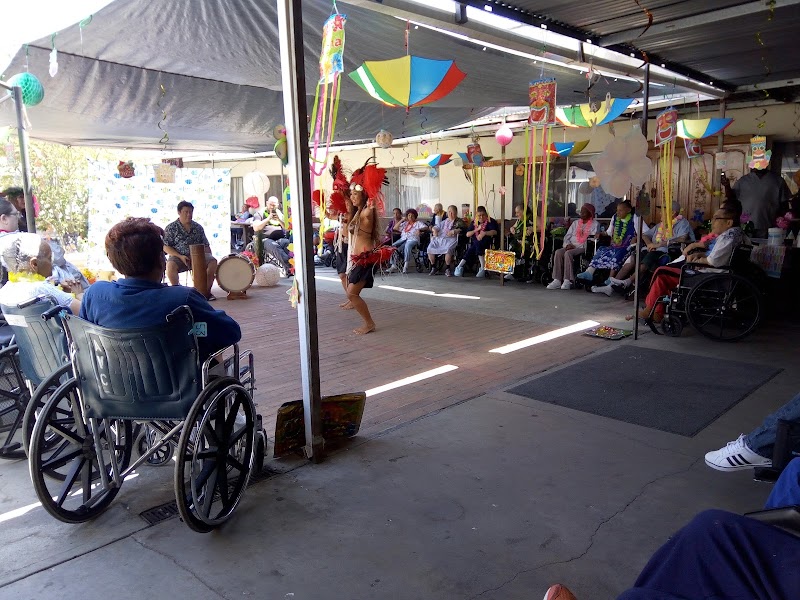
Who Owns and Operates Avalon Villa?

AVALON VILLA CARE CENTER is owned by a for-profit company. For-profit facilities operate as businesses with obligations to shareholders or private owners. The facility operates independently rather than as part of a larger chain. With 131 certified beds and approximately 117 residents (about 89% occupancy), it is a mid-sized facility located in LOS ANGELES, California.

How Does Avalon Villa Compare to Other California Nursing Homes?

Compared to the 100 nursing homes in California, AVALON VILLA CARE CENTER's overall rating (1 stars) is below the state average of 3.1, staff turnover (49%) is near the state average of 46%, and health inspection rating (1 stars) is much below the national benchmark.

What Should Families Ask When Visiting Avalon Villa?

Based on this facility's data, families visiting should ask: "What changes have been made since the serious inspection findings, and how are you preventing similar issues?" "Can I visit during a mealtime to observe dining assistance and food quality?" "How do you handle medical emergencies, and what is your hospital transfer rate?" "Can I speak with family members of current residents about their experience?" These questions are particularly relevant given the facility's Immediate Jeopardy citations.

Is Avalon Villa Safe?

Based on CMS inspection data, AVALON VILLA CARE CENTER has documented safety concerns. Inspectors have issued 1 Immediate Jeopardy citation (the most serious violation level indicating risk of serious injury or death). The facility has a 1-star overall rating and ranks #100 of 100 nursing homes in California. Families considering this facility should ask detailed questions about what corrective actions have been taken since these incidents.

Do Nurses at Avalon Villa Stick Around?

AVALON VILLA CARE CENTER has a staff turnover rate of 49%, which is about average for California nursing homes (state average: 46%). Moderate turnover is common in nursing homes, but families should still ask about staff tenure and how the facility maintains care continuity when employees leave.

Was Avalon Villa Ever Fined?

AVALON VILLA CARE CENTER has been fined $66,612 across 2 penalty actions. This is above the California average of $33,745. Fines in this range indicate compliance issues significant enough for CMS to impose meaningful financial consequences. Common causes include delayed correction of deficiencies, repeat violations, or care failures affecting resident safety. Families should ask facility leadership what changes have been made since these penalties.

Is Avalon Villa on Any Federal Watch List?

AVALON VILLA CARE CENTER is not on any federal watch list. The most significant is the Special Focus Facility (SFF) program, which identifies the bottom 1% of nursing homes nationally based on persistent, serious quality problems. Not being on this list means the facility has avoided the pattern of deficiencies that triggers enhanced federal oversight. This is a positive indicator, though families should still review the facility's inspection history directly.