BEVERLY HILLS REHABILITATION CENTRE
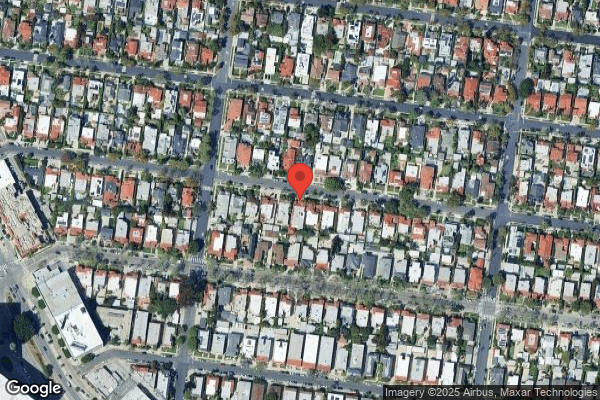

580 S SAN VICENTE BLVD., LOS ANGELES, CA 90048 (323) 782-1500
For profit - Limited Liability company 150 Beds PACS GROUP Data: November 2025
Trust Grade
10/100
#986 of 1155 in CA
Last Inspection: August 2025

Inspected within the last 6 months. Data reflects current conditions.

Overview

Beverly Hills Rehabilitation Centre has received a Trust Grade of F, indicating significant concerns about the quality of care provided. It ranks #986 out of 1155 facilities in California, placing it in the bottom half of all nursing homes in the state and #278 out of 369 in Los Angeles County, meaning only a few local options are worse. Although the facility's trend is improving, with issues decreasing from 32 to 13 over the past year, it has still incurred $117,294 in fines, which is higher than 88% of California facilities, suggesting ongoing compliance problems. Staffing is rated average with a turnover of 35%, which is lower than the state average, and the facility has decent RN coverage. However, serious incidents have occurred, including a resident falling due to inadequate supervision, leading to a fracture, and another resident experiencing physical abuse from staff, raising serious safety concerns. While there are some strengths, families should weigh these against the significant issues highlighted in the inspection findings.

Trust Score
F
10/100
In California
#986/1155
Bottom 15%
Safety Record
High Risk
Review needed
Inspections
Getting Better
32 → 13 violations
Staff Stability
○ Average
35% turnover. Near California's 48% average. Typical for the industry.
Penalties
⚠ Watch
$117,294 in fines. Higher than 85% of California facilities, suggesting repeated compliance issues.
Skilled Nurses
○ Average
Each resident gets 32 minutes of Registered Nurse (RN) attention daily — about average for California. RNs are the most trained staff who monitor for health changes.
Violations
⚠ Watch
94 deficiencies on record. Higher than average. Multiple issues found across inspections.
★☆☆☆☆
1.0
Overall Rating
★★★☆☆
3.0
Staff Levels
★★★★☆
4.0
Care Quality
★☆☆☆☆
1.0
Inspection Score
Stable
2024: 32 issues
2025: 13 issues

The Good

  • 4-Star Quality Measures · Strong clinical quality outcomes
  • Full Sprinkler Coverage · Fire safety systems throughout facility
  • No fines on record
  • Staff turnover below average (35%)

    13 points below California average of 48%

Facility shows strength in quality measures, fire safety.

The Bad

1-Star Overall Rating

Below California average (3.1)

Significant quality concerns identified by CMS

Staff Turnover: 35%

11pts below California avg (46%)

Typical for the industry

Federal Fines: $117,294

Well above median ($33,413)

Significant penalties indicating serious issues

Chain: PACS GROUP

Part of a multi-facility chain

Ask about local staffing decisions and management

The Ugly 94 deficiencies on record

3 actual harm
Aug 2025 1 deficiency
CONCERN (D) 📢 Someone Reported This

A family member, employee, or ombudsman was alarmed enough to file a formal complaint

Potential for Harm - no one hurt, but risky conditions existed

Quality of Care (Tag F0684)

Could have caused harm · This affected 1 resident

**NOTE- TERMS IN BRACKETS HAVE BEEN EDITED TO PROTECT CONFIDENTIALITY** Based on interview and record review the facility failed to ensure blood glucose (sugar) monitoring (process of measuring your b...

Read full inspector narrative →
**NOTE- TERMS IN BRACKETS HAVE BEEN EDITED TO PROTECT CONFIDENTIALITY** Based on interview and record review the facility failed to ensure blood glucose (sugar) monitoring (process of measuring your blood sugar levels) three times a day and Levemir insulin (medication to use to manage high blood sugar in people diabetes) was transcribed accurately upon admission for one of nine sampled residents (Resident 1). These deficient practices had the potential to delay knowledge of or lead to hypoglycemic (low blood sugar level) or hyperglycemic (elevated blood sugar level) episodes and resulted in Resident 1 not having her blood sugar checked throughout the day as indicated in the interfacility transfer form from the General Acute Care Hospital (GACH), as well as, not receiving long-acting insulin for five (5) days at the facility. During a review of Resident 1's admission Record , dated 8/29/25, indicated Resident 1 was admitted to the facility on [DATE], with diagnoses including type two diabetes mellitus (T2DM-a disorder characterized by difficulty in blood sugar control and poor wound healing), history of falling, lung transplant, joint replacement surgery and retention of urine. During a review of Resident 1's History and Physical (H&P), dated 7/30/25, indicated, the resident has the capacity to understand and make decisions and had a history of T2DM with sliding scale (amount of insulin to be administered changes or slides up or down based on the person's blood sugar level) insulin. The same H&P further indicated Discharge Medication List including: Levemir FlexTouch 100 units/milliliter (3ml) insulin pen inject 2-3 units subcutaneously (under the skin) at bedtime as needed (for blood sugar greater than 250), OneTouch Ultra Test (blood glucose test strip, a small strip used with a glucometer, device used to test blood sugar level, to test blood glucose level) one (1) strip by diagnostic route three (3) times a daily and lancets (used to prick the finger to get the drop of blood for use with the blood sugar test strip) 33 gauge (the size of the needle). During a review of Resident 1's Minimum Data Set (MDS - resident assessment tool) dated 7/31/25, indicated the resident required supervision or touching assistant with eating, and needed substantial assistance to being dependent on staff for toileting, bathing, dressing and personal hygiene, bed mobility and transfers. The same MDS indicated the resident had moderate cognitive (thinking, reasoning, learning, judgement) impairment. During an interview and a concurrent record review with the Director of Nursing (DON), on 8/27/25 at 4:56 pm Resident 1's Inter-facility Transfer Report was reviewed. The report indicated orders for Levemir FlexTouch 100 units/milliliter (3ml) insulin pen inject 2-3 units subcutaneously (under the skin) at bedtime as needed (for blood sugar greater than 250), OneTouch Ultra Test (blood glucose test strip, a small strip used with a glucometer, device used to test blood sugar level, to test blood glucose level) one (1) strip by diagnostic route three (3) times a daily and lancets (used to prick the finger to get the drop of blood for use with the blood sugar test strip) 33 gauge (the size of the needle). The DON stated when a resident is admitted to the facility they come with orders from the hospital that are reviewed by the admitting nurse and entered in the computer, acknowledging the orders for checking blood sugar three times a day and insulin at night was missed then orders for blood sugar checks and insulin at night were later entered on 8/5/25. During a review of the facility's policy and procedures (P&P) admission to the Facility, reviewed January 2025, the P&P indicated Physician's admission Orders prior to or at the time of admission the resident's Attending Physician must provide the facility with information needed for the immediate care of the resident, including orders. Medication orders, including (as necessary) a medical condition or problem associated with each medication. routine care order to maintain or improve the resident's function until the physician and care planning team can conduct a comprehensive ass
Aug 2025 10 deficiencies
CONCERN (D)

Potential for Harm - no one hurt, but risky conditions existed

Resident Rights (Tag F0550)

Could have caused harm · This affected 1 resident

Based on observation, interview, and record review the facility failed to provide care in a manner that maintained or enhanced the dignity and respect for one of two sampled residents (Resident 168) a...

Read full inspector narrative →
Based on observation, interview, and record review the facility failed to provide care in a manner that maintained or enhanced the dignity and respect for one of two sampled residents (Resident 168) as evidenced by failing to ensure Resident 168's urinary catheter (a hollow tube inserted into the bladder to drain or collect urine) drainage bag (a bag designed to collect urine drained from the bladder via a catheter) was covered with a privacy bag (a cover that discreetly conceals a urine drainage bag from public view).This failure had the potential for Resident 168 to experience psychosocial distress (a state of emotional suffering characterized by feelings of sadness, anxiety (nervousness), and other negative emotions) and violated Resident 168's right to be treated with dignity (the state of being worthy, honored, or respected).Findings:During a review of Resident 168's admission Record, the admission Record indicated the facility admitted the resident on 7/26/2025 with diagnoses that included multiple sclerosis (a chronic, progressive disease involving damage to the nerve cells in the brain and spinal cord), urinary tract infection (an infection in the bladder/urinary tract), atherosclerosis of the renal artery (a condition where plaque buildup narrows or blocks the arteries that supply blood to the kidneys), and muscle weakness.During a review of Resident 168's Order Summary Report dated 7/26/2025, the Order Summary Report indicated the resident had a physician order for a foley catheter (a type of urinary catheter) for a neurogenic bladder (a condition where nerve damage disrupts the normal communication between the brain, spinal cord, and bladder, leading to bladder dysfunction).During a review of Resident 168's Care Plan Report dated 7/31/2025, the Care Plan Report indicated the resident was at risk for complications with the urinary system related to a neurogenic bladder. The Care Plan Report indicated a goal for Resident 168 to maintain comfort and dignity daily. The Care Plan Report indicated an intervention for a privacy cover to Resident 168's catheter bag as indicated to promote dignity.During a concurrent observation and interview on 8/4/2025 at 12:30 PM, with Resident 168's, in Resident 168's room, Resident 168 was observed without a privacy cover on her foley catheter drainage bag. Resident 168 stated she usually had a covering that goes over her foley catheter drainage bag to hide and cover the urine inside the bag, but she didn't know what happened to it. During a concurrent observation and interview on 8/4/2025 at 12:34 PM, Certified Nursing Assistant 5 (CNA 5), in Resident 168's room, Resident 168 was observed without a privacy cover on her foley catheter drainage bag. CNA 5 stated Resident 168 should have a privacy cover on her foley catheter drainage bag to maintain the resident's dignity.During an interview on 8/7/2025 at 1:31 PM with the Director of Nursing (DON), the DON stated a foley catheter urinary drainage bag should have a privacy cover in place for the resident's dignity. The DON stated there was potential for Resident 168 to experience psychosocial distress due to the resident's dignity not being upheld and respected.During a review of the facility's Policy and Procedure (P&P) titled Resident Rights dated 1/2025, the P&P indicated Employees shall treat all residents with kindness, respect, and dignity.Residents are entitled to exercise their rights and privileges to the fullest extent possible. Our facility will make every effort to assist each resident in exercising his/her rights to assure that the resident is always treated with respect, kindness, and dignity.
CONCERN (D)

Potential for Harm - no one hurt, but risky conditions existed

Deficiency F0578 (Tag F0578)

Could have caused harm · This affected 1 resident

Based on observation, interview, and record review the facility failed to ensure to provide a Physician Orders for Life-Sustaining Treatment (POLST - a document that outlines a seriously ill patient's...

Read full inspector narrative →
Based on observation, interview, and record review the facility failed to ensure to provide a Physician Orders for Life-Sustaining Treatment (POLST - a document that outlines a seriously ill patient's preferences for medical treatment, particularly at the end of life) to one of one sampled resident (Resident 186).This failure had the potential not to follow Resident 186's wishes for end-of-life.Findings:During a review of Resident 186's admission Record, the admission Record indicated the facility admitted the resident on 7/28/2025 with diagnoses including heart failure (a condition where the heart muscle cannot pump enough blood and oxygen to meet the body's needs) and metabolic encephalopathy (is a condition where brain dysfunction occurs due to a chemical imbalance in the body).During a review of Resident 186's Minimum Data Set (MDS - a resident assessment tool), dated 8/3/2025, indicated the resident was not oriented to time and had poor recall. The MDS indicated Resident 186 had trouble concentrating on things, felt down, sad, or hopeless.During an observation on 8/4/2025 at 9:53 AM in Resident 186's room, Resident 186 was lying in bed, the bed rails (are adjustable metal or rigid plastic bars that attach to the bed) were up on both sides of the bed. Resident 186 was on oxygen by nasal cannula (a small plastic tube, which fits into the person's nostrils for providing supplemental oxygen) at a rate of 2 Liters/min (2 liters of oxygen should flow into the patient's nose in 1 minute) dated 8/4/2025. Resident 186 had a foley catheter (a flexible, sterile tube inserted into the bladder to drain urine) and a dignity bag (a fabric or vinyl pouch designed to conceal the urinary drainage bag attached to a catheter) in place.During a concurrent interview and record review on 8/5/2025 at 11:05 AM with the Registered Nurse Supervisor (RN 1), Resident 186's POLST document was reviewed. RN 1 stated Resident 186 was a full code (a medical term used to indicate that a patient wishes to receive all possible life-saving measures in the event of a medical emergency) from the General Acute Care Hospital (GACH). The POLST was blank, RN 1 stated that Social Services obtained the advance directive and POLST for residents (in general).During an interview on 8/5/2025 at 11:05 AM with Social Services Director (SSD), the SSD stated Resident 186's Advance Directive Acknowledgement was obtained on 7/28/2025 and signed by the resident representative. The SSD stated the POLST should be done by the nursing staff and to direct the question to the Director of Nursing (DON).During an interview on 8/5/2025 at 11:27 AM with RN 1, RN 1 was not able to answer if the licensed nurses (in general) were able to do the POLST for the residents. RN 1 stated she would have to ask the DON whether licensed nurses were able to do the POLST. RN 1 stated upon admission, she (RN1) had done a POLST for other residents in the past.During an interview on 8/5/2025 at 11:41 AM with the DON, the DON stated that Resident 186 was a full code and that if the facility obtained an advanced directive, then the POLST was not needed. The DON stated that the Advance Directive was not to be used instead of POLST. The DON stated that the POLST was voluntary according to the facility policy.During a concurrent interview and record review on 8/5/2025 at 2:50 PM with the DON, the facility policy and procedures (P&P) titled, Physician Orders for Life-Sustaining Treatment, dated 1/2024 and the California Department of Public Health All Facilities Letter (AFL) dated 1/3/2009 were reviewed. The DON stated the P&P, and the AFL indicated completing the POLST form was a voluntary option. During an interview on 8/6/2025 at 8:26 AM with the DON, the DON was informed that the AFL form was indicated for a state survey recertification and the facility was surveyed under a federal recertification. The DON stated that all residents (in general) should have a POLST. The DON stated that Resident 186 would be at risk for the facility not caring out the resident's end of life wishes in the event of an emergency.During a review of the facility's (P&P) titled, Physician Orders for Life-Sustaining Treatment (POLST), dated 01/2024, indicated the facility would use the POLST for cardiopulmonary resuscitation (medical procedure involving repeated compression of a patient's chest, performed to restore the blood circulation and breathing) and related emergency measures to maintain life functions. The P&P indicated the POLST was a legally valid physician order and complements an Advance Directive and is not intended to replace that document.
CONCERN (D)

Potential for Harm - no one hurt, but risky conditions existed

Comprehensive Care Plan (Tag F0656)

Could have caused harm · This affected 1 resident

Based on observation, interview, and record review the facility failed to ensure to develop a care plan for one of one sampled resident (Resident 175) who had a diagnosis of depression (a mood disorde...

Read full inspector narrative →
Based on observation, interview, and record review the facility failed to ensure to develop a care plan for one of one sampled resident (Resident 175) who had a diagnosis of depression (a mood disorder that causes a persistent feeling of sadness and loss of interest).This failure had the potential for Resident 175 not to receive the necessary care and services for the diagnosis of depression.Findings:During a review of Resident 175's admission Record, the admission Record indicated the facility admitted the resident on 3/14/2025 with diagnoses of chronic obstructive pulmonary disease (COPD-a chronic lung disease causing difficulty in breathing), chronic bronchitis (persistent inflammation of the bronchial tubes, the air passages to the lungs, leading to excessive mucus production and breathing difficulties), and acute respiratory failure (a sudden and potentially life-threatening condition where the lungs can't adequately oxygenate the blood or remove carbon dioxide).During a review of Resident 175's Physician Diagnosis Verification form, dated 3/17/2025, the Physician Diagnosis Verification form indicated no depression diagnosis identified. The Physician Diagnosis Verification form identified the resident's primary as the prescribing doctor.During a review of Resident 175's Care Plan Report dated 3/24/2025, the Care Plan Report indicated the resident had the potential for side effects, complications or adverse reactions an untoward, undesirable, and usually unanticipated event that causes death or serious injury, or the risk thereof) related to the ordered use of drug, Escitalopram Oxalate (medication to treat depression). The Care Plan Report indicated there was no care plan for depression.During a review of Resident 175's Minimum Data Set (MDS - a resident assessment tool) dated 6/13/2025 indicated the resident was not oriented to time and had poor recall. The MDS indicated Resident 175 felt little interest or pleasure in doing things, felt down, sad, or hopeless, had trouble falling or staying asleep or sleeping too much nearly every day. The MDS indicated Resident 175 was not triggered for depression for active Diagnoses.During an observation on 8/4/2025 at 11:47 AM in Resident 175's room, Resident 175 was lying in bed, bed rails (are adjustable metal or rigid plastic bars that attach to the bed) were up on both sides of the bed, and the call light (a device used by a patient to signal his or her need for assistance) was within reach.During a review of Resident 175's Order Summary Report, dated 8/6/2025, the Order Summary Report indicated that Escitalopram was taken for depression manifested by withdrawn behavior.During an interview on 8/6/2025 at 1:55 PM with the Minimum Data Set Nurse (MDSN), the MDSN stated the diagnosis of depression could not be triggered without an order from the psychologist (is a person who specializes in the study of mind and behavior). The MDSN stated that any resident on psychotropic (any drug that affects the brain) medications were referred for a psychologist's evaluation. The MDSN stated the psychologist progress notes had not been updated to reflect Resident 175 was prescribed Escitalopram. The MDSN stated the psychologist nurse practitioner would give the progress note to the medical records staff to be updated and scanned, then the MDSN would be able to see the diagnosis and medication. The MDSN stated that a resident on psychotropic medications should have a diagnosis. The MDSN stated Resident 175's primary doctor ordered Escitalopram. During a review of the General Acute Care Hospital (GACH) history and physical dated 3/17/2025 and 7/22/2025 indicated no diagnosis of depression or taking Escitalopram in the hospital. The MDSN could not explain why there was no current psychologist note present. The MDSN stated that there was a break in the process because the medical diagnosis, MDS, and care plan had not been triggered for depression. The MDSN stated Resident 175 would be at risk for inappropriate use of the medication.During an interview on 8/6/2025 at 2:23 PM with the Director of Nursing (DON), the DON stated that there was no order from the psychologist which was the reason the diagnosis of depression, MDS, and the care plan were not triggered. The DON stated Resident 175 took Escitalopram or had a diagnosis of depression from the GACH when the resident was admitted . The DON stated that Resident 175's primary doctor ordered Escitalopram. The DON stated without a medical diagnosis/triggered MDS/ and depression care plan, Resident 175 would be at risk for missing side effects of the medication and progression of symptoms of the disease.During a concurrent interview and record review on 8/6/2025 at 3:10 PM with the DON and the MDSN, a Psychologist Nurse Practitioner's Progress Note dated 7/16/2025 was reviewed, the Progress Note indicated a diagnosis of depression and prescribed Lexapro (medication for depression) 5 milligrams (mg, a unit of measurement). The DON stated that the progress note did not get to the medical records for the note to be scanned and the MDSN to therefore be able to trigger the depression in the MDS and care plan. A voice message was left for the psychologist nurse practitioner on 8/7/2025 at 8:20 AM, no call back was received.During a review of the facility's policy and procedures (P&P) titled, Care Plans, Comprehensive Person-Centered dated 1/2025, indicated the comprehensive, person-centered care plan should include measurable objectives and timetables to meet the resident's physical, psychological and functional needs. The P&P indicated the care plan should include measurable objectives and time frames, services to be furnished to assist with the resident's wellbeing and include any specialized services. The P&P indicated the interdisciplinary team should review and revise the care plan when there is a significant change in the resident's condition, when the resident was readmitted to the facility from a hospital stay.
CONCERN (D)

Potential for Harm - no one hurt, but risky conditions existed

Pressure Ulcer Prevention (Tag F0686)

Could have caused harm · This affected 1 resident

**NOTE- TERMS IN BRACKETS HAVE BEEN EDITED TO PROTECT CONFIDENTIALITY** Based on observation, interview, and record review, the facility failed to maintain the appropriate Low Air Loss Mattress (LALM ...

Read full inspector narrative →
**NOTE- TERMS IN BRACKETS HAVE BEEN EDITED TO PROTECT CONFIDENTIALITY** Based on observation, interview, and record review, the facility failed to maintain the appropriate Low Air Loss Mattress (LALM - a pressure-relieving mattress used to prevent and treat pressure injuries, localized damage to the skin and/or underlying soft tissue usually over a bony prominence or related to a medical or other device) settings for two of five sampled residents (Resident 146 and Resident 205). These failures had the potential to cause harm to Resident 146 and Resident 205 by increasing the residents' risk of skin breakdown and development of pressure ulcers/injuries (refers to localized damage to the skin and/or underlying soft tissue usually over a bony prominence or related to a medical or other device). Findings: During a review of Resident 146’s admission Record, the admission Record indicated the facility initially admitted the resident on 7/16/2022, with diagnoses that included Stage 4 pressure ulcer (Full-thickness skin and tissue loss with exposed muscle, tendon, ligament, cartilage, or bone) of the right heel , dementia (a progressive state of decline in mental abilities), malignant neoplasm of the bone (bone cancer, uncontrolled cell growth that originates in the bone), difficulty in walking, and chronic kidney disease (a condition in which the kidneys are damaged and cannot filter blood as well as they should). During a review of Resident 146’s Minimum Data Set (MDS, a resident assessment tool) dated 7/19/2025, the MDS indicated the resident had severe cognitive impairment (impaired ability to think, understand, and reason). The MDS indicated Resident 146 was at risk of developing pressure ulcers/injuries. The MDS indicated Resident 146 had one Stage 4 pressure ulcer that was present on the resident’s admission to the facility. The MDS indicated Resident 146 utilized a pressure reducing device for bed. During a review of Resident 146’s Weights and Vitals Summary, the Weights and Vitals Summary indicated the resident weighed 127 pounds (lbs., a unit of weight) on 8/4/2025. During a concurrent observation and interview on 8/4/2025 at 12:08 PM, with Licensed Vocational Nurse 4 (LVN 4), in Resident 146’s room, Resident 146 was observed on a “Domus 4” LALM with settings at 450 lbs. LVN 4 stated that Resident 146’s LALM settings were set at 450 lbs. LVN 4 stated the LALM settings should be based on Resident 146’s weight. LVN 4 stated Resident 146’s LALM settings at 450 lbs., were incorrect. During a review of Resident 146’s Order Summary Report dated 8/5/2025, the Order Summary Report indicated the resident was to use a LALM for skin management. The Order Summary Report indicated to set the LALM according to Resident 146’s weight. During a review of Resident 146’s Care Plan Report dated 8/5/2025, the Care Plan Report indicated the resident had a LALM for skin management. The Care Plan Report indicated to set the LALM according to Resident 146’s weight. During an interview on 8/7/2025 at 1:31 PM with the Director of Nursing (DON), the DON stated the LALM were set per manufacturer’s guidelines and on the resident’s weight. The DON stated Resident’s LALM settings at 450 lbs. were incorrect. The DON stated Resident 146 weight 127 lbs., on 8/4/2025. The DON stated Resident 146’s LALM settings should be set around the range of 127 lbs. The DON stated the purpose of the LALM was for wound management. The DON stated there could be potential for the delay in the healing process of Resident 146’s pressure ulcers when the resident’s LALM are kept on the wrong settings. During a review of the undated instruction manual titled “Domus 4 Instruction Manual”, the instruction manual indicated “General operation .According to the weight and heights of the patient, adjust the pressure setting to the most comfortable level without bottoming out, then the pressure mattress will slowly increase to the intended value after the air mattress is ready to use.” During a review of the facility’s policy and procedure (P&P) titled, “Low Air Loss Mattress General Procedure” dated 1/2025, the P&P indicated, “A physician’s order is required prior to initiating use of a low air loss or pressure redistribution mattress, as part of a clinically indicated intervention for residents assessed to be at risk…” The policy further indicated, “For residents who are cognitively impaired or non -verbal, pressure settings shall be determined based on a resident’s weight in accordance with manufacture’s specifications…” During a review of the facility’s policy and procedure (P&P) titled, “Prevention of Pressure Ulcers/Injuries” revised 1/2025, the P&P indicated, “Utilize LALM as per manufacture’s guidelines of resident comfort and in accordance with physician’s orders.” 2.During a review of Resident 205’s admission Record, the admission Record indicated the facility admitted Resident 205 on 7/28/2025, with diagnoses including malignant neoplasm of liver(cancerous tumor growing in the liver), nutritional anemia(not enough healthy red blood cells to carry oxygen),protein-calorie malnutrition( poor nutrition), ), atherosclerotic heart disease of native coronary artery( buildup of fats, cholesterol in the artery walls), acute respiratory failure with hypoxia( lungs can’t get enough oxygen into the blood and the body isn’t getting enough oxygen overall), muscle weakness, difficulty walking and adult failure to thrive(a syndrome characterized by weight loss, decreased appetite, reduced physical activity , and impaired cognitive function). During a review of Resident 205's care plan titled Risk for skin breakdown, dated 7/28/2025, indicated interventions for Resident 52's LALM for patient preference. Date initiated: 8/5/2025. During a review of Resident 205’s Order Summary Report, dated 7/29/2025, indicated there was no order for a LALM. During a review of Resident 205’s MDS dated [DATE], the MDS indicated Resident 52 had severe cognitive (ability to think and reason) impairment skills for daily decision making, and was dependent (helper does all of the effort) from the staff for toileting hygiene and transfer, lower body dressing, sit to standing, chair/bed to chair transfer and required substantial/maximal assistance (helper does more than half the effort) from the staff with upper body dressing, rolling left and right, sit to lying and lying to sitting on the side of the bed. During an observation on 8/4/25 at 10:25 a.m., Resident 205 was in bed with her eyes closed. Resident 205’s LALM was on and set to 450 pounds. During an interview on 8/5/2025 at 8:08 AM, with Licensed Vocational Nurse (LVN)3, LVN 3 stated the licensed nurses (in general) needed the orders for LAL mattress. LVN3 stated the licensed nurses (in general) needed to know how to set the LAL mattress. LVN 3 stated the licensed nurses (in general) needed to set the proper LAL mattress settings, otherwise it could cause harm to the resident. LVN3 stated the licensed nurses (unidentified) requested an order from the medical doctor for a proper setting for use. During a concurrent interview and record review on 8/5/2025 at 8:32a.m., with the Assistant Director of Nursing (ADON), the ADON stated the LAL mattress settings depended on the resident's weight, if not at the proper setting, it would defeat the purpose of the LAL mattress. The ADON stated the orders needed to be placed for settings. The ADON stated the resident’s weight was 137 pounds on admission, and no orders were placed for an LAL mattress on admission and that the orders were placed until 8/5/2025. During a review of the undated instruction manual titled “Domus 4 Instruction Manual”, the instruction manual indicated “General operation .According to the weight and heights of the patient, adjust the pressure setting to the most comfortable level without bottoming out, then the pressure mattress will slowly increase to the intended value after the air mattress is ready to use.” During a review of the facility’s policy and procedure (P&P) titled, “Low Air Loss Mattress General Procedure” dated 1/2025, the P&P indicated, “A physician’s order is required prior to initiating use of a low air loss or pressure redistribution mattress, as part of a clinically indicated intervention for residents assessed to be at risk…” The policy further indicated, “For residents who are cognitively impaired or non -verbal, pressure settings shall be determined based on a resident’s weight in accordance with manufacture’s specifications…” During a review of the facility’s e LALM as per manufacture’s guidelines of resident comfort and in accordance with physician’s orders.”
CONCERN (D)

Potential for Harm - no one hurt, but risky conditions existed

Respiratory Care (Tag F0695)

Could have caused harm · This affected 1 resident

**NOTE- TERMS IN BRACKETS HAVE BEEN EDITED TO PROTECT CONFIDENTIALITY** Based on observation, interview, and record review, the facility failed to provide appropriate care and services to provide resp...

Read full inspector narrative →
**NOTE- TERMS IN BRACKETS HAVE BEEN EDITED TO PROTECT CONFIDENTIALITY** Based on observation, interview, and record review, the facility failed to provide appropriate care and services to provide respiratory care for four of four sampled residents (Resident 14, Resident 28, Resident 170, and Resident 175) by failing to ensure: 1. To label and date the oxygen (a chemical element, a gas that is colorless, odorless, and tasteless and a key component of the air we breathe) tubing according to physician's order for Resident 14. 2. To display a precaution sign on the door for Resident 170 who received continuous oxygen. 3. To provide a date for the humidifier (a medical device that adds moisture to oxygen delivered during oxygen therapy) for Resident 28 and Resident 175. These failures placed Resident 14, Resident 28, Resident 170, and Resident 175 at risk for respiratory infection and injury. Findings: 1. During a review of Resident 14’s admission Record, the admission Record indicated the facility admitted the resident on 5/4/2023 with the most recent readmission on [DATE] with diagnoses that included, but no limited to chronic heart failure (CHF - a long-term heart disorder which causes the heart to not pump the blood efficiently, sometimes resulting in leg swelling), hypertension (HTN - high blood pressure), end stage renal disease (ESRD - irreversible kidney failure) with dependence on dialysis, (a treatment to cleanse the blood of wastes and extra fluids artificially through a machine when the kidney(s) have failed), anemia (a condition where the body does not have enough healthy red blood cells), muscle weakness, and mild intellectual disabilities (conditions that involve limitations on intelligence, learning and everyday abilities necessary to live independently). During a review of Resident 14’s Minimum Data Set (MDS - a resident assessment tool), dated 6/25/2025, the MDS indicated Resident 14 did not have disorganized thinking and was able to make his own decisions regarding daily tasks. The MDS indicated Resident 14 required set-up or clean-up assistance (the helper assists only prior to or following the activity, the resident completes the activity) with eating. The MDS indicated Resident 14 required supervision or touch assistance (the helper provides verbal cues and/or touching/steadying as the resident completes the activity, assistance may be provided throughout the activity or intermittently) with oral hygiene, toileting hygiene, and dressing the upper body. The MDS indicated Resident 14 required partial to moderate assistance (the helper lifts, holds, or supports trunk or limbs of the resident, but provides less than half the effort) with bathing, showering, and dressing the lower body. During a review of Resident 14’s Care Plan Report with a revision date of 7/3/2025, the Care Plan Report indicated Resident 14 was on oxygen therapy (a way to help your body get enough oxygen when it's not able to do so on its own) related to CHF. The Care Plan Report indicated nursing interventions to ensure the oxygen settings were followed as ordered and to monitor for signs and symptoms of respiratory distress. The Care Plan Report indicated a goal for Resident 14 was not to have signs and symptoms of poor oxygen absorption. During a review of Resident 14’s Order Summary Report, dated 7/15/2025, the Order Summary Report indicated the oxygen tubing was to be changed weekly and to label each component with date and initials. During a concurrent observation and interview, on 8/4/2025 at 10:11 AM, in Resident 14’s room, the resident was observed to be on oxygen therapy through a nasal cannula (a small plastic tube, which fits into the person’s nostrils for providing oxygen). Resident 14 stated that he was reliant (dependent) on continuous oxygen. Resident 14 stated his nasal cannula was changed on 8/3/2025 and that it was changed at least once a week. There was no label with a date observed on the nasal cannula. During an interview on 8/6/2025 at 8:24 AM with Licensed Vocational Nurse (LVN) 1, LVN 1 stated Resident 14’s nasal cannula was changed once a week and as needed. LVN 1 stated the nasal cannula should be labeled with the date and time it was changed. LVN 1 stated that if the nasal cannula was not labeled, the staff (in general) would not know if it was contaminated. LVN 1 stated Resident 14 could get an infection from an unsanitary nasal cannula so it would be important to label it. During an interview on 8/6/2025 at 8:39 AM, with Registered Nurse Supervisor (RN) 1, RN 1 stated for Resident 14 who was on oxygen therapy, staff (in general) should check if the nasal cannula was cleaned and not damaged. RN 1 stated Resident 14’s nasal cannula should be changed every seven days and as needed. RN 1 stated Resident 14’s nasal cannula should be labeled to indicate the date it was changed. RN 1 stated if there was no date on Resident 14’s nasal cannula, it may end up being used for a long time and can cause an infection or allergy, therefore, the nasal cannula should be labeled and dated. During an interview on 8/6/2025 at 8:50 AM, with the Director of Nursing (DON), the DON stated Resident 14’s nasal cannula should be changed every week and as needed and would need to have the date on the label. The DON stated the date on the label would indicate when the nasal cannula was changed. The DON stated if Resident 14’s nasal cannula was not dated, staff (in general) would not know if the nasal cannula had been changed or not. The DON stated there would be a risk for damage to the nasal cannula and risk for infection with prolonged use. The DON stated Resident 14’s nasal cannula should be labeled and dated every time it was changed. During a review of the facility’s Policy and Procedure (P&P) titled “Oxygen Administration” dated January 2025, the P&P indicated “The purpose of this procedure is to provide guidelines for safe oxygen administration…The following equipment and supplies will be necessary when performing this procedure…Nasal cannula, nasal catheter, mask (as ordered); date nasal cannula once in use…” 2. During a review of Resident 170’s admission Record, the admission Record indicated the facility admitted the resident on 7/7/2025 with diagnoses that included metabolic encephalopathy (a condition where the brain's function is impaired due to chemical imbalances in the body, often caused by an underlying illness or organ dysfunction), atelectasis (condition where part or all of a lung collapses or deflates), pleural effusion (a buildup of fluid between the layers of tissue that line the lungs and chest cavity), muscle weakness, anxiety (a feeling of worry, nervousness, or unease), and benign prostatic hyperplasia (a common condition in men where the prostate gland gets larger, but it's not cancerous). During a review of Resident 170’s MDS dated [DATE], the MDS indicated Resident 170’s speech was slurred or mumbled. The MDS indicated Resident 170 was usually able to make himself understood and had the ability to usually understand others. The MDS indicated Resident 170 was dependent (the helper does all of the effort, the resident does none of the effort to complete the activity, or the assistance of two or more helpers is required for the resident to complete the activity) on staff (in general) for eating, oral hygiene, toileting hygiene, bathing, and dressing. The MDS indicated Resident 170 was also dependent on staff (in general) for mobility such as rolling left and right, moving from sitting to lying position, moving from sitting to standing position, and walking. The MDS indicated Resident 170 was on continuous oxygen therapy when it's not able to do so on its own) while in the facility. During a review of Resident 170’s Order Summary Report, dated 7/15/2025, the Order Summary Report indicated the resident was to have continuous oxygen therapy at three liters a minute via nasal cannula. During a review of Resident 170’s Care Plan Report with a revised of 7/21/2025, the Care Plan Report indicated the resident was at risk for complications with the respiratory system due to pleural effusion and atelectasis. The Care Plan Report indicated interventions that included assessing for signs and symptoms of hypoxia (low levels of oxygen in your body tissues), monitoring for shortness of breath, and positioning the head of the bed elevated to facilitate breathing. The Care Plan Report indicated a goal for Resident 170 was not to exhibit signs of respiratory distress. During an observation on 8/4/2025 at 12:08 PM, in Resident 170’s room, the resident was observed to be on oxygen therapy through a nasal cannula. There was no “Oxygen in Use” sign observed posted inside or outside of Resident 170’s room. During a concurrent observation and interview on 8/6/2025 at 8:35 AM, with Licensed Vocational Nurse (LVN) 1, LVN 1 observed there was no “Oxygen in Use” sign posted outside or inside of Resident 170’s room. LVN 1 stated Resident 170, who was on oxygen, should have the sign posted because it would be dangerous if there was faulty wiring that sparked or if the resident’s roommate smoked which would cause a fire or explosion. During an interview on 8/6/2025 at 8:44 AM, with Registered Nurse Supervisor (RN) 1, RN 1 stated that not having an “Oxygen in Use” sign posted outside of Resident 170’s room would not alert staff (in general) and visitors that oxygen was being used, and would cause a fire or explosion if a person smoked or if there was a spark in the room. During an interview on 8/6/2025 at 8:57 AM, with the Director of Nursing (DON), the DON stated there should be an “Oxygen in Use” sign posted for any resident on oxygen for safety reasons. The DON stated the sign should be posted for Resident 170’s room to make everyone aware that oxygen was in use. The DON stated oxygen was combustible (capable of catching fire and burning) and there would be potential for hazard, like fire, if there was smoking paraphernalia in the room. The DON stated it was very important to have the sign as a measure to indicate that Resident 170 was on oxygen. During a review of the facility’s Policy and Procedure (P&P) titled “Respiratory Care Policy” dated January 2025, the P&P indicated “Oxygen in use sign will be placed outside the patient’s room.” 3.During a review of Resident 28’s admission Record, the admission Record indicated the facility admitted the resident on 12/10/2023 with diagnoses of bronchiectasis (chronic lung condition where the airways [bronchial tubes] become damaged and widened, making it difficult to clear mucus), and acute respiratory failure with hypoxia (a severe medical condition where the lungs cannot adequately oxygenate the blood, leading to dangerously low blood oxygen levels [hypoxia]). During a review of Resident 28’s MDS dated [DATE], the MDS indicated the resident was not oriented to time and had poor recall. The MDS indicated that Resident 28 needed continuous, intermittent and high-concentration oxygen therapy. During a review of Resident 175’s admission Record, the admission Record indicated the facility on 3/14/2025 with diagnoses of chronic obstructive pulmonary disease (COPD-a chronic lung disease causing difficulty in breathing), chronic bronchitis (persistent inflammation of the bronchial tubes, the air passages to the lungs, leading to excessive mucus production and breathing difficulties), and acute respiratory failure (a sudden and potentially life-threatening condition where the lungs can't adequately oxygenate the blood or remove carbon dioxide). During a review of Resident 175’s MDS dated [DATE] indicated that Resident 175 needed continuous, intermittent (occurring at irregular intervals), and high concentration of oxygen therapy. During an observation on 8/4/2025 at 11:40 AM in Resident 28’s room, Resident 28 was lying in bed side rails up, and the call light was within reach. Resident 28 had a nasal cannula dated 8/4/2025, the humidifier was not labeled with the date. During an observation on 8/4/2025 at 11:47 AM in Resident 175’s room, Resident 175 was lying in bed, family at the bedside. Resident 175’s nasal cannula was dated 8/4/2025 but the humidifier was not labeled with the date. During a review of Resident 175’s Order Summary Report dated 7/17/2025 indicated the resident to have continuous oxygen via nasal cannula at 2 liters/min and the oxygen tubing changed weekly and label each component with date and initials. During a concurrent observation and interview on 8/4/2025 at 11:43 AM with LVN 1 in Resident 28’s and Resident 175’s rooms, the humidifiers were observed not to be labeled with a date when it was changed. LVN 1 stated that the humidifiers should be labeled. LVN 1 stated that he (LVN1) was not sure if the practice of labeling the humidifier was per the facility policy. LVN 1 stated Resident 28 and Resident 175 were at risk of the humidifiers expiring if not labeled when the last time it was changed. During an interview on 8/6/2025 at 2:18 PM with the DON, the DON stated oxygen tubing and humidifiers should be labeled with the dated and changed weekly and as needed. The DON stated small sticky notes were provided for labeling the date. The DON stated Residents 28 and 175 were at risk of infections. The DON stated labeling the humidifier indicated when it needed to be changed, and the labeling is a good indicator for cleanliness and safety. During a review of the facility’s policy and procedures (P&P) titled, “Oxygen Administration,” dated 1/2025, indicated to verify that there was a physician’s order for the procedure and to review the physician's order or facility protocol for oxygen administration.
CONCERN (D)

Potential for Harm - no one hurt, but risky conditions existed

Pharmacy Services (Tag F0755)

Could have caused harm · This affected 1 resident

Based on observation, interview, and record review, the facility failed to ensure one of ten sampled residents (Resident 37) received Balsalazide Disodium (medication used to treat ulcerative colitis ...

Read full inspector narrative →
Based on observation, interview, and record review, the facility failed to ensure one of ten sampled residents (Resident 37) received Balsalazide Disodium (medication used to treat ulcerative colitis [a condition which causes swelling and sores in the lining of the colon [large intestine] and rectum]) 750 milligrams (mg, a unit of measurement) with meals as ordered.This failure had the potential for Resident 37 to experience an upset stomach and pain.Findings:During a review of Resident 37's admission Record, the admission Record indicated the facility admitted Resident 37 on 7/18/2025, with diagnoses including peritoneal abscess(a localized collection of pus within the abdominal cavity),other specified disorders of the peritoneum ( a range of conditions affecting the thin lining of the abdominal cavity), ulcerative colitis(a chronic inflammatory bowel disease that causes ulcers in the lining of the large intestine), acute duodenal ulcer with both hemorrhage and perforation (a sudden severe sore in the upper part of the small intestine that is both bleeding and has created a hole), and surgical aftercare following surgery on the digestive system. During a review of Resident 37's Care Plan Report dated 7/18/2025 indicated Resident 37 was at risk for pain or discomfort due to Gastroesophageal reflux disease (stomach acid flows into the esophagus and causes heartburn), the Care Plan Report indicated nursing interventions to administer medications as ordered. During a review of Resident 37's Order Summary Report dated 7/19/2025, the Order Summary Report indicated for the resident to receive Balsalazide Disodium 750mg one capsule by mouth with meals three times a day. During a review of Resident 37's Minimum Data Set (MDS- a resident assessment tool) dated 7/19/2025, the MDS indicated Resident 37 had moderate cognitive (ability to think and reason) impairment skills for daily decision making. During a medication pass observation on 8/5/2025 at 11:39 a.m., of Resident 37, Licensed Vocational Nurse (LVN)2, LVN 2 administered Balsalazide disodium 750mg PO (taken by mouth) to Resident 37. No lunch/ meal observed at bedside. The medication package had an additional blue label indicated with meals and green label indicating NOON, in capitalized letters. During an interview on 8/5/2025 at 11:44 a.m., LVN 2 stated lunch was served around 12 noon. During an interview on 8/5/2025 at 8:08a.m., with LVN 1, LVN1 stated medications that were not taken with food as ordered could cause an upset stomach, gastrointestinal (digestive system) problems. LVN1 stated medications that required to be taken with meals were to prevent an upset stomach and stomach pain. During an interview on 8/7/2025 at 10:34a.m., with the Director of Nursing (DON), the DON stated if medications that were given without food as ordered, a resident (in general) could experience gastric irritation (stomach lining getting irritated or inflamed), and discomfort. During a review of the facility's policy and procedure (P&P) titled, Administering Medications dated 1/2025, the P&P indicated, Medications must be administered in accordance with the orders.
CONCERN (D)

Potential for Harm - no one hurt, but risky conditions existed

Deficiency F0839 (Tag F0839)

Could have caused harm · This affected 1 resident

**NOTE- TERMS IN BRACKETS HAVE BEEN EDITED TO PROTECT CONFIDENTIALITY** Based on interview and record review the facility failed to ensure one of five sampled facility staff Certified Nursing Assistan...

Read full inspector narrative →
**NOTE- TERMS IN BRACKETS HAVE BEEN EDITED TO PROTECT CONFIDENTIALITY** Based on interview and record review the facility failed to ensure one of five sampled facility staff Certified Nursing Assistant 1 (CNA 1) maintained the necessary qualifications for employment at the facility. This failure had the potential to result for CNA 1 not to have the knowledge and qualifications necessary to care for the facility's residents and placed the residents at risk for harm.Findings:During a review of CNA 1's timecard (a record, either physical or digital, that tracks an employee's work hours, including start and end times, breaks, and overtime) dated [DATE] to [DATE], the timecard indicated CNA 1 worked at the facility as a CNA on [DATE], [DATE], [DATE], [DATE], [DATE], [DATE], [DATE]. [DATE], [DATE], [DATE], [DATE], [DATE], [DATE], and [DATE].During a review of CNA 1's timecard dated [DATE] to [DATE], the timecard indicated CNA 1 worked at the facility as a CNA on [DATE], [DATE], and [DATE].During a concurrent interview and record review on [DATE] at 9:23 AM, with the Director of Staff Development (DSD), CNA 1's employee file was reviewed. The employee file indicated the CNA Certificate for CNA 1 expired on [DATE]. The DSD stated CNA 1 last worked at the facility on [DATE]. The DSD stated that she (DSD) was just made aware that CNA 1's certification was expired. The DSD stated CNA 1 was working at the facility after her CNA certification expired on [DATE]. The DSD stated the CNA certification had to be active to work at the facility. The DSD stated CNA 1 was not in compliance with the facility's policy.During an interview on [DATE] at 1:43 PM with the Director of Nursing (DON), the DON stated he and the DSD usually review the CNA certification expiration dates monthly but missed that CNA 1's certification expired on [DATE]. The DON stated CNA 1 worked at the facility while her certification was expired. The DON stated CNA 1 had to maintain an active certification to work at the facility. The DON stated CNA 1 was not in compliance with the facility's policy. The DON stated there was a potential for CNA 1 to have less knowledge to care for the facility residents with an expired certification.During a review of the facility's Job Description titled Job Description: Certified Nursing Assistant dated 2/2024, the Job Description indicated Qualifications: Must be a licensed Certified Nursing Assistant in accordance with laws of the state.
CONCERN (D)

Potential for Harm - no one hurt, but risky conditions existed

Deficiency F0919 (Tag F0919)

Could have caused harm · This affected 1 resident

**NOTE- TERMS IN BRACKETS HAVE BEEN EDITED TO PROTECT CONFIDENTIALITY** Based on observation, interview, and record review, the facility failed to ensure the call light (a device that alerts healthcar...

Read full inspector narrative →
**NOTE- TERMS IN BRACKETS HAVE BEEN EDITED TO PROTECT CONFIDENTIALITY** Based on observation, interview, and record review, the facility failed to ensure the call light (a device that alerts healthcare providers that the patient needs assistance) was within reach for two of 28 sampled residents (Resident 25 and Resident 164)This deficient practice had the potential to result in delay in meeting Resident 25's and Resident 164's needs for assistance. Findings: 1.During a review of Resident 25’s admission Record, the admission Record indicated the facility admitted the resident on 9/17/2024 with diagnoses including diabetes mellitus (DM, a disorder characterized by difficulty in blood sugar control and poor wound healing), osteoarthritis (a progressive disorder of the joints, caused by a gradual loss of cartilage), hypertension (HTN - high blood pressure), metabolic encephalopathy (a condition where the brain's function is impaired due to chemical imbalances in the body, often caused by an underlying illness or organ dysfunction), muscle weakness, and failure to thrive (a state of decline characterized by weight loss, decreased appetite, poor nutrition, and inactivity). During a review of Resident 25’s Minimum Data Set (MDS – a resident assessment tool), dated 5/27/2025, the MDS indicated the resident had the ability to sometimes make herself understood and sometimes understood others. The MDS indicated Resident 25 was dependent (the helper does all of the effort, the resident does none of the effort to complete the activity, or the assistance of two or more helpers is required for the resident to complete the activity) on staff (in general) for toileting hygiene, showering, and moving from sitting to standing position. The MDS indicated Resident 25 required substantial to maximum assistance (the helper lifts or holds trunk or limbs of the resident and provides more than half the effort) with oral and personal hygiene, rolling left and right, and moving from sitting to lying position. During a review of Resident 25’s care plan, reviewed and revised on 6/2/2025, Care Plan Report indicated the resident was at risk for falls related to muscle weakness and osteoarthritis. The Care Plan Report indicated intervention that included keeping the call light within reach. The Care Plan Report indicated a goal for Resident 25 to minimize risk for falls. During a concurrent observation and interview on 8/4/2025 at 11:05 AM, in Resident 25’s room, the call light was observed on the floor to the left side of the resident’s bed by her roommate’s nightstand, out of the Resident 25’s reach. Certified Nurse Assistant (CNA) 4 was observed unable to locate Resident 25’s call light. Activities Director (AT) observed Resident 25’s call light on the floor by her roommate’s nightstand. The AT stated the call light should be within Resident 25’s reach. The AT stated if there was an emergency and Resident 25 needed assistance, staff (in general) would not be alerted to the resident’s needs. During an interview on 8/6/2025 at 11:09 AM, with Licensed Vocational Nurse (LVN) 1, LVN 1 stated the call light should be placed within Resident 25’s reach at all times. LVN 1 stated if Resident 25 could not reach the call light, she (Resident 25) would not be able to receive the help that she (Resident 25) needed. LVN 1 stated the call light could be clipped to Resident 25’s bedsheet to prevent the call light from falling off the bed. During an interview on 8/6/2025 at 11:13 AM, with Registered Nurse Supervisor (RN) 1, RN 1 stated if the call light was not within Resident 25’s reach, the resident could fall. RN 1 stated the call light should be within Resident 25’s reach. During an interview on 8/6/2025 at 1:35 PM, with the Director of Nursing (DON), the DON stated if Resident 25 could not reach the call light for assistance, the resident would not be able to have her needs met and the resident would be at risk for falling. The DON stated the call light could be clipped to Resident 25’s bedsheet or gown to keep the call light in place. The DON stated the call light should be within Resident 25’s reach at all times so that staff (in general) would be aware of the resident’s needs. During a review of the facility’s Policy and Procedure (P&P) titled “Answering the Call Light” dated January 2025, the P&P indicated “The purpose of this procedure is to respond to the resident’s requests and needs…When the resident is in bed or confined to a chair be sure the call light is within easy reach of the resident…” 2.During a review of Resident 164’s admission Record, the admission Record indicated the facility admitted the resident on 6/20/2025 with diagnoses of difficulty in walking, muscle weakness, history of falls, and age-related cataract (a common eye condition where the lens of the eye becomes cloudy, causing decreased vision). During a review of Resident 164’s Care Plan Report, dated 6/20/2025, the Care Plan Report indicated Resident 164 was at risk for falls with or without injury related to muscle weakness difficulty walking and history of falls. The Care Plan Report indicated under the interventions to keep the call light within reach. During a review of Resident 164’s Care Plan Report, dated 6/20/2025, the Care Plan Report indicated Resident 164 had impaired visual acuity which may impact activities of daily living (ADL - basic self-care tasks that individuals perform to maintain their well-being and independence). The Care Plan Report indicated under the interventions to have the call light within reach and answered timely. During a review of Resident 164’s Care Plan Report, dated 6/20/2025, the Care Plan Report indicated that Resident 164 was at risk for pain, joint stiffness, and/or spontaneous pathological fracture. The Care Plan Report indicated under the interventions to encourage the resident to use the call light to promptly notify staff of needs. During a review of Resident 164’s Care Plan Report, dated 6/20/2025, the report indicated that Resident 164 was at risk for ADL/mobility decline and requires assistant. The Care Plan Report indicated under interventions to encourage the use of the call light for assistance. During a review of Resident 164’s MDS dated [DATE], the MDS indicated the resident had impaired vision, needed some help with self-care, indoor mobility, and functional cognition. The MDS indicated that the resident needed partial and substantial assistance with eating, oral toileting, upper and lower dressing, and personal hygiene. During a concurrent observation interview on 8/4/2025 at 10:48 AM with the Director of Nursing (DON) in Resident 164’s room, Resident 164 was lying in bed, the bed rails (are adjustable metal or rigid plastic bars that attach to the bed ) were up on both sides of the bed, and the call light was on the floor. The DON picked up the call light off the floor and placed it within Resident 164’s reach. The DON stated Resident 164 was at risk for unattended needs and falls. During a review of the facility’s policy and procedures (P&P) titled, “Answering the Call Light”, dated 1/2025, indicated when the resident was confined in the bed or wheelchair to be certain the call light was within easy reach of the resident.
CONCERN (E)

Potential for Harm - no one hurt, but risky conditions existed

Deficiency F0725 (Tag F0725)

Could have caused harm · This affected multiple residents

**NOTE- TERMS IN BRACKETS HAVE BEEN EDITED TO PROTECT CONFIDENTIALITY** Based on observation, interview, and record review, the facility failed to provide adequate and sufficient nursing staff to meet...

Read full inspector narrative →
**NOTE- TERMS IN BRACKETS HAVE BEEN EDITED TO PROTECT CONFIDENTIALITY** Based on observation, interview, and record review, the facility failed to provide adequate and sufficient nursing staff to meet the needs of three of 28 sampled residents (Resident 61, Resident 76, and Resident 171).These failures had the potential to result in the inadequate availability of nursing services to assure resident safety and attainment of the highest practicable, physical, mental, and psychosocial well-being of each resident.Findings:1.During a review of Resident 61's admission Record, the admission Record indicated the facility admitted the resident on 7/15/2025 with diagnoses that included multiple fractures of the ribs (broken ribs), rheumatoid arthritis (a chronic progressive disease causing inflammation in the joints and resulting in painful deformity and immobility), difficulty in walking, muscle weakness, and osteoporosis (weak and brittle bones due to lack of calcium and Vitamin D).During a review of Resident 61's Minimum Data Set (MDS, a resident assessment tool) dated 7/21/2025, the MDS indicated the resident had moderate cognitive impairment (some impairment to the ability to think, understand, and reason). The MDS indicated Resident 61 had impairment on both sides of her upper and lower extremities. The MDS indicated Resident 61 required partial/moderate assistance (helper does less than half the effort) for eating and oral hygiene. The MDS indicated Resident 61 required substantial/maximal assistance (helper does more than half the effort) with toileting hygiene, upper body dressing, lower body dressing, putting on footwear, taking off footwear, and personal hygiene. The MDS indicated Resident 61 was dependent on help (helper does all the effort) on showering and bathing herself.During an interview on 8/4/2025 at 12:23 PM with Resident 61, Resident 61 stated the night shift staff would take 30 to 45 minutes to respond to call lights (crucial communication tools that allow residents to summon help from nurses or staff when needed). Resident 61 stated this happened every night. Resident 61 stated she (Resident 61) felt frustrated because she (Resident 61) usually called for help to be changed. Resident 61 stated she (Resident 61) could not change herself because she (Resident 61) had arthritis in both hands. Resident 61 stated she (Resident 61) was worried about chafing (skin irritation caused by repeated rubbing against the skin, clothing, or other materials) and urine or stool irritating her skin when waiting too long to be changed.2.During a review of Resident 76's admission Record, the admission Record indicated the facility admitted the resident on 7/15/2025 with diagnoses that included cerebral infarction (stroke, a condition where the brain tissue dies due to a lack of blood supply), rheumatoid arthritis, atherosclerotic heart disease (the buildup of fats, cholesterol and other substances in and on the artery walls), difficulty in walking, chronic kidney disease (a condition in which the kidneys are damaged and cannot filter blood as well as they should), and congestive heart failure (CHF, a heart disorder which causes the heart to not pump the blood efficiently, sometimes resulting in leg swelling).During a review of Resident 76's MDS dated [DATE], the MDS indicated the resident was cognitively intact (had the ability to think, understand, and reason). The MDS indicated Resident 76 required supervision or touching assistance (helper provides verbal cues and/or touching, steadying, or contact guard assistance) for eating, oral hygiene, and personal hygiene. The MDS indicated Resident 76 required substantial/maximal assistance for upper body dressing, showering, and bathing herself. The MDS indicated Resident 76 was dependent on help for toileting hygiene, lower body dressing, putting on footwear, and taking off footwear.During an interview on 8/4/2025 at 1:54 PM with Resident 76, Resident 76 stated staff did not attend to her quick enough to clean her up and change her. Resident 76 stated she (Resident 76) once waited three hours and a half to get assistance from staff (in general). Resident 76 stated she (Resident 76) once called the front desk to get assistance from staff (unidentified). Resident 76 stated this happened more often in the evening time (unidentified time and date).During an interview on 8/6/2025 at 6:26 AM with Licensed Vocational Nurse 7 (LVN 7), LVN 7 stated the facility was short of Certified Nursing Assistants (CNAs). LVN 7 stated there were usually only four to five CNAs on the 11 PM to 7 AM shift. LVN 7 stated sometimes the CNAs (in general) were assigned up to 18 residents each. LVN 7 stated the LVNs (in general) helped the CNAs (in general) as much as they could but sometimes call lights would get answered late because they (nursing staff in general) were short staffed.3.During a review of Resident 171's admission Record, the admission Record indicated the facility admitted the resident on 7/11/2025 with diagnoses that included fracture of the lower end of the right radius (broken wrist joint), difficulty in walking, chronic kidney disease, osteoarthritis (a progressive disorder of the joints, caused by a gradual loss of cartilage), dementia (a progressive state of decline in mental abilities), and a history of falling.During a review of Resident 171's MDS dated [DATE], the MDS indicated the resident was cognitively intact. The MDS indicated Resident 171 had impairment on both sides of her upper extremities. The MDS indicated Resident 171 required supervision or touching assistance for eating and oral hygiene. The MDS indicated Resident 171 required partial/moderate assistance with upper body dressing, lower body dressing, toileting hygiene, and personal hygiene. The MDS indicated Resident 171 required substantial/maximal assistance for putting on and taking off footwear.During a concurrent observation and interview on 8/6/2025 at 6:31 AM, with Resident 171 in Resident 171's room, the resident was observed pressing the call light. Resident 171 stated sometimes it would more than 30 minutes for staff (in general) to answer the call light, especially at night. Resident 171 stated that because the nursing staff (in general) would take too long, sometimes she (Resident 171) would just get up to go to the bathroom by herself even though the nursing staff would tell her to call for help first. Resident 171 stated the facility needed more nursing staff so call lights could be answered timely.During an observation on 8/6/2025 at 6:44 AM, in Resident 171's room, CNA 6 was observed answering Resident 171's call light. CNA 6 was observed asking Resident 171 if she (Resident 171) needed help with anything. CNA 6 was observed assisting resident with her bedside table.During an interview on 8/6/2025 at 6:50 AM with CNA 6, CNA 6 stated she (CNA6) answered Resident 171's call light when she (CNA6) saw it was on. CNA 6 stated answering a call light within 13 minutes was too late. CNA 6 stated call lights should be answered as soon as possible. CNA 6 stated Resident 171 could have had an emergency. CNA 6 stated call lights should be answered timely in case of an emergency.4.During a review of the facility's staff assignment dated 8/4/2025 for the 3PM - 11 PM shift, the staff assignment indicated CNA 7 was working during the 3 PM - 11 PM shift on the facility's first floor.During a review of the facility's staff assignment dated 8/4/2025 for the 11 PM - 7 AM shift, the staff assignment indicated CNA 7 was working during the 11 PM - 7 AM shift on the facility's first floor. The staff assignment indicated there were a total of five CNAs working on the first floor of the facility during the 11 PM - 7 AM shift. The staff assignment indicated there were 73 residents on the first floor.During a review of the facility's staff assignment dated 8/5/2025 for the 3 PM - 11 PM shift, the staff assignment indicated CNA 7 was working during the 3 PM - 11 PM shift on the first floor.During a review of the facility's staff assignment dated 8/5/2025 for the 11PM - 7 AM shift, the staff assignment indicated CNA 7 was working during the 11 PM - 7 AM shift on the facility's first floor. The staff assignment indicated there were a total of five CNAs working on the first floor of the facility during the 11 PM - 7 AM shift. The staff assignment indicated there were 70 residents on the first floor.During a review of the facility's staff assignment dated 8/6/2025 for the 3 PM - 11 PM shift, the staff assignment indicated CNA 7 was working during the 3 PM - 11 PM shift on the first floor.During a review of the facility's staff assignment dated 8/6/2025 for the 11 PM - 3 PM shift, the staff assignment indicated CNA 7 was working during the 11 PM - 3 PM shift on the first floor. The staff assignment indicated there were a total of six CNAs working on the first floor of the facility during the 11 PM - 7 AM shift.During an interview on 8/6/2025 at 6:54 AM with CNA 7, CNA 7 stated the facility was short of CNAs on the 11 PM to 7 AM shift. CNA 7 stated he (CNA7) worked overtime the past three nights because the facility was short of CNAs on the 11 PM to 7 AM shift. CNA 7 stated he (CNA7) usually worked the 3 PM - 11 PM shift. CNA 7 stated if he didn't work overtime there would have only been 4 CNAs working, and the CNAs would have been assigned 18 residents each. CNA 7 stated normally the CNAs are assigned 14 residents each. CNA 7 stated the residents at the facility required a lot of assistance with Activities of Daily Living (ADLs, activities such as bathing, dressing, and toileting a person performs daily). CNA 7 stated that sometimes residents had to wait longer for their call light to be answered because the facility was short-staffed CNAs. CNA 7 stated sometimes he had to clean up the residents quickly during rounds to ensure that he could attend to all the residents on his assignment. CNA 7 stated sometimes he felt he didn't do a good job cleaning up the residents because he had to clean the residents up quickly.During an interview on 8/7/2025 at 9:23 AM with the Director of Staff Development (DSD), the DSD stated depending on the census, there should be five to six CNAs on each floor with 15 to16 residents on each CNAs assignment. The DSD stated the facility was actively seeking new hires for CNAs. The DSD stated that all staff, not just CNAs, should be answering the residents' call lights. The DSD stated residents should not be waiting longer than five minutes to have their call light answered. The DSD stated call lights should be answered timely in case of emergency and to ensure residents have their needs addressed. During an interview on 8/7/2025 at 1:50 PM with the Director of Nursing (DON), the DON stated if a CNA would call off the facility would find someone to cover that CNA immediately. The DON stated the facility would ask a CNA to come early or would ask a CNA to stay later to cover the CNA who called off. The DON stated the facility had five to six CNAs working on the night shift (11 PM - 7 AM) shift. The DON stated the CNAs don't have 18 residents in their assignments because the facility had at least 5 CNAs working on each floor during the 11 PM - 7 AM shift. The DON stated the acuity is high at the facility. The DON stated the facility is always hiring CNAs. The DON stated he did not feel the facility was short staffed. The DON stated sometimes resident families state the facility is short staffed. The DON stated resident call lights should be answered as soon as possible. The DON stated 13 minutes to answer a resident's call light is too long. The DON stated there was potential for the residents' needs not to be met and the residents' to not receive proper care if the facility was short staffed and resident calls lights were not answered timely. During a review of the facility's Policy and Procedure (P&P) titled Staffing dated 1/2025, the P&P indicated Our facility provides adequate staffing to meet needed care and services for our resident population. Our facility maintains adequate staffing on each shift to ensure that our residents' needs and services are met. Licensed registered nursing and licensed nursing staff are available to provide and monitor the delivery of resident care services. Certified Nursing Assistants are available on each shift to provide the needed care and services of each resident as outlined on the resident's comprehensive care plan.During a review of the facility's P&P titled Answering the Call Light dated 1/2025, the P&P indicated The purpose of this procedure is to respond to the resident's requests and needs.Answer the call light as soon as possible.During a review of the facility's document titled Facility Assessment Tool Dated 8/4/2025, the document indicated Direct care staff: Depending on overall facility census on each floor. Day shift 7 AM - 3 PM shift ratio is at 8-10 CNAs 1 CNA for 7 patients for each nursing floor or 3 PM - 11 PM shift 6-8 CNAs or 1 CNA for 9 to 11 patients for each nursing floor. Night shift 11 PM - 7 AM 5-6 CNAs.
CONCERN (E)

Potential for Harm - no one hurt, but risky conditions existed

Infection Control (Tag F0880)

Could have caused harm · This affected multiple residents

**NOTE- TERMS IN BRACKETS HAVE BEEN EDITED TO PROTECT CONFIDENTIALITY** Based on observation, interview, and record review the facility failed to ensure to follow infection control practices by failin...

Read full inspector narrative →
**NOTE- TERMS IN BRACKETS HAVE BEEN EDITED TO PROTECT CONFIDENTIALITY** Based on observation, interview, and record review the facility failed to ensure to follow infection control practices by failing to:1.Ensure Resident 186's sitter (refers to a caregiver who provides supervision and companionship to patients in healthcare settings) had proper personal protective equipment (PPE - garments designed to protect the wearer from injury or infection) [DATE] at 9:53 AM for Resident 186 who was on enhanced barrier precautions (EBP - infection control measures used in healthcare settings to reduce the spread of multidrug-resistant organisms [MDROs, bacteria that are resistant to one or more classes of antimicrobial agents]). 2. Ensure not to have expired hand sanitizer, disposal COVID-19 (a respiratory illness that can spread from person to person) testing kits, and disposable hand gloves in the facility's hallways, storage room, and medication carts. These failures had the potential to place the residents at increased risk of infection and cross-cross contamination (process by which bacteria or other microorganisms are unintentionally transferred from one substance or object to another, with harmful effect). Findings: 1.During a review of Resident 186’s admission Record, the admission Record indicated the facility admitted the resident on [DATE] with diagnoses including heart failure (a condition where the heart muscle cannot pump enough blood and oxygen to meet the body's needs) and metabolic encephalopathy (is a condition where brain dysfunction occurs due to a chemical imbalance in the body). During a review of Resident 186’s Minimum Data Set (MDS – a resident assessment tool), dated [DATE], indicated the resident was not oriented to time and had poor recall. The MDS indicated Resident 186 had trouble concentrating on things, felt down, sad, or hopeless. During an observation on [DATE] at 9:53 AM in Resident 186’s room, before entering Resident 186’s room, outside was a plastic draw with PPE present. Resident 186 was lying in bed, the bed rails (are adjustable metal or rigid plastic bars that attach to the bed) were up on both sides of the bed. Resident 186’s sitter was sitting in a chair next to Resident 186, with no PPE donned (put on). Resident 186 had a foley catheter (a flexible tube inserted into the bladder to drain urine) with a dignity bag (a discreet covering or holder for a urine drainage bag, designed to conceal the bag from view and maintain the user's privacy and dignity) over the drainage bag. The PPE was also available at the back of the door to Resident 186’s room. During an interview on [DATE] at 10 AM with Certified Nurse Assistant (CNA 1), CNA 1 stated Resident 186’s and the roommate were on EBP. CNA 1 stated the PPE was on the back side of the resident’s room door and a green laminated page indicated which bed was on EBP. CNA 1 stated the PPE that was outside the room could also be used for the room. During an interview on [DATE] at 10:02 AM with the sitter, the sitter stated that she (sitter) did not know that Resident 186 was on enhanced barrier precautions and to wear the PPE. The sitter stated that when she (sitter) arrived to the room, there was no sign outside the room. During an interview on [DATE] at 10:05 AM with the Assistant Director of Staff Development (ADSD), the ADSD stated sitters would have to receive orientation to the facility such as EBP, and abuse training. The ADSD stated that the Infection Preventionist (IP) Nurse would give the sitters infection control orientation. The ADSD stated Resident 186 would be at risk of cross-contamination of infection between the sitter and Resident 186. During an interview on [DATE] at 10:17 AM with the Director of Staff Development (DSD), the DSD stated family members would communicate whether the resident would have a caregiver/sitter. The DSD stated education would be provided to the caregiver/sitter. The DSD stated in this instance the facility was unaware the sitter was hired by the family. The DSD stated if a visitor/family member, or sitter were without proper PPE in a resident’s room on EBP then staff would educate those individuals. The DSD stated that any staff member should be able to provide education. The DSD stated that all staff were educated on the policy regarding PPE. The DSD stated Resident 186 would be at risk of cross-contamination. During an interview on [DATE] at 10:35 AM with the Director of Nursing (DON), the DON stated that families would inform the facility that a resident would have a sitter present. The DON stated the facility was not aware that Resident 186 had a sitter. The DON stated during morning huddle, residents with sitters would be discussed. The DON stated if any residents were on contact precautions or EBP then everyone must wear the PPE. The DON stated the signage on the outside of the room indicated the room was on contact precautions, but for EBP the signage and PPE would be on the back of the resident’s door. The DON stated Resident 186 would be at risk for increased infection without the sitter donning (put on) PPE. During an interview on [DATE] at 2:45 PM with the Infection Preventionist (IP), the IP stated she would educate the sitters infection control, EBP, and on how to don and doff (take off) PPE, provide handouts, and conduct demonstration for understanding. The IP stated that only a few residents have sitters. The IP stated upon admission families would notify nursing staff that the resident (in general) would have a sitter. The IP stated the nursing staff would then notify the IP nurse. During a review of the facility’s policy and procedures (P&P) titled, “Isolation – Transmission-Based Precautions & Enhanced Barrier Precautions”, dated 4/2025, indicated that standard precautions and enhanced barrier precautions are used when always caring for residents regardless of their suspected or confirmed infection status. The P&P indicated the facility will communicate to staff which residents require the use of EBP. The P&P indicated visitors should wear gowns and gloves if participating in high-contact care activities, especially if interacting with multiple residents. During a review of the facility’s policy and procedures (P&P) titled, “Infection Control”, dated 4/2025, indicated upon admission, and the suspect or diagnosis of infection, educate the resident, family/responsible party, visitor and staff regarding the prevention of the spread of infection. The P&P indicated that a review of the importance of hand hygiene and the use of PPE would be conducted. 2.During an observation on [DATE] at 11:24 PM on the first-floor hallway, a used two-liter (a metric unit of volume) bottle of hand sanitizer with an expiration of date of 1/2024 was found on top of the nurses’ station counter. During an interview on [DATE] at 11:29 PM with the DON, the DON stated the hand sanitizer was sticky and would not be effective since the alcohol was expired. During an interview on [DATE] at 3:31 PM with Infection Preventionist Nurse (IPN), IPN stated expired hand sanitizer would be ineffective since the alcohol level would decrease, it would be an infection control issue. During an observation on [DATE] at 1 PM, in the medication storage room located on the second floor, one open box that contained 15 COVID-19 test kits with expiration date of [DATE] were observed on top of the counter. During an observation on [DATE] at 1:22 PM, in medication cart number three, two expired COVID-19 antigen test kits were observed in the bottom drawer with an expiration of [DATE]. During a concurrent observation and interview on [DATE] at 1:39 PM, with Licensed Vocational Nurse (LVN) 5, one COVID-19 test kit was observed in the bottom drawer of medication cart number two with an expiration date of [DATE]. LVN 5 stated if an expired COVID test was used, the COVID test would give a false positive. During an interview on [DATE] at 1:45 PM with the DON, and Registered Nurse (RN) 2, they (DON and RN2) stated expired COVID test kits could give an inaccurate reading. During an interview on [DATE] at 1:58 PM with the IP nurse, the IP nurse stated expired COVID kits would not give an accurate reading and could give a false positive. During an observation on [DATE] at 8:39 AM of medication cart number one, there were two open boxes of expired medium sized gloves with an expiration date of [DATE]. Three open boxes of gloves with an expiration of [DATE], found in the hallway on top of a clear plastic container with PPE supplies. During an interview on [DATE] at 8:41 AM with LVN 6, LVN 6 stated using expired gloves would not provide any protection. LVN6 stated expired gloves could cause a rash. LVN 6 stated the nursing staff (in general) had the responsibility to check for expired items. During an observation on [DATE] at 8:43 AM in the storage supply room on level 1, there were 13 boxes of medium sized gloves with an expiration date of [DATE]. There were 19 boxes of expired medium sized gloves in supply storage room on level 2 with expiration date of [DATE]. During an interview on [DATE] at 8:52 AM with the DON and RN 2, the DON and RN2 stated expired gloves would not be usable. The DON and RN2 stated expired gloves would not provide any protection for residents against the spread of germs. During an observation on [DATE] at 8:55 AM of medication cart number three had one box of medium gloves with expiration of [DATE]. During an interview on [DATE] at 9:05 AM with the IPN stated, using expired gloves could break and could cause the spread of infections. During a review of the facility's policy and procedure (P&P) titled, Infection Control, dated [DATE], the P&P indicated It the policy of this facility to prevent the spread of infection.” During a review of the facility's policy and procedure (P&P) titled, Equipment and Supply Condition and Expiration Compliance, dated 1/2025, the P&P indicated … is committed to maintaining all equipment in good working condition and ensuring that no expired supplies are used in the care of residents.” The P&P indicated, “ Damaged, malfunctioning, or outdated equipment must be reported immediately… and removed from service.”
Jul 2025 1 deficiency
CONCERN (D) 📢 Someone Reported This

A family member, employee, or ombudsman was alarmed enough to file a formal complaint

Potential for Harm - no one hurt, but risky conditions existed

Pharmacy Services (Tag F0755)

Could have caused harm · This affected 1 resident

**NOTE- TERMS IN BRACKETS HAVE BEEN EDITED TO PROTECT CONFIDENTIALITY** Based on observation, interview, and record review, facility failed to ensure one of four sampled residents (Resident 1)'s medic...

Read full inspector narrative →
**NOTE- TERMS IN BRACKETS HAVE BEEN EDITED TO PROTECT CONFIDENTIALITY** Based on observation, interview, and record review, facility failed to ensure one of four sampled residents (Resident 1)'s medications were not left at bedside after administering and documented according to facility's policy and procedures (P&P) titled, Administering Medications.This deficient practice increased the risk for accidents, unintended complications from receiving more or less than the required medications dose and jeopardized resident's health and safety by failing to administer necessary medications in accordance with the physician order.Findings:During a review of the admission Record, Resident 1 was admitted to the facility on [DATE] with diagnosis including type II Diabetes Mellitus (DM-a disorder characterized by difficulty in blood sugar control and poor wound healing), difficulty in walking and muscle weakness (weakening, shrinking, and loss of muscle)During a review of the Minimum Data Set (MDS - resident assessment tool) dated 6/30/2025 indicated Resident 1's cognitive (mental action or process of acquiring knowledge and understanding) skills for daily decisions was mildly impaired. The MDS indicated Resident 1 required total dependent from staff for activities of daily living (ADLs- routine tasks/activities such as bathing, dressing and toileting a person performs daily to care for themselves).During a review of Resident 1's Self-Administration of Medication Observation, dated 6/23/2025, it indicated, Resident 1 does not want to self-administer medications.During a review of Resident 1's Order Summary Report (OSR), the OSR indicated the following medications were ordered by the physician to be administered in the morning at 9 a.m.,i. Metformin (it can treat high blood sugar levels) tablet 500 milligram (MG - unit measurement) - Give 1 tablet by mouth one time a dayii. Multivitamin (used to treat or prevent vitamin deficiency) oral tablet - give 1 tablet by mouth one time a dayiii. Oyster shell calcium (s used to prevent or treat low blood calcium levels) tablet 500 mg - give 1 tablet by mouth in the morningiv. Lisinopril (lowers blood pressure and makes it easier for the heart to pump blood around the body) oral tablet 40 mg - give 40 mg by mouth one time a day v. Methocarbamol (works by calming overactive nerves in the body, which helps the muscles relax) oral tablet 500 mg - give 1 tablet by mouth three times a day.During a concurrent observation and interview with Resident 1 on 7/10/2025 at 9:20 a.m., observed Resident 1 with a medication cup filled with five different kinds of pills. Resident 1 stated she did not take the medications after they were given to her because the nurses didn't explain what her medications were. Resident 1 further stated, the staff leaves the medications on her bedside table.During a concurrent observation and interview with Registered Nurse 1 (RN 1) on 7/10/2025 at 9:43 a.m., RN 1 observed the medication cup with pills in Resident 1's possession. RN 1 stated nurses should not leave the medications at bedside, and Resident 1 is unable to self-administer medications.During an interview with Licensed Vocational Nurse 1 (LVN 1) on 7/10/2025 at 9:46 a.m., LVN 1 stated, he administered Resident 1's medications this morning but he left Resident 1's room without observing her taking the medications. LVN 1 stated, he needs to ensure residents take the medications after administering them so they would know if they actually took the medications.During an interview with Assistant Director of Nursing (ADON) on 7/10/2025 at 11:30 a.m., ADON stated, medications should not be left at bedside. ADON stated, Resident 1 is unable to self-administer medications. ADON stated, if medications were left at bedside, it puts residents at risk of not being able to swallow the entire medications or they won't know if those medications were ordered by the physician.During a review of the facility's policy and procedures (P&P) titled, Administering Medications, reviewed on 1/2025, the P&P indicated, Medications are administered in a safe and timely manner, and as prescribed. Residents may self-administer their own medications only if the attending physician, in conjunction with the interdisciplinary care planning team, has determined that they have the decision-making capacity to do so safely.
May 2025 1 deficiency
CONCERN (D) 📢 Someone Reported This

A family member, employee, or ombudsman was alarmed enough to file a formal complaint

Potential for Harm - no one hurt, but risky conditions existed

Accident Prevention (Tag F0689)

Could have caused harm · This affected 1 resident

**NOTE- TERMS IN BRACKETS HAVE BEEN EDITED TO PROTECT CONFIDENTIALITY** Based on observation, interview and record review the facility failed to have one of four exit doors on the resident floors arme...

Read full inspector narrative →
**NOTE- TERMS IN BRACKETS HAVE BEEN EDITED TO PROTECT CONFIDENTIALITY** Based on observation, interview and record review the facility failed to have one of four exit doors on the resident floors armed with an alarm that would sound when it was being opened. The failure had the potential to lead to a resident elopement (the act of leaving a facility unsupervised and without prior authorization) or accident. Findings: During an observation on 5/12/25 at 12:32 pm on the north side of the facility ' s 1st floor, to the left of room [ROOM NUMBER], a exit door to the stairwell was observed with signage CAUTION ALARM IS ON EMERGENCY EXIT ONLY and signage in red OF EMERGENCY EXIT ALARM WILL SOUND IF DOOR IS OPENED. During the same observation a tall staff member with black scrubs was observed opening the door and entering the stairwell without an alarm sounding or the staff using a key to deactivate the alarm. During a concurrent observation and interview on 5/12/25 at 12:33 pm, with Certified Nursing Assistant (CNA) 1 the exit door to the stairwell next to room [ROOM NUMBER] was observed. CNA 1 stated she does not know why the exit door is not alarming as she opens the door and verifies it then states it should alarm when it is opened. During a concurrent observation and interview on 5/12/25 at 12:36 pm, with Housekeeping Supervisor (HKS) the exit door next to room [ROOM NUMBER] was observed being opened and keys being used to arm the door with the alarm and engage it, after several tries HKS stated it must be broken it is not alarming. During an interview with on 12:50 pm with the Director of Nursing (DON), the DON stated the risk of having the exit door not alarm when opened, is that someone that is confused could open it and then have an accident or fall. During a review of the facility ' s policy and procedures revised January 2025 indicated Our facility strives to make the environment as free from accident hazards as possible. Resident safety and supervision and assistance to prevent accidents are facility-wide priorities . Safety risks and environmental hazards are identified no an ongoing basis through a combination of employee training, employee monitoring, and reporting processes . Employees shall be trained on potential accident hazards and demonstrate competency on how to identify and report accident hazards, and try to prevent avoidable accidents.
Dec 2024 2 deficiencies
CONCERN (D) 📢 Someone Reported This

A family member, employee, or ombudsman was alarmed enough to file a formal complaint

Potential for Harm - no one hurt, but risky conditions existed

Incontinence Care (Tag F0690)

Could have caused harm · This affected 1 resident

**NOTE- TERMS IN BRACKETS HAVE BEEN EDITED TO PROTECT CONFIDENTIALITY** Based on observation, interview and record review, the facility staff failed to ensure resident received appropriate treatment a...

Read full inspector narrative →
**NOTE- TERMS IN BRACKETS HAVE BEEN EDITED TO PROTECT CONFIDENTIALITY** Based on observation, interview and record review, the facility staff failed to ensure resident received appropriate treatment and services to prevent urinary tract infection (UTI- an infection in the bladder/urinary tract) for two of two sampled residents (Resident 2 and Resident 3) by failing to ensure resident's indwelling urinary (foley) catheters (a hollow tube inserted into the bladder to drain or collect urine) were placed below the level of the bladder at all times. This deficient practice had the potential to result or resulted in urinary tract infections for the residents. Findings: 1. A review of the admission Record indicated Resident 2 was admitted to the facility on [DATE] with diagnoses including benign prostatic hyperplasia (BPH - is a condition that occurs when the prostate gland enlarges, potentially slowing or blocking the urine stream) and obstructive and reflux uropathy (a condition where urine flow is blocked within the urinary tract causing urine to backflow upwards into the kidneys potentially damaging the kidney tissue). A review of the Minimum Data Set (MDS - resident assessment tool) dated 10/7/2024, indicated Resident 2's cognitive (relating to mental action or process of acquiring knowledge and understanding) skills for daily decisions was mildly impaired. The MDS indicated Resident 2 required moderate to maximal assistance from staff for activities of daily living (ADLs- routine tasks/activities such as bathing, dressing and toileting a person performs daily to care for themselves). The same MDS also indicated Resident 2 has an indwelling catheter. A review of Resident 2's Order Summary Report, dated 10/2/2024 indicated, physician ordered foley catheter to bedside straight drainage for diagnosis/history (hx) of obstructive uropathy (a medical condition that refers to any disorder or disease affecting the urinary tract). During an observation of Resident 2 on 12/19/2024 at 12:36 p.m., Resident 2 was observed lying in bed, with a foley catheter bag placed above Resident 2's bladder. Resident 2's indwelling catheter tubing was observed with amber color urine and was not draining into the indwelling catheter drainage bag. During an interview with Licensed Vocational Nurse (LVN 1) on 12/19/2024 at 12:58 p.m., LVN 1 observed Resident 2's indwelling catheter and stated, the indwelling catheter bag was placed too high, and the urine was not draining in the indwelling catheter drainage bag. LVN 1 stated, it (the indwelling catheter bag) should be placed below resident's bladder. LVN 1 further stated, there is urine in the indwelling catheter tubing, and it was draining into the indwelling catheter collection bag. 2. A review of the admission Record indicated Resident 3 was admitted to the facility on [DATE] with diagnoses including cerebral infarction (lack of blood flow resulting in severe damage to some of the brain tissue), encephalopathy (a disease in which the functioning of the brain is affected by some agent or condition-such as viral infection or toxins in the blood) and retention of urine (a condition that makes it difficult to empty the bladder, either partially or completely). A review of the MDS dated [DATE], indicated Resident 3's cognitive skills for daily decisions was moderately impaired. The MDS indicated Resident 3 required total dependence from staff for ADLs. A review of Resident 3's Order Summary Report, dated 10/30/2024 indicated, physician ordered indwelling catheter to bedside straight drainage for diagnosis/history (hx) of need neurogenic bladder (a condition that causes bladder control issues due to damage to the nervous system). During an observation of Resident 3 on 12/19/2024 at 12:56 p.m., Resident 3 was observed lying in bed, with an indwelling catheter bag placed above Resident 3's bladder. Resident 3's indwelling catheter tubing was twisted and kinked. The urine was observed not draining into the indwelling catheter drainage bag. During an interview with LVN 1 on 12/19/2024 at 12:59 p.m., LVN 1 observed Resident 3's indwelling catheter and stated, the indwelling catheter bag was placed too high, and the urine was not draining in the indwelling catheter drainage bag. During an interview with Director of Nursing (DON) on 12/19/2024 at 2:50 p.m., DON stated if the indwelling catheter drainage bag was not placed below residents' bladder, it may back up in the bladder and cause infection. A review of the facility's policy and procedure (P&P) titled, Catheter Care, Urinary, revised January 2024, the P&P indicated, The urinary drainage bag must be held or positioned lower than the bladder at all times to prevent the urine in the tubing and drainage bag from flowing back into the urinary bladder . Check the resident frequently to be sure he or she is not lying on the catheter and to keep the catheter and tubing free of kinks.
CONCERN (D) 📢 Someone Reported This

A family member, employee, or ombudsman was alarmed enough to file a formal complaint

Potential for Harm - no one hurt, but risky conditions existed

Medical Records (Tag F0842)

Could have caused harm · This affected 1 resident

**NOTE- TERMS IN BRACKETS HAVE BEEN EDITED TO PROTECT CONFIDENTIALITY** Based on interview and record review, the facility failed to ensure resident assessment and documentation were complete concerni...

Read full inspector narrative →
**NOTE- TERMS IN BRACKETS HAVE BEEN EDITED TO PROTECT CONFIDENTIALITY** Based on interview and record review, the facility failed to ensure resident assessment and documentation were complete concerning resident's death for one of three sampled residents (Resident 1) by failing to implement facility's policy and procedure (P&P) titled, Death of a Resident when Resident 1 expired on [DATE]. This deficient practice resulted in incomplete assessment and documentation for Resident 1 required per facility's policy and procedure upon death. Findings: A review of the admission Record indicated Resident 1 was admitted to the facility on [DATE] with diagnoses including acute on chronic diastolic (congestive) heart failure (CHF-a heart disorder which causes the heart to not pump the blood efficiently, sometimes resulting in leg swelling), -chronic obstructive pulmonary disease (COPD - a group of lung diseases that block airflow and make it difficult to breathe) and respiratory failure (condition in which your blood does not get enough oxygen or has too much carbon dioxide). A review of the Minimum Data Set (MDS - resident assessment tool) dated [DATE], indicated Resident 1's cognitive (relating to mental action or process of acquiring knowledge and understanding) skills for daily decisions were intact. The MDS indicated Resident 1 required supervision to moderate assistance from staff for activities of daily living (ADLs- routine tasks/activities such as bathing, dressing and toileting a person performs daily to care for themselves). A review of Resident 1's Progress Notes dated [DATE] indicated, At 12 a.m., Resident (1) asked for breathing treatment given by Charge Nurse as ordered, tolerated well . At 12:10 a.m., resident has panic attack and nurse with him (Resident 1) trying to comfort him but suddenly he passed out. Checked all vitals, cardiopulmonary resuscitation (CPR - medical procedure involving repeated compression of a patient's chest, performed in an attempt to restore the blood circulation and breathing of a person who has suffered cardiac arrest) initiated right away and called 911 (three-digit telephone number '9-1-1' has been designated as the universal emergency number for citizens throughout the United States to request emergency assistance). At 12:25 a.m., paramedics came and took over the emergency . At 12:56 a.m., paramedics stop the CPR and pronounced resident's (Resident 1) death. A review of Resident 1's electronic medical record and paper medical record as of [DATE], indicated there were no physician's progress notes that was completed, and no death certificate was on file. During an interview with Medical Record Director (MRD) on [DATE] at 3:09 p.m., MRD stated, there were no death certificate on file and NO record of the cause of death in the medical records. MRD also stated she was not aware of their policy regarding requesting death certificate from the physician timely. During an interview with Director of Nursing (DON) on [DATE] at 2:53 p.m., DON stated, a death certificate should have been requested and documented per their policy. A review of facility's policy and procedure (P&P) titled, Death of a Resident, revised on revised 1/2024, the P&P indicated, The Attending Physician must record the cause of death and file a death certificate with the appropriate agency within 24 hours of the resident's death or as may prescribed by state law.
Dec 2024 3 deficiencies
CONCERN (D) 📢 Someone Reported This

A family member, employee, or ombudsman was alarmed enough to file a formal complaint

Potential for Harm - no one hurt, but risky conditions existed

Deficiency F0657 (Tag F0657)

Could have caused harm · This affected 1 resident

**NOTE- TERMS IN BRACKETS HAVE BEEN EDITED TO PROTECT CONFIDENTIALITY** Based on interview, and record review, the nursing staff failed to revise a care plan for at risk of bleeding and hospitalizatio...

Read full inspector narrative →
**NOTE- TERMS IN BRACKETS HAVE BEEN EDITED TO PROTECT CONFIDENTIALITY** Based on interview, and record review, the nursing staff failed to revise a care plan for at risk of bleeding and hospitalizations for one of four sampled residents (Resident 1), who had bleeding and emesis (the action or process of vomiting) on several occasions. This deficient practice had the potential to place Resident 1 at risk for recurrent bleeding and hospitalizations. Findings: A review of the admission Record indicated Resident 1 was originally admitted to the facility on [DATE] and readmitted on [DATE] with diagnosis including hemiplegia (total paralysis of the arm, leg, and trunk on the same side of the body) and hemiparesis (loss of the ability to move in one side of the body) following unspecified cerebrovascular disease (CVD - a group of conditions that affect the blood vessels and blood flow in the brain and spinal cord) affecting left dominant side, chronic respiratory failure (condition in which your blood does not get enough oxygen or has too much carbon dioxide) and type II diabetes mellitus (DM-a disorder characterized by difficulty in blood sugar control and poor wound healing). A review of the Minimum Data Set (MDS - resident assessment tool) dated 10/24/2024, indicated Resident 1's cognitive (mental action or process of acquiring knowledge and understanding) skills for daily decisions were severely impaired. The MDS indicated Resident 1 required total dependence from staff for activities of daily living (ADLs- routine tasks/activities such as bathing, dressing and toileting a person performs daily to care for themselves). A review of Resident 1's Progress Notes indicated the following: i. On 4/19/2024, Resident 1 vomited times 1 (x1) with brown color emesis. ii. On 8/3/2024, Resident 1 vomited coffee ground x1 small amount, transferred to Emergency department (ER). iii. On 8/10/2024, Resident 1 has fresh blood on her secretions, oral care rendered. iv. On 8/10/2024, Resident 1's bleeding had increased significantly, with clotting present . observed that patient (Resident 1) was not also bleeding from nose . transferred to ER at General Acute Care Hospital 1 (GACH 1) v. On 11/10/2024, at 5:15 a.m., (Resident 1) bleeding from the mouth and nose approximately 30 milliliters (ml - unit of measurement), dark blood coming out with small clots, at 6:35 a.m., vomited coffee ground emesis moderate amount, transferred to ER. vi. On 11/15/2024, (Resident 1) noted with increased oral secretions with bleeding in the mouth and nose . transferred to ER. vii. On 12/8/2024, Patient (Resident 1) noted with bleeding in moderate amount, coming out from the mouth and nostrils with big clot . transferred to ER. A review of Resident 1's Care Plan on at risk of bleeding, there was no interventions revised when Resident 1 has actual bleeding on several occasions and no interventions revision when Resident 1 was hospitalized . During an interview with Assistant Director of Nursing (ADON) on 12/16/2024 at 1:11 p.m., ADON stated, Resident 1's family member refused to get the treatment that was being recommended by GACH which put Resident 1 at risk of further bleeding. ADON stated, there should be a revision of the Care Plan's interventions for each actual bleeding and change of condition and hospitalizations. ADON stated, they need to revise the interventions to further develop plan of care. A review of the facility's policy and procedure (P&P) titled, Care Plans, Comprehensive Person-Centered, revised January 2024, the P&P indicated, A comprehensive, person-centered care plan should include measurable objectives and timetables to meet the resident's physical, psychosocial and functional needs . the Interdisciplinary team should review and updates the care plan: when there has been a significant change in the resident's condition; when the resident has been readmitted to the facility from a hospital stay.
CONCERN (D) 📢 Someone Reported This

A family member, employee, or ombudsman was alarmed enough to file a formal complaint

Potential for Harm - no one hurt, but risky conditions existed

Deficiency F0694 (Tag F0694)

Could have caused harm · This affected 1 resident

**NOTE- TERMS IN BRACKETS HAVE BEEN EDITED TO PROTECT CONFIDENTIALITY** Based on observation, interview and record review, the facility failed to ensure proper care for one of one sampled resident (Re...

Read full inspector narrative →
**NOTE- TERMS IN BRACKETS HAVE BEEN EDITED TO PROTECT CONFIDENTIALITY** Based on observation, interview and record review, the facility failed to ensure proper care for one of one sampled resident (Resident 1)'s peripheral intravenous (PIV-a small, flexible tube placed into a small vein for intravenous therapy such as medication fluids) line and site by failing to ensure labeling with date on the PIV site; assessing/ monitoring PIV site with proper documentation and timely removal of PIV when IV therapy has been discontinued for Resident 1. These deficient practices had the potential to place residents at risk for developing infections at the IV site which could also lead to sepsis (a serious condition resulting from the presence of harmful microorganisms in the blood or other tissues and the body's response to their presence, potentially leading to the malfunctioning of various organs, shock, and death). Findings: A review of the admission Record indicated Resident 1 was originally admitted to the facility on [DATE] and readmitted on [DATE] with diagnosis including hemiplegia (total paralysis of the arm, leg, and trunk on the same side of the body) and hemiparesis (loss of the ability to move in one side of the body) following unspecified cerebrovascular disease (CVD - a group of conditions that affect the blood vessels and blood flow in the brain and spinal cord) affecting left dominant side, chronic respiratory failure (condition in which your blood does not get enough oxygen or has too much carbon dioxide) and type II diabetes mellitus (DM-a disorder characterized by difficulty in blood sugar control and poor wound healing). A review of the Minimum Data Set (MDS - resident assessment tool) dated 10/24/2024, indicated Resident 1's cognitive (mental action or process of acquiring knowledge and understanding) skills for daily decisions were severely impaired. The MDS indicated Resident 1 required total dependence from staff for activities of daily living (ADLs- routine tasks/activities such as bathing, dressing and toileting a person performs daily to care for themselves). A review of Resident 1's Order Summary Report, indicated Ceftriaxone (used to treat bacterial infections in many different parts of the body) for intravenous (IV) antibiotic medication was completed on 12/15/2024. During an observation of Resident 1 on 12/16/2024 at 12:19 p.m. with Licensed Vocational Nurse 1, observed Resident 1's PIV line with no date on the transparent dressing. LVN 1 stated, Resident 1 was receiving intravenous antibiotic medications by Registered Nurses. During an interview with Director of Nursing (DON) and Administrator (ADM) on 12/16/2024 at 2:39 p.m., DON stated, Resident 1 was receiving IV antibiotic, and the medication treatment has been completed on 12/15/2024. DON stated, the PIV dressing site should have been dated so that they know when to change the dressing and change the PIV line. ADM stated, the PIV line should have been discontinued after the IV antibiotic was also completed to prevent infection. A review of the facility's policy and procedure (P&P) titled, Peripheral IV Catheter Insertion, revised 1/2024, the P&P indicated, Label on dressing should include date and time of dressing placement, initials, gauge size, and length of catheter . Remove the peripheral catheter if therapy is discontinued.
CONCERN (E) 📢 Someone Reported This

A family member, employee, or ombudsman was alarmed enough to file a formal complaint

Potential for Harm - no one hurt, but risky conditions existed

Infection Control (Tag F0880)

Could have caused harm · This affected multiple residents

**NOTE- TERMS IN BRACKETS HAVE BEEN EDITED TO PROTECT CONFIDENTIALITY** Based on observation, interview and record review, the facility failed to maintain an infection control measure and prevention b...

Read full inspector narrative →
**NOTE- TERMS IN BRACKETS HAVE BEEN EDITED TO PROTECT CONFIDENTIALITY** Based on observation, interview and record review, the facility failed to maintain an infection control measure and prevention by failing to 1. Ensure the staff wear a gown to have a complete personal protective equipment (PPE-mask, gown, eye protection, gloves) before providing close-contact care for resident on Enhanced barrier precautions during high contact resident care activities. 2. Perform proper hand hygiene including changing gloves in between procedure while doing treatment care for three of three sampled residents (Resident 1, 2, and 3) per facility policy. These deficient practices have the potential to result in the spread of disease and infection to other residents, visitors, and staff. Findings: 1. A review of the admission Record indicated Resident 1 was originally admitted to the facility on [DATE] and readmitted on [DATE] with diagnosis including hemiplegia (total paralysis of the arm, leg, and trunk on the same side of the body) and hemiparesis (loss of the ability to move in one side of the body) following unspecified cerebrovascular disease (CVD - a group of conditions that affect the blood vessels and blood flow in the brain and spinal cord) affecting left dominant side, chronic respiratory failure (condition in which your blood does not get enough oxygen or has too much carbon dioxide) and type II diabetes mellitus (DM-a disorder characterized by difficulty in blood sugar control and poor wound healing). A review of the Minimum Data Set (MDS - resident assessment tool) dated 10/24/2024, indicated Resident 1's cognitive (mental action or process of acquiring knowledge and understanding) skills for daily decisions were severely impaired. The MDS indicated Resident 1 required total dependence from staff for activities of daily living (ADLs- routine tasks/activities such as bathing, dressing and toileting a person performs daily to care for themselves). A review of Resident 1's physician order summary report indicated: i. cleanse gastrostomy site (g-tube - a feeding tube that is surgically inserted into the stomach through the skin and stomach wall) with normal saline (a sterile solution of water and salt that is used in medicine for a variety of purposes, including wound cleaning) cover with dry dressing every day, dated 11/22/2024. ii. Enhanced barrier precautions during high contact resident care activities, dated 5/2/2024. During an observation with Treatment Nurse 2 (TXN2) in Resident 1's room on 12/16/2024 at 11:41 a.m., observed TXN1 doing dressing changes on Resident 1 g-tube dressing. TXN1 removed the old g-tube dressing, cleanse with NS and applied a new dressing. TXN2 was not wearing a gown prior to entering the room and did not do a proper hand sanitize in between changing of gloves. During an interview with TNX 2 on 12/16/2024 at 11:50 a.m., TXN 2 stated, Resident 1 is on enhanced precautions due her g-tube site and staff need to wear full PPE when doing high-contact care. When asked if he (TXN 2) was wearing full PPE while doing skin treatment, TXN 2 stated, no. TXN 2 stated, he did not check the order prior to starting the dressing changes. TXN 2 further stated, he did not hand sanitize in between changing of gloves while doing dressing changes. 2. A review of the admission Record indicated Resident 2 was admitted to the facility on [DATE] with diagnosis including and hemiparesis following unspecified cerebrovascular disease affecting left dominant side, DM, and respiratory failure. A review of the MDS dated [DATE], indicated Resident 2's cognitive skills for daily decisions were severely impaired. The MDS indicated Resident 2 required total dependence from staff for ADLs. A review of Resident 2's physician order summary report indicated: i. Enhanced barrier precautions during high contact resident care activities, dated 10/26/2024. During an observation with Certified Nursing Assistant 1 (CNA1) in Resident 2's room on 12/16/2024 at 10:56 a.m., observed CNA1 changing Resident 2's incontinent brief and changing linen with the help of Certified Nursing Assistant Student 1 (CNAS 1). CNA1 and CNAS1 was observed not wearing any gown while changing Resident 2's incontinent brief and linen change. During an interview with CNA1 on 12/16/2024 at 11:07 a.m., CNA1 stated, he did not notice the signage of enhanced barrier precaution outside Resident 2's room. CNA1 stated, staff need to wear full PPE including gown while cleaning and changing incontinent brief for residents who are on enhanced barrier precaution. CNA1 stated, him and the CNAS1 were not wearing full PPE, and this put residents at risk of infection. 3. A review of the admission Record indicated Resident 3 was admitted to the facility on [DATE] with diagnosis including and hemiparesis following cerebral infarction (lack of blood flow resulting in severe damage to some of the brain tissue) affecting right dominant side, DM, and respiratory failure. A review of the MDS dated [DATE], indicated Resident 3's cognitive skills for daily decisions were moderately impaired. The MDS indicated Resident 3 required total dependence from staff for ADLs. A review of Resident 3's physician order summary report indicated: i. Enteral feed: cleanse site daily with soap and water every day, dated 11/22/2024. ii. Foley catheter (FC - a thin, flexible tube that drains urine from the bladder into a collection bag outside the body) care daily and as needed, dated 11/22/2024. During an observation with Treatment Nurse 1 (TXN1) in Resident 3's room on 12/16/2024 at 11:14 a.m., observed TXN1 doing dressing changes on Resident 2 g-tube dressing. TXN1 removed the old g-tube dressing, cleanse with NS and applied a new dry dressing. TXN1 did not changed gloves during the whole dressing changes care. TXN1 then did a FC care by flushing the foley catheter tubing while wearing the same soiled gloves from start to finish. During an interview with TXN1 2 on 12/16/2024 at 11:25 a.m., TXN 1 stated, he wore the same gloves all throughout the procedure and did not change gloves in between. TXN 1 stated, this puts other residents and himself at risk of infection by not following the proper infection control guidelines. During an interview with Infection Preventionist Nurse (IPN) on 12/16/2024 at 12:41 p.m., IPN stated, staff must wear full PPE when doing care such as dressing changes, changing linen and incontinent brief. IPN stated, staff must perform hand hygiene such as hand sanitizing in between changing gloves and must put on new gloves when doing skin treatment and FC care. IPN stated, is it important to follow proper infection control policy and guidelines to prevent spread of infection. A review of the facility's policy and procedure (P&P) titled, Isolation - Transmission-Based Precautions and Enhanced Barrier Precautions, revised 4/2024, the P&P indicated, Wounds and/or indwelling medical devices even if the resident is not known to be infected or colonized with a multidrug-resistant organisms (MDRO - bacteria that are resistant to more than one antibiotic and can cause serious infections): wear gowns and gloves while performing the following high-contact tasks associated with the greatest risk for MDRO contamination of staff hands, clothes, and the environment such as: during morning and evening care; device care, for example urinary catheter, feeding tube . any care activity where close contact with the resident is expected to occur such as bathing, peri-care, assisting with toileting, changing incontinence briefs, respiratory care. A review of the facility's P&P titled, Enteral Nutrition, revised 4/2024, the P&P indicated, gastric tube stoma site requires a daily dressing change or with frequency as ordered by the following physician. Dressing change must follow all of infection control guidelines.
Nov 2024 2 deficiencies 1 Harm
SERIOUS (G) 📢 Someone Reported This

A family member, employee, or ombudsman was alarmed enough to file a formal complaint

Actual Harm - a resident was hurt due to facility failures

Accident Prevention (Tag F0689)

A resident was harmed · This affected 1 resident

**NOTE- TERMS IN BRACKETS HAVE BEEN EDITED TO PROTECT CONFIDENTIALITY** Based on interview and record review, the facility failed to ensure one of three sampled residents (Resident 1), who had history...

Read full inspector narrative →
**NOTE- TERMS IN BRACKETS HAVE BEEN EDITED TO PROTECT CONFIDENTIALITY** Based on interview and record review, the facility failed to ensure one of three sampled residents (Resident 1), who had history of falls and a diagnosis of dementia (a chronic condition that causes a gradual decline in cognitive abilities, such as thinking, remembering, and reasoning that interferes with doing everyday activities) received the necessary care needs and services by failing to: -Identify and develop an appropriate care plan for Resident 1's dementia through an Interdisciplinary Team (IDT) approach, with appropriate interventions including implementation of individualized care and maximizing the resident's safety. -Implement a bed alarm or provide supervision for Resident 1. As a result, on 10/20/2024, Resident 1 was found on the floor of her room and there was no proper staff assessment hours after the fall. Once Family Member 1 noticed the bruising and cut above Resident 1's right eye, the resident was then transferred to the General Acute Care Hospital (GACH) for Xray on 10/23/2024. At the GACH, Resident 1 was diagnosed with an acute impacted fracture (a type of fracture where the ends of the bone are driven into each other) of the right femoral neck (broken thigh bone), and an acute nondisplaced (pieces of bone remain aligned and do not move out of place) right anterior third rib fracture (broken rib).Findings: A review of the admission Record indicated Resident 1 was admitted to the facility on [DATE], with diagnoses including dementia, history of falling, difficulty walking, and muscle weakness. A review of the history and physical (H&P) dated 10/17/2024, indicated Resident 1 had advanced dementia, did not have the capacity to understand and make decisions, and had a thrombectomy (when a blood clot blocks blood flow to brain or major organ, a medical procedure to remove a blood clot from the blood vessels) on 6/24/2024. The H&P indicated Resident 1 had falls at home with risk of head bleed. A review of Resident 1's Fall Risk assessment dated [DATE], indicated Resident 1 was considered a high risk for potential falls (a score of 16 or higher indicated a resident was a high risk for falling). The fall risk assessment indicated Resident 1 had confusion, poor safety awareness, required assistance with elimination, had poor vision, and had the inability to walk without assistance. A review of the Risk for Falls care plan dated 10/17/2024, indicated this was related to Resident 1's altered mental status (confusion), difficulty walking, muscle weakness, and history of falling. The goal was to minimize the risk for falls and for Resident 1 to not have any major injuries related to falls. The care plan interventions indicated the use of safety devices such as fall mats, keeping the call light within reach, both upper side rails up, and having a low bed. The care plan interventions did not include any monitoring or supervision of Resident 1 or to anticipate and meet the resident's needs. According to a review of the Connective Tissue / Altered Mental Status / Difficulty Walking / Muscle Weakness / Difficulty in Walking care plan dated 10/17/2024, the goal for Resident 1 was to minimize risk for falls and the resident would have no major injuries related to falls. The care plan interventions indicated to monitor for changes in condition affecting risk for falls and notify physician. A review of the Impaired Cognitive Function care plan related to dementia with agitation, vascular dementia without behavioral disturbance, psychotic disturbance, mood disturbance and anxiety dated 10/17/2024 indicated interventions to cue, reorient and supervise Resident 1 as needed. A review of the Clinical Progress Notes dated 10/17/2024 indicated Resident 1 could not verbalize needs, was confused and staff would continue to monitor. On 10/18/2024 the progress notes indicated Resident 1 was stable and staff would continue to monitor. On 10/19/2024 the progress notes indicated Resident 1 was adjusting well to new environment, all needs were anticipated, and staff would continue with plan of care. A review of Resident 1's Change in Condition (CIC) Evaluation report dated 10/20/2024 at 8:57 PM, indicated Resident 1 tried to get up by herself, lost her balance, and fell. Resident 1 forgot to use the call light. The CIC indicated Resident 1 was able to stand up and walk a short distance with assistance, the physician and family member were informed. The CIC indicated Resident 1 was relaxing in bed with no complaints of pain or discomfort noted. The CIC did not indicate that Resident 1 had any injuries, who found the resident, or who observed the resident get up by herself and fall. A review of the Physician's Orders dated 10/20/2024 (after the fall), indicated Resident 1 to receive a tab alarm (bed alarm) while in bed and wheelchair. A review of Resident 1's Minimum Data Set (MDS, a federally mandated resident assessment tool), dated 10/21/2024, indicated the resident had severe cognitive impairment (problems with ability to remember, understand, or make decisions), diagnosis of dementia, needed maximum assistance with bed mobility (ability to move around in bed, such as rolling, scooting, or moving from sitting to lying), and maximum assistance with toilet use. The MDS indicated that once standing, the ability to walk 10 feet was not attempted due to safety concerns and medical condition, and that Resident 1 had a fall within the last 2-6 months prior to admission. A review of the Interdisciplinary Team (IDT- a coordinated group of experts from several different fields who work together toward a common resident goal) Fall review on 10/21/2024 for Resident 1, indicated that on 10/20/2024 at 8:40 PM, Resident 1 was found on the floor facing the door of her room because Resident 1 tried to get up unassisted. The IDT fall review included to continue previous interventions, neurological checks for 72 hours, and bed alarm while in bed and wheelchair. The IDT review did not indicate physician's orders for transfer to the GACH or supervision for Resident 1. A review of the Physician's Orders dated 10/23/2024, indicated to transfer Resident 1 to the GACH emergency room (ER) for CT (cat scan, noninvasive medical imaging procedure that uses X-rays to create detailed pictures of the inside of the body) of the head due to right eye discoloration. According to a review of the GACH ED Provider Notes dated 10/23/2024, Resident 1 had a bruised eye, a fall and altered mental status was brought in by ambulance for an unwitnessed fall. The ED provider notes indicated Resident 1 was admitted to the GACH for an acute impacted fracture of the right femoral neck (broken thigh bone), and an acute nondisplaced right anterior third rib fracture (broken rib) with a plan for arthroplasty (a surgical procedure that replaces a joint with an artificial joint to restore function and help relieve long-term symptoms of pain and stiffness). During a concurrent interview and record review with Licensed Vocational Nurse (LVN) 1 on 11/6/2024 at 10:27 AM, Resident 1's At Risk for Falls care plan was reviewed. LVN 1 stated Resident 1 should have had a bed alarm, close supervision, and been moved closer to the nurse's station because the resident was a high risk for falls and would get out of bed unassisted. Staff members (LVN 2 and Registered Nurse 2) who were assigned to Resident 1 during the 3:30 PM - 11 PM shift on 10/20/2024 were called for an interview, but there was no answer and no return phone call. A review of Resident 1's Progress Notes on 11/6/2024 indicated there was no documentation by staff regarding Resident 1's injuries. During an interview on 11/6/2024 at 11:30 AM, Resident 1's Family Member (FM) 1 stated that on 10/23/2024 they visited Resident 1 during the day. FM 1 stated when they saw Resident 1, Resident 1 had a black eye and a cut above the right eye. When FM 1 asked the staff what happened, the staff was unsure. FM 1 stated the facility transferred her mother to a GACH and the GACH diagnosed Resident 1 with a broken rib and broken thigh bone. During an interview on 11/6/2024 at 1 PM, the Director of Nursing (DON) stated Resident 1 did not have a black eye and that it was a very small discoloration on the right eyebrow. The DON stated, The resident was constantly trying to get up, out of bed, and should have been moved to a room in front of the nurse's station. The DON stated Resident 1 should have had a bed alarm in place and a sitter for supervision since Resident 1 was a high fall risk and that this could have potentially prevented Resident 1 from falling. The DON stated he did not know how or when Resident 1 sustained the eye discoloration as there was no documentation or reports from the staff regarding any injuries or discoloration to the eye area. During a phone interview on 11/8/2024 at 11:08 AM, CNA 2 stated Resident 1 was confused most of the time and needed assistance with getting up out of bed. CNA 2 stated that before Resident 1's fall, the resident did not have a bed alarm. CNA 2 stated Resident 1 should have been moved closer to the nurse's station because Resident 1 was constantly trying to get out of the bed. A review of the facility's policy and procedure (P&P) titled, Falls and Fall Risk, Managing, revised January 2024, indicated based on previous evaluations and current data, the staff would identify interventions related to the resident's specific risk and causes to try to prevent the resident from falling and to try to minimize complications from falling. A review of the facility's P&P titled, Dementia-Clinical Protocol, revised January 2024, indicated staff would monitor the individual with dementia for changes in condition and decline in function and would report these findings to the physician. The P&P indicated the physician and staff would adjust interventions depending on the individual's responses to those interventions.
CONCERN (D) 📢 Someone Reported This

A family member, employee, or ombudsman was alarmed enough to file a formal complaint

Potential for Harm - no one hurt, but risky conditions existed

Deficiency F0637 (Tag F0637)

Could have caused harm · This affected 1 resident

**NOTE- TERMS IN BRACKETS HAVE BEEN EDITED TO PROTECT CONFIDENTIALITY** Based on interview and record review, the facility failed to ensure a comprehensive assessment was completed after one sampled r...

Read full inspector narrative →
**NOTE- TERMS IN BRACKETS HAVE BEEN EDITED TO PROTECT CONFIDENTIALITY** Based on interview and record review, the facility failed to ensure a comprehensive assessment was completed after one sampled resident (Resident 1) had a fall on 10/20/2024. Resident 1 had a bruise and a cut on the right eye, but there was no documentation from the staff regarding the injury. This deficient practice placed Resident 1 at an increased risk for a delay in treatment. Findings: A review of the admission Record indicated Resident 1 was admitted to the facility on [DATE], with diagnoses including dementia, difficulty walking, muscle weakness, and history of falling. A review of the history and physical dated 10/17/2024, indicated Resident 1 did not have the capacity to understand and make decisions. A review of Resident 1's Minimum Data Set (MDS, a federally mandated resident assessment tool), dated 10/21/2024, indicated Resident 1 had an active diagnosis of dementia, severe cognitive impairment (problems with ability to remember, understand, or make decisions) and needed maximum assistance with bed mobility (ability to move around in bed, such as rolling, scooting, or moving from sitting to lying), and toilet use. The MDS further indicated Resident 1 had one fall since admission. A review of Resident 1's Change in Condition (CIC) Evaluation report dated 10/20/2024, indicated Resident 1 tried to get up by herself, lost her balance, and fell. The CIC indicated that Resident 1 forgot to use the call light, but was able to stand up and walk a short distance with assistance and the physician and family member were informed. The CIC did not indicate that Resident 1 had any injuries. The CIC also did not indicate that a comprehensive assessment of Resident 1 was completed. During an interview with Resident 1's Family Member (FM 1) on 11/6/2024 at 11:30 AM, FM 1 stated that on 10/23/2024 they visited Resident 1. FM 1 stated when they saw Resident 1, Resident 1 had a black eye and a cut above the right eye. When FM 1 asked the facility staff what happened the staff was unsure. FM 1 stated the facility transferred her mother to a General Acute Hospital (GACH). During an interview on 11/6/2024 at 1 PM, the Director of Nursing (DON) stated Resident 1 did not have a black eye and that it was a very small discoloration on the right eyebrow. The DON also stated that they did not know how or when the resident sustained the discoloration. The DON stated that there was no documentation of an assessment but that one should have been done. A review of the facility's policy and procedure (P&P) titled, Falls-Clinical Protocol, revised January 2024, indicated the nurse shall assess and document any recent injury, especially fracture or head injury.
Jul 2024 1 deficiency
CONCERN (F) 📢 Someone Reported This

A family member, employee, or ombudsman was alarmed enough to file a formal complaint

Potential for Harm - no one hurt, but risky conditions existed

Infection Control (Tag F0880)

Could have caused harm · This affected most or all residents

**NOTE- TERMS IN BRACKETS HAVE BEEN EDITED TO PROTECT CONFIDENTIALITY** Based on observation, interview, and record review the facility failed to follow infection prevention and control practices and ...

Read full inspector narrative →
**NOTE- TERMS IN BRACKETS HAVE BEEN EDITED TO PROTECT CONFIDENTIALITY** Based on observation, interview, and record review the facility failed to follow infection prevention and control practices and implement interventions to prevent and control the spread of infections in the facility by failing to: a. Fit test (a test protocol conducted to verify that a respirator is both comfortable and provides the wearer with the expected protection) one of three Licensed Vocational Nurses (LVN 1) for the correct N95 mask (a respiratory protective device designed to achieve a very close facial fit and very efficient filtration of airborne particles). b. Ensure eight of eight staff members (Director of Nursing [DON], Infection Prevention Nurse [IPN], Registered Nurse Supervisor [RNS] 1, LVN 1, LVN 3, Certified Nursing Assistant [CNA] 1, CNA 2, and the Desk Nurse [DN]) wore the correct designated N95. c. Implement the facility ' s Policy and Procedures (P&P) titled admission Criteria dated January 2024. Two of three residents (Resident 1 and Resident 2) did not have a documented consent/refusal for the COVID-19 vaccine. These deficient practices had the potential to result in an increased spread of infection in the facility leading to serious illness and death. Findings: During an observation on 7/29/2024 at 9:34 AM, three different N95 masks were observed in the red zone (COVID unit): Honeywell DF 300, Honeywell H910 Plus, and Honeywell DC 365 (surgical respirator). LVN 1 was observed wearing the Honeywell DF 300. During an interview on 7/29/2024 at 10:40 AM, LVN 1 stated the facility had never fit tested LVN 1 for the correct N95 mask. LVN 1 stated it was important to have the correct mask size to avoid exposure to Covid-19. LVN 1 stated if a staff member was not fit tested there was a risk for the spread infection and patients or staff could get Covid-19. During a concurrent observation and interview with the DON on 7/29/24 at 11:40 AM, eight staff members were observed not wearing the proper N95 mask designated from fit testing, including the DON, IPN, RNS 1, LVN 1, LVN 3, CNA 1, CNA 2, and the DN. The eight staff members were wearing the DF 300 mask. The DON stated the two masks were very similar and the facility did not notice it. The DON placed the Honeywell H910 Plus and Honeywell DF 300 masks side by side and the Honeywell H910 Plus mask was slightly bigger. The DON stated if the staff were tested with the Honeywell H910 Plus mask then the staff would not be able to wear the Honeywell DF 300 mask because those two masks were not the same. The DON stated if the facility ' s staff were not wearing the right mask and the mask did not fit properly, the staff would have a chance of getting Covid-19 easily and the staff could spread the infection to the other residents and get sick. During a concurrent observation and interview on 7/29/2024 at 11:55 AM, LVN 1 was observed being fit tested by the IPN. The IPN informed LVN 1 should have been wearing the Build Your Dreams (BYD) DE2322 mask. LVN 1 stated the new mask assigned fitted better. During an interview on 7/29/2024 at 12:37 PM, the IPN stated facility staff were fit tested upon hire and annually when the staff ' s annual physical was completed. The IPN stated if the facility staff were not fit tested, the mask would not fit properly, and the staff member would have a chance to contract Covid-19 and spread the infection to other residents. During a review of the facility ' s undated N95 Fit Testing 2024 log, indicated the DON, IPN, RNS 1, LVN 3, CNA 1, CNA 2, and the DN should have been wearing the Honeywell H910 Plus mask. A review of Resident 1 ' s admission Record indicated the facility admitted the resident on 9/11/2023 with diagnoses including adult failure to thrive (a syndrome that describes a gradual decline in physical and cognitive function in older adults), gastrostomy status (surgical procedure used to insert a tube, often referred to as a G-tube, through the abdomen and into the stomach), and myocardial infarction (life-threatening condition that occurs when blood flow to the heart muscle was blocked, preventing the heart from receiving enough oxygen). A review of Resident 1 ' s Minimum Data Set (MDS – a standardized resident assessment and care screening tool) dated 7/19/2024, indicated the resident had severe cognitive impairment (problems with a person ' s ability to think, learn, remember, use judgement, and make decisions). The MDS indicated the resident was dependent on facility staff with oral / toileting / personal hygiene, showering, and transfers. During a review of Resident 1 ' s Immunization Update for Covid-19 dated 3/18/2024, indicated the resident ' s representative declined the vaccine three times and the risks and benefits were explained. The Immunization Update indicated education was provided and the physician was aware. The Immunization Update was not a consent form and did not indicate a signature that confirmed the representative declined the vaccination. A review of Resident 2 ' s admission Record indicated the facility admitted the resident on 12/22/2023 with diagnoses including muscle weakness (decrease in muscle strength), atelectasis (partial or complete collapse of the lung or a section of the lung), and upper respiratory infection (common illness that affects the upper respiratory tract, including the nose, throat, and sinuses). A review of Resident 2 ' s MDS dated [DATE], indicated the resident had moderate cognitive impairment (could not navigate to new places, and they have significant difficulty completing complex tasks such as managing finances). The MDS indicated the resident required partial / moderate assistance on facility staff with toileting / personal hygiene, showers, and transfers. During a review of Resident 2 ' s Immunization Update for Covid-19 dated 3/18/2024, indicated the resident ' s representative declined the vaccine three times and the risks and benefits were explained. The Immunization Update indicated the physician was aware. The Immunization Update was not a consent form and did not indicate a signature that confirmed the representative declined the vaccination. During a concurrent interview and record review on 7/30/2024 at 3 PM, the IPN stated Resident 1 and Resident 2 did not have a consent indicating the two residents declined the Covid-19 vaccination. The IPN stated the facility only had a note indicating the resident ' s representative refused the vaccination. The IPN stated if a consent was not signed, the facility would not know the residents wishes or be able to show proof that the vaccine was offered and that was the resident ' s right. During an interview on 7/30/2024 at 2:05 PM, the DON stated there should have been a signed consent/refusal if a resident refused the Covid-19 vaccine. The DON stated if there were not a consent/refusal, the facility would not know if the resident or family agreed on the treatment plan. During an interview on 7/31/2024 at 9:01 AM, the Technical Support Engineer ([NAME]) at Honeywell International Incorporated stated the Honeywell H910 Plus mask was sold in Asian markets and the Honeywell DF 300 was sold in North American markets. The [NAME] stated the size would be different because the masks were for different markets, but the masks looked the same. The [NAME] stated the Honeywell H910 Plus and the Honeywell DF 300 were not the same mask. The [NAME] stated if the facility staff were fit tested with the Honeywell H910 Plus mask, that was the only mask the staff should have been wearing. A review of the facility ' s P&P titled admission Criteria dated January 2024, indicated Nursing services would verify all applicable consents with residents or resident representative, either verbally or in writing. These consents include but were not limited to Consent to Treatment, Psychoactive Medication Consent, Special Study Consents, and Consent to Photograph. A review of the facility ' s P&P titled Respiratory Protection Program dated January 2024, indicated The facility had a written Respiratory Protection Program (RPP) when the use of respirators was necessary to protect the health of employees or whenever respirators were required. The RPP addresses the following: Fit-testing procedures for respirators, education for proper use of respirators in routine and emergency situations, education for proper and appropriate use of respirators, and training of employees on the proper use of respirators including donning/doffing and any limitations on their use. The P&P indicated, Prior to using a respirator, each employee would be fit tested with the same make, model, style, and size of respirator to be used. Fit test would be provided at the time of initial assignment and annually thereafter.
Jul 2024 18 deficiencies
CONCERN (D)

Potential for Harm - no one hurt, but risky conditions existed

Deficiency F0578 (Tag F0578)

Could have caused harm · This affected 1 resident

Based on interview and record review, the facility failed to ensure an advance directive acknowledgement form (a written statement of a person's wishes regarding medical treatment, made to ensure thos...

Read full inspector narrative →
Based on interview and record review, the facility failed to ensure an advance directive acknowledgement form (a written statement of a person's wishes regarding medical treatment, made to ensure those wishes are carried out should the person be unable to communicate them to a doctor) was complete and in the resident's medical chart for one of seven sampled resident (Resident 133). This deficient practice had the potential to result in the facility not honoring the resident's medical decisions regarding end-of-life treatment. Findings: A review of Resident 133's admission Record indicated the facility admitted Resident 133 on 6/5/2024 with diagnoses including cerebrovascular disease (a condition that affect blood flow to your brain), myocardial infraction (a condition that happens when one or more areas of the heart muscle don't get enough oxygen), and diabetes Type II (a long-term medical condition in which the body does not use insulin [a hormone that lowers the level of sugar in the blood] properly). A review of Resident 133's Minimum Data Set (MDS- standardized assessment and care planning tool) dated 6/9/2024, indicated the resident had moderately impaired cognition (ability to remember, learn and make decisions) and required substantial / maximal assistance for oral hygiene, upper body dressing, and personal hygiene. A review of Resident 133's History and Physical, dated 6/7/2024, indicated Resident 133 could make needs known but could not make medical decisions. During a concurrent interview and record review, on 4/17/2024 at 1:05 PM, Resident 133's medical chart was reviewed with the Social Services Designee 1 (SSD 1) who stated there was no Advance Directive Acknowledgment Form in Resident 133's medical chart. During an interview on 7/18/2024 at 12:36 PM, the Director of Nursing (DON) stated the Advance Directive Acknowledgment Form had to be filled out upon admission and that if the Advance Directive Acknowledgment Form was not filled out there was a potential the resident's end of life wishes may not be honored. A review of the facility's policy titled, Advance Directives, revised January 2024, indicated upon admission the facility will provide the resident or the resident's representative with written information regarding to the resident concerning his/her right to make decisions concerning medical care, including the right to accept or refuse medical or surgical treatment , and the right to formulate advance directives.
CONCERN (D)

Potential for Harm - no one hurt, but risky conditions existed

Deficiency F0625 (Tag F0625)

Could have caused harm · This affected 1 resident

**NOTE- TERMS IN BRACKETS HAVE BEEN EDITED TO PROTECT CONFIDENTIALITY** Based on interview and record review, the facility failed to provide a bed hold notification (holding or reserving a resident's ...

Read full inspector narrative →
**NOTE- TERMS IN BRACKETS HAVE BEEN EDITED TO PROTECT CONFIDENTIALITY** Based on interview and record review, the facility failed to provide a bed hold notification (holding or reserving a resident's bed while the resident is absent from the facility for therapeutic leave or hospitalization) in writing, at the time of transfer to the hospital for one of three sampled residents (Resident 61). This deficient practice denied Resident 61 or the Responsible Party (RP) of being informed of the resident's right to have the facility hold and reserve his bed while absent from the facility. Findings: A review of Resident 61's admission Record (Face Sheet) indicated the facility originally admitted the resident on 5/29/2024, and readmitted on [DATE], with diagnoses including anemia, urinary tract infection (UTI) and chronic kidney disease (kidneys are damaged and cannot filter blood as well as they should). A review of Resident 61's Bedhold Notification form, dated 5/29/2024 indicated the form had two sections, the first was To be Completed upon Admission and the second was To be Completed upon Transfer. Under the section To be Completed upon Admission, Resident 61's admission date was 5/29/2024 and the form was signed by Resident 61's family member on 5/30/2024. This section of the form also indicated, It is the policy of this facility to provide residents the right to secure a bed-hold during hospitalization on therapeutic leave from the facility. If you must be transferred to an acute hospital for seven days or less, we will notify you or your representative that we are willing to hold your bed. You or your representative have 24 hours after receiving this notice to let us know whether you want us to hold your bed for you. A review of the To be Completed upon Transfer, section of the form indicated staff were to fill out where the resident was transferred to, the date, the resident or resident representative (RP) informed, who notified the resident/RP, how they were notified and if the copy was mailed. A review of the To be Completed upon Transfer section of Resident 61's form indicated the form was blank. A review of Resident 61's Minimum Data Set (MDS- a comprehensive assessment and care screening tool) dated 7/4/2024, indicated the resident's cognitive skills (ability to think, remember and make decisions) for daily decision making was moderately impaired. The MDS indicated Resident 61 required partial to substantial assistance (helper does less than half to more than half the effort) from staff for oral hygiene, toileting hygiene, showering/bathing and upper and lower body dressing. A review of the Physician's Orders dated 7/11/2024, indicated to transfer Resident 61 to the General Acute Care Hospital (GACH) for further evaluation and management of bloody stool, bed hold for seven days. A review of Resident 61's Progress Note dated 7/11/2024 indicated the charge nurse reported to the writer that the patient has an episode of bloody stool. The physician was made aware and ordered the resident to transfer out via 911 (a telephone number used to reach emergency medical, fire, and police services). The paramedics arrived and at 4:55 PM, the resident was transferred to hospital via 911. A review of Resident 61's Change in Condition (CIC) Evaluation, dated 7/11/2024, indicated the resident had an episode of bloody stool. The CIC form indicated the primary physician was notified and the primary physician ordered the facility to transfer Resident 61 to the hospital via 911 A review of Resident 61's Notice of Proposed Transfer/Discharge form, dated 7/11/2024, indicated the transfer or discharge was necessary for the resident, the date of the discharge was 7/11/2024 and the resident was sent to a general acute care hospital. During a interview and concurrent record review on 7/18/2024 at 8:46 AM, Resident 61's electronic health record was reviewed. Registered Nurse Supervisor 2 (RN 2) stated per the CIC, Resident 61 was transferred to the hospital for blood in the stool. The resident was transferred on 7/11/2024. Upon review of Resident 61's CIC and progress notes, RN 2 stated there was no documentation that the family or resident was notified of the 7-day bed-hold. RN 2 stated generally the family was informed about the 7-day bed-hold upon notification of the family of the resident's transfer. RN 2 further stated neither Resident 61 nor the family was not provided with a written bed hold notification upon Resident 61's transfer to the hospital on 7/11/2024 and the facility policy was just for the physician to order a 7-day bed-hold. During an interview on 7/18/2024 at 9:02 AM, the Medical Records Director (MRD) stated there was no bed hold form given to the resident or RP. The MRD stated there was a bed hold order by the physician and the resident and/or family were advised of the bed-hold policy as part of the admission agreement. During an interview on 7/18/2024 at 3:49 PM, the Administrator (ADM) stated when the resident was admitted , the resident/family gets a packet informing them of the bed-hold policy. The ADM also stated we do not mail a written notice of bed-hold. A review of the federal guidelines indicated for bed-hold notice upon transfer; at the time of transfer of a resident for hospitalization or therapeutic leave, a nursing facility must provide to the resident and the resident representative written notice which specifies the duration of the bed-hold policy. A review of facility's policy and procedure titled, Bed-Holds and Returns, revised 3/2023, indicated prior to transfers and therapeutic leaves, residents or resident representatives will be informed of the bed-hold and return policy.
CONCERN (D)

Potential for Harm - no one hurt, but risky conditions existed

Deficiency F0657 (Tag F0657)

Could have caused harm · This affected 1 resident

**NOTE- TERMS IN BRACKETS HAVE BEEN EDITED TO PROTECT CONFIDENTIALITY** Based on interview and record review, the facility failed to update one of 29 sampled residents (Resident 56) physical therapy (...

Read full inspector narrative →
**NOTE- TERMS IN BRACKETS HAVE BEEN EDITED TO PROTECT CONFIDENTIALITY** Based on interview and record review, the facility failed to update one of 29 sampled residents (Resident 56) physical therapy (PT, a rehabilitation profession that restores, maintains, and promotes optimal physical function) and occupational therapy (OT, rehabilitative profession that provides services to increase and/or maintain a person ' s capability to participate in everyday life activities) care plans to reflect changes in the PT and OT services. This deficient practice had the potential for Resident 56 to receive incorrect services and minimize the facility's ability to review the effectiveness of PT and OT services. Findings: A review of the admission Record indicated Resident 56 was admitted to the facility on [DATE] with diagnoses including cerebral edema (swelling in the brain), muscle weakness, difficulty walking. A review of the Physician's History and Physical Examination dated 12/11/23 indicated Resident 56 did not have the capacity to understand and make decisions. A review of Minimum Data Set (MDS, a standardized assessment and care-screening tool) dated 6/7/24 indicated Resident 56 had severe cognitive impairment, had functional limitation in range of motion impairment on one side of the upper extremity (shoulder, elbow, wrist, hand) and both sides of the lower extremity (hip, knee, ankle, foot). The MDS also indicated the resident required substantial or maximal assistance (helper does more than half the effort) with eating, oral hygiene, toileting hygiene, upper and lower body dressing, and bed to chair transfers, and walking was not attempted. A review of Physician's Order Summary Report dated 7/10/24 indicated for Resident 56 an OT clarification order: skilled OT two times a week for four weeks and for PT re-clarification order: skilled PT four times a week for four weeks. A review of the OT care plan dated 12/11/23 indicated Resident 56 had a decline in grooming / personal hygiene, dressing, activity tolerance and required OT treatment five times a week for four weeks. A review of the PT care plan dated 12/11/23 indicated Resident 56 required skilled PT due to muscle weakness for six times a week for four weeks. During a concurrent interview and record review on 7/16/24 at 10:47 AM, the Director of Rehabilitation (DOR) reviewed Resident 56's medical records and stated Resident 56 was currently on skilled OT services for two times a week for four weeks, and on skilled PT services for four times a week for four weeks. The DOR reviewed Resident 56's OT care plans and stated the OT care plan did not reflect the current services and frequency Resident 56 was receiving in OT. The DOR reviewed Resident 56's PT care plan and stated the PT care plan did not reflect the current services and frequency Resident 56 was receiving in PT. The DOR stated the OT and PT care plans should be updated when the therapists changed the frequency and services provided to the residents, to reflect what the resident was currently receiving from therapy. The DOR stated therapists were supposed to develop an initial care plan after the initial evaluation to include basic impairments, goals, frequency and duration of treatment, and that when any of these were changed, the care plans should also be updated. The DOR stated it was important to update care plans because care plans outlined the general plan for the resident on therapy. During an interview on 7/17/24 at 9:54 AM, the Director of Nursing (DON) stated all residents on therapy services required a care plan and the purpose of care plan was to individualize the care provided to the resident and for all staff to know what type of specific care was needed for the resident. The DON stated care plans should be updated based on the current care provided to the resident. A review of the facility's policy and procedure revised 1/2024, titled, Care Plans - Comprehensive, indicated the comprehensive care plan is based on a thorough assessment and care plans are revised as information about the resident and the resident's condition change.
CONCERN (D)

Potential for Harm - no one hurt, but risky conditions existed

Deficiency F0676 (Tag F0676)

Could have caused harm · This affected 1 resident

Based on observation, interview, and record review, the facility failed to ensure that residents were provided a communication device or board with the language that the resident was able to understan...

Read full inspector narrative →
Based on observation, interview, and record review, the facility failed to ensure that residents were provided a communication device or board with the language that the resident was able to understand for one of one sampled resident (Resident 133). This deficient practice prevented the resident from communicating with the staff and had the potential to delay receiving the care/treatment the resident needed. Findings: A review of Resident 133's admission Record indicated the facility admitted Resident 133 on 6/5/2024 with diagnoses including cerebrovascular disease (a condition that affect blood flow to your brain), myocardial infraction (a condition that happens when one or more areas of the heart muscle don't get enough oxygen), and diabetes type two (a long-term medical condition in which the body does not use insulin [a hormone that lowers the level of sugar in the blood] properly). A review of Resident 133's Minimum Data Set (MDS- standardized assessment and care planning tool) dated 6/9/2024, indicated that the resident had moderately impaired cognition (a moderate damaged mental abilities, including remembering things, making decisions, concentrating, or learning) and required substantial/maximal assistance for oral hygiene, upper body dressing, and personal hygiene. A review of Resident 133's History and Physical , dated 6/7/2024, indicated that Resident 133 can make needs known but cannot make medical decisions. A review of Resident 133's Activity Assessment, initiated on 6/5/2024, indicated that the resident's primary language is Spanish. During a concurrent observation and interview on 7/15/2024 at 11:00 AM, with Resident 133's Family Member 1 (FM 1), the resident was observed in her room with notes on the wall stating, Spanish speaking only. FM 1 stated that the resident speaks Spanish only and there were not always Spanish speaking nurses around to communicate with the resident. FM 1 stated Resident 133 is alert and oriented and understands but does not speak English. She stated that there is no communication device or board in Resident 133's room. FM 1 stated that a communication device would make it clearer what the resident wanted. She stated that she was not aware that there was any type of communication device for the resident to use to communicate. During a concurrent interview and record review on 7/18/2024 at 10:11 AM, the Activity Director (AD) stated Resident 133 speaks only Spanish. She stated that Resident 133's relatives were coming every day and helping to communicate with the resident. The AD stated that the facility should provide a communication board for Resident 133 to make communication easier when her relatives are not around. She stated that the communication board is for residents who have difficulty communicating to help residents communicate better with staff. During an interview on 7/18/2024 at 12:36 PM, the Director of Nursing (DON) stated that Resident 133 was unable to speak English and a care plan with interventions to provide a communication board for Resident 133 should have been developed after the activity assessment was done. He stated that if Resident 133 was not provided a communication device or board, there was the potential that the resident would have difficulty communicating accurately with staff. A review of the facility's policy and procedure title Communication Language Barrier, revised 1/2024, indicated : Residents with visual, hearing, or language barrier will be provided an equal opportunity to participate in and to benefit from these services. Residents with a Communication Language Barrier: . utilize visual aide(i.e. communication board, white board, tablets) and /or gesture for basic care needs.
CONCERN (D)

Potential for Harm - no one hurt, but risky conditions existed

Pressure Ulcer Prevention (Tag F0686)

Could have caused harm · This affected 1 resident

Based on observation, interview, and record review the facility failed to obtain a physician's order for a low air loss mattress (LALM) and to maintain the correct setting of a LALM for one of three s...

Read full inspector narrative →
Based on observation, interview, and record review the facility failed to obtain a physician's order for a low air loss mattress (LALM) and to maintain the correct setting of a LALM for one of three sampled residents (Resident 128). This deficient practice had the potential to result in the failure of delivery of necessary care to maintain the skin integrity (the health of skin) of Resident 128. Findings: A review of Resident 128's admission Record indicated that the facility admitted Resident 128 on 4/26/2024 and readmitted her on 5/3/2024 with diagnoses including polyneuropathies (a condition when multiple peripheral nerves became damaged), type 2 diabetes (a long-term medical condition in which the body does not use insulin [a hormone that lowers the level of sugar in the blood] properly), and pressure ulcer of right hip unspecified stage (areas of damaged skin and tissue caused by sustained pressure that reduces blood flow to vulnerable areas of the right hip). A review of Resident 128's Minimum Data Set (MDS, a standardized assessment and care screening tool), dated 5/9/2024, indicated that Resident 128 had mildly impaired cognition (a slight decline in mental abilities, memory and completing complex tasks) and required maximal assistance for dressing, personal hygiene, and all other activities of daily living (ADLs - basic tasks that must be accomplished every day for an individual to thrive). The MDS further indicated that Resident 128 had one unstageable pressure ulcer which was present upon admission. A review of Resident 128's History and Physical dated 5/7/2024, indicated that Resident 128 had the capacity to understand and make decisions. A review of Resident 128's Order Summary Report, dated 7/17/2024, indicated that there was no order for a LALM. During a concurrent observation and interview with Licensed Vocational Nurse 5 (LVN 5) on 7/15/2024 at 10:20 AM, Resident 128 was observed in bed on a LALM with a setting of 180. LVN 5 stated that an LALM has to be set according to the resident's weight and that it was the responsibility of the treatment nurse to make sure it was on the correct setting. LVN 5 stated that having the correct setting on the LALM was important to prevent pressure injuries. During a concurrent observation and interview on 7/18/2024 at 9:36 AM, the surveyor observed Treatment Nurse 1 (TN 1) providing skin treatment to Resident 128. TN 1 stated that Resident 128's weight was 108 pounds (lb. - unit of weight measurement) and the 180 was the incorrect setting for her LALM. TN 1 stated that it was important to obtain and follow the physician's order for the correct setting of LALM for each resident. During an interview on 7/18/2024 at 12:36 PM, the Director of Nursing (DON) stated that licensed nurses had to obtain a physician's order for the LALM. The DON further stated that the LALM had to be set according to the resident's weight to maintain the resident's skin integrity. A review of the facility's recent policy and procedure titled Prevention of Pressure Ulcers/Injuries, last reviewed on 1/21/2024, indicated: Select appropriate support surfaces based on resident's mobility .body size, weight, and overall risk factors. Utilize pressure relieving devices( . low air loss mattresses .) as per manufacturer's guidelines and in accordance with physician's orders.
CONCERN (D) 📢 Someone Reported This

A family member, employee, or ombudsman was alarmed enough to file a formal complaint

Potential for Harm - no one hurt, but risky conditions existed

Accident Prevention (Tag F0689)

Could have caused harm · This affected 1 resident

**NOTE- TERMS IN BRACKETS HAVE BEEN EDITED TO PROTECT CONFIDENTIALITY** b. A review of Resident 19's admission Record indicated the facility admitted the resident on 6/5/24 with diagnoses including mu...

Read full inspector narrative →
**NOTE- TERMS IN BRACKETS HAVE BEEN EDITED TO PROTECT CONFIDENTIALITY** b. A review of Resident 19's admission Record indicated the facility admitted the resident on 6/5/24 with diagnoses including muscle weakness (decrease in muscle strength), difficulty in walking, and osteoarthritis (a degenerative joint disease, in which the tissues in the joint break down over time). A review of Resident 19's Physical Therapy Care Plan dated 6/6/2024, indicated a goal for the resident for wheelchair mobility to be improved. The Care Plan indicated interventions for wheelchair mobility training but did not include ensuring foot rests must be applied during wheelchair use. A review of Resident 19's Decreased Functional Mobility Care Plan dated 6/6/2024, indicated a goal for the resident to improve activities of daily living (ADL) skills. The Care Plan indicated interventions for wheelchair mobility but did not include ensuring foot rests must be applied during wheelchair use. A review of Resident 19's MDS dated [DATE], indicated the resident had severe cognitive impairment (ability to think, remember, and make decisions) and required partial / moderate assistance on facility staff for showering and transfers. A review of Resident 19's Nursing Progress Note dated 6/24/2024, indicated the resident was up in the wheelchair, but the progress note did not indicate if the leg rests were placed on the wheelchair. A review of Resident 19's Change in Condition (COC) dated 7/8/2024 at 4:35 PM, indicated the resident was sitting in the wheelchair without leg rests and an in-service was done with all facility staff to ensure leg rests were placed when the resident was sitting in the wheelchair. The COC indicated the resident was calm, did not have signs or symptoms or distress, and no psychological or social trauma was noted. The COC indicated the resident's representative, and the physician were notified, and no new orders were obtained. During an observation on 7/15/2024 at 11:46 AM, Resident 19 was observed sitting in the wheelchair outside on the patio with both foot rests on the wheelchair. During an observation on 7/16/2024 at 10:01 AM, Physical Therapy (PT) was observed putting Resident 19 in the wheelchair. The PT placed both leg rests on the wheelchair once the resident was in the sitting position. During an interview on 7/16/2024 at 10:48 AM, the Resident's Representative (RR) stated Resident 19 was going to an appointment and the facility sent Resident 19 in a wheelchair without leg rests or shoes during the transfer. The RR showed a picture of the resident at the appointment sitting in a wheelchair with no leg rests or shoes. Resident 19 had gray non-skid socks on. During an interview on 7/18/2024 at 12:15 PM, the Occupational Therapist (OT) stated the resident was able to lift both legs up but for appointments, Resident 19 should have had the leg rests on. The OT stated if the leg rests were not on, the resident's feet could drag, and he could have an injury. During an interview on 7/18/2024 at 1:00 PM, the Director of Nursing (DON) stated the foot rest should have been on for the resident's appointment. The DON stated if the foot rests were not on, the resident could be traumatized if the resident tried to step and could potentially hurt both legs. A review of the facility's policy and procedure (P&P) titled, Safety and Supervision of Residents, dated January 2024, indicated resident safety and supervision and assistance to prevent accidents were facility-wide priorities. Implementing interventions to reduce accident risks and hazards shall include the following: assigning responsibility for carrying out interventions and ensuring that interventions were implemented. The P&P indicated the facility-oriented and resident-oriented approaches to safety were used together to implement a systems approach to safety, which considers the hazards identified in the environment and individual resident risk factors, and then adjusts interventions accordingly. A review of the facility's P&P titled, Assistive Devices and Equipment, dated January 2024, indicated recommendations for the use of devices and equipment were based on the comprehensive assessment and documented in the resident's plan of care. Resident's, family, and visitors would be trained, as indicated, on the safe use of equipment and devices. Based on observations, interviews, and record reviews, the facility failed ensure environment was free of accident hazards for two of ten sampled residents (Resident 51 and Resident 19). For Resident 51. the facility did not use the hoyer lift (a mechanical lift that allows a person to be transferred from one surface to another) to transfer the resident and for Resident 19, the facility failed to place foot rests on the resident's wheelchair during transport. These deficient practices caused an increased risk in hazards with the potential to cause a fall with injury to the residents. Findings: A review of Resident 51's admission Record indicated the resident was originally admitted to the facility on [DATE] and readmitted on [DATE], with diagnoses including metabolic encephalopathy (any damage or disease that affects the brain), hemiplegia (weakness to one side of the body) and hemiparesis (inability to move one side of the body) following cerebral infarction (blockage of the flow of blood brain, causing or resulting in brain tissue death) affecting left dominant side. A review of the Physician's History and Physical dated 6/3/24, indicated Resident 51 lacked capacity to make medical decisions and was non-verbal. A review of Resident 51's Nursing Fall Risk assessment dated [DATE], indicated the resident was a high risk for fall with a score of 18. A review of Resident 51's Minimum Data Set (MDS - a standardized resident assessment and care screening tool) dated 6/25/24, indicated Resident 51 was moderately impaired in cognitive skills for decision making and required dependent assistance (helper did all of the effort, resident did none of the effort, or the assistance of two or more helpers was required) with bed to chair transfers, rolling left and right. The MDS indicated walking was not attempted. During an observation on 7/15/24 at 12:50 PM in Resident 51's room, two staff members assisted Resident 51 behind the privacy curtain around the resident's bed. The privacy curtain was removed, and Resident 51 was observed laying on a geriatric chair (a large, padded chair designed to help persons with limited mobility) with eyes closed and neck flexed. There was no hoyer lift machine or sling (flexible material used to support a person during a mechanical lift transfer) observed in the room. During a concurrent interview, Certified Nursing Assistant (CNA) 1 stated she was Resident 51's assigned CNA today and just completed a transfer with another CNA from the bed to the geriatric chair. CNA 1 stated they used a bed sheet underneath the resident instead of using a hoyer lift. CNA 1 stated using the bed sheets to transfer the resident instead of the hoyer lift was not the best option and could be a fall risk. CNA 1 stated Resident 51 was 100 percent dependent with all care. During an observation and interview on 7/16/24 at 9:21 AM in Resident 51's room, the privacy curtain was drawn. Upon entering the room with permission, CNA 1 and CNA 2 stood around Resident 51 who was sitting up in a shower chair with neck flexed. There was no hoyer lift machine or sling observed in the resident's room. CNA 2 stated CNA 1 and CNA 2 both lifted Resident 51 under the shoulder and transferred Resident 51 from the bed to the shower chair and did not use a hoyer lift. During an interview on 7/16/24 at 10:47 AM, the Director of Rehabilitation (DOR) stated if a resident required two staff to transfer and if a resident was completely dependent and a high fall risk, the recommendation indicated that nursing staff use a hoyer lift to transfer a resident. The DOR stated a hoyer lift transfer was recommended for safety for the resident and for the staff completing the transfer to protect them from injuries. During an interview on 7/16/24 at 2:28 PM, the Registered Nurse Supervisor (RN 1) stated Resident 51 was very dependent with all transfers, not alert, and did not talk. When asked how staff should have transferred the resident, RN 1 walked into Resident 51's room and showed a laminated white sign posted on the wall across Resident 51's bed. The laminated with sign had Resident 51's name and room number. The sign had one two and hoyer lift and a black circle around the words hoyer lift. RN 1 stated this sign was completed by the therapy staff and the sign communicated to all staff how they should have transferred the resident. RN 1 stated staff should have used a hoyer lift to transfer Resident 51 safely. RN 1 stated Resident 51 needed a hoyer lift for transfers because Resident 51 was very dependent and could not help with the transfer. RN 1 stated if staff used the wrong transfer method with Resident 51, then Resident 51 could have a fall incident. During an interview and record review of Resident 51's medical records, on 7/17/24 at 9:54 AM, the DON stated Resident 51 was assessed as a high fall risk and the rehab staff could use the sign in the room and mark how much assistance to use such as 1 person, 2 person or hoyer lift. The DON stated if the hoyer lift was circled on the sign, then staff should have used the hoyer lift to transfer the resident. The DON stated if a resident was dependent and did not help at all with transfers, then a hoyer lift should have been used for transfers. The DON stated if staff did not use a hoyer lift to transfers a resident, then not using one was a safety risk and risk for falls because the hoyer lift was what was determined to be a safe transfer for Resident 51 and staff did not follow the recommendation. A review of the facility's policy and procedures revised January 2024, titled, Activities of Daily Living (ADLs), Supporting, indicated appropriate care and services would be provided for residents who were unable to carry out ADLs independently, including appropriate support and assistance with transfer.
CONCERN (D)

Potential for Harm - no one hurt, but risky conditions existed

Pharmacy Services (Tag F0755)

Could have caused harm · This affected 1 resident

Based on interview and record review, the facility failed to ensure there was an emergency drug supply (E-Kit) usage or administration log. The facility also failed to ensure there was wastage documen...

Read full inspector narrative →
Based on interview and record review, the facility failed to ensure there was an emergency drug supply (E-Kit) usage or administration log. The facility also failed to ensure there was wastage documentation of a controlled drug removed from the E-Kit. These deficient practices had the potential of drug diversion and / or medication errors. Findings: On 7/16/2024 at 2:04 PM during an observation and a concurrent interview in the medication room at the nursing station on the first floor, Licensed Vocational Nurse (LVN) 1 did not know of an administration log or binder for the E-kit. LVN 1 stated nurses fill out the emergency drug kit slip and place it in the E-kit after removing a medication from the kit. During an interview on 7/16/2024 at 2:12 PM, Registered Nurse Supervisor (RN) 1 stated nurses would turn in the yellow slip to Assistant Director of Nursing (ADON). On 7/16/2024 at 2:15 PM during an interview, the ADON presented a Ziploc bag containing a stack of yellow emergency drug kit slips (the yellow carbon copy indicated it was facility record), stacked, approximately about three inches high. The ADON stated those slips were dated since the beginning of the year and the facility did not have a binder or log book recording E-Kit usage. During an interview and concurrent record review of a randomly selected yellow E-Kit slips, on 7/16/2024 at 2:20 PM, the ADON stated the E-Kit slip dated 4/17/2024 for Oxycodone (a potent narcotic to treat pain), under the strength, it was written 10 mg / (illegible). After reviewing an electronic health record, the ADON called the pharmacist who stated the nurse probably took out two tablets of Oxycodone 10 mg from the E-Kit and wasted half a tablet. The ADON stated the nurse should have documented the wastage of the Oxycodone. When asked where nurses would document wastage of medication retrieved from E-Kit, the ADON stated she did not know; the controlled substances stored in the E-Kit did not have the accountability record that were regularly dispensed from the pharmacy. A review of the facility policy and procedures titled, Emergency Medications, dated January 2024, indicated required documentation after dispensing an emergency medication is the same as for any other medication. Any medication that was removed from the emergency kit must be documented on the emergency medication administration log. A review of the facility policy and procedures titled, Discarding and Destroying Medications, dated January 2024, indicated for emergency kit controlled substances disposal, complete the appropriate portions of the controlled medication accountability form.
CONCERN (D)

Potential for Harm - no one hurt, but risky conditions existed

Deficiency F0761 (Tag F0761)

Could have caused harm · This affected 1 resident

Based on observation, interview, and record review, the facility failed to maintain proper storage of medications for one of 10 sampled residents (Resident 76), when a bottle of Vitamin C (a nutrient ...

Read full inspector narrative →
Based on observation, interview, and record review, the facility failed to maintain proper storage of medications for one of 10 sampled residents (Resident 76), when a bottle of Vitamin C (a nutrient that is vital to the body's healing process) was at the bedside. This deficient practice had the potential for Resident 76 to take medications without the supervision of staff. Findings: A review of Resident 76's admission Record indicated the facility admitted the resident on 5/17/2024 with diagnoses including anxiety (feelings of fear, dread, and uneasiness that may occur as a reaction to stress), muscle weakness (decrease in muscle strength), major depressive disorder (a mental health condition that causes a persistently low or depressed mood and a loss of interest in activities that once brought joy). A review of Resident 76's Minimum Data Set (MDS - a standardized resident assessment and care screening tool) dated 7/3/2024, indicated the resident's cognition was intact with an active diagnoses of anxiety disorder, depression, and muscle weakness. A review of Resident 76's Nursing Progress Note dated 7/15/2024, indicated the resident was found to have vitamins at the resident's bedside. The Nursing Progress Note indicated the Director of Nursing (DON) was made aware and a family meeting would be initiated regarding the bedside medication. During a concurrent observation and interview with Resident 76 in the resident's room, on 7/15/2024 at 9:58 AM, a bottle of Vitamin C 500 mg / Dietary Supplement, 200 tablets was on the bedside table. Resident 76 stated the medication helped to have a bowel movement (the last stop in the movement of food through your digestive tract) and the resident would take the medication when a bowel movement was needed. During a concurrent observation and interview with Licensed Vocational Nurse (LVN) 1 in Resident 76's room, on 7/15/2024 at 10:13 AM, LVN 1 stated medications should not have been with the resident. LVN 1 stated a family meeting was necessary to ensure resident safety. LVN 1 stated if the medications were left at the bedside, the facility would not know how much medication the resident was consuming, and the resident could potentially have an overdose depending on the type of medication. During an interview on 7/16/2024 at 10:25 AM, the DON stated medications should not have been at the bedside. The DON stated a family meeting must be done to re-educate the family to give medications to the nurses and to count and place inside the medication cart for safety. The DON stated if a medication was left at the resident's bedside, the resident could have an overdose or overuse the medication. A review of the facility's policy and procedure (P&P) titled, Storage of Medications, dated January 2024, indicated the nursing staff shall be responsible for maintaining medication storage. Drugs shall be stored in an orderly manner in cabinets, drawers, carts, or automatic dispensing systems. Each resident's medications shall be assigned to an individual cubicle, drawer, or other holding were to prevent the possibility of mixing medications of several residents.
CONCERN (D)

Potential for Harm - no one hurt, but risky conditions existed

Food Safety (Tag F0812)

Could have caused harm · This affected 1 resident

b. During a concurrent observation and interview, on 7/16/2024 at 11 AM in the activity room, 12 of 20 plastic cups for coffee were found to have a white residue inside the cups. The coffee cups were ...

Read full inspector narrative →
b. During a concurrent observation and interview, on 7/16/2024 at 11 AM in the activity room, 12 of 20 plastic cups for coffee were found to have a white residue inside the cups. The coffee cups were served to the residents. The Activity Director (AD) stated there was a white residue in these cups. During a concurrent observation and interview on 7/16/2024 at 11:10 AM in the activity room, the DD observed the 12 cups and stated the white residue looked like salt from the water softening machine. The DD stated the cups were not supposed to have any residue and removed all the cups from the activity room and took the cups to the kitchen. The DD stated maintenance service would be arranged for the water softening machine as soon as possible. During an interview on 7/16/2024 at 1 PM, the DD stated the white residue was from the water softener and that was the first time a white residue was found in the cups. The DD stated the knob to the water softener had to be on rinse but was on backwash. The DS stated in order to change the settings of the water softener, a screwdriver was required and did not know how the settings moved. The DD stated service for the water softener was done monthly and the last service was done a month ago. During an interview on 7/17/2024 at 11:45 AM, the Director of Nursing (DON) stated the staff should have been checking the utensils for cleanliness before offering the utensils to residents. The DON stated that the kitchen staff should have made sure only clean utensils were served to the residents as dirty utensils could cause harm to the residents. A review of facility's undated policy and procedure (P&P) titled, Sanitization, indicated The food service area was maintained in a clean and sanitary manner .All equipment, food contact surfaces and utensils were cleaned and sanitized using heat or chemical sanitizing solution. Based on observation, interview, and record review, the facility failed to store food in accordance with professional standards of practice by not labeling several food items with received date or use by date and failed to ensure safe and clean sanitary coffee cups were served to residents in accordance with professional standards for food service safety. These deficient practices had the potential for residents in the facility to be at risk for food borne illness (illness caused by food contamination with bacteria, viruses, parasites, or toxins). Findings: a. During a concurrent observation and interview on 7/15/24 at 8:15 AM, the Dietary Director (DD) observed one bag of mozzarella cheese, one block of white cheese, and one block of cheddar cheese without a received date. The DD observed one bag of shredded cheese without a use by date. The DD observed one container of tomatoes, one container of green and red bell peppers, one container of lemons, and one container of oranges without a received or use by date. The DD stated there should have been a label with a received date and a use by date, and if there was not, that could affect the residents and the residents could get sick. During an interview on 7/18/24 at 12:35 PM, the Registered Dietician (RD) stated food should have been labeled and should have always had a delivery date. The RD stated if the food was not labeled, the food could go bad, and the facility would want to prevent that. A review of the facility's policy and procedure (P&P) titled, Food Receiving and Storage, dated January 2024, indicated all foods stored in the refrigerator or freezer would be covered, labeled, and dated use by date.
CONCERN (D)

Potential for Harm - no one hurt, but risky conditions existed

Garbage Disposal (Tag F0814)

Could have caused harm · This affected 1 resident

Based on observation, interview, and record review, the facility failed to ensure the trash stored in the dumpster areas were maintained in a sanitary manner. a. Two of four garbage dumpsters were ove...

Read full inspector narrative →
Based on observation, interview, and record review, the facility failed to ensure the trash stored in the dumpster areas were maintained in a sanitary manner. a. Two of four garbage dumpsters were overfilled with plastic bags and a cardboard box. b. One of four garbage dumpsters had the lid open. c. One of four garbage dumpsters lid was broken and cut in half. These deficient practices had the potential for harborage and feeding of pests. Findings: During a concurrent observation and interview with the Housekeeping Director (HD) on 7/17/2024 at 12:07 PM, there were two dumpsters outside of the kitchen back exit that were over filled with trash bags. One dumpster had the lid propped open with trash overflowing and another dumpsters lid could not close because the dumpster was overflowing with trash bags. There was a foul odor with flies flying around the dumpster. The HD stated the dumpsters should have been closed and not overflowing with trash. The HD stated if the dumpsters were not closed, the smell would attract flies and there could be an infection control issue because the flies could get inside the facility and go into the resident's food. During an interview on 7/17/2024 at 12:15 PM, the Maintenance Supervisor (MS) stated the dumpster lids should have been closed. The MS stated if the dumpster lids were not closed, that could attract insects or rodents and become an infection control problem if the insects or rodents enter the facility. A review of the facility's policy and procedure (P&P) titled, Sanitation, dated January 2024, indicated garbage and refuse containers were in good condition, without leaks, and waste was properly contained in dumpsters/compactors with lids (or otherwise covered). A review of Food and Drug Administration (FDA) Food Code 2022 dated 1/18/2023, code number 5-501.113 titled Covering receptacles, indicated receptacles and waste handling units for refuse, recyclables, and returnable shall be kept covered with tight-fitting lids or doors if kept outside the establishment. The Food Code also indicated under code number 5-501.110 titled Storing Refuse, Recyclables, and Returnable, indicated refuse, recyclables, and returnable shall be stored in receptacles or waste handling units so that they were inaccessible to insects and rodents.
CONCERN (D)

Potential for Harm - no one hurt, but risky conditions existed

Deficiency F0825 (Tag F0825)

Could have caused harm · This affected 1 resident

**NOTE- TERMS IN BRACKETS HAVE BEEN EDITED TO PROTECT CONFIDENTIALITY** Based on observation, interview, and record review, the facility failed to provide rehabilitative therapy services for two of se...

Read full inspector narrative →
**NOTE- TERMS IN BRACKETS HAVE BEEN EDITED TO PROTECT CONFIDENTIALITY** Based on observation, interview, and record review, the facility failed to provide rehabilitative therapy services for two of seven sampled residents (Residents 136 and 117). Resident 136 did not receive a speech therapy (ST, profession that identifies, assesses, and treats speech, language, cognitive communication, and swallowing disorders) evaluation timely and the Occupational therapy (OT, rehabilitative profession that provides services to increase and/or maintain a person's capability to participate in everyday life activities) services were provided to Resident 117 without renewing an active physician's order for continuation of OT services. These deficient practices had the potential for a delay of therapy services and provision of therapy services without physician's approval. Findings: a. During an observation and interview in Resident 136's room, on [DATE] at 1:22 PM, Resident 136 was sitting at the edge of the bed with bedside table in front. Resident 136 was able to eat lunch independently. A review of Resident 136's admission Record indicated the resident was admitted to the facility on [DATE] with diagnoses including acute embolism (blood vessel blockage) and thrombosis (clotting of the blood) of right peroneal vein (blood vessel in the leg), muscle weakness, difficult walking. A review of the physician History and Physical dated [DATE] indicated Resident 136 could make needs known, but could not make medical decisions. A review of the Minimum Data Set (MDS, a standardized assessment and care-screening tool) dated [DATE] indicated Resident 136 had moderate cognitive impairment (ability to think, remember, and problem-solving) and required partial/moderate assistance (helper does less than half the effort) with eating, oral hygiene, upper body dressing. The MDS indicated the resident required substantial/maximal assistance (helper does more than half the effort) with lower body dressing, bathing, sit to stand, bed to chair transfers, and walking 10 feet. A review of Resident 136's physician Order Summary Report indicated an order dated [DATE] for Speech Therapy Evaluation and Treatment as indicated. A review of Resident 136's physician Order Summary Report indicated an order dated [DATE] indicated an order for skilled ST three times a week for four weeks, treatment may include orientation, cognitive communication tasks, short term recall tasks, verbal reasoning exercises. A review of Resident 136's Speech Therapy Evaluation and Plan of Treatment indicated a start of care dated [DATE] and indicated Resident 136 was referred for skilled ST services for cognitive communication deficit and increased confusion after hospitalization. The ST evaluation recommended skilled ST treatment three times a week for four weeks. During a concurrent interview and record review of Resident 136's therapy records, on [DATE] at 10:47 AM, the Director of Rehabilitation (DOR) stated Resident 136 had a speech therapy evaluation order dated [DATE]. The DOR stated the speech therapy evaluation was not completed until [DATE] and there was a delay in providing speech therapy services. The DOR stated if a resident was admitted Friday ([DATE]), then the latest the speech therapy evaluation should have been completed was the following Monday ([DATE]). The DOR stated the speech therapy evaluation was not completed timely and there was potential for a delay in care and that Resident 136 received speech therapy for cognitive issues. A review of the facility's undated policy and procedure titled, Evaluation (Therapy Plan of Care), indicated to initiate an evaluation within the first business day following weekends and holidays. b. During an observation and interview on [DATE] at 10:04 AM, in Resident 117's room, Resident 117 was standing with a front-wheeled walker and looking out the window. Resident 117 was able to walk short distances inside the room with the front-wheeled walker. Resident 117 stated she was receiving therapy and that therapy was helping her get better. A review of the admission Record indicated Resident 117 admitted to the facility on [DATE] with diagnoses including brachial plexus (network of nerves in the shoulder) disorders, muscle weakness, and difficulty walking. A review of the physician History and Physical Examination dated [DATE] indicated Resident 117 had the capacity to understand and make decisions. A review of the MDS dated [DATE] indicated Resident 117 had moderate cognitive impairments, functional limitation impairment in range of motion (ROM, full movement potential of a joint) on one side of the upper extremity (shoulder, elbow, wrist, hand) and no functional limitation impairment in ROM on both sides of the lower extremity (hip, knee, ankle, foot). The MDS also indicated Resident 117 required partial or moderate assistance (helper does less than half the effort) for lying to sitting on side of the bed, bed to chair transfers, and walking 10 feet. A review of Resident 117's physician Order Summary Report did not indicate an active order for occupational therapy treatment. A review of Occupational Therapy treatment encounter notes indicated Resident 117 received OT treatments on 6/26, [DATE], 7/2, 7/7, 7/9, 7/14, and [DATE]. During a concurrent interview and record review on [DATE] at 10:47 AM, the Director of Rehabilitation (DOR) reviewed Resident 117's therapy records and stated Resident 117 was currently receiving OT treatment three times a week. The DOR reviewed Resident 117's active orders and confirmed there was no active orders for continuation of OT treatment and that it should have been renewed [DATE]. The DOR stated therapists should review therapy order if as soon as the current order expired. A review of the facility's undated policy and procedure titled, Rehabilitation Clarification and Reclarification Orders, indicated the reclarification order contains the same required elements as the clarification order and will fulfill the requirement of the continued Physician Certification. There should be no gaps in dates between the clarification and reclarification orders. Orders must cover the entire span of treatment delivery.
CONCERN (D)

Potential for Harm - no one hurt, but risky conditions existed

Deficiency F0849 (Tag F0849)

Could have caused harm · This affected 1 resident

**NOTE- TERMS IN BRACKETS HAVE BEEN EDITED TO PROTECT CONFIDENTIALITY** Based on observation, interview, and record review, the facility failed to ensure the hospice residents binder had a copy of the...

Read full inspector narrative →
**NOTE- TERMS IN BRACKETS HAVE BEEN EDITED TO PROTECT CONFIDENTIALITY** Based on observation, interview, and record review, the facility failed to ensure the hospice residents binder had a copy of the Certification of Terminal Illness (CTI) for one sampled resident (Resident 8). This deficient practice resulted in failure to comply and coordinate with Hospice services. Findings: A review of Resident 8's admission Record indicated the resident was re-admitted to the facility on [DATE], with diagnoses including multiple sclerosis (disabling disease of the brain and spinal cord that causes the nerves to deteriorate or become permanently damaged) and pressure ulcer (an injury that breaks down the skin and underlying tissue, also known as bedsore or pressure sore). A review of the Physician's Order, dated 6/3/2024, indicated to admit Resident 8 to a hospice agency on a routine level of care for Stage IV pressure injury (deep wound reaching the muscles, ligaments, or bones) and protein calorie malnutrition. A review of the hospice and facility contract, dated 6/6/2024, indicated hospice and facility will communicate pertinent information with each other either verbally or in the patient's medical record at each hospice patient visit or more frequently, whenever needed to ensure that the needs of each hospice patients are met 24 hours per day. Documentation of such communication shall be included in the resident's medical record. A review of Resident 8's Quarterly Minimum Data Set (MDS, a standardized comprehensive assessment and care screening tool) dated 6/20/2024, indicated the resident's cognitive skills for daily decision-making were severely impaired (never/rarely makes decisions). The MDS also indicated Resident 8 required substantial to total assistance with eating, oral hygiene, showering, dressing and personal hygiene. During a concurrent interview and record review with Licensed Vocational Nurse 3 (LVN 3) on 7/17/24 at 12:44 PM, Resident 8's hospice chart and electronic medical chart was reviewed. LVN 3 stated she could not find Resident 8's CTI in her hospice binder or electronic chart. LVN 3 stated she did not know Resident 8's hospice diagnosis and she did not know why the CTI was to not available in the chart. During an interview on 7/17/2024 at 12:48 PM, the Registered Nurse Supervisor 1 (RN 1) stated Resident 8's hospice diagnosis was Stage IV pressure injury unhealing and protein calorie malnutrition. RN 1 stated she could not find the CTI in the resident medical chart. During an interview on 7/17/24 at 12:53 PM, the Director of Nursing stated he would call Resident 8's hospice agency to get the CTI. During an interview on 7/18/2024 at 3:55 PM, the Administrator (ADM) stated the CTI documents indicated if the resident was appropriate for hospice and Resident 8's CTI should be maintained in the resident's hospice chart. The facility's policy and procedure titled, Hospice Program, revised 1/2024, indicated hospice services are available to residents at the end of life. The P&P also indicated in order for a resident to qualify for the hospice benefit under Medicare, he or she must be certified as being terminally ill. The P&P further indicated the facility has designated Case Manager or designee to coordinate care provided to the resident by our facility staff and the hospice staff. He or she is responsible for the following: c. Obtaining the following information from the hospice: (I) The most recent hospice plan of care specific to each resident; (2) Hospice election form; (3) Physician certification and recertification of the terminal illness specific to each resident; (4) Names and contact information for hospice personnel involved in hospice care of each resident; (5) Instructions on how to access the hospice's 24-hour on-call system; (6) Hospice medication information specific to each resident; and (7) Hospice physician and attending physician (if any) orders specific to each resident.
CONCERN (D)

Potential for Harm - no one hurt, but risky conditions existed

Infection Control (Tag F0880)

Could have caused harm · This affected 1 resident

**NOTE- TERMS IN BRACKETS HAVE BEEN EDITED TO PROTECT CONFIDENTIALITY** b. A review of Resident 12's admission Record indicated the resident was admitted to the facility on [DATE] and readmitted on [D...

Read full inspector narrative →
**NOTE- TERMS IN BRACKETS HAVE BEEN EDITED TO PROTECT CONFIDENTIALITY** b. A review of Resident 12's admission Record indicated the resident was admitted to the facility on [DATE] and readmitted on [DATE] with diagnoses including traumatic subdural hemorrhage with loss of consciousness (a serious condition where blood collects between the skull and the surface of the brain), acute pulmonary edema (a condition caused by too much fluid in the lungs), and chronic respiratory failure (a condition that occurs when the lungs cannot get enough oxygen into the blood or eliminate enough carbon dioxide from the body). A review of the Minimum Data Set (MDS - a standardized assessment and screening tool), dated 6/28/2024, indicated that Resident 12 had mildly impaired cognition and the resident needed supervision or touching assistance with bed mobility, dressing, eating, toileting and personal hygiene. A review of Resident 12's care plan revised on 5/25/2024 indicated the resident was at risk for complications with respiratory system due to chronic respiratory failure. The goal of care plan was to minimize the risk for acute exacerbation of respiratory disease. A review of Resident 12's Order Summary Report dated 7/17/2024 indicated an order for Oxygen two- four liters per minute via nasal cannula to keep oxygen saturation more than 92%. During a concurrent observation and interview on 7/16/2024 at 10:34 AM with Licensed Vocational Nurse (LVN 1), Resident 12 was observed in the wheelchair receiving three liters per minute (LPM - unit of measurement for volume ) of oxygen via a nasal canula (NC - a device used to deliver supplemental oxygen to a patient) from an oxygen concentrator with no label on the oxygen tubing to indicate the date it was last changed. LVN 1 confirmed that the oxygen tubing was not labeled with the date it was last changed. LVN 1 stated that the oxygen tubing needed to be labeled with the date it was changed. LVN 1 also stated he was not sure how often oxygen tubing should be changed. LVN 1 stated that this deficient practice could result in Resident 12 developing a respiratory infection. During an interview on 7/18/2024 at 11:05 AM, the Director of Nursing (DON) stated licensed staff were required to change the oxygen tubing every seven days according to the facility's policy. A review of the facility's policy and procedure titled, Oxygen Administration-Resident, reviewed in January 2023, indicated to connect the humidifier bottle to the flow meter that is attached to the oxygen. Replace cannula, mask disposal humidifier bottle every seven days or as needed. Date and label new equipment. Based on observation, interview, and record review, the facility failed to maintain an infection prevention and control program by not providing supplies for hand hygiene in the occupational therapy (OT, rehabilitative profession that provides services to increase and/or maintain a person's capability to participate in everyday life activities) gym for staff to perform hand hygiene before and after donning (putting on) and doffing (taking off) protective personal equipment (PPE, protective gloves, gowns, facemasks, and other equipment designed to protect the wearer from the spread of infection or illness) under enhanced barrier precautions (EBP, (intervention designed to reduce transmission of infectious organisms). The facility also failed to label oxygen tubing with date when it was changed for Resident 12. These deficient practices had the potential to cause complications associated with oxygen therapy for the residents. These deficient practices had the potential to spread infections among facility staff, residents, and visitors. Findings: a. During an observation and interview on 7/15/24 at 10:51 AM, in the OT gym, two therapy staff were in the OT gym working with two different residents. Both therapy staff were wearing a disposable gown, gloves, and face mask. Certified Occupational Therapy Assistant (COTA 1) stated therapy staff put on the gown and gloves inside the gym when working with residents on EBP. COTA 1 stated staff were to take off the PPE before they exited the gym and perform hand hygiene before and after putting on and taking off the PPE. COTA 1 looked around the OT gym and stated there was no sink or hand sanitizer inside the OT gym for staff to perform hand hygiene. COTA 1 stated staff had to walk outside the gym into the hallway past a couple of rooms before there was a hand sanitizer for staff to perform hand hygiene. COTA 1 stated staff were supposed to perform hand hygiene right away after they removed the PPE. During an interview on 7/15/24 at 3:09 PM, the Director of Rehabilitation (DOR) stated therapy staff were to follow EBP when working with residents in the therapy gyms. The DOR stated therapy staff had to sanitize their hands before they put on PPE, and immediately after they take off the PPE in the therapy gyms before they exit the gym. During an interview on 7/16/24 at 9:35 AM, the Infection Preventionist Nurse (IP) stated therapy staff working directly with residents on EBP need to perform hand hygiene, put on a gown, gloves, and face mask. The IPN stated once staff completed their treatment with residents, they were to take off the gown, then gloves, and sanitize or wash their hands. The IPN stated it was important to perform hand hygiene before and after putting on and taking off PPE to prevent infection and spread of viruses among staff and residents. A review of the facility's policies and procedures revised 1/2024, titled, Handwashing/Hand Hygiene, indicated this facility considers hand hygiene the primary means to prevent the spread of infections. The policy and procedure also indicated hand hygiene products and supplies (sinks, soap, towels, alcohol-based hand rub, etc.) shall be readily accessible and convenient for staff use to encourage compliance with hand hygiene policies. Hand hygiene is the final step after removing and disposing of personal protective equipment.
CONCERN (D)

Potential for Harm - no one hurt, but risky conditions existed

Deficiency F0883 (Tag F0883)

Could have caused harm · This affected 1 resident

**NOTE- TERMS IN BRACKETS HAVE BEEN EDITED TO PROTECT CONFIDENTIALITY** Based on interview and record review, the licensed nursing staff failed to offer the influenza as required or appropriate to one...

Read full inspector narrative →
**NOTE- TERMS IN BRACKETS HAVE BEEN EDITED TO PROTECT CONFIDENTIALITY** Based on interview and record review, the licensed nursing staff failed to offer the influenza as required or appropriate to one of five sampled residents (Resident 12). This deficient practice placed Resident 12 at increased risk of acquiring and/or transmitting the flu and pneumonia to other residents in the facility. Findings: A review of Resident 12's Immunization History Report, dated 9/19/2023, indicated Resident 12 last received the flu vaccine on 9/1/2020. A review of Resident 12's admission Record indicated the resident was originally admitted to the facility on [DATE] and re-admitted to the facility on [DATE], with diagnoses including heart failure (condition in which the heart muscle is unable to pump enough blood to meet the body's needs for blood and oxygen), end stage renal disease (loss of kidney function in which the kidneys no long work to meet the body's needs) and Stage IV pressure ulcer (deep wound reaching the muscles, ligaments, or bones). A review of Resident 12's Minimum Data Set (MDS- a standardized assessment and screening tool) dated 5/27/2024, indicated the resident had moderately impaired cognition and required substantial to partial assistance with oral hygiene, toileting hygiene, shower/bathe, dressing and personal hygiene. During an interview on 7/18/2024 at 1:23 PM, the Infection Preventionist (IP) stated the facility did not offer Resident 12 the flu or pneumococcal vaccine since his admission. The IP stated Resident 12 should have been offered both vaccines and that the facility offers residents all vaccinations, that were required, or the resident was eligible for. The IP stated vaccinations were offered to prevent residents from getting sick, to build up their immune system and prevent infection. During an interview on 7/18/2024 at 4 PM, the Administrator (ADM) stated we offer the flu vaccine from September to April 30th every year, and the pneumococcal vaccination year-round. The ADM further stated vaccinations were offered to prevent residents from contracting diseases or viruses and spreading them within the facility. A review of the facility's policy and procedure (P&P) titled, Influenza Vaccine, revised 1/2024, indicated all residents who have no medical contraindication to the vaccine will be offered the influenza vaccine annually to encourage and promote the benefits associated with vaccinations against influenza. The P&P also indicated between October 1st and March 31 each year, the influenza vaccine shall be offered to residents within five working days of the resident's admission to the facility. A review of the facility's P&P titled, Pneumococcal Vaccine, revised 1/2024, indicated all residents are offered pneumococcal vaccines to aid preventing pneumonia/pneumococcal infection. The P&P also indicated prior to or upon admission, residents are assessed for eligibility to receive the pneumococcal vaccine series, and when indicated, are offered the vaccine series within thirty (30) days of admission to the facility unless medically contraindicated or the resident has already been vaccinated.
CONCERN (D)

Potential for Harm - no one hurt, but risky conditions existed

Deficiency F0887 (Tag F0887)

Could have caused harm · This affected 1 resident

**NOTE- TERMS IN BRACKETS HAVE BEEN EDITED TO PROTECT CONFIDENTIALITY** Based on interview and record review, the facility failed to offer the Coronavirus Disease (COVID-19) vaccination to two of five...

Read full inspector narrative →
**NOTE- TERMS IN BRACKETS HAVE BEEN EDITED TO PROTECT CONFIDENTIALITY** Based on interview and record review, the facility failed to offer the Coronavirus Disease (COVID-19) vaccination to two of five sampled residents (Resident 12 and 132). This deficient practice placed Resident 12 and Resident 132 at a higher risk of acquiring and transmitting the COVID-19 to other residents in the facility. Findings: a. A review of Resident 12's admission Record indicated the resident was readmitted to the facility on [DATE], with diagnoses including acute respiratory failure, Schizophrenia (a serious mental disorder in which people interpret reality abnormally) and atrial fibrillation (a-fib - an irregular and often rapid heart rhythm). A review of Resident 12's Minimum Data Set (MDS- a standardized assessment and screening tool) dated 9/8/2023, indicated the resident had severely impaired cognition (never/rarely made decisions) and the resident was totally dependent on staff for transfer, dressing, eating, toilet use and personal hygiene. A review of Resident 12's History and Physical, dated 11/21/2023, indicated the resident did not have the capacity to understand and make decisions. b. A review of Resident 132's admission record, indicated the facility admitted the resident on 6/5/2024 with diagnoses including diabetes (high blood sugar), heart failure (condition in which the heart muscle is unable to pump enough blood to meet the body's needs for blood and oxygen) and peripheral vascular disease (PVD -a slow and progressive circulation disorder). A review of Resident 132's Internal Medicine History and Physical dated 6/7/2024, indicated resident had the capacity to understand and make decisions and the resident had no known allergies. A review of Resident 132's MDS, dated [DATE], indicated the resident's cognition was intact, and the resident was dependent upon staff for lower body dressing, putting on footwear, showering or bathing and toileting hygiene. The MDS also indicated partial to substantial assistance with personal and oral hygiene. During a concurrent interview and record review on 7/18/2024 at 1:23 PM, Resident 12's and Resident 132's electronic health records were reviewed with the Infection Preventionist (IP). The infection preventionist stated Resident 12 and Resident 132 had not been offered the COVID vaccination by the facility and the IP stated the resident's had not been assessed if they should offer the vaccination. The IP further stated the facility offers residents all vaccinations, that were required, or the resident was eligible for. We offer COVID year round because you can always get it. During an interview on 7/18/2024 at 4 PM, the Administrator stated we offer the COVID vaccinations year round to all residents. Vaccinations were offered to prevent residents from contracting diseases or viruses. A review of the facility's policy and procedure (P&P) titled, Coronavirus Disease (COVID-19) - Vaccination of Residents, revised 6/2022, indicated each resident if offered the COVID-19 vaccine unless the immunization is medically contraindicated or the resident has already been immunized. The P&P also indicated the residence medical record includes documentation that indicates, at a minimum, the following. a. that the resident or residence representative was provided education regarding the benefits and potential risks associated with COVID-19 vaccine, including: 1. samples of educational materials used; 2. the date the education took place; and 3. the name of the individual who received the education. b. Signed consent; and c. dose of COVID-19 vaccine that was administered to the resident.
CONCERN (E) 📢 Someone Reported This

A family member, employee, or ombudsman was alarmed enough to file a formal complaint

Potential for Harm - no one hurt, but risky conditions existed

Comprehensive Care Plan (Tag F0656)

Could have caused harm · This affected multiple residents

**NOTE- TERMS IN BRACKETS HAVE BEEN EDITED TO PROTECT CONFIDENTIALITY** c. A review of Resident 136's admission Record indicated the facility admitted the resident on 6/21/24, with diagnoses including...

Read full inspector narrative →
**NOTE- TERMS IN BRACKETS HAVE BEEN EDITED TO PROTECT CONFIDENTIALITY** c. A review of Resident 136's admission Record indicated the facility admitted the resident on 6/21/24, with diagnoses including acute embolism (obstruction of an artery from blood clot or air bubble) and thrombosis of right perineal vein (a clinical conditions affecting the veins and arteries in the right lower extremity), unspecified mental disorder (a clinically significant disturbance in an individual's cognition, emotional regulation, or behavior), muscle weakness and depressive episode (a person experiences a depressed mood [feeling sad, irritable, empty]). A review of Resident 136's History and Physical, dated 6/21/24, indicated the resident had the capacity to make needs known, but not to make medical decisions. A review of Resident 136's MDS dated [DATE], indicated the resident had mildly impaired cognition, needed partial assistance for eating, dressing, oral and toileting hygiene, and maximal assistance with walking 10 feet. A review of the Physician's Order, dated 6/28/2024 indicated Resident 136 may go out of pass. During concurrent interview and record review on 7/16/2024 at 1 PM, the Social Service Director (SSD) stated Resident 136 went out on pass with her family member on 7/8/2024. The SSD stated that during the outing, around 2:30 PM, the family member left the resident unattended and was not able to locate Resident 136 until 10:15 PM. The SSD stated that after this accident, Resident 136's family member was removed from the list who can take the resident out on pass for further instance, but the SSD did not initiate a care plan reflecting the accident occurrence. During a concurrent interview and record review on 7/18/2024 at 4:25 PM, Resident 136's chart was reviewed with Director of Nursing (DON ). The DON stated no accident care plan was initiated for Resident 136 and that it was important to initiate a care plan after the accident occurred, with measurable objectives to meet the residents' needs and desired outcomes. A review of the facility's policy and procedure revised 1/2024, titled, Care Plans - Comprehensive, indicated an individualized comprehensive care plan that includes measurable objectives and timetables to meet the resident's medical, mental and psychological needs is developed for each resident. Based on observation, interview, and record review, the facility failed to develop a person-centered care plan timely for three of 29 sampled residents (Residents 117, Resident 51, and Resident 136). Resident 117, who was receiving occupational therapy (OT, rehabilitative profession that provides services to increase and/or maintain a person's capability to participate in everyday life activities) services, did not have a care plan for OT treatment. Resident 51 did not have a care plan for the Hoyer Lift during transfer and Resident 136 did not have an Out On Pass care plan. These deficient practices caused an increased risk in accidents leading to harm and there was a lack of individualized care effecting the services provided to the residents. Findings: a. A review of Resident 117's admission Record indicated the resident was admitted to the facility on [DATE] with diagnoses including brachial plexus (network of nerves in the shoulder) disorders, muscle weakness, and difficulty walking. A review of Resident 117's physician's History and Physical Examination dated 12/25/23 indicated Resident 117 had the capacity to understand and make decisions. A review of Resident 117's Minimum Data Set (MDS, a standardized assessment and care-screening tool) dated 6/21/24 indicated Resident 117 had moderate cognitive impairments, functional limitation impairment in range of motion (ROM, full movement potential of a joint) on one side of the upper extremity and no functional limitation impairment in ROM on both sides of the lower extremity (hip, knee, ankle, foot). The MDS also indicated Resident 117 required partial or moderate assistance for lying to sitting on side of the bed, bed to chair transfers, and walking 10 feet. A review of Occupational Therapy treatment encounter notes indicated Resident 117 received OT treatments on 6/26, 6/27/24, 7/2, 7/7, 7/9, 7/14, and 7/15/24. A review of Resident 117's care plans did not indicate a care plan for OT treatment. During an observation and interview on 7/15/24 at 10:04 AM, in Resident 117's room, Resident 117 was standing with a front-wheeled walker and looking out the window. Resident 117 was able to walk short distances inside the room with the front-wheeled walker, stated she was receiving therapy, and that therapy was helping her get better. During a concurrent interview and record review on 7/16/24 at 10:47 AM, the Director of Rehabilitation (DOR) reviewed Resident 117's therapy records and stated Resident 117 was currently receiving OT treatment three times a week. The DOR reviewed Resident 117's care plan and stated there was no OT care plan for Resident 117 and that there should be a care plan for any resident that was receiving OT services. The DOR stated therapy care plans were important so staff could see what the general plan in therapy was for the resident. During an interview on 7/17/24 at 9:54 AM, the Director of Nursing (DON) stated all residents on therapy services required a care plan and the purpose of care plans was to individualize the care provided to the resident and for all staff to know what type of specific care was needed for the resident. The DON stated care plans were discussed and reviewed to determine the effectiveness of the current care provided to the resident. A review of the facility's policy and procedure revised 1/2024, titled, Care Plans - Comprehensive, indicated an individualized comprehensive care plan that includes measurable objectives and timetables to meet the resident's medical, mental and psychological needs is developed for each resident. b. A review of Resident 51's admission Record indicated Resident 51 was originally admitted to the facility on [DATE] and readmitted on [DATE] with diagnoses including metabolic encephalopathy (any damage or disease that affects the brain), hemiplegia (weakness to one side of the body) and hemiparesis (inability to move one side of the body) following cerebral infarction (blockage of the flow of blood brain, causing or resulting in brain tissue death) affecting left dominant side. A review of Resident 51's physician's History and Physical dated 6/3/24 indicated Resident 51 lacked capacity to make medical decisions and was non-verbal. A review of Resident 51's MDS dated [DATE] indicated Resident 51 was moderately impaired in cognitive skills for decision making and required dependent assistance (helper does all of the effort, resident does none of the effort, or the assistance of two or more helpers was required) with oral hygiene, bed to chair transfers, rolling left and right. The MDS also indicated walking was not attempted. A review of Resident 51's Nursing Fall Risk assessment dated [DATE] indicated a score of 18. The Fall Risk Assessment indicated a score of 18 was a high risk for falls. A review of Resident 51's care plan did not indicate a care plan for type and level of assistance from staff Resident 51 required for ADLs and transfers. During an observation and interview on 7/15/24 at 12:50 PM in Resident 51's room, two staff members assisted Resident 51 behind the privacy curtain around the resident's bed. The privacy curtain was removed, and Resident 51 was observed laying on a geriatric chair (a large, padded chair designed to help persons with limited mobility) with eyes closed and neck flexed. There was no Hoyer lift machine (a mechanical lift that allows a person to be transferred from one surface to another) or sling (flexible material used to support a person during a mechanical lift transfer) observed in the room. Certified Nursing Assistant (CNA) 1 stated she was Resident 51's assigned CNA today and just completed a transfer with another CNA from the bed to the geriatric chair. CNA 1 stated they used a bed sheet underneath the resident to slide the resident onto the chair instead of using a Hoyer lift. During an interview and record review on 7/16/24 at 2:28 PM, the Registered Nurse Supervisor (RN 1) stated Resident 51 was very dependent with all care, not alert, and did not talk. RN 1 stated Resident 51 was dependent with all transfers. RN 1 stated Resident 51 needed a Hoyer lift for transfers because Resident 51 was very dependent and could not help with the transfer. RN 1 stated the facility should care plan how much assistance Resident 51 needed with all ADLs including transfers so that staff would know how much assistance to provide the resident. After a review of Resident 51's records at the nursing station, RN 1 stated there was no care plan for how much assistance Resident 51 needed for ADLs and transfers. RN 1 stated it was important to have a care plan because the care plan indicated the intervention for the residents and communicated to staff how to care for the resident. RN 1 stated if staff used the wrong transfer method with Resident 51, then Resident 51 could have a fall incident. A review of the facility's policy and procedure revised 1/2024, titled, Care Plans - Comprehensive, indicated an individualized comprehensive care plan that includes measurable objectives and timetables to meet the resident's medical, mental and psychological needs is developed for each resident. A review of the facility's policy and procedure revised 1/2024, titled, Activities of Daily Living (ADLs), Supporting, indicated appropriate care and services will be provided for residents who are unable to carry out ADLs independently, with the consent of the resident and in accordance with the plan of care, including appropriate support and assistance with: hygiene, mobility, elimination, dining, and communication.
CONCERN (E)

Potential for Harm - no one hurt, but risky conditions existed

Deficiency F0698 (Tag F0698)

Could have caused harm · This affected multiple residents

**NOTE- TERMS IN BRACKETS HAVE BEEN EDITED TO PROTECT CONFIDENTIALITY** Based on observation, interview and record review, the facility failed to ensure three of three sampled residents (Resident 144,...

Read full inspector narrative →
**NOTE- TERMS IN BRACKETS HAVE BEEN EDITED TO PROTECT CONFIDENTIALITY** Based on observation, interview and record review, the facility failed to ensure three of three sampled residents (Resident 144, Resident 39 and Resident 294), who received dialysis (process of removing waste products and excess fluid from the body) treatment received care and services in accordance with the professional standards of practice, by failing to: -Document Resident 294's assessment in the dialysis communication record. -Communicate with the resident's dialysis center about Epogen (a medication to treat anemia caused by chronic kidney disease) being administered during dialysis treatment for Resident 39 and Resident 294. Findings: a. A review of Resident 144's admission record indicated the facility admitted the resident on 7/9/2024 with diagnoses including end stage renal disease (ESRD - loss of kidney function in which the kidneys no long work to meet the body's needs) and dependence on renal dialysis (the process of removing waste products and excess fluid from the body using a machine when the kidneys are not able to do so) and diabetes (high blood sugar). A review of the Physician's History and Physical dated, 7/9/2024, indicated Resident 144 could make her needs known but could not make medical decisions. It also indicated Resident 144 was diagnosed with ESRD and was on hemodialysis (HD - a process of filtering the blood of a person whose kidneys are not working). A review of the Minimum Data Set (MDS - a comprehensive assessment and care screening tool) dated 7/9/2024 indicated Resident 144's cognition was moderately impaired, required extensive assistance with one-person assist in locomotion on and off unit, dressing and personal hygiene. The MDS indicated the resident was totally dependent upon staff for toileting hygiene and was receiving dialysis treatment. A review of Resident 144's Order Summary Report indicated the physician ordered the following: - On 7/9/2024, to monitor the resident's permacath (a flexible tube placed into the blood vessel in your neck or upper chest, used for dialysis treatment) site: right upper chest wall for bleeding and signs and symptoms of infection every shift. - On 7/12/2024, for the resident to receive dialysis every Tuesday, Thursday and Saturday via a right upper chest permacath. A review of Resident 144's dialysis care plan, initiated 7/11/2024, indicated the resident was at risk for fluid overload related to the kidney's inability to regulate fluid balance and the resident was at risk for hemodialysis (HD) access site infections and bleeding. The goal was to have no episodes of shortness of breath, chest pain, pruritis, nausea or vomiting and swelling. The care plan interventions included to coordinate the HD schedule with the dialysis center and transportation, assess for dependent edema if present or if there was an increase in edema, notify MD. Labs as ordered and coordinate with HD center. A review of Resident 144's Licensed Personnel Progress Notes, dated 7/13/2024, indicated the resident returned from HD via gurney with no acute distress, no shortness of breath or signs and symptoms of infection noted. It did not indicate the Dialysis Unit Progress form and Post Dialysis Checklist was reviewed or that the dialysis center was contacted in order for them to complete the dialysis unit progress section of the communication form. During a concurrent interview and record review on 7/16/2024 at 10 AM, Resident 144's medical chart was reviewed. Registered Nurse (RN) 2 stated the dialysis center's section was not completed on the dialysis communication form, dated 7/13/2024. RN 2 stated the Dialysis Unit Progress form and Post Dialysis Checklist should be completely filled out and it was important to know what occurred during the dialysis treatment because the resident could experience hypotension, hypovolemia or edema. RN 2 stated when the dialysis section was not filled out, the nurse or medical records contacts the dialysis center to have them complete the form. RN 1 stated there was no documentation in the chart indicating the dialysis center was contacted regarding the 7/13/2024 form. During an interview on 7/16/2024 at 12:29 PM, the Medical Records Assistant (MRA) stated they have not contacted the dialysis center regarding Resident 144's dialysis communication form. During a concurrent interview and record review on 7/16/2024 at 5:13 PM, the Dialysis Unit Progress form and Post Dialysis Checklist was reviewed. The Administrator (ADM) stated the Dialysis Unit Progress form and Post Dialysis Checklist, dated 7/13/2024, should have been reviewed by the facility staff when the resident returned from dialysis and the dialysis center should have been contacted in order to complete the form. The ADM stated a possible outcome of not having the form completed was the resident could experience low blood pressure, also risk of not knowing how much fluid was removed and any complication that occurred during dialysis. A review of the facility's policy and procedure titled, Dialysis Services, revised 1/2024, under the section Dialysis Unit Progress and Post Dialysis Checklist indicated: This form will accompany the resident to dialysis and requests that the dialysis unit complete with the following information: -The facility will take vitals signs before and after dialysis. -The Dialysis center will communicate with the facility dialysis treatment adverse reaction complication during dialysis. -Pre-and post-dialysis weight and vital signs. -Any labs performed and results. -Any medications administered or Epogen given b. A review of Resident 39's admission Record indicated the facility admitted the resident on 6/15/2024 with diagnoses including metabolic encephalopathy (a problem in the brain caused by a chemical imbalance in the blood), end stage of renal disease (final, permanent stage of chronic kidney disease, where kidney function has declined to the point that the kidneys can no longer function on their own), and dependence on renal dialysis (a procedure to remove waste products and excess fluid from the blood when the kidney stop working properly). A review of Resident 39's History and Physical, dated 6/15/2024, indicated the resident can make needs known but cannot make medical decisions. A review of Resident 39's MDS dated [DATE], indicated the resident had mildly impaired cognition, required partial assistance for eating, and was dependent on two or more helpers for toileting hygiene, and lower body dressing. A review of Resident 39's Order Summary Report, dated 7/17/2024 indicated the order for dialysis every Monday, Wednesday, and Friday at Dialysis Center 1 (DC 1) and an order for Epogen to be given at the dialysis center. During a concurrent interview and record review on 7/17/2024 at 3:16 PM, Resident 39's Order Summary Report dated 7/17/2025 and dialysis communication record dated 7/1, 7/3, 7/5, 7/8, 7/10 and 7/12, 7/18/2024 were reviewed by RN 2 who stated that there was no evidence in communication notes that Epogen was administered at the DC 1. RN 2 stated it was important to provide this information in Communication Dialysis Record. During a phone interview on 7/17/2024 at 2:10 PM, the Registered Nurse (RN) from DC 1 stated Epogen was given to Resident 39 all the time she was receiving treatment at the dialysis center 1 but was not recorded in the Communication Dialysis Record. During an interview on 7/18/2024 at 12:36 PM the DON stated it was important to provide information about the medication given to Resident 39 during the dialysis treatment in the ongoing Communication Dialysis Record with DC 1 to ensure Resident 39 received care and services needed. c. A review of Resident 294's admission record indicated the facility readmitted the resident on 7/3/2024 with diagnoses including ESRD, dependence on renal dialysis (the process of removing waste products and excess fluid from the body using a machine when the kidneys are not able to do so) and diabetes (high blood sugar). A review of Resident 294's Physician's Order, dated 7/3/2024 indicated for the resident to receive dialysis every Tuesday, Thursday and Saturday at Dialysis Center (DC) 2. A review of Resident 294's dialysis care plan, initiated 7/3/2024, indicated the resident required hemodialysis (HD) due to ESRD. The goal was for the resident to have immediate intervention should any sign or symptom of complication from dialysis occurred. The care plan interventions included to monitor / document / report signs of bleeding, hemorrhage, bacteremia and septic shock and for Epogen to be given at dialysis center on dialysis days. A review of the MDS, dated [DATE], indicated Resident 294's cognition was intact, required substantial assistance with personal hygiene, and was receiving dialysis treatment. A review of Resident 294's Physician's Order, dated 7/15/2024, indicated Epogen to be administered at dialysis center. A review of the facility's Dialysis Communication Record indicated the front page consisted of three sections, the pre- hemodialysis assessment section, a section to be filled out by the dialysis center, and a post dialysis assessment section. A review of Resident 294's Dialysis Communication Record, dated 7/16/2024 indicated in the section for the dialysis unit to complete under special instructions / recommendation the resident was given Vancomycin 500 mg at the dialysis center. A review of the form indicated there was no evidence Epogen was given. During an interview on 7/17/2024 at 10 AM, Resident 294 stated she did not receive an Epogen injection during dialysis the day prior. During a concurrent interview and record review on 7/17/2024 at 12:38 PM, Resident 294's Dialysis Communication Record, dated 7/16/2024 was reviewed. Licensed Vocational Nurse (LVN) 3 stated the physician ordered Resident 294 to receive Epogen at the dialysis center. LVN 3 stated the form did not indicate the resident received dialysis and the form should have been followed up on. During a phone interview on 7/17/2024 at 2:09 PM, Dialysis Center 2 Registered Nurse (DRN) stated that Resident 294 did not receive Epogen on 7/16/2024 and based on the resident's low hemoglobin (protein contained in red blood cells that is responsible for delivery of oxygen to the tissues) level of 9.7 (normal range of 12 to 16 grams per deciliter for females), Resident 294 should have received the Epogen. The DRN stated, We write on the facility communication form any medications given during dialysis. When notified Resident 294's, Dialysis Communication Form did not indicate Epogen was given, the DRN stated if the Epogen was not documented on the form, that meant Resident 294 did not receive the Epogen. That just confirms it. During an interview on 7/18/2024 at 3:56 PM, the ADM stated the dialysis communication form was a communication between the facility and the dialysis center. The ADM stated if anything on the form was incomplete, we should follow up with the dialysis center. The ADM stated it was important to follow-up to make sure the resident received the care needed. A review of the facility's policy and procedure titled Dialysis Services, revised 1/2024, indicated the facility will communicate regarding care, services and the physician medication and treatment orders with the dialysis center.
CONCERN (E)

Potential for Harm - no one hurt, but risky conditions existed

Deficiency F0925 (Tag F0925)

Could have caused harm · This affected multiple residents

Based on observation, interview, and record review, the facility failed to have an effective pest control program when a fly was observed in the kitchen area. This deficient practice had the potential...

Read full inspector narrative →
Based on observation, interview, and record review, the facility failed to have an effective pest control program when a fly was observed in the kitchen area. This deficient practice had the potential for residents at the facility to be at risk for food borne illness (illness caused by food contaminated with bacteria, viruses, parasites, or toxins). Findings: During a concurrent observation and interview with the Dietary Director (DD) in the kitchen on 7/17/2024 at 11:18 AM, a fly was observed flying around during tray line. The DD stated, How did that get in here? The DD stated if a fly was in the kitchen, the fly could bring bacteria and the residents could have an infection. During an interview on 7/18/2024 at 2:20 PM, the Maintenance Supervisor (MS) stated having insects or rodents in the facility could be an infection control problem. The MS stated the residents or staff could have an allergic reaction and if a fly was in the food or water, the food or water could become contaminated. A review of the facility's policy and procedure (P&P) titled, Pest Control, dated January 2024, indicated this facility maintains an on-going pest control program to ensure that the building was kept free of insects and rodents.
Apr 2024 1 deficiency
CONCERN (D) 📢 Someone Reported This

A family member, employee, or ombudsman was alarmed enough to file a formal complaint

Potential for Harm - no one hurt, but risky conditions existed

Deficiency F0760 (Tag F0760)

Could have caused harm · This affected 1 resident

**NOTE- TERMS IN BRACKETS HAVE BEEN EDITED TO PROTECT CONFIDENTIALITY** Based on interview and record review, the facility failed to ensure one of five sample residents (Resident 1) was free from medi...

Read full inspector narrative →
**NOTE- TERMS IN BRACKETS HAVE BEEN EDITED TO PROTECT CONFIDENTIALITY** Based on interview and record review, the facility failed to ensure one of five sample residents (Resident 1) was free from medication errors. This failure resulted in Resident 1 receiving a discontinued medication gabapentin (medication used for seizures or nerve pain) 100 mg (milligrams) that was not removed from the medication cart. Findings: A review of Resident 1 ' s admission Record dated 3/27/24, indicated Resident 1 was admitted to the facility on [DATE], with diagnoses including aftercare following joint replacement surgery, primary osteoarthritis (protective cartilage around joint wears down causing, joint swelling, pain, tenderness bone spurs [extra bits of bone form around the joint]) of left knee, legal blindness, difficulty walking and muscle weakness. A review of Resident 1 ' s Minimum Data Set (MDS, a standardized assessment and care screening tool), dated 2/4/24 indicated Resident 1 had moderately impaired cognition (ability to think, understand and make daily decisions) and required limited assistance from staff for bed mobility, transfer, dressing, toilet use and personal hygiene. A review of Resident 1 ' s physician ' s orders, dated 9/28/23, indicated, no order for gabapentin 100 mg. During an interview and a concurrent record review on 4/2/24 at 4:42 pm with the Director of Nursing (DON), Resident 1 ' s Change in Condition form dated 7/10/23, was reviewed. The form indicated per CN (Charge Nurse) she just gave pt (patient) gabapentin 100 mg, per MD (Medical Doctor) he already gave orders to d/c (discontinue) gabapentin, saw written orders dated 6/28, medication was d/c on the PCC (Point Click Care, electronic charting application), but medication was not removed on the med cart. The DON stated this was a mediation error because the medication was given that was still in the medication cart after it was discontinued in PCC. The DON further stated it is important to remove the discontinued medications from the medication cart to avoid giving it to the patient. A review of the facility ' s policy and procedures (P&P) titled, Administering Medications, reviewed August 2023, indicated Medications shall be administered in a safe and timely manner, and as prescribed.
Mar 2024 1 deficiency
CONCERN (D) 📢 Someone Reported This

A family member, employee, or ombudsman was alarmed enough to file a formal complaint

Potential for Harm - no one hurt, but risky conditions existed

Free from Abuse/Neglect (Tag F0600)

Could have caused harm · This affected 1 resident

Based on interview and record review, the facility failed to provide protection from abuse by a family member for one of three sampled residents (Resident 1). Resident 1 reported to the facility staff...

Read full inspector narrative →
Based on interview and record review, the facility failed to provide protection from abuse by a family member for one of three sampled residents (Resident 1). Resident 1 reported to the facility staff and police that her Family Member slapped her in the face on 2/26/2024 and the next day the Family Member returned to the facility and was found in Resident 1's room. This deficient practice placed the resident at increased risk for further abuse from the Family Member. Findings: A review of the admission record, dated 8/7/2023 indicated Resident 1 was admitted to the facility with diagnoses including encephalopathy (a change in the way your brain works or a change in your body that affects your brain), essential hypertension (abnormally high blood pressure, not the result of a medical condition), chronic pain syndrome (causes pain and other symptoms in certain parts of your body, usually in your extremities). A review of the Minimum Data Set (MDS - a comprehensive assessment and care screening tool) dated 2/6/2024, indicated Resident 1 had no evidence of acute change in mental status. A review of the facility's Change in Condition document, dated 2/26/2024, indicated Resident 1 reported to the police that a Family Member slapped her on the left side of her cheek and the facility conducted an investigation report. A review of the facility's change in condition document, dated 2/27/2024 (the next day), indicated Resident 1's Family Member had open handed contact with Resident 1's left face. The facility investigation report indicated that on 2/27/2024, the Family Member was inside Resident 1's room and made open hand contact with the resident's left side of the face. During an interview on 3/6/2024 at 12 PM, Resident 1 stated, This was made into more than what it was. I was hit on the left side of the cheek, but it got blown out of proportion. During an interview on 3/6/2024 at 3:30 PM, the Administrator stated the Family Member arrived to the facility on 2/26/2024 around 9 AM. The staff heard shouting from Resident 1's room and asked Resident 1 what happened. Resident 1 stated, He slapped me. Family Member 1 was escorted out of the facility by the police. The Administrator further stated that on 2/27/2024 the Family Member was found again in Resident 1's room by the morning staff. The Administrator stated as the Family Member was escorted out, he went back and slapped Resident 1 a second time. The Administrator stated, An emergency protective order was initiated on 2/27/2024 until 3/5/2024 against Resident 1's Family Member. A review of the facilities policy and procedure dated 1/2024, titled, Abuse, Neglect, Exploitation and Misappropriation Prevention Program, indicated the resident abuse, neglect and exploitation prevention program consists of a facility-wide commitment and resource allocation to support the following objectives: Protect residents from abuse, neglect, exploitation or misappropriation of property by anyone including, but not necessarily limited to facility staff, other residents, consultants, volunteers, staff from other agencies, family members, legal representatives, friends, visitors, or any other individual.
Mar 2024 2 deficiencies
CONCERN (D) 📢 Someone Reported This

A family member, employee, or ombudsman was alarmed enough to file a formal complaint

Potential for Harm - no one hurt, but risky conditions existed

Medication Errors (Tag F0758)

Could have caused harm · This affected 1 resident

**NOTE- TERMS IN BRACKETS HAVE BEEN EDITED TO PROTECT CONFIDENTIALITY** Based on interview and record review, the facility failed to ensure one of four sampled residents (Resident 1) was free from a p...

Read full inspector narrative →
**NOTE- TERMS IN BRACKETS HAVE BEEN EDITED TO PROTECT CONFIDENTIALITY** Based on interview and record review, the facility failed to ensure one of four sampled residents (Resident 1) was free from a psychotropic medication (drug that affects how the brain works and causes changes in mood, awareness, thoughts, feelings, or behavior). This failure resulted in Resident 1 receiving ordered medication Divalproex Sodium (medication used to treat seizures and also the manic [an abnormally elevated, extreme changes in mood, behaviors, activity and energy levels] phase of bipolar disorder [mental illness that causes extreme mood swings with emotional highs and lows]) Oral Tablet Delayed Release 125 milligrams (mg, unit of measurement). Findings: A review of Resident 1's admission Record dated 2/28/24, indicated Resident 1 was admitted to the facility on [DATE], with diagnoses including dementia (loss of memory, language, problem-solving and other thinking abilities severe enough to affect daily life), sleep disorder (problems with the quality, timing, and amount of sleep), major depressive disorder (mood disorder causing persistent feeling of sadness and loss of interest and can interfere with your daily life), delirium (mental state where you may be confused, disoriented and unable to think or remember clearly), type II diabetes mellitus (DMII, a condition where your body has trouble controlling the level of sugar in the blood), essential (primary) hypertension (high blood pressure), difficulty in walking and muscle weakness. A review of Resident 1's Minimum Data Set (MDS a standardized assessment and care screening tool) dated 11/28/23 indicated Resident 1 had impaired cognition (ability to think, understand and make daily decisions). The same MDS further indicated Resident 1, was required substantial / maximal assistance from staff for personal hygiene, toileting, bathing, dressing, and bed mobility. A review of Resident 1's History & Physical (H&P), dated 11/22/23, indicated Resident 1 had a recent stroke and did not have the capacity to understand and make decisions. A review of Resident 1's physician's orders, dated January 2024 indicated an order for Divalproex Sodium oral capsule delayed release sprinkle 125 mg give one capsule by mouth two times a day for Bipolar with manic episodes. Hold for sedation (sleepiness), started on 1/13/24 and discontinued on 1/23/24. A review of the same physician's orders indicated an order for Divalproex Sodium oral tablet delayed release 250 mg. Give 250 mg by mouth two times a day for bipolar with manic episodes. Hold for sedation (sleepiness), started on 1/23/24. During a telephone interview on 3/6/24 at 1:50 pm with Pharmacy Consultant (PC), the PC stated Divalproex is used to regulate mood, but mostly for seizures, and during his monthly medication there would have been a clarification of the order to use for a different reason or a different medication. The PC further stated there should be a note in the chart indicating the resident's Responsible Party (RP, resident representative) was notified of an increase in dosage of a psychotropic medication. During a concurrent interview and record review on 3/6/24 at 3:25 pm, with Director of Nursing (DON), Resident 1's psychiatry consultation note, dated 12/15/23 was reviewed. The psychiatry consultation note indicated, diagnosis of major neurocognitive disorder (dementia), vascular type (type of dementia after stroke where an artery is blocked in your brain causing problems with judgement, memory and thought processes), with behavioral problems - agitation aggressive behavior - screaming, throwing different objects . at staff. The DON confirmed there was no diagnosis of bipolar disorder indicated on the note and stated, it should be mentioned in the note. During a concurrent interview and record review on 3/6/24 at 3:25 pm, with the DON, Resident 1's psychiatry consultation notes and nursing progress notes for January were reviewed. There was no indication the increased of dosage for Divalproex from 125 mg to 250 mg twice a day was communicated to the RP. The DON confirmed there was no note indicating the communication with the RP and stated there should been one. A review of the facility's policy and procedures titled Psychotropic Medication Use, revised January 2024, indicated Psychotropic medication therapy shall be used only when it is necessary to treat a specific condition . Residents will only receive psychotropic Medications when necessary to treat specific conditions for which they are indicated and effective . Psychotropic medications shall only be used conditions/ diagnoses as documented in the record.
CONCERN (E) 📢 Someone Reported This

A family member, employee, or ombudsman was alarmed enough to file a formal complaint

Potential for Harm - no one hurt, but risky conditions existed

Deficiency F0698 (Tag F0698)

Could have caused harm · This affected multiple residents

**NOTE- TERMS IN BRACKETS HAVE BEEN EDITED TO PROTECT CONFIDENTIALITY** Based on interview and record review, the facility failed ensure transportation to hemodialysis (is the process of removing exce...

Read full inspector narrative →
**NOTE- TERMS IN BRACKETS HAVE BEEN EDITED TO PROTECT CONFIDENTIALITY** Based on interview and record review, the facility failed ensure transportation to hemodialysis (is the process of removing excess water, solutes, and toxins from the blood in people whose kidneys can no longer perform these functions naturally) treatments for one of three sampled residents (Resident 3). This deficient practice resulted in Resident 3 missing six of the ten ordered Saturday dialysis treatments ordered starting 1/6/24. Findings: A review of Resident 3's admission Record dated 3/5/24 indicated Resident 3 was admitted to the facility on [DATE], with diagnoses including, end stage renal disease (a condition in which the kidneys lose the ability to remove waste and balance fluids), type II diabetes mellitus (DMII, a condition where your body has trouble controlling the level of sugar in the blood), hypertension (high blood pressure), difficulty walking, and muscle weakness. A review of Resident 3's Minimum Data Set (MDS a standardized assessment and care screening tool) dated 12/29/23 indicated Resident 3 had impaired cognition (ability to think, understand and make daily decisions). The same MDS further indicated Resident 3 was dependent or required partial to moderate assistance from staff for toileting, bathing, dressing, and personal hygiene, as well as, substantial to maximal assistance from staff for wheeling of manual wheelchair. A review of Resident 3's Order Summary Report, dated 3/5/24, indicated an active order entered on 1/5/24, for dialysis every Monday, Wednesday, and Friday, Saturday at 12:45 pm . Transportation via wheelchair pick up time 12:15 pm. A review of Resident 3's care plan for kidney failure, dated 6/12/23, indicated an intervention of dialysis schedule Monday - Wednesday - Friday, indicating no revision made to the care plan after the new dialysis treatment order entered on 1/5/24. A review of Resident 3's dialysis forms (form used by facility and dialysis center to for communication of resident's treatment and care) for Saturdays starting 1/6/24, indicated dialysis was completed for Saturdays, 1/20/24, 1/27/24, 2/10/24, 3/9/24, no dialysis forms were available for 1/6/24, 1/13/24, 2/3/24, 2/17/24, 2/24/24, 3/2/24, indicating the resident missed dialysis six out of ten Saturdays since the new dialysis treatment order entered on 1/5/24. During a concurrent interview and record review on 3/6/24 at 3:25 pm, with the Director of Nursing (DON), Resident 3's dialysis forms and nursing progress notes from January 2024 through March 2024 were reviewed. There was no indication the in the progress notes that dialysis had been missed or the doctor had been made aware for the missed days. The DON confirmed there weren't any progress notes indicating the missed dialysis prior to one note entered on 3/4/24, indicating the last two Saturday dialysis treatments were missed - no further interventions noted. The DON stated they should have called the doctor and made a note on each missed dialysis day, it is important to get further interventions or be sent out. A review of the facility's policy and procedures titled Dialysis Services, revised January 2024, indicated, It is the policy for the facility that each resident receives care and services for the provision of hemodialysis consistent with professional standards of practice including the . Ongoing communication and collaboration with the physician and dialysis facility regarding dialysis care and services . Facility will assist resident and/ or resident representative with arranging safe transportation to and from dialysis and needed . The facility will communicate the following information with the dialysis center and attending physician regarding care and services as applicable . concerns related to transportation to and from the dialysis facility . Missed dialysis services will be communicated to the physician.
Jan 2024 2 deficiencies
CONCERN (D) 📢 Someone Reported This

A family member, employee, or ombudsman was alarmed enough to file a formal complaint

Potential for Harm - no one hurt, but risky conditions existed

Pressure Ulcer Prevention (Tag F0686)

Could have caused harm · This affected 1 resident

**NOTE- TERMS IN BRACKETS HAVE BEEN EDITED TO PROTECT CONFIDENTIALITY** Based on interview and record review, the facility failed ensure pressure injury (pressure ulcer/ injury or bed sore, an injury ...

Read full inspector narrative →
**NOTE- TERMS IN BRACKETS HAVE BEEN EDITED TO PROTECT CONFIDENTIALITY** Based on interview and record review, the facility failed ensure pressure injury (pressure ulcer/ injury or bed sore, an injury to the skin that develops over bony areas of the body from prolonged pressure to the area) precautions were followed for one of three sampled residents (Resident 1). By failing to: 1. Failing to accurately assess the resident ' s risk for pressure sore ' s upon admission on [DATE]. 2. Failing to develop a care plan for pressure sore on admission to the facility on [DATE]. 3. Follow care plan intervention for pressure reducing mattress started on 10/29/24 for decline in pressure sore. This failure resulted in a worsening of Resident 1 ' s sacrococcygeal pressure injury from stage two (partial thickness loss of dermis [top layer of skin] presenting as an open sore with a pink or red wound bed) pressure injury, to a stage three (full thickness tissue loss, with exposure of subcutaneous [deepest layer of skin made up of connective tissue and fat] up to the muscle facia (tissue that surrounds muscle) bone, or tendon are not exposed) tissue pressure injury. Findings: 1-2. During a review of Resident 1's admission Record, dated 1/10/24, the admission record indicated, the resident was admitted to the facility on [DATE] with diagnoses muscle weakness, closed fracture of right femur (thigh bone), difficulty walking, type two diabetes (a condition were your body has trouble controlling the level of sugar in the blood), pressure injury of the sacral region (portion of the lower back just above the tail bone) stage two, pressure injury of right heel stage two and pressure injury of left heel stage one (observable, pressure-related alteration of intact skin with non-blanchable [skin that turns white after pressure is applied] redness of a localized area usually over a bony prominence [area of the bone with limited subcutaneous tissue over the bone]). During a review of Resident 1 ' s Minimum Data Set (MDS, a standardized assessment and screening tool), dated 10/16/23, the MDS indicated, Resident 3 major cognitive (ability to remember, understand, make decisions, and learn) problems, and was dependent on staff for bed mobility, transfer and dressing, while being totally dependent on staff for eating, bed mobility, toilet use, bathing and personal hygiene. The same MDS further indicated, Resident 1 to be at risk for pressure sores/injuries and had two stage two pressure sores and one stage 1 pressure sore on admission to the facility. During a review of Resident 1 ' s Skin assessment for predicting pressure injury risk dated 10/11/23 at 11:27 pm, indicated, a score of 19 indicating not at risk for pressure sores. During a review or Resident 1 ' s admission evaluation/assessment, dated 10/11/23 at 8:08 pm, indicated the skin evaluation / body check to have been refused by resident three times -- therefore not assessed. During a review of Resident 1 ' s comprehensive skin evaluation/assessment, dated 10/13/23 at 9:47 am, indicated resident had a Sacro coccyx pressure injury stage two with blister measuring 5.4 cm (centimeters, unit of measurement) (length) by 5.8 cm (width). During a review of Resident 1 ' s care plans related to pressure injuries no care plan was initiated for the Sacro coccyx pressure injury stage two documented on the comprehensive assessment. During an interview with record review on 1/18/24 at 1:15 pm, with the Director of Nursing (DON), Resident 1 ' s admission skin assessment, comprehensive skin assessment and pressure sore care plans were reviewed. DON confirmed the admission skin assessment for predicting pressure sore was assessed as no risk, the comprehensive skin assessment noted a pressure sore on admission, and there was no pressure sore care plan developed. The DON stated it is important to implement care plan interventions to know the treatments and to prevent further injury. During a review of the facility ' s policy and procedures titled Care Plans – Baseline (undated), indicated, A baseline plan of care should be developed for each resident within forty-eight (48) hours of admission .The Baseline care plan should include instructions needed to provide effective, person-centered care of the resident . The baseline care plan should be used until an interdisciplinary person-centered comprehensive care plan can be developed. 3. During a review of Resident 1's admission Record, dated 1/10/24, the admission record indicated, the resident was admitted to the facility on [DATE] with diagnoses muscle weakness, closed fracture of right femur (thigh bone), difficulty walking, type two diabetes (a condition were your body has trouble controlling the level of sugar in the blood), pressure injury of the sacral region (portion of the lower back just above the tail bone) stage two, pressure injury of right heel stage two and pressure injury of left heel stage one (observable, pressure-related alteration of intact skin with non-blanchable [skin that turns white after pressure is applied] redness of a localized area usually over a bony prominence [area of the bone with limited subcutaneous tissue over the bone]). During a review of Resident 1 ' s Minimum Data Set (MDS, a standardized assessment and screening tool), dated 10/16/23, the MDS indicated, Resident 3 major cognitive (ability to remember, understand, make decisions, and learn) problems, and was dependent on staff for bed mobility, transfer and dressing, while being totally dependent on staff for eating, bed mobility, toilet use, bathing and personal hygiene. The same MDS further indicated, Resident 1 to be at risk for pressure sores/injuries and had two stage two pressure sores and one stage 1 pressure sore on admission to the facility. During a review of Resident 1 ' s comprehensive skin evaluation/assessment, dated 10/13/23 at 9:47 am, indicated resident had a Sacro coccyx pressure injury stage two with blister measuring 5.4 cm (centimeters) by 5.8 cm. During a review of Resident 1 ' s comprehensive skin evaluation/assessment, dated 11/4/23 indicated, Sacro coccyx with pressure injury extending to bilateral (both sides) buttocks with pressure injury measuring 8.2 cm (length) by 8.9 cm (width) by 0.3 cm (depth). During a concurrent interview and record review of Resident 1 ' s Care plan for Skin: Resident has impaired skin integrity as evidenced by declined (worsening) sacral pressure injury, dated 10/29/23, with DON, the care plan was reviewed. The care plan indicated and intervention of pressure reducing mattress (Low Air Los Mattress, mattress designed with tiny air holes in the mattress top surface continually blow out air causing the patient to float in the mattress tubes, which is used to prevent and treat pressure wounds). The DON stated a pressure reducing mattress is a Low Air Loss (LAL) mattress, which should have been ordered. During a concurrent interview and record review of Resident 1 ' s order summary report, dated 11/15/23, with DON, the order summary report was reviewed. The order summary report indicated an order for Low Air Loss mattress for skin management ordered on 11/13/24, the DON stated the mattress should have been ordered when the resident had the decline in pressure injury. During a review of the facility ' s policy and procedures titled Care Plans – Baseline (undated), indicated, The Baseline care plan should include instructions needed to provide effective, person-centered care of the resident.
CONCERN (E) 📢 Someone Reported This

A family member, employee, or ombudsman was alarmed enough to file a formal complaint

Potential for Harm - no one hurt, but risky conditions existed

Administration (Tag F0835)

Could have caused harm · This affected multiple residents

Based on observation, interview and record review, the facility failed to answer the nursing station telephone on second floor in a timely manner. This failure resulted in the caller hanging in up bef...

Read full inspector narrative →
Based on observation, interview and record review, the facility failed to answer the nursing station telephone on second floor in a timely manner. This failure resulted in the caller hanging in up before the call was answered and potentially delaying care. Findings: During an observation on 1/8/24 at 3:45 pm, no staff are observed behind the nursing station on the second floor, and the nursing station telephone rang 17 times before the caller hanging up the unanswered phone call. The telephone display screen indicated it was a General Acute Care Hospital (GACH) that was calling. During an interview on 1/18/24 at 1:15 pm, with the Director of Nursing (DON), the DON stated the ward clerk or licensed staff are tasked with answering the telephone at the nursing station and forwarding to appropriate staff. The DON further stated, it is important to answer the phone because in case of emergency, interventions can be provided. During a review of the facility ' s policy and procedures titled Resident Rights, revised August 2023, indicated resident ' s right to: . communication with and access to people and services, both inside and outside the facility.
Dec 2023 3 deficiencies
CONCERN (D) 📢 Someone Reported This

A family member, employee, or ombudsman was alarmed enough to file a formal complaint

Potential for Harm - no one hurt, but risky conditions existed

Deficiency F0694 (Tag F0694)

Could have caused harm · This affected 1 resident

**NOTE- TERMS IN BRACKETS HAVE BEEN EDITED TO PROTECT CONFIDENTIALITY** Based on observation, interview, and record review, the facility failed to ensure the plan of care for peripherally inserted cen...

Read full inspector narrative →
**NOTE- TERMS IN BRACKETS HAVE BEEN EDITED TO PROTECT CONFIDENTIALITY** Based on observation, interview, and record review, the facility failed to ensure the plan of care for peripherally inserted central catheter (PICC, a long, thin tube that's inserted through a vein in the arm and passed through to the larger veins near the heart ) was followed for one of five sampled residents (Resident 2) by failing to ensure the PICC line dressing remained intact. This failure had the potential to result in Resident 2 being exposed to PICC line infection. Findings: A review of Resident 2's admission Record, dated 12/15/23, the admission Record indicated, the resident was admitted to the facility on [DATE] with diagnoses including infection of the skin and subcutaneous (deepest layer of skin made up of fat and connective tissue) tissue, muscle weakness, osteoarthritis (degenerative joint disease) of bilateral (both sides) knees, and osteomyelitis (infection in the bone) of vertebra (spine bone) in thoracic (mid back) region. A review of Resident 2 ' s Minimum Data Set (MDS, a standardized assessment and screening tool), dated 11/8/23, the MDS indicated, Resident 2 had mild memory issues, and required substantial/ maximal assistance from staff for toileting, bathing, dressing and partial/ moderate assistance for oral and personal hygiene. The same MDS further indicated, Resident 2 had a PICC line for intravenous [IV, within vein] access. A review of Resident 2 ' s care plan for vascular access PICC line for long term IV antibiotics, initiated 11/4/23, indicated a goal of will not have complications related to vascular access site (i.e., signs/ symptoms of infection . and intervention of Keep IV site dressing dry and intact. During a concurrent observation and interview on 12/15/23 at 10:35 am with Resident 2, Resident 2 ' s PICC line dressing dated 12/10/23, was observed partially peeled off and is loosely hanging off the resident ' s right upper arm. Resident 2 confirmed the PICC line dressing was peeling off and stated the dressing should have been changed, further stating the dressing was changed once a week. During a concurrent observation and interview on 12/15/23 at 11:25 am with Registered Nurse Supervisor 1 (RNS 1), Resident 2 ' s PICC line dressing was observed partially peeled off and loosely handing off the resident ' s right upper arm. RNS 1 confirmed the PICC line dressing was peeling off and stated it could cause infection. A review of the facility ' s policy and procedures (P&P) titled, Central Venous Catheter Dressing Changes, reviewed August 2023, indicated General Guidelines 1. Apply and maintain sterile dressing on intravenous access devices. Dressings must stay clean, dry, and intact.
CONCERN (D) 📢 Someone Reported This

A family member, employee, or ombudsman was alarmed enough to file a formal complaint

Potential for Harm - no one hurt, but risky conditions existed

Pharmacy Services (Tag F0755)

Could have caused harm · This affected 1 resident

**NOTE- TERMS IN BRACKETS HAVE BEEN EDITED TO PROTECT CONFIDENTIALITY** Based on interview and record review, the facility failed to ensure one of five sampled residents (Resident 2) was given a physi...

Read full inspector narrative →
**NOTE- TERMS IN BRACKETS HAVE BEEN EDITED TO PROTECT CONFIDENTIALITY** Based on interview and record review, the facility failed to ensure one of five sampled residents (Resident 2) was given a physician ordered Zolpidem Tartrate (medication used for insomnia [sleep disorder]) timely. This failure resulted in Resident 2 having to wait until the early morning hours (3:25 am) to receive the medication she had requested at her bedtime (11:00 pm). Findings: A review of Resident 2's admission Record, dated 12/15/23, the admission Record indicated, the resident was admitted to the facility on [DATE] with diagnoses including infection of the skin and subcutaneous (deepest layer of skin made up of fat and connective tissue) tissue, muscle weakness, osteoarthritis (degenerative joint disease) of bilateral (both sides) knees, and osteomyelitis (infection in the bone) of vertebra (spine bone) in thoracic (mid back) region. A review of Resident 2 ' s Minimum Data Set (MDS, a standardized assessment and screening tool), dated 11/8/23, the MDS indicated, Resident 2 had mild memory issues, and required substantial/ maximal assistance from staff for toileting, bathing, dressing and partial/ moderate assistance for oral and personal hygiene. A review of Resident 2 ' s Order Summary, dated 11/4/23, indicated and order with start date of 11/4/23, for Zolpidem Tartrate Oral Tablet 10 mg (milligram) give one tablet by mouth every 24 hours as needed for sleep. A review of Resident 2 ' s care plan for insomnia: resident has difficulty sleeping, initiated 11/7/23, indicated in intervention of Administer medications per physicians orders. During an interview on 12/17/23 at 4:10 pm with Resident 2, Resident 2 stated last night (12/16/23) she had asked for a sleeping pill at 11:00 pm and she did not receive the medication until 3:30 am. During a concurrent interview and record review on 12/17/23 at 5:40 pm with Licensed Vocational Nurse 6 (LVN 6), Resident 2 ' s Medication Administration Note dated 12/17/23 at 3:25 am, was reviewed. The note indicated Zolpidem Tartrate oral tablet 10 mg was given at 3:25 am, LVN 6 stated it was late for a sleeping pill. During a concurrent interview and record review on 12/17/23 at 5:40 pm with LVN 6, Resident 2 ' s Medication Count Sheet for Zolpidem Tartrate 10 mg tablet (a form used to keep track of the number of controlled [drugs or medications that have the potential of being misused] medications removed from the medication bubble pack), was reviewed. The form indicated, one tablet was removed on 12/17/23 at 3:22 am, LVN 6 stated and confirmed the medication was documented removed at 3:22 am. A review of the facility ' s policy and procedure (P&P) titled, Administering Medications, reviewed August 2023, indicated Medications shall be administered in a safe and timely manner, and as prescribed. A review of Ambien Prescribing Information document on the Ambien medication website https://products.sanofi.us/ambien/ambien.pdf, revised 2/2022, indicated, administration of Ambien .immediately before bedtime with at least 7-8 hours remaining before the planned time of awakening.
CONCERN (E) 📢 Someone Reported This

A family member, employee, or ombudsman was alarmed enough to file a formal complaint

Potential for Harm - no one hurt, but risky conditions existed

Deficiency F0919 (Tag F0919)

Could have caused harm · This affected multiple residents

**NOTE- TERMS IN BRACKETS HAVE BEEN EDITED TO PROTECT CONFIDENTIALITY** Based on observation, interview and record review, the facility failed to ensure the call lights were functioning properly for t...

Read full inspector narrative →
**NOTE- TERMS IN BRACKETS HAVE BEEN EDITED TO PROTECT CONFIDENTIALITY** Based on observation, interview and record review, the facility failed to ensure the call lights were functioning properly for three of five sampled residents (Residents 3, 4 & 5). This failure resulted in Residents 3, 4 and 5 not having a properly functioning call light to use in case they needed to call staff for assistance. Findings: A review of Resident 3's admission Record, dated 12/15/23, the admission Record indicated, the resident was admitted to the facility on [DATE] with diagnoses including myocardial infarction (heart attack), metabolic encephalopathy (disorder of the brain due to a chemical imbalance in the body), and adult failure to thrive (syndrome of global decline that occurs in older patients as an aggregate of frailty, cognitive impairment, and functional disability, complicated by medical comorbidities and psychosocial factors). A review of Resident 3 ' s Minimum Data Set (MDS, a standardized assessment and screening tool), dated 11/8/23, the MDS indicated, Resident 3 had severe memory problems, and required maximal assistance from staff for toileting, bathing, dressing and personal hygiene. During an observation and interview on 12/15/23 at 11:30 am with Resident 3, Resident 3 was observed pressing the call light for assistance, red light indicator above resident ' s bed illuminated, but the hallway call light indicator was observed off (not working). The resident stated she was unsure if the call light was working or not. A review of Resident 4's admission Record, dated 12/15/23, the admission Record indicated, the resident was admitted to the facility on [DATE] with diagnoses including muscle weakness, history of falling, artificial right hip joint, and difficulty walking. A review of Resident 4 ' s Minimum Data Set (MDS, a standardized assessment and screening tool), dated 12/8/23, the MDS indicated, Resident 4 mild memory issues, and was dependent on staff for staff for toileting, bathing, dressing and personal hygiene. During an observation and interview on 12/15/23 at 1:10 pm with Resident 4, there was not call light observed plugged in for the resident to use, there was a hand-held sliver metal bell on her tray table, Resident 4 stated they did not know what it was for, and they just gave it to them without explanation. A review of Resident 5's admission Record, dated 12/21/23, the admission Record indicated, the resident was admitted to the facility on 9/16//23 with diagnoses including muscle weakness, malignant neoplasm (cancerous tumor) of the mouth, and protein calorie malnutrition. A review of Resident 5 ' s Minimum Data Set (MDS, a standardized assessment and screening tool), dated 10/4/23, the MDS indicated, Resident 5 mild memory issues, and required substantial to moderate assistance from staff for toileting, bathing, dressing and personal hygiene. During an observation and interview on 12/15/23 at 1:12 pm with Resident 5, silver metal bell is observed on the resident ' s tray table, Resident 5 states she did not have a call light and was given the metal bell today. During an observation and concurrent interview on 12/17/23 at 4:54 pm with Certified Nursing Assistant (CNA) 3, the call light for Resident 3 was observed at the bedside, and the call lights for Residents 4 and 5 were noted to be removed. CNA 3 stated the hallway light is not working, and does not know for how long it has been this way. During an observation and concurrent interview on 12/17/23 at 4:58 pm with Licensed Vocational Nurse 6 (LVN 6), the call light system monitor was observed to indicate Resident 4 and 5 ' s call lights to be in a state of Fault with date and time 12/7/23 at 1:26 pm, LVN 6 stated that means the call lights are not working, and should be followed up. A review of the facility ' s policy and procedure (P&P) titled, Answering the Call Light revised 8/2023, indicated The purpose of this procedures is to respond to the resident ' s requests and needs. General Guidelines 1. Explain the call light to the new resident. 2. Demonstrate the use of the call light . 4. Be sure that the call light is plugged in at all times . 6. Some residents may not be able to use their call light. Be sure you check these residents frequently. 7. Report all defective call lights to the nurse supervisor promptly.
Oct 2023 1 deficiency
CONCERN (D) 📢 Someone Reported This

A family member, employee, or ombudsman was alarmed enough to file a formal complaint

Potential for Harm - no one hurt, but risky conditions existed

Comprehensive Care Plan (Tag F0656)

Could have caused harm · This affected 1 resident

**NOTE- TERMS IN BRACKETS HAVE BEEN EDITED TO PROTECT CONFIDENTIALITY** Based on interview and record review, the facility failed to develop a comprehensive and resident-centered care plan regarding a...

Read full inspector narrative →
**NOTE- TERMS IN BRACKETS HAVE BEEN EDITED TO PROTECT CONFIDENTIALITY** Based on interview and record review, the facility failed to develop a comprehensive and resident-centered care plan regarding a resident ' s actual fall for one of five sampled residents (Resident 1). This deficient practice had the potential to place Resident 1 at risk for subsequent falls and possible injury. Findings: A review of Resident 1's admission Record indicated Resident 1 was admitted to the facility on [DATE] with diagnoses that included polyneuropathy (simultaneous malfunction of many peripheral nerves throughout the body), muscle weakness, difficulty in walking, and bilateral primary osteoarthritis (a degenerative joint disease, in which the tissues in the joint break down over time) of the hip. A review of Resident 1's fall risk assessment, dated 7/13/2023, indicated Resident 1 had a score of 22. Any score between 16-42 indicated a resident was a high risk for fall. A review of the Interdisciplinary Conference Note, dated 7/25/2023, indicated Resident 1 was at risk for accidents and falls. A review of Resident 1's Minimum Data Set (MDS - a comprehensive assessment tool), dated 7/29/2023, indicated Resident 1 had intact cognition (thought process). The MDS also indicated Resident 1 needed limited assistance (resident highly involved in activity bust staff provides guided maneuvering of limbs) in bed mobility, transfer, walking, dressing, and personal hygiene. The MDS indicated Resident 1 needed extensive assistance (resident is involved in activity but staff provide weight-bearing support) in toilet use. A review of Resident 1's Change in Condition Evaluation, dated 8/23/2023, indicated Resident 1 had a change in condition of a fall. The evaluation indicated Resident 1 had an unwitnessed fall and was found sitting on the floor. A review of Resident 1's progress note, dated 8/23/2023, indicated Resident 1 was found on the floor in a sitting position. The note indicated Resident 1 forgot to use his call light for assistance. The note indicated Resident 1 ' s physician was informed of the incident and ordered an X ray (a test that can produce images of internal tissues, bones, and organs on film or digital media) of the left hip. A review of the post-fall (after the fall) risk assessment, dated 8/24/2023, indicated Resident 1 had a score of 18. Any score between 16 – 42 indicated a resident was a high risk for fall. During a concurrent interview and record review of Resident 1 ' s care plans with Registered Nurse 4 (RN 4) on 10/19/2023 at 1:05 pm, RN 4 stated and confirmed the facility failed to create a fall risk care plan for Resident 1 after his unwitnessed fall on 8/23/2023. RN 4 stated there should have a been a post-fall care plan on Resident 1 because a fall is a change of condition. RN 4 stated care planning should have been done by the licensed nurse who did the change in condition assessment. RN 4 stated the care plan would have included interventions on monitoring Resident 1 after the fall, performing neurological checks (a group of tests to check how well a person's nervous system is working), removal of hazards that may contribute to a fall and educating Resident 1 to call for assistance. A review of the facility ' s policy and procedures titled Fall Risk Assessment, revised March 2023, indicated that the nursing staff, in conjunction with the attending physician, consultant pharmacist, therapy staff, and others, will seek to identify and document resident risk factors for falls and establish a resident-centered fall prevention plan based on relevant assessment information.
Oct 2023 3 deficiencies
CONCERN (D) 📢 Someone Reported This

A family member, employee, or ombudsman was alarmed enough to file a formal complaint

Potential for Harm - no one hurt, but risky conditions existed

Deficiency F0553 (Tag F0553)

Could have caused harm · This affected 1 resident

**NOTE- TERMS IN BRACKETS HAVE BEEN EDITED TO PROTECT CONFIDENTIALITY** Based on interview, and record review, the facility failed to implement the facility's policy and procedure during a change in a...

Read full inspector narrative →
**NOTE- TERMS IN BRACKETS HAVE BEEN EDITED TO PROTECT CONFIDENTIALITY** Based on interview, and record review, the facility failed to implement the facility's policy and procedure during a change in a resident's condition or status to inform resident's responsible party for one of six sampled residents, Resident 1. This deficient practice violated the resident and responsible party the right to be notified and participate in the changes to the plan of care. Findings: During a review of Resident 1's admission Record indicated Resident 1 was originally admitted on [DATE] and readmitted on [DATE] with diagnoses including sepsis (a life-threatening condition that arises when the body's response to infection causes injury to its own tissues and organs), hereditary and idiopathic neuropathy (an illness where sensory and motor nerves of the peripheral nervous system are affected), type II diabetes mellitus (DM - a chronic condition that affects the way the body processes blood sugar [glucose]), difficulty in walking, and muscle weakness. During a review of Resident 1's admission Record indicated Resident 1's power of attorney (legal authorization for a designated person to make decisions about another person's property, finances, or medical care) and responsible party was his Family Member 1 (FM 1). During a review of the Minimum Data Set (MDS - a comprehensive assessment and screening tool), dated 9/1/2023, indicated Resident 1's cognitive skill (mental action or process of acquiring knowledge and understanding) for daily decision-making were intact and required extensive assistance from staff with one to two person-assists for activities of daily living (ADL-bed mobility, dressing, toilet use and personal hygiene). During a review Resident 1's Progress Notes, entered by the Director of Nursing (DON), dated 9/23/2023 for Resident 1's Change of Condition (COC), indicated, Resident 1 was found on floor lying laterally to right side of bed . head to toe assessment completed with no injuries noted. During an interview with FM 1 on 10/9/2023 at 11:34 a.m., FM 1 stated, he received a call from the paramedics (are healthcare professionals who responds to emergency calls for medical help outside of a hospital) on the morning of 9/23/2023 and notified him that Resident 1 had a fall in the facility. FM 1 stated, he did not receive a notification call from the facility regarding Resident 1's incident of fall and the plan of transferring him (Resident 1) in the General Acute Care Hospital 1 (GACH 1). During an interview with Licensed Vocational Nurse 2 (LVN 2) on 10/9/2023 at 2:44 p.m., LVN 2 stated, Resident 1 had an unwitnessed fall the morning of her shift on 9/23/2023. LVN 2 stated, Resident 2 attempted to get up from the bed to go to the toilet unassisted and did not ask for assistance by using his call light. LVN 2 stated, she did not document the fall incident and she just reported it to the oncoming nurse. LVN 2 further stated, she did not call the physician and the family member regarding the incident as well. During an interview with DON on 10/9/2023 at 4:39 p.m., DON stated, he was the one who documented the COC on Resident 1's fall incident on 9/23/2023. DON stated, after a fall, the charge nurses and supervisor do the post fall assessment, pain assessment, checks for injury and notify the physician and family member. DON stated, sometimes the nurses get busy and were unable to document which is why he did the documentation himself. DON further stated, he did not do the nursing assessment for Resident 1 after he fell, and the family member was not notified of the fall incident. During a review of the facility's policy and procedure (P&P) titled, Assessing Falls and Their Causes , revised on August 2023, the P&P indicated, If a resident has just fallen, or is found on the floor without a witness to the event, evaluate for possible injuries to the head, neck, spine, and extremities . notify the resident's attending physician and family in an appropriate time frame. During a review of the facility's P&P titled, Change in a resident's conditions or status , revised on August 2023, the P&P indicated, our facility promptly notifies the resident, his or her attending physician, and the resident representative of changes in the resident's medical/mental condition and/or status .
CONCERN (D) 📢 Someone Reported This

A family member, employee, or ombudsman was alarmed enough to file a formal complaint

Potential for Harm - no one hurt, but risky conditions existed

Deficiency F0658 (Tag F0658)

Could have caused harm · This affected 1 resident

**NOTE- TERMS IN BRACKETS HAVE BEEN EDITED TO PROTECT CONFIDENTIALITY** Based on observation, interview and record review, the facility failed to meet professional standards of quality by failing to i...

Read full inspector narrative →
**NOTE- TERMS IN BRACKETS HAVE BEEN EDITED TO PROTECT CONFIDENTIALITY** Based on observation, interview and record review, the facility failed to meet professional standards of quality by failing to implement the facility's policy and procedure titled, Assessing Falls and Their Causes, to complete an incident report for resident falls . the incident report form should be completed by the nursing supervisor on duty at the time for one of six sampled residents, Resident 1. This deficient practice resulted in Resident 1's not receiving proper assessment and monitoring after he had an unwitnessed fall. Findings: During a review of Resident 1's admission Record indicated Resident 1 was originally admitted on [DATE] and readmitted on [DATE] with diagnoses including sepsis (a life-threatening condition that arises when the body's response to infection causes injury to its own tissues and organs), hereditary and idiopathic neuropathy (an illness where sensory and motor nerves of the peripheral nervous system are affected), type II diabetes mellitus (DM - a chronic condition that affects the way the body processes blood sugar [glucose]), difficulty in walking, and muscle weakness. During a review of the Minimum Data Set (MDS - a comprehensive assessment and screening tool), dated 9/1/2023, indicated Resident 1's cognitive skill (mental action or process of acquiring knowledge and understanding) for daily decision-making were intact and required extensive assistance from staff with one to two person-assists for activities of daily living (ADL-bed mobility, dressing, toilet use and personal hygiene). During a review of Resident 1's Care Plan for risk for falls, revised on 4/19/2023 indicated a goal of, resident will have no falls with injury for 90 days, and an intervention to offer/assist resident with urinal/bedpan/toilet use as requested/needed. During a review Resident 1's Progress Notes, entered by the Director of Nursing (DON), dated 9/23/2023 for Resident 1's Change of Condition (COC), indicated, Resident 1 was found on floor lying laterally to right side of bed . head to toe assessment completed with no injuries noted. During an interview with Licensed Vocational Nurse 2 (LVN 2) on 10/9/2023 at 2:44 p.m., LVN 2 stated, Resident 1 had an unwitnessed fall the morning of her shift on 9/23/2023. LVN 2 stated, Resident 2 attempted to get up from the bed to go to the toilet unassisted and did not ask for assistance by using his call light. LVN 2 stated, she did not document the fall incident and she just reported it to the oncoming nurse. LVN 2 further stated, she did not call the physician and the family member regarding the incident as well. During an interview with DON on 10/9/2023 at 4:39 p.m., DON stated, he was the one who documented the COC on Resident 1's fall incident on 9/23/2023. DON stated, after a fall, the charge nurses and supervisor do the post fall assessment, pain assessment, checks for injury and notify the physician and family member. DON stated, sometimes the nurses get busy and were unable to document which is why he did the documentation himself. DON further stated, he did not do the nursing assessment for Resident 1 after he fell, and the family member was not notified of the fall incident. During a review of the facility's policy and procedure (P&P) titled, Assessing Falls and Their Causes , revised on August 2023, the P&P indicated, If a resident has just fallen, or is found on the floor without a witness to the event, evaluate for possible injuries to the head, neck, spine, and extremities .complete an incident report for resident falls no later than 24 hours after the fall occurs. The incident report form should be completed by the nursing supervisor on duty at the time and submitted to the Director of Nursing Services.
CONCERN (D) 📢 Someone Reported This

A family member, employee, or ombudsman was alarmed enough to file a formal complaint

Potential for Harm - no one hurt, but risky conditions existed

Accident Prevention (Tag F0689)

Could have caused harm · This affected 1 resident

**NOTE- TERMS IN BRACKETS HAVE BEEN EDITED TO PROTECT CONFIDENTIALITY** Based on observation, interview, and record review, the facility failed to ensure one of six sampled residents (Resident 2), was...

Read full inspector narrative →
**NOTE- TERMS IN BRACKETS HAVE BEEN EDITED TO PROTECT CONFIDENTIALITY** Based on observation, interview, and record review, the facility failed to ensure one of six sampled residents (Resident 2), was transferred from the bed to a wheelchair using a two-person assist by using a Mechanical lift (sling lift, an assistive device that allows residents to be transferred between a bed and a chair, by the use of electrical or hydraulic power). This failure had the potential to place Resident 4 at risk for falls or injury possible fracture while being transferred from the bed to a wheelchair solely by Certified Nursing Assistant (CNA 1). Findings: During a review of Resident 2's admission Record indicated Resident 2 was originally admitted on [DATE] and readmitted on [DATE] with diagnoses including toxic encephalopathy (a disease in which the functioning of the brain is affected by some agent or condition-such as viral infection or toxins in the blood), hemiplegia and hemiparesis (loss of the ability to move in one side of the body) following cerebral infarction (lack of blood flow resulting in severe damage to some of the brain tissue) affecting left dominant side, difficulty in walking and type II diabetes mellitus (DM-a chronic condition that affects the way the body processes blood sugar [glucose]). During a review of the Minimum Data Set (MDS - a comprehensive assessment and screening tool), dated 7/17/2023, indicated Resident 2's cognitive skill (mental action or process of acquiring knowledge and understanding) for daily decision-making were severely impaired and required extensive assistance to total dependence from staff with one to two person-assists for activities of daily living (ADL-bed mobility, dressing, toilet use and personal hygiene). A review of Resident 2's Care Plan for Risk for Falls with or without Injurie, initiated on 8/10/2023 and revised on 8/26/2023, indicated a goal of: will not have any major injuries related to fall . During a concurrent observation and interview on 10/9/2023, at 12:24 p.m., with Certified Nursing Assistant 1 (CNA 1), in Resident 2's room, Resident 2 was being transferred from the bed to a wheelchair by CNA 1 using a mechanical lifting device by herself. CNA 1 stated, she couldn't find another staff to assist her (CNA 1) on transferring Resident 2 to a wheelchair. During an interview with Director of Nursing (DON) on 10/9/2023 at 4:39 p.m., DON stated, there should be at least 2-person assist while using the mechanical lifting device to prevent injury of the resident and staffs. During a review of the facility's policy and procedure (P&P) titled, Lifting machine, using a mechanical , revised on August 2023, the P&P indicated, At least two nursing assistants are needed to safely move a resident with a mechanical lift.
Sept 2023 2 deficiencies
CONCERN (D) 📢 Someone Reported This

A family member, employee, or ombudsman was alarmed enough to file a formal complaint

Potential for Harm - no one hurt, but risky conditions existed

Deficiency F0882 (Tag F0882)

Could have caused harm · This affected 1 resident

Based on interview and record review the facility failed to ensure the infection preventionist (IP, professionals responsible for the infection prevention and control program) complete 10 hours of con...

Read full inspector narrative →
Based on interview and record review the facility failed to ensure the infection preventionist (IP, professionals responsible for the infection prevention and control program) complete 10 hours of continuing education (CE) on an annual basis. This failure had the potential for the IP to not be up to date with the latest infection control thus affecting the residents and staff in the facility. Findings: During a review of the IP certificate titled Nursing Home Infection Preventionist Training Course (Web-based), indicated the IP obtained the certificate on 2/21/2021. During an interview on 9/13/2023 at 9:40 a.m., the IP confirmed that her certificate for infection control was dated 2/21/2021. IP further confirmed and stated she did not complete the required 10 hours of annual continuing education (CE) and stated there are always changes with infection control practices. During an interview on 9/14/2023 at 11:53 a.m., the director of nursing (DON) stated the IP should complete 10 hours of CE to, . keep up to date with the changes in infection control. During a review of the facility ' s undated document titled, Job Description: Infection Control Nurse ' , indicated, the primary purpose of the position is to plan, organize, develop, coordinate and direct infection control program and its activities in accordance with current federal, state and local standards, guidelines and regulations that govern such programs and as may be directed by the administrator and the infection control committee to ensure that an effective infection program is maintained at all times. During a review of the All Facilities Letter (AFL) 20-84, dated 11/4/2020, indicated ,It is important that each skilled nursing facility (SNF) IP have training in fundamental infection prevention control principles (IPC) to effectively perform the IP duties. Ongoing education is necessary to remain aware of new information, trends, best practices and to refresh existing knowledge. The IP should complete 10 hours of continuing education in the field of IPC on an annual basis. The AFL indicated facilities should provide encouragement and support for the IP staff to stay abreast of current news and training sources through a nationally recognized infection prevention and control association.
CONCERN (E) 📢 Someone Reported This

A family member, employee, or ombudsman was alarmed enough to file a formal complaint

Potential for Harm - no one hurt, but risky conditions existed

Deficiency F0883 (Tag F0883)

Could have caused harm · This affected multiple residents

**NOTE- TERMS IN BRACKETS HAVE BEEN EDITED TO PROTECT CONFIDENTIALITY** Based on interview and record review the facility failed to offer and/or provide the pneumococcal (bacteria that can cause infec...

Read full inspector narrative →
**NOTE- TERMS IN BRACKETS HAVE BEEN EDITED TO PROTECT CONFIDENTIALITY** Based on interview and record review the facility failed to offer and/or provide the pneumococcal (bacteria that can cause infections including pneumonia [PNA, inflammation of the lungs] and Coronavirus disease (COVID-19, a disease that is very contagious and spreads quickly) immunizations (protection against a disease through vaccination) for three of five sampled residents (Resident 1, Resident 2, and Resident 3). This failure had the potential for the residents to infected with pneumonia and COVID-19. Findings: 1.During a review of the admission Record indicated the facility admitted Resident 1 on 8/11/2023 with diagnoses including metabolic encephalopathy (condition in which the brain function is disturbed either temporarily or permanently due to different diseases) and muscle weakness. During a review of the Minimum Data Set (MDS, standardized screening and assessment tool) dated 8/14/22023, indicated Resident 1 had severely impaired decision-making regarding tasks of daily life. Resident 1 needed one-person physical assistance with bed mobility, transfer, eating, personal hygiene, bathing and two and more persons' physical assistance with dressing and toilet use. During a review of the Immunization Report indicated Resident 1 had three doses of the COVID19 immunization. There was no documented refusal/offer of the PNA immunization. 2. During a review of the admission Record indicated the facility admitted Resident 2 on 8/23/23 with diagnoses including diabetes mellitus (elevated levels of blood glucose (blood sugar) and difficulty walking. During a review of the MDS dated [DATE], indicated Resident 2 had moderately impaired cognition (a condition in which people have more memory problem or thinking problems than other people their age). Resident 2 needed set up (help only) with eating and one-person physical assistance with bed mobility, transfer, dressing, toilet use, personal hygiene, and bathing. During a review of Resident 2's Immunization Report indicated Resident 2 had influenza (Flu, contagious disease) immunization on 11/10/2022. No other immunizations were documented. 3. During a review of the admission Record indicated the facility admitted Resident 3 on 7/17/2023 with diagnoses including rheumatoid arthritis (condition that cause swelling, pain, and stiffness in the joints) and diabetes mellitus. During a review of the MDS dated [DATE], indicated Resident 3 was cognitively intact (mental process that include memory, problem solving and decision making). Resident 3 needed set up (help only) with eating, one-person physical assistance with bed mobility, dressing, toilet use, personal hygiene, bathing and two and more person physical assistance with transfer. During a review of the Immunization Record indicated Resident 3 had one dose of the COVID-19 immunization. There was no documentation that Resident 3 refused or was offered the PNA immunization. During an interview and record review on 9/13/2023 at 12:20 p.m., the immunization record of Resident 1, Resident 2 and Resident 3 were reviewed with the infection preventionist (IP, professionals responsible for the infection prevention and control program). During concurrent interview, the IP stated the immunization records for Resident 1, Resident 2 and Resident 3 were not updated. IP stated she was unable to find documentation that Resident 1 and Resident 3 received or were offered the PNA immunization. For Resident 2, the IP stated she was unable to find documentation that Resident 2 had COVID-19 immunization. The IP stated the immunizations should be offered on admission. During an interview on 9/14/2023, at 1:07 pm., the director of nursing (DON) stated Resident 1, Resident 2 and Resident 3 immunization status should have been verified on admission or within 48 hours of admission. The DON further stated immunizations should also be verified during MDS and quarterly assessments. The DON stated, we have to offer the pneumonia and COVID-19 immunizations so they will not get infected. During a review of the facility's Policy and procedures titled, Pneumococcal Vaccine reviewed on 8/23/2022, indicated, prior to or upon admission, residents will be assessed for eligibility to receive the pneumococcal vaccine series, and when indicated, will be offered the vaccine series within 30 days of admission to the facility unless medically contraindicated or the resident has already been vaccinated. During a review of the facility's policy and procedures (P&P) titled, COVID-19 Vaccine Policy for Residents and Staff revised on 3/2022, indicated all residents and staff will be offered an approved COVID-19 vaccine, unless medically contraindicated after assessment. The same P&P indicated, the facility will track and record the vaccination status of all residents and staff members as required by law.
Sept 2023 1 deficiency
CONCERN (E) 📢 Someone Reported This

A family member, employee, or ombudsman was alarmed enough to file a formal complaint

Potential for Harm - no one hurt, but risky conditions existed

ADL Care (Tag F0677)

Could have caused harm · This affected multiple residents

**NOTE- TERMS IN BRACKETS HAVE BEEN EDITED TO PROTECT CONFIDENTIALITY** Based on observation, interview and record review the facility failed to supervise and ensure activities of daily living (ADL- m...

Read full inspector narrative →
**NOTE- TERMS IN BRACKETS HAVE BEEN EDITED TO PROTECT CONFIDENTIALITY** Based on observation, interview and record review the facility failed to supervise and ensure activities of daily living (ADL- mobility, positioning, nutrition, personal hygiene, grooming, toileting, bathing and bowel and bladder) was provided for three of three sampled residents, (Residents 1, 2 , and 3). The facility determined Residents 1, 2, and 3 were dependent on staff for ADL. These deficient practice resulted in: 1. Residents 1, 2 and 3 remaining in wet or soiled incontinent briefs on 9/5/2023 during the 7 a.m. to 3 p.m. shift. 2. Residents 1 and 2 had an odor that smelled like urine on 9/5/2023 3. Resident 3 had brownish gray crust like substance was stuck all on the lips, mouth, and tongue on 9/5/2023. Findings: 1. A review of Resident 1's admission Record indicated the facility originally admitted Resident 1 on 2/27/2020, and readmitted the resident on 8/11/2023 with diagnoses including Non-ST-elevation myocardial infarction (NSTEMI - a type of heart attack that usually happens when your heart's need for oxygen can't be met), UTI, chronic (persistent or otherwise long-lasting) prostatitis (pain and inflammation of the prostate [small rubbery gland about the size of a ping-pong ball, located deep inside of the groin, between the base of the private part and the rectum (the area where a person holds stool)], diabetes mellitus (DM - chronic disease in which the body's ability to produce or respond to the insulin [a hormone that regulates blood sugar]), morbid obesity (when a person's weight is more than 80 to 100 pounds [lbs-unit of measurement] above the ideal body weight), Ogilvie syndrome (condition characterized by massive colonic [bowel] distention in the absence of mechanical bowel obstruction), and difficulty walking. A review of Resident 1's Minimum Date Set (MDS - a standardized assessment and care screening tool) dated 6/1/2023, indicated Resident 1's cognition (the mental ability to make decisions of daily living) was not intact. Resident 1 required two-person physical extensive assist with bed mobility, surface to surface transfers using Hoyer lift (machine used to lift and transfer larger residents between surfaces), dressing, toilet use and personal hygiene. Resident 1 required one-person physical limited assist with eating. Resident 1 did not walk and was incontinent (lack of voluntary control over urination or defecation [stool]) of bowel and bladder and required to use incontinent briefs. A review of Resident 1's care plan revised on 6/25/2023, indicated Resident 1 was incontinent of urine and bowel. The interventions included to offer and assist with urinal (a device to pass and collect urine)/bedpan (a shallow vessel used by a bedridden person for urination or defecation)/toilet use as requested/needed and to assist with perineal care (washing the private parts and rectal area) as needed. A review of Resident 1's care plan revised on 8/7/2023, indicated intervention included to check at least every two hours for incontinence to prevent UTI. A review of Resident 1's ADL care plan revised 6/25/2023, indicated Resident 1 needed assistance with ADL care such as bathing, grooming, personal hygiene, dressing, eating, bed mobility, transfer and toileting. A review of the facility's Certified Nursing Assistant (CNA) assignment sheets for the months of 8/2023 and 9/2023, indicated certified nursing assistant 1 (CNA 1) was assigned to provide care to Residents 1, 2 and 3 on 8/16/2023, 8/22/2023, 8/23/2023, 9/4/2023 and 9/5/2023. During an observation on 9/5/2023 at 10:35 a.m. Resident 1 was sitting up in the bed watching television (TV) and dozing off and on. Resident 1's bed linens had food particles/crumbs on the top sheet and Resident 1 had food particles noted in between his dentures. During an interview on 9/5/2023 at 11:25 a.m. CNA 1 was asked to describe the care that she provided Resident 1 on 9/5/2023 morning. CNA 1 stated she passed the resident's breakfast tray and collected the tray when Resident 1 was done eating breakfast. CNA 1 further stated she did not brush Resident 1's teeth, bathed or showered the resident, and had not checked Resident 1's incontinent brief (a piece of absorbent material wrapped around the bottom and between the legs to absorb and retain urine and feces) since the beginning of her shift at 7 a.m. CNA 1 further stated she usually waits until the end of her shift or closer to 3 p.m. to perform/complete ADL for Resident 1. CNA 1 stated she did not know the last time Resident 1's incontinent brief was checked and did not plan on checking the resident's incontinent brief until the end of her shift. During a concurrent observation and concurrent interview on 9/5/2023 at 11:41 a.m., with CNA 1 in Resident 1's room, CNA 1 and CNA 2 were changing Resident 1's incontinent brief. Resident 1's incontinent brief smelled like urine. CNA 1 stated, yes his [Resident 1] brief incontinent is soiled with urine, and I can smell it [urine]. CNA 1 was asked what should have happened and stated she should have checked the brief at the beginning of the shift and at least three times before her shift is over at 3 p.m. During a telephone interview on 9/5/2023 at 12:30 p.m., family member 1 (FM 1) stated the facility often did not bath or shower Resident 1 and that Resident 1's room smelled of urine. FM 1 stated he did not want to get anyone in trouble but just wanted Resident 1 to be care for properly. 2. A review of Resident 2's admission Record indicated the facility originally admitted Resident 2 on 5/4/2022 and was readmitted on [DATE], with diagnoses including metabolic encephalopathy (problem in the brain caused by a chemical imbalance in the blood), UTI, dysphagia (difficulty swallowing) and malignant neoplasm (cancer) of the pancreas (a gland behind the stomach which secretes digestive juices that help to digest food). A review of Resident 2's MDS dated [DATE], indicated Resident 2's cognition was not intact. Resident 2 required one-person physical extensive assist with bed mobility, surface to surface transfers, dressing, toilet use and personal hygiene. Resident 2 required one-person physical limited assist with eating. Resident 2 could not walk, was incontinent of bowel and bladder, and needed to use incontinent briefs. A review of Resident 2's care plan initiated 8/11/2023, indicated Resident 2 was at risk for urinary complications and intervention included to assist with toileting activities as needed. A review of Resident 2's ADL care plan initiated 8/11/2023, indicated Resident 2 was at risk for ADL decline and required encouragement to participate in ADL and needed assistance. During an interview on 9/5/2023 at 11:25 a.m., CNA 1 she stated passed breakfast tray to Resident 2 in the morning and later collected the tray after the resident was done eating. CNA 1 further stated she did not brush Resident 2's teeth, bath or shower the resident on 9/5/2023. CNA 1 did she check his brief since the beginning of her shift at 7 a.m. CNA 1 further stated she usually waits until the end of her shift or closer to 3 p.m. to provide ADL to Resident 2. CNA 1 stated she did not know the last time she Resident 2's incontinent brief was checked. Resident a stated she did not plan on checking on Resident 2's incontinent brief until the end of her shift. During a concurrent observation and interview on 9/5/2023 at 1:10 p.m. with the Activity Assistant (AA), Resident 2 was sitting in a chair at the table wearing a gown and incontinent brief. The AA stated she could smell urine odor coming from Resident 2. The AA further stated residents are usually changed and cleaned (ADL including incontinent care) in the morning before they are brought into the activity room. The AA stated the staff pick up residents after lunch and check them again to ensure residents were not wet/soiled. The AA stated Resident 2's incontinent brief should have been changed before he was brought to the activity room. 3. A review of Resident 3's admission record indicated the facility admitted Resident 3 on 7/25/2023 with diagnoses including hemiplegia and hemiparesis following intracerebral (brain) hemorrhage (bleed) on the right side weakness on the right side of the body after a bleeding stroke in the brain), gastrostomy (an opening from the abdominal wall into the stomach used for nutrition, hydration, or medication), cellulitis (a bacterial skin infection that causes redness, swelling, and pain in the infected area of the skin) of the lower limbs, DM, and adult failure to thrive (weight loss syndrome syndrome/decreased appetite and poor nutrition and inactivity). A review of Resident 3's MDS dated [DATE] indicated Resident 3's cognition was not intact. Resident 3 required one-person physical extensive assist with bed mobility, surface to surface transfers, dressing, toilet use and personal hygiene. Resident 3 did not walk and was incontinent of bowel and bladder and needed to use incontinent briefs. A review of Resident 3's ADL care plan initiated 7/31/2023, indicated Resident 3 was at risk for ADL decline and required encouragement to participate in ADL and needed assistance. During an observation and concurrent interview with Resident 3 on 9/5/2023 at 12:01 p.m., Resident 3 was lying in bed and tube feeding was infusing into Resident 3 via feeding pump. Resident 3 had brownish gray crust like substance was stuck all over Resident 3's outer and inner lips. The crust substance broke apart when Resident 3 opened his mouth. Resident 3's tongue was completely coated with the crust like substance. Resident 3's bedside table was noted across the room with a half-filled water pitcher which was not within the resident's reach. Resident 3 opened his eyes when his name was called. Resident 3 asked the surveyor/writer, Can I have water now they told me I could not have it [water]. Resident 3 stated he was thirsty. During an observation and concurrent interview with the Registered Nurse supervisor (RNS) on 9/5/2023 at 12:08 p.m., brownish gray crust like substance was stuck all over Resident 3's lips and mouth. Resident 3's lips and mouth were observed. The RNS stated, Oh no that looks he [Resident 3] has not had any mouth care. That looks bad. The RNS stated oral care and incontinent brief changes for the residents, should be done first thing in the morning when the CNAs conducts the initial residents rounding/checking at the beginning of their shift. The RNS stated, if incontinent care/changing of incontinent briefs and oral care are not done, could lead to skin break down and oral infections. The resident will feel uncomfortable and not clean. During an interview on 9/5/2023 at 1:20 p.m., the director of nursing (DON) stated CNAs should make rounds and check on the residents at the beginning of their shift and provide oral and incontinent care before the residents are served breakfast. The DON stated Residents' incontinent brief should be checked at the beginning of the shift and approximately every two hours thereafter until the next shift reports to work. The DON stated if residents' incontinent briefs are not checked could lead to skin rashes and skin infections. The DON stated if residents' oral care is not provided could lead to mouth infections. A review of the facility policy and procedures titled, Activities of Daily Living (ADLs), Supporting revised 3/2018, indicated, appropriate care and services will be provided for residents who are unable to carry out ADL's independently, with the consent of the resident and in accordance with the plan of care, including appropriate support and assistance with: a. Hygiene (bathing, dressing, grooming and oral care); b. Mobility (transfer and ambulation, including walking); c. Elimination (toileting) d. Dining (meals and snacks); and e. communication (speech, language, and any functional communication systems). A review of the facility's lesson plan titled ADL Care dated 8/4/2023, indicated, . Have residents groomed daily. Keep resident clean and dry. Based on observation, interview and record review the facility failed to supervise and ensure activities of daily living (ADL- mobility, positioning, nutrition, personal hygiene, grooming, toileting, bathing and bowel and bladder) was provided for three of three sampled residents, (Residents 1, 2 , and 3). The facility determined Residents 1, 2, and 3 were dependent on staff for ADL. These deficient practice resulted in: 1. Residents 1, 2 and 3 remaining in wet or soiled incontinent briefs on 9/5/2023 during the 7 a.m. to 3 p.m. shift. 2. Residents 1 and 2 had an odor that smelled like urine on 9/5/2023 3. Resident 3 had brownish gray crust like substance was stuck all on the lips, mouth, and tongue on 9/5/2023. Findings: 1. A review of Resident 1's admission Record indicated the facility originally admitted Resident 1 on 2/27/2020, and readmitted the resident on 8/11/2023 with diagnoses including Non-ST-elevation myocardial infarction (NSTEMI - a type of heart attack that usually happens when your heart's need for oxygen can't be met), UTI, chronic (persistent or otherwise long-lasting) prostatitis (pain and inflammation of the prostate [small rubbery gland about the size of a ping-pong ball, located deep inside of the groin, between the base of the private part and the rectum (the area where a person holds stool)], diabetes mellitus (DM - chronic disease in which the body's ability to produce or respond to the insulin [a hormone that regulates blood sugar]), morbid obesity (when a person's weight is more than 80 to 100 pounds [lbs-unit of measurement] above the ideal body weight), Ogilvie syndrome (condition characterized by massive colonic [bowel] distention in the absence of mechanical bowel obstruction), and difficulty walking. A review of Resident 1's Minimum Date Set (MDS - a standardized assessment and care screening tool) dated 6/1/2023, indicated Resident 1's cognition (the mental ability to make decisions of daily living) was not intact. Resident 1 required two-person physical extensive assist with bed mobility, surface to surface transfers using Hoyer lift (machine used to lift and transfer larger residents between surfaces), dressing, toilet use and personal hygiene. Resident 1 required one-person physical limited assist with eating. Resident 1 did not walk and was incontinent (lack of voluntary control over urination or defecation [stool]) of bowel and bladder and required to use incontinent briefs. A review of Resident 1's care plan revised on 6/25/2023, indicated Resident 1 was incontinent of urine and bowel. The interventions included to offer and assist with urinal (a device to pass and collect urine)/bedpan (a shallow vessel used by a bedridden person for urination or defecation)/toilet use as requested/needed and to assist with perineal care (washing the private parts and rectal area) as needed. A review of Resident 1's care plan revised on 8/7/2023, indicated intervention included to check at least every two hours for incontinence to prevent UTI. A review of Resident 1's ADL care plan revised 6/25/2023, indicated Resident 1 needed assistance with ADL care such as bathing, grooming, personal hygiene, dressing, eating, bed mobility, transfer and toileting. A review of the facility's Certified Nursing Assistant (CNA) assignment sheets for the months of 8/2023 and 9/2023, indicated certified nursing assistant 1 (CNA 1) was assigned to provide care to Residents 1, 2 and 3 on 8/16/2023, 8/22/2023, 8/23/2023, 9/4/2023 and 9/5/2023. During an observation on 9/5/2023 at 10:35 a.m. Resident 1 was sitting up in the bed watching television (TV) and dozing off and on. Resident 1's bed linens had food particles/crumbs on the top sheet and Resident 1 had food particles noted in between his dentures. During an interview on 9/5/2023 at 11:25 a.m. CNA 1 was asked to describe the care that she provided Resident 1 on 9/5/2023 morning. CNA 1 stated she passed the resident's breakfast tray and collected the tray when Resident 1 was done eating breakfast. CNA 1 further stated she did not brush Resident 1's teeth, bathed or showered the resident, and had not checked Resident 1's incontinent brief (a piece of absorbent material wrapped around the bottom and between the legs to absorb and retain urine and feces) since the beginning of her shift at 7 a.m. CNA 1 further stated she usually waits until the end of her shift or closer to 3 p.m. to perform/complete ADL for Resident 1. CNA 1 stated she did not know the last time Resident 1's incontinent brief was checked and did not plan on checking the resident's incontinent brief until the end of her shift. During a concurrent observation and concurrent interview on 9/5/2023 at 11:41 a.m., with CNA 1 in Resident 1's room, CNA 1 and CNA 2 were changing Resident 1's incontinent brief. Resident 1's incontinent brief smelled like urine. CNA 1 stated, yes his [Resident 1] brief incontinent is soiled with urine, and I can smell it [urine]. CNA 1 was asked what should have happened and stated she should have checked the brief at the beginning of the shift and at least three times before her shift is over at 3 p.m. During a telephone interview on 9/5/2023 at 12:30 p.m., family member 1 (FM 1) stated the facility often did not bath or shower Resident 1 and that Resident 1's room smelled of urine. FM 1 stated he did not want to get anyone in trouble but just wanted Resident 1 to be care for properly. 2. A review of Resident 2's admission Record indicated the facility originally admitted Resident 2 on 5/4/2022 and was readmitted on [DATE], with diagnoses including metabolic encephalopathy (problem in the brain caused by a chemical imbalance in the blood), UTI, dysphagia (difficulty swallowing) and malignant neoplasm (cancer) of the pancreas (a gland behind the stomach which secretes digestive juices that help to digest food). A review of Resident 2's MDS dated [DATE], indicated Resident 2's cognition was not intact. Resident 2 required one-person physical extensive assist with bed mobility, surface to surface transfers, dressing, toilet use and personal hygiene. Resident 2 required one-person physical limited assist with eating. Resident 2 could not walk, was incontinent of bowel and bladder, and needed to use incontinent briefs. A review of Resident 2's care plan initiated 8/11/2023, indicated Resident 2 was at risk for urinary complications and intervention included to assist with toileting activities as needed. A review of Resident 2's ADL care plan initiated 8/11/2023, indicated Resident 2 was at risk for ADL decline and required encouragement to participate in ADL and needed assistance. During an interview on 9/5/2023 at 11:25 a.m., CNA 1 she stated passed breakfast tray to Resident 2 in the morning and later collected the tray after the resident was done eating. CNA 1 further stated she did not brush Resident 2's teeth, bath or shower the resident on 9/5/2023. CNA 1 did she check his brief since the beginning of her shift at 7 a.m. CNA 1 further stated she usually waits until the end of her shift or closer to 3 p.m. to provide ADL to Resident 2. CNA 1 stated she did not know the last time she Resident 2's incontinent brief was checked. Resident a stated she did not plan on checking on Resident 2's incontinent brief until the end of her shift. During a concurrent observation and interview on 9/5/2023 at 1:10 p.m. with the Activity Assistant (AA), Resident 2 was sitting in a chair at the table wearing a gown and incontinent brief. The AA stated she could smell urine odor coming from Resident 2. The AA further stated residents are usually changed and cleaned (ADL including incontinent care) in the morning before they are brought into the activity room. The AA stated the staff pick up residents after lunch and check them again to ensure residents were not wet/soiled. The AA stated Resident 2's incontinent brief should have been changed before he was brought to the activity room. 3. A review of Resident 3's admission record indicated the facility admitted Resident 3 on 7/25/2023 with diagnoses including hemiplegia and hemiparesis following intracerebral (brain) hemorrhage (bleed) on the right side weakness on the right side of the body after a bleeding stroke in the brain), gastrostomy (an opening from the abdominal wall into the stomach used for nutrition, hydration, or medication), cellulitis (a bacterial skin infection that causes redness, swelling, and pain in the infected area of the skin) of the lower limbs, DM, and adult failure to thrive (weight loss syndrome syndrome/decreased appetite and poor nutrition and inactivity). A review of Resident 3's MDS dated [DATE] indicated Resident 3's cognition was not intact. Resident 3 required one-person physical extensive assist with bed mobility, surface to surface transfers, dressing, toilet use and personal hygiene. Resident 3 did not walk and was incontinent of bowel and bladder and needed to use incontinent briefs. A review of Resident 3's ADL care plan initiated 7/31/2023, indicated Resident 3 was at risk for ADL decline and required encouragement to participate in ADL and needed assistance. During an observation and concurrent interview with Resident 3 on 9/5/2023 at 12:01 p.m., Resident 3 was lying in bed and tube feeding was infusing into Resident 3 via feeding pump. Resident 3 had brownish gray crust like substance was stuck all over Resident 3's outer and inner lips. The crust substance broke apart when Resident 3 opened his mouth. Resident 3's tongue was completely coated with the crust like substance. Resident 3's bedside table was noted across the room with a half-filled water pitcher which was not within the resident's reach. Resident 3 opened his eyes when his name was called. Resident 3 asked the surveyor/writer, Can I have water now they told me I could not have it [water]. Resident 3 stated he was thirsty. During an observation and concurrent interview with the Registered Nurse supervisor (RNS) on 9/5/2023 at 12:08 p.m., brownish gray crust like substance was stuck all over Resident 3's lips and mouth. Resident 3's lips and mouth were observed. The RNS stated, Oh no that looks he [Resident 3] has not had any mouth care. That looks bad. The RNS stated oral care and incontinent brief changes for the residents, should be done first thing in the morning when the CNAs conducts the initial residents rounding/checking at the beginning of their shift. The RNS stated, if incontinent care/changing of incontinent briefs and oral care are not done, could lead to skin break down and oral infections. The resident will feel uncomfortable and not clean. During an interview on 9/5/2023 at 1:20 p.m., the director of nursing (DON) stated CNAs should make rounds and check on the residents at the beginning of their shift and provide oral and incontinent care before the residents are served breakfast. The DON stated Residents' incontinent brief should be checked at the beginning of the shift and approximately every two hours thereafter until the next shift reports to work. The DON stated if residents' incontinent briefs are not checked could lead to skin rashes and skin infections. The DON stated if residents' oral care is not provided could lead to mouth infections. A review of the facility policy and procedures titled, Activities of Daily Living (ADLs), Supporting revised 3/2018, indicated, appropriate care and services will be provided for residents who are unable to carry out ADL's independently, with the consent of the resident and in accordance with the plan of care, including appropriate support and assistance with: a. Hygiene (bathing, dressing, grooming and oral care); b. Mobility (transfer and ambulation, including walking); c. Elimination (toileting) d. Dining (meals and snacks); and e. communication (speech, language, and any functional communication systems). A review of the facility's lesson plan titled ADL Care dated 8/4/2023, indicated, . Have residents groomed daily. Keep resident clean and dry.
Aug 2023 4 deficiencies
CONCERN (D) 📢 Someone Reported This

A family member, employee, or ombudsman was alarmed enough to file a formal complaint

Potential for Harm - no one hurt, but risky conditions existed

Notification of Changes (Tag F0580)

Could have caused harm · This affected 1 resident

**NOTE- TERMS IN BRACKETS HAVE BEEN EDITED TO PROTECT CONFIDENTIALITY** Based on interview and record review the facility failed to notify the attending physician for one out of three sampled resident...

Read full inspector narrative →
**NOTE- TERMS IN BRACKETS HAVE BEEN EDITED TO PROTECT CONFIDENTIALITY** Based on interview and record review the facility failed to notify the attending physician for one out of three sampled residents (Resident 1) of a change in skin condition requiring care and treatment orders. This deficient practice resulted in Resident 1 ' s stage I pressure ulcer (redness to skin that does not fade under pressure, indicating there is good blood flow return) worsening to a stage II (redness with possible blister or open sore due to direct pressure over the bony area) on sacral coccyx (lower back and mid buttocks) and Resident 1 not receiving treatment for the pressure ulcer from [DATE] to [DATE]. Placing the resident at risk for complications resulting from untreated or improperly treated pressure ulcers which could result in systemic infections that could lead to death. Cross Reference: F656, F686 Findings: A review of Resident 1 ' s admission record indicated the facility admitted the resident on [DATE] with diagnoses which included aphasia (difficulty speaking) following cerebral infarction (stroke), Diabetes Mellitus (an impairment in the way the body regulates and uses sugar [glucose] as a fuel), Alzheimer ' s disease (progressive mental decline due to generalized breakdown of the brain), and hypertension (high blood pressure). A review of Resident 1 ' s Nursing body assessment/observation note dated [DATE] indicated Resident 1 had a Sacro coccyx pressure ulcer measuring 3x3 centimeters (cm) non blanchable erythema (redness to skin that does not fade under pressure, indicating there is good blood flow return) with skin intact. The note did not indicate the attending physician was notified of Resident 1 ' s Sacro coccyx pressure ulcer. A review of Resident 1 ' s Minimum Date Set (MDS - a standardized assessment care screening tool) dated [DATE], indicated Resident 1 ' s cognition (the mental ability to make decisions of daily living) was not intact. Resident 1 required one-person physical extensive assist with bed mobility, surface to surface transfers. Resident 1 required one-person physical limited assist with eating. Resident 1 did not walk. The MDS indicated the resident had one stage I pressure ulcer and was at risk for developing further pressure injuries. The MDS identified skin treatments needed included a pressure reducing device for bed. A review of Resident 1 ' s history and physical (H&P- the formal and complete assessment of the patient and the problems produced through the interview and physical exam of the patient) dated [DATE] did not indicate Resident 1 had a stage II sacral coccyx pressure ulcer. A review of Resident 1 ' s Nursing Body Assessment/Observation dated [DATE] indicated Resident 1 had Sacro coccyx pressure ulcer measuring 3x3 cm with non-blanchable erythema. The note did not indicate the attending physician was notified of Resident 1 ' s Sacro coccyx pressure ulcer. A review of Resident 1 ' s Treatment Administration Records (TAR- documentation of nursing treatments provided for a wound) dated from [DATE] to[DATE], indicated Resident 1 ' s Sacro coccyx pressure injury was cleansed with normal saline, patted dry and zinc oxide was applied. A review of Resident 1 ' s TAR dated [DATE]-[DATE] revealed there was no documentation that wound treatment was provided. A review of Resident 1 ' s nursing progress note dated [DATE] indicated the resident was transferred to the general acute care hospital (GACH) 1 for shortness of breath per family request. A review of Resident 1 ' s GACH wound care consult dated [DATE] indicated Resident 1 was admitted with a stage II pressure ulcer to the right medial sacral coccyx area with blister and skin breakage. During a concurrent interview and record review on [DATE] at 12:49 p.m. with the Licensed Vocation Nurse (LVN) 1, Resident 1 ' s Nursing body assessment/observation dated [DATE] was reviewed. The Nursing body assessment/observation did not indicate the stage of the sacral coccyx pressure ulcer. LVN1 stated it was a stage I, non-blanchable wound and he did not, but should have included that in the assessment. LVN1 described the wound as just redness with the skin still intact. LVN 1 was asked how wound orders were obtained and stated by following the facility protocol for Stage 1 pressure ulcer. LVN 1 confirmed the attending physician was not notified of the wound because it is the facility ' s practice to follow the protocol for Stage I and II wounds for treatment. LVN 1 stated the attending physician should have been notified. During a concurrent interview and record review on [DATE] at 1:18 p.m. with LVN 1, The GACH wound consult dated [DATE] was reviewed. The wound consult included a picture of the sacral coccyx pressure ulcer and described as Stage II. LVN 1 stated he last saw the wound on [DATE] and [DATE] and it did not look like the picture and maintained the skin was intact on both occasions. During a concurrent interview and record review on [DATE] at 1:25 p.m. with the registered nurse (RN) 1, Resident 1 ' s Nursing body assessment/observation dated [DATE] was reviewed. The Nursing body assessment/observation did not indicate the stage of the sacral coccyx pressure ulcer. RN 1 stated upon admission the family and attending physician should have been notified and the wound stage should have been documented. RN1 stated regardless of the stage of the wound the doctor should have been notified of the presence of the wound and informed of the use of the treatment protocol in case the physician wanted to add to the treatment. RN 1 stated the treatment protocols were developed by nursing staff and approved by the medical director, however the nurses still needed to inform the attending physician to confirm the physician agreed with the treatment plan. During a concurrent interview and record review on [DATE] at 2:13 p.m. with RN 1, Resident 1 ' s TAR dated [DATE] to [DATE] was reviewed. The TAR indicated no treatments were documented from [DATE] to [DATE]. RN 1 stated the treatment protocol orders were good for 14 days after which they needed to be renewed by the attending physician. RN 1 stated the protocol orders expired on [DATE] and they should have been renewed if the wound was not healed or stopped if the wound was healed. During a concurrent interview and record review on [DATE] at 2:15 p.m. with RN1, Resident 1 ' s Nursing progress notes dated [DATE] to [DATE] were reviewed. The Nursing progress notes did not have any documented entries related to the status of the Sacro coccyx pressure ulcer. RN 1 stated if the treatment was stopped there should be documentation of the status of the wound to justify stopping the treatment and stated, I don ' t see it here, I don ' t know why it was stopped. During an interview on [DATE] at 2:48 p.m. LVN 2 stated he could not recall if Resident 1 ' s treatment orders were renewed on [DATE]. LVN 2 stated he could not recall why the treatments were not documented from [DATE] to [DATE]. A review of the facility Treatment and wound protocol dated 10/2020 indicated preset treatment orders for Stage I pressure ulcer indicated to cleanse site with normal saline, pat dry and apply triad hydrophilic cream (zinc oxide based cream that adheres to wet skin), cover with dry dressing for 14 days.( you can also use vitamin A and D or Calazime cream( cream used for treatment and prevention of diaper rash and minor skin irritations). For stage 2 cleanse with NSS pat dry apply triad hydrophilic cream Q daily cover with DD x 14 days. A review of the facility policy and procedure titled, Pressure Injuries/Skin Breakdown-Clinical Protocol revised on 4/2018 indicated if a skin issue is noted the nurse should describe and document/report the following: Anatomical location stage .The physician should order pertinent wound treatments, including pressure reduction surfaces, wound cleansing and debridement approaches, dressings (occlusive, absorptive, etc.) and application of topical agents. During residents ' visits, the physician should evaluate and document the progress of wound healing and modify treatment as necessary.
CONCERN (D) 📢 Someone Reported This

A family member, employee, or ombudsman was alarmed enough to file a formal complaint

Potential for Harm - no one hurt, but risky conditions existed

Assessment Accuracy (Tag F0641)

Could have caused harm · This affected 1 resident

**NOTE- TERMS IN BRACKETS HAVE BEEN EDITED TO PROTECT CONFIDENTIALITY** Based on interview and record review the facility failed to ensure one out of three sampled residents (Resident 3 ' s) medical r...

Read full inspector narrative →
**NOTE- TERMS IN BRACKETS HAVE BEEN EDITED TO PROTECT CONFIDENTIALITY** Based on interview and record review the facility failed to ensure one out of three sampled residents (Resident 3 ' s) medical records had accurately documented assessment and treatment reflective of the resident ' s status during a cardiac arrest (when the heart suddenly and unexpectedly stops pumping). This deficient practice resulted in Resident 1 ' s medical records being inaccurate and missing vital information of treatment and services provided while attempting to revive the resident. Findings A review of the admission Record indicated the facility admitted Resident 3 on [DATE] with diagnoses including aphasia (difficulty speaking) following cerebral infarction (stroke), Diabetes Mellitus (a chronic, metabolic disease characterized by elevated levels of blood sugar), Alzheimer ' s disease (progressive mental decline due to generalized breakdown of the brain), and hypertension (high blood pressure). A review of the Minimum Data Set (MDS - an assessment and screening tool), dated [DATE], indicated Resident 3's cognitive skills (mental action or process of acquiring knowledge and understanding) for daily decision-making were severely impaired. In addition, Resident 3 was totally dependent and required full staff assistance to perform bed mobility, dressing, eating and toilet with the assistance of one person. A review of the physician order dated [DATE] indicated Resident 3 was a full code (if a person ' s heart stopped beating and or they stopped breathing, all resuscitation procedures will be provided to keep them alive). A review of the change in condition form (a form that details a decline or improvement in a resident ' s condition that may require a change in treatment) dated [DATE] at 2:00p.m. indicated Resident 3 was having shortness of breath (SOB) and 911 (emergency medical response that dispatches paramedics to the location of the emergency) was called. The resident was intubated (a process where a healthcare provider inserts a tube through the person ' s mouth or nose, then down into their windpipe/airway to assist with breathing). No other information was documented. During an interview on [DATE] at 3:20p.m. the registered nurse supervisor (RNS) confirmed she did not document lifesaving treatment provided to Resident 3 on [DATE]. RNS stated she was consumed with calling 911 and trying to reach the family of Resident 3. RNS stated she should have documented the details of treatment rendered in the nursing progress notes. During a concurrent interview and record review of Resident 3 ' s nursing progress notes dated [DATE] on [DATE] at 3:44p.m., licensed vocational nurse (LVN)1, stated the notes indicated Resident 3 was noted with SOB, called 911 who responded right away, performed intubation suctioning (the removal of secretions from the lungs of a patient with an artificial airway in place) but the resident did not . end of note. No further documentation noted on this date regarding this incident. LVN 1 assessed the resident and found Resident 3 having shallow, fast respirations and appeared to be in distress. LVN 1 was unable to obtain resident 3 ' s blood pressure using a manual blood pressure cuff (tightening a strap around the patient ' s arm and slowly increasing the pressure with a handheld pump to measure the blood pressure) and the O2 saturation (a measure of how much oxygen is circulating in the blood, normal levels are between 95 and 100%) was 89%. LVN1 stated the paramedics arrived shortly after, connected Resident 3 to an ECG (electrocardiogram-records the electrical signal from the heart to check for different heart conditions) monitor and at that time Resident 3 ' s heart stopped beating and the paramedics started CPR (cardiopulmonary resuscitation-life saving techniques of pumping on chest to restore blood circulation and delivering breaths in the absence of spontaneous breathing). LVN1 stated the CPR was unsuccessful and Resident 3 died. LVN 1 was asked why her actions were not documented and stated it was the facility practice when in an emergent situation the RNS was responsible documenting all treatments rendered. A review of the facility policy and procedure titled, charting and documentation not dated indicated Documentation of procedures and treatments should include care-specific details, including items such as: a. The date and time the procedure/treatment was provided. b. The name and title of the individual(s) who provided the care. c. the assessment data and/or any unusual findings obtained during the procedure/treatment. d. Whether the resident refused the procedure/treatment. e. Notification of family, physician, or other staff, if indicated, and f. The signature and title of the individual documenting.
CONCERN (D) 📢 Someone Reported This

A family member, employee, or ombudsman was alarmed enough to file a formal complaint

Potential for Harm - no one hurt, but risky conditions existed

Comprehensive Care Plan (Tag F0656)

Could have caused harm · This affected 1 resident

Based on interview, and record review the facility failed to assess, develop, and implement and revise as indicated in the facility ' s policy and procedures an individualized (resident-specific) care...

Read full inspector narrative →
Based on interview, and record review the facility failed to assess, develop, and implement and revise as indicated in the facility ' s policy and procedures an individualized (resident-specific) care plan for one out of three sampled residents (Resident 1) who had pressure ulcers. This deficient practice resulted in Resident 1 ' s stage I pressure ulcer worsening to a stage II and Resident 1 not receiving treatment for the pressure ulcer from 12/02/2023 to 12/06/2023. Placing the resident at risk for complications resulting from untreated or improperly treated pressure ulcers which could result in systemic infections that could lead to death. Cross reference: F580, F686 Findings: A review of Resident 1 ' s admission record indicated the facility admitted the resident on 11/12/2021 with diagnoses which included aphasia (difficulty speaking) following cerebral infarction (stroke), Diabetes Mellitus (an impairment in the way the body regulates and uses sugar [glucose] as a fuel), Alzheimer ' s disease (progressive mental decline due to generalized breakdown of the brain), and hypertension (high blood pressure). A review of Resident 1 ' s Nursing body assessment/observation dated 11/18/2022 indicated Resident 1 had a stage I Sacro coccyx pressure ulcer (redness with possible blister or open sore due to direct pressure over the lower back and mid buttocks) measuring 3x3 centimeters (cm) non blanchable erythema (redness to skin that does not fade under pressure, indicating there is good blood flow return) skin intact. A review of Resident 1 ' s physician orders dated 11/18/2023, revealed there was no order for any pressure relieving devices. A review of Resident 1 ' s Minimum Date Set (MDS - a standardized assessment care screening tool) dated 11/21/2022, indicated Resident 1 ' s cognition (the mental ability to make decisions of daily living) was not intact. Resident 1 required one-person physical extensive assist with bed mobility, surface to surface transfers. Resident 1 required one-person physical limited assist with eating. Resident 1 did not walk. Additionally, Resident 1 was noted to have one stage I (non-blanchable redness) pressure ulcer and at risk for developing further pressure injuries and required skin treatments included pressure reducing device for bed. A review of Resident 1 ' s comprehensive (complete) care plan indicated the resident did not have a care plan in place for the Sacrococcyx pressure ulcer. During an interview on 8/22/2023 at 10:56 a.m. LVN 2 stated upon admission after completing a head-to-toe skin assessment a care plan should be initiated to address any skin problems found and identify what treatments will be provided. During an interview on 8/25/2023 at 12:54 p.m. the licensed vocational nurse (LVN) 1 stated he did not initiate a care plan for Resident 1 ' s Sacro coccyx pressure ulcer he assessed on 11/18/2022. LVN 1 stated he thought it was done by the assistant director of nursing (ADON). During an interview on 8/25/2023 at 1:22 p.m. the Registered Nurse (RN) 1 stated care plans should be initiated within 72 hours of admission. RN 1 confirmed there was no care plan initiated 11/2022 for Sacro coccyx pressure ulcer found in Resident 1 ' s chart. A review of the facility policy and procedure titled, Care Plans, Comprehensive Person-Centered not dated, indicated a comprehensive person-centered care plan should be developed within seven (7) days of the completion of the required MDS assessment. (Admission, Annual, or significant change in status), and should be completed within 21 days of admission.
CONCERN (D) 📢 Someone Reported This

A family member, employee, or ombudsman was alarmed enough to file a formal complaint

Potential for Harm - no one hurt, but risky conditions existed

Pressure Ulcer Prevention (Tag F0686)

Could have caused harm · This affected 1 resident

**NOTE- TERMS IN BRACKETS HAVE BEEN EDITED TO PROTECT CONFIDENTIALITY** Based on interview and record review, the facility failed to provide pressure ulcers/injuries (injuries to the skin and underlyi...

Read full inspector narrative →
**NOTE- TERMS IN BRACKETS HAVE BEEN EDITED TO PROTECT CONFIDENTIALITY** Based on interview and record review, the facility failed to provide pressure ulcers/injuries (injuries to the skin and underlying tissue, primarily caused by prolonged pressure on the skin) care, and treatments for one of three sampled residents (Resident 1) by failing to: 1. Follow the facility ' s policy and procedures and provide Resident 1 with a low air loss mattress (LAL: mattress filled with air used to help prevent and treat pressure ulcers) to prevent further wound decline. 2. Obtain physician orders to treat Resident 1 ' s stage I pressure ulcer on [DATE]. This deficient practice resulted in Resident 1 ' s stage I pressure ulcer worsening to a stage II and Resident 1 not receiving treatment for the pressure ulcer from [DATE] to [DATE]. Placing the resident at risk for complications resulting from untreated or improperly treated pressure ulcers which could result in systemic infections that could lead to death. Cross Reference: F580, F656 Findings: A review of Resident 1 ' s admission record indicated the facility admitted the resident on [DATE] with diagnoses which included aphasia (difficulty speaking) following cerebral infarction (stroke), Diabetes Mellitus (an impairment in the way the body regulates and uses sugar [glucose] as a fuel), Alzheimer ' s disease (progressive mental decline due to generalized breakdown of the brain), and hypertension (high blood pressure). A review of Resident 1 ' s physician orders from [DATE] to [DATE] revealed there was no order for a LAL. A review of Resident 1 ' s Nursing body assessment/observation note dated [DATE] indicated Resident 1 had Sacro coccyx pressure ulcer measuring 3x3 centimeters (cm) non blanchable erythema (redness to skin that does not fade under pressure) skin intact. The note did not indicate the attending physician was notified of Resident 1 ' s Sacro coccyx pressure ulcer. A review of Resident 1 ' s Minimum Date Set (MDS - a standardized assessment care screening tool) dated [DATE], indicated Resident 1 ' s cognition (the mental ability to make decisions of daily living) was not intact. Resident 1 required one-person physical extensive assist with bed mobility, surface to surface transfers. Resident 1 required one-person physical limited assist with eating. Resident 1 did not walk. The MDS indicated the resident had one stage I pressure ulcer and was at risk for developing further pressure injuries. The MDS identified skin treatments needed included a pressure reducing device for bed. A review of Resident 1 ' s history and physical (H&P- the formal and complete assessment of the patient and the problems produced through the interview and physical exam of the patient) dated [DATE] did not indicate Resident 1 had a stage II sacral coccyx pressure ulcer. A review of Resident 1 ' s Nursing Body Assessment/Observation dated [DATE] indicated Resident 1 had Sacro coccyx pressure ulcer measuring 3x3 cm with non-blanchable erythema. The note did not indicate the attending physician was contacted to obtain care and treatment orders for the resident ' s Sacro coccyx pressure ulcer. A review of Resident 1 ' s Treatment Administration Record (TAR- documentation of nursing treatments provided for a wound) from [DATE] to [DATE] indicated Resident 1 ' s Sacro coccyx pressure injury was cleansed with normal saline, patted dry and zinc oxide was applied. A review of Resident 1 ' s TAR dated [DATE]-[DATE] revealed there was no documentation that wound treatment was provided. A review of Resident 1 ' s nursing progress note dated [DATE] indicated the resident was transferred to the general acute care hospital (GACH) 1 for shortness of breath per family request. A review of Resident 1 ' s GACH wound care consult dated [DATE] indicated Resident 1 was admitted with a stage II pressure ulcer to the right medial sacral coccyx area with blister and skin breakage. During a concurrent interview and record review on [DATE] at 12:49 p.m. with the Licensed Vocation Nurse (LVN) 1, Resident 1 ' s Nursing body assessment/observation dated [DATE] was reviewed. The Nursing body assessment/observation did not indicate the stage of the sacral coccyx pressure ulcer. LVN1 stated it was a stage I, non-blanchable wound and he did not document the satge but should have included that in the assessment. LVN1 described the wound as just redness with the skin still intact. LVN 1 was asked how wound orders were obtained and stated by following the facility protocol for Stage 1 pressure ulcer. LVN 1 confirmed the attending physician was not notified of the wound because it is the facility ' s practice to follow the protocol for Stage I and II wounds for treatment. LVN 1 stated the attending physician should have been notified. During a concurrent interview and record review on [DATE] at 1:18 p.m. with LVN 1, The GACH wound consult dated [DATE] was reviewed. The wound consult included a picture of the sacral coccyx pressure ulcer and described as Stage II. LVN 1 stated he last saw the wound on [DATE] and [DATE] and it did not look like the picture and maintains the skin was intact on both occasions. During a concurrent interview and record review on [DATE] at 12:54p.m. with LVN 1, Resident 1 ' s physician order summary was reviewed. The physician ' s orders did not indicate an order for an LAL mattress. LVN 1 stated he did not recall if the mattress had been ordered or placed on Resident 1 ' s bed. LVN 1 stated it should have been ordered and placed on his bed to help prevent further skin breakdown. During a concurrent interview and record review on [DATE] at 1:25 p.m. with the registered nurse (RN) 1, Resident 1 ' s Nursing body assessment/observation dated [DATE] was reviewed. The Nursing body assessment/observation did not indicate the stage of the sacral coccyx pressure ulcer. RN 1 stated upon admission the family and attending physician should have been notified and the wound stage should have been documented. RN1 stated regardless of the stage of the wound the doctor should have been notified of the presence of the wound and informed of the use of the treatment protocol in case the physician wanted to add to the treatment. RN 1 stated the treatment protocols were developed by nursing staff and approved by the medical director, however the nurses still needed to inform the attending physician to confirm the physician agreed with the treatment plan. During a concurrent interview and record review on [DATE] at 2:13 p.m. with RN 1, Resident 1 ' s TAR dated [DATE] to [DATE] was reviewed. The TAR indicated no treatments were documented from [DATE] to [DATE]. RN 1 stated the treatment protocol orders were good for 14 days after which they needed to be renewed by the attending physician. RN 1 stated the protocol orders expired on [DATE] and they should have been renewed if the wound was not healed or stopped if the wound was healed. During a concurrent interview and record review on [DATE] at 2:15 p.m. with RN1, Resident 1 ' s Nursing progress notes dated [DATE] to [DATE] were reviewed. The Nursing progress notes did not have any documented entries related to the status of the Sacro coccyx pressure ulcer. RN 1 stated if the treatment was stopped there should be documentation of the status of the wound to justify stopping the treatment and stated, I don ' t see it here, I don ' t know why it was stopped. During a concurrent interview and record review on [DATE] at 2:33 p.m. with RN 1, Resident 1 ' s weekly skin assessments dated [DATE] to [DATE] were reviewed. The review revealed no skin assessments were documented. RN 1 confirmed resident skin assessments should be done weekly according to the facility ' s practice. RN1 stated if skin assessments were not done then skin changes could be missed. During an interview on [DATE] at 2:48 p.m. LVN 2 stated he could not recall if Resident 1 ' s treatment orders were renewed on [DATE]. LVN 2 stated he could not recall why the treatments were not documented from [DATE] to [DATE]. During an interview on [DATE] at 3:44 p.m. family member (FM)1 stated she was there when Resident 1 was admitted and visited almost daily up until the resident ' s transfer on [DATE]. FM1 stated never saw any special mattress on the resident ' s bed. FM 1 stated the resident had a regular mattress. A review of the facility Treatment and wound protocol dated 10/2020 indicated preset treatment orders for Stage I pressure ulcer indicated to cleanse site with normal saline, pat dry and apply triad hydrophilic cream (zinc oxide based cream that adheres to wet skin), cover with dry dressing for 14 days.( you can also use vitamin A and D or Calazime cream( cream used for treatment and prevention of diaper rash and minor skin irritations). For stage 2 cleanse with NSS pat dry apply triad hydrophilic cream Q daily cover with DD x 14 days. A review of the facility policy and procedure titled, Pressure Injuries/Skin Breakdown-Clinical Protocol revised on 4/2018 indicated if a skin issue is noted the nurse should describe and document/report the following: Anatomical location stage .The physician should order pertinent wound treatments, including pressure reduction surfaces, wound cleansing and debridement approaches, dressings (occlusive, absorptive, etc.) and application of topical agents. During residents ' visits, the physician should evaluate and document the progress of wound healing and modify treatment as necessary.
Aug 2023 1 deficiency
CONCERN (E) 📢 Someone Reported This

A family member, employee, or ombudsman was alarmed enough to file a formal complaint

Potential for Harm - no one hurt, but risky conditions existed

Deficiency F0760 (Tag F0760)

Could have caused harm · This affected multiple residents

**NOTE- TERMS IN BRACKETS HAVE BEEN EDITED TO PROTECT CONFIDENTIALITY** Based on observation, interview and record review the facility failed to: a. Administer medications as per physician ' s order, ...

Read full inspector narrative →
**NOTE- TERMS IN BRACKETS HAVE BEEN EDITED TO PROTECT CONFIDENTIALITY** Based on observation, interview and record review the facility failed to: a. Administer medications as per physician ' s order, and accurately document and administered medication according to the facility ' s medication scheduled time for three of six sampled residents, (Residents 3, 5, and 6). b. Monitor and document heart rate prior to administering carvedilol (medication to lower blood pressure that can lower heart rate) for one of six sampled residents, (Resident 3). c. Check the blood pressure before giving amlodipine (medication used to lower blood pressure) and Metoprolol (medication to lower blood pressure that can lower heart rate) for one of six sampled residents, (Resident 5). These deficient practices had the potential to cause the residents blood pressure and heart rate to decrease leading to dizziness, confusion, weakness and possibly death. Findings: On 8/8/2023 at 4:32 p.m. the California Department of Public Health (CDPH) received a complaint regarding Resident 3 not receiving scheduled heart medication at the time they were supposed to be administered. a. A review of the admission Record indicated the facility originally admitted Resident 3 on 5/11/2018 and most recently readmitted the resident on 7/1/2023 with diagnoses including polyneuropathy(disease of or damage to the nerves causing long term pain), mechanical loosening of internal left knee prosthetic joint (loose artificial joint), hypertrophic cardiomyopathy (a condition that causes the heart muscle to become thick making it hard to pump blood to the body), pericardial effusion ( the buildup of too much fluid in the double-layered saclike structure around the heart), hypertension (HTN- high blood pressure), left bundle branch block (a delay or blockage of electrical impulses to the left side of the heart). A review of Resident 3 ' s physician order dated 7/1/2023, indicated to apply three lidocaine (a topical medication used for pain) patches to left knee topically in the morning for left knee pain and remove per schedule for Resident 3. A review of Resident 3 ' s History and Physical (H&P) dated 7/3/2023, indicated Resident 3 was admitted for physical therapy after revision of the left knee prosthetic joint. A review of Resident 3 ' s physician order dated 7/1/2023, indicated Carvedilol (medication to treat HTN) 12.5 milligrams (mg-unit of measurement) give one tablet po (by mouth) two times a day (BID) for HTN hold for systolic blood pressure (SBP- the pressure caused by your heart contracting and pushing out blood) less than 100 or heart rate less than 60 beats per minute (bpm). A review of Resident 3 ' s Minimum Date Set (MDS - a standardized assessment care screening tool) dated 7/8/2023, indicated Resident 3 ' s cognition (the mental ability to make decisions of daily living) was moderately impaired. Resident 3 required two-person physical extensive assist with bed mobility, surface to surface transfers, dressing, toilet use and personal hygiene. A review of Resident 3 ' s Medication Administration Record (MAR) dated 8/12/2023, indicated lidocaine patches applied to Resident 3 ' s left knee. During a telephone interview on 8/11/2023 at 10:51 a.m. family member 1 (FM 1) stated she witnessed a medication nurse place the lidocaine patches on Resident 3 ' s shoulders in addition to the knee. During an interview on 8/14/2023 at 11:22 a.m. Resident 3 confirmed and stated that the medication nurses started applying lidocaine patches on her shoulders and knee on 8/13/2023. During an observation on 8/14/2023 at 11:37 a.m., Resident 3 had just completed physical therapy, was in pain, and pressed the call light for a nurse to apply the lidocaine patches onto her shoulders. Licensed vocational nurse 1 (LVN 1) entered the room and asked Resident 3 to rate the pain level. LVN 1 left and returned and informed Resident 3 that the physician ' s order indicated to apply the lidocaine patches on Resident 3 ' s knee only. Resident 3 stated LVN 1 said that she needed to call the doctor to change the order. Resident 3 appeared confused and told LVN 1 that the nurses, have been putting [lidocaine on my shoulders why can ' t I have it now my shoulders hurt. LVN 1 left the room and returned with a new order to apply the lidocaine patches on Resident 3 ' s shoulders. A review of Resident 3 ' s physician order dated 8/14/2023 timed at 11:40 a.m., indicated to apply Lidocaine patch one time only for pain management to left and right shoulder remove after 12 hours on 8/14/2023 only. During an interview on 8/15/2023 at 3:38 p.m. LVN 2 stated that on 8/9/2023, she placed lidocaine patches on Resident 3 ' s shoulder upon the resident ' s request. LVN 2 further stated she documented on the MAR the patches were placed on Resident 3 ' s left knee and confirmed she did not document the placement of the patches to her shoulders. LVN 2 stated she should have called the attending physician and ask for an order to apply the lidocaine patches on Resident 3 ' s shoulders. LVN 2 stated she should have documented the order and the correct placement site of the lidocaine patches on the MAR. During a concurrent interview and record review on 8/15/2023 at 2:41 p.m. with the MDS Registered Nurse (MDSRN), Resident 3 ' s MAR dated 8/2023 was reviewed. The MAR indicated Resident 3 ' s heart rate was documented with the administration of Carvedilol dated 8/11/2023, 8/12/2023, 8/13/2023, 8/14/2023 and 8/15/2023. The MDSRN confirmed no heart rate was documented and could not confirm if it was obtained. The MDSRN stated Resident 3 ' s heart rate should have been obtain/checked prior to administering Carvedilol and administered or held if the heart was less than 60 bpm in accordance with the physician ' s order. b. A review of Resident 5 ' s admission Record indicated the facility originally admitted Resident 5 on 12/30/2022 and readmitted the resident on 7/10/2023 with diagnoses including Dementia (a condition characterized by progressive loss of intellectual functioning, with impairment of memory and abstract thinking), Parkinson ' s (progressive disease of the nervous system marked by tremors, muscular rigidity and slow movement), HTN, myocardial infarct (heart attack), gastroesophageal reflux disease (GERD -long term disease where stomach acids irritate the food pipe lining) and anemia (low red blood cells). A review of Resident 5 ' s H&P dated 7/10/2023 indicated Resident 5 was re-admitted to the facility for rehabilitation and nursing care after acute blood loss related to anemia. A review of Resident 5 ' s MDS dated [DATE], indicated Resident 5 ' s cognition was severely impaired. Resident 5 required two-person physical extensive assist with bed mobility, surface to surface transfers, dressing, toilet use and personal hygiene. A review of Resident 5 ' s physician order dated 12/30/2022 indicated Amlodipine 5mg give one tablet by mouth on time a day for HTN hold for SBP less than 100. A review of Resident 5 ' s physician order dated 6/20/2023 indicated Metoprolol 25mg give 12.5mg by mouth two times a day for HTN hold for SBP less than 110 or heart rate less than 60bpm. During a concurrent observation and interview with LVN 3 on 8/14/2023 at 12:05 p.m. LVN 3 was standing in the hallway next to a medication cart preparing medications. A medication cup with white pinkish powder like substance inside was noted on top of the medication cart. Resident 5 ' s blood pressure was recorded on the resident ' s MAR as 100/55 millimeters of mercury (mmHg) on 8/14/202 and timed at 10:00 a.m. LVN 3 stated she had just crushed Resident 5 ' s medications and was about to go and administer them to Resident 5. LVN 3 stated the medications crushed medications were due to be administered at 9 a.m. LVN 3 stated she had crushed together Amlodipine (medication for HTN) and metoprolol (medication for HTN) together with other medications scheduled to be administered at 9 a.m. LVN 3 took the medications, abruptly left the medication cart to administer the medications. During a concurrent interview and record review with LVN 3 on 8/14/2023 at 12:15 p.m., Resident 5 ' s the MAR for 8/2023 was reviewed. The MAR indicated all medications due at 9 a.m. including Amlodipine and metoprolol were shaded in green color. LVN 3 confirmed and stated she had pre-documented medications due at 9 a.m., as already administered to Resident 5 to reflect that the resident received the medications on time at 9 a.m. LVN 3 was the asked why she administered the medications so late to which LVN 3 stated that Resident 5, was sleeping really hard and refused to wake up at 9 a.m. LVN 3 was then asked to review Resident 5 ' s blood pressure on the MAR to which LVN 3 stated, it [blood pressure] is outside of the parameter I should have re-checked it before I gave the medications. LVN 3 stated she should have administered the medications then documented the exact time she administered medications due at 9 a.m. During an interview on 8/14/2023 at 12:33 p.m., the Registered Nurse Supervisor (RNS) was asked the process for administering blood pressure medications. RNS stated the blood pressure should be measured right before administering blood pressure medication(s). The RNS further stated administering blood pressure medications when the blood pressure is outside prescribed parameters could cause the blood pressure to drop and cause the resident to become sweaty and confused. The RNS stated LVN 3 should have checked the blood pressure right before giving the medications, check if the SBP was within the ordered parameters before giving Resident 5 the blood pressure medications. e. A review of Resident 6 ' s admission Record indicated the facility admitted Resident 6 on 6/11/2023 with diagnoses including hemiplegia and hemiparesis (weakness and paralysis) of the right side, Dementia with behavioral disturbances and HTN. A review of Resident 6 ' s H&P dated 7/11/2023, indicated Resident 6 was admitted to the facility for skilled rehabilitation services after being hospitalized for agitation. A review of Resident 6 ' s MDS dated [DATE] indicated Resident 6 ' s cognition was severely impaired. Resident 6 required two-person physical extensive assist with bed mobility, surface to surface transfers, dressing, toilet use and personal hygiene. A review of Resident 6 ' s physician order dated 7/9/2023, indicated to administer Metoprolol 25mg, one tablet by mouth two times per day for HTN, hold for SBP less than 110 or heart rate less than 60bpm. During a concurrent interview and record review with LVN 3 on 8/14/2023 at 12:24 p.m., Resident 6 ' s MAR for 8/2023 was reviewed. The MAR indicated Metoprolol was due at 9 a.m. and was shaded in red color. The MAR indicated Resident 6 ' s blood pressure of 128/72 mmHg was last checked last at midnight. LVN 3 stated metoprolol was shaded in red color because it had not been given to Resident 6. LVN 3 stated the metoprolol was not administered because someone else was using the BP machine at the time and that Resident 6 was already up and dressed so LVN 3 moved on and continued to medicate other residents. LVN 3 stated she gave all the other medications due at 9 a.m. to Resident 6. LVN 3 stated she should have used another blood pressure machine to check Resident 6 ' s blood pressure and administer the medications on time. A review of the facility ' s policy and procedures titled, Administering Medications revised in 2019, indicated, medication times are determined by resident need and benefit, not staff convenience. Medication errors are documented, reported, and reviewed by the QAPI committee to inform process changes and or the need for additional staff training. Medications are administered within 1 hour of their prescribed time unless otherwise specified . before and after meal orders. If a drug is withheld, refused or given at a time other than the scheduled time, the individual administering the medications shall document the medication as withheld, refused or given at a different time.
Aug 2023 1 deficiency
CONCERN (D) 📢 Someone Reported This

A family member, employee, or ombudsman was alarmed enough to file a formal complaint

Potential for Harm - no one hurt, but risky conditions existed

Deficiency F0660 (Tag F0660)

Could have caused harm · This affected 1 resident

Based on interview and record review the facility failed to ensure a safe discharge plan to home for one of three sampled residents (Resident 1) in accordance with the facility ' s policy and procedur...

Read full inspector narrative →
Based on interview and record review the facility failed to ensure a safe discharge plan to home for one of three sampled residents (Resident 1) in accordance with the facility ' s policy and procedures titled Discharge Summary and Plan dated October 2022. The facility discharged Resident 1 on 2/23/2023 at 6:30 PM. Resident 1 required one person assist with ambulating (walking) on level surfaces and assistance for safety at home. As a result, Resident 1 fell at home on 2/25/2023, and was admitted to a General Acute Care Hospital (GACH) with diagnoses including second degree burn (burn that effect the outer and inner layer of skin) to face due to scalding (extremely hot) food and ground level fall. Findings: A review of Resident 1 ' s admission record (face sheet) dated 1/31/2023, indicated the facility admitted Resident 1 on 1/31/2023 from a GACH with diagnoses that included fracture (broken bone) of left tibia (bone in the lower part of the leg), malignant neoplasm of female breast (breast cancer that has spread to other parts of the body), and acute embolism and thrombosis of deep veins (a formation of blood that has clotted) of both legs. A review of Resident 1 ' s Minimum Data Set (MDS - a standardized assessment and care screening tool) dated 2/7/2023, indicated Resident 1 ' s cognition (a person's mental ability to think, learn, remember, use judgement, and make decisions)is intact. Resident 1 required one person physical assist with bed mobility, transferring, dressing, toilet use and personal hygiene. A review of Resident 1 ' s physical therapy (PT- help injured or ill people improve movement and manage pain) discharge summary notes dated 2/24/2023, indicated Resident 1 was moderately independent (a person that requires an assistive device or aid, requires more than a reasonable amount of time or there is a safety risk in completing the activity) with bed mobility and transfers. Resident 1 requires supervised assist with level surfaces. A review of Resident 1 ' s physician order summary dated 2/22/2023, indicated, ok [okay] to discharge home [Resident 1] with home health services (a wide range of health care services that can be given in your home for an illness or injury), physical therapy, occupational therapy (OT-therapy that focuses on the things a person wants and needs to do daily). A review of Resident 1 ' s discharge nursing note dated 2/23/2023 timed at 6:30 PM, indicated patient [Resident 1] discharged home with home health services. All discharge paperwork signed, and copies given to (Resident 1) . Patient [Resident 1] transported to vehicle and placed in safely, (Resident 1 was transported home by a Responsible Party (RP 1) in a private vehicle). A review of GACH emergency room note for Resident 1 dated 2/25/2023, indicated patient (Resident 1) stated that, she cannot exactly remember the events but however what she describes she says she thinks that the food she made in the microwave blew up and knocked her back. Based on exam with evidence of the burn on the right chin and evidence of dried food products over the neck this does seem what somewhat likely however unclear how this could possibly happen. Patient has a left knee injury and was unable to get up from this . Patient says that she feels like she left the rehab facility she was in a little too early and I believe that is possibly true as patient does seem to have difficulty taking care of herself at home. Given this, plan to admitted patient to the hospital for placement as patient will need some continued wound care for this burn as well . I do believe patient likely feel back whenever it (food) splashed on her face and likely she was knocked unconscious from the impact as popped to being unconscious before she hits the ground. During an interview on 8/1/2023 at 9:00 AM, RP 1 stated Resident 1 lived alone and felt uncomfortable that the facility sent/discharged Resident 1 home too early/soon. During an interview on 8/3/2023 at 11:40 AM, Physical Therapist 1 (PT 1) stated upon discharge Resident 1 needed supervision when ambulating (walking) and required a front wheel walker (FFW-a medical assistive device to assist with ambulation) to assist with ambulation upon discharge. PT 1 stated he/she recommended that Resident 1 to have a care giver during daytime hours upon discharge for assistance with activities of daily living (ADL-fundamental skills required to independently care for oneself, such as eating, bathing, and mobility) due to Resident 1 unable to ambulate safely without FFW and completing ADL ' s that would require Resident 1 to ambulate without the front wheel walker. PT 1 stated Resident 1 was not safe to discharge home alone because Resident 1 required supervision with ambulation. During an interview on 8/3/2023 at 3:00 PM, the Social Services Director (SSD) stated the facility discharged Resident 1 on 2/23/2023 at 6:30 PM, following a physician ' s order to discharge with home health services. The SSD stated the physician ' s discharge order included for Resident 1 to have PT, OT, and nursing services (monitoring the general health of the resident) at home. The SSD stated he was unaware if facility staff communicated with a physician regarding Resident 1 discharge home without caregiver services (providing care for the daily needs of someone that is unable to care for themselves) /physician discharge orders. During an interview on 8/3/2023 at 3:30 PM, the Director of Nursing 1 (DON 1) stated the facility discharged Resident 1 was discharged home on 2/23/2023 following a physician ' s order to discharge home. DON 1 stated home health services were scheduled by the case manager with the insurance company to conduct a home visit following the discharge. DON 1 stated the home health services would perform an initial assessment (an assessment conducted by a licensed nurse to determine the needs of the resident based on physical, social, and psychological condition) on the amount of caregiving services Resident 1. During an interview on 8/4/2023 at 11:35 AM, Licensed Vocational Nurse 1 (LVN 1) stated she discharged Resident 1 from the facility on 2/23/2023. LVN 1 stated that she did not discuss/enquire if Resident 1 had a caregiver at home upon discharge. LVN 1 stated she did not communicate with the physician regarding Resident 1 not having a caregiver at home. LVN 1 stated that normally the facility ' s social services department would discuss with the residents and the residents responsible party regarding caregiver services prior to a discharging a resident from the facility. During an interview and concurrent record review with the facility Administrator (ADM) on 8/4/2023 at 12:30 PM, Resident 1 ' s discharge summary, nursing progress notes, physician orders and discharge summary were reviewed .The ADM stated the facility conducts an interdisciplinary team meeting (IDT-comprises professionals from various disciplines who work in collaboration to address a patient with multiple physical and psychological needs) to discuss a resident ' s discharge planning prior to discharge from the facility. The ADM confirmed and stated there was no documented evidence that the facility ensured a caregiver, or a family member was available to assist and provide care for Resident 1 at the time of discharge. A review of the facility ' s policy and procedures titled Discharge Summary and Plan, dated 10/2022, indicated, when a resident ' s discharge is anticipated, a discharge summary and post-discharge plan is developed to assist the resident with discharge . Every resident is evaluated for his or her discharge needs and has individualized post discharge plan .The discharge plan is re-evaluated based on changes in the resident ' s condition or needs prior to discharge.
Aug 2023 4 deficiencies
CONCERN (D) 📢 Someone Reported This

A family member, employee, or ombudsman was alarmed enough to file a formal complaint

Potential for Harm - no one hurt, but risky conditions existed

Deficiency F0573 (Tag F0573)

Could have caused harm · This affected 1 resident

**NOTE- TERMS IN BRACKETS HAVE BEEN EDITED TO PROTECT CONFIDENTIALITY** Based on interview and record review the facility failed to implement its policy regarding Release of Information and provided 1...

Read full inspector narrative →
**NOTE- TERMS IN BRACKETS HAVE BEEN EDITED TO PROTECT CONFIDENTIALITY** Based on interview and record review the facility failed to implement its policy regarding Release of Information and provided 1 of 3 sampled residents (Resident 2) a copy of the requested medical records within 48 hours of receiving a written requested. This deficient practice violated the right of Resident 2 representatives to obtain a copy of the requested medical records within 48 hours. Findings: A review of Resident 2 ' s admission record (face sheet) indicated, Resident 2 was admitted to the facility on [DATE] with a readmission on [DATE] from the general acute care hospital with diagnoses that included metabolic encephalopathy (brain disease, damage, or malfunction usually related to inflammation within the body), hemiplegia (weakness or unable to move one side of the body) following unspecified cerebrovascular disease (conditions that affect blood flow and the blood vessels in the brain) affecting right dominant side, dysphagia (difficulty with swallowing) and type 2 diabetes (a problem in the way the body regulates and uses sugar as a fuel). A review of request for medical records dated 6/26/2023 indicated, a request of medical records from the facility for Resident 2. The request for medical records included an authorization to release medical record request, the power of attorney and the payment for the medical records. During an interview on 7/13/2023 at 9:40 AM, with the Medical Records Assistant (MRA), MRA stated that the facility received the request for the medical records on 6/28/2023. MRA stated that the medical records requested were ready for release on 7/7/2023. MRA stated that the facility policy indicated that the medical records should be ready for release within 72 hours. MRA stated that the medical records were not ready for release within the required amount of time. During an interview on 7/13/2023 at 11:00 AM, with Director of Nursing (DON), DON stated that residents or resident ' s representative have the right for a copy of their medical records within 48 hours. DON stated that the medical records for Resident 2 were not released within the required time frame. A review of the facility ' s policy and procedures titled Release of Information dated 11/2009, indicated our facility maintains the confidentiality of each resident personal and protected health information .The resident may initiate a request to release such information contained in his/her records and charts to anyone he/she wishes. Such requests will be honored only upon the receipt of a written, signed and dated request from the resident or representative .A resident may obtain photocopies of his or her records by providing the facility with at least a forty-eight hour advance notice of such request. A fee may be charged for coping services.
CONCERN (D) 📢 Someone Reported This

A family member, employee, or ombudsman was alarmed enough to file a formal complaint

Potential for Harm - no one hurt, but risky conditions existed

Comprehensive Care Plan (Tag F0656)

Could have caused harm · This affected 1 resident

Based on interview, and record review, the facility failed to develop and implement a comprehensive care plan for a left leg cast (rigid covers that keep the knee and lower keg still) for one of three...

Read full inspector narrative →
Based on interview, and record review, the facility failed to develop and implement a comprehensive care plan for a left leg cast (rigid covers that keep the knee and lower keg still) for one of three sampled residents (Resident 1). This deficient practice had the potential to place the residents at risk for insufficient provision of care and services related to the use of a full leg cast and can lead to injury. Findings: A review of Resident 1 ' s admission Record indicated the facility admitted Resident 1on 7/1/2023 with diagnoses including rheumatoid arthritis (autoimmune [immune system attacking healthy cells in the body by mistake] and inflammatory [painful swelling] disease usually attacking many joints at the same time), difficulty in walking and generalized muscle weakness (decreased strength of the muscles). A review of Resident 1 ' s Minimum Data Set (MDS - a standard assessment and care screening tool) dated 7/8/2023, indicated Resident 1 was cognitively (mental ability to make decisions of daily living) intact. The MDS indicated Resident 1 required limited assistance for bed mobility, transfers, dressing, toilet use and extensive assistance for personal hygiene. On 7/12/2023 at 9:49 a.m., during a concurrent interview and record review of Resident 1 ' s Medical Chart with Registered Nurse Supervisor (RNS), RNS stated R1 had a full left leg cast, status post left hip replacement, however, she does not have a care plan for the full left leg cast, they should have been a care plan for it. Care planning for the full left leg cast is important so that we (facility staff) have interventions to make sure there is no compartment syndrome, monitor circulation to the involved area and prevent water from getting into the cast during showers. On 7/13/2023 at 9:45 a.m., during an interview with Director of Nursing (DON), DON stated care planning should be done for all residents and needs to be resident centered. Resident 1did not have a care plan for her left leg full cast, she should have had a care plan for the left leg full leg cast so that her care provided can be resident centered. A review of the facility ' s policy and procedures titled Care Plans, Comprehensive person-centered with revision date 3/2022 indicated A comprehensive, person centered care plan for the resident should be developed by the interdisciplinary team (IDT) with input from the resident, and his/her family or legal representative The Comprehensive person-centered care plan should be developed within the seven days of the completion of the required MDS assessment.
CONCERN (D) 📢 Someone Reported This

A family member, employee, or ombudsman was alarmed enough to file a formal complaint

Potential for Harm - no one hurt, but risky conditions existed

Deficiency F0919 (Tag F0919)

Could have caused harm · This affected 1 resident

Based on interview, and observation, the facility failed to ensure one of three sampled Residents (Resident 7), had a functioning call light. This deficient practice had the potential for Resident 7 '...

Read full inspector narrative →
Based on interview, and observation, the facility failed to ensure one of three sampled Residents (Resident 7), had a functioning call light. This deficient practice had the potential for Resident 7 ' s needs not been met and could result in frustration, falls, injuries, and accidents. Findings: A review of Resident 7 ' s admission Record indicated the facility admitted Resident 7 on 7/10/2023 with diagnoses including difficulty in walking, history of falling, Parkinson ' s disease (brain disorder that causes unintended movements, such as shaking, stiffness, and difficulty with balance and coordination) and generalized muscle weakness (decreased strength of the muscles). A review of Resident 7 ' s Minimum Data Set (MDS - a standard assessment and care screening tool) dated 7/17/2023, indicated Resident 7 was cognitively (mental ability to make decisions of daily living) intact. The MDS indicated Resident 7 required extensive assistance for bed mobility, transfers, dressing, toilet use and personal hygiene. On 7/11/2023 at 10:25 a.m., during a concurrent facility tour observation and interview with Registered Nurse Supervisor (RNS), RNS pushed Resident 7 ' s call button, neither the wall mount light nor the call light outside the room came on, states call button/call light is not working, it should be working. The importance of having a functioning call button/light is so that in case of an emergency or if help is needed the resident should be able to get help. On 7/11/2023 at 10:30 a.m., during a concurrent facility tour observation and interview with Director of Maintenance (DOM), DOM Pushed the call button for Resident 7, neither the wall mount light nor the call light outside the resident ' s room came on, additionally activation of the call light did not show up on the call light monitor at the nursing station. DOM stated call light is not working, it (call light) should be in working condition so the resident can call for help when needed and for Resident safety. On 7/13/2023 at 9:45 a.m., during an interview with Director of Nursing (DON), DON stated Call lights should be working properly, nonfunctioning call lights may cause residents to not get the help they need and may lead to adverse effects of residents where the resident is not going to be able to get a hold of anyone for help. A review of the facility ' s policy and procedures (P & P) titled Answering the Call Light with revision date 10/2022 indicated, The purpose of this procedure is to respond to the residents requests and needs. A review of the facility ' s P & P, titled Maintenance Services with revision date 12/2022 indicated The Maintenance Department is responsible for maintaining the building grounds, and equipment in a safe and operable manner at all times .Maintaining the paging system in good working order.
CONCERN (E) 📢 Someone Reported This

A family member, employee, or ombudsman was alarmed enough to file a formal complaint

Potential for Harm - no one hurt, but risky conditions existed

ADL Care (Tag F0677)

Could have caused harm · This affected multiple residents

**NOTE- TERMS IN BRACKETS HAVE BEEN EDITED TO PROTECT CONFIDENTIALITY** Based on observation, interview, and record review, the facility failed to ensure three of four sampled Residents (Resident 1, R...

Read full inspector narrative →
**NOTE- TERMS IN BRACKETS HAVE BEEN EDITED TO PROTECT CONFIDENTIALITY** Based on observation, interview, and record review, the facility failed to ensure three of four sampled Residents (Resident 1, Resident 2, and Resident 7) had received timely ADL (activities of daily living) care and Resident 2 had ADLs performed daily. This deficient practice had the potential to cause impaired skin integrity, infection and psychosocial harm related to neglect. Findings: 1. A review of Resident 2's admission record (face sheet) indicated the facility admitted Resident 2 on 11/18/2022 with a readmission on [DATE] from the general acute care hospital (GACH) with diagnoses that included metabolic encephalopathy (brain disease, damage, or malfunction usually related to inflammation within the body), hemiplegia (weakness or unable to move one side of the body) following unspecified cerebrovascular disease (conditions that affect blood flow and the blood vessels in the brain) affecting right dominant side, dysphagia (difficulty with swallowing) and type 2 diabetes (a problem in the way the body regulates and uses sugar as a fuel). A review of Resident 1's Minimum Data Set (MDS - a standard assessment and care screening tool) dated 5/11/2023, indicated Resident 2 had severe cognitive impairment (when a person has trouble remembering, learning new things, concentrating, or making decisions that affect their everyday life). Resident 2 required extensive assistance with bed mobility, transfers, dressing, toilet use and personal hygiene. A review of Resident 2's ADL log, dated June 2023, indicated Resident 2 did not have personal hygiene completed on the morning shift (7am to 3pm) shift on 6/5/2023 and 6/18/2023, the afternoon shift (3pm to 11pm) on 6/9/2023 and the night shift (11pm to 7pm) completed on 6/17/2023. ADL log further indicated Resident 2 did not have bathing/showering completed on 6/2/2023, 6/5/2023 and 6/18/2023. 2. A review of Resident 1's admission record indicated the facility admitted Resident 1on 7/1/2023 with diagnoses including rheumatoid arthritis (autoimmune system attacking healthy cells in the body by mistake] and inflammatory [painful swelling] disease usually attacking many joints at the same time), difficulty in walking and generalized muscle weakness (decreased strength of the muscles). A review of Resident 1's MDS dated [DATE], indicated Resident 1 was cognitively (mental ability to make decisions of daily living) intact. The MDS indicated Resident 1 required limited assistance for bed mobility, transfers, dressing, toilet use and extensive assistance for personal hygiene. 3. A review of Resident 7's admission record indicated the facility admitted Resident 7 on 7/10/2023 with diagnoses including difficulty in walking, history of falling, Parkinson's disease (brain disorder that causes unintended movements, such as shaking, stiffness, and difficulty with balance and coordination) and generalized muscle weakness (decreased strength of the muscles). A review of Resident 7's MDS dated [DATE], indicated Resident 7 was cognitively intact. The MDS indicated Resident 7 required extensive assistance for bed mobility, transfers, dressing, toilet use and personal hygiene. A review of the facility Nursing Hours per Patient Day (NHPPD) for June 1 through June 24, 2023, indicated the facility did not meet the requirement of 2.4 hours for certified nursing attendant (CNA) hours for direct resident care per day on: 6/3/2023 2.23 6/4/2023 2.33 6/8/2023 2.19 6/10/2023 2.18 6/14/2023 2.38 6/15/2023 2.25 6/17/2023 2.24 6/18/2023 2.10. On 7/11/2023 at 10:15 a.m., during an interview with Resident 1, Resident 1 stated the facility staff had taken up to an hour to provide her with incontinent care after she had a urinary incontinence episode and that the facility said they had been short staffed at the time. On 7/11/2023 at 2:24 p.m., during an interview with Resident 7, Resident 7 stated she is incontinent of both bowel and bladder, is dependent on staff for incontinent care, facility staff take too long to answer the call light to change me, worse in the afternoon shift. Maybe an hour or more. On 7/11/2023 at 12:08 p.m., during a facility tour, surveyor activated the call light in room [ROOM NUMBER] at 12:08 p.m., Certified Nursing Assistant 1 (CNA 1) answered the call light at 12:15 p.m., CNA stated she did not answer the call light timely, she should have been answered it sooner and the importance of that is for resident safety and provision of care. On 7/13/2023 at 9:45 a.m., during an interview with Director of Nursing (DON), DON stated call lights need to be answered in five to ten minutes, one hour is not appropriate to be left wet and agreed that this may lead to an adverse effect on the resident's skin integrity such as incontinent dermatitis. DON stated that ADL care which includes should be performed when needed for the residents in a timely manner. A review of the facility's policy and procedures titled Activities of Daily Living (ADL) Support with revision date 3/2022 indicated Residents who are unable to carryout activities of daily living independently will receive the services necessary to maintain good nutrition, grooming and personal and oral hygiene . Appropriate care and services will be provided for residents who are unable to carry out ADL's independently .in accordance with the plan of care including appropriate support and assistance with .Elimination (toileting).
May 2023 2 deficiencies
CONCERN (D) 📢 Someone Reported This

A family member, employee, or ombudsman was alarmed enough to file a formal complaint

Potential for Harm - no one hurt, but risky conditions existed

Deficiency F0760 (Tag F0760)

Could have caused harm · This affected 1 resident

**NOTE- TERMS IN BRACKETS HAVE BEEN EDITED TO PROTECT CONFIDENTIALITY** Based on interview and record review, the facility failed to ensure a resident was free from medication errors for one of five s...

Read full inspector narrative →
**NOTE- TERMS IN BRACKETS HAVE BEEN EDITED TO PROTECT CONFIDENTIALITY** Based on interview and record review, the facility failed to ensure a resident was free from medication errors for one of five sample residents (Resident 1). This deficient practice resulted in Resident 1 being given an insulin (medication to control blood sugar given for diabetes mellitus [a condition were your body has trouble controlling the level of sugar in the blood]) injection and four other oral medications that were not ordered for her. Findings: A review of Resident 1 ' s admission Record dated 3/24/2023, indicated Resident 1 was admitted to the facility on [DATE], with diagnoses including type II diabetes mellitus (a condition where your body has trouble controlling the level of sugar in the blood) with diabetic neuropathy (nerve damage caused by diabetes), and iron deficiency anemia (type of anemia [low red blood cells in the blood] caused by low iron in the blood). A review of Resident 1 ' s Minimum Data Set (MDS, a standardized assessment and screening tool), dated 3/7/2023, indicated, Resident 1 mild memory problems. The same MDS further indicated Resident 1 required extensive assistance with bed mobility, transfers, dressing, toilet use and personal hygiene, with one-person physical assist. A review of Resident 1 ' s physician ' s orders indicated no order for insulin (medication used to control diabetes) injection or gabapentin (a medication used for seizures and/or nerve pain). During an interview with Resident 1 on 5/9/2023 at 11:13 am, Resident 1 stated one day during her stay at the facility a medication nurse gave her a shot of insulin in her abdomen and told her it was for diabetes. Resident 1 stated she does have diabetes, but she takes an oral medication for it. Resident 1 stated the same nurse handed her a medicine cup with some pills she did not recognize, and she noticed one of the pills read gabapentin, a medication she does not normally take. Resident 1 stated she took the medications. Resident 1 stated after she got the insulin shot and took the medications that were handed to her in the medication cup, a nursing supervisor came to her and confirmed she had been given those medications in error. During an interview and a concurrent record review on 5/11/2023 at 2:55 pm with the Director of Nursing (DON), Resident 1 ' s [NAME] of Condition (COC) Form, dated 3/6/2023 was reviewed. The COC indicated Resident 1 was given an injection of insulin and four oral medications in error by LVN 2. The DON verified the incident took place and when she interviewed LVN 2 she stated she became distracted by some family members of a different resident and gave the insulin injection and other medications to Resident 1 by mistake. The DON further stated LVN 2 was sent home after the incident and after she was educated on the importance of not becoming distracted during medication administration. A review of the facility ' s policy and procedures titled Medication Administration – General Guidelines, effective date of October 2017, indicated, Medications are administered as prescribed in accordance with good nursing principles and practices and only by persons legally authorized to do so. Medications are administered in accordance with written orders of the attending physician.
CONCERN (E) 📢 Someone Reported This

A family member, employee, or ombudsman was alarmed enough to file a formal complaint

Potential for Harm - no one hurt, but risky conditions existed

Medical Records (Tag F0842)

Could have caused harm · This affected multiple residents

**NOTE- TERMS IN BRACKETS HAVE BEEN EDITED TO PROTECT CONFIDENTIALITY** Based on interview and record review, the facility failed to ensure the MAR documentation was complete and accurate for one of f...

Read full inspector narrative →
**NOTE- TERMS IN BRACKETS HAVE BEEN EDITED TO PROTECT CONFIDENTIALITY** Based on interview and record review, the facility failed to ensure the MAR documentation was complete and accurate for one of five sample residents (Resident 1). This deficient practice resulted in an inaccurate and incomplete documentation for Resident 1. Findings: A review of Resident 1's admission Record dated 3/24/2023, indicated Resident 1 was admitted to the facility on [DATE], with diagnoses including type II diabetes mellitus (a condition where your body has trouble controlling the level of sugar in the blood) with diabetic neuropathy (nerve damage caused by diabetes), and iron deficiency anemia (type of anemia [low red blood cells in the blood] caused by low iron in the blood). A review of Resident 1's Minimum Data Set (MDS, a standardized assessment and screening tool), dated 3/7/2023, indicated, Resident 1 mild memory problems. The same MDS further indicated Resident 1 required extensive assistance with bed mobility, transfers, dressing, toilet use and personal hygiene, with one-person physical assist. A review of Resident 1's Medication Administration Record (MAR) for the month of March 2023, indicated the following incomplete documentation: 1. Blood Sugar (BS), no insulin (medication to control high blood sugar), sliding scale at this time call Medical Doctor / Nurse Practitioner (MD/NP) if BS is more than 350 and less than 70 two times a day for Diabetes Mellitus (DM) before breakfast and before dinner missing entry for 6:30 am on 3/16/2023. 2. Metformin Hydrochloride (medication used to treat diabetes mellitus) 500 milligram (mg, unit of measurement) tablet give 1 tablet by mouth two times a day for DM with breakfast and dinner. Missing entries for 3/9/2023 and 3/16/2023 at 8:00 am. 3. Monitor and rate pain: provide non-pharmacological intervention prior to administration of pain medication if resident complained of pain. Missing entries for day shift 3/16/2023 and 3/23/2020. 4. Monitor and resident for signs and symptoms of COVID 19 (a highly contagious infection, caused by a virus that can easily spread from person to person): Fever, cough, shortness of breath, or difficulty breathing, new onset of loss of taste or smell, chills/ rigors, congestion or runny nose, nausea or vomiting, diarrhea, sore throat, fatigue, or headache day and night shift. Missing entries on day shift 3/9/2023, 3/16/2023 and 3/23/2023. 5. Anticoagulant (blood thinner) medication monitor for discolored urine, black tarry stools, severe headache, diarrhea, muscle and joint pain, lethargy (sleepiness, fatigue), bruising, sudden changes in mental status, and / or shortness of breath, nosebleeds. Missing entries on evening shift 3/15/2023, and day shift 3/16/2023 and 3/23/2023. 6. Both upper (1/4 side rails) for mobility enables/ positioning. Missing entries on day shift 3/9/2023, 3/16/2023 and 3/23/2023, and evening shift 3/15/2023. 7. Contact and droplet isolation (precautions used to prevent transmission of infections) 14 days every shift for 14 days. Missing entry for evening shift on 3/15/2023. 8. Potassium Chloride extended release (electrolyte supplement) give 1 tablet by mouth one time a day for potassium supplement. Missing entry for 3/16/2023 at 9:00 am. 9. Polyethylene Glycol (medication used for constipation) oral packet 17 grams (gm) give one packet for constipation hold for loose bowl movement (stool). Missing entry for 3/16/2023 at 9:00 am. 10. Monitor and resident for sign and symptoms of COVID 19 (a highly contagious infection, caused by a virus that can easily spread from person to person): Fever, cough, shortness of breath, or difficulty breathing, new loss of taste or smell, chills/ rigors, congestion or runny nose, nausea or vomiting, diarrhea, sore throat, fatigue, or headache day. Missing entries for 3/16/2023 and 3/23/2023. 11. Norvasc (medication to treat high blood pressure) oral tablet 5 mg by mouth one time a day for hypertension (HTN, high blood pressure). Missing entry for 3/9/2023 3/16/2023 at 8:00 am. 12. Pravastatin Sodium (medication used to treat high cholesterol) give 1 tablet by mouth at bedtime. Missing entry for 9:00 pm on 3/14/2023 and 3/15/2023. 13. Pantoprazole Sodium (mediation for gastroesophageal reflux disease, GERD a condition where stomach acid goes up the esophagus [tube connecting your mouth and stomach]) 40 mg give one tablet by mouth one time a day before lunch for gastroesophageal reflux disease, GERD. Missing entry for 3/9/2023. 14. Senna (medication used for constipation) oral tablet 8.6 mg give 2 tablets by mouth at bedtime for constipation hold for loos stool. Missing entry for 9:00 pm on 3/14/2023 and 3/15/2023. 15. Synthroid (mediation to treat low thyroid function) oral tablet 50 micrograms (mcg, unit of measurement) one time a day for hypothyroidism (low thyroid function) 50 mcg one time a day before breakfast. Missing entry for 6:30 am on 3/16/2023. 16. Advair diskus inhalation aerosol (medication to treat asthma) 1 puff inhale two times a day for asthma. Missing entry for 9:00 am on 3/16/2023. 17. Eliquis (blood thinner) oral tablet 5 mg give 1 tablet by mouth two times a day for DVT for 30 days. Missing entry for 9:00 am on 3/16/2023. 18. Fasting Blood Sugar (FSBS, blood sugar checked when you have not eaten) three times a day before meals for three days. Call MD/NP if BS is less than 70 or more than 300. Before meals for diabetes mellitus for three days. Missing entry for 11:30 am on 3/9/2023. 19. Monitor for signs and symptoms of hypoglycemia (low blood sugar) every shift for three days. Fast heartbeat, shaking, nervousness or anxiety, irritability, dizziness, hunger, etc If noted notify MD/NP. Missing entries for day shift 3/9/2023, 3/16/2023 and 3/23/2023, and evening shift on 3/15/2023. 20. Monitor Vital Signs (blood pressure, temperature, pulse, respiratory rate, and oxygen saturation), every four hours. Missing entries for 8:00 am and 12:00 pm on 3/9/2023 and 3/16/2023 and 8:00 pm on 3/15/2023. During an interview with concurrent record review with the Director of Nursing (DON), on 5/11/2023 at 4:25 pm, Resident 1's Medication Administration Record (MAR) was reviewed. The DON confirmed the findings and stated there were gaps in the documentation on the MAR and agreed it was important to have a complete charting. A review of the facility's policy and procedures, titled Charting and Documentation, revised December 2022, indicated, The services provided to the resident progress toward the care plan goals. Any notable changes in the resident's medical, physical, functional, or psychosocial condition observed by staff, should be documented in the resident's medical record.
Mar 2023 2 deficiencies
CONCERN (E) 📢 Someone Reported This

A family member, employee, or ombudsman was alarmed enough to file a formal complaint

Potential for Harm - no one hurt, but risky conditions existed

Resident Rights (Tag F0550)

Could have caused harm · This affected multiple residents

**NOTE- TERMS IN BRACKETS HAVE BEEN EDITED TO PROTECT CONFIDENTIALITY** Based on interview and record review, the facility failed to ensure residents were treated with respect and dignity for three of...

Read full inspector narrative →
**NOTE- TERMS IN BRACKETS HAVE BEEN EDITED TO PROTECT CONFIDENTIALITY** Based on interview and record review, the facility failed to ensure residents were treated with respect and dignity for three of three sampled residents (Residents 4, 5, and 6). Resident 6 did not have the capacity to make decisions for daily living and was dependent on staff for activities of daily living. These deficient practices resulted in Resident 4 feeling hurt, Resident 5 was uncomfortable and felt terrible, and Resident 5 felt bad for Resident 6 (roommate). Findings: a. A review of Resident 4's admission Record the facility readmitted Resident 4 on 9/19/2022 with diagnoses including, depressive episodes, hypertension (high blood pressure) and difficulty in walking. A review of Resident 4 ' s Activities of Daily Living Self-Care deficient care plan dated 9/21/2022, indicated encourage resident to use call light for assistance and honor resident choices and preferences. A review of Resident 4's Minimum Data Set (MDS - a standardized care screening and assessment tool), dated 9/26/2022, indicated Resident 4 had clear speech, was understood, and had the ability to understand others. Resident 4 required one staff physical extensive assist for bed mobility, transfer, locomotion, dressing, toilet use, and personal hygiene. During an interview on 2/6/2023 at 10:09 a.m., Resident 4 stated, two weeks prior on 1/23/2023, she wrote on a white piece of paper that CNA 3 was mean to her. Resident 4 further stated CNA 3 told her you be quiet, you ' re a whiner while providing care to her. Resident 4 stated she felt CNA 3 was out to get her and doesn ' t feel good, it ' s hurt, when people who are caring for you call you names. It ' s evil. A review of the facility ' s CNA Assignment sheet dated 1/20/2023 for the 3 p.m. to 11 p.m. shift, indicated CNA 3 was assigned Resident 4. A review of the facility's CNA assignment sheet dated 1/21/2023 for the 3 p.m. to 11 p.m. shift, indicated CNA 3 was moved to the facility's first floor to provide care to other residents. During an interview on 2/7/2023 at 12:25 p.m., the Social Service Director (SSD) stated the assistant social service (ASS) spoke to Resident 4 and received the aforementioned letter. The SSD stated they (SSD and ASS) filed the letter as a grievance indicating that CNA 3 did not want to care for Resident 4. b. A review of Resident 5's admission Record indicated the facility admitted Resident 5 on 12/13/2022 with diagnoses including, aftercare following joint replacement surgery. A review of Resident 5 ' s Activities of Daily Living Self-Care deficient care plan dated 12/13/2022, indicated Resident 5 required a one-person physical assistance for bed mobility, transfer and toilet use. The care plan further indicated to encourage Resident 5 to use the call light and discuss her feelings about self-care deficit. A review of Resident 5's MDS, dated [DATE], indicated Resident 5 had clear speech, was understood, and had the ability to understand others. The MDS indicated Resident 5 required physical help for bathing activities. A review of the facility ' s CNA Assignment sheet dated 2/1/2023 for the 3 p.m. to 11 p.m. shift, indicated CNA 4 was assigned Resident 5. During an interview on 2/6/2023 at 2:33 p.m., Resident 5 stated CNA 4 was not nice to her. Resident 5 stated CNA 4 entered Resident 5 ' s room and told her What do you want now? Resident 5 expressed she could not believe what CNA 4 had just told her. Resident 5 stated she was uncomfortable asking CNA 4 for assistance because she felt little and terrible. During an interview on 2/6/2023 at 4:20 p.m., Assistant Director of Nursing (ADON) stated Resident 5 told her that CNA 4 was not very nice. c. A review of Resident 6's admission Record the facility admitted Resident 6 on 10/14/2 022 with diagnoses including, but not limited to, adult failure to thrive. told her CNA 4 was not very nice. A review of Resident 6's MDS, dated [DATE], indicated Resident 6 had cognitive impairment and required extensive one person assist for bed mobility, transfer and toilet use. A review of the facility ' s CNA Assignment sheet dated 2/5/2023 for the 3 p.m. to 11 p.m. shift, indicated CNA 3 was assigned to provide care to Residents 5 and 6. During an interview on 2/6/2023 at 2:33 p.m., Resident 5 stated CNA 3 was mean to Resident 6 last night on 2/5/2023. Resident 5 reported Resident 6 called for assistance and CNA 3 began arguing with Resident 6 about changing Resident 6's incontinent brief. Resident 5 stated she witnessed CNA 3 tell Resident 6 do you think I am crazy? Resident 5 further stated I felt badly. My roommate cannot defend herself. A review of the facility ' s CNA job description indicated CNA should provide resident care in a manner that is respectful and achieves positive clinical outcomes and resident satisfaction. A review of the facility's policy and procedures titled Dignity revised 2/2021, indicated each resident shall be cared for in a manner that promotes and enhances his or her sense of well-being, level of satisfaction with life, and feelings of self-worth and self-esteem. Residents are treated with dignity and respect at all times . Indivividual needs and preferences of the resideny are identified through assessment process . Staff speak respectfully to residents at all times . Demeaning practices and standards of care that compromise dignity are prohibited.
CONCERN (E) 📢 Someone Reported This

A family member, employee, or ombudsman was alarmed enough to file a formal complaint

Potential for Harm - no one hurt, but risky conditions existed

Investigate Abuse (Tag F0610)

Could have caused harm · This affected multiple residents

Based on interview and record review, the facility failed to identify and conduct a thorough investigation related to allegations of residents mistreatment for three of three (Resident 4, 5, and 6) by...

Read full inspector narrative →
Based on interview and record review, the facility failed to identify and conduct a thorough investigation related to allegations of residents mistreatment for three of three (Resident 4, 5, and 6) by two Certified Nurse Assistants 3 and 4 (CNAs 3 and 4). These deficient practices had the potential to result in the facility not protecting the residents from mistreatment and possible abuse. Findings: a. A review of Resident 3's admission Record the facility readmitted Resident 3 on 12/25/2022 with diagnoses including, Parkinson ' s disease (a brain disorder that causes unintended or uncontrollable movements, such as shaking, stiffness, and difficulty with balance and coordination). A review of Resident 3 ' s Activities of Daily Living Self-Care deficient care plan dated 12/25/2022, indicated Resident 3 required a two-person physical assist for bed mobility, transfer, and toilet use. A review of Resident 3's Minimum Data Set (MDS - a standardized care screening and assessment tool), dated 12/31/2022, indicated Resident 3 had clear speech, was understood, and had the ability to understand others. Resident 3 required extensive staff assist with most of his activities of daily living. During an interview on 2/6/2023 at 8:45 a.m., the Director of Nursing (DON) stated she was informed of an allegation of abuse on 2/1/2023 for Resident 3 by CNA 4. During an interview on 2/6/2023 at 9:10 a.m., Resident 3 stated he was abused by CNA 4 because CNA 4 pushed him while he was lying in bed. Resident 3 stated CNA 4 told him I am tired of this *S*. Resident 3 stated 30 days back, CNA 4 left him soiled in bed and ridiculed Resident 3 's speech (the way Resident 4 speaks). During an interview on 2/6/2023 at 1:54 p.m., the DON stated CNA 4 had no prior disciplinary write ups and the allegation with Resident 3 was cleared because the Family Member (FM) reported the resident imagined the incident. During an interview on 2/6/2023 at 2 p.m., Resident 3's FM stated they did not tell the facility because Resident 3 imagined the incident with CNA 4. FM further stated CNA 4 tells Resident 3 to go on his brief when resident wants to use the urinal. Resident 3 feels upset and does not want this type of treatment. During the abuse investigation for the allegation between Resident 3 and CNA 4, the following allegations were reported by Resident 4, 5 and 6: b. A review of Resident 4's admission Record the facility readmitted Resident 4 on 9/19/2022 with diagnoses including, but not limited to, depressive episodes, hypertension (high blood pressure) and difficulty in walking. A review of Resident 4 ' s Activities of Daily Living Self-Care deficient care plan dated 9/21/2022, indicated encourage resident to use call light for assistance and honor resident choices and preferences. A review of Resident 4's Minimum Data Set (MDS - a standardized care screening and assessment tool), dated 9/26/2022, indicated Resident 4 had clear speech, was understood, and had the ability to understand others. Resident 4 required extensive assistance with one staff assistance for bed mobility, transfer, locomotion, dressing, toilet use, and personal hygiene. During an interview on 2/6/2023 at 10:04 a.m., CNA 4 reported two weeks ago Resident 4 notified her of an allegation of mistreatment with CNA 3. CNA 4 further stated she reported the allegation to supervision. CNA 4 further stated she reported that Resident 4 notified her CNA 3 was evil. CNA 4 stated after the reported allegation, CNA 3 was moved to the first floor. During an interview on 2/6/2023 at 10:09 a.m., Resident 4 stated, two weeks prior (1/23/2023), she wrote on a white piece of paper, CNA 3 was mean to her. Resident 4 further stated CNA 3 told her you be quite, you ' re a whiner while providing care to her. Resident 4 stated she feels CNA 3 was out to get her and doesn ' t feel good, it ' s hurt, when people that are caring for you are calling you names, it ' s evil. A review of the facility ' s CNA Assignment sheet dated 1/20/2023 for the 3 p.m. to 11 p.m. shift, indicated CNA 3 was assigned to Resident 4 to provide care. The CNA assignment for the next day, dated 1/21/2023 for the 3 p.m. to 11 p.m., indicated CNA 3 was moved to the 1stfloor to provide care to other residents. A review of the Social Service Note dated 1/23/2023 at 5:17 p.m., indicated Social Worker (SW) spoke to Resident 4 to follow up on her care and the letter she wrote. During an interview on 2/6/2023 at 3 p.m., CNA 3 stated she was moved to the 1st floor because one resident complained about her. CNA 3 denied calling a resident a whiner even though they are like that. During an interview on 2/7/2023 at 12:25 p.m., Social Service Director (SSD) stated the assistant social service spoke to Resident 4 and received the letter. SSD stated they filed the letter as a grievance as the CNA did not want to care for the resident. SSD verified CNA 3 was removed from Resident 4 ' s area. When asked how the facility identify mistreatment, SSD stated mistreatment was when the staff does not do their job and there was physical or mental harm to the resident. c. A review of the facility ' s CNA Assignment sheet dated 2/1/2023 for the 3 p.m. to 11 p.m. shift, indicated CNA 4 was assigned to Resident 5 to provide care. During an interview on 2/6/2023 at 2:33 p.m., Resident 5 stated she has seen abuse in the facility. Resident 5 further stated CNA 4 was not nice to her. CNA 4 came into Resident 5 ' s room and told her What do you want now? Resident 5 expressed she could not believe what CNA 4 had just said to her. After the incident Resident 5 was uncomfortable asking CNA 4 for assistance because she felt little and terrible. This incident was the second allegation for CNA 4 with another resident. A review of Resident 5's admission Record the facility admitted Resident 5 on 12/13/2022 with diagnoses including, but not limited to, aftercare following joint replacement surgery. A review of Resident 5 ' s Activities of Daily Living Self-Care deficient care plan dated 12/13/2022, indicated Resident 5 required a one-person physical assistance for bed mobility, transfer and toilet use. The care plan further indicated to encourage the resident to use the call light and discuss her feelings about self-care deficit. A review of Resident 5's Minimum Data Set (MDS - a standardized care screening and assessment tool), dated 12/20/2022, indicated Resident 5 had clear speech, was understood, and had the ability to understand others. Resident 5 required physical help for bathing activities. During an interview on 2/6/2023 at 4:20 p.m., Assistant DON stated when she asked Resident 5 about the incident with CNA 4, Resident 5 told her he was not very nice. ADON further stated she did not obtain more information from Resident 5. During an interview on 2/7/2023 at 1 p.m., the DON verified the allegation between Resident 5 and CNA 4 was not identified and will be investigated. d. During an interview on 2/6/2023 at 2:33 p.m., Resident 5 stated she has seen abuse in the facility. Resident 5 further stated CNA 3 was mean to Resident 6 last night. Resident 5 reported Resident 6 called for assistance and CNA 3 began arguing with Resident 6 about changing her brief. CNA 3 was telling the residents do you think I am crazy? Resident 5 further stated I felt badly. My roommate cannot defend herself. This incident was the second allegation between a resident and CNA 3. A review of Resident 6's admission Record the facility admitted Resident 6 on 10/14/2022 with diagnoses including, but not limited to, adult failure to thrive. A review of Resident 6's Minimum Data Set (MDS - a standardized care screening and assessment tool), dated 1/2/2023, indicated Resident 6 had cognitive impairment and required extensive one person assistance for bed mobility, transfer and toilet use. A review of the facility ' s CNA Assignment sheet dated 2/5/2023 for the 3 p.m. to 11 p.m. shift, indicated CNA 3 was assigned to Resident 5 and 6 to provide care. During an interview on 2/7/2023 at 1 p.m., the DON verified the allegation between Resident 6 and CNA 3 was not identified and will be investigated. A review of the facility's policy titled, Abuse, Neglect, Exploitation and Misappropriation Prevention Program, revised 4/2011, indicated the facility should implement their policy and procedures to prevent and identify mistreatment of residents to local, state, and federal agencies (as required by current regulations) and thoroughly investigate by facility management . Immediately is defined as within two hours of an alegation involving abuse .
Mar 2023 1 deficiency 1 Harm
SERIOUS (G) 📢 Someone Reported This

A family member, employee, or ombudsman was alarmed enough to file a formal complaint

Actual Harm - a resident was hurt due to facility failures

Accident Prevention (Tag F0689)

A resident was harmed · This affected 1 resident

**NOTE- TERMS IN BRACKETS HAVE BEEN EDITED TO PROTECT CONFIDENTIALITY** Based on interview and record review, the facility failed ensure one of three residents (Resident 1), who was assessed as a high...

Read full inspector narrative →
**NOTE- TERMS IN BRACKETS HAVE BEEN EDITED TO PROTECT CONFIDENTIALITY** Based on interview and record review, the facility failed ensure one of three residents (Resident 1), who was assessed as a high fall risk, was not left seated on the edge of a low air loss (LAL - a pressure-relieving mattress used to prevent and treat bed sores) mattress bed unsupervised. This deficient practice resulted in Resident 1 falling on October 14, 2022, at 7:45 a.m., sustaining a fracture (break in a bone) to left lower leg. Resident 1 was transferred and admitted to a General Acute Care Hospital (GACH) on October 15, 2022. Resident 1 required open reduction and internal fixation (ORIF - a type of surgery used to stabilize and heal a broken bone) on October 17, 2022. Findings: A review of Resident 1's admission Record indicated the facility admitted Resident 1 on October 13, 2022, with diagnoses including, generalized muscle weakness, difficulty walking, left knee arthritis (joint inflammation), severe morbid obesity (100 pounds or more above your ideal body weight), and stage 2 (two) pressure injury (when pressure reduces or cuts off blood flow to the skin and blisters or sore forms an open wound) of the sacral (a triangle-shaped bone in the lower spine that forms part of the pelvis) region. A review of Resident 1 ' s Nursing Admission/readmission Assessment dated October 13, 2022, timed at 6 p.m., indicated Resident 1 arrived at the facility via ambulance. Resident 1 was non-ambulatory (did not walk) and used a wheelchair for mobility. A review of Resident 1 ' s Nursing Fall Risk Observation/Assessment dated October 13, 2022, indicated Resident 1 did not fall in the last 90 days and was non-ambulatory and used a wheelchair for locomotion (movement). The nursing fall risk observation/assessment indicated Resident 1 scored 22 (high risk for fall - [reference range,16 to 42]). A review of Resident 1 ' s Nursing Daily Skilled Charting Form dated October 13, 2022, indicated Resident 1 had unsteady balance and gait (manner of walking) and was on skilled (having great knowledge and experience in a trade or profession) PT (physical therapy - exercises and physical activities to help condition muscles and restore strength and movement) and OT (occupational therapy - activities with specific goals to help people of all ages prevent, lessen, or adapt to disabilities). A review of Resident 1 ' s physician orders dated October 13, 2022, indicated the following for Resident 1: -Physical Therapy Evaluation and Treatment as recommended. -Occupational Therapy Evaluation & Treatment as recommended. -Pressure relieving device for pressure relief and wound management (bariatric - relating to or specializing in the treatment of obesity) mattress -Both upper (1/4 side rails) up for mobility enablers/repositioning secondary to generalize weakness per family/resident ' s request. A review of Resident 1 ' s Devices and Physical Restraints (any action or procedure that prevents a person's free body movement to a position of choice and/or normal access to his/her body by the use of any method, attached or adjacent to a person's body that he/she cannot control or remove easily) Orders/Consent document dated October 13, 2023, timed at 6:10 p.m., indicated a physician obtained a telephone consent from Resident 1 for the use of both upper and lower ¼ side rails up for mobility enablers/positioning secondary to generalized weakness. A review of Resident 1 ' s Progress Note dated October 14, 2022, timed at 7:45 a.m., indicated Licensed Vocational Nurse 2 (LVN 2) documented that while night shift was endorsing to AM (morning) shift (7 a.m. to 3 p.m.), we (facility staff) at the nursing station heard a loud sound coming from the room . and saw resident (Resident 1) lying flat on the floor . Resident 1 stated she was sitting on the edge of the bed when she slid to the floor. A review of Resident 1 ' s Minimum Data Set (MDS, a standardized assessment and care screening tool), dated October 15, 2022, indicated Resident 1 had the capacity to understand and make decisions. Resident 1's cognition (mental ability to make decisions of daily living) was intact. The MDS indicated Resident 1 required extensive two staff assist for dressing, bed mobility, transfer, and toilet use. The MDS indicated Resident 1 did not walk, was not able to turn around, and had impairment on one side to the lower extremities (legs) and used a walker and wheelchair for mobility. A review of Resident 1 ' s Facility Radiology Patient Report dated October 15, 22023, at 6:52 a.m., indicated Resident 1 had . partially displaced mid-shaft (mid-bone) tibial (the inner and larger of the two bones between the knee and the ankle) fracture without extension to the tibial prosthesis (a device that replaces a body part). A review of Resident 1 ' s facility Progress Note dated October 15, 2022, timed at 8:15 a.m., indicated LVN 2 documented that a MD (Medical Doctor) was notified of Resident 1 ' s left leg Xray result and the MD ordered to transfer Resident 1 to GACH. A review of Resident 1 ' s Skilled Nursing Facility/Nursing Facility (SNF/NF) to Hospital Transfer Form dated October 15, 2022, indicated Resident 1 received Norco (strong controlled pain medication) 10-325 milligrams (mg - unit dose measurement) for eight out of 10 (8/10- numerical pain assessment wherein zero is no pain and 10 as the worst pain) left lower leg pain on October 15, 2022, at 11 a.m. A review of Resident 1 ' s Fire Department (FD) Patient Care Report dated October 15, 2022, timed at 2:22 p.m., indicated Dispatch Complaint: Fall with blunt leg injury (an injury resulting from an impact with a dull, firm surface or object). Provider Primary Impression: Traumatic injury (physical injury of sudden onset and severity which require immediate medical attention) on October 14, 2022, at 2:44 p.m. The cause of injury was ground level fall. The facility reported Resident 1 suffered a mechanical fall (an external force [example the environment]) caused the patient to fall) on 10/14/2022 and was treated with splinting (a rigid or flexible device or compound used to support, protect, or immobilize) and imaging (Xray). Resident 1 opened eyes spontaneously at 2:53 p.m. and 3:13 p.m. Resident 1 denied any weakness, dizziness, loss of consciousness or other complaints before falling. Resident 1 was transferred to hospital (GACH) on October 15, 2022. A review of Resident 1 ' s Facility Discharge Summary report dated October 15, 2022, indicated Resident 1 was transferred to GACH emergency room (ER) via 911 (the telephone number used to reach emergency medical, fire, and police services) for left lower leg fracture following a fall. The discharge summary report indicated abnormal Xray of left tibia and fibula (the outer and usually smaller of the two bones between the knee and the ankle in humans), Xray of left knee region. A review of Resident 1 ' s GACH History and Physical (H&P) dated October 16, 2022, indicated Resident 1 had pain in the left leg and a repeat Xray showed a distal (away from the center of the body) left tibia fibula fracture. Resident 1 was scheduled for surgery on October 17, 2022. Resident 1 was admitted at the GACH for further evaluation and care. The GACH H&P indicated Resident 1 had a past history of left knee replacement (a surgical procedure to replace parts of injured or worn-out knee joints). A review of Resident 1 ' s GACH Discharge summary dated [DATE], timed at 9:22 p.m., indicated Resident 1 had ORIF of the left tibia on October 17, 2022. On February 15, 2023, at 1:30 p.m., during an interview with Registered Nurse 1 (RN 1) supervisor, stated she was not working on the day Resident 1 fell. RN 1 stated a resident must be cleared by physical therapy department staff before a resident can sit alone on the side of the bed. RN 1 stated a resident could fall and get injured if the resident was not safe to sit on the side of the bed alone. On February 23, 2023, at 12:54 p.m., Family Member 1 (FM 1) stated on October 14, 2022, either a nurse or therapist let Resident 1 ' s bed siderail down and sat Resident 1 up on the edge of the bed. FM 1 stated the nurse, or the therapist told him (FM 1) that she (nurse or therapist) needed to go get a gurney (medical transport device) and transport Resident 1 for therapy. FM 1 stated the nurse, or the therapist left the room for quite a while and left Resident 1 sitting on edge of the bed. FM 1 stated Resident 1 complained that her legs were hurting and slid off the LAL mattress bed and fell down. FM 1 stated he (FM 1) prevented Resident 1 from hitting her head on the floor. FM 1 stated Resident 1 fell forward and ended up on her back. FM 1 stated he (FM 1) yelled for the nurses to help him. FM 1 stated Resident 1 complained of a lot of pain to both legs. On March 1, 2023, at 1:38 p.m., during a telephone interview, RN 1 stated she remembered she was receiving report from the night shift (11 p.m. to 7 a.m.) nurse on October 14, 2022, morning when she saw a therapist (unnamed) working with Resident 1 in the resident ' s room. RN 1 further stated the therapist assigned to Resident 1 ' s room was the same therapist that sat Resident 1 on the edge of the bed. RN 1 stated Resident 1 was lying in the bed with the half siderails (a structural support attached to the frame of a bed and intended to prevent a patient from falling) up and the FM 1 was at the resident ' s bedside when RN 1 last saw Resident 1 a little after 7 a.m. on October 14, 2022. RN 1 stated a resident could fall if left unsupervised and seated on the edge of a bed. A review of the facility ' s undated policy and procedures titled Falls Management indicated it is the facility ' s policy that our physical environment remains free of accident hazards as possible. Residents will be assessed for fall risk and interventions will be implemented to reduce the risk of falls . The Procedure for risk identification/Prevention included . 2. New or existing residents scoring as high risk will have intervention implemented to reduce the potential for falls outlined .
Feb 2023 1 deficiency
CONCERN (D) 📢 Someone Reported This

A family member, employee, or ombudsman was alarmed enough to file a formal complaint

Potential for Harm - no one hurt, but risky conditions existed

Accident Prevention (Tag F0689)

Could have caused harm · This affected 1 resident

**NOTE- TERMS IN BRACKETS HAVE BEEN EDITED TO PROTECT CONFIDENTIALITY** Based on interview, and record review the facility failed to provide resident supervision during smoking break for one of three ...

Read full inspector narrative →
**NOTE- TERMS IN BRACKETS HAVE BEEN EDITED TO PROTECT CONFIDENTIALITY** Based on interview, and record review the facility failed to provide resident supervision during smoking break for one of three sampled residents (Resident 2). This deficient practice had the potential to result in smoking related accidents and hospitalization for Resident 2. Findings: A review of Resident 2's admission Record indicated the facility readmitted Resident 2 on 10/7/2022 with diagnoses including unspecified psychosis (loss of contact with reality), encephalopathy (a disease in which the functioning of the brain is affected by some agent or condition-such as viral infection or toxins in the blood) and generalized muscle weakness. A review of Resident 2's MDS dated [DATE], indicated Resident 2 was cognitively impaired. The MDS indicated Resident 2 required limited staff assist for bed mobility, and required extensive staff assist for transfers, dressing, toilet use and personal hygiene. A review of Resident 2's Nursing Smoking Observation/assessment dated [DATE] at 10:32 a.m., indicated Resident 2 smoked 2 to 5 times a day. The nursing smoking observation/assessment further indicated Resident 2 was alert with confusion and required assistance during smoking session. A review of Resident 2's smoking care plan initiated 1/5/2023, indicated Resident 2 had potential for injury related to smoking. The intervention included to maintain safety every shift. The smoking care plan also indicated Resident 2 may smoke with supervision per smoking assessment initiated on 4/18/2022. On 2/11/2023 at 11:48 a.m., during an interview, Certified Nursing Assistant 1 (CNA 1) stated, when we are assigned to residents who smoke, we usually take them (Residents) to the smoking patio, drop them off there, and then come back up (to the building). I have dropped him (Resident 2) on the patio before. On 2/11/2023 at 2:45 p.m., during an interview and record review, Resident 2's Nursing -Smoking Observation/assessment dated [DATE] at 10:32 a.m., was reviewed with Assistant Director of Nursing (ADON). The ADO stated Resident 2 is not supervised in the patio during smoking breaks and should be supervised by staff to prevent the resident from hurting or burning himself. A review of the facility's policy and procedures titled Smoking Policy -Residents revised 8/2022 indicated Any resident with smoking privileges requiring monitoring shall have the direct supervision of a staff member, family member, visitor or volunteer at all times while smoking.
Jan 2023 1 deficiency
CONCERN (D) 📢 Someone Reported This

A family member, employee, or ombudsman was alarmed enough to file a formal complaint

Potential for Harm - no one hurt, but risky conditions existed

ADL Care (Tag F0677)

Could have caused harm · This affected 1 resident

**NOTE- TERMS IN BRACKETS HAVE BEEN EDITED TO PROTECT CONFIDENTIALITY** Based on interview and record review, the facility failed to ensure: a. Resident 1 meal tray was set up prior to eating. b. Resi...

Read full inspector narrative →
**NOTE- TERMS IN BRACKETS HAVE BEEN EDITED TO PROTECT CONFIDENTIALITY** Based on interview and record review, the facility failed to ensure: a. Resident 1 meal tray was set up prior to eating. b. Resident 1 was cleaned after an episode of incontinence (lack of control over urination or defecation) c. Resident 1 was changed into his or her own personal clothing prior to discharge from the facility for 1 of three sampled Residents. These deficient practices resulted to Resident 1 not receiving services to maintain nutrition and grooming and had the potential for Resident 1 to feel uncomfortable, and not respecting Resident 1's dignity and respect and placed the resident at risk for potential weight loss, low self esteem and body odor. Findings: A review of Resident 1 ' s admission Record dated 1/18/2023, indicated Resident 1 was admitted to the facility on [DATE], with diagnoses that included but were not limited to COVID-19 (Coronavirus disease 2019 is an infectious disease caused by virus that can result in different symptoms from mild to severe respiratory illnesses and is spread during close contact and through the air from person to person), difficulty walking, generalized muscle weakness, and unspecified dementia (a mental disorder in which a person loses the ability to think, remember, learn, make decisions, and solve problems). The admission record further indicated Resident 1 was discharged from the facility on 12/14/2022 against medical advice (AMA – when a resident chooses to leave the facility before the treating physician recommends discharge). A review of Resident 1 ' s History and Physical (H&P), dated 12/10/2022, indicated Resident 1 was admitted to the facility for continued care for COVID-19 from the general acute care hospital (GACH). A review of Resident 1 ' s Minimum Data Set (MDS – an assessment and care screening tool), dated 12/14/2022, indicated Resident 1 had severe cognitive impairment (difficulty in remembering, making decisions, concentrating, and learning), required extensive assistance from facility staff with dressing, eating, toilet use, and personal hygiene. Resident 1 ' s MDS further indicated Resident 1 was frequently incontinent of bowel and bladder. A review of Resident 1 ' s Care Plan, dated and initiated 12/8/2022, indicated Resident 1 has activity of daily living (ADL) self-care performance deficit. The care plan indicated interventions included Resident 1 required two-person assist for bathing/showering, transfers (such as from bed to chair or wheelchair), and toilet use. The care plan further indicated Resident 1 required set up assist for meal support. A review of Resident 1 ' s Nutritional Risk Assessment, dated 12/13/2022, indicated Resident 1 was alert and did not indicate if Resident 1 required assistance with feeding. A review of Resident 1 ' s Discharge summary, dated [DATE], indicated Resident 1 was discharged home AMA. A review of Resident 1 ' s Discharge Note, dated 12/14/2022, indicated Resident 1 was okay to discharge home AMA per the nurse practitioner (NP). The discharge note indicated all discharge paperwork was signed, medications were given with instructions, and Resident 1 ' s Responsible Person (RP 1) was educated on COVID-19 signs and symptoms. The discharge note further indicated Resident 1 was transported to vehicle by wheelchair and placed in safely. The discharge note did not indicate if Resident 1 was cleaned or changed into personal clothing prior to discharge. During an interview with RP 1, on 1/31/2023, at 11:20 AM., RP 1 stated Resident 1 was admitted to the facility on [DATE] and was being treated for COVID-19. RP 1 stated on 12/13/2022, at 7:00 PM, RP 1 called Resident 1 and Resident 1 informed RP 1 that he did not eat his dinner because he could not reach his tray. RP 1 stated she called the facility and informed the staff to help Resident 1. RP 1 stated after informing the facility, RP 1 called Resident 1 and stayed on the phone to ensure facility staff would assist Resident 1. RP 1 stated five minutes after calling Resident 1, RP 1 overheard a staff member tell Resident 1 he would be back to assist Resident 1. RP 1 stated she stayed on the phone with Resident 1 for 15 minutes and Resident 1 was not helped during that time. RP 1 stated she got into her car, drove to the facility, and kept Resident 1 on the phone. RP 1 stated when she arrived at the facility, 30 minutes had passed since she had called Resident 1. RP 1 stated when she arrived at the facility and informed staff, the facility staff assisted Resident 1 with his meal. RP 1 stated on 12/14/2022, RP 1 went to the facility to sign Resident 1 out of the facility. RP 1 stated she brought clothes to the facility for Resident 1 to change into. RP 1 stated when Resident 1 was brought down to her car, Resident 1 was dressed in a facility gown and was in a soiled incontinence briefs. RP 1 further stated while Resident 1 was residing in the facility, Resident 1 was able to feed himself, but needed help with setting up his meals, dressing, and being cleaned due to his weakness at that time. During an interview with Licensed Vocational Nurse (LVN) 1, on 1/31/2023, at 2:46 PM., 1 stated residents who can feed themselves have their trays set up within reach. LVN 1 stated staff should not just drop the meal tray off and not set up the meal tray. LVN 1 stated if resident trays are not set up within reach, residents will not be able to feed themselves. LVN 1 stated prior to discharge, residents should be changed into clothes and make sure they are clean and did not have any incontinence episodes. During an interview with Certified Nursing Assistant (CNA) 2, on 1/31/2023, at 2:40 PM., CNA 2 stated when residents are able to feed themselves, she makes sure the tray is within reach and food items are opened. CNA 2 stated if the meal tray is not set up properly, residents will not be able to eat. CNA 2 stated when residents are being discharged , if the family brings clothes, CNA 2 will help the resident get changed into the residents ' own clothes. CNA 2 stated prior to discharge, she makes sure the resident is cleaned up, including incontinence briefs. CNA 2 further stated if a resident was sent home in a facility gown or with a soiled incontinence briefs, the resident would not feel comfortable. During an interview with the Infection Preventionist (IP), on 1/31/2023, at 3:26 PM., stated resident meal trays are set up within reach for residents that can feed themselves. The IP stated if residents ' meal trays are not within reach, there is a possibility that the resident might fall trying to reach their tray, they might get upset, or they might not be able to eat. The IP stated prior to discharge, including discharges AMA, residents should be changed into clothes, if available, and cleaned. The IP stated if a resident is discharged without being changed or cleaned, the residents can be placed in an unpleasant situation. The IP further stated she is familiar with Resident 1 and stated Resident 1 was admitted in December for COVID-19 and left the facility AMA. During an interview with LVN 2, on 1/31/2023, at 3:52 PM., stated resident meal trays are set up within reach of residents. LVN 2 stated if the meal trays are not set up within reach, residents might attempt to lean out from the bed and fall trying to reach their food. LVN 2 stated if meal trays are not set up within reach for the resident, residents might not be able to eat. LVN 2 stated on discharges, including discharges AMA, the CNAs will assist residents with dressing and making sure they are clean. LVN 2 stated it is important for residents to be cleaned up and dressed properly prior to discharge to respect the resident ' s dignity. LVN 2 stated she was familiar with Resident 1 and that RP 1 signed out Resident 1 AMA. LVN 2 stated RP 1 brought clothes for Resident 1 to change into prior to discharge. LVN 2 further stated she does not recall if Resident 1 was dressed in his own clothes or if Resident 1 was dressed in a facility gown when being transported by wheelchair by a CNA to RP 1 ' s vehicle. During an interview with the Administrator, on 1/31/2023, at 4:15 PM., the Administrator stated meal trays should be served within reach of residents and as quickly as possible so that the food served is at the appropriate temperatures. The Administrator stated on discharge, CNAs are responsible for dressing the residents and making sure the residents are clean. The Administrator stated on discharges AMA, residents should be dressed and cleaned before leaving the facility if the family requests it. The Administrator stated it is important to make sure residents are dressed and cleaned prior to discharge to respect the dignity of the resident and make sure the residents are comfortable. A review of the facility ' s policy and procedure (P&P) titled, Assistance with Meals, revised 3/2022, indicated the facility staff will serve resident trays and will help residents who require assistance with eating. The P&P further indicated nursing staff will prepare residents for eating. A review of the facility ' s P&P, titled Activities of Daily Living (ADLs), Supporting, revised 3/2018, indicated appropriate care and services will be provided for residents whoa re unable to carry out ADLs independently, with the consent of the resident and in accordance with the plan of care, including appropriate support and assistance with hygiene (bathing, dressing, grooming, and oral care), elimination (toileting), and dining (meals and snacks).
Jan 2023 1 deficiency
CONCERN (E) 📢 Someone Reported This

A family member, employee, or ombudsman was alarmed enough to file a formal complaint

Potential for Harm - no one hurt, but risky conditions existed

Deficiency F0558 (Tag F0558)

Could have caused harm · This affected multiple residents

This is a Repeat Deficiency, please see intake 807002. Based on interview and record review, the facility failed to ensure the reasonable accommodation of needs of each resident were met for two of f...

Read full inspector narrative →
This is a Repeat Deficiency, please see intake 807002. Based on interview and record review, the facility failed to ensure the reasonable accommodation of needs of each resident were met for two of five sampled residents (Resident 1 and Resident 2). The facility failed to respond timely to the call lights when Resident 1 and Resident 2 needed assistance. This deficient practice resulted in Resident 1 stating feeling helpless and Resident 2 stating feeling frustrated. Findings: A review of the admission Record indicated the facility admitted Resident 1 on 12/22/22 with diagnoses including right artificial knee joint and muscle weakness. A review of the Minimum Data Set (MDS, standardized assessment and care screening tool) dated 12/27/22 indicated Resident 1 was alert to year, month, and day. Resident 1 needed one-person physical assistance with activities of daily living (ADLs, including bed mobility, transfers, eating). A review of the admission Record indicated the facility admitted Resident 2 on 12/13/2022 with diagnoses including joint replacement surgery and difficulty in walking. Resident 2 needed one-person physical assistance with ADLs. A review of the Resident Council Minutes dated 11/29/22 indicated 14 residents complained that when they used the call light, the waiting time was too long, slow response of call light at night and staff turned off the call light, but never came back. A review of the Resident Council Minutes dated 12/29/22 indicated five residents complained that the waiting time for staff response to call lights was too long. The council minutes indicated Resident 2 complained that she waited two hours before a staff responded to her. During an interview on 1/11/23 at 2:41 p.m., Resident 2 stated she would use the call light and it takes 20 minutes for a staff member to come for her assistance or no one comes at all. Resident 2 stated this made her feel frustrated. During a telephone interview on 1/20/23 at 3:50 p.m., Resident 1 stated she would use the call light to ask for assistance and no nurse would come for her assistance. Resident 1 stated this made her feel helpless. During an interview on 1/25/23 at 1:48 p.m., the registered nurse supervisor (RNS 1) stated call lights were everybody ' s business. Everyone must respond to the call lights, if the direct staff was not available anyone can respond to the call light. During an interview on 1/25/23 at 2:40 p.m., the DON 1 stated staff should respond to calls lights as soon as possible. A review of the facility policy titled, Answering Call Lights, revised on 3/2021 indicated the purpose of the policy was to ensure timely responses to the resident ' s requests and needs. The policy indicated when answering from the call light station, turn off the signal light. Identify yourself and politely respond to the resident by his/her name. If a resident needs assistance, indicate the approximate time it will take to respond. If the resident ' s request requires another staff member, notify the individual. If the resident ' s request is something you can fulfill, complete the task within five minutes if possible. If uncertain as to whether a request can be fulfilled or if you cannot fulfill the resident ' s request, ask the supervisor for assistance.
Dec 2022 2 deficiencies 1 Harm
SERIOUS (G) 📢 Someone Reported This

A family member, employee, or ombudsman was alarmed enough to file a formal complaint

Actual Harm - a resident was hurt due to facility failures

Free from Abuse/Neglect (Tag F0600)

A resident was harmed · This affected 1 resident

**NOTE- TERMS IN BRACKETS HAVE BEEN EDITED TO PROTECT CONFIDENTIALITY** Based on interview and record review, the facility failed to protect the resident's right to be free from physical abuse by Cert...

Read full inspector narrative →
**NOTE- TERMS IN BRACKETS HAVE BEEN EDITED TO PROTECT CONFIDENTIALITY** Based on interview and record review, the facility failed to protect the resident's right to be free from physical abuse by Certified Nursing Assistant 1 for one of two sampled residents (Resident 1). On 10/30/2022, Certified Nurse Assistant (CNA) 1 hit Resident 1 in the head and groin. As a result, Resident 1, who was incontinent of bowel and bladder (no control over urination or defecation) had continued pain and was tearful when remembering the incident. Findings: A review of Resident 1's admission record indicated the facility admitted Resident 1 on 5/25/2022 with diagnoses including difficulty in walking, muscle weakness, diabetes (high blood sugar) and bed sores. A review of the alteration in bowel and bladder care plan, initiated 5/28/2022, indicated Resident 1 was incontinent of bowel and bladder function due to limited mobility. A review of the History and Physical, dated 6/16/2022, indicated Resident 1 had the capacity to understand and make decisions. A review of the Minimum Data Set (MDS- a comprehensive assessment and care screening tool), dated 8/26/2022, indicated Resident 1 required extensive assistance with one-person physical assist with bed mobility, dressing, toileting, and personal hygiene. The MDS indicated Resident 1 was not steady and only able to stabilize with staff when moving from seated to standing position, moving on and off the toilet, and surface-to-surface transfer (transfer between bed and chair or wheelchair). According to a review of the Coaching/Counseling note, dated 9/21/2022, a resident's family member accused CNA 1 of being rude when speaking to her. A review of the Detail Time Report dated 10/30/2022, indicated CNA 1 worked a double shift from 3 PM to 7 AM. A review of Resident 1's nursing progress note, dated 10/30/2022, indicated Resident 1's Family Member called the facility and reported that a CNA hit Resident 1 in the groin and head with a closed fist. A review of Resident 1's Situation, Background, Assessment, Recommendation (SBAR - a technique that can be used to facilitate prompt and appropriate communication between the different disciplines caring for the resident), dated 10/30/2022 indicated Resident 1 stated that the nurse who changed his incontinence brief, hit his face and pubic area. According to a review of Resident 1's nursing progress note, dated 10/30/2022, law enforcement came to the facility and spoke to Resident 1. A review of Resident 1's potential for injuries, pain, and emotional distress care plan, initiated on 10/30/2022 (after the abuse), indicated the interventions included to monitor for possible injuries and signs of pain, monitor mood and behavior for 72 hours and to encourage the resident to verbalize his feelings. A review of the Medication Administration Record (MAR) indicated Resident 1 received Tylenol 650 milligrams (mg, a unit of measurement) for pain on 10/31/2022, 11/4, 11/5, 11/9, 11/12, 11/13, 11/16, 11/18, 11/22, 11/23 and 11/30/2022 (twelve times). A review of Resident 1's interdisciplinary team (IDT, - a group of healthcare professionals from different disciplines [nurses, social worker, therapist, physician, etc.] that provide care for the residents) note, dated 11/3/2022 indicated Resident 1 stated that CNA 1 hit his right eye and genitals. According to a review of CNA 1's Separation Notice dated 11/4/2022, the facility terminated CNA 1 for failure to perform job duties and the last day of work was 10/31/2022. A review of the Initial Psychology Consult note dated 11/13/2022, indicated Resident 1 was feeling hopeless and helpless, and felt that one of the staff was rough with him. The Psychology Consult note indicated Resident 1 was a good candidate for psychotherapy and will be seen as medically necessary. During an interview on 11/14/2022 at 1:26 PM, Resident 1 stated that while CNA 1 was changing his incontinence brief, she was treating him roughly. Resident 1 stated CNA 1 closed the door and Next thing I know she hit me on my head and she hit me in my private parts, and it still hurts. Resident 1 became tearful. Resident 1 stated that after the incident he called his Family Member and the Family Member called the facility to report the abuse. During an interview on 11/14/2022 at 2:01 PM, Resident 2 (Resident 1's roommate at the time of the incident) stated he heard CNA 1 scream an obscenity at Resident 1 and heard what sounded like Resident 1 being hit on the back. Resident 2 further stated CNA 1 then closed the door and hit Resident 1 again. Resident 2 stated that Resident 1 can be loud, but he did not deserve to be hit. A review of Resident 2's admission record indicated the facility admitted Resident 2 on 9/19/2022 with diagnoses including muscle weakness and high blood pressure. A review of the MDS, dated [DATE], indicated Resident 2 had the ability to hear adequately, was able to express ideas and wants, and was able to understand others. During an interview on 11/14/2022 at 2:24 PM, the Director of Staff Development (DSD) stated CNA 1 had previously been counseled for a complaint of being rough with a different resident. The DSD stated after the facility conducted the investigation of Resident 1's abuse allegation, the facility fired CNA 1. The DSD stated CNA 1's last day working at the facility was 10/31/2022. During a phone interview on 11/18/2022 at 12:47 PM, CNA 1 stated that she did not hit Resident 1 and that she only cleaned him. During an interview on 12/1/2022 at 1:35 PM, Licensed Vocational Nurse (LVN) 2 stated Resident 1 continued to complain of pain in his pubic area since the abuse allegation happened and has taken Tylenol several times for pain. LVN 2 stated that since the incident, Resident 1 has become anxious or afraid that someone will hurt him again. LVN 2 further stated, Yesterday, when we tried to close the door, the resident (Resident 1) stated he was a little afraid of the door being closed. A review of the facility's policy and procedure titled, Abuse, Neglect, Exploitation and Misappropriation Prevention Program, revised 4/2021, indicated residents have a right to be free from abuse. This includes but is not limited to freedom from corporal punishment, involuntary seclusion, or physical abuse. The policy indicated it was the facility's objective to protect residents from abuse by anyone including facility staff and to ensure adequate staffing and oversight/support to prevent burnout, stressful working situations and high turnover rates. and to implement measures to address factors that may lead to abusive situations for example, adequately prepare staff for caregiving responsibilities.
CONCERN (D) 📢 Someone Reported This

A family member, employee, or ombudsman was alarmed enough to file a formal complaint

Potential for Harm - no one hurt, but risky conditions existed

Staffing Information (Tag F0732)

Could have caused harm · This affected 1 resident

Based on observation, interview and record review, the facility failed to provide the nurse staffing information which included the total number and the actual hours worked by Licensed Nurses and Cert...

Read full inspector narrative →
Based on observation, interview and record review, the facility failed to provide the nurse staffing information which included the total number and the actual hours worked by Licensed Nurses and Certified Nursing Assistants, per shift directly responsible for resident care. This deficient practice resulted in not having the information available to residents and visitors in a timely manner. Findings: During an observation of the second floor nursing station on 2/6/2023 at 9:50 a.m., the staff posting dated 2/6/2023 failed to include the breakdown of the number of staff per shift. During a concurrent interview with Licensed Vocational Nurse 4 (LVN 4), when asked about how many LVN were there for the 7-3 shift, LVN 4 stated, I don't know. LVN 4 had been a desk nurse for two weeks but had worked in the facility for 17 years. During an interview with Registered Nurse 2 (RN 2) on 2/6/2023 at 9:57 a.m., RN 2 stated she had worked in the facility for 20 years. RN 2 stated residents did not know how to read the staff posting because the posting information only included the hours. RN 2 further stated residents would have to ask the nursing staff member for help. During an interview with the Director of Nursing (DON) on 2/6/2023 at 10:57 a.m., the DON stated the staff posting did not include the breakdown of licensed nurses and CNAs per shift. A review of the facility's posting titled, Census and Direct Care Service Hours per Patient Day (DHPPD), dated 2/6/2023, consisted of a table with columns for 8 am and 4 p.m., with no information on the breakdown of LNs and CNAs. A review of the facility's policy and procedures titled, Posting Direct Care Daily Staffing Numbers, revised 8/2022, indicated the facility will post on a daily basis for each shift nurse staffing data, including the number of nursing personnel responsible for providing direct care to residents within two (2) hours of the beginning of each shift. The policy further indicated the number of licensed nurses (RNs, LPN's and LVN's) and the number of unlicensed nursing personnel (CNAs and NAs) directly responsible for resident care should be posted in a prominent location (accessible to residents and visitors) and in a clear and readable format.
Nov 2022 1 deficiency
CONCERN (D) 📢 Someone Reported This

A family member, employee, or ombudsman was alarmed enough to file a formal complaint

Potential for Harm - no one hurt, but risky conditions existed

Quality of Care (Tag F0684)

Could have caused harm · This affected 1 resident

**NOTE- TERMS IN BRACKETS HAVE BEEN EDITED TO PROTECT CONFIDENTIALITY** Based on interview and record review the facility failed to follow physician order for one of three sampled residents (Resident ...

Read full inspector narrative →
**NOTE- TERMS IN BRACKETS HAVE BEEN EDITED TO PROTECT CONFIDENTIALITY** Based on interview and record review the facility failed to follow physician order for one of three sampled residents (Resident 1). Resident 1 who had a fall on 2/1/2022, the facility failed to follow the physician order to do neurological (neuro) check (test a person's mental status, coordination, ability to walk, and how well the muscles, sensory systems, and deep tendon reflexes work) for 72 hours and obtain orthostatic hypotension (obtain blood pressure while sitting and standing) for three days. These deficient practices had the potential for failing to monitor Resident 1 ' s change of condition following the fall. Findings: A review of the admission Record indicated the facility admitted Resident 1 on 11/16/2021, and readmitted on [DATE] with diagnoses including history of falls and fracture of the left acetabulum (a break in the socket portion of the hip joint) and difficulty in walking. A review of the Minimum Data Set (MDS, standardized care and screening tool) dated 1/4/2022, indicated Resident 1 was alert to year, month, and day. Resident 1 needed one-person physical assistance with activities of daily living (ADLs). A review of the Progress Notes dated 2/1/2022 at 10:27 a.m., indicated the Resident 1 was in the shower with the certified nursing assistant (CNA). The Notes indicated CNA stepped out of the shower quickly to grab more towels to dry Resident 1. When CNA 1 returned to the shower, CNA found Resident 1 kneeling on her left knee. The notes indicated during assessment, Resident 1 was able to move all extremities without difficulty and there was slight redness on the left knee. The nurse practitioner (NP) was notified and gave order to follow facility protocol for fall. A review of the Physician Order dated 2/1/2022 at 10:50 a.m., indicated a physician order to perform neuro check for 72 hours and to obtain orthostatic blood pressure everyday shift for three days. A review of the Care Plan initiated on 11/17/2022 and revised on 2/15/2022, indicated Resident 1 was at risk for falls due to impaired mobility, fall, recent hospitalization resulting in fatigue and activity intolerance. The goal indicated Resident 1 will have no falls with injury for 90 days. Interventions included to perform neuro check for 72 hours. A review of the Neurological Observation Form dated 2/1/2022 indicated the neuro check was done on 2/1/2022 starting at 10:15 a.m. until 3:30 p.m. and no further neuro check was done. A review of the Medication Administration Record (MAR) indicated a blood pressure of 124/78 on 2/2/2022 and 137/67 on 2/3/2022. The blood pressure recorded did not indicate if the blood pressure were standing or lying position. During a telephone interview on 11/9/2022 at 3:03 p.m., the neuro check and the MAR for the blood pressure dated 2/1/2022 and 2/2/2022 were reviewed with the registered nurse infection preventionist (RN 1). RN 1 stated Resident 1 had an unwitnessed fall, and it was the protocol of the facility to perform neuro checks for unwitnessed fall. RN stated the neuro check for Resident 1 was not completed. RN 1 stated the neuro checks were done to determine if there are any significant change in Resident 1 ' s mentation due to the fall. RN 1 also agreed that the blood pressure recorded did not indicate a standing or lying blood pressure. RN stated the orthostatic blood pressure will help determine if the drop in blood pressure may have caused the fall. During a telephone interview on 11/17/2022, at 2:54 p.m., the director of nursing (DON) stated the neuro check, and the orthostatic blood pressure should be completed because there was a physician order. A review of the facility Policy titled Neurological Assessment, revised on 10/2017 indicated the assessments are indicated: a. Upon Physician order b. Following an unwitnessed fall c. Following a fall or other accident/injury involving head trauma or d. When indicated by resident ' s condition. A review of the facility Policy titled Falls and Fall Risk, Managing, revised on 3/2018, indicated based on previous evaluations and current data, the staff will identify interventions related to the resident ' s specific risks and causes to try to prevent the resident from falling and to try to minimize complications from falling. The same Policy indicated fall risks factors include resident conditions that may contribute to the risk of falls include: a. Fever b. Infection c. Pain d. Lower extremity weakness e. Orthostatic hypotension
Nov 2022 2 deficiencies
CONCERN (E) 📢 Someone Reported This

A family member, employee, or ombudsman was alarmed enough to file a formal complaint

Potential for Harm - no one hurt, but risky conditions existed

Deficiency F0558 (Tag F0558)

Could have caused harm · This affected multiple residents

**NOTE- TERMS IN BRACKETS HAVE BEEN EDITED TO PROTECT CONFIDENTIALITY** Based on interview and record review the facility failed to respond to call lights in a timely manner for two of four sampled re...

Read full inspector narrative →
**NOTE- TERMS IN BRACKETS HAVE BEEN EDITED TO PROTECT CONFIDENTIALITY** Based on interview and record review the facility failed to respond to call lights in a timely manner for two of four sampled residents (Resident 1 and Resident 4). This deficient practice had the potential for residents to affect their mental and psychosocial well-being. Findings: a. A review of the admission Record indicated the facility admitted Resident 1 on 8/4/2022 with diagnoses including multiple sclerosis (a condition that can affect the brain and spinal cord causing a wide range of potential symptoms including problems with vision, arm or leg movement, sensation, or balance) and hypertension (high blood pressure). A review of the Minimum Data Set (MDS, standardized care and screening tool) dated 8/9/2022 indicated Resident 1 was alert to year, month, and day. Resident 1 needed set up help when eating and needed one- person physical assistance with bathing. Resident 1 needed two or more persons physical assistance with bed mobility, transfer, dressing, toilet use and personal hygiene. A review of the Care Plan initiated on 8/24/2022, indicated Resident 1 was incontinent of bowel and bladder and is at risk for skin breakdown. The care plan goal included resident will have incontinence care needs met by staff to maintain dignity and to prevent incontinent related complications. The care plan interventions included to offer/assist resident with commode as requested/needed and to provide privacy and comfort. A telephone interview on 10/19/2022, at 11:09 a.m., Resident 1 stated she would use the call light to ask for assistance to be changed or use the commode. Resident 1 stated it takes a long time for the nurses to respond to her request and stated .just makes me feel frustrated and angry that it takes awhile to help me b. A review of the admission Record indicated Resident 4 was admitted on [DATE], with diagnoses including artificial left knee joint, difficulty walking and muscle weakness. A review of the MDS dated [DATE], indicated Resident 4 was oriented to year and month. Resident 1 needed one-person physical assistance with bed mobility, transfer, walk in the room, eating, personal hygiene, bathing and two or more persons physical assistance with toilet use. During an interview on 10/20/2022, at 10:50 a.m., Resident 4 stated she needed assistance to go to the bathroom because of her knee. Resident 4 stated when she uses the call light it takes awhile before someone will come and assist her. Resident 4 stated, rather than wait, she would go to the bathroom by herself. Resident 4 stated this made her feel frustrated. During an interview on 10/20/2022, at 12:56 p.m., the Resident Council Minutes for the months of 6/2022, 7/2022 and 8/2022 were reviewed with the activity assistant (AA). The Minutes indicated the staff response to call lights were the following: 1. 6/23/2022 of the 39 residents that were interviewed, 12 residents indicated the waiting time was too long, slow response of call light at night and turned off the call light but never came back. 2. 7/28/2022 of the 48 residents that were interviewed, 11 residents indicated the waiting time was too long, slow response of call light at night and turned off the light but never came back. 3. 8/23/2022 of the 52 residents that were interviewed 10 residents indicated the waiting time was too long, slow response of call light at night and turned off the light but never came back. During concurrent interview the AA stated if the call lights were not answered timely, residents can become frustrated and become angry. During an interview on 10/20/2022, at 1:14 p.m. the director of staff developer (DSD) stated residents used the call lights because they need assistance such as going to the bathroom or brushing their teeth. DSD stated staff were given reminders to answer the call lights timely but continue to have the problems of not responding to call lights timely. During an interview on 11/2/2022, at 1:19 p.m., the director of nursing (DON) stated it is the responsibility of all staff to respond to the call lights timely. A review of the facility Policy titled Answering the Call Light, revised on 3/2021, indicated the purpose of this procedure is to ensure timely responses to the resident ' s requests and needs. The steps in the procedure included: 1.When answering from the call light station, turn off the signal light. 2.Identify yourself and politely respond to the resident by his/her name. a. if the resident needs assistance, indicate the approximate time it will take for you to respond b. If the residents ' request requires anther staff member, notify the individual. c. if the residents ' request is something that can be fulfilled, complete the task within five minutes if possible. d. If it is uncertain as to whether a request can be fulfilled or if you or if you cannot fulfill the resident ' s request, ask the nurse supervisor for assistance.
CONCERN (E) 📢 Someone Reported This

A family member, employee, or ombudsman was alarmed enough to file a formal complaint

Potential for Harm - no one hurt, but risky conditions existed

Pharmacy Services (Tag F0755)

Could have caused harm · This affected multiple residents

**NOTE- TERMS IN BRACKETS HAVE BEEN EDITED TO PROTECT CONFIDENTIALITY** Based on observation, interview and record review the facility failed to ensure medications were administered as ordered by the ...

Read full inspector narrative →
**NOTE- TERMS IN BRACKETS HAVE BEEN EDITED TO PROTECT CONFIDENTIALITY** Based on observation, interview and record review the facility failed to ensure medications were administered as ordered by the physician for three of four sampled residents. The facility failed to: 1.Document medications were administered as soon as given and failed to document the reasons why the medications were not administered for Resident 1. 2.Ensure routine medications were administered as prescribed by the physician and medication was readily available to be administered to Resident 2 and Resident 3 These deficient practices resulted in the facility failing to determine if the medications were administered to the residents, prevent the potential for medication errors and duplication, delay in care and treatment to meet the needs of each resident. Findings: a. A review of the admission Record indicated the facility admitted Resident 1 on 8/4/2022, with diagnoses including multiple sclerosis (a condition that can affect the brain and spinal cord causing a wide range of potential symptoms including problems with vision, arm or leg movement, sensation, or balance) and hypertension (high blood pressure). A review of the Minimum Data Set (MDS, standardized care and screening tool) dated 8/9/2022, indicated Resident 1 was alert to year, month, and day. Resident 1 needed set up help when eating and needed one- person physical assistance with bathing. Resident 1 needed two or more persons physical assistance with bed mobility, transfer, dressing, toilet use and personal hygiene. During a review of the Medication Administration Record for the month of 9/2022, indicated the following medications that were ordered by the physician were not signed as given. 1. Aspirin tablet delayed release 81 milligrams (mg.) give one tablet one time a day for cerebrovascular accident (CVA, stroke) prophylaxis (prevention) not signed as given on 9/16/2022 at 9 a.m. 2. Copaxone solution prefilled syringe 40 mg/ml inject 40 mg subcutaneously (SQ, under the skin) one time a day every Monday, Wednesday and Friday for multiple sclerosis not signed as given on 9/16/2022 at 9 a.m. 3. Glycolax powder give 17 grams by mouth in the afternoon for constipation, mix with 8 ounces of water not signed as given on 9/17/2022, 9/18/2022 and 9/19/2022 at 5 p.m. 4. Lasix tablet 20 mg give one tablet by mouth one time a day for high blood pressure not signed as given on 9/16/2022 at 9 a.m. 5. Vitamin B complex tablet give one tablet by mouth one time a day for supplement not signed as given on 9/16/2022 at 9 a.m. 6. Vitamin C tablet give one tablet by mouth one time a day for supplement not signed as given on 9/16/2022 at 9 a.m. 7. Zinc 220 capsule give one tablet by mouth one time a day for supplement not signed as given on 9/16/2022 at 9 a.m. 8. Cholecalciferol tablet 1000 units give 2 tablets by mouth two times a day for supplement not signed as given on 9/16/2022 at 9 a.m. 9. Enulose solution 10 gm/15 ml give 15 ml by mouth two times a day for constipation not signed as given on 9/16/2022 at 9 a.m. During an interview on 10/25/2022, at 10:41 a.m., the director of nursing (DON) stated the MAR should be signed as soon as the medications were given. During an interview on 10/25/2022, at 12:42 p.m., LVN 1 stated the medications were given but she forgot to sign the MAR. LVN 1 stated the MAR should be signed as soon as given. b. During a review of the admission Record indicated the facility admitted Resident 2 on 8/5/2022, with diagnoses including major depression, hypertension, and muscle weakness. A review of the MDS dated [DATE], indicated Resident 2 was oriented to year only. Resident 2 needed set up with eating, personal hygiene and one- person physical assistance with the rest of activities of daily living (ADLs). During observation of medication administration on 10/20/2022, at 11:53 a.m. the following medications were given at 11:30 a.m., instead of at 9 a.m. as ordered by the physician. 1.Losartan Potassium Hydrochlorothiazide tablet 50-12.5 mg – give one tablet by mouth one time a day for hypertension and to hold for blood pressure less than 110 systolic. 2.Norvasc tablet 10 mg give 1 tablet by mouth one time a day for hypertension 3. Thiamine hydrochloride 50 mg. give one tablet by mouth one time a day for supplement 4. Vitamin C tablet 250 mg give one tablet by mouth one time a day for supplement 5.Vitamin D3 tablet 125 micrograms give one tablet by mouth one time a day for supplement. 6.Lithuim tablet extended release 300mg. give one tablet by mouth one time a day for bipolar disorder (causes extreme mood swings that include emotional highs (mania or hypomania) and lows (depression). During concurrent interview on 10/20/2022, at 11:53 a.m., LVN 2 stated the medications were scheduled to be given at 9 a.m. but were given late. During an interview on 10/20/2022, at 1:14 p.m., the director of staff developer (DSD) stated if the medications for blood pressure were given late the blood pressure may not stabilize. During an interview, the DON stated medication administration can be given an hour before or one hour after the schedule. DON agreed that the medications for Resident 2 were given late. DON stated the primary physician should be notified when the medications were given late and will assess the Resident 2 for any adverse effects. c. During a review of the admission Record indicated Resident 3 was admitted on [DATE], with diagnoses including spinal stenosis (narrowing of the spinal canal in the lower back that may cause pain or numbness in the legs), major depression and difficulty in walking. A review of the MDS dated [DATE], indicated Resident 3 was oriented to year, month, and day. Resident 1 needed set up with eating and personal hygiene and one- person physical assistance with the rest of ADLs. A review of the MAR for 9/2022, indicated a physician order to give Suboxone 2-0.5 mg. give 2 tablets sublingually (SL, under the tongue) two times a day for pain disorder at 9 a.m. and at 5 p.m. During an interview on 10/25/2022, at 10:25 a.m., Resident 3 stated she has shoulder pain and receives Suboxone, two tablets in the morning and at night. Resident 3 stated she was not given the Suboxone at 9 a.m. this morning because the medication was not available. Resident 3 stated she is currently in pain with pain score of 9 out of 10 (pain score 0 = no pain, 1-4 = mild pain, 5 to 7 = moderate pain 8-9 = severe pain 10= horrible pain). Resident 3 also stated she is upset because the facility did not order the medication timely from the pharmacy. During an interview on 10/25/22, at 10:27 a.m., LVN 3 stated there was no Suboxone available for Resident 3. Stated the pharmacy was notified and the medication has not arrived yet. During an interview on 10/25/2022, at 10:38 a.m., LVN 1 stated the Suboxone refill was sent to the pharmacy on 10/21/22 but the medication did not arrive. During an interview on 10/25/2022, at 10:41 a.m., the DON stated there was a breakdown in the communication between the pharmacy and the facility. DON stated the Suboxone is medication for pain and if Resident 3 does not receive the Suboxone, Resident 3 will continue to have pain and will become upset. A review of the facility Policy titled Preparation and General Guidelines Medication Administration with an effective date of 10/2017, indicated medications are administered in accordance with written orders of the attending physician and are administered within 60 minutes of scheduled time (one hour before and one hour after) except before or after meal orders, which are administered based on mealtime. Unless otherwise specified by the prescriber, routine medications are administered according to the established medication administration schedule for the facility. The same Policy indicated the individual who administers the medication dose records the administration on the resident ' s MAR directly after the medication is given. At the end of each medication pass the person administering the medications reviews the MAR to ensure necessary doses were administered and documented. In no case should the individual who administered the medication report off duty without first recording the administration of any medications. The resident ' s MAR is initialed by the person administering the medication, in the space provided under the date, and on the line for that specific medication dose administration. A review of the facility's Policy titled Pharmacy Services Overview revised on 4/2019 indicated pharmacy services are available to residents 24 hours a day, seven days a week. The same Policy indicated the residents have sufficient supply of their prescribed medications and receive medications (routine, emergency or as needed) in a timely manner.
Mar 2022 16 deficiencies
CONCERN (D)

Potential for Harm - no one hurt, but risky conditions existed

Resident Rights (Tag F0550)

Could have caused harm · This affected 1 resident

**NOTE- TERMS IN BRACKETS HAVE BEEN EDITED TO PROTECT CONFIDENTIALITY** 1b. A review of Resident 59's admission Record indicated the facility admitted Resident 59 on 2/21/2022, with diagnoses that inc...

Read full inspector narrative →
**NOTE- TERMS IN BRACKETS HAVE BEEN EDITED TO PROTECT CONFIDENTIALITY** 1b. A review of Resident 59's admission Record indicated the facility admitted Resident 59 on 2/21/2022, with diagnoses that included DM, metabolic encephalopathy (a disease in which the functioning of the brain is affected by some agent or condition-such as viral infection or toxins in the blood) and dysphagia (difficulty swallowing food or liquid). A review of Resident 59's MDS dated [DATE], indicated Resident 59 cognition was intact for daily decision-making and was dependent on staff for ADLs. A review of Resident 59's care plan on urinary catheter, dated 2/24/2022, indicated Resident 59 required indwelling catheter. The interventions included to provide a privacy bag for the resident. During an initial tour observation of the facility of Resident 59 on 3/14/2022 at 11:42 a.m., Resident 59's urinary catheter drainage bag was hanging on the side of the resident's bed and was not covered with a privacy bag. During a concurrent interview and observation of Resident 59 with Licensed Vocational Nurse 3 (LVN 3) on 3/14/2022 at 11:48 p.m., LVN 3 stated and confirmed Resident 59's urinary catheter bag was not covered with privacy bag. LVN 3 further stated the resident's urinary catheter bag should be always covered for privacy. During an observation of Resident 59 on 3/15/2022 at 10:15 a.m., Resident 59's urinary catheter bag was hanging on the side of the bed and was not covered with a privacy bag. During a concurrent interview and observation of Resident 59 with Licensed Vocational Nurse (LVN 6) on 3/15/2022 at 10:30 a.m., LVN 6 stated and confirmed Resident 59's urinary catheter bag was not covered with any privacy bag. LVN 6 stated Resident 59's dignity could be affected if the urinary catheter bag was not covered with a privacy bag, 1c. A review of Resident 77's admission Record indicated the facility originally admitted Resident 77 was originally on 5/12/2021 and was readmitted on [DATE] with diagnoses included chronic kidney disease (CKD-a longstanding disease of the kidneys leading to renal failure), aphasia and metabolic encephalopathy. A review of Resident 77's MDS dated [DATE], indicated Resident 77 had severe cognitive impairment for daily decision-making and was dependent on staff for ADLs. A review of Resident 77's care plan on urinary catheter, indicated Resident 77 required indwelling catheter. The interventions included to provide a privacy bag for the resident. During an observation of Resident 77's on 3/14/2022 at 11:34 a.m., Resident 77's urinary catheter bag was hanging on the side of the bed and was not covered with a privacy bag. During a concurrent interview and observation of Resident 77 with Licensed Vocational Nurse (LVN 3) on 3/14/2022 at 11:40 p.m., LVN 3 stated and confirmed Resident 77's urinary catheter bag was not covered with any privacy bag. LVN 3 further stated, urinary catheter bag should always be covered for privacy. 2a. A review of Resident 53's admission Record indicated the facility originally admitted to the resident on 12/1/2021, and was readmitted on [DATE], with diagnoses that included dysphagia, metabolic encephalopathy, and anemia. A review of Resident 53's MDS dated [DATE], indicated Resident 53's cognition was intact for daily decision-making. The MDS indicated Resident 53 required extensive staff assist for ADLs. During a meal observation on 3/15/2022 at 12:41 p.m. in Resident 53's room, Resident 53 was observed seated. CNA 7 was observed standing up while feeding Resident 53. Resident 53 was observed to extend his neck to look up at CNA 7. During a concurrent interview with CNA 7, CNA 7 stated she should be seated while feeding Resident 53. CNA 7 further stated it was easier for her to feed Resident 53 while standing up. CNA 7 further stated, she did not know if it was OK to feed the resident while standing up. During an interview with LVN 7 on 3/15/2022 at 1:01 p.m., LVN 7 stated, staffs should be seated while feeding residents for dignity. A review of facility's policy and procedures (P&P), titled, Urinary Catheter Care, revised 12/2018, indicated to provide a privacy bag. A review of facility's P&P, titled, Quality of Life-Dignity, revised 8/2009, indicated residents shall be treated with dignity and respect at all times; and staff shall promote dignity and assist residents as needed by helping the resident to keep urinary catheter bags covered. Based on observation, interview and record review, the facility failed to implement the facility's assistance with meals, urinary catheter care, and quality of life-dignity policies and procedures to ensure residents were provided with care that promoted and or enhanced dignity and respect by failing to ensure: 1. Urinary catheters (a flexible tubes used to empty the bladder and collect urine) bags remained covered for four of five sampled residents (Residents 58, 59, 77, and 83) 2. Staff did not stand over residents while eating for two of five sampled residents (Residents 53 and 77). These deficient practices resulted in Resident 58 feeling embarrassed, and had the potential for psychosocial harm, lowered self-esteem, rushed feeling, and violated the right to be treated with dignity for Residents 53, 58, 59, 77, and 83. Findings: 1a. A review of Resident 58's admission Record indicated the facility originally admitted Resident 58 on 2/21/2022, with diagnoses that included diabetes mellitus (DM-a chronic condition that affects the way the body processes blood sugar [glucose]), aphasia (loss of ability to understand or express speech, caused by brain damage) and muscle weakness. A review of Resident 58's Minimum Data Set (MDS - a standardized assessment and care-screening tool), dated 2/27/2022, indicated Resident 58 had severe cognitive (mental action or process of acquiring knowledge and understanding for daily decision-making) impairment. The MDS indicated Resident 58 required total staff assist for activities of daily living (ADL-bed mobility, surface transfer, eating, walk in room, dressing, toileting, and personal hygiene). A review of Resident 58's Care Plan on urinary catheter dated, 2/27/2022, indicated interventions included to provide privacy bag. During the initial tour observation on 3/14/2022 at 9:50 a.m., Resident 58's urinary catheter bag was observed hanging on the resident's bed side with no privacy bag. During an interview with Registered Nurse 1 (RN 1) on 3/14/2022 at 10:37 a.m., RN 1 stated and verified that residents' urinary catheter bags supposed to be covered with a privacy bag for dignity. 1d. A review of Resident 83's admission Record indicated the facility re-admitted Resident 83 on 3/5/2022, with diagnoses that included left pubis (pair of bones forming the sides of the pelvis [area of the body below the abdomen]) fracture (a break in bone), anemia (disorder in which red blood cells [cells that carry oxygen to all parts of body] are destroyed faster than they can be made) and pneumonia (PNA-infection that inflames air sacs in one or both lungs which may fill with fluid). A review of Resident 83's MDS dated [DATE], indicated Resident 83 had intact cognition for daily decision-making and required extensive staff assist for ADLs. A review of Resident 83's Care Plan on urinary catheter, dated 2/13/2022, indicated interventions included to provide a privacy bag for the resident. During an initial tour observation and interview with Resident 83 on 3/14/2022 at 9:40 a.m., Resident 83's urinary catheter bag was observed with no privacy bag hanging on a walker while the resident walked the hallway. Resident 83 stated that she was not aware the facility could cover the urinary bag. Resident 83 stated she felt embarrassed when she walked around the facility because everyone saw the urine in the urine bag. During an interview with the Certified Nursing Assistant 1 (CNA 1) on 3/14/2022 at 9:48 a.m., CNA 1 stated and verified that all urinary catheter bags should have privacy bags for dignity purpose. During an interview with the Director of Nursing (DON) on 3/16/2022 at 11:11 a.m., the DON stated that all urinary catheter bags must be covered with privacy bag for dignity. A review of facility's policy and procedures (P&P), titled, Urinary Catheter Care, revised 12/2018, indicated to provide a privacy bag. A review of facility's P&P, titled, Quality of Life-Dignity, revised 8/2009, indicated residents shall be treated with dignity and respect at all times; and staff shall promote dignity and assist residents as needed by helping the resident to keep urinary catheter bags covered. 2b. A review of Resident 77's admission Record indicated the facility re-admitted Resident 77 on 2/24/2022, with diagnoses that included aphasia, dysphagia, DM, and hemiplegia (paralysis on one side of the body) and hemiparesis (weakness on one side of the body). A review of Resident 77's MDS dated [DATE], indicated Resident 77 had severe cognitive impairment for daily decision-making, and required total staff assist for ADLs. During a meal observation on 3/15/2022 at 9:28 a.m., in Resident 77's room, Resident 77 was observed in bed with head of the bed elevated. CNA 3 was observed standing up and over Resident 77 while feeding Resident 77 breakfast. Resident 77 was observed to extend his neck when CNA 3 fed the resident. During a concurrent interview with CNA 3, CNA 3 stated and verified that he should be sitting down when feeding a resident to ensure comfort and promote dignity. During a concurrent interview with RN 3 on 3/15/2022 at 9:35 a.m., RN 3 stated that staff should be seated down when feeding a resident. A review of facility's P&P, titled, Assistance with Meals, revised on 7/2017, indicated that residents who cannot feed themselves will be fed with attention to safety, comfort, and dignity such as not standing over residents while assisting them with meals.
CONCERN (D)

Potential for Harm - no one hurt, but risky conditions existed

Deficiency F0578 (Tag F0578)

Could have caused harm · This affected 1 resident

**NOTE- TERMS IN BRACKETS HAVE BEEN EDITED TO PROTECT CONFIDENTIALITY** Based on interview and record review, the facility failed to ensure residents' medical records were updated to indicate that adv...

Read full inspector narrative →
**NOTE- TERMS IN BRACKETS HAVE BEEN EDITED TO PROTECT CONFIDENTIALITY** Based on interview and record review, the facility failed to ensure residents' medical records were updated to indicate that advance directives (written statement of a person's wishes regarding medical treatment made to ensure those wishes are carried out should the person be unable to communicate them to a doctor) were discussed and written information were provided to the residents and/or responsible parties for three of 43 sampled residents (Residents 52, 64 and 66). This deficient practice violated the residents' and/or the representatives' right to be fully informed of the option to formulate advanced directives and had the potential to cause conflict with health care wishes for Residents 52, 64, and 66. Findings: a. A review of Resident 52's admission Record indicated the facility originally admitted Resident 58 on 12/23/2021, and was re-admitted on [DATE], with diagnoses that included diabetes mellitus (DM-a chronic condition that affects the way the body processes blood sugar [glucose]), multiple fracture (break in the bone) in the neck and right arm and congestive heart failure (CHF-a chronic condition in which the heart does not pump blood as well as it should). A review of Resident 52's Minimum Data Sheet (MDS, a standardized assessment and care planning tool) dated 2/18/2022, indicated Resident 52 had intact cognition (Mental ability to make for daily decision-making). The MDs indicated Resident 52 required extensive staff assist for ADLs. During an interview and concurrent record review of Resident 52's medical records with the Director of Nursing (DON) on 3/16/2022 at 11:11 a.m., indicated the facility did not document nor provide Resident 52 or a family member with written information on the right to formulate an advance directive prior to the requested date on 3/14/2022. The DON further stated that the facility's social services department follows up on advance directive upon resident's admission to the facility. During an interview with the Social Services Director (SSD) on 3/17/2022 at 9:26 a.m., the SSD stated that she was a new hire in the facility and could not explain why Resident 52 was not provided with written advance directive acknowledgement upon admission. The SSD further stated that social service department assesses residents on admission, and are supposed to ask and inform the resident, and or the resident's family or representatives about advance directives. The SSD stated it was important that residents, family and or representatives know about advanced directives medical treatment options. b. A review of Resident 64's admission Record indicated the facility originally admitted Resident 64 on 12/28/2021, and was re-admitted on [DATE], with diagnoses that included dementia (loss of cognitive functioning-thinking, remembering, and reasoning), DM and protein calorie malnutrition (lack of sufficient nutrients in the body). A review of Resident 64's MDS dated [DATE], indicated Resident 64 had severe cognitive impairment for daily decision-making. The MDS indicated Resident 64 required extensive to total staff assist for ADLs. During an interview and concurrent record review of Resident 64's medical records with the DON on 3/16/2022 at 11:11 a.m., indicated the facility did not document nor provide Resident 64 or a family member with written information on the right to formulate an advance directive prior to the requested date on 3/14/2022. The DON further stated that the facility's social services department follows up on advance directive upon the resident's admission to the facility. During an interview with the SSD on 3/17/2022 at 9:26 a.m., the SSD stated that she was a new hire in the facility and could not explain why Resident 64 was not provided with written advance directive acknowledgement upon admission. The SSD further stated that social service department assesses residents on admission, and are supposed to ask and inform the resident, and or the resident's family or representatives about advance directives. The SSD stated it was important that residents, family and or representatives know about advanced directives medical treatment options. c. A review of Resident 66's admission Record indicated the facility re-admitted Resident 66 on 12/1/2021, with diagnoses that included COVID-19 (Coronavirus- a deadly respiratory disease transmitted from person to person), conjunctivitis (pink eye- an inflammation or infection of the outer membrane of the eye) and DM. A review of Resident 66's MDS dated [DATE], indicated Resident 66 had severe cognitive impairment for daily decision-making and required extensive to total staff assist for ADLs. During an interview and concurrent record review of Resident 66's medical records with the DON on 3/16/2022 at 11:11 a.m., indicated the facility did not document nor provide Resident 66 or a family member with written information on the right to formulate an advance directive prior to the requested date on 3/14/2022. The DON further stated that the facility's social services department follows up on advance directive upon resident's admission to the facility. During an interview with the SSD, on 3/17/2022 at 9:26 a.m., the SSD stated that she was a new hire in the facility and could not explain why Resident 66 was not provided with written advance directive acknowledgement upon admission. The SSD further stated that social service department assesses residents on admission, and are supposed to ask and inform the resident, and or the resident's family or representatives about advance directives. The SSD stated it was important that residents, family and or representatives know about advanced directives medical treatment options. A review of facility's policy and procedures (P&P) titled, Advance Healthcare Directives, revised on 12/2021, indicated the facility will provide residents with the opportunity to make decisions regarding their healthcare and treatments options and at the time of admission, admission staff or designee will inquire about the existence of an Advance Healthcare Directive. The P&P further indicated the facility will honor residents' Advance Healthcare Directives and upon admission provide residents with information related to their right to execute and maintained a copy as part of the resident's medical record.
CONCERN (D)

Potential for Harm - no one hurt, but risky conditions existed

Safe Environment (Tag F0584)

Could have caused harm · This affected 1 resident

**NOTE- TERMS IN BRACKETS HAVE BEEN EDITED TO PROTECT CONFIDENTIALITY** Based on observation, interview and record review, the facility failed to repair a broken window screen and, provide a safe and ...

Read full inspector narrative →
**NOTE- TERMS IN BRACKETS HAVE BEEN EDITED TO PROTECT CONFIDENTIALITY** Based on observation, interview and record review, the facility failed to repair a broken window screen and, provide a safe and homelike environment for two of 21 sampled residents (Residents 59 and 75) by failing to ensure the window screen is not broken and in functional (working) condition. This deficient practice had the potential to negatively impact the quality of life and increased risk for physical discomfort for Residents 59 and 75. Findings: a. A review of admission Record indicated the facility admitted Resident 59 on 2/21/2022, with diagnoses that included Type II diabetes mellitus (DM-a chronic condition that affects the way the body processes blood sugar [glucose]), metabolic encephalopathy (a disease in which the functioning of the brain is affected by some agent or condition-such as viral infection or toxins in the blood) and dysphagia (difficulty swallowing food or liquid). A review of Resident 59's Minimum Data Set (MDS - a standardized assessment and care-screening tool) dated 2/27/22, indicated Resident 59 had intact mental cognition (mental action or process of acquiring knowledge and understanding) for daily decision-making. The MDS indicated Resident 59 was dependent on staff for activities of daily living (ADL-bed mobility, surface transfer, eating, walk in room, dressing, toileting, and personal hygiene). During an initial tour of a room shared by Residents 59 and 75 on 3/14/2022 at 11:43 a.m., Residents 59 and 75 were both inside the room and the window metal screen was observed with a big hole. During a concurrent interview with Resident 59, Resident 59 was unable to interview. The resident's family member 2 (FM 2) was at bedside. During a concurrent interview with FM 2, FM 2 stated that the window screen was broken for a while but could not remember for how long. b. A review of admission Record indicated the facility admitted Resident 75 on 2/21/2022 with diagnoses that included hypertension (HTN - elevated blood pressure) and muscle weakness. A review of Resident 75's MDS dated [DATE], indicated Resident 75 cognition was intact for daily decision-making and was dependent on staff for ADLs. During an interview with Resident 75 on 3/14/2022 at 10:41 a.m., Resident 75 stated the window screen was broken since last week. Resident 75 stated the facility had not tried to fix it, but they (facility) should know it's been broken because there's a big hole in the window screen. During a concurrent interview and observation of Residents 59 and 75 shared room with Licensed Vocational Nurse (LVN 7) on 3/17/2022 at 9:54 a.m., LVN 7 stated and confirmed the window screen had a hole and would call maintenance to fix the screen. LVN 7 stated broken window screen placed the residents at risk of discomfort from bugs that can fly and enter the residents' room. During an interview with Maintenance Assistance (MA) on 3/17/2022 at 11:09 a.m., MA stated the facility was responsible to ensure no broken equipment in the facility. The MA stated they make rounds in resident rooms to make sure that everything was in good working condition. MA stated he was not aware that the window screen for Residents 59 and 75 room was broken but would fix it immediately. A review of facility's policy and procedures (P&P) titled, Quality of Life - Homelike Environment, revised May 2017 indicated, the facility staff and management shall maximize, to the extent possible, the characteristics of the facility that reflect a personalized, home-like setting. These characteristics include clean, sanitary, and orderly environment.
CONCERN (D)

Potential for Harm - no one hurt, but risky conditions existed

Deficiency F0658 (Tag F0658)

Could have caused harm · This affected 1 resident

**NOTE- TERMS IN BRACKETS HAVE BEEN EDITED TO PROTECT CONFIDENTIALITY** Based on observation, interview and record review, the facility failed to ensure the licensed nursing staff met professional sta...

Read full inspector narrative →
**NOTE- TERMS IN BRACKETS HAVE BEEN EDITED TO PROTECT CONFIDENTIALITY** Based on observation, interview and record review, the facility failed to ensure the licensed nursing staff met professional standards of quality during medication pass for one of four sampled residents (Resident 47) when: 1. Potassium Chloride (KCL - a medicine used to prevent or treat low potassium levels in the body) 10 milliequivalents (mEq) extended release (ER) medication was crushed, not following the manufacturer's guidelines. 2. Resident 47's identification was not checked prior to medication administration. These deficient practices placed a potential risk to result in medication administration to the wrong resident and placed Resident 47 at risk for adverse reactions such as, severe, and uncontrollable bleeding and hyperkalemia (high level of potassium), which could lead to lower digestive tract conditions such as obstruction and perforation (a hole that develops through the wall of a body organ), abnormal heart rhythm, slow heart rate, muscle weakness or numbness. Findings: A review of admission Record indicated Resident 47 was admitted to the facility on [DATE] with diagnoses including Parkinson's disease (a disorder in the brain that affects movement, often including tremors), encephalopathy (a disease in which the functioning of the brain is affected by some agent or condition-such as viral infection or toxins in the blood) and pneumonia (PNA-infection in lung). A review of Resident 47's Minimum Data Set (MDS - a comprehensive standardized assessment and care-screening tool), dated 2/8/2022, indicated Resident 47 had severely impaired cognition (mental action or process of acquiring knowledge and understanding) for daily decision-making. Resident 47 required extensive assistance from staff for activities of daily living (ADL-bed mobility, surface transfer, dressing, toileting, and personal hygiene). During a Medication Administration Observation on 3/15/2022 at 9:00 a.m., with Licensed Vocational Nurse (LVN 4), LVN 4 administered the following medications to Resident 47: a. Eliquis (a blood thinner medicine that reduces blood clotting) tablet 2.5 milligram (mg) by mouth two times a day b. KCL 10 mEq ER (Extended Release) by mouth three times daily. However, LVN 4 did not verify Resident 47's identification prior to administering the medications. Resident 47 did not have an identification armband or photo in the chart. Furthermore, LVN did not verify resident with another staff prior to administering medications. Additionally, LVN 4 crushed the Eliquis and KCL ER tablets and mixed with apple sauce during the medication pass. During an interview with LVN 4 on 3/15/2022 at 9:15 a.m., LVN 4 stated she didn't know that KCL ER tablets should not be crushed. LVN 4 stated she would call both the physician regarding the medications and the pharmacy to change how the KCL was being supplied. LVN 4 further stated, she should have identified Resident 47 with another staff prior to administering his medications because the resident did not have any identification armband or photo on his chart. During an interview with Licensed Vocational Nurse 9 (LVN 9) on 3/17/2022 at 12:33 p.m., LVN 9 stated she administered Resident 47's medications this morning and she also crushed both Eliquis and KCL ER tablets this morning. LVN 9 stated she did not know that KCL ER tablet should not be crushed. LVN 9 further stated there were no new KCL medication supplied by pharmacy. During an interview with Director of Staff Development (DSD) on 3/17/2022 at 10:25 a.m., the DSD stated resident must be verified by staffs prior to administering medications by checking their identification armband or photo in the chart or confirm the resident with another staff. The DSD further stated, ER (Extended Release) medications should not be crushed as it defeats the purpose of the medications to have a longer effect on the body. The DSD stated the licensed nurses were oriented upon hiring regarding knowledge about medications. During an interview with Director of Nursing (DON) on 3/17/2022 at 10:55 a.m., the DON stated, if residents are not identified properly prior to administering medications, they will be at risk for receiving the incorrect medications. The DON further stated, ER (Extended Release) medications should not be crushed. the DON stated she would call both the pharmacy and the physician concerning the medication. A review of KCL ER tablet manufacturer guidelines, undated, indicated KCL ER tablets are to be swallowed whole without crushing, chewing or sucking the tablets. A review of facility's policy and procedure (P&P), titled Administering Medications, revised December 2012, indicated, the individual administering medications must verify the resident's identity before giving the resident his/her medications. Methods of identifying the resident include checking identification armband; checking photograph attached to medical record; and if necessary, verify residents' identification with other facility personnel . the individual administering the medication must check the label three times to verify the right resident, right medication, right dosage, right times, and right method of administration before giving the medication.
CONCERN (D)

Potential for Harm - no one hurt, but risky conditions existed

Respiratory Care (Tag F0695)

Could have caused harm · This affected 1 resident

**NOTE- TERMS IN BRACKETS HAVE BEEN EDITED TO PROTECT CONFIDENTIALITY** Based on observation, interview, and record review, the facility failed to ensure that nasal cannula (NC-a device used to delive...

Read full inspector narrative →
**NOTE- TERMS IN BRACKETS HAVE BEEN EDITED TO PROTECT CONFIDENTIALITY** Based on observation, interview, and record review, the facility failed to ensure that nasal cannula (NC-a device used to deliver supplemental oxygen placed directly on a resident's nostrils) was dated and replaced every seven days and that Licensed Vocational Nurse 8 (LVN 8) was knowledge when to exchange/replace NC for two of two sampled residents (Residents 2 and 68). This deficient practice placed Residents 2 and 68 at risk to develop respiratory infection. Findings: a. A review of Resident 2's admission Record indicated the facility originally admitted Resident 2 on 1/25/2018, and was readmitted on [DATE], with diagnoses that included pneumonia (PNA-infection that inflames air sacs in one or both lungs which may fill with fluid), aphasia (loss of ability to understand or express speech, caused by brain damage), and dysphagia (difficulty swallowing food or liquid). A review of Resident 2's Minimum Data Set (MDS - a standardized assessment and care-screening tool), dated 2/21/2022, indicated Resident 2 had severe cognitive (mental action or process of acquiring knowledge and understanding) impairment for daily decision-making. The MDS indicated Resident 2 required extensive staff assist for activities of daily living (ADL-bed mobility, surface transfer, dressing, toileting, and personal hygiene). During the initial tour observation of the facility on 3/14/2022 at 10:00 a.m., Resident 2 was in bed with eyes closed and was on oxygen via NC dated 2/27/22. During a concurrent interview and observation of Resident 2 with LVN 8 on 3/14/2022 at 11:05 a.m., Resident 2 was on oxygen via NC. During a concurrent interview, LVN 8 stated and confirmed Resident 2's oxygen NC was dated 2/27/22. LVN 8 stated she was not sure how often the oxygen NC should be changed. During an interview with LVN 7 on 3/14/2022 at 12:23 p.m., LVN 7 stated the oxygen NC should be changed weekly or as needed. LVN 7 further stated residents were at risk for infection if the oxygen NC was not changed per facility's policy, b. A review of Resident 68's admission Record indicated the facility admitted Resident 68 on 2/22/2022, with diagnoses that included encephalopathy (A disease in which the functioning of the brain is affected by some agent or condition-such as viral infection or toxins in the blood), acute respiratory failure (condition in which your blood does not get enough oxygen or has too much carbon dioxide), and PNA. A review of Resident 68's MDS dated [DATE], indicated Resident 68 had severe cognitive impairment for daily decision-making and required extensive staff assist for ADLs. During an observation of Resident 68 on 3/15/2022 at 11:03 a.m., Resident 68 was in bed, with eyes closed, and on oxygen via NC. The NC was not labelled with a date or time. During a concurrent interview and observation of Resident 68 with LVN 8 on 3/15/2022 at 11:15 a.m., LVN 8 stated and confirmed Resident 68's NC was not labelled with date when the NC was last changed. LVN 8 stated NC should be dated so the facility would know when to change the NC and to prevent respiratory infection. A review of facility's policy and procedures (P&P) titled, Oxygen Administration, revised October 2010, indicated, date the oxygen tubing and replace every 7 days.
CONCERN (D)

Potential for Harm - no one hurt, but risky conditions existed

Unnecessary Medications (Tag F0759)

Could have caused harm · This affected 1 resident

**NOTE- TERMS IN BRACKETS HAVE BEEN EDITED TO PROTECT CONFIDENTIALITY** Based on observation, interview and record review, the facility failed to ensure medication error rates are not 5 percent or gre...

Read full inspector narrative →
**NOTE- TERMS IN BRACKETS HAVE BEEN EDITED TO PROTECT CONFIDENTIALITY** Based on observation, interview and record review, the facility failed to ensure medication error rates are not 5 percent or greater. During medication pass observation for Resident 47, a total of two medication errors were observed out of 29 opportunities, which resulted to a medication error rate of 6.9%. These deficient practices had the potentials to administrate the medications to wrong residents, to cause medications to loss their potency and to increase risks for harmful drug interaction, resulting negative impact on residents' health and well-being. Cross Reference: Ftag 658 Findings: A review of admission Record indicated Resident 47 was admitted to the facility on [DATE] with diagnoses including Parkinson's disease (a disorder in the brain that affects movement, often including tremors), encephalopathy (a disease in which the functioning of the brain is affected by some agent or condition-such as viral infection or toxins in the blood) and pneumonia (PNA-infection in lung). A review of Resident 47's Minimum Data Set (MDS - a comprehensive standardized assessment and care-screening tool), dated 2/8/2022, indicated Resident 47 had severely impaired cognition (mental action or process of acquiring knowledge and understanding) for daily decision-making. Resident 47 required extensive assistance from staff for activities of daily living (ADL-bed mobility, surface transfer, dressing, toileting, and personal hygiene). During a Medication Administration Observation on 3/15/2022 at 9:00 a.m., with Licensed Vocational Nurse (LVN 4), LVN 4 administered the following medications to Resident 47: a. Eliquis (a blood thinner medicine that reduces blood clotting) tablet 2.5 milligram (mg) by mouth two times a day b. KCL (Potassium Chloride-a mineral supplement used to treat or prevent low amounts of potassium in the blood) 10 mEq (Milliequivalents per liter) ER (Extended Release) by mouth three times daily. However, LVN 4 did not verify Resident 47's identification prior to administering the medications. Resident 47 did not have an identification armband or photo in the chart. Furthermore, LVN did not verify resident with another staff prior to administering medications. Additionally, LVN 4 crushed the Eliquis and KCL ER tablets and mixed with apple sauce during the medication pass. During an interview with LVN 4 on 3/15/2022 at 9:15 a.m., LVN 4 stated she didn't know that KCL ER tablets should not be crushed. LVN 4 stated she would call both the physician regarding the medications and the pharmacy to change how the KCL was being supplied. LVN 4 further stated, she should have identified Resident 47 with another staff prior to administering his medications because the resident did not have any identification armband or photo on his chart. During an interview with Licensed Vocational Nurse 9 (LVN 9) on 3/17/2022 at 12:33 p.m., LVN 9 stated she administered Resident 47's medications this morning and she also crushed both Eliquis and KCL ER tablets this morning. LVN 9 stated she did not know that KCL ER tablet should not be crushed. LVN 9 further stated there were no new KCL medication supplied by pharmacy. During an interview with Director of Staff Development (DSD) on 3/17/2022 at 10:25 a.m., the DSD stated resident must be verified by staffs prior to administering medications by checking their identification armband or photo in the chart or confirm the resident with another staff. The DSD further stated, ER(Extended Release) medications should not be crushed as it defeats the purpose of the medications to have a longer effect on the body. The DSD stated, the licensed nurses were oriented upon hiring regarding knowledge about medications. During an interview with Director of Nursing (DON) on 3/17/2022 at 10:55 a.m., the DON stated, if residents are not identified properly prior to administering medications, they will be at risk for receiving the incorrect medications. The DON further stated, ER (Extended Release) medications should not be crushed. the DON stated she would call both the pharmacy and the physician concerning the medication. A review of KCL ER tablet manufacturer guidelines, undated, indicated KCL ER tablets are to be swallowed whole without crushing, chewing or sucking the tablets. A review of facility's policy and procedure (P&P), titled Administering Medications, revised December 2012, indicated, the individual administering medications must verify the resident's identity before giving the resident his/her medications. Methods of identifying the resident include checking identification armband; checking photograph attached to medical record; and if necessary, verify residents' identification with other facility personnel . the individual administering the medication must check the label three times to verify the right resident, right medication, right dosage, right times, and right method of administration before giving the medication.
CONCERN (D)

Potential for Harm - no one hurt, but risky conditions existed

Deficiency F0761 (Tag F0761)

Could have caused harm · This affected 1 resident

Based on observation, interview and record review, facility failed to ensure: 1. medications requiring refrigeration were not stored in one of two inspected medication cart. 2. medications were stored...

Read full inspector narrative →
Based on observation, interview and record review, facility failed to ensure: 1. medications requiring refrigeration were not stored in one of two inspected medication cart. 2. medications were stored and locked in the medication cart. These deficient practices of failing to store medications in a locked medication cart and per the manufacturer's requirement increased the risk for the residents receiving medications that had become ineffective or toxic due to improper storage, possible medication theft, and unapproved medication use, which could lead to health complications resulting in hospitalization or death. Findings: During a concurrent observation and interview on 3/12/2022 10:49 a.m., on Floor two Medication Cart two, with Licensed Vocational Nurse (LVN 4), Gabapentin (medication to prevent seizures or nerve pain) 250 milligrams (mg - a unit of measure for mass) per five milliliter (ml - a unit of measure for volume) for Resident 20 was found stored at room temperature and ibuprofen (pain medications) was also observed located on top of the medication cart unattended. Per manufacturer's product labeling, Gabapentin is required be stored in the refrigerator. LVN 4 stated medication Gabapentin should have been stored in the refrigerator accordingly and keeping the medication in room temperature could potentially alter the effectiveness of the medication leading harm to the resident. In addition, LVN 4 stated ibuprofen and all medications need to be stored inside the medication cart at all times. During a record review of the facility's policy and procedure titled, Storage of Medications, reviewed on April 2019, indicated, Drugs shall be stored in an orderly manner in cabinets, drawers, carts, or automatic dispensing systems. Each resident's medications shall be assigned to an individual cubicle, drawer, or other holding areas to prevent the possibility of mixing medications of several residents. Medications requiring refrigeration must be stored in a refrigerated located in the drug room at the nurses' station or other secured location.
CONCERN (E)

Potential for Harm - no one hurt, but risky conditions existed

Deficiency F0558 (Tag F0558)

Could have caused harm · This affected multiple residents

**NOTE- TERMS IN BRACKETS HAVE BEEN EDITED TO PROTECT CONFIDENTIALITY** Based on observation, interview and record review, the facility failed to implement the facility's answering the Call light poli...

Read full inspector narrative →
**NOTE- TERMS IN BRACKETS HAVE BEEN EDITED TO PROTECT CONFIDENTIALITY** Based on observation, interview and record review, the facility failed to implement the facility's answering the Call light policy and procedures and ensure residents' call light device was within reach for three of 43 sampled residents (Residents 30, 64 and 66). This deficient practice had the potential to negatively impact the psychosocial (Social factors and individual thought and behavior) well-being of the residents or result in delayed provision of services for Residents 30, 64, and 66. Findings: a. A review of Resident 30's admission Record indicated the facility originally admitted Resident 30 on 11/24/2021, and was readmitted on [DATE], with diagnoses that included hemiplegia (paralysis on one side of the body) and hemiparesis (weakness on one side of the body) following cerebral infarction (lack of blood flow resulting in severe damage to some of the brain tissue), encephalopathy (a disease in which the functioning of the brain is affected by some agent or condition-such as viral infection or toxins in the blood) and dysphagia (difficulty swallowing food or liquid). A review of Resident 30's Minimum Data Set (MDS - a standardized assessment and care-screening tool) dated 2/7/22, indicated Resident 30 had severe cognitive (mental action or process of acquiring knowledge and understanding) impairment for daily decision-making and was dependent on staff for activities of daily living (ADL - bed mobility, transfer, dressing, and personal hygiene). A review of Resident 30's care plan risk for fall, dated 2/2/2022, indicated Resident 30 was at high risk for fall. The interventions included to place all necessary items within the resident's reach. During an observation of Resident 30 on 3/15/2022 at 10:09 a.m., Resident 30 was in bed, eyes closed and call light device was on the floor away from Resident 30's reach. During a concurrent interview with observation of Resident 30 with Certified Nurse Aide (CNA 6) on 3/15/2022 at 10:15 a.m., CNA 6 stated and confirmed Resident 30's call light was on the floor and away from resident's reach. CNA 6 further stated, call light should always be within residents' reach to call for assistance. b. A review of Resident 64's admission Record indicated the facility originally admitted Resident 64 on 12/28/2021, and was re-admitted on [DATE], with diagnoses that included dementia (loss of cognitive functioning-thinking, remembering, and reasoning), diabetes mellitus (DM-a chronic condition that affects the way the body processes blood sugar [glucose]), and protein calorie malnutrition (lack of sufficient nutrients in the body). A review of Resident 64's MDS dated [DATE], indicated Resident 64 had severe cognitive impairment for daily decision-making and required extensive to total staff assist for ADLs. A review of Resident 64's risk for fall care plan dated 12/29/2021, indicated Resident 64 was at high risk for fall. The interventions included to place the call light within the resident's reach while in bed or close proximity to the bed. During the initial tour observation with CNA 1 on 3/14/2022 at 10:13 a.m., Resident 64 was observed in bed, asleep, with call light was hanging below the side rails of the bed and away from the resident's reach. During a concurrent interview with CNA 1, CNA 1 stated and verified that Resident 64's call light was not within the resident's reach. CNA 1 stated the call lights are supposed to be within the residents' reach. During an interview with the Director of Nursing (DON) on 3/16/2022 at 11:11 a.m., the DON stated that staff must make sure that all call lights are always within reach or clipped near the residents due to high risk for fall. c. A review of Resident 66's admission Record indicated the facility re-admitted Resident 66 on 12/1/2021, with diagnoses that included COVID-19 (Coronavirus- a deadly respiratory disease transmitted from person to person), conjunctivitis (pink eye- an inflammation or infection of the outer membrane of the eye), and DM. A review of Resident 66's MDS dated [DATE], indicated Resident 66 had severe cognitive impairment for daily decision-making and requiring extensive to total assistance from staff for ADLs. A review of Resident 66's risk for fall care plan dated 3/1/2022, indicated Resident 66 was at high risk for fall. The interventions included to make sure call light was within the resident's reach while in bed or close proximity to the resident. During an initial observation of Resident 66 on 3/14/2022 at 9:00 a.m., Resident 66 was observed seated in the chair with breakfast tray on top of the bedside table. Resident 66 stated that she wanted to go back to bed but did not know where the call light was. The call light was observed clipped on the resident's bed and not within the resident's reach. During a concurrent interview with Registered Nurse 1 (RN 1) on 3/14/2022 at 9:05 a.m., RN 1 verified, and stated Resident 66's call light should be within reach for possible risk for fall. During an interview with the DON on 3/16/2022 at 11:11 a.m., the DON stated that staff must make sure that all call lights are always within reach or clipped near residents due to high risk for fall. A review of facility's policy and procedures (P&P), titled, Answering the Call light, revised 10/2010, indicated that when the resident is in bed, or confined to a chair, be sure the call light is within easy reach of the resident.
CONCERN (E)

Potential for Harm - no one hurt, but risky conditions existed

ADL Care (Tag F0677)

Could have caused harm · This affected multiple residents

**NOTE- TERMS IN BRACKETS HAVE BEEN EDITED TO PROTECT CONFIDENTIALITY** Based on observation, interview and record review, the facility failed to implement activities of daily living (ADLs) policy and...

Read full inspector narrative →
**NOTE- TERMS IN BRACKETS HAVE BEEN EDITED TO PROTECT CONFIDENTIALITY** Based on observation, interview and record review, the facility failed to implement activities of daily living (ADLs) policy and procedures and ensure one of 21 sampled residents (Resident 57) was showered, groomed, and provided personal hygiene for 11 days from 3/4/2022 to 3/15/2022. This deficient practice resulted in Resident 57 not feeling uncomfortable and untidy. Findings: A review of admission Record indicated the facility originally admitted Resident 57 on 2/5/2022, and was readmitted on [DATE], with diagnoses that included congestive heart failure (a condition in which the heart does not pump blood as well as it should), epilepsy (a central nervous system (neurological) disorder in which brain activity becomes abnormal, causing seizures or periods of unusual behavior, sensations and sometimes loss of awareness), and muscle weakness. A review of Resident 57's Minimum Data Set (MDS - a standardized assessment and care-screening tool), dated 2/23/2022, indicated Resident 57 had intact cognition (mental action or process of acquiring knowledge and understanding) for daily decision-making. The MDS indicated Resident 57 required extensive staff assist for activities of daily living (ADL-bed mobility, surface transfer, dressing, toileting, and personal hygiene). A review of Resident 57's Care Plan on ADL, dated 2/6/2022, indicated Resident 57 was at risk for decreased ability to perform ADL in bathing, grooming, and personal hygiene. During a concurrent observation and interview with Resident 57 on 3/14/2022 at 10:25 a.m., Resident 57 was observed with a long beard and mustache. During an interview with Resident 57, the resident stated the facility was understaffed that caused him not to shower as scheduled. Resident 57 further stated he was supposed to shower twice a week and had not showered in more than a week. Resident 57 stated he had requested to be shaved since last week, but staff were not able to groom him. Resident 57 stated he felt uncomfortable and untidy because he had growing facial hairs. During a review with the facility's document titled Nurse Assistant Notes with Licensed Vocational Nurse 7 (LVN 7) on 3/14/2022 at 12:44 p.m., LVN 7 stated and confirmed Resident 57 had not showered since 3/4/2022. LVN 7 stated she doesn't know why resident did not received shower since, but it may affect their wellbeing and comfort. During an interview with Certified Nurse Aide 8 (CNA 8) on 3/15/2022 at 12:33 p.m., CNA 8 stated residents are scheduled to showers twice a week and that they assists residents with showers. CNA 8 further stated they also provided grooming such as shaving accordingly to residents' order. CNA 8 stated Resident 57 missed shower last Saturday because of possible inadequate staffing. During a record review of facility's policy and procedures (P&P) titled, Activities of Daily Living (ADLs) revised March 2018 indicated, appropriate care and services will be provided for residents who are unable to carry out ADLs independently, with the consent of the resident and in accordance with the plan of care, including appropriate support and assistance with hygiene (bathing, dressing, grooming, and oral care).
CONCERN (E)

Potential for Harm - no one hurt, but risky conditions existed

Pressure Ulcer Prevention (Tag F0686)

Could have caused harm · This affected multiple residents

**NOTE- TERMS IN BRACKETS HAVE BEEN EDITED TO PROTECT CONFIDENTIALITY** Based on observation, interview, and record review, for six of six sampled residents (Residents 2, 5, 20, 52, 58 and 64), the fa...

Read full inspector narrative →
**NOTE- TERMS IN BRACKETS HAVE BEEN EDITED TO PROTECT CONFIDENTIALITY** Based on observation, interview, and record review, for six of six sampled residents (Residents 2, 5, 20, 52, 58 and 64), the facility failed to ensure staff: 1. Implemented specialty mattress-pressure relieving devices policy and procedures 2. Understood how to operate and the significance for correct low air loss mattress (LAL-a mattress designed to prevent and treat pressure wounds) settings consistent with manufacturer's guide. Residents 2, 5, 20, 58 and 64) had severe cognitive (mental action or process of acquiring knowledge and understanding) impairment. These deficient practices increased the risk to develop pressure injury (bed sore-localized damage to the skin and or underlying soft tissue over bony prominence) and poor wound healing of the existing pressure ulcer for Residents 2, 5, 20, 52, 58 and 64 at. Findings: a. A review of admission Record indicated the facility originally admitted Resident 2 on 1/25/2018, and was readmitted on [DATE], with diagnoses that included pneumonia (PNA-infection that inflames air sacs in one or both lungs which may fill with fluid), aphasia (loss of ability to understand or express speech, caused by brain damage), and dysphagia (difficulty swallowing food or liquid). A review of Resident 2's Minimum Data Set (MDS - a standardized assessment and care-screening tool), dated 2/21/2022, indicated Resident 2 had severe cognitive impairment for daily decision-making. The MDS indicated Resident 2 required extensive staff assist for activities of daily living (ADL-bed mobility, surface transfer, dressing, toileting, and personal hygiene). A review of Resident 2's Order Summary Report, dated 2/7/2022, indicated Resident 2 to have pressure-redistribution mattress to bed. A review of Resident 2's Vital Report, dated 2/7/2021, indicated Resident 2 weighed 151 pounds (lbs, unit to measure weight). A review of Resident 2's Care Plan, dated 2/10/2022, indicated Resident 2 had an actual skin breakdown due to pressure ulcers sacral area (at the bottom of the spine and lies between the fifth segment of the lumbar spine (L5) and the coccyx (tailbone). Interventions included to use pressure reducing mattress low air-loss (LAL) for skin management. During the initial tour observation of the facility on 3/14/2022 at 10:00 a.m., Resident 2 was lying on a LAL mattress bed with eyes closed. The LAL mattress machine setting knob on Resident 2's bed, indicated the bed LAL mattress was set for 350 lbs weight. During a concurrent interview and observation of Resident 2 with Licensed Vocational Nurse 8 (LVN 8) on 3/14/2022 at 11:05 a.m., LVN 8 stated and confirmed Resident 2's LAL mattress setting was at 350 lbs. LVN 8 stated Resident 2 did not weigh 350 lbs and therefore the LAL mattress setting was wrong. b. A review of admission Record indicated the facility originally admitted Resident 5 on 9/4/2015, and was readmitted on [DATE], with diagnoses that included hemiplegia (paralysis on one side of the body), hemiparesis (weakness on one side of the body), sepsis (a life-threatening condition that arises when the body's response to infection causes injury to its own tissues and organs), and dysphagia. A review of Resident 5's MDS, dated [DATE], indicated Resident 5 had severe cognitive impairment for daily decision-making and required extensive staff assist for ADLs. A review of Resident 5's Order Summary Report, dated 5/8/2021, indicated Resident 5 to have pressure-redistribution mattress to bed. A review of Resident 5's Vital Report, dated 3/15/2022, indicated, Resident 5's weighed 128 lbs. During the initial tour of the facility on 3/14/2022 at 9:28 a.m., Resident 5 was observed lying on a LAL mattress bed with eyes closed. The LAL mattress machine setting knob on the resident's bed, indicated the bed mattress was set for 330 lbs weight. During a concurrent interview and observation of Resident 5 with LVN 8 on 3/14/2022 at 10:59 a.m., LVN 8 stated and confirmed Resident 5's LAL mattress setting was at 330 lbs. LVN 8 stated LAL mattress was used to help prevent pressure sores. LVN 8 further stated Resident 5 LAL mattress was at the wrong setting because it is not based on Resident 5's weight. c. A review of Resident 20's admission Record indicated the facility originally admitted Resident 20 on 1/13/2022, and was readmitted on [DATE], with diagnoses that included Alzheimer's disease (a progressing brain disorder that destroys memory and other important mental function), Parkinson's disease (a disorder in the brain that affects movement, often including tremors), and chronic kidney disease (CKD-a longstanding disease of the kidneys leading to renal failure). A review of Resident 20's MDS, dated [DATE], indicated Resident 20 had severe cognitive impairment for daily decision-making and required extensive staff assist for ADLs. A review of Resident 20's Vital Report, dated 3/9/2022, indicated, Resident 20's weighed134 lbs. A review of Resident 20's Care Plan, dated 2/14/2022, indicated Resident 20 was at risk for skin breakdown and had actual skin breakdown. Intervention included to use LAL mattress for wound management - setting based on weight. During the initial tour observation of the facility on 3/14/2022 at 10:06 a.m., Resident 20 was observed on a LAL mattress bed, eyes closed, and confused. The LAL mattress machine setting knob on the resident's bed, indicated the bed mattress was set for 280 lbs weight. During a concurrent interview and observation of Resident 20 with LVN 8 on 3/14/2022 at 11:12 a.m., LVN 8 stated and confirmed Resident 2o's LAL mattress setting was at 280 lbs. LVN 8 stated Resident 20 did not weigh 280 lbs and therefore the LAL mattress setting was wrong. During an interview with Licensed Vocational Nurse 6 (LVN 6) on 3/15/2022 at 10:45 a.m., LVN 6 stated and confirmed he was the treatment nurse and was responsible for residents' skin treatment. LVN 6 stated LAL mattress settings are based on residents' weight and/or preferences. LVN 6 further stated it will not help with their (residents') current pressure ulcer or wound if LAL mattress settings were not correct. A review of facility's policy and procedures (P&P) titled, Specialty Mattress-Pressure Relieving Devices, revised 9/2020, indicated to set the mattress according to the comfort level as stated or desired by the resident or set the mattress according to the patient's weight by proper setting and or manufacturer's user instructions. d. A review of Resident 52's admission Record indicated the facility originally admitted Resident 58 on 12/23/2021, and was re-admitted on [DATE], with diagnoses that included diabetes mellitus (DM-a chronic condition that affects the way the body processes blood sugar [glucose]), multiple fracture (break in the bone) in the neck and right arm, and congestive heart failure (CHF-a chronic condition in which the heart does not pump blood as well as it should). A review of Resident 52's MDS dated [DATE], indicated Resident 52 cognition for daily decision-making was intact. The MDS indicated Resident 52 required extensive staff assist for ADLs. A review of Resident 52's Order Summary Report, dated 12/24/2021, indicated Resident 52 to have LAL mattress for pressure relieving device for pressure relief and skin management. A review of Resident 52's Braden Scale (pressure ulcer risk predictor tool) assessment dated [DATE], indicated Resident 52 was at a high risk for pressure ulcer. A review of Resident 52's Care Plan, dated 2/12/2022, indicated Resident 52 was at risk for skin breakdown with intervention to use LAL mattress for wound management and setting based on weight with setting of number (#) 2. A review of Resident 52's Weight Summary, dated 3/12/2022, and 3/13/2022, indicated Resident 52 weighed 98 lbs. During an initial tour observation on 3/14/2022 at 9:06 a.m., Resident 52 was lying in bed. The LAL mattress was set on #10 for 350 lbs weight. During a concurrent interview with Resident 52, Resident 52 stated the current LAL mattress setting was uncomfortable. Resident 2 further stated the facility staff never asked the resident if the resident was comfortable with the current LAL mattress setting. During a concurrent interview with the Registered Nurse 1 (RN 1) on 3/14/2022 at 9:10 a.m., RN 1 stated and verified that Resident 52's LAL mattress setting was wrong. RN 1 stated the correct LAL mattress setting for the resident was #2. During an interview with the Director of Nursing (DON) on 3/16/2022 at 11:11 a.m., the DON stated LAL mattress setting should be according to the resident's weight and depended on the resident's comfort level. e. A review of Resident 58's admission Record indicated the facility originally admitted Resident 58 on 2/21/2022, with diagnoses that included DM, aphasia, and muscle weakness. A review of Resident 58's MDS, dated [DATE], indicated Resident 58 had severe cognitive impairment for daily decision-making. The MDS indicated Resident 58 was dependent staff assist for ADLs and that the resident was at high risk to develop pressure ulcer/injuries and a pressure reducing device on bed for treatment. A review of Resident 58's Braden Scale (A tool to assess risk to develop pressure injury) assessment dated [DATE], indicated Resident 58 was at a high risk for pressure ulcer. A review of Resident 58's Care Plan on actual skin breakdown, dated 3/3/2022, indicated Resident 58 was at risk for skin breakdown related to actual skin breakdown. Interventions included to use pressure redistribution surface on bed as per guideline. A review of Resident 58's Weight Summary indicated Resident 58 weight was as follows: 3/11/2022- 135.0 lbs. 3/4/2022- 131.0 lbs. During an initial tour observation on 3/14/2022 at 9:50 a.m., Resident 58 was lying in bed on LAL mattress set at #7 for 250 lbs, and a sticker on the LAL mattress machine indicated #3 (150 lbs. During a concurrent interview with Resident 58, Resident 58 was not able to interview. Resident 58's family member 1 (FM 1) was at the bedside. During a concurrent interview with FM 1, FM 1 stated the facility staff never asked Resident 58 nor FM 1 on the comfort level of the LAL mattress. During an interview with RN 1 on 3/14/2022 at 10:37 a.m., RN 1 stated and verified that Resident 58's LAL mattress setting was wrong. RN 1 stated the LAL mattress setting should be at #3 per the sticker LAL mattress machine. During an interview with the DON on 3/16/2022 at 11:11 a.m., the DON stated that LAL mattress setting should be according to the residents' weight and depended on the resident's comfort level. f. A review of Resident 64's admission Record indicated the facility originally admitted Resident 64 on 12/28/2021, and was re-admitted on [DATE], with diagnoses that included dementia (loss of cognitive functioning-thinking, remembering, and reasoning), DM, and protein calorie malnutrition (lack of sufficient nutrients in the body). A review of Resident 64's MDS dated [DATE], indicated Resident 64 had severe cognitive impairment for daily decision-making. The MDs indicated Resident 64 required extensive to total staff assist for ADLs. A review of Resident 64's Braden Scale assessment dated [DATE], indicated Resident 64 was at a high risk to develop pressure ulcer. A review of Resident 64's Care Plan, revised on 1/13/2022, indicated Resident 64 was at risk for skin breakdown related to advanced age. Intervention included to use LAL mattress for wound management and setting based on weight. A review of Resident 64's Weight Summary indicated Resident 64 weight was as follows: 3/11/2022 -148.0 lbs. 3/4/2022 -146.0 lbs. During an initial tour observation on 3/14/2022 at 10:13 a.m., Resident 64 was observed lying in bed, asleep on a LAL mattress set at #1 (80 lbs), and a sticker that indicated #3 (150 lbs). During an interview with RN 1 on 3/14/2022 at 10:37 a.m., RN 1 stated and verified that Resident 64's LAL mattress setting was wrong. RN 1 stated the correct LAL mattress was #3 per the sticker on the LAL mattress machine. During an interview with the DON on 3/16/2022 at 11:11 a.m., DON stated that the LAL mattress setting should be according to resident's weight and depended on the resident's comfort level. A review of facility's P&P, titled, Specialty Mattress-Pressure Relieving Devices, revised 9/2020, indicated to set the mattress according to the comfort level as stated or desired by the resident or set the mattress according to the patient's weight by proper setting and or manufacturer's user instructions.
CONCERN (E)

Potential for Harm - no one hurt, but risky conditions existed

Deficiency F0725 (Tag F0725)

Could have caused harm · This affected multiple residents

**NOTE- TERMS IN BRACKETS HAVE BEEN EDITED TO PROTECT CONFIDENTIALITY** Based on observation, interview and record review, the facility failed to provide sufficient staffing to accommodate residents' ...

Read full inspector narrative →
**NOTE- TERMS IN BRACKETS HAVE BEEN EDITED TO PROTECT CONFIDENTIALITY** Based on observation, interview and record review, the facility failed to provide sufficient staffing to accommodate residents' needs by not answering the call light timely for six (6) of 43 sampled residents (Resident 29, 45, 56, 57, 83 and 240). This deficient practice resulted in residents not receiving needed services timely and efficiently, which could potentially lead to falls and/or injuries negatively affecting the health and the quality of life of the residents. Findings: a. A review of Resident 29's admission Record indicated the resident was admitted in the facility on 12/24/2021 with diagnoses including muscle weakness and difficulty in walking. A review of Resident 29's Minimum Data Set (MDS - a comprehensive standardized assessment and care-screening tool), dated 2/3/2022, indicated the resident had an intact cognition (mental action or process of acquiring knowledge and understanding) for daily decision-making. Resident 29 required limited to extensive assistance with activities of daily living (ADLs-bed mobility, surface transfer, eating, walk in room, dressing, toileting, and personal hygiene). During an interview with Resident 29 on 3/14/2022 at 3:19 p.m., the resident stated that she waited a long time before anyone came in to check on her. During a concurrent observation, Resident 29's call light was answered after 20 minutes wait by Licensed Vocational Nurse 5 (LVN 5). During a concurrent interview with LVN 5, LVN 5 stated that, the reason it took them a long time to answer the call light was that they were either busy and/or they did not have enough staff to answer the call light. c. A review of Resident 45's admission Record indicated the resident was admitted in the facility on 2/11/2022 with diagnoses including COVID-19, pneumonia (PNA-lung infection) and Parkinson's disease (a disorder in the brain that affects movement, often including tremors). A review of Resident 45's MDS, dated [DATE], indicated the resident had an intact cognition for daily decision-making and requiring extensive to total assistant from staff for ADLs. During an initial tour on 3/14/2022 at 11:50 a.m., Resident 45 stated that facility was short staffed since it took a very long time to answer the call light, approximately an hour or more especially when she needed assistance with incontinence care. d. A review of Resident 57's admission Record indicated the resident was re-admitted on [DATE], with diagnoses including fracture (break on the bone) left clavicle, obesity (a disorder involving excessive body fat that increases the risk of health problems) and difficulty in walking. A review of Resident 57's MDS, dated [DATE], indicated the resident had an intact cognition for daily decision-making and required limited to extensive assistance from staff with ADLs. During an initial tour on 3/14/2022 at 10:25 a.m., Resident 57 stated that staff took long time to answer the call light and at times. Resident 57 stated he was unable to get his needs met because staff would enter the room, turn off the call light and not come back, e. A review of Resident 83's admission Record indicated the resident was re-admitted to the facility on [DATE], with diagnoses including left pubis (pair of bones forming the sides of the pelvis [area of the body below the abdomen]) fracture (a break in bone), anemia (disorder in which red blood cells [cells that carry oxygen to all parts of body] are destroyed faster than they can be made) and pneumonia. A review of Resident 83's MDS dated [DATE], indicated the resident had an intact cognition for daily decision-making and required extensive assistance from staff for ADLs. During an initial tour on 3/14/2022 at 9:40 a.m., Resident 83 stated that she had waited more than an hour to get someone to take her to the bathroom since she needed assistance to the bathroom. f. A review of Resident 240's admission Record indicated the resident was originally admitted to the facility on [DATE], with diagnoses including scoliosis (sideway curvature of the spine [back bone]) and spondylolisthesis (a spinal disorder in which a bone [vertebra] slips forward onto the bone below it). A review of Resident 240's MDS, dated [DATE], indicated the resident had an intact cognition and required limited to extensive assistance from staff for activities of daily living (ADLs-bed mobility, surface transfer, eating, walk in room, dressing, toileting, and personal hygiene). During an initial tour on 3/14/2022 at 9:23 a.m., Resident 240 stated that he had to wait for an hour to an hour and half to get someone to answer the call light. He further stated that at times he only needed someone to get some ice water or he dropped something on the floor since he did not want to bend over and fall. b. A review of Resident 56's admission Record indicated the resident was admitted in the facility on 2/17/2022 with diagnoses including end stage renal disease (ESRD-kidneys do not function on a permanent basis) and diabetes mellitus (DM-a chronic condition that affects the way the body processes blood sugar [glucose]). A review of Resident 56's MDS, dated [DATE], indicated Resident 56 had intact cognition and required extensive assistance with ADLs. During an initial tour on 3/14/2022 at 12:17 p.m., Resident 56 stated that when resident's certified nursing assistant (CNA) took a break, there was no one to cover that specific CNA; and the call lights were not being answered timely so the resident had to wait more than an hour to get assistance.
CONCERN (E)

Potential for Harm - no one hurt, but risky conditions existed

Menu Adequacy (Tag F0803)

Could have caused harm · This affected multiple residents

Based on observation, interview and record review, the facility failed to: 1) follow portion size as written on the menu for residents on mechanical soft and pureed diet. 30 of 104 residents on mechan...

Read full inspector narrative →
Based on observation, interview and record review, the facility failed to: 1) follow portion size as written on the menu for residents on mechanical soft and pureed diet. 30 of 104 residents on mechanical soft and pureed diet received inaccurate portion. 2) follow menu as written for the secondary soup of the meal. Residents who preferred secondary soup of the meal received an unapproved substituted menu. This deficient practice had the potential for residents to receive wrong protein and caloric intake when not following the menu, which could result in undernutrition or overnutrition and further compromise their health and well-being Findings: 1) A review of the facility's document titled, Daily Cook's Menu, dated Spring Summer 2022, indicated food portioning as follows: a) regular portion for ground breaded fish should be served with a #10 scoop providing 3/8 cup; b) regular portion for ground steamed broccoli should be served with a #10 scoop providing 3/8 cup; and c) regular portion for pureed steamed broccoli should be served with a #10 scoop providing 3/8 cup or 3.25 oz (ounce). During a concurrent observation and interview on 3/14/2022, at 12:25 p.m., with [NAME] 1 and Dietary Supervisor (DS), [NAME] 1 was serving food with unmatching scoops as follows: a) ground breaded fish with a #16 scoop providing a 1/4 cup; b) ground steamed broccoli with a #12 scoop providing a 1/3 cup; c) pureed steamed broccoli with a 4 oz spoodle (portion spoon). The DS confirmed the [NAME] 1's mistake with the scoop choice for the aforementioned items and stated that [NAME] 1 should follow the scoop sizes indicated on the Daily Cook's Menu. [NAME] 1 stated that he made the mistake because he was nervous. 2) During a concurrent observation and interview on 3/14/2022, at 12:57 p.m., with [NAME] 1, chicken rice soup was being served as the secondary soup for lunch when the Daily Cook's Menu indicated vegetable soup as the secondary soup. [NAME] 1 stated that he decided on his own to prepare the chicken rice soup as the secondary soup of the meal because the kitchen usually served one meat soup and one vegetable soup in order for the residents who dislike vegetable soup could have meat soup. During an interview on 3/14/2022, at 1:30 p.m., with Dietary Supervisor (DS), she stated that menu substitution process should be completed through the DS first, then the Registered Dietician should approve the menu substitution prior to officially changing the menu. The DS further stated that she was not aware of the soup change from vegetable soup to chicken rice soup. A review of the facility's policy and procedures titled, Menu Substitutions, undated, indicated that when items on the menu are not available and substitutions are made, it is signed off by the consultant registered dietitian.
CONCERN (E)

Potential for Harm - no one hurt, but risky conditions existed

Food Safety (Tag F0812)

Could have caused harm · This affected multiple residents

**NOTE- TERMS IN BRACKETS HAVE BEEN EDITED TO PROTECT CONFIDENTIALITY** Based on observation, interview and record review, the facility failed to store, prepare, distribute, and serve food in accordan...

Read full inspector narrative →
**NOTE- TERMS IN BRACKETS HAVE BEEN EDITED TO PROTECT CONFIDENTIALITY** Based on observation, interview and record review, the facility failed to store, prepare, distribute, and serve food in accordance with professional standards for food service safety when: 1) Multiple food items in the designated refrigerators for resident food in all dining rooms were not labeled/dated per policy; 2) A cup of juice was stored in the refrigerator in a vacant resident room; 3) Resident food refrigerator in the dining room on the second floor was measured at 50°F. These deficient practices had the potential to result in food-borne illness (any illness resulting from the spoilage of contaminated food, bacteria-germs, viruses, or parasites that contaminate food, as well as toxins [poisons]) for the medically vulnerable residents. Findings: 1) During a concurrent observation and interview on 3/15/2022, at 10:01 a.m., with Housekeeping Supervisor (HS), in the dining room on second floor, the following items were observed in the refrigerator designated for resident food: a) two unlabeled and opened milk cartons; b) one unlabeled jar filled with unknown brown liquid; c) one cup of coffee dated 03-15 without any identifier; and d) four containers of food dated 03-15 without any identifier. The HS stated that the opened milk cartons should not be stored in the refrigerator and all resident foods must be labeled and maintained per policy. The HS further stated that the food items that were stored in the refrigerator without identifiers belonged to employees, and the employees' foods were stored in the resident food refrigerator because the employee food refrigerator was full. During a concurrent observation and interview on 3/15/2022, at 10:16 a.m., with Housekeeping Supervisor (HS), in the dining room on the first floor, four unlabeled milk cartons and one unlabeled yogurt were in the refrigerator designated for resident food. The HS was unable to identify how long the items were stored in the refrigerator. During an interview on 3/15/2022, at 10:51 a.m., with Recreation Assistant (RECAS) stated that some of the milk cartons in the resident food refrigerator in the dining room were saved nourishments. The RECAS further stated that all nourishments should be discarded daily. During an interview on 3/15/2022, at 11:04 a.m., with Assistant Dietary Supervisor (ADS), she stated that nourishments should not be kept overnight, and all nourishments would be individually labeled with the date and resident information. 2) During a concurrent observation and interview on 3/15/2022, at 10:25 a.m., with Housekeeping Supervisor (HS), in room [ROOM NUMBER], a cup of juice was observed in the resident refrigerator when the room was not occupied by any resident. The HS stated that housekeeping staff should clean and monitor all resident food refrigerators in the facility daily. 3) During a concurrent observation and interview on 3/15/2022, at 10:01 a.m., with Housekeeping Supervisor (HS), in the dining room on the second floor, ambient temperature inside the resident food refrigerator was measured at 52°F (degree Fahrenheit). The HS stated that the temperature would go down if the door remained closed. During an interview on 3/15/2022, at 3:31 p.m., with Housekeeping Supervisor (HS), she stated that ambient temperature in the resident food refrigerator in the dining room on the second floor would not go below 50°F. The HS further stated that she would replace the refrigerator. A review of the facility's policy and procedures titled, Foods Brought by Family/Visitors, dated July 2021, indicated the following: a) 6. Perishable foods must be stored in re-sealable containers with tightly fitting lids in the refrigerator. Containers will be labeled with the resident's name, the received date and/or the use by date. Perishable foods must be disposed of in 3 days. b) 7. The designated staff is responsible for discarding perishable foods on or before the use by date. c) 8. The nursing and/or food service staff must discard any foods prepared for the resident that show obvious signs of potential foodborne danger (for example, mold growth, foul odor, past due package expiration dates). d) 13. Potentially hazardous foods that are left out for the resident without a source of heat or refrigeration longer than 2 hours will be discarded. e) 15. Left over foods will not be refrigerated and must be discarded if not consumed within 2 hours. A review of the facility's policy and procedures titled, Guidelines on Refrigerator Use at The Rehabilitation Centre of [NAME] Hills, undated, indicated the following: a) 1. All items must be covered, labeled and dated. (Any items without a label will be discarded) b) 5. No opened cans of soda, juice, canned goods, etc. must be kept in the refrigerator. c) 7. Housekeeping will check, sanitize and record temperatures. Any concern/questions contact housekeeping department at extension 1515. A review of the facility's policy and procedures titled, Food Storage, dated 07/31/08, indicated that dairy items should be kept under refrigeration until use. Store at temperatures below 41°F.
CONCERN (E)

Potential for Harm - no one hurt, but risky conditions existed

Infection Control (Tag F0880)

Could have caused harm · This affected multiple residents

**NOTE- TERMS IN BRACKETS HAVE BEEN EDITED TO PROTECT CONFIDENTIALITY** Based on observation, interview and record review, the facility failed to maintain an infection control program designed to prov...

Read full inspector narrative →
**NOTE- TERMS IN BRACKETS HAVE BEEN EDITED TO PROTECT CONFIDENTIALITY** Based on observation, interview and record review, the facility failed to maintain an infection control program designed to provide a safe and sanitary environment to help prevent the development and transmission of infections in the facility when: 1. Three (3) sampled staff members (Certified Nursing Assistant [CNA 2], Registered Nurse [RN 2], and CNA 4) did not use proper personal protective equipment (PPE-such as gloves, gown, mask, face shield) for rooms on contact isolation precautions (as everyone coming into a resident's room is asked to wear a gown and gloves). 2. A visitor did not take off PPE before exiting Resident 140's room in yellow zone (area designated for residents who are awaiting COVID-19 test results and may have symptoms of the infection) 3. A Licensed Vocational Nurse (LVN 6) failed to perform hand hygiene after removing a pair of soiled gloves used to remove soiled dressing for one of 21 sampled residents (Resident 59). These deficient practices had the potential to cause cross contamination and to spread infection to all residents and staff in the facility. Findings: 1. During a concurrent observation and interview, on 3/14/2022 12:41 p.m., CNA 2 was observed entering a resident's room located in the yellow zone without a gown. CNA 2 stated she should have worn a gown in the yellow zone. CNA 2 also stated not wearing a gown in a yellow zone could potential spread germs in the facility. During a concurrent observation and interview on 3/14/2022 12:51 p.m., RN 2 was observed entering a yellow zone room holding a lunch tray without gown and gloves. RN 2 stated she forgot to wear the gown and gloves. RN 2 stated not wearing a gown and gloves to attend residents in yellow zone is a potential infection issue. During a concurrent observation and interview on 3/15/2022 10:47 a.m., CNA 4 was observed entering a resident room in the yellow zone without a face shield or goggles. CNA 4 stated he forgot to put a face shield prior to entering the yellow zone room which could potentially spread infection to himself or the residents. A record review of the facility's policy and procedure titled, Personal Protective Equipment revised in January 2012 indicated, Eye protection, which can be goggles or face shields, should be worn when staff are providing resident care, within 6 ft of residents, or while in resident rooms in all cohorts. Gowns should be used for each resident encounter in Yellow and Red (a designation of patient rooms who have symptoms and/or of the virus) cohorts for COVID-19 precautions. 3) A review of Resident 59's admission Record indicated the resident was admitted to the facility on [DATE]. Resident 59's diagnoses included Type II diabetes mellitus (DM II-a chronic condition that affects the way the body processes blood sugar [glucose]), metabolic encephalopathy (a disease in which the functioning of the brain is affected by some agent or condition-such as viral infection or toxins in the blood) and dysphagia (difficulty swallowing food or liquid). A review of Resident 59's Minimum Data Set (MDS - a comprehensive standardized assessment and care-screening tool) dated 2/27/22, indicated Resident 59's cognition (mental action or process of acquiring knowledge and understanding) was intact for daily decision-making. Resident 59 required total dependence from staff for bed mobility, transfer, dressing, and personal hygiene. On 3/15/2022 at 10:30 a.m., LVN 6 was observed providing treatments to change Resident 59's colostomy bag (a plastic bag that collects fecal matter from the digestive tract through an opening in the abdominal wall called a stoma) and to change dressing for the resident's gastrostomy tube (GT- a flexible tube surgically inserted through the abdomen into the stomach for feeding, fluid, and medication administration). LVN 6 put on a pair of clean gloves to remove a soiled dressing from Resident 59's GT site. After removing the soiled dressing, LVN 6 placed the dressing into a disposal bag. Without washing or sanitizing his hands, LVN 6 put on another pair of new gloves, opened a clean normal saline (salt solution) bottle to wet a 4x4 gauze. LVN 6 went on to pick the wet 4x4 gauze up, cleaned the GT site, put on a new dry 4x4 gauze on the site and taped the dressing. LVN 6 then proceeded to change the colostomy bag using the same gloved hands. After removing the old colostomy bag, LVN 6 donned in a new pair of gloves without washing or sanitizing his hands in between and put on a new colostomy bag. Once LVN 6 finished the whole treatments, without sanitizing or washing hands after disposing of the soiled gloves and placed disposal bag in the trash, he proceeded to document in the chart. During an interview on 3/15/2022 at 10:45 a.m., LVN 6 stated he should have sanitized or washed his hands in between changing gloves during the treatment for Resident 59. LVN 6 stated they had hand sanitizer available for use, but the hand sanitizer made his hands sticky, so he skipped sanitizing his hands. LVN 6 further stated, not using hand sanitizer, or not washing his hands in between changing gloves could put residents and staffs at risk of spreading infection in the facility. During an interview with Infection Preventionist Nurse (IPN) on 3/17/2022 at 9:41 a.m., the IPN stated staffs should practice proper hand hygiene while doing treatment care with residents. The IPN further stated, if proper hand hygiene is not followed, the chance of spreading infection increases in the facility. A review of facility's policy and procedure (P&P) titled, Personal Protective Equipment, revised in January 2012, indicated that hand hygiene shall be performed before donning and after doffing gloves. 2) A review of Resident 140's Face Sheet indicated the facility admitted the resident on 3/11/2022 with diagnoses including, but not limited to, Type 2 diabetes mellitus (high levels of sugar in the blood), anemia (low level of red blood cells), and hypertension (high blood pressure). During an observation on 3/14/2022 at 12:40 p.m., a visitor exited Resident 140's yellow zone room without taking off isolation gown and gloves, walked in the common hallway, and reentered Resident 140's room. During an interview on 3/15/2022 at 12:21 p.m., Infection Prevention Nurse (IPN) stated, PPE (personal protective equipment) should be removed before exiting the resident's room. The IPN further stated PPE being worn in the hallway was an infection control issue because the PPE might have been contaminated. A review of the facility's policy and procedure titled, PPE - Personal Protective Equipment - Donning and Doffing, revised September 2010, indicated, Remove all PPE before exiting the patient room except a respirator and face shield/goggles .
CONCERN (F)

Potential for Harm - no one hurt, but risky conditions existed

Deficiency F0800 (Tag F0800)

Could have caused harm · This affected most or all residents

Based on observation, interview, and record review, the facility failed to store, prepare, distribute, and serve food in accordance with professional standards for food service safety when: 1) Sanitiz...

Read full inspector narrative →
Based on observation, interview, and record review, the facility failed to store, prepare, distribute, and serve food in accordance with professional standards for food service safety when: 1) Sanitizer concentration level in a sanitizer bucket in the kitchen was measured below 150 ppm (parts per million - usually describes the concentration of something in water or soil). 2) [NAME] 1 failed to wash hands prior to handling cleaned kitchen equipment after touching soiled kitchen equipment. These deficient practices had the potential to result in food-borne illness (any illness resulting from the spoilage of contaminated food, bacteria-germs, viruses, or parasites that contaminate food, as well as toxins [poisons]) in 100 of 104 residents who consumed the food prepared in the facility's kitchen. Findings: 1) During a concurrent observation and interview on 3/14/2022, at 8:43 a.m., with Dietary Supervisor (DS), in the kitchen, the DS measured the sanitizer bucket that was placed close to the food preparation sink multiple times, and the concentration was measured below 150 ppm. The DS stated the bucket was filled with the sanitizer from the sanitizing solution pump that was connected to a bottle of quaternary ammonium compound (a sanitizing chemical). A review of the facility's policy and procedures titled, Kitchen Sanitization, dated October 2008, indicated that 150-200 ppm of quaternary ammonium compound (QAC) is one of the solutions to be used for sanitizing environmental surfaces. 2) During a concurrent observation and interview on 3/14/2022, at 8:51 a.m., with the DS and [NAME] 1, in the kitchen, [NAME] 1 failed to wash his hands prior to unloading and putting away cleaned kitchen equipment (i.e. food processor and blender) from the dishwashing machine after handling soiled kitchen equipment. [NAME] 1 stated he forgot to wash his hands between handling soiled and clean kitchen items. The DS stated that handwashing is necessary prior to handling cleaned kitchen equipment from the dishwashing machine.
CONCERN (F)

Potential for Harm - no one hurt, but risky conditions existed

Deficiency F0802 (Tag F0802)

Could have caused harm · This affected most or all residents

Based on observation, interviews and record review, the facility failed to employ sufficient staff with the needed competencies and skills sets to carry out the functions of the food and nutrition ser...

Read full inspector narrative →
Based on observation, interviews and record review, the facility failed to employ sufficient staff with the needed competencies and skills sets to carry out the functions of the food and nutrition services when Dietary Aide 1 (DA 1) did not know how to manually wash dishes properly. This failure had the potential to result in unsafe and unsanitary food preparation and production, and a potential for food-borne illness in 100 of 104 residents who consumed the food prepared by the facility kitchen. Findings: During a concurrent observation and interview on 3/14/2022, at 9:00 a.m., with Dietary Aide 1 (DA 1) and Dietary Supervisor (DS), DA 1 demonstrated the manual dishwashing process with a plate and started at the pre-wash spray sink. He soaped the plate and rinsed it with the water spray, then he moved on to the left compartment of the 2-compartment sink to use the sanitizer dispenser. The DA 1 turned on the sanitizer dispenser and placed the plate under the sanitizer solution stream for 3 seconds, then he placed the plate on a dishwashing rack to dry it. The DS stated that DA 1 performed the manual dishwashing process incorrectly. A review of the facility's policy and procedures titled, Kitchen Sanitization, dated October 2008, indicated that quaternary ammonium compound (disinfectant chemicals) 150-200 ppm (Parts Per Million is a unit used to describe very small concentrations of a substance in a larger solution) for time designated by the manufacturer would be one of the sanitizing methods for manual dishwashing.
Understanding Severity Codes (click to expand)
Life-Threatening (Immediate Jeopardy)
J - Isolated K - Pattern L - Widespread
Actual Harm
G - Isolated H - Pattern I - Widespread
Potential for Harm
D - Isolated E - Pattern F - Widespread
No Harm (Minor)
A - Isolated B - Pattern C - Widespread

Questions to Ask on Your Visit

  • "Can I speak with families of current residents?"
  • "What's your RN coverage like on weekends and overnight?"

Our Honest Assessment

Strengths
  • • 35% turnover. Below California's 48% average. Good staff retention means consistent care.
Concerns
  • • Multiple safety concerns identified: 3 harm violation(s), $117,294 in fines. Review inspection reports carefully.
  • • 94 deficiencies on record, including 3 serious (caused harm) violations. Ask about corrective actions taken.
  • • $117,294 in fines. Extremely high, among the most fined facilities in California. Major compliance failures.
  • • Grade F (10/100). Below average facility with significant concerns.
Bottom line: Trust Score of 10/100 indicates significant concerns. Thoroughly evaluate alternatives.

About This Facility

What is Beverly Hills Rehabilitation Centre's CMS Rating?

CMS assigns BEVERLY HILLS REHABILITATION CENTRE an overall rating of 1 out of 5 stars, which is considered much below average nationally. Within California, this rating places the facility higher than 0% of the state's 100 nursing homes. A rating at this level reflects concerns identified through health inspections, staffing assessments, or quality measures that families should carefully consider.
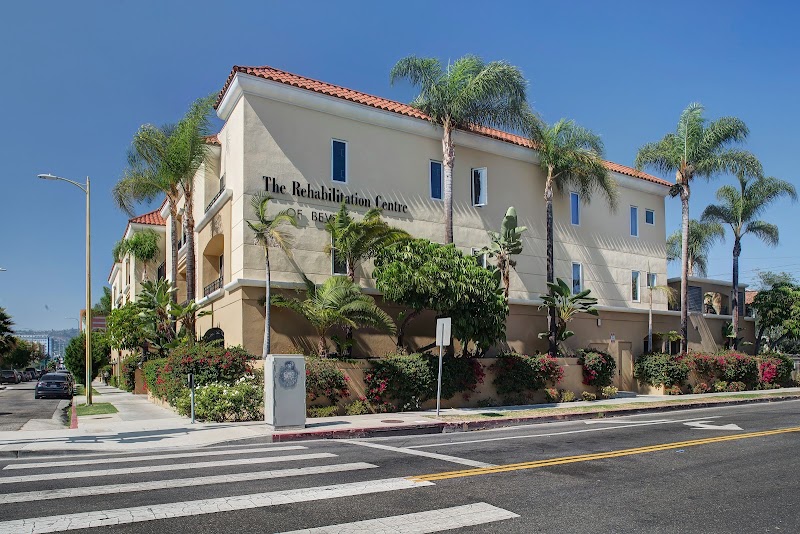
How is Beverly Hills Rehabilitation Centre Staffed?

CMS rates BEVERLY HILLS REHABILITATION CENTRE's staffing level at 3 out of 5 stars, which is average compared to other nursing homes. Staff turnover is 35%, compared to the California average of 46%. This relatively stable workforce can support continuity of care.

What Have Inspectors Found at Beverly Hills Rehabilitation Centre?

State health inspectors documented 94 deficiencies at BEVERLY HILLS REHABILITATION CENTRE during 2022 to 2025. These included: 3 that caused actual resident harm and 91 with potential for harm. Deficiencies causing actual harm indicate documented cases where residents experienced negative health consequences.
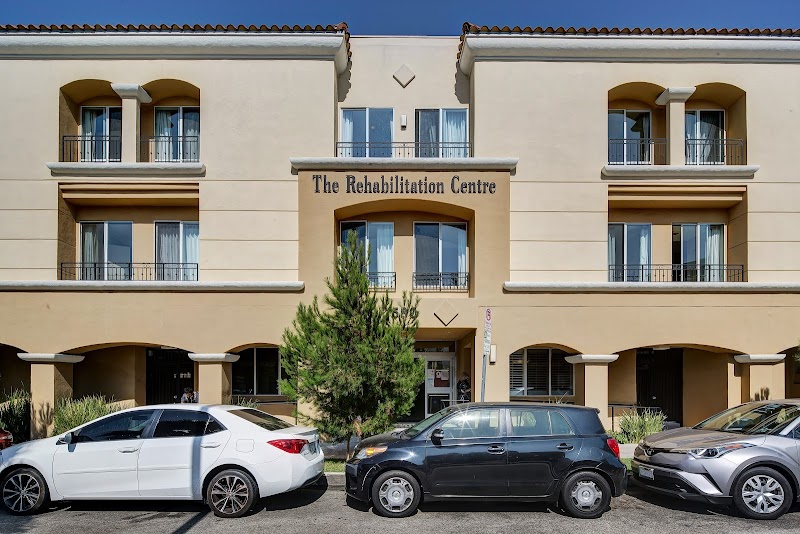
Who Owns and Operates Beverly Hills Rehabilitation Centre?

BEVERLY HILLS REHABILITATION CENTRE is owned by a for-profit company. For-profit facilities operate as businesses with obligations to shareholders or private owners. The facility is operated by PACS GROUP, a chain that manages multiple nursing homes. With 150 certified beds and approximately 138 residents (about 92% occupancy), it is a mid-sized facility located in LOS ANGELES, California.
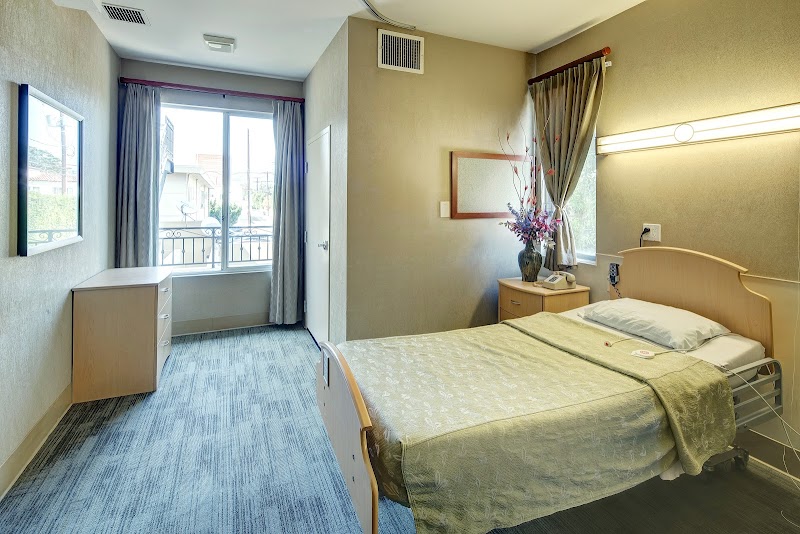
How Does Beverly Hills Rehabilitation Centre Compare to Other California Nursing Homes?

Compared to the 100 nursing homes in California, BEVERLY HILLS REHABILITATION CENTRE's overall rating (1 stars) is below the state average of 3.1, staff turnover (35%) is significantly lower than the state average of 46%, and health inspection rating (1 stars) is much below the national benchmark.

What Should Families Ask When Visiting Beverly Hills Rehabilitation Centre?

Based on this facility's data, families visiting should ask: "Can I visit during a mealtime to observe dining assistance and food quality?" "How do you handle medical emergencies, and what is your hospital transfer rate?" "Can I speak with family members of current residents about their experience?"

Is Beverly Hills Rehabilitation Centre Safe?

Based on CMS inspection data, BEVERLY HILLS REHABILITATION CENTRE has a clean safety record: no substantiated abuse findings (meaning no confirmed cases of resident harm), no Immediate Jeopardy citations (the most serious violation level indicating risk of serious injury or death), and is not on the Special Focus Facility watch list (a federal program monitoring the lowest-performing 1% of nursing homes). The facility has a 1-star overall rating and ranks #100 of 100 nursing homes in California. While no facility is perfect, families should still ask about staff-to-resident ratios and recent inspection results during their visit.

Do Nurses at Beverly Hills Rehabilitation Centre Stick Around?

BEVERLY HILLS REHABILITATION CENTRE has a staff turnover rate of 35%, which is about average for California nursing homes (state average: 46%). Moderate turnover is common in nursing homes, but families should still ask about staff tenure and how the facility maintains care continuity when employees leave.

Was Beverly Hills Rehabilitation Centre Ever Fined?

BEVERLY HILLS REHABILITATION CENTRE has been fined $117,294 across 2 penalty actions. This is 3.4x the California average of $34,252. Fines at this level are uncommon and typically indicate a pattern of serious deficiencies, repeated violations, or failure to correct problems promptly. CMS reserves penalties of this magnitude for facilities that pose significant, documented risk to resident health or safety. Families should request specific documentation of what issues led to these fines and what systemic changes have been implemented.

Is Beverly Hills Rehabilitation Centre on Any Federal Watch List?

BEVERLY HILLS REHABILITATION CENTRE is not on any federal watch list. The most significant is the Special Focus Facility (SFF) program, which identifies the bottom 1% of nursing homes nationally based on persistent, serious quality problems. Not being on this list means the facility has avoided the pattern of deficiencies that triggers enhanced federal oversight. This is a positive indicator, though families should still review the facility's inspection history directly.