BONNIE BRAE SKILLED NURSING

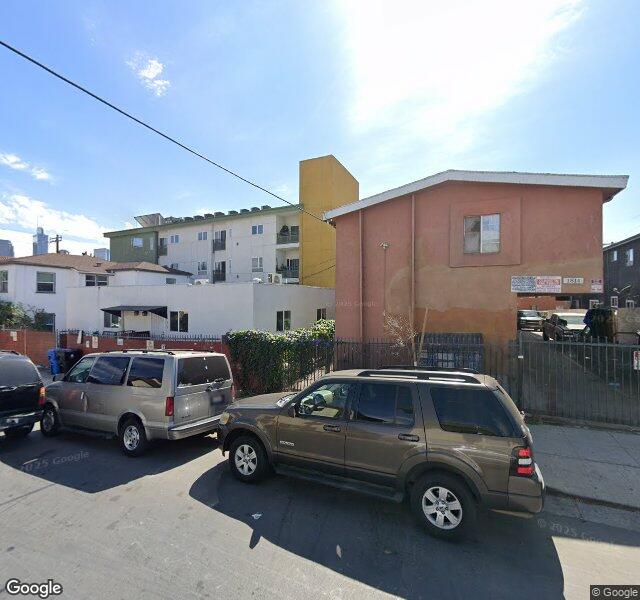
420 SOUTH BONNIE BRAE ST., LOS ANGELES, CA 90057 (213) 483-8144
For profit - Corporation 59 Beds Independent Data: November 2025
Trust Grade
85/100
#26 of 1155 in CA
Last Inspection: November 2024

Within standard 12-15 month inspection cycle. Federal law requires annual inspections.

Overview

Bonnie Brae Skilled Nursing has a Trust Grade of B+, indicating it is above average and recommended for families seeking care. It ranks #26 out of 1,155 facilities in California, placing it in the top half, and #5 out of 369 in Los Angeles County, meaning there are only four local options better than this one. The facility's trend is improving, with issues decreasing from 23 in 2024 to just 1 in 2025, which is a positive sign. Staffing is a strength, with a 4/5 star rating and a turnover rate of only 13%, well below the state average, suggesting a stable and experienced team. However, there are some concerns, such as a lack of effective pest control, which poses a risk of infection, and deficiencies in medication storage and staff competency evaluations, which could impact resident care.

Trust Score
B+
85/100
In California
#26/1155
Top 2%
Safety Record
Low Risk
No red flags
Inspections
Getting Better
23 → 1 violations
Staff Stability
✓ Good
13% annual turnover. Excellent stability, 35 points below California's 48% average. Staff who stay learn residents' needs.
Penalties
✓ Good
No fines on record. Clean compliance history, better than most California facilities.
Skilled Nurses
○ Average
Each resident gets 37 minutes of Registered Nurse (RN) attention daily — about average for California. RNs are the most trained staff who monitor for health changes.
Violations
⚠ Watch
37 deficiencies on record. Higher than average. Multiple issues found across inspections.
★★★★★
5.0
Overall Rating
★★★★☆
4.0
Staff Levels
★★★★★
5.0
Care Quality
★★★★☆
4.0
Inspection Score
Stable
2024: 23 issues
2025: 1 issues

The Good

  • 4-Star Staffing Rating · Above-average nurse staffing levels
  • 5-Star Quality Measures · Strong clinical quality outcomes
  • Low Staff Turnover (13%) · Staff stability means consistent care
  • Full Sprinkler Coverage · Fire safety systems throughout facility
  • No fines on record
  • Staff turnover is low (13%)

    35 points below California average of 48%

Facility shows strength in staffing levels, quality measures, staff retention, fire safety.

The Bad

No Significant Concerns Identified

This facility shows no red flags. Among California's 100 nursing homes, only 1% achieve this.

The Ugly 37 deficiencies on record

Jul 2025 1 deficiency
CONCERN (E) 📢 Someone Reported This

A family member, employee, or ombudsman was alarmed enough to file a formal complaint

Potential for Harm - no one hurt, but risky conditions existed

Deficiency F0925 (Tag F0925)

Could have caused harm · This affected multiple residents

**NOTE- TERMS IN BRACKETS HAVE BEEN EDITED TO PROTECT CONFIDENTIALITY** Based on observation, interview, and record review, the facility failed to have an effective pest control program to ensure the ...

Read full inspector narrative →
**NOTE- TERMS IN BRACKETS HAVE BEEN EDITED TO PROTECT CONFIDENTIALITY** Based on observation, interview, and record review, the facility failed to have an effective pest control program to ensure the facility was free from pests (roaches).This failure had the potential for the spread of harmful bacteria (tiny cells that can cause infections and illnesses) and infection to residents in the facility.Findings:During a review of Resident 4's admission Record, the admission Record indicated the resident was admitted to the facility on [DATE] and readmitted on [DATE] with diagnoses including chronic obstructive pulmonary disease (a long term lung condition that makes it hard to breathe), hypertension (high blood pressure), epilepsy (a brain disorder that causes recurring seizures), old myocardial infarction (a heart attack sometime in the past), heart failure (heart muscle doesn't pump blood as well as it should), atherosclerotic heart disease of native coronary artery( buildup of fats, cholesterol in the artery walls) unspecified psychosis(symptoms that affect the mind, where there has been some loss of contact with reality), and Type II Diabetes Mellitus (a disorder characterized by difficulty in blood sugar control and poor wound healing)and malignant neoplasm of right and left bronchus and lung).During a review of Resident 4's Minimum Data Set (MDS- a standardized assessment tool) dated 7/2/2025, the MDS indicated Resident 4 had intact cognition (ability to think and reason).During an observation of the facility nurses' station on 7/19/25 at 2:15p.m. with Registered Nurse (RN) 1, a large brown bug approximately 2 inches in length with an oval shaped body, flat head, two long antennas, and multiple legs was observed crawling on the floor away from the nurses' station. RN 1 was asked to identify insect and stated it was a cockroach. RN 1stated having cockroaches in the facility was an issue with cleanliness and residents could fall ill from the bacteria roaches carried. RN1 stated cockroaches in the facility was not sanitary. and was a pest control issue and infection control issue.During an interview on 7/28/25 at 2:24 p.m. with Resident 4, Resident 4 stated, I see cockroaches every day and it's not right. It needs to be cleaned right away; it means it's not a clean environment. It's possible that I can get sick from there being roaches.During an interview on 7/28/25 at 2:27p.m., the Administrator stated, the pest control company was at the facility on 7/3/25. The administrator stated the pest control company would go to the facility monthly and when needed. During an interview on 7/28/25 at 2:27p.m., the Interim (temporary) Director of Nursing (IDON) stated, cockroaches in the facility could cause the residents to get sick, develop nausea, vomiting, diarrhea, and residents could end up in the hospital. The IDON stated all residents could be negatively affected, especially the residents with weakened immune systems.During a review of the facility's policy and procedures (P&P) titled Pest Control revised in May 2021, the policy indicated This facility maintains an on-going pest control program to ensure that the building is kept free of insects.During a review of the facility's P&P titled Infection Prevention and Control Committee revised in July 2021, the policy indicated Provide facility guidelines for a safe and sanitary environment. The policy further indicated, Assist in reviewing food handling practices, laundry practices, waste disposal and pest control.
Dec 2024 1 deficiency
CONCERN (D) 📢 Someone Reported This

A family member, employee, or ombudsman was alarmed enough to file a formal complaint

Potential for Harm - no one hurt, but risky conditions existed

Free from Abuse/Neglect (Tag F0600)

Could have caused harm · This affected 1 resident

**NOTE- TERMS IN BRACKETS HAVE BEEN EDITED TO PROTECT CONFIDENTIALITY** Based on Observation, Interview, and record review the facility failed to protect the resident ' s right to be free from residen...

Read full inspector narrative →
**NOTE- TERMS IN BRACKETS HAVE BEEN EDITED TO PROTECT CONFIDENTIALITY** Based on Observation, Interview, and record review the facility failed to protect the resident ' s right to be free from resident-to-resident verbal and physical abuse for two of two sampled residents (Resident 1 and Resident 2) by failing to: 1. Provide necessary behavioral health assessment monitoring and ordered psychiatrist/psychology referrals when Resident 1 was exhibiting behavioral health symptoms of entering other resident ' s rooms without their permission to shout at other residents. 2. Protect Resident 2 from Resident 1 ' s verbal abuse, when on 11/28/24 at 9:30 AM Resident 1 to yell and Resident 2 (roommate), leading a resident-to-resident physical altercation (fight). This deficient practice resulted in Resident 2 hitting Resident 1 with his phone on the right side of the face on 11/28/24 at 9:30 AM. Resident 1 exhibited redness and bruising (bluish discoloration mark) on the right side of the face and above the right eye, complained blurry vision. Findings: A review of Resident 1 ' s admission Record indicated the facility admitted the resident on 8/30/2024 with diagnoses that included combined forms of age-related bilateral cataract (a condition in which the lens of an eye becomes cloudy and affects vision) and other unspecified peripheral vascular diseases (a circulatory condition in which narrowed blood vessels reduce blood flow to the limbs). A review of Resident 1 ' s Minimum Data Set (MDS, a standardized assessment and care screening tool) dated 9/12/24 indicated, assessment for verbal behavioral symptoms directed toward others (e.g. Threatening others, screaming at others, cursing at others) indicated; behavior not exhibited. Overall present of behavioral symptoms assessment indicated; behavior not exhibited. A review of Resident 1 ' s History and Physical (H&P) record dated 9/26/24, indicated the resident had a history of drug and alcohol use and had been homeless for 2 years. The H&P indicated the resident had the capacity to make and understand decisions. A review of Resident 1 ' s Care Plan for Behavioral Symptoms initiated on 11/16/24 indicated, the resident had behavioral problems related to socially inappropriate/disruptive symptoms: talking harshly and loudly. The goal for Resident 1 included but was not limited to, not making disruptive noises, behaviors, and to interact peacefully in social situations. The care plan intervention indicated, not argue with the resident, allow control and decision making as able, redirect behavior, provide diversional activities, monitor behavior, and refer to Interdisciplinary Team (IDT, a team of health care professions, which include the facility ' s medical director, Director of Nursing (DON), social worker, registered nurse, and other staff as needed who work together to establish plans of care for residents), psychiatry/psychology consult as needed. A review of Resident 1 ' s Order Summary Report with order date 11/16/24 indicated, Monitor inappropriate behavior m/b (manifested by) talking harsh and loud often disruptive every shift, order date 11/30/24 indicated, Refer to Psych d/t (due to) behavior of constantly yelling. A review of Resident 1 ' s psych notes from 11/16/24 to 11/28/24 did not indicate Resident 1 was seen by a psychiatrist or psychologist. A review of Resident 1 ' s Situation, Background, Assessment, and Recommendation (SBAR: a form that is a documentation of a complete assessment in response to a change in condition) dated 11/28/24 at 9:30 AM indicated, the resident had an altercation with his roommate (Resident 2). The SBAR indicated a change in skin or wound status to redness to right side of face, scratch to upper forehead, monitor and refer to ophthalmologist (an eye doctor who specializes in diagnosing and treating eye and vision conditions) consult for evaluation. A review of Resident 1 ' s Progress Note dated 11/28/24 at 9:30 AM, indicated, Resident 1 noted yelling [NAME], [NAME], [NAME] irritating roommate (Resident 2) who was stationary behind him, stood face to face imitating roommate. Resident 1 was struck with cellphone to right side of face. On assessment, noted redness to right side of face with a small scratch. Resident 1 stated Vision blurry. A review of Resident 1 ' s Nursing Progress Note dated 11/29/24 at 10:12 AM indicated, the resident noted in front of room [ROOM NUMBER], yelling [NAME], [NAME], [NAME] and irritating roommate who was standing behind him. Resident stood face to face with roommate irritating him when he was struck with cellphone to right side of face. First aid rendered, ophthalmologist consult for evaluation and continue to monitor. A review of Resident 1 ' s Physician ' s Order record dated 12/2/24 indicated, Psychiatry evaluation, history of past mood disorder, history of anxiety. A review of Resident 2 ' s admission record indicated the facility admitted the resident on 4/1/24 with diagnoses that included generalized muscle weakness, aphasia (difficulty speaking) following a cerebral infarction (a serious medical condition when a blood flow to the brain is blocked due to problems with blood vessels leading to brain cell death). A review of Resident 2 ' s H&P dated 4/5/24 indicated the resident had the capacity to make and understand decisions. A Review of Resident 2 ' s Progress note dated 11/28/24 at 9:30 AM, indicated Resident 2 was noted to be standing behind roommate (Resident 1), when roommate turned around and started to imitate resident face to face, Resident 2 then struck roommate with cellphone. A review of Resident 2 ' s care plan for communication deficit related to aphasia (no date) indicated, the goal for the care plan was for the resident ' s needs to be met and anticipated daily. The care plan interventions indicated for staff to allow ample time for the resident to respond, speak slowly and clearly, and to allow ample time for the resident to respond. A review of Resident 2 ' s SBAR dated 11/28/24 at 9:30 AM, indicated the resident had an altercation with his roommate (Resident 1). The SBAR indicated facility staff was to monitor the resident for outbursts and the resident was to have a psych consult. During an interview on 12/16/24 at 3:15 PM, Resident 2 stated Resident 1 (roommate) was yelling in front of their room in the hallway irritating him and Resident 1 would get aggressive at times. Resident 1 was pacing in and around their room. Resident 2 stated Resident 1 came in the room and raised his fist, there was no verbal cue, Resident 1 is taller than me, when he raised a fist, I felt threatened and raised my hand for defense holding my phone and hit him on the right side of the face. (Unable to recall date and time of incident, stated it happened few days ago). During an interview on 12/16/24 at 3:55 PM with Resident 1 in room [ROOM NUMBER], Resident 1 stated, I had an eye surgery and was admitted to the facility for rehab in August. Stated, on thanksgiving morning I was up walking around making turkey jokes saying [NAME] to entertain other people, my roommate (Resident 2) came up to me and mumbled because he can ' t speak well then cracked me with his phone on my face. I did not try to attack him, I did not raise my hand, I did not make a fist. He hit me on the right side of my face, when he brought down his hand he scratched my eyes with his finger. My vision is blurry, an ophthalmologist came to see me and told me the surgery looks good and no problems. Stated, before coming to the facility I used to be in a residential facility and taking antidepressant medications. I stopped all the medications when I became a homeless since January 2024. During an interview on 12/16/24 at 3:40 PM with Social Services Director (SSD), SSD Stated, Resident 1 was known to be very loud, when that happens, the resident was reminded to lower his voice. The SSD stated the resident required a lower-level care and the SSD was working for placement. The SSD stated it was appropriate to have Resident 1 referred for psychological consult prior to the altercation between Resident 1 and Resident 2. During an interview and record review on 12/17/24 at 10:02 AM with minimum data set coordinator (MDS), Resident ' s 1 ' s care plan was reviewed. The MDS stated when a resident did not come to the facility with a psychiatry/psychological diagnosis, the facility conducted ongoing observations and ordered psychiatry/psychological consults when symptoms were exhibited. The MDS stated Resident 1 did not come to the facility with a psych diagnosis. Thee MDS stated Resident 1liked to go to other resident ' s rooms, but the MDS did not see the resident as a threat. The MDS reviewed Resident 1 ' s care plan and stated based on the residents ' behavior since admissions and according to the care plan interventions, Resident 1 was supposed to be referred for psychology consult and evaluated on 11/16/24 and was not. During an interview on 12/17/24 at 11:38 AM with Certified Nursing Assistant (CNA 1), CNA 1 stated, Resident 1 liked to go around other resident ' s rooms and nursing stations, spoke very loudly, and was in a hallway most of the time. During an interview on 12/17/2024 at 11:38 AM with the Director of Nursing (DON), DON stated, the altercation between Resident 1 and Resident 2 took place in a hallway in front of Resident 1 and Resident 2 ' s room, Resident 1 was in Resident 2 ' s face irritating him, Resident 1 was raising his voice. The DON stated Resident 1 was loud and liked going around rooms usually in the evenings. The DON stated Resident 1 was not referred for psychology evaluation because he was not a threat, there was no safety concerns or complaints from other residents. The DON agreed the behavioral assessments did not reflect Resident 1 ' s behavior, based on care plan goals and interventions. The DON stated Resident 1 was supposed to be referred for psychology evaluations and was not. During an interview on 12/17/2024 at 12:50 PM with the facility ' s Administrator (ADM), the ADM stated, I oversee abuse coordination and investigations. Received a call from the DON on Thanksgiving Day after the incident between Residents 1 and 2 took place. Stated, Resident 1 likes to be in a hallway, I have observed him to be naturally loud, he was not a threat to anyone, Resident 1 could have benefited from psychology consult. A review of the facility ' s policy and procedures titled Resident Assessment revised November 2024, indicated A comprehensive assessment includes completion of MDS, completion of the care area assessment process and development of comprehensive care plan. A review of the facility ' s policy and procedures titled Abuse, Neglect, Exploitation and Misappropriation Prevention Program revised November 2024, indicated Residents have the right to be free from abuse, neglect. Including but not limited to protect residents from abuse, neglect from other residents. Develop and implement policies and protocols to prevent and identify abuse or mistreatment of residents and neglect of residents. A review of the facility ' s policy and procedures titled Care Plans, Comprehensive Person-Centered revised November 2024, indicated, the care plan interventions are derived from a thorough analysis of the information gathered as part of the comprehensive assessment. The interdisciplinary team reviews and updates the care plan: when there has been a significant change in the resident ' s condition, when the desired outcome is not met.
Nov 2024 12 deficiencies
CONCERN (D)

Potential for Harm - no one hurt, but risky conditions existed

Deficiency F0578 (Tag F0578)

Could have caused harm · This affected 1 resident

**NOTE- TERMS IN BRACKETS HAVE BEEN EDITED TO PROTECT CONFIDENTIALITY** Based on interview and record review, the facility failed to ensure residents' medical records were updated to show documentatio...

Read full inspector narrative →
**NOTE- TERMS IN BRACKETS HAVE BEEN EDITED TO PROTECT CONFIDENTIALITY** Based on interview and record review, the facility failed to ensure residents' medical records were updated to show documentation that advance directives (written statement of a person's wishes regarding medical treatment made to ensure those wishes are carried out should the person be unable to communicate them to a doctor) were discussed and written information were provided to the residents and/or responsible parties for two of of 12 sampled residents (Resident 2 and 4). This deficient practice violated the residents' and/or the representatives' right to be fully informed of the option to formulate their advance directives and had the potential to cause conflict with the residents' wishes regarding health care. Findings: A review of Resident 2's admission Record indicated the resident was admitted to the facility on [DATE], with diagnoses including dementia (a progressive state of decline in mental abilities), dysphagia (difficulty swallowing), and gastrostomy (a surgical opening fitted with a device to allow feedings to be administered directly to the stomach common for people with swallowing problems). A review of Resident 2's Minimum Data Set (MDS - a federally mandated resident assessment tool) dated 11/10/2024, indicated the resident had severe cognitive impairment (problems with a person's ability to remember, concentrate, and make decisions that affect daily life) and had the inability to make decisions. A review of Resident 2's Advance Directive Acknowledgment form dated 1/30/2024, indicated the resident was unable to sign because they did not have the capacity to understand and make decisions. The form did not indicate a signature from Resident 2's responsible party to acknowledge receipt of written information regarding the resident's right to formulate an advance directive. A review of Resident 4's admission Record indicated the resident was admitted to the facility on [DATE], with diagnoses including senile degeneration of the brain (a progressive decline in cognitive function that can lead to memory loss, impaired thinking, and a loss of independence) and schizophrenia (a mental illness that is characterized by disturbances in thought). A review of Resident 4's MDS dated [DATE], indicated the resident had severe cognitive impairment and did not have the ability to make decisions. A review of Resident 4's Advance Directive Acknowledgment form dated 2/1/2021, indicated the resident was unable to sign because they did not have the capacity to understand and make decisions. The form did not indicate a signature from Resident 4's responsible party to acknowledge receipt of written information regarding the resident's right to formulate an advance directive. During a concurrent interview and record review with the Social Services Director (SSD) on 11/26/2024 at 8:42 AM, the Advance Directive Acknowledgement form for Resident 2 and 4 was reviewed. The SSD stated and confirmed written information regarding the resident's right to formulate an advance directive was not provided to the responsible parties for Resident 2 or 4. A review of the facility's policy titled, Advance Directive, revised 2024, indicated that if a resident was incapacitated and unable to receive information about his or her right to formulate an advance directive, the information may be provided to the resident's legal representative.
CONCERN (D)

Potential for Harm - no one hurt, but risky conditions existed

Assessment Accuracy (Tag F0641)

Could have caused harm · This affected 1 resident

**NOTE- TERMS IN BRACKETS HAVE BEEN EDITED TO PROTECT CONFIDENTIALITY** b. A review of Resident 25's admission record indicated the resident was admitted to the facility on [DATE] with diagnoses inclu...

Read full inspector narrative →
**NOTE- TERMS IN BRACKETS HAVE BEEN EDITED TO PROTECT CONFIDENTIALITY** b. A review of Resident 25's admission record indicated the resident was admitted to the facility on [DATE] with diagnoses including Alzheimer's disease (a brain disorders the slowly destroys memory and thinking skills and eventually, the ability to carry out the simplest tasks), and dementia (a chronic condition that causes a gradual decline in cognitive abilities, such as thinking, remembering, and reasoning). A review of the Physician's Orders dated 8/1/24, indicated Resident 25 received Lexapro for depression (a mental health condition that causes low mood and loss of interest), Depakote for bipolar disorder (mood swings that range from the low feelings to elevated periods of emotional highs), and Risperidone for schizophrenia (a mental illness that is characterized by disturbances in thought). A review of Resident 25's MDS dated [DATE], indicated the resident was not oriented to time, and did not exhibit feeling down, depressed, or hopeless. The MDS indicated under Section I - Active Diagnoses, subsection psychiatric / mood disorders, indicated the diagnoses of depression, bipolar disorder, and schizophrenia remained blank. During concurrent interview and record review on 11/26/24 at 9:30 AM with the MDSN, Resident 25's MDS and Active Diagnoses, dated 10/16/24 were reviewed. In Resident 25's MDS under Section I - Active Diagnoses subsection psychiatric/mood disorder indicated, none of the diagnoses were triggered. The MDSN stated Resident 25 had a diagnoses of bipolar and psychosis in the MDS Section I - Active Diagnosis, dated on 4/8/22. The MDSN stated Resident 25 was transferred to the General Acute Care Hospital (GACH) often and each visit, all diagnoses follow the resident to the GACH from the facility. The MDSN stated when Resident 25 returned to the facility, the psychiatric diagnoses were not in the admission paperwork and the admitting nurse at the facility did not continue all the resident's current diagnoses. The MDSN stated not continuing all the diagnoses could be the reason the diagnoses of bipolar, depression and schizophrenia were missed. The MDSN stated all diagnoses should be continued when the residents returned to the facility. The MDSN stated the result to the resident would be a delay of care for continuity of care for psychotropic medications. During concurrent interview and record review on 11/27/24 at 9:45 AM with Licensed Vocational Nurse (LVN) 2, Resident 25's electronic chart was reviewed. LVN 2 stated Resident 25 was taking antipsychotic medications, and that It is important that the diagnoses and medication match, because if you're giving psych meds there must be a reason. LVN 2 stated when the resident went to the hospital, the discharge medical record was included. LVN 2 stated once the resident was re-admitted to the facility, the same diagnoses from the hospital should be continued. LVN 2 stated the effect to the resident would be psychotropic medications were given without proper diagnoses. During an interview on 11/27/24 at 12 PM, the DON stated, the facility takes the admission information for the residents from the history and physical from the GACH which includes the diagnoses from the facility. The DON stated all diagnoses should be in the history and physical from the GACH. The DON stated that the admitting nurse performed the re-admission including the assessment, checking the orders, labs, and informed the physician that the resident arrived. The physician would write orders with the admitting diagnoses but not all diagnoses. The DON stated the physician would write the orders out, but the admitting nurse was the one to check all orders, diagnoses. The DON stated the LVNs admit the residents, the RN supervisor or Assistant Director of Nursing assist by performing the assessments. The DON stated the result to the resident by not transposing all diagnoses during admission would be a delay of proper care, medication signs and symptoms and proper monitoring could be missed. A review of the facility's policy and procedure (P&P) titled, Resident Assessment, dated 2024 indicated, all persons who have completed any portion of the MDS resident assessment form must sign the document attesting to the accuracy of the information. A review of the facility's P&P titled, Psychotropic Medications, dated 2024, indicated psychotropic medication management includes: indication of use, dose, duration, adequate monitoring for efficacy and adverse consequences, and preventing, identifying, and responding to adverse consequences. The P&P indicated situations that may prompt an evaluation or re-evaluation of the resident included admission or re-admission. A review of the facility's P&P titled, Abstract of Medical Records, dated 12/2006, indicated specific data concerning a resident's medical condition may be released when the resident was transferred to the hospital, the abstract included current diagnosis and current resident assessment or MDS. Based on interview and record review, the facility failed to ensure two of two sampled residents (Resident 18's and Resident 25's) Minimum Data Set (MDS- a federally mandated resident assessment tool) accurately reflected the resident's diagnosis of chronic obstructive pulmonary disease (COPD-a chronic lung disease causing difficulty in breathing), and support the administration of psychotropic medications (drugs that affect the brain and mind, altering a person's thoughts, emotions, feelings, awareness, and perceptions). This deficient practice had the potential to result in a delay of the continuity of care such as monitoring signs and symptoms of adverse reactions and had the potential to negatively affect the resident's delivery of care and services. Findings: a. A review of Resident 18's admission Record indicated the resident was originally admitted to the facility on [DATE]. A review of Resident 18's History and Physical dated 2/20/2023 indicated the resident had a diagnosis of COPD and had capacity to understand and make decisions. A review of Resident 18's MDS dated [DATE], under active diagnoses, did not include the diagnosis of COPD (inaccurate assessment). A review of Resident 18's care plan revised on 11/2024 indicated the resident was at risk for respiratory distress related to COPD. During an interview on 11/26/2024 at 2:20 PM, the Minimum Data Set Nurse (MDSN) stated Resident 18 had a history of COPD and the diagnosis of COPD was not included in the latest MDS dated [DATE] under the section of active diagnoses. The MDSN stated it was important to reflect all the resident's diagnosis for accuracy of care and there was a risk of delayed treatment when a diagnosis was not included. During an interview on 11/27/2024 at 2:20 PM, the Director of Nursing (DON) stated all active diagnoses should be included in the residents MDS. The DON stated it was important the MDS reflected the accurate diagnoses of residents because there was a risk of missing a diagnosis and delaying treatment. A review of the facility's policy and procedure (P&P) titled, Resident Assessments, revised 2024, indicated all persons who have completed any portion of the MDS resident assessment form must sign the document attesting to the accuracy of such information.
CONCERN (D)

Potential for Harm - no one hurt, but risky conditions existed

Deficiency F0688 (Tag F0688)

Could have caused harm · This affected 1 resident

**NOTE- TERMS IN BRACKETS HAVE BEEN EDITED TO PROTECT CONFIDENTIALITY** Based on interview and record review, the facility failed to ensure residents with limited range of motion (ROM movement of join...

Read full inspector narrative →
**NOTE- TERMS IN BRACKETS HAVE BEEN EDITED TO PROTECT CONFIDENTIALITY** Based on interview and record review, the facility failed to ensure residents with limited range of motion (ROM movement of joints) receive quarterly joint mobility assessments for one of three sampled residents (Resident 11). This deficient practice caused an increased risk in the prevention and maintenance of mobility for Resident 11, with potential for contractures (a condition of shortening and hardening of muscles, tendons, or other tissue, often leading to deformity and rigidity of joints). Findings: A review of Resident 11's admission Record indicated the resident was admitted to the facility on [DATE], with diagnoses including muscle weakness. A review of Resident 11's Minimum Data Set (MDS - a federally mandated resident assessment tool) dated 7/19/2024, indicated the resident had intact cognitive skills for daily decision-making and was dependent on staff with bed mobility, transfer, toilet use, personal hygiene, and bathing. A review of the Joint Mobility Assessment form dated 7/24/2024 indicated Resident 11 was not within normal limits. There were no other joint mobility assessments found completed after this date in Resident 11's medical record. During an interview on 11/27/2024, at 11 AM, the Director of Nursing was asked about the facility's policy on the timing of assessments. The DON stated the facility did not have any policies that focus on time frame for joint mobility assessments, however the facility had a policy on resident assessment, resident mobility / ROM, and comprehensive assessment. The DON stated any quarterly assessment should be completed within three months and that the Physical therapist was responsible for completing joint mobility assessments. The DON was not able to locate a recent joint mobility assessment after the date of admission for Resident 11 and explained that the resident should have a quarterly assessment completed. The DON stated if assessments were not completed then, We have no measurement to show if the resident is doing better or worst. On 11/27/2024, at 11:57 AM, during an interview, the PT stated there should be a quarterly evaluation done every three months after the initial assessment at admission. The PT stated the workload at the facility was low but remained very demanding for one therapist. The PT stated there were many residents that have yet to be reassessed, but he could only get to them when he can. The PT stated Resident 11's joint mobility evaluation should have been completed and there was no measurement of progress. A review of the facility's policy titled, Resident Mobility and Range of Motion, dated 2024 indicated residents would not experience an avoidable reduction in range of motion. Residents with limited mobility would receive appropriate services, and assistance to maintain or improve mobility unless reduction in mobility was unavoidable. The policy indicated documentation of the resident's progress toward the goals and objectives would include attempts to address any changes in decline in the resident's condition or needs. Interventions may include therapies and / or exercises and would be based on professional standards of practice and be consistent with the state laws and practice acts.
CONCERN (D)

Potential for Harm - no one hurt, but risky conditions existed

Respiratory Care (Tag F0695)

Could have caused harm · This affected 1 resident

**NOTE- TERMS IN BRACKETS HAVE BEEN EDITED TO PROTECT CONFIDENTIALITY** Based on observation, interview, and record review, the facility failed to provide necessary respiratory care services for two o...

Read full inspector narrative →
**NOTE- TERMS IN BRACKETS HAVE BEEN EDITED TO PROTECT CONFIDENTIALITY** Based on observation, interview, and record review, the facility failed to provide necessary respiratory care services for two of two sampled residents (Resident 18 and 34). Resident 18 and Resident 34 with diagnoses of chronic obstructive pulmonary disease (COPD-a chronic lung disease causing difficulty in breathing), did not have a label or date on the resident's oxygen humidifier bottle (a device used to make supplemental oxygen moist). This deficient practice caused an increased risk in infection control when handling oxygen equipment, leading to resident discomfort and/or infection. Findings: a. A review of Resident 18's admission Record indicated the resident was originally admitted to the facility on [DATE]. A review of Resident 18's History and Physical dated 2/20/2023 indicated the resident had a diagnosis of COPD and had capacity to understand and make decisions. A review of the Physician's Order dated 2/13/2023, indicated Resident 18 received oxygen at two liters per minute via nasal cannula as needed for shortness of breath. A review of Resident 18's Minimum Data Set (MDS, a federally mandated resident assessment tool) dated 11/1/2024 under special treatments, procedures, and programs indicated the resident received zero days of respiratory therapy for at least 15 minutes in the past seven days. A review of Resident 18's care plan revised on 11/2024 indicated the resident was at risk for respiratory distress related to COPD. The intervention included giving medication as ordered. During a concurrent observation and interview on 11/25/2024 at 10:05 AM in Resident 18's room, with Licensed Vocation Nurse 1 (LVN 1), LVN 1 confirmed the resident's oxygen humidifier bottle was not labeled nor dated. LVN 1 stated it was important the oxygen humidifier bottle was dated so staff were aware of when the bottle was last changed. During an interview with the Director of Nursing (DON) on 11/27/2024 at 9:58 AM, the DON stated respiratory equipment like the oxygen humidifier bottle should be labeled with a date, time, and staff initials. The DON stated it was important the oxygen humidifier bottle was labeled so staff know how long it had been there and if it was time to change it. A review of the facility's policy and procedure (P&P) titled, Oxygen Administration, revised 2024, indicated the purpose was to provide guidelines for safe oxygen administration. The policy indicated the humidifier bottle should be labeled with date, time, and signature. b. A review of Resident 34's admission Record indicated the resident was originally admitted to the facility on 1/3/2020 with diagnoses including COPD. A review of the Physician's Order dated 2/13/2023, indicated Resident 34 was to receive oxygen administerion at two liters per minute via nasal cannula as needed for shortness of breath and oxygen less than 90%. A review of Resident 34's At risk for respiratory distress related to COPD care plan revised on 9/2024, indicated the intervention included giving medication as ordered. A review of Resident 34's MDS dated [DATE], indicated the resident was cognitively intact and under special treatments, procedures, and programs indicated Resident 34 received zero days of respiratory therapy for at least 15 minutes in the past seven days. During a concurrent observation and interview on 11/25/2024 at 10:35 AM in Resident 34's room with LVN 1, LVN 1 confirmed the resident's oxygen humidifier bottle and nasal cannula were not labeled nor dated. LVN 1 stated it was important the oxygen humidifier bottle and nasal cannula were labeled with a date so staff were aware of when the equipment was last changed. During an interview with the Director of Nursing (DON) on 11/27/2024 at 9:58 AM, the DON stated respiratory equipment like the oxygen humidifier bottle and nasal cannula should be labeled with a date, time, and staff initials. The DON stated it was important the oxygen humidifier bottle and nasal cannula were labeled so staff know how long it had been there and if it was time to change it.
CONCERN (D)

Potential for Harm - no one hurt, but risky conditions existed

Deficiency F0730 (Tag F0730)

Could have caused harm · This affected 1 resident

Based on interview and record review, the facility failed to ensure two Certified Nursing Assistants (CNA 1 and 2) had a completed annual performance evaluation. This deficient practice caused an incr...

Read full inspector narrative →
Based on interview and record review, the facility failed to ensure two Certified Nursing Assistants (CNA 1 and 2) had a completed annual performance evaluation. This deficient practice caused an increased risk in identifying the staffs areas of weakness with the potential for residents to not receive appropriate services. Findings: A review of CNA 1's employee file indicated that their date of hire was 4/23/2016 and there was no performance evaluation was noted in file. A review of CNA 2's employee file indicated the date of hire was 8/13/2020 and there was no performance evaluation was noted in file. During a concurrent interview and record review with the Administrator (ADM) on 11/27/2024 at 12:24 PM, the employee files of CNA 1 and 2 were reviewed with the ADM. The ADM stated that all performance evaluations should be done annually for the CNA's. The ADM stated the Director of Staff Development (DSD) was responsible for ensuring the performance evaluations were completed on time and updated in the employee files. The ADM confirmed that there were no updated performance evaluations for CNA 1 and 2 and that the potential risk for not completing the evaluations timely would be that the quality of care to the residents could be compromised. A review of the facility's policy and procedure (P&P) titled, Performance Evaluations, revised 2024, indicated the job performance of each employee shall be reviewed and evaluated at least annually.
CONCERN (D)

Potential for Harm - no one hurt, but risky conditions existed

Unnecessary Medications (Tag F0759)

Could have caused harm · This affected 1 resident

**NOTE- TERMS IN BRACKETS HAVE BEEN EDITED TO PROTECT CONFIDENTIALITY** Based on observation, interview, and record review, the facility failed to maintain a medication error rate of five (5) percent ...

Read full inspector narrative →
**NOTE- TERMS IN BRACKETS HAVE BEEN EDITED TO PROTECT CONFIDENTIALITY** Based on observation, interview, and record review, the facility failed to maintain a medication error rate of five (5) percent (%) or lower by having three medication errors out of 35 opportunities contributing to an overall error rate of 12% for two of four sampled residents (Resident 34 and 36) observed during Medication Administration. The medication errors were as follows: -Resident 34 was not instructed to seal their mouth over the mouthpiece of Qvar (a medication used for Chronic Obstructive Pulmonary Disease [COPD -a disease that blocks air flow and makes breathing difficult]) oral inhaler (a device containing the medication that is orally inhaled,) according to manufacturer instructions. -Resident 36 received pantoprazole (medication used to treat acid in the stomach) oral packet at a different time and received a form of ferrous sulfate (a medication used to produce a protein in red blood cells that carries oxygen throughout the body) that was different than the Physician's Order. These failures had the potential to result in Resident 34 and 36 to experience medication adverse effects (unwanted, uncomfortable, or dangerous effects that a medication may have) and the potential to result in Residents 34's and 36's health and well-being to be negatively impacted. Findings: a. A review of Resident 36's admission Record dated 11/25/24, indicated the resident was originally admitted to the facility on [DATE] with diagnoses including Gastro-Esophageal Reflux Disease ([GERD] - a condition where there is a backward flow of stomach acid into the tube that connects the mouth to the stomach) and anemia (a condition where the body does not have enough healthy red blood cells, and iron deficiency anemia was the most common type of anemia), chronic obstructive pulmonary disease (a condition that makes it difficult to breathe). A review of Resident 36's Order Summary Report, for November 2024, indicated Resident 36 was prescribed ferrous sulfate oral solution 220 mg per 5 ml to give 7.5 ml via G-tube two times a day for supplement, starting 6/2/24, and was prescribed pantoprazole 40 mg oral packet to give one packet via G-tube before meals for GERD, starting 10/14/24. A review of Resident 36's Medication Administration Record (MAR), dated November 2024, indicated Resident 36 was prescribed ferrous sulfate oral solution 220 mg per 5 ml to give 7.5 ml via G-tube two times a day for supplement, at 9 a.m. and 5 p.m., and was prescribed pantoprazole 40 mg oral packet to give one packet via G-tube before meals for GERD, at 11:30 a.m. During an observation on 11/25/24 at 9:45 a.m., in Medication Cart Station 1, Licensed Vocational Nurse (LVN) 2 was observed administering ferrous sulfate 325 milligram ([mg]-a unit of measure of mass) tablet that was crushed (pressed very hard so that the shape is destroyed and formed into a soft powder) and pantoprazole 40 mg oral packet via gastrostomy tube ([G-tube] - a tube inserted through the belly that brings nutrition directly to the stomach) to Resident 36. During an interview on 11/25/24 at 10:01 a.m., LVN 2 stated that LVN 2 administered ferrous sulfate 325 mg crushed tablet and pantoprazole 40 mg oral packet via G-tube at 9:45 a.m. to Resident 36. LVN 2 acknowledged the physician's order specified to administer ferrous sulfate 7.5 milliliter ([ml] - a unit of measure of volume) oral liquid containing 220 mg per 5 ml at 9 a.m., and to administer pantoprazole 40 mg oral packet at 11:30 a.m. LVN 2 stated that LVN 2 administered ferrous sulfate 325 mg by crushing the tablet instead of administering ferrous sulfate 7.5 ml liquid and that per facility policy, there was a 60-minute window for medication administration before and after the specified time. LVN 2 administered the pantoprazole 40 mg oral packet sooner than that timeframe to Resident 36. LVN 2 stated these were considered medication errors and that LVN 2 did not follow the physician's orders. b. A review of Resident 34's admission Record indicated the resident was originally admitted to the facility on [DATE] and re-admitted on [DATE] with diagnosis including COPD with exacerbation. A review of Resident 34's Order Summary Report, for November 2024, indicated Resident 34 was prescribed Qvar to give one puff inhaled orally once a day related to COPD with exacerbation, starting 6/19/24. A review of Resident 34's MAR dated November 2024, indicated Resident 34 was prescribed Qvar to give one puff inhaled orally once a day related to COPD with exacerbation, at 9 a.m. During an observation on 11/26/24 at 9:04 a.m., in Medication Cart Station 2, Registered Nurse (RN) 3 was observed administering QVAR one puff orally to Resident 34. Resident 34 was observed orally inhaling one puff of QVAR without fully closing lips around the mouthpiece and with open gaps on both sides of his mouth. During an interview on 11/26/24 at 9:11 a.m., RN 3 stated that RN 3 administered QVAR one puff orally at 9:04 a.m. to Resident 34 and failed to instruct Resident 34 to fully close lips around the mouthpiece of the inhaler to get a good seal. RN 3 stated Resident 34 had gaps on the side of the mouth when inhaling the medication, and as a result some medication had escaped into the air and not fully inhaled. RN 3 stated QVAR manufacturer instructions indicated to fully seal lips around the mouthpiece to prevent medication from escaping. RN 3 stated that not administering medication according to manufacturer instructions was considered a medication error and that not receiving the full dose Resident 34 was not being fully treated and at risk for COPD exacerbation (the process of making a problem or situation worse,) potentially resulting in hospitalization. During an interview on 11/26/24 at 12:10 p.m., the Director of Nursing (DON) stated that LVN 2 failed to administer the correct form of ferrous sulfate and failed to administer pantoprazole at the indicated time on 11/25/24 to Resident 34, as ordered by the physician. The DON also stated RN 3 failed to instruct Resident 34 to fully seal lips around the QVAR inhaler while administering the dose, as instructed by the manufacturer. The DON stated licensed nurses should follow facility medication administration guidelines to ensure physician's orders were followed and the right medications were administered at the right times to residents, and to follow manufacturer instructions to ensure medications were administered correctly to prevent potential harm to residents such COPD exacerbation for Resident 34. A review of the facility's policy and procedures (P&P) titled, Administering Medications, [undated], indicated that Medications are administered in a safe and timely manner, and as prescribed. Medications are administered in accordance with prescriber orders, including any required timeframe. Medications are administered within one (1) hour of their prescribed time, unless otherwise specified (for example, before and after meal orders). The individual administering the medication checks the label three (3) times to verify the right resident, right medication, right dosage, right time and right method (route) of administration before giving the medication. A review of the facility's P&P titled, Administering Medications through a Metered Dose Inhaler, revised 2024, indicated the purpose was to provide guidelines for the safe administration of inhaled medications. The following equipment and supplies will be necessary when performing this procedure. -Place the mouthpiece in the mouth and instruct resident to close his or her lips to form a seal around the mouthpiece. A review of the facility's P&P titled, Adverse Consequences and Medication Errors, revised 2024, indicated Adverse Consequences -An adverse consequence refers to an unwanted, uncomfortable, or dangerous effect that a drug may have . -The staff and practitioner shall strive to minimize adverse consequences by: -Following relevant clinical guideline and manufacturer's specifications for use, dose, administration, duration, and monitoring of the medication. Medication Errors -A medication error is defined as the preparation or administration of drugs or biological which is not in accordance with physician's orders. manufacturer specifications or accepted professional standards and principles of the profession(s) providing services. -Examples of medication errors include: -Wrong drug (e.g. liquid ordered, capsule given) -Wrong time -Failure to follow manufacturer instructions and/or accepted professional standards. A review of a facility provided manufacturer's guideline on QVAR, last revised 1/21, indicated Place the mouthpiece in your mouth and close your lips around it so you form a good seal.
CONCERN (D)

Potential for Harm - no one hurt, but risky conditions existed

Deficiency F0760 (Tag F0760)

Could have caused harm · This affected 1 resident

**NOTE- TERMS IN BRACKETS HAVE BEEN EDITED TO PROTECT CONFIDENTIALITY** Based on interview and record review, the facility failed to ensure residents were free of significant medication errors for one...

Read full inspector narrative →
**NOTE- TERMS IN BRACKETS HAVE BEEN EDITED TO PROTECT CONFIDENTIALITY** Based on interview and record review, the facility failed to ensure residents were free of significant medication errors for one sampled residents (Resident 14) investigated for insulin (a hormone that lowers the level of glucose [a type of sugar] in the blood) use, by failing to rotate (a method to ensure repeated injections are not administered in the same area) subcutaneous ([SQ] -beneath the skin) insulin administration sites. This deficient practice increased the risk of adverse effects (unwanted, unintended result) from same site administration such as lipodystrophy (abnormal distribution of fat) and cutaneous amyloidosis (a condition in which clumps of abnormal proteins called amyloids build up in the skin). Findings: A review of Resident 14's admission Record indicated the resident was originally admitted to the facility on [DATE] and re-admitted on [DATE] with diagnoses including Type II diabetes mellitus (DM II - [a condition where there are high blood sugar levels]). A review of the Physician's Order Summary Report, dated 11/1/24, indicated Resident 14 was prescribed Humulin 70/30 (intermediate-acting insulin combined with the more rapid onset regular insulin) to 35 units ([un] - measure of insulin dose) subcutaneously ([SQ] - under the skin) once a day, and 15 un SQ in the evening, related to DM II, starting 8/1/24. A review of Resident 14's Medication Administration Record (MAR) for November 2024, indicated Resident 14 was prescribed Humulin 70/30 to 35 un SQ once a day at 9 a.m., and 15 un SQ in the evening at 5 p.m., related to DM II. Further review of the MAR indicated Humulin 70/30 35 un was administered at 9 a.m. by the following licensed nurses, on the following days, and sites: 11/2/24 on Right Arm (RA) by Licensed Vocational Nurse (LVN) 2 11/3/24 on RA by LVN 2 11/5/24 on RA by LVN 6 11/6/24 on RA by LVN 2 11/7/24 on RA by LVN 2 11/8/24 on RA by LVN 6 11/9/24 on RA by LVN 2 11/10/24 on RA by LVN 2. During a concurrent interview and record review on 11/26/24 at 11:08 a.m., Registered Nurse (RN) 3 reviewed Resident 14's MAR for November 2024. RN 3 stated several licensed nurses failed to rotate the insulin administration sites and that failure to rotate sites could harm Resident 14 by damaging the skin, causing bruises and lumps. During a concurrent interview and record review on 11/26/24 at 12:10 p.m., with the Director of Nursing (DON,) the DON reviewed Resident 14's MAR for November 2024. The DON stated that for Resident 14 the MAR indicated there were instances where the insulin administration sites were not rotated for the Humulin 70/30 by several licensed nurses, as expected by facility policy, standard of practice and manufacturer guidelines. The DON stated the failure of the licensed nurses to rotate insulin administration sites could cause harm to Resident 14 by causing lipodystrophy (skin abnormalities such as lumps in the skin or thickened skin) at the repeated administration sites. A review of the facility's Policy & Procedures (P&P) titled, Adverse consequences and Medication Errors, revised 2024 indicated an 'adverse consequence' refers to an unwanted, uncomfortable or dangerous effect that a drug may have. The staff and practitioner shall strive to minimize adverse consequences by following relevant clinical guidelines and manufacturer's specifications for use, dose, administration, duration, and monitoring of the medication. An adverse drug reaction (ADR), a form of adverse consequences, was defined as a secondary and usually undesirable effect of a drug. A review of facility's P&P titled, Subcutaneous Injections/Insulin Administration, revised 2024, indicated the purpose was to provide guidelines for the safe administration of medication by subcutaneous / insulin injection and to select an appropriate injection site. A review of a facility provided manufacturer's guide titled, Highlights of Prescribing Information, for Humulin 7030, dated June 2022, indicated to rotate injection sites to reduce risk of lipodystrophy and localized cutaneous amyloidosis (skin with lumps).
CONCERN (D)

Potential for Harm - no one hurt, but risky conditions existed

Deficiency F0849 (Tag F0849)

Could have caused harm · This affected 1 resident

**NOTE- TERMS IN BRACKETS HAVE BEEN EDITED TO PROTECT CONFIDENTIALITY** Based on interview and record review, the facility failed to ensure necessary care was provided consistently for one of three sa...

Read full inspector narrative →
**NOTE- TERMS IN BRACKETS HAVE BEEN EDITED TO PROTECT CONFIDENTIALITY** Based on interview and record review, the facility failed to ensure necessary care was provided consistently for one of three sampled residents (Resident 4), who was receiving hospice service (a program that gives special care to people who are near the end of life and have stopped treatment to cure or control their disease and offers physical, emotional, social, and spiritual support for residents and their families). For Resident 4, there was no coordination of personal care and nursing needs with the hospice staff. This deficient practice had the potential to result in a delay of care and delivery of hospice care and services to Resident 4. Findings: A review of Resident 4's admission Record indicated the resident was admitted to the facility on [DATE], with diagnoses including senile degeneration of the brain (a progressive decline in cognitive function that can lead to memory loss, impaired thinking, and a loss of independence) and schizophrenia (a mental illness that is characterized by disturbances in thought). A review of the Physician's Orders dated 7/9/2024, indicated to admit Resident 4 for hospice care and treatment. A review of Resident 4's Minimum Data Set (MDS - a federally mandated resident assessment tool) dated 11/11/2024, indicated the resident had severe cognitive impairment (problems with thinking, reasoning) and had the inability to make decisions. The MDS indicated Resident 4 received hospice services while a resident at the facility and had a condition or chronic disease that could result in a life expectancy of less than six months. A review of Resident 4's hospice records sign in sheets did not indicate visits from a skilled nurse (care provided by a registered nurse or licensed vocational nurse) or home health aide (person who assists clients in their daily personal tasks, such as bathing or dressing). During a concurrent interview and record review with the Registered Nurse (RN) 1 on 11/26/2024 at 8:52 AM, Resident 4's hospice records were reviewed. RN 1 stated that a hospice skilled nurse visited once a week and a home health aide visited twice per week for Resident 4. RN 1 reviewed Resident 4's hospice records and confirmed there were no signatures from the skilled nurse or home health aide on the sign in sheets and that there was no hospice care plan for Resident 4. RN 1 stated that it was important to ensure the hospice staff was visiting Resident 4 as ordered and that there should be a hospice plan of care for the staff to know the specific needs of the resident. During an interview with the Director of Nursing (DON) on 11/27/2024 at 9:02 AM, the DON stated that all hospice staff should be signing in the hospice sign in sheet and should also have a hospice care plan. The DON stated the facility staff should be communicating with the hospice staff during their visits and by not having a record of hospice visits from the hospice staff and no hospice care plan, it could potentially compromise Resident 4's care. A review of the facility's policy and procedures titled, Hospice Program, revised 2024, indicated it was the responsibility of the facility to meet the resident's personal care and nursing needs in coordination with the hospice representative and ensure the level of care provided was appropriately based on the individual resident's needs.
CONCERN (D)

Potential for Harm - no one hurt, but risky conditions existed

Infection Control (Tag F0880)

Could have caused harm · This affected 1 resident

**NOTE- TERMS IN BRACKETS HAVE BEEN EDITED TO PROTECT CONFIDENTIALITY** Based on observation, interview, and record review, the facility failed to ensure one of two sampled residents (Resident 34) was...

Read full inspector narrative →
**NOTE- TERMS IN BRACKETS HAVE BEEN EDITED TO PROTECT CONFIDENTIALITY** Based on observation, interview, and record review, the facility failed to ensure one of two sampled residents (Resident 34) was provided a safe and sanitary environment, when the resident's oxygen nasal cannula (a device used to deliver supplemental oxygen placed directly on a resident's nostrils) was observed on the floor. This deficient practice resulted in contamination of Resident 34's oxygen nasal cannula and placed the resident at risk for infection. Findings: A review of Resident 34's admission Record indicated the resident was originally admitted to the facility on [DATE] with diagnoses including chronic obstructive pulmonary disease (COPD). A review of the Physician's Order dated 2/13/2023, indicated Resident 34 received oxygen at two liters per minute via nasal cannula as needed for shortness of breath and oxygen saturation less than 90%. A review of Resident 34's Minimum Data Set (MDS, a federally mandated resident assessment tool) dated 10/26/2024, indicated the resident was cognitively intact (no problems with ability to think, reason or make decisions). The MDS under special treatments, procedures, and programs indicated Resident 34 received zero days of respiratory therapy for at least 15 minutes in the past seven days. This was a discrepancy. During a concurrent observation and interview on 11/25/2024 at 10:36 AM in Resident 34's room with LVN 1, LVN 1 stated and confirmed the resident's nasal cannula was on the floor. LVN 1 stated the nasal cannula should not be on the floor because it was a concern for infection control and there was a risk for infection. During an interview with the Director of Nursing (DON) on 11/27/2024 at 10 AM, the DON stated if the nasal cannula was not in use, the nasal cannula should be covered in a plastic bag for infection control purposes. The DON stated it was important the nasal cannula did not touch the floor because the floor was considered a dirty surface and there was a risk for infection. A review of the facility's policy and procedure titled, Departmental (Respiratory Therapy) - Prevention of Infection, revised 2024, indicated infection control consideration related to oxygen administration included keeping the oxygen cannulae and tubing used in a plastic bag when not in use.
CONCERN (E)

Potential for Harm - no one hurt, but risky conditions existed

Deficiency F0726 (Tag F0726)

Could have caused harm · This affected multiple residents

Based on interview and record review, the facility failed to ensure two Certified Nursing Assistants (CNA 1 and 2), three Licensed Vocational Nurses (LVN 3, 4 and 5) and Registered Nurse (RN) 2 had a ...

Read full inspector narrative →
Based on interview and record review, the facility failed to ensure two Certified Nursing Assistants (CNA 1 and 2), three Licensed Vocational Nurses (LVN 3, 4 and 5) and Registered Nurse (RN) 2 had a completed annual competency and annual performance evaluation. This deficient practice violated the facility's Competency and Performance Evaluations policy and had the potential for residents to not receive appropriate services. Findings: A review of CNA 1's employee file indicated the date of hire was 4/23/2016 and the competency evaluation was last completed on 8/16/2023. A review of CNA 2's employee file indicated the date of hire was 8/13/2020 and the competency evaluation was last completed on 10/23/2021. A review of LVN 3's employee file indicated the date of hire was 3/3/2014 and there was no competency nor performance evaluations noted in file. A review of LVN 4's employee file indicated the date of hire was 5/19/2017 and the performance evaluation was last completed on 12/12/2023. There was no competency evaluation noted in file. A review of LVN 5's employee file indicated the date of hire was on 3/24/2017 and the performance evaluation was last completed on 9/10/2023. The competency evaluation was last completed on 4/23/2021. A review of RN 2's employee file indicated the date of hire was 10/23/2012 and there was no competency nor performance evaluation noted in file. During an interview and record review on 11/27/2024 at 12:24 PM, the Administrator (ADM) stated that all competency and performance evaluations should be done annually for all licensed staff. The ADM stated the Director of Staff Development (DSD) was responsible for ensuring the evaluations were completed on time and updated in the employee files. After review with the ADM of the employee files for CNA 1 and 2, LVN 3, 4, and 5, and RN 2, the ADM confirmed there were no updated annual competency or performance evaluations for CNA 1 and 2, LVN 3, 4, and 5 and RN 2. The ADM stated the potential risk for not completing the evaluations timely would be that the quality of care to the resident could be compromised. A review of the facility's policy and procedure (P&P) titled, Performance Evaluations, revised 2024, indicated the job performance of each employee shall be reviewed and evaluated at least annually. A review of the facility's P&P titled, Competency of Nursing Staff, and revised 2024, indicated that facility and resident-specific competency evaluations will be conducted upon hire, annually and as deemed necessary based on the facility assessment.
CONCERN (E)

Potential for Harm - no one hurt, but risky conditions existed

Deficiency F0761 (Tag F0761)

Could have caused harm · This affected multiple residents

**NOTE- TERMS IN BRACKETS HAVE BEEN EDITED TO PROTECT CONFIDENTIALITY** Based on observation, interview, and record review, the facility failed to ensure medications were labeled, properly stored or d...

Read full inspector narrative →
**NOTE- TERMS IN BRACKETS HAVE BEEN EDITED TO PROTECT CONFIDENTIALITY** Based on observation, interview, and record review, the facility failed to ensure medications were labeled, properly stored or discarded in accordance with current accepted professional standards of practice for insulin (medication used to regulate blood sugar levels), Aplisol (also known as Tubersol - medication used to diagnose tuberculosis [infection in the lungs]), and Pneumovax 23 (a vaccine that helps protect against serious infections of the ears, sinuses, lungs, blood and brain, especially in person's with high risk conditions and over the age of 65, such as pneumonia). In addition, the expired emergency medication kit (storage container for emergency use medications) in Medication room [ROOM NUMBER] was not removed or discarded. These deficient practices increased the risk that residents in the facility could receive medication that had become ineffective or toxic. Findings: During an observation on 11/25/24 10:42 a.m., in Medication Cart 1, in the presence of Licensed Vocational Nurse (LVN) 2, the following medications were found either stored in a manner contrary to their respective manufacturer's requirements, not labeled with an open date as required by their respective manufacturer's specifications, or stored and labeled contrary to facility policies: -One open insulin Humulin R vial for Resident 21 was found stored at room temperature, without a date indicating when storage or use at room temperature began. According to the manufacturer's product labeling, opened Humulin R vials should be stored at room temperature below 86 degrees Fahrenheit and used or discarded within 31 days of opening or once storage at room temperature began. -One open insulin Humulin R vial for Resident 26 was found stored at room temperature with a label indicating that use at room temperature began on 8/25/24 and the vial expired on 9/22/24. According to the manufacturer's product labeling, opened Humulin R vials should be stored at room temperature below 86 degrees Fahrenheit and used or discarded within 31 days of opening or once storage at room temperature began. During an interview on 11/25/24 10:43 a.m., LVN 2 stated the insulin Humulin R multi-dose (containing more than one dose) vial for Resident 21 was opened, used, stored at room temperature, and not labeled with a date when use at room temperature began, and the insulin Humulin R multi-dose vial for Resident 26 was open and labeled with a date indicating that use began on 8/25/24 and expired on 9/22/24. LVN 2 stated that LVN 2 was unaware when the insulin Humulin R vial for Resident 21 was stored at room temperature therefore unknown when it would expire and need to be discarded. LVN 2 stated that most insulin vials expire within 28 days of opening the vial, and that the Humulin R vials for Resident 21 and 26 needed to be removed from the medication cart to ensure expired insulin was not administered in error to Resident 21 and 26. LVN 2 stated administering expired insulin would not be effective in keeping the blood sugar stable and can harm Resident 21 and 26 by causing high or low blood sugar levels, leading to coma (a state of deep unconsciousness caused by injury or illness), hospitalization or even death. LVN 2 stated the insulin Humulin R vials needed to be immediately replaced with new ones from pharmacy for Resident 21 and 26. During an observation, on 11/25/24 at 11:05 a.m., with LVN 2, in Medication room [ROOM NUMBER], the following medication was found either stored and not labeled with an open date as required by their respective manufacturer's specifications, expired and not discarded, or stored contrary to facility policies: -Two open Aplisol multi-dose vials for facility stock were found stored in the refrigerator with a label indicating use began on 10/19/24 and 10/20/24, respectively. According to the manufacturer's product storage and labeling, Aplisol vials should be stored in the refrigerator between 36 and 46 degrees Fahrenheit and used or discarded from use within 30 days of opening the vial. -One unopened Pneumovax 23 prefilled syringe for facility stock was found stored at room temperature with a manufacturer label indicating an expiration date on 11/24/24. According to the manufacturer's product storage, unopened Pneumovax 23 vials should be stored under refrigeration from 36 to 46 degrees Fahrenheit and used until the manufacturer indicated expiration date. -One expired emergency medication kit labeled with an expiration date of 8/24. According to pharmacy label and facility policy, expired emergency medication kits should not be used and discarded by the indicated expiration date. During a concurrent interview, LVN 2 stated two Aplisol vials stored in the refrigerator in Medication room [ROOM NUMBER] were opened on 10/19/24 and 10/20/24, respectively. LVN 2 stated the Pneumovax syringe expired on 11/24/24. LVN 2 stated the emergency kit was open and expired on 8/24. LVN 2 stated both Aplisol vials and Pneumovax syringe were expired and needed to be removed from the refrigerator and placed in the expired medication bin to be disposed of and not accidentally used for residents, and the emergency kit needed to be replaced with a new one from pharmacy before August 2024. LVN 2 stated administering expired Aplisol to residents may result in inaccurate results (either false negative or false positive) and therefore lead to providing the incorrect treatment to the residents, and administering expired Pneumovax may not provide protection against pneumonia for residents. LVN 2 stated emergency medications were needed in emergency situations and used from the emergency kits. LVN 2 stated giving residents expired medications from the emergency kits during emergency situations would only make the emergent situation worse for residents. During an interview and concurrent record review on 11/26/24 at 12:10 p.m., with the Director of Nursing (DON,) the DON stated that the emergency medication kit in the medication room had expired August of 2024 and should have been replaced with a new one from pharmacy. The DON stated the medication storage areas should have been checked daily for expired medications and any expired medication removed from those areas. The DON stated the facility failed to remove the expired emergency medication kit from the medication room. During the same interview, the DON stated that two Aplisol vials were opened on 10/19/24 and 10/20/24, respectively, and stored in the medication refrigerator for facility stock use. The DON stated multi-dose vials usually expire 28 days after opening the vials and should be discarded beyond that date to prevent accidental use. The DON stated expired multi-dose vials were no longer sterile (free from contaminants) and not effective. The DON stated using Aplisol vials beyond the expiration date in error may potentially provide inaccurate results for tuberculosis (a contagious bacterial disease that's usually spread through the air when someone with tuberculosis coughs, sneezes, or spits) leading to inaccurate treatment for residents. The DON stated both Aplisol vials were expired and needed to be removed from the medication room and be discarded to prevent accidental use. During the same interview, the DON stated that the Pneumovax vaccine was expired on 11/24/24, and the facility failed to remove it from the medication room refrigerator. The DON stated using expired Pneumovax would not be effective in providing protection against pneumonia to residents. During the same interview the DON stated that the insulin Humulin R vial for Residents 21 and 26 were considered expired and should have been removed from the medication cart. The DON stated several LVN's failed to label an open vial of Humulin R and failed to remove an expired vial of Humulin R from the medication cart, which can lead to the administration of expired insulin to Resident 21 and 26, resulting in significant medication error. The DON stated the Humulin R vials needed to be replaced with new ones from pharmacy because one vial had an unknown expiration date due to lack of labeling, and one vial was expired. The DON stated that expired insulins lost potency (the strength of medication) and effectiveness and when administered would not be effective in controlling blood sugar levels leading to hyperglycemia (high blood sugar levels) and adverse effects for Resident 21 and 26, potentially resulting in hospitalization. A review of the facility's Policy & Procedures (P&P) titled, Medication Labeling and Storage, revised 2024, the P&P indicated If the facility has discontinued, outdated or deteriorated medications or biologicals, the dispensing pharmacy is contacted for instructions regarding returning or destroying the items. -Multi-dose vials that have been opened or accessed are dated and discarded within 28 days unless the manufacturer specifies a shorter or longer date for the open vial. -Multi-dose vials that are not opened or accessed are discarded according to the manufacturer's expiration date. A review of the facility's P&P titled, Storage of Medications, [undated,] indicated Medications and biologicals are stored safely, securely, and properly, following manufacturer's recommendations or those of the supplier. -Outdated, contaminated, or deteriorated medications and those in containers that are cracked, soiled, or without secure closures are immediately removed from stock, disposed of according to procedures for medication disposal, and reordered from the pharmacy, if a current order exists. A review of the facility's P&P titled, Procedure for Disposal, [undated,] indicated Discontinued or outdated non-controlled drugs are to be stored in a secured area designated for that purpose until picked up by the pharmaceutical waste disposal service or the pharmacy personnel. A review of the facility's P&P titled, Administering Medications, [undated,] indicated When opening a multi-dose container, the date opened is recorded on the container. A review of the facility's P&P titled, Medications Requiring Notation of Date Opened, [undated,] indicated All medications requiting an open date will be dated immediately upon opening. Date will be applied using a Date Open label or written directly on the packaging by the charge nurse. The following expiration periods are based on currently accepted standards of practice and/or the manufacturer's recommendations. -Expires 28 days after opening: All insulins except . -Expires one month after opening (refrigerate after opening) PPD (e.g.Tubersol) solutions. -Expires one (1) month after opening; -Multi-dose injectables not noted above.
MINOR (B)

Minor Issue - procedural, no safety impact

Deficiency F0912 (Tag F0912)

Minor procedural issue · This affected multiple residents

**NOTE- TERMS IN BRACKETS HAVE BEEN EDITED TO PROTECT CONFIDENTIALITY** Based on observation and interview, the facility failed to ensure 10 of 22 (Rooms 1, 3, 4, 5, 6, 12, 15, 18, 13, and 24) met the...

Read full inspector narrative →
**NOTE- TERMS IN BRACKETS HAVE BEEN EDITED TO PROTECT CONFIDENTIALITY** Based on observation and interview, the facility failed to ensure 10 of 22 (Rooms 1, 3, 4, 5, 6, 12, 15, 18, 13, and 24) met the required 80 square feet per resident and failed to ensure of two rooms (room [ROOM NUMBER]) met the required 100 square feet per resident. This deficient practice had the potential to result in inadequate space necessary to provide safe nursing care and privacy for residents. Findings: During an observation on 11/27/2024 at 8:39 AM, the Maintenance Supervisor (MS) measured Rooms 1, 3, 4, 5, 6, 9, 12, 15, 18, 23, and 24. The rooms measured as follows: Room No. Room Sq. Footage. Resident Capacity. Square Ft. Per 1 11'6x12'9 2 149.64 3 11'7x13'0 2 152.1 4 16'8x18'7 4 314.16 5 11'6x13'0 2 150.8 6 16'8x18'7 4 314.16 9 9'7x10'0 1 97 12 19'3x11'5 3 221.95. 15 19'4x11'5 3 223.1 18 24'9x112'6 4 313.74 23 13'4x10'7 2 143.38 24 13'4x11'4 2 152.76 The measurements were compared to the client accommodation analysis dated 11/25/2024 and all measurements matched taken by the MS on 11/27/2024 at 8:39 AM. During an interview with Resident 3 on 11/27/2024 at 9:25 AM in room [ROOM NUMBER], Resident 3 stated she had a wheelchair that she kept outside of her room. Resident 3 stated she was able to get around her room with no issues. During an interview with Resident 12 on 11/27/2024 at 9:33 AM in room [ROOM NUMBER], Resident 12 stated she has been at the facility for 11 years and had no complaints about her room size. Resident 12 stated the room was spacious. During an interview with the Certified Nurse Assistant 3 (CNA 3) on 11/27/2024 at 10:20 AM, CNA 3 stated she was assigned to provide care in room [ROOM NUMBER]. CNA 3 stated she was able to do her work and had no concerns with the size of the room. A review of the facility's undated policy and procedures titled, Bedrooms, indicated bedrooms were to measure at least 80 square feet of space per resident in double rooms and at least 100 square feet of space in single rooms.
Feb 2024 1 deficiency
CONCERN (D) 📢 Someone Reported This

A family member, employee, or ombudsman was alarmed enough to file a formal complaint

Potential for Harm - no one hurt, but risky conditions existed

Quality of Care (Tag F0684)

Could have caused harm · This affected 1 resident

**NOTE- TERMS IN BRACKETS HAVE BEEN EDITED TO PROTECT CONFIDENTIALITY** Based on interview and record review, the facility failed to ensure one of two sampled residents (Resident 1), who had a history...

Read full inspector narrative →
**NOTE- TERMS IN BRACKETS HAVE BEEN EDITED TO PROTECT CONFIDENTIALITY** Based on interview and record review, the facility failed to ensure one of two sampled residents (Resident 1), who had a history of fall, received care and supervision in accordance with the resident's individualized plan of care. This deficient practice resulted in Resident 1's fall on 1/19/2024, and a right-hand fracture. Findings: A review of Resident 1's admission Record indicated the facility admitted the resident on 1/17/2024, with diagnoses including history of falling, and muscle weakness. A review of Resident 1's physician History and Physical (H&P) dated 1/18/2024, indicated the resident could make needs known but could not make medical decisions. A review of Resident 1's Fall Risk assessment dated [DATE], indicated Resident 1 had intermittent (comes and goes) confusion or poor safety awareness, had 1-2 falls in the past three months, was ambulatory and incontinent. The fall risk assessment indicated Resident 1 had a total score of 18, as a score of 10 or greater indicated the resident was considered a high risk for potential falls. A review of Resident 1's Care Plan for Risk for Falls dated 1/18/2024, indicated Resident 1 was at risk for falls and injuries related to impaired vision, impaired cognition, poor body balance/control, history of falls, and use of psychotropic (medication that affect the mind, emotions, and behavior ), and antihypertensive medications (medicines that bring your blood pressure down). The care plan goal indicated the resident would be free from injury due to fall for the next three months. The interventions indicated to visibly observe resident frequently, monitor resident's medication for possible use, provide resident with a safe and clutter-free environment, keep frequently used personal items within easy reach, and keep the call light within easy reach. A review of Resident 1's Situation, Background, Assessment, and Recommendation (SBAR) Communication Form dated 1/19/2024 at 3:50 AM, indicated Resident 1 was found on the floor, was confused, agitated, and hearing voices thinking people were talking about her. A review of Resident 1's SBAR Communication Form dated 1/19/2024 at 3:13 PM, indicated the facility received Resident 1's X-ray (digital image) results for right hand, right fingers, and right arm. A review of Resident 1's Radiology Report dated 1/19/2024, indicated Resident 1 had a nondisplaced fracture (broken bones, but the pieces were not moved far enough during the break) at the right proximal metaphysis of the second metacarpal (the bone that connects the wrist to the index finger-hand). During an interview on 2/2/2024 at 9:26 AM with Certified Nursing Assistant 1 (CNA 1), CNA 1 stated, Resident 1 was confused and non-compliant (not following the rules). She would ask where she was, and I would tell her that she was inside a facility. When I would try to change her, she would scream and not let me change her. CNA 1 stated Resident 1 was not able to walk. CNA 1 stated, I provided frequent visual monitoring to Resident 1 and I reported to my charge nurse. I did not document my visual observations in the resident's medical chart. During a concurrent interview and record review on 2/2/2024 at 2:40 PM, with the facility ' s Assistant Director of Nursing (ADON) Resident 1's care plans were reviewed. The ADON stated Resident 1 was non-compliant with her care, had previous history of fall and episodes of hallucination (a sight, sound, smell, taste, or touch that a person believes to be real but is not real ) and she refused to be transferred to hospital for evaluation after she fell on 1/19/2024. The ADON stated Resident 1 was trying to get out of bed. She was on psychotropic medication which could affect her decision making. The ADON stated he initiated a person-centered care plan for Resident 1's high risk for fall on 1/18/2024. The ADON stated one of the care plan interventions was to visibly observe the resident frequently. The ADON stated, Frequently means that the CNA assigned to the resident is required to watch the resident frequently, every hour. Staff were providing the frequent monitoring for Resident 1 but there is no specific chart regarding their hourly monitoring inside Resident 1's chart. Licensed nurses document resident's frequent visual monitoring in the nursing note section. During a concurrent interview and record review on 2/2/2024 at 1:20 PM, with Licensed Vocational Nurse 2 (LVN 2), Resident 1's fall care plan and nursing notes were reviewed. LVN 2 stated one of the care plan interventions for Resident 1 was to visibly observe the resident frequently. LVN 2 stated, This means we go to the resident's room at least every hour or every two hours to check on the resident. LVN 2 stated, We do not document the exact time and frequency that we perform this monitoring. We just document in the nursing notes that we perform the frequent visual checks. LVN2 stated there was no nursing progress note in Resident 1's medical records for 1/18/2024, during the 7AM-3PM shift. LVN 2 stated documenting frequent visual check in the nursing note without frequency and time was not an effective way to implement Resident 1's care plan intervention. LVN 2 stated the potential outcome was recurrent falls. During a telephone interview on 2/5/2024 at 8:05 AM with LVN 1 who was assigned to Resident 1 on 1/18/2024, during the 11PM-7AM shift, LVN 1 stated Resident 1 was confused and unable to walk. LVN 1 stated, On 1/19/2024, at around 3 AM, I made my rounds, and I went to Resident 1's room. Resident 1 thought there was someone outside the facility, so I went to the window, and I checked. I showed her that no one was there, and I even opened the curtains for her to look outside. I got her situated and I walked out. Within a minute or two of going to the nurse ' s station, I heard noises coming from Resident 1's room. When I got to Resident 1's room, she was on the floor. LVN 1 stated that Resident 1 stated she got up to use the restroom. LVN 1 stated, Resident 1 was a new admission; we did not know her behavior. We were monitoring her frequently. I was monitoring her pretty much every hour. I did not document each time that I checked in on Resident 1 in her chart. A review of the facility's policy and procedure titled, Care Plans-Comprehensive Person-Centered, revised March 2022, indicated a person-centered care plan includes measurable objectives and timetables to meet the resident ' s physical, psychosocial and functional needs is developed and implemented for each resident. Care plan interventions are chosen only after data gathering, proper sequencing of events, careful consideration of the relationship between the resident ' s problem areas and their causes, and relevant clinical decision making. A review of the facility's policy and procedure titled, Fall Risk Assessment, revised 12/2022, indicated the nursing staff, in conjunction with the attending physician, consultant pharmacist, therapy staff, and others, will seek to identify and document resident risk factors for falls and establish a resident-centered fall prevention plan based on relevant assessment information. The staff will seek to identify environmental factors that may contribute to falling such as lighting and room layout.
Jan 2024 9 deficiencies
CONCERN (D)

Potential for Harm - no one hurt, but risky conditions existed

Resident Rights (Tag F0550)

Could have caused harm · This affected 1 resident

**NOTE- TERMS IN BRACKETS HAVE BEEN EDITED TO PROTECT CONFIDENTIALITY** Based on observation, interview and record review, the facility failed to provide care in a manner that maintained or enhanced t...

Read full inspector narrative →
**NOTE- TERMS IN BRACKETS HAVE BEEN EDITED TO PROTECT CONFIDENTIALITY** Based on observation, interview and record review, the facility failed to provide care in a manner that maintained or enhanced the dignity of two of ten sampled residents (Resident 12 and Resident 38), by failing to: -Ensure the Certified Nursing Assistant (CNA) did not stand over Resident 12, while providing assistance during breakfast. -Ensure Resident 38's urinary collection bag (designed to collect urine drained from the bladder via a catheter) was covered with a privacy bag to afford dignity. These deficient practices had the potential to affect residents sense of self-worth, self-esteem, and psychosocial wellbeing. Findings: a. A review of Resident 12's admission record (Face Sheet) indicated the facility originally admitted Resident 12 on 2/28/2019, and readmitted on [DATE], with diagnoses including muscle weakness and bipolar disorder (a brain disorder that causes changes in a person's mood, energy, and ability to function). A review of Resident 12's Minimum Data Set (MDS - a standardized assessment and screening tool) dated 12/17/2023, indicated the resident had severely impaired cognition (never/rarely made decisions) and was dependent in toileting hygiene, showering and personal hygiene. The MDS indicated Resident 12 required maximum assistance with eating. A review of Resident 12's Dietary Profile dated 12/18/2023, indicated Resident 12 required total assistance with eating (required one-on-one assistance for direct feeding). During an observation on 1/9/2024 at 7:30 AM, in Resident 12's room, CNA 1 was standing over Resident 12 while feeding him. CNA 1 stated, I prefer to feed the resident while standing, because I have better control over the resident. During a concurrent observation and interview on 1/9/2024 at 7:36 AM, with the Licensed Vocational Nurse 1 (LVN 1), LVN 1 observed CNA 1 standing over Resident 12 while assisting him with his breakfast. LVN 1 stated staff were required to assist residents with feeding in a sitting position so they can maintain their dignity. During an interview on 1/11/2024 at 3 PM, the Director of Nursing (DON) stated it was important for the CNAs to sit down when feeding the residents because this provided dignity and respect for the residents. b. A review of the admission record indicated Resident 38 was originally admitted to the facility on [DATE], and readmitted on [DATE], with diagnoses including cerebral infarction (damage to tissues in the brain due to a loss of oxygen to the area), and benign prostatic hyperplasia (a condition in men in which the prostate gland [A gland in the male reproductive system that is located just below the bladder] is enlarged). A review of the Physician's Orders dated 8/11/2022 indicated to monitor Resident 38's suprapubic catheter (a thin catheter inserted through a hole in the abdomen to drain urine from the bladder) during every shift for infection and to clean the catheter with normal saline (a solution of water and salt), pat dry, and cover with dry dressing every day. A review of the MDS dated [DATE], indicated Resident 38 had severely impaired cognition, was dependent in oral and toileting hygiene, showering, dressing and required maximum assistance with eating. During a concurrent observation and interview with LVN 1 on 1/8/2024 at 8:20 AM, LVN 1 stated Resident 38's urinary collection bag was not covered with a privacy bag. LVN 1 stated urinary collection bags were required to be covered with a privacy bag to promote dignity. During an interview on 1/11/2024 at 3:05 PM, the DON stated urinary collection bags were required to be covered with a privacy bag to protect residents' privacy and promote dignity. A review of facility's policy and procedure titled, Dignity, revised 12/2023, indicated each resident shall be cared for in manner that promotes and enhances his or her sense of well-being, level of satisfaction with life, and feeling of self-worth and self-esteem. When assisted with care, residents were supported in exercising their right, for example residents were provided with dignified dining experience. Demeaning practices and standards of care that compromise dignity was prohibited. Staff were expected to promote dignity and assist resident, for example helping the resident to keep the urinary catheter bags covered.
CONCERN (D)

Potential for Harm - no one hurt, but risky conditions existed

Deficiency F0552 (Tag F0552)

Could have caused harm · This affected 1 resident

**NOTE- TERMS IN BRACKETS HAVE BEEN EDITED TO PROTECT CONFIDENTIALITY** Based on interview and record review, the facility failed to complete the COVID-19 (respiratory illness caused by the coronaviru...

Read full inspector narrative →
**NOTE- TERMS IN BRACKETS HAVE BEEN EDITED TO PROTECT CONFIDENTIALITY** Based on interview and record review, the facility failed to complete the COVID-19 (respiratory illness caused by the coronavirus) vaccine informed consent form for two of five sampled residents (Resident 9 and 21). This deficient practice had the potential to result in the residents or residents representative not being informed of their rights regarding vaccine administration. Findings: a. A review of the admission record indicated the facility admitted Resident 9 to the facility on [DATE], with diagnoses including Type II diabetes mellitus with hyperglycemia (high blood sugar). A review of Resident 9's COVID-19 Consent / Declination Form, dated 12/8/2023, indicated the Section 2 Screening for the Vaccine Eligibility and Section 3 for consent were not completed. A review of the Minimum Data Set (MDS - a standardized assessment and care planning tool) dated 12/21/2023, indicated Resident 9 had moderate cognitive (conscious mental activities such as thinking, remembering, reasoning) skills for daily decision making and was dependent for toileting, showering and personal hygiene. A review of Resident 9's Immunization Report dated 1/10/2024, the report indicated Resident 9 received the COVID-19 vaccine on 12/14/2023. b. A review of Resident 21's admission record indicated the facility admitted Resident 21 on 6/4/2023, with diagnoses including altered mental status (a change in mental function that stems from illness, disorders and injuries affecting the brain), and depression (constant feeling of sadness and loss of interest). A review of the MDS dated [DATE], indicated Resident 21 had severely impaired cognitive (conscious mental activities such as thinking, remembering, reasoning) skills for daily decision making and needed partial or moderate assistance for toileting, and dressing. A review of the Immunization Report, dated 1/9/2024, indicated Resident 21 refused to receive the COVID-19 vaccination. A review of Resident 21's COVID-19 Consent / Declination Form, dated 1/10/2024, indicated Section 3 for Consent was not completed. During an interview on 1/11/2024 at 10:39 AM, with Licensed Vocational Nurse 2 (LVN 2), LVN 2 stated whoever was giving the consent form to the resident should be completing Section 2: COVID-19 Vaccine Screening Questionnaire and Section 3: Consent. Both areas should be checked, I give consent, prior to administering the vaccine or I do not give consent, if the resident refused. During an interview on 1/11/2024 at 11:02 AM, the Infection Preventionist (IP) stated Resident 9 and 21's consent forms were incomplete because Section 2: COVID-19 Vaccine Screening Questionnaire and Section 3: Consent were not filled out. During an interview on 1/11/2024 at 1:25 PM, Registered Nurse Supervisor (RN) 1 stated if the consent form was not completed, there was potential for confusion and for the resident to get upset if their wishes were not respected. During an interview on 1/11/2024 at 3:03 PM, the Director of Nursing (DON) stated the consent form was incomplete as evidenced by missing checkmarks in Section 2: COVID-19 Vaccine Screening Questionnaire and Section 3: Consent. The DON further stated the importance of obtaining an informed consent was to give the resident or representative an opportunity to make an informed choice in their care. A review of the facility's policy and procedure (P&P) titled, Coronavirus Disease (COVID-19)-Vaccination of Residents, dated 12/2021, indicated the following: -The IP oversees COVID-19 vaccine education, documentation, and reporting. -Residents are screened for contraindications to the vaccine, medical precautions, and prior vaccination before being offered the vaccine. -Residents must sign a consent to vaccinate form prior to receiving the vaccine. -Documentation includes, at a minimum that the resident or representative was provided education regarding the benefits and potential risks associated with COVID-19 vaccine, including the date the education took place and signed consent. -Residents that refuse vaccination should have appropriate documentation in the resident's record.
CONCERN (D)

Potential for Harm - no one hurt, but risky conditions existed

Deficiency F0578 (Tag F0578)

Could have caused harm · This affected 1 resident

Based on interview and record review, the facility failed to obtain an Advanced Directive (a legal document in which a person specifies what actions should be taken for their health if they are no lon...

Read full inspector narrative →
Based on interview and record review, the facility failed to obtain an Advanced Directive (a legal document in which a person specifies what actions should be taken for their health if they are no longer able to make decisions for themselves because of illness or incapacity) per the facility's policy and procedure (P&P) for one of six sampled residents (Resident 15). This failure had the potential to result in Resident 15's predetermined medical decisions not being met. Findings: A review of the admission record (Face Sheet) indicated the facility admitted Resident 15 on 11/14/2012, with diagnoses including Type II diabetes mellitus (a condition that happens because of a problem in the way the body controls and uses sugar as a fuel) and essential hypertension (high blood pressure without a known cause that affects the body's arteries). A review of the Minimum Data Set (MDS - a standardized assessment and care-screening tool) dated 12/2/2023, indicated Resident 15 had intact cognition (decisions consistent/reasonable) and required partial or moderate assistance for personal hygiene, but was dependent in showering. The MDS indicated Resident 15 required substantial assistance for toileting, and supervision with oral hygiene. A review of Resident 15's Medical Records on 1/9/2024 at 1:24 PM, indicated there was no advanced directive acknowledgement form present in the resident's chart. During a concurrent interview and record review on 1/11/2024 at 8:49 AM, with the Social Services Director (SSD), Resident 15's medical records were reviewed. The SSD stated there was no advanced directive acknowledgement form present in Resident 15's chart and that this one was missed. The SSD stated the form was not completed upon the resident's admission to the facility and that it was important for residents to have an Advanced Directive in their chart. The SSD stated not having an advanced directive can affect a resident or resident representatives from making prior informed decision in the event of an emergency and the resident's wishes were not given, because an advance directive was not completed. The SSD state a lot of things could have happened, because of him not having an advanced directive. His treatment and rights could have been violated and wishes in the event of an emergency. A review of the facility's policy and procedure titled, Advanced Directive, dated 12/2023, indicated prior to or upon admission of a resident, the social services director or designee inquires of the resident, his family members and/or his legal representative, about the existence of any written advance directives. The resident or representative was provided with written information concerning the right to refuse or accept medical or surgical treatment and to formulate an advance directive if he or she chooses to do so. Written information about the right to accept or refuse medical or surgical treatment, and the right to formulate an advance directive was provided in a manner that was easily understood by the resident or representative. Information about weather or not the resident had executed an advanced directive was displayed prominently in the medical record in a section of the record that was retrievable by any staff.
CONCERN (D)

Potential for Harm - no one hurt, but risky conditions existed

Deficiency F0688 (Tag F0688)

Could have caused harm · This affected 1 resident

Based on interview and record review, the facility failed to provide range of motion (how far you can move or stretch a part of your body, such as joint or muscle) exercises for one of three sampled r...

Read full inspector narrative →
Based on interview and record review, the facility failed to provide range of motion (how far you can move or stretch a part of your body, such as joint or muscle) exercises for one of three sampled residents (Resident 20) as ordered by the physician. This failure had the potential to result in contracture (permanent shortening of muscle) in the resident. Findings: A review of Resident 20's admission record indicated the facility admitted Resident 20 on 4/30/2020, with diagnoses including hemiplegia (paralysis on one side of the body) and hemiparesis (partial weakness on one side of the body) affecting left non-dominant side. A review of Resident 20's care plan dated 6/25/2023, indicated Resident 20 was at risk for further decline in functional status due to hemiplegia and had range of motion deficits related to hemiplegia and hemiparesis secondary to cerebral vascular accident (CVA, an interruption in the flow of blood to the cells in the brain). The care plan goal was for Resident 20 to maintain and improve current functional status as well as prevent further contracture or increase severity. A review of Resident 20's Minimum Data Set (MDS - a standardized assessment and care planning tool) dated 12/29/2023, indicated Resident 20 had intact cognition (able to make decisions of daily living), was dependent in showering and required substantial assistance for personal hygiene and toileting. A review of the Physician's Orders, dated 1/1/2024, indicated for Resident 20 to receive a Restorative Nursing Assistant (RNA) to perform passive range of motion (the part of your body that can move when someone or something is creating the movement) exercises five times a week as tolerated to the left upper arm and active range of motion (the motion of a joint that may be achieved by active muscle contraction) exercises five time a week as tolerated to both lower legs. Apply a left-hand splint daily for four to six hours with skin checks every two hours, five times a week as tolerated. A review of Resident 20's Restorative Nursing Weekly Summary (RNWS), the RNWS did not indicate Resident 20 received five days of exercises on the following weeks: 12/8, 12/15 and 12/29/2023. During a concurrent interview and record review on 1/9/2024 at 3 PM, with RNA 1, Resident 20's Restorative Order Medication Sheet (ROMS) dated 12/2023 was reviewed. The ROMS did not indicate Resident 20 received restorative exercise treatment on: 12/1, 12/8, 12/11, 12/26 or 12/27/2023. RNA 1 stated the facility sometimes asked him to cover Certified Nursing Assistant (CNA) duties when they were short staffed and on those days, he was unable to perform the RNA duties and treat the residents. During an interview on 1/10/2024 at 2:15 PM, RNA 1 stated Resident 20's exercise orders were meant to reduce the progression of the contractures and make sure it did not get worse and if it was not getting done then the resident could get worse. During a concurrent interview and record review on 1/10/2024 at 2:41 PM, with Licensed Vocational Nurse (LVN) 1, Resident 20's ROMS dated 12/2023 were reviewed. LVN 1 stated upon reviewing the document, the exercise should have been performed by someone but could not remember if any RNA services were done those days. A review of the facility's policy and procedure titled, Restorative Care Services, revised 12/2023, indicated residents would receive restorative care as needed to help promote optimal safety and independence.
CONCERN (D)

Potential for Harm - no one hurt, but risky conditions existed

Accident Prevention (Tag F0689)

Could have caused harm · This affected 1 resident

Based on observation, interview, and record review, the facility failed to ensure one sampled resident's (Resident 30) bed was locked. This failure had the potential to result in injury or harm to the...

Read full inspector narrative →
Based on observation, interview, and record review, the facility failed to ensure one sampled resident's (Resident 30) bed was locked. This failure had the potential to result in injury or harm to the resident. Findings: A review of Resident 30's admission record (Face Sheet) dated 1/2/2024, indicated the facility admitted Resident 30 on 1/11/2023, with diagnoses including Alzheimer's disease (progressive disease that destroys memory and other important mental functions) with late onset, unsteadiness on feet, and paranoid schizophrenia (a disorder that affects a person's ability to think, feel, and behave clearly). A review of Resident 30's history and physical (H&P) dated 1/23/2023, indicated Resident 30 had the capacity to understand and make medical decisions. A review of Resident 30's Minimum Data Set (MDS-a standardized assessment and care planning tool) dated 10/26/2023, indicated Resident 30's cognition was intact (being able to follow two simple commands) and was independent with personal hygiene, transfers and walking, but required supervision and setup for oral hygiene, bathing, dressing, and eating. During a concurrent observation and interview on 1/8/2024 at 10:10 AM, with Infection Preventionist (IP) in Resident 30's room, it was observed that Resident 30's bed was not locked. The IP stated the bed should be locked for safety purposes as Resident 30 demonstrated he could move his bed freely. During an interview on 1/11/2024 at 9:25 AM, Registered Nurse Supervisor (RN 1) stated if a bed was unlocked residents can fall and get hurt. RN 1 also stated a Certified Nursing Assistant (CNA) or anyone who sees a bed unlocked or moving should lock it. During an interview on 1/11/2024 at 9:51 AM, CNA 2 stated, If the bed isn't locked, they (a resident) can fall and break a bone. During an interview on 1/11/2024 at 3:10 PM, the Director of Nursing (DON) stated for the safety of residents at risk for falls, their bed should be locked. The DON also stated, if it was not locked, The bed could move, he could drop things, and there's potential for falls. A review of the facility's policy and procedure (P&P) titled, Safety and Supervision of Residents, dated 12/2023, indicated resident risks and environmental hazards include bed safety. A review of the facility's P&P titled, Bed Safety, dated 12/2023, indicated maintenance staff routinely inspects all beds and related equipment to identify risks and problems including potential entrapment risks. A review of the facility's P&P titled, Safe Lifting and Movement of Residents, dated 12/2023, indicated all equipment design and use would meet or exceed guidelines and regulations concerning resident safety and the use of restraints.
CONCERN (D)

Potential for Harm - no one hurt, but risky conditions existed

Food Safety (Tag F0812)

Could have caused harm · This affected 1 resident

Based on observation, interview, and record review, the facility failed to prevent kitchen staff from storing personal food items in the main kitchen refrigerator. This failure had the potential for r...

Read full inspector narrative →
Based on observation, interview, and record review, the facility failed to prevent kitchen staff from storing personal food items in the main kitchen refrigerator. This failure had the potential for resident to be at risk for food borne illness (caused by food contaminated with bacteria, viruses, parasites, or toxins). Findings: During a concurrent observation and interview on 1/8/2024 at 8:14 AM, with the facility's [NAME] in the kitchen, it was observed there was a plastic bag with food inside the main kitchen refrigerator with a staff members name on it. The [NAME] stated, That shouldn't be in there. During an interview on 1/8/20024 at 3:32 PM, the Dietary Supervisor (DS) stated if staff leave personal items in the refrigerator, it can cause cross contamination and food borne illness to residents. During an interview on 1/8/2024 at 3:44 PM, the facility's Administrator (ADM) stated, As far as I know, staff belongings should be placed in the staff fridge. A review of the facility's policy and procedure (P&P) titled, Staff Belongings, dated 12/2023, indicated kitchen staff may not store or leave food items in their belongings but should be kept inside the refrigerator of the break room. The P&P also indicated kitchen staff was not permitted to store any perishable items in the main kitchen refrigerator of the facility. A review of the facility's P&P titled, Food Storage in Nursing and Resident/Patient Refrigerators, dated 2018, indicated all Department of Food and Nutrition Services staff will be instructed that no outside food will be stored in the Department of Food and Nutrition Services unless purchased from an approved vendor. A review of the facility's P&P titled, Employee Orientation Program, dated 2018, indicated personal items were to be stored in the employee area, not kitchen and that staff food was stored separately from patient/resident food.
CONCERN (D)

Potential for Harm - no one hurt, but risky conditions existed

Medical Records (Tag F0842)

Could have caused harm · This affected 1 resident

**NOTE- TERMS IN BRACKETS HAVE BEEN EDITED TO PROTECT CONFIDENTIALITY** Based on interview and record review, the facility failed to follow it's policy and procedure titled, Change in Resident's Condi...

Read full inspector narrative →
**NOTE- TERMS IN BRACKETS HAVE BEEN EDITED TO PROTECT CONFIDENTIALITY** Based on interview and record review, the facility failed to follow it's policy and procedure titled, Change in Resident's Condition or Status, for one of three sampled residents (Resident 28). This deficient practice had the potential to lead to inadequate care of Resident 28. Findings: A review of Resident 28's admission record (Face Sheet) indicated the facility originally admitted Resident 28 on 4/1/2022, and readmitted on [DATE], with diagnoses including muscle weakness, and Alzheimer's disease (a physical illness which damages a person's brain). A review of the Physician's Order dated 12/7/2023 at 1 PM, indicated to transfer Resident 28 to the General Acute Care Hospital 1 (GACH 1) due to a productive cough (when you have a cough that produces mucus or phlegm [sputum]) and severe congestion (stuffy nose), with poor oral intake, and shortness of breath. A review of Resident 28's Minimum Data Set (MDS - a standardized assessment and screening tool) dated 12/26/2023, indicated Resident 28 had moderately impaired cognition (decisions poor, cues/supervision required). The MDS indicated Resident 28 required maximum assistance for toileting hygiene, showering/bathing, and lower body dressing. A review of Resident 28's SBAR Communication Forms on 1/9/2024 at 2 PM, indicated on 12/7/2023, there was no SBAR communication form completed when Resident 28 had a change of condition and was transferred to GACH 1. During a concurrent interview and record review on 1/9/2024 at 2:33 PM, with Registered Nurse Supervisor 1 (RN 1), Resident 28's SBAR communication forms were reviewed. RN 1 stated, On 12/7/2023, Resident 28 was coughing, and mentioned he wanted to go to the hospital. Accordingly, we transferred him to the hospital. RN 1 stated it was required to initiate an SBAR communication form upon residents' transfer to the hospital when there was a change of condition. RN 1 stated the SBAR communication form was not completed for Resident 28 on 12/7/2023, when he was transferred to GACH 1. During an interview on 1/11/2024 at 3:10 PM, the Director of Nursing (DON) stated licensed staff were required to complete a SBAR communication form when there was a change of condition for a resident. The DON stated the potential outcome was an incomplete medical record for the residents. A review of facility's policy and procedure titled, Change in Resident's Condition or Status, revised 12/2023, indicated prior to notifying the physician or healthcare provider, the nurse will make detailed observations and gather relevant and pertinent information for the provider, including information prompted by the interact SBAR communication form. The nurse will record in the resident's medical record information relative to changes in the resident's medical/mental condition or status.
CONCERN (D)

Potential for Harm - no one hurt, but risky conditions existed

Deficiency F0912 (Tag F0912)

Could have caused harm · This affected 1 resident

Based on observation, interview, and record review, the facility failed to ensure eight of 25 residents room measurements (Rooms # 1, 3, 5, 9, 12, 15, 23, and 24) met the 80 square feet (sq. ft.) requ...

Read full inspector narrative →
Based on observation, interview, and record review, the facility failed to ensure eight of 25 residents room measurements (Rooms # 1, 3, 5, 9, 12, 15, 23, and 24) met the 80 square feet (sq. ft.) requirement for each resident. The size of these rooms had the potential to not provide adequate space for resident care and mobility. Findings: On 1/9/2024 at 10 AM, during the Resident's Council Meeting, there were no concerns brought up by residents regarding the size of their rooms. During the recertification survey from 1/9/2024 to 1/11/2024, a general observation of the facility and resident rooms was conducted. The residents residing in the room with a variance application had sufficient space to move freely in their rooms. Each room had beds, side tables, and drawers for each resident. There was adequate room for the operation and use of equipment such as wheelchairs. The nursing staff provided care to these residents and the room variance did not affect the care and services provided to the residents. During an interview on 1/11/2024 at 11 AM, the Director of Nursing (DON) stated the facility had a room waiver for each room that did not meet the required 80 square footage per resident. A review of Client Accommodations Analysis dated 1/8/2024, submitted by the facility indicated the following rooms with their corresponding measurements: Room# No: of Beds Total Square feet 1 2 149.6 2 4 383.3 3 2 152.1 4 4 314.1 5 2 150.8 6 4 314.1 7 2 228.8 8 2 228 9 1 97 10 1 131.4 11 2 213.9 12 3 221.9 14 2 220 15 3 223.1 16 2 211.6 17 2 211.6 18 4 313.7 19 2 251.9 A review of the facility letter dated 1/8/2024, indicated the facility requested a variance for the size of rooms 1, 3, 5, 9, 12, 15, 23, and 24. The letter indicated there was a distance of at least three (3) feet between all beds which had proven to be adequate for residents getting in and out of bed, into wheelchairs or ambulating. The letter further indicated there was ample space for nurses and residents to negotiate the area between the bed and the bathroom. Wheelchairs were not left in the residents rooms, however, there was enough space to move a resident in a wheelchair from bed to doorway without causing congestion. The letter also indicated the health and safety of residents at the facility in these rooms were not adversely affected.
CONCERN (E)

Potential for Harm - no one hurt, but risky conditions existed

Infection Control (Tag F0880)

Could have caused harm · This affected multiple residents

**NOTE- TERMS IN BRACKETS HAVE BEEN EDITED TO PROTECT CONFIDENTIALITY** Based on observation and interview, the facility failed to maintain a sanitary environment for three of eleven sampled residents...

Read full inspector narrative →
**NOTE- TERMS IN BRACKETS HAVE BEEN EDITED TO PROTECT CONFIDENTIALITY** Based on observation and interview, the facility failed to maintain a sanitary environment for three of eleven sampled residents (Resident 1, 12 and 20) by not cleaning the residents bed controls which had visible dirt. This deficient practice had the potential for cross contamination and for the resident to get an infection. Findings: a. A review of Resident 20's admission record indicated the facility admitted Resident 20 on 4/30/2020, with diagnoses including hemiplegia (paralysis on one side of the body) and hemiparesis (partial weakness on one side of the body) affecting the left non-dominant side. A review of Resident 20's Minimum Data Set (MDS - a standardized assessment and care planning tool) dated 12/29/2023, indicated Resident 20 had intact cognition (able to make decisions of daily living), was dependent for showering and required substantial assistance for personal hygiene and toileting. During an observation on 1/8/2024 at 8:45 AM in Resident 20's room, Resident 20's bed control had white tape wrapped at the connection between the control and the cord and loosely wrapped tape around the perimeter and back of the control. The tape had visible debris and hair stuck on it and the base of the control had sticky debris and dirt. The cord of the control was wrapped around the side rail and also had sticky debris, hair, and dirt. During a concurrent observation and interview on 1/8/2024 at 11:30 AM with the Infection Preventionist (IP) in Resident 20's room, Resident 20's bed control was observed. The IP stated, It shouldn't look like that. It is visibly dirty. The resident could get a potential infection from the bacteria on the tape. b. A review of Resident 1's admission record indicated the facility admitted Resident 1 on 11/24/2017, with diagnoses including dementia (a gradual decline in mental ability, usually caused by a brain disease). A review of Resident 1's MDS dated [DATE], indicated Resident 1 had severely impaired cognitive (conscious mental activities such as thinking, remembering, reasoning) skills for daily decision making, was dependent in toileting, showering, and personal hygiene. During an observation on 1/8/2024 at 9:30 AM in Resident 1's room, Resident 1's bed control had white tape wrapped at the connection between the cord and the behind the control. The tape around the control had sticky, visible debris. The depressions around the buttons of the control was covered in debris around the edges of all six buttons. During a concurrent observation and interview on 1/8/2024 at 12 PM, with the IP in Resident 1's room, Resident 1's bed control was observed. The IP stated that it was not okay for the bed controls to have visible dirt and the controls should not have tape because it was a source of infection. c. A review of Resident 12's admission record indicated the facility admitted Resident 12 on 10/31/2023, with diagnoses including generalized muscle weakness. A review of Resident 12's MDS dated [DATE], indicated Resident 12 had severe cognitive (mental activities such as thinking, remembering, reasoning) impairment, and was dependent for toileting, showering and personal hygiene. During an observation on 1/8/2024 at 10 AM, in Resident 12's room, Resident 12's bed control had loose gray and white tape around the connection between the cord and the bed control. The tape had sticky debris on the unstuck areas of the tape. During a concurrent observation and interview on 1/8/2024 at 12:03 PM, with Maintenance Supervisor 1 (MS 1) in Resident 12's room, Resident 12's bed control was observed. MS 1 stated the bed controls should not be taped and he would be speaking to staff to make sure the controls were replaced. During a concurrent observation and interview on 1/8/2024 at 12:15 PM with Housekeeper 1 (HK 1) in Resident 12's room, Resident 12's bed control covered in debris was observed. HK 1 stated the control was not clean and a resident could get sick if the controls were not cleaned. During an interview on 1/11/2024 at 3:03 PM, the Director of Nursing (DON) stated it was unacceptable for there to be visible dirt left on the bed controls and it was expected that staff clean high touch areas such as bed controls to prevent the spread of infection. A review of the facility's policy and procedure titled, Infection Prevention and Control Program, revised October 2018, indicated an infection prevention and control program was established and maintained to provide a safe, sanitary and comfortable environment and to help prevent the development and transmission of communicable diseases and infections.
Dec 2021 13 deficiencies
CONCERN (D)

Potential for Harm - no one hurt, but risky conditions existed

Deficiency F0604 (Tag F0604)

Could have caused harm · This affected 1 resident

**NOTE- TERMS IN BRACKETS HAVE BEEN EDITED TO PROTECT CONFIDENTIALITY** Based on observation, interview, and record review, the facility failed to ensure one of 22 sampled residents (Resident 14) was ...

Read full inspector narrative →
**NOTE- TERMS IN BRACKETS HAVE BEEN EDITED TO PROTECT CONFIDENTIALITY** Based on observation, interview, and record review, the facility failed to ensure one of 22 sampled residents (Resident 14) was free from physical restraints (any manual method, physical, or mechanical device, equipment, or material that is attached or adjacent to the resident's body; that cannot be removed easily by the resident, and restricts the resident's freedom of movement or normal access to his/her body), as evidenced by failing to obtain a physician's signature, a physician's order, and informed consent for the use of bed side rails. This deficient practice had the potential to result in Resident 14 not being treated with respect and dignity through the use of restraints, and had the potential to cause restriction of movement and injury to Resident 14. Findings: A review of Resident 14's admission Record indicated Resident 14 was originally admitted to the facility on [DATE] and re-admitted on [DATE], with a medical history that included Hypertension (high blood pressure), Type II Diabetes (disease in which the body does not use insulin properly resulting in high levels of sugar in the blood), Rheumatoid Arthritis (a condition in which the body's immune system attacks its own tissue and causes pain, swelling, and stiffness in joints), and Hyperlipidemia (high cholesterol levels in the blood). A review of Resident 14's Physical Restraint assessment dated [DATE], indicated the Interdisciplinary Team (IDT- a group of healthcare providers from different fields who work together to provide the best care or best outcome for a resident) recommendations were for a low bed, visual checks every two hours, physical therapy and occupational therapy to screen, call light within reach at all times, and two one fourth side rails. The Physical Restraint Assessment further indicated it was signed by a nurse, but not signed by a physician. A review of Resident 14's Minimum Data Set (MDS, an assessment and care planning tool), dated 9/19/2021, indicated the resident had severely impaired cognition (never/rarely made decisions) for daily decision making. The MDS further indicated Resident 14 required extensive assistance and one-person physical assistance for bed mobility, dressing, personal hygiene, and locomotion (movement) on and off the unit. The MDS indicated Resident 14 required total assistance and one-person physical assistance for transferring and toilet use. During an observation on 11/30/2021 at 9:12 a.m., Resident 14 was observed lying in bed with both upper bedside rails up. A review of Resident 14's Physician's Orders as of 12/1/2021, indicated Resident 14 had no Physician's Orders for the use of bed side rails. A review of Resident 14's medical record indicated there was no consent for the use of bed side rails. During a concurrent observation and interview on 12/2/2021 at 2:15 p.m., Licensed Vocational Nurse 5 (LVN5) stated and confirmed that Resident 14 had two upper bedside rails up. LVN 5 stated bedside rails were considered a restraint because it can keep residents from moving. During a concurrent interview and record review on 12/2/2021 at 2:25 p.m., with LVN 5, Resident 14's Physical Restraint Assessment, physician orders, and medical record were reviewed. LVN 5 confirmed there was no physician signature on the Physical Restraint Assessment, no physician orders for the use of bedside rails, and no consent for the use of bedside rails. LVN 5 stated, She doesn't have any orders, or consent, or doctor signature. I will notify the doctor. During a concurrent interview and record review on 12/4/2021 at 11:15 a.m., with the Director of Nursing (DON), Resident 14's Physical Restraint Assessment, Physician's Orders, and medical record were reviewed. The DON confirmed there was no physician signature on the Physical Restraint Assessment, no physician orders for the use of bedside rails, and no consent for the use of bedside rails. The DON stated bed side rails were considered a restraint because they can potentially limit a resident's movement and can potentially cause harm to the resident. The DON stated there should be a physician signature, consent, and physician order for the use of bedside rails. A review of the facility's undated policy titled, Bed Safety/Siderails, indicated if side rails are used, there shall be an interdisciplinary assessment of the resident, consultation with the Attending Physician, and input from the resident and/or legal representative. After appropriate review and consent as specified above, side rails may be used at the resident's request to increase the resident's sense of security (e.g., if he/she has a fear of falling, his/her movement is compromised, or he/she is used to sleeping in a larger bed). The policy further indicated, before using side rails for any reason, the staff shall inform the resident and family about the benefits and potential hazards associated with side rails. A review of the facility's undated policy titled, Use of Restraints, indicated physical restraints are defined as any manual method or physical or mechanical device, material or equipment attached or adjacent to the resident's body that the individual cannot remove easily, which restricts freedom of movement or restricts normal access to one's body. Practices that inappropriately utilize equipment to prevent resident mobility are considered restraints and are not permitted, including using bedside rails to keep a resident from voluntarily getting out of bed as opposed to enhancing mobility while in bed. The policy further indicated restraints shall only be used upon the written order of a physician and after obtaining consent from the resident and/or representative (sponsor). The order shall include the following: The specific reason for the restraint (as it relates to the resident's medical symptom), how the restraint will be used to benefit the resident's medical symptoms; and the type of restraint, and period of time for the use of the restraint.
CONCERN (D)

Potential for Harm - no one hurt, but risky conditions existed

Comprehensive Care Plan (Tag F0656)

Could have caused harm · This affected 1 resident

**NOTE- TERMS IN BRACKETS HAVE BEEN EDITED TO PROTECT CONFIDENTIALITY** Based on interview and record review, the facility failed to develop a person- centered care plan for one of 22 sampled resident...

Read full inspector narrative →
**NOTE- TERMS IN BRACKETS HAVE BEEN EDITED TO PROTECT CONFIDENTIALITY** Based on interview and record review, the facility failed to develop a person- centered care plan for one of 22 sampled residents (Resident 25) as evidenced by inappropriate interventions for Resident 25's poor oral intake care plan. This deficient practice had the potential to cause Resident 25 to receive inadequate care and lead to a possible increase in weight loss. Findings: A review of Resident 25's admission Record indicated the resident was originally admitted to the facility on [DATE] and re-admitted on [DATE] with medical history that included Psychosis (condition that affects the way your brain processes information), Dementia (a group of symptoms affecting memory, thinking, and social abilities severely enough to interfere with daily living), Hepatitis (Inflammation of the liver), Epilepsy (abnormal brain activity that causes a sudden surge of electoral activity in the brain), Hypercholesterolemia (High levels of cholesterol in the blood), and Glaucoma (damage to nerves in the eye). The admission Record indicated Resident 25 did not have a responsible party and indicated Resident 25 was responsible for himself. A review of Resident 25's Poor Oral Intake Care Plan dated 12/5/2017, with a re-evaluation date of 2/2022, indicated Resident 25 had poor oral intake and was at risk for weight loss and nutritional decline. The care plan indicated Resident 25 did not eat on time and ate whenever he wanted to. The care plan further indicated Resident 25's goals were to not have significant weight loss monthly, and that Resident 25 would be able to participate with some ADLs (activities of daily living) as able daily for 90 days. The care plan interventions included involving family members in the plan of care and encouraging family members to bring food from home and assist resident at mealtimes as needed. A review of Resident 25's Minimum Data Set (MDS, a resident assessment tool) dated 10/12/2021, indicated the resident had severely impaired cognition (never/rarely made decisions) for daily decision making. The MDS further indicated the resident required extensive assistance and one-person physical assistance for bed mobility, transferring, locomotion (movement) on the unit, dressing, toilet use, and personal hygiene. The MDS indicated the resident required limited assistance and one-person physical assistance with eating. During an interview on 12/1/2021 at 10:08 a.m., Licensed Vocational Nurse 4 (LVN 4) stated Resident 25 had no family and no responsible party. During a concurrent interview and record review on 12/2/2021 at 10:29 a.m., with Registered Nurse 1 (RN 1), Resident 25's Poor Oral Intake Care Plan dated 12/5/2017 with re-evaluation date of 2/2022 was reviewed. RN 1 stated and confirmed the Poor Oral Intake Care Plan had interventions to involve family member in the plan of care, and to encourage family members to bring food from home and assist resident at mealtimes as needed. RN 1 stated the Poor Oral Intake Care Plan was not personalized because the resident did not have family. RN 1 stated the care plans should be specific to the resident. During a concurrent interview and record review on 12/2/2021 at 1:10 p.m., with the Director of Nursing (DON), Resident 25's Poor Oral Intake Care Plan dated 12/5/2017 with re-evaluation date of 2/2022 was reviewed. The DON stated Resident 25 had no responsible party or family. The DON confirmed the Poor Oral Intake Care Plan had interventions to involve family member in plan of care, and to encourage family members to bring food from home and assist resident at mealtimes as needed. The DON stated Resident 25's Poor Oral Intake Care Plan was not resident specific. The DON stated care plan interventions should address the resident's needs specifically, and stated inappropriate interventions have the potential for the resident to receive improper care. A review of the facility's undated policy titled, Care Plans, Comprehensive Person-Centered, indicated the Interdisciplinary Team (IDT), in conjunction with the resident and his/her family or legal representative, develops and implements a comprehensive, person-centered care plan for each resident. The care plan interventions are derived from a thorough analysis of the information gathered as part of the comprehensive assessment.
CONCERN (D)

Potential for Harm - no one hurt, but risky conditions existed

Pressure Ulcer Prevention (Tag F0686)

Could have caused harm · This affected 1 resident

**NOTE- TERMS IN BRACKETS HAVE BEEN EDITED TO PROTECT CONFIDENTIALITY** Based on observation, interview, and record review, the facility failed to maintain proper weight settings for the low air loss ...

Read full inspector narrative →
**NOTE- TERMS IN BRACKETS HAVE BEEN EDITED TO PROTECT CONFIDENTIALITY** Based on observation, interview, and record review, the facility failed to maintain proper weight settings for the low air loss mattress (LALM- mattress designed to treat and prevent pressure ulcers) of one of 22 sampled residents (Resident 11). This deficient practice had the potential to cause harm to Resident 11 by not providing services to promote the healing of an ongoing pressure ulcer. Findings: A review of Resident 11's admission Record indicated the facility originally admitted the resident on 8/21/2021 and was readmitted on [DATE] with diagnoses including pressure ulcer (pressure sores or bedsores, injuries to the skin and underlying tissue, primarily caused by prolonged pressure on the skin) of the sacral region and paranoid schizophrenia (a mental illness characterized by delusions, grandiosity and hallucinations). A review of Resident 11's Minimum Data Set (MDS, a standardized assessment and care-screening tool), dated 11/15/2021 indicated the resident's cognition (the ability to think, reason and understand) was intact. Resident 11 required one-person physical assistance with bed mobility, transferring and toilet use. Resident 11 also had one Stage IV pressure ulcer present. During an observation on 11/30/2021 at 1:21 PM, Resident 11 was observed sitting at bedside with his bed equipped with a low air loss mattress. The low air loss mattress pump was set at a setting of seven. A review of Resident 11's, Weights and Vitals Summary dated 12/1/2021, indicated the November weight of Resident 11 was 176.0 pounds (lbs.) on 11/2/2021. During an observation on 12/2/2021 at 8:40 AM, Resident 11 was observed sleeping in bed, the low air loss mattress was in place. The low air loss mattress pump setting was observed at seven. Per the pump, the setting of seven was for the weight of 280 lbs. During an interview on 12/2/2021 at 9 AM with Licensed Vocational Nurse 3 (LVN 3), LVN 3 stated the low air loss mattress pump was set at seven. LVN 3 stated that the ones who deliver the low air loss mattress set the settings on the pump. The CNAs and LVNs do not touch the settings and if LVN 3 thinks that the settings should be changed she would speak to the RN Supervisor. During an interview on 12/2/2021 at 9:12 AM with Registered Nurse 1 (RN 1), RN 1 stated the settings were set by those who deliver it based on weight of patient. RN 1 stated that the pump was at 7 and this was incorrect. RN 1 stated that the company will need to be called. During an interview on 12/3/2021 at 10:30 AM , LVN 3 stated the low air loss mattress pump was now set at four for 175 lbs, she was unaware of who changed the settings. During an interview on 12/3/2021 at 10:58 AM with the Director of Nursing (DON), the DON stated that the low air loss mattress should be on the correct settings so that it had the proper settings for the resident's needs and condition. A review of the facility's policy and procedure titled, Policy and Procedure for Low Air-Loss Mattress, undated, indicated the low air-loss mattress/bed will be utilized according to manufacturer's recommendations. The purpose of the mattress was to maintain skin integrity and to promote healing of existing pressure ulcers. A review of the K-0 Series Operating Instructions, undated, the operating instructions indicated to adjust the pressure of the inflated cells based on the patient's weight.
CONCERN (D)

Potential for Harm - no one hurt, but risky conditions existed

Accident Prevention (Tag F0689)

Could have caused harm · This affected 1 resident

Based on observation, interview, and record review, the facility failed to identify, evaluate, and implement accident risks and hazards for two of 22 sampled residents (Resident 23 and Resident 4) reg...

Read full inspector narrative →
Based on observation, interview, and record review, the facility failed to identify, evaluate, and implement accident risks and hazards for two of 22 sampled residents (Resident 23 and Resident 4) regarding hot liquids. This deficient practice had the potential for Residents 23 and 4 to suffer burns while drinking hot liquids. Findings: a. A review of Resident 23's admission Record indicated the facility admitted Resident 23 on 7/2/1999 with diagnoses including dementia (memory loss that gets worse over time) and muscle weakness. A review of Resident 23's Minimum Data Set (MDS - a comprehensive assessment, screening, and care planning tool), dated 10/2/2021, indicated resident was cognitively (thought process) intact and was totally dependent on staff for her activities. During an observation on 11/30/2021 at 9:30 a.m., Resident 23 was observed with a contracted left hand. The Activity Staff was observed placing coffee on Resident 23's side table located in front of the resident and placed a paper towel to resident's chest. Certified Nursing Assistant 5 (CNA 5) was observed pouring a small amount of coffee in a plastic cup and placed it on the side table. Resident 23 picked up the plastic cup with coffee with her right hand and spilled the hot coffee on her chest. During an interview on 11/30/2021 at 12:12 p.m., CNA 5 stated Resident 23 sometimes threw the cup of coffee. CNA 5 stated Resident 23 can get burned if it was hot. b. A review of Resident 4's admission Record indicated the facility admitted Resident 4 on 3/6/2020 with diagnoses including paranoid schizophrenia (extremely disordered thinking and behavior that impairs daily functioning) and dementia. A review of Resident 4's MDS, dated on 11/13/2021, indicated Resident 4 had severely impaired vision, had trouble remembering things, had auditory hallucinations (hearing things that are not heard by others), had angry outbursts, striking out and was ambulating with a wheelchair. During an interview on 11/30/2021 at 12:44 p.m., the Activity Staff stated residents may get burned if the coffee was too hot and they do not have any towel to protect them. During an observation on 11/30/2021 at 1:30 p.m., Resident 4 was on a wheelchair by the front of his door. During a concurrent interview, Resident 4 stated, I want to be left alone, I don't understand a word you're saying. Resident 4 was observed talking to self with occasional shouting and cursing heard. Resident 4 ate all his lunch inside his room with no assistance needed. Resident 4 shouted, Nurse! Where's my coffee! Activity staff was observed giving Resident 4 coffee without apron or towel. Activity staff encouraged him to stay in front of his room. Resident 4 got mad and started cursing at staff. Resident 4 started to get away from staff while holding his coffee cup on his right hand. During an interview on 12/1/2021 at 2:25 p.m., the Dietary Supervisor stated they do not have an assessment for residents regarding hot liquids. She stated maybe Nursing Service had the answer. During an interview on 12/1/2021 at 2:27 p.m., and concurrent record review, Registered Nurse 1 (RN1) stated there was no documented evidence that assessment was done on Resident 23 regarding hot liquids. RN 1 stated Resident 23 can have accidents and suffer burns or scalding. During an interview on 12/3/2021 at 10:45 a.m., the Director of Nursing stated if residents were not properly assessed when handling hot liquids, there was a possibility that a resident can have burns from the hot liquids. A review of the facility's undated policy and procedure titled, Hot Liquids, indicated the facility will strive to protect the residents from serious burn. Resident(s) who have tremors, history of throwing items, have history of spills, cognition level that would be dangerous to self or others will be identified prior to giving hot liquids. Residents who were identified will be assisted by a staff member.
CONCERN (D)

Potential for Harm - no one hurt, but risky conditions existed

Pharmacy Services (Tag F0755)

Could have caused harm · This affected 1 resident

Based on observation, interview, and record review, the facility failed to ensure accurate documentation was required and maintained properly upon ordering and receipt of medications from the facility...

Read full inspector narrative →
Based on observation, interview, and record review, the facility failed to ensure accurate documentation was required and maintained properly upon ordering and receipt of medications from the facility's pharmacy. This deficient practice did not meet the accurate reconciliation and accounting for delivered medications. Findings: On 12/1/2021, at 1:16 p.m., during an interview and a concurrent record review, Licensed Vocational Nurse 3 (LVN 3) and LVN 4 had no documented evidence indicated who received medications that was delivered from the pharmacy. Both LVN 3 and LVN 4 stated only the receipts were filed in a binder. A review of the facility's undated policy and procedures titled, Pharmaceutical Services Del's Pharmacy, Tour one Stop - Shopped Pharmacy, Drug ordering and receipt indicated medications and related products will be ordered by authorized personnel of the center accurately and promptly and received from the pharmacy in a timely fashion. The center will maintain accurate records of order and receipt. A review of the facility pharmacy receipt binder form titled, Facility Emergency Drug Supply Logbook, indicated a list of dates, time, name of resident, medication/dose, number of doses used, name of the nurse and prescription notified by. However, there was no staff initial of signature indicated who received the medications. A review of a form titled, Antibiotic Oral Emergency Kit, undated, indicated replacement faxed /ordered by the staff, date and time and staff initial. It did not indicate date and time when the pharmacy picked up the E - Kit and no staff initial. A review of a form titled, Del's Pharmacy Ativan E - kit, undated, indicated the medication amount, expiration date, the time used, patient name and registered nurse/ licensed vocational nurse initials. However, this form did not show when and who received the E - kit. A review of the undated form titled, Emergency Kit (E-Kit) Use) Policy and Procedures for Pharmaceutical Services Del's Pharmacy, Your One Stop-Shopped Pharmacy, indicated records will be completed according to Title 22 regulations, which included documentation in the E-kit Log and the E-kit drug card inside the kit.
CONCERN (D)

Potential for Harm - no one hurt, but risky conditions existed

Medication Errors (Tag F0758)

Could have caused harm · This affected 1 resident

**NOTE- TERMS IN BRACKETS HAVE BEEN EDITED TO PROTECT CONFIDENTIALITY** Based on interview and record review, the facility failed to ensure an informed consent (a principle in medical ethics and medic...

Read full inspector narrative →
**NOTE- TERMS IN BRACKETS HAVE BEEN EDITED TO PROTECT CONFIDENTIALITY** Based on interview and record review, the facility failed to ensure an informed consent (a principle in medical ethics and medical law that a patient should have sufficient information before making their own free decisions about their medical care) form was signed by the physician prior to administering psychotropic medication (Divalproex SOD DR (Depakote, a potentially life-threatening medication that stabilizes mood) and Fluvoxamine Maleate (Luvox, a potentially life-threatening medication that treats depression, a mood disorder that makes you feel constant sadness or lack of interest in life) for one of 22 sampled residents (Resident 8). This deficient practice had the potential for Resident 8 to receive medications without being properly informed of the medications' risks and adverse side effects that could lead to serious illness, hospitalization, or death. Findings: A review of Resident 8's admission record indicated the resident was originally admitted to the facility on [DATE], and re-admitted on [DATE] with diagnoses that included but were not limited to Psychosis (a condition that disruptions a person's thoughts and perceptions making it difficult to recognize what is real and what is not) and Depression (mental health disorder characterized by persistently depressed mood or loss of interest in activities, causing significant impairment in daily life). A review of Resident 8's Minimum Data Set (MDS, a standardized assessment and care screening tool), dated 11/22/2021, indicated the resident's cognitive skills of daily decisions making were severely impaired and required assistance from staff with activities of daily living. A review of Resident 8's Physician's Orders, dated 7/28/2021, indicated Resident 8 was to receive Depakote 125 milligrams by mouth once daily for mood stabilizer and Luvox 25 milligrams once daily for Depression. A review of Resident 8's Medication Administration Record dated 11/2021, indicated the facility administered the medications Depakote at a dosage of 125 milligrams by mouth once daily and Luvox at a dosage of 25 milligrams once daily for the month of November 2021. A review of Resident 8's Facility Verification form (Informed Consent) for Physical Restraints, Psychotherapeutic Drug or Prolonged Use of a Device dated 1/6/2021, did not have the physician's signature before administrating Depakote 250 milligrams daily. A review of Resident 8's Facility Verification (Informed Consent) for Physical Restraints, Psychotherapeutic Drug or Prolonged Use of a Device dated 1/6/2021, did not have the physician's signature before administrating Depakote 25 milligrams daily. During an interview and concurrent record review on 12/2/2021 at 2:12 p.m., Registered Nurse 1 (RN 1), stated and confirmed both informed consent forms were not signed by a physician. RN 1 stated, The physician was supposed to sign, but he kept forgetting. RN 1 further stated given psychotropic medication without an informed consent from an authorized physician could be considered a chemical restraint. During an interview and concurrent record review on 12/2/2021 at 11:20 a.m., the Director of Nursing (DON) stated and confirmed both informed consent forms were not signed by a physician. The DON stated the physician was supposed to sign the informed consent forms in a timely manner. The DON stated the physician not signing the consent form placed the resident's health at risk of adverse effect of the psychotropic medication. A review of the Nursing Drug Handbook by Saunders' dated 2021, indicated Depakote had a black box alert (a Food and Drug Administration warning about serious or life-threatening side effects medication may have) of life-threatening pancreatitis (inflammation of the pancreas, an organ that helps digest food) and complete hepatic (liver, an organ that helps the body get rid of toxic substances) failure. The Nursing Drug Handbook, dated 2021, indicated Luvox had a black box alert of suicidal ideation and behavior in children and young adults with Major Depressive Disorder. A review of the facility's undated policy titled, Physician Consent for psychotropic Medication, indicated to ensure that every psychotropic medication will have a consent from either Resident/Resident's Representative/Legal Empowered Representative prior to use. The informed consent will be signed in a timely manner or the next visit to the resident. Signed consents will be placed in the resident's chart.
CONCERN (D)

Potential for Harm - no one hurt, but risky conditions existed

Deficiency F0761 (Tag F0761)

Could have caused harm · This affected 1 resident

**NOTE- TERMS IN BRACKETS HAVE BEEN EDITED TO PROTECT CONFIDENTIALITY** Based on observation, interview and record review, the facility failed to ensure proper labeling of medications were labeled pro...

Read full inspector narrative →
**NOTE- TERMS IN BRACKETS HAVE BEEN EDITED TO PROTECT CONFIDENTIALITY** Based on observation, interview and record review, the facility failed to ensure proper labeling of medications were labeled properly for one of two medication carts, in accordance with facility's policy for storage of medications for two of 14 sampled residents. (Resident 31 and Resident 40). This deficient practice had the potential for staff to administer unlabeled medications to residents in the facility. Findings: a. A review of Resident 31's admission Records indicated the facility admitted Resident 40 on 12/28/2019 with diagnoses that included, chronic obstructive pulmonary disease (a condition that makes the lungs hard to breathe) and hypoxemia (abnormally low levels of oxygen in the blood). A review of Resident 40's Minimum Data Set (MDS- a standardized assessment and care screening tool) dated 11/1/2021, indicated the resident's cognitive skills of daily decision making were intact and required staff assistant with activities of daily living. A review of Resident 40's History and Physical notes dated 2/28/2021, indicated the resident was dependent on oxygen and had a history of respiratory failure. A review of Resident 40's Care Plan dated 5/12/2020, indicated Resident 40 had the potential for respiratory distress. Resident 40's Care Plan Intervention indicated to monitor abnormal breathing pattern and implement interventions as needed /ordered. A review of Resident 40's Medication Administration Record (MAR) indicated to administer Ipratropium/Albuterol 0.5/3 mg per 3 ml, inhale via handheld nebulizer every 6 hours as needed for difficulty of breathing was administered to Resident 40 on 11/21/2021 and 11/28/2021. b. A review of Resident 31's admission Records indicated Resident 31 was admitted on [DATE] with the diagnoses that included, chronic obstructive pulmonary disease (a condition that makes the lungs hard to breathe) and asthma (long term disease of the swelling of the airways of the lungs). A review of resident 31's Minimum Data Set (MDS) indicated Resident 31 had severe cognitive impairment (thought process), required limited assistance with activities and one person assistance for transfers to bed and wheelchair. A review of Resident 31's Care Plan updated 10/26/2021 indicated the resident was at risk for respiratory distress, shortness of breath, wheezing and irregular respirations, crackles and rhonchi. Resident 31's care plan interventions included breathing treatment as ordered, monitor effect of treatment and inform physician if treatment was ineffective, medication as ordered and to monitor effect of medication. A review of Resident 31's Physician's orders updated 12/1/2021, indicated Ipratropium-Albuterol 05.-3 mg/3 ml use 1 vial via handheld nebulizer four times daily as needed for wheezing date ordered 2/3/2015. On 12/1/2021, at 12:45 p.m., during an observation of the Medication Cart, a box with 21 Ipratropium Bromide and Albuterol Sulfate 0.5mg/3 mg per 3 ml (a combination of 2 medications that enhances breathing) belonging to Resident 31 and another box of the same medication belonging to Resident 40 was observed. On 12/1/2021 at 12:46 p.m., during an interview LVN 3 stated a box of the medication did not have a an opened date. LVN 3 stated without a proper start date staff would not know when to change the stocks. LVN 3 further stated giving undated medication may cause harm to the resident. On 12/1/2021, at 12:45 p.m., during an interview, the RNS stated if a box of medication did not have an opened dated staff would not know when to change stocks. The RNS stated, Staff might be administering expired medications if not dated properly. On 12/3/2021, at 10:45 a.m., during an interview, the Director of Nursing stated, There's a possibility a medication to lose its effectiveness and may cause harm, when giving medications that is undated. A review of the facility's undated policy and procedures titled, Storage of Medications, indicated the facility shall stores all drugs and biological's in a safe, secure, and orderly manner. Drugs that have missing, incorrect, incomplete, or improper labels are returned to the pharmacy for proper labeling before storing.
CONCERN (D)

Potential for Harm - no one hurt, but risky conditions existed

Deficiency F0838 (Tag F0838)

Could have caused harm · This affected 1 resident

Based on interview, and record review, the facility failed to conduct, document, and annually review of the facility-wide assessment. This deficient practice had the potential of facility not to ident...

Read full inspector narrative →
Based on interview, and record review, the facility failed to conduct, document, and annually review of the facility-wide assessment. This deficient practice had the potential of facility not to identify factors that could require a change to the assessment, thereby potentially placing the residents at risk for at least minimal harm. Findings: A review of the 2021 facility assessment indicated care and services provided to the facility's resident population were not addressed. The facility assessment did not indicate the type of disease, conditions, physical or cognitive disabilities, overall acuity, or ethnic, cultural, or religious details of the resident's population. On 12/2/2021, at 9:55 a.m., during a concurrent interview and record review with the facility`s Administrator (ADM), the ADM stated facility assessments had to be conducted annually around January. The ADM stated and confirmed that the 2021 facility assessment did not have a section that addressed the care and service provided to the residents residing in the facility. The ADM stated the facility assessment was done with previous survey in 2019 and was not conducted for the 2020 year. The ADM stated the facility assessment was supposed to be conducted annually and had to address the facility's resident population so as to adequately care for the residents and know the resources needed to provide care for those residents during emergencies. A review of the facility`s undated policy and procedure titled, Facility Assessment, indicated it was the policy of this facility to conduct, document and annually review of the facility-wide assessment, indicated the residents' population and the resources needs to care for their residents. The facility will review and update this assessment annually or whenever there is/the facility plans for any change that would require a modification to any part of this assessment. The facility assessment should serve as a record for staff and management to understand the reasoning for decisions made regarding staffing and other resources and may include the operating budget necessary to carry out facility functions.
CONCERN (D)

Potential for Harm - no one hurt, but risky conditions existed

Infection Control (Tag F0880)

Could have caused harm · This affected 1 resident

**NOTE- TERMS IN BRACKETS HAVE BEEN EDITED TO PROTECT CONFIDENTIALITY** Based on observation, interview, and record review, the facility failed to ensure staff adhered to the facility`s infection cont...

Read full inspector narrative →
**NOTE- TERMS IN BRACKETS HAVE BEEN EDITED TO PROTECT CONFIDENTIALITY** Based on observation, interview, and record review, the facility failed to ensure staff adhered to the facility`s infection control policy and procedures by ensuring Social Service Director 2 conducted hand hygiene prior to serving lunch tray to a resident. This deficient practice had the potential to result in the spread of infection and placed facility residents and staff at risk of being infected and seriously ill, leading to hospitalization and/or death. Findings: On 12/1/2021, at 12:08 p.m., during a dining room observation, Social Service Director 2 (SSD 2) was observed pulling the resident's meal tray from the meal cart, entering the resident's room and served the lunch tray to the resident in room [ROOM NUMBER] A, without performing hand hygiene (washing hands with soap and water). SSD 2 was observed adjusting the resident's bedside table and exiting the resident's room without performing hand hygiene. On 12/1/2021, at 12:08 p.m., during an interview with SSD 2, she confirmed and stated hand hygiene was supposed to be performed. SSD 2 stated, I think maybe I forgot, but usually I am supposed to do the sanitizer. SSD 2 stated she was supposed to perform hand hygiene before entering and after exiting the resident's room. During an interview on 12/3/2021, at 11:12 a.m., the Director of Nursing (DON) stated staff had to perform hand hygiene before and after entering the resident's room. The DON stated not performing hand hygiene had the potential of resulting to the spread of infection. A review of the facility's undated policy and procedure titled, Handwashing/Hand Hygiene, indicated use an alcohol-based hand rub containing at least 62 percent (%) alcohol: or, alternatively, soap (antimicrobial or non-antimicrobial) and water for the following situations: before and after direct contact with residents, after contact with objects in the immediate vicinity of the residents, before and after handling food, and before and after assisting a resident with meals.
CONCERN (D)

Potential for Harm - no one hurt, but risky conditions existed

Deficiency F0912 (Tag F0912)

Could have caused harm · This affected 1 resident

Based on observation, interview, and record review, the facility failed to ensure eight of 25 residents' rooms (Rooms # 1, 3, 5, 9, 12, 15, 23, and 24) met the 80 square feet (sq. ft.) per resident in...

Read full inspector narrative →
Based on observation, interview, and record review, the facility failed to ensure eight of 25 residents' rooms (Rooms # 1, 3, 5, 9, 12, 15, 23, and 24) met the 80 square feet (sq. ft.) per resident in multiple resident bedrooms. The room size for these rooms had the potential to have inadequate space for resident care and mobility. Findings: On 12/1/2021, at 8:58 a.m., during the Resident's Council Meeting there were no concerns brought up regarding small room size. During the recertification survey from 11/30/2021 to 12/3/2021, a general observation of the facility and residents' rooms was observed. The resident residing in the room with an application for variance had sufficient amount of space for residents to move freely inside the rooms. Each room had resident beds, side tables, and drawers. There was adequate room for the operation and use of equipment such as wheelchairs. The nursing staff provided care to these residents, the room variance did not affect the care and services provided to the residents. A review of a facility letter dated 11/30/2021 indicated the facility requested a variance for the size of rooms 1, 3, 5, 9, 12, 15, 23, and 24. The letter indicated there was a distance of at least three (3) feet between all beds which was proven to be adequate for residents getting in and out of bed, into wheelchairs or ambulating. The letter indicated there was ample space for nursing and resident to negotiate the area between the bed and the bathroom. The letter further indicated the health and safety of the residents at the facility in these rooms were not adversely affected. The room measurements provided by the facility revealed the following: Room # Room Size Number of Beds 1 149.64 square feet 2 3 152.1 square feet 2 5 150.8 square feet 2 9 97 square feet 1 12 221.95 square feet 3 15 223.1 square feet 3 23 143.38 square feet 2 24 152.76 square feet 2
CONCERN (E)

Potential for Harm - no one hurt, but risky conditions existed

Deficiency F0657 (Tag F0657)

Could have caused harm · This affected multiple residents

**NOTE- TERMS IN BRACKETS HAVE BEEN EDITED TO PROTECT CONFIDENTIALITY** Based on interview and record review, the facility failed to review and revise the care plan for two of 22 sampled residents (Re...

Read full inspector narrative →
**NOTE- TERMS IN BRACKETS HAVE BEEN EDITED TO PROTECT CONFIDENTIALITY** Based on interview and record review, the facility failed to review and revise the care plan for two of 22 sampled residents (Resident 14 and Resident 25), as evidenced by: 1. Failing to review and revise the Hospice care plan for Resident 14. 2. Failing to review and revise Resident 25's Alteration in Nutritional Status care plan. 3. Failing to have an Interdisciplinary Team Meeting (IDT) to review and revise Resident 25's care plan after Resident 25 experienced significant weight loss. These deficient practices had the potential to cause inadequate care to Resident 14 and 25, leading to a potential increase in discomfort for Resident 14, and a potential increase in weight loss for Resident 25. Findings: a. A review of Resident 14's admission Record indicated the resident was originally admitted to the facility on [DATE] and re-admitted on [DATE] with diagnoses including Hypertension (high blood pressure), Type II Diabetes (disease in which the body doesn't use insulin properly resulting in high level of sugar in the blood stream), Rheumatoid Arthritis (a condition in which the body's immune system attacks its own tissue and causes pain, swelling, and stiffness in joints), and Hyperlipidemia (high cholesterol levels in the blood stream). A review of the facility's matrix (a document the facility uses, to identify certain care categories for all residents) indicated Resident 14 was on hospice (medical care to help someone with a terminal illness live as well as possible for a long as possible, increasing quality of life). A review of Resident 14's Hospice Care Plan dated 12/4/2020, indicated the care plan had a re-evaluation date of 9/2021. A review of Resident 14's Minimum Data Set (MDS, a tool used for resident assessment), dated 9/19/2021 indicated the resident had severely impaired cognition (never/rarely made decisions) for daily decision making. The MDS further indicated Resident 14 required extensive assistance and one-person physical assistance for bed mobility, dressing, personal hygiene, and locomotion (movement) on and off the unit. The MDS indicated the resident required total assistance and one-person physical assistance for transferring and toilet use. A review of Resident 14's POC Summary from the hospice agency dated 10/12/2021, indicated on 9/30/2021 the resident was recertified to hospice care with the diagnosis of End-Stage Hypertensive Heart Disease (most severe form of heart failure, causing the heart to weaken over time and leading to lack of blood pumping to the body) for palliative care management (specific kind of medical care for people living with severe illness), pain, and symptom management. During a concurrent interview and record review on 12/3/2021 at 9:26 a.m., with the Assistant Director of Nursing (ADON), Resident 14's Hospice Care Plan was reviewed. The ADON confirmed the Hospice Care Plan dated 12/4/2020 indicated a re-evaluation date of 9/2021. The ADON stated, I missed it. It was supposed to be revaluated in September and then again in December. It's an ongoing problem it needs to be monitored; it wasn't revised. b. A review of Resident 25's admission Record indicated the resident was originally admitted to the facility on [DATE] and re-admitted on [DATE] with diagnoses including Psychosis (condition that affects the way your brain processes information), Dementia (a group of symptoms affecting memory, thinking, and social abilities severely enough to interfere with daily living), Hepatitis (Inflammation of the liver), Epilepsy (abnormal brain activity that causes a sudden surge of electoral activity in the brain), Hypercholesterolemia (High levels of cholesterol in the blood), and Glaucoma (damage to nerves in the eye). A review of Resident 25's Minimum Data Set (MDS, a resident assessment tool) dated 10/12/2021, indicated the resident had severely impaired cognition (never/rarely made decisions) for daily decision making. The MDS further indicated the resident required extensive assistance and one-person physical assistance for bed mobility, transferring, locomotion (movement) on the unit, dressing, toilet use, and personal hygiene. The MDS indicated the resident required limited assistance and one-person physical assistance with eating. A review of Resident 25's Alteration in Nutritional Status related to mechanically altered diet, risk for weight loss, and risk for dehydration initiated 7/31/2018, indicated the care plan was revised on 10/11/2020. During a concurrent interview and record review on 12/2/2021 at 11:10 a.m., with the MDS Coordinator, Resident 25's Alteration in Nutritional Status related to mechanically altered diet, risk for weight loss, and risk for dehydration initiated 7/31/2018, was reviewed. The MDS Coordinator verified the revision date on the care plan was 10/11/2020. The MDS Coordinator stated, The care plan says it wasn't revised. We are supposed to revise the care plan quarterly. A review of Nutritional Progress Notes by Registered Dietitian (RD), dated 11/4/21, indicated, Resident 25 had significant weight loss in the last 180 days. The Nutritional Progress Notes indicated the resident's current weight was 147 pounds (lbs.) and the resident's weight on admission was 158 lbs. The Nutritional Progress Notes further indicated the resident's weight loss was not desirable, the resident was on Megace (a medication that increases appetite) until 12/13/2021, and that the RD recommended an additional four weeks of weekly weights, and labs. A review of Resident 25's Interdisciplinary Team (IDT, a group of health care providers from different fields who work together to provide the best care or best outcome for a resident) Conference Record indicated the facility last conducted an Interdisciplinary Team Conference for Resident 25 on 10/4/2021. A review of Resident 25's Interdisciplinary Team Conference Record dated 10/4/2021, indicated Resident 25 weighed 162 lbs., the resident had a 5 lbs. weight loss in September, and that the resident had no unplanned nor significant weight changes noted at that time. During a concurrent interview and record review on 12/2/2021 at 1:20 p.m., with the DON, Resident 25's Interdisciplinary Conference Record was reviewed. The DON stated and confirmed no IDT Conference was held for Resident 25's significant weight loss on 11/4/2021. The DON stated the last IDT was on 10/4/2021. The DON stated Resident 25's physician was aware of the significant weight loss, but not having an IDT meeting could potentially lead to the resident not receiving the care they need. The DON stated IDT conferences were supposed to be held quarterly, with significant change in condition, and as needed. A review of the facility's undated policy titled, Care Plans, Comprehensive Person-Centered, indicated the Interdisciplinary Team (IDT), in conjunction with the resident and his/her family or legal representative, develops and implements a comprehensive, person-centered care plan for each resident. The care plan interventions are derived from a thorough analysis of the information gathered as part of the comprehensive assessment. The Interdisciplinary Team must review and update the care plan: when there has been a significant change in the resident's condition, when the desired outcome is not met, when the resident has been readmitted to the facility form a hospital stay; and at least quarterly, in conjunction with the required quarterly MDS assessment.
CONCERN (E)

Potential for Harm - no one hurt, but risky conditions existed

Deficiency F0726 (Tag F0726)

Could have caused harm · This affected multiple residents

Based on observation, interview, and record review, the facility failed to ensure Licensed Nurses and Certified Nurse Assistants (CNA) were validated for specific competencies and skill sets necessary...

Read full inspector narrative →
Based on observation, interview, and record review, the facility failed to ensure Licensed Nurses and Certified Nurse Assistants (CNA) were validated for specific competencies and skill sets necessary to meet the residents` needs, in a manner to promote residents` rights and physical, mental, and psychosocial well-being. This deficient practice had the potential for residents to not receive appropriate care and had the potential for injury. Findings: On 12/2/2021 at 10 a.m., during a record review, the surveyor observed three sampled documentations of competency check lists provided for a CNA, a Charge Nurse and an Infection Control Nurse. The forms provided were incomplete. During a concurrent interview and record review, the Director of Nursing (DON) stated the facility was using form 2003MED-PASS for staff competencies. The DON stated the instructions on the form required that a specific box was checked off when the staff performance was unsatisfactory, or they require in-service trainings. On 12/2/2021 at 1 p.m., during an interview, the Director of Staff Development (DSD) stated ever since he started his role as facility`s DSD four months ago, he had not completed any competencies for the staff. The DSD stated he was not able to find any more competency check list forms for CNAs and licensed nurses. During an interview on 12/2/2021 at 12:04 p.m., Certified Nurse Assistant (CNA1), stated he did not remember if a annual competency form was completed evaluating him. CNA1 stated he received in-services in the facility regularly. On 12/2/2021 at 12:15 p.m., during an interview with the Registered Nurse (RN 1), RN 1 stated he received verbal competency check by DSD. RN 1 stated he was not sure if there was any written documentation for annual competencies. RN 1 stated the facility`s previous DSD performed competency check. On 12/2/2021 at 3:35 p.m., during an interview, the DON stated and acknowledged that competency forms were not completed correctly based on the instructions provided on the forms. The DON stated, I may have read and fill out the forms wrong. The DON further stated the potential outcome of this deficient practice would be improper care to the residents, accidents, and neglect. A review of facility`s undated policy and procedure titled, Competency of Nursing Staff, indicated all nursing staff must meet the specific competency requirements of their respective licensure and certification requirements defined by State law. Facility and resident-specific competency evaluations will be conducted upon hire, annually and as deemed necessary based on the facility assessment. Facility and resident-specific competency evaluations will include lecture and return demonstration of physical activities, demonstrated ability to use tools, devices or equipment used to care for residents, demonstrated ability to perform activities that are within the scope of practice an individual is licensed or certified to perform.
CONCERN (E)

Potential for Harm - no one hurt, but risky conditions existed

Food Safety (Tag F0812)

Could have caused harm · This affected multiple residents

Based on observation, interview, and record review, the facility failed to store food in a sanitary manner to prevent growth of microorganisms that could cause food borne illness as evidenced by obser...

Read full inspector narrative →
Based on observation, interview, and record review, the facility failed to store food in a sanitary manner to prevent growth of microorganisms that could cause food borne illness as evidenced by observed undated bowl of melon in Refrigerator 1 and frozen chicken with torn plastic wrap undated in freezer. These deficient practices had the potential to place the residents at risk for food borne illness or contamination. Findings: On 11/31/2021, at 8:10 a.m., during the initial tour of the facility's kitchen with the kitchen chef, a bowl of green melon wrapped with plastic saran wrap and a bowl of melon undated and was stored in the Refrigerator 1. During a concurrent interview with the kitchen chef, stated and acknowledged the bowl of melon was improperly stored and immediately disposed it in the trash receptacle. The Kitchen Chef stated food that was not properly stored had the potential to cause foodborne illnesses which could harm the resident if consumed. On 11/31/2021, at 8:15 a.m., during the initial kitchen tour of the facility's kitchen, frozen chicken with torn plastic wrap undated and unlabeled were observed. During a concurrent interview, the chef stated and acknowledged chicken was improperly stored and stated food in the freezer needed to be wrapped well. The kitchen chef immediately disposed the frozen chicken in the trash receptacle. On 12/2/2021, at 1 p.m., during an interview, the Dietary Service Supervisor (DSS) stated, food in the fridge should not be stored unlabeled and undated. The DSS stated frozen food in the freezer needs to be wrapped well to prevent freezer burn and that food in the freezer needed to be labeled and dated before being stored. A review of the facility`s undated policy and procedures titled, Frozen Storage Practice, indicated wrap all food well to prevent freezer burn, date all merchandise upon receipt, and rotate on a first in-first out basis. A review of the facility`s undated policy and procedures titled, Refrigerated Storage Practice, indicated all cooked food or other products removed from original containers must be enclosed in clean, sanitized, covered containers, and identified. Check expiration date of milk, prepared salads, and other dated food. A review of the facility`s undated policy and procedures titled, Food Storage, indicated all perishable items were stored immediately in either the refrigerator or freezer. All items must be covered, labeled, and dated.
Understanding Severity Codes (click to expand)
Life-Threatening (Immediate Jeopardy)
J - Isolated K - Pattern L - Widespread
Actual Harm
G - Isolated H - Pattern I - Widespread
Potential for Harm
D - Isolated E - Pattern F - Widespread
No Harm (Minor)
A - Isolated B - Pattern C - Widespread

Questions to Ask on Your Visit

  • "Can I speak with families of current residents?"
  • "What's your RN coverage like on weekends and overnight?"

Our Honest Assessment

Strengths
  • • Grade B+ (85/100). Above average facility, better than most options in California.
  • • No major safety red flags. No abuse findings, life-threatening violations, or SFF status.
  • • No fines on record. Clean compliance history, better than most California facilities.
  • • 13% annual turnover. Excellent stability, 35 points below California's 48% average. Staff who stay learn residents' needs.
Concerns
  • • 37 deficiencies on record. Higher than average. Multiple issues found across inspections.
Bottom line: Generally positive indicators. Standard due diligence and a personal visit recommended.

About This Facility

What is Bonnie Brae Skilled Nursing's CMS Rating?

CMS assigns BONNIE BRAE SKILLED NURSING an overall rating of 5 out of 5 stars, which is considered much above average nationally. Within California, this rating places the facility higher than 99% of the state's 100 nursing homes. This rating reflects solid performance across the metrics CMS uses to evaluate nursing home quality.

How is Bonnie Brae Skilled Nursing Staffed?

CMS rates BONNIE BRAE SKILLED NURSING's staffing level at 4 out of 5 stars, which is above average compared to other nursing homes. Staff turnover is 13%, compared to the California average of 46%. This relatively stable workforce can support continuity of care.

What Have Inspectors Found at Bonnie Brae Skilled Nursing?

State health inspectors documented 37 deficiencies at BONNIE BRAE SKILLED NURSING during 2021 to 2025. These included: 36 with potential for harm and 1 minor or isolated issues.

Who Owns and Operates Bonnie Brae Skilled Nursing?

BONNIE BRAE SKILLED NURSING is owned by a for-profit company. For-profit facilities operate as businesses with obligations to shareholders or private owners. The facility operates independently rather than as part of a larger chain. With 59 certified beds and approximately 44 residents (about 75% occupancy), it is a smaller facility located in LOS ANGELES, California.

How Does Bonnie Brae Skilled Nursing Compare to Other California Nursing Homes?

Compared to the 100 nursing homes in California, BONNIE BRAE SKILLED NURSING's overall rating (5 stars) is above the state average of 3.2, staff turnover (13%) is significantly lower than the state average of 46%, and health inspection rating (4 stars) is above the national benchmark.

What Should Families Ask When Visiting Bonnie Brae Skilled Nursing?

Based on this facility's data, families visiting should ask: "Can I visit during a mealtime to observe dining assistance and food quality?" "How do you handle medical emergencies, and what is your hospital transfer rate?" "Can I speak with family members of current residents about their experience?"

Is Bonnie Brae Skilled Nursing Safe?

Based on CMS inspection data, BONNIE BRAE SKILLED NURSING has a clean safety record: no substantiated abuse findings (meaning no confirmed cases of resident harm), no Immediate Jeopardy citations (the most serious violation level indicating risk of serious injury or death), and is not on the Special Focus Facility watch list (a federal program monitoring the lowest-performing 1% of nursing homes). The facility has a 5-star overall rating and ranks #1 of 100 nursing homes in California. While no facility is perfect, families should still ask about staff-to-resident ratios and recent inspection results during their visit.

Do Nurses at Bonnie Brae Skilled Nursing Stick Around?

Staff at BONNIE BRAE SKILLED NURSING tend to stick around. With a turnover rate of 13%, the facility is 32 percentage points below the California average of 46%. Low turnover is a positive sign. It means caregivers have time to learn each resident's needs, medications, and personal preferences. Consistent staff also notice subtle changes in a resident's condition more quickly.

Was Bonnie Brae Skilled Nursing Ever Fined?

BONNIE BRAE SKILLED NURSING has no federal fines on record. CMS issues fines when nursing homes fail to meet care standards or don't correct problems found during inspections. The absence of fines suggests the facility has either maintained compliance or corrected any issues before penalties were assessed. This is a positive indicator, though families should still review recent inspection reports for the full picture.

Is Bonnie Brae Skilled Nursing on Any Federal Watch List?

BONNIE BRAE SKILLED NURSING is not on any federal watch list. The most significant is the Special Focus Facility (SFF) program, which identifies the bottom 1% of nursing homes nationally based on persistent, serious quality problems. Not being on this list means the facility has avoided the pattern of deficiencies that triggers enhanced federal oversight. This is a positive indicator, though families should still review the facility's inspection history directly.