BRIER OAK ON SUNSET

5154 SUNSET BLVD, LOS ANGELES, CA 90027 (323) 663-3951
For profit - Limited Liability company 159 Beds GENESIS HEALTHCARE Data: November 2025 4 Immediate Jeopardy citations
Trust Grade
0/100
#755 of 1155 in CA
Last Inspection: January 2025

Within standard 12-15 month inspection cycle. Federal law requires annual inspections.

Overview

Brier Oak on Sunset has received a Trust Grade of F, which indicates significant concerns and is classified as poor. It ranks #755 out of 1155 nursing homes in California, placing it in the bottom half, and #163 out of 369 in Los Angeles County, meaning only a few local options are worse. The facility's situation is worsening, as the number of reported issues rose dramatically from 9 in 2024 to 31 in 2025. Staffing is rated 4 out of 5 stars, with a turnover rate of 31%, which is better than the state average, suggesting a stable workforce that is familiar with the residents. However, the facility has been fined $41,181, which is average but still raises concerns about compliance issues. Specific incidents highlighted by inspectors include a failure to create a proper care plan for a resident dependent on staff for personal hygiene, leading to a risk of accidents when only one staff member assisted instead of the required two. Additionally, another resident who was diabetic did not receive timely care and medication, including insulin, at the time of admission, raising serious health concerns. While the facility has strengths in staffing and some quality measures, the critical deficiencies and overall poor ratings present significant weaknesses that families should carefully consider.

Trust Score
F
0/100
In California
#755/1155
Bottom 35%
Safety Record
High Risk
Review needed
Inspections
Getting Worse
9 → 31 violations
Staff Stability
○ Average
31% turnover. Near California's 48% average. Typical for the industry.
Penalties
✓ Good
$41,181 in fines. Lower than most California facilities. Relatively clean record.
Skilled Nurses
⚠ Watch
Each resident gets only 25 minutes of Registered Nurse (RN) attention daily — below average for California. Fewer RN minutes means fewer trained eyes watching for problems.
Violations
⚠ Watch
99 deficiencies on record. Higher than average. Multiple issues found across inspections.
★★☆☆☆
2.0
Overall Rating
★★★★☆
4.0
Staff Levels
★★★★★
5.0
Care Quality
★☆☆☆☆
1.0
Inspection Score
Stable
2024: 9 issues
2025: 31 issues

The Good

  • 4-Star Staffing Rating · Above-average nurse staffing levels
  • 5-Star Quality Measures · Strong clinical quality outcomes
  • Full Sprinkler Coverage · Fire safety systems throughout facility
  • No fines on record
  • Staff turnover below average (31%)

    17 points below California average of 48%

Facility shows strength in staffing levels, quality measures, fire safety.

The Bad

2-Star Overall Rating

Below California average (3.1)

Below average - review inspection findings carefully

Staff Turnover: 31%

15pts below California avg (46%)

Typical for the industry

Federal Fines: $41,181

Above median ($33,413)

Moderate penalties - review what triggered them

Chain: GENESIS HEALTHCARE

Part of a multi-facility chain

Ask about local staffing decisions and management

The Ugly 99 deficiencies on record

4 life-threatening
Jun 2025 2 deficiencies
CONCERN (D) 📢 Someone Reported This

A family member, employee, or ombudsman was alarmed enough to file a formal complaint

Potential for Harm - no one hurt, but risky conditions existed

Deficiency F0698 (Tag F0698)

Could have caused harm · This affected 1 resident

Based on interview and record review, the facility failed to follow professional standards of practice for one of three sampled residents (Resident 1) by failing to: 1. Ensure licensed nurses communic...

Read full inspector narrative →
Based on interview and record review, the facility failed to follow professional standards of practice for one of three sampled residents (Resident 1) by failing to: 1. Ensure licensed nurses communicated with the transport services the correct dialysis (process of removing waste products and excess fluid from the body when the kidneys stop working properly) center for Resident 1. 2. Ensure licensed nurses communicated Resident 1 ' s late transport to the dialysis center. 3. Ensure that Resident 1's decreased dialysis treatment time was communicated among licensed nurses. 3. Ensure the Attending Physician (MD) was notified of Resident 1 ' s decreased dialysis treatment duration. This deficient practice resulted to Resident 1 being transported to the wrong dialysis center. On 6/2/2025 Resident 1 was brought to the wrong dialysis center. This resulted to a decrease in Resident 1's dialysis treatment duration from three hours to two hours that could potentially place Resident 1 at risk for fluid overload (there was too much fluid or blood in the body) which could negatively impact the resident's health and safety. Findings: During a review of Resident 1 ' s admission Record, the admission Record indicated the facility admitted Resident 1 on 7/1/2024 with diagnoses that included type 2 diabetes mellitus (a chronic condition that affects the way the body processes blood sugar [glucose]), heart failure (a progressive heart disease that affects pumping action of the heart muscles), and essential hypertension (an abnormally high blood pressure that was not a result of a medical condition). During a review of Resident 1 ' s Minimum Data Set (MDS- a resident assessment tool), dated 3/18/2025, the MDS indicated Resident 1 ' s cognitive (mental action or process of acquiring knowledge and understanding) skills for daily decisions was intact. During a review of Resident 1 ' s Physician Orders, dated 4/23/2025, the Physician Order indicated dialysis schedule for Monday, Wednesday, and Friday at 5 a.m. with transportation pick up time at 4:30 a.m. and return to the facility time at 9 a.m. During a review of Resident 1 ' s History and Physical (H&P- a medical examination that involves a doctor taking a patient's medical history, performing a physical exam, and documenting their findings), dated 4/30/2025, the H&P indicated Resident 1 had the capacity to understand and make decisions. During a review of Resident 1 ' s Progress Notes, dated 6/2/2025, the Progress Notes indicated Resident 1 was transported to dialysis in stable condition by Registered Nurse (RN) 2 around 6 a.m. via wheelchair. During an interview on 6/17/2025 at 3:18 p.m. with Resident 1, Resident 1 stated two weeks ago, he was sent to a wrong dialysis center and had to be brought back to the facility. Resident 1 stated the dialysis treatment was started late. Resident 1 stated he had two hours of dialysis instead of three hours. During an interview on 6/17/2025 at 3:50 p.m. with RN 1, RN 1 stated RN 2 did not notify her that Resident 1 was transported to a wrong dialysis center on 6/2/2025. RN 1 stated if she knew Resident 1 had a shortened dialysis treatment, she would notify the MD and monitor the resident. During an interview on 6/17/2025 at 3:55 p.m. with the Assistant Director of Nursing (ADON), the ADON stated she was not notified that Resident 1 was late for the dialysis treatment. The ADON stated she was not notified that Resident 1 had a 2-hour dialysis treatment instead of 3 hours. The DON stated Resident 1 ' s excess waste would not be removed that could cause the resident ' s fluid overload. The ADON stated the facility failed to ensure Resident 1 was transported to the right dialysis center to receive the full dialysis treatment. The ADON stated the facility failed to ensure licensed nurses communicated Resident 1 ' s delayed dialysis treatment to the next shift to ensure the MD was notified. During a review of the facility ' s policy and procedure (PnP) titled, Identification of Patient, last reviewed on 1/31/2025, the PnP indicated the purpose to identify a method of patient identification. The PnP indicated 6. Staff will use at least two patient identifiers to verify patient identity . while being evaluated or prior to undergoing procedures or treatments. During a review of the facility ' s PnP titled, Dialysis: Hemodialysis (HD) – Communication and Documentation, last reviewed on 1/31/2025, the PnP indicated the purpose to ensure ongoing communication and collaboration with the certified dialysis facility regarding hemodialysis (HD) patient care and services.
CONCERN (D) 📢 Someone Reported This

A family member, employee, or ombudsman was alarmed enough to file a formal complaint

Potential for Harm - no one hurt, but risky conditions existed

Deficiency F0761 (Tag F0761)

Could have caused harm · This affected 1 resident

Based on observation, interview, and record review, the facility failed to ensure safe provision of pharmaceutical services for one of three sampled residents (Resident 6) by failing to ensure the res...

Read full inspector narrative →
Based on observation, interview, and record review, the facility failed to ensure safe provision of pharmaceutical services for one of three sampled residents (Resident 6) by failing to ensure the resident ' s medications were not left unattended at bedside. This deficient practice had the potential to cause medication errors and can possibly lead to unsafe drop in Resident 6's blood sugar and may have other adverse side effects. Findings: A review of Resident 6 ' s admission Record indicated the facility admitted the resident on 1/14/2013 with diagnoses that included type 2 diabetes mellitus (a chronic condition that affects the way the body processes blood sugar [glucose]), chronic kidney disease (a condition in which the kidneys are damaged and cannot filter blood as well as they should), and major depressive disorder (mental health condition that causes a persistently low or sad mood and a loss of interest in activities that once brought joy). During a review of Resident 6 ' s Physician Order, dated 8/7/2022, the Physician Order indicated Novolin R solution (an insulin medication used to control blood sugar) inject per sliding scale (a system used to determine how much insulin a person with diabetes should take based on current blood sugar level) subcutaneously before meals and at bedtime. During a review of Resident 6 ' s History and Physical (H&P- a medical examination that involves a doctor taking a patient's medical history, performing a physical exam, and documenting their findings), dated 1/27/2025, the H&P indicated Resident 6 had the capacity to understand and make decisions. During a review of Resident 6 ' s Minimum Data Set (MDS- a resident assessment tool), dated 2/6/2025, the MDS indicated Resident 6 ' s cognitive (mental action or process of acquiring knowledge and understanding) skills for daily decisions was intact. During a review of Resident 6 ' s Physician Order, dated 3/7/2025, the Physician Order indicated Novolog solution (an insulin medication used to treat type 2 diabetes) inject 18 units subcutaneously two times a day for diabetes mellitus. The Physician Order indicated to give with breakfast and lunch. During a review of Resident 6 ' s Progress Notes, dated 6/15/2025, the Progress Notes indicated Resident 6 ' s insulin syringe was on the resident ' s wheelchair. The Progress Notes indicated the insulin syringe needle poked Certified Nursing Assistant (CNA) 2 ' s finger. During an observation on 6/17/2025 at 12:21 p.m., observed Registered Nurse (RN) 1 inside Resident 6 ' s room with the resident ' s Novolog solution, Novolin R solution, and two insulin syringes in a pink medication tray. RN 1 placed the pink medication tray with the syringes and medications on Resident 6 ' s bed. RN 1 walked out of the room and left the medications unattended on Resident 6 ' s bed. RN 1 returned inside Resident 6 ' s room and administered the medications to Resident 6. During a telephone interview on 6/17/2025 at 1:39 p.m. with Licensed Vocational Nurse (LVN) 3, LVN 3 stated on 6/15/2025 at around 12 p.m., she went inside Resident 6 ' s room to administer the resident ' s insulin medications. LVN 3 stated she placed the two syringes with insulin on Resident 6 ' s wheelchair and stepped out of the room. LVN 3 stated medications should not be left unattended. LVN 3 stated medications left unattended had the potential to get lost or cause injury such as accidental needle prick. During an interview on 6/17/2025 at 2:02 p.m. with RN 1, RN 1 stated she went out of Resident 6 ' s room and left the resident ' s insulin medications unattended on the resident ' s bedside. RN 1 stated she should take Resident 6 ' s insulin syringes with medications with her when she left the resident ' s room. RN 1 stated unattended medications had the potential to get lost and cause medication errors. RN 1 stated the facility failed to ensure Resident 6 ' s medications were not left unattended. During an interview on 6/17/2025 at 2:22 p.m. with CNA 2, CNA 2 stated LVN 3 left Resident 6 ' s insulin syringes on the seat of the resident ' s wheelchair. CNA 2 stated LVN 3 stepped out of Resident 6 ' s room and left the resident ' s medication on the wheelchair. Resident 6 ' s unattended syringes with medications poked CNA 2 ' s finger. During an interview on 6/17/2025 at 2:35 p.m. with the Assistant Director of Nursing (ADON), the ADON stated medications and needles should not be left unattended. The ADON stated unattended medication syringes had the potential to cause injuries such as needle pricks that may cause spread of blood-borne pathogens (infectious microorganisms the human blood that can cause diseases). The ADON stated the facility failed to ensure Resident 6 ' s medications were not left unattended. During a review of the facility ' s policy and procedures (PnP) titled, Preparation and General Guidelines, last reviewed on 1/31/2025, the PnP indicated 4. Medications are administered at the time they are prepared . and 5. medications are administered without unnecessary interruptions. During a review of the facility ' s policy and procedures (PnP) titled, Medication Storage in the Facility, last reviewed on 1/31/2025, the PnP indicated all nurses are required to report to the charge nurse on duty any medications found at the bedside not authorized for bedside storage .
May 2025 4 deficiencies
CONCERN (D) 📢 Someone Reported This

A family member, employee, or ombudsman was alarmed enough to file a formal complaint

Potential for Harm - no one hurt, but risky conditions existed

Menu Adequacy (Tag F0803)

Could have caused harm · This affected 1 resident

Based on observation, interview, and record review, the facility failed to follow the meal ticket and ensure residents receive their dietary preferences for one of three sampled residents (Resident 7)...

Read full inspector narrative →
Based on observation, interview, and record review, the facility failed to follow the meal ticket and ensure residents receive their dietary preferences for one of three sampled residents (Resident 7). Resident 7's meal tray was observed in his room with onions but Resident 7 did not like onions. This deficient practice had the potential to result in decreased food and nutrient intake which may result in unintended (not planned) weight loss for the resident. Findings: During a review of Resident 7 ' s admission Record, the admission Record indicated the facility admitted Resident 7 on 2/14/2025 with diagnoses including hypertension (high blood pressure – when the force of your blood pushing against the walls of your blood vessels is too high). During a review of Resident 7 ' s Minimum Data Set (MDS – a resident assessment tool), dated 3/12/2025, the MDS indicated Resident 7's cognition (the process of knowing, understanding, and thinking) was intact with thought process and required clean up assistance from staff during eating. During a review of Resident 7 ' s Physician's Order Listing Report, dated 3/17/2025, indicated a renal diet (special eating plan designed to help people with kidney disease manage their health), regular texture, thin consistency, no onions, and two apple snacks. During a concurrent observation and interview on 5/5/2025 at 12:45 p.m. with the Infection Preventionist Nurse (IPN), inside Resident 7 ' s room, the resident meal tray had salisbury steak with brown gravy and slices of onions. During a concurrent review of Resident 7's meal ticket, it indicated no onion. The IPN stated Resident 7 should not receive onion because Resident 7 did not like it and most likely the resident would not eat his food. During a concurrent interview and record review on 5/5/2025 at 1:05 p.m. with the Director of Nursing (DON), the physician's order was reviewed and indicated no onion. The DON stated it was important not to serve onion to Resident 7 because it would affect their nutrition status and If we don ' t honor it the resident could lose weight and won ' t eat it. During a review of the current facility-provided policy and procedure titled, Person Centered Choice, reviewed 4/2025, the policy and procedure indicated Patients/Residents were offered a choice of nourishing, palatable, well balanced food and beverage options that meet their daily nutritional needs, taking into consideration the preferences of each resident.
CONCERN (E) 📢 Someone Reported This

A family member, employee, or ombudsman was alarmed enough to file a formal complaint

Potential for Harm - no one hurt, but risky conditions existed

Deficiency F0557 (Tag F0557)

Could have caused harm · This affected multiple residents

**NOTE- TERMS IN BRACKETS HAVE BEEN EDITED TO PROTECT CONFIDENTIALITY** Based on observation, interview, and record review, the facility failed to promote care for residents in a manner and an environ...

Read full inspector narrative →
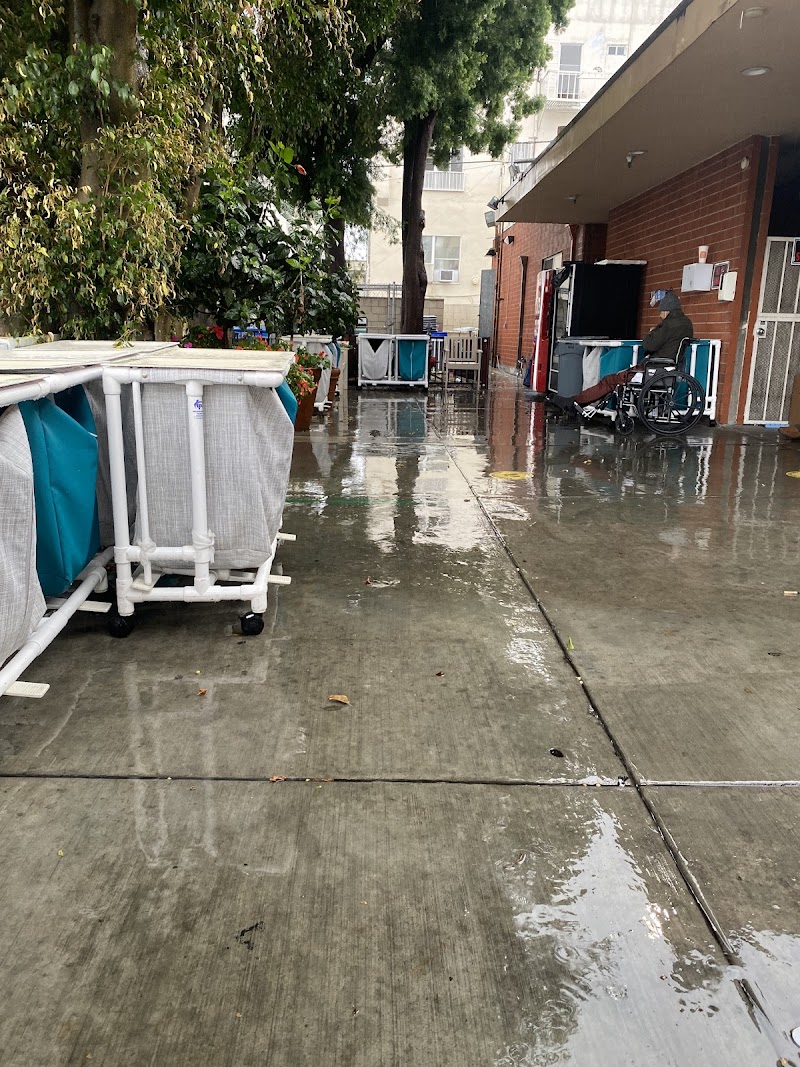
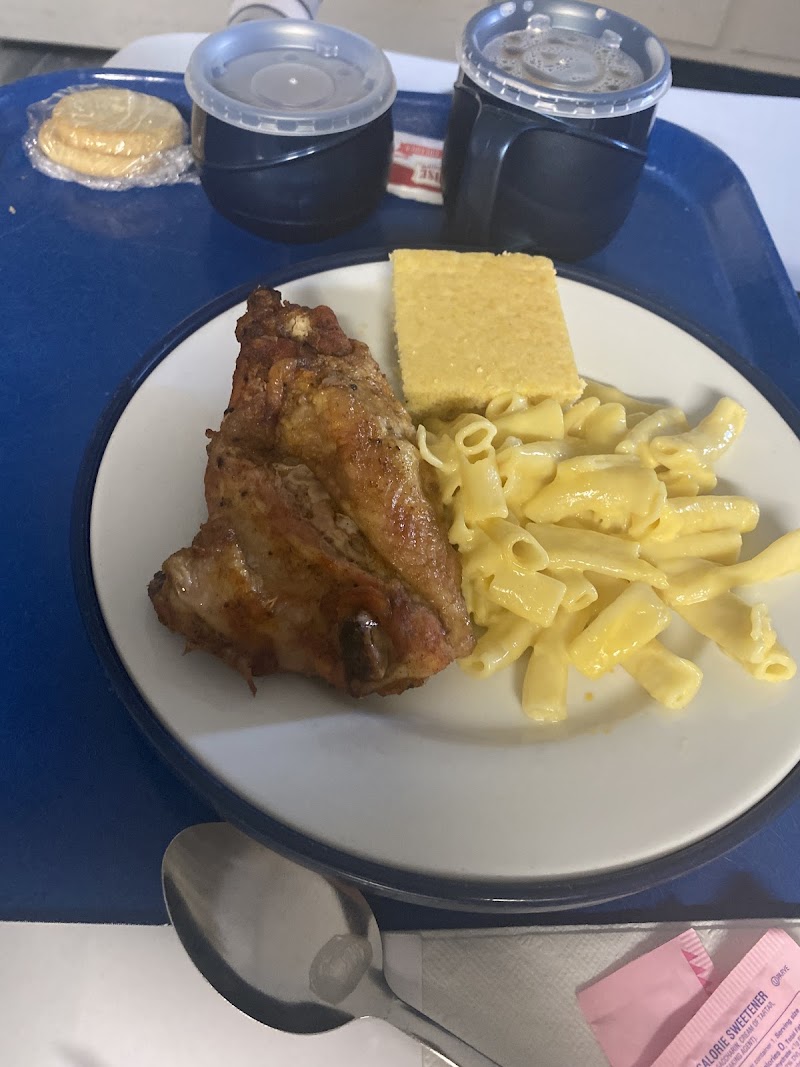
**NOTE- TERMS IN BRACKETS HAVE BEEN EDITED TO PROTECT CONFIDENTIALITY** Based on observation, interview, and record review, the facility failed to promote care for residents in a manner and an environment to maintain or enhance each resident ' s dignity in full recognition of his or her individuality when 151 of 158 sampled residents received their meals in a plastic container and utensils. This failure had the potential to result in psychosocial distress, a lack of self esteem and frustration for 151 residents. Cross Reference F804 Findings: During a review of Resident 5 ' s admission Record, the admission Record indicated the facility initially admitted Resident 5 on 6/1/2022 and readmitted on [DATE] with diagnoses that included hypertension (high blood pressure – when the force of your blood pushing against the walls of your blood vessels is too high). During a review of Resident 5 ' s Minimum Data Sheet (MDS – a resident assessment tool) dated 1/13/2025, the MDS indicated Resident 5 understood others and made self-understood. During a review of the Physician's Orders dated 2/19/2025, the Physician's Orders indicated to provide regular diet, regular texture, standard thin liquid consistency, small portion, and one snack upon request. During an interview on 5/1/2025 at 11:06 a.m., Resident 5 stated the food was semi cold when it arrived, not appetizing to eat, especially when eating in a plastic container and stated the coffee was cold. Resident 5 stated it was very frustrating to open the plastic container. She notified the facility staff and asked the dietary supervisor to address the issue, but the dietary supervisor did not address it. Resident 5 stated she did not want to eat in the facility. During a review of Resident 9 ' s admission Record, the admission Record indicated the facility initially admitted the resident on 12/24/2024 with diagnoses including type two (2) diabetes mellitus (DM, a disorder characterized by difficulty in blood sugar control and poor wound healing), and hypertension. During a review of Resident 9 ' s Order Listing Report dated 2/19/2025, the Order Listing Report indicated to provide consistent carbohydrate diet, regular texture, standard thin liquid consistency, and no added salt. During a review of Resident 9 ' s MDS dated [DATE], the MDS indicated Resident 9 understood others and made self-understood. During an observation on 5/1/2025 at 12:20 p.m., with Kitchen Aid (KA) 1 and the Dietary Supervisor (DS), KA 1 checked the temperature of the test tray food and results were as follows: Milk Shake 60.9 degrees Fahrenheit (°F, a scale of temperature) Orange Juice 44.7 °F Milk 41.9 °F White [NAME] 131.2 °F Chicken Stir Fry with Vegetables 117.3 °F Dinner Roll/Bread 86.7 °F. During a concurrent interview, KA 1 and DS tried the Chicken Stir Fry with Vegetables, rice and dinner roll. KA 1 stated the food was barely warm. The DS stated it was because the plastic container could not retain the heat of the food. The DS stated the residents would not like to eat the food because it was cold. After review of the document titled, Service Line Checklist (the temperature of the food prior to serving the residents) with the DS, the DS stated for the Chicken Stir Fry with Vegetable, the temperature indicated 174 °F (over 50 degree difference from the observation temperature) and the white rice was 176 °F (over 40 degree difference). During an interview on 5/1/2025 at 1:20 p.m., the Director of Nursing (DON) stated the facility used a disposable food container and utensils since the elevator was not working. The DON stated that the staff formed lines on the stairs to pass on trays. The DON stated eating in a disposable plastic container did not affect the residents and it was like ordering food from the outside. The DON further stated the plastic food container can retain heat for it to reach the residents and did not receive any complaints from the residents. During an interview on 5/5/2025 at 11:19 a.m., the DS stated at this time the facility continued using disposable food containers. It was important to make sure that the food temperature was right for the residents. The DS stated the residents would not like the food, they would not eat it and complained about it. The DS further stated eating from a disposable food container was not presentable and the facility only used it during emergency situations. The DS stated, We don ' t use disposable at home and this is the resident ' s home. During an interview on 5/6/2025 at 1:14 p.m., Resident 9 stated food was horrible, cold and it should not be cold. Resident 9 stated he was sick of the plastic food container, and it had continued for a while. Resident 9 stated, We always invited the dietary supervisor to the meetings to raise this concern, but he never shows up. Resident 9 also stated the Administrator never asked about the food here. During a review of the current facility policy and procedure titled, Resident Rights Under Federal Law, last reviewed date 4/2025, the policy and procedure indicated to treat each resident with respect and dignity and care for each resident in a manner and in an environment that promotes maintenance or enhancement of his/her self-esteem and self-worth. The policy indicated to provide a safe, clean, comfortable, and homelike environment.
CONCERN (E) 📢 Someone Reported This

A family member, employee, or ombudsman was alarmed enough to file a formal complaint

Potential for Harm - no one hurt, but risky conditions existed

Deficiency F0804 (Tag F0804)

Could have caused harm · This affected multiple residents

**NOTE- TERMS IN BRACKETS HAVE BEEN EDITED TO PROTECT CONFIDENTIALITY** Based on observation, interview, and record review, the facility failed to prepare food by methods that conserved temperature, f...

Read full inspector narrative →
**NOTE- TERMS IN BRACKETS HAVE BEEN EDITED TO PROTECT CONFIDENTIALITY** Based on observation, interview, and record review, the facility failed to prepare food by methods that conserved temperature, flavor and appearance. The residents' food was served in plastic food containers and staff distributed this food via the stairs as the elevator was in disrepair. This deficient practice placed 151 of 158 facility residents on regular, therapeutic diets (a meal plan that controls the intake of certain food and nutrients) and puree diets (food with soft pudding like consistency) at risk of unplanned weight loss, a consequence of poor food intake, getting food from the kitchen. Cross Reference F557 Findings: During a review of Resident 5 ' s admission Record, the admission Record indicated the facility initially admitted Resident 5 on 6/1/2022 and readmitted on [DATE] with diagnoses including hypertension (high blood pressure – when the force of your blood pushing against the walls of your blood vessels is too high). During a review of Resident 5 ' s Minimum Data Sheet (MDS – a resident assessment tool) dated 1/13/2025, the MDS indicated Resident 5 ' s understood others and made self-understood. During an interview on 5/1/2025 at 11:06 a.m.,Resident 5 stated the food was semi cold when it arrived, not appetizing to eat, especially when eating in a plastic container, and that the coffee was cold. Resident 5 stated it was very frustrating to open the plastic container. During a review of Resident 9 ' s admission Record, the admission Record indicated the facility initially admitted Resident 9 on 12/24/2024 with diagnoses including type two diabetes mellitus (DM, a disorder characterized by difficulty in blood sugar control and poor wound healing), and hypertension. During a review of Resident 9 ' s MDS dated [DATE], the MDS indicated Resident 9 understood others and made self-understood. During a concurrent interview and record review on 5/1/2025 at 11:17 a.m. with Maintenance Director (MD) 1, a screen shot on his phone record titled Elevator Support Services Inc. was reviewed indicating the following: Invoice Date Amount Payment Release Date 11/1/2024 $214.00 1/10/2025 11/1/2024 $508.00 1/10/2025 12/1/2024 $220.24 4/4/2025 1/1/2025 $220.24 4/4/2025 2/1/2025 $220.24 4/4/2025. MD 1 stated there was a delay in repairing the elevator due to back and forth from the elevator company indicating that the facility owed them money. MD 1 stated the facility was paying them but the elevator company asked the facility to pay for March, April and May payments before they would come out. During a concurrent review of the receipts, the facility released the payment for 12/1/2024, 1/1/2025 and 2/1/2025 not until 4/4/2025. MD 1 continued to respond that the facility was paying their bill and would send this receipt as proof. During an observation and concurrent interview on 5/1/2025 at 12:20 p.m., with Kitchen Aid (KA)1 and the Dietary Supervisor (DS), KA 1 and DS tried the Chicken Stir Fry with Vegetables, rice and dinner roll. KA 1 stated the food was barely warm. The DS stated that because the facility used the plastic containers they could not retain the heat of the food. The DS stated the residents would not like to eat the food because it was cold. During an interview on 5/1/2025 at 1:20 p.m., the Director of Nursing (DON) stated the facility used a disposable food container and utensils since the elevator was not working. The DON stated that the staff formed lines on the stairs to pass the trays to the residents. The DON stated, Eating in a disposable plastic container doesn ' t affect the residents and it was like ordering food from the outside. The DON further stated that the plastic food container can retain heat for it to reach the residents and did not receive any complaints from the residents. During an interview on 5/5/2025 at 11:19 a.m., the DS stated at this time the facility was still using disposable food containers. It was important to make sure that the food temperature was right for the residents. The DS further stated eating in disposable food container was not presentable and the facility only used it during emergency situations. The DS stated, We don ' t use disposable at home and this is resident ' s home. During an interview on 5/6/2025 at 11:27 a.m., the Administrator stated that there was a delay in repairing the elevator because of a back-and-forth problem with the facility elevator company. The Administrator further stated that she gives her personal credit card and pays them and still the complany did not come to fix the elevator. During a concurrent review record titled Elevator Support Services Inc. with the Administrator, the payments indicated the following: Invoice Date Amount Payment Release Date 11/1/2024 $214.00 1/10/2025 11/1/2024 $508.00 1/10/2025 12/1/2024 $220.24 4/4/2025 1/1/2025 $220.24 4/4/2025 2/1/2025 $220.24 4/4/2025 The Administrator stated she paid the elevator company twice, tried to pull out the receipts from her personal phone and was unable to locate it. During an interview on 5/6/2025 at 1:14 p.m., Resident 9 stated the food was horrible, it was cold. Resident 9 stated he was sick of the plastic food container, as it had been a while. During a record review of the email from the Administrator on 5/12/2025 at 10:31 a.m., the Administrator provided a screenshot of the invoice number, with gross amount and schedule date. Invoice Date Amount Schedule Date 12/1/2024 $220.24 12/31/2024 1/1/2025 $220.24 1/31/2025 2/1/2025 $220.24 3/3/2025 During a review of the current facility-provided undated policy and procedure titled, Food Preparation dated 4/2025, the policy and procedure indicated, All foods are prepared in accordance with the FDA Food Code.
CONCERN (E) 📢 Someone Reported This

A family member, employee, or ombudsman was alarmed enough to file a formal complaint

Potential for Harm - no one hurt, but risky conditions existed

Infection Control (Tag F0880)

Could have caused harm · This affected multiple residents

**NOTE- TERMS IN BRACKETS HAVE BEEN EDITED TO PROTECT CONFIDENTIALITY** Based on observation, interview, and record review, the facility failed to maintain an infection prevention and control program ...

Read full inspector narrative →
**NOTE- TERMS IN BRACKETS HAVE BEEN EDITED TO PROTECT CONFIDENTIALITY** Based on observation, interview, and record review, the facility failed to maintain an infection prevention and control program designed to provide a safe, sanitary, and comfortable environment and to help prevent the development and transmission of communicable diseases and infections by failing to: -Maintain infection control by storing Certified Nursing Assistant (CNA) 1 personal cup inside the clean linen cart and drinking in the hallways. -Implement Enhanced Barrier Precautions (EBP, an infection control intervention designed to reduce transmission of multidrug-resistant organisms [MDRO, microorganisms, mainly bacteria, that are resistant to one or more classes of antibiotics] that uses targeted gown and glove use during high contact resident care activities) when CNA 7 was observed not wearing a gown after showering one of 10 sampled residents (Resident 10). -Maintain infection control when CNA 2 retrieved clean linen from Resident 2's bed and returned it to a clean linen cart parked outside the resident's room. -Ensure staff wear Personal Protective Equipment (PPE) inside a contact isolation room (Resident 1). -Ensure the nasal cannula and humider was dated. These deficient practices had the potential to spread infections and illnesses among residents and staff. Findings: During a concurrent observation and interview on 5/1/2025 at 9:25 a.m., CNA 1 was observed in the hallway drinking water. CNA 1 stated that he was drinking from his personal cup and stored it in a clean linen cart because the break room was downstairs and he was busy. CNA 1 stated he was not supposed to store his personal cup in the clean linen cart due to contamination. After observation and interview from CNA 1, CNA 1 observed to continue to store his personal cup in dirty linen cart. During a review of Resident 10 ' s admission Record, the admission Record indicated the facility admitted Resident 10 on 10/29/2024 with diagnoses including hypertension (high blood pressure – when the force of your blood pushing against the walls of your blood vessels is too high). A review of the Physician ' s Orders, dated 12/30/2024, indicated Resident 10 required enhanced standard/barrier precautions (EBP) due to wound care every shift. During a review of Resident 10 ' s Minimum Data Set (MDS – a resident assessment tool), dated 1/28/2025, the MDS indicated Resident 10 had moderately impaired thought process and required substantial assistance from staff to complete activities of daily living (ADLs – activities such as bathing, dressing, and toileting a person performs daily). During a concurrent observation and interview on 5/1/2025 at 9:27 a.m., with CNA 7, inside Resident 10's room, CNA 7 was not wearing a gown when dressing Resident 10 and stripping the bed sheets. CNA 7 stated, after showering Resident 10, she was not wearing a gown and should wear a gown because Resident 10 was on EBP due to Resident 10's wound to protect myself and other residents. During a review of Resident 2 ' s admission Record, the admission Record indicated the facility initially admitted Resident 2 on 10/2/2023 and readmitted on [DATE] with diagnoses including acute respiratory failure with hypoxia (lungs are suddenly failing to get enough oxygen into your bloodstream). During a review of Resident 2 ' s MDS, dated [DATE], the MDS indicated Resident 2 was intact with thought process and required partial assistance from staff to complete activities of daily living. During an observation on 5/1/2025 at 9:36 a.m., CNA 2 was in the hallway returning a plastic bag containing linen to the inside of the clean linen cart. During a concurrent interview, CNA 2 stated she was returning the linens and it was okay for her to put it back in the clean linen cart because it was inside a clean plastic bag which was placed on top of Resident 2's bed. CNA 2 further stated that she would ask the Infection Preventionist (IP) nurse for the answer. During an interview on 5/1/2025 at 9:55 a.m., CNA 2 stated the IP indicated, I should not return any linens from residents ' room to the clean linen cart due to cross contamination. d. During a review of Resident 1 ' s admission Record, the admission Record indicated the facility initially admitted Resident 1 on 2/1/2023 and re admitted on [DATE] with diagnoses including hypertension. During a review of Resident 1 ' s MDS, dated [DATE], the MDS indicated Resident 1 was intact with thought process and required substantial assistance from staff to complete activities of daily living. A review of the Physician ' s Orders, dated 4/28/2025, indicated Resident 1 required contact isolation precaution every shift. During an observation on 5/1/2025 at 10:12 a.m., CNA 4 was in the hallway wearing gloves. During a concurrent interview, CNA 4 stated, I will remove my gloves and wash my hands now. CNA 4 was then observed entering Resident 1 ' s room and washed her hands inside the bathroom. CNA 4 then went outside of Resident 1's room. During a review of Resident 4 ' s admission Record, the admission Record indicated the facility admitted Resident 4 on 4/23/2025 with diagnoses of hypertension. During a review of Resident 4 ' s History and Physical Examination (H&P), dated 4/25/2025, the H&P indicated Resident 4 had the capacity to understand and make decisions. During a concurrent observation and interview on 5/1/2025 at 10:57 a.m. with Registered Nurse (RN) 3, inside Resident 4 ' s room, the nasal cannula was on the floor undated, and the humidifier was undated. RN 3 stated the nasal cannula and humidifier must be dated to know when was the last time it was changed due to infection control and if the nasal cannula was not being changed this could cause respiratory infection for Resident 4. During an interview on 5/5/2025 at 11:36 a.m., the IP stated staff should not store their personal cup in the clean linen cart nor drink in the hallway due to infection control. The IP stated staff should not wear gloves in the hallway and must remove them inside the room and wash their hands after. Staff should not enter a contact isolation room without wearing proper protective equipment. Staff should wear a gown when taking care of a resident with wounds to avoid any bacteria pathogen entering the body. The IP stated staff must not return any linen in the clean linen carts from residents ' rooms due to cross contamination. The nasal cannula should not touch the floor and must be dated. Humidifiers must be dated to to know when the last time was changed because bacteria could build up if it was not changed weekly and possible not to deliver proper oxygen for the residents. During an interview on 5/5/2025 at 11:49 a.m., the Director of Nursing (DON) stated staff should not wear gloves in the hallway due to infection control, staff should not have their personal belongings in the clean linen cart nor drink in the hallway, because it was supposed to be clean and there was a potential for cross contamination. The DON further stated staff should wear proper protective equipment according to residents ' isolation to protect clothes from potential splashes and staff would not be protected. The DON stated we must indicate the date for nasal cannula and humidifier to know when the last time was changed. During a review of the facility policy and procedure titled, Oxygen: Nasal Cannula, dated 4/2025, the policy and procedure indicated the nasal cannula must be labelled with date of initial set up. If humidifier was used, label with date. During a review of the facility policy and procedure titled, Personal Protective Equipment, last reviewed date 4/2025, the policy and procedure indicated, PPE will be considered appropriate only if it does not permit blood or other potentially infectious materials to pass through or reach the employee ' s work clothes, street clothes, undergarments, skin, eyes, mouth, or other mucous membranes under normal conditions of use and for the duration of time when the protective equipment will be used. During a review of the facility policy and procedure titled, Linen Handling, last reviewed date 4/2025, the policy and procedure indicated, All linen will be handled, stored, transported, and processed to contain and minimize exposure to waste products. To ensure proper handling, storage, processing, and transport of linen in a safe and sanitary method to prevent the spread of infection. Nothing shall be kept on top of the linen carts. Only rolls of bags used for linen transport may be kept on the carts. Limit linen in the patient ' s room for immediate use only (do not store up linen in the patient ' s room to prevent in advert contamination). During a review of the facility policy and procedure titled, Infection Prevention and Control Program last reviewed date 4/2025, the policy and procedure indicated, Implementation of Control Measures and Precautions includes basics such as hand hygiene, standard and transmission-based precautions, cleaning/disinfecting equipment and measures to protect persons from communicable disease of infections. Prevention of Infection includes staff and patient education focusing on risk of infection and practices to decrease risk. Policies, procedures, and infection prevention and control practices are followed by staff.
Mar 2025 3 deficiencies
CONCERN (D) 📢 Someone Reported This

A family member, employee, or ombudsman was alarmed enough to file a formal complaint

Potential for Harm - no one hurt, but risky conditions existed

Deficiency F0726 (Tag F0726)

Could have caused harm · This affected 1 resident

Based on interview and record review, the facility failed to ensure a licensed staff administered medication for one of three sampled residents (Resident 1). This deficient practice had the potential ...

Read full inspector narrative →
Based on interview and record review, the facility failed to ensure a licensed staff administered medication for one of three sampled residents (Resident 1). This deficient practice had the potential to result in a medication error. Findings: During a record review of Resident 1's admission Record, the admission Record indicated the facility admitted Resident 1 on 1/14/2013 with diagnoses that included right ankle and right foot acute hematogenous (originating in the blood or spread through the bloodstream) osteomyelitis (inflammation of bone or bone marrow, usually due to infection), unspecified (unconfirmed) peripheral vascular disease (PVD- a slow progressive narrowing of the blood flow to the arms and legs), and generalized muscle weakness. During a record review of Resident 1's History and Physical Examination (H&P-a medical examination that involves a doctor taking a patient's medical history, performing a physical exam, and documenting their findings), dated 5/9/2024, the H&P indicated Resident 1 had the capacity to understand and make decisions. During a record review of Resident 1's Minimum Data Set (MDS-a resident assessment tool), dated 11/12/2024, the MDS indicated Resident 1's cognitive (mental action or process of acquiring knowledge and understanding) skills for daily decisions were intact. The MDS indicated Resident 1 needed moderate assistance from staff for toileting and shower. The MDS indicated Resident 1 was frequently incontinent (unable to control) for bowel and bladder functions. During a record review of Resident 1's Physician Order, dated 2/12/2025, the Physician Order indicated nystatin (medication used to treat fungal or yeast infection in the skin) external powder 100,000 unit per gram topical (pertaining to a particular surface area), apply to abdominal pundus (excess skin and fat hangs from the abdomen) topically everyday shift and as needed for fungal rash (a skin infection caused by fungi. It can appear as red, itchy, scaly, or discolored patches of skin). During an interview on 3/6/2025 at 10:04 a.m., with Certified Nursing Assistant 1 (CNA1), CNA 1 stated she (CNA 1) was instructed by Licensed Vocational Nurse 1 (LVN1) to administer the nystatin powder to Resident 1's lower abdomen since she (CNA1) provides incontinent care. CNA 1 stated she (CNA 1) had administered the nystatin powder to Resident 1. CNA 1 stated nystatin powder is a medication that should have not been administered by a CNA. CNA 1 stated she was not trained and licensed to administer medication. CNA 1 stated she (CNA 1) should have not followed LVN 1's instruction. CNA 1 stated she (CNA 1) does not know the effect or side effect (undesirable effect) of the medication. During an interview on 3/6/2025 at 10:09 a.m. with the Assistant Director of Nursing (ADON), the ADON stated nystatin powder is a medication that should only by administered by licensed nurse (a nurse who has completed an approved nursing program, passed a state licensing exam, and is licensed to provide patient care). The ADON stated CNAs cannot administer medication. The ADON stated CNA does not know the medication information. During an interview on 3/6/2025 at 10:20 a.m., with the Director of Staff Development (DSD), the DSD stated medication administration is not in the CNAs scope of practice (refers to the activities that a licensed health professional is allowed to perform). The DSD stated resident can receive wrong medication if CNA administers medication. The DSD stated CNA should have reported if they were instructed to administer medication. The DSD stated CNA are not competent (to have the skills, knowledge, and experience to do something well or to meet a standard) and trained for medication administration. During an interview on 3/6/2025 at 10:41 a.m. with the Director of Nursing (DON), the DON stated CNAs are not competent for medication administration. The DON stated medication administration is not in the CNAs scope of practice. The DON stated CNAs will not be able to monitor and assess resident after each medication administration. During a record review CNA 1's Job Description (a document that outlines the tasks, duties, and responsibilities of a position), dated 9/22/2023, the Job Description did not indicate that a CNA can administer medication. During a record review of facility's policy and procedure (P&P) titled, Staffing, Sufficient and Competent Nursing, dated 8/8/2024 and last reviewed on 2/27/2025, the P&P indicated, Our facility provides sufficient numbers of nursing staff with the appropriate skills and competency necessary to provide nursing and related care and services for all residents in accordance with resident care plans and the facility assessment. Competency is a measurable pattern of knowledge, skills, abilities, behaviors, and other characteristics that an individual needs to perform work roles or occupational functions successfully. All nursing staff must meet the specific competency requirements of their respective licensure and certification requirements defined by state law. Licensed nurses and nursing assistants are trained and must demonstrate competency in identifying, documenting and reporting resident changes of condition consistent with their scope of practice and responsibilities. During a record review of facility's P&P titled, Medication Administration-General Guidelines, dated 10/2017 and last reviewed on 2/27/2025, the P&P indicated, Medications are administered as prescribed in accordance with good nursing principles and practices and only by persons legally authorized to do so. Personnel authorized to administer medications do so only after they have familiarized themselves with the medication. Medications are administered only by licensed nursing, medical, pharmacy personnel authorized by state laws and regulations to administer medication.
CONCERN (D) 📢 Someone Reported This

A family member, employee, or ombudsman was alarmed enough to file a formal complaint

Potential for Harm - no one hurt, but risky conditions existed

Pharmacy Services (Tag F0755)

Could have caused harm · This affected 1 resident

Based on interview and record review, the facility failed to provide pharmaceutical services (including procedures that assure the accurate acquiring, receiving, dispensing, and administering of all d...

Read full inspector narrative →
Based on interview and record review, the facility failed to provide pharmaceutical services (including procedures that assure the accurate acquiring, receiving, dispensing, and administering of all drugs and biologicals) for one of three sampled residents (Resident 1) by failing to ensure a licensed staff administer medication for one of three sampled residents (Resident 1). This deficient practice had the potential to result in a medication error. Findings: During a record review of Resident 1's admission Record, the admission Record indicated the facility admitted Resident 1 on 1/14/2013 with diagnoses that included right ankle and right foot acute hematogenous (originating in the blood or spread through the bloodstream) osteomyelitis (inflammation of bone or bone marrow, usually due to infection), unspecified (unconfirmed) peripheral vascular disease (PVD- a slow progressive narrowing of the blood flow to the arms and legs), and generalized muscle weakness. During a record review of Resident 1's History and Physical Examination (H&P-a medical examination that involves a doctor taking a patient's medical history, performing a physical exam, and documenting their findings), dated 5/9/2024, the H&P indicated Resident 1 had the capacity to understand and make decisions. During a record review of Resident 1's Minimum Data Set (MDS-a resident assessment tool), dated 11/12/2024, the MDS indicated Resident 1's cognitive (mental action or process of acquiring knowledge and understanding) skills for daily decisions were intact. The MDS indicated Resident 1 needed moderate assistance from staff for toileting and shower. The MDS indicated Resident 1 was frequently incontinent (unable to control) for bowel and bladder functions. During a record review of Resident 1's Physician Order, dated 2/12/2025, the Physician Order indicated nystatin (medication used to treat fungal or yeast infection in the skin) external powder 100,000 unit per gram topical (pertaining to a particular surface area), apply to abdominal pundus (excess skin and fat hangs from the abdomen) topically everyday shift and as needed for fungal rash (a skin infection caused by fungi. It can appear as red, itchy, scaly, or discolored patches of skin). During an interview on 3/6/2025 at 10:04 a.m., with Certified Nursing Assistant 1 (CNA1), CNA 1 stated she (CNA 1) was instructed by Licensed Vocational Nurse 1 (LVN1) to administer the nystatin powder to Resident 1's lower abdomen since she (CNA1) provides incontinent care. CNA 1 stated she (CNA 1) had administered the nystatin powder to Resident 1. CNA 1 stated nystatin powder is a medication that should have not been administered by a CNA. CNA 1 stated she was not trained and licensed to administer medication. CNA 1 stated she (CNA 1) should have not followed LVN 1's instruction. CNA 1 stated she (CNA 1) does not know the effect or side effect (undesirable effect) of the medication. During an interview on 3/6/2025 at 10:09 a.m. with the Assistant Director of Nursing (ADON), the ADON stated nystatin powder is a medication that should be administered by a licensed nurse (a nurse who has completed an approved nursing program, passed a state licensing exam, and is licensed to provide patient care). The ADON stated CNAs should not administer a medication. The ADON stated CNA does not know the medication information. During an interview on 3/6/2025 at 10:20 a.m., with the Director of Staff Development (DSD), the DSD stated medication administration is not in the CNA's scope of practice (refers to the activities that a licensed health professional is allowed to perform). The DSD stated resident can receive wrong medication if CNA administers medication. The DSD stated CNA should have reported if they were instructed to administer medication. The DSD stated CNA are not competent (to have the skills, knowledge, and experience to do something well or to meet a standard) and trained for medication administration. During an interview on 3/6/2025 at 10:41 a.m. with the Director of Nursing (DON), the DON stated CNAs are not competent for medication administration and should not administer medication. The DON stated medication administration is not in CNAs scope of practice. The DON stated CNAs will not be able to monitor medication effect and assess resident after each medication administration. During a record review CNA 1's Job Description (a document that outlines the tasks, duties, and responsibilities of a position), dated 9/22/2023, the Job Description did not indicate that CNA can administer medication. During a record review of facility's policy and procedure (P&P) titled, Staffing, Sufficient and Competent Nursing, dated 8/8/2024 and last reviewed on 2/27/2025, the P&P indicated, Our facility provides sufficient numbers of nursing staff with the appropriate skills and competency necessary to provide nursing and related care and services for all residents in accordance with resident care plans and the facility assessment. Competency is a measurable pattern of knowledge, skills, abilities, behaviors, and other characteristics that an individual needs to perform work roles or occupational functions successfully. All nursing staff must meet the specific competency requirements of their respective licensure and certification requirements defined by state law. Licensed nurses and nursing assistants are trained and must demonstrate competency in identifying, documenting and reporting resident changes of condition consistent with their scope of practice and responsibilities. During a record review of facility's P&P titled, Medication Administration-General Guidelines, dated 10/2017 and last reviewed on 2/27/2025, the P&P indicated, Medications are administered as prescribed in accordance with good nursing principles and practices and only by persons legally authorized to do so. Personnel authorized to administer medications do so only after they have familiarized themselves with the medication. Medications are administered only by licensed nursing, medical, pharmacy personnel authorized by state laws and regulations to administer medication.
CONCERN (D) 📢 Someone Reported This

A family member, employee, or ombudsman was alarmed enough to file a formal complaint

Potential for Harm - no one hurt, but risky conditions existed

Medical Records (Tag F0842)

Could have caused harm · This affected 1 resident

Based on interview and record review, the facility failed to maintain accurate and complete medical record for one of three sampled residents (Resident 1). This deficient practices had the potential t...

Read full inspector narrative →
Based on interview and record review, the facility failed to maintain accurate and complete medical record for one of three sampled residents (Resident 1). This deficient practices had the potential to cause confusion in the care and the medical records containing inaccurate documentation. Findings: During a record review of Resident 1's admission Record, the admission Record indicated the facility admitted Resident 1 on 1/14/2013 with diagnoses that included right ankle and right foot acute hematogenous (originating in the blood or spread through the bloodstream) osteomyelitis (inflammation of bone or bone marrow, usually due to infection), unspecified (unconfirmed) peripheral vascular disease (PVD- a slow progressive narrowing of the blood flow to the arms and legs), and generalized muscle weakness. During a record review of Resident 1's History and Physical Examination (H&P-a medical examination that involves a doctor taking a patient's medical history, performing a physical exam, and documenting their findings), dated 5/9/2024, the H&P indicated Resident 1 had the capacity to understand and make decisions. During a record review of Resident 1's Minimum Data Set (MDS-a resident assessment tool), dated 11/12/2024, the MDS indicated Resident 1's cognitive (mental action or process of acquiring knowledge and understanding) skills for daily decisions were intact. The MDS indicated Resident 1 needed moderate assistance from staff for toileting and shower. The MDS indicated Resident 1 was frequently incontinent (unable to control) for bowel and bladder functions. During a record review of Resident 1's Situation Background Assessment Recommendation (SBAR- technique that provides a framework for communication between members of the health care team about a resident ' s condition) Communication Form, dated 2/15/2025, the SBAR indicated Resident 1 complained of difficulty in urinating on 2/15/2025 at 2:25 p.m. and the physician was notified on 2/15/2025 at 12 a.m. During a record review of Resident 1's Physician Order, dated 2/15/2025 timed at 3:05 p.m., the Physician Order indicated an order for urinalysis (urine test) and urine culture (a test that detects and identifies bacteria or other microorganisms in a urine sample). During a concurrent interview and record review on 3/6/2025 at 10:09 a.m. with the Assistant Director of Nursing (ADON), Resident 1's SBAR dated 2/15/2025 and Physician Order dated 2/15/2025 were reviewed. The ADON stated the SBAR was opened and started on 2/15/2025 at 2:43 p.m. and the Physician Order was timed at 3:05 p.m. The ADON stated the documentation of physician notification was still accurate even if the SBAR indicated physician was notified on 2/15/2025 at 12 a.m. During an interview on 3/6/2025 at 10:41 a.m., with the Director of Nursing (DON), the DON stated the documentation for physician notification was not accurate. The DON stated if staff did not manually enter the time, they made the notification to the physician and the responsible party, the computer system automatically documentation 12 a.m. The DON stated staff forgot to document in SBAR, the time physician was notified, and staff should manually enter the time they notify the physician for accurate documentation. During a record review of facility's policy and procedure (P&P) titled, Nursing Documentation, dated 5/1/2023 and last reviewed on 2/27/2025, the P&P indicated, Nursing documentation will follow the guidelines of good communication and be concise, clear, pertinent, and accurate based on the resident's/patient's (hereinafter patient) condition, situation, and complexity. Documentation of nursing care is recorded in the medical record and is reflective of the care provided by nursing staff. Nurses will not: 1. Document services that were not performed, 2 Document services before they are performed. Timely entry of documentation must occur as soon as possible after the provision, of care and in conformance with time frames for completion as outlined by other policies and procedures.
Feb 2025 1 deficiency
CONCERN (D) 📢 Someone Reported This

A family member, employee, or ombudsman was alarmed enough to file a formal complaint

Potential for Harm - no one hurt, but risky conditions existed

Infection Control (Tag F0880)

Could have caused harm · This affected 1 resident

**NOTE- TERMS IN BRACKETS HAVE BEEN EDITED TO PROTECT CONFIDENTIALITY** Based on observation, interview, and record review the facility failed to maintain an infection prevention and control program d...

Read full inspector narrative →
**NOTE- TERMS IN BRACKETS HAVE BEEN EDITED TO PROTECT CONFIDENTIALITY** Based on observation, interview, and record review the facility failed to maintain an infection prevention and control program designed to provide a safe, sanitary, and comfortable environment and to help prevent the development and transmission of communicable diseases and infections for one of four sampled residents (Resident 1) by failing to: 1. Implement Enhanced Barrier Precautions (EBP, an infection control intervention designed to reduce transmission of multidrug-resistant organisms [MDRO, microorganisms, mainly bacteria, that are resistant to one or more classes of antibiotics] that uses targeted gown and glove use during high contact resident care activities) when Certified Nursing Assistant 1 (CNA 1) did not don (put on) a gown while providing care to Resident 1. 2. Perform hand washing after CNA 1 remove his gloves. These deficient practices had the potential to spread infections and illnesses among residents and staff. Findings: During a review of Resident 1's Record of Admission, the Record of admission indicated the facility initially admitted the resident on 3/19/2020 and readmitted on [DATE] with a diagnosis of calculus of gallbladder with acute cholecystitis without obstruction (gallstones {hardened deposits of digestive fluid} in gallbladder {organ that stores and release bile} that are causing inflammation). During a review of Resident 1's History & Physical (H&P), dated 6/25/2024, the H&P indicated that resident had the capacity to understand and make decisions. During a review of Resident 1's Order Summary, dated 4/5/2024, the summary indicated that resident was on enhanced barrier precaution due to Multi-drug-Resistant Organisms (MDROs - are bacteria and other microorganisms that have developed resistance to one or more classes of antimicrobial drugs) every shift. During a concurrent observation and interview on 2/6/2025, at 9:44 a.m. with CNA 1, observed in Resident 1's room that CNA 1 was not wearing gown when replacing Resident 1's blanket (Resident 1 was in EBP) and grabbed a clean washcloth from the clean linen cart after removing gloves. CNA 1 stated that he forgot to wear his gown and must wear a gown when taking care of Resident 1. CNA 1 further stated that he also forgot to wash his hands after removing his gloves and before grabbing a clean washcloth. CNA 1 stated it was important to wash his hands and wear the proper protective equipment to protect himself and other residents. During an interview on 2/6/2025, on 11:27 a.m., Director of Nursing (DON) stated that staff must wash their hands before and after wearing gloves. And must wear gown during direct patient care if the resident has enhanced barrier precaution to prevent the spread of infection. During a review of the facility policy and procedure titled, Hand Hygiene, last reviewed date 1/31/2025, indicated to perform hand hygiene before patient care, before and aseptic procedure, after any contact with blood or other body fluid, after patient care, after contact with the patient's environment. During a review of the facility policy and procedure titled, Enhance Barrier Precautions, last reviewed date 1/31/2025, indicated in addition to Standard Precautions, Enhanced Barrier Precautions (EBP) will be used (when Contact Precautions do not otherwise apply) for novel or targeted multi-drug resistant organisms (MDROs).
Jan 2025 21 deficiencies
CONCERN (D)

Potential for Harm - no one hurt, but risky conditions existed

Resident Rights (Tag F0550)

Could have caused harm · This affected 1 resident

Based on observation, interview, and record review, the facility failed to honor the resident's right to a dignified existence for one of one sampled resident (Resident 23), investigated under dignity...

Read full inspector narrative →
Based on observation, interview, and record review, the facility failed to honor the resident's right to a dignified existence for one of one sampled resident (Resident 23), investigated under dignity, by failing to ensure the staff kept the curtains drawn to a confused resident that kept on removing her hospital gown while only being covered with a thin white sheet in her room. The deficient practice violated the resident's right to a dignified existence. Findings: During a review of Resident 23's admission Record, the admission Record indicated the facility admitted the resident on 6/5/2018, and readmitted the resident on 11/19/2024, with diagnoses including metabolic encephalopathy (a change in how the brain works due to an underlying condition), dementia (a progressive state of decline in mental abilities), and major depressive disorder (a mood disorder that causes a persistent feeling of sadness and loss of interest). During a review of Resident 23's History and Physical (H&P), dated 11/22/2024, the H&P indicated the resident did not have the capacity to understand and to make decisions. During a review of Resident 23's Minimum Data Set (MDS, a resident assessment tool), dated 11/22/2024, the MDS indicated the resident usually had the ability to make self-understood and understand others and had impaired cognition (difficulty with thinking, learning, remembering, or making decisions). During a review of Resident 23's Care Plan (CP) last revised on 3/28/2024, with a goal that Resident 23 will have incontinence (involuntary loss of urine or stool) care needs met by staff to maintain dignity and comfort. The CP included an intervention to provide privacy and comfort. During a concurrent observation and interview on 12/31/2024, at 10:10 a.m., with Licensed Vocational Nurse 3 (LVN 3) and Certified Nursing Assistant 1 (CNA 1), Resident 23 was observed confused lying in bed, undressed, with the hospital gown at the left side of the bed, only covered with a thin white sheet and the curtain was open and visible to staff or visitors passing by the room. CNA 1 stated Resident 23 undresses and removes her gown all the time. Both LVN 3 and CNA 1 stated as soon as any staff sees the resident undressed, the staff should put back the gown on and draw the curtains to provide privacy and dignity to the resident. During an interview on 1/3/2025, at 9:24 a.m., with Registered Nurse 2 (RN 2), RN 2 stated the staff should make sure to provide privacy and dignity to the resident even though they are confused. RN 2 stated the staff should have placed the hospital gown back and the curtains drawn to provide privacy. During an interview on 1/3/2025, at 2:39 p.m., with the Director of Nursing (DON), the DON stated the staff leaving the curtains open and the resident undressed being covered only with a thin white sheet was a dignity issue. The DON stated the staff should have addressed the issue as soon as they found out the resident was exposed and closed the curtains. The DON also stated it was not appropriate for the resident to wear a hospital gown in the facility as it was not promoting a home-like environment. During a review of the facility's recent policy and procedure (P&P) titled Resident Rights Under Federal Law, last reviewed on 12/4/2024, the P&P indicated patients/residents (hereinafter resident) have the fundamental right to considerate care that safeguards their personal dignity along with respecting cultural, social, and spiritual values. To treat each resident with respect and dignity and care for each resident in a manner and in an environment that promotes maintenance or enhancement of his/her self-esteem and self-worth. During a review of the facility's recent policy and procedure (P&P) titled Accommodation of Needs, last reviewed on 12/4/2024, the P&P indicated the resident/patient (hereinafter patient) has the right to a safe, clean, comfortable, and homelike environment including, but not limited to, receiving treatment and support for daily living safely.
CONCERN (D)

Potential for Harm - no one hurt, but risky conditions existed

Safe Environment (Tag F0584)

Could have caused harm · This affected 1 resident

Based on observation, interview, and record review, the facility failed to provide a safe, comfortable, and homelike environment for one of two sampled residents (Resident 402) investigated under Envi...

Read full inspector narrative →
Based on observation, interview, and record review, the facility failed to provide a safe, comfortable, and homelike environment for one of two sampled residents (Resident 402) investigated under Environmental Task by failing to ensure Resident 402's floor mat did not have a tear on the top cover with the foam exposed. This deficient practice has the potential to negatively affect the resident's quality of life. Cross Reference F689 Findings: During a review of Resident 402's admission Record, the admission Record indicated the facility admitted the resident on 12/11/2024, with diagnoses including type 2 diabetes mellitus (DM 2 - a disorder characterized by difficulty in blood sugar control and poor wound healing); abnormalities of gait and mobility; and generalized muscle weakness. During a review of Resident 402's Order Summary Report, the Order Summary Report indicated the following physician's order dated 12/12/2024: - Floor mats next to bed every shift for monitor proper placement as landing pad and fall precautions. During a review of Resident 402's Minimum Data Set (MDS - a resident assessment tool) dated 12/19/2024, the MDS indicated Resident 402 had an intact cognition (mental action or process of acquiring knowledge and understanding) and required substantial/maximal assistance with toileting, bathing, and lower body dressing; partial/moderate assistance with all other activities of daily living (ADLs - basic tasks that must be accomplished every day for an individual to thrive). During a review of Resident 402's History and Physical (H&P) dated 12/19/2024, the H&P indicated Resident 402 had the capacity to understand and make decisions. During a review of Resident 402's Order Summary Report, the Order Summary Report indicated the following physician's order dated 12/12/2024: - Floor mats next to bed every shift for monitor proper placement as landing pad and fall precautions. During a concurrent observation and interview on 12/31/2024 at 9:42 a.m. while inside Resident 402's room with Certified Nursing Assistant 2 (CNA 2), CNA 2 verified Resident 402's right floor mat had a tear with the top cover stripped and the foam exposed. CNA 2 stated the stripped top cover of the floor mat measures at least three (3) inches. CNA 2 stated if the staff observed the floor mats have tears and/or damaged, the staff notifies the maintenance department, and they were responsible for changing the floor mats. CNA 2 stated the resident's environment should be safe and clean to ensure they have a pleasant stay in the facility. During a concurrent observation and interview on 12/31/2024 at 9:45 a.m. while inside Resident 402's room, Licensed Vocational Nurse 3 (LVN 3) verified Resident 402's right floor mat was damaged and had the top cover stripped exposing the foam. LVN 3 stated the damage on the top cover of the floor mat measures at least 3 inches. LVN 3 stated he will notify the maintenance department as they are responsible for changing the floor mats when damaged. LVN 3 stated the resident's environment should always be safe, clean, and homelike to ensure they have a pleasant stay in the facility. During a concurrent observation and interview on 12/31/2024 at 10:30 a.m. with the Administrator (Adm), the Adm verified Resident 402's right floor mat was damaged, and the top cover was stripped of at least 3 inches and the foam exposed. The Adm stated residents should be provided with a safe, clean, and homelike environment while residing in the facility. The Adm stated the staff should have notified the maintenance department to change the floor mat as the damaged floor mat does not provide a safe, clean, comfortable, and homelike environment for the resident while in the facility which can affect their well-being. During a review of the facility's policy and procedure (P&P) titled, Accommodation of Needs, last reviewed 12/4/2024, the P&P indicated the resident has the right to a safe, clean, comfortable, and homelike environment including, but not limited to, receiving treatment and support for daily living safely. The P&P further indicated: - The facility's physical environment and staff behaviors should be directed toward assisting the resident in maintaining and/or achieving independent functioning, dignity, and wellbeing to the extent possible in accordance with the patient's own needs and preferences. - The facility ensures that the resident receive care and services safely and that the physical layout of the facility maximizes patient independence and does not pose a safety risk.
CONCERN (D)

Potential for Harm - no one hurt, but risky conditions existed

Deficiency F0645 (Tag F0645)

Could have caused harm · This affected 1 resident

Based on interview and record review, the facility failed to accurately code one (1) of two (2) sampled residents (Resident 103) Preadmission Screening and Resident Review (PASARR - a federal requirem...

Read full inspector narrative →
Based on interview and record review, the facility failed to accurately code one (1) of two (2) sampled residents (Resident 103) Preadmission Screening and Resident Review (PASARR - a federal requirement to help ensure that individuals are not inappropriately placed in nursing homes for long term care) when the PASARR prior to admission did not indicate Resident 103 had major depressive disorder (a major disorder that causes persistent feeling of sadness and loss of interest). This deficient practice had the potential to result in the resident's medical and nursing care needs not being met. Findings: During a review of Resident 103's admission Record, the admission Record indicated the facility admitted the resident on 12/11/2023, with diagnoses including major depressive disorder; schizophrenia (a mental illness that can affect thoughts, mood, and behavior) and anxiety disorder (a mental health condition that causes excessive and persistent feelings of fear, dread, and worry). During a review of Resident 103's PASARR, date started 12/12/2023, the PASARR indicated that the resident did not have a diagnosis of a mental disorder. During a review of Resident 103's Minimum Data Set (MDS - a resident assessment tool) dated 12/19/2024, the MDS indicated Resident 402 had moderately impaired cognition (mental action or process of acquiring knowledge and understanding) and was independent with eating and oral hygiene, required partial/moderate assistance with personal hygiene; substantial/maximal assistance with all other activities of daily living (ADLs - basic tasks that must be accomplished every day for an individual to thrive). During a review of Resident 103's History and Physical (H&P) dated 12/30/2024, the H&P indicated Resident 103 had the capacity to understand and make decisions. During a concurrent interview and record review on 1/3/2024 at 2:36 p.m. with the ADON, Resident 103's PASARR Level 1 Screening form (a preliminary assessment that determines if someone might have a mental illness or intellectual disability before being admitted to a nursing facility) was reviewed with the Assistant Director of Nursing (ADON). The ADON verified Resident 103's PASARR Level 1 Screening was not completed accurately prior to admission to the facility. The ADON stated prior to admission, or if the resident has a significant change of condition. The ADON stated the PASARR should be coded accurately to reflect the resident's current medical condition such as diagnosis or behavioral issues or mental illness or mood disorder. The ADON stated the Admission's Director (AD) and/or admitting nurse should have ensured the screening was accurate to ensure Resident 103 received the proper care and services the resident needed. During a review of the facility's policy and procedure (P&P) titled, PASRR Completion Policy, last reviewed on 12/4/2024, the P&P indicated the facility will make sure that all admissions have appropriate PASARR completed. The P&P further indicated: - The Administrator (Adm) will designate either the AD or social worker to make sure that the PASARR is done on all potential residents. If the referral indicates anything which might constitute and mental illness or intellectual disability, the PASARR must be completed prior to admission. - The facility will follow state-specific guidelines for completion.
CONCERN (D)

Potential for Harm - no one hurt, but risky conditions existed

Deficiency F0655 (Tag F0655)

Could have caused harm · This affected 1 resident

**NOTE- TERMS IN BRACKETS HAVE BEEN EDITED TO PROTECT CONFIDENTIALITY** Based on interview and record review the facility failed to develop a baseline care plan (initial written guide that organizes i...

Read full inspector narrative →
**NOTE- TERMS IN BRACKETS HAVE BEEN EDITED TO PROTECT CONFIDENTIALITY** Based on interview and record review the facility failed to develop a baseline care plan (initial written guide that organizes information about the resident's care) addressing the use of oxygen for one (1) out of 1 sampled resident (Resident 129) reviewed for respiratory care. This deficient practice had the potential for Resident 129 not to receive the appropriate care and treatment specific to the resident's needs. Findings: During a review of Resident 129's admission Record, the admission Record indicated the facility originally admitted the resident on 10/15/2024 and readmitted Resident 129 into the facility on [DATE] with diagnoses including chronic obstructive pulmonary disease (COPD - a chronic lung disease causing difficulty in breathing), urinary tract infection (UTI - an infection in the bladder/urinary tract) and generalized muscle weakness. During a review of Resident 129's Minimum Data Set (MDS - a resident assessment tool) dated 10/22/2024, the MDS indicated Resident 129 had intact cognition (mental action or process of acquiring knowledge and understanding), required setup or clean-up assistance with eating; supervision or touching assistance to partial/moderate assistance with all activities of daily living (ADLs - basic tasks that must be accomplished every day for an individual to thrive). During a review of Resident 129's History and Physical (H&P) dated 12/16/2024, the H&P indicated Resident 129 did not have the capacity to understand and make decisions. During a review of Resident 129's Order Summary Report, the Order Summary Report indicated the following physician's order dated 12/20/2024: - Oxygen at 1-2 liters per minute (L/min - a unit of measurement) via nasal cannula (a small plastic tube, which fits into the person's nostrils for providing supplemental oxygen) continuously. May titrate to keep oxygen saturation (O2 sat - a measurement of how much oxygen the blood is carrying as a percentage) at or above 90 percent (% - a unit of measurement) every shift for COPD, shortness of breath. During a review of Resident 129's baseline care plan (CP), the baseline CP, dated 12/14/2024, did not address Resident 129's use of oxygen. During a concurrent interview and record review on 1/2/2025 at 2:55 p.m., Resident 129's baseline CP with Registered Nurse 2 (RN 2) was reviewed. RN 2 verified there was no baseline CP initiated addressing Resident 129's use of oxygen. RN 2 stated the admitting nurse initiate the baseline CP within 48 hours of admission and the Minimum Data Set Coordinator (MDSC) will complete the comprehensive care plan together with the completion of admission MDS assessment. RN 2 stated the baseline CP should have been initiated within 48 hours of the resident's admission. RN 2 stated the purpose of the baseline CP is for all staff of Resident 129's plan of care to prevent delay in the delivery of appropriate care and treatment specific to the resident's needs. During a review of the facility's policy and procedure (P&P) titled, Care Plan-Baseline, last reviewed 12/4/2024, the P&P indicated a baseline CP for each resident that includes instructions needed to provide effective and person-centered care of the resident that meet professional standards of quality care shall be developed and implemented for each resident. The P&P further indicated: - The baseline CP is developed within 48 hours. - The baseline CP includes the minimum healthcare information necessary to properly care for a resident including but not limited to initial goals based on admission orders and physician orders. - The baseline CP will be used until a comprehensive assessment is conducted and develop the comprehensive care plan within seven (7) days of the completion of the comprehensive assessment.
CONCERN (D)

Potential for Harm - no one hurt, but risky conditions existed

Comprehensive Care Plan (Tag F0656)

Could have caused harm · This affected 1 resident

**NOTE- TERMS IN BRACKETS HAVE BEEN EDITED TO PROTECT CONFIDENTIALITY** 3. During a review of Resident 128's admission Record, the admission Record indicated Resident 128 was admitted to the facility ...

Read full inspector narrative →
**NOTE- TERMS IN BRACKETS HAVE BEEN EDITED TO PROTECT CONFIDENTIALITY** 3. During a review of Resident 128's admission Record, the admission Record indicated Resident 128 was admitted to the facility on [DATE] with diagnoses including orthopedic (a medical specialty that focuses on the musculoskeletal system) aftercare following surgical amputation (removal of a limb), partial traumatic amputation of right foot, and cellulitis (a skin infection that causes swelling and redness) of the right lower limb. During a review of Resident 128's MDS, dated [DATE], the MDS indicated the resident had the ability to understand others and the ability to be understood. The MDS further indicated the resident required substantial/maximal assistance with toileting, bathing, dressing, and transferring from bed to chair/toilet. The MDS indicated the resident was taking antibiotics, a high-risk drug class (drugs that increase the potential for adverse events and possible side effect [also known as adverse effects - unwanted, uncomfortable, or dangerous effects that a drug may have]). During a review of Resident 128's Order Summary Report, the Order Summary Report indicated Resident 128 was prescribed ciprofloxacin, 325 milligram ([mg], a unit of measure of mass) tablet, give one tablet by mouth every 12 hours for extended spectrum beta-lactamase (ESBL, an enzyme found in some strains of bacteria) in the right trans metatarsal amputation (TMA, a surgery to remove part of the foot) wound until 1/12/2025, starting 12/30/2024. During a concurrent interview and record review, on 1/2/2025, at 8:17 a.m., with the Infection Preventionist (IP), the IP reviewed Resident 128's physician orders, Medication Administration Record (MAR), and CPs. The IP stated when a resident begins taking an antibiotic a care plan is created that includes the use of the specific antibiotic prescribed with interventions to monitor for side effects and the effectiveness of the antibiotic treatment. The IP stated antibiotics have side effects like nausea and vomiting. The IP stated there was no documented evidence of a CP for Resident 128's use of ciprofloxacin. The IP stated without a CP for ciprofloxacin it could potentially result in the unidentified side effects of the medication that may warrant a change to a different antibiotic. During a concurrent interview and record review, on 1/2/2025, at 3:30 p.m., with the DON, the DON reviewed Resident 128's physician orders, MAR, and CPs. The DON stated a CP is a tool that guides the care of residents. The DON stated a CP for antibiotics should be developed when residents require antibiotics to treat an infection. The DON stated the antibiotic CP should include interventions for monitoring for allergic reactions, monitoring for side effects, and monitoring the effectiveness of the medication. The DON stated antibiotics are a type of medication that are known to have adverse effects and the licensed nurse needs to know the plan of care with the specific medication they are giving. The DON stated Resident 128 was prescribed and taking ciprofloxacin and should have a CP for ciprofloxacin. The DON stated Resident 128 did not have a CP for the use of ciprofloxacin. The DON stated when Resident 128 did not have a CP for ciprofloxacin it could potentially result in nurses not monitoring for medication side effects and not monitoring the effectiveness of the medication. The DON stated when antibiotics are not monitored for effectiveness it could potentially result in a worsening of the resident's infection. The DON stated the facility policy and procedures regarding comprehensive CPs was not followed when Resident 128 did not have a CP for the use of ciprofloxacin. During a review of the facility's P&P titled, Care Plans, Comprehensive, last reviewed 10/4/2024, the P&P indicated an individualized comprehensive care plan that includes measurable objectives and timetables to meet the resident's medical, physical, mental, and psychosocial needs shall be developed for each resident. Each residents comprehensive CP is designed to: reflect treatment goals, timetables, and objectives in measurable outcomes; and aid in preventing or reducing declines in the resident's functional status and/or functional levels. The comprehensive CP includes the services that are to be furnished to attain or maintain the resident's highest practicable physical, mental, and psychosocial well-being. Assessments of residents are ongoing and care plans are reviewed as information about the resident and resident's condition change. Based on observation, interview, and record review, the facility failed to develop and implement a comprehensive person-centered care plan (CP, a document outlining a detailed approach to care customized to an individual resident's need) for one of six sampled residents (Resident 137) investigated under the accident hazards care area, one of seven sampled residents (Resident 137) investigated under the physical restraints (any manual method, physical or mechanical device, equipment, or material that is attached or adjacent to the resident's body, cannot be removed easily by the resident, and restricts the resident's freedom of movement or normal access to his/her body) care area, and one of five sampled residents (Resident 128) investigated under infection control task, when: 1. The facility failed to implement Resident 137's care plan for storing the resident's smoking material. 2. The facility failed to develop a care plan for placement of Resident 137's bed against the wall. 3. The facility failed to develop and implement a care plan for Resident 128's use of ciprofloxacin (an antibiotic [a medication that inhibits the growth of or destroys microorganisms]). These failures had the potential to result in delayed provision of necessary care and services for residents. Cross-reference F604 and F689. Findings: 1. During a review of Resident 137's admission Record (a document containing demographic and diagnostic information), the admission Record indicated the facility originally admitted Resident 137 with diagnoses including altered mental status, generalized muscle weakness, lack of coordination, and unsteadiness on his feet. During a review of Resident 137's Minimum Data Set (MDS, a resident assessment tool), dated 12/2/2024, the MDS indicated Resident 137 was sometimes able to make himself understood and sometimes able to understand others and required supervision with eating, moderate assistance to maximal assistance with hygiene, dressing, showering/bathing himself, and surface-to-surface transfers. During a review of Resident 137's History and Physical (H&P) dated, 12/4/2024, the H&P indicated Resident 137 did not have the capacity to understand and make decisions. During a review of Resident 137's Smoking Evaluation, dated 11/26/2024, the Smoking Evaluation indicated independent smoking is allowed and smoking supplies including, but not limited to, tobacco, matches, lighters, lighter fluid, batteries, refill cartridges, etc. will be labeled with the resident's name, room number, and bed number, maintained by staff, and stored in a suitable cabinet kept at the nursing station. During a review of Resident 137's Care Plan titled, Resident may smoke independently per smoking evaluation, dated 11/26/2024, the Care Plan indicated interventions including to monitor the resident's compliance to smoking policy and provide a lock box for safe keeping of smoking materials. During a concurrent observation and interview with Resident 137, on 12/31/2024, at 9:36 a.m., inside Resident 137's room, Resident 137's nightstand contained a pack of cigarettes and a red colored lighter. Resident 137 stated the cigarettes and lighter belonged to him. During an interview with Certified Nursing Assistant (CNA) 4, on 1/2/2025, at 2:52 p.m., CNA 4 stated she is assigned to Resident 137 and has seen the resident get up into a wheelchair to go outside of the facility to smoke. CNA 4 stated Resident 137 keeps his cigarettes and lighter with him on top of his nightstand. CNA 4 further stated residents do not keep smoking material with them. During an interview with Registered Nurse (RN) 4, on 1/2/2025, RN 4 stated she is assigned to Resident 137 and has seen the resident go outside to the patio to smoke. RN 4 stated she does not know where Resident 137 stores his smoking material. RN 4 further stated the staff that supervise the residents who go out to smoke store the smoking material for the residents for the safety of the residents and to prevent incidences of accidental fires and injury for burns. During an interview with the Director of Nursing (DON), on 1/3/2025, at 2:40 p.m., the DON stated it is important to implement care plans to provide adequate care for the residents and if the care plan is not followed, it can place the residents at risk for harm. The DON further stated the purpose of a care plan is to individualize care to each resident and provide guidance to the facility staff for care provided to the resident. During a review of the facility's policy and procedure (P&P) titled, Care Plan Comprehensive, last reviewed 12/4/2024, the P&P indicated the facility's interdisciplinary team in coordination with the resident and/or his/her family or representative, must develop and implement a comprehensive person-centered care plan for each resident, that includes measurable objectives and timeframes to meet a resident's medical, physical, and mental and psychosocial needs that are identified in the comprehensive assessment. During a review of the facility's P&P titled, Smoking, last reviewed 12/4/2024, the P&P indicated the interdisciplinary team will develop an individualized plan for safe storage, use of smoking materials, assistance and required supervision, if necessary, for residents who smoke. 2. During a review of Resident 137's admission Record, the admission Record indicated the facility originally admitted Resident 137 with diagnoses including altered mental status, generalized muscle weakness, lack of coordination, and unsteadiness on his feet. During a review of Resident 137's MDS, dated [DATE], the MDS indicated Resident 137 was sometimes able to make himself understood and sometimes able to understand others and required supervision with eating, moderate assistance to maximal assistance with hygiene, dressing, showering/bathing himself, and surface-to-surface transfers. During a review of Resident 137's H&P dated, 12/4/2024, the H&P indicated Resident 137 did not have the capacity to understand and make decisions. During a review of Resident 137's Care Plans, current as of 1/2/2025, the Care Plans did not indicate focuses or interventions related to the placement of the resident's bed against the wall. During a review of Resident 137's Order Summary Report, dated active as of 1/3/2025, the Order Summary Report did not indicate an order for placement of the resident's bed against the wall. During a review of Resident 137's medical record, current as of 1/2/2025, the medical record did not indicate an informed consent was obtained from the resident or the resident's responsible party and a restraint assessment was conducted for placement of the resident's bed against the wall. During an observation on 12/31/2024, at 9:36 a.m., inside Resident 137's room, Resident 137 was lying down in a bed placed against the wall, with the left side of the bed adjacent to the wall. Resident 137's bed had quarter rails at the head of the left and right side of the bed. The quarter rail at the left side of the head of the bed created space between Resident 137's bed and the wall. During an interview on 1/2/2025, at 2:17 p.m., with Licensed Vocational Nurse (LVN) 4, LVN 4 stated placing the resident's bed against the wall is a restraint. LVN 4 stated it was important to have a physician's order, informed consent, and restraint assessment on the use of bed placed against the wall to ensure safety of its use. LVN 4 further stated the informed consent honors the right of the resident to accept or refuse the treatment and the restraint assessment is important to ensure accidents such as entrapment is prevented. During an interview on 1/3/2025, at 8:58 a.m., with RN 2, RN 2 stated placing the bed against the wall is a restraint. RN 2 stated by placing the resident's bed against the wall they are limiting the way the resident gets out of bed on one side only. RN 2 stated before placing the resident's bed against the wall they should have obtained a physician's order, obtained an informed consent from the resident or resident representative, and performed a restraint assessment on the use of bed against the wall to ensure its safe use. During an interview with the DON, on 1/3/2025, at 2:40 p.m., the DON stated it is important to develop a care plan to make sure it is safe to place a resident's bed against the wall and does not place them at risk for injury and makes the facility staff aware of the treatment plan for the resident. The DON further stated the purpose of the care plan is to individualize the care provided to residents and to provide guidance to the facility for care of the resident. During a review of the facility's P&P titled, Care Plan Comprehensive, last reviewed 12/4/2024, the P&P indicated care plan interventions are designed after careful consideration of the relationship between the resident's problem areas and their causes. The P&P further indicated when possible, interventions address the underlying source of the problem areas, rather than addressing only symptoms or triggers. During a review of the facility's P&P titled, Restraints: Use of, last reviewed 12/4/2024, the P&P indicated residents will be evaluated for the use of restraints or protective devices during the nursing assessment process. The P&P indicate there must be documentation identifying the medical symptom being treated and an order for the use of the specific type of restraint.
CONCERN (D)

Potential for Harm - no one hurt, but risky conditions existed

Incontinence Care (Tag F0690)

Could have caused harm · This affected 1 resident

**NOTE- TERMS IN BRACKETS HAVE BEEN EDITED TO PROTECT CONFIDENTIALITY** Based on observation, interview, and record review, the facility failed to ensure residents with a urinary catheter (a hollow tu...

Read full inspector narrative →
**NOTE- TERMS IN BRACKETS HAVE BEEN EDITED TO PROTECT CONFIDENTIALITY** Based on observation, interview, and record review, the facility failed to ensure residents with a urinary catheter (a hollow tube inserted into the bladder to drain or collect urine) received appropriate care and services to prevent urinary tract infections (UTI, an infection in the bladder/urinary tract) for one (1) of 1 sampled resident (Residents 129) investigated under the urinary catheter or UTI care area by failing to: 1. Ensure Resident 129's urinary catheter tubing did not have a loop while hanging on the side the bed. 2. Apply a catheter securement device on Resident 129's urinary catheter. This deficient practice had the potential to result in the resident's urine not to flow freely which may lead to development of recurrent UTI. Findings: During a review of Resident 129's admission Record, the admission Record indicated the facility originally admitted the resident on 10/15/2024 and readmitted the resident in the facility on 12/14/2024 with diagnoses including chronic obstructive pulmonary disease (COPD - a chronic lung disease causing difficulty in breathing), urinary tract infection (UTI - an infection in the bladder/urinary tract) and generalized muscle weakness. During a review of Resident 129's Minimum Data Set (MDS - a resident assessment tool) dated 10/22/2024, the MDS indicated Resident 129 had an intact cognition (mental action or process of acquiring knowledge and understanding), required setup or clean-up assistance with eating; supervision or touching assistance to partial/moderate assistance with all activities of daily living (ADLs - basic tasks that must be accomplished every day for an individual to thrive). During a review of Resident 129's History and Physical (H&P) dated 12/16/2024, the H&P indicated Resident 129 did not have the capacity to understand and make decisions. During a review of Resident 129's Order Summary Report, the Order Summary Report indicated a physician's order dated 12/31/2024 to remove the urinary catheter for no signs of urinary obstruction. The Order Summary Report did not indicate a physician's order for urinary catheter when Resident 129 was readmitted on [DATE]. During an observation on 12/31/2024 at 10:26 a.m. while inside Resident 129's room, Resident 129 was observed with a urinary catheter hanging on the left side of the bed with a loop on the tubing. During a concurrent observation and interview on 12/31/2024 at 10:40 a.m. while inside Resident 129's room with Registered Nurse 1 (RN 1), RN 1 verified Resident 129's urinary catheter tubing had a loop with urine in the loop, and the catheter was not secured with a securement device. RN 1 stated the standard of practice is that the urinary catheter bag should be hung below the bladder without a loop or kink. When asked, RN 1 stated he did not know that the urinary catheter should have a securement device. RN 1 stated the urinary catheter tubing should not have a loop as the urine cannot flow freely and may back up into the bladder which may lead to UTI. RN 1 stated the importance of securement device is to prevent accidental pulling of the catheter or trauma which placed the resident at risk for UTI. During an interview on 1/3/2024 at 3 p.m. with the Director of Nursing (DON), the DON stated the practice for urinary catheter care is the placement of a securement device. There should be no kinks or loops. The drainage bag should not touch the floor and should be placed below the bladder. The DON stated the staff should have applied a catheter securement device and repositioned the bag to prevent the loop or kink while hanging on the side of the bed. The DON stated not applying the securement device can cause prevent accidental pulling or trauma, and the urine would be unable to flow freely with the presence of loop or kink on the tubing which may lead to development of UTI or recurrent UTIs on Resident 129. During a review of the facility's policy and procedure (P&P) titled, Catheter: Indwelling Urinary - Care of, last reviewed 12/4/2024, the P&P indicated to secure catheter tubing with catheter securement device to keep the drainage bag below the level of the patient's bladder and off the floor. The P&P further indicated to position catheter for straight drainage and keep catheter and tubing free from kinks, and allow slack in catheter so that movement does not create tension.
CONCERN (D)

Potential for Harm - no one hurt, but risky conditions existed

Tube Feeding (Tag F0693)

Could have caused harm · This affected 1 resident

**NOTE- TERMS IN BRACKETS HAVE BEEN EDITED TO PROTECT CONFIDENTIALITY** b. During a review of Resident 104's admission Record, the admission Record indicated the facility admitted the resident on 4/7/...

Read full inspector narrative →
**NOTE- TERMS IN BRACKETS HAVE BEEN EDITED TO PROTECT CONFIDENTIALITY** b. During a review of Resident 104's admission Record, the admission Record indicated the facility admitted the resident on 4/7/2024, and readmitted the resident on 6/18/2024, with diagnoses including sepsis (a life-threatening blood infection), gastrostomy (a surgical opening fitted with a device to allow feedings to be administered directly to the stomach common for people with swallowing problems), and ileus (a blockage of the bowel [intestines] that happens when the intestines does not work as they should). During a review of Resident 104's History and Physical (H&P), dated 6/19/2024, the H&P indicated the resident did not have the capacity to consent and had cognitive impairment (problems with a person's ability to think, learn, remember, use judgement, and make decisions). During a review of Resident 104's Minimum Data Set (MDS, a resident assessment tool), dated 10/17/2024, the MDS indicated the resident sometimes had the ability to make self-understood and understand others and had impaired cognition. The MDS also indicated the resident had a feeding tube while a resident at the facility. During a review of Resident 104's Order Summary Report, the Order Summary Report indicated an order for: -11/13/2024 Enteral Feed (a way to deliver nutrients and calories to the body through the gastrointestinal tract) Order. Every shift for enteral feeding Jevity 1.5 (fiber-fortified therapeutic nutrition) at 80 milliliters per hour (ml, a unit of volume)/(hr, a unit of time) times (X) 20 hrs (1600 ml/2400 kilocalorie [Kcal, a unit of energy] via peg-tube [a feeding tube that is surgically inserted through the abdomen and into the stomach). On 1 p.m., off at 9 a.m. or until dose is completed. -10/17/2024 Enteral Feed Order. Every shift for hydration water flushes 50 ml/hr X 20 hrs for an extra 1000 ml of free water per day. On at 1 p.m., off at 9 a.m. During a concurrent observation and interview on 12/31/2024, at 10:58 a.m., with Licensed Vocational Nurse 3 (LVN 3), while inside Resident 104's room, Resident 104's feeding tube was observed to be disconnected and hanging on the feeding pump pole (a vertical pole that can hold a feeding pump and its power cord) without a cap to cover the tip of the tube feeding. LVN 3 stated the feeding tube tip should be covered with a cap when disconnected to the resident to prevent gastrointestinal infection to set in on the resident. During an interview on 1/3/2025, at 9:30 a.m., with Registered Nurse 2 (RN 2), RN 2 stated the tube feeding should not be disconnected to the resident for stopping the feeding. RN 2 stated the tube feeding only gets disconnected when the resident needed to get a bath or going for ambulation. RN 2 stated if the tube feeding should be disconnected from the resident, it has to be capped to prevent infection to the resident. During an interview on 1/3/2025, at 2:55 p.m., with the Director of Nursing (DON), the DON stated the feeding tube should not be disconnected to the resident when stopping the feeding. The DON stated when the resident needed to be disconnected from the tube feeding, such as during bathing or ambulating the resident, the feeding tube tip should be covered with a cap to prevent infection to the resident. The DON stated leaving the feeding tube tip open without any cover on exposes the tip for entry of harmful organisms such as bacteria. During a review of the facility's recent policy and procedure (P&P) titled Enteral Feeding: Administration by Pump, last reviewed on 12/4/2024, the P&P indicated to disconnect feeding according to ordered scheduled (e.g., Bolus scheduled, intermittent schedule, cyclic schedule, downtime for continuous schedule). -Close clamp on administration set and disconnect from enteral tube. -Cover end of administration set with a plug or cap. During a review of the facility's recent policy and procedure (P&P) titled Infection Prevention and Control Program Description, last reviewed on 12/4/2024, the P&P indicated the infection prevention and control program (IPCP) is a set of comprehensive processes that addresses preventing, identifying, reporting, investigating and controlling of infections and communicable diseases for patients/residents (hereinafter patient), staff, volunteers, visitors, and other individuals providing services under a contractual agreement. Prevention of Infection includes staff and patient education focusing on risk of infection and practices to decrease risk. Policies, procedures, and infection prevention and control practices are followed by staff. Based on observation, interview, and record review the facility failed to ensure residents receiving enteral feeding (EF - also known as tube feeding, a method of supplying nutrients directly into the stomach) received appropriate care and services to prevent complications of enteral feeding for two (2) of two (2) sampled residents (Residents 52 and 104) investigated under the tube feeding care area by failing to: 1. Ensure the EF formula bag indicated the administration rate prescribed by the physician for Resident 52. 2. Ensure the EF formula bag and water flush bag dated 12/31/2024 at 2 p.m. was primed (refers to prepared for immediate use) and hung as observed on 12/31/2024 at 9:46 a.m. for Resident 52 3. Cover the feeding tube tip with a cap when the feeding tube was disconnected from Resident 104. These deficient practices had the potential to result in altered nutritional status that can lead to gastrointestinal infection to the resident. Findings: a. During a review of Resident 52's admission Record, the admission Record indicated the facility originally admitted the resident on 4/2/2021 and readmitted to the facility on [DATE], with diagnoses including anoxic brain damage (occurs when the brain was completely deprived of oxygen to function); gastrostomy (a surgical opening fitted with a device to allow feedings to be administered directly to the stomach common for people with swallowing problems); and generalized muscle weakness. During a review of Resident 52s History and Physical (H&P) dated 4/18/2024, the H&P indicated Resident 52 did not have the capacity to understand and make decisions. During a review of Resident 52's Minimum Data Set (MDS - a resident assessment tool) dated 10/28/2024, the MDS indicated Resident 52 had severely impaired cognition (mental action or process of acquiring knowledge and understanding) and required substantial/maximal assistance with all activities of daily living (ADLs - basic tasks that must be accomplished every day for an individual to thrive). During a review of Resident 52's Order Summary Report, the Order Summary Report indicated the following physician's orders dated 11/26/2024: - Enteral feed order: Every shift 55 milliliters per hour (ml/hr - a unit of measurement) for 20 hours water flushes for an extra 1100 ml free water on at 2 p.m. off at 10 a.m. or until dose is complete - Enteral feed order: Every shift Jevity 1.5 (a calorically dense, high-protein, fiber-fortified liquid formula proving complete, balanced nutrition for people who require an increased calorie and protein intake) calories (cal - a unit that measures the amount of energy stored in food). Administer continuously via pump at 60 ml/hr for 20 hours per day to provide 1200 ml per 1800 cal. On at 2 p.m., off at 10 a.m. or until dose is complete. During a review of Resident 52's care plan on gastrostomy feeding dependent due to dysphagia (difficulty swallowing) initiated 11/17/22 and last revised 1/25/2023 indicated to administer the enteral feeding and water flush as ordered. During a concurrent observation and interview, on 12/31/202 at 9:46 a.m. while inside Resident 52's room with Licensed Vocational Nurse 3 (LVN 3), LVN 3 verified Resident 52's EF pump was turned off, and the EF formula bag and water flush bag were primed and hanging on the pole indicated a date and time of 12/31/2024 at 2 p.m. LVN 3 verified the administration rate on EF formula bag and water flush bag indicated 55 ml/hr. LVN 3 stated feeding pumps are turned off at 10 a.m. or when the dose to be administered is complete and turned back on again at 2 p.m. for ADLs and labeled with the resident's name, room number, administration rate, and the date and time the bag were started. LVN 3 stated the charge nurse prepares the EF formula bag and water flush bag prior to restarting the feeding at 2 p.m. LVN 3 stated the administration rate should have been at 60 ml/hr and not 55 ml/hr so everyone would be aware that Resident 52 was receiving the prescribed amount by the physician. LVN 3 stated if Resident 52 was not receiving the correct amount of feeding this placed the resident at risk for weight loss. LVN 3 stated that the EF formula bag and water flush should have been primed and hung just prior to the start of infusion to ensure that the formula does not expire at an earlier time. LVN 3 stated Resident 52 may experience stomach problems such as stomach pain and diarrhea from an expired formula. During an interview on 1/3/2025 at 2:55 p.m. with the Director of Nursing (DON), the DON stated when changing the EF formula bag and water flush bag, the charge nurse are supposed to indicate in the label the resident's name, room number, start date and time, and the administration rate. The DON stated EF formula bag and water flush bag are primed and hang on the pole no more than four hours prior to start of infusion. The DON stated the charge nurse should have labeled Resident 52' EF formula bag with the correct administration rate of 60 ml/hr as prescribed by the physician for all staff to be aware of the resident's current plan of care and to ensure the resident was receiving the correct amount of feeding. The DON stated if Resident 52 was not receiving the prescribed amount of feeding it placed the resident at risk for malnutrition or weight loss. The DON stated the water flush bags are good to use for 24 hours and the formula bags are good to use for 48 hours. The DON stated the EF formula bag and water flush bag should have been primed and hang prior to start of infusion not more than 4 hours prior to ensure that the formula do not expire at an earlier time. The DON stated Resident 52 may experience stomach problems such as stomach pain and diarrhea from an expired formula. During a review of the facility provided undated, package insert titled, Kangaroo epump ENPlus Spike with Flush Bag, the package insert indicated the set is indicated for enteral feeding only. The package insert further indicated the device should be replaced every 24 hours. During a review of the facility's policy and procedure (P&P) titled, Enteral Feeding: Administration by Pump, last reviewed on 12/4/2024, the P&P indicated: 1. Verify the order: - The flow rate, total volume, and calories per 24 hours. - Frequency of water flushes and volume for water administration per 24 hours. - Method of delivery with time specifications - intermittent, cyclic, or continuous. 2. Gather supplies: Disposable feeding bag or 'ready to hang' system. - Prescribed enteral formula at room temperature. - Compare label on enteral formula with order. 3. Set up feeding system: - Closed, ready to hang system: Fill the information on the container's label (name, room number, start time, and flow rate. 4. Evaluate for gastrointestinal intolerance to enteral feeding every four hours including, but not limited to abdominal distention, complaints of abdominal pain, passage of flatus and stool.
CONCERN (D)

Potential for Harm - no one hurt, but risky conditions existed

Deficiency F0694 (Tag F0694)

Could have caused harm · This affected 1 resident

Based on observation, interview, and record review, the facility failed to ensure parenteral fluids (are liquids that are administered intravenously or by injection to bypass the digestive system) wer...

Read full inspector narrative →
Based on observation, interview, and record review, the facility failed to ensure parenteral fluids (are liquids that are administered intravenously or by injection to bypass the digestive system) were administered consistent with professional standards of practice for one of 1 sampled resident (Resident 132) investigated under peripheral intravenous catheter (PIVC, a thin, flexible tube that is inserted into a vein through the skin to administer fluids, medications, or blood products) by failing to: 1. Clarify with the primary physician if the PIVC was still needed in the facility. 2. Change the dressing of the PIVC of the resident, dated 12/18/2024 on the day of observation. 3. Assess the site of insertion for signs and symptoms of infiltration (a complication that occurs when intravenous [IV, within a vein] fluid leaks out of the vein and into the surrounding tissue) or infection per facility protocol. 4. Place a swab cap/orange cap (an alcohol-containing caps that twist onto I.V. access points for disinfection and protection) on the flush port (serves as an access to deliver saline or other medications to the vein) of the PIVC. 5. Develop and implement a care plan on PIVC. These deficient practices had the potential to result in Resident 132's peripheral I.V. site to develop an infection. Findings: During a review of Resident 132's admission Record, the admission Record indicated the facility admitted the resident on 11/7/2024, and readmitted the resident on 12/18/2024, with diagnoses including cellulitis (a skin infection that causes swelling and redness) of the buttock, cutaneous abscess (a localized collection of pus in the skin and may occur on any skin surface) of the buttock, and acute embolism (a block in an artery caused by blood clots) and thrombosis (the formation of blood clots) of deep veins of lower extremity bilateral. During a review of Resident 132's History and Physical (H&P), dated 11/8/2024, the H&P indicated the resident had the capacity to consent. During are review of Resident 132's Minimum Data Set (MDS, a resident assessment tool), dated 11/14/2024, the MDS indicated the resident had the ability to make self-understood and understand others and had intact cognition (being able to perform mental processes like thinking, paying attention, learning, and remembering). During a concurrent observation and interview on 12/3/2024, at 11:34 a.m., with Licensed Vocational Nurse 3 (LVN 3), while inside Resident 132's room, Resident 132 was observed with a PIVC line on the left arm dated 12/18/2024 which was not covered with a sanitizing cap on the injection port. LVN 3 stated the PIVC dressing change is only as needed and the injection port should have a sanitizing cap on to prevent infection to the resident. During a concurrent interview and record review on 1/3/2024, at 8:35 a.m., with Registered Nurse 2 (RN 2), Resident 132's Order Summary Report, Progress Notes, Care Plan, Medication Administration Record (MAR), and Assessments were reviewed. RN 2 stated there was no order for the PIVC to be used in the facility, and the resident did not have any I.V. medications on the MAR to be administered in the facility. RN 2 also stated there was no assessment of the PIVC site for infiltration, swelling, and infection. RN 2 also stated the licensed staff should have clarified with the physician if the PIVC is still needed or should be discontinued. RN 2 stated there was no care plan developed for PIVC on the resident. RN 2 stated it was important to have a physician's order, an assessment of the PIVC site, a care plan for the use of PIVC to ensure safe treatment and to prevent infection. RN 2 added dressing changes to the PIVC is done weekly and it should have a sanitizing cap on the flush port to prevent infection to the resident. During an interview on 1/3/2024, at 3:02 p.m., with the Director of Nursing (DON), the DON stated the staff should have clarified with the attending physician if the PIVC is still needed in the facility and the dressing of the PIVC should be done weekly, it should have been changed on 12/25/2024. The DON stated there should be a physician's order, site assessment for infiltration or signs of infection, a sanitizing cap on the injection port, a care plan on the use of the PIVC for safety of its use and to prevent infection. During a review of the facility's recent policy and procedure (P&P) titled Peripheral Venous Catheter Insertion, last reviewed on 12/4/2024, the P&P indicated to obtain a physician's order for peripheral venous catheter insertion. Peripheral IV catheter sites will be changed when clinically indicated. Documentation in the medical records includes but is not limited to: 1. Date and time 2. Type, location, gauge, and length of device used 3. Number of attempts 4. Reason for restart, if applicable 5. Resident's response to procedure 6. Resident teaching During a review of the facility's recent policy and procedure (P&P) titled Peripheral Catheter Dressing Change Policy: IV 203, last reviewed on 12/4/2024, the P&P indicated transparent dressings are changed with each site rotation and/or at least every 7 days, or if the integrity of the dressing is compromised (wet, loose, or soiled). Condition of site will be documented at least every shift. During a review of the facility's recent policy and procedure (P&P) titled Care Plan Comprehensive, last reviewed on 12/4/2024, the P&P indicated an individualized comprehensive care plan that includes measurable objectives and timetables to meet the resident's medical, physical, mental, and psychosocial needs shall be developed for each resident. The resident's comprehensive care plan is developed within seven (7) days of the completion of the resident's comprehensive assessment (MDS). During a review of the undated facility-provided Sanitizing Cap 1 (SC 1) (Disinfecting Cap Strip for Needleless Connectors) user information, undated, the user information indicated SC 1 Disinfecting cap is intended for use on needleless connectors only as a disinfecting cleaner prior to I.V. Access and to act as a cover between line accesses. The cap will disinfect the needleless connector one (1) minute after application and protect from contamination between accesses for up to seven (7) days if not removed.
CONCERN (D)

Potential for Harm - no one hurt, but risky conditions existed

Deficiency F0726 (Tag F0726)

Could have caused harm · This affected 1 resident

Based on interview and record review, the facility failed to evaluate and assess Registered Nurse (RN) 1 for specific clinical competency and skills with specialized training to care for residents wit...

Read full inspector narrative →
Based on interview and record review, the facility failed to evaluate and assess Registered Nurse (RN) 1 for specific clinical competency and skills with specialized training to care for residents with indwelling urinary catheters (also called foley catheter [FC] - a hollow tube inserted into the bladder to drain or collect urine) reviewed under the Sufficient and Competent Nurse Staffing task. This failure had the potential to result in missed opportunities to address identified staff's performance issues that could impact resident safety and satisfaction. Cross-reference F690 Findings: During a concurrent interview and record review on 1/2/2025 at 2:38 p.m. with the Director of Staff Development (DSD - a licensed nurse that provides education and training designed to increase the professional knowledge and skills of staff members), the DSD reviewed RN 1's employee file and noted the following: 1. RN 1 became a registered nurse on 8/29/2024 and was hired by the facility on 10/14/2024. 2. There was no documented evidence that RN 1 completed a clinical skills competency assessment (process of evaluating a healthcare professional's abilities and knowledge in performing clinical tasks effectively and safely) for the care of residents with FCs. During a concurrent interview and record review on 1/2/2025 at 3:14 p.m. with the Director of Nursing (DON) and DSD, the DON reviewed RN 1's employee file. The DSD stated she was not sure if it was required to complete a FC skills competency assessment during the registered nurse's orientation. The DON stated during a licensed nurse's orientation a Competency Completion Log, Licensed Nurse form should be completed. The DON stated the form includes a FC care assessment check off. Observed the DSD exited the interview. Observed the DON entered her office and stated after a thorough search there was no documented evidence that a FC skills competency assessment was completed for RN 1. The DON stated the DSD should know FC care is a skill that requires a competency assessment for all licensed nurses. The DON stated it was important to complete the assessment to ensure residents get proper FC care without complications. The DON stated RN 1 is a new nurse and when the FC competency assessment was not completed, it could have potentially resulted in FC complications like trauma (damage to the urinary track resulting in bleeding and pain) to the residents with FCs. During a review of the facility's policy and procedure (P&P) titled, Staffing, Sufficient and Competent Nursing, last reviewed 12/4/2024, the P&P indicated the facility provides nursing staff with the appropriate skills and competency necessary to provide nursing and related care and services for all residents in accordance with resident care plans and the facility assessment. Staffing numbers and skill requirements of direct care staff are determined by the needs of the residents based on each resident's plan of care, the resident assessments and the facility assessment. Competency is a measurable pattern of knowledge, skills, abilities, behaviors, and other characteristics that an individual needs to perform work roles or occupational functions successfully. Staff must demonstrate the skills and techniques necessary to care for resident needs including (but not limited to) basic nursing skills and person-centered care. Competency requirements and training for nursing staff are established and monitored by nursing leadership. During a review of the facility's Job Description for Registered Nurse Supervisor, last revised 6/16/2017, the job description indicated the registered nurse demonstrates nursing skills utilized in direct patient care of the facility's specific patient population. The registered nurse ensures staff participates in orientation and training programs including but not limited to all required compliance courses and that such training is properly documented.
CONCERN (D)

Potential for Harm - no one hurt, but risky conditions existed

Deficiency F0849 (Tag F0849)

Could have caused harm · This affected 1 resident

Based on interview and record review, the facility failed to arrange provisions of hospice services (a program designed to provide a caring environment for meeting the physical and emotional needs of ...

Read full inspector narrative →
Based on interview and record review, the facility failed to arrange provisions of hospice services (a program designed to provide a caring environment for meeting the physical and emotional needs of the terminally ill) in a consistent manner for one of one sampled resident (Resident 11) investigated during review of hospice services by failing to: 1. Ensure the hospice staff including the registered nurse (RN), licensed vocational nurse (LVN), and hospice aide (HA), provided nursing and visitation notes to the facility. 2. Ensure the calendar of visits from 9/23/2024 to the most current visits was provided by Hospice Provider 1 (HP 1). These deficient practices had the potential to negatively affect the residents' physical comfort and psychosocial well-being and had the potential to result in the delay or lack of necessary hospice care and services. Findings: During a review of Resident 11's admission Record, the admission Record indicated the facility admitted the resident on 9/12/2024 with diagnoses including hemiplegia (paralysis on one side of the body) and hemiparesis (weakness on one side of the body) following intracerebral hemorrhage (a type of stroke that occurs when a blood vessel in the brain bursts) affecting right dominant side; unsteadiness on feet; and generalized muscle weakness. During a review of Resident 11's History and Physical (H&P) dated 9/14/2024, the H&P indicated Resident 11 had fluctuating capacity to understand and make decisions. During a review of Resident 11's Order Summary Report, the Order Summary Report indicated a physician's order dated 9/23/2024 to admit Resident 11 in the facility under the care of HP 1 for routine level of care with a primary diagnosis of cerebral infarction (also known as stroke, loss of blood flow to apart of the brain). During a review of Resident 11's hospice binder for the Plan of Care (POC) Summary, the POC Summary indicated the following: - 9/23/2024: HA - to visit patient two times (2x) a week to perform ADL care and assistance as assigned by RN and following POC. - 9/23/2024: Skilled Nurse to visit patient 2x per week plus 1 as needed visit for symptoms management and changes in patient's condition. - 12/19/2024: Please increase frequency of HA to three times (3x) a week to start 12/22/2024. During a review of Resident 11's Minimum Data Set (MDS - a resident assessment tool) dated 10/3/2024, the MDS indicated Resident 11 had an intact cognition (mental action or process of acquiring knowledge and understanding) and was independent with eating; required substantial/maximal assistance with toileting, bathing, and lower body dressing; partial/moderate assistance with all other activities of daily living (ADLs - basic tasks that must be accomplished every day for an individual to thrive). During a concurrent interview and record review on 1/3/2025 at 11:48 a.m. with the Social Services Director (SSD), Resident 11's hospice binder including the calendar of visits from 9/23/2024 to 1/3/2025, sign in and out sheets for the RN, LVN, and HA from 9/23/2024 to 1/3/2025, POC Summary, and progress notes were reviewed. The SSD stated she is the designated facility representative to coordinate with the hospice providers. The SSD verified: - The calendar of visits indicated HP 1 RN was scheduled to visit Resident 11 on 11/4/2024 and the HP 1 HA was scheduled to visit on 12/23/2024 and 1/2/2025. The SSD verified the RN did not sign in on 11/4/2024 and the HA on 12/23/2024 and 1/2025. The SSD verified the POC summary indicated RN visits 2x a week and HA visits 3x a week. The SSD stated HP 1 RN and HA should have visited Resident 11 on 11/4/2024, 12/23/2024, and 1/2/2024 according to the calendar of visits to ensure Resident 11's needs were assessed and met to prevent delay in the provision of care the resident needs. - The SSD verified there were no HP 1 RN/LVN and HA notes in Resident 11's clinical record. The SSD stated she was not sure, but she knows HP 1 do not place their progress notes in the binder. The SSD stated the Medical Records Director (MRD) audits the clinical records to ensure it was readily available for all staff so we would be aware of what services were provided to Resident 11 while HP 1 RN and HA were in the facility and to ensure Resident 11 receives the necessary care the resident needs. During an interview on 1/3/2024 at 12:13 p.m., the MRD stated HP 1 did not provide or place the progress notes for Resident 11 in the hospice binder. The MRD stated per HP 1, the hospice binder would be thick if the notes were placed in the binder. The MRD stated he can scan and upload the progress notes on Resident 11's electronic health record (EHR). The MRD stated the progress notes should have been readily available so the staff would be aware of what care was provided to the resident. During an interview on 1/3/2025 at 3 p.m., the Director of Nursing (DON) hospice providers have a schedule of visits provided to the facility and should be followed accordingly. the DON stated if HP 1 staff are not able to visit as scheduled, it should be indicated in the notes or in the calendar. The DON stated the RN/LVN and HA notes were supposed to be part of the resident's medical record. The DON stated the progress notes can be scanned and uploaded in the EHR. The DON stated the HP 1 RN should have visited Resident 11 as scheduled on 11/4/2024 and the HA on 12/23/2024 and 1/2/2025 to ensure Resident 11's needs and services required were met. The DON stated the RN/LVN and HA notes should have been readily available in Resident 11's medical record regardless if it was paper or in the EHR. The staff would be aware of the services provided to the resident by HP 1 staff as not knowing places Resident 11 at risk for a delay in the provision of care and services needed. During a review of the facility's policy and procedure (P&P) titled, Hospice, last reviewed 12/4/2024, the P&P indicated the Administrator (Adm) will ensure that the hospice services meet professional standards and principles that apply to individuals providing services in the facility and to the timeliness of services. The P&P further indicated: - The Adm will obtain a written agreement with each hospice that includes a communication process, including the method for documenting the communication between the facility and the hospice provider to ensure that the patient's needs are met 24 hours per day. - Delineation of the hospice's responsibilities including nursing care and all other hospice services that are necessary for the care of the patient's terminal illness and related conditions. During a review of the facility's agreement with HP 1 dated 8/14/2024, the agreement indicated: - All required documentation shall be submitted within five (5) days of service being provided. - All healthcare professionals including nurses and HAs shall submit a progress note with a signed time sheet within the specified time frame. - Submitted documentation shall include any instructions given to and left with the patient. Within the specified time frame skilled nursing facilities shall document accurately in the patient chart in the facility record.
CONCERN (D)

Potential for Harm - no one hurt, but risky conditions existed

Deficiency F0887 (Tag F0887)

Could have caused harm · This affected 1 resident

Based on interview and record review the facility failed to ensure the 2024/2025 COVID-19 (a highly contagious viral infection that can trigger respiratory tract infection) booster vaccine (a suppleme...

Read full inspector narrative →
Based on interview and record review the facility failed to ensure the 2024/2025 COVID-19 (a highly contagious viral infection that can trigger respiratory tract infection) booster vaccine (a supplemental dose of medication that is administered annually and used to prevent complications from COVID-19) was administered and the vaccination status of residents was known and documented in the resident's clinical record for one of five sampled residents (Resident 77) reviewed during the Infection Control task. This failure had the potential to result in increased risk of residents developing complications from COVID-19 including acute respiratory failure (a serious condition that occurs suddenly when the lungs cannot get enough oxygen). Findings: During a review of Resident 77's admission Record, the admission Record indicated the facility admitted the resident on 7/7/2022 and most recently readmitted the resident on 7/31/2024 with diagnoses that included acute pyelonephritis (a urinary tract infection that occurs when bacteria travels from the bladder to the kidneys), diabetes mellitus (DM - a disorder characterized by difficulty in blood sugar control and poor wound healing), and congestive heart failure (CHF - a heart disorder which causes the heart to not pump the blood efficiently, sometimes resulting in leg swelling). During a review of Resident 77's Minimum Data Set (MDS - a resident assessment tool), dated 10/10/2024, the MDS indicated Resident 77 had the ability to understand others and the ability to be understood. The MDS further indicated the resident was dependent on staff assistance for toileting, required substantial/maximal assistance with showering and lower body dressing, and was independent with eating and personal/oral hygiene. During a review of Resident 77's Patient Informed Consent or Declination COVID-19 Vaccine form, signed by Resident 77 and the Infection Preventionist (IP) on 12/9/2024, the Patient Informed Consent or Declination COVID-19 Vaccine form indicated Resident 77 gave consent to be vaccinated. The form was not complete and did not indicate Resident 77's COVID-19 vaccination history and did not indicate if the resident was eligible to receive the vaccine. During a review of Resident 77's Care Plan (CP) regarding the resident receiving the COVID-19 vaccine, initiated 9/19/2022 and last updated 10/4/2024, the CP indicated Resident 77 was administered a COVID-19 vaccine on 10/10/2023. The CP did not indicate the resident received the 2024/2025 COVID-19 booster vaccine. The CP indicated to assess if the resident has received another COVID-19 vaccine in the past and administer the medication intramuscularly as indicated. During a review of Resident 77's CP regarding the resident is at risk for COVID-19 infection, initiated 8/17/2022 and last updated 10/4/2024, the CP indicated a goal that the resident would have no signs and symptoms of COVID-19 through the target date of 1/6/2025. During a concurrent interview and record review on 1/2/2025 at 8:17 a.m., with the IP, the IP reviewed Resident 77's Patient Informed Consent or Declination COVID-19 Vaccine form signed by Resident 77 and the IP on 12/9/2024, Medication Administration Record (MAR), Progress Notes, and Immunization Report. The IP stated residents are screened for vaccination history upon admission, readmission, and annually for seasonal vaccines. The IP stated the resident's immunization history is documented in the Immunization Report. The IP stated if a resident consents to receive the COVID-19 vaccine the process is the following: Written informed consent is obtained from the resident. A physician's order is obtained for the vaccine and a visiting clinic administers the vaccine in the facility. The administration of the vaccine is then documented in the MAR by facility staff. The resident's Immunization Report is updated. The IP stated Resident 77 signed the consent form on 12/9/2024, but the form was not complete and did not indicate the resident's COVID-19 history. The IP stated a visiting clinic came to the facility to administer the COVID-19 vaccine on 12/11/2024. The IP stated there was no physician's order to administer the vaccine and there was no record of vaccine administration in Resident 77's MAR. The IP stated Resident 77's Immunization Report did not indicate any information regarding the 2024/2025 COVID-19 booster vaccine and there was no documented evidence in the clinical record that the resident received or did not receive the vaccine. The IP stated she did not remember what happened and did not know why Resident 77's clinical record did not indicate if the resident had received or refused the 2024/2025 COVID-19 vaccine, but it should have been documented. During an interview on 1/3/2025 at 8:00 a.m., with the Administrator (ADM), the ADM stated last evening she was made aware of a concern regarding Resident 77's 2024/2025 COVID-19 vaccine status and the ADM investigated the issue. The ADM stated Resident 77 was supposed to receive the 2024/2025 COVID-19 vaccine during a visiting vaccine clinic in the facility. The ADM stated the visiting vaccine clinic staff did not administer the vaccine. The ADM stated the IP should have followed up after the visiting vaccine clinic to ensure Resident 77 received the 2024/2025 COVID-19 vaccine or clarified any issues regarding why the resident did not receive the vaccine at that time, but the IP did not follow up and there was no documentation in Resident 77's clinical record regarding the 2024/2025 COVID-19 vaccine. During a follow up interview on 1/3/2025 at 8:21 a.m., with the IP, the IP stated it was her responsibility to document Resident 77's 2024/2025 COVID-19 vaccine status and she did not follow up, clarify the resident's vaccine status, or document if the resident had received or had not received the vaccine. During an interview on 1/3/2025 at 2:40 p.m., with Resident 77, the resident stated she had not received the 2024/2025 COVID-19 vaccine. Resident 77 stated she did want the vaccine. Resident 77 stated about a month ago she was told that she would be receiving the vaccine, but nobody ever came to administer it. During an interview on 1/3/2025 at 3:30 p.m., with the Director of Nursing (DON), the DON reviewed the facility policy and procedures regarding vaccine administration. The DON stated the importance of the 2024/2025 COVID-19 vaccine is to prevent or minimize complications from COVID-19. The DON stated it was important for Resident 77 to receive the vaccine because the resident is immunocompromised and susceptible to complications from infection. The DON stated the facility policy was not followed when the IP did not follow up regarding Resident 77's 2024/2025 COVID-19 vaccine status to ensure the resident received the vaccine. During a review of the facility Policy and Procedure titled, COVID-19 - Vaccination of Residents, last reviewed 12/4/2024, the policy indicated the purpose was to prevent the spread of SARs-CoV-2 infection and its complications to residents and staff and to properly administer COVID-19 vaccination. The facility will provide the opportunity to receive COVID-19 vaccinations following Centers for Disease Control and Prevention (CDC) recommendations subject to availability, to residents unless the immunization is medically contraindicated, or the individual has already been immunized. The process includes the following: - Obtain COVID-19 vaccination history. On admission, document patient COVID-19 vaccination status (receipt or lack of receipt of COVID-19 vaccine) in the medical record Immunization Record. - Based on the resident's COVID-19 vaccination history, offer the vaccination following the manufacturer's recommended schedule. - Obtain consent. - Document refusals in the Immunization Record. - Obtain physician order for COVID-19 vaccination. - Administer the vaccine. During a review of the facility provided Infection Prevention and Control Program Description manual, last revised 7/1/2024, the manual indicated the Infection Prevention and Control Program (IPCP) is a set of comprehensive processes that addresses preventing, identifying, reporting, investigating, and controlling infections and communicable diseases for residents, staff, visitors, and other individuals providing services under a contractual agreement. The major activities of there program include the prevention of infection including immunizations offered and administered to residents as appropriate. The Infection Preventionist develops, implements, monitors, and maintains the IPCP and fulfills the basic requirements of the role.
CONCERN (E)

Potential for Harm - no one hurt, but risky conditions existed

Deficiency F0604 (Tag F0604)

Could have caused harm · This affected multiple residents

**NOTE- TERMS IN BRACKETS HAVE BEEN EDITED TO PROTECT CONFIDENTIALITY** 2. During a review of Resident 61's admission Record, the admission Record indicated the facility admitted the resident on 8/26...

Read full inspector narrative →
**NOTE- TERMS IN BRACKETS HAVE BEEN EDITED TO PROTECT CONFIDENTIALITY** 2. During a review of Resident 61's admission Record, the admission Record indicated the facility admitted the resident on 8/26/2024, with diagnoses including dementia (a progressive state of decline in mental abilities), muscle weakness, and unsteadiness on feet. During a review of Resident 61's Nursing Documentation, dated 8/26/2024, the Nursing Documentation indicated the resident was at risk for falls. During a review of Resident 61's H&P, dated 9/1/2024, the H&P indicated the resident can make needs known but does not have the capacity to consent. During a review of Resident 61's MDS, dated [DATE], the MDS indicated the resident had the ability to make self-understood and to understand others and had mildly impaired cognition (a condition in which people have more memory or thinking problems than other people their age). The MDS indicated the resident required supervision to set up assistance on mobility and activities of daily living (ADLs, activities such as bathing, dressing and toileting a person performs daily). During a concurrent observation and interview on 1/2/2025, at 1:58 p.m., with RN 3, inside Resident 61's room, observed Resident 61's bed was placed against the wall on the right side of the bed. RN 3 stated placing the bed against the wall was not a restraint. RN 3 stated the bed was placed against the wall to prevent the resident from falling. During a concurrent interview and record review on 1/2/2025, at 2:17 p.m., with LVN 4, LVN 4 stated placing the resident's bed against the wall is a restraint. Resident 61's Order Summary Report, Informed Consents, Restraint Assessments, and Care Plans were reviewed. LVN 4 stated there was no order, informed consent, or restraint assessment for the bed to be placed against the wall on the resident's medical chart. LVN 4 stated it was important to have a physician's order, informed consent, and restraint assessment for the bed to be placed against the wall to ensure safety of its use. LVN 4 stated the informed consent honors the right of the resident to accept or refuse the treatment and the restraint assessment is important to ensure accidents such as entrapment is prevented. During an interview on 1/3/2025, at 8:58 a.m., with RN 2, RN 2 stated placing the bed against the wall is a restraint. RN 2 stated they were placing the resident's bed against the wall to help prevent a fall. RN 2 stated by placing the resident's bed against the wall they are limiting the way the resident gets out of bed on one side only. RN 2 stated before placing the resident's bed against the wall they should have obtained a physician's order, obtained an informed consent from the resident or resident representative, and performed a restraint assessment for the use of bed against the wall to ensure its safe use. During an interview on 1/3/2025, at 2:45 p.m., with the DON, the DON stated placing the bed against the wall is a restraint. The DON stated the staff should obtain a physician's order, obtain an informed consent, and perform a restraint assessment before applying the restraint. The DON stated it was important to have a physician's order, and restraint assessment to ensure its safe use and the informed consent to honor the resident's right to accept or refuse treatment. 3. During a review of Resident 131's admission Record, the admission Record indicated the facility admitted the resident on 11/7/2024, with diagnoses including muscle weakness, unsteadiness on feet, and lack of coordination. During a review of Resident 131's Nursing Documentation, dated 11/7/2024, the Nursing Documentation indicated the resident was at risk for falls. During a review of Resident 131's H&P, dated 11/9/2024, the H&P indicated the resident did not have the capacity to understand and make decisions. During a review of Resident 131's MDS, dated [DATE], the MDS indicated the resident usually make self-understood and sometimes had the ability to understand others and had moderately impaired cognition. The MDS indicated the resident required substantial to supervision assistance on mobility and activities of daily living (ADLs). During a concurrent observation and interview on 1/2/2025, at 1:58 p.m., with RN 3, while inside Resident 131's room, Resident 131's bed was placed against the wall at the right side of the bed. RN 3 stated placing the bed against the wall was not a restraint. RN 3 stated the bed was placed against the wall to prevent the resident from falling. During a concurrent interview and record review on 1/2/2025, at 2:17 p.m., with LVN 4, LVN 4 stated placing the resident's bed against the wall is a restraint. Resident 131's Order Summary Report, Informed Consents, Restraint Assessments, and Care Plans were reviewed. LVN 4 stated there was no order, informed consent, or restraint assessment for the bed to be placed against the wall on the resident's medical chart. LVN 4 stated it was important to have a physician's order, informed consent, and restraint assessment for the bed to be placed against the wall to ensure safety of its use. LVN 4 stated the informed consent honors the right of the resident to accept or refuse the treatment and the restraint assessment is important to ensure accidents such as entrapment is prevented. During an interview on 1/3/2025, at 8:58 a.m., with RN 2, RN 2 stated placing the bed against the wall is a restraint. RN 2 stated they were placing the resident's bed against the wall to help prevent resident's fall. RN 2 stated by placing the resident's bed against the wall they are limiting the way the resident gets out of bed on one side only. RN 2 stated before placing the resident's bed against the wall they should have obtained a physician's order, obtained an informed consent from the resident or resident representative, and performed a restraint assessment on the use of bed against the wall to ensure its safe use. During an interview on 1/3/2025, at 2:45 p.m., with the DON, the DON stated placing the bed against the wall is a restraint. The DON stated the staff should obtain a physician's order, obtain an informed consent, and perform a restraint assessment before applying the restraint. The DON stated it was important to have a physician's order, and restraint assessment to ensure its safe use and the informed consent to honor the resident's right to accept or refuse treatment. 4. During a review of Resident 123's admission Record, the admission Record indicated the facility admitted the resident on 9/27/2024, with diagnoses including acquired absence of right and left below knee, muscle weakness, and unsteadiness on feet. During a review of Resident 123's H&P, dated 9/28/2024, the H&P indicated the resident had the capacity to understand and make decisions. During a review of Resident 123's Care Plan regarding at risk for falls status post below-knee amputee (BKA, an amputation often performed for foot and ankle problems) last revised on 9/28/2024, the care plan indicated an intervention to assist resident/caregiver to organize belongings for clutter-free environment in the resident's room and consistent furniture arrangement. During a review of Resident 123's MDS, dated [DATE], the MDS indicated the resident had the ability to make self-understood and understand others and had intact cognition (being able to perform mental processes like thinking, paying attention, learning, and remembering). The MDS indicated the resident required partial to supervision assistance on mobility and activities of daily living (ADLs). During a concurrent observation and interview on 1/2/2025, at 1:58 p.m., with RN 3, inside Resident 123's room, Resident 123's bed was placed against the wall on the right side of the bed. RN 3 stated placing the bed against the wall was not a restraint. RN 3 stated the bed was placed against the wall to prevent the resident from falling. During a concurrent interview and record review on 1/2/2025, at 2:17 p.m., with LVN 4, LVN 4 stated placing the resident's bed against the wall is a restraint. Resident 123's Order Summary Report, Informed Consents, Restraint Assessments, and Care Plans were reviewed. LVN 4 stated there was no order, informed consent, and restraint assessment for the bed to be placed against the wall on the resident's medical chart. LVN 4 stated it was important to have a physician's order, informed consent, and restraint assessment for the bed to be placed against the wall to ensure safety of its use. LVN 4 stated the informed consent honors the right of the resident to accept or refuse the treatment and the restraint assessment is important to ensure accidents such as entrapment is prevented. During an interview on 1/3/2025, at 8:58 a.m., with RN 2, RN 2 stated placing the bed against the wall is a restraint. RN 2 stated they were placing the resident's bed against the wall to help prevent a fall. RN 2 stated by placing the resident's bed against the wall they are limiting the way the resident gets out of bed on one side only. RN 2 stated before placing the resident's bed against the wall they should have obtained a physician's order, obtained an informed consent from the resident or resident representative, and performed a restraint assessment on the use of bed against the wall to ensure its safe use. During an interview on 1/3/2025, at 2:45 p.m., with the DON, the DON stated placing the bed against the wall is a restraint. The DON stated the staff should obtain a physician's order, obtain an informed consent, and perform a restraint assessment before applying the restraint. The DON stated it was important to have a physician's order, and restraint assessment to ensure its safe use and the informed consent to honor the resident's right to accept or refuse treatment. 5. During a review of Resident 132's admission Record, the admission Record indicated the facility admitted the resident on 11/7/2024, and readmitted the resident on 12/18/2024, with diagnoses including muscle weakness, unsteadiness on feet, lack of coordination. During a review of Resident 132's H&P, dated 11/8/2024, the H&P indicated the resident had the capacity to consent. During a review of Resident 132's MDS, dated [DATE], the MDS indicated the resident had the ability to make self-understood and understand others and had intact cognition. The MDS indicated the resident required substantial to supervision for mobility and activities of daily living (ADLs). During a concurrent observation and interview on 1/2/2025, at 1:58 p.m., with RN 3, while inside Resident 132's room, observed Resident 132's bed was placed against the wall on the right side of the bed. RN 3 stated placing the bed against the wall was not a restraint. RN 3 stated the bed was placed against the wall to prevent the resident from falling. During a concurrent interview and record review on 1/2/2025, at 2:17 p.m., with LVN 4, LVN 4 stated placing the resident's bed against the wall is a restraint. Resident 132's Order Summary Report, Informed Consents, Restraint Assessments, and Care Plans were reviewed. LVN 4 stated there was no order, informed consent, or restraint assessment for the bed to be placed against the wall on the resident's medical chart. LVN 4 stated it was important to have a physician's order, informed consent, and restraint assessment for the bed to be placed against the wall to ensure safety of its use. LVN 4 stated the informed consent honors the right of the resident to accept or refuse the treatment and the restraint assessment is important to ensure accidents such as entrapment is prevented. During an interview on 1/3/2025, at 8:58 a.m., with RN 2, RN 2 stated placing the bed against the wall is a restraint. RN 2 stated they were placing the resident's bed against the wall was to help prevent resident's fall. RN 2 stated by placing the resident's bed against the wall they are limiting the way the resident gets out of bed on one side only. RN 2 stated before placing the resident's bed against the wall they should have obtained a physician's order, obtained an informed consent from the resident or resident representative, and performed a restraint assessment on the use of bed against the wall to ensure its safe use. During an interview on 1/3/2025, at 2:45 p.m., with the DON, the DON stated placing the bed against the wall is a restraint. The DON stated the staff should obtain a physician's order, obtain an informed consent, and perform a restraint assessment before applying the restraint. The DON stated it was important to have a physician's order, and restraint assessment to ensure its safe use and the informed consent to honor the resident's right to accept or refuse treatment. 6. During a review of Resident 42's admission Record, the admission Record indicated the facility admitted the resident on 3/17/2022, and readmitted the resident on 11/14/2023, with diagnoses including acquired absence of right foot and partial traumatic amputation (a significant injury to a limb that results in the loss of a portion of the limb, but some soft tissue and bone remain intact) of left foot. During a review of Resident 42's H&P, dated 11/7/2024, the H&P indicated the resident had the capacity to understand and make decisions. During a review of Resident 42's MDS, dated [DATE], the MDS indicated the resident had the ability to make self-understood and understand others and had intact cognition. The MDS indicated the resident required substantial to independent assistance on mobility and activities of daily living (ADLs). During a concurrent observation and interview on 1/2/2025, at 1:58 p.m., with RN 3, while inside Resident 42's room, Resident 42's bed was placed against the wall at the right side of the bed. RN 3 stated placing the bed against the wall was not a restraint. RN 3 stated the bed was placed against the wall to prevent the resident from falling. During a concurrent interview and record review on 1/2/2025, at 2:17 p.m., with LVN 4, LVN 4 stated placing the resident's bed against the wall is a restraint. Resident 42's Order Summary Report, Informed Consents, Restraint Assessments, and Care Plans were reviewed. LVN 4 stated there was no order, informed consent, and restraint assessment on the use of bed placed against the wall on the resident's medical chart. LVN 4 stated it was important to have a physician's order, informed consent, and restraint assessment on the use of bed placed against the wall to ensure safety of its use. LVN 4 stated the informed consent honors the right of the resident to accept or refuse the treatment and the restraint assessment is important to ensure accidents such as entrapment is prevented. During an interview on 1/3/2025, at 8:58 a.m., with RN 2, RN 2 stated placing the bed against the wall is a restraint. RN 2 stated they were placing the resident's bed against the wall to help prevent a fall. RN 2 stated by placing the resident's bed against the wall they are limiting the way the resident gets out of bed on one side only. RN 2 stated before placing the resident's bed against the wall they should have obtained a physician's order, obtained an informed consent from the resident or resident representative, and performed a restraint assessment on the use of bed against the wall to ensure its safe use. During an interview on 1/3/2025, at 2:45 p.m., with the DON, the DON stated placing the bed against the wall is a restraint. The DON stated the staff should obtain a physician's order, obtain an informed consent, and perform a restraint assessment before applying the restraint. The DON stated it was important to have a physician's order, and restraint assessment to ensure its safe use and the informed consent to honor the resident's right to accept or refuse treatment. During a review of the facility's recent policy and procedure (P&P) titled Restraint: Use of, last reviewed on 12/4/2024, the P&P indicated patients have the right to be free from any physical or chemical restraints imposed for purposes of discipline or convenience, and not required to treat the patient's medical symptoms. Physical restraint is defined as any manual method, physical or mechanical device, equipment, or material that meets all of the following criteria: - Is attached or adjacent to the patient's body; - Cannot be removed easily by the patient, and - Restricts the patient's freedom of movement or normal access to their body. Removes easily means that the manual method, physical or mechanical device, equipment, or material can be removed intentionally by the patient in the manner as it was applied by staff. Patients will be evaluated for use of restraints or protective devices during the nursing assessment process. If the device cannot be easily removed by the patient and/or restricts freedom of movement or normal access to their body, the Restraint Evaluation/Reduction will be completed: - Prior to the application of any restraint, including bed rails, and - Upon admission of patients with restraints. Patients with a restraint will be re-assessed as follows or per state regulations: - Monthly for three months, - Then quarterly, and - With any significant change in condition. A physician/advanced practice provider order alone (without supporting clinical documentation) is not sufficient to warrant the use of the restraint. Consent must be obtained prior to the application of the restraint. Based on observation, interview, and record review, the facility failed to ensure residents were treated with respect and dignity including the right to be free from physical restraints (any manual method, physical or mechanical device, equipment, or material that is attached or adjacent to the resident's body, cannot be removed easily by the resident, and restricts the resident's freedom of movement or normal access to his/her body) for six of seven sampled residents (Resident 137, 61, 132, 123, and 42) investigated during review of the physical restraints care area when the facility failed to obtain a physician's order, informed consent, and conduct a restraint assessment on the use of bed placement against the wall. These failures had the potential to result in the restriction of residents' freedom of movement, a decline in physical functioning, psychosocial harm, physical harm from entrapment (when a resident becomes caught, trapped, or entangled in the spaces in or about the bed rail, mattress, or bed frame), and death of residents. Cross-reference F656. Findings: 1. During a review of Resident 137's admission Record, the admission Record indicated the facility originally admitted Resident 137 with diagnoses including altered mental status, generalized muscle weakness, lack of coordination, and unsteadiness on his feet. During a review of Resident 137's Minimum Data Set (MDS, a resident assessment tool), dated 12/2/2024, the MDS indicated Resident 137 was sometimes able to make himself understood and sometimes able to understand others and required supervision with eating, moderate assistance to maximal assistance with hygiene, dressing, showering/bathing himself, and surface-to-surface transfers. During a review of Resident 137's History and Physical (H&P) dated, 12/4/2024, the H&P indicated Resident 137 did not have the capacity to understand and make decisions. During a review of Resident 137's Care Plans, current as of 1/2/2025, the Care Plans did not indicate focuses or interventions related to the placement of the resident's bed against the wall. During a review of Resident 137's Order Summary Report, dated active as of 1/3/2025, the Order Summary Report did not indicate an order for placement of the resident's bed against the wall. During a review of Resident 137's medical record, current as of 1/2/2025, the medical record did not indicate an informed consent was obtained from the resident or the resident's responsible party and a restraint assessment was conducted for placement of the resident's bed against the wall. During an observation on 12/31/2024, at 9:36 a.m., inside Resident 137's room, Resident 137 was lying down in a bed placed against the wall, with the left side of the bed adjacent to the wall. Resident 137's bed had quarter rails at the head of the left and right side of the bed. The quarter rail at the left side of the head of the bed created space between Resident 137's bed and the wall. During an interview on 1/2/2025, at 2:17 p.m., with Licensed Vocational Nurse (LVN) 4, LVN 4 stated placing the resident's bed against the wall is a restraint. LVN 4 stated it was important to have a physician's order, informed consent, and restraint assessment on the use of bed placed against the wall to ensure safety of its use. LVN 4 further stated the informed consent honors the right of the resident to accept or refuse the treatment and the restraint assessment is important to ensure accidents such as entrapment is prevented. During an interview on 1/3/2025, at 8:58 a.m., with Registered Nurse (RN) 2, RN 2 stated placing the bed against the wall is a restraint. RN 2 stated by placing the resident's bed against the wall they are limiting the way the resident gets out of bed on one side only. RN 2 stated before placing the resident's bed against the wall they should have obtained a physician's order, obtained an informed consent from the resident or resident representative, and performed a restraint assessment on the use of bed against the wall to ensure its safe use. During an interview with the Director of Nursing (DON), on 1/3/2025, at 2:40 p.m., the DON stated if a bed is placed against the wall, the resident would not have access to one side for exit and considers that as a restraint. The DON stated placing the bed against the wall can place the resident at risk for entrapment. The DON stated when placing a resident's bed against the wall, there should be a physician's order, an informed consent, and an assessment in place to ensure the preferences of the residents are honored, ensure the safety of the resident, and to prevent injury from occurring. During a review of the facility's policy and procedure (P&P) titled, Restraints: Use of, last reviewed 12/4/2024, the P&P indicated if the device cannot be easily removed by a resident and/or restricts freedom of movement or normal access to their body, the Restraint Evaluation/Reduction will be completed prior to the application of any restraint and upon admission to residents with restraints. The P&P indicated residents with restraints will be re-assessed monthly for three months, then quarterly, and with any significant change in condition. The P&P indicated a physician or advance practice provider order alone, without supporting clinical documentation, is not sufficient to warrant the use of the restraint. The P&P further indicated consent must be obtained prior to the application of the restraint.
CONCERN (E)

Potential for Harm - no one hurt, but risky conditions existed

Deficiency F0658 (Tag F0658)

Could have caused harm · This affected multiple residents

**NOTE- TERMS IN BRACKETS HAVE BEEN EDITED TO PROTECT CONFIDENTIALITY** Based on interview and record review, the facility's licensed nursing staff failed to provide care in accordance with profession...

Read full inspector narrative →
**NOTE- TERMS IN BRACKETS HAVE BEEN EDITED TO PROTECT CONFIDENTIALITY** Based on interview and record review, the facility's licensed nursing staff failed to provide care in accordance with professional standards to four out of 4 sampled residents (Residents 29, 42, 402, and 134) investigated under insulin (a hormone that lowers the level of glucose [a type of sugar] in the blood) and heparin (an anticoagulant [blood thinner] that stops the blood from forming blood clots or making them bigger) by failing to: 1. Rotate (a method to ensure repeated injections are not administered in the same area) Residents 29 and 402's (a method to ensure repeated injections are not administered in the same area) subcutaneous (beneath the skin) insulin and heparin administration sites. 2. Rotate Resident 42 and 134's insulin subcutaneous administration sites. These failures had the potential to result in adverse effects (unwanted, unintended result) of same site subcutaneous administration of insulin and enoxaparin such as bruising, lipodystrophy (abnormal distribution of fat), and cutaneous amyloidosis (is a condition in which clumps of abnormal proteins called amyloids build up in the skin). Cross reference F760 Findings: 1. During a review of Resident 29's admission Record, the admission Record indicated the facility admitted the resident on 5/3/2024, and readmitted the resident on 12/25/2024, with diagnoses including type 2 diabetes mellitus (DM 2 or DM, a disorder characterized by difficulty in blood sugar control and poor wound healing) with foot ulcer (open sores or lesions that will not heal or that return over a long period of time), acute kidney failure (a condition where the kidneys suddenly stop working properly and cannot filter waste from the blood), and acute osteomyelitis (inflammation of bone or bone marrow, usually due to infection) of left ankle and foot. During a review of Resident 29's History and Physical (H&P), dated 5/5/2024, the H&P indicated the resident had the capacity to understand and make decisions. During a review of Resident 29's Minimum Data Set (MDS, a resident assessment tool), dated 10/30/2024, the MDS indicated the resident had the ability to make self-understood and understand others and had intact cognition (being able to perform mental processes like thinking, paying attention, learning, and remembering). The MDS also indicated the resident was on insulin injections and was taking a high-risk drug class hypoglycemic (medication that lowers blood sugar) and anticoagulant medications. During a review of Resident 29's Order Summary Report, the Order Summary Report indicated an order for: 12/25/2024 Heparin Sodium (porcine) Injection Solution 5000 unit (an amount approximately equivalent to 0.002 milligrams [mg, a unit of weight] of pure heparin)/milliliters (ml, a unit of volume) (Heparin Sodium [Porcine]). Inject 1 ml subcutaneously every 8 hours for blood clot prophylaxis (PPX, an attempt to prevent disease). 12/25/2024 Insulin Aspart Injection Solution 100 unit/ml (Insulin Aspart). Inject as per sliding scale (the increasing administration of the pre-meal insulin dose based on the blood sugar level before the meal): if 140 - 199 = 2 units blood sugar (BS); less than 140 = 0 unit.; 200 - 249 = 4 units; 250 - 299 = 7 units; 300 - 349 = 10 units; 350 - 400 = 12 units BS: greater than 400= units call physician., subcutaneously before meals and at bedtime for DM. 12/11/2024 Insulin Glargine Subcutaneous Solution 100 unit/ml (Insulin Glargine). Inject 50 unit subcutaneously at bedtime for DM. During a review of Resident 29's Location of Administration of insulin and heparin, dated between 11/2024 to 1/2025, the Location of Administration indicated: -Heparin Sodium (Porcine) Injection Solution 5000 unit/ml was administered subcutaneously on: 12/27/2024 at 9:45 p.m. on the Abdomen - Left Lower Quadrant (LLQ) 12/28/2024 at 6:28 a.m. on the Abdomen - LLQ 12/28/2024 at 9:49 a.m. on the Abdomen - Right Upper Quadrant (RUQ) 12/29/2024 at 5:52 a.m. on the Abdomen - RUQ 12/29/2024 at 1:33 p.m. on the Abdomen- Right Lower Quadrant (RLQ) 12/29/2024 at 9:36 p.m. on the Abdomen- RLQ 12/30/2024 at 2:57 p.m. on the Abdomen- LLQ 12/30/2024 at 9:02 p.m. on the Abdomen- LLQ - Insulin Aspart Injection Solution 100 unit/ml was administered subcutaneously on: 12/1/2024 at 11:33 a.m. on the Arm - left 12/1/2024 at 4:46 p.m. on the Arm - left 12/3/2024 at 11:52 a.m. on the Arm - left 12/3/2024 at 4:38 p.m. on the Arm - left 12/4/2024 at 11:48 a.m. on the Arm - left 12/4/2024 at 5:09 p.m. on the Arm - left 12/5/2024 at 12:23 p.m. on the Arm - left 12/5/2024 at 5:15 p.m. on the Arm - left 12/6/2024 at 6:22 a.m. on the Arm - right 12/6/2024 at 2:05 a.m. on the Arm - right 12/7/2024 at 4:47 p.m. on the Arm - left 12/7/2024 at 9:01 p.m. on the Arm - left 12/8/2024 at 11:48 a.m. on the Arm - left 12/8/2024 at 5:09 p.m. on the Arm - left 12/9/2024 at 12:10 p.m. on the Arm - left 12/9/2024 at 4:50 p.m. on the Arm - left 12/9/2024 at 9:30 p.m. on the Arm - left 12/10/2024 at 6:06 a.m. on the Arm - right 12/10/2024 at 11:59 a.m. on the Arm - right 12/11/2024 at 5:48 a.m. on the Arm - left 12/11/2024 at 11:30 a.m. on the Arm - left 12/11/2024 at 4:59 p.m. on the Arm - right 12/11/2024 at 9:37 p.m. on the Arm - right 12/12/2024 at 6:02 a.m. on the Arm - left 12/12/2024 at 11:34 a.m. on the Arm - left 12/12/2024 at 4:52 p.m. on the Arm - left 12/12/2024 at 8:56 p.m. on the Arm - left 12/14/2024 at 4:55 p.m. on the Arm - right 12/14/2024 at 8:39 p.m. on the Arm - right 12/15/2024 at 11:48 a.m. on the Arm - left 12/15/2024 at 4:44 p.m. on the Arm - left 12/16/2024 at 11:53 a.m. on the Arm - right 12/16/2024 at 4:49 p.m. on the Arm - right 12/16/2024 at 8:42 p.m. on the Arm - left 12/17/2024 at 5:56 a.m. on the Arm - left 12/17/2024 at 5:31 p.m. on the Abdomen - RUQ 12/17/2024 at 9:02 p.m. on the Abdomen - RUQ 12/18/2024 at 7:46 p.m. on the Abdomen - LLQ 12/18/2024 at 11:48 p.m. on the Abdomen - LLQ 12/20/2024 at 3:58 p.m. on the Arm - right 12/20/2024 at 5:08 p.m. on the Arm - right 12/20/2024 at 12:07 a.m. on the Arm - right 12/22/2024 at 5:56 a.m. on the Arm - left 12/22/2024 at 11:39 a.m. on the Arm - left 12/27/2024 at 12:04 p.m. on the Arm - left 12/27/2024 at 4:44 p.m. on the Arm - left 12/27/2024 at 8:33 p.m. on the Arm - left During a review of Resident 29's Care Plan (CP) regarding Resident 29 had a diagnosis of diabetes and was insulin dependent (the pancreas makes little or no insulin), last revised on 5/4/2024, the CP indicated interventions to administer hypoglycemic medications as ordered and anticoagulant to be given as ordered. During a concurrent interview and record review, on 1/3/2024, at 9:03 a.m., with Registered Nurse (RN) 2, Resident 29's Order Summary Report, Location of Administration of insulin and heparin from 11/2024 to 1/2025, and care plans were reviewed. RN 2 stated there were multiple instances that the subcutaneous administration sites of insulin and heparin were not rotated by the licensed staff between 11/2024 to 1/2025. RN 2 stated heparin and insulin administration sites should be rotated to prevent lipodystrophy and bruising on the frequented site of administration on the residents. During an interview on 1/3/2024, at 2:48 p.m., with the Director of Nursing (DON), the DON stated the staff should rotate insulin and heparin administration sites to prevent lipodystrophy, malabsorption of the medication, and to prevent bruising on the frequented sites of administration on the resident. During a review of the facility's policy and procedure (P&P) titled Insulin Administration, last reviewed on 12/4/2024, the P&P indicated to select an injection site. a. Insulin may be injected into the subcutaneous tissue of the upper arm, and the anterior or lateral areas of the thighs and abdomen. Avoid the area approximately 2 inches around the navel. b. Injection sites should be rotated, preferably within the same general area (abdomen, thigh upper arm). During a review of the facility-provided Highlights of Prescribing Information for Heparin Sodium Injection, for intravenous or subcutaneous use, with initial U.S. approval in 1939, the highlights of prescribing information indicated a different site should be used for each injection to prevent the development of massive hematoma. During a review of the facility-provided Highlights of Prescribing Information for Novolog (insulin aspart) injection, for subcutaneous or intravenous use, with initial U.S. approval in 2000, the highlights of prescribing information indicated to rotate injection sites within the same region from one injection to the next to reduce risk of lipodystrophy and localized cutaneous amyloidosis. During a review of the facility-provided Highlights of Prescribing Information for Lantus (insulin glargine) injection, for subcutaneous use, with initial U.S. approval in 2000, the highlights of prescribing information indicated to rotate injection sites to reduce risk of lipodystrophy and localized cutaneous amyloidosis. 2. During a review of Resident 42's admission Record, the admission Record indicated the facility admitted the resident on 3/17/2022, and readmitted the resident on 11/14/2023, with diagnoses including type 2 diabetes mellitus with hyperglycemia (high blood sugar), and cellulitis (a skin infection that causes swelling and redness) of left lower limb. During a review of Resident 42's H&P, dated 11/7/2024, the H&P indicated the resident had the capacity to understand and make decisions. During a review of Resident 42's MDS, dated [DATE], the MDS indicated the resident had the ability to make self-understood and understand others and had intact cognition. The MDS indicated the resident was on insulin injections and was taking a high-risk drug class hypoglycemic medication. During a review of Resident 42's Order Summary Report, the Order Summary Report indicated an order for: 12/3/2024 Insulin Regular Human Solution. Inject as per sliding scale: if 71 - 150 = 0 BS less than (<) 70 Initiate hypoglycemic protocol (steps to increase blood sugar level) and call MD; 151 - 200 = 6; 201 - 250 = 8; 251 - 300 = 12; 301 - 350 = 14; 351 - 400 = 16 400+, give 16 units, recheck in 30 minutes, and call MD, subcutaneously before meals and at bedtime for DM If BS<70, implement hypoglycemic protocol. If BS greater than (>)400, give 16 units and call MD. Give 30 minutes before a meal. 11/21/2024 Insulin Glargine Solution 100 UNIT/ML. Inject 24 unit subcutaneously one time a day for DM If BS<70, implement hypoglycemic protocol. If BS>401, call MD. During a review of Resident 42's Location of Administration of Insulin for 11/2024 to 1/2025, the Location of Administration indicated: -Insulin Glargine Solution 100 unit/ml was administered on: 12/4/2024 at 9:09 p.m. on the Abdomen - LLQ 12/5/2024 at 9:18 p.m. on the Abdomen - LLQ 12/8/2024 at 9:11 p.m. on the Abdomen - RLQ 12/9/2024 at 9:44 p.m. on the Abdomen - RLQ 12/22/2024 at 9:58 p.m. on the Abdomen - RLQ 12/23/2024 at 9:44 p.m. on the Abdomen - RLQ 12/25/2024 at 10 p.m. on the Abdomen - LLQ 12/26/2024 at 8:40 p.m. on the Abdomen - LLQ 12/27/2024 at 9:19 p.m. on the Abdomen - LLQ 12/28/2024 at 9:57 p.m. on the Abdomen - LLQ 12/29/2024 at 9:57 p.m. on the Abdomen - RLQ 12/30/2024 at 9:22 p.m. on the Abdomen - RLQ -Insulin Regular Human Solution was administered on: 12/01/2024 at 11:43 a.m. on the Abdomen - Left Upper Quadrant (LUQ) 12/01/2024 at 4:57 p.m. on the Abdomen - LUQ 12/04/2024 at 9:08 p.m. on the Abdomen - LLQ 12/05/2024 at 9:18 p.m. on the Abdomen - LLQ 12/09/2024 at 4:57 p.m. on the Abdomen - RLQ 12/09/2024 at 9:38 p.m. on the Abdomen - RLQ 12/14/2024 at 5:26 p.m. on the Abdomen - RUQ 12/14/2024 at 9:59 p.m. on the Abdomen - RUQ 12/25/2024 at 9:59 p.m. on the Abdomen - LLQ 12/25/2024 at 10 p.m. on the Abdomen - LLQ 12/26/2024 at 4:32 p.m. on the Abdomen - LLQ 12/28/2024 at 5:29 a.m. on the Abdomen - LLQ 12/28/2024 at 4:35 p.m. on the Abdomen - LLQ 12/30/2024 at 5:51 a.m. on the Abdomen - LLQ 12/30/2024 at 4:47 p.m. on the Abdomen - LLQ During a review of Resident 42's Care Plan regarding Resident 42 had a diagnosis of diabetes and was insulin dependent, last revised on 3/18/2022, the CP indicated interventions to administer hypoglycemic medications as ordered. During a concurrent interview and record review, on 1/2/2025, at 2:27 p.m., with Licensed Vocational Nurse (LVN) 4, Resident 42's Order Summary Report, Location of Administration Report of insulin from 11/2024 to 1/2025, and Care Plans were reviewed. LVN 4 stated there were multiple instances that the administration sites of insulin were not rotated for the month of 11/2024 to 1/2025. LVN 4 stated insulin administration sites should be rotated to avoid bruises, for proper absorption of the insulin, and to avoid lipodystrophy on the resident. During an interview on 1/3/2025, at 9:03 a.m., with RN 2, RN 2 stated insulin administration sites should be rotated to prevent lipodystrophy and bruising on the frequented site of administration on the resident. During an interview on 1/3/2024, at 2:48 p.m., with the DON, the DON stated the staff should rotate insulin and heparin administration sites to prevent lipodystrophy, malabsorption of the medication, and to prevent bruising on the frequented sites of administration. During a review of the facility's P&P, titled Insulin Administration, last reviewed on 12/4/2024, the P&P indicated to select an injection site. a. Insulin may be injected into the subcutaneous tissue of the upper arm, and the anterior or lateral areas of the thighs and abdomen. Avoid the area approximately 2 inches around the navel. b. Injection sites should be rotated, preferably within the same general area (abdomen, thigh upper arm). During a review of the facility-provided Highlights of Prescribing Information for Humulin R (insulin human) injection, for subcutaneous or intravenous use, with initial U.S. approval in 1982, the highlights of prescribing information indicated to inject subcutaneously 30 minutes before a meal into the thigh, upper arm, abdomen, or buttocks. Rotate injection sites to reduce risk of lipodystrophy and localized cutaneous amyloidosis. During a review of the facility-provided Highlights of Prescribing Information for Novolog (insulin aspart) injection, for subcutaneous or intravenous use, with initial U.S. approval in 2000, the highlights of prescribing information indicated to rotate injection sites within the same region from one injection to the next to reduce risk of lipodystrophy and localized cutaneous amyloidosis. During a review of the facility- provided Highlights of Prescribing Information for Lantus (insulin glargine) injection, for subcutaneous use, with initial U.S. approval in 2000, the highlights of prescribing information indicated to rotate injection sites to reduce risk of lipodystrophy and localized cutaneous amyloidosis. 3. During a review of Resident 402's admission Record, the admission Record indicated the facility admitted the resident on 12/11/2024, with diagnoses including DM 2, abnormalities of gait and mobility, and generalized muscle weakness. During a review of Resident 402's MDS, dated [DATE], the MDS indicated Resident 49 had an intact cognition (mental action or process of acquiring knowledge and understanding) and required substantial/maximal assistance with toileting, bathing, and lower body dressing; partial/moderate assistance with all other activities of daily living (ADLs - basic tasks that must be accomplished every day for an individual to thrive). The MDS indicated Resident 402 had a diagnosis of DM 2 and received insulin and anticoagulant. During a review of Resident 402's H&P, dated 12/19/2024, the H&P indicated Resident 402 had the capacity to understand and make decisions. During a review of Resident 402's Order Summary Report, the Order Summary Report indicated the following physician's order: - 12/12/2024: Insulin lispro (a fast-acting insulin) injection solution 100 unit per milliliter (unit/ml - a unit of measurement). Inject as per sliding scale (the increasing administration of the pre-meal insulin dose based on the blood sugar level before the meal): if 70 - 150 = 0 If blood sugar (BS) is less than (<) 70, Initiate (start) hypoglycemic (low blood sugar level) protocol (procedure to be followed); 151 - 199 = 2 units; 200 - 249 = 3 units; 250 - 299 = 4 units; 300 - 349 = 5 units; 350 - 399 = 6 units; If BS is equal (=) or more than (>) 400, give eight (8) units and call physician (MD), subcutaneously before meals and at bedtime for DM. - 12/11/2024: Heparin sodium porcine injection solution 5000 unit/ml. Inject 5000 unit subcutaneously every 8 hours for clot prevention. Monitor for bleeding. During a concurrent interview and record review, on 01/3/25, at 9:03 a.m., reviewed Resident 402's Medication Administration Record (MAR - a daily documentation records used by a licensed nurse to document medications and treatments given to a resident) from for 12/2024 with Registered Nurse 2 (RN 2), RN 2 verified the MAR indicated the insulin lispro, and heparin were administered as follows: - Heparin sodium porcine injection solution 5000 unit/ml: 12/12/24 1:17 p.m. subcutaneously Arm - right 12/14/24 5:24 a.m. subcutaneously Arm - right 12/15/24 1:24 p.m. subcutaneously Arm - left 12/15/24 10:38 p.m. subcutaneously Arm - left 12/19/24 1:22 p.m. subcutaneously Arm - left 12/19/24 9:18 p.m. subcutaneously Arm - left 12/22/24 1:32 p.m. subcutaneously Abdomen - right lower quadrant (RLQ) 12/22/24 11:18 p.m. subcutaneously Abdomen - RLQ 12/26/24 2:14 p.m. subcutaneously Abdomen - left lower quadrant (LLQ) 12/27/24 5:55 a.m. subcutaneously Abdomen - LLQ 12/27/24 1:12 p.m. subcutaneously Abdomen - LLQ 12/29/24 6:23 a.m. subcutaneously Abdomen - LLQ 12/29/24 12:57 p.m. subcutaneously Abdomen - LLQ 12/29/24 9:44 p.m. subcutaneously Abdomen - LLQ - Insulin lispro injection solution 100 unit/ml: 12/22/24 6:25 a.m. subcutaneously Abdomen - LLQ 12/24/24 9:53 a.m. subcutaneously Abdomen - LLQ 12/26/24 12:04 p.m. subcutaneously Abdomen - LLQ 12/27/24 5:19 p.m. subcutaneously Abdomen - LLQ 12/30/24 8:32 p.m. subcutaneously Abdomen - LLQ 12/31/24 8:59 p.m. subcutaneously Abdomen - LLQ RN 2 stated the standard of practice is to rotate administration site of heparin and insulin to prevent development of lipodystrophy and bruising. RN 2 stated the licensed nurses should have rotated the insulin and heparin sites for Resident 402 as it placed the resident at risk for complications of not rotating administration sites such as trauma, bruising, and development of lipodystrophy. During an interview on 1/3/2024 at 2:49 p.m., the DON stated the standards of practice regarding administration of medication subcutaneously is to rotate the administration sites to prevent bruising, pain, lipodystrophy, and amyloidosis. The DON stated Resident 402's administration sites for heparin and insulin should have been rotated by the licensed nurses as it placed the resident at risk for trauma, bruising, lipodystrophy, and amyloidosis to the administration site. During a review of the facility's P&P titled, Insulin Administration, last reviewed on 12/4/2024, the P&P indicated to select an injection site. a. Insulin may be injected into the subcutaneous tissue of the upper arm, and the anterior or lateral areas of the thighs and abdomen. Avoid the area approximately 2 inches around the navel. b. Injection sites should be rotated, preferably within the same general area (abdomen, thigh upper arm). During a review of facility-provided manufacturer's guideline for heparin sodium injection last revised 9/2019, the manufacturer's guideline indicated recommended adult dosages for deep subcutaneous injection should use a different site for each injection to prevent the development of massive hematoma. The manufacturer's guideline further indicated injection site irritation and bleeding are some of the most common adverse reactions. During a review of the facility-provided manufacturer's guideline for insulin lispro, last revised 8/2023, the manufacturer's guideline indicated rotate injection sites to reduce risk for lipodystrophy and localized cutaneous amyloidosis. The manufacturer's guideline further indicated adverse reactions associated with insulin lispro include injection site reactions, lipodystrophy, itchiness, and rash. 4. During a review of Resident 134's admission Record, the admission Record indicated the facility originally admitted the resident on 11/6/2024 and readmitted in the facility on 12/30/2024, with diagnoses including DM 2, unsteadiness on feet, and generalized muscle weakness. During a review of Resident 134's MDS, dated [DATE], the MDS indicated Resident 134 had an intact cognition (mental action or process of acquiring knowledge and understanding) and was independent with eating; required set-up or clean-up assistance with oral hygiene; supervision with personal hygiene; substantial/maximal assistance with bathing, and lower body dressing; partial/moderate assistance with all other ADLs. The MDS indicated Resident 134 had a diagnosis of DM 2 and received insulin. During a review of Resident 134's H&P, dated 11/23/2024, the H&P indicated Resident 134 had the capacity to understand and make decisions. During a review of Resident 134's Order Summary Report, the Order Summary Report indicated the following physician's order: - 11/7/2024 to 12/2/2024: Insulin lispro injection solution 100 unit/ml. Inject (seven) 7 units subcutaneously three times a day for DM with meals. - 11/7/2024 to 12/19/2024: Insulin glargine (a fast-acting insulin) subcutaneous solution 100 unit/ml. Inject 15 units subcutaneously one time a day for DM. Hold if BS < 110. - 12/3/2024 to 12/19/2024: Insulin lispro injection solution 100 unit/ml. Inject 7 units subcutaneously with meals for DM. - 12/20/2024 to 12/30/2024: Insulin glargine subcutaneous solution 100 unit/ml. Inject 15 units subcutaneously one time a day for DM. Hold if BS < 110. - 12/20/2024 to 12/30/2024: Insulin lispro injection solution 100 unit/ml. Inject 7 units subcutaneously with meals for DM. - 12/30/2024 to Current: Insulin glargine subcutaneous Solution 100 unit/ml. Inject 15 units subcutaneously at bedtime for DM. Hold for BS < 110. Insulin lispro injection solution 100 unit/ml. Inject 7 units subcutaneously three times a day for DM with meals. Insulin lispro injection solution 100 unit/ml. Inject as per sliding scale subcutaneously before meals and at bedtime for DM: if 60 - 150 = 0 unit; 151 - 200 = 4 units; 201 - 250 = 6 units; 251 - 300 = 8 units; 301 - 350 = 12 units; 351 - 400 = 14 units; =/> 401 = 16 units and call MD. During a concurrent interview and record review, on 01/3/25, at 9:03 a.m., with RN 2, Resident 134's MAR, dated between 11/2024 to 12/2024, RN 2 verified the MAR indicated the insulin lispro and insulin glargine were administered as follows: - Insulin lispro injection solution 100 unit/ml: 11/07/24 4:59 p.m. subcutaneously Abdomen - right upper quadrant (RUQ) 11/08/24 8:52 a.m. subcutaneously Abdomen - RUQ 11/11/24 12:25 p.m. subcutaneously Abdomen - RUQ 11/11/24 3:50 p.m. subcutaneously Abdomen - RUQ 11/21/24 4:52 p.m. subcutaneously Abdomen - left lower quadrant (LLQ) 11/22/24 8:07 a.m. subcutaneously Abdomen - LLQ 11/22/24 1:16 p.m. subcutaneously Abdomen - LLQ 11/24/24 5:39 p.m. subcutaneously Abdomen - left upper quadrant (LUQ) 11/25/24 10:36 a.m. subcutaneously Abdomen - LUQ 11/26/24 8:35 a.m. subcutaneously Abdomen - LLQ 11/26/24 11:56 a.m. subcutaneously Abdomen - LLQ 11/27/24 4:57 p.m. subcutaneously Abdomen - LUQ 11/28/24 8:44 a.m. subcutaneously Abdomen - LUQ 11/30/24 8:18 a.m. subcutaneously Abdomen - right lower quadrant (RLQ) 11/30/24 12:15 p.m. subcutaneously Abdomen - RLQ 12/01/24 12:28 p.m. subcutaneously Abdomen - RUQ 12/02/24 8:42 a.m. subcutaneously Abdomen - RUQ 12/11/24 4:52 p.m. subcutaneously Abdomen - RLQ 12/12/24 11:07 a.m. subcutaneously Abdomen - RLQ 12/12/24 2:25 p.m. subcutaneously Abdomen - RLQ 12/13/24 8:47 a.m. subcutaneously Abdomen - RUQ 12/14/24 2:16 a.m. subcutaneously Abdomen - RUQ 12/14/24 5:14 p.m. subcutaneously Abdomen - LUQ 12/15/24 8:19 a.m. subcutaneously Abdomen - LUQ 12/15/24 12:25 p.m. subcutaneously Abdomen - LLQ 12/15/24 4:26 p.m. subcutaneously Abdomen - LLQ 12/22/24 11:34 a.m. subcutaneously Abdomen - RUQ 12/22/24 4:12 p.m. subcutaneously Abdomen - RUQ 12/31/24 11:48 a.m. subcutaneously Abdomen - LLQ 12/31/24 4:59 p.m. subcutaneously Abdomen - LLQ - Insulin glargine subcutaneous solution 100 unit/ml: 11/13/24 8:22 a.m. subcutaneously Abdomen - LLQ 11/14/24 9:14 a.m. subcutaneously Abdomen - LLQ 11/16/24 8:24 a.m. subcutaneously Abdomen - RLQ 11/17/24 9:44 a.m. subcutaneously Abdomen - RLQ 11/20/24 9:40 a.m. subcutaneously Abdomen - LLQ 11/21/248:30 a.m. subcutaneously Abdomen - LLQ 11/28/24 8:46 a.m. subcutaneously Abdomen - LLQ 11/29/24 9:25 a.m. subcutaneously Abdomen - LLQ 11/30/24 10:05 a.m. subcutaneously Abdomen - LLQ 12/04/24 9:42 a.m. subcutaneously Abdomen - LLQ 12/05/24 10:27 a.m. subcutaneously Abdomen - LLQ 12/11/24 8:01 a.m. subcutaneously Abdomen - LLQ 12/12/24 11:09 a.m. subcutaneously Abdomen - LLQ 12/14/24 9:27 a.m. subcutaneously Abdomen - RLQ 12/15/24 8:23 a.m. subcutaneously Abdomen - RLQ RN 2 stated the standard of practice is to rotate administration site insulin to prevent development of lipodystrophy and bruising. RN 2 stated the licensed nurses should have rotated the insulin administration sites for Resident 134 as it placed the resident at risk for complications of not rotating administration sites such as trauma, bruising, and development of lipodystrophy. During an interview on 1/3/2024, at 2:49 p.m., the DON stated the standards of practice regarding administration of medication subcutaneously is to rotate the administration sites to prevent bruising, pain, lipodystrophy, and amyloidosis. The DON stated Resident 134's administration sites for insulin should have been rotated by the licensed nurses as it placed the resident at risk for trauma, bruising, lipodystrophy, and amyloidosis to the administration site. During a review of the facility's P&P titled, Insulin Administration, last reviewed on 12/4/2024, the P&P indicated to select an injection site. a. Insulin may be injected into the subcutaneous tissue of the upper arm, and the anterior or lateral areas of the thighs and abdomen. Avoid the area approximately two inches around the navel. b. Injection sites should be rotated, preferably within the same general area (abdomen, thigh upper arm). During a review of the facility-provided manufacturer's guideline for insulin lispro, last revised 8/2023, the manufacturer's guideline indicated rotate injection sites to reduce risk for lipodystrophy and localized cutaneous amyloidosis. The manufacturer's guideline further indicated adverse reactions associated with insulin lispro include injection site reactions, lipodystrophy, itchiness, and rash. During a review of the facility-provided manufacturer's guideline for insulin glargine, last revised 6/2022, the manufacturer's guideline indicated to rotate injection sites to reduce the risk of lipodystrophy and localized cutaneious amyloidosis. The manufacturer's guideline further indicated a few of the adverse reactions associated with insulin glargine include injection site reactions, lipodystrophy, rash, and edema (swelling).
CONCERN (E)

Potential for Harm - no one hurt, but risky conditions existed

Accident Prevention (Tag F0689)

Could have caused harm · This affected multiple residents

**NOTE- TERMS IN BRACKETS HAVE BEEN EDITED TO PROTECT CONFIDENTIALITY** Based on observation, interview, and record review, the facility failed to ensure the resident environment was free of accident ...

Read full inspector narrative →
**NOTE- TERMS IN BRACKETS HAVE BEEN EDITED TO PROTECT CONFIDENTIALITY** Based on observation, interview, and record review, the facility failed to ensure the resident environment was free of accident hazards for six of 6 sampled residents (Residents 495, 61, 402, 11, 52, and 137) investigated under accidents by failing to ensure: 1. Resident 495's tube of triamcinolone acetonide cream 0.1 percent (helps relieve redness, itching, swelling, or other discomfort caused by skin conditions), travatan (travoprost ophthalmic solution) 0.004 % (to reduce pressure in the eyes with glaucoma [a common eye condition where the optic nerve, which connects the eye to the brain, becomes damaged] and high pressure in the eyes), bisacodyl 5 milligrams (mg, a unit of weight) tablet (used to treat constipation), bromonidine tartrate ophthalmic Solution 0.2 % (used to lower pressure in the eyes), and dorzolamide HCl and timolol maleate ophthalmic solution, 2 %/0.5 % (used to treat glaucoma) were not left at the bedside of the resident. This failure increased the risks of harm to the resident due to the possibility of omitting the dose, double dosing, and mixing the medications that could cause adverse (unfavorable) or even fatal effects on the resident. 2. Resident 61 and 52's fall mat (a safety pad placed on the floor by a resident's bed to reduce the risk of injury from a fall) did not have any furniture or medical equipment on top of them. 3. Resident 11's floor was not wet, and the resident was not standing over wet floor. This failure increased the risk of injury when the resident slips, trips, and falls by hitting the hard surface of the equipment or furniture that is on top of the fall mat. 4. The facility stored Resident 137's smoking material in a secure area. This failure had the potential to place residents at risk for harm such as skin burns. Cross-reference F584 Findings: 1. During a review of Resident 495's admission Record, the admission Record indicated the facility admitted the resident on 12/16/2024, with diagnoses including encephalopathy (a disorder of the brain that can be caused by disease, injury, drugs, or chemicals) and kidney transplant status (a person has had a kidney transplant in the past). During a review of Resident 495's History and Physical (H&P), dated 12/18/2024, the H&P indicated the resident had the capacity to understand and make decisions. During a review of Resident 495's Minimum Data Set (MDS, a resident assessment tool), dated 12/23/2024, the MDS indicated the resident had the ability to make self-understood and understand others and had intact cognition (being able to perform mental processes like thinking, paying attention, learning, and remembering). During a review of Resident 495's Order Summary Report, the Order Summary Report did not have any order for the following medications: -Triamcinolone Acetonide Cream USP 0.1%, Travatan (travoprost ophthalmic solution) 0.004% -Bisacodyl (USP) 5mg tablet -Bromonidine Tartrate Ophthalmic Solution 0.2% - Dorzolamide HCl Timolol Maleate Ophthalmic Solution, USP 2 %/0.5 % During a concurrent observation and interview, on 12/31/2024, at 10:01 a.m., with Certified Nursing Assistant (CNA) 5, while inside Resident 495's room, Resident 495 had the following medications at the bedside: triamcinolone acetonide cream 0.1%, travatan (travoprost ophthalmic solution) 0.004%, bisacodyl (USP) 5mg tablet, bromonidine tartrate ophthalmic solution 0.2%, and dorzolamide HCl timolol maleate ophthalmic solution, 2 %/0.5 %. CNA 5 stated there should be no medications at the bedside because other residents can pick them up and drink them. During a concurrent interview and record review, on 1/3/2025, at 9:07 a.m., with Registered Nurse (RN) 2, reviewed Resident 495's Order Summary Report, Assessments, and Medication Administration Record (MAR). RN 2 stated there was no order for the medications found at the bedside and there was no medication self-administration assessment done on the resident. RN 2 stated it was important to have an order for the medications found at the bedside and the medications were not left at the bedside for resident safety. RN 2 stated the resident could over or underdose on the medications left at the bedside and other residents can have access to the medications and take them causing adverse effects on the residents. During an interview on 1/3/2024, at 2:51 p.m., with the Director of Nursing (DON), the DON stated the staff should not leave medications at the bedside for resident safety. The DON stated leaving the medications at the bedside can cause a resident to over or under dose herself with the medication. The DON also stated it can also be a safety issue for other residents, as confused residents can accidentally grab and drink the medications causing adverse effect on them. During a review of the facility's recent policy and procedure (P&P) titled, Accidents/Incidents, last reviewed on 12/4/2024, the P&P indicated if an employee discovers a situation that poses an immediate threat to safety or security, the employee will initiate the following actions unless doing so places the employee at risk of harm: secure the area to prevent an incident or further incidents from occurring and notify the supervisor. If the situation is of an emergent nature, the individual will summon help, notify the supervisor for immediate action, and contact the police or other law enforcement if necessary. The P&P further indicate the supervisor will notify the Administrator or designee of emergent situations. During a review of the facility's recent P&P titled, Self-Administration of Medications, last reviewed on 12/4/2024, the P&P indicated each resident is offered the opportunity to self-administer his or her medications during the routine assessment by the facility's interdisciplinary team. The results of the interdisciplinary team assessment are recorded in the resident's medical record. If the resident demonstrates the ability to safe self-administer medications, a further assessment of the safety of bedside medication storage is conducted. Bedside medication storage is permitted only when it does not present a risk to confused residents who wander into the rooms of, or room with, residents who self-administer. The following conditions are met for bedside storage to occur: 1. The manner of storage prevents access by other residents. Lockable drawers or cabinets are required only if unlocked storage deemed inappropriate. 2. The medications provided to the resident for bedside storage are kept in the containers dispensed by the provider pharmacy. 3. Notation of each dose self-administered is documented on the MAR. All nurses and aides are required to report to the charge nurse on duty any medications found at the bedside not authorized for bedside storage and to give unauthorized medications to the charge nurse for return to the family or responsible party. Families or responsible parties are reminded of this procedure and related policy when necessary. 2. During a review of Resident 61's admission Record, the admission Record indicated the facility admitted the resident on 8/26/2024, with diagnoses including dementia (a progressive state of decline in mental abilities), muscle weakness, and unsteadiness of the feet. During a review of Resident 61's H&P, dated 9/1/2024, the H&P indicated the resident can make needs known but does not have the capacity to consent. During a review of Resident 61's MDS, dated [DATE], the MDS indicated the resident had the ability to make self-understood and understand others and had mildly impaired cognition (problems with a person's ability to think, learn, or remember). The MDS indicated the resident required supervision to set up assistance for mobility and activities of daily living. (ADLs- activities such as bathing, dressing and toileting a person performs daily). During a concurrent observation and interview on 12/31/2024, at 9:38 a.m., with CNA 2, while inside Resident 61's room, Resident 61's fall mat was at the left side of the bed with the side table on top of them. CNA 2 confirmed the placement of the side table on top of the fall mat and stated that she does not find any issues with it. During a concurrent interview and record review on 1/2/2025, at 2:49 p.m., with Licensed Vocational Nurse (LVN) 4, Resident 61's Order Summary Report and Care Plan were reviewed. LVN 4 stated there was no order and care plan for the use of the fall mat on the resident. LVN 4 stated the fall mat should be free of any obstruction. LVN 4 stated the fall mat should not have any equipment or furniture on top of them to prevent injury when the resident lands on the fall mat. During an interview on 1/3/2025, at 2:51 p.m., with the DON, the DON stated the fall mats should not have anything on top of them to prevent the resident from having an injury when they fall on them. The DON also stated leaving a heavy equipment or furniture on top of the fall mat can cause damage or permanent dent on the foam decreasing its purpose of lessening the impact of the fall. During a review of the facility's recent policy and procedure (P&P) titled, Accidents/Incidents, last reviewed on 12/4/2024, the P&P indicated if an employee discovers a situation that poses an immediate threat to safety or security, the employee will initiate the following actions unless doing so places the employee at risk of harm: secure the area to prevent an incident or further incidents from occurring and notify the supervisor. If the situation is of an emergent nature, the individual will summon help, notify the supervisor for immediate action, and contact the police or other law enforcement if necessary. The P&P further indicate the supervisor will notify the Administrator or designee of emergent situations. During a review of the undated facility-provided Floor Mat 1 (FM 1) Owner's Manual, the manual indicated do not place objects on the product during storage. 3. During a review of Resident 402's admission Record, the admission Record indicated the facility admitted the resident on 12/11/2024, with diagnoses including type 2 diabetes mellitus (DM 2 - a disorder characterized by difficulty in blood sugar control and poor wound healing); abnormalities of gait and mobility; and generalized muscle weakness. During a review of Resident 402's MDS, dated [DATE], the MDS indicated Resident 402 had an intact cognition and required substantial/maximal assistance with toileting, bathing, and lower body dressing; partial/moderate assistance with all other ADLs. During a review of Resident 402's H&P, dated 12/19/2024, the H&P indicated Resident 402 had the capacity to understand and make decisions. During a review of Resident 402's Order Summary Report, the Order Summary Report indicated the following physician's order dated 12/12/2024: - Floor mats next to bed every shift for monitor proper placement as landing pad and fall precautions. During a review of Resident 402's Nursing Documentation report on the following dates indicated: - 12/11/2024 admission fall risk assessment indicated Resident 402 was not a risk for falls with a score of 1. - 12/14/2024 weekly fall risk assessment indicated Resident 402 was a risk for falls with a score of 4. During a review of Resident 402's care plan on risk for falls related to left sided weakness initiated on 12/12/2024 indicated the following interventions to prevent falls with injury: - Arrange patient's environment to enhance vision and maximize independence. - Floor mats next to bed as landing pad for fall precautions per physician's order. - Assist resident/caregiver to organize belongings for a clutter-free environment in the resident's room and consistent furniture arrangement. During an observation on 12/31/2024 at 9:42 a.m. inside Resident 402's room, observed Resident 402 sitting at the edge of the bed on the right side with floor mats on both sides of the bed with the overbed table on top of the right floor mat. During a concurrent observation and interview on 12/31/2024 at 9:45 a.m. inside Resident 402's room with CNA 2, CNA 2 verified Resident 402's overbed table was placed on top of the right floor mat. CNA 2 the resident prefers the overbed table on top of the floor mat. CNA 2 verified the overbed table was unstable. CNA 2 stated the overbed table should not have been placed on top of the floor mat as it placed the resident at risk for falls and injury when Resident 402 tries to get out of bed, loose balance, falls and hit the table. During an interview on 1/3/2024 at 2:49 p.m., with the DON, the DON stated there should be no heavy equipment of furniture on top of the floor mats. The DON stated the floor mats should have been moved closer to Resident 402's bed and off the floor mat. The DON stated the overbed table on top of the floor mat can be unstable and fall on Resident 402 or the resident can hit the table due to unsteady gait when getting out of bed which can lead to injury. During a review of the facility's P&P titled, Accidents/Incidents, last reviewed on 12/4/2024, the P&P indicated if an employee discovers a situation that poses an immediate threat to safety or security, the employee will initiate the following actions unless doing so places the employee at risk of harm: - Notify the supervisor. - If the situation is of an urgent nature, the individual will summon help and notify the supervisor for immediate action. During a review of the facility-provided manufacturer's guideline for FM 1, the manufacturer's guideline indicated FM 1 was designed to provide comfort and reduce the impact of a resident fall. The manufacturer's guideline further indicated that prior to use of FM 1 ensure the bedside mat does not pose a tripping hazard to residents or staff. 4. During a review of Resident 11's admission Record, the admission Record indicated the facility admitted the resident on 9/12/2024 with diagnoses including hemiplegia (paralysis on one side of the body) and hemiparesis (weakness on one side of the body) following intracerebral hemorrhage (a type of stroke that occurs when a blood vessel in the brain bursts) affecting right dominant side; unsteadiness on feet; and generalized muscle weakness. During a review of Resident 11's MDS, dated [DATE], the MDS indicated Resident 11 had an intact cognition and was independent with eating; required substantial/maximal assistance with toileting, bathing, and lower body dressing; partial/moderate assistance with all other ADLs. During a review of Resident 11's H&P, dated 9/14/2024, the H&P indicated Resident 11 had fluctuating capacity to understand and make decisions. During a review of Resident 11's Nursing Documentation Report admission and Weekly Fall Risk Assessments, dated 9/12/2024 and 12/20/2024, the Nursing Documentation Report admission and Weekly Fall Risk Assessments indicated Resident 11 was a risk for falls. During a review of Resident 11's care plan on risk for falls related to left sided weakness, initiated on 12/12/2024, the care plan indicated the following interventions to prevent falls with injury: - Arrange patient's environment to enhance vision and maximize independence. - Floor mats next to bed as landing pad for fall precautions per physician's order. - Assist resident/caregiver to organize belongings for a clutter-free environment in the resident's room and consistent furniture arrangement. During a concurrent observation and interview, on 12/31/2024, at 10:37 a.m., inside Resident 11's room, with Resident 11, Resident 11 stood over a wet floor surface next to the bed. Resident 11 stated the floor was wet due to spill from the urine bottle at the bedside. During a concurrent observation and interview, on 12/31/2024, at 10:40 a.m., inside Resident 11's room with CNA 3, CNA 3 verified Resident 11 was standing over a wet floor. CNA 3 stated the floor should be always dry and clutter free as the residents can slip and fall from the wet floor which may lead to injury. CNA 3 stated Resident 11's should have been dried to prevent the resident from falls and injury as Resident 11 had an unsteady gait and was at risk for falls. During an interview on 12/31/2024, at 11:00 a.m., RN 1 stated the floor should be always dry and clutter free to prevent the residents from falls which could lead to injury. RN 1 stated the floor should have been dry as Resident 11 was unstable and can slip and fall from stepping on the wet floor which may lead to injury. During an interview on 1/3/2024, at 3:00 p.m., the DON stated staff should always make sure that the resident's rooms are clutter free and the floors always dried. The DON stated Resident 11's floor should have been kept dry and clutter free to prevent accidents as Resident 11 can slip from the wet floor and fall which may lead to injury. During a review of the facility's P&P titled, Accidents/Incidents, last reviewed on 12/4/2024, the P&P indicated if an employee discovers a situation that poses an immediate threat to safety or security, the employee will initiate the following actions unless doing so places the employee at risk of harm: - Notify the supervisor. - If the situation is of an urgent nature, the individual will summon help and notify the supervisor for immediate action. 5. During a review of Resident 52's admission Record, the admission Record indicated the facility originally admitted the resident on 4/2/2021 and readmitted in the facility on 4/24/2021 with diagnoses including cardiac arrest (a medical emergency that occurs when the heart suddenly stops beating); anoxic brain damage (occurs when the brain was completely deprived of oxygen to function); and generalized muscle weakness. During a review of Resident 52's MDS, dated [DATE], the MDS indicated Resident 52 had severely impaired cognition and required substantial/maximal assistance with all ADLs. During a review of Resident 52s H&P, dated 4/18/2024, the H&P indicated Resident 52 did not have the capacity to understand and make decisions. During a review of Resident 52's Self-administration of Medication Assessment, dated 12/27/2024, the Self-administration of Medication Assessment indicated Resident 52 was not approved for self-administration of medication. During a concurrent observation and interview, on 12/31/2024, at 9:46 a.m., inside Resident 52's room, with CNA 2, CNA 2 verified there were four small clear cups with white cream on top of Resident 52's overbed table. CNA 2 stated she forgot the name of the white cream. CNA 2 stated it was applied to Resident 52 after providing ADL care to the resident by the licensed nurse. CNA 2 stated she did not know who left the clear cups at Resident 52's bedside. CNA 2 the clear cups with the white cream should not have been left as the bedside as other residents can come to the room and get the cups by accident. During a concurrent observation and interview, on 12/31/2024, at 10:00 a.m., inside Resident 52's room, with LVN 3, LVN 3 verified the four small clear cups of white cream were left on top of Resident 52's overbed table. LVN 3 stated the white cream inside the clear cups were zinc oxide (a type of cream used to treat or prevent minor skin irritations like cuts, burns, and diaper rash) used as a skin protection to prevent skin breakdown and should be thrown away after use. LVN 3 stated the white cream should not have been left at Resident 52's bedside and should have been throw away after use as it placed other residents at risk for walking into the room and obtain the cream by accident. During an interview on 1/3/2024, at 3:00 p.m., the DON stated the licensed nurses are not supposed to leave any type of medications at the bedside any time. The DON stated the white cream should have been thrown away after and not left at Resident 52's bedside as other residents can walk inside the room and obtain the small cups of white cream by accident. During a review of the facility's P&P titled, Accidents/Incidents, last reviewed on 12/4/2024, the P&P indicated if an employee discovers a situation that poses an immediate threat to safety or security, the employee will initiate the following actions unless doing so places the employee at risk of harm: - Notify the supervisor. - If the situation is of an urgent nature, the individual will summon help and notify the supervisor for immediate action. During a review of the facility's P&P titled, Self-Administration of Medications, last reviewed on 12/4/2024, the P&P indicated: - Each resident is offered the opportunity to self-administer his or her medications during the routine assessment by the facility's interdisciplinary team. The results of the interdisciplinary team assessment are recorded in the resident's medical record. If the resident demonstrates the ability to safe self-administer medications, a further assessment of the safety of bedside medication storage is conducted. Bedside medication storage is permitted only when it does not present a risk to confused residents who wander into the rooms of, or room with, residents who self-administer. - The following conditions are met for bedside storage to occur: 1. The manner of storage prevents access by other residents. Lockable drawers or cabinets are required only if unlocked storage deemed inappropriate. 2. The medications provided to the resident for bedside storage are kept in the containers dispensed by the provider pharmacy. 3. Notation of each dose self-administered is documented on the MAR. - All nurses and aides are required to report to the charge nurse on duty any medications found at the bedside not authorized for bedside storage. 6. During a review of Resident 137's admission Record, the admission Record indicated the facility originally admitted Resident 137 with diagnoses including altered mental status, generalized muscle weakness, lack of coordination, and unsteadiness on his feet. During a review of Resident 137's MDS, dated [DATE], the MDS indicated Resident 137 was sometimes able to make himself understood and sometimes able to understand others and required supervision with eating, moderate assistance to maximal assistance with hygiene, dressing, showering/bathing himself, and surface-to-surface transfers. During a review of Resident 137's H&P dated, 12/4/2024, the H&P indicated Resident 137 did not have the capacity to understand and make decisions. During a review of Resident 137's Smoking Evaluation, dated 11/26/2024, the Smoking Evaluation indicated independent smoking is allowed and smoking supplies including, but not limited to, tobacco, matches, lighters, lighter fluid, batteries, refill cartridges, etc. will be labeled with the resident's name, room number, and bed number, maintained by staff, and stored in a suitable cabinet kept at the nursing station. During a review of Resident 137's Care Plan titled, Resident may smoke independently per smoking evaluation, dated 11/26/2024, the Care Plan indicated interventions including to monitor the resident's compliance to smoking policy and provide a lock box for safe keeping of smoking materials. During a concurrent observation and interview with Resident 137, on 12/31/2024, at 9:36 a.m., inside Resident 137's room, Resident 137's nightstand contained a pack of cigarettes and a red colored lighter. Resident 137 stated the cigarettes and lighter belonged to him. During an interview with CNA 4, on 1/2/2025, at 2:52 p.m., CNA 4 stated she is assigned to Resident 137 and has seen the resident get up into a wheelchair to go outside of the facility to smoke. CNA 4 stated Resident 137 keeps his cigarettes and lighter with him on top of his nightstand. CNA 4 further stated residents do not keep smoking material with them. During an interview with RN 4, on 1/2/2025, RN 4 stated she is assigned to Resident 137 and has seen the resident go outside to the patio to smoke. RN 4 stated she does not know where Resident 137 stores his smoking material. RN 4 further stated the staff that supervise the residents who go out to smoke store the smoking material for the residents for the safety of the residents and to prevent incidences of accidental fires and injury for burns. During an interview with the DON, on 1/3/2025, at 2:40 p.m., the DON stated smoking material should be stored with the smoking aids or the nurses and should not be stored at the bedside with the resident. The DON stated if the residents refuse and are noncompliant with storing their smoking materials, the facility will have a care plan and conduct an assessment to store the smoking material safely at the bedside. The DON further stated it is important to secure smoking material safely for fire safety and prevent other residents from taking the smoking material and potentially putting themselves at risk for harm. During a review of the facility's P&P titled, Smoking, last reviewed 12/4/2024, the P&P indicated the interdisciplinary team (IDT) will develop an individualized plan for safe storage, use of smoking materials, assistance and required supervision, if necessary for residents who smoke. The P&P further indicated it will be documented on the Resident Smoking Evaluation, the resident's plan of care, and discussed with the resident and responsible party at resident care conference meetings.
CONCERN (E)

Potential for Harm - no one hurt, but risky conditions existed

Pharmacy Services (Tag F0755)

Could have caused harm · This affected multiple residents

Based on interview and record review the facility failed to include the verifying signatures of either the Director of Nursing (DON) or a Registered Nurse (RN) along with Licensed Vocational Nurse (LV...

Read full inspector narrative →
Based on interview and record review the facility failed to include the verifying signatures of either the Director of Nursing (DON) or a Registered Nurse (RN) along with Licensed Vocational Nurse (LVN) on the Antibiotic or Controlled Drug Record accountability logs for two (2) of two (2) sampled records awaiting disposal (removal, destroying) in DON's office. As a result, control and accountability of Controlled Substances ([CS] - also known as Controlled Drug and Controlled Medications [CD, CM]- medications which have a potential for abuse and may also lead to physical or psychological dependence) did not follow state and federal regulations and facility policy and procedures. These failures increased the opportunity for CS diversion (the transfer of a controlled medication or other medication from a lawful to an unlawful channel of distribution or use,) and accidental exposure to harmful medications to all residents in the facility, possibly leading to physical and psychosocial harm and hospitalization. Findings: During a concurrent interview and record review , on 12/31/2024, at 1:12 p.m., inside the DON's office, with the DON, two (2) Antibiotic or Controlled Drug Record accountability logs for CS's awaiting final disposition did not contain verifying signatures. The DON stated the DON was unable to locate the verifying signatures of RN /DON on the 2 Antibiotic or Controlled Drug Record accountability logs. The DON stated the DON failed to sign the Antibiotic or Controlled Drug Record accountability logs upon receipt of the CSs from the LVNs . The DON stated the DON counts the CSs with the LVNs upon receipt of the accountability logs and knows who gave them to her, however there was no consistent process to sign & date the logs by the RN/DON. The DON stated the DON understood the importance of CS accountability to ensure each CS dose was accounted for until disposed throughout the process of CS accountability. The DON stated it was important to verify and sign these logs to prevent medication diversions and accidental exposure of harmful substances to residents. During a review of the policy and procedures (P&P), titled Controlled Substances, last reviewed 12/4/2024, the P&P indicated that The facility complies with all laws, regulations and other requirements related to handling, storage, disposal, and documentation of CM. 10. Upon Administration a. The nurse administering the mediation is responsible for recording: (2) name, strength, and dose of the medication (3) time of administration (4) method of administration (5) quantity of the medication remaining (6) signature of nurse administering medication.
CONCERN (E)

Potential for Harm - no one hurt, but risky conditions existed

Unnecessary Medications (Tag F0759)

Could have caused harm · This affected multiple residents

**NOTE- TERMS IN BRACKETS HAVE BEEN EDITED TO PROTECT CONFIDENTIALITY** Based on observation, interview, and record review, the facility failed to ensure that its medication error rate was less than f...

Read full inspector narrative →
**NOTE- TERMS IN BRACKETS HAVE BEEN EDITED TO PROTECT CONFIDENTIALITY** Based on observation, interview, and record review, the facility failed to ensure that its medication error rate was less than five (5) percent (%). Four (4) medication errors out of 27 total opportunities contributed to an overall medication error rate of 14.81% affecting two (2) of seven (7) residents observed for medication administration (Resident 71 and 88.) The medication errors were as follows: 1. Resident 71 did not receive psyllium husk powder (a medication used to form a bulky stook to pass easily) as ordered by Resident 71's physician and received a dose of oyster shell calcium (a medication used as a dietary supplement to provide support to bones) that was different than the one ordered by Resident 71's physician. 2. Resident 88 received a form of multivitamin (a medication used as a dietary supplement to provide essential vitamins, minerals, and other nutritional elements) and calcium with vitamin D (a combination medication used as a dietary supplement to provide support to bones) that was different than the one ordered by Resident 88's physician. These failures had the potential to result in Residents 71 and 88 to experience medication adverse effects (unwanted, uncomfortable, or dangerous effects that a medication may have) and the potential to result in Residents 71's and 88's health and well-being to be negatively impacted. Findings: 1. During a review of Resident 71's admission Record (a document containing demographic and diagnostic information,) dated 12/31/24, the admission Record indicated Resident 71 was originally admitted to the facility on [DATE] with a diagnosis including difficulty in walking, reduced mobility, history of falling, gastrointestinal (related to intestines/bowel) hemorrhage (bleeding) and diverticulitis (inflammation) of large intestine. During a review of Resident 71's Order Summary Report (a report listing the physician order for the resident,) dated 12/31/24, the Order Summary Report indicated Resident 71 was prescribed oyster shell calcium 500 milligrams (mg - a unit of measure for mass) with vitamin D five (5) micrograms (mcg - a unit of measure for mass) to give one (1) tablet by mouth once a day for supplement, starting 11/28/2024, and psyllium husk powder (a medication used for constipation) to give one (1) packet by mouth once a day for bowel management, starting 12/2/2024. During a review of Resident 71's Medication Administration Record ([MAR] - a record of mediations administered to residents,) for December 2024, the MAR indicated Resident 71 was prescribed oyster shell calcium 500 mg with vitamin D 5 mcg to give one (1) tablet by mouth once a day for supplement, and psyllium husk powder to give one (1) packet by mouth once a day for bowel management, at 9 a.m. During an observation on 12/31/2024, at 9:10 a.m., in medication cart 4, Licensed Vocational Nurse (LVN) 1 administered oyster shell calcium 500 mg tablet and polyethylene glycol solution to Resident 71. Resident 71 swallowed the oyster shell calcium tablet with the polyethylene glycol solution. During an interview on 12/31/2024, at 10:58 a.m., with LVN 1, LVN 1 stated that LVN 1 administered oyster shell calcium 500 mg with polyethylene glycol solution to Resident 71, during the morning medication administration at 9:10 a.m. LVN 1 stated that LVN 1 failed to administer calcium 500 mg with vitamin D 5 mcg tablet and psyllium husk powder to Resident 71, as prescribed by Resident 71's physician. LVN 1 stated not receiving vitamin D can harm Resident 71 by not only decreasing the absorption of the calcium but also leading to osteoporosis (a condition where the bones become brittle and fragile from low calcium or vitamin D levels) especially in those after the age [AGE], fragile bones and breakage of bones, and not receiving psyllium husk powder would not help with passing stool easily. LVN 1 stated these were considered medication errors. LVN 1 stated that LVN 1 will notify the physician for not administering oyster shell calcium with vitamin D and not administering psyllium husk powder to Resident 71 and obtain additional orders as necessary. 2. During a review of Resident 88's admission Record, dated 12/31/2024, the admission Record indicated the resident was originally admitted to the facility on [DATE] and re-admitted on [DATE] with diagnoses including fracture (breakage) of left femur (thigh bone) and iron deficiency. During a review of Resident 88's Order Summary Report, dated 12/31/2024, the Order Summary Report indicated Resident 88 was prescribed multivitamin tablet to give one (1) tablet by mouth once a day, and calcium carbonate-vitamin D with minerals 600-400 mg-unit tablet to give one (1) tablet by mouth once a day for supplement, starting 12/4/2023. During a review of Resident 88's MAR for December 2024, the MAR indicated Resident 88 was prescribed multivitamin tablet to give one (1) tablet by mouth once a day at 9 a.m., and calcium carbonate-vitamin D with minerals 600-400 mg-unit tablet to give one (1) tablet by mouth once a day for supplement at 9 a.m.an 5 p.m. During an observation on 12/31/2024, at 9:14 a.m., in medication cart 4, LVN 1 administered calcium 600 mg with vitamin D 5 mcg tablet and multivitamin with minerals tablet orally to Resident 88. Resident 88 swallowed the calcium with vitamin D tablet and multivitamin with mineral tablet with full glass of water. During an interview on 12/31/2024, at 10:58 a.m., with LVN 1, LVN 1 stated LVN 1 administered multivitamin with minerals tablet and calcium 600 mg with vitamin D 5 mcg tablet to Resident 88, during the morning medication administration at 9:14 a.m. LVN 1 stated LVN 1 failed to administer the correct multivitamin and correct dose of calcium with vitamin D to Resident 88, as prescribed by Resident 88's physician. LVN 1 stated that LVN 1 also failed to clarify the medication order for the dose of vitamin D as it was unclear. LVN 1 stated administering multivitamin with minerals to Resident 88 may not be beneficial to their health and may cause adverse effects, and that administering the wrong dose of calcium with vitamin D can harm the resident by causing low vitamin D levels, lead to fragile bones and potentially cause breakage of bones. LVN 1 stated these were considered medication errors. LVN 1 stated LVN 1 will notify the physician for administering the incorrect multivitamin and calcium with vitamin D to Resident 88, clarify the calcium with vitamin D order, and obtain additional orders as necessary. During an interview on 12/31/2024, at 2:28 p.m., with the Director of Nursing (DON,) the DON stated that LVN 1 failed to administer medications as ordered by the physician to Resident 71 and 88 and should follow facility medication administration guidelines to ensure physician orders are followed and the right medications and doses are administered. The DON stated that LVN 1 failed to administer calcium 500 mg with vitamin D 5 mcg and psyllium husk powder to Resident 71 and failed to administer the correct multivitamin and correct dose of calcium with vitamin D to Resident 88, as prescribed by Resident 71's and 88's physician. The DON stated the order for calcium with vitamin D for Resident 88 was unclear and confusing and did not indicate to administer a dose of vitamin D 5 mcg and needed to be clarified. The DON stated these were considered medication errors. The DON stated vitamin D was necessary for maintaining levels of vitamin D that was adequate for bone strength, preventing brittle bones and breakage of bones, and the psyllium husk was needed to pass stool easily, and administering incorrect medications or doses to Residents 71 and 88 will not help treat the resident's condition and possibly worsen it. During a review of the facility's policy and procedures (P&P), titled Procedures for All Medications, last reviewed 12/4/24, the P&P indicated To administer medications in a safe and effective manner. F. Read medication label before administering. During a review of the facility's P&P, titled Medication Administration - General Guidelines, last reviewed 12/4/24, the P&P indicated that Medications are administered as prescribed .Personnel authorized to administer medications do so only after they have familiarized themselves with the medication. A. Preparation 1. Prior to administration, the medication and dosage schedule on the resident's MAR is compared with the medication label. If the label and MAR are different .the physician's orders are checked for the correct dosage schedule. B. Administration 2. Medications are administered in accordance with written orders of the attending physician. During a review of the facility's P&P, titled Medication Errors, last reviewed 12/4/24, the P&P indicated: Medication error means the observed or identified preparation or administration of medications or biologicals which is not in accordance with the prescriber's order; manufacturer's specifications (not recommendations) regarding the preparation and administration of the medication or biological; or accepted professional standards and principles which apply to professional providing services. Types of errors include: medication omission; wrong patient, dose, route, rate, or time; incorrect administration; and/or incorrect administration technique. Medication Error Rate is determined by calculating the percentage of errors observed during a medication administration observation. The numerator is the total number of errors observed, both significant and non-significant. The denominator consists of the total number of observations or 'opportunities for error' and include all doses observed being administered, plus the doses ordered but not administered. 2. The Center shall ensure medications will be administered as follows: 1.1 According to prescriber's orders 3. The Center will consider factors indicating errors in medication administration including, but not limited to: 2.1 Medication administered not in accordance with prescriber's order. Examples include, but are not limited to: 2.1.1 Incorrect dose 2.1.2 Incorrect medication 5. To prevent medication errors and ensure safe medication administration, nurses should verify the following information: 5.1 Right medication, dose, route, and time of administration.
CONCERN (E)

Potential for Harm - no one hurt, but risky conditions existed

Deficiency F0760 (Tag F0760)

Could have caused harm · This affected multiple residents

**NOTE- TERMS IN BRACKETS HAVE BEEN EDITED TO PROTECT CONFIDENTIALITY** Based on observation, interview and record review, the facility failed to ensure residents were free of any significant medicati...

Read full inspector narrative →
**NOTE- TERMS IN BRACKETS HAVE BEEN EDITED TO PROTECT CONFIDENTIALITY** Based on observation, interview and record review, the facility failed to ensure residents were free of any significant medication errors (means the observed or identified preparation or administration of medications or biologicals which is not in accordance with the prescriber's order, manufacturer's specifications, and accepted professional standards) by failing to: 1. Rotate (a method to ensure repeated injections are not administered in the same area) a resident's subcutaneous ([SQ] - beneath the skin) insulin (a hormone that lowers the level of glucose [a type of sugar] in the blood) and heparin (an anticoagulant [blood thinner] that stops the blood from forming blood clots or making them bigger) administration sites for two (2) of five (5) sampled residents (Resident 29 and 402) investigated under unnecessary medications. 2. Rotate insulin SQ administration sites for two (2) of four (4) sampled residents (Resident 42 and 134) investigated under insulin. 3. Ensure 10 doses of expired insulin (a medication used to control high blood sugar levels) Lantus (brand name insulin for glargine, a long-acting insulin) was not administered by five (5) different licensed nursing staff to Resident 63 from one (1) of two (2) inspected medications carts (Medication cart 4.) As a result, Resident 63 received a total of 10 doses of expired insulin from [DATE] to [DATE] which was not in accordance with manufacturer guidelines, standards of practice and facility policy and procedures. 4. Ensure 3 doses of expired insulin Lantus was not administered by two (2) different licensed nursing staff to Resident 71 from one (1) of two (2) inspected medications carts (Medication cart 4.) As a result, Resident 71 received a total of 3 doses of expired insulin from [DATE] to [DATE] which was not in accordance with manufacturer guidelines, standards of practice and facility policy and procedures. 5. Ensure 9 doses of expired insulin Humulin 70/30 (brand name combination insulin for isophane human and regular human; an intermediate-acting insulin combined with rapid onset regular insulin) was not administered by four (4) different licensed nursing staff to Resident 141 from one (1) of two (2) inspected medications carts (Medication cart 4.) As a result, Resident 141 received a total of 9 doses of expired insulin from [DATE] to [DATE] which was not in accordance with manufacturer guidelines, standards of practice and facility policy and procedures. 6. Ensure the timely administering of Resident 495's Tacrolimus Oral capsules (medication to prevent transplant rejection) in the morning scheduled at 8 a.m. and in the evening scheduled at 8 p.m. during a sample screening. These deficient practices had the potential to cause Resident 29, 42, 63, 71, 134, 141, 402 and 495 to experience adverse effects (unwanted, unintended results) and serious health complications due to same site SQ administration of insulin and heparin such as lipodystrophy (abnormal distribution of fat), cutaneous amyloidosis (is a condition in which clumps of abnormal proteins called amyloids build up in the skin) and abnormal bruising, potential for kidney transplant organ rejection (occurs when the body's immune system attacks the transplanted kidney, treating it as a foreign object), and improper management of blood sugar resulting in a possible coma, hospitalization and/or death. Cross Reference F658, F761 Findings: a). During a review of Resident 29's admission Record (a document containing demographic and diagnostic information) the admission Record indicated the facility admitted the resident on [DATE], and readmitted the resident on [DATE], with diagnoses including type 2 diabetes mellitus ([DM2] - a disorder characterized by difficulty in blood sugar control and poor wound healing) with a foot ulcer (open sores or lesions that will not heal or that return over a long period of time), acute kidney failure (a condition where the kidneys suddenly stop working properly and cannot filter waste from the blood), and acute osteomyelitis (inflammation of bone or bone marrow, usually due to infection) of the left ankle and foot. During a review of Resident 29's History and Physical (H&P), dated [DATE], the H&P indicated the resident had the capacity to understand and make decisions. During a review of Resident 29's Minimum Data Set (MDS, a resident assessment tool), dated [DATE], the MDS indicated the resident had the ability to make self-understood and understand others and had intact cognition (being able to perform mental processes like thinking, paying attention, learning, and remembering). The MDS also indicated the resident was on insulin injections and was taking a high-risk drug class hypoglycemic (medication that lowers blood sugar) and anticoagulant medications. During a review of Resident 29's Order Summary Report (a report listing the physician order for the resident,) the Order Summary Report indicated an order for: [DATE] Heparin Sodium (porcine) Injection Solution 5000 unit (an amount approximately equivalent to 0.002 milligrams [mg, a unit of weight] of pure heparin)/milliliters (ml, a unit of volume) (Heparin Sodium [Porcine]). Inject 1 ml SQ every 8 hours for blood clot prophylaxis (PPX, an attempt to prevent disease). [DATE] Insulin Aspart Injection Solution 100 unit/ml (Insulin Aspart). Inject as per sliding scale (the increasing administration of the pre-meal insulin dose based on the blood sugar level before the meal): if 140 - 199 = 2 units blood sugar (BS); less than 140 = 0 unit.; 200 - 249 = 4 units; 250 - 299 = 7 units; 300 - 349 = 10 units; 350 - 400 = 12 units BS: greater than 400= units call physician., SQ before meals and at bedtime for DM. [DATE] Insulin Glargine SQ Solution 100 unit/ml (Insulin Glargine). Inject 50 unit SQ at bedtime for DM. During a review of Resident 29's Location of Administration of insulin and heparin, for 11/2024 to 1/2025, the Location of Administration indicated: -Heparin Sodium (Porcine) Injection Solution 5000 unit/ml was administered SQ on the following dates: [DATE] at 9:45 p.m. on the Abdomen - Left Lower Quadrant (LLQ) [DATE] at 6:28 a.m. on the Abdomen - LLQ [DATE] at 9:49 a.m. on the Abdomen - Right Upper Quadrant (RUQ) [DATE] at 5:52 a.m. on the Abdomen - RUQ [DATE] at 1:33 p.m. on the Abdomen- Right Lower Quadrant (RLQ) [DATE] at 9:36 p.m. on the Abdomen- RLQ [DATE] at 2:57 p.m. on the Abdomen- LLQ [DATE] at 9:02 p.m. on the Abdomen- LLQ - Insulin Aspart Injection Solution 100 unit/ml was administered SQ on: [DATE] at 11:33 a.m. on the Arm - left [DATE] at 4:46 p.m. on the Arm - left [DATE] at 11:52 a.m. on the Arm - left [DATE] at 4:38 p.m. on the Arm - left [DATE] at 11:48 a.m. on the Arm - left [DATE] at 5:09 p.m. on the Arm - left [DATE] at 12:23 p.m. on the Arm - left [DATE] at 5:15 p.m. on the Arm - left [DATE] at 6:22 a.m. on the Arm - right [DATE] at 2:05 a.m. on the Arm - right [DATE] at 4:47 p.m. on the Arm - left [DATE] at 9:01 p.m. on the Arm - left [DATE] at 11:48 a.m. on the Arm - left [DATE] at 5:09 p.m. on the Arm - left [DATE] at 12:10 p.m. on the Arm - left [DATE] at 4:50 p.m. on the Arm - left [DATE] at 9:30 p.m. on the Arm - left [DATE] at 6:06 a.m. on the Arm - right [DATE] at 11:59 a.m. on the Arm - right [DATE] at 5:48 a.m. on the Arm - left [DATE] at 11:30 a.m. on the Arm - left [DATE] at 4:59 p.m. on the Arm - right [DATE] at 9:37 p.m. on the Arm - right [DATE] at 6:02 a.m. on the Arm - left [DATE] at 11:34 a.m. on the Arm - left [DATE] at 4:52 p.m. on the Arm - left [DATE] at 8:56 p.m. on the Arm - left [DATE] at 4:55 p.m. on the Arm - right [DATE] at 8:39 p.m. on the Arm - right [DATE] at 11:48 a.m. on the Arm - left [DATE] at 4:44 p.m. on the Arm - left [DATE] at 11:53 a.m. on the Arm - right [DATE] at 4:49 p.m. on the Arm - right [DATE] at 8:42 p.m. on the Arm - left [DATE] at 5:56 a.m. on the Arm - left [DATE] at 5:31 p.m. on the Abdomen - RUQ [DATE] at 9:02 p.m. on the Abdomen - RUQ [DATE] at 7:46 p.m. on the Abdomen - LLQ [DATE] at 11:48 p.m. on the Abdomen - LLQ [DATE] at 3:58 p.m. on the Arm - right [DATE] at 5:08 p.m. on the Arm - right [DATE] at 12:07 a.m. on the Arm - right [DATE] at 5:56 a.m. on the Arm - left [DATE] at 11:39 a.m. on the Arm - left [DATE] at 12:04 p.m. on the Arm - left [DATE] at 4:44 p.m. on the Arm - left [DATE] at 8:33 p.m. on the Arm - left During a review of Resident 29's Care Plan (CP) last revised on [DATE], Resident 29 had a diagnosis of diabetes and was insulin dependent (the pancreas makes little or no insulin), the CP indicated interventions to administer hypoglycemic medications as ordered and anticoagulant to be given as ordered. b). During a review of Resident 42's admission Record, the admission Record indicated the facility admitted the resident on [DATE], and readmitted the resident on [DATE], with diagnoses including DM2 with hyperglycemia (high blood sugar), and cellulitis (a skin infection that causes swelling and redness) of left lower limb. b). During a review of Resident 42's MDS, dated [DATE], the MDS indicated the resident had the ability to make self-understood and understand others and had intact cognition. The MDS indicated the resident was on insulin injections and was taking a high-risk drug class hypoglycemic medication. During a review of Resident 42's H&P, dated [DATE], the H&P indicated the resident had the capacity to understand and make decisions. During a review of Resident 42's Order Summary Report, the Order Summary Report indicated the following orders: [DATE] Insulin Glargine Solution 100 UNIT/ML. Inject 24-unit SQ one time a day for DM If BS<70, implement hypoglycemic protocol. If BS>401, call MD. [DATE] administer Insulin Regular Human Solution. Inject as per sliding scale: if 71 - 150 = 0 BS less than (<) 70 Initiate hypoglycemic protocol (steps to increase blood sugar level) and call MD; 151 - 200 = 6; 201 - 250 = 8; 251 - 300 = 12; 301 - 350 = 14; 351 - 400 = 16 400+, give 16 units ([un] - a measure of dosage for insulin) recheck in 30 minutes, and call MD, SQ before meals and at bedtime for DM If BS<70, implement hypoglycemic protocol. If BS greater than (>)400, give 16 units and call MD. Give 30 minutes before a meal. During a review of Resident 42's Location of Administration of Insulin for 11/2024 to 1/2025, the Location of Administration indicated: -Insulin Glargine Solution 100 unit/ml was administered on: [DATE] at 9:09 p.m. on the Abdomen - LLQ [DATE] at 9:18 p.m. on the Abdomen - LLQ [DATE] at 9:11 p.m. on the Abdomen - RLQ [DATE] at 9:44 p.m. on the Abdomen - RLQ [DATE] at 9:58 p.m. on the Abdomen - RLQ [DATE] at 9:44 p.m. on the Abdomen - RLQ [DATE] at 10 p.m. on the Abdomen - LLQ [DATE] at 8:40 p.m. on the Abdomen - LLQ [DATE] at 9:19 p.m. on the Abdomen - LLQ [DATE] at 9:57 p.m. on the Abdomen - LLQ [DATE] at 9:57 p.m. on the Abdomen - RLQ [DATE] at 9:22 p.m. on the Abdomen - RLQ -Insulin Regular Human Solution was administered on: [DATE] at 11:43 a.m. on the Abdomen - Left Upper Quadrant (LUQ) [DATE] at 4:57 p.m. on the Abdomen - LUQ [DATE] at 9:08 p.m. on the Abdomen - LLQ [DATE] at 9:18 p.m. on the Abdomen - LLQ [DATE] at 4:57 p.m. on the Abdomen - RLQ [DATE] at 9:38 p.m. on the Abdomen - RLQ [DATE] at 5:26 p.m. on the Abdomen - RUQ [DATE] at 9:59 p.m. on the Abdomen - RUQ [DATE] at 9:59 p.m. on the Abdomen - LLQ [DATE] at 10 p.m. on the Abdomen - LLQ [DATE] at 4:32 p.m. on the Abdomen - LLQ [DATE] at 5:29 a.m. on the Abdomen - LLQ [DATE] at 4:35 p.m. on the Abdomen - LLQ [DATE] at 5:51 a.m. on the Abdomen - LLQ [DATE] at 4:47 p.m. on the Abdomen - LLQ During a review of Resident 42's Care Plan last revised on [DATE], indicated Resident 42 had a diagnosis of diabetes and was insulin dependent, the CP included interventions to administer hypoglycemic medications as ordered. g). During a review of Resident 402's admission Record, the admission Record indicated the facility admitted the resident on [DATE], with diagnoses including DM2, abnormalities of gait and mobility, and generalized muscle weakness. During a review of Resident 402's MDS dated [DATE], the MDS indicated Resident 402 had an intact cognition (mental action or process of acquiring knowledge and understanding) and required substantial/maximal assistance with toileting, bathing, and lower body dressing; partial/moderate assistance with all other activities of daily living (ADLs - basic tasks that must be accomplished every day for an individual to thrive). The MDS indicated Resident 402 had a diagnosis of DM 2 and received insulin and an anticoagulant. During a review of Resident 402's Order Summary Report, the Order Summary Report indicated the following physician's order: - [DATE]: Insulin lispro (a fast-acting insulin) injection solution 100 unit per milliliter (unit/ml - a unit of measurement). Inject as per sliding scale (the increasing administration of the pre-meal insulin dose based on the blood sugar level before the meal): if 70 - 150 = 0 If blood sugar (BS) is less than (<) 70, Initiate (start) hypoglycemic (low blood sugar level) protocol (procedure to be followed); 151 - 199 = 2 units; 200 - 249 = 3 units; 250 - 299 = 4 units; 300 - 349 = 5 units; 350 - 399 = 6 units; If BS is equal (=) or more than (>) 400, give eight (8) units and call physician (MD), subcutaneously before meals and at bedtime for DM. - [DATE]: Heparin sodium porcine injection solution 5000 unit/ml. Inject 5000 unit subcutaneously every 8 hours for clot prevention. Monitor for bleeding. h). During a review of Resident 495's admission Record, the admission Record indicated the facility admitted the resident on [DATE], with diagnoses including kidney transplant status (a surgery done to replace a diseased or injured kidney with a healthy kidney from a donor), edema (swelling caused by excess fluid in the spaces around the body's tissues and organs), and essential hypertension (high blood pressure that is not due to another medical condition). During a review of Resident 495's H&P, dated [DATE], the H&P indicated the resident had the capacity to understand and make decisions. During a review of Resident 495's MDS, dated [DATE], the MDS indicated the resident had the ability to make self-understood and understand others and had intact cognition. During a review of Resident 495's Order Summary Report, dated [DATE], the Order Summary Report indicated an order for Tacrolimus Oral Capsule 1 milligram (mg, a unit of weight) (Tacrolimus). Give 2 capsules by mouth in the morning and give 3 capsules by mouth in the evening to prevent kidney transplant rejection. During a review of Resident 495's Tacrolimus Oral Capsule 1 mg Administration History, the Administration History indicated that Tacrolimus Oral Capsule 1 mg was given on: Evening Shift (medication is scheduled to be given at 8 p.m.) [DATE], the medication was given at 10:17 p.m. [DATE], the medication was given at 9:06 p.m. [DATE], the medication was given at 9:02 p.m. [DATE], the medication was given at 9:48 p.m. [DATE], the medication was given at 9:22 p.m. Day Shift (medication is scheduled to be given at 8 a.m.) [DATE], the medication was given at 11:34 a.m. [DATE], the medication was given at 11:27 a.m. [DATE], the medication was given at 9:50 a.m. [DATE], the medication was given at 10:28 a.m. During an interview on [DATE], at 9:53 a.m., with Resident 495, while inside Resident 495's room, Resident 495 stated she has not been getting her medications for her kidneys on time. Resident 495 stated that she was the one reminding the staff to give her kidney medications. During an observation on [DATE] at 11:16 a.m., in Medication Cart 4, in the presence of LVN 1, the following were found: 1. One open insulin Lantus Solostar pen (an injection device containing Lantus) for Resident 63 was found stored at room temperature with a label indicating that use at room temperature began on [DATE], and to discard unused portion after 28 days. According to the manufacturer's product labeling, open Lantus Solostar insulin pens should be stored at room temperature below 86 degrees Fahrenheit and used or discarded within 28 days of opening pen. 2. One open insulin Lantus Solostar pen for Resident 71 was found stored at room temperature with a label indicating that use at room temperature began on [DATE], and to discard unused portion after 28 days. According to the manufacturer's product labeling, open Lantus Solostar insulin pens should be stored at room temperature below 86 degrees Fahrenheit and used or discarded within 28 days of opening pen. 3. One open insulin Humulin 70/30 Kwikpen (an injection device containing Humulin 70/30) for Resident 141 was found stored at room temperature with a label indicating that use at room temperature began on [DATE], and to discard unused medication after 10 days. According to the manufacturer's product labeling, open Humulin 70/30 Kwikpen should be stored at room temperature below 86 degrees Fahrenheit and used or discarded within 10 days of opening pen. During a concurrent interview with LVN 1, LVN 1 stated that insulin Lantus Solostar pen for Resident 63 was opened on [DATE] and expired on [DATE], Lantus Solostar pen for Resident 71 was opened on [DATE] and expired on [DATE] and needed to be removed from the medication cart 28 days after opening and replaced with a new pen from the pharmacy immediately. LVN 1 stated Humulin 70/30 Kwikpen for Resident 141 was opened on [DATE] and expired on [DATE] and needed to be removed from the medication cart 10 days after opening and replaced with a new pen from the pharmacy immediately. LVN 1 stated there was no new Lantus Solostar pens and Humulin 70/30 Kwikpen in the facility for Resident 63, 71 and 141 and that several licensed nurses administered several doses of expired Lantus to Resident 63 from [DATE] to [DATE], to Resident 71 from [DATE] to [DATE] and Humulin 70/30 to Resident 141 from [DATE] to [DATE] . LVN 1 stated that administering expired insulin has lost its potency (strength) will not be effective in keeping the blood sugar levels stable and can harm Resident 63 by causing hyperglycemia and diabetic ketoacidosis (a condition that develops when the body doesn't have enough insulin resulting in the buildup of acid in the blood to levels that can be life threatening,) leading to hospitalization and death. During an interview and concurrent record review on [DATE] at 2:28 p.m., with the Director of Nurisng (DON,) the DON reviewed Resident 63, 71 and 141's MAR. The DON stated insulin Lantus Solostar for Resident 63 and 71 and Humulin 70/30 kwikpen for Resident 141 were expired and needed to be removed from the medication cart and replaced with a new pen from the pharmacy. The DON acknowledged that several LVN's failed to remove the expired insulin from the medication cart, and according to the MAR's Resident 63 was administered expired insulin from [DATE] to [DATE], Resident 71 and 141 from [DATE] to [DATE], resulting in significant medication errors. The DON stated administering expired insulin to Resident 63, 71 and 141 will not be effective in controlling the blood sugar levels and can harm the resident by causing high blood sugar levels, leading to diabetic ketoacidosis, coma, hospitalization and death. During a concurrent interview and record review on [DATE], at 2:27 p.m., with LVN 4, Resident 42's Order Summary Report, Location of Administration Report of insulin from 11/2024 to 1/2025, and Care Plans were reviewed. LVN 4 stated there were multiple instances that the administration sites of insulin were not rotated for the month of 11/2024 to 1/2025. LVN 4 stated insulin administration sites should be rotated to avoid bruises, for proper absorption of the insulin, and to avoid lipodystrophy on the resident. LVN 4 stated not rotating insulin administration sites as a medication error. During an interview and record review on [DATE], at 2:40 p.m., with LVN 4, Resident 495's Order Summary Report, MAR, and the Tacrolimus Oral Capsule 1mg Administration History was reviewed. LVN 2 stated Resident 495 gets two capsules of Tacrolimus in the morning at 8 a.m. and three capsules of Tacrolimus in the evening at 8 p.m. LVN 2 stated the medication can be given an hour before or an hour after the scheduled administration times of the medication. LVN 4 stated it is important to give the medication on time and follow the facility's policy and procedure on administering medications to avoid the adverse effect of the medication. During a concurrent interview and record review on [DATE], at 9:03 a.m., with RN 2, the following was reviewed: - Resident 29's Order Summary Report, Location of Administration of insulin and Heparin from 11/2024 to 1/2025, and care plans were reviewed. RN 2 stated there were multiple instances that the SQ administration sites of insulin and heparin were not rotated by the licensed staff between 11/2024 to 1/2025. RN 2 stated heparin and insulin administration sites should be rotated to prevent lipodystrophy and bruising on the frequented site of administration on the residents. RN 2 stated not rotating insulin and heparin SQ injection sites is considered a medication error. - Resident 134's MAR from for 11/2024 and 12/2024 was reviewed with RN 2, RN 2 verified the MAR indicated the insulin lispro, insulin glargine was administered as follows: - Insulin Lispro Injection Solution 100 unit/ml: [DATE] 4:59 p.m. subcutaneously Abdomen - right upper quadrant (RUQ) [DATE] 8:52 a.m. subcutaneously Abdomen - RUQ [DATE] 12:25 p.m. subcutaneously Abdomen - RUQ [DATE] 3:50 p.m. subcutaneously Abdomen - RUQ [DATE] 4:52 p.m. subcutaneously Abdomen - left lower quadrant (LLQ) [DATE] 8:07 a.m. subcutaneously Abdomen - LLQ [DATE] 1:16 p.m. subcutaneously Abdomen - LLQ [DATE] 5:39 p.m. subcutaneously Abdomen - left upper quadrant (LUQ) [DATE] 10:36 a.m. subcutaneously Abdomen - LUQ [DATE] 8:35 a.m. subcutaneously Abdomen - LLQ [DATE] 11:56 a.m. subcutaneously Abdomen - LLQ [DATE] 4:57 p.m. subcutaneously Abdomen - LUQ [DATE] 8:44 a.m. subcutaneously Abdomen - LUQ [DATE] 8:18 a.m. subcutaneously Abdomen - right lower quadrant (RLQ) [DATE] 12:15 p.m. subcutaneously Abdomen - RLQ [DATE] 12:28 p.m. subcutaneously Abdomen - RUQ [DATE] 8:42 a.m. subcutaneously Abdomen - RUQ [DATE] 4:52 p.m. subcutaneously Abdomen - RLQ [DATE] 11:07 a.m. subcutaneously Abdomen - RLQ [DATE] 2:25 p.m. subcutaneously Abdomen - RLQ [DATE] 8:47 a.m. subcutaneously Abdomen - RUQ [DATE] 2:16 a.m. subcutaneously Abdomen - RUQ [DATE] 5:14 p.m. subcutaneously Abdomen - LUQ [DATE] 8:19 a.m. subcutaneously Abdomen - LUQ [DATE] 12:25 p.m. subcutaneously Abdomen - LLQ [DATE] 4:26 p.m. subcutaneously Abdomen - LLQ [DATE] 11:34 a.m. subcutaneously Abdomen - RUQ [DATE] 4:12 p.m. subcutaneously Abdomen - RUQ [DATE] 11:48 a.m. subcutaneously Abdomen - LLQ [DATE] 4:59 p.m. subcutaneously Abdomen - LLQ - Insulin glargine subcutaneous solution 100 unit/ml: [DATE] 8:22 a.m. subcutaneously Abdomen - LLQ [DATE] 9:14 a.m. subcutaneously Abdomen - LLQ [DATE] 8:24 a.m. subcutaneously Abdomen - RLQ [DATE] 9:44 a.m. subcutaneously Abdomen - RLQ [DATE] 9:40 a.m. subcutaneously Abdomen - LLQ [DATE]:30 a.m. subcutaneously Abdomen - LLQ [DATE] 8:46 a.m. subcutaneously Abdomen - LLQ [DATE] 9:25 a.m. subcutaneously Abdomen - LLQ [DATE] 10:05 a.m. subcutaneously Abdomen - LLQ [DATE] 9:42 a.m. subcutaneously Abdomen - LLQ [DATE] 10:27 a.m. subcutaneously Abdomen - LLQ [DATE] 8:01 a.m. subcutaneously Abdomen - LLQ [DATE] 11:09 a.m. subcutaneously Abdomen - LLQ [DATE] 9:27 a.m. subcutaneously Abdomen - RLQ [DATE] 8:23 a.m. subcutaneously Abdomen - RLQ -Resident 402's MAR from 12/2024 was reviewed with RN 2, RN 2 verified the MAR indicated the insulin lispro, and heparin were administered as follows: - Heparin sodium porcine injection solution 5000 unit/ml: [DATE] 1:17 p.m. subcutaneously Arm - right [DATE] 5:24 a.m. subcutaneously Arm - right [DATE] 1:24 p.m. subcutaneously Arm - left [DATE] 10:38 p.m. subcutaneously Arm - left [DATE] 1:22 p.m. subcutaneously Arm - left [DATE] 9:18 p.m. subcutaneously Arm - left [DATE] 1:32 p.m. subcutaneously Abdomen - right lower quadrant (RLQ) [DATE] 11:18 p.m. subcutaneously Abdomen - RLQ [DATE] 2:14 p.m. subcutaneously Abdomen - left lower quadrant (LLQ) [DATE] 5:55 a.m. subcutaneously Abdomen - LLQ [DATE] 1:12 p.m. subcutaneously Abdomen - LLQ [DATE] 6:23 a.m. subcutaneously Abdomen - LLQ [DATE] 12:57 p.m. subcutaneously Abdomen - LLQ [DATE] 9:44 p.m. subcutaneously Abdomen - LLQ - Insulin lispro injection solution 100 unit/ml: [DATE] 6:25 a.m. subcutaneously Abdomen - LLQ [DATE] 9:53 a.m. subcutaneously Abdomen - LLQ [DATE] 12:04 p.m. subcutaneously Abdomen - LLQ [DATE] 5:19 p.m. subcutaneously Abdomen - LLQ [DATE] 8:32 p.m. subcutaneously Abdomen - LLQ [DATE] 8:59 p.m. subcutaneously Abdomen - LLQ RN 2 stated the standard of practice is to rotate the administration site of heparin and insulin to prevent the development of lipodystrophy and bruising. RN 2 stated the licensed nurses should have rotated the insulin and heparin sites for Resident 134 and 402 as it placed the residents at risk for complications of not rotating administration sites such as trauma, bruising, and development of lipodystrophy. RN 2 stated not rotating the subcutaneous administration sites can be considered a medication error as it is in accordance with the standards of practice and not following manufacturer's guideline. During a concurrent interview and record review on [DATE], at 9:41 a.m., with RN 2, reviewed Resident 495's Order Summary Report, MAR, and the Tacrolimus Oral Capsule 1mg Administration History. RN 2 stated there were multiple instances on 12/2024 that the resident got the medication over an hour of its scheduled administration times. RN 2 stated the Resident 495 is taking Tacrolimus capsule to prevent organ rejection. RN 2 stated the resident had a kidney transplant and administering the Tacrolimus on varying times can potentially lead to organ rejection. During an interview on [DATE], at 2:48 p.m., with the DON, the DON stated the staff should rotate insulin and heparin administration sites to prevent lipodystrophy, malabsorption of the medication, and to prevent bruising on the frequented sites of administration on the resident. The DON stated not rotating insulin and heparin administration site as a medication error. During an interview on [DATE] at 2:49 p.m., the DON stated the standards of practice regarding administration of medication subcutaneously is to rotate the administration sites to prevent bruising, pain, lipodystrophy, and amyloidosis. The DON stated Resident 134's administration sites for heparin and insulin should have been rotated by the licensed nurses as it placed the resident at risk for trauma, bruising, lipodystrophy, and amyloidosis to the administration site. The DON stated not following rotating the administration site for any subcutaneous injections can be considered a medication as the practice is not following the standards of nursing practice as well not following the manufacturer's guideline. During an interview on [DATE], at 3:05 p.m., with the DON, the DON stated it was important for the staff to follow the facility's policy and procedure on administering medications specially on the case of Resident 495 to prevent organ rejection. Review of the facility's policy and procedures (P&P), titled Procedures for All Medications, last reviewed [DATE], the P&P indicated To administer medications in a safe and effective manner. E. Check expiration date on package/container. F. Read medication label before administering. N. Once removed from the package or container, unused doses should be disposed of in accordance with th medication destruction policy. Review of the facility's P&P, titled Discontinued Medications, last reviewed [DATE], the P&P indicated When medications are expired .the medicatioins are marked as discontinued or stored in a separate location and later destroyed. A. If a medication expires .the drug container shall be marked or oterwise identified and shall be stored in a separate location designated solely for this purpose. B. Medications are removed from the mediation cart or storage area prior to expiration. Review of the facility's P&P, titled Storage of Medications, last reviewed [DATE], the P&P indicated: Medications .are stored safely, securely, and properly, following manufacturer's recommendations or those of the supplier. M. Outdated .medications .are immediately removed from stock, disposed of according to procedures for medication disposal, and reordered from the pharmacy if a current order exists. Review of the facility's P&P, titled Medication Errors, last reviewed [DATE], the P&P indicated: Medication error means the observed or identified preparation or administration of medications or biologicals which is not in accordance with the prescriber's order; manufacturer's specificatinos (not recommendations) regarding the preparation and administration of the medication or biological; or accepted professional standards and principles which apply to professional providing services. Types of errors include; medication omission; wrong patient, dose, route, rate, or time; incorrect preparation; and/or incorrect administration technique. Significant Medication Error means one which causes the patient discomfort or jeopardizes their health and safety. During a review of the facility's recent policy and procedure P&P) titled Medication Administration- General Guidelines, last reviewed on [DATE], the P&P indicated Medications are administered within 60 minutes of scheduled time (1 hour before and 1 hour after), except before or after meal orders, which are administered based on mealtimes. Unless otherwise specified by the prescriber, routine medications are administered according to the established medication administration schedule for the facility. During a review of the facility's P&P titled Insulin Administration, last reviewed on [DATE], the P&P indicated to select an injection site. a. Insulin may be injected into the SQ tissue of th
CONCERN (E)

Potential for Harm - no one hurt, but risky conditions existed

Deficiency F0761 (Tag F0761)

Could have caused harm · This affected multiple residents

Based on observation, interview, and record review the facility failed to: 1. Remove and discard from use two (2) open, expired insulin (a medication used to control high blood sugar levels) Lantus (...

Read full inspector narrative →
Based on observation, interview, and record review the facility failed to: 1. Remove and discard from use two (2) open, expired insulin (a medication used to control high blood sugar levels) Lantus (brand name insulin for glargine, a long-acting insulin) pens stored at room temperature for Resident 63 and 71 in accordance with manufacturer's requirements and facility policy and procedures, in one (1) of two (2) observed medications carts (Medication cart 4.) 2. Remove and discard from use one (1) open, expired insulin Humulin 70/30 (brand name combination insulin for isophane human and regular human; an intermediate-acting insulin combined with rapid onset regular insulin) pen stored at room temperature for Resident 141 in accordance with manufacturer's requirements and facility policy and procedures, in one (1) of two (2) observed medications carts (Medication cart 4.) 3. Remove and discard from use one (1) open Aplisol (also known as Tubersol - medication used to diagnose tuberculosis [infection in the lungs]) vial for facility stock, in accordance with manufacturer's requirements and facility policy and procedures in one (1) of two (2) inspected medication room (Medication Room Station 3.) 4. Remove and discard from use one (1) open, expired insulin Humulin 70/30 pen stored in the refrigerator for Resident 141 in accordance with manufacturer's requirements, in one (1) of two (2) observed medication room (Medication Room Station 3.) 5. Remove and discard from use one (1) expired emergency medication kit (storage container for emergency use medications) for facility stock in accordance with facility policy and procedures, one (1) of two (2) inspected medication room (Medication Room Station 3.) These failures increased the risk that Resident 63, 71 141 and other residents in the facility could receive medication that had become ineffective or toxic due to inadequate storage, labeling and monitoring, experience medication adverse consequences resulting in the negative impact to residents' health and well-being possibly leading to health complications, hospitalization, or death. Findings: During a concurrent observation and interview with Licensed Vocational Nurse (LVN) 1, on 12/31/2024 at 11:16 a.m., in Medication Cart 4, the following were found: 1. One (1) open insulin Lantus Solostar pen (an injection device containing Lantus) for Resident 63 was found stored at room temperature with a label indicating that use at room temperature began on 11/21/2024, and to discard unused portion after 28 days. The manufacturer's product labeling indicated open Lantus Solostar insulin pens should be stored at room temperature below 86 degrees Fahrenheit and used or discarded within 28 days of opening pen. 2. One (1) open insulin Lantus Solostar pen for Resident 71 was found stored at room temperature with a label indicating that use at room temperature began on 11/28/2024, and to discard unused portion after 28 days. The manufacturer's product labeling indicated open Lantus Solostar insulin pens should be stored at room temperature below 86 degrees Fahrenheit and used or discarded within 28 days of opening pen. 3. One (1) open insulin Humulin 70/30 Kwikpen (an injection device containing Humulin 70/30) for Resident 141 was found stored at room temperature with a label indicating that use at room temperature began on 12/16/2024, and to discard unused medication after 10 days. The manufacturer's product labeling indicated open Humulin 70/30 Kwikpen should be stored at room temperature below 86 degrees Fahrenheit and used or discarded within 10 days of opening pen. LVN 1 stated that insulin Lantus Solostar pen for Resident 63 was opened on 11/21/2024 and expired on 12/19/2024, Lantus Solostar pen for Resident 71 was opened on 11/28/2024 and expired on 12/26/2024 and needed to be removed from the medication cart 28 days after opening and replaced with a new pen from pharmacy immediately. LVN 1 stated Humulin 70/30 Kwikpen for Resident 141 was opened on 12/16/2024 and expired on 12/26/2024 and needed to be removed from the medication cart 28 days after opening and replaced with a new pen from pharmacy immediately. LVN 1 stated several licensed nurses administered several doses of expired Lantus to Resident 63 from 12/20/2024 to 12/30/2024, to Resident 71 from 12/27/2024 to 12/30/2024 and Humulin 70/30 to Resident 141 from 12/27/2024 to 12/30/2024. LVN 1 stated that administering expired insulin has lost its potency (strength) will not be effective in keeping the blood sugar levels stable and can harm Resident 63, 71 and 141 by causing hyperglycemia (increased/high blood sugar levels) and diabetic ketoacidosis ([DKA] - a condition that develops when the body doesn't have enough insulin resulting in the buildup of acid in the blood to levels that can be life threatening,) leading to hospitalization and death. During a concurrent observation and interview, on 12/31/2024 at 11:37 a.m., with LVN 1, in Medication Room Station 3, the following medications were found either expired and not discarded, or stored contrary to their respective manufacturer's specifications and facility policies and procedures: 1. One (1) open Aplisol multi-dose vial for facility stock was found stored in the refrigerator with a label indicating use began on 11/25/2024. The manufacturer's product storage and labeling indicated Aplisol vials should be stored in the refrigerator between 36 and 46 degrees Fahrenheit and used or discarded from use within 30 days of opening the vial. 2. One (1) unopened expired emergency medication kit labeled with an expiration date of 12/2024. The pharmacy label and facility policy indicated expired emergency medication kits should not be used and discarded by the indicated expiration date. 3. One (1) open insulin Humulin 70/30 Kwikpen (an injection device containing Humulin 70/30) for Resident 141 was found stored at room temperature with a label indicating that use at room temperature began on 12/11/2024, and to discard unused medication after 10 days. The manufacturer's product labeling indicated open Humulin 70/30 Kwikpen should be stored at room temperature below 86 degrees Fahrenheit and used or discarded within 10 days of opening pen. LVN 1 stated one (1) Aplisol vial stored in the refrigerator in Medication Room Station 3 was opened on 11/25/2024 and expired on 12/25/2024, one (1) insulin Humulin 70/30 Kwikpen stored in the refrigerator in Medication Room Station 3 for Resident 141 was opened on 12/11/2024 and expired on 12/21/2024, and one (1) emergency medication kit stored at room temperature in Medication Room Station 3 was unopened and expired on 12/24/2024. LVN 1 stated the expired medications needed to be removed from the refrigerator and placed in the expired medication bin to be disposed of and not accidentally used for residents, and the expired emergency kit needed to be replaced with a new one from pharmacy before December 2024. LVN 1 stated administering expired Aplisol to residents may result in inaccurate results (either false negative or false positive) and therefore lead to providing the incorrect treatment to the residents. LVN 1 stated that expired insulin has lost its potency and will not be effective in keeping the blood sugar levels stable and when used in error can harm Resident 141 by causing hyperglycemia and DKA, leading to hospitalization and death. LVN 1 stated emergency medications are needed in emergency situations and used from the emergency kits. LVN 1 stated giving residents expired medications from the emergency kits during emergency situations will only make the emergent situation worse for residents. During an interview on 12/31/2024 at 2:28 p.m., with the Director of Nursing (DON,) the DON stated that expired medications needed to be removed from use in medication carts and medication rooms and placed in the expired medication bin to be disposed of and not accidentally used for residents. The DON stated insulin Lantus Solostar pen for Resident 63 and 71 and Humulin 70/30 kwikpen for Resident 141 in medication cart 4 and Humulin 70/30 kwikpen for Resident 141 in Medication room station 3 refrigerator were expired and needed to be removed from the medication carts and room and replaced with new pens from pharmacy. The DON acknowledged that several LVN's failed to remove the expired insulin from the medication cart and refrigerator. The DON stated administering expired insulin to Resident 63, 71 and 141 will not be effective in controlling the blood sugar levels and can harm Resident 63, 71 and 141 by causing high blood sugar levels, leading to DKA, coma, hospitalization, and death. The DON stated that the emergency medication kit in Medication Room Station 3 expired December of 2024 and should have been replaced with a new one from pharmacy. The DON stated medication storage areas should be checked daily for expired medications and expired medication removed from those areas. The DON stated that the facility failed to remove expired emergency medication kit from Medication Room Station 3. DON stated administering expired medications from the emergency kit during emergency situations will make the emergent situation worse for residents. The DON stated that one (1) Aplisol vial was opened on 11/25/2024 and stored in the medication refrigerator for facility stock use. The DON stated multi-dose vials usually expire 28 days after opening the vials and should be discarded beyond that date to prevent accidental use. The DON stated the Aplisol vial was expired and needed to be removed from the medication room and be discarded to prevent accidental use. The DON stated using Aplisol vials beyond the expiration date in error may potentially provide inaccurate results for tuberculosis (a contagious bacterial disease that's usually spread through the air when someone with tuberculosis coughs, sneezes, or spits) leading to inaccurate treatment for residents. During a review of the facility's policy and procedures (P&P), titled Procedures for All Medications, last reviewed 12/4/2024, the P&P indicated To administer medications in a safe and effective manner. E. Check expiration date on package/container. N. Once removed from the package or container, unused doses should be disposed of in accordance with the medication destruction policy. During a review of the facility's P&P, titled Discontinued Medications, last reviewed 12/4/2024, the P&P indicated When medications are expired .the medications are marked as discontinued or stored in a separate location and later destroyed. A. If a medication expires .the drug container shall be marked or otherwise identified and shall be stored in a separate location designated solely for this purpose. B. Medications are removed from the medication cart or storage area prior to expiration. During a review of the facility's P&P, titled Storage of Medications, last reviewed 12/4/2024, the P&P indicated: Medications .are stored safely, securely, and properly, following manufacturer's recommendations or those of the supplier. M. Outdated .medications .are immediately removed from stock, disposed of according to procedures for medication disposal, and reordered from the pharmacy if a current order exists. During a review of the facility's P&P, titled Emergency Pharmacy Service and Emergency Kits, last reviewed 12/4/2024, the P&P indicated: G. The emergency supply is maintained O. The kits are checked by a pharmacist at least monthly. During a review of facility's P&P, titled Guide for Special Handling of Medications, dated June 2023, the P&P listed the following: Multiple dose vials for injection - Discard 28 days after opening. Tubersol, Aplisol - Store in refrigerator. Discard 30 days after opening. Insulin products - Refer to the Insulin Storage Guideline reference sheet. During a review of facility's P&P, titled Insulin Storage, undated, the P&P listed to store the following: Humulin 70/30 pen opened at room temperate for 10 days Lantus Solostar (glargine) opened at room temperature for 28 days.
CONCERN (E)

Potential for Harm - no one hurt, but risky conditions existed

Garbage Disposal (Tag F0814)

Could have caused harm · This affected multiple residents

Based on observation, interview, and record review, the facility failed to dispose garbage and refuse properly when the garbage dumpsters located in the facility parking lot were overflowing with garb...

Read full inspector narrative →
Based on observation, interview, and record review, the facility failed to dispose garbage and refuse properly when the garbage dumpsters located in the facility parking lot were overflowing with garbage. This deficient practice had the potential to attract pests and possibly spread infection to 138 out of 138 facility residents. Findings: During an observation on 1/2/2025, at 7:15 a.m., in the facility parking lot, the lids of two black dumpster bins were left open with bags of garbage stacked over opening of the bin. During an observation on 1/2/2025, at 7:41 a.m., in the facility parking lot, the lids of two black dumpster bins were left open with bags of garbage stacked over opening of the bin. During an observation on 1/3/2025, at 7:31 a.m., in the facility parking lot, the lid of a black dumpster bin was resting on top bags of garbage. The dumpster lid was unable to completely close. During an interview with the Housekeeping Supervisor (HSKS), on 1/3/2025, at 1:50 p.m., the HSKS stated garbage from the facility is thrown out into the dumpsters in the parking lot. The HSKS stated the garbage container should be always closed because leaving it open can attract flies and pests which can lead to the spread of infection. During an interview with the Maintenance Supervisor (MS), on 1/3/2025, at 2:19 p.m., the MS stated the garbage dumpsters in the facility parking lot should be kept closed. The MS stated the dumpster contains garbage from both the facility and the facility kitchen. The MS stated if the garbage dumpster bins are not kept closed, there is a potential that the garbage can attract pests which can lead to the spread of infection. During an interview with the Director of Nursing (DON), on 1/3/2025, at 2:40 p.m., the DON stated the dumpsters in the facility parking lot should be closed. The DON stated leaving the dumpster open can potentially invite pests to come to the facility, rips open the bags of garbage, and be a source of infection. The DON further stated leaving the garbage dumpsters open does not look appealing and can negatively affect the appearance of the environment. During a review of the facility's policy and procedure (P&P) titled, Waste Management, last reviewed 12/4/2024, the P&P indicated to dispose of all regulated or potentially regulated waste and to close and dispose regulated waste according to state and federal regulations.
CONCERN (E)

Potential for Harm - no one hurt, but risky conditions existed

Infection Control (Tag F0880)

Could have caused harm · This affected multiple residents

Based on observation, interview, and record review the facility failed to maintain an infection prevention and control program designed to provide a safe, sanitary, and comfortable environment and to ...

Read full inspector narrative →
Based on observation, interview, and record review the facility failed to maintain an infection prevention and control program designed to provide a safe, sanitary, and comfortable environment and to help prevent the development and transmission of communicable diseases and infections by failing to: 1.Ensure the Housekeeping Supervisor (HSKS) did not place two pillows from the ground on top of clean linens, observed during the Infection Control task. 2. Ensure the resident's right floor mat did not have any damage on the top exposing the foam for one (1) of 1 sampled resident (Resident 402). These failures had the potential to spread infections and illnesses among residents and staff. Cross-reference F584 Findings: a. During a tour of the facility laundry area, on 1/2/2025, at 11:30 a.m., with the HSKS and Laundry Attendant (LA), observed the clean laundry room with the HSKS and LA. In the clean laundry room, the HSKS moved a large rolling bin to the side and two pillows were laying on the ground. The HSKS picked the pillows up off the ground and placed them on top of a folded blanket. The LA continued to fold laundry and did not remove the pillows from on top of the blanket. The laundry area tour continued with the HSKS. Upon return to the clean linen room, the two pillows remained on top of the blanket. The LA stated the blanket under the pillows was clean, but the pillows should be disinfected because the pillows were on the ground. The LA removed the pillows. The HSKS returned to the clean linen area and stated he should not have placed the pillows on top of clean linens because the pillows were considered dirty. The HSKS stated the blanket that was under the pillows was now considered dirty. The HSKS stated when he placed the pillows on the blanket, there was a potential that the dirty blanket would be used for residents. During an interview on 1/2/2025, at 3:30 p.m., with the Director of Nursing (DON), the DON stated pillows from the ground should not be picked up and placed on top of clean blankets. The DON stated once the pillows touch the floor, they are considered dirty and could contaminate the clean blankets. The DON stated this practice is an infection control issue that may result in the spread of infectious agents by cross contamination (the process by which bacteria or other microorganisms are unintentionally transferred from one substance or object to another, with harmful effect) to residents. During a review of the facility's policy and procedure (P&P) titled, Soiled Linen Handling, last reviewed 12/4/2024, the P&P indicated the facility will handle, store, and transport linen in a safe and sanitary method to prevent the spread of infection. Linen can become contaminated with pathogens from contact with intact skin, body substances, or from environmental contaminants. Transmission of pathogens can occur through direct contact with linen or aerosols generated from sorting and handling contaminated linens. Soiled linen will be kept separate from clean linen at all times. Linen includes sheets, blankets, pillows, towels, washcloths, and similar items. During a review of the facility's P&P titled, Clean Linen Handling, last reviewed 12/4/2024, the P&P indicated clean linen will be handled, stored, processed, and transported in a safe and sanitary method to prevent contamination of the linen, which can lead to infection. Linen is folded to ensure it does not come in contact with other surfaces such as floors, walls, and doors. Clean linen will be kept separate from soiled linen at all times. b. During a review of Resident 402's admission Record, the admission Record indicated the facility admitted the resident on 12/11/2024, with diagnoses including type 2 diabetes mellitus (DM 2 - a disorder characterized by difficulty in blood sugar control and poor wound healing); abnormalities of gait and mobility; and generalized muscle weakness. During a review of Resident 402's Minimum Data Set (MDS - resident assessment tool), dated 12/19/2024, the MDS indicated Resident 402 had an intact cognition (mental action or process of acquiring knowledge and understanding) and required substantial/maximal assistance with toileting, bathing, and lower body dressing; partial/moderate assistance with all other activities of daily living (ADLs - basic tasks that must be accomplished every day for an individual to thrive). During a review of Resident 402's History and Physical (H&P) dated 12/19/2024, the H&P indicated Resident 402 had the capacity to understand and make decisions. During a review of Resident 402's Order Summary Report, the Order Summary Report indicated the following physician's order dated 12/12/2024: - Floor mats next to bed every shift for monitor proper placement as landing pad and fall precautions. During a concurrent observation and interview, on 12/31/2024, at 9:42 a.m., while inside Resident 402's room, with Certified Nursing Assistant (CNA) 2, CNA 2 verified Resident 402's right floor mat had a tear with the top cover stripped and the foam exposed. CNA 2 stated the stripped top cover of the floor mat measures at least three (3) inches. CNA 2 if the staff observed the floor mats have tears and/or damaged, the staff notifies the maintenance department, and they were responsible for changing the floor mats. CNA 2 stated the resident's environment including equipment should be clean to ensure they have a pleasant stay in the facility. CNA 2 stated the exposed foam can be an infection control. During a concurrent observation and interview, on 12/31/2024, at 9:45 a.m., while inside Resident 402's room, Licensed Vocational Nurse (LVN) 3 verified Resident 402's right floor mat was damaged and had the top cover stripped exposing the foam. LVN 3 stated the damaged on the top cover of the floor mat measures at least 3 inches. LVN 3 stated the resident's environment including equipment should always be safe, clean, and homelike to ensure they have a pleasant stay in the facility. LVN 3 stated the exposed foam can absorb dirt and liquids and is an infection control issue. During an interview on 1/3/2025, at 3:00 p.m., with the DON, the DON stated floor mats should not be damaged or has tears. The DON stated the staff notifies the maintenance department to change the floor mat if damaged. The DON stated the floor mat should have been changed as the damaged floor mat with the foam exposed can absorb dirt and liquids and is an infection control issue. During a review of the facility's P&P titled, Infection Prevention and Control Program Description, last reviewed 12/4/2024, the P&P indicated the Infection Prevention and Control Program (IPCP) is a set of comprehensive processes that addresses preventing, identifying, reporting, investigating, and controlling of infections and communicable diseases for residents, staff, volunteers, visitors, and other individuals providing services. The IPCP has been developed to provide staff with technical procedures, comprehensive work practices, and guidelines to reduce the risk of transmission of infection or communicable diseases. The P&P further indicated the goals of the program include provide a safe, sanitary, and comfortable environments and decrease the risk of infection to residents and staff. The P&P further indicated the major activities of the program are: - Implementation of control measures and precautions which include hand hygiene, standard and transmission-based precautions, cleaning/disinfecting equipment and measures to protect persons from communicable disease or infections. - Prevention of infection includes staff and patient education focusing on risk of infection and practices to decrease risk. Policies, procedures, and infection prevention and control practices are followed by staff.
MINOR (B)

Minor Issue - procedural, no safety impact

Assessment Accuracy (Tag F0641)

Minor procedural issue · This affected multiple residents

**NOTE- TERMS IN BRACKETS HAVE BEEN EDITED TO PROTECT CONFIDENTIALITY** Based on interview and record review the facility failed to ensure an accurate assessment was conducted by failing to ensure the...

Read full inspector narrative →
**NOTE- TERMS IN BRACKETS HAVE BEEN EDITED TO PROTECT CONFIDENTIALITY** Based on interview and record review the facility failed to ensure an accurate assessment was conducted by failing to ensure the Minimum Data Set (MDS - resident assessment tool) was coded correctly to indicate a resident was discharged to a skilled nursing facility for one of one sampled resident (Resident 143) reviewed during the Hospitalization Closed Record Review care area. This failure had the potential to result in negatively affecting Resident 143's delivery of care and services. Findings: During a review of Resident 143's admission Record, the admission Record indicated the facility admitted Resident 143 on 9/17/2024 with diagnoses that included primary osteoarthritis (a progressive disorder of the joints, caused by a gradual loss of cartilage) of the right hip, idiopathic aseptic necrosis of the right femur (a condition that occurs when the blood supply to the thigh bone is disrupted, causing bone cells to die), and unsteadiness on the feet. During a review of Resident 143's MDS, dated [DATE], the MDS indicated Resident 143 discharged from the facility on 10/3/2024 to a short-term general hospital. During a review of Resident 143's Physician Order, dated 10/3/2024, the Physician Order indicated to transfer the resident to Skilled Nursing Facility 1 (SNF 1). During a review of Resident 143's Social Services Progress Note, dated 10/4/2024 at 12:18 p.m., the Social Services Progress note indicated the resident was self-responsible and able to make her needs known. The Social Services Progress note further indicated SNF 1 accepted the resident and the resident's family was aware of the resident's transfer to SNF 1. During a concurrent interview and record review on 1/2/2025 at 4:25 p.m. with Minimum Data Set Coordinator 1 (MDSC 1), MDSC 1 reviewed Resident 143's Social Services Progress Note dated 10/4/2024 at 12:18 p.m., Physician Order dated 10/3/2024, MDS dated [DATE], and the CMS RAI Version 3.0 Manual (instructional guide for coding the MDS). MDSC 1 stated when a resident is discharged from the facility, an MDS discharge assessment is completed and submitted. MDSC 1 stated staff reviews the resident's clinical record when completing the MDS Discharge Assessment. MDSC 1 stated Resident 143 discharged to SNF 1, but the MDS indicated the resident discharged to the hospital. MDSC 1 stated SNF 1 is not a hospital. MDSC 1 stated the MDS was not correct and there was a coding error. MDSC 1 stated the MDS should be accurate because it is a part of the resident's medical record and the MDS is transmitted to the state. MDSC 1 stated Resident 143's MDS was not completed per the guidance of RAI Manual. During an interview on 1/3/2025 at 3:30 p.m. with the Director of Nursing (DON), the DON stated coding in the MDS reflects resident care for billing purposes. The DON stated the MDS is completed at a resident's discharge and should be accurate to reflect a resident's discharge status to ensure the proper discharge follow up. The DON stated the facility did not accurately code Resident 143's MDS when the MDS indicated the resident was discharge to the hospital. During a review of the facility provided CMS RIA Version 3.0 Manual, dated 10/2024, the manual indicated the discharge status of the MDS documents the location to which a resident is being discharged at the time of discharge. Knowing the setting to which the individual was discharged helps to inform discharge planning. Review the medical record including the discharge plan and discharge orders for documentation of the discharge location. Select the two-digit code that corresponds to the resident's discharge status. Code 01: for home/community discharge to a private home, apartment, board and care, assisted living facility, or group home.
Oct 2024 3 deficiencies
CONCERN (D) 📢 Someone Reported This

A family member, employee, or ombudsman was alarmed enough to file a formal complaint

Potential for Harm - no one hurt, but risky conditions existed

Resident Rights (Tag F0550)

Could have caused harm · This affected 1 resident

Based on observation, interview, and record review, the facility failed to ensure one of three sampled residents (Resident 3) was treated with dignity and care in a manner that promotes maintenance or...

Read full inspector narrative →
Based on observation, interview, and record review, the facility failed to ensure one of three sampled residents (Resident 3) was treated with dignity and care in a manner that promotes maintenance or enhancement of their quality of life by failing to ensure Resident 3's urinary drainage bag (a device that collects urine from a urinary catheter [a hollow tube inserted into the bladder to drain or collect urine] that is inserted into the bladder) had a dignity bag (a special pouch or cover that discreetly hides the drainage bag from view, allowing someone using a catheter to maintain privacy). This deficient practice had the potential to negatively affect Resident 3 psychosocially (involving mental, emotional, social, and spiritual aspects of a person's life). Findings: A review of Resident 3's admission Record indicated the facility admitted the resident on 2/28/2024 with diagnoses including quadriplegia (paralysis from the neck down, including legs, and arms, usually due to a spinal cord injury), major depressive disorder (a mood disorder that causes a persistent feeling of sadness and loss of interest), and muscle weakness (generalized). A review of Resident 3's Care plan developed on 3/8/2024 for Resident 3's use of indwelling foley catheter indicated interventions including to keep catheter off floor, provide privacy bag and to encourage resident to consume fluids on meal trays, between meals and nourishments provided. A review of Resident 3's Minimum Data Set (MDS - a federally mandated resident assessment tool), dated 8/22/2024, indicated Resident 3 had the ability to understand and be understood. The MDS indicated Resident 3 was dependent (helper does all the effort) on eating, oral hygiene, toileting, showering, upper and lower body dressing, putting on and taking off footwear and personal hygiene. A review of Resident 3's Physician Order, dated 6/28/2024, indicated to change indwelling catheter when occluded or leaking. A review of Resident 3's Physician Order, dated 9/29/2024, indicated: - foley catheter 18 French with 30 milliliter (ml- unit of measurement) balloon to bedside straight drainage as needed for neurogenic bladder (a condition that causes a loss of bladder control due to damage to the nervous system) replace if leaking, occluded or dislodged. - Irrigate indwelling catheter with 60 ml of normal saline as needed for hematuria (blood in urine) or clogged. During a concurrent observation and interview on 10/28/2024 at 10:51 a.m. with Certified Nursing Assistant 1 (CNA 1) in Resident 3's room, CNA 1 stated there is no cover on the urinary bag and that it needs a dignity bag, CNA1 stated the dignity bag is to provide the resident with dignity. During an interview on 10/28/2024 at 4:08 p.m. with the Administrator (Adm) stated for dignity bag, foley bags should have a dignity bag when residents are up and out of bed and in communal areas and residents should be offered. The Adm stated not having a dignity bag can be a risk for resident's dignity not to be respected. A review of the facility's P&P titled, Resident Rights Under Federal Law, last revised on 2/1/2023 indicated to treat each resident with respect and dignity and care for each resident in a manner and in an environment that promotes maintenance or enhancement of his or her self-esteem and self-worth.
CONCERN (D) 📢 Someone Reported This

A family member, employee, or ombudsman was alarmed enough to file a formal complaint

Potential for Harm - no one hurt, but risky conditions existed

ADL Care (Tag F0677)

Could have caused harm · This affected 1 resident

Based on interview and record review, the facility failed to ensure that one of three sampled residents (Resident 3) who was a quadriplegic (paralysis from the neck down, including legs, and arms, usu...

Read full inspector narrative →
Based on interview and record review, the facility failed to ensure that one of three sampled residents (Resident 3) who was a quadriplegic (paralysis from the neck down, including legs, and arms, usually due to a spinal cord injury) and was dependent (helper does all the effort) on care received the necessary services to maintain grooming, and personal hygiene when on 10/28/2024 Certified Nursing Assistant 1 (CNA 1) described Resident 3's fingernails as long and curving in and toenails as long and needed to be cut. This deficient practice had the potential to cause Resident 3 to scratch or harm self. Findings: A review of Resident 3's admission Record indicated the facility admitted the resident on 2/28/2024 with diagnoses including quadriplegia (paralysis from the neck down, including legs, and arms, usually due to a spinal cord injury), major depressive disorder (a mood disorder that causes a persistent feeling of sadness and loss of interest), and muscle weakness (generalized). A review of Resident 3's Minimum Data Set (MDS - a federally mandated resident assessment tool), dated 8/22/2024, indicated Resident 3 had the ability to understand and be understood. The MDS indicated Resident 3 was dependent (helper does all the effort) on eating, oral hygiene, toileting, showering, upper and lower body dressing, putting on and taking off footwear and personal hygiene. A review of Resident 3's Physician Order, dated 5/12/2024, indicated podiatry (the treatment of the feet), dental and ophthalmology (the branch of medicine concerned with the diagnosis and treatment of disorders of the eye) consult, and treatment as needed for patient health and comfort. A review of Resident 3's Situational Background Appearance and Review (SBAR), dated 10/14/2024, indicated Resident 3 had a right lower lateral leg abrasion. During wound care treatment nurse observed abrasion to right lower lateral leg. During a concurrent observation and interview on 10/28/2024 at 10:51 a.m. with Certified Nursing Assistant 1 (CNA 1) and Resident 3 in Resident 3's room, CNA 1 stated Resident 3's nails were long, CNA 1 stated nails were dark and were curving in, toe nails were long and needed to be cut. CNA 1 stated long nails can hurt Resident 3. Resident 3 stated nails needs to be cut. Resident 3 stated to look at resident's toes and nails that were long. During an interview on 10/28/2024 at 11 a.m., Resident 3 stated he got his nails cut about a month ago. Resident 3 stated he was never seen by a podiatrist (a person who treats the feet and their ailments). During an interview on 10/28/2024 at 3:25 p.m., the Treatment Nurse 1 (TN 1) stated that for nondiabetics, the CNAs, LVNs, and even the Treatment Nurses can do the nail trimming. During a concurrent observation and interview on 10/28/2024 at 3:45 p.m., TN 1 stated Resident 3's toenails were long and thick needing to be referred to a podiatrist due to how thick Resident 3's nails are. TN 1 stated a risk for having long toenails and fingernails can be a risk for them to get caught in the sheets and or scratch themselves and it is poor hygiene. During an interview on 10/28/2024 at 4:08 p.m., the Administrator (Adm) stated cannot verify when the last nail trimming was done for Resident 3. The Adm stated Resident 3 nails were slightly longer than Adm would recommend that was why we offer nail intervention and care today. The Adm stated a risk for long nails can be for Resident 3 to scratch himself. A review of the facility's P&P titled, Activities of Daily Living (ADLs), last reviewed on 5/1/2023, indicated based on the comprehensive assessment of a patient and consistent with the patient's needs and choices the center must provide the necessary care and services to ensure that a patient's ADL abilities are maintained or improved and do not diminish unless circumstances of the patient's clinical condition demonstrate that a change was unavoidable. ADLs include: - Hygiene-bathing, dressing, grooming and oral care.
CONCERN (D) 📢 Someone Reported This

A family member, employee, or ombudsman was alarmed enough to file a formal complaint

Potential for Harm - no one hurt, but risky conditions existed

Deficiency F0919 (Tag F0919)

Could have caused harm · This affected 1 resident

Based on observation, interview, and record review, the facility failed to ensure one of three sampled residents (Resident 3) had a call light (a device that patients use to request assistance from nu...

Read full inspector narrative →
Based on observation, interview, and record review, the facility failed to ensure one of three sampled residents (Resident 3) had a call light (a device that patients use to request assistance from nursing staff in a healthcare facility) that was within Resident 3's reach. This deficient practice had the potential to result in a delay in meeting Resident 3's need for assistance. Findings: A review of Resident 3's admission Record indicated the facility admitted the resident on 2/28/2024 with diagnoses including quadriplegia (paralysis from the neck down, including legs, and arms, usually due to a spinal cord injury), major depressive disorder (a mood disorder that causes a persistent feeling of sadness and loss of interest), and muscle weakness (generalized). A review of Resident 3's Minimum Data Set (MDS - a federally mandated resident assessment tool), dated 8/22/2024, indicated Resident 3 had the ability to understand and be understood. The MDS indicated Resident 3 was dependent (helper does all the effort) on eating, oral hygiene, toileting, showering, upper and lower body dressing, putting on and taking off footwear and personal hygiene. During a concurrent observation and interview on 10/28/2024 at 10:51 a.m. with Certified Nursing Assistant 1 (CNA 1) and Resident 3 in Resident 3's room, CNA 1 stated Resident 3's call light was behind Resident 3's bed and Resident 3 would not be able to reach the call light to call for assistance. CNA 1 stated this is a risk for fall or for Resident 3 to be unable to get help if needed. During an interview on 10/28/2024 at 11 a.m., Resident 3 stated he is disabled but can use the call light with left hand. Resident 3 stated but will have difficulty when he does not have the call light within reach. Resident 3 stated he must ask for a call light. During an interview on 10/28/2024 at 4:08 p.m., the Administrator (Adm) stated residents need to have call light within reach to make needs known and attend to resident's needs. The Adm stated there is a potential for delay in receiving care. A review of the facility's P&P titled, Call Lights, last reviewed on 2/1/2023, indicated all patients will have a call light or alternative communication device within their reach at all times when unattended. To ensure safety and communication between staff and patients.
Sept 2024 1 deficiency
CONCERN (D) 📢 Someone Reported This

A family member, employee, or ombudsman was alarmed enough to file a formal complaint

Potential for Harm - no one hurt, but risky conditions existed

Safe Environment (Tag F0584)

Could have caused harm · This affected 1 resident

Based on observation, interview, and record review, the facility failed to provide one of five sampled residents (Resident 1) a safe, clean, comfortable, and homelike environment when on 9/6/2024 at 1...

Read full inspector narrative →
Based on observation, interview, and record review, the facility failed to provide one of five sampled residents (Resident 1) a safe, clean, comfortable, and homelike environment when on 9/6/2024 at 1:39 p.m. the Maintenance Supervisor (MS) measured the temperature of Resident 1 room with a laser thermometer (measures the temperature of an object from a distance by using a laser to target the object and measuring the infrared radiation [a type of energy that is invisible to the human eye but can be felt as heat] it emits) measuring 88 degrees Fahrenheit (°F- a scale for measuring temperature, in which water freezes at 32 degrees and boils at 212 degrees). This deficient practice resulted in Resident 1 being uncomfortable with the temperature of his room. Findings: A review of Resident 1's admission Record indicated the facility admitted the resident on 1/14/2013 and readmitted the resident on 5/26/2023 with diagnoses including type 2 diabetes mellitus (disease in which glucose [a type of sugar] levels in the blood are higher than normal because the body does not make enough insulin [a hormone that lowers the level of glucose in the blood] or use it the way it should), obstructive sleep apnea (a condition that causes breathing to stop or become interrupted during sleep due to a narrowed or blocked airway), dysphagia (swallowing difficulties) and muscle weakness (generalized). A review of Resident 1's Care plan, developed on 2/12/2020, indicated the resident's risk for decreased ability to perform Activities of Daily Living (ADL) in bathing, grooming, personal hygiene, eating, bed mobility, transfer, locomotion, and toileting related to muscle weakness. The care plan indicated Resident 1 required 1 person assist with dressing, showering, toileting, and to monitor for decline in ADL function. A review of Resident 1's Minimum Data Set (MDS - a standardized assessment and care-screening tool), dated 6/27/2024, indicated Resident 1 had the ability to understand and be understood. The MDS indicated Resident 1 required substantial assistance (helper does more than half the effort) with lower body dressing and required partial assistance (helper does less than half the effort) upper body dressing, showering. During an interview on 9/6/2024 at 11:44 a.m., Resident 1 stated the room is hot, needs to have the screen door opened because that is the only form of air he gets. Resident 1 stated the vent in his room is not working. Resident 1 stated refuses to close the screen door because he will not be able to breathe if it is closed, it is too hot. During a concurrent interview and observation on 9/6/2024 at 1:39 p.m., MS stated the only temperature he tracks is the morning temperature does not track the afternoon, will check the temperature around 8-8:30a.m. The MS went to Resident 1's room with the laser thermometer and pointed the laser thermometer at Resident 1's vent, the MS stated reading was 88°F. The MS stated temperature of 88°F is not normal. During an interview on 9/6/2024 at 2:40 p.m., the MS stated checked the air conditioner unit and it is low on pressure will need freon (stable, nonflammable, low toxicity gases or liquids which have generally been used as refrigerants [a working fluid used in the refrigeration cycle of air conditioning systems and heat pumps]). The MS stated not sure how long it has been low on freon. During an interview on 9/6/2024 at 3:22 p.m., the MS stated the risk for temperatures not being within range can be like this we got a compliant about the temperature and we were not aware of it, can be a delay in fixing the air condition making the residents uncomfortable with the temperature. The MS stated temperature must be within 71 to 81 and Resident 1's vent was blowing out 88 which was not within range. During an interview on 9/6/2024 at 3:39 p.m., the Director of Nursing (DON) stated if the MS is just checking temp in the morning it will not be accurate of the temperature in the evening when it is higher and would not catch it later in the day. The DON stated the temperature needs to be between 71 to 81 and if not within range can affect the residents. The DON stated it can also affect the residents' home like environment and it would not be comfortable. A review of the current facility-provided policy and procedure titled, Accommodation of Needs, with last revised date of 2/1/23, indicated the resident has the right to a safe, clean, comfortable, and homelike environment. Comfortable and safe temperature levels, must maintain a temperature range of 71° to 81°F.
Aug 2024 2 deficiencies 2 IJ
CRITICAL (J) 📢 Someone Reported This

A family member, employee, or ombudsman was alarmed enough to file a formal complaint

Immediate Jeopardy (IJ) - the most serious Medicare violation

Comprehensive Care Plan (Tag F0656)

Someone could have died · This affected 1 resident

**NOTE- TERMS IN BRACKETS HAVE BEEN EDITED TO PROTECT CONFIDENTIALITY** Based on interview and record review, the facility failed to develop and implement a comprehensive person-centered care plan (is...

Read full inspector narrative →
**NOTE- TERMS IN BRACKETS HAVE BEEN EDITED TO PROTECT CONFIDENTIALITY** Based on interview and record review, the facility failed to develop and implement a comprehensive person-centered care plan (is a form that summarizes a person ' s health conditions and current treatments for their care)for one of six sampled residents (Resident 3), who was dependent (helper does all the effort or the assistance of 2 or more helpers is required for the resident to complete the activity) on staff on personal hygiene and diagnosed with muscle weakness (generalized), morbid (severe) obesity (abnormal or excessive fat accumulation that presents a risk to health) and paraplegia (the inability to voluntarily move the lower parts of the body), by failing to: 1. Develop and implement a care plan (is a form that summarizes a person ' s health conditions and current treatments for their care) consistent with Resident 3 ' s Minimum Data Set (MDS - a standardized assessment and care-screening tool), which indicated Resident 3 was dependent on staff on personal hygiene (includes combing hair, shaving, applying make-up, washing/drying face and hands [excludes baths, showers, and oral hygiene]), toileting hygiene (ability to maintain perineal hygiene, adjust clothes before and after voiding or having a bowel movement), and rolling left and right (the ability to roll from lying on back to left and right side, and return to lying on back on the bed). 2. Indicate in Resident 3 ' s care plan to change Resident 3 ' s Med Aire Plus 10 Alternating Pressure and Low Air Loss Bariatric Mattress (LALM, a type of medical mattress designed to reduce pressure on the skin, which helps prevent pressure injuries or bed sores [injuries to skin and underlying tissue resulting from prolonged pressure on the skin]) setting from the physician ' s order of 300 pounds (lbs - unit of measurement for weight) to static mode (the mattress provides a firm surface that makes it easier for the patient to transfer or reposition). As a result, Resident 3 fell while Certified Nursing Assistant (CNA 1), was providing nursing care to Resident 3, without assistance from another staff. Resident 3 sustained a laceration (wound in the skin that occurs when skin and underlying tissues are torn or cut) to the left eyebrow and had approximately 1 liter (L - unit of measurement) of blood next to her head and was pronounced dead by the paramedics (healthcare professionals trained to provide a wide range of emergency services) on [DATE] at 10:21 p.m., in the facility. On [DATE] at 4:31 p.m., while onsite at the facility, the State Survey Agency (SSA) called an Immediate Jeopardy (IJ - a situation in which the facility ' s noncompliance with one or more requirements of participation has caused, or is likely to cause, serious injury, harm, impairment, or death to a resident) ) in the presence of the Administrator (ADM) and the Director of Nursing (DON) due to the facility ' s failure to ensure Resident 3 was free from accidents under 42 CFR § §483.21 (b) Comprehensive Care Plans. On [DATE] at 3:33 p.m., the ADM and DON submitted an IJ Removal Plan (a detailed plan to address the IJ findings). While onsite at the facility, the SSA verified the IJ situation was no longer present and confirmed the facility ' s implementation of the IJ Removal Plan through observations, interviews, and record reviews, the SSA accepted the IJ Removal Plan and removed the IJ situation in the presence of the ADM and DON [DATE] at 4:15 p.m. The acceptable IJ Removal Plan included the following summarized actions: 1. On [DATE], the Director of Staff Development (DSD), Minimum Date Set (MDS) Nurse, and charge nurses reassessed all the residents ' turning/repositioning level of assistance by reviewing the MDS to assure appropriate provision of activities of daily living (ADL) care. Five residents (names indicated in the list provided by the facility) were identified to require two-person assistance during ADL care. 2. On [DATE], the DON conducted an order listing report of residents that had an order for LALM (in general) and 23 residents (names indicated in the list provided by the facility) were identified. Five residents (names indicated in the list provided by the facility) with LALM were identified to require two-person assist per MDS. 3. On [DATE], the Resource Nurse and the MDS Nurse reviewed the ADL care plans of the residents with LALM that required two-person assist. Three residents (names indicated in the list provided by the facility) were identified to have discrepancy in the ADL care plan regarding level of assistance during care based on the MDS to assure appropriate provision of ADL care. On [DATE], the Resource Nurse and the MDS Nurse revised the care plans for the three residents that were identified with discrepancy of the ADL care plan. 4. On [DATE], the MDS resource and DON reviewed the ADL care plans for all residents to ensure accuracy in conjunction with the MDS. 5. Revisions for all resident ADL care plans were initiated on [DATE] to ensure proper identification and care planning for resident provision of ADL care including the five residents identified (names indicated in the list provided by the facility) to have orders for LALM and requiring two-person assist. 6. On [DATE], the DON and MDS Resource updated the care plan of 23 residents with LALM to indicate static button is available to discontinue alternation therapy (alleviates pressure points, improves blood circulation, and reduces risk of developing pressure injuries) for resident transfers, caregiving, comfort, or preference. 7. On [DATE], the MDS, Resource Nurse, and MDS Resource staff updated the ADL care plan of the residents identified to require two-person assist based on the provision of care determined through reviewing the MDS. 8. On [DATE], the DON provided an in-service to the MDS RN and Licensed Vocational Nurses (LVNs) on the accuracy of care planning with the emphasis of level of assistance during ADL care. 9. On [DATE], the DON initiated the Special Needs List Form which indicated the level of assistance during ADL care. On [DATE], the DON revised the Special Needs List Form to include a statement that the staff required for ADL care/transfers were minimal requirements, and to ask for additional assistance if needed to ensure patient safety. 10. On [DATE], the DSD initiated a re-education to RNs, LVNs, CNAs, and Rehab Staff emphasizing that the assistance needed on the special needs list are minimum information and emphasized that the staff should ask for additional assistance if needed to ensure patient safety. 11. On [DATE] the DON/Designee initiated an in-service to RNs, LVNs, CNAs and Rehab staff on Med-Aire Plus 10 Alternating Pressure and Low Air Loss Bariatric Mattress Replacement System and other types of LALM the information on the use of static button to discontinue alternation therapy for patient transfers, caregiving, comfort, or preference. 12. On [DATE], the DON/Designee initiated an in-service to RNs, LVNs, CNAs and Rehab staff on other LALM manufacturer's guidelines during patient transfers, caregiving, comfort, or preference. 13. On [DATE], the DSD provided an in-service over the phone to CNA 1 who was assigned to Resident 3 regarding ADL care to a resident with LALM. CNA 1 will be in-serviced in person at the beginning of her next shift. 14. On [DATE], the DON/Designee initiated an in-service to RNs, LVNs, CNAs and rehab staff on the Special Needs List Form which will be located at each nursing station. 15. On [DATE], the DSD provided an in-service over the phone to the assigned Licensed Nurse for Resident 3 addressing the need to set the button to static when ADL is provided. LVN will be in-serviced in person at the beginning of her next shift. 16. On [DATE], the DSD/Designee initiated an in-service to RNs, LVNs, CNAs, and Rehab Staff on providing the correct level of assistance when providing ADL Care. 17. On [DATE], the DON/Designee initiated competencies on providing ADL care for residents on LALM for CNAS, LVNs, RNs and rehab staff. 18. The Director of Nursing and/or Designee will review new admissions daily (Mondays to Fridays). The Director of Nursing and/or Designee will review the ADL care plan based on the information provided from the resident's MDS and the transfer Lift Evaluation assessment. The Director of Nursing and/or Designee will update the Special Needs List Form for accurate provision of ADL care. 19. The DSD/Designee will do random rounds daily (Mondays to Fridays) to ensure that the staff is adhering to the Special Needs List Form for residents that require two-person assist during ADL care using the ADL Audit Form. 20. The DSD/Designee will do random rounds daily (Monday to Friday) during ADL care to check if static mode is turned on during transfers, caregiving, comfort, or preference of the residents for residents on LALM. 21. The MDS and or Designee will review the accuracy of ADL care plan of residents on LALM for three months. 22. The Director of Nursing and/or Designee will review the ADL Audit Form weekly and address any deficient findings. 23. The Director of Nursing and/or Designee will review the Low Air Loss Static Mode Audit weekly and address any deficient findings. 24. The Director of Nursing/Designee and or Administrator /Designee will be responsible for compliance. Findings will be reported to the Administrator and/or Designee who will then present and discuss the findings during Quality Assessment and Assurance (QAA) meetings for three months for any further recommendations and follow-up or until compliance is achieved. Cross Reference with F689. Findings: A review of Resident 3 ' s admission Record indicated the facility admitted the resident on [DATE] and readmitted on [DATE] with diagnoses including muscle weakness (generalized), morbid obesity, paraplegia, and cognitive communication deficit (difficulty paying attention to a conversation, staying on topic, remembering information, responding accurately, understanding jokes, or following directions). A review of Resident 3 ' s Care plan, developed on [DATE], for the resident ' s risk for skin breakdown with interventions for LALM for wound skin maintenance and history of pressure injury, indicated staff will monitor proper setting and functioning of the LAL, every shift. A review of Resident 3 ' s Care plan, developed on [DATE] and revised on [DATE], for the resident ' s generalized weakness with decline in overall activities of daily living (ADL) performance skill and physical status with impaired cognition and communication skills included interventions for Resident 3 to provide resident with total assist of one person for bed mobility (how resident moves to and from lying position, turns side or side, and. positions body while in bed or alternate sleep furniture). A review of Resident 3 ' s Order Summary Report, dated [DATE], indicated aspirin (medication to prevent blood clot) oral tablet chewable 81 milligrams (mg - a unit of measurement) 1 tablet via gastrostomy tube (g-tube- a tube inserted through the wall of the abdomen directly into the stomach. It allows air and fluid to leave the stomach and can be used for feeding and nutrition administration) one time a day for cerebrovascular accident (CVA, medical condition that occurs when blood flow to the brain is suddenly cut off) prophylaxis (an attempt to prevent disease). A review of Resident 3 ' s History and Physical, dated [DATE], indicated Resident 3 did not have the capacity to understand and make decisions. A review of Resident 3 ' s Order Summary Report, dated [DATE], indicated low air loss mattress to bed every shift for skin maintenance and history of pressure injury with setting at 300 (pounds), and to check settings and functions every shift. A review of Resident 3 ' s MDS, dated [DATE], indicated Resident 3 was able to understand and be understood. The MDS indicated Resident 3 was dependent assist on staff for eating, oral hygiene, toileting, showering, upper and lower body dressing, rolling left and right, and personal hygiene. The MDS indicated Resident 3 weighed 250 pounds. The MDS indicated Resident 3 had impairment on both sides for upper extremity (shoulder, elbow, wrist, and hand) and lower extremity (hip, knee, ankle, and foot). A review of Resident 3 ' s weight, dated [DATE], indicated Resident 3 weighed 252 lbs. A Review of Resident 3 ' s vital signs (measurements of the body's most basic functions), dated [DATE] at 8:40 p.m., indicated a blood pressure (BP - the force of your blood pushing against the walls of your arteries and the normal BP for adults is a systolic pressure [upper number] of less than 120 and a diastolic pressure [lower number] of less than 80 ) of 148/67 millimeters of mercury (mmHg - unit of measurement), and heart rate (the number of times the heart beats within a minute and the normal resting heart rate for adults ranges from 60 to 100 beats per minute or bpm) of 75 bpm. A review of Resident 3 ' s Situational Background Appearance and Review (SBAR - a written communication tool that helps provide essential, concise information, usually during crucial situations) Communication Form, dated [DATE], indicated that around 9:50 p.m., Licensed Vocational Nurse (LVN 1) called Registered Nurse (RN 1) to assess Resident 3 who had a fall. Resident 3 was noted on the floor head turned to the side. The SBAR indicated Resident 3 was conscious and minimally responsive. The SBAR indicated Code blue (emergency code that indicates a patient is experiencing a life-threatening medical emergency) was called, and code status was verified as Do not attempt Resuscitation (DNR- a legal document that means a person has decided not to have cardiopulmonary resuscitation [CPR- giving strong, rapid pushes to the chest to keep blood moving through the body] attempted on them if their heart or breathing stop). Resident 3 was immobilized and 911 (the telephone number to call for emergency services) was called due to possible head injury. The SBAR indicated when the paramedics arrived, Resident 3 lost consciousness completely. A review of Resident 3 ' s Los Angeles Fire Department (LAFD- an organization that provides fire prevention and fire suppression services as well as other rescue services) Patient Care Report dated [DATE] at 10:04 p.m. indicated the paramedics were notified at 10:04 p.m. and were on scene at 10:10 p.m. The report indicated at 10:13 p.m. Resident 3 was laying supine (a person lying on their back with their face and torso pointing up) on the ground in the room of the nursing home. The report indicated facility ' s staff stated they heard a thud (a loud, dull sound) and Resident 3 was found on the floor with blood next to her head and 911 was called, approximately 20 minutes after Resident 3 was observed on the floor. The report indicated Resident 3 was laying supine (lying on the back with the face and torso pointing up) on ground naked with approximately 3-inch laceration to left eyebrow and approximately 1 liter of blood next to her head. The report indicated Resident 3 ' s head was approximately 18 inches from the wall, and she was laying in the middle of the room. The report indicated Resident 3 ' s bed was pushed out of way and was elevated approximately 24 to 36 inches (2 to 3 feet) off the ground with all side rails down. The report indicated Resident 3 was pulseless and apneic (a temporary and involuntary stop in breathing) and CPR was started. The report indicated a staff stated Resident 3 was DNR, but the paramedics continued while Resident 3 ' s code status was verified. The report indicated staff took approximately 5 minutes to provide documentation of DNR, CPR was discontinued, and Resident 3 was declared dead at 10:21 p.m. A Review of Resident 3 ' s Skin check, dated [DATE] at 10:37p.m., indicated 1.5-inch skin tear to left upper eyebrow. During an interview on [DATE] at 11:15 a.m., Resident 5, who was Resident 3 ' s roommate and who was present when Resident 3 fell, stated on [DATE] at around 10 p.m., one staff (CNA 1) attempted to change Resident 3 ' s incontinent brief. Resident 5 stated the curtain between both beds was closed but she heard Resident 3 fall off the bed. Resident 5 stated the staff (CNA 1) rolled Resident 3 to change her incontinent brief. Resident 5 stated there was only one staff assisting Resident 3. Resident 5 stated Resident 3 ' s bed only had one upper small siderail and (provide cushioned landing surface and reduce the likelihood of injury) next to Resident 3 ' s bed. Resident 5 stated Resident 3 fell on her face, near Resident 5 ' s bed. During an interview on [DATE] at 12:14 p.m. with CNA 1, CNA 1 stated that around 9:30 p.m., on [DATE] she was about to provide care to Resident 3, and while standing on Resident 3 ' s right side, she elevated the resident ' s bed to the level of her waist high. CNA 1 stated she (CNA 1) was six feet tall, and the bed may have been about three feet off the ground. CNA 1 stated Resident 3 was lying on her back, and she rolled Resident 3 onto her left side, placed Resident 3 ' s hand on the handrail with CNA 1 ' s hands on Resident 3 ' s hip. CNA 1 stated she rolled the draw sheet under Resident 3, opened the incontinence brief tab (undergarment designed to absorb urine and it can be fastened at the hip), took the left hand off Resident 3 and Resident 3 let go of the handrail and fell face down. CNA 1 stated she did not request assistance from another staff before performing care and did not change the pressure on Resident 3 ' s LAL. During an interview on [DATE] at 12:32 p.m., LVN 1 stated Resident 3 is bed-bound, alert and oriented to self (able to correctly identify self). LVN 1 stated that on [DATE] around 9:30 to 9:45p.m. she was passing out medications when CNA 1 came out running stating Resident 3 fell on the floor. LVN 1 stated she stopped what she was doing and ran into Resident 3 ' s room. Resident 3 ' s bed was pushed back but the bed was locked. Resident 3 was on the floor with the face down near Resident 5 ' s bed. LVN 1 stated there was no landing mat and Resident 3 was making a noise like she (Resident 3) was trying to breathe. LVN 1 stated she turned Resident 3 and noted Resident 3 with a cut on the left eyebrow with blood. LVN 1 stated Resident 3 ' s bed was too high, possibly three feet off the ground. LVN 1 stated Resident 3 required two staff or 3 staff depending on how small the staff was, for care. During a concurrent interview and record review on [DATE] at 2:47 p.m., with Registered Nurse (RN 2), Resident 3 ' s MDS dated [DATE] and care plan for generalized weakness dated [DATE], were reviewed. RN 2 stated based on the MDS, Resident 3 needed a 2-person assistance when providing care. RN 2 stated the care plan indicated Resident 3 required a one-person assist which was not accurate based on the MDS. RN 2 stated if MDS was not accurate, the plan of care will also not be accurate. RN 2 stated it place the resident at risk of improper care. During an interview on [DATE] at 3:29 p.m., with the DON, the DON stated Resident 3 ' s care plan for generalized weakness did not correlate with the MDS dated [DATE] because the MDS indicated Resident 3 was dependent and/or needed two-person assist. The DON stated Resident 3 would have benefited with a two-person assistance due to Resident 3 ' s diagnosis of left sided weakness. During an interview on [DATE] at 10:08a.m., CNA 1 stated Resident 3 had a LALM, and it was on static mode. CNA 1 stated she was told not to touch the LALM settings because it was set specifically per resident. CNA 1 stated she never called any nurse to change the LALM settings because she was told not to touch it. CNA 1 stated she had never had a nurse change the LALM setting when doing care for Resident 3 since she was hired on [DATE]. During an interview on [DATE] at 10:13 a.m., LVN 1 stated Resident 3 had an LALM which was already set. LVN 1 stated one just needed to keep an eye on it to make sure the setting was correct, the mattress had no holes, and that it was plugged. LVN 1 stated during ADLs, the LALM setting did not need to be changed. During an interview on [DATE] at 10:48 a.m., Treatment Nurse (TN 1) stated Resident 3 had a LALM. TN 1 stated when doing any ADLs care, the LALM setting must be changed into static mode so that it no longer alternates pressure and was firm to do ADLs. TN 1 stated if LALM was not on static mode the LALM would move and inflate on one side and deflate the other. TN 1 stated the LVNs, and RNs were the ones to change the setting from 300 to static mode. During a concurrent interview and record review on [DATE] at 3:14 p.m., Resident 3 ' s LALM 1 was reviewed. The DON stated when a resident was on LALM (in general), the static mode was used when the resident was being cared for. The DON stated for Resident 3, CNA 1 needed to request a LVN or RN to change the setting from 300 lbs to static mode. During an interview on [DATE] at 4:22 p.m. with the DON stated care plans need to be resident-centered comprehensive and with goals that were re-assessed based on each resident ' s condition, and it was an interdisciplinary approach (a way of working where staff with different skills and expertise work together towards a common goal). The DON stated a care plan was used to guide the team that provided care for residents. The DON stated the care plan should include the specific manufacturer ' s guidelines on the resident ' s LALM because each manufacture ' s guideline was different. The DON stated if care plans were not resident centered it could staff would not provide the appropriate care to residents. A review of Med Aire Plus 10 ' Alternating Pressure and Low Air Loss Bariatric Mattress Replacement System User Manual, indicated static button is available to discontinue alternation therapy for patient transfer, caregiving, comfort, or preference. Static mode is pressed to set the system to static therapy mode. The system will revert to the previous set alternation mode after 120 minutes. A review of the current facility-provided policy and procedure titled, Safety of Residents, with last revised date of [DATE] indicated to provide a safe environment for resident and facility staff. A review of the current facility-provided policy and procedure titled, Care Planning Interdisciplinary Team, with last revised date of [DATE] indicated Interdisciplinary Team is responsible for the development of an individualized comprehensive care plan for each resident. A comprehensive care plan for each resident is developed within seven (7) days of completion of the comprehensive assessment (MDS).
CRITICAL (J) 📢 Someone Reported This

A family member, employee, or ombudsman was alarmed enough to file a formal complaint

Immediate Jeopardy (IJ) - the most serious Medicare violation

Accident Prevention (Tag F0689)

Someone could have died · This affected 1 resident

**NOTE- TERMS IN BRACKETS HAVE BEEN EDITED TO PROTECT CONFIDENTIALITY** Based on interview and record review, the facility failed to ensure one of six residents (Resident 3), who was dependent (helper...

Read full inspector narrative →
**NOTE- TERMS IN BRACKETS HAVE BEEN EDITED TO PROTECT CONFIDENTIALITY** Based on interview and record review, the facility failed to ensure one of six residents (Resident 3), who was dependent (helper does all the effort or the assistance of 2 or more helpers is required for the resident to complete the activity) on staff on personal hygiene with diagnosis of muscle weakness (generalized), morbid (severe) obesity (abnormal or excessive fat accumulation that presents a risk to health) and paraplegia (the inability to voluntarily move the lower parts of the body), was free from accidents, by failing to: 1. Provide Resident 3 with the needed two-person assistance when Certified Nursing Assistant 1 (CNA 1), with no assistance from another staff, was giving nursing care to Resident 3 on 8/4/2024. 2. Change the Resident 3 ' s Med Aire Plus 10 Alternating Pressure and Low Air Loss Bariatric Mattress (LALM, a type of medical mattress designed to reduce pressure on the skin, which helps prevent pressure injuries or bed sores [injuries to skin and underlying tissue resulting from prolonged pressure on the skin]) setting from the physician ' s order of 300 pounds (lbs – unit of measurement for weight) to static mode (the mattress provides a firm surface that makes it easier for the patient to transfer or reposition). As a result, Resident 3 fell while Certified Nursing Assistant (CNA 1), was providing nursing care to Resident 3, without assistance from another staff. Resident 3 sustained a laceration to the left eyebrow, had approximately 1 liter (L – unit of measurement) of blood next to Resident 3 ' s head and was pronounced dead by the paramedics (healthcare professionals trained to provide a wide range of emergency services) on 8/4/2024 at 10:21 p.m., in the facility. On 8/7/2024 at 4:31 p.m., while onsite at the facility, the State Survey Agency (SSA) called an Immediate Jeopardy (IJ - a situation in which the facility ' s noncompliance with one or more requirements of participation has caused, or is likely to cause, serious injury, harm, impairment, or death to a resident) ) in the presence of the Administrator (ADM) and the Director of Nursing (DON) due to the facility ' s failure to ensure Resident 3 was free from accidents under 42 CFR § §483.25 (d) (1) (2) Accidents. On 8/9/2024 at 3:33 p.m., the ADM and DON submitted an IJ Removal Plan (a detailed plan to address the IJ findings). While onsite at the facility, the SSA verified the IJ situation was no longer present and confirmed the facility ' s implementation of the IJ Removal Plan through observations, interviews, and record reviews, the SSA accepted the IJ Removal Plan and removed the IJ situation in the presence of the ADM and DON 8/9/2024 at 4:15 p.m. The acceptable IJ Removal Plan included the following summarized actions: 1. On 8/8/24, the Director of Staff Development (DSD), Minimum Date Set (MDS) Nurse, and charge nurses reassessed all the residents ' turning/repositioning level of assistance by reviewing the MDS (a standardized assessment and care screening tool) to assure appropriate provision of activities of daily living (ADL) care. Five residents (names indicated in the list provided by the facility) were identified to require two-person assistance during ADL care. 2. On 8/8/24, the DON conducted an order listing report of residents that had an order for LAL mattress and 23 residents (names indicated in the list provided by the facility) were identified. Five residents (names indicated in the list provided by the facility) with LAL mattress were identified to require two-person assist per MDS. 3.On 8/8/24, the Resource Nurse and the MDS Nurse reviewed the ADL care plans of the residents with LAL mattress that required two-person assist. Three residents (names indicated in the list provided by the facility) were identified to have discrepancy in the ADL care plan regarding level of assistance during care based on the MDS to assure appropriate provision of ADL care. On 8/8/24, the Resource Nurse and the MDS Nurse revised the care plans for the three residents that were identified with discrepancy of the ADL care plan. 4. On 8/8/24, the MDS resource and DON reviewed the ADL care plans for all residents to ensure accuracy in conjunction with the MDS. 5. Revisions for all resident ADL care plans were initiated on 8/9/2024 to ensure proper identification and care planning for resident provision of ADL care including the five residents identified (names indicated in the list provided by the facility) to have orders for LAL mattresses and requiring two-person assist. 6. On 8/8/24, the DON and MDS Resource updated the care plan of 23 residents with LALM to indicate static button is available to discontinue alternation therapy (alleviates pressure points, improves blood circulation, and reduces risk of developing pressure injuries) for resident transfers, caregiving, comfort, or preference. 7. On 8/8/24, the MDS, Resource Nurse, and MDS Resource staff updated the ADL care plan of the residents identified to require two-person assist based on the provision of care determined through reviewing the MDS. 8. On 8/6/26, the DON provided an in-service to the MDS RN and Licensed Vocational Nurses (LVNs) on the accuracy of care planning with the emphasis of level of assistance during ADL care. 9. On 8/8/24, the DON initiated the Special Needs List Form which indicated the level of assistance during ADL care. On 8/9/24, the DON revised the Special Needs List Form to include a statement that the staff required for ADL care/transfers were minimal requirements, and to ask for additional assistance if needed to ensure patient safety. 10. On 8/9/2024, the DSD initiated a re-education to RNs, LVNs, CNAs, and Rehab Staff emphasizing that the assistance needed on the special needs list are minimum information and emphasized that the staff should ask for additional assistance if needed to ensure patient safety. 11. On 8/8/24 the DON/Designee initiated an in-service to RNs, LVNs, CNAs and Rehab staff on Med-Aire Plus 10 Alternating Pressure and Low Air Loss Bariatric Mattress Replacement System and other types of LALM the information on the use of static button to discontinue alternation therapy for patient transfers, caregiving, comfort, or preference. 12. On 8/8/24, the DON/Designee initiated an in-service to RNs, LVNs, CNAs and Rehab staff on other LAL mattress manufacturer's guidelines during patient transfers, caregiving, comfort, or preference. 13. On 8/8/24, the DSD provided an in-service over the phone to CNA 1 who was assigned to Resident 3 regarding ADL care to a resident with LALM. CNA 1 will be in-serviced in person at the beginning of her next shift. 14. On 8/8/24, the DON/Designee initiated an in-service to RNs, LVNs, CNAs and rehab staff on the Special Needs List Form which will be located at each nursing station. 15. On 8/8/24, the DSD provided an in-service over the phone to the assigned Licensed Nurse for Resident 3 addressing the need to set the button to static when ADL is provided. LVN will be in-serviced in person at the beginning of her next shift. 16. On 8/8/24, the DSD/Designee initiated an in-service to RNs, LVNs, CNAs, and Rehab Staff on providing the correct level of assistance when providing ADL Care. 17. On 8/8/24, the DON/Designee initiated competencies on providing ADL care for residents on LAL for CNAS, LVNs, RNs and rehab staff. 18. The Director of Nursing and/or Designee will review new admissions daily (Mondays to Fridays). The Director of Nursing and/or Designee will review the ADL care plan based on the information provided from the resident's MDS and the transfer Lift Evaluation assessment. The Director of Nursing and/or Designee will update the Special Needs List Form for accurate provision of ADL care. 19. The DSD/Designee will do random rounds daily (Mondays to Fridays) to ensure that the staff is adhering to the Special Needs List Form for residents that require two-person assist during ADL care using the ADL Audit Form. 20.The DSD/Designee will do random rounds daily (Monday to Friday) during ADL care to check if static mode is turned on during transfers, caregiving, comfort, or preference of the residents for residents on LALM. 21. The MDS and or Designee will review the accuracy of ADL care plan of residents on LAL mattress for three months. 22. The Director of Nursing and/or Designee will review the ADL Audit Form weekly and address any deficient findings. 23. The Director of Nursing and/or Designee will review the Low Air Loss Static Mode Audit weekly and address any deficient findings. 24. The Director of Nursing/Designee and or Administrator /Designee will be responsible for compliance. Findings will be reported to the Administrator and/or Designee who will then present and discuss the findings during Quality Assessment and Assurance (QAA) meetings for three months for any further recommendations and follow-up or until compliance is achieved. Cross Reference with F656. Findings: A review of Resident 3 ' s admission Record indicated the facility admitted the resident on 9/15/2020 and readmitted on [DATE] with diagnoses including muscle weakness (generalized), morbid (severe) obesity (abnormal or excessive fat accumulation that presents a risk to health), paraplegia (the inability to voluntarily move the lower parts of the body), and cognitive communication deficit (difficulty paying attention to a conversation, staying on topic, remembering information, responding accurately, understanding jokes, or following directions). A review of Resident 3 ' s Care plan, developed on 9/16/2020, for the resident ' s risk for skin breakdown with interventions for LAL mattress for wound skin maintenance and history of pressure injury, indicated staff will monitor proper setting and functioning of the LAL, every shift. A review of Resident 3 ' s Order Summary Report, dated 2/18/2023, indicated aspirin (medication to prevent blood clots) oral tablet chewable 81 milligrams (mg - a unit of measurement) 1 tablet via gastrostomy tube (g-tube a tube inserted through the wall of the abdomen directly into the stomach. It allows air and fluid to leave the stomach and can be used to give drugs and liquids, including liquid food, to the patient) one time a day for CVA prophylaxis (an attempt to prevent disease). A review of Resident 3 ' s Order Summary Report, dated 6/26/2023, indicated bilateral one-half side rails as an enabler (facilitates movement while on bed). A review of Resident 3 ' s History and Physical, dated 3/29/2024, indicated Resident 3 did not have the capacity to understand and make decisions. A review of Resident 3 ' s Order Summary Report, dated 6/2/2024, indicated low air loss mattress to bed every shift for skin maintenance and history of pressure injury with setting at 300 (pounds), and to check settings and functions every shift. A review of Resident 3 ' s MDS, dated [DATE], indicated Resident 3 was able to understand and be understood. The MDS indicated Resident 3 was dependent assist on staff for eating, oral hygiene, toileting, showering, upper and lower body dressing, rolling left and right, and personal hygiene. The MDS indicated Resident 3 weighed 250 pounds. The MDS indicated Resident 3 had impairment on both sides for upper extremity (shoulder, elbow, wrist, and hand) and lower extremity (hip, knee, ankle, and foot). A review of Resident 3 ' s weight, dated 7/5/2024, indicated Resident 3 weighed 252 lbs. A Review of Resident 3 ' s vital signs (measurements of the body's most basic functions), dated 8/4/2024 at 8:40 p.m., indicated a blood pressure (BP - the force of your blood pushing against the walls of your arteries and the normal BP for adults is a systolic pressure [upper number] of less than 120 and a diastolic pressure [lower number] of less than 80 ) of 148/67 millimeters of mercury (mmHg - unit of measurement), and heart rate (the number of times the heart beats within a minute and the normal resting heart rate for adults ranges from 60 to 100 beats per minute or bpm) of 75 bpm. A review of Resident 3 ' s Situational Background Appearance and Review (SBAR - a written communication tool that helps provide essential, concise information, usually during crucial situations) Communication Form, dated 8/4/2024, indicated that around 9:50 p.m., Licensed Vocational Nurse (LVN 1) called Registered Nurse (RN 1) to assess Resident 3 who had a fall. Resident 3 was noted on the floor head turned to the side. The SBAR indicated Resident 3 was conscious and minimally responsive. The SBAR indicated Code blue (emergency code that indicates a patient is experiencing a life-threatening medical emergency) was called, and code status was verified as Do not attempt Resuscitation (DNR- a legal document that means a person has decided not to have cardiopulmonary resuscitation [CPR- giving strong, rapid pushes to the chest to keep blood moving through the body] attempted on them if their heart or breathing stop). Resident 3 was immobilized and 911 (the telephone number to call for emergency services) was called due to possible head injury. The SBAR indicated when the paramedics arrived, Resident 3 lost consciousness completely. A review of Resident 3 ' s Los Angeles Fire Department (LAFD- an organization that provides fire prevention and fire suppression services as well as other rescue services) Patient Care Report dated 8/4/2024 at 10:04 p.m. indicated the paramedics were notified at 10:04 p.m. and were on scene at 10:10 p.m. The report indicated at 10:13 p.m. Resident 3 was laying supine (a person lying on their back with their face and torso pointing up) on the ground in the room of the nursing home. The report indicated facility ' s staff stated they heard a thud and Resident 3 was found on the floor with blood next to his head and 911 was called, approximately 20 minutes after Resident 3 was observed on the floor. The report indicated Resident 3 was laying supine (lying on the back with the face and torso pointing up) on ground naked with approximately 3-inch laceration to left eyebrow and approximately 1 liter of blood next to his head. The report indicated Resident 3 ' s head was approximately 18 inches from the wall and he was laying in the middle of the room. The report indicated Resident 3 ' s bed was pushed out of way and was elevated approximately 24 to 36 inches (2 to 3 feet) off the ground with all side rails down. The report indicated Resident 3 was pulseless and apneic (a temporary and involuntary stop in breathing) and CPR was started. The report indicated a staff stated Resident 3 was DNR, but the paramedics continued while Resident 3 ' s code status was verified. The report indicated staff took approximately five minutes to provide documentation of DNR, CPR was discontinued, and Resident 3 was declared dead at 10:21 p.m. A Review of Resident 3 ' s Skin check, dated 8/4/2024 at 10:37p.m., indicated 1.5-inch skin tear to left upper eyebrow. During an interview on 8/6/2024 at 11:15 a.m., Resident 5, who was Resident 3 ' s roommate and who was present when Resident 3 fell, stated on 8/4/2024 at around 10 p.m., one staff (CNA 1) attempted to change Resident 3 ' s incontinent brief. Resident 5 stated the curtain between both beds was closed but she heard Resident 3 fall off the bed. Resident 5 stated the staff (CNA 1) rolled Resident 3 to change her incontinent brief. Resident 5 stated there was only one staff assisting Resident 3. Resident 5 stated Resident 3 ' s bed only had one upper small siderail and Resident 3 ' s bed was at the highest level. Resident 5 stated there were no landing mats (provide cushioned landing surface and reduce the likelihood of injury) next to Resident 3 ' s bed. Resident 5 stated Resident 3 fell on her face, near Resident 5 ' s bed. During an interview on 8/6/2024 at 12:14 p.m. with CNA 1, CNA 1 stated that around 9:30 p.m., on 8/4/2024 she was about to provide care to Resident 3, and while standing Resident 3 ' s right side, she elevated the resident ' s bed to the level of her waist high. CNA 1 stated she (CNA 1) was six feet tall and the bed may have been about three feet off the ground. CNA 1 stated Resident 3 was lying on her back and she rolled Resident 3 onto her left side, placed Resident 3 ' s hand on the handrail with CNA 1 ' s hands on Resident 3 ' s hip. CNA 1 stated she rolled the draw sheet under Resident 3, opened incontinent brief tab (undergarment designed to absorb urine and it can be fastened at the hip), took left hand off Resident 3 and Resident 3 let go of the handrail and fell face down. CNA 1 stated she did not request assistance from another staff before performing care and did not change the pressure on Resident 3 ' s LAL. CNA 1 stated Resident 3 ' s legs went off the bed causing her to fall to the floor. CNA 1 stated Resident 3 was on the floor, no noise or movement came from Resident 3. CNA 1 stated she ran out of the door and saw Licensed Vocational Nurse 1 (LVN 1) and yelled code blue. CNA 1 stated Resident 3 landed on her face and next to Resident 5 ' s bed. CNA 1 stated LVN 1 came into Resident 3 ' room and CNA 2 came into the room and moved Resident 3 ' s bed towards Resident 5 ' s bed. CNA 1 stated LVNs and RNs came into Resident 3 ' s room to assist and she was told Resident 3 had passed away. During an interview on 8/6/2024 at 12:32 p.m., LVN 1 stated Resident 3 is bed-bound, alert and oriented to self (able to correctly identify self). LVN 1 stated that on 8/4/2024 around 9:30 to 9:45p.m. she was passing out medications when CNA 1 came out running stating Resident 3 fell on the floor. LVN 1 stated she stopped what she was doing and ran into Resident 3 ' s room. Resident 3 ' s bed was pushed back but the bed was locked. Resident 3 was on the floor with the face down near Resident 5 ' s bed. LVN 1 stated there was no landing mat and Resident 3 was making a noise like she (Resident 3) was trying to breathe. LVN 1 stated she turned Resident 3 and noted Resident 3 with a cut on the left eyebrow with blood. LVN 1 stated Resident 3 ' s bed was too high, possibly three feet off the ground. LVN 1 stated Resident 3 was a hospice (a program that provides comprehensive support and care for terminally ill residents and their families) resident. LVN 1 stated no CPR was done and she tried to talk and arouse Resident 3 but nothing worked. LVN 1 stated RN 1 came in and 911 was called, paramedics arrived within 3 minutes and took over. LVN 1 stated Resident 3 required 2 or 3 staff depending on how small the staff was, for care. During an interview on 8/6/2024 at 1:06p.m. with RN 1, RN 1 stated on 8/4/2024 around 9:50 p.m. she was in station 2 and heard a yell from CNA 1 asking for help in Resident 3 ' s room. RN 1 stated he ran to Resident 3 ' s room and observed Resident 3 on the floor face down. RN 1 stated there was blood on the floor and LVN 1 placed pressure on Resident 3 ' s face because Resident 3 had a laceration to the left upper eyebrow. RN 1 stated 911 was called. During a concurrent interview and record review on 8/6/2024 at 2:47 p.m., with Registered Nurse (RN 2), Resident 3 ' s MDS dated [DATE] and care plan for generalized weakness dated 7/1/24, were reviewed. RN 2 stated based on the MDS, Resident 3 needed 2-person assistance when providing care. RN 2 stated the care plan indicated Resident 3 required a one-person assist which was not accurate based on the MDS. RN 2 stated if MDS was not accurate, the plan of care will also not be accurate. RN 2 stated it placed the resident at risk of improper care. During an interview on 8/6/2024 at 3:29 p.m., with the DON, the DON stated Resident 3 ' s care plan for generalized weakness did not correlate with the MDS dated [DATE] because the MDS indicated Resident 3 was dependent and/or needed two-person assist. The DON stated Resident 3 had left side paraplegic (unable to make voluntarily muscle movements). The DON stated Resident 3 would have benefited with a 2-person assistance due to Resident 3 ' s diagnosis of left side weakness. During an interview on 8/7/2024 at 10:08a.m., CNA 1 stated Resident 3 had a LAL mattress, and it was on static mode. CNA 1 stated she was told not to touch the LAL mattress settings because it was set specifically per resident. CNA 1 stated she never called any nurse to change the LAL mattress settings because she was told not to touch it. CNA 1 stated has never had a nurse change the LAL mattress setting when doing care for Resident 3 since she was hired on 8/28/2023. During an interview on 8/7/2024 at 10:13 a.m., LVN 1 stated Resident 3 had an LALM which was already set. LVN 1 stated one just needed to keep an eye on it to make sure the setting was correct, the mattress had no holes, and that it was plugged. LVN 1 stated during ADLs, the LALM setting did not need to be changed. During an interview on 8/7/2024 at 10:48 a.m., Treatment Nurse 1 (TN 1) stated Resident 3 had a LAL mattress. TN 1 stated that when doing any ADL care, the LAL mattress setting must be changed into static mode so that it no longer alternates pressure and is firm to do ADL. TN 1 stated if LAL is not on static mode the LAL mattress will move and will inflate one side and deflate the other. TN 1 stated the LVNs and RNs were the ones who can change the setting from 300 lbs to static mode. TN 1 stated they would have to manually change it back to 300 lbs if placed on static mode. During a concurrent interview and record review on 8/7/2024 at 3:14 p.m., Resident 3 ' s LALM 1 was reviewed. The DON stated when a resident was on LALM (in general), the static mode was used when the resident was being cared for. The DON stated for Resident 3, CNA 1 needed to request a LVN or RN to change the setting from 300 lbs to static mode. During a concurrent interview and record review on 8/7/2024 at 3:14 p.m., Resident 3 ' s LALM 1 was reviewed. The DON stated when a resident was on LALM (in general), the static mode was used when the resident was being cared for. The DON stated for Resident 3, CNA 1 needed to request a LVN or RN to change the setting from 300 lbs to static mode. A review of Med Aire Plus 10 ' Alternating Pressure and Low Air Loss Bariatric Mattress Replacement System User Manual, indicated static button is available to discontinue alternation therapy for patient transfer, caregiving, comfort, or preference. Static mode is pressed to set the system to static therapy mode. The system will revert to the previous set alternation mode after 120 minutes. A review of the current facility-provided policy and procedure titled, Safety of Residents, with last revised date of 7/25/2024 indicated to provide a safe environment for resident and facility staff.
Jun 2024 1 deficiency
CONCERN (D) 📢 Someone Reported This

A family member, employee, or ombudsman was alarmed enough to file a formal complaint

Potential for Harm - no one hurt, but risky conditions existed

Safe Environment (Tag F0584)

Could have caused harm · This affected 1 resident

**NOTE- TERMS IN BRACKETS HAVE BEEN EDITED TO PROTECT CONFIDENTIALITY** Based on observation, interview, and record review the facility failed to provide a homelike environment for two of three sample...

Read full inspector narrative →
**NOTE- TERMS IN BRACKETS HAVE BEEN EDITED TO PROTECT CONFIDENTIALITY** Based on observation, interview, and record review the facility failed to provide a homelike environment for two of three sampled residents (Resident 1 and Resident 2) by failing to ensure the walls in the resident ' s room was in good condition and free from peeling paint and plaster debris. This deficient practice had the potential to cause injuries and altered comfort level. Findings: A review of Resident 1 ' s admission Record indicated the facility admitted the resident on 4/16/2024 with diagnoses including dementia (impaired ability to remember, think, or make decisions that interferes with doing everyday activities), unsteadiness on feet, and essential hypertension (an abnormally high blood pressure that was not a result of a medical condition). A review of Resident 1 ' s History and Physical (H&P), dated 5/9/2024, indicated the resident did not have the capacity to understand and make decisions. A review of Resident 1 ' s Minimum Data Set (MDS, a standardized assessment and care screening tool), dated 4/23/2024, indicated the resident ' s cognitive (refers to conscious mental activities including thinking, reasoning, understanding, learning, and remembering) skills were moderately impaired. A review of Resident 2 ' s admission Record indicated the facility admitted the resident on 4/16/2024 with diagnoses including chronic obstructive pulmonary disease (COPD - a lung disease characterized by long term poor airflow), unsteadiness on feet, and pressure ulcer (also called pressure injuries and decubitus ulcers - injuries to skin and underlying tissue resulting from prolonged pressure on the skin) of left hip. A review of Resident 2 ' s History and Physical (H&P), dated 11/30/2023, indicated the resident had the capacity to understand and make decisions. A review of Resident 2 ' s MDS, dated [DATE], indicated the resident ' s cognitive skills were intact. The MDS indicated Resident 2 was independent on the use of a manual wheelchair. On 6/17/2024 at 10:54 a.m., during a concurrent observation and interview with Licensed Vocational Nurse 1 (LVN 1), the wall inside Resident 1 and Resident 2 ' s room was observed to be peeling and cracked. Observed wall plaster debris on the floor. LVN 1 stated that it had the potential to not feel homelike for the residents. On 6/17/2024 at 11:06 a.m., during an interview, Resident 2 stated the facility was working on fixing the wall before, but they stopped. Resident 2 stated that the facility had to finish fixing the wall because it looked bad. On 6/17/2024 at 12:13 p.m., during a concurrent observation and interview with with the Director of Nursing (DON), Resident 1 and Resident 2 ' s wall inside the resident ' s room was observed to be peeling and cracked. The DON stated that the wall in Resident 1 and Resident 2 ' s room had the potential for the residents to not feel at home. A review of the facility ' s policy and procedure titled, Resident Rights Under Federal Law, dated 9/27/2023, indicated the purpose to treat each resident with respect and dignity and care for each resident in a manner and in an environment that promotes maintenance or enhancement of the residents ' self-esteem and self-worth.
Apr 2024 1 deficiency
CONCERN (D) 📢 Someone Reported This

A family member, employee, or ombudsman was alarmed enough to file a formal complaint

Potential for Harm - no one hurt, but risky conditions existed

Pressure Ulcer Prevention (Tag F0686)

Could have caused harm · This affected 1 resident

**NOTE- TERMS IN BRACKETS HAVE BEEN EDITED TO PROTECT CONFIDENTIALITY** Based on observation, interview, and record review, the facility failed to ensure the resident received care consistent with pro...

Read full inspector narrative →
**NOTE- TERMS IN BRACKETS HAVE BEEN EDITED TO PROTECT CONFIDENTIALITY** Based on observation, interview, and record review, the facility failed to ensure the resident received care consistent with professional standards of practice to prevent pressure ulcer (a localized injury to the skin and or underlying tissue usually over a bone prominence as a result of pressure or pressure in combination with shear [occur between the internal body structures and skin tissues typically moving in opposite directions and may lead to deep tissue injury]) for one of three sampled residents (Resident 1) by: 1. Failing to ensure the low air loss mattress (LALM- a mattress, composed of inflatable air cushions that is used to relieve pressure on the body parts) was turned on. 2. Failing to ensure only one sheet of linen was placed over the LALM mattress top cover as indicated in the manufacturer's guidelines. These deficient practices had the potential for the development and worsening of pressure ulcers/injuries. Findings: A review of Resident 1 ' s, admission Record, indicated the facility admitted the resident on 3/14/2024 with diagnoses that included acquired absence of left foot, diabetes mellitus (uncontrolled elevated blood sugar) and essential hypertension (occurs when you have abnormally high blood pressure that's not the result of a medical condition). A review of Resident 1 ' s Minimum Data Set (MDS - a standardized assessment and care screening tool) dated 3/21/2024, indicated resident ' s cognitive (mental action or process of acquiring knowledge and understanding) skills for daily decisions were moderately impaired. The MDS indicated Resident 1 required moderate assistance from staff for transfers. Resident 1 was frequently incontinent (unable to control) bladder functions and always incontinent for bowel. The MDS indicated the resident is at risk for pressure ulcer (a localized injury to the skin and or underlying tissue usually over a bone prominence as a result of pressure or pressure in combination with shear [occur between the internal body structures and skin tissues typically moving in opposite directions and may lead to deep tissue injury]) and Resident 1 was on pressure a reducing device for bed (air mattress- composed of inflatable air cushions that is used to relieve pressure on the body parts). A review of Resident 1 ' s Physician Order dated 4/21/2024 indicated an order for low air loss (LAL) mattress to bed for wound management, setting at 120 and to check the settings and function every shift. A review of Resident 1 ' s Care Plan on stage 3 (pressure injuries extend through the skin into deeper tissue and fat) sacral (a large, triangular bone at the base of the spine) pressure ulcer dated 4/21/2024 indicated an intervention for LAL mattress for wound management, monitor proper setting and functioning every shift. A review of Resident 1 ' s, History and Physical Examination, dated 4/24/2024, indicated Resident 1 had capacity to understand and make decisions. During a concurrent observation and interview on 4/26/2024 at 9:40 a.m., with the Case Manager (CM), inside Resident 1 ' s room. Resident 1 was observed on LAL mattress with the control unit machine hanging on the foot of the bed. The LAL control unit did not have the light on. The LAL mattress power switch on the right side was powered on. The CM turned the power switch off and on; however, the light remained off on the control unit. The CM stated the control unit was off. During a concurrent observation and interview on 4/26/2024 at 9:45 a.m., with the Housekeeping Supervisor (HSKS), inside Resident 1 ' s room. The HSKS turn the LALM power switch on and off, then remove and reconnected the power cord to the control unit; however, there was still with no power noted. The HSKS stated the LALM control unit had no power. Observed HSKS remove the LAL mattress plug from the wall and plug it back causing the control unit to turn on and a green blinking light noted on the low-pressure indicator. The HSKS stated the LALM control unit is now working. During a concurrent observation and interview on 4/26/2024 at 9:47 a.m., with Certified Nursing Assistant 2 (CNA 2), inside Resident 1 ' s room. Observed CNA 2 count the layers between Resident 1 and the LAL mattress. CNA 2 stated there were a total of six layers of linen between the resident andthe LALM. CNA 2 stated there was one fitted sheet, one sheet folded in four making it into 4 layers and one chux (absorbent pads are intended to catch fluids from any situation and allow for easy cleanup). CNA 2 stated residents on LALM should only have one sheet in between the resident and LALM. During an interview on 4/26/2024 at 10:23 a.m., the Director of Staff Development (DSD) stated she had provided Inservice a month ago for the use of LALM and informed staff that there should only be one disposable chux in between the resident and the LALM to prevent skin breakdown and promote wound healing. During an interview on 4/26/2024 at 10:32 a.m., with Licensed Vocational Nurse 2 (LVN 2), LVN 2 stated residents on LAL mattress should only have one disposable chux to prevent pressure ulcer. LVN 2 stated Resident 1 had a pressure ulcer that is why the physician ordered the LALM. During an interview on 4/26/2024 at 10:48 a.m.with Treatment Nurse 1 (TN , TN 1 stated Resident 1 was readmitted to the facility on [DATE] with a stage 3 sacral pressure ulcer. TN 1 stated the physician was notified and ordered the LALM to distribute and relieve the pressure in the body and to prevent further skin breakdown or further damage to the skin. TN 1 stated residents on LALM should only have one sheet and having multiple layers defeats the purpose of the LALM and can delay wound healing. A review of the facility ' s air mattress user manual dated 2018, indicated, Installation Instructions- step 2: you may place a thin cotton sheet over the quilted mattress top cover. A review of facility ' s policy and procedure titled, Skin Integrity Management dated 5/26/2021 and revised on 9/27/2023, indicated, Develop comprehensive, interdisciplinary plan of care including prevention and wound treatments, as indicated, 4.1 Implement pressure ulcer prevention for identified risk factors. 4.2 Determine the need for support surface for bed and chair.
Feb 2024 1 deficiency
CONCERN (D) 📢 Someone Reported This

A family member, employee, or ombudsman was alarmed enough to file a formal complaint

Potential for Harm - no one hurt, but risky conditions existed

Resident Rights (Tag F0550)

Could have caused harm · This affected 1 resident

**NOTE- TERMS IN BRACKETS HAVE BEEN EDITED TO PROTECT CONFIDENTIALITY** Based on observation, interview, and record review, the facility failed to respond to a functioning call light for one of two sa...

Read full inspector narrative →
**NOTE- TERMS IN BRACKETS HAVE BEEN EDITED TO PROTECT CONFIDENTIALITY** Based on observation, interview, and record review, the facility failed to respond to a functioning call light for one of two sampled residents (Resident 1). This deficient practice had the potential to result in a delay in meeting Resident 1's needs for assistance, pain management and could cause frustrations to Resident 1. Findings: A review of the admission record indicated Resident 1 was admitted to the facility on [DATE], with diagnoses including but not limited to anxiety disorder (excessive and persistent worry and fear about everyday situation), major depressive disorder (mood disorder that causes a persistent feeling of sadness, and loss of interest and can interfere with daily life). A review of the Minimum Data Set (MDS - a comprehensive standardized assessment and screening tool), dated 2/5/2024, indicated Resident 1 was cognitively (a mental process that take place in the brain, including thinking, attention, language, learning, memory, and perception) intact and required assistance set-up and cleaning assistance while eating. A review of the care plan for at risk of fall due to bilateral lower extremity (BLE, part of the body which includes the leg, ankle, and foot) paraplegia (paralysis of the leg and lower body), initiated on 1/28/2024, indicated the goal was the resident will be free from fall or injury in 90 days. The approach interventions did not include the use of call light for assistance and call light within reach. During a concurrent observation of Resident 1 ' s call light in Station 2 hallway on 2/2/2024 at 8:36 AM, and interview with Resident 1, the call light was on with a beeping sound. Resident 1 stated, she rang her call light 30 minutes ago. Resident 1 stated, she knew she has been waiting for 30 minutes because she was looking at the clock. Resident 1 stated she was in so much pain and this was not the first time she pushed the call light without immediate response from the staff. Resident 1 stated on 2/1/2023, she ordered a food delivery from a delivery service and told the Certified Nursing Assistant 1 (CNA 1) that the food was coming at 6 PM. Resident 1 stated she pushed her call light and CNA 1 did not reply to the call for 30 minutes causing her food order to be stolen. Resident 1 showed the confirmation of food delivery via the food delivery application that it was delivered at 6:01 PM. Resident 1 stated she also called the front desk phone but there was no answer causing her food to be stolen. Resident 1 stated the same incident happened on 1/31/2024 around dinner time and it cost her $30. Resident 1 stated she could not walk to get the food delivery and it was frustrating. During an observation of Resident 1 ' s call light inside Resident 1 ' s room on 2/2/2024 at 8:55 AM, staff responded to the call light. During an interview with Certified Nursing Assistant 2 (CNA 2) on 2/2/2024 at 10:44 AM, CNA 2 stated the process of answering a call light was to answer immediately as soon as they hear the call light. CNA 2 stated there was no time that they follow, and they were trained to check on the residents immediately even if they were not assigned to the resident calling. During an interview with the Certified Nursing Assistant 3 (CNA 3) on 2/2/2024 at 10:50 AM, CNA 3 stated they need to answer call light immediately as soon as they hear or see one. CNA 3 stated it was important to answer call lights immediately to ensure that residents get the help they needed, and residents could be frustrated if they do not answer right away. During an interview with Registered Nurse 1 (RN 1) on 2/2/2024 at 11:07 AM, RN 1 stated the process of answering call lights was staff needed to answer immediately within the reasonable time of two minutes. RN 1 stated the potential outcome for resident ' s call light not answered in a timely manner where residents could fall and could suffer if they have other clinical conditions such as chest pain. RN 1 stated a resident could have a psychosocial decline and they could fall. During an interview with Licensed Vocational Nurse 1 (LVN 1) on 2/2/2024 at 11:26 AM. LVN 1 stated they were trained to respond to call lights almost immediately to find out what the resident's needs and wants. LVN 1 stated if the call light was not attended to immediately, staff would never determine what the resident ' s needs and the needs would not get answered. During an interview with the Director of Staff Development (DSD) on 2/2/2024 at 11:30 AM, DSD stated any staff can answer the call light and the staff were trained to answer the call light immediately even if it was and not their assigned areas. DSD stated she trained new staff upon on-boarding and provided staff re-inservice as a refresher about call lights. DSD stated it was important to answer call lights immediately as residents might be in distress, pain, about to fall hence they wanted to make sure the call light was attended to right way to prevent injury or problems that may have had occurred. During an interview with the Administrator (ADM) on 2/2/2024 at 11:49 AM, ADM stated the reasonable time for answering call light for resident is as promptly as possible within five minutes. ADM stated 20 minutes response time was a long time and the possible outcome for not responding to call lights promptly to residents where residents ' needs would not be met. ADM stated the staff tried to response to call light within 5 minutes. A review of the facility's revised policy and procedure (P&) dated 6/1/2021 titled, Call lights, indicated, All Genesis Healthcare patients will have a call light or alternative communication device within their reach at all times when unattended. Staff will respond to call lights and communication devices promptly.
Dec 2023 15 deficiencies
CONCERN (D)

Potential for Harm - no one hurt, but risky conditions existed

Resident Rights (Tag F0550)

Could have caused harm · This affected 1 resident

Based on observation, interview, and record review, the facility failed to provide care in a manner that promoted dignity and respect for one of four sampled resident (Resident 6) investigated under t...

Read full inspector narrative →
Based on observation, interview, and record review, the facility failed to provide care in a manner that promoted dignity and respect for one of four sampled resident (Resident 6) investigated under the dignity investigative care area, by failing to ensure Resident 6's preference for use of hot water during peri-care was honored and respected. This deficient practice had the potential to affect resident's sense of self-worth and self-esteem. Findings: A review of Resident 6's admission Record indicated the facility originally admitted the resident on 3/8/2023 and readmitted the resident on 12/23/2023 with diagnoses including unspecified fracture (break-in bone) of upper end of left humerus and anxiety disorder (a condition that is characterized by persistent and excessive worry that interferes with daily activities). A review of Resident 6's History and Physical, dated 3/10/2023, indicated the resident has the capacity to understand and make decisions. A review of Resident 6's Minimum Data Set (MDS, a standardized assessment and care screening tool), dated 11/29/2023, indicated the resident had the ability to make self-understood and understand others. Resident 6 required maximal assistance with shower/bathe self (the ability to bathe self, including washing, rinsing, and drying [excludes washing of back and hair]). During an interview on 12/27/2023 at 9:28 a.m., with Certified Nursing Assistant 1 (CNA 1), CNA 1 stated he is going to clean and provide peri-care to Resident 6. During an interview on 12/27/2023 at 10:25 a.m., Resident 6 stated there is not hot water coming out of the faucet in the bathroom sink. During a concurrent observation and interview on 12/27/2023 at 11:17 a.m., inside Resident 6's restroom, observed the Maintenance Resource Support (MRS) turn on the faucet in the sink. The MRS stated there is no hot water in Resident 6's bathroom. During an interview on 12/27/2023 at 11:17 a.m., Resident 6 stated there has been no hot water since she has been in the facility. Resident 6 stated she prefers to be cleaned with hot water because she feels cold when she gets cleaned with cold water. During a concurrent observation and interview on 12/27/2023 at 11:20 a.m., inside Resident 6's rest room, observed the MRS turned on the hot water switch using pliers. Observed hot water running, MRS stated Resident 6's restroom was the only room with no hot water because it was turned off. MRS stated it was turned off because it was leaking. MRS stated plumbers had already been called and are going to check it today. During an interview on 12/27/2023 at 2:55 p.m., CNA 1 stated there is no hot water in Resident 6's restroom, so he uses cold water to provide peri-care to Resident 6 in the morning. CNA 1 stated if there were no hot water in the resident's room, he would go to another room to get the hot water. CNA 1 stated the resident was placed on contact and droplet isolation precautions (measures used to prevent germs from spreading) and getting hot water from another resident's room would not be sanitary. CNA 1 stated he used cold water to provide peri-care to the resident. During an interview on 12/29/2023 at 1:09 p.m., the Director of Nursing (DON) stated the staff should follow the resident's preference for hot or warm water, and what is comfortable for the resident. The DON stated the resident's preference for using hot water during peri-care should be honored because that is the resident's right, and staff should respect the residents' wishes and needs. A review of the facility's policy and procedure titled, Residents Rights Under Federal Law, reviewed date 2/1/2023, indicated that the residents have the fundamental right to considerate care that safeguards their personal dignity along with respecting cultural, social, and spiritual values. The policy indicated the purpose of this policy is to treat each resident with respect and dignity and care for each resident in a manner and in an environment that promotes maintenance or enhancement of his/her self-esteem and self-worth.
CONCERN (D)

Potential for Harm - no one hurt, but risky conditions existed

Deficiency F0558 (Tag F0558)

Could have caused harm · This affected 1 resident

Based on observation, interview, and record review the facility failed to keep the call light (an alerting device for nurses or other nursing personnel to assist a resident when in need) within reach ...

Read full inspector narrative →
Based on observation, interview, and record review the facility failed to keep the call light (an alerting device for nurses or other nursing personnel to assist a resident when in need) within reach of the resident for one out of eleven 11 sampled residents (Resident 87). These deficient practices had the potential to result in the resident not being able to call for facility staff assistance and delay in the provision of necessary care and services that can negatively affect the resident's comfort and well-being. Findings: A review of Resident 87's admission Record indicated the facility initially admitted the resident on 2/1/2023 and readmitted the resident on 6/7/2023 with diagnoses including other abnormalities of gait and mobility, muscle weakness, and Alzheimer's disease (a brain disorder that slowly destroys memory and thinking skills) A review of Resident 87's History and Physical dated 6/26/2023, indicated the resident has the capacity to understand and make decisions. A review of Resident 87's Minimum Data Set (MDS, a standardized assessment and care screening tool), dated 10/23/2023, indicated the resident had the ability to make himself understood and understand others. A review of Resident 87's care plan on nutritional risk related to weight loss, dated 10/10/2023, indicated an intervention to place call light within reach at all times. During a concurrent observation and interview on 12/26/2023 at 2:25 p.m., observed Resident 87 turning his body, trying to reach his call light attached to his right upper bedrail. Resident 87 stated if he tries to reach his call light, he is going to break his arm. During a concurrent observation and interview on 12/26/2023 at 2:30 p.m., with Licensed Vocational Nurse 2 (LVN 2), observed Resident 87 trying to reach his call light attached to the right upper bedrail. LVN 2 stated Resident 87's call light is not within his reach and should be positioned below his hand and within his reach. LVN 2 stated that Resident 87 is unable to call the nurse at that this time because he (Resident 87) cannot reach the call light. During an interview on 12/29/2023, at 9:09 a.m., with the Director of Nursing (DON), the DON stated Resident 87 should have his call light placed on his chest area, so that he can reach the call light when he needs something from the nurses. The DON stated that Resident 87 will not be able to call the staff if he cannot reach his call light and he will not be able to communicate his needs or ask staff for help. A review of the facility's policy and procedure titled, Call Lights, last reviewed 9/27/2023, indicated patients will have a call light or alternative communication device within their reach at all times when unattended. Staff will respond to call lights and communication devices promptly. The policy indicated the purpose is to ensure safety and communication between staff and patients.
CONCERN (D)

Potential for Harm - no one hurt, but risky conditions existed

Deficiency F0625 (Tag F0625)

Could have caused harm · This affected 1 resident

Based on interview and record review, the facility failed to complete and provide a notice of bed-hold policy and return form (reserving a resident's bed while the resident is absent from the facility...

Read full inspector narrative →
Based on interview and record review, the facility failed to complete and provide a notice of bed-hold policy and return form (reserving a resident's bed while the resident is absent from the facility) when the resident was transferred to the general acute care hospital 1 (GACH 1) for one of sixteen sampled residents (Resident 82). This deficient practice had a potential to result in the resident's responsible party being unaware of the bed hold policy and can lead to a transfer of the resident to another skilled nursing facility not of the resident's or responsible party's preference. Findings: A review of Resident 82's admission Record indicated the facility admitted the resident on 6/1/2022 and readmitted the resident on 12/10/2023, with diagnoses including cord compression (a condition that puts pressure on the spinal cord), polyosteoarthritis (a condition where pain and inflammation occur in multiple joints at once), and polyneuropathy (multiple peripheral nerves become damaged). A review of Resident 82's Minimum Data Set (MDS, a standardized assessment and care screening tool), dated 11/7/2023, indicated the resident had the ability to make self-understood and understand others. A review of Resident 82's Change in Condition Evaluation, dated 12/9/2023, indicated the resident had a fall at on 12/9/2023, and was brought to GACH 1 for further evaluation and treatment. A review of Resident 82's Skilled Nursing Facility (SNF)/Nursing Facility (NF) to Hospital Transfer Form, dated 12/9/2023, indicated the facility transferred the resident to GACH 1. A review of Resident 82's Notice of Transfer or Discharge, dated 12/9/2023, indicated the resident was transferred to GACH 1. During an interview and record review on 12/29/2023, at 9:44 a.m., with Registered Nurse 1, reviewed Resident 82's medical record. RN 1 stated that is unable to find the bed hold notification of the resident in the medical record. RN 1 stated it was important to provide the resident the bed hold notification to honor the resident's right to have her room available to her for seven (7) days. During an interview on 12/29/2023, at 9:44 a.m., with the Assistant Director of Nursing (ADON), the ADON stated when a resident gets transferred to an acute care hospital, they inform the family member of the transfer, fill out the SNF/NF to Hospital Transfer Form, and get a physician order for seven (7) days bed hold, and provide the bed hold policy to the resident or the resident representative. The ADON stated the importance of providing bed hold was to keep/reserve the bed for the resident for 7 days. A review of the facility's recent policy and procedure titled, Bed-Holds, last reviewed on 9/27/2023, indicated when it is known that a resident will be temporarily transferred out of the service location, staff involved with the resident's transfer out (e.g., Nursing, Admissions, Social Services, etc.) will: Provide the Bed Hold Notice of Policy & Authorization form to the resident and representative, if applicable. If the resident representative is not present to receive the written notice upon transfer, the notice will be delivered via e-mail, fax, or hard copy by mail within 24 hours.
CONCERN (D)

Potential for Harm - no one hurt, but risky conditions existed

Pressure Ulcer Prevention (Tag F0686)

Could have caused harm · This affected 1 resident

Based on observation, interview, and record review the facility failed to provide care consistent with professional standards of practice to prevent pressure ulcer/injury (injury to skin and underlyin...

Read full inspector narrative →
Based on observation, interview, and record review the facility failed to provide care consistent with professional standards of practice to prevent pressure ulcer/injury (injury to skin and underlying tissue resulting from prolonged pressure on the skin) to one out of sixteen sampled residents (Resident 99) by: 1. Failing to ensure Resident 99's Low air-loss mattress (LALM, an air mattress designed to distribute the resident's body weight over a broad surface area and help prevent skin breakdown) was set according to the residents' weight. 2. Failing to turn and reposition Resident 99 every two (2) hours for pressure ulcer management and treatment. These deficient practices had the potential for the development and worsening of pressure ulcers to the resident. Findings: A review of Resident 99's admission Record indicated the facility admitted the resident on 12/2/2023, with diagnoses including pressure ulcer of the sacral region (at the bottom of the spine) and the right heel stage 3 (full thickness tissue loss, fat may be visible, but bone, tendon, or muscle is not exposed), dysphagia (difficulty swallowing), and type 2 diabetes mellitus (a condition that happens because of a problem in a way the body regulates and uses sugar as a fuel). A review of Resident 99's History and Physical (H&P), dated 12/8/2023, indicated the resident had the capacity to understand and make decisions. A review of Resident 99's Minimum Data Set (MDS, a standardized assessment and care screening tool), dated 12/11/2023, indicated the resident had the ability to make self-understood and understand others. The MDS indicated the resident needed substantial/maximal assistance on personal hygiene, rolling from left to right, sit to lying, lying to sitting on the side of bed, and tub/shower transfer. The MDS indicated the resident was incontinent (unable to control excretions to keep feces in the rectum) of stool (feces). The MDS indicated the resident had two stage 3 pressure ulcers and 1 unstageable-deep tissue injury (DTI, purple or maroon localized area of discolored intact skin or blood filled blister). The MDS indicated the resident was receiving skin and ulcer/injury treatments of pressure reducing device for bed, turning/repositioning program, and pressure/injury care. The MDS indicated the resident's weight was 193 pounds. A review of Resident 99's Braden Scale for Predicting Pressure Sore Risk Original, dated 12/3/2023, indicated resident was at high risk for development and worsening of pressure injury. A review of Resident 99's Order Summary Report, dated 12/4/2023, indicated an order of low air loss mattress every shift for wound management. Settings: 200, check settings and functions every shift. A review of Resident 99's Care Plan titled, The resident has stage 3 pressure injury to sacrum related to (R/T) disease process ., initiated on 12/4/2023, indicated an intervention of LALM: Monitor proper functioning and setting every shift and assist resident to turn and reposition every 2 hours as tolerated. A review of Resident 99's Skin Check, dated 12/21/2023, indicated an intervention to assist resident in turning and repositioning every 2 hours or as tolerated. A review of Resident 99's Documentation Survey Report on turning according to plan of care for 12/2023, indicated missing documentation of turning on the following days/shifts: Day shift (7 a.m. to 3 p.m.) 12/3/2023, 12/4/2023, 12/6/2023, 12/16/2023, 12/19/2023, 12/21/2023, and 12/25/2023 Evening shift (3 p.m. to 11 p.m.) 12/5/2023, 12/19/2023, 12/20/2023, and 12/27/2023 Night shift (11 p.m. to 7 a.m.) 12/2/2023, 12/3/2023, 12/6/2023, 12/7/2023, 12/8/2023, 12/23/2023, and 12/25/2023 During a concurrent observation and interview on 12/26/2023, at 12:03 p.m., with Licensed Vocational Nurse 4 (LVN 4), observed Resident 99's LALM set to 300. LVN 4 confirmed the mattress setting at 300 and stated the LALM setting was based on the resident's weight. LVN 4 stated the resident does not weigh 300 pounds (lbs., a unit of weight). During an observation and interview on 12/28/2023, at 8:52 a.m., observed Resident 99 positioned on his right side. The resident stated he was not being turned as often as they should. The resident stated he is turned every 3-4 hours. During an interview on 12/28/2023, at 3:09 p.m., with Treatment Nurse 1 (TN 1), TN 1 stated the facility has a turning log, but he was not able to monitor the turning of Resident 99. TN 1 stated it was important to follow physician's order of setting the low air loss mattress to promote wound healing. TN 1 stated the low air loss mattress should be set at 200 per physician's order. TN 1 also stated the resident should have been turned every two hours to relieve pressure on each side of the body and to promote wound healing. During an interview on 12/29/2023, at 8:43 a.m., with the Director of Staff Development (DSD), the DSD stated the low air loss mattress should be set according to the resident's weight to help heal wounds. The DSD stated residents with pressure injury should be turned every 2 hours. The DSD stated they document turning on the Activities of Daily Living (ADL) and if it was not documented it was not done. During an observation and interview on 12/29/2023, at 9:06 a.m., observed Resident 99 on his back. Resident 99 stated that he was last turned at 3 a.m. of 12/29/2023. During an interview on 12/19/2023, at 9:31 a.m., with Certified Nursing Assistant 4 (CNA 4), CNA 4 stated she started her duty at 7 a.m. and she has not turned Resident 99 yet. CNA 4 stated that it was important to turn the resident every 2 hours to prevent worsening of the resident's pressure injury. During an interview on 12/29/2023, with the Director of Nursing (DON), the DON stated the LALM should be set according to the weight of the resident or per the physician's order for proper wound treatment. The DON stated Resident 99 should be turned every 2 hours if they are dependent to help in wound healing. The DON stated the staff were not documenting turning and repositioning the resident. A review of the facility's recent policy and procedure titled, Skin Integrity Management, last reviewed on 9/27/2023, indicated develop comprehensive, interdisciplinary plan of care including prevention and wound treatments, as indicated. -Implement pressure ulcer prevention for identified risk factors -Determine the need for support surface for bed and chair -Determine the need for offloading devices -Turning and repositioning based on resident care needs -Implement Special Wound Care treatments/techniques, as indicated and ordered. A review of the facility's recent In-service/Training titled, G Tubes and LAL Mattress, dated 11/10/2023, indicated low air loss mattresses are an important tool for skin management program. Low Air Loss Mattress settings cannot be adjusted (licensed nurse will have to check before adjusting), as the settings are determined by weight. Residents require an order for Low Air Loss Mattresses.
CONCERN (D)

Potential for Harm - no one hurt, but risky conditions existed

Deficiency F0688 (Tag F0688)

Could have caused harm · This affected 1 resident

**NOTE- TERMS IN BRACKETS HAVE BEEN EDITED TO PROTECT CONFIDENTIALITY** Based on interview and record review the facility failed to provide a Restorative Nurse Aide (RNA - responsible for following a ...

Read full inspector narrative →
**NOTE- TERMS IN BRACKETS HAVE BEEN EDITED TO PROTECT CONFIDENTIALITY** Based on interview and record review the facility failed to provide a Restorative Nurse Aide (RNA - responsible for following a resident care plan in helping residents with range of motion [ROM - extent of movement of a joint) program for ROM for one of three sampled residents (Resident 46) when Physical Therapist 1 (PT 1, healthcare provider who improve quality of life through prescribed exercise, hands-on care, and patient education) failed to communicate to the nursing department the recommendation for ROM. This deficient practice had the potential for development of contractures (abnormal shortening of muscle tissue) and complications of immobility. Findings: A review of Resident 46's admission Record indicated the facility admitted the resident on 2/21/2020, with diagnoses including rheumatoid arthritis (a chronic progressive disease causing the inflammation in the joints and resulting in painful deformity and immobility), obesity (abnormal or excessive fat accumulation that presents a risk to health), and hypertension (abnormally high blood pressure). A review of Resident 46's History and Physical (H&P) dated 2/16/2023, indicated the resident had the capacity to understand and make decisions. A review of Resident 46's Minimum Data Set (MDS), a standardized assessment and care screening tool, dated 10/5/2023, indicated the resident had the ability to make himself understood and understand others. The MDS indicated the resident required substantial/maximal assistance in toileting, hygiene, showering/bathing self, lower body dressing, and putting on/taking off footwear; and partial/moderate assistance from staff with upper body dressing. A review of Resident 46's Physical Therapy [PT, a rehabilitation program that restores, maintains, and promotes optimal physical function] Discharge Summary, dated 1/31/2023, indicated the discharge date [DATE] from Physical Therapy services with the assessment and summary of skilled services discharge recommendations: Restorative Nursing Program (RNA nursing services that assist or promote the resident's ability to maintain or attain their maximum potential) - Resident 46 made consistent progress with physical therapy with recommendation to continue RNA ROM. A review of Resident 46's Care Plan titled, .at risk for decreased ability to perform activities of daily living (ADLs - basic tasks that must be accomplished every day for an individual to thrive) related to grooming, personal hygiene, dressing, eating, bed mobility, transfer, locomotion, and toileting related to diagnosis of rheumatoid arthritis, abnormality in gait/mobility, chronic pain syndrome, and preference to stay in bed all day, revised on 9/8/2020, indicated an intervention to monitor for complications of immobility (like pressure ulcers [also called pressure injuries and decubitus ulcers - injuries to skin and underlying tissue resulting from prolonged pressure on the skin], muscular atrophy [wasting or thinning of muscle mass], contractures, incontinence [involuntary loss of urine or the inability to control the bowels], urinary/respiratory infections). During an interview, on 12/16/2023 at 2:41 p.m., Resident 46 stated she was not getting help to walk from the physical therapist or the nurses. She wanted to go home but she cannot because she was not able to walk yet. A review of Resident 46's Order Summary Report, dated 1/13/2023, indicated no new physician's order for Restorative Nurse Aide (RNA) exercises and no physician's order for physical and occupational therapy after 1/13/2023. During a concurrent interview and record review, on 12/28/2023 at 2:32 p.m., with the Certified Occupational Therapist Assistant (COTA) and the Assistant Director of Rehab (ADOR), Resident 46's Physical Therapy Discharge Summary, dated 1/31/2023 was reviewed. The summary recommendation indicated a Restorative Nursing Program for Resident 46. The ADOR stated the recommendation was not carried out. During an interview, on 12/28/2023 at 5:00 p.m., the ADOR stated when the physical therapist indicates the discharge recommendations for restorative nursing program, the expectation was to continue the restorative exercises. The ADOR stated the current practice was to write the recommendation, then the nurse will verify with the resident's physician for an order, and then either the physical therapist assistant or a licensed physical therapist will train the RNA for the RNA exercises for the resident. During an interview on 12/29/2023 at 8:48 a.m., the Director of Staff Development (DSD) stated RNA exercises were important for residents' mobility. The DSD stated if RNA exercises were not done, the resident had the potential to lose their mobility, may get contracted, and their ADLs will decline. During a concurrent interview and record review, on 12/29/2023 at 10:38 a.m., with the Director of Nursing (DON), the Range of Motion and Mobility policy and procedures, revised on 6/15/2022, was reviewed. The policy and procedures indicated, ROM was to maintain or improve to the highest level of mobility and to prevent shortening of musculoskeletal structures. The DON stated the purpose of RNA ROM exercises was to improve ROM and mobility. The DON stated, if the RNA ROM exercises was not done, this can potentially lead to residents developing contractures, impaired mobility, and ADL decline.
CONCERN (D)

Potential for Harm - no one hurt, but risky conditions existed

Deficiency F0761 (Tag F0761)

Could have caused harm · This affected 1 resident

**NOTE- TERMS IN BRACKETS HAVE BEEN EDITED TO PROTECT CONFIDENTIALITY** Based on observation and interview the facility failed to ensure an opened box of Blood Glucose (BG) test strips had an open dat...

Read full inspector narrative →
**NOTE- TERMS IN BRACKETS HAVE BEEN EDITED TO PROTECT CONFIDENTIALITY** Based on observation and interview the facility failed to ensure an opened box of Blood Glucose (BG) test strips had an open date. The deficient practice of failing to label BG test strips per the manufacturers' requirements increased the risk that residents with Diabetes (a serious condition where blood glucose [sugar] level is too high) could have received medication based on inaccurate BG levels which could result in health complications or hospitalization. Findings: During a concurrent observation and interview on [DATE], at 2:20 pm, with Licensed Vocational Nurse (LVN 5), Medication Cart (Med Cart) 2 on Nursing Station 1 was inspected. Inside of the Med Cart 2 was observed an open bottle of EvenCare BG test strips with no open date observed. LVN 5 stated, the bottle of BG test strips should have been dated once it was opened and that there was no open date on the bottle of BG test strips. LVN 5 stated an open date was necessary to make sure the BG test strips was not expired. LVN 5 read the label of the EvenCare BG test strip manufacturer's label and stated the label indicated, Use within 6 months after opening. LVN 5 stated if the BG test strips was used after six months could result in the wrong BG readings and cause the resident to receive the wrong dose of insulin necessary to control the residents BG level. A review of the manufacturer's label for EvenCare test strips, dated 3/11, indicated, Do not use expired test strips .Record the 'date opened' on the bottle label. Discard the bottle and any remaining test strips after 6 months from date of opening.
CONCERN (D)

Potential for Harm - no one hurt, but risky conditions existed

Deficiency F0806 (Tag F0806)

Could have caused harm · This affected 1 resident

Based on observation, interview, and record review, the facility failed to provide meals that accommodated their food preferences to one out of 16 sampled residents (Resident 277). This deficient pra...

Read full inspector narrative →
Based on observation, interview, and record review, the facility failed to provide meals that accommodated their food preferences to one out of 16 sampled residents (Resident 277). This deficient practice had the potential to result in decreased meal intake and can lead to weight loss and malnutrition (a serious condition that happens when your diet does not contain the right amount of nutrients). Findings: A review of Resident 277's admission Record indicated the facility admitted the resident on 12/18/2023 with a diagnoses that included cardiomyopathy (a disease of the heart muscle that makes it harder for the heart to pump blood to the rest of the body). A review of Resident 277's History and Physical, dated 12/27/2023, indicated the resident had the capacity to understand and make decisions. A review of Resident 277's Minimum Data Set (MDS, a standardized assessment and care screening tool), dated 12/22/2023, indicated the resident had the ability to make self-understood and understand others. A review of Resident 277's Order Summary Report, dated 12/19/2023, indicated a physician's order of regular, no salt on tray diet, regular texture, cardiac diet. A review of Resident 277's Special Diet Requests, last reviewed on 12/19/2023, indicated hardboiled egg, two each, for breakfast. A review of Resident 277's care plan titled, Resident is at nutritional risk on therapeutic diet with related diagnosis of hypertension (HTN - elevated blood pressure) ., last revised on 12/27/2023, indicated an intervention to honor food preferences within meal plan. During an interview on 12/27/2023 at 7:54 a.m., Resident 277 stated he ordered hardboiled egg the day before and the certified nursing assistant (CNA) and the dietician knew about it, but they served scrambled eggs. A review of Resident 277's Tray Ticket, dated 12/27/2023, during breakfast time, indicated huevos a la Mexicana- half cup (a Mexican-style scrambled eggs cooked in a sauce of tomatoes, onions, and jalapeno) on the tray of the resident. During an observation and interview on 12/27/2023, at 8:10 a.m., observed with Certified Nursing Assistant 3 (CNA 3) the tray of the resident containing scrambled eggs. CNA 3 stated that she was not aware that the resident wanted hard boiled eggs. CNA 3 stated that it must be the night shift that the resident gave the information to. CNA 3 stated it was important to follow food preferences of the resident so they could eat the food and consume more to prevent weight loss. During an interview on 12/28/2023, at 10:38 a.m., Dietary District Manager 2 (DDM 2) stated the resident wanted hardboiled egg as indicated on the Special Diet Request of the resident, last reviewed on 12/19/2023. DDM 2 stated it was very important to follow food likes and dislikes of the residents so they could eat well and to prevent weight loss. A review of the facility's recent policy and procedure titled, Resident's Rights Under Federal law, last reviewed on 9/27/2023, indicated to incorporate the resident's goals, preferences, and choices into care. A review of the facility's recent policy and procedure titled, Dining and Food Preferences, last reviewed on 9/27/2023, indicated the individual tray assembly ticket will identify all food items appropriate for the resident/patient based on diet order, allergies & intolerances, and preferences.
CONCERN (D)

Potential for Harm - no one hurt, but risky conditions existed

Infection Control (Tag F0880)

Could have caused harm · This affected 1 resident

Based on observation, interview, and record review the facility failed to implement and maintain an infection control program to one out of 16 sampled residents (Resident 121) by failing to label the ...

Read full inspector narrative →
Based on observation, interview, and record review the facility failed to implement and maintain an infection control program to one out of 16 sampled residents (Resident 121) by failing to label the urinal bottle (a container used to collect urine) of the resident to prevent cross contamination (the physical movement or transfer of harmful bacteria from one person, object, or place to another). The deficient practice had the potential to spread infection among residents. Findings: A review of Resident 121's admission Record indicated the facility admitted the resident on 12/6/2023 with diagnoses that included benign prostatic hyperplasia (a noncancerous enlargement of the prostate gland [gland in the male reproductive system]) without lower urinary tract symptoms. A review of Resident 121's Minimum Data Set (MDS, a standardized assessment and care screening tool), dated 12/13/2023, indicated the resident had the ability to make self-understood and understand others. The MDS indicated the resident was continent of urine and stool. During a concurrent observation and interview on 12/26/2023, at 9:10 a.m., observed with Certified Nursing Assistant 2 (CNA 2) the urinal of the resident hanging on the trash bin at the right side of the resident's bed without a label on. Observed also with CNA 2 the roommate of the resident had a urinal that was labeled with the resident's name. CNA 2 stated the urinal should be labeled with the name and room number of the resident and it should not be hung on the trash bin. CNA 2 stated the purpose of labeling the urinal with the name of the resident was to avoid interchanging of urinals to prevent contamination and spread of infection on residents. During an interview on 12/29/2023, at 8:37 a.m., the Director of Staff Development (DSD) stated they label the urinal with the name and the room number of the resident. The DSD stated they label urinals to designate it to a particular resident to not interchange with other residents that could cause infection. During an interview on 12/29/2023, at 10:30 a.m., the Director of Nursing (DON) stated the urinal bottle should labeled with the name of the resident to prevent switching of urinals that could cause cross contamination. A review of the facility's recent policy and procedure titled, Cleaning and Disinfection, last reviewed on 9/27/2023, indicated the purpose of the policy was to prevent infectious spread from items or environment to patients and/or staff, and to ensure reusable medical equipment is cleaned and disinfected appropriately. Bedside equipment including, but not limited to, washbasins, emesis basins, bedpans, and urinals will be individual patient care items and labeled with the patient's name.
CONCERN (E)

Potential for Harm - no one hurt, but risky conditions existed

Deficiency F0576 (Tag F0576)

Could have caused harm · This affected multiple residents

Based on interview and record review, the facility failed to ensure residents had the right to receive mail for three of 10 sampled residents (Resident 35, 82, and 86). Resident 35, Resident 82, and R...

Read full inspector narrative →
Based on interview and record review, the facility failed to ensure residents had the right to receive mail for three of 10 sampled residents (Resident 35, 82, and 86). Resident 35, Resident 82, and Resident 86 stated they do not receive mail on Saturdays. This deficient practice violated the residents' right to receive mail on Saturdays and had the potential to negatively affect the resident's psychosocial well-being. Findings: During the Resident Council meeting on 12/27/2023, at 10:38 a.m., Resident 35, Resident 82, and Resident 86 stated they do not receive mail on Saturdays. During an interview with the Social Services Assistant 1 (SSA 1) on 12/27/2023 at 3:28 p.m., SSA 1 stated she works Sundays through Thursdays and is off Fridays and Saturdays. SSA 1 stated that once mail arrives, either the business office manager (BOM) or the activities assistant will collect, process, and deliver the mail to the residents. SSA 1 stated that the facility does not have a log of the mail that they receive for the residents. SSA 1 stated that when the business office is closed, she makes sure she gets the residents' mail and passes it out. She stated that if no one from the activities department or the business office, the facility will not deliver the mail to the residents. SSA 1 stated that she does not pass out regular mail on Saturdays, as she waits for the mail to be processed by the BOM. SSA 1 stated that it is important for the residents to receive their mail on Saturdays because if they have something important sent to them, they will not receive it until Monday. During an interview with the Business office Manager (BOM) on 12/27/2023 at 3:41 p.m., the BOM stated she receives the mail from the mailman from the front or the back entrance during the week and she will sort the mail and the activities assistant distribute the mail to the residents. The BOM stated that the facility does not keep a log of the mail they receive and distribute to the residents. She stated that she works Monday through Fridays and is off on the weekends. The BOM stated that on the weekends, mail received on a Saturday is left in the front lobby entrance with the receptionist and when she (BOM) comes back on Monday, she will process the mail. The BOM stated that she did not know the residents need to receive their mail on Saturdays. The BOM stated that the residents should be able to receive their mail on Saturdays like people that do not live in the facility. During an interview with the Director of Nursing (DON) on 12/29/2023 at 9:06 a.m., the DON stated that the residents should receive mail on Saturdays from someone in the activities department. The DON confirmed that if there is no one from the activities department to deliver the residents' mail, the residents will not receive their mail on Saturdays. The DON stated it is the residents right to receive mail on Saturdays just like if they were at home. The DON stated residents not receiving their mail on Saturdays may result in not receiving important or urgent information from the mail such as medical appointment. A review of the facility's policy and procedure (P&P) titled, Patient/Resident Mail Delivery, reviewed 9/27/2023, indicated a purpose to ensure to support patient's rights related to written communication and mail. The policy indicated mail is delivered to the person unopened or postmarked (for outgoing mail) within 24 hours, including Saturdays.
CONCERN (E)

Potential for Harm - no one hurt, but risky conditions existed

Comprehensive Care Plan (Tag F0656)

Could have caused harm · This affected multiple residents

**NOTE- TERMS IN BRACKETS HAVE BEEN EDITED TO PROTECT CONFIDENTIALITY** d. A review of Resident 54's admission Record indicated the facility admitted the resident on 9/8/2020 and readmitted the reside...

Read full inspector narrative →
**NOTE- TERMS IN BRACKETS HAVE BEEN EDITED TO PROTECT CONFIDENTIALITY** d. A review of Resident 54's admission Record indicated the facility admitted the resident on 9/8/2020 and readmitted the resident on 10/26/2023, with diagnoses of major depressive disorder (a mood disorder that causes a persistent feeling of sadness and loss of interest), anxiety disorder (persistent and excessive worry that interferes with daily activities), and schizophrenia (a mental disorder characterized by disruptions in thought processes, perceptions, emotional responsiveness, and social interactions. A review of Resident 54's MDS, dated [DATE], indicated the resident had the ability to make self-understood and understand others. The MDS also indicated the resident was receiving a high-risk drug class antipsychotic (drugs that treat psychosis-related conditions and symptoms) and antidepressant medications (a type of medicine used to treat clinical depression). A review of Resident 54's Order Summary Report, dated 11/17/2023, indicated an order of sertraline hydrochloride (HCl) oral tablet 50 mg (Sertraline HCl). Give 50 mg by mouth one time a day for depression monitor for behavior (m/b) for sad affect. During a concurrent interview and record review on 12/27/2023, at 2:58 p.m., with Licensed Vocational Nurse (LVN 1), reviewed Resident 54's care plan with. LVN 1 stated there was no care plan for the use of Sertraline. LVN 1 stated there should be a care plan for the medication use in order to monitor for signs and symptoms of depression and other behaviors. During an interview on 12/29/2023, at 8:46 a.m., with the DSD, the DSD stated it was important to have care plan for psychotropics (medications that affect the mind, emotions, and behavior) to monitor residents progress, side effects, behaviors, and to help them decide during gradual dose reduction (GDR, the stepwise tapering down of a dose to determine if symptoms, conditions or risks can be managed by a lower dose or if the dose or the medication can be discontinued) process to increase, decrease, or discontinue the medication. During an interview on 12/29/2023, at 10:42 a.m., with the DON, the DON stated it was important to create a care plan for Sertraline to help monitor the effects of the medication and to help in evaluating if the medication was still needed. Based on interview and record review the facility failed to develop and implement a person-centered care plan for four out of 27 sampled residents (Residents 33, 36, 54, and 87) by failing to: 1. Ensure Resident 33 had a care plan addressing the use of insulin (a hormone that lowers the level of glucose [a type of sugar] in the blood). 2. Ensure Resident 36 had a care plan addressing the use of antidepressants, Lexapro (a type of medicine used to treat clinical depression d [mood disorder that causes a persistent feeling of sadness and loss of interest]) and Buspirone (a type of medicine used to treat anxiety disorders [persistent and excessive worry that interferes with daily activities]). 3. Ensure Resident 54 had a care plan addressing the use of Sertraline (a medication used to treat depression and panic attacks). 4. Ensure Resident 87 had a care plan addressing the use of Lovenox (an anticoagulant that helps prevent the formation of blood clots). These deficient practices had the potential for failure to deliver the necessary care and services and placed the residents at risk for experiencing adverse effects (a harmful or abnormal result) from using the medications. Findings: a. A review of Resident 33's admission Record indicated the facility admitted the resident on 11/1/2016 and readmitted the resident on 9/6/2023, with diagnoses including cerebral infarction (damage to tissues in the brain due to a loss of oxygen in the area), type 2 diabetes mellitus (a condition that happens because of a problem in the way the body regulates and uses sugar as fuel), and atherosclerotic heart disease (the buildup of fats, cholesterol and other substances in and on the artery walls). A review of Resident 33's History and Physical (H&P), dated 6/2/2023, indicated the resident had the capacity to understand and make decisions. A review of Resident 33's Order Summary Report indicated the following orders: - Humalog Solution 100 UNIT/ML (number of units of insulin in one milliliter) (Insulin Lispro (Human)). Inject as per sliding scale (varies the dose of insulin based on blood sugar level): if 0 - 139 = 0; 140 - 199 = 1; 200 - 249 = 2; 250 - 299 = 3; 300 - 349 = 4; 350 - 399 = 5, subcutaneously before meals and at bedtime for sliding scale insulin coverage for diabetes must take finger stick blood glucose (one method of blood sugar monitoring) prior to administration on 12/1/2023. -Insulin glargine-yfgn subcutaneous solution pen injector 100 unit/ml (Insulin Glargine-ygfn). Inject 5 unit subcutaneously at bedtime for diabetes, hold if blood sugar (BS) less than (<) 100 on 5/25/2023. During a concurrent interview and record review on 12/27/2023, at 2:02 p.m., with Licensed Vocational Nurse 3 (LVN 3), reviewed Resident 33's care plans. LVN 3 stated she is unable to find the care plan for insulin administration on the resident's medical record. LVN 3 stated it is important to have a care plan for insulin administration to guide the licensed staff on the proper administration and safe use of the medication. During an interview on 12/29/2023, at 10:34 a.m., with the Director of Nursing (DON), the stated it is important to have a care plan for insulin in order for the licensed the staff to properly manage the resident's the diabetes. The DON stated the care plan should include interventions such as monitoring for hypoglycemia (low blood sugar level) and blood sugars through Accu-Chek (a proprietary blood sugar measuring system used for home monitoring of blood sugar). b. A review of Resident 36's admission Record indicated the facility initially admitted the resident on 5/26/2023 and readmitted the resident on 9/20/2023, with a diagnosis of major depressive disorder (a mood disorder that causes a persistent feeling of sadness and loss of interest). A review of Resident 36's H&P, dated 9/27/2023, indicated the resident had the capacity to understand and make decisions. A review of Resident 36's MDS, dated [DATE], indicated Resident 36 had the ability to make her self-understood and understand others. A review of Resident 36's Order Summary Report, dated 9/20/2023, indicated a physician's order for escitalopram oxalate oral tablet (Escitalopram Oxalate), give 5 milligrams (mg, a unit of weight) by mouth one time a day for depression manifested by sad affect. A review of Resident 36's Order Summary Report, dated 9/29/2023, indicated a physician's order for buspirone hydrochloride (HCl) oral tablet (Buspirone HCl), give 10 milligrams (mg, a unit of weight) by mouth three times a day for anxiety manifested by verbalization of feeling anxious. A review of Resident 36's Medication Administration Record (MAR) dated 12/1/2023-12/28/2023 indicated the resident received buspirone three times a day and Lexapro once a day. A review of Resident 36's medical record on 12/28/2023 at 1:00 p.m. indicated the Resident 36 had no care plans on the use of Buspirone and Lexapro. A review of Resident 36's care plan, titled Resident 36 is at risk for complications related to the use of psychotropic drugs, initiated 6/5/2023, and revised 12/28/2023, indicated medications Lexapro and Buspirone were added to the care plan on 12/28/2023. During a concurrent interview and record review on 12/28/2023, at 1:40 p.m., with Assistant Director of Nursing (ADON), reviewed Resident 36's Medical Record. The ADON stated there was no care plan on the use of Buspirone and Lexapro. The ADON stated that she is responsible for updating the care plans and she did not check to make sure Resident 36's care plans were updated. The ADON stated it is important to have a care plan on the use of high-risk medications because the staff needs to monitor the resident for possible side effects. During an interview on 12/28/2023, at 1:51 p.m., the Administrator (ADM) stated that all residents should have a care plan on the use of psychotropic medications. During a concurrent interview and record review on 12/29/2023, at 9:21 a.m., with the Director of Nursing (DON), reviewed Resident 36's medical record. The DON stated that Resident 36's care plans should be updated and individualized because other nurses would not know what psychotropic medications the resident is taking or what side effects to monitor the resident for. c. A review of Resident 87's admission Record indicated the facility admitted the resident on 2/1/2023 and readmitted the resident on 6/7/2023, with diagnoses including joint knee replacement, lack of coordination, and gastro-esophageal reflux disease (GERD, a common condition in which the stomach contents move up into the esophagus). A review of Resident 87's H&P, dated 6/23/2023, indicated the resident had the capacity to understand and make decisions. A review of Resident 87's MDS, dated [DATE], indicated the resident had the ability to make self-understood and understand others. The MDS also indicated the resident was receiving a high-risk drug class anticoagulant (medicines that help prevent blood clots). A review of Resident 87's Order Summary Report, dated 7/20/2023, indicated an order of enoxaparin sodium 40 milligrams (mg, a unit of weight)/0.4 milliliters (ml, a unit of volume). Inject 40 mg subcutaneously one time a day for deep vein thrombosis (DVT, a medical condition that occurs when a blood clot forms in a deep vein) prophylaxis (PPX, measures designed to preserve health and prevent the spread of disease). During an interview and record review on 12/27/2023, with Licensed Vocational Nurse 1 (LVN 1), reviewed Resident 87's care plans. LVN 1 stated she is unable to find the care plan for Lovenox. LVN 1 stated it is important to have a care plan with interventions to prevent the resident from developing DVT and to monitor for bleeding. During an interview on 10/29/2023, at 8:40 a.m., with the DSD, the DSD stated the care plan is important to help the nurses administer Lovenox safely. The DSD stated the care plan should include interventions such as rotating administration sites to prevent rotated pain, bruising, and swelling. During an interview on 10/29/2023, at 10:33 a.m., with the DON, the DON stated the care plan helps in having precautions in place such as rotating sites of subcutaneous administration of Lovenox and monitoring for laboratory tests needed to be drawn for the resident.
CONCERN (E)

Potential for Harm - no one hurt, but risky conditions existed

Deficiency F0658 (Tag F0658)

Could have caused harm · This affected multiple residents

**NOTE- TERMS IN BRACKETS HAVE BEEN EDITED TO PROTECT CONFIDENTIALITY** Based on interview and record review, the facility's licensed nursing staff failed to provide care in accordance with profession...

Read full inspector narrative →
**NOTE- TERMS IN BRACKETS HAVE BEEN EDITED TO PROTECT CONFIDENTIALITY** Based on interview and record review, the facility's licensed nursing staff failed to provide care in accordance with professional standards to three out of sixteen sampled residents (Residents 87, 33, and 23) by failing to rotate (a method to ensure repeated injections are not administered in the same area) subcutaneous (beneath the skin) insulin (a hormone that lowers the level of sugar in the blood) and Lovenox (enoxaparin sodium, an anticoagulant medication that prevent blood clots) administration sites. The deficient practice had the potential for adverse effects (unwanted, unintended result) of same site subcutaneous administration of insulin and Lovenox such as lipodystrophy (abnormal distribution of fat) and cutaneous amyloidosis (a rare disease that occurs when a protein called amyloid builds up in organs). Findings: 1. A review of Resident 87's admission Record indicated the facility admitted the resident on 2/1/2023 and readmitted the resident on 6/7/2023, with diagnoses including joint replacement surgery, lack of coordination, and gastro-esophageal reflux disease (GERD, a common condition in which the stomach contents move up into the esophagus). A review of Resident 87's History and Physical (H&P), dated 6/26/2023, indicated the resident had the capacity to understand and make decisions. A review of Resident 87's Minimum Data Set (MDS, a standardized assessment and care screening tool), dated 10/23/2023, indicated the resident had the ability to make self-understood and understand others. The MDS indicated the resident was receiving a high-risk drug class anticoagulant (medicines that help prevent blood clots). A review of Resident 87's Order Summary Report, dated 7/20/2023, indicated an order of enoxaparin sodium solution 40 milligrams (mg, a unit of weight)/0.4 milliliters (ml, a unit of volume). Inject 40 mg subcutaneously (a manner of administering medications beneath, or under, all the layers of the skin) one time a day for deep vein thrombosis (DVT, a medical condition that occurs when a blood clot forms in a deep vein) prophylaxis (PPX, measures designed to preserve health and prevent spread of disease). A review of Resident 87's Location of Administration Report for Lovenox for the month of 10/2023 to 12/2023 indicated repeated administration sites on: 10/11/2023 at 8:54 a.m. on Abdomen- left upper quadrant (LUQ) 10/12/2023 at 9:05 a.m. on Abdomen-LUQ 10/28/2023 at 9:38 a.m. on Abdomen-LUQ 10/29/2023 at 8:32 am. On Abdomen-LUQ During a concurrent interview and record review on 12/27/2023, with LVN 1, reviewed the Resident 87's Location of Administration of Lovenox subcutaneous injection. LVN 1 stated there were repeated instances that the resident was administered Lovenox on the same site. LVN 1 stated using the same site to administer Lovenox had the potential for the resident to develop lipodystrophy and skin bruising. During an interview on 12/29/ 2023, at 8:40 a.m., the Director of Staff Development (DSD) stated the administration site of Lovenox should be rotated due to pain, bruising, and swelling. During an observation on 12/29/2023, at 9:51 a.m., with Treatment Nurse 1 (TN 1), observed greenish bluish discoloration on Resident 87's right abdomen. During an interview on 12/29/2023, at 10:32 a.m., with the Director of Nursing (DON), the DON stated enoxaparin (Lovenox) subcutaneous (sq) administration should be rotated for proper absorption (uptake of substances by a tissue) because if the skin gets hardened, absorption will be halted. 2. A review of Resident 33's admission Record indicated the facility admitted the resident on 11/1/2016 and readmitted the resident on 9/16/2023, with diagnoses including cerebral infarction (damage to tissues in the brain due to a loss of oxygen to the area), type 2 diabetes mellitus (a chronic disease characterized by high levels of sugar in the blood), and atherosclerotic heart disease (thickening or hardening of the arteries caused by a buildup of plaque in the inner lining of the artery). A review of Resident 33's H&P, dated 6/2/2023, indicated the resident had the capacity to understand and make decisions. A review of Resident 33's Order Summary Report indicated an order of: -Enoxaparin sodium (Lovenox) injection prefilled syringe kit 40 mg/0.4 ml. Inject 1 syringe subcutaneously one time a day for DVT prophylaxis on 09/28/23. Per MD, continue long term on 9/28/2023. - Humalog Solution 100 UNIT/ML (number of units of insulin in one milliliter) (Insulin Lispro (Human)). Inject as per sliding scale (varies the dose of insulin based on blood sugar level): if 0 - 139 = 0; 140 - 199 = 1; 200 - 249 = 2; 250 - 299 = 3; 300 - 349 = 4; 350 - 399 = 5, subcutaneously before meals and at bedtime for sliding scale insulin coverage for diabetes must take finger stick blood glucose (FSBS, a method of drawing drops of blood for at-home medical tests) prior to administration on 12/1/2023. -Insulin glargine-yfgn subcutaneous solution pen-injector 100 unit/ml (Insulin Glargine-yfgn). Inject 5 unit subcutaneously at bedtime for diabetes hold if blood sugar (BS) less than (<) 100 on 5/25/2023. A review of Resident 33's Location of Administration for insulin and Lovenox for the month of 10/2023 to 12/2023 indicated: -Insulin Glargine-yfgn Subcutaneous Solution Pen-Injector 100 unit/ml was administered on the following dates and sites: 10/2/2023 at 8:59 p.m. on Abdomen-right lower quadrant (RLQ) 10/3/2023 at 9:26 p.m. on Abdomen-RLQ 10/4/2023 at 9:01 p.m. on Abdomen-RLQ 10/9/2023 at 9 p.m. on Abdomen-RLQ 10/11/2023 at 10:28 p.m. on Abdomen-RLQ 10/14/2023 at 10:08 p.n. on Abdomen-RLQ 10/18/2023 at 9:15 p.m. on Abdomen-RLQ 10/26/2023 at 10:25 p.m. on Abdomen-left lower quadrant (LLQ) 10/27/2023 at 9:47 p.m. on Abdomen-LLQ 11/2/2023 at 9:46 a.m. on Abdomen-LLQ 11/3/2023 at 8:52 p.m. on Abdomen-LLQ 11/5/2023 at 10:10 p.m. on Abdomen-RLQ 11/6/2023 at 9:29 p.m. on Abdomen-RLQ 11/9/2023 at 11::26 p.m. on Abdomen-LLQ 11/10/2023 at 10:41 p.m. on Abdomen-LLQ 11/16/2023 at 8:34 p.m. on Abdomen-LLQ 11/17/2023 at 9:26 p.m. on Abdomen-LLQ 11/23/2023 at 9:22 p.m. on Abdomen-LLQ 11/24/2023 at 10:25 p.m. on Abdomen-LLQ 11/27/2023 at 8:40 p.m. on Abdomen-RLQ 11/28/2023 at 9:33 p.m. on Abdomen-RLQ 12/3/2023 at 9:54 p.m. on Abdomen-RLQ 12/5/2023 at 9:14 p.m. on Abdomen-RLQ 12/6/2023 at 8:19 p.m. on Abdomen-RLQ 12/7/2023 at 10:02 p.m. on Abdomen-LLQ 12/10/2023 at 8:16 p.m. on Abdomen-LLQ 12/11/2023 at 9:03 p.m. on Abdomen-RLQ 12/12/2023 at 8:36 p.m. om Abdomen-RLQ 12/13/2023 at 8:14 p.m. on Abdomen-RLQ 12/14/2023 at 8:52 p.m. on Abdomen-LLQ 12/15/2023 at 9:11 p.m. on Abdomen-LLQ 12/16/2023 at 9:11 p.m. on Abdomen-RLQ 12/17/2023 at 9:14 p.m. on Abdomen-RLQ 12/18/2023 at 9:08 p.m. on Abdomen-RLQ 12/20/2023 at 9:06 p.m. on Abdomen-RLQ 12/21/2023 at 9:54 p.m. on Abdomen-LLQ 12/22/2023 at 9:19 p.m. on Abdomen-LLQ 12/23/2023 at 9:33 p.m. on Abdomen-RLQ 12/24/2023 at 9:31 p.m. on Abdomen-RLQ -Enoxaparin Sodium Injection Prefilled Syringe Kit 40 mg/0.4 ml was administered on the following dates and sites: 11/20/2023 at 9:35 a.m. on Abdomen-LLQ 11/21/2023 at 9:43 a.m. on Abdomen-LLQ 12/1/2023 at 3:05 p.m. on Abdomen-LLQ 12/2/2023 at 8:40 a.m. on Abdomen-LLQ 12/22/2023 at 9:31 a.m. on Abdomen-RLQ 12/23/2023 3:28 p.m. on Abdomen-RLQ -Humalog Solution 100 unit/ml was administered on the following dates and sites: 12/23/2023 at 9:42 a.m. on Abdomen-RLQ 12/23/2023 at 5:57 p.m. on Abdomen-RLQ During an interview and record review on 12/27/2023, at 2:02 p.m., with Licensed Vocational Nurse 3 (LVN 3), reviewed Resident 33's Location of Administration of Lovenox and insulin. LVN 3 stated there were multiple repeated sites of administration of Lovenox and insulin documented on resident's MAR. LVN 3 stated that it was important for insulin and Lovenox administration site to be rotated to prevent skin issues such as hardening of the skin/ lipodystrophy and bruising. During an interview on 12/27/2023 at 2:07 p.m., with the DSD, the DSD stated insulin and Lovenox administration sites should be rotated to prevent skin hardening and bruising on the residents' skin. During an interview on 12/29/2023, at 10:34 a.m., with the DON, the DON stated insulin and Lovenox injection sites should be rotated to prevent lipodystrophy. 3. A review of Resident 23's admission Record indicated the facility admitted the resident on 4/26/2015 and readmitted the resident on 7/14/2021, with diagnoses including type 2 diabetes mellitus. A review of Resident 23's H&P, dated 7/14/2023, indicated the resident had the capacity to understand and make decisions. A review of Resident 23's MDS, dated [DATE], indicated the resident had the ability to make self-understood and understand others. The MDS indicated the resident was receiving a high-risk drug class hypoglycemic (a medication to lower the blood sugar). A review of Resident 23's Order Summary Report indicated an order of: -Insulin Glargine Solution 100 unit/ml. Inject 45 unit subcutaneously in the morning for diabetes mellitus type 2 (DM2) before breakfast on 9/212/2023. -Insulin Lispro Injection Solution (Insulin Lispro). Inject 12 unit subcutaneously in the morning for DM2 before breakfast. -Insulin Lispro Injection Solution (Insulin Lispro). Inject 145 unit subcutaneously in the afternoon for DM2 before dinner. Administer within 15 minutes before dinner or immediately and hold the dose if a meal will be skipped. Hold if BS<100 on 9/21/2023. -Insulin Lispro Solution. Inject as per sliding scale: if 0-150= 0 units FSBS three times a day (TID) before meals; 152-200= 2 units Call MD if FSBS <70 milligrams per deciliter (mg/dl, a unit of measure that shows the concentration of a substance in a specific amount of fluid); give Glucose gel 15 gm every (Q) 15 min if needed (PRN); if <50 mg/dl, give 1 ampule of d50% IVP (used to restore blood sugar concentrations in the treatment of low blood sugar resulting from excess insulin or from other causes); 201-250= 4; 251-300=6; 301-350=8; 351-400= 10 if greater than (>) 400 mg/dl, call MD & give 10 units subcutaneously three times a day for FSBS TID before meals (AC) on 5/25/2021. -Insulin Lispro Solution. Inject as per sliding scale: if 0-200= 0 FSBS Q night (HS); 201-250= 1 Call MD is FSBS <70 mg/dl; give Glucose gel 15 gm Q 15 min PRN; if <50 mg/dl, give 1 ampule of D50% IVP; 251-300= 2; 301-350= 3; 351-400= 4 >400 mg/dl, give 5 units & call MD, subcutaneously at bedtime for FSBS HS on 5/25/2021. A review of Resident 33's Location of Administration for insulin for the month of 10/2023 to 12/2023 indicated was administered on the following dates and sites: -Insulin Glargine Solution 100 unit/ml 10/7/2023 at 10:32 a.m. on Arm-left 10/8/2023 at 9:24 a.m. on Arm-left 10/13/2023 at 9:11 a.m. on Arm-right 10/14/2023 at 8:35 a.m. on Arm-right 10/15/2023 at 9:42 a.m. on Arm-right 10/26/2023 at 9:02 a.m. on Arm-right 10/28/2023 at 10:09 a.m. on Arm-right 11/4/2023 at 9 a.m. on Arm-left 11/5/2023 at 9:11 a.m. on Arm-left 11/6/2023 at 8 a.m. on Arm-right 11/7/2023 at 8:18 a.m. on Arm-right 11/17/2023 at 9:01 a.m. on Arm-right 11/18/2023 at 9:47 a.m. on Arm-right 12/22/2023 at 8:52 a.m. on Arm-left 12/23/2023 at 9:55 a.m. on Arm-left -Insulin Lispro Injection Solution was administered on the following dates and sites: 10/5/2023 at 5:24 p.m. on Arm-right 10/6/2023 at 5:05 p.m. on Arm-right 10/7/2023 at 6:42 p.m. on Arm-right 10/8/2023 at 4:32 p.m. on Arm-right 10/10/2023 at 5:49 p.m. on Arm-right 10/11/2023 at 5:41 p.m. on Arm-right 10/12/2023 at 5:41 p.m. on Arm-right 10/13/2023 at 6:56 p.n. on Arm-right 10/14/2023 at 4:58 p.m. on Arm-left 10/15/2023 at 4:02 p.m. on Arm-left 10/16/2023 at 4:26 p.m. on Arm-left 10/21/2023 at 6:09 p.m. on Arm-left 10/23/2023 at 4:19 p.m. on Arm-left 10/25/2023 at 6:24 p.m. on Arm-right 10/26/2023 at 4:36 p.m. on Arm-right 10/27/2023 at 5:58 p.m. on Arm-right 10/28/2023 at 4:37 p.m. on Arm-left 10/29/2023 at 4:01 p.m. on Arm-left 10/30/2023 at 4:14 p.m. on Arm-left 11/1/2023 at 6:16 p.m. on Arm-right 11/2/2023 at 6:47 p.m. on Arm-right 11/6/2023 at 4:24 p.m. on Arm-left 11/7/2023 at 4:50 on Arm-left 11/12/2023 at 4:51 p.m. on Arm-right 11/14/2023 at 6:43 p.m. on Arm-right 11/15/2023 at 6:13 p.m. on Arm-right 11/18/2023 at 5:21 p.m. on Arm-left 11/19/2023 at 4:46 p.m. on Arm-left 11/20/2023 at 4:31 p.m. on Arm-left 11/21/2023 at 4:13 p.m. on Arm-left 11/25/203 at 5:12 p.m. on Arm-left 11/26/2023 at 4:12 p.m. on Arm-left 11/27/2023 at 4:59 p.m. on Arm-left 11/28/2023 at 5:37 p.m. on Arm-right 11/29/2023 at 6:18 p.m. on Arm-right 12/11/2023 at 4:43 p.m. on Arm-right 12/12/2023 at 6:23 p.m. on Arm-right 12/13/2023 at 7:09 p.m. on Arm-right 12/16/2023 at 4:43 p.m. on Arm-left 12/18/2023 at 4:02 p.m. pm Arm-left 12/20/2023 at 6:42 p.m. on Arm-right 12/21/2023 at 4:54 p.m. on Arm-right 12/25/2023 at 4:49 p.m. on Arm-right 12/26/2023 at 5:29 p.m. on Arm-right 12/27/2023 at 4:33 p.m. on Arm-right 12/28/2023 at 4:50 p.m. on Arm-right -Insulin Lispro Injection Solution 10/5/2023 at 5:05 a.m. on Arm-right 10/7/2023 at 5:15 a.m. on Arm-right 10/8/2023 at 5:10 a.m. on Arm-right 10/12/2023 at 5:52 a.m. on Arm-right 10/13/2023 at 5:47 a.m. on Arm-right 10/14/2023 at 5:10 a.m. on Arm-right 10/19/2023 at 5:11 a.m. on Arm-right 10/20/2023 at 5:19 a.m. on Arm-left 10/21/2023 at 5:14 p.m. on Arm-left 10/22/203 at 5:16 a.m. on Arm-right 10/28/2023 at 5:07 a.m. on Arm-right 10/29/2023 at 5:20 a.m. on Arm-right 11/6/2023 at 5:56 p.m. on Arm-left 11/7/2023 at 5:34 a.m. om Arm-left 11/11/2023 at 6:16 a.m. on Arm-right 11/16/2023 at 5:25 a.m. on Arm-right 11/17/2023 at 5:23 a.m. on Arm-right 11/24/2023 at 5:44 a.m. on Arm-right 11/25/2023 at 5:15 a.m. on Arm-right 12/12/2023 at 8:19 p.m. on Abdomen-RLQ 12/13/2023 at 10:41 p.m. on Abdomen-RLQ 12/19/2023 at 8:51 p.m. on Arm-right 12/22/2023 at 8:54 p.m. on Arm-right -Insulin Lispro Solution was administered on the following dates and sites: 10/10/2023 at 11:08 p.m. on Abdomen-RLQ 10/12/203 at 8:56 p.m. on Abdomen-RLQ 10/20/2023 at 10:13 p.m. on Arm-right 10/25/2023 at 9:37 p.m. on Arm-right 10/26/2023 at 10:44 p.m. on Arm-right 10/27/2023 at 10:11 p.m. on Arm-right 11/16/2023 at 8:12 p.m. on Abdomen-RLQ 11/22/203 at 10:07 p.m. on Abdomen-RLQ 11/23/2023 at 10:02 p.m. on Abdomen-RLQ 11/24/2023 at 11:06 p.m. on Abdomen-RLQ 12/4/2023 at 5:43 a.m. on Abdomen-LLQ 12/5/2023 at 6:56 a.m. on Abdomen-LLQ 12/10/2023 at 11:30 a.m. on Arm-left 12/10/2023 at 4:59 p.m. on Arm-left 12/16/2023 at 4:41 p.m. on Arm-left 12/18/2023 at 4:01 p.m. on Arm-left 12/19/2023 at 5:25 p.m. on Arm-right 12/20/2023 at 6:41 p.m. on Arm-right 12/21/2023 at 4:54 p.m. on Arm-right 12/22/2023 at 6:23 p.m. on Abdomen-RLQ 12/23/2023 at 4:12 p.m. on Abdomen-RLQ -Insulin Lispro Solution was administered on the following dates and sites: 10/5/2023 at 5:25 p.m. on Arm-right 10/6/2023 at 5:05 p.m. on Arm-right 10/11/2023 at 5:41 p.m. on Arm-right 10/12/2023 at 5:36 p.m. on Arm-right 10/13/2023 at 6:57 p.m. on Arm-right 10/16/2023 at 11:23 a.m. on Arm-left 10/16/2023 at 4:25 p.m. on Arm-left 10/19/2023 at 5:40 p.m. on Arm-right 10/20/2023 at 6:43 p.m. on Arm-right 10/23/2023 at 4:19 p.m. on Arm-right 10/25/2023 at 6:24 p.m. on Arm-right 10/26/2023 at 4:36 p.m. on Arm-right 10/28/2023 at 4:37 p.m. on Arm-left 10/29/2023 at 12:20 p.m. on Arm-left 10/31/2023 at 11:30 a.m. on Arm-right 10/31/2023 at 4:28 p.m. on Arm-right 11/1/2023 at 6:16 p.m. on Arm-right 11/2/2023 at 6:48 p.m. on Arm-right 11/8/2023 at 6:23 p.m. on Arm-right 11/10/2023 at 6:30 p.m. on Arm-right 11/14/2023 at 6:42 p.m. on Arm-right 11/15/2023 at 6:13 p.m. on Arm-right 11/16/2023 at 5:27 p.m. on Arm-right 11/17/2023 at 5:12 p.m. on Arm-right 11/25/2023 at 5:12 p.m. on Arm-left 11/27/2023 at 11:30 a.m. on Arm-left During an interview and record review on 12/28/2023, at 10:55 a.m., with Licensed Vocational Nurse 4 (LVN 4), reviewed Resident 33's Location of Administration of insulin administration sites for 10/2023 to 12/2023. LVN 4 stated there were multiple repeated sites of insulin administration on 10/2023 to 12/2023 documented on the Medication Administration Record (MAR). LVN 4 stated the insulin administration sites should be rotated to prevent muscle atrophy (decreased size or wasting away of a body part or tissue)/lipodystrophy. During an interview on 12/29/2023, at 8:39 a.m., with the DSD, the DSD stated the nurses must rotate sites of injection to prevent bruising and pain to the resident. During an interview on 12/29/2023, at 10:32 a.m., with the DON, the DON stated insulin subcutaneous administration should be rotated for proper absorption because if the skin gets hardened, absorption will be halted. A review of the facility's recent policy and procedure titled, Medication Administration: Injectable, last reviewed on 9/27/2023, indicated to administer subcutaneous injection: -Select appropriate injection site (e.g., upper arm, abdomen, outer thigh, buttocks). -Rotate sites and systematically rotate sites within an anatomical area (e.g., abdomen). A review of Highlights of Prescribing Information on the use of Lovenox (enoxaparin sodium) injection for subcutaneous and intravenous use, with initial U.S. approval in 1993, indicated to alternate injection sites between the left and right anterolateral and left and right posterolateral abdominal wall. A review of Highlights of Prescribing Information on the use of Humalog (insulin lispro injection, USP [rDNA origin]) for injection, with initial U.S. approval in 1999, indicated Humalog administered by subcutaneous injection should be given in the abdominal wall, thigh, upper arm, or buttocks. Injection sites should be rotated within the same region (abdomen, thigh, upper arm, or buttocks) from one injection to the next to reduce the risk of lipodystrophy. A review of Instructions for Use of Humalog Kwikpen insulin lispro injection (rDNA origin), no date, indicated change (rotate) your injection site for each injection. Humalog is injected under the skin (subcutaneously) of your stomach area, buttocks, upper legs, or upper arms.
CONCERN (E)

Potential for Harm - no one hurt, but risky conditions existed

Pharmacy Services (Tag F0755)

Could have caused harm · This affected multiple residents

**NOTE- TERMS IN BRACKETS HAVE BEEN EDITED TO PROTECT CONFIDENTIALITY** Based on observation, interview and record review the facility's nursing staff failed to ensure that a resident received a medic...

Read full inspector narrative →
**NOTE- TERMS IN BRACKETS HAVE BEEN EDITED TO PROTECT CONFIDENTIALITY** Based on observation, interview and record review the facility's nursing staff failed to ensure that a resident received a medication as prescribed by his physician for two out of 22 sample residents (Resident 14 and 57) by: a. Resident 14 received his insulin (a hormone that lowers the level of glucose [a type of sugar] in the blood) two hours and 30 minutes later than ordered by his physician on 12/23/2023 at 9:28 a.m. and 12/23/2023 at 9:29 a.m. [NAME] b. Resident 57 did not receive his medication supplement ordered for Osteoporosis (a condition in which bones become weak and brittle). The facility failed to notify the physician when a medication supplement ordered for Osteoporosis was unavailable and the facility continued to document the administration of the medication for Resident 57 on the resident's Medication Administration Record (MAR) between 12/13/2023 through 12/27/2023. These deficient practices increased the risk that Resident 14 and Resident 57 may not have received their medications according to the physician's orders and had the potential to result inconsistent effectiveness of medication for Resident 14 and Resident 57. Findings: a. A review of Resident 14's admission Record indicated the facility initially admitted the resident on 1/14/2013 and readmitted the resident on 5/26/2023 with diagnoses including diabetes mellitus (a condition that affects the way the body regulates and uses blood sugar), major depressive disorder (a mood disorder that causes a persistent feeling of sadness and loss of interest), and hypertension (high blood pressure). A review of Resident 14's History and Physical dated 5/31/2023, indicated the resident has the capacity to understand and make decisions. A review of Resident 14's Minimum Data Set (MDS, a standardized assessment and care screening tool), dated 10/12/2023, indicated the resident had the ability to make self-understood and understand others. The MDS indicated Resident 14 was receiving insulin injections. A review of Resident 14's Order Summary Report indicated the following physician's orders: - Insulin Novolog Aspart (rapid-acting insulin) Injection Solution 100 (units of insulin in each milliliter of insulin) (Insulin Lispro), inject 15 units subcutaneously two times a day for diabetes mellitus give with breakfast and lunch hold for blood sugar less than 100; date of order 5/26/2023. -as per sliding scale (varies the dose of insulin based on blood glucose level); date of order: 9/14/2023. - Insulin Novolin Regular (R) (regular-acting insulin) Injection Solution 100 (units of insulin in each milliliter of insulin) (Insulin Novolin R), inject as per sliding scale (varies the dose of insulin based on blood glucose level); date of order: 8/7/2022. A review of Resident 14's Medication Administration Record (MAR) dated 12/1/2023-12/26/2023 indicated the resident received the following doses of insulin injections: - Insulin Novolog Aspart was ordered to be given on 12/23/2023 at 7:00 a.m. and was received on 12/23/2023 at 9:28 a.m. subcutaneously to the Right lower quadrant (abdominal area). - Insulin Novolin R was ordered to be given on 12/23/2023 at 7:00 a.m. and was received on 12/23/2023 at 9:29 a.m. subcutaneously to the left arm. During an interview on 12/26/2023, at 10:40 a.m., with Resident 14, the resident stated that he waited two to three hours for his insulin this weekend at breakfast time. Resident 14 stated that he received his breakfast at around 7:15 a.m. and the nurse administered his insulin at 9:30 a.m. He stated that how is his sugar supposed to be managed without his insulin. During a concurrent interview and record review on 12/27/2023, at 2:09 p.m., with the Infection Control/Prevention Nurse (ICPN), Resident 14's medical record was reviewed. The ICPN verified that Resident 14 received Novolog Aspart insulin on 12/23/2023 at 9:28 a.m. and Novolin R on 12/23/2023 at 9:29 a.m. The ICPN stated that Resident 14 should have received Novolog Aspart 15 minutes before his breakfast and Novolin R 30 minutes before his breakfast. The ICPN stated that if the insulins are given two hours after the resident eats, then his blood sugar is not being controlled and his sugar would be way higher than if the insulin was given before the meal. During a concurrent interview and record review on 12/29/2023, at 9:29 a.m., with Director of Nursing (DON), Resident 14's medical record was reviewed. The DON verified that Resident 14 received Novolog Aspart insulin on 12/23/2023 at 9:28 a.m. and Novolin R on 12/23/2023 at 9:29 a.m. The DON stated that they do not know what time Resident 14 really received his insulin if it was not documented at the time it was given. The DON stated that it is important for nurses to document the medication they administer at that time they are giving it so that staff knows the resident received the medication timely. b. A review of Resident 57's admission Record indicated the facility admitted Resident 57 on 10/21/21 with diagnoses that included muscle weakness and Osteoporosis (a condition in which bones become weak and brittle). A review of Resident 57's History and Physical Examination (H&P) dated 11/30/23 indicated the resident has the capacity to understand and make decisions. A review of Resident 57's Order Summary Report with active orders as of 12/27/23 included a physician order for Calcium 1200 milligrams (mg, a unit of measurement of mass) plus Vitamin D 1000 international unit (IU, is an internationally accepted amount of a substance) Oral Tablet Chewable with Minerals, instructions indicated to administer one tablet by mouth one time a day for Osteoporosis, order date 12/1/22. A review of Resident 57's Medication Administration Record (MAR), for the month of 12/2023, indicated Calcium 1200 mg plus Vitamin D 1000 IU with Minerals was documented with Licensed Nurses initials to indicate the prescribed medication was administered daily between 12/13/2023 through 12/17/2023. During a concurrent observation and interview on 12/26/23, at 9:28 am, with Licensed Vocational Nurse (LVN 3) on Nursing Station 3 at Medication Cart 4, LVN 1 was observed preparing the 9:00 am scheduled medications for Resident 57. LVN 3 stated that Resident 57 was scheduled to receive Calcium Chewable (Calcium 1200 mg plus Vitamin D 1000 IU with Minerals). LVN 3 stated the medication was not available and would have to reorder the medication supplement the physician prescribed for Resident 57's Osteoporosis. During an interview on 12/27/23, at 1:37 pm, with LVN 6 on Nursing Station 3 at Medication Cart 4, LVN 6 showed a bottle of Calcium 600 mg with 200 IU of Vitamin that did not contain minerals and stated she administered two tablets to Resident 57 during the 9:00 am scheduled medication pass this morning, 12/27/23. LVN 6 stated Resident 57's prescribed Calcium 1200 mg plus Vitamin D 1000 IU with Minerals was not available in the medication cart and was not in stock in the facility. During a concurrent interview and record review, on 12/27/23, at 1:44 pm, with LVN 6, Resident 57's physician orders, nursing progress notes, and MAR for the month of 12/23 was reviewed. LVN 6 stated there was no documentation that the physician was notified that Calcium 1200 mg plus Vitamin D 1000 IU with Minerals was not available. LVN 6 stated Resident 57's physician should have been contacted to clarify the resident orders for Calcium, Vitamin D, and minerals to prevent over or under dosing the resident. During an interview on 12/27/23, at 3:03 pm, with LVN 3, LVN 3 stated the licensed nurses must verify with the physician first before making any changes to the resident's medication. LVN 3 stated she contacted the facility's pharmacy and the pharmacy indicated that they do not have the ordered strength of Calcium with Vitamin D and Minerals in stock. During a concurrent interview and record review, on 12/27/23, at 3:06 pm, with LVN 3, Resident 57's Administration Detail was reviewed that indicated by documentation that Resident 57 was administered the prescribed Calcium 1200 mg plus Vitamin D 1000 IU with Minerals daily between 12/13/23 through 12/27/23 without having documentation the order was clarified with the physician or pharmacy or showing evidence that the prescribed dose was in stock. During an interview on 12/27/23, at 3:30 pm, with the Director of Nursing (DON), DON stated, if a medication is not available the licensed nurse must contact the physician to get instructions such as to start the medication when available or to change the medication. The DON stated if Resident 57 receive a dose less than prescribed, it could result in the resident having a vitamin deficiency and increase the risk of Osteoporosis not improving. A review of the facility's policy and procedure titled, Administering Medications, last reviewed 9/27/2023, indicated, Medications are administered in a safe and timely manner, and as prescribed. The individual administering the medication check the label THREE (3) times to verify the right resident, right medication, right dosage .before giving the medication. The P&P further indicated, Medications are administered in accordance with prescribe orders, including required time frame. A review of the facility's P&P titled, Physician Orders, last reviewed 9/27/2023, indicated, Whenever possible, the Licensed Nurse receiving the order will be responsible for documenting and implementing the order .Supplies/medications required to carry out the physician order will be ordered.
CONCERN (E)

Potential for Harm - no one hurt, but risky conditions existed

Medication Errors (Tag F0758)

Could have caused harm · This affected multiple residents

**NOTE- TERMS IN BRACKETS HAVE BEEN EDITED TO PROTECT CONFIDENTIALITY** Based on interview and record review, the facility failed to ensure residents were free from unnecessary drugs for two of four s...

Read full inspector narrative →
**NOTE- TERMS IN BRACKETS HAVE BEEN EDITED TO PROTECT CONFIDENTIALITY** Based on interview and record review, the facility failed to ensure residents were free from unnecessary drugs for two of four sampled residents (Residents 7 and Resident 40) by failing to: a. Monitor and document Resident 7's adverse effects and behavior manifestations when taking Trazadone (antidepressant for treating major depressive disorders). b. Monitor and document Resident 40's postural/orthostatic hypotension- (a drop in blood pressure [hypotension] due to a change in body position when a person moves to a more vertical position: from sitting to standing or from lying down to sitting or standing postural/orthostatic hypotension and can lead to falls and injuries of the residents) readings while taking Seroquel (an antipsychotic medication-used to treat disordered thinking associated with severe mental illness) per physician's order. These deficient practices had the potential to result in overuse of an antipsychotic medication and antidepressant medication, without monitoring for the effectiveness and/or ineffectiveness of the medication and can lead to adverse drug reactions. Findings: a. A review of Resident 7's admission Record indicated the facility initially admitted the resident on 9/15/2020 and readmitted the resident on 6/3/2023 with diagnoses including major depressive disorder, muscle weakness, and hypertension (high blood pressure). A review of Resident 7's History and Physical dated 2/24/2023, indicated the resident has the capacity to understand and make decisions. A review of Resident 7's Minimum Data Set (MDS, a standardized assessment and care screening tool), dated 12/14/2023, indicated the resident had the ability to make herself understood and understand others. A review of Resident 7's physician order dated 9/5/2023, indicated an order for Trazodone tablet 25 milligrams (mg) (antidepressant medication), one tablet was to be given via gastrostomy tube (GT- a tube inserted into the stomach through a surgical incision use for feeding and administration of medication for a resident unable to swallow) at bedtime for depression manifested by verbalization of sadness. A review of Resident 7's physician's order dated 6/29/2023, indicated to monitor side effects related to Trazadone including sedation, drowsiness, dry mouth, blurred vision, urinary retention, tachycardia, muscle tremor, agitation, headache, skin rash photosensitivity (skin), excess weight gain every shift. A review of Resident 7's physician's order dated 9/21/2023, indicated to monitor episodes of verbalization of sadness for Trazadone Q Shift (every shift) and tally by hashmarks. The order further indicated document non-pharmacological (non-medical) interventions use and document the results Q shift and document effective (+) or ineffective (-) every evening and night shift for Trazadone use. A review of Resident 7's Medication Administration Record (MAR) dated 12/1/2023-12/27/2023, indicated Trazadone was being administered every day at bedtime. A review of Resident 7's MAR dated 12/1/2023-12/27/2023, indicated the order to monitor episodes of verbalization of sadness for Trazadone every shift was left blank on 12/9/2023 11 p.m.-7 a.m. shift and 12/22/2023 3 p.m.-11 p.m. shift. A review of Resident 7's Medication Administration Record (MAR) dated 12/1/2023-12/27/2023, indicated the order to monitor side effects related to Trazadone every shift was left blank on 12/9/2023 on 3 p.m.-11 p.m. and 11 p.m.-7 a.m. shift and 12/25/2023 on 11 p.m.-7 a.m. shift. During a concurrent interview and record review on 12/28/2023 at 9:46 a.m., with Licensed Vocational Nurse 5 (LVN 5), Resident 7's medical record was reviewed. LVN 5 verified that Resident 7 received Trazadone 25 mg every day at bedtime from 12/1/2023 through 12/27/2023. LVN 5 confirmed that monitoring for episodes of verbalization of sadness for Trazadone was left blank on 12/9/2023 night shift and 12/22/2023 evening shift. LVN 5 stated the monitoring for side effects related to Trazadone every shift was left blank on 12/9/2023 evening and night shift and 12/25/2023 night shift. LVN 5 stated that it is important that nurses are documenting that they are monitoring the side effects and behavior for residents on Trazodone. LVN 5 stated that if it is not being documented it is not being done. During a concurrent interview and record review on 12/29/2023 at 9:12 a.m., with the Director of Nursing (DON), reviewed Resident 7's medical record. The DON stated that Resident 7 received Trazadone 25 mg every day at bedtime from 12/1/2023 through 12/27/2023. The DON confirmed that monitoring for episodes of verbalization of sadness for Trazadone was left blank on 12/9/2023 night shift and 12/22/2023 evening shift. The DON also confirmed that monitoring for side effects related to Trazadone every shift was left blank on 12/9/2023 evening and night shift and 12/25/2023 night shift. The DON stated that Resident 7's should be monitored for side effects from taking Trazadone so they can tally the number of behavior manifestations and let the doctor know if the resident needs a medication or to adjust the medication if the resident is having multiple side effects. The DON stated that if the nurse is not documenting the side effects and the behaviors of the resident, there is no proof that the resident is being monitored. b. A review of Resident 40's admission Record indicated the facility initially admitted the resident on 4/9/2019 and readmitted the resident on 10/23/2023 with diagnoses including major depressive disorder, muscle weakness, unsteadiness on feet, and hypertension (high blood pressure). A review of Resident 40's History and Physical dated 10/25/2023, indicated the resident has the capacity to understand and make decisions. A review of Resident 40's MDS, dated [DATE], indicated the resident had the ability to make himself understood and understand others. A review of Resident 40's physician order dated 10/23/2023, indicated an order for Seroquel 50 mg one tablet was to be given by mouth at bedtime for depression manifested by lack of sleep adjunct therapy with trazadone for depression. A review of Resident 40's physician order dated 11/28/2023, indicated an order for orthostatic blood pressure directions for orthostatic blood pressure: -Enter blood pressure in weights and vitals tab directly. Take blood pressure while lying, take blood pressure while standing one time a day every Saturday for antipsychotic evaluation. Document occurrence and action taken in progress note. A review of Resident 40's Medication Administration Record (MAR) dated 12/1/2023-12/28/2023, indicated orthostatic blood pressure was documented that it was completed on the following dates: 12/2/2023, 12/9/2023, 12/16/2023, and 12/23/2023. A review of Resident 40's MAR dated 12/1/2023-12/28/2023, indicated Seroquel was being administered every day at bedtime. A review of Resident 40's vital signs dated 12/2/2023, did not indicate that blood pressure was taken while lying, and then while standing within five minutes of each other and the results were not recorded. A review of Resident 40's vital signs dated 12/9/2023, did not indicate that blood pressure was taken while lying, and then while standing within five minutes of each other and the results were not recorded. A review of Resident 40's vital signs dated 12/16/2023, did not indicate that blood pressure was taken while lying, and then while standing within five minutes of each other and the results were not recorded. A review of Resident 40's vital signs dated 12/23/2023, did not indicate that blood pressure was taken while lying, and then while standing within five minutes of each other and the results were not recorded. During a concurrent interview and record review on 12/29/2023 at 12:29 p.m., with the DON, Resident 40's medical record was reviewed. The DON verified on the following dates: 12/2/2023, 12/9/2023, 12/16/2023, and 12/23/2023 the orthostatic blood pressures were not taken for Resident 40. The DON stated that there was no orthostatic blood pressure taken on those days and orthostatic blood pressure should be taken five minutes apart between sitting, standing, and lying down. The DON stated that if there is a difference of 20 millimeters of mercury (mmHg- a measurement of pressure) in between the blood pressure when sitting, standing, and lying down, the doctor should be notified. The DON stated that the doctor should have been notified if Resident 40 was refusing to have orthostatic blood pressure being taken. The DON stated that one of the side effects of Seroquel is orthostatic hypotension and it should have been monitored for Resident 40. A review of the facility's policy and procedure titled, Psychoactive Drug Management, last reviewed 9/27/2023, indicated Documentation Requirements: Psychoactive medications administered are documented on the MAR. Non-drug interventions are documented. Occurrences of behaviors for which psychoactive medications are in use will be entered with hash marks (#) on the medication administration record every shift. Psychoactive medications administered are documented on the MAR. Non interventions are documented.
MINOR (B)

Minor Issue - procedural, no safety impact

Assessment Accuracy (Tag F0641)

Minor procedural issue · This affected multiple residents

**NOTE- TERMS IN BRACKETS HAVE BEEN EDITED TO PROTECT CONFIDENTIALITY** Based on interview, and record review, facility failed to accurately code in the Minimum Data Set (MDS, a standardized assessmen...

Read full inspector narrative →
**NOTE- TERMS IN BRACKETS HAVE BEEN EDITED TO PROTECT CONFIDENTIALITY** Based on interview, and record review, facility failed to accurately code in the Minimum Data Set (MDS, a standardized assessment and care screening tool) the discharge destination of a resident who was discharged to home on [DATE] for to one out of sixteen sampled residents (Resident 124). This deficient practice placed the resident at risk for not receiving the necessary care and services related to the resident's discharge goals and needs. Findings: A review of Resident 124's admission Record indicated the facility admitted the resident on 10/6/2023, with diagnoses including hypotension (low blood pressure), lack of coordination, and abnormalities of gait (a manner of walking or moving on foot) and mobility. A review of Resident 124's History and Physical (H&P), dated 10/13/2023, indicated the resident had the capacity to understand and make decisions. A review of Resident 124's MDS, dated [DATE], indicated the resident had the ability to make self-understood and understand others. The MDS also indicated the resident was discharged on 10/22/0223 to short-term general hospital. A Review of Resident 124's Order Summary Report, dated 10/22/2023, indicated an order to discharge (D/C) home on [DATE] with no home health (a wide range of health care services that can be given in the home for an illness or injury) per resident resident's request, follow up (F/U) with primary care physician (PCP). A review of Resident 124's Care Plan titled, Resident/patient has potential for discharge, or is expected to be discharged , related to: resident wishes to return home when able. Resident's/patient's desire to discharge to community, admission for skilled short term stay, initiated on 10/11/2023, indicated a goal of resident/patient will have an ongoing discharge plan that provides for a safe and effective discharge with appropriate interventions. During a concurrent interview and record review on 12/28/2023, at 12:59 p.m., with Minimum Data Set Nurse 1 (MDSN 1), reviewed Resident 124's MDS. MDSN 1 stated the MDS discharge status was not coded accurately as it should be 01 Home/Community. MDSN 1 stated it was important to code the MDS accurately to provide the necessary services to the resident. During an interview on 12/28/2023, at 1:07 p.m., with Minimum Data Set Coordinator (MDSC), the MDSC stated it was important to code the MDS accurately because it had the potential of delaying necessary care to residents. The MDSC stated Resident 124's MDS indicated the resident was discharged to short term general hospital; however, the resident was discharged to home/community. MDSC stated it was important to code the MDS accurately so they can do follow up calls on residents discharged to home. During an interview on 12/29/2023, at 10:29 a.m., with the Director of Nursing (DON), the DON stated the MDS should be coded accurately in order for the residents to receive proper treatment. A review of Centers for Medicare and Medicaid Services (CMS)'s Resident Assessment Instrument (RAI) Version 3.0 Manual (a comprehensive nurse assessment and care planning process used by the long-term and post-acute care field as a requirement for reimbursement under Medicare and Medicaid), dated 10/2023, provided by the facility, indicated this item documents the location to which the resident is being discharged at the time of discharge. Knowing the setting to which the individual was discharged helps to inform discharge planning. Review the medical record including the discharge plan and discharge orders for documentation of discharge location. A review of the facility's recent policy and procedure titled, Resident Assessments, last reviewed on 9/27/2023, indicated all persons who have completed any portion of the MDS resident assessment form must sign the document attesting to the accuracy of such information. Information in the MDS assessments will consistently reflect information in the progress notes, plans of care and observations/interviews.
MINOR (C)

Minor Issue - procedural, no safety impact

Staffing Information (Tag F0732)

Minor procedural issue · This affected most or all residents

Based on observation, interview, and record review, the facility failed to post daily staffing information that included the actual hours worked by registered nurses (RN), licensed vocational nurses (...

Read full inspector narrative →
Based on observation, interview, and record review, the facility failed to post daily staffing information that included the actual hours worked by registered nurses (RN), licensed vocational nurses (LVN), and certified nursing assistants (CNA) for all three shifts (7:00 a.m. to 3:00 p.m., 3:00 p.m. to 11:00 p.m., and 11:00 p.m. to 7:00 a.m.) on three of three sampled days (12/26/2023, 12/27/2023, and 12/28/2023). This deficient practice resulted in residents, visitors, and facility staff not knowing how many staff were available to provide care to the residents. Findings: During an observation, on 12/28/2023, at 10:05 a.m., at nursing station two, located in front of the back entrance of the facility, the Census and Direct Care Service Hours Per Patient Day (DHPPD - refers to the actual hours of work performed per patient day by a direct caregiver), dated 12/28/2023, was posted on the nursing staffing board. The DHPPD indicated the facility name, the current date, and the resident census. The DHPPD did not indicate the total number and the actual hours worked by RNs, LVNs, and CNAs per shift. During an interview with the Director of Staff Development (DSD), on 12/28/2023, at 12:40 p.m., the DSD stated she is responsible for updating the daily staff posting and the staff posting should include how many CNAs, LVNs, and RNs are working each shift. The DSD stated the posting on the nursing staffing board is the DHPPD. The DSD stated the DHPPD posted does not have a breakdown per shift of each nursing staff working. The DSD stated that she usually posts another form with a breakdown per shift of each nursing staff, but she stopped posting the other form on 12/26/2023 because she thought the only form required to be posted was the DHPPD. The DSD stated the staff posting that indicates total number of RNs, LVNs, and CNAs per shift was not posted on 12/26/2023 to 12/28/2023. The DSD further stated it is important to have a completed staff posting so that residents and visitors know how many nursing staff are available to provide care for them. During an interview with the Director of Nursing (DON), on 12/29/2023, at 11:22 a.m., the DON stated the staff posting should include the census and the number of RNs, LVNs, and CNAs working per shift. The DON stated the staff posting is usually posted in nursing station two by the back entrance of the facility. The DON further stated it is important to have staffing information available so that the residents, visitors, and staff can see how many staff are available and to show that there is appropriate resident to staff ratios. A review of the facility's policy and procedure titled, OPS130 Posting Staffing, last reviewed 9/27/2023, indicated In accordance with federal and state regulations, Centers will post the census, shift hours, number of staff, and total actual hours worked by licensed and unlicensed nursing staff who are directly responsible for patient care for each shift and on a daily basis. If a state requirement exists for posting staffing that is different from the federal requirement, both reports will be posted with an explanation of the differences. The P&P further indicated the posting should include the: - Center name; - Current date; - Patient census at the beginning of each shift; - Center specific shifts (e.g., 7-3, 3-11, 11-7); and - Number and actual hours worked per shift by category of licensed and unlicensed nursing staff directly responsible for the care of patients: o RNs o LVNs o CNAs
Oct 2023 1 deficiency
CONCERN (D) 📢 Someone Reported This

A family member, employee, or ombudsman was alarmed enough to file a formal complaint

Potential for Harm - no one hurt, but risky conditions existed

Respiratory Care (Tag F0695)

Could have caused harm · This affected 1 resident

Based on interview and record review, the facility failed to obtain a doctor's order for the use of oxygen for one of three sampled residents (Resident 2). This deficient practice had the potential to...

Read full inspector narrative →
Based on interview and record review, the facility failed to obtain a doctor's order for the use of oxygen for one of three sampled residents (Resident 2). This deficient practice had the potential to cause complications associated with oxygen therapy. Findings: A review of Resident 2's admission Record indicated the facility admitted the resident on 3/15/2023 with diagnoses that included diverticulosis (a condition that occurs when small pouches, or sacs, form and push outward through weak spots in the wall of your colon) of intestine (body part that are shaped like long tubes that help break down food so that the body can use it for energy), acute kidney failure (sudden episode of kidney failure or kidney damage that happens within a few hours or a few days), and hypertension (uncontrolled elevated blood pressure). A review of Resident 2's Minimum Data Set (MDS - a standardized assessment and care screening tool), dated 3/21/2023, indicated resident's cognitive (mental action or process of acquiring knowledge and understanding) skills for daily decisions were moderately impaired. The MDS indicated Resident 2 required limited assistance from staff for all activities of daily living (ADL- bed mobility, dressing, and personal hygiene). A review of Resident 2's Progress Notes, dated 3/16/2023 timed at 1:11 a.m., indicated resident was admitted on continuous oxygen at two liters per minute due to shortness of breath. The Progress Note indicated orders were entered. A review of Resident 2's Progress Notes, dated 3/17/2023 timed at 4:46 a.m., resident was still on oxygen via nasal cannula (a flexible tube that is placed under the nose to deliver oxygen). During a concurrent interview and record review on 10/13/2023 at 2:22 p.m., with the Assistant Director of Nursing (ADON), Resident 2's Physician's Order dated 3/2023 were reviewed. The ADON stated there were no doctor's order for the use of oxygen. The ADON stated they should have called the doctor to get an order for oxygen use. During a concurrent interview and record review on 10/13/2023 at 3:03 p.m., with the Director of Nursing (DON), Resident 2's Physician Order dated 3/2023 were reviewed. The DON stated there was no doctor's order for the use of oxygen. The DON stated they need a doctor's order for oxygen use. A review of facility's policy and procedure titled, Physician/Advanced Practice Provider Notification, dated 1/1/2004 and reviewed on 12/1/2021, indicated, Upon identification of patient who has a change in condition, abnormal laboratory values, or abnormal diagnostics, a licensed nurse will: -report to physician/advance practice provider (APP). If unable to contact attending physician/APP, the Medical Director will be contacted. A review of facility's policy and procedure titled, Procedure: Oxygen High Pressure Cylinders dated 8/7/2023 indicated, 1. Verify order, 12. Document date and time started.
Aug 2023 6 deficiencies
CONCERN (D) 📢 Someone Reported This

A family member, employee, or ombudsman was alarmed enough to file a formal complaint

Potential for Harm - no one hurt, but risky conditions existed

Comprehensive Care Plan (Tag F0656)

Could have caused harm · This affected 1 resident

Based on interview and record review, the facility failed to develop a comprehensive care plan on incontinence for one of three sampled residents (Resident 1). This deficient practice had the potentia...

Read full inspector narrative →
Based on interview and record review, the facility failed to develop a comprehensive care plan on incontinence for one of three sampled residents (Resident 1). This deficient practice had the potential for delayed provision of necessary care and services. Findings: A review of Resident 1's admission Record (Face Sheet) indicated the facility admitted the resident on 7/11/2023 with diagnoses including malignant neoplasm (an abnormal growth of tissue that is likely to spread) of the cervix uteri (opening of the uterus [womb]), other pulmonary embolism (when one of the arteries in the lungs gets blocked by a blood clot) and acute kidney failure (sudden episode of kidney damage that happens within a few hours or a few days). A review of Resident 1 ' s History and Physical Examination (H&P), dated 7/14/2023, indicated the resident had no capacity to understand and make decisions. The H&P indicated the resident had left nephrostomy tube (a tube that lets urine drain from the kidney through an opening in the skin on the back). A review of Resident 1 ' s Nursing Documentation (ND) dated 7/11/2023 indicated the resident had bowel incontinence. The ND also indicated that the resident is totally dependent on staff for toileting. During a concurrent interview and record review on 8/3/2023 at 10:47 a.m., with the Director of Nursing (DON), Resident 1 ' s care plans were reviewed. The DON stated there was no care plan created addressing the resident ' s incontinence. The DON stated there should have been a care plan on incontinence created upon admission. During an interview on 8/3/2023 at 3:59 p.m., the Assistant Director of Nursing stated the incontinence care plan is important to prevent skin problems and for output measurement. A review of facility ' s policy and procedure titled, Care Plan-Comprehensive, dated 8/25/2021, indicated Each resident's comprehensive care plan is designed to: a. Incorporate identified problem areas. b. Incorporate risk and contributing factors associated with identified problems. c. Build on the resident's individualized needs, strengths, preferences. f. Reflect treatment goals, timetables and objectives in measurable outcomes.
CONCERN (D) 📢 Someone Reported This

A family member, employee, or ombudsman was alarmed enough to file a formal complaint

Potential for Harm - no one hurt, but risky conditions existed

Pharmacy Services (Tag F0755)

Could have caused harm · This affected 1 resident

Based on interview and record review, the facility failed to provide pharmaceutical services (including procedures that assure the accurate acquiring, receiving, dispensing, and administering of all d...

Read full inspector narrative →
Based on interview and record review, the facility failed to provide pharmaceutical services (including procedures that assure the accurate acquiring, receiving, dispensing, and administering of all drugs and biologicals) for one of three sampled residents (Resident 1) byfailing to accurately document administration of morphine sulphate (controlled medication used to treat moderate to severe pain) in the Medication Administration Record (MAR) and the resident ' s progress notes. This deficient practice had the potential to result in Resident 1 ' s uncontrolled pain and medication error. Findings: A review of Resident 1's admission Record (Face Sheet) indicated the facility admitted the resident on 7/11/2023 with diagnoses including malignant neoplasm (an abnormal growth of tissue that is likely to spread) of the cervix uteri (opening of the uterus [womb]), other pulmonary embolism (when one of the arteries in the lungs gets blocked by a blood clot) and acute kidney failure (sudden episode of kidney damage that happens within a few hours or a few days). A review of Resident 1 ' s History and Physical Examination, dated 7/14/2023, indicated the resident had no capacity to understand and make decisions. A review of Resident 1 ' s Physician Order dated 7/12/2023, indicated an order for Morphine Sulfate (medication used to treat pain) 20 milligram (mg-unit of measure) per milliliter (ml), give 1 ml by mouth every two hours as needed for respiratory distress or severe pain level of seven to ten (zero- no pain, ten- severe pain). A review of Resident 1 ' s Care plan on at risk for decrease ability to perform activities of daily living (bathing, grooming, personal hygiene .) dated 7/12/2023, indicated an intervention to administer pain medication as ordered and document effectiveness/side effects. A review of Resident 1 ' s Medication Administration Record (MAR) dated 7/2023, indicated the following: -On 7/14/2023 at 3:17 p.m., resident was given 10 mg (0.5ml) of Morphine Sulfate for pain level of eight. -On 7/14/2023 at 3:31 p.m., resident was given 20 mg (1ml) of Morphine Sulfate. A total of 30 mg (1.5ml) in less than 15 minutes. A review of Resident 1 ' s Progress Notes dated 7/14/2023 indicated the following documentation: 3:17 p.m.- Morphine Sulfate 20mg/ml, gave 10mg (0.5 ml) for moderate pain level between four to six. 3:31 p.m.- Morphine Sulfate 20mg/ml, gave 20mg (1 ml) for severe pain level between seven to ten. 3:51 p.m.- Morphine Sulfate 20mg/ml, gave 20mg (1 ml) at 3:30 p.m., for pain level of eight. A review of Resident 1 ' s Controlled Drug Record for Morphine Sulfate indicated on 7/14/2023 at 3:20 p.m. there were two entries were documented for 0.5 ml. During a concurrent interview and record review on 8/3/2023 at 3:31 p.m. with the Assistant Director of Nursing (ADON). Resident 1 ' s Physician Order dated 7/12/2023 and MAR dated 7/2023 were reviewed. The ADON stated Licensed Vocational Nurse 2 (LVN 2) gave Morphine Sulfate 10 mg (0.5 ml) at 3:17 p.m., and 20 mg (1 ml) at 3:51 p.m. The ADON stated for residents in pain under hospice services (a program designed to provide a caring environment formeeting the physical and emotional needs of the terminally ill) 30 mg (1.5 ml) is not a lot. The ADON stated LVN 2 should have called the physician or the hospice services before giving the second dose of 20 mg (1 ml). During an interview on 8/7/2023 at 10:27 a.m., the Director of Nursing (DON) stated LVN 2 should have documented a progress note that she only gave 10 mg (0.5 ml) on 7/14/2023 at 3:31 p.m. after giving 10 mg (0.5 ml) at 3:17 p.m. for a total of 20 mg (1 ml) for pain level of eight. DON stated LVN 2 ' s documentation on 7/14/2023 Progress Note and MAR was confusing and can result to medication error. During an interview on 8/7/2023 at 3:39 p.m. LVN 2 stated on 7/14/2023 at 3:17 p.m. she meant to give a total of 20 mg (1 ml) but she already documented she administered 10 mg (0.5 ml) Morphine Sulfate in the MAR but was unable to delete the entry, so she made another entry that she administered morphine sulphate 20 mg (1 ml). LVN 2 stated she did not document in progress notes that she only gave 10mg (0.5 ml) at 3:31 p.m. LVN 2 stated she did not ask how to make correction on the MAR. LVN 2 stated her documentation needed to be accurate to prevent medication error. A review of facility ' s policy and procedure titled, General Dose Preparation and Medication Administration dated 12/1/2007 and revised on 1/1/2022, indicated Facility staff should verify each time a medication is administered that is the correct medication, at the correct dose, at the correct route, at the correct rate, at the correct time, for the correct resident, as set forth in the facility ' s medication administration schedule. After medication administration, facility staff should take all measures required by the Facility Policy and Applicable Law, including, but not limited to the following: 6.1 Document necessary medication administration/treatment information (when medications are opened, when medication are given, injection site of medication, if medications are refused, PRN (as needed) medications, applicable sights) on appropriate forms.
CONCERN (D) 📢 Someone Reported This

A family member, employee, or ombudsman was alarmed enough to file a formal complaint

Potential for Harm - no one hurt, but risky conditions existed

Deficiency F0757 (Tag F0757)

Could have caused harm · This affected 1 resident

Based on interview and record review, the facility failed to ensure one of three sampled residents (Resident 2) who was receiving anticoagulant (medication used to treat blood clot) was assessed and m...

Read full inspector narrative →
Based on interview and record review, the facility failed to ensure one of three sampled residents (Resident 2) who was receiving anticoagulant (medication used to treat blood clot) was assessed and monitored for its side effects. This deficient practice had the potential to result in Resident 2 experiencing adverse effects including bleeding, bruising, and nose bleeds from the medication. Findings: A review of Resident 2 ' s admission Record (face sheet) indicated the facility admitted the resident on 1/19/2022 with diagnoses that included moderate protein calorie malnutrition (nutritional status in which reduced availability of nutrients leads to changes in body composition and function), adult failure to thrive (syndrome of weight loss, decreased appetite, poor nutrition, and inactivity) and hypertension (HTN-uncontrolled elevated blood pressure). A review of Resident 2 ' s History and Physical Examination dated 11/3/2022 indicated the resident had capacity to understand and make decisions. A review of Resident 2 ' s Minimum Data Set (MDS - a standardized assessment and care-screening tool) dated 5/31/2023, indicated Resident 2 had intact cognition (mental action or process of acquiring knowledge and understanding). The MDS indicated Resident 2 was receiving anticoagulant medication. A review of Resident 2 ' s Physician Order dated 9/17/2022, indicated an order for Anticoagulant Medication Monitoring: Monitor for discolored urine, black stools, sudden severe headache, nausea and vomiting, diarrhea (loose, watery and possibly more-frequent bowel movements), muscle joint pain, lethargy (state of tiredness, sleepiness, weariness, fatigue, sluggishness or lack of energy), bruising, sudden changes in mental status or vital signs, shortness of breath, nose bleeds; document N if monitored and none of the above was observed and Y if monitored and any of the above was observed every shift. A review of Resident 2 ' s Physician Order dated 9/17/2022, indicated an order for Xarelto (anticoagulant medication used to treat blood clot) 15 milligram (mg-unit of measure) tablet, give one tablet by mouth one time a day for deep vein thrombosis (DVT- blood clot that develops within a deep vein in the body, usually in the leg) prophylaxis (prevention). A review of Resident 2 ' s care plan on at risk for injury related to use of anticoagulant therapy medication: Xarelto, dated 4/14/2023, indicated an intervention to observe for active bleeding, hematuria (blood in urine), bruising, guaiac positive stool (test to assess for hidden blood in the stool), nosebleed, and bleeding gums. During a concurrent interview and record review on 8/7/2023 at 10:27 a.m., with the Director of Nursing (DON), Resident 2 ' s Medication Administration Record (MAR) dated 7/2023 was reviewed. The MAR indicated no monitoring were documented for the side effects of the anticoagulant. The DON stated there were no documented monitoring for bleeding on 7/2023 MAR. The DON stated residents on anticoagulant are at high risk for bleeding and needed to be monitored every shift.
CONCERN (D) 📢 Someone Reported This

A family member, employee, or ombudsman was alarmed enough to file a formal complaint

Potential for Harm - no one hurt, but risky conditions existed

Medical Records (Tag F0842)

Could have caused harm · This affected 1 resident

Based on observation, interview, and record review, the facility failed to maintain complete and accurate medical records in accordance with accepted professional standards for one of five sampled res...

Read full inspector narrative →
Based on observation, interview, and record review, the facility failed to maintain complete and accurate medical records in accordance with accepted professional standards for one of five sampled residents (Resident 2) who burnt her left forehead and part of her wig (a covering of the head made of real or artificial hair) while smoking in the smoking patio on 6/24/2023. This deficient practice had resulted in inaccurate information entered into Resident 2's clinical record. Findings: A review of Resident 2 ' s admission Record (Face Sheet) indicated the facility admitted the resident on 1/19/2022 with diagnoses that included moderate protein calorie malnutrition (nutritional status in which reduced availability of nutrients leads to changes in body composition and function), adult failure to thrive (syndrome of weight loss, decreased appetite and poor nutrition, and inactivity) and hypertension (HTN-uncontrolled elevated blood pressure). A review of Resident 2 ' s History and Physical Examination dated 11/3/2022 indicated the resident had capacity to understand and make decisions. A review of Resident 2 ' s Minimum Data Set (MDS - a standardized assessment and care-screening tool) dated 5/31/2023, indicated Resident 2 had intact cognition (mental action or process of acquiring knowledge and understanding). Resident 2 needed extensive assistance from staff for bed mobility, dressing, and toilet use. A review of Smoking Evaluation dated 3/27/2023 indicated independent smoking is allowed. A review of Resident 2 ' s Situation Background Assessment and Recommendation (SBAR) Communication Form (form that provides communication between members of the health care team) dated 6/24/2023 indicated, reported resident outside in patio noted with blister on left forehead and burnt hair, increased confusion, and needed more assistance with activities of daily living (ADL). The SBAR indicated the physician was notified at 12 a.m. and family notified at 2 p.m. A review of Resident 2 ' s Progress Note dated 6/24/2023 indicated the following documentation by Licensed Vocational Nurse 1 (LVN 1). 11:43 a.m.- Skin check was performed with new skin injury identified: left forehead blister and burnt hair. 11:50 a.m.- resident with no complaint of pain. During an observation on 8/3/2023 at 8:17 a.m., inside Resident 2 ' s room, observed resident in bed with dark skin discoloration on her left forehead. During an interview on 8/3/2023 at 9:02 a.m., Registered Nurse 1 (RN 1) stated on 6/24/2023 LVN 1 informed her that Resident 2 burnt her hair and forehead. RN 1 stated she called the physician and family member. RN 1 stated she did not document because LVN 1 did it. During an interview on 8/3/2023 at 9:32 a.m., Smoking Monitor 1 (SM 1) stated on 6/24/2023 he did not see Resident 2 burn herself. SM 1 stated he was outside when Resident 2 smoked but did not witness the incident until the following day, when he noticed her forehead with burnt mark. During an interview on 8/3/2023 at 10:02 a.m., LVN 1 stated on 6/24/2023 she was outside when she saw Resident 2 in the patio seated on a wheelchair holding a cigarette and trying to turn on the lighter with her head bend down and saw the tip of her hair burnt. LVN 1 stated she rushed to her right away and checked the resident with no complains of pain but with small blister on her left forehead. LVN 1 stated she notified the Social Service 1 (SS1), LVN 3, and RN 1. LVN 1 stated she provided first aid treatment and notified physician and family. LVN 1 stated she was not sure of the exact time the incident happened and forgot to document it in SBAR. During a concurrent interview and record review on 8/3/2023 at 11:39 a.m., with the Director of Nursing (DON), Resident 2 ' s SBAR dated 6/24/2023 was reviewed. The DON stated SBAR was incomplete. The DON stated LVN 1 should have documented that she witnessed the incident on 6/24/2023 and should have documented the time it happened so the facility can make proper intervention and prevent the incident from happening again. During an interview on 8/3/2023 at 3:59 p.m., the Assistant Director of Nursing (ADON) stated documentation is important because if not documented it did not happen. The ADON stated nurses should document all nursing care provided to resident. During an interview on 8/7/2023 at 9:15 a.m., LVN 1 stated on 6/24/23, there were so many things that happened that day. LVN 1 admitted they followed all the steps to provide nursing care to Resident 2 except the documentation. LVN 1 stated documentation is important for accurate and complete medical record. A review of facility ' s policy and procedure titled Nursing Documentation, dated 6/27/2022, indicated Nursing documentation will follow the guidelines of good communication and be concise, clear, pertinent, and accurate based on the resident ' s condition, situation, and complexity. The patient records specifies what nursing intervention were performed by whom, when and where.
CONCERN (D) 📢 Someone Reported This

A family member, employee, or ombudsman was alarmed enough to file a formal complaint

Potential for Harm - no one hurt, but risky conditions existed

Deficiency F0849 (Tag F0849)

Could have caused harm · This affected 1 resident

Based on interview and record review, the facility failed to ensure necessary care was provided for one of three sampled residents (Resident 1), who was receiving hospice services (a program designed ...

Read full inspector narrative →
Based on interview and record review, the facility failed to ensure necessary care was provided for one of three sampled residents (Resident 1), who was receiving hospice services (a program designed to provide a caring environment for meeting the physical and emotional needs of the terminally ill). The facility failed to conduct an interdisciplinary team (IDT- a health care team to ensure that various aspects of residents' healthcare needs are integrated, aligned, addressed, and met in a time-efficient manner) meeting with the hospice agency and Resident 1's family. This deficient practice may result on Resident 1 ' s family not to be prepared for Resident 1 ' s course of terminal illness. Findings: A review of Resident 1's admission Record (face sheet) indicated the facility admitted the resident on 7/11/2023 with diagnoses that included malignant neoplasm (an abnormal growth of tissue that is likely to spread) of the cervix uteri (opening of the uterus [womb]), other pulmonary embolism (when one of the arteries in the lungs gets blocked by a blood clot), and acute kidney failure (sudden episode of kidney damage that happens within a few hours or a few days). A review of Resident 1 ' s History and Physical Examination, dated 7/14/2023, indicated the resident had no capacity to understand and make decisions. A review of Resident 1 ' s Physician ' s Order, dated 7/11/2023, indicated to admit the resident to hospice services. A review of Resident 1 ' s Care Plan on hospice care, dated 7/11/2023, indicated an intervention to establish routine center/hospice care collaboration meetings. During a concurrent interview and record review, on 8/3/2023 at 10:47 a.m., with the Director of Nursing (DON), Resident 1 ' s medical record was reviewed. The DON stated there was no interdisciplinary team meeting conducted after Resident 1 was admitted to hospice on 7/11/2023. During an interview on 8/3/2023 at 3:59 p.m., the Assistant Director of Nursing (ADON) stated they should have arranged an IDT meeting with the hospice agency and the resident's family to create a care plan for Resident 1. During an interview on 8/7/2023 at 9:54 a.m., SS 1 stated nursing communicates with the hospice agency and the hospice agency deals with family members. SS 1 stated the facility ' s responsibility to resident and family while on hospice services is to provide nursing care on activities of daily living (transferring, eating, toilet use, and personal hygiene). During an interview on 8/7/2023 at 10:27 a.m., the Director of Nursing (DON) stated SS1 scheduled an IDT on 7/14/2023 but did not document. A review of facility ' s policy and procedures titled, Hospice Care of Residents, dated 6/27/2022, indicated, The Hospice and the Facility will collaborate on a Care Plan for the resident. A review of facility ' s contract with hospice titled, Hospice and Skilled Nursing Home Provider Services Agreement, signed on 5/19/2023, indicated, Provider Responsibilities- Provider also agrees to make Provider staff members available for participation in interdisciplinary team conferences as needed to coordinate the care of patient and in quality assurance activities conducted by Hospice.
CONCERN (D) 📢 Someone Reported This

A family member, employee, or ombudsman was alarmed enough to file a formal complaint

Potential for Harm - no one hurt, but risky conditions existed

Infection Control (Tag F0880)

Could have caused harm · This affected 1 resident

Based on observation, interview, and record review, the facility failed to implement infection control practices by failing to ensure two of five sampled staff (Smoking Monitor 1 [SM 1] and Certified ...

Read full inspector narrative →
Based on observation, interview, and record review, the facility failed to implement infection control practices by failing to ensure two of five sampled staff (Smoking Monitor 1 [SM 1] and Certified Nursing Assistant 1 [CNA 1]) wore N95 mask (filters at least 95% of particles) while inside the facility during a Coronavirus-2019 (COVID-19, a highly contagious respiratory illness in humans capable of producing severe symptoms) outbreak (a sudden rise in the number of cases of a disease). This deficient practice had the potential to result in the spread of infection placing the residents, staff, and visitors at risk to be infected with COVID-19. Findings: During an interview on 8/3/2023 at 7:05 a.m., the Administrator (ADM) stated the facility had one positive Coronavirus 2019 resident. During a concurrent observation and interview, on 8/3/2023 at 9:32 a.m., with Smoking Monitor 1 (SM 1), inside the ADM office, observed SM 1 sat across the round table and removed the top strap of his N95 mask and left his mask hanging on his neck with his nose and mouth visible. SM 1 stated he is aware that they had a COVID-19 positive resident in the facility, but he cannot breathe with the mask on. During an interview on 8/3/2023 at 11:39 a.m., the Director of Nursing (DON) stated all staff should wear N95 mask. The DON stated staff should be at least six feet apart if they need to remove the mask to prevent the spread of COVID-19. During a concurrent observation and interview, on 8/3/2023 at 1:15 p.m., with Certified Nursing Assistant 1 (CNA 1), inside Resident 2 ' s room, observed CNA 1 with his N95 mask hanging on his neck, with his nose and mouth visible while he was seated by the chair beside Resident 2. CNA 1 stated he forgot to put it back after rearranging his N95 mask. During an interview on 8/3/2023 at 1:18 p.m., the Infection Preventionist (IP) stated they had a COVID-19 outbreak with four residents and one staff tested positive for COVID-19 and staff are required to wear N95 mask while inside the facility to prevent the spread of infection to staff and resident. A review of facility ' s policy and procedures titled, Infection Control, COVID-19 Management in Long Term Care, dated 3/3/2023, indicated N95 respirators and eye protection should be worn by all staff during an outbreak, regardless of vaccination status of the healthcare practitioner.
May 2023 1 deficiency
CONCERN (D) 📢 Someone Reported This

A family member, employee, or ombudsman was alarmed enough to file a formal complaint

Potential for Harm - no one hurt, but risky conditions existed

Accident Prevention (Tag F0689)

Could have caused harm · This affected 1 resident

**NOTE- TERMS IN BRACKETS HAVE BEEN EDITED TO PROTECT CONFIDENTIALITY** Based on interview and record review, the facility failed to ensure resident safety by failing to assess the resident's left foo...

Read full inspector narrative →
**NOTE- TERMS IN BRACKETS HAVE BEEN EDITED TO PROTECT CONFIDENTIALITY** Based on interview and record review, the facility failed to ensure resident safety by failing to assess the resident's left foot after it was hit by a mechanical lift cradle (a part of the lift [used by caregivers to safely transfer residents] where the slings are attached) for one of three (Resident 2) sampled residents. The deficient practice had the potential for unreported incident and untreated injury to Resident 2. Findings: A review of Resident 2 ' s admission Record indicated the facility admitted the resident on 3/19/2020 and readmitted the resident on 9/28/2020 with diagnoses including morbid obesity (abnormal or excessive fat accumulation that presents a risk to health), muscle weakness, and need for assistance with personal care. A review of Resident 2 ' s History and Physical (H&P), dated 9/22/2022, indicated the resident had the capacity to understand and make decisions. A review of Resident 2 ' s MDS, dated [DATE], indicated the resident had the ability to make self-understood and understand others. The MDS indicated the resident required extensive assistance on bed mobility and totally dependent on transfers and toilet use. During an interview on 5/22/2023, at 10:04 a.m., Resident 2 stated that on 5/1/2023, at around 11 a.m., the cradle of the mechanical lift fell on her left foot and the staff assisting her during that time did not report the incident to any staff in the facility. Resident 2 identified the staff as Certified Nursing Assistant 3 (CNA 3). During an interview and record review on 5/22/2023, at 11:47 a.m., reviewed Resident 2 ' s Medical Record with Licensed Vocational Nurse 2 (LVN 2). LVN 2 stated there was no documentation of the accident on the resident's medical record. LVN 2 stated there was no COC and Care Plan (a documented description of physical health services and behavioral health services expected to be provided to a resident) done for the resident. LVN 2 stated that if she was the staff who witnessed the cradle of the mechanical lift hitting the leg of the resident, she would have assessed, monitored, and checked if the resident had an injury. LVN 2 added that she would have called the doctor and would also have reported the incident to the Director of Staff Development (DSD), Director of Nursing (DON), and Assistant Director of Nursing (ADON). LVN 2 stated that she would have completed a COC and a care plan to address the accident. LVN 2 stated the resident was placed at risk for having an unreported injury. During an interview and record review on 5/22/2023, at 11:51 a.m., reviewed Resident 2 ' s Medical Record with the Nursing Supervisor (NS). The NS stated that there was no report of the incident to anybody about the accident, there was no COC, no care plan, and no progress notes on the chart of the resident. NS stated that if she had known of the incident, she would have not moved the patient and checked for injuries. The NS stated she would have informed the doctor and the resident representative and created an Incident Report, COC, and a care plan. The NS stated the incident place the resident at risk for having an unreported injury. During an interview on 5/22/2023, at 12:02 p.m., with Certified Nursing Assistant 3 (CNA 3), CNA 3 stated she reported the incident related to Resident 2 getting hit by the cradle of the mechanical lift on the left leg to the Administrator (ADM). During an interview on 5/22/2023, at 3:55 p.m., with ADM, the ADM denied getting the information from CNA 3. The ADM stated that the information relayed to her was to get another battery for the Hoyer lift. The ADM added if she was given the correct information, she would have surely asked the staff to assess the resident and do COC and call the MD, and the family member. The ADM stated the deficient practice had the potential for failing to attend to possible injury to resident. The ADM also stated that Resident 2 refused to have an x-ray of the affected leg despite explaining the risk and benefits of having the test. A review of the facility ' s recent policy and procedure titled Change in Condition: Notification of, last reviewed on 8/25/2021, indicated a facility must immediately inform the resident, consult with the Resident ' s physician and/or Nurse Practitioner (NP), and notify, consistent with his/her authority, Resident Representative where there is: -An accident involving the Resident. -A significant change in the Resident ' s physical, mental, or psychological status (that is, a deterioration in health, mental or psychosocial status in either life-threatening conditions or clinical complications). -A need to alter treatment significantly (that is, a need to discontinue or change an existing form of treatment due to adverse consequences, or to commence a new form of treatment); or -A decision to transfer or discharge the Resident from the Center.
Apr 2023 1 deficiency
CONCERN (E) 📢 Someone Reported This

A family member, employee, or ombudsman was alarmed enough to file a formal complaint

Potential for Harm - no one hurt, but risky conditions existed

Deficiency F0838 (Tag F0838)

Could have caused harm · This affected multiple residents

**NOTE- TERMS IN BRACKETS HAVE BEEN EDITED TO PROTECT CONFIDENTIALITY** Based on interview, and record review, the facility failed to follow their facility assessment (a facility-wide evaluation cond...

Read full inspector narrative →
**NOTE- TERMS IN BRACKETS HAVE BEEN EDITED TO PROTECT CONFIDENTIALITY** Based on interview, and record review, the facility failed to follow their facility assessment (a facility-wide evaluation conducted and documented to indicate the resources, and staffing the facility needs to provide the necessary care for their residents daily) by failing to ensure that the Certified Nursing Assistants were assigned the required number of residents as indicated in the facility assessment. This deficient practice had the potential for the facility to not be able to provide the necessary services the residents need at any given time. Findings: A review of the Facility ' s assessment dated [DATE], describes the general staffing plan to ensure the facility has sufficient staff to meet the needs of the residents indicated the following ratio (number of residents per staff member) for direct care staff members: 1. 1 Certified Nursing Assistant (CNA) for every nine to 11 residents for the day shift 2. 1 CNA for every 12 to 15 residents for the evening shift 3. 1 CNA for every 18 to 22 residents for the night shift A review of the facility census indicated the following: 1. 3/1/2023: 127 residents 2. 3/2/2023: 128 residents 3. 3/3/2023: 127 residents 4. 3/4/2023: 127 residents 5. 3/9/2023: 129 residents A review of the facility assignment sheet indicated the following: 1. 3/1/2023 for the 11 p.m. to 7:30 a.m. shift, 1 CNA had 25 residents and 3 CNAs had 24 residents each 2. 3/2/2023 for the 11 p.m. to 7:30 a.m. shift, 1 CNA had 31 residents and 2 CNAs had 32 residents each 3. 3/3/2023 for the 11 p.m. to 7:30 a.m. shift, each CNA had 24 residents 4. 3/4/2023 for the 7 a.m. to 3:30 p.m. shift, 2 CNAs had 14 residents each and 6 CNAs had 15 residents each 5. 3/4/2023 for the 3 p.m. to 11:30 p.m. shift, 1 CNA had 20 residents, 1 CNA had 19 residents and 3 CNAs has 18 residents each 6. 3/9/2023 for the 7 a.m. to 3:30 p.m. shift, each CNA had 12 patients each During an interview on 3/9/2023 at 10:48 a.m., Certified Nursing Assistant (CNA 1) stated the facility was short staffed for the 7 a.m. to 3:30 p.m. shift and as a result, she had to care for 12 residents. CNA 1 stated it was difficult to provide quality care to all residents because eight or nine of her residents required total assistance with their activities of daily living (ADLs - basic tasks that must be accomplished every day for an individual to thrive) and some required more time during shower and due to their requests. During an interview on 3/9/2023 at 11:02 a.m., Certified Nursing Assistant 2 (CNA 2 stated she had to care for 12 residents for her shift and all required total assistance with their ADLs. CNA 2 stated she was able to complete her tasks but felt that she was not providing quality care for the residents assigned to her. During an interview on 3/14/2023 at 10:46 a.m., the Facility Scheduler (FS) stated she creates the staff schedule based on the residents' needs and tries to staff each station well. When asked about the facility's process for call-offs (cancel work schedule), the FS stated staff are supposed to call two hours prior to each scheduled shift to give her enough time to call staff who were not scheduled to work or are part time. The FS stated the facility uses three different staffing registries (a temporary staffing agency providing personnel to serve in the healthcare setting). The FS stated the facility should have met the required number of residents for every CNA to be able to provide quality care to all residents. During a concurrent interview and record review on 3/14/2023 at 2 p.m., the facility assessment was reviewed with the [NAME] President for Operations (VPO). The VPO verified that the facility was short staffed and the number of residents the CNAs had on 3/1/2023, 3/2/2023, 3/3/2023, 3/4/2023, and 3/9/2023 were above what was indicated in the facility assessment. The VPO stated the facility should have followed the required number of residents for every CNA as indicated in the facility assessment to be able to provide quality care for all residents. A review of the facility's policy and procedures titled, Facility Assessment, last revised in 10/2018, indicated a facility assessment was conducted annually to determine and update the facility's capacity to meet the needs of and competently care for their residents during day-to-day operations. The policy indicated that determining the facility's capacity to meet the needs of and care for their residents during emergencies was included in the assessment. The policy indicated, the facility assessment included a detailed review of the resident population and resources available to meet the needs of the resident population such as all personnel including directors, managers, regular employees, contracted staff, and volunteers.
Apr 2023 4 deficiencies
CONCERN (D) 📢 Someone Reported This

A family member, employee, or ombudsman was alarmed enough to file a formal complaint

Potential for Harm - no one hurt, but risky conditions existed

Pharmacy Services (Tag F0755)

Could have caused harm · This affected 1 resident

**NOTE- TERMS IN BRACKETS HAVE BEEN EDITED TO PROTECT CONFIDENTIALITY** Based on observation, interview, and record review, the facility failed to implement its policy and procedure by failing to ensu...

Read full inspector narrative →
**NOTE- TERMS IN BRACKETS HAVE BEEN EDITED TO PROTECT CONFIDENTIALITY** Based on observation, interview, and record review, the facility failed to implement its policy and procedure by failing to ensure the residents ' medications were administered in accordance with the physician ' s orders and within one hour of their prescribed time, unless otherwise specified for two out of three sampled residents (Residents 12 and 16) reviewed for medication administration. These deficient practices had a potential to lengthen patient recovery times and prolong admission. Findings: 1. A review of Resident 12 ' s admission Record indicated the facility admitted the resident on 3/28/2023, with diagnoses including rectal bleeding due to hemorrhoids (swollen and inflamed veins around the anus or in the lower rectum), status post mechanical fall (an external force caused the patient to fall), and chronic visual impairment. A review of Resident 12 ' s History and Physical (H&P), dated 3/31/2023, indicated the resident had the capacity to understand and make decisions. A review of Resident 12 ' s Order Summary Report indicated an order for: - Systane Solution 0.4-0.3 percent (%, parts per hundred) (Polyethyl Glycol-Propyl Glycol). Instill (to infuse slowly) 1 drop in both eyes after meals and at bedtime for dry and irritated eyes, with order date of 3/29/2023. - Colace Capsule 100 milligram (mg, a unit of weight) (Docusate Sodium). Give 1 capsule by mouth two times a day for constipation (a condition in which stool becomes hard, dry and difficult to pass). Hold for loose stools, with order date of 3/29/2023. - Multiple Vitamins-Minerals Tablet. Give 1 tablet by mouth one time a day for supplement, with order date of 3/29/2023. - Motelukast Sodium Tablet 10 mg. Give 1 tablet by mouth one time a day for asthma maintenance treatment and/or allergy symptom relief. During a concurrent observation and interview on 3/31/2023, at 11:15 a.m., observed RN 1 still passing medications to Resident 12. RN 1 stated they were late in passing medications due to two nurses called in sick. A review of Resident 12 ' s Medication Admin Audit Report, dated 3/31/2023, indicated: - Systane Solution 0.4-0.3% (Polyethyl Glycol-Propyl Glycol). Instill 1 drop in both eyes after meals and at bedtime for dryand irritated eyes, with order date of 3/29/2023. Schedule Date/Time: 3/31/2023 at 7 a.m., given at 11:18 a.m. - Colace Capsule 100 mg (Docusate Sodium). Give 1 capsule by mouth two times a day for constipation (a condition in which stools becomes hard, dry, and difficult to pass). Hold for loose stools, with order date of 3/29/2023. Scheduled Date/Time: 3/31/2023 at 9 a.m., given at 11:18 a.m. - Multiple Vitamins-Minerals Tablet. Give 1 tablet by mouth one time a day for supplement, with order date of 3/29/2023. Schedule Date/Time: 3/31/2023 9 a.m., given at 11:18 a.m. - Motelukast Sodium Tablet 10 mg. Give 1 tablet by mouth one time a day for asthma maintenance treatment and/or allergy symptom relief. Scheduled Date/Time: 3/31/2023 9 a.m. given at 12:42 p.m. 2. A review of Resident 16 ' s admission Record indicated the facility admitted the resident on 6/22/2022, with diagnoses including osteonecrosis (a condition in which there is a loss of blood flow to bone tissue, which causes the bone to die), type 2 diabetes (a disease that occurs when the blood glucose, also called blood sugar, is too high), and polyneuropathy (the simultaneous malfunction of many peripheral nerves throughout the body). A review of Resident 16 ' s Minimum Data Set (MDS - a standardized assessment and care screening tool), dated 12/18/2022, indicated the resident had the ability to make self-understood and understand others. A review of Resident 16 ' s Order Summary Report indicated an order for: - Ascorbic Acid Tablet 500 mg. Give 1 tablet by mouth two times a day for supplement, with order date of 8/24/2022. - Arginaid one package mix with 180 milliliter (ml, unit of volume) water two times a day for supplement. - [NAME]-Vite Oral tablet (B-Complex w/ C & Folic Acis). Give 1 tablet by mouth one time a day for supplement, with order date of 3/25/2023. - Metformin HCl Tablet 1000 mg. Give 1000 mg by mouth every 12 hours for DM with food, with order date of 8/24/2022. During an observation and interview on 3/31/2023, at 11:21 a.m., observed LVN 7 passing medications to Resident 16. LVN 7 stated she was new and was taking her time to prevent medication error. LVN 7 stated she has 28-30 residents to pass medication to. During an interview on 3/31/2023, at 11:29 a.m., Licensed Vocational Nurse 6 (LVN 6) stated they were short staffed. LVN 6 stated he has 34 residents to pass medication to. A review of Resident 12 ' s Medication Admin Audit Report, dated 3/31/2023, indicated: - Ascorbic Acid Tablet 500 mg. Give 1 tablet by mouth two times a day for supplement, with order date of 8/24/2022. Schedule Date/Time: 3/31/2023 9 a.m. given at 11:26 a.m. - Arginaid one package mix with 180 ml water two times a day for supplement. Schedule Date/Time: 3/31/2023 9 a.m. given at 11:26 a.m. - [NAME]-Vite Oral tablet (B-Complex w/ C & Folic Acid). Give 1 tablet by mouth one time a day for supplement, with order date of 3/25/2023. Schedule Date/Time: 3/31/2023 9 a.m. given at 10:26 a.m. - Metformin HCl Tablet 1000 mg. Give 1000 mg by mouth every 12 hours for diabetes mellitus (DM) with food, with order date of 8/24/2022. Schedule Date/Time: 3/31/2023 9 a.m. given at 10:26 a.m. During an interview on 3/31/2023, at 1:18 p.m., with the [NAME] President of Operations (VP1) and the Administrator, VP1 stated per policy the medications can be passed an hour before and after the scheduled time of the medication to be administered. The Administrator (ADM) stated that giving medications over that time constitutes a medication error. During an interview on 4/7/2023, at 9:30 a.m., the Infection Preventionist (IP) stated per facility practices they use seven (7) rights of medication administration namely: 1. Right Resident 2. Right Time 3. Right Drug 4. Right Dose 5. Right Route 6. Right Diagnosis 7. Right Documentation The IP stated that not giving the medication timely is a medication error. A review of the facility ' s recent policy and procedure titled Administering Medications, last revised on 4/2019, indicated Staffing schedules are arranged to ensure that medications are administered without unnecessary interruptions. Medications are administered in accordance with prescribers ' orders, including any required time frame. Medications are administered within one (1) hour of their prescribed time, unless otherwise specified (for example, before and after meal orders). The individual administering the medications checks the label THREE (3) times to verify the right resident, right medication, right dosage, right time, and right method (route) of administration.
CONCERN (D) 📢 Someone Reported This

A family member, employee, or ombudsman was alarmed enough to file a formal complaint

Potential for Harm - no one hurt, but risky conditions existed

Deficiency F0761 (Tag F0761)

Could have caused harm · This affected 1 resident

**NOTE- TERMS IN BRACKETS HAVE BEEN EDITED TO PROTECT CONFIDENTIALITY** Based on observation, interview, and record review the facility failed to label medications in accordance with currently accepte...

Read full inspector narrative →
**NOTE- TERMS IN BRACKETS HAVE BEEN EDITED TO PROTECT CONFIDENTIALITY** Based on observation, interview, and record review the facility failed to label medications in accordance with currently accepted professional principles by failing to indicate an open date on over- the- counter (OTC, medications that can be bought in the pharmacy without prescription) medications administered for one out of three sampled residents (Resident 2). The deficient practice had the potential to dispense expired or less potent (strength) medications to residents. Findings: A review of Resident 2 ' s admission Record indicated the facility admitted the resident on [DATE], with diagnoses including rhabdomyolysis (a serious medical condition that can be fatal or result in permanent disability), alcoholic liver disease (liver damage caused by excess alcohol intake), and alcohol dependence. A review of Resident 2 ' s Minimum Data Set (MDS - a standardized assessment and care screening tool), dated [DATE], indicated the resident had the ability to make self-understood and understand others. During a concurrent observation and interview on [DATE], at 8:47 a.m., observed during medication pass Licensed Vocational Nurse 4 (LVN 4) taking a Vitamin D tablet and Vitamin B1 tablet from separate containers without an open date label. LVN 4 stated they should label the medication with an open date label so that they know when the meds expire. During an interview on [DATE], at 2 p.m., the Infection Preventionist (IP) stated OTC medications should be labeled with an open date to prevent dispensing expired or less potent medications that potentially can harm the residents. A review of the facility ' s recent policy and procedure titled Administering Medications, last reviewed on 4/2019, indicated the expiration/beyond use date on the medication label is checked prior to administering medications. When opening a multi-dose container, the date opened is recorded on the container.
CONCERN (E) 📢 Someone Reported This

A family member, employee, or ombudsman was alarmed enough to file a formal complaint

Potential for Harm - no one hurt, but risky conditions existed

Deficiency F0838 (Tag F0838)

Could have caused harm · This affected multiple residents

Based on interview and record review, the facility failed to implement the staffing plan in their Facility Assessment (a facility-wide evaluation conducted and documented to indicate the resources, an...

Read full inspector narrative →
Based on interview and record review, the facility failed to implement the staffing plan in their Facility Assessment (a facility-wide evaluation conducted and documented to indicate the resources, and staffing the facility needs to provide the necessary care for their residents daily) to meet resident's needs. This deficient practice placed the residents at risk for lack or delay of care and treatment services. Findings: During an interview on 3/31/2023, at 10:30 a.m., Certified Nursing Assistant 1 (CNA 1) stated there were times that they were short staffed, and it is hard to complete all the care she needs to provide. During an interview on 3/31/2023, at 11:29 a.m., Licensed Vocational Nurse 6 (LVN 6) stated they were short staffed. LVN 6 stated they get help from registry, but they were not getting the same quality of staff. LVN 6 stated he had 34 residents to pass medications, and when the census was full, he gets assigned up to 36 residents. During an observation and interview, on 4/3/2023, at 10:46 a.m., Licensed Vocational Nurse 3 (LVN 3) stated she was still passing 9 a.m. medications. During an observation and interview, on 4/3/2023, at 10:48 a.m., Licensed Vocational Nurse 2 (LVN 2) stated she was still passing 9 a.m. medications. During an observation and interview, on 4/3/2023, at 10:49 a.m., Licensed Vocational Nurse 1 (LVN 1) stated she was still passing medications. A review of the recent Facility Assessment Tool, dated 3/6/2023, indicated a staffing plan of: 1 Registered Nurse Supervisor (RN Sup) for each shift 4 Licensed Nurse (LN) per shift (days [7 a.m. to 3:30 p.m.), evenings [3 p.m. to 11:30 p.m.], and night [11 p.m. to 7:30 a.m.] shift) 1 Treatment (Tx) Nurse: Day shift 1:9 to 12 ratio Days Certified Nursing Assistant (CNA) 1:12 to15 ratio Evenings (CNA) 1:18 to 22 ratio Nights (CNA) A review of the Nursing Staffing Assignment and Sign-in Sheets indicated the following CNA ratio: a. 3/1/2023 Night Shift - CNA ratio 1: 22 to 24 b. 3/2/2023 Evening Shift - CNA ratio 1:17 c. 3/2/2023 Night Shift - CNA ratio 1:31 d. 3/3/2023 Night Shift - CNA ratio 1:22 to 23 e. 3/4/2023 Day Shift - CNA ratio 1:14 to15 During an interview on 4/7/2023, at 9:30 a.m., the Administrator (ADM) stated she strives to keep the ratio per facility assessment but there were times that staff calls in sick. The ADM added that an average of 30 medication pass per licensed nurse was appropriate. The ADM stated they will continue to evaluate the issue and adjust accordingly. The ADM further stated the importance of facility assessment was to provide quality care to residents. A review of the facility ' s recent policy and procedure titled Facility Assessment, last reviewed on 10/2018, indicated a facility assessment is conducted annually to determine and update our capacity to meet the needs of and competently care for our residents during day-to-day operations. Determining our capacity to meet the needs of and care for our residents during emergencies is included in this assessment. The facility assessment is intended to help our facility plan for and respond to changes in the needs of our resident population and helps to determine budget, staffing, training, equipment, and supplies needed. It is separate from the Quality Assurance and Performance Improvement evaluation.
CONCERN (E) 📢 Someone Reported This

A family member, employee, or ombudsman was alarmed enough to file a formal complaint

Potential for Harm - no one hurt, but risky conditions existed

Infection Control (Tag F0880)

Could have caused harm · This affected multiple residents

**NOTE- TERMS IN BRACKETS HAVE BEEN EDITED TO PROTECT CONFIDENTIALITY** Based an observation, interview, and record review the facility staff failed to implement infection control program by failing t...

Read full inspector narrative →
**NOTE- TERMS IN BRACKETS HAVE BEEN EDITED TO PROTECT CONFIDENTIALITY** Based an observation, interview, and record review the facility staff failed to implement infection control program by failing to: 1. Label the oxygen tubing (used for oxygen delivery for oxygen therapy) of Resident 14 with the resident ' s name and date the tubing was changed. 2. Transport Resident 15 to dialysis (a procedure to remove waste products and excess fluid from the blood when the kidneys stopped working properly) with a mask on. 3. Screen visitor for Coronavirus Disease 2019 (COVID-19 -a highly contagious disease spread from person to person through droplets released when an infected person coughs, sneezes, or talks) on 4/3/2023. 4. Transport Resident 8 from the shower to the patient room with a mask on. 5. Label the urinal bottle (a container used to collect urine) of Resident 4 with name and date that was placed on the bedside table close to an opened water pitcher. These deficient practices had to potential to spread infection among residents. Findings: a. A review of Resident 14 ' s admission Record indicated the facility admitted the resident on 3/28/2023. A review of Resident 14 ' s Order Summary Report, dated 3/30/2023, indicated: -Oxygen tubing change weekly. Label each component with date and initials. Every night shift, every Sunday. -Oxygen at 3 liters per minute (L/min, a measurement of the velocity which air flows into the sample probe) via nasal cannula (a medical device to provide supplemental oxygen therapy) continuously. Every shift post treatment, evaluate heart rate, respiratory rate, pulse oximetry (a test used to measure the oxygen level of the blood), skin color, and breath sounds. During an observation on 3/31/2023, at 11:56 a.m., observed Resident 14 ' s nasal cannula tubing not labeled. During a concurrent observation and interview on 3/31/2023, at 3:22 p.m., the Infection Preventionist (IP) stated the oxygen tubing of Resident 14 was not labeled with the name and date. The IP stated that the staff should have labeled the tubing with the name and date to know when to change the tubing. The IP further stated that the deficient practice had the potential to cause infection to residents. During a telephone interview on 4/7/2023, at 9:30 a.m. the IP stated they do not have a specific policy regarding labeling of oxygen tubing in the facility. The IP stated that per facility practice they changed the oxygen tubing every Sunday. The IP further stated the oxygen tubing should be labeled with date and name of the resident to prevent switching of equipment to prevent cross contamination. b. A review of Resident 15 ' s admission Record indicated the facility admitted the resident on 3/7/2023, with diagnoses including encephalopathy (a disease of the brain that alters brain function or structure), end stage renal disease (a medical condition in which the kidneys cease functioning on a permanent basis leading to the need for a regular course of long-term dialysis or a kidney transplant to maintain life), and exposure to COVID-19. A review of Resident 15 ' s Minimum Data Set (MDS - a standardized assessment and care screening tool), dated 3/2/2023, indicated the resident had the ability to make self-understood and understand others. The MDS indicated the resident was on oxygen therapy and on dialysis. A review of Resident 15 ' Care Plan, last revised on 1/22/2023, indicated a care plan for resident at risk for the respiratory/complications of COVID-19 illness due to positive COVID results. During a concurrent observation and interview on 3/31/2023, at 12:28 p.m., observed with Social Service Director (SSD), Resident 15 being transported by emergency transport technician without a mask on a gurney. The SSD stated the resident should be transported with a mask on to prevent exposure of resident to COVID-19. During an interview on 4/3/2023, at 2 p.m., the IP stated the resident should be transported with a mask to dialysis to prevent exposure and infection. A review of the facility ' s recent policy and procedure titled Infection Control Policies and Procedures, last reviewed on 2/23/2023, indicated if a patient has to leave his/her room, he/she must wear a facemask or cloth face covering, perform hand hygiene, limit movement in the Center, and perform social distancing. Patients must wear a facemask upon exiting the room and throughout the duration of their time outside of the room or Center (facility). When possible, all patients, whether they have COVID-19 symptoms or not, should cover their noses and mouths when staff are in their rooms. Patient can use tissues or, when available, cloth or non-medical masks. c. On 4/3/2023 at 8:30 a.m., during an observation for 15 minutes upon arrival at the facility, surveyor was not screened for COVID-19 as nobody was at the reception desk. During an interview on 4/3/2023, at 2 p.m., the IP stated all visitors should be screened for COVID-19 to prevent spread of infection in the facility. A review of the facility ' s recent policy and procedure titled Infection Control Policies and Procedures, last reviewed on 2/23/2023, indicated screening of all persons entering the Center (such as HCP, visitors, medically necessary personnel, contracted staff/vendors, and volunteers) will be done upon entry into the Center. d. A review of Resident 8 ' s admission Record indicated the facility admitted the resident on 3/17/2023, with diagnoses including cellulitis (an acute, spreading infection of the deep tissues of the skin and muscles) of left lower limb, type II diabetes (a disease that occurs when your blood glucose, also called blood sugar, is too high), and essential hypertension (a high blood pressure that is multi-factorial and does not have one distinct cause). A review of Resident 8 ' s MDS, dated [DATE], indicated the resident had the ability to make self-understood and understand others. A review of Resident 8 ' s Care Plan, last revised on 8/30/2022, indicated a care plan of at risk for COVID-19 infection due to exposure. During a concurrent observation and interview on 4/3/2023, at 9:30 a.m., observed Resident 8 being transported by Certified Nursing Assistant 2 (CNA 2) from the shower room to the resident ' s room without a mask on. CNA 2 stated that she should have placed a mask on to the resident while on transport to prevent infection and exposure of resident to COVID-19. During an interview on 4/3/2023, at 2 p.m., the IP stated the residents should be transported to the shower room to resident ' s room with a face mask on to prevent exposure to COVID-19. A review of the facility ' s recent policy and procedure titled Infection Control Policies and Procedures, last reviewed on 2/23/2023, indicated if a patient has to leave his/her room, he/she must wear a facemask or cloth face covering, perform hand hygiene, limit movement in the Center, and perform social distancing. Patients must wear a facemask upon exiting the room and throughout the duration of their time outside of the room or Center. When possible, all patients, whether they have COVID-19 symptoms or not, should cover their noses and mouths when staff are in their rooms. Patient can use tissues or, when available, cloth or non-medical masks. e. A review of Resident 4 ' s admission Record indicated the facility admitted the resident on 9/8/2020 and the facility readmitted the resident on 2/17/2023, with diagnoses including COVID-19, acute kidney failure (sudden loss of the ability of the kidneys to excrete wastes, concentrate urine, conserve electrolytes, and maintain fluid balance), and benign prostatic hyperplasia (a condition in men in which the prostate gland is enlarged and not cancerous). A review of Resident 4 ' s MDS, dated [DATE], indicated the resident had the ability to make self-understood and understand others. The MDS indicated the resident was incontinent of urine and stool. During an observation and interview on 4/3/2023, at 9:55 a.m., observed Resident 4 ' s urinal without a label placed on the side table with an opened pitcher of water. Licensed Vocational Nurse 2 (LVN 2) stated the urinal should be hung at a caddy beside the bed and the bottle should be labeled with the date and name of the resident to prevent switching of urinal bottles with other residents that can cause infection. LVN 2 further stated there was a potential for cross contamination of the water with urine that will cause the resident to get sick. During an interview on 4/3/2023, at 2 p.m., the IP stated the urinal bottle should be labeled with the name and room number of the resident to prevent switching of urinal bottles between residents which could cause infection. The IP added the urinal should be hung bedside the bed. The IP further stated the urinal should have not been placed near an opened water pitcher to prevent cross contamination leading to infection. During an interview on 4/7/2023, at 9:30 a.m., the IP stated they do not have a specific policy regarding labeling urinal bottles in the facility. The IP added that per facility practice they changed the urinal bottles on Sunday. The IP further stated the urinal bottle should be labeled with date and name of the resident to prevent switching of equipment to prevent cross contamination.
Mar 2023 1 deficiency
CONCERN (D) 📢 Someone Reported This

A family member, employee, or ombudsman was alarmed enough to file a formal complaint

Potential for Harm - no one hurt, but risky conditions existed

Pharmacy Services (Tag F0755)

Could have caused harm · This affected 1 resident

Based on interview and record review, the facility failed to ensure one of three sampled residents (Resident 1) was given Ciprofloxacin (medications used to treat or prevent certain infections) 400 mi...

Read full inspector narrative →
Based on interview and record review, the facility failed to ensure one of three sampled residents (Resident 1) was given Ciprofloxacin (medications used to treat or prevent certain infections) 400 milligrams (mg- unit of measure) intravenous (within the vein) two times a day for wound infection as per physician order on 1/26/2023. This deficient practice had the potential to result in the delay of wound healing. Findings: A review of Resident 1 ' s admission Record (Face Sheet) indicated the facility admitted the resident on 1/14/2013 with diagnoses that included acute hematogenous osteomyelitis (infection that usually affects the growing skeleton results when bacteria spread thru the bloodstream) of right ankle and foot, morbid (severe) obesity (excessive body fat), diabetes mellitus (uncontrolled elevated blood sugar) and hypertension (uncontrolled elevated blood pressure). A review of Resident 1 ' s History and Physical dated 8/18/2022 indicated the resident had capacity to understand and make decisions. A review of Resident 1 ' s Minimum Data Set (MDS - a standardized assessment and care-screening tool) dated 1/22/2023, indicated Resident 1 had intact cognition (mental action or process of acquiring knowledge and understanding). The MDS indicated resident requires supervision from staff for dressing, toilet use and personal hygiene. A review of Resident 1 ' s Physician Order dated 1/26/2023, indicated an order for Ciprofloxacin (medication used to treat and prevent certain infections) in dextrose (glucose) five percent (%-unit of measure) of water, intravenous (within the vein) solution 400 milligrams (mg-unit of measure) per 200 milliliter (ml-unit of measure), two times a day for wound infection until 3/8/2023 at 9 p.m., for six weeks. During a concurrent interview and record review on 3/25/2023 at 9:15 a.m., with Registered Nurse 1 (RN 1), Resident 1 ' s Medication Administration Record (MAR), dated 2/2023 was reviewed. The MAR indicated, on 2/14/2023, 2/17/2023 and 2/24/2023 at 7 p.m., Ciprofloxacin was left blank. RN 1 stated if MAR were left blank means medications were not given. RN 1 reviewed Progress Notes, from 2/14/2023 until 2/24/2023 and no documentation were noted of why medications was not signed. During an interview on 3/25/2023 at 9:44 a.m., RN 2 stated RN should document right after medication administration. RN 2 stated Ciprofloxacin is an antibiotic (medication that kills germs in the body) that treats infection and if missed will delay wound healing. A review of facility ' s policy and procedure titled, General Dose Preparation and Medication Administration, dated 12/1/2017 and revised on 1/1/2022, indicated, Administer medications within timeframes specified by facility policy or manufacturer ' s information. After medication administration, facility staff should take all measures required by facility policy and applicable law, including, but not limited to the following: 6.1 document necessary medication administration/treatment information.
Feb 2023 1 deficiency
CONCERN (D) 📢 Someone Reported This

A family member, employee, or ombudsman was alarmed enough to file a formal complaint

Potential for Harm - no one hurt, but risky conditions existed

Deficiency F0725 (Tag F0725)

Could have caused harm · This affected 1 resident

Based on observation, interview, and record review, the facility failed to ensure there was sufficient nursing staff available to provide nursing and related services to meet the residents' needs safe...

Read full inspector narrative →
Based on observation, interview, and record review, the facility failed to ensure there was sufficient nursing staff available to provide nursing and related services to meet the residents' needs safely and in a manner that promotes each resident's rights, physically, mental, and psychosocial well-being for 3 out of 4 sampled residents (Resident 1, Resident 2, and Resident 4). This deficient practice resulted in call lights not being answered timely and residents not receiving assistance from staff with activities of daily living (ADLs - bed mobility, walk in room/ corridor, transfer, toilet use, bathing, personal hygiene, etc.) in a timely manner, which had the potential to affect the quality of life and treatment for Resident 1, Resident 2, and Resident 4. Findings: a. A review of the admission Record indicated the facility admitted Resident 1 on 4/6/2021 and readmitted the resident on 9/5/2022 with diagnoses including schizophrenia (a serious mental disorder in which people interpret reality abnormally), major depressive disorder (a mood disorder that causes a persistent feeling of sadness and loss of interest), and chronic kidney disease (a condition in which the kidneys are damaged and cannot filter blood as well as they should). A review of the Minimum Data Set (MDS - a standardized assessment and care screening tool) dated 12/12/2022, indicated Resident 1 had an intact cognition (thought process) and had the ability to make self-understood and understand others. The MDS indicated Resident 1 required supervision with bed mobility, transfer, walking, dressing, and toilet use. A review of the care plan initiated 4/6/2021 and revised on 5/2/2021 indicated Resident 1 was dependent for activities of daily living (ADL) care in bathing, grooming, personal hygiene, dressing, eating, bed mobility, transfer, locomotion, and toileting. Interventions included monitoring the resident for decline in ADL function, monitoring the resident's medication, and monitoring the resident for pain. During a concurrent observation and interview on 1/23/2023 at 11:12 a.m., observed call light turned on outside of Resident 1's room. Observed Licensed Vocational Nurse 1 (LVN 1) in Station 3 with audible call light ringing by the nursing station. At 11:24 a.m., observed LVN 1 respond to Resident 1's call light. LVN 1 stated she did not answer the call light in a timely manner. LVN 1 stated when call lights go off, they sound in the nursing station. LVN 1 stated call lights should be answered by everyone. LVN 1 stated if call lights are not being answered, there are concerns on residents' safety or needs that the facility would not know. LVN 1 stated they have enough licensed nursing staff but they do not have enough certified nursing assistants (CNAs) and they obtain staffing assistance on that from registry (staffing agency). During an interview on 1/23/2023 at 11:28 a.m., Resident 1 stated staff are too rushed and take a long time to respond to call light. Resident 1 stated she waits up to an hour sometimes. b. A review of the admission Record indicated the facility admitted Resident 2 on 3/19/2020 and readmitted the resident on 9/28/2020 with diagnoses including, rheumatoid arthritis (an autoimmune and inflammatory disease, which means that your immune system attacks healthy cells in your body by mistake, causing inflammation [painful swelling] in the affected parts of the body), muscle weakness, and difficulty in walking. A review of the Minimum Data Set (MDS - a standardized assessment and care screening tool) dated 11/13/2022, indicated Resident 2 had an intact cognition (thought process) and had the ability to make self-understood and understand others. The MDS indicated Resident 2 required extensive assistance with bed mobility and dressing, and was totally dependent with transfer and toilet use. During an interview on 1/23/2023 at 10:40 a.m., Resident 2 stated that staff are overworked. Resident 2 stated the facility is understaffed on Mondays and the morning shift suffers because Mondays are the designated shower days for bed A residents. Resident 2 stated the answering of call lights fluctuate; some days staff take longer about an hour. During a concurrent observation and interview on 1/23/2023 at 12:20 p.m., observed call light turned on outside Resident 2's room. Observed with Certified Nursing Assistant 1 (CNA 1) passing by room without answering the call light. CNA 1 stated she had 10 residents and had to do 3 showers. CNA 1 stated all staff are responsible to answer call lights. CNA 1 stated she did not answer Resident 2's call light but she should have. CNA 1 stated that the resident can try to get out of bed to get help and can get hurt. CNA 1 stated sometimes they are short staffed and will not get enough coverage. c. A review of the admission Record indicated the facility admitted Resident 4 on 6/1/2022 with diagnoses including polyosteoarthritis (having arthritis [joint inflammation] that affects five or more joints at the same time), muscle weakness, and unsteadiness on feet. A review of the Minimum Data Set (MDS - a standardized assessment and care screening tool) dated 11/28/2022, indicated Resident 2 had had an intact cognition (thought process) and had the ability to make self-understood and understand others. The MDS indicated Resident 2 required limited assistance with walking and required extensive assistance with dressing and toilet use. A review of the care plan initiated 6/2/2022 indicated Resident 4 was dependent for activities of daily living (ADL) care in bathing, grooming, personal hygiene, dressing, eating, bed mobility, transfer, locomotion, and toileting. Interventions included providing resident with extensive assistance for bed mobility and for transfer using a walker and wheelchair. During a concurrent observation and interview on 1/23/2023 at 11:45 a.m. observed call light turned on outside Resident 4's room. At 11:51 a.m., observed Certified Nursing Assistant (CNA 2) walk past the resident's call light without answering. CNA 2 stated call lights should be answered even if they are not their assigned residents. CNA 2 stated if the call lights are not answered, the residents' needs would not be followed. CNA 2 stated facility was short staffed. During an interview on 1/23/2023 at 1:10 p.m. Resident 4 stated the facility was understaffed. Resident 4 stated she must wait to get changed, stating she had to wait from 7 a.m. to 12:15 p.m. to be changed. During an interview on 1/23/2023 at 3:20 p.m. with the Administer in Training (AIT), the AIT stated the facility try to meet their staffing waiver for CNAs of 2.4 nursing hours; they use registry as needed. They also need to meet the 3.5 direct care service hours per patient day. The AIT stated if the facility do not meet the staffing hours, the staff would not be able to meet the residents' needs. A review of facility document titled Census and Direct Care Service Hours Per Patient Day (DHPPD - total number of actual direct care service hours performed by direct caregivers per patient day divided by the average patient census), for: 12/25/2022 indicated the actual DHPPD hours was 3.18 and the actual CNA DHPPD was 1.92 1/1/2023 indicated the actual DHPPD hours was 3.45 and the actual CNA DHPPD was 1.86 1/2/2023 indicated the actual DHPPD hours was 2.91 and the actual CNA DHPPD was 1.52 A review of facility's policy and procedure titled Staffing Center Plan, last revised on 9/1/2022 indicated the facility will provide qualified and appropriate staffing levels to meet the needs of the patient population. A review of facility's policy and procedure titled Call Lights, last revised on 1/26/2021 indicated staff will respond to call lights and communication devices promptly.
Feb 2023 1 deficiency
CONCERN (D) 📢 Someone Reported This

A family member, employee, or ombudsman was alarmed enough to file a formal complaint

Potential for Harm - no one hurt, but risky conditions existed

Safe Environment (Tag F0584)

Could have caused harm · This affected 1 resident

Based on observation, interview, and record review, the facility: 1. Failed to maintain one of 13 thermostats (the controls used to regulate temperature in a heating or cooling system) in good operati...

Read full inspector narrative →
Based on observation, interview, and record review, the facility: 1. Failed to maintain one of 13 thermostats (the controls used to regulate temperature in a heating or cooling system) in good operating condition to maintain temperature range of 71 degrees Fahrenheit (°F [F-unit of measure]) to 81°F. This failure had the potential to result in residents ' discomfort and to negatively impact the residents ' quality of life. 2. Failed to maintain one of seven sampled restroom hand sinks in good operating condition to allow proper drainage. This failure had the potential to result in residents ' discomfort and to negatively impact the residents ' quality of life. Findings: a. During an observation on 2/3/2023, at 9 a.m., Resident 2 (Res 2) was lying in bed, awake, alert, and oriented to person, place, and time. In a concurrent interview, Res 2 stated she was freezing and that it had been cold in her room since she started residing in the facility. Res 2 stated that she had informed facility staff and that the facility had not done anything to resolve the issue. During a concurrent observation and interview with the Maintenance Supervisor (MS) on 2/3/2023, at 9:22 a.m., observed the MS measure the ambient temperature in the room by pointing a thermometer gun on Res 2 ' s bed. During a concurrent interview, the MS stated that the temperature was measured at 66.5°F to 67°F. During an interview with the MS on 2/3/2023, at 9:31 a.m., the MS stated that the ambient temperature should be between 71°F to 81°F to keep the residents comfortable. The MS also stated that if the temperature falls below 71°F, the residents will get cold. During a concurrent observation and interview with the MS on 2/3/2023, at 9:48 a.m., observed a thermostat in Res 2 ' s room. The evaluator observed the MS point the thermometer gun to the ventilation to measure the air temperature coming to the room. During a concurrent interview, the MS stated that there was no air coming out of the ventilation and that the ventilation itself was measured at 64.1°F. The MS also stated that the heating system was not turning on and that there should be air coming out of the ventilation. The evaluator observed the thermostat reading at 68°F and heating set at 72°F. The MS explained, there was a problem with either the thermostat or the igniter on the heating system and that he will call the heating/air conditioning company to fix the problem. During a concurrent observation and interview with the MS on 2/3/2023, at 10:01 a.m., The evaluator observed the MS point the thermometer gun to the ventilation in Resident 3 ' s (Res 3) room to measure the air temperature coming to the room. During a concurrent interview, the MS stated that there was no air coming out of the ventilation and that the ventilation itself was measured at 63°F. The MS explained, the thermostat in Res 2 ' s room also services Res 3 ' s room and another neighboring room. During an interview with Licensed Vocational Nurse 1 (LVN 1) on 2/3/2023, at 10:58 a.m., LVN 1 stated that she had noticed cold temperature in Res 2 ' s room during her morning rounds and described it as really cold and freezing. LVN 1 stated that she had noticed cooler temperature in Res 2 ' s room starting about two weeks ago when there was heavy rain and had informed maintenance staff. LVN 1 also stated that residents ' physical state, mental state, and vital signs will be affected or altered if the room is too cold. During a review of the facility ' s Accommodation of Needs policies and procedure, reviewed and approved on 2/1/2023, the document indicated that the resident has the right to a safe, clean, comfortable and homelike environment including, but not limited to, receiving treatment and support for daily living safely. The process involved the facility providing comfortable and safe temperature levels by maintaining temperature range of 71 to 81°F. b. During an observation on 2/3/2023, at 9:05 a.m., Res 3 was lying in bed, awake, alert, and oriented to person, place, and time. In a concurrent interview, Res 3 stated that the facility needed to fix the hand sink in the restroom and that the hand sink had been clogged for three days. Res 3 also stated the sink was unclogged on the first day (2/1/2023) but it clogged back again. Res 3 added, he had been pleading the facility to call a plumber. Res 3 also stated that he will have to use another restroom while their hand sink is clogged. During a concurrent observation and interview with the MS on 2/3/2023, at 10:05 a.m., observed a clogged sink in Res 3 ' s restroom. During a concurrent interview, the MS stated that the water was not draining and that the hand sink had been clogging on and off since Wednesday (2/1/2023). The MS explained, the sink was unclogged on Wednesday (2/1/2023) and again on Thursday (2/2/2023) and that sinks can get clogged randomly. During an interview with the MS on 2/3/2023, at 2:40 p.m., the MS stated that if the facility ' s maintenance staff were unable to unclog the hand sink drain in Res 3 ' s restroom, then they will have to call a plumber to fix the problem. During a review of the facility ' s Accommodation of Needs policies and procedure, reviewed and approved on 2/1/2023, the document indicated that the resident has the right to a safe, clean, comfortable and homelike environment including, but not limited to, receiving treatment and support for daily living safely. This includes the physical environment of the patient ' s bedroom and bathroom.
Jan 2023 1 deficiency
CONCERN (E) 📢 Someone Reported This

A family member, employee, or ombudsman was alarmed enough to file a formal complaint

Potential for Harm - no one hurt, but risky conditions existed

Medical Records (Tag F0842)

Could have caused harm · This affected multiple residents

**NOTE- TERMS IN BRACKETS HAVE BEEN EDITED TO PROTECT CONFIDENTIALITY** Based on interview and record review the facility failed to maintain complete and accurate medical records in accordance with ac...

Read full inspector narrative →
**NOTE- TERMS IN BRACKETS HAVE BEEN EDITED TO PROTECT CONFIDENTIALITY** Based on interview and record review the facility failed to maintain complete and accurate medical records in accordance with accepted professional standards by failing to document the administration of Norco (narcotic- strong pain medication) and accurately document the pain level on each shift in the Medication Administration Record (MAR) for one of two sampled residents (Resident 1). This deficient practice placed Resident 1 at increased risk of appropriate pain management with the potential for medication error, incomplete resident assessment of needs, and or delay in the delivery of necessary care and or services for Resident 1, and diversion of Norco medication. Findings: A review of Resident 1's admission record indicated the facility initially admitted Resident 1 on 5/23/2013 and was readmitted on [DATE] with diagnoses that included hemiplegia (muscle weakness or partial paralysis on one side of the body that can affect the arms, legs, and facial muscles), osteoarthritis (degenerative joint disease that can affect the many tissues of the joint), mental and behavioral disorders, and opioid (a class of drug found in certain prescription pain medications and illegal drugs used to reduce moderate to severe pain) dependence (physical and psychological reliance on opioid, a substance). A review of Resident 1's history and physical dated 2/02/2022, indicated Resident 1 had the capacity to understand and make decisions. A review of Resident 1's physician order summary dated 1/4/2023, indicated: - Resident 1 to receive Norco Tablet 7.5 milligram (mg-unit dose measurement)/325 mg two tablets by mouth every 8 hours as needed for severe pain effective 9/10/2022. - To monitor Resident 1's pain levels every shift and document pain level using pain rating scale: 1-4=mild, Pain level 5-7=Moderate Pain and 8-9=severe pain every shift. A review of the facility's Controlled Drug Record for 12/2022, indicated Resident 1 received Norco Resident 1 received Norco three times a day from 12/24/2022 to 12/31/2022. However, a review of Resident 1's Medication Administration Record (MAR) for 12/2022, indicated the facility failed to document and or documented/recorded Resident 1 received Norco as follows: On 12/24/2022 and 12/25/2022, no documentation/record Resident 1 received Norco. On 12/26/2022 and 12/27/2022, documented Resident 1 received Norco one time for both days. On 12/28/2022, 12/29/2022, and 12/30/2022 documented Resident 1 received Norco administration twice daily for all three dates. On 12/31/2022 documented Resident 1 received Norco one time. A review of Resident 1's MAR dated for 12/2022, indicated to assess and monitor Resident 1 for pain every shift. The MAR indicated the facility documented and or did not document for the AM, PM, and Night shifts, Resident 1's pain level as follows: 12/24/2022, AM, no pain assessment completed. 12/24/2022, PM, no pain assessment completed, 12/24/2022, Night, pain level was 0 (zero) using the numerical 0-10 (0/10) pain scale (zero representing no pain and 10 severe pain). 12/25/2022, AM, zero pain. 12/25/2022, PM, zero pain, 12/25/2022, Night, no pain assessment completed. 12/26/2022, AM pain level of 8 (8/10), 12/26/2022, PM, zero pain, 12/26/2022, Night, zero pain. 12/27/2022, AM, zero pain, 12/27/2022, PM, zero pain, 12/27/2022, Night, zero pain. 12/28/2022, AM, zero pain, 12/28/2022, PM zero pain, 12/28/2022, Night, zero pain. 12/29/2022, AM no pain assessment completed, 12/29/2022, PM, no pain assessment completed, 12/29/2022, Night, zero pain 12/30/2022, AM, zero pain, 12/30/2022, PM, zero pain, 12/30/2022, Night, zero pain 12/31/2022, AM zero pain, PM zero pain, Night zero pain. On 1/11/2023 during an interview and concurrent record review with the Director of Nursing (DON), the facility's Controlled Drug Record and Resident 1's MAR for 12/2022 were reviewed. The DON stated a licensed nurse must sign out on the facility's Controlled Drug Record and also the resident's MAR after administering controlled narcotic to a resident. The DON confirmed and stated Resident 1's MAR did not reflect the correct number of dates/hours and amount of Norco administered to Resident 1 when compared with the facility's Controlled Drug Record. The DON stated licensed staff are required to assess a resident's pain level and document any medication administered to a resident. A review of the facility's policy and procedures titled Pain Management dated 10/24/2022, indicated the purpose to maintain the highest level of comfort patients by providing a system to identify, assess, treat and evaluate pain . Assess identify the presence of pain and need for pain management . As needed pain medications will be documented in the medication administration record . have a reasons for the as the needed medication requests documented, and effectiveness and/or side effects/adverse drug reactions will be assessed and documented.
Jan 2023 1 deficiency
CONCERN (D) 📢 Someone Reported This

A family member, employee, or ombudsman was alarmed enough to file a formal complaint

Potential for Harm - no one hurt, but risky conditions existed

Free from Abuse/Neglect (Tag F0600)

Could have caused harm · This affected 1 resident

**NOTE- TERMS IN BRACKETS HAVE BEEN EDITED TO PROTECT CONFIDENTIALITY** Based on interview, and record review, the facility failed to ensure Resident 3 did not touch, exhibit inappropriate sexual beha...

Read full inspector narrative →
**NOTE- TERMS IN BRACKETS HAVE BEEN EDITED TO PROTECT CONFIDENTIALITY** Based on interview, and record review, the facility failed to ensure Resident 3 did not touch, exhibit inappropriate sexual behaviors, and or make inappropriate sexual statements for two of four sampled residents (Residents 1 and 2). As a result, Residents 1 and 2 felt uncomfortable with Resident 3's inappropriate sexual behaviors, and or make inappropriate sexual statements. Findings: 1. A review of Resident 1's admission Record indicated the facility admitted Resident 1 on 9/15/2020 with diagnoses including abdominal aortic aneurysm (a weakened area in the main artery [blood vessel] that supplies blood to the lower body), resistance to multiple antibiotics, nontraumatic intracranial hemorrhage (bleeding inside the skull), acute infarction of spinal cord (a stroke within the spinal cord), paraplegia (paralysis of the lower body), cerebral aneurysm (an abnormal dilation of an artery in the brain), polyneuropathy (the malfunction of many nerves throughout the body), and muscle wasting and atrophy. A review of Resident 1's Minimum Data Set (MDS- a standardized assessment and care screening tool) dated 11/16/ 2022, indicated Resident 1 had intact cognition (mental ability to make decisions of daily living) and was dependent on staff for bed mobility, transfers, dressing, toilet use, and personal hygiene. A review of Resident 1's Situation Background Assessment Recommendations (SBAR) Communication Form dated 1/4/2023 at 10:00 PM, indicated Resident 1 was victim of alleged sexual abuse. The SBAR indicated Resident 3 entered Resident 1's room with his pants down while making sexual comments at Resident 1 and touched Resident 1 ' s incontinent (inability to voluntarily control urine and stool) brief. The facility separated Resident 1 separated from Resident 3. A review of Resident 1's care plan dated 1/4/2023, indicated Resident 1 was at risk for exhibiting psychosocial and emotional distress secondary to being a victim of sexual abuse. The goal indicated Resident 1 would not have signs and symptoms of psychosocial or emotional distress related to abuse allegation. The interventions indicated to monitor Resident 1 for 72 hours for safety needs . 2. A review of Resident 2's admission Record, indicated the facility admitted Resident 2 on 6/1/2022 with diagnoses including fusion of spine (surgery that connects two or more bones in any part of the spine), poly osteoarthritis (damage to multiple joints), cellulitis (bacterial skin infection), post laminectomy syndrome (chronic pain post spinal surgery), polyneuropathy (malfunction of nerves), hypertension (elevated blood pressure), and muscle weakness. A review of Resident 2's MDS dated 11/28/ 2022, indicated Resident 2 had intact cognition and required staff supervision for bed mobility, transfers, toilet use, and personal hygiene. A review of Resident 2's Progress notes dated 1/4/2022, indicated Resident 2 alleged that a male resident had walked past her and grabbed his private parts. The progress notes indicated Resident 2 stated she felt uncomfortable. A review of Resident 2's care plan dated 1/4/2022, indicated Resident 2 was at risk for psychological distress related to allegations of sexual abuse. Interventions included to assist Resident 2 . to monitor Resident 2's mood and or behavioral symptoms impacting social relationships, and social services to conduct room services for 72 hours and as needed. 3. A review of Resident 3's admission Record, indicated the facility initially admitted Resident 3 on 1/10/2021, and was readmitted on [DATE] with diagnoses including psychosis (a severe mental condition in which thought, and emotions are so affected that contact is lost with external reality). A review of Resident 3's MDS dated [DATE], indicated Resident 3's cognitive skills was intact. On 1/6/2022 at 12:30 PM, during an observation and interview, Resident 1 was in bed awake, alert, and verbally responsive. Resident 1 stated she felt uncomfortable when a male resident walked in her room two days ago, grabbed her leg, and was saying sexually inappropriate words to her. Resident 1 stated a nurse came and escorted the male resident out of her room. On 1/6/2022 at 12:40 PM, during an observation and interview, Resident 2 stated she was sitting by the elevator when she noticed Resident 3 grabbing his private parts and said sexually inappropriate words to her. Resident 2 stated she immediately yelled at Resident 3 and the Director of Nurses (DON) escorted Resident 3 back to her room. On 1/6/2022 at 12: 35 PM, during an interview, the Social Worker (SW) stated Resident 1 told him that she was asleep when a man entered her room and touched her leg and stopped the man by grabbing his hand. The SW stated Certified Nurse Assistant 1 (CNA 1) was passing by Resident 1's and noticed Resident 3 inside Resident 1's room and removed Resident 3 from Resident 1's room. The SW further stated Resident 2 was in a wheelchair and saw Resident 3 grabbing his private parts when passing Resident 2. The SW stated Resident 2 yelled at Resident 3 when Resident 3 tried to stick out his tongue at Resident 2. The SW stated the DON separated Resident 3 from Resident 2. A review of the facility's five day investigation follow up report dated 1/6/2023, indicated on 1/4/2023 at approximately 5:00 PM, Resident 2 claimed Resident 3 grabbed his genitals while fully clothed which made Resident 2 feel uncomfortable. Residents 2 and 3 were immediately separated, and the DON counseled to Resident 2. The report indicated Resident 2 stated, she felt safe in the facility. The report further indicated Resident 3 . stated . maybe he was adjusting his pants. The facility notified the Medical Doctor and new orders received. A review of the facility's five day follow up report dated 1/6/2022, indicated on 1/4/2023 at approximately 8:10 pm, a staff member noticed Resident 3 inside Resident 1's room with his pants down. The staff member separated both residents immediately, and Resident 3 was placed immediately one to one monitoring. The Medical Doctor notified, and order received to transfer Resident 3 to General Acute Care Hospital (GACH) for further evaluation, but Resident 3 refused to go to GACH when the paramedics arrived . Resident 3 will remain on 1:1 (one person assigned to continously supervise a patient/resident) monitoring for all shifts until discharge complete. On 1/10/2022 at 2:04 PM, during an interview, the DON stated she was standing at the nurses' station at around 5:00 PM on 1/4/2023 when she heard Resident 2 screaming. The DON stated Resident 2 said Resident 3 had stopped and grabbed himself in front of Resident 2. The DON stated she assisted Resident 2 back to her room and that Resident 3 was moved to another part of the building and was placed on 1:1 sitter observation. The DON stated this was the first time Resident 3 had exhibited this behavior. The DON further stated that Resident 1's allegation against Resident 3 happened on 4/2023 at around 8:00 PM and that Resident 3 was assigned 1:1 sitter after the incident with Resident 2. A review of the facility's policy and procedures titled, Abuse Prohibition Policy and Procedure dated 2/23/2021, indicated the facility prohibits abuse, mistreatment, neglect, misappropriation of resident property, and exploitation for all residents. Sexual abuse is a non-consensual sexual contact of any type with a resident. It includes, but it is not limited to sexual harassment, sexual coercion or sexual assault.
Jan 2023 17 deficiencies
CONCERN (D)

Potential for Harm - no one hurt, but risky conditions existed

Deficiency F0554 (Tag F0554)

Could have caused harm · This affected 1 resident

**NOTE- TERMS IN BRACKETS HAVE BEEN EDITED TO PROTECT CONFIDENTIALITY** Based on observation, interview, and record review, facility failed to conduct medication self-administration assessment and ens...

Read full inspector narrative →
**NOTE- TERMS IN BRACKETS HAVE BEEN EDITED TO PROTECT CONFIDENTIALITY** Based on observation, interview, and record review, facility failed to conduct medication self-administration assessment and ensure medications were not left at the bedside for two of two sampled residents (Resident 44 and Resident 50) as evidenced by: This deficient practice had the potential for unauthorized medication access by unintended person, unauthorized dosing for Residents 44 and 50, and undesired outcome(s) not limited to physical harm and or death. Findings 1. A review of Resident 44's admission Record indicated the facility originally admitted Resident 44 on 02/11/2021 with diagnoses including cerebral infarction (disruption of blood flow to the brain due to problems with the blood vessels that supply it), intervertebral disc degeneration (wear and tear of spinal discs in the middle to lower back), and major depressive disorder (a mood disorder that cause a persistent feeling of sadness and loss of interest). A review of Resident 44's Minimum Data Set (MDS- a standardized assessment and care screening tool) dated 12/26/2022, indicated Resident 44 had moderately impaired cognitive (mental ability to make decisions of daily living) skills. On 01/09/2023 at 8:52 a.m., during an observation and interview, Pepto Bismol (medication to treat occasional upset stomach, heartburn, nausea and diarrhea), Aspirin (medication to reduce fever, inflammation and blood clotting), and Coenzyme Q10 (CoQ10-supplement) were observed on top of Resident 44's bedside drawer. Resident 44 stated she self-administered Pepto Bismol because she had stomach upset and CoQ10 as her health supplement. Resident 44 stated she did not take the Aspirin because the facility gives it to her. 2. A review of Resident 50's admission Record indicated the facility originally admitted Resident 50 on 03/19/2020 with diagnoses that included rheumatoid arthritis (a chronic [long term] progressive disease causing inflammation in the joints and resulting in painful deformity and immobility), polyneuropathy (a condition in which a person's peripheral nerves are damaged), and anemia (a condition in which the body does not have enough health red blood cells to provide oxygen to the body tissues) A review of Resident 50's MDS dated [DATE], indicated Resident 50 had intact cognitive skills. On 01/09/2023 at 9:09 a.m., during an observation and interview, DICLOFENAC 1% gel (medication used to treat joint pain) was observed on top of Resident 50's bedside table. Resident 50 stated she was applying the gel medication on her right arm which had recently become stiff. On 01/09/2023 at 11:45 a.m. and 12:05 p.m. during a concurrent interview, Licensed Vocational Nurse 6 (LVN 6) stated the facility did not assess Residents 44 and 50) for medication self-administration. LVN 6 further stated Pepto Bismol, Aspirin, Coenzyme Q10 (CoQ10), and DICLOFENAC 1% topical gel were not supposed to be at Residents 44 and 50's bedside. LVN 6 was observed remove the aforementioned medications from Resident 40 and 55's bedside and locked them inside a medication cart. LVN 6 stated a wondering and or confused resident could consume unattended medication, Residents 44 and 50 could double dose or overdose, or the medications may conflict with other prescribed medications if consumed without the knowledge of the staff and or physician which could result in undesirable outcomes and or death. On 01/12/2023 at 3:25p.m. during an interview, Assistant Director of Nursing (ADON) stated the facility must evaluate a resident ability to safely self-administer medication and must obtain a physician's order before a resident can self-administer medication(s). A review of facility's policy and procedures titled Medication Self-Administration dated 11/23/2022, indicated to provide a safe, effective process for Resident self-administration of medication ., - A physician/Advanced practice provider (APP) order is required, - Self-Administration and medication Self- Storage must be care planned, - When applicable, Resident must be provided with a secure, locked area to maintain medications, - Resident must be instructed in self-administration; and - Evaluation of capability must be performed initially, quarterly and with any significant change in condition .
CONCERN (D)

Potential for Harm - no one hurt, but risky conditions existed

Assessment Accuracy (Tag F0641)

Could have caused harm · This affected 1 resident

**NOTE- TERMS IN BRACKETS HAVE BEEN EDITED TO PROTECT CONFIDENTIALITY** Based on interview and record review, the facility failed to accurately code the Minimum Data Set (MDS-a standardized assessment...

Read full inspector narrative →
**NOTE- TERMS IN BRACKETS HAVE BEEN EDITED TO PROTECT CONFIDENTIALITY** Based on interview and record review, the facility failed to accurately code the Minimum Data Set (MDS-a standardized assessment and care screening tool) Assessment for one of 3 sampled residents (Resident 66) investigated under hospitalization care area; the resident was discharged from the acute care hospital with a diagnosis of ventriculoperitoneal shunt (a VP shunt is a device permanently implanted inside the head and body to drain excess fluid away from the brain), since 9/30/2022 and the MDS dated [DATE] failed to include her diagnosis. As a result, Resident 66 had no care plan for monitoring of VP Shunt malfunction, or improper drainage which could lead to life-threatening infections if left untreated. This deficient practice had the potential to negatively affect Resident 66's plan of care and delivery of care and services necessary to prevent further increase in fluid buildup in the brain. Cross reference F656 & F684 Findings: A review of Resident 66's admission Record (Face Sheet) indicated the facility admitted Resident 66 on 6/9/2022, with diagnoses including Cellulitis (a common bacterial skin infection that causes redness, swelling, and pain in the infected area of the skin). and Seizures (Sudden, uncontrolled body movements and changes in behavior that occur because of abnormal electrical activity in the brain). A record review of the History and Physical examination dated 9/30/2022 indicated Resident 66 had a VP Shunt placed. A record review of Resident 66's MDS, dated [DATE], indicated Resident 66 had no cognitive (involved in knowing, learning, and understanding things) impairment. Under the section for diagnoses in MDS, the diagnosis of a VP Shunt placement was not included. During a concurrent interview and record review of Resident 66's MDS on 1/12/2023 at 1:20 p.m., the MDS Nurse (MDSN) confirmed the Section I in MDS where all active diagnoses should be listed did not included the diagnosis of VP Shunt placement. The MDSN stated there was no diagnosis or care plan for Resident 66's VP Shunt. The MDSN further stated it is important to accurately assess residents to develop their plan of care. A review of the Centers for Medicare & Medicaid Services (CMS), Long-Term care Facility Resident Assessment Instrument (RAI) 3.0 User's Manual (offers clear guidance about how to use the RAI correctly and effectively to help provide appropriate care), updated 10/2019, indicated the assessment should accurately reflect the resident's status to provide his or her highest practical level of well-being.
CONCERN (D)

Potential for Harm - no one hurt, but risky conditions existed

Comprehensive Care Plan (Tag F0656)

Could have caused harm · This affected 1 resident

Based on interview and record review the facility failed to develop a person- centered care plan for one of 24 sampled residents (Resident 66) who had a diagnosis of ventriculoperitoneal shunt (a VP s...

Read full inspector narrative →
Based on interview and record review the facility failed to develop a person- centered care plan for one of 24 sampled residents (Resident 66) who had a diagnosis of ventriculoperitoneal shunt (a VP shunt - is a device permanently implanted inside the head and body to drain excess fluid away from the brain). This deficient practice had the potential to not provide required care and services, and inability to and or delay to identify complications related to VP shunt, hospitalization, and death for Resident 66. Cross reference F641 & F684. Findings: A review of Resident 66's Face Sheet indicated the facility admitted Resident 66 on 6/9/2022, with a diagnoses of cellulitis (a common bacterial skin infection that causes redness, swelling, and pain in the infected area of the skin) and seizures (Sudden, uncontrolled body movements and changes in behavior that occur because of abnormal electrical activity in the brain). A record review of Resident 66's History and Physical dated 9/30/2022, indicated Resident 66 had a VP Shunt placed. A record review of Resident 66's Minimum Data Set (MDS, a standardized assessment and care screening tool), dated 10/9/2022, indicated Resident 66 had no cognitive (mental ability to make decisions of daily living) impairment was totally dependent on staff and required two-person physical assist for surface transfer and toileting. A review of Resident 66' s medical records did not include a care plan for a VP shunt. On 1/12/2023 at 11:01 a.m., during a concurrent interview and record review Director of Nursing (DON) and the Assistant DON (ADON), Resident 66's medical chart was reviewed. The DON and the ADON both stated Resident 66 had a diagnosis of VP shunt, and the facility did not initiate a care plan to monitor Resident 66 for infection and or any complications related to VP shunt. A review of the facility's policy and procedures titled, Person-Centered Care Plan, revised on 7/1/2019, indicated, To promote positive communication between patient, resident representative, and team to obtain the patient's and resident representative's input into the plan of care, ensure effective communication, and optimize clinical outcomes .reviewed and revised by the interdisciplinary team after each assessment .and as needed to reflect the response to care and changing needs and goals .
CONCERN (D)

Potential for Harm - no one hurt, but risky conditions existed

Quality of Care (Tag F0684)

Could have caused harm · This affected 1 resident

**NOTE- TERMS IN BRACKETS HAVE BEEN EDITED TO PROTECT CONFIDENTIALITY** 2. A review of Resident 15's admission Record, indicated the facility originally admitted Resident 15 on 10/03/2021, with diagno...

Read full inspector narrative →
**NOTE- TERMS IN BRACKETS HAVE BEEN EDITED TO PROTECT CONFIDENTIALITY** 2. A review of Resident 15's admission Record, indicated the facility originally admitted Resident 15 on 10/03/2021, with diagnoses including chronic obstructive pulmonary disease (COPD -a condition involving constriction of the airways and difficulty or discomfort in breathing), Type 2 diabetes mellitus (DM II - high blood sugar), and major depressive disorder (a mood disorder that causes a persistent feeling of sadness and loss of interest). A review of Resident 15's History and Physical (H&P) dated 05/05/2022, indicated Resident 15 did not have the capacity to understand and make decisions. On 01/09/2023 at 8:15 a.m., during an observation, Resident 15 was in bed on oxygen 4 Liters per Minute (4L/Min- unit of measure per minute) via nasal cannula (NC- a flexible device used to deliver/administer supplemental oxygen). On 01/10/2023 at 3:05 p.m., during an observation and interview with Licensed Vocational Nurse 1 (LVN 1), LVN 1 stated Resident 15 was on continuous oxygen at 4L/min via NC for COPD. On 01/10/2023 at 3:07 p.m., during record review with LVN 1, Resident 15's Medication Administration Record (MAR) dated 1/2023, indicated Resident 15 to have continuous oxygen at 2L/Min via NC every shift for COPD. LVN 1 refused to answer when asked why the amount of oxygen Resident 15 was receiving did not match the Physicians ordered dose. LVN1 stated Resident 15 could develop oxygen toxicity from over oxygenation, stop breathing and die when asked the risks of not following a physician's order for oxygen. 3. A review of Resident 303's admission Record indicated the facility originally admitted Resident 303 on 12/27/2019, with diagnoses of pneumonia (lung inflammation), COPD, acute respiratory failure (impairment of gas exchange between the lungs) with hypoxia (low levels of oxygen in the body). A review of Resident 303's H&P dated 11/20/2022, indicated Resident 303 had the capacity to understand and make decisions. On 01/09/2023 at 09:50 a.m., during an interview, Resident 303 was in bed on oxygen 3.5L/min via NC. On 01/10/2023 at 3:10 p.m., during an observation and interview with LVN 5, Resident 303 was on oxygen 3.5L/min of oxygen via NC. LVN 5 stated Resident 303 was on oxygen for Shortness of Breath (SOB). On 01/10/2023 at 3:13p.m. during a record review with LVN 5, Resident 303's Physician Order Summary was reviewed which indicated to administer oxygen inhalation at 3L/min for SOB. LVN 5 refused to answer when asked why the amount of oxygen Resident 303 was receiving did not match the physicians order. LVN 5 stated Resident 303 could stop breathing and die when asked the risks of not following the physician's order for oxygen. On 01/12/2022 at 3:25 p.m. during an interview, the Assistant Director of Nursing (ADON) stated all medications orders including oxygen must be administered as per physician's order. The ADON further stated a physician's order must be obtained from to increase/lower/discontinue medications dose including oxygen. A review of facility's policy and procedures titled General Dose Preparation and Medication Administration revised 01/01/2022, indicated prior to administration of medication, facility staff should take all measures to verify each time medication is administered that it is the correct medication, at the correct dose, at the correct route, at the correct rate, at the correct time, for the resident as set for the in the medication administration schedule. Based on observation, interview, and record review, the facility failed to ensure three of 24 sampled residents (Residents 16, 66, and 303) were provided care and treatment as per the facility's policies and or physician orders as evidenced by failing to ensure: 1. Resident 66 received Valacyclovir (medication used to treat viral infection) as per physician orders. 2. Residents 15 and 303 received the correct amount of oxygen (an odorless/colorless gas necessary to sustain life) as per physician orders. As a result, Resident 66 did not receive Valacyclovir for four days. Resident 66 felt she was on hospice (a program that gives special care to people who are near the end of life and have stopped treatment to cure or control their disease) and waiting to die. These deficient practices also, had the potential to result in harm and or sudden death for Residents 15 and 303. Cross reference F641 & F656 Findings: During a concurrent observation and interview on 1/9/2023 at 9:33 a.m. Resident 66 stated she has not been getting her antiviral medication. Resident 66 further stated the Infection Preventionist (IP) notified her they had discontinued the antiviral medication with no indication. 1. A review of Resident 66's Face Sheet indicated Resident 66 was admitted to the facility on [DATE], with a diagnosis of Cellulitis (a common bacterial skin infection that causes redness, swelling, and pain in the infected area of the skin), ventriculoperitoneal shunt (VP shunt - a device permanently implanted inside the head and body to drain excess fluid away from the brain), hydrocephalus (abnormal buildup of fluid in the brain), and seizures (sudden, uncontrolled body movements and changes in behavior that occur because of abnormal electrical activity in the brain). A record review of the History and Physical examination dated 9/30/2022 indicated Resident 66 had a VP Shunt placed. A record review of Resident 66's Minimum Data Set (MDS, a standardized assessment and care screening tool), dated 10/9/2022, indicated Resident 66 had no cognitive impairment was totally dependent and required two-person physical assistance for transfer and toileting. A review of an after-visit summary dated 1/9/2023 at 3:35 p.m., indicated Resident 66's physician ordered to resume Valacyclovir 1000mg daily (mg-unit of measurement) daily, used as a suppressive dose for diagnosis of hydrocephalus A review of a nursing note dated 1/9/2023 at 5:15 p.m., indicated Resident 66 returned from a physician's visit with new orders. On 1/11/2023 at 9:16 a.m., during an interview, Licensed Vocational Nurse 4 (LVN 4) stated Resident 66 did not have new orders to administer Valacyclovir 1000mg for the day shift staff. LVN 4 further stated Resident 66 goes to an outside provider and would give any new physician orders to the nurse in charge (LVN) upon her return to the facility. On 1/12/2023 at 10:20 p.m., during an interview, Resident 66 stated she was concerned that she was not receiving Valacyclovir medication because she could possibly get the fluid back in her brain. Resident 66 further stated the communication between her outside physician and the facility's physician was not good. Resident 66 explained she notified the licensed nurses and provided them with her after outside physician visit reports, however, the facility did not implement the physician order for Valacyclovir which was required for her care. Resident 66 stated she felt as if she was on hospice just waiting to die. On 1/12/2023 at 11:01 a.m., during a concurrent interview and record review with the Director of Nursing (DON), Resident 66's medical chart was reviewed. The DON verified and stated there was no documentation in the nursing notes upon Resident 66's return from a physician's visit on 1/9/2023. The DON further stated Resident 66 had an outside physician and another physician that followed up with the resident in the facility. The DON verified and stated she was unsure if the two physicians communicated about Resident 66's care. The DON further stated the nursing note acknowledged/indicated new orders for Resident 66, however, the facility did not followed-up with Resident 66's attending physician in the facility, or if the Valacyclovir order was sent to the pharmacy. The DON stated not administering Valacyclovir placed Resident 66 at risk increased for infection. A review of facility's Policy and Procedures titled Physician Orders dated 3/22/2022, indicated whenever possible, the licensed nurse receiving the order will be responsible for documenting and implementing the order. Medication orders will be transcribed onto the appropriate resident administration record.
CONCERN (D)

Potential for Harm - no one hurt, but risky conditions existed

Deficiency F0760 (Tag F0760)

Could have caused harm · This affected 1 resident

Based on observation, interview, and record review, the facility failed to ensure one of three sampled residents (Resident 39) was given Insulin within the acceptable time frame prior to breakfast. Th...

Read full inspector narrative →
Based on observation, interview, and record review, the facility failed to ensure one of three sampled residents (Resident 39) was given Insulin within the acceptable time frame prior to breakfast. This deficient practice had the potential to decrease the blood sugar, uncontrolled blood sugars, hospitalization, and or death for Resident 39. Findings: A review of Resident 39's admission record dated 4/09/2019 indicated the facility admitted Resident 39 on 4/09/2019 with diagnoses including type 2 diabetes mellitus (impairment in the way the body regulates and uses sugar (glucose) as a fuel), hypertension blood (pressure that is higher than normal), morbid obesity (severely overweight), muscle weakness and unsteadiness on his feet. A review of Resident 39's Minimum Date Set (MDS-a standardized assessment care screening tool) dated 12/1/2022, indicated Resident 39's cognition (the mental action or process of acquiring knowledge and understanding through thought, experience, and the senses) was intact. Resident 39 required set up only assist from staff for bed mobility, transfer, dressing, eating, toilet use, and personal hygiene. A review of Resident 39's physician order summary dated 7/29/2021, indicated Resident 39 had a physician order for Admelog Solution Insulin (rapid-acting human insulin analog used to lower blood glucose) 35 units subcutaneously (injected under the skin) before meals and Admelog Solution sliding scale (amount of insulin given based on blood sugar results) before meals and before bedtime: Resident 39's current insulin physician orders for insulin sliding scale was as follows: -Blood Sugar 151-200 milligrams (mg) per deciliter (dL) =8 units of Admelog solution Insulin, -Blood Sugar 201-250mg/dl=16 units of Admelog Solution Insulin, -Blood Sugar 251-300mg/dl=24 units of Admelog Solution Insulin, -Blood Sugar 301-351mg/dl=32 units of Admelog Solution Insulin, -Blood Sugar 351-400 mg/dl=40 units of Admelog Solution Insulin; and -Blood Sugar above 400mg/dl give 44 units and call medical doctor if above 450mg/dl During an observation on 1/11/2022 at 5:03 a.m., observed Licensed Vocational Nurse (LVN) 3 in Resident 39's room with glucose meter. During an Interview with Licensed Vocational Nurse (LVN) 3, on 1/11/2022 at 5:08 a.m., LVN 3 stated he checked Resident 39's blood sugar and the blood sugar was 307mg/dl. LVN 3 further stated he just gave Resident 39's Admelog Solution Insulin dose that was scheduled for 6:00 a.m., LVN 3 stated that the residents' breakfast would arrive around 7:00 a.m., LVN 3 stated that today (1/11/2023), he had 12 or 13 residents blood sugars to check and that he felt he needed to give the Insulin to Resident 39 to make sure that he completed his morning medications administration on time. During an Interview with the Director of Nursing (DON), on 1/11/2022 at 5:15 a.m., the DON stated Resident 39 should receive his morning Insulin closer to breakfast and that she was not sure why LVN 3 did not give Insulin closer to breakfast time. During an Interview with the DON, on 1/12/2023 on at 1:00 p.m., the DON stated that residents should be receiving their Insulin dose 15 minutes prior to meals arriving. The DON further stated the facility does not have a policy that indicated the timing of when to give Insulins. A review of Omnicare's Overview of Insulin Products dated March 2019, provided by the facility, indicated that Lispro Insulin should be given within 15 minutes before or immediate after a meal.
CONCERN (D)

Potential for Harm - no one hurt, but risky conditions existed

Infection Control (Tag F0880)

Could have caused harm · This affected 1 resident

Based on interview and record review the facility failed to ensure staff wore personal protective equipment (PPE- not limited to gowns, mask, face shield, gloves, and ear protection/goggles) and perfo...

Read full inspector narrative →
Based on interview and record review the facility failed to ensure staff wore personal protective equipment (PPE- not limited to gowns, mask, face shield, gloves, and ear protection/goggles) and performed hand hygiene before and after entering a resident's room for contact isolation precautions (steps that healthcare facility visitors and staff need to follow before going into a patient's room) for one of three sampled residents (Resident 4). This deficient practice had the potential to result in the spread of diseases and infections. Findings: On 1/9/2023 to 1/12/2023, the California Department of Public Health (CDPH) made an unannounced recertification visit. A review of Resident 4's Admissions Record indicated the facility admitted Resident 4 on 9/15/2020 with a medical diagnoses including resistance to multiple antibiotics (medications to treat infections), paraplegia (paralysis of the legs and lower body), morbid obesity (excessive body weight). A review of Resident 1's Minimum Data Set (MDS - a standard assessment and care screening tool) dated 12/14/2022, indicated Resident 4's cognition (mental ability to make decisions of daily living) intact. The MDS indicated Resident 4 was dependent on staff for bed mobility, eating, transfer, dressing, toilet use and personal hygiene. On 1/12/2023 at 7:25 a.m., during an observation, a Stop- please see nurse before entering room sign, was posted on the wall above an isolation cart on the right side of the door outside Resident 4's room. Resident 4 was in isolation room. The posted sign indicated to wear PPE (gown and gloves) and perform hand hygiene before entering and after exiting the room (Resident 4's room). On 1/12/2023 at 7:30 a.m., during a concurrent observation and interview, Certified Nursing Assistant 1 (CNA 1) was observed enter Resident 4's room with the breakfast tray. CNA 1 did not perform hand hygiene or wear appropriate PPE before entering Resident 4's room. CNA 1 did not perform hand hygiene after exiting resident 4's room. the room without performing hand hygiene. CNA 1 stated Resident 4 was in an isolation room and that she needed to wear PPE before entering the room. CNA 1 further stated she needed to perform hand hygiene before entering and after exiting the room. CNA 1 stated I need to put on PPE and use the hand sanitizer, I didn't do that. I am sorry. CNA 1 stated it is important to adhere to contact isolation precautions to prevent infection. A review of the facility's policy and procedures titled Infection Prevention Policies and Procedure with reviewed on 11/15/2022, indicated the purpose of the policy is to reduce the risk of transmission of . microorganism by direct or indirect contact . Staff must use barrier precautions before or upon entering the room. PPE must be worn before contact with the patient or the patient's environment. Wear gown and gloves . before exiting room and bag gown and gloves and wash hands upon exiting room.
CONCERN (E)

Potential for Harm - no one hurt, but risky conditions existed

Deficiency F0565 (Tag F0565)

Could have caused harm · This affected multiple residents

Based on interview and record review the facility failed to inform six of six residents (Residents 18, 31, 50, 74, 92, and 303) of their rights to: 1. Conduct/attend the monthly Resident Council Meeti...

Read full inspector narrative →
Based on interview and record review the facility failed to inform six of six residents (Residents 18, 31, 50, 74, 92, and 303) of their rights to: 1. Conduct/attend the monthly Resident Council Meetings (an independent group of long-term care facility residents who typically meet at a minimum of once a month to discuss concerns and suggestions in the facility and to plan activities that are important to them) without the facility staff. 2. Review the resident's rights with the residents during Resident Council Meetings. These deficient practices resulted in the residents' frustration and inability to discuss their concerns regarding care by facility, administration, and expressed their frustration freely. Findings: During Resident Council meeting group interview on 1/10/2023 at 10:55 a.m., Residents 18 and 74 stated they had never attended a Resident Council meeting, and this was their first meeting. Residents 31, 50, 92 and 303 stated the facility conducted Resident Council meeting on a regular basis which they attend. Residents 18, 31, 50, 74, 92, and 303 stated the staff did not talk to them or review with them the resident's rights of residents in the facility being able to meet without facility staff present. The six residents further stated they would like to meet in private with the Ombudsman (an independent official who investigates complaints that people make against the government or public organizations) present to voice their concerns. A review of the facility's policy and procedures titled Resident Council dated 4/1/2018, indicated the facility will promote and support self-governing and decision-making Resident Councils with the purpose to provide residents, patients, and guests an opportunity to meet regularly and without interference, to participate in educational opportunities, and to have input into the activities, policies, and issues affecting their lives in the community. A review of the facility's the Resident Council Meeting Minutes dated 10/2022, 11/2022, and 12/2022, did not include information on resident rights and indicated the Activity Director was present during those meetings. A review of the facility's policy and procedures titled Resident Rights Under Federal Law dated 3/1/2022, indicated PRACTICE STANDARDS 1. The Social Worker, as a resident advocate, plays a prominent role in informing and promoting Resident's Rights. 1. Review these rights with the resident/resident representative on admission and at least annually or as often as needed. 2. Review one to two resident rights each month during Resident Council meetings.
CONCERN (E)

Potential for Harm - no one hurt, but risky conditions existed

Deficiency F0574 (Tag F0574)

Could have caused harm · This affected multiple residents

**NOTE- TERMS IN BRACKETS HAVE BEEN EDITED TO PROTECT CONFIDENTIALITY** Based on observation, interview, and record review, the facility failed to provide six of six residents (Residents 18, 31, 50, 7...

Read full inspector narrative →
**NOTE- TERMS IN BRACKETS HAVE BEEN EDITED TO PROTECT CONFIDENTIALITY** Based on observation, interview, and record review, the facility failed to provide six of six residents (Residents 18, 31, 50, 74, 92, and 303), who attended the Resident Council Meeting, the State Agency's (Ombudsman - an independent official who investigates complaints that people make against the government or public organizations) contact information to file complaints. This deficient practice had the potential to delay for the residents to communicate their concerns to the State Agency timely. Findings: During the Resident Council Meeting on 1/10/2023 at 10:55 a.m., Residents 18, 31, 50, 74, 92, and 303 stated they had no knowledge of where to find or how to obtain the State Agency's contact information to file a complaint. A review of the posted Ombudsman poster in the Activity Room did not include the State Agency's contact information to file a complaint. During an observation on 1/11/2023 at 3:52 a.m., the contact number to the State Agency was posted next to the Consumer Board. The contact number indicated a phone number of [PHONE NUMBER]. During an interview on 1/11/2023 at 4:44 a.m., the Director of Nursing (DON) verified and stated the posted contact number for the State Agency was not in service and the correct contact number was not available. The DON further stated there was possibility residents were not able to contact the State Agency. A review of the facility's Resident Council Meeting minutes dated 10/2022, 11/2022, and 12/2022, did not include information on how to file a complaint with the State Agency. A review of the facility's policy and procedures titled Resident Rights Under Federal Law dated 3/1/2022, indicated the facility must post, in a manner accessible and understandable to the residents and resident representatives' information and contact information for the State Survey Agency.
CONCERN (E)

Potential for Harm - no one hurt, but risky conditions existed

Deficiency F0577 (Tag F0577)

Could have caused harm · This affected multiple residents

Based on observation, interview, and record review the facility failed to ensure five of six residents (Residents 18, 31, 50, 92, and 303), who attended the Resident Council Meeting, had knowledge of ...

Read full inspector narrative →
Based on observation, interview, and record review the facility failed to ensure five of six residents (Residents 18, 31, 50, 92, and 303), who attended the Resident Council Meeting, had knowledge of the location of the facility's most recent surveys results as per facility's policy and procedure This deficient practice had the potential to impede the residents, family members, and visitors access to the facilty's most recent survey results/performance and negatively affect the residents' psychosocial (an individual thought and behavior) wellbeing. Findings: During an interview on 1/10/2023 at 11:40 a.m., Residents 18, 31, 50, 92 and 303 stated they did not know where the facilty's survey results were posted and would have liked to review them because they felt they were not being heard by facility staff to meet their needs. Resident 74 stated staff have no responsibility, they do not give a *D* and they do not care. During an observation 1/11/2023 at 3:52 a.m., the facility's survey binder was located at the facility's main entrance lobby and the last update was on 9/2022. During an interview on 1/11/2023 at 4:26 a.m., the Assistant Director of Nursing (ADON) stated the facility's survey binder was not updated with the most recent surveys. A review of the facility's policy and procedures (P&P) titled Resident Rights Under Federal Law dated 3/1/2022, indicated the residents have the right to examine the results of the most recent survey of the facility conducted by Federal or State surveyors and any plan of correction in effect with respect to the facility. The P&P further indicated the facility must post in place readily accessible to residents, and family members and legal representatives of residents, the results of the most recent survey of the facility.
CONCERN (E)

Potential for Harm - no one hurt, but risky conditions existed

Grievances (Tag F0585)

Could have caused harm · This affected multiple residents

Based on observation, interview and record review the facility failed to ensure four of four residents (Resident 50, 74, 92 and 303), who attended Resident Council Meeting, knew how to file a grievanc...

Read full inspector narrative →
Based on observation, interview and record review the facility failed to ensure four of four residents (Resident 50, 74, 92 and 303), who attended Resident Council Meeting, knew how to file a grievance without staff assistance and determination if the grievance was filed. This deficient practice had the potential to violate the residents' right resulting in resident issues not being heard and resolved. Findings: During the Resident Council Meeting on 1/10/2023 at 11:00 a.m., Resident 50, 74, 92 and 303 stated they were not aware of how to file a grievance without staff assistance. Resident 92 stated forms were not accessible for residents to file a grievance and sometimes staff did not file residents' grievances. Resident 74 stated the forms had small print and residents were unable to read the content on the form. During a concurrent observation and interview on 1/11/2023 at 4:33 a.m., the Assistant Director of Nursing (ADON) stated if a resident would like to file a grievance, they ask the Social Service Director (SSD) for the form. The ADON further stated and verified there were some grievance forms available outside the SSD office inside a box without a posting to indicate the availability of grievance forms or how to file a grievance. During an interview on 1/11/2023 at 7:38 a.m., the SSD stated the grievance forms were available outside his office, however there was no posting or box to drop off form if the SSD was not available. A review of the facility's policy and procedures titled Resident Rights Under Federal Law dated 3/1/2022, indicated the facility must post, in a manner accessible and understandable to the residents and resident representatives' information and contact information for filing grievances.
CONCERN (E)

Potential for Harm - no one hurt, but risky conditions existed

Deficiency F0726 (Tag F0726)

Could have caused harm · This affected multiple residents

Based on record review and interview, the facility failed to ensure needed staff competency in completing the Resident Census and Condition of Residents form (a form that is completed by the facility ...

Read full inspector narrative →
Based on record review and interview, the facility failed to ensure needed staff competency in completing the Resident Census and Condition of Residents form (a form that is completed by the facility and represents the current condition of the residents at the time of completion) and the Matrix for Providers (used to identify pertinent care categories for all residents) during the Re-Certification Survey in 2023 for 24 of 24 sampled residents. This deficient practice could result in change of conditions not being recognized or identified due to lack of knowledge of residents' health status. Findings On 1/9/2023 at 7:00 a.m., the California Department of Public Health (CDPH) entered the facility to conduct the re-certification survey. On 1/9/2023 at 8:28 a.m., the administrator (ADM) stated the total in-house census (number of residents physically in the building) was 107. The ADM was then asked to complete the Resident Census and Condition of Residents form along with the Matrix for Providers; the ADM stated he would have the director of nursing (DON) complete them and return. On 1/11/2023 at 11:35 a.m., during a concurrent interview and record review of the Resident Census and Condition of Residents form, the form indicated the total number of residents were 106. When asked, the DON confirmed this number should include bed hold (residents that went out to hospital with plans to return to the facility) and stated she would correct the number as it did not match the census. On 1/11/2023 at 11:35 a.m., a record review of the Resident Census and Condition of Residents form indicated the facility had five residents with indwelling urinary catheters and the Matrix for Providers indicated 0 residents with indwelling catheter. On 1/11/2023 at 11:35 a.m., a record review of the Resident Census and Condition of Residents form indicated the facility had 4 residents with pressure ulcers, however, the Matrix for Providers indicated the facility had 0 residents with pressure ulcers. On 1/11/2023 at 11:35 a.m., during an interview, the DON was asked to explain the discrepancies between the Resident Census and Condition of Residents for and the Matrix for Providers and stated the Minimum data set (MDS) nurse completed the form and she double checked it. The DON acknowledged the Matrix form was not accurate and stated she would complete it by herself. A review of the facility's DON job description revised 5/30/2017, indicated the DON position has overall accountability for providing leadership, direction and administration of day-to day operations associated with direct patient care.
CONCERN (E)

Potential for Harm - no one hurt, but risky conditions existed

Deficiency F0761 (Tag F0761)

Could have caused harm · This affected multiple residents

**NOTE- TERMS IN BRACKETS HAVE BEEN EDITED TO PROTECT CONFIDENTIALITY** Based on observation, interview and record review, the facility failed to ensure medications were stored and labeled appropriate...

Read full inspector narrative →
**NOTE- TERMS IN BRACKETS HAVE BEEN EDITED TO PROTECT CONFIDENTIALITY** Based on observation, interview and record review, the facility failed to ensure medications were stored and labeled appropriately for two of two medication rooms (Medication Room A & B) and one of three medication carts (Cart 1) as follows: 1. In Medication Room A, an open multidose Insulin vial (medication used to treat high blood sugar) was open without the open date 2. In Medication Room A, a box of Lidocaine patches (used to treat pain) had an expiration date of [DATE]. 3. In Medication Room A & B, expired and discontinued medications were not labelled for destruction. 4. In Medication Room B, several intact medications inside in the destruction bin which no destruction liquid. 5. Medication Cart 1, used for intravenous medication, had one dextrose (used to treat low blood sugar) medication with expiration date of [DATE]. These deficient practices had the potential for residents to receive ineffective, expired, and or toxic medications due to improper storage or labeling possibly leading to health complications and or hospitalization. Findings: During a concurrent observation and interview on [DATE] at 12:21 p.m., in Medication Room A, the Infection Preventionist (IP) verified the following: 1. Inside the refrigerator was an open multidose Insulin vial with no open date written/labeled on the bottle. 2. There was a box of Lidocaine patches with the expiration date of [DATE]. 3. On the top shelf there were medications without labels to indicate the medications were due to be destroyed or returned to the Pharmacy. During a concurrent observation and interview on [DATE] at 12:38 p.m., in Medication Room B, the Registered Nurse Supervisor (RNS) verified inside the medication room was a 13-gallon bin used for medication destruction. The bin was filled beyond capacity to securely close. The medications inside were intact with no destruction liquid in the bin. The RNS stated the last time destruction was done with the pharmacy was [DATE]. A review of the facility's destruction binder indicated the pharmacy last destroyed medications in the facility on [DATE]. During a concurrent observation and interview on [DATE] at 1:06 p.m., the RNS verified Cart 1 had a package of Dextrose 50% with expiration date of [DATE]. A review of the facility's policy and procedure titled, Insulin Vials and Pens dated [DATE], indicates that all Insulin Vials and Pens must have affixed a label to the vial or pen with resident identifiers, date opened and expiration date. A review of the facility's policy titled, Storage and Expiration Dating of Drug, Biologicals, Syringes, and Needles, indicated, Drugs and biologicals are stored in accordance with United States Pharmacopeia guidelines .The consultant pharmacist, nurse, or other appropriate pharmacy personnel should inspect nursing station storage areas for proper storage compliance on a regularly scheduled basis.
CONCERN (E)

Potential for Harm - no one hurt, but risky conditions existed

Deficiency F0802 (Tag F0802)

Could have caused harm · This affected multiple residents

Based on interview and record review, the facility failed to ensure four of 10 Kitchen Staff (KS) members had current certifications of Food Handler Basic Safety Course (a training course that provide...

Read full inspector narrative →
Based on interview and record review, the facility failed to ensure four of 10 Kitchen Staff (KS) members had current certifications of Food Handler Basic Safety Course (a training course that provides a basic understanding and to create sensitivity and awareness toward critical food safety concepts). This deficient practice had the potential to negatively impact the facility's ability to ensure foods were at the proper temperatures to prevent food borne illnesses. Findings: During an interview and a concurrent record review of KS Food Handler Basic Safety Course certificates with the Dietary Manager (DM), on 1/9/2022 at 2:30 p.m., the DM stated some of her staff had expired Food Handler Basic Safety Course certificates. Upon review, it was noted that 4 KS members had expired Food Handler Basic Safety Course certificates. The DM confirmed the findings and stated the KS members that had expired certificates, were currently working on renewing their certificates. The DM further stated the KS members are required to have current Food Handler Basic Safety Course certificates. On 1/12/2022 at 12:30 p.m., during a review of KS Food Handler Basic Safety Course Certifications, the certificates indicated the following: KS 1 Food Handler Basic Safety Course certificate expired on 3/23/2021 KS 2 Food Handler Basic Safety Course certificate expired on 7/27/2020 KS 3 Food Handler Basic Safety Course certificate expired on 7/31/2020 KS 4 Food Handle Basic Safety Course was dated 1/11/2023. A review of the facility's Dietary Aide/Cook Job Descriptions, not dated, indicated, qualifications include but not limited to maintain current Food Handler Card.
CONCERN (E)

Potential for Harm - no one hurt, but risky conditions existed

Deficiency F0804 (Tag F0804)

Could have caused harm · This affected multiple residents

Based on observations, interviews, and record review the facility failed to prepare food by methods that conserved nutritive value, flavor and appearance, palatable, attractive and served in a safe an...

Read full inspector narrative →
Based on observations, interviews, and record review the facility failed to prepare food by methods that conserved nutritive value, flavor and appearance, palatable, attractive and served in a safe and appetizing temperature for 106 out of 106 Residents in the facility. These deficient practices placed the residents at risk for unplanned weight loss related to poor food intake. Findings: 1. During an observation in the kitchen of the tray line service (plating of residents' meals) on 1/09/2023 at 12:10 p.m., a kitchen staff were observed serve resident food from the hot wells (a kitchen equipment used to keep food hot at the proper temperature) onto the lunch plates. Two pieces of K** sausages cut in half, were served on plates for each resident on a regular diet. Three pieces of the halved sausages were served for a resident on double portion diet. During an interview on 1/9/2023 at 9:23 a.m., Resident 99 stated, The meals unacceptable. For a week now every day I get the wrong meals. I don't eat meat and got bacon this morning. When I complained nothing was replaced. I don't get any of it. I am a Vegetarian (a person who does not eat meat or other animal products). Don't eat meat or pork. I have gone over my meal selection with the kitchen manager. I don't drink coffee and it was served to me this morning. I only drink tea but I did not get it. I also didn't get a banana. I loss a lot of weight and felt bonier and my clothes are loose. They serve a lot of starch and bread, example like today its carbohydrate but no protein. During an interview on 1/9/2023 at 12:12 p.m., the Dietary Manager (DM) stated the serving portion for K** sausage was 1 (one) piece per plate. The DM stated if the K** sausage is big, then it is half a portion. The DM further stated that a resident on a double portion diet order would receive 3 (three) pieces of half K** sausage. The DM stated a resident on a regular diet order would receive a portion of K** sausage that weighed 4 ounces (unit of measurement). The DM weighed a piece of the served K** sausage on the facilities food weighing scale (a scale used to measure ingredients that are used in preparing dishes) and confirmed that the K** sausage weighed 3 ounces. During a test tray conducted on 1/9/2023 at 12:51 p.m., the food temperatures for regular and puree diet (is a texture-modified diet that can be useful for people with chewing difficulties) were as follows: Regular diet meal tray: K** sausage 125 Fahrenheit (F), Rice 131 F, Braised cabbage 114.8 F, coffee 175 F. The beans were missing on the test tray. Puree tray: Puree Beans 118 F, Puree K** sausage 113 F, Puree [NAME] 141 F, Puree cabbage 140 F, Puree bread 69 °F; and The Puree Kielbasa taste was bland. A record review of the facility's menu printed on 1/9/2023 at 1:53 p.m., indicated patients on regular diet are served the following menu items for lunch: K** sausage 1 each, Braised cabbage ½ cup (unit of measurement), Baked beans ½ cup, Dinner roll 1 each; and Citrus glazed angel food cake 1 slice. During the Resident Council Meeting on 1/10/2023 from 11:04 a.m., four of six residents stated the facility food was horrible. The following residents who attended the resident council meeting stated the following: 1. Resident 45 stated, we buy our own food from outside as the food serve here does not have taste. The way it's served is also not good; bread, mashed potato and, macaroni and cheese in all one meal is very starchy. 2. Five of six residents stated they did not like the food served daily. 3. Resident 92 stated, they serve monkey food. We (residents) used to get snacks but not anymore. There are not a lot of choices for snacks. There is only peanut butter and jelly sandwich (PB&J). My fork is dirty and not sanitize. The peaches served are brown. 4. Resident 31 stated, the milk is served in a glass with white residue from the drink and the juice taste nasty. The milk is contaminated because the staff touch the milk. The milk that we don't drink is used again. The milk is spoiled. A review of facility's policy and procedures titled Food: Quality and Palatability revised 9/2017, indicated Food will be prepared by methods that conserve nutritive value, flavor and appearance. Food will be palatable, attractive and served in a safe and appetizing temperature. Food and liquids are prepared and served in a manner, form and texture to meet resident's needs . The Dinning Services Director and Cook(s) are responsible for food preparation. Menu items are prepared according to the menu, production guidelines and standardized recipes.
CONCERN (E)

Potential for Harm - no one hurt, but risky conditions existed

Food Safety (Tag F0812)

Could have caused harm · This affected multiple residents

Based on observation, interview, and record review, the facility failed to ensure safe and sanitary food storage and food preparation practices in the kitchen when: a. Food weighing scale (a device t...

Read full inspector narrative →
Based on observation, interview, and record review, the facility failed to ensure safe and sanitary food storage and food preparation practices in the kitchen when: a. Food weighing scale (a device to measure weight of ingredients and food) was not cleaned and not stored in sanitary conditions. b. Facility does not have a cleaning schedule for small equipment. c. Staff are using 2 ounce (unit of measurement) souffle cup (plastic cup used to hold sauces) with wet paper towel to separate menu tickets d. Dishes, food preparation equipment and utensils are not air dried. e. Food trays (flat container used to carry or serve food) are cracked and chipped. f. Cups observed with white residue on them after being cleaned. These deficient practices had the potential to result in harmful bacteria growth and cross contamination (transfer of harmful bacteria from one place to another) that could lead to foodborne illness in residents who received food from the kitchen. Findings: a. During an observation of tray line lunch service on 1/09/2023 at 12:20 p.m., the Dietary Manager (DM) covered the top of the food weighing scale with a new piece of tin foil on top of a soiled tin foil that had food particles and was observed to be dusty. The DM weighed a Kielbasa sausage (type of Sausage from Poland) for portion measurement. During an observation and a concurrent interview with the DM, on 1/09/2023 at 12:25 p.m., the DM confirmed and stated the tin foil was dirty. The DM further stated that the food weighing scale should be cleaned after every use. The DM further stated that the weighing scale should have been cleaned and the old tin foil should be replaced before using. b. During an interview with the DM, on 1/12/2023 at 11:01 a.m., the DM stated that the food weighing scale was dirty and soiled on 1/09/2023 and that there is a staff member who cleans three times a week. DM stated that there was no cleaning schedule for small equipment. A review of the facility's policy and procedures titled Equipment, revised 9/2017, indicated, All food service equipment will be clean, sanitary, and in proper working order. Procedures: 1. All equipment will be routinely cleaned and maintained in accordance with manufacturer's directions and training materials. 2. All staff members will be properly trained in the cleaning and maintenance of all equipment. 3. All food contact equipment will be cleaned and sanitized after every use. 4. All non-food contact equipment will be clean and free of debris. According to the Food Code 2017, 4-601.11 Equipment, Food-Contact Surfaces, Non-food contact surfaces, and utensils, indicated, (A) EQUIPMENT FOOD-CONTACT SURFACES and UTENSILS shall be clean to sight and touch. c. During an observation and a concurrent interview with the DM, on tray line lunch service on 1/09/2023 at 12:45 p.m., there was a 2 ounce souffle cup with a wet paper towel by tray line. The DM stated that the staff used the souffle cup to separate meal ticket by dipping their fingers to it as it is wet and separate the menu tickets after. The DM further stated that was not a sanitary practice. A review of the facility's policy and procedures titled Handwashing, undated, indicated Employees must wash their hands and skin with soap and water immediate, or as soon as feasible, after contact with blood or other potentially infectious materials. d. During an observation and a concurrent interview with the DM, on 1/12/2023 at 1:10 p.m., 400 sized pans (12x20 and 4 inches deep) were observed wet, stored and stacked in a drying rack (metal frame used for holding something while drying). The DM stated that the process of washing the dishes, was wash, rinse then sanitize and air dry. The DM confirmed the findings and stated that the pans were stacked wet. DM stated that Pans are supposed to be air dried (process used to dry wares with unheated air) before storing. The DM further stated that it could grow bacteria when it's not air dried. A review of the facility's policy and procedures titled Ware washing, revised 9/2017 indicated, All dishware, service ware, and utensils will be cleaned and sanitized after each use. Procedures: (4) All dishware will be air dried and properly stored. According to Food Code 2017, Drying 4-901.11 Equipment and Utensils, Air-Drying Required. After cleaning and SANITIZING, EQUIPMENT and UTENSILS: (A) Shall be air-dried or used after adequate draining as specified in the first paragraph of 40 CFR 180.940 Tolerance exemptions for active and inert ingredients for use in 151 antimicrobial formulations (food-contact surface SANITIZING solutions), before contact with FOOD. e. During an observation and concurrent interview with the DM, on 1/12/2023 at 1:15 p.m., meal trays that are ready for resident use are chipped. The DM confirmed and stated that the resident trays were cracked and chipped and were not acceptable as it could grow bacteria. f. During an observation and concurrent interview with the DM, on 1/12/2023 at 1:15 p.m., the cups that are used for milk and juice had a white residue. The DM confirmed the findings and stated that the cups are clean thoroughly and washed. However, it leaves stain from the juice and sugar. The DM further stated I won't drink out of it (cups), and I understand why residents think it wasn't washed. A review of the facility's policy and procedures titled Equipment, revised 9/2017, indicated all food service equipment will be clean, sanitary, and in proper working order.
CONCERN (E)

Potential for Harm - no one hurt, but risky conditions existed

Deficiency F0838 (Tag F0838)

Could have caused harm · This affected multiple residents

Based on observation, interview and record review, the facility failed to implement its staffing plan in the Facility's Assessment to provide resident care and services to meet the resident's needs. ...

Read full inspector narrative →
Based on observation, interview and record review, the facility failed to implement its staffing plan in the Facility's Assessment to provide resident care and services to meet the resident's needs. This deficient practice placed the residents at risk for lack of or delay in care and/or treatment services. Findings: During an observation on 1/9/2023 at 8:54 a.m., the call light for Resident 100 was pressed due to Resident 100 stating had been waiting for an hour to be changed. Resident 100 further stated staff did not treat the resident good and began to cry. During an interview on 1/9/2023 at 9:14 a.m., the Administrator in training (AIT) stated the Licensed Vocational Nurse (LVN) for Resident 100 was a no show and the Infection Preventionist (IP) would cover to provide the resident care and Certified Nursing Assistant 3 (CNA 3) was assigned to Resident 100 and was running late two hours after the start of the shift. A review of the facility's Assignment Sheet, dated 1/9/2023, indicated CNA 3 was assigned to Resident 100. CNA 3 was assigned a total of 17 residents for care during the 7:00 a.m. to 3:00 p.m. shift. During an interview on 1/9/2023 at 9:20 a.m., CNA 2 stated she was a sitter but because CNA 3 was running late she had to leave the resident whom she sat with to pass breakfast trays and pick them up for other residents. During an interview on 1/10/2023 at 11:11 a.m., Resident 31, 50, 74, 92 and 303 stated there were not enough staff in the facility. Resident 50 further stated CNAs had up to 19 residents on shower days, which are Mondays. During an interview on 1/12/2023 at 9:26 a.m., CNA 4 stated the facility was short staff and sometimes one CNA was assigned 12 to 16 residents for the 7:00 a.m. to 3:00 p.m. shift. During an interview on 1/12/2023 at 11:31 a.m. with the Administrator (ADM) and Director of Nursing (DON), the ADM stated the Facility Assessment indicated the facility's current staffing plan for CNAs for 7:00 a.m. to 3:00 p.m. shift was one CNA to 9 residents. The Admin and DON verified the CNA assignment was not meeting the need of the residents. A review of the Facility Assessment document, dated 10/28/2022, consisted of a facility analysis that included a component for staffing plan, indicated for the day shift (7:00 a.m. to 3:00 p.m.) there would be one certified nursing assistants (CNAs) for each with 9 residents maximum to meet the resident's care and needs. The analysis was based on the facility's assessment that included the quantifiable data (data obtain from data sources such as Resource Utilization Groups (RUG) were significant because they are the core services provided to residents such as Rehabilitation, Extensive Services, Special Care, Clinically Complex, Impaired Cognition, Behavior Problems, and Reduced Physical Function and/or Minimum Data Set (MDS) data are comprehensive assessments of each resident's functional capabilities and helps nursing home staff identify health problems and resident acuity tools data that describe the number of residents and the require services. This analysis was done by the facility to understand and make an analysis of the required staff and resources needed to meet the resident's needs.
CONCERN (E)

Potential for Harm - no one hurt, but risky conditions existed

Safe Environment (Tag F0921)

Could have caused harm · This affected multiple residents

**NOTE- TERMS IN BRACKETS HAVE BEEN EDITED TO PROTECT CONFIDENTIALITY** Based on observation, interview, and record review, the facility failed to provide a safe, functional, sanitary, and comfortable...

Read full inspector narrative →
**NOTE- TERMS IN BRACKETS HAVE BEEN EDITED TO PROTECT CONFIDENTIALITY** Based on observation, interview, and record review, the facility failed to provide a safe, functional, sanitary, and comfortable environment for residents, staff and the public when: 1. Soiled equipment and broken boxes were piled in the parking lot. 2. Stained rugs in the hallway and all throughout the facility. 3. Presence of new and old ceiling leaks stains. 4. room [ROOM NUMBER] door panel (an outside frame of the door) was falling off and wallpapers in rooms 57, 50 and 9 were peeling. 5. room [ROOM NUMBER] bed A bed cables (used to connect one device to another) were cut and not functioning. 6. One of four shower room (Shower Room D) was not in use for shower but was used for storage area; there were loose items on the floor and boxes were stored from the floor to the ceiling. 7. Inadequate soap, shampoo were provided to the residents. 8. Three of three functioning shower rooms had water stains on the shower walls and floors. 9. Three of three shower room vents (an opening that allows air, gas, or liquid to pass out of or into a confined space) were not functioning. 10. Three of three shower rooms (Shower Room A, B and C) had shower heads that were nonfunctioning and rust (a reddish- or yellowish-brown flaky coating of iron oxide that is formed on iron or steel by oxidation, especially in the presence of moisture) stains throughout showers and tubs. 11. Shower Room B had a tub with stagnant (a body of water not having current or flow) water that was not draining. These failures had the potential to result accidents, spread legionella bacteria (a type of bacteria that multiply in fresh water that can cause serious illness to humans), growth of other opportunistic (ability to multiply quickly) waterborne (involving traveling or transporting on water) pathogens (bacteria, virus or other microorganism that causes disease), pest infestation (a presence of unusually large number of insects or animal in a place that causes disease) and other spread of infections. Findings: During a resident council meeting on 1/10/2023 at 11:23 a.m., the following concerns were discussed: a. Resident 50 stated We buy our own stuff for grooming for what we need. We told the Director of Nursing (DON), and they are not getting our stuff. b. Resident 303 stated There are no shampoos available and that we buy our own shampoo. During an observation in a tour with the Maintenance Supervisor (MS) on 1/11/2023 at 8:51 a.m., at the parking lot, there were isolation carts (a type of cart used when working with patients that need to be isolated to avoid the spread of infection), electric chair, broken boxes and carts, emergency water near the trash. During a concurrent interview with the MS, stated these isolation carts and electric chair were in the process of being cleaned. The broken carts and boxes were brought last week and needed to be tossed out. The MS stated normally have housekeeping toss them out, but we usually do it, so it won't overflow. Due to the rain, we were not able to do it. A review of the pest control visit on 1/6/2023 at 1:44 p.m., indicated that rats noted during service activity found in exterior bait stations. During an observation in a tour with the MS on 1/11/2023 at 9:00 a.m., rugs in the hallways and all throughout the facility were observed stained. During a concurrent interview, the MS stated the rugs were stained and in disrepair. During an observation in a tour with the MS on 1/11/2023 at 9:05 a.m., at the admission station 2, across room [ROOM NUMBER], across room [ROOM NUMBER], and kitchen hallway there was a leak stain on the ceiling. During a concurrent interview with the MS, he confirmed that the stain was from old leaks. During an observation in a tour with the MS on 1/11/2023 at 9:08 a.m., room [ROOM NUMBER] door panel was observed falling off and wallpapers in rooms 57, 50 and 9 were peeling. During a concurrent observation and interview with Resident 403 in a tour with the MS on 1/11/2023 at 9:12 a.m., Resident 403 stated the call light was too hard to press, and button needed replacement. Resident 403 stated the receptionist and license nurse were notified about the call light problems. The MS stated registry (staffing agency who provides contract nurses or staff to the facility) did not know the process of reporting broken equipment. During an observation in a tour with the MS on 1/11/2023 at 9:20 a.m., Shower Room D was used as a storage area. Boxes were stored from the floor up to the ceiling. During a concurrent interview with MS, stated Shower Room D was out of order and was now being used for storage for supplies. During an observation in a tour with the MS on 1/11/2023 at 9:47 a.m., there were no shampoos available in the Shower Room A, B and C. During a concurrent interview with the MS, he stated the facility used 1 gallon shampoo in the shower room. During an interview on 1/11/2023 at 10:04 a.m., Certified Nursing Assistant 2 (CNA 2) stated I don't recall there are big shampoos, I used the small one as it's easier for me to handle. During an interview with Resident 303 on 1/11/2023 at 10:30 a.m., the resident stated I don't see the gallon shampoo. If available, I don't use it as it smells bad. I buy my own supplies. During an observation in a tour with the MS on 1/11/2023 at 9:58 a.m., the MS confirmed: Shower Room A, B and C had stained shower floors and walls; three of three vents were not working; three of six shower heads were broken in Shower Room B; Shower Room B bathtub was clogged with stagnant water and there were rusts on the shower tub in Shower Room B. During a concurrent interview, the MS stated the water was not draining on the tub in Shower Room B, and there was about quarter of a liter of water. The MS stated that I will have it drained. The MS verified three of six shower stalls were not working and vents were out of order. The MS stated I will not shower there in the current conditions of the Shower Rooms. A review of the facility's policy and procedures titled NSG101 Call Lights with a review date of 3/1/2016 and revision date of 10/1/2012 indicated that residents will always have a call light or alternative communication device within their reach when unattended. Staff will respond to call lights and communication devices promptly to ensure safety and communication between staff and patients. A review of the facility's Water Management Plan, undated, with five attendees from the water management plan committee, indicated areas subject to legionella are: faucet aerators, less frequently used areas. Stagnation: When water does not flow well; area of stagnant water encourages biofilm growth and reduce temperature and level of disinfectant. A review of the facility's policy and procedures titled, Maintenance Supervisor with a revised date of 6/23/2017, indicated POSITION SUMMARY: The Maintenance Supervisor was responsible for the maintenance operation of the center, and he/she was responsible for performing repairs and maintenance of equipment. Responsibilities and Accountabilities: (1) Coordinates and provides for the completion of corrective and preventive maintenance of the grounds and building in a timely manner; (2) Maintains the building in good repair and free of hazards such as those caused by electrical, plumbing, heating and cooling system, etc; (3) Maintains the building and grounds in compliance with Federal, State, and local laws (8) Orders and requisitions supplies subsequent to Center Executive Director's approval. A review of the facility's policy and procedures titled, Resident Rights Under Federal Law with revision date of 3/1/2022 under 9. Safe Environment. The resident has the right to a safe, clean, comfortable and homelike environment, including but not limited to receiving treatment and supports for daily living safety. The facility must provide: 11.1 A safe, clean and comfortable, and homelike environment, allowing the resident to use his/her personal belongings to the extent possible. 11.1.1 This includes ensuring that the resident can receive care and services safely and that the physical layout of the facility maximizes resident independence and does not pose a safety risk 11.2 Housekeeping and maintenance services necessary to maintain a sanitary, orderly, and comfortable interior.
Nov 2022 1 deficiency
CONCERN (D) 📢 Someone Reported This

A family member, employee, or ombudsman was alarmed enough to file a formal complaint

Potential for Harm - no one hurt, but risky conditions existed

Free from Abuse/Neglect (Tag F0600)

Could have caused harm · This affected 1 resident

**NOTE- TERMS IN BRACKETS HAVE BEEN EDITED TO PROTECT CONFIDENTIALITY** Based on interview, and record review, the facility failed to ensure one of three sampled residents (Resident 1) was free from v...

Read full inspector narrative →
**NOTE- TERMS IN BRACKETS HAVE BEEN EDITED TO PROTECT CONFIDENTIALITY** Based on interview, and record review, the facility failed to ensure one of three sampled residents (Resident 1) was free from verbal and mental abuse when a Certified Nurse Assistant made negative remarks about Resident 1's body size and weight. This deficient practice resulted in Resident 1 express feelings of embarrassment and shame. A review of Resident 1 ' s admission Record indicate the Resident was admitted on [DATE], and readmitted on [DATE] with medical history including chronic peripheral venous insufficiency (a venous disease that occurs when veins in the legs are damaged), polyosteoarthitis (five or more joints are affected by joint pain), polyneuropathy (malfunction of many peripheral nerves throughout the body), obesity, hypertension (elevated blood pressure), muscle weakness, unsteadiness on feet, and dysphagia (inability to swallow). A review of Resident 1's Minimum Data Set (MDS- a standardized assessment and care screening tool) dated 9/14/ 2022, indicated Resident 1 had intact cognition and required one-person limited physical assist with bed mobility, transfers, dressing, toilet use, and personal hygiene. A review of Resident 1 ' s SBAR Communication Form dated 10/25/2022 at 4:00 PM., indicated it was reported to staff on 10/25/2022 that staff members were allegedly making comments towards the resident regarding her weight. Abuse protocol was initiated per the facility ' s policy. Alleged abusers was removed from assigned care and replaced with other staff members. A review of Resident 1 ' s care plan dated 10/25/2022, indicated Resident is at risk for exhibiting psychosocial and emotional distress related to victim of emotional and verbal abuse. The goal indicated the resident will show no signs and symptoms of emotional distress following abuse allegation incident. Interventions included monitor post incident 72 hours for signs and symptoms of psychosocial and emotional distress. During an interview with Resident 1 on 10/28/2022, at 2:40 PM., Resident 1 stated a Certified Nurse Assistant has been verbally abusive by making negative statements about her weight. Resident 1 stated, CNA 1 takes her for her daily walks and when she puts the gait around her waist, she states she cannot put her arms around her because she is too big. Resident 1 stated, the CNA told her that she does not fit in the wheelchair because she is too big. Resident 1 stated, she told the CNA 1 not to speak to her like that because it hurts her feelings, but the CNA 1 just laughed at her. Resident 1 stated, another Certified Nurse Assistant (CNA 2) was pretending she could not push the wheelchair because she said she is too heavy. During an interview with Assistant Director of Nurses (AD) on 10/28/2022, at 2:35 PM., AD stated, Resident 1 reported comments made by CNA 1 and CNA 2 making fat jokes, this offended the resident. AD stated, making comments about a resident ' s weight is considered abuse. The nurses were suspended. During an interview with Social Worker (SW) on 10/28/2022, at 2:40 PM., SW stated, CNA 1 and CNA 2 made uncalled for remarks about Resident 1 ' s weight. SW stated this is verbal and emotional abuse. Both nurses were suspended and no longer working at the facility. A review of the facility ' s policy and procedure titled, Abuse Prohibition Policy and Procedure dated 2/23/2021, indicated the facility prohibits abuse, mistreatment, neglect, misappropriation of resident property, and exploitation for all residents. Mental abuse includes, but is not limited to humiliation, harassment, and threats of punishment or deprivation. Mental abuse may occur either verbal or nonverbal conduct which causes or has the potential to cause the patient to experience humiliation, intimidation, fear, shame, agitation, or degradation.
Nov 2022 8 deficiencies 2 IJ
CRITICAL (J) 📢 Someone Reported This

A family member, employee, or ombudsman was alarmed enough to file a formal complaint

Immediate Jeopardy (IJ) - the most serious Medicare violation

Quality of Care (Tag F0684)

Someone could have died · This affected 1 resident

**NOTE- TERMS IN BRACKETS HAVE BEEN EDITED TO PROTECT CONFIDENTIALITY** Based on interview and record review, the facility to ensure one of three sampled residents (Resident 1), who was newly admitted...

Read full inspector narrative →
**NOTE- TERMS IN BRACKETS HAVE BEEN EDITED TO PROTECT CONFIDENTIALITY** Based on interview and record review, the facility to ensure one of three sampled residents (Resident 1), who was newly admitted to the facility, was diabetic (a group of diseases that affect how the body uses blood sugar [glucose]) and needed blood sugar level monitoring for insulin (preparation of the protein hormone insulin that is used to treat high blood glucose) administration, received care and treatment to meet Resident 1's needs. The facility failed to ensure: 1. Registered Nurse 1 (RN 1- admitting nurse) thoroughly reviewed the admission inquiry report and General Acute Care Hospital 1 (GACH 1) for Resident 1, during Resident 1's admission process to the facility. 2. RN 1 verified Resident 1's admitting diagnoses and orders with Physician 1 upon Resident 1's admission to the facility. 3. Licensed nurses followed up with the pharmacy to ensure Resident 1's medications were delivered and administered timely. 4. Physician 1 was notified of the delay to administer Resident 1's medications including insulin. 5. Licensed nurse performed Resident 1's blood sugar check (measure the glucose levels in the blood) after Family Members 1 and 2 (FMs 1 and 2) alerted the licensed nursing that Resident 1's mental status had declined on [DATE]. 6. Notified Physician 1 and called 911 (the telephone number used to reach emergency medical, fire, and police services) that Resident 1's mental status had had declined per FMs 1 and 2. As a result: Resident 1's blood sugar level was not checked, and insulin was not given since her admission on [DATE] to [DATE]. On [DATE] at 11:58 p.m. Resident 1 was found unresponsive, not breathing and without a heartbeat. At 12 midnight, the paramedics (persons trained to give emergency medical care to people who are injured or ill, typically in a setting outside of a hospital) were called. At 12:16 (00:16 of [DATE]) paramedics pronounced Resident 1 dead. Because of the seriousness related to Resident 1 missed insulin, her blood sugar levels not measured, and the admitting physician not aware of Resident 1's admission, the facility staff not having competency to do a complete admission of Resident 1, on [DATE], at 6:20 p.m., the State Survey Agency (SSA) called an Immediate Jeopardy (IJ - a situation in which the facility's non-compliance with one or more requirements of participation has caused, or is likely to cause, serious injury, harm, impairment, or death of a resident) under the 42 Code of Regulation (CRF) §483.25 Quality of Care (F684) with the scope and severity of J (isolated) in the presence of the facility's Administrator and Director of Nursing 1 (DON (1). On [DATE], at 3:00 p.m., after the facility provided an acceptable IJ Removal Plan (interventions to correct the deficient practice), while onsite, the team confirmed the implementation of the immediate corrective actions through observation, interview, and record review, the SSA removed the IJ situation in the presence of the Administrator and the DON 1. The IJ removal plan included the following: 1. Medical Records Director, Medical Records Assistant, QA (Quality Assurance) RN (registered Nurse), and Clinical Resource RN, initiated and completed an audit on [DATE] related to residents' admission records from the past 60 days for accuracy and complete physician's orders and reconciliation of medication orders from GACH. 2. In-service training was initiated by the DON 1 and designee to all licensed nurses on [DATE] related to admission process including diagnoses with needed medications and treatments, pharmacy follow up on the delivery of medications. 3.The Senior [NAME] President of Operations provided in-service to DON 1 and Administrator on admission criteria. 4. DON or designee will complete a review of the record of admissions and readmission to ensure orders were complete and verified by the attending physician. 5. The Medical Records Director or designee to conduct a record review on all new admissions and or re-admissions daily Monday thru Friday (M-F) for completion. 6. Interdisciplinary team (IDT- a group of dedicated healthcare professionals who work together to provide you with the care you need, when you need it) members to conduct a baseline conference meeting within 72 hours from admission. 7. The DON or designee to provide orientation training to all newly hired licensed nurses and registry (placement agency) prior to working independently on the floor with emphasis on admission process, pharmacy procedures, and communication with the attending physician. Findings: A review of GACH 1 Discharge Notes - Instructions (sent with the resident) dated [DATE], included a list of medications Resident 1 was receiving. The medications included insulin glargine (Lantus, long-acting [slowly absorbed after being administered, and maintains its effects over a long period of time]) insulin injection 20 mg/dL (milligrams per deciliter [unit of measurement] subcutaneously (under the skin) every night and insulin lispro (Humalog, short acting insulin) injection 0-12 mg/dL subcutaneously based on the result of the blood glucose test (using a glucose meter or glucometer, a medical device for determining the approximate concentration of glucose in the blood; a small drop of blood, obtained by pricking the skin with a lancet (a pointed piece of surgical steel encased in plastic, used to puncture the skin on one's finger), is placed on a disposable test strip that the meter reads) to be done before each meal and at hour of sleep (a total of four times a day). The specific dose of insulin based on blood glucose level (sliding scale) was not included in the transfer orders from GACH 1. The discharge instructions also indicated have someone call 911 if you have the following symptoms: Problems breathing or unable to breath, Feeling faint or become unresponsive . A review of Resident's 1 admission Record (Face Sheet) indicated the facility admitted the resident, a [AGE] year-old female, on [DATE] with diagnoses including sleep apnea (serious sleep-related breathing disorder in which breathing repeatedly stops and starts), COPD (chronic obstructive pulmonary disease - a group of diseases that cause airflow blockage and breathing-related problems), chronic respiratory failure (a condition that occurs when the lungs cannot get enough oxygen into the blood or eliminate enough carbon dioxide from the body), chronic kidney disease (a condition in which the kidneys are damaged and cannot filter blood as well as they should), and shortness of breath. Resident 1 was at GACH 1 from [DATE] to [DATE]. Resident 1 was self-responsible and was admitted under the care of Physician 1. A review of Resident 1's undated admission Report (report from GACH 1's nurse) indicated the resident had diagnoses including diabetes mellitus, morbid obesity (excessive body weight, 100 pounds heavier than the recommended body weight), and atrial fibrillation (irregular, often rapid heart rate that commonly causes poor blood flow). Resident 1 was incontinent (unable to control) of bladder and bowel functions, and was alert and oriented to self, place, date, and time. Resident 1's weight was 205 pounds; the last blood sugar level performed at GACH 1 before discharge was 216 milligrams per deciliters (mg/dL) and received four units of insulin (type of insulin was not specified) at GACH 1 (date and time not specified). Resident 1 was Full Code status (if the heart stopped beating and/or stopped breathing, all resuscitation procedures will be provided to keep them alive). Resident 1 was coming to the facility from GACH 1 with an estimated time of arrival was 6:45 p.m. (arrival date not indicated) A review of the Physician's Telephone Orders for Resident 1 dated [DATE] timed at 9:48 p.m. documented by RN 2 (facility's RN), indicated RN 2 verified the admission orders with Physician 1. The orders did not include insulin medications, sliding scale and blood sugar tests as reflected on Resident 1's admission Report received form GACH 1. A review of Resident 1's Progress Notes Post admission Patient/Family Conference, dated [DATE], timed at 9:35 a.m., indicated the resident was admitted for a short-term stay (between 31 - 100 days) and would return home at previously living arrangement, with husband. The note did not address Resident 1's diagnoses of diabetes and insulin use. A review of Resident 1's nursing Progress Notes, dated [DATE], timed at 4:54 a.m. indicated at 11:58 p.m. (of [DATE]) Resident 1 was not breathing, was unresponsive, and did not have pulse (heartbeat). Resident 1 was Full Code (all efforts are attempted to keep a person someone alive if the heart stops beating and/or the person stops breathing) and a Code Blue (generally used to indicate a patient requiring resuscitation or otherwise in need of immediate medical attention). Cardiopulmonary resuscitation (CPR - an emergency procedure that can help save a person's life if their breathing or heart stops) was initiated. At 12 midnight paramedics were called. At 12:16 (00:16 of [DATE]) paramedics pronounced Resident 1 dead. A review of Resident 1's Certificate of Death dated [DATE], indicated Resident 1 died on [DATE] at 00:16 a.m. The immediate cause of death was acute (of sudden onset) on chronic hypercapnic (excessive amount of carbon dioxide [CO2, a colorless, odorless gas waste product made by the body]) respiratory failure. Underlying cause were obesity hypoventilation syndrome (causes poor breathing in some people with obesity; it leads to lower oxygen and higher carbon dioxide levels in the blood) and morbid obesity. On [DATE], at 12:52 p.m., during a telephone interview, FM 1 stated that on [DATE] morning, FM 2 had tried to call Resident 1 on her cell phone and did not get an answer. FM 1 contacted the facility to talk to Resident 1 and was told by a staff (FM 1 could not identify) they were too busy, and Resident 1 was fine. FM 1 stated FM 2 did not hear back from Resident 1 or the staff by 11:00 a.m. on [DATE], and so they (FMs 1 and 2) went to the facility to visit Resident 1 at around 3:00 p.m. FM 1 stated Resident 1 was slumped over to the side of the bed, was incoherent, was only able to answer questions one word at a time, and was sounding like a baby. FM 1 stated Resident 1 is usually able to converse and use the phone, so she went to the Nurses' Station and got Licensed Vocational Nurse1 (LVN 1) to go to Resident 1's room. FM 1 told LVN 1 that when Resident 1 gets like this sleepy we (FM 1 and FM 2) call 911. FMs 1 and 2 asked LVN 1 to call 911 (to send her to a hospital). LVN 1 took Resident 1's blood pressure and stated would call the physician. Both FMs 1 and 2 left the facility at approximately 4 p.m. FMs 1 and 2 continue to call Resident 1's cellphone with no answer. FM 1 stated after midnight FM 2 received a telephone call from the facility that Resident 1 died. FM 1 stated Resident 1 did not get her medications for two days (from admission and staff let her die. She did not deserve to die FM 1 stated crying very loudly. On [DATE], at 1:30 p.m., during a telephone interview, LVN 1 stated FM 1 went to the facility on [DATE] at 3:00 p.m., towards the end of my shift concerned about Resident 1 sleeping a lot and wanted her (LVN 1) to call 911. LVN 1 stated both her and LVN 4 checked the resident's vital signs (blood pressure, oxygen saturation and breathing rate) and the vital signs were stable. LVN 1 stated Resident 1 was sleeping, but easy to arouse. LVN 1 stated she reported FM 1's concern to RN 1 who went to assess Resident 1. LVN 1 stated she went home at 4 p.m. On [DATE], at 2:28 p.m., during a telephone interview, LVN 4 verified LVN 1's recollection of the events on [DATE]. LVN 4 stated Resident 1 was awake and able to answer yes and no questions. On [DATE], at 2:56 p.m., during a telephone interview, Physician 1 stated he did not receive any communication related to Resident 1's admission or change of condition. Physician 1 stated he did not have Resident 1 under his care. On [DATE], at 8:21 a.m., during a telephone interview, DON 1 stated the admitting nurse should have informed Physician 1 about Resident 1's diabetes diagnosis and was on insulin at GACH 1. On [DATE], at 1:05 p.m., during a telephone interview, RN 1 stated on [DATE], she texted Physician 1 from her personal cellphone about Resident 1 been admitted at the facility, but she had deleted the text message. On [DATE] at 2:43 p.m., during a telephone interview, RN 1 (who was from a registry [agency that provides temporary staff]) and not the facility's employee) stated she worked double shift (7 a.m. to 3 p.m. and 3 p.m. to 11 p.m.) on [DATE] and [DATE]. RN 1 stated RN 2 (facility's RN) assisted with Resident 1's admission on [DATE] because it was one hour before her (RN 1) shift ended. When RN 1 was asked about Resident 1 diagnoses including diabetes and need of insulin and blood glucose check, RN 1 stated the facility has an audit team that reviews residents' charts a day after admission to ensure no orders and or diagnoses are missed. RN 1 stated the facility's practice was to fax transfer orders, medications list, and history and physical exam to the admitting physician. RN 1 did not remember if she or RN 2 faxed any documents to Physician 1 or if Resident 1 was diabetic, required accuchecks, and or required insulin. RN 1 stated it was very important to check a resident's blood sugar and or administer insulin because a diabetic resident could develop altered mental status, hypoglycemia (low blood sugar) or hyperglycemia (high blood sugar), and the resident could die. On [DATE] at 3:47 pm, during a telephone interview, the Medical Records Director (MRD) stated he performs resident chart audit the day after admission and provides the audit report to the Quality Assurance (QA) nurse to follow up. The MRD stated he audited Resident 1's medical records on [DATE] and identified the admitting nurse's signature was missing on unidentified consent form and discrepancies with four medications that included Midodrine (medication to treat low blood pressure), Prednisone (medication to treat inflammations [localized swelling, hot, painful, and or red), Methyl solumedrol (medication to treat inflammations), Metoprolol Tartrate (medication to treat high blood pressure)but did not notice any insulin medication or diabetes diagnosis during the medical chart audit. On [DATE] at 3:57 p.m., during a telephone interview, the QA nurse she was hired on 5/2022 and was probably on orientation when Resident 1 was admitted . A review the facility's policy and procedures titled, Physician/Advanced Practice Provider (APP) Notification. revised on [DATE], indicated upon identification of a patient who has a change of condition a licensed nurse will perform appropriate clinical observations, report to the physician/APP. If unable to contact attending the physician/APP, the medical director will be contacted. A review of the facility's policy and procedures titled, Change in Condition: Notification, dated [DATE], indicated the facility must immediately inform the resident, consult with the resident's physician and/or nurse practitioner (NP), and notify, consistent with his/her authority, the resident's representative when there is a significant change in the resident's physical, mental, or psychosocial status (that is, a deterioration in health, mental or psychosocial status in either life-threatening conditions or clinical complications). A review of the facility's policy and procedures titled, Utilization of Outside Resources During an Emergency, revised on [DATE], indicated the purpose was to ensure competent staff is available to provide safe and adequate care, treatment and services to patients during an emergency. A review of the facility's policy and procedures titled, Physicians Orders, dated [DATE], indicated all physician's orders are complete and accurate. The licensed nurse will record telephone orders on the telephone order sheet with the date, time, and signature of the person receiving the order. The order is transcribed onto the Physician's Order Form at the time the order is taken.
CRITICAL (J) 📢 Someone Reported This

A family member, employee, or ombudsman was alarmed enough to file a formal complaint

Immediate Jeopardy (IJ) - the most serious Medicare violation

Respiratory Care (Tag F0695)

Someone could have died · This affected 1 resident

**NOTE- TERMS IN BRACKETS HAVE BEEN EDITED TO PROTECT CONFIDENTIALITY** Based on interview and record review, the facility failed to ensure one of three sampled residents (Resident 1), who was newly a...

Read full inspector narrative →
**NOTE- TERMS IN BRACKETS HAVE BEEN EDITED TO PROTECT CONFIDENTIALITY** Based on interview and record review, the facility failed to ensure one of three sampled residents (Resident 1), who was newly admitted to the facility and needed a BiPAP machine (Bi [two] Level Positive Airway Pressure - also called positive pressure ventilation, a device designed to help push air into the lungs for people who have trouble breathing; a mask or nasal plugs are connected to the machine) due to chronic obstructive respiratory disease (COPD, a group of diseases that cause airflow blockage and breathing-related problems), received the respiratory care needed to meet her needs. The facility failed to: 1. Ensure all licensed nurses were trained and competent to safely operate the BiPAP machine before Resident 1 was admitted to the facility on [DATE]. 2. Ensure Resident 1's respiratory status was monitored while on the BiPAP machine. 3. Ensure Resident 1's attending Physician (Physician 1) was contacted to verify the BiPAP order upon arrival from General Acute Care Hospital 1 (GACH 1) including information about the amount of oxygen, if needed, to be administrated while on the BiPAP machine and monitoring of Resident 1's respiratory status while on the machine. As a result, Resident 1 was not provided with appropriate BiPAP therapy and on [DATE] at 11:58 p.m. Resident 1 was found unresponsive, not breathing and without heartbeats. At 12 midnight paramedics (persons trained to give emergency medical care to people who are injured or ill, typically in a setting outside of a hospital) were called. At 12:16 (00:16 of [DATE]) paramedics pronounced Resident 1 dead. Because of the seriousness related to Resident 1 needed respiratory care not met, the admitting physician not aware of Resident 1's admission to give orders and direct the care of Resident 1, the facility's licensed nursing staff not limited to Director of Nurses 2 (DON 2), Registered Nurse 1 (RN 1), Vocational Licensed Nurse 1 (LVN 1), LVN 2, LVN 3, not having the skill sets/competency to provide care to Resident 1 on BiPAP therapy, on [DATE], at 6:20 p.m., the State Survey Agency (SSA) called an Immediate Jeopardy (IJ - a situation in which the facility's non-compliance with one or more requirements of participation has caused, or is likely to cause, serious injury, harm, impairment, or death of a resident) under the 42 Code of Regulation (CRF) §483.25 (i) Respiratory Care (F695) with the scope and severity of J (isolated) in the presence of the facility's Administrator and Director of Nursing 1 (DON 1). On [DATE], at 3 p.m., after the facility provided an acceptable IJ Removal Plan (interventions to correct the deficient practice), while onsite, the team confirmed the implementation of the immediate corrective actions through observation, interview, and record review, the SSA removed the IJ situation in the presence of the Administrator and the DON 1. The IJ removal plan included the following: 1. Medical Records Director, Medical Records Assistant, QA (Quality Assurance) RN, and Clinical Resource RN, initiated and completed an audit on [DATE] related to residents' admission records from the past 60 days for accuracy of treatments with special medical equipment such as BIPAP and oxygen therapy, medication list from GACH. 2. In-service training was initiated by the DON 1 and designee to all licensed nurses on [DATE] related to admission process. 3.The Senior [NAME] President of Operations provided in-service to DON 1 and Administrator on admission criteria on [DATE]. 4. DON or designee will complete a review of the record of admissions and readmission to ensure orders were complete and verified by the attending physician and competency of staff in special treatment orders. 5. The Medical Records Director or designee will conduct a record review on all new admissions and or re-admissions daily Monday thru Friday (M-F) for completion. 6. Interdisciplinary team (IDT) members to conduct a baseline conference meeting within 72 hours from admission. 7. The DON or designee to provide orientation training to all newly hired licensed nurses and registry (placement agency) prior to working independently on the floor with emphasis on admission process and how to care for a resident on BIPAP therapy. Findings: A review of the facility's Quick Check Inquiry Form (the facility uses to obtain information about a prospective resident prior to placement), dated [DATE], with the information from GACH 1, indicated Resident 1 was on a BiPAP machine. A review of GACH 1 Discharge Progress Notes (sent with Resident 1 to the facility), dated [DATE], indicated the resident was in stable condition and waiting for the BiPAP machine to be sent to the facility (with the resident). A review of GACH 1 Discharge Notes - Instructions included a list of medications Resident 1 needed and the Daily Progress Note, dated [DATE], timed at 11:49 a.m., indicated Resident 1 was on 40% FiO2 (fraction of inspired air; it is the concentration of oxygen in the gas mixture. The gas mixture at room air has a FiO2 of 21%). There were no specific instructions about the use of the BiPAP for Resident 1. A review of Resident's 1 admission Record (Face Sheet) indicated the facility admitted the resident, a [AGE] year-old female, on [DATE] with diagnoses including sleep apnea (serious sleep-related breathing disorder in which breathing repeatedly stops and starts), COPD, chronic respiratory failure, chronic kidney disease, and shortness of breath. Resident 1 was at GACH 1 from [DATE] to [DATE]. Resident 1 was self-responsible and was admitted under the care of Physician 1. A review of Resident 1's admission Report (report received from GACH 1's nurse) indicated the resident had diagnoses including diabetes mellitus (a group of diseases that affect how the body uses blood sugar [glucose]), morbid obesity (excessive body weight, 100 pounds heavier than the recommended body weight), and atrial fibrillation (irregular, often rapid heart rate that commonly causes poor blood flow). Resident 1 was incontinent (unable to control) of bladder and bowel functions, and was alert and oriented to self, place, date, and time. Resident 1's weight was 205 pounds. Resident 1 was Full Code status (if the heart stopped beating and/or stopped breathing, all resuscitation procedures will be provided to keep them alive), had a BiPAP in the room and oxygen (O2) at 4 liters per minute (L/min). Resident 1 was coming to the facility from GACH 1 with an estimated time of arrival was 6:45 p.m. and date not indicated. A review of the Physician's Telephone Orders for Resident 1 dated [DATE] timed at 9:48 p.m. documented by RN 2 indicated RN 2 verified the admission orders with Physician 1. The orders included O2 at 4 L/min and to keep the oxygen saturation (measures the percentage of oxygen is in the blood carried by the red blood cells to all body tissues) above 90% every shift and apply a BiPAP machine at HS (Hour of Sleep-nighttime) and remove per schedule. However, the BiPAP orders indicated I (inspiratory - breath in) = ____ (left blank -no number/figure indicated) and E (expiratory - breath out) = ____ (left blank- no number/figure indicated). A review of Resident 1's Progress Notes Post admission Patient/Family Conference, dated [DATE], timed at 9:35 a.m., indicated the resident was admitted for a short-term stay (between 31 - 100 days) and would return home at previously living arrangement, with husband. A review of Resident 1's nursing Progress Notes dated [DATE], timed at 00:37 a.m., a late entry documented by LVN 3 for [DATE] at 3:00 p.m. to 11:00 p.m. shift, indicated Resident 1 was received in bed at 8 p.m. (on [DATE]) on O2 at 4 L/min via nasal cannula (a lightweight flexible tube which on one end splits into two prongs which are placed in the nostrils to deliver supplemental O2). The BiPAP machine was in place at 10 p.m. LVN 3 did not document an evaluation of Resident 1's breathing condition, breathing sounds, O2 saturation, if the BiPAP was turned on and connected to the O2, the amount of O2 flowing through the BiPAP machine, or the BiPAP machine settings. A review of Resident 1's nursing Progress Notes, dated [DATE], timed at 4:54 a.m. indicated at 11:20 p.m. (of [DATE]) Resident 1's BiPAP was secured and in place, the O2 saturation was 97% (the normal range is above 92%) with the BiPAP machine on. The note did not include if the O2 was connected to the BiPAP machine and the BiPAP settings. At 11:58 p.m. (of [DATE]) Resident 1 was not breathing, was unresponsive, and did not have pulse (heartbeat). Resident 1 was Full Code and a Code Blue (generally used to indicate a patient requiring resuscitation or otherwise in need of immediate medical attention). Cardiopulmonary resuscitation (CPR - an emergency procedure that can help save a person's life if their breathing or heart stops) was initiated. At 12 midnight paramedics were called. At 12:16 (00:16 of [DATE]) paramedics pronounced Resident 1 dead. A review of Resident 1's Certificate of Death indicated Resident 1 died on [DATE] at 00:16 a.m. The immediate cause of death was acute on chronic hypercapnic (excessive amount of carbon dioxide [CO2, a colorless, odorless gas waste product made by the body]) respiratory failure. Underlying cause were obesity hypoventilation syndrome (causes poor breathing in some people with obesity; it leads to lower oxygen and higher carbon dioxide levels in the blood) and morbid obesity. On [DATE], at 1:19 p.m., during an interview, LVN 1 stated she did not receive any training on how to operate or set up a BiPAP machine. LVN 1 stated she could not identify if a BiPAP machine was functioning correctly and did not know its indications and when to stop a BiPAP therapy. On [DATE], at 2:23 p.m., during an interview, RN 1 (from a nursing agency or registry) stated on [DATE], an outside vendor delivered Resident 1's BiPAP machine, set it up, and did not provide instructions on how to operate it. RN 1 stated she had not received any training on the use and settings of a BiPAP machine. RN 1 stated the facility did not have a Respiratory Therapist (RT - a certified medical professional who provides relief to those who have difficulty breathing or cannot breathe on their own due to impaired or non-functioning lungs including include oxygen therapy and breathing treatments). On [DATE], at 8:58 a.m., during a telephone interview, LVN 2 stated he did not know how to use and operate a BiPAP, had never been inserviced on how to operate/use a BiPAP machine, and all he had to do is turn in (BiPAP machine) on. On [DATE], at 9:15 a.m., during a telephone interview, RN 2 stated on [DATE] a vendor delivered and set up Resident 1's BiPAP. RN 2 stated she assisted RN 1 during Resident 1's admission to the facility in the evening of [DATE]. RN 2 stated she did not see an order for a BiPAP machine. On [DATE], at 9:32 a.m., during a telephone interview, Director of Nursing 1 (DON 1) stated she would not admit a resident who required BiPAP therapy without an RT in the facility. DON 1 stated the facility did not have the BiPAP manufacturer's manual for the staff to refer to. DON 1 stated the facility did not have a policy on BiPAP use. On [DATE], at 10:15 a.m., during an interview, DON 1 stated licensed nurses did not receive BiPAP training before 5/2022 and should have been trained before admitting Resident 1. DON 1 stated she was unable to locate any documented evidence that the facility provided BiPAP training to staff before, during, or after Resident 1 was admitted . On [DATE], at 10:16 a.m., during an interview, DON 1 stated licensed nurses must obtain a physician's order for the use of the BiPAP machine. On [DATE], at 11:00 a.m., during an interview, Family Member 2 (FM 2) stated when Resident 1's CO2 (carbon dioxide) goes up, Resident 1 would become very groggy and sleepy requiring emergency services. On [DATE], at 7:25 a.m., during a telephone interview, RN 3 stated he would trouble shoot the BiPAP machine by turning it on and off and reading the manual which should be at Resident 1's bedside. RN 3 stated that approximately 30 minutes into his shift (11 p.m. to 7 a.m.), he heard a nurse scream that Resident 1 was not breathing. RN 3 state he assisted with doing CPR to Resident 1. On [DATE], at 4:02 p.m., during a telephone interview, RN 5 (from a registry) stated the staffing agency did not provide any training to licensed nurses and that it was up to the facility to ensure licensed staff were competent in anticipated tasks. On [DATE], at 4:22 p.m., during a telephone interview, RN 1 (from a registry) stated she worked at the facility as an RN Supervisor. RN 1 stated the former DON did a walk through BiPAP orientation upon hire. RN 1 stated on [DATE], a technician delivered the BiPAP for Resident 1 and did not give instructions on its use. On [DATE], at 12:49 p.m., during a telephone interview, DON 2 stated she reviewed Resident 1's admission inquiry, accepted for Resident 1 to be admitted , but did not provide training to the licensed nurse on the use of a BiPAP machine. On [DATE] at 8:56 a.m., during a telephone interview, RN 3 (facility's RN) stated LVN 3 told him that she had just passed her RN/NCLEX (Registered Nurse/National Council Licensure Examination) (licensing) exam. RN 3 stated that he reported to work on [DATE] at 11:20 p.m. and observed Resident 1 in bed on a BiPAP. RN 3 stated the BiPAP mask covered Resident 1's face completely and the resident was sleeping and looked weak. introduced himself to Resident 1 who nodded but did not talk. RN 3 stated he recorded Resident 1's vitals (blood pressure, pulse, respirations, O2 saturation, and temperature). RN 3 stated Resident 3 did not talk or move while RN 3 was recording the Resident 1's vitals. RN 3 further stated the BiPAP machine was functioning well, was attached to Resident 1, and the lights were on for the BiPAP machine. RN 3 did not mention if he assessed Resident 1's lung sounds or if oxygen was connected to the BiPAP machine. RN 3 stated the facility seldom got residents on BiPAP therapy. RN 3 stated Resident 1 had an oxygen concentrator at the bed. RN 1 stated 30 minutes into his shift he heard a nurse scream that Resident 1 was not breathing. On [DATE] at 9:31 a.m., the Operations Manager (OM - BiPAP machine supplier) stated in some cases, oxygen is connected to the BiPAP if needed and this will depend on the doctor's order. The facility is responsible to ensure staff competency on the use of the BiPAP machine. The OM stated the physician ordering a BiPAP machine will include in the order the settings which an RT sets before the BiPAP machine is delivered to a facility. On [DATE] at 10:09 a.m., during a telephone interview, LVN 3 stated she passed NCLEX RN exam on 9/2022 LVN 3 stated she applied the BiPAP on Resident 1 on [DATE] at 9 p.m. LVN 3 stated, the BiPAP mask covered Resident 1's nose and the mouth. LVN 3 stated she checked Resident 1's blood pressure, pulse, O2 saturation, and respirations to make sure she was stable. LVN 3 stated she could not recall if she received BiPAP training. LVN 3 stated Resident 1 was on 4 L/min (liters per minute) of oxygen via nasal cannula and she attached the O2 to the BiPAP machine and applied it on Resident 1. LVN 3 stated the BiPAP machine was delivered to the facility already preset and before Resident 1 arrived in the facility. LVN 3 stated Resident 1 coded (unresponsive) at 11:58 p.m. on [DATE]. On [DATE], at 9:06 a.m., during a telephone interview, MD 2 (pulmonologist [lung doctor] who cared for Resident 1 at GACH 1) stated he did not know the facility's licensed nurses were not trained or competent to provide care to a resident on BiPAP therapy. MD 2 further stated the facility should not have accepted the admission of Resident 1. MD 2 stated he did not know the facility's licensed nurses did not communicate with Physician 1 when Resident 1 arrived at the facility. On [DATE] at 2:43 p.m., during a telephone interview, RN 1 (who was from a registry and not the facility's employee) stated she worked double shift (7 a.m. to 3 p.m. and 3 p.m. to 11 p.m.) on [DATE] and [DATE] an that Resident 1 was on the BiPAP machine on both evenings ([DATE] and [DATE]). RN 1 stated she did not remember who applied the BiPAP machine on Resident 1. A review of the undated facility's in-service training lesson plan titled, 'BiPAP/CPAP (continuous positive airway pressure)/COC (change of condition). The facility's inservice staff attendance sheet indicated DON 1 provided the inservice on [DATE] and [DATE]. The inservice lesson plan included the following topics: 1. After the in-service, the participants will understand the expectations required. 2. Define what a BiPAP/CPAP is for. 3. Monitor resident and how often to document. 4. Name ways to monitor for change of condition 5. What following conditions need to be met to permit BiPAP/CPAP. The lesson plan objectives included monitoring airway breathing, LOC (level of consciousness), breathing pattern and rate, pulse oximetry, compliance, and comfort with therapy. A review of the facility's policy and procedures titled, admission Criteria: Clinical revised on [DATE], indicated in the Practice Standards if the employee handling the referral identifies a patient with clinical conditions not on the Center clinical capabilities list, the employee will discuss the referral with the DON or designee prior to acceptance. A review of the facility's policy and procedures titled, Bi level Positive Airway (BiPAP)/Continuous Positive Airway Pressure (CPAP) revised [DATE], indicated the machine is set up and monitored by a licensed nurse or respiratory therapist with a physician's order. Approved ventilators may be used as follows . If being used as a non- invasive device, it may be used in all modes - BiPAP . in a non-ventilator setting where staff have received the required training and respiratory health services (RHS) is available. The set up and settings is maintained by a RT but may be monitored by a licensed nurse. A review of the manufacturer's undated BiPAP User Guide indicated the following: Adverse Effects: . Unusual chest pain, severe headache, or increased breathless . Caution: 2. Plug the power connector into the rear of the device. Connect one end of the power cord into the power supply unit and the other end into power outlet 6. Connect the free end of the tubing firmly onto assemble mask . Starting Therapy: 2. Press start/stop or breathe normally if SmartStart (therapy starts automatically when a person breathe into the mask) is enabled. You will know that therapy is on when the Sleep Report is displayed .
CONCERN (D) 📢 Someone Reported This

A family member, employee, or ombudsman was alarmed enough to file a formal complaint

Potential for Harm - no one hurt, but risky conditions existed

Deficiency F0620 (Tag F0620)

Could have caused harm · This affected 1 resident

**NOTE- TERMS IN BRACKETS HAVE BEEN EDITED TO PROTECT CONFIDENTIALITY** Based on interview and record review, the facility failed to disclose its service limitations to General Acute Care Hospital 1 (...

Read full inspector narrative →
**NOTE- TERMS IN BRACKETS HAVE BEEN EDITED TO PROTECT CONFIDENTIALITY** Based on interview and record review, the facility failed to disclose its service limitations to General Acute Care Hospital 1 (GACH 1), a physician, the resident, and Family Members 1 and 2 (FMs 1and 2) for one of three sampled residents (Resident 1) prior to admission to the facility. The facility staff were not trained on how to use a BiPAP machine or provide care to a resident that required BiPAP therapy. As a result, the facility admitted Resident 1 on [DATE], with diagnoses including sleep apnea (serious sleep disorder in which breathing repeatedly stops and starts) and required Bi (two level) PAP (a device that helps with breathing) therapy at night. Resident 1 expired in the facility on [DATE], at 00:16 a.m. Findings: A review of Resident's 1 admission Record indicated the facility initially and originally admitted Resident 1, a [AGE] year old female, on [DATE], with the diagnoses including sleep apnea, chronic obstruction pulmonary disease (COPD - a group of diseases that cause airflow blockage and breathing-related problems), chronic respiratory failure (a serious condition that makes it difficult to breathe on your own) with hypoxia (low levels of oxygen in your body tissues) or hypercapnia (a buildup of carbon dioxide in the blood stream) chronic respiratory failure with hypoxia or hypercapnia, cognitive communication deficit (difficulty with thinking and how someone uses language. Impairment in organization/thought organization, sequencing, attention, memory, planning, problem-solving, and safety awareness), shortness of breath (SOB, difficulty breathing, breathlessness or a feeling of suffocation). A review of the facility's Quick Check Inquiry form dated [DATE], indicated the facility checked and circle that Resident 1 was on BIPAP A review of GACH Progress Note dated [DATE], at 11:49 a.m., indicated Resident 1 was stable, and waiting BiPAP machine to be sent to SNF (Skilled Nursing facility). A review of GACH's Daily Progress Note for Resident 1 dated [DATE], created at 11:49 a.m., indicated Resident 1 was on 40% (percent) fi02 (fraction of inspired air - the concentration of oxygen that a person inhales. The air a person inhales on a day to day basis is made up of 21% oxygen) non-invasive ventilation (i.e., bi-level). A review of the facility's Progress Note for Resident 1 dated [DATE], at 11:20 p.m., indicated BiPAP secure in place, 02 sat (saturation - amount of oxygen in the blood) was 97% (percent) with BiPAP on . However, the note did not indicate if lung auscultation was performed, if oxygen was connected to the BiPAP machine, or if the power was turned on. The note further indicated that at 11:58 p.m., on [DATE], Resident 1 was not breathing, unresponsive, no resp (respirations), no pulse, no heart or breath sounds auscultated. Resident is a full code, CPR initiated. The note indicated paramedics (branch of medicine dealing with emergency medical care given to people who are injured or ill, typically in a setting outside of a hospital) pronounced Resident 1 expired at 00:16 a.m. A review of Resident 1's Certificate of Death dated [DATE], indicated, Resident 1 died of acute (sudden onset) on chronic hypercapnic (a buildup of carbon dioxide in the bloodstream) respiratory failure, obesity hypoventilation syndrome, morbid obesity, and COPD on [DATE]. On [DATE], at 2:23 p.m., during an interview, Registered Nurse 1 (RN 1) stated an outside vendor delivered a BiPAP machine for Resident 1 on [DATE], afternoon, set up the BiPAP machine, and did not provide any inservice on how to operate the BiPAP machine. RN 1 stated the facility she was not inserviced on how to set up or use a BiPAP machine. RN 1 further stated the facility did not have a Respiratory Therapist (RT - a certified medical professional who provides relief to those who have difficulty breathing or cannot breathe on their own due to impaired or non-functioning lungs including include oxygen therapy and breathing treatments). On [DATE], at 9:32 a.m., during a telephone interview, the Director of Nursing 1 (DON 1) stated she would never admit a resident on/required BiPAP therapy without an RT in the facility. DON 1 stated the facility did not have a BiPAP manufacturer's manual for facility staff to use or refer to. The DON stated the facility did not have a policy on BiPAP. On [DATE], at 12:52 p.m., during a telephone interview, Family Member 1 (FM 1) stated FM 2 had tried to call Resident 1 on her cell phone and did not get an answer. FM 1 stated that she contacted the facility to talk to Resident 1 and was told by a facility staff that they were too busy to check on Resident 1 and stated that Resident 1 was fine. FM 1 stated FM 2 had not hear back from Resident 1 or the facility staff by 11:00 a.m. FM 1 stated The contacted she contacted the facility a little after 11:00 a.m. and who ever answered the telephone stated that everybody was busy and could not leave the station to check on Resident 1. FMs 1 and 2 arrived at the facility to visit Resident 1 on [DATE], at around 3:00 p.m. FM 1 stated Resident 1 was slumped over to the side of the bed, was incoherent, was only able to answer questions one word at a time, and the resident was sounding like a baby. FM 1 stated she went to the nurses' station and grabbed a nurse who FM 1 described as LVN 1 to go to Resident 1's room. FM 1 stated LVN 1 identified herself as Resident 1's nurse. FM 1 stated the nurse stated yes when asked if she taken/recorded Resident 1's vital signs. FM 1 stated LVN 1 said to FM 1 that she was Resident 1's nurse since [DATE]. FM 1 stated she told LVN 1 that when Resident 1 gets like this -sleepy we (FM 1 and FM 2) call 911. FM 1 stated that the nurse left and returned to the room and took Resident 1's vital signs. FM 1 stated Resident 1's blood pressure was low but could not remember recorded numbers. FM 1 stated the LVN 4 brought in another blood pressure machine and took Resident 1's blood pressure. FM 1 stated she told both nurses to call 911. FM 1 stated the first nurse told her she was going to call the doctor. FM 1 stated both FM 1 and FM 2 left the facility at approximately 4 p.m., on [DATE]. FM 1 stated she thought the two nurses called the doctor and 911 to send Resident 1 back to the hospital after FM 1 and FM 2 went home the facility at approximately 4:45 p.m., on [DATE]. FM 1 stated FM 2 tried to call Resident 1 on her cell phone and did not get an answer. FM 1 stated that FM 2 received a telephone call from the facility after midnight on [DATE], that Resident 1 passed (expired) away. FM 1 stated Resident 1 did not get her medication for two days. FM 1 stated Resident 1 was only in her sixty's and that the staff let her die. She did not deserve to die FM 1 stated crying very loudly. FM 1 stated please help me and my FM 2 get answers. On [DATE], at 10:15 a.m., during a telephone interview, DON 1 stated staff did not receive BiPAP inservice(s) were prior to [DATE], and that the staff should have been trained on BiPAP before admitting a resident on BiPAP therapy. DON 1 stated there was no RT in the facility. On [DATE], at 2:56 p.m., during a telephone interview, Medical Doctor 1 (MD 1) was informed of the nature of the phone call regarding Resident 1. MD 1 stated he did not receive any telephone calls nor text messages from the facility regarding Resident 1's admission, admission orders, or change of condition (COC). MD 1 stated the facility did not notify him that FM 1 and FM 2 had requested that Resident 1 to be transferred to GACH and that MD 1 to be notified of COC on [DATE]. MD 1 further stated wait let me check my text messages from the facility. No, I don't have any messages from the facility about Resident 1. On [DATE], at 4:02 p.m., during a telephone interview, RN 5 stated the staffing agency does not/did not provide any training to licensed nurses. RN 5 stated, it was up to the facility to ensure licensed staff are competent in anticipated tasks. On [DATE], at 12:49 p.m., during a telephone interview, DON 2 stated, I recall Resident 1. I reviewed the admission inquiry for Resident 1 and accepted for the facility to admit Resident 1. DON 2 stated licensed staff should be trained and must demonstrate competency in BiPAP before admitting a resident who requires BiPAP therapy. DON 2 stated the facility should not have admitted Resident 1 because the facility staff were not trained on BiPAP machine and were not competent to care for a resident who required BiPAP therapy. On [DATE], at 8:59 a.m., during a telephone interview, RN 3 stated, I reported to work at around 11:20 pm on [DATE], and saw Resident 1 in her room, in bed asleep, and on BiPAP machine/therapy. RN 3 stated the BiPAP mask covered/sealed her (Resident 1) face completely. RN 3 stated, I took her vitals that included blood pressure, checked oxygen saturation (amount of oxygen in the blood), pulse (heart rate), respirations, and temperature. RN 3 did not mention if oxygen was connected to BiPAP or if he performed lung/breath sounds assessment. RN 3 stated, I introduced myself and the resident nodded did not talk, Resident did not move just resting still in bed. This was my first time with the resident. The BiPAP was functioning well, attached to the resident, the lights were on the BiPAP machine. There was an oxygen concentrator at the bed side and only the BiPAP was attached/connected to the resident. The facility uses oxygen tanks no piped oxygen. RN 3 stated, someone said Resident 1 was not breathing and we went to check on her Resident 1) on [DATE], at 11:58 p.m. On [DATE], at 5:18 p.m., during a telephone interview, MD 2 stated he did not know the facility did not have competent staff to provide care to a resident on/required BiPAP therapy. MD 2 stated the facility Resident 1 should never have admitted Resident 1. A review of the facility's policy and procedures title admission Criteria: Clinical revised on [DATE], the Practice Standards' 3.1 indicated if the CAD/CTN (Clinical Admissions Director/Care Transitions Nurse) or employee handling the referral is a Registered Nurse (RN) and identifies a patient with clinical conditions not on the on the Center Clinical capabilities List, the CAD/CTN will discuss the referral with the Director of Nursing or designee prior to acceptance.
CONCERN (D) 📢 Someone Reported This

A family member, employee, or ombudsman was alarmed enough to file a formal complaint

Potential for Harm - no one hurt, but risky conditions existed

Deficiency F0710 (Tag F0710)

Could have caused harm · This affected 1 resident

**NOTE- TERMS IN BRACKETS HAVE BEEN EDITED TO PROTECT CONFIDENTIALITY** Based on interview and record review, the facility failed to ensure one of three sampled residents (Resident 1), remained under ...

Read full inspector narrative →
**NOTE- TERMS IN BRACKETS HAVE BEEN EDITED TO PROTECT CONFIDENTIALITY** Based on interview and record review, the facility failed to ensure one of three sampled residents (Resident 1), remained under the care of a physician (Physician 1) to supervise and coordinate the resident's care, provide orders, and ensure another physician was available to remain in attendance when attending physician was not available. Resident 1 was diabetic (a group of diseases that affect how the body uses blood sugar [glucose]), needed blood sugar level monitoring for insulin (preparation of the protein hormone insulin that is used to treat high blood glucose) administration chronic obstructive respiratory disease (COPD, a group of diseases that cause airflow blockage and breathing-related problems), required oxygen and BiPAP (Bi Level Positive Airway Pressure - also called positive pressure ventilation, a device designed to help push air into the lungs for people who have trouble breathing; a mask or nasal plugs are connected to the machine) therapy. As a result, Resident 1's orders on admission were not verified by Physician 1 or another physician, insulin was not ordered, blood sugar levels were not checked, the BiPAP machine settings specific for the resident were not established. On [DATE], at 00:16 a.m., Resident 1 died in the facility. Cross Reference F684 and F695 Findings: A review of GACH 1 Discharge Notes - Instructions included a list of medications Resident 1 did not have specific instructions about the use of the BiPAP for Resident 1. The medications included insulin glargine (Lantus, long-acting insulin) injection 20 mg/dL subcutaneously (under the skin) every night and insulin lispro (Humalog, short acting insulin) injection 0-12 mg/dL subcutaneously based on the result of the blood glucose test (using a glucose meter or glucometer, a medical device for determining the approximate concentration of glucose in the blood; a small drop of blood, obtained by pricking the skin with a lancet, is placed on a disposable test strip that the meter reads) to be done before each meal and at hour of sleep (a total of four times a day). The specific dose of insulin based on blood glucose level (sliding scale) was not included in the transfer orders. A review of Resident's 1 admission Record (Face Sheet) indicated the facility admitted the resident, a [AGE] year-old female, on [DATE] with diagnoses including sleep apnea (serious sleep-related breathing disorder in which breathing repeatedly stops and starts), chronic respiratory failure, chronic kidney disease, and shortness of breath. Resident 1 was at GACH 1 from [DATE] to [DATE]. Resident 1 was self-responsible and was admitted under the care of Physician 1. A review of the Physician's Telephone Orders for Resident 1 dated [DATE] timed at 9:48 p.m. documented by Registered Nurse 2 (RN 2) did not include insulin, blood sugar monitoring and no setting for the BiPAP machine. On [DATE], at 2:56 p.m., during a telephone interview, the Physician 1 was informed of the nature of the phone call regarding Resident 1. MD 1 stated he was not informed of Resident 1 being his patient and he did not take care of Resident 1. A review the facility's policy and procedures titled Physician/Advanced Practice Provider (APP) Notification revised [DATE], indicated upon identification of a patient who has a change of condition ., a licensed nurse will: Perform appropriate clinical observations, . Report to physician/advanced practice provider (APP). If unable to contact attending physician/APP, the medical director will be contacted. A review of the facility's policy and procedures titled, Physicians Orders, dated [DATE], indicated all physician's orders are complete and accurate. The licensed nurse will record telephone orders on the telephone order sheet with the date, time, and signature of the person receiving the order. The order is transcribed onto the Physician's Order Form at the time the order is taken.
CONCERN (D) 📢 Someone Reported This

A family member, employee, or ombudsman was alarmed enough to file a formal complaint

Potential for Harm - no one hurt, but risky conditions existed

Deficiency F0726 (Tag F0726)

Could have caused harm · This affected 1 resident

**NOTE- TERMS IN BRACKETS HAVE BEEN EDITED TO PROTECT CONFIDENTIALITY** Based on interview, and record review, the facility failed to ensure licensed nurses were proficient in admission of residents a...

Read full inspector narrative →
**NOTE- TERMS IN BRACKETS HAVE BEEN EDITED TO PROTECT CONFIDENTIALITY** Based on interview, and record review, the facility failed to ensure licensed nurses were proficient in admission of residents and the use of BiPAP machine for one of three sampled residents (Resident 1). This deficient resulted in missing or incomplete orders for Resident 1 and unclear effective use of the BiPAP machine. Findings: A review of Resident's 1 admission Record indicated the facility initially and originally admitted Resident 1 on [DATE], with diagnoses including sleep apnea (serious sleep disorder in which a person's breathing repeatedly stops and starts), chronic obstruction pulmonary disease (COPD - a group of diseases that cause airflow blockage and breathing-related problems), chronic respiratory failure (with hypoxia or hypercapnia, chronic kidney disease, stage 3 unspecified, unspecified psychosis not due to a substance or known physiological condition, essential (primary) hypertension, muscle weakness (generalized), unsteadiness on feet, other lack of coordination, cognitive communication deficit, shortness of breath. A review of the facility's Quick Check Inquiry form dated [DATE], indicated the facility checked and circled that Resident 1 was on BIPAP. A review of GACH Progress Note dated [DATE], at 11:49 a.m., indicated Resident 1 was stable, and waiting Bipap machine to be sent to SNF (Skilled Nursing facility). A review of GACH's Daily Progress Note for Resident 1 dated [DATE], created at 11:49 a.m., indicated Resident 1 was on 40% (percent) fi02 (fraction of inspired air - the concentration of oxygen that a person inhales. The air a person inhales on a day to day basis is made up of 21% oxygen) non-invasive ventilation (i.e., bi-level). A review of GACH Progress Note dated [DATE], at 11:49 a.m., indicated Resident 1 was stable and waiting Bipap machine to be sent to SNF (Skilled Nursing facility). A review of GACH's daily progress notes for Resident 1, dated [DATE], at 7:12 a.m., indicated Resident 1 had diabetes, was on blood glucose monitoring, blood glucose ranged between 189 to 291 mg/dl (milligrams per deciliter- unit of measurement). Normal blood glucose range 65-99 mg/dl. Resident 1 was on several medications including: -Insulin glargine 20 units subcutaneous nightly -Insulin Lispro 0(zero) to12 units subcutaneous 4 x daily (4 times daily) AC and HS (before meals and hours of sleep/bedtime). A review of Resident 1's Care plan initiated on [DATE], Registered nurse 5 (RN 5) indicated Resident 1 has a diagnosis of diabetes. A review of the facility's phone orders for Resident 1 dated [DATE], at 9:48 p.m., indicated RN 2 documented she received orders from the prescriber (MD 1). The phone order did not have a physician's signature. The phone orders included and not limited to several medications, diet, and oxygen. The phone order did not include Bipap therapy or any insulin. A review of the facility's Progress Note for Resident 1 dated [DATE], at 11:20 p.m., indicated Bipap secure in place, 02 sat (saturation - amount of oxygen in the blood) was 97% (percent) with Bipap on .The note did not indicate if the lungs (breath sounds were assessed) for adequate ventilation, if oxygen was connected to the Bipap machine, or if the Bipap machine power was turned on. The note further indicated that on [DATE], at 11:58 p.m., Resident 1 was not breathing, unresponsive, no resp (respirations), no pulse, no heart or breath sounds auscultated. Resident is a full code, CPR initiated. The note indicated paramedics (the branch of medicine dealing with emergency medical care given to people who are injured or ill, typically in a setting outside of a hospital) pronounced resident expired at on [DATE], at 12:16 a.m. A review of the facility's Progress Notes for Resident 1 dated [DATE], at 00:37 a.m., indicated LVN 3 documented Resident 1 was received in bed at 8:00 p.m., . oxygen at 4L/min (four liter per minute) via nasal cannula (flexible tube placed in the nostrils to deliver oxygen) . Bipap in place at 10 p.m. However, the progress note did not indicate Resident 1's lung/breath sounds were assessed for adequate air entry/ventilation, nor if the BIPAP machine power was turned on. The note did not indicate if the BIPAP was connected to oxygen, the amount of oxygen flowing through the BIPAP machine, nor the settings for the Bipap machine. A review of Resident 1's Certificate of Death dated [DATE], indicated, Resident 1 died of acute on chronic hypercapnic (a buildup of carbon dioxide [a colorless, odorless gas waste product made by the body that travels in the blood from the body tissues to the lungs in the bloodstream] respiratory failure, obesity hypoventilation syndrome, morbid obesity, and COPD on [DATE]. On [DATE], at 1:19 p.m., during an interview, Licensed Vocational Nurse 1 (LVN 1) stated the facility did not train/inservice her on how to operate a Bipap machine. LVN 1 further stated she could not identify if a Bipap machine was functioning correctly, did not know the signs and symptoms if a resident was distressed while on Bipap therapy and did not know the indications of and when to stop Bipap therapy. On [DATE], at 2:23 p.m., during an interview, Registered Nurse 1 (RN 1) stated an outside vendor delivered a Bipap machine for Resident 1 on [DATE], afternoon, set up the Bipap machine, and did not provide any inservice on how to operate the Bipap machine. RN 1 stated the facility she was not inserviced on how to set up or use a Bipap machine. RN 1 stated that she should have asked another RN to place the Bipap machine on Resident 1. When asked what assessment would be conducted on a resident on a Bipap therapy and who had a change of condition including altered mental status (AMS), RN 1 stated that she would check/record the vital signs (temperature, blood pressure, respiration, pulse [heart rate], and pulsed oximetry (level of oxygen in the blood) RN 1 did not mention lung auscultation (listen to breath sounds with a stethoscope [a tool used to listen to body sounds]). RN 1 stated a resident could develop she stated respiratory distress when asked complications of not knowing how to operate a Bipap machine correctly. RN 1 further stated the facility did not have a Respiratory Therapist (RT - a certified medical professional who provides relief to those who have difficulty breathing or cannot breathe on their own due to impaired or non-functioning lungs including include oxygen therapy and breathing treatments). On [DATE], at 10:15 a.m., during an interview, the Director of Nursing 1 (DON 1) stated staff did not receive Bipap inservice(s) were prior to [DATE], and that the staff should have been trained on Bipap before admitting a resident on Bipap therapy. DON 1 stated there was no RT in the facility. On [DATE], at 2:56 p.m., during a telephone interview, the Medical Doctor (MD 1) was informed of the nature of the phone call regarding Resident 1. MD 1 stated that he did not receive any telephone calls nor text messages from the facility regarding Resident 1's admission, admission orders, change of condition (COC), and that the resident's family requesting for Resident 1 to be transferred to GACH and that MD be notified of COC on [DATE]. MD 1 further stated wait let me check my text messages from the facility. No, I don't have any messages from the facility about Resident 1. On [DATE], at 4:02 p.m., during a telephone interview, RN 5 stated the staffing agency does not provide any training to licensed nurses and that it was up to the facility to ensure licensed staff were competent in anticipated tasks. On [DATE], at 4:50 p.m., during a telephone interview, Licensed Vocational Nurse 3 (LVN 3) stated, the person applying the Bipap on a resident must make sure oxygen is attached, apply the Bipap on the resident, and then turn on the Bipap machine. On [DATE], at 12:49 p.m., during a telephone interview, DON 2 stated, I recall Resident 1. I (DON 2) reviewed the admission inquiry for Resident 1. DON 2 stated, I did not offer any in services to the licensed staff on Bipap and that licensed staff should be trained and must demonstrate competency on Bipap machine/therapy before admitting a resident who requires Bipap therapy. DON 2 stated LVN 3 worked 3:00 p.m. to 11:00 p.m., on [DATE], was assigned Resident 1, and that LVN 3 applied the Bipap on Resident 1 on [DATE]. DON 2 further stated, I heard a conversation with Family Member 1 (FM 1) who wanted to know the events leading to the resident's death and change of condition (COC). We (DON 2 and FM 1) reviewed the events about COC in her breathing which happened close to night shift (11:00 p.m., to 7:00 a.m.). I believe it was from 10:00 p.m., to 11:00 p.m. The resident had COC, shortness of breath (SOB- no documented evidence located on resident 1's medical chart), and difficulty breathing and was already on Bipap and that the RN (LVN 3) checked on Resident 1 because of difficulty breathing and called 911. DON 2 stated she could not recall the amount of oxygen Resident 1 was receiving while in the Bipap machine. DON 2 stated the RN (LVN 3) contacted MD 1. However, DON 2 stated she was not in the facility when LVN 3 contacted MD 1. DON 2 stated Resident 1 had a COC and was slumped over but her (Resident 1) vital signs were normal on [DATE], in the afternoon. DON 2 then stated, vital signs don't give a full picture of the resident. DON 2 stated Resident 1's vital signs were stable and, I don't know why the resident (Resident 1) was not transferred to hospital and the doctor not called when asked why the facility did not transfer Resident 1 to GACH and MD 1 contacted after FM 1 and FM 2 found Resident 1 slumped over in bed and made the request at 2:30 p.m., on [DATE]. DON 2 stated I would check if the Bipap is working correctly. If the patient is getting oxygen. If the Bipap mask is well fitted when asked how the facility would determine that a Bipap machine was functioning correctly. DON 2 stated potential complications related to Bipap, included abnormal blood gases (a measurement of how much oxygen and carbon dioxide are in your blood) resulting in difficulty breathing and compensation because of too much carbon dioxide leading to changes in mental status such as confusion, irritability, use of accessory muscles, heart will work harder, and no pulse. DON stated a physician's order is required for oxygen therapy and Bipap therapy. DON 2 stated the Bipap mask completely seals/covers the resident's face. DON 2 stated GACH would send Bipap settings to the facility and admission Director/Designee sends the orders to the Bipap supplier for setting prior to admitting the resident. The admitting physician must be informed about Resident 1's admission and also to verify Bipap settings/orders received from GACH. DON 2 stated the admitting nurse was supposed to notify MD 1 about Resident 1's admission to the facility and was not sure if LVN 2 or RN 1 admitted Resident 1. DON 2 stated RN 2 may have assisted with Resident 1's. DON 2 stated the facility should not have admitted Resident to because the staff were not trained/competent to care for a resident on Bipap therapy. On [DATE], at 5:18 p.m., during a telephone interview, MD 2 stated he was not aware the facility was not qualified to take a patient on Bipap the facility should not have accepted Resident 1. On [DATE], at 9:06 a.m., during a telephone interview, MD 2 stated the facility should have never accepted the patient (Resident 1) if they were not qualified to take care of her on bipap when asked if he was aware the facility staff were not trained and competent on Bipap. MD 2 stated he was not aware the facility did not notify MD 1 that Resident 1 was diabetic, was receiving insulin, and was on accu-checks. A review the facility's email dated [DATE], at 10:10 a.m., the Medical Records director indicated we don't have a policy and procedure for competency. A review of the facility's policy and procedures entitled Utilization of Outside Resources During an Emergency, revised on [DATE], indicated the purpose is to ensure competent staff is available to provide safe and adequate care, treatment and services to patients during an emergency.
CONCERN (D) 📢 Someone Reported This

A family member, employee, or ombudsman was alarmed enough to file a formal complaint

Potential for Harm - no one hurt, but risky conditions existed

Deficiency F0840 (Tag F0840)

Could have caused harm · This affected 1 resident

Based on interview and record review, the facility failed to ensure there was a contract agreement with a staffing agency (Agency 1) with clear responsibilities for the facility and the Registry inclu...

Read full inspector narrative →
Based on interview and record review, the facility failed to ensure there was a contract agreement with a staffing agency (Agency 1) with clear responsibilities for the facility and the Registry including verification of competency and provision of training prior to staffing agency nurses providing direct care to the residents. As a result, the facility allowed and utilized nurses from Staffing Agency 1 to work and provide direct care since 12/30/2021. Findings: A review of the facility's licensed Day Shift record for 5/2022, indicated there were two licensed nurses (one registered nurse [RN] and one licensed vocational nurse [LVN]) and seven certified nursing assistants (CNAs) assigned to provide care to residents. On 10/15/2022, at 10 a.m., during a telephone interview, the Administrator stated the contract agreement between Agency 1 and the facility was not fully executed. On 10/15/2022, a review of the contract agreement indicated it was dated 12/30/2021, did not have the signature of a facility's representative. The contract did not specify who was responsible to ensure the staff provided by the agency were knowledgeable of the task to perform at the facility. A review of the facility's policy and procedures titled Utilization of Outside Resources During an Emergency revised 3/1/2022, indicated the purpose is to ensure competent staff is available to provide safe and adequate care, treatment, and services to patients during an emergency.
CONCERN (E) 📢 Someone Reported This

A family member, employee, or ombudsman was alarmed enough to file a formal complaint

Potential for Harm - no one hurt, but risky conditions existed

Free from Abuse/Neglect (Tag F0600)

Could have caused harm · This affected multiple residents

**NOTE- TERMS IN BRACKETS HAVE BEEN EDITED TO PROTECT CONFIDENTIALITY** Based on interview and record review, the facility failed to protect one of three sampled residents' (Resident 1) right to be fr...

Read full inspector narrative →
**NOTE- TERMS IN BRACKETS HAVE BEEN EDITED TO PROTECT CONFIDENTIALITY** Based on interview and record review, the facility failed to protect one of three sampled residents' (Resident 1) right to be free from neglect by failing to ensure: 1. Prescribed medications were ordered timely and administered following Resident 1 's admission to the facility on May 23, 2022, at 9:45 p.m. 2. Notify Medical Doctor 1 (MD 1) that Resident 1 was admitted on [DATE], at 9:45 p.m., with diagnoses including diabetes (a disease in which the body does not control the amount of glucose [sugar] in the blood) and was on routine Lantus (Glargine - medication for diabetes) insulin at bedtime and was on accu checks (blood glucose monitoring) while at General Acute Care Hospital 1 (GACH 1). As a result, Resident 1 missed nine opportunities for accu-checks, missed three opportunities of Lantus insulin, and missed twenty-two opportunities to administer routine medications and Resident 1 did not get the needed physician services upon admission. These deficient practices had the potential for complications of existing medical conditions, hospitalization, or death. Cross Reference F684 and F755 Findings: A review of Resident's 1 admission Record indicated the facility initially and originally admitted Resident 1 on May 23, 2022, with the diagnoses including sleep apnea (serious sleep disorder in which a person's breathing repeatedly stops and starts), chronic obstruction pulmonary disease (COPD - a group of diseases that cause airflow blockage and breathing-related problems), Parkinson's disease (a brain disorder that causes unintended or uncontrollable movements, such as shaking, stiffness, and difficulty with balance and coordination), chronic respiratory failure ( a serious condition that makes it difficult for a person to breathe on their own) with hypoxia ( low levels of oxygen in the body tissues) or hypercapnia (a buildup of carbon dioxide in the bloods), chronic kidney disease stage 3 (a condition whereby the kidneys have mild to moderate damage, and are less able to filter waste and fluid out of your blood), psychosis (when people lose some contact with reality), hypertension (HTN- a condition in which the blood vessels have persistently raised pressure), generalized muscle weakness ., cognitive communication deficit (difficulty with thinking and how someone uses language. Impairment in organization/ thought organization, sequencing, attention, memory, planning, problem-solving, and safety awareness), and shortness of breath (SOB, difficulty breathing, breathlessness or a feeling of suffocation). A review of GACH's Daily Progress Note for Resident 1 dated May 22, 2022, at 12:46 p.m. and May 23, 2022, at 7:12 a.m., indicated Resident 1's diagnoses included Diabetes type II. The progress notes further indicated Resident 1 was prescribed insulin glargine 20 units subcutaneous nightly, insulin lispro 0-12 units subcutaneous 4 x daily AC and HS and receiving blood sugar checks four times a day. A review of GACH's daily progress notes for Resident 1, dated May 23, 2022, at 7:12 a.m., indicated Resident 1 had diabetes, was on blood glucose monitoring, blood glucose ranged between 189 to 291 mg/dl (milligrams per deciliter- unit of measurement). Normal blood glucose range 65-99 mg/dl. Resident 1 was on several medications including: Insulin glargine 20 units subcutaneous nightly Insulin Lispro 0(zero) to 12 units subcutaneous 4 x daily (4 times daily) AC and HS (before meals and hours of sleep/bedtime). A review of the facility's undated admission Report (Hand off report from GACH 1) for Resident 1, indicated Resident 1 had diagnoses including diabetes and was on Lantus 21 units at HS (hour of sleep) and accu-checks ACHS (before meals and at bedtime). The admission report further indicated Resident 1's blood sugar was 216 mg/dl (milligrams per deciliter- unit of measurement) and that Resident 1 received 4 (four) units of insulin coverage at GACH 1 prior to transfer to the facility. A review of Resident 1's Nursing Documentation Note dated May 23, 2022, at 9:45 p.m., indicated Resident was admitted /admitted for the following reasons including diabetes management and that Resident 1 has a history of diabetes. The note further indicated Resident 1 was on the following medications and did not include any insulin: -Lisinopril tablet (medication to treat/control HTN) 10 mg (milligrams - unit dose measurement) PO (by mouth), -Metoprolol Tartrate tablet (medication to treat/control HTN) 50 mg, -Cyanocobalamin tablet 500 (supplement) mcg (micrograms- unit dose measurement), -Folic Acid tablet (supplement) 1 (one) mg, -Cardizem CD Capsule Extended Release (used to treat high blood pressure and chest pain) 24-hour 120 mg, -Clopidogrel Bisulfate tablet (medication to treat the symptoms of acute coronary syndrome such as a stroke, blood clot or serious heart problem), -Prednisone tablet (medication to treat diseases and conditions, especially those associated with inflammation)10 mg, -Torsemide tablet (medication to help treat fluid retention and swelling) 20 mg, -Ropinirole HCL ([hydrochloric acid]- medication to treat Parkinson ' s disease [a brain disorder that causes unintended or uncontrollable movements, such as shaking, stiffness, and difficulty with balance and coordination]) tablet 3 mg, -Ziprasidone HCL (medication to treat mental disorders) capsule 40 mg, -Sildenafil Citrate (medication to treat high blood pressure in the lungs) tablet 20 mg, -Gabapentin capsule (medication to treat nerve pain) 400 mg; and -Proventil HFA Aerosol (medication to prevent and treat wheezing and SOB problems such as asthma, COPD). A review of Resident 1's Care plan initiated on May 24, 2022; Registered Nurse 2 (RN 2) indicated Resident 1 has a diagnosis of diabetes. A review of Resident 1's Progress Notes dated May 24, 2022, at 00:48 a.m., 5:14 a.m., and 5:42 a.m., eMAR (electronic Medication Administration Record) Progress Note, indicated LVN 2 documented the following: -Proventil HFA Aerosol Solution 108 (90 base) mcg/ACT 2 puff inhale orally every 6 hours for COPD pharmacy to send, MD (medical doctor) aware, may give when available. -Levothyroxine Sodium tablet 100 mcg 2 tablets by mouth one time a day for low thyroid hormone) . pharmacy to send, MD aware, may give when available. -Omeprazole capsule delayed release (DR) 20 mg give 1 capsule by mouth one time a day for GERD (Gastroesophageal reflux disease - occurs when stomach acid repeatedly flows back into the tube connecting the mouth and stomach) pharmacy will send, MD aware, may give when available. A review of Resident 1's Progress Notes dated May 24, 2022, at 8:43 a.m., and 4:52 p.m., eMAR PN, indicated Licensed Vocational nurse 1 (LVN 1) documented the following: -Clopidogrel Bisulfate tablet 75 mg give 1 tablet by mouth one time a day for DVT (deep venous thrombosis - blood clot) prophylaxis (preventive). New admit meds (medication) not on hand will call pharmacy for f/u (follow up). -Sildenafil Citrate tablet 20 mg give 2 tablets by mouth three times a day for vasodilator (open up blood vessels) give 2 tables of 20 mg=40 mg. New admit meds not on hand will call pharmacy for f/u. A review of the facility's Fax Confirmation report dated May 24, 2022, indicated the facility sent a fax request to the pharmacy to fill the aforementioned medications on May 24, 2022, at 7:11 a.m. A review of Resident 1's Progress Notes dated May 24, 2022, at 11:01 p.m., eMAR PN, indicated LVN 3 documented Montelukast Sodium tablet 10 mg give 1 tablet by mouth at bedtime for asthma maintenance treatment and or allergy symptom relief. Pharmacy to deliver. A review of Resident 1's Medication Administration Record (MAR) dated May 24, 2022, indicated NN (No/See Nurses Notes) and HD (Hold/See Nurses Notes) on May 24, 2022, at 9:00 a.m. and 1:00 p.m., for the following medications: Lisinopril tablet 10 mg, Metoprolol Tartrate tablet 50 mg, Cyanocobalamin tablet 500 mcg, Folic Acid tablet 1 (one) mg, Cardizem CD Capsule Extended Release 24 hour 120 mg, Clopidogrel Bisulfate tablet 75 mg, Prednisone tablet 10 mg, Torsemide tablet 20 mg, Ropinirole HCL tablet 3 mg, Ziprasidone HCL capsule 40 mg, Sildenafil Citrate tablet 20 mg, Gabapentin capsule 400 mg, Proventil HFA Aerosol A review of the facility's pharmacy delivery receipt for Resident 1 dated May 24, 2022, indicated LVN 4 signed and received the following medications on May 24, 2022, at 2:00 p.m.: Eliquis 5 mg tablet, Atorvastatin calcium F/C 80 mg tablet, Clopidogrel bisulfate 75 mg tab, Budesonide-formoterol fumarate 80-4.5 mcg HFA Aerosol AER AD Diltiazem 24 hr ER (cd) 120 mg cap ER 24h Gabapentin 400 mg capsule Lisinopril 10 mg tablet Metoprolol tartrate 50 mg tablet Levothyroxine sodium 200 mcg tablet Sildenafil F/C 20 mg tablet Ziprasidone HCL 40 mg capsule Montelukast Sodium 10 mg tablet Omeprazole 20 mg Capsule DR Torsemide 20 mg tablet Ropinirole HCL 3 mg tablet Prednisone 10 mg tablet A review of Resident 1's Progress Notes dated May 24, 2022, at 12:48 a.m., 5:14 a.m., and 5:42 a.m., indicated LVN 2 documented: -Proventil HFA Aerosol Solution 108 (90 base) mcg/ACT 2 puff inhale orally every 6 hours for COPD pharmacy to send, MD (medical doctor) aware, may give when available. -Levothyroxine Sodium tablet 100 mcg 2 tablets by mouth one time a day for low thyroid hormone) . pharmacy to send, MD aware, may give when available. -Omeprazole (used to treat frequent heartburn) capsule delayed release (DR) 20 mg give 1 capsule by mouth . for GERD (Gastroesophageal reflux disease - occurs when stomach acid repeatedly flows back into the tube connecting the mouth and stomach) pharmacy will send, MD aware, may give when available. A review of Resident 1 's Progress Notes dated May 25, 2022, at 12:03 a.m., and at 5:19 a.m., eMAR PN, indicated LVN 2 documented Proventil HFA Aerosol Solution 108 (90 base) mcg/ACT 2 puff inhale orally every 6 hours for COPD pharmacy to send, MD (medical doctor) aware, may give when available. A review of Resident 1's Progress Notes dated May 25, 2022, at 8:44 a.m., eMAR PN, indicated LVN 1 documented: -Cyanocobalamin tablet 500 mcg give 5 tablets by mouth one time a day for supplement give 5 tablets of 500 mcg=2500 mcg chew and swallow. New admit meds not on hand will call pharmacy for f/u. -Cardizem CD capsule Extended release 24-hour 120 mg give 1 capsule by mouth one time a day for HTN hold SBP (systolic blood pressure- the bottom blood pressure reading) < (less than) 100. New admit meds not on hand will call pharmacy for f/u. On September 27, 2022, at 1:19 p.m., during an interview and concurrent record review with LVN 1, Resident ' s 1 MAR for the month of May 2022 was reviewed. LVN 1 verified and stated she did not administer the following medications on May 24, 2022, and May 25, 2022, at 9:00 a.m. and 1:00 p.m.: Lisinopril tablet 10 mg, Metoprolol Tartrate tablet 50 mg, Cyanocobalamin tablet 500 mcg, Folic Acid tablet 1 (one) mg, Cardizem CD Capsule Extended Release 24-hour 120 mg, Clopidogrel Bisulfate tablet 75 mg, Prednisone tablet 10 mg, Torsemide tablet 20 mg, Ropinirole HCL tablet 3 mg, Ziprasidone HCL capsule 40 mg, Sildenafil Citrate tablet 20 mg, Gabapentin capsule 400 mg; and Proventil HFA Aerosol 2 puff inhale orally every 6 (six) hours. On September 27, 2022, at 1:19 p.m., during an interview and concurrent record review with LVN 1, Resident ' s MAR was reviewed. LVN 1 verified and stated the initials on Resident 1 ' s MAR dated May 24, 2022, were her initials. LVN 1 stated she did not remove the facility ' s Omnicell nor administer aforementioned listed medications to Resident 1 on May 24, 2022. LVN 1 further stated she did not notify MD 1 that Resident 1 did not receive aforementioned medications. On September 27, 2022, at 2:23 p.m., during an interview, Registered Nurse 1 (RN 1) stated licensed nurses must contact the pharmacy and the attending physician within four hours so that the resident ' s medication(s) can be removed from the Omnicell (a smart, accurate, and automated medication dispensing machine) if the facility does receive the resident 's medication(s) from the pharmacy. On September 28, 2022, at 9:15 a.m., during a telephone interview, RN 2 stated she efaxed (electronically faxed) Resident 1's medication orders to the pharmacy on May 23, 2022, after 11:00 p.m. RN 2 stated that the resident's medication should've arrived at the facility by 9 a.m. the next day if ordered after midnight. Stated that if the medications are not delivered within four hours after clarification of the orders by the pharmacy, she stated that the nurses should've taken the medications from the Omnicell, followed up with the pharmacy, and notified the doctor. On September 28, 2022, at 11:15 a.m., during an interview, Pharmacist 1 stated the facility efaxed Resident 1's medication orders to the pharmacy on May 23, 2022, at 11:14 p.m. Pharmacist 1 stated, if the facility needed the medication right away, they would have sent medications order within four hours, but the nurses would have to call the doctor to change the orders to stat (immediately). Pharmacist 1 stated nurses could remove some of Resident 1's prescribed medications from the Omnicell. On September 28, 2022, at 12:52 p.m., during a telephone interview, Family Member 1 (FM 1) stated Resident 1 did not get her medication for two days in the facility. On September 29, 2022, at 12:48 p.m. during a telephone interview, Pharmacist 2 stated if Resident 1 missed a dose or doses of Proventil HFA Aerosol Solution 108 (90 base) mcg/ACT take 2 puffs inhale orally every 6 hours for COPD it could cause harm to Resident 1. On September 29, 2022, at 2:56 p.m., during a telephone interview, MD 1 was informed of the nature of the phone call regarding Resident 1. MD 1 stated that he did not receive any telephone calls nor text messages from the facility regarding Resident 1's admission or for admission orders on May 23, 2022. MD 1 further stated wait let me check my text messages from the facility. No, I don't have any messages from the facility about Resident 1. On October 4, 2022, at 8:21 a.m., during a telephone interview, the DON stated If the facilities admission report indicated a resident had a diagnosis of diabetes and that the resident received insulin prior to admission, the admitting nurse should inform the attending physician. The DON stated, If a patient ' s Resident's) blood sugar is not being monitored, the blood sugar can go up (become high). On October 4, 2022, at 8:45 a.m., during a telephone interview, MD 1 stated he was not aware Resident 1 had diabetes, was receiving insulin, was on accuchecks, and was on prednisone while at GACH. MD 1 stated a resident ' s blood sugar can get too high and the patient can go into diabetic ketoacidosis (is a serious complication of diabetes that can be life-threatening). If left untreated the patient can die. On October 4, 2022, at 8:45 a.m., during a telephone interview, the DON stated, If the facilities admission report showed diagnosis of diabetes and that the resident received insulin at the GACH the admitting nurse should've informed the doctor. The DON further stated, If a resident ' s blood sugar is not monitored, the blood sugar can go up (elevated). On October 4, 2022, at 10:18 a.m., Pharmacist 2 sent an email that indicated he did not see any insulin or medications for diabetes ordered or processed for Resident 1. On October 4, 2022, at 2:45 p.m., during an interview, the DON was requested for the facility's Omnicell item report for the month of May 2022. The DON stated she needed assistance with printing the facility's Omnicell item report. On October 4, 2022, at 4:45 p.m., during a telephone interview, MD 1 stated that he was not aware of Resident 1's diagnosis of diabetes, and received Lantus insulin, had accuchecks, or received prednisone while at GACH. MD 1 further stated if a resident is diabetic and goes without blood sugars monitoring, the blood sugar gets too high the resident can go into a diabetic [NAME] acidosis (a condition that develops when the body does not have enough insulin to allow blood sugar into the cells for use as energy), and if the resident can die if left untreated. On October 4, 2022, at 10:44 a.m., during a telephone interview, LVN 1 stated she reads the residents' MAR to check the residents' diagnosis(es) when the surveyor asked how the admitting Registered Nurse (RN) communicates the diagnoses/medical condition of newly admitted residents with the LVNs. A review of Resident 1's MAR dated May 2022, did not include Resident 1's diagnoses. A review of the facility's policy and procedures entitled admission Criteria: Clinical revised March 1, 2022, indicated orders will be accepted only from authorized, credentialed physicians/APP (Advanced Practice Provider) or from other authorized, credentialed practitioners in accordance with the State regulations regarding prescriptive privileges. Telephone orders are received by phone from a practitioner who may or may not be in the Center and are an accepted standard of practice . 1.2 Telephone orders, indicated: 1.2.2 The person taking the order enter the order into the electronic order management system (phone order) plus the prescriber ' s name and the title, name of the person receiving the order, date, month, year, and time. 1.2.3 Read back order to prescriber to clarify the order . 1.2.4 Prescriber ' s signature must be obtained per State regulations. A review of the facility's policy and procedures titled Providing Pharmacy Products and Services revised April 2022, indicated: 1. Pharmacy will provide Facility with the Facility-specific information sheet set forth in 1. A Pharmacy Services Overview (the Facility-specific information sheet), which details how facility staff can contact pharmacy twenty-four (24) hours a day ' s seven (7) day a week . 2. During normal business hours . facility staff may contact pharmacy by phone or fax . as specified by applicable law. 3. The pharmacy will provide new routine and PRN medication orders the same day, unless the medication would be started until the next day . 8. After normal business hours . facility staff should contact pharmacy by dialing the telephone number provided in the facility specific information sheet to page (to communicate with someone by having that person's name announced publicly or by sending a signal to an electronic device the person) the on-call pharmacist. 9. If orders for medications are received . when pharmacy is closed, facility staff should take the following steps: 9.1 Remind Physician/prescriber that Pharmacy is closed and that a delay in medication therapy can be prevented by using a medication that is included in Facility ' s Emergency Medication supply, as permitted by applicable state law or regulation. 9.2 If a medication cannot be substituted, ask Physician/Prescriber if the medication therapy can be initiated the next morning. If it is possible to initiate the medication therapy the next morning, Facility staff should document the conversation with the prescriber and include the start time in the order. 9.3 If a medication is considered essential and cannot be substituted or delayed, contact the emergency number provided by pharmacy .
CONCERN (E) 📢 Someone Reported This

A family member, employee, or ombudsman was alarmed enough to file a formal complaint

Potential for Harm - no one hurt, but risky conditions existed

Pharmacy Services (Tag F0755)

Could have caused harm · This affected multiple residents

Based on interview, and record review the failed to obtain and administer routine medications including insulin (a hormone that lowers/controls the level of sugar in the blood) for one of three sample...

Read full inspector narrative →
Based on interview, and record review the failed to obtain and administer routine medications including insulin (a hormone that lowers/controls the level of sugar in the blood) for one of three sampled residents (Residents 1) following admission the facility on May 23, 2022, at 9:45 p.m. As a result, Resident 1 missed nine opportunities for accu-checks (blood sugar checks), missed three opportunities of Lantus insulin (slow release insulin), and the administration of several routine medications. Resident 1's admitting diagnoses included diabetes (a disease in which the body does not control the amount of glucose in the blood). Resident 1 was receiving Lantus (Glargine - medication for diabetes) insulin at bedtime and had accu checks (blood glucose monitoring) performed while at General Acute Care Hospital 1 (GACH 1). Findings: A review of Resident 1's undated admission Report (Hand off report from GACH 1), indicated Resident 1 had diagnoses including diabetes and was on Lantus 21 units at HS (hour of sleep) and accu-checks ACHS (before meals and at bedtime). The admission report further indicated Resident 1's blood sugar was 216 mg/dl (milligrams per deciliter- unit of measurement) and that Resident 1 received 4 (four) units of insulin coverage at GACH 1. A review of the facility's Daily Progress Note for Resident 1 dated May 22, 2022, at 12:46 p.m. and May 23, 2022, at 7:12 a.m., indicated Resident 1 diagnoses included Diabetes. The progress notes further indicated Resident 1 was prescribed insulin glargine 20 units subcutaneous nightly, insulin lispro 0-12 units subcutaneous 4 x (times) daily AC (before meals) and HS and blood sugar checks four times a day. A review of Resident's 1 admission Record indicated the facility initially and originally admitted Resident 1 on May 23, 2022, with the diagnoses including sleep apnea (serious sleep disorder in which breathing repeatedly stops and starts), chronic obstruction pulmonary disease (COPD - a group of diseases that cause airflow blockage and breathing-related problems), Parkinson's disease (a brain disorder that causes unintended or uncontrollable movements, such as shaking, stiffness, and difficulty with balance and coordination), chronic respiratory failure ( a serious long term condition that makes it difficult to breathe on your own) with hypoxia ( low levels of oxygen in your body tissues) or hypercapnia (a buildup of carbon dioxide in your bloodstream), chronic kidney disease stage 3 (your kidneys have mild to moderate damage, and they are less able to filter waste and fluid out of your blood), psychosis (when people lose some contact with reality), hypertension (HTN- a condition in which the blood vessels have persistently raised pressure), generalized muscle weakness (you feel weak in most areas of your body), unsteadiness on feet, other lack of coordination, cognitive communication deficit (impairment in organization/ thought organization, sequencing, attention, memory, planning, problem-solving, and safety awareness), and shortness of breath (SOB, difficulty breathing, breathlessness or a feeling of suffocation). A review of GACH daily progress notes for Resident 1, dated May 23,2022 at 7:12 a.m., indicated Resident 1 was on the following medications: -Albuterol (used to prevent and treat difficulty breathing, wheezing, shortness of breath, coughing, and chest tightness) 2 puff inhalation 4 times (x) per day, -Atorvastatin (a drug used to lower the amount of cholesterol in the blood) 80 mg (milligrams - unit dose measurement) oral nightly, -Budesonide-formoterol (used to reduce the irritation and swelling of the airways) 2 puff inhalation BID (two times a day), -Bumetanide (water pill) 1 mg oral daily, -Clopidogrel (used to prevent heart attacks and strokes in persons with heart disease) 75 mg oral daily, -Ferrous Sulfate (a medicine used to treat and prevent iron deficiency anemia) 325 mg oral once per day on Mon Wed Fri (Monday, Wednesday, Friday), -Folic Acid (a nutrient in the vitamin B complex) 1 mg oral daily, -Gabapentin (used to treat partial seizures, nerve pain from shingles and restless leg syndrome) 400 mg oral 4 x daily, -Insulin glargine 20 units subcutaneous nightly, -Insulin Lispro 0-12 units subcutaneous 4 x daily AC (before meals) and HS (hours of sleep/bedtime), -Levothyroxine (a thyroid hormone) 200 mcg (micrograms - unit dose measurement) oral QAM (every morning) and HS (hour of sleep), -Methylprednisolone sodium Succinate (used to reduce infalmmation) 10 mg intravenous 2 times per day -Metoprolol tartrate (to treat high blood pressure) 50 mg oral BID. -Midodrine (used to treat low blood pressure) 10 mg oral TID (three times a day), -Montelukast (medication used in the maintenance treatment of asthma) 10 mg oral nightly, -Pantoprazole (used to treat certain stomach and esophagus problems) 40 mg oral QAM AC, -Ropinirole ( used to treat Parkinso's disease) 3 mg oral BID, -Sildenafil (a drug used to treat erectile dysfunction) 40 mg oral TID, -Zinc oxide-cod liver oil-lanolin (used as a moisturizer to treat or prevent dry, rough, scaly, itchy skin and minor skin irritations) topical BID, -Ziprasidone (treatment of behavior problems in older adults with dementia) 40 mg oral BID, -Ziprasidone 80 mg oral nightly, -Lisinopril tablet (medication to treat/control HTN) 10 mg ., -Cyanocobalamin tablet 500 (supplement) mcg, -Cardizem (Diltiazem - used to treat high blood pressure and chest pain) 120 mg 24-hour capsule, -Prednisone tablet (medication to treat diseases and conditions, especially those associated with inflammation)10 mg; and -Torsemide tablet (medication to help treat fluid retention and swelling) 20 mg. A review of the facility's Fax Confirmation report dated May 24, 2022, indicated the facility sent a fax request to the pharmacy to fill the aforementioned medications on May 24, 2022, at 7:11 a.m. A review of Resident 1's Progress Notes dated May 24, 2022, at 12:48 a.m., 5:14 a.m., and 5:42 a.m., indicated LVN 2 documented: -Proventil HFA Aerosol Solution 108 (90 base) mcg/ACT 2 puff inhale orally every 6 hours for COPD pharmacy to send, md (medical doctor) aware, may give when available. -Levothyroxine Sodium tablet 100 mcg 2 tablets by mouth one time a day for low thyroid hormone) . pharmacy to send, md aware, may give when available. -Omeprazole (used to treat frequent heartburn) capsule delayed release (DR) 20 mg give 1 capsule by mouth . for GERD (Gastroesophageal reflux disease - occurs when stomach acid repeatedly flows back into the tube connecting the mouth and stomach) pharmacy will send, md aware, may give when available. A review of Resident 1's Progress Notes dated May 24, 2022, at 8:43 a.m., and 4:52 p.m., eMAR (electronic medication administration record) Progress Notes, indicated LVN 1 documented: -Clopidogrel Bisulfate tablet 75 mg give 1 tablet by mouth for DVT (deep venous thrombosis - blood clot) prophylaxis (preventive). New admit meds (medication) not on hand will call pharmacy for f/u (follow up). -Sildenafil Citrate tablet20 mg give 2 tablets by mouth three times a day for vasodilator (open up blood vessels) give 2 tables of 20 mg=40mg. New admit meds not on hand will call pharmacy for f/u. A review of Resident 1's Progress Notes dated May 24, 2022, at 11:01 p.m., indicated LVN 3 documented Montelukast Sodium tablet 10 mg give 1 tablet by mouth at bedtime for asthma maintenance treatment and or allergy symptom relief. Pharmacy to deliver. A review of the facility's MAR for Resident 1 dated May 2022, did not indicate Resident 1's the diagnoses. A review of Resident 1's Medication Administration Record (MAR) dated May 2022, indicated NN (No/See Nurses Notes) and H (Hold/See Nurses Notes) on May 24, 2022, at 9:00 a.m. and 1:00 p.m., for the following medications: Lisinopril tablet 10 mg, Metoprolol Tartrate tablet 50 mg, Cyanocobalamin tablet 500 mcg, Folic Acid tablet 1 (one) mg, Cardizem CD Capsule Extended Release 24-hour 120 mg, Clopidogrel Bisulfate tablet, Prednisone tablet 10 mg, Torsemide tablet 20 mg, Ropinirole HCL tablet 3 mg, Ziprasidone HCL capsule 40 mg, Sildenafil Citrate tablet 20 mg, Gabapentin capsule 400 mg, Proventil HFA Aerosol A record review of the facility's pharmacy delivery receipt for Resident 1 dated May 24, 2022, at 11:57 a.m., indicated LVN 4 signed and received several medications except insulin. A review of Resident 1's Progress Notes dated May 25, 2022, at 12:03 a.m., and at 5:19 a.m., eMAR (electronic MAR) PN (Progress Note), indicated LVN 2 documented Proventil HFA Aerosol Solution 108 (90 base) mcg/ACT 2 puff inhale orally every 6 hours for COPD pharmacy to send, md (medical doctor) aware, may give when available. A review of Resident 1's Progress Notes dated May 25, 2022, at 8:44 a.m., eMAR PN, indicated LVN 1 documented: -Cyanocobalamin tablet 500 mcg give 5 tablets by mouth one time a day for supplement give 5 tablets of 500mcg=2500mcg chew and swallow. -Cardizem CD capsule Extended release 24-hour 120 mg give 1 capsule by mouth one time a day for HTN hold SBP (systolic blood pressure- the bottom blood pressure reading) < (less than) 100. New admit meds not on hand will call pharmacy for f/u. On September 27, 2022, at 1:19 p.m., during an interview and concurrent record review with Licensed Vocational Nurse 1 (LVN 1), Resident's 1 MAR for the month of May 2022, was reviewed. LVN 1 verified and stated she did not administer the following medications at 9:00 a.m. and or 1:00 p.m. on May 24, 2022, and May 25, 2022, Lisinopril tablet 10 mg, Metoprolol Tartrate tablet 50 mg, Cyanocobalamin tablet 500 mcg, Folic Acid tablet 1 (one) mg, Cardizem (used to treat the symptoms of chest pain) CD Capsule Extended Release 24-hour 120 mg, Clopidogrel Bisulfate tablet, Prednisone tablet 10 mg, Torsemide tablet 20 mg, Ropinirole HCL tablet 3 mg, Ziprasidone HCL capsule 40 mg, Sildenafil Citrate tablet 20 mg, Gabapentin capsule 400 mg; and Proventil HFA Aerosol On September 27, 2022, at 2:23 p.m., during an interview, Registered Nurse 1 (RN 1) stated licensed nurses must contact the pharmacy and the attending physician within four hours so that the resident's medication(s) can be removed from the Omnicell (a smart, accurate, and automated medication dispensing machine) if the facility does receive the resident's medication(s) from the pharmacy. On September 28, 2022, at 9:15 a.m., during a telephone interview, RN 2 stated she efaxed (electronically send) Resident 1's medication orders to the pharmacy on May 23, 2022, and that the pharmacy should have delivered Resident 1's medications by 9:00 a.m. the next day (May 24, 2022). RN 2 stated the nurses should remove medications from the Omnicell, follow up with the pharmacy, and notify the doctor if the pharmacy does not deliver medications within four hours. On September 28, 2022, at 11:15 a.m., during an interview, Pharmacist 1 stated the facility efaxed Resident 's1 medication orders to the pharmacy on May 23, 2022, at 11:14 p.m. Pharmacist 1 stated, if the facility needed the medication right away, they would have sent medications order within four hours, but the nurses would have to call the doctor to change the orders to stat (immediately). Pharmacist 1 further stated not all of Resident 1's prescribed medications were in the Omnicell. Pharmacist 1 stated nurses can remove prednisone from the Omnicell and that not all prescribed medications are in the Omnicell. Pharmacist 1 stated that some of the medications on Resident 1's medication profile were available in the Omnicell. On September 29 at 12:48 p.m. during a telephone interview, Pharmacist 2 stated if Resident 1 missed a dose or doses of Proventil HFA Aerosol Solution 108 (90 base) MCG/ACT 2 puff inhale orally every 6 hours for COPD it could cause harm to Resident 1. On September 28, 2022, at 12:52 p.m., during a telephone interview, Family Member 1 (FM 1) stated Resident 1 did not get her medication for two days. FM 1 stated Resident 1 was only in her sixty's and that the staff let her die. She did not deserve to die FM 1 stated crying very loudly. FM 1 stated please help me and my FM 2 get answers. On September 29, 2022, at 1:30 p.m., during a telephone interview, Licensed Vocational Nurse 1 (LVN 1) stated that when residents' medications do not arrive in the facility timely, I am supposed to call the pharmacy and notify the doctor. On September 29, 2022, at 2:56 p.m., during a telephone interview, the Medical Doctor 1 (MD 1) was informed of the nature of the phone call regarding Resident 1. MD 1 stated that he did not receive any telephone calls nor text messages from the facility regarding Resident 1's admission, admission orders, change of condition (COC), and that the resident's family requesting for Resident 1 to be transferred to GACH and that MD 1 be notified of COC on May 23, 2022. MD 1 further stated wait let me check my text messages from the facility. No, I don't have any messages from the facility about Resident 1. On October 4, 2022, at 8:21 a.m., during a telephone interview, the DON 1 stated If the facilities admission report indicated a resident had a diagnosis of diabetes and that the resident received insulin prior to admission, the admitting nurse should inform the attending physician. DON 1 stated, If a patient's blood sugar is not being monitored, the blood sugar can go up (become high). On October 4, 2022, at 10:18 a.m., Pharmacist 2 sent an email that indicated he did not see any insulin or medications for diabetes ordered or processed for Resident 1. A review of the Pharmacy 4SAMEDAY (Tracking) delivery receipt dated May 24, 2022, indicated LVN 4 signed and received several medications for Resident 1 on May 24, 2022, at 2:00 p.m. Insulin was not included on the delivery receipt. A review of the facility's policy and procedures entitled admission Criteria: Clinical revised March 1, 2022, indicated orders will be accepted only from authorized, credentialed physicians/APP (Advanced Practice Provider) or from other authorized, credentialed practitioners in accordance with the State regulations regarding prescriptive privileges. Telephone orders are received by phone from a practitioner who may or may not be in the Center and are an accepted standard of practice . 1.2 Telephone orders, indicated: 1.2.2 The person taking the order enter the order into the electronic order management system (phone order) plus the prescriber's name and the title, name of the person receiving the order, date, month, year, and time. 1.2.3 Read back order to prescriber to clarify the order . 1.2.4 Prescriber's signature must be obtained per State regulations. A review of the facility's policy and procedures entitled Providing Pharmacy Products and Services revised April 2022, indicated: 1. Pharmacy will provide Facility with the Facility-specific information sheet set forth in 1. A Pharmacy Services Overview (the Facility-specific information sheet), which details how facility staff can contact pharmacy twenty-four (24) hours a day's seven (7) day a week . 2. During normal business hours . facility staff may contact pharmacy by phone or fax . as specified by applicable law. 3. The pharmacy will provide new routine and PRN medication orders the same day, unless the medication would be started until the next day . 8. After normal business hours . facility staff should contact pharmacy by dialing the telephone number provided in the facility specific information sheet to page (to communicate with someone by having that person's name announced publicly or by sending a signal to an electronic device the person) the on-call pharmacist. 9. If orders for medications are received . when pharmacy is closed, facility staff should take the following steps: 9.1 Remind Physician/prescriber that Pharmacy is closed and that a delay in medication therapy can be prevented by using a medication that is included in Facility's Emergency Medication supply, as permitted by applicable state law or regulation. 9.2 If a medication cannot be substituted, ask Physician/Prescriber if the medication therapy can be initiated the next morning. If it is possible to initiate the medication therapy the next morning, Facility staff should document the conversation with the prescriber and include the start time in the order. 9.3 If a medication is considered essential and cannot be substituted or delayed, contact the emergency number provided by pharmacy . A review of the facility's policy and procedures (P&P) titled Physicians Orders, dated March 22, 2022, indicated . that all physician orders are complete and accurate. The P&P under telephone orders, indicated that a licensed nurse will record telephone orders on the telephone order sheet with the date, time, and signature of the person receiving the order . The order is transcribed onto the Physician's Order Form at the time the order is taken.
Understanding Severity Codes (click to expand)
Life-Threatening (Immediate Jeopardy)
J - Isolated K - Pattern L - Widespread
Actual Harm
G - Isolated H - Pattern I - Widespread
Potential for Harm
D - Isolated E - Pattern F - Widespread
No Harm (Minor)
A - Isolated B - Pattern C - Widespread

Questions to Ask on Your Visit

  • "What changes have you made since the serious inspection findings?"
  • "Can I speak with families of current residents?"
  • "What's your RN coverage like on weekends and overnight?"

Our Honest Assessment

Strengths
  • • 31% turnover. Below California's 48% average. Good staff retention means consistent care.
Concerns
  • • Multiple safety concerns identified: 4 life-threatening violation(s), $41,181 in fines. Review inspection reports carefully.
  • • 99 deficiencies on record, including 4 critical (life-threatening) violations. These warrant careful review before choosing this facility.
  • • $41,181 in fines. Higher than 94% of California facilities, suggesting repeated compliance issues.
  • • Grade F (0/100). Below average facility with significant concerns.
Bottom line: This facility has 4 Immediate Jeopardy findings. Serious concerns require careful evaluation.

About This Facility

What is Brier Oak On Sunset's CMS Rating?

CMS assigns BRIER OAK ON SUNSET an overall rating of 2 out of 5 stars, which is considered below average nationally. Within California, this rating places the facility higher than 0% of the state's 100 nursing homes. A rating at this level reflects concerns identified through health inspections, staffing assessments, or quality measures that families should carefully consider.

How is Brier Oak On Sunset Staffed?

CMS rates BRIER OAK ON SUNSET's staffing level at 4 out of 5 stars, which is above average compared to other nursing homes. Staff turnover is 31%, compared to the California average of 46%. This relatively stable workforce can support continuity of care.

What Have Inspectors Found at Brier Oak On Sunset?

State health inspectors documented 99 deficiencies at BRIER OAK ON SUNSET during 2022 to 2025. These included: 4 Immediate Jeopardy (the most serious level, indicating potential for serious harm or death), 92 with potential for harm, and 3 minor or isolated issues. Immediate Jeopardy findings are rare and represent the most serious regulatory concerns. They require immediate corrective action.

Who Owns and Operates Brier Oak On Sunset?

BRIER OAK ON SUNSET is owned by a for-profit company. For-profit facilities operate as businesses with obligations to shareholders or private owners. The facility is operated by GENESIS HEALTHCARE, a chain that manages multiple nursing homes. With 159 certified beds and approximately 136 residents (about 86% occupancy), it is a mid-sized facility located in LOS ANGELES, California.

How Does Brier Oak On Sunset Compare to Other California Nursing Homes?

Compared to the 100 nursing homes in California, BRIER OAK ON SUNSET's overall rating (2 stars) is below the state average of 3.1, staff turnover (31%) is significantly lower than the state average of 46%, and health inspection rating (1 stars) is much below the national benchmark.

What Should Families Ask When Visiting Brier Oak On Sunset?

Based on this facility's data, families visiting should ask: "What changes have been made since the serious inspection findings, and how are you preventing similar issues?" "Can I visit during a mealtime to observe dining assistance and food quality?" "How do you handle medical emergencies, and what is your hospital transfer rate?" "Can I speak with family members of current residents about their experience?" These questions are particularly relevant given the facility's Immediate Jeopardy citations.

Is Brier Oak On Sunset Safe?

Based on CMS inspection data, BRIER OAK ON SUNSET has documented safety concerns. Inspectors have issued 4 Immediate Jeopardy citations (the most serious violation level indicating risk of serious injury or death). The facility has a 2-star overall rating and ranks #100 of 100 nursing homes in California. Families considering this facility should ask detailed questions about what corrective actions have been taken since these incidents.

Do Nurses at Brier Oak On Sunset Stick Around?

BRIER OAK ON SUNSET has a staff turnover rate of 31%, which is about average for California nursing homes (state average: 46%). Moderate turnover is common in nursing homes, but families should still ask about staff tenure and how the facility maintains care continuity when employees leave.

Was Brier Oak On Sunset Ever Fined?

BRIER OAK ON SUNSET has been fined $41,181 across 3 penalty actions. The California average is $33,491. While any fine indicates a compliance issue, fines under $50,000 are relatively common and typically reflect isolated problems that were subsequently corrected. Families should ask what specific issues led to these fines and confirm they've been resolved.

Is Brier Oak On Sunset on Any Federal Watch List?

BRIER OAK ON SUNSET is not on any federal watch list. The most significant is the Special Focus Facility (SFF) program, which identifies the bottom 1% of nursing homes nationally based on persistent, serious quality problems. Not being on this list means the facility has avoided the pattern of deficiencies that triggers enhanced federal oversight. This is a positive indicator, though families should still review the facility's inspection history directly.