CALIFORNIA POST ACUTE
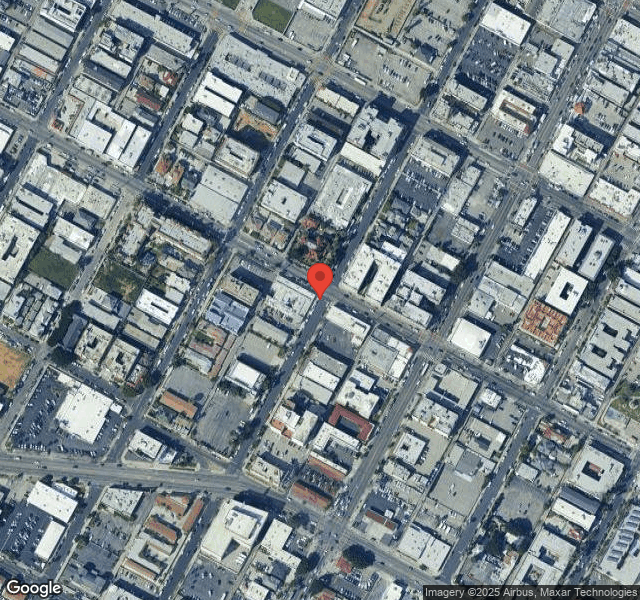

909 S LAKE STREET, LOS ANGELES, CA 90006 (213) 385-7301
For profit - Individual 66 Beds SERRANO GROUP Data: November 2025 6 Immediate Jeopardy citations
Trust Grade
0/100
#760 of 1155 in CA
Last Inspection: July 2025

Inspected within the last 6 months. Data reflects current conditions.

Overview

California Post Acute in Los Angeles has received a Trust Grade of F, indicating significant concerns about the quality of care provided. Ranking #760 out of 1155 facilities in California places it in the bottom half, and #166 of 369 in Los Angeles County suggests it is one of the less favorable options available. While the facility has shown some improvement in issues reported, decreasing from 43 in 2024 to 37 in 2025, it still faces serious challenges, including a high staffing turnover rate of 54%, which is concerning compared to the state average of 38%. Additionally, the facility has incurred fines totaling $272,898, higher than 99% of California facilities, raising questions about ongoing compliance issues. Strengths include excellent quality measures, with a 5/5 star rating, and while RN coverage is below average, the facility does have some nursing presence. Specific incidents reported include a resident igniting a fire due to a lighter being left accessible, posing a serious risk to others, especially those on oxygen therapy, and a concerning medication error rate of 48.28%, which indicates that many residents are not receiving their medications as prescribed. Overall, this facility has both strengths and weaknesses, but the significant concerns highlighted may warrant careful consideration by families.

Trust Score
F
0/100
In California
#760/1155
Bottom 35%
Safety Record
High Risk
Review needed
Inspections
Getting Better
43 → 37 violations
Staff Stability
⚠ Watch
54% turnover. Above average. Higher turnover means staff may not know residents' routines.
Penalties
✓ Good
$272,898 in fines. Lower than most California facilities. Relatively clean record.
Skilled Nurses
⚠ Watch
Each resident gets only 15 minutes of Registered Nurse (RN) attention daily — below average for California. Fewer RN minutes means fewer trained eyes watching for problems.
Violations
⚠ Watch
131 deficiencies on record. Higher than average. Multiple issues found across inspections.
★★☆☆☆
2.0
Overall Rating
★★☆☆☆
2.0
Staff Levels
★★★★★
5.0
Care Quality
★☆☆☆☆
1.0
Inspection Score
Stable
2024: 43 issues
2025: 37 issues

The Good

  • 5-Star Quality Measures · Strong clinical quality outcomes
  • Full Sprinkler Coverage · Fire safety systems throughout facility
  • No fines on record

Facility shows strength in quality measures, fire safety.

The Bad

2-Star Overall Rating

Below California average (3.1)

Below average - review inspection findings carefully

Staff Turnover: 54%

Near California avg (46%)

Higher turnover may affect care consistency

Federal Fines: $272,898

Well above median ($33,413)

Significant penalties indicating serious issues

Chain: SERRANO GROUP

Part of a multi-facility chain

Ask about local staffing decisions and management

The Ugly 131 deficiencies on record

6 life-threatening 7 actual harm
Aug 2025 1 deficiency
CONCERN (D) 📢 Someone Reported This

A family member, employee, or ombudsman was alarmed enough to file a formal complaint

Potential for Harm - no one hurt, but risky conditions existed

Deficiency F0658 (Tag F0658)

Could have caused harm · This affected 1 resident

**NOTE- TERMS IN BRACKETS HAVE BEEN EDITED TO PROTECT CONFIDENTIALITY** Based on interview and record review, the facility failed to meet professional standards of quality for one of two sampled resid...

Read full inspector narrative →
**NOTE- TERMS IN BRACKETS HAVE BEEN EDITED TO PROTECT CONFIDENTIALITY** Based on interview and record review, the facility failed to meet professional standards of quality for one of two sampled residents (Resident 1). For Resident 1, the facility failed to notify the physician or initiate a Change of Condition (COC- communication tool used by healthcare workers when there is a change of condition among the residents) when Resident 1 experienced continuous side effects of Quetiapine (a medication used to treat schizophrenia [a mental illness that is characterized by disturbances in thought]).These failures delayed treatment for Resident 1 and had the potential to cause functional decline, hospitalization, permanent injury, and death.During a review of Resident 1's admission Record (AR), the AR indicated Resident 1 was initially admitted to the facility on [DATE] with diagnoses including schizophrenia and end stage renal disease (ESRD- irreversible kidney failure) requiring dialysis (a treatment to cleanse the blood of wastes and extra fluids artificially through a machine when the kidneys have failed).During a review of Resident 1's Minimum Data Set (MDS- a resident assessment tool) dated 7/28/2025, the MDS indicated Resident 1 was cognitively intact, required assistance in a wheelchair, and was receiving antipsychotic medication (medications used to treat hallucinations [when a person perceives something that is not actually there], delusions [something that is believed to be true or real but is actually false or unreal], and disorder thinking).During a review of Resident 1's Physician Order dated 7/29/2025 at 3:34 p.m., the Order indicated to give Resident 1 Quetiapine oral tablet 100 milligrams (mg- a unit of measurement) by mouth two times a day for schizophrenia manifested by visual hallucinations.During a review of Resident 1's Physician Order dated 6/13/2025 at 8:34 p.m., the Order indicated to monitor Resident 1 for side effects of Quetiapine: sedation, drowsiness, dry mouth, constipation, blurred vision, extrapyramidal reaction (movement-related side effects from taking certain medications), weight gain, edema, postural hypotension (a condition where blood pressure drops significantly when a person stands up from a sitting or lying position), sweating, loss of appetite, and urinary retention (the inability to completely empty the bladder). The order indicated to tally with hashmarks on the medication administration record (MAR- a daily documentation record used by a licensed nurse to document medications and treatments given to a resident).During a review of Resident 1's Care Plan (CP) dated 6/19/2025, the CP indicated to administer Resident 1 antipsychotic medications as ordered by the physician and to monitor, document, and report any adverse reactions to Quetiapine.During a concurrent interview and record review on 8/11/2025 at 10:24 a.m. with Registered Nurse Supervisor (RNS) 1, Resident 1's MAR dated July 2025 was reviewed. The MAR indicated Resident 1 experienced side effects from Quetiapine on the following dates:1. 7/1/2025: 3pm-11pm and 11pm-7am2. 7/2/2025: 7am-3, 3pm-11pm, 11pm-7am3. 7/7/2025: 3pm-11pm, 11pm-7am4. 7/8/2025: 7am-3, 3pm-11pm, 11pm-7am5. 7/9/2025: 7am-3, 3pm-11pm, 11pm-7am6. 7/10/2025: 7am-3, 3pm-11pm, 11pm-7am7. 7/11/2025: 7am-3, 3pm-11pm, 11pm-7am8. 7/12/2025: 7am-3, 3pm-11pm, 11pm-7am9. 7/13/2025: 7am-3, 3pm-11pm, 11pm-7am10. 7/14/2025: 7am-3, 3pm-11pm, 11pm-7am11. 7/15/2025: 7am-3, 3pm-11pm, 11pm-7am12. 7/16/2025: 7am-3, 3pm-11pm, 11pm-7am13. 7/17/2025: 7am-3, 3pm-11pm, 11pm-7am14. 7/18/2025: 7am-3, 3pm-11pm, 11pm-7amRNS 1 stated Resident 1's physician should have been notified when Resident 1 experienced continuous side effects from Quetiapine because the physician would order to hold the Quetiapine. RNS 1 further stated a COC for Resident 1 should have been initiated.During a concurrent interview and record review on 8/11/2025 at 11:16 a.m. with the director of nursing (DON), Resident 1's Nurses Progress Notes dated July 2025 and MAR dated July 2025 were reviewed. The DON stated Resident 1's physician should have been notified when Resident 1 was experiencing continuous side effects from Quetiapine. The DON stated, based on the MAR documentation, Resident 1 should be sent to the hospital for evaluation however the resident has been okay and not showing any signs of distress. During an interview on 8/11/2025 at 8:26 a.m. with Resident 1, Resident 1 stated that she has no complaints about the facility or staff at this time. Resident 1 further stated they [the staff] take care of me.During a review of the facility's policy and procedure (P&P) titled Notification of Changes dated November 2017, the P&P indicated that the facility notifies the physician and resident representative of a significant change in the resident's physical, mental, or psychosocial status (that is, a deterioration in health, mental, or psychosocial status in either life-threatening conditions or clinical complications).During a review of the facility's P&P titled Dignity and Respect Psychoactive Medications dated January 2025, the P&P indicated the licensed staff and interdisciplinary team monitor residents for adverse consequences related to use of antipsychotic medications to reduce the potential for functional decline, hospitalization, permanent injury, and death.
Jul 2025 24 deficiencies 2 IJ
CRITICAL (J)

Immediate Jeopardy (IJ) - the most serious Medicare violation

Deficiency F0678 (Tag F0678)

Someone could have died · This affected 1 resident

Based on interview and record review, the facility failed to ensure one of three sampled resident (Resident 61) for closed record review was immediately provided with cardiopulmonary resuscitation (CP...

Read full inspector narrative →
Based on interview and record review, the facility failed to ensure one of three sampled resident (Resident 61) for closed record review was immediately provided with cardiopulmonary resuscitation (CPR, a lifesaving emergency procedure for a victim who has signs of cardiac [heart] arrest [a situation when a victim becomes unresponsive, no normal breathing, and no pulse], consisting of a combination of chest compressions, mouth-to-mouth, or mechanical breathing [a device used to help someone breathe]) in accordance with the facility's policy and procedure titled, Cardiopulmonary Resuscitation (CPR) by failing to: 1. Verify Resident 1's code status (a set of instructions for medical staff about what to do or not do in a medical emergency) from the hospital record, dated 5/21/2025. The hospital record, dated 5/21/2025, indicated Resident 1 was full code (indicates a resident wishes to be revived when breathing and/or heart stops). 2. Ensure Certified Nursing Assistant 5 (CNA 5) and Licensed Vocational Nurse 3 (LVN 3) initiated and performed CPR to Resident 61, after the resident was found unresponsive on 6/20/2025 at 4:30 AM on his bed. 3. Ensure Resident 61 had a physician order specifying the resident's code status. 4. Implement the facility's policy and procedure (P&P), titled, Cardiopulmonary Resuscitation (CPR) by not providing Resident 61 CPR when he was found unresponsive on 6/20/2025 at 4:30 AM on his bed. These deficient practices resulted in delayed treatment and not providing lifesaving emergency procedures to Resident 61. Resident 61 died at the facility. Resident 61's Record of Death, dated 6/20/2025 record did not indicate the resident's time of death. On 7/25/2025 at 5:27 PM, while onsite at the facility, the California Department of Public Health (CDPH) identified an Immediate Jeopardy (IJ, a situation in which the provider's noncompliance with one or more requirements of participation has caused or is likely to cause serious injury, harm, impairment, or death of a resident) regarding the failure to ensure CPR was immediately performed on Resident 61, after the resident was found unresponsive on 6/20/2025 at 4:30 AM. The survey team notified the Interim Director of Nursing (IDON) and the Administrator (ADM) of the IJ situation. On 7/26/2025 at 5:29 AM, the facility submitted an IJ removal plan (a plan that identifies all actions the facility will take to immediately address the noncompliance that has resulted in the IJ situation), but the IJ removal plan was not accepted. On 7/26/2025 at 4:45 PM, the survey team completed the recertification survey tasks and conducted an exit conference while onsite in the presence of the IDON with the IJ situation not removed. On 7/28/2025 at 4:02 PM, the IJ was removed in the presence of the ADM and the IDON after the facility submitted an acceptable IJ Removal Plan and the surveyor verified and confirmed onsite the facility's implementation of the IJ Removal Plan and that the IJ situation was no longer present. The IJ Removal Plan dated 7/27/2025 at 4:30 PM, included the following: 1. Resident 61 expired on June 20, 2025 (time not indicated) and LVN 3 notified the physician of the resident's death. 2. On 7/26/2025, the facility's IDON and Director of Staff Development (DSD) attended an in-service provided by an outside RN Consultant at the facility on F678 Personnel Provide Basic Life Support including CPR - Verification of Code Status and Performing CPR, Code Blue (an emergency code indicating a patient is experiencing cardiac or respiratory [breathing] arrest [sudden stop] and required immediate resuscitation [the process of restoring life, typically by restarting the heartbeat and breathing]) and Pronouncement of Death. The following process will be implemented as follows: a. The Licensed nurses will verify the code status by checking the written physician order in Point Click Care (PCC, a healthcare management software) and the completed and signed POLST (Physician Orders for Life Sustaining Treatment, a record signed by the resident or representative and a physician that indicates the types of medical treatment they want to receive during serious illness) by resident/responsible party (RP) and physician. b. Licensed nurses will call code blue and initiate CPR after confirming the resident is nonresponsive, with no pulse or rise and fall of chest and will remain with the resident. c. If CPR is unsuccessful, a Registered Nurse (RN) or 911 (an emergency telephone number) will validate the resident's death and inform a physician for the pronouncement of death and will be documented in the nursing progress notes. 3. On 7/26/2025, the IDON provided on- on-one in-service on F678 Personnel Provide Basic Life Support including CPR - Verification of Code Status and Performing CPR, Code Blue and Pronouncement of Death to LVN 3. 4. On 7/26/2025, the facility's DSD checked 52 nursing staff (RN, LVN, CNA) CPR certification records and verified them to be current. 5. On 7/26/2025, the IDON performed skills competency to facility's licensed nurses (RN and LVN) with focus on Performing CPR and Performing Code Blue. 6. On 7/26/2025, the IDON performed skills competency with focus on Performing CPR and Performing Code Blude to LVN 3. 7. On 7/26/2025, CNA 5 was identified and per employee's record review, was discharged on 7/7/2025. 8. On 7/26/2025, the facility's Director or Medical Records (DMR) completed an audit of 54 residents' advance directives and POLST, and no other residents were found to be affected. 9. On 7/26/2025, the facility's Social Worker, IDON, and DMR reviewed and audited residents' advance directives and POLST, preferences for CPR and their physician orders for resuscitation matched. 54 residents found with code status physician orders utilizing an audit tool for adherence to ensure residents are not affected by the deficient practice utilized for the identification of other residents. 10. On 7/26/2025, the facility's DSD completed an employee files audit for CPR certification and verified they were active. The facility's 34 CNAs, 26 LVNs, three RNs, and two respiratory therapists (RT) staff CPR certifications are current. 11. Effective 7/26/2025, the facility's IDON and RN consultant initiated an in-service on F678 Personnel Provide Basic Life Support including CPR - Verification of Code Status and Performing CPR, Code Blue and Pronouncement of Death to the nursing staff (CNA, LVN, and RN). There were 25 out of 52 nursing staff that received the in-service. The remaining 27 will be provided in-services at the start of the next scheduled shift. 12. Effective 7/25/2025, the POLST form will be completed by the admitting nurse in collaboration with the assigned primary physician of the resident. Completion will be verified by the admitting nurse and will be reflected on the physician orders within 72 hours. 13. Effective 7/25/2025, the facility's interdisciplinary team (IDON, Social Workers, and DMR) will review resident advance directives, physician code status order, and or POLST 24 to 72 hours after admission and as needed to verify it is signed by the resident and/or responsible party including their assigned primary physician. 14. Effective 7/26/2025, the licensed nurses will review and validate completion of POLST form, code status physician orders, and/or advance directive availability of each resident upon admission, transfer, or significant change in condition within 72 hours. 15. Effective 7/26/2025, the facility's DSD and IDON will provide skills competency to nursing staff (CNA, LVN, and RN) with focus on Performing CPR and Performing Code Blue. There were 35 out of 52 nursing staff who completed and received their skills competency. The remaining 27 will be provided with skills competency upon the start of the next scheduled shift. 16. Effective 7/25/2025, licensed nurses will review residents' advance directives and POLST to verify code status and verify physician code status orders within 72 hours of admission. Any findings will be corrected immediately by the licensed nurse assigned and report to the IDON. 17. Effective 7/25/2025, the IDON and Social Service Director (SSD) will review three residents daily (Monday through Friday) for four weeks and monthly thereafter for three months to ensure residents' advance directives and POLST to verify code status from hospital physicians, physician's orders available that specify code status, and PCC code status. 18. Effective 7/25/2025, the facility's Administrator (ADM) will review three random new employee files for CPR certification and verify they are current, check completion of skills competency assessments with focus on Performing CPR and Performing Code Blue. This will be completed weekly for four weeks and monthly for three months.Findings: During a review of Resident 61's Face Sheet (admission record), the Face Sheet indicated the facility admitted the resident on 5/21/2025 from a General Acute Care Hospital, with diagnoses that included cerebral infarction (a condition where blood flow to brain is blocked, causing weakness and paralysis (loss of muscle function) on the left side of the body, end stage renal disease (irreversible kidney failure), severed protein-calorie malnutrition (inadequate intake of food that leads to fatigue and loss of muscle), and adult failure to thrive (a condition characterized by weight loss, decreased appetite, and poor nutrition). During a review of Resident 61's admission Cover Sheet, dated 5/21/2025, the admission Cover Sheet indicated Resident 61 received dialysis (a treatment to cleanse the blood of wastes and extra fluids artificially through a machine when the kidneys have failed) every Wednesday. The facility was not able to provide a copy of Resident 61's Physician Orders for Life Sustaining Treatment (POLST, a record signed by the resident or representative and a physician that indicates the types of medical treatment they want to receive during serious illness). During a concurrent interview and record review on 7/24/2025 at 2:13 PM with LVN 5, Resident 61's clinical records were reviewed. LVN 5 stated she could not locate a physician's order for Resident 61's code status nor Resident 61's POLST. LVN 5 stated Medical Director 1 (MD 1) should have written Resident 61's order for code status upon the resident's admission to the facility or as soon as the resident's wishes changed. LVN 5 stated having a physician order for code status was important, so the staff would know the resident's or family's wishes for actions to be taken in the event the resident was found unresponsive. LVN 5 stated if a resident did not have a POLST, the staff should assume that the resident is a full code and should immediately perform CPR if found unresponsive. During a concurrent interview and record review, on 7/25/2025 at 11:06 AM, with the IDON, Resident 61's Progress Notes and clinical records were reviewed. The IDON stated the Progress Notes, dated 6/18/2025 at 10:50 PM, authored by LVN 5, indicated Resident 61 missed his original dialysis appointment time of 12:30 PM (on 6/18/2025) and arrived at the dialysis center at 4:15 PM. The Progress Notes indicated when Resident 61 arrived at the dialysis center, the dialysis staff called the facility and stated they were refusing to do dialysis on Resident 61 due to him feeling weak and having shortness of breath (SOB). The Progress Notes indicated the dialysis staff recommended sending Resident 61 to the hospital. During the interview, on 7/25/2025 at 11:06 AM, the IDON stated Resident 61's Progress Notes, dated 6/18/2025 at 10:50 PM, authored by LVN 5, indicated Resident 61 was feeling weak and having SOB at the dialysis center. The IDON stated Resident 61's nurse should have called 911 immediately upon Resident 61's return to the facility. The IDON stated a change of condition note should have been documented for Resident 61's symptoms and the resident's change of condition should have been monitored 72 hours after the symptoms were first identified. The IDON stated there was no documentation in Resident 61's progress notes of the resident's monitoring of change of condition and his symptoms on 6/18/2025 from 3 PM to 11 PM, from 6/18/2025 11 PM to 6/19/2025 7 AM, 6/19/2025 from 7 AM to 3 PM, and 6/19/2025 from 3 PM to 11 PM. During the interview, on 7/25/2025 at 11:06 AM, the IDON stated Resident 61's Progress Notes, dated 6/18/2025 at 10:50 PM, authored by LVN 5, indicated MD 1 was notified of Resident 61's condition and MD 1 ordered for Resident 61 to be transfer out to General Acute Care Hospital (GACH). The IDON stated the Progress Notes indicated Resident 61 was not transferred out to GACH because the hospital was full and the earliest time the resident would be able to be transported (to GACH) was the following day, 6/19/2025. The IDON stated Resident 61 remained in the facility and was not transferred out. The IDON stated Resident 61 did not have a physician's order to transfer Resident 61 to GACH on 6/18/2025. The IDON stated Resident 61 should have a written transfer order because it was an intervention requested by MD 1 to address Resident 61's change of condition. During the interview on 7/25/2025 at 11:06 AM, with the IDON, the IDON stated when Resident 61 was not accepted by GACH for transfer, the nurse should have informed MD 1 and should have called 911 to transfer Resident 61 to another hospital. The IDON stated Resident 61 was not transferred out to GACH and stayed at the facility. During a concurrent interview and record review, on 7/25/2025 at 11:30 AM, with the IDON, Resident 61's transfer documentation from GACH (upon admission to the facility), dated 5/20/2025, was reviewed. The GACH transfer documentation indicated Resident 61 had a code status of full code when the facility admitted the resident. During a concurrent interview and record review, on 7/25/2025 at 11:40 AM, with the IDON, Resident 61's Progress Notes, dated 6/20/2025 at 6:11 AM, authored by LVN 3, was reviewed. The Progress Notes indicated CNA 5 went (to Resident 61's room) to clean Resident 61 at 4:10 AM and the resident was alert and cooperative. The Progress Notes indicated at 4:30 AM, CNA 5 reentered Resident 61's room and found the resident unresponsive. The Progress Notes indicated CNA 5 alerted LVN 3 who then assessed Resident 61 and found the resident to be unresponsive with no pulse. The IDON stated CPR was not initiated by LVN 3 and CNA 5 when Resident 61 was found unresponsive on 6/20/2025 at 4:30 AM. During the interview, on 7/25/2025 at 11:40 AM, The IDON stated CPR should have been attempted immediately when Resident 61 was found unresponsive because Resident 61 was considered to have a status of full code. The IDON stated when a resident is found unresponsive, an LVN should first assess for a pulse. If the resident had no pulse, CPR must be started immediately until it is verified that the resident is DNR (Do Not Resuscitate, a medical order, typically documented by the physician, that instructs healthcare providers not to perform CPR if a person's heart stops beating or they stop breathing) through the physician order, Advance Directive (a legal document that outlines a resident's wishes for medical care should they become unable to make decisions for themselves), or POLST. During a telephone interview on 7/25/2025 at 2:18 PM, with MD 1, MD 1 stated 911 should have been called immediately when Resident 61 arrived at the facility with symptoms of feeling weak and SOB. MD 1 stated the staff should not have waited for Resident 61 to be directly admitted to GACH. MD 1 stated if the facility was unaware of a resident's code status, the default status should be full code. MD 1 stated the facility should do everything possible to resuscitate a resident, when needed lifesaving intervention, if the resident has a full code status. During a concurrent interview and record review on 7/25/2025 at 5:05 PM with the IDON, Resident 61's Record of Death, dated 6/20/2025 and signed by RN 1 at 11:15 AM, was reviewed. The Record of Death did not indicate Resident 61's time of death. The IDON stated there was no time of death documented. IDON stated LVN 3 pronounced the death of Resident 61. During a review of the facility's policy and procedure (P&P) titled, Cardiopulmonary Resuscitation (CPR), revised January 2025, the P&P indicated, If a resident experiences a cardiac or respiratory arrest and does not show obvious clinical signs of irreversible death. a facility staff member shall provide basic life support, including CPR, prior to the arrival of emergency medical services:- In accordance with the resident's advance directives and any related physician order, such as a code status, or- In the absence of advance directives or a DNR order.
CRITICAL (J)

Immediate Jeopardy (IJ) - the most serious Medicare violation

Deficiency F0698 (Tag F0698)

Someone could have died · This affected 1 resident

**NOTE- TERMS IN BRACKETS HAVE BEEN EDITED TO PROTECT CONFIDENTIALITY** Based on interview and record review, the facility failed to ensure one of five sampled residents (Resident 61) who required hem...

Read full inspector narrative →
**NOTE- TERMS IN BRACKETS HAVE BEEN EDITED TO PROTECT CONFIDENTIALITY** Based on interview and record review, the facility failed to ensure one of five sampled residents (Resident 61) who required hemodialysis (HD, a treatment to cleanse the blood of wastes and extra fluids artificially through a machine when the kidney[s] have failed) received HD care and services in accordance with Resident 61's Medical Director 1 (MD1) orders, care plan, and the facility's policies and procedures by failing to: -Ensure the licensed nurses (in general) and the Social Services Director (SSD) had ongoing communication and collaboration with Dialysis Center 1 (DC1) to coordinate Resident 61's HD care and services when the transportation did not pick up Resident 61 as scheduled on [DATE] at 11 AM. -Ensure Licensed Vocational Nurse 5 (LVN5) and other licensed nurses (in general) assessed Resident 61 prior to Resident 61 being transported to DC1 on [DATE] at 4:45 PM. -Ensure LVN5 and other licensed nurses (in general) assessed and monitored Resident 61's signs and symptoms of weakness and shortness of breath upon Resident 61's return to the facility on [DATE] (time unknown) from DC1 (missed HD). -Ensure LVN5 and other licensed nurses (in general) transferred Resident 61 to a General Acute Care Hospital (GACH) for a missed HD on [DATE] as ordered by MD1 upon Resident 61's return to the facility from DC1 (DC1 closed at 5PM on [DATE] and did not perform HD to Resident 1). -Ensure the licensed nurses (in general) informed MD1 that GACH 1 could not accept Resident 61 on [DATE] for HD. As a result of these failures, Resident 61 did not receive HD care and services and did not receive medical interventions for the shortness of breath and weakness. On [DATE] at 4:30 a.m., Certified Nursing Assistant 5 (CNA 5) and Licensed Vocational Nurse 3 (LVN 3) found Resident 61 unresponsive (not reacting or moving at all) with no pulse (the number of times the heart beats) inside Resident 61's room. Resident 61 expired at the facility. On [DATE] at 5:27 PM, the Department called an Immediate Jeopardy Situation (IJ, a situation in which the provider's non-compliance with one or more requirements of participation has caused, or likely to cause, serious injury, harm impairment, or death to a patient) in the presence of the facility's Administrator (ADM) and the Interim (temporary) Director of Nursing (IDON) related to the failures to ensure Resident 61 received HD care and services in accordance with Resident 61's MD1's orders, care plan, and the facility's policies and procedures. The above failures resulted in Resident 61 not receiving HD care and services, and/or medical interventions to treat Resident 61's shortness of breath and weakness. These failures also placed four residents who received dialysis (a treatment to cleanse the blood of wastes and extra fluids artificially through a machine when the kidney(s) have failed) (Resident 8, Resident 33, Resident 37, Resident 53) at risk for harm and potential death. On [DATE] at 4:45PM, the facility was unable to submit an acceptable IJ removal plan (IJRP, includes all actions the facility has taken or will take to immediately address the noncompliance that resulted in or made serious injury, serious harm, serious impairment, or death likely). On [DATE] at 4:45PM, the Department completed the survey tasks and conducted an exit conference while onsite in the presence of the IDON, the Director of Staff Development (DSD), and the Activity Director (AD). On [DATE] at 4:19 PM, the Department removed the IJ situation while onsite after the surveyors verified the facility's implementation of the IJ removal plan through observation, interview, and record review, which included: -On [DATE] Resident 61 expired. -On [DATE] the SSD, IDON, and the Medical Record Director reviewed the dialysis communication records for four residents who resided at the facility and who received dialysis. The four residents did not miss dialysis and did not have a change of condition (COC, a sudden clinically important deviation from a patient's baseline in physical, cognitive [ability to think and process information], behavioral, or functional domains [categories or areas of focus that describe different aspects of human behavior and mental processes]) from [DATE] to [DATE]. -On [DATE] an outside consultant (a person who provides expert advice professionally) provided in-services to the IDON, DSD regarding dialysis resident management/change of condition. -On [DATE] the IDON in-serviced LVN5 regarding dialysis/resident management/COC. -On [DATE] the IDON performed skills competency assessments to LVN5 regarding dialysis management. -On [DATE] the IDON initiated the in-services to the licensed nursing staff regarding dialysis resident management/COC. Findings: During a review of Resident 61's admission Record, the admission Record indicated the facility admitted Resident 61 on [DATE] with diagnoses that included hemiplegia (total paralysis of the arm, leg, and truck on the same side of the body), hemiparesis (mild or partial weakness or loss of strength on one side of the body)following cerebral infarction (stroke, loss of blood flow to a part of the brain), end stage renal disease (ESRD, irreversible kidney failure), dependence on renal (kidney) dialysis, dysphagia (difficulty swallowing), paroxysmal atrial fibrillation (an irregular heartbeat), and adult failure to thrive (a decline caused by diseases and functional impairments which can cause weight loss, decreased appetite, poor nutrition, and inactivity). During a review of Resident 61's Minimum Data Set (MDS, a resident assessment tool) dated [DATE], the MDS indicated the resident had moderately impaired cognition (some impairment in the ability to think, understand, and reason). The MDS indicated Resident 61 received dialysis. During a review of Resident 61 Care Plan Report dated [DATE], the Care Plan Report indicated Resident 61 had a need for hemodialysis and was dependent on dialysis. The Care Plan Report indicated Resident 61 was at risk for complications such as shortness of breath, chest pains, elevated blood pressure, edema (swelling caused by excess fluid trapped in the body's tissues), weight fluctuation (instability), and dehydration (occurs when the body loses more fluids than it takes in, leading to a deficiency of water and other essential fluids). The Care Plan Report indicated a goal for Resident 61 was to have no complications related to hemodialysis. The Care Plan Report indicated interventions for Resident 61 included communicating with the dialysis center for progress or any problems, coordinating with the dialysis center regarding the resident's care and treatment, monitoring the resident for any changes of condition and reporting promptly (no delay) to the physician, performing post (after) dialysis care upon the resident's return from the dialysis center, checking the Post Dialysis Assessment Form for any recommendations from the dialysis center, making sure recommendations are carried out, and taking the resident's vital signs (clinical measurements, specifically pulse rate, temperature, respiration rate, and blood pressure, that indicate the state of a patient's essential body functions) pre (before) and post dialysis. During a review of Resident 61's Physician Order dated [DATE], the Physician Order indicated Resident 61's scheduled dialysis day was on Wednesdays at 12:30 PM. The Physician Order indicated Resident 61 was to be picked up by Transportation Service 1 (TS 1) at 11 AM. During a review of Resident 61's Hemodialysis Communication Record dated [DATE], the Hemodialysis Communication Record indicated it was to be completed by the facility's licensed nurses (in general) for residents on dialysis prior to hemodialysis treatment. The Hemodialysis Communication Record indicated it was to be completed by the certified dialysis facility following dialysis treatment. The Hemodialysis Communication Record indicated it was to accompany the resident on return to the facility post (after) hemodialysis. The Hemodialysis Communication Record indicated it was to be completed by the facility's licensed nurses (in general) post hemodialysis treatment. During a review of Resident 61's SBAR (Situation, Background, Assessment, Recommendation, a communication tool used by healthcare workers when there is a change of condition among the residents) Summary for Providers progress note dated [DATE] at 2:24 PM, the SBAR Summary for Providers progress note indicated Resident 61 missed dialysis on [DATE] due to transportation not showing up. The SBAR Summary for Providers progress note indicated Resident 61's dialysis was rescheduled for [DATE]. The SBAR Summary for Providers progress note indicated transportation was rescheduled for [DATE]. The SBAR Summary for Providers progress note indicated Resident 61's MD1 was notified and recommended to monitor the resident. During a review of Resident 61's Nursing Progress Note dated [DATE] at 2:32 PM, the Nursing Progress Note indicated Resident 61 missed dialysis on [DATE] due to transportation not showing up. The Nursing Progress Note indicated Resident 61's insurance did not authorize transportation for Resident 61. The Nursing Progress Note indicated Resident 61's dialysis and transportation were rescheduled for [DATE]. During a review of Resident 61's DC1's Nurses Note dated [DATE] at 4:46 PM, the DC1's Nurses Note indicated Resident 61 had a transportation issue on [DATE]. The Nurses Note indicated Resident 61 arrived at DC 1 at 4:45 PM on [DATE]. The Nurses Note indicated Resident 61 stated I do not feel good, I feel very weak and tired. The Nurses Note indicated DC1's Physician (MD2) was notified and ordered to send Resident 61 to the hospital. The Nurses Note indicated that the facility (Skilled Nursing Facility) was notified. During a review of Resident 61's Nursing Progress Note dated [DATE] at 10:51 PM, the Nursing Progress Note indicated Resident 61 missed dialysis. The Nursing Progress Note indicated Resident 61 was rescheduled to go to dialysis later in the day at 4:15 PM. The Nursing Progress Note indicated once Resident 61 got to DC1, DC1 called and stated they (DC1) refused to do dialysis on Resident 61 due to Resident 61 feeling weak and had shortness of breath. The Nursing Progress Note indicated DC1 recommended sending Resident 61 to the hospital. The Nursing Progress Note indicated DC1 could not reschedule Resident 61 for dialysis the following day because they (DC1) were booked up. The Nursing Progress Note indicated Resident 61's MD1 was made aware of the situation. The Nursing Progress Note indicated Resident 61's MD1 provided physician orders to send Resident 61 to GACH 1 for dialysis. The Nursing Progress Note indicated that the coordinator (unidentified) was contacted about setting up transportation and transfer Resident 61 to GACH1. The Nursing Progress Note indicated the coordinator (unidentified) stated GACH 1was saturated (full). The Nursing Progress Note indicated the coordinator (unidentified) would keep the facility updated. The Nursing Progress Note did not indicate Resident 61's MD1 was notified GACH 1 was saturated. During a review of Resident 61's Physician Orders, the Physician Order indicated there was no Physician Order dated [DATE] to transfer Resident 61 to the hospital. During a review of Resident 61's Nursing Progress Note dated [DATE] at 6:11 AM, the Nursing Progress Note indicated at approximately 4:30 AM on [DATE] a Certified Nursing Assistant (CNA5) noticed Resident 61 was unresponsive and called the charge nurse (LVN3). The Nursing Progress Note indicated the charge nurse (LVN3) went to assess Resident 61 and found him unresponsive with no pulse. The Nursing Progress Note indicated the charge nurse (LVN3) was unable to obtain Resident 61's vital signs. The Nursing Progress Note indicated Resident 61 was provided with postmortem care (the procedures performed on a deceased person's body after death), and Resident 61's MD1 was made aware. During a concurrent interview and record review on [DATE] at 2:13 PM, Resident 61's SBAR Summary for Providers progress notes and Nursing Progress Notes dated [DATE] were reviewed with LVN 5. LVN 5 stated she (LVN5) worked with Resident 61 on [DATE]. LVN 5 stated Resident 61 initially missed dialysis on [DATE] at 11 AM because transportation did not show up. LVN 5 stated Resident 61 was sent on a rescheduled dialysis appointment later in the day on [DATE] (unidentified time). LVN5 stated the dialysis center (DC1) refused to do dialysis because Resident 61 had shortness of breath. LVN 5 stated the dialysis center (DC1) sent Resident 61 back to the facility. LVN 5 stated the dialysis center (DC1) recommended Resident 61 to go to the hospital because he (Resident 61) was having shortness of breath. LVN 5 stated Resident 61's physician (MD1) was made aware of the situation. LVN 5 stated if a resident (in general) missed dialysis, a change of condition form must be done. LVN 5 stated it was the charge nurse's or Registered Nurse's (in general) responsibility to complete a change of condition form. LVN 5 stated Resident 61's physician (MD1) should also be made aware of the change of condition. LVN 5 stated a change of condition must also be completed for residents who have shortness of breath. LVN 5 stated if a resident (in general) had symptoms of shortness of breath, she (LVN5) would have to call 911 (emergency phone number) or arrange for a direct admission to the hospital if non-emergent (non urgent). LVN 5 stated she (LVN5) did not call 911 for Resident 61 because Resident 61's vitals and respirations looked normal. LVN 5 stated once a change of condition was started, the resident should be monitored for 72 hours. LVN 5 stated there should be documentation for the resident's change of condition every shift. LVN 5 stated there were no progress notes documented for Resident 61 on [DATE]. LVN 5 stated there should have been monitoring notes for Resident 61 on [DATE] for the 11 PM to 7 AM shift, 7 AM to 3 PM shift, and the 3 PM to 11 PM shift following Resident 61's change of condition on [DATE]. LVN5 stated there were no assessment nursing notes from [DATE] to [DATE] for Resident 61. During a telephone interview on [DATE] at 8:27 AM with the DC1's Admin Assistant (AA), AA stated she (AA) was the AA at DC 1. AA 1 stated DC 1 was Resident 61's dialysis center. AA 1 stated Resident 61 arrived at the dialysis center on [DATE] at 4:45 PM. AA 1 stated DC 1 was going to close at 5 PM on [DATE]. AA 1 stated Resident 61 was on isolation precautions (is the act of separating a sick individual with a contagious disease from healthy individuals without that contagious disease). AA 1 stated DC1 was about to close, and the isolation chair was not available. AA 1 stated DC 1 was unable to dialyze Resident 61. AA 1 stated Resident 61 arrived at DC1 late because the facility had transportation issues. AA 1 stated Resident 61 stated I don't feel good, I feel weak and tired. AA 1 stated the physician (MD2) at the dialysis center recommended for the facility to transfer the resident to the hospital. AA 1 stated Resident 61 was not dialyzed on [DATE]. During an interview on [DATE] at 10:31 AM with the SSD, the SSD stated she (SSD) handled the dialysis transportation for the residents at the facility. The SSD stated transportation was arranged by insurance. The SSD stated she was not aware of Resident 61's transportation issues on [DATE]. The SSD stated Admissions might have been informed of Resident 61's transportation issues. During an interview on [DATE] at 10:40 AM with Admissions staff, Admissions staff stated the SSD handled Residents 61's transportation to dialysis. Admissions stated she (Admissions) was not made aware Resident 61 had any transportation issues on [DATE]. During a concurrent interview and record review on [DATE] at 11:06 AM, with the IDON, Resident 61's Physician Orders, SBAR Summary for Providers progress notes dated [DATE], Nursing Progress Notes dated [DATE], and Resident 61's physical chart were reviewed. The IDON stated Resident 61 would receive dialysis once a week. The IDON stated a change of condition note would be completed if the resident was experiencing something out of the ordinary, such as shortness of breath. The IDON stated the charge nurse and RN supervisors (in general) had the responsibility to follow up on the resident's COC. The IDON stated every nurse was responsible for monitoring the resident's COC. The IDON stated there should be documentation on the monitoring of the resident's COC at least once per shift. The IDON stated the resident's COC should be monitored for 72 hours unless a solution is found or the resident improves. The IDON stated she (IDON) would have called 911 immediately because Resident 61 was feeling weak and short of breath and missed HD. The IDON stated weakness and shortness of breath were not normal symptoms. The IDON stated, I don't see a physician order to transfer the resident to the hospital. The IDON stated Resident 61 needed to have a physician order for his transfer to the hospital. The IDON stated the licensed nurse was responsible for ensuring Resident 61's physician order for the transfer to the hospital was in place. The IDON stated the physician order to transfer the resident to the hospital was an intervention that was requested by the resident's physician (MD1) for the resident's change of condition.The IDON stated Resident 61 did not have a written physician order to transfer Resident 61 to the hospital. The IDON stated if she did not see the physician's order she (IDON) would call MD1 for an order. The IDON stated if the hospital was full the LVN (LVN5) should have called 911 to attempt another way to transfer Resident 61. The IDON stated that shortness of breath was a symptom of decline. The IDON stated it was important that Resident 61 received dialysis because he (Resident 61) could decline. The IDON stated shortness of breath could have been a complication from missed dialysis.The IDON stated a COC should have been done for the resident's symptom of shortness of breath. The IDON reviewed Resident 61's physical chart and stated she did not see a pre and post dialysis communication form for [DATE]. The IDON stated the charge nurse was responsible for ensuring the pre and post dialysis communication form was completed. The IDON stated transportation must be ensured, checked, and followed up on by the SSD. The IDON stated if there was no transportation, ambulance services could be used. The IDON stated the licensed nurse could have followed up on the Resident's transportation to dialysis. The IDON stated the licensed nurse could have let the SSD know to follow up on Resident 61's transportation arrival. The IDON stated that the Nursing Progress Notes did not let the dialysis center know that Resident 61 would be late for dialysis. The IDON stated licensed nurses can also organize transportation to dialysis.The IDON stated according to Resident 61's record, it did not seem like the resident's physician (MD1) was notified the hospital was saturated and could not accept the resident. The IDON stated the licensed nurse should have called and informed Resident 61's physician (MD1) that the hospital was saturated. The IDON stated Resident 61's physician (MD1) could have had other orders for how the resident could have been dialyzed. During a telephone interview on [DATE] at 2:18 PM with MD 1, MD 1 stated he was the facility's Medical Director and Resident 61's primary physician. MD 1 stated he (MD 1) remembered Resident 61. MD 1 stated Resident 61 was on limited dialysis once a week but did not remember the reason why. MD 1 stated he (MD1) did not recall a phone call or voice message from the facility stating GACH1 was full on [DATE]. MD 1 stated if he (MD 1) knew GACH1 was full, he (MD 1) would have recommended the facility to send Resident 61 to any other hospital that could accommodate the resident. MD 1 stated if Resident 61 was already stating he (Resident 61) was experiencing shortness of breath and weakness, he (MD 1) would have called 911. During a review of the facility's P&P titled Dialysis Management dated 1/2025, the P&P indicated To provide residents who require dialysis care, services consistent with professional standards of practice, a comprehensive person-centered care plan which meets the residents' goals and preferences.To ensure the facility assures that each resident receives care and services for the provision of hemodialysis and/or peritoneal dialysis (is a way to remove waste products from the blood a cleansing fluid flows through a tube into part of the stomach area) consistent with professional standards of practice including the: Ongoing assessment of the resident's condition and monitoring for complications before and after dialysis treatments received at a certified dialysis facility. Ongoing assessment and oversight of the resident before, during, and after dialysis treatments, including monitoring the resident's condition during treatments, monitoring for complications, implementing appropriate interventions, and using appropriate infection control practices; and ongoing communication and collaboration with the dialysis facility regarding dialysis care and services.Procedure: The facility has an agreement with contracted Dialysis Units (s) which operates in accordance with current standards of practice, including communication and collaboration. The Dialysis Units (s) and facility staff coordination the development and implementation of the dialysis care plan, including ongoing provision of assessment of the resident and care plan revision, as necessary. The facility employs qualified nursing staff to care for residents receiving dialysis treatment, including assessment and communication of dialysis related concerns. The facility has a qualified social services representative who assists the dialysis resident and their representative with dialysis related financial concerns, transportation needs, psychosocial needs, and advanced directives.The licensed nurse shall notify the physician and dialysis representative of resident symptoms including but not limited to uncontrolled chills, shaking, fever, vomiting, headache, dizziness, muscle weakness, skin flushing, diarrhea, hyper (high blood pressure)/hypotension(low blood pressure), hemolysis, and anemia(is a problem of not having enough healthy red blood cells or hemoglobin to carry oxygen to the body's tissues. Hemoglobin is a protein found in red cells that carries oxygen from the lungs to all other organs in the body). During a review of the facility's Policy & Procedure (P&P) titled Transportation, Social Services dated 3/2023, the P&P indicated Our facility shall help arrange transportation for residents as needed. Social services will help the resident as needed to obtain transportation.Inquiries concerning transportation should be referred to social services. During a review of the facility's P&P titled Notification of Changes dated 1/2025, the P&P indicated The facility informs the resident, the resident's physician, and the resident's representative when there is an accident resulting in injury, changes involving life threatening conditions, adverse treatment consequences or transfer or discharge the resident.the facility notifies the physician and resident representative of: a. An accident involving the resident which results in injury and has the potential for requiring physician intervention; b. A significant change in the resident's physical, mental, or psychosocial status (that is, a deterioration in health, mental, or psychosocial status in either life-threatening conditions or clinical complications); c. A need to alter treatment significantly (that is, a need to discontinue an existing form of treatment due to adverse consequences, or to commence a new form of treatment); or d. A decision to transfer to discharge the resident from the facility.
SERIOUS (G)

Actual Harm - a resident was hurt due to facility failures

Pressure Ulcer Prevention (Tag F0686)

A resident was harmed · This affected 1 resident

**NOTE- TERMS IN BRACKETS HAVE BEEN EDITED TO PROTECT CONFIDENTIALITY** Based on observation, interview and record review, the facility failed to ensure one of five sampled residents (Resident 6) revi...

Read full inspector narrative →
**NOTE- TERMS IN BRACKETS HAVE BEEN EDITED TO PROTECT CONFIDENTIALITY** Based on observation, interview and record review, the facility failed to ensure one of five sampled residents (Resident 6) reviewed for pressure ulcer (an injury to the skin and underlying tissue caused by continuous pressure on the skin) care area did not develop a pressure ulcer by failing to: 1. Ensure that the Certified Nurse Assistant (CNA) monitored and documented the repositioning of Resident 6, who was assessed for a high risk of developing a pressure ulcer. 2. Include the Registered Dietitian (RD, a healthcare professional who has a special training in diet and nutrition) in the interdisciplinary team (IDT, a group of professionals from different fields who collaborate for a common goal) to discuss and implement interventions for promoting the healing of Resident 6's unstageable (when the full extent of the skin damage cannot be determined because there is dead tissue present) at the sacrococcyx (an area of the body where the lower end of the spine meets the tailbone). 3. Ensure Licensed Nursing Staff followed up with RD on the referral as requested on the Weekly Pressure Ulcer Record, dated 6/18/2025. 4. Communicate to Resident 6's physician the resident's lab results, dated 7/18/2025, which showed an albumin (reflects the nutritional status of a patient. Low albumin level can impair the body's ability to heal wounds, including pressure ulcers. Normal albumin levels range from 3.5 to 5.5 grams per deciliter) level of 2.6 grams per deciliter (g/dl, a unit of measurement) and hemoglobin (a protein in the red blood cells that carries oxygen to the body, which is vital for tissue repair and healing. Normal levels range from 12 to 15.5 g/dl) level of 8.6 g/dl. These failures resulted in Resident 6 developing an unstageable pressure ulcer on the sacrococcyx extending to the left and right buttock measuring 10.1 centimeters (cm, a unit of measurement) in length and 14.0 cm in width.Findings: During a review of Resident 6's Face sheet (admission Record) dated 7/24/2025, the Face sheet indicated the facility admitted Resident 6 on 8/14/2023 with diagnosis that included hemiplegia and hemiparesis (a condition where there is paralysis or severe weakness on one side of the body) and anemia (a condition where the blood does not have enough red blood cells to carry oxygen throughout the body). During a review of Resident 6's admission Assessment, dated 7/3/2024, the admission Assessment did not indicate Resident 6 was assessed for skin breakdown. During a review of Resident 6's Braden Scale (a tool used to assess a person's risk of developing pressure ulcers), dated 4/30/2025, the Braden Scale indicated Resident 6 was at a moderate risk to develop a pressure ulcer. During a review of Resident 6's Braden Scale reassessment, dated 6/18/2025, the [NAME] Scale reassessment indicated Resident 6 was at a high risk to develop a pressure ulcer. During a review of Resident 6's Wound Care Specialist note, dated 6/27/2025, the Wound Care Specialist note indicated Resident 6 had an unstageable pressure induced tissue damage on the sacrococcyx, extending to left and right buttock, measuring 10.1 cm in length and 14.0 cm in width. During a review of Resident 6's Minimum Data Set (MDS, a resident assessment tool used for screening of clinical and functional status), dated 7/25/2025, the MDS indicated Resident 6 had impaired function on one upper extremity, impaired function on both lower extremities, and required staff assistance to roll from lying on their back to the left and right side and return to back-lying position in bed. The MDS did not indicate Resident 6 had a pressure ulcer/injury. During an observation on 7/23/2025 at 12:03 p.m. in Resident 6's room, Resident 6 was positioned onto his back after wound care treatment. During an observation on 7/23/2025 at 2:10 p.m. in Resident 6's room, Resident 6 was observed to be lying on his back. During an interview on 7/23/2025 at 1:23 p.m. with Certified Nursing Assistant 11 (CNA 11), CNA 11 stated that CNAs were unable to chart whether a resident is repositioned to the left or right side. CNA 11 mentioned that there is no set schedule for offloading or repositioning residents, but CNAs clicks on the yes/no at the daily task list if they perform it. During an interview on 7/23/2025 at 12 p.m. with Treatment Nurse (TN), TN stated Resident 6 had a reopened pressure ulcer (a pressure ulcer that was once healed and now has opened again). TN stated Resident 6 had been free from skin breakdown for one year since Resident 6 was readmitted on [DATE] and the reopened pressure ulcer was obtained in the facility. TN stated that during the readmission [DATE]) of Resident 6 in the facility there are no skin issues identified. During a concurrent interview and record review on 7/24/2025 at 9:19 a.m. with TN, the Documentation Survey Report for turn and reposition, dated 6/2025, was reviewed. The Documentation Survey Report did not indicate the staff repositioned Resident 6. TN stated there should be documentation indicating the staff repositioned the resident and the blank spaces on the report indicate that it was not done. TN stated pressure ulcers are avoidable when interventions are implemented. TN stated that the care plan was generalized and not specific to the needs of Resident 6 like the repositioning every two hours was not implemented as an intervention. During a concurrent interview and record review on 7/24/2025 at 11:27 p.m. with the Interim Director of Nursing (IDON), Resident 6's Documentation Survey Report for 6/2025 and 7/2025, for monitoring the residents' turning and repositioning, were reviewed. The Documentation Survey Report indicated a N (for not turned) was documented on the following dates and times:1.On 6/1/2025 at 8 a.m., 10 a.m., 12 p.m., and 2 p.m.2.On 6/3/2025 at 4 p.m., 6 p.m., 8 p.m., and 10 p.m.3.On 6/6/2025 at 4 a.m. 4.On 6/7/2025 at 12 p.m.5.On 6/8/2025 at 8 a.m., 10 a.m., 12 p.m., and 2 p.m.6.On 6/14/2025 at 8 a.m., 10 a.m., 12 p.m., and 2 p.m.7.On 6/15/2025 at 8 a.m., 10 a.m., 12 p.m., and 2 p.m. 8. On 6/18/2024 at 8 p.m.9.On 6/20/2025 at 12 a.m., 2 a.m., 4 a.m., and 6 a.m. 9.On 6/21/2025 at 8 a.m., 10 a.m., 12 p.m., and 2 p.m. 10.On 6/23/2025 at 12 a.m., 2 a.m., 4 a.m., and 6 a.m.11. On 6/25/2025 at 12 a.m., 2 a.m., 4 a.m., and 6 a.m.12.On 6/28/2025 at 8 a.m., 10 a.m., 12 p.m., and 2 p.m.13.On 6/29/2025 at 12 a.m., 2 a.m., 4 a.m., and 6 a.m., 8 a.m., 10 a.m., 12 p.m., and 2 p.m.14.On 6/30/2025 at 12 a.m., 2 a.m., 4 a.m., and 6 a.m.15.On 7/1/2025 at 12 a.m., 2 a.m., 4 a.m., and 6 a.m.16.On 7/2/2025 at 12 a.m., 2 a.m., 4 a.m., and 6 a.m.17.On 7/7/2025 at 2 a.m., 4 a.m., and 6 a.m. 18.On 7/8/2025 at 12 a.m., 2 a.m., 4 a.m., and 6 a.m.19.On 7/9/2025 at 12 a.m., 2 a.m., 4 a.m., and 6 a.m. During a concurrent observation and interview on 7/24/2025 at 11:37 a.m. in Resident's 6 room, Resident 6 was lying on his back. 2. During a concurrent interview and record review on 7/24/2025 at 9:19 a.m., of the Weekly Pressure Ulcer Record dated 6/18/2025 with the TN. The Weekly Pressure Ulcer Record indicates a Registered Dietitian (RD) review was requested. Resident 6's records did not indicate the RD evaluated the resident. TN stated it was important for RD to be involved because the RD could make recommendations for nutritional supplements (vitamins, minerals, or protein that can help aid in tissue repair). TN stated that RD did not see or assess Resident 6. During a review of the Registered Dietitian's (RD) recommendation monthly visit, dated 6/19/2025, the RD recommendation monthly visit did not indicate the RD visited Resident 6. During an interview on 7/24/2025 at 11:27 a.m. with IDON, the IDON stated the interdisciplinary team (IDT) meeting was held on 6/18/2025 and the RD should have been involved in the IDT meeting and there were no notes from the RD indicating she was in the IDT meeting. IDON stated the importance of involving the RD to evaluate Resident 6's nutrition and hydration status. If necessary, the RD should consider adding a supplement to support wound healing. IDON stated that nurses must follow up on consultations, and Resident 6 was overlooked. 3. During a concurrent interview and record review on 7/24/2025 at 11:10 a.m. with TN, Resident 6's Lab Results Report, dated 7/18/2025 was reviewed. The Lab Results Report indicated a level for albumin of 2.6g/dl and hemoglobin 8.6 g/dl. The TN stated the albumin level should be between 3.5 g/dl and 3.7 g/dl and low albumin levels are associated with delayed tissue repair and impaired healing. TN stated the hemoglobin level should be between 13.7 g/dl and 17.5 g/dl and reduced levels can impair oxygen deliver to tissues, contributing to delayed wound healing. TN stated the physician may prescribe supplements to help improve hemoglobin levels and support the healing process. TN stated the lab results report was not communicated to the MD for follow-up. During a concurrent interview and record review on 7/24/2025 at 11:27 a.m. with IDON, Resident 6's Lab Results Report, dated 7/18/2025, was reviewed. The Lab Results Report indicated a level for albumin of 2.6g/dl and hemoglobin 8.6 g/dl. IDON stated the resident's albumin was low at 2.6 g/dl and can indicate inflammation and the facility protocol required the RD to be notified so she could make supplement recommendations for healing but there was no documentation indicating the RD was notified and there was no documentation indicating the low albumin level was addressed. IDON stated the care plan should also include notifying MD of lab results since this is an important factor for wound healing. During a review of Resident 21's Order Summary Report, dated 7/24/2025, the Order Summary Report did not indicate the resident was on supplements (something added to enhance something else) that could help promote wound healing or increase hemoglobin level. According to the nationally recognized Journal of Clinical Nursing, an article retrieved from https://onlinelibrary.[NAME].com/doi/full/10.1111/jocn.14691 titled, The Standardized Pressure Injury Prevention Protocol nurses working in health care settings must address pressure ulcer development prevention. The early intervention to prevent pressure injury is required and be integrated into the workflow process. During a review of the facility's policy and procedure (P&P) titled, Treatment Services to Prevent/Heal Pressure Ulcers, dated 1/2025, the P&P indicated, The purpose is to promote healing.and prevent the development of additional pressure ulcer/injury. The P&P indicated prolonged or excessive pressure can lead to injury, the facility did not do the initiation of appropriate, individualized interventions and ongoing evaluation of their effectiveness, and residents identified as at risk may be more vulnerable to developing pressure ulcers or injuries when in one position for an extended duration. The P&P indicated clinicians may use laboratory tests to evaluate potential nutritional deficiencies in residents with pressure ulcers.
CONCERN (D)

Potential for Harm - no one hurt, but risky conditions existed

Resident Rights (Tag F0550)

Could have caused harm · This affected 1 resident

**NOTE- TERMS IN BRACKETS HAVE BEEN EDITED TO PROTECT CONFIDENTIALITY** Based on observation and interview, the facility did not maintain privacy for one of five sampled residents (Resident 21) due to...

Read full inspector narrative →
**NOTE- TERMS IN BRACKETS HAVE BEEN EDITED TO PROTECT CONFIDENTIALITY** Based on observation and interview, the facility did not maintain privacy for one of five sampled residents (Resident 21) due to broken window blinds that were visible from the main street in Resident 21's room. This failure had the potential to result in Resident 21 being exposed to people outside of the roomFindings: During a review of Resident 21's Face sheet (admission Record) dated 7/21/2025, the Face sheet indicated Resident 21, a [AGE] year old female, was admitted to the facility on [DATE], with diagnosis that included heart failure (a condition where the heart does not pump blood as well as it should making it hard for the body to get the oxygen and nutrients needed) and muscle weakness (a condition where the muscles do not have as much strength as before). During a review of Resident 21's Minimum Data Set (MDS, a resident assessment tool used for screening of clinical and functional status), dated 7/12/2025, the MDS indicated Resident 21 had an occasional bowel incontinence episode. During a concurrent observation and interview on 7/21/2025 at 10:19 AM, with Resident 21 in Resident 21's room, there were broken slats (the individual horizontal strips) in the window blinds. There were 22 broken slats out of 39 on one set of blinds and five broken slats out of 33 in the other set of blinds. Resident 21 stated that someone had gone into the room to measure the windows for new blinds but that it had been a few weeks since that occurred and had not seen anyone else since then. Resident 21 stated she does not have privacy due to the broken blinds. During an interview on 7/22/2025 at 11:34 AM, with Resident 21, Resident 21 stated that at night, the staff turn the light on when changing her and stated that anyone can see from the outside into the room. During a concurrent observation and interview on 7/22/2025 at 2:02 PM, with Certified Nursing Assistant 6 (CNA 6) in Resident 21's room, the broken slats in the blinds were observed. CNA 6 stated the blinds were broken and someone from the outside could see into the room. CNA 6 stated it can be a privacy issue to the residents and could affect the residents emotionally and not make them feel good. During an interview on 7/25/2025 at 1:30 PM, with Interim Director of Nursing (IDON), IDON stated most of the residents' rooms face the outside and anyone can look into the room. IDON stated it can affect the privacy and resident's need to feel comfortable while in the facility. During a review of the facility's policy and procedure (P&P) titled, Dignity, dated 11/2024, the P&P indicated Each resident shall be care for in a manner that promotes and enhances quality of life, dignity.
CONCERN (D)

Potential for Harm - no one hurt, but risky conditions existed

Notification of Changes (Tag F0580)

Could have caused harm · This affected 1 resident

**NOTE- TERMS IN BRACKETS HAVE BEEN EDITED TO PROTECT CONFIDENTIALITY** Based on interview and record review, the facility failed to notify Resident 61's primary physician (MD 1), for one of three sam...

Read full inspector narrative →
**NOTE- TERMS IN BRACKETS HAVE BEEN EDITED TO PROTECT CONFIDENTIALITY** Based on interview and record review, the facility failed to notify Resident 61's primary physician (MD 1), for one of three sampled residents (Resident 61), by failing to: 1. Ensure the licensed nurses (in general) informed MD 1 that General Acute Care Hospital 1 (GACH 1) could not accept Resident 61 on [DATE] for dialysis (a treatment to cleanse the blood of wastes and extra fluids artificially through a machine when the kidney[s] have failed) and experiencing shortness of breath (SOB) and weakness.2. Ensure licensed nurses (in general) informed MD 1 and initiated a change of condition (COC, internal form) when Resident 61 was not transferred out to GACH 1.These failures resulted Resident 61 did not receive dialysis care and services and did not receive medical interventions for the SOB and weakness. On [DATE] at 4:30 AM, Certified Nursing Assistant 5 (CNA 5) and Licensed Vocational Nurse 3 (LVN 3) found Resident 61 unresponsive (not reacting or moving at all) with no pulse (the number of times the heart beats) inside Resident 61's room. Resident 61 expired at the facility.Findings:During a review of Resident 61's admission Record, the admission Record indicated the facility admitted Resident 61 on [DATE] with diagnoses that included hemiplegia (total paralysis of the arm, leg, and truck on the same side of the body), hemiparesis (mild or partial weakness or loss of strength on one side of the body)following cerebral infarction (stroke, loss of blood flow to a part of the brain), end stage renal disease (ESRD, irreversible kidney failure), dependence on renal (kidney) dialysis, dysphagia (difficulty swallowing), paroxysmal atrial fibrillation (an irregular heartbeat), and adult failure to thrive (a decline caused by diseases and functional impairments which can cause weight loss, decreased appetite, poor nutrition, and inactivity). During a review of Resident 61's admission Cover Sheet, dated [DATE], the admission Cover Sheet indicated Resident 61 received dialysis every Wednesday.During a review of Resident 61's Nursing Progress Note dated [DATE] at 10:51 PM, the Nursing Progress Note indicated Resident 61 missed dialysis. The Nursing Progress Note indicated Resident 61 was rescheduled to go to dialysis later in the day at 4:15 PM. The Nursing Progress Note indicated once Resident 61 got to Dialysis Center 1 (DC 1), DC 1 called and stated they (DC 1) refused to do dialysis on Resident 61 due to Resident 61 feeling weak and had shortness of breath. The Nursing Progress Note indicated DC 1 recommended sending Resident 61 to the hospital. The Nursing Progress Note indicated DC 1 could not reschedule Resident 61 for dialysis the following day because they (DC 1) were booked up. The Nursing Progress Note indicated Resident 61's MD 1 was made aware of the situation. The Nursing Progress Note indicated Resident 61's MD 1 provided physician orders to send Resident 61 to GACH 1 for dialysis. The Nursing Progress Note indicated that the coordinator (unidentified) was contacted about setting up transportation and transfer Resident 61 to GACH 1. The Nursing Progress Note indicated the coordinator (unidentified) stated GACH 1 was saturated (full). The Nursing Progress Note indicated the coordinator (unidentified) would keep the facility updated. The Nursing Progress Note did not indicate Resident 61's MD 1 was notified GACH 1 was saturated. During a review of Resident 61 Care Plan Report dated [DATE], the Care Plan Report indicated Resident 61 had a need for dialysis and was dependent on dialysis. The Care Plan Report indicated Resident 61 was at risk for complications such as SOB, chest pains, elevated blood pressure, edema (swelling caused by excess fluid trapped in the body's tissues), weight fluctuation (instability), and dehydration (occurs when the body loses more fluids than it takes in, leading to a deficiency of water and other essential fluids). During an interview on [DATE] at 11:06 AM, the Interim Director of Nursing (IDON) stated Resident 61's nurse should have called 911 immediately upon Resident 61's return to the facility from the dialysis center. The IDON stated a COC note should have been documented for Resident 61's SOB and weakness and the resident's change of condition should have been monitored for 72 hours after the symptoms were first identified. The IDON stated there was no documentation in Resident 61's progress notes of the resident's monitoring of change in condition and his symptoms on [DATE] from 3 PM to 11 PM, from [DATE] 11 PM to [DATE] 7 AM, [DATE] from 7 AM to 3 PM, and [DATE] from 3 PM to 11 PM. The IDON stated Resident 61 was not transferred out to GACH 1 because GACH 1 was saturated (full) and the earliest time the resident would be able to be transported (to GACH 1) was the following day, [DATE]. The IDON stated Resident 61 remained in the facility and was not transferred out despite having SOB and weakness. The IDON stated that when Resident 61 was not accepted by GACH 1 for transfer, the nurse should have informed MD 1 and should have called 911 to transfer Resident 61 to another hospital. During a concurrent interview and record review, on [DATE] at 11:40 AM, with the IDON, Resident 61's Progress Notes, dated [DATE] at 6:11 AM, was reviewed. The Progress Notes indicated that CNA 5 entered Resident 61's room at 4:30 AM and found the resident unresponsive. The IDON stated Resident 61 expired at the facility on [DATE] at 4:30 AM. During a telephone interview on [DATE] at 2:18 PM with MD 1, MD 1 stated he was the facility's Medical Director and Resident 61's primary physician. MD 1 stated he did not recall a phone call or voice message from the facility stating GACH 1 could not admit Resident 61 on [DATE]. MD 1 stated if he knew GACH 1 could not accept Resident 61, he would have recommended the facility to send Resident 61 to any other hospital that could accommodate the resident. MD 1 stated the facility should have called 911 when Resident 61 was experiencing SOB and weakness. During a review of the facility's P&P titled Notification of Changes, dated 1/2025, the P&P indicated, The facility informs the resident, the resident's physician, and the resident's representative when there is an accident resulting in injury, changes involving life threatening conditions, adverse treatment consequences or transfer or discharge the resident.the facility notifies the physician and resident representative of: a. An accident involving the resident which results in injury and has the potential for requiring physician intervention; b. A significant change in the resident's physical, mental, or psychosocial status (that is, a deterioration in health, mental, or psychosocial status in either life-threatening conditions or clinical complications); c. A need to alter treatment significantly (that is, a need to discontinue an existing form of treatment due to adverse consequences, or to commence a new form of treatment); or d. A decision to transfer to discharge the resident from the facility.
CONCERN (D)

Potential for Harm - no one hurt, but risky conditions existed

Deficiency F0582 (Tag F0582)

Could have caused harm · This affected 1 resident

Based on interview and record review the facility failed to provide mandatory information on Skilled Nursing Facility Advance Beneficiary Notice of Non-Coverage (SNFABN: a Skilled Nursing Facility [SN...

Read full inspector narrative →
Based on interview and record review the facility failed to provide mandatory information on Skilled Nursing Facility Advance Beneficiary Notice of Non-Coverage (SNFABN: a Skilled Nursing Facility [SNF] must issue this notice to a resident when it believes that Medicare may not cover their care or stay. The SNF must provide the notice to the resident before providing the non-covered care.) appeal process in a timely manner for one of three randomly selected residents (Resident 42). This deficient practice denied Resident 42 the right to accept or decline non-covered specific skilled services or file an appeal. Placing Resident 42 at risk for unexpected financial burden/crisis.Findings:During a review of Resident 42's admission Record, the admission Record indicated the facility re-admitted the resident on 8/20/2023 with diagnoses that included muscle weakness, dysphagia (difficulty swallowing), chronic obstructive pulmonary disease (COPD, a chronic lung disease causing difficulty in breathing), type 2 diabetes mellitus (DM, a disorder characterized by difficulty in blood sugar control and poor wound healing), and chronic kidney disease (a condition in which the kidneys are damaged and cannot filter blood as well as they should).During a review of Resident 42's Minimum Data Set (MDS, a resident assessment tool) dated 7/3/2025, the MDS indicated the resident was cognitively intact (had the ability to think, understand, and reason).During a review of Resident 42's SNF Beneficiary Notification Review form, SNF Beneficiary Notification Review form indicated the resident's last covered day for Medicare Part A skilled services was on 11/9/2024. The SNF Beneficiary Notification Review form indicated the facility initiated Resident 42's discharge from Medicare part A Services when benefit days were not exhausted. The SNF Beneficiary Notification Review form indicated Resident 42 was not provided with a SNFABN because the resident remained in the facility.During a concurrent interview and record review on 7/23/2025 at 3 PM, with Admissions (AS1), Resident 42's SNF Beneficiary Notification Review form was reviewed. AS1 stated and verified that Resident 42 was still residing in the facility. AS1 stated Resident 42's last covered day of Medicare Part A services was 1/12/2025. AS1 confirmed by stating Resident 42 was not given a SNF ABN. AS1 did not know why Resident 42 did not receive a SNF ABN. AS1 was not familiar with the SNF ABN process or when one should be given. AS1 stated the Business Office Manager (BOM) handles the SNFABN process, but the BOM was not at the facility.During a concurrent interview and record review on 7/24/2025 at 10:52 AM, with the Interim (temporary) Director of Nursing (IDON), Resident 42's SNF Beneficiary Notification Review form was reviewed. The IDON stated the BOM was not available for interview. The IDON stated Resident 42 did not receive a SNFABN. The IDON stated the resident should have received a SNFABN. The IDON stated there was a potential for Resident 42 to not have knowledge that their Medicare Part A benefits were ending and not be able to make an informed decision about her care.During a review of the facility's Policy & Procedure (P&P) titled Medicaid Medicare Coverage Liability Notice dated 1/2025, the P&P indicated The facility informs each resident before, during admission, and periodically the services available and of charges for those services.The facility provides the beneficiary with a Skilled Nursing Facility Advanced Beneficiary Notice (SNFABN), form CMS 10055, to inform the Medicare A beneficiary of his or her potential liability for payment and related standard claim appeal rights; at the initiation, reduction or termination of services.When the beneficiary is expected to remain in the facility and the facility believes the services may not be covered under Medicare, the SNF shall issue a SNFABN, to inform the beneficiary of potential liability for the non-covered stay. The SNF shall issue a SNFABN to the resident when:a. Initiation: When a SNF believes Medicare will not pay for extended care items or services that a physician has ordered, the SNF must provide a SNFABN to the beneficiary before it furnishes those non-covered extended care items or services to the beneficiary.b. Reduction: In the situation in which a SNF proposes to reduce a beneficiary's extended care items or service because it expects that Medicare will not pay for a subset of extended care items or services, or for any items or services at the current level and/or frequency of care that a physician has ordered, the SNF must provide a SNFABN to the beneficiary before it reduces items or services to the beneficiary.c. Termination: In the situation in which a SNF proposes to stop furnishing all extended care items or services to a beneficiary because it expects that Medicare will not continue to pay for the items or services that a physician has ordered and the beneficiary would like to continue receiving care, the SNF must provide a SNFABN to the beneficiary before it terminates such extended care items or services.
CONCERN (D)

Potential for Harm - no one hurt, but risky conditions existed

MDS Data Transmission (Tag F0640)

Could have caused harm · This affected 1 resident

**NOTE- TERMS IN BRACKETS HAVE BEEN EDITED TO PROTECT CONFIDENTIALITY** Based on interview and record review the facility failed to ensure the Minimum Data Set (MDS, a resident assessment tool) was cr...

Read full inspector narrative →
**NOTE- TERMS IN BRACKETS HAVE BEEN EDITED TO PROTECT CONFIDENTIALITY** Based on interview and record review the facility failed to ensure the Minimum Data Set (MDS, a resident assessment tool) was created and transmitted to the Centers for Medicare and Medicaid Services (CMS, a federal agency that administers the Medicare program, among other health-related programs like Medicaid and the Children's Health Insurance Program) for one of 10 sampled residents (Resident 24), when Resident 24 was discharged from the facility on 6/17/2025.This failure had the potential to result in delayed discharge care for Resident 24.Findings:During a review of Resident 24's admission Record, the admission Record indicated the facility admitted the resident on 1/16/2025 with diagnoses that included urinary tract infection (UTI, an infection in the bladder/urinary tract), dysphagia (difficulty swallowing), muscle weakness and transient cerebral ischemic attack (TIA, a temporary blockage of blood flow to the brain).During a review of Resident 24's quarterly MDS assessment dated [DATE], the quarterly MDS indicated the resident was cognitively intact (had the ability to think, understand, and reason).During a review of Resident 24's Social Service Note dated 6/16/2025 at 2:35 PM, the Social Service Note indicated the resident would be discharged home with her family on 6/17/2025.During a review of Resident 24's Discharge Summary Progress Note dated 6/17/2025 at 7:39 AM, the Discharge Summary Progress Note indicated the resident may be discharged on 6/17/2025 at 7 AM. The Discharge Summary Progress Note indicated the resident left the facility at approximately 7 AM. The Discharge Summary Progress Note indicated Resident 24 was discharged with her family and her medications. The Discharge Summary Progress Note indicated Resident 24 left the facility with her Responsible Party (RP) in stable condition.During a concurrent interview and record review on 7/25/2025 at 10:13 AM, with MDS Coordinator (MDSC 1), Resident 24's quarterly MDS assessment dated [DATE] was reviewed. MDSC 1 stated that Resident 24 was discharged home from the facility on 6/17/2025. MDSC 1 stated a discharge MDS assessment for Resident 24 was not created or transmitted to the CMS system when Resident 24 was discharged from the facility. MDSC 1 stated the discharge MDS should have been created the same day Resident 24 was discharged from the facility. MDSC 1 stated the facility had 14 days to complete the discharge MDS assessment, and 14 days from completing the discharge MDS assessment to transmit the MDS information to CMS. MDSC 1 stated the last MDS assessment in the system was Resident 24's quarterly MDS assessment dated [DATE].During an interview on 7/26/2025 at 3:30 PM with the Interim (temporary) Director of Nursing (IDON), the IDON stated an MDS assessment should be completed when a resident is discharged from the facility. The IDON stated that there was a potential for a delay in discharge care for the resident if the MDS discharge assessment was not completed or transmitted to the CMS system.During a review of the facility's Policy & Procedure (P&P) titled Automated Data Processing dated 1/2025, the P&P indicated The facility provides resident specific information for payment and quality measure purposes.Within 14 days after a facility completes a resident's assessment, the facility shall electronically transmit encoded, accurate, and complete MDS data to the CMS System, including the following:.g. A subset of items upon a resident's transfer, reentry, discharge, and death.The facility shall transmit data in the format specified by CMS or, for a State which has an alternate RAI approved by CMS, in the format specified by the State and approved by CMS.
CONCERN (D)

Potential for Harm - no one hurt, but risky conditions existed

ADL Care (Tag F0677)

Could have caused harm · This affected 1 resident

**NOTE- TERMS IN BRACKETS HAVE BEEN EDITED TO PROTECT CONFIDENTIALITY** Based on observation, interview and record review, the facility failed to ensure Resident 40 maintained clean and intact skin in...

Read full inspector narrative →
**NOTE- TERMS IN BRACKETS HAVE BEEN EDITED TO PROTECT CONFIDENTIALITY** Based on observation, interview and record review, the facility failed to ensure Resident 40 maintained clean and intact skin in the perineal area (area between the anus and the external genitalia) when Resident 40 developed Moisture-Associated Skin Damage (MASD, a type of skin damage that occurs when prolonged exposure to moisture, such as urine, weakens the skin's protective barrier, leading to inflammation, breakdown, and potential infection).This failure resulted in Resident 40 developing MASD in the perineal area and experiencing discomfort and pain in the affected area due to skin breakdown and exposure to urine and feces.Findings:During a review of Resident 40's admission Record (a document that collects essential information about a resident when they enter a healthcare facility), dated 7/25/2025, the record indicated Resident 40, a [AGE] year-old female, admitted to the facility on [DATE] with a diagnosis that included left above the knee amputation (the surgical removal of a leg above the knee joint), stage 2 (characterized by a partial thickness loss of skin involving the outer layer and second layer) pressure ulcer (an injury to the skin and underlying tissue caused by continuous pressure on the skin) of the right buttock, type 2 diabetes mellitus (a chronic condition in which the body does not use insulin effectively or does not produce enough insulin), and schizophrenia (a mental illness that is characterized by disturbances in thought). During a review of Resident 40's Minimum Data Set (MDS, a resident assessment tool) dated 7/22/2025, the MDS indicated Resident 40 was always incontinent of bladder and bowel (difficulty or inability to control the release of urine and stool) and was at risk of developing skin injuries. The MDS indicated Resident 40 required substantial/ maximal assistance for activities of daily living such as toileting hygiene, oral hygiene, personal hygiene (including combing hair, shaving, applying makeup, washing/drying face and hands) and dressing. The MDS indicated Resident 40 had functional and range of motion limitations in both legs and required the use of a wheelchair for mobility. During a review of Resident 40's Care Plan, last reviewed on 5/28/2025, the care plan indicated Resident 40 had potential/actual risk for impaired skin integrity in the perineal area due to MASD and fragile skin. The care plan indicated interventions to minimize skin injury included keeping the skin clean and dry, frequent visual checks, and resident repositioning.During an interview on 7/23/2025 at 10:01 AM, Certified Nursing Assistant (CNA) 6 stated Resident 40 relied on staff to perform perineal care (the cleaning or washing of the genitals and anal area). CNA 6 stated Resident 40 was provided with perineal care twice in an 8-hour shift. CNA 6 stated Resident 40 had developed skin redness in the right and left inguinal folds (crease between the thigh and groin).During a perineal care observation on 7/23/2025 at 10:34 AM in Resident 40's room, Resident 40 had erythematous (exhibiting abnormal redness), weeping (oozing fluid), and excoriated (superficial skin loss or open areas) skin in the perineal area. Resident 40 stated it hurts down there while staff provided perineal care.During an interview on 7/23/2025 at 3:30 PM Treatment Nurse (TN) stated that Resident 40 had developed MASD and dermatitis (inflammation of the skin) in the perineal area. TN stated Resident 40 had developed a denuded line (a wound where the outermost layer of skin has been removed) with watery exudate (clear or pale-yellow fluid that leaks from a wound) below the coccyx (the last bone at the bottom of the spine). TN stated Resident 40's skin injuries were caused by moisture from urinary and fecal incontinence. Stated Resident 40 should be monitored for incontinence every two hours to ensure her skin remains as dry as possible.During a review of the facility's policy and procedure (P&P) titled, Treatment Services to Prevent/Heal Pressure Ulcers, last reviewed January 2025, the P&P indicated, both urine and feces contain substances that may irritate the epidermis [the outermost layer of the skin] and may make the skin more susceptible to breakdown and moisture-related skin damage. Fecal incontinence may pose a greater threat to skin integrity, due to bile acids [substance produced in the liver that help digest and absorb fats] and enzymes [proteins that help speed up chemical reactions in the body] in the feces. Irritation or maceration [the softening and breakdown of skin tissue due to prolonged exposure to moisture] resulting from prolonged exposure to urine and faces may hasten skin breakdown, and moisture may make skin more susceptible to damage from friction during repositioning. The P&P stated that risk factors include exposure of skin to urine and feces, the presence of previously healed PU/PI, impaired/decreased mobility and decrease functional ability, co-morbid conditions, and cognitive impairment. The P&P indicated the facility shall: Evaluate resident specific risk factors and changes in the resident's condition that may impact the development and/or healing of a PU/PI. Implement, monitor, and modify interventions to attempt to stabilize, reduce or remove underlying risk factors.
CONCERN (D)

Potential for Harm - no one hurt, but risky conditions existed

Deficiency F0688 (Tag F0688)

Could have caused harm · This affected 1 resident

**NOTE- TERMS IN BRACKETS HAVE BEEN EDITED TO PROTECT CONFIDENTIALITY** Based on observation, interview, and record review, the facility failed to apply resting hand splints to both hands for one of 1...

Read full inspector narrative →
**NOTE- TERMS IN BRACKETS HAVE BEEN EDITED TO PROTECT CONFIDENTIALITY** Based on observation, interview, and record review, the facility failed to apply resting hand splints to both hands for one of 14 sampled residents (Resident 56). This deficient practice has the potential to led for worsening contracture (a condition where muscles, tendons, and skin tighten, leading to a reduced range of motion) and a decrease in right hand mobility for Resident 56. Findings: During a review of Resident 56's Face Sheet (admission record) indicated Resident 56 was admitted to the facility on [DATE] with diagnoses that included fracture of the right femur (a break in the thigh bone), diabetes mellitus (a disorder characterized by difficulty in blood sugar control and poor wound healing), and osteoarthritis (a progressive disorder of the joints, caused by a gradual loss of cartilage). During a review of Resident 56's Minimum Data Set (MDS, a resident assessment tool), the MDS indicated Resident 56 requires supervision and maximal assistance to complete activities of daily living. During a review of Resident 56's Order Summary Report, the Order Summary Report indicated Resident 56 had an order for Restorative Nurse Assistant (RNA, a healthcare worker who focuses on helping patients regain and maintain their mobility) 1 to don (to put on) and doff (to take off) a resting hand splint (a device that supports the hand, wrist, and fingers in a slightly extended position to prevent or manage hand contractures) to Resident 56'sright and left upper extremities once daily for two hours, five times a week. During an observation on 7/22/2025 at 10:12 AM in the Activity Room, Resident 56 was sitting in a wheelchair with both hands in a contracted position with no resting hand splints on. During an interview on 7/22/2025 at 11:40 AM with RNA 1, RNA 1 stated Resident 56's hand splints were missing so she was unable to apply them. During a concurrent observation and interview on 7/23/2025 at 9:55 AM with RNA 1 in Resident 56's room, RNA 1 was performing passive range of motion (PROM, joint movement caused by another person) exercises with Resident 56. Resident 56 grimaced and stated she was in pain when RNA 1 tried opening Resident 56's right hand from its contracted position. During a concurrent interview and record review on 7/23/2025 at 12:15 PM with Physical Therapist (PT, a healthcare worker who helps patients improve or restore movement and function), Resident 56's Occupational Therapy Evaluation and Plan of Treatment, dated 7/1/2025 was reviewed. The evaluation report indicated Resident 56 had impairments of both hands. PT stated the Occupational Therapist (OT, a healthcare worker who helps patients improve their ability to perform activities of daily living) made recommendations for Resident 56 to wear resting hand splints on both hands two hours on and two hours off to reduce pain caused by muscle tightening. PT stated RNA would be responsible for applying the resting hand splints each day. During a phone interview on 7/24/2025 at 11:26 AM with OT, OT stated she assessed Resident 56 yesterday (7/23/2025) and determined Resident 56's right hand contracture has worsened and is also developing left hand contracture. During a review of the facility's policy and procedure (P&P) titled Specialized Rehabilitation Services, revised January 2025, the P&P indicated, The interdisciplinary team provides or arranges for the provision of specialized rehabilitative services to all residents that require these services for the appropriate length of time as assessed in their comprehensive plan of care.
CONCERN (D)

Potential for Harm - no one hurt, but risky conditions existed

Accident Prevention (Tag F0689)

Could have caused harm · This affected 1 resident

**NOTE- TERMS IN BRACKETS HAVE BEEN EDITED TO PROTECT CONFIDENTIALITY** Based on observation, interview, and record review, the facility failed to implement the fall risk care plan for one of 14 sampl...

Read full inspector narrative →
**NOTE- TERMS IN BRACKETS HAVE BEEN EDITED TO PROTECT CONFIDENTIALITY** Based on observation, interview, and record review, the facility failed to implement the fall risk care plan for one of 14 sampled residents (Resident 5) when Resident 5 was not frequently visually monitored to prevent a fall. This failure had the potential to result in Resident 5 experiencing excessive bleeding and serious injury from a fall. Findings: During a review of Resident 5's Face Sheet (admission record) indicated Resident 5 was admitted to the facility on [DATE], with diagnoses that included necrotizing fasciitis (a serious bacterial infection that destroys tissue under the skin), generalized muscle weakness, lower leg osteomyelitis (inflammation of bone or bone marrow, usually due to infection), and chronic ulcers (open sores or wounds on the skin) of the right and left feet. During a review of Resident 5's Minimum Data Set (MDS, a resident assessment tool), the MDS indicated Resident 5 has impairments to both feet and requires supervision and assistance to complete activities of daily living. During a review of Resident 5's Order Summary Report, the Order Summary Report indicated Resident 5 had physician orders for aspirin (a medication that thins the blood) tablet 81 milligrams (mg) tablet by mouth one time a day, Eliquis (a medication that thins the blood) tablet 5 mg by mouth two times a day, carvedilol (a medication that lowers blood pressure) tablet 3.125 mg by mouth two times a day, clonidine (a medication that lowers blood pressure) tablet 0.1 mg by mouth every six hours as needed, and diltiazem (a medication that lowers blood pressure) tablet 60 mg by mouth four times a day. During a review of Resident 5's Care Plan Report, dated 5/20/2024, the Care Plan Report listed Frequent visual checks on resident to prevent falls. During a concurrent observation and interview on 7/21/2025 at 8:23 AM in Resident 5's room, Resident 5 had curtains drawn throughout her bed which made her difficult to see. Resident 5 also had both feet wrapped in wound dressings and was not wearing non-slip socks. Resident 5 stated she always has the curtains drawn around her bed. During a review of Resident 5's Change in Condition Evaluation, dated 7/22/2025, the Change in Condition Evaluation indicated Resident 5 stated she fell on 7/22/2025 at 3 AM and got back up. Resident 5 did not sustain an injury from the fall. The Change in Condition Evaluation also indicated Resident 5 is unable to self-transfer. During an interview on 7/22/2025 at 11:35 AM with Licensed Vocational Nurse (LVN) 8, LVN 8 stated Resident 5 is not frequently visually monitored for falls. During a concurrent interview and record review with the Interim Director of Nursing (IDON) on 7/23/2025 at 12:40 PM with the IDON, Resident 5's Fall Risk assessment dated [DATE]was reviewed. The Fall Risk Assessment indicated Resident 5 was ambulatory, only took narcotics (medications used to treat moderate to severe pain), and did not have predisposing conditions. The IDON stated the Fall Risk Assessment was not accurate. The IDON stated Resident 5 has decreased mobility to stand and walk, also takes anticoagulant and antihypertensive medications, and has the predisposing condition of arthritis. The IDON stated the importance of following Resident 5's care plan to frequently visually monitor the resident because she is at a high risk of falling. The IDON stated it is every staff member's responsibility to visually monitor Resident 5 to ensure she does not fall. During a review of the facility's policy and procedure (P&P) titled Fall Management Program, revised January 2025, the P&P indicated, Facilities are obligated to provide adequate supervision to prevent accidents.
CONCERN (D)

Potential for Harm - no one hurt, but risky conditions existed

Tube Feeding (Tag F0693)

Could have caused harm · This affected 1 resident

**NOTE- TERMS IN BRACKETS HAVE BEEN EDITED TO PROTECT CONFIDENTIALITY** Based on observation, interview, and record review the facility failed to ensure one of two sampled residents (Resident 55) rece...

Read full inspector narrative →
**NOTE- TERMS IN BRACKETS HAVE BEEN EDITED TO PROTECT CONFIDENTIALITY** Based on observation, interview, and record review the facility failed to ensure one of two sampled residents (Resident 55) received the appropriate treatment and services needed to maintain and prevent gastrostomy tube (a surgical procedure to insert a tube through the abdomen and into the stomach used for feeding, usually via a feeding tube) complications. By failing to label the resident's tube feeding container and syringe with an open date. This failure placed Resident 55 at risk for gastrointestinal (the digestive system) complications such as infection, diarrhea (frequent loose bowel movements), nausea (sensation of feeling the urge to vomit), and vomiting (forceful expulsion of stomach contents though the mouth). Findings:During a review of Resident 55's admission Record, the admission Record indicated the facility admitted the resident on [DATE] with diagnoses that included dysphagia (difficulty swallowing) and gastrostomy. During a review of Resident 55's Minimum Data Set (MDS, a resident assessment tool) dated [DATE], the MDS indicated Resident 55 had severely impaired cognition (impairment in the ability to think, understand, and reason). The MDS indicated Resident 55 had a feeding tube on admission and while at the facility. During a review of Resident 55's Order Summary Report dated [DATE], the Order Summary Report indicated the resident had a Physician's Order (PO) for enteral feeding (also known as TF) four times a day for dysphagia. The PO indicated Resident 55 was to receive 360 milliliters (ml, a unit of measurement for volume) Jevity 1.2 (a type of TF that contains complete balanced nutrition with fiber) four times a day. During a concurrent observation and interview on [DATE] at 9:34 AM, with Licensed Vocational Nurse 8 (LVN 8) in Resident 55's room, an unlabeled and undated 30 ml syringe and container of approximately 650 ml of Jevity 1.2 TF was observed on the resident's bedside dresser. LVN 8 confirmed by stating Resident 55's TF and syringe needed to be dated and labeled. LVN 8 was then observed disposing of Resident 55's TF and syringe. During an interview on [DATE] at 10:57 AM, with the Interim (temporary) Director of Nursing (IDON), the IDON stated TF containers had to be dated and labeled. The IDON stated if TF was not dated and labeled, facility staff would not know how long the TF had been out and it could be expired. The IDON stated if the undated and unlabeled TF was provided to the resident it could potentially cause GI complications for Resident 61. During a review of the facility Policy & Procedure (P&P) titled Enteral Feeding - Safety Precautions Revised 3/2024, the P&P indicated To ensure the safe administration of enteral nutrition. Preventing Contamination: Personnel responsible for preparing, storing, and administering enteral nutrition formulas will be trained, qualified, and competent in his or her responsibilities. The facility follows accepted standards of practice in enteral nutrition.Sterile formulas poured an open system will be discarded within eight hours hang time.Open system enteral feeding administration sets will be replaced every 24 hours.The nurse shall verify the enteral nutrition label against the order before administration. To ensure: Resident name, ID, and room number. Type of formula. Date and time formula were prepared. Route of delivery. Access site. Method (pump, gravity, syringe); and Rate of administration (mL/hour). The formula label contains the initials, date, and time the formula was hung/administered.
CONCERN (D)

Potential for Harm - no one hurt, but risky conditions existed

Deficiency F0806 (Tag F0806)

Could have caused harm · This affected 1 resident

**NOTE- TERMS IN BRACKETS HAVE BEEN EDITED TO PROTECT CONFIDENTIALITY** Based on observation and interview, the facility failed to ensure dietary preferences were honored for one of five sampled resid...

Read full inspector narrative →
**NOTE- TERMS IN BRACKETS HAVE BEEN EDITED TO PROTECT CONFIDENTIALITY** Based on observation and interview, the facility failed to ensure dietary preferences were honored for one of five sampled residents (Resident 21) when the resident received food that was listed on the meal ticket as a disliked food. This failure had the potential to result in Resident 21 experiencing a loss of autonomy in choosing meals. Findings: During a review of Resident 21's Face sheet (admission Record) dated 7/21/2025, the Face sheet indicated Resident 21 was admitted to the facility on [DATE], with diagnosis that included heart failure (a condition where the heart does not pump blood as well as it should making it hard for the body to get the oxygen and nutrients needed) and muscle weakness (a condition where the muscles do not have as much strength as before). During a review of Resident 21's Minimum Data Set (MDS, a resident assessment tool used for screening of clinical and functional status), dated 7/12/2025, the MDS indicated Resident 21 required assistance with food setup. During an interview on 7/21/2025 at 10:16 AM, with Resident 21, Resident 21 stated sometimes a chef's salad is ordered but the facility does not have all the toppings for the salad. Resident 21 stated that scrambled eggs would be ordered but would receive an omelet instead. During an observation on 7/21/2025 at 12:36 PM, in Resident 21's room, the lunch meal tray was observed. On the plate, the meal consisted of corn, mashed potatoes and meat with gravy on top. During a review of Resident 21's lunch meal tray ticket, dated 7/21/2025, the meal tray ticket indicated the dislikes were the following: Milk Gravy Mashed Potatoes During an interview on 7/22/2025 at 1:17 p.m., with Dietary Supervisor (DS), the DS stated the resident's like and dislikes are available to the kitchen through their diet system. The DS stated that if the resident receives food they do not like, the resident will be upset and not eat. During a review of the facility's policy and procedure (P&P) titled, Food and Drink-Allergies and Preferences, dated 1/2025, the P&P indicated Each resident shall receive food that accommodates resident allergies, intolerances, and preferences.
CONCERN (D)

Potential for Harm - no one hurt, but risky conditions existed

Infection Control (Tag F0880)

Could have caused harm · This affected 1 resident

**NOTE- TERMS IN BRACKETS HAVE BEEN EDITED TO PROTECT CONFIDENTIALITY** Based on observation, interview, and record review, the facility failed to maintain an infection prevention and control program ...

Read full inspector narrative →
**NOTE- TERMS IN BRACKETS HAVE BEEN EDITED TO PROTECT CONFIDENTIALITY** Based on observation, interview, and record review, the facility failed to maintain an infection prevention and control program to provide a safe, sanitary, and comfortable environment and to help prevent the development and transmission of communicable diseases and infections when: Resident 5 did not have an order for enhanced barrier precautions (EBP- are an infection control strategy used in healthcare settings, particularly skilled nursing facilities, to reduce the spread of multidrug-resistant organisms (MDROs). Resident 1 did not have proper signage before entering the isolation room. These failures had the potential to result in the spread of infection and placed the residents, staff and visitor at risk to become infected and seriously ill, leading to hospitalization or death. Findings: 1. During a review of Resident 5's Face Sheet (admission record) indicated Resident 5 was admitted to the facility on [DATE], with diagnoses that included necrotizing fasciitis (a serious bacterial infection that destroys tissue under the skin), generalized muscle weakness, lower leg osteomyelitis (inflammation of bone or bone marrow, usually due to infection), and chronic ulcers (open sores or wounds on the skin) of the right and left feet. During an interview on 7/23/2025 at 2 PM with Infection Prevention Nurse (IP), IP stated enhanced barrier precautions (EBP, an infection control intervention designed to reduce transmission of multidrug-resistant organisms [MDROs]) are put in place for residents with wounds, indwelling medical devices, receive dialysis (a treatment to cleanse the blood of wastes and extra fluids artificially through a machine when the kidney(s) have failed), or have a history of MDROs. During a concurrent interview and record review on 7/23/2025 at 2:46 PM with IP, Resident 5's Order Summary was reviewed. The Order Summary did not indicate an order for EBP. IP stated Resident 5 should have an order for EBP because she has wounds on both of her feet. IP stated all residents on EBP must have a physician order for EBP so staff know how to protect themselves and other residents when they provide care. 2. A review of Resident 1's Face Sheet indicated Resident 1 was originally admitted on [DATE] and readmitted on [DATE], with diagnoses that included cerebral infarction (a medical condition where a part of the brain is damaged or dies due to a lack of blood supply), pressure ulcer (localized damage to the skin and/or underlying tissue usually over a bony prominence) of the sacral (triangular shaped bone at the base of the back) region, muscle weakness, and sepsis (a life-threatening blood infection). During a concurrent observation and interview on 7/23/2025 at 2:35 PM with IP outside of Resident 1's room, Resident 1 had a sign for both contact precautions and EBP. IP stated Resident 1 had an MDRO. IP stated only the contact precautions sign should be posted in front of Resident 1's room because it could cause confusion for the staff for what personal protective equipment (PPE, equipment used to prevent or minimize exposure to hazards) to wear when they enter the room. IP stated using the correct PPE is important to prevent the spread of infection in the facility. During a review of the facility's policy and procedure (P&P) titled Enhanced Barrier Precautions, implemented April 2024, the P&P indicated, EBP.employs targeted gown and glove use during high contact resident care activities that are associated with a high risk of MDRO colonization when contact precautions do not otherwise apply and/or transmission such as presence of indwelling devices. and wounds or presence of unhealed pressure ulcers. During a review of the facility's policy and procedure (P&P) titled Standard and Transmission Based Precautions, revised December 2024, the P&P indicated, Contact precautions will be implemented for residents known or suspected to be infected with microorganisms that can be transmitted by direct contact with the resident or indirect contact with environmental surfaces or resident-care items in the resident's environment.
CONCERN (E)

Potential for Harm - no one hurt, but risky conditions existed

Deficiency F0605 (Tag F0605)

Could have caused harm · This affected multiple residents

Based on interview and record review, the facility failed to ensure the drug regimen of two of five sampled Residents (Resident 7 and Resident 11) were free of unnecessary psychotropic medications (ty...

Read full inspector narrative →
Based on interview and record review, the facility failed to ensure the drug regimen of two of five sampled Residents (Resident 7 and Resident 11) were free of unnecessary psychotropic medications (types of medication that affects brain activity and is used to treat mental health disorders) medication by: Failing to ensure the gradual dose reduction (GDR, a method used to slowly and carefully decrease the dosage of a medication over time) for risperidone (Risperdal, a medication used to treat schizophrenia [a mental illness that is characterized by disturbances in thought]) was performed in February 2025 for Resident 7.Failing to ensure an informed consent form (a formal conversation and a signed document that acknowledges the resident's understanding and agreement to the medication treatment plan) for alprazolam (Xanax, a medication used to treat anxiety [a feeling of fear, dread, and uneasiness]) was signed by the Responsible Party (RP, an individual who is responsible for handling a resident's finances and medical care) for Resident 11. This failure had the potential to Resident 7 to experience adverse affects (undesired, harmful effects resulting from a medical treatment or intervention, ranging from mild to severe, and potentially life-threatening) from taking Risperdal; and Resident 7 to experience inappropriate or excessive treatment. This failure had the potential to Resident 11 to experience adverse effects from taking Xanax; and affect the ability of Resident 11's RP to make an informed decision about the medication Resident 11 was receiving. Findings: 1.During a review of Resident 7’s admission Record, the admission Record indicated the facility re-admitted the resident on 1/5/2025, with a diagnosis that included schizophrenia, cognitive communication deficit (a communication impairment resulting from difficulties with cognitive processes like attention, memory, and problem-solving), and depression (a serious mood disorder that goes beyond feeling sad or having a bad day). During a review of Resident 7’s Minimum Data Set (MDS, a resident assessment tool) dated 6/21/2025, the MDS indicated the resident did not experience hallucinations, delusions, or behavioral symptoms. The MDS indicated Resident 11 was taking anti-psychotic medication (used primarily to treat symptoms of psychosis [a mental state characterized by a disconnect from reality, often involving hallucinations, delusions, and disorganized thinking]). During a review of Resident 7’s Order Audit Report dated 7/25/2025, the Order Audit Report indicated the resident had a Physician’s Order (PO) for 1.5 milligrams (mg, a unit of measurement) of Risperdal by mouth two times a day for schizophrenia manifested by auditory hallucinations starting on 1/5/2025 at 6:12 PM. During a review of Resident 7’s Medication Administration Record (MAR, a document that details the medications administered to a resident by healthcare professionals) dated 7/25/2025, the MAR did not indicate Resident 7 experienced behavior of schizophrenia manifested by auditory hallucinations from 4/1/2025 to 7/25/2025. During a concurrent interview and record review on 7/26/2025 at 1:40 PM, with Registered Nurse (RN) 3, Resident 7’s Medication Regimen Review (MRR, a process where a pharmacist thoroughly examines a resident's medications to identify potential problems or opportunities for improvement) dated 2/10/2025 was reviewed. The MRR indicated a GDR for Risperdal was due and the Resident 7 should be evaluated to determine if a dose reduction was warranted. RN 3 stated there was no documented evidence to indicate the facility completed a GDR for Risperdal 1.5 mg by mouth two times a day for schizophrenia manifested by auditory hallucinations in February 2025 for Resident 7. RN 3 stated GDR ensures residents receive appropriate medication and dosage while reducing unnecessary administration and potential adverse effects. RN 3 stated Resident 7 was at increased risk of experiencing hypotension (the pressure of blood circulating around the body is lower than normal), lethargy (a state of extreme tiredness, sluggishness, and lack of energy), falls (a situation where a patient unexpectedly drops to the floor or another lower level), extrapyramidal symptoms (side effects of certain medications, particularly antipsychotics, that affect movement and coordination), and isolation (a state of being alone, detached, or separated from a group, whether physically or socially). During an interview on 7/25/2025 at 3:22 PM, the Interim (temporary) Director of Nursing (IDON) stated GDR is performed to ensure safe medication use by minimizing unnecessary medications, using the lowest effective dose, and reducing the risk of adverse effects. During a review of the facility’s Policy and Procedure (P&P) titled “Dignity and Respect Psychoactive Medications” dated 1/2025, the P&P indicated, “Psychotropic drug: any drug that affects brain activities associated with mental processes and behavior. These drugs include, but are not limited to, drugs in the following categories: anti-psychotic. [ .] Adequate indications for use: the identified, documented clinical rationale for administering a medication that is based upon an assessment of the resident’s condition and therapeutic goals, and after any other treatments have been deemed clinically contraindicated. [ .] Gradual Dose Reduction (GDR): stepwise tapering of a dose to determine if symptoms, conditions, or risks can be managed by a lower dose or if the medication can be discontinued. [ .] Residents who use psychotropic drugs shall receive gradual dose reductions, and behavioral interventions, unless clinically contraindicated, in an effort to discontinue these drugs. [ .] The facility shall document evidence that a GDR has been attempted unless clinically contraindicated in the medical record” b. During a review of Resident 11’s admission Record, the admission Record indicated the facility re-admitted the resident on 5/10/2025, with a diagnosis that included dementia (a progressive state of decline in mental abilities), schizophrenia (a mental illness that is characterized by disturbances in thought), and anxiety. The admission Record indicated Family Member 1 (FM 1) was Resident 11’s RP. During a review of Resident 11’s Physician Progress Note dated 5/11/2025 at 7:26 AM, the Physician Progress Note indicated the resident could make her needs known but could not make medical decisions. During a review of Resident 11’s Minimum Data Set (MDS, a resident assessment tool) dated 6/20/2025, the MDS indicated the resident had severely impaired cognition (impairment in the ability to think, understand, and reason). The MDS indicated Resident 11 was taking anti-anxiety medication (medication used to treat anxiety). During a review of Resident 11’s Order Summary Report dated 7/18/2025, the Order Summary Report indicated the resident had a Physician’s Order (PO) for 2 milligrams (mg, a unit of measurement) of Xanax by mouth every six hours as needed for increased anxiety and restlessness for 14 days. During a review of Resident 11’s Informed Consents: Risks and Benefits of Anti-Anxiety Medications form dated 7/18/2025, the Informed Consents: Risks and Benefits of Anti-Anxiety form indicated the resident was taking 2 mg of Xanax by mouth every 6 hours as needed for a diagnosis of anxiety disorder and a behavior of restlessness (feeling uneasy, agitated, or unable to relax or stay still). The Informed Consents: Risks and Benefits of Anti-Anxiety Medications form indicated it was signed by Resident 11. The Informed Consents: Risks and Benefits of Anti-Anxiety Medication form did not indicate a signature of a resident representative. During a concurrent interview and record review on 7/23/2025 at 10:51 AM, with Licensed Vocational Nurse 6 (LVN 6), Resident 11’s Informed Consents: Risks and Benefits of Anti-Anxiety Medications form dated 7/18/2025 was reviewed. LVN 6 stated FM 1 was Resident 11’s RP. LVN 6 stated FM 1 made medical decisions for Resident 11. LVN 6 stated Resident 11’s physician indicated the resident could make needs known, but the resident could not make medical decisions. LVN 6 stated the Informed Consents: Risks and Benefits of Anti-Anxiety Medications form dated 7/18/2025 was signed by Resident 11 and not Resident 11’s RP. LVN 6 stated Resident 11’s RP should have provided consent for the resident to take Xanax. LVN 6 stated there was a potential for Resident 11 and Resident 11’s RP to not be aware of the type of medication the resident was receiving. During a concurrent interview and record review on 7/24/2025 at 10:54 AM, with the Interim (temporary) Director of Nursing (IDON), Resident 11’s Informed Consents: Risks and Benefits of Anti-Anxiety Medications form dated 7/18/2025 was reviewed. The IDON stated Resident 11 could verbalize her needs but could not make medical decisions. The IDON stated FM 1 was Resident 11’s RP. The IDON stated FM 1 made medical decisions for Resident 11. The IDON stated the signature on the Informed Consents: Risks and Benefits of Anti-Anxiety Medications form dated 7/18/2025 was Resident 11’s. The IDON stated there was no signature from FM 1 on Resident 11’s Informed Consents: Risks and Benefits of Anti-Anxiety Medications form dated 7/18/2025. The IDON stated nursing staff (in general) needed to ensure that the RP and the resident were aware of the risk and benefits of each medication the resident would take, especially the antianxiety medications because the medications have adverse side effects. The IDON stated there was a potential for Resident 11 and FM 1 to not be able to make an informed decision about the medication the resident was taking. During a review of the facility’s Policy and Procedure (P&P) titled “Dignity and Respect Psychoactive Medications” dated 1/2025, indicated “Psychotropic Drug: Any drug that affects brain activities associated with mental processes and behavior. These drugs include, but are not limited to, drugs in the following categories: anti-psychotic, anti-depressant, anti-anxiety, and hypnotic…Prior to initiating or increasing a psychotropic medication, the resident, family, and/or resident representative shall be informed of the benefits, risks and alternatives for the medication, including any black box warning for antipsychotic medications, in advance of such initiation or increase. The resident has the right to accept or decline the initiation or increase of a psychotropic medication. The resident’s medical record shall include documentation that the resident or resident representative was informed in advance of the risks and benefits of the proposed care, the treatment alternatives that he or she preferred. The facility has a written consent form which may serve as evidence of a resident’s consent to psychotropic medication; and may have other documented evidence of the resident’s consent or decline to treatment.”
CONCERN (E)

Potential for Harm - no one hurt, but risky conditions existed

Comprehensive Care Plan (Tag F0656)

Could have caused harm · This affected multiple residents

**NOTE- TERMS IN BRACKETS HAVE BEEN EDITED TO PROTECT CONFIDENTIALITY** Based on observation, interview and record review, the facility failed to develop and implement a comprehensive person-centered ...

Read full inspector narrative →
**NOTE- TERMS IN BRACKETS HAVE BEEN EDITED TO PROTECT CONFIDENTIALITY** Based on observation, interview and record review, the facility failed to develop and implement a comprehensive person-centered care plan (a plan of care that summarizes a resident's health conditions, specific care and services facility staff need to provide a resident to promote healing and prevent a worsening of a condition, and current treatments) to meet the resident's needs for three of 14 sampled residents (Resident 3, Resident 10, and Resident 11) as evidenced by: Failing to specify Resident 3's significant personal interests and activities to support coping with auditory hallucinations (when someone hears sounds or voices that are not there).Failing to reduce environmental noise while cleaning Resident 10. Failing to develop a comprehensive person-centered care plan for Resident 11's diagnosis of dementia (a progressive state of decline in mental abilities). These failures had the potential for Resident 3, Resident 10, and Resident 11 to receive inadequate care and services needed. Findings:During a review of Resident 3's Face sheet (admission Record) dated 7/22/2025, the Face sheet indicated Resident 3 was admitted to the facility on [DATE] with diagnosis that included hemiplegia (a condition where there is paralysis or severe weakness on one side of the body) and paranoid schizophrenia (a condition that involves delusions [false beliefs] and hallucinations [seeing or hearing things that are not real]). During a review of Resident 3's Minimum Data Set (MDS, a resident assessment tool) dated 6/20/2025, the MDS indicated the resident had anxiety disorder (a condition where someone has excessive and persistent feelings of worry or fear) and schizophrenia (a mental health condition that affects someone's thoughts, behavior and feelings). The MDS indicated it was very important for Resident 3 to listen to music he likes, keep up with the news and do his favorite activities. During a review of Resident 3's care plans, the care plans did not indicate there was a specific care plan with interventions for Resident 3 auditory hallucinations. During an interview on 7/23/2025 at 9:39 AM, with Resident 3, Resident 3 stated he enjoyed watching the news on the television and he enjoyed listening to music on the radio. During an interview on 7/23/2025 at 9:43 AM, with Licensed Vocational Nurse 6 (LVN 6), LVN 6 stated specific activities and preferences should be included in their care plan. LVN 6 stated that not having a resident specific care plan can affect the resident and the resident may perceive that the care provided is inadequate of that the facility is incapable of meeting their needs, which may lead to feelings of isolation. During an interview on 7/23/2025 at 10:00 AM, with Interim (temporary) Director of Nursing (IDON), the IDON stated care plans should be personalized, incorporating activities the resident enjoys, whether that includes watching television or playing games like dominoes, and the care plan should not be general. IDON stated when personal preferences are not reflected in the care plan, the resident may experience feelings of isolation. 2. During a review of Resident 10's Face Sheet (admission record) indicated Resident 10 was admitted to the facility on [DATE] with diagnoses that included metabolic encephalopathy (a change in how the brain works due to an underlying condition that can cause confusion and memory loss), chronic kidney disease, and Alzheimer's disease (a progressive disease that destroys memory and other brain functions). During a review of Resident 10's Minimum Data Set (MDS, a resident assessment tool), the MDS indicated Resident 10 had difficulty communicating some words or finishing thoughts but is able if prompted or given time. During a review of Resident 10's Care Plan titled Communication, dated 1/3/2023, the Care Plan listed interventions including: Allow adequate time to respond. Request clarification from the resident to ensure understanding. Turn off television (TV)/radio to reduce environmental noise. Use alternative communication tools as needed. During a concurrent observation and interview on 7/22/2025 at 2:20 PM in Resident 10's room, Resident 10's roommates were watching TV and listening to music at loud volumes. CNA 4 spoke to Resident 10 at a normal volume and stated she was going to clean her. CNA 4 stated she was going to lay Resident 10 flat in bed and began adjusting the bed before waiting for Resident 10 to respond. CNA 4 began wiping Resident 10's perineal area without telling Resident 10. CNA 4 gently pushed Resident 10 to help her turn to her left and stated at a normal volume to turn, then repeated the same to tell the resident turn to the right side. When CNA 4 finished cleaning Resident 10, CNA 4 stated she should have been communicating with the resident more thoroughly throughout the process because Resident 10 has difficulty speaking due to her Alzheimer's. During an interview on 7/23/2025 at 12:35 PM with the IDON, the IDON stated the importance of following care plans for residents because the care plans outline individualized interventions for each resident. The IDON stated that when communicating to residents with Alzheimer's disease, staff must provide cues, use pictures, allow enough time for the resident to respond yes or no, and explain each step of a process. The IDON stated staff must engage and build trust with the resident and also ask for permission before touching the resident. The IDON stated it would be difficult to speak with a resident if it were very loud in the room, so any loud volumes must be adjusted to a lower level. During a review of the facility's policy and procedure (P&P) titled Develop-Implement Comprehensive Care Plans, revised January 2025, the P&P indicated, The facility establishes, documents, and implements the care and services provided to each resident to assist in attaining or maintaining his or her highest practicable quality of life. 3. During a review of Resident 11's admission Record, the admission Record indicated the facility re-admitted the resident on 5/10/2025, with a diagnosis that included dementia. During a review of Resident 11's Minimum Data Set (MDS, a resident assessment tool) dated 6/20/2025, the MDS indicated the resident had severely impaired cognition (impairment in the ability to think, understand, and reason). The MDS indicated Resident 11 required supervision or touching assistance with eating. The MDS indicated the resident required partial/moderate assistance with oral hygiene, upper body dressing, and personal hygiene. The MDS indicated the Resident required substantial/maximal assistance with toileting hygiene, showering/bathing herself, lower body dressing, and putting on/taking off footwear. The MDS indicated Resident 11 had an active diagnosis of non-Alzheimer's dementia (a group of disorders that cause dementia). During a concurrent interview and record review on 7/24/2025 at 9:00 AM, with Licensed Vocational Nurse 6 (LVN 6), Resident 11's Care Plan Report dated 7/3/2025 was reviewed. The care plans did not indicate the facility developed a specific care plan for Resident 11's dementia. LVN 6 stated Resident 11 had a diagnosis of dementia. LVN 6 stated Resident 11 did not have a care plan developed for Resident 11's diagnosis of dementia. LVN 6 stated a care plan should have been developed for Resident 11's dementia diagnosis because it would show staff the interventions and care Resident 11 needed for the diagnosis. During a concurrent interview and record review on 7/24/2025 at 10:46 AM, with the Interim (temporary) Director of Nursing (IDON), Resident 11's Care Plan Report dated 7/3/2025 was reviewed. The care plans did not indicate the facility developed a specific care plan for Resident 11's dementia The IDON stated Resident 11 had a diagnosis of dementia. The IDON stated Resident 11 did not have a specific care plan for dementia. The IDON stated there should be a care plan developed for dementia especially because Resident 11 had a dementia diagnosis. The IDON stated there was a potential for the nursing staff to not know what care the resident should be provided without a care plan, potentially causing inadequate care for Resident 11. During a review of the facility's Policy & Procedure (P&P) titled Treatment and Services for Dementia dated 1/2025, the P&P indicated The facility ensures the resident who displays or is diagnosed with dementia receive the appropriate treatment and services to attain or maintain his or her highest practicable physical, mental, and psychosocial well-being.Facility personnel assess, develop, and implement care plans though an interdisciplinary team (IDT) approach that includes the resident, their family, and/or resident representative to the extent possible. Resident care plan goals shall be achievable and aimed to attain or maintain the highest practicable physical, mental, and psychosocial well-being. During a review of the facility's Policy & Procedure (P&P) titled Develop-Implement Comprehensive Care Plans dated 1/2025, the P&P indicated The facility develops a person-centered comprehensive care plan that are culturally competent and trauma informed, developed and implemented to meet each resident's preferences and goals, and address the resident's medical, physical, mental and psychosocial needs.The care plan describes: The services that are to be furnished to attain or maintain the resident's highest practicable physical, mental, and psychosocial well-being. Any services that are not provided due to the resident's exercise of right to refuse treatment; and Any specialized services or specialized rehabilitative services the nursing facility will provide as a result of PASSAR recommendations. Care plans must be person-centered and reflect the resident's goals for admission and desired outcomes, interventions, that reflect the resident's cultural preferences, values, and practices.
CONCERN (E)

Potential for Harm - no one hurt, but risky conditions existed

Deficiency F0726 (Tag F0726)

Could have caused harm · This affected multiple residents

**NOTE- TERMS IN BRACKETS HAVE BEEN EDITED TO PROTECT CONFIDENTIALITY** Based on interview and record review, the facility failed to ensure that three of five sampled employees' (Licensed Vocational N...

Read full inspector narrative →
**NOTE- TERMS IN BRACKETS HAVE BEEN EDITED TO PROTECT CONFIDENTIALITY** Based on interview and record review, the facility failed to ensure that three of five sampled employees' (Licensed Vocational Nurse 8 [LVN8], Treatment Nurse [TN], and for Interim Director of Nursing [IDON]) files were complete with a performance evaluation, skills competency checklist, and Basic Life Support (BLS, life saving techniques for someone experiencing breathing of heart emergencies) certification.This failure had the potential to result in the staff underperforming, which could affect the residents' care. Findings: During a concurrent interview and record review on [DATE] at 11:21 AM with the Director of Staff Development (DSD), LVN 8's employee file was reviewed. The employee file did not have a BLS certification, skills competency checklist (a list used to assess someone's proficiency in specific skills) and performance evaluation (a process used to give employees feedback on their job performance) for 2024. DSD stated LVN 8 was hired on [DATE]. DSD stated the BLS and skills competency checklist are completed upon hire and the performance evaluation was completed annually but that it was not in LVN 8's employee file. DSD stated it was important to have the BLS certification for the nurse to be able to perform resuscitative efforts on a resident. During a concurrent interview and record review on [DATE] at 11:27AM with DSD, the IDON's employee file was reviewed. The employe filed indicated IDON's hire date was [DATE] and it did not include a skills competency checklist. DSD stated a skills competency checklist was not in the employee file. During a concurrent interview and record review on [DATE] at 11:31 AM with DSD, Treatment Nurse (TN)'s employee file was reviewed. The employee file indicated TN's hire date was [DATE] and it did not have a skills competency checklist and current performance evaluation. DSD stated the skills competency checklist and current performance evaluation were not in the file. DSD stated it was important to have the competency checklist and performance evaluation because it will indicate that staff are proficient in the skills needed to care for the residents. During an interview on [DATE] at 1:28 PM with IDON, IDON stated a skills competency checklist and BLS are to be available in employee files and upon request and it was the Director of Nursing's (DON) responsibility to complete the LVN skills competency checklist and performance evaluation annually. IDON stated it was important to have the BLS in the employee files because without it, it places the residents at risk and the staff would not be able to perform cardiopulmonary resuscitation. During a review of the facility's policy and procedure (P&P) titled, Employee Performance Evaluation, dated 1/2025, the P&P indicated employee job performance was reviewed and evaluated.During a review of the facility's policy and procedure (P&P) titled, Cardiopulmonary Resuscitation, dated 1/2025, the P&P indicated The facility ensures an adequate number of licensed and/or certified staff are present and properly trained in CPR.
CONCERN (E)

Potential for Harm - no one hurt, but risky conditions existed

Pharmacy Services (Tag F0755)

Could have caused harm · This affected multiple residents

**NOTE- TERMS IN BRACKETS HAVE BEEN EDITED TO PROTECT CONFIDENTIALITY** Based on observation, interview and record review, the facility failed to: Ensure adequate medication supply for Resident 40 whe...

Read full inspector narrative →
**NOTE- TERMS IN BRACKETS HAVE BEEN EDITED TO PROTECT CONFIDENTIALITY** Based on observation, interview and record review, the facility failed to: Ensure adequate medication supply for Resident 40 when alogliptin benzoate (a medication used to treat type 2 diabetes [a condition where the body either does not produce enough insulin or does not properly use the insulin] 12.5 milligrams (mg, unit of measurement) oral tablets were not available for administration. Maintain a narcotic count (refers to the systematic process of counting and documenting the amount of controlled substances at specific times to ensure accurate inventory and prevent misuse or diversion) without discrepancy for Resident 65 when the narcotic count sheet for buprenorphine-naloxone (a medication that treats opioid use disorder) 8-2 mg sublingual (situated or applied under the tongue ) film indicated 18 films available and the medication count revealed 17. These failures had the potential to result in Resident 40 developing elevated blood glucose (too much sugar in the blood) levels and disruption in her established medication treatment plan, potentially worsening Resident 40's medical condition. And a potential for Resident 65 receiving the wrong medication dose, missing a medication dose, or medication overdose. Findings: 1. During a review of Resident 40's Face Sheet (a document that collects essential information about a resident when they enter a healthcare facility), dated 7/25/2025, the record indicated Resident 40, a [AGE] year-old female, admitted to the facility on [DATE] with a diagnosis that included type 2 diabetes mellitus with foot ulcer (a sore on the foot that does not heal, often due to underlying health conditions like diabetes), type 2 diabetes mellitus neuropathy (nerve damage caused by high blood sugar levels), and long term current use of insulin (a medication that helps control blood sugar levels, primarily used in the treatment of diabetes). During a review of Resident 40s Minimum Data Set (MDS, a resident assessment tool) dated 7/22/2025, the MDS indicated the resident had physician orders to receive hypoglycemic medications (drugs used to lower blood glucose levels in people with diabetes). During a review of Resident 40's Order Summary Report (a document that collects essential information about medication, lab, diagnostic, and treatment orders for a resident), dated 7/26/2025, the record indicated to give one oral tablet of alogliptin benzoate12.5 mg by mouth one time a day related to type 2 diabetes mellitus with foot ulcer starting on 1/17/2025. During a concurrent observation and interview on 7/22/2025 at 8:57 AM with Licensed Vocational nurse (LVN) 7 outside Resident 40's room, Resident 40 did not receive the scheduled dose of alogliptin benzoate 12.5 mg oral tablet. LVN 7 stated she could not administer the medication because it had not been refilled by the pharmacy and was not available for morning administration. During an interview on 7/22/2025 at 11:47 AM, LVN 7 stated the pharmacy was contacted about the unavailable medication supply after the scheduled administration time. During an interview on 7/22/2025 at 11:47 AM, LVN 7 stated Resident 40 could experience elevated blood sugar levels due to missing a scheduled dose of alogliptin benzoate 12.5 mg oral tablet and might experience confusion, clamminess, and fainting. During a review of the facility's policy and procedure (P&P) titled, Administering Medications, last reviewed March 2023, the P&P indicated, medications must be administered in accordance with the orders. 2. During an observation on 7/23/2025 at 1:49 PM at Medication Cart 1, LVN 8 conducted a medication count of buprenorphine-naloxone 8-2 mg film for Resident 65 and verified 17 counts were available. During a concurrent interview and record review on 7/23/2025 at 1:49 PM with LVN 8, Resident 65's Controlled Drug Inventory, (undated) was reviewed. The record indicated there was a total of 20 counts of buprenorphine-naloxone 8-2 mg film to begin with. One count was administered on 7/22/2025 at 7:26 PM and one count was administered on 7/23/2025 at 9:00 AM. The record indicated 18 counts of buprenorphine-naloxone film 8-2 mg were available for administration. LVN 8 stated he counted 17 available counts, and one count might have been administered to Resident 65 without documentation on the Controlled Drug Inventory. During an interview on 7/23/2025 at 1:49 PM, LVN 8 stated there was a potential risk of Resident 65 receiving the incorrect dose and experiencing symptoms such as headache, nausea, vomiting, increased heart rate, or increased respiratory rate. During an interview on 7/25/2025 at 1:08 PM, the Pharmacist (RPh) stated buprenorphine-naloxone sublingual film assists in gradually reducing opioid dependence by preventing withdrawal symptoms and preventing opioid overdose. The RPh stated that receiving a lower dose or missing a dose could cause irritability, agitation, increased respiratory rate, increased blood pressure, and opioid cravings. The RPh stated that receiving a higher dose could cause increased sedation. During a review of the facility's P&P titled, Administering Medications, last reviewed March 2023, the P&P indicated that the licensed nurse records the administration after the medication is given. Pour-Pass-Chart is the acceptable method for medication preparation, administration, and documentation.
CONCERN (E)

Potential for Harm - no one hurt, but risky conditions existed

Unnecessary Medications (Tag F0759)

Could have caused harm · This affected multiple residents

**NOTE- TERMS IN BRACKETS HAVE BEEN EDITED TO PROTECT CONFIDENTIALITY** Based on observation, interview and record review, the facility failed to: Administer medication according to the physician orde...

Read full inspector narrative →
**NOTE- TERMS IN BRACKETS HAVE BEEN EDITED TO PROTECT CONFIDENTIALITY** Based on observation, interview and record review, the facility failed to: Administer medication according to the physician order when: Resident 4 received MiraLax (a medication used to facilitate bowel movements) oral powder 17 grams (gm, unit of measurement) per scoop in 7 ounces of water. Resident 4 received acetaminophen (a medication used to relieve pain and reduce fever [elevated body temperature above the normal range]) two 325 milligrams (mg, unit of measurement) tablets for pain. Resident 40 did not receive alogliptin benzoate (a medication used to treat type 2 diabetes (a condition where the body either does not produce enough insulin [define] or does not properly use the insulin) 12.5 mg oral tablets. Preform blood sugar level monitoring prior to insulin administration when Resident 40 received 50 units of insulin glargine subcutaneous solution. These failures had the potential to result in Resident 4 experiencing constipation (a condition characterized by infrequent, hard, or difficult bowel movements), uncontrolled pain, and disruption in his established medication treatment plan, potentially worsening his medical condition and increased safety risks, including medication administration errors. Resident 40 developing fluctuating blood glucose level (sugar in the blood varying between high and low levels) and disruption in her established medication treatment plan, potentially worsening Resident 40's medical condition and causing severe complications. Findings: 1a. During a review of Resident 4's Minimum Data Set (MDS, a resident assessment tool) dated 7/5/2025, the MDS indicated Resident 4 admitted to the facility on [DATE] with a diagnosis that included hypertension (a condition where the force of blood against the artery walls is consistently too high), heart failure (a condition where the heart muscle cannot pump blood effectively enough to meet the body's needs), and peripheral vascular disease (a condition where the blood vessels in the limbs, typically the legs, become narrowed or blocked). During an observation on 7/22/2025 at 9:58 AM in Resident 4's room, Resident 4 received MiraLax oral powder 17 gm per scoop in 7 ounces of water. During a concurrent interview and record review on 7/22/2025 at 11:31 AM with Licensed Vocational Nurse (LVN) 7, Resident 4's Electronic Medication Administration Record (EMAR), dated 7/22/2025 was reviewed. The EMAR indicated, Give 1 scoop by mouth one time a day for bowel management take 1 scoop in at least 8 oz [ounces, unit of measurement] of water daily. LVN 7 stated she administered the medication mixed in 7 ounces of water and not according to physician order. LVN stated Resident 4 could experience constipation, indigestion, bloating, distended abdomen, nausea, vomiting, and discomfort. During a review of the facility's policy and procedure (P&P) titled, Administering Medications, last reviewed March 2023, the P&P indicated, medications must be administered in accordance with the orders. 1b. During an observation on 7/22/2025 at 10:09 AM in Resident 4's room, Resident 4 received two acetaminophen 325 mg tablets for pain. During a concurrent interview and record review on 7/22/2025 at 11:33 AM with LVN 7, Resident 4's EMAR, dated 7/22/2025 was reviewed. The EMAR indicated, Acetaminophen tablet 325 mg give 2 tablet by mouth every 6 hours as needed for temp >100.4 F [Fahrenheit]. LVN 7 stated the medication was not administered according to physician order for intended use and administering the medication without proper indication was a medication administration error. LVN 7 stated Resident 4 was at increased risk of ineffective pain management and continued discomfort. During a review of the facility's P&P titled, Administering Medications, last reviewed March 2023, the P&P indicated, medications must be administered in accordance with the orders. 1c. During a review of Resident 40's Face Sheet (a document that collects essential information about a resident when they enter a healthcare facility), dated 7/25/2025, the record indicated Resident 40 admitted to the facility on [DATE] with a diagnosis that included type 2 diabetes mellitus with foot ulcer (a sore on the foot that does not heal, often due to underlying health conditions like diabetes), type 2 diabetes mellitus neuropathy (nerve damage caused by high blood sugar levels), and long term current use of insulin (a medication that helps control blood sugar levels, primarily used in the treatment of diabetes). During a review of Resident 40's Order Summary Report (a document that collects essential information about medication, lab, diagnostic, and treatment orders for a resident), dated 7/26/2025, the record indicated to give one oral tablet of alogliptin benzoate 12.5 mg by mouth one time a day related to type 2 diabetes mellitus with foot ulcer starting on 1/17/2025. During a concurrent observation and interview on 7/22/2025 at 8:57 AM with LVN 7 outside Resident 40's room, Resident 40 did not receive the scheduled dose of alogliptin benzoate 12.5 mg oral tablet. LVN 7 stated the medication was not available for administration. During an interview on 7/22/2025 at 11:47 AM, LVN 7 stated Resident 40 could experience elevated blood sugar levels due to missing a scheduled dose of alogliptin benzoate 12.5 mg oral tablet and might experience confusion, clamminess, and fainting. During a review of the facility's P&P titled, Administering Medications, last reviewed March 2023, the P&P indicated, medications must be administered in accordance with the orders. 2. During a review of Resident 40's Care Plan Report (a comprehensive document outlining a patient's healthcare needs and the actions required to achieve optimal clinical outcomes), dated 5/28/2025, the record indicated, monitor blood sugar thru fingersticks and indicated the initiation date was 7/2/2024 and target date was 8/21/2025. During a review of Resident 40's Medication Administration Record (MAR, a detailed document that records the medications a person has received from a healthcare professional), dated 6/1/2025 - 6/30/2025, the record did not indicate Resident 40's blood sugar was checked before the administration of insulin glargine from 6/1/2025 through 6/30/2025. During a review of Resident 40's MAR, dated 7/1/2025 - 7/31/2025, the record did not indicate Resident 40's blood sugar was checked before the administration of insulin glargine from 7/1/2025 through 7/26/2025. During an interview on 7/26/2025 at 1:30 PM, LVN 7 stated she prepared 50 units of insulin glargine for administration on 7/22/2025 and she would have administered the medication without performing a blood glucose check because there was not an order for blood glucose monitoring. During an interview on 7/25/2025 at 1:08 PM, the Pharmacist (RPh) stated assessing blood glucose levels prior to insulin glargine administration is recommended. The RPh stated assessing blood glucose levels prior to administration verifies if the medication is necessary. The RPh stated Resident 40 may experience a medical emergency if insulin glargine is administered without blood glucose monitoring. During an interview on 7/26/2025 at 12:50 PM, Registered Nurse (RN) 2 stated the blood glucose level is assessed prior to administration of insulin and if an order for blood glucose monitoring is not in place, the licensed nurse should notify the physician prior to administration of the medication. RN 2 stated that Resident 40 was at risk of experiencing weakness, lethargy, and loss of consciousness if insulin glargine is administered without blood glucose monitoring. During an interview on 7/26/2025 at 1:00 PM, RN 3 stated Resident 40 received insulin glargine in June 2025 and July 2025 without blood glucose monitoring prior to administration. RN 3 stated Resident 40 was at risk of becoming medically unstable and possibly resulting in death. During a review of the facility's P&P titled, Administering Medications, last reviewed March 2023, the P&P indicated, if a resident experiences potential adverse consequences or is suspected of being associated with adverse consequences, the licensed nurse shall contact the resident's physician. The P&P indicated medications must be administered in accordance with the orders and the following information must be checked/verified for each resident prior to administering the medications [.] vital signs, as indicated.
CONCERN (E)

Potential for Harm - no one hurt, but risky conditions existed

Deficiency F0761 (Tag F0761)

Could have caused harm · This affected multiple residents

**NOTE- TERMS IN BRACKETS HAVE BEEN EDITED TO PROTECT CONFIDENTIALITY** Based on observation, interview and record review, the facility failed to: Maintain the temperature in the medication refrigerat...

Read full inspector narrative →
**NOTE- TERMS IN BRACKETS HAVE BEEN EDITED TO PROTECT CONFIDENTIALITY** Based on observation, interview and record review, the facility failed to: Maintain the temperature in the medication refrigerator between 36 degrees Fahrenheit (F, a temperature scale) to 46 degrees F when the thermometer indicated 21 degrees F. Dispose Resident 66's medication within 90 days of discharge when a lidocaine (a medication used to numb a specific area of the body) 5% patch was in the medication storage room. Discard medications inside the medication waste bin when tablets were on the bin rim and accessible. Implement accurate medication labeling when insulin lispro (a medication used to control blood sugar in people with diabetes [a condition where the body does not produce or use insulin properly]) 3 milliliter (mL, unit of measurement) injection for Resident 20 did not include a pharmacy medication label. Maintain one of two medication carts free from expired medications when glucagon (used for emergency treatment of very low blood sugar) 1 milligram (mg, unit of measurement) injection for Resident 63 was in the medication cart. These failures had the potential to result in: Residents receive medications with improper stability, potency and safety due to improper storage of medications. Medication administration errors and misuse, potentially resulting in residents receiving medications not prescribed by the physician. Resident safety concerns, potentially resulting in accidental ingestion or administration. Safety risks and medication administration errors for Resident 20, potentially receiving the wrong medication, dose, route, time or expired medications. Resident 63 receiving medication with reduced effectiveness, potentially resulting in inadequate treatment or harm. Findings: 1. During a concurrent medication storage observation and interview on 7/23/2025 at 7:50 AM with Registered Nurse (RN) 3 in the medication storage room, the thermometer inside of the medication refrigerator displayed a temperature of 21 degrees F. RN 3 stated the acceptable temperature range should be between 36 degrees F to 46 degrees F. RN 3 stated that inappropriate temperature maintenance could result in reduced potency and effectiveness of medications and tests. During a concurrent medication storage observation and interview on 7/23/2025 at 8:09 AM with RN 3 in the medication storage room, the following medications were stored inside the medication refrigerator: acetylcysteine (a medication used to help thin and loosen mucus in the airways due to certain lung diseases) 20% inhalation solution vial opened on 6/27/2025 and tuberculin purified protein derivative (PPD, a substance used in a skin test to help diagnose tuberculosis (TB) infection). The acetylcysteine 20% inhalation solution vial medication label indicated the recommended storage temperature range was between 36 degrees F to 46 degrees F after opening. The PPD medication label indicated the recommended storage temperature range was between 35 degrees F to 46 degrees F. RN 3 stated the medications were not stored at the acceptable temperature range. During an interview on 7/23/2025 at 8:09 AM, RN 3 stated failure to store acetylcysteine 20% inhalation solution vial at the recommended temperature range could potentially result in ineffective treatment and exacerbation of shortness of breath or respiratory distress in residents. During an interview on 7/23/2025 at 8:15 AM, RN 3 stated failure to store PPD at the recommended temperature range could potentially result in inaccurate TB skin test results and the spread of TB among residents. During an interview on 7/25/2025 at 1:08 PM, the Pharmacist (RPh) stated storing acetylcysteine 20% inhalation solution vial outside of the recommended temperature range could affect the medication stability making it less effective or ineffective. RPh stated PPD should be discarded if stored outside of the recommended temperature range. During a review of the facility's policy and procedure (P&P) titled, 72357 Pharmaceutical Services- Labeling and Storage, last reviewed January 2025, the P&P indicated, drugs requiring refrigeration shall be stored in a refrigerator between 2 degrees C [Celsius, a temperature scale] (36 degrees F) and 8 degrees C (46 degrees F). The P&P indicated no deteriorated drugs shall be available for use. During a review of the facility's P&P titled, Labeling of Biologicals and Storage of Biologicals, last reviewed January 2025, the P&P indicated, the facility's safe medication storage includes the provision of appropriate environmental controls, including exposure to improper temperature, and as possible, light or humidity. 2. During a concurrent medication storage observation and interview on 7/23/2025 at 8:44 AM with RN 3 in the medication storage room, nine lidocaine 5% patches for discharged Resident 66 were stored on the counter. RN 3 stated medications for discharged residents are held for a maximum of seven days before being discarded. RN 3 stated failure to discard the medications could result in residents receiving medications not prescribed by their physician. During a review of the facility's discharged resident list, (undated), the record indicated Resident 66 was discharged on 3/31/2025. During a review of the facility's P&P titled, Medication Destruction, last reviewed January 2025, the P&P indicated, facility should dispose of discontinued medication, outdated medications, or medications left in the facility after a resident has been discharged within 90 days of the date the medication was discontinued by the Physician/Prescriber. The P&P indicated, discontinued, expired, our outdated medications should be placed in a designated, secure location which, marked to identify the medications, are discontinued indicating they are subject to destruction. 3. During a concurrent medication storage observation and interview on 7/23/2025 at 9:10 AM with RN 3 in the medication storage room, the medication disposal bin had several medication tablets of various colors and size positioned along the opening rim of the bin and accessible. RN 3 stated controlled medications (a drug that is tightlycontrolledby the government because it may be abused or cause addiction) and other medications were disposed of in the bin. RN 3 stated the medications could become accessible to residents potentially resulting in self-administration and adverse drug reactions (an unintended, harmful, or unpleasant reaction that results from using a medicine). During a review of the facility's P&P titled, Medication Destruction, last reviewed January 2025, the P&P indicated both controlled and non-controlled substances may be disposed of in the collection receptacle located at the facility. The P&P indicated destruction of a controlled substance must render it ‘non-retrievable,' meaning the process permanently alters the physical or chemical properties of the substance so it is no longer available or usable and cannot be illegally diverted. 4. During a review of Resident 20's Minimum Data Set (MDS, a resident assessment tool) dated 7/22/2025, the MDS indicated Resident 20 admitted to the facility on [DATE] with a diagnosis that included hypertension (a condition where the force of blood against the artery walls is consistently too high), diabetes mellitus (a disease where blood sugar levels are too high, either because the body does not produce enough insulin or because cells do not respond properly to insulin), and hyperlipidemia (a condition in which there are abnormally high levels of fats in the blood). During a concurrent medication storage observation and interview on 7/23/2025 at 2:24 PM with Licensed Vocational Nurse (LVN) 8 at the medication cart, insulin lispro 3 mL injection pen for Resident 20 did not include a pharmacy medication label. LVN 8 stated there was a risk of medication administration error. LVN 8 stated Resident 20 could experience pale skin, weakness, decreased respiratory rate, increased heart rate, unresponsiveness or hunger, increased respiratory rate and decreased heart rate if given the incorrect dose or incorrect administration route. During an interview on 7/25/2025 at 1:08 PM, the RPh stated pharmacy medication labels include the following information at minimum: resident's name, medication name, strength, dosage, route of administration, frequency of administration, directions for use, quantity, prescribing physician's name, refill information, and supplemental information. During a review of the facility's P&P titled, Labeling of Biologicals and Storage of Biologicals, last reviewed January 2025, the P&P indicated, The medication label at minimum includes the medication name (generic and/or brand), the prescribed dose, strength, the expiration date when applicable, the resident's name, and route of administration. The medication should also be labeled with or accompanied by appropriate instructions and precautions (such as shake well, take with meals, do not crush, special storage instructions). During a review of the facility's P&P titled, Administering Medications, last reviewed March 2023, the P&P indicated, The licensed nurse must check the label three (3) times to verify the right resident, right medication, right dosage, tight time and right method (route) of administration before giving the medication. 5. During a concurrent medication storage observation and interview on 7/23/2025 at 2:36 PM with LVN 8 at the medication cart, a glucagon 1 mg injection pen for Resident 63, expiration date 4/29/2025, was stored in the medication cart. LVN 8 stated Resident 63 was at an increased risk of ineffective drug therapy and remaining hypoglycemic (condition where the level of glucose in the blood drops too low). LVN 8 stated Resident 63 could develop low respiratory rate, elevated heart rate, lethargy, unresponsiveness, respiratory distress, or cardiac arrest. During an interview on 7/25/2025 at 1:08 PM, the RPh stated glucagon is used in medical emergencies to treat low blood sugar and administering expired glucagon increased the risk of ineffective drug therapy and persistent low blood sugar. During a review of the facility's P&P titled, 72357 Pharmaceutical Services- Labeling and Storage, last reviewed January 2025, the P&P indicated, Drugs shall not be kept in stock after the expiration date on the label. During a review of the facility's P&P titled, Medication Destruction, last reviewed January 2025, the P&P indicated, discontinued, expired, or outdated medications should be placed in a designated, secure location which, marked to identify the medications, are discontinued indicating they are subject to destruction.
CONCERN (E)

Potential for Harm - no one hurt, but risky conditions existed

Menu Adequacy (Tag F0803)

Could have caused harm · This affected multiple residents

Based on observation, interview and record review, the facility failed to ensure the standardized recipes for lunch menu were followed on 7/21/2025 by failing to ensure pureed diets (foods that do not...

Read full inspector narrative →
Based on observation, interview and record review, the facility failed to ensure the standardized recipes for lunch menu were followed on 7/21/2025 by failing to ensure pureed diets (foods that do not require chewing and are easily swallowed. All food should be smooth and pureed to the consistency of pudding.) were prepared in accordance with the international Dysphagia Diet Initiative (IDDSI - a framework made up of levels and describes food textures and drink thickness) Level Four (pureed foods and extremely thick drinks). This failure had the potential to result in meal dissatisfaction and increased choking risk for residents on pureed diet.During an observation of the tray line (tray line-a system of food preparation, in which tray move along an assembly line) service for lunch on 7/21/2025 at 11:30AM, the pureed meat, pureed corn and potato looked thin and loose consistency. During the serving of the pureed food, the pureed food spread out flat on the plate and didn't hold its shape.During a concurrent interview and taste test of the pureed food with Dietary Supervisor (DS) and [NAME] (Cook1) on 7/21/2025 at 12:45PM, the pureed meat, corn and potato appeared to be loose and did not hold its shape on the plate. Upon tasting the pureed food, the texture was thin in the mouth. When lifted with a fork, the pureed food dripped through the fork prongs. The DS confirmed by stating the pureed food was loose and was on the liquid side. Cook1 stated pureed food had to hold its shape and have the consistency of a pudding. Cook1 stated that cook1 used more liquids than the recipe asked to make sure the food was smooth. Cook1 stated cook1 should have used less water when blending the pureed food. Cook1 stated when the pureed food was thin and not in right consistency it could cause choking in some residents. During a review of the facility's recipe titled Recipe: Pureed (IDDSI Level 4) Meats (dated 2024) the recipe indicated, complete regular recipe.2) puree on low speed to a paste consistency before adding any liquid 3) gradually add warm broth 4) add thickener if needed.5) The finished pureed item should be smooth and free of lumps, hold its shape, while not being too firm and should not weep (liquid must not separate from solid). The finish pureed item must pass IDDSI level 4 testing requirements (the fork drip, fork pressure and spoon tilt tests).During a review of the facility's recipe titled Recipe: Pureed (IDDSI Level 4) Vegetables (dated 2024) the recipe indicated, complete regular recipe.2) puree on low speed to a paste consistency before adding any liquid. The finish pureed item must pass IDDSI level 4 testing requirements (the fork drip, fork pressure and spoon tilt tests).During a review of the IDDSI guideline website titled IDDSI, dated 7/2019, the IDSSI guideline indicated that Level 4 Pureed is usually eaten with spoon, falls off spoon in a single spoonful when tilted and continues to hold shape on the plate, no lumps, not sticky, and liquid must not separate from solid. Food testing method: Spoon tilt test and Fork drip test.
CONCERN (E)

Potential for Harm - no one hurt, but risky conditions existed

Food Safety (Tag F0812)

Could have caused harm · This affected multiple residents

Based on observation, interview and record review, the facility failed to ensure safe and sanitary food storage and food preparation in the kitchen when:1.One medium size tray of previously prepared t...

Read full inspector narrative →
Based on observation, interview and record review, the facility failed to ensure safe and sanitary food storage and food preparation in the kitchen when:1.One medium size tray of previously prepared tuna salad was stored in the walk-in refrigerator over three days, exceeding storage period for prepared salad. Six bunches of bananas that were very soft, brown in color and peeled open were stored in the dry storage area with no date. A peeled banana was touching the wall, there were stains on the wall and on the floor under the shelves. One can opener blade was dirty with dried brown residue and when the blade was worn and dented with the potential to harbor harmful bacteria.2.One Dietary Aide (DA1) working in the dishwashing area did not wash hands when removing clean and sanitized dishes from the dish machine.3.Food brought to residents from outside of the facility, were stored in the resident's food refrigerator with no date and not monitored for the expiration date. There was one container of potato salad that was expired and stored in the resident's food refrigerator. These deficient practices had the potential to result in harmful bacteria growth and cross contamination (transfer of harmful bacteria from one place to another) that could lead to food borne illness in 50 out of 54 residents who received food from the facility and including residents who had food stored in the resident refrigerator.1. During an observation in the kitchen on 7/21/2025 at 8:30 AM, there was one medium-sized tray with previously prepared tuna salad with dates of 7/17/2025-7/20/2025 stored in the walk-in refrigerator.During a concurrent observation and interview with Dietary Supervisor (DS) on 7/21/2025 at 8:30AM, the DS stated previously prepared tuna salad is stored for 3 days. The DS stated the tuna salad ws expired and should have been discarded. The DS stated expired food could make residents sick.During a review of facility policy titled Refrigerated Storage Guide (dated 2019) indicted, Tuna Salad-Maximum refrigerator time is 3 daysA review of the 2022 U.S. Food and Drug Administration Food Code titled Ready to Eat, Time/Temperature control for safety food, Date Marking Code#3-501.17, indicated, Ready to eat, time temperature control for safety food prepared and packaged by food processing plant shall be clearly marked, at the time the original container is opened in a food establishment and if the food is held for more than 24 hours, to indicate the date or day by which the food shall be consumed, sold, or discarded.During an observation in the dry storage area on 8/21/2025 at 8:55AM, there were six bunches of bananas (each bunch had 6-9 bananas) that were very soft and brown in color stored on a large tray with no date. Two bananas peeled open, and contents were touching the wall. There were banana stains on the adjacent wall and on the floor.During a concurrent observation and interview with the DS, the DS stated the bananas should have been discarded because they were very soft to touch, brown and old. The DS stated the bananas had spilled on the floor and that could attract flies and other pests to the dry storage area.During a review of facility's policy and procedure (P&P) titled Food Receiving and Storage (Revised 1/2025) the P&P indicated, Dry storage.designated for the storage of dry goods, such as single service items, canned goods, and packaged or containerized bulk food that is not potentially hazardous foods. The focus of protection for dry storage is to keep non-refrigerated foods.in a clean, dry area, which is free from contaminants. Dry foods and goods should be handled and stored in a manner that maintains the integrity of the packaging until they are ready to use. It is recommended that foods stored in bins .During a review of facility's policy and procedures titled Dietetic Service-Basic Kitchen Sanitation (revised 1/2025) the P&P indicated storage: Label and date all food itemsDuring a review of facility's policy titled Produce Storage Guidelines (dated 2018) the policy indicated, Bananas*- store in the refrigerator for 3-5 days.Bananas can be stored at room temperature until they are ripe, after that that they should be stored in the refrigerator per the chart.During a concurrent observation and interview with the DS in the kitchen food preparation area on 7/21/2025 at 8:50AM, one can opener blade was noted to be worn out, indented and dirty. The blade was not smooth to touch and was nicked and covered with brown residue sticky to touch. The DS verified that the can opener blade was dirty, dented and there were metal shavings around the blade. The DS stated the can opener blade needed to be replaced to prevent cross contamination of canned food.During a review of facility's policy and procedure (P&P) titled Dietetic Service-Basic Kitchen Sanitation (revised 1/2025) the P&P indicated, All utensils.equipment shall be kept clean, maintained in good repair and shall be free from breaks, corrosion.During a review of the 2022 U.S. Food and Drug Administration Food Code titled Good Repair and proper Adjustment Code # 4-501.11(C), indicated, Cutting or piercing parts of can openers shall be kept sharp to minimize the creation of metal fragments that can contaminate food when the container is opened.A review of 2022 Food Code titled, Can Openers Code# 4-202.15 indicated, Once can openers become pitted or the surface in any way becomes uncleanable, they must be replaced because they can no longer be adequately cleaned and sanitized. 2.During an observation in the dishwashing area on 7/21/2025 at 9:30AM, Dietary Aide (DA1) was observed rinsing soiled dishes and loading the dirty dishes in the dish machine. DA1 had gloves on, and after the dish machine stopped DA1 rinsed gloved hands in the dishwashing sink, replaced the gloves without washing hands and proceeded to remove the clean and sanitized dishes from the dish machine.During an interview with DA1on 7/21/2025 at 9:35AM, DA1 stated DA1 was rushing to finish the work and did not wash hands after removing dirty gloves and before touching the clean dishes or before replacing gloves. DA1 stated that when not washing hands, DA1 could contaminate the new gloves and the clean sanitized dishes.During an interview with DS on 7/21/2025 at 9:40AM DS stated staff should not use the dishwashing sink to rinse or wash hands. DS stated all hand washing is done in the handwashing sink with soap and water and a towel to dry hands. DS stated when DA1 is moving from dirty dishes and to clean area for removing clean dishes DA1 should remove gloves and wash hand in the handwashing sink to prevent contamination of dishes.During a review of the 2022 U.S. Food and Drug Administration Food Code, Code 2-301.14 titled When to wash. The Code indicated, Food employees shall clean their hands and exposed portions of their arms as specified under S 2-301.12 immediately before engaging in food preparation including working with exposed food, clean equipment and utensils, and unwrapped single-service and single-use articles and E) After handling soiled equipment or utensils.3. During an observation in the resident refrigerator #1 located in the activity room on 7/22/2025 at 9:30AM, there was one container of potato salad with an expiration date of 7/9/2025 stored in the refrigerator. One plastic bag of resident left over food was observed with no label or date; there was one corn dog in a small plastic bag with no date.During an observation in the resident refrigerator #2 on 7/22/2025 at 9:30AM, there was a container of homemade salsa, one small container of rice and one plastic container with mixed meat, rice and vegetables stored with no label or date. There was an open single serve juice box and an open single serve carton of milk with no label. During the same observation and interview with the Activity Director (AD), the AD stated all perishable food for residents from outside were stored for two days then discarded. The AD stated food had to be labeled and dated and discarded within two days because the food could go bad.During an interview with the DS on 7/22/2025 at 10:00AM, the DS stated kitchen staff were to check the temperature of the refrigerator and clean the refrigerator twice a week. The DS stated it was important for food to be labeled and dated with use by date. The DS stated without dates staff will not be able to know when to discard the food. The DS stated expired and old food could cause illness in residents.During a review of facility's policy and procedure (P&P) titled Use and Storage of Food Brought To Resident (Revised 6/2025) the P&P indicated, To ensure safe food practices and the prevention of foodborne illness, the facility shall provide safe and sanitary storage of food brought to residents by family.for a period not to exceed 48 hours.Labeling, dating and monitoring refrigerated food, including leftovers, so it is used by its use by date, or frozen or discarded.designated facility staff is responsible for discarding perishable foods on or before the manufacturer's use by date. Discard Policy: a. perishable foods older than 2 days or with visible spoilage will be discarded. B. open or homemade foods will be discarded after 2 days.
CONCERN (E)

Potential for Harm - no one hurt, but risky conditions existed

Garbage Disposal (Tag F0814)

Could have caused harm · This affected multiple residents

Based on observation, interview, and record review, the facility failed to ensure the trash stored in the dumpster areas was maintained in a sanitary manner. By failing to ensure one large trash bin w...

Read full inspector narrative →
Based on observation, interview, and record review, the facility failed to ensure the trash stored in the dumpster areas was maintained in a sanitary manner. By failing to ensure one large trash bin was covered and two recyclable trash bins were not overfilled with boxes and left uncovered.This deficient practice had the potential for harborage and feeding of pests.During a concurrent observation of the facility's trash area and interview with the dietary supervisor (DS) on 7/21/2025 at 9:00AM, one large trash bin that was observed not covered and two recyclable trash bins were observed overfilled with boxes and uncovered. A cat was observed around the trash area in the parking lot. The DS stated trash bins had to be covered to prevent the feeding of animals and attracting flies. The DS proceeded to cover the lid of the large trash bin.During an interview with Maintenance Supervisor (MS) on 7/21/2025 at 9:10AM, the MS stated trash was picked up twice a week. The MS stated cardboard boxes had to be broken down to allow more space in the bins and to cover the lids. The MS stated trash bins had to be covered because there were cats in the alley that would go in the trash. The MS stated closing the lids had to be closed to prevent animal feeding and to prevent attracting pests to the facility.During a review of the facility's policy and procedures (P&P) titled, Dispose of Garbage and refuse (Revised 1/2025) the P&P indicated, Garbage and refuse containers are maintained in good condition and waster is properly contained in dumpsters or compactors with lids covered.During a review of Food and Drug Administration (FDA) Food Code 2022, code number 5-501.113 titled Covering receptacles, indicated: receptacles and waste handling units for refuse, recyclables, and returnable shall be kept covered with tight-fitting lids or doors if kept outside the establishment. The Food Code also indicated under code number 5-501.110 titled Storing Refuse, Recyclables, and Returnable indicated refuse, recyclables, and returnable shall be stored in receptacles or waste handling units so that they are inaccessible to insects and rodents.
CONCERN (F)

Potential for Harm - no one hurt, but risky conditions existed

Deficiency F0865 (Tag F0865)

Could have caused harm · This affected most or all residents

**NOTE- TERMS IN BRACKETS HAVE BEEN EDITED TO PROTECT CONFIDENTIALITY** Based on interview and record review, the facility's Quality Assessment and Assurance committee (QAA, a group of facility staff ...

Read full inspector narrative →
**NOTE- TERMS IN BRACKETS HAVE BEEN EDITED TO PROTECT CONFIDENTIALITY** Based on interview and record review, the facility's Quality Assessment and Assurance committee (QAA, a group of facility staff who identifies, evaluates, and implements measures to improve the quality care and life for the residents in the facility) and Quality Assurance Performance Improvement (QAPI, a group of facility staff who takes a systemic, interdisciplinary, comprehensive, and data driven approach to maintaining and improving safety and quality in nursing homes while involving residents and families, and all nursing home caregivers in practical and creative problem solving) committee failed to identify concerns related to cardio-pulmonary resuscitation (CPR, an emergency procedure that combines chest compressions and rescue breathing to help someone who has stopped breathing or whose heart has stopped beating) and dialysis (a treatment to cleanse the blood of wastes and extra fluids artificially through a machine when the kidney(s) have failed) in the facility. This deficient practice had the potential for facility residents who receive dialysis to miss dialysis and improper assessment skills when initiating CPR for residents who are full code (a situation where a resident's heart stops, and the medical team is authorized to use all available life-saving measures including CPR). (Cross reference: F678 and F698)Findings:During a concurrent interview and record review on [DATE] at 4:10 PM with the Interim (temporary) Director of Nursing (IDON), the QAPI meeting minutes titled CQI Meeting Minutes dated [DATE] were reviewed. The IDON stated the last QAPI meeting was conducted on [DATE]. The IDON stated that CPR and dialysis were not part of the CQI Meeting Minutes dated [DATE]. The IDON stated if CPR and dialysis were not listed on the CQI Meeting Minutes dated [DATE], then CPR and dialysis were not discussed or part of the QAPI meeting on [DATE].During a review of the facility's policy and procedure (P&P) titled, Quality Assurance Performance Improvement Plan & Committee (QAPI) dated 9/2017, indicated It is the policy of this facility to provide a process to evaluate and monitor the ongoing quality of services and care provided to residents through the facility's quality assessment and assurance committee, which will be referred by to the facility as the Quality Assurance performance Improvement (QAPI) committee.The QAPI committee identifies and addresses specific care and quality issues and implements an action plan to resolve these issues. The goal of the QAPI committee is to promote excellence in quality of care, quality of life, resident choice, person directed care and resident transitions. All systems that affect resident and family satisfaction, quality of care and services provided, and all areas that affect the quality of life for residents and employees will be addressed. The QAPI plan will identify and use data to monitor its performance; establish goals and thresholds for performance measurement; utilize resident and staff input; identify and prioritize problems and opportunities for improvement; systematically analyze underlying causes of systemic problems and adverse events; and develop corrective action plans or performance improvement activities.
MINOR (B)

Minor Issue - procedural, no safety impact

Deficiency F0912 (Tag F0912)

Minor procedural issue · This affected multiple residents

**NOTE- TERMS IN BRACKETS HAVE BEEN EDITED TO PROTECT CONFIDENTIALITY** Based on observation, interview, and record review, the facility failed to ensure 17 of 66 sampled resident rooms (Rooms 3, 5, 6...

Read full inspector narrative →
**NOTE- TERMS IN BRACKETS HAVE BEEN EDITED TO PROTECT CONFIDENTIALITY** Based on observation, interview, and record review, the facility failed to ensure 17 of 66 sampled resident rooms (Rooms 3, 5, 6, 7, 8, 9, 11, 14, 15, 16, 18, 19, 21, 22, 23, 24, and 25) met the minimum space requirements of 80 square feet for each resident in multiple resident bedrooms.This failure had the potential to result in inadequate space to provide safe nursing care and privacy for the residents in Rooms 3, 5, 6, 7, 8, 9, 11, 14, 15, 16, 18, 19, 21, 22, 23, 24, and 25).Findings:During an initial tour observation of the facility on 7/21/2025 from 9 AM to 10:30 AM, nursing staff (in general) were observed with enough space to provide care for the residents in each facility room.During a review of a facility letter dated 7/22/2025, submitted by the Administrator (ADM), the facility letter indicated the facility was requesting a wavier for the room size of the following rooms:RoomSq FtApprox Dimensions3224.3520' x 11'35220.9120' x 11'16221.8320' x 11' 17230.2320' x 11' 68236.9520' x 11' 109231.9120' x 11' 711235.2720' x 11' 914230.920' x 11' 71523720' x 11' 1018230.1220' x 11' 619219.1420' x 10' 1121236.1120' x 11' 1022221.8320' x 11' 123231.0720' x 11' 724233.5920' x 11' 825230.2320' x 11' 6 The facility letter indicated all the identified locations above were noted to be free of projections or obstructions that could interfere with the safe and unrestricted movement of wheelchairs or other mobility devices. The facility letter indicated there was adequate space in each room to ensure residents received care with dignity and privacy, and to support their individual needs. The facility letter indicated the room configurations did not pose a risk to the health or safety of residents and did not hinder the residents' ability to achieve their highest practicable level of physical, mental, and psychosocial well-being. The facility letter indicated all reasonable measures would be taken to ensure the comfort of every resident.During a review of the facility's Client Accommodations Analysis form dated 7/23/2025, the Client Accommodations Analysis form indicated the following room with their corresponding measurements:RoomSq FtApprox Dimensions3224.3520' x 11'35220.9120' x 11'16221.8320' x 11' 17230.2320' x 11' 68236.9520' x 11' 109231.9120' x 11' 711235.2720' x 11' 914230.920' x 11' 71523720' x 11' 1018230.1220' x 11' 619219.1420' x 10' 1121236.1120' x 11' 1022221.8320' x 11' 123231.0720' x 11' 724233.5920' x 11' 825230.2320' x 11' 6 During a concurrent observation and interview on 7/24/2025 at 10 AM, with Resident 65, in room [ROOM NUMBER], Resident 65 stated he (Resident 65) felt there was adequate space for all his belongings in the room. Resident 65 stated the staff (in general) could easily move around the room and were able to bring in equipment like wheelchairs easily. room [ROOM NUMBER] was observed with two beds, a dresser, a bedside table, a privacy curtain and a Television (TV) for each resident. There were no projections or obstructions observed in room [ROOM NUMBER] that could interfere with the movement of wheelchairs or other mobility devices.During a concurrent observation and interview on 7/24/2025 at 10:06 AM, with Resident 17, in room [ROOM NUMBER], Resident 17 was observed sitting in a wheelchair at the foot of her bed. room [ROOM NUMBER] was observed with three beds, a privacy curtain, a bedside table, a dresser, and a TV for each resident. Resident 17 stated she (Resident 17) had enough space for her wheelchair. Resident 17 stated she (Resident 17) could go around in her wheelchair to go inside and outside the room easily. Resident 17 stated she (Resident 17) did not feel like her room was too tight. There were no projections or obstructions observed in room [ROOM NUMBER] that could interfere with the movement of wheelchairs or other mobility devices.During a concurrent observation and interview on 7/24/2025 at 10:10 AM, in room [ROOM NUMBER], Certified Nursing Assistant 9 (CNA 9) was observed transferring a resident from a shower chair to the resident's bed. CNA 9 was observed to be able to maneuver the resident's bed and the shower chair without difficulty. CNA 9 stated there was enough space in room [ROOM NUMBER] to move the resident from the shower chair to the bed. room [ROOM NUMBER] was observed with three beds, a privacy curtain, a bedside dresser, a bedside table, and a TV for each resident. There were no projections or obstructions observed in room [ROOM NUMBER] that could interfere with the movement of wheelchairs or other mobility devices.During an interview on 7/24/2025 at 10:15 AM, with CNA 10, CNA 10 stated she was taking care of the residents in room [ROOM NUMBER] and room [ROOM NUMBER]. CNA 10 stated Interview with she had no issues with the amount of space in room [ROOM NUMBER] and room [ROOM NUMBER]. CNA 10 stated she could bring Hoyer lifts (a mechanical device designed to safely lift and transfer individuals with limited mobility from one place to another) and shower chairs in the room without issue. CNA 10 stated there was adequate space for her to get her work done in room [ROOM NUMBER] and room [ROOM NUMBER]. During a concurrent observation and interview on 7/24/2025 at 11:09 AM with the Maintenance Director (MAD), room [ROOM NUMBER] and room [ROOM NUMBER] were observed to provide less than 80 square feet for each resident in the rooms. The MAD stated he measured the square footage of all the rooms in the facility. The MAD confirmed Rooms 3, 5, 6, 7, 8, 9, 11, 14, 15, 16, 18, 19, 21, 22, 23, 24, and 25 measured less than 80 square feet for each resident in the rooms.The Department is recommending continuation of the facility's room waiver request.
Jul 2025 1 deficiency
CONCERN (D) 📢 Someone Reported This

A family member, employee, or ombudsman was alarmed enough to file a formal complaint

Potential for Harm - no one hurt, but risky conditions existed

Infection Control (Tag F0880)

Could have caused harm · This affected 1 resident

Based on observation, interview and record review, the facility failed to follow their infection control policy for storage of clean laundry. During observation, on 7/1/25 at 10:32 a.m. and at 1:38 p....

Read full inspector narrative →
Based on observation, interview and record review, the facility failed to follow their infection control policy for storage of clean laundry. During observation, on 7/1/25 at 10:32 a.m. and at 1:38 p.m., two laundry carts that contained the clean linen for the residents were in the facility's parking lot.This deficient practice had the potential for the clean linen to be contaminated with dust and allergens that can potentially affect the health and safety of the residents. During observation and concurrent interview on 7/1/25 at 10:32 a.m. two laundry carts with clean linen and towels were observed in the parking lot of the facility. The linen carts were observed to be covered with plastic. The Maintenance Supervisor (MS) stated the carts contain clean linen. MS stated the laundry carts were placed in the parking lot because there was no space inside the facility.During an interview on 7/1/25 at 1:35 p.m. the interim director of nursing (DON) stated the clean linen should not be placed in the parking lot. The DON stated even if the carts were covered with plastic, . it is unhygienic and an infection control issue. The DON further added that the linen cart with the clean linen should be taken inside the facility for storage. During observation on 7/1/25 at 1:38 p.m., the same two laundry carts with clean linen remained in the parking lot.During a review of the facility Policy titled Laundry and Linen Policy revised on 3/23 indicated linen is sorted, washed, dried, delivered and handled in the laundry and on the units in a safe and aseptic manner. The Policy indicated all clean linens will be stored and transported in carts/rooms used exclusively for this purpose. The same Policy indicated the clean linen carts must be covered while delivering linen to the resident units. Clean linen will be covered or kept in room with closed door while stored on unit.
May 2025 2 deficiencies
CONCERN (D) 📢 Someone Reported This

A family member, employee, or ombudsman was alarmed enough to file a formal complaint

Potential for Harm - no one hurt, but risky conditions existed

Report Alleged Abuse (Tag F0609)

Could have caused harm · This affected 1 resident

Based on interview and record review the facility failed to implement their Policy in reporting unusual occurrences for one of three sample residents (Resident 1). The facility failed to report to the...

Read full inspector narrative →
Based on interview and record review the facility failed to implement their Policy in reporting unusual occurrences for one of three sample residents (Resident 1). The facility failed to report to the state survey agency (SSA) when Resident 1 eloped (the act of leaving a facility unsupervised and without prior authorization) on 5/18/25. This deficient practice resulted in a delay in the investigation of the elopement of Resident 1 and to ensure Resident 1 was safe. Findings: During a review of the admission Record indicated the facility admitted Resident 1 on 5/14/25 with diagnoses including encephalopathy (a disease that affects the function or structure of the brain) and anoxic brain damage (serious types of brain injuries characterized by a lack of oxygen to the brain). During a review of Resident 1 ' s History and Physical (H&P, a comprehensive formal assessment by a healthcare provider) dated 5/17/25 indicated Resident 1 required close supervision at all times when out of bed to ensure safety secondary to impaired cognition and poor safety awareness. The H&P indicated Resident 1 continues to be an elopement risk. During a review of the Change in Condition (COC) Evaluation dated 5/18/25 at 3:12 p.m., indicated Resident 1 eloped on 5/18/25 at around 11 a.m. The COC indicated Resident 1 was confused and forgetful. The notes indicated Resident 1 eloped while licensed vocational nurse (LVN 1) was temporarily assisting another resident. Facility searched for Resident 1 but was unable to locate Resident 1. The COC indicated the police, Resident 1 ' s family, the director of nursing and the administrator were notified. During an interview a telephone interview on 5/20/25 at 12:03 p.m., the director of nursing (DON) stated Resident 1 ' s elopement was not reported to the SSA. During an interview on 5/20/25 at 12:27 p.m., the administrator (ADM) stated he was notified when Resident 1 eloped from the facility on 5/18/25. ADM stated he did not report the elopement to the SSA because Resident 1 was eventually found. During a review of the facility' policy and procedures (P&P) titled Unusual Occurrence Reporting revised on 5/24, the P&P indicated as required by federal or state regulations, our facility reports unusual occurrences or other reportable events which affect the health, safety or welfare of our residents, employees or visitors. The same Policy indicated the facility will report the following events to appropriate agencies that included occurrences that interfere with facility operations and affect the welfare, safety or health of residents, employees or visitors. Unusual occurrences shall be reported by telephone to appropriate agencies as required by current law and/or regulations within 24 hours of such an incident or otherwise required by federal and state regulations.
CONCERN (D) 📢 Someone Reported This

A family member, employee, or ombudsman was alarmed enough to file a formal complaint

Potential for Harm - no one hurt, but risky conditions existed

Accident Prevention (Tag F0689)

Could have caused harm · This affected 1 resident

**NOTE- TERMS IN BRACKETS HAVE BEEN EDITED TO PROTECT CONFIDENTIALITY** Based on interview and record review the facility failed to prevent elopement (the act of leaving a facility unsupervised and wi...

Read full inspector narrative →
**NOTE- TERMS IN BRACKETS HAVE BEEN EDITED TO PROTECT CONFIDENTIALITY** Based on interview and record review the facility failed to prevent elopement (the act of leaving a facility unsupervised and without prior authorization) for one of three sampled residents (Resident 1). Resident 1 who was identified as an elopement risk, the facility failed to provide one-to-one sitter (staff member that provide one-to-one care and observation to ensure resident ' s safety) to prevent elopement. This deficient practice resulted in Resident 1 eloping from the facility on 5/18/25 at 11 a.m., exposing Resident 1 to danger while out in the community. Findings: During a review of the admission Record indicated the facility admitted Resident 1 on 5/14/25 with diagnoses including encephalopathy (a disease that affects the function or structure of the brain) and anoxic brain damage (serious types of brain injuries characterized by a lack of oxygen to the brain). During a review of the Progress Notes admission summary dated [DATE] at 9:53 p.m., indicated safety measures were implemented due to Resident 1 ' s repeated intent to go home and to avoid elopement. The admission Summary indicated a one-to-one sitter was provided for the incoming shift. During a review of Resident 1 ' s Care Plan initiated on 5/15/25, indicated Resident 1 was placed on elopement precaution. The Care Plan goal indicated Resident 1 will have no episode of escaping from the facility daily in the next 90 days. The care plan interventions included constant monitoring of Resident 1 ' s whereabouts and to maintain a safe and hazard free environment. During a review of Resident 1 ' s History and Physical (H&P, a comprehensive formal assessment by a healthcare provider) dated 5/17/25 indicated Resident 1 required close supervision at all times when out of bed to ensure safety secondary to impaired cognition and poor safety awareness. The H&P indicated Resident 1 continues to be an elopement risk. During a review of the Change in Condition (COC) Evaluation dated 5/18/25 at 3:12 p.m., indicated Resident 1 eloped on 5/18/25 at around 11 a.m. The COC indicated Resident 1 was confused and forgetful. The notes indicated Resident 1 eloped while licensed vocational nurse (LVN 1) was temporarily assisting another resident. Facility searched for Resident 1 but was unable to locate Resident 1. The COC indicated the police, Resident 1 ' s family, the director of nursing and the administrator were notified. During an interview on 5/20/25 at 10:11 a.m., LVN 1 stated Resident 1 was supposed to have a one-to-one sitter on 5/18/25, but no one-to-one sitter was provided to Resident 1. LVN 1 stated he left Resident 1 in the facility ' s front entrance to help another resident. LVN 1 stated when he returned after about five minutes, Resident 1 was already gone. LVN 1 stated the facility searched for Resident 1 but was unable to find Resident 1. LVN 1 stated the police, administrator, Resident 1 ' s family and DON were notified. During an interview on 5/20/25 at 10:20 a.m., the social service designee (SSD) stated Resident 1 eloped on 5/18/25 and the police found Resident 1 at Resident 1 ' s home. SSD stated Resident 1 ' s home was located 6.4 miles from the facility. During an interview on 5/20/25 at 10:58 a.m., the director of staff development (DSD) stated Resident 1 was forgetful, needed frequent redirection and Resident 1 stated he wanted to go home. DSD stated Resident 1 needed a one-to-one sitter but there was no one-to-one sitter provided to Resident 1 on 5/18/25. DSD stated when Resident 1 eloped, Resident 1 can get lost, get injured and anything can happen to Resident 1. During an interview on 5/20/25 at 11:38 a.m., the registered nurse supervisor (RNS 1) stated based on the report from the general acute hospital prior to Resident 1 ' s admission to the facility, Resident 1 needed a one-to-one sitter. RNS 1 stated the facility should have anticipated that Resident 1 needed a one-to-one sitter .staff should be available to be the sitter. During a telephone interview on 5/20/25 at 11:49 a.m., Resident 1 ' s next of kin (NOK) stated the facility notified her that Resident 1 eloped from the facility. NOK stated she was very upset with the facility and was worried about Resident 1. Resident 1 ' s NOK stated Resident 1 walked from the facility and when Resident 1 arrived at home, Resident 1 was very thirsty. During a review of the facility's policy and procedures (P&P) titled Wandering and Elopements reviewed on 4/25, the P&P indicated the facility will identify residents who are at risk of unsafe wandering and strive to prevent harm while maintaining the least restrictive environment for residents. During a review of the facility's P&P titled Safety and Supervision of Residents reviewed on 4/25, the P&P indicated resident safety and supervision and assistance to prevent accidents are facility wide priorities. The same Policy indicated resident supervision is a core component of the systems approach to safety. The type and frequency of resident supervision is determined by the individual resident ' s assessed needs and identified hazards in the environment.
May 2025 3 deficiencies
CONCERN (D) 📢 Someone Reported This

A family member, employee, or ombudsman was alarmed enough to file a formal complaint

Potential for Harm - no one hurt, but risky conditions existed

Comprehensive Care Plan (Tag F0656)

Could have caused harm · This affected 1 resident

**NOTE- TERMS IN BRACKETS HAVE BEEN EDITED TO PROTECT CONFIDENTIALITY** Based on interview and record review the facility failed to develop and implement a care plan for nutrition for one of five samp...

Read full inspector narrative →
**NOTE- TERMS IN BRACKETS HAVE BEEN EDITED TO PROTECT CONFIDENTIALITY** Based on interview and record review the facility failed to develop and implement a care plan for nutrition for one of five sampled residents (Resident 1). For Resident 1, the facility failed to develop and implement a care plan to address Resident 1 ' s nutritional and hydration needs. This deficient practice had the potential for the facility not to address Resident 1 ' s hydration and nutritional needs. Findings: During a review of the admission Record indicated the facility admitted Resident 1 on 12/30/24 with diagnoses including Parkinson ' s disease (a progressive disease of the nervous system marked by tremor, muscular rigidity, and slow, imprecise movements), muscle weakness, and heart failure (lifelong condition in which the heart muscle can't pump enough blood to meet the body's needs for blood and oxygen). During a review of Resident 1 ' s Minimum Data Set (MDS, a resident assessment tool) dated 1/3/25 indicated Resident 1had mild cognitive impairment. Resident 1 was dependent on toileting hygiene, shower/bathe self, upper/lower body dressing, putting on/taking off footwear and maximal assistance (helper does more than half the effort) with eating and oral hygiene. The MDS indicated Resident 1 had an indwelling catheter (tube that collects urine from the bladder (organ inside the body that stores urine) and leads to a drainage bag. During a review of Resident 1 ' s Nutritional Care initial assessment dated [DATE] indicated Resident 1 had variable oral intake and was underweight. The nutritional assessment indicated Resident 1 needed additional calories. During a concurrent interview and record review on 5/8/25 at 12:31 p.m., Resident 1 ' s Nutritional assessment dated [DATE] was reviewed with the Director of Nursing. DON stated Resident 1 had diagnoses that included malnutrition and were given high protein supplement three times a day. DON stated there was no care plan created to address Resident 1 ' s nutritional needs. The DON further stated the care plan interventions would include Resident 1 ' s input and output and other nutritional interventions. The DON further stated the care plan would help us evaluate if the care plan interventions are working or if .we need to do a more aggressive approach to meet Resident 1 ' s nutritional needs. During a review of the facility Policy titled Care Plans, Comprehensive Person-Centered revised on 5/24 indicated a comprehensive, person-centered care plan that includes measurable objectives and timetables to meet the resident ' s physical, psychosocial and functional needs is developed and implemented for each resident. The same Policy indicated the assessments of residents are ongoing and care plans are revised as information about the residents and the resident ' s condition change. During a review of the facility's policy and procedures titled Nutritional Assessment revised on 10/17 and reviewed on 4/17/25, the P&P indicated once current conditions and risk factors for impaired nutrition are assessed and analyzed, individual care plans will be developed that address or minimize to the extent possible the resident ' s risks for nutritional complications. Such interventions will be developed within the context of the resident ' s prognosis and personal preference. The same Policy indicated the individualized care plans shall address to the extent possible: a. The identified causes of impaired nutrition b. The resident ' s personal preferences c. Goals and benchmarks for improvement d. Timeframes and parameters for monitoring and reassessment.
CONCERN (D) 📢 Someone Reported This

A family member, employee, or ombudsman was alarmed enough to file a formal complaint

Potential for Harm - no one hurt, but risky conditions existed

Deficiency F0692 (Tag F0692)

Could have caused harm · This affected 1 resident

**NOTE- TERMS IN BRACKETS HAVE BEEN EDITED TO PROTECT CONFIDENTIALITY** Based on interview and record review the facility failed to evaluate the nutritional and hydration (maintain adequate amount of ...

Read full inspector narrative →
**NOTE- TERMS IN BRACKETS HAVE BEEN EDITED TO PROTECT CONFIDENTIALITY** Based on interview and record review the facility failed to evaluate the nutritional and hydration (maintain adequate amount of fluid in the body) needs of one of five sampled residents (Resident 1). For Resident 1, the facility failed to ensure: 1. Resident 1 ' s intake (amount of fluid entering the body) and output (amount of liquid leaving the body) were monitored as ordered by the physician on 2/8/25. 2. The registered dietitian (RD) evaluates Resident 1 ' s nutritional needs regularly. 3. Resident 1 was given a fortified diet as recommended by the RD on 1/20/25. These deficient practices had the potential for the facility not to be able to meet the hydration and nutritional needs of Resident 1. Findings: During a review of the admission Record indicated the facility admitted Resident 1 on 12/30/24 with diagnoses including Parkinson ' s disease (a progressive disease of the nervous system marked by tremor, muscular rigidity, and slow, imprecise movements), muscle weakness, and heart failure (lifelong condition in which the heart muscle can't pump enough blood to meet the body's needs for blood and oxygen). During a review of Resident 1 ' s Minimum Data Set (MDS, resident assessment tool) dated 1/3/25 indicated Resident 1had mild cognitive impairment. Resident 1 was dependent on toileting hygiene, shower/bathe self, upper/lower body dressing, putting on/taking off footwear and maximal assistance (helper does more than half the effort) with eating and oral hygiene. The MDS indicated Resident 1 had an indwelling catheter (tube that collects urine from the bladder (organ inside the body that stores urine) and leads to a drainage bag. During a review of Resident 1 ' s Nutritional Care initial assessment dated [DATE] indicated Resident 1 had variable oral intake and was underweight. The nutritional assessment indicated Resident 1 needed additional calories and the nutrition intervention included to give Resident 1 fortified diet (adding ingredients to food and drinks to increase the nutritional content). During a review of Resident 1 ' s Physician Telephone Order dated 2/8/25 at 7:56 p.m., indicated an order to initiate input and output (I&O) for hydration. During a review of Resident 1 ' s Care Plan initiated on 2/10/25 indicated Resident 1 had an indwelling catheter related to urinary retention. The care plan goal included to minimize occurrence of dehydration. The care plan interventions included to observe adequate urine output and encourage fluid intake unless contraindicated. During a review of Resident 1 ' s fluid intake from 2/8/25 to 3/5/25, indicated Resident 1 had been drinking fluid ranging from 100 milliliters (ml., measure of volume) to 750 ml. of fluid every shift. During a review of Resident 1 ' s urine output from 2/8/25 to 3/5/25 indicated the following: 2/9/25 at 1:53 p.m. – 240 ml 2/9/25 at 4:41 p.m. – 800 ml 2/13/25 at 12:55 p.m. - 400 ml. 2/15/25 at 10:08 p.m. - 300 ml 2/18/25 at 11:31a.m.- 1000 ml 2/20/25 10:40 p.m. - 400 ml 2/21/25 6:04 a.m.- 780 ml 2/21/25 at 8:13 p.m. 200 ml. 2/22/25 at 5:58 a.m. 500 ml 2/25/25 at 5:57 a.m. – 500 ml. 3/1/25 at 9:38 p.m. – 400 ml. 3/2/25 at 6:31 p.m.- 550 ml. 3/3/25 at 4:17 pm – 600 ml. 3/5/25 at 11:01 a.m. – 500 ml. No other urine output was documented. During a concurrent interview and record review on 5/9/25 at 9:15 a.m., Resident 1 ' s physician order dated 2/8/25 to initiate I&O for hydration was reviewed with the registered nurse supervisor (RNS 1). RNS 1 stated the urine output was not documented every shift. RNS 1 stated the urine output should be documented every shift and then compared and determine the trend to find out if Resident 1 was retaining fluid or if Resident 1 may need more fluids. During an interview on 5/9/25 at 12:31 p.m., the director of nursing (DON) agreed that Resident 1 ' s fluid intake was documented but the urine output was not documented. The DON stated Resident 1 had an indwelling catheter and the urine output was not consistently documented every shift. The DON stated Resident 1 ' s input and output should be documented and should be reviewed to determine if Resident 1 was meeting his fluid needs. The DON further added she was unable to find documentation that the RD continue to evaluate Resident 1 ' s nutritional needs after 1/20/25. DON stated the RD is responsible for evaluating the nutritional needs of Resident 1. During a telephone interview on 5/9/25 at 2:45 p.m., the RD stated Resident 1 was at risk for weight loss and dehydration. RD stated she initially assessed Resident 1 ' s nutritional needs on 1/20/25 and recommended a fortified diet that would provide Resident 1 with an extra 500 calories a day. The RD stated she ensures that Resident 1 ' s intake was meeting his nutritional needs. However, RD stated she did not follow-up with Resident 1. RD stated she does not have any documentation after 1/20/25. During a telephone interview on 5/9/25 at 3:10 p.m., the dietary supervisor (DS) stated Resident 1 ' s diet was on no added salt minced texture regular liquid but was not given the fortified diet. DS stated that when Resident 1 was not given the fortified diet, Resident 1 had the potential for weight loss. During a review of the facility' policy and procedures (P&P) titled Catheter Care, Urinary reviewed on 3/24, the P&P indicated to observe the resident ' s urine level for noticeable increases or decreases. If the level stays the same or increases rapidly, report to the physician or supervisor. The same Policy indicated maintain an accurate record of the resident ' s daily output as per facility policy and procedure. During a review of the facility, the RD job description indicated the RD ' s key responsibilities included conducting comprehensive nutrition assessments for residents upon admission, quarterly, annually and as needed. The same job description indicated the RD monitor resident ' s weight trends, hydration status, overall nutritional intake to prevent malnutrition and other health complications. The same job description indicated the RD will maintain accurate and timely documentation in resident ' s medical records.
CONCERN (D) 📢 Someone Reported This

A family member, employee, or ombudsman was alarmed enough to file a formal complaint

Potential for Harm - no one hurt, but risky conditions existed

Deficiency F0725 (Tag F0725)

Could have caused harm · This affected 1 resident

Based on interview and record review the facility failed to provide adequate staffing for one of 5 sampled residents (Resident 2). Resident 2 stated on 5/3/25 and 5/4/25 she called for assistance to h...

Read full inspector narrative →
Based on interview and record review the facility failed to provide adequate staffing for one of 5 sampled residents (Resident 2). Resident 2 stated on 5/3/25 and 5/4/25 she called for assistance to have her pull ups changed during the night shift. Resident 2 stated she did not get the assistance she needed timely. This deficient practice resulted in Resident 2 not provided the necessary services timely affecting Resident 2 ' s psychosocial and physical well-being. Findings: During a review of the admission Record indicated the facility admitted Resident 2 on 4/5/25 with diagnoses including muscle weakness and difficulty in walking. During a review of the Minimum Data Set (MDS, a resident assessment tool) dated 4/12/25 indicated Resident 2 was cognitively intact. Resident 2 was dependent (helper does all the effort) on toileting hygiene, needed maximal assistance (helper does more than half the effort) with oral hygiene, shower/bathe self, upper/lower body dressing, putting on/taking off footwear, personal hygiene and set up with eating. During a review of Resident 2 ' s Care Plan initiated on 4/7/25 indicated Resident 2 had a high risk for falls related to balance problems. The care plan goal indicated Resident 2 ' s risk for falls will be minimized to the extent possible by the next review date. The care plan interventions included to anticipate and meet the resident ' s needs promptly and answer the resident ' s needs promptly to all requests for assistance. During a review of the Facility Census and Direct Care Service Hours Per Patient Day (DHPPD) dated 5/3/25 and 5/4/25 indicated there were 48 residents living in the facility. During a review of the Nursing Assignment and Sign-in Sheet for the night shift (11 p.m. to 7 a.m.) on 5/3/25 and 5/4/25 indicated four CNAs were scheduled to work. However, two CNAs called in sick on 5/3/25 and 5/4/25. The Nursing Staffing Assignment indicated only two CNAs worked during the night shift. During an interview on 5/8/25 at 9:42 a.m. Resident 2 stated she called for assistance on 5/3/25 because I wet myself during the night shift. Resident 2 stated she pressed the call bell and I waited for hours before the CNA came to assist her. Resident 2 stated on 5/4/25 she called for assistance again and had to wait for hours before the CNA came to assist her. Resident 2 stated the facility needs more help during the night shift. Resident 2 stated it was unacceptable. Resident 2 stated she was annoyed and angry that it took too long for the CNA to answer the call bell when she needed assistance. During a concurrent interview and record review on 5/8/25 at 10:43 a.m., the staffing for 5/3/25 and 5/4/25 were reviewed with the director of staff development (DSD). DSD stated on 5/3/25 and 5/4/25 there were four CNAs scheduled to work during the night shift, but two CNAs called in sick. DSD stated the two CNAs who called off sick on 5/3/25 and 5/4/25 were not replaced. DSD stated two CNAs for 48 residents is too much. DSD stated when the facility was short of CNAs, the quality of care given to the residents are affected, and the CNAs get burnt out. During a review of the facility' policy and procedures (P&P) titled Staffing revised on 5/24, the P&P indicated the facility provides sufficient numbers of staff with the skills and competency necessary to provide care and services for all residents in accordance with resident care plan and the facility assessment. The same Policy indicated licensed nurses and certified nursing assistants are available 24 hours a day to provide direct resident care services.
Mar 2025 3 deficiencies
CONCERN (D) 📢 Someone Reported This

A family member, employee, or ombudsman was alarmed enough to file a formal complaint

Potential for Harm - no one hurt, but risky conditions existed

Deficiency F0692 (Tag F0692)

Could have caused harm · This affected 1 resident

**NOTE- TERMS IN BRACKETS HAVE BEEN EDITED TO PROTECT CONFIDENTIALITY** Based on interview and record review the facility failed to follow physician orders to evaluate resident ' s nutritional and flu...

Read full inspector narrative →
**NOTE- TERMS IN BRACKETS HAVE BEEN EDITED TO PROTECT CONFIDENTIALITY** Based on interview and record review the facility failed to follow physician orders to evaluate resident ' s nutritional and fluid needs for one of five sampled residents (Resident 1). For Resident 1, the facility failed to: 1. Assess, monitor and evaluate Resident 1 ' s nutritional needs regularly and as needed. 2. Monitor Resident 1 ' s intake and output as ordered by the Resident 1 ' s primary physician. 3.Discuss and meet with the weight variance interdisciplinary team (IDT, professionals from different discipline, as appropriate, will work together to provide the greatest benefit for the resident) to discuss Resident 1 ' s nutritional needs. These deficient practices had the potential for the facility not to meet Resident 1 ' s nutritional needs to maintain Resident 1 ' s highest practicable well-being. Findings: During a review of the admission Record indicated the facility admitted Resident 1 on 1/17/24 and readmitted on [DATE] with diagnoses including dysphagia (difficulty in swallowing), gastrostomy (GT, a surgical opening fitted with a device to allow feedings to be administered directly to the stomach common for people with swallowing problems), and dementia (a progressive state of decline in mental abilities). During a review of the Minimum Data Set (MDS, a resident assessment tool) dated 2/14/25 indicated Resident 1 had severely impaired cognitive skills. Resident 1 was dependent with shower/bathe self, putting on/taking off footwear, substantial assistance (helper does more than half the effort to complete the activity) with oral hygiene, toileting hygiene, upper/lower body dressing and personal hygiene. The same MDS indicated Resident 1 had a GT. 1. During a review of Resident 1 ' s Care Plan initiated on 10/26/24 indicated Resident 1 was at high risk for aspiration, dehydration and weight loss. The Care Plan goal included Resident 1 will not have more than five percent (%) of weight loss or more in the next three months. The care plan interventions included nutritional assessment and follow up by registered dietitian (RD, professional who had training and education in food and nutrition). During a concurrent interview and record review on 3/13/25 at 9:58 a.m., Resident 1 ' s weight and the RD notes were reviewed with the registered nurse supervisor (RNS 1). RNS 1 stated on 2/6/25 Resident 1 ' s weight was 120 pounds and on 2/11/25 Resident 1 ' s weight was 109 pounds with a weight loss of 11 pounds in five days. RNS 1 stated Resident 1 was under the care of the RD, but RNS 1 stated the last documentation by the RD was dated 12/10/24. During an interview on 3/20/25 at 12:09 p.m., RD stated she failed to see Resident 1 in 1/25 and 2/25. RD stated Resident 1 was at high risk for malnutrition. RD stated Resident 1 ' s weight loss was expected because Resident 1 had a change from oral diet to GT feeding. RD stated there was no weight variance IDT done weekly and should have been done. RD stated the weight variance IDT would discuss resident needs, discuss the laboratory results and any recommendations. RD further added because Resident 1 had a GT feeding, Resident 1 should have weekly monitoring. RD further added she recommended laboratory tests for Resident 1 but failed to follow-up if the laboratory were done. 2. During a review of the physician order dated 2/9/25 at 5:15 p.m., indicated a physician order to monitor Resident 1 ' s intake and output for 30 days and then re-evaluate. During a concurrent interview and record review on 3/13/25 at 9:58 a.m., Resident 1 ' s physician order dated 2/9/25 and Medication Administration Record (MAR, a daily documentation record used by a licensed nurse to document medications and treatments given to a resident) dated 2/25 were reviewed with RNS 1. RNS 1 stated she was unable to find documentation that Resident 1 ' s intake and output were monitored and documented. RNS 1 stated Resident 1 ' s MAR would indicate the amount of fluid Resident 1 was given. During an interview on 3/13/25 at 3:29 p.m., the director of nursing (DON) stated Resident 1 was receiving GT feeding with water flushes. The DON stated Resident 1 ' s intake and output should be monitored to ensure that Resident 1 was absorbing the GT feeding properly and how Resident 1 ' s body was adjusting to the new GT feeding. During a review of the facility ' s Registered Dietitian job summary (undated) indicated the RD is responsible for ensuring the nutritional health and well-being of residents in accordance with federal, state and local regulations. This role includes assessing resident ' s nutritional needs, monitoring dietary interventions and working collaboratively with the interdisciplinary team to enhance resident ' s quality of life. The job description indicated the RD conduct comprehensive nutrition assessments for residents upon admission, quarterly, annually and as needed. The RD monitor resident ' s weight trends, hydration status and overall nutrition intake to prevent malnutrition and other health complications. The job description indicated to maintain accurate and timely documentation in resident ' s medical records, ensuring compliance with state and federal regulations. During a review of the facility's policy and procedures (P&P) titled Enteral Nutrition reviewed on 1/24, the P&P indicates the dietitian monitors residents who are receiving enteral nutrition and makes appropriate recommendations for interventions to enhance tolerance and nutritional adequacy of enteral feedings. The dietitian s to follow up with the resident for signs and symptoms of adequate nutrition, altered hydration and altered electrolytes. During a review of the facility' P&P titled Weight Assessment and Intervention reviewed on 1/24, the P&P indicates assessment information shall be analyzed by the multidisciplinary team and conclusions shall be made including: a. Resident ' s target weight range b. Approximate calorie, protein and other nutrient needs compared with the resident ' s current intake c. Whether and to what extent wight stabilization or improvement can be anticipated.
CONCERN (D) 📢 Someone Reported This

A family member, employee, or ombudsman was alarmed enough to file a formal complaint

Potential for Harm - no one hurt, but risky conditions existed

Tube Feeding (Tag F0693)

Could have caused harm · This affected 1 resident

**NOTE- TERMS IN BRACKETS HAVE BEEN EDITED TO PROTECT CONFIDENTIALITY** Based on interview and record review the facility failed to provide interventions to prevent complications for residents who wer...

Read full inspector narrative →
**NOTE- TERMS IN BRACKETS HAVE BEEN EDITED TO PROTECT CONFIDENTIALITY** Based on interview and record review the facility failed to provide interventions to prevent complications for residents who were receiving enteral (form of nutrition that is delivered into the stomach as a liquid) through the gastrostomy tube (GT, a surgical opening fitted with a device to allow feedings to be administered directly to the stomach common for people with swallowing problems) for one of five sampled residents (Resident 1). For Resident 1, the facility failed to follow physician order to: 1.Always keep Resident 1 ' s head of the bed elevated at 30 degrees and higher during feeding and for one hour after feeding has stopped. 2.Check the tube placement before initiation of formula, medication administration and water flushing at least every eight hours. These deficient practices had the potential for Resident 1 to have aspiration pneumonia (food, liquid, or other material enters a person's airway and eventually the lungs [breathing organ] by accident). Findings: During a review of the admission Record indicated the facility admitted Resident 1 on 1/17/24 and readmitted on [DATE] with diagnoses including dysphagia (difficulty in swallowing), gastrostomy (GT, a surgical opening fitted with a device to allow feedings to be administered directly to the stomach common for people with swallowing problems), and dementia (a progressive state of decline in mental abilities). During a review of the Minimum Data Set (MDS, a resident assessment tool) dated 2/14/25 indicated Resident 1 had severely impaired cognitive skills. Resident 1 was dependent with shower/bathe self, putting on/taking off footwear, substantial assistance (helper does more than half the effort to complete the activity) with oral hygiene, toileting hygiene, upper/lower body dressing and personal hygiene. The same MDS indicated Resident 1 had a GT. During a review of Resident 1 ' s Care Plan initiated on 10/26/24 indicated Resident 1 was at high risk for aspiration related to tube feeding. The Care Plan goal indicated Resident 1 will have no aspiration daily. The care plan interventions included to elevate the HOB 30 degrees while feeding is on, when giving medications or flushing the GT and monitor for signs of aspiration. During a review of the Resident 1 ' s Physician Order dated 2/9/25 at 5:15 p.m., indicated an order to elevate head of the bed 30 degrees or higher at all times during GT feeding and for one hour after GT feeding had stopped, to check GT placement before initiation of formula, medication administration and GT water flushing least every eight hours. During a concurrent interview and record review on 3/20/25 at 10:40 a.m., Resident 1 ' s primary physician order dated 2/9/25 was reviewed with the director of nursing (DON). The DON stated Resident 1 ' s head of the bed should be elevated above 30 degrees or higher to prevent aspiration that may lead to pneumonia. DON agreed that the last documentation was dated 2/12/25 indicating Resident 1 had the head elevated during GT feeding. DON stated she was unable to find any other documentation. During a telephone interview on 3/20/25 at 11:04 a.m., Resident 1 ' s nurse practitioner (NP, aregistered nurse with advanced training in administering patient care) stated aspiration pneumonia can be caused by how Resident 1 was positioned while receiving the GT feeding. NP stated Resident 1 ' s head should be positioned above 30 degrees and above so it (feeding) won ' t back up while receiving the GT feeding. During a review of the facility's policy and procedures (P&P) titled Enteral Nutrition revised on 1/24, the P&P indicates the provider will consider the need for supplemental orders including confirmation of tube placement, head of bed elevation, checks for gastric residual volume. The same Policy indicated risk for aspiration is assessed by the nurse and provider and addressed in the individual care plan. The same Policy indicated the risk of aspiration may be affected which included improper position of the resident during feeding and failure to confirm placement and failure to confirm placement of the feeding tube prior to initiating the feeding.
CONCERN (D) 📢 Someone Reported This

A family member, employee, or ombudsman was alarmed enough to file a formal complaint

Potential for Harm - no one hurt, but risky conditions existed

Medical Records (Tag F0842)

Could have caused harm · This affected 1 resident

**NOTE- TERMS IN BRACKETS HAVE BEEN EDITED TO PROTECT CONFIDENTIALITY** Based on interview and record review the facility failed to ensure the medical records were kept accurate for one of five sample...

Read full inspector narrative →
**NOTE- TERMS IN BRACKETS HAVE BEEN EDITED TO PROTECT CONFIDENTIALITY** Based on interview and record review the facility failed to ensure the medical records were kept accurate for one of five sampled residents (Resident 1). For Resident 1, the facility failed to accurately reflect in Resident 1 ' s medical record that a care meeting was held between the facility and Resident 1 ' s responsible parties (RPs) on 2/27/25. This deficient practice resulted in inaccurate and incomplete medical record for Resident 1. Findings: During a review of the admission Record indicated the facility admitted Resident 1 on 1/17/24 and readmitted on [DATE] with diagnoses including dysphagia (difficulty in swallowing), gastrostomy (GT, a surgical opening fitted with a device to allow feedings to be administered directly to the stomach common for people with swallowing problems), and dementia (a progressive state of decline in mental abilities). During a review of the Minimum Data Set (MDS, a resident assessment tool) dated 2/14/25 indicated Resident 1 had severely impaired cognitive skills. Resident 1 was dependent with shower/bathe self, putting on/taking off footwear, substantial assistance (helper does more than half the effort to complete the activity) with oral hygiene, toileting hygiene, upper/lower body dressing and personal hygiene. During a telephone interview on 3/12/25 at 2:40 p.m., Resident 1 ' s responsible party (RP) stated, RP went to visit Resident 1 on 2/27/25 and met with the facility staff to discuss Resident 1 ' s needs. During an interview on 3/13/25 at 9:58 a.m., registered nurse supervisor (RNS 1) stated Resident 1 ' s responsible party (RP) came to the facility. RNS 1 stated a meeting was held between the RP and the facility SSD, activity director (AD) and licensed vocational nurse (LVN 1). During an interview on 3/13/25 at 10:40 a.m., LVN 1 stated Resident 1 ' s RP came and we had a meeting and discussed the plan of care including discussion of Resident 1 ' s medications. During an interview on 3/13/25 at 2:33 p.m., the social service designee (SSD) stated there was no documentation about the meeting with Resident 1 ' s RP because it was an informal meeting. During a telephone interview on 3/13/25 at 3:39 p.m., the director of nursing (DON) stated the meeting between Resident 1 ' s RP and RNS 1, AD, LVN 1 and the SSD should have been documented. DON stated the meeting is a care conference and any services provided should be documented in the medical record. During a review of the facility' policy and procedures (P&P) titled Charting and Documentation revised on 1/24, the P&P indicates all services provided to the resident, progress toward the care plan goals or any changes in the resident ' s medical, physical, functional or psychosocial condition shall be documented in the resident ' s medical record. The medical record should facilitate communication between the interdisciplinary team regarding the resident ' s condition and response to care. The same Policy indicated the following information shall be documented in the resident medical record including 1.Treatments or services performed 2. Events, incidents or accidents involving the resident 3. Progress toward or changes in the care plan goals and objectives. The same Policy indicated documentation in the medical record will be objective (not opinionated or speculative), complete and accurate.
Jan 2025 1 deficiency 1 Harm
SERIOUS (G) 📢 Someone Reported This

A family member, employee, or ombudsman was alarmed enough to file a formal complaint

Actual Harm - a resident was hurt due to facility failures

Free from Abuse/Neglect (Tag F0600)

A resident was harmed · This affected 1 resident

**NOTE- TERMS IN BRACKETS HAVE BEEN EDITED TO PROTECT CONFIDENTIALITY** Based on interview and record review, the facility failed to protect the resident's right to be free form sexual abuse (delibera...

Read full inspector narrative →
**NOTE- TERMS IN BRACKETS HAVE BEEN EDITED TO PROTECT CONFIDENTIALITY** Based on interview and record review, the facility failed to protect the resident's right to be free form sexual abuse (deliberate, aggressive, or violent behavior with the intention to cause harm) for one of three sampled residents (Resident 2), who was subjected to Resident 1's sexual aggression, who had diagnoses of schizoaffective disorder (a mental illness that can affect thoughts, mood, and behavior). The facility failed to: -Implement the facility's policy and procedure titled, Abuse Prevention Program-Abuse Prohibition, revised May 2024, which indicated the facility shall uphold resident's right to be free from sexual and physical abuse. -Implement the facility's policy and procedure titled, Behavior Assessment, Intervention, and Monitoring, revised May 2024, to ensure the interdisciplinary team would thoroughly evaluate Resident 1's new or changing behavioral symptoms, which occurred on 1/7/2025, in order to identify underlying causes and address any modifiable factors that may have contributed to the resident's change in condition. -Ensure Social Services provided Resident 1 a psychosocial visit for 72 hours after Resident 1 displayed a new aggressive behavior and punched a staff member on 1/7/2025. As a result, five days later, on 1/12/2025 at about 9 PM, Resident 1 sexually abused Resident 2 (the roommate) when Resident 2's incontinent brief was removed by Resident 1. Resident 1 used her left hand signaling to Resident 2 to stop crying and Resident 1 placed her right fingers in Resident 2's vagina. Resident 2 cried loudly and was angry with distress (a state of emotional suffering). This deficient practice resulted in Resident 2 being subjected to physical and sexual abuse by Resident 1 while under the care of the facility. Based on the Reasonable Person Concept (the usual behavior of an average person under the same circumstances), due to Residents 2's severely impaired cognition (refers to conscious mental activities including thinking, reasoning, understanding, learning, and remembering) and medical condition, an individual subjected to physical and sexual abuse may have physical pain, psychological (mental or emotional) effects including feelings of hopelessness (a feeling or state of despair or lack of hope), helplessness (the belief that there is nothing that anyone can do to improve a bad situation), and humiliation (the feeling of being ashamed or losing respect for own self). Findings: A review of Resident 1's admission Record indicated the facility admitted the resident on 6/17/2024 with diagnoses including schizoaffective disorder, depressive disorder (a mood disorder that causes a persistent feeling of sadness and loss of interest), and mild cognitive impairment of uncertain or unknown etiology (problems with a person's ability to think, remember, use judgement). A review of Resident 1's Minimum Data Set (MDS - a resident assessment tool) dated 12/24/2024, indicated the resident's problems with ability to think, remember and use judgement had declined and now had moderate cognitive impairment for daily decision making. The MDS indicated the resident did not have any behaviors of hallucinations (seems to see, hear, feel, or smell something that does not exist) or delusions (false belief that someone holds onto, even when there was evidence that it was not true), physical behavioral symptoms directed towards others (hitting, kicking, grabbing, abusing others sexually) or verbal behavioral symptoms towards others (treating others, screaming at others, cursing at others). A review of the Change in Condition Evaluation dated 1/7/2025, indicated Resident 1 had physical aggression towards an employee and Resident 1 punched the employee's left upper arm. The note indicated Resident 1's family and physician were notified. A review of Resident 1's Behavior Problem care plan dated 1/7/2025 with a focus on physical aggression (patient punched nurse) indicated the goal was for Resident 1 to verbalize understanding of need to control physical / verbal / social / sexual inappropriate behavior for three months. The care plan interventions indicated to share with the resident other options for dealing with feelings, and when resident becomes agitated: intervene before agitation escalates; guide away source of distress; engage calmly in conversation; if response was aggressive -walk calmly away, and approach later. According to a review of Resident 1's Change of Condition (COC) Evaluation dated 1/12/2025 (five days later), there was an allegation of sexual abuse as Resident 1 inappropriately touched (any physical contact that was unwanted) Resident 2's (the roommate) pelvic area, which was witnessed by the assigned certified nursing assistant (CNA) 1. A review of the COC findings indicated at approximately 9 PM on 1/12/2025, CNA 1 heard a noise inside room [ROOM NUMBER]'s room, immediately went to the room, and witnessed Resident 1 touching the pelvic area of Resident 2. CNA 1 removed Resident 1 and took the resident to the nurses station. Resident 1 was transferred to another room for increased visual monitoring. A review of Resident 2's admission Record indicated the facility admitted the resident on 7/22/2015 with diagnoses including hemiparesis (condition that causes weakness or an inability to move on one side of the body) following cerebral infarction (occurs as a result of disrupted blood flow to the brain) affecting left non-dominant side and unspecified dementia (a progressive state of decline in mental abilities). The admission Record indicated the facility's Bioethics Committee (a group of people who ensure that human rights are respected) was Resident 2's responsible party. A review of Resident 2's MDS dated [DATE], indicated the resident had severe cognitive impairment for daily decision making and did not have any behaviors of hallucinations or delusions, physical behavioral symptoms directed towards others or verbal behavioral symptoms towards others. The MDS indicated the resident required supervision or touching assistance with toileting and had impairment on both sides of the upper extremity (shoulder, elbow, wrist, hand) and lower extremity (hip, knee, ankle, foot). A review of Resident 2's COC Evaluation dated 1/12/2025, indicated Resident 2 was a victim of abuse (sexual) and a skin and psychosocial evaluation were done. The COC indicated Resident 2's skin was intact and showed no signs of emotional distress or psychosocial decline. During an interview with the Director of Nursing (DON) on 1/15/2025 at 10:11 AM, the DON stated Resident 1's behavior of punching the staff member on 1/7/2025 was a new behavior. During a concurrent review of the facility's policy titled, Behavioral Assessment, Intervention, and Monitoring, the DON stated per policy, the interdisciplinary team (IDT) should have thoroughly evaluated Resident 1's new or changing behavioral symptoms. The DON stated there was no documentation indicating the IDT met after Resident 1's physical aggression incident on 1/7/2025. The DON stated it was important to have the IDT meet and develop individualized interventions to address Resident 1's specific behavior. The DON stated there was a potential for physical or verbal altercation since Resident 1's new behavior was not addressed. The DON stated Resident 1 also should have been visited by Social Work for a psychosocial evaluation and emotional support for 72 hours. The DON stated and confirmed based on documentation, Resident 1 was not visited by the Social Work Department after the incident on 1/7/2025. During an interview on 1/15/2025 at 12:57 PM, the Social Service Director (SSD) stated she was not aware of Residents 1's aggressive behavior from 1/7/2025 and did not conduct a psychosocial visit for Resident 1. The SSD stated it was important a psychosocial visit for 72 hours was conducted to check on Resident 1 to see if there was any emotional distress or any other changes in behavior. The SSD stated when a resident displayed a new behavior like aggression, there should be an IDT meeting to discuss the behavior. During an interview on 1/15/2025 at 1:41 PM, the Quality Assurance Nurse (QA), stated it was important the IDT met to identify causes and come up with interventions on how to manage and monitor the Resident 1's new behavior. The QA stated it was important to have new interventions to ensure safety of Resident 1, staff, and other residents. The QA stated Resident 2 was a vulnerable resident because she was bedbound and could not speak for herself and could answer mostly yes or no questions. The QA stated if IDT would have met, IDT would have considered doing a room change for Resident 1 with a resident that was alert and oriented, could speak for themselves, and verbalize any concerns. On 1/15/2025 at 2:26 PM during an interview, the DON stated the allegation of Resident 1 touching Resident 2 inappropriately was a concern for sexual abuse. The DON stated Resident 2 was a vulnerable resident because she was bedbound and had dementia. The DON stated using a reasonable person concept she would have been emotionally distressed, uncomfortable, and felt unsafe if she was touched inappropriately. The DON stated it was important that all residents were free from abuse because it was the residents right. During an interview on 1/15/2025 at 3:02 PM CNA 1 stated between 8:30 to 9 PM on 1/12/2025 she was charting at the front desk near Resident 2's room when she heard Resident 2 screaming and crying. CNA 1 stated she rushed to Resident 2's room and saw Resident 2's privacy curtain closed. CNA 1 stated when she walked to the foot of Resident 2's bed and saw Resident 1 using her left hand to make a motion with one finger over her mouth telling Resident 2 to stop crying and Resident 1's right hand touching Resident 2's vagina. CNA 1 stated Resident 2's diaper was off, and the blankets were open (not covering Resident 2). CNA 1 stated Resident 2's expression was angry because she was crying very loud. CNA 1 stated she immediately removed Resident 1 from the room and informed the charge nurse (Licensed Vocational Nurse, LVN) 1 what she observed. CNA 1 stated she observed the charge nurse (LVN 1) ask Resident 1 if it was true what she (CNA 1) had said CNA 1 heard Resident 1 respond yes, she (Resident 2) likes to be touched. During a phone interview on 1/15/2025 at 3:22 PM, LVN 1 stated on 1/7/2025 at about 9:10 PM, she asked Resident 1 why she had removed Resident 2's diaper and touched Resident 2's private area. LVN 1 reported Resident 1 responded, Because she (Resident 2) wanted her (Resident 1) to. During an interview on 1/16/2025 at 9:22 AM, the Administrator (Admin) stated he learned about the allegation of Resident 1 inappropriately touching Resident 2 on 1/12/2025. Admin stated there was a concern for sexual abuse and based on his investigation Resident 1 was the perpetrator and Resident 2 was the victim. Admin stated based on the reasonable person concept, he would feel terrible if someone touched him inappropriately because it was demeaning. Admin stated all residents and staff have a right to be free from abuse because it was part of resident dignity and respect. A review of the facility's policy and procedure titled, Abuse Prevention Program-Abuse Prohibition, revised May 2024, indicated the facility shall uphold resident's right to be free from sexual, physical, and mental abuse, and involuntary seclusion. A review of the facility's policy and procedure titled, Behavior Assessment, Intervention, and Monitoring, revised May 2024, indicated the interdisciplinary team would thoroughly evaluate new or changing behavioral symptoms in order to identify underlying causes and address any modifiable factors that may have contributed to the resident's change in condition. The policy indicted the interdisciplinary team would evaluate behavioral symptoms in residents to determine the degree of severity, distress and potential safety risk to the resident, and develop a plan of care accordingly. Interventions and approaches would be based on a detailed assessment of physical, psychological, and behavioral symptoms and their underlying causes, as well as the potential situational and environmental reasons for the behavior. The care plan would include, as a minimum: a description of the behavioral symptoms, including: frequency, intensity, duration, outcomes, location, environment and precipitating factors or situation, targeted and individualized interventions for the behavioral and/or psychosocial symptoms, the rationale for the interventions an approaches, specific and measurable goals for targeted behaviors; and how the staff would monitor for effectiveness of the interventions. The policy indicated the SSD / Designee would conduct a psychosocial visit with the resident for 72 hours to ensure their needs were being met and they were adhering to the established care plan.
Jan 2025 1 deficiency
CONCERN (D) 📢 Someone Reported This

A family member, employee, or ombudsman was alarmed enough to file a formal complaint

Potential for Harm - no one hurt, but risky conditions existed

Quality of Care (Tag F0684)

Could have caused harm · This affected 1 resident

**NOTE- TERMS IN BRACKETS HAVE BEEN EDITED TO PROTECT CONFIDENTIALITY** Based on interview and record review the facility failed to provide treatment and care in accordance with professional standard ...

Read full inspector narrative →
**NOTE- TERMS IN BRACKETS HAVE BEEN EDITED TO PROTECT CONFIDENTIALITY** Based on interview and record review the facility failed to provide treatment and care in accordance with professional standard of practice for one of three sampled residents (Resident 1). For Resident 1 who reported on 12/8/24 that he had a fall on 12/8/24 at 4 a.m., the facility failed to: 1.Assess Resident 1 immediately after he reported that he had a fall. 2.Notify Resident 1's physician immediately after Resident 1 reported he had a fall on 12/8/24. 3.Ensure the Magnetic Resonance Imaging (MRI, test that produces clear images of the organs and structures inside the body to diagnose a variety of conditions) ordered by the physician on 12/9/24 was carried out as ordered. These deficient practices had the potential for Resident 1 not to receive necessary treatment timely for possible injuries resulted from the fall. Findings: During a review of the admission Record, the Record indicated the facility originally admitted Resident 1 on 9/18/21 and re-admitted on [DATE] with diagnoses including respiratory failure (a condition that causes problems with breathing), chronic pain syndrome (pain that lasts longer than three months) and anxiety disorder (experience of fear and worry that is both intense and excessive). During a review of Resident 1's Minimum Data Set (MDS, a resident assessment tool) dated 6/14/24, the MDS indicated Resident 1 was cognitively intact. Resident 1 needed supervision with eating, oral hygiene, toileting hygiene, shower/bathe self, upper/lower body dressing, putting on/taking off footwear and independent with personal hygiene. During a review of Nursing Progress Note (late entry) dated 12/8/24 at 2:59 p.m., the Note indicated Resident 1 informed licensed vocational nurse (LVN 1) that .he fell from the bed sliding at night and .verbalized he was ok. The Note indicated will continue to monitor. During a review of the Change in Condition (Known as change of condition-COC) dated 12/9/24 at 3:39 p.m., the COC indicated Resident 1 reported to registered nurse supervisor (RNS 1) that he had a fall yesterday (12/8/24) at around 4 a.m. The COC indicated Resident 1 stated he slipped off the bed because the mattress slipped from the bed frame. Resident 1 further added .he called his own doctor and his doctor put in new orders for him . The COC indicated Resident 1's nurse practitioner (NP, a registered nurse who had additional training and education in how to diagnose and treat disease) was notified. During a review of the Nursing Progress Note dated 12/9/24 at 3:10 p.m., the Note indicated Resident 1's NP gave an order for x-ray of the lumbar (lower back) and thoracic spine (midback). During a review of the x-ray report dated 12/10/24 at 2:54 p.m., the report indicated no fracture or dislocation of the lumbar and thoracic spine. The Report indicated if Resident 1's pain persists to follow-up the x-ray with MRI. During an interview on 12/7/24 at 12:07 p.m., Resident 1 stated he had a fall on 12/8/24 and reported the fall incident to the nurse, but he did not remember who the nurse was - only that she was a female nurse. Resident 1 stated no one assessed me, and I had to call my own doctor. Resident 1 stated an x-ray of the spine was done and he had no injury. Resident 1 stated he continue to have back pain and .I feel something is moving in my back . Resident 1 stated Resident 1's physician came on 12/9/24 and the physician informed Resident 1 that the physician placed an order for MRI. Resident 1 stated the facility did not do anything about the MRI order. Resident 1 stated the MRI was done on 1/6/25, 19 days after the physician order was placed. Resident 1 stated the result of the MRI was with the physician and staff had not told Resident 1 about the result yet. During a concurrent interview and record review on 1/10/25 at 12:58 p.m., the Nursing Progress Note dated 12/8/24 at 2:59 p.m., was reviewed with licensed vocational nurse (LVN 1). LVN 1 stated on 12/8/24, Resident 1 reported to her that Resident 1 slid off the bed and fell on the floor during the night (12/8/24). LVN 1 stated Resident 1 complained of pain in his back and was given Norco 5-325 (medication used to relieve moderate to severe pain) milligrams (mg., metric unit of measurement used for medication dosage and/or amount) two tablets for pain. LVN 1 further added she notified Resident 1's physician by text message and the physician texted back that the physician will talk with the Resident 1 about the fall. LVN 1 stated it is important to assess Resident 1 after the fall and to notify Resident 1's physician to obtain orders that may include x-ray to find out if Resident 1 had an injury due to the fall. However, LVN 1 stated she did not document in the progress notes what she did for Resident 1. LVN 1 stated if it is not documented, it was not done. During a concurrent interview and record review with the registered nurse supervisor (RNS 1) and director of nursing (DON), on 1/10/25 at 1:29 p.m., the physician order for MRI dated 1/2/25 for Resident 1 was reviewed. RNS 1 stated Resident 1's physician entered the MRI order for Resident 1 directly in the computer on 12/9/24. RNS 1 stated she saw the order on 12/9/24 but the .order disappeared. The DON stated the MRI order was sent to the business office to get authorization from Resident 1's health insurance but the authorization was not obtained. The DON stated the order was stuck in the business office. The DON stated as soon as the order was received, the authorization from the health insurance should be done right away. The DON further added when Resident 1 had a fall, assess Resident 1, notify the physician for any orders the physician may give. Any assessment and follow-up done should be documented in the nurses' notes. During a review of the facility Policy titled Change in a Resident's Condition or Status reviewed on 3/24, the Policy indicated the facility shall promptly notify the resident, his or her attending physician and representative of changes in the resident's medical/mental condition and/or status. The same Policy indicated the nurse will notify the resident's attending physician or physician on call that includes when there has been an accident or incident involving the resident. The same Policy indicated the nurse will record in the resident's medical record information relative to changes in the resident's medical/mental condition or status. During a review of the facility Policy titled Assessing Falls and Their Causes, revised on 5/24, the Policy indicated when a resident falls, the following information should be recorded in the resident's medical record that included: 1.Assessment data including vital signs (measurement of the body's most basic functions) and any obvious injuries. 2.Interventions, first aid or treatment administered. 3.Notification of the physician and family as indicated.
Jan 2025 1 deficiency 1 Harm
SERIOUS (G) 📢 Someone Reported This

A family member, employee, or ombudsman was alarmed enough to file a formal complaint

Actual Harm - a resident was hurt due to facility failures

Accident Prevention (Tag F0689)

A resident was harmed · This affected 1 resident

**NOTE- TERMS IN BRACKETS HAVE BEEN EDITED TO PROTECT CONFIDENTIALITY** Based on observation, interview, and record review, the facility failed to provide safe and accident-free environment for one of...

Read full inspector narrative →
**NOTE- TERMS IN BRACKETS HAVE BEEN EDITED TO PROTECT CONFIDENTIALITY** Based on observation, interview, and record review, the facility failed to provide safe and accident-free environment for one of three sampled residents (Resident 1), who had visual impairment (blindness, difficulty seeing), a left above the knee amputation (AKA - surgical removal of the portion of the leg above the knee), and had history of fall with injury, by failing to: - Follow the Physician's Order dated 4/15/2024 for Resident 1 to receive visual hourly safety checks for fall prevention. -Review and update the At Risk for Falls Care Plan after a fall and change in condition on 4/15/2024, including implementation of individualized care and maximizing the resident's safety. -Assist Resident 1 with mobility and repositioning around 7:30 PM on 12/19/2024, when the roommate (Resident 2) informed Licensed Vocational Nurse 1 that Resident 1 was on the edge of the bed and was going to fall. As a result, Resident 1 had another fall off her bed on 12/19/2024, was screaming, crying, and the facility staff called 911 (emergency phone number for immediate medical assistance via ambulance). Resident 1 was transferred to General Acute Care Hospital (GACH) 1 where she moaned in pain, sustained a 5-centimeter (cm) laceration (a cut or tear in the skin that is caused by an injury) to her forehead and on 12/20/2024 was admitted to the intensive care unit for acute stroke. Findings: A review of Resident 1's admission Record, indicated the facility originally admitted the resident on 12/22/2021 with diagnoses including a left above the knee amputation (AKA, surgical removal of the portion of the leg above the knee), schizophrenia (a serious mental disorder in which people interpret reality abnormally, may result in delusions and behavior that impairs daily functioning, may have grandiose delusions [strong beliefs of things that are untrue]), and visual impairment (blindness in one eye). A review of Resident 1's At Risk for Falls care plan initiated 8/19/2022, related to diagnoses of visual impairment and impulsive behavior (acting without thinking of the consequences), lack of awareness, left AKA, muscle weakness, and right heel wound/pain indicated the goal was for Resident 1 to minimize the risk for falls. The care plan interventions indicated to maintain the call light within reach, to remind the resident to use the call light, and to remove hazards from the resident's environment. The care plan indicated the interventions were initiated on 8/19/2022 and had not been updated since 8/19/2022. A review of Resident 1's Actual Fall care plan dated 4/11/2024, indicated the resident fell from the wheelchair while in the resident's room. The care plan was revised on 4/15/2024 which indicated Resident 1 rolled out of bed in the covers and fell onto the floor to the right side of the bed. The care plan indicated interventions for visual hourly safety checks and to continue interventions on the at-risk plan. A review of the Physician's Order dated 4/15/2024 indicated to visually and hourly check Resident 1 for fall monitoring. A review of the Minimum Data Set (MDS, a resident assessment tool) dated 11/22/2024 indicated Resident 1 had mildly impaired cognitive skills (problems or difficulty with memory, thinking, and following instructions, but it did not usually interfere with daily tasks). The MDS indicated Resident 1's functional abilities (dependent on help, for personal hygiene, putting on / taking off footwear, lying to sitting on the bed, bed to chair transfer, and ability for Resident 1 to ambulate at least 10 feet once standing) were not assessed. A review of Resident 1's MDS dated [DATE], indicated the resident had modified independence of cognitive skills for daily decision making (some difficulty in new situations only). The MDS indicated Resident 1 was dependent on help (helper did all of the effort) for personal hygiene, putting on / taking off footwear, lying to sitting on the bed, and bed to chair transfer. The MDS indicated the ability for Resident 1 to ambulate at least 10 feet once standing was not attempted and Resident 1 did not perform this activity. The MDS indicated Resident 1 was always incontinent (having no or little control) of urine and bowel and had one fall with injury (skin tears, abrasions, lacerations, superficial bruises, hematomas, and sprains; or any fall-related injury that causes the resident to complain of pain) since admission / entry, reentry, or the prior assessment. According to a review of Resident 1's Fall Risk assessment dated [DATE], the resident was at a high risk for potential falls with a score of 14. The assessment indicated Resident 1 had intermittent confusion, no falls in the past three months, was chair bound, had poor vision with or without glasses, required the use of assistive devices (i.e. cane, w/c, walker, furniture), had no noted blood pressure drop between lying and standing, had a loss of limb, and was taking hypoglycemics (medication to lower blood sugar levels), narcotics (medication used to treat pain), and psychotropics (medication that affects behavior, mood, thoughts, or perception). A review of the At Risk for Fall Care plan indicated there were no updates or revisions to include Resident 1's current status of high risk for falls with intermittent confusion. A review of Resident 1's Change of Condition documentation dated 12/19/2024 at 8:08 PM, indicated the resident had a fall. The documentation indicated at 7:40 PM, Resident 1 fell out of her bed and fell onto the floor. The documentation indicated Resident 1 was found to have a gash (a long deep slash, cut, or wound) on their forehead and was bleeding from area. The documentation indicated 911 was called and the paramedics decided to transfer Resident 1 to General Acute Care Hospital (GACH) 1. The documentation further indicated Resident 1's physician was notified. A review of Resident 1's Medication Administration Record (MAR) dated 12/1 - 12/31/2024 indicated to perform visual hourly safety checks for fall precaution. The MAR indicated to document in MAR Y=Yes that the visual check was completed checking on the resident every hour. The MAR indicated the documentation of 2 referred to Drug Refused. The MAR documentation on 12/8 - 12/11/2024 indicated LVN 1 documented 2, drug refused, from midnight to 7 AM for a total of 32 times. The MAR dated 12/19/2024 from 5 PM to 11 PM indicated LVN 1 documented 2. Further review of the December MAR indicated 2 was documented a total of 71 times by LVN 1. A review of Resident 1's Health Status Note documented by Licensed Vocational Nurse (LVN) 1 dated 12/19/2024 at 8:30 PM, indicated LVN 1 went on a break at 7:30 PM and returned at 7:50 PM. The health status note indicated that according to LVN 2, Resident 1 was heard falling at 7:40 PM. LVN 2 went straight to the room and found Resident 1 on the floor with a gash on the forehead, and 911 was called. The note indicated Resident 2 had reported to LVN 1 that Resident 1 was at risk for falling at 6 PM. According to a review of Resident 1's Emergency Documentation (ED) from GACH 1 dated 12/19/2024, the resident was found on the floor from falling out of her bed striking her forehead on the floor and sustaining a laceration. The ED indicated Resident 1 was moaning in pain and had a 5-centimeter horizontal shallow laceration to the forehead. A review of Resident 1's GACH 1 History and Physical (H&P) dated 12/20/2024 indicated the resident had a magnetic resonance imaging (MRI, a noninvasive medical imaging test that used radio waves and strong magnetic fields to create detailed pictures of the inside of the body) scan done on 12/20/2024 for a head injury. The MRI indicated Resident 1 had a small region of acute infarct (a medical emergency that occurs when an organ or body part has a sudden interruption of blood supply, resulting in cell death and tissue damage due to and lack of oxygen, in the context of stroke) along the left corona radiata (a bundle of nerve fibers that carries information between the brain stem and cerebral cortex, or the outer layer of the brain). The H&P indicated Resident 1 was initially admitted to the intensive care unit, was later downgraded to telemetry, and was administered aspirin and statin (a class of medications that reduce the risk of stroke and heart attack) for her acute stroke with a neurology consult. During a concurrent observation and interview on 1/6/2025 at 11:10 AM, in Resident 1's room, the resident was observed lying in bed with an adaptable call light within reach. Resident 1 was observed with the bed low and floor mats to the left and right side of the bed. Resident 1 was observed wearing a yellow wristband that indicated fall risk to their right wrist. Resident 1 stated they did not remember falling or hitting their head in the facility. Resident 1 stated they did not remember anything about falling. A review of Resident 2's admission Record indicated the facility admitted the resident on 3/20/2024 with diagnoses including muscle weakness, anxiety disorder, and depression. A review of Resident 2's MDS dated [DATE], indicated the resident was cognitively intact (the ability to think, understand, and reason). During an interview on 1/6/2025 at 12:38 PM, in Resident 2's room, Resident 2 stated she knew Resident 1 and she was roommates with Resident 1 since being admitted to the facility 3/2024. Resident 2 stated she remembered when Resident 1 fell on [DATE] around 8 PM. Resident 2 stated before Resident 1 fell she saw the resident close to the edge of her bed. Resident 2 stated she called LVN 1 and told LVN 1 Resident 1 was about to fall. Resident 2 stated LVN 1 told her, Don't worry. Resident 1 was not going to fall. Resident 2 stated LVN 1 stood at the door and told her not to worry and walked away. Resident 2 stated, LVN 1 did not come into the room at all. Resident 2 stated shortly after notifying LVN 1, Resident 1 fell and landed close to Resident 2's bed. Resident 2 stated after Resident 1 fell, the resident was crying and screaming. Resident 2 stated LVN 1 came into the room after the paramedics came. Resident 2 stated Resident 1, Needed a lot of help doing things, she only had one leg, and she had fallen from the wheelchair before. During a telephone interview on 1/6/2025 at 2:37 PM, Certified Nursing Assistant (CNA) 1 stated he was Resident 1's CNA the night the resident fell. CNA 1 stated Resident 1 was always confused and shouted a lot at night. CNA 1 stated Resident 1 was always moving left and right and needed special pillows on the bed. During an interview on 1/6/2024 at 3:31 PM, LVN 2 stated she was working the 3 PM to 11 PM shift on 12/19/2024. LVN 2 stated she was at the nursing station doing documentation when she heard a noise and Resident 2 yelling for help. LVN 2 stated she went to Resident 1 and 2's room and saw Resident 1 on the floor. LVN 2 stated she saw Resident 1 had blood on her head. LVN 2 stated she asked Resident 1 what had happened, and the resident told her she fell, hit her head, and was in pain but could not provide their pain level. LVN 2 stated she called 911. LVN 2 stated Resident 1 hit the right side of her head and had a smear of blood on their face. LVN 2 further stated LVN 1 was assigned to take care of Resident 1 that night. On 1/7/2024 at 8:57 AM, during a telephone interview, LVN 1 stated on 12/19/2024 he was working the 3 PM to 11 PM shift and was taking care of Resident 1. LVN 1 stated he did not see Resident 1 fall. LVN 1 stated he went on break from 7:30 PM to 8 PM that night. LVN 1 stated he came back early from break because he was called and informed Resident 1 had fallen. LVN 1 stated when he got back to the facility Resident 1 was already in the ambulance. LVN 1 stated Resident 1 had some behaviors that were concerning such as leaning on the side of the bed, crying a lot, and behaviors that make you think the resident might have an accident. LVN 1 stated at baseline Resident 1 was confused and did not know much of what was going on. LVN 1 stated Resident 1 was at risk of falling and he could not remember if Resident 1 had floor mats the night the resident fell on [DATE]. During a concurrent interview and record review on 1/7/2025 at 9:32 AM, Resident 1's care plans, MAR dated 12/1 - 12/31/2024, and electronic health care record (EHR) were reviewed with Registered Nurse (RN) 1. RN 1 stated Resident 1 was unpredictable and had periods of confusion but could make their needs known. RN 1 stated Resident 1 was dependent on staff and required total care. RN 1 reviewed Resident 1's EHR and stated prior to the resident's fall on 12/19/2024, the resident fell previously on 4/15/2024. RN 1 stated Resident 1's at risk for falls care plan was not updated after the resident fell on 4/15/2024. RN 1 stated Resident 1's at risk for falls care plan was last updated on 8/19/2022. RN 1 stated after a resident had a fall, staff refer to the at-risk for falls care plan and update the care plan with additional interventions. RN 1 stated after a resident had a fall, an actual fall care plan should also be created. RN 1 stated care plans were updated with a change of condition, quarterly, and as needed. On the same interview, RN 1 reviewed Resident 1's December MAR. RN 1 stated and confirmed that on 12/19/2024 from 5 PM to 11 PM, 2 was documented for visual hourly safety checks for fall prevention. RN 1 stated 2 indicated Drug Refused. RN 1 stated the documentation on the MAR was incorrect. RN 1 stated, I don't know how you can refuse a visual check; I can't deny what my eyes are seeing. RN 1 stated a visual check means seeing if Resident 1 was good, the resident may refuse a drug, but a visual check was not a drug. RN 1 stated you can visually see where Resident 1 was by just looking or passing by a room. RN 1 stated the documentation on Resident 1's MAR indicated that a visual check was not done. RN 1 stated if the visual check was done the documentation would indicate a Y which it did not. During a concurrent telephone interview and record review on 1/7/2025 at 10:03 AM, Resident 1's MAR dated 12/1- 12/31/2024 was reviewed with LVN 1. LVN 1 stated that on 12/19/2024 from 5 PM to 11 PM, he documented a 2 for visual hourly safety checks for fall prevention. LVN 1 stated the 2 indicated Drug Refused. LVN 1 stated the documentation on the MAR was incorrect and he made a mistake. LVN 1 stated that night he was informed by Resident 2 that Resident 1 was on the edge of the bed and might fall. LVN 1 stated he did not enter the room because he could see that Resident 1 was centered in the bed. LVN 1 stated he did not reposition Resident 1 when he was notified of Resident 2's concern because the resident was centered in the bed. During an interview on 1/7/2025 at 10:45 AM, Resident 1's Physician's Orders were reviewed with RN 1. RN 1 stated Resident 1 had floor mats to prevent falls placed after the fall on 12/19/2024 after she returned to the facility from GACH 1. RN 1 stated Resident 1 did not have any physician's orders for floor mats prior to the resident's fall on 12/19/2024. RN 1 stated there were no care plan interventions for floor mats on Resident 1's at risk for falls or actual fall care plans. RN 1 further stated Resident 1's laceration could have been prevented if the resident had floor mats in place when they fell on [DATE]. During a concurrent interview and record review on 1/7/2025 at 11:31 AM, Resident 1's care plans, MAR dated 12/1 - 12/31/2024, and EHR were reviewed with the DON. The DON stated Resident 1 had a previous fall on 4/15/2024. The DON reviewed Resident 1's at risk for fall care plan, the left AKA care plan, and the Self Care Deficit care plan and stated the care plans had not been updated since 2022. The DON stated when a resident has a fall, the at risk for falls care plan should be updated to include additional and new interventions to help prevent further falls. The DON stated appropriate care plans should be updated with any change in condition and quarterly with specific and person-centered interventions that are based on the resident's assessments. During the same concurrent interview and record review of Resident 1's MAR, and the DON stated that on 12/19/2024 from 5 PM to 11 PM, a 2 was documented for visual hourly safety checks for fall prevention. The DON stated the 2 indicated Drug Refused. The DON stated the documentation on the MAR was incorrect and indicated a visual check was not done. The DON stated if the visual check was done the documentation would indicate Y for yes. The DON stated Resident 1 had floor mats placed to the sides of her bed when she returned to the facility after their fall on 12/19/2024. The DON stated floor mats could have helped prevent Resident 1 from sustaining a laceration when she fell on [DATE]. The DON further stated an updated at risk for falls care plan and hourly visual checks would have prevented Resident 1 from falling off their bed. A review of the facility's policy and procedure titled, Fall Risk Assessment, revised 1/2024, indicated the nursing staff, in conjunction with the attending physician, consultant pharmacist, therapy staff, and others, will seek to identify and document resident risk factors for falls and establish a resident-centered falls prevention plan based on relevant assessment information. The attending physician and nursing staff will evaluate the resident's vital signs, assess the resident for medical conditions (such as those that cause dizziness or vertigo) or sensory impairments (such as decreased vision and peripheral neuropathy) that may predispose falls. Assessment data shall be used to identify underlying medical conditions that may increase the risk of injury from falls (such as osteoporosis). The staff will seek to identify environmental factors that may contribute to falling, such as lighting and room layout. The staff and attending physician will collaborate to identify and address modifiable fall risk factors and interventions to try to minimize the consequences of risk factors that are not modifiable. A review of the facility's policy and procedure titled, Care Plans, Comprehensive Person-Centered, revised 5/2024, indicated a comprehensive, person-centered care plan that includes measurable objectives and timetables to meet the resident's physical, psychosocial, and functional needs is developed and implemented for each resident. The interdisciplinary Team must review and update the care plan: when there has been a significant change in the resident's condition; when the desired outcome is not met; when the resident has been readmitted to the facility from a hospital stay; and at least quarterly, in conjunction with the required quarterly MDS assessment. A review of the facility's policy and procedure titled, Assessing Falls and Their Causes, revised 5/2024, indicated the purposes of this procedure was to provide guidelines for assessing a resident after a fall and to assist staff in identifying causes of the fall. Review the resident's care plan to assess any special needs of the resident. Falling may be related to underlying clinical or medical conditions, overall functional decline, medication side effects, and/or environmental risk factors. Residents must be assessed upon admission and regularly afterward for potential risk of falls. Relevant risk factors must be addressed promptly. When a resident falls, the following information should be recorded in the resident's medical record. Appropriate interventions taken to prevent future falls.
Dec 2024 2 deficiencies
CONCERN (D) 📢 Someone Reported This

A family member, employee, or ombudsman was alarmed enough to file a formal complaint

Potential for Harm - no one hurt, but risky conditions existed

Deficiency F0552 (Tag F0552)

Could have caused harm · This affected 1 resident

Based on interview and record review the facility failed to obtain informed consent (voluntary agreement to accept treatment and/or procedures after receiving education regarding risks, benefits and a...

Read full inspector narrative →
Based on interview and record review the facility failed to obtain informed consent (voluntary agreement to accept treatment and/or procedures after receiving education regarding risks, benefits and alternatives offered) for one of two sampled residents (Resident 1) before starting Resident 1 on quetiapine fumarate (Seroquel: antipsychotic medication) 150 milligrams (mg., metric unit of measurement, used for medication dosage and/or amount). This deficient practice resulted in Resident 1 being administered an antipsychotic without knowing the risks and benefits of taking the quetiapine fumarate and alternative treatment available. Findings: During a review of the admission Record indicated the facility admitted Resident 1 on 11/1/23 with diagnoses including adjustment disorder with mixed anxiety and depressed mood and muscle weakness. During a review of Resident 1 ' s Care Plan initiated on 11/2/23 indicated Resident 1 was taking an antipsychotic medication, Seroquel. The care plan goal indicated Resident 1 would be free from discomfort or adverse (negative) reactions related to antipsychotic medication use for three months. Interventions included for staff to explain risks and benefits of medication regimen to resident. During a review of the Minimum Data Set (MDS, a resident assessment tool) dated 11/7/24 indicated Resident 1 was cognitively (ability to think, read, learn, remember, reason, express thoughts, and make decisions) intact. The MDS indicated Resident 1 was dependent (helper does all the effort) on facility staff for oral hygiene, toileting hygiene, shower/bathe self, upper/lower body dressing, putting on/off footwear, personal hygiene, and required moderate assistance (helper does less than half of the effort) with eating. During a review of psychiatrist (medical practitioner that specialized in diagnosis and treatment of mental illness) telephone order dated, 12/6/24, at 3:01 p.m. indicated an order to give Resident 1 quetiapine fumarate tablet 150 milligrams, one tablet by mouth two times a day related to a personal history of other mental and behavioral disorders. During a review of Resident 1 ' s Informed Consents: Risks and Benefits of Antipsychotic Medications, indicated the psychiatrist signed the informed consent on 12/5/24. However, the Resident 1 ' s signature was missing. During a review of Resident 1 ' s Medication Administration Record (MAR, a daily documentation record used by licensed nurse to document medications and treatments given to a resident) for December 2024 indicated Resident 1 was administered Seroquel 150 mg. the following dates: 12/6/24 – at 6 p.m. 12/7/24 – at 9 a.m. and 6 p.m. 12/8/24 – at 9 a.m. and 6 p.m. 12/9/24 –at 6 p.m. 12/10/24 – at 6 p.m. 12/11/24 – at 6 p.m. During an interview on 12/19/24 at 9:12 a.m., Resident 1 stated he was given Seroquel and was informed that I have to take it, I think it is for mood. Resident 1 stated, I never signed a consent, nobody told me anything about the Seroquel. During a concurrent interview and record review on 12/19/24 at 11:40 a.m., with the director of nursing (DON), Resident 1 ' s Informed Consents: Risks and Benefits of Antipsychotic Medications was reviewed. The DON confirmed Resident 1 ' s signature was missing. The DON stated consent should have been obtained from Resident 1 before starting the Seroquel. During a review of the facility Policy and Procedures (P&P) titled Informed Consent – Psychotropic Medications revised on 5/24, indicated before initiating the administration of psychotherapeutic drugs or physical restraints, nursing staff shall verify that the resident ' s health record contains documentation that the resident had given informed consent to the proposed treatment or procedure.
CONCERN (D) 📢 Someone Reported This

A family member, employee, or ombudsman was alarmed enough to file a formal complaint

Potential for Harm - no one hurt, but risky conditions existed

Medication Errors (Tag F0758)

Could have caused harm · This affected 1 resident

Based on interview and record review the facility failed to provide indication and monitoring for adverse reaction when resident was started on psychotropic medication (any drug that affects behavior,...

Read full inspector narrative →
Based on interview and record review the facility failed to provide indication and monitoring for adverse reaction when resident was started on psychotropic medication (any drug that affects behavior, mood, thoughts, or perception such as an antipsychotic) for one of two sampled residents (Resident 1), by failing to ensure: 1.The physician order for the Seroquel (antipsychotic medication) included the indication for the use of (reason why the medication is being ordered for the resident) and targeted behavior and manifestation. 2. Resident 1 was monitored for adverse (negative) reactions that included lethargy. These deficient practices resulted in Resident 1 receiving Seroquel unnecessarily and had the potential for Resident 1 to have adverse effects from the Seroquel. Findings: During a review of the admission Record indicated the facility admitted Resident 1 on 11/1/23 with diagnoses including adjustment disorder with mixed anxiety and depressed mood and muscle weakness. During a review of Resident 1 ' s Care Plan initiated on 11/2/23 indicated Resident 1 was taking an antipsychotic medication, Seroquel. The care plan goal indicated Resident 1 would be free from discomfort or adverse (negative) reactions related to antipsychotic medication use for three months. Interventions included for staff to explain risks and benefits of medication regimen to resident. During a review of the Minimum Data Set (MDS, a resident assessment tool) dated 11/7/24 indicated Resident 1 was cognitively (ability to think, read, learn, remember, reason, express thoughts, and make decisions) intact. The MDS indicated Resident 1 was dependent (helper does all the effort) on facility staff for oral hygiene, toileting hygiene, shower/bathe self, upper/lower body dressing, putting on/off footwear, personal hygiene, and required moderate assistance (helper does less than half of the effort) with eating. During a review of psychiatrist (medical practitioner that specialized in diagnosis and treatment of mental illness) telephone order dated, 12/6/24, at 3:01 p.m. indicated an order to give Resident 1 quetiapine fumarate tablet 150 milligrams, one tablet by mouth two times a day related to a personal history of other mental and behavioral disorders. During a review of the Informed Consents: Risks and Benefits of Antipsychotic Medications for Resident 1, indicated the psychiatrist signed the informed consent on 12/5/24. The section of the informed consent which indicated the diagnosis and the behavior for the medication ordered were blank. During a concurrent interview and record review on 12/19/24 at 10:46 a.m., Resident 1 ' s physician order for Seroquel dated 12/6/24 and the Medication Administration Record (MAR, a daily documentation record used by licensed nurse to document medications and treatments given to a resident) for 12/24 was reviewed with licensed vocational nurse (LVN 1). LVN 1 stated he (LVN 1) obtained the Seroquel order from Resident 1 ' s psychiatrist on 12/6/24. LVN 1 stated the order for the Seroquel should have included the indication, diagnosis and why the psychiatrist started Resident 1 on Seroquel. LVN 1 stated Resident 1 should have been monitored for adverse reactions caused by the Seroquel and the monitoring had to be documented in the MAR. LVN 1 stated he was unable to find documented monitoring of Resident 1 for adverse effects of the Seroquel. During an interview on 12/19/24 at 11:19 a.m., the director of nursing (DON) stated the physician did not indicate the reason why Resident 1 was started on Seroquel and the targeted behavior was missing from the order. The DON stated Resident 1 should have been monitored for adverse reactions of the Seroquel that could include lethargy (drowsiness). During a review of the facility Policy and Procedures (P&P) titled Antipsychotic Medication Use revised on 5/24, indicated residents will only receive antipsychotic medications when necessary to treat specific conditions for which they are indicated and effective. The same Policy indicated nursing staff shall monitor for and report any of the following side effects and adverse consequences of antipsychotic medications to the attending physician that included constipation, blurred vision, dry mouth, urinary retention, sedation, weight gain.
Dec 2024 3 deficiencies 1 Harm
SERIOUS (G) 📢 Someone Reported This

A family member, employee, or ombudsman was alarmed enough to file a formal complaint

Actual Harm - a resident was hurt due to facility failures

Accident Prevention (Tag F0689)

A resident was harmed · This affected 1 resident

**NOTE- TERMS IN BRACKETS HAVE BEEN EDITED TO PROTECT CONFIDENTIALITY** This is a Repeated Deficiency from 10/8/2024 and 12/3/2024. Based on interview and record review, the facility failed to ensure...

Read full inspector narrative →
**NOTE- TERMS IN BRACKETS HAVE BEEN EDITED TO PROTECT CONFIDENTIALITY** This is a Repeated Deficiency from 10/8/2024 and 12/3/2024. Based on interview and record review, the facility failed to ensure one of four sampled residents (Resident 1), who had a history of falls, was a high fall risk, and was dependent on staff for toilet transfer, received the care and services necessary to prevent accident and falls by failing to assist Resident 1 for transfer to the toilet every two hours, per the Bowel and Bladder Incontinence care plan. As a result, on 11/28/2024 approximately at 11:30 PM, Resident 1 tried to go to the bathroom by himself and fell. Resident 1 was transferred to the General Acute Care Hospital (GACH) for further evaluation where he was diagnosed with a displaced intertrochanteric (where hip and thigh meet) fracture (a partial or complete break in a bone) of right femur (the thigh bone). Cross Reference F690 Findings: A review of Resident 1's admission record indicated the resident was re-admitted to the facility on [DATE], with diagnoses including generalized muscle weakness, cognitive communication deficit (a person's inability to think learn, remember, use judgement, and make decisions), and chronic kidney disease (damaged kidneys cannot filter blood as needed causes risks of high blood pressure and heart disease). A review of the Bowel and Bladder Incontinence care plan initiated 3/9/2023 indicated the interventions to assist Resident 1 to the bathroom toilet every two hours and when needed, to encourage the resident to ask for assistance during toileting program and to encourage the resident participation in bowel and bladder re-training program for seven days. There was no revision or review date indicated on the care plan. A review of Resident 1's Fall Risk assessment dated [DATE] indicated the resident had a history 1 -2 falls in the past three months, required use of assistive devices, and that for level of consciousness the resident was disoriented. The assessment indicated Resident 1 had a score of 17, as a score of 10 or greater indicated a high risk for potential falls. A review of Resident 1's Minimum Data Set (MDS, a mandated federal assessment tool) dated 11/15/2024, indicated Resident 1 was moderately confused, unable to make decisions, or follow instructions. The MDS indicated Resident 1 was dependent on a manual wheelchair for mobility, and required partial assistance from another person for indoor ambulation. The MDS indicated Resident 1 had a fall in the last 2-6 months prior to admission and was dependent on staff for toilet transfer, . A review of the At Risk for Fall care plan initiated 12/7/2020 indicated the resident had gait / balance problems, attempts to stand unassisted, and was unaware of safety needs. The care plan goal indicated the resident would not sustain injuries for 90 days. The care plan interventions indicated to anticipate and meet the resident's needs, assist with all transfers or ambulation, and that the resident needed a safe environment. Further review of the At Risk for Fall care plan indicated a resolved date of 9/18/2023. This indicated there was no active Fall care plan for Resident 1. A review of Resident 1's CNA tracking log titled, Toilet transfer: The ability to get on and off a toilet or commode, dated 11/26/2024 indicated at 2:25 PM the resident had supervision or touching assistance to get on and off the toilet. At 8:30 PM indicated 'not applicable' for the activity. On 11/27/2024 at 8:41 PM, the log indicated 'not attempted due to environmental limitations, i.e., lack of equipment.' On 11/28/2024 at 2:34 PM, Resident 1 had supervision for the activity and at 6:58 PM, there was no attempt for Resident 1 to be assisted on and off the toilet due to medical condition or safety concerns. A review of the Physician's Order Summary Report dated 11/29/2024, indicated to transfer Resident 1 to the GACH for further evaluation and treatment of status post fall. According to a review of the facility document received to the Department on 12/2/2024, Resident 1 had a fall on 11/28/2024 around 11 PM. Resident 1 was found on the floor by the closet and stated he was trying to go to the bathroom. The facility document indicated the physician was notified, ordered an X-ray of the right hip and the technician reported there was a dislocation. A review of the Progress Notes dated 12/2/2024 indicated Resident 1 was screaming because of pain during the x-ray performed on 11/29/2024. A review of Resident 1's re-admission record dated 12/2/2024 indicated Resident 1 had a new diagnosis of a displaced intertrochanteric (the area between the greater and lesser bone, where hip and thigh meet) fracture (a partial or complete break in a bone) of right femur (the thigh bone, the longest and strongest bone in the body), initial encounter for closed fracture. A review of Resident 1's post fall Interdisciplinary Team (IDT) note dated 12/2/2024 indicated Resident 1 fell on [DATE] approximately 11 PM during shift change. The IDT note indicated Resident 1 had periods of confusion and required supervision during activities of daily livings (ADLs). During an interview on 12/2/2024 at 2:45 PM, Resident 2 (Resident 1's roommate) stated Resident 1 fell around the bathroom door while trying to go to bathroom on Thanksgiving Day. Resident 2 stated Resident 1 was yelling for help. I got out of my bed and tried to get help, staff came and assisted Resident 1. During an interview on 12/3/2024 at 6:24 AM, Licensed Vocational Nurse (LVN) 3 stated, I assist Resident 1 daily. Resident 1 was confused and very dependent on staff for mobility and ADLs. During a concurrent interview and record review on 12/3/2024 at 10:45 AM with Director of Staff Development (DSD), Resident 1's At Risk for Fall and Incontinence care plans, 12/7/2020 and 3/9/2023 respectively, were reviewed. The DSD stated Resident 1 had mobility and cognitive deficiencies that contributed to his fall. The DSD stated, after review of Resident 1's At Risk for Fall care plan and Incontinence care plan that the quarterly care plans for June 2024 was not reviewed or revised and was missing. The DSD stated the importance of reviewing and revising the care plans was to provide accurate direction and guidance to staff and to meet the resident's needs. During an interview on 12/4/2024 at 12:27 PM with MDS coordinator, Resident 1's care planning revisions were reviewed. The MDS coordinator stated and acknowledged there was a deficiency in updating the At Risk for Fall and Incontinence quarterly care plans for Resident 1. On 12/5/2024 at 1:38 PM, during a telephone interview, Certified Nursing Assistant (CNA) 3 stated he was assigned to care for Resident 1 on the night Resident 1 fell while trying to go to bathroom. CNA 3 stated he heard a loud bang near Resident 1's room and went to check the noise. CNA 3 stated he found Resident 1 lying flat on his back in front of the bathroom and assisted the charge nurse to place Resident 1 back to his bed. CNA 3 stated Resident 1 was screaming and was assessed with no visible injury noted. CNA 3 stated Resident 1 was not consistent with using call lights because he gets confused. CNA 3 stated Resident 1 did not have routine schedules to assess for toileting needs, staff conducted hourly or random checks. During an interview on 12/5/2024 at 2:06 PM, the Director of Nursing (DON) stated Resident 1 required frequent reminders to call for assistance and was dependent on staff for ambulating. The DON stated Resident 1 was checked and changed by staff for bathroom needs. Staff conducted frequent rounds, but they were not documented. When the DON was asked about the bowel bladder incontinence care plan intervention regarding Resident 1 required assistance every two hours for transfer to the bathroom, the DON stated the facility did not document the two hourly rounds for Resident 1 because that was not the process. A review of the facility's policy and procedures (P&P) titled, Fall Risk Assessment, revised January 2024, indicated the staff with the support of the attending physician, would evaluate functional and psychological factors that may increase fall risk, including ambulation, mobility, gait, balance, excessive motor activity, Activities of Daily Living (ADL) capabilities, activity tolerance, continence, and cognition. The staff and attending physician would collaborate to identify and address modifiable fall risk factors and interventions to try to minimize the consequences of risk factors that were not modifiable. A review of the facility's Policy and Procedures (P&P) revised January 2024, titled, Care Plans, Comprehensive Person-Centered, indicated A comprehensive, person-centered care plan that includes measurable objectives and timetables to meet the resident's physical, psychosocial and functional needs is developed and implemented for each resident. The interdisciplinary team must review and update the care plan: a. when the desired outcome is not met; d. At least quarterly, in conjunction with the required quarterly MDS assessment.
CONCERN (D) 📢 Someone Reported This

A family member, employee, or ombudsman was alarmed enough to file a formal complaint

Potential for Harm - no one hurt, but risky conditions existed

Deficiency F0657 (Tag F0657)

Could have caused harm · This affected 1 resident

**NOTE- TERMS IN BRACKETS HAVE BEEN EDITED TO PROTECT CONFIDENTIALITY** Based on interview and record review, the facility failed to review, revise and update the care plans quarterly addressing risk ...

Read full inspector narrative →
**NOTE- TERMS IN BRACKETS HAVE BEEN EDITED TO PROTECT CONFIDENTIALITY** Based on interview and record review, the facility failed to review, revise and update the care plans quarterly addressing risk for fall, incontinence, and activities of daily living (ADL) for one of four sampled residents (Resident 1). This deficient practice had the potential for Resident 1 to have recurrent falls, urinary tract infections (UTI- an infection in parts of the urinary system kidneys, bladder and or urethra), or decline in functional ability. Findings: A review of Resident 1's admission record indicated the resident was re-admitted to the facility on [DATE], with diagnoses including history of generalized muscle weakness, cognitive communication deficit (a person's inability to think learn, remember, use judgement, and make sound decisions), and chronic kidney disease (a damage to the kidneys and they are not functioning as they should). A review of Resident 1's Minimum Data Set (MDS, a standardized assessment and care screening tool) dated 11/15/2024, indicated Resident 1 was moderately confused, unable to make decisions, or follow instructions. The MDS indicated Resident 1 was dependent on a manual wheelchair for mobility, and required partial assistance from another person for indoor ambulation. The MDS indicated Resident 1 had a fall in the last 2-6 months prior to admission, was dependent on staff for toileting hygiene and personal hygiene. The MDS indicated under the bladder and bowel assessment, Resident 1 was always incontinent (having no or insufficient voluntary control over urination or defecation), was dependent on staff for toilet transfer. A review of the At Risk for Fall care plan initiated 12/7/2020 indicated the resident had gait / balance problems, attempts to stand unassisted, and was unaware of safety needs. The care plan goal indicated the resident would not sustain injuries for 90 days. The care plan interventions indicated to anticipate and meet the resident's needs, assist with all transfers or ambulation, and that the resident needed a safe environment. Further review of the At Risk for Fall care plan indicated a resolved date of 9/18/2023. A review of the Bowel and Bladder Incontinence care plan initiated 3/9/2023 indicated the interventions to assist Resident 1 to the bathroom toilet every two hours and when needed, to encourage the resident to ask for assistance during toileting program and to encourage the resident participation in bowel and bladder re-training program for seven days. There was no revision or review date indicated on the care plan. A review of Resident 1's clinical care plans revision dated 9/3/2024, indicated Resident 1 had decreased functional ability, a witnessed fall, a behavior problem, activities of daily living (ADL) self-care performance deficit related to confusion and impaired balance, with one person assist for mobility and toileting. During a concurrent record review and interview on 12/3/2024 at 10:45 AM with Director of Staff Development (DSD), Resident 1's falls, incontinence and ADLs and self-care performance deficit were reviewed. The DSD stated care plans were used to implement and apply interventions. The DSD stated and acknowledged a quarterly care plan review for June 2024 was not updated nor indicated in the records for Resident 1. During an interview on 12/4/2024 at 12:27 PM with MDS coordinator, Resident 1's care planning revisions record were reviewed. The MDS Coordinator acknowledged there was a deficiency in updating the quarterly care plans for Resident 1. The MDS Coordinator stated the quarterly care plan for June 2024 was not updated nor indicated in the records. During an interview on 12/5/2024 at 2:06 PM with Director of Nursing (DON), the DON stated care plan was a tool to establish a resident's baseline, to plan and implement appropriate care, a guide for licensed staff to adhere to the standards of care. The DON stated and acknowledged the deficiency to update a quarterly care plan for June 2024 was not updated nor indicated in Resident 1's record. A review of the facility's Policy and Procedures (P&P) revised January 2024, titled, Care Plans, Comprehensive Person-Centered, indicated A comprehensive, person-centered care plan that includes measurable objectives and timetables to meet the resident's physical, psychosocial and functional needs is developed and implemented for each resident. The interdisciplinary team must review and update the care plan: a. when the desired outcome is not met; d. At least quarterly, in conjunction with the required quarterly MDS assessment.
CONCERN (D) 📢 Someone Reported This

A family member, employee, or ombudsman was alarmed enough to file a formal complaint

Potential for Harm - no one hurt, but risky conditions existed

Incontinence Care (Tag F0690)

Could have caused harm · This affected 1 resident

**NOTE- TERMS IN BRACKETS HAVE BEEN EDITED TO PROTECT CONFIDENTIALITY** Based on interview and record review, the facility failed to ensure one of four sampled residents (Resident 1), who was incontin...

Read full inspector narrative →
**NOTE- TERMS IN BRACKETS HAVE BEEN EDITED TO PROTECT CONFIDENTIALITY** Based on interview and record review, the facility failed to ensure one of four sampled residents (Resident 1), who was incontinent (having no or insufficient voluntary control over urination or defecation) and dependent on staff for toilet transfer, was properly monitored with evaluation of the resident's bladder habits (volume, or quality of stream). There was no monitoring of Resident 1's continence status at regular intervals (a check and change strategy) to restore continence to the extent possible. As a result, on 11/28/2024 approximately at 11:30 PM, Resident 1 tried to go to the bathroom by himself and fell. Resident 1 was transferred to the General Acute Care Hospital (GACH) for further evaluation where he was diagnosed with a displaced intertrochanteric (the area between the greater and lesser bone, where hip and thigh meet) fracture (a partial or complete break in a bone) of right femur (the thigh bone, the longest and strongest bone in the body), initial encounter for closed fracture. Cross Reference F689 Findings: A review of Resident 1's admission record indicated the resident was re-admitted to the facility on [DATE], with diagnoses including generalized muscle weakness, cognitive communication deficit (a person's inability to think learn, remember, use judgement, and make sound decisions), and chronic kidney disease (damaged kidneys cannot filter blood as needed causes risks of high blood pressure and heart disease). A review of the Bowel and Bladder Incontinence care plan initiated 3/9/2023 indicated the interventions to assist Resident 1 to the bathroom toilet every two hours and when needed, to encourage the resident to ask for assistance during toileting program and to encourage the resident participation in bowel and bladder re-training program for seven days. There was no revision or review date indicated on the care plan. A review of the Interdisciplinary Team (IDT) Notes dated 8/17/2024 indicated Resident 1 was incontinent of bowel and bladder, required one person assistance with most activities of daily living. The notes indicated that on 8/92024 the team met at 12:30 PM to discuss Resident 1's witnessed fall that occurred on 8/9/2024. The IDT notes indicated Resident 1 had unsteady gait while attempting to go to the bathroom, lost his balance, and fell in sitting position. A review of Resident 1's Minimum Data Set (MDS, a federally mandated resident assessment tool) dated 8/27/2024, indicated the resident had severe cognitive impairment (problems with understanding, memory, and making decisions), was dependent on staff for toileting hygiene and personal hygiene. The MDS indicated under the bladder and bowel assessment, Resident 1 was always incontinent (having no or insufficient voluntary control over urination or defecation), was dependent on staff for toilet transfer, and used a motorized wheelchair. A review of Resident 1's Activity of Daily Living (ADL) Bowel / Bladder documentation survey report dated October 2024 indicated there was no evaluation about the resident's bladder habits (volume, or quality of stream) nor type of device used. Further review indicated there was no checking of Resident 1's continence status at regular intervals (a check and change strategy). On 10/23/2024 at 6:12 AM, 11 AM, and 8:35 PM (three times). On 10/24/2024 at 2:59 PM, and 6:14 PM (twice). On 10/25/2024 at 4:11 AM, 2:18 PM, and 4:25 PM (three times). On 10/26/2024 at 1:38 AM, 2:37 PM and 6:11 PM (three times). On 10/27/2024 at 6:59 AM, 2:41 PM and 9:49 PM (three times). A review of Resident 1's November 2024 Certified Nursing Assistant (CNA) tracking log titled, Toilet transfer: The ability to get on and off a toilet or commode, indicated there was no evaluation about the resident's bladder habits (volume, quality of stream). The tracking log indicated Resident 1 had toilet transfer on the following dates and times: On 11/4/2024 at 6:03 AM, 11:28 AM, and 10:24 PM, indicated Resident 1's toilet transfer was not applicable. On 11/5/2024 at 1:14 AM was not applicable and at 2:59 PM, and 6:02 PM, not attempted due to medical condition or safety concerns. On 11/6/2024 at 1:56 PM, not applicable and 6:23 PM, not attempted. On 11/7/2024 at 10:05 AM, not applicable. On 11/8/2024 at 5:46 AM, not applicable. A review of Resident 1's Bowel & Bladder assessment dated [DATE], indicated the resident was always incontinent, had renal dysfunction, had a score of 17, as a score of 13-24 indicated a Poor Candidate for scheduling or retraining. The Bowel & Bladder assessment indicated Resident 1 had dementia, while Resident 1's admission record and diagnosis information did not indicate or include a diagnosis of dementia (a neurological condition that causes a decline in brain function, affecting a person's ability to think remember, and reason). A review of Resident 1's Fall Risk assessment dated [DATE] indicated the resident had a history 1 -2 falls in the past three months, required use of assistive devices and that for level of consciousness the resident was disoriented. The assessment indicated Resident 1 had a score of 17, as a score of 10 or greater indicated a high risk for potential falls. On 11/12/2024 at 2:59 PM, the toilet transfer log indicated when Resident 1 was transferred to the toilet, he was dependent on staff, helper did ALL of the effort, and the resident did none of the effort to complete the activity. A review of Resident 1's MDS dated [DATE], indicated the resident had moderate cognitive impairment was moderately confused, unable to make decisions, or follow instructions. The MDS indicated Resident 1 was always incontinent and there was no attempt or trial of a toileting program upon admission / entry or reentry to the facility. Resident 1 was dependent on a manual wheelchair for mobility and required partial assistance from another person for indoor ambulation. A review of Resident 1's CNA tracking log titled, Toilet transfer: The ability to get on and off a toilet or commode, dated 11/26/2024 indicated at 2:25 PM the resident had supervision or touching assistance to get on and off the toilet. At 8:30 PM indicated 'not applicable' for the activity. On 11/27/20224 at 8:41 PM, the log indicated 'not attempted due to environmental limitations, i.e., lack of equipment.' On 11/28/2024 at 2:34 PM Resident 1 had supervision for the activity and at 6:58 PM, there was no attempt for Resident 1 to be assisted on and off the toilet due to medical condition or safety concerns. A review of the Physician's Order Summary Report dated 11/29/2024, indicated to transfer Resident 1 to the GACH for further evaluation and treatment of status post fall. According to a review of the facility document received to the Department on 12/2/2024, Resident 1 had a fall on 11/28/2024 around 11 PM. Resident 1 was found on the floor by the closet and stated he was trying to go to the bathroom. The facility document indicated the physician was notified, ordered an X-ray of the right hip and the technician reported there was a dislocation. A review of Resident 1's re-admission record dated 12/2/2024 indicated Resident 1 with a new diagnosis of a displaced intertrochanteric (the area between the greater and lesser bone, where hip and thigh meet) fracture (a partial or complete break in a bone) of right femur (the thigh bone, the longest and strongest bone in the body), initial encounter for closed fracture. During a concurrent record review and interview on 12/3/2024 at 10:45 AM with Director of Staff Development (DSD), Resident 1's fall and incontinence care plans were reviewed. The DSD stated Resident 1 had mobility and cognitive deficiencies that contributed to his fall. The DSD stated after review of Resident 1's Fall care plan and Incontinence care plan that the quarterly care plan for June 2024 was not reviewed or revised and was missing. During an interview on 12/4/2024 at 12:27 PM with MDS coordinator, Resident 1's care planning revisions were reviewed. The MDS coordinator acknowledged there was a deficiency in updating the quarterly care plans for Resident 1. During an interview on 12/4/2024 at 12:27 PM with the MDS coordinator, Resident 1's Bowel and Bladder Incontinence care plan was reviewed. The MDS coordinator stated there was a problem in updating the quarterly care plan for Resident 1. The MDS coordinator stated and agreed that Resident 1 was moderately confused and had a high fall risk. She stated Resident 1 should have had a routine toileting program implemented based on criteria and assessment outcomes and IDT recommendations. During a telephone interview on 12/5/2024 at 1:38 PM, Certified Nursing Assistant (CNA) 3 stated, he was assigned to care for Resident 1 on the night Resident 1 fell while trying to go to bathroom. CNA3 stated he heard a loud bang near Resident 1's room, and went to check the noise. CNA3 stated he found Resident 1 lying flat on his back in front of the bathroom and assisted the charge nurse to place Resident 1 back to his bed. CNA 3 stated Resident 1 was was screaming, and was assessed with no visible injury noted. CNA 3 stated Resident 1 was not consistent with using call lights because he gets confused. CNA 3 stated Resident 1 did not have routine schedules to assess for toileting needs, staff conducted hourly or random checks. During an interview on 12/5/2024 at 2:06 PM, the Director of Nursing (DON) stated Resident 1 required frequent reminders to call for assistance, and was dependant on staff for ambulating. The DON stated Resident 1 was checked and changed by staff for bathroom needs. Staff conducted frequent rounds but they were not documented. When the DON was asked about the bowel bladder incontinence care plan intervention regarding Resident 1 required assistance every two hours for transfer to the bathroom, the DON stated the facility did not document the two hour rounds for Resident 1 because that was not the process. A review of the facility's policy and procedures (P&P) revised January 2024 titled, Behavioral Programs and Toileting Plan for Urinary Incontinence, indicated to monitor, record and evaluate information about the resident's bladder habits, and continence or incontinence, including: voiding patterns (frequency, volume, time, quality of stream, etc.): type of incontinence (stress, urge, mixed, overflow, functional, etc.): If the resident did not respond and did not try to toilet, or for those with such severe cognitive impairment that they cannot either point to an object or say their own name, staff would use a check and change strategy, involved checking the resident's continence status at a regular interval and using incontinence devices or garments. A review of the facility's P&P titled, Urinary Incontinence - Assessment and Management, revised January 2024 indicated facility staff and practitioner would appropriately screen for and manage individuals with urinary incontinence and that management would follow relevant clinical guidelines. The policy indicated to provide services and treatment to help residents restore or improve bladder function and prevent urinary tract infections to the extent possible. A review of the facility's Policy and Procedures (P&P) revised January 2024, titled, Care Plans, Comprehensive Person-Centered, indicated A comprehensive, person-centered care plan that includes measurable objectives and timetables to meet the resident's physical, psychosocial and functional needs is developed and implemented for each resident. The interdisciplinary team must review and update the care plan: a. when the desired outcome is not met; d. At least quarterly, in conjunction with the required quarterly MDS assessment.
Dec 2024 2 deficiencies
CONCERN (D) 📢 Someone Reported This

A family member, employee, or ombudsman was alarmed enough to file a formal complaint

Potential for Harm - no one hurt, but risky conditions existed

Free from Abuse/Neglect (Tag F0600)

Could have caused harm · This affected 1 resident

**NOTE- TERMS IN BRACKETS HAVE BEEN EDITED TO PROTECT CONFIDENTIALITY** Based on observations, interviews, and record reviews the facility failed to ensure one out of three sampled residents (Resident...

Read full inspector narrative →
**NOTE- TERMS IN BRACKETS HAVE BEEN EDITED TO PROTECT CONFIDENTIALITY** Based on observations, interviews, and record reviews the facility failed to ensure one out of three sampled residents (Resident 1) were free from physical abuse (an act where one person uses their body to inflict intentional harm or injury upon another person) from staff by failing to acknowledge and investigate allegations, assess monitor, and implement allegations of Resident 1 being slapped by Certified Nursing Assistant (CNA) 1 This deficient practice had the potential to result in the continued physical abuse to Resident 1 and resident sin the facility. Findings: During a review of Resident 3's admission record indicated Resident 3 was initially admitted to the facility on [DATE] and was readmitted on [DATE] with diagnoses including diabetes mellitus (DM-a disorder characterized by difficulty in blood sugar control and poor wound healing), major depression (a mood disorder that causes a persistent feeling of sadness and loss of interest), and hypertension (HTN-high blood pressure). During a review of a history and physical (H&P-a term used to describe a physician's examination of a patient. In an H&P, the physician obtains a thorough medical history from the patient, performs a physical examination, and then documents their findings) dated 1/19/2024 indicated, Resident 1 had the capacity to understand and make decisions. During a review of the Minimum Data Set (MDS - a resident assessment tool) dated 8/22/2024, indicated Resident 1 had moderate cognitive impairments (a stage of cognitive decline where a person has significant difficulty with complex tasks and may become confused about their surroundings). The same MDS indicated Resident 1 was mostly depended on staff for most of his Activities of Daily Living such as: (ADLs- routine tasks/activities such as bathing, dressing, toileting hygiene). During a review of Resident 4's admission record indicated Resident 4 was admitted to the facility on [DATE] with diagnoses which including depression, acute kidney failure (the rapid [less than 2 days] loss of your kidneys' ability to remove waste and help balance fluids and electrolytes in your body), and generalized muscle weakness (a decrease in muscle strength that can make it difficult to move your body). During a review of Resident 4's H&P indicated Resident 4 had the capacity to make decisions. During a review of Resident 4's MDS dated [DATE], the MDS indicated Resident 4 was cognitively intact (mental action or process of acquiring knowledge and understanding). The same MDS indicated Resident 4 required between partial/maximal assistance and staff dependency for ADLs. During an interview with Resident 1 on 11/26/24 at 1:05 pm, Resident 1 stated, That CNA just came in and slapped me. During an interview with Resident 4 on 11/26/24 at 11:31 am, Resident 4 stated that CNA 1 (whom she had identified in the hallway) came in to perform some personal care a few weeks ago (did not remember exact date) for Resident 1. Resident 4 stated that CNA 1 came to their room, went to Resident 1's side of the room, closed the privacy curtain and heard a slap sound, then heard Resident 1 ask why CNA 1 had slapped her. During an interview with CNA 2 on 11/26/23 at 2:54 pm, CNA 2 stated that on 11/9/2024 while passing lunch trays in the room that is adjacent to Resident 1's room, she heard a slap sound and heard Resident 1 scream. CNA 2 stated that she noticed that CNA 2 was in Resident 1's room with Resident 1. CNA 2 stated that she reported the incident to Registered Nurse (RN) 1. During an interview with RN 1 on 11/26/24 at 3:12 pm, RN 1 stated that CNA 1 reported the slap incident which was then reported to the Director of Nursing (DON). RN 1 admitted and stated the slap incident should have been reported as suspected abuse, investigated, reported to the police, ombudsman as well as Department of Public Health. RN 1 stated that the implications of not reporting may result in continued abuse. During an interview with the Social Services Director (SSD) on 11/26/24 at 3:36 pm, the SSD stated the incident with Resident 1 should have been suspected as physical abuse even though it was not witnessed based on the information provided. SSD acknowledged that the incident should have been reported because it needs to be investigated. During an interview with the Facility Administrator (FA), the FA stated that he was aware about that Resident 1 had alleged that she was slapped. The FA stated that nursing had assessed, and incident investigated but was unable to provide documented evidence of the investigation. FA stated that he thought that the designee (DON) had investigated the incident. FA admitted that he was the abuse coordinator. During a review of a Policy and Procedures (P&P) titled Abuse Prevention Program - Abuse Prohibition, revised 5/2024 indicated, The facility shall uphold resident's right to be free from verbal, sexual, physical, and mental abuse, corporal punishment, and involuntary seclusion. Facility shall ensure thorough and extensive investigation of different types of incidents including but not limited to those that may constitute abuse, and identification of a staff member, who would be responsible for the initial reporting, investigation of alleged violations and reporting of results to facility administrator and/or facility abuse coordinator, who shall, in return, report such incident to required agencies. a) Facility administrator shall be responsible for appointing staff member(s) who would be responsible for the initial reporting and investigation of alleged. Necessary steps are to be taken to prevent reoccurrence of violations which may include in service training, suspension of involved individuals, or other measures as appropriate.
CONCERN (D) 📢 Someone Reported This

A family member, employee, or ombudsman was alarmed enough to file a formal complaint

Potential for Harm - no one hurt, but risky conditions existed

Accident Prevention (Tag F0689)

Could have caused harm · This affected 1 resident

**NOTE- TERMS IN BRACKETS HAVE BEEN EDITED TO PROTECT CONFIDENTIALITY** Based on observation, interview, and record review, the facility failed to: 1. Ensure Certified Nursing Assistant (CNA) 2 did no...

Read full inspector narrative →
**NOTE- TERMS IN BRACKETS HAVE BEEN EDITED TO PROTECT CONFIDENTIALITY** Based on observation, interview, and record review, the facility failed to: 1. Ensure Certified Nursing Assistant (CNA) 2 did not release a hoyer lift (a medical device use to transfer patients with limited mobility from one place/surface to another) control quickly when transferring one of four sampled residents (Resident 2). 2. Inspect the hoyer lift for any malfunction or operational concerns before using it to transfer dependent residents including Resident 2. These deficient practices resulted in the hoyer lift control hitting Resident 2 in the face and the resident sustaining a bruise (an injury appearing as an area of discolored skin on the body, caused by a blow or impact rupturing underlying blood vessels) to the right eye, and had the potential for further injuries to the residents. Findings: During a review of the admission record for Resident 2 indicated Resident 2 was initially admitted to the facility on [DATE] and was readmitted on [DATE] with diagnoses including chronic obstructive pulmonary disease (COPD-a chronic lung disease causing difficulty in breathing), morbid obesity. During a review of a history and physical (H&P-a term used to describe a physician's examination of a patient. In an H&P, the physician obtains a thorough medical history from the patient, performs a physical examination, and then documents their findings) for Resident 2 dated 12/11/2024 indicated, Resident 2 had the capacity to understand and make decisions. During a review of the Minimum Data Set (MDS - a resident assessment tool) dated 8/30/2024, indicated Resident 2 was cognitively intact (a participant who has sufficient judgment, planning, organization, self-control, and the persistence needed to manage the normal demands of the participant's environment). The same MDS indicated Resident 2 was mostly depended on staff for most of the resident's Activities of Daily Living such as: (ADLs- routine tasks/activities such as bathing, dressing, toileting hygiene). During a review of Resident 2's Situation, Background, Assessment, Recommendation (SBAR-a communication tool used by healthcare workers when there is a change of condition among the residents) dated 11/9/2024 at 10:05 pm indicated, skin discoloration/swelling on top of right eyebrow. - no full assessment. During a review of Resident 2's Nurse Progress Notes dated 11/10/2024 at 3:15 pm, indicated, on monitoring for discoloration to upper right side of the eyelid. During a concurrent observation and interview with Resident 2 on 11/26/2024 at 1:20 pm, Resident 2 was observed to have a bruise to her right eye which was purple bluish in color. The bruise was localized to the outer side of the resident's right eye. Resident 2 stated that during a transfer from her bed to the wheelchair using a lift, a piece of the lift equipment hit her head on. During an interview with CNA 2 on 11/26/23 at 2:54 pm, CNA 2 stated that a few weeks ago, she (CNA 2) and another CNA (unidentified) were transferring Resident 2 from the bed to the wheelchair. CNA 2 stated that when Resident 2 was positioned to be placed in the chair, CNA 2 pushed a button on the lift's controller which is supposed to slowly lower Resident 2 into the chair, the lift quickly lowered the resident. Resident 2 had leaned forward in the process and hit her head onto the metal bar. CNA 2 stated that she reported the incident to the charge nurse. During an interview with Registered Nurse (RN) 1 on 11/26/24 at 3:12 pm, RN 1 stated that she observed Resident 2 with a bruise but did not follow up on how the resident had sustained the bruise because there was a progress note which indicated that Resident 2 had some discoloration to her right eye. RN 1 admitted and stated that further investigating on what had happened could help prevent further occurrences/incidents with the hoyer lift. During an interview with the Facility Administrator (FA) on 11/26/24 3:56 pm, the FA stated Resident 2 had reported that she (Resident 2) had bumped her head on the lift and did not probe any further because he thought that nursing her investigated. The FA admitted and stated that the facility did not inspect the hoyer lift was not for malfunction after the incident with Resident 2.
Oct 2024 1 deficiency
CONCERN (E) 📢 Someone Reported This

A family member, employee, or ombudsman was alarmed enough to file a formal complaint

Potential for Harm - no one hurt, but risky conditions existed

Deficiency F0726 (Tag F0726)

Could have caused harm · This affected multiple residents

**NOTE- TERMS IN BRACKETS HAVE BEEN EDITED TO PROTECT CONFIDENTIALITY** Based on interview and record review, the facility failed to ensure three sampled Certified Nurse Assistants (CNA 1, 2, and 3) h...

Read full inspector narrative →
**NOTE- TERMS IN BRACKETS HAVE BEEN EDITED TO PROTECT CONFIDENTIALITY** Based on interview and record review, the facility failed to ensure three sampled Certified Nurse Assistants (CNA 1, 2, and 3) had a completed annual performance evaluation when providing care to Resident 1. This deficient practice violated the facility's Performance Evaluations policy and had the potential for Resident 1 to not receive appropriate services. Findings: A review of Resident 1's admission Record indicated the resident was originally admitted to the facility on [DATE] with diagnoses including adjustment disorder (a group of symptoms, such as stress, anxiety, feeling sad or hopeless, and physical symptoms that can occur after you go through a stressful life event) with mixed anxiety (a mental condition characterized by excessive apprehensiveness about real or perceived threats), and depressed mood. A review of the Minimum Data Set (MDS - a federally mandated resident assessment tool) dated 8/7/2024 indicated Resident 1 was cognitively intact. During a phone interview on 10/28/2024 at 10:36 AM, CNA 1 stated he had previously been assigned as the CNA to Resident 1 and had provided care to the resident in the past. During a phone interview on 10/28/2024 at 10:48 AM, CNA 2 stated she was the CNA assigned to Resident 1 on 10/14/2024 and had also provided care for the resident in the past. During a phone interview on 10/28/2024 at 11:02 AM, CNA 3 stated he answered Resident 1's call light on 10/14/2024 and provided the resident assistance to the restroom. During a concurrent record review and interview with the Director of Staff Developer (DSD) on 10/28/2024 at 11:38 AM, the 3-11 PM shift assignment for 10/14/2024 was reviewed. The DSD stated and confirmed CNA 2 was assigned to Resident 1 on 10/14/2024. The DSD stated CNA 1 and CNA 3 had also provided care to Resident 1 in the past. During a concurrent record review and interview with the DSD on 10/28/2024 at 11:50 AM, CNA 1, CNA 2, and CNA 3 ' s employee files were reviewed. The DSD stated and confirmed CNA 1 was hired on 6/12/2023, CNA 2 was hired on 6/26/2023, and CNA 3 was hired on 6/20/2023. The DSD confirmed CNA 1, CNA 2, and CNA 3 did not have an annual performance evaluation completed. The DSD stated it was important that every employee have an annual performance evaluation to evaluate the employee's quality of care and determine if the staff member was eligible for a raise. During a concurrent record review with the Director of Nursing (DON) on 10/28/2024 at 1:28 PM, the Performance Evaluations policy was reviewed. The DON stated and confirmed a performance evaluation would be completed on each employee at the conclusion of his/her annual probationary period, and at least annually thereafter. The DON stated it was important employees had an annual performance evaluation completed to measure the employee's quality of work and provide education and feedback. A review of the facility's policy and procedure titled, Performance Evaluations, revised January 2024, indicated the job performance of each employee shall be reviewed and evaluated at least annually. The policy indicated a performance evaluation will be completed on each employee at the conclusion of her/her annual probationary period, and at least annually thereafter. Performance evaluations may be used in determining employee promotions, shift/position transfers, demotions, terminations, wage increases, etc., and to improve the quality of the employee ' s work performance.
Oct 2024 1 deficiency
CONCERN (D) 📢 Someone Reported This

A family member, employee, or ombudsman was alarmed enough to file a formal complaint

Potential for Harm - no one hurt, but risky conditions existed

Free from Abuse/Neglect (Tag F0600)

Could have caused harm · This affected 1 resident

Based on interview and record review, the facility failed to protect the resident's right to be free from verbal abuse for one of three sampled residents (Resident 1), when Licensed Vocational Nurse (...

Read full inspector narrative →
Based on interview and record review, the facility failed to protect the resident's right to be free from verbal abuse for one of three sampled residents (Resident 1), when Licensed Vocational Nurse (LVN) 1 told Resident 1, Don't make me get my belt. This deficient practice had the potential for Resident 1 to experience emotional distress (negative or uncomfortable feelings), loss of dignity (the quality or state of being worthy of honor or respect), and feeling unsafe in the facility. Findings: A review of Resident 1's admission Record indicated the facility re-admitted the resident on 3/29/2023 with diagnoses including metabolic encephalopathy (permanent brain damage that causes severe confusion and forgetfulness), schizophrenia (a disorder that affects a person's ability to think, feel, and behave clearly), cerebral infarction (stroke, loss of blood flow to a part of the brain), and insomnia (trouble falling asleep, staying asleep, or getting good quality sleep). A review of Resident 1's Minimum Data Set (MDS, a federally mandated resident assessment tool) dated 9/13/2024, indicated the resident had severe cognitive impairment (loss of the ability to think, remember, express thoughts and make decisions). The MDS indicated Resident 1 required partial / moderate assistance with oral and personal hygiene and required substantial / maximal assistance with upper body / lower body dressing and toileting hygiene. The MDS indicated Resident 1 was dependent on help for putting on / taking off footwear and that the resident was occasionally incontinent (unable to control) of bowel and urine. According to a review of Resident 1's Change in Condition (COC) documentation dated 10/15/2024 at 6:15 AM, the resident was on monitoring for emotional distress due to alleged abuse. The COC indicated Resident 1 was able to verbalize their needs, was assessed by a Registered Nurse (RN) and Treatment Nurse (TN), and did not present with any signs of injury. The COC indicated Resident 1 had no complaints of pain and the vital signs were within normal limits. The COC indicated Resident 1 verbalized feeling safe and was unable to state what happened. A review of Resident 1's Psychological Consultation Note dated 10/16/2024, indicated the Social Services Director (SSD) reported an allegation was made by another resident that a staff member (Licensed Vocational Nurse 1) was verbally abusive toward Resident 1. The note indicated Resident 1 reported they did not recall this incident. A review of a letter received by the Department dated 10/16/2024, indicated notification of an incident that was reported on 10/15/2024 by Resident 2 concerning Resident 1. The letter indicated Resident 2 overheard LVN 1 telling Resident 1 that if they did not quiet down, he would take off his belt. The letter indicated that during the investigation LVN 1 confirmed making that statement and was immediately suspended. The letter indicated Resident 1 was interviewed but was unable to confirm if anything. During an interview on 10/24/2024 at 2:04 PM, Registered Nurse (RN) 1 stated that on 10/15/2024 she was notified by the Administrator (ADM) of alleged verbal abuse between Resident 1 and LVN 1. RN 1 stated Resident 2 witnessed the incident, heard a lot of loud noises and thought it was alarming. RN 1 stated she was informed by Resident 2 that they got up and saw Resident 1 yelling down the hall. RN 1 stated Resident 2 heard LVN 1 tell Resident 1, Don't make me take off my belt. RN 1 stated she went to assess Resident 1, who felt safe and did not remember the incident. During an interview on 10/24/2024 at 3:09 PM, Resident 2 stated they witnessed LVN 1 say to Resident 1, Don't make me get my belt. Resident 2 stated the incident happened on 10/15/2024 at around 5:30 AM. Resident 2 stated that morning they heard some yelling in the hallways and thought it sounded like Resident 1. Resident 2 stated they got up and went to check what was going on. Resident 2 stated he saw Resident 1 in the hallways yelling. Resident 2 stated he saw LVN 1 at the nurse's station get up and go to Resident 1 and say to them, Don't make me get my belt. Resident 2 stated LVN 1 did not hit Resident 1 but walked away and another nurse came and helped Resident 1 back to bed. During an interview on 10/24/2024 at 3:36 PM, the Director of Nursing (DON) stated she called LVN 1 that day and verified the allegation with him. The DON stated LVN 1 should not have said those words to Resident 1. The DON stated what LVN 1 stated to Resident 1 was not appropriate and was verbal abuse. The DON stated every resident should be treated with respect. During a telephone interview on 10/24/2024 at 3:51 PM, LVN 1 stated the morning of 10/15/2024 Resident 1 was trying to get up from the wheelchair and was being very non-cooperative, and not following directions. LVN 1 stated Resident 1 kept on insisting on getting up. LVN 1 stated he got frustrated in the moment, Resident 1 was being loud and he told her Do you want me to take my belt off. LVN 1 stated in hindsight he should have kept his mouth quiet and should not have said that to Resident 1. LVN 1 stated, I was just trying to get her to stop doing what she was doing. During a telephone interview on 10/24/2024 at 4:03 PM, the ADM stated he was the abuse coordinator. The ADM stated he spoke to LVN 1 who confirmed that he made that statement to Resident 1. The ADM stated the statement LVN 1 made to Resident 1 was verbal abuse and LVN 1 was suspended and sent home. The ADM stated staff should be respectful to residents and verbal abuse could potentially affect Resident 1's feeling of dignity. A review of the facility's policy and procedure titled, Abuse Prevention Program-Abuse Prohibition, revised 5/2024, indicated the facility shall uphold resident's right to be free from verbal, sexual, physical, and mental abuse, corporal punishment, and involuntary seclusion. Residents shall not be subjected to abuse by anyone, including, but not limited to, facility staff: other resident, consultants or volunteers, staff of other agencies serving the individual, family members or legal guardians, friends or other individuals.
Oct 2024 3 deficiencies
CONCERN (D) 📢 Someone Reported This

A family member, employee, or ombudsman was alarmed enough to file a formal complaint

Potential for Harm - no one hurt, but risky conditions existed

Report Alleged Abuse (Tag F0609)

Could have caused harm · This affected 1 resident

**NOTE- TERMS IN BRACKETS HAVE BEEN EDITED TO PROTECT CONFIDENTIALITY** Based on interview and record review, the facility failed to implement its Unusual Occurrence Reporting policy by failing to rep...

Read full inspector narrative →
**NOTE- TERMS IN BRACKETS HAVE BEEN EDITED TO PROTECT CONFIDENTIALITY** Based on interview and record review, the facility failed to implement its Unusual Occurrence Reporting policy by failing to report a fire that occurred on 10/2/2024 at 2AM, as required by current law and / or regulations within 24 hours of the incident for one of four sampled residents (Resident 1). This resulted in a delay of an onsite inspection by the Department of Public Health to ensure the unusual occurrence was investigated timely and could lead to a delay in prevention of further hazards for Resident 1. Findings: A review of Resident 1's admission Record indicated the resident was originally admitted to the facility on [DATE] with diagnoses including cerebral infarction (a condition that occurs when blood flow to the brain is blocked, damaging brain tissue), paraplegia (loss of movement and/or sensation, to some degree, of the legs), anxiety (a mental condition characterized by excessive apprehensiveness about real or perceived threats), schizophrenia (a mental illness that is characterized by disturbances in thought), and bipolar disorder (mood swings that range from the lows of depression to elevated periods of emotional highs). A review of Resident 1's Smoking assessment dated [DATE] indicated the resident smoked three to five times a day. The care plan dated 9/16/2024 indicated the resident was compliant per facility smoking policy and included the intervention of keeping smoking paraphernalia with facility supervising staff. A review of the Minimum Data Set (MDS - a federally mandated resident assessment tool) dated 9/24/2024 indicated the resident was cognitively intact. A review of Resident 1's Progress Note dated 10/2/2024 timed at 2:15 AM, indicated a certified nurse assistant (CNA) notified the charge nurse of a fire coming out of a resident's room (Resident 1) and the charge nurse immediately acquired a fire extinguisher and put out the fire. The note indicated the Administrator (ADM) and Director of Nurses (DON) were contacted and informed of the situation. A review of the Facility Reported Incident reported to the Department of Public Health (DPH) dated 10/3/2024 indicated the ADM faxed an unusual occurrence report on 10/3/2024 at 8 AM involving a sparked fire in Resident 1's room. During a concurrent record review and interview with the DON on 10/8/2024 at 12:59 AM, the Unusual Occurrence Reporting policy was reviewed with the DON. The DON stated she was contacted by Licensed Vocational Nurse 1 (LVN 1) on 10/2/2024, past 2 AM about a fire in Resident 1's room. The DON stated she contacted the ADM and made him aware of the fire. The DON confirmed the fire incident was an unusual occurrence and based on the Unusual Occurrence Reporting policy, the facility should report the incident to DPH within 24 hours. During a concurrent record review and interview with the ADM on 10/8/2024 at 1:47 PM, the Unusual Occurrence Reporting policy was reviewed. The ADM stated DPH was notified via fax on 10/3/2024 after 7 AM and confirmed the Department of Public Health was not notified within 24 hours as indicated in the policy. A review of the facility's policy and procedure (P&P) titled, Unusual Occurrence Policy, revised 5/2024, indicated the facility will report occurrences that interfere with facility operations and affect the welfare, safety, or health of residents, employees, or visitors. The policy indicated unusual occurrences shall be reported via telephone to appropriate agencies as required by current law and/or regulations within twenty-four (24) hours of such incident or as otherwise required by federal and state regulations.
CONCERN (D) 📢 Someone Reported This

A family member, employee, or ombudsman was alarmed enough to file a formal complaint

Potential for Harm - no one hurt, but risky conditions existed

Accident Prevention (Tag F0689)

Could have caused harm · This affected 1 resident

**NOTE- TERMS IN BRACKETS HAVE BEEN EDITED TO PROTECT CONFIDENTIALITY** Based on interview and record review, the facility failed to ensure the environment was free of accident hazards for one of four...

Read full inspector narrative →
**NOTE- TERMS IN BRACKETS HAVE BEEN EDITED TO PROTECT CONFIDENTIALITY** Based on interview and record review, the facility failed to ensure the environment was free of accident hazards for one of four sampled residents (Resident 1), who was a smoker. On 10/2/2024 at about 2 AM, Resident 1 used a lighter to spark a fire in his room. This deficient practice caused an increased risk in resident safety. Findings: A review of Resident 1's admission Record indicated the resident was originally admitted to the facility on [DATE] with diagnoses including cerebral infarction (a condition that occurs when blood flow to the brain is blocked, damaging brain tissue), paraplegia (loss of movement and/or sensation, to some degree, of the legs), anxiety (a mental condition characterized by excessive apprehensiveness about real or perceived threats), schizophrenia (a mental illness that is characterized by disturbances in thought), and bipolar disorder (mood swings that range from the lows of depression to elevated periods of emotional highs). A review of Resident 1's Smoking assessment dated [DATE] indicated the resident smoked three to five times a day. A review of the Smoking Contract dated and signed 8/19/2024 by Resident 1, indicated the resident agreed to adhere to the smoking policies. A review of Resident 1's care plan dated 9/16/2024 indicated the resident was compliant per the facility smoking policy and included the intervention of keeping smoking paraphernalia with facility supervising staff. A review of the Minimum Data Set (MDS - a federally mandated resident assessment tool) dated 9/24/2024 indicated Resident 1 was cognitively intact. A review of Resident 1's Progress Note dated 10/2/2024 at 2:15 AM, indicated an unidentified certified nurse assistant reported a fire coming out of a resident's room (Resident 1) and the charge nurse immediately acquired the fire extinguisher and put out the fire. The progress note indicated the Administrator (Admin) and Director of Nurses (DON) were contacted and were informed of the situation. A review of the Physician's Order dated 10/2/2024, indicated to send Resident 1 to a hospital for further evaluation due to danger to self. The Progress Note dated 10/2/2024 at 8:46 AM, indicated the resident was transferred to a general acute care hospital (GACH) at 6:32 AM. During a concurrent record review and interview with the Activities Director (AD) on 10/7/2024 at 1:57 PM, the Smoking Policy was reviewed. The AD stated and confirmed residents admitted as of 4/1/2024 were prohibited to have their smoking materials at the bedside. The AD stated Resident 1 was a smoking resident admitted after 4/2024 and his smoking materials, including cigarettes and lighter were kept in a safe smoking box with the activity department. The AD stated Resident 1 had carton of cigarettes and two lighters in the safe smoking box. The AD stated the resident was compliant with returning his cigarettes and lighter after a smoking break. The AD stated the activities department did not have a log or inventory of smoking materials for smoking residents. During a concurrent record review and interview with the Director of Nursing (DON) on 10/7/2024 at 3:30 PM, Resident 1's inventory list dated 6/18/2024 and 7/7/2024 were reviewed. The DON stated Resident 1's inventory list did not indicate the resident had cigarettes or a lighter. The DON stated Resident 1's inventory list should be updated monthly to reflect the resident's belongings. The DON stated it was important to have an accurate inventory list to ensure the resident did not have prohibited items at bedside. During an interview with the certified nursing assistant 1 (CNA 1) on 10/8/2024 at 6:03 AM, CNA 1 stated she was the CNA assigned to Resident 1 on 10/1/2024 from 11 PM to 7AM. CNA 1 stated she was conducting her rounds on 10/2/2024 at about 2AM when she entered Resident 1's room and observed a pillowcase on fire. CNA 1 stated the resident was in bed and the pillowcase was on the floor away from the resident. CNA 1 stated she called Licensed Vocational Nurse 1 (LVN 1) for assistance and LVN 1 used the fire extinguisher to put out the fire. CNA 1 stated Resident 1 did not have any roommates and did not observe Resident 1 with a lighter during her shift or in the past. During a concurrent record review and interview with the Director of Nursing (DON), Resident 1's Smoking care plan initiated 9/16/2024 was reviewed on 10/8/2024 at 10 AM. The DON stated and confirmed Resident 1's smoking materials should be kept in the safety smoking box. The DON stated if the resident had a lighter in his possession, the staff was not following the care plan. The DON stated there was a risk residents could smoke in the room or start a fire. During a phone interview with Resident 1 on 10/8/2024 at 11:42 AM, Resident 1 stated he started the fire with a blue lighter he had in his pocket for the past two weeks. Resident 1 stated he took the pillowcase from the back of his head and used his lighter to spark the fire and threw the pillowcase on the floor. Resident 1 stated he gave Resident 4 20 dollars for a lighter. Resident 1 stated he started the fire to get the staff's attention. Resident 1 stated CNA 1 came to his room and saw the pillowcase on fire. During a concurrent record review and interview with the DON on 10/8/2024 at 12:50 PM, the Resident Room Belongings policy was reviewed. The DON stated and confirmed prohibited items were smoking materials, including lighters or any other item deemed flammable. The DON stated Resident 1 should not have a lighter in his room because it posed a safety concern for residents and staff. A review of the facility's undated policy and procedure (P&P) titled, Smoking Policy -Residents, indicated the facility residents admitted as 4/1/2024, were prohibited to have their smoking materials at their bedside and all smoking and vaping materials would be maintained by staff. The policy indicated residents were not permitted to give smoking materials to other residents. A review of the facility's policy and procedure (P&P) titled, Resident Room Belongings, revised 1/2024, indicated to ensure the safety, well-being, and comfort of all residents in the nursing home by providing clear guidelines on what items residents were allowed and not allowed to have in their rooms. Prohibited items included smoking materials at resident's bedside, including lighters or any other item deemed flammable. The policy indicated residents did not have the option to decline having their belongings inventoried, and monthly inventory lists will be regularly updated by the Social Service Director/Designee and Activity Director/Designee.
CONCERN (E) 📢 Someone Reported This

A family member, employee, or ombudsman was alarmed enough to file a formal complaint

Potential for Harm - no one hurt, but risky conditions existed

Resident Rights (Tag F0550)

Could have caused harm · This affected multiple residents

**NOTE- TERMS IN BRACKETS HAVE BEEN EDITED TO PROTECT CONFIDENTIALITY** Based on interview and record review, the facility failed to implement its Personal Property policy by failing to update the res...

Read full inspector narrative →
**NOTE- TERMS IN BRACKETS HAVE BEEN EDITED TO PROTECT CONFIDENTIALITY** Based on interview and record review, the facility failed to implement its Personal Property policy by failing to update the residents inventory list monthly for four of four sampled residents (Residents 1, 2, 3, and 4). This deficient practice resulted in Resident 1 having a lighter at his bedside and starting a fire on 10/2/2024 at about 2 AM, and had the potential for other residents to have prohibited items at bedside. Findings: a. A review of Resident 1's admission Record indicated the resident was originally admitted to the facility on [DATE] with diagnoses including cerebral infarction (a condition that occurs when blood flow to the brain is blocked, damaging brain tissue), paraplegia (loss of movement and/or sensation, to some degree, of the legs), anxiety (a mental condition characterized by excessive apprehensiveness about real or perceived threats), schizophrenia (a mental illness that is characterized by disturbances in thought), and bipolar disorder (mood swings that range from the lows of depression to elevated periods of emotional highs). A review of Resident 1's Inventory List indicated the resident had an inventory list completed on 6/18/2024 and 7/7/2024. A review of the Minimum Data Set (MDS - a federally mandated resident assessment tool) dated 9/24/2024 indicated the resident was cognitively intact. During a concurrent record review and interview with the Social Service Director (SSD) on 10/8/2024 at 7:22 AM, the Resident Room Belongings Policy was reviewed. The SSD stated and confirmed the resident inventory list should be updated monthly. The SSD stated it was important to have an updated monthly inventory list to ensure the residents did not have hazardous items at bedside and that their personal items did not go missing. A concurrent review of Resident 1's Inventory List dated 6/18/2024 and 7/7/2024 were reviewed. The SSD stated and confirmed Resident 1 had two inventory lists completed since admission. The SSD stated cigarettes and lighters were not included in Resident 1's inventory list. The SSD stated the resident did not have an updated list for the month of August or September. During an interview on 10/8/2024 at 8:31 AM, the Activities Aid (AA) 1 stated Resident 1 had a male visitor in September on a Sunday but could not recall the date. AA 1 stated she recalled the visitor brought the resident a carton of cigarettes, two lighters, body wash, and clothes. The AA 1 stated she did not log the items brought for Resident 1. During a concurrent record review and interview with the Director of Nursing (DON) on 10/8/2024 at 9:42 AM, Resident 1's Inventory listed dated 6/18/2024 and 7/7/2024 were reviewed. The DON stated Resident 1 did not have an updated inventory list for August or September 2024. The DON stated if Resident 1 had a visitor in September, the items brought to the resident should have been included in the inventory list. The DON stated it was important to have an accurate inventory list to prevent items from missing and ensure there were no prohibited items at bedside. b. A review of Resident 2's admission Record indicated the resident was originally admitted to the facility on [DATE] with diagnoses including hypertension (elevated blood pressure) and chronic kidney disease (condition where the kidneys are damaged and can't filter blood properly). A review of the MDS dated [DATE] indicated Resident 2 was cognitively intact. During a concurrent record review and interview with the SSD on 10/8/2024 at 7:30 AM, Resident 2's Inventory List dated 9/13/2023 and 10/7/2024 were reviewed. The SSD stated and confirmed Resident 2 had two inventory lists completed since admission. During an interview on 10/8/2024 at 9:45 AM, the DON stated Resident 2 did not have an updated inventory list from October 2023 to September 2024. The DON stated it was important to have an accurate inventory list to prevent items from missing and ensure there were no prohibited items at bedside. c. A review of Resident 3's admission Record indicated the resident was originally admitted to the facility on [DATE] with diagnoses including heart failure and difficulty in walking. A review of Resident 3's MDS dated [DATE] indicated the resident was cognitively intact. A review of Resident 3's Inventory List indicated the resident had an inventory list completed on 7/29/2024 and 10/7/2024. During an interview on 10/8/2024 at 9:50 AM, the DON stated Resident 3 did not have an updated inventory list from August and September 2024. The DON stated it was important to have an accurate inventory list to prevent items from missing and ensure there were no prohibited items at bedside. During an interview on 10/8/2024 at 12:21 AM, Resident 3 stated a staff member checked his belongings when he was admitted and the staff did not check his personal belongings every month. d. A review of Resident 4's admission Record indicated the resident was originally admitted to the facility on [DATE] with diagnoses including paraplegia and muscle weakness, A review of Resident 4's Inventory List indicated the resident had an inventory list completed on 12/6/2023. During an interview on 10/8/2024 at 7:25 AM, the SSD stated Resident 4 did not have an updated inventory list for the month of August or September. The SSD stated it was important to have an updated monthly inventory list to ensure the residents do not have hazardous items at bedside and their personal items do not go missing. During a concurrent record review and interview with the DON on 10/8/2024 at 12:45 PM, Resident 4's Inventory listed dated 12/6/2023 was reviewed. The DON stated Resident 4 should have had a monthly updated inventory list and the resident did not have an updated inventory list from August 2022 to December 2022, January 2023 to November 2023, and January 2024 to Present. The DON stated it was important to have an accurate inventory list to prevent items from missing and ensure there were no prohibited items at bedside. During an interview on 10/8/2024 at 12:15 PM, Resident 4 stated it had been a while since someone (facility staff) had come to his room to document his belongings. Resident 4 stated he did not believe the staff check the resident's belongings every month. Resident 4 stated it was important for the facility to keep a list of his belongings in case something goes missing. A review of the facility's policy and procedure (P&P) titled, Resident Room Belongings, revised 1/2024, indicated to ensure the safety, well-being, and comfort of all residents in the nursing home by providing clear guidelines on what items residents were allowed and not allowed to have in their rooms. The policy indicated residents did not have the option to decline having their belongings inventoried, and monthly inventory lists will be regularly updated by the Social Service Director/Designee and Activity Director/Designee.
Sept 2024 2 deficiencies
CONCERN (D) 📢 Someone Reported This

A family member, employee, or ombudsman was alarmed enough to file a formal complaint

Potential for Harm - no one hurt, but risky conditions existed

Assessment Accuracy (Tag F0641)

Could have caused harm · This affected 1 resident

**NOTE- TERMS IN BRACKETS HAVE BEEN EDITED TO PROTECT CONFIDENTIALITY** Based on interview and record review, the facility failed to ensure the assessment entry for special treatments, procedures, and...

Read full inspector narrative →
**NOTE- TERMS IN BRACKETS HAVE BEEN EDITED TO PROTECT CONFIDENTIALITY** Based on interview and record review, the facility failed to ensure the assessment entry for special treatments, procedures, and programs in the Minimum Data Set (MDS- a federally mandated resident assessment tool) was accurately documented to reflect the resident's use of oxygen for two of three sampled residents (Resident 2 and 3). This deficient practice had the potential to negatively affect Resident 2 and 3's plan of care and delivery of necessary care and services. Findings: a. A review of Resident 2's admission Record indicated the resident was originally admitted to the facility on [DATE] with diagnoses including chronic obstructive pulmonary disease (COPD-a chronic lung disease causing difficulty in breathing). A review of the Physician's Order dated 3/22/2024, indicated Resident 2 received oxygen at two liters per minute via nasal cannula, to keep O2 (oxygen) saturation above 88-90% for COPD and as needed, for shortness of breath or wheezing. A review of Resident 2's MDS dated [DATE], indicated the resident was cognitively intact (person ' s ability to think, use judgement, and make decisions). The MDS under special treatments, procedures, and programs indicated Resident 2 was not on oxygen therapy while a resident (inaccurate assessment). During a concurrent record review and interview on 9/30/2024 at 10:51 AM, Resident 2 ' s physician's order for oxygen dated 3/22/2024 was reviewed with Registered Nurse (RN) 1. RN 1 stated and confirmed the order indicated to administer oxygen at two liters per minute via nasal cannula for Resident 2. During a concurrent record review and interview on 9/30/24 at 1:53 PM, Resident 2's MDS dated [DATE] under special treatments, procedures, and programs was reviewed with the Director of Nursing (DON). The DON stated and confirmed the MDS indicated Resident 2 was not on oxygen therapy and it was an inaccurate entry because the MDS should indicate the resident was on oxygen while a resident. The DON stated it was important to have accurate assessment information of the resident and that the MDS did not accurately reflect the resident's current health status. b. A review of Resident 3's admission Record indicated the resident was originally admitted to the facility on [DATE] with diagnoses including chronic obstructive pulmonary disease (COPD- a chronic lung disease causing difficulty in breathing) and chronic congestive heart failure (CHF-a heart disorder which causes the heart to not pump the blood efficiently, sometimes resulting in leg swelling). A review of Resident 3's physician's order dated 6/29/2024, indicated to administer oxygen at two to three liters per minute via nasal cannula to keep O2 saturation above 92%. A review of Resident 3's MDS dated [DATE], indicated the resident was cognitively intact and under special treatments, procedures, and programs indicated Resident 3 was not on oxygen therapy while a resident (inaccurate entry). During a concurrent record review and interview on 9/30/2024 at 2:10 PM, Resident 2's MDS was reviewed with the Director of Nursing (DON). The DON stated and confirmed the MDS was inaccurate as it reflected Resident 3 was not on oxygen therapy because the MDS should indicate the resident was on oxygen while a resident. The DON stated it was important to have accurate assessment information of the resident and that the MDS did not accurately reflect the resident's current health status. A review of the facility's policy and procedure (P&P) titled, MDS Assessment Coordinator, revised 10/2019, indicated each individual who completes a portion of the assessment (MDS) must certify the accuracy of that portion of the assessment by dating and signing the assessment (MDS) and identifying each section completed.
CONCERN (D) 📢 Someone Reported This

A family member, employee, or ombudsman was alarmed enough to file a formal complaint

Potential for Harm - no one hurt, but risky conditions existed

Respiratory Care (Tag F0695)

Could have caused harm · This affected 1 resident

**NOTE- TERMS IN BRACKETS HAVE BEEN EDITED TO PROTECT CONFIDENTIALITY** Based on observation, interview, and record review, the facility failed to provide necessary respiratory care services for two o...

Read full inspector narrative →
**NOTE- TERMS IN BRACKETS HAVE BEEN EDITED TO PROTECT CONFIDENTIALITY** Based on observation, interview, and record review, the facility failed to provide necessary respiratory care services for two of three sampled residents (Resident 1 and 2). For Resident 1 who had a diagnosis of chronic respiratory failure and for Resident 2 who had diagnosis of chronic obstructive pulmonary disease (COPD-a chronic lung disease causing difficulty in breathing), the facility failed to ensure the resident received two liters of oxygen per minute as ordered by the physician. The facility also failed to change the oxygen tubing, change the oxygen humidifier bottle (a device used to make supplemental oxygen moist), and clean the external oxygen concentrator filter every Sunday as ordered by the physician for Resident 1 and 2. These deficient practices had the potential for the residents to develop a respiratory infection and / or cause complications associated with oxygen therapy. Findings: a. A review of Resident 1's care plan initiated on 9/15/2021 indicated the resident had oxygen therapy related to ineffective gas exchange and respiratory illness. The intervention included giving oxygen as ordered by the physician. A review of Resident 1's admission Record indicated the resident was originally admitted to the facility on [DATE] with diagnoses including chronic respiratory failure. A review of Resident 1's Physician's Order dated 1/5/2023, indicated to clean the external oxygen concentrator filter every week on Sunday. The Physician's Order dated 4/24/2023, indicated to administer oxygen at two liters per minute via nasal cannula continuously, for respiratory failure. A review of Resident 1's Physician's Order dated 12/17/2023, indicated to change humidifier bottle on Sunday of every week, and fill with water PRN (as needed). The Physician's Order dated 12/21/2023, indicated to change oxygen tubing every Sunday of every week. A review of the Minimum Data Set (MDS, a federally mandated resident assessment tool) dated 9/13/2024, indicated Resident 1 was cognitively intact (ability to think, use judgement, and make decisions). The MDS indicated under special treatments, procedures, and programs, Resident 1 was on oxygen therapy. During an interview with Resident 1 on 9/30/2024 at 8:33 AM, Resident 1 stated the oxygen tubing and oxygen humidifier bottle were changed yesterday (Sunday, 9/29/2024). Resident 1 stated the oxygen tubing and oxygen humidifier bottle should be changed every Sunday, but there were Sundays it was not changed. Resident 1 stated the prior oxygen humidifier bottle was dated 9/11/2024 (Wednesday) and it was not changed until yesterday (9/29/2024). Resident 1 stated the filter to the oxygen concentrator (medical device that supplies oxygen-enriched air) was changed last week, but prior to that, it had not been changed or cleaned. During a concurrent observation and interview on 9/30/2024 at 9:59 AM, in Resident 1's room with Registered Nurse (RN) 1, Resident 1 was receiving four liters of oxygen per minute via nasal cannula. RN 1 stated to check Residents 1's orders to confirm if the resident was receiving the correct oxygen therapy. During a concurrent record review and interview on 9/30/2024 at 10:04 AM, Resident 1's physician's order for oxygen dated 4/24/2023 was reviewed with RN 1. RN 1 stated the order was for continuous oxygen at two liters per minute via nasal cannula. RN 1 stated and confirmed the physician's order was not being followed and that it was important to follow the physician's orders to prevent adverse reactions like hyperoxygenation (the administration of a higher than usual concentration of oxygen). During an interview on 9/30/2024 at 1:21 PM, the Director of Nursing (DON) stated it was important to follow the Physician's Order for Resident 1's oxygen therapy to ensure the resident was receiving the appropriate treatment. During a concurrent record review and interview on 9/30/24 at 1:24 PM, Resident 1's Medication Administration Record (MAR) for August and September 2024 were reviewed with the Director of Nursing (DON). The DON stated and confirmed there was no documentation to indicate Resident 1's oxygen tubing was changed every Sunday per physician's order. The DON also stated there was no documentation to indicate Resident 1's oxygen humidifier bottle was changed every Sunday, and no documentation to indicate the oxygen external filter was cleaned every Sunday, per the Physician's Order. This indicated nine separate Sundays the physician's order was not implemented. The DON stated it was important to follow the physician's order, complete the documentation and change the oxygen humidifier bottle because there was a risk that Resident 1 was not receiving enough moisture in the nares and there was a potential for skin breakdown. The DON stated it was important to clean the external oxygen filter to ensure the resident was receiving the appropriate oxygenation and ensure the oxygen was clean. b. A review of Resident 2's admission Record indicated the resident was originally admitted to the facility on [DATE] with diagnoses including chronic obstructive pulmonary disease (COPD-a chronic lung disease causing difficulty in breathing). A review of the Physician's Order dated 3/22/2024, indicated Resident 2 was to receive oxygen at two liters per minute via nasal cannula, to keep O2 (oxygen) saturation above 88-90% for COPD and as needed, for shortness of breath or wheezing. The Physician's Order also indicated to clean the external oxygen concentrator filter every week on Sunday. A review of Resident 2's Physician's Order dated 3/22/2024, indicated to change the humidifier bottle on Sunday of every week and fill with water PRN (as needed). The Physician's Order also indicated to change the oxygen tubing every Sunday of every week. A review of Resident 2's care plan initiated on 3/22/2024 indicated the resident had oxygen therapy related to COPD and the intervention included giving medication as ordered by the physician. A review of Resident 2's MDS dated [DATE], indicated the resident was cognitively intact and under special treatments, procedures, and programs indicated Resident 2 was not on oxygen therapy. This indicated an inaccurate assessment. During a concurrent observation and interview on 9/30/2024 at 9:57 AM in Resident 2's room with RN 1, Resident 2 was receiving three and a half liters of oxygen via nasal cannula per minute. RN 1 stated she needed to check Residents 2's orders to confirm if the resident was receiving the correct oxygen therapy. At 10:51 AM, RN 1 stated the order was to administer oxygen at two liters per minute via nasal cannula. RN 1 confirmed the Physician's Order was not being implemented for Resident 2 and stated it was important to follow the physician's orders to prevent adverse reactions like hyperoxygenation. During a concurrent record review and interview on 9/30/24 at 1:53 PM, Resident 2 ' s MAR for August and September 2024 were reviewed with the DON. The DON stated and confirmed there was no documentation indicate the oxygen tubing was changed every Sunday and no documentation to indicated Resident 2's oxygen humidifier bottle was changed every Sunday. The DON also stated there was no documentation to indicated Resident 2's external filter was cleaned every Sunday for the month of August and September 2024. The DON stated it was important to follow the physician's order, complete documentation and important to change the oxygen humidifier bottle because there was a risk that Resident 2 was not receiving enough moisture in the nares and there was a potential for skin breakdown. The DON stated it was important to follow the order to clean the external oxygen filter, to ensure the resident was receiving the appropriate oxygenation, and to ensure that the oxygen was clean. A review of the facility's policy and procedure (P&P) titled, Oxygen Administration, revised 1/2024, indicated the purpose was to provide guidelines for safe oxygen administration. The first step of preparation indicated to verify that there was a physician's order for the procedure and to review the physician's orders or facility protocol for oxygen administration. The policy indicated to adjust the oxygen delivery device so that it was comfortable for the resident and the proper flow of oxygen was being administered.
Aug 2024 1 deficiency
CONCERN (D) 📢 Someone Reported This

A family member, employee, or ombudsman was alarmed enough to file a formal complaint

Potential for Harm - no one hurt, but risky conditions existed

Medical Records (Tag F0842)

Could have caused harm · This affected 1 resident

Based on interview and record review the facility failed to ensure the vital signs (measurement of the most basic functions including the heart rate, breathing rate, temperature, and blood pressure) w...

Read full inspector narrative →
Based on interview and record review the facility failed to ensure the vital signs (measurement of the most basic functions including the heart rate, breathing rate, temperature, and blood pressure) were monitored and recorded every shift based on professional standards of practice for one of four sampled residents (Resident 1). For Resident 1 who had a temperature of 101 degrees (normal temperature is between 97 degrees Fahrenheit [F, unit of measurement] to 99 degrees F) on 8/7/24, the facility failed to ensure the complete vital signs were obtained and documented accurately every shift. This deficient practice resulted in Resident 1 ' s medical record incomplete and not accurately documented. Findings: During a review of the admission Record indicated the facility admitted Resident 1 on 7/20/24 with diagnoses including acute respiratory failure (serious condition that makes it difficult to breathe on your own) and hypertension. During a review of the Minimum Data Set (MDS, standardized care and screening tool) dated 7/26/24 indicated Resident 1 had short- and long-term memory problems. Resident 1 was totally dependent (helper does all the effort with oral hygiene, toileting hygiene, shower/bathe, upper/lower body dressing, putting on/taking off footwear and personal hygiene. During a review of the Care Plan initiated on 7/21/24 indicated Resident 1 had the potential changes in mental status, lethargy related to compromised brain function. The care plan goal indicated Resident 1 will be able to maintain optimal cognitive function within identified limitation in the next three months. The intervention included monitor vital signs as indicated. During a review of the Change in Condition (CIC) dated 8/7/24 at 6:16 a.m., indicated Resident 1 had a temperature of 101 degrees F and was given Tylenol 500 milligram (Mg., unit of measurement) for fever. The CIC indicated .will continue to monitor the resident. During a concurrent interview and record review on 8/30/24 at 11:36 a.m. with the director of nursing (DON), Resident 1 ' s Nursing Progress Notes and Vitals Summary were reviewed. The DON stated Resident 1 ' s temperature on 8/7/24 was 101 degrees F. DON stated Resident 1 was monitored for the temperature every shift, but the documentation was afebrile. DON stated there was no actual temperature documented for Resident 1 from 8/7/24. The DON further stated the vital signs should be done every shift because the vital signs indicate that the resident is alive and vital signs are signs of life. During a review of the facility' s policy and procedures titled Charting and Documentation, revised on 1/24 indicated all services provided to the resident, progress toward the care plan goals or any changes in the resident ' s medical, physical, functional, or psychosocial condition, shall be documented in the resident ' s medical record. The medical record should facilitate communication between the interdisciplinary team regarding the resident ' s condition and response to care. The same policy indicated the documentation in the medical record will be objective (not opinionated or speculative), complete and accurate.
Aug 2024 4 deficiencies
CONCERN (D) 📢 Someone Reported This

A family member, employee, or ombudsman was alarmed enough to file a formal complaint

Potential for Harm - no one hurt, but risky conditions existed

Deficiency F0558 (Tag F0558)

Could have caused harm · This affected 1 resident

**NOTE- TERMS IN BRACKETS HAVE BEEN EDITED TO PROTECT CONFIDENTIALITY** Based on observation, interview, and record review the facility failed to ensure call lights were answered timely for two of fiv...

Read full inspector narrative →
**NOTE- TERMS IN BRACKETS HAVE BEEN EDITED TO PROTECT CONFIDENTIALITY** Based on observation, interview, and record review the facility failed to ensure call lights were answered timely for two of five sampled residents (Resident 3 and Resident 4). The facility failed to answer the call lights timely and attend to the needs of Resident 2 and Resident 3 promptly when they called for assistance. These deficient practices resulted in Resident 2 and Resident 3 stating that they felt frustrated when they call for assistance and no comes to help them timely. Findings: 1. During a review of the admission Record indicated the facility admitted Resident 3 on 5/29/24 with diagnoses including generalized muscle weakness and pain in the left shoulder. During a review of the Care Plan initiated on 5/31/24 indicated Resident 3 had activities of daily living (ADLs) self-care deficit, needs assistance with bed mobility, transfer, dressing, toilet use, personal hygiene, and bathing. The care plan goal indicated Resident 3 will be able to regain more independence with the ADLs. The care plan intervention included to assist and cue Resident 3 with toileting, shower, and grooming as needed. During a review of the Minimum Data Set (MDS, standardized care and health screening tool) dated 6/5/24 indicated Resident 3 was cognitively (mental ability to make decisions of daily living) intact. Resident 3 was dependent (helper does all of the effort) with toileting hygiene, lower body dressing, putting on/taking off footwear, substantial assistance (helper does more than half the effort) with upper body dressing, shower/bathe, and moderate assistance (helper does less than half the effort) with eating, oral hygiene, and personal hygiene. 2. During a review of the admission Record indicated the facility admitted Resident 4 on 11/9/22 with diagnoses including Parkinson ' s disease (brain disorder that causes unintended or uncontrollable movements, such as shaking, stiffness and difficulty with balance and coordination) and dysphagia (swallowing difficulties). During a review of Resident 4 ' s Care Plan initiated on 2/6/23 indicated Resident 4 has ADL self-care performance deficit related to Parkinson ' s disease. The care plan goal indicated Resident 4 will improve current level of function. The care plan interventions included Resident 4 requires extensive assistance by one staff with personal hygiene, oral care and check resident every two hours and assist with toileting as needed. During a review of the MDS dated [DATE] indicated Resident 4 had moderately impaired cognitive skills. Resident 4 was dependent with eating, oral hygiene, toileting hygiene, shower/bathe, upper/lower body dressing, putting on/taking off footwear and personal hygiene. During an interview on 8/14/24 at 7:29 a.m., Resident 3 stated when she calls for assistance during the night shift, the night shift staff does not come and help her. Resident 3 stated she sometimes had bowel movement and wants her adult brief changed. Resident 3 stated I feel frustrated when they don ' t come and help me. During observation on 8/14/24 at 10:03 a.m., the call light was observed on, in Resident 4 ' s room. During observation and interview on 8/14/24 at 10:19 a.m., inside Resident 4 ' s room, the call light remains on. Resident 4 was observed lying in bed. Resident 4 stated I had been calling for assistance for a long time. Resident 4 stated his adult brief was wet and needed to be changed. Resident 4 added that he wants to get out of bed and transfer to his wheelchair. Stated I am very upset. At 10:30 a.m., the licensed vocational nurse (LVN 1) entered the room, turned off the call light and informed Resident 4 that certified nursing assistant (CNA 2) was busy with another resident and will be coming soon to give Resident 4 assistance. At 10:35 a.m., Resident 4 pressed his call light again and stated, I have been calling and no one is assisting me. At 10:40 a.m., CNA 2 entered Resident 4 ' s room and apologized to Resident 4. CNA 2 stated she was helping another resident. CNA 2 was observed giving Resident 4 a bed bath. Resident 4 ' s adult brief was wet. During an interview on 8/15/24 at 10:52 a.m., the director of nursing (DON) stated everybody needs to answer the call light promptly and find out what the resident wants. For Resident 4, the DON stated if he complained that he wants to be changed, he should be changed by any nursing staff, regardless of who the nurse was assigned to Resident 4. During a revie of the facility policy and procedures (P&P) titled Communication System - Call Lights revised on 5/24 indicated, the facility will provide a call system to enable residents to alert nursing staff from their rooms and toileting/bathing facilities. Nursing staff will answer call bells promptly, in a courteous manner. Upon responding to request, if item is requested is questionable, assistance will be obtained from the charge nurse. In answering request, nursing staff will return to resident with the item or reply promptly and assistance will be offered before leaving.
CONCERN (D) 📢 Someone Reported This

A family member, employee, or ombudsman was alarmed enough to file a formal complaint

Potential for Harm - no one hurt, but risky conditions existed

Deficiency F0573 (Tag F0573)

Could have caused harm · This affected 1 resident

Based on interview and record review the facility failed to provide a copy of the medical record as a requested for one of five sampled residents (Resident 5) within 48 hours. On 8/1/24, Resident 5 ' ...

Read full inspector narrative →
Based on interview and record review the facility failed to provide a copy of the medical record as a requested for one of five sampled residents (Resident 5) within 48 hours. On 8/1/24, Resident 5 ' s legal representative sent a request for copies of Resident 5 ' s medical record to the facility by electronic facsimile (eFax, process of sending and receiving faxes over the internet instead of using the fax machine and telephone connection). The facility failed to provide the records timely as requested by Resident 5 ' s legal representative. This deficient practice resulted in facility failing to give Resident 5 the right to have copies of her medical record. Findings: During a review of the admission Record indicated the facility admitted Resident 5 on 11/8/23 with diagnoses including quadriplegia (paralyzed from the neck down or in all four limbs due to disease or injury) and generalized muscle weakness. During a review of the Minimum Data Set (MDS, standardized care and health screening tool) dated 5/7/24 indicated Resident 5 was cognitively (mental ability to make decision of daily living) intact. Resident 5 was dependent (helper does all of the effort) with eating, oral hygiene, toileting hygiene, shower/bathe, upper/lower body dressing, putting on/taking off footwear and personal hygiene. During a review of the letter sent to the facility by eFax, dated 8/1/24, indicated Resident 5 ' s legal representative sent the request for copy of Resident 5 ' s medical record to the facility on 8/1/24. During a telephone interview on 8/13/24 at 2:37 p.m., Resident 5 ' s legal representative stated the request for Resident 5 ' s medical record was sent to the facility on 8/1/24. Resident 5 ' s legal representative stated, today 8/13/24, the facility has not sent the medical records of Resident 5. During an interview on 8/14/24 at 10:38 a.m., the Director of Nursing (DON) stated the facility received from Resident 5 ' s legal representative a request for Resident 5 ' s medical records. The DON stated the copy of Resident 5 ' s medical record was sent to the facility ' s legal office for review and was not released yet to Resident 5 ' s legal representative. During an interview on 8/14/24 at 12:50 p.m., the Administrator (ADM) stated the facility received the request from Resident 5 ' s legal representative on 8/1/24. ADM stated he was only made aware of the request for copy of Residents 5 ' s medical record on 8/7/24. During an interview on 8/15/24 at 9:41 a.m., the facility Medical Record Director (MRD) stated the facility has 48 hours to respond to Resident 5 ' s legal representative ' s request. During a review of the facility's policy and procedures titled, Release of Information revised on 5/24, indicated, a resident may have access to his or her records within 48 hours (excluding weekends or holidays of the resident ' s written or oral request). The same policy indicated the resident may obtain copies of his or her records by providing the facility with at least 48 hours (excluding weekends and holidays) advance notice of such request. During a review of the facility's P&P titled Resident Rights revised on 5/24, indicated, federal and state laws guarantee certain basic rights to all residents of the facility. These rights include the right to access personal and medical records pertaining to him or herself.
CONCERN (D) 📢 Someone Reported This

A family member, employee, or ombudsman was alarmed enough to file a formal complaint

Potential for Harm - no one hurt, but risky conditions existed

Report Alleged Abuse (Tag F0609)

Could have caused harm · This affected 1 resident

**NOTE- TERMS IN BRACKETS HAVE BEEN EDITED TO PROTECT CONFIDENTIALITY** Based on interview and record review the facility failed to implement its policy and procedures (P&P) on abuse for two of five s...

Read full inspector narrative →
**NOTE- TERMS IN BRACKETS HAVE BEEN EDITED TO PROTECT CONFIDENTIALITY** Based on interview and record review the facility failed to implement its policy and procedures (P&P) on abuse for two of five sampled residents (Resident 1 and Resident 2). For Resident 1 and Resident 2, the facility failed to report within 2 hours, to the state survey agency (SSA) when on 8/5/24, Resident 1 stated Resident 2 was arguing with him and called Resident 2 a pedophile (a mental disorder in which an adult has sexual fantasies about or engages in sexual acts with a prepubescent [before puberty] child) and derogatory (disrespective/of low opinion) language. This deficient practice resulted in: 1. Resident 2 stating that Resident 1 threatened his life and felt bad, upset, angry, and scared. 2. Delayed investigation to ensure Resident 1, and Resident 2 were safe. Findings: 1. During a review of the admission Record indicated the facility admitted Resident 1 on 6/17/24 with diagnoses including paraplegia (paralysis in lower part of the body) and anxiety disorder. During a review of the Minimum Data Set (MDS, standardized care and health screening tool) dated 6/24/24 indicated Resident 1 was cognitively (mental ability to make decisions of daily living) intact. Resident 1 was dependent (helper does all the effort) with toileting hygiene, shower/bathe, lower body dressing, putting on/off footwear, personal hygiene, substantial assistance (helper does more than half the effort) with upper body dressing and supervision (assistance provided throughout activity or intermittently) with oral hygiene and eating. During a review of the Nursing Progress Note dated 8/5/24 at 5:43 p.m., indicated Resident 1 complained that Resident 2 was bothering him and keep arguing too hard. Resident 1 was offered room change but Resident 1 refused. During a review of the Nursing Progress Note dated 8/5/24 at 5:50 p.m., indicated Resident 1 had his radio on with loud volume. The Notes indicated Resident 1 was requested to lower the volume of the radio, but Resident 1 stated that he was tuning out his roommate (Resident 2) who is yelling and calling him names and threatening to report him to the police. Resident 1 stated that Resident 2 looked up Resident 1 ' s personal records online and . began badgering him (Resident 1) about his past repeatedly. Resident 1 defended himself by calling Resident 2 a derogatory name. Room change was offered again but Resident 1 refused. The Notes indicated frequent visual monitoring was provided to Resident 1 and Resident 2. During a review of the Social Services Note dated 8/6/24 at 1 p.m., indicated Resident 1 agreed to move to another room on 8/6/24 to Room B. 2. During a review of the admission Record indicated the facility admitted Resident 2 on 12/17/21 with diagnoses including respiratory failure (when the lungs [breathing organ] cannot get enough oxygen into the blood) and chronic pain syndrome. During a review of the MDS dated [DATE] indicated Resident 2 was cognitively intact. Resident 2 needed supervision with eating, oral hygiene, toileting hygiene, shower/bathe, upper/lower body dressing, putting on/taking off footwear and independent with personal hygiene. During a review of the Behavior Note dated 8/5/24 at 5:29 p.m., indicated Resident 2 was heard screaming at Resident 1. The behavior note indicated Resident 2 stated Resident 1 threatened his life and he is now in fear and has called the police. The behavior note indicated Resident 2 refused to move to another room. Resident 2 keeps calling Resident 1 a pedophile. The behavior noted indicated Resident 2 was heard talking on the phone and telling the person on the phone that Resident 1 was a pedophile. The behavior note indicated Resident 2 was trying to agitate Resident 1 and that Resident 2 refused to move to another room. During a review of the Behavior Note dated 8/5/24 at 6:34 p.m., indicated Resident 2 continue to be verbally aggressive towards Resident 1, calling Resident 1 a pedophile and Resident 2 stated that the police are going to take Resident 1 away. The behavior note indicated Resident 2 was verbally attacking staff and Resident 1 and that Resident 2 was threatening Resident 1. During an interview on 8/14/24 at 8:38 a.m., Resident 1 stated he had argument with Resident 2 on 8/5/24. Resident 1 stated Resident 2 called him a pedophile and Resident 2 kept screaming at me. Resident 1 stated he felt bad and upset. Resident 1 stated the facility moved him to Room B and he felt happier. During an interview on 8/14/24 at 10:18 a.m., the Social Service Designee (SSD) stated thst on 8/5/24, Resident 1 and Resident 2 were having an argument. The SSD stated Resident 1 and Resident 2 were offered a room change but both residents refused. The SSD stated on 8/6/24, Resident 1 agreed to move to another room. During an interview on 8/14/24 at 11:34 a.m., the Director of Nursing (DON) stated the incident between Resident 1 and Resident 2 were due to room incompatibility and was not reported to the SSA. During an interview on 8/14/24 at 12:50 p.m., the Administrator (ADM) stated Resident 1 and Resident 2 were calling each other names and, they were just bickering like two college roommates. The ADM stated the incident between Resident 1 and Resident 2 was not reported to the SSA because there was no physical fighting. The ADM stated any allegation of abuse should be reported within two hours to the SSA. During an interview on 8/15/24 at 10:05 a.m., Resident 2 stated Resident 1 was racist and called him a derogatory name. Resident 2 stated Resident 1 threatened his life. Resident 2 stated he felt angry with Resident 1, but when Resident 1 was moved to another room he felt safe. During a telephone interview on 8/15/24 at 11:22 a.m., licensed vocational nurse (LVN 1) stated she heard yelling coming from Resident 1 and Resident 2 ' s room. Resident 2 was calling Resident 1 a pedophile. LVN 2 stated Resident 1 was on the phone and informed the person he was talking with that Resident 1 was a pedophile. LVN 1 also stated that Resident 2 stated that Resident 1 threatened Resident 2 ' s life and that Resident 2 was scared. LVN 1 stated room change was offered to Resident 1 and Resident 2, but both refused to move. LVN 1 stated Resident 1 and Resident 2 were monitored to ensure they were safe. LVN 1 stated she informed all the department heads about the incident. During a review of the facility's policy and procedures (P&P) titled Resident to Resident Altercations, revised on 5/24, indicated, all altercations, including those that may represent resident-to-resident abuse shall be investigated and reported to the nursing supervisor, the director of nursing services and to the administrator. The same Policy indicated, report incidents, findings and corrective measures to appropriate agencies as outlined in the facility ' s abuse reporting. During a review of the facility's P&P titled Abuse Investigation and Reporting revised on 3/24 indicated all reports of resident abuse, neglect, exploitation, misappropriation of resident property, mistreatment and/or injuries of unknown source (abuse) shall be promptly reported to local, state, and federal agencies (as defined by current regulations) and thoroughly investigated by facility management. The same Policy indicated, all alleged violations involving abuse, neglect, exploitation, or mistreatment including injuries of an unknown source and misappropriation of property will be reported by the facility Administrator or his/her designee to the following persons or agencies that includes: a. The state licensing/certification agency responsible for surveying/licensing the facility. b. The local/State ombudsman c. The resident ' s representative d. Adult Protective Services (where state law provides jurisdiction in long-term care) e. Law enforcement officials f. The resident ' s attending physician g. The facility medical director. The same P&P indicated, an alleged violation of abuse, neglect, exploitation, or mistreatment (including injuries of unknown source and misappropriation of resident property) will be reported immediately but not later than: a. two hours if the alleged violation involves abuse or has resulted in serious bodily injury. b. 24 hours if the alleged violation does not involve abuse and has not resulted in serious bodily injury.
CONCERN (D) 📢 Someone Reported This

A family member, employee, or ombudsman was alarmed enough to file a formal complaint

Potential for Harm - no one hurt, but risky conditions existed

Pharmacy Services (Tag F0755)

Could have caused harm · This affected 1 resident

Based on interview and record review the facility failed to ensure there was adequate supply of medications and administer the medication timely as ordered by the physician for one of five sampled res...

Read full inspector narrative →
Based on interview and record review the facility failed to ensure there was adequate supply of medications and administer the medication timely as ordered by the physician for one of five sampled residents (Resident 1). For Resident 1, the facility failed to ensure there was adequate supply of Norco (medication given for moderate to severe pain) 10-325 milligrams (mg., unit of measurement) as needed and failed to administer the Norco 10-325 mg. as ordered by the physician. This deficient practice resulted in Resident 1 was not given the Norco on 8/9/24, 8/10/24, and 8/11/24 because the facility had run out of Norco. Resident 1 stated he continued to have pain on his right leg and right hip. Findings: During a review of the admission Record indicated the facility admitted Resident 1 on 6/17/24 with diagnoses including paraplegia (paralysis in lower part of the body) and anxiety disorder. During a review of Resident 1 ' s Care Plan initiated on 6/19/24, indicated Resident 1 has chronic pain related to (that included) wound and swelling in the lower limbs. The Care Plan goal included Resident 1 will voice/demonstrate adequate relief of pain within one hour after receiving interventions. The care plan interventions included for pain management as indicated, evaluate effectiveness of pain interventions, and notify the physician if additional measures are required. During a review of the Physician Order dated 6/21/24 at 11:37 a.m., indicated a telephone order to give Resident 1 Norco 10-325 mg. one tablet by mouth every eight hours as needed for severe pain. During a review of the Minimum Data Set (MDS, standardized care and health screening tool) dated 6/24/24 indicated Resident 1 was cognitively (mental ability to make decisions of daily living) intact. Resident 1 was dependent (helper does all the effort) with toileting hygiene, shower/bathe, lower body dressing, putting on/off footwear, personal hygiene, substantial assistance (helper does more than half the effort) with upper body dressing and supervision (assistance provided throughout activity or intermittently) with oral hygiene and eating. During a review of the Medication Administration Record indicated to give Resident 1 Norco 10-325 mg every eight hours as needed. The MAR indicated Resident 1 did not receive the Norco 10-325 mg. on 8/9/24, 8/10/24, 8/11/24 and 8/12/24. During an interview on 8/14/24 at 8:38 a.m., Resident 1 stated he had pain in his right leg and right hip. Resident 1 stated had been asking for Norco for three days last week but was informed that the facility had no supply of Norco. Resident 1 stated he was in pain and felt bad that he was not given the Norco. During a concurrent interview and record review on 8/14/24, at 11:48 a.m., with licensed vocational nurse (LVN 2) the Pharmacy Consolidated Delivery Sheet and Controlled Drug Inventory were reviewed with LVN 2. LVN 2 stated the pharmacy delivered 60 tablets of Norco for Resident 1 on 7/5/24. LVN 1 stated Norco was last given to Resident 1 on 8/8/24 at 3 p.m. LVN 1 stated we should order the Norco when there are three to five tablets left. LVN 1 stated when Norco is not given to Resident 1, Resident 1 will continue to have pain. During an interview on 8/14/24 at 12:29 p.m., the Director of Nursing (DON) stated Resident 1 had a physician order for Norco 10-325 mg. to be given every eight hours as needed for generalized pain. The DON stated the facility is supposed to order the Norco 10-325 mg, three to five days before the Norco tablets run out. During an interview on 8/14/24 at 12:41 p.m., the Assistant Director of Nursing (ADON) stated the facility sent the order for Norco refill on 8/12/24 to the pharmacy but the pharmacy failed to inform the facility that there were no Norco tablets available to deliver. During a review of the facility's policy and procedures (P&P) titled Medication and Treatment Orders revised on 1/24, indicated, drugs and biologicals that are required to be refilled must be reordered from the issuing pharmacy not less than three days prior to the last dosage being administered to ensure that refills are readily available. During a review of the facility's P&P titled Administering Medications revised on 5/24, indicated, medications are administered in a safe and timely manner and as prescribed. Medications are administered in accordance with prescriber orders, including any required time frame.
Aug 2024 1 deficiency
CONCERN (D) 📢 Someone Reported This

A family member, employee, or ombudsman was alarmed enough to file a formal complaint

Potential for Harm - no one hurt, but risky conditions existed

Deficiency F0657 (Tag F0657)

Could have caused harm · This affected 1 resident

Based on observation, interview, and record review the facility failed to update and revise the Care Plan to meet the individual needs for one out of three sampled residents (Resident 1). By failing t...

Read full inspector narrative →
Based on observation, interview, and record review the facility failed to update and revise the Care Plan to meet the individual needs for one out of three sampled residents (Resident 1). By failing to revise Resident 1 ' s care plan after Depakote Tablet (a medication used to treat certain psychiatric disorders by restoring the balance in the brain) was increased from 375 milligram (mg-unit of measurement) to 500 mg on 07/23/2024. This deficient practice had the potential to prevent Resident 1 from receiving care to address their specific needs, which could lead to a decline in physical health. Findings: A review of Resident 1 ' s admission Record indicated the facility admitted the resident on 12/10/2020 and readmitted the resident on 10/13/2023 with diagnoses including chronic obstructive pulmonary disease (a group of diseases that cause airflow blockage and breathing-related problems), schizophrenia (a serious mental illness that affects how a person thinks, feels, and behaves), impulse disorder (it is a condition that makes it difficult for someone to control their actions or reaction), and hypertensive heart disease (a long-term condition that develops over many years in people who have high pressure). A review of Resident 1 ' s Minimum Data Set (MDS-a standardized assessment and screening tool) dated 5/31/2024, indicated the resident had intact cognition (undamaged mental abilities, including remembering things, making decisions, concentrating, or learning) and was totally dependent on two or more staff for all activities of daily living (ADL ' s: activities related to personal care. They include bathing or showering, dressing, getting in and out of bed or a chair, walking, using the toilet, and eating) toileting, showering, mobility, as well as oral and personal hygiene. A review of Resident 1 ' s Physical and History dated 11/12/2023, indicated Resident 1 had the capacity to understand and make decisions. A review of Resident 1 ' s Physician Order dated 2/21/2024, indicated and order for Depakote Tablet give 500 mg by mouth two times a day for mood disorder manifested by impulsive angry outburst. A review of Resident 1 ' s Physician Order dated 7/23/2024, indicated and order for Depakote Tablet give 500 mg by mouth two times a day for mood disorder manifested by impulsive angry outburst. A review of Resident 1 ' s care plan which was last revised 6/18/2024, indicated the resident was prescribed Depakote for impulse control disorder and the intervention was to administer the medication as ordered by a physician and monitor for side effects and effectiveness every shift. The care plan was not revised when the medication dosage was increased to 500 mg twice a day on 7/23/2024. During a concurrent interview and record review on 8/7/2024 at 1:18 PM, Resident 1 ' s medical record was reviewed with Quality Assurance Nurse (QAN). The QAN verified Resident 1 ' s Depakote care plan was not revised after dose increase. During an interview on 8/7/2024 at 2:48 PM, the Director of Nursing (DON) stated all care plans had to be revised to reflect the resident ' s current condition. The DON stated the care plan had to be person-centered, reflect the resident ' s goals, and aim to meet the resident ' s needs. A review of the facility ' s policy and procedure titled, Care Plans, Comprehensive Person-Centered last reviewed 1/2024, indicated: Assessments of residents are ongoing and care plans are revised as information about the residents and the residents ' conditions change.
Aug 2024 3 deficiencies
CONCERN (D) 📢 Someone Reported This

A family member, employee, or ombudsman was alarmed enough to file a formal complaint

Potential for Harm - no one hurt, but risky conditions existed

Deficiency F0558 (Tag F0558)

Could have caused harm · This affected 1 resident

**NOTE- TERMS IN BRACKETS HAVE BEEN EDITED TO PROTECT CONFIDENTIALITY** Based on observation, interview, and record review, the facility failed to ensure one of three sample residents (Resident 1) had...

Read full inspector narrative →
**NOTE- TERMS IN BRACKETS HAVE BEEN EDITED TO PROTECT CONFIDENTIALITY** Based on observation, interview, and record review, the facility failed to ensure one of three sample residents (Resident 1) had the call light within reach. This failure resulted in Resident 1's inability to call staff for assistance due to inability to see. Cross referenced with F656 and F641. Findings: During a review of Resident 1's admission Record, dated 8/1/2024, indicated Resident 1 was admitted to the facility on [DATE], with a diagnoses of glaucoma (a group of eye diseases that can cause vision loss and blindness by damaging a nerve in the back of your eye), bipolar disorder (a mental illness that causes unusual shifts in a person's mood, energy, activity levels, and concentration), and paraplegia (inability to deliberately control or move your muscles of the legs and lower body, typically caused by spinal injury or disease). During a review of Resident 1's Minimum Data Set (MDS - a standardized assessment and care screening tool) indicated Resident 1 had adequate vision and did not wear corrective lenses. During an observation on 8/1/2024 at 10:28 a.m. in Resident 1's room, Resident 1 ' s bed control hanging off right side of the bed, call light tangled with phone charger, both are hanging off left side of the bed. Resident 1 was unable to reach either. During an interview on 8/1/2024 at 11:30 a.m. with Certified Nurse Assistant (CNA 1), CNA 1 stated, the call light placed within reach either by a resident ' s hand or close to them. If a resident has a vision issue, CNA 1 will instruct that the call light is on their right or left side. CNA 1 stated the importance of placing the call light within reach is so residents can get assistance. CNA 1 stated Resident 1, can see and has glasses but not sure if the glasses were prescribed. During concurrent interview and record review on 8/1/2024 at 11:37 a.m. with Assistant Director of Nursing (ADON), Resident 1's MDS, diagnosis, and care plan reviewed. The ADON confirmed and stated Resident 1 had a diagnosis of glaucoma, and thta the resident's MDS and care plan did not address the resident's diagnosis. ADON stated Resident 1, is not blind, he can see. ADON stated if Resident 1 cannot see call light, cannot call for assistance. ADON stated the facility's policy on call light indicated the call light must be within reach of the resident. During a record review of the facility's policy and procedures titled, Communication System - Call lights, dated 2024, the P&P indicated, call cords will be placed within the resident's reach in the resident's room.
CONCERN (D) 📢 Someone Reported This

A family member, employee, or ombudsman was alarmed enough to file a formal complaint

Potential for Harm - no one hurt, but risky conditions existed

Assessment Accuracy (Tag F0641)

Could have caused harm · This affected 1 resident

**NOTE- TERMS IN BRACKETS HAVE BEEN EDITED TO PROTECT CONFIDENTIALITY** Based on interview and record review, the facility failed to ensure one of three sample residents (Resident 1) had an accurate a...

Read full inspector narrative →
**NOTE- TERMS IN BRACKETS HAVE BEEN EDITED TO PROTECT CONFIDENTIALITY** Based on interview and record review, the facility failed to ensure one of three sample residents (Resident 1) had an accurate assessment reflective of Resident 1 ' s diagnosis of glaucoma. This failure had the potential to cause Resident 1 to obtain an injury, experience weight loss due to inability to see the food and worsening vision. Cross referenced with F558 and F656 Findings: During a review of Resident 1's admission Record, dated 8/1/2024, indicated Resident 1 was admitted to the facility on [DATE], with a diagnoses of glaucoma (a group of eye diseases that can cause vision loss and blindness by damaging a nerve in the back of your eye), bipolar disorder (a mental illness that causes unusual shifts in a person's mood, energy, activity levels, and concentration), and paraplegia (inability to deliberately control or move your muscles of the legs and lower body, typically caused by spinal injury or disease). During a review of Resident 1's Minimum Data Set (MDS - a standardized assessment and care screening tool) indicated Resident 1 had adequate vision and did not wear corrective lenses. During concurrent interview and record review on 8/1/2024 at 11:22 a.m. with the Minimum Data Set Nurse (MDSN), the MDSN reviewed Resident 1 ' s MDS, diagnoses, and care plan and confirmed Resident 1 had a diagnosis of glaucoma. TheMDSN confirmed the resident's MDS and care plan did not address the diagnosis. The MDSN stated the resident was at risk for injury and weight loss due to not seeing food, and would not reach the call light. During a record review of the facility's policy and procedures (P&P) titled, Comprehensive Assessments, dated 2024, the P&P indicated, Define issues, including problems, risk factors, and other concerns (to which all disciplines can relate). (1) Determine Care Area Assessments (CAAs - foundation upon which a resident ' s individual care plan is formulated) that have been triggered during completion of the MDS; and (2) Expanding on the triggered CAAs and the data gathered in Step 1, begin to define problems and symptoms within the context of the overall clinical picture. During a record review of the facility's P&P titled, Comprehensive Assessments, dated 2024, the P&P indicated, Comprehensive assessments are conducted and coordinated by a registered nurse with appropriate participation of other health professionals.
CONCERN (D) 📢 Someone Reported This

A family member, employee, or ombudsman was alarmed enough to file a formal complaint

Potential for Harm - no one hurt, but risky conditions existed

Comprehensive Care Plan (Tag F0656)

Could have caused harm · This affected 1 resident

**NOTE- TERMS IN BRACKETS HAVE BEEN EDITED TO PROTECT CONFIDENTIALITY** Based on interview and record review, the facility failed to ensure care plan was developed for one of three sample residents (R...

Read full inspector narrative →
**NOTE- TERMS IN BRACKETS HAVE BEEN EDITED TO PROTECT CONFIDENTIALITY** Based on interview and record review, the facility failed to ensure care plan was developed for one of three sample residents (Resident 1) addressing the resident's diagnoses of glaucoma (a group of eye diseases that can cause vision loss and blindness by damaging a nerve in the back of your eye). This failure had the potential to cause Resident 1 to experience worsening vision. Cross referenced with F558 and F641 Findings: During a review of Resident 1's admission record, dated 8/1/2024, indicated Resident 1 was admitted on [DATE], with a diagnosis of glaucoma, bipolar disorder (a mental illness that causes unusual shifts in a person's mood, energy, activity levels, and concentration), and paraplegia (inability to deliberately control or move your muscles of the legs and lower body, typically caused by spinal injury or disease). During a review of Resident 1's Minimum Data Set (MDS - a standardized assessment and care screening tool) indicated Resident 1 has adequate vision and does not wear corrective lenses. During concurrent interview and record review on 8/1/2024 at 11:22 a.m. with the Minimum Data Set Nurse (MDSN), the MDSN reviewed Resident 1's MDS, diagnoses, and care plan and confirmed Resident 1 had a diagnosis of glaucoma. The MDSN confirmed the MDS and care plan did not address the diagnosis. The MDSN stated the risk to the resident is injury, resident cannot reach call light, weight loss due to not seeing food. During a record review of the facility's policy and procedures titled, Care Plans, Comprehensive Person-Centered, dated 2024, indicated, The care plan interventions are derived from a thorough analysis of the information gathered as part of the comprehensive assessment. Care plan interventions are chosen only after careful data gathering, proper sequencing of events, careful consideration of the relationship between the resident ' s problem areas and their causes, and relevant clinical decision making.
Jul 2024 1 deficiency
CONCERN (E) 📢 Someone Reported This

A family member, employee, or ombudsman was alarmed enough to file a formal complaint

Potential for Harm - no one hurt, but risky conditions existed

Deficiency F0745 (Tag F0745)

Could have caused harm · This affected multiple residents

Based on interview, and record review the facility failed to ensure arranging suitable and reliable transportation of the designated resident to and from the dialysis (a procedure to remove waste prod...

Read full inspector narrative →
Based on interview, and record review the facility failed to ensure arranging suitable and reliable transportation of the designated resident to and from the dialysis (a procedure to remove waste products and excess fluid from the blood when the kidneys stop working properly) center for one of three sampled residents (Resident 1). As a result, Resident 1 missed dialysis appointment on 6/25/24, 6/27/24,7/2/24 and family member (FM) had to call transportation to take Resident 1 back to the facility on 7/13/24. This deficient practice had the potential for Resident 1 to build up waste products inside the body, placing the resident at risk for hospital admission or even death. Findings: A review of the admission Record indicated the facility admitted Resident 1 on 6/7/23 with diagnoses including end stage renal disease (kidneys no longer work to meet the body's need requiring a regular course of dialysis or kidney transplant) and dependence on renal dialysis. A review of the Physician Order dated 6/12/23 at 1:13 p.m., indicated an order for Resident 1 to go for dialysis on Tuesdays at 12:45 p.m., Thursdays at 12:45 p.m., and on Saturdays at 12:45 p.m. The Order indicated transportation would pick-up Resident 1 from the facility at 12 p.m. A review of Resident 1's Care Plan initiated on 7/3/23 indicated Resident 1 needs hemodialysis related to end stage renal disease. The care plan goal indicated Resident 1 would have no signs and symptoms of complications from dialysis. Interventions included Resident 1 receives dialysis three times a week on Tuesdays, Thursdays, and Saturdays. A review of the Minimum Data Set (MDS, standardized assessment and care screening tool)dated 6/11/24 indicated Resident 1 was cognitively intact. Resident 1 needed moderate assistance (helper does less than half the effort) with shower, supervision with oral hygiene, toileting hygiene, upper/lower body dressing, putting on/taking off footwear, personal hygiene, and set-up with eating. A review of the Change of Condition (COC) dated 6/25/24 at 3:42 p.m., indicated on 6/25/24 at 12 p.m., Resident 1 was waiting for transportation to take her to dialysis center. Resident 1 continued to wait until 12:45 p.m. when the facility called the transportation company. The COC indicated the driver cancelled the schedule and the transportation company was unable to send another driver. The COC indicated Resident 1 missed the scheduled dialysis on 6/25/24. The dialysis center was notified to reschedule the dialysis for the next day, 6/26/24. A review of the COC dated 6/27/24 at 3:27 p.m., indicated Resident 1 missed the dialysis appointment for 6/27/24. The COC indicated Resident 1 was not ready when the transportation arrived at the facility to pick up Resident 1. At the time when Resident 1 was ready, the transportation left without taking Resident 1. The COC indicated the dialysis was rescheduled for the next day, 6/28/24. A review of the Nursing Progress Note dated 7/2/24 at 1:32 p.m., indicated on 7/2/24 at 11:30 a.m., Resident 1 was ready and waiting for the transportation to pick her up. The Notes indicated after an hour, the facility called the transportation company and .it was reported that the ride was cancelled, and they could send another ride . Resident 1 had dialysis the next day 7/3/24. During an interview on 7/18/24 at 4:14 p.m., the social worker (SW 1) stated Resident 1 completed the dialysis on 7/13/24 but there was no transportation to take Resident 1 back to the facility. SW 1 stated Resident 1's FM was notified, and the FM had to call a transportation company to pick up Resident 1 from the dialysis center to transport Resident 1 back to the facility. During a telephone interview on 7/19/24 at 9:52 a.m., Resident 1's FM stated the dialysis center informed the FM on 7/13/24 that Resident 1's dialysis was completed and there was no transportation to take Resident 1 back to the facility. FM stated she was worried about how Resident 1 would return to the facility. FM stated she called a transportation company to take Resident 1 back to the facility. During an interview on 7/29/24 at 10:13 a.m., licensed vocational nurse (LVN 1) stated Resident 1 has end stage renal disease and needs to go to dialysis. LVN 1 stated Resident 1 goes to dialysis every Tuesdays, Thursdays, and Saturdays. During an interview on 7/19/24 at 12:04 p.m., the assistant director of nursing (ADON) stated Resident 1 missed the dialysis on 6/25/24 because the transportation company cancelled the scheduled pick-up and was unable to send another driver. ADON stated on 6/27/24 Resident 1 was not ready when the transportation company came to pick up Resident 1 and the driver left. ADON stated there was no documentation on why Resident 1 was not ready. ADON stated on 7/2/24, Resident 1 missed the dialysis because the transportation company cancelled the scheduled pick-up but stated they (the transportation company) could send another driver. The facility tried to call the dialysis center, but no one answered the phone. During an interview on 7/19/24 at 12:48 p.m., the director of nursing (DON) stated the facility was responsible to ensure Resident 1 goes to dialysis on scheduled days. DON further added the facility was responsible to arrange transportation for Resident 1 to take Resident 1 to and from the dialysis center. A review of the Nursing Home Transfer Agreement signed by the facility administrator and the hemodialysis center regional operations director dated 7/11/23, indicated for transportation of designated resident, the facility shall have the responsibility for arranging suitable transportation of the designated resident to and from the center including selection of the mode of transportation, qualified personnel to accompany the designated resident and transportation equipment usually associated with this type of transfer including the use of appropriate life support measures in accordance with the applicable federal and state laws and regulations. Facility shall be responsible for ensuring that the designated resident is medically stable to undergo such transportation, shall be responsible for the designated resident during transfer to and from center, including medical and non-medical emergencies and shall be responsible for all costs of transportation associated with the transfer of the designated resident to and from center and facility.
Jul 2024 13 deficiencies
CONCERN (D)

Potential for Harm - no one hurt, but risky conditions existed

Resident Rights (Tag F0550)

Could have caused harm · This affected 1 resident

Based on observation, interview, and record review, the facility failed to provide care in a manner that maintained or enhanced resident's dignity and respect for one sampled resident (Resident 44) by...

Read full inspector narrative →
Based on observation, interview, and record review, the facility failed to provide care in a manner that maintained or enhanced resident's dignity and respect for one sampled resident (Resident 44) by assigning to the resident Certified Nursing Assistant 1 (CNA 1), whom Resident 44 complained about. This deficient practice had the potential to affect Resident 44's self-esteem, self-worth, and the resident's sense of independence. Findings: A review of Resident 44's admission Record indicated the facility admitted the resident on 11/9/2022 with diagnoses that included encephalopathy (the group of condition that cause brain dysfunction [can appear as confusion, memory loss and personality change]), Parkinson's disease (a brain disorder that causes uncontrollable movements, such as shaking, stiffness, and difficulty with balance and coordination), and seizures (a burst of uncontrolled electrical activity between brain cells that caused temporary abnormalities in muscle tone or movements). A review of Resident 44's History and Physical (H&P) dated 11/16/2023, indicated the resident did not have the capacity to understand and make decisions. A review of Resident 44's Pain care plan developed on 3/12/2024 indicated Resident 44 had an allegation of staff to resident neglect and was at risk for negative impact, fear, and emotional distress. The care plan interventions indicated to encourage the resident to express concerns and feelings. A review of Resident 44's Minimum Data Set (MDS - a standardized assessment and care screening tool) dated 4/25/2024, indicated the resident had mildly impaired cognition (a slight decline in mental abilities, memory and completing complex tasks), required the assistance of two or more helpers with bed-to-chair transfer, eating, dressing, was not able to walk and was dependent on wheelchair. A review of the Assignment Form indicated CNA 1 was assigned to Resident 44 on 6/18, 6/21/, 6/22, 6/27, 6/28 and 6/29/2024. During a concurrent observation and interview, on 7/1/2024 at 8:40 AM, Resident 44 was observed in his room. The resident stated that he did not like how CNA 1 provided his toileting hygiene and would like for CNA 1 to not be assigned to him. Resident 44 stated he was interviewed about this matter before, but CNA 1 was assigned to him again and provided his toileting hygiene recently. During an interview on 7/3/2024 at 1:30 PM, the Director of Nursing (DON) stated the facility investigated a grievance on neglect to Resident 44 in March 2024 and found no evidence of neglect. The DON stated the allegation of neglect was reported to the Department and Ombudsman, and was unsubstantiated. The DON stated that according to the facility Resident Rights policy all residents in the facility have the right to self-determination and had to be supported by the facility in exercising their rights. The DON stated Resident 44 should not be assigned the staff that he complained about and she would make sure that Resident 44 would not be assigned to CNA 1 in the future to respect his wishes. The DON stated this deficient practice could affect Resident 44's self-esteem and self-worth. A review of the facility's policy and procedures (P&P) titled, Resident Rights, revised on 5/2024, indicated federal and state laws guarantee certain basic rights to all residents of this facility. The resident rights include the resident's right to self-determination, be supported by the facility in exercising his or her rights.
CONCERN (D)

Potential for Harm - no one hurt, but risky conditions existed

Notification of Changes (Tag F0580)

Could have caused harm · This affected 1 resident

Based on interview and record review, the facility failed to ensure two of three sampled residents (Resident 28 and Resident 51) had an Advance Directive (AD - written statement of a person's wishes r...

Read full inspector narrative →
Based on interview and record review, the facility failed to ensure two of three sampled residents (Resident 28 and Resident 51) had an Advance Directive (AD - written statement of a person's wishes regarding medical treatment made to ensure those wishes were carried out should the person be unable to communicate them to a doctor or to facility staff) on file as part of the resident's medical record. This deficient practice had the potential for the facility to not honor the resident's medical decisions regarding end-of-life treatment. Findings: a. A review of Resident 28's admission Record indicated the facility admitted the resident on 5/29/2024, with diagnoses including end stage renal disease (ESRD - medical condition in which a person's kidneys cease functioning on a permanent basis leading to the need for a regular course of long-term dialysis or a kidney transplant to maintain life), dependence on renal dialysis (procedure to remove waste products and excess fluid from the body when the kidneys stop working properly), and muscle weakness (decrease in muscle strength). A review of Resident 28's History and Physical (H&P) dated 5/29/2024, indicated the resident had the capacity to understand and make decisions. A review of Resident 28's AD Acknowledgement Form dated 5/30/2024, indicated the resident had an AD and was signed by the resident. Upon further review, Resident 28's AD was not found in the medical record. A review of Resident 28's Minimum Data Set (MDS - a standardized resident assessment and care screening tool) dated 6/5/2024, indicated Resident 28 cognition was intact (sufficient judgement and self-control to manage the normal demands of the environment), and required partial / moderate assistance with eating, oral hygiene, and transfers. The MDS indicated Resident 28 required substantial / maximal assistance with showering and was dependent with toileting hygiene. The MDS indicated the resident's active diagnoses included ESRD and was receiving dialysis. b. A review of Resident 51's admission Record indicated the facility admitted the resident on 3/22/2024, with diagnoses including epilepsy (disorder of the brain characterized by repeated seizures), dysphagia (difficulty initiating a swallow), and encephalopathy (a change in how your brain functions). A review of Resident 51's AD Acknowledgement Form dated 4/6/2024, indicated the resident had an AD and was signed by the resident's Power of Attorney (POA). Upon further review, Resident 51's AD was not found in the medical record. A review of Resident 51's Minimum Data Set (MDS - a standardized resident assessment and care screening tool) dated 5/20/2024, indicated Resident 51 had severe cognitive impairment (problems with a person's ability to think, learn, remember, use judgement, and make decisions), was dependent on facility staff with oral / toileting / personal hygiene, and transfers. During an interview on 7/2/2024 at 10:11 AM, the Social Services Director (SSD) stated Resident 28 and Resident 51 did not have an AD on file found in the medical record. The SSD stated a copy of the residents AD should have been in the chart to make the residents needs known and to make healthcare decisions regarding end of life. During an interview on 7/2/2024 at 12:30 PM, the Director of Nursing (DON) stated the AD was a legal document that provided instructions for medical care and was resident specific. The DON stated the AD was based on the resident's wishes and if the facility was not accommodating and respecting the resident's wishes, the resident could be sad and could affect them emotionally. A review of the facility's policy and procedure (P&P) titled, Advance Directives, dated January 2024, indicated prior to or upon admission of a resident, the Social Services Director or designee would inquire of the resident, family member, or legal representative, about the existence of any written advance directive. Information about whether or not the resident had executed an advance directive should have been displayed prominently in the medical record. The P&P indicated the plan of care for each resident would be consistent with the resident's documented treatment preferences and / or advance directive.
CONCERN (D)

Potential for Harm - no one hurt, but risky conditions existed

Assessment Accuracy (Tag F0641)

Could have caused harm · This affected 1 resident

Based on interview and record review, the facility failed to assess insertion site and document a signature for one of two sampled residents (Resident 27) by failing to ensure Resident 27's post-dialy...

Read full inspector narrative →
Based on interview and record review, the facility failed to assess insertion site and document a signature for one of two sampled residents (Resident 27) by failing to ensure Resident 27's post-dialysis assessment was completed and the post-dialysis assessment was signed by a licensed nurse. These deficient practices had the potential for the facility to miss critical changes in the resident after dialysis treatment. Findings: A review of Resident 27's admission Record indicated the facility re-admitted the resident on 10/25/2023 with diagnoses including end stage renal disease (ESRD - medical condition in which a person's kidneys cease functioning on a permanent basis leading to the need for a regular course of long-term dialysis or a kidney transplant to maintain life), chronic kidney disease (when the kidneys were damaged and could not filter blood the way they should), and morbid obesity (more than 80 to 100 pounds above their ideal body weight). A review of Resident 27's Physician's Order dated 10/25/2023, indicated to notify the dialysis center of any abnormalities noted before and after each dialysis treatment. The Physician's Order indicated two hours post dialysis, to monitor the pressure dressing and assess site (right chest Permacath - special catheter used for short-term dialysis treatment) for bleeding and skin integrity. A review of Resident 27's Dialysis care plan dated 10/26/2023, indicated a goal for the resident to have immediate intervention if any signs or symptoms of complications from dialysis occur. The care plan interventions included to monitor for signs or symptoms of infection to the access site, changes in mental status, changes in heart and lung sounds, and bleeding. A review of the History and Physical (H&P) dated 10/28/2023, indicated the resident had fluctuating capacity to understand and make decisions. A review of Resident 27's Minimum Data Set (MDS - a standardized resident assessment and care screening tool) dated 4/25/2024, indicated Resident 27's cognition was intact (sufficient judgement and self-control to manage the normal demands of the environment) and the resident required setup or clean-up assistance on facility staff with eating and oral hygiene. The resident was dependent on facility staff with hygiene, transfers, had an active diagnoses of ESRD and was receiving dialysis. A review of Resident 27's Dialysis Communication Record dated 5/18, 5/23, and 5/25/2024, indicated the post dialysis check portion to be filled out by the facility's receiving licensed nurse was filled out, but did not have a receiving licensed nurse signature documented. A review of Resident 27's Dialysis Communication Record dated 5/21, 5/28/2024, 6/18 and 6/20/2024, indicated the post dialysis check portion was not filled out and did not have a receiving licensed nurse signature documented. The post dialysis check section included the date, time of return, mental status, access site description / sound, dressing site description, breath sounds, vital signs, new order, additional comments, and signature and date of receiving licensed nurse. During a concurrent interview and record review on 7/2/2024 at 1 PM, the Registered Nurse (RN) Supervisor stated Resident 27's vital signs and assessment of the access site must be assessed before going to dialysis and upon arrival to the facility from the dialysis center. The RN Supervisor stated, Resident 27's post dialysis checks were not done accurately, and if Resident 27 was not assessed, the facility could miss critical changes in the resident that could lead the resident to go to the hospital or become unconscious. The RN Supervisor stated the receiving licensed nurse should have filled out the post dialysis vitals. During an interview on 7/2/2024 at 1:50 PM, the Director of Nursing (DON) stated assessing Resident 27 after returning to the facility from dialysis was important because there could be a change in condition and there could be risk for bleeding. The DON stated the facility must always assess the resident's vital signs and access site upon arrival from the dialysis center. A review of the facility's policy and procedure (P&P) titled, Hemodialysis Access Care, dated January 2024, indicated documentation must include condition of dressing (interventions if needed), if dialysis was done during shift, any part of report from dialysis nurse post-dialysis being given, and observations post-dialysis.
CONCERN (D)

Potential for Harm - no one hurt, but risky conditions existed

Deficiency F0657 (Tag F0657)

Could have caused harm · This affected 1 resident

**NOTE- TERMS IN BRACKETS HAVE BEEN EDITED TO PROTECT CONFIDENTIALITY** Based on observation, interview, and record review, the facility failed to revise the care plan for two of the 16 sampled reside...

Read full inspector narrative →
**NOTE- TERMS IN BRACKETS HAVE BEEN EDITED TO PROTECT CONFIDENTIALITY** Based on observation, interview, and record review, the facility failed to revise the care plan for two of the 16 sampled residents (Resident 34 and 55) investigated for care planning. Resident 55 's care plan for Quetiapine Fumarate (a psychotropic medication used to treat schizophrenia [a serious mental illness that affects how a person thinks, feels, and behaves]) was discontinued and Resident 34's alteration in skin integrity care plan had a change in the interventions for the management of the pressure injury. This deficient practice placed the residents at risk for inconsistent implementation of care plans which could lead to a lack of care or delay in delivery of care and services. Findings: a. A review of Resident 55's admission Record indicated the facility admitted the resident on 11/1/2023 with diagnoses including post-laminectomy syndrome (a condition characterized by chronic back pain following back surgery), and had a fusion of the spine (a surgery performed by an orthopedic surgeon [a surgeon who has special training in treating injuries of the musculoskeletal system] that join two or more vertebrae [a series of bones that make up the vertebral column or spine]), and was immunocompromised (weak immune system). A review of Resident 55's care plan initiated 11/24/2023 indicated the resident had an open wound on the left buttock with eschar (dead tissue that forms over healthy skin and then, over time, falls off) to the inner buttock. A review of Resident 55's care plan initiated 11/30/2023 indicated the resident had an actual impairment to skin integrity, a filled blister to the right heel. A review of the History and Physical, dated 12/22/2023, indicated Resident 55 had fluctuating capacity to understand and make decisions. A review of Resident 55's Physician's Order dated 3/22/2024 indicated Quetiapine Fumarate 50 milligram (mg - unit of measurement) by mouth two times a day. A review of the Physician's Order dated 4/16/2024 indicated to discontinue Quetiapine Fumarate 50 mg. A review of Resident 55's care plan initiated 12/1/2023 indicated the resident was on Quetiapine Fumarate and the intervention was to administer the psychotropic medication as ordered by a physician and monitor for side effects and effectiveness every shift. The care plan was not revised when the medication was discontinued. A review of Resident 55's Wound Care Specialist Notes dated 4/16/2024 indicated the right heel had a stage four pressure wound and the left buttock had a stage three pressure wound, which were resolved. A review of the Minimum Data Set (MDS-a standardized assessment and care screening tool) dated 5/8/2024, indicated Resident 55 had intact cognition (ability to remember, make decisions and learning) and was totally dependent on two or more helpers from staff for all activities of daily living (ADL). During a concurrent observation on 7/2/2024 at 3:23 PM with Treatment Nurse 1 (TN 1), Resident 55 was observed in his room with 100% epithelialized left buttocks area and 100% epithelialized right heel area. During a concurrent interview and record review on 7/3/2023 at 8:08 AM, Resident 55's medical record was reviewed with TN 1. TN 1 verified that Resident 55's care plans were not updated to Resident 55's current skin status. TN 1 stated the wound care plans should have been updated to reflect that the pressure ulcers were resolved. During an interview on 7/3/2023 at 1:30 PM, the Director of Nursing (DON) stated that all care plans should be revised to reflect the resident's current condition. The DON stated the care plan should be person-centered, reflect the resident's goals, and aim to meet the resident's needs. b. A review of the admission record indicated the facility re-admitted Resident 34 to the facility on 9/30/2023, with diagnoses including heart failure (condition in which the heart muscle is unable to pump enough blood to meet the body's needs for blood and oxygen), atrial fibrillation (an irregular heartbeat that can lead to blood clots and increases the risk of stroke and other heart complications) and high blood pressure. A review of Resident 34's alteration in skin integrity care plan initiated 11/30/2023, indicated the resident had a Stage IV pressure injury to the right heel. The goal was to minimize the risk of infection and the resident would have no further skin breakdown. The care plan interventions indicated staff were to turn and reposition the resident often and as needed. A review of the care plan indicated the resident's use of heel protectors was not care planned. A review of the Physician's Order, dated 5/21/2024, indicated to apply bilateral heel protectors at all times for Resident 34. A review of Resident 34's MDS dated [DATE], indicated the resident's cognition was moderately impaired and was totally dependent upon staff for hygiene. The MDS further indicated the resident required total assistance with transferring to and from bed to a chair and had a Stage IV pressure ulcer. A review of the Physician's Order, dated 6/11/2024, indicated to treat Resident 34's right heel Stage IV pressure injury (deep wound reaching the muscles, ligaments, or bones) by cleansing with normal saline (NS-sterile salt solution), pat dry, apply Santyl (an ointment used to remove damaged tissue from wounds) and collagen powder (a powder used stimulate new tissue growth in a wound bed) cover with calcium alginate (absorbs wound secretions to form a gel matrix) and a dry dressing daily and as needed (prn) if dressing is soiled or dislodged. During an observation on 7/2/2024 at 9:39 AM with Treatment Nurse 1 (TN 1), Resident 34's wound treatment was observed. During a concurrent interview, TN 1 stated Resident 34 wound was debrided by the wound doctor and the wound had 90% granulation with 10% slough and there was maceration around the edges. During an interview on 7/2/2024 at 2:04 PM, TN 1 stated Resident 34's right heel wound developed on 11/13/2024, and the care plan was developed on 12/13/2023. TN 1 stated the care plan was a guide for the care provided, the goal, and how to achieve the goal. TN 1 stated Resident 34's care plan was not revised with the heel protectors interventions and should have been. TN 1 stated the care plan should be updated with all interventions in place for Resident 34's wound. During an interview on 7/3/2024 at 10:10 AM, the Director of Nursing (DON) stated Resident 34's care plan should have been updated with the use of heel protectors. The DON stated care plans were updated with all interventions and a potential outcome of not updating the care plan was not knowing which interventions were effective for the resident. A review of the facility's policy and procedure (P&P) titled, Care Plans, Comprehensive Person-Centered, revised 5/2024, indicated a comprehensive person-centered care plan that includes measurable objectives and timetables to meet the resident's physical, psychosocial and functional needs was developed and implemented for each resident. The P&P also indicated assessments of residents were ongoing and care plans were revised as information about the residents and the residents' conditions change. The P&P further indicated the Interdisciplinary Team must review and update care plan when there has was a significant change in the resident's condition, at least quarterly, and in conjunction with the required MDS assessment.
CONCERN (D)

Potential for Harm - no one hurt, but risky conditions existed

Deficiency F0688 (Tag F0688)

Could have caused harm · This affected 1 resident

**NOTE- TERMS IN BRACKETS HAVE BEEN EDITED TO PROTECT CONFIDENTIALITY** Based on observation, interview and record review, the facility failed to ensure one of two sampled residents (Resident 33), who...

Read full inspector narrative →
**NOTE- TERMS IN BRACKETS HAVE BEEN EDITED TO PROTECT CONFIDENTIALITY** Based on observation, interview and record review, the facility failed to ensure one of two sampled residents (Resident 33), who had limited range of motion (ROM - the extent of movement of a joint) and/or limited mobility, received appropriate services to prevent or maintain further decline in the range of motion to all his extremities by failing to provide a handroll for his left hand. This deficient practice placed Resident 33 at risk for further decline and contracture formation. Findings: A review of Resident 33's admission record indicated the facility admitted the resident on 6/23/2020 with diagnoses including hemiplegia and hemiparesis, epilepsy and difficulty in walking. A review of Resident 33's History and Physical (H&P), dated 8/30/2023, indicated Resident 33 had left hemiplegia and the resident had the capacity to understand and make decisions. A review of Resident 33's Functional ROM and Voluntary Movement form, dated 10/29/2023, indicated the following: - the resident's functional range of motion when making a fist with the left hand was limited. - the resident had partial loss of his ability to voluntarily make a left-handed fist - the resident's functional range of motion when opening the left hand was limited. - the resident had partial loss of his ability to voluntarily open the left hand. A review of Resident 33's Minimum Data Set (MDS - an assessment and care screening tool), dated 2/4/2024, indicated Resident 33's cognitive skills (mental action or process of acquiring knowledge and understanding) for daily decision-making were moderately impaired. Resident 33 required total assistance from staff with bed mobility, dressing, toileting and personal hygiene. The MDS indicated the resident had functional limitation in range of motion in one arm and one leg and Resident 33 did not receive assistance with a brace or a splint. A review of Resident 33's Functional ROM and Voluntary Movement form, dated 2/21/2024, indicated the following: - the resident's functional range of motion when making a fist with the left hand was limited. - the resident had full loss of his ability to voluntarily make a left-handed fist - the resident's functional range of motion when opening the left hand was limited. - the resident had full loss of his ability to voluntarily open the left hand. A review of the Physician's Orders, dated 4/18/2024 indicated the resident was to receive the following: - For Restorative Nursing Aide (RNA, assistant that help residents to maintain their function and joint mobility) to perform passive range of motion (PROM, movement at a given joint with full assistance from another person) lower extremity daily, 5 times a week. - RNA to perform PROM exercises to left lower extremity daily, 5 times a week. - RNA to perform PROM exercises to right upper extremity daily, 5 times a week. - RNA to perform PROM exercises to left upper extremity daily, 5 times a week. A review of Resident 33's care plan, initiated 4/18/2024, indicated Resident 33 was at risk for loss of joint motion and contractures to both of his upper and lower extremities. The care plan indicated the goal was for Resident 33 to maintain joint range of motion. The care plan interventions indicated the restorative nurse aid was to perform passive range of motion (PROM ) to bother upper and lower extremities daily five times a week. A review of Resident 33's MDS, dated [DATE], indicated Resident 33 had moderately impaired cognition (decisions poor; cues/supervision required), required total assistance from staff with bed mobility, dressing, toileting and personal hygiene. The MDS indicated the resident had functional limitation in range of motion in one arm and one leg. The MDS further indicated Resident 33 did not receive assistance with a brace or a splint. A review of Functional ROM and Voluntary movement form, dated 5/1/2024, indicated the following: - the resident's functional range of motion when making a fist with the left hand was limited. - the resident had full loss of his ability to voluntarily make a left-handed fist - the resident's functional range of motion when opening the left hand was limited. - the resident had full loss of his ability to voluntarily open the left hand. During an observation on 7/1/2024 at 9:07 AM, Resident 33 was observed lying in bed. Resident 33's left hand was positioned on the resident's stomach. Resident 33 did not have a splint or brace on either hand. During a concurrent interview, Resident 33 stated he did not have pain. When asked if he could move his arms, Resident 33 lifted and waved the right arm overhead. Resident 33 did not move the left hand or arm. During an interview on 7/2/2024 at 8:38 AM, Certified Nursing Assistant 8 (CNA 8) stated Resident 33's left hand was contracted, and the resident required total care with activities of daily living (ADLs -essential and routine activities include eating, dressing, getting into or out of a bed or chair, taking a bath or shower, and using the toilet). CNA 8 further stated she had never seen the resident wearing handrolls or splints. During an observation on 7/2/2024 at 12 PM, Resident 33 was observed lying in bed. Resident 33's left hand was positioned on the resident's stomach. Resident 33 did not have a splint or brace on either hand. During an interview on 7/2/2024 at 12:30 PM, Restorative Nurse Aide 1 (RNA 1) stated Resident 33 gets both upper and both lower extremity PROM. RNA 1 stated Resident 33 did not wear any splints or braces. RNA 1 stated Resident 33 could benefit from the use of handrolls and stated, I asked for hand rolls for his left hand, in the RNA meeting last week. RNA 1 further stated, I feel like the hand roll will help to prevent contracture in his left hand. RNA 1 stated Resident 33's left hand had not gotten any worse but if you did not work with it, the hand gets stiff. During an interview on 7/3/2024 at 10:07 AM, the Director of Nursing (DON) stated usually the rehab recommends hand rolls or splints in the weekly meeting. The DON stated the nursing staff should have followed up with the physician regarding the recommendation the same day. The DON stated handrolls could prevent Resident 33 from becoming contracted or could prevent the further weakening of Resident 33's arm. A review of the facility's policy and procedure (P&P) titled, Resident Mobility and Range of Motion, revised 1/2024, indicated residents would not experience an avoidable reduction in range of motion (ROM) and residents with limited mobility would receive appropriate services, equipment and assistance to maintain or improve mobility unless reduction in mobility was unavoidable. A review of the facilities P&P titled, Restorative Nursing Services, revised 1/2024, indicated residents would receive restorative nursing care as needed to help promote optimal safety and independence. It also indicated restorative nursing care consists of nursing interventions that may or may not be accompanied by formalized rehabilitation services (e.g. physical, occupational or speech therapies).
CONCERN (D)

Potential for Harm - no one hurt, but risky conditions existed

Deficiency F0757 (Tag F0757)

Could have caused harm · This affected 1 resident

Based on interview and record review, the facility failed to ensure one of five sampled residents (Resident 41) was free of unnecessary medication by failing to follow the physician's order to adminis...

Read full inspector narrative →
Based on interview and record review, the facility failed to ensure one of five sampled residents (Resident 41) was free of unnecessary medication by failing to follow the physician's order to administer the resident's Norco (a pain medication) 5-325 milligrams (mg - unit of measurement) as needed (PRN) every six hours for severe pain. This deficient practice resulted in Resident 41 receiving Norco on 6/5/2024 for pain level rated at four and on 6/6/2024 for pain level rated at six, placing the resident at risk for receiving unnecessary medication. Findings: A review of Resident 41's admission Record indicated the facility admitted the resident on 5/26/2022 with diagnoses that included hereditary and idiopathic neuropathy (a painful nervous system disorder that interferes with normal nerve function), diabetes Type II (a long-term medical condition in which the body does not use insulin [a hormone that lowers the level of sugar in the blood] properly), and essential hypertension (a condition in which blood pressure is higher than normal). A review of Resident 41's Pain care plan developed on 6/2/2022 indicated the Resident 41 was receiving Norco for pain related to neuropathy. The care plan interventions indicated to administer medication per physician's order. A review of the Physician's Order dated 3/6/2024, indicated for Resident 41 to receive Norco 5-325 mg by mouth every 6 hours as needed, for severe pain level from seven to ten. A review of Resident 41's Minimum Data Set (MDS - a standardized assessment and care screening tool) dated 5/8/2024, indicated the resident's cognition was intact (able to make decisions) and received pain medication within the last five days. A review of Resident 41's History and Physical (H&P) dated 5/16/2024, indicated the resident had the capacity to understand and make decisions. A review of Resident 41's Medication Administration Record (MAR) dated for June 2024 indicated the resident received Norco on 6/5/2024 for pain level rated at a four and on 6/6/2024 for pain level rated at a six. During a concurrent interview and record review, on 7/3/2024 at 10:56 AM with Licensed Vocational Nurse 1 (LVN 1), Resident 41's MAR was reviewed. LVN 1 stated and confirmed that Norco was given to Resident 41 on 6/5 and 6/6/2024 for pain that was outside the pain level range ordered by the physician. LVN 1 stated this deficient practice placed Resident 41 at risk to receive unnecessary medication. During an interview on 7/3/2024 at 1:30 PM, the Director of Nursing (DON) stated medication had to be administered according to the physician's order and if parameters for administration of pain medication were out range of the physician's order nurses can try nonpharmaceutical interventions first. The DON stated it was LVN 1's responsibility to administer pain medication according to the pain level in the physician's order to prevent administration of unnecessary medication. A review of the facility's policy and procedures (P&P) titled, Administering Medication, revised 5/2024, indicated medications were administered in safe and timely manner, as prescribed.
CONCERN (D)

Potential for Harm - no one hurt, but risky conditions existed

Medication Errors (Tag F0758)

Could have caused harm · This affected 1 resident

Based on interview and record review, the facility failed to monitor for side effects of psychotropic medications (drugs that affect a person's mental state) for one of three sampled residents (Reside...

Read full inspector narrative →
Based on interview and record review, the facility failed to monitor for side effects of psychotropic medications (drugs that affect a person's mental state) for one of three sampled residents (Resident 26). This deficient practice had the potential to lead to Resident 26 to have adverse effects of medication (ie, become oversedated [excessively drowsy], have frequent falls, or experience tardive dyskinesia [a movement disorder which causes involuntary and repetitive movements, including those of the face, mouth, tongue, arms, or legs]. Findings: A review of Resident 26's admission record, dated 7/2/2024, indicated the facility admitted the resident on 12/5/2020 with diagnoses including metabolic encephalopathy (a disorder induced by another health condition like diabetes or kidney failure that causes brain dysfunction), major depressive disorder (a mood disorder that causes a persistent feeling of sadness), and acute kidney failure. A review of Resident 26's History and Physical, dated 5/16/2024, indicated the resident had fluctuating capacity to understand and make decisions. A review of the Physician's Order Summary Report dated 7/2/2024, indicated the following active orders for Resident 26's psychotropic medications: -Divalproex sodium (a medication used to treat seizure disorders or the manic [very intense moods, hyperactivity, and delusions] phase of bipolar disorder [a mental illness that causes unusual shifts in a person's mood and energy]) 125 milligram (mg) tablet daily for mood disorder manifested by angry outbursts. -Divalproex sodium 125 mg tablet at bedtime for mood disorder manifested by angry outbursts. -Risperidone (a medication used to treat mental health conditions including bipolar disorder and severe depression) oral solution one milligram/milliliter. Give 0.5 milliliters two times a day for bipolar disorder manifested by delusional thoughts. A review of the Physician's Order Summary Report dated 7/2/2024, did not indicate there were physicians orders to monitor Resident 26 for side effects related to divalproex sodium or the risperidone. A review of Resident 26's Medication Administration Record (MAR) dated April to June 2024, did not indicate the nurses were documenting Resident 26's occurrences of side effects from divalproex sodium and risperidone. A review of the Psychotropic Medication Risperidone care plan, dated 9/21/2023, indicated to monitor Resident 26, document, and report as needed any adverse reactions of psychotropic medications including unsteady gait, tardive dyskinesia, fatigue, and behavior symptoms not usual to the person. During a concurrent interview and record review on 7/3/2024 at 10:57 AM with Licensed Vocational Nurse (LVN) 2, Resident 26's June 2024 MAR was reviewed. There was no area on the MAR to monitor for Resident 26's side effects from divalproex sodium or risperidone. LVN 2 stated the number of side effects she observed should be tallied in the MAR. LVN 2 stated if not monitored for psychotropic medication side effects, it would be difficult to determine if the medication was working as intended, or potentially needed to be changed due to the amount of side effects. During a concurrent interview and record review on 7/3/2024 at 2:22 PM with the Director of Nursing (DON), Resident 26's June 2024 MAR was reviewed. The DON stated there was no monitoring for Resident 26's side effects for divalproex sodium or risperidone in the MAR. The DON was unable to provide any other documentation of divalproex sodium or risperidone side effect monitoring for Resident 26. The DON stated if the nursed did not monitor the resident's side effects, they may be having side effects that were not communicated to the team and the risks and benefits of the medications would not be accurately assessed. A review of the facility's policy and procedure (P&P) titled, Antipsychotic Medication Use, revised May 2024, indicated nursing staff should monitor for and report side effects and adverse consequences of antipsychotic medications to the attending physician. A review of the facility's P&P titled, Behavioral Assessment, Intervention and Monitoring, revised May 2024, indicated nursing staff and the physician would monitor for side effects and complications related to psychoactive medications including lethargy, abnormal involuntary movements, anorexia, or recurrent falling.
CONCERN (D)

Potential for Harm - no one hurt, but risky conditions existed

Unnecessary Medications (Tag F0759)

Could have caused harm · This affected 1 resident

**NOTE- TERMS IN BRACKETS HAVE BEEN EDITED TO PROTECT CONFIDENTIALITY** Based on observation, interview, and record review, the facility failed to ensure the medication error rate was less than five p...

Read full inspector narrative →
**NOTE- TERMS IN BRACKETS HAVE BEEN EDITED TO PROTECT CONFIDENTIALITY** Based on observation, interview, and record review, the facility failed to ensure the medication error rate was less than five percent. Two medication errors out of 26 total opportunities contributed to an overall medication error rate of 7.69% affecting one of four sampled residents (Resident 265) observed for medication administration performed by one of two Licensed Vocational Nurses (LVN 1). The facility failed to: -Ensure Resident 265 received polyethylene glycol powder (Miralax, a laxative medication which increased the number of bowel movements and softens the stool) per physician's orders. -Ensure Resident 265 did not receive expired acetaminophen (a medication used to treat mild to moderate pain). These deficient practices placed Resident 265 at risk for experiencing constipation (a condition that causes infrequent or uncomfortable bowel movements), pain and adverse medication effects. Findings: A review of Resident 265's admission Record indicated the facility admitted the resident on [DATE] with diagnoses including aftercare following a joint replacement surgery and presence of an artificial left hip joint. A review of the Physician's Progress Note dated [DATE], indicated Resident 265 had left hip replacement surgery on [DATE] and recommended pain management including acetaminophen and a bowel regimen (a set of medications, lifestyle changes, or both that can help relieve or prevent constipation) including Miralax. A review of Resident 265's Minimum Data Set (MDS, a standardized assessment and care-screening tool), dated, [DATE], indicated the resident's mental cognition (memory, understanding, problem-solving) was fully intact and required assistance with bathing, dressing, personal hygiene, and walking. A review of Resident 265's Order Summary Report, dated [DATE],indicated the following active orders: -Acetaminophen oral tablet: give 1,000 milligrams by mouth every eight hours for pain management for 14 days. Ordered on [DATE]. -Polyethylene glycol powder: give 17 grams by mouth one time a day for constipation. Ordered on [DATE]. During a concurrent observation and interview on [DATE] at 8:30 AM with Licensed Vocational Nurse (LVN) 1, at Medication Cart 2, LVN 1 was about to administer acetaminophen with an expiration date of [DATE] to Resident 265. LVN 1 stated the acetaminophen expired a couple days ago and should not be administered. LVN 1 stated acetaminophen was given for pain relief and if it was expired the medication may not be as effective. During a concurrent interview and record review on [DATE] at 10:42 AM with LVN 1, Resident 265's Order Summary Report was reviewed. LVN 1 stated Resident 265 had an order for Miralax to be given daily at 9 AM and should have been given to Resident 265 with his other medications given this morning. LVN 1 stated the order did not appear on his Medication Administration Report when he was giving medications, so he did not see it and did not give the medication. LVN 1 stated Resident 265 could become constipated if not given this medication. During an interview on [DATE] at 2:22 PM, the Director of Nursing (DON) stated if a resident was given expired acetaminophen, it might not be effective at relieving the resident's pain. The DON stated if a resident did not get their scheduled Miralax, they could become constipated. A review of the facility's policy and procedure (P&P) titled, Administering Medications, revised [DATE], indicated the expiration date of a medication should be checked prior to administration and medications should be administered in accordance with physicians orders, including the required time frame.
CONCERN (D)

Potential for Harm - no one hurt, but risky conditions existed

Infection Control (Tag F0880)

Could have caused harm · This affected 1 resident

Based on observation, interview and record review, the facility failed to enforce its policy titled,Enhanced Barrier Precautions, by failing to: - ensure staff members wore a gown when providing direc...

Read full inspector narrative →
Based on observation, interview and record review, the facility failed to enforce its policy titled,Enhanced Barrier Precautions, by failing to: - ensure staff members wore a gown when providing direct care to one of five sampled residents (Resident 34), and - provide personal protective equipment (PPE ) immediately outside of the resident room. These deficient practices had the potential to transmit infectious microorganisms to the other residents in the facility Findings: A review of the admission record indicated the facility re-admitted Resident 34 to the facility on 9/30/2023, with diagnoses including heart failure (condition in which the heart muscle is unable to pump enough blood to meet the body's needs for blood and oxygen), atrial fibrillation (an irregular heartbeat that can lead to blood clots and increases the risk of stroke and other heart complications) and high blood pressure. A review of Resident 34's alteration in skin integrity care plan initiated 11/30/2023, indicated the resident had a Stage IV pressure injury to the right heel. The goal was to minimize the risk of infection and the resident would have no further skin breakdown. The care plan interventions indicated staff were to turn and reposition the resident often and as needed. A review of Resident 34's Minimum Data Set (MDS- a comprehensive assessment and screening tool) dated 6/4/2024, indicated the resident's cognition was moderately impaired and was totally dependent upon staff for toileting hygiene, dressing and personal hygiene. The MDS indicated Resident 34 required total assistance with transferring to and from a bed to a chair and had a Stage IV pressure ulcer. A review of Resident 34's Physician's Order, dated 6/11/2024, indicated to treat the resident's right heel pressure injury (deep wound reaching the muscles, ligaments, or bones) by cleansing with normal saline (NS-sterile salt solution), pat dry, apply Santyl (an ointment used to remove damaged tissue from wounds) and collagen powder (a powder used stimulate new tissue growth in a wound bed) cover with calcium alginate (absorbs wound secretions to form a gel matrix) and a dry dressing daily and as needed (prn) if dressing is soiled or dislodged. During an observation on 7/1/2024 at 9:17 AM, Resident 34's door had signage which indicated Resident 34 and their roommate were on standard enhanced precautions, which required everyone to perform hand hygiene before entering the room. The signage also indicated anyone performing toileting and changing incontinence briefs were to don gown and gloves. During an interview on 7/2/2024 at 8:28 AM, Licensed Vocational Nurse 2 (LVN 2) stated Resident 34 was on enhanced precautions due to the presence of a wound and that enhanced precautions means that while providing direct care to the resident, staff must wear gown, gloves. LVN 2 stated there was no isolation cart for Resident 34's room outside the room and that gowns were stored in the supply room, which was down the hall and to the right. LVN 2 stated she kept gowns in her medication cart so that she did not have to keep going to the supply room. LVN 3 stated she observed staff providing resident care to Resident 34 without wearing a gown. LVN 2 further stated it would be better to have gowns stored near the door, so that staff would not forget to wear them. During an observation on 7/2/2024 at 8:32 AM, Certified Nursing Assistant 8 (CNA 8) was observed providing incontinence care to Resident 34 at the resident's bedside. CNA 8 was observed wearing gloves and no gown during the care. During an interview on 7/2/2024 at 8:35 AM, CNA 8 stated she was changing Resident 34's incontinence brief and she did not know she had to wear a gown with resident's with wounds. CNA 8 stated gowns were used to prevent spreading an infection between residents. CNA 8 further stated gowns were stored in the supply room and it would be beneficial to have gowns available near the room. During an observation on 7/2/2024 at 9:39 AM with Treatment Nurse 1 (TN 1), Resident 34's right heel Stage IV pressure sore was observed. TN 1 stated the wound doctor debrided the wound this morning. During an interview on 7/2/2024 at 12:34 PM, the Infection Preventionist (IP) stated Resident 34 was on enhanced precautions for a wound and all resident's with MDRO, indwelling device, wound or urinary catheter were maintained on enhanced precautions. The IP stated staff were to wear gloves and gown when providing direct care. The IP stated PPE was worn to prevent transferring the resident's germs to another resident. The IP further stated there were no isolation carts immediately available outside the resident's room. During an interview on 7/3/2024 at 1:30 PM, the Director of Nursing (DON) stated the facility used Enhanced Barrier Precautions for residents with major wounds, or indwelling devices like Feeding Tube or Foley catheter to prevent spread MDRO. All staff required to use gown and gloves when they were performing high - contact resident care activities like dressing, bathing, shower, providing hygiene, changing linens. The DON stated gowns were available in the supply storage room and nurses were expected to go to the storage room first to obtain gowns before they start residents' care. A review of the facility's policy and procedure titled, IPC303 Enhanced Barrier Precautions, revised 6/2024, indicated for residents with a wound or indwelling medical device and were not known to be infected or colonized with any MDRO, the facility was to implement Enhanced Barrier Precautions. The P&P also indicated for residents for whom EBP were indicated, EBP was employed when performing the following high-contact resident care activities for those at risk of transmission or acquisition of MDROs: a. Dressing b. Bathing/showering c. Transferring d. Providing hygiene e. Changing linens f. Changing briefs or assisting with toileting, The P&P further indicated to facilitate compliance with EBP, the facility would make PPE, including gowns and gloves, available immediately outside of the resident room. PPE stations may be position between adjacent rooms, for convenience.
CONCERN (E)

Potential for Harm - no one hurt, but risky conditions existed

Deficiency F0761 (Tag F0761)

Could have caused harm · This affected multiple residents

**NOTE- TERMS IN BRACKETS HAVE BEEN EDITED TO PROTECT CONFIDENTIALITY** Based on observation, interview, and record review, the facility failed to: -Discard expired acetaminophen (a medication used to...

Read full inspector narrative →
**NOTE- TERMS IN BRACKETS HAVE BEEN EDITED TO PROTECT CONFIDENTIALITY** Based on observation, interview, and record review, the facility failed to: -Discard expired acetaminophen (a medication used to treat mild to moderate pain) from one of two inspected medication carts (Medication Cart 2) which was going to be administered to Resident 265. -Ensure one expired insulin pen (an injection device used to deliver medication that controls blood sugar) belonging to Resident 46 was discarded from one of two inspected medication carts (Medication Cart 1). -Ensure two unopened insulin pens belonging to Residents 14 and 31 were stored in the refrigerator according to the facility's policy in one of two inspected medication carts (Medication Cart 1). These deficient practices placed Resident 265 at risk for experiencing pain, and Residents 46, 14, and 31 were at risk for developing hyperglycemia (too much sugar in your blood). Findings: A review of Resident 265's admission Record indicated the facility admitted the resident on [DATE] with diagnoses including aftercare following a joint replacement surgery and presence of an artificial left hip joint. A review of the Physician's Progress Note, dated [DATE], indicated Resident 265 had left hip replacement surgery on [DATE] and recommended pain management including acetaminophen. During a concurrent observation and interview on [DATE] at 8:30 AM with Licensed Vocational Nurse (LVN) 1 at Medication Cart 2, LVN 1 was about to administer acetaminophen with an expiration date of [DATE] to Resident 265. LVN 1 stated the acetaminophen expired a couple days ago and should not be administered. LVN 1 stated acetaminophen is given for pain relief and if it was expired the medication may not be as effective. A review of Resident 31's admission Record, indicated the facility admitted the resident on [DATE] with diagnoses including Type II diabetes mellitus (a long-term medical condition in which blood sugar levels are too high) and encephalopathy (a disorder that causes brain dysfunction). A review of Resident 46's admission Record indicated the facility admitted the resident on [DATE] with diagnoses including Type II diabetes mellitus and metabolic encephalopathy (a disorder induced by another health condition like diabetes or kidney failure that causes brain dysfunction). A review of Resident 14's admission Record indicated the facility admitted the resident on [DATE] with diagnoses including epilepsy (a seizure disorder) and a disorder of gastrointestinal carbohydrate absorption (where the intestine does not effectively absorb carbohydrates). A review of Resident 14's Order Summary Report dated [DATE], indicated the resident was to receive insulin glargine (a type of insulin that controls blood sugar over a long period of time) for a diagnosis of diabetes mellitus. During a concurrent observation on [DATE] at 12:27 PM with LVN 2 at Medication Cart 1, the following medications were observed either expired or stored in a manner contrary to the facility's policy: -One insulin glargine pen for Resident 46 had an open date of [DATE] which was beyond the required 28-day expiration date and was found stored on the medication cart. -One unopened insulin aspart (a short-acting insulin) pen for Resident 31 was found stored at room temperature. -One unopened insulin glargine pen for Resident 14 was found stored at room temperature. During a concurrent interview, LVN 2 stated Resident 46's insulin glargine pen was opened more than 28 days ago, and if insulin was given past its expiration date, it might not be as effective. LVN 2 stated the unopened insulin pens belonging to Residents 31 and 14 should be stored in the refrigerator until opened. LVN 2 stated the insulin could lose its effectiveness if not refrigerated. During an interview on [DATE] at 12:36 PM, the Assistant Director of Nursing (ADON) stated unopened insulin pens should be kept in the refrigerator until the resident was out of insulin. The ADON stated this was because the medication can only be out of the refrigerator for 28 days, and after 28 days the insulin might not be as effective at controlling blood sugar. During an interview on [DATE] at 2:22 PM, the Director of Nursing (DON) stated if a resident was given expired acetaminophen, it might not be as effective at relieving pain. The DON stated unopened insulin should be stored in the refrigerator in the medication room, and once it was opened and stored in the medication cart, it should be discarded after 28 days. The DON stated if unopened insulin was not refrigerated it may not be as effective and if administered it may not control blood sugar as well as it should. The DON stated if insulin was given after 28 days after opening, it might not be as effective, and the resident could experience hyperglycemia. A review of the facility's policy and procedure (P&P) titled, Storage of Medications, revised [DATE], indicated outdated or deteriorated medications should be returned to the pharmacy or destroyed. The P&P also indicated medications requiring refrigeration should be stored in the refrigerator in the medication room.
CONCERN (E)

Potential for Harm - no one hurt, but risky conditions existed

Food Safety (Tag F0812)

Could have caused harm · This affected multiple residents

Based on observation, interview, and record review, the facility failed to store food in accordance with professional standards of practice for food service safety by not labeling: a. one peach pie wi...

Read full inspector narrative →
Based on observation, interview, and record review, the facility failed to store food in accordance with professional standards of practice for food service safety by not labeling: a. one peach pie with a received date. b. three boxes of blueberry muffins with a received date. c. one bag of pasta noodle with a received date d. one bag of hamburger bread with a use by date. e. one bag of tortilla with a use by date. f. one block of cheddar cheese with a use by date. g. one plastic bag of mozzarella cheese with a use by date. h. one bag of chocolate chips with a use by date. i. one bag of marshmallows with a use by date. These deficient practices had the potential for residents in the facility to be at risk for food borne illness (caused by food contaminated with bacteria, viruses, parasites, or toxins). Findings: During a concurrent observation and interview on 7/1/2024 at 8:30 AM, the [NAME] observed a peach pie box, three blueberry muffins and a bag of pasta noodle was not labeled with a received date. The [NAME] observed a bag of hamburger bread, a bag of tortilla, a block of cheddar cheese a bag of mozzarella cheese, a bag of chocolate chips, and a bag of marshmallows that was labeled but did not have a use by date. The [NAME] stated all food in the kitchen should have been labeled when the item was received and have a use by date if a food item was opened. The [NAME] stated if food items were not labeled, the facility would not know if the item was expired and could cause food poisoning. During an interview on 7/3/2024 at 2:07 PM, the Registered Dietician (RD) stated if food was not stored properly and not labeled, there was a risk for food poisoning or food borne illness like diarrhea (when stools were loose and watery). A review of the facility's policy and procedure (P&P) titled, Labeling and Dating of Foods, dated 2020, indicated all food items in the storeroom, refrigerator, and freezer need to be labeled and dated. Food delivered to the facility needs to be marked with a received date. Newly opened food items would need to be closed and labeled with an open date and used by date that follows guidelines.
CONCERN (E)

Potential for Harm - no one hurt, but risky conditions existed

Room Equipment (Tag F0908)

Could have caused harm · This affected multiple residents

Based on observation, interview, and record review, the facility failed to maintain equipment in the kitchen when the freezer temperatures were above zero degrees Fahrenheit for approximately two week...

Read full inspector narrative →
Based on observation, interview, and record review, the facility failed to maintain equipment in the kitchen when the freezer temperatures were above zero degrees Fahrenheit for approximately two weeks. This deficient practice had the potential to place the facility's residents at risk for food borne illness (caused by food contaminated with bacteria, viruses, parasites, or toxins) or contamination (process of making something dirty or poisonous, or the state of containing unwanted or dangerous substances). Findings: During an observation on the initial kitchen tour on 7/1/2024 at 8:12 AM, Freezer 1 indicated 28 degrees Fahrenheit. Food items in the freezer were frozen and did not show signs of thawing, including ice cream. During a return observation on 7/1/2024 at 12:47 PM, Freezer 1 indicated 12 degrees Fahrenheit. Food items in the freezer remained frozen. A review of the Maintenance Request Log indicated Freezer 1 and Freezer 2 required maintenance on 5/10/2024, 6/6, 6/7, 6/8, and 6/24/2024. A review of the Freezer Temperature Log indicated freezer temperatures were documented for Freezer 1 and Freezer 2, two times a day, in the morning (AM) and evening (PM). Freezer 2 indicated on 5/10/2024 the temperature read five degrees Fahrenheit. In June 2024, the temperature readings were as followed: -6/1/2024 - Freezer 2 in the evening: 10 degrees Fahrenheit. -6/2/2024 - Freezer 1 in the evening: 3 degrees Fahrenheit / Freezer 2 in the evening: 10 degrees Fahrenheit. -6/7/2024 - Freezer 1 in the morning: 10 degrees Fahrenheit / Freezer 2 in the evening: No documentation. There were 10 additional days from 6/8 - 6/29/2024 which indicated Freezer 1 and Freezer 2 had temperatures that were above zero degrees. A review of the Heating & Air Conditioning invoice indicated the company went to the facility to address concerns regarding Freezer 1 and Freezer 2 on 5/10/2024, 6/6/2024, 6/7/2024, 6/8/2024, and 6/24/2024. The invoice on 6/24/2024 indicated recommendations to replace the freezers because the freezers may be old. A review of the Heating & Air Conditioning estimate dated 7/5/2024, indicated the company would be replacing both freezers with two reach in, two door freezers. During an interview on 7/2/2024 at 1:26 PM, the Maintenance Director (MD) stated the facility contacted a company to fix the freezer whenever the freezer was not working properly. The MS stated if the freezer was not working properly then the food could go bad, and the residents could get sick. During an interview on 7/2/2024 at 3:13 PM, the Registered Dietician (RD) stated the freezer should have been at negative zero and if the freezer was not below zero then the food could defrost and affect the residents by causing food borne illness. A review of the facility's policy and procedure (P&P) titled, Procedure for Freezer Storage, dated 2023, indicated the freezer should have been maintained at a temperature of zero degrees Fahrenheit or lower. Freezer temperatures should be recorded twice daily.
CONCERN (E)

Potential for Harm - no one hurt, but risky conditions existed

Deficiency F0912 (Tag F0912)

Could have caused harm · This affected multiple residents

Based on observation, interview, and record review, the facility failed to ensure space requirements of 80 square feet for each resident were met in multiple resident bedrooms. This deficient practice...

Read full inspector narrative →
Based on observation, interview, and record review, the facility failed to ensure space requirements of 80 square feet for each resident were met in multiple resident bedrooms. This deficient practice had the potential to result in inadequate space to provide safe nursing care and privacy for 38 Residents. Findings: A review of the admission record indicated the facility admitted Resident 34 on 6/23/2020 and re-admitted the resident to the facility on 9/30/2023, with diagnoses including heart failure (condition in which the heart muscle is unable to pump enough blood to meet the body's needs for blood and oxygen), atrial fibrillation (an irregular heartbeat that can lead to blood clots and increases the risk of stroke and other heart complications) and high blood pressure. A review of Resident 34's Minimum Data Set (MDS-comprehensive assessment and care screening tool) dated 6/4/2024, indicated Resident 34's cognition was moderately impaired. The MDS indicated Resident 34 was totally dependent upon staff for personal hygiene and required total assistance with transferring to and from a bed to a chair. A review of the room waiver letter dated 7/1/2024, from the Director of Nursing (DON) indicated a request for a room waiver for the mentioned rooms indicating, Given the available space, we feel that staff still has adequate space to provide care and services to each resident. Room # No. of Beds Total Square footage Square footage per bed 3 3 224.3 74.7 5 3 220.9 73.6 6 3 221.8 73.9 7 3 230.2 76.7 8 3 236.9 78.9 9 3 231.9 77.3 11 3 235.2 78.4 14 3 230.9 76.9 18 3 230.1 76.7 19 3 219.2 73 21 3 236.1 78.7 22 3 221.8 73.9 23 3 231.0 77 24 3 233.5 77.8 25 3 230.2 76.7 A review of the Client Accommodations Analysis form dated 7/2/2024, submitted by the facility indicated the following rooms with their corresponding measurements: Room # No. of Beds Total Square footage 3 3 224.35 5 3 220.91 6 3 221.83 7 3 230.23 8 3 236.95 9 3 231.91 11 3 235.27 14 3 230.9 18 3 230.12 19 3 219.14 21 3 236.11 22 3 221.83 23 3 231.07 24 3 233.59 25 3 230.23 A review of the Center for Medicare and Medicaid Services (CMS) square footage requirements for a three-bed capacity room was at least 240 square feet. During a general tour of the facility on 7/3/24 at 8:25 AM with the Director of Maintenance Services (MD) and the Environmental Services Director (EVSD), the square footage of several facility rooms were observed to provide less than 80 square feet for each resident. During an interview on 7/3/2024 at 8:31 AM, Resident 34 stated the room did not provide enough space but, That's the way it's made. Resident 34 stated it was difficult to get into and out of bed and into her wheelchair. During an interview on 7/3/2024 at 9:01 AM, Certified Nursing Assistant 5 (CNA 5) was observed wheeling a resident out of a resident room which measured less than 80 square feet per resident. During a concurrent interview, CNA 5 stated that room did not have enough space to provide care because the residents had a lot of stuff. CNA 5 stated it was a little tight with the resident's wheelchair. During a concurrent interview and record review on 7/3/2024 at 10:03 AM with the DON, the facility's room waiver letter, dated 7/1/2024, was reviewed. The DON stated several rooms provided less than 80 square feet per resident. The DON further stated the facility requested a room waiver for the rooms that did not meet the required 80 square footage per resident. A review of the facility's policy and procedure titled, Bedrooms, revised 1/2024, indicated all residents were provided with clean, comfortable and safe bedrooms that meet federal and state requirements.
May 2024 2 deficiencies
CONCERN (D) 📢 Someone Reported This

A family member, employee, or ombudsman was alarmed enough to file a formal complaint

Potential for Harm - no one hurt, but risky conditions existed

Deficiency F0583 (Tag F0583)

Could have caused harm · This affected 1 resident

Based on observation, interview, and record review the facility failed to provide privacy for one of two sampled residents (Resident 1). For Resident 1, the facility failed to provide privacy when Res...

Read full inspector narrative →
Based on observation, interview, and record review the facility failed to provide privacy for one of two sampled residents (Resident 1). For Resident 1, the facility failed to provide privacy when Resident 1 was transferred from the bed to the wheelchair using the Hoyer lift (a device that holds a person in hammock like sling to lift completely and transfer to another surface). This deficient practice resulted in exposing Resident 1 ' s body to everyone who passed by and had the potential to affect Resident 1 ' s dignity. Findings: A review of Resident 1's admission Record indicated the facility admitted Resident 1 on 3/6/23 with diagnoses including diabetes mellitus (group of diseases that affect how the body uses blood sugar (glucose) and left above knee amputee. A review of Resident 1's Minimum Data Set (MDS, standardized care and health screening tool) dated 2/14/24 indicated Resident 1 had moderately impaired cognitive skills (mental process used to engage in learning and thinking). Resident 1 was dependent (helper does all the effort) with toileting hygiene, shower, upper and lower body dressing, putting on/taking off footwear, personal hygiene and set up (helper sets up or cleans up, resident completes activity) with oral hygiene and eating. During observation on 5/1/24 at 10:13 a.m., Resident 1 was observed hanging in a sling of a Hoyer lift (Device used to transfer a person) and being transferred by certified nursing assistant (CNA 1) from Resident 1 ' s bed to the wheelchair. During concurrent interview with CNA 2, who was standing in the hallway near Resident 1 ' s room, CNA 2 stated CNA 1 should close the door or use the privacy curtains to provide Resident 1 with privacy and dignity. During an interview on 5/1/24 at 10:48 a.m., CNA 1 stated when CNA 1 used the Hoyer lift to transfer Resident 1 from bed to the wheelchair, CNA 1 stated CNA 1 should have provided privacy by covering Resident 1 or close the door of Resident 1 ' s room. During an interview on 5/1/24 at 12:42 p.m., the administrator stated Resident 1 should not be exposed when CNA 1 was transferring Resident 1 from bed to wheelchair. A review of the facility's policy and procedures titled Confidentiality of Information and Personal Privacy reviewed on 1/24 indicated, the facility will protect and safeguard resident confidentiality and personal privacy. The same Policy indicated the facility will strive to protect the resident ' s privacy regarding his or her that included personal care.
CONCERN (D) 📢 Someone Reported This

A family member, employee, or ombudsman was alarmed enough to file a formal complaint

Potential for Harm - no one hurt, but risky conditions existed

Comprehensive Care Plan (Tag F0656)

Could have caused harm · This affected 1 resident

Based on observation, interview, and record review the facility failed to implement the care plan for one of two sampled residents (Resident 1). For Resident 1 the facility failed to ensure that two p...

Read full inspector narrative →
Based on observation, interview, and record review the facility failed to implement the care plan for one of two sampled residents (Resident 1). For Resident 1 the facility failed to ensure that two persons were available when using the Hoyer lift (Device used to transfer a person) to transfer Resident 1 from the bed to the wheelchair. This deficient practice had the potential for Resident 1 to sustain injury. Findings: A review of Resident 1's admission Record indicated the facility admitted Resident 1 on 3/6/23 with diagnoses including diabetes mellitus (group of diseases that affect how the body uses blood sugar (glucose) and left above knee amputee. A review of Resident 1's Minimum Data Set (MDS, standardized care and health screening tool) dated 2/14/24 indicated Resident 1 had moderately impaired cognitive skills (mental process used to engage in learning and thinking). Resident 1 was dependent (helper does all the effort) with toileting hygiene, shower, upper and lower body dressing, putting on/taking off footwear, personal hygiene and set up (helper sets up or cleans up, resident completes activity) with oral hygiene and eating. A review of Resident 1's Care Plan initiated on 1/9/23 indicated Resident 1 was at risk for injury related to transfer by Hoyer lift. The care plan goal indicated Resident 1 will have no injuries during Hoyer lift transfers daily within the next 90 days. Interventions included ensure resident's safety prior to transfer and transfer resident using proper procedure with two persons. During observation on 5/1/24 at 10:13 a.m., Resident 1 was observed with legs dangling from the sling of the Hoyer lift. Resident 1 was being transferred by certified nursing assistant (CNA 1) from Resident 1's bed to the wheelchair. During concurrent interview with CNA 2, who was standing in the hallway near Resident 1's room, CNA 2 stated CNA 1 should have another person to help transfer Resident 1 using the Hoyer lift to ensure Resident 1's safety and prevent injury. During an interview on 5/1/24 at 10:48 a.m. CNA 1 stated CNA 1 was aware that there should be two persons when using the Hoyer lift. During an interview on 5/1/24 at 12:42 p.m., the administrator (ADM) stated there should be two people when transferring residents using the Hoyer lift. A review of the facility's policy and procedures (P&P) titled Care Plans, Comprehensive Person-Centered reviewed on 1/18/24, indicated, a comprehensive, person-centered care plan that includes measurable objectives and timetables to meet the resident's physical, psychosocial and functional needs is developed and implemented for each resident. A review of the facility's P&P titled Safe Lifting and Movement of Residents reviewed on 1/18/24, indicated, resident safety, dignity, comfort and medical condition will be incorporated into goals and decisions regarding the safe lifting and moving of residents.
Apr 2024 1 deficiency
CONCERN (D) 📢 Someone Reported This

A family member, employee, or ombudsman was alarmed enough to file a formal complaint

Potential for Harm - no one hurt, but risky conditions existed

Medical Records (Tag F0842)

Could have caused harm · This affected 1 resident

**NOTE- TERMS IN BRACKETS HAVE BEEN EDITED TO PROTECT CONFIDENTIALITY** Based on interview and record review the facility failed to ensure the records were accurate for two of three sampled residents ...

Read full inspector narrative →
**NOTE- TERMS IN BRACKETS HAVE BEEN EDITED TO PROTECT CONFIDENTIALITY** Based on interview and record review the facility failed to ensure the records were accurate for two of three sampled residents (Resident 1 and Resident 2). By failing to: 1. Ensure room changes were documented in Resident 1 and Resident 2 ' s medical record as indicated in the facility Policy titled Room Change/Roommate Assignment with a reviewed date of 1/18/24. 2. Follow up with Resident 1 and Resident 2 on how they were doing in the new environment. These deficient practices accurately reflect Resident 1 and Resident 2 ' s location and had the potential to cause a delay in care and services, anxiety, and depression. Findings: A review of Resident 1 ' s admission record indicated the facility admitted the resident on 11/1/23 with diagnoses including post laminectomy (surgery in which the surgeon removes part of the vertebral [back] bone) and a history of falling. A review of Resident 1 ' s Minimum Data Set (MDS, standardized care and health screening tool) dated 11/14/23 indicated the resident was cognitively (ability to think and reason) intact. The MDS indicated Resident 1 was dependent on facility staff with eating, oral hygiene, toileting hygiene, shower, upper and lower body dressing and putting on/taking off footwear and personal hygiene. During an interview on 4/26/24 at 10:20 a.m., Resident 1 stated he requested to be moved to another room. Resident 1 stated he moved to another room last week as he requested. A review of Resident 2 ' s admission Record indicated the facility admitted the resident on 10/31/23 with diagnoses including pneumonia (infection that affects one or both lungs (breathing organ) and legally blind. A review of Resident 2 ' s MDS dated [DATE] indicated the resident had severe cognitive impairment. The MDS indicated Resident 2 was dependent on facility staff with personal hygiene, lower and upper body dressing, shower, and needed moderate assistance (helper does less than half the effort) with eating, oral hygiene, and toileting hygiene. During an interview on 4/26/24 at 10:48 a.m., Resident 2 stated he was moved to another room as he requested. During an interview on 4/26/24 at 10:57 a.m., the director of nursing (DON) stated there had to be documentation and monitoring of Resident 1 and Resident 2 when they were moved to different room and facility staff were to follow up with the residents to find out how they are adjusting to the new rooms. During a concurrent interview and record review on 4/26/24 at 11:27 a.m., the progress notes of Resident 1 and Resident 2 were reviewed with LVN 1. LVN 1 stated she was unable to find documentation that Resident 1 and Resident 2 were moved from one room to another. A review of a facility Policy and procedures (P&P) titled Room Change/Roommate Assignment reviewed on 1/18/24, indicated documentation of a room change was recorded in the resident ' s medical record. A review of a facility P&P titled Charting and Documentation reviewed on 1/18/24, indicated all services provided to the resident, progress toward the care plan goals or any changes in the resident ' s medical, physical, functional, or psychosocial condition were to be documented in the resident ' s medical record. The P&P indicated documentation in the medical record was to be objective (not opinionated or speculative), complete Based on interview and record review the facility failed to ensure the records were accurate for two of three sampled residents (Resident 1 and Resident 2). By failing to: 1. Ensure room changes were documented in Resident 1 and Resident 2's medical record as indicated in the facility Policy titled Room Change/Roommate Assignment with a reviewed date of 1/18/24. 2. Follow up with Resident 1 and Resident 2 on how they were doing in the new environment. These deficient practices accurately reflect Resident 1 and Resident 2's location and had the potential to cause a delay in care and services, anxiety, and depression. Findings: A review of Resident 1's admission record indicated the facility admitted the resident on 11/1/23 with diagnoses including post laminectomy (surgery in which the surgeon removes part of the vertebral [back] bone) and a history of falling. A review of Resident 1's Minimum Data Set (MDS, standardized care and health screening tool) dated 11/14/23 indicated the resident was cognitively (ability to think and reason) intact. The MDS indicated Resident 1 was dependent on facility staff with eating, oral hygiene, toileting hygiene, shower, upper and lower body dressing and putting on/taking off footwear and personal hygiene. During an interview on 4/26/24 at 10:20 a.m., Resident 1 stated he requested to be moved to another room. Resident 1 stated he moved to another room last week as he requested. A review of Resident 2's admission Record indicated the facility admitted the resident on 10/31/23 with diagnoses including pneumonia (infection that affects one or both lungs (breathing organ) and legally blind. A review of Resident 2's MDS dated [DATE] indicated the resident had severe cognitive impairment. The MDS indicated Resident 2 was dependent on facility staff with personal hygiene, lower and upper body dressing, shower, and needed moderate assistance (helper does less than half the effort) with eating, oral hygiene, and toileting hygiene. During an interview on 4/26/24 at 10:48 a.m., Resident 2 stated he was moved to another room as he requested. During an interview on 4/26/24 at 10:57 a.m., the director of nursing (DON) stated there had to be documentation and monitoring of Resident 1 and Resident 2 when they were moved to different room and facility staff were to follow up with the residents to find out how they are adjusting to the new rooms. During a concurrent interview and record review on 4/26/24 at 11:27 a.m., the progress notes of Resident 1 and Resident 2 were reviewed with LVN 1. LVN 1 stated she was unable to find documentation that Resident 1 and Resident 2 were moved from one room to another. A review of a facility Policy and procedures (P&P) titled Room Change/Roommate Assignment reviewed on 1/18/24, indicated documentation of a room change was recorded in the resident's medical record. A review of a facility P&P titled Charting and Documentation reviewed on 1/18/24, indicated all services provided to the resident, progress toward the care plan goals or any changes in the resident's medical, physical, functional, or psychosocial condition were to be documented in the resident's medical record. The P&P indicated documentation in the medical record was to be objective (not opinionated or speculative), complete and accurate.
Apr 2024 3 deficiencies 1 Harm
SERIOUS (G) 📢 Someone Reported This

A family member, employee, or ombudsman was alarmed enough to file a formal complaint

Actual Harm - a resident was hurt due to facility failures

Free from Abuse/Neglect (Tag F0600)

A resident was harmed · This affected 1 resident

**NOTE- TERMS IN BRACKETS HAVE BEEN EDITED TO PROTECT CONFIDENTIALITY** Based on interview and record review, the facility failed to protect the resident's right to be free from physical and mental ab...

Read full inspector narrative →
**NOTE- TERMS IN BRACKETS HAVE BEEN EDITED TO PROTECT CONFIDENTIALITY** Based on interview and record review, the facility failed to protect the resident's right to be free from physical and mental abuse (deliberate, aggressive, or violent behavior with the intention to cause harm) for two of five sampled residents (Resident 4 and Resident 2) when: On 4/5/2024, Resident 5 threw urine from his urinal on to Resident 4 (the roommate) and both residents were engaged in a verbal altercation. On 4/7/2024, after Resident 5 was moved to a different room, Resident 5 poured urine from his urinal onto the side of his bed, which splashed onto Resident 2 (the new roommate) and both residents were engaged in a verbal altercation. These deficient practices resulted in Resident 2 and Resident 4 being subjected to physical and mental abuse and psychosocial harm (harm that causes mental or emotional trauma or that causes behavioral change or physical symptoms) by Resident 5, while under the care of the facility. Resident 2 reported feelings of anxiety and feeling more depressed, and Resident 4 reported increased feelings of depression. Findings: a. A review of Resident 5's admission Record indicated the facility initially admitted Resident 5 on 9/28/2023, with diagnoses including hemiplegia (one-sided muscle paralysis or weakness), hemiparesis (weakness or the inability to move on one side of the body), anxiety disorder, and major depressive disorder (a common and serious medical illness that negatively affects how you feel, the way you think and how you act). A review of Resident 5's History and Physical, dated 10/26/2023, indicated the resident had the capacity to understand and make decisions. A review of Resident 5's Minimum Data Set (MDS - a standardized assessment and care-screening tool), dated 1/9/2024, indicated that the resident's cognitive skills (ability to understand and make decisions) were intact and the resident was dependent on two or more-person assistance for showering, dressing, personal hygiene, and rolling left to right in bed. According to a review of the Change in Condition Evaluation (CIC- when there a sudden change in resident health), dated 4/5/2024, timed at 1:23 P.M., Resident 5 was found yelling, cursing, and throwing things at his roommate (Resident 4). A review of Resident 5's Social Services Note, dated 4/5/2024 at 6:04 P.M., indicated Resident 4 and Resident 5 threw ice, water, and urinals at each other. The note indicated housekeeping had to clean the room and bedsheets of both residents. The Social Service note indicated both residents were placed on 1:1 supervision until a room change occurred and the Administrator spoke to both residents. A review of Resident 5's Care Plan, initiated on 4/5/2024, indicated the resident had an altercation with another resident (Resident 2) and the goal indicated to minimize emotional distress daily. The care plan interventions included to have a psychiatric consult, monitor, document and report sign of emotional distress every shift, anticipate care needs and provide them before the resident became overly stressed, and when resident becomes agitated to intervene before agitation escalates. A review of Resident 5's Order Summary Report, dated 4/12/2024, indicated there was a physician's order to transfer Resident 5 to General Acute Care Hospital (GACH 1) on 4/8/2024 related to verbal aggression towards a resident. A review of Resident 4's admission Record indicated the facility initially admitted Resident 4 on 9/18/2021 with a readmission date of 12/17/2021. Resident 4's diagnoses included chronic respiratory failure (a condition that occurs when the lungs cannot get enough oxygen into the blood or eliminate enough carbon dioxide from the body), chronic pain syndrome (a long lasting pain that persist beyond the usual recovery period), anxiety disorder (persistent and excessive worry that interferes with daily activities), major depression (a common and serious medical illness that negatively affects how you feel, the way you think and how you act), and insomnia (a condition when a person is not sleeping enough or having trouble falling or staying asleep). A review of Resident 4's History and Physical, dated 9/15/2023, indicated the resident had the capacity to understand and make decisions. A review of Resident 4's MDS, dated [DATE], indicated the resident's cognitive skills were intact and needed supervision for showering, dressing, oral and toileting hygiene, eating, and walking 10 feet. The MDS indicated Resident 4 was feeling down, depressed, or hopeless. According to a review of Resident 4's Medication Administration Record (MAR) from 4/1/2024 to 4/10/2024, the resident was on monitoring for episodes of anxiety manifested by an inability to relax and on monitoring for major depression manifested by verbalization of feeling hopeless. A review of Resident 4's Change in Condition Evaluation (CIC), dated 4/5/2024, timed at 1:33 P.M., indicated the resident had behavioral changes manifested by verbal aggression and was found yelling, cursing, and throwing things at his roommate (Resident 5). A review of Resident 4's Psychiatric Consultation, dated 4/9/2024, indicated that Resident 4 has a history of anxiety, depression, and insomnia. It also indicated that Resident 4 was seen regarding a recent altercation with another resident and no changes to his medication were made. On 4/12/2024 at 9:31 A.M. during an interview, Resident 4 stated that a few days ago around lunch time his roommate, Resident 5, splashed him and his bed with urine. Resident 4 stated that Resident 5 was yelling F-words and threatening him. Resident 4 further stated that this incident increased his anxiety, and for four days he was not able to perform his usual activities like walking, reading books and watching movies. During an interview, on 4/12/2024 at 12:15 P.M., Certified Nursing Assistant 2 (CNA 2) stated that on 4/5/2024 Resident 5 refused his diaper change at 7:45 AM and a few more times during that morning. CNA 2 stated that when she came back during lunch time with a lunch tray, Resident 5 asked her to change his diaper to which she responded that she would do it after lunch. Resident 5 then got upset and threw his lunch tray against the door. CNA 2 stated that Resident 5 and his roommate (Resident 4) started yelling, cursing, and throwing things (not specifically mention what are those things) at each other. b. A review of Resident 2's admission Record indicated the facility re-admitted the resident on 12/13/2021, with diagnoses including hemiplegia (one-sided muscle paralysis or weakness), hemiparesis, major depressive disorder, and insomnia (a condition when a person is not sleeping enough or having trouble falling or staying asleep). A review of Resident 2's History and Physical, dated 11/26/2023, indicated the resident had fluctuating capacity to understand and make decisions. According to a review of Resident 2's MDS dated [DATE], the resident had mildly impaired cognition (a slight decline in mental abilities, memory and completing complex tasks) and was dependent on two or more-person assistance for showering, dressing, personal hygiene, eating and rolling left to right in bed. A review of Resident 2's Change in Condition Evaluation (CIC) dated 4/8/2024 indicated that on 4/7/2024 (two days after the first incident on 4/5/2024) Resident 5 threw a urinal bottle filled with urine at Resident 2 and that Resident 2 then threw a bottle with water at Resident 5 in retaliation. Resident 2 was visibly soiled in urine and required cleaning after incident. A review of Resident 2's Care Plan initiated on 4/8/2024, indicated that the resident was at risk for emotional distress due to an altercation with another resident (Resident 5). On 4/12/2024 at 9:07 A.M. during an interview, Resident 2 stated that on 4/7/2024 around 11:30 P.M., he asked Resident 5 to lower the volume of his cell phone because it was too loud. Resident 2 stated that Resident 5 did not want to lower the volume on his cell phone and instead he opened his urinal and threw urine on the edge of his bed which splashed onto Resident 2. When asked how the incident made him feel, Resident 2 stated he felt more depressed. On 4/12/2024 at 1:02 P.M. during an interview, the Director of Nursing (DON) stated that Resident 5 was involved in an emotional and verbal altercation with Resident 2 on 4/5/2024 and with Resident 4 on 4/7/2024 and it should not have occurred according to the Abuse policy. On 4/12/2024 at 2:15 P.M. during a phone interview, Licensed Vocational Nurse 3 (LVN 3) stated that on 4/5/2024, she reported altercation between Resident 5 and Resident 4 to Resident 5's physician and received an order to transfer Resident 5 to the GACH for a psychiatric evaluation. LVN 3 stated she did not follow up on the physician's order to make sure that the transfer was arranged as soon as possible, as a result Resident 5 was transferred to a GACH after the second altercation on 4/8/2024. LVN 3 stated that it was her mistake not to follow the physician's order for Resident 5 on 4/5/2024. During an interview on 4/26/2024 at 9:48 A.M., the DON stated the Physician's Order for Resident 5 to be transferred for a psychiatric evaluation was received on 4/5/2024 (after the first altercation). The DON stated Resident 5 was transferred to a GACH on 4/8/2024 after second altercation but did not go for the psychiatric evaluation, per the physician's order. The DON stated that she could not explain why the nursing staff did not follow the physician's order to transfer Resident 5 for a psychiatric evaluation on 4/5/2024. A review of the facility's Policy and Procedure (P&P) titled, Abuse Prevention Program, revised December 2016 indicated residents have the right to be free from abuse, neglect, misappropriation of resident property and exploitation. This included but not limited to freedom from corporal punishment, involuntary seclusion, verbal, mental, sexual, or physical abuse.
CONCERN (D) 📢 Someone Reported This

A family member, employee, or ombudsman was alarmed enough to file a formal complaint

Potential for Harm - no one hurt, but risky conditions existed

Deficiency F0552 (Tag F0552)

Could have caused harm · This affected 1 resident

Based on interview and record review, the facility failed to ensure that the residents were informed in advance, of the risks and benefits of psychoactive medication (a drug that changes brain functio...

Read full inspector narrative →
Based on interview and record review, the facility failed to ensure that the residents were informed in advance, of the risks and benefits of psychoactive medication (a drug that changes brain function and results in alterations in perception, mood, consciousness, or behavior) for one of 5 sampled residents (Resident 4). This deficient practice violated the resident's right to make an informed decision regarding the use of psychoactive medications. Findings: A review of Resident 4's admission Record indicated that the facility initially admitted Resident 4 on 9/11/2021 with a readmission date of 12/17/2021. Resident 4's diagnoses included chronic respiratory failure (a condition that occurs when the lungs cannot get enough oxygen into the blood or eliminate enough carbon dioxide from the body), chronic pain syndrome (a long lasting pain that persist beyond the usual recovery period), anxiety disorder(persistent and excessive worry that interferes with daily activities), major depression (a common and serious medical illness that negatively affects how you feel, the way you think and how you act), and insomnia (a condition when a person is not sleeping enough or having trouble falling or staying asleep). A review of Resident 4's History and Physical (H&P), dated 9/15/2023, indicated that the resident had the capacity to understand and make decisions. A review of Resident 4's Minimum Data Set (MDS - a standardized assessment and care-screening tool), dated 3/16/2024, indicated that the resident's cognitive skills (ability to understand and make decisions) were intact (not affected). The MDS further indicated that Resident 4 needed supervision for showering, dressing, oral and toileting hygiene, eating, and walking 10 feet. The MDS section D indicated that Resident 4 was feeling down, depressed, or hopeless. A review of Resident 4's Medication Administration Record (MAR) from 4/1/2024 to 4/30/2024 indicated that Resident 4 was on monitoring for episodes of anxiety manifested by an inability to relax and on monitoring for major depression manifested by verbalization of feeling hopeless. A review of Resident 4's MAR indicated that the resident received Klonopin ( medication used to prevent and treat anxiety disorders)10 milligram (mg- unit of measurement three times a day as ordered by the physician from 4/1/2024 to 4/12/2024. A review of Resident 4's MAR indicated that the resident received Venlafaxine (used to treat depression )75 mg daily as ordered by the physician from 4/1/2024 to 4/12 2024. A review of the Physician's Order Summary Report, dated 4/12/2024, indicated to give Resident 4 the following: 1. Klonopin 1 mg one tablet, oral, three times a day for anxiety manifested by agitation, dated 9/26/2023. 2. Venlafaxine 75 mg one tablet, oral, one time a day for depression manifested by verbalizations of hopelessness related to major depression disorder. A review of Resident 4's informed consent for Klonopin 1 mg every eight hours did not include the date. The informed consent also did not include the name of the physician who obtained the informed consent. Further, the informed consent did not indicate the name of the nurse who verified with the Resident that the physician obtained informed consent prior to the initiation of therapy. A review of Resident 4's informed consent for Venlafaxine 75 mg, dated 07/08/2023, did not include the frequency or route of medication administration. The informed consent also did not include the name of the physician who obtained the informed consent. On 4/12/2024 at 1:02 P.M., during a concurrent interview and record review, the Director of Nursing (DON) reviewed Resident 4's informed consents for Klonopin and Venlafaxine and stated that she was unable to provide documented evidence that Resident 4's informed consent was obtained from the physician prior the initiation of therapy. A review of the facility policy and procedure titled Antipsychotic Medication Use revised in December 2016 and reviewed on 4/18/2024, indicated :Resident will only receive antipsychotic medication when necessary to treat specific condition foe which they are indicated and effective.
CONCERN (D) 📢 Someone Reported This

A family member, employee, or ombudsman was alarmed enough to file a formal complaint

Potential for Harm - no one hurt, but risky conditions existed

Accident Prevention (Tag F0689)

Could have caused harm · This affected 1 resident

**NOTE- TERMS IN BRACKETS HAVE BEEN EDITED TO PROTECT CONFIDENTIALITY** Based on observation, interview and record review, the facility failed to identify and appropriately address a hazardous object ...

Read full inspector narrative →
**NOTE- TERMS IN BRACKETS HAVE BEEN EDITED TO PROTECT CONFIDENTIALITY** Based on observation, interview and record review, the facility failed to identify and appropriately address a hazardous object for one of five sampled residents (Resident 4) when on 4/5/2024 a [NAME] axe was founded under his mattress . This deficient practice had the potential to result in an injury to a residents or facility staff. Findings: A review of Resident 5's admission Record indicated that the facility initially admitted Resident 5 on 9/28/2023 with a readmission date of 10/24/2024. Resident 5's diagnoses included hemiplegia (one-sided muscle paralysis or weakness), hemiparesis (weakness or the inability to move on one side of the body, making it hard to perform everyday activities like eating or dressing), anxiety disorder (persistent and excessive worry that interferes with daily activities), chronic obstructive pulmonary disease (a group of diseases that cause airflow blockage and breathing-related problems), and major depressive disorder (a common and serious medical illness that negatively affects how you feel, the way you think and how you act). A review of Resident 5's History and Physical, dated 10/26/2023, indicated that the resident had the capacity to understand and make decisions. A review of Resident 5's Minimum Data Set (MDS - a standardized assessment and care-screening tool), dated 1/9/2024, indicated that the resident's cognitive skills (ability to understand and make decisions) were intact (not affected). The MDS further indicated that Resident 5 was dependent on 2 or more-person assistance for showering, dressing, personal hygiene, and rolling left to right in bed. A review of Resident 5's Change in Condition Evaluation (CIC), dated 4/5/2024, timed at 1:23 P.M., indicated that Resident 5 was found yelling, cursing, and throwing things at his roommate. A review of Resident 4's admission Record indicated that the facility initially admitted Resident 4 on 9/11/2021 with a readmission date of 12/17/2021. Resident 4's diagnoses included chronic respiratory failure (a condition that occurs when the lungs cannot get enough oxygen into the blood or eliminate enough carbon dioxide from the body), chronic pain syndrome (a long lasting pain that persist beyond the usual recovery period), anxiety disorder(persistent and excessive worry that interferes with daily activities), major depression (a common and serious medical illness that negatively affects how you feel, the way you think and how you act), and insomnia (a condition when a person is not sleeping enough or having trouble falling or staying asleep). A review of Resident 4's History and Physical, dated 9/15/2023, indicated that the resident had the capacity to understand and make decisions. A review of Resident 4's Minimum Data Set (MDS - a standardized assessment and care-screening tool), dated 3/16/2024, indicated that the resident's cognitive skills (ability to understand and make decisions) were intact (not affected). The MDS further indicated that Resident 4 needed supervision for showering, dressing, oral and toileting hygiene, eating, and walking 10 feet. The MDS section D indicated that Resident 4 was feeling down, depressed, or hopeless. A review of Resident 4's Medication Administration Record from 4/1/2024 to 4/30/2024 indicated that Resident 4 was on monitoring for episodes of anxiety manifested by an inability to relax and on monitoring for major depression manifested by verbalization of feeling hopeless. A review of Resident 4's Change in Condition Evaluation (CIC), dated 4/5/2024, timed at 1:37 P.M., indicated that Resident 4 had behavioral changes manifested by verbal aggression and was found yelling , cursing, and throwing things at his roommate. A review of Resident 4's Psychiatric Consultation, dated 4/9/2024, indicated that Resident 4 has a history of anxiety, depression, and insomnia. It also indicated that Resident 4 was seen regarding a recent altercation with another resident and no changes to his medication were made. A review of Resident 4's Contraband or Prohibited Items Policy, dated 8/9/2023, indicated that Resident 4 refused to sign the policy. A review of Resident 4's Care plan initiated 3/4/2024, indicated that Resident 4 was non complaint with updating his inventory list and that he received multiple packages per week. Further, the care plan indicated that Resident 4 expressed that he does not want to be asked to update his inventory list and if he is asked, he will interpret it as being abused. The care plan interventions indicated that the facility educate Resident 4 on the importance of maintaining an inventory list and the facility's theft and loss policy. On 4/12/204 at 9:31A.M., during an observation and interview, Resident 4 was observed in his room with three storage boxes in the right corner of the room, and multiple bags and clothes strewn all around the room including on the nightstand, on the floor, and on the chair. Resident 4 stated that he likes how his room is set up and that he is receiving a lot of packages from Amazon. Further, Resident 4 stated that now he is doing spring cleaning and facility staff is helping him. He further stated that he does not have any issues with his room. On 4/12/2024 at 12:15 P.M. during an interview, Certified Nursing Assistant 2 (CNA 2) stated that on 4/5/2024 after Resident 5 and Resident 4 had an altercation which involved yelling , cursing, and throwing water and urine at each other, she was changing Resident 4's linens and observed a [NAME] axe under Resident 4's mattress. CNA 2 stated that the Administrator came to Resident 4's room and asked the Resident 4 if he had an axe to which Resident 4 stated yes and gave the axe over to the Administrator. CNA 2 stated that the fact that Resident 4 had axe under his mattress make her feel unsafe and very scared to work in the facility. On 4/12/2024 at 2:15 P.M. during a phone interview, Licensed Vocational Nurse 3 (LVN 3) stated that on 4/5/2024 when she was helping CNA 2 to change the linens for Resident 4's bed, she observed an axe under the foot part of Resident 4's mattress. LVN 3 stated that she did not touch the axe, but she notified the Social Service Director (SSD) about the finding on her way out of the room. On 4/12/2024 at 11:30 A.M., during a concurrent interview and record review, the Social Service Director (SSD) stated that she sent the report about the altercation between Residents 4 and 5 to the California Department of Public Health (CDPH), the Ombudsman, and the Police. The SSD stated that the axe was not mentioned in any of the reports. The SSD reviewed the facility inventory lists from 1/2024, 2/2024 and 3/2024 and stated that the Resident 4 received 28 packages in January 2024, 17 packages in February 2024, and eight packages in March 2024. The SSD also stated that the facility Inventory Lists indicated that Resident 4 declined to be asked about updating his inventory list. On 4/12/2024 at 2:45 P.M., during an interview, the Administrator (ADM) stated that the presence of the [NAME] axe under Resident 4's mattress was not reported to the CDPH, the Ombudsman or the Police as a part of the resident altercation report because it was found after the incident and was not related to it. The surveyor asked if it was reported as a separate incident and the ADM stated that he did not feel like it needed to be reported. The ADM stated that the staff was notified about finding the axe under Resident 4's mattress at the stand-up meeting on 4/8/2024. Further, the ADM stated that he contacted the CDPH to ask for advice on how to proceed in this case where Resident 4 was refusing to update his inventory and a sharp object was found in his room, but he was never connected to an actual person he could speak with. On 4/19/2024 at 9 A.M. during concurrent observation and interview with the ADM and the Maintenance (M), the [NAME] axe was observed in the Administrator's room and not in a locked unit. The Administrator stated that he is either in the room or he locks the room, so nobody can reach the axe. The M measured the [NAME] axe as follows: the length is 18 inches( in- unit of measurement), the width of the handle is 1 in., the length of the sharp side of the axe is 7.5 in and, the length of the hammer part of the axe is 2 in. The ADM stated that on 4/18/2024 he conducted a meeting and discussed the Emergency Operation Plan regarding the Contraband Policy and the Inventory List Policy. The ADM stated that as a corrective measurement the residents no longer have the option to decline having their belongings inventoried and that the monthly inventory lists will be updated every month for the residents who received packages. The surveyor asked if the inventory of Resident 4 stuff, which was stored in his room had already been started. The ADM stated that the inventory of Resident 4's stuff had not been started yet. On 4/19/2024 at 1:30 P.M., the surveyor observed the Administrator's room not locked and Administrator not in his room. The surveyor observed the Administrator return to his room at 1:35 P.M., stating that he thought he had locked the room. At 1:45 P.M., the Administrator stated that he placed the axe in the basement in a locked drawer in the business office and showed pictures of the axe in the drawer and lock on the drawer. On 4/19/2024 at 1:50 P.M. during an observation and interview, Resident 4 room stated that he received the [NAME] axe a present from his friend in September or October of 2023 and that it was a [NAME] and only decorative, not a real weapon. A review of the facility's Policy and Procedure (P&P) titled, Hazardous area, Devices and Equipment, revised December 2016 and reviewed on April 18, 2024, indicated: A hazard is defined as anything in the environment that has the potential to cause injury or illness. Example of environmental hazards include, but not limited to .Sharp object that are accessible to vulnerable residents. Once identified, the safety Committee will document recommendations.
Dec 2023 1 deficiency
CONCERN (D) 📢 Someone Reported This

A family member, employee, or ombudsman was alarmed enough to file a formal complaint

Potential for Harm - no one hurt, but risky conditions existed

Pharmacy Services (Tag F0755)

Could have caused harm · This affected 1 resident

**NOTE- TERMS IN BRACKETS HAVE BEEN EDITED TO PROTECT CONFIDENTIALITY** Based on interview and record review the facility failed to administer medication timely as ordered by the physician for one of ...

Read full inspector narrative →
**NOTE- TERMS IN BRACKETS HAVE BEEN EDITED TO PROTECT CONFIDENTIALITY** Based on interview and record review the facility failed to administer medication timely as ordered by the physician for one of two sampled residents (Resident 1). For Resident 1, the facility failed to administer the Tamiflu (medicine used to treat the influenza (flu, a contagious respiratory [nose, throat, and lungs [breathing organ] in people two weeks of age and older who had the flu symptoms for no more than two days) 75 milligrams (mg. unit of measurement) by mouth two times a day on 12/18/23 at 9 p.m. and on 12/19/23 at 9 a.m. as ordered by the physician. This deficient practice resulted in Resident 1 stated he felt he was dying and had difficulty breathing. Finding: A review of Resident 1's admission Record indicated the facility admitted Resident 1 on 12/17/2021 with diagnoses including viral pneumonia (infection of the lungs caused by virus), chronic respiratory failure (serious illness that gets worse over time that include shortness of breath (SOB) or feeling like you can ' t get enough air) and anxiety disorder. A review of Resident 1's Minimum Data Set (MDS, standardized care and health screening tool) dated 12/15/23 indicated Resident 1 was cognitively intact (able to think and reason). Resident 1 needed supervision (helper provides verbal cues) with shower, upper and lower body dressing, personal hygiene, set-up or clean up assistance with toileting and independent with eating and oral hygiene. During a review of the Change in Condition (COC) Evaluation dated 12/18/23 at 5 a.m., indicated Resident 1 had general weakness and was vomiting with blood. The primary physician was notified and gave order to transfer Resident 1 to the general acute hospital (GACH 1) by paramedics. During a review of the GACH 1 Chest X-ray dated 12/18/23 at 9:15 a.m., indicated Resident 1 had pneumonia (PNA, infection of the lungs) in the left lower lung. During a review of the GACH 1 Emergency Department (ED) Summary of Care dated 12/18/23 at 12:34 p.m., indicated Resident 1 was given medication that included azithromycin (antibiotic) 500 mg intravenously (IV, medication given through the blood vessel). The Care Report indicated Resident 1 had diagnoses that included PNA, respiratory syncytial virus (RSV, common respiratory virus that causes mild or can be serious with cold-like symptoms including sore throat, cough, and fever) and flu. Resident 1 was sent back to the facility with prescription that included Tamiflu 75 mg. oral capsule by mouth two times a day. During a review of the Nursing Progress Notes dated 12/18/23 at 2:18 p.m., indicated Resident 1 returned from GACH 1 at 1:50 p.m. During a review of the Physician Telephone Order dated 12/18/23 at 1:52 p.m., indicated an order to give Resident 1 Tamiflu oral capsule 75 mg. give one capsule by mouth two times a day for four days. A review of the Nursing Progress Notes dated 12/18/23 at 3:23 p.m., indicated LVN 1 sent the physician order for Tamiflu to the pharmacy by facsimile (fax). The same Notes indicated LVN 1 called the pharmacy and verified that the pharmacy received the fax. The Notes indicated verified they (pharmacy) received the resident ' s new orders, will be send out by the end of the day. During a review of the Nursing Progress Notes dated 12/19/23 at 11:03 a.m., indicated the facility have not received the Tamiflu from the pharmacy. The Notes indicated the facility reached out to other pharmacies for the Tamiflu capsules and was able to find one pharmacy with a supply of the Tamiflu. A review of the Nursing Progress Notes dated 12/19/23 at 2:14 p.m., indicated the Resident 1 was administered the Tamiflu at 2 p.m. A review of the Resident 1 ' s Care Plan initiated on 12/19/23, indicated Resident 1 had diagnoses of RSV and the medication Tamiflu was not available at scheduled time. The care plan goal indicated Resident 1 will experience ease of breathing, will not experience dyspnea (difficulty in breathing) at rest, and the respiratory (breathing) rate is within normal limits. The interventions included to administer prophylaxis (prevention) against RSV such as Tamiflu. During an interview on 12/20/23 at 7:42 a.m., licensed vocational nurse (LVN 1) stated Resident 1 was sent to the GACH 1 by paramedics on 12/18/23 at 5 a.m. and returned to the facility at about 2 p.m. with orders that included Tamiflu 75 mg orally to give every 12 hours. LVN 1 stated once she received the physician order for the Tamiflu she faxed and verified that the pharmacy received the order. LVN 1 stated when she returned to work on 12/19/23 at 7 a.m., the Tamiflu was not delivered. LVN 1 stated she called the pharmacy, and the pharmacy informed her that the Tamiflu is out of stock. LVN 1 stated the pharmacy did not tell me that the Tamiflu was out of stock when I called yesterday (12/18/23). LVN 1 stated the Tamiflu was given late to Resident 1 on 12/19/23 and was given at 2 p.m. During an interview on 12/20/23 at 8:50 a.m., Resident 1 stated on 12/18/23 at 5 a.m. he was having SOB and the facility sent him to the GACH 1 by paramedics. Resident 1 stated at the GACH ER, he was informed that he has RSV, PNA and flu. Resident 1 stated he returned to the facility on [DATE] between 1 p.m. and 2 p.m. with a prescription that included Tamiflu. Resident 1 stated the facility did not administer the Tamiflu on 12/18/23 at 9 p.m. and 12/19/23 at 9 a.m., as ordered by the physician because the Tamiflu is not available. Resident 1 stated he felt he was dying and had difficulty breathing. Resident 1 stated the facility administered the Tamiflu on 12/19/23 at 2 p.m. During an interview on 12/20/23 at 9:04 a.m., LVN 2 stated pharmacy delivery schedule is between 3 p.m. and 4: 30 p.m. and the last delivery was between 11:30 p.m. to 12 a.m. During concurrent review of Resident 1 ' s Nursing Progress Notes, LVN 2 stated she was unable to find documentation that the next shift followed-up with the pharmacy about Resident 1 ' s Tamiflu on 12/18/23. LVN 2 stated if Resident 1 was not given the Tamiflu, Resident 1 ' s symptoms of RSV may get worse. During an interview on 12/20/23 at 9:49 a.m., the assistant director of nursing (ADON) stated the facility is having problems with the current pharmacy due to delay in sending residents medications. ADON stated if Resident 1 did not receive the Tamiflu, Resident 1 ' s RSV had the potential to get worst. A review of the facility's policy and procedures titled Administering Medications reviewed on 1/18/23 indicated medications are administered in a safe and timely manner and as prescribed. Medications are administered in accordance with prescriber orders, including any required timeframe. Medications are administered within one hour of their prescribed time, unless otherwise specified.
Dec 2023 2 deficiencies 1 IJ (1 facility-wide)
CRITICAL (L) 📢 Someone Reported This

A family member, employee, or ombudsman was alarmed enough to file a formal complaint

Immediate Jeopardy (IJ) - the most serious Medicare violation

Accident Prevention (Tag F0689)

Someone could have died · This affected most or all residents

⚠️ Facility-wide issue

**NOTE- TERMS IN BRACKETS HAVE BEEN EDITED TO PROTECT CONFIDENTIALITY** Based on interview and record review, the facility failed to ensure residents environment remained free of accident hazards for ...

Read full inspector narrative →
**NOTE- TERMS IN BRACKETS HAVE BEEN EDITED TO PROTECT CONFIDENTIALITY** Based on interview and record review, the facility failed to ensure residents environment remained free of accident hazards for one of three sampled residents (Resident 1) and by failing to: 1. Monitor and supervise Resident 1 after Resident 1 lit an incense using a lighter inside a drawer and the drawer caught fire on 11/19/2023 at 11:45 a.m. and had another two fire incidents on 11/20/23 at 12 a.m. and 12:30 a.m. The facility was aware Resident 2 (Resident 1's roommate) was on continuous oxygen therapy on 11/19/2023 and 11/20/2023. 2. Inspect and inventory Resident 1's belongings and investigate the fire incident on 11/19/2023 at 11:45 a.m by Resident 1 to prevent another resident caused fire incident in the facility. 3. Conduct an inventory for contrabands including lighters on all residents including residents who smoke after Resident 1 started three fires on three different occasions. These three fire incidents had the potential for fire related accidents including, serious harm, smoke inhalation, explosion, and death for 57 and 60 residents in house including Resident 1 who were in the facility on 11/19/2023 and 11/20/2023. Residents 2 and 3 stating that they feared for their lives. On 12/6/2023 at 12:11 p.m. while onsite, the State Survey Agency (SSA) called an Immediate Jeopardy (IJ - a situation in which the facility's non-compliance with one or more requirements of participation has caused, or is likely to cause, serious injury, harm, impairment, or death of a resident) in the presence of the facility's [NAME] President of Operations (VPO) and Assistant Director of Nursing (ADON), and the Administrator (ADM) was on the phone because of the seriousness related to the facility's failure to ensure Resident 1 did not start three fires on 11/19/2023 and 11/20/2023. On 12/7/2023 at 7 p.m., the facility provided an acceptable IJ Removal Plan (interventions to correct the deficient practice). While onsite, the survey team confirmed implementation of the IJ corrective actions through interview, and record review. The SSA removed the IJ on 12/7/2023 at 7:47 p.m. in the presence of the ADM and ADON. A review of the IJ removal plan included the following: 1. On 12/6/2023, the department heads completed new inventories for 57 of 59 residents on 12/6/2023. Documentation and education completed for two non-compliant residents. Social Services Director (SSD) will complete and verify inventories for all new residents upon admission and for residents readmitted to the facility and every month for the first three months. 2. On 12/7/2023, Director of Staff Development (DSD) conducted an in-service (education) to certified nursing assistants (CNAs) and licensed nurses about smoking schedule and policies on smoking. Activities department will keep lighters, smoking devices or spark producing items and will monitor residents during smoke hours/breaks. The charge nurses will be responsible to keep all smoking items locked after hours. Interdisciplinary Team (IDTs - a group of professionals from various disciplines who work in collaboration to address a patient needs) will be held and education conducted for residents who elect to keep cigarettes, e- cigarettes, pipes, tobacco and other smoking articles in their possession. In the event of a new fire incident, the facility will immediately place the involved resident(s) on one to one (1:1- constant observation to help prevent a fall or redirect a patient from engaging in a harmful act) monitoring, conduct a thorough search of belongings to ensure resident safety, and immediately notify the attending physician and the medical director. 3. On 12/7/2023, the facility conducted new smoking assessments on all ten who smoke. 4. On 12/6/2023 and on 12/7/2023, a fire safety instructor hired by the facility, conducted fire drill training for 75 of 84 facility staff on night shift (11 Pm to 7 AM), day shift (7 a.m. to 3 p.m.) and evening shift (3 p.m. to 11 p.m.). The fire drill training included: 4.1. P.A.S.S (Pull the pin, Aim, Squeeze the handle and Sweep the base of the fire from side to side and working the way up), 4.2. SAFE (Safely rescue and/or remove, Activate/Alert/Alarm, Fight the Fire if necessary and safe to do so, and Evacuate), 4.3. RACE (Rescue, Alarm, Contain, Extinguish), Stop (Stop, Drop, and Roll), ---Evacuations, 4.4. Classifications of fire & extinguishers, 4.4.1. Class A (ordinary combustibles [able to catch fire and burn easily]), 4.4.2. Class B (Flammable Liquids [easily set on fire]), 4.4.3. Class C (Electrical Fires). The facility will complete fire drill training for remaining nine staff members by 12/22/2023. DSD will ensure Staff Competencies are conducted quarterly effective 12/7/2023. 5. Effective 12/7/2023, SSD, with the assistance of the Receptionist, will track all packages delivered to residents. SSD will complete new inventories monthly for all residents receiving packages. Residents who do not receive outside packages will have inventories completed quarterly. 6. Effective 12/7/2023, the facility Receptionist, will educate visitors and resident family members upon arrival on smoking articles (cigarettes, tobacco, cigarettes, e-cigarettes, and pipes). Resident family members and visitors will be educated that only disposable safety lighters are permitted in the facility and all other forms of lighters, including matches, are prohibited. Resident family members and visitors will be encouraged to leave smoking articles with activities department/staff member to ensure resident safety. 7. Effective 12/7/2023, care plans will be updated for residents that are non-compliant with storing smoking articles with activities department/staff, new smoking assessments completed, and the resident will be provided with a copy of the facility's smoking policy. 8. Effective 12/8/2023, SSD will report any contraband(s) identified in a resident's possession, and immediately followed up by IDTs meeting on Monday to Friday during stand-up huddle/meeting. Any incidents or contraband found during the weekend will be immediately reported to Administrator. Any required follow-up will be reported to the monthly Quality Assurance and Performance Improvement (QAPI - is a process used to ensure services are meeting quality standards and assuring care reaches a certain level) Committee meetings. The QAPI Committee will provide written recommendations to the Administrator. The Administrator will review QAPI recommendations and act accordingly. Findings: A review of the facility's census dated 11/19/2023 indicated the facility had 60 residents in house. A review of the facility's census dated 11/20/2023 indicated the facility had 57 residents in house. On 11/20/2023, the facility reported to California Department of Public Health (CDPH) that on 11/19/2023 at 11:45 a.m., Resident 1 stated a fire in his room. Resident 1 roommates included Resident 2 and Resident 3. A review of Resident 1's admission record indicated Resident 1 was re-admitted to the facility on [DATE], with diagnoses not limited to secondary malignant neoplasm (cancer) of the liver and intrahepatic bile duct (small tubes that carry bile [yellow-green fluid produced by the liver] inside the liver), dyspnea (an intense tightening in the chest, difficulty breathing, breathlessness or a feeling of suffocation), and kidney failure (when your kidneys no longer work properly). A review of Resident 1's history and physical (H&P) dated 7/22/23, indicated Resident 1 had fluctuating capacity to understand and make medical decisions. A review of Resident 1's Minimum Data Set (MDS- a standardized assessment and screening tool) dated 10/13/2023, indicated Resident 1 had intact cognition (mental ability to make decisions of daily living). The MDS indicated Resident 1 required staff to support or hold Resident 1's limbs (arms and legs) or trunk (upper body) during shower/bathe, upper and lower body dressing, and putting on /taking off foot wear. Resident 1 used a wheelchair for mobility. A review of Resident 2's admission record indicated Resident 2 was admitted to the facility on [DATE] with diagnoses including history of other mental and behavioral disorders, and injury at unspecified level of cervical spinal cord. A review of Resident 2's H&P (illegible date), indicated Resident 2 had the capacity to understand and make decisions. A review of Resident 2's Medication Administration Record (MAR) for the month of 11/2023, indicated effective 11/4/2023, to administer oxygen at two liter per minute (2L/min) via nasal cannula (soft flexible tubing used to administer oxygen through the nose) for Resident 2. A review of Resident 2's MDS dated [DATE], indicated Resident 2 had intact cognition. A review of Resident 2's Resident's Clothing and Possessions document (illegible date), indicated Resident 2 did not have any belongings. A review of Resident 2's Change in Condition (COC - a deterioration in health, mental, or psychosocial status in either life-threatening circumstances or clinical) dated 11/19/2023 at 11:55 a.m., indicated, Resident 2's roommate [Resident 1] lit incense in the room, placed the incense inside the top drawer of Resident 1's bedside nightstand and the drawer was smoldering. A charge nurse (unidentified) called for help, removed the drawer and placed it in the outside patio adjacent to Resident 2's room and used a fire extinguisher to put out the fire. A review of Resident 3's admission record indicated Resident 3 was admitted to the facility on [DATE] with diagnoses including generalized muscle weakness, abnormalities of gait (manner of walking) and mobility, acquired absence of left leg below knee, depression (a common but serious mood disorder that affects how a person feels, thinks, and handles daily activities, such as sleeping, eating, or working), anxiety (a mental disorder in which a person is often worried about many things and finds it hard to control the feeling of being worried). A review of Resident 3's COC dated 11/19/2023 at 11:51a.m., indicated, Resident 2's roommate [Resident 1] lit incense in the room, placed the incense inside the top drawer of Resident 1's bedside nightstand and the drawer was smoldering. A charge nurse (unidentified) called for help, removed the drawer and placed it in the outside patio adjacent to Resident 2's room and used a fire extinguisher to put out the fire. A review of Resident 3's MDS dated [DATE], indicated Resident 3 had intact cognition. Resident 3 required maximal assistance for sitting to lying position on side of bed, surface transfer from chair to bed and bed to chair, getting off and on a toilet or commode (portable toilet), and to get in and out of a tub/shower. A review of the facility's incident report (FRI) to the California Department of Public Health (CDPH) received on 11/19/2023 at 11:08 p.m., which the facility updated on 11/20/2023, indicated that on: a. 11/19/2023 at 11:45 a.m., Resident 1 lit incense in his room and placed it the top drawer of his night stand while ignited. A nurse (unidentified) smelled smoke, inspected Resident 1's room and found the incense burning inside Resident 1's bedside drawer. The nurse removed the drawer on fire and placed it drawer outside. The nurse used a fire extinguisher to extinguish any smoldering. Resident 1's belongings were searched, additional lighters found., and all lighters were confiscated for Resident 1's safety. b. 11/20/2023 at approximately 2:30 a.m., a nurse (unidentified) smelled something burning and found a towel inside an electric device near his [Resident 1's] bed. The FRI indicated Resident 1 said it was an accident and that he had not used anything to ignite the fire. c. 11/20/2023 at 3:30 a.m., a pad was found (unidentified person) with burnt marks. No physical harm done to any residents. Resident 1 was sent out to a general acute care hospital (GACH). A review of the facility's undated conclusion investigation report indicated that on 11/19/2023, Resident 1 allegedly lit incense in his room and placed it inside the top drawer of the nightstand causing smoldering and smoke. Upon smelling the smoke and ensuring the resident's safety, staff (unidentified) removed the smoldering top drawer and extinguished it outside. Resident 1 was apologetic and said, I did not mean to cause any harm. I just wanted my incense. Resident 1 was in no apparent distress, denied feeling sad, depressed, agitated, or anxious. Resident 1 agreed to search his belongings, and four lighters were removed. Resident 1 verbalized understanding of the dangers of using open flames inside the facility and continued to be apologetic. Resident 1 continued the remainder of the shift and the afternoon shift without further incident. The same facility's undated conclusion investigation report indicated that on 11/20/2023, at approximately 2:30 am, Resident 1 was found to have an electrical device with smoke near the head of the bed with smoke. The nurse (unidentified) was able to extinguish it with minimal smoke and without causing harm to Resident 1 or his roommates. (Residents 2 and 3). Resident 1 repeated, It was an accident. I don't know what happened. Resident 1 denied attempting to ignite a fire and denied having anything to ignite a fire. When staff (unidentified) attempted to ask to search his belongings, Resident 1 declined, stating, Don't touch my stuff. I already told you. I don't have anything. I don't know how that happened. The nurse (unidentified) called 911, and when the fire department/ paramedics (medical professionals who specialize in emergency treatment) arrived, paramedics declined to take Resident 1 to GACH and instead recommended calling the police department and the Psychiatric Emergency Team (PET - mobile teams operated by psychiatric hospitals approved by the Department of Mental Health to evaluate a person for mental illness). While waiting for police arrival, staff (unidentified) smelled smoke from the room again. Upon inspection, the staff (unidentified) found a chuck on the floor with smoke. The nurse attempted to extinguish the fire with a fire blanket, but Resident 1 became irate yelling at the staff and using profanity and attempting to stop the efforts of the staff to extinguish the chuck. Once the fire was extinguished, the nurse (unidentified) attempted to search a bag Resident 1 was holding, but the resident yelled at staff and did not allow anyone to touch him. The nurse (Unidentified) called 911. While the nurse was on the phone, Resident 1 called 911 to report a sudden onset of acute abdominal pain and reporting that he needed to go to GACH. Resident 1 was transferred to GACH on 11/20/2023, at approximately 5 am. During an interview with Resident 2 on 12/5/2023 at 11:30 a.m., Resident 2 stated that on 11/19/2023 and 11/20/2023, he was in the room with Resident 1 when Resident 1 started a fire. Resident 2 stated he did not see Resident 1 start the fire because the privacy curtain was pulled around Resident 1's bed. Resident 2 stated the room was full of smoke. Resident 2 stated he was receiving oxygen when Resident 1 started the fire. Resident 2 stated he feared for his life, because the room was smokey especially since I'm on oxygen. During an interview with Resident 3 on 12/5/2023 at 11:55 a.m., Resident 3 stated on 11/19/2023 at around 12:13 pm, he saw the flames and yelled for facility staff to help. Resident 3 stated he saw the flames/fire through the curtains near the head of the bed for Resident 1head. Resident 3 stated Resident 1 lit a total of three fires on 11/19/2023 and 11/20/2023. Resident 3 stated he called 911 because the staff did not call 911. Resident 3 stated he, called 911 on 11/19/2023 at 12:17 p.m. for the big fire. Resident 3 stated the facility fire alarms did not sound/trigger. Resident 3 stated he was afraid and feared for his safety and that is why he called 911. During an interview with CNA 1 on 12/5/23 at 1:36 p.m., CNA 1 stated she was working on 11/20/2023, the day of the fire incident. CNA 1 stated that on 11/19/2023 at approximately 12:20 p.m., a housekeeper (unable to recall the name) used a fire extinguisher to put out the fire in Residents 1, 2 and 3's room. CNA 1 stated she was working on 11/19/2023, the day of the fire incident. CNA 1 stated a housekeeper (unable to recall housekeeper's name) put out the fire using a fire extinguisher. CNA 1 stated Resident 3, started screaming fire, fire. CNA 1 stated Licensed Vocational Nurse 1 (LVN 1) ran into Resident 3's room and evacuated (removed) Residents 1, 2 and 3. CNA 3 stated LVN 1 assessed Residents 1, 2 and 3. CNA 3 stated the fire department and paramedics were called. CNA 1 stated Resident 1 did not answer LVN 1 when asked how the fire started. CNA 1 stated she had never witnessed Resident 1 smoking cigarettes and that Resident 1 never verbalized to her that he smokes cigarettes. During an interview with ADON on 12/5/23 at 2:26 p.m., ADON stated she did not know how Resident 1 obtained the cigarette lighters. ADON stated Resident 1 told her that he did not intentionally set the drawer on fire. ADON stated he lit an incense inside the drawer and that is how the fire started. ADON stated none of the staff knew where and how Resident 1 got the cigarette lighters. ADON stated the bottom of drawer is the only thing that was burnt. ADON stated LVN 1 checked Resident 1's belongings and found four cigarette lighters after the first fire on 11/19/2023. ADON stated Resident 1 never said that he smoked cigarettes since being admitted to the facility. ADON stated, after the first fire incident, facility staff placed Resident 1 close to the nurses' station to closely monitor Resident 1. ADON stated, that on 11/20/2023 night, LVN 1 contacted and notified the Administrator of the two fire incidents started by Resident 1 on 11/20/2023. The ADON stated LVN 1 moved Resident 1 close to the nurses' station for close monitoring. The ADON stated neither the Administrator nor the ADON went to the facility to check on the residents and staff after Resident 1 started the second and third fires on 11/20/2023 night. During an interview with CNA 2 on 12/6/23 at 6:17 a.m., CNA 2 stated she was working on 11/20/2023, the day of the fire incident. CNA 2 stated that on 11/20/23 at approximately 12 a.m., LVN 5 (Charge Nurse) smelled something burning in Residents 1, 2 and 3's room. CNA 2 stated LVN 5 told her that when LVN 5 entered Resident 1's room and saw a bed pad burning on Resident 1's bed. CNA 2 stated LVN 5 told her that LVN 5 put the fire out with a cup of water and did not call 911. CNA 2 stated that on 11/20/2023 at about 12:30 a.m., she heard Resident 2 and Resident 3, call out fire. CNA 2 stated she took a fire extinguisher and ran to Residents 1, 2, and 3's room but by the time she got to the room, LVN 5 had already put out the fire out with a cup of water. CNA 2 Stated Resident 1's room was smoky from the fire. CNA 2 stated CNA 2 stated she and LVN 5 evacuated Residents 1, 2, and 3 from their room and into the hallways for safety and opened the patio door to let the smoke out and then LVN 5 called 911. When asked why she did not call the Fire Department after the fire incident on 11/20/2023 at 12 a.m., CNA 2 stated she thought LVN 5 was going to call. CNA 2 stated Resident 1 set fire on a bed pad and again set fire on a blanket. CNA 1 stated after Resident 1 set the fires, neither her nor LVN 5 did not check Resident 1's belongings for hazardous materials. CNA 2 stated she was not aware Resident 1 had started a fire in his room on 11/19/2023. CNA 2 stated she has never witnessed Resident 1 smoke cigarettes. CNA 2 stated Residents 1, 2, or 3 did not have any visible injuries. CNA 2 stated Resident 2 or Resident 3 did not complain of any breathing problems. CNA 2 stated she nor LVN 5 suffered any injuries. CNA 2 stated she assisted LVN 5 evacuate Residents 1, 2, and 3 from the room to prevent smoke related injuries. LVN 5 was not available for interview. A review of the facility's policy and procedures (P&P) titled Fire Safety and Prevention dated 12/6/23, indicated, all personnel must learn methods of fire prevention and must report conditions that could result in a potential fire hazard. Fire prevention is the responsibility of all personnel, residents, visitors, and general public. Whoever identifies a fire hazard, or other conditions that could develop into a fire hazard, must report the situation to the department director or maintenance director as soon as practical. A review of the facility P&P titled Hazardous Areas, Devices and Equipment dated 12/6/23, indicated, all hazardous areas, devices and equipment in the facility will be identified and addressed appropriately to ensure resident safety and mitigate accident hazards to the extent possible. Resident-specific interventions may include changes to the plan of care and/or increased supervision. Monitoring to ensure that recommendations are implemented consistently and correctly will be the safety and accident prevention program. The safety committee will assess the effectiveness of interventions and make changes as necessary based on monitoring data.
CONCERN (D) 📢 Someone Reported This

A family member, employee, or ombudsman was alarmed enough to file a formal complaint

Potential for Harm - no one hurt, but risky conditions existed

Deficiency F0727 (Tag F0727)

Could have caused harm · This affected 1 resident

Based on Observation, interview, and record review, the facility failed to maintain a full time Director of Nursing (DON- registered nurse [RN]) and that a Licensed Vocational Nurse (LVN) did not assu...

Read full inspector narrative →
Based on Observation, interview, and record review, the facility failed to maintain a full time Director of Nursing (DON- registered nurse [RN]) and that a Licensed Vocational Nurse (LVN) did not assume the role of Assistant DON (ADON) without the direct supervision of a DON for the months of 11/2023 and 12/2023 for 60 of 60 residents in the building. This deficient practice had the potential to result in the facility inability to establish nursing standard of practices, compliance with the Stated and Federal agencies, handle emergencies in the facility, complete incident reports, initiate investigations on incidents and complete necessary forms, manage the entire nursing department and assume the responsibility for resident care in the absence of a physician, and the assume the responsibility of an Administrator in the absence of an Administrator for 60 residents in the facility. Findings: A review the facility's Unit Manager LVN Job Description for and signed by ADON (licensed as an LVN), dated 5/25/2023, indicated, . under the supervision of the DON and the ADON, the unit manager [LVN] performs as a licensed caregiver . A review of the facility's undated document titled, Director of Nursing Services Job Description, indicated the DON will manage the entire nursing department. He/she will assume the responsibility for resident care in the absence of a physician, and the next in command in the absence of the Administrator. General role and responsibilities of a DON includes overall direction and supervision of the nursing department, assess and evaluate residents' needs. A review of the facility's Licensed Schedule for the month of 11/2023 and 12/2023, indicated no DON on the schedule from: 11/1/2023 to 11/30/2023. 12/1/2023 to 12/31/2023. During an interview with the Administrator on 12/5/2023, at 3:18 p.m., Administrator stated the facility has been without a DON for almost 1 month. Administrator stated to SA the facility has two RN's that cover the facility 8 hours a day 7 days a week. During an interview on 12/5/2023 at 3:18 p.m., the Administrator (ADM) stated the facility has not had a DON for almost one month (since 11/2023). The ADM stated the facility has two RNs who cover the facility 8 hours a day 7 days a week. Administrator Stated post the incident the facility staff did not check all of the other residents in the facility for hazardous materials. SA asked what could happen if the other residents have cigarette lighters in their possession and are not monitored, Administrator stated well it of course could be dangerous SA asked the Administrator to explain what could be dangerous and he did not answer. A review of the facility's, Director of Nursing Services Policy Statement dated and hand initialed on 11/13/2023, indicated, the following: 1.The Nursing Services Department is under the direct supervision of a Registered Nurse. The Director (DON) is a Registered Nurse (RN), . and has experience in nursing service administration, rehabilitative and geriatric nursing. 2. The Director of Nursing is employed full-time (40 hours per week), and the Nursing Service department is managed by the Director of Nursing Services. The Director is a Registered Nurse (RN). 2.k. Assessing the nursing requirements for each resident admitted . 2.l. Participating in the development and implementation . and comprehensive care plan. 2.n. Assuring that nursing care personnel are administering care and services in accordance with the resident's assessment and care plan. A review of the facility's undated document titled Director of Nursing Services Job Description, indicated the Director of Nursing Services will manage the entire nursing department. He/she will assume the responsibility for resident care in the absence of a physician, and the next in command in the absence of the Administrator. The Director of Nursing Services establishes nursing standard of practices and assures the compliance with the Stated and Federal agencies. It further indicated the DON is to handle emergencies and complete incident reports, initiate investigations on incidents and complete necessary forms. A review of the facility's undated document titled Assistant Director of Nursing Job Description, indicated the ADON was, hired as a ADON on 1/1/2023. The general purpose of ADON job position included to assist the DON in managing overall operations of the nursing services department in accordance with current Federal, State and local standards, guidelines and regulations that govern this facility, and as may be directed by the Administrator and the Medical Director to ensure that the highest degree of quality care is maintained at all times. Assess resident's physical and psychological status. Ensure fire, safety and . procedures are followed. Report all accidents and incidents.
Dec 2023 3 deficiencies
CONCERN (D) 📢 Someone Reported This

A family member, employee, or ombudsman was alarmed enough to file a formal complaint

Potential for Harm - no one hurt, but risky conditions existed

Pharmacy Services (Tag F0755)

Could have caused harm · This affected 1 resident

Based on observation, interview and record review the facility failed to administer Wegovy/Semaglutide (a diabetes medication used with diet and exercise to treat adults whose diabetes is not satisfac...

Read full inspector narrative →
Based on observation, interview and record review the facility failed to administer Wegovy/Semaglutide (a diabetes medication used with diet and exercise to treat adults whose diabetes is not satisfactorily controlled) (0.25 or 0.5mg) subcutaneously (SC- administration of a medication beneath the skin by injection), inject 1mg(milligrams- one thousandth of a gram) /ml(one thousandth of a liter) SC one time a day every Tuesday for morbid obesity two injections of 0.5mg per manufacturer recommendation for one of three sampled residents (Resident 1). This deficient practice caused a short supply of the weekly dose leading to a late dose administration. Findings: A review of resident 1's admission Record indicated the facility originally admitted the resident on 9/18/2021 and readmitted the resident on 12/17/2021 with diagnoses includingviral pneumonia ( infection in the lungs caused by a virus), chronic pain (pain lasting longer than 3 months), anxiety(a feeling of worry, nervousness, or unease, typically about an imminent event or something with an uncertain outcome), major depressive disorder (a mental condition characterized by a persistently depressed mood and long term loss of pleasure or interest in life), insomnia (inability to sleep), chronic respiratory failure (a condition in which your blood doesn't have enough oxygen or has too much carbon dioxide) and GERD (gastroesophageal reflux disease- a digestive condition with stomach acid irritates the food pipe). A review of Resident 1's Minimum Date Set (MDS - a standardized assessment care screening tool) dated 9/18/23, indicated Resident 1's cognition (the mental ability to make decisions of daily living) was intact and included a diagnosis of morbid obesity (severe, complex chronic disease in which a person's body mass index [BMI- an estimate of body fat and a good gauge of your risk for diseases that can occur with more body fat] of 40 or higher). A review of Resident 1's physician order dated 10/2/2023 indicated the resident was to receive Ozempic/Semaglutide inject 1mg/ml SC one time a day every Tuesday for morbid obesity two injections of 0.5mg. A review of Resident 1's physician order dated 11/9/2023 indicated the resident was to receive Wegovy 1.7 mg Inject 0.75 ml one time a day every Tuesday for morbid obesity. A review of the facility's Consolidated Delivery Sheet dated 11/9/2023 indicated Wegovy 1.7mg/0.75ml pens were delivered and signed for as received by the facility. A review of Resident 1's medication administration record (MAR document used to record the time, date and route of medications given to residents) dated 11/2023 indicated Wegovy 1.7mg SC was given on the following dates: 11/14/2023, 11/21/2023. The MAR had a code indicated to reference the nursing progress notes for the 11/28/2023 dose. A review of Resident 1's nursing progress note dated 11/28/2023 at 9:00 a.m., written by LVN 2 indicated Resident 1 refused the Wegovy 1.7mg SC stating the resident wanted to lay off of the medication for a while because it was too strong. The note indicated LVN 2 explained the risk of skipping a dose could counteract with desired effect of appetite suppression and current weight loss goals and no side effects were noted or reported at the time. A review of the facility's pharmacy refill order sheet for Resident 1 dated 11/30/2023 indicated Wegovy 1.7mg was ordered from the pharmacy by the facility. A review of a facility document titled The Clinical Optimization/Therapeutic Interchangeable Request for Resident 1 dated 12/5/2023 indicated Wegovy was unavailable due to being on national backorder. On 12/5/2023 the California Department of Public Health (CDPH) received a complaint alleging on 12/05/2023 one dose pen of Ozempic was missing and Resident 1 was not receiving the medication as prescribed. During an observation of the facility's medication refrigerator on 12/6/2023 at 9:09 a.m., four pens of Wegovy 1.7mg labeled for Resident 1 were observed in a box, the window of one of the pens was yellow indicating the pen was empty. During an interview on 12/6/2023 at 9:10 a.m. Licensed Vocational Nurse (LVN) 1 stated, on 12/5/2023 at 9:00 a.m. when I went to the refrigerator to get the dose there were three pens showing yellow indicating they were empty and there was no pen for the dose yesterday. I am not sure what happened to yesterday's dose, but I informed the assistant director of nursing (ADON) then started calling different pharmacies to find the medication. LVN 1 confirmed she (LVN 1)was not instructed by the ADON to investigate the missing dose of Wegovy. During an interview on 12/6/2023 at 1:38 p.m. LVN 2 stated on 11/28/2023 When I removed the Wegovy from the refrigerator there were three pens total in the box . LVN2 stated, I prepared the pen outside of the room by twisting off the top and I placed it inside of the medication cart. I then went into the room to administer, and Resident 1 did not want it, so I wasted it in the sharps container and informed the physician. I would usually not take off the cap until I get to the bedside but that was only my second time administering this medication, so I was not sure . During an interview on 12/6/2023 at 3:26 p.m. the ADON stated she (ADON) was aware of the missing dose for Resident 1and that the resident refused the dose but was not really involved in the investigation. The ADON stated LVN 2 was following up. The ADON was not sure if the missing dose was investigated and stated the facility had not determined what happened to the missing dose of Wegovy. During an interview on 12/6/2023 at 3:43 p.m., LVN 3 confirmed having to read the package insert for Wegovy to learn how to administer Wegovy as it was different from the Ozempic pen. LVN 3 confirmed Resident 1 was the only resident in the facility taking Wegovy. LVN 3 was reviewingResident 1's MAR and spoke with LVN 2 to track down the missing dose of Wegovy but did not speak to anyone else and had no idea what happened to the missing dose. During an interview on 12/6/2023 at 4:00 p.m. LVN 4 stated on 11/21/2023 he (LVN 4) went into the refrigerator and noticed Wegovy in three dosage pens versus the Ozempic which was only in one pen. LVN 4 stated he (LVN 4) opened one pen and ended up wasting the dose trying to figure out how to use it. LVN 4 then put that pen back into the box so everyone could see it was empty showing red in the window where you would see the fluid of the medication. LVN 4 then took another dosage pen and allowedResident 1 to self-administer the Wegovy. LVN 4 stated there was one full pen left. A review of a facility policy and procedure titled, Medication Administration (no date) indicated medications were to beadministered within one (1) hour of the prescribed time, unless otherwise specified. A review of the Wegovy/Semaglutide manufacturer administration instructions indicated to first pull the pen cap straight off pen, push the pen firmly against the skin and to keep applying pressure until the yellow bar stopped moving. If the yellow bar did not start moving, the pen was to be pressed more firmly against the skin. The administration instructions indicated 2 clicks would be heard during the injection; Click one: the injection hadstarted. Click two: the injection was ongoing. The injection would take about 5-10 seconds and applying pressure was to continue until the yellow bar stopped moving (yellow indicated the pen was empty). The administration instructions indicated when the yellow bar stopped moving the injection was complete.
CONCERN (D) 📢 Someone Reported This

A family member, employee, or ombudsman was alarmed enough to file a formal complaint

Potential for Harm - no one hurt, but risky conditions existed

Menu Adequacy (Tag F0803)

Could have caused harm · This affected 1 resident

**NOTE- TERMS IN BRACKETS HAVE BEEN EDITED TO PROTECT CONFIDENTIALITY** Based on interview and record review the facility failed to complete required annual competencies for one of two sampled cooks (...

Read full inspector narrative →
**NOTE- TERMS IN BRACKETS HAVE BEEN EDITED TO PROTECT CONFIDENTIALITY** Based on interview and record review the facility failed to complete required annual competencies for one of two sampled cooks (Cook 2). This deficient practice may have led to [NAME] 2 not following therapeuticrecipes (recipes designed to support the treatment of diseases and medical conditions) when preparing lunch. Findings: A review of [NAME] 1's dietary competency checklist (a check list used to ensure staff has the knowledge and skills to perform assigned tasks) dated 4/6/2023 indicated cook 1 was competent in food preparation and service. During an interview on 12/6/2023 at 12:47 p.m. [NAME] 1 stated the previous dietary supervisor (DS) completed his (Cook 1's) annual competency this year. During an interview on 12/6/2023 at 12:47 p.m. [NAME] 2 was asked if an annual competency had been completed this year and stated she (Cook 2) could not remember the last time the competency checklist was done. During an interview on 12/6/2023 at 12:47 p.m. DS 1 had been employed as the DS since October 2023 and [NAME] had a chance to do any competency reviews for the cooks. DS 1 was asked for competency evaluation for [NAME] 2 and could not provide [NAME] 2's competency checklist; stating the cook's competency should have been re-assessed every year to ensure safe kitchen practices. A review of a facility policy and procedure titled, FNS [Food and Nutrition Service]Staff dated 2018, indicated in-services would be scheduled monthly on a variety of subjects, including but not limited to infection control, safety, fire prevention, food safety, personal hygiene, emergency procedures and therapeutic diets. The Policy indicated, An in-service sheet which includes topic, date, length of in-service and title of instructor will be signed by all in attendance. All in service sign in sheets and posttests will be kept in a binder organized by month given for a minimum of 1 year. FNS director will also keep an individual record on each employee to ensure that all staff have attended the yearly recommended in-services. Individual records should be kept for a minimum of four years . A review of a facility policy and procedure titled, Demonstrating food safety and job competency for food and nutrition service employees dated 2019, indicated food and nutrition employees will be tested on the competency of their skills to meet the needs of the facility. Each employee must successfully complete the following for the job they were hired to perform Verification of demonstrated job competencies. Equipment competency for the appropriate equipment used in the job. The director of the Food and Nutrition Services and/or Consultant RD will conduct the tests on each employee and complete the form as it is written. Each skill and test will be written or demonstrated until there is verification of knowledge. The Director of the food and nutrition services and /or consultant RD will sign off ass each skill is demonstrated properly on the competency forms. The documents will be placed in the employee file and maintained by the director of food and nutrition services .
CONCERN (E) 📢 Someone Reported This

A family member, employee, or ombudsman was alarmed enough to file a formal complaint

Potential for Harm - no one hurt, but risky conditions existed

Food Safety (Tag F0812)

Could have caused harm · This affected multiple residents

**NOTE- TERMS IN BRACKETS HAVE BEEN EDITED TO PROTECT CONFIDENTIALITY** Based on observation, interview and record review the facility failed to follow proper food handling and preparation practices t...

Read full inspector narrative →
**NOTE- TERMS IN BRACKETS HAVE BEEN EDITED TO PROTECT CONFIDENTIALITY** Based on observation, interview and record review the facility failed to follow proper food handling and preparation practices to prevent foodborne illnesses by failing to: 1. Follow the therapeutic recipe (recipes designed to support the treatment of diseases and medical conditions) approved by a dieticianrequiring the broccoli stems thicker than one inch to be cut. 2. Ensure fish served to residents was maintained out of the Danger Zone (41- 135 degrees Fahrenheit [F], the temperature in which bacteria and microorganisms can row rapidly and cause food borne illnesses). On 12/6/2023 at 12:06 p.m. cooked fish was placed on a counter allowing the temperature to drop to 110 degrees F. 3. Use the recommended therapeutic diet scooper for portion sizes for two of three sampled residents (Residents 2 and 3). Residents 2 and 3 were served a double portion of risotto rice (Italian rice). These deficient practices had the potential to decrease nutritional value and allow the growth of pathogens which could lead to a worsening of condition, serious illness, and death. Findings: a. A review of Resident 2's admission record indicated the facility originally admitted the[AGE] year-old resident on 9/23/2020 and readmitted the resident on 10/13/2022 with diagnoses including elevated white blood cell count, metabolic encephalopathy (a problem in the brain caused by chemical imbalance in the blood), Chronic obstructive pulmonary disease (COPD- a group of diseases that cause airflow blockage and breathing-related problems) and diabetes (a chronic disease characterized by elevated blood sugar levels). A review of Resident 2's Minimum Date Set (MDS - a standardized assessment care screening tool) dated 11/17/2023, indicated Resident 2's cognition (the mental ability to make decisions of daily living) was intact and Resident 2 required supervision only with eating. A review of Resident 2's physician order dated 10/20/2022 indicated mechanical soft NAS (no added salt) CCHO (the consistent, constant, or controlled carbohydrate [sugar molecule] diet for people with diabetes). b. A review of Resident 3's admission record indicated the facility admitted the [AGE] year old resident on 11/8/2023 with diagnoses including collapsed vertebra in lumbar region (occurs when the bony block or vertebral body in the spine collapses)), sacral pressure ulcer stage 4 (skin and soft tissue injuries that form as a result of constant pressure on the skin), cirrhosis (chronic disease of the liver), functional quadriplegia ( complete immobility due to severe disability or frailty from another medical condition without injury to the brain or spinal cord). A review of Resident 3's MDS dated [DATE], indicated Resident 3's cognition was intact and Resident 3 required assistance with feeding. On 11/28/2023 at 3:15p.m. the California Department of Public Health (CDPH) received a complaint alleging lunch was served late at 12:45 p.m. and cold. During an interview on 12/6/2023 at 9:39 a.m. Resident 2 stated lunch was served cold at times, but it tastedgood for the most part. Resident 2 was asked if the lunch tray was left sitting and stated food was often received cold on multiple occasions. During an interview on 12/6/2023 at 9:52 a.m. Resident 3 stated I need help with eating and sometimes the food is served cold, and they have to reheat it by the time they come to feed me . During an interview on 12/6/2023 at 10:13 a.m. with the certified nursing assistant (CNA) 1 stated for the last week the facility had been sending the feeder carts (food carts with the trays for the residents requiring staff assistance with feeding) out last so when they aredelivered staff could assist with feeding right way. CNA 1 stated before that process had started food would get cold before the staff was able to feed residents and sometimes the food required reheating. During a concurrent interview and observation of the facility's kitchen on 12/6/2023 at 11:35 a.m. with thedietary supervisor (DS) 1 broccoli was observed on the steam table covered with aluminum foil. DS 1 stated the first food which was the and the cart for the residents that need assistance with feeding was normally sent out to the floor at noon. DS 1 stated the broccoli had been in the steamer for 10 minutes. During an observation of the facility's kitchen on 12/6/2023 at 12:06 p.m., cook 1 removed a pan of fish from the oven and placed it on the countertop of the steam table with no heat source underneath and did not check the temperature. During a concurrent interview and observation of the facility's kitchen on 12/6/2023 at 12:20 p.m. with cook 1 checked the temperature of the fish, the temperature was110 degrees F. [NAME] 1 stated the temperature should have been at least 145 degrees. During a concurrent interview and observation of the facility's kitchen on 12/6/2023 at 12:20 p.m. with the DS1, two carts were observed left last for delivery; one cart had plate son top of green trays. DS1 stated those were the first two carts to leave the kitchen for service. DS1 stated the green trays were for residents with allergies and the other cart or for the residents requiring feeding assistance. DS1 stated the temperature of the fish, and all foods had to be checked prior to and throughout food service to ensure the recommended temperatures weremaintained to prevent possible food borne illnesses. During a concurrent interview and observation of the facility's kitchen on 12/6/2023 at 12:25 p.m., cook 2 was observed using a scooper labeled #8 to place rice on every plate. [NAME] 2 stated I use this scooper for the rice . During a concurrent interview and record review on 12/6/2023 at 12:26 p.m. DS 1 reviewed the recipe for creamy risotto rice. The creamy risotto rice recipe indicated a portion size of ½ cup and to use scooper #12. The DS 1 stated cook 2 had to follow the recipe and use scooper #12 for the rice as scooper #8 was used for double portions. DS1 stated scooper #8 was only to be used when double portions were ordered. During a concurrent interview and observation of the facility's kitchen on 12/6/2023 at 12:45 p.m. with cook 1 the broccoli was still on the steam table with large, thick stems. [NAME] 1 stated she (Cook 1) prepared the broccoli by seasoning with salt, margarine, and garlic, then placed the broccoli in the oven for 20 minutes. [NAME] 1 then placed the broccoli on steam table to finish cooking because she (Cook 1) did not want to overcook the broccoli. [NAME] 1 stated she (Cook 1) did not cut the broccoli stems prior to cooking. During a concurrent interview and record review on 12/6/2023 at 12:46 p.m. with DS 1; the recipe for broccoli with garlic was reviewed. The recipe for broccoli with garlic indicated to boil or steam broccoli. (Approximate time for steamer is 10min/pan-4lbs/pan) drain well. In addition, if stems were thicker than 1 inch, lengthwise gashed were to be cut into the stems. DS 1 confirmed the broccoli stems were thick and the broccoli was not prepared according to the recipe. DS 1 stated the steam table should not be used for cooking and the food placed in the steamer should only be there for 30 minutes. DS 1 stated it was important to follow the recipes approved by the registered dietician and if not followed, the nutritive value of the food could be compromised. DS 1 stated it was important to follow recommended time guidelines for food in a steamer to prevent food borne illnesses. During a concurrent interview and observation of the facility's kitchen on 12/6/2023 at 12:50 p.m. with DS 1 the last cart left the kitchen for service to residents. DS 1 stated tray line was usually completed by 12:30 p.m. A review of the facility policy and procedure titled, Food Preparation dated 2018 indicated The facility will use approved recipes, standardized to meet the resident census. recipes are specific as to portion yield, method of preparation, amounts of ingredients, and time and temperature guide . The policy indicated Prepare foods as close as possible to serving time to preserve nutrition, freshness and prevent overcooking . The policy indicated Hold foods prior to service for as short a time as practical. A maximum 1 hour holding time is recommended . The policy indicated Hot foods should be held prior to service at 140 degrees F or above and cold foods at 41 degrees F or below . The policy indicated Scoops are sized by number (the number of scoopfuls needed to equal 1 quart). The smaller the number, the larger the size. Scoop numbers and amounts are listed in the RD's for healthcare recipe book . The policy also indicated Do not use steamtable to cook food .
Nov 2023 1 deficiency
CONCERN (D) 📢 Someone Reported This

A family member, employee, or ombudsman was alarmed enough to file a formal complaint

Potential for Harm - no one hurt, but risky conditions existed

Pharmacy Services (Tag F0755)

Could have caused harm · This affected 1 resident

Based on interview and record review the facility failed to administer medication timely as ordered by the physician for one of two sampled residents (Resident 1). For Resident 1, the facility failed ...

Read full inspector narrative →
Based on interview and record review the facility failed to administer medication timely as ordered by the physician for one of two sampled residents (Resident 1). For Resident 1, the facility failed to administer the Spiriva (medication that makes breathing easier by relaxing the muscles in the lungs (breathing organ] and widening the bronchi [airways] inhalation 18 micrograms (mcg., unit of measurement) one time a day, at 9 a.m. as ordered by the physician. This deficient practice resulted in Resident 1 stated he had difficulty breathing, was scared, and had anxiety attack when he did not receive his Spiriva at 9 a.m. on 11/1/2023. Findings: During a review of the admission Record indicated the facility admitted Resident 1 on 12/17/2021 with diagnoses including viral pneumonia (infection of the lungs caused by virus), chronic respiratory failure (serious illness that gets worse over time that include shortness of breath (SOB) or feeling like you can't get enough air) and anxiety disorder. During a review of the Physician Telephone Order dated 6/9/2023, at 6:06 p.m., indicated an order for Spiriva HandiHaler inhalation capsule 18 mcg., one capsule inhale orally one time a day for SOB and wheezing (high pitched whistling sound made while breathing often associated with difficulty in breathing). During a review of the Minimum Data Set (MDS, standardized care and health screening tool) dated 9/18/2023 indicated Resident 1 was cognitively intact (ability to think and reason). The same MDS indicated Resident 1 needed supervision (oversight, encouragement or cueing) with bed mobility, transfer, dressing, eating, toilet use, personal hygiene, and bathing. During a review of the Medication Administration Record (MAR) for the month of 11/2023, indicated the Spiriva was to be administered at 9 a.m. daily. The same MAR indicated on 11/1/2023 at 9 a.m., the Spiriva was withheld. During a review of the Progress Notes dated 11/1/2023 at 8:02 a.m., indicated the Spiriva HandiHaler inhalation .awaiting from pharmacy and will be delivered at 12 p.m. At 8:09 a.m., Resident 1 was given albuterol sulfate (medication used to prevent and treat difficulty breathing) two puffs, inhale orally every six hours as needed for SOB. At 12:03 p.m., the Notes indicated Resident 1 had respiratory rate of 19 breaths per minute (BPM, normal range from 12 to 20 bpm) and oxygen saturation (amount of oxygen in the blood normal range is above 95%) of 93% on two liters of oxygen. At 1:32 p.m., the Notes indicated the pharmacy sent the Spiriva and on it's way to the facility. The Notes also indicated Resident 1 was given Ipratropium-Albuterol Solution (medication used to prevent wheezing, difficulty breathing) 0.5-2.5 milligrams (mg, unit of measurement) 3 milliliters (ml., unit of measurement). At 1:45 p.m., Resident 1 oxygen saturation remain between 93% to 94%. At 4:54 p.m., the Spiriva was delivered to the facility. Resident 1's primary physician was notified and gave a one-time order to give Spiriva at 5 p.m. The Notes indicated the Spiriva was given. During an interview on 11/2/2023 at 9 a.m., Resident 1 stated he was not given the Spiriva on 11/1/2023 at 9 a.m., because .they said they ran out of the Spiriva. The supply has 30 capsules of Spiriva, and they did not order it. They said its coming. I had difficulty breathing. They gave me albuterol inhaler and it does not work. I thought I was going to die . I had anxiety attack. I was scared .they gave me the Spiriva later during the evening when the medication finally arrived . During an interview on 11/2/2023 at 9:59 a.m., the MAR and the Pharmacy Refill Logbook was reviewed with licensed vocational nurse (LVN 1). During concurrent interview, LVN 1 stated Resident 1 was supposed to get the Spiriva inhalation at 9 a.m., on 11/1/2023, but the facility ran out of the Spiriva. LVN 1 stated when the Spiriva is down to seven capsules, the Spiriva should be ordered from the pharmacy to ensure there is continuous supply. LVN 1 stated the Spiriva should have been ordered for refill from the pharmacy on 10/24/2023. LVN 1 stated he was unable to find documentation that the Spiriva was ordered from pharmacy on 10/24/23, 10/25/23, 10/26/23, 10/27/23, 10/28/23, 10/29/23, 10/30/23 and 10/31/23. LVN 1 stated the Spiriva is to help Resident 1 .breathe and open up his lungs . During an interview on 11/2/2023 at 10:17 a.m., Resident 1's Nurses Progress Notes was reviewed with LVN 2. During concurrent interview, LVN 2 stated Resident 1 was monitored while waiting for the Spiriva from pharmacy. LVN 2 stated Resident 1 did not have SOB. LVN 2 further stated the Spiriva arrived at the facility at 5 p.m. LVN 2 stated Resident 1's primary physician was notified and gave a one-time order to administer the Spiriva at 5 p.m. LVN 2 stated Spiriva should be ordered from the pharmacy for re-fill when there are seven capsules remaining. LVN 2 also checked in the computer if the Spiriva refill was ordered online. LVN 2 stated she was unable to find that the Spiriva was ordered online. During an interview on 11/2/2023 at 1:10 p.m., the assistant director of nursing (ADON) stated the Spiriva is medication to . help the resident breathe and if is not given the medication (Spiriva), he will have a hard time breathing . During a review of the facility Policy titled Medication and Treatment Orders, reviewed on 1/18/2023 indicated, drugs and biologicals that are required to be refilled must be re-ordered from the issuing pharmacy not less than three days prior to the last dosage being administered to ensure that refills are readily available . During a review of the facility policy titled Administering Medication, reviewed on 1/18/2023, indicated medications are administered in accordance with prescriber orders, including any required time frame .
Nov 2023 1 deficiency 1 Harm
SERIOUS (G) 📢 Someone Reported This

A family member, employee, or ombudsman was alarmed enough to file a formal complaint

Actual Harm - a resident was hurt due to facility failures

Free from Abuse/Neglect (Tag F0600)

A resident was harmed · This affected 1 resident

**NOTE- TERMS IN BRACKETS HAVE BEEN EDITED TO PROTECT CONFIDENTIALITY** Based on interview and record review, for two of four sampled residents (Resident 1 and Resident 2) the facility failed to: 1. P...

Read full inspector narrative →
**NOTE- TERMS IN BRACKETS HAVE BEEN EDITED TO PROTECT CONFIDENTIALITY** Based on interview and record review, for two of four sampled residents (Resident 1 and Resident 2) the facility failed to: 1. Protect Resident 1's right to be free from verbal (the act of harassing, labeling, insulting, scolding, rebuking, or excessive yelling towards an individual) abuse and mental (controlling another person by using emotions to criticize, embarrass, shame, blame, or otherwise manipulate that person) abuse on 10/17/2023 at approximately 1:20pm, Certified Nursing Assistant 1 (CNA 1) yelled at Resident 1, told Resident 1 to shut up and [Q** J** (vulgar word(s)] in CNA 1's native language. CNA 1 continued to argue with Resident 1, after Licensed Vocational Nurse 1 (LVN 1) told CNA 1 to leave Resident 1's room. Resident 1 kept asking LVN 1 and CNA 1 to provide with incontinence (inability for a person to control the evacuative functions of urination or defecation) care for Resident 2 on 10/17/2023 from 8:30am to 1:20pm. 2. Protect Resident 2's (Resident 1's roommate) right to be free from neglect when CNA 1 neglected to provide incontinence care for Resident 2 on 10/17/2023 from 8:30am to 1:20pm. Resident 2's cognition was impaired and was dependent on staff for activities of daily living (ADL - locomotion, toileting, feeding, grooming, and transfers). On 10/17/2023, CNA 1 resigned from the facility via telephone and was not available for an interview. As a result, 1. On 10/17/2023, Resident 1 endured the smell of urine and feces for four hours and 50 minutes from 8:20am to 1:20pm. Resident 1 experienced pounding heart in her chest, stated she gets upset whenever she thinks of the incident with CNA 1. Resident 1 experienced anxiety (an emotion characterized by feelings of tension, worried thoughts, and physical changes like increased blood pressure, and increased heart rate), experienced difficulty sleeping and was fearful (an unpleasant emotion caused by the belief that someone or something is dangerous likely to cause pain, or a threat). Resident 1 did not eat breakfast on 10/17/2023. 2. On 10/17/2023, Resident 2 endured the smell of urine and feces and was left lying on urine and feces for four hours and 50 minutes from 8:20am to 1:20pm. Using a reasonable person's approach, Resident 2 experienced psychosocial (a person's mental, emotional, social, and spiritual health) harm including lowered self-esteem/self-worth, embarrassment, humiliation, discomfort, and lowered dignity. Findings: A review of Resident 1's admission record, indicated Resident 1 was admitted to the facility on [DATE] with diagnoses that included essential (primary) hypertension (HTN - high blood pressure), unspecified atrial fibrillation (afib - a condition that causes rapid heartbeats, that may cause chest pain, lightheadedness or shortness of breath), anxiety disorder (a mental health disorder characterized by feelings of worry, anxiety, or fear that are strong enough to interfere with one's daily activities). A review of Resident 1's History and Physical (H&P) dated 2/4/2023, indicated Resident 1 had the capacity to understand and make decisions. A review of CNA 1's Job Description Responsibilities signed and dated by CNA 1 on 7/17/2023, indicated, Elimination/Toileting - Promptly assist residents to bathroom according to toileting . clean resident if resident is unable to clean self . A review of CNA 1's Skills Performance Checklist dated 7/24/2023, indicated CNA 1 attended and completed skills performance checklist that included incontinence care, and toileting . incontinent resident. A review of Resident 2's admission record, indicated Resident 2 was admitted to the facility on [DATE] with diagnoses that included metabolic encephalopathy (an alteration in consciousness caused due to brain disfunction, the inability to speak or understand speech) morbid obesity (if the body weight is more than 80 to 100 pounds above the ideal body weight) and generalized muscle weakness. A review of CNA 1's employee file indicated that on 9/7/2023, CNA 1 completed training on Sexual Harassment and Abusive Conduct Prevention Training. A review of Resident 2's MDS dated [DATE], indicated Resident 2 was rarely/never understood and was not able to repeat/recall words, and was not able to state the correct year/month/day of the weeks. Resident 2 required physical assistance from staff with ADL (bed mobility, walking, surface transfers, locomotion, personal hygiene, toileting, grooming, dressing, and eating). A review of Resident 1's Minimum Data Set (MDS - a standardized assessment and care screening tool) dated 10/12/2023, indicated Resident 1's cognition (a person's mental ability to think, learn, remember, use judgement, and make decisions) is intact. Resident 1 required one person assist only with activities of daily living (ADL- bed mobility, transfer, toilet use and one personal physical assist with toilet use and personal hygiene). A review of the facility's undated investigation conclusion letter indicated, While interviewing [Resident 1], [Resident 1] appeared visibly upset by the altercation (a noisy argument or disagreement). Resident 1 said, I do not understand why [CNA 1] would talk to me that way. [CNA 1's] statements supported Resident 1's version of events. The letter further indicated, Based on the investigation, resident interviews and staff interviews, IDT concluded that the alleged incident is substantiated, (the act of showing something to be true, or of supporting a claim with facts) and [CNA 1] will not return to the facility. An in-service with staff was done to educate all staff members on Staff to Resident Abuse and ways to de-escalate situations like the incident above. A review of Resident 1's psychiatric (the branch of medicine that focuses on mental, emotional, and behavioral disorders) consultation dated 10/23/2023, indicated Resident 1 had psychiatric consultation at the request of Resident 1's primary care physician to assess Resident 1's feelings regarding the abuse that occurred on 10/17/2023. The psychiatric consultation plan indicated to provide emotional support and increase socialization to prevent isolation for Resident 1. On 10/31/2023 at 8:15am, during an interview with Resident 1, Resident 1 stated that on 10/17/2023 at around 8:30am, during breakfast, she [Resident 1] told Licensed Vocational Nurse 2 (LVN 2) that Resident 2 (Resident 1's roommate and on bed next to Resident 1) needed to be cleaned because Resident 2 was smelling of urine and stool. Resident 1 stated LVN 2 told Resident 1 that she would inform CNA 1 to clean Resident 2 and that CNA 1 was assigned to provide care to Resident 2. Resident 1 stated that on 10/17/2023at around 8:50 am, she [Resident 1] asked CNA 1 to please clean Resident 2. Resident 1 stated that she could not eat breakfast because her room was smelling of urine and feces (stool). Resident 1 stated CNA 1 came and told her [Resident 1] that she [CNA 1] would clean Resident 2 in a few minutes. Resident 1 stated CNA 1 did not return to the room to clean Resident 2 for over one hour. Resident 1 stated CNA 1 later returned to her [Resident 1's] room on 10/17/2023 at around 9:55am., at that time she [Resident 1] asked CNA 1 again to please clean Resident 2. Resident 1 stated CNA 1 again told her [Resident 1] that she [CNA 1] would return in a moment and clean Resident 2 and then CNA 1 left the room at 10am without cleaning Resident 2. Resident 1 further stated that on 10/17/2023 after 1pm, CNA 1 returned to clean Resident 2. Resident 1 stated that on 10/17/2023 from 8:30am to after 1pm, she [Resident 1] had to endure the smell of urine and feces from Resident 2. Resident 1 stated CNA 1 finally returned, closed the door to Resident 1's room and started cleaning Resident 2. Resident 1 stated the smell in the room got worse after CNA 1 closed the door. Resident 1 stated she told CNA 1 to open the door because the smell was too bad and to please hurry up and clean Resident 2. Resident 1 stated CNA 1 told Resident 1 in a language that Resident 1 spoke and understood [Q** J**]. Resident 1 stated that in addition to the negative statement made by CNA 1, she [CNA 1] also told her [Resident 1] to, shut up. Resident 1 stated she too told CNA 1 to, shut up. Resident 1 stated CNA 1 continued with verbal insults directed at her [Resident 1] which made Resident 1 become very upset and that she too started yelling at CNA 1. Resident 1 stated that she demanded an apology for being disrespected by CNA 1. Resident 1 stated she has a heart condition, and she felt her heart pounding in her chest because she was so upset and disappointed that CNA 1 disrespected her. Resident 1 stated she became afraid because of her [Resident 1's] heart condition. Resident 1 stated CNA 1 continued to yell at her [Resident 1] until LVN 2 came into the room and stopped CNA 1 from yelling at her [Resident 1]. Resident 1 stated that CNA 1 was young enough to be her great grandchild. Resident 1 stated no one should speak to her in that manner and that she [Resident 1] gets very upset when she thinks about the incident with CNA 1. Resident 1 stated she felt safe, did not want CNA 1 terminated but felt that young people should respect the elderly. On 10/31/2023 at 10:10am during an interview with LVN 2, LVN 2 stated that on 10/17/2023 at around 8:30am, Resident 1 told her [LVN 2] that there was a bad smell in the room and asked LVN 2 to clean Resident 2 who was next to Resident 1. LVN 2 stated she informed Resident 1 that she [LVN 2] would tell CNA 1 to clean Resident 2. LVN 2 stated that on 10/17/2023 at approximately 8:35am, she informed CNA 1 to clean Resident 2. LVN 2 stated CNA 1 told her [LVN 2] that she [CNA 1] would take care of it (clean Resident 2) right away. LVN 2 stated that on 10/17/2023 at approximately 1:20pm, she heard Resident 1 yelling and went into the room to check on Resident 1. LVN 2 stated she asked Resident 1 what had happened. LVN 2 stated Resident 1 said CNA 1 told her [Resident 1] to shut up. Resident 1 stated she [Resident 1] deserves respect, and no one should say shut up to her [Resident 1]. LVN 2 stated she asked CNA 1 what had happened, and she [CNA 1] told LVN 2 that she [CNA 1] told Resident 1 to shut up because Resident 1 kept telling her [CNA 1] to hurry up and clean Resident 2 when she [CNA 1] was already cleaning Resident 2. LVN 2 stated she immediately told CNA 1 that, yelling at and telling a resident to shut up, was verbal abuse and she [LVN 2] told her [CNA 1] to please leave the room now. LVN 2 stated CNA 1 told her [LVN 2] that she [CNA 1] did not care if it was abuse and continued to argue with Resident 1. LVN 2 stated she ordered CNA 1 to stop arguing with Resident 1 and again asked CNA 1 to leave Resident 1's room. LVN 2 stated a few moments later she [CNA 1] complied and left Resident 1's room. On 10/31/2023 at 11:05am, during an interview with the Assistant Director of Nursing (ADON), the ADON stated that on 10/17/2023 at around 1:30pm, she [ADON] heard Resident 1 yelling at someone inside Resident 1's room. The ADON stated she [ADON] went to check on Resident 1, however, LVN 2 was already in the room. The ADON stated that on 10/17/2023 at approximately 1:35pm, she spoke with LVN 2 about the incident with Resident 1. The ADON stated she spoke with CNA 1 about the incident involving Resident 1. The ADON stated she asked CNA 1 if she [CNA 1] told Resident 1 to shut up. The ADON stated CNA 1 confirmed she [CNA 1] told Resident 1 to shut up and also told Resident 1 [Q** J** (vulgar word)], because it was not Resident 1's business to tell CNA 1 to clean anyone. The ADON stated she [ADON] spoke and understood CNA 1's native language. The ADON stated she informed CNA 1 that CNA 1 had verbally abused Resident 1. The ADON stated CNA 1 told her [ADON] that she [CNA 1] did not care if the incident with Resident 1 was abuse. The ADON stated CNA 1 stated residents should not be allowed to talk to staff any way that they wished. The ADON stated CNA 1 was suspended pending investigation and that CNA 1 resigned from the facility via telephone on 10/17/2023. A review of the facility's undated policy and procedures titled, Abuse Prevention Program, indicated, Our residents have the right to be free from abuse, neglect, misappropriation of resident property and exploitation. This includes but is not limited to freedom from corporal punishment, involuntary seclusion, verbal, mental, sexual or physical abuse, and physical or chemical restraint not required to treat the resident's symptoms. The abuse prevention program policy interpretation and implementation continues to state the following: As part of the resident abuse prevention, the administration will: 1. Protect our residents from abuse by anyone including, but not necessarily limited to: facility staff, other residents, consultants, volunteers, staff from other agencies, family members, legal representatives, friends, visitors, or any other individual. A review of the facility's In-service (a professional training or staff development effort, where professionals are trained and discuss their work with others in their peer group.) titled: Abuse and Neglect Clinical Protocol, dated 10/17/2023, indicated, neglect is defined the failure of the facility, its employees, or service providers to provide goods and services to a resident that are necessary to avoid physical harm, pain, mental, anguish, or emotional distress.
Sept 2023 4 deficiencies 1 Harm
SERIOUS (G) 📢 Someone Reported This

A family member, employee, or ombudsman was alarmed enough to file a formal complaint

Actual Harm - a resident was hurt due to facility failures

Free from Abuse/Neglect (Tag F0600)

A resident was harmed · This affected 1 resident

**NOTE- TERMS IN BRACKETS HAVE BEEN EDITED TO PROTECT CONFIDENTIALITY** Cross Reference F689 Based on interviews and record review, for one of three residents (Resident 2 [Resident 1's roommates]), th...

Read full inspector narrative →
**NOTE- TERMS IN BRACKETS HAVE BEEN EDITED TO PROTECT CONFIDENTIALITY** Cross Reference F689 Based on interviews and record review, for one of three residents (Resident 2 [Resident 1's roommates]), the facility failed to protect Resident 2's right to be free from verbal and mental abuse by Resident 1 in accordance with the facility's undated policy and procedures titled Abuse Prevention Program. On 9/3/2023 at 5:38 AM, Resident 1 became upset after Licensed Vocational Nurse 1 (LVN 1) confiscated Resident 1's lighter torch, (a portable device used to create a controlled flame) and incense (an aromatic material that releases fragrant smoke when burnt). Resident 1 walked over to Resident 2's bed and threatened to beat up Resident 2. This deficient practice resulted in Resident 2 not feeling safe in the facility, experienced increased anxiety (an emotion characterized by feelings of tension, worried thoughts, and physical changes like increased blood pressure), difficulty sleeping and feared for his life. Resident 2's Ativan (a medication used to treat anxiety) dose was increased from 0.5 milligrams (mg - unit dose measurement) to 1 (one) mg and Klonopin (medication used to treat anxiety and panic disorder) was increased from 0.5 mg to one mg for anxiety. Findings: A review of Resident 2's admission record, indicated Resident 2 was admitted to the facility on [DATE] with the most recent readmission to the facility on [DATE] with diagnoses including viral pneumonia (an infection of the lungs caused by a virus), respiratory failure (a serious condition that makes it difficult to breathe on your own), anxiety disorder (a mental health disorder characterized by feelings of worry, anxiety, or fear that are strong enough to interfere with one's daily activities), major depressive disorder (a mental health disorder characterized by persistently depressed mood or loss of interest in activities, causing significant impairment in daily life) and insomnia (difficulty sleeping). A review of Resident 2's History and Physical (H&P) dated 12/22/2022, indicated Resident 2 had the capacity to understand and make decisions. A review of Resident 2's Physician order dated 4/24/2023, indicated Resident 2 to receive oxygen (odorless gas that is present in the air and necessary to maintain life) two liters per minute via nasal cannula (a medical device used to deliver oxygen from the oxygen machine to a person) to keep oxygen saturation (the amount of oxygen that's circulating in a person's blood) above 92 percent (%). A review of Resident 2's Minimum Data Set (MDS - a standardized assessment and care screening tool) dated 6/15/2023, indicated Resident 2's cognition (a person's mental ability to think, learn, remember, use judgement, and make decisions) was intact. Resident 2 required staff set up assistance with bed mobility, surface transfer, walking in and off unit, and eating. Resident 2 required one staff physical assist with toilet use and personal hygiene. A review of Resident 1's admission record indicated Resident 1 was admitted to the facility on [DATE] from a General Acute Care Hospital (GACH) with diagnoses that included end stage renal disease (a condition in which the kidneys lose the ability to remove waste and balance fluids) with dependance on dialysis (a treatment to clean your blood when your kidneys are not able to), type 2 diabetes (chronic condition that affects the way the body processes blood sugar), dyspnea (shortness of breath) and schizophrenia, (serious mental illness that affects how a person thinks, feels, and behaves). A review of the nursing progress note dated 8/30/2023, indicated Resident 1 was on monitoring for 72 hours for change of condition (a sudden clinically important deviation from a patient's baseline in physical, cognitive, behavioral, or functional domain) as a new admission to the facility. Resident 1 was alert and oriented to his name, place, time, and situation. A review of the nursing progress note dated 9/3/2023, indicated that on 9/3/2023 at 5:38 AM, Certified Nursing Attendant 1 (CNA 1) called LVN 1 to Resident 1 and Resident 2's [roommates] room. LVN 1 and CNA 1 observed Resident 1 with lighter torch and incense in Resident 1's hands. Resident 1 was trying to light the blow torch to light the incense and LVN 1 right away stopped Resident 1. LVN 1 told Resident 1 that he could not light incense in the room, it is not allowed and also his roommate (Resident 2) is on oxygen which is a hazard which could cause flames because the oxygen . Resident 1 then walked over to Resident 2, who was in bed, and yelled at Resident 2, I can do whatever the *** I want. I need to clean up my stuff and put away my clothes. The progress notes indicated LVN 1 told Resident 1 that Resident 2, is trying to sleep and to please allow Resident 2 to sleep. A review of Resident 2's nursing progress note dated 9/3/2023, LVN 1 documented that on 9/3/2023 at 5:38 AM, Resident 2 and Resident 1 got into an argument because Resident 1 was playing loud music and trying to light incense. Resident 2 was yelling at Resident 1 and told Resident 1 that, you cannot do this [use the blow torch in the resident room] in here you are going to blow me up [burn Resident 2]. Resident 2 told Resident 1, you have not let me sleep all night. The progress notes indicated Resident 2, is very agitated and stated that he needed something [medication] for his agitation. The progress note indicated LVN 1 notified a physician who gave an order to increase Ativan to one mg by mouth and to administer Ativan one mg by mouth for Resident 2. A review of Resident 2's Physician order dated 9/3/2023, indicated Resident 2 to receive Ativan one mg by mouth one time for increased anxiety. A review of Resident 2's Medication Administration Record (MAR), for the month of 9/2023, indicated Resident 2 received Ativan one mg tablet by mouth for anxiety on 9/3/2023 at 7:14 AM. A review of Resident 2's psychiatric (the branch of medicine that focuses on mental, emotional, and behavioral disorders) consultation (comprehensive evaluation intended to meet a patient's mental health treatment and goals) dated 9/6/2023, indicated Resident 2 had psychiatric consultation at the request of Resident 2's primary care physician to assess Resident 2's behaviors and review psychotropic medications (a group of drugs that treat a variety of conditions, they can affect a person's mood, behavior, perception, and thoughts). The psychiatric consultation plan indicated to increase Klonopin from 0.5mg to 1mg at hour of sleep. During an interview on 9/12/2023 at 9:55 AM with Resident 2, Resident 2 stated that on 9/3/2023 around 5 AM, the charge nurse (LVN 1) found Resident 1 using a blow torch (a portable device used to create a controlled flame) and incense in the room. I told the nurse [LVN 1] that I did not feel safe. Resident 2 stated LVN 1 took the blow torch and the incense away from Resident 1 and when the nurse left the room, [Resident 1] told me that he is going to beat me up and punch the nurse [LVN 1] who took his blow torch away. I informed the nurse that I was having increased anxiety and that I needed medication. Resident 2 stated LVN 1 contacted a physician, and I was given medication. I did not feel safe the entire time Resident 1 was my roommate, I had a friend sit with me in the room to make sure Resident 1 did not hurt me. I had to call the psychiatric doctor and tell him I had increased anxiety from my roommate [Resident 2] and the psychiatric doctor increased my Klonopin from 0.5mg to one mg. I feel the facility should have never put Resident 1 as my roommate. During an interview on 9/12/2023 at 1:14 PM with LVN 1, LVN 1 stated that on 9/3/2023 at around 5:30 AM, CNA 1 informed her that Resident 1 was sitting on his bed and had a blow torch and incense on his bed. LVN 1 stated, I went to the room [Resident 1 and 2's room] and Resident 1 wanted to light the incense. I informed him that he could not light the incense in the facility and that there was oxygen nearby. I confiscated the blow torch and the incense. LVN 1 stated Resident 2 was yelling at Resident 1 about having a blow torch in the room and that Resident 2 was on oxygen. LVN 1 stated Resident 1 went to Resident 2's bed and yelled at Resident 2. Resident 2 became upset and stated that he [Resident 2] needed medication due to increased anxiety. LVN 1 stated, I called the doctor and who gave an order to administer Ativan 1 mg by mouth, to Resident 2 for increased anxiety. LVN 1 stated both Resident 1 and Resident 2 declined room change. During an interview on 9/12/2023 at 2:50 PM with CNA 1, CNA 1 stated that on 9/3/2023 at around 5:30 AM, the call light for Resident 1 and 2's room was on. CNA 1 stated that Resident 2, informed me that [Resident 1] had a blow torch and incense. I saw the blow torch and the incense on Resident 1's bed and I went to get the charge nurse [LVN 1], who confiscated the blow torch and the incense from Resident 1. During an interview on 9/13/2023 at 10:48 AM with the Assistant Director of Nursing (ADON), the ADON stated LVN 1 informed her that Resident 1 had a blow torch and incense on his bed and that LVN 1 had confiscated them. The ADON stated, I was not informed that [Resident 1] went to Resident 2's bed and yelled at [Resident 2]. Nursing staff offered [Residents 1 and 2] a roommate change but they both declined. ADON stated nursing staff closely monitored Resident 1 and Resident 2 to ensure no further resident to resident altercation. During an interview on 9/13/2023 at 1PM, with Administrator (ADM), ADM stated he was not aware that Resident 1 had yelled at Resident 2 and that Resident 2 was experiencing increased anxiety regarding the incident with Resident 1. ADM stated, the incident between [Resident 1 and 2] is considered a resident-to-resident altercation. A review of the facility's undated policy and procedures titled Abuse Prevention Program, indicated, our residents have the right to be free from abuse, neglect misappropriation of resident property and exploitation. This includes but is not limited to freedom from corporal punishment, involuntary seclusion, verbal, mental, sexual or physical abuse, and physical or chemical restraint not required to treat the resident's symptoms. As part of the resident abuse prevention, the administration will, protect our resident from abuse from anyone including, but not necessarily limited to facility staff, other residents, consultants, volunteers, staff from other agencies, family members, legal representations, friends, visitor or any other individual . Investigate and report any allegations of abuse within timeframes as required by federal requirements.
CONCERN (D) 📢 Someone Reported This

A family member, employee, or ombudsman was alarmed enough to file a formal complaint

Potential for Harm - no one hurt, but risky conditions existed

Deficiency F0557 (Tag F0557)

Could have caused harm · This affected 1 resident

**NOTE- TERMS IN BRACKETS HAVE BEEN EDITED TO PROTECT CONFIDENTIALITY** Cross Reference F600 and F689 Based on interview and record review the facility failed to conduct an inventory for belongings of...

Read full inspector narrative →
**NOTE- TERMS IN BRACKETS HAVE BEEN EDITED TO PROTECT CONFIDENTIALITY** Cross Reference F600 and F689 Based on interview and record review the facility failed to conduct an inventory for belongings of one of three sampled residents (Resident 1) in accordance with the facility ' s undated policy and procedures titled Personal Property. This deficient practice had the potential to not account for Resident 1 ' s belongings and compromise the safety of all residents in the facility related to possession of illegal contrabands (anything prohibited by law that is considered too dangerous or offensive) not limited to deadly weapon(s) and hazardous equipment(s) by Resident 1. Findings: A review of Resident 1 ' s admission record dated 8/30/2023, indicated Resident 1 was admitted to the facility on [DATE] from a General Acute Care Hospital (GACH) with diagnoses that included end stage renal disease(a condition in which the kidneys lose the ability to remove waste and balance fluids) with dependance on dialysis (a treatment to clean your blood when your kidneys are not able to), type 2 diabetes (chronic condition that affects the way the body processes blood sugar), dyspnea (shortness of breath) and schizophrenia, (serious mental illness that affects how a person thinks, feels, and behaves). A review of Resident 1 ' s personal belongings list, dated 9/1/2023, indicated Resident 1 ' s personal property was inventoried by Social Services Director (SSD). Personal belongings list indicated Resident 1 had multiple articles of clothing and Resident 1 refused to sign the personal belongings list. SSD signatures were observed for the facility representative and in the witness section. During an interview with SSD on 9/13/2023 at 11:40 AM, SSD stated Resident 1 was admitted to the facility on [DATE] and had a lot several property (personal belongings) including clothing and two sealed cardboard boxes delivered to the facility from another skilled nursing facility on 9/1/2023. SSD stated that on 9/1/2023 at 2 pm, she and Certified Nursing Attendant (CNA 2) began the inventory for Resident 1 ' s belongings but due to the amount of the property/belongings, she and CNA 2 were unable to complete the inventory including the two sealed boxes because it was late in the day and that it was close to the end of her office/work hours. SSD stated that she did inform a charge nurse, but SSD was unable to state which charge nurse she informed that Resident 1 ' s inventory was incomplete. SSD confirmed she completed and signed as the facility ' s representative and the witness section on Resident 1 ' s personal belongings inventory list. SSD stated that CNA 2 did not sign as the witness because they were unable to complete the inventory of Resident 1 ' s personal property on 9/1/2023. During an interview with CNA 2 on 9/13/2023 at 12:30 PM, CNA 2 confirmed and stated she assisted SSD with inventory of Resident 1 ' s property on 9/1/2023. CNA 2 stated Resident 1 had several property including multiple articles of clothing and two sealed cardboard boxes. CNA 2 stated she was unable to continue with inventory because her shift (7AM to 3 PM) ended and had not completed the property inventory for Resident 1. CNA 2 stated she and SSD spoke and discussed to complete the inventory next time they worked together. CNA 2 stated she and SSD were unable to complete the inventory of Resident 1 ' s property because Resident 1 was discharged on 9/4/2023. A review of the facility ' s undated policy and procedures titled Personal Property, indicated, Residents are permitted to retain and use personal possessions and appropriate clothing, as space permits .The resident ' s personal belongings and clothing shall be inventoried and documented upon admission and as such items are replenished.
CONCERN (D) 📢 Someone Reported This

A family member, employee, or ombudsman was alarmed enough to file a formal complaint

Potential for Harm - no one hurt, but risky conditions existed

Report Alleged Abuse (Tag F0609)

Could have caused harm · This affected 1 resident

**NOTE- TERMS IN BRACKETS HAVE BEEN EDITED TO PROTECT CONFIDENTIALITY** Cross Reference F577 and F600 Based on interview and record review the facility failed to implement it abuse prevention policy a...

Read full inspector narrative →
**NOTE- TERMS IN BRACKETS HAVE BEEN EDITED TO PROTECT CONFIDENTIALITY** Cross Reference F577 and F600 Based on interview and record review the facility failed to implement it abuse prevention policy and procedures by failing to report to the State Agency (SA) the unusual occurrence of a resident to resident altercation (negative and aggressive physical, sexual, or verbal interactions between long-term care residents) to two of three sampled residents (Resident 1 and 2) in accordance with the facility ' s undated policy and procedures titled Abuse Investigation and Reporting. This deficient practice resulted in Resident 2 experienced increased anxiety (an emotion characterized by feelings of tension, worried thoughts, and physical changes like increased blood pressure) with a potential for further resident to resident abuse/altercation. Findings: A review of Resident 1 ' s admission record, indicated Resident 1 was admitted to the facility on [DATE] from a General Acute Care Hospital (GACH) with diagnoses that included end stage renal disease (a condition in which the kidneys lose the ability to remove waste and balance fluids)with dependance on dialysis (a treatment to clean your blood when your kidneys are not able to), type 2 diabetes (chronic condition that affects the way the body processes blood sugar), dyspnea (shortness of breath) and schizophrenia, (serious mental illness that affects how a person thinks, feels, and behaves). A review of the nursing progress note dated 8/30/2023, indicated Resident 1 is on monitoring as new admission to the facility. Resident 1 was alert and oriented to his name, place, time, and situation with no complaints of pain. A review of the nursing progress note dated 9/3/2023, indicated that on 9/3/2023 at 5:38 AM, Certified Nursing Attendant 1 (CNA 1) called LVN 1 to Resident 1 and Resident 2 ' s room [roommates]. LVN 1 and CNA 1 observed Resident 1 with lighter torch (a portable device used to create a controlled flame) and incense (an aromatic biotic material that releases fragrant smoke when burnt) in Resident 1 ' s hands. Resident 1 was trying to light the blow torch to light the incense and LVN 1 right away stopped Resident 1. LVN 1 told Resident 1 that he could not light incense in the room, it is not allowed and also his roommate (Resident 2) is on oxygen which is a hazard and could cause flames because the oxygen . Resident 1 then walked over to Resident 2 who was in bed and yelled at Resident 2, I can do whatever the *** I want and I need to clean up my stuff and put away my clothes. The progress notes indicated LVN 1 told Resident 1 that Resident 2, is trying to sleep and to please allow Resident 2 to sleep. A review of Resident 2 ' s admission record, indicated Resident 2 was admitted to the facility on [DATE] with the most recent readmission to the facility on [DATE] with diagnoses that included viral pneumonia (an infection of the lungs caused by a virus), respiratory failure (a serious condition that makes it difficult to breathe on your own), anxiety disorder (a mental health disorder characterized by feelings of worry, anxiety, or fear that are strong enough to interfere with one's daily activities), major depressive disorder (a mental health disorder characterized by persistently depressed mood or loss of interest in activities, causing significant impairment in daily life) and insomnia (difficulty sleeping). A review of Resident 2 ' s History and Physical (H&P) dated 12/22/2022, indicated Resident 2 has the capacity to understand and make decisions. A review of Resident 2 ' s Minimum Data Set (MDS - a standardized assessment and care screening tool) dated 6/15/2023, indicated Resident 2 ' s cognition (a person's mental ability to think, learn, remember, use judgement, and make decisions) is intact. Resident 2 required set up assist only with bed mobility, transfer, toilet use and one personal physical assist with toilet use and personal hygiene. A review of Resident 2 ' s nursing progress note dated 9/3/2023, LVN 1 documented that on 9/3/2023 at 5:38 AM, Resident 2 and Resident 1 got into an argument due to Resident 1 playing loud music and trying to light incense. Resident 2 was yelling at Resident 1 and told Resident 1 that, you cannot do this [use the blow torch in the resident room] in here you are going to blow me up [burn Resident 2]. Resident 2 told Resident 1, you have not let me sleep all night. The progress notes indicated Resident 2, is very agitated and stated that he needed something [medication] for his agitation. The progress note indicated LVN 1 notified a physician was notified who gave an order to increase and administer Ativan 1 mg by mouth was called into the pharmacy. During an interview on 9/12/2023 at 9:55 AM with Resident 2, Resident 2 stated that on 9/3/2023 around 5 AM, the charge nurse (LVN 1) found Resident 1 using a blow torch (a portable device used to create a controlled flame) and incense in the room. I told the nurse [LVN 1] that I did not feel safe. Resident 2 stated LVN 1 took the blow torch and the incense away from Resident 1 and when the nurse left the room, [Resident 1] told me that he is going to beat me up and punch the nurse who took his blow torch away. I informed the nurse that I was having increased anxiety and that I needed medication. Resident 2 stated LVN 1 contacted the doctor, and I was given medication. I did not feel safe the entire time Resident 1 was my roommate, I had a friend sit with me in the room to make sure Resident 1 did not hurt me. During an interview on 9/12/2023 at 1:14 PM with LVN 1, LVN 1 stated that on 9/3/2023 I was informed by CNA 1 around 5:30 AM that Resident 1 was sitting in his bed with a blow torch and incense. I went to the room and Resident 1 wanted to light the incense and I informed him that he could not do that in the facility and there was oxygen (oxygen supplement machine-used to assist Resident 2 with respiratory failure) nearby and I confiscated the blow torch and the incense. Resident 1 gave me the blow torch and the incense. Resident 2 was yelling at Resident 1 about having a blow torch in the room and that he was on oxygen. Resident 1 then went to Resident 2 ' s bed and yelled at him and Resident 2 got upset and stated he needed medication due to his increased anxiety. I did not report the incident to the administrator or the SA. During an interview on 9/12/2023 at 2:50 PM with CNA 1, CNA 1 stated that on 9/3/2023 I saw the call light on for Resident 1 and Resident 2 ' s room. CNA 1 stated that Resident 2 informed her that Resident 1 had a blow torch and incense and, I saw the blow torch and the incense on Resident 1 ' s bed. CNA 1 stated she informed LVN 1 who confiscated the blow torch and the incense from Resident 1. During an interview on 9/13/2023 at 10:48 AM with the Assistant Director of Nursing (ADON), the ADON stated she was informed that Resident 1 had a blow torch and incense on his bed and that LVN 1 had confiscated them. The ADON stated, I was not informed that [Resident 1] went to Resident 2 ' s bed and yelled at [Resident 2]. During an interview on 9/13/2023 at 1:00 PM, during an interview with ADM, ADM stated that he was not aware that Resident 1 had yelled at Resident 2 and that Resident 2 was experiencing increased anxiety regarding the incident between Residents 1 and 2. ADM stated that, the incident [between Resident 1 and 2] is considered a resident to resident altercation and should have been reported to the [SA]. A review of the facility ' s undated policy and procedures titled, Abuse Investigation and Reporting, indicated, all reports of resident abuse, neglect, exploitation, misappropriation of resident property, mistreatment and/or injuries of unknown source shall be promptly reported to local, state, and federal agencies and thoroughly investigated by facility management. Findings of abuse investigations will also be reported.
CONCERN (E) 📢 Someone Reported This

A family member, employee, or ombudsman was alarmed enough to file a formal complaint

Potential for Harm - no one hurt, but risky conditions existed

Accident Prevention (Tag F0689)

Could have caused harm · This affected multiple residents

**NOTE- TERMS IN BRACKETS HAVE BEEN EDITED TO PROTECT CONFIDENTIALITY** Cross Reference F600, F609, and F557 Based on interview and record review the facility failed the Director of Social Services an...

Read full inspector narrative →
**NOTE- TERMS IN BRACKETS HAVE BEEN EDITED TO PROTECT CONFIDENTIALITY** Cross Reference F600, F609, and F557 Based on interview and record review the facility failed the Director of Social Services and Certified Nurse Assistant 2 (CNA 2) checked the belongings for one of three sampled residents (Resident 1), to ensure Resident 1 did not possess on himself or his belongings a blow torch (blowlamp - a portable device torch that shoots out extremely hot gasoline flame intensified by pressurized air) and incense. Resident 2 (Resident 1 ' s roommate) was on oxygen (odorless gas that is present in the air and necessary to maintain life) therapy. The facility had 57 Resident in house on. This deficient practice had the potential to result in fire related accidents and death for Residents 1 and 2 and all residents, staff, and guests in the facility. Findings: A review of Resident 2 ' s admission record, indicated Resident 2 was admitted to the facility on [DATE] with the most recent readmission to the facility on [DATE] with diagnoses that included viral pneumonia (an infection of the lungs caused by a virus), respiratory failure (a serious condition that makes it difficult to breathe on your own), anxiety disorder (a mental health disorder characterized by feelings of worry, anxiety, or fear that are strong enough to interfere with one's daily activities), major depressive disorder (a mental health disorder characterized by persistently depressed mood or loss of interest in activities, causing significant impairment in daily life) and insomnia (difficulty sleeping). A review of Resident 2 ' s History and Physical (H&P) dated 12/22/2022, indicated Resident 2 had the capacity to understand and make decisions. A review of Resident 2 ' s Minimum Data Set (MDS - a standardized assessment and care screening tool) dated 6/15/2023, indicated Resident 2 ' s cognition (a person's mental ability to think, learn, remember, use judgement, and make decisions) is intact. Resident 2 required set up assist only with bed mobility, transfer, toilet use and one personal physical assist with toilet use and personal hygiene. A review of Resident 1 ' s admission record dated 8/30/2023, indicated Resident 1 was admitted to the facility on [DATE] from a General Acute Care Hospital (GACH) with diagnoses that included end stage renal disease(a condition in which the kidneys lose the ability to remove waste and balance fluids) with dependance on dialysis (a treatment to clean your blood when your kidneys are not able to), type 2 diabetes (chronic condition that affects the way the body processes blood sugar), dyspnea (shortness of breath) and schizophrenia, (serious mental illness that affects how a person thinks, feels, and behaves). A review of the nursing progress note dated 8/30/2023, indicated Resident 1 was on monitoring as a new admission to the facility. Resident 1 was alert and oriented to name, place, time, and situation . A review of Resident 1 ' s personal belongings list, dated 9/1/2023, indicated Resident 1 ' s personal property was inventoried by Social Services Director (SSD). Personal belongings list indicated Resident 1 had multiple articles of clothing and Resident 1 refused to sign the personal belongings list. SSD signatures were observed for the facility representative and in the witness section. A review of the nursing progress note dated 9/3/2023, indicated that on 9/3/2023 at 5:38 AM, Certified Nursing Attendant 1 (CNA 1) called LVN 1 to Resident 1 and Resident 2 ' s room [roommates]. LVN 1 and CNA 1 observed Resident 1 with lighter torch (a portable device used to create a controlled flame) and incense (an aromatic biotic material that releases fragrant smoke when burnt) in Resident 1 ' s hands. Resident 1 was trying to light the blow torch to light the incense and LVN 1 right away stopped Resident 1. LVN 1 told Resident 1 that he could not light incense in the room, it is not allowed and also his roommate (Resident 2) is on oxygen which is a hazard and could cause flames because the oxygen . Resident 1 then walked over to Resident 2 who was in bed and yelled at Resident 2, I can do whatever the *** . A review of Resident 2 ' s nursing progress note dated 9/3/2023, LVN 1 documented that on 9/3/2023 at 5:38 AM, Resident 2 and Resident 1 got into an argument due to Resident 1 playing loud music and trying to light incense. Resident 2 was yelling at Resident 1 and told Resident 1 that, you cannot do this [use the blow torch in the resident room] in here you are going to blow me up [burn Resident 2]. and that Resident 2 became very agitated. A review of the facility ' s census dated 9/3/2023, indicated the facility had 57 residents in house. During an interview on 9/12/2023 at 9:55 AM with Resident 2, Resident 2 stated that on 9/3/2023 around 5 AM, the charge nurse (LVN 1) found Resident 1 using a blow torch (a portable device used to create a controlled flame) and incense in the room. I told the nurse [LVN 1] that I did not feel safe. Resident 2 stated LVN 1 took the blow torch and the incense away from Resident 1 and when the nurse left the room, [Resident 1] told me that he is going to beat me up and punch the nurse who took his blow torch away. I informed the nurse that I was having increased anxiety and that I needed medication. Resident 2 stated LVN 1 contacted the doctor, and I was given medication. I did not feel safe the entire time Resident 1 was my roommate, I had a friend sit with me in the room to make sure Resident 1 did not hurt me. I had to call the psychiatric doctor and tell him I had increased anxiety from my roommate [Resident 2] and the psychiatric doctor increased my Klonopin from .5mg to 1mg. I feel the facility should have never put Resident 1 as my roommate. During an interview on 9/12/2023 at 1:14 PM with LVN 1, LVN 1 stated that on 9/3/2023 at around 5:30 AM, CNA 1 informed her that Resident 1 was sitting in his bed and had a blow torch and incense on his bed. LVN 1 stated, I went to the room [Resident 1 and 2 ' s room] and Resident 1 wanted to light the incense. I informed him that he could not light the incense in the facility and that there was oxygen nearby. I confiscated the blow torch and the incense. LVN 1 stated Resident 2 was yelling at Resident 1 about having a blow torch in the room and that Resident 2 was on oxygen. LVN 1 stated Resident 1 went to Resident 2 ' s bed and yelled at Resident 2. Resident 2 became upset and stated that he [Resident 2] needed medication due to increased anxiety. LVN 1 stated, I called the doctor and who gave an order to administer Ativan 1 mg by mouth, to Resident 2 for increased anxiety. LVN 1 stated both Resident 1 and Resident 2 declined room change. During an interview on 9/12/2023 at 2:50 PM with CNA 1, CNA 1 stated that on 9/3/2023 around 5:30 AM the call light on for Resident 1 and 2 ' s room. CNA 1 stated that Resident 2, informed me that [Resident 1] had a blow torch and incense. I saw the blow torch and the incense on Resident 1 ' s bed and I went to get the charge nurse, [LVN 1], who then confiscated the blow torch and the incense from Resident 1. During an interview with SSD on 9/13/2023 at 11:40 AM, SSD stated Resident 1 was admitted to the facility on [DATE] and had a lot of property (personal belongings) including clothing and two sealed cardboard boxes delivered to the facility from another skilled nursing facility on 9/1/2023. SSD stated that on 9/1/2023 at 2 pm, she and Certified Nursing Attendant (CNA 2) began the inventory for Resident 1 ' s belongings but due to the amount of the property/belongings, she and CNA 2 were unable to complete the inventory including the two sealed boxes because it was late in the day and that it was close to the end of her office/work hours. SSD stated that she did inform a charge nurse, but SSD was unable to state which charge nurse she informed that Resident 1 ' s inventory was incomplete. SSD confirmed she completed and signed as the facility ' s representative and the witness section on Resident 1 ' s personal belongings inventory list. SSD stated that CNA 2 did not sign as the witness because they were unable to complete the inventory of Resident 1 ' s personal property on 9/1/2023. During an interview on 9/12/2023 at 2:50 PM with CNA 1, CNA 1 stated that on 9/3/2023, she responded to the call light for Residents 1 and 2 ' s room. CNA 1 stated Resident 2 informed her that Resident 1 had a blow torch and incense and that, I saw the blow torch and the incense on Resident 1 ' s bed. CNA 1 stated she informed LVN 1 who confiscated the blow torch and the incense from Resident 1. During an interview with CNA 2 on 9/13/2023 at 12:30 PM, CNA 2 confirmed and stated she assisted SSD with inventory of Resident 1 ' s property on 9/1/2023. CNA 2 stated Resident 1 had several property including multiple articles of clothing and two sealed cardboard boxes. CNA 2 stated she was unable to continue with inventory because her shift (7AM to 3 PM) ended and that she had not completed the property inventory for Resident 1. CNA 2 stated she and SSD spoke and discussed to complete the inventory next time they worked together. CNA 2 stated she and SSD were unable to complete the inventory of Resident 1 ' s property because Resident 1 was discharged on 9/4/2023. During an interview on 9/13/2023 at 1:00 PM with the Administrator (ADM), ADM stated that he was informed Resident 1 had a blow torch and an incense in the room which was taken away by staff. ADM agreed Resident 1 should have a flammable device with the intent to light incense in the same room as a person on supplement oxygen. A review of the facility ' s undated policy and procedures titled Safety and Supervision of Residents, indicated, Our facility strives to make the environment as free from accident hazards as possible. Resident safety and supervision and assistance to prevent accidents are facility-wide priorities .Resident supervision is a core component of the systems approach to safety. The type and frequency of resident supervision is determined by the individual resident ' s assessed needs and identified hazards in the environment. A review of the facility ' s undated policy and procedures titled Personal Property, indicated, Residents are permitted to retain and use personal possessions and appropriate clothing, as space permits .The resident ' s personal belongings and clothing shall be inventoried and documented upon admission and as such items are replenished.
Jul 2023 6 deficiencies 1 IJ
CRITICAL (J) 📢 Someone Reported This

A family member, employee, or ombudsman was alarmed enough to file a formal complaint

Immediate Jeopardy (IJ) - the most serious Medicare violation

Deficiency F0806 (Tag F0806)

Someone could have died · This affected 1 resident

Based on observation, interview and record review, the facility failed to ensure meals did not contain a food allergen (a substance that causes an allergic reaction) for one of six sampled residents (...

Read full inspector narrative →
Based on observation, interview and record review, the facility failed to ensure meals did not contain a food allergen (a substance that causes an allergic reaction) for one of six sampled residents (Resident 1). Resident 1 was allergic to onions and he ate macaroni salad for dinner on 7/27/2023. The recipe for macaroni salad had onions. Resident 1 had a history of allergic reaction on 3/8/2023 after eating food with onions, on 7/3/2023 (allergen was unknown), and on 7/22/2023 after eating potato salad with onions. This deficient practice resulted in Resident 1 ' s top lip to swell (an allergic reaction), which had the potential to cause a life-threatening condition such as anaphylactic shock (severe allergic reaction including closure of airway), severe tachycardia (increased heart rate), cardiac arrest (sudden loss of heart function, breathing, and consciousness) and death. On 7/27/23 at 7:36 p.m., while onsite at the facility, the Assistant Director of Nursing (ADON), Licensed Vocational Nurse (LVN 1) and the Administrator (ADM), who joined by telephone, were verbally notified of an Immediate Jeopardy (IJ, a situation in which the provider's noncompliance with one or more requirements of participation has caused or is likely to cause serious injury, harm, impairment, or death of a resident) situation regarding food and nutrition services. Resident 1 who was identified as having food allergy to onion, was served food with onions. On 7/28/23 at 5:16 p.m., the IJ was removed in the presence of the ADM and ADON after the facility submitted an acceptable IJ Removal Plan (a plan that identifies all actions the facility will take to immediately address the noncompliance that has resulted in the IJ situation) and the surveyor verified and confirmed onsite the facility ' s implementation of the IJ Removal Plan. The IJ Removal Plan included: 1. Resident 1 was immediately assessed on 7/27/2023. The primary physician was notified and gave order to administer the Benadryl (a medication that relieves allergies) 25 milligrams (mg, a unit of measure), one tablet by mouth and was given to Resident 1 at 6:14 p.m. At 7:14 p.m. Resident 1 was re-assessed and the Benadryl was noted to be effective due to absence of swelling and itchiness of the lips. Resident 1 was monitored every two hours for 24 hours for any signs and symptoms of anaphylactic shock (severe, potentially life-threatening allergic reaction that can develop rapidly). 2. Licensed Nurses assessed all residents receiving meals on 7/27/23 to ensure accuracy of meals served for dinner. 3. Registered Dietitian (RD, health professionals with special training in the use of diet and nutrition to keep the body healthy) to reassess all residents ' nutritional status to ensure nutritional plan, dietary restrictions and food preferences are up to date. 4. RD provided in-service on 7/28/2023 to dietary staff that included the cooks, cook aides and assistant dietary supervisor about food handling process, meal preparation, food allergies and food preferences. Findings: During an interview on 7/27/2023 at 12:51 p.m. with (Resident 1), the resident stated he was allergic to onions and melons and the information was written on his diet card (card on meal tray that indicates diet types and specific preferences and restrictions). Resident 1 stated he was served onions and melons on 7/22/2023 (lunch) and had an allergic reaction to the potato salad he ate. The resident stated he reported to the Dietary Supervisor Assistant (ADS), he had allergic reaction to the food (potato salad) he ate on that day (7/22/2023). During an interview on 7/27/2023 at 4:08 p.m. with ADS, ADS stated, food allergies were on the diet card (placed on residents ' trays) and were as visible as possible to the dietary staff. The ADS stated there are recommendations that will be implemented in the future, because food preferences and food allergies were getting mixed up. The ADS stated, When a resident gets food which they are allergic to, the resident can get sick, vomit, have diarrhea or die because they cannot breathe. During an interview and record review of the Standardized recipe for macaroni salad, on 7/27/2023 at 5:34 p.m. with [NAME] 1, [NAME] 1 stated he prepared all the food today and that he followed the recipe for macaroni salad. A review of the facility ' s Standardized recipe for macaroni salad, undated, indicated the recipe included, onion, chopped one half (½ ) inch or less. During an observation and concurrent interview, on 7/27/2023 at 6:03 p.m., in Resident 1 ' s room, the resident ' s dinner tray had a sandwich with macaroni salad on the plate, and with diet card indicating no onions, melon or fish. Resident 1 stated his lip was swelling from food that he ate from the facility during dinner. During an interview on 7/27/23 at 8 p.m., Resident 1 stated he received Benadryl (a medication to relieve allergies) for his lip swelling. During an interview with the ADS on 7/28/2023 at 11:54 a.m., the ADS stated Resident 1 reported he had an allergic reaction on 7/22/2023; however, the resident did not tell her what food he ate or the type of reaction to the food. The ADS stated she was not aware what was done about it. ADS stated he did not replay the report the nurse on duty (Licensed Vocational Nurse [LVN] 2). During an interview with Resident 1 on 7/28/2023 at 12:39 p.m., Resident 1 stated he had an allergic reaction to the onions in the potato salad he ate on 7/22/2023. During an interview with Licensed Vocational Nurse (LVN) 2 on 7/28/2023 at 3:14 p.m., LVN 2 stated she worked on 7/22/2023 but did not recall any reported incident (regarding Resident 1 ' s allergic reaction to potato salad) on that day. A review of Resident 1 ' s admission Record indicated the facility admitted the resident on 2/27/2023, with diagnoses that included pleural effusion (water on the lungs) and systolic congestive heart failure (a type of heart failure which makes the heart weak). A review of the facility ' s electronic document, eINTERACT Change in Condition Evaluation V4.2, dated 3/8/2023 at 12:10 p.m., indicated Resident 1 had an allergic reaction because the resident ate (an) allergen (onion). The document indicated Resident 1 was allergic to melon and onion. A review of Resident 1 ' s untitled electronic care plan initiated on 3/9/2023 indicated the resident had an allergic reaction to onion. The goal of the care plan was allergen will not be given at any time in the next 3 months. The interventions included monitor for sign and symptoms of allergic reaction, immediately notify the physician (MD) about any allergic reaction that occur, label MD order sheets, medication administration record (MAR), treatment sheets of resident ' s allergy, notify pharmacy of resident ' s allergy and place allergy sticker in front of the chart. A review of Resident 1 ' s Minimum Data Set (MDS, a standardized assessment and care screening tool), dated 5/25/2023, indicated the resident had no cognitive (ability to think and make decisions) impairment. A review of the facility ' s electronic document eINTERACT Change in Condition Evaluation V4.2, dated 7/3/2023 at 12:30 p.m., indicated Resident 1 had an allergic reaction. There were no additional details what caused the allergic reaction. A review of Resident 1 ' s Progress Notes ' , dated 7/3/2023 at 12:40 p.m., indicated during lunch, the charge nurse was notified that the resident was complaining of an allergic reaction. The notes indicated the resident stated he was having an allergic reaction to something he ate and his tongue was swollen. The notes indicated the resident had minimal swelling to the upper lip. A review of Resident 1 ' s Progress Notes, dated 7/3/2023 at 1:54 p.m., indicated Diphen (Diphenhydramine, a medication to relieve allergies) oral tablet 25 milligrams (mg, a unit of measure) was given as needed for allergies. A review of Resident 1 ' s untitled electronic care plan initiated on 4/24/2023 indicated Resident 1 is allergic to melon and onion. The focus of the care plan indicated Resident 1 had an allergic reaction on 7/3/2023. The goal of the care plan was allergen will not be given to Resident at any given time in the next 3 months. A review of Resident 1 ' s Progress Notes, dated 7/27/2023 at 6:04 p.m., indicated the resident approached a certified nurse assistant and verbalized my top lip is getting swollen due to onion in my macaroni salad. A review of Resident 1 ' s medication administration record (MAR), for July 2023, indicated the resident had allergies to melon, onion, and Diphen oral tablet 25 mg; one tablet by mouth every four hours as needed for allergies, was administered on 7/27/2023 at 6:14 p.m. A review of the facility ' s electronic document eINTERACT Change in Condition Evaluation V4.2, dated 7/27/2023 at 6:12 p.m., indicated Resident 1 had an allergic reaction. There were no additional details what caused the allergic reaction. A review of the facility ' s Resident Council Minutes, dated 7/12/2023, indicated Supervisor met with residents; one out of 7 residents are still receiving food they are allergic to . A review of the facility ' s menu, Good For You Health Menus, dated 7/24/2023 to 7/30/2023, indicated for Thursday, 7/27/2023, the dinner foods were Turkey & Bacon Sandwich, Macaroni Salad, and Nilla Banana Pudding. A review of the facility ' s policy, Food Allergies, dated 2020, indicated, Appropriate food substitutions will be offered for foods the resident cannot eat.
CONCERN (D) 📢 Someone Reported This

A family member, employee, or ombudsman was alarmed enough to file a formal complaint

Potential for Harm - no one hurt, but risky conditions existed

Transfer Notice (Tag F0623)

Could have caused harm · This affected 1 resident

**NOTE- TERMS IN BRACKETS HAVE BEEN EDITED TO PROTECT CONFIDENTIALITY** Based on interview and record review the facility failed to provide a 30-day Notice of Proposed Transfer and Discharge for two o...

Read full inspector narrative →
**NOTE- TERMS IN BRACKETS HAVE BEEN EDITED TO PROTECT CONFIDENTIALITY** Based on interview and record review the facility failed to provide a 30-day Notice of Proposed Transfer and Discharge for two of nine sampled residents (Resident 1 and Resident 2). 1. For Resident 1 and Resident 2, the facility failed to provide the 30-day Notice of Proposed Transfer and Discharge as soon as the facility knew of Resident 1 and Resident 2's discharge date s. 2. For Resident 2, the facility failed to include the name, address and telephone number of the state agency that handles appeals of transfer and discharge and the telephone and address of the Ombudsman in the Notice of Proposed Transfer and Discharge. These deficient practices resulted in Resident 1 and Resident 2 not provided with access to an advocate who can inform them of their options and rights about their discharge. Findings: 1. During a review of the admission Record indicated the facility admitted Resident 1 on 2/27/23 with diagnoses including fracture of the sacrum (the large, triangle-shaped bone at the base of the spine), diabetes mellitus (blood sugar is too high) and muscle weakness. During a review of the History and Physical sated 2/28/23 indicated Resident 1 had the capacity to understand and make decisions. During a review of the Minimum Data Set (MDS, standardized care and screening tool) dated 5/25/23, indicated Resident 1 was cognitively (mental activities such as thinking, understanding, learning, and remembering) intact. Resident 1 was independent with transfer, eating, personal hygiene and needed supervision (oversight, encouragement or cuing) with bed mobility, dressing, toilet use and bathing. During a review of the Social Services Notes dated 7/25/23 at 3:39 p.m., indicated the SSD spoke with Resident 1 regarding his discharge to Facility B. The Notes indicated Resident 1 was aware of the discharge date of 7/27/23. During a review of the Social Services Notes dated 7/27/23 at 12:38 p.m., indicated Resident 1 refused to be discharged and informed the SSD that he needed 30 days ' notice. 2. During a review of the admission Record indicated the facility admitted Resident 2 on 5/12/23 with diagnoses including cerebral infarction (blood circulation in the brain is suddenly disrupted) with left side weakness and abnormality of gait and mobility. During a review of the MDS dated [DATE] indicated Resident 2 was cognitively intact. The MDS indicated Resident 1 needed supervision with bed mobility, transfer, eating and limited assistance (resident highly involved with activity: staff provide guided maneuvering of limbs or other non-weight bearing assistance) with dressing, toilet use, personal hygiene and bathing. During a review of the Social Services Notes dated 7/25/23 at 3:35 p.m., indicated Resident 2 was informed that he will be discharged to Facility B on 7/27/23. During a review of the Notice of Proposed Transfer/discharge date d 7/27/23 indicated the transfer or discharge is appropriate because Resident 2 ' s health had improved sufficiently and no longer require the services provided by the facility. The Notice indicated the effective date of discharge was 7/27/23. The Notice did not include the address and telephone numbers of the ombudsman and the state agency in the event Resident 2 wants to appeal his discharge. During a review of the Social Services Notes dated 7/27/23 at 2:23 p.m. indicated Resident 2 was discharged from the facility. During an interview on 7/28/23 at 12:29 p.m., the social service designee (SSD) stated Resident 1 was for discharge on [DATE] but Resident 1 refused. SSD stated she did not provide Resident 1 30-days advance notice of the proposed discharge. SSD also stated Resident 2 was discharged on 7/27/23 to a lower level of care and she did not provide Resident 2 with 30 days advance notice of discharge. During an interview on 728/23 at 2:12 p.m., the assistant director of nursing (ADON) stated Resident 1 and Resident 2 needed 30 days ' notice of proposed transfer and discharge so they will have a chance to contest the discharge if they don ' t agree. During a review of the facility Policy titled Transfer or Discharge Notice indicated the resident and/or his or her representative will be given a 30-day advance notice of an impending transfer or discharge from the facility. Under the following circumstances, the Notice will be given as soon as it is practicable but before the transfer or discharge which included the transfer or discharge is appropriate because the resident ' s health has improved sufficiently so the resident no longer needs the services provided by the facility. The same Policy indicated the resident will be notified in writing of the following information that included: 1.A statement of the resident ' s rights to appeal the transfer or discharge including. a. Name, address, email, and telephone number of the entity which receives such requests. b. Information how to obtain, complete and submit an appeal form and c. How to get assistance completing the appeal process. 2.The name, address, and telephone number of the office of the state long term care ombudsman.
CONCERN (D) 📢 Someone Reported This

A family member, employee, or ombudsman was alarmed enough to file a formal complaint

Potential for Harm - no one hurt, but risky conditions existed

Pharmacy Services (Tag F0755)

Could have caused harm · This affected 1 resident

Based on interview and record review the facility failed to administer medication as ordered by the physician for one of nine sampled residents (Resident 1). The facility failed to administer the bupr...

Read full inspector narrative →
Based on interview and record review the facility failed to administer medication as ordered by the physician for one of nine sampled residents (Resident 1). The facility failed to administer the bupropion (Wellbutrin, a prescription medication used to treat adults with a certain type of depression) to Resident 1 on 3/5/23, 3/6/23 and 3/8/23. This deficient practice had the potential for Resident 1's depression is not properfy controlled. Findings: During a review of the admission Record indicated the facility admitted Resident 1 on 2/27/23 with diagnoses including fracture of the sacrum (the large, triangle-shaped bone at the base of the spine), diabetes mellitus (blood sugar is too high) and muscle weakness. During a review of the History and Physical dated 2/28/23 indicated Resident 1 had the capacity to understand and make decisions. During a review of the Physician Order dated 3/2/23 at 10:44 p.m., indicated an order for bupropion oral tablet extended release 24 hour (XL, medications slowly released into the body over a period usually 12 or 24 hours) 100 milligrams (mg.) by mouth one time a day for depression manifested by verbalization of sadness. During a review of the Medication Administration Record (MAR) indicated bupropion XL 24-hour, give 100 mg. by mouth one time a day for depression. The MAR indicated Resident 1 was given the bupropion on 3/3/23 and 3/4/23 at 9 a.m. The same MAR indicated number nine (chart code meaning other/see progress notes) was entered for 3/5/23, 3/6/23 and 3/8/23. During a review of the Progress Notes dated 3/5/23 at 11:10 a.m., indicated awaiting the bupropion from the pharmacy. On 3/6/23, at 9:46 a.m., indicated awaiting supply from the pharmacy. On 3/8/23 at 11:10 a.m., the notes indicated awaiting medication from the pharmacy. During an interview on 7/28/23 at 11:45 a.m., Resident 1 stated he did not receive his medication bupropion in the beginning of March 2023. Resident 1 stated he felt sad and depressed, and the bupropion was supposed to help with his depression. During an interview on 7/28/23 at 10:43 a.m., the ADON stated Resident 1 was given bupropion on 3/3/23 and 3/4/23 but was not given on 3/5/23, 3/6/23 and 3/8/23. ADON stated when Resident 1 did not receive his bupropion, Resident 1 had the potential for the symptoms of depression (sadness) to increase. During a review of the facility Policy titled Administering Medication, reviewed on 1/18/23, indicated medications are administered in a safe and timely manner and as prescribed. Medications are administered in accordance with the prescriber orders, including any required time frame.
CONCERN (D) 📢 Someone Reported This

A family member, employee, or ombudsman was alarmed enough to file a formal complaint

Potential for Harm - no one hurt, but risky conditions existed

Menu Adequacy (Tag F0803)

Could have caused harm · This affected 1 resident

Based on observation, interview, and record review, the facility failed to follow the standardized recipe for preparing turkey and bacon sandwich for dinner service for 51 of 59 residents receiving fo...

Read full inspector narrative →
Based on observation, interview, and record review, the facility failed to follow the standardized recipe for preparing turkey and bacon sandwich for dinner service for 51 of 59 residents receiving food from the kitchen. This deficient practice resulted in the decreased in food flavor, with the potential for poor food intake and unplanned weight loss. Findings: During an observation and concurrent interview, on 7/27/2023 at 5:34 p.m., in kitchen, a test tray (a sample tray, of food served to residents), was observed where the turkey and bacon sandwiches had no mustard. During an interview with the Assistant Dietary Supervisor (ADS), the ADS stated, The sandwiches were supposed to have a mustard. This affects the taste and acceptability for the residents. The residents might not eat it and may cause decreased food consumption. During an interview on 7/28/2023 at 10:26 a.m., in kitchen, the ADS stated when a recipe was changed, it needed to be logged in the menu substitution list. The ADS stated, there was no menu substitution for mustard and the Registered Dietitian (RD) was not aware. A review of the facility ' s standardized recipe for Turkey and Bacon sandwich, undated, indicated mustard was included in the recipe. A review of the facility ' s record titled, Menu Item Substitution List, mustard was not indicated. A review of the facility policy, titled Menus, dated October 2017, indicated Deviation from posted menus are recorded (including the reason for the substitution and/or deviation) and archived.
CONCERN (E) 📢 Someone Reported This

A family member, employee, or ombudsman was alarmed enough to file a formal complaint

Potential for Harm - no one hurt, but risky conditions existed

Deficiency F0804 (Tag F0804)

Could have caused harm · This affected multiple residents

Based on observation, interview, and record review the facility failed to prepare food by methods that conserved flavor and appearance, and was served at proper temperatures for three of three sampled...

Read full inspector narrative →
Based on observation, interview, and record review the facility failed to prepare food by methods that conserved flavor and appearance, and was served at proper temperatures for three of three sampled residents (Resident 3, 8 and 9) when: 1. Test tray foods were held outside of suggested temperature range 2. Resident 8 received burnt ham with toast This deficient practice placed the residents at risk of refusing food, poor food intake, unplanned weight loss and food-borne illness. Findings: During a dining observation and interview on 7/27/2023 at 12:14 p.m., in the dining room, Resident 9 stated the food served was nasty, has no flavor, no salt, and no butter. During a dining observation and interview on 7/27/2023 at 12:20 p.m., in Resident 8 ' s room, Resident 8 ' s meal tray had meat (ham and chicken) and toast with a bowl of spinach. Resident 8 stated that the ham was burnt, and the resident did not want to eat it. Resident stated she will want something else (substitute) but the kitchen will say they do not have anything else. During a dining observation and interview on 7/27/2023 at 1:25 p.m., in Resident 3 ' s room, Resident 3 stated the food is terrible, there is no salt and no seasoning. Resident 3 stated the food was unpresentable. During an observation and interview on 7/27/23 at 5:27 p.m., with Assistant Dietary Supervisor (ADS), a test tray (sample meal tray to check quality) conducted with temperatures of sampled food as follows: a. The macaroni salad was 60 degrees Fahrenheit (F) b. The turkey and bacon sandwich was 74 degrees F. The ADS stated, the food was in the danger zone (temperature range that promotes the rapid growth of bacteria that causes foodborne illness) and that the correct way would be to prepare the food in advance and store in the refrigerator. The ADS also stated the food on the tray was dry. A review of the facility ' s Resident Council Minutes, dated 7/12/2023, indicated Supervisor met with residents; 1 out of 7 residents are still receiving food they are allergic to .residents are complaining of food presentation. A review of the facility ' s Record of Complaint/Grievance, dated 7/24/2023 indicated, cold food over weekend, taste terrible all the time. A review of the facility ' s policy, titled Food Preparation and Service, undated, indicated, The danger zone for food temperatures is between 41 F and 135 F. This temperature range promoted the rapid growth of pathogenic microorganisms that cause foodborne illness; .Potentially hazardous foods include meats, poultry, seafood, cut melon, eggs, milk, yogurt and cottage cheese .The longer foods remain in the danger zone the greater the risk for growth of harmful pathogens. Therefore, PHF must be maintained below 41 F or above 135 F .Temperature of the food when the resident receives it is based on palatability. The goal is to serve cold food cold and hot food hot. Suggested temperatures for salads is <45 F.
CONCERN (E) 📢 Someone Reported This

A family member, employee, or ombudsman was alarmed enough to file a formal complaint

Potential for Harm - no one hurt, but risky conditions existed

Food Safety (Tag F0812)

Could have caused harm · This affected multiple residents

Based on observation, interview, and record review, the facility failed to ensure safe and sanitary food preparation practices in the kitchen when: a. Pastrami (highly seasoned smoked beef) had undrai...

Read full inspector narrative →
Based on observation, interview, and record review, the facility failed to ensure safe and sanitary food preparation practices in the kitchen when: a. Pastrami (highly seasoned smoked beef) had undrained water from the thawing process (process of defrosting food by putting food in the refrigerator or under a cold running water) and was being served to the residents who do not like turkey and bacon sandwich in their meal. b. [NAME] (Cook 1) used the same knife, the same red and green cutting boards when cutting, chopping, and preparing turkey and bacon sandwich and pastrami sandwiches, mechanically chopped salads, finely chopped salad, and ground texture salads for all meal trays. c. [NAME] 1 did not follow the facility ' s policy and procedure when finely chopped foods were chopped larger than ½. d. [NAME] 1 failed to wash and sanitize cutting boards between use. These failures had the potential to result in harmful bacteria growth and cross contamination (transfer of harmful bacteria from one place to another) that could lead to foodborne illness in 51 out of 59 medically compromised residents who received food from the kitchen. Findings: a. During a concurrent observation and interview on 7/27/2023 at 5:08 PM in the trayline area with the Dietary Assistant Supervisor (DSS) observed pastrami in a clear container had water in it. DSS stated, pastrami had water in it because it wasn ' t drained after thawing it. DSS stated it should be drained as it can cause cross contamination and residents could get sick from it. b. During an observation on 7/27/2023 at 5:18 PM in the trayline area, [NAME] 1 was preparing turkey and bacon sandwiches, containing tomatoes, lettuce and sliced onions, using a red cutting board. [NAME] 1 was also observed preparing turkey and bacon sandwiches by the preparation area using green cutting board. During an observation on 7/27/2023 at 5:20 PM, [NAME] 1 was cutting sandwiches to be given to residents with finely chopped diet and ground diet using the same red and green cutting boards and knife. [NAME] 1 started preparing pastrami sandwiches used for special request for food preferences and residents with food allergies using the same cutting board and knife. During an interview with the [NAME] 1 on 7/27/2023 at 5:40 PM, [NAME] 1 stated, I used the two different cutting boards and the same knife. [NAME] 1 looked at the posted sign titled Critical Control Point Products (CCP Products) used for color-coded cross-contamination system. CCP products sign indicated red cutting boards were used for red meats and green cutting boards were used for fruits and vegetables. [NAME] 1 stated a tan colored cutting board should be used, and it was a mistake. [NAME] 1 stated residents can get sick if foods are prepared in the same cutting board. During an interview with the DSS on 7/27/2023 at 5:42 PM, DSS stated, designated cutting boards should be used to prevent cross contamination for allergies for the residents. Resident can get sick if the same cutting boards are used in preparing all the sandwiches. c. During an observation on 7/27/2023, at 5:27 p.m., in the kitchen, a test tray for a finely chopped diet had pieces larger than half an inch. During a concurrent interview on 7/27/2023 at 5:27 p.m., in the kitchen, with the DSS, stated that the definition of finely chopped was 1 inch and should half (1/2) an inch in size. The DSS stated a finely chopped diet were for residents with swallowing issues, and if the size of the food was bigger, the residents who have swallowing issues will not be able to eat these. d. During an interview on 7/27/2023 at 5:40 p.m., in the kitchen, [NAME] 1 stated he used the same two cutting boards and the same knife to prepare all the foods served to the resident. During an interview on 7/27/2023 at 5:42 p.m., in the kitchen, the DSS stated, designated cutting boards should be used to prevent cross contamination for residents with allergies. The DSS stated residents can get sick if the same cutting boards were used in preparing all the sandwiches. A review of facility's menu titled Summer Menus dated, 6/29/2023, 7/27/2023, 8/24/2023 indicated dinner menu composed of turkey and bacon sandwich, sliced tomato, lettuce leaf and sliced onions, Nilla banana pudding and milk for regular and modified diets. A review of facility's policy titled, Food Preparation Service not dated, indicated Food and Nutrition Services employees prepare and serve food in a manner that complies with safe food handling practices. (4) Appropriate measures are used to prevent cross contamination including: (d) cleaning and sanitizing work surfaces (including cutting boards) and food-contact equipment between uses, following food code guidelines. (5) Food preparation staff adhere to proper hygiene and sanitary practices to prevent the spread of food borne illnesses. A review of the facility ' s job description for Cook, undated, indicated Prepares meals in accordance with planned menus, standardized recipes, therapeutic diets, and authorized substitutions. Reviews menus prior to preparation of Prepares food in accordance with sanitary regulations, as well as with established policies and procedures. A review of the facility ' s policy, Sanitization, undated, indicated, Cutting boards (acrylic or hardwood) will be washed and sanitized between uses. A review of the facility ' s policy titled, Regular Mechanical Soft Diet, dated 2020, indicated, Chopped = to cut or chop into very small pieces, less than ½. According to Food Code 2022, Preventing food and ingredient contamination: food shall be protected from cross contamination by: (a) using separate equipment for each type or (b) arranging each type of food in equipment so that cross contamination of one type with another is prevented, and (c) preparing each type of food at a different time or in a separate areas.
May 2023 1 deficiency
CONCERN (D) 📢 Someone Reported This

A family member, employee, or ombudsman was alarmed enough to file a formal complaint

Potential for Harm - no one hurt, but risky conditions existed

Transfer Requirements (Tag F0622)

Could have caused harm · This affected 1 resident

**NOTE- TERMS IN BRACKETS HAVE BEEN EDITED TO PROTECT CONFIDENTIALITY** Based on interview and record review the facility failed to demonstrate a legally permissible basis for discharge for one out of...

Read full inspector narrative →
**NOTE- TERMS IN BRACKETS HAVE BEEN EDITED TO PROTECT CONFIDENTIALITY** Based on interview and record review the facility failed to demonstrate a legally permissible basis for discharge for one out of three sampled residents, (Resident 1) by attempting to involuntary discharge Resident 1 in accordance with the facility's policy and procedures titled Discharge Summary and Plan dated 12/2016. This deficient practice had the potential for involuntary discharge without providing reasonable and appropriate notice of the amount owed to the facility for Resident 1. Findings: A review of Resident 1's admission record indicated the facility initially admitted Resident 1 on 6/12/2009 with a readmission on [DATE] with diagnoses that included hemiparesis (weakness or the inability to move on one side of the body) affecting left dominant side, diverticulosis of intestine (occurs when small, bulging sacs or pouches form on the inner wall of the intestine),epilepsy (a broad term used for a brain disorder that causes seizures, Hypertension (high blood pressure), anemia (a condition in which the body does not have enough healthy red blood cells) and hyperlipidemia (increased amount of fat in the blood). A review of Resident 1's history and physical dated 6/13/2022, indicated Resident 1 had the capacity to understand and make decisions. A review of Resident 's1 quarterly Minimum Data Set (MDS - a standardized assessment and screening tool) dated May 1, 2023, indicated Resident 1 cognitive (the mental process that humans use to think, read, learn, remember, reason, pay attention, and, ultimately, comprehend information and turn it into knowledge) skills for decision making was intact. Resident 1 had the ability to understand and be understood. Resident 1 required one person physical assist with bed mobility, transfer, walk in room, dressing and personal hygiene. A review of Resident 1's Department of Health Care Services Office of Administrative Hearing and Appeals dated 4/5/2023, indicated, Resident 1 appealed the decision to be discharged from the facility due to nonpayment of monthly share of cost (monthly fee that a resident owes to the facility). The hearing officer indicated, the facility had failed to demonstrate that it provided reasonable and appropriate notice of the amount owed to Resident. Facility also failed to demonstrate that Resident (Resident 1), after being notified of the amount owed, failed to pay, or have Medi-Cal (a public health insurance program that provides free or low cost medical services for children and adults with limited income and resources) pay, for his stay at facility. Therefore, the facility has failed to prove that a permissible basis to discharge resident exists. Without establishing a permissible basis to discharge a resident, the facility must permit each resident to remain in the facility and not transfer or discharge the resident. During an interview with Resident 1 on 5/16/2023 on 11:34 AM, Resident 1 stated that at around the beginning of 2023, he facility's Administrator (ADM), the Social Services Director (SSD), and the Business of Manager (BOM), approached him and they (ADM, SSD, and BOM) all stated that he needed to pay his share of cost each month. Resident 1 stated that the ADM, SSD, and BOM informed him that he owed about 800 dollars a month. Resident 1 stated that he informed the ADM, SSD, and BOM that he would pay 500 dollars because he paid for most of his own supplies. Resident 1 stated that the facility accepted a couple of checks from him. Resident 1 stated that he was informed by the ADM, SSD, and BOM that they were going to transfer him to another facility and that he needed to sign a form. Resident 1 stated that he refused the form and then started the discharge appeal process. Resident 1 stated that he was informed by Medi-Cal that he did not have to pay share of cost. Resident 1 stated that in April 2023 he had a hearing with the State and the facility leadership, and that he was able to explain his case. Resident 1 stated that following the hearing he was informed that he won the appeal and that he would not be discharged from the facility. Resident 1 stated, the facility has not attempted to discharge him from the facility following the hearing. During an interview with the SSD, on 5/16/2023 at 12:00 PM, the SSD stated that she was informed by the BOM that Resident 1 was not paying his monthly share of cost to the facility. The SSD stated that on 1/31/2023 the BOM, the ADM and herself met with Resident 1 and provided Resident 1 with the share of cost balance sheet. Resident 1 stated that he was not going to pay that amount and that he would only pay 500 dollars. The SSD stated Resident 1 was provided education about paying full amount of the share of cost. The SSD stated that on 2/15/2023 the SSD, BOM and ADM attempted to meet with Resident 1 but Resident 1 refused. The SSD stated that on 3/8/2023 the SSD, BOM and ADM met with Resident 1 and provided Resident 1 with a 30 day notice effective 4/8/2023 for nonpayment and Resident 1 refused to sign. The SSD stated Resident 1 was provided with education about the appeal process. During an interview with the facility's new BOM on 5/16/2023 at 12:55 PM, the BOM stated, the facility does not determine the share of cost, and that Medi-Cal insurance determines the share of cost. The BOM stated the facility, is not allowed to contact Medi-Cal without the resident's consent and that Resident 1 would not consent. The BOM stated the facility could only operate with the information they are provided from Medi-Cal and cannot confirm Resident 1's Medi-Cal status without Resident 1 consent. During an interview with the ADM on 5/16/2023 at 1:45 PM, the ADM stated that he was informed by the BOM that Resident 1 had a share of cost monthly payment, and that Resident 1 was not paying his share of cost. The ADM stated that he met with the BOM, SSD and Resident 1 to discuss the monthly share of cost payment and that Resident 1 said he was going to pay 500 dollars a month and that Resident 1 said would not pay the full amount. The ADM stated the facility provided Resident 1 with the Notice of Proposed transfer/discharge on [DATE] with an effective discharge date of 4/8/2023. The ADM stated the facility was operating on the information that was provided to them. The ADM stated since the decision from the hearing judge on 4/5/2023, the facility has not attempted to discharge or transfer Resident 1. A review of the facility's policy and procedures titled Discharge Summary and Plan dated 12/2016, indicated, when a resident's discharge is anticipated, a discharge summary and post-discharge plan will be developed to assist the resident to adjust to his/her new living environment .The resident/representative will be involved in the post-discharge planning process and informed of the final-post discharge plan.
May 2023 1 deficiency
CONCERN (E) 📢 Someone Reported This

A family member, employee, or ombudsman was alarmed enough to file a formal complaint

Potential for Harm - no one hurt, but risky conditions existed

Deficiency F0802 (Tag F0802)

Could have caused harm · This affected multiple residents

Based on interview and record review the facility failed to ensure to provide sufficient dietary support personnel with the appropriate competencies and skills sets to carry out the functions of the f...

Read full inspector narrative →
Based on interview and record review the facility failed to ensure to provide sufficient dietary support personnel with the appropriate competencies and skills sets to carry out the functions of the food and nutrition services. This failure had the potential to result in unsafe and ineffective functions of the food and nutrition service that can affect the resident wellbeing. Findings: During an interview with the Dietary Supervisor (DS) on 4/25/2023 at 3:30 p.m., the dietary cook and the dietary aide called off for their shift leaving the facility short of staff on morning of 4/22/2023. DS stated usually there are three staff members (the DS, the cook and a dietary aide). DS stated she asked the certified nurse assistant (CNA) and the maintenance staff to help. The DS stated she did all the cooking, serving, and checking the food cards, they put the napkins, utensils and put the food trays in the food cart. The DS further stated this was the first time this had happened. During an interview on 4/26/23, with the CNA at 10:30 a.m., and the maintenance staff at 10:55 a.m., both stated the food was cooked and served on the plate when they went to help, they just put the utensils and napkins and put the food trays into the food cart. The facility's policy and procedure dated 10/2017, indicated sufficient numbers of staff the skills and competency necessary to provide care and services for all residents in accordance with residents' care plans and the facility assessment (dietary).
Feb 2023 1 deficiency
CONCERN (E) 📢 Someone Reported This

A family member, employee, or ombudsman was alarmed enough to file a formal complaint

Potential for Harm - no one hurt, but risky conditions existed

Medical Records (Tag F0842)

Could have caused harm · This affected multiple residents

**NOTE- TERMS IN BRACKETS HAVE BEEN EDITED TO PROTECT CONFIDENTIALITY** Based on observation, interview, and record review the facility failed to ensure identifiable information and medical records we...

Read full inspector narrative →
**NOTE- TERMS IN BRACKETS HAVE BEEN EDITED TO PROTECT CONFIDENTIALITY** Based on observation, interview, and record review the facility failed to ensure identifiable information and medical records were stored in a safe and secure manner for five of five residents (Residents 2, 3, 4, 5, and 6). This deficient practice resulted in Health Insurance Portability and Accountability Act (HIPAA - a federal law that requires the creation of national standards to protect sensitive patient health information from being disclosed) violation as evidenced by Resident 1 having access, in possession of the, and without the knowledge and authorization of Residents 2, 3, 4, 5, and 6. Findings: A review of Resident 1 ' s admission Record indicated the facility admitted Resident 1 on 9/18/2021 with diagnoses including viral pneumonia (an infection of your lungs caused by a virus), chronic pain syndrome (persistent pain is pain that carries on for longer than 12 weeks despite medication or treatment), anxiety disorder (a mental health disorder characterized by feelings of worry, anxiety, or fear that are strong enough to interfere with one's daily activities), major depressive disorder (a mood disorder that causes a persistent feeling of sadness and loss of interest), and insomnia(difficulty to fall asleep or to stay asleep). A review of Resident 1 ' s History and Physical (H&P) dated 12/22/2022, indicated Resident 1 had the capacity to understand and make decisions. A review of the Minimum Data Set (MDS - a standardized assessment and care screening tool) dated 12/22/2022, indicated Resident 1 Cognitive (Mental action or process of acquiring knowledge and understanding) skills for daily decision making are intact. A review of Resident 2 ' s admission Record indicated the facility admitted Resident 2 on 11/14/2022 with diagnoses including muscle weakness, adult failure to thrive (describes a state of decline that is multifactorial and may be caused by chronic concurrent diseases), major depressive disorder, and history of falling. A review of Resident 2 ' s MDS dated [DATE] indicated Resident 2 Cognitive skills for daily decision making are intact. A review of Resident 3 ' s admission Record indicated the facility admitted resident 3 on 11/23/2022 with diagnoses including depression, anxiety, and muscle weakness. A review of Resident 3 ' s H&P dated 11/25/2022, indicated had the capacity to understand and make decisions. A review of Resident 4 ' s admission Record indicated the facility readmitted Resident 4 on 4/9/2021 with diagnoses including COPD, hypertensive heart disease, and generalized muscle weakness. A review of Resident 4 ' s H&P dated 10/21/2022, indicated Resident 4 had the capacity to understand and make decisions. A review of Resident 4 ' s MDS dated [DATE], indicated Resident 4 had intact cognition. A review of Resident 5 ' s admission Record, indicated the facility readmitted Resident 5 on 10/17/2022 with diagnoses including moderate protein malnutrition, acute (sudden onset) kidney failure, and hypertension (high blood pressure). A review of Resident 5 ' s H&P dated 10/21/2022 indicated Resident 5 had the capacity to understand and make decisions. A review of the facility ' s Weight and Vitals (temperature, blood pressure [BP], pulse [heart rate], respirations [RR], and oxygen saturation [O2 – amount of oxygen in the blood]) dated 11/29/2022 at 10:56 a.m., that Resident 1 shared with California Department of Public Health (CPDH), included the names, date of admission (DOA), room and bed number, height, O2 for dates 11/1/2022 to 11/30/2022 for Residents 2, 3, 4, 5, and 6. On 2/1/2023 at 1:15 PM during an interview, Resident 1 stated he asked the facility for a copy of his medical records; however, the facility ' s medical records staff gave him his medical records which included medical records for other residents in the facility. Resident 1 provided a picture copy of the medical records to the surveyor. On 2/1/2023 at 1:38 PM during an interview, the Medical Records Director (MRD) stated a resident, or a responsible party completes a medical record release form when there is a request to release a resident ' s medical records. The MRD stated Resident 1 requested for his medical records which were provided to him on 11/29/2022 at 11:50 AM. The MRD stated Resident 1 refused to sign the medical release form and did not know where and how Resident 1 obtained the other residents medical records. On 2/15/2023 at 1:10 PM during an interview, the Director of Nursing (DON) stated the facility was unsure how Resident 1 obtained a copies of other residents ' medical records. The DON stated Resident 1 may have obtained them from the nursing station when walking around. The DON stated, it is the facilities responsibility to secure residents ' medical records. A review of the facility ' s policy and procedures titled Protected Health Information, Management and Protection dated August 2014, indicated Protected Health Information (PHI) shall not be used or disclosed except as permitted by current federal and state laws. A review of the facility ' s policy and procedures titled Protected Health Information, Safeguarding Electronic dated February 2014, indicated Electronic protected health information is safeguarded by administrative, technical and physical means to prevent unauthorized access to protected health information.
Jan 2023 1 deficiency
CONCERN (D) 📢 Someone Reported This

A family member, employee, or ombudsman was alarmed enough to file a formal complaint

Potential for Harm - no one hurt, but risky conditions existed

Report Alleged Abuse (Tag F0609)

Could have caused harm · This affected 1 resident

**NOTE- TERMS IN BRACKETS HAVE BEEN EDITED TO PROTECT CONFIDENTIALITY** Based on interview and record review the facility failed to report alleged physical abuse by certified nursing assistant 1 (CNA)...

Read full inspector narrative →
**NOTE- TERMS IN BRACKETS HAVE BEEN EDITED TO PROTECT CONFIDENTIALITY** Based on interview and record review the facility failed to report alleged physical abuse by certified nursing assistant 1 (CNA) 1 against a resident to the California Department of Public Health (CDPH) within 2 hours for one of three sampled residents (Resident 1). This deficient practice resulted in Resident becoming angry and had the potential for further abuse to Resident 1 and all vulnerable residents in the facility. Findings: A review of Resident 1's admission Record indicated the facility originally admitted Resident 1 on 6/3/2009 and was readmitted on [DATE] with diagnoses including pyothorax without fistula (the presence of inflammatory fluid or pus within the chest cavity with no abnormal connection between an organ and a vessel), paroxysmal atrial fibrillation (heart arrythmia), acute kidney failure (kidneys temporarily stop functioning due to infection or illness) and hemiplegia and hemiparesis of left side (weakness on one side of the body). A review of Resident 1's Minimum Data Set (MDS, a standardized assessment and care screening tool) dated 12/31/2022, indicated Resident 1's cognition (the mental action or process of acquiring knowledge and understanding through thought, experience, and the senses) was intact. The MDS further indicated Resident 1 required extensive staff assist with bed mobility, transfers, personal hygiene and eating. A review of the facility's assignment sheet dated 1/16/2023, indicated CNA 1 was assigned to Resident 1. A review of the facility's investigative statement dated 1/17/2023, indicated CNA 2 documented that she witnessed the incident between Resident 1 and CNA 1 that occurred on 1/16/2023 at 5:20 p.m., and that CNA 2 did not report the incident for fear of what CNA 1 might do to her. On 1/18/2023, California Department of Public Health (CDPH) received a facility reported incident (FRI) alleging CNA 1 physically abused Resident 1. On 1/30/2023 at 12:36 p.m., during an interview, Resident 1 stated CNA 1 ignored him when he asked her for coffee three times. Resident 1 further stated CNA1 grabbed his arm and twisted it and told him to shut up when he reached for the coffee cup on his bedside table. Resident 1 further stated this made him very angry. On 1/30/2023 at 3:57 p.m., during an interview, the Administrator (Adm) stated and confirmed CNA 2 did not report the aforementioned allegation of abuse to CDPH within 2 hours. The Adm further stated failure to report allegation of abuse placed other residents at risk for safety. The Adm stated CNA 1 was terminated upon completion of the facility's investigation. The Adm further stated CNA 1 was terminated as well and was reported to the licensing board. CNAs 1 and 2 could not be reached for interview. A review of the facility's policy and procedure titled, Abuse investigation and reporting, revised 2/2017, indicated an alleged violation of abuse, neglect, exploitation or mistreatment (including injuries of unknown origin) will be reported immediately but no later than two (2) hours if the alleged violation involves abuse OR has serious bodily harm.
Dec 2022 2 deficiencies
CONCERN (D) 📢 Someone Reported This

A family member, employee, or ombudsman was alarmed enough to file a formal complaint

Potential for Harm - no one hurt, but risky conditions existed

Report Alleged Abuse (Tag F0609)

Could have caused harm · This affected 1 resident

**NOTE- TERMS IN BRACKETS HAVE BEEN EDITED TO PROTECT CONFIDENTIALITY** Based on interview and record review, the facility failed to report employee-to-resident abuse allegation for one of two sampled...

Read full inspector narrative →
**NOTE- TERMS IN BRACKETS HAVE BEEN EDITED TO PROTECT CONFIDENTIALITY** Based on interview and record review, the facility failed to report employee-to-resident abuse allegation for one of two sampled residents (Residents 3 and 4) to the California Department of Public Health (CDPH), ombudsman (advocates for the residents of long-term care facilities), and local law enforcement, immediately and no later than two hours. This deficient practice had the potential to put Resident 4 at further risk for abuse and had the potential to delay employee to resident abuse allegation investigation by CDPH. Findings: A review of Resident 4's admission Record indicated the facility initially admitted Resident 4 on 11/1/2022 with diagnoses including cerebral infarction (disrupted blood flow to the brain), anxiety (feelings of fear, dread, and uneasiness that may occur as a reaction to stress), depression, paraplegia (temporary or permanent loss of voluntary muscle movement of the lower part of the body), and muscle weakness. A review of Resident 4's Minimum Data Set (MDS- a standardized screening and assessment tool) dated 11/8/2022, indicated Resident 4 had the skills for daily decision making and was able to make himself understood. Resident 4 required extensive assistance with activities of daily living (ADLs - ambulation, bed mobility, transfers from bed, toilet use, and personal hygiene) and at least one-person physical assistance. A review of Resident 4 ' s Care plan, dated 12/8/2022, indicated Resident 4 had accused staff of being liars and accused CNAs of verbal abuse and incompetency (not having or showing the necessary skills to do something successfully). A review of the facility ' s Abuse Inservice, titled Reporting Abuse, dated 11/10/2022, indicated reporting suspected abuse/alleged case should be done within 2 hours of the incident or immediately or as soon as possible. A review of an SOC 341 (this form, as adopted by the California Department of Social Services CDSS, is required under Welfare and Institutions Code WIC. Use SOC 341 to report suspected dependent adult/elder abuse), dated 12/8/2022, indicated that the incident was reported to the Los Angeles County Department of Public Health, Health Inspection Division and the Ombudsman office on 12/9/2022 via facsimile transmission. The SOC 341 further indicated that police operator was contacted on 12/9/2022 at 2:27pm. The report indicated that the incident occurred on 12/8/2022 at 12:30pm. On 12/14/2022, at 11:23am, during an interview with the Administrator (ADMIN) stated after he talked to Ombudsman 1, he called the facility ' s, Director of Operations DOO. The ADMIN stated the DOO told him to wait to report the incident until after the ADMIN had a meeting with the Regional Ombudsman Manager 2. The ADMIN stated the Regional Ombudsman Manager 2 was not available until the morning of 12/9/2022. The ADMIN stated the facility started their investigation to be on the safe side but did not report the incident to CDPH, the police, and the Ombudsman until 12/9/2022. On 12/15/2022, at 2:07 p m., [NAME] a telephone interview, the DOO stated he had told the ADMIN to start investigating the incident but based on Resident 4 ' s history of behavior, wait to report the incident until after the meeting with the Regional Ombudsman Manager. The DOO stated he told the ADMIN to send CNA2 home and if he finds that the verbal abuse is substantiated, report it to the appropriate agencies. The DOO stated the incident should have been reported within 2hrs and he will take the hit for that. A review of the facility's 5 (five) -day investigation report, dated 12/15/2022, completed by the Administrator (ADMIN), indicated on 12/8/2022 at 12:30pm during a visit with local Ombudsman 1, Resident 4 informed Ombudsman 1 that he was being verbally abused by CNA 2, stating that she allegedly verbalized that his ass was going to rot during perineal care. Ombudsman 1 met with staff to inform of reported allegation. During Social Services Director ' s (SSD) investigation of the incident Resident 4 did not want to provide further information stating, I'm not a computer, you are not going to catch me in lies to use them against me. A review of the facility's policy and procedures (P&P) titled Abuse Investigation and Reporting, undated, indicated, An alleged violation of abuse, neglect, exploitation, or mistreatment (including injuries of unknown source and misappropriation of resident property) will be reported immediately, but not later than: Two (2) hours if the alleged violation involves abuse OR has resulted in serious bodily injury.
CONCERN (D) 📢 Someone Reported This

A family member, employee, or ombudsman was alarmed enough to file a formal complaint

Potential for Harm - no one hurt, but risky conditions existed

Respiratory Care (Tag F0695)

Could have caused harm · This affected 1 resident

**NOTE- TERMS IN BRACKETS HAVE BEEN EDITED TO PROTECT CONFIDENTIALITY** Based on observation, interview, and record review, the facility staff failed to ensure one of two sampled residents (Resident 1...

Read full inspector narrative →
**NOTE- TERMS IN BRACKETS HAVE BEEN EDITED TO PROTECT CONFIDENTIALITY** Based on observation, interview, and record review, the facility staff failed to ensure one of two sampled residents (Resident 1) nasal cannula (device used to deliver supplemental oxygen placed directly on a resident's nostrils) tubing and humidifier (a device used to make supplemental oxygen moist) was changed once a week per doctor ' s order. This deficient practice had the potential to cause Resident 1 complications associated with oxygen therapy and delivery as well as developing a respiratory infection. Findings: A review of Resident 1's admission Record indicated the facility initially admitted Resident 1 on 9/18/2021 and was readmitted on [DATE] with diagnoses including pneumonia (lung inflammation caused by bacterial or viral infection, in which the air sacs fill with pus and may become solid), major depressive disorder, anxiety disorder, and respiratory failure. A review of Resident 1's Order Summary Report of a doctor's telephone order, dated 12/17/2021, indicated to administer oxygen inhalation at five (5) liters per minute (Lpm) via nasal cannula routinely to keep oxygen (O2) saturation above 92 percent (%) continuous every shift. Diagnosis Respiratory Failure. A review of Resident 1's Order Summary Report of a doctor's telephone order, dated 12/17/2021, indicated to change humidifier on Sunday of week and fill with water PRN (as needed). A review of Resident 1's Order Summary Report of a doctor's telephone order, dated 12/17/2021, indicated to change oxygen tubing on Sunday of every week. A review of Resident 1's Order Summary Report of a doctor's telephone order, dated 12/17/2021, indicated to monitor oxygen saturation QShift (every shift) and keep O2 saturations above 92% every shift. A review of Resident 1 ' s Care Plan, for oxygen therapy dated 12/17/2022, and revised 9/30/2022, did not include interventions that specified how often the nasal cannula tubing and the humidifier should be changed. A review of Resident 1's Minimum Data Set (MDS- a standardized screening and assessment tool) dated 9/22/2022, indicated Resident 1 had the skills for daily decision making and was able to make himself understood. Resident 1 required limited supervision only with transfers from bed and setup help only from staff persons for activities of daily living (ADLs - ambulation, bed mobility, transfers from bed, toilet use, and personal hygiene). On 12/9/2022, at 1:03pm, during an observation, Resident 1 ' s nasal cannula ' s oxygen tubing was dated for 11/29/2022. Resident 1 ' s humidifier was dated for 11/27/2022. Resident 1 was observed with the nasal cannula inside his nostrils and the end of the tubing was attached to the humidifier that was connected to the oxygen concentrator. On 12/9/2022, at 1:18pm, during a concurrent observation and interview, in room [ROOM NUMBER]-C, Licensed Vocational Nurse 1 (LVN1) was observed reading the date of the nasal cannula and the humidifier. LVN 1 stated the nasal oxygen tubing is dated for 11/29/2022. She further stated the nasal cannula tubing is supposed to be changed every seven days and the restorative nursing assistant (RNA) is supposed to change the nasal cannula on Sundays. On 12/9/2022, at 1:35pm, during a concurrent observation and interview, in room [ROOM NUMBER]-C, Assistant Director of Nursing (ADON) was observed reading the date of the nasal cannula and the humidifier. The ADON stated the humidifier is dated for 11/27/2022 and the nasal canula is dated for 11/29/2022. The ADON stated the tubing, and the humidifier should be changed every seven days. The ADON further stated the nasal canula and the humidifier should be changed every Sunday and nursing staff is supposed to check the nasal cannula to see if it needs to be changed more often. On 12/9/2022, at 2:04pm, during an interview, LVN 1 stated she did not check Resident 1 ' s nasal canula tubing ' s date. LVN 1 stated she does make sure the oxygen is working properly. She further stated the RNAs always change it on Sundays and Resident 1 never complained about it needing to be changed. On 12/9/2022, at 3:22pm, during an interview, LVN 4 stated every Sunday, the oxygen nasal cannula tubing and breathing treatment is changed and dated. On 12/9/2022, at 4:14pm, during an interview, the Administrator (ADMIN) stated the oxygen tubing should be changed every week whether the resident is difficult. Staff should still provide Resident 1 the care he needs. A review of the facility's policy and procedures (P&P) titled Oxygen Administration, revised 10/2010,indicated, oxygen preparation includes, Verify that there is a physician's order for this procedure. Review the physician's orders or facility protocol for oxygen administration. After completing the oxygen setup or adjustment, the following information should be recorded in the resident's medical record: The date and time that the procedure was performed.
Nov 2022 1 deficiency
CONCERN (E) 📢 Someone Reported This

A family member, employee, or ombudsman was alarmed enough to file a formal complaint

Potential for Harm - no one hurt, but risky conditions existed

Pharmacy Services (Tag F0755)

Could have caused harm · This affected multiple residents

**NOTE- TERMS IN BRACKETS HAVE BEEN EDITED TO PROTECT CONFIDENTIALITY** Based on observation, interview, and record review, the facility failed to ensure refills were ordered sufficiently in advance t...

Read full inspector narrative →
**NOTE- TERMS IN BRACKETS HAVE BEEN EDITED TO PROTECT CONFIDENTIALITY** Based on observation, interview, and record review, the facility failed to ensure refills were ordered sufficiently in advance to ensure a continued supply of medications between 11/19/22 and 11/22/22 for three of three sampled residents (Residents 1, 2, and 3.) As a result of delaying refill requests to the pharmacy, two doses of morphine (a medication used to treat pain) extended release (ER - a tablet formulation that releases a dose slowly over time) 15 milligrams (mg - a unit of measure for mass) for Resident 1, four doses of acetaminophen with codeine (a medication used to treat pain) 300/30 mg for Resident 2, and two doses of alprazolam (a medication used to treat mental illness) 0.25 mg for Resident 3 had to be supplied from the e-kit (emergency) supply. This deficient practice caused Residents 1 and 3 to experience increased stress and anxiety and increased the risk that Residents 1, 2, and 3 may have missed scheduled doses of medications possibly leading to further medical complications and a diminished quality of life. Findings: A review of Resident 1 ' s Face Sheet (a document containing resident demographic and diagnostic information, dated 11/22/22, indicated he was originally admitted to the facility on [DATE] and readmitted [DATE] with diagnoses including chronic pain syndrome (a condition characterized by persistent pain that lasts weeks to years) and anxiety disorder (a mental health disorder characterized by feelings of worry or fear that are strong enough to interfere with one ' s daily activities.) A review of Resident 1 ' s Order Summary Report (a report containing a resident ' s current active physician orders), dated 11/22/22, indicated on 7/18/22, Resident 1 ' s attending physician ordered morphine sulfate ER 15 mg tablets by mouth every eight hours for chronic pain. During an interview on 11/22/22, at 8:35 AM., with Resident 1, Resident 1 stated he takes morphine ER for chronic pain due to a broken back. Resident stated the medication is scheduled to be given every eight hours at 6:00 AM, 2:00 PM, and 10:00 PM. Resident 1 stated the facility ran out of his morphine Saturday 11/19/22 when they administered his last dose at 6:00 AM. Resident 1 stated the facility did not inform his pain specialist nurse practitioner (NP) until around 2:00 PM that day to reorder. Resident 1 stated NP approved the refill the same day. Resident 1 stated he also has a medication for Norco (a medication used to treat pain) but the Norco alone does not adequately treat his pain. Resident 1 stated the facility received permission from the pharmacy to use three doses of morphine ER 15 mg from the facility ' s e-kit to use Saturday and Sunday on an emergency basis. Resident 1 stated he did not receive his regular medication again until around 10:00 PM on Sunday 11/20/22. Resident 1 stated his morphine is a scheduled medication and the facility should be able to see when it is running out and reorder the medication ahead of time so he does not run out. Resident 1 stated this happens frequently and he has missed doses of medication in the past as a result. Resident 1 stated he worries about missing additional doses of medication, especially his pain medications. Resident 1 stated he experienced increased anxiety, stress, and panic because of the facility staff not ordering his medications on time. Resident 1 stated he feels like they don ' t care about what happens to me. Resident 1 stated this has also happened with his alprazolam and his Xarelto (a medication used to treat blood clots) in the past and that there has not been a single month since my admission that the facility has not run out of at least one of my medications. A review of Controlled Drug Inventory sheet (a document containing the times and dated for all administered doses of a controlled substance [a medication at higher risk for abuse]) indicated the last dose of Resident 1 ' s previous supply of morphine sulfate ER 15 mg tablets was administered at 6:00 AM on 11/19/22. A review of the Controlled Drug Inventory of Resident 1 ' s current supply of morphine sulfate ER 15 mg tablets indicated the facility administered the first on around 9 PM on 11/20/22. A review of the e-kit log indicated two doses of morphine sulfate ER 15 mg were removed from the e-kit on 11/19/22 at 2:00 PM and 9:45 PM. A review of the nurses ' medication administration notes, dated 11/19/22, indicated morphine sulfate ER 15 mg was administered at 9:54 PM and was given from e-kit. A review of the nurses ' medication administration notes, dated 11/20/22, indicated morphine sulfate ER 15 mg was administered at 5:04 AM and was pulled from e-kit. A review of Resident 1 ' s Medication Administration Record ([MAR] - a record of all medications administered to a resident) indicated there were no missing doses of morphine sulfate ER 15 mg between 11/19/22 and 11/20/22. During an observation of the facility ' s medication room on 11/22/22, at 10:20 AM., one e-kit was observed containing ten doses of morphine sulfate ER 15 mg. During an observation of the medication cart on 11/22/22, at 10:30 AM., three separate medication bubble packs (a medication card containing unit doses of a resident ' s medication) for the 6:00 AM, 2:00 PM, and 10:00 PM doses of Resident 1 ' s morphine sulfate ER were observed in the cart. During an interview on 11/22/22, at 11:06 AM., with the Registered Pharmacist (RPH), RPH stated the pharmacy first received a request to refill Resident 1 ' s morphine sulfate ER 15 mg on 11/19/22, at 2:06 PM. RPH stated the refill required approval from NP and NP authorized the refill later that day. RPH stated the pharmacy gave authorization to use three doses of morphine sulfate ER 15mg from the facility ' s e-kit on 11/19/22. RPH stated Resident 1 ' s current supply of morphine sulfate ER 15 mg was delivered on 11/20/22 around 8:00 PM. RPH stated the typical turn around for pharmacy refills is 24 - 48 hours and did not know of any issues that would have delayed this refill. Review of the pharmacy ' s Consolidated Delivery Sheets dated 11/20/22, indicated the pharmacy delivered a 30-day supply of Resident 1 ' s morphine sulfate ER 15 mg to the facility on [DATE] at approximately 7:50 PM. During a telephone interview on 11/22/22, at 11:33 AM., with NP, NP stated the facility first contacted him to request refill on Resident 1 ' s morphine sulfate ER 15 mg on 11/19/22 at 2:26 PM. NP stated he sent back an approval for a 30-day supply at 2:37 PM on the same day. NP stated he would expect the resident to experience increased pain if he missed any doses of the morphine sulfate ER 15 mg and Resident 1 may experience anxiety about possibly missing doses as well. NP stated even though Resident 1 also has Norco to treat pain, pain is subjective, and it is difficult to say if missing a dose of morphine sulfate ER 15 mg would cause him severe pain or just mild discomfort. During an interview on 11/22/22, at 12:33 PM., with the Licensed Vocational Nurse (LVN 1), LVN 1 stated when residents ' medications are running low, there ' s a blue area of the medication card that highlights when only eight1 doses are remaining. LVN 1 stated that is when using a dose from the blue section of the card they are required to order refills from the pharmacy to ensure the medications are delivered on time per the facility ' s policy. LVN 1 stated sometimes they do not receive refills in time and they have to use medications from the e-kit to bridge the gap until the pharmacy delivers the new order. LVN 1 stated sometimes orders may be delayed because of pharmacy issues or trouble reaching the prescriber to authorize the refill for controlled medications. LVN 1 stated if they have trouble reaching the prescribing physician, they reach out to the medical director who will authorize the prescription. LVN 1 stated she has to use medication from the facility ' s e-kit pretty regularly to ensure residents do not run out of medications. LVN 1 stated ordering refills eight days in advance should be plenty of time to resolve any issues with a refill from the pharmacy so she doesn ' t know why she has to use medications for regular orders from the e-kit regularly. A review of Resident 2 ' s Face Sheet, dated 11/22/22, indicated he was admitted to the facility on [DATE] and readmitted on [DATE] with diagnoses including epilepsy ( a medication condition characterized by uncontrolled electrical activity in the brain causing seizures.) A review of Resident 2 ' s Order Summary Report, dated 11/22/22, indicated on 8/29/22, Resident 1 ' s attending physician ordered acetaminophen with codeine 300/30 mg by mouth three times a day for pain management. A review of the e-kit log indicated the facility removed four doses of acetaminophen with codeine 300/30 mg for Resident 2 on 11/20/22 at 11:15 PM, 11/21/22 at 8:20 PM, 11/22/22 at 2:30 AM, and 11/22/22 at 10:45 AM. During an interview on 11/22/22, at 1:02 PM., with Resident 2, Resident 2 stated he has trouble getting his refills including his Keppra (a medication used to treat epilepsy) which they have had to borrow from other residents in other carts to give him his regularly scheduled doses. Resident 2 stated this has happened a couple of times in the last six months. Resident 2 stated he takes acetaminophen with codeine 300/30 mg for pain in his shoulder. Resident 2 stated his acetaminophen with codeine 300/30 mg has been out for the past two days and the facility has had to use a supply from the e-kit to supply his medications. Resident 2 stated this happens pretty often. Resident 2 stated he has gone without pain medications a couple of times but has a supply of aspirin (a medication used to treat mild pain) he takes to help if they do not give him his acetaminophen with codeine 300/30 mg. Resident 2 stated pharmacy refills usually take two days to arrive. Resident 2 stated he does not know if the problem with getting refills on time is due the pharmacy, the doctor, or the facility but he feels upset and like someone is screwing up. Resident 2 stated making sure his medication is here on time shouldn ' t be my problem. A review of Resident 3 ' s Face Sheet, dated 11/22/22, indicated she was originally admitted to the facility on [DATE] and readmitted on [DATE] with diagnoses including anxiety disorder. A review of Resident 3 ' s Order Summary Report, dated 11/22/22, indicated on 6/28/22, Resident 3 ' s attending physician orders alprazolam 0.25 mg by mouth every 8 hours for anxiety disorder manifested by verbalization of feeling anxious all day. A review of the e-kit log indicated the facility removed two doses of alprazolam 0.25 mg on 11/21/22 at 8:20 PM and 11/22/22 at 6:59 AM. During an interview on 11/22/22, at 2:05 PM., with Resident 3, Resident 3 stated her alprazolam and trazodone (a medication used to treat insomnia [inability to sleep]) run out regularly. Resident 3 stated her alprazolam is currently completely out and the facility has not received the new supply yet. Resident 3 stated without the trazodone she cannot sleep. Resident 3 stated she is too nervous without her alprazolam and when the medication refill does not arrive on time, it makes her anxiety worse. Resident 3 stated staff do not offer her an explanation of why it runs out and just say its not here when the medications are unavailable. Resident 3 stated it makes her feel bad when her medication is not here. Resident 3 stated she has overwhelming anxiety and she cannot sleep or function without her medications. During an interview on 11/22/22, at 2:10 PM., with LVN 2, LVN 2 stated refills should be ordered from the pharmacy for scheduled medications when there are five to seven days left. LVN 2 stated usually, medications come a day or two after they are ordered. LVN 2 stated using medications from the e-kit should not be a substitute for ordering refills on time and it is never acceptable to borrow from other residents ' medication supply for a resident who is out of medication. LVN 2 stated some residents may run out of their medication and they may not be available in the e-kit in which case they may just go without the medication until the new supply arrives and could lead to harm. LVN 2 stated that if refill requests are placed on time, then there would be no need to use medications from the e-kit to bridge the gap. During an interview on 11/22/22, at 3:06 PM., with the Director of Nursing (DON), DON stated she was unaware that facility staff were not ordering refills on time DON stated that refills should be ordered about five days in advance to ensure all issues are resolved and that the medications are supplied before the residents run out. DON stated facility staff failed to follow the policy of ordering medications far enough in advance for Residents 1, 2, and 3 which caused the staff to have to use the medication from the e-kit to bridge the gap in supply. DON stated the e-kit should not be used this way and should be reserved for use in true emergencies and for new starts of medications only. DON stated that if there was a delay in refilling medications for any residents that are not available in the e-kit, those residents may miss medications and could experience medical harm as a result. DON stated she will retrain all licensed staff on proper procedure for ordering refills on time and perform daily audits to ensure residents medications are available. A review of the facility ' s undated policy Pharmacy Services Overview, indicated Residents have sufficient supply of their prescribed medications and receive medications (routine, emergency, or as needed) in a timely manner.
Nov 2022 1 deficiency
CONCERN (D) 📢 Someone Reported This

A family member, employee, or ombudsman was alarmed enough to file a formal complaint

Potential for Harm - no one hurt, but risky conditions existed

Free from Abuse/Neglect (Tag F0600)

Could have caused harm · This affected 1 resident

**NOTE- TERMS IN BRACKETS HAVE BEEN EDITED TO PROTECT CONFIDENTIALITY** Based on interview and record review, the facility failed to protect the resident's(s') right to be free from physical abuse by ...

Read full inspector narrative →
**NOTE- TERMS IN BRACKETS HAVE BEEN EDITED TO PROTECT CONFIDENTIALITY** Based on interview and record review, the facility failed to protect the resident's(s') right to be free from physical abuse by staff by failing to ensure Licensed Vocational Nurse 1 (LVN 1) did not slap Resident 1's right hand, hold the resident's both hands down on the bed, and raised his (LVN 1) hand up as if to hit the resident on 10/9/2022. Resident 1 was confused and dependent on staff for activities of daily living. As a result, Resident 1 presented with worried effect per facility's five day investigation report and told the radiology technician (health care professional that uses equipment to take imaging tests of patients' internal organs and anatomy) to Please don't hurt my hand again, please don't hurt my hand again. Findings: A review of LVN 1's Employee Warning Record, dated 3/1/2018, indicated alleged verbal abuse towards a resident (unidentified) by LVN 1 on 2/28/2018. The document further indicated LVN 1 was suspended on 3/1/2018 and 3/2/2018 pending the investigation. The document indicated LVN 1 understood and signed the employee warning record on 3/1/2018. A review of a California Department of Public Health (CDPH) complaint document dated 3/5/2018, indicated LVN 1 verbally abused Resident 5. A review of Resident 1's admission Record indicated the facility initially admitted Resident 1 on 6/12/2020 and was readmitted on [DATE] with diagnoses including hemiplegia (paralysis [loss of the ability to move] of one side of the body), hemiparesis (weakness or the inability to move on one side of the body, making it hard to perform everyday activities like eating and drinking), cerebral infarction (disrupted blood flow to the brain due to problems with the blood vessels that supply it), gastrostomy (an opening into the stomach from the abdominal wall, made surgically for the introduction of food), muscle weakness, muscle wasting, dementia (decline in mental ability severe enough to interfere with daily functioning/life), bipolar disorder (mental illness that brings severe high and low moods and changes in sleep, energy, thinking, and behavior), and depression. A review of Resident 1's Minimum Data Set (MDS- a standardized screening and assessment tool) dated 9/18/2022, indicated Resident 1 had limited ability to make herself understood by making simple requests and had limited ability to understand others by responding to simple, direct communication only. Resident 1 required extensive to total staff assist with transfers from bed and a staff person's physical assistance for activities of daily living (ADLs - bed mobility, transfers from bed, toilet use, and personal hygiene). A review of Certified Nursing Assistant 1 (CNA 1's) interview statement, dated 10/9/2022, indicated CNA 1 saw LVN 1 slap Resident 1's hand when Resident 1 tried to stop LVN 1 from putting water in the resident's G-tube (gastrostomy tube- a surgical procedure for inserting a tube through the abdomen wall and into the stomach used for nutrition, hydration, or medication). CNA 1's statement further indicated LVN 1 made the movement like you (Resident 1) not better try again. A review of LVN 1's interview statement, dated 10/9/2022, indicated Resident 1 was in bed, awake, alert but confused and unable to understand my instruction. I started administering patient medication via (through) the G-tube, but the G-tube was completely clogged (blocked) up. LVN 1's statement also indicated Resident 1 started to grab LVN 1's hand and the Gtube when LVN 1 was attempting to unclog the Gtube with water before he could administer medication via the G-tube. LVN 1's statement further indicated Resident 1 cannot understand what I am doing. LVN 1's statement indicated In order for the patient to not get hurt as well as me, I have to do to stop the patient by holding the patient's hand every time the patient try to stop me, I have to stop it with my hand. A review of LVN 1's timecard, dated 10/9/2022, indicated LVN 1 clocked in at 2:41pm and clocked out at 11:14 pm on 10/9/2022. A review of Resident 1's Active Order Summary Report, dated 10/9/2022 to 10/28/2022, indicated an order for bilateral (both) hand x-ray (a diagnostic procedure to take pictures inside the body) was ordered and a Psych (psychiatry - the study and treatment of mental illness, emotional disturbance, and abnormal behavior) evaluation on 10/10/2022. A review of Resident 1's Medication Administration Record (MAR) dated 10/10/2022, indicated psychiatrist (a medical practitioner specializing in the diagnosis and treatment of mental illness) evaluation related to alleged abuse. A review of Resident 1's Psychiatrist evaluation, dated 10/10/2022, indicated the plan was to provide Resident 1 with emotional support treatment and to increase socialization to prevent isolation. A review of Resident 1's Radiology (X-ray) Results Report, completed 10-11-2022, indicated Left hand findings showed slightly displaced, angulated fracture proximal portion proximal phalanx 5th finger of indeterminate age and the impression was fifth finger fracture. The right hand showed slightly displaced fracture mid portion 2nd metacarpal of indeterminate age and the impression was second metacarpal fracture. A review of the facility's 5 (five)-day investigation report, dated 10/13/2022, indicated . Resident 1 presented with worried affect, asking the technician Please don't hurt my hand again, please don't hurt my hand again. The report also indicated based on the investigation, IDT (Interdisciplinary Team- a team of professionals who plan, coordinate, and deliver personalized health care) concluded that alleged incident is substantiated, and the LVN/charge nurse was terminated. A review of the facility's Notice to Employee as to Change in Relationship, to LVN 1 dated and signed by the ADMIN on 10/13/2022, indicated LVN 1 discharge effective date was on 10/11/2022. The notice also indicated LVN 1 refused to sign, and the facility mailed the notice to LVN 1. A review of LVN 1's Final Paycheck Acknowledgement document, dated and signed by the ADMIN on 10/13/2022, indicated that LVN 1 refused to sign the form and was sent to him by mail. The form indicated that LVN 1 refused to sign the document and the facility mailed the document to LVN 1. On 10/28/2022, at 11:53 am, during an interview, CNA 1 stated that on Sunday night on 10/9/2022, around 10:30pm, she saw LVN 1 trying to give Resident 1 water and medication through her G-tube. CAN 1 stated was attending to Resident 3 who was in the same room as Resident 1. and CNA 1 stated LVN 1 held Resident 1's hands down on the bed. CNA 1 stated the privacy curtain was open and LVN 1 did not see CNA 1. LVN 1 then slapped Resident 1's hand and threatened to hurt Resident 1 again by raising his hand up at her (resident 1) as if he was going to hit her. CNA 1 stated, prior to LVN 1 slapping Resident 1's hand, holding down her arms, and raising his hand up as if he was going to strike her. Resident 1 was aggressive towards staff and was always ready to hit someone that come near her. CNA 1 stated Resident 1 now talks and is never aggressive towards her and has stopped hitting people. On 10/28/2022, at 12:09 pm, during an interview, Resident 2 stated Resident 1 was aggressive and now Resident 1is a lot nicer and less mean. She is sweeter and kinder now since LVN 1 no longer worked in the facility. On 10/28/2022, at 12:32 pm, during an interview, the Assistant Director of Nursing (ADON) stated Resident 1 asked LVN 2 to stay with her during an X-ray and told LVN 2 not to let the X-ray tech hurt her again. On 10/28/2022, at 12:43 pm, during an interview, the ADON stated Resident 1 is less likely to refuse care and more likely to be corporative now and that Resident 1 talks more now. On 10/28/2022, at 12:52 pm, during an interview, LVN 2 stated, I had to reassure her (Resident 1) that I would be with her and hold her hand during the Xray. LVN 2 stated Resident 1 told her I do not want him to hurt me. On 10/28/2022, at 12:59 pm, during an interview, the Social Services Director (SSD) stated, LVN 1 was suspended on 10/9/22 was fired on 10/11/22, and Resident 1 has been more vocal now than she previously was. On 10/28/2022, at 1:40 pm, during an interview, the Director of Nursing (DON) stated, the outcome of the abuse investigation regarding Resident 1 was to terminate LVN 1. The DON stated the abuse incident was preventable and should have never happened. The DON stated, LVN 1 could have asked a CNA at that moment to talk to Resident 1 or could have walked away and returned after he (LVN 1) had calmed down. On 10/28/2022, at 1:49 pm, during an interview, the Administrator (ADMIN) stated, after the investigation and the statements reviewed, it was pretty clear that LVN 1 really hurt Resident 1 evidenced by how the resident reacted when the X-ray technician touched her (Resident 1) hand and him not to hurt her hand again. The ADMIN stated the outcome of the investigation was to terminate LVN 1. On 10/28/2022, at 2:40 pm, during an interview, the DON stated she just reviewed LVN 1's employee file which indicated that LVN 1 had a previous incident of abuse in the year 2018. On 10/31/2022, at 12:59pm, during a telephone interview, LVN 1 stated he did not feel comfortable talking to anyone from the Department of Public Health and hung up the telephone. A review of the facility's Policy and Procedures (P&P) titled Abuse Prevention Program, revised 12/2016, indicated, Our residents have the right to be free from abuse not limited to freedom from verbal, mental, sexual or physical abuse, and physical or chemical restraint not required to treat the resident's symptoms. As part of the resident abuse prevention, the administration will: 1. Protect our residents from abuse by anyone including, but not necessarily limited to: facility staff . 6. Identify and assess all possible incidents of abuse.
Mar 2022 25 deficiencies 2 IJ (2 affecting multiple)
CRITICAL (K)

Immediate Jeopardy (IJ) - the most serious Medicare violation

Unnecessary Medications (Tag F0759)

Someone could have died · This affected multiple residents

**NOTE- TERMS IN BRACKETS HAVE BEEN EDITED TO PROTECT CONFIDENTIALITY** Based on observation, interview, and record review, the facility failed to ensure that its medication error rate was less than f...

Read full inspector narrative →
**NOTE- TERMS IN BRACKETS HAVE BEEN EDITED TO PROTECT CONFIDENTIALITY** Based on observation, interview, and record review, the facility failed to ensure that its medication error rate was less than five percent (%). Fourteen medication errors out of 29 total opportunities contributed to an overall medication error rate of 48.28 % affecting four of four sampled residents observed for medication administration (Residents 4, 9, 21, and 42.), by failing to: -Ensure Licensed Vocational Nurse 1 (LVN 1) did not crush and mix six medications for administration through a gastrostomy tube (g-tube - a surgically implanted tube used to deliver food or medication directly to the stomach) for Resident 4. -Ensure LVN 1 followed Resident 4's physician orders for flushing the g-tube between each medication administration with 30-50 milliliters (ml - a unit of measure for mass) of water. -Ensure LVN 1 and LVN 2 did not omit scheduled medications to Residents 4, 9 and 21 due to error or medication availability. -Ensure LVN 1 did not administer the incorrect form of aspirin (a medication used to treat blood clots) to Resident 9. -Ensure LVN 2 did not administer the incorrect strength of calcium supplement to Resident 42. These deficient practices of failing to administer medications in accordance with the attending physician's orders and professional standards of practice increased the risk that Residents 4, 9, 21, and 42 may have experienced serious medical complications such as seizures (a sudden uncontrolled electrical disturbance in the brain), bleeding, stroke, or pulmonary embolism (a life-threatening blood clot in the lungs) possibly resulting in hospitalization or death. As a result, Resident 4's medication Keppra (a medication used to treat or prevent seizures [a sudden uncontrolled electrical disturbance in the brain]), level (a laboratory blood test to check for therapeutic level of a specific medication) was less than two micrograms (mcg - a unit of measure for mass) per ml (reference range for therapeutic levels of Keppra between 5 mcg/ml and 63 mcg/ml). The physician issued new orders to increase the dose of Resident 4's Keppra to 750 milligrams (mg - a unit of measure for mass) via g-tube every 12 hours. On 3/9/2022 at 4 PM, the Department of Public Health (Department) called an Immediate Jeopardy situation (IJ - a situation in which the facility's noncompliance with one or more requirements of participation has caused, or is likely to cause, serious injury, harm, impairment, or death to a resident) in the presence of the Administrator (ADM), Director of Nursing (DON), and Director of Staff Development (DSD) for the facility's failure to ensure the medication error rate was less than 5 %, which threatened the health and safety of the residents. On 3/11/2022 at 11:26 AM, the IJ was lifted after the facility submitted an acceptable removal plan. The survey team verified and confirmed on-site the implementation of the removal plan through observation, interview, and record review. The IJ situation was removed in the presence of the Administrator, the DON, and the Clinical Mentor. The accepted removal plan included the following actions: a. The DON assessed Resident 4 for signs and symptoms of seizures or bleeding with none noted . b. Resident 4's physician was notified of the situation who gave a new lab order to check his Keppra level. c. Resident 4's Responsible Party (RP) was notified regarding the situation and verbalized understanding. d. The DON requested the facility's consultant pharmacist to review Resident 4's medication regimen. e. The DON informed the facility's medical director regarding the situation who agreed with the facility's treatment plan. f. The Clinical Mentor provided one-on-one retraining to Licensed Vocational Nurse (LVN 1), LVN 2, and DSD on the facility's policy and procedure regarding medication administration and medication administration via the g-tube route. g. The Clinical Mentor conducted a skills competency assessment with LVN 1, LVN 2, and DSD regarding proper medication administration and medication administration via the g-tube route. h. The DON and licensed staff assessed all the facility's residents with g-tubes, or who were taking seizure or anticoagulant medication for signs and symptoms of significant changes. i. The Clinical Mentor and DON started to provide in-service training and skills competency assessment to all other licensed staff regarding medication administration and medication administration via the g-tube route and developed a plan to periodically monitor competency on a regular basis moving forward. Findings: A review of Resident 42's admission Record (a document containing resident diagnostic and demographic information), indicated the resident was admitted to the facility on [DATE] with diagnoses including hypertension (high blood pressure.) During an observation of medication administration on 3/8/2022 at 8:21 AM, LVN 2 was observed administering one tablet of calcium and vitamin D supplement 600 mg/5 mcg to Resident 42. Resident 42 was observed taking the calcium/vitamin D 600mg/5mcg with seven other medications by mouth with juice. A review of Resident 42's Order Summary Report (a comprehensive list of current physician orders), dated 3/9/2022, indicated Resident 42's physician prescribed calcium/vitamin D 500 mg/5 mcg on 1/29/2021. A review of Resident 21's admission Record indicated he was admitted to the facility on [DATE] with diagnoses including hypertension. During an observation and concurrent interview on 3/8/2022 at 8:29 AM, LVN 2 was observed preparing a total of eight medications for Resident 21. LVN 2 stated Resident 21 was to receive Debrox otic solution (ear drops to aid removal of excess ear wax) but that she was unable to administer it this morning because the medication was unavailable in the cart. LVN 2 stated that according to the resident's clinical record, the last dose was given yesterday. LVN 2 stated she was unaware whether a refill order had been placed with the pharmacy to replace the Debrox. A review of Resident 21's Order Summary Report, dated 3/9/2022 indicated Resident 21's physician prescribed Debrox solution on 3/8/2022. During an interview on 3/8/2022 at 11:40 AM with LVN 2, LVN 2 stated Debrox was not administered to Resident 21 because it was not available. LVN 2 stated she did not know why the medication was unavailable and had not yet had an opportunity to follow up with the dispensing pharmacy. LVN 2 also stated she gave the wrong strength of the calcium/vitamin D supplement to Resident 42. LVN 2 stated the strength of calcium called for in the order was 500 mg but the product she administered contained 600 mg. LVN 2 stated that if the product she had on hand and the order did not match, she was required to clarify the order with the physician prior to administering it. LVN 2 stated that giving the wrong strength of medications could cause residents harm or diminish their quality of life. A review of Resident 9's admission Record indicated Resident 9 was admitted to the facility on [DATE] with diagnoses including Type II diabetes mellitus (a medical condition characterized by impaired control of blood sugar levels.) During an observation and concurrent interview on 3/9/2022 at 8 AM with LVN 1, LVN 1 was observed preparing a total of five medications for Resident 9 including one chewable tablet of aspirin (a medication used to prevent blood clots) 81 mg. LVN 1 stated Resident 9 should also receive a dose of metformin (a medication used to help control blood sugar levels) this morning, but she was unable to administer it because it was unavailable in the cart. LVN 1 stated the last dose was given yesterday and although a refill order was placed with the dispensing pharmacy four days ago, it had not yet arrived. During an observation on 3/9/2022 at 8:10 AM, Resident 9 was observed taking five medications, including the chewable aspirin 81 mg tablet, by mouth with water. A review of Resident 9's Order Summary Report, dated 3/9/2022, indicated Resident 9's physician prescribed metformin 1000 mg to be taken by mouth with meals on 4/27/2018 and Resident 9's order for aspirin 81mg was for the enteric coated (EC- a special tablet coating that protects the stomach from irritation) form. During an observation and concurrent interview on 3/9/2022 at 8:22 AM with LVN 1, LVN 1 was observed preparing the following medications for Resident 4: -Seven and a half (7.5) milliliters (ml - a unit of measure for volume) of ferrous sulfate (an iron supplement) elixir 220 mg/5 ml. -Thirty milliliters of Enulose (a laxative) 10 grams (g - a unit of measure for mass) per 15 ml -Five milliliters of Keppra (a medication used to prevent seizures) 100 mg/ml -One tablet of Eliquis (a medication used to prevent blood clots) 5 mg -One capsule of Prevacid (a mediation used to reduce stomach acid) 30 mg -One tablet of a multivitamin (a vitamin supplement) -One tablet of acetaminophen (a medication used to treat mild pain) 325 mg -One tablet of vitamin C (a vitamin supplement) 500 mg -One tablet of Celexa (a medication used to treat mental illness) 10 mg. LVN 1 stated Resident 4 had a g-tube and his medications must be crushed or in liquid form to administer. During an observation on 3/9/2022 at 8:38 AM, LVN 1 was observed combining six medications (Eliquis, Prevacid, the multivitamin tablet, acetaminophen, vitamin C, and Celexa) into one small plastic bag and using a crushing device to crush them all together. LVN 1 was then observed pouring this mixture into a plastic water cup. LVN 1 was then observed pouring the ferrous sulfate elixir, the Enulose solution, and the Keppra solution out of their medication dosage cups and into plastic water cups separately. During an observation and concurrent interview on 3/9/2022 at 8:42 AM with LVN 1, LVN 1 was observed pouring ice water from Resident 4's bedside canteen into the plastic water cup containing the Enulose solution. LVN 1 stated she realized she was not supposed to mix ice water with the resident's medications and will return to the medication cart to prepare the Enulose again. LVN 1 was observed leaving the other medications unattended at the resident's bedside and returning to the medication cart in the hallway. LVN 1 was observed returning to the resident's room with water from the cart and then diluting each liquid medication (ferrous sulfate, Enulose, and Keppra) separately in plastic water cups with an unknown amount of water (estimated 90 - 120 ml.) LVN 1 was then observed diluting the crushed mixture of six medications (Eliquis, Keppra, the multivitamin tablet, acetaminophen, vitamin C, and Celexa) with an unknown amount of water (estimated 90-120 ml) in a plastic water cup. LVN 1 was observed drawing up a portion of the diluted Enulose solution into a 60 ml syringe and attempting to inject it through Resident 4's g-tube without first checking for placement or residual volume. LVN 1 was then stopped by the surveyor before the medication was administered and advised to discuss the medication preparation with the surveyor in the hallway. During an interview on 3/9/2022 at 8:52 AM with LVN 1, LVN 1 stated she crushed six medications (Eliquis, Keppra, the multivitamin tablet, acetaminophen, vitamin C, and Celexa) and mixed them together. LVN 1 stated, according to facility policy, each medication must be crushed individually and administered separately through a g-tube to ensure she was able to tell the medications apart. LVN 1 stated she forgot to crush the medications separately today because she was nervous. LVN 1 stated she then mixed the crushed medication mixture and the other three liquid medications (ferrous sulfate, Enulose, and Keppra) with an unknown amount of water. LVN 1 stated that she was supposed to flush each medication with 30 ml of water after administration through the g-tube per Resident 4's physician order. LVN 1 agreed based on visual inspection that she added significantly more water than 30 ml to each medication. LVN 1 stated she was not really trained well on administration of medications to residents via the g-tube route. During an interview on 3/9/2022 at 9 AM, the DON stated medications for g-tube administration should be crushed and administered separately to be able to tell the medications apart, to give the resident the right to refuse medications individually, to ensure there were no physical or chemical incompatibilities between the medications, and to ensure the mixture would not clog the g-tube. The DON stated each medication should then be administered separately and flushed with the amount of water specified in the physician order. The DON stated that liquid medications should be administered directly through the g-tube and flushed with water between each one per the resident's physician order. During an observation and concurrent interview on 3/9/2022 at 9:06 AM, LVN 1 was observed discarding the initial preparation of Resident 4's medication and preparing the medications again under the supervision of the DSD. LVN 1 stated she would prefer to have the DSD supervise her second attempt to administer Resident 4's medications via g-tube. During an observation and concurrent interview on 3/9/2022 at 9:22 AM, LVN 1 and the DSD were observed repositioning Resident 4 for administration of medications via the g-tube. Neither the DSD nor LVN 1 were observed checking Resident 4 for g-tube placement or residual volume. LVN 1 and the DSD were observed drawing up medications into a 60 ml syringe and attempting to administer the medications through Resident 4's g-tube by pushing the plunger on the syringe once connected to the g-tube. The DSD was observed pulling back on the syringe while it was still attached to Resident 4's g-tube and drawing already administered medication back up into the syringe chamber. After intervention from the surveyor, the DSD stated she will remove the plunger from the syringe and attempt to administer the medications via gravity and use a slow push to aid administration only if the g-tube becomes stuck. During an observation on 3/9/2022 at 9:51 AM, LVN 1 and the DSD were observed completing the administration of all medications to Resident 4 via the g-tube route. A review of Resident 4's admission Record, dated 3/8/2022, indicated Resident 4 was admitted to the facility on [DATE] with diagnoses including epilepsy (a medical disorder causing seizures), hemiplegia (paralysis of one side of the body) and hemiparesis (slight weakness or partial paralysis of one side of the body) following cerebral infarction affecting right dominant side. A review of Resident 4's Order Summary Report, dated 3/9/2022, indicated on 10/27/2021 the attending physician gave the following enteral (through the stomach) feed orders: -Check residuals every shift and hold tube feedings if residuals above 100 ml. Resume after one hour if residuals were less than 100 ml. If still more than 100 ml, call MD. -Check tube for placement/patency every shift before initiation of formula, medication administration, and flushing-tube. -Crush all crushable medications given via feeding-tube every shift. Use a slow push to facilitate consumption. -Flush tube with 30-50 ml of water pre and post medication administration via tube every shift. A review of Resident 4's Order Summary Report, dated 3/9/2022, indicated between 10/27/2021 and 2/17/2022 the attending physician gave the following prescription orders: -Celexa 10 mg via g-tube once daily for depression (a psychiatric condition characterized by changes in mood and lack of interest in activities) manifested by episodes of crying for no apparent reason -Eliquis 5 mg via g-tube once daily for Deep Vein Thrombosis (DVT) prophylaxis (to prevent blood clots forming in the legs which may break loose, travel to the lungs, and cause a pulmonary embolism). -Ferrous Sulfate 220 mg/5ml elixir. Give 7.5 ml per g-tube once daily for anemia (a blood condition caused by low iron levels) -Enulose (lactulose) 20 gm/30 ml. Give 30 ml via g-tube once daily for bowel management -Prevacid 30 mg via g-tube every morning for GERD (Gastroesophageal Reflux Disease - a medical condition characterized by frequent heartburn). -Keppra 100 mg/ml. Give 5 ml via g-tube every 12 hours for seizures with minerals tablet. Give one tablet via g-tube once daily for supplement -Sodium chloride 1 g via g-tube three times daily for hyponatremia (low sodium level) -Acetaminophen 325 mg. Give two tablets via g-tube once daily for pain management -Vitamin C 500 mg via g-tube once daily for supplement. A review of Resident 4's care plan for seizure disorder, dated 5/31/2021, the care plan indicated to give medications as ordered. monitor/document for effectiveness and side effects. A review of Resident 4's care plan for DVT prophylaxis, dated 1/13/2022, indicated to administer anticoagulant medications as ordered by physician. Monitor for side effects and effectiveness every shift. During an interview on 3/9/2022 at 11:12 AM, LVN 1 stated she gave the wrong form of aspirin to Resident 9. LVN 1 stated Resident 9's order for aspirin was for the EC and the form she administered was the chewable form. LVN 1 stated that not giving the EC form of aspirin may cause irritation to Resident 9's stomach. LVN 1 stated she failed to administer Resident 4's sodium chloride tablet this morning because she failed to double check all the orders that were due at that time. LVN 1 stated she failed to check or follow the physician orders or the facility's policy regarding administration of medications via the g-tube to Resident 4. LVN 1 stated she was nervous about her medication pass being observed and it caused her to make more mistakes than she normally would have such as crushing and mixing multiple medications together or diluting them with more water than allowed by the physician's order. LVN 1 stated her training for medication administration was very brief due to the facility being short staffed and she had not had much experience giving medications to residents via the g-tube route. LVN 1 stated she had four residents with g-tubes on her medication administration assignment today. LVN 1 stated although there were orders to check Resident 4's g-tube placement and residual prior to medication administration, neither she nor the DSD checked for proper placement of Resident 4's g-tube or residual level prior to administering the medications this morning. LVN 1 stated she did not know what she should do if the residual level was too high and was not confident in her ability to check g-tube placement or residual properly prior to administering medications via the g-tube. LVN 1 stated that if a g-tube becomes dislodged, administering food or medications through it could cause medical complications that could result in hospitalization. LVN 1 stated that not administering Keppra or Eliquis properly could cause life-threatening medical complication including seizures, stroke, pulmonary embolisms, or bleeding events. LVN 1 stated the DSD was probably the one who assessed her competence at g-tube medication administration during her initial training but does not remember exactly. During an interview on 3/9/2022 at 11:29 AM the DSD stated it was her responsibility to train newly hired licensed staff on administering medications according to facility policies and professional standards and assess their competence to do so independently prior to allowing them to perform those duties unsupervised. The DSD stated that she trained LVN 1 on proper medication and g-tube administration and signed her off as competent on 9/10/2201 but stated LVN 1 was a challenge to train because she had an attitude. The DSD stated she had not reassessed LVN 1 formally since her initial training but checked in on her from time to time. The DSD stated that she also failed to check residual level or placement of Resident 4's g-tube this morning while she was assisting the LVN with the g-tube medication administration or follow the facility's policy regarding administration of medication via the g-tube route. The DSD stated that placement and residual must be checked for every resident with a g-tube prior to the administration of food or medication, and medications must be prepared for g-tube administration properly according to the physician's order, otherwise the resident could experience serious medical complication possibly requiring hospitalization. A review of the laboratory report for the Keppra level for Resident 4, dated 3/10/2022, indicated Resident 4's Keppra level was less than two micrograms (mcg - a unit of measure for mass) per ml and the reference range for therapeutic levels of Keppra was between 5 mcg/ml and 63 mcg/ml. Further review of the laboratory report indicated based on the results of the Keppra level, the physician issued new orders to increase the dose of Resident 4's Keppra to 750 mg via g-tube every 12 hours. A review of the facility's policy titled, Administering Medications, dated April 2019, indicated medications were administered in accordance with prescriber orders, and the individual administering the medications checks the label three (3) times to verify the right resident, right medication, right dosage, right time and right method (route) of administration before giving the medication. A review of the facility's policy titled, Administering Medications through an Enteral Tube, dated November 2018, the policy indicated to administer each medication separately and flush between medications, verify placement of feeding-tube, stop feeding and flush tubing with at least 15 ml warm purified water (or prescribed amount), dilute medication: a) Remove plunger from syringe. Add medication and appropriate amount of water to dilute b) Dilute crushed (powdered) medication with at least 30 ml purified water (or prescribed amount) c) Dilute liquid medication with 30 ml or more (depending on viscosity) with purified water. Administer each medication separately. Reattach syringe (without plunger) to the end of the tubing. Administer medication by gravity flow a) pour diluted medication into the barrel of the syringe while holding the tubing slightly above the level of insertion b) open the clamp and deliver the medication slowly c) Begin flushing before tubing drains completely.
CRITICAL (K)

Immediate Jeopardy (IJ) - the most serious Medicare violation

Deficiency F0760 (Tag F0760)

Someone could have died · This affected multiple residents

**NOTE- TERMS IN BRACKETS HAVE BEEN EDITED TO PROTECT CONFIDENTIALITY** Based on observation, interview, and record review, the facility failed to ensure one of four sampled residents (Resident 4) obs...

Read full inspector narrative →
**NOTE- TERMS IN BRACKETS HAVE BEEN EDITED TO PROTECT CONFIDENTIALITY** Based on observation, interview, and record review, the facility failed to ensure one of four sampled residents (Resident 4) observed for medication administration was free of significant medication errors by failing to administer Keppra (a medication used to treat or prevent seizures [a sudden uncontrolled electrical disturbance in the brain]), Eliquis (an anticoagulant medication used to prevent blood clots) and sodium chloride (medication used for low salt level) according to physician's orders and professional standards of practice. The facility failed to: -Ensure Licensed Vocational Nurse 1 (LVN 1) crushed the medications individually, including Eliquis, and administered separately through a gastrostomy tube (g-tube , a surgically implanted tube used to deliver food or medication directly to the stomach) for Resident 4. -Ensure LVN 1 flushed each medication, including Keppra, with 30 milliliters (ml - a units of measure for volume) of water after administration through the g-tube, per Resident 4's physician's order. -Ensure LVN 1 administered Resident 4's sodium chloride tablet 1 gram (gm - a unit of measure for mass) via g-tube three times daily for hyponatremia (low sodium level) and double check all the orders that were due at that time. -Ensure LVN 1 and the Director of Staff Development (DSD) checked for proper placement of Resident 4's g-tube and residual level prior to administering the medications. These deficient practices of failing to administer Keppra, Eliquis, and sodium chloride in accordance with the attending physician's orders and professional standards of practice increased the risk that Resident 4 may have experienced serious medical complications such as seizures, bleeding, stroke, or pulmonary embolism (a life-threatening blood clot in the lungs) possibly resulting in hospitalization or death. As a result, Resident 4's Keppra level (a laboratory blood test to check for therapeutic level of a specific medication) was less than two micrograms (mcg - a unit of measure for mass) per ml (reference range for therapeutic levels of Keppra between 5 mcg/ml and 63 mcg/ml). The physician issued new orders to increase the dose of Resident 4's Keppra to 750 milligrams (mg - a unit of measure for mass) via g-tube every 12 hours. On 3/9/2022 at 4 PM, the Department of Public Health (Department) called an Immediate Jeopardy situation (IJ - a situation in which the facility's noncompliance with one or more requirements of participation has caused, or is likely to cause, serious injury, harm, impairment, or death to a resident) in the presence of the Administrator (ADM), Director of Nursing (DON), and the Director of Staff Development (DSD) for the facility's failure to administer Resident 4's medications in accordance with the physician's orders and professional standards of practice. On 3/11/2022 at 11:26 AM, the IJ was lifted after the facility submitted an acceptable removal plan. The survey team verified and confirmed on-site the implementation of the removal plan through observation, interview, and record review. The IJ situation was removed in the presence of the Administrator, the DON, and the Clinical Mentor. The accepted removal plan included the following actions: a. The DON assessed Resident 4 for signs and symptoms of seizures or bleeding with none noted. b. Resident 4's physician was notified of the situation who gave a new order to check the resident's Keppra level. c. Resident 4's Responsible Party (RP) was notified regarding the situation and verbalized understanding. d. The DON requested the facility's consultant pharmacist to review Resident 4's medication regimen. e. The DON informed the facility's medical director regarding the situation who agreed with the facility's treatment plan. f. The Clinical Mentor provided one-on-one retraining to Licensed Vocational Nurse 1 (LVN 1) and the DSD on the facility's policy and procedure regarding medication administration and medication administration via the g-tube route. g. The Clinical Mentor conducted a skills competency assessment with LVN 1 and the DSD regarding proper medication administration and medication administration via the g-tube route. h. The DON and licensed staff assessed all the facility's residents with g-tubes, or who were taking seizure, anticoagulant, hyponatremia medication for signs and symptoms of significant changes. i. The Clinical Mentor and DON started to provide in-service training and skills competency assessment to all other licensed staff regarding medication administration and medication administration via the g-tube route and developed a plan to periodically monitor competency on a regular basis moving forward. Findings: During an observation and concurrent interview on 3/9/2022 at 8:22 AM, LVN 1 was observed preparing the following medications for Resident 4: - Seven and a half (7.5) ml of ferrous sulfate (an iron supplement) elixir 220 mg/5 ml. - 30 milliliters of Enulose (a laxative) 10 gm/15 ml. - Five milliliters of Keppra 100 mg/ml. - One tablet of Eliquis 5 mg. - One capsule of Prevacid (a mediation used to reduce stomach acid) 30 mg. - One tablet of a multivitamin (a vitamin supplement). - One tablet of acetaminophen (a medication used to treat mild pain) 325 mg. - One tablet of vitamin C (a vitamin supplement) 500 mg. - One tablet of Celexa (a medication used to treat mental illness) 10 mg. LVN 1 stated Resident 4 had a g-tube and his medications must be crushed or in liquid form to administer. During an observation on 3/9/2022 at 8:38 AM, LVN 1 was observed combining six medications (Eliquis, Prevacid, the multivitamin tablet, acetaminophen, vitamin C, and the Celexa) into one small plastic bag and using a crushing device to crush them together. LVN 1 was then observed pouring this mixture into a plastic water cup. LVN 1 was then observed pouring the ferrous sulfate elixir, the Enulose solution, and the Keppra solution out of their medication dosage cups and into plastic water cups separately. During an observation and concurrent interview on 3/9/2022 at 8:42 AM, LVN 1 was observed pouring ice water from Resident 4's bedside canteen into the plastic water cup containing the Enulose solution. LVN 1 stated she realized she was not supposed to mix ice water with the resident's medications and will return to the medication cart to prepare the Enulose again. LVN 1 was observed leaving the other medications unattended at the resident's bedside and returning to the medication cart in the hallway. LVN 1 was observed returning to the resident's room with water from the cart and then diluting each liquid medication (ferrous sulfate, Enulose, and Keppra) separately in plastic water cups with an unknown amount of water (estimated 90-120 ml.) LVN 1 was then observed diluting the crushed mixture of six medications (Eliquis, Prevacid, the multivitamin tablet, acetaminophen, vitamin C, and Celexa) with an unknown amount of water (estimated 90-120 ml) in a plastic water cup. LVN 1 was observed drawing up a portion of the diluted Enulose solution into a 60 ml syringe and attempting to inject it through Resident 4's g-tube without first checking for placement or residual volume. LVN 1 was then stopped by the surveyor before the medication was administered and advised to discuss the medication preparation with the surveyor in the hallway. During an interview on 3/9/2022 at 8:52 AM, LVN 1 stated she crushed six medications (Eliquis, Prevacid, the multivitamin tablet, acetaminophen, vitamin C, and Celexa) and mixed them together. LVN 1 stated, according to facility policy, each medication must be crushed individually and administered separately through a g-tube to ensure she was able to tell the medications apart. LVN 1 stated she forgot to crush the medications separately today because she was nervous. LVN 1 stated she then mixed the crushed medication mixture and the other three liquid medications (ferrous sulfate, Enulose, and Keppra) with an unknown amount of water. LVN 1 stated that she was supposed to flush each medication with 30 ml of water after administration through the g-tube per Resident 4's physician order. LVN 1 agreed based on visual inspection that she added significantly more water than 30 ml to each medication. LVN 1 stated she was not really trained well on administration of medications to residents via the g-tube route. During an interview on 3/9/2022 at 9 AM, the DON stated medications for g-tube administration should be crushed and administered separately to be able to tell the medications apart, to give the resident the right to refuse medications individually, to ensure there were no physical or chemical incompatibilities between the medications, and to ensure the mixture would not clog the g-tube. The DON stated each medication should then be administered separately and flushed with the amount of water specified in the physician's order. The DON stated liquid medications should be administered directly through the g-tube and flushed with water between each medication, per the resident's physician order. During an observation and concurrent interview on 3/9/2022 at 9:06 AM, LVN 1 was observed discarding the initial preparation of Resident 4's medication and preparing the medications again under the supervision of the DSD. LVN 1 stated she would prefer to have the DSD supervise her second attempt to administer Resident 4's medications via g-tube. During an observation and concurrent interview on 3/9/2022 at 9:22 AM, LVN 1 and the DSD were observed repositioning Resident 4 for administration of medications via the g-tube. Neither the DSD nor LVN 1 were observed checking Resident 4 for g-tube placement or residual volume. LVN 1 and the DSD were observed drawing up the Enulose solution into a 60 ml syringe and attempting to administer the medications through Resident 4's g-tube by pushing the plunger on the syringe once connected to the g-tube. The DSD was observed pulling back on the syringe while it was still attached to Resident 4's g-tube and drawing already administered medication back up into the syringe chamber. After intervention from the surveyor, the DSD stated she would remove the plunger from the syringe and attempt to administer the medications via gravity and use a slow push to aid administration if the g-tube becomes stuck. During an observation on 3/9/2022 at 9:51 AM, LVN 1 and the DSD were observed completing the administration of all medications to Resident 4 via the g-tube route. A review of Resident 4's admission Record, dated 3/8/2022, the admission Record indicated Resident 4 was admitted to the facility on [DATE] with diagnoses including epilepsy (a medical disorder causing seizures) and hemiplegia (paralysis of one side of the body) and hemiparesis (slight weakness or partial paralysis of one side of the body) following cerebral infarction affecting the right dominant side. A review of Resident 4's Order Summary Report, dated 3/9/2022, indicated on 10/27/2021 the attending physician gave the following enteral (through the stomach) feed orders: - Check residuals every shift and hold tube feedings if residuals above 100 ml. Resume after one hour if residuals are less than 100 ml. If still more than 100 ml, call MD. - Check tube for placement/patency every shift before initiation of formula, medication administration, and flushing-tube. - Crush all crushable medications given via feeding-tube every shift. Use a slow push to facilitate consumption. - Flush tube with 30-50 ml of water pre and post medication administration via g-tube every shift. A review of Resident 4's Order Summary Report, dated 3/9/2022, indicated between 10/27/2021 and 2/17/2022 the attending physician gave the following prescription orders: - Celexa 10 mg via g-tube once daily for depression (a psychiatric condition characterized by changes in mood and lack of interest in activities) manifested by episodes of crying for no apparent reason. - Eliquis 5mg via g-tube once daily for Deep Vein Thrombosis (DVT) prophylaxis (to prevent blood clots forming in the legs which may break loose, travel to the lungs, and cause a pulmonary embolism). - Ferrous Sulfate 220 mg/5 ml elixir. Give 7.5 ml per g-tube once daily for anemia (a blood condition caused by low iron levels). - Enulose (lactulose) 20 g m/30 ml. Give 30 ml via g-tube once daily for bowel management. - Prevacid 30 mg via g-tube every morning for GERD (Gastroesophageal Reflux Disease - a medical condition characterized by frequent heartburn). - Keppra 100 mg/ml. Give 5 ml via g-tube every 12 hours for seizures. - Multivitamin with minerals tablet. Give one tablet via g-tube once daily for supplement. - Sodium chloride 1 gm via g-tube three times daily for hyponatremia (low sodium level). - Acetaminophen 325 mg. Give two tablets via g-tube once daily for pain management. - Vitamin C 500 mg via g-tube once daily for supplement. A review of Resident 4's care plan for seizure disorder, dated 5/31/2021, indicated to give medications as ordered. Monitor/document for effectiveness and side effects. A review of Resident 4's care plan for DVT prophylaxis, dated 1/13/2022, indicated to administer anticoagulant medications as ordered by physician. Monitor for side effects and effectiveness every shift. During an interview on 3/9/2022 at 11:12 AM, LVN 1 stated she failed to administer Resident 4's sodium chloride tablet this morning because she failed to double check all the orders that were due at that time. LVN 1 stated she failed to check or follow the physician's orders and the facility's policy regarding administration of medications via the g-tube to Resident 4. LVN 1 stated she was nervous about her medication pass being observed and it caused her to make more mistakes than she normally would have such as crushing and mixing multiple medications together or diluting them with more water than allowed by the physician's order. LVN 1 stated she had four residents with g-tubes on her medication administration assignment today. LVN 1 stated, although there were orders to check Resident 4's g-tube placement and residual prior to medication administration, neither she nor the DSD checked for proper placement of Resident 4's g-tube or residual level prior to administering the medications this morning. LVN 1 stated she did not know what she should do if the residual level was too high and stated that if a g-tube becomes dislodged, administering food or medications through it could cause medical complications that could result in hospitalization. LVN 1 stated not administering the Keppra or Eliquis properly could cause life-threatening medical complication including seizures, stroke, pulmonary embolisms, or bleeding events. During an interview on 3/9/2022 at 11:29 AM, the DSD stated it was her responsibility to train newly hired licensed staff on administering medications according to facility policies and professional standards and assess their competence to do so independently prior to allowing them to perform those duties unsupervised. The DSD stated that she trained LVN 1 on proper medication and g-tube administration and signed her off as competent on 9/10/2021 and she had not reassessed LVN 1 formally since her initial training but had checked in on her from time to time. The DSD stated that she also failed to check residual level or placement of Resident 4's g-tube this morning while she was assisting LVN 1 with the g-tube medication administration or follow the facility's policy regarding administration of medication via the g-tube route. The DSD stated that placement and residual must be checked for every resident with a g-tube prior to the administration of food or medication, and medications must be prepared for g-tube administration properly according to the physician's order, otherwise the resident could experience serious medical complications possibly requiring hospitalization. A review of the laboratory report for the Keppra level for Resident 4, dated 3/10/2022, indicated that the Resident 4's Keppra level was less than two micrograms (mcg - a unit of measure for mass) per ml (reference range, therapeutic levels was between 5 mcg/ml and 63 mcg/ml). Further review of the laboratory report indicated based on the results of the Keppra level, the physician issued new orders to increase the dose of Resident 4's Keppra to 750 mg via g-tube every 12 hours. A review of the facility's policy titled, Administering Medications, dated April 2019, indicated medications are administered in accordance with prescriber orders and the individual administering the medications checks the label three (3) times to verify the right resident, right medication, right dosage, right time and right method (route) of administration before giving the medication. A review of the facility's policy titled, Administering Medications through an Enteral Tube, dated November 2018, indicated to administer each medication separately and flush between medications, verify placement of feeding-tube, stop feeding and flush tubing with at least 15 ml warm purified water (or prescribed amount). Dilute medication: a) Remove plunger from syringe. Add medication and appropriate amount of water to dilute b) Dilute crushed (powdered) medication with at least 30 ml purified water (or prescribed amount) c) Dilute liquid medication with 30 ml or more (depending on viscosity) with purified water. Administer each medication separately. Reattach syringe (without plunger) to the end of the tubing. Administer medication by gravity flow a) pour diluted medication into the barrel of the syringe while holding the tubing slightly above the level of insertion b) open the clamp and deliver the medication slowly c) Begin flushing before tubing drains completely.
CONCERN (D)

Potential for Harm - no one hurt, but risky conditions existed

Resident Rights (Tag F0550)

Could have caused harm · This affected 1 resident

**NOTE- TERMS IN BRACKETS HAVE BEEN EDITED TO PROTECT CONFIDENTIALITY** Based on observation, interview and record review, the facility failed to provide care in a manner that maintained or enhanced d...

Read full inspector narrative →
**NOTE- TERMS IN BRACKETS HAVE BEEN EDITED TO PROTECT CONFIDENTIALITY** Based on observation, interview and record review, the facility failed to provide care in a manner that maintained or enhanced dignity and respect by not standing over the resident while assisting him during meal for one of the 13 sampled residents (Resident 30). This deficient practice had the potential to affect resident's sense of self-worth and self-esteem. Findings: A review of Resident 30's admission Record indicated the resident was admitted to the facility on [DATE], and readmitted on [DATE], with diagnoses that included but were not limited to acute kidney failure (a condition in which the kidneys suddenly cannot filet waste from the blood), hypertension (elevated blood pressure), hemiplegia (paralysis to one side of the body) and hemiparesis (weakness or inability to use one side of the body). A review of Resident 30's Minimum Data Set (MDS, a standardized assessment and care -screening tool) dated 1/12/2020, indicated the resident's cogitative skills of daily decision making were severely impaired and required extensive assistance from staff for activities of daily living (ADL, bed mobility, locomotion on unit and off unit, dressing, eating, and personal hygiene). On 3/8/2022, at 12:40 PM., Resident 30 was observed in his room assisted with a meal by certified nurse assistant 1 (CNA 1). CNA 1 was observed standing over Resident 30 while feeding him. In a concurrent interview on the same date with CNA 1, stated she did not know she had to sit while feeding the resident. CNA 1 further stated standing and feeding someone was disrespectful. On 3/11/2022, at 1 PM., during an interview, the director of nursing (DON) stated, CNA 1 was supposed to be sitting while feeding the resident because it provided dignity and respect for the resident and attention to comfort and safety. A review of the facility's policy and procedures titled, Assistance with Meals, revised July 2017, indicated residents who cannot feed themselves will be fed with attention to safety, comfort, and dignity, for example not standing over resident while assisting them with meals.
CONCERN (D)

Potential for Harm - no one hurt, but risky conditions existed

Deficiency F0552 (Tag F0552)

Could have caused harm · This affected 1 resident

**NOTE- TERMS IN BRACKETS HAVE BEEN EDITED TO PROTECT CONFIDENTIALITY** Based on interview and record review, the facility failed to obtain informed consent (a process by which residents or their resp...

Read full inspector narrative →
**NOTE- TERMS IN BRACKETS HAVE BEEN EDITED TO PROTECT CONFIDENTIALITY** Based on interview and record review, the facility failed to obtain informed consent (a process by which residents or their responsible parties have the choice to accept or decline certain medication therapy or treatments once they are educated about the risks and benefits) prior to prescribing psychotropic medications (medications that affect brain activities associated with mental processes and behavior) or increasing their dose for two of five sampled residents (Residents 18 and 23). This deficient practice could have denied Residents 18 and 23 the right to be informed regarding the risks and benefits of psychotropic medication therapy possibly resulting in diminished overall physical, mental, and psychosocial well-being. Findings: A review of Resident 18's admission Record (a document containing resident diagnostic and demographic information), dated 3/10/2022, indicated he was admitted to the facility on [DATE] with diagnoses including insomnia (inability to sleep). A review of Resident 18's Order Summary Report (a comprehensive list of current physician orders), dated 3/10/2022, indicated Resident 18's physician increased his dose of Ambien (a psychotropic medication used to treat insomnia) from 7.5 milligrams (mg - a unit of measure for mass) at bedtime to 10 mg at bedtime on 2/12/2022. A review of Resident 18's informed consent for Ambien, dated 12/17/2021 indicated Resident 18's current dose of Ambien indicated in the consent was 7.5 mg at bedtime. A review of Resident 18's clinical record, had no documented evidence indicated a new consent form for Ambien on 2/12/2022 or later obtained after the dose of Ambien was increased to 10 mg at bedtime. A review of Resident 23's admission Record, dated 3/10/2022, indicated she was admitted to the facility on [DATE] with diagnoses including major depressive disorder (MDD - a psychiatric condition characterized by loss of interest in activities and mood changes) and anxiety disorder (a psychiatric condition characterized by persistent worry strong enough to interfere with daily life). A review of Resident 23's Order Summary Report, dated 3/10/2022, the order summary indicated Resident 23's physician had prescribed the following psychotropic medications: -Alprazolam (a medication used to treat anxiety) 0.5 mg by mouth every 8 hours as needed for anxiety manifested by inability to relax for 14 days. -Fluoxetine (a medication used to treat MDD) 30 mg by mouth once daily for depression manifested by crying for no apparent reason. -Trazodone (a medication used to treat MDD and insomnia) 100 mg by mouth at bedtime for depression manifested by inability to fall asleep. A review of Resident 23's clinical record, no record of facility staff obtaining informed consent from the resident or the resident's representative regarding the use of the psychotropic medications listed above could be found. On 3/11/2022, at 9:02 AM., during an interview with the Licensed Vocational Nurse (LVN 3), LVN 3 stated the facility failed to obtain a new informed consent for Resident 18's Ambien 10 mg dose after it was increased on 2/12/2021. LVN 3 stated that any time the dose of a psychotropic medication was increased, the facility was responsible to obtain a new informed consent to ensure the residents were fully aware of the risks versus benefits of the new dose. LVN 3 stated the facility failed to obtain or document informed consent regarding the use of alprazolam, fluoxetine, or trazodone for Resident 23. LVN 3 stated informed consent must be obtained from the resident or their representative prior to the use of psychotropic medications to ensure they were fully aware of the risks involved with this type of drug therapy and to give them the opportunity to decline treatment if they choose. A review of the facility's undated policy and procedures titled, Psychotherapeutic Drug Management Program, indicated informed consent must be obtained for the purposes of prescribing, ordering, or increasing an order for the psychotherapeutic medication. Before initiating administration of psychotherapeutic drugs, the facility must verify that the clinical records contain documentation that the resident and/or responsible party gave informed consent.
CONCERN (D)

Potential for Harm - no one hurt, but risky conditions existed

Deficiency F0625 (Tag F0625)

Could have caused harm · This affected 1 resident

Based on interview and record review, the facility failed to provide a bed hold (Holding or reserving a resident's bed while the resident is absent from the facility for therapeutic leave or hospitali...

Read full inspector narrative →
Based on interview and record review, the facility failed to provide a bed hold (Holding or reserving a resident's bed while the resident is absent from the facility for therapeutic leave or hospitalization) notification at the time of transfer to the hospital for one of three sampled residents (Resident 47). This deficient practice denied Resident 47 information of the facility's bed hold policy and opportunity to hold or reserve her bed while absent from the facility. Findings: A review of Resident 47`s admission Record indicated the facility admitted the resident on 2/10/2022, with diagnoses including sepsis ( body`s extreme response to an infection), major depressive disorder (mood disorder that causes a persistent feeling of sadness and loss of interest), and Type II diabetes mellitus (a chronic condition that affects the way the body processes blood sugar [glucose]). A review of Resident 47's Minimum Data Set (MDS - a standardized assessment and care -screening tool) dated 2/21/2022, indicated the resident had severely impaired cognition (never/rarely made decisions). The MDS indicated Resident 47 required extensive assistance with one-person assistance with bed mobility, personal hygiene, toilet use and dressing. A review of the Physician's order dated 3/4/2022, indicated Resident 47 be transferred to a hospital emergency room (ER) for evaluation of abdominal pain. A review of the Bed Hold Notification Form dated 2/10/2022, indicated no notification of bed hold was provided on 3/4/2022 to Resident 47 upon transfer to hospital. During an interview with Director Social Services (DSS) on 3/14/2022, at 8:10 AM., the DSS stated residents were provided bed hold notification upon admission and upon transfer to hospital. The DSS stated Business Office Manager (BOM) was responsible to provide bed hold notification to residents upon transfer. During an interview with business office manager on 3/14/2022, at 8:34 AM., the BOM stated he was responsible for Bed Hold Notification when nurses were not able to provide notification at time of discharge. He stated Resident 47 did not receive a bed hold notification at time of discharge to hospital. He stated he did not provide Resident 47 a bed hold notification. During an interview with the Director of Nursing (DON) on 3/14/2022, at 9:04 AM., the DON stated Resident 47 was not provided a bed hold notification upon transfer on 3/4/2022. She stated the facility was required to provide a bed hold notification upon transfer per facility policy and procedure. During an interview with Interim Administrator (I Admin) 1 on 3/14/2022 at 1:55 PM., stated Resident 47 was not provided a bed hold notification upon transfer on 3/4/2022. I Admin stated the facility was required to provide a bed hold notification upon transfer to hospital per facility policy and procedure. A review of facility's policy and procedures titled, Bed-Holds and Returns, revised March 2017, indicated prior to transfer, written information will be given to the residents and the resident representatives that explains in details the rights and limitations of the residents regarding bed-holds, the reserve bed payment policy as indicated by the state plan, the facility per diem rate required to hold a bed or to hold a bed beyond the state bed-hold period and the details of the transfer (per notice of transfer).
CONCERN (D)

Potential for Harm - no one hurt, but risky conditions existed

PASARR Coordination (Tag F0644)

Could have caused harm · This affected 1 resident

**NOTE- TERMS IN BRACKETS HAVE BEEN EDITED TO PROTECT CONFIDENTIALITY** Based on interview, and record review, the facility failed to follow through with the Preadmission Screening and Resident Review...

Read full inspector narrative →
**NOTE- TERMS IN BRACKETS HAVE BEEN EDITED TO PROTECT CONFIDENTIALITY** Based on interview, and record review, the facility failed to follow through with the Preadmission Screening and Resident Review (PASRR) recommendation to obtain a PASRR level II evaluation for one of three sampled residents (Resident 12). This deficient practice had the potential to result in inappropriate placement and unidentified specialized services for Resident 12. Findings: A review of the admission record indicated the facility admitted Resident 12 on 6/12/2022, and readmitted on [DATE], with diagnoses that included but not limited to pneumonia (lung infection), and metabolic encephalopathy (problem in the brain that caused by a chemical imbalance in the blood). A review of Resident 12's PASRR completed on 2/11/2022, indicated the need for Level II PASRR evaluation. A review of Minimum Data Set (a standardized assessment and care - screening tool) dated 6/18/2021, indicated Resident 12 had severe impairment of cognitive skills for daily decision making. The MDS also indicated Resident 12 was receiving antipsychotic medications (used to treat psychosis). During an interview on 12/7/2022, at 10 AM., the Social Worker (SW) stated a Level II PASRR for Resident 12 was not conducted. The SW further stated it was important to follow up with the evaluation so that residents with mental disorders receive appropriate care. During an interview with Director of Nursing (DON) on 12/10/2021, at 9:30 AM, the DON stated she could not find a level II PASRR for resident 12 and SW was responsible for obtaining level II PASRR evaluations. A review of the facility's policy and procedures revised March 2019, titled, admission Criteria, indicated all new admissions and readmissions had to be screened for mental disorders (MD), intellectual disabilities (ID) or related disorders (RD) per the Medicaid Pre- admission Screening and Resident Review (PASARR) process. The admitting nurse shall notify the social services department when a resident is identified as having a possible (or evident) of MD, ID or RD. If the level 1 screen indicates that the individual may meet the criteria for a MD, ID, or RD, he or she is referred to the state PASRR representative for the Level II (evaluation and determination) screening process. The social worker is responsible for making referrals to the appropriate state- designated authority.
CONCERN (D)

Potential for Harm - no one hurt, but risky conditions existed

Comprehensive Care Plan (Tag F0656)

Could have caused harm · This affected 1 resident

**NOTE- TERMS IN BRACKETS HAVE BEEN EDITED TO PROTECT CONFIDENTIALITY** Based on observation, interview and record review, the facility failed to develop a care plan for range of motion for Resident 5...

Read full inspector narrative →
**NOTE- TERMS IN BRACKETS HAVE BEEN EDITED TO PROTECT CONFIDENTIALITY** Based on observation, interview and record review, the facility failed to develop a care plan for range of motion for Resident 5 and indwelling catheter (a tube that drains urine from the bladder into a bag) for Resident 44 for two of 13 sampled residents. These deficient practices placed Resident 5 at risk for decline in motion and development of contractures (chronic joint stiffness associated with joint deformity and pain) and had the potential for Resident 44 to not receive appropriate care and treatment for the indwelling catheter. Findings: a. A review of Resident 5's admission Record indicated Resident 5 was admitted to the facility on [DATE], with diagnoses that included but not limited to acute (recent) and chronic (long-term) respiratory failure (serious condition that develops when the lungs cannot get oxygen into the blood), metabolic encephalopathy (brain disorder resulting from systemic illness like liver disease, kidney failure, or heart failure), and muscle weakness. A review of Resident 5's Minimum Data Set (MDS, a standardized assessment and care - screening tool), dated 12/7/2021, indicated Resident 5 was severely impaired for daily decision making. The MDS indicated Resident 5 was totally dependent for bed mobility, transfers between surfaces, dressing, eating, toileting, hygiene, and bathing. The MDS indicated Resident 5 had functional limitations in range of motion (ROM, full movement potential of a joint) to both arms and both legs. A review of the Joint Mobility Assessment, dated 12/1/2021, indicated Resident 5 had minimal (75-100% joint mobility) limitations in both shoulders, both elbows, the right wrist, both fingers, both knees, and both ankles. During an observation and interview on 3/8/2022, at 8:38 AM., in the resident's room, Resident 5 had fluent speech in English. Resident 5 was asked to move both arms and legs and replied, I'm stiff. Resident 5 bent both elbows to raise both hands just above the bed sheet. Resident 5 bent both ankles but was unable to bend either leg at the hips and knees. During an interview and record review on 3/11/2022, at 4:57 PM, the facility's Nursing Clinical Mentor (RN Mentor) stated that the facility should have completed a care plan to address interventions to prevent Resident 5 from experiencing additional range of motion decline. RN Mentor reviewed Resident 5's care plan and stated there was no specific care plan for range of motion. b. A review of Resident 44's admission Record, indicated the facility admitted the resident on 2/8/2022, with diagnosis that included right knee osteoarthritis (wear and tear of the joints), hypertension (elevated blood pressure), right knee fracture, psychoactive substance abuse (substances that affects how the brain works). A review of Resident 44's recent quarterly Minimum Data Set (MDS- a standardized assessment and care - screening tool) dated 2/18/2022, indicated, the resident was cognitively intact. The MDS indicated the resident needed limited assistance with one-person assist for personal hygiene, bed mobility, and dressing. The same MDS indicated the resident had an indwelling catheter. A review of Resident 44's Progress Notes, dated 2/16/2022, indicated Resident 44 complained of being unable to urinate, the Medical Director was made aware with an order for a Foley catheter to be kept in place. During an interview and record review with Director of Nurses on 3/10/22, the DON confirmed Resident 44 did not have an individualized person-centered plan of care for the indwelling catheter. The DON stated, the care plan should have been initiated when the nurse obtained the order to make sure the resident is getting the appropriate care and treatment. A review of the facility's undated policy and procedures titled, Comprehensive Resident-Centered Care Plans, indicated the comprehensive care plan is based on a thorough assessment that includes, but is not limited to, the MDS .[to] Aid in preventing or reducing declines in the resident's functional status and/or functional levels. A review of the facility's policy and procedures titled, Comprehensive Resident-Centered Care Plans, revised September 2010, indicated an individualized comprehensive care plan that includes measurable objectives and timetables to meet the resident's medical, nursing, mental and psychological needs is developed for each resident. Assessments of residents are ongoing and care plans are revised as information about the resident and the resident's condition change. The care Planning/ Interdisciplinary team is responsible for the review and updating of care plans.
CONCERN (D)

Potential for Harm - no one hurt, but risky conditions existed

Deficiency F0675 (Tag F0675)

Could have caused harm · This affected 1 resident

Based on observation, interview, and record review, the facility failed to provide appropriate treatment and care to one of 13 sampled residents (Resident 22), who was assessed as a moderate risk for ...

Read full inspector narrative →
Based on observation, interview, and record review, the facility failed to provide appropriate treatment and care to one of 13 sampled residents (Resident 22), who was assessed as a moderate risk for the development of pressure sores (injuries to the skin and underlying tissue caused by prolonged pressure on the skin). The facility did not adjust the low air loss mattress (LAL, special mattress used to heal pressure sores, which are injuries to the skin and underlying tissue caused by prolonged pressure on the skin) to Resident 22's appropriate weight. The facility also failed to change the bed despite Resident 22's requests. This deficient practice placed Resident 22 at risk for increased back pain and the development of pressure sores, impacting the resident's quality of life and lowering the resident's self-esteem. Findings: A review of the admission Record indicated the facility admitted Resident 22 on 6/22/2021 with diagnoses including Alzheimer's disease (progressive memory loss), nontraumatic ischemic infarction (restrictive blood supply) of the left upper arm muscle, and palliative care (also known as hospice care, specialized medical care that focuses on providing patients relief from pain and other symptoms of a serious illness). A review of Resident 22's Minimum Data Set (MDS, a standardized assessment and care -screening tool), dated 1/1/2022, indicated Resident 22 clearly expressed ideas and wants, clearly understood others, and had modified independence (some difficulty in new situations only) for daily decision making. The MDS indicated Resident 22 required extensive assistance (resident involved in activity, staff provided weight bearing support) of two or more persons' physical assistance for bed mobility, dressing, and personal hygiene. The MDS indicated Resident 22 had a functional impairment in range of motion to one arm. A review of Resident 22's Braden Scale for Predicting Pressure Sore Risk, dated 12/30/2021, indicated a score 14, placing the resident at moderate risk for developing pressure sores. A review of Resident 22's Physician's Orders, dated 7/17/2021, indicated to provide a low air loss mattress (LAL) for skin maintenance. During an observation and interview on 3/10/2022, at 10:49 AM., in the resident's room, Resident 22 was lying flat on his back on the right side of the bed, causing Resident 22's body to be positioned directly against the middle side rail on the right side of the bed. Resident 22 had a LAL mattress that was not inflated under his body. Resident 22 stated he continuously ends up positioned on the right side of the bed. Resident 22 stated it was difficult to move to the middle of the bed due to the inability to use the left arm. Resident 22 wanted another bed, stating the mattress is not good. My whole body hurts. The machine attached to the LAL mattress indicated a setting of 75 pounds. A label on the machine indicated Resident 22 was 99 pounds. During an observation and interview on 3/10/2022, at 10:49 AM., in the resident's room, Certified Nursing Assistant (CNA) 4 stated Resident 22's mattress was not inflated properly underneath his body. CNA 4 stated being able to feel the frame of the bed. During an observation and interview on 3/10/2022, at 11:05 AM., in the resident's room, Treatment Nurse (TN ) 1 stated the low air loss (LAL) machine should be adjusted closer to 100. TN 1 stated Resident 22 was unable to use the left arm due to the presence of gangrene (dangerous and potentially life-threatening condition that happens when the blood flow to a large area of tissue is cut off). TN 1 stated Resident 22's body was usually positioned on the right side of the bed since meals were placed on the right side. TN 1 stated the LAL mattress was not inflating air appropriately since Resident 22's body was not in the middle. TN 1 stated the hospice care company ordered Resident 22's LAL mattress even though Resident 22 did not have any pressure sores. TN 1 stated the LAL mattress was not appropriate for Resident 22 since his body was consistently on the right side of the bed. TN 1 will call the hospice company to inform them about the bed. During an observation and interview on 3/11/2022, at 8:02 AM., in the resident's room, Resident 22 continued to have a LAL mattress, which was set to 100 pounds. Resident 22 was lying flat on his back on the right of the bed, against the middle side rail. Resident 22 stated his whole body hurt and was unable to sleep due to feeling uncomfortable in the bed. Resident 22 wanted another mattress. During an observation and interview on 3/11/2022, at 8:02 AM, the Director of Nursing (DON) observed Resident 22 lying on the LAL mattress. The DON stated Resident 22 was sunken into the right side of the bed and against the middle side rail. The DON stated Resident 22's complaints of back pain were valid due to his position on the LAL mattress. A review of the facility's undated policy and procedures titled,Quality of Life - Dignity, indicated the facility culture was one that supports and encourages humanization and individuation of residents, and honors resident choices, preferences, values and beliefs.
CONCERN (D)

Potential for Harm - no one hurt, but risky conditions existed

Accident Prevention (Tag F0689)

Could have caused harm · This affected 1 resident

Based on observation, interview, and record review, the facility failed to post an Oxygen in Use sign outside the doorway and inside resident room, for one of 13 sampled residents (Resident 5) to indi...

Read full inspector narrative →
Based on observation, interview, and record review, the facility failed to post an Oxygen in Use sign outside the doorway and inside resident room, for one of 13 sampled residents (Resident 5) to indicate the presence of oxygen in accordance with the facility's policy. This deficient practice had the potential to place Resident 5 at risk for oxygen deprivation (lack of oxygen) in the event of a power outage and placed the facility at risk for fire hazards. Findings: A review of the admission Record indicated the facility admitted Resident 5 on 12/1/2021 with diagnoses including but not limited to acute (recent) and chronic (long-term) respiratory failure (serious condition that develops when the lungs cannot get oxygen into the blood), dysphagia (difficulty swallowing), metabolic encephalopathy (brain disorder resulting from systemic illness like liver disease, kidney failure, or heart failure), and muscle weakness. A review of Resident 5's Physician's Order, dated 1/9/2022, indicated to provide oxygen at two liters per minute (2 L/min) via nasal cannula (tube placed in nostrils to deliver oxygen) to keep oxygen saturation (amount of oxygen carried from lungs to the body, 95-100 percent is considered normal) above 96 percent. During an observation on 3/8/2022, at 8:38 AM., in the resident's room, Resident 5 was lying in bed wearing a nasal cannula. The oxygen concentrator (medical device used for delivering oxygen), located on the left side of the bed, indicated Resident 5 was receiving 2 L/min of oxygen. There was no sign in the room or in the doorway indicating Resident 5 had oxygen in use. During an observation and interview on 3/8/2022, at 10:46 AM., in Resident 5's room, the Director of Nursing (DON) verified Resident 5 was receiving 2 L/min of oxygen via nasal cannula. The DON stated Resident 5's room doorway was supposed to have a sign that oxygen was in the room. The DON stated it was important to have the oxygen sign posted on the doorway to ensure residents requiring oxygen had the oxygen concentrator plugged into the emergency power outlet in the event of a power outage. The DON also stated the oxygen sign was important to prevent explosions due to oxygen presence. A review of the facility's policy titled, Oxygen Administration, revised October 2010, provided guidelines for safe oxygen administration. The policy indicated equipment and supplies required for safe oxygen administration included 'No Smoking/Oxygen in Use' signs. The policy indicated the following procedural steps: 2. Place an 'Oxygen in Use' sign on the outside of the room entrance door. Close the door. 3. Place an 'Oxygen in Use' sign in a designated place on or over the resident's bed.
CONCERN (D)

Potential for Harm - no one hurt, but risky conditions existed

Pharmacy Services (Tag F0755)

Could have caused harm · This affected 1 resident

Based on observation, interview, and record review, the facility failed to accurately account for the use of one dose of a controlled substance (medications with a high potential for abuse) for one re...

Read full inspector narrative →
Based on observation, interview, and record review, the facility failed to accurately account for the use of one dose of a controlled substance (medications with a high potential for abuse) for one resident (Residents 150) in one of two inspected medication carts (Medication Cart 2). This deficient practice increased the risk that Resident 150 could have received too much or too little medication due to lack of documentation possibly resulting in serious health complications requiring hospitalization. Findings: During an observation and concurrent interview of Medication Cart 2, on 3/8/22, at 11:42 AM., with the Licensed Vocation Nurse (LVN 2), the following discrepancy was found between the Controlled Drug Inventory (a log signed by the nurse with the date and time each time a controlled substance is given to a resident) and the medication card (a bubble pack from the dispensing pharmacy labeled with the resident's information that contains the individual doses of the medication): -Resident 150's Controlled Drug Inventory for oxycodone (a medication used to treat pain) 5 milligrams (mg - a unit of measure for mass) indicated there were seven doses left, however, the medication card contained six doses. During an interview on 3/8/2022 at 11:42 a. m., LVN 2 stated she administered the missing dose of oxycodone 5 mg this morning to Resident 150 but failed to sign the Controlled Drug Inventory at that time because she was busy. LVN 2 stated it was important to sign out all doses of controlled medications at the time of administration to ensure they are accurately accounted for and to ensure residents do not accidentally get too many doses due to lack of documentation. LVN 2 stated if residents receive more doses of medication than they are prescribed, it could result in medical complications. A review of the facility's policy and procedures titled, Controlled Substances, dated April 2019, the policy indicated upon administration: The nurse administering the medication is responsible for recording: signature of nurse administering medication.
CONCERN (D)

Potential for Harm - no one hurt, but risky conditions existed

Medical Records (Tag F0842)

Could have caused harm · This affected 1 resident

Based on observation, interview and record review, the facility failed to maintain confidential information for residents receiving rehabilitation services. This deficient practice had the potential t...

Read full inspector narrative →
Based on observation, interview and record review, the facility failed to maintain confidential information for residents receiving rehabilitation services. This deficient practice had the potential to provide unauthorized access to residents' personal information. Findings: During an observation on 3/8/2022, at 7:53 AM., there was a computer screen on a desk in the rehabilitation room. The computer screen included but was not limited to the names of residents receiving Physical Therapy (PT, profession aimed in the restoration, maintenance, and promotion of optimal physical function), room numbers, and insurance information. There was no staff present in the rehabilitation room. During an interview on 3/8/2022, at 7:53 AM., the Director of Rehabilitation (DOR) walked into the rehabilitation room and stated the computer screen displayed resident information. The DOR stated staff should have logged off from the computer system prior to leaving the room to assist a resident. A review of the facility's policy and procedures titled, Confidentiality of Information and Personal Privacy, revised 10/2017, indicated the facility will protect and safeguard resident confidentiality and personal privacy. The facility further indicated access to resident personal and medical records will be limited to authorized staff and business associates. Only authorized staff and business associates will have access to resident financial data.
CONCERN (D)

Potential for Harm - no one hurt, but risky conditions existed

Antibiotic Stewardship (Tag F0881)

Could have caused harm · This affected 1 resident

**NOTE- TERMS IN BRACKETS HAVE BEEN EDITED TO PROTECT CONFIDENTIALITY** Based on interview and record review, the facility failed to implement an antibiotic stewardship program (a coordinated program ...

Read full inspector narrative →
**NOTE- TERMS IN BRACKETS HAVE BEEN EDITED TO PROTECT CONFIDENTIALITY** Based on interview and record review, the facility failed to implement an antibiotic stewardship program (a coordinated program that promotes the appropriate use of drugs used to treat infections, including antibiotics), for antibiotic use protocol (official procedure or system of rules) for two of two sampled residents (Resident 46 and 47). This deficient practice had the potential to result in inappropriately prescribed antibiotics, and placed residents at higher risk of antibiotic resistance (when bacteria/germs change in some way that reduces or eliminates the effectiveness of drugs, chemicals, or other agents designed to cure or prevent infections). Findings: A review of the admission Record indicated the facility admitted Resident 46 on 2/3/2022, and readmitted with diagnoses of, but not limited to, history of heart failure (the heart cannot pump adequately), cerebral infarction (disrupted blood supply to the brain), peripheral vascular disease (a blood circulation disorder), and right leg amputation A review of Resident 46's Quarterly Minimum Data Set (MDS- a standardized assessment and care - screening tool) dated 2/21/2022, indicated the resident was cognitively severely impaired (never/rarely made decisions) and required total dependence with one person assist for bed mobility, dressing, eating, toilet use, and personal hygiene. A review of Resident 46 Physician's Order summary dated 2/10/2022, indicated Clindamycin (type of antibiotic) 450 milligram give via gastrostomy tube (feeding tube placed through the abdomen) every six hours for right lower leg infection for 14 days. A review of the admission Record indicated Resident 47 was admitted to the facility on [DATE], with diagnoses including urinary tract infection (bladder infection), dysphagia (inability to swallow), sepsis (blood infection), and muscle weakness. A review of Resident 47's Quarterly MDS dated [DATE], indicated the resident was cognitively severely impaired (never/rarely made decisions) and was totally dependent on staff for mobility, transfer, toilet use, and personal hygiene. A review of Resident 47 Physician's Order summary dated 2/10/2022, indicated Levofloxacin (type of antibiotic) 750 milligram give one tab by mouth one time a day for urinary tract infection for 14 days. During an interview on 3/11/2022 10 AM., the Infection Control Preventionist (ICP) stated she did not conduct antibiotic stewardship for the month of February 2022 for the residents listed on the antibiotic surveillance log including Resident 46 and Resident 47 because it was a busy month. The ICP stated she did not check culture and sensitivity reports or communicated antimicrobial therapy recommendations to attending physician for Residents 46 and 47. During an interview on 3/12/2022, at 11 AM., the director of nurses (DON) stated the facility was required to conduct infection control surveillance for all infections and antibiotic stewardship and she will provide in service to the infection prevention nurse to make sure culture and sensitivities are completed and communicated to the Medical Doctor. The DON stated, the potential outcome was the spread of infections to all residents and staff, and inappropriately prescribed antibiotics, and placed residents at higher risk of antibiotic resistance. A review of the facility's policy and procedures titled, Antibiotic Stewardship Program, undated, indicated the facility's Antibiotic Stewardship Program will undergo review by the Infection Preventionist. The ICP will review antibiotic utilization as part of the antibiotic stewardship program and identify specific situations that are not consistent with the appropriate use of antibiotics. Therapy may require further review and possible changes if the organism is not susceptible to antibiotic chosen, the organism is susceptible to narrower spectrum antibiotic. All resident antibiotic regimens will be documented on the facility-approved antibiotic surveillance tracking form. The information gathered will include date of culture.
CONCERN (D)

Potential for Harm - no one hurt, but risky conditions existed

Deficiency F0919 (Tag F0919)

Could have caused harm · This affected 1 resident

Based on observation, interview, and record review, the facility failed to ensure the call light was in functioning order for one of 13 sampled residents (Resident 23). This deficient practice had the...

Read full inspector narrative →
Based on observation, interview, and record review, the facility failed to ensure the call light was in functioning order for one of 13 sampled residents (Resident 23). This deficient practice had the potential to prevent Resident 23 from using the call light to alert staff for assistance. Findings: A review of Resident 23's admission Record indicated the facility admitted the resident on 6/30/2021 with diagnoses including but not limited to, diabetes mellitus Type II (a chronic condition that affects the way the body processes blood sugar [glucose]), hypertension (HTN - elevated blood pressure), and dysphagia (difficulty swallowing). A review of Resident 23's Quarterly Minimum Data Set (MDS- a standardized assessment and screening tool) dated 1/4/2022, indicated the resident was mildly cognitively impaired (some difficulty in new situations only) and required extensive assistance with one person assist for bed mobility, transfer, and toilet use. During an observation and interview on 3/8/2022, at 10:38 AM., Infection Prevention Nurse (IPN) observed and stated Resident 23's call light button was not lighting up and not functioning. She stated the call light button when pushed does not light up. During an interview on 3/9/2022, at 1:47 PM., Maintenance Supervisor (MS) stated around 11 AM he replaced call light for Resident 23 because the call light was not functioning. During an interview on 3/14/2022, at 9:02 AM., the Director of Nursing (DON) stated the call lights were required to be in operating order, the facility staff failed to follow facility policy and procedure and did not provide a working call light for Resident 23. The DON stated the potential outcome was the resident care would be delayed and the resident could have suffered harm and injury. During an interview on 3/14/2022, at 1:55 PM., the Interim Administrator (IA) 1 stated the call lights were required to be in operating order, and the facility staff failed to provide a working call light for Resident 23. The I A stated if the call lights were not in functioning order then the potential outcome was the resident would not be able to call for assistance and/or would not get help in a timely manner. A review of the facility's policy and procedures, undated, titled, Answering the Call Light, indicated answer the resident's call as soon as possible. The policy also indicated, report all defective call lights to the nurse supervisor promptly.
CONCERN (D)

Potential for Harm - no one hurt, but risky conditions existed

Safe Environment (Tag F0921)

Could have caused harm · This affected 1 resident

Based on observation, interview, and record review, the facility failed to maintain locked doors from 9 PM., to 5:30 AM., for resident safety. This deficient practice had the potential to place reside...

Read full inspector narrative →
Based on observation, interview, and record review, the facility failed to maintain locked doors from 9 PM., to 5:30 AM., for resident safety. This deficient practice had the potential to place residents at risk for injury and theft. Findings: During an interview on 3/8/2022 at 2:35 PM., during Resident Council Meeting, the Council indicated the facility doors were unlocked and open at night. They indicated they were afraid a homeless person might come in. During an observation and interview on 3/11/2022, at 6:45 AM., Maintenance Supervisor (MS) stated the side door to the facility was open and unlocked at 6:45 AM. He stated the doors to the facility was supposed to always remain closed. A review on 3/11/2022, at 1:45 PM., indicated pictures of the doors unlocked and open on 3/10/2022, at 2 AM. During an interview on 3/11/2022, at 1:46 PM., Resident 35 stated he felt unsafe when the doors were unlocked. The resident stated he witnessed the facility doors being unlocked and open on different days including on 3/10/2022, at 2 AM. The resident stated he would like the facility to make sure the doors were locked at night. During an interview on 3/14/2022, at 12:50 PM., the Director of Nursing (DON) stated the facility doors were required to be locked and closed at night until 5:30 AM The DON stated the doors to the facility was left unlocked and open on 3/10/2022 around 2 AM and the potential outcome was risk of injury and theft to all the residents and staff. During an interview on 3/14/2022, at 2:02 PM., Interim Administrator 1 stated the facility doors were supposed to be locked and closed during the night until 5:30 AM for resident safety. If the facility doors were unlocked and open, the potential outcome was risk of injury and theft to all residents and staff. A review of the facility's undated policy and procedures titled, Building Security/Prowlers and Unauthorized Entry/Civil Disturbance, indicated after dark or 9 PM., at the latest, all doors will be locked and alarmed. The doors will remain locked until 5:30 AM.
CONCERN (E)

Potential for Harm - no one hurt, but risky conditions existed

Deficiency F0558 (Tag F0558)

Could have caused harm · This affected multiple residents

**NOTE- TERMS IN BRACKETS HAVE BEEN EDITED TO PROTECT CONFIDENTIALITY** Based on observation, interview, and record review, the facility failed to provide reasonable accommodations by not placing the ...

Read full inspector narrative →
**NOTE- TERMS IN BRACKETS HAVE BEEN EDITED TO PROTECT CONFIDENTIALITY** Based on observation, interview, and record review, the facility failed to provide reasonable accommodations by not placing the call light within reach for Residents 4, 5 and 40, and failed to answer Resident's 400's call light requesting for assistance in a timely manner within three minutes. These deficient practices had the potential to prevent the residents from receiving necessary care and services, which could negatively affect the residents' physical comfort and psychosocial well-being. Findings: a. A review of Resident 4's admission Record indicated the facility re-admitted Resident 4 on 10/27/2021, with diagnoses included but not limited to metabolic encephalopathy (when the brain function is affected by viral infection or toxins in the blood), hemiplegia and hemiparesis (weakness or paralysis of one side of the body) following cerebral infarction (brain damage due to a loss of oxygen to the area), left knee contracture (chronic loss of joint motion causing joint deformity and stiffness). A review of Resident 4's Minimum Data Set (MDS, a standardized assessment and care -screening tool), dated 12/7/2021, indicated Resident 4 usually understood others, usually expressed ideas and wants, and was severely impaired for daily decision making. The MDS indicated Resident 4 was totally dependent for bed mobility, transfers between surfaces, dressing, eating, toileting, hygiene, and bathing. The MDS indicated Resident 4 had functional limitations in range of motion (full movement potential of a joint) in both arms and both legs. A review of Resident 4's care plan for high risk of falls, initiated on 5/31/2021, indicated to provide a safe environment, which included but was not limited to providing a working and reachable call light. On 3/8/2022, at 8:07 AM, the resident's was observed in the room lying in bed and turned slightly to the left side of the body. The call light was observed not within the resident's reach and not visible either by the resident. On 3/8/2022, at 8:18 AM, during an observation and interview in the resident's room, Certified Nursing Assistant 1 (CNA 1) stated Resident 4's call light was wrapped around the middle side rail on the right side. CNA 1 stated Resident 4 was unable to reach the call light, which CNA 1 repositioned to the middle of Resident 4's torso. CNA 1 stated it was important to have a call light within the Resident 4 for assistance. On 3/9/2022, at 11:16 AM, Resident 4 was observed alone in the room sitting up in a gerichair (reclining chair that allows someone to get out of bed and sit comfortably in different positions while fully supported). On 3/9/2022, at 12:43 PM, Resident 4 continued to be alone in the room sitting up in the gerichair. The call light was not visible or within the resident reach for any of these time. On 3/9/2022, at 1:44 PM, during an observation and interview with Licensed Vocational Nurse (LVN) 3 Resident 4 was observed sitting in the gerichair in the room. LVN 3 left the room and was called back to Resident 4's room. LVN 3 was asked about the location of Resident 4's call light. LVN 3 removed the call light from the back of the bed and attached it to Resident 4's gown. LVN 3 stated it was important for Resident 4 to have the call light within reach to call for assistance. b. A review of Resident 5's admission Record indicated the facility admitted Resident 5 on 12/1/2021, with diagnoses included but not limited to acute (recent) and chronic (long-term) respiratory failure (serious condition that develops when the lungs cannot get oxygen into the blood), metabolic encephalopathy (brain disorder resulting from systemic illness like liver disease, kidney failure, or heart failure), and muscle weakness. A review of Resident 5's MDS dated [DATE], indicated Resident 5's cognitive skills for daily decision making were severely impaired. The MDS indicated Resident 5 was totally dependent for bed mobility, transfers between surfaces, dressing, eating, toileting, hygiene, and bathing. The MDS indicated Resident 5 had functional limitations in range of motion (full movement potential of a joint) in both arms and both legs. A review of Resident 5's care plan for high risk of falls, initiated on 12/2/2021, indicated to ensure Resident 5's call light was within reach and encourage the resident to use it for assistance as needed. On 3/8/2022, at 8:38 AM, during an observation Resident 5 was in the room lying in bed. During a concurrent interview Resident 5 spoke clearly with fluent speech and stated having difficulty moving both arms and both legs and stated the call light be was never visible. On 3/8/2022, at 8:45 AM., during an interview and observation in the resident's room, the Director of Staff Development (DSD) stated the call light was located on the floor to the left side of Resident 5's bed. The DSD stated Resident 5 could not reach the call light on the floor. The DSD retrieved the call light and placed it on Resident 5's torso and stated it was important for Resident 5 to reach the call light for assistance. c. A review of the admission Record indicated the facility admitted Resident 40 on 6/23/2020, with diagnoses including but not limited to muscle weakness, dysphagia (inability to swallow), difficulty in walking, and hypertension (elevated blood pressure). A review of the MDS dated [DATE], indicated Resident 40`s cognitive skills of daily decision making were severely impaired (never/rarely made decisions). The MDS also indicated the resident was totally dependent on staff for transfers, personal hygiene, toilet use and dressing. During an observation on 3/8/2022, at 10 AM in Resident 40's room, the call light was noted on the floor. Resident 40 stated, he did not know where his call light was. On 3/8/2022, at 10:15 AM., during an interview the DSD stated the call light should not be on the floor and should always be within the resident's reach that the resident can use for alerting staff for assistance. d. A review of the admission Record indicated the facility admitted Resident 400 on 3/3/2022 with diagnoses included but not limited to, diabetes mellitus Type II (high blood sugar), anemia (condition characterized by lowered ability of red blood cells to carry oxygen), and candidiasis (a fungal infection caused by a yeast [a type of fungus]). A review of Resident 400's MDS dated [DATE], indicated the MDS was incomplete for cognition and functional status due to new admission status. On 3/9/2022, at 9:50 AM., Resident 400's call light was observed above the door not within the resident's reach. During an observation and concurrent interview on 3/9/2022 at 10:06 AM, the Director of Staff Development Assistant (DSDA) was observed answering the call light for Resident 400. The DSDA stated she answered call light for Resident 400 at around 10 AM and the call light should be answered within three minutes, but it took over nine minutes to answer the call light. On 3/9/2022, at 10:10 AM., Resident 400 stated he pushed the button before 10 AM and that it took the staff about 10 minutes to answer the call light. Resident 400 stated he felt frustrated since he could not get out of bed and the door was closed. On 3/14/2022, at 9 AM., during an interview, the Director of Nursing (DON) stated call lights should be answered within three minutes. She stated if Resident 400's call light was not answered until nine minutes later, the facility staff failed to answer resident call light timely within three minutes. The DON stated the potential outcome was the resident care would be delayed and the resident could have suffered harm and injury. On 3/14/2022, at 1:55 PM., during an interview with Interim Administrator (IA) stated the call light should be answered within a reasonable time around three minutes. The IA stated if Resident 400's call light was not answered until nine minutes later, the facility staff failed to answer resident call light timely within three minutes IA stated the potential outcome was the resident care would be delayed and the resident could have suffered harm and injury. A review of the facility's undated policy and procedures titled, Answering the Call Light, indicated when a resident is in bed or confined to a chair the call light should be placed within easy reach of the resident. A review of the facility's policy and procedures titled, Answering the Call Light, undated indicated answer the resident's call light as soon as possible.
CONCERN (E)

Potential for Harm - no one hurt, but risky conditions existed

Deficiency F0578 (Tag F0578)

Could have caused harm · This affected multiple residents

**NOTE- TERMS IN BRACKETS HAVE BEEN EDITED TO PROTECT CONFIDENTIALITY** Based on interview and record review, the facility failed to ensure residents had specific choices and treatments communicated t...

Read full inspector narrative →
**NOTE- TERMS IN BRACKETS HAVE BEEN EDITED TO PROTECT CONFIDENTIALITY** Based on interview and record review, the facility failed to ensure residents had specific choices and treatments communicated through an Advance Directives and copies of the Advance Directives (written statement of a person's wishes regarding medical treatment made to ensure those wishes are carried out should the person be unable to communicate them to a doctor) maintained in the Resident's clinical record for three of 13 Residents (Resident 4 ,18 and 23). This deficient practice had the potential for Residents 4, 18 and 23 not be given the right to accept or refuse specific medical treatments and have those options honored. Findings: a. A review of Resident 4`s admission Record indicated the facility originally admitted the resident on 5/28/2021, and re-admitted on [DATE], with diagnoses including but not limited to, metabolic encephalopathy (problem in the brain caused by chemical imbalance in the blood), epilepsy (a disorder in which nerve cell activity in the brain is disturbed, causing seizures) and gastrostomy (a tube inserted through wall of the abdomen into the stomach). A review of Resident 4`s quarterly Minimum Data Set (MDS - a standardized assessment and care screening tool), dated 6/7/21 indicated the resident had severely impaired cognition (never/rarely made decisions). The MDS indicated Resident 4 was totally dependent on staff for bed mobility (movement), dressing, eating, toilet use and personal hygiene. During an interview with the MDS Coordinator 1 (MDS 1) on 3/8/2022, at 11:30 AM , MDS 1 stated Resident 4 did not have an Advanced Directive in her medical chart. She stated the Advance Directives were required to be in residents` medical charts. b. A review of Resident 18's admission Record indicated the facility admitted the resident on 9/18/2021 with diagnoses including but not limited to, anxiety (a mental disorder characterized by feelings of excessive uneasiness and apprehension), major depressive disorder (mood disorder that causes a persistent feeling of sadness and loss of interest), and insomnia (inability to sleep). A review of Resident 18's quarterly MDS dated [DATE], indicated the resident was cognitively intact (decisions consistent/reasonable). The MDS indicated the resident required supervision with set up help only for bed mobility, transfer, and toilet use. A review and concurrent interview with Case Manager (CM) on 3/9/2022, at 8:08 AM, CM stated Resident 18 did not have an Advance Directive in his medical chart. c. A review of Resident 23's admission Record indicated the facility admitted the resident on 6/30/2021, with diagnoses included but not limited to, diabetes mellitus Type II (a chronic condition that affects the way the body processes blood sugar [glucose]), hypertension (HTN - elevated blood pressure), and dysphagia (difficulty swallowing). A review of Resident 23's quarterly MDS dated [DATE], indicated the resident was mildly cognitively impaired (some difficulty in new situations only). The MDS further indicated Resident 23 required extensive assistance with one person assist for bed mobility, transfer, and toilet use. During an interview and record review with case manager (CM) on 3/9/2022, at 8:09 AM., CM stated Resident 23 did not have an Advance Directive in her medical chart. During an interview with Director of Social Services (DSS) on 3/9/2022, at 2:06 PM., DSS stated the Advance Directives acknowledgement and choices form was not in the medical chart for Resident 4, 18 and 23. The DSS stated, the facility was responsible to maintain completed and accurate Advanced Directive forms in the resident`s medical chart. She stated the facility failed to provide and complete the Advance Directives and maintain a copy in the resident medical chart. The DSS stated the potential outcome was Resident 4, 18 and 23 may not have their choices for medical treatment honored. During an interview with Director of Nursing (DON) on 3/14/2022, at 9:05 AM., the DON stated the DSS was responsible to provide information regarding Advance Directives and keep a copy of the Advance Directive in the resident's medical chart. She stated the facility failed to offer information to residents and resident representatives regarding Advance Directives and keep a copy of the Advance Directives in the medical charts for Residents 4, 18 and 23. The DON stated the potential outcome was the residents may not have their choices for medical treatment honored. During an interview with Interim Administrator (IA) on 3/14/2022, at 1:57 PM., stated the facility was responsible to provide information regarding Advance Directives and keep a copy of the Advance Directive in the resident's medical chart. He stated the facility failed to offer information to residents and resident representatives regarding Advance Directives and keep a copy of the Advance Directives in the medical charts for Residents 4, 18 and 23. He stated the potential outcome was the residents may not have their choices or medical treatment honored. A review of the facility's policy and procedure, Advance Directive, revised 5/2019, indicated upon admission, the resident will be provided with written information concerning the right to refuse or accept medical or surgical treatment and to formulate an advanced directive if he or she chooses to do so. Information about whether or not the resident has executed an advance directive shall be displayed prominently in the medical record. Nursing staff will document in the medical record the offer to assist and the resident's decision to accept or decline assistance.
CONCERN (E)

Potential for Harm - no one hurt, but risky conditions existed

Deficiency F0679 (Tag F0679)

Could have caused harm · This affected multiple residents

**NOTE- TERMS IN BRACKETS HAVE BEEN EDITED TO PROTECT CONFIDENTIALITY** Based on observations, interview, and record review, the facility failed to provide activities that reflect the choices of the r...

Read full inspector narrative →
**NOTE- TERMS IN BRACKETS HAVE BEEN EDITED TO PROTECT CONFIDENTIALITY** Based on observations, interview, and record review, the facility failed to provide activities that reflect the choices of the resident including group activities and outdoor activities for three of 13 sampled residents (Resident 4, 5, and 18). This deficient practice had the potential for the residents to feel isolated in their rooms, to decrease physical, cognitive, sense of belonging, and emotional health. Findings: a. A review of Resident 4's admission Record indicated the facility re-admitted Resident 4 on 10/27/2021 with diagnoses including but not limited to metabolic encephalopathy (brain disorder resulting to infect caused by viral or toxins in the blood system) epilepsy (abnormal electrical activity in the brain marked by sudden, recurrent episodes of loss of consciousness or uncontrolled body shaking), hemiplegia and hemiparesis (weakness or paralysis of one side of the body) following cerebral infarction (brain damage due to a loss of oxygen to the area), left knee contracture (chronic loss of joint motion causing joint deformity and stiffness), and dysphagia (difficulty swallowing). A review of Resident 4's minimum data set (MDS, a standardized assessment and care -screening tool), dated 12/7/2021, indicated Resident 4 usually understood others, usually expressed ideas and wants, and was severely impaired for daily decision making. The MDS indicated Resident 4 was totally dependent for bed mobility, transfers between surfaces, dressing, eating, toileting, hygiene, and bathing. The MDS indicated Resident 4 had functional limitations in range of motion (full movement potential of a joint) in both arms and both legs. A review of Resident 4's activity care plan, initiated on 6/7/2021, indicated for Resident 4 to participate in a sensory stimulation group three times per week. A review of Resident 4's Activity Attendance Record from 10/2021 to 3/2022 indicated Resident 4 was provided with room visits. Resident 4 did not participate in any group activities for at least six months. During an observation on 3/9/2022, at 11:16 AM., Resident 4 was alone in the room while sitting up in a gerichair (reclining chair that allows someone to get out of bed and sit comfortably in different positions while fully supported). During an observation and interview on 3/9/2022, at 12:43 PM., Resident 4 continued to be alone in the room while seated in the gerichair. Resident 4 shook head no when asked if Resident 4 was assisted out of the room. Resident 4 nodded yes when asked if Resident 4 would like to be assisted out of the room. During an observation and interview on 3/10/2022, at 1:18 PM., Resident 4 was awake and alone in the room while seated in the gerichair. Resident 4 was not participating in any activities while sitting up in the gerichair. Resident 4 shook his head no when asked if any staff assisted Resident 4 out of the room. During an interview and record review on 3/10/2022 at 1:40 PM, the Activity Director (AD) reviewed Resident 4's care plan for activities. The AD stated that Resident 4's care plan included group activities three times per week. The AD stated it was difficult for Resident 4 to participate in group activities because the staff did not routinely assist the residents out-of-bed. During an interview on 3/10/2022, at 2:47 PM, the Activity Assistant (AA) stated Resident 4 was not seen for activities on 3/9/2022 (Wednesday) since room visits were not provided on Wednesdays. The AA stated Resident 4 did not participate in group activities on 3/9/2022 and 3/10/2022 while seated in the gerichair. The AA stated that nursing should have brought Resident 4 to the activity room if Resident 4 was out-of-bed since there were limited activity staff to assist residents to the activity room for group activities. The AA stated there was a communication list for nursing to assist residents out-of-bed for activities every day, which included Resident 4. A review of the facility's undated document titled, Resident needs to be up in the morning for activities and rehab, indicated Resident 4 should be assisted out-of-bed daily. During an interview on 3/11/2022, at 12:18 PM., Resident 4's family member (Family 1) expressed concern that the facility did not assist Resident 4 out-of-bed enough and did not bring the resident to the activity room. b. A review of Resident 5's admission Record indicated the facility admitted Resident 5 on 12/1/2021 with diagnoses including but not limited to acute (recent) and chronic (long-term) respiratory failure (serious condition that develops when the lungs cannot get oxygen into the blood), dysphagia (difficulty swallowing), metabolic encephalopathy (brain disorder resulting from systemic illness like liver disease, kidney failure, or heart failure), and muscle weakness. A review of Resident 5's MDS dated [DATE], indicated Resident 5 was severely impaired for daily decision making. The MDS indicated Resident 5 was totally dependent for bed mobility, transfers between surfaces, dressing, eating, toileting, hygiene, and bathing. The MDS indicated Resident 5 had functional limitations in range of motion (ROM, full movement potential of a joint) in both arms and both legs. The MDS also indicated Resident 5's family responded that it was very important for Resident 5 to do things with groups of people, do favorite activities, and go outside to get fresh air when the weather was good. A review of Resident 5's activity care plan, initiated on 12/2/2021, indicated Resident 5 liked watching television, listening to music, being outdoors, and spending time with family. The activity care plan indicated that one-on-one room visits would be offered four times per week. A review of Resident 5's Activity Attendance Record for 3/2022, indicated Resident 5 was provided with room visits four times per week. During an observation and interview on 3/8/2022, at 8:38 AM., in the resident's room, Resident 5 was lying in bed and spoke clearly with fluent speech. During an observation and interview on 3/9/2022, at 11:19 AM., in the resident's room, Resident 5 was lying in bed and stated she would like to be assisted out-of-bed. During an interview and record review on 3/10/2022, at 1:40 PM, the Activity Director (AD) reviewed Resident 5's activity care plan. The AD was asked the reason for room visits if Resident 5 enjoyed being outdoors and doing things with groups of people. The AD stated Resident 5 did not have a wheelchair in the room and the nursing staff did not routinely assist Resident 5 out-of-bed. The AD stated that Resident 5 would benefit from getting out-of-bed to participate in activities. c. A review of Resident 18's admission record indicated the facility admitted the resident on 9/18/2021 with anxiety (a mental disorder characterized by feelings of excessive uneasiness and apprehension), major depressive disorder (mood disorder that causes a persistent feeling of sadness and loss of interest), and insomnia (inability to sleep) A review of Resident 18's recent quarterly MDS dated [DATE], indicated the resident was cognitively intact (decisions consistent/reasonable). The MDS indicated the resident required supervision with set up help only for bed mobility, transfer, and toilet use. A review of Resident 18's Care Plan Resident prefers self-guided activities of interest dated 10/5/2021, indicated to engage in self-guided activities 4 - 5 times a week. During an interview on 3/8/2022, 9:45 AM., Resident 18 stated he was not being allowed to go outside to the patio for his activity because of his isolation. He stated they keep him in his room except for when he goes to rehab. Resident 18 stated this makes him feel unhealthy because he can not get fresh air and felt like he was a prisoner. During an interview on 3/10/2022, 8:37 AM., Infection Prevention Nurse (IPN) stated Resident 18 complained previously regarding staying in the room and not being able to go to the patio to get fresh air and activities. She stated resident went outside of room to receive rehab only and needed to remain in room for isolation and not come in contact with other residents. During an interview on 3/10/2022, at 8:57 AM., the Activities Director (AD) stated when she started working in 4/2021, she was informed to keep isolation residents in the room and provide in-room activities. She stated the facility failed to provide outside activities and maintained only in-room activities for residents in the isolation rooms including for Resident 18. The AD stated the potential outcome was Resident 18 would not receive the activity he requested and may harm his health and psychosocial wellbeing. During an interview on 3/11/2022, 11:05 AM., the Director of Nursing (DON) stated Resident 18 remained in the room except for when he had rehabilitation services in the rehabilitation room. She stated resident did not go out to the patio for activities due to his contact isolation. She stated facility failed to provide Resident 18 with preferred activity of going out to the patio and the potential outcome was resident would not receive activities of his choice and may lead to decrease in his physical and cognitive health. During an interview on 3/14/2022, at 2:02 PM., with Interim Administrator 1(I Admin 1) stated all residents have the right to have their preferred activity honored including residents in isolation. He stated the facility was required to work with the resident and attempt to accommodate the resident activity preference. He stated the facility failed to provide the activity preference of going out to the patio for Resident 18 and the potential outcome was it could affect his physical, emotional, and cognitive health. A review of the facility's policy and procedures titled, Activity Programs, revised July 2018, indicated activity programs are designed to meet the interests of and support the physical, mental and psychological well-being of each resident. The policy further indicated activity programs are designed to encourage maximum individual participation and are geared to the individual resident's needs. A review of the facility's policy and procedures, undated titled, Activities and Social Services, indicated residents shall have the right to choose the types of activities and social events in which they wish to participate.
CONCERN (E)

Potential for Harm - no one hurt, but risky conditions existed

Deficiency F0688 (Tag F0688)

Could have caused harm · This affected multiple residents

**NOTE- TERMS IN BRACKETS HAVE BEEN EDITED TO PROTECT CONFIDENTIALITY** Based on observation, interview, and record review, the facility failed to implement interventions to ensure six of 13 sampled r...

Read full inspector narrative →
**NOTE- TERMS IN BRACKETS HAVE BEEN EDITED TO PROTECT CONFIDENTIALITY** Based on observation, interview, and record review, the facility failed to implement interventions to ensure six of 13 sampled residents (Resident 4, 5, 12, 22, 36, and 48) received appropriate treatment and services to prevent further decline in mobility and range of motion (ROM, full movement potential of a joint) as evidenced by: a. The facility did not objectively assess all residents, including Resident 4, 5, 12, 22, 36, and 48, for ROM in both arms and legs on a quarterly basis. b. For Resident 4, the facility failed to provide active assistive range of motion (AAROM, use of muscles surrounding the joint to perform the exercise but requires some help from the therapist or equipment) to both arms per physician's order. The facility also failed to provide appropriate positioning of both legs to prevent contractures (chronic loss of joint motion associated with deformity and joint stiffness) and pressure sores (injuries to the skin and underlying tissue caused by prolonged pressure on the skin). c. For Resident 5, who was identified with minimal ROM loss, the facility failed to provide any intervention to prevent further ROM decline and failed to assist Resident 5 out-of-bed. d. For Resident 12, the facility failed to assist Resident 12 out-of-bed and provide appropriate positioning of both legs to prevent contractures and pressure sores. e. For Resident 22, the facility failed to assist Resident 22 out-of-bed and provide intervention for ROM as indicated in the care plan for hospice (specialized care designed to give supportive care to people in the final phase of a terminal illness with a focus on comfort, quality of life rather than cure, and free of pain to live each day as fully as possible). f. For Resident 36, the facility failed to perform quarterly assessments to monitor for ROM in both arms and both legs. g. For Resident 48, the facility did not provide AROM to all joints in both arms and legs per the physician's order. These deficient practices had the potential to lead to the residents' further decline in range of motion and mobility, which could affect the residents' quality of life, including increasing their potential for weakness, contractures, and the development of pressure sores. Findings: a. During an interview on 3/8/2022, at 9:38 AM., the Director of Rehabilitation (DOR) stated therapists completed joint mobility assessments (brief assessment of a resident's range of motion in both arms and both legs) for every resident on a quarterly basis. During an interview and record review on 3/11/2022, at 2:34 PM., DOR reviewed the quarterly assessments for Resident 4, 5, 12, 20, 22, 36, and 48 titled, Functional ROM and Voluntary Movement. A review of the facility's Functional ROM and Voluntary Movement included: - Coding for Functional ROM: 0 = No limitations resident has full functional ROM on the right and left side, 1 = Limitation on one side of the body (either left or side side) - Coding for Voluntary Movement Limitations: 0 = No loss of voluntary movement (resident completes task completely with smooth and coordinated movements), 1 = Partial loss (resident is able to initiate and complete the task but movements are slow, spastic (abnormal muscle tightness due to prolonged muscle contraction), uncoordinated, rigid on one or both sides, 2 = Full loss of voluntary movement (resident is NOT able to initiate the required task). There is no voluntary movement in either side. During an interview on 3/11/2022, at 2:34 PM., the DOR stated the facility's Functional ROM and Voluntary Movement assessments were subjective reports of a resident's function. The DOR stated these quarterly assessments did not quantify a resident's ROM to monitor for any loss or gain in ROM. The DOR stated that the assessments did not accurately assess whether the resident had contractures. During an interview on 3/14/2022, at 1:09 PM., with the Director of Nursing and Nursing Clinical Mentor stated the facility did not have a policy regarding the quarterly joint mobility assessments. A review of the facility's policy and procedures titled, Resident Mobility and Range of Motion, revised 7/2017, indicated residents will not experience an avoidable reduction in range of motion. The policy also indicated the resident's comprehensive assessment included identification of a resident's current range of motion of his or her joints. b. A review of Resident 4's admission Record indicated Resident 4 was re-admitted to the facility on [DATE]. Resident 4's diagnoses included but was not limited to metabolic encephalopathy (brain disorder resulting from systemic illness like liver disease, kidney failure, or heart failure), epilepsy (abnormal electrical activity in the brain marked by sudden, recurrent episodes of loss of consciousness or uncontrolled body shaking), hemiplegia and hemiparesis (weakness or paralysis of one side of the body) following cerebral infarction (brain damage due to a loss of oxygen to the area), left knee contracture, and dysphagia (difficulty swallowing). A review of Resident 4's minimum data set (MDS, a standardized assessment and care screening tool), dated 12/7/2021, indicated Resident 4 usually understood others, usually expressed ideas and wants, and was severely impaired for daily decision making. The MDS indicated Resident 4 was totally dependent for bed mobility, transfers between surfaces, dressing, eating, toileting, hygiene, and bathing. The MDS also indicated Resident 4 had functional limitations in range of motion of both arms and both legs. A review of Resident 4's Physician's Orders, dated 11/1/2021, included a Restorative Nursing Aide (RNA, nursing aide program that helps residents to maintain their function and joint mobility) program for AAROM exercises to both arms, five times per week or as tolerated. There were no physician's orders for ROM to both legs. During an observation on 3/10/2022, at 8:44 AM., in the resident's room, Restorative Nursing Aide 1 (RNA 1) and RNA 2 performed exercises with Resident 4, who was lying in bed. RNA 2 performed passive range of motion (PROM, movement of a joint through the ROM with no effort from the resident) to both arms. RNA 2 then performed PROM to both of Resident 4's legs. RNA 1 and RNA 2 rotated both legs to the left side with both knees bent at the end of the session. During an interview on 3/10/2022, at 9:20 AM., RNA 2 stated Resident 4's exercises included AAROM to the right arm, PROM to the left arm except the elbow, and PROM to both legs. RNA 2 stated PROM to the left elbow was not completed since Resident 4 had an elbow contracture and complained of pain. During an interview on 3/11/2022, at 12:18 PM., Resident 4's family member (Family 1) stated Resident 4 was constantly positioned with both hips rotated to the left side with knees bent. Family 1 stated the ROM in Resident 4's legs were getting worse since they used to be straight. During an interview and record review on 3/11/2022, at 2:34 PM., the Director of Rehabilitation (DOR) stated the voluntary movement in Resident 4's left arm worsened and presented with increased tone (tension in the muscles) in both arms and legs. The DOR stated Resident 4 required intervention from therapy services, including Occupational Therapy and Physical Therapy. During an observation and interview on 3/14/2022, at 11:43 AM, in the resident's room, the DOR observed Resident 4's legs while lying in bed. Resident 4's hips were both rotated to the left and both knees were bent. The DOR stated that Resident 4 could develop pressure sores and contractures in both legs if positioned like this for long periods of time. A review of the facility's policy and procedures titled, Resident Mobility and Range of Motion, revised 7/2017, indicated residents with limited range of motion will receive treatment and services to increase and/or prevent a further decrease in ROM. c. A review of Resident 5's admission Record indicated Resident 5 was admitted to the facility on [DATE], with diagnoses that included but was not limited to acute (recent) and chronic (long-term) respiratory failure (serious condition that develops when the lungs cannot get oxygen into the blood), dysphagia (difficulty swallowing), attention to gastrostomy (G-tube, a tube placed directly into the stomach for long-term feeding), metabolic encephalopathy (brain disorder resulting from systemic illness like liver disease, kidney failure, or heart failure), and muscle weakness. A review of Resident 5's MDS dated [DATE], indicated Resident 5 was severely impaired for daily decision making. The MDS indicated Resident 5 was totally dependent for bed mobility, transfers between surfaces, dressing, eating, toileting, hygiene, and bathing. The MDS indicated Resident 5 had functional limitations in range of motion in both arms and both legs. A review of Resident 5's Joint Mobility Assessment, dated 12/1/2021, indicated Resident 5 had minimal (75-100%) loss of motion to both shoulders, both elbows, the right wrist, both hands, both knees, and both ankles. A review of a Physician's Certification for Hospice Benefit, signed on 2/1/2022, indicated Resident 5's primary diagnosis for hospice (specialized care designed to give supportive care to people in the final phase of a terminal illness with a focus on comfort, quality of life rather than cure, and free of pain to live each day as fully as possible) was Alzheimer's disease (progressive memory loss) with weakness/stiffness [and] bed bound. During an interview on 3/8/2022, at 8:38 AM., in the resident's room, Resident 5 was lying in bed and spoke clearly with fluent speech. Resident 5 stated feeling stiff and had difficulty raising both arms and lifting both legs. Resident 5 was observed having difficulty bending both hands to squeeze the call light. During an observation and interview on 3/9/2022, at 8:19 AM., Resident 5 was sleeping in bed. Resident 5's roommate, who was cognitively intact (clear ability to think, understand, learn, and remember), stated the facility staff never assisted Resident 5 out of the bed. During an observation and interview on 3/9/2022, at 11:19 AM., Resident 5 was lying awake in bed. Resident 5 raised both arms overhead, bent both wrists, but continued to have difficulty bending both hands. Resident 5 had difficulty lifting both legs but moved at the ankles. Resident 5 stated she would like to be assisted out of the bed. During an observation on 3/10/2022, at 10:22 AM., Resident 5 was lying in bed. On 3/10/22, at 1:20 PM., Resident 5 continued to be lying in bed. During an interview on 3/10/2022, at 11:51 AM., the Director of Social Services (DSS) stated it was the facility's responsibly to provide Resident 5's care. The DSS stated residents on hospice care should continue to receive the same care as all residents in the facility. During an interview on 3/10/2022, at 1:40 PM., the Activity Director (AD) stated all residents should be getting out-of-bed daily since the facility was their home. The AD stated Resident 5 did not have a wheelchair in the room and the nursing staff did not routinely assist Resident 5 out-of-bed. The AD stated Resident 5 would benefit from getting out-of-bed to prevent the development of pressure sores. A review the facility's policy and procedures titled,Resident Mobility and Range of Motion, revised 7/2017, indicated residents with limited range of motion will receive treatment and services to increase and/or prevent a further decrease in ROM. The policy further indicated residents with limited mobility will receive appropriate services, equipment and assistance to maintain or improve mobility unless reduction in mobility is unavoidable. During an interview and record review on 3/11/2022, at 4:57 PM., the Director of Rehabilitation (DOR) stated residents could develop contractures and weakness if lying in bed all the time. The DOR and the Nursing Clinical Mentor (RN Mentor) reviewed Resident 5's Joint Mobility Assessment, dated 12/1/21, which indicated Resident 5 had minimal range of motion loss in both arms and legs. The DOR stated there were no recommendations to prevent further decline in ROM since the hospice company determined the resident's care. The RN Mentor stated that it was facility's responsibility to provide direct care for the resident, including range of motion and transfers out-of-bed. RN Mentor and DOR reviewed the facility's policy titled, Resident Mobility and Range of Motion. Both agreed that the policy did not exclude hospice residents. A review of the facility's policy and procedures titled, Hospice Program, revised 7/2017, indicated it was the responsibility of the facility to meet the resident's personal care and nursing needs in coordination with the hospice representative, and ensure that the level of care provided is appropriately based on the individual resident's need. d. A review of Resident 12's admission Record indicated Resident 12 was originally admitted to the facility on [DATE]. Further review of the clinical record indicated Resident 12's most recent re-admission was on 2/11/2022. Resident 12's diagnoses included but was not limited to hemiplegia and hemiparesis (weakness and paralysis to one side of the body) following cerebral infarction (brain damage due to a loss of oxygen to the area) affecting the left non-dominant side, dysphagia (difficulty swallowing), metabolic encephalopathy (brain disorder resulting from systemic illness like liver disease, kidney failure, or heart failure), and attention to gastrostomy (G-tube, a tube placed directly into the stomach for long-term feeding). A review of Resident 12's MDS dated [DATE], indicated Resident 12 was severely impaired for daily decision making. The MDS indicated Resident 12 was dependent for bed mobility, dressing, eating, and hygiene. The MDS indicated that transfers between surfaces did not occur over the entire seven-day assessment period. The MDS further indicated Resident 12 had functional range of motion limitations in both arms and both legs. During an observation on 3/8/2022, at 9:30 AM,, Resident 12 was lying awake in bed. On 3/8/2022, at 1:08 PM, Resident 12 was lying awake in bed waiting for the lunch tray. On 3/9/2022, at 8:29 AM, Resident 12 was lying awake in the bed. During an observation and interview on 3/9/2022, at 8:36 AM., in Resident 12's room, the Director of Staff Development Assistant (DSDA) lifted the sheets to view Resident 12's legs. Both of Resident 12's hips were rotated to the left side, knees were bent, and ankles were bent downward. During an observation on 3/9/2022, at 1:01 PM, Resident 12 was lying in the bed to eat lunch. During an observation on 3/10/2022, at 8:24 AM, Resident 12 was lying in bed for the Restorative Nursing Aide (RNA, nursing aide program that helps residents to maintain their function and joint mobility) exercise program to both arms and legs. Resident 12's hips continued to be rotated to the left side and both knees continued to be bent at the beginning of the RNA exercises. At the end of the session, both Restorative Nurse Aide 1 (RNA 1) and RNA 2 positioned Resident 12's hips into rotation to the left side and knees bent. During an interview on 3/10/2022, at 1:40 PM., the Activity Director (AD) stated all residents should be getting out-of-bed daily since the facility was their home. During a follow-up interview on 3/11/2022, at 10:53 AM., the AD stated it was important for residents to be out-of-bed to prevent the development of pressure sores. During an interview and record review on 3/11/2022, at 4:57 PM, the Director of Rehabilitation (DOR) stated residents could develop contractures and weakness if in lying in bed all the time. During an observation with DOR on 3/14/2022, at 11:50 AM, Resident 12 was sitting up in a gerichair (reclining chair that allows someone to get out of bed and sit comfortably in different positions while fully supported) in the activity room. The DOR observed Resident 12's hips, which were rotated to the left side, and bent knees. The DOR stated Resident 12 could develop pressure sores and contractures in both legs if positioned like this for long periods of time. A review the facility's policy and procedures titled, Resident Mobility and Range of Motion, revised 7/2017, indicated residents with limited range of motion will receive treatment and services to increase and/or prevent a further decrease in ROM. The policy further indicated residents with limited mobility will receive appropriate services, equipment and assistance to maintain or improve mobility unless reduction in mobility is unavoidable. e. A review of Resident 22's admission Record indicated Resident 22 was admitted to the facility on [DATE]. Resident 22's diagnoses included but was not limited to Alzheimer's Disease (progressive memory loss), nontraumatic ischemic infarction (restrictive blood supply) of the left upper arm muscle, and palliative care (also known as hospice care, specialized medical care that focuses on providing patients relief from pain and other symptoms of a serious illness). A review of Resident 22's MDS dated [DATE], indicated Resident 22 clearly expressed ideas and wants, clearly understood others, and was modified independent (some difficulty in new situations only) for daily decision making. The MDS indicated Resident 22 required extensive assistance (resident involved in activity, staff provided weight bearing support) of two or more persons' physical assistance for bed mobility but indicated that transfers between surfaces did not occur over the entire seven-day assessment period. The MDS also indicated Resident 22 had a functional impairment in range of motion to one arm. A review of Resident 22's undated hospice plan of care summary indicated functional limitations and activity of daily living (ADL, self-care activities) needs included ambulation, toileting, transfer, dressing, feeding, and bathing. The hospice plan of care summary indicated activities permitted included range of motion. During an observation and interview on 3/10/2022, at 10:49 AM., in the resident's room, Resident 22 was lying flat on his back on the right side of the bed, complaining of back pain. On 3/11/2022, at 8:02 AM., Resident 22 was again observed lying flat on his back on the right side of the bed, complaining of back pain. Resident 22 had a wheelchair at bedside but stated the facility staff did not assist with sitting up in the chair. During an interview on 3/10/2022, at 11:51 AM, the Director of Social Services (DSS) stated it was the facility's responsibly to provide Resident 22's care. The DSS stated residents on hospice care should continue to receive the same care as all residents in the facility. A review the facility's policy titled, Resident Mobility and Range of Motion, revised 7/2017, indicated Resident with limited range of motion will receive treatment and services to increase and/or prevent a further decrease in ROM. The policy further indicated residents with limited mobility will receive appropriate services, equipment and assistance to maintain or improve mobility unless reduction in mobility is unavoidable. During an interview and record review on 3/11/2022, at 4:57 PM., the Director of Rehabilitation (DOR) stated residents could develop contractures and weakness if in lying in bed all the time. The DOR was asked what interventions were implemented to prevent decline in range of motion to Resident 22's right arm and both legs. DOR stated that Resident 22 participated in activities, but no other range of motion intervention was provided. DOR and the Nursing Clinical Mentor (RN Mentor) reviewed Resident 22's hospice plan of care for range of motion. The RN Mentor stated that it was facility's responsibility to provide direct care for the resident, including range of motion and transfers out-of-bed. RN Mentor and DOR reviewed the facility's policy for mobility and range of motion. Both agreed that the policy did not exclude hospice residents. A review of the facility's policy and procedures titled, Hospice Program, revised 7/2017, indicated it was the responsibility of the facility to meet the resident's personal care and nursing needs in coordination with the hospice representative, and ensure that the level of care provided is appropriately based on the individual resident's need. f. A review of Resident 36's admission Record indicated Resident 36 was admitted to the facility on [DATE]. Resident 36's diagnoses included but was not limited to muscle wasting and atrophy (thinning of muscle mass), muscle weakness, and quadriplegia (paralysis from the neck down, including the arms, trunk, and legs). A review of Resident 36's minimum data set (MDS, a standardized assessment and care -tool), dated 1/26/2022, indicated Resident 36 was dependent for bed mobility, transfers between surfaces, dressing, eating, hygiene, and bathing. The MDS also indicated Resident 36 had functional range of motion limitations in both arms and both legs. A review of Resident 36's clinical record indicated a Functional ROM and Voluntary Movement assessment was completed on 8/23/2021, and 1/26/2022. During an interview on 3/8/2022, at 9:38 AM., the Director of Rehabilitation (DOR) stated therapists completed joint mobility assessments (brief assessment of a resident's range of motion in both arms and both legs) for every resident on a quarterly basis. During an observation on 3/10/2022, at 10:27 AM., Resident 36 was lying in bed while receiving a Restorative Nursing Aide (RNA, nursing aide program that helps residents to maintain their function and joint mobility) exercise program. Resident 36's right hand had a contracture into a fist. The ring finger and small finger of Resident 36's left hand also had contractures which bent both fingers into the palm. Resident 36's knees had contractures into extension, disabling Resident 36 from bending at the knees. During an interview and record review on 3/11/2022, at 2:34 PM, the Director of Rehabilitation (DOR) stated that if assessments were not documented, then they were not completed. DOR reviewed Resident 36's clinical record for the past year. DOR stated that Resident 36 was assessed for ROM on 8/23/21 and 1/26/2022 in the past year. DOR was unable to locate any ROM assessments prior to 8/23/2021 and between 8/23/2021 and 1/26/2022. During an interview on 3/14/2022, at 1:09 PM, the Director of Nursing and the Nursing Clinical Mentor stated the facility did not have a policy regarding the quarterly joint mobility assessments. g. A review of Resident 48's admission Record indicated Resident 48 was re-admitted to the facility on [DATE], with diagnoses that included but was not limited to heart failure and muscle wasting and atrophy (thinning of muscle mass). A review of Resident 48's MDS dated [DATE], indicated Resident 48 had functional limitations in range of motion in both legs but no limitations in both arms. A review of Resident 48's physician's orders, dated 12/27/2021, indicated to provide a Restorative Nursing Aide (RNA, nursing aide program that helps residents to maintain their function and joint mobility) program for AROM exercises on both legs every day, five times a week or as tolerated. Another physician's order, dated 12/27/2021, indicated to provide Resident 48 with an RNA program for AROM exercises on both arms every day, five times a week or as tolerated. During an observation on 3/9/2022, at 11:39 AM., in Resident 48's room, Restorative Nursing Aide 1 (RNA 1) instructed Resident 48 in the AROM exercises to both arms and legs. Resident 48 performed AROM to both shoulders, hands, and knees. Resident 48 required RNA 1's assistance to perform both hip exercises. Resident 48 did not perform any exercises to both elbows, wrists, ankles, and toes. During an interview on 3/9/2022, at 2:34 PM., RNA 1 stated AROM for the arms included the resident moving at the shoulders, elbows, wrists, and hands. RNA 1 stated that AROM for the legs included the resident moving at the hips, knees, ankles, and toes. RNA 1 stated Resident 48 required additional assistance to move both hips due to increased swelling in both legs but did not inform the charge nurse regarding this decline in movement. RNA 1 acknowledged that Resident 48 did not perform any AROM exercises to both elbows, wrists, ankles, and toes. During an interview and record review on 3/9/2022, at 3:02 PM., DOR reviewed Resident 48's orders for RNA. DOR stated Resident 48 should be performing AROM exercises to both shoulders, elbows, wrists, hands, hips, knees, and ankles. A review the facility's policy and procedures titled, Resident Mobility and Range of Motion, revised 7/2017, indicated Resident with limited range of motion will receive treatment and services to increase and/or prevent a further decrease in ROM.
CONCERN (E)

Potential for Harm - no one hurt, but risky conditions existed

Tube Feeding (Tag F0693)

Could have caused harm · This affected multiple residents

**NOTE- TERMS IN BRACKETS HAVE BEEN EDITED TO PROTECT CONFIDENTIALITY** Based on observation, interview, and record review, the facility failed to ensure Resident 4 and 46 who were on enteral feeding ...

Read full inspector narrative →
**NOTE- TERMS IN BRACKETS HAVE BEEN EDITED TO PROTECT CONFIDENTIALITY** Based on observation, interview, and record review, the facility failed to ensure Resident 4 and 46 who were on enteral feeding (way of delivering nutrition directly to your stomach) received appropriate treatment, care, and ensure feeding tube was labeled for two of six sampled residents by failing to ensure: a. The head of the bed was elevated per Physician's Orders while receiving feeding through a gastrostomy tube (G-tube, tube placed directly into the stomach for long-term feeding) for Resident 4. b. Gastric feeding tubing and flushing syringe was labeled with date and the time the formula was hung for (Resident 46). These deficient practices had the potential for Residents' needs not being provided and placed the Residents at risk to develop complications of enteral feeding such as aspiration (when food or liquid goes into your airway). Findings: a. A review of the admission Record indicated the facility re-admitted Resident 4 on 10/27/21, with diagnoses that included but not limited to metabolic encephalopathy (brain disorder resulting from systemic illness like liver disease, kidney failure, or heart failure), attention to gastrostomy (G-tube, a tube placed directly into the stomach for long-term feeding), epilepsy (abnormal electrical activity in the brain marked by sudden, recurrent episodes of loss of consciousness or uncontrolled body shaking), and dysphagia (difficulty swallowing). A review of Resident 4's minimum data set (MDS, a standardized assessment and care -screening tool), dated 12/7/21, indicated Resident 4 usually understood others, usually expressed ideas and wants, and was severely impaired for daily decision making. The MDS indicated Resident 4 was totally dependent for bed mobility, transfers between surfaces, dressing, eating, toileting, hygiene, and bathing. A review of Resident 4's Physician's Orders, dated 10/27/22, included an enteral feed order to elevate the HOB (head-of-bed) 30-45 degrees at all times to prevent aspiration. During an observation on 3/8/22, at 8:07 AM., in the resident's room, Resident 4 was lying in bed while receiving G-tube feeding. Resident 4's HOB was elevated to approximately 20 degrees. During an observation and interview on 3/8/22, at 8:15 AM., in the resident's room, Licensed Vocational Nurse 1 (LVN 1) stated Resident 4's HOB was elevated 15-20 degrees. LVN 1 stated Resident 4 was supposed to be elevated higher to prevent aspiration. b. A review of the admission record indicated the facility admitted Resident 46 on 2/4/2022, with diagnoses of, but not limited to, gastrostomy (an opening into the stomach from the abdominal wall, made surgically for the introduction of food), dementia without behavior disturbance (decline in mental ability severe enough to interfere with daily functioning/life), and diabetes mellitus Type II (a chronic condition that affects the way the body processes blood sugar [glucose]). A review of Resident 46's MDS dated [DATE], indicated the resident was cognitively severely impaired (never/rarely made decision). The MDS indicated the resident needed total dependence with one person assist for bed mobility, personal hygiene, and dressing. A review of Resident 46 Physician's Order dated 3/8/2022, indicated enteral feed order enteral formula Glucerna 1.2 (a calorically Dense Complete Nutrition Formula) gastric tube feeding (GT- a tube inserted through the abdomen that delivers nutrition directly to the stomach) at 70 milliliters (ml) per hour for feeding in 24 hours. A review of Resident 46's medication administration record dated 3/1/2022, indicated the tube feeding formula was hung on 3/8/2022, without any time documented on the bottle or tubing. During an observation and interview on 3/8/2022, at 10:40 AM., the Infection Prevention Nurse (IPN) stated there was no date and time on the gastric feeding tubing. She stated a date and time should have been documented on the formula bottle and the g-tube. During an interview on 3/14/2022, at 9:10 AM., the Director of Nursing (DON) stated facility staff were required to label the G-Tubing with date, time, and initial by the staff hanging the tube feeding bottle. The DON stated the facility staff failed to label gastric feeding tubing, and gastric feeding flush syringe with date, time, and initial when hung for Resident 46. She stated the potential outcome was the resident could be at risk for infection and injury related to gastric feeding. During an interview on 3/14/2022, at 1:59 PM., Interim Administrator (I A) 1 stated facility staff were required to label with date and time and initial the gastric feeding bottle, enteral feeding tubing, and flush syringe when hung. He stated the facility failed to properly label gastric feeding tubing, and flush syringe had to be dated with time and initial when hugging. I A 1 stated the potential outcome was risk for infection and injury related to gastric feeding. A review of the facility's undated policy and procedure titled, Enteral Feedings - Safety Precautions, indicated to elevate the head of bed (HOB) at least 30° during tube feeding to prevent aspiration. If further indicated on label to document initials, date, and time the formula and tubing was hung, and initial that the label was checked against the order.
CONCERN (E)

Potential for Harm - no one hurt, but risky conditions existed

Deficiency F0726 (Tag F0726)

Could have caused harm · This affected multiple residents

**NOTE- TERMS IN BRACKETS HAVE BEEN EDITED TO PROTECT CONFIDENTIALITY** Based on observation, interview, and record review, the facility failed to sufficiently train one of two Licensed Vocational Nur...

Read full inspector narrative →
**NOTE- TERMS IN BRACKETS HAVE BEEN EDITED TO PROTECT CONFIDENTIALITY** Based on observation, interview, and record review, the facility failed to sufficiently train one of two Licensed Vocational Nurses (LVN 1, a healthcare professional on how to provides nursing care) and two of two Restorative Nursing Assistants (RNA, nursing aide program that helps residents to maintain their function and joint mobility) on how to provide care and services as evidenced by: a. LVN 1 crushed multiple medications together to administer via gastrostomy tube (g-tube, a tube inserted through the wall of the abdomen directly into the stomach) route. b. One of two RNAs did not provide adequate active range of motion (AROM, performance of ROM of a joint without any assistance or effort of another person) exercises to one of 32 residents (Resident 48) receiving RNA services for range of motion (ROM, full potential movement of a joint). c. Two of two RNAs did not have any documented training to provide AROM, active assistive range of motion (AAROM, use of muscles surrounding the joint to perform the exercise but requires some help from the therapist or equipment), and passive range of motion (PROM, movement of a joint through the ROM with no effort from patient) exercises. These deficient practices had the potential for residents not to receive appropriate care and had the potential to decrease range of motion for 32 residents with physician's orders to provide RNA services for AROM, AAROM, and PROM exercises. Findings: a. A review of Resident 4`s admission Record indicated the facility originally admitted the resident on 5/28/2021 and re-admitted on [DATE], with diagnoses including but not limited to, metabolic encephalopathy (problem in the brain caused by chemical imbalance in the blood), epilepsy ( a disorder in which nerve cell activity in the brain is disturbed, causing seizures) and gastrostomy. A review of Resident 4`s quarterly Minimum Data Set (MDS , a standardized assessment and care - screening tool) , dated 6/7/2021, indicated the resident had severely impaired cognition (never/rarely made decisions). The MDS indicated Resident 4 was totally dependent on staff for bed mobility (movement), dressing, eating, toilet use and personal hygiene. During an observation of LVN 1 administering medication to Resident 4 on 3/9/22, at 8:38 AM., Consultant observed LVN 1 crushing multiple medications together to administer via gastrostomy tube route. LVN 1 added 3-4 ounces of water to all medications for mixing. LVN 1 did not flush the gastrostomy tube and did not check tube placement or residual (undigested gastric juices formula) feeding prior to administering medications. During an interview with Director of Nursing (DON) on 3/9/22, at 9 AM., the DON stated that the medications for administration via gastrostomy tube should be crushed and administered separately. The DON stated each medication should be mixed with the amount of water ordered by the physician and administered separately. During an interview with LVN 1 on 3/9/22, at 11:12 AM., LVN 1 stated that her training was very brief because the facility was short staffed. She also stated she did not have much experience administering medication via gastrostomy tube. LVN 1 stated she was not confident in her ability to check gastrostomy tube placement or residual properly. LVN 1 stated that administration of medications through gastrostomy tube if not properly placed, could cause the medications to go into the abdominal space instead of the stomach which could result in medical complications (nausea and vomiting or aspiration). LVN 1 stated she did not check for proper placement of gastrostomy tube or residual for Resident 4 prior to administering the medications this morning. LVN 1 stated Director of Staff Development (DSD) was responsible to assess LVN 1`s competency to administer medication via gastrostomy tube. During an interview with DSD on 3/9/22. at 11:29 AM., the DSD stated it was her responsibility to train new and registry nurses how to administer medication competently upon hire. The DSD stated all nurses were trained prior to administering medications without supervision and that she trained LVN 1 on proper medication administration via gastrostomy tube and signed her off as competent on 9/10/2021. The DSD stated she had not formally reassessed LVN 1 since 9/10/2021. However, DSD did state that since 9/10/2021, she had checked in with LVN1. A review and interview with DSD on 3/10/2022, at 10:26 AM., the surveyor observed the requisite annual competency skills checklist was not completed for two Certified Nurse Assistants (CNAs) and two LVNs. The competency skills checklist was not completed for one Registered Nurse (RN) upon hire. The DSD stated the facility was required to perform competency skill check for CNAs, LVNs and RNs upon hiring and annually thereafter. The DSD stated the potential outcome of not performing competency skill checks is improper care to the residents, accidents, and neglect. During an interview with Director of Nursing (DON) on 3/14/2022, at 9:04 AM., the DON stated that the annual competency skills check forms were not completed for sampled CNAs, LVNs and RN. The DON further stated the potential outcome of this deficient practice would be improper care to the residents, accidents, and neglect. A review of facility`s policy and procedures revised on May 2019, titled, Competency of Nursing Staff, indicated all nursing staff must meet the specific competency requirements of their respective licensure and certification requirements defined by State law. Facility and resident-specific competency evaluations will be conducted upon hire, annually and as deemed necessary based on the facility assessment. Facility and resident-specific competency evaluations will include: lecture and return demonstration of physical activities, demonstrated ability to use tools, devices or equipment used to care for residents, demonstrated ability to perform activities that are within the scope of practice an individual is licensed or certified to perform. Inquiries concerning staff competency evaluations should be referred to the Director of Nursing Services or to the Personnel Director. b. A review of the admission Record indicated the facility re-admitted Resident 48 on 5/14/2020 with diagnoses including but not limited to, heart failure ( a chronic condition in which the heart does not pump blood as well it should), and muscle wasting and atrophy (thinning of muscle mass). A review of Resident 48's MDS dated [DATE], indicated Resident 48 had functional limitations in range of motion in both legs but no limitations in both arms. A review of Resident 48's Physician's Orders, dated 12/27/2021, indicated to provide an RNA program for AROM exercises on both legs every day, five times a week or as tolerated. Another physician's order, dated 12/27/2021, indicated to provide Resident 48 with an RNA program for AROM exercises on both arms every day, five times a week or as tolerated. During an observation on 3/9/2022, at 11:39 AM., in Resident 48's room, RNA 1 instructed Resident 48 in the AROM exercises to both arms and legs. Resident 48 performed AROM to both shoulders, hands, and knees. Resident 48 required RNA 1's assistance to perform both hip exercises. Resident 48 did not perform any exercises to both elbows, wrists, ankles, and toes. During an interview with RNA 1 on 3/9/2022, at 2:34 PM., RNA 1 stated AROM for the arms included the resident moving at the shoulders, elbows, wrists, and hands. RNA 1 stated that AROM for the legs included the resident moving at the hips, knees, ankles, and toes. RNA 1 stated Resident 48 required additional assistance to move both hips due to increased swelling in both legs but did not inform the charge nurse regarding this decline in movement. RNA 1 acknowledged that Resident 48 did not perform any AROM exercises to both elbows, wrists, ankles, and toes. During an interview and record review with Director of Rehabilitation (DOR) on 3/9/2022, at 3:02 PM., the DOR stated the therapists did not document the exercise program provided to the RNAs and that the therapists did not document whether the RNAs provided a correct return demonstration for each resident transitioning from therapy services to RNA services. The DOR reviewed Resident 48's orders for RNA and stated Resident 48 should be performing AROM exercises to both shoulders, elbows, wrists, hands, hips, knees, and ankles. During a follow-up interview on 3/11/2022, at 2:34 PM., the DOR stated there was no documentation that RNAs were trained to perform AROM with Resident 48. The DOR stated that if the RNAs were not trained, then the AROM exercises were not adequately provided, which could worsen Resident 48's AROM. A review of the facility's policy and procedures titled, Restorative Nursing Services, revised 7/2017, indicated residents will receive restorative nursing care as needed to help promote optimal safety and independence. c. A review of RNA 1's employee file included a Nursing Assistant Clinical Skills Checklist and Competency Evaluation, dated 7/10/2021, included PROM for the knee and ankle. Another Competency Evaluation for RNA 1, dated 7/13/2021, indicated PROM of the shoulder. There were no competency evaluations to provide PROM for the elbow, wrist, hand, hips, and toes. There were no competency evaluations to provide AAROM and AROM for both arms and legs. A review of RNA 2's employee file included a Nursing Assistant Clinical Skills Checklist and Competency Evaluation, dated 7/10/2021, for PROM of the shoulder. Another Competency Evaluation for RNA 2, dated 7/13/2021, included PROM for the knee and ankle. There were no competency evaluations to provide PROM of the elbow, wrist, hand, hips, and toes. There were no competency evaluations to provide AAROM and AROM of both arms and legs. During an interview and record review with DSD on 3/1/2022, at 11:12 AM., the DSD stated RNA services were important to prevent residents' decline in function and to prevent contractures (chronic loss of joint motion associated with deformity and joint stiffness). The DSD stated that RNA qualifications included having a license as a CNA and certification of completion of an RNA training program. The DSD reviewed the employee files for RNA 1 and RNA 2 and was unable to locate RNA 1's certification for completion of an RNA training program. The DSD acknowledged both RNA 1 and RNA 2 did not have a complete competency evaluations to provide PROM of the elbows, wrists, and hands and also acknowledged that RNA 1 and RNA 2 did not have any competency evaluations to provide AROM and AAROM for both arms and legs. The DSD stated it was important for RNAs to demonstrate competence in the provision of AROM, AAROM, and PROM to ensure they were providing adequate range of motion services to each resident. A review of the facility's policy and procedures titled, Nurse Aide Qualifications and Training Requirements, revised May 2019, indicated, applicants who meet the qualifications for a nurse aide and are in training will have a minimum of 16 hours of training in the following areas prior to direct contact with the residents: . Basic restorative services (including): .Maintenance of range of motion.
CONCERN (E)

Potential for Harm - no one hurt, but risky conditions existed

Medication Errors (Tag F0758)

Could have caused harm · This affected multiple residents

**NOTE- TERMS IN BRACKETS HAVE BEEN EDITED TO PROTECT CONFIDENTIALITY** Based on interview and record review, the facility failed to: - Ensure one of five sampled residents (Resident 18) was free of t...

Read full inspector narrative →
**NOTE- TERMS IN BRACKETS HAVE BEEN EDITED TO PROTECT CONFIDENTIALITY** Based on interview and record review, the facility failed to: - Ensure one of five sampled residents (Resident 18) was free of therapeutic duplications (unintentionally using multiple medications at the same time to treat the same condition) or in excessive dose (higher than intended dose) of psychotropic medications (medications that affect brain activities associated with mental processes and behavior) between 2/13/22 and 3/9/22. -Ensure one of five sampled residents (Resident 44) was monitored for adverse effects (unwanted dangerous side effects of medications) and effectiveness of psychotropic medication therapy between 2/9/22, and 2/28/22. These deficient practices could have increased the risk that Residents 18 and 44 could have experienced adverse effects related to the use of psychotropic medications possibly causing a negative impact to the physical, mental, or psychosocial well-being. Findings: A review of Resident 18's admission Record dated 3/10/2022 indicated he was admitted to the facility on [DATE] with diagnoses including major depressive disorder (MDD - a psychiatric condition characterized by loss of interest in activities and mood changes) and insomnia (inability to sleep). A review of Resident 18's Order Summary Report (a comprehensive list of current physician orders), dated 3/10/22, the report indicated Resident 18's physician prescribed the following psychotropic medication therapy. -Ambien (a medication used to treat insomnia) 10 milligrams (mg - a unit of measure for mass) by mouth at bedtime for insomnia manifested by inability to sleep on 2/12/22. -Effexor XR (a medication used to treat MDD) 75 mg by mouth once daily for major depression manifested by verbalization of feeling hopeless on 2/12/22. -Venlafaxine (a medication used to treat MDD) 112.5 mg by mouth once daily for depression manifested by overly concerned with health condition on 12/17/21. -Zolpidem (a medication used to treat insomnia) 7.5 mg by mouth at bedtime for insomnia. A review of Resident 18's psychiatric progress note, dated 2/11/22, the progress note indicated zolpidem 7.5 mg was to be discontinued and increased to Ambien 10 mg at bedtime as a previous attempt at a dosage reduction was unsuccessful and the resident has had difficulty sleeping. The progress note also indicated venlafaxine 112.5 mg was to be discontinued and replaced with Effexor XR 75 mg as the resident felt that the XR (extended release - a drug delivery mechanism which delivers the entire dose slowly over 24 hours) formulation would be more effective for him. A review of Resident 18's Medication Administration Record (MAR - a comprehensive record of all medications and monitoring provided to a resident) in February and March 2022, the MAR indicated Resident 13 received both Ambien 10 mg and zolpidem 7.5 mg between 2/28/22, and 3/9/22, and both venlafaxine 112.5 mg and Effexor XR 75 mg between 2/13/22, and 2/28/22. During an interview on 3/11/22, at 9:02 AM., with the Licensed Vocational Nurse (LVN 3), LVN 3 stated Resident 18's psychiatry note from 2/11/22, indicated that the dose of Ambien should be 10 mg and the Effexor XR should be 75 mg and zolpidem 7.5 mg and venlafaxine 112.5 mg should be discontinued. LVN 3 stated from the record in the MAR, it appeared that from 2/28/22, to 3/9/22 Resident 18 received both 10 mg and 7.5 mg doses of zolpidem together. LVN 3 stated that 17.5 mg of is well above the maximum dose for zolpidem and could cause significant adverse effects for the resident including drowsiness, decline in daily activities, or falls with injury possibly resulting in hospitalization. LVN 3 stated, according to the records in the MAR, it also appeared the venlafaxine order for 112.5 mg daily was discontinued in the computer system, but whichever nurse receiving the order to discontinue it failed to discontinue the medication in the MAR as well. LVN 3 stated, as a result, is appears that Resident 18 received both the Effexor XR 75 mg and the venlafaxine 112.5 together between 2/13/22, and 2/28/22. LVN 3 stated that a higher than intended dose of venlafaxine could also cause medical complications which could result in hospitalization. LVN 3 stated that part of the problem may be because the facility had an electronic health record but a paper MAR, so that when orders were changed in the computer, the nurse had to manually change them in the MAR rather than this happening automatically. LVN 3 stated that there may also be an issue with confusion among nurses not knowing the brand and generics names of the medications to recognize they were the same medications and may represent duplicate therapy. A review of Resident 44's admission Record, dated 3/8/22, The admission Record indicated he was admitted to the facility on [DATE] with diagnoses including MDD. A review of Resident 44's Order Summary Report, dated 3/10/22, the report indicated Resident 44's physician prescribed the following psychotropic therapy: -Trazodone (a medication used to treat insomnia and MDD) 100 mg by mouth at bedtime for depression manifested by insomnia. -Wellbutrin XL (a medication used to treat MDD) 150 mg by mouth once daily for depression manifested by verbalization of feeling sad. Further review of Resident 44's Order Summary Report indicated on 2/28/22, the physician provided the following monitoring orders: -Monitor trazodone effectiveness by recording the number of hours of sleep in the MAR every evening and night shift. -Monitor for side effects of trazodone (drowsiness, morning hangover, ataxia [drunk walk]) every shift and tally with hashmarks in the MAR. -Monitor Wellbutrin XL effectiveness by recording the number of episodes of verbalization of feeling sad every shift and tally by hashmark in the MAR -Monitor for side effects of Wellbutrin XL (sedation, drowsiness, dry mouth, blurred vision, urinary retention, tachycardia, muscle tremor, agitation, headache, skin rash, weight gain) and tally by hashmark every shift in the MAR. A review of Resident 44's February 2022, MAR, the MAR indicated between 2/9/22, and 2/28/22, the facility failed to document any monitoring for the side effects of effectiveness of trazodone or Wellbutrin XL per the physician orders above. During an interview on 3/11/22, at 10:15 AM., LVN 3 stated the facility failed to monitor for side effects or hours of sleep for Resident 44's trazodone for insomnia and failed to monitor effectiveness or side effects related to Wellbutrin XL between 2/9/22, and 2/28/22. LVN 3 stated on 2/9/22, Resident 44's Wellbutrin SR (a different form of Wellbutrin) was changed to Wellbutrin XL, however, the monitoring order was discontinued on the MAR and no monitoring for behaviors or side effects was done for Wellbutrin after that time. LVN 3 stated that it was important to monitor for adverse effects and behaviors related to the use of psychotropic medications to gauge the effectiveness of the medications verses the side effects. LVN 3 stated if the monitoring was not done, the facility can not make an accurate decision regarding the risks versus the benefits of continuing to use it or about whether the dose should be adjusted. A review of the facility's undated policy and procedures titled, Psychotherapeutic Drug Management Program, undated, indicated to monitor psychotherapeutic drug use daily noting any adverse effects, such as somnolence or functional decline. Will monitor for the presence of target behaviors on a daily basis, documenting when any target behaviors are present. Monitor psychotherapeutic drug use in the facility to ensure that medications are not used in excessive doses or, for excessive duration, and to avoid any duplicate therapy.
CONCERN (E)

Potential for Harm - no one hurt, but risky conditions existed

Deficiency F0761 (Tag F0761)

Could have caused harm · This affected multiple residents

Based on observation, interview, and record review the facility failed to: -Ensure unopened insulin (a medication used to control high blood sugar) was stored in the refrigerator per the manufacturer'...

Read full inspector narrative →
Based on observation, interview, and record review the facility failed to: -Ensure unopened insulin (a medication used to control high blood sugar) was stored in the refrigerator per the manufacturer's requirements or label open insulin stored at room temperature with an open date in two out of two medication carts (Medication Carts 1 and 2) affecting residents 12, 20, 34, 40, 46, and 151. -Remove expired medications from two out of two inspected medication carts (Medication Carts 1 and 2) affecting Residents 7, 34, 42, and 48. -Remove five vials of expired medications from the emergency kit (e-kit) in one of one inspected medication room. The deficient practices of failing to store or label medications per the manufacturers' requirements and remove expired medications from the medication carts and e-kit increased the risk that Residents 7, 12, 29, 34, 40, 42, 46, 48, and 151 could have received medication that had become ineffective or toxic due to improper storage or labeling possibly leading to health complications resulting in hospitalization or death. Findings: During an observation and interview on 3/8/22, at 11:42 AM., of Medication Cart 2 with the Licensed Vocational Nurse (LVN 2), the following medications were found either expired, stored in a manner contrary to their respective manufacturer's requirements, or not labeled with an open date as required by their respective manufacturer's specifications: -One open Lantus Solostar (a type of insulin) and one open Humalog Kwikpen (a type of insulin) pen for Resident 151 were found stored at room temperature unlabeled with an open date. Per the manufacturer's product labeling, Lantus Solostar and Humalo Kwikpen insulin pens should be discarded 28 days after opening. -Three unopened vials of Novolin R (a type of insulin) for Resident 12 were found stored at room temperature. Per the manufacturer's product labeling, unopened vials of Novolin R should be stored in the refrigerator. -Two unopened vials of Admelog (a type of insulin) for Resident 40 were found stored at room temperature. Per the manufacturer's product labeling, unopened vials of Admelog insulin should be stored in the refrigerator. -One unopened Admelog Solostar (a type of insulin) pen for Resident 46 was found stored at room temperature. Per the manufacturer's product labeling, unopened Admelog Solostar pens should be stored in the refrigerator. -One opened vial of latanoprost (a medication used to treat eye problems) eye drops for Resident 42 was found labeled with an open date of 1/10/22. Per the manufacturer's product labeling, once stored at room temperature, latanoprost eye drops should be used or discarded within 42 days. -One opened inhaler of Advair (a medication used to treat breathing problems)) for Resident 48 labeled with an open date of 1/5/22. Per the manufacturer's product labeling, once removed from the protective foil pack, Advair inhalers should be used of discarded within one month. -One opened vial of Admelog insulin for Resident 20 was found unlabeled with an open date. Per the manufacturer's product labeling, Admelog insulin vials should be discarded 28 days after opening. During an interview at 3/8/2022, at 11:24 AM., LVN 2 stated that the latanoprost eye drops and the Advair inhalers were considered expired and must be discarded. LVN 2 stated the insulin products were unsafe to administer to residents since she can not be certain how long it had been stored at room temperature. LVN 2 stated that once stored at room temperature, insulin must be labeled with an open date, whether it was open or not, because then it was typically only good for around 28 days. LVN 2 stated that giving expired insulin, inhalers, or eye drops to a resident could cause them harm as it may not work as expected to treat their medical conditions. During an observation of the medication storage room on 3/8/22, at 12:06 PM., the following expired medications were found stored in one of the facility's e-kits: -Two vials of Amikacin (an antibiotic medication used to treat infections) labeled with a manufacturer expiration date of February 2022. -Two vials of Piperacillin/Tazobactam (an antibiotic medication used to treat infections) labeled with a manufacturer expiration date of December 2021. -One via of diphenhydramine (a medication used to treat allergies) labeled with a manufacturer expiration date of January 2022. During an interview on 3/8/22, at 12:22 PM., LVN 3 stated the medications listed above from the e-kit were expired and would not be safe to administer to residents. LVN 3 stated if expired medications were administered to residents, they might not work as intended which could worsen their medical conditions. During an observation and interview on 3/8/22, at 12:37 PM., of Medication Cart 1 with LVN 1, the following medications were found either expired, stored in a manner contrary to their respective manufacturer's requirements, or not labeled with an open date as required by their respective manufacturer's specifications: -One opened vial of Admelog insulin for Resident 34 was found unlabeled with an open date. Per the manufacturer's product labeling, Admelog insulin vials should be discarded 28 days after opening. -One opened vial of latanoprost (a medication used to treat eye problems) eye drops for Resident 34 was found labeled with an open date of 1/7/22. Per the manufacturer's product labeling, once stored at room temperature, latanoprost eye drops should be used or discarded within 42 days. -One opened vial of latanoprost (a medication used to treat eye problems) eye drops for Resident 7 was found labeled with an open date of 1/11/22. Per the manufacturer's product labeling, once stored at room temperature, latanoprost eye drops should be used or discarded within 42 days. During an interview on 3/8/2022, at 12:37 PM., LVN 1 stated the latanoprost vials for Resident 7 and 34 are expired and should be discarded. LVN 1 stated that she was unaware of exactly when latanoprost eye drops must be discarded and does not know where to look for that information. LVN 1 stated that insulin must be dated when it was open to ensure it was removed once it was expired. LVN 1 stated that giving expired insulin or eye drops to a resident could cause medical complications. A review of the facility's policy and procedures titled, Storage of Medications, dated November 2020, the policy indicated drugs used in the facility are stored in locked compartments under proper temperature, discontinued, outdated, or deteriorated drugs are returned to the dispensing pharmacy or destroyed. Medications requiring refrigeration are stored in a refrigerator located in the drum room at the nurses' station.
CONCERN (E)

Potential for Harm - no one hurt, but risky conditions existed

Deficiency F0808 (Tag F0808)

Could have caused harm · This affected multiple residents

**NOTE- TERMS IN BRACKETS HAVE BEEN EDITED TO PROTECT CONFIDENTIALITY** Based on observation, interview, and record review, the facility failed to provide prescribed therapeutic diet (diet that is par...

Read full inspector narrative →
**NOTE- TERMS IN BRACKETS HAVE BEEN EDITED TO PROTECT CONFIDENTIALITY** Based on observation, interview, and record review, the facility failed to provide prescribed therapeutic diet (diet that is part of the treatment for a disease or clinical condition or to provide mechanically altered food) per physician's order for two of 13 sampled residents (Residents 5 and 12) These deficient practices had the potential to cause a decline in oral motor skills (use and function of the lips, tongue, jaw, teeth, and inner mouth structures for speech production and safe swallowing) and quality of life for both Resident 5 and 12. Findings: a. A review of the admission Record indicated the facility admitted Resident 5 on 12/1/2021 with diagnoses including but not limited to acute (recent) and chronic (long-term) respiratory failure (serious condition that develops when the lungs cannot get oxygen into the blood), dysphagia (difficulty swallowing), attention to gastrostomy (G-tube, a tube placed directly into the stomach for long-term feeding), metabolic encephalopathy (brain disorder resulting from systemic illness like liver disease, kidney failure, or heart failure), and muscle weakness. A review of the Physician's Order listing for diets indicated Resident 5 had two diet orders. A physician's order, dated 3/4/2022, indicated for Resident 5 to receive an oral gratification diet (diet to satisfy taste and maintain oral motor skills) puree texture (blended foods), NPO (nothing by mouth) consistency, allow four ounces (4 oz) pureed pleasure feeding, two times per day (2x/day) during lunch and dinner meal, close supervision during PO (by mouth) intake, only feed when awake and alert. Another physician's order, dated 3/7/2022, indicated for Resident 5 to receive a pureed diet, nectar thickened liquids consistency (liquids with added thickener to produce a nectar-like consistency), for oral gratification. During a dining observation for lunch meals on 3/8/2022, at 12:56 PM., in Resident 5's room, Certified Nursing Assistant 2 (CNA 2) sat in a chair on the right side of Resident 5's bed. Resident 5's tray contained one bowl of pureed food. There were no liquids on Resident 5's meal tray. During an interview and record review on 3/8/2022, at 1:14 PM., the Director of Nursing (DON) reviewed Resident 5's diet order. The DON stated that Resident 5's diet order indicated Resident 5 should have received both pureed food and nectar thickened liquids. During an interview on 3/8/2022, at 2:43 PM., the Speech Therapist (ST 1) stated Resident 5 was receiving Speech Therapy (ST, profession aimed in the prevention, assessment, and treatment of speech, language, communicative, and swallowing disorders) treatment. ST 1 stated Resident 5 was receiving oral gratification with a pureed texture but was not approved to have any liquids. During an interview and record review on 3/9/2022, at 8:51 AM., with Dietary Supervisor (DS) reviewed Resident 5's diet orders, which included nectar thickened liquids. The DS stated that nursing and the Registered Dietitian (RD) needed to clarify which liquid to provide Resident 5. During an interview and record review on 3/9/2022, at 9:36 AM., the RD reviewed Resident 5's diet orders and stated Resident 5's should not have two different diet orders. The RD stated that the physician's orders for Resident 5 was inaccurate since the most recent diet order, dated 3/7/2022, made it seem like Resident 5 was upgraded to nectar thickened liquids. A review of the facility's policy and procedures titled, Therapeutic Diets, revised 10/2017, indicated therapeutic diets are prescribed by the Attending Physician to support the resident's treatment and plan of care. Implementation of this policy included the dietitian, nursing staff, and physician will regularly review the need for, and resident acceptance of, prescribed therapeutic diets. b. A review of Resident 12's admission Record indicated the facility originally admitted Resident 12 on 6/12/2020 and readmitted on [DATE], with diagnoses that included but was not limited to hemiplegia and hemiparesis (weakness and paralysis to one side of the body) following cerebral infarction (brain damage due to a loss of oxygen to the area) affecting left non-dominant side, dysphagia (difficulty swallowing), metabolic encephalopathy (brain disorder resulting from systemic illness like liver disease, kidney failure, or heart failure), and attention to gastrostomy (G-tube, a tube placed directly into the stomach for long-term feeding). A review of the Resident 12's physician's order summary, dated 2/11/2022, indicated Resident 12 had to receive a puree (blended foods) NAS (no added sugar) CCHO (consistent carbohydrate diet, diet low in carbohydrates to maintain low blood sugar) diet, pureed texture, nectar thickened liquids consistency (liquids with added thickener to produce a nectar-like consistency), for oral gratification (diet to satisfy taste and maintain oral motor skills). During dining observation for lunch meals on 3/8/2022, at 12:48 PM., Resident 12 did not have a meal tray at bedside. During an observation and interview on 3/8/2022, at 1:08 PM., Resident 12, who appeared to have chapped lips, continued not to have a meal tray at beside. Resident 12 stated she felt thirsty and did not receive a lunch meal tray. During an interview on 3/8/2022, at 1:08 PM, Certified Nursing Assistant (CNA) 1) confirmed Resident 12 did not receive a meal tray for lunch. During an interview and record review on 3/8/2022, at 1:14 PM., the Director of Nursing (DON) stated residents receiving oral gratification usually had a lunch tray. The DON reviewed Resident 12's diet order and stated that the physician was supposed to specify which meals the resident should receive oral gratification. During an interview on 3/8/2022, at 2:43 PM., the Speech Therapist (ST 1) stated it was important for residents to receive oral gratification to prolong a resident's oral motor skills and for quality of life. During an interview and record review on 3/9/2022, at 8:51 AM., the Dietary Supervisor (DS) reviewed Resident 12's diet order and stated nursing should have clarified which meals Resident 12 should receive oral gratification. The DS stated Resident 12 should have gotten a lunch tray. During an interview on 3/9/2022, at 9:36 AM., the Registered Dietitian (RD) stated Resident 12 should have received a lunch tray for oral gratification. A review of the facility's policy and procedures titled, Therapeutic Diets, revised 10/2017, indicated therapeutic diets were prescribed by the Attending Physician to support the resident's treatment and plan of care. Implementation of this policy included the dietitian, nursing staff, and physician will regularly review the need for, and resident acceptance of, prescribed therapeutic diets.
CONCERN (E)

Potential for Harm - no one hurt, but risky conditions existed

Infection Control (Tag F0880)

Could have caused harm · This affected multiple residents

Based on observation, interview, and record review, the facility failed to ensure facility staff adhered to facility`s infection control policy and procedures by failing to ensure: - Resident 44's ind...

Read full inspector narrative →
Based on observation, interview, and record review, the facility failed to ensure facility staff adhered to facility`s infection control policy and procedures by failing to ensure: - Resident 44's indwelling catheter bag (inserted tube that drains urine from the bladder into a bag outside the body) was not touching the floor. -Infection Prevention Nurse conducted an infection control surveillance and antibiotic stewardship for all infections including respiratory infections. -Treatment Nurse (TN) 1 was wearing an N95 mask (a particulate-filtering face piece, respirator that meets the U.S. National Institute for occupational safety and Health [NIOSH] and filters at least 95% of airborne particles) properly to cover his nose and mouth in resident care area. These deficient practices had the potential to result in the spread of infection that could lead to serious harm and/or death to all residents and staff. a. A Review of Resident 44's admission Record, indicated the facility admitted the resident on 2/8/2022, with diagnosis that included but were not limited to right knee osteoarthritis (wear and tear of joint cartilage and the underlying bone), hypertension (high blood pressure), right knee fracture (broken bone), psychoactive substance abuse (substances that affect the function of the brain), and dysphagia (inability to swallow). A review of Resident 44's recent quarterly Minimum Data Set (MDS- a standardized assessment and care - screening tool) dated 2/18/2022, indicated the resident was cognitively intact. The MDS indicated the resident needed limited assistance with one-person assist for personal hygiene, bed mobility, and dressing and also indicated the resident had an indwelling catheter. During an observation on 3/8/2022, at 2:29 PM., Resident 44 was observed in bed with indwelling catheter touching the floor. During an interview on 3/8/2022, at 2:32 PM., Licensed Vocational Nurse (LVN) 1 stated the Foley bag should not be touching the floor because this increases the chances of the bag been infected and cause serious harm to the resident During an interview with the Director of Nursing (DON) on 3/10/2022, at 2:32 PM., the DON stated the Foley bag should not be touching the floor because the indwelling catheter bag will be infected and placed the resident at high risk of infection and further stated an in service will be provide to all nurses. b. During an interview and record review on 3/10/2022, at 10:32 AM., Infection Control Preventionist (IPN) stated she was new to the facility and did not know she was required to track all infections occurring in the facility in the infection surveillance log, including vector borne, fungal, food borne, and viral. A monthly infection surveillance report dated February 2022, indicated, the number 2 next to other. The IPN stated she did not know what infections were listed under other. During an interview on 3/11/2022, at 2 PM., the DON stated the facility was required to conduct infection control surveillance for all infections and antibiotic stewardship and the facility staff failed to conduct infection surveillance for all infections. The DON further stated the potential outcome will be residents will build resistance to antibiotic. c. During an observation on 3/8/2022, at 10:21 AM., TN 1 was observed standing at the doorway of resident room and pulled down his N95 mask thereby exposing his nose and mouth. During an interview with TN 1 stated it was required to wear N95 mask in resident care area properly to provide full seal on the face. TN 1 stated, I pulled down my N95 mask. TN 1 stated the potential outcome was exposure to infection and spread of infection to residents and staff. During an interview on 3/8/2022, at 10:28 AM., the DON stated staff were required to wear N95 mask properly to provide a complete seal to their nose and mouth and confirmed that TN 1 pulled down his N95 mask at the doorway of resident room exposing his nose and mouth. The DON stated TN 1 failed to follow facility`s policy and procedure and the potential outcome was exposure to infection and spread of infection to all residents and staff. During an interview on 3/8/2022, at 10:36 AM., the IPN stated staff were required to wear N95 mask, and make sure the mask was fully secured to their face. The IPN stated, TN 1 was not wearing his N95 mask properly and wearing N95 mask below nose was a deficient practice. The IPN stated potential outcome was possible exposure to infection and spread of infection to staff and residents. A review of the facility's Policy and procedures titled, Infection Prevention and Control Program undated, indicated an infection and control program (IPCP) was established and maintained to provide a safe, sanitary, and comfortable environment and to help prevent the development and transmission of communicable diseases and infections. The elements of the infection prevention and control program consist of coordination/oversight, policies/procedures, surveillance, data analysis, antibiotic stewardship, outbreak management, prevention of infection, and employee health and safety. A review of the facility's Mitigation Plan revised on 3/8/2022, indicated N95 respirators continue to be required for all staff working in all resident care areas and/or areas where residents may access for any purpose including the green cohort area (space designated to be used and occupied by confirmed negative residents). All staff will wear recommended Personal Protective Equipment (PPE) while in the building per current California Department of Public Health guidance. According to the County of Los Angeles Public Health, in all the cohorts (Green, Yellow, and Red Cohorts), all staff regardless of vaccination status must wear N95 respirators when providing resident care, working in resident care areas, or working in areas where residents may access for any purpose. Reference: http://publichealth.lacounty.gov/acd/ncorona2019/healthfacilities/snf/prevention/
MINOR (B)

Minor Issue - procedural, no safety impact

Deficiency F0912 (Tag F0912)

Minor procedural issue · This affected multiple residents

Based on observation, interview, and record review, the facility failed to ensure space requirements of 80 square feet for each resident were met in multiple resident bedrooms which had the potential ...

Read full inspector narrative →
Based on observation, interview, and record review, the facility failed to ensure space requirements of 80 square feet for each resident were met in multiple resident bedrooms which had the potential to result in inadequate space to provide safe nursing care and privacy for 49 Residents. Findings: On 3/9/2022, at 7:45 AM., during a general tour of the facility, it was observed that there were several rooms that measured less than the required 80 square footage per resident in multiple resident bedrooms. During an interview on 3/12/2022, at 10:01 AM., the Director of Nursing (DON) stated the facility had a room waiver for the rooms that did not meet the required 80 square footage per resident. During an interview with Interim Administrator (I A) 1 on 3/14/2022, at 1:57 PM., stated the facility had a room waiver for the rooms that did not meet the required 80 square footage per resident. A review of Client Accommodations Analysis dated 3/14/2022, submitted by the facility indicated the following rooms with their corresponding measurements: Room# No: of Beds Total Square feet 1 3 220 3 3 220 5 3 220 6 3 220 7 3 230 8 3 236.6 9 3 236.6 11 3 236.6 14 3 236.6 15 3 236.6 16 3 235 18 3 220 19 3 220 21 3 235 22 3 220 23 3 230 24 3 230 25 3 230 The square footage requirements for a three-bed capacity room is at least 240 square feet. During observations of the facility from 3/8/2022, to 3/14/2022, the above-mentioned rooms were not occupied by more than three residents, provided enough space for care, dignity, and privacy; ample room space for residents to move freely; and no concerns observed related to space or to the safe provisions of care to the residents residing in the rooms. A review of the letter dated 3/17/2022, from the Administrator Designee indicated a request for a room waiver for the above-mentioned rooms stating that Each room listed on the Client Accommodation Analysis has no projections or other obstruction, which may interfere with free movement of wheelchairs and/or sitting devices. There is enough space to provide for each Resident's care dignity and privacy and that the rooms are in accordance with the special needs of the residents, and would not have an adverse effect on resident's health and safety or impede the ability of any resident in the rooms to attain his or her highest practicable well-being All measures will be taken to assure the comfort of each resident. The granting of this Variance will not adversely affect the residents' health and safety, and will be in accordance with any special needs of each resident.
Understanding Severity Codes (click to expand)
Life-Threatening (Immediate Jeopardy)
J - Isolated K - Pattern L - Widespread
Actual Harm
G - Isolated H - Pattern I - Widespread
Potential for Harm
D - Isolated E - Pattern F - Widespread
No Harm (Minor)
A - Isolated B - Pattern C - Widespread

Questions to Ask on Your Visit

  • "What changes have you made since the serious inspection findings?"
  • "What safeguards are in place to prevent abuse and neglect?"
  • "Can I speak with families of current residents?"
  • "What's your RN coverage like on weekends and overnight?"

Our Honest Assessment

Strengths
  • • Licensed and certified facility. Meets minimum state requirements.
Concerns
  • • Multiple safety concerns identified: Federal abuse finding, 6 life-threatening violation(s), Special Focus Facility, 7 harm violation(s), $272,898 in fines, Payment denial on record. Review inspection reports carefully.
  • • 131 deficiencies on record, including 6 critical (life-threatening) violations. These warrant careful review before choosing this facility.
  • • $272,898 in fines. Extremely high, among the most fined facilities in California. Major compliance failures.
  • • Grade F (0/100). Below average facility with significant concerns.
Bottom line: This facility has a substantiated abuse finding. Extreme caution advised. Explore alternatives.

About This Facility

What is California Post Acute's CMS Rating?

CMS assigns CALIFORNIA POST ACUTE an overall rating of 2 out of 5 stars, which is considered below average nationally. Within California, this rating places the facility higher than 0% of the state's 100 nursing homes. A rating at this level reflects concerns identified through health inspections, staffing assessments, or quality measures that families should carefully consider.

How is California Post Acute Staffed?

CMS rates CALIFORNIA POST ACUTE's staffing level at 2 out of 5 stars, which is below average compared to other nursing homes. Staff turnover is 54%, compared to the California average of 46%. RN turnover specifically is 70%, which is notably high. RNs provide skilled clinical oversight, so turnover in this role can affect medical care quality.

What Have Inspectors Found at California Post Acute?

State health inspectors documented 131 deficiencies at CALIFORNIA POST ACUTE during 2022 to 2025. These included: 6 Immediate Jeopardy (the most serious level, indicating potential for serious harm or death), 7 that caused actual resident harm, 116 with potential for harm, and 2 minor or isolated issues. Immediate Jeopardy findings are rare and represent the most serious regulatory concerns. They require immediate corrective action.

Who Owns and Operates California Post Acute?

CALIFORNIA POST ACUTE is owned by a for-profit company. For-profit facilities operate as businesses with obligations to shareholders or private owners. The facility is operated by SERRANO GROUP, a chain that manages multiple nursing homes. With 66 certified beds and approximately 52 residents (about 79% occupancy), it is a smaller facility located in LOS ANGELES, California.

How Does California Post Acute Compare to Other California Nursing Homes?

Compared to the 100 nursing homes in California, CALIFORNIA POST ACUTE's overall rating (2 stars) is below the state average of 3.1, staff turnover (54%) is near the state average of 46%, and health inspection rating (1 stars) is much below the national benchmark.

What Should Families Ask When Visiting California Post Acute?

Based on this facility's data, families visiting should ask: "What changes have been made since the serious inspection findings, and how are you preventing similar issues?" "What safeguards and monitoring systems are in place to protect residents from abuse or neglect?" "Can you walk me through typical staffing levels on day, evening, and night shifts?" "Can I visit during a mealtime to observe dining assistance and food quality?" These questions are particularly relevant given the facility's Immediate Jeopardy citations, the substantiated abuse finding on record, and the below-average staffing rating.

Is California Post Acute Safe?

Based on CMS inspection data, CALIFORNIA POST ACUTE has documented safety concerns. The facility has 1 substantiated abuse finding (meaning confirmed case of resident harm by staff or other residents). Inspectors have issued 6 Immediate Jeopardy citations (the most serious violation level indicating risk of serious injury or death). The facility is currently on the Special Focus Facility watch list (a federal program monitoring the lowest-performing 1% of nursing homes nationwide). The facility has a 2-star overall rating and ranks #100 of 100 nursing homes in California. Families considering this facility should ask detailed questions about what corrective actions have been taken since these incidents.

Do Nurses at California Post Acute Stick Around?

CALIFORNIA POST ACUTE has a staff turnover rate of 54%, which is 8 percentage points above the California average of 46%. Moderate turnover is common in nursing homes, but families should still ask about staff tenure and how the facility maintains care continuity when employees leave.

Was California Post Acute Ever Fined?

CALIFORNIA POST ACUTE has been fined $272,898 across 4 penalty actions. This is 7.6x the California average of $35,808. Fines at this level are uncommon and typically indicate a pattern of serious deficiencies, repeated violations, or failure to correct problems promptly. CMS reserves penalties of this magnitude for facilities that pose significant, documented risk to resident health or safety. Families should request specific documentation of what issues led to these fines and what systemic changes have been implemented.

Is California Post Acute on Any Federal Watch List?

CALIFORNIA POST ACUTE is currently an SFF Candidate, meaning CMS has identified it as potentially qualifying for the Special Focus Facility watch list. SFF Candidates have a history of serious deficiencies but haven't yet reached the threshold for full SFF designation. The facility is being monitored more closely — if problems continue, it may be added to the official watch list. Families should ask what the facility is doing to address the issues that led to this status.