Cheviot Hills Post Acute

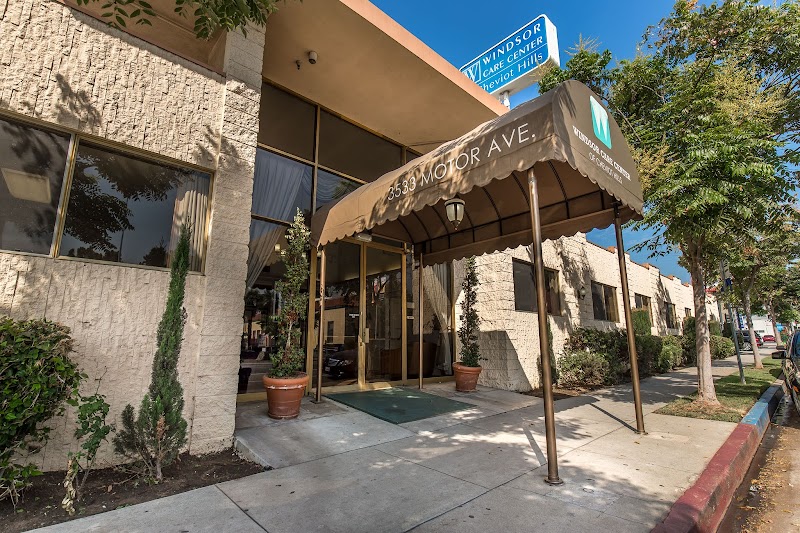
3533 MOTOR AVENUE, LOS ANGELES, CA 90034 (310) 836-8900
For profit - Limited Liability company 99 Beds WINDSOR Data: November 2025 2 Immediate Jeopardy citations
Trust Grade
4/100
#1008 of 1155 in CA
Last Inspection: December 2024

Within standard 12-15 month inspection cycle. Federal law requires annual inspections.

Overview

Cheviot Hills Post Acute has a Trust Grade of F, indicating poor performance and significant concerns about care quality. It ranks #1008 out of 1155 nursing homes in California, placing it in the bottom half of facilities state-wide, and #293 out of 369 in Los Angeles County, suggesting limited local options for better care. While the facility is showing an improving trend, moving from 16 issues in 2024 to 4 in 2025, there are still serious concerns, including $87,050 in fines, which is higher than 89% of California facilities, indicating compliance problems. Staffing is below average with a 2/5 rating, but the turnover rate of 30% is better than the state average. Critical incidents include failures to ensure proper heating for residents and providing incorrect diets for those at risk of choking, both of which pose serious health risks. Overall, families should weigh the facility's strengths and weaknesses carefully before making a decision.
Trust Score
F
4/100
In California
#1008/1155
Bottom 13%
Safety Record
High Risk
Review needed
Inspections
Getting Better
16 → 4 violations
Staff Stability
✓ Good
30% annual turnover. Excellent stability, 18 points below California's 48% average. Staff who stay learn residents' needs.
Penalties
○ Average
$87,050 in fines. Higher than 52% of California facilities. Some compliance issues.
Skilled Nurses
⚠ Watch
Each resident gets only 11 minutes of Registered Nurse (RN) attention daily — below average for California. Fewer RN minutes means fewer trained eyes watching for problems.
Violations
⚠ Watch
82 deficiencies on record. Higher than average. Multiple issues found across inspections.
★☆☆☆☆
1.0
Overall Rating
★★☆☆☆
2.0
Staff Levels
★★★★☆
4.0
Care Quality
★☆☆☆☆
1.0
Inspection Score
Stable
2024: 16 issues
2025: 4 issues

The Good

  • 4-Star Quality Measures · Strong clinical quality outcomes
  • Low Staff Turnover (30%) · Staff stability means consistent care
  • Full Sprinkler Coverage · Fire safety systems throughout facility
  • No fines on record
  • Staff turnover is low (30%)

    18 points below California average of 48%

Facility shows strength in quality measures, staff retention, fire safety.

The Bad

1-Star Overall Rating

Below California average (3.1)

Significant quality concerns identified by CMS

Federal Fines: $87,050

Well above median ($33,413)

Moderate penalties - review what triggered them

Chain: WINDSOR

Part of a multi-facility chain

Ask about local staffing decisions and management

The Ugly 82 deficiencies on record

2 life-threatening 1 actual harm
May 2025 2 deficiencies
CONCERN (D) 📢 Someone Reported This

A family member, employee, or ombudsman was alarmed enough to file a formal complaint

Potential for Harm - no one hurt, but risky conditions existed

Assessment Accuracy (Tag F0641)

Could have caused harm · This affected 1 resident

**NOTE- TERMS IN BRACKETS HAVE BEEN EDITED TO PROTECT CONFIDENTIALITY** Based on observation, interview and record review, the facility failed to ensure an accurate assessment in the Minimum Data Set ...

Read full inspector narrative →
**NOTE- TERMS IN BRACKETS HAVE BEEN EDITED TO PROTECT CONFIDENTIALITY** Based on observation, interview and record review, the facility failed to ensure an accurate assessment in the Minimum Data Set (MDS- a federally mandated resident assessment tool) was done for one of three sampled residents (Resident 1). This deficient practice had the potential to affect the resident's plan of care and delivery of services. Cross reference with F656 Findings: During a review of Resident 1's admission Record, the record indicated the resident was admitted to the facility on [DATE] with diagnoses including: heart failure (a condition where the heart weakened and cannot pump enough blood to meet the body's needs , cellulitis, muscle weakness, morbid (severe) obesity (excessive amount of body fat), hypertension (high blood pressure), obstructive sleep apnea (a sleep disorder where breathing repeatedly stops and starts during sleep due to a blockage of the upper airway). During a review of Resident 1's History and Physical (H&P) dated 5/2/25, the H&P indicated the resident during her hospital course patient was found to have hypercapnic respiratory failure secondary to Obesity Hypoventilation Syndrome ([NAME]- a condition where individuals who are obese experience hypoventilation [reduced breathing]) /OSA (Obstructive Sleep Apnea. It is a sleep disorder where the airway repeatedly collapses during sleep, causing breathing to stop or become shallow) treated with BiPAP (a breathing therapy that uses a small machine to deliver pressurized air through a mask worn over the nose or nose and mouth) with improvement and resolution of her metabolic (complex set of chemical reactions that occur within living organisms to maintain life)/hypercapnic (a condition where there is an abnormally high level of carbon dioxide [CO2- exhaled gas] in the blood) encephalopathy (condition affecting the brain). During a review of Resident 1's MDS dated [DATE], the MDS indicated Resident 1's had intact cognition (the mental processes involved with knowing, learning, reasoning, understanding). The MDS further indicated Resident 1 was dependent on staff for bed mobility, bathing, dressing and personal hygiene and required supervision to partial moderate assistance for eating and oral hygiene respectively. During a concurrent interview and record review on 5/28/25 at 4:23 pm with Assistant Director of Nursing (ADON), the Resident 1's MDS Section I - Active Diagnoses dated 5/7/25 was reviewed. The ADON verified there was no diagnosis of OSA indicated on the assessment and stated it was missed. During the same interview and record review of the MDS, Section O - Special Treatments, Procedures, and Programs was reviewed. The ADON verified BiPAP was not indicated as a special treatment on the assessment and stated it should have been entered and it was missed. During a review of the facility's Policy and Procedures (P&P) titled Resident Assessment reviewed 10/21/24, the P&P indicated A comprehensive assessment of each resident is completed . Information in the MDS assessments will consistently reflect information in the progress notes, plans of care and resident observations/interviews.
CONCERN (D) 📢 Someone Reported This

A family member, employee, or ombudsman was alarmed enough to file a formal complaint

Potential for Harm - no one hurt, but risky conditions existed

Comprehensive Care Plan (Tag F0656)

Could have caused harm · This affected 1 resident

**NOTE- TERMS IN BRACKETS HAVE BEEN EDITED TO PROTECT CONFIDENTIALITY** Based on interview and record review the facility failed to develop a care plan for OSA (Obstructive Sleep Apnea. It is a sleep ...

Read full inspector narrative →
**NOTE- TERMS IN BRACKETS HAVE BEEN EDITED TO PROTECT CONFIDENTIALITY** Based on interview and record review the facility failed to develop a care plan for OSA (Obstructive Sleep Apnea. It is a sleep disorder where the airway repeatedly collapses during sleep, causing breathing to stop or become shallow) for one of three sampled residents (Resident 1). This failure resulted in no plan of care for Resident 1's OSA and had the potential to affect continuity and delivery of care. Cross reference with F641 Findings: During a review of Resident 1's admission Record, the record indicated the resident was admitted to the facility on [DATE] with diagnoses including; heart failure (a condition where the heart weakened and cannot pump enough blood to meet the body's needs , cellulitis, muscle weakness, morbid (severe) obesity (excessive amount of body fat), hypertension (high blood pressure), obstructive sleep apnea (a sleep disorder where breathing repeatedly stops and starts during sleep due to a blockage of the upper airway). During a review of Resident 1's History and Physical (H&P) dated 5/2/25, the H&P indicated the resident during her hospital course patient was found to have hypercapnic respiratory failure secondary to Obesity Hypoventilation Syndrome ([NAME]- a condition where individuals who are obese experience hypoventilation [reduced breathing]) /OSA treated with BiPAP (a breathing therapy that uses a small machine to deliver pressurized air through a mask worn over the nose or nose and mouth) with improvement and resolution of her metabolic (complex set of chemical reactions that occur within living organisms to maintain life)/hypercapnic (a condition where there is an abnormally high level of carbon dioxide [CO2- exhaled gas] in the blood) encephalopathy (condition affecting the brain). During a review of the Minimum Data Set (MDS - a federally mandated resident assessment tool) dated 5/7/25, the MDS indicated Resident 1's had intact cognition (the mental processes involved with knowing, learning, reasoning, understanding). The MDS further indicated Resident 1 was dependent on staff for bed mobility, bathing, dressing and personal hygiene and required supervision to partial moderate assistance for eating and oral hygiene respectively. During a concurrent interview and record review with ADON on 5/28/25 at 4:23 pm, Resident 1's care plans were reviewed. The ADON verified there was no care plan developed for OSA or BiPAP and stated it could affect the resident's overall health. During a review of the facility's Policy and Procedures (P&P) titled Care Plan Comprehensive reviewed 10/21/24, the P&P indicated The facility's Interdisciplinary Team, in coordination with the resident and/or his/her family or representative, must developed and implement a comprehensive person-centered care plan for each resident, that includes measurable objectives and timeframes to meet a resident's medical, physical, and mental and psychosocial needs that are identified in the comprehensive assessment . Each resident's comprehensive care plan is designed to: a. Incorporate identified problem areas. b. Incorporate risk and contributing factors associated with identified problems . g. Identify professional services that are responsible for each element of care.
Apr 2025 2 deficiencies
CONCERN (D) 📢 Someone Reported This

A family member, employee, or ombudsman was alarmed enough to file a formal complaint

Potential for Harm - no one hurt, but risky conditions existed

Comprehensive Care Plan (Tag F0656)

Could have caused harm · This affected 1 resident

**NOTE- TERMS IN BRACKETS HAVE BEEN EDITED TO PROTECT CONFIDENTIALITY** Based on interview and record review for one of three sampled residents (Resident 2), the facility failed to develop a care plan...

Read full inspector narrative →
**NOTE- TERMS IN BRACKETS HAVE BEEN EDITED TO PROTECT CONFIDENTIALITY** Based on interview and record review for one of three sampled residents (Resident 2), the facility failed to develop a care plan for the left foot treatments. This deficient practice had the potential to led to the development of redness to the left heel. Findings: A review of Resident 2's admission record indicated the facility admitted this [AGE] year-old male on 2/3/2025 with diagnoses including peripheral vascular disease (PVD - a slow progressive narrowing of the blood flow to the arms and legs), Type 2 diabetes mellitus (DM-a disorder characterized by difficulty in blood sugar control and poor wound healing), atherosclerosis (chronic disease where sticky substances build up in the inner lining of the arteries) of right leg with gangrene (dead tissue caused by infection or lack of blood flow), atherosclerosis of aorta (largest blood vessel in the body), atherosclerotic heart disease, hypertensive heart disease (heart issues related to high blood pressure), presence of coronary angioplasty implant and graft (procedure where balloon is inserted into heart arteries to widen and improve blood flow), specified disorder, chronic obstructive pulmonary disorder (COPD-a chronic lung disease causing difficulty in breathing), hyperlipidemia (high fat in the blood), scoliosis (curvature in the spine), unilateral (on one side) osteoarthritis (a progressive disorder of the joints, caused by a gradual loss of cartilage) left hip. A review of Resident 2's Minimum Data Set (MDS-a resident assessment) dated 2/7/2025 indicated Resident 2's cognition (mental ability to make decisions for daily living) was intact. The MDS indicated Resident 2 was dependent (helper does all the effort. Resident does none of the effort to complete the activity. Or the assistance of 2 or more helpers is required for the resident to complete the activity) with toileting, personal hygiene, and transfers (moving between surfaces) from bed to chair. Lastly, Resident 2 was identified at risk for developing a pressure injury and did not currently have any pressure injuries. During a concurrent interview and record review on 4/3/2025 at 2:51 p.m. with the DON. Resident 2's physician order dated 2/4/2025 was reviewed. Resident 2's physician order indicated to apply A&D ointment (skin moisturizer) to left foot/toes excessive dryness, leave open to air and monitor for skin breakdown every dayshift. The DON stated, This is considered a treatment order so we should have care planned some interventions for the left foot. The DON stated Resident 2 was at risk for developing a pressure injury due to his medical condition. The DON stated some interventions to prevent pressure ulcers included providing heel protector boots (boots used to reduce the risk of bed sores by keeping the heel floated, reliving pressure), low air loss (LAL- mattress designed to distribute body weight over a broad surface area to help prevent skin breakdown) mattress if appropriate and monitoring the skin daily. Lastly, the DON confirmed no care plan was developed for the care of Resident 2 ' s left foot. During a review of the facility's policy and procedure (P&P) titled,Skin Integrity Management, reviewed 10/2024, the P&P indicated, .Develop comprehensive, interdisciplinary plan of care including prevention and wound treatments as indicated. Implement pressure ulcer prevention for identified risk factors. 4.2 Determine the need for support surface for bed and chair. 4.3 Determine the need for offloading devices. 4.4 Turning and repositioning based on resident care needs 4.5 For surgical wounds (e.g., flaps, grafts, donors, incisions, etc.), follow specific orders from the surgeon. 4.6 Implement Special Wound Care treatments/techniques, as indicated and ordered. A review of the facility policy and procedure titled, Care plans, comprehensive, person-centered reviewed 10/2024 indicated, [ .] Assessments of residents are ongoing and care plans are revised as information about the residents and the residents' conditions change. 12. The interdisciplinary team reviews and updates the care plan: a. when there has been a significant change in the resident's condition; b. when the desired outcome is not met; c. when the resident has been readmitted to the facility from a hospital stay; and d. at least quarterly, in conjunction with the required quarterly MDS assessment.
CONCERN (D) 📢 Someone Reported This

A family member, employee, or ombudsman was alarmed enough to file a formal complaint

Potential for Harm - no one hurt, but risky conditions existed

Pressure Ulcer Prevention (Tag F0686)

Could have caused harm · This affected 1 resident

**NOTE- TERMS IN BRACKETS HAVE BEEN EDITED TO PROTECT CONFIDENTIALITY** Based on observation, interview and record review for one of three sampled residents (Resident 2), the facility failed to monito...

Read full inspector narrative →
**NOTE- TERMS IN BRACKETS HAVE BEEN EDITED TO PROTECT CONFIDENTIALITY** Based on observation, interview and record review for one of three sampled residents (Resident 2), the facility failed to monitor skin and report redness on Resident 2's left heel to the attending physician (AP). This deficient practice placed Resident 2 at risk of developing a pressure injury (localized, pressure-related damage to the skin and/or underlying tissue usually over a bony prominence) to the left heel. Findings: A review of Resident 2's admission record indicated the facility admitted this [AGE] year-old male on 2/3/2025 with diagnoses including peripheral vascular disease (PVD - a slow progressive narrowing of the blood flow to the arms and legs), Type 2 diabetes mellitus (DM-a disorder characterized by difficulty in blood sugar control and poor wound healing), atherosclerosis (chronic disease where sticky substances build up in the inner lining of the arteries) of right leg with gangrene (dead tissue caused by infection or lack of blood flow), atherosclerosis of aorta (largest blood vessel in the body), atherosclerotic heart disease, hypertensive heart disease (heart issues related to high blood pressure), presence of coronary angioplasty implant and graft (procedure where balloon is inserted into heart arteries to widen and improve blood flow), specified disorder, chronic obstructive pulmonary disorder (COPD-a chronic lung disease causing difficulty in breathing), hyperlipidemia (high fat in the blood), scoliosis (curvature in the spine), unilateral (on one side) osteoarthritis (a progressive disorder of the joints, caused by a gradual loss of cartilage) left hip. A review of Resident 2's Minimum Data Set (MDS-a resident assessment tool) dated 2/7/2025 indicated Resident 2's cognition (mental ability to make decisions for daily living) was intact. The MDS indicated Resident 2 was dependent (helper does all the effort. Resident does none of the effort to complete the activity. Or the assistance of 2 or more helpers is required for the resident to complete the activity) with toileting, personal hygiene, and transfers (moving between surfaces) from bed to chair. Lastly, Resident 2 was identified at risk for developing a pressure injury and did not currently have any pressure injuries. On 4/1/2025 The California Department of Public Health (CDPH) received a complaint alleging a resident developed pressure ulcer while in the facility. During an interview on 4/3/2025 at 12:03 p.m. with the Ombudsman (OMBUDS-an advocate for residents of nursing homes, board and care centers, and assisted living facilities). The OMBUDS visited Resident 2 a week prior because Resident 2 informed the facility there was a possible pressure ulcer developing on Resident 2's heels and Resident 2 did not feel as if the facility addressed this concern. During a concurrent observation and interview on 4/3/2025 at 12:12 p.m. with Resident 2. in Resident 2's room, Resident 2 was lying in a regular mattress, two heel protector boots (boots used to reduce the risk of bed sores by keeping the heel floated, reliving pressure) were observed in the chair next to the bed, Resident 2 ' s right foot was wrapped in a clean gauze dressing and Resident 2's left foot was covered with a non-skid sock. Resident 2 stated, I feel like I was getting a bed sore or my right butt and, on my heels, I asked them to check while they are giving me a bath and they just say no you don ' t have one. I told them this about two weeks ago and I told the doctor during a video call. The doctor just said I needed to get out of bed and sit in a chair. I had a partial amputation on my right foot, and they change the dressing every day. They did not put any lotion or cream on my left foot today but that is normal; sometimes they do sometimes they don ' t. They did not put those boots on today nor last night, its hurts when I wear them on the right foot, but I haven ' t tried wearing them on just the left foot because they don ' t put them on. I overheard one of the unnamed staff nurses telling them to put the boots on me for two hours and then take them off for one hour, but no one has done that. During an interview on 4/3/2025 at 12:33 p.m. with the certified nursing assistant (CNA). The CNA stated the skin on Resident 2's left foot was very dry and needed A&D ointment. The CNA stated, I can't do it so I told the treatment nurse, I did not put anything on the left foot today after the bed bath. Lastly, the CNA stated, I did not notice any redness of Resident 2's skin today. During an interview on 4/3/2025 at 12:50p.m. the licensed Vocational Nurse (LVN) treatment nurse stated, Resident 2 has gangrene on the right foot, and I see him everyday and change the dressing. Resident 2 does not have any wounds on the left foot just dry skin. I believe we are doing A&D ointment for the dry skin. I usually apply it because it is considered a medication. No, it was not done this morning when I did the treatment on the right foot. During a concurrent observation and interview on 4/3/2025 at 1:27 p.m. with the LVN in Resident 2's room, Resident 2's sock was removed from left foot and the left foot was observed. A large amount of skin flakes feel from sock as sock was removed and the heel appeared reddened with a an approximate quarter sized area black area at the base of the heel. The LVN pushed on the reddened area and Resident 2 jumped in response. The LVN stated, I see some redness and a scab, usually the CNA is good about reporting any redness, but no one told me about any redness on the left heel today, I will have to call the doctor and do a COC. During a concurrent interview and record review on 4/3/2025 at 2:38 p.m. with the director of nursing (DON). Resident 2's change of condition (COC-document used to report a change in resident ' s health status that requires action) form dated 3/18/2025 was reviewed. Resident 2's COC form indicated Resident 2 developed a deep tissue injury (DTI- a serious form of pressure injury where damage occurs to the underlying tissue and appears as a purple or maroon discoloration on the intact skin). On the right heel. The DON stated Resident 2 was at risk for pressure ulcer due to Resident 2 ' s medical diagnoses. The DON stated the prevention measure in place were the heel protector boots. The DON stated a low air loss (LAL- mattress designed to distribute body weight over a broad surface area to help prevent skin breakdown) mattress would not have been appropriate because Resident 2 did not have and wounds on the back. Lastly, the DON stated the CNA ' s are also a second set of eyes to monitor the skin and report and changes. During a concurrent interview and record review on 4/3/2025 at 2:51 p.m. with the DON. Resident 2's physician order dated 2/4/2025 was reviewed. Resident 2's physician order indicated to apply A&D ointment (skin moisturizer) to left foot/toes excessive dryness, leave open to air and monitor for skin breakdown every dayshift. The DON stated, This should be done every shift by the treatment nurse. If the treatment nurse noticed and redness or skin changes to the left foot the doctor should be notified because the treatment orders may need to be changed. During an interview on 4/4/2025 at 11:56 a.m. The AP stated Resident 2 refused to wear the boots and that may have contributed to the development of the DTI on the right heel along with Resident 2's history of PVD. The AP stated the facility informed the AP of the redness to Resident 2's left foot on 4/3/2025 and instructed them to follow their protocol which would include encouragement to wear the protective heel boots. During a review of the facility's policy and procedure (P&P) titled, Change in Condition, reviewed 10/2024, the P&P indicated: I.PURPOSE To ensure residents, family, legal representatives, and physicians are informed of changes in the resident's condition. II.POLICY A Facility must immediately inform the resident, consult with the Resident's physician and/or NP, and notify, consistent with his/her authority, Resident Representative where there is: · An accident involving the Resident. · A significant change in the Resident's physical, mental, or psychosocial status (that is, a deterioration in health, mental or psychosocial status in either life-threatening conditions or clinical complications). · A need to alter treatment significantly (that is, a need to discontinue or change an existing form of treatment due to adverse consequences, or to commence a new form of treatment); or · A decision to transfer or discharge the Resident from the Center. A review of the facility policy and procedure titled, Skin integrity management reviewed 10/2024 indicated the implementation of an individual patient's skin integrity management occurs within the care delivery process. Staff continually observes and monitors patients for changes and implements revisions to the plan of care as needed. Notify Medical Director, Director of Nursing (DON), Administrator, and or Designee if deviation from protocol is requested by physician/advanced practice provider (APP), managed care companies, or others. [ .] Nursing staff will observe for any sign of potential or active pressure injury daily while providing nursing care.
Dec 2024 11 deficiencies
CONCERN (D)

Potential for Harm - no one hurt, but risky conditions existed

Resident Rights (Tag F0550)

Could have caused harm · This affected 1 resident

**NOTE- TERMS IN BRACKETS HAVE BEEN EDITED TO PROTECT CONFIDENTIALITY** Based on observation, interview, and record review, the facility failed to ensure staff promote dignity while assisting one of 2...

Read full inspector narrative →
**NOTE- TERMS IN BRACKETS HAVE BEEN EDITED TO PROTECT CONFIDENTIALITY** Based on observation, interview, and record review, the facility failed to ensure staff promote dignity while assisting one of 20 sampled residents (Residents 66) during meals; by not feeding the resident at eye level to maintain face-to-face contact with the residents. This deficient practice had the potential to result in feelings of decreased self-esteem and self-worth for Residents 4. Findings: A review of Resident 66's admission Record indicated the resident was admitted to the facility on [DATE] with diagnoses that included metabolic encephalopathy (condition in which brain function is disturbed either temporarily or permanently due to different diseases or toxins in the body), paralytic syndrome following cerebral infarction (a condition where paralysis occurs as a result of a stroke (cerebral infarction),), hypertension (abnormally high blood pressure), contracture of left and right knee (a permanent tightening of the muscles, tendons, and other tissues in the knee that limits the joint's range of motion) and need for assistance with personal care. A review of Resident 4's Minimum Data Set (MDS, a resident assessment tool) dated 10/24/2024, indicated the Resident 66's mental cognition (skills for daily decision-making) was intact. Resident 66 is dependent for eating and oral hygiene and upper body dressing, was dependent for toileting hygiene, shower/bathing self, and lower body dressing. During a meal observation and interview on 12/9/2024 at 8:14 AM, Certified Nursing Assistant 4 (CNA 4) was observed feeding Resident 4 inside residents' room. CNA 4 was standing to the right side of Resident 66 while feeding the resident. During an interview CNA 4 stated she is supposed to be seated at beside the patient while assisting the Resident with feeding. During an interview on 12/12/2024 at 12:23 PM, with Assistant Director of Nursing (ADON), ADON stated CNAs are required to be seated down at eye level when assisting resident with eating; CNAs should be at eye level, to ensure Resident is chewing and swallowing food without difficulty to prevent choking, and for Resident dignity. A review of facility's policy and procedures (P&P) title Quality of life-Dignity indicated, each Resident shall be cared for in a manner that promotes and enhances his or her sense of well-being, level of satisfaction with life and feeling of self-work and self-esteem.
CONCERN (D)

Potential for Harm - no one hurt, but risky conditions existed

Comprehensive Assessments (Tag F0636)

Could have caused harm · This affected 1 resident

**NOTE- TERMS IN BRACKETS HAVE BEEN EDITED TO PROTECT CONFIDENTIALITY** Based on record review and staff interviews, the facility failed to complete and submit the annual comprehensive Minimum Data Se...

Read full inspector narrative →
**NOTE- TERMS IN BRACKETS HAVE BEEN EDITED TO PROTECT CONFIDENTIALITY** Based on record review and staff interviews, the facility failed to complete and submit the annual comprehensive Minimum Data Set (MDS, a resident assessment tool) assessment within the regulatory timeframe for one of 18 sampled residents (Resident 40). This deficient practice had the potential to negatively affect the provision of necessary care and services for the affected residents. Findings: A review of Resident 40's admission record indicated the facility originally admitted the resident on 11/3/2023 and readmitted the resident on 5/17/2024 with diagnoses that included epilepsy, bipolar disorder (a mental illness that causes unusual shifts in a person's mood, energy, activity levels, and concentration) and hemiplegia (total paralysis of the arm, leg, and trunk on the same side of the body) and hemiparesis (mild or partial weakness or loss of strength on one side of the body)?. A review of Resident 40's MDS dated [DATE], indicated Resident 40's was totally dependent upon staff for all activities of daily living (ADLs -essential and routine activities include?eating, dressing, getting into or out of a bed or chair, taking a bath or shower, and using the toilet). The MDS also indicated Resident 40's cognition (ability to think, understand, and reason) was severely impaired (never/rarely made decisions). During a concurrent interview and record review with the Minimum Data Set Coordinator (MDSC) on 12/10/2024 at 8:53 AM, Residents 40's MDSC assessments log was reviewed. MDSC stated Resident 40's last MDS assessment was completed 7/30/2024 and the annual assessment was overdue. MDSC further stated the annual MDS for Resident 40 should have been completed by 11/1/2024. MDSC further stated the MDS is a complete record of the resident's care and it was possible the facility could miss a change in the resident when the MDS was not completed. During an interview on 12/12/2024 at 12:17 PM, the Director of Nursing stated the MDS is a data collection instrument and shows the resident's care areas. The DON further stated the MDS should be completed and submitted per CMS timeframes. A review of the facility's MDS/RAI Coordinator job description, revised 12/2022, indicated the MDS coordinator duties included ensuring that all assessments are completed and transmitted within required timeframes. A review of the facility's policy and procedures titled, MDS Completion and Submission Timeframes, reviewed 10/21/2024, indicated the facility will conduct and submit resident assessments in accordance with current federal and state submission timeframes.
CONCERN (D)

Potential for Harm - no one hurt, but risky conditions existed

PASARR Coordination (Tag F0644)

Could have caused harm · This affected 1 resident

**NOTE- TERMS IN BRACKETS HAVE BEEN EDITED TO PROTECT CONFIDENTIALITY** Based on interview and record review, the facility failed to conduct a Preadmission Screening and Resident Review (PASRR- is a f...

Read full inspector narrative →
**NOTE- TERMS IN BRACKETS HAVE BEEN EDITED TO PROTECT CONFIDENTIALITY** Based on interview and record review, the facility failed to conduct a Preadmission Screening and Resident Review (PASRR- is a federal requirement to help ensure that individuals are not inappropriately placed in nursing homes for long term care) level 1 assessment for one of four residents (Resident 50) diagnosed with mental illness. This deficient practice had the potential for inappropriate placement and management of Resident 50. Findings: A review of Resident 50's admission Record indicated Resident 50 was admitted to the facility on [DATE] with diagnoses that included schizophrenia (a serious mental health condition that affects how people think, feel and behave) and major depression (a mood disorder that causes a persistent feeling of sadness and loss of interest and can interfere with daily activities) A review of a PASARR letter dated 12/27/2023, indicated Resident 50 was negative for PASRR Level I Screen, and therefore, the resident did not need PASRR Level II screening. A review of physician orders indicated Resident 50 was on/receiving the following medications: 1.Trazadone HCI (medication to treat for major depressive disorder) oral (mouth) Tablet 50 milligrams (mg-unit of measurement) give 1 tablet by mouth at bedtime for unable to sleep. 2. Risperdal (Risperidone- medication to treat schizophrenia) oral Tablet 2 MG, Give 2 mg by mouth at bedtime for visual hallucination (false perception of objects or events involving sight). 3. Aripiprazole (medication to treat psychosis -a severe mental condition in which thought, and emotions are so affected that contact is lost with external reality) oral Tablet 30 mg; Give 1 tablet by mouth one time a day for visual hallucination. 4. Clozaril (medication to treat schizophrenia) oral Tablet 100 mg; Give 1 tablet by mouth two times a day for schizophrenia. A review of the Psychologist Diagnostic Evaluation document for 8/10/2024, indicated Resident 50 regularly experiences auditory hallucinations, he is aware of why he experiences them (i.e., as a result of his thought disorder diagnosis). During an interview on 12/12/24 at 11:17 AM, the admission Director (AD) stated she started working in the facility early April 2024. AD stated she had no experience with PASRR prior to working at the facility. AD stated she completed PASARR training through the Corporate online training program for possibly 1 hour. AD stated , I am responsible for ensuring the PASARR Level 1 was received when residents are admitted to this facility. Clinical (licensed nurses) will have to review the PASRR Level 1. AD stated Resident 50 has diagnoses of depression, dementia, schizophrenia, and mental and behavioral disorder. AD stated if the resident has a PASRR Level I, AD will refer a resident to the licensed nurses. AD stated the PASRR be corrected/updated within 24 hours. AD stated she would contact the hospital if the hospital does not complete PASRR Level I for a resident or ask the Assistant Director of Nursing (ADON) to complete one. During an interview on 12/12/24 at 12 PM the ADON stated residents usually come to the facility from hospital with PASARR. ADON stated AD makes sure there is a PASARR Level I from the hospital and uploads the PASARR in system. ADON stated licensed nurses completes the initial PASARR Level I and if a resident requires Level II, then someone from PASARR department will conduct the evaluation. ADON stated the facility did not follow up on PASRR 11 for resident 50. ADON state the facility started a list of residents who need PASRR Level 1 and 11 on 12/11/2024. During an interview on 12/12/24 at 12:22 PM, the Director of Nursing (DON) stated PASARR is to assess a resident for any mental illnesses, development disabilities, and or intellectual disability. DON stated the licensed nurses receive PASRR level 1 for residents from the hospital. The DON stated he is responsible to make sure the resident has the correct diagnosis, and if something is not matching with a resident's assessment then we have to re-do PASARR Level I. DON stated PASARR Level II is completed from Level I, for worsening of condition, change of psychiatry medications. During a concurrent record review, Resident 50's PASRR level 1 was reviewed. DON stated Resident 50's PASSR should have reviewed It was missed. DON stated Resident 50 may miss his treatment, condition (mental) may worsen.
CONCERN (D)

Potential for Harm - no one hurt, but risky conditions existed

Deficiency F0645 (Tag F0645)

Could have caused harm · This affected 1 resident

**NOTE- TERMS IN BRACKETS HAVE BEEN EDITED TO PROTECT CONFIDENTIALITY** Based on interview and record review, the facility failed to ensure that a Pre-admission Screening Resident Review level I (PASR...

Read full inspector narrative →
**NOTE- TERMS IN BRACKETS HAVE BEEN EDITED TO PROTECT CONFIDENTIALITY** Based on interview and record review, the facility failed to ensure that a Pre-admission Screening Resident Review level I (PASRR-an evaluation to determine if an induvial has a serious mental illness, intellectual disability, developmental disability, or related condition) was obtained and maintained in the residents chart for three of three sampled residents (Residents 1, 2, and 74). This deficient practice had the potential to negatively affect the appropriated care and services rendered and required for the residents. Cross reference F726 Findings: a. A review of Resident 1's admission Record indicated the facility re-admitted Resident 1 on 1/16/2024 with diagnoses including bipolar disorder (sometimes called manic-depressive disorder; mood swings that range from the lows of depression to elevated periods of emotional highs), anxiety (a feeling of worry, unease, or nervousness), and depression (a mood disorder that causes a persistent feeling of sadness and loss of interest) A review of Resident l's Minimum Data Set (MDS - a resident assessment tool) dated 9/13/2024, indicated Resident 1 had cognitive impairment (when a person has trouble remembering, learning new things, concentrating, or making decisions that affect their everyday life). The MOS indicated Resident 1 required substantial maximal assistance to dependency on staff assist for bed mobility, dressing and transfers. It further indicated Resident l's active diagnosis is anxiety, bipolar disorder. A review of Resident 1's Medication Administration Record (MAR) dated 12/2024, indicated Resident 1 is on Olanzapine oral (by mouth) tablet 10 milligrams (mg-unit of measurement) related to bipolar disorder. A review of Resident 1's History and Physical (H&P) dated 6/21/2024, indicated Resident 1 diagnoses included depression, bipolar disorder, and anxiety. A review of Resident 1's letter from Department of Health Care Services dated 8/22/2023, indicated Resident 1 did not qualify for a PASSR level 11 evaluation because the level 1 PASSR did not indicate that Resident 1 had a diagnosis of mental illness. b. A review of Resident 2's admission Record indicated the facility re-admitted Resident 1 on 11/23/2024 with diagnoses including schizophrenia (a serious mental illness that impacts a person's thoughts, feelings, and behaviors), chronic kidney disease (a condition where the kidneys are damaged and cannot filter blood). A review of Resident 2's H&P dated 6/21/2024, indicated Resident 2 has a diagnosis of major depression. A review if Resident 2's Order summary Report dated 12/2024, indicated Resident 2 has an order for Risperdal oral tablet 2 mg give 1 tablet by mouth two times a day related to schizophrenia. A review of Resident 2's MDS dated [DATE], indicated Resident 2 had cognitive impairment. The MDS indicated Resident 2 required substantial maximal assistance to dependency on staff assist for bed mobility, dressing and transfers. A review of Resident 2's letter from Department of Health Care Services dated 4/8/2024, indicated Resident 2 did not qualify for a PASSR level 11 evaluation because the level 1 PASSR did not indicate that Resident 2 had a diagnosis of mental illness. ADON During a concurrent record review on 12/11/24 at 11:12 am, admission Director (AD) stated she submitted an incorrect PASARR for Resident 2. stated she did not receive any training on how to complete and submit PASARR 1 or 11. ADON stated she checked the wrong answer on the PASARR 1 for Resident 2. ADON stated the only training she had for PASARR 1 and 11 was on 11-14-2024. c. A review of Resident 74's admission Record indicated the facility re-admitted Resident 1 on 1/8/2024 with diagnoses including schizophrenia (a serious mental illness that impacts a person's thoughts, feelings, and behaviors) and depression(a constant feeling of sadness and loss of interest). A review of Resident 74's H&P dated 6/21/2024, indicated Resident 74 has a diagnosis of depression. A review of Resident 74's MDS dated [DATE], indicated Resident 74 had moderate cognitive impairment (a noticeable decline in someone's thinking abilities). The MDS indicated Resident 74 required substantial minimal assistance to dependency on staff assist for bed mobility, dressing and transfers. It further indicated Resident 74 has a diagnosis of schizophrenia. A review if Resident 74's Order summary Report dated 12/2024, indicated Resident 74 has an order for Risperdal oral tablet 2 mg give 1 tablet by mouth two times a day related to schizophrenia. A review of Resident 74's letter from Department of Health Care Services dated 1/3/2024, indicated Resident 74 qualified for a PASSR level 11 evaluation. During an interview on 12/11/24 at 10:51 am, Assistant Director of Nursing (ADON) stated Resident 74 was admitted to the facility with psych medication orders. ADON stated Resident 74 should have been rescreened for the PASARR 11 once admitted to the facility. During an interview on 12/12/24 at 11:27 am, Director of Nursing stated if the PASRR 1 and 11 are not completed correctly it could affect the psychiatry treatment for the residents. During a review of the facility policy and procedures titled PASRR Completion Policy revised on 10/21/24, indicated, The facility will make sure that all admissions have the appropriate patient assessment and resident review completed. 1. Center Administrator will designate either the Admissions Director or Social Worker to make sure that the PASRR and /or level of care is done on all potential residents.
CONCERN (D)

Potential for Harm - no one hurt, but risky conditions existed

Deficiency F0726 (Tag F0726)

Could have caused harm · This affected 1 resident

**NOTE- TERMS IN BRACKETS HAVE BEEN EDITED TO PROTECT CONFIDENTIALITY** Based on interview and record review, the facility failed to: 1. The Director of Nursing (DON) was knowledgeable on how prevent ...

Read full inspector narrative →
**NOTE- TERMS IN BRACKETS HAVE BEEN EDITED TO PROTECT CONFIDENTIALITY** Based on interview and record review, the facility failed to: 1. The Director of Nursing (DON) was knowledgeable on how prevent medication/narcotics and did not maintain a log/records of medications/narcotics (controlled medications used to treat moderate to severe pain) collected for disposal by a medication waste management company. 2. Staff were knowledgeable in completing and submitting the correct complete Preadmission Screening and Resident Review (PASRR -is a federal requirement to help ensure that individuals are not inappropriately placed in nursing homes for long term care) level 1 (screening involves completion of an evaluation to determine if an individual has, or is suspected of having a PASSR condition such as, a serious mental illness, intellectual disability, developmental disability, or related condition) and level 11 (If the Level 1 screening indicates a potential PASRR condition, a more comprehensive Level 2 evaluation is conducted to confirm the diagnosis and determine appropriate care needs) for the residents upon admission to the facility. These deficient practices: 1. Resulted in the facility submitting an incorrect PASSR level 1 screening for Resident 2. 2. Had the potential for diversion of medications/narcotics. Cross Reference F755 Findings: a. During an observation and interview on 12/10/24 at 10:21 am with the DON in the DON's, the facility's [NAME] President of Operations and Nurse Resource were sitting in the DON's office with the door open. DON stated he shares his office with the Assistant Director of Nursing (ADON). DON stated he disposes the narcotics with the pharmacist once a month. DON stated the pharmacist comes into the facility, counts the narcotics, and brings a container to dispose of the narcotics. DON further stated the narcotics are kept in his office in the large blue and white bucket and a scheduled to be picked up by a medication waste management company. DON stated he does not have a log that the medication waste management signs upon picking up narcotics from the facility. DON stated he did not know the process of preventing diversion once the medication are picked up for disposal by the medication waste management company. DON stated he did not have an answer for preventing theft of narcotics or potential harm to the residents from unlocked bucket located in his unlocked office. DON stated he does not know the process of disposing narcotics/medication. b. A review of Resident 2's admission Record indicated the resident was admitted to the facility on [DATE] and was readmitted on [DATE] with diagnoses that included Schizophrenia (a serious mental condition of a type involving a breakdown in the relation between thought, emotion, and behavior, leading to faulty perception, inappropriate actions and feelings, withdrawal from reality and personal relationships into fantasy). A review of Resident 2's initial PASSR 1 screening dated 4/8/2024, indicated Resident 2 was admitted to the facility on [DATE] did not have a diagnosis/es of mental illness. A eview of Resident 2's History and Physical (H&P) record dated 6/19/2024, the H&P indicated resident 2 had major depression (low mood) and was on Mirtazapine (medication to treat depression) 15 milloigrams (mg-unit of measurement) twice daily. A review of Resident 2's Minimum Data Set (MDS-a resident assessment tool) dated 9/13/2024, indicated Resident 2 had severely impaired cognition (mental ability to make decisions). During a concurrent interview and record review on 12/11/24 at 11:12 am, admission Director (AD) stated she submitted an incorrect PASRR for Resident 2 dated 4/8/24. AD stated she did not receive any training on how to complete and submit PASRR l or ll. A record review of Resident 2's PASSR dated 4/8/2024 with AD, stated she checked the wrong answer on the PASRR l for Resident 2. AD stated the only training she had for PASRR l and ll was an in-service on 11-14-2024. admission Director stated because she does not have any knowledge about PASRRs and did not know what could happen to the resident if the PASRRs are not completed correctly. During an interview with on 12/12/24 at 11:27 am, Director of Nursing (DON) stated that if the PASRR 1 and 11 screenings are not completed correctly it could affect the necessary and required treatment for the residents. During an interview on 12/12/24 11:56 am, Administrator stated the DON is supposed to be competent and knowledgeable with all of his duties. Administrator stated if the DON is not competent and knowledgeable with his job description it can potentially cause harm to the residents. Administrator stated the residents will not receive good care. During a review of the facilities job description titled Director of Nursing with a revised date of 11/2022, indicated, Primary Purpose of this Position: The primary purpose of this position is to plan, organize, develop, and direct the overall operation of the nursing services department in accordance with current federal, state and local standards, guidelines and regulations that govern the facility and as directed by the administrator and the medical director to ensure that the highest degree of quality care is maintained. A review of the facility's policy and procedures (P&P) titled, Director of Nursing Services, revised on 8/2022, indicated, The nursing services department is managed by the director of nursing services. The director is a registered nurse (RN), licensed by this state, and has experience in nursing service administration, rehabilitative and geriatric nursing. The director is employed full-time (40-hours per week), overseeing standards of nursing practice, coordinating nursing services with other resident services, and develop staff training programs for nursing service personnel. A review of the facility's P&P titled Competency of Nursing Staff revised on 10/21/24 indicated, Facility and resident-specific competency evaluations will be conducted upon hire, annually and as deemed necessary based on the facility assessment.
CONCERN (D)

Potential for Harm - no one hurt, but risky conditions existed

Deficiency F0745 (Tag F0745)

Could have caused harm · This affected 1 resident

**NOTE- TERMS IN BRACKETS HAVE BEEN EDITED TO PROTECT CONFIDENTIALITY** Based on interview and record review, the facility failed to provide social services to one out of 20 sampled residents (Residen...

Read full inspector narrative →
**NOTE- TERMS IN BRACKETS HAVE BEEN EDITED TO PROTECT CONFIDENTIALITY** Based on interview and record review, the facility failed to provide social services to one out of 20 sampled residents (Resident 244) by failing to follow up on an order for orthopedic (musculoskeletal specialist) evaluation appointment. This deficient practice had the potential for delay in the delivery of care and services. Findings: A review of Resident 244's admission record indicated, Resident 1 was admitted originally admitted to the facility on [DATE] with diagnoses that included fracture of upper and lower end of right fibula (a break in both the upper and lower parts of the fibula bone in the lower leg), gout (a type of joint inflammation that occurs when uric acid (chemical waste product created when the body breaks down purines) builds up in the body and forms needle-shaped crystals in the joints), hyperlipidemia (abnormally high levels of lipids, or fats, in the blood), malignant neoplasm (a cancerous tumor that grows into nearby tissue and spread to other parts of the body) of prostate (gland in the male reproductive system), and abnormalities of gait and mobility (changes in walking or running patterns that can be caused by a number of conditions and diseases). A review of the Minimum Data Set (MDS - a resident assessment tool) dated 12/2/2024, indicated Resident 244's cognition (the mental action or process of acquiring knowledge and understanding through thought, experience, and the senses) was intact for daily decision making. Resident 244 was independent with eating, oral hygiene and personal hygiene, required set-up or clean up assistance with upper body dressing, Resident 244 required substantial/maximal assistance with toileting hygiene, shower/bathing, lower body dressing, putting on footwear and ambulation. During an initial tour on 12/9/2024 at 8:45 AM, Resident 244 indicated he had a scheduled orthopedic follow-up appointment on 12/6/2024, Resident 244 stated his orthopedic appointment was cancelled, he (Resident 244) was not told who cancelled the appointment and/or the reason for the appointment cancellation. A review of Resident 244's History and Physical (H&P) dated 11/27/2024 indicated Resident 244 had decision making capacity. H&P also listed future appointments on 11/29/2024 at 8:30AM and on 12/6/2024 at 1:30PM. During an interview on 12/10/2024 at 11:10 AM Case Manager (CM) stated she (CM) was responsible for coordinating referrals for K . (a separate health facility) Residents, CM stated Resident 244 was a K . patient, is a private pay and does not have transportation insurance coverage to doctor's visits, CM further stated, she (CM) will usually attempt to find private vendors and negotiate reasonable prices then informs Residents and/or family of costs and if they agree, she makes the appointments for them. CM I apologized, I wasn't here, and the appointments were missed. CM stated the importance of follow up appointments is for the doctor to check on Residents healing progress, treatment and care, CM stated Doctor's office and Residents should be involved in the scheduling and dates of the appointments, CM stated missing follow-up appointments would lead delay in mitigation of a worsening illness and/or delay in care and unnecessary hospitalizations that could lead to poor health outcomes for the Resident. During an interview on 12/12/24 11:57 AM, Director of Nursing (DON) stated, follow up appointments are important and should not be missed, going to the appointment gives Doctor an opportunity to directly assess treatment progress, DON stated missing an appointment could lead to a missed opportunity for an adjustment and/or change in treatment that could improve residents' outcomes. A review of the facility's case manager job description indicated, the primary purpose of the case manager position is to coordinate delivery of services to managed care and Medicare residents in collaboration with the facility's team members. A review of facility policy and procedures (P&P) title, Referrals, indicated, social services/designee shall coordinate most resident referrals, policy further stated referrals for medical services are to be based on physician evaluation of the resident need and a related physician order, social services/designee will help arrange transportation to outside agencies, clinic appointments, etc., as appropriate.
CONCERN (D)

Potential for Harm - no one hurt, but risky conditions existed

Pharmacy Services (Tag F0755)

Could have caused harm · This affected 1 resident

Based on observation and interview, the Director of Nursing (DON) failed to store, and discard controlled and non-controlled medications according to the facility's policy and procedures titled Discar...

Read full inspector narrative →
Based on observation and interview, the Director of Nursing (DON) failed to store, and discard controlled and non-controlled medications according to the facility's policy and procedures titled Discarding and Destroying Medications. These failures had the potential for diversion of medications. Cross Reference F726 Findings: During an observation in the DON's office and concurrent interview on 12/10/24 at 10:21 am with the DON, the facility's [NAME] President of Operations and Nurse Resource were sitting in the DON's office with the door open. Large blue and white bucket with unlocked screw on top that did not lock was noted/observed. The medications (tablets) in the waste containers were whole, intact, and retrievable. The medications were tablets not mixed in any solution/gel to disolve the disposed medications/narcotics. The medications could easily be poured out from the blue and white container. The DON stated that he shares his office with the Assistant Director of Nursing (ADON). DON stated he disposes of the narcotics with the pharmacist once a month. DON stated the pharmacist comes into the facility, counts the narcotics, and brings a container to dispose of the narcotics. DON further stated the narcotics are kept in his office in the large blue and white bucket and a scheduled picked up by a medication waste management company. DON stated he did not have a log that the medication waste management company signs when they pick up the narcotics/medications from the facility. DON stated he is able to retrieve the receipts for the pick up on line. DON stated he did not know the process of preventing diversion once the medication waste management company picks up the medication from the facility. DON stated he did not have an answer for preventing theft of narcotics or potential harm to the residents from unlocked bucket located in his unlocked office. DON stated he does not have an answer if the [NAME] President of Operations sitting in his office leaves the DON's and leaves the door to the open and a resident comes in the office and obtain the narcotics. DON stated he did not know the disposition process of narcotic medication. During an interview on 12/12/24 at 10:14 am, the facilty pharmacist stated the facility is supposed to destroy medications, take the medication count sheet and make sure the amount of pills match, sign, date and give the medication count sheet back to the DON monthly. Pharmacist stated he instructed the DON about putting a solution called drug buster in the large blue and white container. Pharmacist stated the drug buster should dissolve the medication and make the medication become diluted so that none of the staff or the transportation company can remove any of the medications from the container. Pharmacist stated he never witnessed the DON put any solution in the container on the days that they wasted medications in the facility. Pharmacist stated the top of the container where the medications are waisted should be closed and locked. Pharmacist stated if the medications are not diluted it could cause risk for drug diversion. During a review of the facility's policy titled Discarding and Destroying Medications indicated Policy Interpretation and Implementation: 1. All unused controlled substances are retained in a securely locked area until disposed of . 13. Staff shall contact the provider pharmacy if unsure of proper disposal methods for a medication.
CONCERN (D)

Potential for Harm - no one hurt, but risky conditions existed

Deficiency F0806 (Tag F0806)

Could have caused harm · This affected 1 resident

**NOTE- TERMS IN BRACKETS HAVE BEEN EDITED TO PROTECT CONFIDENTIALITY** Based on observation and interview, the facility failed to provide food that accommodates resident allergies, intolerances, and ...

Read full inspector narrative →
**NOTE- TERMS IN BRACKETS HAVE BEEN EDITED TO PROTECT CONFIDENTIALITY** Based on observation and interview, the facility failed to provide food that accommodates resident allergies, intolerances, and preferences. This deficient practice resulted in the Resident waiting over two hours for an alternative meal. Findings: A review of Resident 294's admission Record indicated Resident 294 was admitted to the facility on [DATE], with medical diagnoses that included: hypertension (high blood pressure) and muscle weakness (a lack of physical or muscle strength, throughout the body). A review of Resident 294's doctor's assessment titled History and Physical (H&P) dated 12/8/2024 Resident 294's cognition (the mental ability to make decisions of daily living) was intact, and resident can make decisions for medical care; however, needs assistance to perform some of her activities of daily living. During observation on 12/09/24 at 8:42 am., Resident 294 was looking at her food on the plate and was not eating it. A cup with oatmeal on the resident's breakfast tray looked very strange and watery. During an interview on 12/09/24 at 8:55 am., Resident 294 stated, the breakfast food is not hot, the oatmeal is runny and does not taste good at all. Breakfast was served at 7:15 am I could not eat the breakfast and asked for a substitute because the breakfast was not edible. During an interview on 12/09/24 at 9 am., Certified Nursing Assistant 2 (CNA 2) stated Resident 294 breakfast was served at about 7 am and that the resident did not want the food. CNA 2 stated the resident's was taken back to the kitchen to be heated up. CNA 2 stated, It is now almost 9 am and they have not called to let me know that the food (the resident's breakfast) is ready. I went down to the kitchen, and they said it was not ready. CNA 2 stated she will go down and check one more time. CNA 2 returned from the kitchen and stated they are about to bring it (breakfast) up to the resident. During observation on 12/09/24 at 9:15 am., the kitchen staff brought the substitute food for the resident. The food was two sausage patties. The food was provided two hours after breakfast was first served to the resident in the morning. During an interview on 12/10/24 at 1:08 pm., Dietary Supervisor (DS) stated, she tries to provide residents with alternatives food that is available on the menu however, if they (residents) ask for something that is not being served on that very day we cannot provide it. DS stated it usually does not take two hours to bring a substitute to the resident and she will check to see what the situation is in the kitchen. A review of facility's policy and procedures titled, Resident Rood Preferences, revised 10/2017, indicated: Policy Interpretation and Implementation 1. The Dietary Manager will meet with the resident within 72 hours of admission or readmission, quarterly, and annually to review the following: d. Discuss the resident's food preferences/allergies, if applicable; 2. The Dietary Department will provide residents with meals consistent with their preferences, as indicated on their tray card. A. If a preferred item is not available, a suitable substitute should be provided.
CONCERN (D)

Potential for Harm - no one hurt, but risky conditions existed

Deficiency F0925 (Tag F0925)

Could have caused harm · This affected 1 resident

**NOTE- TERMS IN BRACKETS HAVE BEEN EDITED TO PROTECT CONFIDENTIALITY** Based on observation, interview, and record review, the facility failed to provide a homelike environment by the inability of th...

Read full inspector narrative →
**NOTE- TERMS IN BRACKETS HAVE BEEN EDITED TO PROTECT CONFIDENTIALITY** Based on observation, interview, and record review, the facility failed to provide a homelike environment by the inability of the facility to ensure a pest free environment for one of three residents, Resident 294. This deficient practice resulted in Resident 294 being bitten by a spider and also had the potential for facility wide infestation of spiders. Findings: A review of Resident 294's admission Record indicated Resident 294 was admitted to the facility on [DATE], with medical diagnoses that included hypertension (high blood pressure) and muscle weakness (a lack of physical or muscle strength, throughout the body). A review of Resident 294's Doctor's assessment titled History and Physical (H&P) dated 12/8/2024 Resident 294's cognition (the mental ability to make decisions of daily living) was intact, and resident can make decisions for medical care; however, needs assistance to perform some of her activities of daily living. During a witnessed observation and concurrent interview with Certified Nursing Assistant 1 (CNA 1) on 12/9/24 at 10:08 am., an insect was observed outside Resident 294's room. CNA 1 stated that she witnessed a spider on the wall next to one of the resident's rooms. CNA 1 stated she is very scared of spiders. CNA 1 stated that she has not seen any other insects in the building, however, there are some gnats in the building that I see from time to time. During interview on 12/11/24 at 8:51 am., Maintenance Supervisor (MS) stated, the facility's contracted pest control company is scheduled to come out to the facility on [DATE]to fumigate. MS stated the facility had been treated last month about two weeks ago, and there should be no bugs or rodents in the facility. MS stated that he checks the facility often for any signs of infestation. MS stated that he would make it a priority to spray for spiders and bugs to prevent any more insects from entering the facility During interview on 12/11/24 at 2:17 pm., the Administrator (ADM) stated that the facility should be free of pests at all times and if one is spotted then the Maintenance Supervisor will take immediate action to control any infestation of insects or vermin. ADM stated he has not seen any insects in the building. A review of facility's policy and procedures titled, Pest Control, Policy Statement, reviewed 10/21/2024, indicated: Our facility shall maintain an effective pest control program. Policy Interpretation and Implementation 1. This facility maintains an on-going pest control program to ensure that the building is kept free of insects and rodents. 6. Maintenance services assist, when appropriate and necessary, in providing pest control services.
CONCERN (F)

Potential for Harm - no one hurt, but risky conditions existed

Menu Adequacy (Tag F0803)

Could have caused harm · This affected most or all residents

Based on observation, interview, and record review, the facility failed to ensure dietary cooks followed the menu and used a recipe for lunch on 12/9/2024. This deficient practice the potential for th...

Read full inspector narrative →
Based on observation, interview, and record review, the facility failed to ensure dietary cooks followed the menu and used a recipe for lunch on 12/9/2024. This deficient practice the potential for the food to be prepared incorrectly and could make the residents sick. Cross refence F812 Findings: 1. During an initial kitchen observation on 12/09/24 at 7:44 AM with the Dietary Supervisor (DS), the following were noted of the walk-in refrigerator: a container of cooked ground beef dated that it was cooked for 12/09/24; container of mixed vegetables dated 12/8/24; cooked chicken dated 12/9/24; mashed potatoes dated 12/8/24; cooked rice dated 12/09/24; cooked tofu unlabeled with a date of 12/9/24; and cooked pork dated 12/9/24. 2. During an observation of the food recipe binder on 12/09/24 at 8:32 am with DS, there was no recipe for the lunch that the Dietary Cooks were preparing. Dietary [NAME] 1 was priparing chicken noodle casserole. During a concurrent interview DS stated, the menu for today's (12/9/24) lunch is upstairs in my office. When asked how the Cooks are cooking the resident's lunch without following the recipe, DS stated, the Cooks memorize the recipe. A review of the facility food recipe binder indicated there was no recipe for the chicken noodle casserole that Dietary [NAME] 1 was preparing for lunch. During an interview on 12/09/24 9 am, Dietary [NAME] 1 stated he could not tell the surveyor the recipe for the lunch that he was already preparing without looking at the actual recipe. Dietary [NAME] 1, stated if the food recipe is not followed properly the food will not be prepared correctly and the food could make the residents sick. During an interview on 12/09/24 9:18 am, DS stated if the Cooks do not follow the recipe when cooking the residents' food, the food will not be prepared correctly, could be under cooked, and could make the residents sick. A review of the facility's policy and procedures reviewed on 10/21/2024, titled Menus indicated Policy Statement: Menus are developed and prepared to meet resident choices including religious, cultural and ethnic needs while following established national guidelines for nutritional adequacy . 1. Menus meet the nutritional needs of residents in accordance with the recommended dietary allowances of the Food and Nutrition Board (National Research Council and National Academy of Sciences). A review of the facility's policy and procedures reviewed on 10/21/2024, standardized Recipes indicated Policy Statement: Standardized recipes shall be developed and used in the preparation of foods.
CONCERN (F)

Potential for Harm - no one hurt, but risky conditions existed

Food Safety (Tag F0812)

Could have caused harm · This affected most or all residents

Based on observation, interview, and record review, the facility failed to ensure safe and sanitary food storage and food preparation practices in the kitchen. These failures had the potential to res...

Read full inspector narrative →
Based on observation, interview, and record review, the facility failed to ensure safe and sanitary food storage and food preparation practices in the kitchen. These failures had the potential to result in harmful bacteria growth that could lead to foodborne illness (illness caused by food contaminated with bacteria, viruses, and other toxins) for 89 of 89 medically compromised residents who received food from the kitchen. Cross refence F803 Findings: 1. During an initial kitchen observation on 12/09/24 at 7:44 AM with the Dietary Supervisor (DS), the following were noted of the walk-in refrigerator: a container of cooked ground beef dated that it was cooked for 12/09/24; container of mixed vegetables dated 12/08/24; cooked chicken dated 12/09/24; mashed potatoes dated 12/8/24; cooked rice dated 12/09/24; cooked tofu unlabeled with a date of 12/09/24; and cooked pork dated 12/09/24. 2. During an observation of the food recipe binder on 12/09/24 at 8:32 am with DS, there was no recipe for the lunch that the Dietary Cooks were preparing. Dietary [NAME] 1 was preparing chicken noodle casserole. During a concurrent interview DS stated, the menu for today's 912/9/24) lunch is upstairs in my office. When asked how the Cooks are cooking the resident's lunch without following the recipe, DS stated, the Cooks memorize the recipe. A review of the facility food recipe binder indicated there was no recipe for the chicken noodle casserole that Dietary [NAME] 1 was preparing for lunch. During an interview on 12/09/24 at 8:20 am, Dietary [NAME] 1 stated he has been employed with the facility as a [NAME] for 2 years. Dietary [NAME] 1 stated his last annual skills competency was when he was hired 2 years ago. Dietary [NAME] 1 stated the night shift cook did not follow the cooling down method for the leftover food cooked on 12/08/2024. Dietary [NAME] 1 stated he the left over food was already in the refrigerator. Dietary [NAME] 1 stated if the cooling down method is not followed and cooked food is not stored at the correct temperature, the residents' could get very sick. During an interview on 12/09/24 9:00 am, Dietary [NAME] 1 stated food not prepared correctly could make the residents sick. During an interview on 12/09/24 9:18 am, DS stated if the Cooks are not following the recipe for cooking the residents food the food will not be prepared correctly, could be under cooked, and could make the residents sick. During an interview on 12/09/24 3:29 pm, Registered Dietician stated the Dietary Cooks are not supposed to store leftover cooked foods because leftover can cause food borne illnesses and make the residents very sick especially if the cooked foods are not cooled down properly. A review of the facility policy and procedures dated 11/2022, titled Food Preparation and Service indicated food and nutrition services employees prepare, distribute and serve food in a manner that complies with safe food handling practices. General Guidelines: 1. Identification of potential hazards in the food preparation process and adhering to critical control points can reduce the risk of food contamination and thereby minimize the risk of foodborne illness. Rapid Cooling: 1. Potentially hazadous foods are cooled rapidly. This is defined as cooling from 135 degrees F (Fahrenheit) to 70 degrees f within two hours and then to a temperature of 41 degrees within the next 4 hours. The total cooling time not exceed 6 hours
Nov 2024 2 deficiencies 1 Harm
SERIOUS (G) 📢 Someone Reported This

A family member, employee, or ombudsman was alarmed enough to file a formal complaint

Actual Harm - a resident was hurt due to facility failures

Accident Prevention (Tag F0689)

A resident was harmed · This affected 1 resident

**NOTE- TERMS IN BRACKETS HAVE BEEN EDITED TO PROTECT CONFIDENTIALITY** Based on interview and record review, the facility failed to ensure one of three sampled residents (Resident 1), who had a histo...

Read full inspector narrative →
**NOTE- TERMS IN BRACKETS HAVE BEEN EDITED TO PROTECT CONFIDENTIALITY** Based on interview and record review, the facility failed to ensure one of three sampled residents (Resident 1), who had a history of falls, and identified to have fall risk indicators was not left unattended sitting on bed by the Certified Nursing Assistant (CNA) 1 on 11/5/2024. This failure resulted in Resident 1 had a fall on 11/5/2024 at 12:12 am and was sent to General Acute Care Hospital (GACH) on 11/5/2024. Resident 1sustained a mildly displaced right 10th through 12th rib fracture and right 10th rib fracture is segmental (happen when one of your bones is broken in at least two places, leaving a segment of your bone totally separated by the breaks). Findings: During a review of Resident 1 ' s admission record, the record indicated Resident 1 was admitted to the facility on [DATE] with diagnoses including history of falling, unsteadiness on feet, and need for assistance with personal care. During a review of Resident 1 ' s History and physical (H&P, a term used to describe a physician's examination of a patient. In an H&P, the physician obtains a thorough medical history from the patient, performs a physical examination, and then documents their findings) dated 10/4/2024 it indicated Resident 1 did not have the capacity for medical decision making due to cognitive decline (the mental processes that allow people to think, understand, and complete tasks). During a review of Resident 1 ' s Nursing documentation evaluation dated 10/2/2024 at 4:55 pm, the nursing documentation evaluation indicated under the fall risk factor Fall Risk Indicators Identified. During a review of the Minimum Data Set (MDS – a resident assessment tool) dated 10/7/2024, indicated Resident 1 had moderate cognitive impairments (a stage of cognitive decline where a person has significant difficulty with complex tasks and may become confused about their surroundings). The same MDS indicated Resident 1 was required substantial/maximal assistance (helper does more than half the effort, helper lifts or holds trunk or limbs) for most of her Activities of Daily Living such as: (ADLs - ADLs- routine tasks/activities such as bathing, dressing, toileting hygiene) and partial/moderate assistance for oral hygiene, personal hygiene. During a review of a Change of Condition (COC) dated 11/5/2024 at 12:12 am, it indicated Resident 1 had a fall on 11/5/2024. Resident 1 was seen sitting on the floor next to the foot of the bed in her room and had pain 10/10 (10 being the worst) to the back after the fall. The same COC indicated Resident 1 was transferred to the hospital per her request and MD (Medical Doctor) was made aware. During a review of a physician ' s order dated 11/5/2024 indicated Transfer to Acute hospital via 911 (a three-digit number that people in the United States can call to request emergency assistance) for further eval (evaluation) s/p (status post-after) fall. During a review of Resident 1 ' s care plan initiated 10/4/2024 indicated Resident 1 was at risk for falls: impaired mobility. The interventions included to monitor for and assist with toileting needs. During a review of the computed tomography scan (CT scan - a noninvasive medical imaging procedure that uses X-rays (a type of electromagnetic radiation that can pass through most objects, including the human body, to create images of internal structures) and a computer to create detailed pictures of the inside of the body) dated 11/5/2024 at 4:57 am indicated Recent appearing mildly displaced right 10th through 12th rib fractures. Right 10th rib fracture is segmental. During an interview with Family Member (FM) 1 on 11/6/24 at 10:54 am, FM 1 stated she spoke with the Licensed Vocational Nurse (LVN) 1 who informed her that Resident 1 had a fall earlier that morning and had requested to be sent to GACH because was experiencing severe pain which had not resolved after taking some pain medication. FM 1 stated that she (FM 1) called GACH where Resident 1 was admitted and was informed that Resident 1 had a right hip and several rib fractures which she did not have before. During an interview with LVN 1 on 11/6/2024 at 1:45 pm, LVN 1 stated that Resident 1 was incontinent (the inability to control the flow of urine or stool) of bowel and bladder but did not get up overnight (on 11/5/2024). LVN 1 stated she changed the Resident 1 incontinence briefs in bed. LVN 1 stated that she heard a scream coming from Resident 1 ' s room around midnight and when she got there, she found Resident 1 on the floor. LVN 1 stated CNA 1 who was assigned to her (Resident 1) reported that Resident 1 asked to go be taken to the bathroom. CNA 1 sat Resident 1 on the side of her bed with her feet on the floor and went to the bathroom to get it prepared. While in the bathroom, she (CNA) heard Resident 1 scream, ran back to the room, and found her (Resident 1) on the floor. She stated that Resident 1 was a fall risk should not have been taken out of bed and left unsupervised. During an interview with the Assistant Director of Nursing (ADON), on 11/6/24 at 2:15 pm, the ADON stated that Resident 1 was a fall risk because she had a history of falls, had some cognitive impairments, and had a (history of) humerus (shoulder bone) fracture. ADON stated that Resident 1 should not have been left sitting at the bedside unsupervised to prevent falls. During a review of the facility ' s policy and procedure (P&P) titled Fall Management, with an effective date 5/26/2021, the P&P indicated, To reduce risk for falls and minimize the actual occurrence of falls. The same P&P indicated; Patients will be assessed for falls risk as part of the nursing assessment process. Those determined to be at risk will receive appropriate interventions to reduce risk and minimize injury.
CONCERN (D) 📢 Someone Reported This

A family member, employee, or ombudsman was alarmed enough to file a formal complaint

Potential for Harm - no one hurt, but risky conditions existed

Notification of Changes (Tag F0580)

Could have caused harm · This affected 1 resident

**NOTE- TERMS IN BRACKETS HAVE BEEN EDITED TO PROTECT CONFIDENTIALITY** Based on observation, interview, and record review, the facility failed to implement its' policy and procedure (P&P) by failing ...

Read full inspector narrative →
**NOTE- TERMS IN BRACKETS HAVE BEEN EDITED TO PROTECT CONFIDENTIALITY** Based on observation, interview, and record review, the facility failed to implement its' policy and procedure (P&P) by failing to ensure prompt physician notification of one of the three sample residents (Resident 2) when Resident 2 had chills on 10/18/2024 at 3:47 pm and 10/18/2024 at 11:49 pm. As a result of this deficient practice, Resident 2 was found to have Altered Mental Status (AMS -a change in mental function that stems from illnesses, disorders and injuries affecting your brain)and was transferred to General Acute Care Hospital (GACH) where she was diagnosed with sepsis (a life-threatening blood infection), Urinary Tract Infection (UTI- an infection in the bladder/urinary tract). Findings: During a review of the admission record indicated Resident 2 was i admitted to the facility on [DATE] with diagnoses that included sepsis, and diabetes mellitus (DM-a disorder characterized by difficulty in blood sugar control and poor wound healing). During a review of Resident 2 ' s History and physical (a term used to describe a physician's examination of a patient. In an H&P, the physician obtains a thorough medical history from the patient, performs a physical examination, and then documents their findings) dated 10/4/2024 indicated Resident 2 had capacity for decision making). During a review of Resident 2 ' s care plan initiated 10/4/2024 for Resident 2 ' s indwelling catheter (a thin, flexible tube that is inserted into the bladder to drain urine), indicated a goal of The resident (Resident 2) will show no s/sx (signs and symptoms of urinary infection, included the following interventions: Monitor/record/report to MD for s/sx UTI: pain, burning, blood-tinged urine, cloudiness, no output, deepening of urine color, increased pulse, increased temp (body temperature), urinary frequency, foul smelling urine, fever, chills, altered mental status, change in behavior, change in eating patterns. During a review of Resident 2 ' s Minimum Data Set (MDS – a esident assessment tool) dated 10/8/2024, the MDS indicated Resident 2 was cognitively intact (had sufficient judgment, planning, organization, self-control, and the persistence needed to manage the normal demands of the participant's environment). The same MDS indicated Resident 1 was required substantial/maximal assistance for most of her Activities of Daily Living such as: (ADLs - ADLs- routine tasks/activities such as bathing, lower body dressing, toileting hygiene) and partial/moderate assistance for oral hygiene, upper body dressing, personal hygiene. During a review of Resident 2 ' s progress note dated 10/18/2024 at 3:47 pm indicated, Resident 2 Resident was noted shaking and were given blankets & hot packs. During a review of Resident 2 ' s progress note dated 10/18/2024 at 11:49 pm indicated, Resident 2 Resident was noted shaking and were given blankets & hot packs. During a review of a Change of Condition (COC) dated 10/28/2024 at 8:01 am, indicated Resident appeared to have altered mental status and seems more lethargy (a state of feeling drowsy, tired, or lacking mental alertness) during breakfast rounds, upon assessment resident was noted hypotensive (low blood pressure lower than 90/60), o2 sat (Oxygen saturation, or O2 sat, is a measure of how much oxygen is in your blood normal between 95 to 100 percent [%]) of 89% on RA (room air), responds to pain by opening eyes but unable to answer questions. Oxygen was provided via NC (nasal cannula- via a tube that goes in your nose) at 5L (liters) initially, o2 sat rechecked at 97%, gradually decreased o2 to 3L_and o2 sat stabilized at 96-97% on 2L of oxygen. Rechecked _bp noted 84/40. MD notified. The same COC indicated Resident 2 was transferred to the hospital. During a review of a transfer form for Resident 2 dated 10/28/2024 at 8:28 am, the form indicated Resident 2 was transferred to GACH on 10/28/2024 at 8:30 am for the following reasons: AMS appears to be lethargic, hypotensive. During an inter with the Assitant Director of Nursing (ADON), on 11/6/24 at 2:15 pm, the ADON stated that Resident 2 ' s physician should have been notified promptly when Resident 2 was noted to be shaking both times on 10/18/2024 given that she had a foley catheter and a history of UTIs/sepsis. The ADON confirmed that chills was one of the symptoms the facility should have been monitoring per Resident 2 ' s care plan. During a review of the facility's P&P titled Change in a Resident's Condition or Status, revised 10/21/2024 the P&P indicated the policy statement Our facility promptly notifies the resident, his or her attending physician, and the resident representative of changes in the resident's medical/mental condition and/or status (e.g., changes in level of care, billing/payments, resident rights, etc.). The same P&P indicated under policy interpretation and implementation: - significant change in the resident's physical/emotional/mental condition.
Oct 2024 1 deficiency
CONCERN (D) 📢 Someone Reported This

A family member, employee, or ombudsman was alarmed enough to file a formal complaint

Potential for Harm - no one hurt, but risky conditions existed

Deficiency F0552 (Tag F0552)

Could have caused harm · This affected 1 resident

**NOTE- TERMS IN BRACKETS HAVE BEEN EDITED TO PROTECT CONFIDENTIALITY** Based on observation, interview, and record review, the facility failed to ensure Certified Nursing Assistant 2 (CNA 2) did not ...

Read full inspector narrative →
**NOTE- TERMS IN BRACKETS HAVE BEEN EDITED TO PROTECT CONFIDENTIALITY** Based on observation, interview, and record review, the facility failed to ensure Certified Nursing Assistant 2 (CNA 2) did not assist CNA 1 with the care for one of four residents (Resident 1) after Resident 1 refused for CNA 2 to provide/assist with Resident 1's care. This deficient practice violated Resident 1's right to make an informed decision regarding who will provide nursing care to Resident 1 prior to performing nursing care. Findings: During a review of Resident 1's face sheet (front page of the chart that contains a summary of basic information about the resident), indicated Resident 1 was admitted to the facility on [DATE] and was re-admitted on [DATE] with diagnoses including encephalopathy (brain dysfunction that can appear as confusion, memory loss, personality changes and/or coma in the most severe form), pressure ulcer of the sacral region, Stage 4 (skin damage spreads to the muscle, bone, or joints), contracture of the right and left ankles and multiple muscle sites (a stiffening/shortening at any joint, that reduces the joint's range of motion), and depression (a common but serious mood disorder that causes a persistent feeling of sadness and loss of interest). During a review of Resident 1's care plan on potential to demonstrate behaviors related to requesting to be pulled up and repositioned frequently, dated 6/13/2024 and revised on 6/18/2024, the care plan interventions included providing consistent, trusted caregiver and structured daily routine when possible, seeking input from Resident 1 on what would help to make the resident's stay in the facility meaningful. During a review of Resident 1's history and physical (H&P - a physician's complete patient examination) dated 7/21/2024, the H&P indicated Resident 1 had the capacity to make medical decision. During a review of Resident 1's Minimum Data Sheet (MDS - a federally mandated resident assessment tool) dated 8/30/2024, indicated, Resident 1 had intact cognitive (mental ability to make decisions of daily living) skills and the ability to make decisions on activities of daily living. During a review of the facility's Interdisciplinary Team (IDT - a group of different healthcare professionals working together towards a common goal for a resident) Progress Notes dated 10/03/2024, indicated, Resident 1 requested the CNA involved not be assigned to her anymore. During a review of Resident 1's Psychologist Progress Note dated 10/04/2024, indicated, Resident 1 has sufficient cognitive capacity (mental ability to make decisions). During an interview on 10/16/2024 at 12:14 PM with Resident 1, Resident 1 stated CNA 2 was not supposed to be in Resident 1's room when CNA 1 brought CNA 2 to Resident 1's room to assist with hygiene care on Resident 1. Resident 1 stated that CNA 2 was very rude to Resident 1 and that CNA 2 does everything to irritate the resident. Resident 1 stated that on 9/ 2024 (unable to recall the date). CNA 1 brought CNA 2 to help change the resident. Resident 1 stated CNA 1 knew CNA 2 was not supposed to be in this room with me. Resident 1 stated CNA 1 told Resident 1 that CNA 1 needed help with Resident 1 and that CNA 1 did not have nobody else to help her. Resident 1 stated, I told her [CNA 2] to get out of my face. During a phone interview on 10/16/2024 at 1:09 PM with CNA 2, CNA 2 stated CNA 2 went to Resident 1's room to assist CNA 1 to assist with Resident 1's hygiene care. CNA 2 stated Resident 1 told CNA 2 don't touch me . CNA 2 stated, I just helped [CNA 1] pull [Resident 1] up in bed, that's all I did. During an interview on 10/16/2024 at 1:57 PM with the Director of Nursing (DON), the DON stated '[Resident 1] gets upset when assigned to a CNA that [Resident 1] does not like or want. During a review of the facility's policy and procedures (P&P - policy explains the rules and presents them in a logical framework while procedures outline the step-by-step implementation of various tasks) titled Care Plan Comprehensive dated 8/25/2021, indicated, each resident's comprehensive care plan is designed to build on the resident's individualized needs, strengths, and preferences. During a review of the facility's P&P titled Resident Rights dated 12/2021, indicated, Residents have the right to be informed of, and participate in, residents' care planning and treatment.
Apr 2024 2 deficiencies
CONCERN (D) 📢 Someone Reported This

A family member, employee, or ombudsman was alarmed enough to file a formal complaint

Potential for Harm - no one hurt, but risky conditions existed

Free from Abuse/Neglect (Tag F0600)

Could have caused harm · This affected 1 resident

**NOTE- TERMS IN BRACKETS HAVE BEEN EDITED TO PROTECT CONFIDENTIALITY** Based on observations, interviews and record reviews, the facility failed to protect the resident's right to be free from abuse ...

Read full inspector narrative →
**NOTE- TERMS IN BRACKETS HAVE BEEN EDITED TO PROTECT CONFIDENTIALITY** Based on observations, interviews and record reviews, the facility failed to protect the resident's right to be free from abuse for one of three Residents (Resident 1). As a result, on 4/5/24 Resident 2 punched Resident 1 (Resident 2's roommate) in the face, resulting in a cut to Resident 1's lip. Findings: A review of Resident 1's Face Sheet indicated the resident was admitted to the facility on [DATE], with diagnoses that included unspecified dementia (loss of memory, language, problem-solving and other thinking abilities that are severe enough to interfere with daily life). A review of Resident 1's History and Physical (H&P) dated 1/30/24, indicated, Resident 1 did not have the capacity to understand and make decisions. H&P indicated Resident 1 was yelling, unable to calm down, and lashing out at individuals both staff and family. During a review of Resident 1's Minimum Data Set (MDS; a standardized assessment and care screening tool) dated 2/2/24, indicated Resident 1 did not have intact cognition (mental ability to remember, learn new things, concentrate, or make decisions that affect everyday life). MDS indicated Resident 1 required assistance from staff for eating, hygiene (oral and physical), and toileting. A review of Resident 2's Face Sheet indicated the resident was admitted to the facility on [DATE], with diagnoses that included: major depressive disorder (decreased interest in pleasurable activities, feelings of guilt or worthlessness, lack of energy, poor concentration, appetite changes, psychomotor retardation or agitation, sleep disturbances, or suicidal thoughts) and anxiety disorder (persistent and excessive worry that interferes with daily activities). A review of Resident 2's H&P dated 8/2/23 indicated, Resident 2 did not have the capacity to understand and make decisions. During a review of Resident 2's MDS, dated [DATE], indicated Resident 2 had intact cognition and required assistance from staff for eating, hygiene (oral and physical), and toileting. During a review of Resident 1's Change in Condition Evaluation (COC) dated 4/5/24, indicated, [Resident 1] had redness on the right side of the face and minor skin tear on upper lip. [Resident 1] stated [Resident 2] hit him in the face. A review of Resident 1's Care Plan titled, Resident has behavioral problem related to agitated/disruptive behavior indicated, Goal: Resident episodes of behavioral problem will be less than 7 to 10 times a day for 90 days. The care plan did not have timeframes, initiation date, or revision date documented on care plan. A review of Resident 1's Social Services Assessment and Documentation dated 1/31/24, indicated, Resident is awake, alert with confusion and cognitive decline due to diagnosis of dementia. A review of Resident 2's Order Summary Report, indicated a physician's order to, Monitor for episodes of agitation, screaming and aggressive behaviors toward staff and others every shift. A review of Resident 2's Change in COC dated 4/5/24, indicated, [Resident 1] was found on [Resident 2's] bed with redness on the right side of the face and lips. [Resident 2] states [Resident 1] was going through his personal belongings and when he tried to stop him, he scratched his left middle finger, so he returned to defend himself. During an interview with Director of Nursing (DON) on 4/8/24 at 9:33 AM, DON stated, [Resident 1] has dementia, is forgetful, he said he was in the bed area near [Resident 2] trying to pick up something, then Resident 2 came in and yelled at him. Resident 1 got startled and scuffle ensued. During an interview with Licensed Vocational Nurse (LVN) on 4/8/24 at 10:58 AM, LVN stated, I saw redness on rt eye area of [Resident 1]. [Resident 1] is ambulatory and walks around, is confused, sometimes is aware and sometimes he's not. If a resident has dementia there should be behavioral monitoring orders. There should be an order. LVN stated there were no orders to monitor Resident 1's behavior and no documentation of Resident 1's behavior in resident's medical chart and electronic medical record (eMAR). LVN stated, There is a safety consequence if there is no monitoring for behavior and a resident has dementia. During an interview with Resident 2 on 4/8/24 at 7:30 AM, Resident 2 stated, [Resident 1] was going through my things, my blanket, he was dribbling and wiping it on my stuff, I did yell at him, he surprised me. He attacked me: he was punching me, trying to hit me in the face. I wanted him to get away from my stuff and he went off on me. I put my hands up and I got my left middle finger cut. He cut me with his nail, I was just blocking. He would act eccentric; he would spit on the floor. As long as I could see him doing I could avoid it. It happened very fast. I was next to my bed using my wheelchair when I saw him going through my things and dribbling on them. Afterwards somebody came in, I was yelling because he usually responds to that. During a concurrent interview and record review with DON, on 4/8/24 at 1:04 PM, Resident 1's Order Summary was reviewed. DON stated, there is no order for monitoring his behavior or order for care plan found in the eMAR. Dementia needs a lot of redirection, they can forget their room, be wandering, monitoring is important, safety, eating, mostly they are only alert to name and place. DON stated the residents can be doing things they are not supposed to and can be going to another patient. DPN stated monitoring resident's behavior is important, residents can be very confused, and the roommate might not understand residents with dementia and get upset. DON stated the charge nurse can initiate the care plan without a doctor's order and should monitor residents for safety. DON stated abuse can be prevented with further monitoring. DON stated care plans are made to have a better outcome, evaluation of effectiveness of interventions. A review of the facility's policy and procedures (P&P) titled, Behavior Management dated 2/1/23, indicated, The interdisciplinary team identifies underlying medical, psychosocial, and psychiatric causes that contribute to resident's behavior. Staff ensures a resident diagnosed with mental disorder receives appropriate treatment and services. A review of the facility's P&P titled, Abuse, Neglect, Exploitation and Misappropriation Prevention Program dated 4/21, indicated, Residents have the right to be free from abuse. The resident abuse, neglect and exploitation prevention program consists of a facility wide commitment and resource allocation to support the following objectives: Develop and implement policies and protocols to prevent and identify abuse or mistreatment of residents.
CONCERN (D) 📢 Someone Reported This

A family member, employee, or ombudsman was alarmed enough to file a formal complaint

Potential for Harm - no one hurt, but risky conditions existed

Deficiency F0740 (Tag F0740)

Could have caused harm · This affected 1 resident

**NOTE- TERMS IN BRACKETS HAVE BEEN EDITED TO PROTECT CONFIDENTIALITY** Based on observations, interviews and record reviews, the facility failed to obtain a physician ' s order for behavior monitorin...

Read full inspector narrative →
**NOTE- TERMS IN BRACKETS HAVE BEEN EDITED TO PROTECT CONFIDENTIALITY** Based on observations, interviews and record reviews, the facility failed to obtain a physician ' s order for behavior monitoring and implement behavior monitoring for signs and symptoms of dementia ((loss of memory, language, problem-solving and other thinking abilities that are severe enough to interfere with daily life) for one of three Residents (Resident 1). As a result, on 4/5/24 Resident 2 punched his roommate (Resident 1) in the face, resulting in a cut to Resident 1 ' s lip. Cross Reference F600 Findings: A review of Resident 1 ' s Face Sheet indicated the resident was admitted to the facility on [DATE], with diagnoses that included unspecified dementia (loss of memory, language, problem-solving and other thinking abilities that are severe enough to interfere with daily life). A review of Resident 1 ' s History and Physical (H&P) dated 1/30/24, indicated, Resident 1 did not have the capacity to understand and make decisions. H&P indicated Resident 1 was yelling, unable to calm down, and lashing out at individuals both staff and family. During a review of Resident 1 ' s Minimum Data Set (MDS; a standardized assessment and care screening tool) dated 2/2/24, indicated Resident 1 did not have intact cognition (mental ability to remember, learn new things, concentrate, or make decisions that affect everyday life). MDS indicated Resident 1 required assistance from staff for eating, hygiene (oral and physical), and toileting. A review of Resident 1 ' s Change in Condition Evaluation (COC) dated 4/5/24, indicated, [Resident 1] had redness on the right side of the face and minor skin tear on upper lip. [Resident 1] stated [Resident 2] hit him in the face. A review of Resident 1 ' s Care Plan titled, Resident has behavioral problem related to agitated/disruptive behavior indicated, Goal: Resident episodes of behavioral problem will be less than 7 to 10 times a day for 90 days. There are no timeframes, initiation date, or revision date documented on care plan. A review of Resident 1 ' s Social Services Assessment and Documentation dated 1/31/24 indicated, Resident is awake, alert with confusion and cognitive decline due to diagnosis of dementia. During a review of Resident 1 ' s Order Summary Report, indicated, there was no physician ' s order placed for behavior monitoring due to dementia. A review of Resident 2 ' s Face Sheet indicated the resident was admitted to the facility on [DATE], with diagnoses that included: major depressive disorder (decreased interest in pleasurable activities, feelings of guilt or worthlessness, lack of energy, poor concentration, appetite changes, psychomotor retardation or agitation, sleep disturbances, or suicidal thoughts) and anxiety disorder (persistent and excessive worry that interferes with daily activities). A review of Resident 2 ' s H&P dated 8/2/23 indicated, Resident 2 did not have the capacity to understand and make decisions. A review of Resident 2 ' s MDS, dated [DATE], indicated Resident 2 had intact cognition and required assistance from staff for eating, hygiene (oral and physical), and toileting. A review of Resident 2 ' s Order Summary Report, indicated, a physician ' s order was placed for: Monitor for episodes of agitation, screaming and aggressive behaviors toward staff and others every shift. A review of Resident 2 ' s Change in COC dated 4/5/24, indicated, [Resident 1] was found on [Resident 2 ' s] bed with redness on the right side of the face and lips. [Resident 2] states [Resident 1] was going through his personal belongings and when he tried to stop him, he scratched his left middle finger, so he returned to defend himself. During an interview with Director of Nursing (DON) on 4/8/24 at 9:33 AM, DON stated, [Resident 1] has dementia, is forgetful, he said he was in the bed area near [Resident 2] trying to pick up something, then Resident 2 came in and yelled at him. Resident 1 got startled and scuffle ensued. During an interview with Licensed Vocational Nurse (LVN) on 4/8/24 at 10:58 AM, LVN stated, I saw redness on rt (right) eye area of [Resident 1]. [Resident 1] is ambulatory and walks around, is confused, sometimes is aware and sometimes he ' s not. If a resident has dementia there should be behavioral monitoring orders. There should be an order. LVN stated there were no orders to monitor Resident 1 ' s behavior and no documentation of Resident 1 ' s behavior in resident ' s medical chart and electronic medical record (eMAR). LVN stated, There is a safety consequence if there is no monitoring for behavior and a resident has dementia. During an interview with Resident 2 on 4/8/24 at 7:30 AM, Resident 2 stated, [Resident 1] was going through my things, my blanket, he was dribbling and wiping it on my stuff, I did yell at him, he surprised me. He attacked me: he was punching me, trying to hit me in the face. I wanted him to get away from my stuff and he went off on me. I put my hands up and I got my left middle finger cut. He cut me with his nail, I was just blocking. He would act eccentric; he would spit on the floor. As long as I could see him doing I could avoid it. It happened very fast. I was next to my bed using my wheelchair when I saw him going through my things and dribbling on them. Afterwards somebody came in, I was yelling because he usually responds to that. During a concurrent interview and record review with DON, on 4/8/24 at 1:04 PM, Resident 1 ' s Order Summary was reviewed. DON stated, there is no order for monitoring his behavior or order for care plan found in the eMAR. Dementia needs a lot of redirection, they can forget their room, be wandering, monitoring is important, safety, eating, mostly they are only alert to name and place. DON stated the residents can be doing things they are not supposed to and can be going to another patient. DPN stated monitoring resident ' s behavior is important, residents can be very confused, and the roommate might not understand residents with dementia and get upset. DON stated the charge nurse can initiate the care plan without a doctor ' s order and should monitor residents for safety. DON stated abuse can be prevented with further monitoring. DON stated care plans are made to have a better outcome, evaluation of effectiveness of interventions. A review of the facility ' s policy and procedure titled, Behavior Management dated 2/1/23, indicated, The interdisciplinary team identifies underlying medical, psychosocial and psychiatric causes that contribute to resident ' s behavior. Staff ensures a resident diagnosed with mental disorder receives appropriate treatment and services.
Dec 2023 1 deficiency
CONCERN (D) 📢 Someone Reported This

A family member, employee, or ombudsman was alarmed enough to file a formal complaint

Potential for Harm - no one hurt, but risky conditions existed

Deficiency F0727 (Tag F0727)

Could have caused harm · This affected 1 resident

Based on Observation, interview, and record review, the facility failed to maintain a full time Director of Nursing (DON- registered nurse [RN]) and that a Licensed Vocational Nurse (LVN) did not assu...

Read full inspector narrative →
Based on Observation, interview, and record review, the facility failed to maintain a full time Director of Nursing (DON- registered nurse [RN]) and that a Licensed Vocational Nurse (LVN) did not assume the role of Assistant DON (ADON) without the direct supervision of a DON for the months of 2/2023 through 12/2023 for 78 of 78 residents in the building. This deficient practice had the potential to result in the facility inability to establish nursing standard of practices, compliance with the Stated and Federal agencies, handle emergencies in the facility, complete incident reports, initiate investigations on incidents and complete necessary forms, manage the entire nursing department and assume the responsibility for resident care in the absence of a physician, and the assume the responsibility of an Administrator in the absence of an Administrator. Findings: A review the facility ' s LVN Job Description dated 12/26/2023, indicated the purpose of this position is to provide nursing care to residents under the supervision of a physician and/or registered nurse and within the scope of nursing practice for the state. A review of the facility ' s December 2023 Schedule for the month of 12/2023 (for LVN ' S and RN ' s), indicated no DON on the schedule. During an interview on 12/26/2023, at 11:53 a.m., with ADON Stated she is an LVN. Stated she has been employed with the facility for 2 years. Stated she has been the ADON for 10 months. Stated the facility has been without a Director of Nursing (DON) since 2/2023. ADON stated that she has been managing the facility since 2/2023. SA asked ADON if she qualify to manage the facility without the supervision of a DON, and she said no. Stated she was working on the day of the alleged incident. Stated she was notified by LVN 1 about the alleged abuse. Stated during assessment there was no visual injuries to Resident 1. ADON stated Resident 1 never complained of any pain on the day of the alleged abuse. Stated Resident 1 is very confused and could not verbally tell me where CNA 1allegedly hit her. Stated Resident 1 has never complained about any type of abuse from the staff. Stated none of the other resident complained about being abused by CAN 2. During an interview on 12/26/2023 at 12:56 p.m., with Administrator. Stated he has been employed with the facility for 2 months. Stated he is fully vaccinated. Stated upon hired there was no Director of Nursing in the building. Administrator stated the facility has not had a DON since 2/2023. Stated the Assistant Director of Nursing and is managing the facility until the facility get a new DON. SA asked the Administrator if the ADON was a RN, and he said no. Stated MDS Nurse is a RN who is a point person with the ADON in case of an emergency. SA asked the Administrator how many hours the MDS nurse is a point person for the facility, and he stated as needed. Administrator stated the facility should have a DON eight (8) hours a day Monday-through Friday to properly manage the facility. SA asked the Administrator what the qualification of a DON. The Administrator further stated the DON must be an RN with management background. SA asked Administrator if the ADON qualify to manage the facility without the supervision of a DON, and he said no because she is not a RN. SA asked Administrator how many hours the MDS nurse covering the facility as DON, and he stated as needed. SA aske the Administrator to clarify as needed, the Administrator stated MDS Nurse covers if there is an emergency the MDS nurse will come on the floor and asst the staff. SA asked Administrator what could happen if there is no DON in the facility, Administrator stated if ever there is an emergency the staff might not know what to do and it could potentially cause harm to the residents. During an interview on 12/26/2023 at 1:38 p.m., with payroll Director. Stated MDS Nurse clock in and out every day that he is in the facilty under MDS Services. Stated she has never processed MDS Nurse timecard under nursing services. A review of the facility ' s Assistant directors job description dated 12/26/2023, indicated experience, must have as a minimum, two (2) years of experience as a supervisor in a hospital, nursing care facility or other related health care facility, must have, as a minimum of six (6) months experience in a rehabilitative and restorative nursing practices, and must possess a current unencumbered active license to practice as a Registered Nurse (RN) in the state. A review of the facility ' s policy amd procedures titled, Director of Nursing Services, with a revised date of 8/2022, indicated the nursing services department is managed by the director of nursing services. The director is a registered nurse (RN), licensed by this state, and has experience in nursing service administration, rehabilitative and geriatric nursing. It further indicates the director is employed full-time (40-hours per week).
Nov 2023 16 deficiencies
CONCERN (D)

Potential for Harm - no one hurt, but risky conditions existed

Deficiency F0558 (Tag F0558)

Could have caused harm · This affected 1 resident

**NOTE- TERMS IN BRACKETS HAVE BEEN EDITED TO PROTECT CONFIDENTIALITY** Based on observation, interview, and record review, the facility failed to ensure nursing staff responded to residents call ligh...

Read full inspector narrative →
**NOTE- TERMS IN BRACKETS HAVE BEEN EDITED TO PROTECT CONFIDENTIALITY** Based on observation, interview, and record review, the facility failed to ensure nursing staff responded to residents call lights promptly for one of three sampled residents (Residents 39). This deficient practice had the potential not to meet the needs of Resident 39. Findings: A review of Resident 39's admission record indicated Resident 39 was admitted to the facility on [DATE], with diagnoses that included hypothyroidism (a condition in which the a small, butterfly-shaped gland located at the front of your neck under your skin does not make enough thyroid hormone), hypertension (high blood pressure), protein malnutrition (state of inadequate intake of food (as a source of protein, calories, and other essential nutrients) and long term current use of anticoagulants (blood-thinning medications used to prevent blood clots in the body). A review of Resident 39's Minimum Data Set (MDS - a standardized assessment and care screening tool) dated 09/16/2023, indicated Resident 39 was able to understand others and made herself understood. Resident 39 required extensive physical staff assistance with bed mobility, dressing, toilet use and hygiene and totally dependent with transfer and locomotion on the unit. The MDS also indicated Resident 39 was always incontinent of bowel and bladder. A review of Resident 29's care plan initiated on 10/08/2019 and re-evaluated on 11/14/2023, indicated Resident 29 was at risk for falls related to gait/balance problems, and incontinence. The care plan interventions indicated to keep the call light within easy reach and encourage Resident 39 to use it for assistance as needed. On 11/14/23 8:48 AM during the initial tour, Resident 29 was lying in bed, awake, alert and oriented to person, place, and time. During a concurrent interview, Resident 2 state nursing staff answer his call light after 15 minutes or more on the 7AM to 3PM shift, and one hour or more on the 3 PM to 11 PM shift and 11 PM. to 7 AM shifts and also on the weekends. On 11/15/23 8:44 AM, during an observation, Resident 29 pushed his call light for assistance. Resident 29 shared the room with Resident 47 and Resident 53. On 11/15/2023 at 8:54 AM, certified nursing assistant 2 (CNA2) entered Resident 29's room without knocking, CNA2 asked Resident 47 if she had called for assistance and Resident 47 told CNA2 she was done with breakfast and CNA2 took Resident 47's breakfast tray and left the room. CNA2 did not check or ask Resident 29 or Resident 53 if they required any assistance. On 11/15/23 at 9:05 AM, during an interview, CNA2 stated the facility's call lights only indicates residents' room number(s) but not the exact bed number that trigerred the call light. CNA2 stated per facility's call light policy, she (CNA2) is supposed to check on all the residents in the room, but she did not. CNA2 further stated failing to check on all residents in the room that trigerred the call light, could result in delay of care and could result in harm or death. CNA2 stated the call light could be for help is an emergency situation. On 11/17/2023 at 5:55 PM., during an interview, the Assistant Director of Nursing (ADON) stated, call lights should be answered immediately. ADON further stated when a resident uses the call light, a light is triggered identifying the room number but not the specific resident bed number. ADON stated staff responding to a call light must check on each resident in the room to ensure each resident's need are met. When asked the potential risks of failing to check on all residents in a room during a call for assistance, ADON refused to answer and stated, she (ADON) always checks on all residents in the room when responding to call lights. A review of the facility's undated policy and procedures titled Answering the Call Light indicated, the purpose of this procedure is to ensure timely responses to the resident's requests and needs. Subtitle steps in the procedure: Answer the resident call system immediately . When answering a visual request for assistance (light above the room door), knock on the door, when the resident responds, address the resident .
CONCERN (D)

Potential for Harm - no one hurt, but risky conditions existed

Transfer Notice (Tag F0623)

Could have caused harm · This affected 1 resident

**NOTE- TERMS IN BRACKETS HAVE BEEN EDITED TO PROTECT CONFIDENTIALITY** Based on interview and record review, the facility failed to notify the residents representative of a change in condition for on...

Read full inspector narrative →
**NOTE- TERMS IN BRACKETS HAVE BEEN EDITED TO PROTECT CONFIDENTIALITY** Based on interview and record review, the facility failed to notify the residents representative of a change in condition for one of three sampled residents (Resident 17) in accordance with the facility's policy and procedures (P&P) titled change in condition (COC- a change in the resident's health or function) Notification of, with effective date of 8/25/2021. This deficient practice resulted in violation of resident's representatives right to be notified of a change in condition for Resident 17. Findings: A review of Resident 17's admission Record indicated Resident 17 was initially admitted to the facility on [DATE] and was readmitted on [DATE], with diagnoses that included encephalopathy (damage or disease that affects the brain), dementia (loss of cognitive functioning-thinking, remembering, and reasoning) and Parkinson's disease (progressive disorder that affects the nervous system [includes the brain and spinal cord] and the pats of the body controlled by the nerves (cables that carry electrical impulses between the brain and the rest of the body). A review of Resident 17's Minimum Data Set (MDS-a standardized care screening tool) dated 4/22/2022, indicated Resident 17 had impaired cognition (when a person has trouble remembering, learning new things, concentrating, or making decisions that affect their everyday life) and required extensive assistance with bed mobility, personal hygiene, total dependance on transfer, dressing, and toilet use. A review of Resident 17's situation, background, appearance, review and notify (SBAR - is a verbal or written communication tool that helps provide essential, concise information, usually during crucial situations) form dated 8/13/2023 at 2:27 P.M., under review and notify section, indicated [Resident 17's], long distance phone number, unable to dial from facility phone. On 11/17/2023 at 8:46 A.M., during an interview and record review with Assistant director of nursing (ADON), Resident 17's SBAR dated 8/13/2023 at 2:27 P.M., and nursing progress notes were reviewed, ADON stated there was no documented evidence that Resident 17's responsible part was notified of COC for Resident 17. A review of the facility's P&P titled, Change in Condition: Notification of, with effective date of 8/25/2021, indicated, the purpose of the policy is to ensure residents, family, legal representative, and physicians are informed of changes in resident's condition. facility must immediately inform the . Resident representative where there is . a significant change in the Residents physical, mental, or psychosocial status (that is, a deterioration in health, mental or psychosocial status in either life threatening conditions or clinical conditions) . A decision to transfer or discharge the Resident from the Center.
CONCERN (D)

Potential for Harm - no one hurt, but risky conditions existed

ADL Care (Tag F0677)

Could have caused harm · This affected 1 resident

**NOTE- TERMS IN BRACKETS HAVE BEEN EDITED TO PROTECT CONFIDENTIALITY** Based on observation, interview, and record review, the facility failed to ensure one of 21 sampled residents (Resident 75) was ...

Read full inspector narrative →
**NOTE- TERMS IN BRACKETS HAVE BEEN EDITED TO PROTECT CONFIDENTIALITY** Based on observation, interview, and record review, the facility failed to ensure one of 21 sampled residents (Resident 75) was kept clean and free of odors by failing to provide personal hygiene, and incontinent care. This deficient practice resulted in Resident 75 feeling frustrated and embarrassed and the potential for odors, infection, unkempt matted hair, dry/broken skin, and poor hygiene. Findings: A review of Resident 75's admission Record indicated the resident was admitted to the facility on [DATE], with diagnoses that included pressure ulcer (PU) of left buttock (skin and soft tissue injuries that form as a result of constant or pressure exerted on the skin)., stage 4 (an objective description of the severity of PUs.), pressures ulcer to right buttock stage 3, hypertension (high blood pressure), muscle weakness, hyperlipidemia (describe elevated lipid (fat) levels within the body, and atrial fibrillation (an irregular and often very rapid heart rhythm). A review of the Minimum Data Set (MDS) an assessment and care screening tool) dated 10/31/2023, indicated Resident 75 can make her needs known, is dependent for toileting hygiene, shower/bathing and, requires substantial maximum assistance for personal hygiene. A review of Resident 75's history and physical indicates she has the capacity to understand and make decisions. On 11/14/2023 8:13 AM during the initial facility tour, Resident 75 was observed lying awake in her bed. Resident 75 stated, The care is horrible here, Staff is short all the time. staff do not respond timely when called. Resident further stated, I have been asking to be changed before 7:00AM, it is now 8:33AM and they (staff) are telling me to wait until after breakfast to get changed. On 11/14/2023 at 8:34 AM, during an interview, Certified Nurse Assistant 1 (CNA 1) stated she clocked in to work at 7:00AM today and has a total of 8 residents in her care, CNA1 stated when Resident with Presure Ulcers (PUs, Injury to skin and underlying tissue resulting from prolonged pressure on the skin) is left soiled for prolonged periods of time the PU worsen this action could cause them (residents) to develop infections and lead to unnecessary hospitalizations. On 11/17/2023 at 6:12 PM, during an interview, Assistant Director of Nursing (ADON), stated a dependent soiled resident needs to be changed immediately to avoid developing and/or worsening of any skin condition and/or pressure ulcers. ADON stated residents with PUs are at risk worsening stages of PUs, prolonged healing times, can develop serious infections that may result in unnecessary hospitalizations if left soiled for prolonged periods of time. A review of the facility policy and procedures titled Activities of Daily Living (ADLs), supporting with revised date of March 2018, indicated, Residents who are unable to carry out ADLs independently, will receive the services necessary to maintain good nutrition, grooming and personal and oral hygiene. The same policy further stated appropriate services will be provided with the consent of the resident and in accordance with the plan of care, including appropriate support and assistance with: Hygiene (bathing, dressing, grooming .; Elimination (Toileting); Staff will do rounds prior to all meals to ensure that ADL needs are met. A review of the facility's policy and procedures titled Quality of life-Dignity undated indicated Each resident shall be cared for in a manner that promotes and enhances his or her sense of well-being, level of satisfaction with life, feeling of self-worth and self-esteem .demeaning practices and standards of care that compromise dignity are prohibited. Staff are expected to promote dignity and assist residents, For example: Promptly responding to a resident's request for toileting assistance .
CONCERN (D)

Potential for Harm - no one hurt, but risky conditions existed

Quality of Care (Tag F0684)

Could have caused harm · This affected 1 resident

**NOTE- TERMS IN BRACKETS HAVE BEEN EDITED TO PROTECT CONFIDENTIALITY** Based on interview and record review, the facility failed to ensure one of seven sampled residents (Residents 79) received care ...

Read full inspector narrative →
**NOTE- TERMS IN BRACKETS HAVE BEEN EDITED TO PROTECT CONFIDENTIALITY** Based on interview and record review, the facility failed to ensure one of seven sampled residents (Residents 79) received care and services by failing to assess, monitor, and document a set of vital signs prior to the resident's death. This deficient practice had the potential to result in delayed appropriate care and treatment. Findings: A record review of Resident 79's admission Record indicated Resident 79 was admitted on [DATE] with medical diagnosis including chronic obstructive pulmonary disease ( a lung disease causing restricted airflow), congestive heart failure (a chronic condition in which the heat does not pump blood as it should), atrial fibrillation (an irregular heart beat), dementia (a group of thinking and social symptoms that interferes with daily functioning ), major depressive disorder ( a mood disorder characterized by sadness), dysphagia (inability to swallow), pulmonary emboli (blood clots in the lungs), and gastroesophageal reflux disease (acid reflux). A review of Resident 79's Minimum Data Set (MDS, a standardized assessment and care screening tool), dated [DATE], indicated Resident 79 was severely cognitively impaired and was dependent on activities of daily living such as toileting, eating, and dressing. A review of Resident 79's Physician Orders for Life Sustaining Treatment (POLST-is a written medical order from a physician, nurse practitioner or physician assistant that helps people with serious illnesses more control over their own care by specifying the types of medical treatment they want to receive during serious illness) dated [DATE], indicated a check mark next to do not attempt resuscitation. Form signed by Resident 79's representative. A record review of Resident 79's Progress notes dated [DATE] at 2:12 PM, indicated Resident 79 was on ongoing antibiotic therapy for pneumonia (lung infection), no adverse reaction notes. Resident was assisted with his need and denied any pain. Turning every two hours. No shortness of breath. Head of bed elevated at all times. A record review of Resident 79's Progress notes dated [DATE] at 7:35 PM, indicated Resident 79 died at 6:64pm. Paramedics called, family called, police came and spoke with Medical Doctor. During an interview and record review with Director of Nurses (DON), on [DATE] at 9:30 AM, DON stated Resident 79's medical record was missing a set of vital signs for the 3-11 shift. The last set of vital signs recorded for Resident 79 was on [DATE] at 9:35AM. DON stated she could not find any documentation for Resident 79's respiration, heart rate, temperature, pain level and oxygen saturation. DON stated the medical record needs to have a complete set of vital signs recorded. DON stated the nurses should have charted what was the Resident's condition prior to him passing away. DON stated the only set of vital signs are done with the Licensed Vocational Nurses are administering blood pressure medication. During an interview with Registered Nurse Supervisor (RN), on [DATE] at 5:00PM, RN stated she was the RN supervisor working when Resident 79 expired. RN stated she made rounds at around 3:30 PM and saw Resident 79 sitting up in his bed. RN stated that Resident 79 around 5:15 PM. RN stated, that after she was called by the Charge Nurse stating that Resident 79 was unresponsive. RN further stated, she went to assess the patient and did a sternal rub (is a commonly used method of assessing response to painful stimuli in assessing the neurological status of an individual) and attempted to obtain vital signs. RN stated she was not able to obtain vital signs. RN stated, she checked Resident 79's chart and noted that the resident was a do-not-resuscitate (DNR, is a legal document that means a person has decided not to have cardiopulmonary resuscitation (CPR) attempted on them if their heart or breathing stops). RN stated there should be documentation in chart prior to Resident 79's death as well as a set of complete vital signs. During an interview with Licensed Vocational Nurse (LVN 5), on [DATE] at 5:30PM, LVN 5 stated there was miscommunication between her and the RN Supervisor. LVN thought the RN would chart the resident's assessment prior to his death. LVN stated the Medical Record should contain a complete set of vitals signs indicating Resident 79's condition. A record review of the facility's policy and procedures titled, Nursing Documentation, dated [DATE], indicated the purpose to communicate patient's status and provide complete, comprehensive, and accessible accounting of care and monitoring provided. Nursing documentation will follow the guidelines of good communication and be concise, clear, pertinent, and accurate based on the resident's condition, situation, and complexity. Documentation includes information about the patient's status, nursing assessment and interventions, expected outcomes, evaluation of the patient's outcomes, and responses to nursing care. Timely entry of documentation must occur as soon as possible after the provision of care and in conformance with time frames for completion as outlined by other policies and procedures.
CONCERN (D)

Potential for Harm - no one hurt, but risky conditions existed

Accident Prevention (Tag F0689)

Could have caused harm · This affected 1 resident

**NOTE- TERMS IN BRACKETS HAVE BEEN EDITED TO PROTECT CONFIDENTIALITY** Based on observation, interview and record review, the facility failed to ensure a 16 ounce (oz - unit of measurement ) bottle o...

Read full inspector narrative →
**NOTE- TERMS IN BRACKETS HAVE BEEN EDITED TO PROTECT CONFIDENTIALITY** Based on observation, interview and record review, the facility failed to ensure a 16 ounce (oz - unit of measurement ) bottle of Isopropyl 70% Alcohol (rubbing alcohol - a colorless, flammable [easily set on fire] liquid) was not left at the bedside for one of 21 sampled residents (Resident 6). This deficient practice had the potential to result in fire related hazards and death for all residents, staff, and guests in the facility. Findings: A review of Resident 6's admission Record, indicated, Resident 6 was originally admitted to the facility on [DATE] with a diagnoses that included neuropathy (nerve damage characterized by numbness, tingling and pain) type 2 diabetes (a long-term metabolic disease characterized by elevated levels of sugar in the blood), hypertension (high blood pressure), muscle weakness and difficulty walking. A review of Resident 6's the Minimum Date Set (MDS-a standardized assessment care screening tool) dated 8/14/2023, indicated Resident 6's cognition (the mental action or process of acquiring knowledge and understanding through thought, experience, and the senses) was intact. A review of Resident 6's History and Physical (H&P) dated 8/11/2023, indicated Resident 6 had the capacity to understand and make decisions. On 11/14/23 at 8:06 AM, during the initial tour Resident 6's bedside table was observed to have 16 fluid ounce bottle Isopropyl 70% Alcohol. During a concurrent interview with Resident 6, Resident 6 stated she has been using the Isopropyl 70% Alcohol to soothe her itching skin caused by bug bites. Resident 6 stated her family member (FM) brought her the rubbing alcohol to apply on her skin and help soothe her incessant skin itch. Resident 6 was not able to state when the FM brought in the Isopropyl 70% Alcohol. On 11/15/23 at 10:41 AM, Resident 6 observed with raised bumps on exposed right arm and right shin (leg). On 11/15/2023 at 10:43 AM, during an interview licensed vocational nurse 2 (LVN 2) was asked if the facility had assessed Resident 6 for safe self-administration of Isopropyl 70% Alcohol located at Resident 6's bedside. LVN 2 stated Resident 6 did not have physician's order to have or use the Isopropyl 70% Alcohol and that the Isopropyl 70% Alcohol should not be at Resident 6's bedside. LVN 2 further stated, the Isopropyl 70% Alcohol is a flammable liquid that can easily catch fire and cause harm to the resident if inappropriately administered. LVN 2 proceeded to remove the Isopropyl 70% Alcohol from Resident 6's bedside and locked it in the facility's medication cart (A mobile cart accessible to trained Licensed Nurses only that used to dispense medication to residents). On 11/17/2023 at 4:25PM, during an interview with Assistant Director of Nursing (ADON), ADON was asked the facility process of self-medication administration by a resident, ADON stated, the facility's interdisciplinary team (IDT- a group of health care professionals with various areas of expertise who work together toward the goals of their clients) must evaluate a resident's ability to safely self-administer medication and an order to self-medicate must be obtained from the resident's physician. ADON further stated the 16oz bottle of Isopropyl 70% Alcohol should not have been at the Resident 6's bedside, because it can cause harm and even death if inappropriately used. A review of facility's policy and procedures titled Medication Self-Administration revised 2/2021, indicated, Residents have the right to self-administer medications if the interdisciplinary team (IDT) has determined that it is clinically appropriate and safe for the Resident to do so. Policy further states, as part of the evaluation comprehensive assessment, the IDT assesses each resident's cognitive and physical abilities to determine whether self-administering medications is safe and clinically appropriate for the resident.
CONCERN (D)

Potential for Harm - no one hurt, but risky conditions existed

Deficiency F0697 (Tag F0697)

Could have caused harm · This affected 1 resident

Based on observation, interview, and record review, the licensed nursing staff failed to assess the pain level (intensity) and manage pain for one of one sampled resident (Resident 20). This deficient...

Read full inspector narrative →
Based on observation, interview, and record review, the licensed nursing staff failed to assess the pain level (intensity) and manage pain for one of one sampled resident (Resident 20). This deficient practice resulted in Resident 20 experiencing unnecessary pain. Findings: A review of the Resident 20's admission record indicated the facility admitted Resident 20 on 5/16/2023 with a diagnosis that included, hypertension (high blood pressure), type 2 diabetes, (a long-term metabolic disease characterized by elevated levels of sugar in the blood), seizures (a sudden, uncontrolled burst of electrical activity in the brain that can cause changes in behavior, movements, feelings and levels of consciousness) and major depressive disorder (a mood disorder that causes a persistent feeling of sadness and loss of interest). A review of Resident 20's Minimum Date Set (MDS-a standardized assessment care screening tool) dated 5/22/2023 indicated Resident 20's cognition (the mental action or process of acquiring knowledge and understanding through thought, experience, and the senses) was not intact. Resident 20 required one person supervision with bed mobility, transfer, walking in her room and corridor eating and toilet use, Resident 20 was independent with locomotion on and off unit, required extensive assistance with dressing and personal hygiene. On 11/14/2023, at 11:06 AM., during an initial tour and a concurrent interview, Resident 20 was observed to crying and had red swollen eye lids while seated on the edge of her bed. Resident 20, stated in Spanish that she has a throbbing headache to the back of her head and has been trying to get the attention of the staff for the past 1hr, asking for -headache medication but no one is listening to her. On 11/14/2022 at 11:13AM during an interview Licensed Vocational Nurse 2 (LVN 2) stated he did not know why the Resident 20 was crying,via a translator, LVN2 was told that Resident 20 had stated she has been asking for headache medication for the past 1hr, because she had a throbbing headache to the back of her head and had not received medication. On 11/14/2022 at 11:24AM LVN2 assessed Resident 20s vital signs (measurements of the body's most basic functions) and stated they were slightly elevated, Blood pressure (BP) 169/75, HR (Heart rate)-106, Respiration rate (RR)-18, O2 (oxygen) Sat (saturation) 98% on Room air, LVN 2 then administered Tylenol (a drug used to treat mild to moderate pain) 650 Milligrams (mg, unit of measurement) (unit dose) by mouth (po). On 11/17/2023 at 6:15PM, during an interview, the Assistant Director of Nursing (ADON) was asked the potential risks of failing to promptly assess and medicate residents for pain. The ADON refused to answer. A review of the facility's policy and procedures titled Pain Management dated 8/25/2021, indicated, residents will be evaluated as part of the nursing assessment process for the presence of pain and Pain management that is consistent with professional standards of practice .
CONCERN (D)

Potential for Harm - no one hurt, but risky conditions existed

Staffing Information (Tag F0732)

Could have caused harm · This affected 1 resident

Based on observation, interview and record review, the facility failed to ensure staffing information was posted and updated daily. As a result, the total number of staff and the actual hours worked b...

Read full inspector narrative →
Based on observation, interview and record review, the facility failed to ensure staffing information was posted and updated daily. As a result, the total number of staff and the actual hours worked by the staff was not readily accessible to residents and visitors. Findings: On 11/14/2023 at 11:00 AM., during an observation, the staffing information was not posted in the facility's Nursing Station On 11/15/2023 at 11:00 AM., during an observation, the staffing information was not posted in the facility's Nursing Station On 11/15/2023 at 1:00PM., during an observation and interview with Director of Nurses (DON), DON stated she did not know which staffing information should be posted daily. DON stated she would find out which form needs to posted daily. DON stated any posting should have been posted at the nurse's station. A review of the facility's policy and procedures titled, Posting Direct Care Daily Staffing Numbers dated 8/2022, indicated, the facility will post on a daily basis for each shift nurse staffing data, including the number of personnel responsible for providing direct care to residents. Within 2 (two) hours of the beginning of each shift, the number of licensed nurses (RN's [registered nurse], LPN's [licensed practical nurse] and LVNs [licensed vocational nurse]) and the number of unlicensed nursing personnel (CNAs [certified nursing assistant]) directly responsible for resident care is posted in a prominent location (accessible to residents and visitors) and in a clear and readable format.
CONCERN (D)

Potential for Harm - no one hurt, but risky conditions existed

Deficiency F0836 (Tag F0836)

Could have caused harm · This affected 1 resident

**NOTE- TERMS IN BRACKETS HAVE BEEN EDITED TO PROTECT CONFIDENTIALITY** Based on interview and record review, the facility failed to ensure one of one sampled resident (Resident 6), received treatment...

Read full inspector narrative →
**NOTE- TERMS IN BRACKETS HAVE BEEN EDITED TO PROTECT CONFIDENTIALITY** Based on interview and record review, the facility failed to ensure one of one sampled resident (Resident 6), received treatment and care in accordance with professional standards of practice to meet the resident's physical, mental, and psychosocial needs, by failing to assess the source of Resident 6's itchy skin and notifying the doctor of a change in Resident 6's skin condition. This deficient practice had the potential for Resident 6 to have unresolved skin itching that could result in skin infection and unnecessary hospitalization. Findings: A review of Resident 6's admission Record, indicated, Resident 6 was originally admitted to the facility on [DATE] with a diagnosis that included Neuropathy (nerve damage interferes with the functioning of the peripheral nervous system (PNS) characterized as Numbness, tingling and pain) type 2 diabetes ((a long-term metabolic disease characterized by elevated levels of sugar in the blood), hypertension( (high blood pressure), muscle weakness and difficulty walking. A review of Resident 6's the Minimum Date Set (MDS-a standardized assessment care screening tool) dated 8/14/2023 indicated Resident 6's cognition (the mental action or process of acquiring knowledge and understanding through thought, experience, and the senses) was intact. A review of Resident 6's History and Physical (H&P) dated 8/11/2023 indicated Resident 6 had the capacity to understand and make decisions. On 11/14/23 8:06 AM, during an observation and a concurrent interview, Resident 6 was observed with a bottle of 16 fluid ounce (fl Oz) bottle Isopropyl 70% Alcohol (rubbing alcohol) on her bedside table. Resident 6 stated she did not have a doctor's order for the rubbing alcohol and was not aware she needed one. Resident 6 stated her son brought her the rubbing alcohol to use on her skin to help soothe her incessant skin itch. Resident 6 further stated she has been complaining to the nurses that something on her bed keeps biting her, but no one has done anything about it. Resident 6 stated the itching seems to worsen at night at around 3:00AM in the morning. On 11/15/23 10:41 AM Resident was observed with raised bumps on exposed right arm and right shin. On 11/15/2023 at 10:43AM during an interview, Licensed Vocational Nurse 2 (LVN 2), stated he was unaware Resident 6 was itching and had neither assessed nor notified her doctor of change in her skin condition. On 11/17/2023, at 6:05 PM., during an interview, the Assistant Director of Nursing (ADON) was unable to answer what was the potential risks for failing to assess and report Resident 6's skin itching complaint. A review of the facility's policy and procedures titled, Change in Condition: Notification of dated 08/25/2021, indicated, Facility must immediately inform the resident, consult with the Resident's physician and/or NP, and notify, consistent with his/her authority, A significant change in the Resident's physical, mental, or psychological status (that is, a deterioration in health, mental, or psychological status,,,
CONCERN (D)

Potential for Harm - no one hurt, but risky conditions existed

Antibiotic Stewardship (Tag F0881)

Could have caused harm · This affected 1 resident

**NOTE- TERMS IN BRACKETS HAVE BEEN EDITED TO PROTECT CONFIDENTIALITY** Based on interview and record review, the facility failed to implement an antibiotic stewardship program (a coordinated program ...

Read full inspector narrative →
**NOTE- TERMS IN BRACKETS HAVE BEEN EDITED TO PROTECT CONFIDENTIALITY** Based on interview and record review, the facility failed to implement an antibiotic stewardship program (a coordinated program that promotes the appropriate use of drugs used to treat infections, including antibiotics) to monitor antibiotic use for two of two sampled residents (Resident 21 and 79). This deficient practice had the potential for inappropriate use of antibiotics, placing residents at higher risk of antibiotic resistance (taking antibiotics too often or for the wrong reasons can change bacteria so much that antibiotics don't work against them). Findings: A review of Resident 21's admission Record indicated the resident was admitted on [DATE] with medical history including urinary tract infection (bladder infection), sepsis (bacterial infection in the blood), type 2 diabetes (body's inability to process sugar), chronic kidney disease, dysphagia (inability to swallow), hypertension (elevated blood pressure). A review of Resident 21's Minimum Data Set (MDS, a standardized assessment and care screening tool), dated 10/27/2023, indicated the resident was severely cognitively (relating to mental activities such as thinking, reasoning, remembering) impaired and required maximal assistance for showers, dressing, and personal hygiene. A review of Resident 21's physician orders dated 10/25/2023, indicated an order for Levaquin (an antibiotic medication that treats bacterial infections) 500 milligrams (mg) by mouth, (to give) once daily times three days for urinary tract infection (bladder infection) A record review of Resident 79's admission Record indicated the resident was admitted on [DATE] with medical diagnoses including chronic obstructive pulmonary disease ( a lung disease causing restricted airflow), congestive heart failure (a chronic condition in which the heat does not pump blood as it should), atrial fibrillation (an irregular heart beat), dementia (a group of thinking and social symptoms that interferes with daily functioning ), major depressive disorder ( a mood disorder characterized by sadness), dysphagia (inability to swallow), pulmonary emboli (blood clots in the lungs), and gastroesophageal reflux disease (acid reflux). A review of Resident 79's MDS, dated [DATE], indicated the resident was severely cognitively impaired and was dependent on staff for activities of daily living (ADL) such as toileting, eating, and dressing. A review of Resident 79' physician orders dated 8/26/2023, indicated an order for Levaquin 750 mg, give one (1) tablet by mouth in the morning for pneumonia (lung infection) until 9/01/2023. During an interview with Infection Preventionist (IP) on 11/17/2023 at 5:00 PM, the IP stated the antibiotic stewardship had not been done for the months of August, September, and October. The IP stated she just started working as an Infection Preventionist and there was someone else assigned to her role. The IP stated she did not know why the previous IP was not monitoring the antibiotic stewardship program. The IP stated the potential outcomes of the failure were antibiotics being inappropriately prescribed and residents being placed at higher risk of antibiotic resistance. During an interview with Director of Nurses (DON) at 5:30 PM, the DON stated it is important to monitor the effectiveness of antibiotics when they are started to know if the antibiotic is effective. The DON stated moving forward she will provide in-service to the Infection Preventionist Nurse about the importance of keeping tracks of all antibiotics prescribed. The DON stated she did not know what happened to the paperwork by the previous IP nurse, but this should be available. The DON also stated the potential outcome could be the spread of infections to all residents and staff, inappropriately prescribed antibiotics, and placing residents at higher risk of antibiotic resistance. A review of the facility's policy and procedure titled Antibiotic Stewardship Program, dated 9/18/2023, indicated antibiotics will be prescribed and administered to residents under the guidance of the facility's antibiotic stewardship program. The purpose of the antibiotic stewardship program is to monitor the use of antibiotics in the residents. Orientation, training and education of staff will emphasize the importance of antibiotic stewardship and will include how inappropriate use of affects individual residents and the overall community.
CONCERN (D)

Potential for Harm - no one hurt, but risky conditions existed

Room Equipment (Tag F0908)

Could have caused harm · This affected 1 resident

Based on observation, interview and record review, the facility failed to ensure the walk-in freezer was maintained in a good operating condition. The walk-in freezer had ice buildups inside, on the c...

Read full inspector narrative →
Based on observation, interview and record review, the facility failed to ensure the walk-in freezer was maintained in a good operating condition. The walk-in freezer had ice buildups inside, on the ceiling, floor, walls next to the door and the plastic door curtains (strip curtains used for temperature separation for door openings in refrigerators and freezers). There was ice buildup on the door and the parameters of the freezer door. Upon opening the door, a large thick chunk of ice fell to the floor and the freezer door was not closing tight. There were buildups of frost and ice crystals inside the food including ice crystals in the veggie patty and ice buildup in the bags of meat next to the entrance of the walk-in freezer. The freezer was operational in a manner that had the potential to affect food quality and /or increase the potential of growth of microorganism. This deficient practice the potential to cause foodborne illness due to the inappropriate storage of food and had the potential to negatively affect the health and wellbeing of 70 residents, who consumed food from the facility kitchen. Findings: During an observation in the kitchen on 11/14/23 at 8:00AM, there was large amount of ice buildup inside the walk-in freezer ceiling, on the floor, door parameter and on the plastic door curtains. The parameter of the freezer door from inside was covered in ice and the door was not closed tight. During the same observation, there was ice crystal build up inside the bags of food. There was a vegetable patty with ice crystals on it and 2 large bags of cubed and diced meat with ice crystals inside the bags. During a concurrent interview with Cook1 on 11/ 14/23 at 8:00AM, Cook1 said it had been an ongoing problem with the freezer and the door did not close tight. During an interview with Dietary Supervisor (DS) on 11/14/23 at 9:00AM, the DS stated the freezer door was not shutting and there were lots of ice buildups. The DS said there were ice crystals forming inside the diced meat bags. The DS stated she did not know about the issue and would contact maintenance supervisor for it. During an interview with Maintenance Supervisor (MS2) on 11/14/234 at 3:30PM, MS2 said that he had not received any work order or request to assess the kitchen freezer before today (11/14/23). During an interview with MS2 on 11/15/23 at 9:30AM, MS2 stated that outside vendor assessed the freezer and determined that the door and gasket (a flexible elastic strip attached to the outer edge of a freezer door. Gasket is designed to form an air-tight seal that serves as a barrier between the cool air inside the appliance and the warmer external environment) had a problem and the door did not shut tight. MS2 stated the problem created temperature difference and ice formation inside and on food. A review of the facility's policy titled Refrigerators and Freezers (no date) indicated, Supervisors inspect refrigerators and freezer monthly for gasket condition, fan condition, presence of rust, excess condensation, and any other damage or maintenance needs. Necessary repairs are initiated immediately. Maintenance schedules per manufacturer guidelines are scheduled and followed.
CONCERN (E)

Potential for Harm - no one hurt, but risky conditions existed

Deficiency F0578 (Tag F0578)

Could have caused harm · This affected multiple residents

**NOTE- TERMS IN BRACKETS HAVE BEEN EDITED TO PROTECT CONFIDENTIALITY** Based on interview and record review, the facility failed to ensure advance directives (written statement of a person's wishes r...

Read full inspector narrative →
**NOTE- TERMS IN BRACKETS HAVE BEEN EDITED TO PROTECT CONFIDENTIALITY** Based on interview and record review, the facility failed to ensure advance directives (written statement of a person's wishes regarding medical treatment made to ensure those wishes are carried out should the person be unable to communicate them to a doctor) were updated in the clinical records five out of five sampled residents (Resident 4, Resident 17, Resident 32, Resident 35, and Resident 60) by failing to maintain documentation of the residents' advance directives acknowledgement form in the residents' clinical records. This deficient practice had the potential to cause conflict with the residents' wishes regarding health care Resident 4, Resident 17, Resident 32, Resident 35, and Resident 60. Findings: A review of Resident 4's admission Record indicated Resident 4 was initially admitted to the facility on [DATE] and readmitted on [DATE], with diagnoses that include metabolic encephalopathy (damage or disease that affects the brain), schizophrenia (mental illness that affects how a person feels and behaves), and generalized muscle weakness (decreased muscle strength). A review of Resident 4's Minimum Data Set (MDS-a standardized care screening tool) dated 9/16/2023, indicated Resident 4 had impaired cognition (when a person has trouble remembering, learning new things, concentrating, or making decisions that affect their everyday life) and required extensive assistance with transfer, dressing, toilet use and limited assistance with bed mobility. A review of Resident 17's admission Record indicated Resident 17 was initially admitted to the facility on [DATE] and was readmitted on [DATE], with diagnoses that included encephalopathy (damage or disease that affects the brain), dementia (loss of cognitive functioning-thinking, remembering, and reasoning) and Parkinson's disease (progressive disorder that affects the nervous system [includes the brain and spinal cord] and the pats of the body controlled by the nerves (cables that carry electrical impulses between the brain and the rest of the body). A review of Resident 17's MDS dated [DATE], indicated Resident 17 had impaired cognition and required extensive assistance with bed mobility, personal hygiene, total dependance on transfer, dressing, and toilet use. A review of Resident 32's admission Record indicated Resident 32 was admitted to the facility on [DATE], with diagnoses that included dementia generalized muscle weakness (decreased muscle strength), and aphasia (difficulty with expressing [mode of writing] language and comprehending [understanding something fully]). A review of Resident 32's MDS dated 921/2023, indicated Resident 32 had impaired cognition and required extensive assistance with bed mobility, transfer, dressing, personal hygiene, and total dependance with toilet use. A review of Resident 35's admission Record indicated Resident 35 was initially admitted to the facility on [DATE] and was readmitted on [DATE], with diagnoses that included cerebral infarction (caused as a result of disrupted blood flow to the brain due to problems with the blood vessels that supply it), hypertension (HTN - elevated blood pressure) and diabetes mellitus (DM- a disorder in which the body does not produce enough or respond normally to insulin [a hormone that lowers the level of glucose) causing blood sugar [glucose] levels to be abnormally high). and cognitive communication deficit (difficulty with thinking and how someone uses language). A review of Resident 35's MDS dated [DATE], indicated Resident 35 had impaired cognition. Resident 35 required maximum assistance with personal hygiene, dependent with shower, toileting hygiene and toilet transfer. A review of Resident 60's admission Record indicated Resident 60 was admitted to the facility on [DATE], with diagnoses that include DM, major depressive disorder (a mood disorder that causes persistent feeling of sadness and loss of interest), and anxiety (feeling felt when worried, tense or afraid). A review of Resident 60's MDS dated [DATE], indicated Resident 60 had intact cognition (when a person can retain and understand information that is being given) and required maximum assistance with personal hygiene, and dependent. On 11/16/2023 at 10:40 A.M., during a concurrent interview and record review with the Director of Social Services (DSS), Resident 35's medical chart was reviewed. DSS stated Resident 35 does not have advanced directive acknowledgement form on file. It was not done; it should have been done. On 11/16/2023 at 1:07 P.M., during a concurrent interview and record review with the DSS, Resident 4's medical chart was reviewed. DSS stated Resident 4 does not have advanced directive acknowledgement form on file. It was not done; it should have been done. On 11/16/2023 at 1:08 P.M., during a concurrent interview and record review with the DSS, Resident 17's medical chart was reviewed. DSS stated Resident 17 does not have advanced directive an acknowledgement form on file. It was not done; it should have been done. On 11/16/2023 at 1:09 P.M., during a concurrent interview and record review with the DSS, Resident 32's medical chart was reviewed. DSS stated Resident 32 does not have advanced directive an acknowledgement form on file. It was not done; it should have been done. On 11/16/2023 at 6:45 P.M., during a concurrent interview and record review with the DSS, Resident 60's medical chart was reviewed. DSS stated Resident 60 does not have advanced directive an acknowledgement form on file. It was not done; it should have been done. A review of the facility's policy and procedures titled 'Advance Directives' revised on 7/2018, indicated, Upon admission, the admission Staff or designee will obtain a copy of a resident's advance directive . A copy of the resident's advance directive will be included in the resident's medication record. Purpose is to ensure that the facility respects advance directives.
CONCERN (E)

Potential for Harm - no one hurt, but risky conditions existed

Comprehensive Care Plan (Tag F0656)

Could have caused harm · This affected multiple residents

**NOTE- TERMS IN BRACKETS HAVE BEEN EDITED TO PROTECT CONFIDENTIALITY** Based on interview and record review, for three of three sampled residents (Resident 17, Resident 66, and Resident 281), the fac...

Read full inspector narrative →
**NOTE- TERMS IN BRACKETS HAVE BEEN EDITED TO PROTECT CONFIDENTIALITY** Based on interview and record review, for three of three sampled residents (Resident 17, Resident 66, and Resident 281), the facility failed to develop a comprehensive care plans for: 1. Chronic (ongoing) right knee pain for Resident 66 2. Antipsychotic medications (medications used to treat menlla illness) for Resident 281 3. Coffee ground emesis (vomit that looks like coffee grounds which is a sign of internal [inside] bleeding) for Resident 17 This deficient practice had a potential for Resident 17, Resident 66, and Resident 281 to not receive appropriate care and treatment. Findings: 1. A review of Resident 17's admission Record indicated Resident 17 was initially admitted to the facility on [DATE] and was readmitted on [DATE], with diagnoses that included encephalopathy (damage or disease that affects the brain), dementia (loss of cognitive functioning-thinking, remembering, and reasoning) and Parkinson's disease (progressive disorder that affects the nervous system [includes the brain and spinal cord] and the pats of the body controlled by the nerves (cables that carry electrical impulses between the brain and the rest of the body). A review of Resident 17's Minimum Data Set (MDS-a standardized care screening tool) dated 4/22/2022, indicated Resident 17 had impaired cognition (when a person has trouble remembering, learning new things, concentrating, or making decisions that affect their everyday life) and required extensive assistance with bed mobility, personal hygiene, total dependance on transfer, dressing, and toilet use. On 11/17/2023 at 8:46 A.M., During an interview and record review with Assistant director of nursing (ADON), Resident 17's care plans were reviewed. ADON stated there was no documented evidence that Resident 17 had a care plan for the coffee ground emesis. ADON stated facility should have had a care plan for Resident 17's coffee ground emesis to give guidance to the facility staff. ADON stated lack of a care plan may cause delay in care. 2. A review of Resident 66's admission Record, indicated Resident 66 was admitted to the facility on [DATE] with diagnoses including right knee pain, difficulty walking, urinary tract infection (bladder infection), hypertension (elevated blood pressure), muscle weakness, anemia (low red blood cells), and metabolic encephalopathy (brain dysfunction). A review of Resident 66's MDS dated [DATE], indicated Resident 66 had severely impaired cognition and required extensive two person physical assistance with bed mobility, dressing, eating, toilet use, and personal hygiene. A record review of Resident 66's Physician Progress Notes dated 10/19/2023, indicated Resident 66 had chronic right knee pain and therapy progress. The physician progress notes indicated Resident 55 had been participation in therapy though continues to be somewhat limited due to chronic pain. A record review of Resident 66's Physician Orders dated 8/22/2023, indicated an order for Diclofenac Sodium External Gel (an anti-inflammatory medication [the property of a substance or treatment that reduces inflammation or swelling] that treats arthritis [inflammation] of the knee) 1% apply to right knee topically every 6 hours as needed for pain apply to right knee. On 11/17/2023 at 9:00AM, during an interview with Resident 66, Resident 66 stated she denied pain, however Resident 66 stated she has on and off right knee pain. Resident 66 stated, she had not received any ointment or received any medication for her right knee pain. On 11/17/2023 at 4:00PM, during an interview with Licensed Vocational Nurse 8 (LVN 8), LVN 8 stated she did not see a care plan that addressed Resident 66's chronic right knee pain. LVN 8 stated she did not know there was an ointment medication ordered by the Medical Doctor to apply if Resident 66 complained of any pain. LVN 8 stated, it is important to have a care plan for [Resident 66] so that the staff know how to manage [Resident 66's] pain. 3. A review of Resident 281s admission Record, indicated Resident 281 was admitted to the facility on [DATE], and was readmitted on [DATE] and 11/03/2021 with diagnoses including acute and chronic respiratory failure ( when the lungs cannot get enough oxygen), cellulitis (a bacterial skin infection) of right lower limb, type 2 diabetes (too much sugar in the blood), heart failure (a chronic condition in which the heart does not pump blood as well as it should), difficulty in walking, peripheral vascular disease (reduce blood flow to the limbs), chronic kidney disease (gradual loss of kidney function), and mild protein calorie malnutrition (decrease consumption of calories). A review of Resident 281's MDS dated [DATE], indicated Resident 281 had intact cognition. A review of Resident 281's Order Summary Report dated 11/7/2023, indicated Escitalopram (Lexapro-a medication used to treat depression and is sometimes used for anxiety) give 10 milligrams (mg- unit of measurement) by mouth one time a day for depression manifested by verbalization of sadness and isolation. A review of Resident 281's Order Summary Report dated 11/7/2023, indicated an order for Seroquel (a medication used to treat depression, schizophrenia, and bipolar disorder) 25 mg give 1 tab by mouth at bedtime for depression manifested verbalization of sadness and isolation. On 11/16/2023 at 2:00PM, during an interview and record review with Medical Records (MR), MR stated Resident 281 did not have a comprehensive care plan for the medications Seroquel and Lexapro. MR stated there needs to be a care for these medications addressing goals and interventions. On 11/17/2023 at 4:00PM, during an interview with Director of Nurses (DON), DON stated she did not know Resident 66 and Resident 281 were missing individualized patient-centered care plans. DON stated the facility will complete care plans for Resident 66 and Resident 281. DON stated, it is important for the residents to have patient-centered care plans so that the staff know how to provide appropriate care for each. A review of the facility's policy and procedures titled, Care Plan Comprehensive dated 8/25/203, indicated, an individualized comprehensive care plan that includes measurable objectives and timetables to meet the resident's medical, physical, mental, and psychosocial needs shall be developed for each resident.
CONCERN (E)

Potential for Harm - no one hurt, but risky conditions existed

Pharmacy Services (Tag F0755)

Could have caused harm · This affected multiple residents

Based on observation, interviews, and record review, the facility failed to ensure designated nursing staff would restock the Automated Drug Delivery System (ADDS, the facility used the brand, Cubex) ...

Read full inspector narrative →
Based on observation, interviews, and record review, the facility failed to ensure designated nursing staff would restock the Automated Drug Delivery System (ADDS, the facility used the brand, Cubex) within 48 hours of receiving the emergency medications supplies from the pharmacy. This deficient practice had the potential of drug diversion and/or delay in providing care to residents. Findings: During an interview on 11/15/23 at 9:38 AM, the licensed vocational nurse (LVN 1) stated the facility had 1 nursing station, 1 medication room inside the nursing station, & 3 medication carts. During an observation inside the medication room with the assistant director of nursing (ADON) on 11/16/23 at 11:17 AM, there was a linen cart stored inside the med room. On the counter to the left of the medication room entrance, there were 3 boxes next to an Automated Drug Delivery System, called Cubex. Each box had a delivery receipt taped on the top. During a concurrent interview, ADON stated those boxes contained controlled substances (C2, narcotics and/or other classified medications) to be restocked into the Cubex. A review of the receipts taped to the boxes and a concurrent interview, ADON confirmed the boxes were delivered on 11/1/23, 11/4/23, and 11/6/23 respectively. ADON could not explain why those controlled substances were not restocked into the cubex upon receipt. A review of the facility policy and procedures, Accurate Use and Storage of Drugs in Automated Drug Delivery System (ADDS) (dated 7/1/2019), indicated . The task of placing drugs into the removable pockets . cubies . is performed at . Pharmacy by a licensed pharmacist . and then delivered to the facility . Designated facility staff in conjunction with Skilled Nursing Pharmacy will properly place . cubies, into the automated drug delivery system within 48 hours of receipt . A review the facility's policy and procedures, Restocking of Automated Drug Delivery System (ADDS) (dated 7/1/2019), indicated . All automated drug delivery system will be restocked based on reports generated by .pharmacy. The task of placing drugs into the removable pockets . cubies . is performed at . Pharmacy by a licensed pharmacist . and then delivered to the facility . Cubies should be restocked in the ADDS within 48 hours of receipt from the pharmacy.
CONCERN (E)

Potential for Harm - no one hurt, but risky conditions existed

Unnecessary Medications (Tag F0759)

Could have caused harm · This affected multiple residents

Based on observation, interviews, and record review, the facility failed to ensure the medication error rates was not five (5) percent (%) or greater during medication administration observations. Dur...

Read full inspector narrative →
Based on observation, interviews, and record review, the facility failed to ensure the medication error rates was not five (5) percent (%) or greater during medication administration observations. During the 29 opportunities of medication administration observations conducted, there were 6 errors, thus, the error rate was at 20.7%. Five of 6 errors were due to nurses crushing medication without physician orders, for Residents 67 and 14. The remaining 1 of 6 errors was due to the administration of the incorrect dosage form: Resident 21 had an order for aspirin (a medication to reduce risk of blood clots forming) oral capsule 81 milligrams (mg, an unit to measure mass), however, aspirin enteric coated (delay release coating to reduce stomach irritation) 81 mg tablet was administered. These deficient practices had the potentials of significant medication errors that may or may not affect the residents' health conditions. Findings: During an observation on 11/15/23 at 9:20 AM, the licensed vocation nurse (LVN 1) was preparing four medications for Resident 21. One of the 4 medications was a tablet of the aspirin enterica coated 81 mg. During an observation on 11/15/23 at 9:33 AM, LVN 1 was preparing medications for Resident 67 by removing the following medications from their packaging into separate medicine cups: 1.1 tablet of allopurinol (a medication to treat gout) 300 mg 2.1 tablet of amlodipine (medication to treat high blood pressure) 10 mg 3.1 tablet of Colchicine (medication to treat gout) 0.6 mg 4.1 tablet of Multiple vitamin with minerals LVN 1 then crushed the aforementioned tablets individually and added 1 teaspoonful of apple sauce to each cup to mix with the crushed medication. A review of Resident 21's medication administration record (MAR) indicated resident was to receive oral capsule aspirin 81 mg. During an interview on 11/15/23 at 3:08 PM, LVN 1 stated Resident 21 physician order indicated aspirin 81 mg oral capsule and not enteric coated tablet. LVN 1 stated she will verify with the physician. A review of the Resident 67's physician orders did not reveal a physician order to crush medications for administration. During an interview on 11/15/23 at 3:10 PM, LVN 1 reviewed Resident 67's physician orders and stated resident did not have an order to crush the medications. During an observation on 11/15/23 at 4:05 PM, the licensed vocational nurse (LVN 3) was preparing medications for Resident 14. LVN 3 removed a tablet of hydralazine 50 mg from its package into a small clear plastic bag, crushed the tablet, poured the resulting powder into a medicine cup, and mixed the powder with a teaspoonful of apple sauce. A review of the Resident 14's physician orders did not reveal a physician order to crush medications for administration. During a concurrent interview on 11/15/23 at 4:50 PM, the assistant director of nursing (ADON) stated residents need physician orders to have their medication crushed. On 11/16/2023 around noon, the facility presented an order summary for Resident 21 and indicated a new physician order dated 11/16/2023 to give aspirin chewable tablet 81 mg. The aspirin oral capsule 81 mg was discontinued. The facility also presented a physician order for Resident 67 dated 11/15/2023 at 3:20 PM indicated may crush the tablet, and a physician order for Resident 14 dated 11/16/2023 at 10:28 AM indicated May crush crushable meds every shift A review the facility's policy and procedures, Crushing Medications (dated April 2018), indicated Medications shall be crushed only when it is appropriate and safe to do so, consistent with physician orders . A review the facility's policy and procedures, Administering Medications (not dated), indicated . Medications are administered in accordance with prescriber orders .
CONCERN (E)

Potential for Harm - no one hurt, but risky conditions existed

Food Safety (Tag F0812)

Could have caused harm · This affected multiple residents

Based on observation, interview and record review, the facility failed to ensure safe and sanitary food storage and food preparation practices in the kitchen when: 1.Personal soda bottles were stored...

Read full inspector narrative →
Based on observation, interview and record review, the facility failed to ensure safe and sanitary food storage and food preparation practices in the kitchen when: 1.Personal soda bottles were stored in the facility reach in refrigerator. 2.Three containers of fruit stored in the reach in refrigerator had no date and label. 3.Cook1 did not wash hands after removing soiled gloves and returned to food preparation area to cook food. 4. Cook1 prepared raw chicken in the food preparation sink and then used the same sink to wash raw vegetables. These deficient practices had the potential to result in harmful bacteria growth and cross contamination (transfer of harmful bacteria from one place to another), leading to foodborne illness in 70 out of 78 residents who received food from the kitchen. Findings: 1. During a concurrent observation and interview in the kitchen on 11/14/23 at 7:35AM, there were two (2) plastic soda bottles stored in the reach in refrigerator. Dietary staff (DA1) stated those soda bottles belonged to staff, and they (soda bottles) had been there since yesterday. DA1 said staff should not store their open bottles of soda inside the refrigerator with residents' food. During an interview with Dietary Supervisor (DS) on 11/14/23 at 9:00AM, the DS stated that personal staff beverage bottles should not be stored in the facility refrigerator. The DS stated staff have their own lockers, refrigerators in the lounge area adjacent to kitchen. The DS stated personal belongings can cross contaminate the facility refrigerator. 2. During an observation in the kitchen on 11/14/23 at 7:40AM, there were three containers of fruits stored in the reach in refrigerator with no label or date. During a concurrent interview with Dietary aide (DA1), DA1 stated the fruits in containers were not prepared by staff this morning. DA1 further stated he was not sure when containers of fruits were stored in the refrigerator. During an interview with Dietary Supervisor (DS) on 11/14/23 at 9:00AM, the DS stated everything stored in the refrigerator must be dated and labeled to know when to discard. A review of the facility's policy titled Food Receiving and Storage-Refrigerated/Frozen Storage, revised 2022, indicated, All foods stored in the refrigerator or freezer are covered, labeled, and dated ('use by' date) A review of the 2022 U.S. Food and Drug Administration (FDA) Food Code titled Ready to Eat, Time/Temperature control for safety food, Date Marking Code#3-501.17, indicated, Ready to eat, time temperature control for safety food prepared and packaged by food processing plant shall be clearly marked, at the time the original container is opened in a food establishment and if the food is held for more than 24 hours, to indicate the date or day by which the food shall be consumed, sold, or discarded. 3. During an observation in the food preparation area on 11/14/23 at 8:15AM, Cook1 was marinating and adding seasoning to raw chicken in a bowl. Cook1 had gloves on his hands and was mixing the chicken with gloved hands. After the chicken preparation, cook1 removed the soiled gloves and return to the food preparation counter without washing his hands. Cook1 proceed to place the chicken in a pan and in the oven, and then continued to prepare other food items. Cook1 donned a pair of new gloves and continued his work. During a concurrent interview, Cook1 stated that he forgot to wash his hands after he removed the gloves. Cook1 stated he could contaminate everything he touched without washing hands after removing the soiled gloves. During an interview with the DS on 11/14/23 at 9:00AM, the DS said that staff should always wash hands after removing gloves and before putting on new gloves. A review of the facility policy titled preventing foodborne illness-Employee hygiene and sanitary practices (no date) indicated, Employees must wash their hands: during food preparation, as often as necessary to remove soil and contamination and to prevent cross contamination when changing task. The use of disposable gloves does not substitute for proper handwashing, Gloves are removed hands are washed and gloves are replaced. A review of the 2022 U.S. Food and Drug Administration (FDA) Food Code, Code 2-301.14 When to Wash, indicated, FOOD EMPLOYEES shall clean their hands and exposed portions of their arms as specified under § 2-301.12 immediately before engaging in FOOD preparation including working with exposed FOOD, clean EQUIPMENT and UTENSILS, and unwrapped SINGLE-SERVICE and SINGLE-USE ARTICLESP and E) After handling soiled EQUIPMENT or UTENSILS. (F) During FOOD preparation, as often as necessary to remove soil and contamination and to prevent cross contamination when changing tasks. (G) When switching between working with raw FOOD and working with READY-TO-EAT FOOD. (H) Before donning gloves to initiate a task that involves working with FOOD. 4. During a food preparation observation on 11/14/23 at 8:10AM, Cook1 was observed washing the raw chicken inside the two-compartment food preparation sink. Cook1 removed the chicken from the sink, placed it inside the pot, added seasonings to the chicken and proceeded to cooking process. During a food preparation observation on 11/14/23 at 8:50AM, Cook1 was observed rinsing and washing carrots in the same sink in which he washed the chicken previously. Cook1 did not wash and sanitize the sink before using it for vegetables. During an interview with Cook1 on 11/14/23 at 9:30AM, cook1 stated he did not sanitize the sink after washing the chicken. Cook1 said he rinsed the sink with water and then started washing carrots. Cook1 stated he should have washed and sanitized the sink before using it for vegetables. Cook1 stated raw chicken could contaminate other food. Cook1 pointed to the sanitizer bucket containing sanitizer solution and stated he uses the sanitizer solution inside the red bucket to sanitize counters and sink.
CONCERN (E)

Potential for Harm - no one hurt, but risky conditions existed

Infection Control (Tag F0880)

Could have caused harm · This affected multiple residents

**NOTE- TERMS IN BRACKETS HAVE BEEN EDITED TO PROTECT CONFIDENTIALITY** Based on observation, interview and record review the facility failed to maintain infection prevention and control program to pr...

Read full inspector narrative →
**NOTE- TERMS IN BRACKETS HAVE BEEN EDITED TO PROTECT CONFIDENTIALITY** Based on observation, interview and record review the facility failed to maintain infection prevention and control program to provide a safe, sanitary, and comfortable environment and to help prevent the development and transmission of communicable diseases and infections when: 1. Resident's room air-conditioning ventilator had an excess of dirt particles. 2. Meal trays were observed in the parking lot next to trash and linen barrels. 3. A shower room had human feces on the floor and dirty linens on top of the dirty linen barrel. These deficient practices could result in the spread of infections to residents and staff. Findings: 1. A review of Resident 67's admission record indicated the resident was admitted on [DATE] with medical history including pneumonia (lung infection), protein-calorie malnutrition, gout (painful form of arthritis), dysphagia (inability to swallow), muscle weakness, and hypercholesterolemia (high cholesterol). A review of Resident 67's Minimum Data Set (MDS, a standardized assessment and care screening tool) dated 10/25/2023 indicated Resident 67 was cognitively intact (able to make decisions). The same MDS indicated Resident 67 was dependent on staff for toileting, personal hygiene, and transfers. During a concurrent observation and interview with Resident 67 on 11/15/2023 at 9:00 AM, there were an excessive amount of dirt particles located on the air ventilator inside the resident's room. Resident 67 stated, he had noticed that the air vents were very dirty. Resident 67 stated no one had come to clean the vents since he moved in the room. During an interview with Housekeeping Supervisor (HS) on 11/15/2023 at 10:00 AM, the HS stated the air ventilator in Resident 67's room was very dirty and had dust particles all over it. The HS stated he did not know the last time the air vents were cleaned. The HS stated this can be a problem because the dusts could spread and affect the resident's breathing. The HS further stated, he will clean the air vents right away. During an interview with Resident 67 on 11/16/2023 at 11:00 AM, Resident 67 stated that ever since they cleaned the air vents, his eyes do not bother him anymore. Resident 67 stated that his eyes were irritated and red and he believed it was due to the dirt from the air vents. 2. During an observation on 11/15/2024 at 11:10 AM, meal trays were observed outside in the parking garage next to trash and linen barrels. During an interview with the HS on 11/15/2023 at 11:15 AM, the HS stated the meal trays should not be stored outside in the parking garage. The HS stated this had the potential to attract pests and cause a breakage in infection control. The HS stated, the meal trays should be sent back to the kitchen after residents are done with their meals. 3. During a concurrent observation and interview with the HS on 11/15/23 at 1:00 PM, it was observed and confirmed by the HS that one of two shower room's had human feces on the floor while linens were placed on top of the dirty linen cart. An opened trash can was also observed inside the shower room. The HS stated, there should not be any human feces on the floor, and this had the potential to spread infections to other patients that needed to shower in the same shower room. The HS stated dirty linens should be stored inside the dirty linen carts and the trash can lid should be closed. The HS stated leaving dirty linen exposed had the potential to spread infections to other patients. The HS also stated the shower room was cleaned twice a day and they did not keep a log indicating the times they had cleaned the shower room. A review of the facility's policy and procedure titled, Infection Prevention and Control Program dated 9/18/2023, indicated an infection prevention and control program is established and maintained to provide a safe, sanitary, and comfortable environment and to help prevent the development and transmission of communicable diseases and infections. A review of the facility's policy and procedure titled, Homelike Environment dated February 2021, indicated residents are provided with a safe, clean, comfortable, and homelike environment and encouraged to use their personal belongings if possible. A review of the facility's job description, titled Housekeeper dated October 2020, indicated the primary purpose of this position is to perform the day-to-day activities of housekeeping as directed by the housekeeping supervisor to assure the facility is maintained clean, safe, and comfortable manner. Housekeeping functions include to monitor the environment for potential hazards in the course of performing routine housekeeping task.
Nov 2023 1 deficiency
CONCERN (D) 📢 Someone Reported This

A family member, employee, or ombudsman was alarmed enough to file a formal complaint

Potential for Harm - no one hurt, but risky conditions existed

Deficiency F0925 (Tag F0925)

Could have caused harm · This affected 1 resident

**NOTE- TERMS IN BRACKETS HAVE BEEN EDITED TO PROTECT CONFIDENTIALITY** Based on observation, interview, and record review, the facility failed to maintain the facility pest free (free of cockroaches ...

Read full inspector narrative →
**NOTE- TERMS IN BRACKETS HAVE BEEN EDITED TO PROTECT CONFIDENTIALITY** Based on observation, interview, and record review, the facility failed to maintain the facility pest free (free of cockroaches and flies), maintain room cleanliness, prevent pest harborage areas, and maintain an effective pest control program. This deficient practice had the potential to place all 72 residents residing in the facility at risk of vector-borne diseases (Illness that results from infections transmitted to humans by insects, such as cockroaches) if cockroaches and flies spread in the facility. Findings: During an unannounced visit to the facility about a complaint regarding physical environment on 11/2/2023 at 11:50 a.m., Resident 3 was observed getting prepared by staff to get a shower. The floor in his room was observed to be covered in debris, his nightstand was covered in clutter from clothing items and other personal items. The drawers od his nightstand contained 2 jars of opened peanut butter, a packet of open crackers mixed with books. He stated that he observed a roach coming into his room with a Certified Nursing Assistant (CNA) present, but unable to recall her name or when. A record review of the admission record (Facesheet) indicated the Resident 3 was initially admitted on [DATE] with diagnoses that included Parkinson ' s disease (a brain disorder that causes unintended or uncontrollable movements, such as shaking, stiffness, and difficulty with balance and coordination), Chronic Obstructive Pulmonary Disease (COPD- a group of diseases that cause airflow blockage and breathing-related problems. It includes emphysema and chronic bronchitis. COPD makes breathing difficult for the 16 million Americans who have this disease), and essential (primary) hypertension (occurs when you have abnormally high blood pressure that's not the result of a medical condition. This form of high blood pressure is often due to obesity, family history and an unhealthy diet). A review of Resident 3's Minimum Data Set (MDS- a standardized assessment and care screening tool) dated 9/7/23, indicated the resident 3 was cognitively intact and able to make his own decisions. It further indicated that the resident required 1-person limited assistance for the following Activities of Daily Living (ADLs- eating, toilet use, and personal hygiene). Resident required 2 plus person assistance for transfers, bed mobility, locomotion on & off unit, and dressing. During a concurrent observation and interview on 11/2/23 at 11:54 a.m., a live small cockroach was observed crawling between the resident ' s nightstand and the wall. CNA 1 confirmed. She confirmed that the room was cluttered and that the floor was dirty. She also agreed that having open food in the drawers would attract roaches. During a concurrent observation and interview with the facility Administrator (ADM) on 11/2/23 at 11:51 a.m., Observed that the area around the dumpsters outside the kitchen had some loose trash lying around containing left over food. ADM confirmed that the trash, especially left of food must never been unsecured as that would attract pests ' infestation. He admitted that there were issues with roaches in the basement (kitchen) sometime in September this year, 2023 in the facility. He admitted that food especially when it is open should not be left in the residents ' rooms as that would attract pests. During a review of the facility ' s policy and procedure (P&P) titled, Pest Control, dated 7/18/2023, the P&P indicated, Pest Control Vendor: is contracted to complete a visit consisting of observing the property grounds and a full service treatment twice (2) a month. The treatment should cover the exterior and interior of the facility, including patios and kitchen. The purpose of treatment should be intended to maintain a pest-free environment or mitigate the presence of any pest(s) from the facility. If pests are sighted, staff should communicate with the Maintenance Supervisor detailing the location pests were viewed, type of pests, and quantity of pests presently observed. Maintenance Supervisor is to relay information to pest control technician(s) and schedule service to mitigate the problem. During a review of the facility ' s policy and procedure (P&P) titled, Food-Related Garbage and Refuse Disposal Dietary Services, dated 7/18/2023, the P&P indicated, Food-related garbage and refuse are disposed of in accordance with current state laws. 1. All food waste shall be kept in containers. 2. All garbage and refuse containers are provided with tight-fitting lids or covers and must be kept covered when stored or not in continuous use. 3. Housekeeping personnel will empty garbage and refuse containers daily and will clean the containers at least daily on the outside and at least weekly on the inside, taking care not to contaminate food, equipment, utensils, or food preparation areas while cleaning. 4. Brushes used for washing garbage and refuse containers will not be used for any other purposes. Wastewater from such cleaning operations will be disposed of properly to prevent any contamination. 5. Garbage and refuse containing food wastes will be stored in a manner that is inaccessible to pests. 6. Storage areas will be kept clean at all times and shall not constitute a nuisance. 7. Outside dumpsters provided by garbage pickup services will be kept closed and free of surrounding litter. A review of article from the Los Angeles County Department of Public Health titled, Effective Management of Cockroach Infestation, retrieved on 9/13/2023 at http://www.publichealth.lacounty.gov/eh/docs/safety/effective-management-cockroach-infestations.pdf, indicated the cockroaches may become pests in any structure that has food preparation or storage areas. They contaminate food and eating utensils, occasionally damage fabric and paper products, leave stains on surfaces, and produce unpleasant odors when present in high enough numbers. When cockroaches that live outdoors come into contact with human excrement in sewers or with pet droppings, they have the potential to transmit bacteria that cause food poisoning if they enter into structures. A review of the Centers for Disease Control and Prevention, Guidelines for Environmental Infection Control in Health Care Facilities, updated on 7/2019 and retrieved on 9/13/2023 at https://www.cdc.gov/infectioncontrol/pdf/guidelines/environmental-guidelines-P.pdf, indicated the guidelines were recommendations for the prevention and control of infectious diseases that are associated with healthcare environments. Pest Control included cockroaches found in health-care facilities that can serve as agents for the mechanical transmission of microorganisms, or as active participants in the disease transmission process by serving as a vector (carrier that transfers an infectious organism from one host to another).
Sept 2023 5 deficiencies 1 IJ
CRITICAL (J) 📢 Someone Reported This

A family member, employee, or ombudsman was alarmed enough to file a formal complaint

Immediate Jeopardy (IJ) - the most serious Medicare violation

Menu Adequacy (Tag F0803)

Someone could have died · This affected 1 resident

Based on observation, interview, and record review the facility failed to ensure a resident with dysphagia (inability to chew or difficulty swallowing) and at risk for choking received a diet in the c...

Read full inspector narrative →
Based on observation, interview, and record review the facility failed to ensure a resident with dysphagia (inability to chew or difficulty swallowing) and at risk for choking received a diet in the correct form for one of 11 sampled residents (Residents 1). On 9/3/2023 at 5:24 p.m. Resident 1 was given a regular consistency diet (no food consistency/texture restrictions) instead of a prescribed puree diet (diet used in the dietary management of dysphagia with the food prepared moist, smooth, cohesive [sticking together] with no water separation and with consistency of a pudding). This failure had a potential to cause life threatening conditions such as choking, aspiration (inhaling small particles into the lungs), and death. Findings: During a review of Resident 1's admission Record, indicated the facility admitted Resident 1 on 8/14/2023, with diagnoses including acute kidney failure (a condition in which the kidneys suddenly cannot filter waste from the blood), malnutrition (lack of sufficient nutrients in the body) and dysphagia. During a review of Resident 1's Physician's Order (PO), dated 8/16/2023, PO indicated an order for speech therapy (ST) evaluation and treatment of dysphagia for plan of care including oral motor exercises, safe swallow strategies, ongoing diet texture analysis with trial by mouth, and caregiver education and training daily five times per week for four weeks. During a review of Resident 1's Speech Therapy (ST - is the assessment and treatment of communication problems and speech disorders) Care Plan dated 8/16/2023, indicated Resident 1 required speech therapy related to dysphagia to reduce risk of aspiration. During a review of Resident 1's History and Physical (H&P), dated 8/17/2023, the H&P indicated Resident 1 does not have the capacity to make decisions. During a review of Resident 1's Minimum Data Set (MDS-a standardized assessment and care-screening tool), dated 8/18/2023, indicated Resident 1 required one-person physical assist from staff for activities of daily living (ADLs-bed mobility, transfers, locomotion on and off the unit, dressing, eating, toilet use, and personal hygiene). MDS also indicated Resident 1 had signs and symptoms of swallowing disorder due to coughing or choking during meals or when swallowing medications. The nutritional approach indicated Resident 1 to have a mechanically altered (require change in texture of food/liquids such as puree food and thickened liquids) diet. During a review of Resident 1's Nutrition Risk Care Plan dated 8/21/2023, indicated Resident 1 was at risk for nutrition deficit (lack of sufficient nutrients in the body) secondary to swallowing deficit. The goal indicated Resident 1 to be able to tolerate diet without chewing and difficulty swallowing. The care plan further indicated to assist Resident 1 with meals and to provide diet as ordered. During a review of Resident 1's Nutritional Assessment document, dated 8/21/2023, indicated Resident 1 was on a puree diet with nectar thickened (easily pourable fluid designed for people with difficulty swallowing) liquid and no ST evaluation changes to the plan of care for Resident 1. During a review of Resident 1's Physician's Order, dated 8/23/2023, indicated a diet order of fortified (food to which extra nutrients have been added), puree texture, nectar thick consistency and with no added salt (NAS) diet. During a concurrent observation and interview on 9/3/2023 at 5:24 p.m., inside Resident 1's room, Resident 1 was observed chewing (food). A dinner tray was observed on Resident 1's bedside table with regular consistency diet of chicken salad, sliced peaches, green beans and slightly touched (consumed/ eaten) baked beans. Surveyor requested Resident 1 to stop eating until a facility staff comes in. During a concurrent observation and interview with LVN 2 on 9/3/2023 at 5:25 p.m., surveyor requested LVN 2 to check on Resident 1's tray. LVN 2 verified Resident 1's current tray was a regular and stated, Resident 1 should not have a regular diet if the diet order is puree. During a concurrent interview and record review with Registered Nurse 1 (RN 1), on 9/3/2023 at 5:26 p.m., physician's order for Residents 1, dated 8/23/2023, was reviewed. The physician's order indicated Resident 1 to have puree diet. RN 1 verified the physician's orders and stated that Resident 1 had received wrong dinner meal. RN 1 also stated it is important to check a resident's meal tray ticket and to make sure the meal was for right resident, right diet order and right meal consistency prior to serving the meal tray to a resident. During an interview with Dietary Director (DD) on 9/3/2023 at 6:36 p.m., DD stated and verified that on 9/3/2023, all residents' meals were checked during dinner and that all meals were prepared using residents' meal tray tickets to make sure the right diet order was served to the right resident. DD also stated nurses need to check the meals prior to serving to the resident. During an interview with CNA 1 on 9/3/2023 at 6:39 p.m., CNA 1 stated she served the meal tray to Resident 1. CNA 1 stated she was assigned to Resident 1 and that it was her first time to provide care to Resident 1. CNA 1 confirmed and stated resident meal tray ticket are placed on top of the meal container. CNA 1 stated and verified that she did not need to check in with the LN prior to serving the dinner meal for Resident 1. During an interview with the DON on 9/3/2023 at 6:51 p.m., the DON stated upon finding out what happened to Resident 1, she checked on Resident 1's meal tray ticket in Resident 1's bathroom trash can. The DON stated CNA 1 must have accidentally switched Resident 1's meal tray with Resident 8's meal tray. The DON stated, it was important that facility staff gives the right diet order to the residents due to Resident 1's high risk for aspiration and possibly choking when eating a regular diet meal. During an interview with the Speech Therapist 1 (ST 1), on 9/5/2023 at 1:14 p.m., ST 1 stated and verified ST treatment for Resident 1. ST 1 also stated and confirmed Resident 1 was at risk for aspiration. During a review of the facility's P&P titled, Diet Tray Card, reviewed on 7/18/2023, P&P indicated, The diet card's primary purpose is to provide caregivers with mealtime information. During a review of the facility's P&P titled, Tray Identification, reviewed on 7/18/2023, P&P indicated, Nursing staff shall check each food tray for the correct diet before serving the residents. During a review of the facility's P&P titled, Dysphagia Diet: Puree, reviewed on 7/18/2023, indicated, Puree food is more easily swallowed and prevents aspiration. During a review of the facility's P&P titled, Nutritional Considerations for Dysphagia Management, reviewed 7/18/2023, P&P indicated, The goal of the dysphagia diet is to maintain optimal nutritional status while providing foods and beverages that reduce the risks of choking and aspiration.
CONCERN (D) 📢 Someone Reported This

A family member, employee, or ombudsman was alarmed enough to file a formal complaint

Potential for Harm - no one hurt, but risky conditions existed

Accident Prevention (Tag F0689)

Could have caused harm · This affected 1 resident

Based on observation, interview and record review, the facility failed to ensure one of 11 sampled residents (Resident 1) remains free of accident hazards by failing to ensure Resident 1 with dysphagi...

Read full inspector narrative →
Based on observation, interview and record review, the facility failed to ensure one of 11 sampled residents (Resident 1) remains free of accident hazards by failing to ensure Resident 1 with dysphagia (inability to chew or difficulty swallowing) received a diet in the correct form per physician order. On 9/3/2023 at 5:24 p.m., Resident 1 was given a regular consistency diet (no food consistency/texture restrictions) instead of a prescribed puree diet (diet used in the dietary management of dysphagia with the food prepared moist, smooth, cohesive [sticking together] with no water separation and with consistency of a pudding). This failure had a potential to cause life threatening conditions such as choking, aspiration (inhaling small particles into the lungs), and death. Findings: During a review of Resident 1 ' s admission Record, indicated the facility admitted Resident 1 on 8/14/2023, with diagnoses including acute kidney failure (a condition in which the kidneys suddenly cannot filter waste from the blood), malnutrition (lack of sufficient nutrients in the body) and dysphagia. During a review of Resident 1 ' s Physician ' s Order (PO), dated 8/16/2023, PO indicated an order for speech therapy (ST) evaluation and treatment of dysphagia for plan of care including oral motor exercises, safe swallow strategies, ongoing diet texture analysis with trial by mouth, and caregiver education and training daily five times per week for four weeks. During a review of Resident 1 ' s Speech Therapy (ST - is the assessment and treatment of communication problems and speech disorders) Care Plan dated 8/16/2023, indicated Resident 1 required speech therapy related to dysphagia to reduce risk of aspiration. During a review of Resident 1 ' s History and Physical (H&P), dated 8/17/2023, the H&P indicated Resident 1 does not have the capacity to make decisions. During a review of Resident 1 ' s Minimum Data Set (MDS-a standardized assessment and care-screening tool), dated 8/18/2023, indicated Resident 1 required one-person physical assist from staff for activities of daily living (ADLs-bed mobility, transfers, locomotion on and off the unit, dressing, eating, toilet use, and personal hygiene). MDS also indicated Resident 1 had signs and symptoms of swallowing disorder due to coughing or choking during meals or when swallowing medications. The nutritional approach indicated Resident 1 to have a mechanically altered (require change in texture of food/liquids such as puree food and thickened liquids) diet. During a review of Resident 1 ' s Nutrition Risk Care Plan dated 8/21/2023, indicated Resident 1 was at risk for nutrition deficit (inadequate diet) secondary to swallowing deficit. The goal indicated Resident 1 to be able to tolerate diet without chewing and difficulty swallowing. The care plan further indicated to assist Resident 1 with meals and to provide diet as ordered. During a review of Resident 1 ' s Nutritional Assessment document, dated 8/21/2023, indicated Resident 1 was on a puree diet with nectar thickened (easily pourable fluid designed for people with difficulty swallowing) liquid and no ST evaluation changes to the plan of care for Resident 1. During a review of Resident 1 ' s Physician ' s Order, dated 8/23/2023, indicated a diet order of fortified (food to which extra nutrients have been added), puree texture, nectar thick consistency and with no added salt (NAS) diet. During an observation on 9/3/2023 at 5:24 p.m., inside Resident 1 ' s room, Resident 1 was observed chewing (food). A dinner tray was observed on Resident 1 ' s bedside table with regular consistency diet of chicken salad, sliced peaches, green beans and slightly touched baked beans. Surveyor requested Resident 1 to stop eating until a facility staff comes in. During a concurrent observation and interview with LIcensed Vocational Nurse 2 (LVN 2) on 9/3/2023 at 5:25 p.m., surveyor requested LVN 2 to check on Resident 1 ' s tray. LVN 2 verified Resident 1 ' s current tray was a regular and stated, Resident 1 should not have a regular diet if the diet order is puree. During a concurrent interview and record review with Registered Nurse 1 (RN 1), on 9/3/2023 at 5:26 p.m., physician ' s order for Residents 1 was reviewed. The physician ' s order indicated Resident 1 to have puree diet. RN 1 verified the physician ' s orders and stated that residents 1 had received wrong dinner meal. RN 1 also stated it is important to check a resident ' s meal tray ticket and to make sure the meal was for right resident, right diet order and right meal consistency prior to serving the meal tray to a resident. During an interview with Dietary Director (DD) on 9/3/2023 at 6:36 p.m., DD stated and verified that on 9/3/2023, all residents ' meals were checked during dinner and all meals were prepared using residents ' meal tray tickets to make sure the right diet order was served to the right resident. DD also stated nurses need to check the meals prior to serving to the resident. During an interview with Certified Nursing Assistant 1 (CNA 1) on 9/3/2023 at 6:39 p.m., CNA 1 stated she served the meal tray to Resident 1. CNA 1 stated she was assigned to Resident 1 and that it was her first time to provide care to Resident 1. CNA 1 confirmed and stated resident meal tray ticket are placed on top of the meal container. CNA 1 stated and verified that she did not need to check in with the licensed nurse (LN) prior to serving the dinner meal for Resident 1. During an interview with the Director of Nursing (DON) on 9/3/2023 at 6:51 p.m., the DON stated upon finding out what happened to Resident 1, she checked on Resident 1 ' s meal tray ticket in Resident 1 ' s bathroom trash can. The DON stated CNA 1 must have accidentally switched Resident 1 ' s meal tray with Resident 8 ' s meal tray. The DON stated, it was important that facility staff gives the right diet order to the residents due to Resident 1 ' s high risk for aspiration and possibly choking when eating a regular diet meal. During an interview with the Speech Therapist 1 (ST 1), on 9/5/2023 at 1:14 p.m., ST 1 stated and verified ST treatment for Resident 1. ST 1 also stated and confirmed Resident 1 was at risk for aspiration. During a review of the facility ' s policy and procedure (P&P), titled, Safety, Resident, reviewed on 7/18/2023, P&P indicated, The staff will use safe practices while delivering care to the resident. During a review of the facility ' s P&P, titled, Feeding a Resident, reviewed on 7/18/2023, P&P indicated, Residents will be fed in a safe and comfortable manner that promotes adequate nutrition and reduces the risks of aspiration. During a review of the facility ' s P&P titled, Diet Tray Card, reviewed on 7/18/2023, P&P indicated, The diet card ' s primary purpose is to provide caregivers with mealtime information. During a review of the facility ' s P&P titled, Tray Identification, reviewed on 7/18/2023, P&P indicated, Nursing staff shall check each food tray for the correct diet before serving the residents. During a review of the facility ' s P&P titled, Dysphagia Diet: Puree, reviewed on 7/18/2023, indicated, Puree food is more easily swallowed and prevents aspiration. During a review of the facility ' s P&P titled, Nutritional Considerations for Dysphagia Management, reviewed 7/18/2023, P&P indicated, The goal of the dysphagia diet is to maintain optimal nutritional status while providing foods and beverages that reduce the risks of choking and aspiration.
CONCERN (E) 📢 Someone Reported This

A family member, employee, or ombudsman was alarmed enough to file a formal complaint

Potential for Harm - no one hurt, but risky conditions existed

Deficiency F0808 (Tag F0808)

Could have caused harm · This affected multiple residents

**NOTE- TERMS IN BRACKETS HAVE BEEN EDITED TO PROTECT CONFIDENTIALITY** 7. A review of Resident 9 ' s admission Record indicated the facility admitted the resident on 8/10/2019 and readmitted on [DATE...

Read full inspector narrative →
**NOTE- TERMS IN BRACKETS HAVE BEEN EDITED TO PROTECT CONFIDENTIALITY** 7. A review of Resident 9 ' s admission Record indicated the facility admitted the resident on 8/10/2019 and readmitted on [DATE] with diagnoses including unspecified dementia, major depressive disorder (a mental disorder that have a persistent feeling of loss of pleasure or interest in life), and age-related osteoporosis (a condition in which bones become weak and brittle). A review of Resident 9 ' s MDS dated [DATE] indicated the resident ' s cognition was severely impaired and required extensive assistance to total dependence (resident involved in activity, staff provide weight-bearing support) from staff for activities of daily living (ADLs-bed mobility, surface transfer, eating, dressing, toileting, and personal hygiene). A review of Resident 9 ' s Physician Order dated 2/14/2023, indicated resident had an order for vegetarian (does not include any meat or seafood) puree texture diet, thin consistency and fortified cereal at breakfast. A review of Resident 9 ' s Nutritional Assessment, dated 6/27/2023, indicated that resident prefers vegetarian style meals and recommended a fortified cereal for breakfast with proheal protein supplement for nourishment. A review of Resident 9 ' s care plan dated, 10/7/2019, revised on 6/27/2023, indicated that resident had a nutrition risk secondary to dementia, hypertension, and pressure skin/ulcer (skin and soft tissue injuries that form as a result of constant or prolonged pressure exerted on the skin). During an observation of Resident 9 ' s lunch meal on 9/2/2023 at 12:39 p.m., Resident 9 ' s lunch tray was observed in a Styrofoam container with a P (puree) written on it. No label of resident ' s name with specific order observed. 8. A review of Resident 10 ' s admission Record indicated the facility admitted the resident on 9/21/2018 with diagnoses including hypertension, severe protein-calorie malnutrition (poor nutrition) and hypothyroidism (or underactive thyroid, happens when your thyroid gland doesn't make enough thyroid hormones to meet your body's needs). A review of Resident 10 's MDS dated [DATE] indicated the resident ' s cognition was intact and required extensive assistance from staff for ADLs-bed mobility, dressing, toileting, and personal hygiene. A review of Resident 10 's Physician Order dated 2/14/2023, indicated resident had an order for no added salt, regular texture, thin consistency diet. A review of Resident 10 's care plan dated, 9/27/2018, revised on 9/23/2022, indicated that resident had a nutrition risk secondary to anemia (a condition which the blood does not have enough health red blood cells), low albumin (protein made by the liver) level, depression. During an observation of Resident 10 ' s lunch meal on 9/2/2023 at 12:43 p.m., Resident 10 ' s lunch tray was observed in a Styrofoam container with an R (regular) written on it. No label of resident ' s name and specific diet order observed. 9. A review of Resident 11's admission Record indicated the facility admitted the resident on 12/12/2019 with diagnoses including hyperlipidemia (abnormally high levels of fats in the blood), hypertension and hypothyroidism. A review of Resident 11's MDS dated [DATE] indicated the resident ' s cognition was severely impaired and required limited to extensive assistance from staff for ADLs-bed mobility, transfer, dressing, and personal hygiene. A review of Resident 11 's Physician Order dated 1/21/2023, indicated resident had an order for fortified, soft and bite size texture, thin consistency diet. A review of Resident 11's Nutritional Assessment, dated 8/21/2023, indicated that resident is on bite size, thin consistency diet and recommended proheal and boost (protein supplement) for nourishment. A review of Resident 11 's care plan dated, 12/18/2019, revised on 8/8/2023, indicated that resident had a nutrition risk secondary to dementia, hypertension, and hypothyroidism. During an observation of Resident 11's lunch meal on 9/2/2023 at 12:45 p.m., Resident 10 ' s lunch tray was observed in a Styrofoam container with a P (puree) written on it. No label of resident ' s name with specific order observed. During an interview with Licensed Vocational Nurse 1 (LVN 1) on 9/2/2023 at 1:07 p.m., LVN 1 stated, when they distributed the lunch meal tray earlier, they separated the Styrofoam containers from regular diet to puree diet. LVN 1 stated, there was no label of resident ' s name and diet order on each container. LVN 1 further stated, they did not have a way to determine if the therapeutic diet type were being distributed as ordered by physician, they were just separating them from regular to puree diet. During an interview with DON on 9/2/2023 at 1:10 p.m., DON stated and confirmed, the food that was distributed during lunch were separated from regular to puree diet. DON stated, it doesn ' t have any label of resident ' s name and therapeutic diet and were unable to determine the difference between the Styrofoam container but just looking at it. DON stated, if a resident did not receive the correct therapeutic diet, these may negatively affect them. A review of facility ' s policy and procedure (P&P) titled, Tray Identification, reviewed on 7/18/2023 indicated, the food services manager will use appropriate identification to identify the various diets . supervisors will check trays for correct diets before the food carts are transported to their designated areas . nursing staff shall check each food tray for the correct diet before serving the residents A review of the facility ' s P&P titled, Therapeutic Diets, reviewed on 7/18/2023 indicated, a therapeutic diet is considered a diet ordered by a physician, practitioner or dietitian as part of treatment for a disease or clinical condition, to modify specific nutrients in the diet, or to alter the texture of a diet, for example: diabetic/calorie controlled diet; low sodium diet; cardiac diet; and altered consistency diet . 1. A review of Resident 1 ' s admission Record, indicated the facility admitted Resident 1 on 8/14/2023, with diagnoses including acute kidney failure (a condition in which the kidneys suddenly cannot filter waste from the blood), malnutrition (lack of sufficient nutrients in the body)and dysphagia (difficulty eating and swallowing). A review of Resident 1 ' s History and Physical (H&P), dated 8/17/2023, the H&P indicated Resident 1 does not have the capacity to make decisions. A review of Resident 1 ' s Minimum Data Set (MDS-a standardized assessment and care-screening tool), dated 8/18/2023, indicated Resident 1 required one-person physical assist from staff for activities of daily living (ADLs-bed mobility, transfers, locomotion on and off the unit, dressing, eating, toilet use, and personal hygiene). A review of Resident 1 ' s Physician ' s Order, dated 8/16/2023, PO indicated a physician order on 8/23/2023, a diet order of fortified (food to which extra nutrients have been added), puree (P-diet used in the dietary management of dysphagia with the food prepared moist, smooth, cohesive [sticking together] with no water separation and with consistency of a pudding) texture, nectar thick consistency and with no added salt (NAS) diet. A review of Resident 1 ' s Nutrition Risk Care Plan dated 8/21/2023, indicated Resident 1 was at risk for nutrition deficit (inadequate diet). The goal indicated Resident 1 to be able to tolerate diet without chewing and difficulty swallowing and Resident 1 will consume at least 75 percent (%) of each meal. The care plan further indicated to assist Resident 1 with meals and to provide diet as ordered. A review of Resident 1's Nutritional Assessment document, dated 8/21/2023, indicated Resident 1 was on a puree diet with nectar thickened (easily pourable fluid designed for people with difficulty swallowing) liquid and no added salt diet. During an observation on 9/2/2023 at 12:31 p.m., Resident 1 ' s meal container observed with missing meal tray ticket (card/paper that contains the resident ' s name, room number, ordered diet, food dislikes, allergy information, special request, etc.). Resident 1 ' s meal container also observed with a P (puree) written on top. No other label observed indicating therapeutic diet order for fortified and NAS diet. 2. A review of Resident 4's admission Record, indicated the facility originally admitted Resident 4 on 1/15/2010 and was re-admitted on [DATE], with diagnoses including transient ischemic attack (TIA-a temporary blockage of blood flow to the brain), kidney failure (a condition in which the kidneys suddenly cannot filter waste from the blood) and hypertension (HTN - elevated blood pressure). A review of Resident 4's MDS, dated [DATE], MDS indicated Resident 4 ' s cognition (ability to think, understand and reason) was severely impaired. MDS indicated one person assistance from staff for ADLs. A review of Resident 4's Physician Order dated 5/3/2023, indicated Resident 4 had an order for a fortified, puree diet. A review of Resident 4's Nutrition Risk Care Plan, revised on 7/28/2023, indicated Resident 4 was at nutrition risk due to TIA, kidney failure and HTN with interventions to give diet as ordered. A review of Resident 4's Nutritional Assessment document, dated 7/28/2023, indicated Resident 4 ' s nutritional risks and to continue plan of care with fortified puree diet. During an observation on 9/2/2023 at 12:34 p.m., Resident 4 ' s meal container observed with missing meal tray ticket. Resident 4 ' s meal container also observed with a P written on top. No other label observed indicating therapeutic diet order for fortified diet. 3. A review of Resident 7 ' s admission Record, indicated the facility originally admitted Resident 7 on 2/7/2022 and was re-admitted on [DATE], with diagnoses including malnutrition (lack of sufficient nutrients in the body), pneumonia (PNA-infection that inflames air sacs in one or both lungs which may fill with fluid) and HTN. A review of Resident 7 's MDS, dated [DATE], MDS indicated Resident 7 ' s cognition was intact. MDS indicated one person assistance from staff for ADLs. A review of Resident 7 's Physician Order dated 5/24/2023, indicated Resident 4 had an order for a fortified, regular, NAS diet. A review of Resident 7 's Nutrition Risk Care Plan, revised on 7/6/2023, indicated Resident 7 was at nutrition risk due to poor oral intake and HTN with interventions to give diet as ordered. A review of Resident 7 's Nutritional Assessment document, dated 7/28/2023, indicated Resident 7 ' s nutritional risks and to continue plan of care with fortified, regular and NAS diet. During an observation on 9/2/2023 at 12:28 p.m., Resident 7 ' s meal container observed with missing meal tray ticket. Resident 7 ' s meal container also observed with an R written on top. No other label observed indicating therapeutic diet order for fortified and NAS diet. 4. A review of Resident 8 's admission Record, indicated the facility admitted Resident 8 on 8/7/2023, with diagnoses including inguinal hernia (a condition in which soft tissue bulges in the abdominal muscles), chronic kidney disease (CKD-a longstanding disease of the kidneys leading to kidney failure) and malnutrition. A review of Resident 8 's H&P, dated 8/21/2023, H&P indicated Resident 8 had the capacity to make decisions. A review of Resident 8 's MDS, dated [DATE], MDS indicated extensive (staff provide weight-bearing support) assistance from staff for ADLs. A review of Resident 8 's Physician Order dated 8/20/2023, indicated Resident 8 to have no added salt (NAS), regular texture, thin liquid (water, milk, juice, coffee, tea, ice cream, sherbet, broth based soups, are all allowed with no thickener needed) consistency diet. A review of Resident 8 's Nutrition Risk Care Plan, dated 9/2/2023, indicated Resident 8 was at nutritional risk for dehydration and fluctuation of weights with interventions to give diet as ordered. A review of Resident 8 's Nutritional Assessment document, dated 8/11/2023, indicated Resident 8 was recommended to have an order of a regular NAS diet. During an observation on 9/2/2023 at 12:26 p.m., Resident 8 ' s meal container observed with missing meal tray ticket. Resident 8 ' s meal container also observed with a R (regular) written on top. No other label observed indicating therapeutic diet order for NAS diet. During an interview on 9/2/2023 with the Dietary Director (DD) at 12:42 p.m., DD stated and verified missing meal tray ticket on every meals. DD stated inability to tell specific therapeutic diet for all the residents when serving the meals. DD also stated that the dietary ' s job to make sure meal tray ticket was on every meal to be able to know the therapeutic diet to the residents. During a concurrent interview and record review on 9/2/2023 at 1:07 p.m., with Director of Nursing (DON), the facility ' s Diet Type Report dated 9/2/2023, was reviewed. DON stated that during the lunch distribution, DON did not check all the resident ' s diet type order. DON only looked at all the diet texture order. DON stated that there is a possibility that the residents did not get the therapeutic diet ordered by the physician. A review of facility ' s policy and procedure (P&P) titled, Tray Identification, reviewed on 7/18/2023 indicated, the food services manager will use appropriate identification to identify the various diets . supervisors will check trays for correct diets before the food carts are transported to their designated areas . nursing staff shall check each food tray for the correct diet before serving the residents A review of the facility ' s P&P titled, Therapeutic Diets, reviewed on 7/18/2023 indicated, a therapeutic diet is considered a diet ordered by a physician, practitioner or dietitian as part of treatment for a disease or clinical condition, to modify specific nutrients in the diet, or to alter the texture of a diet, for example: diabetic/calorie controlled diet; low sodium diet; cardiac diet; and altered consistency diet . Based on observation, interview and record review, the facility failed to ensure that 11 out of 17 sampled residents (Resident 1, 2,3,4,5,6,7,8,9,10,11) were provided a therapeutic diets (diet ordered by a physician as part of treatment for disease or clinical condition, or to eliminate or decrease specific nutrients in the diet, or to increase specific nutrients in the diet, or to provide food the resident is able to eat) as ordered by the physician. These deficient practices had the potential to prevent the residents from receiving benefit of the therapeutic diet. Findings: A review of Resident 2 ' s admission Record indicated the facility admitted the resident on 5/26/2022 with diagnoses including diabetes mellitus type 2 ((a chronic condition that affects the way the body processes blood sugar [glucose]), muscle wasting (thinning of the muscle mass) and dysphagia (difficulty swallowing). A review of Resident 2 ' s Minimum Data Set (MDS - assessment used as a care-planning tool), dated 7/6/2023 indicated the resident ' s cognition (ability to think, understand and reason) was severely impaired. A review of Resident 2 ' s Physician Order dated 4/1/2023 indicated resident had an order for puree texture (food that have a soft puddling like consistency for easy swallowing), carbohydrate-controlled diet (diet for prescribed to keep the blood sugar, or glucose level stable for diabetic residents) and vegetarian diet. During a concurrent observation and interview on 9/2/2023 at 12:35 p.m., with Dietary Director (DD), in the dining area, Resident 2 ' s lunch meal was observed. DD stated that there Resident 2 prescribed diet was consistent carbohydrate and not sure whether the meal given to the resident was consistent carbohydrate diet. A review of Resident 3 ' s admission Record indicated the facility admitted the resident on 4/11/2023 with diagnoses including dementia (impaired ability to remember, think or make decisions that interferes with doing everyday activities), depression (constant feeling of sadness and loss of interest, affects their everyday activities) and hypertension (high blood pressure). A review of Resident 3 ' s MDS dated [DATE], indicated the resident ' s cognition was severely impaired. A review of Resident 3 ' s Nutritional Assessment, dated 7/6/2023, indicated that resident had eight pounds weight loss in one month and recommended a fortified (the practice of adding vitamins and minerals to commonly consumed foods during processing to increase their nutritional value) diet. A review of Resident 3 ' s care plan dated, 4/14/2023, revised on 8/8/2023, indicated that resident had a nutrition risk secondary to dementia, hypertension, and weight loss. A review of Resident 3 ' s Physician Order dated 5/27/2023, indicated resident had an order for regular fortified diet with no added salt. During a concurrent observation and interview on 9/2/2023 at 12:35 p.m., with DD, in the dining area, Resident 3 ' s lunch meal was observed. DD stated that resident had an order for fortified diet but was unable to tell whether resident got a fortified diet for lunch. During a concurrent interview and record review on 9/2/2023 at 1:07 p.m., with Director of Nursing (DON), the facility ' s Diet Type Report dated 9/2/2023, was reviewed. DON stated that during the lunch distribution, DON did not check all the resident ' s diet type order. DON only looked at all the diet texture order. DON stated that there is a possibility that the residents did not get the therapeutic diet ordered by the physician.
CONCERN (F) 📢 Someone Reported This

A family member, employee, or ombudsman was alarmed enough to file a formal complaint

Potential for Harm - no one hurt, but risky conditions existed

Safe Environment (Tag F0921)

Could have caused harm · This affected most or all residents

Based on observation, interview, and record review, the facility failed to maintain the facility in good repair, at all times. This deficient practice had the potential to result in accidents and neg...

Read full inspector narrative →
Based on observation, interview, and record review, the facility failed to maintain the facility in good repair, at all times. This deficient practice had the potential to result in accidents and negatively affect the health and safety of all residents, staff, and visitors. Findings: On 9/1/2023, the California Department of Public Health (CDPH, the Department) made an unannounced visit to the facility to investigate a complaint about physical environment. During a concurrent observation and interview on 9/1/2023 at 9:36 a.m., with the facility Administrator (ADM) and Fire Department Inspector (FDI), the evaluator observed missing acoustical ceiling tiles (tiles used to cover ceilings) with cables/wires exposed and hanging on the ceiling in the basement corridor. The wooden membrane of the floor-ceiling assembly was also exposed. The ADM stated the facility had rainwater leaking into the basement due to the storm on 8/20/2023. The rainwater may have come into the patio and affected the basement. The FDI stated, in case of smoke or fire, the smoke had the potential to spread in the facility due to the missing acoustical ceiling tiles. During a concurrent observation and interview on 9/1/2023 at 9:56 a.m., with the ADM and FDI, the evaluator observed brown colored water stain, peeling and bubbling paint on the walls, and warped floor covering inside the electrical room. The ADM confirmed observation. The FDI explained, the brown stain, peeling, bubbling paint, and warped floor were signs of water damage. During a concurrent observation and interview on 9/1/2023 at 10:05 a.m., with the ADM and FDI, the FDI pointed to the floor in the electrical room, the evaluator observed marking on the floor in the electrical room. The FDI explained, the pattern on the floor showed water accumulation. The ADM confirmed observation. The ADM stated that water intrusion in the electrical room can cause a spark in the electrical panel. The evaluator also observed exposed wires on a light switch, exposed wires on an electrical receptacle, and exposed wires on an electrical conduit inside the electrical room. The ADM confirmed observation and stated, the exposed wires will be covered. During a concurrent observation and interview on 9/1/2023 at 10:18 a.m., with the ADM and FDI, the evaluator observed missing acoustical ceiling tiles with pipes and wooden membrane of the floor-ceiling assembly exposed in the soiled laundry room. There was also brown colored water stain on a ceiling tile inside the soiled laundry room. The ADM confirmed findings. During a concurrent observation and interview on 9/1/2023 at 10:26 a.m., with the ADM and FDI, the evaluator observed missing acoustical ceiling tiles with pipes and wooden membrane of the floor-ceiling assembly exposed in the laundry washer and dryer room. The ADM confirmed observation. During a concurrent observation and interview on 9/1/2023 at 10:53 a.m., with the ADM and FDI, the evaluator observed missing acoustical ceiling tiles with pipes and electrical conduits (a tube used to protect and route electrical wiring in a building) exposed inside the rehabilitation room. The ADM stated that rainwater had leaked into the room due to the storm on 8/20/2023. During an interview on 9/1/2023 at 10:59 a.m., the ADM stated that rainwater leaked in different areas of the facility due to the storm on 8/20/2023. During a concurrent observation and interview on 9/1/2023 at 11:01 a.m., with the ADM, FDI, and Medical Records (MR), the MR pointed to the areas where rainwater leaked inside the medical records office. The evaluator observed brown colored water stains on the ceiling tiles, hard water stain on the ceiling light fixture cover, and warped paper documents inside the medical records office. There were missing acoustical ceiling tiles in the office as well. The MR stated, there was a lot of rain from the storm that leaked into the medical records office. The hard water stain on the light fixture cover was also from the storm on 8/20/2023. The ADM stated that water leaking into the light (electrical) could cause a spark. During a concurrent observation and interview on 9/1/2023 at 1:21 p.m., with the ADM, VPO, and RMS, the evaluator observed opening on the ceiling with portion of the acoustical ceiling tiles missing in the kitchen janitorial room. There were brown colored water stains on the ceiling tiles inside the janitorial room. The ADM confirmed findings and stated, it was the same as the other parts of the hallway in the basement. During an interview on 9/5/2023 at 2:58 p.m., the Maintenance Supervisor (MS) stated, there was too much rainwater from the storm on 8/20/2023 and it overfilled the drain from the south patio. The rainwater was higher than the sandbags, about a foot and a half of water, and it entered the facility. Once the rainwater entered the facility, it seeped in through the foundation and went down to the basement. During an interview on 9/5/2023 at 3:11 p.m., the MS stated that he received a call from the facility the night of 8/20/2023. When I came here, it was a disaster. The acoustical ceiling panels in the basement corridor absorbed the rainwater and they were falling down. A lot of them had fallen down, a lot of them had rings and was taken down to be replaced. The ceiling panels were removed to prevent the formation of mold and the presence of insects. The MS explained additional locations where rainwater had leaked in the basement, a little bit in the clean linen room, in the employee lounge, in the dirty linen room, in the medical records room, and in the laundry room. It leaked a lot in the rehabilitation room. The ceiling panel were wet in the elevator room. A review of the facility ' s policy and procedures (P&P) titled, Maintenance Service, dated 7/18/2023, the P&P indicated, The Maintenance Department is responsible for maintaining the buildings, grounds, and equipment in a safe and operable manner at all times. Functions of maintenance personnel include, Maintaining the building in compliance with current federal, state, and local laws, regulations, and guidelines and Maintaining the building in good repair and free from hazards.
CONCERN (F) 📢 Someone Reported This

A family member, employee, or ombudsman was alarmed enough to file a formal complaint

Potential for Harm - no one hurt, but risky conditions existed

Deficiency F0925 (Tag F0925)

Could have caused harm · This affected most or all residents

Based on observation, interview, and record review, the facility failed to maintain the facility pest free (free of cockroaches and flies), maintain the kitchen area clean, prevent pest harborage area...

Read full inspector narrative →
Based on observation, interview, and record review, the facility failed to maintain the facility pest free (free of cockroaches and flies), maintain the kitchen area clean, prevent pest harborage areas, and maintain an effective pest control program. This deficient practice had the potential to place all 76 residents residing in the facility and receiving food or utensils from the kitchen at risk of vector-borne diseases (Illness that results from infections transmitted to humans by insects, such as cockroaches) if cockroaches and flies spread in the facility. Findings: On 9/1/2023, the California Department of Public Health (CDPH, the Department) made an unannounced visit to the facility to investigate a complaint about physical environment. During a concurrent observation and interview on 9/1/2023 at 9:48 a.m., with the facility Administrator (ADM) and Fire Department Inspector (FDI), the evaluator observed one live cockroach crawling on the wall along the corridor outside the electrical room. The ADM confirmed observation. The evaluator observed the Director of Staff Development (DSD) killed the cockroach with a tissue. The ADM stated that a technician was scheduled to come in that day to provide pest control service to the facility. During a concurrent observation and interview on 9/1/2023 at 10:02 a.m., with the ADM and FDI, the evaluator observed four dead cockroaches (cockroach remains) on the floor next to a door in the electrical room. The ADM stated that on the other side of the door is the facility ' s kitchen and the cockroach remains will be cleaned by the end of the day. The ADM also stated that the pest control technician comes to the facility either every other week or once a month or called as needed to provide pest control service. During a concurrent observation and interview on 9/1/2023 at 10:37 a.m., with the ADM and FDI, the evaluator observed one live nymph (immature cockroach) on floor at the kitchen cook ' s line (space set up in the kitchen near the cooking equipment and food preparation area). The ADM confirmed observation and killed the cockroach with a tissue. During a concurrent observation and interview on 9/1/2023 at 12:54 p.m., with the ADM, [NAME] President of Operations (VPO), and Regional Maintenance Supervisor (RMS), the evaluator observed food debris and grease build up on the steam unit shelving in the facility ' s kitchen. The ADM confirmed observation. During a concurrent observation and interview on 9/1/2023 at 1:01 p.m., with the ADM, VPO, and RMS, the evaluator observed one dead cockroach and cockroach fecal droppings on the wall next to a food preparation table in the kitchen. There were also crevices between the food preparation table and the wall. The VPO confirmed observation. During a concurrent observation and interview on 9/1/2023 at 1:08 p.m., with the ADM, VPO, and RMS, the evaluator observed cracks and crevices between the tiles and the wall under the sinks in the kitchen. There were also holes on the wall near a sanitizing dispenser and cracked tiles in the kitchen. The VPO and RMS confirmed observation. During a concurrent observation and interview on 9/1/2023 at 1:19 p.m., with the ADM, VPO, and RMS, the evaluator observed a hole on the wall behind a shelving at the kitchen dish washing area. There was also an opening on the wall around a black pipe under the dish washing machine. The RMS confirmed observation. During a concurrent observation and interview on 9/1/2023 at 1:21 p.m., with the ADM, VPO, and RMS, the evaluator observed openings on a wall above a faucet fixture in the kitchen janitorial room. The RMS confirmed observation. During a concurrent observation and interview on 9/1/2023 at 1:24 p.m., with the ADM, VPO, and RMS, the evaluator observed cracks and crevices between the tiles and the wall behind a refrigeration unit in the kitchen. The RMS confirmed observation. During a concurrent observation and interview on 9/1/2023 at 1:27 p.m., with the ADM, VPO, and RMS, the evaluator observed multiple drain flies around the floor drain near the soda dispenser and around the elevator in the kitchen. The floor drain by the soda dispenser and the pipe connected to the ice machine had slime and black organic matter build up. The RMS confirmed observation and stated, the pipe and the floor drain will be cleaned. During a concurrent observation and interview on 9/1/2023 at 1:31 p.m., with the ADM, VPO, and RMS, the evaluator observed crevices between the metal covering and the wall outside the kitchen walk-in cooler. The ADM confirmed observation. During a concurrent observation and interview on 9/1/2023 at 1:33 p.m., with the ADM, VPO, and RMS, the evaluator observed white and gray organic matter under and around the shelves inside the kitchen walk-in cooler. There were also food debris on the floor and crevices on the wall inside the walk-in cooler. The RMS confirmed observation. During an interview on 9/1/2023 at 2:07 p.m., the Infection Preventionist Nurse (IPN) stated that presence of cockroaches may pose a risk for infection to the residents residing in the facility. During a concurrent observation and interview on 9/1/2023 at 3:01 p.m., with the ADM and the Environmental Health Specialist (EHS, is a health inspector who inspects various facilities and properties to determine conformance with applicable State laws and County Ordinance Code sections), the evaluator observed a cockroach crawling on the floor/wall under a preparation table in the kitchen. The ADM confirmed finding. During a concurrent observation and interview on 9/1/2023 at 3:10 p.m., with the RMS and EHS, the evaluator observed grease and dust build up on the sprinkler shut off valve and opening on the ceiling around the sprinkler shut off valve at the kitchen cook ' s line. There were also gaps between the metal sheeting and the wall by the stove at the cook ' s line. The RMS confirmed observation. The RMS stated that the gaps/holes will be sealed, and the grease/dust build up will be cleaned. During a concurrent observation and interview on 9/1/2023 at 3:16 p.m., with the VPO, RMS, and EHS, the evaluator observed a dead cockroach and a live cockroach on the floor at the kitchen dishwashing area. The VPO and RMS confirmed observation. On 9/1/2023 at 3:39 p.m., the EHS informed the ADM, VPO, and RMS that the facility ' s public health permit had been suspended and the facility ' s kitchen was thereby closed due to live and dead cockroaches found in the kitchen. During an interview on 9/1/2023 at 3:51 p.m., with the pest control Utility Technician (UT), he stated that it was his first time servicing the facility. The UT stated that he saw dead German cockroaches (German cockroaches are known to carry disease-producing organisms, such as bacteria, protozoans, and viruses. These cockroaches also spread different forms of gastroenteritis [food poisoning, dysentery, diarrhea, and other illnesses], plus they carry a number of allergens which may cause people to exhibit skin rashes, watery eyes, sneezing, congestion of nasal passages, and asthma) in the electrical room and that he will be inspecting the kitchen for cockroaches. During an interview on 9/1/2023 at 4:37 p.m., with the pest control Utility Technician (UT), he stated that he saw drain flies or fungus flies coming from the drain (pointing to the floor drain by soda dispenser) in the kitchen. During a concurrent observation and interview on 9/5/2023 at 2:27 p.m., with the RMS, the evaluator observed a dead cockroach on the floor in the kitchen. The RMS confirmed observation. The RMS stated, he saw another live cockroach in the morning, That is why I told them to come back and fumigate again. The RMS pointed to another dead cockroach on a steam table shelf and stated, facility staff had to detail clean the kitchen. During a concurrent observation and interview on 9/5/2023 at 2:33 p.m., with the RMS, the evaluator observed a live cockroach on the floor at the kitchen dishwashing area. The RMS touched the cockroach and the cockroach moved, the RMS stated, Yes, that ' s alive. During an interview on 9/5/2023 at 2:35 p.m., the RMS stated that the presence of cockroach in the facility was not okay and that the pest control service was not effective. During an interview on 9/5/2023 at 3:25 p.m., the Maintenance Supervisor (MS) stated, he started working in the facility end of April 2023, and in May or June of 2023, the previous dietician informed him of cockroach sightings in the kitchen. He spoke to the pest control company technician and the technician recommended fogging to get rid of it (cockroaches) faster but I don ' t think he did that. He usually spray or bait. (Fogging, spray, and bait are types of pesticides - substance used to kill, repel, or control pests). During a review of the facility ' s pest control report, dated 9/1/2023, the document indicated the following recommendations from the utility technician: a. Grease build-up noted in drain. Please clean drain to prevent unsanitary conditions and attraction by pests. b. Cracks or damage to wall allowing pest access. Please repair to prevent pest entry. c. Employee sanitation practices need improvement. Please ensure employees are following the proper sanitation guidelines mandated by your facility. Clean the floors and under all countertops on a daily and action basis. During a review of the facility ' s pest control report, dated 2/24/2023, 3/24/2023, 5/5/2023, 5/26/2023, 6/1/2023, 6/2/2023, the document indicated the following conditions noted by the utility technician: a. Gaps along baseboard under food prep sink counter in corner. This will provide hiding places for a variety of pests including cockroaches. b. Gap around whit pipe protruding from wall under food prep sink this will provide hiding places for variety of pests including cockroaches. c. Gap in corner wall over food prep sink this will provide breeding sites and hiding places for a variety of pests including cockroaches. d. Food build up under counter next to the three compartment sanitation sink and oven this will provide a food source for a variety of pests including cockroaches. e. Gap around a pipe under dishwasher this will give a variety of pests a place to hide and breed. f. Excessive amount of water build-up under dishwashing counter this will provide breeding sites for a variety of pests including fruit flies. During a review of the facility ' s policy and procedure (P&P) titled, Pest Control, dated 7/18/2023, the P&P indicated, Pest Control Vendor: is contracted to complete a visit consisting of observing the property grounds and a full service treatment twice (2) a month. The treatment should cover the exterior and interior of the facility, including patios and kitchen. The purpose of treatment should be intended to maintain a pest-free environment or mitigate the presence of any pest(s) from the facility. If pests are sighted, staff should communicate with the Maintenance Supervisor detailing the location pests were viewed, type of pests, and quantity of pests presently observed. Maintenance Supervisor is to relay information to pest control technician(s) and schedule service to mitigate the problem. During a review of the facility ' s policy and procedure (P&P) titled, Maintenance Service, dated 7/18/2023, the P&P indicated, The Maintenance Department is responsible for maintaining the buildings, grounds, and equipment in a safe and operable manner at all times. Functions of maintenance personnel include, Maintaining the building in compliance with current federal, state, and local laws, regulations, and guidelines and Maintaining the building in good repair and free from hazards. The Maintenance Director is also responsible for maintaining records/reports of building inspection and work order requests. During a review of the facility ' s policy and procedure (P&P) titled, Preventing Foodborne Illness - Food Handling, dated 7/18/2023, the P&P indicated, Food will be stored, prepared, handled and served so that the risk of foodborne illness is minimized. This facility recognizes that the critical factors implicated in foodborne illness include contaminated equipment and unsafe food sources. During a review of the facility ' s policy and procedure (P&P) titled, Environmental Services Infection Prevention & Control, dated 7/18/2023, the P&P indicated, It is the policy of the Care Center that effective environmental sanitation is required to reduce the hazards of exposure to contaminated air, dust, furnishings, equipment and other fomites. Effective maintenance of a good hygienic environment will assist in reducing the number of microorganisms which might cause these hazards. The care center will implement effective systems of environmental sanitation, including a regular cleaning schedule of all areas. A review of article from the Los Angeles County Department of Public Health titled, Effective Management of Cockroach Infestation, retrieved on 9/13/2023 at http://www.publichealth.lacounty.gov/eh/docs/safety/effective-management-cockroach-infestations.pdf, indicated the cockroaches may become pests in any structure that has food preparation or storage areas. They contaminate food and eating utensils, occasionally damage fabric and paper products, leave stains on surfaces, and produce unpleasant odors when present in high enough numbers. When cockroaches that live outdoors come into contact with human excrement in sewers or with pet droppings, they have the potential to transmit bacteria that cause food poisoning if they enter into structures. A review of the Centers for Disease Control and Prevention, Guidelines for Environmental Infection Control in Health Care Facilities, updated on 7/2019 and retrieved on 9/13/2023 at https://www.cdc.gov/infectioncontrol/pdf/guidelines/environmental-guidelines-P.pdf, indicated the guidelines were recommendations for the prevention and control of infectious diseases that are associated with healthcare environments. Pest Control included cockroaches found in health-care facilities that can serve as agents for the mechanical transmission of microorganisms, or as active participants in the disease transmission process by serving as a vector (carrier that transfers an infectious organism from one host to another).
Aug 2023 2 deficiencies
CONCERN (D) 📢 Someone Reported This

A family member, employee, or ombudsman was alarmed enough to file a formal complaint

Potential for Harm - no one hurt, but risky conditions existed

Pressure Ulcer Prevention (Tag F0686)

Could have caused harm · This affected 1 resident

**NOTE- TERMS IN BRACKETS HAVE BEEN EDITED TO PROTECT CONFIDENTIALITY** Based on observation, interview, and record review, the facility failed to timely identify and provide the necessary treatment a...

Read full inspector narrative →
**NOTE- TERMS IN BRACKETS HAVE BEEN EDITED TO PROTECT CONFIDENTIALITY** Based on observation, interview, and record review, the facility failed to timely identify and provide the necessary treatment and services to prevent formation and progression of a pressure ulcer (PU, an injury to skin and underlying tissue due to prolonged pressure over a bony structure) to the sacrum (a triangular bone in the lower back formed from fused vertebrae and situated between the two hipbones of the pelvis) for one of three sampled residents (Resident 1), by failing to: 1. Evaluate Resident 1 ' specific risk factors and changes in Resident 1 ' s condition that might impact the development of a PU, 2. Redistribute pressure (such as repositioning) for Resident 1 in accordance with the facility's policy and procedures titled Preventative Intervention Guidelines. 3. Routinely assess and document the condition of Resident 1 ' s skin per facility wound and skin care program for any signs and symptoms of irritation or breakdown. Immediately report any signs of a developing pressure ulcer to the supervisor. These deficient practices resulted in Resident 1 developing a facility-acquired (developed while in the facility) unstageable pressure ulcer (Full thickness tissue loss in which the base of the ulcer is covered by slough [yellow, tan, gray, green or brown] and/ or eschar [tan, brown or black] in the wound bed) to the sacrum while in the facility. Cross Reference: F692. Findings: A review of Resident 1's admission record (Facesheet) indicated the facility originally admitted Resident 1 on 5/12/2022 and readmitted on [DATE] with diagnoses including diabetes mellitus (elevated blood glucose[sugar] levels), essential hypertension (occurs when the force of blood is stronger than it should be normally which is not because of a medical condition) and generalized muscle weakness. A review of the Braden scale (a scale comprised of 6 subscales that reflect sensory perception, skin moisture, activity, mobility, friction, and shear, and to foster early identification of residents at risk for forming PUs) nutritional status date 5/12/22 indicated resident scored at 11 which is a high risk for developing PUs. A review of the care plan for bladder incontinence initiated 5/14/2022 listed a goal that the resident will remain free from skin breakdown due to incontinence and brief use. The interventions included: Monitor and document intake and output as per facility policy; and monitor fluid intake to determine if natural diuretics such as coffee, tea, or cola is contributing to increased urination and incontinence. A review of the Minimum Data Set (MDS - a comprehensive assessment and care screening tool) dated 11/15/2022 indicated Resident 1 had some mild cognitive impairments and required extensive assistance for bed mobility, dressing, and toilet use. She was totally dependent for transfer, locomotion on and off unit, and independent for eating. It further indicated that she was incontinent of bowel and bladder (a problem holding in urine or stool). During an interview with Registered Nurse 1 (RN 1), on 8/28/23 at 1:28 pm, RN 1 stated that she was notified by one of her co-workers that Resident 1 had diarrhea on 11/15/22. RN1 stated that she immediately went to assess and stated that the resident did not look good and further stated that she looked dehydrated, was not eating and weak. RN 1 further stated that the daughter who was present at the time alleged that Resident 1 had diarrhea all weekend and no one did anything. RN 1 stated that the potential of not eating or drinking is dangerous in that it could lead to dehydration and Urinary Tract Infections (UTIs- common infections that happen when bacteria, often from the skin or rectum, enter the urethra, and infect the urinary tract). A review of the Situation-Background-Assessment-Recommendation (SBAR- a tool that helps healthcare professionals communicate quickly, efficiently, and effectively) dated 11/14/2022 indicated that resident 1 was noted to have diarrhea that started 11/13/2022. There was no documented evidence that the physician was notified about this Change in Condition (COC- Whenever a long-term care resident develops an acute illness, such as a urinary tract infection, pneumonia, or a fall in blood sugar, for example, the individual is said to be undergoing a 'change in condition). A review of a document titled Wound evaluation dated, 11/15/22 indicated Resident 1 had an unstageable pressure ulcer to her sacrum with the following measurements: Area 2.97 cm [centimeter, unit of measurement]; Length 3.13cm; Width 1.16cm, and Deepest Point 0.5cm. The same documents further indicated that the wound was unstageable due to slough (10%[percent]). The wound had a light amount of sanguineous/ bloody drainage, fragile surrounding tissue with no c/o (complain/of) pain. A review of the physician order dated 11/15/2022 at 8:29 am indicated transfer resident to General Acute Care Hospital (GACH) for diarrhea and vomiting. A review of the July 2022 eating and fluid log, indicated meals were not documented for the following days: 7/8/2022 and 8/9/2022 and nothing for dinner for 7/10, 7/13, and 7/14/2022. The same log further indicated no fluids documented all day 7/8/2022 and nothing for the evening of 7/9, 7/10, 7/13, and 7/14/2022. During an interview with RN 2 on 8/29/23 at 12:34, RN 2 stated that a Certified Nursing Assistant (CNA) had reported the skin abnormality to her and upon assessment discovered that the wound on the sacrum was an unstageable PU. When asked if such a wound would appear overnight, RN 2 stated It [pressure ulcer] had to have been there for a while. During a concurrent interview and record review on 8/29/23 at 12:51 pm., with the Assistant Director of Nursing (ADON), the facility ' s policy and procedures (P&P) titled Pressure Ulcer Risk Assessment, dated 11/2012 was reviewed. The ADON confirmed and stated that Resident 1 was a high risk for skin breakdown and that she was not routinely assessed for signs and symptoms of skin breakdown or irritation per facility policy. The ADON confirmed and stated there was no documentation indicating that Resident 1 was repositioned every two hours, no interventions in place protecting the resident when she had diarrhea and ensuring that the intake and output were documented to prevent dehydration. A review of the facility ' s P&P titled Pressure Ulcer Risk Assessment, dated 11/2012, indicated, The purpose of this procedure is to provide guidelines for the assessment and identification of residents at risk of developing pressure ulcers. Routinely assess and document the condition of the resident's skin per facility wound and skin care program for any signs and symptoms of irritation or breakdown. Immediately report any signs of a developing pressure ulcer to the supervisor. Skin will be assessed for the presence of developing pressure ulcers on a weekly basis or more frequently if indicated. A review of the facility ' s P&P titled Change of Condition, Resident, dated 11/2017 indicated, it is the policy of this facility to identify, inform the physician and resident or resident representative, and intervene to provide medical or nursing care for a resident experiencing an acute medical change of condition in a timely and effective manner. It further indicated after assuring the resident's safety, notify the resident's physician of the clinical findings and note/implement new orders given by the physician. Include information regarding the resident's allergies, advanced directives or level of care wishes, etc., and any other pertinent information as it pertains to the change of condition, when reviewing the change of condition with the physician. A review of the facility ' s P&P titled Preventative Intervention Guidelines, dated 8/2018 indicated based on the individuals identified risk factor, the following Preventative interventions should be considered: · Consider all bed bound or residents with limited mobility and wheelchair bound residents as at risk for pressure injuries. · Provide turning and repositioning to individuals at risk for pressure ulcers; specifically, those who have impaired mobility and/or impaired sensation.
CONCERN (D) 📢 Someone Reported This

A family member, employee, or ombudsman was alarmed enough to file a formal complaint

Potential for Harm - no one hurt, but risky conditions existed

Deficiency F0692 (Tag F0692)

Could have caused harm · This affected 1 resident

**NOTE- TERMS IN BRACKETS HAVE BEEN EDITED TO PROTECT CONFIDENTIALITY** Based on observation, interview, and record review, the facility failed to ensure one of three sampled residents was offered suf...

Read full inspector narrative →
**NOTE- TERMS IN BRACKETS HAVE BEEN EDITED TO PROTECT CONFIDENTIALITY** Based on observation, interview, and record review, the facility failed to ensure one of three sampled residents was offered sufficient fluid intake to maintain proper hydration and health status by failing to Resident 1's eating and fluid intake was properly assessend and documented per facility's policy titled, Pressure Ulcer Risk Assessment. This deficient practice had the potential for Resident 1to be at a greater risk for Urinary Tract Infections (UTIs- common infections that happen when bacteria, often from the skin or rectum, enter the urethra, and infect the urinary tract) or dehydration (loss of water in the body). Cross Reference F686 Findings: A review of Resident 1's admission record (Facesheet) indicated the facility originally admitted Resident 1 on 5/12/2022 and readmitted on [DATE] with diagnoses including diabetes mellitus (elevated blood glucose[sugar] levels), essential hypertension (occurs when the force of blood is stronger than it should be normally which is not because of a medical condition) and generalized muscle weakness. A review of the Braden scale (a scale comprised of 6 subscales that reflect sensory perception, skin moisture, activity, mobility, friction, and shear, and to foster early identification of residents at risk for forming PUs) nutritional status date 5/12/22 indicated resident scored at 11 which is a high risk for developing PUs. A review of the care plan for bladder incontinence initiated 5/14/2022 listed a goal that the resident will remain free from skin breakdown due to incontinence and brief use. The interventions included: Monitor and document intake and output as per facility policy; and monitor fluid intake to determine if natural diuretics such as coffee, tea, or cola is contributing to increased urination and incontinence. A review of the Minimum Data Set (MDS - a comprehensive assessment and care screening tool) dated 11/15/2022 indicated Resident 1 had some mild cognitive impairments and required extensive assistance for bed mobility, dressing, and toilet use. She was totally dependent for transfer, locomotion on and off unit, and independent for eating. It further indicated that she was incontinent of bowel and bladder (a problem holding in urine or stool). During an interview with Registered Nurse 1 (RN 1), on 8/28/23 at 1:28 pm, RN 1 stated that she was notified by one of her co-workers that Resident 1 had diarrhea on 11/15/22. RN1 stated that she immediately went to assess and stated that the resident did not look good and further stated that she looked dehydrated, was not eating and weak. RN 1 further stated that the daughter who was present at the time alleged that Resident 1 had diarrhea all weekend and no one did anything. RN 1 stated that the potential of not eating or drinking is dangerous in that it could lead to dehydration and UTI. A review of the Situation-Background-Assessment-Recommendation (SBAR- a tool that helps healthcare professionals communicate quickly, efficiently, and effectively) dated 11/14/2022 indicated that resident 1 was noted to have diarrhea that started 11/13/2022. There was no documented evidence that the physician was notified about this Change in Condition (COC- Whenever a long-term care resident develops an acute illness, such as a urinary tract infection, pneumonia, or a fall in blood sugar, for example, the individual is said to be undergoing a 'change in condition). A review of a document titled Wound evaluation dated, 11/15/22 indicated Resident 1 had an unstageable pressure ulcer to her sacrum with the following measurements: Area 2.97 cm [centimeter, unit of measurement]; Length 3.13cm; Width 1.16cm, and Deepest Point 0.5cm. The same documents further indicated that the wound was unstageable due to slough (10%[percent]). The wound had a light amount of sanguineous/ bloody drainage, fragile surrounding tissue with no c/o (complain/of) pain. A review of the physician order dated 11/15/2022 at 8:29 am indicated transfer resident to General Acute Care Hospital (GACH) for diarrhea and vomiting. A review of the July 2022 eating and fluid log, indicated meals were not documented for the following days: 7/8/2022 and 8/9/2022 and nothing for dinner for 7/10, 7/13, and 7/14/2022. The same log further indicated no fluids documented all day 7/8/2022 and nothing for the evening of 7/9, 7/10, 7/13, and 7/14/2022. During an interview with RN 2 on 8/29/23 at 12:34, RN 2 stated that a Certified Nursing Assistant (CNA) had reported the skin abnormality to her and upon assessment discovered that the wound on the sacrum was an unstageable PU. When asked if such a wound would appear overnight, RN 2 stated It [pressure ulcer] had to have been there for a while. During a concurrent interview and record review on 8/29/23 at 12:51 pm., with the Assistant Director of Nursing (ADON), the facility ' s policy and procedures (P&P) titled Pressure Ulcer Risk Assessment, dated 11/2012 was reviewed. The ADON confirmed and stated that Resident 1 was a high risk for skin breakdown and that she was not routinely assessed for signs and symptoms of skin breakdown or irritation per facility policy. The ADON confirmed and stated there was no documentation indicating that Resident 1 was repositioned every two hours, no interventions in place protecting the resident when she had diarrhea and ensuring that the intake and output were documented to prevent dehydration. A review of the facility ' s P&P titled Pressure Ulcer Risk Assessment, dated 11/2012, indicated, The purpose of this procedure is to provide guidelines for the assessment and identification of residents at risk of developing pressure ulcers. Routinely assess and document the condition of the resident's skin per facility wound and skin care program for any signs and symptoms of irritation or breakdown. Immediately report any signs of a developing pressure ulcer to the supervisor. Skin will be assessed for the presence of developing pressure ulcers on a weekly basis or more frequently if indicated. A review of the facility ' s P&P titled Change of Condition, Resident, dated 11/2017 indicated, it is the policy of this facility to identify, inform the physician and resident or resident representative, and intervene to provide medical or nursing care for a resident experiencing an acute medical change of condition in a timely and effective manner. It further indicated after assuring the resident's safety, notify the resident's physician of the clinical findings and note/implement new orders given by the physician. Include information regarding the resident's allergies, advanced directives or level of care wishes, etc., and any other pertinent information as it pertains to the change of condition, when reviewing the change of condition with the physician.
Aug 2023 1 deficiency
CONCERN (D) 📢 Someone Reported This

A family member, employee, or ombudsman was alarmed enough to file a formal complaint

Potential for Harm - no one hurt, but risky conditions existed

Deficiency F0657 (Tag F0657)

Could have caused harm · This affected 1 resident

**NOTE- TERMS IN BRACKETS HAVE BEEN EDITED TO PROTECT CONFIDENTIALITY** Based on interview, and record review, the facility failed to ensure one of four sampled residents (Resident 3), who had a histo...

Read full inspector narrative →
**NOTE- TERMS IN BRACKETS HAVE BEEN EDITED TO PROTECT CONFIDENTIALITY** Based on interview, and record review, the facility failed to ensure one of four sampled residents (Resident 3), who had a history of fall, and was a high risk for falls, received care and services to prevent falls and injuries by failing to develop and implement a fall risk care plan. This deficient practice resulted in Resident 3 having a fall on 8/5/2023. Findings: A review of Resident 3's admission record (Facesheet) dated 8/7/2023, indicated Resident 3 was admitted to the facility on [DATE], with the diagnoses which included encephalopathy (is a general term that refers to brain disease, damage, or malfunction. The major symptom of encephalopathy is an altered mental state), thrombocytopenia (a condition in which the platelets (also called thrombocytes) are low in number, which can result in bleeding problems), and hypertension (when blood pressure is persistently high). A review of Resident 3's Minimum Data Set (MDS- a comprehensive assessment and care screening tool), dated 7/28/2023, indicated Resident 3 had severe cognitive impairment and required 1-person physical assistance for all Activities of Daily Living (ADLs-bed mobility, eating, and personal hygiene, transfer, dressing, and toilet use, walk in room, walk in corridor). A review of Resident 3's fall risk assessment dated [DATE] indicated, Resident 3 had a history of multiple and therefore considered a high fall risk. During a concurrent interview and record review with the Assistant Director of Nursing (ADON), on 8/8/2023 at 2:52 pm, the ADON admitted that Resident 3 was a high fall risk and had a fall on 8/5/20. The ADON stated that Resident 3 should have had a care plan for falls given that her fall risk evaluation indicated that she was a high fall risk. The ADON further stated that the importance of having the care plan was to make sure that all staff could follow the interventions listed to prevent falls. The potential of not having one would be that the nurses would not be able to provide the proper interventions. A review of the facility's policy and procedures (P &P) titled FALLS MANAGEMENT, revised 11/2012 indicated, it is the policy of this facility that our physical environment remains as free of accident hazards as possible. Residents will be assessed for fall risk and interventions will be implemented to reduce the risk of falls. It further indicated new or existing residents scoring as high risk will have intervention implemented to reduce the potential for falls outlined in their plan of care. Please refer to strategies for fall prevention. A review of the facility's P & P titled CARE PLAN, Baseline and Comprehensive, revised 11/2017 indicated, It is the policy of this facility to develop, upon admission and following completion of the admission Nursing Assessment, an interim and comprehensive care plan for the resident. It further indicated a comprehensive person-centered care plan consistent with residents' rights will include measurable objectives and time frames to meet a resident's medical, nursing, and mental and psychosocial needs that are identified in the comprehensive assessment.
Jul 2023 1 deficiency
CONCERN (D) 📢 Someone Reported This

A family member, employee, or ombudsman was alarmed enough to file a formal complaint

Potential for Harm - no one hurt, but risky conditions existed

Deficiency F0658 (Tag F0658)

Could have caused harm · This affected 1 resident

**NOTE- TERMS IN BRACKETS HAVE BEEN EDITED TO PROTECT CONFIDENTIALITY** Based on interview and record review, the facility failed to follow up on a Wound Care Specialist ' s (Physician Assistant 1, PA...

Read full inspector narrative →
**NOTE- TERMS IN BRACKETS HAVE BEEN EDITED TO PROTECT CONFIDENTIALITY** Based on interview and record review, the facility failed to follow up on a Wound Care Specialist ' s (Physician Assistant 1, PA 1) recommendation for one of three sampled residents (Resident 3). This deficient practice resulted to a delay in treatment and placed Resident 3 ' s wound at risk to get worsen. Findings: A review of Resident 3's admission Record (Face Sheet) indicated Resident 3 was originally admitted to the facility on [DATE] and re-admitted on [DATE] with diagnoses that included chronic obstructive pulmonary disease (COPD, group of lung disease that block airflow and make it difficult to breathe), peripheral vascular disease (PVD, a circulatory condition in which narrowed blood vessels reduce blood flow to the limbs), and non-pressure chronic ulcer of the foot. A review of Resident 3 ' s Minimum Data Set (MDS, a comprehensive assessment tool), dated 6/2/2023, indicated Resident 3 ' s cognitive thought process was intact. The MDS indicated Resident 3 needed extensive assistance with bed mobility, dressing, eating and personal hygiene. The MDS also indicated Resident 3 was at risk for developing pressure ulcer and injury; it also indicated Resident 3 had one venous and/or arterial ulcer (an ulcer that develops as the result of damage to the arteries due to lack of blood flow to the tissue) present. A review of the Physician Order, dated 6/29/2023, indicated a treatment order for Santyl External ointment (a prescription medication that removes dead tissue from wounds so they can start to heal) to be applied to the left foot 1stdigit topically (over the skin) every day shift for 30 days. A review of the Wound Assessment written by Physician Assistant 1 (PA 1), dated 7/11/2023, indicated Resident 3 has an arterial ulcer on her left foot 1st digit measuring 1.6 x 1.7 x 0.3 cm (centimeters, unit of measurement). The note indicated Treatment of Santyl and PO ABX (Oral Antibiotics, antibiotics are medications that destroy or slow down the growth of bacteria). A review of the Wound Assessment written by Physician Assistant 1, dated 7/18/2023, indicated Resident 3 has an arterial ulcer measuring 1.6 x 1.7 x 0.3 cm. The note indicated a recommendation of PO ABX (oral antibiotics). During a phone interview on 7/19/2023 at 2:02 pm, Wound Care Physician Assistant (PA 1) stated and confirmed he assessed Resident 3 ' s wounds on 7/11/2023 and 7/18/2023. PA 1 stated Resident 3 has a left foot 1st digit arterial ulcer that had edema and was tender to touch so he recommended for Resident 3 to receive Bactrim DS (double strength) BID (two times a day) orally (by mouth) x 10 days on 7/11/2023. PA 1 stated he relayed this recommendation to Treatment Licensed Vocational Nurse 1 (Treatment LVN 1) verbally and through a written list of recommendations on 7/11/2023. PA 1 stated the practice in the facility is to discuss his recommendations verbally and through a written list with Treatment LVN 1 the day of his visit; after the discussion, it is expected for Treatment LVN 1 to discuss his recommendations with the resident ' s primary physician to obtain an order. PA 1 stated he checked Resident 3 ' s left foot 1st digit wound on 7/18/2023 and the wound remained unchanged from 7/11/2023. During an interview on 7/19/2023 at 2:33 pm, Treatment Licensed Vocational Nurse (Treatment LVN) stated she was not aware of PA 1 ' s recommendation of antibiotics for Resident 3; hence the recommendation was not carried out and Resident 3 has no order for antibiotics. However, a record review of the written list of recommendations, dated 7/11/2023, that was given by PA 1 to Treatment LVN 1 indicated a recommendation of PO ABX (oral antibiotics) next to Resident 3 ' s name. During an interview on 7/19/2023 at 3:00 pm, the Assistant Director of Nursing (ADON) stated and confirmed that there are no current orders or medication administration of oral antibiotics for Resident 3. ADON stated PA 1 ' s recommendation was not relayed to Resident 3 ' s primary physician to obtain an order. ADON stated now that she has knowledge of the recommendation, she will contact Resident 3 ' s primary physician to approve the recommendation and order the antibiotics. A review of the Physician Order, dated 7/19/2023, indicated an order of Bactrim DS Oral Tablet 800 – 160 mg (milligram, unit of measurement) (Sulfamethoxazole – Trimethoprim) Give 1 tablet by mouth two times a day for left foot first digit edema until 7/29/2023. A review of the facility ' s policy and procedures titled Wound Management Guidelines, dated 6/2018, indicated that the facility will ensure that the resident ' s skin status is assessed, and appropriate interventions are implemented. Furthermore, the goal of the facility ' s wound management is to maintain the resident ' s skin integrity, assist in wound healing and prevent avoidable skin breakdown as determined for each individual healing. The policy indicated that comprehensive approaches by the facility include preventing and managing infections, maximizing potential for healing, and rendering treatment as ordered.
Mar 2023 3 deficiencies
CONCERN (D) 📢 Someone Reported This

A family member, employee, or ombudsman was alarmed enough to file a formal complaint

Potential for Harm - no one hurt, but risky conditions existed

Comprehensive Care Plan (Tag F0656)

Could have caused harm · This affected 1 resident

**NOTE- TERMS IN BRACKETS HAVE BEEN EDITED TO PROTECT CONFIDENTIALITY** Based on interview and record review, the facility failed to develop, implement, and revise a comprehensive person-centered care...

Read full inspector narrative →
**NOTE- TERMS IN BRACKETS HAVE BEEN EDITED TO PROTECT CONFIDENTIALITY** Based on interview and record review, the facility failed to develop, implement, and revise a comprehensive person-centered care plan based on the resident ' s individual assessed needs for one of five sampled residents (Resident 2). Facility failed to ensure Resident 2 had a: 1. Care plan regarding Human Immunodeficiency Virus (HIV-a virus that damages individuals ' immune system and ability to fight infection and disease). Resident 2 was also receiving Biktarvy (an antiviral medication that used to treat HIV patients) medication. 2. Refusal of care plan regarding dental care service. These deficient practices had the potential to result negative impact on Resident 2 ' s quality of life, as well as the quality of care and services received. Findings: A review of Resident 2's admission Record indicated Resident 2 was originally admitted to the facility on [DATE] and was re-admitted on [DATE], with diagnoses including HIV, Type II diabetes (DM-a chronic condition that affects the way the body processes blood sugar [glucose]), and adult failure to thrive (FTT-syndrome of weight loss, decreased appetite and poor nutrition). A review of Resident 2 ' s Minimum Data Set (MDS - a comprehensive assessment and care screening tool), dated 11/30/2022, indicated Resident 2's cognitive skills for daily decision-making was intact and requiring one person assistance from staff for activities of daily livings (ADLs- bed mobility, dressing, toilet use, and personal hygiene). A review of Resident 2 ' s Order Summary Report (OSR), dated 1/15/2023, indicated Resident 2 had a physician order for Biktarvy 50-200-25 milligram (mg), to give one tablet by mouth at bedtime. OSR also indicated Resident 2 had a physician order for dental consult and treatment as indicated for dental issues. A review of Resident 2 ' s Progress Note, dated 9/27/2023, indicated Resident 2 refused to be seen by the dentist. A review of Resident 2 ' s chart, indicated no documentation Resident 2 was seen, or offered to be seen by the dentist from October 2022 to January 2023 dental visits. A review of facility ' s Dental List from October 2022 to December 2022, indicated Resident 2 was not on the list to be seen by a dentist. A review of Resident 2 ' s chart, indicated no plan of care regarding Resident 2 ' s diagnosis of HIV. Resident 2 ' s chart also indicated missing refusal of dental care plan. During a concurrent interview and record review with the Director of Nursing (DON), on 3/1/2023 at 11:07 a.m., DON stated and verified missing HIV diagnosis and refusal of dental care plans for Resident 2. DON stated that it was important to have the HIV care plan to be able to give proper care to Resident 2 especially residents that are immunocompromised (weakened immune system). DON also stated that any refusals of care must be care planned and documented. A review of facility ' s policy and procedures (P&P), titled, Quality of Life, revised on 10/2018, indicated that residents will be cared for in a manner and in an environment that promotes maintenance or enhancement of each resident ' s quality of life. A review of facility ' s P&P, titled, Care Plan: Baseline and Comprehensive, revised 11/2017, indicated that facility will develop, upon admission and following completion of the admission nursing assessment, an interim and comprehensive care plan for the resident. P&P also indicated that the comprehensive person-centered care plan will be consistent with residents ' rights that will include measurable objectives and time frames to meet a resident ' s medical, nursing and mental and psychosocial needs that are identified in the comprehensive assessment. A review of facility ' s P& titled, Interdisciplinary Team (IDT)/Resident Care Plan Conference Review (RCC), dated 11/2017, indicated that facility will complete a person-centered baseline care plan within 48 hours after admission and will complete a comprehensive care plan within seven days after completion of comprehensive assessments.
CONCERN (D) 📢 Someone Reported This

A family member, employee, or ombudsman was alarmed enough to file a formal complaint

Potential for Harm - no one hurt, but risky conditions existed

Dental Services (Tag F0791)

Could have caused harm · This affected 1 resident

**NOTE- TERMS IN BRACKETS HAVE BEEN EDITED TO PROTECT CONFIDENTIALITY** Based on interview and record review, the facility failed to promptly provide dental services for one of five sampled residents ...

Read full inspector narrative →
**NOTE- TERMS IN BRACKETS HAVE BEEN EDITED TO PROTECT CONFIDENTIALITY** Based on interview and record review, the facility failed to promptly provide dental services for one of five sampled residents (Resident 2). This deficient practice had the potential to result in inability to effectively chew food, weight loss and possibly oral care issues for Resident 2. Findings: A review of Resident 2's admission Record indicated Resident 2 was originally admitted to the facility on [DATE] and was re-admitted on [DATE], with diagnoses including HIV, Type II diabetes (DM-a chronic condition that affects the way the body processes blood sugar [glucose]), and adult failure to thrive (FTT-syndrome of weight loss, decreased appetite and poor nutrition). A review of Resident 2 ' s Minimum Data Set (MDS - a comprehensive assessment and care screening tool), dated 11/30/2022, indicated Resident 2's cognitive skills for daily decision-making was intact and requiring one person assistance from staff for activities of daily livings (ADLs- bed mobility, dressing, toilet use, and personal hygiene). A review of Resident 2 ' s Order Summary Report, dated 1/15/2023, indicated Resident 2 had a physician order for dental consult and treatment as indicated for dental issues. A review of Resident 2 ' s Progress Note, dated 9/27/2023, indicated that Resident 2 refused to be seen by the dentist. A review of Resident 2 ' s chart, indicated no documentation Resident 2 was seen, or offered to be seen by the dentist from October 2022 to January 2023 dental visits. A review of facility ' s Dental List from October 2022 to December 2022, indicated Resident 2 was not on the list to be seen by a dentist. During a concurrent interview and record review with the Director of Nursing (DON) on 3/1/2023 at 11:07 a.m., DON stated that Resident 2 refused dental care and treatment on 9/2022. DON stated that it was important to offer or re-offer dental care services to all residents even if a resident had previously refused. During a concurrent interview and record review with the Social Service Director (SSD) on 3/20/2023 at 11:05 a.m., SSD stated that Resident 2 was not offered to be seen by the dentist after Resident 2 ' s refusal. SSD also stated that the facility must have had a fall out on the list of residents to be seen. A review of facility ' s policy and procedures titled, Dental Services, revised on 11/2017, indicated that the facility will provide residents routine and emergency dental services to meet the oral health needs or upon request.
CONCERN (D) 📢 Someone Reported This

A family member, employee, or ombudsman was alarmed enough to file a formal complaint

Potential for Harm - no one hurt, but risky conditions existed

Medical Records (Tag F0842)

Could have caused harm · This affected 1 resident

**NOTE- TERMS IN BRACKETS HAVE BEEN EDITED TO PROTECT CONFIDENTIALITY** Based on interview and record review, the facility failed to maintain complete and accurate medical record in accordance with ac...

Read full inspector narrative →
**NOTE- TERMS IN BRACKETS HAVE BEEN EDITED TO PROTECT CONFIDENTIALITY** Based on interview and record review, the facility failed to maintain complete and accurate medical record in accordance with accepted professional standards and practices for one of five sampled residents (Resident 2) by failing to ensure proper documentation of the activities of daily living (ADLs). This deficient practice had the potential for a delay in communication between facility staff which can negatively impact the delivery of service, care, and treatment given to Resident 2. Findings: A review of Resident 2's admission Record indicated Resident 2 was originally admitted to the facility on [DATE] and was re-admitted on [DATE], with diagnoses including Human Immunodeficiency Virus (HIV-a virus that damages individuals' immune system and ability to fight infection and disease), Type II diabetes (DM-a chronic condition that affects the way the body processes blood sugar [glucose]), and adult failure to thrive (FTT-syndrome of weight loss, decreased appetite and poor nutrition). A review of Resident 2's Minimum Data Set (MDS - a comprehensive assessment and care screening tool), dated 11/30/2022, indicated Resident 2's cognitive skills for daily decision-making was intact and requiring one person assistance from staff for activities of daily livings (ADLs- bed mobility, dressing, toilet use, and personal hygiene). A review of the Certified Nursing Assistants' (CNAs) Daily Charting Record for Resident 2, which included CNA assistance with eating, dressing bathing, repositioning, range of motion and personal hygiene for the month of January 2023, indicated documentation was missing/ left blank on the following days/ shifts. a. On 7:00 a.m. to 3:00 p.m., shift: 1/16/2023; 1/17/2023; 1/25/2023; 1/27/2023; and 1/28/2023. b. On 3:00 p.m. to 11:00 p.m., shift: 1/16/2023 and 1/24/2023. c. On 11:00 p.m. to 7:00 a.m., shift: 1/17/2023; 1/18/2023; 1/23/2023; and 1/24/2023. During an interview and a concurrent record review with the Director of Nursing (DON), on 3/1/2023 at 11:07 a.m., the DON stated and verified missing ADLs documentation by the CNAs and stated that staff should be documenting all the care provided to the residents. A review of facility's policy and procedures titled, Documentation, revised on 11/2012, indicated that the nursing personnel will maintain complete and accurate documentation in accordance with State and Federal Guidelines. The same P&P further indicated under nursing assistant documentation: a. Document the care of residents on a daily basis, completing the CNA flowsheet. b. Report any new significant change in condition c. Sign or initial entry on the CNA flowsheet under appropriate date; ensure a full signature is on record. A review of facility's P&P, titled, Routine Resident Care, revised 11/2012, indicated that the basic nursing task will be provided for each resident based on resident needs and all nursing managers, supervisors and charge nurses are expected to ascertain that all above care activities occur routinely to be able to maintain the care standards of the facility and assist residents to attain or maintain their highest practicable level of functioning. A review of facility's Job Description (JD), titled, Certified Nursing Assistant (CNA), updated 8/2011, indicated that CNA's duties and responsibilities to document information related to resident care in a clear, complete and timely manner.
Mar 2023 1 deficiency
CONCERN (D) 📢 Someone Reported This

A family member, employee, or ombudsman was alarmed enough to file a formal complaint

Potential for Harm - no one hurt, but risky conditions existed

Deficiency F0558 (Tag F0558)

Could have caused harm · This affected 1 resident

**NOTE- TERMS IN BRACKETS HAVE BEEN EDITED TO PROTECT CONFIDENTIALITY** Based on observation, interview and record review, the facility failed to ensure residents' call lights (a device used to notify...

Read full inspector narrative →
**NOTE- TERMS IN BRACKETS HAVE BEEN EDITED TO PROTECT CONFIDENTIALITY** Based on observation, interview and record review, the facility failed to ensure residents' call lights (a device used to notify the nurse that the resident needs assistance) were within reach for four of seven sampled residents (Residents 2, 12, 13 and 14). This deficient practice had the potential to delay care and emergent service necessary for Residents 2, 12, 13 and 14. Findings: 1. A review of Resident 2's admission Record indicated Resident 2 was originally admitted to the facility on [DATE] and was re-admitted on [DATE] with diagnoses including Parkinson's disease (a disorder in the brain that affects movement, often including tremors), difficulty walking and urinary tract infection (UTI, common infections that happen when bacteria, often from the skin or rectum, enter the urethra, and infect the urinary tract). A review of Resident 2's Minimum Data Set (MDS - a comprehensive standardized assessment and care-screening tool), dated 2/20/2023, indicated Resident 2 has a severe impaired cognition (mental action or process of acquiring knowledge and understanding), and limited to extensive assistance with activities of daily living (ADLs- bed mobility, surface transfer, dressing, toileting, and personal hygiene). A review of Resident 2's Fall Risk Assessment, dated 2/17/2023, indicated Resident 2 was high risk for fall. A review of Resident 2's Care Plan, revised 2/28/2023, indicated risk for fall with interventions to have Resident 2 be in a safe environment with reachable call lights. b. A review of Resident 12's admission Record indicated that Resident 12 was originally admitted to the facility on [DATE] and was re-admitted on [DATE] with diagnosis including hypertension (HTN - elevated blood pressure), rheumatoid arthritis (inflammation of the joints), and history of falling. A review of Resident 12's MDS, dated [DATE], indicated Resident 12 has moderately impaired cognition, and limited assistance with ADLs. A review of Resident 12's Fall Risk Assessment, dated 2/26/2023, indicated Resident 12 was at risk for fall. A review of Resident 12's Care Plan, undated, indicated risk for fall with interventions to ensure resident's call light is within reach. c. A review of Resident 13's admission Record indicated that Resident 13 was originally admitted to the facility on [DATE] and was re-admitted on [DATE] with diagnosis including diabetes mellitus (DM-a chronic condition that affects the way the body processes blood sugar [glucose]), dementia (loss of cognitive functioning-thinking, remembering, and reasoning) and muscle wasting. A review of Resident 13's MDS, dated [DATE], indicated Resident 13 has severely impaired cognition, with limited assistance with ADLs. A review of Resident 13's Care Plan, undated, indicated high risk for fall with interventions to ensure resident's call light is within reach. d. A review of Resident 14's admission Record indicated that Resident 14 was originally admitted to the facility on [DATE] and was re-admitted on [DATE] with diagnosis including encephalopathy (a disease in which the functioning of the brain is affected by some agent or condition-such as viral infection or toxins in the blood), COVID-19 (Coronavirus- a deadly respiratory disease transmitted from person to person) and hypertension. A review of Resident 14's MDS, dated [DATE], indicated Resident 14 has severely impaired cognition, and limited assistance with ADLs. During a concurrent observation and interview with Licensed Vocational Nurse 2 (LVN 2) on 3/1/2023 at 12:02 p.m., LVN 2 stated and verified that Resident 12 and 13's call lights were unreachable, hanging below residents' beds. LVN 2 stated that call light should be reachable since both residents were high risk for fall. During a concurrent observation and interview with Treatment Nurse 2 (TX 2) on 3/1/2023 at 12:24 p.m., TX 2 stated and verified that Resident 2 and 14's call lights were unreachable, touching the floor. TX 2 stated that it is important that residents are able to reach call light in case of emergency. During an interview with the Director of Nursing (DON) on 3/1/2023 at 1:14 p.m., DON stated that all residents' call light must always be within reach for safety. A review of facility's policy and procedures, titled, Call light, Answering, revised 4/1/2019, indicated that facility will make sure call cords are placed within the resident's reach at all times.
Mar 2023 2 deficiencies 1 IJ (1 facility-wide)
CRITICAL (L) 📢 Someone Reported This

A family member, employee, or ombudsman was alarmed enough to file a formal complaint

Immediate Jeopardy (IJ) - the most serious Medicare violation

Safe Environment (Tag F0584)

Someone could have died · This affected most or all residents

⚠️ Facility-wide issue

**NOTE- TERMS IN BRACKETS HAVE BEEN EDITED TO PROTECT CONFIDENTIALITY** Based on observation, interview, and record review, the facility failed to have a system to ensure all 15 of 15 heating, ventila...

Read full inspector narrative →
**NOTE- TERMS IN BRACKETS HAVE BEEN EDITED TO PROTECT CONFIDENTIALITY** Based on observation, interview, and record review, the facility failed to have a system to ensure all 15 of 15 heating, ventilation, and air conditioning (HVAC) units were operational and provided heat to maintain comfortable and appropriate room temperature according to the facility's policy and procedures, titled Room Temperature Policy & Procedure, for 80 of 80 residents. This deficient practice had the potential to cause serious harm for the residents and risk for pneumonia (Infection that inflames air sacs in one or both lungs, which may fill with fluid), cardiac arrest (sudden, unexpected loss of heart function, breathing, and consciousness), and death related to hypothermia (a significant and potentially dangerous drop in body temperature). On 3/16/2023, at 10:05 p.m., an Immediate Jeopardy (IJ - a situation in which the facility's non-compliance with one or more requirements of participation has caused, or is likely to cause, serious injury, harm, impairment, or death of a resident) was called in the presence of the Administrator (ADM), Maintenance Supervisor (MS), Environmental Consultant (EC), [NAME] President of Operations (VPO), and Director of Physical Plant (DPP) because of the seriousness related to the facility's failure to maintain all 15 of 15 HVAC units operational and provide heat to maintain comfortable and appropriate room temperature according to the facility's policy and procedures, titled Room Temperature Policy & Procedure, for all residents. On 3/17/2023, at 2:05 p.m., the ADM provided an acceptable IJ removal plan that included the following summarized actions/items: a) In-services performed to staff regarding how to provide residents with clean, safe, comfortable, and home-like environment with emphasis on room temperatures. b) Hourly temperature log of the entire resident rooms. c) Quality Assurance & Performance Improvement meeting records. d) A summary of additional blankets and linens brought from outside. e) Quality circle rounds records. f) Confirmation page from Department of Health Care Access and Information (HCAI, previously known as the Office of Statewide Health Planning and Development - OSHPD) for applying for the emergency electrical panel repair/replacement, and HCAI forms completed by the facility indicating a project team included a design professional, an Inspector of Record (IOR), and a contractor for the electrical panel repair. g) A contract between the facility and the contractor for the electrical panel repair. On 3/17/2023, at 5:42 p.m., the contractor provided a timeline for the electrical panel repair. On 3/17/2023, at 6:12 p.m., after verifying satisfactory implementation of the facility's immediate corrective actions noted in the IJ Removal Plan (interventions to correct the deficient practice), the Immediate Jeopardy was removed onsite in the presence of the ADM, VPO, EC, and DPP. Findings: During an interview with the MS, on 3/16/2023, at 4:12 p.m., the MS stated that the facility contacted the Fire Department on 3/16/2023 because a staff smelled something burning in the basement level. The MS further stated he found a burnt panel on 3/16/2023 in the electrical room and the ADM was informed of the incident same day. During an interview with the MS on 3/16/2023, at 5:15 p.m., the MS stated the electrical panel repair progress depended on the availability of the necessary parts of the electrical panel. During a concurrent observation and interview with the MS on 3/16/2023, at 5:56p.m., the digital thermostats were observed not displaying numbers (blank) and the HVAC units were observed nonoperational. The MS confirmed the findings and stated all HVAC units became nonoperational due to the issue with the electrical panel. During an interview with the DPP on 3/16/2023, at 8:06 p.m., the DPP confirmed and stated the electrical panel was faulty and it would be difficult to precisely estimate when the electrical panel could be repaired at this point. A review of the National Weather Service's weather forecast indicated the lowest temperature for the night of 3/16/2023 was 51 degrees Fahrenheit [scale for measuring temperature] for the facility's zip code. During an observation on 3/16/2023, at 8:33 p.m., in room [ROOM NUMBER], the MS measured the room temperature, and it was measured at 70.7 degrees Fahrenheit. During an observation on 3/16/2023, at 8:34 p.m., in room [ROOM NUMBER], the MS measured the room temperature, and it was measured at 68.7 degrees Fahrenheit. During an observation on 3/16/2023, at 8:37 p.m., in room [ROOM NUMBER], the MS measured the room temperature, and it was measured at 70.1 degrees Fahrenheit. During an observation on 3/16/2023, at 8:38 p.m., in room [ROOM NUMBER], the MS measured the room temperature, and it was measured at 65.6 degrees Fahrenheit. During an observation on 3/16/2023, at 8:39 p.m., in room [ROOM NUMBER], the MS measured the room temperature, and it was measured at 70.7 degrees Fahrenheit. During an interview with the Infection Preventionist (IP), on 3/16/2023, at 9:26 p.m., the IP stated, if residents were exposed to cold temperatures, it may cause hypothermia and respiratory (the organs that are involved in breathing) illnesses. A review of the facility's hourly temperature log from 11:00 p.m. of 3/16/2023 to 11:00 a.m. of 3/17/2023 indicated that all resident rooms except room [ROOM NUMBER] were measured below 71 degrees Fahrenheit at least once. A review of the facility's policy and procedures titled, Room Temperature Policy & Procedure, dated 11/2012, indicated, The temperature should range between 71 degrees Fahrenheit and 81 degrees Fahrenheit.
CONCERN (F) 📢 Someone Reported This

A family member, employee, or ombudsman was alarmed enough to file a formal complaint

Potential for Harm - no one hurt, but risky conditions existed

Safe Environment (Tag F0921)

Could have caused harm · This affected most or all residents

**NOTE- TERMS IN BRACKETS HAVE BEEN EDITED TO PROTECT CONFIDENTIALITY** Based on observation, interview, and record review, the facility failed to provide a safe environment for the residents, staff, ...

Read full inspector narrative →
**NOTE- TERMS IN BRACKETS HAVE BEEN EDITED TO PROTECT CONFIDENTIALITY** Based on observation, interview, and record review, the facility failed to provide a safe environment for the residents, staff, and visitors, by failing to obtain the required written authorization, building permit, construction approval, and attain substantial compliance from the Department of Healthcare Access and Information [HCAI, previously known as the Office of Statewide Health Planning and Development (OSHPD)] for the following: 1) Change-of-use of facility's utility room to an Information Technology (IT) Server Room with installation of wall mounted servers, equipment, and related appurtenances. 2) Installation of security surveillance system, patient monitoring system and wall mounted television (TV) in the facility. 3) Installation of replacement water heaters in the facility. 4) Installation of several new and/or replacement Heating Ventilation and Air Conditioning (HVAC) systems on the facility's roof. 5) Installation of recessed lighting fixtures in the facility. 6) Installation of new and/or altered electrical panels, conductors, and data cabling in the facility. 7) Installation of an unsecured ice machine in the facility's kitchen area. 8) Apparent renovation of the facility's central Nurse Station. 9) Removal of an apparent fire resistive door in the facility's basement exit access corridor. 10) Proposed construction of an electrical/telecommunication room that did not reflect the existing as-built condition of the building, especially with regards to the horizontal fire resistive floor ceiling design. These deficient practices had the potential to place all 83 of 83 residents in the facility at risk for accidents or injuries from the unapproved alterations/construction issues. Findings: 1) HCAI Non-Complaint Work #1 - During a review of HCAI's Fire and Life Safety Report - Notice of Non-Compliance, dated 2/23/2023, authored by HCAI's Fire Marshal (FM), #1 on the non-compliance report was a change of use of an apparent clean utility room to an IT Server Room with the installation of wall mounted servers, equipment and related appurtenances without required review, permits or approvals from OSHPD. It was first noted by HCAI's FM on 11/14/2013. During a concurrent observation and interview on 3/16/2023, at 1:53 p.m., the MS showed the evaluator where the IT server room was located. The evaluator observed the room with wall mounted cabinets, floor cabinets, sink, faucet fixture, wall mounted soap dispenser, and wall mounted paper towel dispenser. The evaluator also observed towers of electronic devices, electronic devices mounted on the wall, and numerous cabling connections in the room. Upon closer observation, the evaluator noted unsealed penetrations with cables going through the wall. The evaluator observed the electronic devices were in-use at the time of observation. The MS confirmed the findings. On 3/16/2023, at 3:08 p.m., during an interview with the MS, the MS stated that there had been no changes to the non-compliant items listed on HCAI's report dated 2/23/2023. The MS stated that he was not aware of any open projects for the listed non-compliant items. 2) HCAI Non-Complaint Work #2 - During a review of HCAI's Fire and Life Safety Report - Notice of Non-Compliance, dated 2/23/2023, authored by HCAI's FM, #2 on the non-compliance report was installation of an apparent security surveillance system, patient monitoring system and several wall mounted televisions without required review, permits or approvals from OSHPD. It was first noted by HCAI's FM on 11/14/2013. A. During a concurrent observation and interview on 3/16/2023, at 11:55 a.m., in the facility's basement, the evaluator observed security cameras along the corridor at the following locations: near the elevator, outside the rehabilitation room, outside the soiled laundry room. The MS confirmed the findings and stated, he does not know when the security cameras were installed. The MS also stated that there had been no changes and no projects had been opened since the HCAI FM's visit in February 2023 to get the unauthorized work into compliance. During a concurrent observation and interview on 3/16/2023, with the MS, along the corridor at the facility's main floor, the evaluator observed the following which was confirmed by the MS: a. 1:47 p.m., the evaluator observed a security camera on the ceiling near the central nursing station (by the lobby), at: b. 1:49 p.m., the evaluator observed security cameras on the ceiling outside rooms [ROOM NUMBERS]. The MS stated that there were approximately 17 to 18 security cameras installed and in-use in the facility. c. 1:51 p.m., the evaluator observed security cameras on the ceiling outside room [ROOM NUMBER]. d. 1:53 p.m., the evaluator observed security cameras on the ceiling outside rooms [ROOM NUMBERS]. e. 1:56 p.m., the evaluator observed security cameras on the ceiling outside rooms [ROOM NUMBERS]. f. 1:59 p.m., the evaluator observed security cameras on the ceiling outside rooms 133, 135, and the business office. B. During a concurrent observation and interview on 3/16/2023, with the MS, on the facility's main floor, the evaluator observed the following which was confirmed by the MS: a. At 1:49 p.m., the evaluator observed a patient monitoring system installed on the wall along the corridor outside room [ROOM NUMBER]. The MS stated that the patient monitoring system was used for resident charting. b. At 1:51 p.m., the evaluator observed a patient monitoring system installed on the wall along the corridor, outside rooms [ROOM NUMBERS]. The MS stated that there were about 5 to 6 patient monitoring systems installed and in-use in the facility. c. At 1:53 p.m., the evaluator observed a patient monitoring system installed on the wall along the corridor, outside room [ROOM NUMBER]. d. At 1:56 p.m., the evaluator observed a patient monitoring system installed on the wall along the corridor, outside the central supply storage room and room [ROOM NUMBER]. e. At 1:59 p.m., the evaluator observed a patient monitoring system installed on the wall along the corridor, outside room [ROOM NUMBER]. C. During a concurrent observation and interview on 3/16/2023, at 1:53 p.m., the MS showed the evaluator where the wall mounted TV was located. The evaluator observed a wall mounted TV and a wall mounted computer tablet inside the activity room. 3) HCAI Non-Complaint Work #3 - During a review of HCAI's Fire and Life Safety Report - Notice of Non-Compliance, dated 2/23/2023, authored by HCAI's FM, #3 on the non-compliance report was installation of several replacement water heaters, at least one of which was manufactured in April 2013, that have already been placed in service without required permits, plan approval, inspection, testing or approvals. It was first noted by HCAI's FM on 11/14/2013. On 3/16/2023, at 10:56 a.m., during an interview with the MS, the MS stated that there were three water heaters servicing the facility and one of three water heaters was not functioning on its own. The MS explained, one water heater services the kitchen and laundry and the other two water heaters services resident rooms. During a concurrent observation and interview on 3/16/2023, at 11:04 a.m., with the MS, the evaluator observed three water heaters inside the laundry room. The evaluator observed water heater #3 with serial number F11-3682, water heater #2 with serial number D13-1636, and water heater #1 with serial number A18-0437. The MS stated that water heater #3 services the kitchen and was in-use, water heater #2 services the resident rooms and was in-use, and water heater #1 services resident rooms, was in-use, however, was not functioning on its own. The MS stated that water heater #1's fan was not functioning. MS explained, water heater #1 was connected to water heater #2, water heater #2 heats the water before bypassing to water heater #1 to hold hot water, then the hot water feeds to the water line. The MS also stated that the water heaters were installed before he started working in the facility and did not know when the water heaters were installed. The MS stated that he was with the Fire Marshal during his visit to the facility in February 2023 and was notified by the FM of the bootleg installation of the water heaters. The MS stated that there were no changes since HCAI FM's visit in February 2023. On 3/16/2023, at 11:04 a.m., during a concurrent observation and interview with the MS, the evaluator observed holes on the ceiling above the water heaters in the laundry room. The evaluator observed a 2-inch hole on the ceiling, around a pipe, a one-inch hole on the ceiling around an anchor for a pipe, a 6-inch hole on the ceiling next to a pipe, and a .25-inch hole on the ceiling. The MS confirmed the observation. During review of a report from HCAI's Report Center, retrieved on 3/16/2023, the report indicated a facility project (#S160121-19-00) with project description: Relocate three water heaters & install 1 additional water heater. The project was opened on 1/19/2016 and was closed inactive on 5/19/2017. During review of a report from HCAI's Report Center, retrieved on 3/16/2023, the report indicated a facility project (#S160121-19-00) with project description: Emergency Request to Replace/Repair Damaged Water Heater. The project was opened on 4/27/2018 and was closed without California Building Standards Code Compliance (Non-CBSC) on 2/4/2019. 4) HCAI Non-Complaint Work #4 - During a review of HCAI's Fire and Life Safety Report - Notice of Non-Compliance, dated 2/23/2023, authored by HCAI's FM, #4 on the non-compliance report was installation of several new and/or replacement HVAC systems without required permits, plan approval, inspection, testing or approvals from OSHPD. It was first noted by HCAI's FM on 11/14/2013. During a concurrent observation and interview on 3/16/2023, at 12:11 p.m., with the MS, the evaluator observed multiple HVAC units installed on the roof of the facility. The evaluator observed HVAC unit #5 with a manufactured date of 5/2000, HVAC unit #9 with a manufactured date of 8/2009, HVAC unit #15 with a manufactured date of 10/2008, and HVAC unit #13 with a manufactured date of 3/2012. The MS confirmed the findings. On 3/16/2023, at 12:11 p.m., during a concurrent observation and interview with the MS, the evaluator observed a newer HVAC unit labeled as unit #10 with illegible manufacturing label. The MS stated that the manufacturing label appeared to have been intentionally painted over. The evaluator also observed a newer compressor with a serial number E322100261 installed on the roof. The MS stated that the compressor serves the kitchen of the facility. The MS also stated that all HVAC units were in-use, except for unit #12. 5) HCAI Non-Complaint Work #5 - During a review of HCAI's Fire and Life Safety Report - Notice of Non-Compliance, dated 2/23/2023, authored by HCAI's FM, #5 on the non-compliance report was installation of recessed lighting fixtures in various areas of the facility without required permits, plan approval, inspection, testing or approvals from OSHPD. The installation penetrates the fire resistive roof-ceiling assembly leaving un-approved and un-protected opening, as well. It was first noted by HCAI's FM on 11/14/2013. During a concurrent observation and interview on 3/16/2023, at 2 p.m., the MS showed the evaluator where recessed lighting fixtures were located in the facility. The MS stated that the business office, dining room, and conference room had recessed lighting fixtures. The evaluator observed and confirmed that the business office, dining room, and conference room had recessed lighting fixtures that were in-use. During a concurrent observation and interview on 3/16/2023, at 2:04 p.m., the MS stated that the admission's office also had a recessed light fixture. The evaluator confirmed and observed that the admission's office had recessed light fixtures that were in-use. On 3/16/2023, at 3:08 p.m., during an interview with the MS, the MS stated that there had been no changes to the non-compliant items listed on HCAI's report dated 2/23/2023. The MS stated that he was not aware of any open projects for the listed non-compliant items. 6) HCAI Non-Complaint Work #6 - During a review of HCAI's Fire and Life Safety Report - Notice of Non-Compliance, dated 2/23/2023, authored by HCAI's FM, #6 on the non-compliance report was installation of new and/or altered electrical panels, conductors, as well as excessive amounts of data cabling apparently related to items 1 & 2 above without required review, permits or approvals from OSHPD especially above the ceilings. It was first noted by HCAI's FM on 11/14/2013. A. During a concurrent observation and interview on 3/16/2023, at 11:54 a.m., with the MS, the MS opened a ceiling tile along the basement corridor outside the Electrical Room. The evaluator observed electrical conductors, blue and white cables and wiring on the ceiling above the ceiling tiles in the basement. The blue and white cables and wiring were nesting on the ceiling tiles. The MS confirmed observations. B. On 3/16/2023, at 3:29 p.m., the evaluator observed the local fire department had been dispatched to the facility. During a concurrent interview with Firefighter 1, the Firefighter stated that he responded to a call regarding smoke in the facility's electrical room which sounds like a fuse blew in the electrical room causing the elevator to stop. Firefighter 1 explained, one personnel (staff) was stuck in the elevator, and we were able to get him out. During a concurrent observation and interview on 3/16/2023, at 3:29 p.m., Firefighters 1 and 2 showed the evaluator the affected electrical panel. The evaluator observed the bottom right part of the electrical panel with burnt markings in the basement Electrical Room. Firefighter 2 stated that the electrical panel was running on too much power and that an electrician needed to check the panel. Firefighter 2 stated that there was a spark when he tried to shut off a part of the electrical panel and that something got hot. Firefighter 2 pointed to the labels on the burnt area which indicated air conditioning (AC) units and laundry. On 3/16/2023, at 4:09 p.m., during an interview with Laundry Staff 1 (LS 1), LS 1 stated that at 3:05 p.m., she heard a loud thump and noticed light flickering in the laundry room. LS 1 also stated that when she noticed a burning smell, she went to look for the MS. On 3/16/2023, at 4:13 p.m., during an interview with the MS, the MS stated that he was informed that someone was stuck in the elevator and immediately went down to the facility's basement to investigate. When he reached the entrance to the facility's basement, the MS stated that he was informed of the burning smell and immediately informed the ADM to call 911. The MS stated that he noticed the burning smell coming from the electrical room and inside the electrical room, was a burnt electrical panel. The MS stated that none of the breakers in the panel tripped, except for one which was labeled as AC (air conditioning). The MS stated that the areas affected were the laundry washing machines, the elevator, a steam table in the kitchen, and an AC unit. The MS also described the burnt area on the panel and stated, it looks like a big spark. On 3/16/2023, at 4:29 p.m., during an interview with the MS, the MS stated that on the week of 2/13/2023, an elevator technician was called in to the facility due to the elevator not working. The MS stated that the elevator technician could not fix the elevator and recommended an electrician to correct the problem. The MS stated that an electrician worked on the main electrical panel in the basement Electrical Room. The MS stated that the laundry washers, a steam unit in the kitchen, and an AC unit were also not working at the time. The MS confirmed that the area serviced by the electrician in February 2023 was the same area affected by the smoke and spark today (3/16/2023). The MS stated that the facility did not obtain HCAI approval/authorization for the work conducted on the electrical panel in February 2023. On 3/16/2023, at 4:34 p.m., during an interview with the MS, the MS stated that in February 2023, he called the electrician because he heard an electrical sound like rubbing two wires together in the basement Electrical Room. The MS explained that this was a possible outcome due to HCAI unapproved work done in the facility and stated, unapproved work can cause fire, or something can blow up placing residents and employees at risk and activate fire sprinklers which will cause more damage to the building. The MS added, this can also lead to the evacuation of the building. During a review of facility's elevator service work order, dated 2/7/2023, the document indicated that a technician checked the elevator system on 2/7/2023 and concluded that the elevator had no incoming power to the building. On 3/16/2023, at 5:11 p.m., during an interview with the Electrician, the Electrician stated that on 2/7/2023, a temporary fuse was installed and subsequently removed to install a permanent fuse holder in the main electrical panel. The Electrician stated that the top area of the electrical panel, which had work done on 2/7/2023, fed the bottom part of the electrical panel that burnt today (3/16/2023). During a review of facility's project proposal titled, Replacement of Main Fuses, dated 2/10/2023, the document indicated that a service was conducted on 2/7/2023 with a description included the following: three (3) main fuses were burnt out, in need of replacement. After extracting the failed fuses and gathering model information, we attempted to locally source however, these will need to be special ordered. We then shared our findings with the MoD who requested a temporary fix to get their power back up and running. After receiving approval to proceed, we locally sourced three (3) temporary main fuses; these will need to be replaced; not high enough voltage for sustainability. Once on-site with temporary fuses in-hand, we installed new and tested to confirm operational. The document also indicated that the Customer is responsible to adhere to local state and federal codes, and is responsible for acquiring and will obtain any and all licenses, regulatory or other approvals or permits as may be required by any regulatory body for compliance. On 3/16/2023, at 5:56 p.m., during an interview with the MS, the MS stated that all HVAC units in the facility were affected by the burnt electrical panel and all HVAC units were not functioning. During an interview with HCAI's Regional Compliance Officer (RCO) on 3/20/2023, at 1:26 p.m., the RCO stated that the facility should have obtained an approval/authorization prior to the repair of the electrical panel. The RCO explained, the wirings or connections may not be code compliant and stated, the breakers on the electrical panel should have tripped. On 3/20/2023, at 3:58 p.m., during an interview with HCAI's FM, the FM stated that based on the evaluator's findings and burnt electrical panel on 3/16/2023, the fuses in the breakers may not be properly sized and that too much load may be running on the circuits. 7) HCAI Non-Complaint Work #7 - During a review of HCAI's Fire and Life Safety Report - Notice of Non-Compliance, dated 2/23/2023, authored by HCAI's FM, #7 on the non-compliance report was installation of an unsecured ice machine in the Kitchen area without review, permits or approvals from OSHPD. It was first noted by HCAI's FM on 11/14/2013. During a concurrent observation and interview on 3/16/2023, at 12:29 p.m., with the MS, the evaluator observed an unsecured ice machine in the kitchen. The MS stated that there were no changes to the ice machine since the HCAI FM's visit in February 2023. 8) HCAI Non-Complaint Work #8 - During a review of HCAI's Fire and Life Safety Report - Notice of Non-Compliance, dated 2/23/2023, authored by HCAI's FM, #8 on the non-compliance report was apparent renovation of the Central Nurse Station without required reviewed, permits or approvals from OSHPD. It was first noted by HCAI's FM on 11/14/2013. During a concurrent observation and interview on 3/16/2023, at 1:47 p.m., with the MS, the evaluator observed a counter, countertop, and cabinets in the central nursing station that appeared to be made of newer materials than other comparable (original) installations in the area. The MS agreed and confirmed the findings. On 3/16/2023, at 3:08 p.m., during an interview with the MS, the MS stated that there had been no changes to the non-compliant items listed on HCAI's report dated 2/23/2023. The MS stated that he was not aware of any open projects for the listed non-compliant items. On 3/20/2023, at 3:58 p.m., during an interview with HCAI's FM, the FM stated that the whole central nursing station was renovated including the counter, countertop, cabinets, lighting, and lighting case that matched the cabinets. The FM explained, a lot of the materials used for the renovation, including the lighting fixtures, were not used or existing when the building was first built. 9) HCAI Non-Complaint Work #9 - During a review of HCAI's Fire and Life Safety Report - Notice of Non-Compliance, dated 2/23/2023, authored by HCAI's FM, #9 on the non-compliance report was noted the removal of an apparent fire resistive door separating the receiving and storage rooms for the loading dock from the basement exit access corridor without required review, permits or approvals from OSHPD. It was first noted by HCAI's FM on 11/14/2013. During a concurrent observation and interview on 3/16/2023, at 12:01 p.m., with the MS, in the facility's basement, the evaluator observed a door frame without a door along the corridor between the rehabilitation room and the laundry room. The MS confirmed and stated that the missing door was listed on HCAI FM's notice of noncompliance report. On 3/16/2023, at 3:08 p.m., during an interview with the MS, the MS stated that there had been no changes to the non-compliant items listed on HCAI's report dated 2/23/2023. The MS stated that he was not aware of any open projects for the listed non-compliant items. 10) HCAI Non-Complaint Work #10 - During a review of HCAI's Fire and Life Safety Report - Notice of Non-Compliance, dated 2/23/2023, authored by HCAI's FM, #10 on the non-compliance report was Noted the OSHPD reviewed plans submitted for project P-2011-00440 do not reflect the existing as-built condition of the building especially with regards to the horizontal fire resistive floor-ceiling design. The existing floor-ceiling design appears to be a wood framed plywood sub-floor top membrane supported by 2x10 wood joists without a fire resistive bottom membrane, therefore the required fire resistive assembly is missing and not completed. It was first noted by HCAI's FM on 11/14/2013. During review of a report from HCAI's Report Center, retrieved on 3/16/2023, the report indicated project #P-2011-00440, for Proposed Electrical /Telecommunication & Physical Therapy Room. The project was opened on 10/25/2011 with a construction start date of 10/14/2013. The project was closed without California Building Standards Code Compliance (Non-CBSC) with a closure date of 6/7/2021. During a concurrent observation and interview on 3/16/2023, at 11:39 a.m., with the MS, the evaluator observed a room used as storage and labeled as Director of Rehabilitation in the basement. A building permit dated 8/17/2013 and notice of start of construction with a construction start date of 3/22/2016 under project #P2011-00440 was posted on the door to the proposed Physical Therapy Room. The evaluator observed unfinished construction in the room with multiple unsealed penetrations on the ceiling and walls (around pipelines). The MS stated that the room was proposed to be the facility's Physical Therapy room, but the project was placed on hold due to unknown reasons and the room became a storage room. During a concurrent observation and interview on 3/16/2023, at 11:39 a.m., with the MS, the evaluator observed a building permit dated 8/17/2013 and notice of start of construction with a construction start date of 3/22/2016, under project #P-2011-00440 was posted on the door to the Electrical Room. The evaluator observed an open ceiling, with exposed pipes, wires, and the wooden floor-ceiling assembly in the basement Electrical Room. The MS stated that during the FM's visit to the facility in February 2023, he was informed that the there was no dry wall on the ceiling. The MS stated that the FM explained to him, if there was a fire in the Electrical Room, the fire can lead to the main floor above because the ceiling was open. On 3/16/2023, at 4:45 p.m., during an interview with the ADM, the ADM stated that he started working in the facility in January of 2021 and was not aware of HCAI unauthorized work until he received a copy of the HCAI non-compliance report, dated 2/23/23. The ADM stated it is the facility's ADM's responsibility to ensure work conducted in the facility was done with approval from HCAI and in compliance with the code. The ADM stated that unauthorized work in the facility can affect the safety of the people in the building. The ADM also stated that he does not know if the Department was notified prior to the alterations, constructions, installations conducted at the facility. During a review of HCAI's Fire and Life Safety Report - Notice of Non-Compliance, dated 2/23/2023, authored by HCAI's FM, the document indicated that Before commencing any construction or alteration of any hospital building, the written approval of the necessary plans as to safety of design and construction, by the office, shall be obtained. The facility was unable to provide documented evidence of written authorization/approval for the unauthorized work listed on HCAI's Fire and Life Safety Report and evidence of substantial compliance for project P-2011-00440 for the Proposed Electrical /Telecommunication and Physical Therapy Room and project S180945-19-00 for repair/replacement of the damaged water heater.
Nov 2022 1 deficiency
CONCERN (D) 📢 Someone Reported This

A family member, employee, or ombudsman was alarmed enough to file a formal complaint

Potential for Harm - no one hurt, but risky conditions existed

Deficiency F0882 (Tag F0882)

Could have caused harm · This affected 1 resident

Based on interview and record review, the facility failed to follow Coronavirus 19 disease (COVID-19, is an infectious disease that can be transmitted from person to person and sometimes deadly) regul...

Read full inspector narrative →
Based on interview and record review, the facility failed to follow Coronavirus 19 disease (COVID-19, is an infectious disease that can be transmitted from person to person and sometimes deadly) regulations by failing to have a dedicated Infection Preventionist (IP, a practitioner with specialized training and certification in infection prevention and control). This deficient practice have the potential for the residents, staff and visitors to be exposed to infectious diseases by not have an IP to oversee their infection control program. Findings: During an interview on 10/25/2022 at 2:15 pm with the Director of Nursing (DON), the DON stated we do not have an IP currently our IP stepped down. The former IP was helping us with some of the responsibilities like the daily and weekly reporting. The DON further stated, I am performing some of the duties as well. I do not have an IP certificate. During an interview on 10/25/2022 at 5:00 pm with Licensed Vocational Nurse 1, LVN 1 stated I stepped down from the IP role, but I am still helping with the daily reporting. A review of the facility's policy and procedures titled Infection Control Surveillance dated Revised 1/10/2019 indicated The Care Center will have an infection surveillance program that investigates controls and prevents infections in the care center. Surveillance encompass monitoring of staff practices and compliance with infection control policies and procedures as outlined in the Infection Control Program, as well as monitoring residents for infections .The Infection Control Practitioner occupies the key position in the infection surveillance and control program. The Infection Control Practitioner provides surveillance data and carries out or promotes many of the prevention and control measures that are adopted as a result of surveillance activities in conjunction with the DSD. In addition to the required routine data, the Infection Control Practitioner is concerned with the investigation of clusters of infection above expected levels.
Apr 2021 28 deficiencies
CONCERN (D)

Potential for Harm - no one hurt, but risky conditions existed

Deficiency F0552 (Tag F0552)

Could have caused harm · This affected 1 resident

**NOTE- TERMS IN BRACKETS HAVE BEEN EDITED TO PROTECT CONFIDENTIALITY** Based on interview and record review, the facility failed to obtain informed consent (a process by which residents or their resp...

Read full inspector narrative →
**NOTE- TERMS IN BRACKETS HAVE BEEN EDITED TO PROTECT CONFIDENTIALITY** Based on interview and record review, the facility failed to obtain informed consent (a process by which residents or their responsible parties have the choice to opt in to certain medication therapy or treatments once they are educated about the risks and benefits) prior to prescribing psychotropic medications (medications that affect brain activities associated with mental processes and behavior) or increasing their dose for two of five sampled residents (Residents 35 and 39.) This deficient practice could have denied Residents 35 and 39 their right to be informed regarding the risks and benefits of their medication therapy possibly resulting in diminished overall physical, mental, and psychosocial well-being. Findings: A review of Resident 35's admission Record, dated 4/28/21, indicated Resident 35 was admitted to the facility on [DATE] with diagnoses including schizophrenia (a mental disorder characterized by seeing or hearing things that aren't there) and major depressive disorder (a mental disorder characterized by depressed mood, a lack of interest in activities or socializing, or poor appetite). A review of Resident 35's Order Summary Report, dated 3/31/21, indicated Resident 35's Physician ordered the following psychotropic medication therapy: 1. Mirtazapine (a medication used to treat depression) 15 milligrams (mg- a unit of measure for mass) by mouth at bedtime for depression manifested by poor appetite. 2. Valproic Acid Solution (a medication used to treat mood disorders) 250 mg/ milliliter (ml- a unit of measure for volume) 10ml by mouth twice daily for schizophrenia manifested by combative/aggressive toward others. A review of Resident 35's Medication admission Record (MAR - a record of all mediations administered to a resident) for April 2021, indicated Resident 35 was receiving both the mirtazapine and valproic acid solution regularly. A review of Resident 35's clinical record indicated there were two blank, undated documents titled Facility Verification of Informed Consent present under the tab titled Consents. During an interview with Licensed Vocational Nurse (LVN 1), on 4/28/21 at 1:50 PM, LVN 1 stated there was no documentation in Resident 35's clinical record to indicate the facility obtained informed consent from the resident or her responsible party for treatment with mirtazapine or valproic acid. LVN 1 stated, other than the consents tab in the clinical record, there is no other place that the facility keeps this documentation. LVN 1 stated that without informed consent, the resident or their responsible party can not make a truly informed decision as to whether the benefit of treatment with psychotropic medications outweighs the risks. LVN 1 stated that treatment with psychotropic medications can cause adverse effects (unwanted side effects of medications) that may diminish quality of life or cause health complications. A review of Resident 39's admission Record, dated 4/28/21, indicated Resident 39 was admitted to the facility on [DATE] with diagnoses including polyneuropathy (damage or disease affecting nerves which can cause weakness or burning pain) and major depressive disorder. A review of Resident 39's Order Summary Report, dated 3/31/21, indicated Resident 39's Physician ordered the following psychotropic medication therapy: 1. Amitriptyline (a medication used to treat depression) 100 mg at bedtime for polyneuropathy. A review of Resident 39's MAR for April 2021 indicates Resident 39 was receiving amitriptyline 100 mg regularly at bedtime. A review of the facility's undated document titled Facility Verification of Informed Consent, indicated Resident 39's attending Physician had obtained informed consent for amitriptyline 25 mg. A review of Resident 39's clinical record indicated there was no additional or supplemental documentation of the facility obtaining informed consent for the use of amitriptyline at the 100 mg dose. During an interview with LVN 1, on 4/28/21 at 1:29 PM, LVN 1 stated that there was no documentation in Resident 39's clinical record to indicate that an additional informed consent was obtained for the higher dose of amitriptyline. LVN 1 further stated that informed consent for psychotropic medication therapy must be obtained anytime a new medication was started or the dose was increased. LVN 1 further stated that it was important to obtain a new informed consent to ensure that the resident or the responsible party was aware of the risks of the increase in dose and can decline if they want. During an interview with the Director of Nursing (DON), on 4/28/21 at 2:24 PM, the DON stated the facility failed to obtain the required informed consents for psychotropic medication therapy for Residents 35 and 39. The DON further stated that it was important that informed consent was obtained for psychotropics so that the resident or responsible party can make an informed decision regarding the risks and benefits of treatment and exercise their right to refuse treatment if they choose. A review of the facility's policy and procedures titled, Informed Consents, dated 11/2017, indicated, The facility shall ensure the resident's rights are maintained . Among these rights under this section are the right to: Receive in advance all information that is material to a decision to accept or refuse treatments . The use of psychotherapeutic drug, antipsychotic drug . shall be initiated when the facility is able to verify that the resident or resident representative has given informed consent.
CONCERN (D)

Potential for Harm - no one hurt, but risky conditions existed

Deficiency F0583 (Tag F0583)

Could have caused harm · This affected 1 resident

Based on observation, interview and record review, the facility failed to protect the identifiable information on the medication administration record (MAR) and the narcotic MAR for two of two sampled...

Read full inspector narrative →
Based on observation, interview and record review, the facility failed to protect the identifiable information on the medication administration record (MAR) and the narcotic MAR for two of two sampled residents (Resident 50 and Resident 71). This deficient practice violated the resident's right for privacy with the potential to expose protective health information (PHI, identifiable health information) to unauthorized individuals. During on observation on 4/28/2021 at 6:15 a.m., licensed vocational nurse ( LVN 7) was away from Medication Cart 1 while the medication administration record (MAR) book on top of Medication Cart 1 was left open showing Resident 50's PHI. During an interview on 4/28/2021 at 6:16 a.m., the Director of Staff Development (DSD) stated and confirmed the MAR book was left open and showed Resident 50's PHI. The DSD stated the medication book should have been kept closed when the nurse was away from the medication cart to protect the health information of the resident. The DSD further stated leaving the MAR book open was a violation of the Health Insurance Portability and Accountability Act (HIPAA, a law designed to provide privacy standards to protect patient's medical record and other health information) During an observation on 4/29/2021 at 4:30 p.m., LVN 8 was attending to Resident 40 when the narcotic MAR book on top of Medication Cart 1 was left open showing Resident 71's PHI. During an interview on 4/29/2021 at 4:33 pm, LVN 8 stated and confirmed she should have not left the narcotic medication book open. LVN 8 stated it was important to keep medication records close when away from the medication cart to keep the residents' PHI private and for HIPAA. A review of the facility's policy titled Resident Privacy and Confidentiality, revised 10/2018, indicated It is the policy of this facility to ensure that each resident has the right to privacy and confidentiality of personal and clinical records.
CONCERN (D)

Potential for Harm - no one hurt, but risky conditions existed

Transfer Requirements (Tag F0622)

Could have caused harm · This affected 1 resident

**NOTE- TERMS IN BRACKETS HAVE BEEN EDITED TO PROTECT CONFIDENTIALITY** Based on interview and record review, the facility failed to provide a notice of discharge form to one of 20 sampled residents (...

Read full inspector narrative →
**NOTE- TERMS IN BRACKETS HAVE BEEN EDITED TO PROTECT CONFIDENTIALITY** Based on interview and record review, the facility failed to provide a notice of discharge form to one of 20 sampled residents (Resident 57). This deficient practice had the potential to cause psychosocial harm to the resident and/or family. Findings: A review of Resident 57's Facesheet (admission Record) indicated, Resident 57 was admitted to the facility on [DATE] with diagnoses including end stage renal (kidney) disease (when the gradual loss of kidney function [filtering of waste and excess water from the body as urine] reaches an advanced state), type 2 diabetes mellitus (A chronic condition that affects the way the body processes blood sugar) with kidney complications and hypertension (high blood pressure). A review of Resident 57's Minimum Data Set (MDS, a standardized resident assessment and care-screening tool), dated 3/23/2021, indicated Resident 57's cognition was intact. Resident 57 required extensive assistance with bed mobility, transfers, dressing, personal hygiene, and total assistance with toilet use and bathing. During an interview and a concurrent review of Resident 57's record with Registered Nurse (RN 2), on 4/29/2021, at 7:23 p.m., RN 2 stated he was unable to find a notice of discharge form for Resident 57 on file. RN 2 further stated there should be a notice of discharge form on file and the form should have been given at time of discharge from the facility on 4/22/21. During an interview and a concurrent review of Resident 57's record with the Social Services Director (SSD), on 4/30/2021, at 10:15 a.m., the SSD stated no notice of discharge was on file. The SSD further stated notice of discharge should have been given by nurse at time of discharge from the facility on 4/22/2021. During an interview and concurrent review of Resident 57's record with RN 3, on 4/30/2021, at 10:48 a.m., RN 3 stated unable to find notice of discharge form in chart for Resident 57. RN 3 further stated the notice of discharge form should be provided at time of discharge from the facility and faxed to regulatory agency. A review of the facility's policy and procedures titled Transfer and Discharge Notice, with revision date of 6/2017, indicated, The resident, and if known, a family member or resident representative shall be notified in writing and in language and manner they understand, of the transfer or discharge and the reasons for the move before a transfer or discharge takes place.
CONCERN (D)

Potential for Harm - no one hurt, but risky conditions existed

Transfer Notice (Tag F0623)

Could have caused harm · This affected 1 resident

**NOTE- TERMS IN BRACKETS HAVE BEEN EDITED TO PROTECT CONFIDENTIALITY** Based on interview and record review, the facility failed to ensure the notice of transfer was provided to the resident's respon...

Read full inspector narrative →
**NOTE- TERMS IN BRACKETS HAVE BEEN EDITED TO PROTECT CONFIDENTIALITY** Based on interview and record review, the facility failed to ensure the notice of transfer was provided to the resident's responsible party and to the State Long Term Care Ombudsman (public advocate) as soon as practicable for one of two sampled residents (Resident 17). This deficient practice had the potential to result in the resident's responsible party being unaware of how to contact the State agency and how to appeal a discharge or transfer if necessary. A review of Resident 17's admission record (Face Sheet) indicated Resident 17 was originally admitted to the facility on [DATE], and re-admitted on [DATE], with diagnoses that included Pneumonia (infection of the lungs). A review of the Discharge summary, dated [DATE], indicated Resident 17 was transferred to the general acute hospital (GACH) on the same date. During an interview on 4/29/2021 at 2:39 p.m., the interim Director of Nursing (DON) stated the notice of transfer form was not completed and the Ombudsman was not notified regarding Resident 17's transfer. The DON stated the facility was supposed to complete the notice of transfer form and notify the Ombudsman when there was a transfer. A review of the facility's policy titled Transfer and Discharge Notice, dated 6/2017, indicated A copy of this notice is to be sent to a representative of the Office of the State Long-Term Care Ombudsman, a copy shall be filed in the resident's health records.
CONCERN (D)

Potential for Harm - no one hurt, but risky conditions existed

Deficiency F0637 (Tag F0637)

Could have caused harm · This affected 1 resident

**NOTE- TERMS IN BRACKETS HAVE BEEN EDITED TO PROTECT CONFIDENTIALITY** Based on observation, interview and record review, the facility failed to identify a significant change in condition for two of ...

Read full inspector narrative →
**NOTE- TERMS IN BRACKETS HAVE BEEN EDITED TO PROTECT CONFIDENTIALITY** Based on observation, interview and record review, the facility failed to identify a significant change in condition for two of 51 sampled residents (Residents 14 and 60). This deficient practice placed the residents at risk to not attain or maintain their highest practical level of physical, mental and psychosocial well-being. Findings: A review of Resident 14's Facesheet (admission Record) indicated Resident 14 was admitted to the facility on [DATE], with diagnoses including hypertension (high blood pressure), systemic lupus erythematosus (SLE-a long-term condition where the immune system of the body mistakenly attacks healthy tissue in many different organ systems of the body), and absence of right leg below knee. A review of the Resident 14's Minimum Data Set (MDS, a standardized resident assessment and care-screening tool), dated 2/3/2021, indicated Resident 14's cognition was intact. Resident 14 used a manual wheelchair for mobility, required limited assistance with bed mobility, extensive assistance with transfers, dressing, toilet use, personal hygiene, and bathing. During an observation on 4/26/2021, at 9:08 a.m., a mild edema (swelling) was noted on Resident 14's left lower leg/ankle area. During an interview and a concurrent review of Resident 14's record with Registered Nurse 3 (RN 3), on 4/27/2021, at 3:57 p.m., RN 3 stated there was no record of an assessment or change of condition for left leg edema for Resident 14. RN 3 further stated an assessment or change of condition should have been conducted for timely treatment and monitoring. During an observation and concurrent interview with RN 3, on 4/27/21, at 4 p.m., Resident 14 was sitting in her wheelchair. RN 3 assessed Resident 14's left lower leg. RN 3 stated Resident 14 had +1 pitting edema, 45 seconds noted to left leg ankle area. A review of Resident 60's Facesheet indicated Resident 60 was readmitted to the facility on [DATE] with diagnoses including hypertension, neuromuscular dysfunction of bladder (inability to control urination due to disease or injury of the central nervous system or peripheral nerves involved in the control of urination), prostatic hyperplasia (enlarged prostate), obstructive and reflux uropathy occurs when urine cannot drain through the urinary tract causing urine to back up and result in swelling to one or both kidneys), and retention of urine. A review of Resident 60's MDS, dated [DATE], indicated Resident 60's cognition was moderately intact. Resident 60 required extensive assistance with bed mobility, transfers, dressing, personal hygiene, and total assistance with toilet use and bathing. During an observation on 4/26/2021, at 9:59 a.m., a cloudy urine with sediment (substance or particles) was observed in Resident 60's suprapubic catheter (a soft hollow tube, which is passed into the bladder through a cut in the tummy, a few inches below the belly button to drain urine). During an observation of Resident 60's catheter and urinary status and a concurrent interview RN 3, on 4/27/21, at 4:14 PM, RN 3 stated Resident 60's urine was observed to be a little dark yellow in color. RN 3 further stated an assessment or change of condition should have been implemented. During an interview and a concurrent review of Resident 60's record with the Infection Preventionist Nurse (IPN), on 4/28/2021, at 10:33 a.m., the IPN stated Resident 60's care plan for indwelling catheter, dated 3/17/2021, indicated to monitor for changes in urinary status and to notify the Physician for changes in urinary status. During an interview and a concurrent interview with the IPN, on 4/28/2021, at 10:47 a.m., the IPN stated Resident 60's 4/2021 Treatment Administration Record (TAR), indicated daily catheter care every shift and monitoring of any changes in character of urine was not completed for eight days for the month of 4/2021. The IPN further stated if care was not documented, then the care was not done to accurately monitor for any changes and the accurate care provided to Resident 60. During an observation of Resident 60's catheter and urinary status and a concurrent interview with the IPN, on 4/28/2021, at 11:17 a.m., the IPN stated an observation of a dark yellow urine should be addressed and monitored. A review of the facility's policy and procedures titled Change of Condition, Resident, dated 11/2017, indicated, It is the policy of this facility to identify, inform the physician and resident or resident representative, and intervene to provide medial or nursing care for a resident experiencing an acute medical change of condition in a timely and effective manner .Upon noting .a change in a resident's physical . status, lie licensed nurse will evaluate the resident's condition. After assuring the resident's safety, notify the resident's physician of the clinical findings and note/implement new orders .Keep the resident notified (if cognitively able to understand) .of the change of condition, new physician orders. Document assessments and interventions on the clinical record through the use E Interact CIC (electronic interact change in condition) and as needed. Continue to monitor and document resident's condition at a minimum of every shift for 72 hours and as needed, until the acute episode has subsided and the resident is stable.
CONCERN (D)

Potential for Harm - no one hurt, but risky conditions existed

Deficiency F0657 (Tag F0657)

Could have caused harm · This affected 1 resident

**NOTE- TERMS IN BRACKETS HAVE BEEN EDITED TO PROTECT CONFIDENTIALITY** Based on interview and record review, the facility failed to develop comprehensive care plans (measurable short-term and long-te...

Read full inspector narrative →
**NOTE- TERMS IN BRACKETS HAVE BEEN EDITED TO PROTECT CONFIDENTIALITY** Based on interview and record review, the facility failed to develop comprehensive care plans (measurable short-term and long-term objectives and timetables to meet the needs of each resident) for two of 20 sampled residents (Residents 61 and 66). This deficient practice had the potential to not identify the needs, and delay to implement individualized plan of care for Resident 61 and Resident 66. Findings: 1. A review of Resident 61's admission Record, indicated the facility admitted the resident on 3/29/2021, with diagnoses including Enterocolitis due to Clostridium Difficile (C-Diff - bacteria that causes symptoms of diarrhea to life-threatening inflammation of the colon), hypertension (abnormal blood pressure), and muscle weakness. A review of Resident 61's Minimum Data Set (MDS - a standardized screening and assessment tool) dated 4/3/2021, indicated Resident 61's cognition (ability to understand, remember, learn, and make decisions of daily living) was intact. The same MDS indicated Resident 61 needed extensive assistance with activities of daily living (ADL, bed mobility, transfer, dressing, and was totally dependent with locomotion off unit, toilet use and personal hygiene). 2. A review of Resident 66's admission Record, indicated the facility admitted the resident on 4/6/2021, with diagnoses including C-Diff, hypertension, and muscle weakness. A review of Resident 66's MDS dated [DATE], indicated Resident 66's cognition was intact. The same MDS indicated Resident 66 needed extensive assistance with ADL. During an interview and record review with Infection Prevention Nurse (IP) on 4/29/21 at 1:52 p.m., the IP confirmed and stated, Resident 61 and Resident 66 did not have care plans on isolation because of C-diff, and should have one developed. The IP stated, care plans should be developed and updated to evaluate if goals and interventions are effective. A review of the facility's policy and procedure Care Plan, Baseline and Comprehensive dated 11/2027, indicated .A comprehensive person-centered care plan consistent with resident rights will include measurable objectives and time frames to meet a resident's medical, nursing, and mental and psychosocial needs that are identified in the comprehensive assessment.
CONCERN (D)

Potential for Harm - no one hurt, but risky conditions existed

Quality of Care (Tag F0684)

Could have caused harm · This affected 1 resident

**NOTE- TERMS IN BRACKETS HAVE BEEN EDITED TO PROTECT CONFIDENTIALITY** Based on interview and record review, the facility failed to ensure one of eight sampled residents (Resident 37) was assessed ti...

Read full inspector narrative →
**NOTE- TERMS IN BRACKETS HAVE BEEN EDITED TO PROTECT CONFIDENTIALITY** Based on interview and record review, the facility failed to ensure one of eight sampled residents (Resident 37) was assessed timely on 1/11/2021when the resident was found to have a significant weight loss of 15 lbs. This deficient practice resulted in a delay in reporting of the significant weight loss to Resident 37's physician, which resulted to a delay in treatment. Findings: A review of the admission Record (Face Sheet), dated 4/28/2021, indicated Resident 37 was originally admitted on [DATE] and re-admitted on [DATE]. Resident 31's diagnoses included muscle wasting and atrophy (loss of muscle tissue), dysphagia (difficulty swallowing), failure to thrive (a condition characterized by loss of appetite, weight loss and less activity), anemia, and Alzheimer's disease (a brain disorder that causes problems with memory, thinking and behavior). A review of Resident 37's Weight and Vitals Summary, dated 4/29/2021, indicated Resident 37 had a significant weight loss of 13.6% from her weight of 110 lbs (pounds) in 12/23/2020 to 95 lbs in 1/11/2021. A record review of Resident 37's Change of Condition (COC) Evaluation, dated 1/18/2021, indicated that the resident's primary physician and son were informed of the significant weight loss of 15 lbs on 1/18/2021. The COC indicated the resident's physician ordered for laboratory work, supplemental nutritional drink three times a day and speech therapy evaluation. During an interview with Registered Nurse 3 (RN 3) on 4/29/2021 at 9:00 a.m., RN 3 stated and confirmed he was the one who completed the COC Evaluation, dated 1/18/2021, for Resident 37's significant weight loss of 15 lbs. RN 3 stated and confirmed the COC was done 7 days later from the date the weight loss was noted; consequently, the physician and the son were informed of the significant weight loss 7 days later as well. RN 3 stated they should have reported the COC the same day as when they weighed the resident so the physician could immediately assess the resident and make necessary orders. A review of the facility's policy and procedures titled, Weight Management System, dated 11/2012, indicated Residents with poor intake, significant weight loss, cognitive or functional imitations that impair one's ability to feed self, dehydration, or other risk factors placing the resident at risk, will have appropriate measures implemented in their plan of care to promote weight gain and increase food and fluid consumption . A review of the facility's policy and procedures titled, Change of Condition, Resident, dated 11/2017, indicated It is the policy of this facility to identify, inform the physician and resident or resident representative, and intervene to provide medical or nursing care for a resident experience an acute medical change of condition in a timely an defective manner. Further, the same policy indicated After assuring the resident's safety, notify the physician of the clinical findings and note/implement new orders given by the physician.
CONCERN (D)

Potential for Harm - no one hurt, but risky conditions existed

Deficiency F0687 (Tag F0687)

Could have caused harm · This affected 1 resident

Based on observation, interview and record review, the facility failed to refer and provide podiatry service as ordered by physician for one of seven sampled residents (Resident 277). This deficient ...

Read full inspector narrative →
Based on observation, interview and record review, the facility failed to refer and provide podiatry service as ordered by physician for one of seven sampled residents (Resident 277). This deficient practice had a potential to place the resident at risk of injury. Findings: A review of Resident 277's admission Record, indicated the facility admitted the resident on 4/23/2021, with diagnoses including history of falling and muscle weakness. Resident 277's Minimum Data Set (MDS, a standardized comprehensive assessment tool, and care-screening tool), indicated the resident had severe impaired cognition (ability to remember, understand, make decisions, and learn) impairment. During the initial tour on 4/26/2021 at 8:38 AM, Resident 277 was observed to have long, thick and cracked with jagged edges toenails. During an observation and concurrent interview with Licensed Vocational Nurse 5 (LVN 5) on 4/27/2021 at 3:42 PM, LVN 5 stated and acknowledged Resident 277 had long, thick and cracked with jagged edges toenails. LVN 5 stated the resident needs to see podiatrist, her toenails are really long. LVN 5 further stated, he will inform the supervisor. A review of Resident 277's Order Summary Report, dated 4/23/2021, indicated podiatry services for treatment mycotic hypertrophic toenails (infection of the nails causing thickening of the nails and may become curled) and or other foot problem every 61 days as needed. A review of the facility's policies and procedures titled, Fingernails / Toenails, Care Of, revised on 11/2012, indicated it is facility's policy that residents' nails are clean and trimmed regularly and that only podiatrists or licensed nurses provide care to diabetic residents, or residents with severe circulatory impairment.
CONCERN (D)

Potential for Harm - no one hurt, but risky conditions existed

Accident Prevention (Tag F0689)

Could have caused harm · This affected 1 resident

**NOTE- TERMS IN BRACKETS HAVE BEEN EDITED TO PROTECT CONFIDENTIALITY** Based on observation, interview, and record review, the facility failed to ensure the environment was free of accident hazards f...

Read full inspector narrative →
**NOTE- TERMS IN BRACKETS HAVE BEEN EDITED TO PROTECT CONFIDENTIALITY** Based on observation, interview, and record review, the facility failed to ensure the environment was free of accident hazards for one of 51 sampled residents (Resident 28). This deficient practice placed the resident at risk to not attain or maintain the highest practical level of physical, mental and psychosocial well-being. Findings: 1. A review of Resident 28's Facesheet (admission Record) indicated Resident 28 was admitted to the facility on [DATE] with diagnoses including paralytic syndrome (abnormal loss of muscle function or of sensation), morbid (severe) obesity, muscle wasting and atrophy (loss of muscle tissue), lack of coordination, and generalized muscle weakness. A review of the Resident 28's Minimum Data Set (MDS, a standardized resident assessment and care-screening tool), dated 11/30/202, indicated Resident 28's cognition (process of acquiring knowledge and understanding through thought, experience, and the senses) was intact. A review of Resident 28's MDS, dated [DATE], indicated Resident 28 required extensive assistance with bed mobility and dressing, and total dependence with transfers, toilet use, and bathing. During an observation on 4/26/2021, at 9:37 a.m., the Maintenance Director (DOM) exited Resident 28's room, closed the door and walked down the hallway. During an observation and a concurrent interview with Resident 28, on 4/26/2021 at 9:43 a.m., Resident 28's bed was observed in high position, bedrail and bed remote on the floor, and a tool kit on the lower right side of the bed. Resident 28 stated someone was fixing his bed and he did not know when the person would return. During an interview and a concurrent record review with Registered Nurse (RN 3), on 4/27/21 at 3:26 p.m., RN 3 stated Resident 28's fall risk assessment, dated 3/24/2021, indicated Resident 28 was a moderate fall risk. The Nursing Progress Note, dated 03/24/2021 indicated Resident 28 had a fall on 3/24/2021. RN 3 further stated Resident 28's bed in high position, bedrail and bed remote on the floor, and a tool kit on the lower right side of Resident 28's bed should not have been left that way for safety. During an observation and a concurrent interview with Resident 28, on 4/28/2021, at 8:35 a.m., Resident 28's bed was obserevd in high position. Resident 28 stated he fell in 3/2021. During an interview and a record review with the Maintenance Director (DOM), on 4/29/2021, at 9:47 a.m., the DOM stated Resident 28's bed was not working. The DOM acknowledged he left Resident 28's bed in high position, bedrail and bed remote on the floor, and the tool kit on the lower right side of Resident 28's bed. The DOM further stated he should not have left the bed in a high position, bed rail and bed remote on the ground and the tool box on the bed for safety, it could cause a fall. During an interview with Director of Nursing (DON), on 4/29/2021, at 11:16 a.m., the DON stated the DOM should not have left the bed in high position, bed rail and bed remote on the ground, and the tool box on Resident 28's bed for safety issues.
CONCERN (D)

Potential for Harm - no one hurt, but risky conditions existed

Respiratory Care (Tag F0695)

Could have caused harm · This affected 1 resident

Based on observation, interview, and record review, failed to label the humidifier (a device used to make oxygen moist) for one of seven sampled residents (Resident 276) per facility's policy titled O...

Read full inspector narrative →
Based on observation, interview, and record review, failed to label the humidifier (a device used to make oxygen moist) for one of seven sampled residents (Resident 276) per facility's policy titled Oxygen. Resident 276 was on oxygen (a gas necessary to support life) therapy. This deficient practice had the potential to delay when to change the humidifier, and respiratory infection for Resident 276. Findings: A review of Resident 276's admission Record, indicated the facility admitted Resident 276 on 4/9/2021 with diagnoses including heart failure (the heart muscle doesn't pump blood as well as it should), and anemia (abnormal blood count). A review of Resident 276's Minimum Data Set (MDS, a standardized comprehensive assessment tool, and care-screening tool) indicated, the resident had intact cognition (ability to remember, understand, make decisions, and learn). During the initial tour of the facility on 4/26/2021 at 8:31 AM, Resident 276 was in bed, and on oxygen three (3) liters per minute via nasal cannula (a thin tube to deliver oxygen), connected to a undated humidifier bottle. During an interview with Licensed Vocational Nurse 6 (LVN 6), on 4/26/2021 at 11:33 AM, LVN 6 stated oxygen humidifier bottle are replaced every 5 days and as needed. On a concurrent observation, LVN 6 observed Resident's 276 oxygen connected to undated humidifier bottle. LVN 6 stated she did not know when the humidifier bottle last changed, was not dated and needed to be changed. A review of the facility's policy and procedure titled Oxygen, revised on 11/2012, indicated, humidifier bottles will be dated and changed every 5 days per State Regulation.
CONCERN (D)

Potential for Harm - no one hurt, but risky conditions existed

Deficiency F0712 (Tag F0712)

Could have caused harm · This affected 1 resident

**NOTE- TERMS IN BRACKETS HAVE BEEN EDITED TO PROTECT CONFIDENTIALITY** Based on interview and record review, the facility failed to ensure the physician made a visit to see one of two sampled residen...

Read full inspector narrative →
**NOTE- TERMS IN BRACKETS HAVE BEEN EDITED TO PROTECT CONFIDENTIALITY** Based on interview and record review, the facility failed to ensure the physician made a visit to see one of two sampled residents (Resident 21) every 30 days according to the facility's Physician Visits policy. This deficient practice had the potential to result in an undetected decline in medical, health or psychosocial condition and can lead to a delay in necessary care, treatment, and services to Resident 21. Findings: A review of Resident 21's admission Record, dated 4/26/2021, indicated Resident 21 was admitted to the facility on [DATE], with diagnoses including, severe malnutrition and coronavirus disease (COVID-19, a highly infectious respiratory infection). A review of Resident 21's Minimum Data Set (MDS - an assessment tool), dated 2/3/2021, indicated Resident 1 had severe cognitive (The mental action or process of acquiring knowledge and understanding through thought, experience, and the senses) impairment. During an interview with Resident 21, on 4/26/2021 at 8:45 am, Resident 21 stated she had not seen her physician in a few months. During an interview with the Medical Records Director (MRD), on 4/26/2021 at 12:09 p.m., the MRD stated and confirmed Resident 21's last primary physician visit was on 1/22/2021. The MRD further stated primary physicians are supposed to visit once a month, on admission, on re-admission and as needed when concerns arise. The MRD had no explanation why Resident 21's primary physician had not visited. The MRD stated it was important for physicians to come at least once a month to identify resident change of condition and unnecessary medications. During an interview with the interim Director of Nursing (DON) on 4/30/2021 at 11:30 a.m., the DON stated and confirmed the last physician visit for the resident is on 2/9/2021. The DON stated it was important for physicians to visit monthly to assess the resident for any changes. A record review of a Fax Cover Sheet, dated 4/21/2021, indicated a request from medical records for Resident 21's physician indicated Need: Physician progress notes form February 2021 - April 2021. Patient hasn't been seen by the doctor. A review of the facility's policy and procedures titled Physician Visits, with revised date of 11/2012, indicated existing residents will be seen by their attending physician every 30 days.
CONCERN (D)

Potential for Harm - no one hurt, but risky conditions existed

Deficiency F0726 (Tag F0726)

Could have caused harm · This affected 1 resident

Based on observation, interview, and record review, the facility failed to ensure staff were properly trained to report for signs and symptoms of infection from a urinary catheter and record the amoun...

Read full inspector narrative →
Based on observation, interview, and record review, the facility failed to ensure staff were properly trained to report for signs and symptoms of infection from a urinary catheter and record the amount of urine for one of two sampled residents (Resident 17). This deficient practice had the potential to delay identification of possible medical complication and delay initiation of appropriate treatment. Findings: During an observation on 4/29/2021 at 2:25 p.m., Certified Nursing Assistant 4 (CNA 4) entered Resident 17's room and grabbed a pair of gloves, went to the bathroom and washed her hands. CNA 4 then donned the same pair of gloves she grabbed prior to washing her hands. CNA 4 emptied Resident 17's urine from the urinary catheter into a container. CNA 4 checked the amount of urine by lifting the container in the air. During an interview with CNA 4, on 4/29/2021 at 2:27 p.m., CNA 4 stated she should have washed her hands prior to grabbing the pair of gloves because grabbing the gloves first before washing her hands contaminated the gloves. CNA 4 further stated she should have put the container on a flat surface when checking for urine amount. CNA 4 stated and confirmed she checked for urine amount and color. CNA 4 stated and confirmed she does not check for sediments (particles in the urine that may indicate presence of disease or infection) since she does not know what they are. During an interview with Licensed Vocational Nurse (LVN 1), on 4/29/2021 at 2:30 p.m., LVN 1 confirmed and stated while CNA 4 was present in the room, that CNA 4 should be checking for sediments during urine assessment. LVN 1 stated and confirmed CNA 4 did not know how to assess urine for amount, color and characteristics. LVN 1 further stated and confirmed checking and aseessing the urine for amount, color, and characteristics was important to identify any signs of infection. During an interview with the Director of Staff Development (DSD), on 4/29/2021 at 4:45 p.m., the DSD stated and confirmed there are no records of CNA 4 receiving on-hire and annual competency assessment, including foley catheter care. A review of the facility's policy and procedures titled, Knowledge and Skills Competency Evaluation, no date, indicated knowledge and skills competencies are evaluated upon hire, annually thereafter and as needed .to ensure that all individuals who work within the facility demonstrate the requisite knowledge and skill to fulfill their assigned responsibilities in a safe and professional manner.
CONCERN (D)

Potential for Harm - no one hurt, but risky conditions existed

Deficiency F0757 (Tag F0757)

Could have caused harm · This affected 1 resident

Based on interview and record review, the facility failed to monitor laboratory values as recommended by the consultant pharmacist (CP) for three medications in two of five sampled residents (Resident...

Read full inspector narrative →
Based on interview and record review, the facility failed to monitor laboratory values as recommended by the consultant pharmacist (CP) for three medications in two of five sampled residents (Residents 24 and 69). This deficient practice increased the risk for health complications from their medication therapy which may have resulted in hospitalization or death for Residents 24 and 69. Findings: a. A review of Resident 24's admission Record dated 4/28/21, indicated the facility admitted the resident on 2/9/21, with diagnoses including acute embolism and thrombosis of unspecified deep veins of lower extremity, bilateral (deep vein thrombosis [DVT] - a medical condition whereby blood clots form in both legs due to immobility which can result in a stroke or a blood clot traveling to the lungs where it may become life-threatening), and heart failure (a medication condition in which the heart cannot supply the body with adequate blood flow). A review of Resident 24's Order Summary Report dated 3/31/21, indicated the resident's physician ordered spironolactone (a medication used to treat heart failure) 25 mg by mouth one time a day on 2/9/21. A review of Consultant Pharmacist's Medication Regimen Review dated 2/24/21, indicated the CP had made the following recommendations to Resident 24's attending physician regarding his medication therapy: 1. Your patient has an order for spironolactone. Please consider monitoring a K+ (potassium, electrolyte that helps to regulate heartbeat, muscles to contract, and nerve function) level with the next convenient lab draw. A review of Resident 24's clinical record indicated there was no apparent response from his attending physician regarding the CP's recommendations listed above. A review of Resident 24's clinical record indicated there were no current lab orders to monitor potassium or any lab results for potassium levels since the CP made the recommendation on 2/24/21. On 4/28/21 at 1:20 PM, during an interview, licensed vocational nurse 1 (LVN 1) confirmed there was no documented response to the CP's recommendations for Resident 24's medication therapy. LVN 1 stated Resident 24 did not have an order to monitor potassium levels or any lab results for potassium levels available since the CP's recommendation. LVN 1 further stated that it is important to follow up with the physician regarding a response to the CP's recommendations to ensure the residents' medication therapy is as effective as possible while causing a few problems as possible. LVN 1 stated it is important to monitor appropriate lab work for certain medication to ensure that the residents don't experience unnecessary complications from their medication therapy. b. Review of Resident 69's admission record indicated the facility admitted resident on 3/17/20 with diagnoses including schizophrenia (a mental disorder characterized by seeing or hearing things that aren't there), epilepsy and recurrent seizures (a medical condition causing abnormalities in movements, sensations, or states of awareness caused by uncontrolled electrical activity between brain cells), major depressive disorder (a mental disorder characterized by depressed mood, a lack of interest in activities or socializing, or poor appetite) and pain. Review of Resident 69's Order Summary Report, dated 3/31/21, indicated his physician ordered the following medications: 1. Divalproex sodium (Depakote- a medication used to treat seizures) 500 milligram (mg, unit dose measurement) two tablets by mouth twice a day for seizure disorder (abnormal brain wave activity) on 3/12/21. 2. Phenytoin sodium (Dilantin- a medication used to treat seizures) 300 mg at bedtime for seizures on 3/12/21. A review of Consultant Pharmacist's Medication Regimen Review, dated 3/23/21, indicated the CP had made the following recommendations to Resident 69's attending physician regarding his medication therapy: 1. Your patient has an order for Depakote and Dilantin. Please consider monitoring a Depakene level, CBC (complete blood count), Dilantin level and albumin level with the next convenient blood draw. A review of Resident 69's clinical record indicated there was no apparent response from his attending physician regarding the recommendations listed above. A review of Resident 69's clinical record indicated there were no current lab orders to monitor phenytoin or depakene levels or any lab results for phenytoin or depakene levels since the CP made the recommendation on 3/23/21. On 4/28/21 at 1:05 PM, during an interview, LVN 1 confirmed there was no documented response to the CP's recommendations for Resident 69's medication therapy. LVN 1 stated there was no documentation that the attending physician received the recommendations or that the facility followed up with the physician regarding the recommendations. LVN 1 stated that Resident 69 did not have an order to monitor phenytoin or depakene levels regularly and did not have any laboratory (lab) results for depakene or phenytoin levels available since the CP made the recommendation on 3/23/21. LVN 1 stated it is important to monitor drug levels on medications like phenytoin and divalproex acid to ensure the medication levels don't get too low and put the resident at risk of having a seizure or get too high and cause other health complications. LVN 1 stated that health complications from phenytoin or depakene levels that are too high or too low can cause the resident to be hospitalized . On 4/28/21 at 2:24 PM, during an interview, the Director of Nursing (DON) stated the facility failed to monitor labs as recommended by the consultant pharmacist for Resident 24 and 69. The DON stated it is important to monitor labs associated with medication use to ensure they are meeting the residents' clinical goals and not causing toxicity. The DON stated that without monitoring lab work, the residents may not be receiving optimized drug therapy to treat their conditions and could result in serious health complications. A review of the facility's policy Consultant Pharmacist Reports, dated December 2016, indicated The consultant pharmacist performs a comprehensive medication regimen review (MRR) at least monthly. The MRR includes evaluating the resident's response to medication therapy to determine that the resident maintains the higher practicable level of functioning and prevents or minimizes adverse consequences related to medication therapy . Recommendations are acted upon and documented by the facility staff and or the prescriber. Physician accepts and actions upon suggestion or rejects and provides an explanation for disagreeing .
CONCERN (D)

Potential for Harm - no one hurt, but risky conditions existed

Deficiency F0760 (Tag F0760)

Could have caused harm · This affected 1 resident

Based on observation, interview and record review, the facility failed to ensure one of 51 sampled residents (Resident 61) was administered all antibiotic (medication to treat a bacterial infection) d...

Read full inspector narrative →
Based on observation, interview and record review, the facility failed to ensure one of 51 sampled residents (Resident 61) was administered all antibiotic (medication to treat a bacterial infection) doses for Enterocolitis (inflammation of the small intestine and colon) due to Clostridium Difficile (C-Diff - bacteria that causes symptoms of diarrhea to life-threatening inflammation of the colon) as per physician's order. This failure had the potential to result to not fully treat Resident 61's C-diff infection, and for the resident to develop antibiotic resistance (bacteria and other organisms resist the effect of antibiotics). 1. A review of Resident 61's admission Record (Face Sheet), indicated the facility admitted the resident on 3/29/2021 with diagnoses including Enterocolitis due to Clostridium Difficile, hypertension (abnormal blood pressure), and muscle weakness. A review of Resident 61's Minimum Data Set (MDS - a standardized screening and assessment tool) dated 4/3/2021, indicated Resident 61's cognition (ability to understand, remember, learn, and make decisions of daily living) was intact. The same MDS indicated, Resident 61 needed extensive assistance with bed mobility, transfer, dressing, and was totally dependent with locomotion off unit, toilet use and personal hygiene. A review of Resident 61's physician order dated 4/10/21, indicated Resident 61 to receive Firvanq Solution (antibiotic to treat C-Diff) Reconstituted 50 milligrams (MG, unit dose measurement) per (/) milliliter (ML, unit to volume measurement), give 5 ml by mouth four times a day for C-diff for nine days. During an interview on 4/30/21 at 4:00 p.m., infection prevention nurse (IP) stated, it is important to administer the complete dose of any antibiotic, because infection may not resolve, and a missing dose can cause antibiotic resistance. During a concurrent record review, Resident 61's Medication Administration Record (MAR) dated April 2021, indicated Resident 61 did not receive four doses of Firvanq on 4/13/21. IP further stated there is no documentation that Resident 61 received Firvanq four times a day on 4/13/21. A review of the facility's policy and procedure, Preparation and General Guidelines, Medication Administration-General Guidelines, dated 10/2017, indicated, Medications are administered as prescribed in accordance with good nursing principles and practices .B. Administration 2) Medications are administered in accordance with written orders of the attending physician .
CONCERN (D)

Potential for Harm - no one hurt, but risky conditions existed

Deficiency F0802 (Tag F0802)

Could have caused harm · This affected 1 resident

Based on observation, interview and review of facility records, the facility failed to ensure two staff were competent with respect to testing the concentration of the sanitizers to ensure it was effe...

Read full inspector narrative →
Based on observation, interview and review of facility records, the facility failed to ensure two staff were competent with respect to testing the concentration of the sanitizers to ensure it was effective in sanitizing food contact surfaces. This failure was evident when Dietetic aid 1 (DA 1) and Dishwasher 1 (DW 1) did not follow manufacturers' guidance when testing the concentration of the sanitizer. This failure had the potential to result in ineffectively sanitizing the food contact surfaces and dishes. Ineffective sanitizing of food contact surfaces and counters had the potential to result in food borne illness in a resident population of 69 residents who were served food. Findings: During an observation in the dish machine area on April 26, 2021, at 9:15 AM, Dishwasher (DW1) was asked to test the sanitizer effectiveness of the dish machine. An observation of the sanitizer attached to the dish machine indicated it was a chlorine-based sanitizer. DW1 stated that she was responsible for testing the sanitizer effectiveness of the dish machine. DW1 started to look for the test strips for the dish machine. DW1 returned with a test strip that was not used to test chlorine sanitizers. DW1 proceeded with the incorrect test strip. DW1 immersed a test strip in the rinse water for 10 seconds and tested against the color chart of the container. There was no change of color. When asked if it was the correct test strip for the dish machine, DW1 asked Dietary Aid (DA1) for assistance. DA1 provided with the correct test strip for the machine. DW1 stated she forgot which test strips to use and acknowledged that she did not know the difference between the two test strips. During an interview with Dietary Supervisor (DS1) on April 26, 2021, at 10:00 AM, he stated he did not know why DW1 was not able to test sanitizer effectiveness. He stated the test strips were located next to the dish machine. He also said he would provide in-service to staff on testing sanitizers. During an interview with Registered Dietitian (RD) on April 27, 2021, at 1:00 PM, she stated the facility would provide in-service to kitchen staff on testing effectives of the sanitizers. A review of job description for Dietary Aid (dated 7/2011) indicated washes/sanitizes service ware, utensils, pots/pans according to established procedures and return items to their proper storage areas. A review of facility policy titled Dish washing (revised January 2013) indicated, A temperature log and chlorine log on low temperature machines will be kept and maintained by the dishwashers to assure the dish machine is working correctly. This log will be completed each meal prior to any dishwashing. Policy also indicated, The chlorine should read 50-100ppm the proper chlorine is crucial in sanitizing the dishes. During an observation of the kitchen preparation area on April 26, 2021, at 9:30 AM, Dietary Aid (DA1) stated he used the sanitizer in the red bucket to sanitize counters and meal carts. During a concurrent observation and interview, DA1 demonstrated how he tested the concentration of the sanitizer in the red bucket. DA1 placed the test strip in the bucket of sanitizer solution, and then compared the test strip to the color chart. DA1 stated the temperature of the solution was hot. DA1 stated the sanitizer solution was connected to the hot water faucet and it was hot. DA1 acknowledged he did not know if hot water temperature was right for the testing solution. A review of the manufacture's direction on the poster posted next to the sanitizer dispersing faucet indicated that the sanitizing solution should be with cold water. During an interview with Maintenance Supervisor (MS1) on April 27, 2021, at 10:30 AM, MS1 stated he did not know the sanitizer solution should be with cold water per manufactures guidelines. MS1 stated he would contact manufactures and correct the faucet connection to the sanitizer. During an interview with Dietary Supervisor (DS1) he stated he did not know that the sanitizer water was hot. He was unable to state why DA1 did not follow the manufactures guidance when testing the sanitizer concentration. He stated the facility provide in-service to staff to follow the manufacture's guidelines on testing sanitizers.
CONCERN (D)

Potential for Harm - no one hurt, but risky conditions existed

Medical Records (Tag F0842)

Could have caused harm · This affected 1 resident

**NOTE- TERMS IN BRACKETS HAVE BEEN EDITED TO PROTECT CONFIDENTIALITY** Based on observation, interview and record review, the facility failed to maintain complete and accurate clinical records for tw...

Read full inspector narrative →
**NOTE- TERMS IN BRACKETS HAVE BEEN EDITED TO PROTECT CONFIDENTIALITY** Based on observation, interview and record review, the facility failed to maintain complete and accurate clinical records for two of 20 sampled residents (Resident 51 and Resident 60). This deficient practice had the potential to not identify the needs, and delay care and interventions necessary to attain or maintain the highest practicable level of physical, mental and psychosocial well-being for Residents 51 and Resident 60. Findings: 1. A review of the Facesheet (admission Record) indicated the facility initially admitted Resident 51 on 8/12/2013, and was readmitted on [DATE], with diagnoses including hypertension (high blood pressure), muscle wasting and atrophy (loss of muscle tissue), generalized weakness, and hemiplegia (paralysis to one side of the body). A review of Resident 51's Minimum Data Set (MDS, a standardized resident assessment and care-screening tool) dated 3/17/2021, indicated Resident 60 had moderately impaired cognition (ability to learn, remember, understand, and make decisions of daily living). The same MDS indicated Resident 51 required extensive assistance with activities of daily living (ADL, bed mobility, transfers, dressing, personal hygiene, with toilet use and bathing). During an observation on 4/26/2021, at 10:22 a.m., Resident 51 was in bed on a low air loss (LAL-mattress designed to prevent and treat pressure wounds) mattress. During an interview and concurrent review of Resident 51's record on 4/29/2021 at 3:08 p.m., Registered Nurse 3 (RN 3) stated the resident's treatment administration record (TAR), dated for the month of 04/2021, had missing documentation for 13 days. The TAR indicated Resident 51's treatment to bilateral buttock skin maintenance included cleanse with normal saline (NS, wound care solution), pat dry, apply zinc oxide ointment every shift. RN 3 further stated it is important to document to ensure continuity and accurate provision of care. 2. A review of the Facesheet indicated the facility initially admitted Resident 60 on 12/14/2018 and readmitted Resident 60 on 6/8/2020 with diagnoses including hypertension (high blood pressure), neuromuscular dysfunction of bladder (inability to control urination due to disease or injury of the central nervous system or peripheral nerves involved in the control of urination), prostatic hyperplasia (enlarged prostate), obstructive and reflux uropathy (a condition in which the urine flow is blocked, backs up into the kidneys and causes the to swell) and urine retention. A review of Resident 60's MDS dated [DATE], indicated Resident 60's had moderately impaired cognition. The same MDS indicated Resident 60 required extensive assistance with ADLs. During an observation on 4/26/2021, at 9:59 a.m., observed Resident 60 lying supine on LAL mattress. During an interview and concurrent record review of Resident 60's TAR on 4/29/2021, at 3:08 p.m., RN 3 stated Resident 60's TAR dated 04/2021, indicated missing documentation on eight days to indicate the staff monitored the LAL mattress for skin management. RN 3 further stated documentation should be complete to ensure continuity and accurate provision of care. During an interview and concurrent record review of Resident 60's MDS on 4/29/2021, at 3:45 p.m., RN 2 stated the MDS dated [DATE], did not indicate Resident 60 had an indwelling catheter (a tube placed in the bladder to empty urine. RN 2 further stated the MDS form should indicate indwelling catheter to reflect accurate assessment of Resident 60. A review of the facility's policy and procedure titled Charting Guidelines, revised date 11/2012, indicated it is the policy of this facility that all documentation will be completed as required for each resident Every nursing entry must be concluded by the name and title of the write.
CONCERN (E)

Potential for Harm - no one hurt, but risky conditions existed

Safe Environment (Tag F0584)

Could have caused harm · This affected multiple residents

**NOTE- TERMS IN BRACKETS HAVE BEEN EDITED TO PROTECT CONFIDENTIALITY** 2. A review of Resident 224's admission Record (Face Sheet) dated 4/26/2021, indicated Resident 224 was originally admitted to t...

Read full inspector narrative →
**NOTE- TERMS IN BRACKETS HAVE BEEN EDITED TO PROTECT CONFIDENTIALITY** 2. A review of Resident 224's admission Record (Face Sheet) dated 4/26/2021, indicated Resident 224 was originally admitted to the facility on [DATE] with diagnoses including Parkinson's disease (a chronic disorder characterized by tremors and stiffness), anxiety disorder (intense, excessive and persistence wariness and fear) and dysphagia (difficulty swallowing). A review of Resident 224's Minimum Data Set (MDS - an assessment tool), dated 4/16/2021, indicated Resident 224 needed extensive assistance with eating and personal hygiene. A review of Resident 224's Change in Condition, dated 4/22/2021 indicated Resident 224's gastrostomy tube was displaced and was out of resident. During an observation on 4/26/2021 at 10:44 a.m., a used G-tube was noted on Resident 224's bedside table. A subsequent observation on 4/27/2021 at 8:00 a.m., the same used G-tube was noted on Resident 224's bedside table. During an observation and a concurrent interview with Licensed Vocational Nurse (LVN 1), on 4/27/2021 at 3:55 p.m., LVN 1 stated and confirmed Resident 224's used G tube was present at the bedside table. LVN 1 further stated the old and used G-tube should had been discarded to keep the resident's room home-like and clean. LVN 1 further stated it should have been discarded for infection control purposes. Based on observation, interview, and record review, the facility failed to: 1. Maintain comfortable/appropriate hot water temperature according to their water temperature policy and procedures for 3 of 3 residents' rooms (Residents 25, 38, and 73). This deficient had the potential to result in a decrease in residents 25, 38, and 73's comfort levels. 2. Ensure Residents were provided a sanitary and home-like environment for one of 51 sampled residents (Resident 224) by failing to remove the resident's used gastrostomy tube (G-tube, a tube inserted through the abdomen that delivers nutrition to the stomach) from Resident 224's bedside table. This deficient practice resulted to unsanitary environment with the potential for spread of infection and negatively impact the resident's quality of life. Findings: 1. During an interview with Maintenance Supervisor (MS), on 4/26/2021, at 2:31 pm, the MS stated the facility had a policy for proper hot water temperature range for residents' wash sinks and common shower stalls which was between 105°F and 120°F. The MS further stated the water temperature was monitored daily during the weekdays. During an observation on 4/26/2021, at 2:51 pm, the MS measured the hot water temperature of wash sink in Resident 38's Room at 97.3°F after running the water for 5 minutes. The MS stated his thermometer was calibrated. During an observation on 4/26/2021, at 3:00 pm, the MS measured the hot water temperature of wash sink in Resident 25's Room at 97.3°F after running the water for 3 minutes and 98.4°F after running the water for 5 minutes. During an observation on 4/26/2021, at 3:06 pm, the MS measured hot water temperature of wash sink in Resident 73's Room at 100.0°F after running the water for 3 minutes. During an interview with the MS, on 4/27/2021, at 9:41 am, the MS acknowledged the findings and stated the problem with hot water temperature was from one water heater that was turned off. A review of the facility's policy and procedures titled, Water Temperature, dated 11/2012, indicated, Ensure patient room water temperatures are between; California - 105° to 120°.
CONCERN (E)

Potential for Harm - no one hurt, but risky conditions existed

Comprehensive Care Plan (Tag F0656)

Could have caused harm · This affected multiple residents

**NOTE- TERMS IN BRACKETS HAVE BEEN EDITED TO PROTECT CONFIDENTIALITY** Based on observation, interview and record review, the facility failed the following for five of seven sampled residents (Reside...

Read full inspector narrative →
**NOTE- TERMS IN BRACKETS HAVE BEEN EDITED TO PROTECT CONFIDENTIALITY** Based on observation, interview and record review, the facility failed the following for five of seven sampled residents (Residents 17, 24, 35, 39, and 73): A. To develop and/or implement the comprehensive plan of care for Resident 17 by failing to implement and monitor the plan of care's interventions for Resident 17 who had an indwelling urinary catheter (a flexible plastic tube inserted into the bladder that remains there to provide continuous urinary drainage). This deficient practice had the potential to result in inconsistent implementation of indwelling catheter care to Resident 17 that may lead to delay or lack of delivery of care and services. B. To create a care plan (a plan to address medical, behavioral, or treatment-related concerns which include a clinical goal used to identify the relative success or failure of any planned interventions) to address medical, behavioral, or treatment-related concerns for Residents 24, 35, 39, and 73. This deficient practice placed Residents 24, 35, 39, and 73 to be a risk of receiving treatment for their conditions that was not optimal or objectively measured against an identified clinical goal so it could be changed if necessary. This increased the risk that Residents 24, 35, 39, and 73 could have experienced health outcomes that may have diminished their overall physical, mental, and psychosocial well-being. Findings: A. A review of the admission Record, dated 4/28/2021, indicated the facility originally admitted Resident 17 on 8/3/2020 and re-admitted on [DATE] with diagnoses that included obstructive and reflux uropathy (a medical condition where the urine cannot flow naturally because of an obstruction), schizophrenia (a mental disorder in which a person interprets reality abnormally), dementia (brain disease causing memory problems), and repeated falls. A review of the MDS, dated [DATE], indicated Resident 17 had an indwelling catheter and required extensive assistance with bed mobility, transfer, dressing toileting, and personal hygiene. A review of the Order Summary Report, dated 1/1/2021 to 1/31/2021, indicated the following monitoring orders with a start date of 1/18/2021: a) Indwelling Catheter: Insert/change indwelling catheter .for urinary retention b) Indwelling Catheter: Indwelling catheter care every shift c) Indwelling Catheter: Monitor for change in urine character . every shift d) Indwelling Catheter: Monitor for signs and symptoms (s/s) of possible urinary infection and notify Medical Doctor (MD) . every shift). During an interview on 4/29/2021 at 3:20 p.m., LVN 1 stated and confirmed there was no care plan for the indwelling catheter of Resident 17. During an interview on 4/30/2021 at 8:30 a.m., the interim DON stated and confirmed Resident 17 had an indwelling catheter order from 1/18/2021 for Obstructive Uropathy. The DON sated and confirmed Resident 17 did not have a care plan for his indwelling catheter. The DON stated there was supposed to be a same day care plan done from the day of insertion. During a concurrent interview and record review on 4/30/2021 at 8:50 a.m., the DON stated and confirmed that for the monitoring of Indwelling Catheter Care every shift, no monitoring was done for 2 shifts in 1/2021, 7 shifts in 2/2021, 4 shifts in 3/2021 and 12 shifts in 4/2021. During a concurrent interview and record review on 4/30/2021 at 8:55 a.m., the DON stated and confirmed that for monitoring of Indwelling catheter: Monitor for change in urine catheter . every shift, no monitoring was done for two shifts in 1/2021, seven shifts in 2/2021, four shifts in 3/2021 and twelve shifts in 4/2021. During a concurrent interview and record review on 4/30/2021 at 9:00 a.m., the DON stated and confirmed that for monitoring of Indwelling catheter: Monitor for signs and symptoms (s/s) of possible urinary infection .every shift, no monitoring was done for 2 shifts in 1/2021, 7 shifts in 2/2021, 4 shifts in 3/2021 and 12 shifts in 4/2021. During an interview on 4/30/2021 at 9:05 a.m., the DON stated and confirmed Resident 17 should have been monitored for the indwelling catheter, characteristics of urine and for infection every shift. The DON has no answer why there were lapses in monitoring and documentation. The DON stated licensed nurses and certified nursing assistants (CNAs) were responsible for monitoring the indwelling catheter. The DON stated monitoring every shift ensure timely interventions and notification of change of condition. B.1. A review of Resident 24's admission Record, dated 4/28/2021, indicated the facility admitted Resident 24 on 2/9/2021 with diagnoses including acute embolism (obstruction of an artery, typically by a clot of blood or an air bubble) and thrombosis (occurs when blood clots block your blood vessels) of unspecified deep veins of lower extremity, bilateral (also known as deep vein thrombosis (DVT) - a medical condition whereby blood clots form in both legs due to immobility which can result in a stroke or a blood clot travelling to the lungs where it may become life-threatening). A review of Resident 24's Order Summary Report, dated 3/31/2021, indicated his physician ordered apixaban (a medication used to prevent the formation of blood clots) 2.5 milligrams (mg- a unit of measure for mass) on 2/9/2021 with instructions to take one tablet by mouth two times a day. A review of the available care plans in Resident 24's clinical record indicated the facility did not create a care plan for Resident 24's DVT or apixaban therapy. On 4/28/2021 at 1:20 p.m., during an interview, the Licensed Vocational Nurse (LVN) 1 stated the facility failed to create a care plan for Resident 24's DVT condition and his treatment with apixaban therapy. LVN 1 stated with anticoagulant therapy, like apixaban, there is a risk of bleeding and bruising and it is important to have a care plan in place to periodically evaluate whether the medications and other treatments are effective and safe. LVN 1 stated without a care plan, it is difficult to determine whether this resident's needs are being met with his medication therapy or other interventions. 2. A review of Resident 35's admission Record, dated 4/28/2021, indicated the facility admitted Resident 35 on 1/29/2021 with diagnoses including schizophrenia (a mental disorder characterized by seeing or hearing things that are not there) and major depressive disorder (a mental disorder characterized by depressed mood, a lack of interest in activities or socializing, or poor appetite.) A review of Resident 35's Order Summary Report, dated 3/31/2021, indicated Resident 35's physician ordered the following psychotropic medication therapy: 1. Mirtazapine (a medication used to treat depression) 15 mg by mouth at bedtime for depression manifested by poor appetite. 2. Valproic Acid Solution (a medication used to treat mood disorders) 250 mg/ milliliter (ml- a unit of measure for volume) 10 ml by mouth twice daily for schizophrenia manifested by combative/aggressive toward others. A review of the available care plans in Resident 35's clinical record indicated the facility did not create a care plan for Resident 35's major depressive disorder or behaviors of being combative/aggressive towards others. On 4/28/2021 at 1:50 p.m., during an interview, LVN 1 stated the facility failed to create a care plan for Resident 35's depression or behavior of being combative/aggressive towards others. LVN 1 stated the facility has not established clinical goals for the behaviors of poor appetite or combative/aggressive towards others. LVN 1 stated without a care plan or clinical goals, it is difficult to assess whether using valproic acid or mirtazapine to treat these conditions and associated behaviors is successful. LVN 1 stated it is important to monitor the effectiveness of medication treatments to ensure the risks outweigh the benefits of their continued use. 3. A review of Resident 39's admission Record, dated 4/28/2021, indicated the facility admitted Resident 39 on 11/24/2019 with diagnoses including polyneuropathy (damage or disease affecting nerves which can cause weakness or burning pain) and major depressive disorder. A review of Resident 39's Order Summary Report, dated 3/31/2021, indicated her physician ordered amitriptyline (a medication used to treat depression) 100 mg at bedtime for polyneuropathy. A review of the available care plans in Resident 39's clinical record indicated the facility did not create a care plan for Resident 39's use of amitriptyline to treat polyneuropathy. On 4/28/2021 at 1:29 p.m., during an interview, LVN 1 stated the facility failed to create a care plan for Resident 39's treatment with amitriptyline 100 mg. LVN 1 stated that amitriptyline can cause adverse effects (unwanted side effects of medication) such as constipation, dry mouth, and drowsiness and should be evaluated periodically to ensure that it is helping the resident achieve their treatment goals and not causing more harm that good. LVN 1 stated that without a care plan specific to amitriptyline, it would be difficult to make that assessment. 4. A review of Resident 73's admission Record, dated 4/28/2021, indicated the facility admitted Resident 73 on 2/21/2020 with diagnoses including major depressive disorder. A review of Resident 73's Order Summary Report, dated 3/31/2021, indicated her physician ordered escitalopram (a medication used to treat depression) 10 mg by mouth daily for depression manifested by verbalization of sadness. A review of the available care plans in Resident 73's clinical record indicated the facility did not create a care plan for Resident 73's major depressive disorder. On 4/28/2021 at 1:11 p.m., during an interview, LVN 1 stated the facility failed to create a care plan for Resident 73's major depressive disorder. LVN 1 stated that without a care plan, there was no clinical goal set to measure how much Resident 73 ate to determine whether escitalopram was effective at treating poor appetite. LVN 1 stated that without a clinical goal it would be difficult to assess whether medications and other treatments are effective at treating Resident 73's depression. On 4/28/2021 at 2:24 p.m., during an interview, the Director of Nursing (DON) stated the facility failed to care plan adequately for behaviors or conditions related to medication use for Residents 24, 35, 39, and 73. The DON stated without proper care planning, there is no ability to assess whether the medications or other interventions are achieving the clinical goals for the resident and no way to assess if medication therapy is causing more harm than good. The DON stated that residents may have adverse effects of medications or undertreated conditions as a result which may lead to health complications. A review of the facility's policy and procedure titled, Care Plan, Baseline and Comprehensive, revised 11/2017, indicated, A comprehensive person-centered care plan consistent with resident's rights will include measurable objectives and time frames to meet a resident's medical, nursing, and mental and psychosocial needs that are identified in the comprehensive assessment. The comprehensive care plan must describe the following: Services that are to be furnished to attain or maintain the resident's highest practicable physical, mental, and psychosocial wellbeing Goals for admission and desired outcomes. A review of the facility's policy titled, Care Plan, Interim, revised 11/2012, indicated It is the policy . to develop, upon admission and following completion of the admission Nursing Assessment, an interim Care Plan for the resident .is initiated upon admission and addresses immediate resident needs and diagnoses based on the admission Nursing Assessment; medical care; transfer information; physician orders; interview with resident and family; presenting problems and significant functional dependencies. A review of the facility's policy titled Charting Guidelines,' revised 11/2012, indicated All documentation will be completed as required for each resident.
CONCERN (E)

Potential for Harm - no one hurt, but risky conditions existed

ADL Care (Tag F0677)

Could have caused harm · This affected multiple residents

2. A review of Resident 49's admission Record indicated the facility readmitted the resident on 12/3/2020 with diagnoses including Parkinson's disease (brain disorder that leads to shaking, stiffness,...

Read full inspector narrative →
2. A review of Resident 49's admission Record indicated the facility readmitted the resident on 12/3/2020 with diagnoses including Parkinson's disease (brain disorder that leads to shaking, stiffness, and difficulty with walking, balance, and coordination) and muscle weakness (lack of strength in the muscles). Resident 49's MDS indicated the resident had moderately impaired cognition. During an observation on 4/26/2021 at 9:08 a.m., Resident 49's gown was observed dirty and spilled with food. In a concurrent interview, Resident 49 stated the staff did not help him and did not clean him up after eating. Resident 49 stated, They don't help me brush my teeth. During an observation and concurrent interview on 4/27/2021 at 12:30 p.m., Resident's 49 gown was dirty and spilled with food after eating lunch. Resident stated, I requested to be shaved and I have not been shaved. 3. A review of Resident 56's admission Record indicated the facility readmitted the resident on 1/13/2021 with diagnoses including end stage renal disease (last stage of long-term kidney disease when kidney no longer support body's needs) and muscle wasting and atrophy (muscle shrinking). A review of Resident 56's MDS indicated the resident had intact cognition. During an observation on 4/26/2021 at 8:12 a.m., Resident 56 was observed lying on the bed with his incontinent brief visible that appears to be full and yellow, bed linen appears dirty with spilled food and scattered dirt on the floor and bedside table was unorganized. During an interview on 4/27/2021 at 8:03 a.m., Resident 56 stated he was not able to get up because they need to amputate his right leg and he was unable to clean up his bed. Resident 56 stated staffs did not help him with hygiene. A review of the facility's policy and procedure titled, Change of Condition, Resident Care, Routine, dated 11/2012, indicated it is the policy of this facility that basic nursing care tasks will be provided for each resident based on resident needs. These tasks are associated with the resident's personal cleanliness, routines activities of daily living . all of these nursing activities may be modified to suit each resident's preference and individual needs. Assist residents with grooming, as needed. Perform grooming tasks for those residents unable to function independently. These tasks usually include daily shaving for male residents during morning care. Based on observation, interview, and record review, the facility failed to provide activities of daily living (ADL) care to three of 20 sampled residents (Resident 60, Resident 49, and Resident 56). This deficient practice placed Residents 60, 49, and 56 at risk to not attain or maintain the highest practical level of physical, mental and psychosocial well-being. Findings: 1. A review of the admission Record indicated the facility initially admitted Resident 60 on 12/14/2018 and readmitted Resident 60 on 6/8/2020 with diagnoses including hypertension (high blood pressure), anxiety disorder, major depressive disorder, muscle wasting, and atrophy (loss of muscle tissue). A review of Resident 60's Minimum Data Set (MDS, a standardized resident assessment and care-screening tool), dated 3/17/2021, indicated Resident 60's cognition (ability to remember, understand, make decisions, and learn) was moderately impaired. Resident 60 required extensive assistance with bed mobility, transfers, dressing, personal hygiene, and total assistance with toilet use and bathing. During an observation on 4/26/2021, at 9:59 a.m., observed stubble (short, stiff hairs growing on a part of the body that has not been shaved for a while, especially on a man's face) on Resident 60's face. In a concurrent interview, Resident 60 stated he wanted his beard shaved because it was itchy to have a beard. Resident 60 further stated he had asked staff for a shave. The staff did not provide a shave for several days. During an observation on 4/27/2021, at 4:18 p.m. observed Resident 60 with stubble on his face. In a concurrent interview, Resident 60 stated he wanted a shave. In a concurrent interview, RN 3 confirmed observation of stubble to Resident 60's face. Per RN 3, Resident 60 should have been provided a shave as requested and per Resident 60's preference to be shaved. During an observation on 4/28/2021, at 8:56 a.m., observed Resident 60 with face stubble. In a concurrent interview, Resident 60 stated his face was itchy and wanted a shave. Resident 60 further stated he had not received a shave as he had requested. During an observation and a concurrent interview on 4/28/2021, at 9:01 a.m., Director of Staff Development (DSD) observed and confirmed face stubble on Resident 60's face. During an interview on 4/28/2021, at 9:02 a.m., Certified Nursing Assistant 7 (CNA 7) stated Resident 60 asked her to shave him the day before. CNA 7 stated she had told Resident 60 she would shave him the following day. During an interview on 4/28/2021, at 9:04 a.m., DSD stated to CNA 7 Resident 60 should have been shaved the day before when Resident 60 requested to be shaved. DSD further stated activities of daily living (ADLs) should be provided daily.
CONCERN (E)

Potential for Harm - no one hurt, but risky conditions existed

Deficiency F0688 (Tag F0688)

Could have caused harm · This affected multiple residents

**NOTE- TERMS IN BRACKETS HAVE BEEN EDITED TO PROTECT CONFIDENTIALITY** A.4. A review of Resident 17's admission Record indicated Resident 17 the facility originally admitted Resident 17 on 8/3/2020, ...

Read full inspector narrative →
**NOTE- TERMS IN BRACKETS HAVE BEEN EDITED TO PROTECT CONFIDENTIALITY** A.4. A review of Resident 17's admission Record indicated Resident 17 the facility originally admitted Resident 17 on 8/3/2020, and re-admitted on [DATE], with diagnoses that included pneumonia (infection of the lungs), schizophrenia (a mental disorder in which a person interprets reality abnormally), dementia (brain disease that causes memory problems), and repeated falls. A review of the MDS dated [DATE], indicated Resident 17 was mentally intact and requires extensive assistance with bed mobility, transfer, dressing, toileting, and personal hygiene. A review of the Care Plan Detail, dated 4/30/2021, indicated Resident 17 required Restorative Nursing Assistance (RNA) for Range of Motion (ROM, movement of joints and body parts) related to risk for decline in ROM of his bilateral upper and lower extremities. A review of Resident 17's RNA order, dated 3/7/2021, indicated order for RNA Passive Range of Motion (PROM, movement of joints and body parts with the help of a person) exercises bilateral lower extremities and Active Range of Motion (AROM, voluntary movement of joints and body parts without the help of a person) bilateral upper extremities every day three times a week as tolerated every Wednesday, Friday and Sunday for 90 days. During an observation on 4/27/2021 at 8:20 a.m., Resident 17 was in bed. In a concurrent interview, Resident 17 stated he had not been getting exercises or rehabilitation like he used to. Resident 17 stated he wanted to exercise again to get stronger because he felt he was getting weaker. During an interview on 4/29/2021 at 3:00 p.m., Restorative Nursing Assistant (RNA, a Certified Nursing Assistant (CNA) who received specialized training in restorative nursing) 2 stated and confirmed Resident 17 had a contracted leg and needed RNA treatment. RNA stated she was not able to do RNA treatments on days she was pulled from her RNA duty to become a CNA. RNA 2 stated when this happens, residents do not receive RNA treatments. RNA 2 stated and confirmed the missed areas in charting meant RNA treatments were not done. RNA 2 stated there was also no weekly summary notes for Resident 17. During a concurrent interview and record review on 4/30/2021 at 9:10 a.m., the DON stated and confirmed Resident 17 had a RNA order that started on 3/7/2021 for RNA ROM exercises for bilateral lower and upper extremities three times a week as tolerated one time a day every Wednesday, Friday and Sunday. During a concurrent interview and record review of Resident 17's Documentation Survey Report for April 2021 on 4/30/2021 at 9:12 a.m., the DON stated and confirmed no RNA documentation were done on 4/11/2021, 4/18/2021 and 4/28/2021. The DON stated that a possible explanation that Resident 17 did not receive RNA on these three days was because of short staffing where the RNA was pulled from her RNA duty to be a CNA on the floor. The DON stated the possible negative outcome of Resident 17 missing his RNA session is decline in function and increase in limitation, stiffness, and contractures. B. A review of the admission Record (Face Sheet), dated 4/26/2021, indicated the facility originally admitted Resident 39 on 3/9/2021 and re-admitted on [DATE], with diagnoses that include left hand contracture, left and right ankle contracture, multiple muscle contractures, abnormal posture, muscle wasting and atrophy (loss of muscle tissue), acute osteomyelitis (infection in the bone) of the right ankle and foot, major depressive disorder (a mental disorder of having episodes of depression or feelings of sadness or hoplessness), and weakness. A record review of Resident 39's MDS, dated [DATE], indicated Resident 39 was mentally intact and needed extensive assistance with bed mobility, dressing, eating and personal hygiene plus total dependence with transferring and toilet use. A record review of the Resident 39's RNA orders indicated the following: a) An order date of 12/24/2020 for RNA program PROM exercises of the bilateral upper and lower extremities three times per week as tolerated every Wednesday, Friday and Sunday for 90 days. b) An order date of 6/27/2018 for RNA program for application of left PRAFO (a boot applied to the lower extremity to provide pressure relief of the ankle and foot) five times a week as tolerated every day shift every Wednesday, Thursday, Saturday and Sunday for 90 days. Application of left PRAFO for up to 4.5 hours as tolerated. During an observation on 4/27/2021 at 8:26 a.m., Resident 39 had a left-hand contracture. In a concurrent interview, Resident 39 stated and confirmed she had a left-hand contracture and was supposed to receive routine RNA services. Resident 39 stated the last time she received a RNA service was 3 weeks ago. Stated she felt she was not getting enough exercise and due to the lack of RNA service. During a follow up interview on 4/28/2021 at 4:00 p.m., Resident 39 stated she did not receive RNA services today. Resident 39 stated she needed RNA services for her left hand contracture which she believed was getting worst due to the lack of RNA services. Stated she thought the lack of RNA services was caused by a shortage in the nursing staff because Restorative Nursing Assistant (RNAs) were being pulled out of RNA duties to help on the floor as CNAs. Resident 31 stated she felt weaker due to the lack of RNA services and felt her left hand was getting worst. During an interview on 4/29/2021 at 3:00 p.m., RNA 2 stated and confirmed she did not do RNA services to Resident 39 yesterday. RNA 2 stated she was not able to do RNA treatments on days she was pulled from her RNA role to become a CNA. RNA 2 stated when this happens, residents do not receive RNA treatments. During an interview on 4/30/2021 at 9:15 a.m., the DON stated and confirmed Resident 39 did not have an active RNA order for both the PROM exercises and the application of the PRAFO boots. The DON stated and confirmed the RNAs were continuing to do RNA for Resident 39 even though the orders ended. The DON stated this was because the task was not cancelled in the computer. The DON stated the usual process of RNA orders is for the rehabilitation department to recommend RNAs and a doctor's order is obtained. The DON stated doing RNA without an order can be unsafe because treatment may not be appropriate for the resident. A concurrent interview and record review with the DON on 4/30/2021 at 9:25 a.m., the DON stated and confirmed the PROM exercises for BUE and BLE order ended on 3/25/2021. A subsequent concurrent interview and record review with the DON on the Documentation Survey Report, dated 3/2021 and 4/2021, indicated Resident 39 received RNA treatments even after the RNA order for PROM ended on 3/26/2021, 3/28/2021, 3/31/2021, 4/2/2021, 4/4/2021, 4/10/2021, 4/14/2021, 4/18/2021, 4/21/2021, and 3/225/2021. A concurrent interview and record review with the DON on 4/30/2021 at 9:45 a.m., the DON stated and confirmed Resident 39's RNA Program for PRAFO Boots was ordered on 6/27/2019 for 90 days. A record review of the Documentation Survey Report, from 10/2019 - 4/2021, indicated left PRAFO boot application was consistently applied by the RNAs even after 90 days from 6/27/2019. A review of the facility's policy and procedure titled, Resident Care, Routine, dated 11/2012, indicated it is the policy of this facility that basic nursing care tasks will be provided for each resident based on resident needs. These tasks are associated with the resident's personal cleanliness, routines activities of daily living . activity . all of these nursing activities may be modified to suit each resident's preference and individual needs. Assist residents with limited physical mobility. The nursing assistant, the restorative nursing assistant . will perform range of motion activities as tolerated and/or as indicated by physician's orders. Range of motion activities may be active, passive or a combination of both. A review of the facility's policy and procedure titled, Restorative Nursing Documentation, dated 11/20217, indicated, Restorative nursing program shall be provided to the residents when he or she is admitted to the facility with restorative needs, but is not a candidate for formalized rehabilitation therapy, or when restorative needs arise during the course of a longer-term stay, or in conjunction with formalized rehabilitation therapy The interdisciplinary team shall provide the residents with the appropriate treatment, and attention to maintain or improve his/her abilities and that the resident's activities of daily living (ADL), and range of motion (ROM), will not deteriorate unless the deterioration was unavoidable The staff providing the program shall document the date, the modality, length in minutes when applicable under the lower rehab, category, and initial or sign each time the service/treatment is provided. When a session is refused or withheld, the reason shall be documented and the charge nurse shall be notified Weekly summary notes shall be written by the restorative nursing staff or CNA for residents who are participating in restorative nursing program A record review of the facility's policy titled, Charting Guidelines, revised 11/2012, indicated, All documentation will be completed as required for each resident. A.2. A review of Resident 12's admission Record, indicated the facility admitted the resident on 5/28/2019 with diagnoses including muscle wasting and atrophy (wasting or loss of muscle tissue), difficulty walking, and muscle weakness (generalized). A review of Resident 12's MDS, dated [DATE], indicated Resident 12's cognition was moderately impaired. The MDS indicated Resident 12 needed extensive assistance with bed mobility, transfer, dressing, eating, and personal hygiene and was totally dependent with locomotion on and off unit and toilet use. A review of Resident 12's Order Summary Report, dated 3/31/2021, indicated Resident 12 had an active order for PROM exercises for the bilateral upper and lower extremities, every Wednesday, Friday, and Sunday, 3/10/2021 through 6/8/2021. During an interview on 4/28/2021 at 1:54 p.m., Restorative Nursing Assistant 1 (RNA 1) stated, she works four days a week, if she's off work, PROM exercises will not be provided to the patients. RNA 1 stated, the weekends can be short staffed, so PROM exercises will not be done with the patients. RNA 1 stated, she had to be a certified nursing assistant (CNA) on the floor instead of an RNA when the facility was short staffed. During an interview on 4/28/2021 at 1:56 p.m., and concurrent record review of Resident 12's Documentation Survey Report, dated 4/2021, RNA 1 stated and confirmed Resident 12 did not receive ordered PROM exercises on 4/11/2021, 4/16/2021, 4/18/2021, and 4/23/2021. During an interview on 4/29/2021 at 10:00 a.m., The DON stated and confirmed that Resident 12 did not receive PROM exercises on 4/11/2021, 4/16/2021, 4/18/2021, and 4/23/2021. The DON stated, if the PROM exercises were not documented as being done, they did not happen. A.3. A review of Resident 70's admission Record, indicated the facility admitted Resident 70 on 5/18/2020 with diagnoses including contracture of muscles (muscle tightens or shortens causing a deformity), muscle spasm (involuntary movement of muscle), and anxiety disorder (mental health disorder characterized by worry and fear that can interfere with daily activities). A review of Resident 70's MDS, dated [DATE], indicated Resident 70's cognition was intact. The MDS indicated Resident 70 required extensive assistance with bed mobility, dressing, eating, toilet use, and personal hygiene and was totally dependent with transfer and locomotion on unit. A review of Resident 70's Order Summary Report, dated 3/31/2021, indicated Resident 70 had an active order for PROM exercises for the bilateral upper and lower extremities, every Wednesday, Friday, and Sunday, 3/10/2021 through 6/8/2021. During an interview on 4/28/2021 at 1:54 p.m., RNA 1 stated she works four days a week, if she was off work, PROM exercises will not be provided to the patients. RNA 1 stated, the weekends can be short staffed, so PROM exercises will not be done with the patients. RNA 1 stated, she had to be a certified nursing assistant (CNA) on the floor instead of an RNA when the facility was short staffed. During an interview on 4/28/2021 at 1:56 p.m., and concurrent record review of Resident 70's Documentation Survey Report, dated 4/2021, RNA 1 stated and confirmed Resident 70 did not receive physician ordered PROM exercises on 4/4/2021, 4/11/2021, 4/16/2021, 4/18/2021, and 4/23/2021. During an interview on 4/29/2021 at 9:50 a.m., RNA 2 stated she works four days a week. Last week she was a CNA all week because the facility was short staffed. RNA 2 stated during the past month, she was a CNA most of her shifts because the facility was short staffed. She can not do both CNA and RNA duties. RNA 2 stated there were missed days of PROM exercises with the patients because she was pulled to the floor as a CNA. During an interview on 4/29/2021 at 10:00 a.m., the DON stated and confirmed that Resident 70 did not receive PROM exercises on 4/4/2021, 4/11/2021, 4/16/2021, 4/18/2021, and 4/23/2021. The DON stated, if the PROM exercises were not documented as being done, they did not happen. Based on observation, interview and record review, the facility failed the following for five of twenty sampled residents (Resident 28, Resident 12, Resident 70, Resident 17, and Resident 39): A. Failed to provide range of motion (ROM) exercises for Resident 28, Resident 12, Resident 70, and Resident 17. B. Failed to ensure Resident 39 had an order for restorative nursing assistance (RNA - a nursing service that helps patients gain an improved quality of life by increasing their level of strength and mobility) treatment. These deficient practices had the potential to result in a decline of movement, mobility, and the ability to perform activities of daily living for Residents 28, 12, 70, 17, and 39. Findings: A.1. A review of the admission Record indicated the facility admitted Resident 28 on 11/23/2020 with diagnoses including paralytic syndrome (abnormal loss of muscle function or of sensation), morbid (severe) obesity, muscle wasting and atrophy (loss of muscle tissue), lack of coordination, and generalized muscle weakness. A review of the Resident 28's Minimum Data Set (MDS, a standardized resident assessment and care-screening tool), dated 11/30/2020, indicated Resident 28's cognition (ability to understand, remember, learn, and make decisions of daily living) was intact. A review of Resident 28's MDS, dated [DATE], indicated Resident 28 required extensive assistance with bed mobility and dressing, and total dependence with transfers, toilet use, and bathing. During an observation on 4/27/2021, at 8:36 a.m., observed Resident 28's left hand contracted. In a concurrent interview, Resident 28 stated he needed therapy for his left hand. Resident 28 further stated he did not always receive the therapy for his left hand and legs. During an interview and concurrent review of Resident 28's record on 4/27/2021, at 3:27 p.m., RN 3 stated Resident 28 was on RNA program, which started on 3/10/2021 for bilateral lower extremities (BLE - both lower body limbs) and bilateral upper extremities (BUE) and Resident 28 to receive RNA exercises on Wednesdays, Fridays, and Sundays x 90 days. During an interview and concurrent review of Resident 28's record on 4/27/2021, at 3:41 p.m., RN 3 stated RNA sessions missing on Resident 28's task form for 4/2021, indicating if session was not documented, then it was not done. RN 3 further stated sometimes RNAs are pulled out to work as (Certified Nursing Assistants (CNAs) because we are sometimes understaffed. During an interview on 4/29/2021, at 12:40 p.m., Restorative Nursing Assistant 2 (RNA 2 - staff responsible for performing ROM exercises with resident) stated she was often pulled from being assigned as an RNA to be assigned as a CNA when the facility was short staffed. Per RNA 2, sometimes RNA activities did not get done as required.
CONCERN (E)

Potential for Harm - no one hurt, but risky conditions existed

Deficiency F0725 (Tag F0725)

Could have caused harm · This affected multiple residents

**NOTE- TERMS IN BRACKETS HAVE BEEN EDITED TO PROTECT CONFIDENTIALITY** Based on observation, interview and record review, the facility failed to provide sufficient staffing to give Restorative Nursin...

Read full inspector narrative →
**NOTE- TERMS IN BRACKETS HAVE BEEN EDITED TO PROTECT CONFIDENTIALITY** Based on observation, interview and record review, the facility failed to provide sufficient staffing to give Restorative Nursing Assistance (RNA - a nursing service that helps patients gain an improved quality of life by increasing their level of strength and mobility) to four of twenty sampled residents (Resident 28, Resident 12, Resident 70, and Resident 17). This deficient practice had the potential to result in a decline of movement, mobility, and the ability to perform activities of daily living for Residents 28, 12, 70, and 17. Findings: 1. A review of the admission Record indicated the facility admitted Resident 28 on 11/23/2020 with diagnoses including paralytic syndrome (abnormal loss of muscle function or of sensation), morbid (severe) obesity, muscle wasting and atrophy (loss of muscle tissue), lack of coordination, and generalized muscle weakness. A review of the Resident 28's Minimum Data Set (MDS, a standardized resident assessment and care-screening tool), dated 11/30/2020, indicated Resident 28's cognition (ability to understand, remember, learn, and make decisions of daily living) was intact. A review of Resident 28's MDS, dated [DATE], indicated Resident 28 required extensive assistance with bed mobility and dressing, and total dependence with transfers, toilet use, and bathing. During an observation on 4/27/2021, at 8:36 a.m., observed Resident 28's left hand contracted. In a concurrent interview, Resident 28 stated he needed therapy for his left hand. Resident 28 further stated he did not always receive the therapy for his left hand and legs. During an interview and concurrent review of Resident 28's record on 4/27/2021, at 3:27 p.m., RN 3 stated Resident 28 was on RNA program, which started on 3/10/2021 for bilateral lower extremities (BLE - both lower body limbs) and bilateral upper extremities (BUE) and Resident 28 to receive RNA exercises on Wednesdays, Fridays, and Sundays x 90 days. During an interview and concurrent review of Resident 28's record on 4/27/2021, at 3:41 p.m., RN 3 stated RNA sessions missing on Resident 28's task form for 4/2021, indicating if session was not documented, then it was not done. RN 3 further stated sometimes RNAs are pulled out to work as (Certified Nursing Assistants (CNAs) because we are sometimes understaffed. During an interview on 4/29/2021, at 12:40 p.m., Restorative Nursing Assistant 2 (RNA 2 - staff responsible for performing ROM exercises with resident) stated she was often pulled from being assigned as an RNA to be assigned as a CNA when the facility was short staffed. Per RNA 2, sometimes RNA activities did not get done as required. 2. A review of Resident 12's admission Record, indicated the facility admitted the resident on 5/28/2019 with diagnoses including muscle wasting and atrophy (wasting or loss of muscle tissue), difficulty walking, and muscle weakness (generalized). A review of Resident 12's MDS, dated [DATE], indicated Resident 12's cognition was moderately impaired. The MDS indicated Resident 12 needed extensive assistance with bed mobility, transfer, dressing, eating, and personal hygiene and was totally dependent with locomotion on and off unit and toilet use. A review of Resident 12's Order Summary Report, dated 3/31/2021, indicated Resident 12 had an active order for PROM exercises for the bilateral upper and lower extremities, every Wednesday, Friday, and Sunday, 3/10/2021 through 6/8/2021. During an interview on 4/28/2021 at 1:54 p.m., Restorative Nursing Assistant 1 (RNA 1) stated, she works four days a week, if she's off work, PROM exercises will not be provided to the patients. RNA 1 stated, the weekends can be short staffed, so PROM exercises will not be done with the patients. RNA 1 stated, she had to be a certified nursing assistant (CNA) on the floor instead of an RNA when the facility was short staffed. During an interview on 4/28/2021 at 1:56 p.m., and concurrent record review of Resident 12's Documentation Survey Report, dated 4/2021, RNA 1 stated and confirmed Resident 12 did not receive ordered PROM exercises on 4/11/2021, 4/16/2021, 4/18/2021, and 4/23/2021. During an interview on 4/29/2021 at 10:00 a.m., The DON stated and confirmed that Resident 12 did not receive PROM exercises on 4/11/2021, 4/16/2021, 4/18/2021, and 4/23/2021. The DON stated, if the PROM exercises were not documented as being done, they did not happen. 3. A review of Resident 70's admission Record, indicated the facility admitted Resident 70 on 5/18/2020 with diagnoses including contracture of muscles (muscle tightens or shortens causing a deformity), muscle spasm (involuntary movement of muscle), and anxiety disorder (mental health disorder characterized by worry and fear that can interfere with daily activities). A review of Resident 70's MDS, dated [DATE], indicated Resident 70's cognition was intact. The MDS indicated Resident 70 required extensive assistance with bed mobility, dressing, eating, toilet use, and personal hygiene and was totally dependent with transfer and locomotion on unit. A review of Resident 70's Order Summary Report, dated 3/31/2021, indicated Resident 70 had an active order for PROM exercises for the bilateral upper and lower extremities, every Wednesday, Friday, and Sunday, 3/10/2021 through 6/8/2021. During an interview on 4/28/2021 at 1:54 p.m., RNA 1 stated she works four days a week, if she was off work, PROM exercises will not be provided to the patients. RNA 1 stated, the weekends can be short staffed, so PROM exercises will not be done with the patients. RNA 1 stated, she had to be a certified nursing assistant (CNA) on the floor instead of an RNA when the facility was short staffed. During an interview on 4/28/2021 at 1:56 p.m., and concurrent record review of Resident 70's Documentation Survey Report, dated 4/2021, RNA 1 stated and confirmed Resident 70 did not receive physician ordered PROM exercises on 4/4/2021, 4/11/2021, 4/16/2021, 4/18/2021, and 4/23/2021. During an interview on 4/29/2021 at 9:50 a.m., RNA 2 stated she works four days a week. Last week she was a CNA all week because the facility was short staffed. RNA 2 stated during the past month, she was a CNA most of her shifts because the facility was short staffed. She can not do both CNA and RNA duties. RNA 2 stated there were missed days of PROM exercises with the patients because she was pulled to the floor as a CNA. During an interview on 4/29/2021 at 10:00 a.m., the DON stated and confirmed that Resident 70 did not receive PROM exercises on 4/4/2021, 4/11/2021, 4/16/2021, 4/18/2021, and 4/23/2021. The DON stated, if the PROM exercises were not documented as being done, they did not happen. 4. A review of Resident 17's admission Record indicated Resident 17 the facility originally admitted Resident 17 on 8/3/2020, and re-admitted on [DATE], with diagnoses that included pneumonia (infection of the lungs), schizophrenia (a mental disorder in which a person interprets reality abnormally), dementia (brain disease that causes memory problems), and repeated falls. A review of the MDS dated [DATE], indicated Resident 17 was mentally intact and requires extensive assistance with bed mobility, transfer, dressing, toileting, and personal hygiene. A review of the Care Plan Detail, dated 4/30/2021, indicated Resident 17 required Restorative Nursing Assistance (RNA) for Range of Motion (ROM, movement of joints and body parts) related to risk for decline in ROM of his bilateral upper and lower extremities. A review of Resident 17's RNA order, dated 3/7/2021, indicated order for RNA Passive Range of Motion (PROM, movement of joints and body parts with the help of a person) exercises bilateral lower extremities and Active Range of Motion (AROM, voluntary movement of joints and body parts without the help of a person) bilateral upper extremities every day three times a week as tolerated every Wednesday, Friday and Sunday for 90 days. During an observation on 4/27/2021 at 8:20 a.m., Resident 17 was in bed. In a concurrent interview, Resident 17 stated he had not been getting exercises or rehabilitation like he used to. Resident 17 stated he wanted to exercise again to get stronger because he felt he was getting weaker. During an interview on 4/29/2021 at 3:00 p.m., Restorative Nursing Assistant (RNA, a Certified Nursing Assistant (CNA) who received specialized training in restorative nursing) 2 stated and confirmed Resident 17 had a contracted leg and needed RNA treatment. RNA stated she was not able to do RNA treatments on days she was pulled from her RNA duty to become a CNA. RNA 2 stated when this happens, residents do not receive RNA treatments. RNA 2 stated and confirmed the missed areas in charting meant RNA treatments were not done. RNA 2 stated there was also no weekly summary notes for Resident 17. During a concurrent interview and record review on 4/30/2021 at 9:10 a.m., the DON stated and confirmed Resident 17 had a RNA order that started on 3/7/2021 for RNA ROM exercises for bilateral lower and upper extremities three times a week as tolerated one time a day every Wednesday, Friday and Sunday. During a concurrent interview and record review of Resident 17's Documentation Survey Report for April 2021 on 4/30/2021 at 9:12 a.m., the DON stated and confirmed no RNA documentation were done on 4/11/2021, 4/18/2021 and 4/28/2021. The DON stated that a possible explanation that Resident 17 did not receive RNA on these three days was because of short staffing where the RNA was pulled from her RNA duty to be a CNA on the floor. The DON stated the possible negative outcome of Resident 17 missing his RNA session is decline in function and increase in limitation, stiffness, and contractures. A review of the facility's policy and procedure titled, Resident Care, Routine, dated 11/2012, indicated it is the policy of this facility that basic nursing care tasks will be provided for each resident based on resident needs. These tasks are associated with the resident's personal cleanliness, routines activities of daily living . activity . all of these nursing activities may be modified to suit each resident's preference and individual needs. Assist residents with limited physical mobility. The nursing assistant, the restorative nursing assistant . will perform range of motion activities as tolerated and/or as indicated by physician's orders. Range of motion activities may be active, passive or a combination of both. A review of the facility's policy and procedure titled, Restorative Nursing Documentation, dated 11/20217, indicated, Restorative nursing program shall be provided to the residents when he or she is admitted to the facility with restorative needs, but is not a candidate for formalized rehabilitation therapy, or when restorative needs arise during the course of a longer-term stay, or in conjunction with formalized rehabilitation therapy The interdisciplinary team shall provide the residents with the appropriate treatment, and attention to maintain or improve his/her abilities and that the resident's activities of daily living (ADL), and range of motion (ROM), will not deteriorate unless the deterioration was unavoidable The staff providing the program shall document the date, the modality, length in minutes when applicable under the lower rehab, category, and initial or sign each time the service/treatment is provided. When a session is refused or withheld, the reason shall be documented and the charge nurse shall be notified Weekly summary notes shall be written by the restorative nursing staff or CNA for residents who are participating in restorative nursing program A review of the facility's policy and procedures titled, Windsor Care Center of Cheviot Hills COVID-19 Mitigation Plan, undated, indicated It is the policy of this facility to ensure that we have adequate staffing during emergencies.
CONCERN (E)

Potential for Harm - no one hurt, but risky conditions existed

Deficiency F0729 (Tag F0729)

Could have caused harm · This affected multiple residents

Based on interview and record review, the facility failed to ensure competency training and evaluations were completed with staff upon hire and annually for Certified Nursing Assistants (CNAs 1, 2, 3,...

Read full inspector narrative →
Based on interview and record review, the facility failed to ensure competency training and evaluations were completed with staff upon hire and annually for Certified Nursing Assistants (CNAs 1, 2, 3, 4, Licensed Vocational Nurses (LVNs 3 and 4) and Registered Nurses (RNs 1 and 2). This deficient practice had the potential to negatively impact patient care for all residents in the facility and for employees to be incompetent in their job duties. Findings: During an interview on 4/29/2021 at 1:30 p.m., the Administrator stated staff competency training and assessments were not completed during the past year. During an interview on 4/29/2021 at 2:30 p.m., the Director of Staff Development (DSD) stated we do not have the training and competency evaluations for the past year. New employees were supposed to complete a competency evaluation. The DSD stated staff not completing a competency evaluation could lead to staff not doing their job properly, being incompetent in their job duties, and negatively impacting patient care. During an interview on 4/29/21 at 4 p.m., and concurrent record review of the employee files, the DSD stated staff competency trainings and evaluations were not completed per facility policy for RNs 1 and 2, LVNs 3 and 4, CNAs 1, 2, 3, and 4. A review of the facility's policy and procedure titled, Knowledge and Skills Competency Evaluation, revised 5/2015, indicated, In an effort to provide optimal clinical care, direct care nursing staff are required to meet minimum standards before caring for residents. Knowledge and skill competencies are evaluated upon hire, annually thereafter and as needed, as indicated by job performance, newly introduced procedures specific techniques required for an individual resident or new products and equipment.
CONCERN (E)

Potential for Harm - no one hurt, but risky conditions existed

Drug Regimen Review (Tag F0756)

Could have caused harm · This affected multiple residents

Based on interview and record review, the facility failed to ensure the attending physician responded to eleven recommendations made by the Consultant Pharmacist (CP) regarding medication therapy for ...

Read full inspector narrative →
Based on interview and record review, the facility failed to ensure the attending physician responded to eleven recommendations made by the Consultant Pharmacist (CP) regarding medication therapy for four of five sampled residents (Residents 24, 39, 69, and 73) between 3/1/2020 and 3/23/2021. This deficient practice increased the risk that medication therapy for Residents 24, 39, 69, and 73 may not have been optimized for the best possible health outcomes. This could have led to a negative impact on their overall physical, mental, and psychosocial well-being. Findings: 1. A review of Resident 24's admission Record, dated 4/28/2021, indicated the facility admitted the resident on 2/9/2021 with diagnoses including acute embolism (obstruction of an artery, typically by a clot of blood or an air bubble) and thrombosis (occurs when blood clots block your blood vessels) of unspecified deep veins of lower extremity, bilateral (also known as or aka deep vein thrombosis (DVT) - a medical condition whereby blood clots form in both legs due to immobility which can result in a stroke or a blood clot travelling to the lungs where it may become life-threatening.) and heart failure (a medication condition in which the heart cannot supply the body with adequate blood flow.) A review of Resident 24's Order Summary Report, dated 3/31/2021, indicated the physician ordered the following medications: a. Apixaban (a medication used to prevent the formation of blood clots) 2.5 milligrams (mg- a unit of measure for mass) by mouth two times a day on 2/9/2021. b. Aspirin (ASA- a medication used to prevent the formation of blood clots) 81 mg by mouth one time a day on 2/9/2021. c. Spironolactone (a medication used to treat heart failure) 25 mg by mouth one time a day on 2/9/2021. A review of Consultant Pharmacist's Medication Regimen Review, dated 2/24/2021, indicated the CP had made the following recommendations to Resident 24's attending physician regarding his medication therapy: a. Please re-evaluate the need for both apixaban and ASA. This combination may lead to increased risk for bleed and increasing clotting time. If each medication is warranted, please document the risks versus the benefits of this combination. b. Your patient has an order for spironolactone. Please consider monitoring a K+ (potassium) level with the next convenient lab draw. A review of Resident 24's clinical record indicated there was no apparent response from his attending physician regarding the recommendations listed above. On 4/28/2021 at 1:20 p.m., during an interview, the Licensed Vocational Nurse (LVN) 1 stated there was no documented response to the CP's recommendations for Resident 24's medication therapy. LVN 1 stated there was no documentation that the attending physician received the recommendations or that the facility followed up with the physician regarding the recommendations. LVN 1 stated that the facility is required to follow up on all recommendations from the CP until the attending physician either responds to agree and take action or disagree and document a clinical rationale. LVN 1 stated the facility failed to ensure a response was obtained from the attending physician for the recommendations listed above. LVN 1 stated that it is important to follow up with the physician regarding a response to the CP's recommendations to ensure the residents' medication therapy is as effective as possible while causing a few problems as possible. 2. A review of Resident 39's admission Record, dated 4/28/2021, indicated the facility admitted the resident on 11/24/2019 with diagnoses including polyneuropathy (damage or disease affecting nerves which can cause weakness or burning pain) and pain. A review of Resident 39's Order Summary Report, dated 3/31/2021, indicated her physician ordered the following medications: a. Amitriptyline (a medication used to treat depression) 100 mg at bedtime for polyneuropathy on 4/16/2020. b. Gabapentin (a medication used to treat polyneuropathy) 800 mg by mouth three times a day for polyneuropathy on 2/12/2021. c. Hydrocodone/acetaminophen (Norco- a medication used to treat moderate pain) 5/325 mg by mouth every 6 hours as needed for severe pain on 12/1/2020. A review of Consultant Pharmacist's Medication Regimen Review, dated 3/9/2020, indicated the CP had made the following recommendations to Resident 39's attending physician regarding her medication therapy: Gabapentin - FDA recommends monitoring the respiratory rate for Gabapentinoids (such as gabapentin and Lyrica), Please consider to add a hold parameter to the order i.e. Hold when the respirator rate is less than 10. A review of Consultant Pharmacist's Medication Regimen Review, dated 2/24/2021, indicated the CP had made the following recommendations to Resident 39's attending physician regarding her medication therapy: a. This resident is receiving the tricyclic antidepressant, amitriptyline 100 mg since 4/2020. The maximum recommended dose for treating pain is 75 mg/day. Due to their strong anticholinergic and sedative properties, these agents are typically not recommended in the elderly. Please re-evaluate the current regimen . b. Your patient has an order for both gabapentin and Norco. Due to the increased risk of gabapentin as a potentiator for opioid-related adverse events, please re-evaluate the current regimen. A review of Resident 39's clinical record indicated there was no apparent response from her attending physician regarding the recommendations listed above. On 4/28/2021 at 1:29 p.m., during an interview, LVN 1 stated there was no documented response to the CP's recommendations for Resident 39's medication therapy. LVN 1 stated there was no documentation that the attending physician received the recommendations or that the facility followed up with the physician regarding the recommendations. 3. A review of Resident 69's admission Record indicated the facility originally admitted the resident on 3/17/2020 with diagnoses including schizophrenia (a mental disorder characterized by seeing or hearing things that are not there) epilepsy and recurrent seizures (a medical condition causing abnormalities in movements, sensations, or states of awareness caused by uncontrolled electrical activity between brain cells), major depressive disorder (a mental disorder characterized by depressed mood, a lack of interest in activities or socializing, or poor appetite) and pain. A review of Resident 69's Order Summary Report, dated 3/31/2021, indicated his physician ordered the following medications: a. Divalproex sodium (aka Depakote- a medication used to treat seizures) 500mg two tablets by mouth twice a day for seizure disorder on 3/12/2021. b. Escitalopram (aka Lexapro- a medication used to treat depression10 mg by mouth one time a day for depression on 3/12/2021. c. Risperidone (aka Risperdal- a medication used to treat schizophrenia) 4mg by mouth at bedtime for schizophrenia on 3/12/2021. d. Phenytoin sodium (aka Dilantin- a medication used to treat seizures) 300 mg at bedtime for seizures on 3/12/2021. e. Tramadol (aka Ultram- a medication used to treat moderate pain) 50 mg by mouth every 4 hours as needed for moderate pain. A review of Consultant Pharmacist's Medication Regimen Review, dated 3/23/2021, indicated the CP had made the following recommendations to Resident 69's attending physician regarding his medication therapy: a. Your patient has a diagnosis of seizure disorder and takes tramadol This medication may lower the seizure threshold. Please consider an alternative OR document the risks versus benefits of continuation. b. Your patient has an order for Depakote and Dilantin. Please consider monitoring a Depakene level, CBC, Dilantin level and albumin level with the next convenient blood draw. c. Your patient has a dementia disorder and takes Risperdal. The FDA warns that antipsychotics are associated with an increase of mortality in elderly individuals with dementia disorders. Please consider an alternative medication regimen OR document the risks versus benefits for continuation. d. The combination of Ultram (tramadol) and Lexapro in your patient may lead to an increased risk for serotonin syndrome May consider to change Ultram to another analgesic. A review of Resident 69's clinical record indicated there was no apparent response from his attending physician regarding the recommendations listed above. On 4/28/21 at 1:05 p.m., during an interview, LVN 1 stated there was no documented response to the CP's recommendations for Resident 69's medication therapy. LVN 1 stated there was no documentation that the attending physician received the recommendations or that the facility followed up with the physician regarding the recommendations. 4. A review of Resident 73's admission Record, dated 4/28/2021, indicated the facility admitted the resident on 2/21/2020 with diagnoses including major depressive disorder. A review of Resident 73's Order Summary Report, dated 3/31/2021, indicated her physician ordered escitalopram 10 mg by mouth daily for depression manifested by verbalization of sadness on 8/20/2020. A review of Consultant Pharmacist's Medication Regimen Review, dated 2/24/2021, indicated the CP had made the following recommendations to Resident 73's attending physician regarding her medication therapy: Your patient has been taking Lexapro 10 mg q day since 8/2020. Federal regulations require that EITHER a gradual dose reduction be attempted in 2 separate quarters within the first year and annually thereafter OR documentation must show a clinical rationale as to why a dose reduction in 'clinically contraindicated' (i.e. history of failure, etc.) or that the resident is at the lowest effective dose. A review of Resident 73's clinical record indicated there was no apparent response from her attending physician regarding the recommendation listed above. On 4/28/2021 at 1:11 p.m., during an interview, LVN 1 stated there was no documented response to the CP's recommendations for Resident 73's medication therapy. LVN 1 stated there was no documentation that the attending physician received the recommendations or that the facility followed up with the physician regarding the recommendations. On 4/28/2021 at 2:24 p.m., during an interview, the Director of Nursing (DON) stated the CP's recommendations got faxed to the physician once they were received for response. The DON stated if the facility does not receive a response from the physician, their policy is to follow up with the physician after 72 hour until a response is received. The DON stated the facility failed to follow up with the CP's recommendations regarding medication therapy for Residents 24, 39, 69, and 73 as there is no documentation of any attempts by the facility to follow up on the recommendations or apparent action by the physician. The DON stated that without communicating and acting on the CP's recommendations, there is a risk that residents' drug therapy could cause problems which could diminish quality of life. A review of the facility's policy and procedure titled, Consultant Pharmacist Reports, dated 12/2016, indicated, The consultant pharmacist performs a comprehensive medication regimen review (MRR) at least monthly. The MRR includes evaluating the resident's response to medication therapy to determine that the resident maintains the higher practicable level of functioning and prevents or minimizes adverse consequences related to medication therapy Recommendations are acted upon and documented by the facility staff and or the prescriber. Physician accepts and actions upon suggestion or rejects and provides an explanation for disagreeing
CONCERN (E)

Potential for Harm - no one hurt, but risky conditions existed

Deficiency F0761 (Tag F0761)

Could have caused harm · This affected multiple residents

**NOTE- TERMS IN BRACKETS HAVE BEEN EDITED TO PROTECT CONFIDENTIALITY** B. During an observation on [DATE] at 6:15 a.m., LVN 7 was away from Medication Cart 1 when Resident 50's Protonix medication (a...

Read full inspector narrative →
**NOTE- TERMS IN BRACKETS HAVE BEEN EDITED TO PROTECT CONFIDENTIALITY** B. During an observation on [DATE] at 6:15 a.m., LVN 7 was away from Medication Cart 1 when Resident 50's Protonix medication (a medication that helps with acid reflux and stomach ulcer) was left unattended on top of Medication Cart I. During an interview on [DATE] at 6:16 a.m., the Director of Staff Development (DSD) confirmed Resident 50's medication was left unattended. The DSD stated medications should be kept locked to prevent unauthorized access and for the safety of the residents. During an observation on [DATE] at 6:27 a.m., Medication Cart II was unlocked, and the Director of Maintenance (DOM) locked the cart. The unlocked medication cart was accessible to the DOM who was passing by the nursing station at that time. During an interview on [DATE] at 6:29 a.m., the DOM stated he was told to lock the medication carts when he sees them open. During an interview on [DATE] at 6:30 a.m., Registered Nurse 1 (RN 1) stated and confirmed she was in-charge of Medication Cart II. RN 1 said she should always keep the medication cart closed to prevent unauthorized access. During an observation on [DATE] at 4:30 p.m., LVN 8 was attending to Resident 40 while Medication Cart 1 was parked outside Resident 40's room and was left unattended and unlocked with the narcotic key hanging in the narcotic drawer. Also observed insulin (a medication used to treat high blood sugar) inside a brown bottle that is unattended on top of Medication Cart I. During an interview on [DATE] at 4:33 p.m., LVN 8 stated and confirmed she should not leave an unlocked medication cart, the narcotic key hanging in the narcotic drawer, and medications unattended. LVN 8 stated an unlocked cart and medication can be potentially accessed by residents. A review of the facility policy titled, Storage of Medications, dated 4/2008, indicated, Medication and biologicals are stored safely, securely, and properly, following manufacturer's recommendations or those of the supplier A review of the facility's policy titled Medication Storage in the Facility, dated 4/2018, indicated Medication rooms, carts, and medication supplies are locked or attended by persons with authorized access. Based on observation, interview, and record review the facility failed the following: A. Label six open medications with an open date as required by the manufacturer for three residents (Residents 38, 39, and 58) in one of two inspected medication carts (Station 1 Medication Cart). This deficient practice increased the risk that Residents 38, 39, and 58 could have received medication that had become ineffective or toxic or at the incorrect dose due to improper storage or labeling possibly leading to health complications resulting in hospitalization or death. B. Lock two of three medications carts (Medication Cart I, Medication Cart II) and store two resident medications in a locked medication cart. This deficient practice had the potential for non-authorized staff and residents to access the medications and medication carts. Findings: A. On [DATE] at 2:10 p.m., during an inspection of Station 1 Medication Cart, the following medications were found open but unlabeled with an open date: 1. One opened foil pack of ipratropium/albuterol (a medication used to treat breathing problems) for Resident 39 unlabeled with an open date. A review of the manufacturer's product labeling indicated that once opened, the vials containing the medication should be used or discarded within two weeks. 2. One opened fluticasone/salmeterol diskus (a medication used to treat breathing problems) inhaler for Resident 58 unlabeled with an open date. A review of the manufacturer's product labeling indicated that once removed from the protective foil pack, the inhaler must be used or discarded within one month. 3. One opened Incruse inhaler (a medication used to treat breathing problems) for Resident 38 not labeled with an open date. A review of the manufacturer's product labeling indicated that once removed from the protective foil pack, the inhaler must be used or discarded within six weeks. 4. One opened bottle of latanoprost (a medication used to treat high pressure in the eye) eye drops for Resident 39 unlabeled with an open date. 5. One opened bottle of Rhopressa (a mediation used to treat high pressure in the eye) eye drops for Resident 38 unlabeled with an open date. 6. One opened bottle of Lumigan (a mediation used to treat high pressure in the eye) eye drops for Resident 38 unlabeled with an open date. On [DATE] at 2:35 p.m., during an interview, Licensed Vocational Nurse (LVN) 2 stated the above medications do not have an open date labeled on them but they are all open. LVN 2 stated the medications must be labeled with an open date to know when they will be considered expired per the manufacturer's specifications and facility policy. LVN 2 stated that for all eye drops, the facility policy is to discard them 28 days after opening as they may not be sterile after that time and could risk giving the resident an infection in their eye if used beyond that time frame. LVN 2 stated that if the open date is not marked, there is a risk that the resident may receive expired medication that might not work. LVN stated that if medications like breathing treatments do not work, the resident could experience health complications which could end in hospitalization or death. On [DATE] at 2:24 p.m., during an interview, the Director of Nursing (DON) stated the facility failed to label several medications with open dates as required by the manufacturer and facility policy for Residents 38, 39, and 58. The DON stated it is important to label medication with open dates to ensure they are discarded at the appropriate time. The DON stated all medications found stored without an open date labeled will be discarded and reordered from the pharmacy. The DON stated otherwise, she is unsure if the medications are good to give to the residents. DON stated that if someone received medication that is stored contrary to the manufacturer's requirements there is a risk it could not work and cause health complications.
CONCERN (E)

Potential for Harm - no one hurt, but risky conditions existed

Deficiency F0804 (Tag F0804)

Could have caused harm · This affected multiple residents

**NOTE- TERMS IN BRACKETS HAVE BEEN EDITED TO PROTECT CONFIDENTIALITY** Based on observation and interview, the facility failed to provide four of seven sampled residents (Residents 11, 56, 66, 276) w...

Read full inspector narrative →
**NOTE- TERMS IN BRACKETS HAVE BEEN EDITED TO PROTECT CONFIDENTIALITY** Based on observation and interview, the facility failed to provide four of seven sampled residents (Residents 11, 56, 66, 276) with palatable and preferred food choices. The deficient practice resulted in the residents not eating their food and had the potential to result in nutritional requirements not being met. Findings: a. A review of Resident 11's admission Record indicated the resident was readmitted to the facility on [DATE], with diagnoses not limited to, muscle wasting and atrophy (muscle shrinking), and iron deficiency anemia (low blood count). A review of Resident 11's Minimum Data Set (MDS- a standardized assessment and screening tool), dated 1/27/21, indicated the resident's cognition (ability to remember, understand, make decisions, and learn) was intact. During an interview on 4/26/2021, at 2:23 PM, Resident 11 stated, food is awful, it doesn't taste good. Resident 11 further stated that the staff were not consistent, sometimes they brought the tray she liked and sometimes they did not. Resident 11 stated, it seems like they don't listen. During a concurrent observation and interview on 4/29/2021, at 8:06 AM, Resident 11's breakfast tray was on the resident's bedside table. Resident 11 stated that she had told the staff regarding what food she disliked, but they brought it to her anyway. Resident 11 further stated it was written on the notes on her tray that she did not like eggs, but staff brought her eggs and it happened multiple times. b. A review of Resident 56's admission Record indicated the resident was readmitted to the facility on [DATE], with diagnoses not limited to, end stage renal disease (last stage of long-term kidney disease when kidney no longer support body's needs) and muscle wasting and atrophy (muscle shrinking). A review of Resident 56's Minimum Data Set (MDS), dated [DATE], indicated the resident's cognition (ability to remember, understand, make decisions, and learn) was intact. During an interview on 4/27/2021, at 7:34 AM, Resident 56 stated, they don't know how to cook food here. Resident 56 stated he told the kitchen staff about the food, but they did not follow up on it. Resident 56 showed a photo of burnt sunny side and scrambled eggs. c. A review of Resident 66's admission Record indicated the resident was admitted to the facility on [DATE], with diagnoses not limited to, chronic obstructive pulmonary disease (progressive disease that makes it hard to breathe), and enterocolitis due to clostridium difficile (bacteria invading the large intestine, resulting in irritation and inflammation). A review of Resident 66's Minimum Data Set (MDS), dated [DATE], indicated the resident's cognition (ability to remember, understand, make decisions, and learn) was intact. During a concurrent observation and interview on 4/26/2021, at 7:58 AM, Resident 66 stated he did not like oatmeal because it made him vomited one time and it gave him upset stomach. Resident 66 further stated, he told the cafeteria(kitchen) staff about it a week ago about his food concerns. Untouched oatmeal on top of the tray was observed. During a concurrent observation and interview on 4/27/2021, at 8:16 AM, Resident 66's breakfast tray was on the resident's bedside table. Resident 66 stated, they brought another oatmeal for me this morning. Untouched oatmeal on top of the tray was observed. d. Resident 276's admission Record indicated the resident was admitted to the facility on [DATE], with diagnoses not limited to heart failure (occurs when the heart muscle doesn't pump blood as well as it should), and anemia (low blood count). During an interview on 4/27/2021, at 8:36 AM, Resident 276 stated there was no choice when it come to food. Resident stated when he requested meals from the alternate/preferred menu, staff did not always follow his requests and he did not always receive the food requested. Resident 276 further stated there was no rice or chicken for him. Resident 48 stated he had brought up the issues, but nothing really changed. According to State Operation Manual (SOM) - providing palatable, attractive, and appetizing food and drink to residents can help to encourage residents to increase the amount they eat and drink. Improved nutrition and hydration status can help prevent, or aid in the recovery from, illness or injury.
CONCERN (E)

Potential for Harm - no one hurt, but risky conditions existed

Food Safety (Tag F0812)

Could have caused harm · This affected multiple residents

Based on observation, staff interviews, review of facility records the facility failed to store, prepare, distribute and serve food in accordance with professional standards for food service safety wh...

Read full inspector narrative →
Based on observation, staff interviews, review of facility records the facility failed to store, prepare, distribute and serve food in accordance with professional standards for food service safety when: 1.Nutritional supplement labeled store frozen with manufacture's instruction to use within 14 days of thawing, were not monitored for the date they were thawed to ensure expired shakes were discarded after this timeframe. Five individual cartons of nutrition supplements were stored in walk-in in refrigerator with no thaw date. One large bin of nutrition supplements were stored in refrigerator with a date of 4/6/21 exceeding storage periods for the nutrition supplements. 2. One container of tuna salad was stored in the refrigerator with a date of 4/22/21, 1 container of sliced ham with a date of 4/21/21 and one small container of chili beans with a date of 4/19/21 exceeding storage periods for ready to eat food. One large container of raw chicken was thawing on the middle shelf next to cooked sausages, waffles and French Toast. One left over fruit plate stored in the refrigerator with no date. 3. Scoop was stored inside the ice machine bin in contact with ice and where the scoop handle was stored in contact with the ice. This failure had the potential to cross contaminate ice which could affect residents, staff and visitors who eat food in the facility. 4. One staff working in the dish machine area did not wash hands and change gloves when removing the clean and sanitized dishes from the dish machine. This failure had the potential to cross contaminate dishes and cause food borne illness to resident who eat from the facility's kitchen. These deficiencies practices had the potential to result in food borne illness in 10 residents on nutrition supplement, and in 69 medically vulnerable residents who consume the food prepared by the facility kitchen. Findings: 1. During an observation in the kitchen on April 26, 2021 at 8:15 AM, four chocolate flavored nutrition supplements and one vanilla flavored with no sugar added nutrition supplements were stored in a medium size tray and dated 4/26/2021. IN a concurrent interview, [NAME] 1 (Cook 1) stated the nutrition supplements are for residents. She further stated that the date indicates the residents will receive the supplements on 4/26/21. [NAME] 1 also stated they do not label the supplements with thaw date. [NAME] 1 did not know when the supplements were thawed. During an observation in the kitchen on April 26, 2021 at 9:30 AM, a large bin of vanilla flavored no sugar added nutrition supplements dated 4/6/2021, was stored in the reach in refrigerator. In a concurrent interview, [NAME] 1 stated that the date 4/6/21, indicated the date the facility received the vanilla nutrition supplement. She also added that the date must be wrong because she received new orders of the nutrition supplement on 4/23/21. [NAME] 1 stated that the cooks are responsible for labeling the food items. During an interview with Dietary Supervisor (DS) on April 26, 2021 at 10:00 AM, the DS stated that he received the nutrition supplement on 4/23/2021. The DS further stated the date for the nutritional supplements should not be 4/6/21 because he received them himself on 4/23/21. The DS stated nutrition supplements are good for 14 days after they are thawed. DS agreed that the 4/6/21 exceeds the storage date for the nutrition supplements. DS agreed that the supplements were not labeled correctly. During an interview on April 26, 2021 at 11:00 AM, the Administrator (ADM) agreed that the nutrition supplements thaw date was not monitored. The Administrator further stated that all nutrition supplements will be discarded. According to the 2017 U.S. Food and Drug Administration Food Code, Ready-to-eat, Time/Temperature control for safety food should be marked by date or day of preparation, with a procedure to discard the food on or before the last date or day by which the food must be consumed, sold or discarded. The U.S. Food Code further states Time/Temperature control for safety refrigerated food must be consumed, sold or discarded by the expiration date. 2. During an observation in the kitchen on April 26, 2021 at 8:15 AM, a medium container of tuna salad dated 4/22/21, one container of sliced ham dated 4/21/21 and one small container of chili beans dated 4/19/21, were stored in the walk-in refrigerator. In a concurrent interview, [NAME] 1 stated the dates on the containers indicated the date when food item was prepared or opened, and stored in the refrigerator. [NAME] 1 further stated ready to eat foods and leftovers are stored for three days in the refrigerator. [NAME] 1 stated all cooks are responsible to check and discard (throw) items stored in the refrigerator that exceed three or more days or more. [NAME] 1 continued to state that the Tuna salad, sliced ham, and chili beans have been in the refrigerator for more than three days and will be discarded. In a concurrent observation, a container of thawing raw chicken, was observed on the middle shelf next to cooked sausages, cooked waffles and cooked french toast. Thawing ground beef and pork, were further observed on the bottom shelf below the thawing chicken. In a concurrent interview, [NAME] 1 stated the thawing chicken should not be stored next to cooked waffles and cooked french toast. [NAME] 1 moved the container with thawing chicken to the bottom shelf. During an observation in the kitchen on April 26, 2021 at 8:30 AM, one plate with peeled and cut fruits covered with a plastic wrap had no date. In a concurrent interview, [NAME] 1, stated the fruit plate is for a resident. [NAME] 1 stated the fruit plate did not have a preparation date, and did not know when the fruit plate was prepared. [NAME] 1 discarded the fruit plate. During an interview on April 26, 2021 at 10:00 AM, the DS stated all prepared foods and leftovers stored in the refrigerator are discarded in three days of preparation. The DS further stated all food should be labeled with the preparation or open date, and to discard within three days. A review of facility policy titled Storing Refrigerated Foods (Revised January 2013) indicated, Store potentially hazardous foods, such as meats, poultry, fish, dairy products, and eggs, below ready-to-eat items. Store raw foods on bottom shelves in case of leakage. Store cooked foods on top shelves. Example of food placement of refrigerator shelves are: Cooked and ready to eat foods (top shelf), raw chicken (bottom shelf). 3. During an observation of the facility ice machine in the kitchen with [NAME] 1 on April 26, 2021, at 8:50 AM, a ice scoop was observed stored inside the ice machine bin and the handle touched the ice. In a concurrent interview, cook 1 stated the ice scoop should not be stored inside the ice machine bin. [NAME] 1 removed the scoop. Concurrently, interview the DS stated the scoop should not be stored in the Ice machine and the handle should not touch the ice. According to the 2017 U.S. Food and Drug Administration Food Code, during pauses in food preparation or dispensing, food preparation and dispensing utensils shall be stored, in food that is not time/temperature control for safety food with their handles above the top of the food within containers or equipment that can be closed, such as bins of sugar, flour, or cinnamon. It further states the handles of utensils, even if manipulated with gloved hands, are particularly susceptible to contamination. 4. During an observation in the dish machine area on April 26, 2021, at 9:15 AM, the Dishwasher (DW) had gloves on, and was rinsing soiled dishes. The DW finished rinsing soiled dishes DW and started to load the dirty dishes in the dish washer machine. When the dish washing cycle was complete, the DW removed her gloves, quickly rinsed hands with the hose for rinsing dishes and proceeded to remove the clean and sanitized (kill germs) dishes from the dish washing machine. In a concurrent interview, the DW stated she should have washed hands before touching clean dishes. The DW stated she should use soap and water to perform hand hands, because the washed dishes were clean and sanitized, and not washing hands could contaminate clean dishes. A review of facility policy titled Hand Washing, (revised January 2013) indicated, Hand-washing is important to prevent the spread of infection. Frequency: after handling soiled dishes and utensils. The policy also indicated, procedure: Use warm running water and soap, wet hands and forearms first. Add soap and rub vigorously, especially between the fingers for 10-15 seconds, rinse thoroughly and dry hands A review of the 2017 U.S. Food and Drug Administration Food Code indicated the FDA has identified poor personal Hygiene including hand washing as foodborne illness risk factor. Handwashing is a critical factor in reducing pathogens that can be transmitted from hands to food or to food contact surfaces. It further indicated Food service workers should be careful not to contaminate clean and sanitized food contact-surfaces with unclean hands.
CONCERN (E)

Potential for Harm - no one hurt, but risky conditions existed

Deficiency F0883 (Tag F0883)

Could have caused harm · This affected multiple residents

Based on interview and record review, the facility failed to educate five of five sampled residents (Resident 69, 26, 48, 18, and 54) about the side effects of the Influenza Vaccine (vaccine that prot...

Read full inspector narrative →
Based on interview and record review, the facility failed to educate five of five sampled residents (Resident 69, 26, 48, 18, and 54) about the side effects of the Influenza Vaccine (vaccine that protects against flu) before the administration of the vaccine. This deficient practice denied the right of Resident 69, Resident 26, Resident 28, Resident 18, and Resident 54 to know about the treatment they received and the right to make an informed decision about their treatment/care. During an interview on 4/29/21 at 4:53 p.m., Infection Preventionist (IP) stated, Resident 69 was not educated about the Influenza Vaccine prior to receiving the vaccine. During a concurrent record review, Resident 69's record indicated, Resident 69 received the Influenza Vaccine on 9/16/2020. Further record review indicated Resident 69 was not educated about the vaccine prior to receiving the vaccine. During an interview on 4/29/21 at 4:53 p.m., the IP stated, Resident 26 was not educated about the Influenza Vaccine prior to receiving the vaccine. During a concurrent record review, Resident 26's record indicated the resident received the Influenza Vaccine on 9/21/2020. Further record review indicated Resident 26 was not educated about the Influenza Vaccine prior to receiving the vaccine. During an interview on 4/29/21 at 4:53 p.m., the IP stated, Resident 48 was not educated about the Influenza Vaccine prior to receiving the vaccine. During a concurrent record review, Resident 48's record indicated the resident received the Influenza Vaccine on 9/16/2020. Further record review indicated Resident 48 was not educated about the Influenza Vaccine prior to receiving the vaccine. During an interview on 4/29/21 at 4:53 p.m., the IP stated, Resident 18 was not educated about the Influenza Vaccine prior to receiving the vaccine. During a concurrent record review, Resident 18's record indicated the resident received the Influenza Vaccine on 9/22/2020. Further record review indicated Resident 18 was not educated about the Influenza Vaccine prior to administration. During an interview on 4/29/21 at 4:53 p.m., the IP stated, Resident 54 was not educated about the Influenza Vaccine prior to receiving the vaccine. During a concurrent record review, Resident 54's record indicated the resident received the Influenza Vaccine on 9/17/2020. Further record review indicated Resident 54 was not educated about the Influenza Vaccine prior to administration. During an interview on 4/29/21 at 4:56 p.m., the IP stated, residents should have been educated before administering the Influenza Vaccine. The IP further stated, residents had the right to know about any medication or treatment they were going to receive. A review of Resident 69's admission Record, indicated the facility admitted the resident on 3/12/21 with diagnoses including: Type 2 diabetes mellitus (high blood sugar levels), COVID-19 (infectious disease affecting the lungs), and hyperlipidemia (high cholesterol). A review of Resident 26's admission Record, indicated the facility admitted the resident on 5/15/2020 with diagnoses including: COVID-19, hypertension (high blood pressure), and hyperlipidemia. A review of Resident 48's admission Record, indicated the facility admitted the resident on 12/1/2017, with diagnoses including: COVID-19, Type 2 diabetes mellitus, and hypertension. A review of Resident 18's admission Record, indicated the facility admitted the resident on 4/12/2021 with diagnoses including, Type 2 diabetes mellitus, COVID-19, and acute respiratory failure (fluid build-up in the lungs, causing a decrease in oxygen-rich blood). A review of the facility's policy and procedure titled, Education of Residents & Family, dated 11/2012, indicated, the facility ' s staff will provide the resident/family with appropriate education and training about his/her illness and care needs .Procedure: 2. The staff utilizes handouts, 1:1 education with demonstration and return demonstration, diagrams, pamphlets or other educational tools as applicable. 3. The educational process may include, but is not limited to: a. Safe and effective use of medications .
CONCERN (F)

Potential for Harm - no one hurt, but risky conditions existed

Infection Control (Tag F0880)

Could have caused harm · This affected most or all residents

**NOTE- TERMS IN BRACKETS HAVE BEEN EDITED TO PROTECT CONFIDENTIALITY** 7. A review of the admission record indicated Resident 20 was admitted to the facility on [DATE] with diagnoses not limited to, ...

Read full inspector narrative →
**NOTE- TERMS IN BRACKETS HAVE BEEN EDITED TO PROTECT CONFIDENTIALITY** 7. A review of the admission record indicated Resident 20 was admitted to the facility on [DATE] with diagnoses not limited to, muscle wasting and atrophy (muscle shrinking) and hematuria (blood in the urine). During a concurrent observation and interview on 04/30/2021 at 11:20 AM, CNA 8 returned a shower chair to the shower room after Resident 20 used it. CNA 8 did not clean nor sanitize the shower chair. In a concurrent interview, CNA 8 stated, no, I don't have time to clean it when asked if she cleaned the shower chair. During an interview on 4/30/2021 at 10:32 AM, with Licensed Vocational Nurse 2 (LVN 2) stated staff must sanitize residents' shared equipments such as shower chairs, before and after use to prevent infection. A review of the facility's undated policy and procedure titled, Infection Prevention & Control Program, indicated shower chair: wipe post use with disinfectant containing bleach 10% dilution; between resident use. 8) During an observation on 4/28/2021 at 6:07 a.m., a table with clean linen is on the hallway in the yellow zone. During an interview with the Infection Preventionist (IP) at 6:09 a.m., the IP stated and confirmed the table with clean linen should not be left exposed in the hallway without a plastic bag. The IP stated and confirmed this can result to possible cross contamination and is not within the facility's infection control practice. 9) During an observation on 4/29/2021 at 1:18 p.m., Dietary Aide 1 was not wearing a mask on while washing the dishes. Dietary Aide 1 stated and confirmed she should be wearing a mask for COVID-19 infection control. A record review of the facility's policy titled, COVID-19 Mitigation Plan, dated 3/23/2021, indicated All staff will wear a facemask while in the facility for source control. 10) During an observation on 4/29/2021 at 1:22 p.m., the laundry bin in the sorting room is not clean. During an concurrent observation and interview on 4/29/2021 at 1:23 p.m., the Account Manager stated and confirmed the laundry bin was not cleaned or sanitized. The Account Manager stated and confirmed it should be cleaned after each use for infection control. 11) During an observation on 4/29/2021 at 1:44 p.m., a fogger (a battery powered disinfectant sprayer) was observed in the clean laundry room. During an interview with the Account Manager at 1:47 p.m., the Account Manager stated Janitor 1 used the fogger to clean the whole facility. During an interview on 4/29/2021 at 1:53 p.m., Janitor 1 stated and confirmed he used the fogger to clean the whole facility including both green and yellow zones this morning. Janitor 1 stated he puts the fogger in the clean linen room to charge its batteries. Janitor 1 stated and confirmed he did not clean the fogger prior to charging it in the clean laundry room. 6.a A review of the admission Record, indicated the facility admitted Resident 25 on 5/11/20 with diagnoses including: COVID-19 (severe respiratory illness caused by a virus and spread from person to person), Type 2 diabetes mellitus (high blood sugar levels), and hypertension (high blood pressure). A review of the admission Record, indicated the facility admitted Resident 40 on 12/20/2020 with diagnoses including: Type 2 diabetes mellitus, hypertension, and hyperlipidemia (high cholesterol). During an observation on 4/28/21 at 5:47 a.m., CNA 7 exited Resident 25's room wearing PPEs and entered Resident 40's room with the same PPEs. CNA 7 did not change the PPEs nor performed hands hygiene between Resident 25 and Resident 40. CNA 7 was further observed exit Resident 40's room wearing the same PPE removes and throws away trash in a trash bin in the corridor. CNA 7 then re-enters Resident 40's room and did not remove the contaminated PPEs nor perform hands hygiene. CNA 7 then exited Resident 40's room, did not remove the PPEs nor performs hand hygiene, collects clean linens from a linen cart in the corridor, and re-enter Resident 40's room and did not change the PPEs nor wash hands. During an interview on 4/28/21 at 6:04 a.m., CNA 7 stated he should have changed the contaminated PPEs, and performed hand hygiene in between rooms and residents. CNA 7 further stated, he changed Resident 40's incontinent (inability to control urine and stool) brief, gown, and bed pad wearing the same PPEs. 6.b A review of the admission Record, indicated the facility admitted Resident 10 on 2/22/2020 with diagnoses including: COVID-19 (infectious disease affecting the lungs), hypertension, and muscle weakness. During an observation on 4/28/21 at 6:25 a.m., CNA 7 was in Resident 10's room, pushed back the privacy curtain with bare hands, and exited the room without performing hand hygiene. CNA 7 obtained clean linen from the linen cart, re-entered Resident 10's room and did not perform hand hygiene nor wore gloves. During an interview on 4/28/21 at 6:29 a.m., the IPN stated, the facility practiced standard infection control precautions including hand hygiene before and after contact with all residents, and that all staff are aware observe proper use of PPE) everywhere in the facility. The IPN further stated, CNA 7 should have changed his PPEs and performed hand hygiene in between residents care. The IPN further stated It is not acceptable that CNA 7 did not wash his hands or change his PPE. During an observation on 4/29/2021 at 2:24 p.m., CNA 5 entered Resident 64's room in the facility's yellow zone without gown or gloves and grabbed Resident 64's tray and left the room. A subsequent interview with CNA at 2:25 p.m., CNA stated and confirmed she forgot to wear gown and gloves. CNA stated and confirmed she should be wearing gown and gloves before entering the room in the yellow zone. CAN stated this is important for infection control purposes. A record review of the facility's policy titled Enhanced Standard Precautions dated 1/10/19, indicated hand hygiene is the single most important precaution to prevent the transmission of infection from one person to another .Hands should be washed with soap and water before and after each resident contact and after contact with resident's belongings and environmental surfaces as well as equipment. Alcohol-based-hand rubs (ABHR) can be used as an adjunct to handwashing at times when soap and water are not easily accessible .All faucets and handles are considered to be contaminated, as are sinks and hoppers .All PPE should be used once and discarded in either the trash or used linen receptacle before leaving the room. Based on observation, interview, and record review, the facility failed to maintain infection control measures for eight of 51 sampled residents (Residents 7, 11, 13, 20, 23, 28, 41, and 71) and upon entering the facility, by failing to ensure the: 1. Director of Staff Development (DSD) performed hand hygiene during medication administration for Residents 23 and 28, 2. Maintenance Director (DOM) performed hand hygiene after removing gloves after exiting Resident 28's room, 3. Receptionist 1 did not eat at the front receptionist desk at the facility's entrance, 4. Receptionist 1 screened Certified Nursing Assistant 10 (CNA 10) for signs and symptoms of Coronavirus 2019 (COVID-2019, a severe respiratory illness caused by a virus and spread from person to person) upon entering the facility, 5. CNAs 5, 6 , 7, 13 and 14 performed hand hygiene prior to donning (putting on) gloves when passing meal trays to Residents 7 , 11, 58, 13, 41 and 71 located in the yellow zone (area in the facility where residents are observed for signs and symptoms of COVID-19, 6. CNAs 5, 6 , 7, and 14, donned personal protective equipment (PPE - protective clothing, goggles, head/shoe covers, mask, gown, gloves or other garments or equipment designed to protect the wearer's body from infection) correctly when entering Yellow Zone rooms and two [NAME] Zone (a designated area in the facility where COVID-19 negative and/or recovered residents stay) rooms, 7. A shower chair (a special chair used to transport residents to the shower area) was sanitized after Resident 20 used it, 8. Clean linen was not left exposed on top of the table in the yellow zone hallway, 9. Dietary Aide 1 wore a mask while in the kitchen, 10. Laundry bin in the sorting room was not left dirty and instantized, and 11) A fogger (a battery powered disinfectant sprayer), which was used through out the facility, was not cleaned and stored to be charge in the clean linen room. These deficient practices had the potential for widespread infection including COVID-19 to residents, guests, and facility staff. Findings: 1. A review of Resident 28's Facesheet, (admission Record) indicated the facility admitted the resident on 11/23/2020 with diagnoses including paralytic syndrome (abnormal loss of muscle function or of sensation), morbid (severe) obesity (excessive weight), muscle wasting, and generalized muscle weakness. During an observation on 4/26/2021 at 8:37 a.m., the DSD wore gloves, pulled Resident 28's privacy curtains, and administered medication to Resident 28 and did not perform hand hygiene nor change gloves. The DSD removed the contaminated gloves, however, did not perform hand hygiene prior to documenting on the medication administration record (MAR). 2. A review of Resident 23's Facesheet, indicated the facility initially admitted the resident on 5/22/2019, and was readmitted on [DATE], with diagnoses including hypertension (abnormal blood pressure), adult failure to thrive, shortness of breath, and pain. During an observation on 4/26/2021 at 8:55 a.m., the DSD retrieved a straw, pulled the privacy curtain, and administer medication to Resident 23, and did not perform hand hygiene. During an interview on 4/30/2021 at 10:32 a.m., the DSD acknowledged he touched the privacy curtains, and did not perform hand hygiene or change his gloves before and after he administered medications to Residents 23 and 28 on 4/26/2021. 3. During an observation on 4/26/2021 at 9:37 a.m., the DOM exited Resident 28's room, closed door, removed gloves and did not perform hand hygiene. During an interview on 4/29/2021 at 8:39 a.m., IPN stated the DOM should have performed hand hygiene after doffing (removing) gloves and after he exited Resident 28's room to maintain infection control. During an interview on 4/29/2021 at 9:46 a.m., DOM acknowledged he did not perform hand hygiene after he exited Resident 28' s' room and doffing gloves. During an interview on 4/29/2021 at 11:16 a.m., Director of Nursing (DON) stated staff should perform hand hygiene and properly don PPE for infection control. 4. During an observation on 4/27/2021 at 11:03 a.m., Receptionist 1 was observed seated and eating a pastry like food at reception desk in the lobby. During an interview on 4/29/2021 at 8:32 a.m., the Infection Preventionist Nurse 1 (IPN) stated Receptionist 1 should not eat at the front desk in the lobby for infection control. During an interview on 4/29/2021 at 11:16 a.m., the DON stated Receptionist 1 should not eat at the front desk in the lobby because of infection control. 5. During an observation on 4/29/2021 at 3:22 p.m., CNA 10 walked through a hallway to clock in for the shift. CNA 10 was not screened for symptoms of COVID-19 prior to start of shift. On concurrent interview and concurrent record review, Receptionist 1 stated he recorded CNA 10's temperature, but did not document her name, signs and symptoms of COVID-19 or her temperature on the screening log. Receptionist 1 stated he did not know CNA 10's name. During an interview on 4/29/2021 at 3:29 p.m., Administrator stated CNA 10 should be screened for signs and symptoms of COVID -19 not limited to temperaturecheck upon entrance to the facility. During interview and record review with CNA 11 on 4/30/201 at 7:53 a.m., CNA 11 stated she could not locate CNA 10's name on the facility's untitled employee screening 4/29/2021 employee screening form dated 4/29/2021. CNA 11 stated staff must be screened for signs and symptoms of COVID-19 including temperature check, and documented immediately upon entrance to the facility. 4. f. During an interview and concurrent record review of the facility's untitled 4/29/2021 employee screening form on 04/30/21, at 9:02 a.m., Registered Nurse 3 (RN 3) stated CNA 10's name not found on the facility's untitled 4/29/2021 employee screening form. RN 3 further stated Receptionist 1 should have properly screened CNA 10 and documented on the facility's untitled employee screening form to ensure infection control. 5. A review of the Facesheet indicated the facility initially admitted Resident 11 on 1/22/2019 and readmitted Resident 11 on 4/20/21 with diagnoses including morbid (severe) obesity, chronic obstructive pulmonary disease (COPD-a group of lung diseases that block airflow and make it difficult to breathe), and hyperlipidemia (high levels of fats (lipids) in the blood). 5. A review of the Facesheet indicated the facility initially admitted Resident 7 on 1/13/2020 and readmitted Resident 7 on 4/4/2020 with diagnoses including hypertension and hyperlipidemia. During an observation on 4/27/2021, at 8 a.m., observed CNA 5 did not perform hand hygiene after donning isolation gown and prior to donning gloves before entering yellow zone room to pass meal tray to Resident 11. During an observation on 4/27/2021, at 8:13 a.m., observed CNA 6 don gloves without performing hand hygiene, don isolation gown, and did not tie isolation gown upon entering yellow zone room to attend to Resident 7 at meal time. During an interview on 4/27/2021, at 8:14 a.m., CNA 6 acknowledged he did not perform hand hygiene prior to donning gloves, donned gloves before donning isolation gown, and did not tie the isolation gown upon entering yellow zone room to attend to Resident 7. CNA 6 stated he should have perform hand hygiene and tied his isolation gown upon entering the room. During an interview on 4/27/2021, at 8:23 a.m., Administrator stated CNAs and nursing staff should perform hand hygiene and properly don PPE for infection control. During an interview on 4/29/21, at 8:47 a.m., IPN stated CNA 5 and CNA 6 should have performed hand hygiene prior to donning gloves and CNA 6 should have donned the PPE properly to ensure infection control. During an interview on 4/29/2021, at 11:16 a.m., the DON stated staff should perform hand hygiene and properly don PPE for infection control. During an observation on 4/27/2021 at 1:15 p.m., CNA 13 delivered Residents 58, 14, 41 and 71's meal trays to each resident's respective bedside tables. During this process, CNA 1 touched and re-arranged the belongings on top of each table to accommodate the meal trays. CNA 13 did not perform hand hygiene in between passing of trays, re-arranging of each resident's tables, and switching in-between resident rooms. During an interview on 4/27/2021 at 2:56 p.m., CNA 13 stated and confirmed she forgot to perform hand hygiene during meal tray pass and after touching Resident 58, Resident 14, Resident 41 and Resident 71's tables. CNA 13 stated it is important to perform hand hygiene to prevent spread of infection. During an observation on 4/28/2021 at 6:00 a.m., CNA 14 entered Resident 64's room without performing hand hygiene. During an observation on 4/28/2021 at 6:14 a.m., CNA 14 left Resident 64's room carrying a plastic bag of linen and dumped it in the soiled linen basket. CNA 14 did not perform hand hygiene. CNA 14 proceeded to touching the knobs of Resident 18 and Resident 227's rooms without performing hand hygiene. During an observation on 4/28/2021 at 6:16 a.m., CNA 14 entered Resident 64's room without gloves on and did not perform hand hygiene. Prior to exiting Resident 64's room, CNA 14 doffed (take off) gown and gloves but did not perform hand hygiene. CNA 14 touched the divider that separates the yellow zone and green zone and proceeded to Resident 54's room (a green zone room).CNA 14 did not perform hand hygiene prior to entry. After leaving Resident 54's room, CNA 14 proceeded to entering Resident 22's room without performing hand hygiene prior o entry. During an interview on 4/28/2021 at 6:38 a.m., CNA 14 stated he hand sanitizes before leaving the room but forgets to hand sanitize going inside the room. CNA 14 stated he forgot to hand sanitize before entering Resident 22's room. CNA 14 stated he should be wearing gown and gloves prior to entering yellow zone rooms. CNA 14 stated she should be hand sanitizing before and after donning of PPE because he works in the yellow zone and these residents are potentially COVID-19 positive residents. A review of the facility's policy and procedure titled General Infection Prevention and Control Policies, revised date 1/10/2019, indicated the infection surveillance shall cover the care center as a whole . All residents shall be included in the surveillance. A review of the facility's COVID-19 Addendum to Outbreak Management, revised date 3/11/2020 indicated the facility will conduct . surveillance and infection control and prevention strategies to reduce the risk of transmission of the novel Coronavirus (2019-nCoV) The facility will screen patients and visitor for symptoms of acute respiratory illness (e.g., fever, cough, difficulty breathing) before entering health care facility. A review of the facility's policy and procedure titled Hand Hygiene Policy & Procedure (P&P), revised date 1/10/2019, indicated all employees are required to practice effective hand hygiene. Employees are encouraged to promote good hygiene with residents . when appropriate. Employees are required to wash their hands thoroughly . after removing gloves .Alcohol-based hand sanitizer: this method can be used on hands, between the fingers and on the palm and back of the hands until the liquid dries. A review of Centers for Disease Control and Prevention (CDC) document titled Use Personal Protective Equipment (PPE) When Caring for Patients with Confirmed or Suspected COVID-19 dated 6/3/2020, included PPE must: a. Be donned correctly before entering the resident area (e.g., isolation room, unit if cohorting) b. Performing hand hygiene using hand sanitizer c. Put on isolation gown. Tie all of the ties on the gown. e. Perform hand hygiene before putting on gloves i. Be removed slowly and deliberately in sequence that prevents self-contamination j. Remove gloves k. Perform hand hygiene.
Understanding Severity Codes (click to expand)
Life-Threatening (Immediate Jeopardy)
J - Isolated K - Pattern L - Widespread
Actual Harm
G - Isolated H - Pattern I - Widespread
Potential for Harm
D - Isolated E - Pattern F - Widespread
No Harm (Minor)
A - Isolated B - Pattern C - Widespread

Questions to Ask on Your Visit

  • "What changes have you made since the serious inspection findings?"
  • "Can I speak with families of current residents?"
  • "What's your RN coverage like on weekends and overnight?"

Our Honest Assessment

Strengths
  • • 30% annual turnover. Excellent stability, 18 points below California's 48% average. Staff who stay learn residents' needs.
Concerns
  • • Multiple safety concerns identified: 2 life-threatening violation(s), 1 harm violation(s), $87,050 in fines. Review inspection reports carefully.
  • • 82 deficiencies on record, including 2 critical (life-threatening) violations. These warrant careful review before choosing this facility.
  • • $87,050 in fines. Extremely high, among the most fined facilities in California. Major compliance failures.
  • • Grade F (4/100). Below average facility with significant concerns.
Bottom line: Trust Score of 4/100 indicates significant concerns. Thoroughly evaluate alternatives.

About This Facility

What is Cheviot Hills Post Acute's CMS Rating?

CMS assigns Cheviot Hills Post Acute an overall rating of 1 out of 5 stars, which is considered much below average nationally. Within California, this rating places the facility higher than 0% of the state's 100 nursing homes. A rating at this level reflects concerns identified through health inspections, staffing assessments, or quality measures that families should carefully consider.

How is Cheviot Hills Post Acute Staffed?
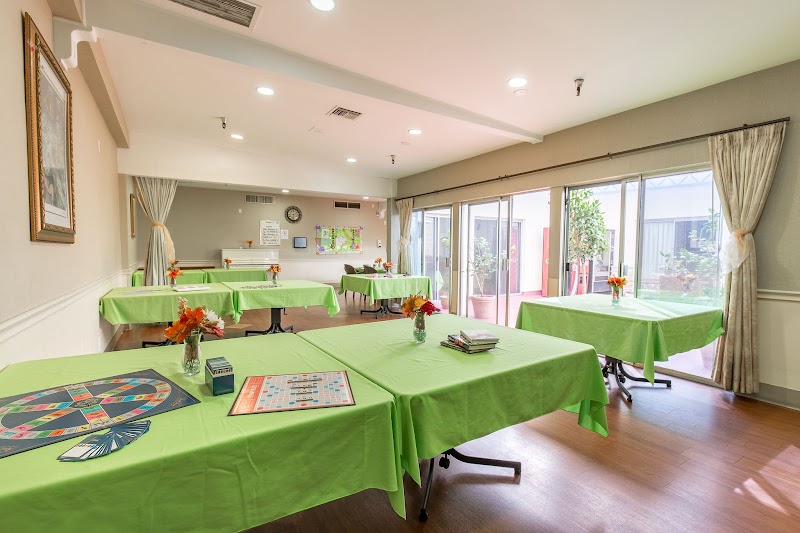
CMS rates Cheviot Hills Post Acute's staffing level at 2 out of 5 stars, which is below average compared to other nursing homes. Staff turnover is 30%, compared to the California average of 46%. This relatively stable workforce can support continuity of care.

What Have Inspectors Found at Cheviot Hills Post Acute?

State health inspectors documented 82 deficiencies at Cheviot Hills Post Acute during 2021 to 2025. These included: 2 Immediate Jeopardy (the most serious level, indicating potential for serious harm or death), 1 that caused actual resident harm, and 79 with potential for harm. Immediate Jeopardy findings are rare and represent the most serious regulatory concerns. They require immediate corrective action.

Who Owns and Operates Cheviot Hills Post Acute?

Cheviot Hills Post Acute is owned by a for-profit company. For-profit facilities operate as businesses with obligations to shareholders or private owners. The facility is operated by WINDSOR, a chain that manages multiple nursing homes. With 99 certified beds and approximately 93 residents (about 94% occupancy), it is a smaller facility located in LOS ANGELES, California.

How Does Cheviot Hills Post Acute Compare to Other California Nursing Homes?

Compared to the 100 nursing homes in California, Cheviot Hills Post Acute's overall rating (1 stars) is below the state average of 3.1, staff turnover (30%) is significantly lower than the state average of 46%, and health inspection rating (1 stars) is much below the national benchmark.

What Should Families Ask When Visiting Cheviot Hills Post Acute?

Based on this facility's data, families visiting should ask: "What changes have been made since the serious inspection findings, and how are you preventing similar issues?" "Can you walk me through typical staffing levels on day, evening, and night shifts?" "Can I visit during a mealtime to observe dining assistance and food quality?" "How do you handle medical emergencies, and what is your hospital transfer rate?" These questions are particularly relevant given the facility's Immediate Jeopardy citations and the below-average staffing rating.

Is Cheviot Hills Post Acute Safe?

Based on CMS inspection data, Cheviot Hills Post Acute has documented safety concerns. Inspectors have issued 2 Immediate Jeopardy citations (the most serious violation level indicating risk of serious injury or death). The facility has a 1-star overall rating and ranks #100 of 100 nursing homes in California. Families considering this facility should ask detailed questions about what corrective actions have been taken since these incidents.

Do Nurses at Cheviot Hills Post Acute Stick Around?

Staff at Cheviot Hills Post Acute tend to stick around. With a turnover rate of 30%, the facility is 16 percentage points below the California average of 46%. Low turnover is a positive sign. It means caregivers have time to learn each resident's needs, medications, and personal preferences. Consistent staff also notice subtle changes in a resident's condition more quickly.

Was Cheviot Hills Post Acute Ever Fined?

Cheviot Hills Post Acute has been fined $87,050 across 6 penalty actions. This is above the California average of $33,949. Fines in this range indicate compliance issues significant enough for CMS to impose meaningful financial consequences. Common causes include delayed correction of deficiencies, repeat violations, or care failures affecting resident safety. Families should ask facility leadership what changes have been made since these penalties.

Is Cheviot Hills Post Acute on Any Federal Watch List?

Cheviot Hills Post Acute is not on any federal watch list. The most significant is the Special Focus Facility (SFF) program, which identifies the bottom 1% of nursing homes nationally based on persistent, serious quality problems. Not being on this list means the facility has avoided the pattern of deficiencies that triggers enhanced federal oversight. This is a positive indicator, though families should still review the facility's inspection history directly.