COLLEGE VISTA POST-ACUTE
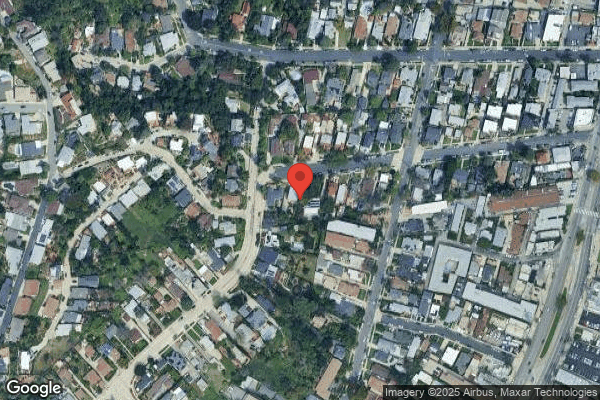
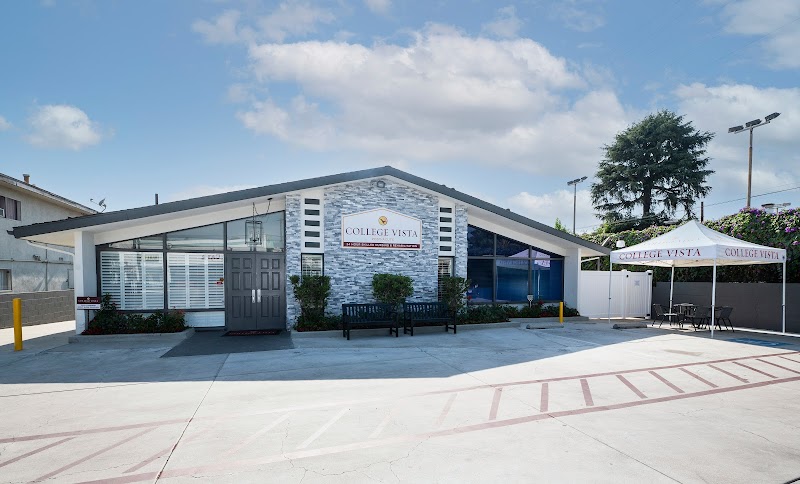
4681 EAGLE ROCK BLVD., LOS ANGELES, CA 90041 (323) 257-8151
For profit - Corporation 49 Beds DAVID & FRANK JOHNSON Data: November 2025 3 Immediate Jeopardy citations
Trust Grade
9/100
#772 of 1155 in CA
Last Inspection: May 2025

Inspected within the last 6 months. Data reflects current conditions.

Overview

College Vista Post-Acute has received a Trust Grade of F, indicating significant concerns about the quality of care provided, which is quite poor. Ranking #772 out of 1155 facilities in California places it in the bottom half, and at #174 out of 369 in Los Angeles County, only a few local options rank lower. The facility is showing signs of improvement, with the number of issues dropping from 16 in 2024 to 11 in 2025. Staffing is rated average with a turnover rate of 38%, which is on par with the state average, but concerningly, the home has less RN coverage than 97% of California facilities, meaning residents may not receive adequate nursing supervision. Recent inspections revealed critical incidents, including a failure to provide CPR to an unresponsive resident and a lack of supervision for another resident who smoked while on oxygen, posing serious safety risks. Additionally, the facility has accumulated $43,568 in fines, suggesting ongoing compliance problems. Despite some strengths, families should weigh these serious issues carefully when considering this nursing home for their loved ones.

Trust Score
F
9/100
In California
#772/1155
Bottom 34%
Safety Record
High Risk
Review needed
Inspections
Getting Better
16 → 11 violations
Staff Stability
○ Average
38% turnover. Near California's 48% average. Typical for the industry.
Penalties
○ Average
$43,568 in fines. Higher than 57% of California facilities. Some compliance issues.
Skilled Nurses
⚠ Watch
Each resident gets only 13 minutes of Registered Nurse (RN) attention daily — below average for California. Fewer RN minutes means fewer trained eyes watching for problems.
Violations
⚠ Watch
36 deficiencies on record. Higher than average. Multiple issues found across inspections.
★★☆☆☆
2.0
Overall Rating
★★★☆☆
3.0
Staff Levels
★★★☆☆
3.0
Care Quality
★★☆☆☆
2.0
Inspection Score
Stable
2024: 16 issues
2025: 11 issues

The Good

  • Full Sprinkler Coverage · Fire safety systems throughout facility
  • No fines on record
  • Staff turnover below average (38%)

    10 points below California average of 48%

Facility shows strength in fire safety.

The Bad

2-Star Overall Rating

Below California average (3.1)

Below average - review inspection findings carefully

Staff Turnover: 38%

Near California avg (46%)

Typical for the industry

Federal Fines: $43,568

Above median ($33,413)

Moderate penalties - review what triggered them

Chain: DAVID & FRANK JOHNSON

Part of a multi-facility chain

Ask about local staffing decisions and management

The Ugly 36 deficiencies on record

3 life-threatening
May 2025 8 deficiencies
CONCERN (D)

Potential for Harm - no one hurt, but risky conditions existed

Resident Rights (Tag F0550)

Could have caused harm · This affected 1 resident

**NOTE- TERMS IN BRACKETS HAVE BEEN EDITED TO PROTECT CONFIDENTIALITY** Based on observation, interview, and record review, the facility failed to ensure two of three sampled residents (Resident 33 & ...

Read full inspector narrative →
**NOTE- TERMS IN BRACKETS HAVE BEEN EDITED TO PROTECT CONFIDENTIALITY** Based on observation, interview, and record review, the facility failed to ensure two of three sampled residents (Resident 33 & 34) were treated with respect and dignity by ensuring residents body was covered while asleep in bed. This deficient practice resulted in Resident 33 and Resident 34 ' s unknown and/or unwanted exposure of the body and had the potential to lead to psychosocial (mental and emotional well-being) decline, resident ' s individuality, self-esteem, and self-worth. Findings: A review of Resident 33 ' s admission Record [AR] indicated Resident 1 was admitted to the facility on [DATE], with diagnoses that included dementia (brain disorder that affects memory and thinking) and alcoholic cirrhosis (a disease that damages the liver) of the liver (organ in the body). A review of Resident 33 ' s History and Physical Examination (HPE, a comprehensive physician ' s note regarding the assessment of the Patient ' s health status) signed by the attending physician on 2/11/2025, indicated Resident 33 could make needs known but cannot make medical decisions. A review of Resident 33 ' s Minimum Data Set (MDS, a assessment tool) dated 2/15/2025, indicated the Resident 33 ' s cognition (thought process) was impaired and was dependent on care. A review of Resident 34 ' s AR indicated Resident 1 was admitted to the facility on [DATE], with diagnoses that included cerebral vascular accident (CVA – blood flow interruption to the brain) and dominant side hemiplegia (severe weakness or paralysis (no movement) to one side of the body). A review of Resident 34 ' s HPE signed by the attending physician on 3/15/2025, indicated Resident 34 had the capacity to understand and make decisions. A review of Resident 34 ' s Minimum Data Set (MDS, a comprehensive standardized assessment and screening tool) dated 2/28/2025, indicated the Resident 34 ' s cognition (thought process) was moderately impaired and was dependent on care. During an observation of Resident 33 in Resident 33 ' s room on 5/6/2025 at 9:44AM, Resident 33 ' s brief (diaper) was visible, and gown was up, exposing Resident 33 ' s chest, arms and lower body. Resident 33 ' s blanket was placed on the left side of his body. During a concurrent observation and interview of Resident 33 in Resident 33 ' s room with the Director of Nursing (DON) on 05/06/25 at 9:48AM, DON stated that Resident 33 ' s lower body was exposed. DON stated this was a dignity issue since the resident was in a vulnerable state and did not have the capacity to ask for assistance. During an observation of Resident 34 in Resident 34 ' s room on 5/6/2025 at 10AM, Resident 34 ' s lower body was exposed and Resident 34 ' s brief was visible. Resident 34 ' s blanket was placed to the right side of his body. During a concurrent observation and interview of Resident 34 ' s room with Certified Nursing Assistant (CNA 1) on 05/06/25 at 9:48AM, CNA 1 stated that Resident 34 ' s lower body a was exposed. CNA 1 stated that Resident 34 ' s body should not be exposed, and it was a privacy issue. A review of the facility ' s P&P titled Promoting/Maintaining Resident Dignity revised 12/9/2024, indicated it is practice of this facility to protect and promote resident ' s rights and treat each resident with respect and dignity as well as care for each resident in a manner and in an environment, that maintains or enhances resident ' s quality of life by recognizing each resident ' s individuality. The policy indicated that it will maintain resident ' s privacy.
CONCERN (D)

Potential for Harm - no one hurt, but risky conditions existed

Assessment Accuracy (Tag F0641)

Could have caused harm · This affected 1 resident

**NOTE- TERMS IN BRACKETS HAVE BEEN EDITED TO PROTECT CONFIDENTIALITY** Based on interview and record review, the facility failed to ensure Minimum Data Set (MDS, a resident tool) entries were accurat...

Read full inspector narrative →
**NOTE- TERMS IN BRACKETS HAVE BEEN EDITED TO PROTECT CONFIDENTIALITY** Based on interview and record review, the facility failed to ensure Minimum Data Set (MDS, a resident tool) entries were accurate and reflect resident ' s status of one of three sampled residents (Resident 39) who was discharged home with home health services. The MDS was incorrectly coded as a transfer to a hospital which does not reflect the actual discharge disposition of the resident who was discharged home. This failure resulted in inaccurate documentation in the resident ' s medical record could impact continuity of care, facility reporting accuracy, and regulatory compliance. Incorrect discharge coding may also affect quality measures, reimbursement, and tracking of resident outcomes. Findings: During a review of Resident 39 ' s admission Record (AD), the AD indicated the facility admitted Resident 39 on 3/21/2025 with diagnoses that included cellulites (a common and potentially serious skin infection) of right lower limb and depression (a common and serious mental illness that affects how you feel, think, and handle daily activities). During a review of Resident 39 ' s MDS dated [DATE], Section A indicated the resident had been discharged to an acute hospital. During a review of Resident 39's physician orders, dated 4/15/2025, indicated an order to discharge Resident 39 home on 4/16/2025 with home health services. During a review of Resident 39 ' s Progress Notes, dated 4/16/2025, indicated Resident discharge home and left the building in stable condition. During an interview on 5/7/2025 at 2:08 PM with the MDS Coordinator (MDSC), the MDSC stated Resident 39 was discharged home with home health service on 4/16/2025. The MDSC stated it was a mistake to document in the MDS that Resident 39 was transferred to an Acute hospital on the MDS. The MDSC stated she did not notice the discrepancy until the surveyor indicated today. The MDSC stated she did not accurately document Resident 39 ' s discharge status on the MDS to ensure consistent plan of care for the resident. During an interview on 5/9/2025 at 10:33 AM with the Director of Nursing (DON), the DON stated Resident 39 ' s discharge status was not accurately documented, and it would affect the continuation of care for the resident negatively and result in the incorrect tracking for the resident ' s outcome. During a review of the Center for Medicare and Medicaid Services (CMS) Resident Assessment Instrument (RAI) Manual, the Manual indicated that facilities must ensure MDS discharge assessments accurately reflect the resident ' s discharge location and care needs.
CONCERN (D)

Potential for Harm - no one hurt, but risky conditions existed

Deficiency F0757 (Tag F0757)

Could have caused harm · This affected 1 resident

**NOTE- TERMS IN BRACKETS HAVE BEEN EDITED TO PROTECT CONFIDENTIALITY** Based on interview and record review the facility failed to ensure adequate monitoring of potential side effects for Lovenox (an...

Read full inspector narrative →
**NOTE- TERMS IN BRACKETS HAVE BEEN EDITED TO PROTECT CONFIDENTIALITY** Based on interview and record review the facility failed to ensure adequate monitoring of potential side effects for Lovenox (an anticoagulant or an injectable medication that thins blood or prevents development of blood clots) is documented for one of 3 sampled residents (Resident 192). This deficient practice had the potential for Resident 192 to develop adverse effect (undesired effect) and the staff not to notice sign and symptoms of bleeding and cause severe bruising and bleeding that is undetected and lead severe blood loss and eventually death. Findings: During a review of Resident 192's Face Sheet (admission record) indicated the resident was admitted to the facility on [DATE] with diagnoses including displaced intertrochanteric fracture of left femur fracture (a break in a bone) that occurs in the area between the greater and lesser trochanters of the femur (upper thigh bone) where the fracture is displaced, meaning the broken bone fragments are out of alignment), anemia (condition where the blood has a reduced ability to carry oxygen, can be caused by several factors) and hyperlipidemia (a condition of high cholesterol level). During a review of Resident 192's History and Physical (H&P) dated 4/29/2025, indicated Resident 192 has the capacity to understand and make decisions. During a review of Resident 192's Minimum Data Set (MDS, a standardized resident assessment and care screening tool) dated 5/5/2025, indicated the resident ' s cognition was severely impaired. During a review of Resident 192's physician orders dated from 5/1/2025 to 5/31/2025 indicated to administer Lovenox injection solution prefilled syringe 40 mg/0.4 ml inject 40 mg subcutaneously (injected under the skin) one time a day for DVT (deep vein thrombosis- a blood clot inside the large vein) PPX (prophylaxis or prevention) start date 4/30/2025 until 5/19/2025. During a review of Resident 192's Medication Administration Record (MAR) from 5/1/2025 to 5/31/2025 indicated, Resident 192 received Lovenox injection solution prefilled syringe 40 mg/0.4 ml inject 40 mg subcutaneously for DVT PPX one time a day at 9AM on 5/1/2025, 5/2/2025, 5/3/2025, 5/4/2025, and 5/5/2025. During an interview and record review on 5/9/2025 at 1:40 PM with DON, Resident 192 ' s Medication Administration Record (MAR) dated 5/1/2025 to 5/31/2025 was reviewed. DON stated Resident 192 received Lovenox injection for DVT PPX at 9AM on 5/1/2025, 5/2/2025, 5/3/2025, 5/4/2025, and 5/5/2025. DON stated Lovenox was an anticoagulant and can cause major and serious bleeding. DON stated staff should monitor and document the side effect of Lovenox injection in Electric Medical Records (EMAR) which included bleeding. During the same interview the DON reviewed Resident ' s 192 EMAR dated 5/1/2025 to 5/31/2025 and stated there was no record to indicate that Resident 192 was monitored for bleeding. DON stated regular monitoring of the residents allows staff to identify early signs and symptoms of bleeding and report to MD. A review of the facility ' s policy and procedure titled High Risk Medications - Anticoagulants, revised on 12/2024 indicated: This facility recognizes that some medications, including anticoagulants, are associated with greater risks of adverse consequences than other medications. This policy addressed the facility's collaborative, systematic approach to managing anticoagulant therapy for efficacy and safety. Adverse consequence is a broad term referring to unwanted, uncomfortable, or dangerous effects that a drug may have, such as impairment or decline in an individual's mental or physical condition or functional or psychosocial status. Indications for use refers to the identified, documented clinical rationale for administering a medication that is based upon an assessment of the resident's condition and therapeutic goals and is consistent with manufacturer's recommendations and/or clinical practice guidelines. The resident's plan of care shall alert staff to monitor for adverse consequences. Risks associated with anticoagulants include:bleeding and hemorrhage (bleeding gums, nosebleed, unusual bruising, blood in urine or stool), fall in hematocrit or blood pressure, thromboembolism. The resident's plan of care shall include interventions to minimize risk of adverse consequences. Examples include (depending on the medication) and educate resident/family on risks of bleeding, dietary modifications, and symptoms to report to nurse/physician. Avoid (strenuous) activities that may lead to injury.
CONCERN (D)

Potential for Harm - no one hurt, but risky conditions existed

Deficiency F0760 (Tag F0760)

Could have caused harm · This affected 1 resident

**NOTE- TERMS IN BRACKETS HAVE BEEN EDITED TO PROTECT CONFIDENTIALITY** Based on observation and interview, the facility staff failed to ensure one of three sampled residents (Resident 192), who was o...

Read full inspector narrative →
**NOTE- TERMS IN BRACKETS HAVE BEEN EDITED TO PROTECT CONFIDENTIALITY** Based on observation and interview, the facility staff failed to ensure one of three sampled residents (Resident 192), who was on a anticoagulants (blood thinners which makes blood flow through veins and arteries more easily, which means blood is less likely to clot), was free of any significant medication errors. This deficient practice had the potential to result in an increased or delayed effectiveness of the medication due to the incorrect route of the medication administered, and could potentially lead to further health complications. Findings: During a review of Resident 192's admission Record (AR), the AR indicated the resident was admitted to the facility on [DATE] with diagnoses including displaced intertrochanteric fracture of left femur (fracture(a break in a bone) that occurs in the area between the greater and lesser trochanters of the femur (upper thigh bone), where the fracture is displaced, meaning the broken bone fragments are out of alignment), Anemia (condition where the blood has a reduced ability to carry oxygen, can be caused by several factors), and hyperlipidemia (a condition of high cholesterol level). During a review of Resident 192's History and Physical (H&P) dated 4/29/2025, the H7P indicated Resident 192 has the capacity to understand and make decisions. During a review of Resident 192's Minimum Data Set (MDS, a assessment tool) dated 5/05/2025, the MDS indicated the resident ' s cognition is severely impaired. During a review of Resident 192's physician orders dated from 5/1/2025 to 5/31/2025, the physician orders indicated a start date of 4/30/2025 for Lovenox (an anticoagulant medication) Injection Solution Prefilled [NAME] 40 milligrams per 0.4 milliliter (mg/mL, a unit of measurement) inject 40 mg subcutaneously (under the skin) one time a day for Deep Vein Thrombosis (DVT, a condition where a blood clot forms in a deep vein, most commonly in the leg, but it can also occur in other veins), Prophylaxis (PPX) action taken to prevent disease, especially by specified means or against a specified disease until 5/19/2025 . During a review of Resident 192's Medication Administration Record (MAR) from 5/1/2025 to 5/31/2025 indicated Resident 192 received Lovenox Injection Solution Prefilled [NAME] 40 mg/0.4 ml inject 40 mg subcutaneously one time for DVT PPX one time a day at 9:00 AM on 5/1/2025, 5/2/2025, 5/3/2025, 5/4/2025, and 5/5/2025, the route of administration was not recorded only the site was reordered. During an observation on 5/7/2025 at 9:47 AM with licensed vocational nurse (LVN) 1 in the hallway, LVN 1 was observed next to Medication Cart 1 and obtained Resident 192 ' s Lovenox prior to entering Resident 192 ' s room. LVN1 was observed reviewing the Lovenox syringe to Resident 192 ' s MAR. During a concurrent observation and interview on 5/7/2025 at 9:48 AM with LVN 1 in Resident 192 ' s Room, LVN 1 cleaned Resident 192 right upper arm with an alcohol swab, held the skin taut (tight), and held the syringe needle 90 degree. LVN 1 stated the medication route of administration for the Lovenox was to be administered into the muscle. LVN 1 then verified the medication administration route, and then stated the medication should be administered subcutaneous (under the skin). LVN 1 stated she did not check the MAR prior to administrating Lovenox and she would have administered the medication via the wrong route During an interview on 5/7/2025 at 9:59 AM with LVN 1 in presence of Director of Nursing (DON), LVN 1stated she was about to administer Lovenox Intramuscular for Resident 192, and would have been an error, since Lovenox should be administered subcutaneous. During an interview on 5/7/2025 at 10:02 AM with DON, DON stated based on the medical doctors (MD) orders. Lovenox should be administered subcutaneously, and that Lovenox was a high alert medication (that pose a heightened risk of significant patient harm when used in error and can cause severe side effects). DON stated if Lovenox was administered into muscle, it could lead to complication such as increase bleeding, pain, discomfort in muscle, and would also alter the medication absorption. DON stated LVN 1 should check the MAR prior to administering any medication to residents. A review of the facility ' s policy and procedure titled Medication Administration, revised on December 2024 indicated: Medications are administered by licensed nurses, or other staff who are Legally authorized to do so in this state, as ordered by the physician and in accordance with professional standards of practice, in a manner to prevent contamination or infection. Review MAR to identify medication to be administered. Compare medication source (bubble pack, vial, etc.) with MAR to verify resident name, medication, name, form, dose, route, and time. If other than PO route, administer in accordance with facility policy for the relevant route of administration (i.e., injection, eye, ear, rectal, etc.). Correct any discrepancies and report to nurse manager. A review of the facility ' s policy and procedure titled High Risk Medications - Anticoagulants, revised on December 2024 indicated: This facility recognizes that some medications, including anticoagulants, are associated with greater risks of adverse consequences than other medications. This policy addresses the facility's collaborative, systematic approach to managing anticoagulant therapy for efficacy and safety. Definitions: Anticoagulant refers to a class of medications that are used to prevent clot extension and formation. They do not dissolve clots. Examples include warfarin, heparin, Lovenox, Xarelto, Pradaxa, and Eliquis. Anticoagulants shall be prescribed by a physician or other authorized practitioner with clear indications for use. Examples include prevention and treatment of deep vein thrombosis, pulmonary embolism, atrial fibrillation with embolization, stroke or management of myocardial infarction.
CONCERN (D)

Potential for Harm - no one hurt, but risky conditions existed

Food Safety (Tag F0812)

Could have caused harm · This affected 1 resident

**NOTE- TERMS IN BRACKETS HAVE BEEN EDITED TO PROTECT CONFIDENTIALITY** Based on observation and interviews, the facility failed to ensure the kitchen was in safe and sanitary condition by failing to:...

Read full inspector narrative →
**NOTE- TERMS IN BRACKETS HAVE BEEN EDITED TO PROTECT CONFIDENTIALITY** Based on observation and interviews, the facility failed to ensure the kitchen was in safe and sanitary condition by failing to: 1. Ensure the kitchen sink area did not have white residue (a small amount of something that remains after the main part has gone or been taken or used) on the drainage pipes and on the floor. 2. Ensure the kitchen floor did not contain white paint remnants (a small remaining quantity of something) 3. Ensure the kitchen drywall was not exposed. These deficient practices had the potential for foods to be contaminated and placed residents at risk for foodborne illnesses. Findings: During the initial kitchen tour on 5/6/2025 at 8:50AM, in the presence of the Dietary Supervisor (DS), white residue was observed underneath the sink by the drainage pipe. Also observed were white paint remnants (on the floor of the kitchen due to a tile that fell off the wall and onto the floor. During a concurrent observation and interview on 5/6/2025 at 9:00AM with the DS, DS stated that underneath the food preparation table on the floor was a white and brown color residue with paint remnants on the floor, due to a tile from the wall that fell off. The DS stated there was a small area with dry wall that was exposed. DS stated that the residue, paint chips and exposed dry wall had the potential to contaminate the food which would lead to residents getting sick from food contamination. During a concurrent observation and interview in the kitchen on 5/6/2025 at 9:05AM with the Maintenance Supervisor (MS), MS stated that underneath the kitchen sink and, on the floor, there was white residue and paint remnants on the floor. During a concurrent observation and interview 5/6/2025 at 9:10AM in the kitchen, with the MS, MS stated the area in the kitchen that had exposed dry wall should be repaired since the because residue and the paint remnants could contaminate the food that was being prepared for the residents at the facility. MS stated the residents could get sick from the contamination. During a review of the facility's Policy and Procedure (P&P) titled, Food Safety and Food Storage, revised on 12/19/2022, the P&P indicated food will be stored, prepared, distributed and served in accordance with professional standard for food service safety. The P&P indicated contamination was the unintended presence of potentially harmful substances included, but not limited to microorganisms, chemicals or physical objects. The P&P indicated foodborne illness was caused by indigestion of contaminated food or beverages. The P&P indicated all equipment used in the handling of [NAME] shall be cleaned and sanitized and handled in a manner to prevent contamination.
CONCERN (D)

Potential for Harm - no one hurt, but risky conditions existed

Deficiency F0847 (Tag F0847)

Could have caused harm · This affected 1 resident

**NOTE- TERMS IN BRACKETS HAVE BEEN EDITED TO PROTECT CONFIDENTIALITY** Based on interview and record review, the facility failed to explain an Arbitration Agreement (a provide agreement that allows i...

Read full inspector narrative →
**NOTE- TERMS IN BRACKETS HAVE BEEN EDITED TO PROTECT CONFIDENTIALITY** Based on interview and record review, the facility failed to explain an Arbitration Agreement (a provide agreement that allows individual parties to resolve disputes rather than in a lawsuit) to two of three sampled residents (Residents 18 and 29) correctly and thoroughly in a manner that the residents and/or their responsible parties could understand. Residents 18 and 29 reported the facility staff did not explain in a manner that they understand what an Arbitration Agreement and Arbitration Agreement to allow them to make an informed decisions and choices about important the aspects of their health, safety, and welfare. This failure resulted in Residents 18 and 29 ' volitation of resident ' s rights and not make an informed decision about their care to ensure they receive care according to their rights and preferences. Findings: 1.During a review of Resident 18 ' s admission Record (AR), the AR indicated the facility admitted Resident 18 on 4/1/2025 with diagnoses that included diabetes mellitus (a chronic condition that affects how the body uses blood sugar) and anxiety (a feeling of uneasiness or worry, often about a future event or situation). During a review of Resident 18 ' s Minimum Data Set (MDS, a standardized assessment and care planning tool), dated 4/8/2025, the MDS indicated Resident 18 had moderately impairment memory and cognition (ability to think and reason). During a concurrent interview and record review on 5/8/2025 at 3:15 PM with Resident 18, an Arbitration Agreement for Resident 18 dated 5/8/2025, was reviewed. Resident 18 stated a staff (Director of Admission) asked her to sign a form (Arbitration Agreement) today while she was in the physical therapy (PT, a combination of exercises, stretches and movements that will increase the strength, flexibility and mobility) room during PT session. Resident 18 stated the staff did not explain what the form was about and just told to just sign the form. Resident 18 stated she did not have time to read the form because she was doing her exercise. Resident 18 stated she signed and dated the form today without knowing what she was signing for and the staff told her she would receive a copy of it for her to read later. Resident 18 stated she would have an issue if she had to give up her constitutional right to present her dispute in the court and she needed to discuss arbitration with her family members before signing it. Resident 18 stated the staff did not tell her she had 30 days to rescind the agreement. 2. During a review of Resident 29 ' s AR, the AR indicated the facility admitted Resident 29 on 8/14/2025 with diagnoses that included diabetes mellitus (a chronic condition that affects how the body uses blood sugar) and anxiety (a feeling of uneasiness or worry, often about a future event or situation). During a review of Resident 29 ' s MDS, dated [DATE], the MDS indicated Resident 29 had moderately impairment memory and cognition. During a concurrent interview and record review on 5/8/2025 at 3:20 PM with Resident 29, an Arbitration Agreement for Resident 29 dated 9/13/2024, was reviewed. Resident 29 stated two staffs came and asked him to sign an Arbitration Agreement, but he did not know what the form was about. Resident 29 stated the staff did not explain what the form was about and told him It is not something bad. Resident 29 stated he signed with his initial on the form, but he did not write the date, 9/13/2024, on the form. Resident 29 stated someone else wrote the date on the form for him and he did not know who. Resident 29 stated he did not know he had the right to not sign this form. Resident 29 stated the staff did not tell him he had 30 days to rescind this agreement. During a concurrent interview and record review on 5/8/2025 at 4:00 PM with the Director of admission (DA), Resident 18 ' s Arbitration Agreement, dated 5/8/2025, and Resident 29 ' s Arbitration Agreement dated 9/13/2025, were reviewed. The DA stated she was responsible for providing the arbitration agreement forms and explaining the Arbitration Agreement to the residents and responsible parties when the residents were admitted to the facility. The DA stated she asked Resident 18 and 29 to sign the Arbitration Agreement forms today because these two residents ' electronic arbitration agreement forms were blank due to technical issues. The DA stated these two residents signed the arbitration agreement when they were admitted to the facility, so she asked them to resign the agreement today. The DA stated Resident 18 signed and dated today ' s date,5/8/2025, but she signed as the facility representative and back dated it to 4/7/2025. The DA stated she should date the agreement as today ' s date, 5/8/2025. The DA stated she back dated Resident 29 ' s agreement to 9/13/2025. The DA stated she should date Resident 29's agreement as today ' s date, 5/8/2025, since there was no record of arbitration which was signed on 9/13/2025. The DA stated she did not explain what Arbitration Agreement to the residents is in which they would give up their constitutional right to present their case in the court in front of the jury. The DA stated she did not know if the residents had the right to rescind the agreement. During an interview on 5/9/2025 at 9:20 AM with the Receptionist, the Receptionist stated she assisted the DA to translate for Resident 29 when the DA asked Resident 29 to sign the Arbitration Agreement. The Receptionist stated she explained the Arbitration Agreement to Resident 29 that the resident would get a lawyer, and the facility would get a lawyer, then, they would go to the court to resolve a dispute. The Receptionist stated the residents would have 60 days to rescind the signed arbitration agreement. During a concurrent interview and record review on 5/9/2025 at 10:37 AM with the Director of Nursing, Resident 18 ' s Arbitration Agreement, dated 5/8/2025, and 29 ' s Arbitration Agreement, dated 9/13/2025, were reviewed. The DON stated there were no records of Resident 18 and Resident 29 signed the Arbitration Agreement when they were admitted into the facility. The DON stated the DA should not back date the agreements for these two residents. The DON stated the arbitration meant the residents would give up their constitutional right to present their disputes in the court in front of the jury, instead, the residents and the facility would resolve the dispute through the arbitration. The DON stated the residents would have 30 days to rescind the agreement after signing it. The DON stated the staff did not understand what Arbitration Agreement was and did not provide the correct and thorough explanation about arbitration agreement to the residents, as a result, the facility violated the residents ' rights. During a review of the facility ' s policy and procedures titled, Binding Arbitration Agreements, dated 12/9/2024, indicated When explaining the arbitration agreement, the facility shall: a. Explicitly inform the resident or his or her representative of his or her right not to sign the agreement as a condition of admission to, or as a requirement to continue to receive care at, this facility. b. Explain to the resident and his or her representative in a form and manner that he or she understands, including in a language the resident and his or her representative understands. c. Ensure the resident or his or her representative acknowledges that he or she understands the agreement and The agreement must: Explicitly grant the resident or his or her representative the right to rescind the agreement within 30 calendar days of signing it.
CONCERN (E)

Potential for Harm - no one hurt, but risky conditions existed

Comprehensive Care Plan (Tag F0656)

Could have caused harm · This affected multiple residents

**NOTE- TERMS IN BRACKETS HAVE BEEN EDITED TO PROTECT CONFIDENTIALITY** Based on observation, interview, and record review, the facility failed to develop and/or implement an individualized person-cen...

Read full inspector narrative →
**NOTE- TERMS IN BRACKETS HAVE BEEN EDITED TO PROTECT CONFIDENTIALITY** Based on observation, interview, and record review, the facility failed to develop and/or implement an individualized person-centered plan of care with measurable objectives, timeframe, and interventions to meet the resident ' s needs for 4 of 4 sampled residents (Residents 192, 20, 5 & 21) by failing to: 1. For Resident 192 had no care plan to address interventions and goals while receiving Lovenox (a medication or an anticoagulant or blood thinner that makes blood less likely to clot and can cause bleeding). 2. For Resident 20 the plan of care was not implement care Plan interventions who had a diagnosis of impaired immunity related to viral infection to monitor and document sign and symptom of delirium as indicated in care plan. 3. For Resident 5, there were no care plans indicating the specific activities needed since Resident 5 had impaired vision. 4. For Resident 21, there was not care plan indicting Resident 21 ' s specific needs for nutrition based on Resident 1 ' s therapeutic diet ordered. These deficient practices had the potential to delay care and services that were specific to each residents needs to produce desired outcomes. Findings: 1. During a review of Resident 192's admission Record (AR), the AR indicated the resident was admitted to the facility on [DATE] with diagnoses including displaced intertrochanteric fracture of left femur (fracture(a break in a bone) that occurs in the area between the greater and lesser trochanters of the femur (upper thigh bone), where the fracture is displaced, meaning the broken bone fragments are out of alignment), Anemia (condition where the blood has a reduced ability to carry oxygen, can be caused by several factors), and hyperlipidemia (a condition of high cholesterol level). During a review of Resident 192's History and Physical (H&P) dated 4/29/2025, the H&P indicated Resident 192 has the capacity to understand and make decisions. During a review of Resident 192's Minimum Data Set (MDS, an assessment tool) dated 5/05/2025, indicated the resident ' s cognition (the mental process of knowing, including awareness, perception, reasoning, and judgment) was severely impaired. During a review of Resident 192's physician orders dated 5/1/2025 to 5/31/2025, the physician orders indicated Lovenox (an anticoagulant that helps prevent the formation of blood clots) Injection Solution Prefilled [NAME] 40 milligrams per 0.4 milliliters (mg/mL, a unit of measurement) inject 40 mg subcutaneously (under the skin) one time a day for deep vein thrombosis (DVT, condition where a blood clot forms in a deep vein, most commonly in the legs or arms) prophylaxis (PPX) started on 4/20/25 until 5/19/2025 . During a review of Resident 192's Medication Administration Record (MAR) from 5/1/2025 to 5/31/2025 indicated Resident 192 received Lovenox Injection Solution Prefilled [NAME] 40 MG/0.4 ml inject 40 mg subcutaneously one time for DVT PPX one time a day at 9:00 AM on 5/1/2025, 5/2/2025, 5/3/2025, 5/4/2025,and 5/5/2025, the route of administration was not recorded only the site was reordered. During a concurrent interview and record review on 5/09/2025 at 1:35 PM with the DON, Resident 192 ' s Medication Administration Record (MAR) dated 5/1/2025 to 5/31/2025 was reviewed. The DON stated Resident 192 received Lovenox Injection Solution Prefilled [NAME] 40 MG/0.4 ml inject 40 mg subcutaneously for DVT PPX at 9:00 AM on 5/1/2025, 5/2/2025, 5/3/2025, 5/4/2025, and 5/5/2025. The DON stated Lovenox was an anticoagulant and could cause major bleeding which was serious. The DON stated a care plan was necessary for anticoagulants, so nurses know what to monitor, what interventions to implement in cases of emergencies, such as bleeding. During the same interview DON reviewed Resident ' s 192 care plans and stated there was no care plan for Resident 192 taking Lovenox. The DON stated the care plan provided guidelines, and the intervention were necessary to provide quality of care to meet the residents ' needs and desired outcome 2. During a review of Resident 20's AR, the AR indicated the resident was admitted to the facility on [DATE] with diagnoses including immunodeficiency (inability of the body to produce an adequate immune response because of an insufficiency or absence of antibodies, immune cells, or both), chronic obstructive pulmonary disease(is a progressive lung disease that makes it hard to breathe. It's characterized by airflow obstruction, often caused by damage to the airways or air sacs in the lungs), and depression (mental health condition characterized by persistent feelings of sadness, hopelessness, and loss of interest or pleasure in activities previously enjoyed). During a review of Resident 20's H&P dated 3/28/2025, indicated Resident 20 had the capacity to understand and make decisions. During a review of Resident 20's MDS, dated [DATE], indicated the resident ' s cognition is moderately impaired. During a concurrent interview and record review on 5/09/2025 at 1:50 PM with DON, Resident 20 ' s care plan-initiated date 3/28/2025 was reviewed. DON stated the care plan indicated Resident 20 had impaired immunity related to viral (illness caused by a virus) infection, . The DON stated Resident 20 had a diagnosis of Human immunodeficiency virus (HIV, a virus that attacks the body's immune system). The DON stated the care plan intervention included to monitor, record and report to the medical doctor (MD) signs and symptoms of delirium (a sudden change in mental state causing confusion, disorientation, and difficulty concentrating, often with fluctuating alertness) such as changes in behavior, altered mental status. The care plan indicated that Resident 20 would not display any complication related to immune deficiency and Resident 20 would remain free from infection. The DON stated there was no monitoring for Resident 20 ' s delirium. DON stated it was crucial to monitor delirium to prevent any complications related to immune deficiency. The DON stated Resident 20 ' s care plan did not indicate how often staff should monitor and document the interventions. 3. During a review of Resident 5 ' s AR, the AR indicated Resident 5 was admitted to the facility on [DATE], with diagnoses that included diabetes mellitus (high blood sugar levels) and glaucoma (loss of vision or blindness). During a review of Resident 5 ' s H&P, dated 3/24/2025, the HP indicated Resident 5 did not have the capacity to understand and make decisions. During a review of Resident 5 ' s MDS the MDS indicated the Resident 5 ' s cognition (thought process) was severely impaired. During a review of Resident 5 ' s active care plans did not indicate any care plans for Resident 5 ' s specific activity needs. During a concurrent interview and record review on 5/7/2025 at 3:45PM with the DON, Residents 5 ' s Care Plans were reviewed. DON stated Resident 5 did not have activities care plan specific to Resident 5's activities needs. DON stated there was no coordination with the activity director to develop specific activity care regarding Resident 5 needs relating to her glaucoma (a chronic eye disease that damages the optic nerve, potentially leading to vision loss and blindness if left untreated) and/or inability to see. DON stated by not developing a specific care plan for activities for Resident 5 there was a potential for Resident 5 to feel isolated and could lead to behavioral issues such as depression (a mental illness that negatively affects how you feel, think, act, and perceive the world). 4. During a review of Resident 21 ' s AR indicated Resident 21 was admitted to the facility on [DATE], with diagnoses that included diabetes mellitus (high blood sugar levels) and chronic kidney disease (CKD - damage to the kidneys (organ in the body)). During a review of Resident 21 ' s HP, dated 4/28/2025, the HP indicated Resident 21 had the capacity to understand and make decisions. During a review of Resident 21 ' s MDS dated [DATE], the MDS indicated the Resident 21 ' s cognition was moderately impaired. During a review of Resident 21 ' s active Care plans, the care plans did not indicate the specific Nutrional needs for Resident 21. During an interview on 5/9/2025 at 9:12AM with the Dietary Supervisor (DS), the DS stated that Resident 21 was on a 2 gram (unit of measurement) sodium (salt) diet because of her diabetes (chronic condition where the body either doesn't produce enough insulin or can't effectively use the insulin it produces, leading to high blood sugar levels) and chronic kidney disease (CKD a condition where the kidneys are damaged and cannot properly filter blood, leading to waste buildup) diagnosis. DS stated that the nurses were aware of checking for food brought from home for Resident 21 since she was on a specific diet for her kidneys and diabetes. During a concurrent interview and record review on 5/9/2025 at 3:45PM with the DON, Residents 21 ' s Care Plans were reviewed. DON stated Resident 21 did not have a care plan addressing her nutritional needs related to her diabetes and CKD. DON stated that food brought to Resident 21 room without being checked by the nursing staff had the potential for nutritional intake noncompliance. DON stated by not developing a specific care plan for Resident 21 ' s nutritional needs and interventions to screen food brought into the facility from had the potential for Resident 21 ' s blood sugar to be elevated from foods that are noncompliant with her specific diet. A review of the facility ' s policy and procedure titled Comprehensive Care Plans, revised on December 2024 indicated: It is the policy of this facility to develop and implement a comprehensive person-centered care plan for each resident, consistent with resident rights, that includes measurable objectives and timeframes to meet a resident's medical, nursing, and mental and psychosocial needs that are identified in the resident's comprehensive assessment. 1. The care planning process will include an assessment of the resident's strengths and needs and will incorporate the resident's personal and cultural preferences in developing goals of care. Services provided or arranged by the facility, as outlined by the comprehensive care plan, shall be culturally competent and trauma informed. The comprehensive care plan will include measurable objectives and timeframes to meet the resident's needs as identified in the resident's comprehensive assessment. The objectives will be utilized to monitor the resident's progress. Alternative interventions will be documented, as needed. A review of the facility ' s policy and procedure titled High Risk Medications - Anticoagulants, revised in December 2024 indicated: This facility recognizes that some medications, including anticoagulants, are associated with greater risks of adverse consequences than other medications. This policy addresses the facility's collaborative, systematic approach to managing anticoagulant therapy for efficacy and safety. Definitions: Anticoagulant refers to a class of medications that are used to prevent clot extension and formation. They do not dissolve clots. Examples include warfarin, heparin, Lovenox, Xarelto, Pradaxa, and Eliquis. Adverse consequence is a broad term referring to unwanted, uncomfortable, or dangerous effects that a drug may have, such as impairment or decline in an individual's mental or physical condition or functional or psychosocial status. Indications for use refers to the identified, documented clinical rationale for administering a medication that is based upon an assessment of the resident's condition and therapeutic goals and is consistent with manufacturer's recommendations and/or clinical practice guidelines. The resident's plan of care shall alert staff to monitor for adverse consequences. Risks associated with anticoagulants included bleeding and hemorrhage (bleeding gums, nosebleed, unusual bruising, blood in urine or stool), fall in hematocrit or blood pressure, Thromboembolism. The &P indicated the resident's plan of care shall include interventions to minimize risk of adverse consequences with examples include (depending on the medication), Limit venipunctures and injections, as possible. Be aware of the need to apply pressure following these procedures, Use soft toothbrush and electric razors. Limit intake of foods high in vitamin, broccoli, cabbage, collard greens, spinach, kale, turnip greens, and brussel sprouts, Avoid cranberry juice and cranberry products. Caution resident/family about alcohol use while taking anticoagulants. educate resident/family on risks of bleeding, dietary modifications, and symptoms to report to nurse/physician, and avoid (strenuous) activities that may lead to injury.
CONCERN (E)

Potential for Harm - no one hurt, but risky conditions existed

Deficiency F0761 (Tag F0761)

Could have caused harm · This affected multiple residents

**NOTE- TERMS IN BRACKETS HAVE BEEN EDITED TO PROTECT CONFIDENTIALITY** Based on observation, interview, and record review the facility failed to properly store and discard expired medication, and sto...

Read full inspector narrative →
**NOTE- TERMS IN BRACKETS HAVE BEEN EDITED TO PROTECT CONFIDENTIALITY** Based on observation, interview, and record review the facility failed to properly store and discard expired medication, and store Lorazepam safely for two of three sampled residents (Resident 31 and 36) controlled drugs (medications that can create mental and physical addiction or dependency) in a separately locked compartment in the medication storage room in accordance with the facility ' s policy and procedure (P&P), titled Medication Storage by failing to : 1. Properly store and discard a box of expired Microdot glucose gel (a medication used to treat low blood sugar) in the medication storage room. 2. store Resident 31 and 36 ' s Lorazepam (a controlled medication that can create mental and physical addiction or dependency used to treat anxiety [fear of the unknown]) in separately locked from other non-controlled medications (not addictive or habit forming) in the refrigerator inside the medication storage room. These deficient practices had potential to result in nursing staff administering expired medication with reduced potency and ineffective blood glucose management, which may lead to adverse reactions (undesired effects) from the medication and harm to the residents. These deficient practices also had the potential for medication theft or diversion (when a medication is taken for use by someone other than whom it is prescribed or for an indication other than what is prescribed). Findings: 1. During a concurrent observation and interview on 5/9/2025 at 9:30 AM with Licensed Vocational Nurse (LVN) 1, a box of Microdot glucose gel, dated 4/2025, was inside the top cabinet in the medication room. LVN 1 stated the box of Microdot glucose gel was expired and they did not notice this expired medication in the medication storage room until the surveyor pointed out. LVN 1 stated the expired medication should be discarded right away to prevent administration of expired medication to the residents. During an interview on 5/9/2025 at 10:38 AM with the Director of Nursing (DON), the DON stated she was supposed to check and remove the expired medications weekly in the medication storages in the facility, but she missed to remove the expired Microdot glucose gel at the end of 4/2025. The DON stated it was important to check and remove the expired medications to prevent nursing staff from administering expired medications to the residents which could lead to medication errors, ineffective management of the illness, and harm to the residents. 2. a. During a review of Resident 31 ' s admission Record (AR), the AR indicated the facility originally admitted Resident 31 on 9/23/2024 and readmitted him on 11/22/2024 with diagnoses that included sepsis (a life-threatening medical emergency caused by the body's overwhelming response to an infection) and cellulitis (a common and potentially serious skin infection) of both legs. During a review of Resident 31 ' s Minimum Data Set (MDS, a federally mandated standardized assessment and care planning tool), dated 3/18/2025, indicated Resident 31 had severely impaired memory and cognition (ability to think and reason). The MDS indicated Resident 31 required substantial/maximal assistance with oral hygiene, and was dependent with eating, toileting hygiene and personal hygiene. b. During a review Resident 36 ' s AR, the AR indicated the facility originally admitted Resident 36 on 3/21/2025 and readmitted her on 4/15/2025 with diagnosis that included sepsis and hypotension (low blood pressure). During a review of Resident 36 ' s MDS, dated [DATE], indicated Resident 36 had severely impaired memory and cognition. The MDS indicated Resident 36 was dependent with oral hygiene, toileting hygiene and personal hygiene. During a concurrent observation and interview on 5/9/2025 at 9:35 AM with LVN 1, in the locked medication storage room, two vials of Lorazepam oral (mouth) solution labeled with Resident 31 ' s name and one vial of Lorazepam labeled with Resident 36 ' s name was stored with other noncontrolled medications in a single-locked medication refrigerator. LVN 1 stated Lorazepam was a controlled medication and should be double locked. LVN 1 stated even though Resident 31 and 36 ' s Lorazepam was stored with other noncontrolled medications, it was double locked with the lock to the medication storage room and the lock to the medication refrigerator. During an interview on 5/9/2025 at 10:39 AM with the DON, the DON stated it was important to store the controlled medication and double locked in a separate space and not share the same access with the noncontrolled medication, so they could track down and manage the controlled medications and prevent medication diversion. During a review of the facility ' s P&P titled, Medication Storage, dated 12/9/2024, the P&P indicated the facility to ensure all medications housed on our premises will be stored in the pharmacy and/or medication rooms according to the manufacturer ' s recommendations and sufficient to ensure proper sanitation, temperature, light, ventilation, moisture control, segregation, and security. The P&P also indicated Scheduled II (a class of medication at high risk for both physical and psychological dependence) controlled medications are to be stored within a separately locked permanently affixed compartments when other medications are stored in the same area, such as in refrigerator.
Apr 2025 1 deficiency
CONCERN (D) 📢 Someone Reported This

A family member, employee, or ombudsman was alarmed enough to file a formal complaint

Potential for Harm - no one hurt, but risky conditions existed

Deficiency F0657 (Tag F0657)

Could have caused harm · This affected 1 resident

Based on interview and record review, the facility failed to revise the care plan for one of two sampled residents who was at high risk for falls. The deficient practice had the potential to result in...

Read full inspector narrative →
Based on interview and record review, the facility failed to revise the care plan for one of two sampled residents who was at high risk for falls. The deficient practice had the potential to result in recurring falls for Resident 1 who sustained a fall on 3/27/2025. Findings: During a review of Resident 1's admission Record, the admission Record indicated the facility admitted Resident 1 on 5/22/2023 with diagnoses that included osteoarthritis (a degenerative joint disease, affecting joints over time, leading to pain, stiffness, and swelling) and glaucoma (a group of eye diseases that can cause vision loss and blindness). During a review of Resident 1's Minimum Data Set (MDS, a standardized assessment and care planning tool), dated 1/21/2025, the MDS indicated Resident 1 had severely impaired memory and cognition (ability to think and reason). The MDS indicated Resident 1 required setup or clean-up assistance with eating, partial/moderate assistance with oral hygiene, toileting hygiene, shower/bathe self and personal hygiene, and substantial/maximal assistance with chair/bed-to-chair transfer. During a review of Resident 1 ' s Fall Risk, dated 5/22/2023, Fall Risk indicated Resident 1 was scored at 17 (a method of assessing a patient's likelihood of falling, the higher the score, the higher of the risk for fall) and at risk for fall, with intermittent confusion, chair bound and requires assist with elimination, balance problem while standing and walking and requires use of assistive devices, takes three or more medications and has three or more predisposing diseases. During a review of Resident 1 ' s Care Plan, dated 5/2/2024, the Care Plan indicated Resident 1 is at risk for falls and the intervention including to follow facility fall protocol. During this review, the care plan was noted, not revised after Resident 1's fall on 3/27/2025, that included placing resident in the facility's Falling Star Program. During a concurrent interview and record review on 4/3/2025 at 11:32 AM with Licensed Vocational Nurse (LVN) 1, Resident 1 ' s Fall Risk, dated 5/22/25 was reviewed. LVN 1 stated the Fall Risk assessment should be completed upon admission and as needed if there was a fall. LVN 1 stated there was only one Fall Risk assessment was completed when Resident 1 was admitted and there was no Fall Risk assessment was completed afterwards. LVN 1 stated the care plan should had been revised as well after the Fall Risk was reassessed. During a concurrent observation and interview on 4/3/2025 at 11:40 AM with LVN 1, there was no yellow star sticker next to Resident 1 ' s name by the door of Resident 1 ' s room. LVN 1 stated Resident 1 was at risk for fall and should be put under the Falling Star Program prior to the fall on 3/27/2025. LVN 1 stated the staff should put a yellow star sticker next to Resident 1 ' s name by the door to alert the staff that the resident was at risk for fall and required frequent monitoring and assisting. During a review on 4/3/2025 at 1:14 PM with Certified Nursing Assistant (CNA) 1, CNA 1 stated she took care Resident 1 and she was not sure if Resident 1 was at risk for fall. CNA 1 stated if a resident was at risk for fall, a yellow star sticker by the resident ' s name by the door would alert her to pay extra attention to the resident. During a concurrent interview and record review on 4/3/2025 at 1:52 PM with the Director of Nursing (DON), the facility ' s policy and procedure (P&P) titled, Fall Risk Assessment, dated 12/19/2024, was reviewed. The DON stated according to the P&P, the risk assessment should be completed by the nurse or designee upon admission, annually, or when a significant change is identified. The DON stated the staff did not complete the annual Fall Risk assessment for Resident 1 for more than a year, and the staff did not complete the Fall Risk assessment after Resident 1 ' s fall with a humerus (upper arm bone) fracture. During the same interview, on 4/3/2025 at 1:52 PM, the DON stated Resident 1 should be evaluated for fall risk assessment to make sure an updated care plan was in place to prevent avoidable falls and injuries. During a concurrent interview and record review on 4/3/2025 at 2:00 PM with the DON, the facility ' s P&P titled, Fall Prevention Program, dated 12/28/2023, was reviewed. The DON stated Resident 1 was not in the Falling Star Program until now. The DON stated according to the P&P, the facility utilizes a standardized risk assessment for determining a resident ' s fall risk. The DON stated it was the facility ' s procedure that any resident whose fall risk score was above 10 would be put under the Falling Star Program to ensure the staff to monitor the resident more frequently and provided fall interventions accordingly. The DON stated Resident 1 had fall risk score of 17 upon admission and she should be put under the Falling Star Program to minimize the risk of fall. During a review of the facility ' s P&P titled, Fall Prevention Program, dated 12/28/2023, the P&P indicated The facility utilizes a standardized risk assessment for determining a resident ' s fall risk, At Risk Protocols: a. The resident will be place on the facility ' s Fall Prevention Program and when a resident who does not have a history of falling experiences a fall, the resident can be placed on the facility ' s Fall Prevention Program. During a review of the facility ' s P&P titled, Fall Risk Assessment, dated 12/19/2024, the P&P indicated the risk assessment should be completed by the nurse or designee upon admission, annually, or when a significant change is identified. During a review of the facility ' s P&P titled, Comprehensive Care Plans, dated 12/19/2024, the P&P indicated The care planning process will include an assessment of the resident ' s strengths and needs and The comprehensive care plan will be reviewed and revised by the interdisciplinary team after each comprehensive and quarterly MDS assessment.
Mar 2025 2 deficiencies
CONCERN (D) 📢 Someone Reported This

A family member, employee, or ombudsman was alarmed enough to file a formal complaint

Potential for Harm - no one hurt, but risky conditions existed

Grievances (Tag F0585)

Could have caused harm · This affected 1 resident

**NOTE- TERMS IN BRACKETS HAVE BEEN EDITED TO PROTECT CONFIDENTIALITY** Based on observation, interview, and record review, the facility failed to ensure one (1) of three (3) sampled residents (Reside...

Read full inspector narrative →
**NOTE- TERMS IN BRACKETS HAVE BEEN EDITED TO PROTECT CONFIDENTIALITY** Based on observation, interview, and record review, the facility failed to ensure one (1) of three (3) sampled residents (Resident 1) who filed a grievance was provided with written grievance decision that included all the required information, in accordance with the facility ' s policy and procedure titled Resident and Family Grievances. This deficient practice violated in Resident 1 ' s right to receive a proper grievance report. Findings: A review of Resident 1 ' s admission Record (AR), the AR indicated Resident 1 was initially admitted on [DATE] with diagnoses including Hepatic Encephalopathy (brain dysfunction due to liver dysfunction) and Cirrhosis of Liver (a condition in which a liver is scarred and permanently damaged). A review of Resident 1's Minimum Data Set (MDS - a resident assessment tool), dated 1/9/25 indicated Resident 1's cognition was moderately impaired (short-term memory is more affected, significant difficulty with memory, reasoning). The MDS also indicated that Resident 1 required substantial/maximal assistance (helper does more than half the effort. Helper lifts or hold trunk or limbs and provides more than half the effort) on sit-to-lying, sit-to stand, chair/bed-to-chair transfer, toilet transfer, and walk-10-feet. During a review of the Concerns/Grievance Reporting Form dated 2/8/25 indicated: Resident 1 was disturbed by roommate. The grievance form indicated under Follow up Action that Room Change was done to separate the residents. The grievance form further indicated under Comment and indicated Resident and family are satisfied, no concern. The form did not indicate that either Resident 1 or the resident ' s family (Family 1) signed the grievance form and indicated verbal consent under Resident/Complainant portion of the form with no date. During a concurrent interview and record review on 3/7/25 at 10:25 am with Licensed Vocational Nurse (LVN) 1, Resident 1 ' s Nursing Progress note dated 2/8/25 indicated LVN 1 heard an episode of Resident 2 (Resident 1 ' s roommate) cursing and yelling towards Resident 1 around 9 am as LVN 1 was by the room entrance passing medications. LVN 1 stated Resident 2 was yelling in another language (other than the dominant language at the facility), a certified nurse assistant (CNA) translated He said I ' m God and I see demons. LVN 1 stated Resident 2 was having delusions. LVN 1 stated Resident 1 told him Resident 2 said something that insulted his family member that ' s why Resident 1 got very mad. LVN 1 stated LVN 1 and 3 other CNAs deescalated the situation and immediately reported to the Director of Nursing (DON) and Administrator (ADM). During an interview on 3/7/25 at 11:29 am with the Social Service Director (SSD), the SSD stated she was informed about the episode by the DON that day, and spoke to Resident 1 and 2 respectively, 30 minutes apart, SSD stated room change was already done at the moment. The SSD stated she filled out the grievance form, but did not have documentations in Resident 1 or 2 ' s progress note. The SSD stated she did not have the grievance investigation report provided to the family, due to a previous issue that Resident 1 ' s family had with the SSD. The SSD stated she chose to have the DON and/or the ADM to take over communication with Resident 1 ' s family, because the SSD did not want to be involved with Resident 1 ' s family. During an interview on 3/7/25 at 12:20 pm with the DON, the DON stated the facility ' s policy indicated a written summary report would be prepared by the SSD, but the DON or the ADM would be the person to write the summary. The DON stated they did not write a written summary report about this grievance, but provided nursing progress note to the family. During a review of the facility ' s policy and procedure (P&P) titled Resident and Family Grievances revised on on 12/16/24, the policy indicated Social Service Designee has been designated as the Grievance Official. In accordance with the resident ' s right to obtain a written decision regarding his or her grievance, the Grievance Official may issue a written decision on the grievance to the resident or representative at the conclusion of the investigation. The written decision will include at a minimum: -The date the grievance was received. -The steps taken to investigate the grievance. -A summary of the pertinent findings or conclusions regarding the resident ' s concern(s). -A statement as to whether the grievance was confirmed or not confirmed. -Any corrective action taken or to be taken by the facility as a result of the grievance. -The date the written decisions was issued.
CONCERN (D) 📢 Someone Reported This

A family member, employee, or ombudsman was alarmed enough to file a formal complaint

Potential for Harm - no one hurt, but risky conditions existed

Pressure Ulcer Prevention (Tag F0686)

Could have caused harm · This affected 1 resident

**NOTE- TERMS IN BRACKETS HAVE BEEN EDITED TO PROTECT CONFIDENTIALITY** Based on observation, interview, and record review, the facility failed to provide the necessary care and interventions to preve...

Read full inspector narrative →
**NOTE- TERMS IN BRACKETS HAVE BEEN EDITED TO PROTECT CONFIDENTIALITY** Based on observation, interview, and record review, the facility failed to provide the necessary care and interventions to prevent pressure injury ([PI]-damage to an area of the skin caused by constant pressure on the area for a long time) for one (1) of three (2) sampled residents (Resident 1) by failing to turn, reposition and off-offload (release pressure) from an area of the body every two hours while in bed, keep clean and dry after a bowel movement or wetness from urine due to incontinence (unwanted passage of urine or stool that you can't control). These deficient practices resulted in Resident 1 developing a facility-acquired Stage 2 (partial-thickness loss of skin, presenting as a shallow open sore or wound) PI on the intergluteal cleft (crease located between the two buttocks) area on 2/16/25. Resident 1 was discharged to home with home health services on 2/19/25. Home health services licensed nurse skin assessment on admission indicated Resident 1 was observed with a Stage 2 pressure injury on the intergluteal cleft described as with skin irritation, redness, and infection were present. Findings: During a review of Resident 1's admission Record (AR), the AR indicated Resident 1 was initially admitted to the facility on [DATE], and readmitted on [DATE] with diagnoses that included Hepatic Encephalopathy (brain dysfunction due to liver dysfunction), Cirrhosis of Liver (a condition in which a liver is scarred and permanently damaged), and Morbid Obesity (severe overweight) Due to Excess Calories. During a review of Resident 1's Minimum Data Sheet (MDS- a Federal mandated resident assessment tool) dated 1/9/25, the AR indicated Resident 1 was assessed with moderate cognitive impairment (short-term memory is more affected, significant difficulty with memory, reasoning, problem-solving, and daily tasks, including confusion, trouble following conversations, and challenges managing complex situations). Resident 1's MDS also indicated that Resident 1 required partial/moderate assistance (helper lifts, holds, or supports trunk or limbs, but provide less than half the effort) on rolling left to right, sit-to-lying, lying-to-sit, sit-to-standing, and chair/bed-to-chair transfer. During a record review and concurrent interview with the Treatment Nurse (TN) on 3/5/25 at 10:15 am of Resident 1's clinical records were reviewed, the records indicated the following: - Resident 1's Braden Score Assessment (a tool to evaluate a patient's risk for developing pressure injuries) dated 10/30/24, with latest update dated 11/20/24, indicated Resident 1 was at high risk for developing PI due to skin often moist, completely immobile, stays majority of hours each shift in bed or chair, does not make even slight changes in body or extremity position, and requires moderate to maximum assistance in moving. - Resident 1's Skin Check dated 10/30/24 indicated Resident 1 was admitted with MASD (moisture associated skin damage-caused from prolonged exposure to moisture) on 10/30/24 in perineal area extending to the perianal area. - Resident 1's Care Plan, dated 10/30/24 (no revised date) indicated the resident has MASD on perineal extending to the perianal area. The interventions indicated to cleanse with normal saline solution, pat dry, apply zinc oxide cream to the affected area then leave open to air. The interventions further included to keep skin clean and dry, use lotion on dry scaly skin. Medication/treatment as ordered by PCP (primary care physician). - Resident 1's Care Plan, dated 10/30/24 indicated the resident was at risks for developing pressure ulcer or potential for pressure ulcer development related to immobility, thin and fragile skin, Diabetes Mellitus (DM-a disorder characterized by difficulty in blood sugar control and poor wound healing), anemia (low blood level). The interventions included to educate the causes of skin breakdown, good nutrition and frequent repositioning. - Resident 1's Nursing Progress Note dated 2/15/25 timed 10:05, the record indicated Skin Issue#001: Location: Perineum extending to perianal, issue type MASD/IAD, wound was present on admission. - The SBAR (Situation, Background, Assessment, and Recommendation- a structured method of communication that helps teams share information about a patient's condition) dated 2/18/2025, authored by Treatment Nurse (TN) 2 indicated Resident 1 was noted with a new MASD with excoriation located in the intergluteal cleft, measuring 1.0 cm x 0.8 cm x 0.1 cm. The nursing summary indicated that initial treatment was rendered per facility protocol, physician notified with new orders. During a review of Resident 1's Treatment Administration Record (TAR) dated 2/1/25 to 2/28/25, the TAR indicated wound treatments as follows: Pressure Ulcer Stage 2 (site: Left gluteal fold) was started on 2/16/25 and stopped on 2/18/25. Everyday shift cleanse with NSS (normal saline solution), pat dry, pack lightly with collagen powder then cover with dd (dry dressing). Excoriation r/t (related to) MASD, Incontinence, site: left inner buttock, started 2/18/25. Cleanse with soap and water. Apply Triad cream as needed. During a review of Resident 1's Nursing Progress Notes dated 2/19/25 indicated Late Entry Skin Alteration Care Conference. Brief description of wound status: Resident 1 has MASD with excoriations on perineal extending to perianal area. MASD site appeared stable, with no s/s of infection noted, no further skin breakdown noted, no c/o pain or discomfort noted. Wound care provided as tolerated, healing is stable but slow d/t resident underlying condition and status. Resident was offered LALM for preventing of further skin breakdown but Resident 1 refused. RP (responsible party) made aware and honored resident ' s right. Current treatment plan is effective. During a review of Resident 1's physician order dated 2/19/25, the order indicated May Discharge home on [DATE] with Home Health. During a review of Resident 1's Home Health Record after Resident 1 was discharged to home by the facility, titled Physician's Certification for Hospice Benefits, dated 2/19/25, the record indicated during the assessment, a Stage 2 wound was noted in the intergluteal cleft of Resident 1. The record further indicated that skin irritation, redness, and infection were present. To manage these conditions, Calmoseptine Topical Ointment was applied to the perineal area at every diaper change to manage redness, Triple Antibiotic Ointment was applied in small amounts to the affected area 2 to 3 times a day for infection management, and Vitamin A & D Ointment was applied as needed for irritation. During an interview on 3/5/25 at 10:15 am, TN 1 stated Resident 1 was high risk for skin integrity impairment. TN 1 stated Resident 1 was admitted to the facility with MASD to the perineal area due to incontinence and impaired mobility. TN 1 stated Resident 1 called frequently, during his shift he checked and made sure Resident 1 was kept clean and dry when he helped answer call lights, since Resident 1 needs help with brief change or reposition. During a record review and concurrent interview on 3/7/25 at 1:49 pm with TN 2, Nursing Progress Note dated 2/16/25 indicated that Resident 1 was observed with Stage 2 PI on the gluteal fold. TN 2 stated she assessed Resident 1's skin and reclassified from Stage 2 PI to MASD on 2/18/25 (as indicated in SBAR note) because the skin appeared pink, the impairment was scattered, it ' s open but not shaped as pressure injury. TN2 stated she could not measure the wound due to appearance, the surrounding skin was wet and a little pale, and that was from moisture. TN 2 stated she did not consider it as a pressure injury, so TN 2 did not conduct a Braden Score Assessment. During an interview on 3/7/25 at 4 pm with the DON, the DON stated Resident 1 had a stable MASD site although healing is slow due to underlying condition and status, very limited mobility but he had therapy. The DON stated the resident was also offered low air loss mattress at beginning when identified Resident 1's skin damage on 2/16/25 but he refused. DON stated she documented that as Late Entry on 2/19/25 while the Skin Alteration Meeting was held on 2/18/25. During a review of the facility's policy and procedure (P&P) titled Pressure Injury Prevention and Management, revised on 9/16/24, the P&P indicated the facility is committed to the prevention of avoidable pressure injuries, unless clinically unavoidable, and to provide treatment and services to heal the pressure ulcer/injury, prevent infection and the development of additional pressure ulcers/injuries. The P&P indicated Pressure Ulcer/Injury refers to localized damage to the skin and/or underlying soft tissue usually over a bony prominence or related to a medical or other device.
Sept 2024 1 deficiency
CONCERN (D) 📢 Someone Reported This

A family member, employee, or ombudsman was alarmed enough to file a formal complaint

Potential for Harm - no one hurt, but risky conditions existed

Quality of Care (Tag F0684)

Could have caused harm · This affected 1 resident

Based on interview and record review, the facility failed to assess and provide necessary wound care according to the physician's order for one of three sampled resident (Resident 1) by failing to ens...

Read full inspector narrative →
Based on interview and record review, the facility failed to assess and provide necessary wound care according to the physician's order for one of three sampled resident (Resident 1) by failing to ensure: 1. The Treatment Nurse (TXN) failed to assess Resident 1's surgical incision at the right hip with staples (a medical tool used to close wounds by joining the edges of skin together that are often used for deep wounds) and did not provide wound care to Resident's right hip as ordered by the physician's order since 8/14/24. 2. Assess and provide wound care on the left shin and perineal area due to MASD (moisture related skin damage) for Resident 1 on 8/1/24, 8/4/24, 8/18/24 and 8/19/24 (total 4 days). 3. The TXN conducted a thorough assessment and document weekly the skin condition for Resident 1 4. The licensed nurse assessed Resident 1's skin condition and documented accurately in Resident 1's nursing progress notes the treatments provided on 8/22/24 and 8/23/24. These deficient practices resulted in Resident 1 not receiving the needed wound care after surgery and was discharged from the facility to home located out of the state with 14 staples on the right hip that could result in increased pain and infection. In addition, the wound on the left shin and the MASD could worsened and result in higher level of care due to pain and infection. Findings: During a review of Resident 1's admission Record indicated the facility admitted Resident 1 on 7/23/24 with diagnoses that include displaced fracture of greater trochanter of right femur (right hip fracture) and hyperlipidemia (a condition where there are high levels of fats in the blood). 1. During a review of a Minimum Data Set (MDS, a standardized assessment and care planning screening tool), dated 7/30/24, indicated Resident 1 had moderately impaired cognitive (ability to understand and make decisions) skills for daily decision making. The MDS indicated Resident 1 required setup or clean-up assistance with eating, supervision or touching assistance with oral hygiene and personal hygiene, partial/moderate assistance with upper body dressing, substantial/maximal assistance with roll left and right, sit to lying, lying to sitting on side of bed, and, and dependent with toileting hygiene, shower/bathe self, and lower body dressing and putting on/taking off footwear. MDS indicated Resident 1 required surgical wound care. During a review of Resident 1's Order Recap Reports, (summary of the physician's order) dated from 7/23/24 to 7/31/24 and from 8/1/24 and 8/31/24, indicated physician ordered: a. For the laceration (deep cut) wound at left shin: cleanse with normal saline (NS), pat dry, apply xeroform dressing (a sterile, non-adhering protective dressing), cover with dry dressing and wrap with rolled gauze daily and as needed. b. Moist Associated Skin Damage (MASD, an erosion or inflammation of the skin caused by long-term exposure to moisture) at perineal (the area of skin between the genitals and anus) extending to perianal area (the skin that surrounds the anus): cleanse with soap and water, pat dry, apply nystatin powder (a medication to treat fungal or yeast infections of the skin), leave open to air daily and as needed. c. Surgical wound at right hip: cleanse with NS, pat dry, apply betadine solution (a solution was used as a defense against bacteria, fungi, yeasts and viruses), cover with dry dressing daily and as needed. d. Surgical wound at right lateral (outer) thigh as needed and every day shift monitor the Aquacel dressing (a dressing supports wound management by helping skin to heal from the inside out), do not remove the dressing, may reinforce if dislodged. During a review of Resident 1's Skin Only Evaluation, dated 7/24/24, indicated Resident 1 had a surgical wound on the right hip, that measured six centimeter (CM, a measuring unit) in length and one CM in width, with 16 staples. The Skin Only Evaluation also indicated Resident had a second surgical wound on the right lateral hip, which was covered with Aquacel dressing. During a review of Resident 1's Care Plan, dated 7/24/24, indicated Resident 1 had an actual impairment of skin integrity of the right hip and was continued at risk for skin breakdown related to surgical wound. The Care Plan indicated to administer treatments as ordered, monitor/document for side effects and effectiveness: Cleanse with NSS, pat dry, apply betadine solution, cover with dry dressing daily and as needed, and assess/record/monitor wound healing on a weekly basis and as needed. During a review of Resident 1's Post Discharge Plan of Care and Summary, dated 8/23/24, indicated Resident 1 did not have a skin issue and did not require wound care. During an interview on 9/17/24 at 9:42 AM, with the Family Member (FM) 1, FM 1 stated Resident 1 was discharged from the facility with 14 staples on her right hip on 8/24/24. FM 1 stated she called the facility and the facility said Resident 1 did not have staples when she was discharged from the facility. FM 1 stated she took a picture of the staples and sent it to the facility, then, the facility told her to go to an urgent care to have the staples removed. FM 1 stated one of the staples was embedded (deeply attached) into Resident 1's skin and that caused pain when the doctor removed the staples in the hospital. FM 1 stated the paper discharge summary from the facility did not indicate that Resident 1 had staples on the hip and there was no instruction provided by the facility to the resident and FAM 1 on the care of the wound and follow up with a physician regarding the staple removal. 2. During a concurrent interview and record review on 9/17/24 at 12:07 PM, with the TXN, Resident 1's Treatment Administration Record (TAR), dated from 8/1/24 to 8/31/24, indicated there was no documentation that indicated wound care on the left shin and perineal extending to perianal area were provided on 8/1/24, 8/4/24, 8/18/24 and 8/19/24. The TAR also indicated no documentation that indicated wound care was provided on the right hip and right lateral thigh on 8/1/24 and 8/4/24. The TXN stated she and other licensed nurses that provided the wound care to Resident 1 should have documented in the TAR that wound care was provided as the proof that the wound care was done. The TXN stated she was not sure why the wound care was not documented on the TAR for these days. The TXN stated it was important to document on the TAR because no documentation meant it was not done. During a concurrent interview and record review on 9/17/24 at 12:15 PM, with the TXN, Resident 1's Nursing Progress Notes (NPN), dated 8/28/24, was reviewed. The NPN indicated Resident 1's staples on the right hip should have been removed on her last visit with the orthopedic surgeon (a medical specialist who focuses on injuries and diseases affecting the bones, muscles, joints) on 8/12/24, but the Nurse Practitioner (a nurse with advance clinical training) missed them. The TXN stated Resident 1 had two surgical incisions: one was at the right hip, and one was at right lateral thigh. The TXN stated there were staples on both incision sites. The TXN stated after Resident 1 returned from the orthopedic appointment in August 2024, she only checked Resident 1's surgical incision on the right lateral thigh and saw the staples and the Aquacel dressing were removed and covered with sterile strips and open to air. The TXN stated she did not check the surgical incision at the right hip because she assumed Resident 1's staples at right hip were also removed at the orthopedic appointment. The TXN stated she discontinued the wound care order on 8/14/24 and she did not provide wound care to the right hip as physician's order. The TXN stated she did not know Resident 1 still had the staples at the right hip after Resident 1 had been discharged until she read the NPN today. The TXN stated she should check Resident 1's skin thoroughly after the orthopedic appointment and continue to provide wound treatment as ordered to prevent wound infection. 3. During a concurrent interview and record review on 9/17/24 at 12:25 PM, with the TXN, Resident 1's Skin Only Evaluation, dated 7/24/24, was reviewed. The TXN stated she only completed one Skin Only Evaluation when Resident 1 was admitted . The TXN stated the weekly skin assessment should be completed by the TXNs or other designed licensed nurses. The TXN stated they probably forgot to follow up and complete the weekly skin assessment for Resident 1. The TXN stated it was important to do the weekly skin assessment because they could monitor and update Resident 1' skin condition effectively to prevent wound deterioration and infection. 4. During a concurrent interview and record review on 9/17/24 at 1:28 PM, with the Licensed Vocational Nurse (LVN), Resident 1's Skin Only Evaluation, dated 7/24/24, and Nursing Progress Notes, dated 8/22/24 and 8/23/24, were reviewed. The LVN stated Resident 1 was assigned to her and she documented her assessment on NPN on 8/22/24 and 8/23/24. The LVN stated she did not assess and get updates from the Certified Nursing Assistants and the TXN regarding Resident 1's surgical incisions on the right hip and right lateral thigh. The LVN stated she copied the skin assessment notes from the previous NPNs and pasted on her NPNs for Resident 1 on 8/22/24 and 8/23/24. The LVN stated she did not know if the surgeon removed Resident 1's staples during her stay in the facility. The LVN stated she usually communicated with the TXN regard residents' skin condition if there was a change of condition (COC) Verbally. The LVN stated since there was no Change of Condition (COC) report regarding Resident 1's skin condition, she did not communicate with the TXN about Resident 1's wounds. The LVN stated she should assess Resident 1's skin and wound status herself to make sure her documentation was accurate instead of copying from the previous notes from other nurses. During an interview on 9/17/24 at 2:25 PM, with the Director of Nursing (DON), the DON stated the licensed nurses must document on the residents' TAR after they provided wound treatment to the residents. The DON stated if there was no documentation that meant the wound care was not done as indicated in the nursing standard of practice. The DON stated the TXN should assess Resident 1's skin thoroughly after she returned from the orthopedic appointment on 8/12/24 to make sure Resident 1's staples were removed. The DON stated the facility staff did not know Resident 1 still had staples on her right hip and did not provide would care to the right hip as the physician's order since 8/12/24. The DON stated the TXN should assess Resident 1's skin condition weekly and upon discharge from the facility and documented it to ensure Resident 1's wound was healing properly to prevent wound deterioration and infection. The DON stated the licensed nurses should not copy notes from the previous assessment notes from other nurses and documented it as their own assessment for the resident. The DON stated the licensed nurses should conduct their own assessment and document it in the nursing progress notes to ensure resident's condition was updated and the appropriate intervention was developed and implemented. During a review of the facility's P&P titled, Licensed Vocation Nurse-Job Descriptions, dated 2003, indicated LVN Prepare and administer medications as ordered by thy physician and Chart nurses' notes in an informative and descriptive manner that reflects the care provided to the resident. During a review of the facility's policy and procedure (P&P) titled, Documentation of Wound Treatment, dated 9/2/22, indicated the facility completes accurate documentation of wound assessments and treatments and Wound assessments are documented upon admission, weekly, and as needed. During a review of the facility's P&P titled, Skin Assessment, dated 12/19/22, indicated A full body, or head to toe, skin assessment will be conducted by a licensed or registered nurse upon admission/re-admission, and weekly thereafter.
Aug 2024 1 deficiency
CONCERN (D) 📢 Someone Reported This

A family member, employee, or ombudsman was alarmed enough to file a formal complaint

Potential for Harm - no one hurt, but risky conditions existed

Deficiency F0660 (Tag F0660)

Could have caused harm · This affected 1 resident

Based on observation, interview and record review, the facility failed to develop and implement an effective discharge planning process that focuses on the resident's discharge goals by failing to con...

Read full inspector narrative →
Based on observation, interview and record review, the facility failed to develop and implement an effective discharge planning process that focuses on the resident's discharge goals by failing to contact and document referrals to local contact agencies or other appropriate entities for one of two sampled residents (Resident 1) to ensure the resident received Home Healthcare services (medically necessary, skilled services provided at home prescribed by a physician for the treatment of an illness, injury, or medical condition) and Lovenox injection (medication to prevent blood clot formation administered under the skin with the use of a needle) as ordered by the physician. As a result of this deficient practice Resident 1 did not receive Home Healthcare services that and did not receive Lovenox injection for a total of three days from 8/25 to 8/27/24 which could result in the resident to develop blood clot that could result in stroke (interruption of blood flow to the brain), heart attack (interruption of blood flow in the heart) and pulmonary embolus (blood clot in the lungs) that could result in death. Findings: A review of Resident 1's admission Record indicated the facility admitted the resident on 7/23/2024, with diagnoses that included displaced fracture (broken bone) of greater trochanter of right femur (a bony prominence located on the upper part of the thigh bone), depression (a mood disorder that causes a persistent feeling of sadness and loss of interest and can interfere with your daily activities). A review of Resident 1's History and Physical (H&P) dated 3/7/2024, indicated Resident 1 has the capacity to understand and make decisions. A review of Resident 1's Minimum Data Set (MDS, a comprehensive standardized assessment and screening tool) with assessment reference date of 8/24/2024, indicated the resident had moderate cognitive (thought process) impairment. A review of Resident 1's Primary Physician telephone discharge orders, dated 8/24/2024, indicated the following physician order: may discharge the resident on 8/24/2024. Resident 1 will be moving in with family. Home Healthcare to arrange for physical therapy, medication management, Registered nurse for safety. Transportation to pick up resident at 10:20 AM on 8/24/24. During an interview and concurrent record review with Resident 1 Representative (RP1) on 8/27/2024 at 10 AM, RP 1 stated Resident 1 had been discharged from the facility on 8/24/2024 with a bag full of different medications including Lovenox syringes. RP 1 verbalized concern that no instructions were provided by facility as to how, when or for how long the medications including Lovenox was to be administered to Resident 1. RP 1 stated Lovenox was not administered to Resident 1 since the resident was discharged to home. the RP 1 stated she has attempted to contact facility and Social Services Designee (SSD) to clarify medications but has not received a response from facility. During an interview with Registered Nurse 1 (RN1) on 8/27/2024 at 11:20 AM, RN 1 stated on the day Resident 1 was discharged she spoke to Resident 1's RP 2 and gave him instructions to contact Resident 1's insurance company and set up home health. RN 1 stated per Resident 1's discharge instructions Resident 1 required 2 weeks of Lovenox injection administration that had to be administered by a nurse. RN 1 stated facility process is for Social Service Designee to coordinate any referrals to other agencies that are required upon discharge. During an interview and concurrent record review with Resident 1 Representative (RP2) on 8/27/2024 at 12:58 PM, RP 2 stated on 8/24/23 he received a phone call from RN 1 regarding Resident 1's transportation and indicating Resident 1's medication would be sent out with Resident 1. RP 2 stated he does not remember RN 1 giving any instructions on how to administer or for how long to administer Lovenox injections as required for Resident 1. RP 2 stated he was surprised when he saw injections in Resident 1's medications when resident was sent home. During an interview and concurrent record review with Social Service Designee (SSD) on 8/27/2024 at 2:18 PM, the SSD stated there was no documented evidence on Resident 1's clinical record indicating Home Healthcare services was contacted and arranged or that Resident 1's insurance company had been contacted to inform to them of Resident 1's discharge. During an interview and concurrent record review with Director of Nursing (DON) on 8/27/2024 at 12:58 PM, DON stated facility does not have a policy for contacting and documenting referrals for discharged residents. DON stated it was important to contact and document any referrals and communication to ensure Residents receive the required services needed upon discharge back to the community to prevent any decline in a Resident's health.
Aug 2024 3 deficiencies 1 IJ
CRITICAL (J) 📢 Someone Reported This

A family member, employee, or ombudsman was alarmed enough to file a formal complaint

Immediate Jeopardy (IJ) - the most serious Medicare violation

Accident Prevention (Tag F0689)

Someone could have died · This affected 1 resident

**NOTE- TERMS IN BRACKETS HAVE BEEN EDITED TO PROTECT CONFIDENTIALITY** Based on observations, interviews and record reviews, the facility failed to ensure one of three sampled residents (Resident 1) ...

Read full inspector narrative →
**NOTE- TERMS IN BRACKETS HAVE BEEN EDITED TO PROTECT CONFIDENTIALITY** Based on observations, interviews and record reviews, the facility failed to ensure one of three sampled residents (Resident 1) was free from accident smoking hazards by failing to: 1. Supervise and monitor Resident 1, who was non-compliant with the facility's smoking policy, titled Resident Smoking, when the resident went to the facility's outdoor patio to smoke a cigarette while on oxygen. 2. Implement Resident 1's care plan interventions of being non-compliant with the facility's smoking schedule and policy that indicates facility staff would supervise Resident 1 while smoking. 3. Ensure the facility nursing staff maintained Resident 1's smoking materials, in accordance with the facility's policy and procedures (P&P) titled, Resident Smoking. 4. Revise and update Resident 1's care plan of being non-compliant with smoking schedule and smoking policies dated 6/17/2024, when Resident 1 attempted to go outside and smoke while on oxygen [a colorless, odorless, reactive gas] on 7/20/2024. 5. Designate a facility staff responsible in supervising residents while residents smoke, in accordance with the facility's policy and procedure, titled, Resident Smoking. As a result, on 7/31/2024, at around 3pm, Resident 1 went to the facility's outdoor patio and lit his cigarette while on oxygen via nasal cannula (NC- a thin, flexible tube that wraps around the head for oxygen administration). The resident sustained second degree burns (partial thickness burn that affects the first and second layer of the skin causing blistering [painful swellings that contain liquid], skin discoloration, and pain) to both cheeks, lips, singed (burned surface) facial hairs, and both hands when a flash fire ignited the oxygen flow from the resident's NC. Resident 1 was transferred to the General Acute Care Hospital (GACH) 1 via 911 emergency services on 7/31/2024. Subsequently, Resident 1 was transferred to GACH 2 Burn Center (a hospital specializing in the treatment of burns) for additional treatment. On 8/1/2024 at 5:15 PM, while onsite at the facility, the California Department of Public Health (CDPH) identified an Immediate Jeopardy situation (IJ, a situation in which the provider's noncompliance with one or more requirements of participation has caused or is likely to cause serious injury, harm, impairment, or death of a resident) regarding the facility's failure to provide supervised smoking for a resident (Resident 1) who had continued non-compliance with the facility's smoking safety and policy. The survey team notified the Administrator (ADM) and the Director of Nursing (DON) of an IJ situation on 8/1/2024 at 5:15 PM, due to the facility's failure to prevent accident and provide Resident 1 with sufficient supervision during smoking while oxygen is in use. On 8/3/2024 at 11:08 AM, the Administrator (ADM) provided an acceptable IJ Removal Plan (a detailed plan to address the IJ findings). On 8/3/2024 at 2:08 PM, while onsite and after the surveyor verified/confirmed the facility's full implementation of the IJ Removal Plan through observation, interview, and record review, and determined the IJ situation was no longer present, the IJ was removed onsite, in the presence of the ADM and the DON. The IJ Removal Plan dated 8/3/2024, included the following: 1.Immediate action(s) taken for the resident found to have been affected include: -Complete body assessment and inventory of his personal belongings on readmission. -Interdisciplinary team (IDT) will provide education to Resident 1 on readmission regarding Resident Smoking policy, smoking information which includes the designated smoking area (across nurse's station), smoking paraphernalia (any other item designed for the consumption, use or preparation of tobacco products) will be stored by nursing in a lockbox, smoking schedule, use of ashtrays and contraindication (not recommended). -All delivery/packages will be opened by the Activity Director (AD) in front of the resident to check for smoking paraphernalia. On 8/3/2024, IDT educated and explained to resident that the package/ deliveries will be opened in his presence to ensure that there is no smoking paraphernalia for his own safety. -Daily room sweep by the assigned department manager (DM) on Monday through Friday schedule and Manager of the Day (MOD) on weekends. -Resident 1 will be on one-on-one monitoring starting 8/2/2024. When the assigned one-on-one staff is on break, a certified nurse assistant (CNA) will relieve until the staff assigned to do one-on-one returns from his/her break. 2.Identification of other residents having the potential to be affected was accomplished by: -On 8/1/2024, IDT conducted care conference with Residents 2 and 3 that are smokers. IDT discussed smoking safety, facility's smoking practices and plan of care. Copy of smoking policy and smoking information which includes the designated smoking area (across nurses' station), smoking paraphernalia will be stored by nursing in a lock box, smoking schedule, use of ashtrays and contraindication (such as oxygen use) was provided to Residents 2 and 3. -On 7/31/2024, smoking safety assessment and care plans for Residents 2 and 3 were reviewed and revised by the DON to address physical and cognitive (mental processes) factors affecting ability to smoke safely. Revisions were made to reflect all current supervision and safety interventions. 3. Actions taken/systems put into place to reduce the risk of future occurrence include: -On 7/31/2024, staff conducted room sweep for all residents with resident's permission to ensure there is no smoking paraphernalia stored in the rooms. 37 residents were assessed as of 7/31/2024. -Smoking schedule was revised by the IDT on 8/1/2024 to reflect assigned department who will oversee smoking schedule. Activity Director (AD) and Charge Nurse will assign a specific staff to oversee smokers on a daily basis. The assignment will be posted at the nurses' station. -Starting 7/3/2024, the Director of Staff and Development (DSD) will in-service staff with the following topics. -Smoking Safety with emphasis on Handling/ Storage of Smoking paraphernalia & Inventory Delivery of Items- All Staff -Smoking Assessment - Licensed Nurses -Smoking Schedule - All staff -Smoking Care Plan Initiation & Revision - Licensed Nurses & IDT -Medical Emergency Response (Burn Management) - All Staff -Change of Condition for Resident that Smokes - All Staff -Resident that smokes and on respiratory therapy (treatments provided for the lungs such as oxygen, or medication) - all staff -Smoking policy - all staff -On 81/2024, the DSD provided Inservice to Activity Department regarding resident's package delivery. Resident will open the package in the presence of a staff member to ensure there is no smoking paraphernalia. The IDT will obtain a written or verbal consent from the resident(s) that will not comply with this will be educated by IDT regarding the Residents Smoking policy. -New hire or staff who were not able to attend the in-service will be educated prior to start of their scheduled shift. -Tentative completion of in-services will be 8/4/2024. -On 8/2/2024, IDT created a preliminary Resident Smoking policy that reflects additional safety measure for non - compliance. This preliminary policy will be presented by the IDT on the scheduled Quality Assurance (QA) meeting. The revision to the policy is stated below: -If a resident or family does not abide by the smoking policy or care plan, the plan of care may be revised to include additional safety measures identified by the IDT team to include increased supervision (visual monitoring every hour or one on one monitoring) for non - compliant residents. -The IDT will obtain a written or verbal consent from the resident prior to the resident opening the package or delivery to ensure resident's rights are not violated. Written consent will be kept in the resident medical records. -The Nursing management team will oversee assigned caregivers and residents during designated smoking times to ensure appropriate supervision and interventions are implemented and that plans of care are followed. -Starting 8/1/2024, the IDT will review admission and readmission within 72 hours to verify if resident uses tobacco. The findings will be documented utilizing admission - readmission Log. Once the resident is identified as a smoker, necessary documentation and assessment will be completed by licensed nurse. The DON or designee will audit utilizing the Resident that smokes form. -Starting 8/1/2024, Activity Department or designee will deliver packages(s) to the resident and will open the package in front of the resident to ensure that no smoking paraphernalia is inside. All package/delivery will be documented utilizing Package Delivery Log. -Starting 8/1/2024, Department Managers or designee will conduct room rounds on a Monday through Friday schedule, and Manager for the Day (MOD) on weekends. The room rounds will be conducted to check smoking paraphernalia in resident's rooms and will be documented utilizing Guardian Angel Rounds' form. If any smoking paraphernalia are found, the staff will immediately remove it and will notify Administrator for appropriate action. Findings: During a review of Resident 1's admission Record indicated the facility initially admitted the resident on 8/27/2019 and readmitted on [DATE], with diagnoses that included chronic obstructive pulmonary disease (COPD; long term inflammation of lungs that causes blockages or interference with airflow in the lungs) exacerbation(worsening of a disease), acute and chronic respiratory failure (the body's tissues does not have enough oxygen), epilepsy (seizures), and muscle weakness. During a review of a facility provided document titled Smoking Schedule updated 7/21/2023, indicated the facility's smoking scheduled times for residents who smoke listed as 9 AM, 11 AM, 1 PM, 3:30 PM, and 6:30 PM. The Smoking Schedule indicated, Smoking assessment is done upon admission for resident safety. Smoking aprons (made from a flame retardant material use for protection of smokers) are provided to residents for safety. Smoking supplies are kept by staff for safety. During a review of Resident 1's care plan titled [Resident 1] is non-compliant with oxygen, dated 10/10/2023, indicated Resident 1 was using oxygen 5 liters per minute for COPD. The care plan interventions included discussing the consequences of non-compliant behavior and accepting/supporting the resident's decision. During a review of Resident 1's Order Summary Report indicated a physician's order dated 3/13/2024, to administer oxygen via NC at 5 liters per minute, may titrate (the process of adjusting the oxygen flow) oxygen to maintain oxygen saturation (the amount of oxygen in the blood) greater or equal to 94 % (normal levels are between 95% to 100%). During a review of Resident 1's History and Physical Examination (HPE, a comprehensive physician's note regarding the assessment of the resident's health status) signed by the attending physician (Physician 1) dated 6/6/2024, indicated Resident 1 had the capacity to understand and make decisions. During a review of a facility record title Acknowledgement and Smoking Waiver signed by Resident 1 on 6/6/2024, indicated the resident wishes to exercise the right to smoke cigarettes while residing at the facility .The facility record indicated that in order to try to protect the lives and safety of all residents and staff, the facility requires that any resident smoking be conducted with the supervision of staff because the facility does not allow smoking unsupervised. The facility record indicated that the facility had explained to Resident 1 that the facility's designated smoking area was the Patio. During a review of Resident 1's Minimum Data Set (MDS, a comprehensive standardized assessment and screening tool) dated 6/12/2024, indicated the resident was moderately impaired ( difficulty remembering things, thinking clearly) of cognition (thought process). The MDS indicated Resident 1 required moderate/partial assistance (helper does less than half the effort) with upper body dressing, oral hygiene, sit to stand, chair transfers, and personal hygiene while Resident 1 required substantial/maximal assistance (helper does more than half the effort) for lower body dressing, toileting hygiene, putting on/taking off footwear, and sit to lying position. During a review of Resident 1's care plan titled [Resident 1] is non-compliant with smoking protocols/schedule dated 12/20/2023 and revised on 6/17/2024, indicated goals that included the resident not having injuries from smoking and for the resident to inform nursing staff to remove oxygen tank prior to smoking. On 7/22/2024, an intervention was added for the resident to seek assistance and supervision from facility staff for when the resident wants to smoke. The care plan interventions included encouraging the resident to seek assistance/supervision and removing oxygen tank prior to smoking, encouraging the use of smoking apron, and respecting the resident's rights. During a review of Resident 1's care plan titled [Resident 1] is non-compliant with smoking schedule, smoking policies, and keeping his own cigarette dated 3/6/2024 and revised on 6/17/2024, indicated goals that included for the resident to not smoke without supervision, resident would participate in decisions relating to smoking schedules and policies, and the resident would not suffer injuries from unsafe smoking practices. The care plan interventions included instructing Resident 1 about smoking risks and hazards, notifying charge nurse immediately if it is suspected the resident had violated the facility's smoking policy, observing clothing and skin for signs of cigarette burns, and instructing Resident 1 about facility policy on smoking, and locations. During a review of Resident 1's care plan titled [Resident 1] is a smoker revised on 6/18/2024, indicated goals that Resident 1 would not smoke without supervision and would not suffer injury from unsafe smoking practices. The care plan interventions included information that Resident 1 required supervision while smoking, instructing Resident 1 about facility policy on smoking, locations, times, safety concerns, notifying charge nurse immediately if it was suspected that Resident 1 has violated the facility smoking policy. During a review of facility records titled Smoking Safety - initial assessment, dated 5/9/2023, 6/5/2024, and 6/22/2024, indicated Resident 1's risk factors included impaired gait (walking) and balance. The facility records indicated the same recommendations for 5/9/2023, 6/5/2024, and 6/22/2024 Smoking Safety- V2 initial assessments, that indicated discussion of smoking cessation plan and resident smoking with staff supervision. During a review of Resident 1's care plan titled Resident is at risk for injury due to non-compliance with smoking policy creating/making his own cigarette dated 7/22/2024, indicated goals that included the resident will not cause injury to himself or to others and the resident will ask staff when he needs to smoke. The care plan interventions included to continue teaching/reminding the resident with his risk factors, frequent monitoring of resident's behavior, encourage verbalization of feelings and concerns, and for the IDT to review the resident's behavior regarding smoking needs, and informing the resident of the consequences for non-compliant behavior. During a review of Resident 1's Progress Notes dated 7/23/2024 timed at 4:02 PM, indicated an incident that occurred on 7/20/2024 during the night shift (11 PM to 7 AM), when Licensed Vocational Nurse (LVN 3) would not allow Resident 1 to go outside the outdoor patio to smoke. During a review of LVN 3's written statement dated 7/25/2024 timed at 10:41 AM, indicated the incident that occurred on 7/20/2024, during the start of the night shift (11PM-7AM) when Resident 1 requested to smoke. LVN 3 informed Resident 1 that he cannot go outside because it was past the facility's Smoking Scheduled times and the resident got upset. The written statement indicated Resident 1 still went out the outdoor patio smoking area while the resident's oxygen tank was on and attached to the resident's wheelchair while the resident attempted to light a cigarette. The written statement further indicated LVN 3 was able to remove the oxygen tank before Resident 1 was able to light the cigarette. During a review of Resident 1's record titled Change of Condition [COC] dated 7/31/2024 timed at 3 PM, indicated another incident that occurred on 7/31/2024, when Resident 1 was heard calling for help from the facility's outdoor patio. The resident was discovered to have sustained second degree burns on the resident's nose, mouth, and hands. The COC indicated Resident 1 reported having severe pain, rating it at10 out of 10 pain [numerical pain rating scale with 10 being the highest level of pain and 0 for no pain). The COC indicated that emergency services (911) where contacted, and the resident was transferred to the acute hospital (GACH 1). During a review of Resident 1's GACH 1 record titled Trauma Surgery History & Physical dated 7/31/2024 timed at 4:55 PM, indicated Resident 1 had a primary medical history of status post (medical or clinical shorthand that refers to a state after an event or intervention) explosive accident in the facility. The GACH 1 record indicated [Resident 1] was sitting in a chair, smoking cigarette with his NC oxygen, (the resident) has second degree bilateral (both) burns of the hands, singed facial hairs, second degree burns of bilateral cheeks, carbonaceous sputum (upper airway injury), with 10/10 pain. The GACH 1 record indicated Resident 1 received treatments for the burns and bilateral dressings to both hands. The GACH 1 record indicated Resident 1 would be transferred for further treatment to GACH 2 Burn Center. During a review of Resident 1's GACH 2 Burn Center records titled Inpatient Progress Note dated 7/31/2024 timed 9:50 PM, indicated the resident had deep partial thickness burns with necrotic (dead body tissues) tissues on upper and lower lips. In addition, the resident had left hand with partial thickness burn to left [NAME] (the inside) hand involving the fourth (ring finger) to the fifth digits (little finger) and right hand with partial thickness burn to right [NAME] hand at base of second digit (forefinger) to the fifth digits. Treatment plan of Santyl (ointment that removes dead infected skin) and Vashe (skin and wound cleansing solution) to hands and Bactroban (antibiotic [stops growth of bacteria] ointment) topically (applied to the skin)to the resident's face. The GACH 2 records indicated an order to give the resident Tylenol (over the counter pain medication), Gabapentin (medication for nerve pain) and oxycodone (a strong narcotic medicine used to treat severe pain) for pain as needed. During a review of Resident 1's GACH 2 Burn Center records titled Patient Discharge Instructions dated 8/2/2024 timed at 5:40 PM, indicated the resident was discharged back to the facility on 8/2/2024 with discharge diagnoses including, second degree burns of back of the right hand, back of the left hand, head, face, and neck, and wound pain. During the facility's initial tour and observation, in the presence of the DON, on 8/1/2024 at 10:16 AM, there were warning signs observed posted at the facility's double door exit to the outdoor patio Smoking Area that indicated No oxygen is allowed beyond that point. During an interview with the DON on 8/1/2024 at 10:16 AM, the DON stated if a resident smoker was using oxygen, the facility staff would remove the resident's oxygen prior to going to the outdoor patio Smoking Area. The DON stated the warning signs had been posted on the double door exit to the outdoor patio prior to Resident 1's smoking accident on 7/31/2024. During an interview on 8/1/2024 at 10:20 AM with the DON, the DON stated the facility's process for smoking supervision was for residents who smoke to go to the Nursing Station during the Scheduled Smoking times and notify the nursing staff if they wish to smoke and then nursing staff would notify the Activity Department to supervise the residents in the outdoor smoking patio. The DON stated the facility did not have a system to monitor residents who exit the double doors to smoke in the patio outside the Smoking Schedule (9 AM, 11 AM, 1 PM, 3:30 PM, and 6:30 PM). During an interview on 8/1/2024 at 10:50 AM with the DON, the DON stated that according to her investigation, the facility staff (Nursing and Activity staff) did not know that Resident 1 went outside to smoke on 7/31/2024. The DON stated she was uncertain how Resident 1 obtained his cigarettes and lighter. The DON stated that during her investigation, she found out that Resident 1 hid the cigarettes and lighter in his room. During a concurrent interview on 8/1/2024 at 11 AM, and record review of Resident 1's Progress Notes dated 7/23/2024 timed at 4:02 PM, the Progress Notes indicated the incident that happened with Resident 1 on 7/20/2024, when LVN 3 would not allow Resident 1 to go outside the patio to smoke on 7/20/2024, during the night shift. The DON stated that on 7/20/2024, during the night shift, Resident 1 wanted to go outside, but LVN 3 blocked the outdoor patio exit to prevent Resident 1 from smoking when the resident was on oxygen. The DON stated LVN 3 did not report the incident (7/20/2023) to the DON until after a few days when Resident 1 notified her (DON) that LVN 3 blocked the outdoor patio. The DON stated LVN 3 did not complete a Change in Condition documentation or revise the resident's care plan that addressed the Resident 1 attempting to go to the patio while on oxygen. During an interview on 8/1/2024 at 12:03 PM with LVN 1, LVN 1 stated he heard Resident 1 yelling for help on 7/31/2024 at around 3 PM, which prompted him (LVN 1) to rush to the facility's outdoor patio. LVN 1 stated when he went out to the patio, he observed Resident 1 with black discoloration around the lower part of the face, nostrils, and both hands. LVN 1 stated he did not know where Resident 1 got his cigarettes and lighter or how the resident was able to go out to the facility's patio without staff supervising resident while smoking. During an interview on 8/1/2024 at 12:30 PM with LVN 2, LVN 2 stated in the afternoon of 7/31/2024, he observed Resident 1 go out to the facility's outdoor patio (Smoking Area). Shortly thereafter, LVN 2 stated he heard Resident 1 yelling for help outside the facility's outdoor patio smoking area. LVN 2 stated he went outside and removed the resident's oxygen tank. LVN 2 stated he observed black and red discoloration on Resident 1's nose, lips and both hands. LVN 2 stated he did not know how Resident 1 obtained cigarettes and lighter. Resident 1 was not allowed to keep smoking materials in his room or maintain in his possession. During an interview on 8/1/2024 at 12:46 PM with Resident 2, Resident 2 stated he was outside in the facility's outdoor smoking area patio on 7/31/2024, around 3 PM, when he observed Resident 1 removed a cigarette and a lighter from beneath his gown. Resident 2 stated when Resident 1 attempted to light the cigarette, he witnessed flames igniting and coming from the lower part of Resident 1's face. Resident 2 stated Resident 1 tried to put out the fire with his own hands. During a concurrent interview and record review of Resident 1's care plan titled [Resident 1] is non-compliant with smoking schedule, smoking policies, and keeping his own cigarette revised on 6/17/2024, on 8/1/2024 at 1 PM, Registered Nurse (RN) 1 stated the care plan indicated Resident 1 was non-compliant with smoking protocols and schedule. RN 1 stated Resident 1 was instructed to inform nursing staff to remove his oxygen tank prior to smoking in the facility's outdoor patio and seek supervision. RN 1 stated, Resident 1 was known to be non-compliant with the facility's smoking policy and keeps his cigarettes on his own. RN 1 stated that even if Resident 1's care plan indicated education was provided to Resident 1 about the Smoking Policy, the facility staff should have done more interventions, that included one-to-one supervision every shift, to ensure Resident 1's safety since he continued to be non-compliant with the smoking policy. During an interview on 8/1/2024 at 3:59 PM with Treatment Nurse [TX] 1, TX1 stated LVN 1 had called for assistance for Resident 1 on 7/31/2024 around 3 PM, TX 1 stated on 7/31/2024 upon responding to Resident 1's call for help resident 1 refused to have facial burns cleansed with saline solution (a mixture of water and salt) and requested A&D ointment (first aid salve used on burns) be applied on 7/31/2024 at the facility's outdoor smoking patio. TX 1 stated Resident 1 had a history of being non-compliant with the facility's smoking policy to seek staff supervision prior to smoking during the designated smoking times, despite being provided with education. During an interview on 8/2/2024 at 12:31 PM with the Activity Director [AD], the AD stated there had been a lack of communication between the Activity Department and Nursing Department on who is assigned to supervise the resident smokers during smoking times. The AD stated that residents are supervised during smoking by anyone who is available. The AD stated that Resident 1 sometimes hide from facility staff when he goes outside the patio to smoke. The AD stated that on 7/31/2024, during the afternoon shift [3 PM to 11 PM] she did not verbally notify the nursing staff that there was no available Activity Assistants to help supervise smoking. During an interview on 8/2/2024 at 12:45 PM, the DON stated the facility's Activity Department and overseen by the AD who had two Activity Assistants (AA) was in charge of supervising and monitoring resident smokers during smoking schedule for 9 AM, 11 AM, 1 PM, and 3:30 PM. The DON stated that the 6:30 PM smoking schedule was the last time for residents to smoke for the day. The DON stated that the Nursing Department should be assigned to supervise resident smokers at 6:30 PM. The DON stated that there was no specified facility staff from the Activity Department and Nursing Department assigned for each schedule indicated in the facility's Smoking Schedule and staffing assignments and/or the resident's care plans, as a means to communicate to all facility staff. The DON stated the staff assignments was based on verbal communication by the AD to either of the two AAs or the charge nurses to any of the nursing staff available during the morning [7 AM to 3 PM] and [3 PM to 11 PM] evening shifts. The DON stated that Nursing staff was to cover the Activity Staff (AD and AAs) in supervising resident smokers if the AD and the AAs were not available to supervise residents during the smoking schedule or outside the smoking scheduled times. During a concurrent interview and review of the facility's undated policy and procedures (P&P) titled, Resident Smoking, on 8/2/2024 at 2:18 PM, the DON stated that the P&P did not indicate what the facility's actions for residents who continued to be non-compliant with the facility's smoking policy, that included additional safety measures to protect residents who uses oxygen and who consistently do not adhere to the policy. During the same interview on 8/2/2024 at 2:18 PM, the DON stated that all resident smokers' care plans about smoking, including Resident 1 did not have the specific smoking measures designed for each resident's concerns, including communication of these safety measures to all facility staff, especially those who will be the staff responsible in supervising the residents while smoking. The DON stated that nursing staff should have added and implemented additional safety measures especially when Resident 1 was on oxygen and continued to be noncompliant of smoking safety such as removing oxygen tank before smoking. The DON stated the additional safety measure should had been a one-to-one staff supervision when the resident continued to show non-compliance to safety while smoking. The DON stated that Resident 1 had an interdisciplinary team (IDT) discussion about his care and including smoking compliance on 3/14/2024, 6/6/2024, and 7/24/2024, indicating the same information such as reeducation of facility smoking, and oxygen policies and procedures and that resident will not smoke without supervision. The DON stated Resident 1's smoking care plans were not specific to increase observation/supervision. The DON stated the facility staff should have been more attentive to Resident 1's issues and concerns and could have added a one-to one sitter, increase monitoring, remove the oxygen tank prior to resident going to the outdoor smoking area patio. The DON stated Resident 1's care plans was not specific to Resident 1's main issues and concerns. During a concurrent observation and interview on 8/3/2024 at 11:05 AM, in Resident 1's room, Resident 1 was lying in bed, with oxygen delivering 5 liters/min humidified via NC. Resident 1's bilateral hands were wrapped with gauze [a very thin, light cloth, used to cover cuts] dressing. During the observation, Resident 1 was observed with second degree burns on the lower part of the face, from the tip of the nose to both lower cheeks, down to the chin. Resident 1's lips were dark in color. Resident 1 complained of 10/10 (severe) pain. Resident 1 stated that on 7/31/2024, he lit a cigarette while on NC with oxygen flowing at 5 liters/min and the cigarette blew up in his face. During the same interview, on 8/3/2024 at 11:05 AM, Resident 1 stated Normally, [facility] staff catches me before I go outside. Normally they see me coming before going outside, and normally they [facility staff] say wait, let me take off your oxygen. Resident 1 stated that on 7/31/2024, during that time (3 PM) the facility staff did not remind him. Resident 1 stated Resident 1 forgot that he had his oxygen on when he lit up his cigarette. Resident 1 stated when he put the cigarette in his mouth and lit it with his lighter, the cigarette exploded. Resident 1 stated that the plastic part of the NC and his face caught on fire and burnt his mustache. Resident 1 stated he tried to put the fire out by using his hands. Resident 1 stated he yelled for help and it took forever for nurses to come. Resident 1 stated he did not remember how long it took for staff to come help him. Resident 1 stated he puts his cigarettes and lighter inside his drawer in his room. Resident 1 stated he orders his smoking materials online (an activity or service available on or performed using the internet or other computer network) and stores them in his drawer. During a review of the facility's undated policy and procedures (P&P) titled, Resident Smoking, the P&P indicated the following: 1. The facility was to provide a safe and healthy environment for residents, visitors, and employees, including safety as related to smoking. 2. Safety measures included the prohibition of oxygen use in the smoking area. 3. Smoking materials of residents requiring supervision with smoking will be maintained by nursing staff. 4. Any resident who was deemed safe to smoke, with or without supervision, will be allowed to smoke in designated smoking areas (weather permitting), at designated times, and in accordance with his/her care plan. 5. All smoking measures will be documented in each resident's care plan and communicated to all staff, visitors, and volunteers who will be responsible supervising residents while smoking. 6. If a resident or family does not abide by the smoking policy or care plan, the plan of care may be revised to include additional
CONCERN (D) 📢 Someone Reported This

A family member, employee, or ombudsman was alarmed enough to file a formal complaint

Potential for Harm - no one hurt, but risky conditions existed

Deficiency F0603 (Tag F0603)

Could have caused harm · This affected 1 resident

**NOTE- TERMS IN BRACKETS HAVE BEEN EDITED TO PROTECT CONFIDENTIALITY** Based on interview, and record review, the facility failed to ensure one of three sampled residents (Resident 1) was free from i...

Read full inspector narrative →
**NOTE- TERMS IN BRACKETS HAVE BEEN EDITED TO PROTECT CONFIDENTIALITY** Based on interview, and record review, the facility failed to ensure one of three sampled residents (Resident 1) was free from involuntary seclusion (separation of a resident from other residents or from her/his room or confinement to her/his room (with or without roommates) against the resident ' s will, or the will of the resident representative), when licensed vocational nurse (LVN) 3 pushed a long table to block the facility door leading to the patio, preventing Resident 3 from going to the outdoor patio. This deficient practice restricted Resident 1 ' s movement in the facility and resulted in Resident 1 verbalizing feelings of being upset. Findings: During a review of a facility provided document titled Smoking Schedule updated 7/21/2023, indicated the facility ' s smoking scheduled times for residents who smoke listed as 9 AM, 11 AM, 1 PM, 3:30 PM, and 6:30 PM. The Smoking Schedule indicated, Smoking assessment is done upon admission for resident safety. Smoking aprons (made from a flame retardant material use for protection of smokers) are provided to residents for safety. Smoking supplies are kept by staff for safety. During a review of Resident 1 ' s care plan titled [Resident 1] is non-compliant with oxygen, dated 10/10/2023, indicated Resident 1 was using oxygen 5 liters per minute for COPD. The care plan interventions included discussing the consequences of non-compliant behavior and accepting/supporting the resident ' s decision. During a review of Resident 1 ' s admission Record indicated Resident 1 was initially admitted on [DATE] and readmitted on [DATE], with diagnoses that included COPD exacerbation (worsening of breathing problems), acute and chronic respiratory failure (the body ' s tissues does not have enough oxygen), epilepsy (seizures), and muscle weakness. During a review of Resident 1 ' s History and Physical Examination (HPE, a comprehensive physician ' s note regarding the assessment of the resident ' s health status) signed by the attending physician (Physician 1) dated 6/6/24, indicated Resident 1 had the capacity to understand and make decisions. During a review of Resident 1 ' s Minimum Data Set (MDS, a comprehensive standardized assessment and screening tool) dated 6/12/2024, indicated the resident was moderately impaired of cognition (thought process). The MDS indicated Resident 1 required moderate/partial assistance (helper does less than half the effort) with upper body dressing, oral hygiene, sit to stand, chair transfers, and personal hygiene while Resident 1 required substantial/maximal assistance (helper does more than half the effort) for lower body dressing, toileting hygiene, putting on/taking off footwear, and sit to lying position. During a review of Resident 1 ' s care plan titled [Resident 1] is non-compliant with smoking protocols/schedule dated 12/20/2023 and revised on 6/17/2024, indicated goals that included the resident not having injuries from smoking and for the resident to inform nursing staff to remove oxygen tank prior to smoking. On 7/22/2024, an intervention was added for the resident to seek assistance and supervision from facility staff for when the resident wants to smoke. The care plan interventions included encouraging the resident to seek assistance/supervision and removing oxygen tank prior to smoking, encouraging the use of smoking apron, and respecting the resident ' s rights. During a review of Resident 1 ' s care plan titled [Resident 1] is a smoker revised on 6/18/2024, indicated goals that Resident 1 would not smoke without supervision and would not suffer injury from unsafe smoking practices. The care plan interventions included information that Resident 1 required supervision while smoking, instructing Resident 1 about facility policy on smoking, locations, times, safety concerns, notifying charge nurse immediately if it was suspected that Resident 1 has violated the facility smoking policy. During a review of Resident 1 ' s Nursing Progress Notes dated 7/20/24 at 10:42PM indicated at approximately 10:00 PM Resident 1 requested to smoke, LVN 3 explained smoking times and rules and then Resident 1 began cursing at LVN 3 for 10 minutes. The progress note did not indicate that Resident 1 ' s attending physician was notified regarding Resident 1 ' s behaviors. During a review of Resident 1 ' s Progress Notes dated 7/23/2024 timed at 4:02 PM, indicated an incident that occurred on 7/20/2024 during the night shift (11 PM to 7 AM), when Licensed Vocational Nurse (LVN 3) would not allow Resident 1 to go outside the outdoor patio to smoke. During a review of Resident 1 ' s Nursing Progress Notes dated 7/24/24 at 8:51AM indicated the Director of Nursing (DON) was conducting rounds on 7/23/24 at 12:55PM in the patio, and Resident 1 reported to the DON that Resident 1 had an issue with LVN3. The Note indicated LVN3 pushed a long table in front of the door blocking the exit (to the patio) and told Resident 1 that LVN3 was not going to allow Resident 1 to smoke outside. During a review of LVN 3 ' s written statement dated 7/25/2024 timed at 10:41 AM, indicated the incident that occurred on 7/20/2024, during the start of the night shift (11PM-7AM) when Resident 1 requested to smoke. LVN 3 informed Resident 1 that he cannot go outside because it was past the facility ' s Smoking Scheduled times and the resident got upset. The written statement indicated a table was moved from the oxygen therapy room to get a new oxygen tank for the resident. The written statement indicated the table was placed approximately one foot away from the patio entrance and would be difficult for a wheelchair to pass by. The written statement indicated Resident 1 still went out the outdoor patio smoking area while the resident ' s oxygen tank was on and attached to the resident ' s wheelchair while the resident attempted to light a cigarette. During an interview on 8/1/24 at 11 AM with the DON, the DON stated being informed by Resident 1 about the incident of LVN3 blocking the patio door on 7/23/24, preventing Resident 3 from entering the patio. The DON stated LVN3 told her that he intentionally blocked Resident 3 from entering the patio by using a long table. The DON stated LVN 3 blocking Resident 1 ' s movement in the facility was considered a form of seclusion causing psychosocial distress, which Resident 3 reported feeling upset. During a telephone interview on 8/1/24 at 12:04PM with Certified Nursing Assistant (CNA 2), CNA 2 stated that on 7/21/24 at around 1:00AM, Resident 1 was upset with LVN 3 and cursing at him because LVN 3 would not let him go outside into the patio. CNA 2 stated that LVN 3 had blocked the entrance to the patio using the resident ' s bedside table to prevent Resident 1 from going outside for a smoke break. During a review of the facility ' s policy and procedure titled, Abuse, Neglect and Exploitation revised 10/2022, indicated It was the policy of this facility to provide protections for the health, welfare, and rights of each resident by developing and implementing written policies and procedures that prohibit and prevent abuse, neglect, exploitation and misappropriation of resident property. The policy indicated to identify, correct, and intervene in situations and to assure staff assigned have knowledge of the individual residents ' care needs and behavioral symptoms. The policy indicated the facility would make efforts to ensure all residents are protected from physical and psychosocial harm.
CONCERN (D) 📢 Someone Reported This

A family member, employee, or ombudsman was alarmed enough to file a formal complaint

Potential for Harm - no one hurt, but risky conditions existed

Smoking Policies (Tag F0926)

Could have caused harm · This affected 1 resident

**NOTE- TERMS IN BRACKETS HAVE BEEN EDITED TO PROTECT CONFIDENTIALITY** Based on interview and record review, the facility failed to develop a smoking policy that identified procedures to implement an...

Read full inspector narrative →
**NOTE- TERMS IN BRACKETS HAVE BEEN EDITED TO PROTECT CONFIDENTIALITY** Based on interview and record review, the facility failed to develop a smoking policy that identified procedures to implement and ensure the safety of one of 32 residents (Resident 1) who was noncompliant with the facility ' s smoking policy and procedure. Resident 1 who was receiving continuous oxygen therapy always kept a cigarette and lighter in his possession. On 7/31/24 Resident 1 was left unsupervised smoking in the patio when he lit up a cigarette in his mouth while an oxygen delivered via cannula (medical device to provide supplemental oxygen through the nares) tubing delivering oxygen (colorless and odorless gas needed for plant and animal life). This failure resulted in Resident 1 sustaining second degree burns (burns that affect the skin ' s top and lower layers, which may cause pain, redness, swelling, and blistering) on the lower portion of his face (from the tip of his nose, bilateral lower cheeks, around his mouth, upper lip, and lip area) and bilateral hands and was transferred to the hospital. Findings: During a review of Resident 1 ' s admission Record (Face sheet), indicated the facility admitted the resident on 3/13/2024 and readmitted on [DATE], with diagnoses that included COPD (chronic respiratory pulmonary disease) exacerbation (worsening of breathing problems), acute (sudden) and chronic (frequent) respiratory failure (the body ' s tissues does not have enough oxygen), epilepsy (seizures), and muscle weakness. During a review of Resident 1 ' s History and Physical Examination (HPE, a comprehensive physician ' s note regarding the assessment of the resident ' s health status), signed by the attending physician (Physician 1) dated 6/6/2024, indicated Resident 1 had the capacity to understand and make decisions. During a review of Resident 1 ' s Minimum Data Set (MDS, a standardized assessment and care screening tool), dated 6/12/2024, indicated Resident 1 ' s was moderately impaired. The MDS indicated Resident 1 required moderate/partial assistance (helper doe less than half the effort) with upper body dressing, oral hygiene, site to stand, chair transfers, and personal hygiene while Resident 1 required substantial/maximal assistance (helper does more than half the effort) for lower body dressing, toileting, hygiene, putting on/taking off footwear, and sit to lying position. During a review of facility records titled Smoking Safety – V2 initial assessment, dated 5/9/2023, 6/5/2024, and 6/22/2024, indicated Resident 1 ' s risk factors included impaired gait and balance. The facility records indicated the same recommendations that indicated discussion of smoking cessation plan and resident may smoke with supervision. During a concurrent interview and record review of an undated facility titled Residents that are smokers on 8/1/2024 at 10:43AM with the Director of Nursing (DON), the DON stated there were three residents in the facility. The DON stated Resident 1, 2, and 3. During a review of Resident 1 ' s SBAR [Situation, Background, Assessment, and Recommendations] Communication Form (communication tool to provide essential and concise information, usually during crucial situations), dated 7/31/2024, indicated Resident 1 had second degree burns on mouth, nose, and both hands due to noncompliance with smoking with O2 (Oxygen) tank. The SBAR indicated Resident 1 complained of 10 out of 10 pain, on the pain number scale (pain level scale where zero indicated no pain and 10 indicated the worst pain a person has experienced) due to the second degree burns on mouth, nose, and both hands/Face. During a concurrent interview and review of the facility ' s undated policy and procedures (P&P) titled, Resident Smoking, on 8/2/2024 at 2:18 PM, the DON stated that the P&P did not indicate what the facility ' s actions for residents who continued to be non-compliant with the facility ' s smoking policy, that included specifying increased monitoring and observation for non-compliant residents. The DON stated the facility should have included in the smoking policy the additional safety measures for residents who use oxygen to prevent accidents, injuries, and fires. During an interview on 8/2/2024 at 2:18 PM, the DON stated the additional safety measures that should have been included in the facility ' s smoking to determine if the non-compliant resident required increase supervision or involuntary discharge. The DON stated, examples of increased supervision may include a one-to-one monitoring for non-compliant smokers with oxygen therapy, removal of the oxygen tank prior to going to the smoking area, and specific staff assigned to smoke breaks. During a concurrent observation and interview on 8/3/2024 at 11:05AM with Resident 1 in Resident 1 ' s room, Resident 1 had red and black discoloration of second degree burns on his nose, mouth, bilateral lower cheeks, and lips, which were open to air. Resident 1 ' s upper lip mustache was shaved off below the nares and colored red and black. Resident 1 had the nasal tips inside his bilateral nares with the oxygen concentrator (medical device that helps deliver oxygen with individuals who have breathing problems) at 5 liter per minute (lpm, unit of measure that expresses flow rate). Resident 1 bilateral hands were wrapped in gauze and tape up to the second knuckle of his fingers. Resident 1 was able to move the tips of his fingers without difficulty. Resident 1 stated he lit a cigarette with his cannula in his nares and oxygen tank on, and it blew up in his face. Resident 1 stated the plastic part of the cannula and face caught on fire, and burnt my mustache. Resident 1 stated he tried to put out the fire with my hands. That ' s why my hands are burnt. Resident 1 stated the staff normally stops him before he goes outside to the patio. Resident 1 stated, they normally see me coming before going outside and they say ' wait [Resident 1], let me take off your oxygen ' . Resident 1 stated this time they missed it. I forgot I had my oxygen on. During a review of the facility ' s undated policy and procedures (P&P) titled, Resident Smoking, the P&P indicated the following: The facility was to provide a safe and healthy environment for residents, visitors, and employees, including safety as related to smoking. Safety protections apply to smoking and non-smoking residents. Any resident who was deemed safe to smoke, with or without supervision, will be allowed to smoke in designated smoking areas (weather permitting), at designated times, and in accordance with his/her care plan. All smoking measures will be documented in each resident ' s care plan and communicated to all staff, visitors, and volunteers who will be responsible supervising residents while smoking. If a resident or family does not abide by the smoking policy or care plan, the plan of care may be revised to include additional safety measures.
Jul 2024 1 deficiency
CONCERN (D) 📢 Someone Reported This

A family member, employee, or ombudsman was alarmed enough to file a formal complaint

Potential for Harm - no one hurt, but risky conditions existed

Deficiency F0552 (Tag F0552)

Could have caused harm · This affected 1 resident

**NOTE- TERMS IN BRACKETS HAVE BEEN EDITED TO PROTECT CONFIDENTIALITY** Based on interview, and record review, the facility failed to implement its policy and procedure (P&P) to inform Resident 1 ' s ...

Read full inspector narrative →
**NOTE- TERMS IN BRACKETS HAVE BEEN EDITED TO PROTECT CONFIDENTIALITY** Based on interview, and record review, the facility failed to implement its policy and procedure (P&P) to inform Resident 1 ' s responsible party when there was a change in condition requiring notification. Resident 1 responsible party was informed about Resident 1 ' s change of condition almost seven hours after the resident ' s COC and after Resident 1 was transferred to the general acute care hospital. This deficient practice violated the resident and/or the resident ' s responsible party ' s rights to be informed in advance about the resident ' s treatment and choose a possible treatment alternative or options and had the potential to negatively affect Resident 1 ' s physical, mental, and psychosocial well-being. Findings: A review of Resident 1 ' s admission Record indicated the resident was initially admitted to the facility on [DATE] with diagnoses that included unspecified dementia (impaired ability to remember, think, or make decisions that interferes with doing everyday activities), cognitive communication deficit (trouble participating in conversations ,difficulty understanding what is said, or be unable to respond in a timely fashion, and trouble speaking clearly, or conveying their thoughts efficiently and effectively), and dysphagia (difficulty swallowing). Resident 1 ' s admission Record indicated Family Member (FM) 1 as Resident 1 ' s responsible party and power of attorney for financial and care. A review of Resident 1's History and Physical (H&P) dated 7/4/24, indicated Resident 1 did not have the capacity to understand and make decision. A review of Resident 1 ' s Minimum Data Set (MDS, a standardized resident assessment and care-screening tool), dated 7/10/24, indicated Resident 1 ' s cognition was severely impaired. A review of Resident 1 ' s Physician Telephone Order dated 7/11/24 and timed at 1:1 PM, indicated the resident may transfer to emergency room (ER) 1 via regular transportation due to agitation. A review of Resident 1 ' s Physician Telephone Order dated 7/11/24 and timed at 8:16 PM, indicated the resident may transfer to emergency room (ER) 2 via regular transportation due to agitation. A review of Resident 1 ' s Change in Condition Evaluation (COC), dated 7/11/24 and timed at 1:39 PM, signed by Licensed Vocational Nurse (LVN) 1, indicated Resident 1 observed to have signs and symptoms of agitation. Resident 1 was noted stealing other resident ' s nasal cannulas (a thin, flexible tube that wraps around your head, typically hooking around ears to deliver oxygen) and belongings. The COC indicated the LVN explained to Resident 1 three times but unable to understand due to dementia . Informed MD and instructed to transfer Resident to ER 1 transportation was arranged and Resident 1 will be picked up by 4 PM and report given to ER 1. A review of Resident 1 ' s Nurses Note, dated 7/11/24 and timed 8:06 PM signed by the Director of Nursing (DON), indicated the DON spoke with FM 1 and informed FM 1 that Resident 1 was sent to ER 2 due to agitation and notified her of the 1 PM COC with episodes of agitation. A review of Resident 1 ' s Nurses Note, dated 7/11/24 and timed 8:09 PM signed by the DON, indicated, correction of COC notification, notified FM 1 of the 1 PM COC regarding episodes of agitation. A review of Resident 1 ' s Nurses Note, dated 7/11/24 and timed at 9 PM signed by LVN 2, indicated, due to ER 2 not being able to take Resident 1 for agitation, the transportation took Resident 1 to ER 1 [and not ER 2]. During an interview with FM 1 on 7/22/24 at 10:51 AM, stated, Resident 1 dis not have capacity to understand and make decision. FM 1 stated she received a call on 7/11/2024 around 8 PM from the DON that Resident 1 was transferred to ER 2. FM 1 stated that the DON reported that Resident 1 was agitated at around 1 pm (almost 7 hours ago) and the physician ordered for the resident to be transferred to ER 2 for evaluation. FM 1 stated she went to ER 2 where she found out Resident 1 was not at ER 2. FM 1 stated she was later informed by the facility that Resident 1 was at ER 1. During an interview with LVN 1 on 7/23/24 at 9:29 AM, stated Resident 1 has dementia and the responsible party for Resident 1 is FM 1. LVN 1 stated on 7/11/24 at around 1 PM, Resident 1 got agitated stealing other resident nasal canula and belongings, provide calm and relaxing environment. LVN 1 stated he did not contact FM 1, since the DON informed him that she will notify FM 1. On 7/22/24 at 11:52 AM, during an interview and record review of Resident 1 ' s COC dated 7/11/24 and timed at 1:39 PM, the DON stated on 7/11/24 at around 1 PM Resident 1 got agitated stealing other resident nasal canula and belongings, staff provide calm and relaxing environment. The DON stated she asked LVN 1 not to contact FM 1 since she was planning to notify however, she got busy. The DON stated she informed FM 1 on 7/11/2024 at 8 PM that Resident 1 was transferred to ER 2. The DON stated the COC indicated FM 1 was notified at 1:05 PM which is not accurate. During concurrent interview on 7/22/24 at 12:57 PM, the DON stated Resident 1 not oriented, and FM 1 is the responsible party. The DON stated she should have informed FM 1 about Resident 1 ' s change of condition prior to transferring Resident 1 to the ER. The DON stated she should have informed FM 1 about Resident 1 ' s transfer to the hospital. The DON stated Resident 1 ' s responsible party has the right to make the decisions about Resident 1 ' s plan of care. A review of the facility ' s policy and procedure (P&P) titled Facility Responsibilities revised in 12/19/22, indicated, It is the policy of this facility to uphold and comply with the facility responsibilities. The facility will ensure that staff members are educated on the rights of the residents and the responsibilities of a facility to properly care for its residents. The facility will treat the decision of a resident representative as the decisions of the resident. A facility will inform the resident; consult with the resident's physician; and notify, consistent with his or her authority, the resident representative(s} when there is: A significant change in the residents' physical, mental, or psychosocial status (that is, a deterioration in health, mental, or psychosocial status in either life-threatening conditions or clinical complications); A need to alter treatment significantly (that is, a need to discontinue or change an existing form or treatment due to adverse consequences, or to commence a new form or treatment); or a decision to transfer or discharge the resident from the facility. A review of the facility ' s policy and procedure (P&P) titled Notification of Changes revised in 12/19/22, indicated, The purpose of this policy is to ensure the facility informs the resident, consults the resident's physician; and notifies, consistent with his or her authority, the resident's representative when there is a change requiring notification. Significant change in the resident's physical, mental or psychosocial condition such as deterioration in health, mental or psychosocial status. This may include Life-threatening conditions, or Clinical complications. Circumstances that require a need to alter treatment. This may include new treatment, discontinuation of current treatment due to, adverse consequences, acute condition, exacerbation of a chronic condition, a transfer or discharge of the resident from the facility. Residents incapable of making decisions: The representative would make any decisions that have to be made. Contact information of the resident's legal representative or family member must be recorded and periodically updated. A review of facility ' s policy and procedure (P&P) titled Resident ' s Rights revised in 12/19/22, indicated, Prior to or upon admission, the social service designee, or another designated staff member, will inform the resident and/or the resident's representative of the resident's rights and responsibilities. Planning and implementing care. The resident has the right to be informed of, and participate in, his or her treatment, including: The right to be informed in advance, of the care to be furnished and the type of care giver or professional that will furnish care. The right to be informed by the physician or other practitioner or professional, of the risks and benefits of proposed care, of treatment and treatment alternatives or treatment options and to choose the alternative or option he or she prefers. The right to request, refuse, and/or discontinue treatment, to participate in or refuse to participate in experimental research, and to formulate an advance directive.
May 2024 9 deficiencies 2 IJ
CRITICAL (J)

Immediate Jeopardy (IJ) - the most serious Medicare violation

Deficiency F0678 (Tag F0678)

Someone could have died · This affected 1 resident

**NOTE- TERMS IN BRACKETS HAVE BEEN EDITED TO PROTECT CONFIDENTIALITY** Based on observation, interview and record review, the facility failed to ensure one of one sampled resident (Resident 41) was i...

Read full inspector narrative →
**NOTE- TERMS IN BRACKETS HAVE BEEN EDITED TO PROTECT CONFIDENTIALITY** Based on observation, interview and record review, the facility failed to ensure one of one sampled resident (Resident 41) was immediately provided CPR (cardiopulmonary resuscitation a lifesaving emergency procedure for a victim who has signs of cardiac arrest [a situation when a victim becomes unresponsive, no normal breathing, and no pulse] consisting of a combination of chest compressions, mouth-to-mouth, or mechanical breathing [a device used to help someone breathe]) prior to the arrival of emergency medical personnel in accordance with the standard of practice and the facility's policy and procedure titled Medical Emergency Response and Cardiopulmonary Resuscitation (CPR) by failing to: 1. Ensure Licensed Vocational Nurse (LVN 1) immediately initiated CPR to Resident 41 when found unresponsive, without pulse and not breathing rather than checking the code status (a resident's record that describes the type of life saving procedures (if any) the resident or their representative would the health care team to conduct if your heart stopped beating and/or stopped breathing to keep him/her alive) of Resident 41 and calling for assistance. 2. Ensure Resident 41's Advance Directives (document signed by the resident or representative indicating the care treatments that the resident wished in an event of emergency) and or POLST (a Portable Orders for Life Sustaining Treatment- is a record singed by the resident/representative and the physician that indicates the resident's medical treatment wishes so that emergency personnel know what treatments the resident wants during medical emergency) and/or code status was known to the facility staffs and available to the staffs for review in an event of a code. 3. Ensure the Emergency Cart (EC, a storage cart that contains equipment necessary to perform life-saving procedures on residents experiencing a medical emergency) is maintained containing contents, devices/equipment that are accessible and used during CPR such as Ambu-bag (a type of device known as a bag valve mask, which is commonly used to provide respiratory support to patients who are not breathing or not breathing adequately),Glucometer (device used to check blood sugar levels), pulse oximeter (device used to check oxygen saturation levels in the blood), 20 gauge (inner size) Intravenous Catheter (IV catheter is a thin plastic tube that is inserted into the vein for the purpose of giving medications, blood, etc.), kerlix (a type of gauze), nebulizer kit (device used to provide treatment to the lungs), First Aid kit (a kit used for emergency). As a result of these deficient practices, the initiation of CPR was not initiated immediately, for Resident 41 with a full code status (resident wishes to be revived when breathing and/or heart stopped). Resident 41 was transferred to the General Acute Care Hospital (GACH) 1 Emergency Department (ED) on [DATE], after being found unresponsive, without pulse and not breathing. The GACH 1 ED Report indicated 911 (an emergency call system) and paramedics were called by the facility at approximately 5:52 AM. Resident 1 expired at the GACH 1 on [DATE] at 6:50 AM with the diagnosis of cardiac arrest. On [DATE] at 11:47 AM, while onsite at the facility, the California Department of Public Health (CDPH) identified an Immediate Jeopardy situation (IJ, a situation in which the provider's noncompliance with one or more requirements of participation has caused or is likely to cause serious injury, harm, impairment, or death of a resident) regarding the failure to ensure CPR was immediately performed on Resident 41. The survey team notified the Director of Nursing (DON), the Administrator (ADM) and the Regional Consultant (RC) of the IJ situation. On [DATE] at 6:03 PM, the IJ was removed in the presence of the ADM, and the DON after the facility submitted an acceptable IJ Removal Plan (a plan that identifies all actions the facility will take to immediately address the noncompliance that has resulted in the IJ situation) and the surveyor verified/confirmed onsite the facility's implementation of the IJ Removal Plan and the IJ situation was no longer present. The IJ Removal Plan dated [DATE] at 6:03 PM, included the following: 1. On [DATE], (DON) had a 1:1 (one on one) in-service with the licensed nurse assigned to Resident 41 regarding Medical Emergency Response. Disciplinary action was taken with licensed nurse who delayed the CPR on the full code resident and was suspended pending investigation. 2. On [DATE], the Medical Records Director (MRD) or designee completed a chart audit on every resident and compared the Advance Directive/Physician Orders for Life Sustaining Treatment (POLST) to the physician order for accuracy. 3. On [DATE] the facility emergency cart checklist was revised by the DON. The glucometer, glucose strips, lancets, nebulizer, and nebulizer kit were added on [DATE]. The updated form will be utilized by licensed nurses starting [DATE]. The emergency cart was checked by the DON on [DATE] for appropriate supplies and equipment. No issues were identified. 4. On [DATE], the Resource Nurse Consultant (RNC) and Respiratory Therapy Consultant designee educated licensed nurses and certified nurse assistance (CNAs) on the facility's policy and procedure for Medical Emergency Response and location of code status for each resident. Licensed nurses and CNAs were not permitted to work a shift until education was completed. Nurses on leave will receive education prior to their next scheduled shift. 5. On [DATE], the RNC and Respiratory Therapy Consultant initiated Code Blue (a code called out by the facility to alert other staffs about residents that needed emergency care) drill to be completed on all shifts randomly by using the facility landline's paging system located at the nurse's station, hallway outside room [ROOM NUMBER], between rooms [ROOM NUMBERS], activity room, rehabilitation room and office rooms (Administrator, DON, Dietary, SSD office), and announcing Code Blue to room. Licensed nurses and CNAs were in-serviced by the RNC regarding the paging system on [DATE]. The licensed nursing and CNAs staffs who were not scheduled to work on [DATE] will participate in the Code Blue drill during their scheduled shift. 6. On [DATE] the RNC, (Director of Nursing) DON and (Director of Staff Development) DSD conducted an audit of licensed nurses and certified nurse assistants (CNAs) CPR certification. No issues were identified. 7. Starting [DATE], newly hired licensed nurses and CNAs will have their CPR certification card on file and have competency prior to their scheduled shift. 8. Starting [DATE], DON or designee will audit new admissions chart to compare the resident's Advance Directives/ POLST to the physician orders for accuracy. This audit will continue for three months. Findings will be reviewed at the monthly QA (Quality Assurance) Committee meeting for discussion and recommendations. 9. Starting [DATE], 11-7 licensed nurse will print the daily code status from PCC orders and will place it in the binder labeled Code Status located at the nurse's station. The SSD will oversee that the code status is available and updated daily. In the absence of SSD, the license nurse working will verify that the code status is updated. 10. Starting [DATE], the POLST will be reviewed and verified by the DON and SSD immediately after admission of the resident to the facility. The RN Sup will oversee the POLST in the A Quality Assurance Performance Improvement (QAPI) Performance Improvement Project (PIP) was implemented on [DATE]. DON or designee to complete weekly mock (fake) code drills on all shifts and monitor code status compliance by interviewing licensed nurses about facility CPR policy and procedure, as well as requesting return demonstration of CPR process. Any trends will be discussed during monthly Quality Assurance meeting which will be held scheduled monthly. The DON will conduct compliance audits weekly for three months. Findings will be reported at monthly QA Committee meeting for discussion and recommendations. 11. Starting [DATE], the DON will randomly audit the emergency cart on a weekly basis in addition to the daily checks from 11-7 licensed nurse to ensure that the equipment and supplies are stocked as indicated on the emergency cart checklist. This audit will continue for three months. Findings will be reviewed at the monthly QAA (Quality Assurance) Committee meeting for discussion and recommendations. Cross reference to F695 and F726 Findings: 1. A review of Resident 41's admission Record indicated the facility originally admitted the resident on [DATE], and was readmitted on [DATE], with diagnoses that included congestive heart failure (failure of the heart to meet the body's demand), acute respiratory failure with hypoxia (a condition where a person do not have enough oxygen in the tissues of the body), chronic obstructive pulmonary disease (COPD-a chronic inflammatory lung disease that causes obstructed airflow from the lungs). A review of Resident 41's Clinical admission record, dated [DATE] timed at 3:18 PM, indicated Resident 41 was receiving oxygen at 3 liters per minute. The Clinical admission indicated Resident 41's pulse oximetry (pulse oximetry is a painless, noninvasive method of measuring the saturation of oxygen in a person's blood) reading during admission to the facility was at 95% (a resting oxygen saturation level between 95% and 100% is regarded as normal for a healthy person) using oxygen administered via nasal cannula (a long plastic hose used to deliver oxygen into the nares). The Clinical admission indicated Resident 41's discharge goal was to return home. A review of Resident 41's History and Physical (H&P) dated [DATE], indicated the resident had the capacity to understand and make decisions. The H&P indicated one of Resident 1's diagnosis included Pneumonia (severe lung infection) treated. A review of Resident 41's Minimum Data Set (MDS, a comprehensive standardized assessment and screening tool) with assessment reference date of [DATE], indicated the resident had moderate cognitive (thought process) impairment. The MDS indicated Resident 41 required partial/moderate assistance (helper does less than half the effort) in walking up to 10 feet and was not attempted to be assessed if she could walk 50 feet or more. The MDS indicated Resident 41 required supervision (helper provides verbal cues) on task such as oral hygiene, upper body dressing, sit to stand and bed mobility. The MDS indicated Resident 41 required partial/moderate assistance with toileting, shower and lower body dressing. A review of Resident 41's POLST signed by Resident 41 on [DATE], and signed and dated by Physician 1 on [DATE], indicated to attempt CPR to Resident 41 to restore breathing and heart circulation and beat. During the review of Resident 41's Progress Notes dated [DATE] timed at 5:30 AM, authored by Licensed Vocational Nurse (LVN) 1 indicated Resident 41 approached LVN 1 at the Nursing Station asking for another oxygen tank (a container with oxygen inside it, used for helping people to breathe). The Progress Notes indicated LVN 1 advised Resident 41 that Resident 41 still had half a tank left and will change (the oxygen tank) when it is lower. The Progress Notes indicated Resident 41 understood and just waited outside Nursing Station until staff finished with rounds. During the same review of Resident 41's Progress Notes dated [DATE] timed at 5:30 AM, the Notes indicated Noted Resident 41's oxygen tank outside Nursing Station. The Progress Notes indicated LVN 1 went inside Resident 41's room to ask if the resident still wanted her oxygen tank. The Progress Notes indicated Resident 41 was found unresponsive in bed with eyes slightly open, no pulse, no rise of chest (an indication that the resident was not breathing). [Resident 41] was still warm, blood sugar 301, unable to get blood pressure. The Progress Notes indicated 911 [paramedics] was called while staff (unknown) did CPR The Progress Notes indicated Resident 41 was transferred to the GACH on [DATE] at 6:25 AM, and family and Physician 1 was notified. A review of Resident 41's Change of Condition (COC) note dated [DATE] timed at 6:23 AM, indicated Found [Resident 41] unresponsive lying in bed with eyes slightly open. Called code blue and started CPR. 911 was called and noted patient (Resident 41) was full code, did CPR for 10 minutes before paramedics arrived and took over patient care. No pulse, after 25 minutes of CPR patient was transferred to GACH. The COC indicated Physician 1 was notified on [DATE] at 6:42 AM and the vital signs (measurement of the heart rate, breathing and blood pressure) were documented as follows: a. Blood pressure-00/00 (normal ranges between 120/80 to 100/60) b. Respirations indicated 0-(number of breaths per minute normal range is between 12 to 20) c. Pulse-indicated-0 (heart rate per minute, normal range is 60 to 100) d. Apical pulse indicated 0 (number of times the heart beats per minute, normal range is 60 to 100) e. Temperature-97.5 F (Fahrenheit, a unit of measuring temperature [normal range 97 F to 99 F]) f. Oxygen Saturation 65% (low) (oxygen level in the blood-normal range 90-100%) g. Blood sugar- 301 mg/dL (high) (milligrams per deciliter- normal range 70-100 mg/dL) A review of Resident 41's Emergency Department Report from GACH 1, dated [DATE], indicated the paramedics (an emergency personnel who performs CPR and other emergency care) was called by the facility staff on [DATE] at approximately 5:52 AM. The report indicated Resident 41 died on [DATE] at 6:50 AM. A review of Resident 41's GACH 1 Emergency Department (ED) Reports dated [DATE] timed at 7:14 PM, indicated Resident 41 was brought in by ambulance from the facility and found pulseless and not responsive. The GACH 1 ED report indicated the paramedics were called by the facility at approximately 5:52 AM and Resident 41 was last seen in her usual state of health 10 minutes prior. The GACH ED 1 report indicated paramedics were unable to obtain any return of spontaneous circulation in the field and were directed by base station to be transported. The report indicated Resident 41 arrived to GACH 1 ED with CPR in progress and Advanced Cardiac Life Support (ACLS, a set of clinical guidelines for the urgent and emergent treatment of life-threatening cardiovascular conditions that will cause or have caused cardiac arrest, using advanced medical procedures, medications, and techniques) in excess of 50 minutes, an additional dose of epinephrine (primary drug used in cardiac arrest, to increase cardiac output), sodium bicarbonate (medication used to treat metabolic acidosis [when acids build up in your body]), and calcium gluconate (medication used to manage cardiac arrest) were administered. The GACH 1 ED report indicated chest compressions continued with assisted ventilation (the movement of gas into and out of the lung by an external source connected directly to the patient) through endotracheal tube (a tube placed between the vocal cords through the airway to provide oxygen and inhaled gases to the lungs). The report indicated Resident 41 remained pulseless without cardiac activity on ultrasound and died on [DATE] at 6:50 AM. During an interview on [DATE] at 5:33 PM, the DON stated, there was no physician's order that indicated the code status for Resident 41. During a telephone interview on [DATE] at 6:04 PM, with the primary physician (Physician 1), Physician 1 stated he was notified by LVN 1 on [DATE] after Resident 41 was transferred to GACH 1. Physician 1 stated he could not recall the exact details of LVN 1's telephone notification on [DATE]. During a telephone interview with LVN 1 on [DATE] at 6:28 PM, LVN 1 stated on [DATE], at around 5:30 AM, while LVN 1 was putting away medications, (Resident 41) approached him and asked if LVN 1 could change her portable oxygen tank because Resident 41 believed her oxygen tank was empty. LVN 1 stated he observed Resident 41's oxygen tank gauge (a medical device designed to display the pressure level in an oxygen tank) and saw that the oxygen tank gauge was still half full. LVN 1 stated he checked Resident 41's oxygen saturation and vital signs but could not recall and did not document the oxygen saturation level and vital signs results on [DATE]. LVN 1 stated that he did not do any other assessments (respiratory) because he needed to finish his medication pass and go home. LVN 1 stated he left Resident 41 sitting in a chair by the Nursing Station and proceeded to finish putting away medication in Medication Cart 1. LVN 1 stated after leaving Resident 41 in the Nursing Station, he continued to administer medications to the residents in seven rooms before going to another Nursing Station by Medication Cart 2 to retrieve Resident 41's medications which were kept in Medication Cart 2. LVN 1 stated as he was approaching Medication Cart 2, he observed Resident 41 was not at the Nursing Station anymore but Resident 41's oxygen tank was left sitting by the Nursing Station. LVN 1 stated he proceeded to go to Medication Cart 2 to remove Resident 41's medications before he decided to go to Resident 41's room. During the same telephone interview, on 5 /4/2024 at 6:28 PM, LVN 1 stated as he entered Resident 41's room, LVN 1 observed Resident 41 lying in bed and not breathing. LVN 1 stated he went outside Resident 41's room to call for help and returned to Resident 41's bedside. LVN 1 stated when CNA 1 went to Resident 41's room, LVN 1 instructed CNA 1 to wait in the room, until he was able to review Resident 41's code status in the electronic medical records. LVN 1 stated he went outside Resident 41's room and went back to the Nursing Station and Medication Cart 2. LVN 1 stated he logged into the electronic medical records, but the electronic records did not indicate Resident 41's code status. LVN 1 stated he had to go to Nursing Station 1 to get Resident 41's paper chart to look for the POLST. LVN 1 stated Resident 41's POLST indicated Resident 41 was a full code (full support which includes cardiopulmonary resuscitation (CPR) if the patient has no heartbeat and is not breathing). LVN 1 stated after reviewing Resident 41's paper chart, LVN 1 returned to Resident 41's room to initiate CPR. LVN 1 stated that after completing about two full sets (consisting of 2 rescue breaths and 15 chest compressions) of CPR, LVN 1 instructed CNA 1 and CNA 2 to take over CPR, as he went outside Resident 41's room to the Nursing Station to call 911. LVN 1 stated he was the only licensed nurse during the shift (11 Pm to 7 AM) for the entire facility on [DATE]. During an interview on [DATE] at 7:31 PM with CNA 1, CNA 1 stated on [DATE] she was working inside another resident's room when she heard LVN 1 calling for help. CNA 1 stated LVN 1 initiated the CPR to Resident 41 after checking the code status of Resident 1. During a telephone interview on [DATE] at 7:58 PM with CNA 3, CNA 3 stated she did not hear LVN 1 called for Code Blue while she was in the restroom. CNA 3 stated when she got out of the restroom, she went to Resident 41's room and saw CNA 1, CNA 2, and CNA 7 performing CPR while LVN 1 was on the phone in the Nursing Station, calling 911. CNA 3 stated she touched Resident 41's hand and felt that Resident 41 was still warm. During a second telephone interview on [DATE] at 2:01 PM with Physician 1, Physician 1 stated facility staff should immediately initiate CPR when a resident is found to be unresponsive and without a pulse. Physician 1 stated a resident's code status should be entered into the resident's records upon admission. Physician 1 stated Resident 41 was under his care and was very frail. During another interview on [DATE] at 1:56 PM with LVN 1, LVN 1 stated on [DATE] he saw CNA 1 in the hallway when he came out of Resident 41's room after finding Resident 41 unresponsive and not breathing. LVN 1 stated he instructed CNA 1 don't start anything because he stated he needed to find out Resident 41's code status first. LVN 1 stated he went to the medication cart and logged into the electronic records but was not able to find Resident 1's code status in the electronic records. Then LVN 1 stated he went to the Nursing Station and looked through Resident 41's paper chart to look for the resident's code status. LVN 1 stated he found Resident 1's POLST that indicated Resident 1 was a Full Code (attempt to provide CPR). LVN 1 stated when he learned of Resident 1's code status, he went back to the resident's room and initiated CPR. LVN 1 stated everyone was on standby and did not perform CPR until he found out the resident's code status. During a second interview on [DATE] at 4:07 PM with CNA 1, CNA 1 stated CNA 2 and CNA 7 were in the room when she arrived in Resident 1's room. CNA 1 stated CNA 3 arrived in the room sometime after. CNA 1 stated when she went into the room, she helped CNA 2 and CNA 7 place the backboard (a flat piece of platform that is placed under a person's body for the purpose of providing effective CPR) under Resident 1's body. CNA 1 stated LVN 1 started CPR after they put the backboard (a board designed to provide rigid support during movement of a person during CPR and to provide support to residents with suspected spinal or limb injuries). During a telephone interview on [DATE] at 2:06 PM with Resident 41's Family Member (FM 1), FM 1 stated the resident was in good spirits on [DATE]. FM 1 stated Resident 1 was planning on going home on [DATE]. FM 1 stated she talked to Resident 41 on [DATE], then on [DATE] at around 7 AM, she was informed by GACH 1 physician that Resident 41 passed away. During a concurrent interview and record review of the facility's policy and procedure (P&P) titled, Medical Emergency Response, revised on [DATE], on [DATE] at 6:11 PM, the DON stated the staff who first witnessed a medical emergency, such as finding an unresponsive and pulseless resident, should initiate immediate action, including CPR and calling for assistance. The DON stated the P&P indicated the CPR will only be stopped if a Do Not Resuscitate (DNR, instruction to not perform CPR on a resident) order is found to be in place in the resident's record. The DON stated staff should initiate CPR then have someone else verify the resident's code status. The DON stated delaying the CPR could result in a resident's death. During the same interview and record review on [DATE] at 6:11 PM with the DON, the facility's P&P titled, Cardiopulmonary Resuscitation (CPR), revised [DATE], the DON stated the P&P indicated facility staff will provide basic life support, including CPR, prior to the arrival of emergency medical services, and in the absence of advance directives or a Do Not Resuscitate order. DON stated staff should initiate CPR right away even without knowing the resident's code status. DON stated staff should perform CPR right away and should not delay CPR by searching for the code status. DON stated CPR can always be stopped if staff eventually find the code status as DNR. During a telephone interview on [DATE] at 6:15 PM with CNA 2, CNA 2 stated she saw Resident 41 near the Nursing Station on [DATE] at around 5:30 AM. CNA 2 stated she went to another resident's room and sometime later, she heard LVN 1 call for code blue. CNA 2 stated as she was going into Resident 1's room, LVN 1 was coming of the room to check for the code status. CNA 2 stated that CNA 2, CNA 1 and CNA 4 did not start CPR as instructed by LVN 1. CNA 2 stated that when LVN 1 came back to the room, that was when LVN 1 started CPR. CNA 2 stated she does not remember how long it took LVN 1 to find Resident 41's code status in the resident's records. 2. During a concurrent observation of the completeness of the emergency cart and interview with the DON on [DATE] at 10:57 AM, the DON stated the following were missing from the facility's emergency cart: a. Ambu-bag (a type of device known as a bag valve mask, which is commonly used to provide respiratory support to patients who are not breathing or not breathing adequately) b. Glucometer (device used to check blood sugar levels) c. Pulse Oximeter (device used to check oxygen saturation levels in the blood) d. 20 Gauge Intravenous Catheter (IV, a thin plastic tube that is inserted to a person's vein for the purpose of giving medications, blood, etc.) e. Kerlix (a type of gauze) f. Nebulizer kit (device used to provide treatment to the lungs) g. First Aid Kit that had missing items. On [DATE] at 10:57 AM, the facility's document titled, Emergency Cart Checklist, revised 5/2020, was reviewed with the DON. The DON stated the Emergency Cart Checklist was the current checklist used by the facility staff to check the completeness of the Emergency Cart. The DON stated the form was completed by the LVN (LVN 4) from the 11 PM to 7 AM shift on [DATE]. The DON stated she did not know why the checklist was checked off if some items are missing. During a concurrent interview and record review of Emergency Cart Checklist on [DATE] at 5:03 PM with LVN 4, dated 5/2020, LVN 4 stated he completed the checklist on the night of [DATE]. LVN 4 stated he knew that there were missing supplies in the EC. LVN 4 stated he used to write an X if a supply was missing but was instructed by a former staff member of the facility to put a check instead. LVN 4 stated he was also instructed to report the missing items using a group chat in his cellphone. LVN 4 stated the group chat members included the facility Administrator, DON, Director of Staffing Development (DSD), and nurses from the 11:00 PM to 7:00 AM shift. During an interview on [DATE] at 5:45 PM with the DSD, the DSD stated licensed nurses were tasked and were trained to complete the Emergency Cart Checklist. The DSD stated the nurses were instructed to write an 'X' if an item is missing or write a line or check when the item is in the EC. The DSD stated staff are expected to notify the DSD via phone call or text message if an item or items are missing. The DSD stated nurses are also able to refill the EC and do not have to wait for the DSD's reply. The DSD further stated none of the nurses have informed him of any of the missing items in the EC. During an interview on [DATE] at 6:11 PM with the DON, the DON stated the EC is used in the case of an emergency such as a code blue. The DON stated the EC should be always restocked after use and ready for use. The DON stated not having the proper equipment in the EC could result in the delay of care, such as CPR, to residents that are experiencing a medical emergency. The DON stated Ambu-bags are used during a CPR procedure and should always be stocked in the EC. A review of the facility's Emergency Cart Checklist, unidentifiable, revision date, indicated the following must be present in the EC: a. First Drawer: Oxygen Sign and Gloves b. Second Drawer: Glucometer, Glucose Strips (a small piece of plastic that is used with a glucometer), thermometer (device used to check body temperature, pulse oximeter, lancets (a device used to prick a person's finger with an enclosed needle for the purpose of withdrawing a small amount of blood), alcohol pads, blood pressure cuff (device used to check blood pressure), and stethoscope (device used to listen to a person's heart, lungs, etc.) c. Third Drawer: Insulin syringe (a small cylindrical tube that is connected to a needle and a plunger), IV Catheter, Normal Saline (a liquid solution), Tapes, torniquet (an elastic band that is usually tied to a person's limb to facilitate insertion of an IV catheter), scissors, gauze, and kerlix. d. Fourth Drawer: [Nasal Cannula], non-rebreather mask (a mask that is connectable to an oxygen-delivery source to provide supplemental oxygen to a patient), oxygen tubing, Nebulizer, and Nebulizer kit. e. Fifth Drawer: Isolation gown (disposable gown that is worn to protect a person's clothing), face mask (a small piece of paper-like material that is worn to cover a person's nose and mouth), zip locks, trash bag, infectious waste bag, Ambu-bag, first aid kit, flashlight, and extension cord. A review of the facility's P&P titled, Medical Emergency Response, revised [DATE], indicated the employee who first witness or is first on site of a medical emergency, that are trained, will initiate immediate action, including CPR as appropriate, basic first aid and summon for assistance. The P&P also indicated a nurse will stay with the resident and designate a staff member to announce a Code Blue, if necessary, notify the physician and call 911 as needed. The P&P indicated Night shift supervisor or nurse will ensure that all emergency carts and equipment are inventoried and ready to use. The P&P also indicated staff will ensure emergency medications and equipment are inventoried and restocked. A review of Basic Life Support Provider Manual by American Heart Association, dated 2020, indicated: High-quality CPR (proper hand position and depth of chest compression) with minimal interruptions and early defibrillation (administering a controlled electric shock to allow restoration of the normal rhythm) are the actions most closely related to good resuscitation outcomes. High quality CPR if started immediately after cardiac arrest combined with early defibrillation can double or triple the chances of survival. These time-sensitive interventions can be provided both by members of the public and by healthcare providers. By standers who are not trained in CPR should at least provide chest compressions. Even without training, bystanders can perform chest compressions with guidance from emergency telecommunicators over the phone.
CRITICAL (J)

Immediate Jeopardy (IJ) - the most serious Medicare violation

Respiratory Care (Tag F0695)

Someone could have died · This affected 1 resident

**NOTE- TERMS IN BRACKETS HAVE BEEN EDITED TO PROTECT CONFIDENTIALITY** Based on interview and record review, the facility failed to assess, identify interventions, and services for Resident 41, who h...

Read full inspector narrative →
**NOTE- TERMS IN BRACKETS HAVE BEEN EDITED TO PROTECT CONFIDENTIALITY** Based on interview and record review, the facility failed to assess, identify interventions, and services for Resident 41, who had diagnoses of respiratory failure with hypoxia (condition in which tissues of the body are starved of oxygen), pneumonia (lung inflammation) and chronic obstructive pulmonary disease (COPD - a chronic inflammatory lung disease that causes obstructed airflow from the lungs), and who was receiving continuous oxygen therapy by failing to: 1. Monitor and conduct respiratory assessment for complications associated with the use of oxygen and notify the primary physician (Physician 1). On [DATE] at 5:30 AM, Resident 41 verbalized not feeling well and asked the Licensed Vocational Nurse (LVN) 1 for her oxygen tank to be replaced because the resident, felt it was empty. 2. Evaluate and assess the need to obtain a physician's order for the use of oxygen therapy from the date of admission to the facility on [DATE], for Resident 41 who had a diagnosis of COPD and respiratory failure with hypoxia. 3. Notify and obtain a physician's order to administer Resident 41's oxygen at 3 liters per minute, via nasal cannula (NC-a medical device that consists of a small, flexible tube with two prongs that sit inside a patient's nostrils) and titrate (continuously measure and adjust the balance) to keep oxygen saturation (measures the percentage of oxygen in the blood) equal to or above 92% on [DATE] (3 days after admission to the facility). LVN 2 stated he did not obtain and clarify Resident 41's oxygen therapy orders from Physician 1 on [DATE]. 4. Develop and implement a resident- centered care plan (a formal process that correctly identifies existing needs and recognizes resident's potential needs or risks) to address and identify interventions based upon the resident's assessment and orders, for resident's history of respiratory distress (a serious lung condition that causes low blood oxygen) with hypoxia and need for oxygen therapy, as indicated in the facility's policy and procedures on Oxygen Administration and Comprehensive Care Plans. 5. Notify the physician of any changes in the resident's respiratory condition, including changes in vital signs (blood pressure, temperature, pulse, heart rate), oxygen concentrations, or evidence of complications associated with the use of oxygen, in accordance with the facility's policy and procedures on Oxygen Administration. 6. Ensure LVN 1 initiated immediate action, and performed cardiopulmonary resuscitation (CPR- involves chest compressions and mouth to mouth [rescue breaths with the aim to circulate blood and oxygen in the body), after finding Resident 41, unresponsive and not breathing, on [DATE], as indicated in the facility's policy and procedure titled Medical Emergency Response and Resident 41's Portable Orders for Life Sustaining Treatment (POLST - a portable medical order form that records patients' treatment wishes so that emergency personnel know what treatments the patient wants in the event of a medical emergency). These failures resulted in the delay in assessment, care, and physician notification of Resident 41's respiratory condition when the resident verbalized her concern to LVN 1 that the resident felt her oxygen tank being empty and not feeling well, on [DATE] around 5:30 AM. As a result, Resident 41 was transferred to the General Acute Care Hospital (GACH) 1 Emergency Department (ED) on [DATE]. The GACH 1 ED report indicated Resident 41 was brought in by ambulance from the facility and found pulseless and not responsive. The GACH 1 ED report indicated 911 paramedics were called by the facility at approximately 5:52 AM. Resident 41 passed away at GACH 1 on [DATE] at 6:50 AM with a diagnosis of cardiac arrest. On [DATE] at 11:44 AM, while onsite at the facility, the California Department of Public Health (CDPH) identified an Immediate Jeopardy situation (IJ, a situation in which the provider's noncompliance with one or more requirements of participation has caused or is likely to cause serious injury, harm, impairment, or death of a resident) regarding the facility's failure to conduct respiratory assessment, identify interventions, and services for Resident 41, who had diagnoses of respiratory failure with hypoxia, pneumonia and COPD, and who was receiving continuous oxygen therapy. The survey team notified the Director of Nursing (DON), the Administrator (ADM) and the Regional Consultant (RC) of the IJ situation due to the facility's failure to ensure Resident 41 received respiratory assessment, treatments, and services when Resident 41 verbalized to LVN 1 the resident was not feeling well and asked for her oxygen tank to be replaced because the resident felt it was empty. On [DATE] at 6:13 PM, while onsite at the facility, the survey team removed the IJ, in the presence of the ADM, and the DON after the facility submitted an acceptable IJ Removal Plan (a plan that identifies all actions the facility will take to immediately address the noncompliance that has resulted in the IJ situation) and the surveyor verified/confirmed onsite the facility's implementation of the IJ Removal Plan and the IJ situation was no longer present. The IJ Removal Plan dated [DATE] at 6:03 PM, included the following: 1. Administrator notified the facility Medical Director of Immediate Jeopardy incident on [DATE]. 2. On [DATE], licensed nurses identified was in-serviced by the DON regarding Physician notification when there is a change of condition focusing on respiratory system, respiratory assessment, and management of disease such as COPD, respiratory failure with hypoxia and oxygen therapy. Identified license nurse was suspended on [DATE] pending investigation. 3. On [DATE], the DON and Registered Nurse (RN) Supervisor reviewed the 13 residents with oxygen therapy orders, COPD diagnosis and respiratory distress with hypoxia for signs of respiratory distress or change of condition. 4. On [DATE], the Minimum Data Set (MDS, a comprehensive standardized assessment and screening tool) nurse reviewed in-house residents with diagnosis of COPD and respiratory failure with hypoxia for the implementation of resident centered care plans. 5. Starting [DATE], licensed nurses will check that residents are receiving the appropriate oxygen therapy as ordered at the start of their shift. When placing residents from oxygen concentrators to oxygen tanks, licensed nurses will verify the oxygen order to ensure that the liters per minute being administered matches the order. Cross reference F678 Findings: During review of GACH 1 Pulmonology (a branch of medicine that specializes in diagnosing and treating diseases of the lungs and other parts of the respiratory system) Progress Notes dated [DATE] timed at 12:14 PM, indicated Resident 41 was previously admitted to GACH 1 on [DATE], with diagnoses including acute on chronic systolic heart failure (one or two main types of heart failure), severe aortic stenosis, end stage renal disease (final, permanent stage of kidney disease) on dialysis (a type of treatment that helps your body remove extra fluid and waste products from your blood when the kidneys are not able to), dyspnea (shortness of breath), and hypoxia. The GACH 1 Pulmonology Progress Notes indicated Resident 41 felt weak and tired and was receiving 4 Liters (L, unit of measure) of Oxygen via Nasal Cannula (a small, flexible tube that contains two open prongs intended to sit just inside the nostrils to deliver supplemental oxygen). The progress note indicated Resident 41's chest x-ray results indicated small bilateral pleural effusions (buildup of excess fluid between the layers of the pleura [part of the respiratory tract that cushions the lung and reduces any friction that may develop between the lung, rib cage, chest cavity] outside the lungs). A review of GACH 1 Cardiology Progress Notes dated [DATE] timed at 8:21 AM, indicated Resident 41 was on 4 liters per minute of oxygen therapy during that time ([DATE]) and Resident 41 stated that breathing was stable at this level of oxygen. A review of Resident 41's admission Record indicated the facility originally admitted the resident on [DATE], and was readmitted back to the facility on [DATE], with diagnoses that included acute on chronic systolic heart failure, acute respiratory failure with hypoxia, and COPD. A review of Resident 41's Clinical admission dated [DATE] timed at 3:18 PM, indicated Resident 41 was on Oxygen at 3 liters per minute. The Clinical admission indicated Resident 41's pulse oximetry (pulse oximetry is a painless, noninvasive method of measuring the saturation of oxygen in a person's blood) reading during admission to the facility was at 95% (a resting oxygen saturation level between 95% and 100% is regarded as normal for a healthy person) using oxygen administered via nasal cannula. The Clinical admission indicated Resident 41's discharge goal was to return home. A review of Resident 41's History and Physical (H&P) dated [DATE], indicated the resident had the capacity to understand and make decisions. The H&P indicated one of Resident 41's diagnosis included pneumonia. A review of Resident 41's Minimum Data Set (MDS, a comprehensive standardized assessment and screening tool) with assessment reference date of [DATE], indicated the resident had moderate cognitive (thought process) impairment. The MDS indicated Resident 41 required partial/moderate assistance (helper does less than half the effort) in walking up to 10 feet. The MDS indicated Resident 41 required supervision (helper provides verbal cues) on task such as oral hygiene, upper body dressing, sit to stand and bed mobility. The MDS indicated Resident 41 required partial/moderate assistance with toileting, shower and lower body dressing. A review of Resident 41's POLST signed and dated by Physician 1 on [DATE], indicated to attempt and perform CPR, if the resident was found with no pulse and is not breathing. A review of Resident 41's physician's order dated [DATE], authored by LVN 2, indicated to administer oxygen via NC at 3 liters (unit of measurement) per minute, may titrate oxygen to maintain oxygen saturation greater or equal to 92% every shift for shortness of breath. A review of Resident 41's care plan dated [DATE], indicated the resident was at risk for rehospitalization due to COPD . and hypertension (high blood pressure). The care plan interventions included to notify the physician if resident presents with signs and symptoms of respiratory distress . such as adventitious lung sounds (any sounds that occur in addition to normal breathing sounds), shortness of breath . A review of Resident 41's care plan dated [DATE], indicated the resident has pneumonia. The care plan interventions included to auscultate (listening to the sounds of the body during a physical examination) lung sounds, listen for crackles and diminished breath sounds due to atelectasis (the collapse of part or all of a lung, is caused by a blockage of the air passages). During the review of Resident 41's Progress Notes dated [DATE] timed at 5:30 AM, authored by Licensed Vocational Nurse (LVN) 1 indicated Resident 41 approached LVN 1 at the Nursing Station asking for another oxygen tank (a container with oxygen inside it, used for helping people to breathe). The Progress Notes indicated LVN 1 advised Resident 41 that Resident 41 still had half a tank left and will change (the oxygen tank) when it is lower. The Progress Notes indicated Resident 41 understood and just waited outside Nursing Station until staff finished with rounds. During the same review of Resident 41's Progress Notes dated [DATE] timed at 5:30 AM, the Notes indicated Noted Resident 41's oxygen tank outside Nursing Station. The Progress Notes indicated LVN 1 went inside Resident 41's room to ask if the resident still wanted her oxygen tank. The Progress Notes indicated Resident 41 was found unresponsive in bed with eyes slightly open, no pulse, no rise of chest, [Resident 41] was still warm, blood sugar 301, unable to get blood pressure. The Progress Notes indicated 911 [paramedics] was called while staff (unknown) did CPR The Progress Notes indicated Resident 41 was transferred to the GACH on [DATE] at 6:25 AM, and family and Physician 1 was notified. A review of Resident 41's Change of Condition (COC) note dated [DATE] timed at 6:23 AM, indicated Found [Resident 41] unresponsive lying in bed with eyes slightly open. Called code blue (a declaration of or a state of medical emergency and call for medical personnel and equipment to attempt to resuscitate a patient) and started CPR. 911 was called and noted patient was full code, did CPR for 10 minutes before paramedics arrived and took over patient care. No pulse, and after 25 minutes of CPR and resident was transferred to GACH. The COC indicated Resident 41's oxygen saturation was 65% and blood sugar of 301. The COC indicated Physician 1 was notified on [DATE] at 6:42 AM. A review of Resident 41's Medication Administration from [DATE] to [DATE] indicated an order to administer ipatropium-albuterol (made up of two different bronchodilators (a drug that relaxes and opens the airways, used to treat COPD) inhalation solution 0.5 - 2.5 milligrams (mg) / 3 milliliters (ml). Inhale 3 ml orally, every 6 hours as needed for shortness of breath. The MAR indicated X marks from [DATE] to [DATE], indicating no inhalation solution was signed out and provided to Resident 41. A review of Resident 41's GACH 1 Emergency Department (ED) Reports dated [DATE] timed at 7:14 PM, indicated Resident 41 was brought in by ambulance from the facility and found pulseless and not responsive. The GACH 1 ED report indicated the paramedics were called by the facility at approximately 5:52 AM and Resident 41 was last seen by facility staff (LVN 1) in her usual state of health 10 minutes prior. The GACH 1 ED report indicated paramedics were unable to obtain any return of spontaneous circulation in the field and were directed by base station to be transported. The report indicated Resident 41 arrived to GACH 1 ED with CPR in progress and Advanced Cardiac Life Support (ACLS, a set of clinical guidelines for the urgent and emergent treatment of life-threatening cardiovascular conditions that will cause or have caused cardiac arrest, using advanced medical procedures, medications, and techniques) in excess of 50 minutes, an additional dose of epinephrine (primary drug used in cardiac arrest, to increase cardiac output), sodium bicarbonate (medication used to treat metabolic acidosis [when acids build up in your body]), and calcium gluconate (medication used to manage cardiac arrest) were administered. The GACH 1 ED report indicated chest compressions continued with assisted ventilation (the movement of gas into and out of the lung by an external source connected directly to the patient) through endotracheal tube (a tube placed between the vocal cords through the airway to provide oxygen and inhaled gases to the lungs). The report indicated Resident 41 remained pulseless without cardiac activity on ultrasound (an imaging test that uses sound waves to make pictures of organs) and died on [DATE] at 6:50 AM. During an interview and concurrent record review of Resident 41's Clinical admission notes and Physician Orders with the DON on [DATE] at 5:33 PM, the DON stated Resident 41 was admitted to the facility on [DATE] with oxygen being administered via NC. The DON stated Resident 41's Oxygen therapy order was initiated on [DATE]. The DON stated after reviewing all of Resident 41's care plans developed from [DATE] to [DATE], the resident's care plans did not indicate care plans were developed for Resident 41's use of oxygen, history of hypoxia, and shortness of breath. During the same concurrent interview and record review of Resident 41's COC notes, Progress Notes, vital signs records, and assessment notes from [DATE] to [DATE] with the DON, on [DATE] at 5:33 PM, the DON stated there was no documented evidence found indicating a respiratory assessment and treatment was performed on [DATE], by LVN 1, when Resident 41 verbalized to LVN 1 that Resident 41 was not feeling well and felt her oxygen tank was empty. During a telephone interview on [DATE] at 6:04 PM, with Physician 1, Physician 1 stated Resident 41 was on continuous oxygen therapy due to her medical condition of cancer, systolic heart failure and pneumonia. Physician 1 stated he would expect the licensed nurse assigned to care for Resident 41, to conduct a respiratory assessment of Resident 41 when she verbalized to LVN 1 on [DATE] that Resident 41 felt like her oxygen tank was empty, because Resident 41 might not be feeling well. Physician 1 stated that LVN 1 should have checked Resident 41's vital signs and respiratory assessment because of Resident 41's respiratory diagnoses (pneumonia, COPD, hypoxia) and notified Physician 1 immediately. Physician 1 stated he was notified by LVN 1 on [DATE] after Resident 41 was transferred to GACH 1. Physician 1 stated he could not recall the exact details of LVN 1's telephone notification on [DATE]. During a telephone interview with LVN 1 on 5 /04/2024 at 6:28 PM, LVN 1 stated on [DATE], at around 5:30 AM, while LVN 1 was putting away medications, Resident 41 came up to LVN 1 and asked if LVN 1 could change her portable oxygen tank because Resident 41 believed her oxygen tank was empty. LVN 1 stated he observed Resident 41's oxygen tank gauge (a medical device designed to display the pressure level in an oxygen tank) and saw that the oxygen tank gauge was still half full. LVN 1 stated he checked Resident 41's oxygen saturation and vital signs but could not recall and did not document the oxygen saturation level and vital signs results on [DATE]. LVN 1 stated that he did not do any other assessments (respiratory) or treatment to Resident 41, because he needed to finish his medication pass on [DATE] and go home. LVN 1 stated he left Resident 41 sitting in a chair by the Nursing Station and preceded to finish putting away medications in Medication Cart 1. LVN 1 stated after leaving Resident 41 in the Nursing Station, he continued to administer medications to other residents in seven rooms before going to another Nursing Station by Medication Cart 2, to retrieve Resident 41's medications which were kept in Medication Cart 2. LVN 1 stated as he was approaching Medication Cart 2, he observed Resident 41 was not at the Nursing Station anymore but Resident 41's oxygen tank was left by the Nursing Station. LVN 1 stated he proceeded to go to Medication Cart 2 to remove Resident 41's routine medications before he decided to go to Resident 41's room. During the same telephone interview, on 5 /04/2024 at 6:28 PM, LVN 1 stated as he entered Resident 41's room on [DATE], LVN 1 observed Resident 41 lying in bed and not breathing. LVN 1 stated he went outside Resident 41's room to call for help and return to Resident 41's bedside. LVN 1 stated when Certified Nurse Assistant (CNA) 1 came to Resident 41's room, LVN 1 instructed CNA 1 to wait in the room, until he was able to review Resident 41's code status in the electronic medical records. LVN 1 stated he went outside Resident 41's room back to the Nursing Station and Medication Cart 2. LVN 1 stated he logged into the electronic medical records, but the electronic records did not indicate Resident 41's code status. LVN 1 stated he had to go to Nursing Station 1 to get Resident 41's paper chart to look for the POLST. LVN 1 stated Resident 41's POLST indicated Resident 41 was a full code (full support which includes cardiopulmonary resuscitation (CPR), if the patient has no heartbeat and is not breathing). LVN 1 stated after reviewing Resident 41's paper chart, LVN 1 returned to Resident 41's room to initiate CPR. LVN 1 stated that after completing about two full sets (consisting of 2 rescue breaths and 15 chest compressions) of CPR, LVN 1 instructed CNA 1 and CNA 2 to take over CPR, as he went outside Resident 41's room to the Nursing Station to call 911. LVN 1 stated he was the only licensed nurse during the shift (11 PM to 7 AM) for the entire facility on [DATE]. During an interview on [DATE] at 7:31 PM, with CNA 1, CNA 1 stated that in the morning of [DATE], between 5:30 AM to 6 AM, CNA 1 stated she was sitting by the Nursing Station and recalled observing Resident 41 walking up to the Nursing Station and verbalized not feeling well to LVN 1. CNA 1 stated seeing LVN 1 leaving the Nursing Station after talking to Resident 41 and LVN 1 continued passing medications on his assigned residents. CNA 1 stated that on [DATE], she heard LVN 1 shouting for help. CNA 1 stated she went to Resident 41's room, where she found LVN 1 standing right by the resident. CNA 1 stated LVN 1 instructed her to wait and remain at Resident 41's bedside, while LVN 1 went out to check Resident 41's code status. During the same interview on [DATE] at 7:31 PM, with CNA 1, CNA 1 stated LVN 1 returned to Resident 41's bedside and initiated chest compressions while CNA 2 used the Ambu bag (a hand-held device commonly used to provide positive pressure ventilation to patients who are not breathing) to give Resident 41 two rescue breaths. CNA 1 stated LVN 1 instructed to check for Resident 41's vital signs. CNA 1 stated she remembered the pulse oximeter (an electronic device that measures the saturation of oxygen in the blood) not reading and the blood pressure machine showing an error result. CNA 1 stated LVN 1 instructed CNA 1 to take over the chest compressions while LVN 1 went back to the Nursing Station to call 911. CNA 1 stated she recalled LVN 1 returning to Resident 41's room and continued to perform CPR to Resident 41, until the paramedics arrived and took over the CPR. During a telephone interview on [DATE] at 7:49 PM with LVN 2, LVN 2 stated that on [DATE], she noted in Resident 41's previous ([DATE] to [DATE]) GACH 1 records that the resident should be on oxygen therapy. LVN 2 stated that on [DATE], LVN 2 entered the physician order for oxygen at 3 liters per minute via NC in Resident 41's electronic records but did not inform or verify the oxygen orders with Physican 1. LVN 1 stated she assumed that the admitting licensed nurse just forgot to put in the oxygen orders for Resident 41 upon admission to the facility on [DATE]. During another interview on [DATE] at 1:56 PM with LVN 1, LVN 1 stated he saw CNA 1 on [DATE] upon finding Resident 41 unresponsive and not breathing. LVN 1 stated he instructed CNA 1 and stated, don't start anything because LVN 1 needed to find out Resident 41's code status first. LVN 1 stated he went to the medication cart and logged into the electronic records but was not able to find Resident 41's code status. LVN 1 stated he went to the Nursing Station and looked through Resident 41's paper chart to look for the resident's code status. LVN 1 stated he found Resident 41's POLST that indicated Resident 41 was a Full Code (attempt to provide CPR). LVN 1 stated when he learned of Resident 41's code status, he went back to the resident's room and initiated CPR. LVN 1 stated that on [DATE], everyone was standing by for CPR because we did not know the code status yet. During a concurrent interview and record review of the facility's policy and procedure (P&P) titled, Medical Emergency Response, revised on [DATE], on [DATE] at 6:11 PM, the DON stated the staff who first witnessed a medical emergency, such as finding an unresponsive and pulseless resident, should initiate immediate action, including CPR and calling for assistance. The DON stated the P&P indicated the CPR will only be stopped if a Do Not Resuscitate (DNR, instruction to not perform CPR on a resident) order is found to be in place in the resident's record. The DON stated staff should initiate CPR then have someone else verify the resident's code status. The DON stated delaying the CPR could result in a resident's death. During a telephone interview on [DATE] at 2:06 PM with Resident 41's Family Member (FM 1), FM 1 stated the resident was in good spirits on [DATE]. FM 1 stated Resident 41 was planning on going home on [DATE]. FM 1 stated she talked to Resident 41 on [DATE], then on [DATE] at around 7 AM, she was informed by GACH 1 physician that Resident 41 passed away. During a telephone interview on [DATE] at 6:15 PM with CNA 2, CNA 2 stated she saw Resident 41 near the nursing station on [DATE] at around 5:30 AM. CNA 2 stated she went to another resident's room and sometime later, she heard LVN 1 call for code blue. CNA 2 stated as she was going into Resident 41's room, LVN 1 was coming of the room to check for the code status. CNA 2 stated that CNA 2, CNA 1 and CNA 4 did not start CPR as instructed by LVN 1. CNA 2 stated that when LVN 1 came back to the room, that was when LVN 1 started CPR. CNA 2 stated she does not remember how long it took LVN 1 to find Resident 41's code status in the resident's records. A review of the facility's policy and procedure titled Notification of Changes, with a revision date of [DATE], indicated the purpose of this policy is to ensure the facility promptly informs the resident, consults the resident's physician, and notifies, consistent with his or her authority, the resident representative when there is a change of condition requiring notification. A review of the policy and procedure titled Oxygen Administration dated [DATE] indicated oxygen is administered to residents who need it, consistent with professional standards of practice, the comprehensive person-centered care plans, and the resident's goals and preferences. The policy indicated the resident's care plan shall identify interventions for oxygen therapy, based upon the resident's assessment and orders, such as, but not limited to: the type of oxygen delivery system, when to administer, such as continuous or intermittent and /or when to discontinue, equipment setting for the prescribed flow rates, monitoring of oxygen saturation levels and/or vital signs as ordered, and monitoring for complications associated with the use of oxygen. The policy indicated staff shall notify the physician of any changes in the resident's condition, including changes in vital signs, oxygen concentrations, or evidence of complications associated with the use of oxygen. A review of the facility's policy and procedure titled Comprehensive Care Plans, dated [DATE], indicated the facility would develop and implement a comprehensive person-centered care plan for each resident, consistent with resident rights, that includes measurable objectives and timeframes to meet a resident's medical, nursing, and mental and psychological needs that are identified in the resident's comprehensive assessment. A review of the facility's policy and procedure titled, Medical Emergency Response, revised on [DATE], indicated The employee who first witnesses or is first on the site of a medical emergency, that are trained, will initiate immediate action, including CPR as appropriate, basic first aid . The policy indicated, a nurse will assess the situation and determine the severity of the emergency, stay with the resident, designate a staff member to announce a Code Blue, if necessary, and call 911 as needed. The policy further indicated, CPR will continue unless there is a DNR (do not resuscitate) order in place .
CONCERN (D)

Potential for Harm - no one hurt, but risky conditions existed

Resident Rights (Tag F0550)

Could have caused harm · This affected 1 resident

**NOTE- TERMS IN BRACKETS HAVE BEEN EDITED TO PROTECT CONFIDENTIALITY** Based on observation, interview, and record review, the facility failed to ensure one of one sampled resident (Resident 92) was ...

Read full inspector narrative →
**NOTE- TERMS IN BRACKETS HAVE BEEN EDITED TO PROTECT CONFIDENTIALITY** Based on observation, interview, and record review, the facility failed to ensure one of one sampled resident (Resident 92) was treated in a dignified and respectful manner as demonstrated by failing to provide appropriate body coverage when Certified Nursing Assistant (CNA) 7 transported Resident 92 in the hallway to the shower room. This deficient practice had the potential to cause Resident 92 to be embarrassed and result in psychosocial (mental and emotional well-being) decline, resident ' s individuality, self-esteem, and self-worth. Findings: A review of Resident 92's admission Record indicated Resident 92 was admitted to the facility on [DATE], with diagnoses that included type 2 diabetes mellitus without complications (a long-term condition in which the body has trouble controlling blood sugar and using it for energy), hypokalemia (lower than normal potassium [a mineral and electrolyte, which conducts electrical impulses throughout the body] in the blood stream), and hyperlipidemia (high cholesterol, high levels of lipids (fat) in the blood). A review of Resident 92's History and Physical dated 5/3/2024 indicated Resident 92 had the capacity to understand and make decisions. During an observation and concurrent interview in the facility hallway near Shower room [ROOM NUMBER] on 5/4/2024 at 8:51 AM, Resident 92 was observed being transported via shower chair to the shower room by CNA 7. Resident 92's left, and right upper leg were not covered and exposed. The DON stated to the CNA to cover up Resident 92 when transporting the resident in the hallway to the shower room. During an interview with CNA 6 on 5/4/2024 at 1:31 PM, CNA 7 stated it was important for residents' body to be fully covered for their dignity and privacy. During an interview with the DON on 5/5/2024 at 7:52 PM, the DON stated the importance of making sure resident ' s body are fully covered was for dignity. The DON stated they do not want resident to feel exposed or uncomfortable. A review of the facility ' s policy and procedure titled Promoting/Maintaining Resident Dignity, dated 12/19/2022 indicated all staff members are involved in providing care to residents to promote and maintain resident dignity and respect resident rights.
CONCERN (D)

Potential for Harm - no one hurt, but risky conditions existed

Pressure Ulcer Prevention (Tag F0686)

Could have caused harm · This affected 1 resident

**NOTE- TERMS IN BRACKETS HAVE BEEN EDITED TO PROTECT CONFIDENTIALITY** Based on observation, interview, and record review, the facility failed to ensure one of five residents (Resident 22) had the co...

Read full inspector narrative →
**NOTE- TERMS IN BRACKETS HAVE BEEN EDITED TO PROTECT CONFIDENTIALITY** Based on observation, interview, and record review, the facility failed to ensure one of five residents (Resident 22) had the correct setting for a low air loss mattress (a mattress filled with air that used for the prevention of pressure ulcers) for the prevention of pressure ulcers (wound caused when an area of skin is placed under pressure). This failure placed Resident 22 at risk of developing pressure ulcers. Findings: A review of Resident 22's admission Record indicated Resident 22 was originally admitted to the facility on [DATE], and readmitted on [DATE], with diagnoses that included Chronic Obstructive Pulmonary Disease (COPD, chronic lung disease), diabetes mellitus (a chronic disease that result in high blood sugar levels in the blood), dysphagia (difficulty swallowing). A review of Resident 22's History and Physical (H&P), dated 2/6/24, indicated Resident 22 did not have the capacity to understand and make decisions. A review of Resident 22's Minimum Data Set (MDS, a comprehensive standardized assessment and screening tool), dated 2/13/2024, indicated Resident 22 has severe cognitive impairment. The MDS also indicated the resident requires moderate assistance (helper does half of the effort) in mobility such as sitting to lying and lying to sitting. The MDS also indicated Resident 22 required supervision (helper sets up) i bed mobility with rolling left and right. The MDS also indicated Resident 22 was at risk for developing pressure injuries. A review of Resident 22's assessment titled, Braden Scale for Predicting Pressure Ulcer Risk, dated 2/12/24, timed at 8:31 AM, indicated Resident 2 is at risk for developing pressure ulcers. A review of Resident 22's Medication Review Report, dated 4/30/2024, included an order that indicated: Wound Treatment: Low air loss mattress for skin management to be calibrated by resident ' s weight. Every shift monitor low air loss mattress for accurate settings every shift mark +(accurate)/-(not accurate). During a concurrent observation and interview on 5/3/2024 at 7:35 PM with Licensed Vocational Nurse (LVN) 5, Resident 22 was observed lying in bed and on a low air loss mattress. Resident 22's low air loss mattress was set at 9. LVN 5 stated Resident 22's low air loss mattress setting looks incorrect because a setting of 9 was for a resident that weighs more than 350 pounds (lbs. or pounds-a unit of measure). During a concurrent interview and record review on 5/3/2024 at 8:01 PM with LVN 5, LVN 5 stated Resident 22's low air loss mattress setting should be set according to Resident 22 ' s weight. LVN 5 stated Resident 22's current weight was 197.4 lbs., as of 5/1/2024 LVN 5 stated the setting should be at 5 instead of 9. LVN 5 stated the low air loss mattress was ordered for Resident 22's skin management and to prevent pressure ulcers. LVN 5 stated Resident 22's low air loss mattress was incorrectly set at 9 and would be ineffective in the prevention pressure ulcers from developing. A review of Resident 22's Weights and Vital Summary, dated 5/6/2024, indicated Resident 22 had a weight of 197.4 lbs., measured on 5/1/2024. During an interview on 5/5/2024 at 6:11 PM with the Director of Nursing (DON), the DON stated low air loss mattresses should be set to the correct setting as indicated by resident's current weight. The DON stated if the low air loss mattress was incorrectly set, pressure ulcer management was not done, and the resident would be at risk in developing pressure ulcers or other complications. A review of Resident 22's Care Plan titled, Potential for Impaired Skin Integrity, initiated on 3/2/2022 and revised on 12/9/2022, indicated proper usage of pressure reducing devices as an intervention. A review of the low air loss mattress ' manual titled, microAIR MA65 Series, indicated the comfort pressure level [depends] on the patient weight. A review of the facility's policy and procedure (P&P) titled, Use of Support Surfaces, revised 9/12/23, indicated support surfaces will be used in accordance with evidence-based practice for residents with or at risk for pressure [ulcers]. The P&P also indicated support surfaces will be utilized in accordance with physician orders.
CONCERN (D)

Potential for Harm - no one hurt, but risky conditions existed

Drug Regimen Review (Tag F0756)

Could have caused harm · This affected 1 resident

**NOTE- TERMS IN BRACKETS HAVE BEEN EDITED TO PROTECT CONFIDENTIALITY** Based on interview and record review, the facility failed ensure the attending physician acted upon and document in the resident...

Read full inspector narrative →
**NOTE- TERMS IN BRACKETS HAVE BEEN EDITED TO PROTECT CONFIDENTIALITY** Based on interview and record review, the facility failed ensure the attending physician acted upon and document in the residents' clinical records the rationale to the consultant pharmacist recommendation during the drug regimen to re evaluate use of psychotropic medication Seroquel (medications that affects mood and behavior) to consider whether or not the medication be reduced or discontinued for one of five sampled residents (Resident 37) and consider GDR (Gradual Dose Reduction- decreasing the dosage of medication slowly) with eventual discontinuation if appropriate and document rationale for necessity to continue therapy. This deficient practice increased had the potential for the resident to receive medications unnecessarily and develop an adverse reaction or side effects (undesired effect) to the medication that could result in a decline in the resident ' s well being and result in a negative impact on the resident ' s overall physical, mental, and psychosocial well-being. Findings: A review of Resident 37 ' s admission Record indicated Resident 37 was originally admitted to the facility on [DATE] and readmitted on [DATE] with diagnoses including metabolic encephalopathy (a problem in the brain cause by chemical imbalances in the blood), cellulitis (a bacterial skin infection) of left lower limb. A review of Resident 37 ' s History and Physical dated 2/29/2024 indicated Resident 37 has the capacity to understand and make decisions. A review of Resident 37 ' s Medication Review Report, dated 5/1/2024 to 5/31/2024, indicated an active order for Seroquel oral tablet 25 mg (Quetiapine Fumarate) by mouth twice a day for psychosis manifested by agitation and or restlessness A review of Consultant Pharmacist ' s Medication Regimen Review, dated 3/21/2024, indicated the consultant pharmacist recommended to the attending physician to reevaluate use and need of psychotropic medication and consider whether or not it can be reduced or discontinued, and consideration of GDR with eventual discontinuation if appropriate, or document rationale for necessity to continue therapy. Further review of the consultant pharmacist ' s recommendation indicated that under the Physician/prescriber response section was observed blank. During and interview and concurrent record review on 5/06/2024 at 6:15PM of Resident 37's clinical record indicated with Director of Nursing , DON stated there was no documented response from Resident 37 ' s primary physician regarding the pharmacist's recommendation or documented evidence the facility had notified Resident 37's primary physician of the pharmacist ' s recommendations for Resident 37's continued use of Seroquel 25milligrams. During the same interview on 5/06/2024 at 6:16PM with DON, DON stated the facility is supposed to contact the physician first, obtain the physician's response to the pharmacy recommendations and document on Resident 37 ' s medical record. A review of the facility ' s policy and procedure titled Medication Regimen Review, with a revision date of 12/19/2022, indicated the facility shall act upon all recommendations according to procedures for addressing medication regimen review irregularities
CONCERN (D)

Potential for Harm - no one hurt, but risky conditions existed

Deficiency F0761 (Tag F0761)

Could have caused harm · This affected 1 resident

**NOTE- TERMS IN BRACKETS HAVE BEEN EDITED TO PROTECT CONFIDENTIALITY** Based on observation, interview, and record review, facility failed to ensure the route of medication administration matched the...

Read full inspector narrative →
**NOTE- TERMS IN BRACKETS HAVE BEEN EDITED TO PROTECT CONFIDENTIALITY** Based on observation, interview, and record review, facility failed to ensure the route of medication administration matched the label on the bubble pack (a type or medication tablets packaging), the physician ' s orders and Medication Administration Record (MAR) for Bromocriptine Mesylate (medication used to treat Parkinson ' s Disease [a disorder of the nervous system that affects movement, including tremors) and Divalproex Sodium (medication used to treat seizures and bipolar disorder [disorder associated with episodes of mood swings ranging from depressive lows to manic highs) for one of one sampled resident (Resident 17). This deficient practice had the potential to result in Resident 17 to receive medications in error or through the wrong route that could lead to choking. Findings: A review of Resident 17 ' s admission Record indicated an admission on [DATE] with diagnoses of metabolic encephalopathy (an alteration in consciousness caused due to brain dysfunction), parkinsonism (a motor syndrome that manifests as rigidity, tremors, and bradykinesia [slowness of movement and speed]) and unspecified dementia. A review of Resident 17 ' s History and Physical assessment dated [DATE], indicated Resident 17 did not have the capacity to understand and make decisions. A review of Resident 17 ' s Minimum Data Set (MDS, a standardized assessment and care planning tool), dated 3/19/2024, indicated, Resident 17 had severely impaired cognition (thought process). A review of Resident 17's Order Summary, physician order for the following: Dated 4/30/2024, indicated Bromocriptine Mesylate Oral (by mouth) tablet 2.5 milligram (mg, unit of measure) and give 4 tablets via gastrostomy tube (G-Tube, a tube placed directly into the stomach through an abdominal wall incision for the administration of food, fluids, and medications) three times a day related to Parkinsonism. Dated 4/30/2024, indicated Divalproex Sodium Oral Capsule Delayed Release Sprinkle 125 mg, give 2 capsules via PEG-Tube (G-tube) three times a day for mood disorder manifested by angry outbursts. During a concurrent observation, interview and record review of Resident 17 ' s Medication Administration Record (MAR) with Licensed Vocational Nurse (LVN) 2 on 5/4/2024 at 8:49 AM, LVN 2 was observed verifying Resident 17 ' s medications and MAR. LVN 2 verified Resident 17 ' s bubble pack (a type or medication tablets packaging) label for Bromocriptine Mesylate which did not match the physician ' s order on the MAR. The bubble pack label for Bromocriptine Mesylate indicated to be given via oral route, and two out of five doses of Bromocriptine Mesylate were already removed from the bubble pack. LVN 2 stated Resident 17 ' s bubble pack label for Divalproex Sodium did not match the physician ' s order on the MAR and two out of fourteen doses of Divalproex Sodium were already removed. LVN 2 stated she would clarify the order with the pharmacy. During an interview with LVN 2 on 5/4/2024 at 9:33 AM, LVN 2 stated she would call the pharmacy to clarify the medication order because it should match the physician ' s order. LVN 2 stated it was important to make sure the physician order and the label on the bubble package matched and correct because Resident 17 could choke if she was given the medications orally. LVN 2 stated it would be a medication error, which was why staff should check for the right medication, right route, right dosage, and right order. LVN 2 stated she would call pharmacy to clarify and then change the order sticker on the bubble packs so that it matches the physician ' s order. During an interview with Registered Nurse (RN) 1 on 5/4/2024 at 9:44 AM, RN 1 stated the pharmacy was called and clarified the medication orders. RN stated it was okay to change the label to indicate the right route for the medications. RN 1 stated it was important to clarify orders and make sure the bubble pack label about medication route of administration matches the physician ' s orders so that the nurses won ' t have any mistakes when administering the medications. A review of the facility ' s policy and procedure titled Medication Administration, dated 12/19/2022 indicated medications are administered by licensed nurses, or other staff who are legally authorized to do so in this state, as ordered by the physician and in accordance with professional standards of practice. The policy indicated to review the medication administration record (MAR) to identify medication to be administered and to compare medication source (bubble pack, vial, etc.) with MAR to verify resident name, medication name, form, dose, route and time.
CONCERN (E)

Potential for Harm - no one hurt, but risky conditions existed

Deficiency F0558 (Tag F0558)

Could have caused harm · This affected multiple residents

**NOTE- TERMS IN BRACKETS HAVE BEEN EDITED TO PROTECT CONFIDENTIALITY** 3. A review of Resident 29 admission Records indicated Resident 29 was originally admitted to the facility on [DATE], and readmi...

Read full inspector narrative →
**NOTE- TERMS IN BRACKETS HAVE BEEN EDITED TO PROTECT CONFIDENTIALITY** 3. A review of Resident 29 admission Records indicated Resident 29 was originally admitted to the facility on [DATE], and readmitted on [DATE], with diagnoses of Alzheimer ' s (a condition in brain that leads to memory loss, physical decline, and confusion) and encephalopathy (damage or disease that affects the brain). A review of Resident 29 ' s History and Physical (H&P), dated 10/17/23, indicated Resident 29 did not have the capacity to understand and make decisions. A review of Resident 29 ' s Minimum Data Set (MDS, a comprehensive standardized assessment and screening tool), dated 4/5/23, indicated Resident 29 required touching assistance (helper provides verbal cues or touching) with activities of daily living, including bed mobility (how resident moves while in bed such as turning from side to side). The MDS also indicated Resident 29 had severe cognitive impairment. A review of Resident 29 ' s care plan for risk for falls, initiated on 10/17/23, and revised on 4/7/24, indicated for staff to place the resident ' s call light within reach and that Resident 29 needs prompt response to all requests for assistance. 4. A review of Resident 31 ' s admission Records indicated Resident 31 was originally admitted to the facility on [DATE] and readmitted on [DATE], with diagnoses that included cerebral palsy (group of disorders that affect a person's ability to move and maintain balance and posture) and weakness. A review of Resident 31 ' s H&P, dated 3/28/24, indicate Resident 31 did not have the capacity to understand and make decisions. A review of Resident 31 ' s MDS, dated [DATE], indicated Resident 31 severe cognitive impairment. The MDS also indicated Resident 31 was dependent (helper does all of the effort) on staff for all activities of daily living such as eating, bathing, and bed mobility. A review of Resident 31 ' s care plan for risk for falls, initiated on 6/1/23, and revised on 4/5/24, indicated for staff to place the resident ' s call light is within reach and that Resident 31 needs prompt response to all requests for assistance. The care plan also indicated Resident 31 needs a safe environment with: reachable call light. During a concurrent observation and interview on 5/3/24 at 7:41 PM inside Resident 29 ' s room with Certified Nursing Assistant (CNA) 5, Resident 29 ' s call light was observed hanging from the left side of the bed and touching the floor. CNA 5 stated the call light was out of reach of Resident 29. CNA 5 stated the call light should be within reach of Resident 29 in order for Resident 29 to call staff for help and to prevent accidents. During a concurrent observation and interview on 5/3/24 at 8:10 PM inside Resident 31 ' s room with Licensed Vocational Nurse (LVN) 6, Resident 31 ' s call light was observed wrapped around Resident 31 ' s feeding pump. LVN 6 stated the call light was not within Resident 31 ' s reach. LVN 6 stated the call light should be within the resident ' s reach so residents could call for help when needed. LVN 6 stated if the call light was not within reach, the resident could be in danger of falling and not getting help. During an interview on 5/5/24 at 6:11 PM with the Director of Nursing (DON), the DON stated call lights must be kept within reach of the resident. The DON stated if residents do not have access to the call lights, they would not be able to call for help, and staff could not address the resident ' s needs. The DON stated when call lights were not witching reach, accidents such as resident falls could happen. Based on observation, interview, and record review, the facility failed to provide reasonable accommodation of need for four of four sampled residents (Resident 17, 29, 31, and 34) by failing to ensure the resident's call light was within reach as indicated in the facility's policy and procedure and resident's care plan. This deficient practice had the potential for Resident 17, 29, 31, and 34) not to receive or received delayed care to meet necessary care and services that could result in fall and accident. Findings: 1. A review of Resident 34's admission Record indicated an admission on [DATE] with diagnoses of unspecified dementia (characterized by impairment of at least two brain functions, such as memory loss and judgment, symptoms include forgetfulness, limited social skills and thinking abilities so impaired that it interferes with daily functioning), Alzheimer ' s disease (progressive disease that destroys memory and other important mental functions), and abnormalities of gait (manner of walking) and mobility. A review of Resident 34's History and Physical assessment dated [DATE], indicated Resident 34 had fluctuating capacity to understand and make decisions. A review of Resident 34's Care plan dated 10/3/2023 indicated Resident 34 was at risk for falls related to gait/balance problems, incontinence, dementia and malnutrition. The care plan indicated to place Resident ' s call light within reach and encourage the resident to use it for assistance as needed. During a concurrent observation and interview in Resident 34's room on 5/3/2024 at 6:59 PM, Resident 34's call light was observed behind the bed headboard and out of Resident 34 ' s reach. Resident 34 stated she did not know where her call light was located. During a concurrent observation and interview in Resident 34's room on 5/3/2024 at 7:06 PM, certified nursing assistant (CNA) 5 stated Resident 34's call light should be within her reach. CNA 5 stated the call light should be within reach so residents can call if they need assistance. CNA 5 stated it was important for the call light to be within residents reach to avoid accidents and falls. 2. A review of Resident 17's admission Record indicated an admission on [DATE] with diagnoses of metabolic encephalopathy (an alteration in consciousness caused due to brain dysfunction), parkinsonism (a motor syndrome that manifests as rigidity, tremors, and bradykinesia [slowness of movement and speed]) and unspecified dementia. A review of Resident 17's History and Physical assessment dated [DATE], indicated Resident 17 did not have the capacity to understand and make decisions. A review of Resident 17's Care plan dated 1/11/2024 indicated Resident 17 was at risk for falls related to functional quadriplegia (paralysis of all four limbs) and dementia. The care plan indicated to place Resident ' s call light within reach and encourage the resident to use it for assistance as needed. During an observation in Resident 17's room on 5/3/2024 at 7:24 PM, Resident 17's call light was observed hanging off the left side of Resident 17 ' s bed and touching the floor, the call light was not within resident 17's reach. During a concurrent observation and interview in Resident 17 ' s room on 5/3/2024 at 7:28 PM, CNA 6 stated Resident 17's call light should be within her reach in case resident needs anything. The CNA 6 stated call lights are used by residents to alert staff if resident needed assistance and could aid in the prevention of accidents. During an interview with the Director of Nursing (DON) on 5/5/2024, the DON stated the purpose of the call light was for the residents to communicate their needs. The DON stated if the call light was not within resident ' s reach, the residents could be in distress, or could cause an accident like a fall. A review of the facility's policy and procedure (P&P) titled, Call Lights: Accessibility and Timely Response, revised 12/22, indicated staff will ensure the call light is within reach of resident.The P&P also indicated the call system will be accessible to residents while in their bed.
CONCERN (E)

Potential for Harm - no one hurt, but risky conditions existed

Deficiency F0726 (Tag F0726)

Could have caused harm · This affected multiple residents

**NOTE- TERMS IN BRACKETS HAVE BEEN EDITED TO PROTECT CONFIDENTIALITY** Based on interview and record review, the facility failed to ensure five out of five employees had the specific competency and s...

Read full inspector narrative →
**NOTE- TERMS IN BRACKETS HAVE BEEN EDITED TO PROTECT CONFIDENTIALITY** Based on interview and record review, the facility failed to ensure five out of five employees had the specific competency and skill sets necessary to provide cardiopulmonary resuscitation (CPR-a lifesaving emergency procedure for a victim who has signs of cardiac arrest [a situation when a victim becomes unresponsive, no normal breathing, and no pulse] consisting of a combination of chest compressions, mouth-to-mouth, or mechanical breathing [a device used to help someone breathe]) for Resident 41. This deficient practice resulted in the delay in the initiation of CPR and life saving measures for Resident 41 and placed residents at risk for not receiving appropriate services, treatments and unsafe level and type of identified care necessary for the resident population. Cross Reference to F678 and F695 Findings: A review of Resident 41 ' s admission Record indicated the facility originally admitted the resident on [DATE], and was readmitted on [DATE], with diagnoses that included acute on chronic systolic (congestive) heart failure (failure of the heart to meet the body ' s demand), acute respiratory failure with hypoxia (a condition where a person do not have enough oxygen in the tissues of the body), chronic obstructive pulmonary disease (COPD-a chronic inflammatory lung disease that causes obstructed airflow from the lungs). A review of Resident 41's History and Physical (H&P) dated [DATE], indicated the resident had the capacity to understand and make decisions. The H&P indicated one of Resident 1 ' s diagnosis included Pneumonia (severe lung infection)- treated. A review of Resident 41's POLST (a Portable Orders for Life Sustaining Treatment- is a record singed by the resident/representative and the physician that indicates the resident ' s medical treatment wishes so that emergency personnel know what treatments the resident wants during medical emergency) signed by Resident 41 on [DATE], and signed and dated by Physician 1 on [DATE], indicated to attempt CPR to Resident 41 to restore breathing and heart circulation and beat. A review of Resident 41's Change of Condition (COC) note dated [DATE] timed at 6:23 AM, indicated Found [Resident 41] unresponsive lying in bed with eyes slightly open. Called code blue and started CPR. 911 was called and noted patient (Resident 41) was full code, did CPR for 10 minutes before paramedics arrived and took over patient care. No pulse, after 25 minutes of CPR patient was transferred to GACH. The COC indicated Physician 1 was notified on [DATE] at 6:42 AM and the vital signs (measurement of the heart rate, breathing and blood pressure) were documented as follow: Blood pressure-00/00 (normal ranges between 120/80 to 100/60) Respirations indicated 0-(number of breaths per minute normal range is between 12 to 20) Pulse-indicated-0 (heart rate per minute, normal range is 60 to 100)- 0 Apical pulse indicated 0 (number of times the heart beats per minute, normal range is 60 to 100) Temperature-97.5 F (Fahrenheit, a unit of measuring temperature [normal range is 97 F to 99 F]), Oxygen Saturation 65% (low) (oxygen level in the blood-normal range 90-100%) Blood sugar- 301 mg/dL (high) (milligrams per deciliter- normal range 70-100 mg/dL) A review of Licensed Vocational Nurse (LVN) 1 ' s employee file indicated LVN 1 received CPR certification by National CPR Foundation on [DATE]. A review of Certified Nursing Assistant (CNA) 1 ' s employee file indicated CNA 1 received Basic Life Support by American Heart Association on [DATE]. A review of CNA 2 ' s employee file indicated CNA 2 received Basic Life Support by American Heart Association on [DATE]. A review of CNA 3 ' s employee file indicated CNA 3 received Basic Life Support by American Heart Association on [DATE]. A review of CNA 4 ' s employee file indicated CNA 4 received Basic Life Support by American Heart Association on [DATE]. During an interview on 5 /4/2024 at 6:28 PM, LVN 1 stated as he entered Resident 41 ' s room and found the Resident 41 lying in bed and not breathing. LVN 1 stated he went outside Resident 41 ' s room to call for help and returned to Resident 41 ' s bedside. LVN 1 stated when CNA 1 went to Resident 41's room, LVN 1 instructed CNA 1 to wait in the room, until he was able to review Resident 41' s code status in the electronic medical records. LVN 1 stated he went outside Resident 41's room and went back to the Nursing Station and Medication Cart 2. LVN 1 stated he logged into the electronic medical records, but the electronic records did not indicate Resident 41's code status. LVN 1 stated he had to go to Nursing Station 1 to get Resident 41's paper chart to look for the POLST. LVN 1 stated Resident 41 ' s POLST indicated Resident 41 was a full code (full support which includes cardiopulmonary resuscitation (CPR), if the patient has no heartbeat and is not breathing). LVN 1 stated after reviewing Resident 41' s paper chart, LVN 1 returned to Resident 41 ' s room to initiate CPR. LVN 1 stated that after completing about two full sets (consisting of 2 rescue breaths and 15 chest compressions) of CPR, LVN 1 instructed CNA 1 and CNA 2 to take over CPR, as he went outside Resident 41' s room to the Nursing Station to call 911. During an interview on [DATE] at 4:07 PM with CNA 1, CNA 1 stated CNA 2 and CNA 4 were in the room when she arrived in Resident 1 ' s room. CNA 1 stated CNA 3 arrived in the room sometime after. CNA 1 stated when she went into the room, she helped CNA 2 and CNA 4 place the backboard (a flat piece of platform that is placed under a person ' s body for the purpose of providing effective CPR) under Resident 1's body. CNA 1 stated LVN 1 started CPR after they put the backboard (a board designed to provide rigid support during movement of a person during CPR and to provide support to residents with suspected spinal or limb injuries). During the same interview on [DATE] at 6:11 PM with DON, the facility ' s policy and procedure (P&P) titled, Medical Emergency Response, revised [DATE], was concurrently reviewed with DON. The DON stated the staff who first witnessed a medical emergency, such as finding an unresponsive and pulseless resident, should initiate immediate action, including CPR and calling for assistance. DON stated the P&P indicated the CPR will only be stopped if a Do Not Resuscitate (DNR, instruction to not perform CPR on a resident) order is found to be in place in the resident's record. DON stated staff should initiate CPR then have someone else verify the resident's code status. DON stated delaying CPR could result in a resident's death. During the same interview on [DATE] at 6:11 PM with DON, the facility ' s P&P titled, Cardiopulmonary Resuscitation (CPR), revised [DATE], was concurrently reviewed with DON. DON stated the P&P indicated facility staff will provide basic life support, including CPR, prior to the arrival of emergency medical services, and in the absence of advance directives or a Do Not Resuscitate order. DON stated staff should initiate CPR right away even without knowing the resident ' s code status. DON stated staff should perform CPR right away and should not delay CPR by searching for the code status. DON stated CPR can always be stopped if staff eventually find the code status as DNR. During a telephone interview on [DATE] at 6:15 PM with CNA 2, CNA 2 stated she saw Resident 41 near the Nursing Station on [DATE] at around 5:30 AM. CNA 2 stated she went to another resident ' s room and some time later, she heard LVN 1 call for code blue. CNA 2 stated as she was going into Resident 1 ' s room, LVN 1 was coming of the room to check for the code status. CNA 2 stated that CNA 2, CNA 1 and CNA 4 did not start CPR as instructed by LVN 1. CNA 2 stated that when LVN 1 came back to the room, that was when LVN 1 started CPR. CNA 2 stated she does not remember how long it took LVN 1 to find Resident 41 ' s code status in the resident's records. A review of the facility's policy and procedure tiled Nursing Services and Sufficient Staff: dated [DATE] indicated the facility would provide sufficient staff with appropriate competencies and skill sets to assure resident safety and attain or maintain the highest practicable physical, mental, and psychosocial well-being of each resident. The policy indicated providing care included, but not limited to, assessing, evaluating, planning, and implementing resident care plans and responding to resident's needs. A review of Basic Life Support Provider Manual by American Heart Association, dated 2020, indicated: High-quality CPR with minimal interruptions and early defibrillation (administering a controlled electric shock to allow restoration of the normal rhythm.) are the actions most closely related to good resuscitation outcomes. High quality CPR if started immediately after cardiac arrest combined with early defibrillation can double or triple the chances of survival. These time-sensitive interventions can be provided both by members of the public and by healthcare providers. By standers who are not trained in CPR should at least provide chest compressions. Even without training, bystanders can perform chest compressions with guidance from emergency telecommunicators over the phone. A review of the facility's P&P titled, Medical Emergency Response, revised [DATE], indicated the employee who first witness or is first on site of a medical emergency, that are trained, will initiate immediate action, including CPR as appropriate, basic first aid and summon for assistance. The P&P also indicated a nurse will stay with the resident and designate a staff member to announce a Code Blue if necessary, notify the physician and call 911 as needed.
CONCERN (E)

Potential for Harm - no one hurt, but risky conditions existed

Infection Control (Tag F0880)

Could have caused harm · This affected multiple residents

**NOTE- TERMS IN BRACKETS HAVE BEEN EDITED TO PROTECT CONFIDENTIALITY** Based on observation, interview, and record review, the facility failed to follow their enhanced standard precaution (a resident...

Read full inspector narrative →
**NOTE- TERMS IN BRACKETS HAVE BEEN EDITED TO PROTECT CONFIDENTIALITY** Based on observation, interview, and record review, the facility failed to follow their enhanced standard precaution (a resident-centered and activity-based approach for preventing multi-drug resistant organism [MDRO Bacteria that resist treatment with more than one antibiotic] transmission in skilled nursing facilities (SNF) for one of five sampled residents (Resident 20) when staff was observed providing care to Resident 20 without wearing the proper personal protective equipment (PPE equipment worn to minimize exposure to hazards that cause serious workplace injuries and illnesses). This failure placed Resident 20 at risk for exposure to infectious organisms increasing the risk of infections and a spread of infection to other residents and the facility. Findings: A review Resident 20's admission Record indicated the resident was originally admitted to the facility on [DATE] , and readmitted on [DATE], with diagnoses that included heart failure (condition that develops when your heart doesn't pump enough blood for your body's needs), diabetes mellitus (a chronic disease that result in high blood sugar levels in the blood), and gastro-esophageal reflux disease. A review of Resident 20's History and Physical (H&P), dated 3/18/24, indicated Resident 20 did not have the capacity to understand or make decisions. The H&P also indicated Resident 20 had a gastrostomy tube (G-tube, a plastic tube that is inserted through the abdomen and into a person ' s stomach, sometimes referred to as feeding tube). A review of Resident 20's Minimum Data Set (MDS, a comprehensive standardized assessment and screening tool), dated 3/22/24, indicated Resident 20 had severe cognitive (thought process) impairment. A review of Resident 20's Medication Review Report, dated 4/30/24, indicated Resident 20 had an order for enhanced standard precautions due to long term use of [G-tube]. During an observation on 5/3/24 at 8:16 PM inside Resident 20's room, Licensed Vocational Nurse (LVN) 5 was observed providing care and handling Resident 20's G-tube without wearing a gown. During an interview on 5/3/24 at 8:22 PM with LVN 5, LVN 5 stated Resident 20 was on enhanced standard precaution (ESP) as indicated by the blue sticker next to the Resident 20's name plate before entering Resident 20's room. LVN 5 stated he had provided G-tube care to Resident 20 by flushing water into Resident 20's G-tube. LVN 5 stated not wearing a gown while providing g-tube care to Resident 20, and that a gown should have been worn to protect LVN 5's clothes and to prevent the potential spread of infections to other residents. During an interview on 5/5/24 at 6:11 PM with the Director of Nursing (DON), the DON stated ESP was ordered for specific residents that could expose staff to bodily fluids such as when providing G-tube care, due to splashing of fluids. The DON stated staff who do not use proper PPE, a gown, mask, and gloves, would put residents at risk for contracting infections. A review of the facility's policy and procedure (P&P) titled, Enhanced Barrier Precautions, revised 4/22/24, indicated enhanced barrier precautions, or enhanced standard precautions (ESP), is designed to reduce transmission of multidrug-resistant organisms that employs targeted gown, and gloves use during high contact resident care activities. The P&P indicated high resident care activities include device care of feeding tubes.
Feb 2024 1 deficiency
CONCERN (D) 📢 Someone Reported This

A family member, employee, or ombudsman was alarmed enough to file a formal complaint

Potential for Harm - no one hurt, but risky conditions existed

Respiratory Care (Tag F0695)

Could have caused harm · This affected 1 resident

**NOTE- TERMS IN BRACKETS HAVE BEEN EDITED TO PROTECT CONFIDENTIALITY** Based on observation, interview, and record review, the facility failed to ensure one of three sampled residents (Resident 1), w...

Read full inspector narrative →
**NOTE- TERMS IN BRACKETS HAVE BEEN EDITED TO PROTECT CONFIDENTIALITY** Based on observation, interview, and record review, the facility failed to ensure one of three sampled residents (Resident 1), was provided with timely respiratory care to ensure a clear airway by failing to suction and assess Resident 1 with respiratory distress before and after giving interventions, in accordance with the resident ' s plan of care. This failure had a potential to result in Resident 1 ' s aspirations, complications including death. Findings: A review of Resident 1 ' s admission Record, dated 2/14/24 indicated, Resident 1 was admitted to the facility on [DATE], and readmitted on [DATE], with diagnoses that included cerebral palsy (a group of disorders that affect a person's ability to move and maintain balance and posture), functional quadriplegia (complete immobility due to severe physical disability or frailty), and pneumonia (an infection of one or both of the lungs caused by bacteria, viruses, or fungi). A review of Resident 1 ' s Physician History and Physical, dated 12/20/23 indicated, Resident 1 was diagnosed with Covid-19 viral pneumonia. A review of Resident 1's Minimum Data Set (MDS, a standardized assessment and care screening tool), dated 11/3/23, indicated, Resident 1 was cognitively impaired and dependent (helper does all of the effort. Resident does none of the effort to complete the activity. Or, the assistance of 2 or more helpers is required for the resident to compete the activity) in eating, oral hygiene, toileting hygiene, shower, and personal hygiene. A review of Resident 1 ' s Medical Review Report, dated 2/2/24, indicated, Resident 1 had physician ' s orders on 12/22/23 to administer oxygen via nasal cannula at two (2) liters (a unit for measuring the volume of a liquid or a gas) per minute with option to titrate oxygen to maintain SPO2 (oxygen saturation, a measurement of how much oxygen that blood is carrying as a percentage of the maximum it could carry) greater or equal to 92% as needed for shortness of breath or wheezing, and to suction as needed due to excessive secretion. A review of Resident 1 ' s Medical Review Report, dated 2/2/24, indicated, Resident 1 had a physician ' s order on 12/22/23 to monitor temperature and oxygen saturation every shift for suspected/confirmed Covid-19, and call MD for temperature greater than 100 degrees Fahrenheit or a spike in resident ' s baseline temperature. The order also indicated, to call MD if oxygen saturation is newly below 91%, or if the resident ' s usual O2 saturation (amount of oxygen present in the blood and available for exchange at tissue level) is lower or is 3% or more lower than their baseline. A review of Resident 1 ' s care plan, initiated on 6/1/23 and revised on 6/29/23, indicated, Resident 1 had history of pneumonia with the goal that the resident would not have complications from pneumonia and the interventions included to administer oxygen as ordered, auscultate lung sounds, listen for crackles and diminished breath sounds due to atelectasis (the collapse of a lung or part of a lung). A review of Resident 1 ' s care plan, initiated on 6/1/23, indicated, Resident 1 had oxygen therapy related to atelectasis, acute respiratory failure with the goal that the resident would have no sign and symptoms of poor oxygen absorption, and the interventions included to administer oxygen as ordered, monitor for signs and symptoms of respiratory distress and report to MD as needed for pulse oximetry (method of measuring the saturation of oxygen in a person's blood), cough, skin color. A review of Resident 1 ' s care plan, initiated on 6/1/23, indicated, Resident 1 had a history of shortness of breath, related to acute respiratory failure (a life-threatening lung injury that allows fluid to leak into the lungs), atelectasis and the goal was for the resident to maintain normal breathing as evidence by normal skin color, regular respiratory rate/pattern and the intervention was to maintain a clear airway. A review of Resident 1 ' s Change in Condition Evaluation, dated 2/7/24 at 22:00 pm, indicated Resident 1 was noted to start having audible congestion, excessive secretions, and episodes of coughing since 2/7/24. During an observation on 2/14/24 at 10:15 am in Resident 1 ' s room, Resident 1 was observed with white secretion dropping out of the left side of the mouth. Inside of Resident 1 ' s mouth, approximately one fourth of the oral space was filled with secretion. An undated nasal cannula was observed laying on the floor, connected to an oxygen machine that was running at two (2) liter per minute (LPM). During an observation on 2/14/24 at 10:30 am in Resident 1 ' s room, Resident 1 was observed coughing out thick greenish white secretion to the left side of the mouth. Secretion was observed to covered approximately half of the oral space. During an observation on 2/14/24 at 10:35 am in Resident 1 ' s room, Resident 1 ' s face was observed turning red, continued to cough out thick sputum. No facility staff member was observed to walk in the resident ' s room. Surveyor walked to the Nursing Station to inform Resident 1 ' s charge nurse. During an interview on 2/14/24 at 10:36 am in the Nursing Station with Licensed Vocational Nurse (LVN) 1, LVN 1 stated, Resident 1 had order for oxygen at 2 LPM and suction as needed. LVN 1 went to Resident 1 to check on Resident 1. During an observation on 2/14/24 at 10:37 am in Resident 1 ' s room, Resident 1 ' s face was observed red, nasal cannula was on the floor. LVN 1 stated, he did not know why the nasal cannula was on the floor. LVN 1 stated, he would take care of the situation and did not let surveyor observe what care he provided to Resident 1. During an interview on 2/14/24 at 11:16 am in the Nursing Station with LVN 1, LVN 1 stated, Resident 1 required oxygen supplement via nasal cannula at 2 LPM since 10 am because Resident 1 ' s oxygen saturation was at 91% during LVN1 ' s initial assessment. During an interview on 2/14/24 at 12:30 am in the Nursing Station with LVN 1, LVN 1 stated, Resident 1 started having secretion since he started his shift at 7 am, when Resident 1 was in room air and his oxygen saturation was at 96%. At 10 am, Resident 1 ' s oxygen saturation dropped to 91%, with thick secretion, so he put Resident 1 on 2 L of oxygen via nasal cannula. LVN 1 stated, he did not suction Resident 1 because Resident 1 ' s oxygen saturation was low. During the same interview, LVN 1 stated, when the surveyor called him to check on Resident 1 at 10:36 am, the nasal cannula was on the floor, Resident 1 was coughing out thick greenish secretion and Resident 1 ' s face was red due to increased secretion. LVN 1 stated, knowing that Resident 1 needed oxygen during his initial assessment, LVN 1 did not assess Resident 1 ' s oxygen saturation again, LVN 1 replaced the old cannula with a new one, put it back on Resident 1 ' s nose. LVN 1 stated, he cleaned Resident 1 ' s mouth and did not suction because when he was gathering suction supplies, he got busy with another resident that fell. LVN 1 added, he came back to check on Resident 1 after he finished attending the resident that fell and suctioned Resident 1 because Resident 1 was still having thick secretion. During an interview on 2/14/24 at 1:30 pm with Director of Staff Development (DSD), the DSD stated, when a resident was having continuous coughing, with red face and low oxygen level, the DSD expected the charge nurse (LVN 1) to assess the resident, check respiration, oxygen level, listen to the lung sounds, suction, and provide oxygen supplement as ordered. The charge nurse had to recheck to make sure the interventions were effective. The DSD stated that resident ' s safety is the priority, so they have to always assess the resident first. The DSD added, if the sputum remained inside the resident ' s mouth, they need to suction them to clear the airway because the resident could aspirate, which could lead to more complications and death. The DSD stated, airway is very important, LVN 1 should have stayed with Resident 1 to assess and make sure Resident 1 was stable before attending to another resident. The DSD stated, LVN 1 should not leave Resident 1 while having respiratory distress and should have asked other staff member for help with the resident that fell. During an interview on 2/14/24 at 2:36 pm with LVN 1, LVN 1 stated, Resident 1 had increased secretion, which could be because of his history of respiratory failure, pneumonia, and his face turned red could be because of a blockage in the airway. LVN 1 stated, per protocol, he had to assess for lung sounds, assess for blockage in the airway, elevated head of bed, checked resident ' s oxygen saturation. LVN 1 stated, around 10 am when Resident 1 ' s oxygen was at 91% with increased secretion, LVN 1 put Resident 1 on oxygen. without suctioning because he was busy administering medications for other residents. LVN 1 stated, when the surveyor called him in the room for help later, Resident 1 was having thick greenish white secretion again, LVN 1 did not assess per protocol and did not suction per order because when LVN 1 got busy with another resident that fell. LVN 1 stated, he went back and suctioned Resident 1 like an hour ago (Approximately 3 hours after LVN 1 put oxygen back to Resident 1 without assessment.) During an interview on 2/14/24 at 3:35 pm with Infection Prevention Nurse (IPN), the IPN stated, Resident 1 had history of Covid-19 and recently had a change in condition for increased secretion that needed frequent suctioning as ordered to maintain a clear airway. During an interview on 2/14/24 at 4:45 pm with Director of Nurses (DON), the DON stated, when a resident ' s oxygen is low, they have to assess, give oxygen and reassess after five (5) to ten (10) minutes to make sure the interventions are effective. DON stated, LVN 1 should have assessed Resident 1, suctioned, and made sure the intervention was effective before moving on to another resident because it was very important to keep the airway clear. A review of Resident 1 ' s Medication Administration Record, dated 2/14/24 timed at 10:00 am, indicated Resident 1 was administered Oxygen at 2L per minute with oxygen saturation at 91%. A review of Resident 1 ' s Progress Note, dated 2/14/24 timed at 10:00 am, indicated Resident 1 was given 2L Oxygen per minute via nasal cannula due to shortness of breath/wheezing. A review of Resident 1 ' s Progress Note, dated 2/14/24 at 11:11 am, indicated Resident was at 97%, still on oxygen therapy for supplemental oxygen. A review of the facility ' s Policy and Procedure (P&P) titled, Pulse Oximetry, revised 2008, indicated The purpose of this procedure is to obtain and utilize the results of the oxygen saturation in the assessment of the resident ' s respiratory status or condition. A review of the facility ' s P&P titled, Yankauer Oral Suctioning, revised 2008, indicated the purpose of the procedure was to clear accumulated oral secretions and keep airway patent. A review of the facility ' s P&P titled, Job Description-Nursing Services, undated, indicated LVN is responsible to review care plans daily to ensure that appropriate care is being rendered.
Nov 2023 1 deficiency
CONCERN (D) 📢 Someone Reported This

A family member, employee, or ombudsman was alarmed enough to file a formal complaint

Potential for Harm - no one hurt, but risky conditions existed

Deficiency F0583 (Tag F0583)

Could have caused harm · This affected 1 resident

**NOTE- TERMS IN BRACKETS HAVE BEEN EDITED TO PROTECT CONFIDENTIALITY** Based on interviews and record review, the facility staff failed to respect the resident and resident ' s representative ' s rig...

Read full inspector narrative →
**NOTE- TERMS IN BRACKETS HAVE BEEN EDITED TO PROTECT CONFIDENTIALITY** Based on interviews and record review, the facility staff failed to respect the resident and resident ' s representative ' s rights for visitation privacy during and at end of life for one of three sampled residents (Resident 1) who was under the care of hospice services and expired on [DATE] at around 9:20 PM. This deficient practice violated Resident 1 ' s rights for personal privacy and confidentiality, including dignity and respect when Resident 1 ' s body was left exposed by the facility hallway, on [DATE] while facility staff look for a private room to transfer the resident ' s body. Findings: A review of Resident 1 ' s admission Record indicated an initial admission to the facility on [DATE] and readmission on [DATE] with diagnoses of metabolic encephalopathy (damage or disease that affects the brain) and acute respiratory failure (a condition when not enough oxygen passes from your lungs to your blood). A review of Resident 1 ' s History and Physical (H&P) dated [DATE], indicated Resident 1 did not have the capacity to understand and make decisions. A review of Resident 1 ' s quarterly Minimum Data Set (a screening and assessment tool) dated [DATE], indicated the resident had severely impaired cognition (the mental action or process of acquiring knowledge and understanding through thought, experience, and the senses). A review of Resident 1 ' s Nurses Progress Note dated [DATE], indicated MD 1 spoke with Responsible Party (RP) regarding R1 declining condition and the need for hospice care. A review of Resident 1 ' s Telephone Order (TO) dated [DATE] indicated R1 to be evaluated for hospice care. A review of Resident 1 ' s Care Plan dated [DATE] indicated R1 has a terminal diagnosis and is on hospice care. The care plan indicated providing emotional support and listening to family members for concerns. A review of Resident 1 ' s Nurses Progress Note dated [DATE], indicated hospice care was notified that Resident 1 had labored breathing and that the hospice physicianwas notified immediately. A review of Resident 1 ' s Hospice Discharge Summary Report dated [DATE], indicated Resident 1 ' s health condition was declining quick as evidence by agonal breathing (when someone who is not getting enough oxygen is gasping for air), non-responsiveness and low oxygen levels. The Report indicated Resident 1expired at 9:20 PM and hospice nurse notified the RP. The report indicated emotional support given to family members by hospice nurse. During an interview on [DATE] at 11:15 AM, the Administrator (ADM) stated Resident 1 expired at around 9 PM and the RP requested if they could move Resident 1 ' sroommates to another room just for some privacy to say goodbye to Resident 1. The ADM stated he was unable to accommodate that request because the facility only had 3 beds available, and they need roommates consents for room transfer. The ADM stated he suggested for Resident 1to be moved to the facility ' s Activity/Dining Room for the Resident 1 ' s family to have enough room and privacy. The ADM stated RP 1agreed with the suggestion. The ADM stated when the facility staff transferred Resident 1 ' s body in bed with a sheet covering the body, the resident ' sbed would not fit into the Activity/Dining Area doorframe. The ADM statedthen he suggested for Resident 1 to go the Rehabilitation Room which had wider doors. The ADM stated the facility staff had a hard time finding the key to the Rehabilitation room. The ADM stated the facility staff had Resident 1 ' s body on the bed parked in the facilityhallway which should not have happened. The ADM stated Resident 1 ' s body should have been brought back to the room for dignity and privacy. During an interview on [DATE] at 12 PM with one of Resident 1 ' s roommates, Resident (R) 2, Resident 2 stated that Resident 1 ' s RP had asked him if he was willing to step out of the room for 30 minutes so they could have privacy to say goodbye. Resident 2 stated stepping out of the room for a few minutes was fine with him. Resident 2 stated that the facility staff never asked him about stepping out of the room for a while. Resident 2 stated that Resident 1 ' s family were upset that Resident 1 ' s body was being moved out of the room. During an interview on [DATE] at 12:30 PM, with another one of Resident 1 ' s roommates, Resident 3, Resident 3stated that RP 1 was livid, loud, very angry and yelling at the nursing staff. Resident 3 stated he offered to RP 1 that they could move me outside in the hallway if they wanted privacy. Resident 3 stated he never got a response from the facility staff. Resident 3 stated he thought it was strange to move Resident 1 ' s bodyoutside the room for all the other residents to see. During an interview on [DATE] at 3:45 PM, RP 1 stated that LVN 1 showed no empathy by ignoring their request for Resident 2 and Resident 3 if they could step outside of the resident ' s room for a few minutes, to have some privacy and say their proper goodbyes. RP 1 stated when LVN 1 and other facility staff transferred R1 to the facility ' s Activity/Dining Room, the doorway was toonarrow and Resident 1 ' s bed could not fit and pass to enter the Activity/Dining Room. RP 1 stated that LVN 1 suggested to move Resident 1 to the facility ' s Rehabilitation Room, but the facility staff were not able to locate the keys. RP 1 stated that Resident 1 ' s body was just out in the facility hallway during these times, for everyone to see. RP 1 stated the situation made her more upset. During an interview on [DATE] at 11 AM, Licensed Vocational Nurse (LVN) 1 stated she tried her best to accommodate RP 1 ' s request for a room to haveprivacy for Resident 1, so she called the ADM for assistance. LVN 1 stated the ADM suggested Resident 1 ' s body to be placed in the Activity/Dining Room for privacy which was unsuccessful because Resident 1 ' s bed was too wide and the entrance to the Activity/Dining Room was too narrow. LVN 1 stated after that, the ADM suggested to move Resident 1 ' s body to the Rehabilitation Room. LVN 1 stated that they had placed Resident 1 ' s body in the facility hallway while searching for the Rehabilitation Room keys which only took about 10 minutes. LVN 1 stated when shereflected about that day, she understood that she should have taken Resident 1 back to his room for dignity and privacy. During an interview on [DATE] at 4 PM, the Director of Nurses (DON) stated the facility should have done more to help RP 1 and Resident 1 ' s other family because they are grieving and were having a hard time dealing with all the emotions. The DON stated they should have been more considerate about leaving Resident 1 in the hallway and brought Resident 1 ' s body back to the room out of respect and dignity for the resident and his family. The DON stated the facility staff will be provided with an in-service about end-of-life issues and hospice care to prevent the same situation from happening again. A review of the facility's policy and procedure titled Resident's Rights dated [DATE]. The policy and procedure indicated, Residents are entitled to exercise their rights and privileges to the fullest extent possible Our facility will make every effort to assist each resident in exercising his/her rights to assure that the resident is always treated with respect, kindness, and dignity . A copy of the resident rights and responsibilities are provided to the resident or resident representative upon admission. Each employee has a duty to learn the resident's rights .
Nov 2021 8 deficiencies
CONCERN (D)

Potential for Harm - no one hurt, but risky conditions existed

Deficiency F0657 (Tag F0657)

Could have caused harm · This affected 1 resident

**NOTE- TERMS IN BRACKETS HAVE BEEN EDITED TO PROTECT CONFIDENTIALITY** Based on interview and record review, the facility failed to revise and updated plan of care for one of 16 sampled residents (Re...

Read full inspector narrative →
**NOTE- TERMS IN BRACKETS HAVE BEEN EDITED TO PROTECT CONFIDENTIALITY** Based on interview and record review, the facility failed to revise and updated plan of care for one of 16 sampled residents (Resident 23) reviewed for care plans. For Resident 23, the care plan for the use of Seroquel (medication is used to treat certain mental/mood conditions) was not revised. This deficient practice placed the resident at risk for not receiving the necessary services and treatment. Findings: A review of Resident 23's admission Record indicated the resident was admitted on [DATE] and then readmitted on [DATE] with a diagnosis of infection and inflammatory reaction due to peritoneal dialysis catheter ( is a treatment for kidney failure that uses the lining of your abdomen, or belly, to filter your blood inside your body.), unspecified sequelae of cerebral infarction (residual effects or conditions produced after lack of adequate blood supply to brain cells deprives them of oxygen and vital nutrients which can cause parts of the brain to die off), unspecified dementia with behavioral disturbance ( A condition in which a person loses the ability to think, remember, learn, make decisions, and solve problems). A review of Resident 23's care plan dated 08/18/2021, indicated Resident 23 was administrated Seroquel 25 mg, one tab twice a day (medications used for mental disorders) related to Psychosis M/B hallucinations of water and dust falling on her from the ceiling and paranoia of being harmed causing her to refuse dialysis. A review of the Minimum Data Set (MDS, a standardized assessment and care screening tool ), dated 08/29/2021 indicated Resident 23's has severe impaired cognition (when a person has trouble remembering, learning new things, concentrating, or making decisions that affect their everyday life.) A review of Residents 23's Medication Review Report dated 11/01/2021 until 11/30/2021, indicated an order for Seroquel (quetiapine fumarate) tablet 50 milligrams (mg) to give 1 tablet by mouth two times a day for Psychosis manifested by (M/B) hallucinations of water and dust falling on her from the ceiling and paranoia of being harmed causing her to refuse dialysis. On 11/18/2021 at 12:55 PM, during an interview and record review of Resident's 23's administration and monitoring of Seroquel care plan, the MDS coordinator stated the care plan was created but had not been updated to reflect the current Seroquel dosage of 50 mg. The MDS coordinator stated a care plan should be revised and updated anytime there is a change of condition, change in an order. The MDS coordinator stated the nurse who carries out the order should initiate the care plan when the new order is placed, this care plan for Resident 23 should have been revised when the new order was received. On 11/19/2021 at 9:43 AM, during an interview with Director of Nursing (DON), the DON stated care plans should be revised quarterly, annually, when there is significant change. DON stated if a medication dosage order changes the care plan should be revised upon receiving the order change. DON stated having a current and updated care plan helps the staff to monitor appropriately for adverse effects of the medication's residents are receiving. A review of facility's policy and procedure titled Care Plan-Comprehensive dated 11/2016 indicated assessments of residents are ongoing and care plans are reviewed and revised as information about the resident and the resident's
CONCERN (D)

Potential for Harm - no one hurt, but risky conditions existed

Tube Feeding (Tag F0693)

Could have caused harm · This affected 1 resident

**NOTE- TERMS IN BRACKETS HAVE BEEN EDITED TO PROTECT CONFIDENTIALITY** Based on observation, interview, and record review, the facility failed to provide the appropriate care to one of two sampled re...

Read full inspector narrative →
**NOTE- TERMS IN BRACKETS HAVE BEEN EDITED TO PROTECT CONFIDENTIALITY** Based on observation, interview, and record review, the facility failed to provide the appropriate care to one of two sampled residents (Resident 25) with gastrostomy tube (G-Tube, a tube placed directly into the stomach through an abdominal wall incision for the administration of food, fluids, and medications) by failing to ensure G-tube syringe was clean prior to medication administration. This deficient practice placed G-tube residents at risk for complications, such as blockage and contamination which could lead to discomfort and infection. Findings: A review of Resident 25's admission Record indicated resident was admitted originally admitted on [DATE] with diagnoses that included dysphagia (difficulty swallowing) and Parkinson's disease. A review of Resident 25's Minimum Data Set (MDS), a standardized assessment and care screening tool) dated 9/27/21 indicated Resident 25's cognition was severely impaired. A review of Resident 25's History and Physical dated 4/1/21, indicated Resident 25 did not have capacity to understand and make decisions. A review of Resident 25's Medication Review Reported indicated a physician order for Carbidopa-Levodopa (medication to treat disorder of nervous system) Tablet 25-100 milligrams (mg), to give 1 tablet via G-Tube three times a day for Parkinson's Disease (a disorder of the central nervous system that affects movement, often including tremors). On 11/17/21 from 1:02 PM to 1:22 PM, during the medication pass observation, the G-tube syringe was observed with residual pill fragments from morning medication administration. On 11/17/21 at 1:22 PM, during an interview, Licensed Vocational Nurse 1 (LVN 1) stated the G-tube syringe was changed daily and usually the syringe is put back into the bag after being cleaned. The LVN further stated she forgot to clean the syringe after the previous use during the morning medication administration. On 11/17/21 at 1:57 PM, during an interview, the Director of Nursing (DON) stated after medication administration, the nurse should flush the G-tube, clean the G-tube syringe, and throw all the supplies (medicine cup and spoon) used in the medication cart trash bin. The DON further stated the G-tube syringes are changed every 24 hours and cleaned under running water after every use. A review of facility's policy and procedure titled Enteral Tube Feeding via Continuous Pump dated December 2011 indicated to clean reusable equipment according to manufacturer's instructions.
CONCERN (D)

Potential for Harm - no one hurt, but risky conditions existed

Deficiency F0761 (Tag F0761)

Could have caused harm · This affected 1 resident

Based on observation, interview, and record review the facility failed to ensure one of one influenza multi-use vaccine vial was dated with an open date. This deficient practice increases the risk for...

Read full inspector narrative →
Based on observation, interview, and record review the facility failed to ensure one of one influenza multi-use vaccine vial was dated with an open date. This deficient practice increases the risk for the residents to receive medications that can be ineffective or toxic due to improper labeling possibly leading to health complications resulting in hospitalization or death. Findings: On 11/17/21 at 10:50 AM, during an observation of medication storage refrigerator and interview with Director of Nursing (DON), one glass vial of Influenza Vaccine 5 milligrams (ml) multi-dose vial was open with half full of medication. The vial was not labeled with an open date. DON stated vaccine vial should have been labeled with an opened date and proceeded to discard vial. DON stated all nurses must label medication with an open date once it opened. A review of Med-Plus Pharmacy LTC, Medication Administration, indicated Vaccines must be stored refrigerated and should be dated when opened.
CONCERN (D)

Potential for Harm - no one hurt, but risky conditions existed

Food Safety (Tag F0812)

Could have caused harm · This affected 1 resident

Based on observation, interview, and record review the facility failed to follow proper sanitation and safe food handling by failing to perform proper hand hygiene during food preparation. This defici...

Read full inspector narrative →
Based on observation, interview, and record review the facility failed to follow proper sanitation and safe food handling by failing to perform proper hand hygiene during food preparation. This deficient practice had the potential to put residents at risk for serious complications from foodborne illnesses (illness caused by food contaminated with bacteria, viruses, parasites, or toxins) because of residents' compromised health status. Findings: On 11/16/21 at 8:13 AM, during the initial tour of the facility's kitchen with dietary supervisor 1 (DS1), the assistant cook (AC1) was observed pouring carrots out of plastic bag onto a metal bin in the sink, touching carrots with bare hands and then wiping hands on pants. DS 1 instructed AC 1 to stop what he was doing, wash his hands, put on gloves, and toss the carrots. The DS 1 stated staff should wear gloves when preparing and handling food. A review of the facility's policy and procedure titled Food Handling dated 2018, indicated Food and Nutrition employees should never use bare hand contact with any food, ready to eat or otherwise. This includes produce washing and food preparation.
CONCERN (D)

Potential for Harm - no one hurt, but risky conditions existed

Smoking Policies (Tag F0926)

Could have caused harm · This affected 1 resident

**NOTE- TERMS IN BRACKETS HAVE BEEN EDITED TO PROTECT CONFIDENTIALITY** Based on observation, interview, and record review facility failed to ensure an initial smoking assessment was completed timely ...

Read full inspector narrative →
**NOTE- TERMS IN BRACKETS HAVE BEEN EDITED TO PROTECT CONFIDENTIALITY** Based on observation, interview, and record review facility failed to ensure an initial smoking assessment was completed timely for one of one sampled resident (Resident 101). This deficient practice failed to ensure the safety of the residents by not completing an appropriate assessment to determine Resident 101's ability to smoke safely, independently or require supervision, and protective equipment to wear when holding a cigarette. Findings: On 11/16/21 at 10:45 AM, during an interview, Resident 101 stated he has not able to smoke since he returned from the hospital. Resident 101 stated staff told him he can not smoke and must wait for doctor's orders. A review of Resident 101's face sheet indicated the facility readmitted the resident on 11/15/21, with diagnoses that included Chronic Obstructive Pulmonary Disease (COPD, a group of lung diseases that block airflow and make it difficult to breathe) and hypertension (high blood pressure). A review of Resident 101's Order Summary Report indicated a physician order was made for Resident allowed to smoke on 11/16/21. On 11/17/21 at 8:19 AM, during an interview, Resident 101 was outside in the smoking patio without a smoking apron. Resident 101 stated he was able to smoke yesterday, but could not recall the time. On 11/17/21 at 8:24 AM, during an interview, the Activities Director (AD) stated Resident 101 had his first cigarette yesterday (11/16/21) at around 5 PM and was supervised by the Activities Assistant (AA). AD stated residents who smoke are given a smoking schedule that is posted in the resident's room and sign a smoking policy. AD stated the Social Services Director (SSD) was notified because Resident 101 refused to wear a smoking apron. A review of Resident 101's Care Conference completed on 11/16/21 indicated Resident 101 made a request to smoke. On 11/18/21 at 11:32 AM, during an interview, the AA stated Resident 101 was educated and signed the Smoking Policy on Tuesday (11/16/21) morning. AA stated she supervised Resident 101 smoking later that day at 5 PM. On 11/18/21 at 1:54 PM, during an interview, the DON stated a smoking assessment is done before a resident smokes. The DON verified Resident 101's request to smoke dated 11/16/21 and initial smoking assessment dated [DATE]. THe DON stated an assessment should have been done when Resident 1010 was admitted and was not done. A review of facility's policy and procedure titled Smoking Policy dated August 2017 indicated the following: (1) residents who smoke will be assessed initially when they voice their interest to smoke, (2) the assessment will be an interdisciplinary team assessment to determine if the resident can smoke safely and not harm themselves or others, (3) The assessment will be documented on the interdisciplinary team Smoking Assessment, (4) The interdisciplinary team will inform the resident of the risks of smoking and document this in the assessment note. A review of an initial assessment titled Smoking Safety was completed on 11/17/21 at 9:04 AM. Assessment indicated resident may smoke with supervision.
CONCERN (E)

Potential for Harm - no one hurt, but risky conditions existed

Deficiency F0578 (Tag F0578)

Could have caused harm · This affected multiple residents

**NOTE- TERMS IN BRACKETS HAVE BEEN EDITED TO PROTECT CONFIDENTIALITY** Based on observation, interview and record review, the facility failed to inquire and complete Advance Healthcare Directive (AHC...

Read full inspector narrative →
**NOTE- TERMS IN BRACKETS HAVE BEEN EDITED TO PROTECT CONFIDENTIALITY** Based on observation, interview and record review, the facility failed to inquire and complete Advance Healthcare Directive (AHCD) for two of two sampled residents (Resident 23 and 148) upon admission. This deficient practice had a potential for the resident to miss the opportunity in making healthcare decision and treatment option. Findings: a. A review of Resident 23's admission Record indicated resident was admitted on [DATE] and readmitted on [DATE] with a diagnosis of infection and inflammatory reaction due to peritoneal dialysis catheter ( is a treatment for kidney failure that uses the lining of your abdomen, or belly, to filter your blood inside your body.), unspecified sequelae of cerebral infarction (residual effects or conditions produced after lack of adequate blood supply to brain cells deprives them of oxygen and vital nutrients which can cause parts of the brain to die off), unspecified dementia with behavioral disturbance (a condition in which a person loses the ability to think, remember, learn, make decisions, and solve problems). A review of the Minimum Data Set (MDS), a standardized assessment and care screening tool) dated 08/29/2021 indicated Resident 23's has severe impaired cognition (when a person has trouble remembering, learning new things, concentrating, or making decisions that affect their everyday life.) On 11/16/2021 at 3:38 PM. during an interview and record review with MDS coordinator, MDS coordinator stated both AHCD and Physician Orders for Life Sustaining Treatment (POLST) were not in the chart. MDS coordinator stated they may have not been completed and should be completed by the Social Services Designee (SSD) during residents' admissions in the facility to ensure the residents had received information about their rights to an AHCD or POLST and determine whether they have an AHCD. b. A review of Resident 148's admission Record indicated resident was admitted to the facility on [DATE] with a diagnosis of chronic obstructive pulmonary disease (a chronic inflammatory lung disease that causes obstructed airflow from the lungs.), Emphysema (condition in which the air sacs of the lungs are damaged and enlarged, causing breathlessness) A review of Residents 148's History and Physical examination completed on 11/12/2021 indicated Resident 148 has fluctuating capacity to understand and make decisions. On 11/16/2021 at 3:38 PM., during an interview and record review with MDS coordinator, MDS coordinator stated that the AHCD was not in Resident's 148's chart. The POLST was in the chart but it only included Resident 148's name and date of birth the rest was blank and should have been filled out by the SSD. On 11/19/21 at 9:35 AM, during an interview with the Director of Nursing (DON), we offer the POLST and inquire about residents AHCD immediately upon admissions so that residents can decide for themselves if the resident cannot make their own decision, we contact the responsible party or next of kin. DON stated it is important to get this information so we know what the resident's or families wishes in case of an emergency. On 11/19/2021 at 10:35 AM, during an interview with SSD, SSD stated she was responsible to ensure the resident completed AHCD and POLST. SSD stated that the advance directive should be done right away and if the resident is not alert or oriented, she speaks with resident's family members, it should be done upon admission or within the first 24 hours. The SSD further stated she had not been able to complete AHCD or POLST for Resident 148 and did not know if it was ever completed for Resident 23 as she could not locate AHCD or POLST. A review of facility's policy and procedure titled Physician Orders for Life Sustaining Treatment (POLST) dated 09/23/20 indicated, The facility will provide resident/surrogate decision-maker the option to complete or honor a POLST or preferred intensity of care form at the time of admission.
CONCERN (E)

Potential for Harm - no one hurt, but risky conditions existed

Deficiency F0726 (Tag F0726)

Could have caused harm · This affected multiple residents

Based on interview and record review, the facility failed to ensure three of four Certified Nursing Assistants (CNA 1, 2 and 3) employee files demonstrate competency skills for perineal care, hygiene,...

Read full inspector narrative →
Based on interview and record review, the facility failed to ensure three of four Certified Nursing Assistants (CNA 1, 2 and 3) employee files demonstrate competency skills for perineal care, hygiene, and room services annually to care for residents. This deficient practice placed the residents at risk for not receiving appropriate services, treatments, and risk for infection from daily care. Findings: A review of the facility's record titled CNA Core Clinical Competencies included the following: 1. For Certified Nursing Assistant 1 (CNA 1) the form indicated a last completed date of 12/17/2019. 2. For CNA 2 the form indicated a last completed date of 3/20/2019. 3. For CNA 3, who was hired on 8/16/2017, had no record of CNA Core Clinical competencies in the employee file. On 11/14/2021 at 8:44 AM, during an interview and record review with Director of Staff Development (DSD), DSD stated that all CNA staff should complete competency skills within a month of hire and then annually. DSD stated CNA 1,2 and 3's annual skills competencies were not completed because he did not have a system in place to know when CNAs were due for their annual competencies. DSD stated for this year he had only completed at total of four staff annual skills competencies and did not know when the last competencies were completed by the CNA's. DSD stated it is important to have annual skills competencies completed to know if nurses are competent to care for the residents. A review of facility policy and procedure titled, Facility Assessment Tool dated 5/16/2019 indicated if any staff require certification, we validate that it's happened upon hire and routinely thereafter. In addition to the regulatory-required training, the facility considers the diagnoses, characteristics, and any new conditions of its resident population, and develops additional trainings and skills competencies as needed to provide the level and types of support and care needed by our resident population.
CONCERN (E)

Potential for Harm - no one hurt, but risky conditions existed

Infection Control (Tag F0880)

Could have caused harm · This affected multiple residents

**NOTE- TERMS IN BRACKETS HAVE BEEN EDITED TO PROTECT CONFIDENTIALITY** Based on observation, interview, and record review, the facility failed to provide a safe, sanitary environment to help prevent ...

Read full inspector narrative →
**NOTE- TERMS IN BRACKETS HAVE BEEN EDITED TO PROTECT CONFIDENTIALITY** Based on observation, interview, and record review, the facility failed to provide a safe, sanitary environment to help prevent the spread of infection by the following: 1. For one of one sampled resident (Resident 148) reviewed for oxygen use, the nasal cannula- oxygen tubing (flexible plastic tubing used to deliver oxygen through nostrils and the tubing is fitted over the patient's ears) was touching the floor. 2. For one of four medication carts [intravenous/IV (within a vein, giving medicines or fluids through a needle or tube inserted into a vein) cart storage] was stored with up-to-date and usable supplies. These deficient practices had the potential to spread infections to other residents, staff, and visitors. Findings: a. A review of Resident 148's admission record indicated resident was admitted originally admitted on and then readmitted on with a diagnosis of A review of the Minimum Data Set (MDS), a standardized assessment and care screening tool) dated indicated Resident 148's A review of Resident 148's Physician Order report dated [DATE], indicated an order for Albuterol Sulfate Nebulization Solution (2.5 milligram/3milliliter) 0.083% one vial inhale orally via nebulizer every 4 hours as needed for COPD exacerbation. A review of Resident 148's Physician Order report dated [DATE], indicated an order for Oxygen via nasal cannula at 2 Liters/minutes, may titrate oxygen to maintain oxygen saturation (amount of oxygen in the blood) greater or equal to 94% every shift. On [DATE] at 10:42 AM, during an observation and interview with Certified Nursing Assistant 2 (CNA 2), Resident 148 oxygen tubing was touching the floor. CNA 2 stated the oxygen mask and tubing should not touch the floor and should be in a bag, if not being used. CNA 2 removed Residents 148 oxygen tubbing and mask and stated she would notify charge nurse who does the breathing treatment to replace for a new set. On [DATE] at 11:44 AM, during an interview with the Infection Preventionist (IP), IP stated the resident's oxygen tubing should never touch the floor, it should be stored in the bag, if not in use. On [DATE] at 12:45 PM, during an interview with Director of Nursing (DON), DON stated oxygen tubing must be kept off from the floor to prevent contamination. a. On [DATE] at 2:00 PM, during an observation and interview with the Director of Nursing (DON), the IV cart storage was found with the following expired supplies: 1) 2 boxes of multiple Nipro 18 G hypodermic needles (a tool which enters the skin, hollow tube with one sharp tip, commonly used with a syringe (a hand operated device with a plunger), to inject substances into the body or extract fluids from the body) with expiration date of 06/2020 2) 1 box of multiple unpackaged [NAME] 6 milliliters (mL or cc) syringe with needle- expiration 01/2021 3) 4 Med Stream dressing change tray packs for Peripherally inserted central catheter (PICC, a long thin tube that's inserted through a vein in arm and passed through to the larger veins near the heart) line with expiration date of [DATE] and [DATE] The DON stated the facility consultant checks the cart every month and there is no log regarding upkeep, she could not explain why there were expired supplies in cart. DON stated expired supplies are not good to use because they can be less effective and if it is not packaged it can increase the risk for infection. DON removed all expired supplies from cart, stated it will be disposed in biohazard and will have to order new supplies for IV cart storage. A review of facility's policy and procedure tiled Infection Control Manual- dated [DATE], indicated the facility will monitor necessary supplies and equipment (personal protective equipment, alcohol based hand sanitizer, thermometers, pulse oximeters, soap, towels, etc.) and will document efforts to obtain necessary PPE and supplies needed.
Understanding Severity Codes (click to expand)
Life-Threatening (Immediate Jeopardy)
J - Isolated K - Pattern L - Widespread
Actual Harm
G - Isolated H - Pattern I - Widespread
Potential for Harm
D - Isolated E - Pattern F - Widespread
No Harm (Minor)
A - Isolated B - Pattern C - Widespread

Questions to Ask on Your Visit

  • "What changes have you made since the serious inspection findings?"
  • "Can I speak with families of current residents?"
  • "What's your RN coverage like on weekends and overnight?"

Our Honest Assessment

Strengths
  • • 38% turnover. Below California's 48% average. Good staff retention means consistent care.
Concerns
  • • Multiple safety concerns identified: 3 life-threatening violation(s), $43,568 in fines. Review inspection reports carefully.
  • • 36 deficiencies on record, including 3 critical (life-threatening) violations. These warrant careful review before choosing this facility.
  • • $43,568 in fines. Higher than 94% of California facilities, suggesting repeated compliance issues.
  • • Grade F (9/100). Below average facility with significant concerns.
Bottom line: This facility has 3 Immediate Jeopardy findings. Serious concerns require careful evaluation.

About This Facility

What is College Vista Post-Acute's CMS Rating?

CMS assigns COLLEGE VISTA POST-ACUTE an overall rating of 2 out of 5 stars, which is considered below average nationally. Within California, this rating places the facility higher than 0% of the state's 100 nursing homes. A rating at this level reflects concerns identified through health inspections, staffing assessments, or quality measures that families should carefully consider.
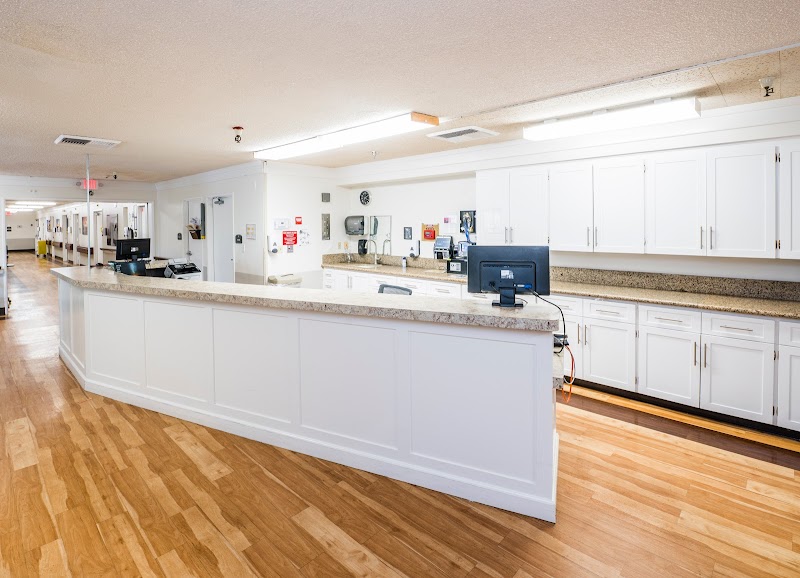
How is College Vista Post-Acute Staffed?

CMS rates COLLEGE VISTA POST-ACUTE's staffing level at 3 out of 5 stars, which is average compared to other nursing homes. Staff turnover is 38%, compared to the California average of 46%. This relatively stable workforce can support continuity of care.

What Have Inspectors Found at College Vista Post-Acute?

State health inspectors documented 36 deficiencies at COLLEGE VISTA POST-ACUTE during 2021 to 2025. These included: 3 Immediate Jeopardy (the most serious level, indicating potential for serious harm or death) and 33 with potential for harm. Immediate Jeopardy findings are rare and represent the most serious regulatory concerns. They require immediate corrective action.
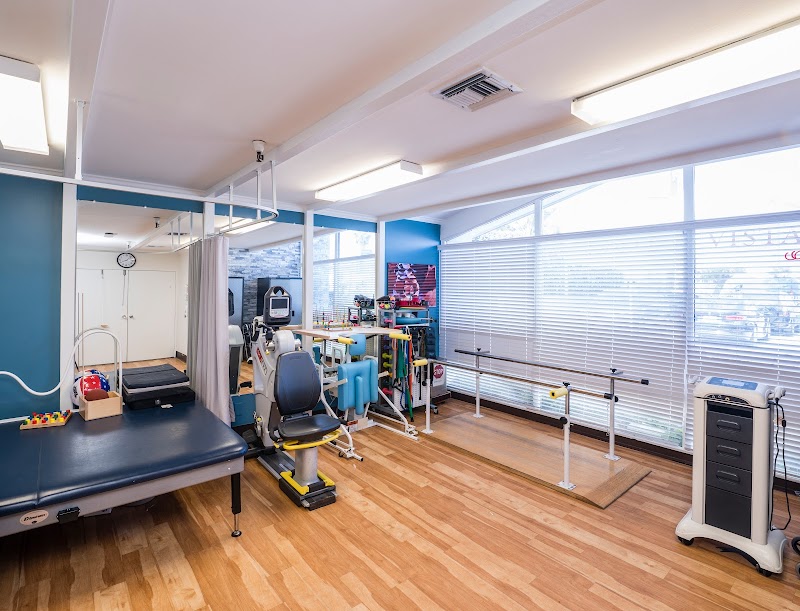
Who Owns and Operates College Vista Post-Acute?

COLLEGE VISTA POST-ACUTE is owned by a for-profit company. For-profit facilities operate as businesses with obligations to shareholders or private owners. The facility is operated by DAVID & FRANK JOHNSON, a chain that manages multiple nursing homes. With 49 certified beds and approximately 42 residents (about 86% occupancy), it is a smaller facility located in LOS ANGELES, California.
How Does College Vista Post-Acute Compare to Other California Nursing Homes?

Compared to the 100 nursing homes in California, COLLEGE VISTA POST-ACUTE's overall rating (2 stars) is below the state average of 3.1, staff turnover (38%) is near the state average of 46%, and health inspection rating (2 stars) is below the national benchmark.

What Should Families Ask When Visiting College Vista Post-Acute?

Based on this facility's data, families visiting should ask: "What changes have been made since the serious inspection findings, and how are you preventing similar issues?" "Can I visit during a mealtime to observe dining assistance and food quality?" "How do you handle medical emergencies, and what is your hospital transfer rate?" "Can I speak with family members of current residents about their experience?" These questions are particularly relevant given the facility's Immediate Jeopardy citations.

Is College Vista Post-Acute Safe?

Based on CMS inspection data, COLLEGE VISTA POST-ACUTE has documented safety concerns. Inspectors have issued 3 Immediate Jeopardy citations (the most serious violation level indicating risk of serious injury or death). The facility has a 2-star overall rating and ranks #100 of 100 nursing homes in California. Families considering this facility should ask detailed questions about what corrective actions have been taken since these incidents.

Do Nurses at College Vista Post-Acute Stick Around?

COLLEGE VISTA POST-ACUTE has a staff turnover rate of 38%, which is about average for California nursing homes (state average: 46%). Moderate turnover is common in nursing homes, but families should still ask about staff tenure and how the facility maintains care continuity when employees leave.

Was College Vista Post-Acute Ever Fined?

COLLEGE VISTA POST-ACUTE has been fined $43,568 across 2 penalty actions. The California average is $33,515. While any fine indicates a compliance issue, fines under $50,000 are relatively common and typically reflect isolated problems that were subsequently corrected. Families should ask what specific issues led to these fines and confirm they've been resolved.

Is College Vista Post-Acute on Any Federal Watch List?

COLLEGE VISTA POST-ACUTE is not on any federal watch list. The most significant is the Special Focus Facility (SFF) program, which identifies the bottom 1% of nursing homes nationally based on persistent, serious quality problems. Not being on this list means the facility has avoided the pattern of deficiencies that triggers enhanced federal oversight. This is a positive indicator, though families should still review the facility's inspection history directly.