CRENSHAW NURSING HOME
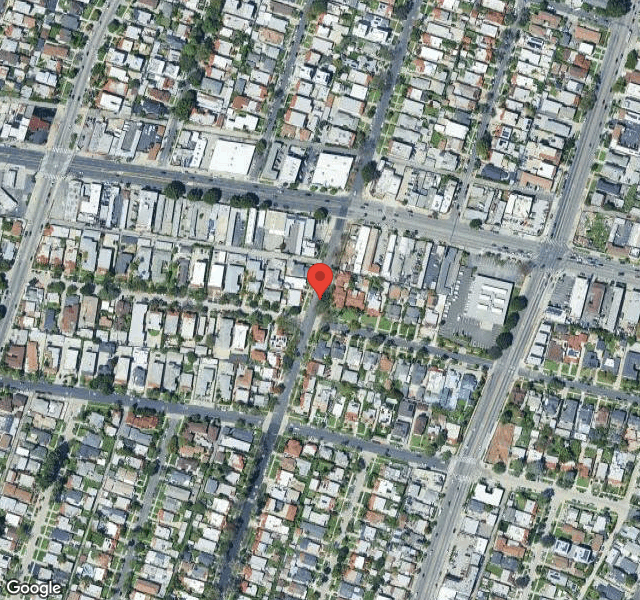
1900 S LONGWOOD AVE, LOS ANGELES, CA 90016 (323) 933-1560
For profit - Limited Liability company 55 Beds LONGWOOD MANAGEMENT CORPORATION Data: November 2025 3 Immediate Jeopardy citations
Trust Grade
0/100
#1006 of 1155 in CA
Last Inspection: March 2025

Within standard 12-15 month inspection cycle. Federal law requires annual inspections.

Overview

Crenshaw Nursing Home has a Trust Grade of F, indicating significant concerns about the facility's performance and care quality. It ranks #1006 out of 1155 in California, placing it in the bottom half of nursing homes in the state, and #292 out of 369 in Los Angeles County, meaning there are many better local options. Although the facility's trend is improving, with issues decreasing from 24 in 2024 to 20 in 2025, it still faces serious challenges, including a concerning 51% staff turnover rate, which is above the state average. Additionally, the nursing home has accumulated $91,939 in fines, which is higher than 96% of California facilities, indicating repeated compliance problems. Specific incidents include a resident being discharged without proper planning or follow-up, a failure to protect one resident from physical abuse by another, and a lack of supervision for a resident at risk of elopement, highlighting serious gaps in care and safety. While staffing has an average rating, the high turnover and critical safety issues raise significant red flags for families considering this facility.

Trust Score
F
0/100
In California
#1006/1155
Bottom 13%
Safety Record
High Risk
Review needed
Inspections
Getting Better
24 → 20 violations
Staff Stability
⚠ Watch
51% turnover. Above average. Higher turnover means staff may not know residents' routines.
Penalties
✓ Good
$91,939 in fines. Lower than most California facilities. Relatively clean record.
Skilled Nurses
⚠ Watch
Each resident gets only 27 minutes of Registered Nurse (RN) attention daily — below average for California. Fewer RN minutes means fewer trained eyes watching for problems.
Violations
⚠ Watch
57 deficiencies on record. Higher than average. Multiple issues found across inspections.
★☆☆☆☆
1.0
Overall Rating
★★★☆☆
3.0
Staff Levels
★★★☆☆
3.0
Care Quality
★☆☆☆☆
1.0
Inspection Score
Stable
2024: 24 issues
2025: 20 issues

The Good

  • Full Sprinkler Coverage · Fire safety systems throughout facility
  • No fines on record

Facility shows strength in fire safety.

The Bad

1-Star Overall Rating

Below California average (3.1)

Significant quality concerns identified by CMS

Staff Turnover: 51%

Near California avg (46%)

Higher turnover may affect care consistency

Federal Fines: $91,939

Well above median ($33,413)

Moderate penalties - review what triggered them

Chain: LONGWOOD MANAGEMENT CORPORATION

Part of a multi-facility chain

Ask about local staffing decisions and management

The Ugly 57 deficiencies on record

3 life-threatening 1 actual harm
Aug 2025 2 deficiencies
CONCERN (D) 📢 Someone Reported This

A family member, employee, or ombudsman was alarmed enough to file a formal complaint

Potential for Harm - no one hurt, but risky conditions existed

Deficiency F0557 (Tag F0557)

Could have caused harm · This affected 1 resident

**NOTE- TERMS IN BRACKETS HAVE BEEN EDITED TO PROTECT CONFIDENTIALITY** Based on observation, interview, and record review the facility failed to ensure one out of three sampled residents (Resident 1)...

Read full inspector narrative →
**NOTE- TERMS IN BRACKETS HAVE BEEN EDITED TO PROTECT CONFIDENTIALITY** Based on observation, interview, and record review the facility failed to ensure one out of three sampled residents (Resident 1) was treated with dignity when requesting to be cleaned by the Certified Nursing Assistant (CNA) 1.This deficient practice of not cleaning Resident upon request left Resident 1 to feel frustrated and upset. Findings:a. During a review of Resident 1's admission Record, the admission Record indicated Resident 1 was initially admitted to the facility on [DATE] and was readmitted on [DATE] with diagnoses hemiplegia (a condition characterized by loss of muscle strength), hemiparesis (weakness on one side of the body), osteoarthritis (a condition that causes pain, stiffness, and impaired mobility. During a review of Resident 1's History and Physical (H&P), dated 3/26/2025, the H&P indicated Resident 1 had the ability to make decisions for activities of daily living. During a review of Resident 1's Minimum Data Set (MDS- a resident assessment tool), dated 5/9/2025, the MDS indicated Resident 1 required partial/moderate assistance (helper does less than half the effort) by staff for toileting hygiene, showering, and dressing. The MDS indicated Resident 1 was always incontinent (inability to control the flow of urine from the bladder) with urine. During an interview on 8/12/2025 at 8:45 a.m. with Resident 1, Resident 1 stated the Certified Nursing Assistant (CNA) 1 on the night shift (11 p.m. to 7 a.m.)had pushed on his leg, hit him with his pillow, and was telling him he can clean himself with a rude tone (a manner of speaking that is disrespectful, impolite, and often characterized by a harsh aggressive, or dismissive attitude). Resident 1 stated the way she had treated me made him feel bad and If I did not need help; I would not ask for help. b. During a review of Resident 2's admission Record, the admission Record indicated Resident 2 was initially admitted to the facility on [DATE] and was readmitted on [DATE] with diagnoses epilepsy (a chronic neurological condition characterized by recurrent, unprovoked seizures caused by abnormal electrical activity in the brain), idiopathic neuropathy (a type of peripheral neuropathy where the cause of nerve damage cannot be identified), and chronic obstructive pulmonary disease (COPD- a chronic lung disease causing difficulty in breathing). During a review of Resident 2's History and Physical (H&P), dated 7/24/2025, the H&P indicated Resident 2 had the capacity to understand and make decisions. During a review of Resident 2's MDS, dated [DATE], the MDS indicated Resident 2 required partial/moderate assistance by staff for toileting hygiene, showering, and dressing. During an interview on 8/12/2025 at 9:00 a.m. with Resident 2 stated CNA 1 did speak to Resident 1 rudely telling him to change himself and that he could wipe himself since he did not want to wait to be changed. During an interview on 8/12/2025 at 9:17 a.m. with Director of Staff Development (DSD), the DSD stated during morning rounds on 7/17/2025 at 6 a.m. Resident 1 had told her CNA 1 had rough handled him while CNA 1 was cleaning him and spoke rudely. The DSD stated CNA 1 role was to provide care upon request from Resident 1 in a respectful manner. The DSD stated when the CNA 1 did not provide proper care when Resident 1 requested it to be changed. The DSD stated CNA 1 behavior caused Resident 1 to not trust her care and to not want her assistance. During an interview on 8/12/2025 at 2:10 p.m. with Director of Nursing (DON), the DON stated CNA 1 was to treat Resident 1 with dignity and assist him with care. The DON stated CNA 1 was to clean Resident 1 and speak to him respectfully. The DON stated not treating Resident 1 with dignity could make him feel belittled (to make someone feel less important, capable, or worthy). During a review of facility's policy and procedure (P&P) titled, Dignity, dated 2/2021, the P&P indicated residents were to be treated with dignity and respect at all times. The P&P indicated staff are to speak respectfully to residents at all times. The P&P indicated demeaning practices and standards of care that compromise dignity was prohibited and to assist the resident promptly to resident's request for toileting assistance. The P&P indicated staff were expected to not challenge or contradict the resident's beliefs or statements.
CONCERN (D) 📢 Someone Reported This

A family member, employee, or ombudsman was alarmed enough to file a formal complaint

Potential for Harm - no one hurt, but risky conditions existed

Report Alleged Abuse (Tag F0609)

Could have caused harm · This affected 1 resident

**NOTE- TERMS IN BRACKETS HAVE BEEN EDITED TO PROTECT CONFIDENTIALITY** Based on observation, interview, and record review the facility failed to implement policies and procedures for one out of three...

Read full inspector narrative →
**NOTE- TERMS IN BRACKETS HAVE BEEN EDITED TO PROTECT CONFIDENTIALITY** Based on observation, interview, and record review the facility failed to implement policies and procedures for one out of three sampled residents (Resident 1) that an abuse allegation was reported within two hours to the California Department of public Health (CDPH) and other agencies. This deficient practice of not reporting an abuse allegation within two hours caused a delay in investigating by the CDPH.Findings:a. During a review of Resident 1's admission Record, the admission Record indicated Resident 1 was initially admitted to the facility on [DATE] and was readmitted on [DATE] with diagnoses hemiplegia (a condition characterized by loss of muscle strength), hemiparesis (weakness on one side of the body), osteoarthritis (a condition that causes pain, stiffness, and impaired mobility. During a review of Resident 1's History and Physical (H&P), dated 3/26/2025, the H&P indicated Resident 1 had the ability to make decisions for activities of daily living. During a review of Resident 1's Minimum Data Set (MDS- a resident assessment tool), dated 5/9/2025, the MDS indicated Resident 1 required partial/moderate assistance (helper does less than half the effort) by staff for toileting hygiene, showering, and dressing. The MDS indicated Resident 1 was always incontinent (inability to control the flow of urine from the bladder) with urine. b. During a review of Resident 2's admission Record, the admission Record indicated Resident 2 was initially admitted to the facility on [DATE] and was readmitted on [DATE] with diagnoses epilepsy (a chronic neurological condition characterized by recurrent, unprovoked seizures caused by abnormal electrical activity in the brain), idiopathic neuropathy (a type of peripheral neuropathy where the cause of nerve damage cannot be identified), and chronic obstructive pulmonary disease (COPD- a chronic lung disease causing difficulty in breathing). During a review of Resident 2's History and Physical (H&P), dated 7/24/2025, the H&P indicated Resident 2 had the capacity to understand and make decisions. During a review of Resident 2's MDS, dated [DATE], the MDS indicated Resident 2 required partial/moderate assistance by staff for toileting hygiene, showering, and dressing. During a record review of facility's termination notice, Notice to Employee as to Change Relationship, dated 7/22/2025, the termination notice indicated Certified Nursing Assistant (CNA) 1 was discharged effective 7/22/2025 due to unprofessional behavior. During an interview on 8/12/2025 at 8:45 a.m. with Resident 1, Resident 1 stated the Certified Nursing Assistant (CNA) 1 on the night shift (11 p.m. to 7 a.m.)had pushed on his leg, hit him with his pillow, and was telling him he can clean himself with a rude tone (a manner of speaking that is disrespectful, impolite, and often characterized by a harsh aggressive, or dismissive attitude). Resident 1 stated he had notified the head nurse (Director of Staff Development) that morning. During an interview on 8/12/2025 at 9:00 a.m. with Resident 2 stated Resident 1 had told Certified Nursing Assistant (CNA) 1 was speaking rudely to Resident 1. Resident 2 stated she was telling Resident 1 to change himself, and that he could wipe himself if he did not want to wait to be changed. During an interview on 8/12/2025 at 9:17 a.m. with Director of Staff Development (DSD), the DSD stated during morning rounds on 7/17/2025 at 6 a.m. Resident 1 had told her CNA 1 had rough handled him while CNA 1 was cleaning him and spoke rudely. The DSD stated that these alleged actions of CNA 1 were considered abuse and needed to be reported within two hours. During an interview on 8/12/2025 at 12:55 p.m. with the Administrator (ADM), the ADM stated the DSD reported CNA 1 was rude and rough handled Resident 1. The ADM stated the DSD was a mandated reporter and had reported to the him about the alleged abuse. The ADM stated Resident 1 was told by CNA 1 to clean up his own sh The ADM stated when there is an allegation of abuse the staff were to report within two hours. The ADM stated CNA 1 had displayed unprofessional conduct she was suspended on 7/16/2025 and later terminated on 7/22/2025. During a review of facility's policy and procedure (P&P) titled, Abuse, Neglect, Exploitation or Misappropriation- Reporting and Investigation, dated 3/2023, the P&P indicated if resident abuse is suspected, the suspicion must be reported immediately. The P&P indicated immediately is within two hours of an allegation involving abuse or within 24 hours of an allegation that does not involve abuse or result in serous bodily injury. The P&P indicated any employee will be placed on leave pending investigation. The P&P indicated if the investigation reveals that the allegation of abuse are founded, the employee is terminated.
Apr 2025 1 deficiency 1 IJ
CRITICAL (J) 📢 Someone Reported This

A family member, employee, or ombudsman was alarmed enough to file a formal complaint

Immediate Jeopardy (IJ) - the most serious Medicare violation

Transfer Requirements (Tag F0622)

Someone could have died · This affected 1 resident

**NOTE- TERMS IN BRACKETS HAVE BEEN EDITED TO PROTECT CONFIDENTIALITY** Based on interview and record review, the facility failed to ensure one of four sampled residents (Resident 1) who had severe co...

Read full inspector narrative →
**NOTE- TERMS IN BRACKETS HAVE BEEN EDITED TO PROTECT CONFIDENTIALITY** Based on interview and record review, the facility failed to ensure one of four sampled residents (Resident 1) who had severe cognitive impairment, was safely discharged when the facility failed to: 1. Ensure an Interdisciplinary Meeting ([IDT] gathering where healthcare professionals from different disciplines collaborate to discuss a patient's care, develop shared understandings, and coordinate treatment plans) for discharge planning was conducted for Resident 1. 2. Ensure Resident 1 ' s discharge location (house) could meet the resident ' s needs. 3. Follow up with Resident 1 after his discharge from the facility to the house, to ensure Resident 1 was safe and comfortably settled. 4. Ensure Resident 1 had a designated individual to safely administered his medications including Risperdal (medication to treat mental health conditions) and gabapentin (medication to treat nerve pain). 5. To contact the Local Contact Agency (a state-designated entity that provides options counseling to individuals in long-term care facilities interested in exploring community-based services and supports) to notify of Resident 1 ' s discharge. 6. Implement its Policies and Procedures (P&P) titled, Transfer or Discharge, Facility-Initiated, which indicated facility-initiated transfers and discharges, must meet specific criteria, and require resident/representative notification, orientation, and documentation. These deficient practices resulted in Resident 1 being discharged to a house in which her needs could not be met, and the resident was placed at risk for falls, injuries, and worsening medical and psychiatric conditions. On 4/7/2025, Resident 1 became unconscious and was transferred to a General Acute Care Hospital (GACH) for evaluation and treatment. On 4/9/2025 at 3:54 p.m., an Immediate Jeopardy ([IJ] a situation in which the facility's noncompliance with one or more requirements of participation had caused, or is likely to cause serious injury, harm, impairment, or death to a resident) was called in the presence of the AssistantAdministrator (AADM) and Director of Nursing (DON) due to the facility ' s failure to ensure Resident 1 who had severe cognitive impairment, was safely discharged . On 4/11/2025 at 3:39 p.m., the facility submitted an acceptable IJ Removal Plan ([IJRP] a plan with interventions to correct the deficient practice). After validating the IJRP ' s implementation onsite, the IJ was removed on 4/11/2025 at 4:01 p.m. in the presence of Administrator (ADM), AADM, DON, Quality Assurance (QA), and Quality Assurance Consultant (QAC) The IJRP included the following immediate actions: 1. On 4/7/2025, the DON contacted staff member at the property (house) regarding Resident l's discharge location and verified the correct address and contact information. 2. The facility DON and Registered Nurse (RN) supervisor provided in-service to all licensed nurses regarding resident assessment prior to discharge to ensure residents with impaired cognition and inability to make decision to ensure that the receiving facility is safe and appropriate to provide the needed care to the resident after being discharged from the facility. 3. The DON provided in-service to licensed nurses regarding medication safety for discharges. The licensed nurse who assists with discharge will provide detailed instructions to include but not limited to: a. Medication administration, including medication name, dosage, frequency and route, quantity of each medication provided to the resident/responsible party, to ensure sufficient quantity of medications will be provided upon discharge. b. Home health (a healthcare provider that provides medical services to patients in their homes) follow-up to ensure medication compliance after being discharged . 4. The DON provided one-to-one in-service to the social service personnel and emphasized the following: a. 24 hours prior to discharge, the social service will verify the receiving facility/home to ensure accurate address, contact information and a valid license as indicated. b. Within 72 hours after discharge, the social service will contact the resident/responsible party/receiving facility/home health to ensure the resident is well settled-in at the new environment after the discharge. 5. On 4/9/2025, the ADM and the DON notified all licensed nurses and the Social Service personnel of the findings outlined in the IJ template dated 4/9/2025 and conducted in-services regarding the Transfer/Discharge policy, which included the following key components: Conduct a Discharge IDT meeting and develop a discharge care plan after admission to the facility, and then quarterly and as needed to assist the resident in discharge planning and to ensure all discharges are appropriate and safe. 6. The DON provided in-service to licensed nurses and social service personnel regarding measures to ensure residents are discharge to a location that can meet the resident's individual needs. The measures include but not limited to: a. Develop and implement discharge care plan for all residents after admission, and then quarterly and as needed. b. Conducting assessments prior to discharge. c. Verifying the receiving facility/home health to ensure accurate information. d. Following up with resident/responsible party/receiving facility after discharge to ensure the discharge location can meet the resident's needs. Findings: During a review of Resident 1 ' s admission Record, the admission Record indicated Resident 1 was admitted to the facility on [DATE], with diagnoses of dementia (progressive decline in cognitive abilities, such as memory, thinking, and problem-solving,) traumatic fracture (a break in a bone caused by a forceful impact or injury, like a fall or car accident), and schizophrenia (chronic mental health condition characterized by disruptions in thought processes, perceptions, emotions, and behavior.) During a review of Resident 1 ' s Care Plan titled Falls/Injury because of behavioral problems, dementia, and impaired cognition dated 5/8/2022, the care plan indicated to provide 1:1 (one-on-one patient care, where a healthcare professional provides constant attention to a single patient) every shift as ordered due to poor safety awareness. During a review of Resident 1 ' s Minimum Data Set ([MDS], a resident assessment tool), dated 1/29/2024, the MDS indicated Resident 1 was sometimes able to understand and be understood by others. The MDS indicated Resident 1 required supervision for eating, and upper body dressing. The MDS indicated Resident 1 required moderate assistance (helper lifts, holds, or supports trunk or limbs, but provides less than half the effort) with oral hygiene, toileting hygiene, showering/bathing, lower body dressing, putting on/taking off footwear and personal hygiene. The MDS indicated Resident 1 required supervision with rolling left to right, sit to lying, lying to sitting on side of bed, chair/bed-to-chair transfer, tub/shower transfer, and walking 10, 50 and 150 feet. The MDS indicated Resident 1 required moderate assistance to sit, stand and for toilet transfer. The MDS indicated Resident 1 required a mechanically altered diet (change in texture of food or liquids e.g. pureed food, thickened liquids.) The MDS indicated Resident 1 was on antipsychotic (medications used to treat mental health conditions characterized by psychosis [mental health condition characterized by a loss of touch with reality], such as schizophrenia and bipolar [mental health condition characterized by extreme mood swings between periods of high energy, elevated mood, and low mood, loss of interest, and fatigue] disorder) medications. During a review of Resident 1 ' s Order Details dated 1/22/2025, the order indicated Risperidone (drug used to treat certain mental disorders, such as schizophrenia and bipolar disease) 3 milligrams ([mg] unit of measurement), give 1 tablet by mouth at bedtime, for schizophrenia. During a review of Resident 1 ' s Order Details dated 2/21/2025, the order details indicated Gabapentin (medication for seizures or nerve pain) oral capsule 300 mg by mouth, two times a day for neuropathy (condition where nerves are damaged or malfunctioning), hold for drowsiness. During a review of Resident 1 ' s Multidisciplinary Progress Record dated 2/26/2025, the record indicated Resident 1 remained disorganized, delusional with positive agitation. During a review of Resident 1 ' s Order Details dated 3/14/2025, the order details indicated may discharge Resident 1 to an Assisted Living Facility. During a review of Resident 1 ' s Los Angeles Fire Department (LAFD) Patient Care Report dated 4/7/2025 at 6:29 p.m., the LAFD report indicated Resident 1 was unconscious, and her mental status was deteriorating (to become worse in condition). The LAFD report indicated a private ambulance was called but upon arriving to the house, 911 had been called due to Resident 1 ' s altered level of consciousness. The LAFD report indicated Resident 1 was not alert and oriented and her vital signs were normal. During a review of Resident 1 ' s GACH records titled emergency room (ER) template dated 4/8/2025 at 8:20 a.m., the report indicated, Resident 1 was brought for altered mental status. The report indicated Resident 1 was non-verbal and did not follow commands or open her eyes and move to pain. During a review of Resident 1 ' s GACH records titled Resident Family Medicine History and Physical (H&P) dated 4/8/2025 at 2:39 p.m., the record indicated Resident 1 was stuporous (confused and slow to react ) with a Glasgow Coma Scale ([GCS] tool used to assess a patient's level of consciousness after a brain injury or other neurological issue) 10 (score of 10 suggests the person is drowsy, reduced alertness or consciousness, but may still be able to open their eyes and respond to painful stimuli). The H&P indicated Resident 1 was non-verbal and not following commands. Resident 1 was able to open her eyes and move to pain. The H&P indicated Resident 1 ' s laboratory (lab) results indicated the resident had a urinary tract infection ([UTI] bacterial infection that affects any part of the urinary system,). The report indicated Resident 1 was started on empiric (used when the cause of an illness is uncertain) antibiotics (medications that kill or stop the growth of bacteria). During an interview on 4/8/2025 at 8:26 a.m., with Resident 1 ' s Family Member (FM 1), FM 1 stated the facility called him on 3/14/2024 to inform him Resident 1 was being transferred to another facility because Resident 1 no longer needed the services at facility. FM 1 stated the facility gave him the name and address of the new facility (house)but when he attempted to google the address, he could not find it. FM 1 stated he then attempted to find the name of the facility (house) provided to him and he could not find it either. FM 1stated he called the Skilled Nursing Facility ([SNF] long-term care facility that provides specialized nursing care and rehabilitation services to individuals who need medical or nursing care, or rehabilitation services due to injury, disability, or illness), but the facility told him Resident 1 was no longer under their care and they were no longer responsible for the resident. FM 1 stated Resident 1 did not have a cell phone and was unable to use one because the resident had dementia. During an interview on 4/8/2025 at 8:49 a.m., with the Ombudsman (an advocate for residents of nursing homes, board and care centers, and assisted living facilities), the Ombudsman stated she had received a complaint from FM 1 stating he could not locate Resident 1. The Ombudsman stated FM 1 called the facility, but the facility was not responding. The Ombudsman stated she had not received a discharge notification for Resident 1. During an interview on 4/8/2025 at 10:48 a.m., with Certified Nurse Assistant (CNA 1), CNA 1 stated Resident 1 had a sitter because she was confused and would try to get out of bed without assistance. CNA 1 stated Resident 1 was at high risk for falling which was the reason the facility had to keep a close eye on her. During a concurrent interview and record review on 4/8/2025 at 11:00 a.m., with Licensed Vocational Nurse (LVN 1), Resident 1 ' s Social Services (SS) Note dated 3/14/2025 at 2:41 p.m., was reviewed. LVN 1 stated the note indicated Resident 1 was accepted at an assisted living facility. LVN 1 attempted to look up the address provided in the SS note through a google search but could not find the listed address. LVN 1 stated she did not know the location of the assisted living facility. LVN 1 stated FM 1 called to inquire about the where abouts of Resident 1, but the facility did not have the information. LVN 1 stated there were no IDT notes, or discharge care plans noted in Resident 1 ' s medical record. During a concurrent interview and record review on 4/8/2025 at 12:17 p.m., with the SS, Resident 1 ' s Social Services IDT Resident Discharge Planning dated 10/30/2024 at 9:26 a.m., was reviewed. The SS stated the record indicated Resident 1 was in the facility without a discharge potential (the likelihood to be discharged ). The SS stated the record indicated Resident 1 preferred not to return to the community. The SS stated Resident 1 required a dementia unit, and she (the SS) had not conducted an IDT meeting regarding sending Resident 1 to a house, or assisted living facility. The SS stated the facility ' s marketer initiated Resident 1 ' s transfer and the discharge location was not a dementia unit. The SS stated she received an incorrect address from the marketer, which she provided to FM 1 on 3/14/2025. The SS stated the facility ' s process was to conduct an IDT meeting on admission, quarterly, and as needed to identify the needs and goals for a resident and create a care plan with interventions that would assist the staff to achieve each resident ' s goals. The SS stated she did not conduct an IDT meeting for Resident 1 discharge on [DATE]. The SS stated she did not notify the Local Contact Agency (not known), or Ombudsman and she did not follow up to ensure Resident 1 was comfortably settled after discharge. The SS stated it was important to inform the Ombudsman because the Ombudsman was the resident ' s advocate and could follow up on Resident 1 ' s concerns if there were any. The SS stated the facility met Resident 1 ' s needs and she did not know why the resident was discharge to a house, where his needs could not be met. The SS stated Resident 1 or FM 1 and 2 were not involved in selecting the new location because the marketer found it (the house). The SS stated on 3/14/2025, she informed Resident 1, of the transfer but she was not sure Resident 1 understood. The SS stated with transfers or discharges, the facility was supposed to provide discharge documents to the new (receiving) facility, where Resident 1 was discharged , but no one answered her calls, so she did not provide any discharge documents or information about Resident 1 to the discharge location. The SS also stated that she never followed up to ensure Resident 1 was comfortably settled after discharge. During an interview on 4/8/2025 at 1:33 p.m., with FM 2, FM 2 stated when he visited the house on 4/7/2025 (time unknown), he noticed Resident 1 looked pale (when the skin appears whiter than usual, often due to illness or fear), like she had lost weight, and the resident could not even talk. FM 2 stated he asked the Landlord (owner of the house) to call 911 for Resident 1 to be transferred to a GACH for evaluation and treatment. During an interview on 4/9/2025 at 10:08 a.m., with the Landlord, the Landlord stated it was his home and he was not running an assisted living facility. The Landlord stated he advertised to rent a bedroom on craigslist (free online classified ads platform where individuals can post and browse listings for jobs, housing, items for sale, services, and more) to help him pay his mortgage. The Landlord stated he was contacted by a Marketer (MK) about a resident (Resident 1) at the facility looking for a place to live. The Landlord stated MK told him (the Landlord) that Resident 1was to be discharged and the resident had no medical issues. The Landlord stated he was not in the healthcare profession and only accepted Resident 1 into his home for rent. The Landlord stated FM 2 requested Resident 1 be sent to a GACH because Resident 1 bruises and FM wanted the GACH to document the bruises. Landlord stated even though he did not observe any bruises on Resident 1 ' s body, he agreed to send Resident 1 to GACH for safety. During an interview on 4/9/2025 at 2:18 p.m., with Physical Therapist (PT), PT stated Resident 1 was unsteady and required someone to walk with her at all times, for safety. PT 1 stated that was the reason she had a sitter otherwise she would fall. During an interview on 4/9/2025 at 1:03 p.m. with Registered Nurse (RN), RN 1 stated on 3/14/2025 around 3:10 p.m. he discharged Resident 1 to what he thought was an assisted living facility. RN 1 stated he attempted to call the receiving facility (house) to give a handoff report on the resident, but the facility (house) did not answer the phone, and he did not call back. RN 1 stated Resident 1 ' s verbal report was not provided to the facility. RN 1 stated on 3/14/2025 at 3:10 p.m., he gave the Emergency Medical Technician (EMT) Resident 1 ' s verbal medication administration information and a printout list of the resident ' s medications. RN 1 stated he did not document the medications Resident 1 was discharged with and did not remember how many pills he gave the resident. RN stated Resident 1 was given important medications like Risperdal and Gabapentin. RN 1 stated if Resident 1 did not take her medications it could lead to worsening of symptoms. RN 1 stated there was also a potential for Resident 1 to overdose, and it was important to educate the resident about his medications, administration times, dosages, and side effects. During an interview on 4/9/2025 at 4:05 p.m., with Resident 1 ' s Physician (MD 1), MD 1 stated she did not give an order for Resident 1 to be discharged because Resident 1 was not ready for discharge to a lower level of care. MD 1 stated no staff notified her that Resident 1 was discharged from the facility. MD 1 stated Resident 1 still required care from the facility. MD 1 stated all communications with the facility were done through messages and the orders were signed by her in batches (group of multiple orders). MD 1 stated she did not review it individually and might have signed the discharge order by accident. MD 1 stated Resident 1 still required care from the facility ' s staff and should not have been discharged . During a review of the facility ' s Policies and Procedures (P&P) titled Transfer or Discharge, Facility-Initiated, dated October 2022, the P&P indicated facility-initiated discharges, must meet specific criteria, and required resident/representative notification, orientation, and documentation. The P&P indicated the facility should provide the resident and his representative thirty (30)-day advance written notice of an impending discharge from the facility. The P&P indicated the resident, and representative should be notified in writing, the specific reason for the transfer or discharge, including the effective date of the transfer or discharge, the specific location to which the resident is being discharged . The P&P indicated the facility must send a copy of the discharge notice to the Office of the State Long-Term Care Ombudsman at the same time the notice of discharge was provided to the resident and representative. The P&P indicated a post-discharge plan should be developed for each resident prior to her discharge, and must be reviewed with the resident, and/or his or her family, at least twenty-four (24) hours before the resident's discharge from the facility. The P&P indicated the nursing notes should include documentation of appropriate orientation and preparation of the resident prior to the discharge. The P&P indicated if the resident was discharged for any reason, the basis for the discharge, contact information of the practitioner responsible for the care of the resident, resident representative information including contact information, all special instructions or precautions for ongoing care should be communicated to the receiving facility.
Mar 2025 16 deficiencies
CONCERN (D)

Potential for Harm - no one hurt, but risky conditions existed

Resident Rights (Tag F0550)

Could have caused harm · This affected 1 resident

**NOTE- TERMS IN BRACKETS HAVE BEEN EDITED TO PROTECT CONFIDENTIALITY** Based on observation, interview, and record review the facility failed to provide a privacy bag (a cover placed over the urine c...

Read full inspector narrative →
**NOTE- TERMS IN BRACKETS HAVE BEEN EDITED TO PROTECT CONFIDENTIALITY** Based on observation, interview, and record review the facility failed to provide a privacy bag (a cover placed over the urine collection bag, so it was not visible) for one out of six sampled residents (Resident 101) who had a urinary catheter (a hollow tube inserted into the bladder to drain or collect urine). This deficient practice had the potential for Resident 101 to feel uncomfortable while around other residents and negatively affect the resident's psychosocial well-being. Findings: During a review of Resident 101 's admission Record, the admission Record indicated Resident 101 was admitted to the facility on [DATE] with diagnoses including anxiety disorder (a mental health condition characterized by persistent and excessive fear that interferes with daily life and functioning), calculus of kidney (hard deposits of minerals and salts that form inside the kidneys), and the cerebral infraction (the death of brain tissue due to a lack of blood flow). During a review of Resident 101's History and Physical (H&P) dated 3/15/2025, the H&P indicated Resident 101 had the capacity to understand and make decisions. During a review of Resident 101's Minimum Data Set ([MDS] a resident assessment tool) dated 3/19/2025, the MDS indicated Resident 101 was usually able to understand others. The MDS indicated Resident 101 was dependent on staff for showering, dressing and personal hygiene. The MDS indicated Resident 101 had an indwelling catheter. During an observation on 3/18/2025 at 9:09 a.m. in Residents 101's room, Resident 101's urinary catheter collection bag was hanging on the side of the bed without a privacy bag. During an interview on 3/19/2025 at 11:51 a.m. with Licensed Vocational Nurse (LVN) 2, LVN 2 stated the urinary catheter collection bag should be covered with a privacy bag so others would not know the resident had a device that collected urine. LVN 2 stated it was important to have the urine catheter bag covered because it had the potential to make the resident feel uncomfortable. During a review of the facility's policy and procedure (P&P) titled, Dignity dated 2/2021, the P&P indicated each resident shall be cared for in a manner that promotes and enhances his or her sense of well-being, level of satisfaction with life, and feelings of self-worth and self-esteem. The P&P indicated demeaning practices and standards of care that compromise dignity was prohibited. The P&P indicated staff were expected to help the residents to keep urinary catheter bags covered.
CONCERN (D)

Potential for Harm - no one hurt, but risky conditions existed

Deficiency F0558 (Tag F0558)

Could have caused harm · This affected 1 resident

**NOTE- TERMS IN BRACKETS HAVE BEEN EDITED TO PROTECT CONFIDENTIALITY** Based on observation, interview, and record review the facility failed to ensure one out of six sampled resident's (Resident 44)...

Read full inspector narrative →
**NOTE- TERMS IN BRACKETS HAVE BEEN EDITED TO PROTECT CONFIDENTIALITY** Based on observation, interview, and record review the facility failed to ensure one out of six sampled resident's (Resident 44) call light was within reach. This deficient practice had the potential for Resident 44 not to be able to call for assistance to obtain necessary care and services. Findings: During a review of Resident 44's admission Record, the admission Record indicated Resident 44 was initially admitted to the facility on [DATE] and was readmitted on [DATE]. Resident 44's diagnoses included chronic obstructive pulmonary disease ([COPD] a chronic lung disease causing difficulty in breathing), epilepsy (a chronic brain disorder that sends the wrong signals in the brain and cause seizures), and diabetes mellitus ([DM] a disorder characterized by difficulty in blood sugar control and poor wound healing). During a review of Resident 44's Minimum Data Set ([MDS] a resident assessment tool), dated 1/3/2025, the MDS indicated Resident 44 was usually able to understand. The MDS indicated Resident 44' had no speech (absence of spoken words) and was dependent on staff for showering, dressing, and personal hygiene. During an observation on 3/18/2025 at 9:59 a.m. in Resident 44's room, the call light was not within reach and was on the floor behind the resident's bed. During a review of Resident 44's care plan titled, Resident has self-care deficits for activities of daily living ([ADL] - routine tasks/activities such as bathing, dressing, and toileting a person performs daily to care for themselves), the care plan indicated the intervention was to have the call light within reach and attend to needs promptly. During an interview on 3/19/2025 at 11:58 a.m. with Licensed Vocational Nurse (LVN) 2, LVN 2 stated, the call light needed to always be placed within the resident's reach. LVN 2 stated Resident 44 had right sided weakness to her extremities (arms and legs) and her functional arm/hand was on the left side. LVN 2 stated it was important to place the call light within reach so the resident could call for help from staff when needed. During a review of facility's undated policy and procedure (P&P) titled, Call Lights, the P&P indicated to assure residents receive prompt assistance. The P&P indicated to ensure that the call light is within the resident's reach when in his/her room.
CONCERN (D)

Potential for Harm - no one hurt, but risky conditions existed

Deficiency F0655 (Tag F0655)

Could have caused harm · This affected 1 resident

**NOTE- TERMS IN BRACKETS HAVE BEEN EDITED TO PROTECT CONFIDENTIALITY** Based on interview and record review, the facility failed to develop a baseline care plan for one of one sampled resident (Resid...

Read full inspector narrative →
**NOTE- TERMS IN BRACKETS HAVE BEEN EDITED TO PROTECT CONFIDENTIALITY** Based on interview and record review, the facility failed to develop a baseline care plan for one of one sampled resident (Resident 202) who was on dialysis (a treatment to cleanse the blood of wastes and extra fluids artificially through a machine when the kidney(s) have failed). This deficient practice had the potential for Resident 202 to not receive appropriate care and treatments specific to the resident's dialysis need. Findings: During a review of Resident 202's admission Record, the admission Record indicated Resident 202 was admitted to the facility on [DATE] with diagnoses including End Stage Renal Disease ([ESRD] irreversible kidney failure), hypertension ([HTN] high blood pressure) and anemia (a condition where the body does not have enough healthy red blood cells). During a review of Resident 202's History and Physical (H&P) dated 3/9/2025, the H&P indicated Resident 202 had the mental capacity to understand and make medical decisions. During a review of Resident 202's Minimum Data Set ([MDS] a resident assessment tool) dated 3/14/2025, the MDS indicated Resident 202's cognitive (ability to think and reason) skills for daily decision making was intact. The MDS indicated Resident 202 required moderate assistance (staff does less than half the effort) for oral hygiene, upper body dressing, and personal hygiene. The MDS indicated Resident 202 was on dialysis. During a review of Resident 202's Order Summary dated 3/19/2025, the Order Summary Report indicated Resident 202 had a physician order for dialysis treatment every Tuesday, Thursday, and Saturday. During a concurrent interview and record review on 3/19/2025 at 2:15 p.m., with the Minimum Data Set Nurse (MDSN), Resident 202's clinical records were reviewed. The MDSN stated Resident 202 did not have a baseline care plan specific for the resident's dialysis treatment. The MDSN stated a baseline care plan should have been developed and completed by licensed nursing staff upon the resident's admission to the facility. The MDSN stated the baseline care plan was the initial goal for the resident based on the admission orders and interventions needed to implement the resident's care. The MDSN stated facility staff would not be able to properly assess and manage the dialysis need of Resident 202 since there was no baseline care plan developed for the resident. During a review of the facility's policy and procedure (P&P) titled, Baseline Care Plans dated 3/2022, the P&P indicated A baseline plan of care to meet the resident's immediate health and safety needs is developed for each resident within forty-eight (48) hours of admission. The P&P indicated baseline care plan includes instructions needed to provide effective, person-centered care of the resident that meet professional standards of quality care and must include the minimum healthcare information necessary to properly care for the resident.
CONCERN (D)

Potential for Harm - no one hurt, but risky conditions existed

Comprehensive Care Plan (Tag F0656)

Could have caused harm · This affected 1 resident

**NOTE- TERMS IN BRACKETS HAVE BEEN EDITED TO PROTECT CONFIDENTIALITY** Based on observation, interview and record review, the facility failed to develop a care plan for one of six sampled residents (...

Read full inspector narrative →
**NOTE- TERMS IN BRACKETS HAVE BEEN EDITED TO PROTECT CONFIDENTIALITY** Based on observation, interview and record review, the facility failed to develop a care plan for one of six sampled residents (Resident 105) who was receiving oxygen (O2). This deficient practice had the potential for unidentified goals and interventions for Resident 105. Findings: During a review of Resident 105's admission Record, the admission Record indicated Resident 105 was initially admitted to the facility on [DATE] and was readmitted on [DATE]. Resident 105's diagnoses included end stage renal disease ([ESRD] irreversible kidney failure, diabetes mellitus ([DM] a disorder characterized by difficulty in blood sugar control and poor wound healing), and dementia (a progressive state of decline in mental abilities). During a review of Resident 105's Minimum Data Set ([MDS] a resident assessment tool), dated 3/18/2025, the MDS indicated Resident 105's cognition (ability to learn, reason, remember, understand, and make decisions) was moderately impaired. The MDS indicated Resident 105 was dependent on staff for showering and dressing. The MDS indicated Resident 105 required respiratory treatment with O2 therapy (providing a patient with supplemental O2, which is extra oxygen beyond what they can breathe from the air). During an interview on 3/19/2025 at 12:25 p.m. with Licensed Vocational Nurse (LVN) 2, LVN 2 stated there was no care plan to address Resident 105's use of O2. LVN 2 stated it was important to develop a care plan for Resident 105's use of O2 to reflect what services the staff needed to provide for the resident. LVN 2 stated the development of a care plan would help the staff keep track of the interventions and the outcomes of those interventions. LVN 2 also stated the care plan would show Resident 105's progression with the use of oxygen and to see if the interventions were working. During a review of the facility's policy and procedure (P&P) titled, Care Plans, Comprehensive Person-Centered, dated 3/2022, the P&P indicated the comprehensive, person-centered care plan describes the services that were to include measurable objectives and timeframes. The P&P indicated the care plan were to include resident's goals and desired outcomes. The P&P indicated the care plan was to reflect current recognized standards of practice for problem areas and conditions.
CONCERN (D)

Potential for Harm - no one hurt, but risky conditions existed

Deficiency F0658 (Tag F0658)

Could have caused harm · This affected 1 resident

**NOTE- TERMS IN BRACKETS HAVE BEEN EDITED TO PROTECT CONFIDENTIALITY** Based on interview and record review, the facility failed to monitor and record the blood pressure (BP) for one of one sampled r...

Read full inspector narrative →
**NOTE- TERMS IN BRACKETS HAVE BEEN EDITED TO PROTECT CONFIDENTIALITY** Based on interview and record review, the facility failed to monitor and record the blood pressure (BP) for one of one sampled resident (Resident 202) who had a physician's order for Midodrine (a medication to treat low blood pressure) every 8 hours as needed for systolic blood pressure ([SBP] the first number in a blood pressure reading) of less than 120. This deficient practice had the potential to result in Resident 1 not receiving the medication as needed and hypotension (low blood pressure) which could lead to dizziness, falls and stroke (loss of blood flow to a part of the brain). Findings: During a review of Resident 202's admission Record, the admission Record indicated, Resident 202 was admitted to the facility on [DATE] with diagnoses including End Stage Renal Disease ([ESRD] irreversible kidney failure), hypertension ([HTN] high blood pressure), and anemia (a condition where the body does not have enough healthy red blood cells). During a review of Resident 202's History and Physical (H&P) dated 3/9/2025, the H&P indicated Resident 202 had the mental capacity to understand and make medical decisions. During a review of Resident 202's Minimum Data Set ([MDS] a resident assessment tool) dated 3/14/2025, the MDS indicated Resident 202's cognitive (ability to think and reason) skills for daily decision making was intact. The MDS indicated Resident 202 required moderate assistance (staff does less than half the effort) for oral hygiene, upper body dressing, and personal hygiene. The MDS indicated Resident 202 was on dialysis (a treatment to cleanse the blood of wastes and extra fluids artificially through a machine when the kidney(s) have failed. During a review of Resident 202's Order Summary Report dated 3/19/2025, the Order Summary Report indicated Resident 202's physician placed a telephone order on 3/7/2025 to administer midodrine 5 milligrams ([mg] - metric unit of measurement, used for medication dosage and/or amount) 1 tablet every 8 hours as needed for hypotension; give the medication if the SBP was less than 120 for Resident 202. During a concurrent interview and record review on 3/20/2025 at 10:04 a.m., with Licensed Vocational Nurse (LVN) 3, Resident 202's Medication Administration Record (MAR) dated 3/2025 was reviewed. LVN 3 stated Resident 202's was not being monitored and recorded at least every 8 hours. LVN 3 stated the standard of practice was to check Resident 202's blood pressure every 8 hours since the physician prescribed midodrine for hypotension with a parameter to give if SBP less than 120. LVN 3 stated it was important to monitor Resident 202's blood pressure every 8 hours so the physician could adjust the resident's medication if needed and for the resident's safety. LVN 3 stated low blood pressure could lead to dizziness and coma (unconscious and will not respond to voices, other sounds, or any sort of activity going on nearby) requiring hospitalization and possible death. During an interview on 3/20/2025 at 10:31 a.m., with the Director of Nursing (DON), the DON stated Resident 202 had an order for midodrine as needed to keep the resident's blood pressure stable and to prevent hypotension especially during her dialysis treatment. The DON stated by not monitoring Resident 202's blood pressure every 8 hours, the licensed nurses would not be able to determine when to give and not to give midodrine. During a review of the facility's policy and procedure (P&P) titled, Care of a Resident with End-Stage Renal Disease dated 9/2010, the P&P indicated, residents with ESRD will be cared for according to currently recognized standards of care. The P&P indicated staff training and education includes timing and administration of medications particularly those before and after dialysis. During a review of the facility's P&P titled, Medication Administration-General Guidelines dated 4/2008, the P&P indicated, medications should be administered in accordance with written orders of the attending physician.
CONCERN (D)

Potential for Harm - no one hurt, but risky conditions existed

Respiratory Care (Tag F0695)

Could have caused harm · This affected 1 resident

**NOTE- TERMS IN BRACKETS HAVE BEEN EDITED TO PROTECT CONFIDENTIALITY** Based on interview and record review, the facility failed to ensure respiratory care (interventions and therapies aimed at impro...

Read full inspector narrative →
**NOTE- TERMS IN BRACKETS HAVE BEEN EDITED TO PROTECT CONFIDENTIALITY** Based on interview and record review, the facility failed to ensure respiratory care (interventions and therapies aimed at improving or restoring lung function and addressing breathing difficulties) were provided to two of three sampled residents (Residents 12 and 16), in accordance with standards of practice, by failing to ensure: 1. Resident 12's tracheostomy (a surgical opening in the neck for an airway) site and tube were free of dried secretions (substance such as saliva or mucus). 2. Resident 16's face mask nebulizer (a medical device that uses a small machine to turn liquid medication into a mist that can be inhaled through a face mask, allowing medication to be delivered directly to the lungs) tubing was labeled with date when changed. These failures had the potential to cause respiratory infection for Resident 12 and 16. Findings: 1. During a review of Resident 12's admission Record, the admission Record indicated, Resident 12 was admitted to the facility on [DATE]. Resident 12's diagnoses included chronic obstructive pulmonary disease ([COPD] - a chronic lung disease causing difficulty in breathing), neck cancer (a group of diseases characterized by the uncontrolled growth and spread of abnormal cells), and tracheostomy placement. During a review of Resident 12's History and Physical (H&P), dated 6/2/2024, the H&P indicated, Resident 12 had the capacity to understand and make decisions. During a review of Resident 12's Minimum Data Set ([MDS] - a resident assessment tool), dated 3/6/2025, the MDS indicated, Resident 12 was independent (decisions consistent/reasonable) in cognitive (ability to think and reason) skills for daily decision making. The MDS indicated Resident 12 was independent (resident completes the activity with no assistance from a helper) with eating, oral hygiene, and toileting hygiene. During a review of Resident 12's Order Summary Report, dated 3/18/2025, the Order Summary Report indicated a physician order to cleanse tracheostomy site with normal saline (a saltwater solution), pat dry, cover with dry dressing daily. During a concurrent observation and interview on 3/18/2025 at 10:03 a.m., with Licensed Vocational Nurse 2 (LVN 2), in Resident 12's room, LVN 2 stated Resident 12's tracheostomy site and tube were dirty with brownish dried secretions. LVN 2 stated licensed nursing staff was responsible in cleaning Resident 12's tracheostomy site and tube daily. LVN 2 stated Resident 12's tracheostomy care was not done recently by the licensed nursing staff because of the dried brownish secretions present in the site. During a concurrent interview and record review on 3/19/2025 at 11:48 a.m., with the Director of Nursing (DON), Resident 12's Treatment Administration Record ([TAR] - a report detailing the treatment administered to a patient by a healthcare professional at a facility) from 3/1/2025 to 3/19/2025, was reviewed. The DON stated Resident 12's tracheostomy care was not done by the licensed nursing staff on 3/2/2025 and 3/9/2025. The DON stated tracheostomy care should be done consistently on a daily basis and as needed. The DON stated tracheostomy site should be cleaned daily to prevent skin irritation and infection. The DON stated tracheostomy tube should be cleaned daily to reduce the risk of blockage that would prevent airway obstruction. During a review of the facility's policy and procedure (P&P), titled, Tracheostomy Site Care, Dressing Change, and Inner Cannula, dated 10/25/2011, the P&P indicated, tracheostomy care must be performed on tracheostomy patients every shift and ensure patency of the altered airway and minimize potential for infection. 2. During a review of Resident 16's admission Record, the admission Record indicated, Resident 16 was initially admitted to the facility on [DATE] and readmitted on [DATE]. Resident 16's diagnoses included COPD, anxiety disorder (a mental health condition characterized by excessive, persistent, and irrational worry or fear that interferes with daily life), and dementia (a progressive state of decline in mental abilities). During a review of Resident 16's MDS, dated [DATE], the MDS indicated, Resident 16's cognitive skills for daily decision making was severely impaired. The MDS indicated Resident 16 was dependent (helper does all of the effort) from staff with oral hygiene, upper body dressing, and personal hygiene. During a review of Resident 16's Order Summary Report, dated 3/20/2025, the Order Summary Report indicated, Resident 16's order for Albuterol Sulfate (drug use to treat and prevent shortness of breath) 2.5 milligrams ([mg] - metric unit of measurement, used for medication dosage and/or amount) 1 vial (a small plastic bottle often used to store medication in the form of liquid) via nebulizer (machine) every 6 hours as needed for shortness of breath/respiratory distress. During a concurrent observation and interview on 3/18/2025 at 9:30 a.m., with Licensed Vocational Nurse 3 (LVN 3), in Resident 16's room, LVN 3 stated the face mask nebulizer tubing of Resident 16 was not dated. LVN 3 stated it was unknown when Resident 16's face mask nebulizer tubing was changed because it was not dated and labeled. LVN 3 stated respiratory tubing should be changed once a week for resident safety and infection control. During a review of the facility's undated P&P titled, Oxygen Administration, the P&P indicated, oxygen tubing should be changed weekly and as needed, including changing the mask, cannula, and nebulizer equipment.
CONCERN (D)

Potential for Harm - no one hurt, but risky conditions existed

Deficiency F0698 (Tag F0698)

Could have caused harm · This affected 1 resident

**NOTE- TERMS IN BRACKETS HAVE BEEN EDITED TO PROTECT CONFIDENTIALITY** Based on interview and record review, the facility failed to ensure a resident who received hemodialysis ([HD] - a treatment to ...

Read full inspector narrative →
**NOTE- TERMS IN BRACKETS HAVE BEEN EDITED TO PROTECT CONFIDENTIALITY** Based on interview and record review, the facility failed to ensure a resident who received hemodialysis ([HD] - a treatment to cleanse the blood of wastes and extra fluids artificially through a machine when the kidney(s) have failed) treatment received care in accordance with standards of practice for one of one sampled resident (Resident 202) by failing to: 1. Monitor and record resident's blood pressure every 8 hours who was receiving Midodrine (a medication to treat low blood pressure) as needed following parameters set by physician. This deficient practice had the potential to result in unintended consequences of Resident 202's management of low blood pressure. Findings: During a review of Resident 202's admission Record, the admission Record indicated, Resident 202 was admitted to the facility on [DATE]. Resident 202's diagnoses included End Stage Renal Disease ([ESRD]- irreversible kidney failure), hypertension ([HTN] - high blood pressure), and anemia (a condition where the body does not have enough healthy red blood cells). During a review of Resident 202's History and Physical (H&P), dated 3/9/2025, the H&P indicated, Resident 202 had the mental capacity to understand and make medical decisions. During a review of Resident 202's Minimum Data Set ([MDS] - a resident assessment tool), dated 3/14/2025, the MDS indicated, Resident 202 was independent (decisions consistent/reasonable) in cognitive (ability to think and reason) skills for daily decision making. The MDS indicated Resident 202 required moderate assistance (helper does less than half the effort) from staff with oral hygiene, upper body dressing, and personal hygiene. The MDS indicated Resident 202 on HD treatment. During a review of Resident 202's Order Summary Report (a document containing active orders), dated 3/19/2025, the Order Summary Report indicated, Resident 202's physician placed a telephone order on 3/7/2025 for Resident 202 to start on midodrine 5 milligrams ([mg] - metric unit of measurement, used for medication dosage and/or amount) 1 tablet every 8 hours as needed for hypotension (low blood pressure), to give if systolic blood pressure ([SBP] - the first number in a blood pressure reading) less than 120. During a concurrent interview and record review on 3/20/2025 at 10:04 a.m., with Licensed Vocational Nurse 3 (LVN 3), Resident 202's Medication Administration Record ([MAR] - a report detailing the medications administered to a patient by a healthcare professional at a facility) from 3/7/2025 to 3/20/2025 was reviewed. LVN 3 stated Resident 202's blood pressure every 8 hours was not monitored and recorded. LVN 3 stated the standard of practice was to check Resident 202's blood pressure every 8 hours since the physician prescribed midodrine for hypotension with parameter to give if SBP less than 120. LVN 3 stated it was important to monitor Resident 202's blood pressure every 8 hours so the physician can make adjustment of resident medication and for resident safety. LVN 3 stated low blood pressure can lead to dizziness and coma (unconscious and will not respond to voices, other sounds, or any sort of activity going on nearby) requiring hospitalization and possible death. During an interview on 3/20/2025 at 10:31 a.m., with the Director of Nursing (DON), the DON stated Resident 202 had an order for midodrine as needed to keep her blood pressure stable and to prevent hypotension especially during her dialysis treatment. The DON stated by not monitoring Resident 202's blood pressure every 8 hours, the licensed nursing staff would not be able to determine when to give and not to give the midodrine medication. During a review of the facility's policy and procedure (P&P), titled Care of a Resident with End-Stage Renal Disease, dated 9/2010, the P&P indicated, Residents with end-stage renal disease (ESRD) will be cared for according to currently recognized standards of care. The P&P indicated staff training and education includes timing and administration of medications particularly those before and after dialysis. During a review of the facility's P&P, titled Medication Administration-General Guidelines, dated 4/2008, the P&P indicated, Medications are administered in accordance with written orders of the attending physician.
CONCERN (D)

Potential for Harm - no one hurt, but risky conditions existed

Drug Regimen Review (Tag F0756)

Could have caused harm · This affected 1 resident

**NOTE- TERMS IN BRACKETS HAVE BEEN EDITED TO PROTECT CONFIDENTIALITY** Based on interview and record review, the facility failed to act on the pharmacist consultant's (a professional responsible for ...

Read full inspector narrative →
**NOTE- TERMS IN BRACKETS HAVE BEEN EDITED TO PROTECT CONFIDENTIALITY** Based on interview and record review, the facility failed to act on the pharmacist consultant's (a professional responsible for reviewing each resident's medication profile monthly to identify and report changes) recommendations timely, for two of four sampled residents (Residents 16 and 41). Cross Reference to F758. This deficient practice placed Residents 16 and 41 at risk for unnecessary medication administration. Findings: 1.During a review of Resident 16's admission Record, the admission Record indicated, Resident 16 was initially admitted to the facility on [DATE] and readmitted on [DATE]. Resident 16's diagnoses included anxiety disorder (a mental health condition characterized by excessive, persistent, and irrational worry or fear that interferes with daily life), chronic obstructive pulmonary disease ([COPD] - a chronic lung disease causing difficulty of breathing) and dementia (a progressive state of decline in mental abilities). During a review of Resident 16's Minimum Data Set ([MDS] - a resident assessment tool), dated 1/10/2025, the MDS indicated, Resident 16's cognitive (ability to think and reason) skills for daily decision making was severely impaired (never/rarely made decisions). The MDS indicated Resident 16 was dependent (helper does all of the effort) from staff with oral hygiene, upper body dressing, and personal hygiene. During a review of Resident 16's Order Summary Report, dated 3/20/2025, the Order Summary Report indicated physician's telephone order, dated 2/1/2025, for Resident 16 to start lorazepam (medication used to relieve anxiety) 0.5 milligrams ([mg] - metric unit of measurement, used for medication dosage and/or amount) by mouth every 12 hours as needed for anxiety manifested by restlessness (unable to stay still in bed). During a review of the Pharmacist Consultant Medication Regimen Review (MRR), dated 2/15/2025, the MRR indicated the recommended maximum daily dose for lorazepam when used for the elderly is 2mg/day, indicating Resident 16's order of lorazepam 0.5mg/ml every 12 hours as needed, had the potential to exceed 2mg/day. The MRR indicated pharmacy consultant's recommendation for Resident 16's physician to re-evaluate the order of lorazepam or to document the risk and benefit if the current order was indicated. 2.During a review of Resident 41's admission Record, the admission Record indicated 41 was initially admitted to the facility on [DATE] and readmitted on [DATE]. Resident 41's diagnoses included anxiety disorder, anemia (a condition where the body does not have enough healthy red blood cells), and protein calorie malnutrition (a condition caused by a severe lack of protein and calories). During a review of Resident 41's MDS, dated [DATE], the MDS indicated, Resident 41's cognitive skills for daily decision making was severely impaired. The MDS indicated, Resident 41 required maximal assistance (helper does more than half the effort) from staff with eating, upper body dressing, and personal hygiene. During a review of Resident 41's Order Summary Report, dated 3/20/2025, the Order Summary Report indicated physician's telephone order dated 2/25/2025, for Resident 41 to start on lorazepam to give 0.25 milliliter ([ml] - unit of fluid volume) by mouth every 4 hours as needed for anxiety manifested by restlessness causing shortness of breath. During a review of the Pharmacist Consultant MRR, dated 2/15/2025, the MRR indicated, Resident 41's order for lorazepam 0.5mg every 4 hours as needed for anxiety, had no stop date. The MRR indicated, per Center for Medicare and Medicaid Services (CMS) Mega Rules, effective 11/28/2017, the prescriber must document the rationale and duration of use for all as needed psychotropic drug orders beyond 14 days. During a concurrent interview and record review on 3/20/2025 at 2:41 p.m., with the Director of Nursing (DON), Residents 16 and 41, clinical records were reviewed. The DON stated Residents 16 and 41's clinical records did not indicate documentations the licensed nursing staff followed-up with the residents' physicians to address the pharmacist consultant's recommendation regarding the use of lorazepam. The DON stated the timeline to follow-up pharmacy consultant recommendation was 1 month or before the next scheduled visit of the pharmacy consultant. The DON stated it was important for the licensed staff to address and discuss pharmacist consultant's recommendations with the resident's physician for residents' safety and to avoid the residents receive unnecessary medication. During a review of the facility's policy and procedure (P&P), titled, Consultant Pharmacist Reports, dated 8/2014, the P&P indicated, the recommendations should be acted upon and documented by the facility staff and or the prescriber. The P&P indicated if the physician accepts and acts upon suggestion, or rejects, the physician must provide an explanation for disagreeing.
CONCERN (D)

Potential for Harm - no one hurt, but risky conditions existed

Medication Errors (Tag F0758)

Could have caused harm · This affected 1 resident

**NOTE- TERMS IN BRACKETS HAVE BEEN EDITED TO PROTECT CONFIDENTIALITY** Based on interview and record review, the facility failed to ensure two of four sampled residents (Resident 16 and 41), who rece...

Read full inspector narrative →
**NOTE- TERMS IN BRACKETS HAVE BEEN EDITED TO PROTECT CONFIDENTIALITY** Based on interview and record review, the facility failed to ensure two of four sampled residents (Resident 16 and 41), who received as needed (PRN) psychotropic medication (any drug that affects brain activities associated with mental process and behavior), were reevaluated after 14 days. Cross Refer to F756. This deficient practice placed Residents 16 and 41 at risk for avoidable harm from unwanted adverse effects (a harmful and undesired effect resulting from a medication or intervention) related to psychotropic medication use. Findings: 1. During a review of Resident 16's admission Record, the admission Record indicated, Resident 16 was initially admitted to the facility on [DATE] and readmitted on [DATE]. Resident 16's diagnoses included anxiety disorder (a mental health condition characterized by excessive, persistent, and irrational worry or fear that interferes with daily life), chronic obstructive pulmonary disease ([COPD] - a chronic lung disease causing difficulty of breathing) and dementia (a progressive state of decline in mental abilities). During a review of Resident 16's Minimum Data Set ([MDS] - a resident assessment tool), dated 1/10/2025, the MDS indicated, Resident 16's cognitive (ability to think and reason) skills for daily decision making was severely impaired (never/rarely made decisions). The MDS indicated Resident 16 was dependent (helper does all of the effort) from staff with oral hygiene, upper body dressing, and personal hygiene. During a review of Resident 16's Order Summary Report (a document containing active orders), dated 3/20/2025, the Order Summary Report indicated, the physician placed a telephone order on 2/1/2025 for Resident 16 to start on lorazepam (medication used to relieve anxiety) to give 0.5 milligrams ([mg] - metric unit of measurement, used for medication dosage and/or amount) by mouth every 12 hours as needed for anxiety manifested by restlessness (unable to stay still in bed). 2. During a review of Resident 41's admission Record, the admission Record indicated 41 was initially admitted to the facility on [DATE] and readmitted on [DATE]. Resident 41's diagnoses included anxiety disorder, anemia (a condition where the body does not have enough healthy red blood cells), and protein calorie malnutrition (a condition caused by a severe lack of protein and calories). During a review of Resident 41's MDS, dated [DATE], the MDS indicated, Resident 41's cognitive skills for daily decision making was severely impaired. The MDS indicated, Resident 41 required maximal assistance (helper does more than half the effort) from staff with eating, upper body dressing, and personal hygiene. During a review of Resident 41's Order Summary Report, dated 3/20/2025, the Order Summary Report indicated, the physician placed a telephone order on 2/25/2025 for Resident 41 to start on lorazepam to give 0.25 milliliter ([ml] - unit of fluid volume) by mouth every 4 hours as needed for anxiety manifested by restlessness causing shortness of breath. During a concurrent interview and record review on 3/19/2025 at 3:00 p.m., with the Director of Nursing (DON), Residents 16 and 41 clinical records, were reviewed. The DON stated Residents 16 and 41 were both on lorazepam PRN for anxiety with no duration (extent) of therapy. The DON stated all PRN psychotropic medication should have a stop date. The DON stated the physician should assess and reevaluate the continued use of the lorazepam to comply with the regulation. The DON stated the provider should have documentation indicating the justification for extending the use of lorazepam after 14 days. The DON stated the risk of not putting a stop date for a PRN psychotropic medication could result in a resident receiving unnecessary medication. During a review of the facility's policy and procedure (P&P), titled, Psychotropic Medication Use, dated 7/2022, the P&P indicated, for psychotropic medications that are not antipsychotic, if the prescriber or attending physician believed it was appropriate to extend the PRN order beyond 14 days, the physician should document the rationale for extending the use and include the duration for the PRN order.
CONCERN (D)

Potential for Harm - no one hurt, but risky conditions existed

Food Safety (Tag F0812)

Could have caused harm · This affected 1 resident

Based on observation, interview and record review, the facility failed to ensure: 1. Kitchen refrigerator 1 had an external thermometer (an appliance to monitor the temperature of a refrigerator) in ...

Read full inspector narrative →
Based on observation, interview and record review, the facility failed to ensure: 1. Kitchen refrigerator 1 had an external thermometer (an appliance to monitor the temperature of a refrigerator) in working condition. 2. The large clear egg noodle pasta bin in the dry storage area was labeled with name and date. 3. Kitchen refrigerator 2 had proper internal temperature (40 degrees Fahrenheit or lower) maintained for the refrigerated food items. This deficient practice had the potential to cause rapid growth of bacteria that can cause foodborne illness (food poisoning). Findings: 1). During the initial kitchen tour observation, on 3/18/2025, at 8:27 a.m., the external thermometer of refrigerator 1 was observed counting upwards in seconds and minutes starting from zero and the internal thermometer of refrigerator 2 was observed at 42 degrees Fahrenheit. During a concurrent observation and interview, on 3/18/2025, at 8:30 a.m., with the Dietary Aide 1 (DA 1), DA 1 stated he did not know why the external thermometer of refrigerator 1 was counting upwards or if it had malfunctioned. DA 1 stated the risk of having a malfunctioned external thermometer on a refrigerator could result in spoiled food. 2). During a concurrent observation and interview, on 3/18/2025, at 8:55 a.m., with the Dietary [NAME] (DC), the DC stated the large, clear container contained uncooked egg noodle pasta and was not labeled with name and date. The DC stated the risk of not labeling food in the dry storage container could result in not knowing what food contents are in the bin and until when it was good for. During a concurrent observation and interview, on 3/18/2025, at 9:48 a.m., with the Dietary Supervisor (DS), the DS stated the refrigerator 2's internal temperature was 42 degrees Fahrenheit. The DS stated the internal temperatures for refrigerators should be 40 degrees Fahrenheit or below. The DS stated the risk of a refrigerator with internal temperature of 42 degrees could result in expired food. During a review of the facility's undated policy and procedure (P&P), titled Refrigerator/Freezer Storage, the P&P indicated, if temperatures are not within appropriate range, the dietary staff should notify the dietary supervisor and/or Maintenance Supervisor and Administrator. The P&P indicated the refrigerator temperature should be 40 degrees Fahrenheit or lower. During a review of the facility's undated P&P titled, Storage of canned and Dry Goods, the P&P indicated, food items should be dated and labeled when placed in containers.
CONCERN (D)

Potential for Harm - no one hurt, but risky conditions existed

Infection Control (Tag F0880)

Could have caused harm · This affected 1 resident

**NOTE- TERMS IN BRACKETS HAVE BEEN EDITED TO PROTECT CONFIDENTIALITY** Based on observation, interview and record review, the facility failed to ensure the humidifier (a product that adds moisture to...

Read full inspector narrative →
**NOTE- TERMS IN BRACKETS HAVE BEEN EDITED TO PROTECT CONFIDENTIALITY** Based on observation, interview and record review, the facility failed to ensure the humidifier (a product that adds moisture to the air to help with breathing) for one of six sampled residents (Resident 105), was changed and labeled with date. This deficient practice placed Resident 105 at risk for respiratory infection (an infection affecting the nose, throat, sinuses, airways, and lungs). Findings: During a review of Resident 105's admission Record, the admission Record indicated Resident 105 was initially admitted to the facility on [DATE] and was readmitted on [DATE]. Resident 105's diagnoses included end stage renal disease ([ESRD] - irreversible kidney failure, diabetes mellitus ([DM]-a disorder characterized by difficulty in blood sugar control and poor wound healing), and dementia (a progressive state of decline in mental abilities). During a review of Resident 105's Minimum Data Set ([MDS] a resident assessment tool), dated 3/18/2025, the MDS indicated Resident 105's cognition (ability to learn, reason, remember, understand, and make decisions) was moderately impaired. The MDS indicated Resident 105 was dependent on staff for showering, dressing, and from lying to sitting in chair. The MDS indicated Resident 105 required respiratory treatment with oxygen therapy (providing a patient with supplemental oxygen, which is extra oxygen beyond what they can breathe from the air). During an observation on 3/18/2025 at 10:34 a.m. in Resident 1's room, there was a humidifier attached to the oxygen concentrator (a medical device that extracts and concentrates oxygen from air, delivering a higher concentration of oxygen to the patient) that was not dated or labeled. During an interview on 3/19/2025 at 12:07 p.m. with Licensed Vocational Nurse (LVN) 2, LVN 2 stated the humidifier with no date labeled, could not be identified if the humidifier was changed. LVN 2 stated the humidifier should have been changed weekly. LVN 2 stated if the humidifier was not changed weekly, it placed the resident at risk for developing a respiratory infection. During a review of facility's undated policy and procedure (P&P) titled, Oxygen Administration, the P&P indicated the oxygen humidifier should be changed weekly and as needed.
CONCERN (E)

Potential for Harm - no one hurt, but risky conditions existed

Deficiency F0552 (Tag F0552)

Could have caused harm · This affected multiple residents

**NOTE- TERMS IN BRACKETS HAVE BEEN EDITED TO PROTECT CONFIDENTIALITY** Based on interview and record review, the facility failed to obtain informed consent (voluntary agreement to accept treatment an...

Read full inspector narrative →
**NOTE- TERMS IN BRACKETS HAVE BEEN EDITED TO PROTECT CONFIDENTIALITY** Based on interview and record review, the facility failed to obtain informed consent (voluntary agreement to accept treatment and/or procedures after receiving education regarding the risks, benefits, and alternatives offered) prior to administering a psychotropic medication (any drug that affects brain activities associated with mental process and behavior) for two of four sampled residents (Residents 16 and 41). This deficient practice violated the resident's right to make an informed decision regarding the use of psychotropic medication. Findings: 1. During a review of Resident 16's admission Record, the admission Record indicated Resident 16 was initially admitted to the facility on [DATE] and readmitted on [DATE]. Resident 16's diagnoses included anxiety disorder (a mental health condition characterized by excessive, persistent, and irrational worry or fear that interferes with daily life), chronic obstructive pulmonary disease ([COPD] a chronic lung disease causing difficulty of breathing) and dementia (a progressive state of decline in mental abilities). During a review of Resident 16's Minimum Data Set ([MDS] a resident assessment tool) dated 1/10/2025, the MDS indicated, Resident 16's cognitive (ability to think and reason) skills for daily decision making was severely impaired (never/rarely made decisions). The MDS indicated Resident 16 was dependent on staff for oral hygiene, upper body dressing, and personal hygiene. During a review of Resident 16's Order Summary Report dated 3/20/2025, the Order Summary Report indicated, the physician placed a telephone order on 2/1/2025 to administer lorazepam (a medication used to relieve anxiety) 0.5 milligrams ([mg] metric unit of measurement, used for medication dosage and/or amount) by mouth every 12 hours as needed for anxiety manifested by restlessness (unable to stay still in bed) for Resident 16. 2. During a review of Resident 41's admission Record, the admission Record indicated 41 was initially admitted to the facility on [DATE] and readmitted on [DATE]. Resident 41's diagnoses included anxiety disorder, anemia (a condition where the body does not have enough healthy red blood cells), and protein calorie malnutrition (a condition caused by a severe lack of protein and calories). During a review of Resident 41's MDS dated [DATE], the MDS indicated Resident 41's cognitive skills for daily decision making was severely impaired. The MDS indicated, Resident 41 required maximal assistance (staff does more than half the effort) for eating, upper body dressing, and personal hygiene. During a review of Resident 41's Order Summary Report dated 3/20/2025, the Order Summary Report indicated, the physician placed a telephone order on 2/25/2025 to administer lorazepam to give 0.25 milliliter ([ml] - unit of fluid volume) by mouth every 4 hours as needed for anxiety manifested by restlessness causing shortness of breath for Resident 41. During a concurrent interview and record review on 3/19/2025 at 2:44 p.m., with the Minimum Data Set Nurse (MDSN), Residents 16 and 41's clinical records were reviewed. The MDSN stated there were no documentation to indicate that the physician of Residents 16 and 41 obtained informed consent and discussed the side-effects with the residents and/or responsible party regarding the use of lorazepam. The MDSN stated the informed consent should be completed with the signature of the physician and filed in resident's medical records. The MDSN stated the psychotropic medication should not have been administered to the residents if there was no informed consent. The MDSN stated it was a violation of resident rights for not getting an informed consent for use of psychotropic medication. During a review of the facility's policy and procedure (P&P) titled, Informing Residents of Health, Medical Condition and Treatment Options dated 2/2021, the P&P indicated, Each resident is informed of his/her total health status and medical condition, including diagnosis, treatment recommendations and prognosis, in advance of treatment and on an ongoing basis. If a resident has an appointed representative, the representative is also informed. During a review of the facility's P&P titled, Use of Psychotropic Medication dated 7/2022, the P&P indicated, Resident and/or representative have the right to decline treatment with psychotropic medications and the staff and physician will review the risks related to not taking the medications as well as appropriate alternatives.
CONCERN (E)

Potential for Harm - no one hurt, but risky conditions existed

Deficiency F0577 (Tag F0577)

Could have caused harm · This affected multiple residents

Based on observation, interview and record review, the facility failed to ensure the results of the most recent survey of the facility was posted in a place readily accessible to residents. This defi...

Read full inspector narrative →
Based on observation, interview and record review, the facility failed to ensure the results of the most recent survey of the facility was posted in a place readily accessible to residents. This deficient practice had the potential to violate the rights of residents to examine the survey results of the facility and could lead to residents not being fully informed of the facility's deficient practices and how they were corrected. Findings: During an observation, on 3/20/2025 at 9:00 a.m., at the Annex Station, a signage was observed posted on the wall, inside of the nursing station indicating, CDPH survey information available upon request. During a concurrent observation and interview on 3/20/2025 at 9:47 a.m., with the Director of Nursing (DON), the DON stated all recertification survey results should have been in a folder at the nursing station, freely accessible to all residents. The DON stated the survey binder was not placed near the signage or around the nurse's station. The DON stated the risk of not providing free access to the facility's survey binder could result in residents not being informed of the facility's previous survey information and if any corrections were made. A review of the facility's policy and procedures (P&P) titled, CDPH 327- Attachment F: Resident [NAME] of Rights dated 5/2011, indicated A resident has the right to examine the results of the most recent survey of the facility conducted by Federal or State surveyors and any plan of correction in effect with respect to the facility. The P&P indicated, The facility must make the results available for examination in a place readily accesible to residents and must post a notice of their availability.
CONCERN (E)

Potential for Harm - no one hurt, but risky conditions existed

Pressure Ulcer Prevention (Tag F0686)

Could have caused harm · This affected multiple residents

**NOTE- TERMS IN BRACKETS HAVE BEEN EDITED TO PROTECT CONFIDENTIALITY** Based on observation, interview, and record review, the facility failed to: 1. Ensure the low air loss mattress ([LALM] a mattre...

Read full inspector narrative →
**NOTE- TERMS IN BRACKETS HAVE BEEN EDITED TO PROTECT CONFIDENTIALITY** Based on observation, interview, and record review, the facility failed to: 1. Ensure the low air loss mattress ([LALM] a mattress designed to prevent and treat pressure ulcer (localized damage to the skin and/or underlying tissue usually over a bony prominence) was set and maintained at the correct setting according to the manufacturer's setting for two of three sampled residents (Residents 16 and 41). 2. Ensure one out of six sampled residents (Resident 105) had a LALM to prevent pressure ulcer. These deficient practices placed Residents 16 and 41 at risk for discomfort and skin breakdown. and had the potential to result in the worsening of Resident 105 pressure ulcer. Findings: 1. During a review of Resident 16's admission Record, the admission Record indicated Resident 16 was initially admitted to the facility on [DATE] and readmitted on [DATE]. Resident 16's diagnoses included anxiety disorder (a mental health condition characterized by excessive, persistent, and irrational worry or fear that interferes with daily life), chronic obstructive pulmonary disease ([COPD] a chronic lung disease causing difficulty of breathing) and dementia (a progressive state of decline in mental abilities). During a review of Resident 16's Minimum Data Set ([MDS] a resident assessment tool) dated 1/10/2025, the MDS indicated Resident 16's cognitive (ability to think and reason) skills was severely impaired (never/rarely made decisions). The MDS indicated Resident 16 was dependent from staff with oral hygiene, upper body dressing, and personal hygiene. The MDS indicated Resident 16 was at high risk for developing pressure ulcers. During a review of Resident 16's Order Summary Report dated 3/20/2025, the Order Summary Report indicated the physician placed a telephone order on 2/7/2025 for Resident 16 to have LALM for skin maintenance. During a review of Resident 16's Weight Summary Report dated 3/7/2025, the Weight Summary Report indicated Resident 16's weight was 106 pounds (lbs.). During a review of Resident 41's admission Record, the admission Record indicated Resident 41 was initially admitted to the facility on [DATE] and readmitted on [DATE]. Resident 41's diagnoses included anxiety disorder, anemia (a condition where the body does not have enough healthy red blood cells), and protein calorie malnutrition (a condition caused by a severe lack of protein and calories). During a review of Resident 41's MDS dated [DATE], the MDS indicated Resident 41's cognitive skills for daily decision making was severely impaired. The MDS indicated, Resident 41 required maximal assistance (staff does more than half the effort) with eating, upper body dressing, and personal hygiene. The MDS indicated Resident 41 was high risk for developing pressure ulcers. During a review of Resident 41's Order Summary Report dated 3/20/2025, the Order Summary Report indicated, the physician placed a telephone order on 2/7/2025 for Resident 41 to have LALM for skin maintenance. During a review of Resident 41's Weight Summary Report dated 3/7/2025, the Weight Summary Report indicated Resident 41's weight was 87 lbs. During a concurrent observation and interview on 3/18/2025 at 9:14 a.m., with Licensed Vocational Nurse (LVN) 3 in Residents 16 and 41's room, LVN 3 stated Resident 16 was lying on a LALM with a setting of 300 lbs. and Resident 41 was lying on a LALM with a setting of 350 lbs. LVN 3 stated Residents 16 and 41 LALM was set to an incorrect setting. LVN 3 stated LALM setting should be based on the current weight of the resident. LVN 3 stated incorrect setting of the LALM would put resident at risk for skin breakdown. During an interview on 3/19/2025 at 11:41 a.m., with the Director of Nursing (DON), the DON stated, it was the responsibility of the licensed nurses to check the setting of the LALM. The DON stated Residents 16 and 41 had fragile skin and they were at risk for development of pressure ulcers. The DON stated if the LALM was not properly set based on the resident's weight then it would defeat its purpose and cause the resident to be uncomfortable. During a review of the facility's undated policy and procedure (P&P) titled, Pressure-Reducing Mattresses, the P&P indicated, To provide mattresses that will prevent and/or minimize pressure on the skin. During a review of Drive user manual, titled Med-Aire Essential 8 Alternating Pressure and Low Air Loss Mattress System, the Driver user manual indicated, Turn the pressure adjust knob to set a comfortable pressure level using the weight scale as a guide. 2. During a review of Resident 105's admission Record, the Face Sheet indicated Resident 105 was initially admitted to the facility on [DATE] and was readmitted on [DATE]. Resident 105's diagnoses included end stage renal disease ([ESRD] irreversible kidney failure), diabetes mellitus ([DM] a disorder characterized by difficulty in blood sugar control and poor wound healing), and dementia (a progressive state of decline in mental abilities). During a review of Resident 105's MDS dated [DATE], the MDS indicated Resident 105's cognitive skills was moderately impaired. The MDS indicated Resident 105 was dependent on staff for showering, dressing, and from lying to sitting in chair. The MDS indicated Resident 105 had an unstageable pressure ulcer (ulcer where the wound bed is obscured by slough or eschar). During an observation on 3/18/2025 at 10:26 a.m. in Resident 105's room, there was no LAL mattress observed on Resident 105's bed. During a concurrent interview and record review on 3/20/2025 at 10:23 a.m. with the DON, Resident 105's Order Summary Report dated 3/12/2025 was reviewed. The DON stated Resident 105 had a physician's order for a LALM for skin integrity (the state of the skin being intact, unbroken, and healthy) however the LALM had not been provided for Resident 105. The DON stated Resident 105 was at high risk for pressure ulcers and had an unstageable to the sacrococcyx (refers to the area between the sacrum and coccyx (tailbone). The DON stated the delay of not providing the LALM for Resident 105 had the potential for worsening of the unstageable wound. During a review of the facility's P&P titled, Pressure Ulcers/Skin Breakdown-Clinical Protocol dated 4/2018, the P&P indicated the nursing staff, and practitioner will assess risk factors for developing pressure ulcers. The P&P indicated the physician will order pertinent wound treatments, including pressure reduction surfaces. The P&P indicated the physician will help identify medical interventions related to wound management.
CONCERN (E)

Potential for Harm - no one hurt, but risky conditions existed

Deficiency F0761 (Tag F0761)

Could have caused harm · This affected multiple residents

Based on observation and interview, the facility failed to ensure the medication room storage refrigerator was maintained below 46 degrees as indicated in the facility's policy and procedure (P&P) tit...

Read full inspector narrative →
Based on observation and interview, the facility failed to ensure the medication room storage refrigerator was maintained below 46 degrees as indicated in the facility's policy and procedure (P&P) titled, Medication Storage in the Facility. This deficient practice had the potential for medications be stored in improper temperature, or humidity and can alter the effectiveness of the medication. Findings: During an observation, on 3/19/2025, at 12:20 p.m., at the medication room storage refrigerator, the refrigerator had unopened insulin (a hormone that lowers the level of blood sugar in the blood) vials, insulin pens, and unopened multidose tuberculin (a substance used in a skin test to help diagnose tuberculosis [TB] infection) injection vials. The medication storage refrigerator temperature was observed at 48 degrees Fahrenheit. During a concurrent observation and interview, on 3/19/2025, at 12:22 p.m., with Licensed Vocational Nurse 1 (LVN 1), LVN 1 stated per policy, the temperature for the refrigerator should be maintained between 36-46 degrees. LVN 1 stated the refrigerator temperature was 48 degrees. LVN 1 stated the risk of having an out of range temperature of the medication refrigerator could result in medications expiring. During a review of the facility's P&P titled, Medication Storage in the Facility, dated 4/2008, the P&P indicated, medications requiring refrigeration or 'temperatures between 2 degrees Celsius (36 degrees Fahrenheit) and 8 degrees Celsius (46 degrees Fahrenheit), should be kept in a refrigerator with a thermometer to allow temperature monitoring.
MINOR (B)

Minor Issue - procedural, no safety impact

Deficiency F0912 (Tag F0912)

Minor procedural issue · This affected multiple residents

**NOTE- TERMS IN BRACKETS HAVE BEEN EDITED TO PROTECT CONFIDENTIALITY** Based on observation, interview and record review, the facility failed to meet the required 80 square feet for each resident in ...

Read full inspector narrative →
**NOTE- TERMS IN BRACKETS HAVE BEEN EDITED TO PROTECT CONFIDENTIALITY** Based on observation, interview and record review, the facility failed to meet the required 80 square feet for each resident in House Station Rooms 1, 2, 3, 4, 6, 8, 9 and 10, and Annex Station room [ROOM NUMBER]. This deficient practice had the potential to result in unsafe condition when providing nursing care and treatment to the residents living in the affected rooms. Findings: During a review of the facility's document titled, Request for Waiver Variation Letter, dated 3/18/2025, the waiver indicated the House Station rooms 1, 3, 4, 6, 7, 8, 10 and Annex Station rooms 3, 4, 5, 6, 7, 8, and 10, did not meet the requirement of 80 square feet (sq ft) per resident. During a review of the facility's Client Analysis form, on 3/21/2025, at 9:45 a.m., the facility's Client Analysis form indicated: House Station Rooms a. room [ROOM NUMBER] had three resident beds, which measured 216 square feet. b. room [ROOM NUMBER] had two resident beds, which measured 144 square feet. c. room [ROOM NUMBER] had four resident beds, which measured 252 square feet. d. room [ROOM NUMBER] had three resident beds, which measured 198 square feet. e. room [ROOM NUMBER] had three resident beds, which measured 208 square feet. f. room [ROOM NUMBER] had four resident beds, which measured 260 square feet. g. room [ROOM NUMBER] had one resident bed, which measured at 99 square feet. h. room [ROOM NUMBER] had one resident bed, which measured at 99 square feet. Annex Station Room a. room [ROOM NUMBER] had four resident beds, which measured at 312 square feet. During an interview on 3/20/2025, at 9:47 a.m., with the Director of Nursing (DON), the DON stated the Administrator submitted a room waiver form on 3/18/2025. The DON stated some of the facility's rooms were smaller than the required square footage of 80 square feet per resident. The DON stated the risk for not meeting the required square footage for each resident could result in residents' not being able to move around freely. The DON stated there were no harm caused to the residents in the affected rooms. During observations made to the multiple affected rooms in the House Station Rooms (Rooms 1, 2, 3, 4, 6, 8, 9, 10) and Annex Station Room (room [ROOM NUMBER]) on 3/18/2025 to 3/21/2025, the room sizes of the above rooms did not adversely affect the residents' health and or safety. The Department is recommending a waiver.
Feb 2025 1 deficiency
CONCERN (D) 📢 Someone Reported This

A family member, employee, or ombudsman was alarmed enough to file a formal complaint

Potential for Harm - no one hurt, but risky conditions existed

Report Alleged Abuse (Tag F0609)

Could have caused harm · This affected 1 resident

**NOTE- TERMS IN BRACKETS HAVE BEEN EDITED TO PROTECT CONFIDENTIALITY** 1. Report to the California Department of Public Health (CDPH- the state department responsible for public health in California)...

Read full inspector narrative →
**NOTE- TERMS IN BRACKETS HAVE BEEN EDITED TO PROTECT CONFIDENTIALITY** 1. Report to the California Department of Public Health (CDPH- the state department responsible for public health in California) of a resident-to-resident physical altercation for two of four sampled residents (Resident 2 and Resident 3). This resulted in a delay in investigation by CDPH and placed Resident 3 at risk for further abuse. Findings: a. During a review of Resident 2 ' s face sheet, indicated Resident 2 was originally admitted on [DATE] and readmitted on [DATE] with diagnoses which included schizophrenia (a mental illness that is characterized by disturbances in thought), bipolar disorder (sometimes called manic-depressive disorder; mood swings that range from the lows of depression to elevated periods of emotional highs), epilepsy (a brain condition that causes seizures), and insomnia (trouble falling asleep or staying asleep). During a review of Resident 2 ' s Minimum Data Set (MDS- a federally mandated resident assessment tool), dated 1/3/2025, the MDS Section indicated Resident 2 ' s cognitive skills were intact. The MDS Section indicated Resident 2 required supervision with activities of daily living (ADLs-routine tasks/activities such as bathing, dressing and toileting a person performs daily to care for themselves) such as toileting needs, showering and upper/lower body dressing. b. During a review of Resident 3 ' s face sheet, indicated Resident 2 was originally admitted on [DATE] with diagnoses which included osteoarthritis (a progressive disorder of the joints, caused by a gradual loss of cartilage), hypertension (HTN-high blood pressure), muscle weakness (a decreased ability of muscles to contract and generate force) and cellulitis (a skin infection that causes swelling and redness). During a review of Resident 3 ' s Minimum Data Set (MDS- a federally mandated resident assessment tool), dated 1/9/2025, indicated Resident 3 ' s cognitive skills were intact. The MDS indicated Resident 3 required supervision and partial assistance with activities of daily living (ADLs-routine tasks/activities such as bathing, dressing and toileting a person performs daily to care for themselves) such as toileting needs, showering and upper/lower body dressing. During a record review of Resident 2 ' s progress notes, indicated Resident 2 had been discharged to a board and care facility (lower level of care). During an interview, on 02/21/2025, at 9:40 a.m., Resident 3 stated he did not physically hit Resident 2. Resident 3 stated as he was sitting in the hallway at the entrance looking out of the window. Resident 2 walked up to the door from the outside attempting to enter and told Resident 3 to move out of his way. Resident 3 stated he told Resident 2 to use the other entrance door. Resident 3 stated Resident 2 continued to enter the door where Resident 3 was sitting and started calling him racial slurs, while walking past him. Resident 3 stated he and Resident 2 started cursing at each other. Resident 3 stated I did not touch that man. During a telephone interview, on 02/21/2025 at 11:41 a.m., CNA 3 stated she had observed Resident 3 open-handedly hit (slapped) Resident 2 on the side of his head after after their verbal altercation. CNA 3 stated there were no injuries and stated staff intervened immediately after hearing the commotion. CNA 3 stated she did not know if the incident was reported to CDPH. During an interview, on 02/21/2025, at 11:52 a.m., with Licensed Vocational Nurse 1 (LVN 1), LVN 1 stated she was the staff member who reported the incident to CDPH. LVN 1 stated she did not have evidence of a fax confirmation or written Report of Suspected Dependent Adult/Elder Abuse (SOC 341) form to show the incident was reported to CDPH. LVN 1 stated the risk of not reporting in a timely manner could result in a potential for further abuse. During an interview, on 02/21/2025, at 12:45 p.m., with the Director of Nursing (DON), the DON stated he was informed by LVN 1 that CDPH was notified via fax and phone of the altercation with Resident 2 and Resident 3. The DON stated he did not have a fax report confirmation nor phone call confirmation of reporting the incident. The DON stated the risk of not reporting a physical altercation in a timely manner could result in abuse. During a review of the facility ' s policy and procedures, titled Abuse, Neglect, Exploitation or Misappropriation - Reporting and Investigating, revised 3/2023, indicated the administrator or the individual making the allegation immediately reports his or her suspicion to the state licensing/certification agency responsible for surveying/licensing the facility (CDPH) and Immediately is defined as within two hours of an allegation involving abuse or result in serious bodily injury.
Dec 2024 4 deficiencies
CONCERN (D) 📢 Someone Reported This

A family member, employee, or ombudsman was alarmed enough to file a formal complaint

Potential for Harm - no one hurt, but risky conditions existed

Report Alleged Abuse (Tag F0609)

Could have caused harm · This affected 1 resident

**NOTE- TERMS IN BRACKETS HAVE BEEN EDITED TO PROTECT CONFIDENTIALITY** Based on interview and record review, the facility failed to report to the California Department of Public Health (CDPH), within...

Read full inspector narrative →
**NOTE- TERMS IN BRACKETS HAVE BEEN EDITED TO PROTECT CONFIDENTIALITY** Based on interview and record review, the facility failed to report to the California Department of Public Health (CDPH), within 24 hours, for one of three sampled residents, Resident 3, who sustained a total of three bruises (result of a direct blow or an impact, such as a fall or after trauma, such as a blow to the body) of unknown source from 6/2024 to 12/2024. This deficient practice resulted in the delay of investigation by the CDPH. Findings: During a review of Resident 3 ' s admission Record, the admission Record indicated Resident 3 was originally admitted to the facility on [DATE] and readmitted on [DATE] with diagnoses including schizophrenia (serious mental illness that affects how a person thinks, feels, and behaves) and major depressive disorder (mood disorder that causes a persistent low mood and loss of interest in activities). During a review of Resident 3 ' s Minimum Data Set ([MDS], a standardized assessment and care screening tool), dated 2/2/2024, the MDS indicated Resident 3 had impaired cognitive impairment. The MDS indicated Resident 3 required set-up assistance with eating, toileting, and personal hygiene. The MDS indicated Resident 3 required supervision with oral hygiene, shower/ bathing, and putting on/taking off footwear. 1). During a review of Resident 3 ' s Change of Condition (COC)/ Interact Assessment Form (Situation, Background, Assessment, and Recommendation [SBAR] a structured way to communicate to the care team about a resident ' s change in condition), dated 6/18/2024 at 1:29 p.m., the SBAR indicated Resident 3 was noted with swollen tibia and fibula (the two long bones located in the lower leg). During a review of Resident 3 ' s progress notes dated 6/18/2024 and 6/19/2024, the notes did not indicate the swollen tibia, fibula was reported to CDPH. 2). During a review of Resident 3 ' s SBAR dated 11/5/2024 at 6:28 p.m., the SBAR indicated Resident 3 had swollen left wrist. The SBAR indicated Resident 3 did not know what happened and how the swelling happened. During a review of Resident 3 ' s progress notes dated 11/5/2024 and 11/6/2024, the notes did not indicate swollen left wrist was reported to CDPH. 3). During an interview on 12/24/2024 at 9:58 a.m., Certified Nurse Assistant (CNA 1) stated Resident 3 was on one on one (1:1) care (when a CNA only takes care of one resident) and was monitored 24 hours a day, 7 days a week because Resident 3 would get out of bed without asking for assistance and had a very poor balance, poor self-awareness and was at risk for falls and injuries. During a concurrent interview and record review on 12/24/2024 at 11:31 a.m. with Treatment Nurse (TN), the SBAR dated 12/24/2024 at 2:07 p.m. was reviewed. The TN stated even though Resident 3 had been on 1:1 monitoring, the facility did not know how Resident 3 sustained the left lower extremities' skin discolorations and other injuries like swelling and bruises on different parts of her body on the 6/18/2024, 11/5/2024 and 12/24/2024 incidents. The TN stated it was suspicious for a resident to just wake up with a bruise or swelling without a reason on how it happened. During a review of Resident 3 ' s progress notes dated 12/24/2024 and 12/25/2024, the notes did not indicate the left lower extremities' skin discolorations were reported to the CDPH. During an interview on 12/31/2024 at 2:40 p.m., the Administrator (Admin) stated it was suspicious the staff was monitoring Resident 3, 24-hours a day, 7 days a week and does not know how any of the bruising and swelling occurred on 6/18/2024, 11/5/2024 and 12/24/2024. The Admin stated, the facility should have investigated and reported the bruises and swelling to the CDPH within two hours per their policy. During a review of the facility ' s policy and procedures (P&P) titled, Abuse, Neglect, Exploitation or Misappropriation- Reporting and Investigating, dated 3/2023, the P&P indicated, if injury of unknown source is suspected, the suspicion must be reported immediately to the administrator and to the state licensing/ certification agency responsible for surveying/ licensing the facility according to state law. The P&P indicated immediately was defined as within two hours if the allegation resulted in serious bodily injury and 24 hours if the allegation did not result in serios bodily injury.
CONCERN (D) 📢 Someone Reported This

A family member, employee, or ombudsman was alarmed enough to file a formal complaint

Potential for Harm - no one hurt, but risky conditions existed

Investigate Abuse (Tag F0610)

Could have caused harm · This affected 1 resident

**NOTE- TERMS IN BRACKETS HAVE BEEN EDITED TO PROTECT CONFIDENTIALITY** Based on interview and record review, the facility failed to investigate swelling and bruises (an injury appearing as an area of...

Read full inspector narrative →
**NOTE- TERMS IN BRACKETS HAVE BEEN EDITED TO PROTECT CONFIDENTIALITY** Based on interview and record review, the facility failed to investigate swelling and bruises (an injury appearing as an area of discolored skin on the body, caused by a blow or impact rupturing underlying blood vessels) of unknown source, on 6/18/2024, 11/5/2024 and 12/24/2024, for one of three sampled residents, Resident 3. This failure resulted in Resident 3 ' s continued sustaining injuries requiring interventions. This failure placed the resident at risk for severe injuries, resulting in hospitalization and death. Findings: During a review of Resident 3 ' s admission Record, the admission Record indicated Resident 3 was originally admitted to the facility on [DATE] and readmitted on [DATE] with diagnoses including schizophrenia (serious mental illness that affects how a person thinks, feels, and behaves) and major depressive disorder (mood disorder that causes a persistent low mood and loss of interest in activities). During a review of Resident 3 ' s Minimum Data Set ([MDS], a standardized assessment and care screening tool), dated 2/2/2024, the MDS indicated Resident 3 had impaired cognitive impairment. The MDS indicated Resident 3 required set-up assistance with eating, toileting and personal hygiene. The MDS indicated Resident 3 required supervision with oral hygiene, shower/ bathing, and putting on/taking off footwear. 1). During a review of Resident 3 ' s Change of Condition (COC)/ Interact Assessment Form (Situation, Background, Assessment, and Recommendation [SBAR] a structured way to communicate to the care team about a resident ' s change in condition), dated 6/18/2024 at 1:29 p.m., the SBAR indicated Resident 3 was noted with swollen tibia and fibula (two long bones in the leg). During a review of Resident 3 ' s progress notes dated 6/18/2024 and 6/19/2024, the notes did not indicate an investigation was conducted regarding the swollen tibia, fibula. 2). During a review of Resident 3 ' s SBAR dated 11/5/2024 at 6:28 p.m., the SBAR indicated Resident 3 had swollen left wrist. The SBAR indicated Resident 3 did not know what happened and how it happened. During a review of Resident 3 ' s progress notes dated 11/5/2024 and 11/6/2024, the notes did not indicate an investigation was conducted regarding the swollen left wrist. 3). During an interview on 12/24/2024 at 9:58 a.m., Certified Nurse Assistant (CNA 1) stated Resident 3 was on one on one (1:1) care (when a CNA only takes care of one resident) and was monitored 24 hours a day, 7 days a week because Resident 3 would get out of bed without asking for assistance and had a very poor balance, poor self-awareness and was at risk for falls and injuries. During a review of Resident 3 ' s progress notes dated 12/24/2024 and 12/25/2024, the progress notes did not indicate documentation and investigation was conducted regarding the left lower extremities skin discolorations. During a concurrent interview and record review on 12/24/2024 at 11:31 a.m. with Treatment Nurse (TN), the SBAR dated 12/24/2024 at 2:07 p.m. was reviewed. The TN stated even though Resident 3 had been on 1:1 monitoring, the facility did not know how Resident 3 sustained the lower extremities skin discolorations and injuries like bruises on different parts of her body on the 6/18/2024, 11/5/2024 and 12/24/2024 incidents. The TN stated it was suspicious for a resident to just wake up with a bruise or swelling without a reason. The TN stated for residents to have an injury (residents ' swelling and skin discolorations) without reasons, were suspicious and should have been investigated. During an interview on 12/31/2024 at 2:40 p.m., the Administrator (Admin) stated it was suspicious that the staff was monitoring Resident 3, 24 hours a day, 7 days a week and does not know how any of the bruising and swelling occurred on 6/18/2024, 11/5/2024 and 12/24/2024. The Admin stated, the facility should have investigated the bruises and swelling immediately. During a review of the facility ' s P&P titled Abuse, Neglect, Exploitation or Misappropriation- Reporting and Investigating, dated 3/2023, the P&P indicated all reports of abuse including injuries of unknown source should be thoroughly investigated by facility management and are reported to local, state, and federal agencies (as required by current regulations). The P&P indicated findings of all investigations are documented and reported and provide the 5-day follow-up investigation report.
CONCERN (D) 📢 Someone Reported This

A family member, employee, or ombudsman was alarmed enough to file a formal complaint

Potential for Harm - no one hurt, but risky conditions existed

Comprehensive Care Plan (Tag F0656)

Could have caused harm · This affected 1 resident

**NOTE- TERMS IN BRACKETS HAVE BEEN EDITED TO PROTECT CONFIDENTIALITY** Based on interview, and record review, the facility failed to develop an individualized plan of care for the safety of a residen...

Read full inspector narrative →
**NOTE- TERMS IN BRACKETS HAVE BEEN EDITED TO PROTECT CONFIDENTIALITY** Based on interview, and record review, the facility failed to develop an individualized plan of care for the safety of a resident that required to be within sight at all times of day and night for one of three sampled resident (Residents 3). This deficient practice had the potential for recurrent injuries or falls for Resident 3. Findings: During a review of Resident 3 ' s admission Record, the admission Record indicated Resident 3 was admitted on [DATE] with diagnoses including schizophrenia (a mental illness that is characterized by disturbances in thought) and major depressive disorder (mood disorder that causes a persistent feeling of sadness and loss of interest). During a review of Resident 3 ' s care plan, titled At Risk for Falls/Injury, dated 2/14/2024, the goal of care plan was to keep Resident 3 free from falls and injury. Interventions indicated facility would visibly observe resident frequently. The care plan did not indicate what frequency Resident 1 should be monitored or observed. During a review of Resident 3 ' s Minimum Data Set ([MDS], a resident assessment tool), dated 10/30/24, the MDS indicated Resident 3 sometimes understood others and sometimes be understood by others. The MDS indicated Resident 3 required supervision or touching assistance (staff provided verbal cues and/or touching/steadying assistance as resident completed activity) for Activities of Daily Living (ADLs) such as eating, upper body dressing, bed mobility, chair/bed transfers and walking 10 feet. The MDS indicated Resident 3 required partial/moderate assistance (staff did less than half the effort) personal hygiene, lower body dressing and toilet transfers. During a review of Resident 3 ' s SBAR ([Situation, Background, Assessment, Recommendation], a communication tool used by healthcare workers when there is a change of condition among the residents) dated 3/22/2024, indicated Resident 3 had a fall. The SBAR indicated Resident 3 had unsteady gait and was walking without shoes. The SBAR indicated Resident 3 abruptly turned, lost her balance, and accidentally hit the left side of her forehead on the corner of the bed. During an interview on 12/31/2024 at 12:06 p.m., Certified Nurse Assistant (CNA 1) stated Resident 3 was on one on one ([1:1] one staff delegated to supervise single resident) care and was monitored 24 hours a day, 7 days a week because Resident 3 would get out of bed without asking for assistance and had very poor balance. CNA 1 stated Resident 3 also had poor self-awareness and was at risk for falls and injuries. During an interview on 12/15/2025 at 9:55 a.m. with the Director of Nursing (DON), the DON stated care plans were tools to provide care to residents and used to provide guidance to achieve goals by placing interventions to meet those goals and maintain resident safety and wellbeing of residents. The DON stated, Resident 3 ' s care plan did not address the problems of the resident not having shoes, abrupt behavior, and poor balance. The DON stated adding interventions such as non-skid socks, re-directing, a psychologic consult and 1:1 supervision or constant supervision to assist to ambulate would be good effective interventions to prevent future falls and injuries. The DON also stated Resident 3 was on a 1:1 since 4/24/2024 because of wondering and abrupt behavior and should have been included in the resident ' s care plan, however, was not done. During a review of the facility ' s Policy and Procedure (P&P) titled, Care Plans, Comprehensive Person-Centered, dated 3/2022, the P&P indicated a comprehensive, person-centered care plan that included measurable objectives and timetables to meet the resident's physical, mental and psychosocial well-being. The P&P indicated resident ' s care plans reflected recognized standards of practice for problem areas and conditions and include services provided for or arranged by the facility.
CONCERN (D) 📢 Someone Reported This

A family member, employee, or ombudsman was alarmed enough to file a formal complaint

Potential for Harm - no one hurt, but risky conditions existed

Accident Prevention (Tag F0689)

Could have caused harm · This affected 1 resident

**NOTE- TERMS IN BRACKETS HAVE BEEN EDITED TO PROTECT CONFIDENTIALITY** Based on interview and record review, the facility failed to: 1). Provide an environment free of accident hazards as possible an...

Read full inspector narrative →
**NOTE- TERMS IN BRACKETS HAVE BEEN EDITED TO PROTECT CONFIDENTIALITY** Based on interview and record review, the facility failed to: 1). Provide an environment free of accident hazards as possible and provided one of three residents ' (Resident 3), adequate supervision and assistance to prevent accidents. 2). Conduct accurate fall risk assessment to one of 3 residents, Resident 3, who had history of fall. 3). Implement its policy and procedure (P&P) titled Safety and Supervision of Residents, which indicated safety risks and environmental hazards are identified on an ongoing basis and the Quality Assurance and Performance Improvement (QAPI) review safety and incident/accident data; and a facility-wide commitment to safety at all levels of the organization. These failures resulted in Resident 3 experienced multiple incidents of bruising (an injury appearing as an area of discolored skin on the body, caused by a blow or impact rupturing underlying blood vessels). Resident 3 sustained swollen tibia (shinbone), fibula (calf bone) on 6/18/2024. Resident 3 sustained swollen left wrist on 11/5/2024. Resident 3 sustained bluish discoloration and swelling on left eye on 11/17/2024. Resident 3 sustained swelling and pain on left wrist on 12/15/2024. These failures had the potential to result in Resident 3 ' s severe injuries, hospitalization, or death. Findings: During a review of Resident 3 ' s admission Record, the admission Record indicated Resident 3 was originally admitted to the facility on [DATE] and readmitted on [DATE] with diagnoses including schizophrenia (serious mental illness that affects how a person thinks, feels, and behaves) and major depressive disorder (mood disorder that causes a persistent low mood and loss of interest in activities). During a review of Resident 3 ' s Minimum Data Set ([MDS], a standardized assessment and care screening tool), dated 2/2/2024, the MDS indicated Resident 3 had impaired cognitive impairment. The MDS indicated Resident 3 required set-up assistance with eating, toileting, and personal hygiene. The MDS indicated Resident 3 required supervision with oral hygiene, shower/ bathing, and putting on/taking off footwear. During a review of Resident 3 ' s care plan, titled At Risk for Falls/Injury, dated 2/14/2024, the goal of care plan was to keep Resident 3 free from falls and injury daily. The interventions indicated facility would visibly observe resident frequently (frequency not specified), provide safety instruction to resident regarding safety ambulation, transfers, and ADLs when appropriate. 1). During a review of Resident 3 ' s Change of Condition (COC)/ Interact Assessment Form (Situation, Background, Assessment, and Recommendation [SBAR] a structured way to communicate to the care team about a resident ' s change in condition), dated 3/22/2024 at 6:04 a.m., the SBAR indicated Resident 3 who had unsteady gait was stopped from entering the hallway due to housekeeping was beginning to mop the hallway floors. The SBAR indicated Resident 3 was escorted by the Charge Nurse back to the room to get a wheelchair. The SBAR indicated Resident 3 was not wearing shoes. The SBAR indicated Resident 3 reached the foot of her bed and abruptly turned away from Charge Nurse, and went in between beds A and B, while the charge nurse was taking Resident 3 ' s wheelchair located between beds B and C. The SBAR indicated Resident 3 lost her balance and accidentally hit her left side of forehead on the corner of bed A. The SBAR indicated Resident 3 ' s head was bleeding and had a laceration (cut) measured 0.7 centimeters (cm- a unit of measurement) x 0.1 cm. The SBAR indicated Resident 3 received wound treatment on the head. The SBAR indicated Resident 3 was sent to a general acute care hospital via 911 (emergency services) for further evaluation and treatment. During a review of Resident 3 ' s care plan titled, Recent fracture of the left wrist, dated 3/22/2024, the interventions indicated to handle resident gently during care and assist with transfers and ambulation as needed. 2). During a review of Resident 3 ' s Fall Risk Assessment dated 6/17/2024 at 9:43 p.m., the fall risk assessment indicated Resident 3 was a low fall risk of falling. The fall risk assessment did not indicate Resident 3 ' s history of fall on 3/22/2024. During an interview on 12/31/2024 at 11:09 a.m., Licensed Vocational Nurse (LVN 3) stated Registered Nurse (RN) did the fall assessment dated [DATE]. LVN 3 stated the fall risk assessment dated [DATE] should have included the fall on 3/22/2024. LVN 3 stated the result would have been high fall risk. During an interview on 1/15/2025 at 9:55 a.m., the Director of Nursing (DON)stated Resident 3 fell within 3 months and the box for history of falls and the third box which indicated current fall or/with history in the last 6 or 12 months, should have been clicked. The DON stated the result of Resident 3 ' s fall risk assessment of low risk was incorrect. The DON stated the care plan for low fall risk residents will change if the resident was a high fall risk. The DON stated high fall risk residents would require more interventions for supervision and safety. The DON stated Resident 3 had a one on one ([1:1] when a Certified Nurse Assistant [CNA] only takes care of one resident) sitter, however, the sitter did not know how all the incidents occurred. 3). During a review of Resident 3 ' s SBAR dated 6/18/2024 at 1:29 p.m., the SBAR indicated Resident 3 was noted with swollen tibia, fibula, down to the talus (bones that form the ankle joint). The SBAR indicated Resident 3 complained of 8/10 pain ([a numeric pain scale] 1-3 mild pain; 4-6 moderate pain; 7-10 severe pain) in the tibia fibula area. The SBAR indicated Resident 3 was medicated for pain and the physician ordered x-ray (process of taking pictures of tissues and structures inside the body for diagnosis and treatment) on the left lower leg. During a review of Resident 3 ' s care plan, titled Edema/Swelling Right Lower Extremity, dated 6/18/2024, the interventions indicated resident would avoid sharp angulation (sudden, sharp bend or turn) of hip joints, handle affected extremities gently, notify the physician for further changes. 4). During a review of Resident 3 ' s SBAR dated 11/5/2024, the SBAR indicated Resident 3 had swollen left wrist. The SBAR indicated Resident 3 did not know what happened and how the swelling happened. The SBAR indicated Resident 3 had 2/10 pain level. The SBAR indicated Resident 3 was given pain medication to address the pain. The SBAR indicated Resident 3 ' s physician was notified and ordered x-ray of left wrist. During a review of Resident 3 ' s care plan, titled Left Wrist Pain, Swelling and Limited Mobility, dated 11/05/2024, the interventions indicated staff would assist Resident 3 with ADLs and mobility as needed. 5). During a review of Resident 3 ' s SBAR dated, 11/17/2024 at 7:30 a.m., the SBAR indicated Resident 3 ' s 1:1 sitter reported that Resident 3 was noted with swelling and bluish discoloration above the left eye. The SBAR indicated Resident 3 stated, I bumped my head against the door of the bathroom when I was going to use it. During a review of Resident 3 ' s care plan, titled Alteration in Skin/Integrity actual presence, dated 11/17/2024, the interventions indicated to encourage resident to be out of bed daily as tolerated, handle client, and provide behavior management techniques. 6). During a review of Resident 3 ' s SBAR dated 12/24/2024 at 2:07 p.m., the SBAR indicated the Charge Nurse was called to Resident 3 ' s shower room by a CNA. The SBAR indicated Resident 3 was observed with skin ecchymosis (discoloration) on the left lower extremity. The SBAR indicated Resident 3 denied pain or discomfort. During a review of Resident 3 ' s care plan, titled Alteration in Skin/Integrity actual presence, dated 12/24/2024, the interventions indicated to provide siderail cushions, keep resident hydrated, keep skin moisturized, maintain floor mats on the side of beds, monitor skin integrity and reposition every two hours. During an interview on 12/24/2024 at 9:58 a.m., CNA 1 stated Resident 3 was on one on one (1:1) care (when a CNA only takes care of one resident) and was monitored 24 hours a day, 7 days a week because Resident 3 would get out of bed without asking for assistance and had very poor balance. CNA 1 stated Resident 3 had poor self-awareness and was at risk for falls and injuries. During an interview on 1/8/2024 at 12:27 p.m., the MDS nurse stated frequent monitoring in the care plan dated 2/14/2024, usually indicates every two hours or whenever staff is doing rounds. The MDS nurse stated a good intervention for Resident 3 would be to reorient patient to reality and the care plan did not include this. During a concurrent interview and record review on 1/15/2025 at 9:55 a.m. with the DON, the SBARs dated 6/18/2024, 11/5/2024 and 12/24/2024 were reviewed. The DON stated the facility should have provided Resident 3 with constant supervision to assist in ambulation or in moving from area to area in the facility to prevent all the incidents indicated in the SBARs. The DON stated the SBARs dated 6/18/2024, 11/5/2024 and 12/24/2024, the facility did not know what happened to the resident and they had no way of knowing what the issues were or caused the injuries and could not address the specific problems that caused the bruises and swelling. The DON stated if the original care plan for fall had addressed the poor balance, abrupt behavior and not wearing shoes, maybe the injuries could have been prevented. During a review of the facility ' s undated policy and procedure (P&P) titled Initial Fall Risk Assessment, the P&P indicated each resident will be given a score, if the sore was at least 3 of 5, the resident will be considered moderate to high risk of fall and a plan of care will be established immediately for implementation of interventions to attempt prevention of a fall. The P&P indicated the interdisciplinary team (IDT) will review the plan of care quarterly and as needed for update of the resident ' s current needs. The P&P indicated recommended interventions as needed: · soft belt · lap buddy · nightlight · use of cane · walker · bedside commode · side rails · lower bed · bean bag chair · floor mats During a review of the facility ' s P&P titled Safety and Supervision of Residents, dated 2017, the P&P indicated the facility would strive to make the environment as free from accident hazards as possible. The P&P indicated resident safety and supervision and assistance to prevent accidents are facility-wide priorities. The P&P indicated safety risks and environmental hazards are identified on an ongoing basis through a combination of employee training, employee monitoring, and reporting processes; QAPI reviews of safety and incident/accident data; and a facility-wide commitment to safety at all levels of the organization. The P&P indicated when accident hazards are identified, the QAPI/safety committee shall evaluate and analyze the cause(s) of the hazards and develop strategies to mitigate or remove the hazards to the extent possible. The P&P indicated the employees shall be trained on potential accident hazards and demonstrate competency on how to identify and report accident hazards and try to prevent avoidable accidents. The P&P indicated the interdisciplinary care team shall analyze information obtained from assessments and observations to identify any specific accident hazards or risks for individual residents. The P&P indicated the care team shall target interventions to reduce individual risks related to hazards in the environment, including adequate supervision and assistive devices. The P&P indicated implementing interventions to reduce accident risks and hazards shall include the following: a. Communicating specific interventions to all relevant staff. b. Assigning responsibility for carrying out interventions. c. Providing training, as necessary. d. Ensuring that interventions are implemented; and e. Documenting interventions. The P&P indicated monitoring the effectiveness of interventions shall include the following: a. Ensuring that interventions are implemented correctly and consistently. b. Evaluating the effectiveness of interventions. c. Modifying or replacing interventions as needed; and d. Evaluating the effectiveness of new or revised interventions.
Jul 2024 1 deficiency
CONCERN (D) 📢 Someone Reported This

A family member, employee, or ombudsman was alarmed enough to file a formal complaint

Potential for Harm - no one hurt, but risky conditions existed

Deficiency F0805 (Tag F0805)

Could have caused harm · This affected 1 resident

**NOTE- TERMS IN BRACKETS HAVE BEEN EDITED TO PROTECT CONFIDENTIALITY** Based on interview and record review, the facility's dietary staff failed to serve the correct consistency per physician's order...

Read full inspector narrative →
**NOTE- TERMS IN BRACKETS HAVE BEEN EDITED TO PROTECT CONFIDENTIALITY** Based on interview and record review, the facility's dietary staff failed to serve the correct consistency per physician's order on June 1, 2024. This deficient practice placed the resident at risk for potential aspiration (happens when food, liquid, or other material enters a person's airway and eventually the lungs.) Findings: A review of Resident 1's admission record, indicated Resident 1 was originally admitted to the facility on [DATE] and readmitted on [DATE] with diagnosis of dysphagia, oropharyngeal phase (swallowing problems occurring in the mouth and/or the throat) and muscle weakness. A review of Resident 1's Minimum Data Set ([MDS], a standardized assessment and care screening tool), dated 6/8/2024, indicated Resident 1 had an intact cognition (mental capacity). Resident 1 required moderate assistance with eating and dressing and maximal assistance with oral hygiene and showers. Resident 1 was dependent for toileting hygiene, and dressing. A review of Resident 1's care plan, titled Mechanically altered diet , dated 4/30/2024, indicated follow diet as ordered and observe for chewing or swallowing difficulties and report to MD as indicated. A review of Resident 1's physician's order dated 6/1/2024, indicated NAS (No Added Salt) diet Minced and Moist texture, Nectar/Mildly Thick consistency, (texture-modified diet that restricts foods that are difficult to chew or swallow) g-tube wean consideration (slowly tapered off stomach tube feeds); prefers no fish or cheese. During a review of speech therapy note dated 6/20/2024-6/26/2024 Indicated Swallow treatment: instruction in alternating liquids/solids to increase pharyngeal clearance (prior to shallowing), facilitation of liquid delivery using small / controlled sips/intake, training in use of tongue sweep re-swallow to clear pocketing / residue, facilitation of small bites/sips (1/2 to 1/3 tsp), facilitation of food placement in oral cavity (mouth) to increase bolus (small amounts) control and propulsion (pushing), training in hard throat clear re - swallow to facilitate (ease) clearance and decrease s/s of penetration, training in use of double swallow to facilitate pharyngeal (before the voice box) clearance and facilitation of body positioning to increase safety with intake. Swallow treatment: exercises to increase oral motor strength. Swallow treatment: instruction in use of upright posture for> 30 mins after meals and training in use of upright posture during meals. (CTAR, open mouth swallows, pitch glides) During an interview on 7/12/2024 at 10:28 a.m. with Resident 1, Resident1 stated he was served the wrong diet and his family member had informed administration and director of nursing (DON). During an interview on 7/12/2024 at 11:18 a.m. ombudsman stated they had a meeting with the director of nursing (DON), dietary director and other specialists about Resident 1. On June 13,2024. They discussed Resident 1 had received the wrong diet on and the staff was apologizing for serving the wrong diet to the resident on 6/1/2024. They stated they were going to investigate and get back to them, but they never did. During a phone interview on 7/12/2024 at 12: 57 p.m. with family member 1 (FM 1). FM 1 stated that he had a meeting with ombudsman director of nursing,dietitian, and other staff. He reported to the staff that Resident 1 on 6/1/2024 had received a regular diet instead of a chop diet as ordered diet and he had a high aspiration risk due to being offered the wrong diet. They apologized for the wrong diet being given to resident but never got back them about interventions to prevent further errors. During an interview with Registered Nurse (RNS) on 7/12/2024 at 1:41 p.m. RNS stated the risk of having the wrong diet given to a resident was to aspirate, which could lead to aspiration, pneumonia, and hospitalization. During an interview with Dietary Supervisor (DS) on 7/12/2024 at 2:20 p.m. D.S. stated during the meeting FM 1, and ombudsman stated that resident 1 was offered the wrong diet. Resident 1 was offered a regular diet instead of the soft chopped diet as ordered by physician. They offered their apologies to resident and DON was supposed to get back with family about interventions, but DON is no longer in the facility, and he does not know if anything was done or said about the incident. A review of the facility's undated P&P titled, Food and Nutrition Services, indicated the multidisciplinary staff, including nursing staff, the attending physician and the dietitian will assess each resident's nutritional needs, food likes, dislikes and eating habits, as well as physical, functional, and psychosocial factors that affect eating and nutritional intake and utilization. A resident-centered diet and nutrition plan will be based on this assessment.
Jul 2024 1 deficiency
CONCERN (D) 📢 Someone Reported This

A family member, employee, or ombudsman was alarmed enough to file a formal complaint

Potential for Harm - no one hurt, but risky conditions existed

Pressure Ulcer Prevention (Tag F0686)

Could have caused harm · This affected 1 resident

**NOTE- TERMS IN BRACKETS HAVE BEEN EDITED TO PROTECT CONFIDENTIALITY** Based on observation, interview, and record review, the facility failed to: 1. Ensure one of one sampled resident (Resident 1) w...

Read full inspector narrative →
**NOTE- TERMS IN BRACKETS HAVE BEEN EDITED TO PROTECT CONFIDENTIALITY** Based on observation, interview, and record review, the facility failed to: 1. Ensure one of one sampled resident (Resident 1) with a pressure ulcer (injury to skin and underlying tissue resulting from prolonged pressure on the skin) was provided with low air loss mattress (small air holes in the mattress top surface continually blow out air causing the patient to float, which reduces skin interface pressure at the mattress surface and moisture is wicked away so the patient stays dry) to promote wound healing. This failure had the potential to cause residents to experience the development or deterioration of pressure ulcers. Findings: A review of Resident 1's admission Record, indicated Resident 1 was admitted to the facility on [DATE] with diagnoses of enterocolitis due to clostridium difficile (bacterial infection that causes diarrhea), unstageable pressure ulcer (full thickness skin and tissue loss in which the extent of tissue damage within the ulcer cannot be confirmed because the wound bed us obscured by slough (yellow or white material) or eschar (dead tissue), and schizoaffective disorder (a mental illness that can affect your thoughts, mood, and behavior). A review of Resident 1's History and Physical (H&P), dated 4/12/2024, indicated Resident 1 did not have the capacity for medical decision making. A review of Resident 1's Minimum Data Set ([MDS] a standardized assessment and care screening tool), dated 7/4/2024, indicated Resident 1 required maximal assistance (helper does more than half the effort) on toileting hygiene and lower body dressing. The MDS also indicated Resident 1 was at risk of developing pressure ulcers and was admitted with two unstageable pressure ulcers. A review of Resident 1's Wound Risk Assessment, dated 6/29/2024, indicated Resident 1 had a total score of 22 (score of 8 or greater should be considered as high risk for skin breakdown). A review of Resident 1's Skilled Nursing Facility Wound Care Report, dated 7/9/2024, indicated Resident 1 had sacral (triangular-shaped bone at the base of the spine) coccyx (tail bone) unstageable pressure ulcer measuring 4.1 centimeters ([cm] unit of measurement) in length, 2.0 cm in width, with undetermined depth and left hip unstageable pressure ulcer measuring 3.1 cm in length, 2.0 cm in width, with undetermined depth. During a concurrent observation and interview on 7/12/2024 at 3:13 p.m., at Resident 1's room, Resident 1 was observed lying in bed with regular mattress, awake, alert, oriented, and able to make needs known. Resident 1 stated she had been asking for special mattress for almost 2 weeks because she had a bed sore on her buttock. Resident 1 stated her body was hurting because she was on regular mattress. During an interview on 7/12/2024 at 3:45 p.m., with Licensed Vocational Nurse (LVN 1), LVN 1 stated Resident 1 was not on low air loss mattress. LVN 1 stated the Assistant Administrator (AADM) told her facility was waiting for the insurance to approve the low air loss mattress of Resident 1. During an interview on 7/12/2024 at 4:20 p.m., with Treatment Nurse (TN 1), TN 1 stated there were no documented evidence that Resident 1's low air loss mattress was ordered. TN 1 stated all residents with pressure ulcer should have low air loss mattress as part of wound management. TN 1 stated the purpose of the low air loss mattress was to promote wound healing. During an interview on 7/12/204 at 4:30 p.m., with the Quality Assurance Nurse (QA), the QA Nurse stated the corporate office was responsible in ordering the low air loss mattress of Resident 1. The QA Nurse stated low air loss mattress was very important for Resident 1 to prevent further skin damage and worsening of her existing pressure ulcers. The QA Nurse stated it was facility ' s policy to put low air loss mattress as part of intervention for all residents identified as high risk for skin breakdown. A review of the facility's policy and procedure (P&P) titled, Pressure-Reducing Mattresses, undated, the P&P indicated, To provide mattresses that will prevent and/or minimize pressure on the skin, and to provide comfort if resident prefers. A review of the facility ' s P&P titled, Prevention of Pressure Injuries, revised 4/2020, the P&P indicated, Select appropriate support surfaces based on resident ' s risk factors, in accordance with current clinical practice. Based on observation, interview, and record review, the facility failed to provide low air loss mattress (an air mattress for wound management) to one of one sampled resident, (Resident 1), who had a pressure ulcer (injury to skin and underlying tissue resulting from prolonged pressure on the skin) at the sacral (triangular-shaped bone at the base of the spine) coccyx (tail bone) area. This deficient practice had the potential to result in Resident 1's worsening condition of pressure ulcer and further skin breakdown. Findings: During a review of Resident 1's admission Record, the admission Record indicated Resident 1 was admitted to the facility on [DATE] with diagnoses of enterocolitis due to clostridium difficile (bacterial infection that causes diarrhea), unstageable pressure ulcer (full thickness skin and tissue loss in which the extent of tissue damage within the ulcer cannot be confirmed because the wound bed us obscured by slough (yellow or white material) or eschar (dead tissue), and schizoaffective disorder (a mental illness that can affect your thoughts, mood, and behavior). During a review of Resident 1's History and Physical (H&P), the H&P dated 4/12/2024, indicated Resident 1 did not have the capacity for medical decision making. During a review of Resident 1's Minimum Data Set ([MDS] a standardized assessment and care screening tool), dated 7/4/2024, the MDS indicated Resident 1 required maximum assistance (helper does more than half the effort) on toileting hygiene and lower body dressing. The MDS indicated Resident 1 was at risk of developing pressure ulcers and was admitted with two unstageable pressure ulcers. During a review of Resident 1's Wound Risk Assessment, dated 6/29/2024, the assessment indicated Resident 1 at high risk for skin breakdown. During a review of Resident 1's Skilled Nursing Facility Wound Care Report, dated 7/9/2024, the report indicated Resident 1 had sacral coccyx unstageable pressure ulcer measuring 4.1 centimeters ([cm] unit of measurement) in length, 2.0 cm in width, with undetermined depth and left hip unstageable pressure ulcer measuring 3.1 cm in length, 2.0 cm in width, with undetermined depth. During a concurrent observation and interview on 7/12/2024 at 3:13 p.m., at Resident 1's room, Resident 1 was observed lying in bed with regular mattress, awake, alert, oriented, and able to make needs known. Resident 1 stated she had been asking for special mattress for almost 2 weeks because she had a bed sore on her buttock. Resident 1 stated her body was hurting because she was on regular mattress. During an interview on 7/12/2024 at 3:45 p.m., with Licensed Vocational Nurse (LVN 1), LVN 1 stated Resident 1 was not on low air loss mattress. During an interview on 7/12/2024 at 4:20 p.m., with Treatment Nurse (TN 1), TN 1 stated there were no documented evidence that Resident 1's low air loss mattress was ordered. TN 1 stated all residents with pressure ulcer should have low air loss mattress as part of wound management. TN 1 stated the purpose of the low air loss mattress was to promote wound healing. During an interview on 7/12/204 at 4:30 p.m., with the Quality Assurance Nurse (QA), the QA Nurse stated the corporate office was responsible in ordering the low air loss mattress of Resident 1. The QA Nurse stated low air loss mattress was very important for Resident 1 to prevent further skin damage and worsening of her existing pressure ulcers. The QA Nurse stated it was facility's policy to put low air loss mattress as part of intervention for all residents identified as high risk for skin breakdown. During a review of the facility's policy and procedure (P&P) titled, Pressure-Reducing Mattresses, undated, the P&P indicated the facility should provide mattresses that will prevent and/or minimize pressure on the skin, and to provide comfort if resident prefers. During a review of the facility's P&P titled, Prevention of Pressure Injuries, revised 4/2020, the P&P indicated the facility should select appropriate support surfaces based on resident's risk factors, in accordance with current clinical practice.
Jun 2024 2 deficiencies
CONCERN (D) 📢 Someone Reported This

A family member, employee, or ombudsman was alarmed enough to file a formal complaint

Potential for Harm - no one hurt, but risky conditions existed

Accident Prevention (Tag F0689)

Could have caused harm · This affected 1 resident

**NOTE- TERMS IN BRACKETS HAVE BEEN EDITED TO PROTECT CONFIDENTIALITY** Based on observation, interview and record review, the facility failed to provide adequate supervision during the night shift fo...

Read full inspector narrative →
**NOTE- TERMS IN BRACKETS HAVE BEEN EDITED TO PROTECT CONFIDENTIALITY** Based on observation, interview and record review, the facility failed to provide adequate supervision during the night shift for one of 4 sample residents (Resident 4). Resident 4 was observed, going to the bathroom unsupervised on 6/14/2024 and 6/20/2024, while Certified Nurses Assistance (CNA) 2, was asleep at the nurse's station. This failure had the potential to lead to accidents, falls and injuries for Resident 4. Findings: A review of Resident 4's admission Record indicated Resident 4 was admitted to the facility on [DATE], with diagnoses including anxiety (causes feelings of worry and nervousness,), Major Depressive Disorder (mental illness that could affect a person's mood and thoughts characterized by a persistent feeling of sadness and loss of interest and can interfere with your daily life), and dementia (loss of memory, language, problem-solving and other thinking abilities). A review of Resident 4's Fall Risk care plan dated 4/13/2022, indicated Resident 4 was at risk for falls/injury related to general weakness, poor body balance control, poor safety awareness/judgement and use of medications. The care plan indicated nursing Interventions included nursing staff would visibly observe the resident frequently. A review of Resident 4's care plan for ADLs (Activities of Daily Living) dated 11/5/2023, indicated Resident 4 had self-care deficits and required up to limited assist with ADLs related to depression, dementia, cognitive deficits, poor balance, poor safety awareness, unsteady gait (manner of walking) and weakness. The care plan indicated nursing interventions included to attend resident needs promptly and assist with ADLs as needed. A review of Resident 4's Minimum Data Set ([MDS] a standardized care assessment and care screening tool), dated 4/19/2024, indicated Resident 4 had severe cognitive (thought process) impairment, was usually able to understand and usually be understood by others. The MDS indicated Resident 4 required supervision or touching assistance (staff provides verbal cues and/or touching/steadying and/or contact guard assistance as resident completes activity) for ADL's such as eating, dressing, toilet use and personal hygiene. A review of Resident 4's Fall Risk assessment dated [DATE], indicated Resident 4 had intermittent confusion or poor safety awareness/noncompliance and was unable to stand without assistance/unsteady gait/poor sitting or standing balance. During an interview on 6/21/2024 at 6:15 a.m. with CNA 2, CNA 2 stated, it was not acceptable for nurses to sleep during working hours to ensure safety and protection of residents. CNA 2 stated if nurses were sleeping during work hours, residents could be at risk of falling and not receiving care they needed. CNA 2 also stated, nurses should be working and checking on residents during working hours. During a concurrent review of the facility's camera footages on 6/24/2024 at 10:00 a.m., with the Assistant Administrator (AADM), the following were observed: On 6/14/2024 at 1:00 a.m. CNA 2 was sitting at the nurse's station with eyes closed. On 6/14/2024 at 2:50 a.m. until 3:19 a.m., CNA 2 was sitting at the nurse's station with eyes closed. Resident 4 was observed walking out of his room into the bathroom at the hallway. On 6/14/2024 at 4:08 a.m., CNA 2 was sitting at the nurse's station with eyes closed. Resident 4 was observed walking out of his room into the bathroom at the hallway. On 6/15/2024 at 3:00 a.m., CNA 2 was sitting at the nurse's station with eyes closed. No other staff were observed present at the nurse's station, hallways or walking into resident rooms. On 6/20/2024 at 3:00 a.m., CNA 2 was sitting outside of Residents room with eyes closed. On 6/20/2024 at 5:23 a.m., Resident 4 walked to the bathroom at the hallway and CNA 2 did not assist or supervise the resident. On 6/22/2024 at 3:00 a.m. and 5:00 a.m., CNA 2 was sitting at the nurse's station with eyes closed. During an interview on 6/24/2024 at 12:36 p.m. with the Director of Nursing (DON), the DON stated, nurses need to be vigilant of the residents. The DON stated, residents need to be supervised when getting out of bed to prevent fall and to ensure safety. The DON also stated, the residents needed assistance and care and it was unacceptable for nurses to sleep while working at night unless they were on break and the nurse endorsed the care to another nurse. During an interview with the AADM, the AADM stated, in the camera footages, he observed CNA 2 asleep and did not assist Resident 4. AADM stated, staff were not allowed to sleep and should be providing care and ensuring safety for the residents. A review of facility's policy and procedure (P&P) titled, Safety and Supervision of Residents dated, 7/2017 indicated, Resident safety, supervision, and assistance to prevent accidents were facility-wide priorities. The P&P indicated, Resident supervision was a core component of the system approach to safety, and the type and frequency of resident's supervision was determined by the individual resident's assessment needs and identified hazards in the environment. The P&P also indicated, safety risk and environment hazard were identified on an ongoing basis through a combination of employee training and employee monitoring.
CONCERN (D) 📢 Someone Reported This

A family member, employee, or ombudsman was alarmed enough to file a formal complaint

Potential for Harm - no one hurt, but risky conditions existed

Safe Environment (Tag F0921)

Could have caused harm · This affected 1 resident

**NOTE- TERMS IN BRACKETS HAVE BEEN EDITED TO PROTECT CONFIDENTIALITY** Based on observation, interview, and record review, the facility failed to provide a sanitary environment for residents by faili...

Read full inspector narrative →
**NOTE- TERMS IN BRACKETS HAVE BEEN EDITED TO PROTECT CONFIDENTIALITY** Based on observation, interview, and record review, the facility failed to provide a sanitary environment for residents by failing to maintain residents room walls, floors, shower rooms, and laundry area clean. These deficient practices had the potential to result in cross contamination (transfer of harmful bacteria from one person, object, or place to another), pest activity and negatively affect resident's wellbeing. Findings: During an observation on 6/21/2024, at 5:05 a.m., in residents' room [ROOM NUMBER], the walls next to bed A and bed B were observed with brown, dry, dirty stains. During an observation on 6/21/2024, at 5:10 a.m., in residents' room [ROOM NUMBER], the floor behind bed A's headboard was observed with dry, old mouse dropping. During an observation on 6/21/2024, at 5:20 a.m., in residents' room [ROOM NUMBER], the wall, close to the bathroom, was observed with brown spots. During an observation on 6/21/2024, at 5:30 a.m., outside the laundry area, dirty plastic bags was observed placed next to a pile of clothes on a table. The surrounding floor were observed dirty with bags of clothes on the floor and under the laundry carts. During an observation on 6/21/2024, at 5:45 a.m., in the shower room (A), dry pieces of papers and hair were observed on the floor and the walls were observed with black spots. During an interview on 6/21/2024 at 8:12 a.m., with Housekeeper (HK) 1, HK1 stated, she cleaned the facility every day, which included sweeping, mopping the restrooms and shower rooms. HK 1 stated, she did not know who was checking the rooms or documenting the completion of deep cleaning. HK 1 stated, deep cleaning of resident rooms included, cleaning the walls and if the walls were dirty, it should be cleaned daily. HK 1 stated, housekeeping was responsible in keeping the clothes and laundry area clean. HK 1 stated, the clothes should not be in bags on the floor and needed to be folded and kept inside the laundry carts. HK 1 also stated, it was important to keep the rooms, walls and shower room cleaned to keep hygienic conditions for residents. During an interview on 6/21/2024 at 9:50 a.m., with HK 2, HK 2 stated, deep cleaning should be completed on one resident's room daily, however, it was not being done. HK 2 stated she did not conduct deep cleaning for any resident rooms on Thursday, 6/20/24. HK 2 stated, the facility must be clean for resident safety. During a concurrent interview and record review on 6/21/2024 at 10:08 a.m., with Housekeeping Supervisor (HKS), the facility's deep cleaning report binder was reviewed. HSK stated, deep cleaning included changing curtains, disinfecting walls, mattresses, beds and buffing the floor. HKS stated, it was the facility's protocol to conduct deep cleaning for one resident's room daily and each room would usually be deep cleaned every one to two weeks. HKS stated completion of the deep cleaning would be logged and kept in a binder. The binder included Deep Cleaning Reports dated 5/22/2024, 5/23/2024, 5/27/2024, 5/27/2024, 6/13/2024 and 6/18/2024. HSK stated he did not have supporting documentation to indicate deep cleaning was completed in the resident rooms for other dates in 5/2024 and 6/2024. During an interview on 6/24/2024 at 11:30 a.m. with the Infection Control Nurse (IP), IP stated, keeping the walls dirty was not acceptable. IP stated, the walls could contain germs, and may cause infections if residents touched it. IP stated, the facility needed to prevent infection and provide a clean environment for residents. IP also stated the consequences of not living in a clean environment included disease and health status can get worse. During an interview on 6/24/2024 at 12:36 p.m. with the Director of Nursing (DON), the DON stated, deep cleaning should be completed in one room per day. The DON stated, the HK would empty the room, clean completely, turn mattresses cover, lining out, curtain, walls, deep cleaning and sanitization, mop with bleach wipe surfaces. The DON stated, it was very important to keep the resident's environment clean because the facility was the resident's home, and failing to do so could lead to infection control issues. The DON stated, the facility needed to provide residents a homelike environment and if residents lived in a dirty environment, residents would be prone to infection and sickness, as well to prevent infestation of roaches or mice. A review of facility's policy and procedure (P&P) titled, Housekeeping dated, 2/2021, indicated the facility kept clean and orderly conditions and assists in providing a clean, safe, dignified, happy and healthy environment for residents, by clean rooms, hallways, lobbies, restrooms, corridors, and other work areas so that health standards are met. A review of the facility's P&P titled, Cleaning and Disinfecting Resident's Room. dated 4/2023, indicated, Walls, blinds and window curtains in resident areas will be cleaned when these surfaces are visibly, contaminated or soiled. Personnel should remain alert for evidence of rodent activity (droppings) and report such findings to the environmental services director.
May 2024 1 deficiency
CONCERN (D) 📢 Someone Reported This

A family member, employee, or ombudsman was alarmed enough to file a formal complaint

Potential for Harm - no one hurt, but risky conditions existed

Notification of Changes (Tag F0580)

Could have caused harm · This affected 1 resident

**NOTE- TERMS IN BRACKETS HAVE BEEN EDITED TO PROTECT CONFIDENTIALITY** Based on observation, interview, and record review the facility failed ensure one out of three Resident (Resident 1) had a docum...

Read full inspector narrative →
**NOTE- TERMS IN BRACKETS HAVE BEEN EDITED TO PROTECT CONFIDENTIALITY** Based on observation, interview, and record review the facility failed ensure one out of three Resident (Resident 1) had a documented assessment for an injured right index finger after a notification of change of condition. This deficient practice of not having documented assessment placed Resident 1 at risk for worsening of injury of the right index finger. Findings: During a review of Residents 1's admission Record (Face Sheet), the face sheet indicated Resident 1 was admitted to the facility on [DATE] and readmitted on [DATE]. Resident 1 diagnoses not limited to schizoaffective disorder (combination of psychosis and mood symptoms), bipolar disorder (a mental illness that causes dramatic shifts in a person's mood, energy, and ability to think clearly), and metabolic encephalopathy (a problem with the brain caused by a chemical imbalance in the blood). During a review of Residents 1's History and Physical (H&P), dated 4/9/2024, the H&P indicated, Resident 1 is able to make decisions for activities of daily living. During a review of Resident 1's Minimum Data Set ([MDS] a standardized assessment and care screening tool), dated 1/26/2024, MDS indicated the cognition of Resident 1 (the ability to think and process information) was able to recall information. The MDS indicated Resident 1 was dependent with Activities of Daily Living (ADLs) including rolling left and right, sit to stand, toileting hygiene. During an interview on 4/30/24 at 1:00 p.m. with Activities Director (AD) 1, AD 1 stated Resident 1 was in the activity room and stated that her right hand was hurting on 4/16/24 around 4:00 p.m. AD 1 stated Resident 1's right index finger was discolored (purplish). AD 1 stated I took Resident 1 to Licensed Vocational Nurse (LVN) 2 and reported Resident 1 had pain and discoloration to her right index finger. During a concurrent interview and record review on 4/30/24 at 1:50 p.m. with Licensed Vocational Nurse (LVN) 1, Progress Nurses Notes, dated 4/16/24 was reviewed. The Progress Nurses Notes indicated there was no documentation of Resident 1 complaint of right index finger pain. LVN 1 stated there was no documentation on the Progress Nurses Notes that indicated Resident 1 had complained of right index finger hurting. LVN 1 stated it was important to have documented on 4/16/2024 Resident 1 had a complaint of right index finger pain. LVN 1 stated documenting in the Progress Nurses Notes lets the staff know what is going on with the Resident. LVN 1 stated having clear documentation will allow me to refer back to what is going on with Resident 1 so I can better assist Resident 1. LVN 1 stated not having documentation on what was going on with Resident 1 placed the Resident at risk for worsening of the injury. During a concurrent interview and record review on 4/30/24 at 1:50 p.m. with Licensed Vocational Nurse (LVN) 2, Progress Nurses Notes, dated 4/16/24 was reviewed. LVN 2 stated the Activity Director (AD) 1 had told me Resident 1's finger was hurting. LVN 2 stated Resident 1 was complaining of right hand and index finger pain. LVN 2 stated there was no documentation that Resident 1 had hand pain on 4/16/2024. LVN 2 stated it is important to have documented on 4/16/24 when the Activity Director (AD) 1 reported Resident 1 finger discomfort and what the finger looked like. LVN 2 stated the protocol when a resident has a complaint or injury, we are to document it in the Progress Nurses Notes. LVN 2 stated I did not follow up and report to the next shift about Resident 1 finger/hand discomfort. LVN 2 stated it was important to document because it covers yourself and it's a way to communicate to the other nurses of what's going on with the Residents. During a concurrent interview and record review on 4/30/24 at 1:50 p.m. with Director of Nursing (DON) 1, Progress Nurses Notes, dated 4/16/24 was reviewed. DON 1 stated it was reported on 4/16/24/ by the AD 1 to the LVN 2 that Resident 1 right index finger was injured. DON 1 stated there were no documentation on 4/16/24 there was an injury to Resident 1 right index finger. DON 1 stated it was reported on 4/17/24 Resident 1 had an injury of the right index finger. DON 1 stated the LVN 2 should have documented the pain, did a change of condition, and notified the doctor. DON 1 stated not reporting on 4/16/24 put Resident 1 as risk for worsening her injury. During a review of the facility's policy and procedure (P&P) titled, Charting and Documentation, dated 7/2017, the P&P indicated, All services provided to the resident, progress toward the care plan goals, or any changes in the resident's medical, physical, functional or psychosocial condition, shall be documented in the resident's medical record .the following information must be documented in the resident medical record .objective observations, medication administrated, changes in the resident's condition, events, incidents, or accidents involving the resident. During a review of the facility's policy and procedure (P&P) titled, Licensed Vocational Nurse Job Description, dated 3/2024 the P&P indicated, This position is responsible for assuring physicians' orders are followed and quality care is provided .Monitor condition changes and properly documents and follow-ups necessary .Assures that documentation is accurate and complete.
Apr 2024 5 deficiencies 1 IJ
CRITICAL (J) 📢 Someone Reported This

A family member, employee, or ombudsman was alarmed enough to file a formal complaint

Immediate Jeopardy (IJ) - the most serious Medicare violation

Free from Abuse/Neglect (Tag F0600)

Someone could have died · This affected 1 resident

**NOTE- TERMS IN BRACKETS HAVE BEEN EDITED TO PROTECT CONFIDENTIALITY** Based on observation, interview and record review, the facility failed to protect one of three sampled residents (Resident 1), f...

Read full inspector narrative →
**NOTE- TERMS IN BRACKETS HAVE BEEN EDITED TO PROTECT CONFIDENTIALITY** Based on observation, interview and record review, the facility failed to protect one of three sampled residents (Resident 1), from physical abuse (willful infliction of injury with resulting physical harm, pain, or mental anguish) by Resident 2, by failing to: 1. Ensure Resident 1 (victim) was not subjected to a repetitive physical abuse from Resident 2 (aggressor). 2. Ensure Resident 1 and Resident 2 were separated and were not left to continue residing in the same room, after Resident 1 reported to a Licensed Vocational Nurse (LVN 1) that Resident 2 hit him on 4/1/ 2024. 3. Ensure Resident 1 and Resident 2 were separated, after Resident 2 hit Resident 1 on the right eye on 4/23/2024, causing Resident 1 to sustain a red bruise (an injury appearing as an area of discolored skin on the body, caused by a blow or impact) and swelling around the right eyelid. 4. Develop a care plan for Resident 1 and 2, with interventions to prevent further abuse on 4/1/2024 and 4/23/2024, after Resident 1 alleged to have been hit by Resident 2. 5. Follow their policy and procedure (P&P) Abuse & Mistreatment of Residents, which indicated when incidents involved the health, welfare, or safety of residents were reported, the involved resident(s) should be removed from the environment that threatened resident's health, welfare, or safety. As a result, Resident 2 hit Resident 1, and Resident 1 sustained a swelling and red discoloration to the right eyelid on 4/23/2024.This deficient practice also placed Resident 1 and other residents at risk for further abuse, that could result in serious physical harm/ injuries, hospitalization, and death. On 4/24/2024 at 2:30 p.m., an Immediate Jeopardy ([IJ] a situation in which the facility's noncompliance with one or more requirements of participation has cause, or is likely to cause serious injury, harm, impairment, or death to a resident) was called in the presence of Director of Nursing (DON) and Administrator (ADM) due to the facility ' s failure to protect Resident 1 from physical abuse by Resident 2 on 4/1/2024 and 4/23/2024, that resulted to swelling and red bruise (when a part of the body is injured and small blood vessels leak out) on the right eyelid. On 4/26/2024 at 11:01 a.m., the facility submitted an acceptable IJ removal plan ([IJRP] interventions to immediately correct the deficient practices). After verification of IJRP ' s implementation through observation, interview, and record review, the IJ was removed while onsite on 4/26/24 at 12:18 p.m., in the presence of the DON, ADM, Nurse Consultants 1 and 2. The IJRP included the following immediate actions: 1. On 4/23/2024, the facility moved Resident 1 from room B to C. 2. On 4/24/2024, the psychiatrist (a physician specializes in mental illness) conducted a bedside evaluation for Resident 1 and Resident 2. 3. On 4/23/24, the DON updated the care plan for Residents 1 and 2 and addressed the allegations of abuse. 4. On 4/24/2024, LVN 1 was placed on suspension pending investigation. 5. On 4/24/2024, the DON informed Resident 2 ' s physician of the alleged abuse, the physician ordered Resident 2 to be transferred to the general acute care hospital (GACH) for further evaluation, but Resident 2 refused. The physician was made aware and instructed the facility to continue to monitor Resident 2. 6. On 4/24/2024, the DON informed Resident 1 ' s physician of alleged abuse. The physician ordered Resident 1 to be transferred to GACH for further evaluation. 7. On 4/24/24, The DON notified the California Department of Public Health (CDPH), local police department, and Ombudsman (patient advocate) regarding two alleged physical abuse incidents that occurred on 4/1/24 and 4/23/24. 8. On 4/24/24, the ADM and the DON initiated investigations for the two allegations that occurred on 4/1/24 and 4/23/24. 9. On 4/24/2024, the ADM/DON/QA Consultant conducted in-services for all staff regarding the facility ' s abuse prevention policy. The staff were trained on securing the resident (victim) by removing and/or separating the resident from the alleged perpetrator, conduct assessments on resident(s) who were involved in the allegation, investigate the incident and report to mandated agencies. Findings: a). A review of Resident 1 ' s admission record, dated 4/23/2024, indicated Resident 1 was originally admitted to the facility on [DATE] and readmitted on [DATE] with diagnosis of essential primary hypertension (high blood pressure) type 2 diabetes mellitus (abnormal blood sugar) and muscle weakness. A review of Resident 1 ' s Minimum Data Set ([MDS], a standardized assessment and care screening tool), dated 1/5/2024, indicated Resident 1 had an intact cognition (mental capacity), required supervision (oversight help) with toileting and showers and was independent with personal hygiene and mobility (resident completes the activity with no assistance). A review of Resident 1 ' s History and Physical (H&P), dated 1/30/2024 indicated Resident 1 had the capacity to understand and make decisions. A review of Resident 1 ' s care plan, titled Abuse, dated 4/1/2023, indicated Resident 1 will be free from abuse. One of the interventions indicated, I am aware of the facility policy for reporting abuse and completing the concern form. b). A review of Resident 2 ' s admission record, dated 4/23/2024, indicated Resident 2 was admitted to the facility on [DATE], with diagnoses of schizophrenia (a chronic and severe mental disorder that affects how a person thinks, feels, and behaves) with striking out behavior, hypertensive heart disease (high blood pressure that affects the heart). A review of Resident 2 ' s MDS, dated [DATE], indicated Resident 2 had intact cognition and was independent with mobility. The MDS indicated Resident 2 had schizophrenia and was on antipsychotic medication (medication to manage schizophrenia). A review of Resident 2 ' s H&P, dated 7/21/2023 indicated Resident 1 had the capacity to understand and make decisions. A review of Resident 2 ' s care plan, titled Episodes of striking out, dated 1/12/2024, indicated staff will monitor and record episodes of striking out behavior. A review of Resident 2 ' s physician ' s order dated 9/13/2023, indicated quetiapine fumarate (medication for mental disorders) 50 milligrams ([mg] unit of measurement) at bedtime for schizophrenia manifested by episodes of striking out. A review of LVN 1 ' s progress notes dated 4/1/2024 at 0152 (1:52 a.m.), indicated the LVN 1 responded to a loud, slammed door at Resident 2 ' s room. The progress notes indicated when LVN 1 asked Resident 2 what happened, Resident 2 stated he slammed the door because the M F kept opening the door (referring to Resident 1). The notes indicated Resident 2 shouted at LVN 1 to close the door. During a concurrent observation and interview on 4/23/2023 at 8:17 a.m. with Certified Nurse Assistant (CNA) 1, Resident 1 and Resident 2 were observed in the same room. CNA 1 confirmed Resident 1 and Resident 2 were still in the same room (Room B). During a concurrent observation and interview on 4/23/2024 at 8:17 a.m., Resident 1 and Resident 2 were in the same room (Room B). Resident 1 stated Resident 2 hit him on the face on 4/1/2024, and on 4/23/2024 early morning. Resident 1 was observed with a red bruise and a swollen right eye lid. Resident 1 stated Resident 2 hit him on the face (pointing to both eyes and bridge of the nose). Resident 1 stated he told the licensed nurses, and CNA that Resident 2 kept hitting him. Resident 1 stated Resident 2 used to close the door so no one would see him hitting Resident 1. Resident 1 stated the facility did not offer him a room change and he did not feel safe with sharing a room with Resident 2. During an interview with Resident 2 on 4/23/2024 at 8:46 a.m., Resident 2 stated he did not like Resident 1 leaving the door open. Resident 2 stated he preferred the door closed so he could sleep better, and for privacy. During an interview with CNA 1 on 4/23/2024 at 8:46 a.m., CNA 1 stated Resident 1 complained Resident 2 hit him on the right eye on 4/23/2024 at approximately 1:30 a.m. CNA 1 stated he immediately informed LVN 1 and LVN 1 assessed Resident 1. CNA 1 stated the concerns about Resident 2 hitting Resident 1 had been reported to the DON and ADM. CNA 1 stated he did not know if anything had been done for Resident 1. During a phone interview with former Housekeeping Supervisor (HKS) on 4/23/2024 at 9:12 a.m., the HKS stated, on 4/1/2024, he observed Resident 2 and Resident 1 in their room, and Resident 2 hit Resident 1. The HKS did not remember the part of Resident 1 ' s body Resident 2 hit. The HKS stated a CNA and LVN (unable to recall names) went into the room to check the residents but left both residents in the same room. The HKS stated he did not know the facility ' s protocol regarding resident-to-resident abuse incidents. During a phone interview with the facility ' s Secretary on 4/23/2024 at 10:58 a.m., the Secretary stated he translated (Spanish to English) for LVN 1, when LVN 1 was interviewing Resident 1 on 4/1/2024, regarding the alleged abuse incident. The Secretary stated Resident 1 reported that Resident 2 wanted the door to their room (Resident 1 and 2) closed but Resident 1 wanted the door open (date and time unknown). The Secretary stated, on 4/23/2024 at approximately 1:30 a.m., she also translated for LVN 1, regarding a second abuse incident involving Residents 1 and 2. The Secretary stated Resident 1 reported that Resident 2 hit him on his face and rib cage. The Secretary stated LVN 1 notified the ADM and DON of both incidents but did not move the residents to separate rooms. During a concurrent interview and record review with the DON on 4/23/2024 at 11:12 a.m., Resident 2 ' s Medication Administration Records (MAR) for March and April 2024, were reviewed. The DON stated the MAR indicated a total of six (6) episodes of striking out behavior from 3/31/2024 to 4/2/2024. The DON stated staff ' s interventions for Resident 2 ' s striking out behavior included monitoring the resident for 72 hours after each incident, deescalating the situation, distracting the resident, and having one staff monitor the resident closely. The DON stated staff did not intervene on 4/1/2024, when or after Resident 2 hit Resident 1. During a concurrent observation and interview with the DON on 4/23/2024 at 11:20 a.m., in the residents ' room, Resident 1 was observed sitting at the edge of his bed. The DON stated Resident 1 ' s right eyelid was swollen `with a red bruise. The DON stated Resident 1 pointed at the bridge of his nose and partially to both eyes when asked where Resident 2 had hit him. The DON stated he did not think Resident 1 was hit on the right eyelid. The DON stated both residents should have been separated after the first alleged abuse incident dated 4/1/2024, to prevent further abuse. The DON stated he did not investigate the abuse incident on 4/1/2024, because he did not know about it. The DON also stated on 4/23/2024, LVN 1 texted the DON to report that Resident 2 hit Resident 1. The DON stated the residents were left in the same room because Resident 1 was asleep. During a phone interview with LVN 1 on 4/23/2024 at 12:07 p.m., LVN 1 stated CNA 1 reported to her (LVN 1) that Resident 1 alleged Resident 2 hit him on the face, on 4/23/2024 around 1:30 a.m. LVN 1 stated she left both residents in the same room, did not document the incident in the residents ' progress notes, or change of condition (COC) form. LVN 1 stated she did not create a care plan with interventions to prevent further abuse and did not start a 72-hour monitoring for both residents. LVN 1 stated she should have moved Resident 1 to another room, for safety and prevent further abuse. LVN 1 stated if the residents were moved to separate rooms after the first incident on 4/12024, Resident 2 could not have hit Resident 1 for the second time on 4/23/2024. A review of the facility ' s undated P&P titled, Abuse & Mistreatment of Residents, indicated when incidents involved the health, welfare, or safety of residents were reported, the involved resident(s) should be removed from the environment that threatened the resident ' s health, welfare, or safety. The P&P indicated the charge nurse and/or nursing supervisor should conduct an immediate resident assessment to identify any injuries or extent of injuries, if any, notify the attending physician of incident for necessary interventions. The P&P indicated the charge nurse and/or nursing supervisor shall initiate resident care plan to reflect current conditions and measures taken to prevent recurrence of event, document findings and if the suspected perpetrator was another resident, the resident shall be separated to avoid further contact.
CONCERN (D) 📢 Someone Reported This

A family member, employee, or ombudsman was alarmed enough to file a formal complaint

Potential for Harm - no one hurt, but risky conditions existed

Abuse Prevention Policies (Tag F0607)

Could have caused harm · This affected 1 resident

**NOTE- TERMS IN BRACKETS HAVE BEEN EDITED TO PROTECT CONFIDENTIALITY** Based on interview and record review, for two of two sampled residents (Resident 1 and Resident 2), the facility failed to imple...

Read full inspector narrative →
**NOTE- TERMS IN BRACKETS HAVE BEEN EDITED TO PROTECT CONFIDENTIALITY** Based on interview and record review, for two of two sampled residents (Resident 1 and Resident 2), the facility failed to implement its policy and procedure titled, Abuse & Mistreatment of Residents, which indicated the following: 1. When incidents involving the health, welfare, or safety of residents are reported, the involved resident(s) shall be removed from the environment that threatened resident's health, welfare, or safety. 2. The Charge Nurse and/or nursing supervisor shall conduct an immediate resident assessment to identify any injuries or extent of injuries, if any, shall notify the attending physician of incident for necessary interventions and notify family members and or legal agents of incident. 3. The Charge Nurse and/or Nursing Supervisor shall initiate resident care plan to reflect current conditions and measures taken to prevent recurrence of event. All findings are to be documented and if the suspected perpetrator is another resident, the residents shall be separated to avoid any further contact. As a result, Resident 1 was hit by Resident 2, and Resident 1 sustained a swelling and red discoloration to the right eyelid. This deficient practice also placed Resident 1 and other residents at risk for further abuse, that could result in serious physical harm/ injuries, hospitalization, and death. Findings: a). A review of Resident 1 ' s admission record, dated 4/23/2024, indicated Resident 1 was originally admitted to the facility on [DATE] and readmitted on [DATE] with diagnosis of essential primary hypertension (high blood pressure) type 2 diabetes mellitus (abnormal blood sugar) and muscle weakness. A review of Resident 1 ' s Minimum Data Set ([MDS], a standardized assessment and care screening tool), dated 1/5/2024, indicated Resident 1 had an intact cognition, required supervision (oversight help) with toileting and showers and was independent with personal hygiene and mobility (resident completes the activity with no assistance). A review of Resident 1 ' s History and Physical (H&P), dated 1/30/2024 indicated Resident 1 had the capacity to understand and make decisions. A review of Resident 1 ' s care plan, titled Abuse, dated 4/1/2023, indicated Resident 1 will be free from abuse. One of the interventions indicated, I am aware of the facility policy for reporting abuse and completing the concern form. b). A review of Resident 2 ' s admission record, dated 4/23/2024, indicated Resident 2 was admitted to the facility on [DATE], with diagnosis including schizophrenia, hypertensive heart disease (high blood pressure that affects the heart). A review of Resident 2 ' s MDS, dated [DATE], indicated Resident 2 had intact cognition and was independent with mobility. The MDS indicated Resident 2 had schizophrenia and was on antipsychotic medication (medication to manage schizophrenia). A review of Resident 2 ' s H&P, dated 7/21/2023, indicated Resident 1 had the capacity to understand and make decisions. A review of Resident 2 ' s care plan, titled Episodes of striking out, dated 1/12/2024, indicated staff will monitor and record episodes of striking out behavior. A review of Resident 2 ' s physician ' s order dated 9/13/2023, indicated quetiapine fumarate (medication for mental disorders) 50 milligrams ([mg] unit of measurement) at bedtime for schizophrenia manifested by episodes of striking out. A review of LVN 1 ' s progress notes dated 4/1/2024 at 0152 (1:52 a.m.), indicated the LVN 1 responded to a loud, slammed door at Resident 2 ' s room. The progress notes indicated when LVN 1 asked Resident 2 what happened, Resident 2 stated he slammed the door because the M F kept opening the door (referring to Resident 1). The notes indicated Resident 2 shouted at LVN 1 to close the door. During a concurrent observation and interview on 4/23/2023 at 8:17 a.m. with CNA 1, CNA 1 stated Resident 1 and Resident 2 were in the same room (Room B), because they were roommates. During a concurrent observation and interview on 4/23/2024 at 8:17 a.m., Resident 1 and Resident 2 were in the same room (Room B). Resident 1 stated Resident 2 hit him on the face on 4/1/2024, and on 4/23/2024 early morning. Resident 1 was observed with a red bruise and a swollen right eye lid. Resident 1 stated Resident 2 hit him on the face (pointing to both eyes and bridge of the nose). Resident 1 stated he told the licensed nurses, and Certified Nurse Assistant (CNA) that Resident 2 kept hitting him. Resident 1 stated Resident 2 used to close the door so no one would see him hitting Resident 1. Resident 1 stated the facility did not offer him a room change and he did not feel safe with sharing a room with Resident 2. During an interview with Resident 2 on 4/23/2024 at 8:46 a.m., Resident 2 stated he did not like Resident 1 leaving the door open. Resident 2 stated he preferred the door closed so he could sleep better, and for privacy. During an interview with CNA 1 on 4/23/2024 at 8:46 a.m., CNA 1 stated Resident 1 complained Resident 2 hit him on the right eye on 4/23/2024 at approximately 1:30 a.m. CNA 1 stated he immediately informed LVN 1 and LVN 1 assessed Resident 1. CNA 1 stated the concerns about Resident 2 hitting Resident 1 had been reported to the DON and ADM. CNA 1 stated he did not know if anything had been done for Resident 1. During a phone interview with former Housekeeping Supervisor (HKS) on 4/23/2024 at 9:12 a.m., the HKS stated, on 4/1/2024, he observed Resident 2 and Resident 1 in their room, and Resident 2 hit Resident 1. The HKS did not remember the part of Resident 1 ' s body Resident 2 hit. The HKS stated a CNA and LVN (unable to recall names) went into the room to check the residents but left both residents in the same room. The HKS stated he did not know the facility ' s protocol regarding resident-to-resident abuse incidents. During a concurrent interview and record review with the DON on 4/23/2024 at 11:12 a.m., Resident 2 ' s Medication Administration Records (MAR) for March and April 2024, were reviewed. The DON stated the MAR indicated a total of six (6) episodes of striking out behavior from 3/31/2024 to 4/2/2024. The DON stated staff ' s interventions for Resident 2 ' s striking out behavior included monitoring the resident for 72 hours after each incident, deescalating the situation, distracting the resident, and having one staff monitor the resident closely. The DON stated staff did not intervene on 4/1/2024, when or after Resident 2 hit Resident 1. During a phone interview with the facility ' s Secretary on 4/23/2024 at 10:58 a.m., the Secretary stated he translated (Spanish to English) for LVN 1, when LVN 1 was interviewing Resident 1 on 4/1/2024, regarding the alleged abuse incident. The Secretary stated Resident 1 reported that Resident 2 wanted the door to their room (Resident 1 and 2) closed but Resident 1 wanted the door open (date and time unknown). The Secretary stated, on 4/23/2024 at approximately 1:30 a.m., she also translated for LVN 1, regarding a second abuse incident involving Residents 1 and 2. The Secretary stated Resident 1 reported that Resident 2 hit him on his face and rib cage. The Secretary stated LVN 1 notified the ADM and DON of both incidents but did not move the residents to separate rooms. During a phone interview with LVN 1 on 4/23/2024 at 12:07 p.m., LVN 1 stated CNA 1 reported to her (LVN 1) that Resident 1 alleged Resident 2 hit him on the face, on 4/23/2024 around 1:30 a.m. LVN 1 stated she left both residents in the same room, did not document the incident in the residents ' progress notes, or change of condition (COC) form and did not notify the physician and family member. LVN 1 stated she did not create a care plan with interventions to prevent further abuse and did not start a 72-hour monitoring for both residents. LVN 1 stated she should have moved Resident 1 to another room, for safety and prevent further abuse. LVN 1 stated if the residents were moved to separate rooms after the first incident on 4/12024, Resident 2 could not have hit Resident 1 for the second time on 4/23/2024. During a concurrent observation and interview with the DON on 4/23/2024 at 11:20 a.m., in the residents ' room, Resident 1 was observed sitting at the edge of his bed. The DON stated Resident 1 ' s right eyelid was swollen `with a red bruise. The DON stated Resident 1 pointed at the bridge of his nose and partially to both eyes when asked where Resident 2 had hit him. The DON stated he did not think Resident 1 was hit on the right eyelid. The DON stated both residents should have been separated after the first alleged abuse incident dated 4/12024, to prevent further abuse. The DON stated he did not investigate the abuse incident on 4/1/2024, because he did not know about it. The DON also stated on 4/23/2024, LVN 1 texted the DON to report that Resident 2 hit Resident 1. The DON stated the residents were left in the same room because Resident 1 was asleep. A review of the facility's undated P&P titled, Abuse & Mistreatment of Residents, indicated when incidents involved the health, welfare, or safety of residents were reported, the involved resident(s) should be removed from the environment that threatened the resident ' s health, welfare, or safety. The P&P indicated the charge nurse and/or nursing supervisor should conduct an immediate resident assessment to identify any injuries or extent of injuries, if any, notify the attending physician of incident for necessary interventions. The P&P indicated the charge nurse and/or nursing supervisor shall initiate resident care plan to reflect current conditions and measures taken to prevent recurrence of event, document findings and if the suspected perpetrator was another resident, the resident shall be separated to avoid further contact.
CONCERN (D) 📢 Someone Reported This

A family member, employee, or ombudsman was alarmed enough to file a formal complaint

Potential for Harm - no one hurt, but risky conditions existed

Report Alleged Abuse (Tag F0609)

Could have caused harm · This affected 1 resident

**NOTE- TERMS IN BRACKETS HAVE BEEN EDITED TO PROTECT CONFIDENTIALITY** Based on interview and record review, the facility failed to report to the California Department of Public Health (CDPH) within ...

Read full inspector narrative →
**NOTE- TERMS IN BRACKETS HAVE BEEN EDITED TO PROTECT CONFIDENTIALITY** Based on interview and record review, the facility failed to report to the California Department of Public Health (CDPH) within two hours, the alleged abuse reported on 4/1/2024 and 4/23/2024 for two out of three sampled residents (Resident 1 and Resident 2). This violation delayed the investigation by the CDPH. Findings: a.) A review of Resident 1 ' s admission record, dated 4/23/2024, indicated Resident 1 was originally admitted to the facility on [DATE] and re-admitted on [DATE] with diagnoses that included essential primary hypertension (high blood pressure) type 2 diabetes mellitus (abnormal blood sugar) and muscle weakness. A review of Resident 1 ' s Minimum Data Set ([MDS], a standardized assessment and care screening tool), dated 4/5/24, indicated Resident 1 was cognitively intact (involving the processes of thinking and reasoning) in making decisions of activities of daily living (ADLs) and able to understand. The MDS indicated Resident 1 required set up for eating, oral hygiene, and personal hygiene and required supervision for toileting hygiene, shower and was independent for upper body dressing, lower body dressing. A review of Resident 1 ' s care plan (CP), titled Abuse, dated 4/1/2023, the goal of care plan indicated to keep Resident 1 free from abuse. The CP interventions indicated the facility would report and they would inform representatives throughout the year regarding the facility ' s policies and procedures (P&P) for identifying and reporting any forms of abuse. A review of Resident 1 ' s History and Physical (H&P), dated 1/30/2024 indicated Resident 1 had the capacity to understand and make decisions. b). A review of Resident 2 ' s admission record, dated 4/23/2024, indicated Resident 2 was originally admitted to the facility on [DATE], with diagnoses including schizophrenia (a disorder that affects a person ' s ability to think, feel, and behave clearly) and hypertensive heart disease (high blood pressure that affects the heart). A review of Resident 2 ' s MDS, dated [DATE], indicated Resident 2 was able to understand and be understood by others. The MDS indicated Resident 2 required supervision for eating, oral hygiene, toileting hygiene, shower, upper body dressing, lower body dressing, and personal hygiene. A review of Resident 2 ' s CP, titled Episodes of striking out from the transferring facility, dated 1/12/2024, the interventions indicated to notify the physician and or responsible party if there was a change in behavior. The CP interventions included to follow up with a psychiatric evaluation, social services evaluation, assist with psychosocial needs and to monitor and record episodes of striking out. The CP indicated staff would provide redirection for Resident 2. A review of Resident 2 ' s CP, titled Abuse, dated 7/24/2023, the CP goal was to keep Resident 2 free from abuse and interventions indicated facility would report and inform the representative throughout the year regarding the facility ' s policies and procedures (P&P) for identifying and reporting any forms of abuse. A review of Resident 2 ' s History and Physical (H&P), dated 7/21/2023 indicated Resident 2 had the capacity to understand and make decisions. A review of Resident 2 ' s physician ' s order dated 9/13/2023, indicated to monitor episodes of schizophrenia manifested by striking out and tally by hashmarks for Seroquel (medication used to treat certain mental/mood disorders such as schizophrenia) every shift. A review of Resident 2 ' s Medication Administration Record (MAR) indicated on: 1. 3/31/2024 Resident 2 had two episodes of striking during the night shift. 2. 4/1/2024 Resident 2 had two episodes of striking during morning shift and two episodes of striking during the night shift. 3. 4/2/2024 Resident 2 had two episodes of striking during morning shift. A review of LVN 1 ' s progress notes dated 4/1/2024 at 1:52 a.m., indicated LVN 1 responded to a loud, slammed door at Resident 2 ' s room. The progress notes indicated LVN 1 asked Resident 2, what happened. The progress notes indicated Resident 2 stated he slammed the door because the M . F . [Resident 1] kept opening the door. The progress notes indicated Resident 2 shouted at LVN 1 to close the door. During a concurrent observation and interview on 4/23/2024 at 8:17 a.m. with Resident 1, Resident 1 and Resident 2 were observed in the same room (Room B) as roommates. Resident 1 stated Resident 2 hit him on the face on 4/1/2024, and on 4/23/2024 early in the morning. Resident 1 was observed with a red bruise and a swollen right eye lid. Resident 1 stated Resident 2 hit him on the face (pointing to both eyes and bridge of the nose). Resident 1 stated he told the licensed nurse, and Certified Nurse Assistant (CNA) that Resident 2 kept hitting him. Resident 1 stated, Resident 2 used to close the door so no one would see him hitting Resident 1. Resident 1 stated the facility did not offer him a room change and he did not feel safe with sharing a room with Resident 2. During an interview on 4/23/2024 at 8:46 a.m. with Resident 2, Resident 2 stated he did not like Resident 1 because Resident 1 always wanted to open the door and Resident 2 preferred the door closed so he could sleep better, and for privacy. During an interview on 4/23/2024 at 8:46 a.m. with Certified Nurse Assistant (CNA 1), CNA 1 stated Resident 1 was observed with a red bruise and a swollen right eye lid on his eye around 1:30 a.m. that morning. CNA 1 stated he immediately informed LVN 1 and LVN 1 assessed Resident 1. CNA 1 stated Resident 1 had concerns about Resident 2 hitting him in the face (pointing to both eyes and bridge of the nose for about a month and the concerns had been reported to the Director of Nursing (DON) and Administrator (ADM). CNA 1 stated he did not know if anything had been done for Resident 1. During a telephone interview on 4/23/2024 at 9:12 a.m. with former Housekeeping Supervisor (HKS), the HKS stated, on 4/1/2024, he observed Resident 2 and Resident 1 in their room, and Resident 2 hit Resident 1. The HKS did not remember the part of Resident 1 ' s body Resident 2 hit. The HKS stated a CNA and LVN (unable to recall names) went into the room to check the residents but left both residents to stay in the same room. The HKS stated he did not know the facility ' s protocol regarding resident-to-resident abuse incidents. During a telephone interview on 4/23/2024 at 10:58 a.m. with the facility ' s Secretary, the Secretary stated she translated (Spanish to English) for LVN 1, when LVN 1 was interviewing Resident 1 on 4/1/2024, regarding the alleged abuse incident. The Secretary stated Resident 1 reported that Resident 2 wanted the door to their room (Residents 1 and 2) closed but Resident 1 wanted the door open (date and time unknown). The Secretary stated, on 4/23/2024 at approximately 1:30 a.m., she also translated for LVN 1, regarding a second abuse incident involving Resident 1 and 2. The Secretary stated Resident 1 reported that Resident 2 hit him on his face and rib cage. The Secretary stated LVN 1 notified the ADM and DON of both incidents but did not move the residents to separate rooms. During an interview on 4/23/2024 at 11:15 a.m. with the DON, the DON stated he did not report the allegation of abuse on 4/1/2024 because it was not reported to him. The DON stated he did not report the allegation of abuse on 4/23/2024 within two hours because he had 24 hours to report it if there were no significant injuries. During a telephone interview on 4/23/2024 at 12:07 p.m. with LVN 1, LVN 1 stated she had written progress notes for Resident 2 for the first incident on 4/1/2024 when Resident 2 had hit Resident 1. LVN 1 stated that on 4/23/2024 at 1:30 a.m., CNA 1 had reported to her Resident 1 stated that Resident 2 had hit him on the face. LVN1 stated she called the secretary to translate for her and Resident 1 stated he had been hit on the face and his rib cage. LVN 1 stated she reported the incident around 1:30 a.m. to both the DON and ADM for incident on 4/1/2024 and for incident on 4/23/2024 around 1:50 a.m. During an interview on 4/24/2024 at 12:14 p.m. with the Director of Staff Development (DSD), the DSD stated according to her in-service for abuse and abuse reporting all alleged abuse should be reported withing two hours to keep residents safe and ensure the abuse allegations are properly investigated. The DSD identified abuse as assault or battery, yelling, using profanity and some of the physical indicators were bruises or burns. A review of the facility ' s undated P&P titled Abuse & Mistreatment of Residents, indicated the facility would report all allegations involving abuse by notifying CDPH within two hours of the knowledge of such incident; followed by a letter explaining the circumstances surrounding the incident.
CONCERN (D) 📢 Someone Reported This

A family member, employee, or ombudsman was alarmed enough to file a formal complaint

Potential for Harm - no one hurt, but risky conditions existed

Investigate Abuse (Tag F0610)

Could have caused harm · This affected 1 resident

**NOTE- TERMS IN BRACKETS HAVE BEEN EDITED TO PROTECT CONFIDENTIALITY** Based on record review and interview, the facility failed to investigate a resident-to-resident altercation on 4/1/2024 between ...

Read full inspector narrative →
**NOTE- TERMS IN BRACKETS HAVE BEEN EDITED TO PROTECT CONFIDENTIALITY** Based on record review and interview, the facility failed to investigate a resident-to-resident altercation on 4/1/2024 between two of three sampled residents (Resident 1 and Resident 2). This deficient practice resulted in Resident 2 hitting Resident 1 in the face on 4/23/2024, that resulted in a red bruise and swelling on right eyelid. This also placed Resident 1 at risk for repeated physical abuse by Resident 2, which had the potential for more serious injuries requiring hospitalization, possible coma, or death. Findings: a). A review of Resident 1 ' s admission record, dated 4/23/2024, indicated Resident 1 was originally admitted to the facility on [DATE] and initial admission date was 4/10/2023 with diagnosis including essential primary hypertension (high blood pressure) type 2 diabetes mellitus (abnormal blood sugar) and muscle weakness. A review of Resident 1 ' s Minimum Data Set ([MDS], a standardized assessment and care screening tool), dated 4/5/24, indicated Resident 1 was cognitively intact (involving the processes of thinking and reasoning) in making decisions of activities of daily living (ADLs) and able to understand. The MDS indicated Resident 1 required set up for eating, oral hygiene, and personal hygiene and required supervision for toileting hygiene, shower and was independent for upper body dressing and lower body dressing. A review of Resident 1 ' s History and Physical (H&P), dated 1/30/2024 indicated Resident 1 had the capacity to understand and make decisions. b). A review of Resident 2 ' s admission record, dated 4/23/2024, indicated Resident 2 was originally admitted to the facility on [DATE], with diagnosis including schizophrenia (a disorder that affects a person ' s ability to think, feel, and behave clearly) and hypertensive heart disease (high blood pressure that affects the heart). A review of Resident 2 ' s MDS, dated [DATE], indicated Resident 2 had intact cognition and was independent with mobility. The MDS indicated Resident 2 had schizophrenia and was on antipsychotic medication (medication to manage schizophrenia). A review of Resident 2 ' s care plan, titled Episodes of striking out, dated 1/12/2024, indicated staff will monitor and record episodes of striking out behavior.A review of Resident 2 ' s Medication Administration Records (MAR) indicated a total of six (6) episodes of striking out behavior from 3/31/2024 to 4/2/2024. A review of Resident 2 ' s physician ' s order dated 9/13/2023, indicated quetiapine fumarate (medication for mental disorders) 50 milligrams ([mg] unit of measurement) at bedtime for schizophrenia manifested by episodes of striking out. A review of the Licensed Vocational Nurse (LVN 1) progress notes dated 4/1/2024 at 1:52 a.m., the progress notes indicated LVN 1 responded to a loud, slammed door at Resident 2 ' s room (Room B). The progress notes indicated LVN 1 asked Resident 2, what happened. The progress notes indicated Resident 2 stated he slammed the door because the M . F . [Resident 1] kept opening the door. The progress notes indicated Resident 2 shouted at LVN 1 to close the door. During a concurrent observation and interview on 4/23/2023 at 8:17 a.m. with Certified Nurse Assistant (CNA) 1, Resident 1 and Resident 2 were observed in the same room (Room B). CNA 1 confirmed Resident 1 and Resident 2 were still in the same room (Room B). During a concurrent observation and interview on 4/23/2024 at 8:17 a.m., Resident 1 and Resident 2 were observed staying in the same room (Room B). Resident 1 stated Resident 2 hit him on the face on 4/1/2024, and on 4/23/2024 early morning. Resident 1 was observed with a red bruise and a swollen right eye lid. Resident 1 stated Resident 2 hit him on the face (pointing to both eyes and bridge of the nose). Resident 1 stated he told the licensed nurse, and Certified Nurse Assistants that Resident 2 kept hitting him. Resident 1 stated Resident 2 used to close the door so no one would see him hitting Resident 1. Resident 1 stated the facility did not offer him a room change and he did not feel safe with sharing a room with Resident 2. During an interview with on 4/23/2024 at 8:46 a.m. with Resident 2, Resident 2 stated he did not like Resident 1 because Resident 1 always wanted to open the door and Resident 2 preferred the door close so he could sleep better, and he also wanted privacy. During a telephone interview on 4/23/2024 at 9:12 a.m. with former Housekeeping Supervisor (HKS), the HKS stated, on 4/1/2024, he observed Resident 2 and Resident 1 in their room, and Resident 2 hit Resident 1. The HKS did not remember the part of Resident 1 ' s body Resident 2 hit. The HKS stated a CNA and LVN (unable to recall names) went into the room to check the residents but left both residents in the same room. The HKS stated he did not know the facility ' s protocol regarding resident-to-resident abuse incidents. During a telephone interview on 4/23/2024 at 10:58 a.m. with the facility ' s Secretary, the Secretary stated he translated (Spanish to English) for LVN 1, when LVN 1 was interviewing Resident 1 on 4/1/2024, regarding the alleged abuse incident. The Secretary stated Resident 1 reported that Resident 2 wanted the door to their room (Residents 1 and 2) closed but Resident 1 wanted the door open (date and time unknown). The Secretary stated, on 4/23/2024 at approximately 1:30 a.m., she also translated for LVN 1, regarding a second abuse incident involving Resident 1 and 2. The Secretary stated Resident 1 reported that Resident 2 hit him on his face and rib cage. The Secretary stated LVN 1 notified the Administrator (ADM) and Director of Nurses (DON) of both incidents but did not move the residents to separate rooms. During an interview on 4/23/2024 at 11:15 a.m. with the DON, the DON stated he did not report the allegation of abuse on 4/1/2024 because it was not reported to him. The DON stated it was important to investigate all alleged abuse allegations to ensure the safety of the residents and to prevent continued abuse. During a phone interview with LVN 1 on 4/23/2024 at 12:07 p.m., LVN 1 stated Resident 1 reported to her that Resident 2 hit him on 4/1/2024. LVN 1 stated she had written progress notes for Resident 2 for the incident. LVN 1 also stated she had reported it to the ADM and DON around 1:50 a.m. During an interview on 4/24/2024 at 12:14 p.m. with the Director of Staff Development (DSD), the DSD stated according to her in-service for abuse and abuse reporting all alleged abuse should be reported withing two hours to keep residents safe and ensure the abuse allegations are properly investigated. The DSD identified abuse as assault or battery, yelling, using profanity and some of the physical indicators were bruises or burns. During a review of the facility ' s P&P titled Abuse & Mistreatment of Residents, undated, the P&P indicated the facility would investigate all allegations involving abuse of any type and would be reported by the charge nurse and/or supervisor immediately to the Director of Nursing.
CONCERN (D) 📢 Someone Reported This

A family member, employee, or ombudsman was alarmed enough to file a formal complaint

Potential for Harm - no one hurt, but risky conditions existed

Comprehensive Care Plan (Tag F0656)

Could have caused harm · This affected 1 resident

**NOTE- TERMS IN BRACKETS HAVE BEEN EDITED TO PROTECT CONFIDENTIALITY** Based on observation, interview, and record review, the facility failed to develop a comprehensive and resident-centered abuse c...

Read full inspector narrative →
**NOTE- TERMS IN BRACKETS HAVE BEEN EDITED TO PROTECT CONFIDENTIALITY** Based on observation, interview, and record review, the facility failed to develop a comprehensive and resident-centered abuse care plan, on two alleged physical abuse incidents on 4/1/2024 and 4/23/2024, for two out of three sampled residents (Resident 1 and Resident 2). This deficient practice resulted in a repeated physical abuse to Resident 1 by Resident 2 on 4/23/2024, that resulted in a red bruise and swelling on right eyelid. This also placed Resident 1 at risk for repeated physical abuse by Resident 2, which had the potential for more serious injuries requiring hospitalization, possible coma, or death. Findings: a). A review of Resident 1 ' s admission record, dated 4/23/2024, indicated Resident 1 was originally admitted to the facility on [DATE] and readmitted on [DATE] with diagnosis of essential primary hypertension (high blood pressure) type 2 diabetes mellitus (abnormal blood sugar) and muscle weakness. A review of Resident 1 ' s Minimum Data Set ([MDS], a standardized assessment and care screening tool), dated 1/5/2024, indicated Resident 1 had an intact cognition, required supervision (oversight help) with toileting and showers and was independent with personal hygiene and mobility (resident completes the activity with no assistance). A review of Resident 1 ' s History and Physical (H&P), dated 1/30/2024 indicated Resident 1 had the capacity to understand and make decisions. b). A review of Resident 2 ' s admission record, dated 4/23/2024, indicated Resident 2 was originally admitted to the facility on [DATE], with diagnosis including schizophrenia (a disorder that affects a person ' s ability to think, feel, and behave clearly) and hypertensive heart disease (high blood pressure that affects the heart). A review of Resident 2 ' s H&P, dated 7/21/2023 indicated Resident 1 had the capacity to understand and make decisions. A review of Resident 2 ' s MDS, dated [DATE], indicated Resident 2 had intact cognition and was independent with mobility. The MDS indicated Resident 2 had schizophrenia and was on an antipsychotic medication (medication to manage schizophrenia). A review of Resident 2 ' s care plan, titled Episodes of striking out, dated 1/12/2024, indicated staff will monitor and record episodes of striking out behavior. A review of Resident 2 ' s physician ' s order dated 9/13/2023, indicated quetiapine fumarate (medication for mental disorders) 50 milligrams ([mg] unit of measurement) at bedtime for schizophrenia manifested by episodes of striking out. A review of Licensed Vocational Nurse (LVN 1) progress notes dated 4/1/2024 at 1:52 a.m., indicated LVN 1 responded to a loud, slammed door at Resident 2 ' s room. The progress notes indicated when LVN 1 asked Resident 2 what happened, Resident 2 stated he slammed the door because the M F kept opening the door (referring to Resident 1). The notes indicated Resident 2 shouted at LVN 1 to close the door. During a concurrent observation and interview on 4/23/2023 at 8:17 a.m. with the Certified Nurse Assistant (CNA 1), CNA 1 stated Resident 1 and Resident 2 stayed in the same room (Room B), because they were roommates. During a concurrent observation and interview on 4/23/2024 at 8:17 a.m., Resident 1 and Resident 2 were in the same room (Room B). Resident 1 stated Resident 2 hit him on the face on 4/1/2024, and on 4/23/2024 early morning. Resident 1 was observed with a red bruise and a swollen right eye lid. Resident 1 stated Resident 2 hit him on the face (pointing to both eyes and bridge of the nose). Resident 1 stated he told the licensed nurse, and CNA that Resident 2 kept hitting him. Resident 1 stated Resident 2 used to close the door so no one would see him hitting Resident 1. During an interview on 4/23/2024 at 8:46 a.m. with Resident 2, Resident 2 stated he did not like Resident 1 leaving the door open. Resident 2 stated he preferred the door closed so he could sleep better, and for privacy. During an interview on 4/23/2024 at 9:08 a.m. with CNA 1, CNA 1 stated Resident 1 was hit on his eye around 1:30 a.m. that morning by Resident 2. CNA 1 stated he immediately informed LVN 1 and LVN 1 went to assess Resident 1 and called the receptionist to translate. CNA 1 stated that Resident 1 had been complaining of being hit by Resident 2 and the concerns had been reported to the Director of Nursing (DON) and Administrator (ADM), but CNA 1 did not know if anything had been done for Resident 1. During a telephone interview on 4/23/2024 at 9:12 a.m. with former Housekeeper Supervisor (HKS), the HKS stated he gone into the room because they were going to do a deep cleaning for the room and that ' s when he noticed the certified nurse assistant was separating Resident 2 from Resident 1 because Resident 2 was hitting Resident 2. HSK stated certified nurse assistants and licensed nurses were in the room and that was the reason he did not report it. The HKS stated he did not know what the procedure was, but the staff did not change rooms for Resident 1 for Resident 2. During a telephone interview on 4/23/2024 at 10:58 a.m. with the facility ' s Secretary, the Secretary stated he translated (Spanish to English) for LVN 1, when LVN 1 was interviewing Resident 1 on 4/1/2024, regarding the alleged abuse incident. The Secretary stated Resident 1 reported that Resident 2 wanted the door to their room (Resident 1 and 2) closed but Resident 1 wanted the door open (date and time unknown). The Secretary stated, on 4/23/2024 at approximately 1:30 a.m., she also translated for LVN 1, regarding a second abuse incident involving Residents 1 and 2. The Secretary stated Resident 1 reported that Resident 2 hit him on his face and rib cage. The Secretary stated LVN 1 notified the ADM and DON of both incidents but did not move the residents to separate rooms. During a concurrent interview and record review on 4/23/2024 at 11:12 a.m. with the DON, Resident 2 ' s Medication Administration Records (MAR) for March and April 2024, were reviewed. The DON stated the MAR indicated a total of six (6) episodes of striking out behavior from 3/31/2024 to 4/2/2024. The DON stated staff ' s interventions for Resident 2 ' s striking out behavior included monitoring the resident for 72 hours after each incident, de-escalating the situation, distracting the resident, and having one staff monitor the resident closely. The DON stated staff did not intervene on 4/1/2024, when or after Resident 2 hit Resident 1. The DON stated there were no care plans initiated for neither of the allegations and it was important to create a care plan to prevent further incidents, create effective interventions and to keep residents safe. During a phone interview on 4/23/2024 at 12:07 p.m. with LVN 1, LVN 1 stated she had written progress notes for Resident 2 for the first incident at the beginning of the month when Resident 2 had hit Resident 1. LVN 1 stated she had not documented a change of condition (COC) form, interventions, or a 72-hour resident monitoring for incident on 4/1/2024. LVN 1 stated she reported incident to both DON and ADM immediately after being reported to her. LVN 1 stated that CNA 1 had reported to her after 1:00 a.m. on 4/23/2024 that Resident 1 had reported to CNA 1 that Resident 2 had hit him on the face. LVN 1 stated she called the secretary to translate for her and she had indicated that Resident 1 had been hit on the face and his rib cage. LVN 1 stated she did full body assessment, and she did not notice the red bruise on Resident 1 ' s right eye lid. LVN 1 stated she did not document a COC, progress notes, interventions, report it to doctor and family and she did not do a 72-hour resident monitoring for resident because she had gotten distracted, LVN 1 stated it was important for her to do a COC because it was a tool that would help her fully assess the resident and would guide her on the interventions needed to prevent complications, the COC would had helped her with creating interventions and would had led her to call the doctor and the resident ' s representative. LVN 1 stated, the interventions and the 72-hour monitoring were important to implement to keep the Resident 1 safe. LVN 1 stated she reported the incident around 1:30 a.m. to both DON and ADM. LVN 1 stated she should have moved Resident 1 to another room, but the resident was asleep, and she did not move him, and she did not inform Resident 1. LVN 1 stated it was important to move Resident 1 out of the room to keep him safe and free of abuse. A review of the facility ' s undated policy and procedure (P&P) titled, Abuse & Mistreatment of Residents, indicated the facility should have a comprehensive, person-centered care plan that includes measurable objectives and timetables to meet the resident's physical, psychosocial and functional needs and is developed and implemented for each resident. A review of the facility ' s undated P&P titled, Abuse & Mistreatment of Residents, indicated the charge nurse and/or nursing supervisor shall initiate resident care plan to reflect current conditions and measures taken to prevent recurrence of event, document findings and if the suspected perpetrator was another resident, the resident shall be separated to avoid further contact.
Mar 2024 9 deficiencies
CONCERN (D)

Potential for Harm - no one hurt, but risky conditions existed

Resident Rights (Tag F0550)

Could have caused harm · This affected 1 resident

**NOTE- TERMS IN BRACKETS HAVE BEEN EDITED TO PROTECT CONFIDENTIALITY** Based on observation, interview, and record review the facility failed to: 1. Use a dignity bag (blue nonwoven material that con...

Read full inspector narrative →
**NOTE- TERMS IN BRACKETS HAVE BEEN EDITED TO PROTECT CONFIDENTIALITY** Based on observation, interview, and record review the facility failed to: 1. Use a dignity bag (blue nonwoven material that conceals fluid in the drainage bag to improve resident dignity) for a foley catheter drainage bag (device that holds the urine that drains from the resident's body) for one of one sampled resident (Resident 40). This deficient practice had the potential to negatively affect Resident 40's self-esteem and self-worth and to cause psychosocial harm or decline to the resident and violates resident's right to be treated with dignity. Findings: During a review of Resident 40's admission Record, the admission Record indicated Resident 40 was initially admitted to the facility on [DATE] and last readmitted on [DATE]. Resident 40's diagnoses include intestinal obstruction (something is blocking your intestine. Food and stool may not be able to move freely), anxiety disorder (persistent and excessive worry that interferes with daily activities), and urinary retention (a condition in which you are unable to empty all the urine from your bladder). During a review of Resident 40's History and Physical (H&P), the H&P indicated Resident 40 is able to make decisions for activities of daily living. During a review of Resident 40's Minimum Data Set ([MDS], a standardized assessment and care planning tool), dated 3/12/2024, the MDS indicated Resident 40 had clear cognition (ability to think and reason). The MDS indicated Resident 40 required set up assistance from staff for activities of daily living (ADLs) such as eating and dressing and needed supervision from staff for showering. During a review of Resident 40's nursing notes, dated 3/20/2024, the nursing notes indicated Resident 40 was readmitted back to the facility and returned with a 16-gauge Foley catheter. During a review of Resident 40's physician order summary report (MD orders), MD orders indicated Resident 40 had an active order dated /13/20/2024 for Foley catheter care and monitoring. During a concurrent observation and interview on 3/24/2024 at 2:38 p.m. with Licensed Vocational Nurse (LVN) 1 in Resident 40's room, Foley catheter bag was not concealed with a dignity bag. LVN 1 stated the Foley bag should have been covered. LVN 1 stated it is for the dignity and privacy of the resident. During an interview on 3/24/2024 at 3:34 p.m. with Director of Nursing (DON) 2, DON 2 stated resdients should have a dignity bag to cover Foley drainage bag for their dignity. During a review of the facility's policy and procedure (P&P) titled, Dignity, dated February 2021, the P&P indicated, each resident shall be cared for in a manner that promotes and enhances his or her sense of well-being, level of satisfaction with life, and feelings of self-worth and self-esteem. Demeaning practices and standards of care that compromise dignity are prohibited. Staff are expected to promote dignity and assist residents; for example: helping the resident to keep urinary catheter bags covered.
CONCERN (D)

Potential for Harm - no one hurt, but risky conditions existed

Safe Environment (Tag F0584)

Could have caused harm · This affected 1 resident

**NOTE- TERMS IN BRACKETS HAVE BEEN EDITED TO PROTECT CONFIDENTIALITY** Based on observation, interview, and record review the facility failed to: 1. Ensure the overhead room light was in working cond...

Read full inspector narrative →
**NOTE- TERMS IN BRACKETS HAVE BEEN EDITED TO PROTECT CONFIDENTIALITY** Based on observation, interview, and record review the facility failed to: 1. Ensure the overhead room light was in working condition for one of 12 sampled residents (Resident 21). This deficient practice had the potential for an unsafe environment with placing Resident 21 at risk for a fall and injury. Findings: During a review of Resident 21's admission Record, the admission Record indicated Resident 21 was initially admitted to the facility on [DATE] and last readmitted on [DATE]. Resident 21's diagnoses include type 2 diabetes mellitus (abnormal blood sugar), Parkinson's disease (a brain disorder that causes unintended or uncontrollable movements, such as shaking, stiffness, and difficulty with balance and coordination), hypertension (when the pressure in your blood vessels is too high), and history of falling. During a review of Resident 21's History and Physical (H&P), dated 5/5/2022, the H&P indicated Resident 21 had the capacity to understand and make decisions. During a review of Resident 21's Minimum Data Set ([MDS], a standardized assessment and care planning tool), dated 12/29/2023, the MDS indicated Resident 21 had clear cognition (ability to think and reason). The MDS indicated Resident 21 required set up assistance from staff for activities of daily living (ADLs) such as eating, supervision from staff for chair/bed to chair transfer, toilet transfer, and needed partial supervision from staff for showering, dressing, During a concurrent observation and interview on 3/24/2024 at 9:07 a.m. with Licensed Vocational Nurse (LVN) 1 in Resident 21's room, the overhead bed light was missing the pull string to be able to turn on the light was missing, LVN 1 stated there should be a string so the resident can turn on the light. LVN 1 stated there is a safety risk, a potential fall and resident getting hurt. During an interview on 3/24/2024 at 9:47 a.m. with Housekeeping Supervisor (HS) 1, HS 1 stated the resident would not be able to safely move around in a dark room, and there would potentially a risk for a fall. During an interview on 3/24/2024 at 1:40 p.m. with Director of Nursing (DON) 2, DON 2 stated not being able to turn on the light is a potential trip hazard in a dark room. The DON 2 stated that it may even potentially affect the mood the resident. During a review of the facility's policy and procedure (P&P) titled, Homelike Environment, dated March 2023, the P&P indicated, residents are provided with a safe, clean, comfortable, and homelike environment and encouraged to use their personal belongings to the extent possible. Comfortable and adequate lighting is provided in all areas of the facility to promote a safe, comfortable, and homelike environment. The lighting design emphasizes sufficient general lighting in resident-use areas; night lighting to promote safety and independence.
CONCERN (D)

Potential for Harm - no one hurt, but risky conditions existed

Deficiency F0637 (Tag F0637)

Could have caused harm · This affected 1 resident

**NOTE- TERMS IN BRACKETS HAVE BEEN EDITED TO PROTECT CONFIDENTIALITY** Based on interview and record review the facility failed to: 1. Ensure one out of six Residents (Resident 35) had a change of co...

Read full inspector narrative →
**NOTE- TERMS IN BRACKETS HAVE BEEN EDITED TO PROTECT CONFIDENTIALITY** Based on interview and record review the facility failed to: 1. Ensure one out of six Residents (Resident 35) had a change of condition (COC) assessment after an altercation. This failure had the potential to result in Residents 35 receiving inadequate and inappropriate care and services necessary to reach their highest practical physical, mental, and psychosocial well being. Findings: During a review of Residents 35's admission Record (Face Sheet), the admission Record indicated Resident 35 was initially admitted to the facility on [DATE] and readmitted to the facility 1/2/2024. Resident 35 diagnoses not limited to schizoaffective disorder (a combination of mood disorder conditions such as depression and [schizophrenia] delusions, hallucinations, unusual physical behavior, disorganized thinking and speech), malignant neoplasm (cancer that can spread and invade nearby tissues), and anxiety (a feeling of fear, dread, and uneasiness). During a review of Residents 35's History and Physical (H&P), dated 1/2/2024, the H&P indicated, Resident 35 had the capacity to make decisions for activities of daily living. During a review of Resident 35's Minimum Data Set ([MDS] a standardized assessment and care screening tool), dated 12/23/2023, MDS indicated Resident 35 cognitive (the ability to understand or to be understood by others) was not able to recall information after cueing. The MDS indicated Resident 35 required partial to moderate assistance for oral hygiene and personal hygiene. The MDS indicated Resident 35 required supervision for assistance with Activities of Daily Living (ADLs) including eating and upper body dressing. During an interview on 3/24/2024 at 12:46 p.m. Assistant Director of Nursing (ADON) 1, the ADON 1 stated a Change of Condition (COC) was not completed on 3/10/24 after the altercation between Resident 35 and Resident 18. The ADON 1 stated the COC should have been done the same day of the incident. The ADON 1 stated the process is when there is an incident such as an altercation the Medical Doctor and family is notified. The ADON 1 stated the process of doing a COC should be done in a timely manner. The ADON 1 stated it is important do a COC to document if there was an injury and it's the way to do proper reporting. The ADON 1 stated the COC would help to develop proper reporting to prevent further complications for Resident 35. The ADON 1 stated the COC will help the staff evaluate if a psychology consults and wellness checks are provided for Resident 35. During an interview on 3/24/2024 at 4:25 p.m. with Licensed Vocational Nurse (LVN) 2, the LVN 2 stated the COC was not done. LVN 2 stated the protocol for the COC we are to notify the Medical Doctor and the family when there is an incident or a change in the Residents medical conditions. LVN 2 stated Resident 35 had memory issues and does not remember the incident but could have had an effect on Resident 35 psychosocial emotions about the incident. LVN 2 stated it was important to create a COC to develop a plan of action for Resident 35. During a review of the facility's policy and procedure titled, Abuse & Mistreatment of Residents, dated unknown, the P&P indicated, To uphold a resident's right to be free from verbal, sexual, and mental abuse, corporal punishment, and involuntary seclusion .Protecting a resident during an investigation .Charge Nurse shall notify attending physician of incident for necessary interventions .Charge Nurse shall likewise notify family members of the incident .measures taken to prevent recurrence of event.
CONCERN (D)

Potential for Harm - no one hurt, but risky conditions existed

Deficiency F0711 (Tag F0711)

Could have caused harm · This affected 1 resident

**NOTE- TERMS IN BRACKETS HAVE BEEN EDITED TO PROTECT CONFIDENTIALITY** Based on interview and record review the facility failed to: 1.Ensure one out of six sampled residents (Resident 11) had a physi...

Read full inspector narrative →
**NOTE- TERMS IN BRACKETS HAVE BEEN EDITED TO PROTECT CONFIDENTIALITY** Based on interview and record review the facility failed to: 1.Ensure one out of six sampled residents (Resident 11) had a physician order for the use of oxygen. This deficient practice of not having a physician order for oxygen usage placed Resident 11 at risk for incorrect oxygen usage. Findings: During a review of Residents 11's admission Record (Face Sheet), the admission Record indicated Resident 11 was initially admitted to the facility on [DATE] and readmitted to the facility 3/20/2024. Resident 11 diagnoses not limited to diabetes mellitus (a disorder known for disrupting the way your body uses sugar), dementia (the loss of cognitive functioning in thinking, remembering, and reasoning), and chronic kidney disease (a condition in which the kidneys are damaged). During a review of Resident 11's Minimum Data Set ([MDS] a standardized assessment and care screening tool), dated 3/8/2024, MDS indicated Resident 11 cognitive (the ability to understand or to be understood by others) was not able to recall information. The MDS indicated Resident 11 required partial to moderate assistance for oral hygiene and personal hygiene. The MDS indicated Resident 11 was dependent with Activities of Daily Living (ADLs) including eating, showering, and dressing. During an observation on 3/24/2024 at 9:14 a.m. Resident 11 was lying the bed with oxygen infusing at three liters (a metric unit of capacity) via nasal cannula. During a concurrent interview and record review on 3/24/2024 at 1:15 p.m. with Assistant Director of Nursing (ADON) 1, the Order Summary Report, dated 3/2024 was reviewed. The Order Summary Report indicated, on 3/2024 there was no physician order for usage of oxygen. The ADON 1 stated there were no physician orders for the usage of oxygen via nasal cannula. The ADON 1 stated if oxygen is running greater than two liters there should be a physician order. The ADON 1 stated the physician orders should have been reviewed after Resident 11 returned from the hospital. The ADON 1 stated not having the physician order had the potential for Resident 11 to be excluded from not receiving oxygen. The ADON 1 stated not having oxygen could cause respiratory distress. During an interview on 3/24/2024 at 4:23 p.m. with Licensed Vocational Nurse (LVN) 2, the Order Summary Report, dated 3/2024 was reviewed. The Order Summary Report indicated, on 3/2024 there was no physician order for usage of oxygen. LVN 2 stated there were physician orders for the usage of oxygen. LVN 2 stated Resident 11 was readmitted on [DATE] from the hospital and the physician orders for oxygen was not put back into the Order Summary Report. LVN 2 stated I am assigned to the Resident 11 today. LVN 2 stated when I am assigned to Residents, I will check the physician orders. LVN 2 stated it is important to check the physician orders and make sure it's the correct orders. LVN 2 stated physician orders facilitate the plan of care. LVN 2 stated physician orders need to be followed to provide adequate care for the Residents. During a review of the facility's policy and procedure titled, Oxygen Administration, date unknown, the P&P indicated, Oxygen will be administered to residents as needed per attending physician's orders by licensed personnel .Review physician's order for oxygen use .Administer oxygen as per physician's orders.
CONCERN (D)

Potential for Harm - no one hurt, but risky conditions existed

Infection Control (Tag F0880)

Could have caused harm · This affected 1 resident

**NOTE- TERMS IN BRACKETS HAVE BEEN EDITED TO PROTECT CONFIDENTIALITY** Based on observation, interview, and record review the facility failed to: 1.Label and date the humidifiers (a device that adds ...

Read full inspector narrative →
**NOTE- TERMS IN BRACKETS HAVE BEEN EDITED TO PROTECT CONFIDENTIALITY** Based on observation, interview, and record review the facility failed to: 1.Label and date the humidifiers (a device that adds moisture to a space) and nasal cannula (a device that gives you additional oxygen) for one out of six Residents (Resident 11). This deficient practice placed Resident 11 at risk for respiratory infection. Findings: During a review of Residents 11's admission Record (Face Sheet), the admission Record indicated Resident 11 was initially admitted to the facility on [DATE] and readmitted to the facility 3/20/2024. Resident 11 diagnoses not limited to diabetes mellitus (a disorder known for disrupting the way your body uses sugar), dementia (the loss of cognitive functioning in thinking, remembering, and reasoning), and chronic kidney disease (a condition in which the kidneys are damaged). During a review of Residents 11's History and Physical (H&P), dated 1/2/2024, the H&P indicated, Resident 35 had the capacity to make decisions for activities of daily living. During a review of Resident 11's Minimum Data Set ([MDS] a standardized assessment and care screening tool), dated 3/8/2024, MDS indicated Resident 11 cognitive (the ability to understand or to be understood by others) was not able to recall information. The MDS indicated Resident 11 required partial to moderate assistance for oral hygiene and personal hygiene. The MDS indicated Resident 11 was dependent with Activities of Daily Living (ADLs) including eating, showering, and dressing. During an observation on 3/24/2024 at 9:14am, in Resident 11 room, the humidifier attached to the nasal cannula was not labeled and dated. The nasal cannula was attached to the humidifier which was not labeled and dated. During a concurrent observation and interview on 3/24/2024 at 1:15 p.m. with Assistant Director of Nursing (ADON) 1 in Resident 11 room, the humidifier and nasal cannula was not dated nor labeled. The ADON 1 stated the humidifier and nasal cannula should be dated and labeled. The ADON 1 stated the humidifier and nasal cannula should be changed weekly, every Monday. The ADON 1 stated if there is no date then we do not know when it was last changed. The ADON 1 stated not changing the humidifier and nasal cannula had the potential for bacteria to grow due to the moisture in the tubing. The ADON 1 stated this would place Resident 11 for respiratory infection. During a interview on 3/24/2024 at 4:23 p.m. with Licensed Vocational Nurse (LVN) 2. LVN 2 stated the humidifier and nasal cannula should be labeled and dated. LVN 2 stated the protocol is to change the humidifier and nasal cannula weekly. LVN 2 stated the protocol is practiced preventing respiratory infection to Resident 11. During a review of the facility's policy and procedure (P&P) titled, Suctioning the Upper Airway, dated 10/2023, the P&P indicated, The purpose of this procedure is to clear the upper airway of mucous secretions and prevent the development of respiratory distress .Review the resident's care plan to assess for any special needs of the resident .the following information should have a date.
CONCERN (E)

Potential for Harm - no one hurt, but risky conditions existed

Accident Prevention (Tag F0689)

Could have caused harm · This affected multiple residents

**NOTE- TERMS IN BRACKETS HAVE BEEN EDITED TO PROTECT CONFIDENTIALITY** Based on observation, interview, and record review the facility failed to: 1. Ensure an oxygen sign was posted and extension cor...

Read full inspector narrative →
**NOTE- TERMS IN BRACKETS HAVE BEEN EDITED TO PROTECT CONFIDENTIALITY** Based on observation, interview, and record review the facility failed to: 1. Ensure an oxygen sign was posted and extension cord was free from hazards for two out of two sampled residents (Resident 11 and 34). This deficient practice had the potential for an unsafe environment with a fire hazard risk and placing Resident 34 at risk for a fall and injury. Findings: a. During a review of Resident 34's admission Record, the admission Record indicated Resident 34 was initially admitted to the facility on [DATE] and last readmitted on [DATE]. Resident 34's diagnoses include hypertension (when the pressure in your blood vessels is too high), gastro-esophageal reflux disease (GERD - a digestive disease in which stomach acid or contents irritates the food pipe lining), and cerebral infarction (damage to tissues in the brain due to a loss of oxygen to the area). During a review of Resident 34's History and Physical (H&P), dated 2/18/2023, the H&P indicated Resident 34 is able to make decisions for activities of daily living. During a review of Resident 34's Minimum Data Set ([MDS], a standardized assessment and care planning tool), dated 3/12/2024, the MDS indicated Resident 34 had clear cognition (ability to think and reason). The MDS indicated Resident 34 was independent required set up assistance from staff for activities of daily living (ADLs) such as toileting, dressing, and personal hygiene and required set up from staff eating. During a concurrent observation and interview on 3/23/2024 at 12:14 p.m. with Licensed Vocational Nurse (LVN) 1 in Resident 34's room, air conditioner unit was plugged into an orange and black extension cord that was bundled up on the floor at the bottom of the residents bed, LVN 1 stated this should not be like this, this is a fall and fire risk, a safety issue. During an interview on 3/24/2024 at 9:47 a.m. with Housekeeping Supervisor (HS) 1, HS 1 stated the extension cord should not look like that is a safety issue. HS 1 stated that is a risk for fire, a safety issue, a risk for a fall. HS 1 stated the resident could potentially be worried that this a fire hazard where they live. During an interview on 3/24/2024 at 1:40 p.m. with Director of Nursing (DON) 2, DON 2 stated that is completely unsafe situation. DON 2 stated there is a potential fire hazard and fall risk to the resident. During a review of the facility's policy and procedure (P&P) titled, Safety and Supervision of Residents, dated July 2017, the P&P indicated, our facility strives to make the environment as free from accident hazards as possible. Resident safety and supervision and assistance to prevent accidents are facility-wide priorities. Employees shall be trained on potential accident hazards and demonstrate competency on how to identify and report accident hazards and try to prevent avoidable accidents. Our individualized, resident-centered approach to safety addresses safety and accident hazards for individual residents. These risk factors and environmental hazards include the following: falls, and electrical safety. b. During a review of Residents 11's admission Record (Face Sheet), the admission Record indicated Resident 11 was initially admitted to the facility on [DATE] and readmitted to the facility 3/20/2024. Resident 11 diagnoses not limited to diabetes mellitus (a disorder known for disrupting the way your body uses sugar), dementia (the loss of cognitive functioning in thinking, remembering, and reasoning), and chronic kidney disease (a condition in which the kidneys are damaged). During a review of Resident 11's Minimum Data Set ([MDS] a standardized assessment and care screening tool), dated 3/8/2024, MDS indicated Resident 11 cognitive (the ability to understand or to be understood by others) was not able to recall information. The MDS indicated Resident 11 required partial to moderate assistance for oral hygiene and personal hygiene. The MDS indicated Resident 11 was dependent with Activities of Daily Living (ADLs) including eating, showering, and dressing. During a concurrent observation and interview on 3/24/2024 at 1:15 p.m. with Assistant Director of Nursing (ADON) 1, in front of Resident 11 doorway there was no sign posted for the use of oxygen. The ADON 1 stated there should be a sign stating oxygen is in use on the outside of the door before entering into Resident 11's room. The ADON stated the reason there needs to be an oxygen usage sign to keep the Residents and the staff safe. The ADON 1 stated the if one of the residents were to have a match or a lighter for smoking it could cause the oxygen take in the room to explode. During a concurrent observation and interview on 3/24/2024 at 4:23 p.m. with Licensed Vocational Nurse (LVN) 2, in front of Resident 11 doorway there was no sign posted for the use of oxygen. LVN 2 stated when a resident is using oxygen in the room there should had been a sign posted in front of the doorway. LVN 2 stated the purpose of the oxygen sign is to alert the residents and staff there is oxygen being used in Resident 11 room. LVN 2 stated this will keep the Residents and staff safe. LVN 2 stated not having an oxygen sign had the potential to cause the oxygen to combust (an outside source that mix with oxygen and cause a fire) if one of the smoking residents lit a match in the room. During a review of the facility's policy and procedure titled, Oxygen Administration, date unknown, the P&P indicated, Oxygen will be administered to residents as needed per attending physician's orders by licensed personnel .Sign placed outside room to alert regarding No Smoking status where oxygen is used or stored.
CONCERN (E)

Potential for Harm - no one hurt, but risky conditions existed

Deficiency F0761 (Tag F0761)

Could have caused harm · This affected multiple residents

Based on observation, interview and record review, the facility failed to: 1. Ensure medications were properly labeled with open dates in medication cart 1 for five out of 23 residents (Resident 45, R...

Read full inspector narrative →
Based on observation, interview and record review, the facility failed to: 1. Ensure medications were properly labeled with open dates in medication cart 1 for five out of 23 residents (Resident 45, Resident 46, Resident 11, Resident 47, and Resident 29). This deficient practice had the potential to result in unintentional medication administration of possibly expired medications. Findings: During a medication cart inspection and observation of Cart 1 on 3/23/24 at 11:39 AM and a concurrent interview with Licensed Vocational Nurse 2 (LVN 2), Cart 1 was noted to have 7 opened medications: Humulin (a medication also known as regular insulin used to treat diabetes mellitus), Sucrafate (a medication used in the treatment of gastric ulcers), Pantoprazole (a medication used to treat gastroesophageal reflux disease), Lactulose (a medication used to treat constipation and can also treat liver disease), Levetiracetam (a medication used to treat seizures) and Geri-Tussin (Cough medicine and Cold medication) stored in the cart with no indication of any open dates. LVN 2 stated all opened medications should have an open date. LVN 2 stated the risk of not having an open date on medications could result in medication errors, accidentally administering medication to a resident, and loss of efficacy. During an interview on 3/23/24 at 4:18 PM with the Director of Nursing (DON 1), DON 1 stated the protocol of opened medications/bottles was to write the open date on the bottle(s). DON 1 stated the risk of not labeling medications with an open date could result in not knowing the expiration date, not knowing if the bottle was contaminated. DON stated, It is very important to have an open date labeled on medication bottles. During a record review of the facility policy and procedures, titled Job Description for LVN, dated and revised on 3/7/24, indicated, The LVN is to prepare and pass medications as indicated. Administer medications according to policy and procedure.
CONCERN (E)

Potential for Harm - no one hurt, but risky conditions existed

Food Safety (Tag F0812)

Could have caused harm · This affected multiple residents

The facility failed to: 1. Ensure refrigerator temperatures were at or below 40 F. 2. Ensure food items were labeled with open and used by dates in the reach-in refrigerators, reach-in freezers, seaso...

Read full inspector narrative →
The facility failed to: 1. Ensure refrigerator temperatures were at or below 40 F. 2. Ensure food items were labeled with open and used by dates in the reach-in refrigerators, reach-in freezers, seasoning rack and dry storage room of the kitchen. These deficient practices had the potential to cause food-borne illnesses. Findings: During a kitchen observation on 3/23/24 at 7:55 AM and a concurrent observation and interview with Dietary Aide 1 (DA 1), Refrigerator 2, Refrigerator 3 and Refrigerator 4 was noted to have a internal temperature of 43-45 degrees Fahrenheit. DA 1 stated the protocol for refrigerators temperatures should be at 40 degrees Fahrenheit or below. DA 1 stated the risk of having refrigerator temperatures at or above 40 can cause food to soil and cause residents to become sick. During a concurrent observation and interview on 3/23/24 at 8:00 AM with DA 1, Refrigerator 1, Refrigerator 3, Refrigerator 4, Freezer 1 was noted to have opened milk cartons, a clear plastic bin of tomatoes, glasses of juices and milk, opened boxes of meat, vegetables and bread in each fridge and freezer with no open or used by dates labeled. The dry storage room was observed to have opened soy sauce, brown sugar, flour, brown rice, elbow macaroni, white sugar and pasta penne with no open or used by date labels. Coffee filters in the dry storage room were stored in a clear plastic bin with no lid. DA 1 stated the risk of not having labels on food items could results in food being expired and contaminate other foods. DA 1 stated the risk of not covering coffee filters with a lid could result in dirt or dust falling into the coffee filter bin, contaminate coffee for residents. During a interview on 3/23/24 at 4:02 PM with the Dietary Supervisor (DS 1), DS 1sates the protocol for labeling was to label all items with a received, open and used by date. DS 1 stated all dated guidelines should be followed when labeling and dating food items. DS 1 stated the risk of not applying labels to food items could cause confusion on when food was delivered and could cause food to expire. DS 1 states the risk of refrigerators running at 40 or above could result in food going into danger zone, expiring, causing residents to get sick. During a record review of the facility policy and procedures, titled Refrigerator/Freezer Storage, revised in 2019, indicated, unused portions of food should be covered, dated and labelled to ensure they will be used first and if temperatures are not within appropriate range, dietary staff will notify the dietary supervisor and/or Maintenance Supervisor and Administrator. Refrigerator Temperature: 40 degrees or lower Freezer Temperature: 0 degrees or lower.
CONCERN (E)

Potential for Harm - no one hurt, but risky conditions existed

Deficiency F0865 (Tag F0865)

Could have caused harm · This affected multiple residents

Based on interview and record review, the facility failed to: 1. Have a written Quality Assurance and Performance Improvement (QAPI) program in place for a census of 42. This deficient practice had t...

Read full inspector narrative →
Based on interview and record review, the facility failed to: 1. Have a written Quality Assurance and Performance Improvement (QAPI) program in place for a census of 42. This deficient practice had the potential to affect how the facility ensures care and services are delivered meet accepted standards of quality, identify problems and opportunities for improvement, and ensure progress toward correction or improvement is achieved and sustained. Findings: During an observation on 3/24/24 at 09:09 AM, Administrator (Admin) and Director of Nursing 2 (DON 2) was asked to produce the facility's QAPI program binder. During an interview on 3/24/24 at 12:04 PM with Director of Nursing 2, DON 2 stated he was attempting to find the facility's QAPI book. DON 2 stated QAPI meetings should be done every 3 months. [NAME] 2 stated he would speak to the Administrator regarding the program binder. During an interview on 3/24/24 at 12:40 PM with the Infection Preventionist Nurse (IP 1), IP 1 states the facility's QAPI meetings are every quarter due to being a small facility. IP Nurse stated she was not exactly sure when the last QA meeting was. IP 1 stated the risk of not having QAPI meetings quarterly could result in not being able to handle any resident or facility issues. During a interview on 3/24/24 at 1:39 PM with DON 2, DON 2 stated the facility was not having the quarterly QAPI meetings as required. DON 2 stated the risk of not having QAPI meetings could result in not monitoring or tracking any facility or resident issues. DON 2 stated, Since the incident that occurred last year, it's been crazy here. I'm not sure what the last Administrator did with the QAPI meeting info or if it was even done. The only one QAPI meeting sign in sheet I found was from November 2023. During a phone interview on 3/24/24 at 1:59 PM with DON 1, DON 1 stated QAPI meeting are to be held every 3 months. DON 1 stated the facility had not had a meeting within the last quarterly review. DON 1 stated the risk of not having quarterly QAPI meetings could result in, .I just got back in February (2023) and we haven't had one yet but we will set one soon. If any other issues, please speak with the DON 2 or the Administrator. During an interview on 3/24/24 at 9:09 AM with the Administrator (Admin), Admin stated, Well .I just started at the facility. When I got here, the place was on fire so whatever we have is all we have. If it's not there, that's it. During a record review of the facility's policy and procedures, titled Quality Assurance and Performance Improvement Program, no date, indicated, Each Continuous Quality Improvement team will meet at least quarterly to review findings on the internal survey and follow-up on any problems.
Feb 2024 1 deficiency
CONCERN (D) 📢 Someone Reported This

A family member, employee, or ombudsman was alarmed enough to file a formal complaint

Potential for Harm - no one hurt, but risky conditions existed

Medical Records (Tag F0842)

Could have caused harm · This affected 1 resident

**NOTE- TERMS IN BRACKETS HAVE BEEN EDITED TO PROTECT CONFIDENTIALITY** Based on interview and record review, the facility failed to ensure narcotic medications administered were documented accurately...

Read full inspector narrative →
**NOTE- TERMS IN BRACKETS HAVE BEEN EDITED TO PROTECT CONFIDENTIALITY** Based on interview and record review, the facility failed to ensure narcotic medications administered were documented accurately in the medication administration record (MAR) and the controlled drug record sheets (drugs or other substance tightly controlled by the government that may be abused or cause addiction) for one of four sampled residents (Resident 1). This deficient practice had the potential for medication errors and can result in overdosage of narcotic medication and/or hospitalization. Findings: During a review of Resident 1 ' s admission record, the admission record indicated Resident 1 was admitted on [DATE], with a diagnosis that included acute myeloblastic leukemia (type of cancer in which the bone marrow makes a large number of abnormal blood cells), major depressive disorder (mood disorder that causes a persistent feeling of sadness and loss of interest and can interfere with your daily), and anxiety disorder (persistent and excessive worry that interferes with daily activities). During a review of Resident 1 ' s history and physical (H&P) dated 1/17/2024, the H&P indicated Resident 1 had the mental capacity to understand and make medical decisions. During a review of Resident 1 ' s minimum data set ([MDS] a standardized care assessment and care screening tool), dated 1/24/2024, the MDS indicated Resident 1 ' s cognitive skills (thought process) was adequate and could understand and be understood by others. The MDS indicated Resident 1 required set-up or clean-up assistance with activities of daily living (ADLs) such as dressing, toilet use, personal hygiene, transfer (moving between surfaces to and from bed, chair, and wheelchair) and bed mobility (how resident moves from lying to turning side to side). During a review of Resident 1 ' s physician orders dated 1/17/2024, the physician order indicated an order for Resident 1, hydromorphone hydrochloride (HCL) solution 2mg/ml (Milligrams per milliliter -unit of measurement), give 10 ml by mouth every four (4) hours as needed for pain. During a review of Resident 1 ' s MAR for the month of January 2024, the MAR indicated Resident 1 received Hydromorphone HCL Solution 10 ml on the following dates and time, that were not documented in the controlled drug records: 1. 1/29/2024 at 5:20 a.m., and 6:50 p.m. 2. 1/30/2024 at 12:10 a.m., 5:50 a.m., 4:00 p.m., 8:00 p.m. 3. 1/31/2024 at 2:30 a.m., 4:30 p.m., 8:30 p.m. During a review of Resident 1 ' s controlled drug record dated 1/28/2024, the record indicated Resident 1 received hydromorphone HCL solution 10 ml at 5:30 p.m. and did not reflect in the MAR as given. During an interview on 2/5/2024 at 1:50 p.m., with Resident 1, Resident 1 stated he received three (3) types of pain medications every day for his cancer. Resident 1 stated one pain medicine was hydromorphone every 4 hours when needed. During an interview on 2/6/2024 at 10:55 a.m., with Licensed Vocational Nurse (LVN) 1, LVN 1 stated Resident 1 asked for his pain medications every 4 hours when needed for pain. LVN 1 stated, he was not sure why the controlled drug records for 1/29/2024, 1/30/2024 and 1/31/2024 were missing. LVN 1 stated the MAR showed medications were administrated but were not in the controlled drug record. LVN 1 stated, the dates the medications were administered should have reflected in the controlled drug record. LVN 1 stated we need to document the time when narcotic medications were given. LVN 1 stated, there was a danger for Resident 1 to be overdosed of the hydromorphone. During a concurrent interview and record review on 2/6/2024 at 10:55 a.m., with LVN 2 of the January 2024 MAR, LVN 2 stated, we should document in the MAR when pain medications are administered, and document the quantity of controlled medications in the controlled drug record, including the balance left. LVN 2 stated Resident 1 was given pain medications on 1/28/2024 at 5:30 p.m. and did not document in the MAR. LVN 2 stated hydromorphone was administrated to Resident 1 on 1/29/2024 at 6:50 p.m., 1/30/2024 at 4:00 p.m., and 8:00 p.m., and 1/31/2024 at 4:30 p.m., and 8:30 p.m., but were not documented in the controlled drug record. LVN 2 stated it was important to sign out controlled medications. If controlled medications were not signed out, nurses would be responsible and accountable for any missing narcotics (controlled drugs). LVN 2 stated she was not sure what happened to the controlled drug records. LVN 2 stated if it (controlled drug record) was not documented correctly, it was not done. During an interview on 2/6/2024 at 3:00 p.m., with the Registered Nurse (RN), the RN stated, the facility policy was to assess the pain level, check the MAR, give the ordered pain medications, sign the MAR and enter in controlled drug record. The RN stated there was a danger of medication overdose and hospitalizations if medications administered were not recorded. RN 1 stated if there were no documentations for administration, would mean medications were not given. During a concurrent interview and record review on 2/6/2024 at 3:40 p.m., with Director of Nursing (DON) of the controlled drug record, the DON stated, when medications were administered, the nurses would sign the MAR and log narcotic medications out from the controlled drug record sheet, then administer the medications. The DON stated, on 1/28/2024 at 5:30 p.m., the hydromorphone was documented in the controlled drug record sheet but was not in the MAR. The DON stated the hydromorphone administered on 1/29/2024, 1/30/2024, and 1/31/2024 were documented in the MAR, but were not in the controlled drug record. DON stated Resident 1 could have a potential overdose of hydromorphone. During a review of the facility ' s policies and procedures (P&P) titled Medication-Administration, dated 3/2023, the P&P indicated the individual administering the medications initials the resident ' s MAR on the appropriate line after giving each medication and before administration the next ones. The P&P indicated, as required or indicated for a medication, the individual administrating the medications records in the resident ' s medical record places the date and time the medications were administered.
Feb 2023 2 deficiencies 1 Harm
SERIOUS (G) 📢 Someone Reported This

A family member, employee, or ombudsman was alarmed enough to file a formal complaint

Actual Harm - a resident was hurt due to facility failures

Accident Prevention (Tag F0689)

A resident was harmed · This affected 1 resident

**NOTE- TERMS IN BRACKETS HAVE BEEN EDITED TO PROTECT CONFIDENTIALITY** Based on observation, interview, and record review the facility's nursing staff failed to ensure a resident, who was taken out o...

Read full inspector narrative →
**NOTE- TERMS IN BRACKETS HAVE BEEN EDITED TO PROTECT CONFIDENTIALITY** Based on observation, interview, and record review the facility's nursing staff failed to ensure a resident, who was taken out of the facility, by staff (the facility's Marketer) to a local general store without a physician's order to go out on pass, was always supervised to ensure the resident's safety and prevent incidents from occurring for one of one sampled resident (Resident A). The facility failed to: 1. Ensure the Resident A did not leave the facility without an out on pass order from the physician, per the facility's policy and procedure titled Out on pass. 2. Ensure the facility's Marketer has always supervised Resident A while out on pass at a local general store to prevent Resident A from stealing a knife to use it later to stab and kill Resident B and stab and injure Resident C. This deficient practice resulted in Resident A being left alone and unsupervised at the general store on [DATE], which subsequently led to Resident A stealing a 7.5-inch-long kitchen knife from that store and later the same day ([DATE]) to use that knife to stab Resident B in his neck and chest and Resident C in his abdomen (belly). Resident B was pronounced dead at the scene at the facility from sustaining stabbing wounds and Resident C was transferred to a general acute care hospital (GACH) for evaluation and treatment of his stabbing wounds and undergo surgical intervention and a blood transfusion. Findings: During a review of Resident A's admission Records (Face Sheet), the Face Sheet indicated Resident A was admitted to the facility on [DATE] with diagnoses including pneumonia, extrapyramidal symptoms ([EPS] involuntary movements that cannot be controlled, effects are most common when taking antipsychotic medication [a class of medicines used to treat psychosis (abnormal condition of the mind) and other mental and emotional conditions) movement disorders (a group of nervous system (neurological) conditions that cause either increased movements or reduced/slow movements), recurrent major depressive disorder (MDD), hypertension ([HTN] a condition where the pressure of the blood in your blood vessels is higher than it should be), lack of coordination and generalized muscle weakness. During a review of Resident A's Minimum Data Set (MDS), a standardized assessment and care screening tool, dated [DATE], the MDS indicated Resident A had no difficulty seeing, hearing, or expressing his ideas and wants, understanding others or making himself understood. The MDS indicated Resident A was able to make independent decisions that were consistent and reasonable. During a review of Resident A's Change of Condition (COC) dated [DATE] and timed at 3:45 p.m., and Nurses Progress Notes (NPN), dated [DATE] and timed at 2:32 a.m., the COC and NPN indicated, staff reported Resident A had an altercation with another resident. The residents were separated and 911 was called. A local police agency arrived, Resident A was handcuffed and escorted out of the building by the police. During an observation on [DATE], at 7:25 p.m., Resident B was observed lying on the floor after being pronounced deceased by the Los Angeles County Coroner (LACC) (time of death unknown). At approximately 8:15 p.m., Resident B was observed being transported by the LACC out of the facility. During a review of the facility's video surveillance the following was seen: On [DATE], at approximately 3 p.m., Resident A was seen sitting on a cement wall adjacent to the facility's outside patio and across from the entrance to the House side of the facility. At approximately 3:10-3:15 p.m., Resident A was seen leaving the facility with a staff person, identified as the facility's Marketer. Approximately, 10-15 minutes later Resident A and the Marketer were seen on the video returning to the facility. Resident A was then seen going into the building's entrance leading to the House (name of area in the facility) side of the facility. Later in the video Resident A was seen coming from the House side of the facility, initially going toward the outside walkway (he is out of video view), then appearing again in the video, sitting on a chair just outside the door leading to the Annex (name of area in the facility) side of the facility. Resident A again goes out of video view for a few minutes but is assumed to have entered the facility because commotion of the staff indicated the stabbing incident happened during the time Resident A is out of video view. During a viewing of the facility's surveillance video (close observation through a camera) of the stabbing incident on [DATE], two views of the stabbing incident were captured: View #1 Resident C was seen entering the Annex side of the facility through a door near the Annex nursing station walking past the Annex nursing station and proceeding down the hallway. As Resident C gets halfway down the hallway, Resident A abruptly stands up and quickly walks down the same hallway toward Resident C. As Resident A gets next to Resident C, Resident A pulls out an object and thrust that object (knife) into the left side of Resident C's abdomen. Resident C turns and runs back in the direction and through the door he had previously came in from. Resident A is then seen turning to Resident B who is sitting in a wheelchair along a wall in the hallway. Resident A lunges at Resident B making at least three thrusting/jabbing motions, stabbing Resident B multiple times in various areas of his body. Resident B is seen attempting to push away and/or hold onto Resident A. Resident B is seen falling from his wheelchair to the floor and Resident A is restrained by the Licensed Vocational Nurse (LVN 2), and the facility's Marketer while staff attended to Resident B's injuries and started performing Cardiopulmonary Resuscitation ([CPR] an emergency procedure to help save a person's life when breathing and/or the heart stops). View #2 Resident A is seen entering the Annex side of the facility through a door on the outside patio area and proceeds to sit in chair next to another resident along a wall in the hallway. Resident A is observed looking around and fidgeting and is then seen pulling a wrapped object (knife) from the pocket of his jacket or pants. Resident A unwraps the knife and places it on top of his thigh while covering it with his hand. A nurse can be see standing at the end of the hallway, approximately 10 feet from Resident A and she appears to be watching/monitoring the hallway. The nurse is then seen moving toward the door away from Resident A. Resident C is seen coming down the hallway passing the Annex nursing station. As Resident C gets closer to Resident A, Resident A is seen abruptly standing up and quickly walking towards Resident C. As Resident C gets closer to Resident A, Resident A suddenly raises his right arm and forcibly stabs Resident C in the left side of his abdomen. Resident C can be seen running back toward the Annex nursing station, where he came from, while Resident A turns to Resident B, who is sitting in a wheelchair against a wall in the hallway, and stabs Resident B at least three times in multiple parts of his body. LVN 2 and the facility's Marketer can be seen restraining Resident A while staff attending to Resident B's injuries. Eventually the police, then the paramedics arrive. Resident C is taken away on a gurney and Resident A is later taken away by the police. A knife measuring approximately 8.0 inches long was seen being handled by a police officer. During an interview with a Certified Nursing Assistant (CNA 1) on [DATE] at 3:38 p.m., CNA 1 stated Resident A was alert and oriented to his name date and place. Resident A was quiet, stayed mostly to himself in his room, coming out of his room during smoking breaks and to walk around the facility. CNA 1 stated Resident A had no behaviors and was independent with his activities of daily living ([ADLs] task such as eating, bathing, dressing, grooming and toileting). CNA 1 stated, she was assigned to Resident A the day of the incident ([DATE]) and stated she saw the facility's Marketer and Resident A walking outside the facility going toward the store when she was leaving the facility at approximately 3:30 p.m. During an interview with the Licensed Vocational Nurse (LVN 3) on [DATE] at 5:06 p.m., LVN 3 stated she was sitting at the nursing station on the Annex side of the facility when the stabbing incident occurred ([DATE]). LVN 3 stated she heard a commotion, she looked at a mirror located at the nursing station that was positioned in such way that it was visible what is going on around the corner from the nursing station. LVN 3 stated she looked up and saw Resident C jumping up and over other residents and she ran towards the commotion. LVN 3 stated she saw Resident B holding onto Resident A's arm as he (Resident B) was about to fall from his wheelchair, and she (LVN 3) reached out to grab Resident B. LVN 3 stated, Resident B fell to the floor and that was when she saw his shirt was covered in blood and an open gash on his neck. LVN 3 stated, Resident A had no behaviors, he kept to himself, was respectful, followed commands and walked around the facility a lot. LVN 3 stated, after Resident A stabbed Resident B, the facility's Marketer had Resident A restrained on the floor. LVN 3 stated she heard the Marketer asked Resident A where he (Resident A) got the knife and why did he do that? LVN 3 stated, Resident A replied he stole the knife from the store, and he just wanted to stab somebody. LVN 3 stated, LVN 2 searched Resident A's room after the stabbing incident and found a package where the knife came from. LVN 3 stated LVN 2 showed her a package that appeared as though it had just been opened, it was a clear plastic package, with Chef Knife written on it, it had a knife sharpener still in the package and there was an empty section where the knife had been but was missing from the package. LVN 3 stated Resident A left the facility with the Marketer on the day of the incident ([DATE] [not sure of the time]). LVN 3 stated, that was the first time she knew of Resident A leaving the facility to go to the store with anybody and she only found out that he left the facility that day ([DATE]) with staff to go to the store because she overheard the Marketer saying he took Resident A all the way to the store, and he (Resident A) did not buy anything. Aa review of Resident A's Physician's Orders indicated there was no documentation of a physician's order for Resident A to go out on pass. During a review of the facility's undated policy and procedure (P/P), titled Out on Pass, the P/P indicated residents may go out on pass with physicians' order. The attending physician will determine ability to go out on pass/self-responsibility. Residents/responsible party will be asked to sign out-on passbook at nurses' station to indicate date, time, and destination of out-on-pass. During a review of the facility's out on pass log for 1/2023, there was no documentation indicating Resident A went out on pass on [DATE]. The facility was not able to provide any other policies related to resident outings and the responsibility of the staff taking the resident's out of the facility. During an interview on [DATE], at 5:15 p.m., the ADON confirmed there was no documentation on the out of facility (OOF) log when Resident A left the facility with their Marketer to go to the store. The ADON stated Residents should sign out or be signed out on the OOF log when they leave the facility with staff and/or family. During an observation on [DATE] at 6 p.m., at the local area store, located approximately less than a minute by car and less than 4 minutes by foot, a 7.5-inch kitchen knife with a sharpener was observed in plastic packaging with the words, Chef Knife W/Sharpener on the package. The store had multiple rows of merchandise in a [NAME] type configuration, the knife/sharpener set was located near the back of the store down one of the rows. During a review of Resident B's admission Records (Face Sheet), the face sheet indicated Resident B was initially admitted to the facility on [DATE] and last admitted on [DATE]. During a review of Resident B's MDS, dated [DATE], the MDS indicated Resident B's cognitive skills for daily decision-making were severely impaired. During a review of Resident B's Nurses Progress Notes (NPN), dated [DATE] and timed at 11:56 p.m., the NPN indicated at 3:45 p.m., Resident B sustained injuries following an altercation with another resident, CPR was initiated by staff and 911 was called. Resident B was eventually declared deceased by the paramedics. During a review of Resident C's admission Records (Face Sheet), the Face Sheet indicated Resident C was admitted initially admitted to the facility on [DATE] and last admitted on [DATE]. During a review of Resident C's MDS, dated [DATE], the MDS indicated Resident C made independent decision that were reasonable and consistent. During a review of Resident C's Change of Condition (COC), dated [DATE] and timed at 3:45 p.m., the COC indicated at 3:45 p.m. Resident C had an altercation with another resident, blood was noted coming from Resident C's lower left abdomen, 911 was call and Resident C was transferred to a GACH for further evaluation. During a review of Resident C's NPN, dated [DATE] and timed at 11:18 p.m., the NPN indicated Resident C was transferred out via 911 for a medical emergency. During a review of Resident C's GACH Emergency Department (ED) record, the ED records indicated Resident C was admitted to the GACH on [DATE] at 4:15 p.m., with a stab wound and abdominal pain. A view of a photo of Resident C's stab wound as well as a description of the wound indicated a 5.0 centimeter [(cm) -a unit of measurement] deep stab wound to Resident C's left upper quadrant of his abdomen, left thoracoabdominal area (chest and abdomen), with possible blood in his chest. Continued review of the ED records indicated Resident C was taken directly to the operating room for emergent surgical evaluation with an exploratory laparotomy (a surgery where the abdomen is opened, and the abdominal organs are explored for injury or disease). During a review of Resident C's Operating Room (OR) report from GACH, dated [DATE], the OR report indicated Resident C had a diaphragmatic (the thin muscle below the lungs and heart that separates the chest from the abdomen) laceration repair and a second exploratory laparotomy on [DATE] was unremarkable (no findings). Continued review of Resident A's GACH record indicated Resident A received one unit of packed red blood cells (non-whole blood given to a person whose blood volume is low) due to his hemoglobin ([Hgb] a protein inside red blood cells that carries oxygen from the lungs to tissues and other organs in the body) of 7.9 (normal reference range - male 13.8 to 17.2 grams per deciliter [g/dL] {a unit of measurement}). Resident A was transferred to a different skilled nursing facility on [DATE].
CONCERN (D) 📢 Someone Reported This

A family member, employee, or ombudsman was alarmed enough to file a formal complaint

Potential for Harm - no one hurt, but risky conditions existed

Quality of Care (Tag F0684)

Could have caused harm · This affected 1 resident

**NOTE- TERMS IN BRACKETS HAVE BEEN EDITED TO PROTECT CONFIDENTIALITY** Based on observation, interview, and record review, the facility's licensed nurses failed to provide the necessary care and serv...

Read full inspector narrative →
**NOTE- TERMS IN BRACKETS HAVE BEEN EDITED TO PROTECT CONFIDENTIALITY** Based on observation, interview, and record review, the facility's licensed nurses failed to provide the necessary care and services for one of seven sampled residents (Resident A). Resident A, who had a long history of psychotic behavior (disorganized or incoherent speech · confused thinking · strange, possibly dangerous behavior) and a diagnosis that included schizophrenia (a mental disorder often characterized by abnormal social behavior and failure to recognize what is real), to meet the mental/physical care needs of Resident A. The facility failed to: 1. Ensure Licensed Vocational Nurse (LVN 2) conducted a comprehensive assessment for Resident A upon admission to identify the resident's diagnoses of schizophrenia, psychotic disorder (a mental disorder characterized by a disconnection from reality), and suicidal ideations (preoccupation with thoughts of to commit suicide) with a plan in place to prevent self-harm. 2. Ensure LVN 2 identified and verified with Resident A's admitting physician (Physician 1) the order for a medication Zyprexa (a medication used to treat schizophrenia) 10 milligrams ([mg] a unit of measurement) at bedtime) that was ordered, administered by the discharging hospital while in the hospital to control Resident A's behavior and recommended for Resident A upon discharge to control behaviors. 3. Ensure the licensed nurses develop a care plan (CP) for Resident A with goals and staff's interventions related to the resident's diagnoses of schizophrenia and psychotic disorder with suicidal ideations with a plan in place to prevent self-harm with notification to Physician 1 for the possible need of an antipsychotic medication (work by altering brain chemistry to help reduce psychotic symptoms like hallucinations, delusions, and disordered thinking). As a result of these deficient practices, Resident A's care needs based on his long history of schizophrenia and psychotic disorder with suicidal ideations without receiving any antipsychotic medications to control his behavior resulted in the resident obtaining a knife, stabbing two residents, Resident B in the neck and chest and Resident C in the abdomen. Resident B was pronounced dead at the scene at the facility from wounds sustained when Resident A stabbed him. Resident C was transferred to a general acute care hospital (GACH) for evaluation and treatment of his wounds and had to undergo emergency surgery. Findings: A review of Resident A's GACH records including Face Sheet, History of Present Illness (HPI), Past Psychiatric History (PPH), Past Medical History (PMI), Mental Status Examination (MSE), Medical Impression and Plan (MIP), Discharge Instructions (DI), and Clinical Summary Report (CSR) was conducted. The reviewed records indicated the following: 1. According to the GACH's Face Sheet, Resident A was admitted to the GACH on [DATE]. 2. According to the HPI, Resident A, a [AGE] year-old male with a history of depression, psychotic disorder, and substance abuse, was admitted to the GACH for suicidal ideation with intention to cut himself. Resident A presented with target symptoms of depressed mood, anhedonia (inability to feel pleasure), anxiety (extreme worry), hopelessness, helplessness, insomnia (inability to sleep and/or remain sleep), and mood lability (rapid, often exaggerated changes in mood, where strong emotions or feeling [uncontrollable laughing or crying, or heightened irritability or temper] occur with suicidal thoughts. 3. According to the PPH, Resident A had a long history of chronic depression, psychosis as well as suicidal thoughts and has not been consistently taking his medications. 4. According to the MSE, Resident A was awake, oriented to self, place, and situation. His mood was depressed and anxious, his affect was blunted (a prominent symptom of schizophrenia in which the patient has difficulty expressing their emotions, characterized by diminished facial expression, expressive gestures, and vocal expressions in reaction to emotion provoking stimuli), and his thought process was linear (following one path a process in which answers are yes or no). Resident A's thought content was positive for suicidal ideation, his cognition was intact and his insight and judgment (awareness of themselves and their condition) was limited. 5. According to the PMI, Resident A was diagnosed with schizophrenia and psychotic disorder. 6. According to the MIP, Resident A needed psychiatric care and to continue medications. 7. According to the DI, dated [DATE], under section titled, Problem List, Resident A had schizophrenia and suicidal ideations. 8. According to the CSR, Resident A was receiving Zyprexa 10 mg at bedtime, as an active medication ordered/recommended on discharge from the GACH. During a review of Resident A's skilled nursing facility (SNF) admission Records (Face Sheet), the Face Sheet indicated Resident A was admitted to the facility on [DATE] with diagnoses including pneumonia (lung infection), extrapyramidal ([EPS] involuntary movement disorders induced usually by antipsychotic medications and other mental and emotional conditions) and movement disorder (a group of nervous system (neurological) conditions that cause either increased movements or reduced/slow movements), recurrent major depressive disorder (MDD), hypertension ([HTN] a condition where the pressure of the blood in the blood vessels was higher than it should be), lack of coordination, and generalized muscle weakness. During a review of Resident A's SNF entire clinical record, the clinical record indicated there was no written documentation of Resident A's diagnoses of schizophrenia, psychotic disorder, and/or suicidal ideations with intentions for self-harm. During a review of Resident A's Minimum Data Set (MDS), a standardized assessment and care screening tool, dated [DATE], the MDS indicated Resident A had no difficulty seeing, hearing, expressing his ideas and wants, understanding others or making himself understood. The MDS indicated Resident A was able to make independent decisions that were consistent and reasonable. During a review of Resident A's history and physical (H/P), dated [DATE], the H/P indicated the resident had diagnosis of pneumonia, EPS disorder, MDD, HTN, lack of coordination, muscle weakness and a history of substance abuse. During a review of all Resident A's care plans, the review indicated there was no written documentation to indicate a care plan (CP) for the resident's diagnoses of schizophrenia, suicidal ideations, and/or the need for the administration of Zyprexa medication was developed to identify Resident A's care goal and staff's interventions related to Resident A's psychiatric diagnoses or the need for administration of Zyprexa medication. A review of Resident A's Physician's Orders from [DATE] through [DATE], there was no written documentation to indicate Resident A's diagnoses of schizophrenia, psychotic disorder, suicidal ideations, or an active order to administer Zyprexa or any antipsychotic medications to Resident A were included. During an interview on [DATE] at 2:45 p.m., and subsequent interviews on [DATE] at 1:10 p.m., and [DATE] at 1:45 p.m., with the ADON, the ADON stated Resident A's H/P, from the transferring GACH, should have been reviewed by the admitting nurse and a care plan developed based on Resident A's care needs identified during admission to the facility and ongoing as the resident's care needs changed. The ADON stated Resident A's clinical records were reviewed and the staff were aware of Resident A's diagnoses of schizophrenia, psychotic disorder, and suicidal ideations, as well as the medication, Zyprexa, that was not transcribed to Resident A's orders upon admission ([DATE]) to the SNF. The ADON stated they (staff) were looking into what happened why the resident's medication was not transcribed as recommended by the GACH. The ADON stated during the residents' admission process the admitting orders and H/P from the transferring GACH should be reviewed by the admitting nurse and verified with the resident's attending physician and documented. On [DATE] through [DATE] (nine days), multiple attempts to interview the admitting nurse, LVN 2, by telephone and texts to no avail. During a review of Resident A's Change of Condition (COC) documentation, dated [DATE] and timed at 3:45 p.m., the COC indicated the staff reported Resident A had an altercation with another resident. The residents were separated and 911 (emergency service) was called. The police arrived and Resident A was handcuffed and escorted out of the building by the police. During a review of Resident A's Nurses Progress Note (NPN) dated [DATE] and timed at 2:32 a.m., the NPN indicated staff reported Resident A had an altercation with another resident. The residents were separated and 911 was called. During an observation on [DATE] at 7:25 p.m., from approximately 15-20 feet away from the resident, Resident B was observed lying on the floor after being pronounced deceased (time unknown) by the local coroner (an official who investigates violent, sudden, or suspicious deaths). At approximately 8:15 p.m., on [DATE], Resident C was observed being transported by the coroner out of the facility. On [DATE] at approximately 9:30 a.m., during a view of the facility's surveillance video (close observation through a camera) of the stabbing incident on [DATE], there were two different views of the stabbing incident as follows: View #1 Resident C was seen entering the Annex (name of area in the facility) side of the facility through a door near the Annex nursing station. Resident C walked around the Annex nursing station and proceeded down the hallway. Resident C was halfway down the hallway and Resident A abruptly stood up and quickly walked down the same hallway toward Resident C. When Resident A was next to Resident C, he (Resident A) pulled out an object, resembling a knife, and stab Resident C in his left side (flank/abdomen area). Resident C turned and ran back toward the facility's exit and through the door he had previously came in. After Resident A stabbed Resident C and Resident C ran, Resident A turn his attention to Resident B, who was sitting in a wheelchair along the wall in the hallway. Resident A lunged at Resident B making at least three thrusting/jabbing motions, stabbing Resident B while Resident B was trying to push away and/or hold onto Resident A. Resident B fell from the wheelchair to the floor. Resident A was restrained by LVN 2 and the facility's Marketer while the staff attended to Resident B's injuries and started performing Cardiopulmonary Resuscitation ([CPR] an emergency procedure to help save a person's life when breathing and/or the heart stops). View #2 Resident A was seen entering the Annex side of the facility through a door on the outside patio area. Resident A sat in a chair that was lined up along the wall in the hallway, next to another resident, and Resident A started fidgeting (movements, especially of the hands and feet through nervousness or impatience). Resident A was seen pulling a wrapped object from the pocket of his jacket and unwrapped the object and placed the object on top of his thigh covering the object with his hand. A certified nurse assistant (CNA 1) was seen standing at the end of the hallway, approximately 10 feet from Resident A. CNA 1 appeared to be monitoring the hallway. CNA 1 was seen moving toward the door away from Resident A, while Resident C was seen walking down the hallway toward Resident A. Resident C was seen walking closer to Resident A and Resident A abruptly jumped up and raised his right arm and forcibly stabbed Resident C on the left side (flank area [lower side of the stomach/abdomen). Resident C was seen running back towards the Annex nursing station, while Resident A turned and stabbed Resident B, who was sitting in a chair next to the wall, at least three times. LVN 2 and the facility's Marketer was seen restraining Resident A while the staff attended to Resident B's injuries. The police then the paramedics arrived. Resident C was taken away on a gurney and Resident A was later taken away by the police. A knife measuring approximately 8.0 inches long was seen being handled by a police officer. During an interview on [DATE] at 8:59 p.m. with LVN 1, LVN 1 stated he works on the 3 p.m. to 11 p.m. shift and was assigned to the House side of the facility, where Resident A resided. LVN 1 stated Resident A was alert and oriented to his name, place, date, and was ambulatory (walk) with no behaviors. LVN 1 stated the day of the incident ([DATE]) he came to work and did his rounds taking a head count of all the residents and saw Resident A smoking on the smoking patio. LVN 1 stated he spoke to Resident A and Resident A spoke back, there was nothing abnormal about Resident A at that time. LVN 1 stated he was passing medications when he heard a Code Blue (notification of a cardiac/respiratory medical emergency) paged over the intercom. LVN 1 stated he ran to the Annex side of the facility and saw Resident B on the floor bleeding. LVN 1 stated while one staff was getting oxygen, another staff was using a towel to stop the bleeding from Resident B's chest and neck wounds. LVN 1 stated Resident B was not alert and/or responding so staff were performing CPR on Resident B. LVN 1 stated LVN 2 and the admission staff (the facility's Marketer) restrained Resident A on the floor in the door of the activity room. LVN 1 stated Resident C was bleeding from the left side of his abdomen, but he was up and walking. LVN 1 stated he did not see the weapon Resident A used but heard it was a knife. LVN 1 stated he was not sure where Resident A got the knife but heard Resident A left the facility earlier with the staff during the 7 a.m. to 3 p.m. shift. During a review of Resident B's admission Records (Face Sheet), the face sheet indicated Resident B was initially admitted to the facility on [DATE] and last readmitted on [DATE]. During a review of Resident B's MDS, dated [DATE], the MDS indicated Resident B's cognitive (thought process) skills for daily decision-making was severely impaired. During a review of Resident B's Nurses Progress Note (NPN), dated [DATE] and timed at 11:56 p.m., the NPN indicated at 3:45 p.m., on [DATE], Resident B sustained injuries following an altercation with another resident, CPR was initiated by staff and 911 was called. Resident B was declared deceased by the paramedics. During a review of Resident C's admission Records (Face Sheet), the Face Sheet indicated Resident C was initially admitted to the facility on [DATE] and last readmitted on [DATE]. During a review of Resident C's MDS, dated [DATE], the MDS indicated Resident C made independent decision that were reasonable and consistent. During a review of Resident C's Change of Condition (COC) document, dated [DATE] and timed at 3:45 p.m., the COC indicated at 3:45 p.m. Resident C had an altercation with another resident with blood coming from Resident C's lower left abdomen, 911 was call, and Resident C was transferred to a GACH for further evaluation. During a review of Resident C's NPN, dated [DATE] and timed at 11:18 p.m., the NPN indicated Resident C had been transferred out earlier to the GACH via 911 for a medical emergency. During a review of the facility's undated policy and procedure (P/P) titled, Mental/Behavior Management, the P/P indicated the facility will provide proper care to ensure all residents who have dementia and/or behavior management will receive the appropriate treatment and services to attain or maintain his or her highest practicable physical, mental, and psychosocial well-being. The P/P indicated the facility would conduct assessments including trauma care evaluation for all residents upon admission. The facility will develop and implement person-centered care plans. During a review of the facility's undated P/P titled, The Resident Care Plan, the P/P indicated the resident care plan shall be implemented for each resident on admission. This should be completed within seven days of admission, or after a professional's initial contact with the resident. The care plan is updated at the first meeting of the health team. The first meeting is to be held within 14 days of admission. Care plans are considered comprehensive in nature and should be reviewed in its entirety. Although the care area assessment (CAA) triggers most problem areas, all other problems not identified in the CAAs must also be included in the care plan. It is the responsibility of the Director of Nursing to ensure that each professional involved int eh care of the resident is aware of the written plan of care. During a review of the facility's undated policy and procedure (P/P), titled, Suicidal Residents the P/P indicated for a non-acute threat/concern of resident who is threatening suicide or has suicidal ideations social services shall be contacted and involved, activities shall be provided to redirect resident's thought and behavior, a quiet environment shall be provided for the resident, a safe environment shall be provided for the resident. For a resident with a history of suicidal ideations but appear controlled a with no signs and symptoms of behavior relating to suicide. Monitor for signs and symptoms of behavior every shift, social services will visit monthly to assess mood. During a review of the facility's P/P titled, Physician Orders and Telephone Orders dated 1/2004, the P/P indicated all orders must include the date and time received and must be noted by the professional staff taking the order.
Jan 2023 1 deficiency 1 IJ
CRITICAL (J) 📢 Someone Reported This

A family member, employee, or ombudsman was alarmed enough to file a formal complaint

Immediate Jeopardy (IJ) - the most serious Medicare violation

Accident Prevention (Tag F0689)

Someone could have died · This affected 1 resident

**NOTE- TERMS IN BRACKETS HAVE BEEN EDITED TO PROTECT CONFIDENTIALITY** Based on observation, interview, and record review, the facility failed to provide supervision to prevent the resident, who was ...

Read full inspector narrative →
**NOTE- TERMS IN BRACKETS HAVE BEEN EDITED TO PROTECT CONFIDENTIALITY** Based on observation, interview, and record review, the facility failed to provide supervision to prevent the resident, who was at risk for elopement and had a physician order for one-to-one [(1:1) one staff to resident supervision] monitoring, from eloping (leaving unnoticed/unsupervised without permission/authorization) from the facility, for one of five sampled residents with elopement risks (Resident 1). The facility failed to: 1. Ensure the Licensed Vocational Nurse (LVN 3) assigned staff to conduct 1:1 monitoring of Resident 1 on the night shift of 12/29/2022 as ordered by the physician. 2. Ensure the nursing staff monitor Resident 1 at frequent intervals as documented in the resident's care plan titled 'Elopement/Wandering Risk.' 3. Ensure the nursing staff provided 1:1 monitoring of Resident 1 to prevent complications as documented in the resident's care plan titled 'Resident on multiple medications.' Resident 1, had a history of elopement, had impaired cognitive (ability to think and reason) skills for daily decision making, with wandering behavior (walking around aimlessly without a fixed plan), became agitated and combative (eager to fight), striking out at staff and pacing anxiously while continuing to escalate (increase in extent) a hostile behavior. On 12/29/2022 Resident 1 was placed on 1:1 monitoring by the resident's psychiatrist (medical doctor who diagnose and treats mental, emotional, and behavioral disorders) as verbal order, until Resident 1's transferred out to the hospital. On 12/13/2022, Resident 1 went missing and was last seen on 12/30/2022 at approximately 4 a.m. On 12/30/2022, at approximately 8:15 a.m. (over four hours after the resident was last seen), the facility's staff noticed Resident 1 was missing and called a Code [NAME] (to alert staff of a missing resident). The facility conducted an official head count of all the residents at the facility and confirmed Resident 1 had eloped from the facility. This deficient practice resulted in Resident 1 eloping from the facility on 12/30/2022 at an unknown time and was last seen approximately 4 a.m. that morning, which placed Resident 1 at high risk for exposure to harsh environmental conditions including excessive cold and rain, at risk for injuries and medical complications including malnutrition (lack of proper nutrients [molecules in food that are needed for growth and energy]), dehydration (not enough water in the body), respiratory problems due to the resident's diagnosis of chronic obstructive pulmonary disease ([COPD] a group of diseases that cause airflow blockage and breathing-related problems) and possible death. As of 1/11/2023 (12 days later), Resident 1's whereabouts remains unknown. On 1/9/2023 at 3:57 p.m., an Immediate Jeopardy [(IJ) a situation in which the facility's noncompliance with one or more requirements of participation has cause, or is likely to cause, serious injury, harm, impairment, or death to a resident] was identified due to facility's staff failing to implement Resident 1's one-to-one monitoring as ordered and a care plan for Resident 1's elopement including the resident's supervision and monitoring. Resident 1 eloped from the facility on 12/30/2022 without staff knowledge, placing Resident 1 at risk for serious injury or death. The IJ was called in the presence of a minimum data set (MDS) coordinator registered nurse, Director of Medical Records, and the Administrator (ADM). On 1/11/2023 at 3:50 p.m., the ADM submitted an acceptable IJ Removal Plan ([IJRP] interventions to immediately correct the deficient practice). The IJ was removed on 1/11/2023 at 4 p.m., while onsite, after observations, interviews, and record reviews were completed to confirm implementation of the IJRP. The acceptable IJRP included the following for the other residents at risk for elopement, as Resident 1's whereabouts remain unknown, as follow: 1. The facility shall ensure all residents with physician's order for 1:1 monitoring shall be followed and will only be discontinued when the physician gives the discontinuance order. All orders given by the physician shall be in writing. If or when an order is given verbally or by telephone order by the physician, the licensed nurse receiving the order shall transcribe/input the order(s) and communicate the new order(s) to other licensed nurses. Licensed nurse(s) shall initiate care plan to reflect 1:1 monitoring order and update 1:1 monitoring care plan quarterly or as needed. An in-service will be conducted by the DON/designee to all licensed nurses regarding 1:1 monitoring and care planning on 1/11/2023 until all licensed staff have been in-serviced. All newly hired licensed staff shall undergo an in-service by the DON/designee on 1:1 monitoring and care planning. In-service on 1:1 monitoring shall be conducted by DON/designee every six (6) months. 2. Implementing staffing contingency plan, utilizing registry and offer overtime, in case of staffing shortage. The administrator and the DSD will review the projected and actual staffing daily, to ensure adequate staffing. The MDS nurse reviewed all risk assessments and identified one resident requiring hourly monitoring. The MDS nurse shall initiate a review of current residents on 1:1 order today, 1/10/2023, and shall present findings to the Administrator and DON/designee daily during stand-up meeting for three (3) months. Currently, no other resident is on 1:1 monitoring for elopement. 3. Close monitoring shall be done every hour for 24 hours daily by nursing staff for residents with a high risk for elopement based on their elopement risk assessments and history of elopement. The hourly monitoring shall be done for one week starting 1/11/2023 to 1/18/2023. At the end of one week, the results of monitoring recapitulations shall be presented to the QAPI team for evaluation. The QAPI team shall determine if further monitoring shall be necessary. a. The identified 4 other residents with a high risk for elopement are included in the hourly monitoring. b. All nursing staff shall do a 2-hour monitoring/rounds for all other residents to ensure no elopements occurs. Monitoring will be done using a midnight census log/head count and facility rounds every shift by licensed nurses. c. For any missing resident(s), licensed nurses shall inform the DON/designee and ADM and follow the facility P/P titled Missing Residents. d. The ADM has ordered additional video cameras and replacements for the defective video cameras to ensure more video coverage in and out of the facility. Order was done on 12/13/2022. The video cameras shall be installed upon receipt of the video cameras. The camera is scheduled to be installed on 1/16/2023. e. The facility has hired additional personnel as gate watchers on 1/9/2023. The entrance gate has 24 hours gate watcher coverage. The alarms in the building shall be checked by maintenance/designee and recorded daily in a logbook every shift by staff to ensure that all alarms are in working condition. f. The ADM and the DON shall review the daily monitoring logs during daily stand-up meeting to ensure compliance for three (3) months. The DON/designee shall attend the resident IDT meetings every quarter to ensure that the staff have implemented the elopement care plan. 4. The facility shall ensure all staff are notified of residents with a high risk of elopement through shift reports and group huddles conducted by the charge nurse at the start of each shift for three (3) months. 5. The MDS nurse/ DSD/designee will make rounds daily to ensure licensed nurses are aware of residents' care plans and adhere/implement the care plan. Immediate Action 1.All residents assessed as a high risk for elopement shall be monitored and logged every 1 hour by staff to prevent elopement. Effective 1/11/2023. 2. The facility has a Policy & Procedure titled, Missing Residents which include elopement prevention/interventions for the staff to adhere to. An in-service was conducted by the Nurse Consultant to all staff on 1/5/2023 on missing residents and notifications. All newly hired nursing staff shall undergo an in-service by the DON/designee on Missing Residents. In-service on Missing Residents shall be conducted by DON/designee every 6 months. 3. The facility shall ensure nursing staff are notified of residents with high risk of elopement through shift reports and group huddles at the start of each shift. Findings: During an interview with the Director of Nursing (DON) on 12/31/2022 at 4:10 p.m., while in Resident 1's room, a concurrent observation indicated Resident 1's room located on the second floor of the facility, two rooms away from an exit door. This exit door led to an outside balcony with a cement wall approximately 2-3 feet in height. During this interview, the DON was asked how the staff ensures a resident does not get out from that exit door and climb over the wall, the DON stated, One CNA (a certified nursing assistant) monitors the exit because it is on the second floor and resident would not have a chance to get out from the exit. The DON stated Resident 1 was placed on 1:1 monitoring by CNA 1 (male CNA) on 12/29/2022 from 7 a.m. to 11 p.m. (worked two shifts) for his behavior of striking at CNA during a group activity. The DON stated Resident 1 was provided with 1:1 monitoring on 12/29/2022 until 11 p.m., that night as a nursing intervention. The DON stated Resident 1 was did not have 1:1 monitoring on the nightshift of 12/29/2022 due to shortage of staff. During an interview with CNA 1 on 12/31/2022 at 4:50 p.m., CNA 1 stated he worked on 12/29/2022 from 7 a.m. to 11 p.m. and was assigned to provide 1:1 monitoring to Resident 1. CNA 1 stated Resident 1 struck a staff that morning (12/29/2022) and was placed on 1:1 observation until 11 p.m. on 12/29/2022. CNA 1 stated he came back to work on 12/30/2022 at 7 a.m. and during rounds with other staff noticed Resident 1 was not in his room. During an interview with Resident 2 (Resident 1's roommate) on 12/31/2022 at 5:05 p.m., Resident 2 stated he last saw Resident 1 at approximately 4 a.m. on 12/30/2022 when Resident 1 went to the bathroom. During a review of Resident 1's admission Record (AR), the AR indicated Resident 1 was originally admitted to the facility on [DATE] and last readmitted on [DATE] with diagnoses including paranoid schizophrenia (serious mental disorder in which reality is interpret abnormal and it impairs daily functioning), major depressive disorder (serious mood disorder; affects how a person feels, think, and handle daily activities, such as sleeping, eating, or working), Bipolar disorder (a brain disorder; shifts in mood, energy, activity levels, and the ability to carry out day-to-day tasks), psychosis (effects the mind, where there has been some loss of contact with reality), muscle weakness with difficulty walking, hypertension (high blood pressure), chronic obstructive pulmonary disease ([COPD] a long term lung disease that make it difficult to breathe), and blindness in left eye. During a review of Resident 1's Minimum Data Set (MDS), a standardized e assessment and care-screening tool, dated 12/27/2022, the MDS indicated Resident 1's cognitive skills for daily decision making were moderately impaired. The MDS indicated Resident 1 required supervision for eating, bed mobility, transferring, walking, dressing, eating, toilet use, and personal hygiene. During a review of Resident 1's Elopement Risk Assessment (ERA), dated 12/20/2022, the ERA indicated Resident 1 was at risk for elopement. The ERA tool indicated the resident was always disoriented and had prior history of elopement on 7/9/2019. During a review of Resident 1's Nurse Progress Note (NPN), completed by an unknown registered nurse (RN) during admission, dated 12/20/2022 and timed at 8:58 p.m., the NPN indicated Resident 1 was awake, disoriented, and unable to state name or where he was. During a review of Resident 1's care plan, initiated on 12/21/2022 and titled, Elopement/Wandering Risk, the care plan indicated Resident 1 was at risk for leaving a safe area without supervision and the goal indicated Resident 1 will have no elopement. The staff's intervention included to monitor the resident at frequent intervals. During a review of Resident 1's care plan initiated on 12/21/2022 and titled, Altered behavior patterns related to bipolar disorder, depression and psychosis manifested by (M/B) inability to process internal stimuli causing anger interfering with the resident's daily living activities, the care plan indicated Resident 1 would have reduced episodes of manifested behavior daily. The staff's intervention included to provide reality awareness. During a review of Resident 1's care plan titled, Resident on multiple medications initiated on 12/21/2022, the care plan indicated the resident would be free of being an endanger to self and others for three months. The staff's interventions included to provide 1:1 monitoring to prevent complications. During a review of Resident 1's Interact Assessment Form indicated a Change of Condition Evaluation (COCE), dated 12/29/2022 and timed at 5:20 p.m., the COCE indicated Resident 1 had aggressive behavior, struck-out at staff and the police and the resident's psychiatrist (Physician 1) was immediately notified. The COCE indicated Physician 1 was notified and a new order to transfer the resident to the hospital for a psychiatric evaluation ([P/E] an evaluation used to diagnose problems with memory, thought processes, and behaviors). During a review of Resident 1's physician order, dated 12/29/2022, the order indicated to transfer the resident to hospital for aggressive behavior and danger to self. During a review of Resident 1's NPNs, from 12/20/2022 to 12/30/2022, the NPNs indicated there was no documented evidence staff monitored Resident 1 for elopement and wandering behaviors as care planned. During a review of Resident 1's NPN, dated 12/30/2022 and timed at 3:05 p.m., the NPN indicated Resident 1 was not in his room at the beginning of the shift (3 p.m.) on 12/30/2022 and a search was initiated, and staff were unable to locate the resident. Code [NAME] was called, and all rooms were searched. According to the NPN, the ADM and the DON were made aware, and the police was called at 9:23 a.m. on 12/30/2022. During a concurrent observation and interview with the director of staff development (DSD) on 1/3/2023 at 2:15 p.m., the DSD stated the facility had six exit doors within the facility and all alarms were working. When the exit doors were opened the alarms activated loudly. The DSD stated there was one exit door in the facility, in the vicinity Resident 1's room, which was leading to a balcony with stairs to the ground floor which had a door that was locked with an alarm in place. During an interview with Licensed Vocational Nurse (LVN 1) on 1/3/2023 at 2:45 p.m., LVN 1 stated he starts his shift at 7 a.m. LVN 1 stated the nurses stated Resident 1 usually goes to breakfast at 7:30 a.m. but did not show up at 7:30 a.m. on 12/30/2022. LVN 1 stated at about 8:15 a.m. on 12/30/2022 the staff did a head count and could not find Resident 1. During a concurrent observation and interview with CNA 2 on 1/3/2023 at 3 p.m., CNA 2 stated she has taken care of Resident 1 many times. CNA 2 stated on the morning of 12/30/2022 (time unknown) while she was in the middle of another resident care, a Code [NAME] was announced. CNA 2 stated on 12/30/2022 the facility was short-staffed. CNA 2 stated she did not know Resident 1 was at risk for elopement. During an interview with the ADM on 1/3/2023 at 4:25 p.m., the ADM stated the surveillance camera (a camera used for the purpose of observing an area) that monitors the facility was not working and he needed to get it repair. The ADM stated, Resident 1 was a runner and had heard the resident elopes all the time. The ADM stated, The alarms in the facility are loud, so he probably did not use the doors, maybe hopped the fence. The ADM stated they were still looking for Resident 1. During a subsequent interview with LVN 1 on 1/4/2023 at 10:31 a.m., LVN 1, who was Resident 1's primary charge nurse, stated he did not know the resident was an elopement risk. LVN 1 stated had he known Resident 1 was an elopement risk, he would have had someone to watch him closely. During a telephone interview with Resident 1's Physician 1 on 1/9/2023 at 12:03 p.m., Physician 1 stated she was familiar with Resident 1 as he has been in and out of the hospital under her care. Physician 1 stated she has treated Resident 1 while in the hospital prior to admission to the facility due to his dual diagnosis of psychiatric illness and alcohol abuse with poor judgement. Physician 1 stated she was called on 12/29/2022, after Resident 1 hit a staff member and she told the DON to place the resident on 1:1 close monitoring (as a telephone order) until he was transferred to the hospital and to call the police. Physician 1 stated the DON did not transcribe her order and place the resident on continuous 1:1 monitoring as she order until the resident was transferred to the hospital. Physician 1 stated Resident 1 was an elopement risk and should have been monitored closely, as the resident was not ready for discharge. An interview with the DON was attempted regarding Physician 1's telephone order, but the DON was not available, as she resigned from the facility on 1/4/2023, per the administrator. During a telephone interview on 1/5/2023 at 7:15 a.m. with LVN 3, LVN 3 stated on 12/29/2022, Resident 1 was staying to himself (not social with others), while talking to himself, screaming at times; and punching in the air in an aggressive manner. LVN 3 stated Resident 1 hit a staff on 12/29/2022 during the 3 p.m.-11p.m. shift and it was the first time he was aware of the resident hitting anyone. LVN 3 stated Resident 1 was placed on 1:1 monitoring. LVN 3 stated Resident 1 was in bed at night when he came to work on 12/29/2022 at 11 p.m. LVN 3 stated the police was called but could not take the resident because of his diagnosis and the hospital had no available beds. LVN 3 stated the staff placed Resident 1 on 1:1 monitoring, as a standing order (an instruction or prescribed procedure in force permanently or until changed or canceled), because he hit a female nurse, and he was the elopement risk. LVN 3 stated the resident was monitored every two hours. LVN 3 stated, I did not have a male CNA that night (12/29/2022 on 11 p.m. shift), that is why I did not put Resident 1 on 1:1 monitoring on the night shift. LVN 3 stated Resident 1 eloped after 4 a.m., because he saw Resident 1 around 4 a.m. on 12/30/2022. LVN 3 stated he did not check on Resident 1 at 6 a.m. on 12/30/2022 because he was busy passing medications. LVN 3 stated Resident 1 had a history of eloping from facilities and should have been monitored closely. During a review of the facility's undated policy and procedure (P/P) titled, 'Physician Orders and Telephone Orders dated 1/2004, the P/P indicated Physician's order shall be obtained prior to the initiation of any treatment from the person lawfully authorized to prescribe for and treat human illness. All orders must be specific and complete, and no standing orders be accepted. The P/P indicated Telephone orders shall be signed in a timely manner or at least by the next routine visit by the physician. Telephone orders shall be noted promptly, all orders must include the date and time received and must be noted by the professional staff taking the order (e.g., licensed nurse).
Nov 2022 2 deficiencies
CONCERN (E) 📢 Someone Reported This

A family member, employee, or ombudsman was alarmed enough to file a formal complaint

Potential for Harm - no one hurt, but risky conditions existed

Deficiency F0725 (Tag F0725)

Could have caused harm · This affected multiple residents

**NOTE- TERMS IN BRACKETS HAVE BEEN EDITED TO PROTECT CONFIDENTIALITY** Based on interview and record review, the facility failed to verify references and a professional license as well as provide ade...

Read full inspector narrative →
**NOTE- TERMS IN BRACKETS HAVE BEEN EDITED TO PROTECT CONFIDENTIALITY** Based on interview and record review, the facility failed to verify references and a professional license as well as provide adequate time for training/precepting (a process through which a provider gains experience and/or training on new skills and knowledge) one sampled Licensed Vocational Nurse (LVN 1) prior to hiring her and allowing her access to residents and medication/narcotics (a controlled substance [a drug or other substance that is tightly controlled by the government because it may be abused or cause addiction] that affects the mood or behavior). These deficient practices resulted in the diversion (the transfer of a controlled substance or other medication from a lawful to an unlawful channel of distribution or use) of narcotics (Morphine, Norco, Percocet and Dilaudid) from the facility's medication cart and emergency kit ([E-kit] emergency medication kit used in long term facilities) by LVN 1 who was hired by the facility on 5/14/2021. These deficient practices had the potential for residents to have ineffective pain management, and/or other adverse effects of not receiving their prescribed medications. Findings: The DON stated on 5/19/2021 between 5 p.m.- 5:30 p.m., after being made aware of a discrepancy in the E-Kit and after being alerted to suspicious activity by LVN 1 she checked the medication cart on the Annex Nurse's Station (ANS) and discovered Resident 1's Morphine Medication Sheet was blank without any documentation that Morphine was given to Resident 1. The DON stated she then checked Resident 1's supply of Morphine, which was a 30 cubic centimeter ([cc] a unit of measurement) vial and stated the entire vial of Morphine was missing from the medication cart, in addition to Resident 1's missing medication, they discovered their E-Kit was missing multiple narcotics. The DON stated LVN 1 was hired on 5/14/2021 to work on the 11 p.m. to 7 a.m. shift three days a week and the 7 a.m. to 3 p.m. shift two days a week. During an interview on 5/24/2021 at 11:33 a.m., with the DON, the DON stated, on the evening of 5/19/2021, the Administrator (ADM) informed her a licensed nurse (LVN 1) had called Resident 1's hospice agency and reported to them that Resident 1 was in pain and his Morphine had to be replaced. The DON stated LVN 1 last worked in the facility on 5/18/2021 on the 11 p.m. - 7 a.m. shift. During a review of an External Email (EE) from the facility's hospice (an agency that focuses on the care, comfort, and quality of life of a person with a serious illness who is approaching the end of life) agency, dated 5/20/2021 and timed at 9:29 a.m., the EE indicated, LVN 1 called the hospice agency (date unknown) indicating Resident 1 was restless, in pain and kept spitting out her oral medications making it difficult to administer medication to Resident 1. The EE indicated, LVN 1 reported Morphine was administered to Resident 1 and she (LVN 1) requested a refill of Resident 1's Lorazepam gel and Morphine because the Morphine was running low. During a review of an EE from the facility's pharmacy company, dated 5/20/2021 and timed at 12:27 p.m., the EE indicated an E-Kit was returned to the pharmacy with a discrepancy. According to the EE, medications were removed from the E-kit without documentation of which resident(s) received the medications, the date and time the medications were removed. The EE indicated the following medications were removed from the E-kit: 6 tablets of Norco (a narcotic medication used to control moderate to severe pain) 10 mg/325 mg 5 tablets of Percocet (a narcotic medication used to control moderate to severe pain) 10 mg/325 mg 3 vials of Dilaudid (a narcotic medication used to control moderate to severe pain) 2 vials of Morphine During a review of the facility's surveillance camera on 5/24/2021 at 12:40 p.m., with the ADM and the DON, LVN 1 was observed on 5/17/2021 at 6:02 a.m., opening the ANS's medication cart, removing a document from the narcotic folder, removing a pre-packaged oral medication, folding a medication packet inside the document that she had taken from the narcotic folder, and then entering the ANS's medication room. At 6:05 a.m., LVN 1 was observed exiting the ANS's medication room with a small black plastic bag. LVN 1 placed the plastic bag in the trash and was seen with a folded paper in her hand, LVN 1 walked to the medication cart and then walked in the bathroom at the ANS. At 6:06 a.m., LVN 1 was observed exiting the bathroom with a document in her hand, then LVN 1 exited the ANS. During an interview on 5/24/2021 at 11:08 a.m., and a subsequent interview on the same day at 4:08 p.m., with the Director of Staff Development (DSD), the DSD stated on 5/21/2021 (seven days after LVN 1 was hired at the facility), she called to check references listed on LVN 1's employment application. The DSD stated, when she called one of LVN 1's references that LVN 1 listed as a supervisor at another skilled nursing facility (SNF), she (the DSD) discovered the reference was not a supervisor at LVN 1's prior place of employment (the SNF) but was a resident at the SNF. The DSD stated LVN 1 was trained by LVN 3 on 5/14/2021 and on 5/15/2021 and was allowed to independently pass medications. The DSD stated they were short staffed and per the DON's instructions, LVN 1 was taken off training. The DSD stated newly hired staff usually train on medication pass for four to five days before they pass medications alone. The DSD stated the facility's policy is to verify references within two to three days of hire but stated because they were short staffed, she did not get a chance to complete verification of LVN 1's references. During an interview on 5/24/2021 at 3:42 p.m., with LVN 3, LVN 3 stated he oriented LVN 1 on 5/14/2021 during the 3 p.m. to 11 p.m. shift to pass medications. LVN 3 stated on 5/15/2021, LVN 1 was passing medications independently. LVN 3 stated he usually trained newly hired licensed nurses for three to four days. During a telephone interview on 5/24/2021 at 7:02 p.m., with LVN 1, LVN 1 stated on 5/14/2021 (the day she was hired), she worked a double shift and independently passed medications during the 7 a.m. to 3 p.m. shift and the 3 p.m. to 11 p.m. shift (5/14/2021). LVN 1 stated she worked from 11 p.m. to 7 a.m. once or twice, while in training, because the facility was short staffed. During an interview on 5/25/2021 at 11:45 a.m., with Registered Nurse 1 (RN 1), RN 1 stated she had been working at the facility for the past three weeks through a contracted nursing agency. RN 1 stated she received orientation and training on the medication pass for only one day. RN 1 stated she administered medications independently after shadowing staff once. During a telephone interview on 5/26/2021 at 12:56 p.m., with DON 2 and DSD 2 at the SNF LVN 1 was previously employed at, according to DON 2 and DSD 2, LVN 1 was not an employee at their facility but worked as a contracted agency nurse two years prior (2019). During a review of LVN 1's employee file (EF), the EF indicated verification of LVN 1's references was conducted on 5/20/2021 (six days after LVN 1 began working at the facility and one day after the narcotics were discovered missing). During a review of Resident 1's admission Record (Face Sheet), the Face Sheet indicated Resident 1 was initially admitted to the facility on [DATE] and last re-admitted on [DATE]. During a review of Resident 1's Physician's Orders, the Physician's Orders indicated Resident 1 was to receive the following medications: 1. 2/9/2021 - Morphine Sulfate Concentrate (a strong narcotic for pain relief) solution 20 mg/1 mL, give 5 mg, sublingually (under the tongue) every two hours as needed for pain or shortness of breath (SOB). During a review of the facility's undated policy and procedure (P/P), titled Hiring Process, the P/P indicated the purpose is to ensure this facility will have qualified applicants who meet all facility and regulatory requirements. Once authorization to secure information has been obtained, it is the responsibility of the facility staff, Administrator, department supervisor, etc., to call at least one of the previous employers and current employers and inform them of the potential hiring of the employee. Licenses and certifications shall be verified before hiring by the Director of Nurses and the Director of Staff Development, respectively.
CONCERN (E) 📢 Someone Reported This

A family member, employee, or ombudsman was alarmed enough to file a formal complaint

Potential for Harm - no one hurt, but risky conditions existed

Pharmacy Services (Tag F0755)

Could have caused harm · This affected multiple residents

**NOTE- TERMS IN BRACKETS HAVE BEEN EDITED TO PROTECT CONFIDENTIALITY** Based on observation, interview and record review, the facility failed to ensure narcotic (a controlled substance [a drug or oth...

Read full inspector narrative →
**NOTE- TERMS IN BRACKETS HAVE BEEN EDITED TO PROTECT CONFIDENTIALITY** Based on observation, interview and record review, the facility failed to ensure narcotic (a controlled substance [a drug or other substance that is tightly controlled by the government because it may be abused or cause addiction] that affects the mood or behavior) medication counts were conducted, narcotics (Morphine, Lorazepam, Norco, Percocet and Dilaudid) were not diverted (the transfer of a controlled substance or other medication from a lawful to an unlawful channel of distribution or use) from the facility's medication cart and emergency kit ([E-kit] emergency medication kit used in long term facilities) for one of two sampled residents (Resident 1). This deficient practice resulted in Residents 1's Morphine missing from the facility's medication cart, multiple narcotics missing from the facility's E-kit and the unlawful acquisition (an asset or object bought or obtained) of narcotics by a licensed nurse (LVN 1) who worked at the facility. Findings: During a review of Resident 1's admission Record (Face Sheet), the Face Sheet indicated Resident 1 was initially admitted to the facility on [DATE] and last re-admitted on [DATE]. Resident 1's diagnoses included Alzheimer's Disease (memory loss including the loss of intellectual and social abilities that interfere with daily functioning), dementia (a chronic or persistent disorder of memory loss), unilateral primary osteoarthritis (a joint disease characterized by pain, stiffness and swelling) of the right knee and a soft tissue (connect and support other tissues and surround the organs in the body) disorder related to overuse and pressure of the left hand. During a review of Resident 1's Minimum Data Set ([MDS] a standardized assessment and care screening tool) dated 1/1/2021, the MDS indicated Resident 1's cognition (ability to reason and think) was severely impaired and she required extensive two-person physical assist with transfers, and extensive one-person physical assist to complete her activities of daily living ([ADLs] task such as eating, bathing, dressing, grooming and toileting). During a review of Resident 1's history and physical (H/P), dated 2/18/2021, the H/P indicated Resident 1 did not have the capacity to understand and make decisions. During a review of Resident 1's Physician's Orders, the Physician's Orders indicated Resident 1 was to receive the following medications: 1. 2/9/2021 - Morphine Sulfate Concentrate (a strong narcotic for pain relief) solution 20 mg/1 mL, give 5 mg, sublingually (under the tongue) every two hours as needed for pain or shortness of breath (SOB). 2. 3/23/2021 - Lorazepam Concentrate ([Ativan] a medication used for anxiety [feeling of unease and worry]) 1 mg/0.5 mL, every 24 hours as needed for anxiety for 60 days. 3. 4/20/2021 - Lorazepam 1 milligram ([mg] a unit of measurement) per 1 millimeter ([mL] a unit if measurement) topically (on top of the skin) to the wrist, three times a day (TID) During an interview on 5/24/2021 at 10:28 a.m., with the Director of Nursing (DON), the DON stated it is the responsibility of the licensed nurses to count the narcotic drawers daily and the licensed nurses should count the narcotics in the medication cart upon the start of every shift. The DON stated on 5/19/2021 between 5 p.m.- 5:30 p.m., after being made aware of a discrepancy in the E-Kit and after being alerted to suspicious activity of a licensed Vocational Nurse (LVN 1) she checked the medication cart on the Annex Nurse's Station (ANS) and discovered Resident 1's Morphine Medication Sheet was blank without any documentation that Morphine was given to Resident 1. The DON stated she then checked Resident 1's supply of Morphine, which was a 30 cubic centimeter ([cc] a unit of measurement) vial and stated the entire vial of Morphine was missing from the medication cart. The DON stated she proceeded to ask the licensed nursing staff if any of them had administered Morphine to Resident 1, they stated no. The DON stated, LVN 2 reported the last time she'd seen Resident 1's Morphine and the Morphine Count Sheet was 5/16/2021 during the 3 p.m. - 11 p.m., shift. The DON stated, LVN 2 reported she (LVN 2) did not count the narcotics for Resident 1 on 5/19/2021 because there was no Morphine Count Sheet and Resident 1's Morphine was gone, and she thought the medication had been discontinued since the last time she had seen it (5/16/2021). The DON stated LVN 1 was hired on 5/14/2021 to work on the 11 p.m. to 7 a.m. shift three days a week and the 7 a.m. to 3 p.m. shift two days a week. During an interview on 5/24/2021 at 11:33 a.m., with the DON, the DON stated, on the evening of 5/19/2021, the Administrator (ADM) notified her that a licensed nurse called Resident 1's hospice agency and reported to them that Resident 1 was in pain and her Morphine had to be replaced. The DON stated LVN 1 last worked in the facility on 5/18/2021 on the 11 p.m. - 7 a.m. shift. The DON stated on 5/20/2021 or 5/21/2021, she and the Administrator reviewed the faciity's surveillance camera (used for observing an area) and observed LVN 1 on camera on 5/17/2021. During a review of an External Email (EE) from the facility's hospice (an agency that focuses on the care, comfort, and quality of life of a person with a serious illness who is approaching the end of life) agency, dated 5/20/2021 and timed at 9:29 a.m., the EE indicated, LVN 1 called the hospice agency (date unknown) indicating Resident 1 was restless, in pain and kept spitting out her oral medications making it difficult to administer medication to Resident 1. The EE indicated, LVN 1 reported Morphine was administered to Resident 1 and she (LVN 1) requested a refill of Resident 1's Lorazepam gel and Morphine because the Morphine was running low. During a review of an EE from the facility's contracted pharmacy, dated 5/20/2021 and timed at 12:27 p.m., the EE indicated an E-Kit was returned to the pharmacy with a discrepancy. According to the EE, medications were removed from the E-kit without documentation of which resident(s) received the medications, the date and time the medications were removed. The EE indicated the following medications were removed from the E-kit: 6 tablets of Norco (a narcotic medication used to control moderate to severe pain) 10 mg/325 mg 5 tablets of Percocet (a narcotic medication used to control moderate to severe pain) 10 mg/325 mg 3 vials of Dilaudid (a narcotic medication used to control moderate to severe pain) 2 vials of Morphine During a review of the facility's surveillance camera on 5/24/2021 at 12:40 p.m., with the ADM and the DON, LVN 1 was observed on 5/17/2021 at 6:02 a.m., opening the ANS's medication cart, removing a document from the narcotic folder, removing a pre-packaged oral medication, folding a medication packet inside the document that she had taken from the narcotic folder, and then entering the ANS's medication room. At 6:05 a.m., LVN 1 was observed exiting the ANS's medication room with a small black plastic bag. LVN 1 placed the plastic bag in the trash and was seen with a folded paper in her hand, LVN 1 walked to the medication cart and then walked in the bathroom at the ANS. At 6:06 a.m., LVN 1 was observed exiting the bathroom with a document in her hand, then LVN 1 exited the ANS. During an interview on 5/24/2021 at 11:08 a.m., with the Director of Staff Development (DSD), the DSD stated on 5/21/2021 (seven days after LVN 1 was hired at the facility), she called to check references that LVN 1 listed on her application. The DSD stated, when she called one of LVN 1's references that was listed on her employment application as a supervisor at another skilled nursing facility (SNF), she (the DSD) discovered the reference was not a supervisor at LVN 1's prior place of employment (the SNF) but was a resident at the SNF. During an interview on 5/24/2021 at 3:42 p.m., with LVN 3, LVN 3 stated he oriented LVN 1 on 5/14/2021 during the 3 p.m. to 11 p.m. shift to pass medications. LVN 3 stated a minute after meeting LVN 1, while in the presence of the DSD, LVN 1 asked where the narcotic section, the E-kits and the intravenous ([IV] in the vein) syringes were. LVN 3 stated he informed the DSD that LVN 1's questions about the narcotics were weird and discussed LVN 1's strange behavior of nervousness, fidgeting and restlessness with the DSD. During an interview on 5/24/2021 at 4:05 p.m., with the DSD, the DSD stated on 5/17/2021, she informed the ADM she was not sure about LVN 1. The DSD stated according to LVN 3, on 5/16/2021, LVN 1 stated she needed to administer Benadryl (medication used to treat allergic reactions) and Dilaudid to a resident (Resident 2), but stated Resident 2 did not have a physician's order for those medications. The DSD stated, according to LVN 3, LVN 1 attempted to order two narcotic E-kits. During a telephone interview on 5/24/2021 at 7:02 p.m., with LVN 1, LVN 1 stated she received a telephone call from the ADM on 5/21/2021, indicating medications were missing from the facility. LVN 1 stated on 5/14/2021, she independently passed medications and worked a double shift on the same day (5/14/2021) during the 7 a.m. to 3 p.m. shift and the 3 p.m. to 11 p.m. shift. LVN 1 stated she administered narcotics to residents at the facility but could not recall which resident or what narcotic she administered. LVN 1 stated someone was present at the medication cart when she administered narcotics to the residents. LVN 1 stated she worked from 11 p.m. to 7 a.m. once or twice, while in training, because the facility was short staffed, and stated she never administered narcotics at 6 a.m (per surveillance video footage). During a review of the facility's policy and procedure (P/P), titled, Medication Storage in the Facility, Controlled Medication Storage dated 8/2014, the P/P indicated medications included in the Drug Enforcement Administration (DEA) classification as controlled substances are subject to special handling, storage, disposal, and recordkeeping in the facility in accordance with Federal, State and other applicable laws and regulations. A controlled medication accountability record is prepared by the pharmacy or facility for all Schedule II-IV medications. At each shift change, a physical inventory of all controlled medications, including the emergency supply is conducted by two licensed nurses and is documented on the controlled medication accountability record. Any discrepancy in controlled substance medication counts is reported to the director of nursing immediately.
Jan 2022 8 deficiencies
CONCERN (D)

Potential for Harm - no one hurt, but risky conditions existed

Deficiency F0552 (Tag F0552)

Could have caused harm · This affected 1 resident

**NOTE- TERMS IN BRACKETS HAVE BEEN EDITED TO PROTECT CONFIDENTIALITY** Based on observation, interview, and record review, the facility staff failed to ensure residents and/or their responsible parti...

Read full inspector narrative →
**NOTE- TERMS IN BRACKETS HAVE BEEN EDITED TO PROTECT CONFIDENTIALITY** Based on observation, interview, and record review, the facility staff failed to ensure residents and/or their responsible parties (RP) were informed in advance, of the risks and benefits of psychotherapeutic medication (drugs used to treat mental disorders) for 1 out of 13 sampled residents (R 40). This deficient practice violated resident's 40 and RP's right to make an informed decision regarding the use of psychotherapeutic medications. Findings: A review of Resident 40's admission record (face sheet) indicated Resident 40 was originally admitted to the facility on [DATE] and readmitted on [DATE]. Resident 40's diagnoses including schizophrenia (a mental disorder characterized by disruptions in thought processes, perceptions, emotional responsiveness, and social interactions), dementia (the loss of cognitive functioning, thinking, remembering, and reasoning, to such an extent that it interferes with a person's daily life and activities), and depression (mental illness that negatively affects how one feels, thinks and acts). A review of Resident 40's Minimum Data Sheet ([MDS], a standardized assessment and care planning tool) dated 12/28/2021, indicated Resident 40's cognitive skills for daily decision making were intact. The MDS indicated Resident 40 required limited assistance to extensive assistance from staff for her activities of daily living. The MDS indicated Resident 40 received antipsychotic (medications to treat mental disorders) medications during the last 7 days. A review of Resident 40's physician orders dated on 9/7/2021, indicated Risperdal 2 milligrams ([mg] unit of measurement) per mouth daily to control extreme mood swings causing anger. A review of Resident 40's care plan dated 12/22/2021, indicated Risperdal had a high risk for side effects. The care plan's intervention indicated Resident 40's family will be involved in the resident's care. A review of Resident 40's Medication Administration Record (MAR) indicated Resident 40 received Risperdal 2mg for the months of November 2021, December 2021, and January 2022. On 1/21/2022 at 3:57 p.m., during a concurrent interview and record review of Resident 40's, medical record with the Director of Nursing (DON), DON stated there was no signed consent for Risperdal for the resident. DON stated the facility cannot dispense a psychotropic medication without resident's or RP's permission. DON stated administering a medication without a resident or RP's consent was considered noncompliance. DON also stated before starting any resident on psychotropic medications, staff first inform the resident and/or RP of the medication's side effects, the type of monitoring that will be performed and then include the name of the person who consented the medication, and the date the consent was received. On 1/24/2022, at 1:11 p.m., during a phone interview, Resident 40's RP stated the resident was on Risperdal, and that she was never asked for an informed consent prior to starting the resident on the mediation. During a record review of the facility's policy and procedure (P&P) titled, Informed Consent undated, the P&P indicated the facility staff shall verify that resident's health records contain documentation that residents have given informed consents before initiating the administration of psychotherapeutic drugs. The PP indicated the informed consent form shall be kept in resident's clinical records.
CONCERN (D)

Potential for Harm - no one hurt, but risky conditions existed

PASARR Coordination (Tag F0644)

Could have caused harm · This affected 1 resident

**NOTE- TERMS IN BRACKETS HAVE BEEN EDITED TO PROTECT CONFIDENTIALITY** Based on interview and record review, the facility failed to follow up with the status of two of 15 sampled residents (Resident ...

Read full inspector narrative →
**NOTE- TERMS IN BRACKETS HAVE BEEN EDITED TO PROTECT CONFIDENTIALITY** Based on interview and record review, the facility failed to follow up with the status of two of 15 sampled residents (Resident 13 and 28), pre-admission screening and resident review ([PASAAR] a federal requirement to help ensure individuals who have a mental disorder or intellectual disabilities was not inappropriately placed in nursing homes for long term care) level II (a comprehensive evaluation by the appropriate state-designated authority and determines whether the individual has a Mental Disorder (MD), Intellectual Disability (ID) or a related condition, determines the appropriate setting for the individual and recommends what, if any, specialized services and/or rehabilitative services the individual needs) and integrate the level of care into a plan of care. The deficient practice resulted in PASAAR results not being incorporating the residents' plan of cares. Findings: a. A review of Resident 13's admission Record indicated the resident was originally admitted to the facility on [DATE] with diagnoses including, schizophrenia (a chronic and severe mental disorder that affects how a person thinks, feels, and behaves), depression (a mood disorder that causes a persistent feeling of sadness and loss of interest), and suicidal ideations (thoughts a person has about taking his or her own life). A review of the Minimum Data Set ([MDS] a standardized assessment and care screening tool), dated 7/27/2021 indicated Resident 13 had severely impaired cognition. The MDS indicated Resident 13 required one-person physical assistance for dressing, toilet use and personal hygiene care. The MDS also indicated Resident 13 received antipsychotic medication within the last 7 days. A review of PASAAR level 1 for Resident 13, dated 7/21/21, revealed the evaluation was positive, and required a higher level (level II) referral for evaluation to ensure the resident would receive the adequate services in the facility. There was no documentation in Resident 13's the clinical records concerning follow up for required PASARR level II referral. b. A review of the admission Record indicated Resident 28 was admitted to the facility on [DATE], with diagnosis including anxiety (intense, excessive, and persistent worry and fear about everyday situations), suicidal ideations and insomnia (a sleep disorder in which one has trouble falling and/or staying asleep). A review of the PASRR for Resident 28, dated 8/27/2021, indicated Level 1 screening was positive, and a Level II mental health evaluation was required. A Level II mental health evaluation report was not in Resident's 28 chart. A review of Resident 28's MDS dated [DATE] indicated Resident 28's cognitive skills for daily decision making were impaired. The MDS indicated Resident 28 was independent and did not require assistance from staff for activities of daily living. The MDS indicated Resident 28 received antipsychotic medication within the last 7 days of admission. During an interview, on 1/21/2022 at 1:00 pm, with the Director of Nursing (DON), the DON stated a positive PASSR Level 1 evaluation required a Level II evaluation to be completed. DON stated all pending Level II evaluations had not been followed up. DON also stated the PASSR Psychiatric Department was supposed to make an appointment with the facility to complete the Level II evaluation. DON stated the the PASSR Psychiatric Department had not contacted the facility. DON also stated when the Psychiatric Department contacted the facility a few days ago, the MDS coordinator refused to talk to them, and the MDS coordinator stated it was not how the process was done. A review of facility policy titled PASRR Completion (Pre-admission Screening and Resident Review), dated 3/15/2016 indicated the facility will complete a PASRR for all residents on admission and refer those with mental illnesses or intellectual disabilities to the State. The policy indicated all recommendations must be followed up with documentation in the clinical record and care planned as indicated. The policy also indicated the completed PASRR would be printed, and a copy would be placed in the chart and provided to MDS for coding purposes.
CONCERN (D)

Potential for Harm - no one hurt, but risky conditions existed

Medical Records (Tag F0842)

Could have caused harm · This affected 1 resident

**NOTE- TERMS IN BRACKETS HAVE BEEN EDITED TO PROTECT CONFIDENTIALITY** Based on observation, interview, and record review, the facility failed to document the post dialysis (a treatment to filter was...

Read full inspector narrative →
**NOTE- TERMS IN BRACKETS HAVE BEEN EDITED TO PROTECT CONFIDENTIALITY** Based on observation, interview, and record review, the facility failed to document the post dialysis (a treatment to filter wastes and water from your blood) assessment on the dialysis communication record and provide direct visual monitoring of the access site after dialysis for one out of two sampled residents (Resident 18). This deficient practice had the potential to negatively affect the Resident 18's safety and resulted in the resident having extensive bleeding with life threatening consequences. Findings: During a review of Resident 1's admission record, Resident 1 was originally admitted to the facility on [DATE]. Resident 1's diagnosis included end stage renal disease (when the kidneys can no longer function on their own), dependence on renal dialysis (procedure to remove waste products and excess fluid from the blood when the kidneys stop working properly), Type 2 diabetes mellitus (high blood sugar), long term use of anticoagulants (medication used to thin blood and to prevent and treat blood clots in blood vessels and the heart). During a review of Resident 1's Minimum Data Set, ([MDS] a standardized assessment and screening tool) dated 11/4/21 indicated, Resident 1 was able to understand and be understood by others. The MDS indicated Resident 18 required supervision with bed mobility, transfer, and walking in the room. The MDS indicated Resident 18 needed limited assistance from staff with dressing and personal hygiene. During an interview on 1/20/22, at 12:40p.m., with Resident 18, Resident 18 stated, someone checked my blood pressure temperature, and my arm before dialysis but no one has checked my blood pressure, temperature, or my arm since I returned from dialysis this morning around 6a.m During a concurrent interview and record review of Resident 1's dialysis communication record and nurse notes on 1/19/22, at 11:24 a.m., with Licensed Vocational Nurse (LVN) 1, LVN 1 stated the dialysis communication record post dialysis dated 12/2/21, 12/421, 12/1421, 12/18/21, 12/21/21, an12/23/21, 1/2/22, 1/6/22, 1/8/22, 1/11/22, 1/1/3/22, 1/15/22, and 1/18/22 did not have any documentation indicating Resident 18's dialysis access was checked for bleeding post dialysis. LVN 1 also stated there were no notes in the resident's nurses progress notes indicating that Resident 1's site was checked for bleeding. LVN 1 stated, The importance of checking for a bruit or thrill is to make sure the shunt is working because if it is not working there could be an embolism which could cause cardiac arrest. It is important to check the site for bleeding to check for profuse bleeding because Resident 1 could bleed out and pass out. During an interview on 1/20/22, at 1:43 p.m., with Director of Nursing (DON) stated, DON stated it was important to check a resident's access post dialysis to see if it was working properly, was not clogged, not swollen or bleeding. DON stated any problems with the site were reported to the resident's physician for prompt intervention. DON also stated any bleeding at the site could cause the resident to go into shock or have a heart attack. During a review of the facility's policy and procedure (P/P) titled, Care of Resident Receiving Renal Dialysis (undated), indicated, the dialysis communication record will be completed during dialysis days, sent with the resident to be completed by the dialysis nurse and then upon returning to the facility after dialysis, the facility's nurse will complete post dialysis record including the resident's cognitive status vital signs, access site, the presence or absence of a bruit and/or thrill , bleeding at site and breathing patterns/ breathing sounds. During a review of the facility's P/P titled, Job Description Licensed Vocational Nurse dated 6/26/18, the P&P indicated, essential duties and responsibilities included to make resident rounds, assess, and observe residents for at least three times per day - pre/post dialysis assessment.
CONCERN (E)

Potential for Harm - no one hurt, but risky conditions existed

Pharmacy Services (Tag F0755)

Could have caused harm · This affected multiple residents

**NOTE- TERMS IN BRACKETS HAVE BEEN EDITED TO PROTECT CONFIDENTIALITY** Based on observation, interview and record review, the facility failed to implement their policies and procedures for controlled...

Read full inspector narrative →
**NOTE- TERMS IN BRACKETS HAVE BEEN EDITED TO PROTECT CONFIDENTIALITY** Based on observation, interview and record review, the facility failed to implement their policies and procedures for controlled medication (prescription medication that is controlled and monitored by the Government) storage by not ensuring: 1. A controlled drug was properly accounted for and that were no missing co-signatures on the narcotic (strong pain medicine) log sheet for Annex nursing station medication cart on 22 different occasions. 2. Medications to be destroyed, were properly stored in the medication destruction area in the Annex station These deficient practices had the potential to result in an inaccurate account and monitoring of controlled medication reconciliation and potential drug diversion (the transfer of a controlled substance or other medication from a lawful to an unlawful channel of distribution or use) and/or inappropriate use of medications that could potentially cause harm to residents. Findings: 1. During an observation and inspection of a medication cart located in the Annex station, on [DATE] at 8:30 a.m., two bubble packs, containing 30 tablets of Hydrocodone/APAP (strong pain medicine) 5mg/325milligrams ([mg] unit of measurement) were not documented in the controlled drug record form. During a concurrent record review and interview with Director of Nursing (DON) on [DATE] at 8:38 am, DON stated the controlled drug record form for HYDROCODONE/APAP 5mg/325mg was blank and therefore the controlled drug was unaccounted for. DON stated the controlled drug was received from pharmacy and that she was not sure when it was received. DON stated the process was for the Charge Nurse to complete the controlled drug record form with another licensed nurse. DON also stated the process was not followed by the Charge Nurse who received the controlled drug from the pharmacy and that it could lead to drug diversion. During a concurrent record review and interview with Licensed Vocational Nurse (LVN) 1, on [DATE] at 8:40 a.m., LVN 2 stated, the controlled drug record form for HYDROCODONE/APAP 5mg/325mg and stated it was blank. LVN 2 stated the controlled drug was not reconciled with a second licensed nurse and that diversion could have occurred because the medication was never accounted for. LVN 2 also stated No one verifies with me how many medications I put in the drawer. During an interview on [DATE] at 8:43 a.m., DON stated when controlled medications were received, licensed nurse must verify the medication with another licensed nurse to ensure the medication was accounted for and the count was correct. DON stated if the process was not followed there could be a possibility of medication diversion. DON stated, This is definitely a deficiency. I will look into it. I want to know when this medication was received. A review of facility's undated policy titled Controlled Medication- Accountability indicated the facility would provide accountability for controlled medications. The policy indicated the oncoming and off-going Medication Nurses will count the Schedule II, III, and IV medications to ensure accountability. The policy also indicated the Charge Nurse would verify the controlled medication count was correct, acknowledge with his/her initials, both at the beginning and end of the shift. A review of the facility's policy titled Medication Storage in the Facility for Controlled Medication Storage, dated [DATE] indicated a controlled medication accountability record was prepared by the pharmacy or facility for all Schedule II-V medications. The policy indicated controlled medication accountability record must include date received, quantity received, and name of person who received medication supply. The policy indicated at each shift change, a physical inventory of all controlled medications, including the emergency supply was conducted by two licensed nurses and documented on the controlled medication accountability record. The policy also indicated the Director of Nursing in conjunction with consultant pharmacist or designee routinely monitored controlled medication storage, records, and expiration dates during medication storage inspection. 2. During a concurrent inspection and interview of the Annex medication destruction area on [DATE] at 9:45 a.m., with the DON, DON stated UTI STAT Cranberry 2 % medication Two boxes of BD Safety Glide 3ml 22g x 1 1/2 syringes, dated [DATE], One box of safety syringes, 3ml 20g X 1, dated 1/2020, were all expired. DON stated the medications in the plastic bin and brown bag on the floor containing many Sodium Chloride prefilled syringes and a vial of Vancomycin 1 gram, the medications in their original packages in a plastic bin and 11 medications in their original packages in a box, were to be destroyed. DON also stated the medications were not properly stored and that it could lead to medication diversion or inappropriate use. DON added that it was important to prevent medications from being used in a harmful way. During an interview and record review on [DATE] at 1:10 p.m., LVN 2 stated process of narcotic count was for the outgoing and incoming licensed nurses to count narcotics together. LVN 2 stated each narcotic was counted one by one and if there were no discrepancies, both nurses signed the narcotic book. LVN 2 stated if there was a discrepancy the Doctor, DON, and pharmacy would be notified. LVN 2 stated she would not get the key to the medication cart until she verified all medications were accounted for. Reviewed controlled drugs reconciliation form dated [DATE] with LVN 2. LVN 2 stated the missing signature on [DATE] was either because the nurse forgot to sign or had not followed protocol. LVN 2 stated if there was a missing signature then it meant the nurse did not count the medication. A review of facility's policy titled Medication Storage in the Facility, dated [DATE] indicated outdated, contaminated, or deteriorated medications and those in containers that were cracked, soiled, or without secure closures were immediately removed from stock, disposed of according to procedures for medication disposal. The policy indicated medication storage areas were kept clean and free of clutter. The policy also indicated medication conditions were monitored on a routine basis and corrective actions taken if problems were identified. A review of the facility's policy titled Disposal of Medications and Medication-Related Supplies- Medication Destruction, dated [DATE] indicated discontinued medications and medications left in the facility after a resident's discharge were destroyed. The policy indicated all medications were placed in the proper waste container per facility policy and non-controlled medication destruction occurred in the presence of two licensed nurses.
CONCERN (E)

Potential for Harm - no one hurt, but risky conditions existed

Deficiency F0761 (Tag F0761)

Could have caused harm · This affected multiple residents

F761 Based on observations, interviews, and record reviews, the facility failed to ensure one (1) medication was not expired in medication cart located in Annex nurse's station. This deficient practic...

Read full inspector narrative →
F761 Based on observations, interviews, and record reviews, the facility failed to ensure one (1) medication was not expired in medication cart located in Annex nurse's station. This deficient practice had the potential result in ineffective medication dosages, and cause adverse effects to residents, such as long-lasting diarrhea, upset stomach vomiting, and nausea. Findings: On 1/20/2022 at 9:14 a.m., during a medication cart check, there was one bottle of Milk of magnesia ([MOM] used to treat constipation) with an expiration date of 1/2020. The bottle of MOM was almost empty, had an open date of 12/8/21, and had been opened after the expiration date. On 1/20/2022 at 9:20 a.m., during an interview with the Director of Nursing (DON), DON stated the bottle of MOM was expired and should not be in the cart. DON stated nurses should check medications in cart and get rid of expired medications. DON also stated all expired medications were checked by 2 licensed nurses and placed in a bin with water to destroy the medication. On 1/20/2022 at 9:24 a.m., Licensed Vocational nurse (LVN) 1 stated the date written on top of the bottle of MOM was the open date. LVN 1 stated the expiration date for the MOM bottle was 1/2020.and that the expired medication was administered to the residents. LVN 1 also stated administering expired medications to residents could lead to serious adverse reactions inclusing hospitalization and death. A review of the facilities policies and procedures (P&P) titled Medication Storage in the Facility: Storage of Medications dated April 2008, indicated outdated, contaminated, or deteriorated medications were those in contianers that were cracked, soiled, or without secure closures. The policy indicated such medications were immediately removed from stock, disposed of according to procedures for medication disposal, and reordered from the pharmacy if a current order existed.
CONCERN (E)

Potential for Harm - no one hurt, but risky conditions existed

Food Safety (Tag F0812)

Could have caused harm · This affected multiple residents

Based on observation, interview, and record review, the facility failed to store, prepare and distribute food in a sanitary manner to prevent foodborne illnesses (illness caused by food contaminated w...

Read full inspector narrative →
Based on observation, interview, and record review, the facility failed to store, prepare and distribute food in a sanitary manner to prevent foodborne illnesses (illness caused by food contaminated with bacteria, viruses, parasites, or toxins) by not ensuring: 1. Four packages of frozen chicken were thawed safely in the kitchen sink. 2. Kitchen staff wore hair nets and beard guards while working in the kitchen. 3. Kitchen staff washed their hands and changed gloves before handling food. 4. Food products were discarded on or before the expiration date. These deficient practices had the potential to place the residents at risk for foodborne illnesses. Findings: 1. During an initial kitchen tour conducted on 1/18/22 at 8:43 a.m., four packages of frozen chicken was observed in a metal pan in the sink, under cold, running water. During an interview on 1/18/22 at 8:50 a.m., with Dietary Aide 1 (DA 1), DA 1 stated [NAME] 1 (CK 1) placed the chicken in sink to thaw at 8:00 a.m. During an interview on 1/18/22 at 9:12 a.m., with [NAME] 1 (CK 1) stated she put the chicken out to defrost in the sink at 8:00 am. During an observation on 1/18/22 at 1:12 pm, four packets of chicken were still thawing in kitchen sink since 8:00 am. During a concurrent observation and interview on 1/18/22 at 2:57 p.m., CK 2 was cutting chicken and the chicken had been placed in the sink to thaw at 8:00 a.m., by CK1. CK 2 stated she placed the chicken in the refrigerator at around 1:00 pm and took it out of the refrigerator at 2:40 p.m. During an interview on 1/18/22 at 3:15 p.m., DS stated the process to defrost meat items in the sink was to place frozen meat in a metal pan and submerge it under cold, running water. DS stated the meat cannot be left in the sink for more than four hours. DS stated the chicken was left in the sink for more than five hours to thaw and would be discarded because it could lead to foodborne illness if cooked and served to residents. DS stated there was no log to keep track of how to thaw meat. A review of facility policy titled Thawing Food, revised 2019 indicated all food would be thawed in a safe and sanitary manner. A review of the FDA Food Code 2017 indicated time/temperature control for safety food should be thawed for a period of time that did not allow thawed portions of a raw animal food to be above 41 degrees Fahrenheit for more than 4 hours including the time the food was exposed to the running water and the time needed for preparation, cooking, or the time it took under refrigeration to lower the food temperature to 41 degrees Fahrenheit. 2. During an observation on 1/18/22 at 12:12 p.m., DA 1's beard guard did not completely cover his beard. During an interview on 1/18/22 at 3:20pm, DS stated kitchen staff who had beards must wear a beard guard. DS stated he was supposed to be wearing a beard guard while in the kitchen but forgot to do so. DS stated a beard guard was worn improperly if beard was not completely covered. During an interview on 1/18/22 at 3:20pm, DS stated kitchen staff who had beards must wear a beard guard. DS stated he was supposed to be wearing a beard guard while in the kitchen but forgot to do so. DS stated a beard guard was worn improperly if beard was not completely covered. During a concurrent observation and interview on 1/20/22 at 10:54 a.m., DA 4 was not wearing a hair net. DA 4 stated she was supposed to be wearing a hair net to prevent hair from falling on food. A review of the facility's policy titled Sanitation and Infection Control, revised 2019 indicated food service employees would follow infection control policies to ensure the department operated under sanitary conditions at all times. The policy indicated a hair net or head covering which completely covered all hair should be worn at all times. 3. During an observation on 1/18/22 at 10:50 am, DA 3 was applying peanut butter to slices of bread, then DA 3 opened the refrigerator, removed a container of jelly without changing his gloves. DA 3, proceeded to apply jelly to slices of bread. DA 3 did not remove nor replace the gloves he was wearing and did not wash his hands before applying jelly to the slices of bread without performing hand hygiene. During an observation on 1/18/22 at 10:52 a.m., DA 3 removed his dirty gloves, did not wash his hands, wore new gloves, returned the jelly container to the refrigerator and proceeded to cut peanut butter and jelly sandwiches. DA 3 placed the sandwiches in plastic sandwich bags, without performing hand hygiene. During an observation on 1/18/22 at 11:00 a.m., DA 3 grabbed a metal tray to place the peanut butter and jelly sandwiches, proceeded to touch the sandwiches while wearing the same gloves he handled the metal tray with and placed the sandwiches in plastic sandwich bags. DA 3 did not change his gloves and did not perform hand hygiene prior to placing the sandwiches on the tray. During lunch tray line observation on 1/18/22 at 12:07 pm, DA 1 touched his face mask twice and proceeded to touch an uncovered plate with food. DA 1 touched the kitchen door handle and then touched an uncovered plate of food while wearing the same dirty gloves. During an observation on 1/18/22 at 12:27 p.m., DA 1 touched a red sanitizer bucket, placed it on top of the ice machine and proceeded to touch the inside of a clean plate cover. While wearing the same dirty gloves, DA 1 placed the cover on a plate with food. During an interview on 1/18/22 at 3:20pm, DS stated kitchen staff must remove gloves, wash hands and place new gloves if they touch anything before handling food to prevent cross-contamination which may lead to foodborne illness. A review of the facility's policy titled Sanitation and Infection Control, revised 2019 indicated food service employees would follow infection control policies to ensure the department operated under sanitary conditions at all times. The policy indicated disposable gloves were a single use item and should be discarded after each use, or when damaged or soiled. The policy also indicated to wash hands when changing gloves, change disposable gloves when beginning a different task, after touching hair or face, and during food preparation, as often as necessary when soiled and when changing tasks to prevent cross contamination. The policy also indicated handwashing should be done after handling carts, soiled dishes, and utensils, before and after using cleaning products, before and after handling food, and after touching the face or hair. 4. During an interview on 1/18/22 at 9:05 a.m., with Dietary Supervisor (DS), DS stated perishable foods were discarded within five to seven days from the date received. During a concurrent observation and interview on 1/18/22 at 11:55 a.m., with DA 2, DA 2 stated parsley (seasoning) received on 1/18/22 was under the old parsley and the date on the plastic bin for the parsley was 12/28/21. DA 2 stated he placed the parsley under the old one because it still fits in the container. DA 2 also stated he was supposed to date the new parsley but had not done so. During a concurrent observation and interview on 1/18/22 at 3:31 p.m., DS stated the parsley in refrigerator 2 was received on 12/28/21 and should have been thrown out 7 days from the receiving date. DS stated expired food could cause foodborne illness if consumed.
CONCERN (E)

Potential for Harm - no one hurt, but risky conditions existed

Infection Control (Tag F0880)

Could have caused harm · This affected multiple residents

**NOTE- TERMS IN BRACKETS HAVE BEEN EDITED TO PROTECT CONFIDENTIALITY** Based on observation, interview, and record review, the facility failed to wear face shield or goggles to prevent and control th...

Read full inspector narrative →
**NOTE- TERMS IN BRACKETS HAVE BEEN EDITED TO PROTECT CONFIDENTIALITY** Based on observation, interview, and record review, the facility failed to wear face shield or goggles to prevent and control the spread of COVID-19 (Coronavirus disease, a severe respiratory illness caused by a virus and spreads from person to person) in accordance with its infection prevention and control program for three of 50 sampled residents (Residents 13,14, and 37) in the Yellow Zone (area designated for residents with potential COVID-19). This deficient practice had the potential to result in the spread of COVID-19 to residents, staff, and the community. Findings: A review of Resident 37's admission Record indicated the resident was originally admitted to the facility on [DATE] and readmitted on [DATE] with diagnoses including muscular dystrophy (disease that causes muscle weakness and loss of muscle mass) and lack of coordination. A review of Resident 14's admission Record indicated the resident was originally admitted on [DATE] and readmitted on [DATE] with diagnoses that included generalized muscle weakness and dementia (condition characterized by impairment of brain functions, such as memory loss and judgement). A review of Resident 13's admission Record indicated the resident was originally admitted to the facility on [DATE] and readmitted on [DATE] with diagnoses that included atherosclerosis (a disease that causes a narrowing and hardening of the arteries and a decrease in blood flow) of the right and left leg and non-pressure chronic (long-lasting) ulcer (a break in the skin of the leg) of the right foot with necrosis (death of cells or tissue through disease or injury) of muscle. During an observation on 1/19/22 at 9:12 a.m., in the yellow zone, Certified Nursing Assistant (CNA) 1 was using the Hoyer Lift (a device used to lift and transfer a person from a bed to chair a vis versa) to transfer Resident 37, to a wheelchair. CNA 1 placed T-shirt on Resident 37. CNA 1 stood in front of Resident 37 and helped him adjust himself in the wheelchair. Resident 37 was not wearing a mask and CNA 1 was not wearing eye protection. CNA 1 had goggles resting on her head. During an observation on 1/19/22 at 10:23 a.m., in the yellow zone, Director of Nursing (DON) who was not wearing any eye protection, was facing and talking to a resident in the hallway less than six feet away from the resident. During an interview on 1/20/22 at 7:10 a.m., CNA 1 stated she was required to wear N95 (respiratory protective device) mask, face [NAME]/goggles, gown, and gloves in the yellow zone when providing care to residents. CNA 1 stated she was not wearing her goggles when she provided care to Resident 37 and that she should have worn her goggles to prevent the spread of COVID-19. During an interview on 1/20/22 at 10:15 a.m., Infection Preventionist ([IP] licensed nurse in charge of infection prevention in the facility) stated personal protective equipment ([PPE] equipment worn to minimize exposure and the spread of infections or illness) such as N95 mask, face shield/goggles, gown, and gloves were supposed to be worn by all staff while in the yellow zone. IP stated staff must wear N95 and face shield/goggles if within 6 feet of residents and when talking with residents. IP stated all PPE must be worn when providing resident care to prevent the spread of COVID-19. During an observation on 1/21/22 at 10:02 am, CNA 2 shaved Resident 14 and gave him a bed bath. CNA 2 was not wearing eye protection. CNA 2 has goggles resting on her head. During a concurrent observation and interview on 1/21/22 at 10:02 a.m., in the yellow zone, CNA 2 was not wearing any eye protection, and her goggles were on the head when she shaved Resident 14's chin and gave the resident a bed bath. CNA 2 stated she forgot her goggles were on her head not her eyes. CNA 2 stated it was important to wear goggles when close to a resident and when providing resident care to prevent the spread of COVID-19. During an observation on 1/21/22 at 10:52 am, Licensed Vocational Nurse 1 (LVN 1) performed a dressing change for Resident 13 and was not wearing eye protection. A review of facility's undated policy titled COVID-19 Mitigation Plan indicated use of PPE appropriate for each cohort/zone based on CDPH guidance for COVID-19 preparedness. A review of the County of Los Angeles Public Health Guidelines for Managing and Preventing COVID-19 in Skilled Nursing Facilities, dated 12/31/2021 indicated eye protection should be worn when providing care or within 6 feet of a resident.
MINOR (B)

Minor Issue - procedural, no safety impact

Deficiency F0912 (Tag F0912)

Minor procedural issue · This affected multiple residents

Based on observation, interview and record review, the facility failed to provide at least 80 square feet (sq. ft.) per resident in multiple resident bedrooms for 14 of 14 resident rooms. The followin...

Read full inspector narrative →
Based on observation, interview and record review, the facility failed to provide at least 80 square feet (sq. ft.) per resident in multiple resident bedrooms for 14 of 14 resident rooms. The following rooms provided less than 80 square (sq) feet (ft) per resident in multiple resident rooms and/or 100 sq ft in single resident rooms: Rooms #beds Total Sq ft H-1 3 beds 222 H-3 4 beds 268.25 H-4 3 beds 207 H-6 3 beds 201.5 H-8 4 beds 298 H-10 1 bed 99 A-3 3 beds 230 A-4 3 beds 230 A-5 3 beds 220 A-6 3 beds 230 A-7 3 beds 220 A-8 4 beds 286 A-10 3 beds 230 This deficient practice had the potential to lead to inadequate nursing care to the residents. Findings: During a facility's entrance conference with the Assistant Administrator (AADM) on 1/18/21, at 9:10 a.m., the AADM stated residents' rooms H1, H3, H4, H6, H7, H8, H10, A3, A4, A5, A6, A7, A8 and A10 had space for residents' beds, side tables, other resident equipment and where residents were able to move in and out of their rooms. The waiver request for bedrooms to measure at least 80 square feet dated 8/15/21, for these 14 residents' rooms indicated the rooms did not have at least 80 square feet per resident and or 100 square feet in single resident rooms. The waiver request indicated there was enough space to provide each resident's care without affecting their health and safety. The Department is recommending a waiver.
Understanding Severity Codes (click to expand)
Life-Threatening (Immediate Jeopardy)
J - Isolated K - Pattern L - Widespread
Actual Harm
G - Isolated H - Pattern I - Widespread
Potential for Harm
D - Isolated E - Pattern F - Widespread
No Harm (Minor)
A - Isolated B - Pattern C - Widespread

Questions to Ask on Your Visit

  • "What changes have you made since the serious inspection findings?"
  • "Can I speak with families of current residents?"
  • "What's your RN coverage like on weekends and overnight?"

Our Honest Assessment

Strengths
  • • Licensed and certified facility. Meets minimum state requirements.
Concerns
  • • Multiple safety concerns identified: 3 life-threatening violation(s), 1 harm violation(s), $91,939 in fines, Payment denial on record. Review inspection reports carefully.
  • • 57 deficiencies on record, including 3 critical (life-threatening) violations. These warrant careful review before choosing this facility.
  • • $91,939 in fines. Extremely high, among the most fined facilities in California. Major compliance failures.
  • • Grade F (0/100). Below average facility with significant concerns.
Bottom line: This facility has 3 Immediate Jeopardy findings. Serious concerns require careful evaluation.

About This Facility

What is Crenshaw's CMS Rating?

CMS assigns CRENSHAW NURSING HOME an overall rating of 1 out of 5 stars, which is considered much below average nationally. Within California, this rating places the facility higher than 0% of the state's 100 nursing homes. A rating at this level reflects concerns identified through health inspections, staffing assessments, or quality measures that families should carefully consider.

How is Crenshaw Staffed?

CMS rates CRENSHAW NURSING HOME's staffing level at 3 out of 5 stars, which is average compared to other nursing homes. Staff turnover is 51%, compared to the California average of 46%. RN turnover specifically is 60%, which is notably high. RNs provide skilled clinical oversight, so turnover in this role can affect medical care quality.

What Have Inspectors Found at Crenshaw?

State health inspectors documented 57 deficiencies at CRENSHAW NURSING HOME during 2022 to 2025. These included: 3 Immediate Jeopardy (the most serious level, indicating potential for serious harm or death), 1 that caused actual resident harm, 51 with potential for harm, and 2 minor or isolated issues. Immediate Jeopardy findings are rare and represent the most serious regulatory concerns. They require immediate corrective action.

Who Owns and Operates Crenshaw?

CRENSHAW NURSING HOME is owned by a for-profit company. For-profit facilities operate as businesses with obligations to shareholders or private owners. The facility is operated by LONGWOOD MANAGEMENT CORPORATION, a chain that manages multiple nursing homes. With 55 certified beds and approximately 48 residents (about 87% occupancy), it is a smaller facility located in LOS ANGELES, California.

How Does Crenshaw Compare to Other California Nursing Homes?

Compared to the 100 nursing homes in California, CRENSHAW NURSING HOME's overall rating (1 stars) is below the state average of 3.1, staff turnover (51%) is near the state average of 46%, and health inspection rating (1 stars) is much below the national benchmark.

What Should Families Ask When Visiting Crenshaw?

Based on this facility's data, families visiting should ask: "What changes have been made since the serious inspection findings, and how are you preventing similar issues?" "Can I visit during a mealtime to observe dining assistance and food quality?" "How do you handle medical emergencies, and what is your hospital transfer rate?" "Can I speak with family members of current residents about their experience?" These questions are particularly relevant given the facility's Immediate Jeopardy citations.

Is Crenshaw Safe?

Based on CMS inspection data, CRENSHAW NURSING HOME has documented safety concerns. Inspectors have issued 3 Immediate Jeopardy citations (the most serious violation level indicating risk of serious injury or death). The facility has a 1-star overall rating and ranks #100 of 100 nursing homes in California. Families considering this facility should ask detailed questions about what corrective actions have been taken since these incidents.

Do Nurses at Crenshaw Stick Around?

CRENSHAW NURSING HOME has a staff turnover rate of 51%, which is about average for California nursing homes (state average: 46%). Moderate turnover is common in nursing homes, but families should still ask about staff tenure and how the facility maintains care continuity when employees leave.

Was Crenshaw Ever Fined?

CRENSHAW NURSING HOME has been fined $91,939 across 4 penalty actions. This is above the California average of $33,998. Fines in this range indicate compliance issues significant enough for CMS to impose meaningful financial consequences. Common causes include delayed correction of deficiencies, repeat violations, or care failures affecting resident safety. Families should ask facility leadership what changes have been made since these penalties.

Is Crenshaw on Any Federal Watch List?

CRENSHAW NURSING HOME is not on any federal watch list. The most significant is the Special Focus Facility (SFF) program, which identifies the bottom 1% of nursing homes nationally based on persistent, serious quality problems. Not being on this list means the facility has avoided the pattern of deficiencies that triggers enhanced federal oversight. This is a positive indicator, though families should still review the facility's inspection history directly.