CULVER WEST HEALTH CENTER
4035 GRANDVIEW BLVD., LOS ANGELES, CA 90066 (310) 390-9506
For profit - Limited Liability company 91 Beds Independent Data: November 2025 1 Immediate Jeopardy citation
Trust Grade
18/100
#780 of 1155 in CA
Last Inspection: May 2025

Inspected within the last 6 months. Data reflects current conditions.

Overview

Culver West Health Center has received a Trust Grade of F, indicating significant concerns about the quality of care provided. Ranking #780 out of 1155 facilities in California places them in the bottom half of nursing homes in the state, while their county rank of #176 out of 369 suggests that only a few options in Los Angeles County are worse. Although the facility is showing an improving trend, with issues decreasing from 15 in 2024 to 13 in 2025, it still faces serious challenges, including a concerning staffing rating of 1 out of 5 stars and a high turnover rate of 61%, significantly above the state average of 38%. Families should be aware of the troubling incidents reported, such as a resident’s diabetic ulcer not being properly monitored, leading to severe complications including maggot infestation and subsequent amputation. Additionally, there are serious concerns about food safety practices and pest control that could pose health risks to residents.

Trust Score
F
18/100
In California
#780/1155
Bottom 33%
Safety Record
High Risk
Review needed
Inspections
Getting Better
15 → 13 violations
Staff Stability
⚠ Watch
61% turnover. Above average. Higher turnover means staff may not know residents' routines.
Penalties
✓ Good
$117,037 in fines. Lower than most California facilities. Relatively clean record.
Skilled Nurses
⚠ Watch
Each resident gets only 18 minutes of Registered Nurse (RN) attention daily — below average for California. Fewer RN minutes means fewer trained eyes watching for problems.
Violations
⚠ Watch
60 deficiencies on record. Higher than average. Multiple issues found across inspections.
★★☆☆☆
2.0
Overall Rating
★☆☆☆☆
1.0
Staff Levels
★★★☆☆
3.0
Care Quality
★★★☆☆
3.0
Inspection Score
Stable
2024: 15 issues
2025: 13 issues

The Good

  • Full Sprinkler Coverage · Fire safety systems throughout facility
  • No fines on record

Facility shows strength in fire safety.

The Bad

2-Star Overall Rating

Below California average (3.1)

Below average - review inspection findings carefully

Staff Turnover: 61%

15pts above California avg (46%)

Frequent staff changes - ask about care continuity

Federal Fines: $117,037

Well above median ($33,413)

Significant penalties indicating serious issues

Staff turnover is elevated (61%)

13 points above California average of 48%

The Ugly 60 deficiencies on record

1 life-threatening
May 2025 1 deficiency
CONCERN (D) 📢 Someone Reported This

A family member, employee, or ombudsman was alarmed enough to file a formal complaint

Potential for Harm - no one hurt, but risky conditions existed

Deficiency F0698 (Tag F0698)

Could have caused harm · This affected 1 resident

**NOTE- TERMS IN BRACKETS HAVE BEEN EDITED TO PROTECT CONFIDENTIALITY** Based on interview and record review for one of three sampled residents, Resident 1. The registered nurse (RN) 1 failed to revie...

Read full inspector narrative →
**NOTE- TERMS IN BRACKETS HAVE BEEN EDITED TO PROTECT CONFIDENTIALITY** Based on interview and record review for one of three sampled residents, Resident 1. The registered nurse (RN) 1 failed to review the new dialysis (a treatment to cleanse the blood of wastes and extra fluids artificially through a machine when the kidney(s) have failed) transportation method prior to picking up Resident 2 for dialysis on 5/10/2025. This deficient practice caused Resident 1 to miss scheduled dialysis treatment on 5/10/2025 and be sent to the general acute care hospital (GACH) where Resident 1 did not receive dialysis because Resident 1 received it the day before at the GACH. Findings: A review of Resident 1 ' s admission record indicated the facility originally admitted this [AGE] year old female on 6/11/2021 and most recently on 5/9/2025 with diagnoses including, osteomyelitis (inflammation of bone or bone marrow, usually due to infection) of left shoulder, end stage renal disease (End Stage Renal Disease-irreversible kidney failure), non ST elevation (STEMI) myocardial infarction (heart attack), peripheral vascular disease (PVD - a slow progressive narrowing of the blood flow to the arms and legs), atrial fibrillation (a fib-irregular heart beat), anemia (a condition where the body does not have enough healthy red blood cells), dependence on hemodialysis, Type 2 diabetes Mellitus (DM-a disorder characterized by difficulty in blood sugar control and poor wound healing), supraventricular tachycardia (faster than normal heart rate), pressure ulcer of sacral region (lower back) stage 4 (Full-thickness skin and tissue loss with exposed muscle, tendon, ligament, cartilage, or bone), osteomyelitis right ankle and foot. A review of Resident 1 ' s physician order dated 4/11/2025 indicated dialysis days: Tuesday, Thursday, Saturday chair time 3:30 a.m. Scheduled pick-up time 3:00 a.m., return pick up 7:45 a.m. in the morning every Tue, Thur, Sat. A review of Resident 1 ' s Minimum Data Set (MDS- a resident assessment) dated 4/15/2025 indicated Resident1 ' s cognition (mental ability to make decisions for daily living) was intact. The MDS indicated Resident 1 required maximal assistance (helper does more than half the effort to complete the task) with dressing, bathing and toileting. Transfers (moving between surfaces) from bed to chair were not attempted during this assessment due to medical condition or safety concerns. Lastly, The MDS indicated Resident 1 was receiving hemodialysis. On 5/12/2025 The California Department of Public Health (CDPH) received a complaint alleging the facility sent Resident 2 to the GACH twice in one week due to missed dialysis treatment related to issues with transportation. A review of Resident 1 ' s change in condition evaluation form (used to document and report changes in a person ' s health or physical condition) dated 5/8/2025 indicated Resident 1 was not picked up for dialysis due to transportation company reporting that insurance would not cover the transportation. The nurse practitioner (NP) was informed and recommended to transfer Resident 1 to GACH to receive dialysis. During a concurrent interview and record review on 5/20/2025 with The Director of Social Services (DSS), Resident 1 ' s nursing progress note dated 5/8/2025 was reviewed. The Nursing progress note indicated transportation for dialysis did not show up. Resident 2 ' s insurance plan was contacted and verified Resident 2 ' s insurance was no longer active. The DSS contacted the family to manage the insurance. The DSS set up new transport with a different company for wheelchair (WC) pick up at 4:45 a.m. Nursing staff was made aware. The DSS stated, Resident 1 usually went to dialysis via gurney (bed) transport because Resident 1 ' s chair time (scheduled time to be at dialysis to start treatment) was so early in the morning that is what Resident 1 preferred and Resident 1 ' s insurance was able to accommodate. The DSS stated, however when I arranged the new transport, I set it up for WC pick up because Resident 1 sits in the same WC while in the facility. After I made the arrangements, I informed the resident, and I informed nursing staff by placing the new order for WC transport in the communications section (a secure format within the electronic medical record (EMR-digital collection of a patient ' s medical information) that facilitates messaging between care team members). A review of Resident 1 ' s nursing progress note dated 5/8/2025 (Thursday) timed at 3:50 p.m. indicated Resident 1 was sent to GACH for dialysis. A review of Resident 1 ' s nursing progress note dated 5/9/2025 (Friday) indicated Resident 1 returned from GACH at 5:30 p.m. A review of Resident 1 ' s nursing progress note dated 5/10/2025 (Saturday) indicated transportation did not pick up Resident 1 today for dialysis; transport person did not bring a gurney. During an interview on 5/20/2025 at 11:32 a.m. with Resident 1, Resident 1 stated, I missed dialysis on 5/10/2025 (Saturday) because I thought I was going on a gurney, but they showed up with a WC and the nurses did not know it was switched from a gurney to a WC. The night nurse called and got me a new appointment so when another transporter showed up, I asked them if they were taking me to my dialysis place and they said no we are taking you to the GACH. I was shocked and a little upset asking, why, that hospital is not going to put up with me coming there twice in one week. When I arrived at the GACH they said, you were just here yesterday and I said, I tried to tell them. So, I stayed at the GACH all day, had lunch there then they sent me back; I did not get dialysis because they just did it the day before. I made up the session I missed Saturday on 5/12/2025 (Monday). During an interview on 5/20/2025 at 1:04 p.m. with RN 1, RN 1 stated, I work the 11:00 p.m. to 7:00 a.m. shift. The transport guy showed up with a WC not a gurney. I missed in the communications that Resident 1 would be going in the WC. Resident 1 usually went on a gurney so the transportation guy left. After transportation left that is when I saw in communications that Resident 1 was supposed to go by WC. I tried to call them back but there was no answer. I tried to fix the situation by scheduling another chair time for 2:00 p.m . When I left at 3:00 p.m. I endorsed (outgoing nurse completing the shift and handing over patient care information to the incoming shift) to the next RN. I don ' t know how Resident 1 ended up at the GACH. I should have checked the communication before transportation left. During an interview on 5/20/2025 at 2:58 p.m. with RN 2, RN 2 stated, On 5/10/2025 (Saturday) I came in at 8:00 a.m. and RN 1 told me Resident 1 missed dialysis because the transportation arrived with a WC and not a gurney. RN 2 continued, RN 1 stated WC was not an option because Resident 2 always went by gurney, so RN 1 told me to keep trying to call transportation because RN 1 was trying to call prior to my arrival but was unsuccessful. RN 2 then stated, RN 1 told me the protocol was to send Resident 2 to the GACH for dialysis if I was unable to reach transportation and RN 1 provided the number for the transportation company. RN 2 stated, Previously, I knew Resident 1 was supposed to be transported via WC because I saw it in the communication section on 5/9/2025. Every time I come to work; I check the communication section however I was not here at the time transportation showed up with the WC. I continued to call for transportation with no success. Then I called the dialysis to try to reschedule another chair time and they were booked for the day, and they were closed the following day (Sunday). : At this point, I thought Resident 1 ' s last day she received dialysis was on 5/8/2025 and I did not want Resident 1 to miss it for another two days so I called the doctor and got the order to send Resident 1 to the GACH for dialysis. Resident 1 returned later that same day around 6:00 p.m. A review of the facility's policy and procedures (P&P) titled, Hemodialysis, Care of Resident, revised on 1/12/2025, the P&P indicated, To have pertinent data available for all care givers of dialysis residents to decrease errors and provide quality care. POLICY: It is the policy of this facility to document the information below on the resident's care plan. I. Dialysis order. 2.Transportation - Name, phone number. 3.Dialysis center· Name and phone number. 4.Dialysis days .
May 2025 11 deficiencies
CONCERN (D)

Potential for Harm - no one hurt, but risky conditions existed

Deficiency F0552 (Tag F0552)

Could have caused harm · This affected 1 resident

Based on interview and record review, the facility failed to ensure staff consulted with a physician, the Interdisciplinary team (IDT - a group of professionals from different specialties working toge...

Read full inspector narrative →
Based on interview and record review, the facility failed to ensure staff consulted with a physician, the Interdisciplinary team (IDT - a group of professionals from different specialties working together to provide care) or the faciity Bioethics committee (a group of individuals, often including doctors, nurses, ethicists, and community members, who help navigate complex moral and ethical questions in healthcare and research) regarding vaccinations for one of five sampled residents (Resident 33) who did not have a resident presentative and did not have the mental ability to make decisions. This deficient practice violated Resident 33's right to be supported and represented supported in making decisions regarding vaccinations. Cross reference F883 Findings: During a record review of Resident 33's admission Record indicated the facility initially admitted Resident 33 on 3/10/2021 and readmitted Resident 33 on 7/30/2023 with diagnoses including adult failure to thrive (a state of decline in older adults characterized by a decline in physical, mental, and social functioning), anemia (not having enough healthy red blood cells to carry oxygen to the body's tissues) and cholelithiasis (the presence of gallstones in the gallbladder). During a record review, Resident 33's History and physical (H&P -a detailed assessment a doctor does to understand a patient's health) dated 11/10/2024, the H&P indicated Resident 33 does not have the capacity (ability to do something) to understand and make decisions. During a record review, Resident 33's Minimum Data Set (MDS - a resident assessment tool) dated 3/17/2025, indicated Resident 33 had moderate cognitive impaiment (when a person has trouble remembering, learning new things, concentrating, or making decisions that affect their everyday life). The MDS indicated Resident 33 was dependent on staff for toileting, dressing, transfers and person hygiene. During a record review, Resident 29's physician order dated 4/17/2025, at 11:08 P.M., the physician's order indicated to collect urine for urinalysis (UA- a laboratory test that examines a urine sample to detect and analyze various substances and conditions) with culture and sensitivity (C&S - a procedure that involves growing bacteria or other microorganisms from a urine sample to identify the specific organism causing an infection and determine its sensitivity to antibiotics [medications used to prevent and treat infection]). During a concurrent interview and record review, on 4/30/2025, at 3:24 P.M., with the Director of Nursing (DON), Resident 33's vaccination consent forms for pneumonia (a shot that protects against several types of pneumococcal bacteria that can cause serious illnesses, including pneumonia, blood infections, and even meningitis), influenza (helps protect you from getting sick with the flu), covid 19 (help our bodies develop immunity to the virus that causes COVID-19 without us having to get the illness) and Resident 33's chart were reviewed. The vaccination consents indicated that Resident 33 refused the pneumonia, influenza and covid 19 vaccinations. The DON stated that Residents 33 had a BIMS score of 10, meaning that Resident 33 was moderately cognitively impaired, and that the H&P indicated that Resident 33 does not have the capacity to understand or make decisions. The DON stated Resident 33 was not able to comprehend rationally to make medical decisions and should not have signed the informed consent for his vaccinations. The DON stated the facility should have consulted with Resident 33's Physician, the Interdisciplinary team (IDT - a group of professionals from different specialties working together to provide care) or Bioethics committee (a group of individuals, often including doctors, nurses, ethicists, and community members, who help navigate complex moral and ethical questions in healthcare and research) regarding Resident 33 vaccinations as Resident 33 did not have a resident presentative. The DON stated adverse effects of not giving Resident 33 pneumonia, influenza and covid 19 vaccinations is that Resident 33 may be at high risk for infections especially due to Resident 33's advanced age, comorbidities that lead to a weakened immune system/infections that may lead to decline in function, sepsis (a life-threatening emergency that arises when the body's immune system's response to an infection goes into overdrive, causing damage to vital organs), and possible hospitalization. During a record review, the facility Policy and Procedures (P&P) titled, Treatment Consent: Non-Routine Service/Care, revised 1/13/2025, indicated, The facility shall obtain a treatment consent for a prescribed treatment and/or medication that is not included in the admission consent for care . During a record review, the facility P&P titled, Bioethics Committee revised 1/13/2025, indicated, It is the policy of this facility to respect and support residents' rights of health care decision making by facilitating bioethics discussions through the formation of an interdisciplinary group called the Bioethics Committee . To assure that residents' preference for care are upheld and provide a forum for discussion should this be indicated by an individual case.
CONCERN (D)

Potential for Harm - no one hurt, but risky conditions existed

Deficiency F0554 (Tag F0554)

Could have caused harm · This affected 1 resident

**NOTE- TERMS IN BRACKETS HAVE BEEN EDITED TO PROTECT CONFIDENTIALITY** Based on observation, interview and record review, the facility's interdisciplinary team (IDT- a group of health care profession...

Read full inspector narrative →
**NOTE- TERMS IN BRACKETS HAVE BEEN EDITED TO PROTECT CONFIDENTIALITY** Based on observation, interview and record review, the facility's interdisciplinary team (IDT- a group of health care professionals with various areas of expertise who work together toward the goals of their clients) failed to ensure one out of four sampled residents (Resident 42) had a physician's order for self-administrations, was assessed determined capable to self-administer medications left at the bedside. This deficient practice had the potential for unintended for and unauthorized access to the medications which could result in adverse reactions (any unwanted, unpleasant, noxious, or potentially harmful effect of a drug or medication), unnecessary hospitalization and possible poor outcomes. Findings: During a record review, Resident 42's admission record indicated Resident 42 was admitted to the facility on [DATE], with diagnoses that include atrial fibrillation (an irregular and often very rapid heart rhythm), hypertension (a medical condition characterized by persistently elevated blood pressure), neuropathy (A nerve problem that causes pain, numbness, tingling, swelling, or muscle weakness in different parts of the body) Osteoarthritis (a degenerative joint disease where the cartilage that cushions the ends of bones in the joints wears away and leads to pain, stiffness, and decreased range of motion) and difficulty walking. During a record review, Resident 42's Minimum Data Set (MDS - a resident assessment tool) dated 03/17/2025, indicated Resident 42's cognition (The mental ability to make decision of daily living) was intact. The MDS indicated Resident 42's required setup for eating and oral hygiene. During a facility tour and observation of Resident 42'ss room on 4/29/2025 at 9:29 AM, Resident 42 was not inside the room. Resident 42's bedside drawer was observed to have: 1. A bottle of extra strength acetaminophen (medication for mild pain and fever) 500 milligrams (mg - unit of measurement) caplets a pain reliever/fever reducer. 2. A bottle of Ducolax (stool softener) 100mg. During an interview on 4/29/2025, at 9:32 AM, with Registered Nurse (RN) 1, RN1 stated Resident 42 did not have a physician's order to self-administer the extra strength acetaminophen 500mg caplets a pain reliever/fever and/or bottle of Dulcolax 100mg stool softener laxative, RN1 additionally stated the acetaminophen and dulcolax medications should not be left at the bedside where they are easily accessible. RN1 stated a confused wandering resident can ingest (take by mouth) the medications resulting in an adverse reaction. During an interview on 5/2/2025 at 3:12 PM, Director of Nursing (DON) stated residents are only allowed for have Medications at the bedside if the residents have been assessed to be cognitivly intact, have physically demonstrated that they can safely and are able to self administer medications, and must have a physician approval to self administer medications. DON stated residents medications left at the bedside should be in a locked container. DON further stated medications should not be left at residents bedside, because of the risk of medication duplicity that can lead to an overdose. DON sated a confused resident and or a wandering resident may access and consume the medications which could lead to an adverse reactions, unnecessary hospitalization and possible poor outcomes, During a record review, the facility policy and procedures titled Self-Administration of Medication dated 01/13/2025, indicated .Residents have the right to self-administer medications if the interdisciplinary team (IDT- a group of health care professionals with various areas of expertise who work together toward the goals of the Resident), has determined that it is clinically appropriate and safe for the resident to do so. As part of their overall evaluation, the staff and practitioner will assess each resident's cognitive and physical abilities to determine whether self-administering medications is safe and clinically appropriate for the Resident self-administered medications are stored in a safe and secure place, which is not accessible by other Residents .
CONCERN (D)

Potential for Harm - no one hurt, but risky conditions existed

ADL Care (Tag F0677)

Could have caused harm · This affected 1 resident

**NOTE- TERMS IN BRACKETS HAVE BEEN EDITED TO PROTECT CONFIDENTIALITY** Based an observation, interview and record review, the facility failed to ensure one out of 25 sampled Residents (Resident 16) w...

Read full inspector narrative →
**NOTE- TERMS IN BRACKETS HAVE BEEN EDITED TO PROTECT CONFIDENTIALITY** Based an observation, interview and record review, the facility failed to ensure one out of 25 sampled Residents (Resident 16) was cared for in a manner that promotes, maintains and/or enhances his (Resident 16s) quality of life and individuality by failing to ensure Resident 16 by received routine personal hygiene (nail hygiene) services that meet the needs of residents. This deficient practice and the potential to result in Resident 16's loss of dignity, selfrespect, and identity that allows the resident to attain or maintain the highest practicable physical, mental, and psychosocial well-being. Findings: During a record review, Resident 16's admission record indicated Resident 16 was originally admitted to the facility on [DATE] and re-admitted on [DATE] with diagnoses that include hyperlipidemia (abnormally high of fats in the blood), anemia, history of falling, fracture (break in a bone) of humerus (left arm) and pneumonia. During a record review, Resident 16's history and physical (H&P) dated 10/4/2024 indicated Resident 16 does not have the capacity to understand and make decisions. During a record review, Resident 16's Minimum Data Set (MDS, a resident assessment tool) dated 4/8/2025, indicated Resident 16 had severe cognitive impairment, Resident 16 required set-up or clean up assistance with eating, required partial moderate assistance with oral hygiene and was dependent on personal hygiene. During a tour on 4/29/2025 at 9:30 AM, Resident 16 was observed to have black like color residue underneath the fingernails. During a breakfast observation in the dining room and concurrent interview with Resident 16 on 5/2/2025 at 8:15 AM, Resident 16 was observed picking and eating breakfast toast with his hands. Resident 16's fingernails were observed with black like color residue. Resident 16 stated no staff had offered to clean and/or cut his fingernails. During an interview on 5/2/2025 at 8:25 AM, Certified Nurse Assistant (CNA) 1 stated Resident 16's nails are dirty and unkempt. CNA 1 stated Resident 16 eating with dirty fingernails can cause Resident 16 to orally (by mouth) ingest bacteria (disease carrying microorganisms) which can result in sickness and unnecessary hospitalization. During an interview on 5/2/2025 at 2:42 PM, Director of Nursing (DON) stated cleaning Resident's nails is part of the daily routine and is a dignity issue for the resident. DON stated dirty uncut nails can harbor microorganisms, that can spread infections, resulting in abnormal physical function, unnecessary hospitalizations. During a record review, the facility Policy and Procedures (P&P) titled Quality of Life-Dignity, dated 1/13/2025, indicate, Residents shall be cared for in a manner that promotes and enhances quality of life, dignity, respect and individuality. Residents shall be groomed as they wish to be groomed (hair, nails etc).
CONCERN (D)

Potential for Harm - no one hurt, but risky conditions existed

Incontinence Care (Tag F0690)

Could have caused harm · This affected 1 resident

**NOTE- TERMS IN BRACKETS HAVE BEEN EDITED TO PROTECT CONFIDENTIALITY** b. During a record review, Resident 29's admission Record indicated the facility initially admitted Resident 29 on 9/26/2023 and...

Read full inspector narrative →
**NOTE- TERMS IN BRACKETS HAVE BEEN EDITED TO PROTECT CONFIDENTIALITY** b. During a record review, Resident 29's admission Record indicated the facility initially admitted Resident 29 on 9/26/2023 and readmitted Resident 29 on 2/22/2025 with diagnoses including dependence on renal dialysis (a treatment to clean the blood to stay alive because the kidneys are no longer functioning properly), urinary tract infection (UTI - an infection in the bladder/urinary tract) and diabetes mellitus (DM-a disorder characterized by difficulty in blood sugar control and poor wound healing). During a record review, Resident 29's Minimum Data Set (MDS - a standard assessment and care screening tool) dated 3/10/2025, indicated Resident 29 was cognitively intact (when a person has no trouble remembering, learning new things, concentrating, or making decisions that affect their everyday life). The MDS indicated Resident 29 was dependent on staff for toileting, dressing, transfers and person hygiene. During a record review, Resident 29's COC dated 4/17/2025, at 8:55 P.M., indicated Resident 29 complained of dysuria (painful or uncomfortable urination, often described as a burning and void hesitancy. During a record review, Resident 29's physician order dated 4/17/2025, at 11:08 P.M., the physician's order indicated to collect Resident 29's urine for UA with C&S. During a record review, Resident 29's laboratory UA report dated 4/21/2025 at 4:02 P.M., indicated that the urine sample for Resident 29 was collected on 4/19/2025, at 8:20 A.M. The laboratory UA results indicated that Resident 29's urine sample was cloudy (indicates presence of an infection, blood, pus, protein [normal urine color is pale/light/clear yellow]), white blood cells (WBC - are part of CBC that help fight infections) count was high at greater than 50 (fifty) per high power field (HPF- diagnostic evaluation such as the quantification), (reference range [RR] is zero to two [0-2]), and protein was 3 plus (+) milligrams per deciliter (mg/dL-unit of measurement (RR negative or none)). The UA results indicated the presence of bacteria (RR is none) and moderate mucus (RR is none to few). During a concurrent interview and record review on 4/29/2025 at 12:24 P.M., with Registered Nurse Supervisor (RNS) 1, Resident 29's medical chart and the facility antibiotic stewardship binders were reviewed. RNS 1 stated Resident 29 had a COC on 4/17/2025 at 8:55 P.M., for dysuria and voiding hesitancy (having difficulty starting or maintaining a steady flow of urine) and a physician order for urinalysis, culture and sensitivity (C&S -a lab test used to diagnose infections, especially bacterial ones) on 4/17/2025 at 11:08 P.M. RNS 1 stated Resident 29's urine sample was collected on 4/19/2025 at an unknown time as there was no documented evidence indicating the time the urine sample was collected. However, RNS 1 stated there was a lab result of Resident 29's urinalysis indicated that the urine sample was collected on 4/19/2025 and resulted on 4/21/2025 which was positive for bacteria. RNS 1 stated the urine sample for the UA/C&S should have been put in as a STAT (immediately or without delay) order so that the results can be obtained and resident 29's symptoms of dysuria and voiding hesitancy can be treated right away as leaving the symptoms untreated can lead to worsening infection (when the body is invaded by germs [like bacteria or viruses] that cause problems and make you sick) and sepsis (a life-threatening emergency that arises when the body's immune system's response to an infection goes into overdrive, causing damage to vital organs). RNS 1 stated the lab results on 4/21/2025 that were positive for bacteria is a change in the resident's condition and the facility should have initiated a COC and notified the physician, RNS 1 stated there was no documented evidence of a COC or physician notification of the urinalysis that was positive for bacteria. RNS 1 stated facility received Resident 29's C&S lab results on 4/24/2025, and an antibiotic (medicines that fight bacterial infections) Ertapenem (an antibiotic that is used to treat severe infections) 1 gram (GM -unit of measure in weight) intramuscularly (IM - inject medication into a muscle) shot where medication is delivered directly into a muscle, bypassing the skin and fat layers) one time a day for UTI for 7 (seven) days and the first dose of the antibiotic was administered on 4/28/2025, RNS 1 the MAR on 4/26/2025 indicated 9 meaning see progress notes. RNS 1 stated the nursing progress note dated 4/26/2025, at 10:08 P.M., indicated the pharmacist stated Resident 29 was allergic to Penicillin (an antibiotic, a type of medication used to treat bacterial infections) and wanted to confirm if the physician wanted to continue with the order. RNS 1 stated the physician was notified and instructed the facility staff to continue with the order. RNS 1 stated the MAR on 4/27/2025 indicated 9, see progress notes, RNS 1 stated a review of the medication administration note stated medication was not given because it was an intravenous (IV - into or within a vein) however, there was no documented evidence that the physician was notified of the delay in the administration of the antibiotic. RNS 1 stated the facility process for antibiotics is that the antibiotic order should be carried out as soon as the order is given to ensure that treatment is started on time and prevent adverse effects such as sepsis. RNS 1 stated if the nursing staff is not clear with the order, they need to call the physician to clarify the order to prevent a delay in the medication administration time. During an interview with Resident 29 on 4/30/2025, at 1:19 P.M., Resident 29 stated Resident 29 had pain when urinating and difficulty urinating. Resident 29 stated the pain when urinating and difficulty urinating started about two weeks ago and had notified the staff (unidentified). Resident 29 stated that the antibiotics were started three days ago. Resident 29 stated that there was a delay in the process and felt like the antibiotic should have been started/adminsitered to Resident 29 sooner than the facility did. During an interview on 4/30/2025, at 1:55 P.M., with the medical doctor (MD -a trained healthcare professional who diagnoses and treats illnesses and injuries), the MD stated that UA/C&S order needs to be collected the same day, or the next day of the order being given. MD stated the abnormal labs should be called to the MD 2-3 hours after being received and that an intraIM injection is given as opposed to a by mouth (PO -taking something, like medicine or food, through the mouth and down the esophagus to the stomach) because the resident has a nasty bug that needs to be treated right away because left untreated the resident may become septic. During an interview on 4/30/2025, at 2:10 P.M., with the Director of Nursing (DON), the DON stated that UA/C&S should be a STAT order, the sample needs to be collected within 6 to 8 hours so that intervention may begin early. The DON stated abnormal lab results need to be communicated to the MD right away, as soon as it is available to prevent delays in care and further discomfort which can lead to a systemic infection. The DON stated a COC needed to be initiated upon discovery of the unusual s/s or abnormal lab finding. The DON stated there was about a week that went by between when Resident 29 initially has s/s of the UTI and the time that the antibiotic was given, the DON stated, they was a delay in the care and it is essential that we address the s/s as soon as possible. During a record review, the facility Policy and Procedures (P&P) titled, Medication and Treatment Orders, revised 1/2025, indicated, Orders for medications and treatments will be consistent with principles of safe and effective order writing. Verbal orders must be recorded immediately in the resident's chart by the person receiving the order . During a record review, the facility P&P titled, Change in a Residents Condition or Status revised 1/13/2025, indicated, Our facility shall promptly notify the resident, his or her attending physician, and representative (sponsor) of changes in the residents [NAME]/mental condition and/or status . A significant change of condition is a major decline or improvement in the resident's status that: will not normally resolve itself without interventions by a staff or by implementing standard disease related clinical interventions (is not self-limiting . During a record review of the facility's P&P titled, Abnormal Laboratory value Reporting and Documentation Guideline revised 1/13/2025, indicated, The purpose of this guideline is to ensure that each facility's resident's abnormal laboratory values are identified and reported timely so proper interventions can be implemented . Notify physician of the results as soon as the result is received. Based on observation, interview, and record review, for two of five residents (Resident 29 and Resident 71), the facility failed to: 1. Label the indwelling catheter (a flexible tube that is used to drain urine in the bladder) bag (a device forcollecting urine) labeled with date and time the facility changed the indwelling catheter bag for Resident 71. 2. Immediately notify a physician of the abnormal lab values for urinalysis (a laboratory test that examines a person's urine to detect any abnormalities or health conditions) and record in the resident's medical record regarding the change in condition evaluation (COC -a noticeable alteration in someone's health or circumstances that could have a significant impact on their well-being or the situation they're in) on 4/21/2025 for Resident 29. 3. Timely administer Ertapenem (an antibiotic - medication used to treat severe infections) 1 gram (GM -unit of measure in weight) intramuscularly (IM - inject medication into a muscle) antibiotics (medicines that fight bacterial infections) leading to a nine-day delay of medication administration for Resident 29 according to physician's order for urinary tract infection (UTI - an infection in the bladder/urinary tract) dated 4/24/2025. These deficient practices had the potential to result in hospitalization and death for Resident 29 and placed Resident 71 at increased risk of getting a urinary tract infection infection (UTI- is an infection that affects a part of the urinary tract). Cross Reference F760 and F880 Findings: a. During a record review, Resident 71's admission record (face sheet - a document containing demographic and diagnostic information) indicated, Resident 71 was admitted to the facility on [DATE] and was readmitted on [DATE] with the following diagnoses: neuromuscular dysfunction of the bladder (a condition where the nerves and muscles controlling bladder function don't work properly due to damage to the brain, spinal cord, or nerves), history of urinary tract infections (UTIs - a person has previously experienced one or more UTIs), and presence of urogenital implants (the existence of artificial devices or materials within the urogenital system, which includes the urinary and reproductive organs). During a record review, Resident 71's History and Physical (H&P - a physician's complete patient examination) dated 1/17/2025, indicated, Resident 71 can make needs known but cannot make medical decisions. During a record review, Resident 71's Minimum Data Set (MDS - a resident assessment tool) dated 1/20/2025 and 3/06/2025, indicated, Resident 71 was cognitively intact (a person's thinking and reasoning abilities are functioning properly and are not significantly impaired). During a record review, Resident 71's Physician Order Summary Report dated 2/19/2025, indicated, Resident 71 had an order for indwelling catheter site care to be done every shift and to change the catheter as needed. The Physician Order Summary Report also indicated, to insert an indwelling catheter due to a diagnosis of neurogenic bladder. During a record review of Resident 71's care plan (CP - a guideline for nurses to help them create and achieve a solid plan of action in the treatment of a patient) on potential for infection, dated 3/11/2025, indicated, Resident 71 had an indwelling catheter. The CP goal indicated Resident 1 will have no signs and symptoms of infection as evidenced by no pain, swelling, tenderness, or change in level of consciousness, vital signs within normal limits daily for 90 days. The CP interventions included observe for signs and symptoms of infection and to practice good infection control (measures taken to prevent or stops the spread of infections in healthcare settings). During a record review, Resident 71's physician progress notes dated 4/23/2025, indicated, Resident 71 had an indwelling catheter placed on 2/19/2025. During a concurrent observation and interview on 4/29/2025 at 8:33 AM with licensed vocational nurse (LVN) 1, LVN 1 stated the indwelling catheter bag did not have a label which would have indicated when the indwelling catheter bag was last changed. LVN 1 was asked how often the indwelling catheter bag was ordered to be changed and the potential harm to Resident 71 for not labeling the bag, LVN 1 stated monthly or prn (as needed) so we know when the [bag] was last changed, if there may be obstruction, infection, potential for misdiagnose like UTI, or other infection. LVN 1 also stated all of the nurses are responsible for changing the indwelling catheter bag. During a record review, Resident 71's Treatment Administration Record (TAR) for 4/2025, did not indicate when Resident 71's indwelling catheter bag was last changed. During a record review, the facility policy and procedure (P&P - policy explains the rules and presents them in a logical framework while procedures outline the step-by-step implementation of various tasks) titled Urinary Catheter Care revised on 1/13/2025, indicated, indwelling catheters or drainage bags are not to be changed on routine, fixed intervals.
CONCERN (D)

Potential for Harm - no one hurt, but risky conditions existed

Deficiency F0760 (Tag F0760)

Could have caused harm · This affected 1 resident

**NOTE- TERMS IN BRACKETS HAVE BEEN EDITED TO PROTECT CONFIDENTIALITY** Based on interview and record review, the facility failed to timely administer Ertapenem (an antibiotic - medication used to tre...

Read full inspector narrative →
**NOTE- TERMS IN BRACKETS HAVE BEEN EDITED TO PROTECT CONFIDENTIALITY** Based on interview and record review, the facility failed to timely administer Ertapenem (an antibiotic - medication used to treat severe infections) 1 gram (GM -unit of measure in weight) intramuscularly (IM - inject medication into a muscle) antibiotics (medicines that fight bacterial infections) leading to a nine-day delay of medication administration for Resident according to physician's order for urinary tract infection (UTI - an infection in the bladder/urinary tract) dated 4/24/2025. This deficient practice had the potential to result in hospitalization and/or death for Resident 29. Cross Reference F690 Findings: During a record review, Resident 29's admission Record indicated the facility initially admitted Resident 29 on 9/26/2023 and readmitted Resident 29 on 2/22/2025 with diagnoses including dependence on renal dialysis (a treatment to clean the blood to stay alive because the kidneys are no longer functioning properly), urinary tract infection (UTI - an infection in the bladder/urinary tract) and diabetes mellitus (DM-a disorder characterized by difficulty in blood sugar control and poor wound healing). During a record review, Resident 29's Minimum Data Set (MDS - a resident assessment tool) dated 3/10/2025, indicated Resident 29 was cognitively intact (when a person has no trouble remembering, learning new things, concentrating, or making decisions that affect their everyday life). The MDS indicated Resident 29 was dependent on staff for toileting, dressing, transfers and person hygiene. During a record review, Resident 29's COC dated 4/17/2025, at 8:55 P.M., indicated Resident 29 complained of dysuria (painful or uncomfortable urination, often described as a burning and void hesitancy. During a record review, Resident 29's physician order dated 4/17/2025, at 11:08 P.M., the physician's order indicated to collect Resident 29's urine for UA with C&S. During a record review, Resident 29's laboratory UA report dated 4/21/2025 at 4:02 P.M., indicated that the urine sample for Resident 29 was collected on 4/19/2025, at 8:20 A.M. The laboratory UA results indicated that Resident 29's urine sample was cloudy (indicates presence of an infection, blood, pus, protein [normal urine color is pale/light/clear yellow]), white blood cells (WBC - are part of CBC that help fight infections) count was high at greater than 50 (fifty) per high power field (HPF- diagnostic evaluation such as the quantification), (reference range [RR] is zero to two [0-2]), and protein was 3 plus (+) milligrams per deciliter (mg/dL-unit of measurement (RR negative or none)). The UA results indicated the presence of bacteria (RR is none) and moderate mucus (RR is none to few). During a concurrent interview and record review on 4/29/2025 at 12:24 P.M., with Registered Nurse Supervisor (RNS) 1, Resident 29's medical chart and the facility antibiotic stewardship binders were reviewed. RNS 1 stated Resident 29 had a COC on 4/17/2025 at 8:55 P.M., for dysuria and voiding hesitancy (having difficulty starting or maintaining a steady flow of urine) and a physician order for urinalysis, culture and sensitivity (C&S -a lab test used to diagnose infections, especially bacterial ones) on 4/17/2025 at 11:08 P.M. RNS 1 stated Resident 29's urine sample was collected on 4/19/2025 at an unknown time as there was no documented evidence indicating the time the urine sample was collected. However, RNS 1 stated there was a lab result of Resident 29's urinalysis indicated that the urine sample was collected on 4/19/2025 and resulted on 4/21/2025 which was positive for bacteria. RNS 1 stated the urine sample for the UA/C&S should have been put in as a STAT (immediately or without delay) order so that the results can be obtained and resident 29's symptoms of dysuria and voiding hesitancy can be treated right away as leaving the symptoms untreated can lead to worsening infection (when the body is invaded by germs [like bacteria or viruses] that cause problems and make you sick) and sepsis (a life-threatening emergency that arises when the body's immune system's response to an infection goes into overdrive, causing damage to vital organs). RNS 1 stated the lab results on 4/21/2025 that were positive for bacteria is a change in the resident's condition and the facility should have initiated a COC and notified the physician, RNS 1 stated there was no documented evidence of a COC or physician notification of the urinalysis that was positive for bacteria. RNS 1 stated facility received Resident 29's C&S lab results on 4/24/2025, and Ertapenem (an antibiotic that is used to treat severe infections) 1 gram (GM -unit of measure in weight) intramuscularly (IM - inject medication into a muscle) shot where medication is delivered directly into a muscle, bypassing the skin and fat layers) one time a day for UTI for 7 (seven) days and the first dose of the antibiotic was administered on 4/28/2025, RNS 1 the MAR on 4/26/2025 indicated 9 meaning see progress notes. RNS 1 stated the nursing progress note dated 4/26/2025, at 10:08 P.M., indicated the pharmacist stated Resident 29 was allergic to Penicillin (an antibiotic, a type of medication used to treat bacterial infections) and wanted to confirm if the physician wanted to continue with the order. RNS 1 stated the physician was notified and instructed the facility staff to continue with the order. RNS 1 stated the MAR on 4/27/2025 indicated 9, see progress notes, RNS 1 stated a review of the medication administration note stated medication was not given because it was an intravenous (IV - into or within a vein) however, there was no documented evidence that the physician was notified of the delay in the administration of the antibiotic. RNS 1 stated the facility process for antibiotics is that the antibiotic order should be carried out as soon as the order is given to ensure that treatment is started on time and prevent adverse effects such as sepsis. RNS 1 stated if the nursing staff is not clear with the order, they need to call the physician to clarify the order to prevent a delay in the medication administration time. During an interview with Resident 29 on 4/30/2025, at 1:19 P.M., Resident 29 stated Resident 29 had pain when urinating and difficulty urinating. Resident 29 stated the pain when urinating and difficulty urinating started about two weeks ago and had notified the staff (unidentified). Resident 29 stated that the antibiotics were started three days ago. Resident 29 stated that there was a delay in the process and felt like the antibiotic should have been started/adminsitered to Resident 29 sooner than the facility did. During an interview on 4/30/2025, at 1:55 P.M., with the medical doctor (MD -a trained healthcare professional who diagnoses and treats illnesses and injuries), the MD stated that UA/C&S order needs to be collected the same day, or the next day of the order being given. MD stated the abnormal labs should be called to the MD 2-3 hours after being received and that an intraIM injection is given as opposed to a by mouth (PO -taking something, like medicine or food, through the mouth and down the esophagus to the stomach) because the resident has a nasty bug that needs to be treated right away because left untreated the resident may become septic. During an interview on 4/30/2025, at 2:10 P.M., with the Director of Nursing (DON), the DON stated that UA/C&S should be a STAT order, the sample needs to be collected within 6 to 8 hours so that intervention may begin early. The DON stated abnormal lab results need to be communicated to the MD right away, as soon as it is available to prevent delays in care and further discomfort which can lead to a systemic infection. The DON stated a COC needed to be initiated upon discovery of the unusual s/s or abnormal lab finding. The DON stated there was about a week that went by between when Resident 29 initially has s/s of the UTI and the time that the antibiotic was given, the DON stated, they was a delay in the care and it is essential that we address the s/s as soon as possible. During a record review, the facility Policy and Procedures (P&P) titled, Medication and Treatment Orders, revised 1/2025, indicated, Orders for medications and treatments will be consistent with principles of safe and effective order writing. Verbal orders must be recorded immediately in the resident's chart by the person receiving the order . During a record review, the facility P&P titled, Change in a Residents Condition or Status revised 1/13/2025, indicated, Our facility shall promptly notify the resident, his or her attending physician, and representative (sponsor) of changes in the residents [NAME]/mental condition and/or status . A significant change of condition is a major decline or improvement in the resident's status that: will not normally resolve itself without interventions by a staff or by implementing standard disease related clinical interventions (is not self-limiting . During a record review of the facility's P&P titled, Abnormal Laboratory value Reporting and Documentation Guideline revised 1/13/2025, indicated, The purpose of this guideline is to ensure that each facility's resident's abnormal laboratory values are identified and reported timely so proper interventions can be implemented .Notify physician of the results as soon as the result is received.
CONCERN (D)

Potential for Harm - no one hurt, but risky conditions existed

Menu Adequacy (Tag F0803)

Could have caused harm · This affected 1 resident

**NOTE- TERMS IN BRACKETS HAVE BEEN EDITED TO PROTECT CONFIDENTIALITY** Based on interview and record review, for two of five sampled residents (Resident 26 and Resident 33), the facility failed to as...

Read full inspector narrative →
**NOTE- TERMS IN BRACKETS HAVE BEEN EDITED TO PROTECT CONFIDENTIALITY** Based on interview and record review, for two of five sampled residents (Resident 26 and Resident 33), the facility failed to assess the individual needs and food preferences to ensure the menus and/or the resident's food plan met the nutritional needs and preferences for Resident 26. This deficient practice had the potential for insufficient food intake and weight loss for Resident 26. Findings: During a record review, Resident 26's admission Record indicated Resident 26 was originally admitted to the facility on [DATE] and was re-admitted on [DATE] with diagnoses that included congestive heart failure (CHF- a weakened heart condition that causes fluid buildup in the feet, arms, lungs, and other body organs), chronic obstructive pulmonary disease (COPD-), atrial fibrillation (Afib-irregular heart beat), peripheral neuropathy (any nerve damage outside of the brain and spinal cord) and repeated falls. During a record review, Resident 26's Minimum Data Set (MDS - a resident assessment tool) dated 01/31/2025, indicated Resident 26's cognition (The mental ability to make decision of daily living) was intact and that Resident 26's required setup for eating and oral hygiene. During a record review, Resident 26 History and Physical examination document dated 7/16/2024, indicated Resident 26 could make decisions. During a record review, Resident 26's Order Summary Report dated 5/2/2025, indicated Resident 26's diet consisted of Fortified (a diet that has had nutrients added to it, either by fortifying foods or using supplements) Regular texture, no added salt (NAS) diet, thin liquids consistency for breakfast, lunch and dinner. During a facility tour and concurrent interview on 4/29/2024 at 8:30 AM, Resident 26 stated she has told the facility staff on numerous times that she (Resident 26) does not like the smell of eggs and sweet foods in the morning but the facility staff still serves her eggs and sweet rolls in the morning, Resident 26 stated she was served a sweet roll today morning and ate it just to keep her from being hungry. During an interview on 5/2/2025 at 8:31 AM Dietary Supervisor (DS) stated, upon admission, she visits every newly admitted resident within 24 hrs. of admission and/or on Mondays if the Resident was admitted on a weekend. DS stated the purpose of her visit to the Residents is to ask about their food preferences, likes and dislikes. DS stated she documents the Residents preferences of the Residents health records; the Residents food preferences likes and dislikes are reflected on the Resident meal tray ticket. During a record review, Resident 26's meal tray ticket dated 5/3/2025 did not indicate Resident 26's food preference dislike of eggs and/or no sweet food in the morning. During a record review, Resident 26's indicated last nutritional screening was completed on 7/11/2024. During a record review, the facility Dietary Supervisor (DS) Job descriptio, undated, indicated DS responsibilities as Visit patients routinely; maintains carded diet list and diet count to date, Supervises closely that diets are served as prescribed. Visits new patients regarding food likes and dislikes; initiates nutritional assessment and records dietary input into care plan, reviews patient nutritional status quarterly making appropriate progress notes and patient care plan review, informs dietitian of entries for review . During a record review, the facility policy and procedures titled Nutritional Assessment and Patient Care Documentation Charting Guidelines, dated 1/13/2025, indicated . Nutritional updates or Nutritional Progress; Notes to be done on a quarterly basis or more often as the resident condition warrants. Quarterly reviews; Visit Resident to review food preferences.
CONCERN (D)

Potential for Harm - no one hurt, but risky conditions existed

Food Safety (Tag F0812)

Could have caused harm · This affected 1 resident

**NOTE- TERMS IN BRACKETS HAVE BEEN EDITED TO PROTECT CONFIDENTIALITY** Based on observation, interview and record review, the facility failed to ensure one of two sampled residents (Resident 66) was ...

Read full inspector narrative →
**NOTE- TERMS IN BRACKETS HAVE BEEN EDITED TO PROTECT CONFIDENTIALITY** Based on observation, interview and record review, the facility failed to ensure one of two sampled residents (Resident 66) was served with the correct food portion per facility menu spreadsheet when serving meals to residents on 4/30/2025. This deficient practice had the potential for Resident 66 to suffer unintentional weight loss. Findings: During a record review of Resident 66's admission record (face sheet - a document containing demographic and diagnostic information) indicated, Resident 66 was admitted to the facility on [DATE] and was readmitted on [DATE] with the following diagnoses: hemiplegia (paralysis that affects one side of the body) and hemiparesis (weakness or the inability to move on one side of the body, making it hard to perform everyday activities like eating or dressing), essential primary hypertension (abnormally high blood pressure not caused by a medical condition), and muscle weakness (when muscles are weak causing difficulty performing normal activities that require strength). During a record review, Resident 66's 1's History and Physical (H&P - a physician's complete patient examination) dated 2/13/2025 indicated, Resident 66 has the capacity to understand and make decisions. During a record review, Resident 66's Minimum Data Set (MDS - a resident assessment tool) dated 3/15/2025, indicated, Resident 66 had moderately impaired cognition (when a person has trouble remembering, learning new things, concentrating, or making decisions that affect their everyday life). During a record review, the facility Inservice Meeting Minutes dated 3/17/2025 at 1 PM, indicated, Dietary Aide (DA) participated in the in-service education. During a record review, the facility Spring Cycle Menu Spreadsheet for the week of 4/28/2025, indicated that each resident should receive one half cup of fresh green salad for lunch on 4/30/2025. During a record review, the facility menu for the week of 4/28/2025, the facility served fresh green salad for lunch on 4/30/2025. During an observation in the kitchen on 4/30/2025 at 10:20 AM with the Dietary Supervisor (DS), DA was using one third cup scooper to measure fresh green salad during trayline. DS stated no, it should be the one-half cup scooper wne asked if DA was using the approriate scooper size when plating the salad. DS stated the residents will have weight loss if the wrong scooper size is used to serve food. During a record review, the facility Policy and Procedures (policy explains the rules and presents them in a logical framework while procedures outline the step-by-step implementation of various tasks) titled Menu Planning undated, indicated, standardized recipes adjusted to appropriate yield shall be maintained and used in preparation.
CONCERN (D)

Potential for Harm - no one hurt, but risky conditions existed

Infection Control (Tag F0880)

Could have caused harm · This affected 1 resident

**NOTE- TERMS IN BRACKETS HAVE BEEN EDITED TO PROTECT CONFIDENTIALITY** Based on observation, interview, and record review, for two of two sampled residents (Resident 19 and Resident 71) the facility ...

Read full inspector narrative →
**NOTE- TERMS IN BRACKETS HAVE BEEN EDITED TO PROTECT CONFIDENTIALITY** Based on observation, interview, and record review, for two of two sampled residents (Resident 19 and Resident 71) the facility staff failed to: 1. Observe infection control measures by failing ensure Certified Nurse Assistant (CNA) 2 put on and use (don) personal protective equipment (PPE- not limited to gowns, and gloves) while providing Activities of daily leaving (ADL- self-care tasks necessary for daily functioning and maintaining independence) to Resident 19 who was on enhanced barrier precaution (EBP- infection control measures that expand the use of PPE, during high-contact resident care activities to reduce the spread of multidrug-resistant organisms (MDROs - These are microorganisms, typically bacteria, that have become resistant to multiple classes of antibiotics). 2. Ensure that an indwelling catheter (a flexible tube that is used to drain urine in the bladder) bag (a device forcollecting urine) was labeled with date and time to indicate the indwelling catheter bag was changed. These deficient practices had the potential to expose other facility Residents and staff to contamination through exposure to disease causing pathogens (germs) from bodily fluids and waste placed resulting in, poor patient outcomes, medical complications, and unnecessary hospitalization, and placed Resident 71 at increased risk of getting a urinary tract infection infection (UTI- is an infection that affects a part of the urinary tract). Cross Reference F690 Findings a. During a facility tour on 4/28/25 at 11:35 AM, there was a sign posted outside Resident 19's room that indicated Residet 19 was EBP and to staff to don PPE prior to entering the room. CNA2 was inside the Resident 19's room and was providing ADL care to Resident19 without donning appropriate PPE (gown). During an interview 4/28/2025 at 11:39AM, CNA2 stated CNA2 was unaware PPE had to be donned (put on PPE) continuously while providing ADL care to a resident on EBP and doffed (remove PPE) only when care was completed. During an interview on 5/2/2025 at 1:10PM, infection prevention nurse (IPN) stated staff should don PPE when they have physical contact with a resident on EBP. IPN stated the facility had sufficient PPEs sufficient and the PPEs are located in areas close to the residents rooms for easy access. IPN stated staff who do not follow enhanced precaution procedures can spread infection to other residents through contamination of their (staff) clothing and hands from residents bodily fluids and waste. During an interview on 5/2/2025 at 3:09 PM, the Director of Nursing (DON) stated staff should don PPE when providing care to Residents on enhanced precautions to prevent transfer of disease-causing microorganisms from staff to facility residents and to break the cycle of infection. During a record review, the facility policy and procedures (P&P) titled Personal Protective Equipment-Using Gowns dated 1/13/2025, indicated, The Purpose-to guide the use of gowns. Objectives: 1. To prevent the spread of infections 2. To prevent soiling of clothing with infectious material 3. To prevent splashing or spilling blood or body fluids onto clothing or exposed skin and 4. To prevent exposure to Viruses from blood or bodily fluids. b. During a record review, Resident 71's admission record (face sheet - a document containing demographic and diagnostic information) indicated, Resident 71 was admitted to the facility on [DATE] and was readmitted on [DATE] with the following diagnoses: neuromuscular dysfunction of the bladder (a condition where the nerves and muscles controlling bladder function don't work properly due to damage to the brain, spinal cord, or nerves), history of urinary tract infections (UTIs - a person has previously experienced one or more UTIs), and presence of urogenital implants (the existence of artificial devices or materials within the urogenital system, which includes the urinary and reproductive organs). During a record review, Resident 71's 1's history and physical (H&P - a physician's complete patient examination) dated 1/17/2025 indicated, Resident 71 can make needs known but cannot make medical decisions. During a record review, Resident 71's Minimum Data Set (MDS - a resident assessment tool) dated 1/20/2025 and 3/06/2025, indicated, Resident 71 was cognitively intact (a person's thinking and reasoning abilities are functioning properly and are not significantly impaired). During a record review, Resident 71's Physician Order Summary Report dated 2/19/2025, indicated, Resident 71 had an order for indwelling catheter site care to be done every shift and to change the catheter as needed. The Report also indicated, to insert an indwelling catheter due to a diagnosis of neurogenic bladder. During a record review, Resident 71's care plan (CP - a guideline for nurses to help them create and achieve a solid plan of action in the treatment of a patient) on potential for infection, dated 3/11/2025, indicated, Resident 71 had an indwelling catheter. The CP goal indicated Resident 1 will have no signs and symptoms of infection as evidenced by no pain, swelling, tenderness, or change in level of consciousness, vital signs within normal limits daily for 90 days. The CP interventions included observe for signs and symptoms of infection and to practice good infection control (measures taken to prevent or stops the spread of infections in healthcare settings). During a record review, Resident 71's Physician Progress Notes dated 4/23/2025, indicated, Resident 71 had an indwelling catheter placed on 2/19/2025. During a concurrent observation and interview on 4/29/2025 at 8:33 AM with LVN 1, LVN 1 stated the indwelling catheter bag did not have a label which would have indicated when the indwelling catheter bag was last changed. LVN 1 was asked how often the indwelling catheter bag was ordered to be changed and the potential harm to Resident 71 for not labeling the bag, LVN 1 stated monthly or prn (as needed) so we know when the [bag] was last changed, if there may be obstruction, infection, potential for misdiagnose like UTI, or other infection. LVN 1 also stated all of the nurses are responsible for changing the indwelling catheter bag. During a record review, Resident 71's Treatment Administration Record for 4/2025, did not indicate when Resident 71's indwelling catheter bag has last been changed. During a record review, the facility Policy and Procedures (P&P - policy explains the rules and presents them in a logical framework while procedures outline the step-by-step implementation of various tasks) titled Urinary Catheter Care revised on 1/13/2025, indicated, indwelling catheters or drainage bags are not to be changed on routine, fixed intervals.
CONCERN (D)

Potential for Harm - no one hurt, but risky conditions existed

Deficiency F0883 (Tag F0883)

Could have caused harm · This affected 1 resident

Based on interview and record review, the facility failed to ensure staff consulted with a physician, the Interdisciplinary team (IDT - a group of professionals from different specialties working toge...

Read full inspector narrative →
Based on interview and record review, the facility failed to ensure staff consulted with a physician, the Interdisciplinary team (IDT - a group of professionals from different specialties working together to provide care) or the faciity Bioethics committee (a group of individuals, often including doctors, nurses, ethicists, and community members, who help navigate complex moral and ethical questions in healthcare and research) regarding vaccinations for one of five sampled residents (Resident 33) who did not have a resident presentative and did not have the mental ability to make decisions. This deficient practice violated Resident 33's right to be supported and represented supported in making decisions regarding vaccinations and placed Resident 33 at increased risk for in infection and/or hospitalization. Cross reference F552 Findings: During a record review, Resident 33's admission Record indicated the facility initially admitted Resident 33 on 3/10/2021 and readmitted Resident 33 on 7/30/2023 with diagnoses including adult failure to thrive (a state of decline in older adults characterized by a decline in physical, mental, and social functioning), anemia (not having enough healthy red blood cells to carry oxygen to the body's tissues) and cholelithiasis (the presence of gallstones in the gallbladder). During a record review, Resident 33's History and physical (H&P -a detailed assessment a doctor does to understand a patient's health) dated 11/10/2024, the H&P indicated Resident 33 does not have the capacity (ability to do something) to understand and make decisions. During a record review, Resident 33's Minimum Data Set (MDS - a resident assessment tool) dated 3/17/2025, indicated Resident 33 had moderate cognitive impaiment (when a person has trouble remembering, learning new things, concentrating, or making decisions that affect their everyday life). The MDS indicated Resident 33 was dependent on staff for toileting, dressing, transfers and person hygiene. During a record review, Resident 29's physician order dated 4/17/2025, at 11:08 P.M., the physician's order indicated to collect urine for urinalysis (UA- a laboratory test that examines a urine sample to detect and analyze various substances and conditions) with culture and sensitivity (C&S - a procedure that involves growing bacteria or other microorganisms from a urine sample to identify the specific organism causing an infection and determine its sensitivity to antibiotics [medications used to prevent and treat infection]). During a concurrent interview and record review, on 4/30/2025, at 3:24 P.M., with the Director of Nursing (DON), Resident 33's vaccination consent forms for pneumonia (a shot that protects against several types of pneumococcal bacteria that can cause serious illnesses, including pneumonia, blood infections, and even meningitis), influenza (helps protect you from getting sick with the flu), covid 19 (help our bodies develop immunity to the virus that causes COVID-19 without us having to get the illness) and Resident 33's chart were reviewed. The vaccination consents indicated that Resident 33 refused the pneumonia, influenza and covid 19 vaccinations. The DON stated that Residents 33 had a BIMS score of 10, meaning that Resident 33 was moderately cognitively impaired, and that the H&P indicated that Resident 33 does not have the capacity to understand or make decisions. The DON stated Resident 33 was not able to comprehend rationally to make medical decisions and should not have signed the informed consent for his vaccinations. The DON stated the facility should have consulted with Resident 33's Physician, the Interdisciplinary team (IDT - a group of professionals from different specialties working together to provide care) or Bioethics committee (a group of individuals, often including doctors, nurses, ethicists, and community members, who help navigate complex moral and ethical questions in healthcare and research) regarding Resident 33 vaccinations as Resident 33 did not have a resident presentative. The DON stated adverse effects of not giving Resident 33 pneumonia, influenza and covid 19 vaccinations is that Resident 33 may be at high risk for infections especially due to Resident 33's advanced age, comorbidities that lead to a weakened immune system/infections that may lead to decline in function, sepsis (a life-threatening emergency that arises when the body's immune system's response to an infection goes into overdrive, causing damage to vital organs), and possible hospitalization. During a record review, the facility Policy and Procedures (P&P) titled, Treatment Consent: Non-Routine Service/Care, revised 1/13/2025, indicated, The facility shall obtain a treatment consent for a prescribed treatment and/or medication that is not included in the admission consent for care . During a record review, the facility P&P titled, Bioethics Committee revised 1/13/2025, indicated, It is the policy of this facility to respect and support residents' rights of health care decision making by facilitating bioethics discussions through the formation of an interdisciplinary group called the Bioethics Committee . To assure that residents' preference for care are upheld and provide a forum for discussion should this be indicated by an individual case.
CONCERN (D)

Potential for Harm - no one hurt, but risky conditions existed

Deficiency F0919 (Tag F0919)

Could have caused harm · This affected 1 resident

**NOTE- TERMS IN BRACKETS HAVE BEEN EDITED TO PROTECT CONFIDENTIALITY** Based on observation, interview, and record review, the facility failed to provide reasonable accommodation for one out four sam...

Read full inspector narrative →
**NOTE- TERMS IN BRACKETS HAVE BEEN EDITED TO PROTECT CONFIDENTIALITY** Based on observation, interview, and record review, the facility failed to provide reasonable accommodation for one out four sampled Resident (Resident 19) by failing to ensure the resident's call light was in working condition and within reach. This deficient practice had the potential to negatively impact on the psychosocial well-being of the residents or result in delayed provision of necessary and emergent services. Findings: During a record review, Resident 19's admission record indicated Resident 19 was admitted to the facility on [DATE] with diagnoses that included indwelling urethral catheter (flexible tube, that is inserted into the urethra (the tube carrying urine from the bladder) and into the bladder to drain urine or administer fluids) hematuria (blood in the urine), difficulty walking, type II diabetes mellitus (condition in which the body has trouble controlling blood sugar and using it for energy), obstructive and reflux uropathy (blockage in the urinary tract that prevents urine from flowing normally), benign prostatic hyperplasia (an enlarged prostate gland) with lower urinary tract symptoms (frequent urination, including at night, difficulty starting to urinate, slow or weak flow of urine, feeling that the bladder is not fully emptied after urination and leaking urine when the bladder is full or there is a sudden urge to urinate) , cerebral infarction (death of brain tissue due to inadequate blood supply, leading to oxygen deprivation )and Parkinson's disease (progressive neurodegenerative disorder characterized by movement problems, including tremors, stiffness, and slow movements) During a record review, Resident 19's Minimum Data Set (MDS, a resident assessment tool) dated 2/14/2025, indicated Resident 16 had severe cognitive impairment (The mental ability to make decisions of daily living). The MDS indicated Resident 19 required partial moderate assistance with eating, oral hygiene and upper body dressing, and substantial maximal assistance with shower/bathing self, lower body dressing, putting on/taking off footwear and, was dependent for toileting hygiene. During a record review, Resident 19's history and physical dated 4/2/2025, indicated Resident 19 did not have the capacity to understand and make decisions. During a facility tour on 4/28/2024 11:39AM, Certified Nurse Assistant (CNA) 2 was observed providing activities of daily living (ADL) care (cleaning the resident) to Resident 19 at the bedside. CNA2 completed ADL care and left Resident 19 bedside. During an observation on 4/28/2025 at 11:56 AM, Resident 19 was observed moaning and groaning while lying in bed, Resident 19 stated that he was in pain. Resident 19 pressed the call light for assistance, however, the call light was observed not in working order (did not turn on). A call bell was observed on top of Resident 19's bedside drawer and not within reach of Resident 19. During an interview on 4/28/2024 at 12:08 PM, Treatment Nurse (TXN) 1 stated the call bell should be within Residents reach so that the residents can call for assistance or have an emergency. TXN1 stated not having call bell within reach can cause a delay in residents care that results in poor health outcomes for a Resident if have an emergency. During an interview on 4/28/2025 at 12:13 PM, Maintenance Supervisor (MS) 1, stated he (MS1) does not know how long the call light has not been working, MS1 stated nurses will usually indicate in the maintenance log any issues that require repair, or flag down maintenance and report issues when they see them (MS) walking in the hallways. During a record review, the facility Maintenance log indicated a log notification for call light not working in Resident 19's room on 4/15/2025 and 4/28/2025. During an interview on 5/2/2025 at 3:02 PM, Director of Nursing (DON) stated, facility Maintenance log lists any equipment/item that is not working to be addressed by Maintenance Supervisor. DON stated call bells are provided to Residents in rooms where call lights are not working, the call bells are placed at Residents bedside within reach so they can call for our attention. DON stated a Call bell should be within reach; Resident's should be able to access it. DON stated in an emergency, a resident should be able to reach the call light/call bell call for help. During a record review of facility Policy and Procedures (P&P) titled Answering the Call Light dated 1/13/2025 indicated, the purpose of this procedure is to ensure timely responses to the resident's requests. Ensure that the call light is accessible to the resident when in bed.
MINOR (B)

Minor Issue - procedural, no safety impact

Deficiency F0912 (Tag F0912)

Minor procedural issue · This affected multiple residents

**NOTE- TERMS IN BRACKETS HAVE BEEN EDITED TO PROTECT CONFIDENTIALITY** Based on observation, interview and record review, the facility failed to provide at least 80 square feet (sq. ft. -unit of meas...

Read full inspector narrative →
**NOTE- TERMS IN BRACKETS HAVE BEEN EDITED TO PROTECT CONFIDENTIALITY** Based on observation, interview and record review, the facility failed to provide at least 80 square feet (sq. ft. -unit of measure) per resident in multiple resident bedrooms for 38 resident rooms. This deficient practice had the potential to result in inadequate useable living space for the residents and working space for the health caregivers. Findings: During a record review, the facility Request for Room Size Waiver letter, dated 5/5/2025, submitted by the Administrator, indicated, there are 38 rooms not meeting the 80 square feet requirement per resident according to federal regulation. This waiver is in accordance with the special needs of the residents. These rooms are utilized for higher acuity residents requiring more care. Also, this waiver is in accordance with special needs of the residents and does not adversely affect the health and safety of the residents or impede the ability of any resident from attaining his or her highest practicable well being. During a record review of the Client Accommodations Analysis submitted by the facility on 5/5/2025, indicated the following rooms with their corresponding measurements: Rooms # total Sq. Ft/Resident # Beds Floor Area Sq. Ft/Resident. room [ROOM NUMBER] is 154 square feet with 1 bed (2 bed room) (77 sq ft per resident) room [ROOM NUMBER] is 154.00 square feet 2 beds (77 square feet per resident) room [ROOM NUMBER] is 154.00 square feet 2 beds (77 square feet per resident) room [ROOM NUMBER] is 154.00 square feet 2 beds (77 square feet per resident) room [ROOM NUMBER] is 154.00 square feet 2 beds (77 square feet per resident) room [ROOM NUMBER] is 154.00 square feet 2 beds (77 square feet per resident) Room121 is154.00 square feet 2 beds (77 square feet per resident) room [ROOM NUMBER] is 154.00 square feet 2 beds (77 square feet per resident) room [ROOM NUMBER] is 154.00 square feet 2 beds (77 square feet per resident) room [ROOM NUMBER] is 154.00 square feet 2 beds (77 square feet per resident) room [ROOM NUMBER] is 154.00 square feet 2 beds (77 square feet per resident) room [ROOM NUMBER] is 154.00 square feet 2 beds (77 square feet per resident) room [ROOM NUMBER] is 154.00 square feet 2 beds (77 square feet per resident) room [ROOM NUMBER] is 154.00 square feet 2 beds (77 square feet per resident) room [ROOM NUMBER] is 154.00 square feet 2 beds (77 square feet per resident) room [ROOM NUMBER] is 154.00 square feet 2 beds (77 square feet per resident) room [ROOM NUMBER] is 154.00 square feet 2 beds (77 square feet per resident) room [ROOM NUMBER] is 154.00 square feet 2 beds (77 square feet per resident) room [ROOM NUMBER] is 154.00 square feet 2 beds (77 square feet per resident) room [ROOM NUMBER] is 154.00 square feet 2 beds (77 square feet per resident) room [ROOM NUMBER] is 154.00 square feet 2 beds (77 square feet per resident) room [ROOM NUMBER] is 154.00 square feet 2 beds (77 square feet per resident) room [ROOM NUMBER] is 154.00 square feet 2 beds (77 square feet per resident) room [ROOM NUMBER] is 154.00 square feet 2 beds (77 square feet per resident) room [ROOM NUMBER] is 154.00 square feet 2 beds (77 square feet per resident) room [ROOM NUMBER] is 154.00 square feet 2 beds (77 square feet per resident) room [ROOM NUMBER] is 154.00 square feet 2 beds (77 square feet per resident) room [ROOM NUMBER] is154.00 square feet 2 beds (77 square feet per resident) room [ROOM NUMBER] is154.00 square feet 2 beds (77 square feet per resident) room [ROOM NUMBER] is 220.00 square feet 3 beds (73 square feet per resident) room [ROOM NUMBER] is 220.00 square feet 3 beds (73 square feet per resident) room [ROOM NUMBER] is 220.00 square feet 3 beds (73 square feet per resident) room [ROOM NUMBER] is 220.00 square feet 3 beds (73 square feet per resident) room [ROOM NUMBER] is 220.00 square feet 3 beds (73 square feet per resident) room [ROOM NUMBER] is 220.00 square feet 3 beds (73 square feet per resident) room [ROOM NUMBER] is 220.00 square feet 3 beds (73 square feet per resident) room [ROOM NUMBER] is 220.00 square feet 3 beds (73 square feet per resident) The minimum square footage for a 2-bed room should be 160 square feet, and for a 3 bedroom it should measure 240 square feet per federal regulation. During the multiple observations of the residents' rooms from 4/28/2025 to 5/2/2025, the residents had ample space to move freely inside the rooms. There were sufficient spaces to provide freedom of movement for the residents and for nursing staff to provide care to the residents. There was also sufficient space for beds, side tables and resident care equipment. During the recertification Survey on 5/2/2025, staff interviews indicated there were no concerns regarding the size of the rooms.
Jan 2025 1 deficiency
CONCERN (D) 📢 Someone Reported This

A family member, employee, or ombudsman was alarmed enough to file a formal complaint

Potential for Harm - no one hurt, but risky conditions existed

Room Equipment (Tag F0908)

Could have caused harm · This affected 1 resident

**NOTE- TERMS IN BRACKETS HAVE BEEN EDITED TO PROTECT CONFIDENTIALITY** Based on observation, interview, and record review the facility failed to maintain essential lifesaving equipment, automated eme...

Read full inspector narrative →
**NOTE- TERMS IN BRACKETS HAVE BEEN EDITED TO PROTECT CONFIDENTIALITY** Based on observation, interview, and record review the facility failed to maintain essential lifesaving equipment, automated emergency defibrillator (AED, a portable device that can be used to treat a person whose heart has suddenly stopped working) machine at the designated nursing stations, Unit nursing stations and North and South Nursing stations. This deficient practice resulted in delayed life saving measures during Resident 1 ' s emergency resuscitation attempts by the facility staff on [DATE] at 7:34 PM. Findings: During a review of Resident 1's admission Record, dated [DATE], the admission Record indicated, Resident 1 was admitted to the facility on [DATE] with diagnoses including pneumonia (an infection that inflames the air sacs in one or both lungs), weakness, and paroxysmal atrial fibrillation (an irregular heartbeat that can lead to blood clots and increases the risk of stroke and other heart complications). During a review of Resident 1 ' s Physician Orders for Life-Sustaining Treatment (POLST-a form that contains written medical orders for healthcare professionals regarding specific medical treatments that can or cannot be done at the end-of life), dated [DATE], the POLST indicated, attempt resuscitation/cardio pulmonary resuscitation (CPR- a first aid technique that can help save a life during cardiac arrest.). During a review of the facility ' s daily emergency cart inventory log, emergency cart #1 indicated, daily inventory log for listed emergency cart items and nurse initials section is blank from [DATE] to 18, 2025. During the facility tour on [DATE] at 9AM, the following was observed and identified: i. Designated AED machine storage boxes at the two nursing stations Unit nursing stations and North and South nursing stations indicated, no AED device was placed. ii. The two existing AED devices are not functional. Both AED machines do not have AED Pad (a sticky patch that placed on someone ' s chest when using an automated external defibrillator machine that acts as a conduit to deliver an electric shock to the heart during a cardiac arrest) in the box. One of the AED machines does not turn on. iii. Both AED machine battery expiry dates indicate, Install before 2022-12, and no backup battery indicated in the boxes. During an interview on [DATE] at 9:12 AM with certified nursing assistant (CNA) 1, stated I have not been trained or in-serviced to use AED in the facility, not aware if required to utilize AED during emergency. During a concurrent observation and interview with licensed vocational nurse (LVN 2), on [DATE] at 9:35 AM at nursing stations, LVN 2 stated, I am a desk nurse, I oversea all nursing activities and respond to emergency. LVN 2 stated, I am the staff who discovered Resident 1 unresponsive on [DATE] around 7:30 PM. LVN 2 stated, during CPR we tried to use the AED machine, the AED was not working, was not turning on. The paramedics (assess a patient's condition and administer emergency medical care) arrived after about 8 minutes we called 911. The paramedics found out the AED was not working, and the pads are expired, the pad expiration dates were 2019 per paramedics. Paramedics pronounced resident 1 deceased . LVN 2 stated there are two AED machines in the facility close to emergency equipment carts, emergency equipment carts inventory is checked once every shift and log is signed by LVN or charge nurse who checks the carts inventory. LVNs are not responsible to maintain and conduct quality checks of the AEDs and not aware who the responsible person is to maintain the AED machines. LVN 2 have not received training or in-services to use or maintain AED in the facility. LVN 2 stated AED machines are life saving devices that assist during cardia arrest (occurs when the heart suddenly and unexpectedly stops beating, preventing blood from circulating throughout the body). During an interview with LVN 1, on [DATE] at 10:20 AM the LVN 1 stated, I have not been trained or in-serviced to maintain and use AED machine in the facility. There are two AED machines in the facility close to the emergency equipment carts, LVNs do daily inventory checks of emergency cart equipment, AED machine check is not part of the process. LVN is unaware who is responsible to maintain the AED machines. During an interview with the director of staffing development (DSD), on [DATE] at 12:30 PM, the DSD stated, there are two AED packs kept in the facility for emergency use. Stated AED machine use and maintenance was not part of the DSD ' s lesson plan, staff was not trained to use and maintain AED in the facility. DSD was not aware for how long the AED was kept in the facility and who is responsible to maintain the AEDs. DSD stated and confirmed that the use of AED machine during cardiac arrest enhances life saving measures. During an interview with the director of nursing (DON), on [DATE] at 12:14 PM, the DON stated, there were two AEDs in the facility, the AEDs are removed and kept in the DON ' s office until new device is acquired or existing AED is repaired. The DON stated he does not know for how long the AEDs were kept in the facility, does not know who is responsible to maintain the AEDs. During a concurrent observation and interview with the DON, on [DATE] at 1 PM in the conference room, the DON stated, AED maintenance and quality check (QC) should be part of the facility ' s equipment maintence practice. Two [NAME] brand AED machines were brought to the conference room by DON. Surveyor and DON observed both AED machines does not have pad, one of the AED does not turn on, both AED batteries expiration dates indicted Install before 2022-12, and no user manual included. DON acknowledged it is a deficiency not to maintain life saving equipment. During an interview with the administrator (ADM), on [DATE] at 2:28 PM, the ADM stated the facility inherited the AEDs from a previous management and leadership. Not sure for how long the AEDs has been in the facility. The AEDs are not part of the facility ' s inventory, no quality check done, no maintenance log is available. During a review of the facility ' s policy and procedure (P&P) titled, Policy For Emergency Cart (E-Cart). dated [DATE], the P&P indicated, E-Cart checks should be documented on the lists maintained to the E-Cart, E-Carts will be inventoried and restocked after each use and checked daily by the nursing staff, the nursing staff will ensure all appropriate documentation has been completed during emergency procedure. During a review of the facility ' s P&P titled, Environment of Care , dated [DATE], the P&P indicated, To maintain an effective and efficient environment of care, the facility shall: Complete and maintain a current, organization wide Statement of Conditions (SOC). Maintain compliance with applicable Lie Safety Code Standards.
Sept 2024 1 deficiency
CONCERN (D) 📢 Someone Reported This

A family member, employee, or ombudsman was alarmed enough to file a formal complaint

Potential for Harm - no one hurt, but risky conditions existed

Notification of Changes (Tag F0580)

Could have caused harm · This affected 1 resident

Based on observation, interview and record review, facility failed to ensure that the Licensed nurse (LVN) notified Resident 1 ' s family member (FM) about a change of condition (COC -a sudden or acut...

Read full inspector narrative →
Based on observation, interview and record review, facility failed to ensure that the Licensed nurse (LVN) notified Resident 1 ' s family member (FM) about a change of condition (COC -a sudden or acute deviation from a patient ' s baseline that may lead to complications or death if left untreated) for one of three sampled residents (Resident 1) in accordance with the facility's policy and procedures (P&P) titled Change of condition management guideline revised 9/11/2023, by failing to notify Resident 1 ' s FM after a COC occurred on 8/6/2024. This deficient practice violated Resident 1 ' s FM ' s right to be notified of Resident 1 ' s care services provided and had the potential to result in lack of proper care and services. Findings: A review of Residents 1 ' s admission Record indicated the facility initially Resident 1 on 9/1/2011 and readmitted Resident 1 on 8/30/2024 with diagnoses including diabetes (a disease in which your body does not produce enough insulin needed to control sugar levels in the blood), hypertension (HTN - elevated blood pressure), and dementia (impaired ability to remember, think, or make decisions that interferes with doing everyday activities). A review of Resident 1 ' s Minimum Data Set (MDS - a standard assessment and care screening tool) dated 6/7/2024, indicated Resident 1 had cognitive impairment (when a person has trouble remembering, learning new things, concentrating, or making decisions that affect their everyday life). The MDS indicated Resident 1 was dependent on staff for toileting, shower, chair to bed transfer and personal hygiene. MDS also indicated that Resident 1 is always incontinent of bowel and bladder. A review of Resident 1 ' s Skin assessment date 8/6/2024, at 3:05 P.M., indicated that Resident 1 had perianal (the area of skin surrounding the anus) moisture associated skin damage (MASD -skin inflammation [body ' s response system to injury or infection] or erosion [loss of the outer layer of the skin] cause by prolonged exposure to moisture). During an interview on 9/17/2024, at 2:32 P.M., with family member (FM), FM stated she was not aware that Resident 1 had MASD. During a concurrent interview and records review on 9/18/2024, at 12:07 P.M., with Medical Records Director (MRD), Resident 1 ' s COC and nursing progress notes for the month of 8/2024 were reviewed. MRD stated there is no documented evidence of MASD in the coc or the progress notes the only coc ' s I see are for when she (Resident 1) had covid, those are the only two in there for the month of 8/2024. During a concurrent interview and record review on 9/18/2024, at 12:50 P.M., with the Treatment Nurse (TM), TM during a coc, facility staff are supposed to complete a coc, notify the doctor of the coc and the family members so that they (family members) can know what is going on with their loved ones. TM stated there was no documented evidence of a coc or a nursing progress notes that Resident 1 ' s family member was notified of the MASD. TM stated there was no other placed that information can be documented other than in the coc and the nursing progress notes. TM stated potential adverse outcome of not notifying resident ' s family member of a change in condition is that family may not be allowed the opportunity to participate in the resident ' s plan of care and may not know what is going on with their family member. During an interview on 9/18/2024, at 2:12 P.M., with the Director of Nursing (DON), the DON stated family members or resident representatives need to be notified of the Resident ' s coc so that they (family member) can participate and contribute to the plan of care for their family member. During a review of the facility ' s policy and procedures (P&P) titled, Change of condition management guideline, revised on 9/11/2023, the P & P indicated, If the change of condition is not life threatening the licensed nurse will: . notify primary physician, family and residents responsible party .
Jul 2024 1 deficiency
CONCERN (D) 📢 Someone Reported This

A family member, employee, or ombudsman was alarmed enough to file a formal complaint

Potential for Harm - no one hurt, but risky conditions existed

Deficiency F0558 (Tag F0558)

Could have caused harm · This affected 1 resident

Based on observation, interview and record review, the facility failed to provide reasonable accommodation of needs for one of three sampled residents (Resident 1) by failing to ensure Resident 1 ' s ...

Read full inspector narrative →
Based on observation, interview and record review, the facility failed to provide reasonable accommodation of needs for one of three sampled residents (Resident 1) by failing to ensure Resident 1 ' s call light (a device with a button or touchpad a resident uses to set off an alarm that flashes/rings to alert the facility staff the resident needs assistance) was within reach as indicated in the facility ' s Policy and Procedures (P&P) titled Call Light Answering revised on 9/11/23. This deficient practice had the potential for Resident 1 not to receive emergency care or have a delay in care and services that could result in a fall or accident. Findings: A review of Resident 1 ' s admission Record indicated the facility admitted the resident on 5/29/2024 with diagnoses that included chronic obstructive pulmonary disease (COPD-a common lung disease causing restricted airflow and breathing problems), acute and chronic respiratory failure (acute respiratory failure-occurs when there is a sudden decrease in the ability to exchange oxygen and carbon dioxide between the lungs and blood stream; chronic respiratory failure occurs gradually and requires longer-term treatment), bronchiectasis (chronic lung condition where the walls of the airways widen and are thickened from inflammation and infection), weakness (state or condition of lacking strength), difficulty walking, and Alzheimer ' s disease (a brain disorder that slowly destroys memory and thinking skills and, eventually, the ability to carry out the simplest tasks). A review of Resident 1 ' s History and Physical dated 5/30/24, indicated Resident 1 did not have the capacity to understand and make decisions. A review of Resident 1 ' s Minimum Data Set (MDS-a comprehensive assessment and care screening tool) dated 6/2/2024, indicated Resident 1 had severe cognitive (ability to think, read, learn, remember, reason, express thoughts, and make decisions) impairment and was dependent on facility staff with eating, toileting, lower body dressing and putting on/taking off footwear. The MDS indicated the resident needed substantial/maximal assistance (helper does more than half the effort/helper lifts of holds trunk or limbs and provides more than half the effort) with oral hygiene, shower/bathing, upper body dressing, personal hygiene, and indoor mobility (the ability to move freely or purposefully, or to change and control one's body position). A review of Resident 1 ' s care plan initiated on 5/3/23, indicated Resident 1 was at risk for falls related to balance problem when standing/ambulating (walking), gait (the way a person walks or moves on foot, including the coordination of their feet, legs, and arms) disturbance, impaired cognition/poor safety awareness, noncompliance in using call light, use of medication that could affect balance and weakness. The care plan indicated the nurse was tokeep the call light within reach and answer the call light promptly. A review of Resident 1 ' s care plan initiated on 5/29/24 indicated Resident 1 was at risk for falls related to confusion, deconditioning, gait/balance problem, incontinence, noncompliance to using call light, psychoactive drug (a chemical substance that changes brain function and can alter a person's perception, mood, consciousness, cognition, or behavior) use and being unaware of safety needs. The care plan indicated to keep call light within reach, encourage resident to use the call light for assistance as needed and staff was to respond promptly to all requests for assistance. During a concurrent observation and interview in Resident 1 ' s room on 07/18/24 at 8:54 AM with Resident 1 at the bedside, Resident 1 was observed lying in bed with oxygen at 2 liters per minute (flow of oxygen measured in liters per minute) via nasal cannula (a device that delivers extra oxygen through a tube and into the nose). A call light was observed on the floor behind Resident 1 ' s bed. Resident 1 stated she needed help with diaper change and stated she wasunable to find the call light. Resident 1 started to look for the call light, tried to get up to move herself to the edge of the bed and almost lost balance and fell off the bed. During a concurrent observation in Resident 1 ' s room and interview on 7/18/24 at 9:16 AM, Certified Nurse Assistant 1 (CNA 1) was observed picking up the call light and placing it next to Resident 1 ' s hand. CNA 1 stated she (CNA 1) went to the resident ' s room after being notified by another staff that Resident 1 needed help. CNA 1 confirmed by stating the call light was on the floor and the call light had to be within reach. CNA 1 stated if the call light was not within reach, it was dangerous for the residents because they would try to get up and could fall and injure themselves. During an interview on 7/18/24 at 12:09 PM, Licensed Vocational Nurse 1 (LVN 1) stated button call lights and touch pads had to be within the residents ' reach. LVN 1 stated staff had to answer call lights right away and all staff were responsible for answering call lights. LVN 1 stated it was important to answer call lights right away as it could be an emergency or residents needing to be changed or assisted to the bathroom. LVN 1 stated residents could potentially fall if they triedto get up by themselves. During an interview on 7/18/2024 at 2:16 PM, the Director of Nursing (DON) stated he did not know how Resident 1 ' s call light ended up behind Resident 1 ' s bed. The DON stated call lights had to be within reach, answered right away, and acknowledged by a staff whether the staff was assigned to Resident 1 or not. The DON stated call lights had to be within reach of the residents so residents could call for assistance or alert staff if they were not feeling well. The DON satedif call lights were not answered right away, residents could fall if they tried to get up by themselves. The DON stated if residents were not changed right away, skin breakdown or infection could result. A review of the facility ' s P&P titled Call Light Answering revised on 9/11/23, indicated the purpose of the policy was to meet the resident ' s needs and requests within an appropriate time frame. The policy indicated the call lights was the only mechanism at the resident ' s bedside the residents could use to alert nursing personnel to their needs. The policy indicated facility staff was to educate residents upon admission on how to use the call light system where the call light was positioned at the bedside. The policy indicated all residents were to always have a call light within reach. The policy indicated call lights were to be answered as quickly as possible.
May 2024 1 deficiency
CONCERN (D) 📢 Someone Reported This

A family member, employee, or ombudsman was alarmed enough to file a formal complaint

Potential for Harm - no one hurt, but risky conditions existed

Report Alleged Abuse (Tag F0609)

Could have caused harm · This affected 1 resident

**NOTE- TERMS IN BRACKETS HAVE BEEN EDITED TO PROTECT CONFIDENTIALITY** Based on interview and record review, the facility failed to investigate and report allegations physical abuse (willful inflicti...

Read full inspector narrative →
**NOTE- TERMS IN BRACKETS HAVE BEEN EDITED TO PROTECT CONFIDENTIALITY** Based on interview and record review, the facility failed to investigate and report allegations physical abuse (willful infliction of injury, unreasonable confinement, intimidation, or punishment with resulting physical harm, pain, or mental anguish) for one out of three sampled residents (Resident 1) to the Department of Public Health, Ombudsman (an official appointed to investigate individuals' complaints against maladministration), and to the local law enforcement in accordance with the facility's policy and procedures (P&P) titled Abuse and Crime Reporting effective 9/11/2023, by failing to report the unusual occurrence of a resident-to-resident altercation to the State Survey Agency (SSA) within 2 hours after the allegation occurred on 4/23/2024. This deficient practice had the potential to place Resident 1 at risk for elder abuse and delay onsite inspection by the Department of Public Health to ensure the residents' allegation of abuse was investigated. Findings: A review of Resident 1's admission Record indicated the resident was admitted to the facility on [DATE] with medical diagnoses that included cerebral vascular accident (CVA -an interruption in the flow of blood to cells in the brain), generalized muscle weakness (a decrease in muscle strength), and hypertension (HTN -blood pumping with more force than normal through your arteries). A review of Resident 1's Minimum Data Set (MDS - a standardized assessment and care-screening tool) dated 2/14/2024, indicated Resident 1 had intact cognition (when a person has trouble remembering, learning new things, concentrating, or making decisions that affect their everyday life), required staff assistance for set up or clean up assistance and was independent with activities of daily living. A review of Resident 1's History and Physical dated 2/11/2024, indicated the resident had the capacity to make and understand decisions. A review of the change of condition (COC) dated 4/23/2024 at 7:70 A.M., indicated the incident started on 4/23/2024 at 4:00 A.M., Resident noted to have fading yellowish and purplish discoloration to bilateral upper arms ([NAME]-on both sides). Resident says that it was caused by another resident grabbing her. A review of Resident 2's admission Record indicated the resident was admitted to the facility on [DATE] and was readmitted on [DATE] with medical diagnoses that included cerebral infarction (an interruption in the flow of blood to cells in the brain due to problems with the blood vessels that supply it), major depressive disorder (a mental health condition that causes a persistently low or depresses mood and a loss of interest in activities that once brought joy ), and hypertension (HTN -blood pumping with more force than normal through your arteries). A review of Resident 2's MDS dated [DATE], indicated Resident 2 had intact cognition, required substantial/maximal to partial/moderate staff assistance for personal hygiene, showering and toileting. A review of the Report of suspected Dependent Adult/Elder Abuse (SOC 341) completed on 4/23/2024 section F indicated that at 3:45 A.M., I received a text from unit supervisor that Resident 1 is voicing concerns of abuse from Resident 2. The SOC further indicated that Law enforcement was notified of the incident on 4/23/2024 at 8:04 A.M. During an interview on 5/7/2024, at 11:00 A.M., with Licensed Vocational Nurse 1 (LVN 1), LVN 1 stated she spoke with Resident 1 during mid shift around 3 A.M., Resident 1 reported that Resident 2 grabbed her arms and that he was stalking her. LVN1 stated I immediately texted the administrator, I did not report it (incident) to the police, SSA, or the Ombudsman. I think we need to report to you guys (ombudsman, SSA and the police) within 24 hours. During a concurrent interview and record review, on 5/7/2024, at 11:50 A.M., with Director of Staff Development (DSD) and Director of Staff Development in training (DSDIT), The facility's P&P titled Abuse and Crime Reporting, dated 9/11/2023 was reviewed. The P&P indicated Any employee, or covered individual who has a reasonable suspicion that a crime has been committed against any resident must report the incident with 2 hours to DPHS and the local law enforcement agency. DSD stated abuse should was required to be reported immediately within 2 hours to the ombudsman, law enforcement and the SSA to make sure that the patient is safe, making sure that we (facility) are doing the best we can for their safety and prevent additional emotional harm. During a concurrent interview and record review, on 5/7/2024, at 12:20 P.M., with the Administrator (ADM), the fax report to the SSA, and Ombudsman, dated 4/23/2024 were reviewed. The fax cover report to the SSA indicated time 10 A.M., and the fax report to the Ombudsman's office indicated time of 10:03 A.M. The ADM stated, I received a text from the nurse (LVN 1) around 6 A.M., on 4/23/2024. I notified the Police on 4/23/2024 at 9:30 am because I wanted to get the incident number, Ombudsman's on 4/23/2024 at 10:03 A.M, and DPH on 4/23/2024 at 10:00 A.M. The incident should have been reported to the three agencies within 2 hours to make sure we investigate immediately and make sure that the residents feel safe. The ADM stated potential adverse outcome of not notifying the three agencies were the perpetrator may come after the victim and cause more harm. A review of the facility's P&P titled, Abuse and Crime Reporting effective 9/11/2023, indicated the purpose of the policy is to ensure that resident rights are protected, and proper reporting processes are followed .Any employee, or covered individual who has a reasonable suspicion that a crime has been committed against any resident must report the incident with 2 hours to DPHS and the local law enforcement agency. Based on interview and record review, the facility failed to investigate and report allegations physical abuse (willful infliction of injury, unreasonable confinement, intimidation, or punishment with resulting physical harm, pain, or mental anguish) for one out of three sampled residents (Resident 1) to the Department of Public Health, Ombudsman (an official appointed to investigate individuals' complaints against maladministration), and to the local law enforcement in accordance with the facility's policy and procedures (P&P) titled Abuse and Crime Reporting effective 9/11/2023, by failing to report the unusual occurrence of a resident-to-resident altercation to the State Survey Agency (SSA) within 2 hours after the allegation occurred on 4/23/2024. This deficient practice had the potential to place Resident 1 at risk for elder abuse and delay onsite inspection by the Department of Public Health to ensure the residents' allegation of abuse was investigated. Findings: A review of Resident 1's admission Record indicated the resident was admitted to the facility on [DATE] with medical diagnoses that included cerebral vascular accident (CVA -an interruption in the flow of blood to cells in the brain), generalized muscle weakness (a decrease in muscle strength), and hypertension (HTN -blood pumping with more force than normal through your arteries). A review of Resident 1's Minimum Data Set (MDS - a standardized assessment and care-screening tool) dated 2/14/2024, indicated Resident 1 had intact cognition (when a person has trouble remembering, learning new things, concentrating, or making decisions that affect their everyday life), required staff assistance for set up or clean up assistance and was independent with activities of daily living. A review of Resident 1's History and Physical dated 2/11/2024, indicated the resident had the capacity to make and understand decisions. A review of the change of condition (COC) dated 4/23/2024 at 7:70 A.M., indicated the incident started on 4/23/2024 at 4:00 A.M., Resident noted to have fading yellowish and purplish discoloration to bilateral upper arms ([NAME]-on both sides). Resident says that it was caused by another resident grabbing her. A review of Resident 2's admission Record indicated the resident was admitted to the facility on [DATE] and was readmitted on [DATE] with medical diagnoses that included cerebral infarction (an interruption in the flow of blood to cells in the brain due to problems with the blood vessels that supply it), major depressive disorder (a mental health condition that causes a persistently low or depresses mood and a loss of interest in activities that once brought joy ), and hypertension (HTN -blood pumping with more force than normal through your arteries). A review of Resident 2's MDS dated [DATE], indicated Resident 2 had intact cognition, required substantial/maximal to partial/moderate staff assistance for personal hygiene, showering and toileting. A review of the Report of suspected Dependent Adult/Elder Abuse (SOC 341) completed on 4/23/2024 section F indicated that at 3:45 A.M., I received a text from unit supervisor that Resident 1 is voicing concerns of abuse from Resident 2. The SOC further indicated that Law enforcement was notified of the incident on 4/23/2024 at 8:04 A.M. During an interview on 5/7/2024, at 11:00 A.M., with Licensed Vocational Nurse 1 (LVN 1), LVN 1 stated she spoke with Resident 1 during mid shift around 3 A.M. , Resident 1 reported that Resident 2 grabbed her arms and that he was stalking her. LVN1 stated I immediately texted the administrator, I did not report it (incident) to the police, SSA, or the Ombudsman. I think we need to report to you guys (ombudsman, SSA and the police) within 24 hours. During a concurrent interview and record review, on 5/7/2024, at 11:50 A.M., with Director of Staff Development (DSD) and Director of Staff Development in training (DSDIT), The facility's P&P titled Abuse and Crime Reporting , dated 9/11/2023 was reviewed. The P&P indicated Any employee, or covered individual who has a reasonable suspicion that a crime has been committed against any resident must report the incident with 2 hours to DPHS and the local law enforcement agency. DSD stated abuse should was required to be reported immediately within 2 hours to the ombudsman, law enforcement and the SSA to make sure that the patient is safe, making sure that we (facility) are doing the best we can for their safety and prevent additional emotional harm. During a concurrent interview and record review, on 5/7/2024, at 12:20 P.M., with the Administrator (ADM), the fax report to the SSA, and Ombudsman, dated 4/23/2024 were reviewed. The fax cover report to the SSA indicated time 10 A.M., and the fax report to the Ombudsman's office indicated time of 10:03 A.M. The ADM stated, I received a text from the nurse (LVN 1) around 6 A.M., on 4/23/2024. I notified the Police on 4/23/2024 at 9:30 am because I wanted to get the incident number, Ombudsman's on 4/23/2024 at 10:03 A.M, and DPH on 4/23/2024 at 10:00 A.M. The incident should have been reported to the three agencies within 2 hours to make sure we investigate immediately and make sure that the residents feel safe. The ADM stated potential adverse outcome of not notifying the three agencies were the perpetrator may come after the victim and cause more harm. A review of the facility's P&P titled, Abuse and Crime Reporting effective 9/11/2023, indicated the purpose of the policy is to ensure that resident rights are protected, and proper reporting processes are followed .Any employee, or covered individual who has a reasonable suspicion that a crime has been committed against any resident must report the incident with 2 hours to DPHS and the local law enforcement agency.
Apr 2024 9 deficiencies
CONCERN (D) 📢 Someone Reported This

A family member, employee, or ombudsman was alarmed enough to file a formal complaint

Potential for Harm - no one hurt, but risky conditions existed

Deficiency F0557 (Tag F0557)

Could have caused harm · This affected 1 resident

**NOTE- TERMS IN BRACKETS HAVE BEEN EDITED TO PROTECT CONFIDENTIALITY** Based on observation, interview, and record review, the facility failed to provide adequate storage and conduct inventory for pe...

Read full inspector narrative →
**NOTE- TERMS IN BRACKETS HAVE BEEN EDITED TO PROTECT CONFIDENTIALITY** Based on observation, interview, and record review, the facility failed to provide adequate storage and conduct inventory for personal belongings for homelike environment for one of six sampled residents (Resident 38). This deficient practice resulted in Resident 38 storing personal belongings in several boxes on the floor and the resident complaining of having lost some personal belongings. Cross Reference F584 Findings: A review of Resident 38's admission Record indicated Resident 38 was admitted to the facility on [DATE] with diagnoses that included type 2 diabetes (a disease in which your body does not produce enough insulin needed to control sugar levels in the blood) and morbid obesity (when a person's weight is more than 80 to 100 pounds above their ideal body weight). A review of Resident 38's History and Physical Examination dated 11/9/23 indicated, Resident 38 had the capacity to understand and make decisions. A review of Resident 38's Minimum Data Set (MDS - a standardized assessment and care screening tool) dated 3/1/24, indicated the resident had intact cognition (capable of remembering, learning new things, concentrating, or making decisions that affect everyday life) and required assistance from staff for hygiene (oral and physical), dressing and toileting. A review of Resident 38's Care Plan dated 6/12/23 indicated, Resident 38 had self-care deficit related to musculoskeletal impairment, limited mobility, and activity intolerance. During a concurrent observation and interview on 4/16/24 at 12:49 PM with Resident 38 in his room, several boxes were on the floor next to Resident 38's bed. Resident 38 stated, I have no pants, my belonging are boxed, and staff doesn't want to get it. Staff packed up all my clothes and lost my pants. I'm missing my sweatpants. I have boxes at bedside, but staff doesn't want to help go through the boxes to find my belongings. During an interview on 4/16/24 at 9:39 AM, Certified Nurse Assistant 1 (CNA 1) stated, he [Resident 38] has told me he can't find his clothes, I tried to get things organized from his boxes. His clothes are in the box because there is not enough space in the closet. It is not a homelike environment to have all things in a box. CNA 1 stated, When a resident is admitted the CNA does the inventory. The supervisor gives CNA the inventory form, CNA inventories the belongings and fills it out, it's three papers, you write down all the clothes, anything he has, all his belongings. CNA 1 further stated, If a resident reports something is lost, the CNA reports it to the Charge Nurse and supervisor. During a concurrent interview and record review on 4/18/24 at 9:45 AM with Licensed Vocational Nurse 1 (LVN 1), Resident 38's medical chart was reviewed. LVN 1 stated, there is no admission inventory found in the chart. During an interview on 4/18/24 at 10:14 AM, Social Worker (SW), stated When residents are readmitted there should be an inventory list of belongings. Missing property is reported to SW, SW does investigation, looks at inventory list, searches rooms. If missing item is not found, it's reported to the Administrator (ADM), then the ADM decides to reimburse or replace. They [residents] can be affected psychosocially and feel less of a homelike environment if their property is lost. During an interview on 4/18/24 at 10:56 AM, Registered Nurse 1 (RN 1), stated, When residents get admitted they need to have resident's clothing and possessions form filled out. The CNA fills out the form upon admission. RN 1 confirmed and stated, the form is not filled out for [Resident 38] upon admission. RN 1 further stated, Resident 38's, belongings can be misplaced and not be able to be located if form is not filled. This could cause the resident to feel sad if their possessions get lost. During an interview on 4/18/24 at 3:09 PM, Director of Nursing (DON), stated, we have to do inventory of residents' belongings. We have a form that the CNA fills out to document all their belongings, the resident gets a copy, and another copy goes in the chart. DON further stated, The resident might say something is missing and we can't find it without this form. We wouldn't know how to track the belongings. The resident might get upset that their things are missing. A review of the facility's policy and procedures (P&P) titled, Personal Property dated 9/12, indicated, The resident's personal belongings and clothing shall be inventoried and documented upon admission and as such items are replenished. The facility will promptly investigate any complaints of misappropriation or mistreatment of resident property.
CONCERN (D)

Potential for Harm - no one hurt, but risky conditions existed

Deficiency F0558 (Tag F0558)

Could have caused harm · This affected 1 resident

**NOTE- TERMS IN BRACKETS HAVE BEEN EDITED TO PROTECT CONFIDENTIALITY** Based on observation, interview, and record review, the facility failed to: 1. Provide appropriate bed to accommodate one of six...

Read full inspector narrative →
**NOTE- TERMS IN BRACKETS HAVE BEEN EDITED TO PROTECT CONFIDENTIALITY** Based on observation, interview, and record review, the facility failed to: 1. Provide appropriate bed to accommodate one of six sampled residents (Resident 38). 2. Ensure call light was within reach for one of 28 sampled Residents (Resident 29). These deficient practices had the potential to result in Resident 38 developing new pressure injuries (Injury to skin and underlying tissue resulting from prolonged pressure on the skin), and for staff not to meet Resident 29's needs, which could place the resident at risk for incidents. Findings: a. A review of Resident 38's admission Record indicated Resident 38 was admitted to the facility on [DATE] with diagnoses that included type 2 diabetes (a disease in which your body does not produce enough insulin needed to control sugar levels in the blood) and morbid obesity (when a person's weight is more than 80 to 100 pounds above their ideal body weight). A review of Resident 38's History and Physical Examination dated 11/9/23 indicated, Resident 38 had the capacity to understand and make decisions. A review of Resident 38's Minimum Data Set (MDS - a standardized assessment and care screening tool) dated 3/1/24, indicated the resident had intact cognition (capable of remembering, learning new things, concentrating, or making decisions that affect everyday life) and required assistance from staff for hygiene (oral and physical), dressing and toileting. A review of Resident 38's Care Plan dated 6/12/23 indicated, Resident 38 had self-care deficit related to musculoskeletal impairment, limited mobility, and activity intolerance. During an observation on 4/16/24 at 9:16 AM, Resident 38 was in bed. Resident 38's feet were pressing against the foot board of the resident's bed. Resident 38's head was at the highest part of the bed. During an interview on 4/18/24 at 9:01 AM, Resident 38 stated, this bed is too short for me, my feet are pressing on the leg board, The bottom of my feet are in constant pressure on the leg board. I fear that I will develop pressure ulcers on my feet. Resident 38 further stated, I have told the Social Worker (SW) about this bed. I first told someone about this bed the moment I came back to this facility on 4/3/24. During an interview on 4/18/24 at 9:23 AM with Maintenance Supervisor (MS), MS stated, nobody has informed me that resident [Resident 38] needs a longer bed. During an interview on 4/18/24 at 9:28 AM with Maintenance Assistant (MA), MA measured Resident 38's bed and stated, 'it (Resident 38's bed) is 6 feet long, 3 feet wide. During an interview on 4/18/24 at 9:52 AM with SW, SW stated, Resident 38 told me just this morning that his bed is too short for him. His feet can develop a pressure ulcer and he can be uncomfortable from having a short bed. During a concurrent observation, interview, and record review on 4/18/24 at 12:36 PM with Licensed Vocational Nurse 1 (LVN 1), Resident 38's electronic medical record (eMAR) was reviewed. Resident 38 was observed on his bed. LVN 1 stated, he is too tall for this bed and his feet are under pressure on the foot board. The consequences of having his feet apply constant pressure to the foot board are that he can develop pressure ulcers. His documented height is 73 inches. That is over 6 feet tall. During an interview on 4/18/24 at 3:14 PM, Director of Nursing (DON) stated, whoever admits a resident should know what the resident needs, they should know when they accept the resident. If a resident needs a special bed it [bed] should be addressed before the resident is admitted or as soon as possible. The resident will be uncomfortable if the bed is small for the resident. DON further stated, there could be pressure related injuries if he [Resident 38] is too tall and his feet are pressing against the footboard. A review of the facility's policy and procedures (P&P) titled, Pressure Ulcer and Wound Management, dated 1/1/15, indicated, It is the policy of this facility to ensure that resident's skin status is assessed, and appropriate interventions are developed and implemented to maintain skin integrity and or prevent avoidable skin breakdown, in order to attain or maintain the highest practicable physical, mental, and psychosocial wellbeing. b. A review of admission Record indicated Resident 29 was initially admitted to the facility on [DATE], and was readmitted on [DATE], with diagnoses that included epilepsy (a disorder of the brain characterized by repeated seizures), asthma (a chronic disease in which the bronchial airways in the lungs become narrowed and swollen, making it difficult to breathe.) schizophrenia(a mental disorder characterized by disruptions in thought processes, perceptions, emotional responsiveness, and social interactions) and hemiplegia and hemiparesis (loss of strength in the arm, leg, and sometimes face on one side of the body) affecting the left non-dominant side. A review of Resident 29's MDS dated [DATE], indicated Resident 29's cognition (the mental action or process of acquiring knowledge and understanding through thought, experience, and the senses) was moderately impaired. The MDS indicated Resident 29 required substantial to maximum assistance with rolling from left to right, was totally dependent on staff for sit to lying position. Resident 29 was unable to move from a lying to sitting on the side of the bed or move from a sit to standing or transfer from chair to bed/chair. During a concurrent observation and interview with Resident 29 in Resident 29's room on 4/16/2024, at 9:15 AM, Resident 29 was lying in bed awake. Resident 29's call light was observed to be hanging against the wall and not within the resident's reach. Resident 29 stated she is an asthmatic and is unable to reach her call light. During an interview with Certified Nurse Assistant 2 (CNA 2) on 4/16/2024 at 9:18 AM, CNA 2 stated, we [staff] are supposed to be checking on residents frequently. CNA 2 stated Resident 29, is supposed to have her call light within reach on her right side. CNA 2 further stated staff would not know if the resident needed help immediately if the call light was not within reach for resident to call, CNA 2 stated not having a call light within reach could cause a delay in care, resulting in poor outcomes and/or unnecessary hospitalization and even death. During an interview with Director of Nursing (DON) and Quality Assurance (QA), on 4/19/2024 at 11:45 AM, DON stated call light is a communication tool between staff and residents. DON stated staff must ensure call lights are reachable and available to all residents before exiting the residents' rooms, DON further stated If a call light was not within reach and the resident was in acute distress, there could be a delay in care because of the resident not being able to call for help, which might worsen the resident's medical condition. DON also stated a resident could end up in the hospital due to a change in condition caused by delay in care, resulting in unnecessary hospitalization and death if treatment and care were not provided timely. A review of facility policy and procedures titled Answering the call light, revised October 2020, indicated the purpose of the procedure is to respond to the resident's request and needs, the policy further stated When the resident is in bed ., be sure the call light is within easy reach of the resident.
CONCERN (D)

Potential for Harm - no one hurt, but risky conditions existed

Safe Environment (Tag F0584)

Could have caused harm · This affected 1 resident

**NOTE- TERMS IN BRACKETS HAVE BEEN EDITED TO PROTECT CONFIDENTIALITY** Based on observation, interview, and record review, the facility failed to provide a homelike environment for one of six sampled...

Read full inspector narrative →
**NOTE- TERMS IN BRACKETS HAVE BEEN EDITED TO PROTECT CONFIDENTIALITY** Based on observation, interview, and record review, the facility failed to provide a homelike environment for one of six sampled residents (Resident 38). This deficient practice resulted in Resident 38 storing personal belongings in boxes on the floor. Cross Reference F557 Findings: A review of Resident 38's admission Record indicated Resident 38 was admitted to the facility on [DATE] with diagnoses that included type 2 diabetes (a disease in which your body does not produce enough insulin needed to control sugar levels in the blood) and morbid obesity (when a person's weight is more than 80 to 100 pounds above their ideal body weight). A review of Resident 38's History and Physical Examination dated 11/9/23 indicated, Resident 38 had the capacity to understand and make decisions. A review of Resident 38's Minimum Data Set (MDS - a standardized assessment and care screening tool) dated 3/1/24, indicated the resident had intact cognition (capable of remembering, learning new things, concentrating, or making decisions that affect everyday life) and required assistance from staff for hygiene (oral and physical), dressing and toileting. A review of Resident 38's Care Plan dated 6/12/23 indicated, Resident 38 had self-care deficit related to musculoskeletal impairment, limited mobility, and activity intolerance. During a concurrent observation and interview on 4/16/24 at 12:49 PM with Resident 38 in his room, several boxes were on the floor next to Resident 38's bed. Resident 38 stated, I have no pants, my belonging are boxed, and staff doesn't want to get it. Staff packed up all my clothes and lost my pants. I'm missing my sweatpants. I have boxes at bedside, but staff doesn't want to help go through the boxes to find my belongings. During an interview on 4/16/24 at 9:39 AM, Certified Nurse Assistant 1 (CNA 1) stated, he [Resident 38] has told me he can't find his clothes, I tried to get things organized from his boxes. His clothes are in the box because there is not enough space in the closet. It is not a homelike environment to have all things in a box. CNA 1 stated, When a resident is admitted the CNA does the inventory. The supervisor gives CNA the inventory form, CNA inventories the belongings and fills it out, it's three papers, you write down all the clothes, anything he has, all his belongings. CNA 1 further stated, If a resident reports something is lost, the CNA reports it to the Charge Nurse and supervisor. During a concurrent interview and record review on 4/18/24 at 9:45 AM with Licensed Vocational Nurse 1 (LVN 1), Resident 38's medical chart was reviewed. LVN 1 stated, there is no admission inventory found in the chart. During an interview on 4/18/24 at 10:14 AM, Social Worker (SW), stated When residents are readmitted there should be an inventory list of belongings. Missing property is reported to SW, SW does investigation, looks at inventory list, searches rooms. If missing item is not found, it's reported to the Administrator (ADM), then the ADM decides to reimburse or replace. They [residents] can be affected psychosocially and feel less of a homelike environment if their property is lost. During an interview on 4/18/24 at 10:56 AM, Registered Nurse 1 (RN 1), stated, When residents get admitted they need to have resident's clothing and possessions form filled out. The CNA fills out the form upon admission. RN 1 confirmed and stated, the form is not filled out for [Resident 38] upon admission. RN 1 further stated, Resident 38's, belongings can be misplaced and not be able to be located if form is not filled. This could cause the resident to feel sad if their possessions get lost. During an interview on 4/18/24 at 3:09 PM, Director of Nursing (DON), stated, we have to do inventory of residents' belongings. We have a form that the CNA fills out to document all their belongings, the resident gets a copy, and another copy goes in the chart. DON further stated, The resident might say something is missing and we can't find it without this form. We wouldn't know how to track the belongings. The resident might get upset that their things are missing. A review of the facility's policy and procedures (P&P) titled, Personal Property dated 9/12, indicated, The resident's personal belongings and clothing shall be inventoried and documented upon admission and as such items are replenished. The facility will promptly investigate any complaints of misappropriation or mistreatment of resident property.
CONCERN (D)

Potential for Harm - no one hurt, but risky conditions existed

Accident Prevention (Tag F0689)

Could have caused harm · This affected 1 resident

**NOTE- TERMS IN BRACKETS HAVE BEEN EDITED TO PROTECT CONFIDENTIALITY** Based on observation, interview, and record review, the facility failed to assess and identify environmental hazards and risk fa...

Read full inspector narrative →
**NOTE- TERMS IN BRACKETS HAVE BEEN EDITED TO PROTECT CONFIDENTIALITY** Based on observation, interview, and record review, the facility failed to assess and identify environmental hazards and risk factors for accidents for one of twenty-eight sampled Residents (Resident 35). This deficient practice had the potential to result in, harm through ingestion of hazardous liquid leading to poisoning and/or allergic reactions (A condition in which the immune system reacts abnormally to a foreign substance), unnecessary hospitalizations, and even death. Findings: A review of Resident 35's admission record indicated Resident 35 was initially admitted to the facility on [DATE], with diagnoses that included diabetes mellitus (high sugar in the blood), chronic obstruction pulmonary disease (COPD- is a common lung disease causing restricted airflow and breathing problems), pneumonia (an infection that inflames the air sacs in one or both lungs) and congestive heart failure (CHF- a condition that develops when your heart doesn't pump enough blood for your body's needs.) A review of Resident 35's Minimum Data Set (MDS - a standardized assessment and care screening tool) dated 3/27/24, indicated Resident 35's cognition (the mental action or process of acquiring knowledge and understanding through thought, experience, and the senses) was moderately impaired. The same MDS indicated Resident 35 required setup or cleanup assistance with eating and partial/moderate assistance with oral hygiene. During an observation and a concurrent interview with Resident 35, on 4/16/24, at 10:12 AM, Resident 35 was observed awake lying in bed. An open one-gallon sized bottle with strawberry pink colored liquid was observed on top of Resident 35's bed side drawer. Resident 35 stated the bottle was not hers and she did not know what liquid was in the bottle. During an interview with Licensed Vocational Nurse 4 (LVN 4) on 4/16/24 at 10:20 AM, LVN 4 stated the liquid inside the one-gallon container was shampoo and body wash used by facility to bath and/or shower residents. LVN 4 stated the bottle needed to be tightly capped and should not be left at bedside, LVN 4 further stated, a confused and/or wandering resident could confuse the liquid as ingestible and drink it which could lead to allergic reaction from poisoning, resulting in unnecessary hospitalization, and even death. During an interview with Director of Nursing (DON), on 4/19/24, at 11:55 AM, DON stated, staff are required to observe and assess environment for safety when entering and exiting resident's rooms. DON stated an uncapped bottle with unsafe liquids shouldn't be left at the bedside because a confused and/or wandering resident may consume it which could lead to poisoning, illness, unnecessary hospitalization and even death. A review of the facility's policy and procedures (P &P) tilted Safety and Supervision of Resident, dated, revised 2024, indicated . Resident safety and supervision and assistance to prevent accidents are facility-wide priorities. The same P & P further stated the facility-oriented and resident oriented approaches to safety are used together to implement a system . which considers the hazards identified in the environment and individual resident risk factors .
CONCERN (D)

Potential for Harm - no one hurt, but risky conditions existed

Tube Feeding (Tag F0693)

Could have caused harm · This affected 1 resident

**NOTE- TERMS IN BRACKETS HAVE BEEN EDITED TO PROTECT CONFIDENTIALITY** Based on observation, interview, and record review, the facility failed to ensure one of four sampled residents (Resident 65) re...

Read full inspector narrative →
**NOTE- TERMS IN BRACKETS HAVE BEEN EDITED TO PROTECT CONFIDENTIALITY** Based on observation, interview, and record review, the facility failed to ensure one of four sampled residents (Resident 65) received continuous feeding of isosource 1.5 (Nutritional formula) as per physician's order, This deficient practice had the potential to cause inadequate nutrition for Resident 65. Findings: A review of Resident 65's admission Record indicated Resident 65 was initially admitted to the facility on [DATE] and was readmitted on [DATE] with diagnoses including moderate protein-calorie malnutrition (poor nutrition), dysphagia (swallowing difficulties), and gastro-esophageal reflux disease (a common condition in which the stomach content move up into the esophagus). A review of Resident 65's Minimum Data Set (MDS - a standardized assessment and care screening tool), dated 3/1/24, indicated Resident 65's cognitive skills (mental action or process of acquiring knowledge and understanding) for daily decision-making were impaired. The MDS indicated Resident65 was dependent to substantial/maximal on assistance from staff with activities of daily living (ADL-dressing, toilet use, showering and personal hygiene). A review of Resident 65's Physician Orders indicated continuous feeding of isosource 1.5 via gastrostomy (g-tube -a tube inserted through the belly that brings nutrition directly to the stomach) using enteral pump to run at 65 cubic centimeters (cc -unit of measurement) per hour. During an observation on 4/16/24, at 9:54 AM, in Resident 65's room, tube feeding connected to a pump, was running at 65cc/hr. However, the tube feeding was not connected to Resident 65. The tube feeding was looped on the side rail and was hanging/dangling in midair under Resident 65's bed and feeding formula was spilling on the floor. During a concurrent observation and interview on 4/16/24, at 9:56 AM, with Licensed Vocational Nurse 2 (LVN 2), in Resident 65's room, LVN 2 stated, feeding pump was running, however, tube feeding is not connected to the patient's g-tube. It needs to be connected to make sure [Resident 65] gets adequate nutrition and calories. If [Resident 65] is not connected to the tube feeding as ordered the resident may not get the correct nutrition ordered which may lead to weight loss and dehydration. During an interview on 4/19/24, at 1:13 PM, Quality Assurance (QA) and the Director of Nursing (DON), stated tube feeding needs to be connected to the resident g-tube so that resident can get adequate nutrition and calories. DON stated potential adverse (negative) outcome of not having feeding appropriately connected to resident is that it may lead to weight loss and dehydration. A review of the facility's policy and procedures (P &P) titled Gastrostomy Feeding, with effective date of 1/1//2015, indicated, The purpose of the gastrostomy tube is to provide a direct route to the stomach through a surgical abdominal incision to the stomach. The same P & P indicated, The tube is sutured into place and liquid feedings are performed through this tube .Connect the feeding formula filled tubing to the tube.
CONCERN (D)

Potential for Harm - no one hurt, but risky conditions existed

Deficiency F0697 (Tag F0697)

Could have caused harm · This affected 1 resident

**NOTE- TERMS IN BRACKETS HAVE BEEN EDITED TO PROTECT CONFIDENTIALITY** Based on interview, and record review, the facility failed to ensure that pain was managed in a timely manner for one of four sa...

Read full inspector narrative →
**NOTE- TERMS IN BRACKETS HAVE BEEN EDITED TO PROTECT CONFIDENTIALITY** Based on interview, and record review, the facility failed to ensure that pain was managed in a timely manner for one of four sampled residents (Resident 33). This deficient practice resulted in Resident 33 experiencing unnecessary pain. Findings: A review of Resident 33's admission Record indicated the resident was initially admitted to the facility on [DATE] and was readmitted on [DATE] with diagnoses including atherosclerotic heart disease (hardening of the arteries [blood vessels that distribute oxygen -rich blood to the entire body] cause by buildup of plaque [small, abnormal patch of tissue on a body part or an organ] in the inner lining of an artery of native coronary [relating to heart] artery with unspecified angina), autonomic neuropathy (damage to the nerves that control automatic body function), and heart failure (when heart muscle does not pump blood as well as it should). A review of Resident 33's History and Physical (H&P - physicians' examination of patient), dated 7/26/23, indicated Resident 33 had the capacity to understand and make decisions. A review of Resident 33's Minimum Data Set (MDS - a standardized assessment and care screening tool), dated 2/1/24, indicated Resident 33's cognitive skills (mental action or process of acquiring knowledge and understanding) for daily decision-making were intact. MDS indicated Resident 33 required substantial/maximal to partial/moderate assistance from staff with activities of daily living (ADL-dressing, toilet use, showering and personal hygiene). A review of Resident 33's Physician Orders indicated an active order for pain: Oxycodone HCL (drug used to treat moderate to severe pain) 10 milligrams (mg -unit of measure) one tablet by mouth every 6 hours as needed for pain management. A review of Resident 33's Medication Administration Record (MAR) for 4/24 indicated Oxycodone HCL oral tablet 10 mg 1 tablet by mouth every 6 hours as needed for pain. The same MAR did not indicate any pain medication was given during the 11 PM to 7 AM shift on 4/16/24. A review of Resident 33's Individual Resident's Controlled Drug Record indicated there were no medication sign out for Oxycodone HCL oral tablet 10 mg during the 11 PM to 7 AM shift on 4/16/24. During an interview with Resident 33 on 4/16/24 at 8:55 P.M., Resident 33 stated, I have a history of chest pain, I am on oxycodone every 6 hours. I asked for it at 3AM in the morning today and I did not get it. During an interview with Licensed Vocational Nurse 3 (LVN 3) on 4/19/24 at 11:04 AM, LVN 3 stated pain medication for Resident 33 was ordered as needed, but with Resident 33, pain medication is an everyday thing, and the resident would ask for it every 6 hours. LVN 3 also stated I did not give her pain medication that night, I should have. LVN 3 further stated pain medication needs to be given when requested (and) as ordered to get the patient comfortable and take care of the pain. During an interview with Quality Assurance (QA) and Director of Nursing (DON) on 4/19/24, at 1:17 PM, DON stated pain management is for resident comfort, quality of life and to promote resident functionality of day-to-day life. Pain medication needs to be given as ordered, if not given it (pain medication) may potentially affect their (residents) comfort and they (residents) may not be able to function due to discomfort which would affect their quality of life. A review of facility's policy and procedures titled Pain -Clinical Protocol with revised date of 6/2013, indicated, The physician and staff will identify individuals who have pain or who are at risk for having pain .Staff will assess pain using a consistent approach and a standardized pain assessment instrument appropriate to the residents cognitive level.
CONCERN (D)

Potential for Harm - no one hurt, but risky conditions existed

Deficiency F0919 (Tag F0919)

Could have caused harm · This affected 1 resident

**NOTE- TERMS IN BRACKETS HAVE BEEN EDITED TO PROTECT CONFIDENTIALITY** Based on observation, interviews, and record review, the facility failed to: 1. Provide functioning call light to one of six sam...

Read full inspector narrative →
**NOTE- TERMS IN BRACKETS HAVE BEEN EDITED TO PROTECT CONFIDENTIALITY** Based on observation, interviews, and record review, the facility failed to: 1. Provide functioning call light to one of six sampled residents (Resident 37). 2. Ensure call light was within reach for one of 28 sampled Residents (Resident 29). This deficient practice had the potential for staff not to the needs for Residents 37 and 29, which could result in physical and emotional harm to the residents. Findings: a. A review of Resident 37's admission Record indicated the resident was admitted to the facility on [DATE] with diagnoses that included Type 2 Diabetes (a disease that results in blood sugar being too high), lung transplant, heart failure and major depressive disorder (decreased interest in pleasurable activities, feelings of guilt or worthlessness, lack of energy, poor concentration, appetite changes, psychomotor retardation or agitation, sleep disturbances, or suicidal thoughts). A review of Resident 38's History and Physical Examination dated 4/3/24 indicated, Resident 37 had the capacity to understand and make decisions. A review of Resident 37's Minimum Data Set (MDS- a standardized assessment and care screening tool) dated 3/15/24, indicated the resident had moderately intact cognition (capable of remembering, learning new things, concentrating, or making decisions that affect everyday life). MDS also indicated Resident 37 required substantial assistance from staff for hygiene (physical), dressing and toileting. A review of Resident 37's Care Plan, dated 3/11/24, indicated Resident 37 was at risk for fall and injury due to balance problem when standing/ambulating, due to impaired cognition/ poor safety awareness, and due to use of medication that could affect balance. During an interview with Resident 37 on 4/16/24 at 9:10 AM, Resident 37 stated he had a broken call light for days and was given a bell, but staff would not be able to hear the bell. During an interview with Maintenance Supervisor (MS) on 4/18/24 at 9:25 AM, MS stated, we have a maintenance log. Certified Nursing Assistants (CNA)s are trained to report malfunctioning equipment. We have a work order binder at the nurses' station. We check it every day. It's a very old call light system .We are trying to fix them. We have received a lot of reports that they are broken. If we don't have the parts needed to fix the call lights it will take a few days to receive them (the parts). We then provide them (residents) with call bells. During an interview with CNA 1 on 4/18/24 at 9:30 AM, CNA 1 stated, if a resident complains of a broken call light, we tell Charge Nurse, we tell maintenance person, about broken call light. During an interview with Social Worker (SW) on 4/18/24 at 9:54 AM, SW stated, residents will not be able to alert staff of needs if their call lights are not working, this delays care, they (residents) can have trouble breathing and not be able to receive help. A review of the facility's Maintenance Log dated for the month of 4/24, indicated Resident 37 reported that the call light for Resident 37, was broken and the resident was given a bell on 4/14/24. During an interview with Resident 37 on 4/18/24 at 12:56 PM, Resident 37 stated, my call light was not working for 5 days, and I got a bell. When I used the bell they did not come in a timely manner because it's hard for them to hear it. It made me feel frustrated and angry that nobody would come. I told the CNA and RN (Registered Nurse) and they said they would tell maintenance, but they (maintenance) never came. During an interview with Director of Nursing (DON) on 4/18/24 at 3:17 PM, DON stated, Malfunctioning Call lights are reported to the maintenance supervisor; we fill out the log to (request for a) repair. If there is no call light supplies available to fix it, a bell is provided to resident. I don't know how long it would take to obtain those supplies. DON stated the resident will not be able to ask for assistance if the call light is not working. DON further stated If a resident was having trouble breathing, there would be health consequences if the resident did not have a call light to call for help. A review of the facility's policy and procedures (P&P) titled, Building Systems Nurse's Call System, dated 1/1/15, indicated, It is the policy of this facility to maintain building systems in good working order, inspecting them at intervals which comply with state and federal standards to repair as necessary. Replace immediately defective light bulbs or buzzers and cords. Maintain a parts supply consisting of spare call cords, buttons, replacement lamps and fuses. b. A review of admission Record indicated Resident 29 was initially admitted to the facility on [DATE], and was readmitted on [DATE], with diagnoses that included epilepsy (a disorder of the brain characterized by repeated seizures), asthma (a chronic disease in which the bronchial airways in the lungs become narrowed and swollen, making it difficult to breathe.) schizophrenia(a mental disorder characterized by disruptions in thought processes, perceptions, emotional responsiveness, and social interactions) and hemiplegia and hemiparesis (loss of strength in the arm, leg, and sometimes face on one side of the body) affecting the left non-dominant side. A review of Resident 29's MDS dated [DATE], indicated Resident 29's cognition (the mental action or process of acquiring knowledge and understanding through thought, experience, and the senses) was moderately impaired. The MDS indicated Resident 29 required substantial to maximum assistance with rolling from left to right, was totally dependent on staff for sit to lying position. Resident 29 was unable to move from a lying to sitting on the side of the bed or move from a sit to standing or transfer from chair to bed/chair. During a concurrent observation and interview with Resident 29 in Resident 29's room on 4/16/24, at 9:15 AM, Resident 29 was lying in bed awake. Resident 29's call light was observed to be hanging against the wall and not within the resident's reach. Resident 29 stated she is an asthmatic and is unable to reach her call light. During an interview with Certified Nurse Assistant 2 (CNA 2) on 4/16/24 at 9:18 AM, CNA 2 stated, we [staff] are supposed to be checking on residents frequently. CNA 2 stated Resident 29, is supposed to have her call light within reach on her right side. CNA 2 further stated staff would not know if the resident needed help immediately if the call light was not within reach for resident to call, CNA 2 stated not having a call light within reach could cause a delay in care, resulting in poor outcomes and/or unnecessary hospitalization and even death. During an interview with Director of Nursing (DON) and Quality Assurance (QA), on 4/19/24 at 11:45 AM, DON stated call light is a communication tool between staff and residents. DON stated staff must ensure call lights are reachable and available to all residents before exiting the residents' rooms, DON further stated If a call light was not within reach and the resident was in acute distress, there could be a delay in care because of the resident not being able to call for help, which might worsen the resident's medical condition. DON also stated a resident could end up in the hospital due to a change in condition caused by delay in care, resulting in unnecessary hospitalization and death if treatment and care were not provided timely. A review of facility policy and procedures titled Answering the call light, revised 10/2020, indicated the purpose of the procedure is to respond to the resident's request and needs, the policy further stated When the resident is in bed ., be sure the call light is within easy reach of the resident.
CONCERN (F) 📢 Someone Reported This

A family member, employee, or ombudsman was alarmed enough to file a formal complaint

Potential for Harm - no one hurt, but risky conditions existed

Food Safety (Tag F0812)

Could have caused harm · This affected most or all residents

**NOTE- TERMS IN BRACKETS HAVE BEEN EDITED TO PROTECT CONFIDENTIALITY** Based on observation, interview and record review, the facility failed to prepare and store food in safe and sanitary condition ...

Read full inspector narrative →
**NOTE- TERMS IN BRACKETS HAVE BEEN EDITED TO PROTECT CONFIDENTIALITY** Based on observation, interview and record review, the facility failed to prepare and store food in safe and sanitary condition and/or manner to prevent growth of microorganisms when: 1. Hairnets were not worn in the kitchen according to the facility's policy and procedures. 2. Hand hygiene and apron change were not performed during dishwashing when transition from dirty dishes to clean dishes. 3. Drinks and other food items were left at bedside for Resident 33 without proper storage and/or refrigeration for over 14 hours. Those deficient practices had the potential to cause foodborne illness (infections or irritations of the gastrointestinal tract caused by food or beverages that contain harmful bacteria, parasites, viruses, or chemicals) among 75 of 85 residents, who received the food from kitchen. Findings: a. A review of the Facility Resident Census and Minimum Data Set (MDS - a standardized assessment and care screening tool and matrix (is used to identify pertinent care categories), indicated there were nine of 85 residents were receiving tube feedings, and 75 of 85 residents were receiving diets from the facility's kitchen. During an initial kitchen tour on 4/16/24, at 7:39 AM, a staff was assisting with the breakfast tray line while hair net was partially on the staff's head leaving hair ponytail fully exposed. During an interview with Dishwasher (DW) on 4/16/24, at 7:40 AM, DW stated the hair net needs to cover all my hair, my ponytail is not covered. DW further stated potential adverse outcome of not wearing a hair net that does not cover the hair is that hair can get in the resident's food and cause an infection. During an observation in the kitchen on 4/17/24, at 9:52 AM, a staff loaded the dishwasher with dirty dishes and then transitioned to offload clean dishes from the dishwasher without performing hand hygiene or changing the apron. During an interview with Dietary Aid 1(DA 1) on 4/16/24, at 9:53 AM, DA 1 stated hand hygiene and apron change is supposed to be done when moving from dirty dishes to clean dishes to prevent infection that may make the residents sick. During a concurrent observation and interview with Dietary Aid 2 (DA 2) in the Kitchen, on 4/18/24 at 12:33 PM, DA 2 was in the Kitchen without a hairnet on. DA 2 stated, I need to put on a hairnet at the door before I come into the Kitchen to prevent infection which can make the residents sick. During an interview with Dietary Supervisor (DS) on 4/18/24, at 12:35 PM, DS stated hairnet needs to completely cover the hair; if hair is not completely covered, it (hair) may get in the food which could lead to infection that may cause diarrhea to the residents. DS further stated, during dishwashing, when moving from dirty dishes to clean dishes, hand hygiene and a change of apron needs to be done to prevent cross contamination which may lead to sicknesses such as vomiting and diarrhea. A review of the facility's Policy and Procedures (P&P) titled Preventing Foodborne Illness - Employee Hygiene and Sanitary Practices, dated 10/2023, indicated Food Services employees shall follow appropriate hygiene and sanitary procedures to prevent the spread of foodborne illnesses . Employees must wash their hands: .After handling soiled equipment's or utensils .to prevent cross contamination when changing tasks; and/or after engaging in other activities that contaminate the hands (ex. Dishwashing, food preparation . Hair nets or caps and/or beard restraints must be worn to keep hair from contacting, exposed food, clean equipment, utensils and linens. b. A review of admission Record indicated Resident 31 was initially admitted to the facility on [DATE], and readmitted on [DATE], with diagnoses that included osteoporosis (medical condition in which the bones become brittle and fragile from loss of tissue), atrial fibrillation (afib - an irregular and often very rapid heart rhythm), weakness and difficulty walking. A review of Resident 31's MDS dated [DATE], indicated Resident 31's cognition (the mental action or process of acquiring knowledge and understanding through thought, experience, and the senses) was intact. The MDS indicated Resident 31 was independent with eating but required setup or clean-up assistance with oral hygiene. During a concurrent observation and interview in Resident 31's room on 4/16/24, at 10:45 AM, Resident 31 was lying in bed awake. There were Five 8oz (Ounces) milk cartons and partially consumed food and drinks on Resident 31's bedside table. Resident 31 stated the five milk cartons had been on her bedside table for past 24 hours. Resident 31 stated the half drunken juice, the teacups with half consumed tea with tea bags had been on her bedside table since the previous night. Resident 31 further stated the covered container had a piece of cake that was given to her as dessert with the previous evening dinner. During an interview with Infection Prevention Nurse (IPN) on 4/16/24 at 10:55 AM, IPN stated, milk, juice, cake and tea from the previous evening and night were not supposed to be at bedside due to lack of proper storage and/or refrigeration. IPN stated consuming food that was not properly stored and/or refrigerated could lead pathogen (germ) exposure resulting in unnecessary hospitalization and/or poor health outcomes. During an interview with Director of Nursing (DON) and Quality Assurance nurse (QA) on 4/19/24, at 12 PM, DON stated food should not be left at bedside once a resident was done eating because the food can get spoilt with disease causing microorganisms. DON stated the consumption of spoilt food could lead to food borne illness, causing unnecessary hospitalization, poor outcomes and even death. A review of facility policy and procedures (P&P) titled Food Stored in Residents Rooms, revised 7/14/2024, indicated, snacks stored in room must be kept to a minimum to prevent clutter. Food stored for later consumptions must be able to fit in bedside storage only and must be properly sealed/contained. Policy further states, food/drinks that are meant to be stored in the refrigerator may not be stored in resident's room, unless being consume at that time.
MINOR (B)

Minor Issue - procedural, no safety impact

Deficiency F0912 (Tag F0912)

Minor procedural issue · This affected multiple residents

**NOTE- TERMS IN BRACKETS HAVE BEEN EDITED TO PROTECT CONFIDENTIALITY** Based on observation, interview and record review, the facility failed to provide at least 80 square feet (sq. ft. -unit of meas...

Read full inspector narrative →
**NOTE- TERMS IN BRACKETS HAVE BEEN EDITED TO PROTECT CONFIDENTIALITY** Based on observation, interview and record review, the facility failed to provide at least 80 square feet (sq. ft. -unit of measure) per resident in multiple resident bedrooms for 38 out of the 38 resident rooms. 30 rooms consist of 2 beds each and 8 rooms consist of 3 beds in each room. This deficient practice had the potential to result in inadequate useable living space for the residents' safety and freedom and working space for the staff to provide resident care. Findings: A review of the Request for Room Size Waiver letter, dated 4/18/24, submitted by the Administrator (ADM), indicated there are 36 rooms not meeting the requirement of 80 square feet per resident according to federal regulation. The letter indicated that the room sizes would not interfere with the daily nursing care or safety of the residents. The letter also indicated there would be enough space to provide for each resident's care, dignity and privacy in those rooms which are in accordance with the special needs of the residents. The letter indicated the spaces would not have an adverse effect on the residents' health and safety or impede the ability of any resident in the rooms to attain his or her highest practicable well-being. A review of the undated Client Accommodations Analysis submitted by the facility indicated the following rooms with their corresponding measurements: Rooms # total Sq. Ft/Resident # Beds Floor Area Sq. Ft/Resident. room [ROOM NUMBER] is 154 square feet with 2 beds (77 square feet per resident) room [ROOM NUMBER] is 154 square feet with 2 beds (77 square feet per resident) room [ROOM NUMBER] is 154 square feet with 2 beds (77 square feet per resident) room [ROOM NUMBER] is 154 square feet with 2 beds (77 square feet per resident) room [ROOM NUMBER] is 154 square feet with 2 beds (77 square feet per resident) room [ROOM NUMBER] is 154 square feet with 2 beds (77 square feet per resident) room [ROOM NUMBER] is 154 square feet with 2 beds (77 square feet per resident) room [ROOM NUMBER] is 154 square feet with 2 beds (77 square feet per resident) room [ROOM NUMBER] is 154 square feet with 2 beds (77 square feet per resident) room [ROOM NUMBER] is 154 square feet with 2 beds (77 square feet per resident) room [ROOM NUMBER] is 154 square feet with 2 beds (77 square feet per resident) room [ROOM NUMBER] is 154 square feet with 2 beds (77 square feet per resident) room [ROOM NUMBER] is 154 square feet with 2 beds (77 square feet per resident) room [ROOM NUMBER] is 154 square feet with 2 beds (77 square feet per resident) room [ROOM NUMBER] is 154 square feet with 2 beds (77 square feet per resident) room [ROOM NUMBER] is 154 square feet with 2 beds (77 square feet per resident) room [ROOM NUMBER] is 154 square feet with 2 beds (77 square feet per resident) room [ROOM NUMBER] is 154 square feet with 2 beds (77 square feet per resident) room [ROOM NUMBER] is 154 square feet with 2 beds (77 square feet per resident) room [ROOM NUMBER] is 154 square feet with 2 beds (77 square feet per resident) room [ROOM NUMBER] is 154 square feet with 2 beds (77 square feet per resident) room [ROOM NUMBER] is 154 square feet with 2 beds (77 square feet per resident) room [ROOM NUMBER] is 154 square feet with 2 beds (77 square feet per resident) room [ROOM NUMBER] is 154 square feet with 2 beds (77 square feet per resident) room [ROOM NUMBER] is 154 square feet with 2 beds (77 square feet per resident) room [ROOM NUMBER] is 154 square feet with 2 beds (77 square feet per resident) room [ROOM NUMBER] is 154 square feet with 2 beds (77 square feet per resident) room [ROOM NUMBER] is 154 square feet with 2 beds (77 square feet per resident) room [ROOM NUMBER] is 154 square feet with 2 beds (77 square feet per resident) room [ROOM NUMBER] is 154 square feet with 2 beds (77 square feet per resident) room [ROOM NUMBER]is 220 square feet with 3 beds (73 square feet per resident) room [ROOM NUMBER] is 220 square feet with 3 beds (73 square feet per resident) room [ROOM NUMBER]is 220 square feet with 3 beds (73 square feet per resident) room [ROOM NUMBER]is 220 square feet with 3 beds (73 square feet per resident) room [ROOM NUMBER] is 220 square feet with 3 beds (73 square feet per resident) room [ROOM NUMBER] is 220 square feet with 3 beds (73 square feet per resident) room [ROOM NUMBER] is 220 square feet with 3 beds (73 square feet per resident) room [ROOM NUMBER] is 220 square feet with 3 beds (73 square feet per resident) The minimum square footage for a 2-bed room shall be 160 sq. ft. per federal regulation. During multiple observations of the residents' rooms from 4/17/24 to 4/18/24, the residents had ample space to move freely inside the rooms. There were sufficient spaces to provide freedom of movement for the residents and for nursing staff to provide care to the residents. There was also sufficient space for beds, side tables and resident care equipment. However, during an interview with Certified Nurse Assistant 3 (CNA 3) on 4/19/24 at 7:49 AM, CNA 3 stated the limited space in rooms made it difficulty when using a Hoyer lift (type of patient lifts used by caregivers to safely transfer patients from one place to another) for residents whose beds are close to the window.
Mar 2024 1 deficiency
CONCERN (D) 📢 Someone Reported This

A family member, employee, or ombudsman was alarmed enough to file a formal complaint

Potential for Harm - no one hurt, but risky conditions existed

Deficiency F0919 (Tag F0919)

Could have caused harm · This affected 1 resident

**NOTE- TERMS IN BRACKETS HAVE BEEN EDITED TO PROTECT CONFIDENTIALITY** Based on observation, interview, and record review, the facility failed to provide a functioning call light (the primary method ...

Read full inspector narrative →
**NOTE- TERMS IN BRACKETS HAVE BEEN EDITED TO PROTECT CONFIDENTIALITY** Based on observation, interview, and record review, the facility failed to provide a functioning call light (the primary method of patient-nurse communication in a hospital setting, often used as a measure of nurse responsiveness) for two of five selected residents (Residents 1 and 3). This deficient practice had the potential to result in staff delay in meeting resident's needs for hydration, toileting, and activities of daily living as well as a delay in provision of assistance which may lead to falls and accidents. Findings: A review of Resident 1's admission record indicated Resident 1 was admitted to the facility on [DATE], with diagnoses which included, legal blindness (some vision, but the field of vision may be very narrow or blurry. Or may have blind spots that glasses cannot correct), generalized anxiety (usually involves a persistent feeling of anxiety or dread that interferes with how you live your life), and major depressive disorder (a common and serious medical illness that negatively affects how you feel, the way you think and how you act). A review of the admission record indicated Resident 3 was admitted to the facility on [DATE], with diagnoses which included, difficulty walking, type 2 diabetes mellitus (a condition that happens because of a problem in the way the body regulates and uses sugar as a fuel), and hyperlipidemia (also known as dyslipidemia or high cholesterol, means you have too many lipids (fats) in your blood). A review of Resident 1 ' s history and physical (H&P- a term used to describe a physician's examination of a patient. The physician obtains a thorough medical history from the patient, performs a physical examination, and then documents their findings) dated 4/18/2023, indicated Resident 1 had the capacity to understand and make decisions. A review of Resident 1 ' s Minimum Data Set (MDS- a standardized assessment and care screening tool), dated 1/19/2024, indicated Resident 1 had some moderate cognitive impairment (cannot navigate to new places, and they have significant difficulty completing complex tasks such as managing finances) The MDS indicated Resident 1 required between substantial/maximum to dependent assistance for his activities of daily living. A review of Resident 3 ' s MDS dated [DATE], indicated Resident 1 had some moderate cognitive impairment. Resident 3 required between setup/clean up and partial/moderate assistance for his activities of daily living. During a concurrent observation and an interview with Resident 1 on 3/15/24 11:24 a.m., Resident 1 stated that the call light did not work or that staff ignored his calls because they do not respond whenever he calls. Resident stated that he yells for help to get the staff to respond to his call. The call light was engaged at 11:34 a.m., with no response. At 11:44 a.m. the light above the door on the outside of resident 1 ' s room was not flushing. There was no visual light or sound at the nurses station. During a concurrent observation and interview with Resident 3 on 3/15/24 at 11:48 a.m., the call light cord was observed to be completely detached from the call light outlet. The cord had a broken piece on the side where it was to be hooked on to the outlet. Resident stated that the call light had been broken for a week and stated that he would walk out of his room to find staff whenever he (Resident 3) required assistance. During a concurrent observation and an interview with Licensed Vocational Nurse 1 (LVN 1), on 3/15/24 at 11:53 a.m., LVN 1 confirmed that the call light for Resident 1 did not have a flashing light by the door and did not show up at the nursing station as it should to alert the staff. LVN 1 confirmed that without the alerts, staff would be unable to tell when the resident was calling for help. LVN 1 confirmed Resident 3 ' s light was not functioning. LVN 1 confirmed that a piece was missing from the cord on the side that should be connected to the wall outlet. LVN 1 admitted that when call lights are not working, the residents would be unable to call for help which may result in injuries sustained from a fall when trying to get out of bed without assistance or other injuries. During an interview with the Director or Nursing (DON), on 3/15/24 at 1:45 p.m., the DON stated that call lights should be monitored by all staff to make sure that they are functioning appropriately. The DON stated that the importance of having a working call light are residents will reach staff when they need help such as going to the bathroom or assistance with the daily needs. A review of the facility's policy and procedures (P&P) titled CALL LIGHT ANSWERING, with an effective date of 10/11/23 indicated, The purpose of this policy is to meet the resident's needs and requests within an appropriate time frame. It is the only mechanism at the resident's bedside whereby residents are able to alert nursing personnel to their needs. The same P&P indicated nursing actions which indicated to check to see that the system is functioning. If any malfunction, report immediately to maintenance. The key point indicated for this action indicated, To ensure the system is intact.
Jan 2024 2 deficiencies
CONCERN (D) 📢 Someone Reported This

A family member, employee, or ombudsman was alarmed enough to file a formal complaint

Potential for Harm - no one hurt, but risky conditions existed

Report Alleged Abuse (Tag F0609)

Could have caused harm · This affected 1 resident

Based on interview and record review, the facility failed to implement its abuse prevention policy by failing to report an alleged abuse related missing funds to the state agency (Department of Public...

Read full inspector narrative →
Based on interview and record review, the facility failed to implement its abuse prevention policy by failing to report an alleged abuse related missing funds to the state agency (Department of Public Health) within 2hrs after the allegation was reported by Resident 1. This deficient resulted in a delay of an onsite inspection by the Department of Public Health and had potential to place all 77 residents in the facility at risk of elder abuse through misappropriation of funds. Findings: On 1/23/2024 at 9:25am an unannounced visit was made to the facility to investigate an allegation regarding Physical abuse of Resident 1. A review of Resident 1 ' s admission record indicated; facility originally admitted the 72yr old female on 08/24/2018 with diagnoses which included chronic obstructive pulmonary disease (COPD- lung disease causing restricted airflow and breathing problems), morbid Obesity (weight is more than 80 to 100 pounds above their ideal body weight), abnormality of Gait and mobility (an unusual walking pattern that may be caused by underlying health conditions) and weakness. A review of Resident 1 ' s history and physical (H&P) dated.11/27/2023 indicated Resident 1 had the capacity to understand and make decisions. A review of Resident 1 ' s Minimum Data Set (MDS-a standardized assessment and care planning tool), dated, 12/13/2023 indicated Resident 1 ' s cognitive (mental ability to make decisions for daily living) was moderately impaired, and mobility (process for determining how much a patient can move) was severely impaired. During an interview on 1/23/2024 at 12:36pm Resident 1 stated on 9/15/2023 in the afternoon (unable to recall exact time), she (Resident 1) wrapped her Electronic Benefit Transfer (EBT- a state issued supplemental nutrition assistance card for low qualifying low income participants) with a piece of paper to obscure it from view, placed the EBT card in an envelope addressed to Family 1 and handed the sealed envelope to CNA4 and requested CNA4 place it in the outgoing mail to be mailed to Family 1. Resident 1 stated the EBT card had $743 on it. Resident 1 stated Family 1 received the EBT card on 9/21/2023. Resident 1 stated she instructed Family 1 to verify the balance on the EBT card, but Family 1 was unable because the EBT card was not accepting the personal identification number (PIN) on the card. Resident 1 stated she then changed the PIN number on the EBT card which required her personal information namely her date on birth (DOB) and/or last for digits of her social security number (SSN). Resident 1 stated she instructed Family 1 to verify the funds again and discovered the EBT card had a balance of only $3. Resident 1 stated upon further investigation she noticed the card was used twice on 9/16/2023 and 9/17/2023 with transactions of $300 and $440 respectively. Resident 1 asked Family 1 to check the postal mail stamp date on the envelope, Family 1 indicated it was dated 9/18/2023. Resident 1 stated she immediately reported the incident to the former Administrator (ADM1) and was instructed to call the police because she did not have definitive proof of the perpetrator and there was nothing the facility could do to help her. During an interview on 1/23/2024 at 12:57 p.m. the current Administrator (ADM2) stated during and interdisciplinary team meeting on an unrelated incident, Resident 1 alleged that CNA4 had previously stolen money out of her EBT card. Upon further investigation, ADM2 stated he was not unable to find any records indicating the EBT missing funds incident was ever reported to the DPH by the ADM2 and immediately reported the incident as required by state regulations. During an interview on 1/24/2024 at 2:55 p.m. CNA4 denied knowledge about an EBT card and stated she (CNA4) was on vacation during the time Resident alleges she (CNA4) took and used her (Resident 1 ' s) EBT card. CNA4 stated she started vacation on 9/9/2023 and returned to work 9/15/2023. CNA4 stated the previous facility Administrator interviewed her (CNA4) while she was on vacation. CNA5 stated she was unaware of anything regarding an EBT card and denied receiving an envelope from Resident 1 to place in outgoing mail. A review of facility ' s monthly schedule from 09/1/2023-9/30/2023 indicated CNA4 was scheduled for work on 9/15,16,17/2023 and was off on 9/18 - 19/2023. A review of facility nursing staffing assignment and sign-in sheet dated 9/15/2023 indicated CNA4 worked the 7am-3pm shift. A review of facility policy and procedure titled Abuse and Crime Reporting dated 10/11/2023 indicated, it is the policy of the facility to report and investigate, in accordance with local, state and/or federal laws and regulations, to the appropriate agency, any allegations of and/or suspected conditions of abuse ., Policy further states, any employee, or covered individual who has a reasonable suspicion that a crime has been committed against any resident must report the incident within 2hrs to DPHS and to the local law enforcement agency.
CONCERN (D) 📢 Someone Reported This

A family member, employee, or ombudsman was alarmed enough to file a formal complaint

Potential for Harm - no one hurt, but risky conditions existed

Accident Prevention (Tag F0689)

Could have caused harm · This affected 1 resident

Based on interview, and record review the facility failed to provide the care, assistance, and supervision needed to ensure an environment free of risks and hazards for one out of one sampled resident...

Read full inspector narrative →
Based on interview, and record review the facility failed to provide the care, assistance, and supervision needed to ensure an environment free of risks and hazards for one out of one sampled resident (Resident 1), by failing to safely transfer Resident 1 from the wheelchair to the bed with an ordered Hoyer lift (a patient lift used by caregivers to safely transfer patient) on 1/4/2024. This deficient practice resulted in Resident 1 falling on 1/4/2024 during the transfer sustaining a laceration (deep cut) on the right lateral (outer part) leg with bleeding severe enough to require transport to the hospital. Findings: On 1/23/2024 at 9:25am an unannounced visit was made to the facility to investigate an allegation regarding Physical abuse of Resident 1. A review of Resident 1 ' s admission record indicated; facility originally admitted the 72yr old female on 08/24/2018 with diagnoses which included chronic obstructive pulmonary disease (COPD- lung disease causing restricted airflow and breathing problems), morbid Obesity (weight is more than 80 to 100 pounds above their ideal body weight), abnormality of Gait and mobility (an unusual walking pattern that may be caused by underlying health conditions) and weakness. A review of Resident 1 ' s history and physical (H&P) dated.11/27/2023 indicated Resident 1 had the capacity to understand and make decisions. A review of Resident 1 ' s Minimum Data Set (MDS-a standardized assessment and care planning tool), dated, 12/13/2023 indicated Resident 1 ' s cognitive (mental ability to make decisions for daily living) was moderately impaired, and mobility ((process for determining how much a patient can move) was severely impaired. The MDS indicated Resident 1 ' s functional ability (physical ability for activities of daily living) as totally dependent for chair /bed to chair transfer, sit to standing position, and lying to sitting on the side of the bed. A review of Resident 1 ' s Change of Condition (COC) indicated dated 1/4/2024 indicated Resident 1 had sustained a laceration (deep cut) on the right lateral leg and was bleeding. The COC indicated Licensed Vocational Nurse (LVN2) rendered first aid by applying a pressure dressing to the cut, emergency services (911) were called, Paramedics arrived at the facility and transferred Resident 1 to an acute care hospital for a higher level of care. A review of Resident 1 ' s nurses notes dated 1/4/2024 at 10:19 a.m. indicated Resident 1 refused to use a Hoyer lift (a patient lift used by caregivers to safely transfer patient) stating I want to walk and demanded two Certified Nurse Assistants (CNA3 and CNA4) transfer her (Resident 1) from her wheelchair (w/c) to the bed without the assistance of a Hoyer lift. The notes indicated the resident sustained an injury to the right lateral leg. The notes ' indicated treatment was done immediately, and the resident was placed back to the bed. The notes indicated 911 was called and Resident was transferred to acute care hospital for a higher level of care. A review of Resident 1 ' s Acute care hospital emergency visit note dated 1/4/2024 indicated Resident 1 was taken to the hospital by ambulance at 11:22 a.m. complaining of right lower leg laceration and pain she sustained when the resident was being transferred from her wheelchair to the bed in the skilled nursing facility (SNF). The note indicated the resident reported that the SNF nurse let go of her (Resident 1 ' s) leg and the leg subsequently hit the bed, causing a laceration. The note indicated the resident had a 7-centimeter (cm) laceration to the right lateral calf. The noted indicated the resident was treated in the emergency room and the laceration was closed with 17 stitches. The note indicated the resident was discharged back to the facility on 1/4/2024 at 6:45 p.m. During an interview on 1/23/2024 at 12:36pm Resident 1 stated she requested a Hoyer lift transfer from the wheelchair back to her bed due to her weight and weak leg. Resident 1 stated CNA4 told Resident 1 that she did not need the Hoyer lift stating she (CNA4) and CNA3 would transfer Resident 1 the old school way (a slang implying outdated way of doing things) by lifting Resident 1 up from her right and left underarms and pivoting the resident onto the bed. Resident 1 stated CNA4 let go of her (Resident 1) when she realized Resident 1 was too heavy, causing Resident 1 ' s leg to get caught on the wheelchair causing a laceration to her right leg. During an interview on 1/23/2024 at 3:09 p.m. CNA3 stated Resident 1 requested transfer from wheelchair to bed and required a 2 person assist. CNA3 stated she (CNA3) and CNA4 lifted Resident 1 from a sitting position to a standing position and while pivoting the resident onto the bed. CNA3 stated the resident ' s leg got caught in the wheelchair and the resident sustained a laceration to the right leg. CNA3 stated they(staff) were supposed to assess a Residents weight and functional ability before attempting to lift the residents to determine if it was safe to transfer the residents without a Hoyer lift. CNA3 stated she should have insisted on using the Hoyer lift and notified the Charge Nurse and RN supervisor that Resident 1 refused a safe transfer with the Hoyer lift instead of trying to lift her up by themselves. CNA3 stated not using the Hoyer lift caused Resident 1 to be injured and placed her (CNA3) at risk for serious harm and injury. During an interview on 1/24/2024 at 2:55p.m. CNA4 stated she (CNA4) and CNA3 assisted Resident 1 to a standing position by simultaneously lifting her up in an arm-to-arm transfer by the left and right underarm and raising the resident up to a standing position. CNA4 stated the resident pivoted to the bed and sat herself on the bed. CNA4 stated Resident 1 sustained a cut from the wheelchair during the transfer and was bleeding from a right leg lower leg. CNA4 stated she did not know and did not ask about Resident 1 ' s functional abilities prior to transferring the Resident back to bed. CNA4 stated not knowing Resident 1 ' s functional ability and failing to use a Hoyer lift for a safe transfer caused Resident 1 to sustain an injury to her right leg and placed her (CNA4) at risk for harm and serious injury. During an interview on 1/24/2024 at 3:25 p.m., the Director of Nursing (DON) stated Resident 1 was a 2-person transfer requiring the use of a Hoyer lift due to the resident ' s weight and bilateral lower extremity weakness. The DON stated CNA3 and CNA4 should have notified the charge nurse and/or Supervisor of Resident 1 ' s insistence of an unsafe transfer. The DON stated failing to use the Hoyer lift for a safe transfer caused Resident 1 to sustain an injury to the right leg and placed CNA3 and CNA4 at risk for harm and injury. A review of facility policy and procedure titled Residents Who Require Electronic/Mechanical Lifts for Transfer dated 10/11/2023 indicated, Facility will ensure that residents who require electronic/mechanical lifts for transfers are identified to ensure a safe transfer to both Resident and staff. The policy further indicated, any resident that has one or more of the following criteria, require the use of an electronic/mechanical lift · Totally dependent for transfer · Extensive assist of 2 people for transfer .
Dec 2023 4 deficiencies
CONCERN (D) 📢 Someone Reported This

A family member, employee, or ombudsman was alarmed enough to file a formal complaint

Potential for Harm - no one hurt, but risky conditions existed

Deficiency F0558 (Tag F0558)

Could have caused harm · This affected 1 resident

**NOTE- TERMS IN BRACKETS HAVE BEEN EDITED TO PROTECT CONFIDENTIALITY** Based on interview and record review, the facility failed to provide reasonable accommodations for resident needs and preference...

Read full inspector narrative →
**NOTE- TERMS IN BRACKETS HAVE BEEN EDITED TO PROTECT CONFIDENTIALITY** Based on interview and record review, the facility failed to provide reasonable accommodations for resident needs and preferences for one of four sampled residents (Resident 1) by not providing showers as Resident 1 preferred. This deficient practice had the potential to negatively affect Resident 1 ' s wellbeing, level of satisfaction with life, self-worth, and self-esteem due to lack of and/or delay in receiving sufficient services to maintain good grooming and personal hygiene. Findings: A review of admission Record indicated Resident 1 was originally admitted to the facility on [DATE] and readmitted on [DATE], with diagnoses including sepsis (a life-threatening condition that arises when the body ' s response to infection causes injury to its own tissues and organs), major depressive disorder (a mental disorder that have a persistent feeling of loss of pleasure or interest in life), and acute and chronic respiratory failure (condition in which your blood does not get enough oxygen or has too much carbon dioxide). A review of Resident 1 ' s Minimum Data Set (MDS - a comprehensive assessment and care screening tool) dated 11/29/2023, indicated Resident 1 ' s cognitive (mental action or process of acquiring knowledge and understanding) skills for daily decisions was moderately impaired. The MDS indicated Resident 1 was dependent on staff for activities of daily living (ADLs – toileting hygiene, shower/bathe, lower body dressing, and putting on/taking off footwear). A review of Resident 1 ' s ADL flow sheet for bathing, dated 12/1/2023 to 12/17/2023 indicated, Resident 1 had not been given showers and was only provided with bed baths. The ADL flowsheet didnot indicate if Resident 1 refused showers for the month of December. During an interview with Resident 1 on 12/19/2023 at 11:44 a.m., Resident 1 stated, she (Resident 1) had not gotten a shower for a long time. Resident 1 stated, the facility had only been providing bed bath, but the resident preferred to take a shower. Resident 1stated, not taking showers made her (Resident 1) feel uncomfortable as the resident liked to completely wash her hair. During an interview with Certified Nursing Assistant 1 (CNA 1) on 12/19/2023 at 12:19 p.m., CNA 1 stated, Resident 1 tended to refuse showers because of the long process of getting the resident transferred from the bed to shower chair. CNA 1 confirmed the facility had only provided bed baths to Resident 1. During an interview with Registered Nurse 1 (RN 1) on 12/19/2023 at 2:35 p.m., RN 1 stated, residents were provided showers twice a week. RN 1 was not aware of Resident 1 refusing to take a shower. RN 1 stated, if resident refused to shower, the CNAs had to document the refusal in the ADL log and report the refusal to the charge nurses. A review of the facility's policy and procedures (P&P) titled, Bath – Shower, reviewed on 9/11/2023 indicated, Showers are given to provide personal hygiene, to stimulate circulation and to reduce tension . Each resident will be given a shower at least twice weekly or as ordered by physician . The nursing assistant will document that a shower was given, the date, time, signature and pertinent observations about skin condition and joint movement.
CONCERN (D) 📢 Someone Reported This

A family member, employee, or ombudsman was alarmed enough to file a formal complaint

Potential for Harm - no one hurt, but risky conditions existed

Report Alleged Abuse (Tag F0609)

Could have caused harm · This affected 1 resident

**NOTE- TERMS IN BRACKETS HAVE BEEN EDITED TO PROTECT CONFIDENTIALITY** Based on interview and record review, the facility failed to investigate and report allegations of either verbal abuse (mocking,...

Read full inspector narrative →
**NOTE- TERMS IN BRACKETS HAVE BEEN EDITED TO PROTECT CONFIDENTIALITY** Based on interview and record review, the facility failed to investigate and report allegations of either verbal abuse (mocking, insulting, ridiculing; yelling, with the intent to intimidate), neglect (failure to provide necessary care and services to avoid harm), or physical abuse (willful infliction of injury, unreasonable confinement, intimidation, or punishment with resulting physical harm, pain, or mental anguish) for one out of four sampled residents (Resident 1) to the Department of Public Health, Ombudsman (an official appointed to investigate individuals' complaints against maladministration), and to the local law enforcement in accordance with the facility's policy and procedure within five (5) working days of the allegation. This resulted in a delay of an onsite inspection by the Department of Public Health to ensure the residents' allegation of abuse was investigated which could also lead to a delay in prevention abuse for all 84 residents in the facility. Cross Reference: F610 Findings: A review of admission Record indicated Resident 1 was originally admitted to the facility on [DATE] and readmitted on [DATE], with diagnoses including sepsis (a life-threatening condition that arises when the body ' s response to infection causes injury to its own tissues and organs), major depressive disorder (a mental disorder that have a persistent feeling of loss of pleasure or interest in life), and acute and chronic respiratory failure (condition in which your blood does not get enough oxygen or has too much carbon dioxide). A review of Resident 1 ' s Minimum Data Set (MDS - a comprehensive assessment and care screening tool) dated 11/29/2023, indicated Resident 1 ' s cognitive (mental action or process of acquiring knowledge and understanding) skills for daily decisions was moderately impaired. The MDS indicated Resident 1 was dependent on staff for activities of daily living (ADLs – toileting hygiene, shower/bathe, lower body dressing, and putting on/taking off footwear). During an interview with Resident 1 on 12/19/2023 at 11:44 a.m., Resident 1 stated, she (Resident 1) called the Police last week (12/14/2023) due to elderly abuse and neglect from one of the facility staff (unidentified) against Resident 1. Resident 1 stated, the facility staff did not provide proper care that day (12/14/2023) and the resident felt disrespected by one of the facility staff, so the resident called the Police. Resident 1 stated, the Police came and talked to her (Resident 1) and assisted the resident in filing a report but no one from the facility followed up with the resident about the report of abuse and neglect. During an interview with Licensed Vocational Nurse 1 on 12/19/2023 at 1:40 p.m., LVN 1 stated, on 12/14/2023, Resident 1 called the Police to report an elderly abuse case. LVN 1 stated, Registered Nurse 2 (RN 2) was assigned to Resident 1 and RN2 talked to the facilitystaff assigned to Resident 1 to interview. During an interview with Registered Nurse 2 on 12/19/2023 at 2:02 p.m., RN 2 stated, on 12/14/2023, Certified Nursing Assistant 2 (CNA 2) reported Resident 1 wanted to be transferred to a wheelchair from the bed but since the facility was short staffed that day, Resident 1 was asked to wait until CNA 2 was available to assist. RN 2 stated, suddenly, the Police walked into the facility and the Police notified RN 2 that the police received a report of elder abuse from Resident 1. RN 2 stated, confirmed not reporting the incidence to the facility ' s Abuse Coordinator, and should have reported it. RN 2 stated she (RN 2) did not document the incident in the Progress Notes either and should have documented it. During an interview on 12/19/2023 at 3:04 p.m., the Director of Nursing (DON) confirmed being aware of the police going to the facility because Resident 1 called the police. The DON stated the resident complained to the nurse supervisor about CNA 2 ' s attitude. The DON denied being aware of Resident 2 reporting verbal abuse and confirmed the abuse allegation was not reported to the Department. The DON stated the facility protocol was to report allegations of abuse to the abuse coordinator (the administrator). The DON stated the resident ' s abuse allegation should have been reported. During an interview on 12/19/2023 at 4:08 p.m., the administrator confirmed seeing the police enter the facility and confirmed Resident 2 ' s abuse allegation was not reported. A review of the facility's policy and procedures (P&P) titled, Abuse Prevention, reviewed on 9/11/2023 indicated, It is the policy of this facility to protect its residents from acts of abuse, prevent mistreatment, neglect, abuse of residents and misappropriation of resident property. A review of the facility's P&P titled, Reporting Guidelines for State/Federal Agencies, reviewed on 9/11/2023 indicated, It is the policy of this facility to comply with federal, state and other agency reporting requirements in a timely and appropriate manner . allegation of abuse: report to Department of Health – phone within 24 hours, written within 5 days.
CONCERN (D) 📢 Someone Reported This

A family member, employee, or ombudsman was alarmed enough to file a formal complaint

Potential for Harm - no one hurt, but risky conditions existed

Investigate Abuse (Tag F0610)

Could have caused harm · This affected 1 resident

**NOTE- TERMS IN BRACKETS HAVE BEEN EDITED TO PROTECT CONFIDENTIALITY** Based on interview and record review, the facility failed to implement its abuse prevention policy by failing to report an alleg...

Read full inspector narrative →
**NOTE- TERMS IN BRACKETS HAVE BEEN EDITED TO PROTECT CONFIDENTIALITY** Based on interview and record review, the facility failed to implement its abuse prevention policy by failing to report an allegation of abuse within 24 hours or in accordance with state or federal law for one of four sampled residents (Resident 1). This deficient practice had the potential to result in unidentified abuse in the facility and failure to protect all 84 facility residents from abuse. Cross Reference F609. Findings: A review of admission Record indicated Resident 1 was originally admitted to the facility on [DATE] and readmitted on [DATE], with diagnoses including sepsis (a life-threatening condition that arises when the body ' s response to infection causes injury to its own tissues and organs), major depressive disorder (a mental disorder that have a persistent feeling of loss of pleasure or interest in life), and acute and chronic respiratory failure (condition in which your blood does not get enough oxygen or has too much carbon dioxide). A review of Resident 1 ' s Minimum Data Set (MDS - a comprehensive assessment and care screening tool) dated 11/29/2023, indicated Resident 1 ' s cognitive (mental action or process of acquiring knowledge and understanding) skills for daily decisions was moderately impaired. The MDS indicated Resident 1 was dependent on staff for activities of daily living (ADLs – toileting hygiene, shower/bathe, lower body dressing, and putting on/taking off footwear). During an interview with Resident 1 on 12/19/2023 at 11:44 a.m., Resident 1 stated, she (Resident 1) called the Police last week (12/14/2023) due to elderly abuse and neglect from one of the facility staff (unidentified) against Resident 1. Resident 1 stated, the facility staff did not provide proper care that day (12/14/2023) and the resident felt disrespected by one of the facility staff, so the resident called the Police. Resident 1 stated, the Police came and talked to her (Resident 1) and assisted the resident in filing a report but no one from the facility followed up with the resident about the report of abuse and neglect. During an interview with Licensed Vocational Nurse 1 on 12/19/2023 at 1:40 p.m., LVN 1 stated, on 12/14/2023, Resident 1 called the Police to report an elderly abuse case. LVN 1 stated, Registered Nurse 2 (RN 2) was assigned to Resident 1 and RN2 talked to the facilitystaff assigned to Resident 1 to interview. During an interview with Registered Nurse 2 on 12/19/2023 at 2:02 p.m., RN 2 stated, on 12/14/2023, Certified Nursing Assistant 2 (CNA 2) reported Resident 1 wanted to be transferred to a wheelchair from the bed but since the facility was short staffed that day, Resident 1 was asked to wait until CNA 2 was available to assist. RN 2 stated, suddenly, the Police walked into the facility and the Police notified RN 2 that the police received a report of elder abuse from Resident 1. RN 2 stated, confirmed not reporting the incidence to the facility ' s Abuse Coordinator, and should have reported it. RN 2 stated she (RN 2) did not document the incident in the Progress Notes either and should have documented it. During an interview on 12/19/2023 at 3:04 p.m., the Director of Nursing (DON) confirmed being aware of the police going to the facility because Resident 1 called the police. The DON stated the resident complained to the nurse supervisor about CNA 2 ' s attitude. The DON denied being aware of Resident 2 reporting verbal abuse and confirmed the abuse allegation was not reported to the Department. The DON stated the facility protocol was to report allegations of abuse to the abuse coordinator (the administrator). The DON stated the resident ' s abuse allegation should have been reported. During an interview on 12/19/2023 at 4:08 p.m., the administrator confirmed seeing the police enter the facility and confirmed Resident 2 ' s abuse allegation was not reported. A review of the facility's policy and procedure (P&P) titled, Abuse Prevention, reviewed on 9/11/2023 indicated, It is the policy of this facility to protect its residents from acts of abuse, prevent mistreatment, neglect, abuse of residents and misappropriation of resident property. A review of the facility's P&P titled, Reporting Guidelines for State/Federal Agencies, reviewed on 9/11/2023 indicated, It is the policy of this facility to comply with federal, state and other agency reporting requirements in a timely and appropriate manner . allegation of abuse: report to Department of Health – phone within 24 hours, written within 5 days.
CONCERN (D) 📢 Someone Reported This

A family member, employee, or ombudsman was alarmed enough to file a formal complaint

Potential for Harm - no one hurt, but risky conditions existed

Incontinence Care (Tag F0690)

Could have caused harm · This affected 1 resident

**NOTE- TERMS IN BRACKETS HAVE BEEN EDITED TO PROTECT CONFIDENTIALITY** Based on interview, and record review, the facility failed to ensure a resident who is incontinent of bowel and bladder receives...

Read full inspector narrative →
**NOTE- TERMS IN BRACKETS HAVE BEEN EDITED TO PROTECT CONFIDENTIALITY** Based on interview, and record review, the facility failed to ensure a resident who is incontinent of bowel and bladder receives appropriate treatment and services to prevent reoccurrence of urinary tract infection (UTI - an infection that can occur in any area of the urinary tract, including the ureters, bladder, kidneys, or urethra) for one of four sampled residents (Resident 2) by failing to ensure Resident 2 ' s skin remained clean, dry and free of irritation. This deficient practice had the potential to negatively affect the resident's physical comfort and psychosocial well-being and had the potential for formation of pressure sores (injury to skin and underlying tissue resulting from prolonged pressure on the skin) and a buildup of bacteria and a reoccurrence of infection. Findings: A review of Resident 2's admission Record indicated Resident 2 was admitted to the facility on [DATE] with diagnoses including urinary tract infection (UTI- an infection in any part of the urinary system, including the kidney, bladder or urethra), chronic kidney disease (CKD-a longstanding disease of the kidneys leading to renal failure), and major depressive disorder (a mental disorder that have a persistent feeling of loss of pleasure or interest in life). A review of Resident 2 ' s Minimum Data Set (MDS - a comprehensive assessment and care screening tool) dated 12/17/2023, indicated Resident 2 ' s cognitive (mental action or process of acquiring knowledge and understanding) skills for daily decisions was moderately impaired. The MDS indicated Resident 2 required maximal assistance from staffs for activities of daily living (ADLs – toileting hygiene, shower/bathe, lower body dressing, and putting on/taking off footwear). During an interview with Resident 2 on 12/19/2023 at 11:57 a.m., Resident 2 stated, yesterday (12/18/2023), it took about 4 hours for someone to change the resident ' s incontinent brief after having had a bowel movement and urinated. Resident 2 called the nurses but was told the incontinent brief could not be changed until after breakfast trays were passed. Resident 2 stated, she (Resident 2) waited about 4 hours and reported it the Registered Nurse 1 (RN 1) who told the resident the assignment changed, and RN 1 was not the resident ' s nurse. Resident 2 stated, this made her (resident 2) feel very uncomfortable as she (Resident 2) was also having diarrhea. During an interview with RN 1 on 12/19/2023 at 2:48 p.m., RN 1 stated, on 12/18/2023, Resident 2 reported having asked the staff to help change the resident ' s incontinent brief as she (resident 2) had urinated and had a bowel movement and was having diarrhea, and the resident was not changed for 4 hours. RN 1 stated, after that report, RN 1 reassigned different staff to care for Resident 2. RN 1 stated, leaving the resident in a soiled and wet incontinent brief placed the resident at risk of developing a UTI and skin irritation and placed the resident in an uncomfortable situation. During a concurrent interview and record review on 12/19/2023 at 2:50 p.m., with RN 1, Resident 2 ' s ADL flowsheet for the day shift was reviewed. RN 1 confirmed there was documentation, and the ADL log was blank on 12/18/2023. RN 1 stated, if the documentation was not complete, it meant the ADL care was not done. A review of the facility's policy and procedure (P&P) titled, Incontinence Care, reviewed on 9/11/2023 indicated, The purpose of incontinence care is to keep the resident ' s skin clean, dry and free of irritation and odor, and to identify skin problems as soon as possible . Nursing action: change disposable diapers as needed . the Certified Nursing Assistants will document the following on the ADL form: date, incontinence care, signature and title.
Sept 2023 1 deficiency
CONCERN (E) 📢 Someone Reported This

A family member, employee, or ombudsman was alarmed enough to file a formal complaint

Potential for Harm - no one hurt, but risky conditions existed

Medication Errors (Tag F0758)

Could have caused harm · This affected multiple residents

**NOTE- TERMS IN BRACKETS HAVE BEEN EDITED TO PROTECT CONFIDENTIALITY** Based on observation, interview and record review, the facility failed to monitor two of two sampled residents (Residents 1 and ...

Read full inspector narrative →
**NOTE- TERMS IN BRACKETS HAVE BEEN EDITED TO PROTECT CONFIDENTIALITY** Based on observation, interview and record review, the facility failed to monitor two of two sampled residents (Residents 1 and 2) for specific target behaviors for the use of Risperdal and Zyprexa (antipsychotic medications used to treat psychosis, a mental disorder characterized by a disconnection from reality) respectively. This deficient practice had the potential to result in overuse of an antipsychotic medication, without adequate indication for use, nonpharmacological interventions, or monitoring for the effectiveness and/or ineffectiveness of the medication; and could increase Resident 1 and Resident 2 ' s risk of adverse drug reactions and potential to not recognize or address the residents ' underlying causes of behavior (e.g., pain, discomfort) or psychosocial stressors (e.g., loneliness). Findings: 1. A review of Resident 1 's admission Record indicated the facility admitted the resident on 5/25/2022 and readmitted on [DATE]. Resident 1 's diagnoses included Dementia (a progressive disease that destroys memory and other important mental functions) without behavioral disturbance, anxiety (a persistent feelings of worry), major depressive disorder (a mood disorder that causes a persistent feeling of sadness and loss of interest), adult failure to thrive, and schizoaffective (characterized by persistent psychosis) disorder, bipolar type (a mental health condition that causes extreme mood swings). A review of Resident 1 's History and Physical (H&P) dated 9/12/2023, indicated the resident does not have the capacity to understand and make decisions. The H&P documented the reason as Dementia. A review of Resident 1 's admission Minimum Data Set (MDS), a standardized assessment and care- screening tool, dated 4/14/2023, indicated the resident was severely cognitively (thought process) impaired and was rarely or never made decisions. Resident 1 's MDS indicated the resident was totally dependent upon the staff requiring one person physical assistance for activities of daily living (bathing, dressing, getting in and out of bed, eating, and toileting). A review of Resident 1 's telephone physician orders, dated 8/1/2023 indicated an order to increase resident ' s Risperdal from 2 mg once a day at bedtime to Risperdal 4 mg via gastrostomy tube ([also called a G-tube] is a tube inserted through the belly that brings nutrition and medication directly to the stomach) nightly at bedtime for schizoaffective disorder, bipolar type manifested by (m/b) delusional thoughts thinking someone is coming after her. A review of Order Summary Report, dated 3/15/203, indicated an order to monitor for episodes of Schizoaffective disorder m/b delusional thoughts, thinking someone is coming after her every shift, tally by hash marks (a line or mark documented in a resident ' s clinical record to indicate the number of times a specific episode occurred). A review of Resident 1 's care plans indicated for Risperdal, date initiated 3/15/2023, indicated monitor for episodes of Schizoaffective disorder m/b delusional thoughts thinking someone is coming after her every shift (tally by hash marks); - Administer medication as ordered. Monitor/document for side effects and effectiveness; - Black Box Warning: Increased mortality in elderly patients with dementia-related psychosis. Elderly patients with dementia-related psychosis treated with antipsychotic drugs are at an increased risk of death. Risperidone is not approved for the treatment of patients with dementia-related psychosis; Resident 1 ' s Care Plan for Risperdal did not include nonpharmacological intervention, behavior modification or diversion approaches to be implemented while resident was receiving an antipsychotic. A review of another care plan for Resident 1, indicated for, Alteration in comfort as evidenced by swelling, warmth, redness, and grimacing and guarding of right hand, date initiated 7/10/2023. Interventions indicated to administer meds (medications) as ordered, assess pain symptoms, identify frequency, location, quality, onset, and manner of expressing pain. Stop care when resident is in pain. A review of Resident 1 's Nursing Progress Notes dated 5/26/2023, timed at 9:31 PM, indicated, Contacted patients doctor because of patient hysterical problem. Doctor wouldn ' t give her anything for pain except Tylenol. She ' s really suffering and crying. Spent time holding her hand and comforting her. During an interview on 9/19/2023 at 11:37 AM with a Certified Nurse Assistant (CNA 1), CNA 1 stated Resident 1 is not verbal. CNA 1 stated, she can tell that Resident 1 hears because the resident moves her eyes around, makes minor sounds, and is calm overall. During an interview on 9/19/2023 at 11:44 AM with a Licensed Vocational Nurse (LVN 1), LVN 1 stated that Resident 1 is nonverbal, usually quiet and makes low murmuring sounds. LVN 1 stated that Resident 1 cannot respond or say anything objectively when asked if she is in pain or needs to be repositioned. LVN 1 stated Resident 1 ' s facial expression will show a grimace, and after the resident is repositioned, the sounds will stop. LVN 1 stated for Resident 1, I personally have never seen her display delusional thoughts m/b by thinking someone is coming after her. No nurse during shift change (change off-going nurse to the on-coming nurse) has indicated the resident has displayed delusional thoughts. LVN 1 stated that he does not document nonpharmacological interventions provided to Resident 1 or whether the intervention was effective or not. During an observation on 9/19/2023, at 1:15 PM, Resident 1 was observed lying quietly in bed with eyes open, not responding verbally when spoken to. During a concurrent interview and review of Resident 1 's clinical records on 9/20/2023, at 3:00 PM with the Minimum Data Set Coordinator Nurse (MDSC), Resident 1 ' s MARs was reviewed from 5/2023 through 9/2023. MDSC stated there was no space on the MARs for the nurses to document nondrug (nonpharmacological) interventions attempted for the targeted behaviors of delusional thoughts thinking someone is coming after her, which was the indication for the use of Risperdal. During a concurrent interview and review of Resident 1 's clinical records on 9/20/2023, at 3:45 PM, with MDSC, Resident 1 ' s nursing progress notes was reviewed from 5/2023 through 9/2023. MDSC stated, there was no documentation in the nursing progress notes to indicate Resident 1 was exhibiting the behavior of delusional thoughts thinking someone is coming after her, and there was no documentation in the nursing progress notes to indicate any non-drug interventions was done for Resident 1 to address the targeted behavior of delusional thoughts thinking someone is coming after her, which was the indication for the use of Risperdal. During an interview with (LVN 2), on 9/20/2023 at 4:07 PM, LVN 3 stated she has cared for Resident 1 since 6/2023. LVN 2 stated Resident 1 does not respond verbally. LVN 2 stated the only words she heard Resident 1 say was, Help me, and yes or no. LVN 2 stated it is a guessing game to figure out what is wrong when Resident 1 cries. LVN 2 stated sometimes it is as simple as holding her hands that calms her down. LVN 2 stated she has never witnessed Resident 1 yelling due to delusional thoughts thinking someone is coming after her. LVN 2 stated that Resident 1 cries sometimes after being reposition and it may be due to pain or discomfort. LVN 2 stated that she does not document on Resident 1 ' s MAR or in the nursing progress notes why the resident is crying or what nonpharmacological interventions she provides to comfort the resident. LVN 2 stated her hash marks documented on the MAR is because Resident 1 is crying and not because she witnessed the resident having episodes of delusional thoughts thinking someone is coming after her. LVN 2 stated there is no space on Resident 1 ' s MAR to document nonpharmacological interventions done for the resident. LVN 2 stated, I can start to document in the progress notes my interventions for the resident. I have not been doing that. 2. A review of Resident 2 's admission Record indicated the facility admitted the resident on 12/16/2021. Resident 2 ' s diagnoses included Type II Diabetes Mellitus (a group of disease that result in too much sugar in the blood), difficulty walking, and Paranoid Schizophrenia (a serious brain disorder that causes people to interpret reality abnormally). A review of Resident 2 's MDS, dated [DATE], indicated the resident had a Brief Interview for Mental Status (BIMS) of 15 (Scores closer to zero indicate severe cognitive impact while scores between 13 to 15 indicate an intact cognitive response). Resident 2 ' s MDS indicated the resident required supervision for eating, limited assistance for personal hygiene and transfer between bed to wheelchair and was self-sufficient once in wheelchair. A review of Resident 2 's telephone physician order dated 9/18/2023 indicated an order to increase resident 's Zyprexa from 5 mg once a day at bedtime to Zyprexa 5 mg, by mouth every 12 hours for Schizophrenia m/b delusions, yelling and cursing at unseen others. A review of Resident 2 's Interdisciplinary Team ([IDT] is a group of dedicated healthcare professionals who is responsible for the assessment, development, implementation, and evaluation of the treatment plan of each resident) reports dated 3/9/2023 and 8/14/2023 indicated areas reviewed included the resident ' s diagnosis and physician orders. The boxes for Care Plan and Medication Side Effects were not marked to indicate they were reviewed during the IDT meetings on 3/9/2023 and 8/14/2023. A review of Resident 2 's Care Plan for Verbal aggression, date initiated 4/10/2022, indicated interventions included: - accept resident ' s anger without reacting on an emotional basis - do not try to settle an argument to try to reason with resident - give permission to express angry feelings in acceptable way. Make time to listen to verbalization - observe for early signs of distress. A review of Resident 2 's Care Plan for emotional distress related to (r/t) diagnosis of paranoid schizophrenia and lack of support system, no known family or friends, date initiated 3/25/2033, indicated interventions included: - my facility staff will encourage me to express my feelings and concerns - my facility staff will encourage me to partake in facility events of interest - my facility staff will encourage me to socialize with my peers - my facility staff will visit me as needed for supportive services. A review of Resident 2 's weekly behavioral monitoring between 4/17/2023 through 7/30/2023 indicated the resident had zero episodes of delusions, yelling, and cursing at unseen others. A review of Resident 2 's MARs for the months of 7/2023 and 8/2023 indicated zero episodes of verbalizing that others are out to get him, yelling and cursing at unseen others. During an interview on 9/19/2023 at 12:31 PM with LVN 1, LVN 1 stated Resident 2 was a war veteran. LVN 1 stated Resident 2 was yelling yesterday, 9/18/2023, more than usual during the evening shift. LVN 1 stated Resident 2 's psychiatrist was called and left new orders to increase Resident 2 ' s Zyprexa to be given every 12 hours instead of once a day at bedtime. LVN 1 stated, Resident 2 may yell at his wife when she was not present. LVN 1 stated that Resident 2 is not trying to harm anyone, does not curse at the staff, or strike out at the staff, and does not try to harm himself. During a concurrent interview and review of Resident 2 's clinical records with LVN 1, Resident 2 ' s physician order, physician and nursing progress notes was reviewed. LVN 1 stated there was no documentation that Resident 2 was provided nonpharmacological interventions for the behavior of yelling and cursing before the psychiatrist was called and increased resident ' s Zyprexa dose on 9/18/2023. LVN 1 stated he do not document nonpharmacological interventions that are provided to Resident 2 to help calm the resident ' s behavior. LVN 1 stated Resident 2 use to go by himself to play bingo or come out of the room and stare at people through the window. LVN 1 stated that Resident 2 was calm when he participated in activities and he used to receive physical therapy, which was discontinued. LVN 1 stated offering Resident 1 to go to activities outside of the room and establishing conversations with the resident calms the resident. During an interview with Resident 2 on 9/19/2023 at 1:02 PM, Resident 2 stated he was placed at the facility for rehabilitation, which he no longer receives. During a concurrent interview and review of Resident 2 's clinical records on 9/20/2023, at 1:09 PM, with MDSC, Resident 2 's physician orders, MARs between 6/2023 through 9/2023, behavior monitoring, IDT, nursing progress notes, and care plans was reviewed. MDSC stated, there was no documentation in Resident 2 ' s clinical records that nonpharmacological interventions were attempted prior to increasing the dose of Zyprexa on 9/18/2023. MDSC stated Resident 2 's IDT notes dated 3/9/2023 and another one dated 8/18/2023 did not include documentation that nonpharmacological interventions were discussed or developed for Resident 2 's use of Zyprexa. MDSC reviewed Resident 2 's Care Plans and stated there was no care plan for the resident ' s use of Zyprexa. During an interview in with MDSC, Director of Nursing (DON) and Administrator (ADM) on 9/20/2023, at 4:51 PM, DON stated must assess the resident for underlying causes for the behavior first and nursing interventions is not always medication. DON stated once a psychotropic medication is prescribed non-drug interventions should always be done for the resident. DON stated the documentation should indicate what was done for the resident and if the intervention was effective or not. DON state the facility ' s nurses were not documenting the nonpharmacological interventions for Resident 1 and Resident 2 while on antipsychotic medications. DON stated, we will have to add nonpharmacological interventions to the residents ' MARs. A review of the facility 's Policy and Procedure (P&P) titled, Behavior Management, dated 11/2015, indicated, Antipsychotic Medications .These are the most powerful and dangerous of the psychotropic medication .Preventable causes of behavior have been ruled out .The licensed nurse upon identification of contributory factors of the resident ' s mood/or behavior problems will initiate non-drug (medication) interventions and notifies the physician/responsible party and IDT members of his/her assessment/intervention development and its effectiveness for further recommendation and documents in resident ' s plan of care .The Plan of Care may include behavior modification or diversion approaches in addition to the use of the medication.
Sept 2023 6 deficiencies 1 IJ
CRITICAL (J) 📢 Someone Reported This

A family member, employee, or ombudsman was alarmed enough to file a formal complaint

Immediate Jeopardy (IJ) - the most serious Medicare violation

Quality of Care (Tag F0684)

Someone could have died · This affected 1 resident

**NOTE- TERMS IN BRACKETS HAVE BEEN EDITED TO PROTECT CONFIDENTIALITY** Based on observation, interview, and record review, the facility failed to provide care consistent with professional standards t...

Read full inspector narrative →
**NOTE- TERMS IN BRACKETS HAVE BEEN EDITED TO PROTECT CONFIDENTIALITY** Based on observation, interview, and record review, the facility failed to provide care consistent with professional standards to maintain skin integrity for one of 10 sampled residents (Resident 1) by failing to: 1. Implement the Comprehensive Care Plan for diabetic ulcer (a slow-healing wound that commonly appears on the feet) interventions on monitoring Resident 1 ' s blood sugar to help with wound healing. 2. Ensure that a recommendation of a vascular consult (a doctor who specializes in the treatment of arteries and veins) by the Wound Care Specialist/Nurse Practitioner (WCS) was followed up with the physician to obtain an order after Resident 1 ' s left heel wound size changed from 8/8/2023 with a measurement of 4.2 centimeters (cm, unit of measurement) length by 4.7 cm width and increased size of 4.4 cm length by 5 cm width on 8/15/2023. 3. Conduct an Interdisciplinary (IDT - team members from different disciplines working collaboratively, with a common purpose, to set goals, make decisions and share resources and responsibilities) care conference when Resident 1 ' s left heel wound increased from 8/8/2023 to 8/15/2023 and WCS recommended for a vascular consult. 4. Implement the facility ' s policy and procedures (P&P) titled, Pressure Ulcer [injuries to skin and underlying tissue resulting from prolonged pressure on the skin] and Wound Management to evaluate and document the status of the skin conditions weekly and ensure the accurate assessment of the wound was provided for Resident 1. 5. Ensure Resident 1 did not receive Fibersource (formulated with fiber to meet the nutritional needs for tube feeding patients with normal or elevated calorie and/or protein requirements and has higher carbohydrate content) tube feeding (TF- a method of supplying nutrients directly into the stomach) via gastrostomy tube (GT- a surgically placed device used to give direct access to the stomach for supplemental feeding, hydration or medicine) in accordance with a physician ' s order. The facility was aware Resident 1 had diabetes mellitus (DM-a chronic condition that affects the way the body processes blood sugar [glucose]) and administered Diabetisource TF (a unique carbohydrate blend includes pureed fruits and vegetables to help with the nutritional management of patients with diabetes or stress-induced hyperglycemia [high blood sugar]) to Resident 1. These deficient practices resulted in Resident 1 being transferred to the general acute care hospital 1 (GACH 1) on 8/23/2023, needing intravenous (IV - administering fluid medication through a needle or tube inserted into a vein) antibiotics (medication that fight bacterial infection) and left below the knee amputation (BKA, removal of the limb) was performed. GACH 1 reported maggots (small, wormlike fly larva [a worm-like creature, which emerges from an egg]) were found in Resident 1 ' s left heel wound upon admission in the Emergency Department (ED). On 9/12/2023 at 2:46 p.m., while at the facility, an Immediate Jeopardy (IJ, a situation in which the facility ' s non-compliance with one or more requirements of participation has caused, or is likely to cause, serious injury, harm, impairment, or death to a resident) was identified in the presence of facility ' s Administrator (ADM), Director of Nursing (DON) and Quality Assurance Nurse (QAN) regarding the facility ' s failure to ensure the comprehensive care plan for diabetic ulcer was implemented, an IDT conference was conducted, a follow-up recommendation by WCS was implemented and a correct order of TF formula was given to Resident 1. These deficient practices resulted in Resident 1 having a below the knee amputation. On 9/15/2023 at 2 p.m., the IJ was removed in the presence of the ADM, DON and QAN after the facility submitted an acceptable IJ Removal Plan (a plan that identifies all actions the facility will take to immediately address the noncompliance that has resulted in the IJ situation) and the surveyor verified and confirmed through observation, interview, and record review onsite the facility ' s implementation of the IJ Removal Plan. The acceptable removal plan included the following actions: 1. On 9/13/2023, Resident 1's care plan was updated. Resident 1's wound progress was reviewed, and a weekly IDT wound progress was completed on 9/13/2023. A physician order to monitor Resident 1 for any signs and symptoms (s/sx) of infection on the wound was placed on 9/13/2023 including to notify Medical Doctor 1 (MD 1) if symptoms were noted. On 9/13/2023, the Registered Nurse (RN 1) reviewed all the blood sugar readings of Resident 1, and MD 1 was notified and obtained an order for insulin (regulate the body ' s energy supply) sliding scale (a chart of how much insulin dosages to take before each meal) every six hours. 2. On 9/12/2023, an IDT meeting was conducted with the Resident 1's daughter to discuss the plan of care including the wound progress update. 3. On 9/12/2023, Treatment Nurse (TXN) received a 1 on 1 education from the DON to make sure all recommendations from the WCS were ordered and carried out. The in-service emphasizes making sure the DON was notified of any recommendation to ensure that orders are discussed with MD 1 and implemented to ensure there is no delay on the care and services. 4. On 9/12/2023, RN 1 immediately checked the tube feeding order including the flushing (water) order for Resident 1 and hung the feeding according to the physician's order. 5. On 9/12/2023, a change in condition (COC) was initiated to monitor Resident 1 for any adverse reaction, the blood sugar level for Resident 1 was also checked; no adverse reaction was noted. MD 1 was notified as well as the daughter. 6. On 9/12/2023, two ways checked of all enteral feeding orders was done by the DON and RN 1 to ensure that the feeding administered matches the physician's order for all residents with enteral feeding. 7. On 9/12/23, RN 1 identified all current residents with diabetes and review of plan of care for diabetic management. RN 1 obtained physician order to draw hemoglobin A1C (HbA1C-a blood test that indicates average blood glucose level over the past two to three months) and reported to their attending physician. HbA1C laboratory test (lab) was drawn on 9/13/2023 for all diabetic residents. 8. On 9/12/2023, the DON initiated an in-service to all licensed nurses on the following topics: A. Diabetic care emphasizes making sure each residents with diabetes received proper monitoring of blood sugar level as well as proper notification of physician for any s/sx of hypoglycemia (low blood sugar)/hyperglycemia (high blood sugar). The emphasis of the in-service is to make sure there is no delay in the care and services to the residents. B. Enteral tube feeding, gastrostomy (a surgically created opening in the belly) care and diabetic care and management and proper documentation and reporting of lab test results. C. Wound prevention - turning and repositioning and including all special devices and other special mattresses. (in-service for licensed nurses and certified nurse assistants - CNA) D. In-service on Comprehensive Care plan emphasizes making sure the licensed nurses updates and follows the plan of care for diabetic residents. As of 9/14/2023 - 60 percent (%) completion of in-services for licensed nurses. All licensed nurses on vacation or off days will be required to attend the in-service upon return. 9. On 9/13/2023, the WCS conducted a training on wound assessment and documentation to licensed nurses. Completed on 9/13/2023, (70% of licensed nurses). All licensed nurses on vacation or off days will be required to attend the in-service upon return. 10. On 9/13/2023, RN 1 and the TXN conducted a full skin sweep on all 21 DM residents to identify any skin breakdown/diabetic ulcers. 11. All physicians order were reviewed to make sure there was no delay in the care and services to residents who have a change of condition due to diabetic complications. No other resident was identified with a new diabetic wound on 9/13/2023. 12. All 21 residents with DM were reviewed by RN 1 to make sure there is a clear order on how blood glucose monitoring will be done on 9/13/2023. All 21 resident's physician's order were reviewed, obtained, clarified, and implemented by RN 1 on 9/13/2023. Cross reference: F693 Findings: A review of Resident 1 ' s admission Record indicated that Resident 1 was originally admitted to the facility on [DATE] and re-admitted on [DATE] with diagnoses including type II DM, sepsis (a life-threatening condition that arises when the body ' s response to infection causes injury to its own tissues and organs) and chronic kidney disease (CKD-a longstanding disease of the kidneys leading to renal failure). During a review of Resident 1 ' s Physician Order Summary Report (POSR), dated 2/23/2023 indicated, wound consult and treatment as indicated with Skilled Nursing Facility (SNF) wound care. During a review of Resident 1 ' s Care Plan for DM initiated on 5/27/2023, had a goal of, will have no complications related to diabetes, with interventions included, finger stick (blood tests conducted on capillary blood [sample of blood is obtained by pricking the skin's surface to obtain a drop or several drops of blood for laboratory testing] obtained by fingerstick) blood sugar check every six hours ., and fasting serum blood sugar (measures blood sugar after not eating) as ordered. During a review of Resident 1 ' s POSR, active order and discontinued as of 5/27/2023 indicated, there was no order for monitoring Resident 1 ' s blood sugar level via fingerstick every six hours. During a review of Resident 1 ' s Care Plan for diabetic ulcer of the left heel initiated on 6/14/2023, indicated a goal of, resident will have no complications related to ulcer, with interventions to, monitor blood sugar levels .monitor/document wound size, depth, margins, periwound tissue surrounding a wound] [skin, document progress in wound healing on an ongoing basis, notify medical doctor as indicated . monitor/document/report as needed changes in wound color, temperature, sensation, pain or presence of drainage and odor . During a review of Resident 1 ' s Non-Pressure Ulcer Skin Report, completed by TXN, indicated from 8/2/2023 to 8/21/2023, no weekly progress report was documented regarding Resident 1 ' s non-pressure ulcer skin by the TXN. A review of Resident 1's Minimum Data Set (MDS - a comprehensive standardized assessment and care-screening tool), dated 8/14/2023, indicated Resident 1 has moderately impaired cognition (mental action or process of acquiring knowledge and understanding) for daily decision-making and required extensive assistance from staff for activities of daily living (ADLs-bed mobility, surface transfer, eating, dressing, toileting, and personal hygiene). The same MDS also indicated that Resident 1 was at risk for developing pressure ulcers (injury to skin and underlying tissue resulting from prolonged pressure on the skin). During a review of Resident 1 ' s SNF Wound Care Notes dated 8/15/2023, completed by WCS indicated, i. Wound: left heel, diabetic wound . ix. Plan: cleanse with NS [normal saline]and apply Santyl (used to remove dead tissue from wound) daily, also recommended a vascular consult for this left foot. During a review of Resident 1 ' s SNF Wound Care Notes dated 8/22/2023, completed by WCS indicated, i. Wound: left heel diabetic wound . xi. Overall wound condition: declined. xii. Plan: cleanse with Dakin ' s solution (strong topical antiseptic widely used to clean infected wounds, ulcers, and burns) and apply Santyl (medicine that removes dead tissue from wounds) to the wound bed and vascular consult is needed. During a review of Resident 1 ' s POSR, active order as of 8/23/2023 indicated, there was no order for monitoring Resident 1 ' s blood sugar level via fingerstick every six hours. During a review of Resident 1's Medical Records from GACH 1 indicated the following: a. Resident 1 presented in the Emergency department (ED) on 8/23/2023 with diagnosis of osteomyelitis (infection in the bone), abscess (buildup of a pus), sepsis, bacteremia (bacteria present in the bloodstream). b. Necrotic ulceration [ the death of cells in living tissue caused by external factors such as infection] to the left heel with presence of maggots and malodor (unpleasant smell) c. Left foot x-ray (use of invisible electromagnetic energy beams to produce images of internal tissues, bones, and organs on film or digital media) on 8/23/2023 resulted in an extensive subcutaneous gas with osseous erosion (the loss of bone from disease processes) of the posterior (back side) and inferior (below) calcaneus (large bone forming the heel) consistent with osteomyelitis. d. Resident 1 ' s infection was too severe and a BKA had to be performed per orthopedic surgeon (examines, diagnoses, and treats diseases and injuries to the musculoskeletal system) on 8/25/2023. e. On 8/23/2023, Resident 1 ' s glucose level test result was 213 milligram/deciliter (mg/dL) (high - normal glucose test is between 70 mg/dL - 100 mg/dL). During an interview with the WCS on 8/29/2023 on 12:07 p.m., WCS stated, Resident 1 has a diabetic ulcer on her left foot in which he assesses and monitors once a week. WCS stated Resident 1 ' s left foot wound had drastically changed and declined on 8/15/2023. WCS stated, as a result, he recommended for a vascular consult and communicated it to the TXN. WCS further stated, a vascular consult would be able to further examine Resident 1 ' s left heel wound as she (Resident 1) may have some blockage in the arteries or veins. WCS further stated, since Resident 1 has a DM, her (Resident 1) blood sugar level would also be a factor why the wound was not healing. WCS stated, there was no blood sugar level monitoring ordered for Resident 1. During an interview with the TXN on 8/29/2023 at 12:42 p.m., TXN stated they first noted Resident 1 developed redness on her left heel while doing rounds with the WCS on 6/13/2023, skin was intact, no drainage was noted, no s/sx of infection and no odor was noted. TXN stated, Resident 1 ' s left heel was not getting better and the WCS recommended a vascular consult on 8/15/2023, but he did not follow up on it as he had forgotten to obtain an order from MD 1. TXN further stated, he did not do any skin weekly assessment on Resident 1 ' s left heel after 8/2/2023 until 8/22/2023. During an interview and a concurrent record review with RN 1 on 8/30/2023 at 11:37 a.m., Resident 1 ' s care plan regarding blood glucose was reviewed. RN 1 stated, Resident 1 ' s care plans indicated to monitor blood glucose via fingerstick every six hours to aid in wound healing. RN 1 stated and confirmed, Resident 1 does not have any blood glucose levels monitoring via fingerstick every six hours since 5/27/2023 and were unable to provide documentations if they have called the doctor for an order so they can monitor her blood glucose levels. RN 1 stated, Resident 1 ' s left heel wounds were not getting better, it was not healing and was getting bigger. RN 1 further stated, if a wound was not getting better, they need to consult with the physician and have an IDT meeting for further recommendations. During a concurrent interview and record review of Resident 1 ' s IDT Care Conference Record with RN 1 on 8/30/2023 at 11:37 a.m., RN 1 verified, as of 8/15/2023, there was no IDT care conference conducted when Resident 1 ' s left heel wound increased from 8/8/2023 to 8/15/2023 in which WCS recommended for a vascular consult. RN 1 stated, she was aware of the GACH 1 ' s report of finding maggots in Resident 1 ' s wound. RN 1 stated, the maggots came from a fly but unable to answer how the maggots got into Resident 1 ' s wound. RN 1 further stated, she had also seen flies around the facility at times. RN 1 further stated, she was unaware of the WCS recommendation for a vascular consult on 8/15/2023 but it should have been followed up. RN 1 stated, licensed nurses are responsible for obtaining an order from the physician, calling for a vascular surgeon to make an appointment and arrange transportation for an appointment. RN 1 stated, if a vascular surgeon was consulted, it would have helped with Resident 1 ' s wound healing. A review of Resident 1 ' s POSR, dated 8/30/2023 indicated, enteral feed - order every shift continuous feeding of Diabetisource via GT . During an observation of Resident 1 on 9/12/2023 at 10:25 a.m., Resident 1 was observed receiving enteral TF of Fibersource via GT. During a concurrent observation, interview, and record review with RN 1 on 9/12/2023 at 11:01 a.m., RN 1 observed Resident 1 was receiving Fibersource enteral TF with the surveyor. RN 1 stated, physician ordered Diabetisource for Resident 1 but was receiving the incorrect TF of Fibersource. RN 1 stated, Resident 1 ' s was not receiving the correct nutrition and at risk of high blood sugar due to a higher carbohydrates content of Fibersource. A review of the facility ' s P&P titled, Pressure Ulcer and Wound Management (includes non-pressure ulcer wounds), with review date ofn 9/12/2022 indicated, it is the policy of this facility to ensure that resident ' s skin status is assessed and appropriate interventions are developed and implemented to maintain skin integrity, assist in wound healing and or prevent avoidable skin breakdown . skin assessment: the licensed nurse may assess resident ' s skin integrity at the minimum the following intervals: licensed nurse weekly progress review, upon completion of nursing weekly summary, the skin assessment is documented in the resident weekly summary . evaluation: a licensed nurse on a weekly basis evaluates and documents the status of the pressure ulcers condition on the skin breakdown progress report and licensed nurse weekly progress notes and notifies the physician of pressure ulcer deterioration or lack of pressure ulcer progress. A review of the facility ' s P&P titled, Foot Care, with reviewed date of 9/12/2022 indicated, the purpose of foot care is to cleanse, prevent infection, control odor and stimulate peripheral circulation. A review of the facility ' s P&P titled, Nursing Care of the Resident with Diabetes Mellitus, with review date of 9/12/2022 indicated, glucose monitoring: the management of individuals with diabetes mellitus should follow relevant protocols and guidelines . medication management: the nurse will closely monitor the diabetes management of cognitively impaired residents, assist the resident with his or her specific medication regimen, as ordered and as needed. A review of the facility ' s P&P titled, Care Plans, Comprehensive Person-Centered, with review date of 9/12/2022 indicated, a comprehensive, person-centered care plan must include measurable objectives and timetables to meet the resident ' s physical, psychosocial and functional needs is developed and implemented for each resident, . each resident ' s comprehensive person-centered care plan will be consistent with the resident ' s rights to participate in the development and implementation of his or her plan of care, including the right to: . receive the services and/or items included in the plan of care, . the IDT must review and update the care plan: when there has been a significant change in the resident ' s condition; when the desired outcome is not met . A review of the facility ' s P&P titled, Interdisciplinary Team Care Conference, with review date of 9/11/2023 indicated, to provide an interdisciplinary discussion of residents ' individualized status for integration into care plan approaches and goals . The resident care coordinator is responsible for the timely and efficient facilitating of the IDT care conferences . A review of the facility ' s P&P titled, Tube Feeding, with review date of 9/12/2022 indicated, the purpose of a tube feeding is to administer specially prepared nutrients into the stomach . the tube feeding procedure will be performed by the licensed nurse according to the physician ' s order .
CONCERN (D) 📢 Someone Reported This

A family member, employee, or ombudsman was alarmed enough to file a formal complaint

Potential for Harm - no one hurt, but risky conditions existed

Investigate Abuse (Tag F0610)

Could have caused harm · This affected 1 resident

**NOTE- TERMS IN BRACKETS HAVE BEEN EDITED TO PROTECT CONFIDENTIALITY** Based on interview and record review, the facility failed to implement its incident reporting for residents and visitors ' polic...

Read full inspector narrative →
**NOTE- TERMS IN BRACKETS HAVE BEEN EDITED TO PROTECT CONFIDENTIALITY** Based on interview and record review, the facility failed to implement its incident reporting for residents and visitors ' policy for one of 10 sampled residents (Resident 1) by failing to report an unusual occurrence to the State Survey Agency and send a written report within 24 hours for Resident 1 after they were made aware by General Acute Care Hospital 1 (GACH 1) that maggots were found in Resident 1 ' s left heel wound. This deficient practice resulted in a delay of an onsite inspection by the Department of Public Health and had potential to place other residents at risk for neglect. Findings: During a review of Resident 1 ' s admission Record indicated that Resident 1 was originally admitted to the facility on [DATE] and re-admitted on [DATE] with diagnoses including type II diabetes mellitus (DM-a chronic condition that affects the way the body processes blood sugar [glucose]), sepsis (a life-threatening condition that arises when the body ' s response to infection causes injury to its own tissues and organs) and chronic kidney disease (CKD-a longstanding disease of the kidneys leading to renal failure). During a review of Resident 1's Minimum Data Set (MDS - a comprehensive standardized assessment and care-screening tool), dated 8/14/2023, indicated Resident 1 has moderately impaired cognition (mental action or process of acquiring knowledge and understanding) for daily decision-making and required extensive (resident involved in activity, staff provide weight-bearing support) assistance from staff for activities of daily living (ADLs-bed mobility, surface transfer, eating, dressing, toileting, and personal hygiene). Same MDS also indicated that Resident 1 was at risk for developing pressure ulcers (injury to skin and underlying tissue resulting from prolonged pressure on the skin). During a review of Resident 1 ' s Physician Order Summary Report, dated 2/23/2023 indicated, transfer to GACH 1 for further evaluation due to nonhealing left heel diabetic wound. During an interview with the WCS on 8/29/2023 on 12:07 p.m., WCS stated, Resident 1 has a diabetic ulcer on her left foot in which he assesses and monitors once a week. WCS stated Resident 1 ' s left foot wound had drastically changed and declined on 8/15/2023. WCS stated, as a result, he recommended Resident 1 to be transferred to GACH 1 for further evaluation. WCS further stated, he was aware of the GACH 1 ' s report regarding the maggots found in the left heel wound. WCS stated, the maggots came from a fly, but he is unsure how it got in her (Resident 1) wound. WCS stated, the presence of maggots could be a factor of why the wound on Resident 1 ' s left foot was not healing and declined. During an interview with the TXN on 8/29/2023 at 12:42 p.m., TXN stated they first noted Resident 1 developed some redness on her left heel while doing rounds with the WCS/NP on 6/13/2023, skin was intact, no drainage was noted, no signs or symptoms (s/sx) of infection and no odor. TXN stated, they put heel protectors on Resident 1, cleansed with normal saline (NS - used for all general cleaning, washing and rinsing purposes, such as wound cleansing), pat dry, apply betadine (used on the skin to treat or prevent skin infection in minor cuts, scrapes, or burns) and cover with army battle dressing (ABD) pad daily. TXN stated, Resident 1 was transferred to GACH 1 after it was recommended by the WCS/NP due to nonhealing wound. TXN stated they were made aware by GACH 1 that they found maggots in Resident 1 ' s left heel wound after she (Resident 1) was transferred. During an interview with Registered Nurse (RN 1) on 8/30/2023 at 11:37 a.m., RN 1 stated, Resident 1 ' s left heel wounds were not getting better, it was not healing and was getting bigger, and resident was transferred to GACH 1 on 8/23/2023 due to her (Resident 1) wounds. RN 1 stated, she is aware of the GACH 1 ' s report of finding maggots in Resident 1 ' s wound. RN 1 stated, the maggots came from a fly but unable to answer how the maggots got into Resident 1 ' s wound. RN 1 stated, it is an unusual occurrence that they would find maggots in Resident 1 ' s wound. RN 1 stated, this placed Resident 1 health and safety at risk. RN 1 stated, she is not aware if this was reported to the Survey State Agency. A review of facility ' s policy and procedure P&P titled, Unusual Occurrence, revised 1/1/2015 indicated, the facility shall report any unusual occurrences such as epidemic, poisoning, fire, major accidents, and death from unnatural cases and any unusual occurrences that threated the welfare, safety and health of patients, personnel or visitors within 24 hours of its occurrence to the local health department by phone (and confirming in writing).
CONCERN (D) 📢 Someone Reported This

A family member, employee, or ombudsman was alarmed enough to file a formal complaint

Potential for Harm - no one hurt, but risky conditions existed

Comprehensive Care Plan (Tag F0656)

Could have caused harm · This affected 1 resident

**NOTE- TERMS IN BRACKETS HAVE BEEN EDITED TO PROTECT CONFIDENTIALITY** Based on interview and record review, the facility failed to develop and implement a comprehensive person-centered care plan for...

Read full inspector narrative →
**NOTE- TERMS IN BRACKETS HAVE BEEN EDITED TO PROTECT CONFIDENTIALITY** Based on interview and record review, the facility failed to develop and implement a comprehensive person-centered care plan for one of 10 sampled residents by failing to implement a comprehensive and resident-centered care plan regarding Resident 1 diagnosis and left heel wound. This deficiency findings placed Resident 1at risk of further delay of wound healing and treatment of the disease. Findings: A review of Resident 1 ' s admission Record indicated that Resident 1 was originally admitted to the facility on [DATE] and re-admitted on [DATE] with diagnoses including type II diabetes mellitus ((DM-a chronic condition that affects the way the body processes blood sugar [glucose]), sepsis (a life-threatening condition that arises when the body ' s response to infection causes injury to its own tissues and organs) and chronic kidney disease (CKD-a longstanding disease of the kidneys leading to renal failure). A review of Resident 1's Minimum Data Set (MDS - a comprehensive standardized assessment and care-screening tool), dated 8/14/2023, indicated Resident 1 has moderately impaired cognition (mental action or process of acquiring knowledge and understanding) for daily decision-making and required extensive (resident involved in activity, staff provide weight-bearing support) assistance from staff for activities of daily living (ADLs-bed mobility, surface transfer, eating, dressing, toileting, and personal hygiene). Same MDS also indicated that Resident 1 was at risk for developing pressure ulcers (injury to skin and underlying tissue resulting from prolonged pressure on the skin). During an interview with the WCS on 8/29/2023 on 12:07 p.m., WCS stated, Resident 1 has a diabetic ulcer on her left foot in which he assesses and monitors once a week. WCS stated Resident 1 ' s left foot wound had drastically changed and declined on 8/15/2023. WCS stated, he is aware of the GACH 1 ' s report regarding the maggots found in the left heel wound. WCS stated, the maggots came from a fly, but he is unsure how it got in her (Resident 1) wound. WCS stated, the presence of maggots could be a factor of why the wound on Resident 1 ' s left foot was not healing and declined. WCN further stated, since Resident 1 has a DM, her blood sugar level would also be a factor why the wound was not healing. WCS/NP stated, there was no blood sugar level monitoring ordered for Resident 1. During a review of Resident 1 ' s Physician Order Summary Report, active orders as of 8/23/2023 indicated, there was no order for monitoring of blood sugar level. During an interview with the TXN on 8/29/2023 at 12:42 p.m., TXN stated they first noted Resident 1 developed some redness on her left heel while doing rounds with the WCS/NP on 6/13/2023, skin was intact, no drainage was noted, no signs or symptoms (s/sx) of infection and no odor. TXN stated, they put heel protectors on Resident 1, cleansed with normal saline (NS - used for all general cleaning, washing and rinsing purposes, such as wound cleansing), pat dry, apply betadine (used on the skin to treat or prevent skin infection in minor cuts, scrapes, or burns) and cover with army battle dressing (ABD) pad daily. TXN stated, Resident 1 ' s left heel was not getting better and the WCS recommended a vascular consult, but he did not follow up on it as he had forgotten to put the order in. TXN further stated, he did not do any skin weekly assessment on Resident 1 ' s left heel after 8/2/2023 until 8/22/2023. During a review of Resident 1 ' s Care Plan for DM initiated on 5/27/2023, had a goal of, will have no complications related to diabetes, with interventions included, finger stick (blood tests conducted on capillary blood obtained by fingerstick) blood sugar check every six hours ., and fasting serum blood sugar (measures blood sugar after not eating) as ordered. During a review of Resident 1 ' s Care Plan for diabetic ulcer of the left heel initiated on 6/14/2023, indicated a goal of, resident will have no complications related to ulcer, with interventions to, monitor blood sugar levels .monitor/document wound size, depth, margins, periwound skin, document progress in wound healing on an ongoing basis, notify medical doctor (MD) as indicated . monitor/document/report as needed changes in wound color, temperature, sensation, pain or presence of drainage and odor . During an interview with Registered Nurse (RN 1) on 8/30/2023 at 11:37 a.m., RN 1 stated, Resident 1 ' s left heel wounds were not getting better, it was not healing and was getting bigger, and resident was transferred to GACH 1 on 8/23/2023 due to her (Resident 1) wounds. RN 1 stated if a wound was not getting better, they need to consult with MD and have an IDT meeting for further recommendations. RN 1 stated, Resident 1 care plans indicated to monitor blood glucose to aid in wound healing but Resident 1 does not have any blood glucose levels and were unable to provide documentations if they have called the doctor for an order so they can monitor her blood glucose levels. During a review of the facility ' s P&P titled, Care Plans, Comprehensive Person-Centered, revised December 2016 indicated, a comprehensive, person-centered care plan must includes measurable objectives and timetables to meet the resident ' s physical, psychosocial and functional needs is developed and implemented for each resident, . each resident ' s comprehensive person-centered care plan will be consistent with the resident ' s rights to participate in the development and implementation of his or her plan of care, including the right to: . receive the services and/or items included in the plan of care, . the IDT must review and update the care plan: when there has been a significant change in the resident ' s condition; when the desired outcome is not met .
CONCERN (D) 📢 Someone Reported This

A family member, employee, or ombudsman was alarmed enough to file a formal complaint

Potential for Harm - no one hurt, but risky conditions existed

Pressure Ulcer Prevention (Tag F0686)

Could have caused harm · This affected 1 resident

**NOTE- TERMS IN BRACKETS HAVE BEEN EDITED TO PROTECT CONFIDENTIALITY** Based on observation, interview and record review, the facility failed to ensure the appropriate setting of the low air loss mat...

Read full inspector narrative →
**NOTE- TERMS IN BRACKETS HAVE BEEN EDITED TO PROTECT CONFIDENTIALITY** Based on observation, interview and record review, the facility failed to ensure the appropriate setting of the low air loss mattress (LAL-a mattress designed to prevent and treat pressure wounds) was properly set up for three of 10 sampled residents (Resident 1) according to the residents' needs and professional standard of care. These deficient practices placed Resident 1 at risk to develop a pressure injury (bed sore-localized damage to the skin and or underlying soft tissue over bony prominence) or at risk of poor wound healing of the current pressure ulcer. Findings: A. A review of Resident 1 ' s admission Record indicated that Resident 1 was originally admitted to the facility on [DATE] and re-admitted on [DATE] with diagnoses including type II DM, sepsis (a life-threatening condition that arises when the body ' s response to infection causes injury to its own tissues and organs) and chronic kidney disease (CKD-a longstanding disease of the kidneys leading to renal failure). A review of Resident 1's Minimum Data Set (MDS - a comprehensive standardized assessment and care-screening tool), dated 8/14/2023, indicated Resident 1 has moderately impaired cognition (mental action or process of acquiring knowledge and understanding) for daily decision-making and required extensive assistance from staff for activities of daily living (ADLs-bed mobility, surface transfer, eating, dressing, toileting, and personal hygiene). The same MDS also indicated that Resident 1 was at risk for developing pressure ulcers (injury to skin and underlying tissue resulting from prolonged pressure on the skin). A review of Resident 1's Weights and Vital Report, dated 8/29/2023, indicated, Resident 1's weight was 123 pounds (lbs). A review of Resident 1 ' s Care Plan for Pressure Injury initiated on 8/22/2023, indicated a goal of, pressure injury will show evidence of healing by decreasing size ., with interventions to, nurse will administer wound care as ordered by medical doctor (MD), and nurse will use pressure reducing mattress and/or seat cushions . During an observation of Resident 1 on 9/12/2023 at 10:31 a.m., observed Resident 1 lying on a LAL mattress. Resident 1 ' s LAL mattress machine setting indicated weight setting: 150 lbs. During a concurrent observation and interview with Treatment Nurse (TXN) on 9/12/2023 at 10:40 a.m., TXN observed Resident 1 ' s LAL mattress with the surveyor and confirmed, Resident 1 ' s LAL mattress setting was set to 150 lbs. TXN stated, Resident 1 ' s LAL mattress setting was incorrect as it should have been 120 lbs. TXN stated, this puts Resident 1 at risk of delay wound healing due to incorrect LAL mattress setting. A review of facility ' s policy and procedure (P&P) titled, Alternating Pressure Pad/Mattress, reviewed on 9/11/2023 indicated, the purpose of this procedure is to prevent and treat decubiti, alternate pressure under bony prominences and provide resident comfort.
CONCERN (D) 📢 Someone Reported This

A family member, employee, or ombudsman was alarmed enough to file a formal complaint

Potential for Harm - no one hurt, but risky conditions existed

Tube Feeding (Tag F0693)

Could have caused harm · This affected 1 resident

**NOTE- TERMS IN BRACKETS HAVE BEEN EDITED TO PROTECT CONFIDENTIALITY** Based on observation, interview, and record review, the facility failed to ensure one of 10 sampled residents, Resident 1 receiv...

Read full inspector narrative →
**NOTE- TERMS IN BRACKETS HAVE BEEN EDITED TO PROTECT CONFIDENTIALITY** Based on observation, interview, and record review, the facility failed to ensure one of 10 sampled residents, Resident 1 received the nutritional management for patient with diabetes by administering the ordered enteral tube feeding (TF - a method of supplying nutrients directly into the stomach) formula of Diabetisource (a unique carbohydrate blend includes pureed fruits and vegetables to help with the nutritional management of patients with diabetes or stress-induced hyperglycemia (high blood sugar), instead Resident 1 was observed receiving Fibersource TF (formulated with fiber to meet the nutritional needs for tube feeding patients with normal or elevated calorie and/or protein requirements and has higher carbohydrate content). This deficient practice resulted in Resident 1 receiving the incorrect TF formula and not receiving the correct nutrition ordered by the physician and puts resident at risk of hyperglycemia (high blood glucose). Findings: A review of Resident 1 ' s admission Record indicated that Resident 1 was originally admitted to the facility on [DATE] and re-admitted on [DATE] with diagnoses including type II DM, sepsis (a life-threatening condition that arises when the body ' s response to infection causes injury to its own tissues and organs) and chronic kidney disease (CKD-a longstanding disease of the kidneys leading to renal failure). A review of Resident 1's Minimum Data Set (MDS - a comprehensive standardized assessment and care-screening tool), dated 8/14/2023, indicated Resident 1 has moderately impaired cognition (mental action or process of acquiring knowledge and understanding) for daily decision-making and required extensive assistance from staff for activities of daily living (ADLs-bed mobility, surface transfer, eating, dressing, toileting, and personal hygiene). The same MDS also indicated that Resident 1 is receiving nutrition via feeding tube. A review of Resident 1 ' s Physician Order Summary Report (POSR), dated 8/30/2023 indicated, enteral feed - order every shift continuous feeding of diabetisource via GT . A review of Resident 1 ' s Care Plan for nutritional risk related to enteral nutrition, initiated on 2/11/2022 indicated a goal of, resident will meet/maintain weight within 3 months, with interventions to, nurse will provide enteral feeding as ordered. During a concurrent observation, interview, and record review with RN 1 on 9/12/2023 at 11:01 a.m., RN 1 observed Resident 1 was receiving Fibersource enteral TF with the surveyor. RN 1 stated, physician ordered Diabetisource for Resident 1 but was receiving the incorrect TF of Fibersource. RN 1 stated, Resident 1 ' s was not receiving the correct nutrition and at risk of high blood sugar due to a higher carbohydrates content of Fibersource. A review of the facility ' s policy and procedures titled, Tube Feeding, with reviewe date of 9/12/2022 indicated, the purpose of a tube feeding is to administer specially prepared nutrients into the stomach . the tube feeding procedure will be performed by the licensed nurse according to the physician ' s order .
CONCERN (F) 📢 Someone Reported This

A family member, employee, or ombudsman was alarmed enough to file a formal complaint

Potential for Harm - no one hurt, but risky conditions existed

Deficiency F0925 (Tag F0925)

Could have caused harm · This affected most or all residents

**NOTE- TERMS IN BRACKETS HAVE BEEN EDITED TO PROTECT CONFIDENTIALITY** Based on observation, interview, and record review, the facility failed to maintain the facility pest free (free of cockroaches ...

Read full inspector narrative →
**NOTE- TERMS IN BRACKETS HAVE BEEN EDITED TO PROTECT CONFIDENTIALITY** Based on observation, interview, and record review, the facility failed to maintain the facility pest free (free of cockroaches and flies), maintain the facility clean, prevent pest harborage areas, and maintain an effective pest control program. As a result of the noncompliance, Resident 1 was transferred to the general acute care hospital 1 (GACH 1) on 8/23/2023, and reported maggots (small, wormlike fly larva [a worm-like creature, which emerges from an egg]) were found in Resident 1 ' s left heel wound upon admission in the Emergency Department (ED). Resident 1 needed intravenous (IV – administering fluid medication through a needle or tube inserted into a vein) antibiotics (medication that fight bacterial infection) and amputation (removal of the limb) below the knee (BKA) was performed. Findings: A. A review of Resident 1 ' s admission Record indicated that Resident 1 was originally admitted to the facility on [DATE] and re-admitted on [DATE] with diagnoses including type II DM, sepsis (a life-threatening condition that arises when the body ' s response to infection causes injury to its own tissues and organs) and chronic kidney disease (CKD-a longstanding disease of the kidneys leading to renal failure). A review of Resident 1's Minimum Data Set (MDS - a comprehensive standardized assessment and care-screening tool), dated 8/14/2023, indicated Resident 1 has moderately impaired cognition (mental action or process of acquiring knowledge and understanding) for daily decision-making and required extensive assistance from staff for activities of daily living (ADLs-bed mobility, surface transfer, eating, dressing, toileting, and personal hygiene). The same MDS also indicated that Resident 1 was at risk for developing pressure ulcers (injury to skin and underlying tissue resulting from prolonged pressure on the skin). During a review of Resident 1's Medical Records from the GACH 1 indicated the following: a. Resident 1 presented in the Emergency department (ED) on 8/23/2023 with diagnosis of osteomyelitis (infection in the bone), abscess (buildup of a pus), sepsis, bacteremia (bacteria present in the bloodstream). b. Necrotic ulceration to the left heel with presence of maggots and malodor (unpleasant smell) c. Left foot x-ray (use of invisible electromagnetic energy beams to produce images of internal tissues, bones, and organs on film or digital media) on 8/23/2023 resulted in an extensive subcutaneous gas with osseous erosion (the loss of bone from disease processes) of the posterior (back side) and inferior (below) calcaneus (large bone forming the heel) consistent with osteomyelitis. d. Resident 1 ' s infection was too severe and a BKA had to be performed per orthopedic surgeon (examines, diagnoses, and treats diseases and injuries to the musculoskeletal system) on 8/25/2023. During an interview with the WCS on 8/29/2023 on 12:07 p.m., WCS stated, Resident 1 has a diabetic ulcer on her left foot in which he assesses and monitors once a week. WCS stated Resident 1 ' s left foot wound had drastically changed and declined on 8/15/2023. WCS stated, he is aware of the GACH 1 ' s report regarding the maggots found in the left heel wound. WCS stated, the maggots came from a fly, but he is unsure how it got in her (Resident 1) wound. WCS stated, the presence of maggots could be a factor of why the wound on Resident 1 ' s left foot was not healing and declined. B. During an observation with Treatment Nurse (TXN) on 8/29/2023 at 11:26 a.m. during a skin treatment care with Resident 4, observed a live fly, flying around inside the room. During an interview with Resident 4 on 8/28/2023 at 11:52 a.m., stated he did notice the fly in his room during his treatment care. Resident 4 stated, he noticed more fly recently in his room and in the hallway due to the weather. A review of Resident 4 ' s admission Record indicated that Resident 4 was originally admitted to the facility on [DATE] and re-admitted on [DATE] with diagnoses including spinal stenosis (narrowing of the spaces within the spine, which can put pressure on the nerves that travel through the spine), spondylosis (age-related change of the bones (vertebrae) and discs of the spine) and weakness. A review of Resident 4's MDS dated [DATE], indicated Resident 4 has intact cognition for daily decision-making. During a facility tour of the facility on 8/30/2023 at 9:24 a.m., observed a fly, flying around in the hallway. During a facility tour of the facility with Maintenance Director (MTD) on 8/30/2023 at 9:48 a.m., observed outside hallway of the facility with flies around the facility, the trash bins were overfilled with multiple boxes on top of the trash bins and more flies were observed around the trash bins. MTD stated, there are some issues with flies and pests control due to the hot weather. MTD stated, the flies were able to fly inside the facility whenever they open the patio doors and/or the windows. During an interview with Registered Nurse (RN 1) on 8/30/2023 at 11:37 a.m., RN 1 stated, Resident 1 ' s left heel wounds were not getting better, it was not healing and was getting bigger and resident was transferred to GACH 1 on 8/23/2023 due to her (Resident 1) wounds. RN 1 stated, she is aware of the GACH 1 ' s report of finding maggots in Resident 1 ' s wound. RN 1 stated, the maggots came from a fly but unable to answer how the maggots got into Resident 1 ' s wound. RN 1 further stated, she had also seen flies around the facility at times. During a review of the facility ' s policy and procedure (P&P) titled, Infection Control – Insect and Rodent Control, reviewed on 9/12/2022 indicated, pest control will be conducted to ensure infection control is maintained . arrangements are made for regular pest control for insects and rodent control when required. A review of the facility ' s P&P titled, Dressing Changes, reviewed on 9/12/2022 indicated, it is the policy of this facility to provide treatments and dressing changes to residents, as prescribed by the physician, with the least risk of contamination by potential pathogenic organisms. A review of the facility ' s P&P titled, Environmental Cleaning, reviewed on 9/12/2022 indicated, to provide a safe clean comfortable and homelike environment.
Mar 2023 1 deficiency
CONCERN (D) 📢 Someone Reported This

A family member, employee, or ombudsman was alarmed enough to file a formal complaint

Potential for Harm - no one hurt, but risky conditions existed

Deficiency F0740 (Tag F0740)

Could have caused harm · This affected 1 resident

**NOTE- TERMS IN BRACKETS HAVE BEEN EDITED TO PROTECT CONFIDENTIALITY** Based on observation, interview, and record review, the facility failed to provide necessary behavioral health care and services...

Read full inspector narrative →
**NOTE- TERMS IN BRACKETS HAVE BEEN EDITED TO PROTECT CONFIDENTIALITY** Based on observation, interview, and record review, the facility failed to provide necessary behavioral health care and services in accordance with the comprehensive assessment and plan of care to two of eight sampled residents (Residents 4 and 5) by failing to address behavioral health care needs and implementing a person-centered care plan when Residents 4 and 5 had episodes of uncontrollable screaming in the hallway. This deficient practice had the potential for Residents 4 and 5 not attaining their highest well-being and causing discomfort to other residents. Findings: 1. A review of Resident 4's admission Record indicated resident was admitted on [DATE] with diagnoses including, paranoid schizophrenia (mental disorder in which people interpret reality abnormally), delusional disorders (a type of serious mental illness called a psychotic disorder), and adult failure to thrive (a decline in older adults that manifests as a downward spiral of health and ability). A review of Resident 4's Minimum Data Set (MDS-a standardized assessment and care screening tool), dated 1/14/2023, indicated resident was severely impaired in cognitive skill (thought processes) for daily decision making and required total dependence with staff on activities of daily living (ADLs-bed mobility, transfers, locomotion on and off the unit, dressing, eating, toilet use, and personal hygiene). MDS also indicated that Resident 4 was taking anti-psychotic (classification of medication to treat psych illness) medication. A review of Resident 4's Order Summary Report, dated 1/17/2023, indicated to give Seroquel tablet (medication to treat schizophrenia) 50 milligram (mg, unit of measurement) once a day for manifested by persistent unrealistic fears interfering with daily living A review of Resident 4's Care Plan indicate the following: i. at risk for emotional distress, dated initiated 1/20/2023, indicated under interventions that staff will encourage to express feelings and concerns as needed. ii. cognitive loss manifested by short term memory problem, impaired decision-making ability due to schizophrenia, initiated 1/18/2023 with interventions included to assure resident's wishes are understood by being patient when resident tries to express them, staff will engage resident in pleasant interaction which reassures resident when confuse. During an observation on 2/27/2022 at 2:54 p.m., Resident 4 was heard uncontrollably screaming loudly from her room and in the hallway, but none of the staff sitting in the nursing station was observed attending her needs. Observed Licensed Vocational Nurse 1 (LVN 1) sitting at the nursing station and did not attempt to help resident and attend to her needs as to why she was screaming and yelling in the room and in the hallway. During an interview with Certified Nursing Assistant 3 (CNA 3), on 2/27/2023 at 2:58 p.m., CNA 3 stated, Resident 4 tend to scream and yell which happens daily. CNA 3 stated, it's hard to understand Resident 4 as she has a hard time to express herself. CNA 3 stated, she tried to calm her down but most of time, she's unable to. 2. A review of Resident 5's admission Record indicated resident was originally admitted on [DATE] and readmitted on [DATE] with diagnoses including, epilepsy (a disorder in which nerve cell activity in the brain is disturbed causing seizures), Type II diabetes (a chronic condition that affects the way the body processes blood sugar [glucose]) and aphasia (loss of ability to produce or understand language). A review of Resident 5's Minimum Data Set (MDS-a standardized assessment and care screening tool), dated 1/18/2023, indicated resident was intact in cognitive skill for daily decision making and required extensive assistance to total dependence with staff on ADLs-bed mobility, transfers, locomotion on and off the unit, dressing, eating, toilet use, and personal hygiene. A review of Resident 5's Care Plan indicate the following: i. Behavior problem - yelling and throwing things dated initiated 5/11/2021, indicated under interventions that staffs to assists resident to develop more appropriate methods of coping and interacting, intervene as necessary to protect the rights and safety of others. Approach/speak in a calm manner, divert attention. ii. At risk for emotional distress dated 11/9/2021, indicated under interventions that staff will allow to express feelings and concerns, will encourage to interact with peers, and provide supportive services as needed. During an observation 2/27/2023 at 2:30 p.m., Resident 5 was heard uncontrollably screaming loudly in the hallway while on her wheelchair, none of the staff sitting in the nursing station was observed attending her needs. Observed LVN 1 sitting at the nursing station and did not attempt to help resident and attend to her needs as to why she was screaming and yelling in the room and in the hallway. During an interview with Interim Director of Nursing (IDON), on 2/27/2023at 4:22 p.m., the IDON stated, residents should be attended, and staffs should not just allow residents to scream uncontrollably. A review of the facility's policy and procedures (P&P), titled, Behavior Management effective date 1/1/2015 indicated, it is the policy of this facility to ensure that when a resident displays mental or psychosocial adjustment difficulties, he/she received appropriate treatment and services to correct the identified problems in order to obtain or maintain the highest practicable physical, mental, and psychosocial well-being . if a resident is admitted with mood or behavioral problem or manifests a new change in his/her mood or behavior symptoms, the licensed nurse will conduct an assessment of resident's mood and behavior status utilizing the Nursing admission Assessment form upon admission and Change in Condition Assessment form upon identification of a new change in resident's mood/behavior. A review of facility's P&P titled, Care Plan- Interdisciplinary, effective on 1/1/2015, indicated that the community strives to develop an individualized plan of care for each resident utilizing the information gathered
Jan 2023 1 deficiency
CONCERN (D) 📢 Someone Reported This

A family member, employee, or ombudsman was alarmed enough to file a formal complaint

Potential for Harm - no one hurt, but risky conditions existed

Report Alleged Abuse (Tag F0609)

Could have caused harm · This affected 1 resident

**NOTE- TERMS IN BRACKETS HAVE BEEN EDITED TO PROTECT CONFIDENTIALITY** Based on interview and record review, the facility failed to report an allegation of employee-to-resident abuse within 2 - 24 ho...

Read full inspector narrative →
**NOTE- TERMS IN BRACKETS HAVE BEEN EDITED TO PROTECT CONFIDENTIALITY** Based on interview and record review, the facility failed to report an allegation of employee-to-resident abuse within 2 - 24 hours of the allegation for one of two sampled residents (Resident 1). This deficient practice had the potential of placing the residents at risk for further abuse and delay conducting an investigation to determine the cause and rule out abuse. Findings: A review of Resident 1's admission Record dated 1/29/2023 indicated Resident 1 was admitted to the facility on [DATE] with diagnoses including liver cirrhosis (liver damage), type 2 diabetes mellitus (a chronic condition that affects the way the body processes sugar), morbid (severe) obesity, and major depressive disorder (mental health disorder characterized by persistently depressed mood or loss of interest in activities, causing significant impairment in daily life). A review of Resident 1's Minimum Data Set (MDS - a care planning and assessment tool), dated 12/27/2022, indicated Resident 1's cognition (ability to think, understand and make daily decisions) was intact. The same MDS indicated Resident 1 needed extensive assistance for bed mobility, transfer, locomotion on and off unit, dressing, and personal hygiene, and was completely dependent for dressing and toilet use. A review of the Registered Nurse Notes, dated 12/17/2022 at 22:21, indicated, Resident 1 at 8:30 pm - pt stated to me she had door pushed in on her foot from CNA 3 (Certified Nurse Assistant 3). Police came and talked to both pt and CNA.10:30 pm - Pt noted crying in her room and upset. A review of Culver City Police Department Case Report dated 12/17/2022 at 22:15 indicated the incident between CNA 3 and Resident 1 took place 12/17/2022 between 6:30 pm and 7:30 pm. A review of the Licensed Nurse Notes, dated 12/23/2022 at 5:09 pm, signed by MDS Nurse (MDSN), indicated, Resident 1 stated that the door was closed on her foot causing her pain. Resident 1 called the police whom took a report. A review of the Report of Suspected Dependent Adult/Elder Abuse form dated 12/23/2022, indicated the date and time of alleged abuse incident to be 12/17/2022 at 6:00 pm. During a telephone interview with the Director of Nursing (DON), on 1/24/2023 at 3:18 pm, the DON stated the incident did not get reported because I was not here. They had done an investigation of the incident and it was unsubstantiated (not supported or proven by evidence). The DON further stated, Had I been here it would have been reported. A review of the facility ' s policy and procedures titled Abuse and Crime Reporting, dated 1/1/2015 indicated If the suspected abuse does not result in serious bodily injury the mandated reporter must: -Report the incident by telephone within 2 hours to local law enforcement agency. -Provide written report to the local Ombudsman, the L&C program (CDPHS) and the local law enforcement agency within 2 hours.
Dec 2022 1 deficiency
CONCERN (D) 📢 Someone Reported This

A family member, employee, or ombudsman was alarmed enough to file a formal complaint

Potential for Harm - no one hurt, but risky conditions existed

Deficiency F0836 (Tag F0836)

Could have caused harm · This affected 1 resident

**NOTE- TERMS IN BRACKETS HAVE BEEN EDITED TO PROTECT CONFIDENTIALITY** Based on interview and record review, the facility failed to implement its policy and procedures to ensure documentation of the ...

Read full inspector narrative →
**NOTE- TERMS IN BRACKETS HAVE BEEN EDITED TO PROTECT CONFIDENTIALITY** Based on interview and record review, the facility failed to implement its policy and procedures to ensure documentation of the Medication Administration Record (MAR) was performed for two of three sampled residents (Residents 1 and 2). This deficient practice had the potential to result in Resident 1 and Resident 2 not receiving their medications and places Residents 1 and 2 at risk for inadequate care and treatment. Findings: A record review of Resident 1' s admission Record indicated Resident 1 was admitted to the facility on [DATE] with diagnoses including chronic pain syndrome (persistent paint that lasts for weeks to years), type 2 diabetes mellitus (DM, high blood sugar), hypertension (high blood pressure), chronic obstructive pulmonary disease (COPD, group of lung disease that block airflow and make it difficult to breathe) and major depressive disorder (a mood disorder that causes a persistent feeling of sadness and loss of interest and can interfere with your daily functioning). A review of Resident 1's Minimum Data Set (MDS - a standardize assessment and screening tool), dated 10/15/2022, indicated Resident 1's cognition (thought process) is intact. A review of Resident 1's Physician's Order for November 2022 indicated the following active orders for Resident 1: 1. amlodipine besylate tablet 2.5 mg (milligram, unit of weight measurement) by mouth one time a day for essential hypertension (high blood pressure). Hold for SBP (systolic blood pressure) less than 100. 2. cetirizine hcl (hydrochloride) tablet 10 mg by mouth once a day for chronic allergies 3. cholecalciferol (Vitamin D) 2000 unit by mouth one time a day for supplement 4. docusate sodium tablet (a stool softener) 200 mg by mouth on time a day for bowel movement 5. fluticasone propionate suspension 50 mcg (microgram, unit of weight measurement) / act (activated clotting time) 1 spray in both nostrils one time a day for chronic allergic rhinitis 6. Lexapro tablet 10 grams by mouth for major depressive disorder 7. montelukast sodium tablet 10 mg 1 tablet by mouth at bedtime for asthma (a disease in which the airways get clog and narrow making it hard to breath) / shortness of breath 8. trelegy ellipta aerosol powder breath activated 100 - 62.5-25 mcg / inh (inhaler) 1 puff inhale orally one time a day for chronic obstructive pulmonary disease. 9. triamterene-HCTZ (hydrochlorothiazide) 37.25-25 mg 1 tablet by mouth one time a day for hypertension. Hold for systolic blood pressure less than 100 10. Eliquis tablet 2.5 mg 1 tablet by mouth two times a day for anticoagulant (a medication that prevents blood clots) 11. magnesium oxide 400 mg 1 tablet by mouth two times a day for supplement 12. metformin hcl tablet 1000 mg 1 tablet by mouth two times a day for DM. 13. cyclobenzaprine hcl 10 mg by mouth three times a day for muscle spasms 14. diclofenac sodium gel 1% apply to painful areas topically three times a day for pain management, 2 grams to each site. 15. gabapentin capsule 300 mg 1 capsule by mouth three times a day for neuropathic pain 16. Insulin Lispro Solution 100 unit / ml inject per sliding scale: if 0-80 = 0 for conscious give 4 oz (ounces) of juice. If unconscious give glucagon 1 mg IM (intramuscular) x 1 and notify MD (Medical doctor); 81-149 = 0; 150 - 199 - 1; 200 - 249 = 2; 250 - 299 = 3; 300 = 349 = 4; 350 - 400 = 5; 401-999 = 0 Call MD. Given subcutaneously before meals and at bedtime for DM. 17. ipratropium-albuterol solution 0.5-2.5 mg / 3 ml (milliliter, unit of volume) inhale orally every 4 hours for shortness of breath. During a concurrent interview and record review on 11/28/2022 at 4:10 pm of Resident 1's MAR for November 2022, the Director of Nursing (DON) stated and confirmed indicated there was no documentation on the MAR validating Resident 1 received her medication on the following dates: 1. amlodipine on 11/18/2022 at 9:00 am, 11/19/2022 at 9:00 am and 11/27/2022 at 5:00 pm. 2. cetirizine hcl on 11/18/2022, 11/19/2022, 11/24/2022 and 11/25/2022 at 9:00 am 3. cholecalciferol on 11/18/2022, 11/19/2022, 11/24/2022 and 11/25/2022 at 9:00 am 4. docusate sodium on 11/18/2022, 11/19/2022, 11/24/2022 and 11/25/2022 at 9:00 am 5. fluticasone propionate suspension 11/18/2022, 11/19/2022, 11/24/2022 and 11/25/2022 at 9:00 am 6. Lexapro on 11/27/2022 at 5 pm 7. Montelukast on 11/27/2022 at 9 pm 8. Trelegy on 11/18/2022, 11/19/2022, 11/24/2022 and 11/25/2022 at 9:00 am 9. Triamterene-HCTZ 11/18/2022, 11/19/2022, 11/24/2022 and 11/25/2022 at 9:00 am 10. Eliquis on 11/18/2022 at 9:00 am, 11/19/2022 at 9:00 am, 11/24/2022 at 9:00 am, 11/25/2022 at 9:00 am and 11/27/2022 at 5:00 pm. 11. magnesium oxide on 11/18/2022 at 9:00 am, 11/19/2022 at 9:00 am, 11/24/2022 at 9:00 am, 11/25/2022 at 9:00 am and 11/27/2022 at 5:00 pm. 12. metformin on 11/18/2022 at 9:00 am, 11/19/2022 at 9:00 am, 11/24/2022 at 9:00 am, 11/25/2022 at 9:00 am and 11/27/2022 at 5:00 pm. 13. cyclobenzaprine on 11/18/2022 at 9:00 am and 1:00 pm, 11/19/2022 at 9:00 am and 1:00 pm, 11/24/2022 at 9:00 am and 1:00 pm, 11/25/2022 at 9:00 am and 1:00 pm, and 11/27/2022 at 5:00 pm 14. diclofenac on 11/18/2022 at 9:00 am and 1:00 pm, 11/19/2022 at 9:00 am and 1:00 pm, 11/24/2022 at 9:00 am and 1:00 pm, 11/25/2022 at 9:00 am and 1:00 pm, and 11/27/2022 at 5:00 pm 15. gabapentin on 11/18/2022 at 9:00 am and 1:00 pm, 11/19/2022 at 9:00 am and 1:00 pm, 11/24/2022 at 9:00 am and 1:00 pm, 11/25/2022 at 9:00 am and 1:00 pm, and 11/27/2022 at 5:00 pm 16. Insulin lispro solution injection as per sliding scale on 11/9/2022 at 6:30 am, 11/12/2022 at 6:30 am, 11/18/2022 at 12:00 pm, 11/19/2022 at 12:00 pm, 11/21/2022 at 6:30 am, 11/24/2022 at 6:30 am, 11/24/2022 at 12:00 pm, 11/25/2022 at 12:00 pm, 11/27/2022 at 5:00 pm and 9:00 pm 17. Ipratropium-albuterol solution 11/9/2022 at midnight and 4:00 am, 11/18/2022 at 8:00 am and 12:00 pm, and 11/19/2022 at 8:00 am and 12:00 pm The DON stated it was important to document after medication administration so there was proof if a medication was given or not. A record review of Resident 2 's admission Record indicated he was admitted to the facility on [DATE] and re-admitted on [DATE] with diagnoses including hypertension, dementia (loss of memory, language, problem-solving and other thinking abilities that are severe enough to interfere with daily life) and atrial fibrillation (irregular and often rapid heart rhythm that can lead to blood clots in the heart). A record review of Resident 2's MDS, dated [DATE], indicated Resident 2 had moderately impaired cognition. A review of Resident 2's Physician's Order for November 2022 indicated the following active orders for Resident 2: 1. cholecalciferol tablet 2000 unit by mouth one time a day for supplement 2. diclofenac sodium gel 1% 4 grams apply to left foot topically at bedtime for pain management. 3. donepezil hcl (hydrochloride) tablet 10 mg 1 tablet by mouth one time a day for dementia 4. lisinopril tablet 20 mg by mouth one time a day for hypertension. Hold for SBP < 100. 5. melatonin tablet 3 mg by mouth at bedtime for circadian rhythm 6. Travoprost ([NAME] Free) Solution 0.004% instill 1 drop in both eyes at bedtime for treatment of high pressure in the eyes 7. apixaban tablet 5 mg 1 tablet by mouth every 12 hours for atrial fibrillation 8. metoprolol tartrate tablet 12.5 mg by mouth two times a day for hypertension. Hold if SBP is <100 or pulse <60, give with food. A record review of Resident 2's MAR for November 2022 indicated there was no documentation on the MAR validating Resident 2 received his medications on the following dates: 1.cholecalciferol on 11/8/2022, 11/18/2022, 11/19/2022, 11/24/2022, 11/25/2022 and 11/26/2022 at 9:00 am. 2. diclofenac sodium gel on 11/27/2022 at 9:00 pm 3. donepezil on 11/8/2022, 11/18/2022, 11/19/2022, 11/24/2022, 11/25/2022 and 11/26/2022 at 9:00 am. 4. lisinopril on 11/8/2022, 11/18/2022, 11/19/2022, 11/24/2022, 11/25/2022 and 11/26/2022 at 9:00 am. 5. melatonin on 11/27/2022 at 9:00 pm 6. Travoprost on 11/27/2022 at 9:00 pm 7. apixaban on 11/8/2022 at 9:00 am, 11/18/2022 at 9:00 am, 11/19/2022 at 9:00 am, 11/24/2022 at 9:00 am, 11/25/2022 at 9:00 am and 11/27/2022 at 5:00 pm. 8. metoprolol on 11/8/2022, 11/18/2022, 11/19/2022, 11/24/2022, 11/25/2022 and 11/26/2022 at 9:00 am and 11/27/2022 at 5:00 pm. A record review of the nursing assignment, dated 11/18/2022 and 11/25/2022, indicated Licensed Vocational Nurse 2 (LVN 2) was the morning medication nurse for Resident 1 and Resident 2. A record review of the nursing assignment, dated 11/19/2022 and 11/24/2022, indicated Registered Nurse 2 (RN 2) was the morning medication nurse for Resident 1 and resident 2. A record review of the nursing assignment, dated 11/27/2022, indicated LVN 1 was the evening medication nurse for Resident 1 and Resident 2. During a phone interview on 12/19/2022 at 12:08 pm, RN 2 stated and confirmed she forgot to chart the medication administration of Resident 1 but was sure Resident 1 received all her medications. RN 1 stated the correct process of medication administration is to document as soon as medication was administrated. During a phone interview on 12/19/2022 at 1:27 pm, LVN 1 stated and confirmed he was supposed to document after each medication administration. LVN 1 stated it is important to document a medication after it was given because it is a physician ' s order. During a phone interview on 12/18/2022 at 1:55 pm, LVN 2 stated and confirmed she is surprised to know she was not able to document Resident 1 ' s medication administration because she is sure Resident 1 received all her medications. LVN 2 stated it is important to document after giving a medication to show proof it was given. A record review of the facility 's policy and procedures titled Medication Administration, revised 5/2021, indicated that when medications are administered, the individual administering the medication must record in the resident ' s medical record the date and time the medication was administered. A record review of the facility 's policy and procedures titled Charting and Documentation, revised on 1/1/2015, indicated that all observations, medications administered, services performed, etc., must be documented in the resident ' s clinical records.
Nov 2022 1 deficiency
CONCERN (D) 📢 Someone Reported This

A family member, employee, or ombudsman was alarmed enough to file a formal complaint

Potential for Harm - no one hurt, but risky conditions existed

Deficiency F0886 (Tag F0886)

Could have caused harm · This affected 1 resident

**NOTE- TERMS IN BRACKETS HAVE BEEN EDITED TO PROTECT CONFIDENTIALITY** Based on interview and record review, the facility failed to follow its Coronavirus 19 disease (COVID-19, is an infectious disea...

Read full inspector narrative →
**NOTE- TERMS IN BRACKETS HAVE BEEN EDITED TO PROTECT CONFIDENTIALITY** Based on interview and record review, the facility failed to follow its Coronavirus 19 disease (COVID-19, is an infectious disease that can be transmitted from person to person and sometimes deadly) policy and procedures for one of three residents sampled (Resident 1) by failing to identify and test a symptomatic resident for COVID-19 in a timely manner. This deficient practice resulted in a delay in identifying the resident as being positive for COVID-19 and had the potential to expose other residents, staff, and visitors to COVID-19 infection. Findings: A review of Resident 1's admission Record dated 10/10/2022, indicated Resident 1 was admitted to the facility on [DATE], with diagnoses including cervical disc degeneration (a common condition where the cushioning discs in the upper area of the spine break down due to wear and tear causing pain), sacral (large triangular bone at the base of the spine) fracture, muscle weakness, low back pain, and difficulty in walking. A review of Resident 1's Minimum Data Set (MDS a standardized resident assessment and care screening tool) dated 7/23/2022 indicated Resident 1 had intact cognitive function (ability to think, understand and make daily decisions). The same MDS further indicated Resident 1 required extensive assistance with one-person physical assist for bed mobility, transfers, walk in room, walk in corridor and locomotion on unit. A review of Resident 1's Power of Attorney for Health Care form signed 8/13/2022, indicated Resident 1 had appointed to have a Resident Representative, and therefore the resident representative should have been made aware and so recorded in the resident's chart of Resident 1's new COVID-19 diagnosis. A review of Resident 1's COVID-19 monitoring flow sheet on 8/22/2022 at 12:00 pm indicated Resident 1 to have a runny nose and temperature of 99 degrees Fahrenheit. A review of Resident 1's Change of Condition Evaluation form dated 8/22/2022 at 2:41 pm indicated Resident 1 had nasal congestion and runny nose noted with temperature of 100 degrees Fahrenheit with feeling of being tired and tested positive for COVID-19 on a rapid test. A review of an email received from Resident 1 Representative (RR), on 11/8/2022 at 9:15am, indicated the RR, On 8/22/2022 at 2pm, he went to the facility to pick up the resident for an appointment and noticed the resident had running nose and cough. The RR alerted the facility staff and requested for the resident to be tested for COVID and the facility staff did. During an interview on 11/8/2022 at 10:55 am with Registered Nurse Supervisor (RNS), RNS stated if a resident had new symptoms of a runny nose and a temperature of 99 degrees Fahrenheit we would rapid test them immediately, call the doctor, isolate them in either red or yellow (red quarantine isolation is for confirmed positive COVID-19 cases, Yellow quarantine isolation is for suspected or exposed COVID-19 cases) and get a PCR test (polymerase chain reaction lab test that looks for genetic material in a upper respiratory specimen) to confirm. During an interview with Licensed Vocational Nurse 1 (LVN 1), of 11/8/2022 at 11:13 am, LVN 1 stated a resident with any new symptom of COVID-19 must be isolated immediately and get a rapid (COVID-19) test on them, rapid tests only take about 15 minutes to get a result. A review of the facility's policy and procedures titled COVID-19, Prevention and Control dated 4/12/2021, indicated Symptomatic residents will be tested per doctor's order and testing guidelines. The facility will prioritize testing of symptomatic residents. All symptomatic residents shall be presumed infectious pending test results and placed immediately to a single room in the yellow unit.
Oct 2021 17 deficiencies
CONCERN (D)

Potential for Harm - no one hurt, but risky conditions existed

Resident Rights (Tag F0550)

Could have caused harm · This affected 1 resident

**NOTE- TERMS IN BRACKETS HAVE BEEN EDITED TO PROTECT CONFIDENTIALITY** Based on observation, interview and record review, the facility failed to provide care for two of 39 sampled residents (Resident...

Read full inspector narrative →
**NOTE- TERMS IN BRACKETS HAVE BEEN EDITED TO PROTECT CONFIDENTIALITY** Based on observation, interview and record review, the facility failed to provide care for two of 39 sampled residents (Residents 63 and 236) in a manner that promoted or enhanced resident's dignity and respect by failing to ensure urinary drainage bags (designed to collect urine drained from the bladder via catheter or sheat) were covered with a privacy bag. This deficient practice had the potential to cause psychosocial harm to the residents and violate residents' right to be treated with dignity. Findings: A review of Resident 236's admission Record indicated Resident 236 was re-admitted in the facility on 10/21/2021, with diagnoses including, pneumonia (infection that inflames air sacs in one or both lungs which may fill with liquid), diabetes mellitus (DM-a condition that affects the body processes blood sugar), cellulitis (bacterial skin infection) of bilateral lower leg, obstructive and reflux uropathy (a disorder characterized by the blockage of the normal flow of contents of the urinary tract) and weakness. A review of Resident 236's Minimum Data Set (MDS- a standardized resident assessment and care screening tool), dated 10/17/2021, indicated Resident 236 had severely impaired cognition (mental action or process of acquiring knowledge and understanding), and limited to extensive assistance with activities of daily living (ADLs-bed mobility, surface transfer, walk in room, dressing, toileting, and personal hygiene). During an observation on 10/25/2021 at 8:03 a.m., Resident 236's urinary catheter bag was seen with no privacy bag and touching the floor. During an observation and a concurrent interview with the Certified Nursing Assistant 2 (CNA 2), on 10/25/2021 at 8:16 a.m., CNA 2 confirmed the findings and stated Resident 236's urinary catheter bag was touching the floor and with no privacy bag. CNA 2 further stated the catherter bag should have a private bag and should never touched the floor for risk of infection. A review of Resident 63's admission Record indicated Resident 63 was re-admitted to the facility on [DATE], with diagnoses including, quadriplegia (paralysis of all four limbs), DM, COVID-19 (a respiratory disease transmitted from person to person), morbid obesity (disorder involving excessive body fat that increases the risk of health problems), and obstructive and reflux uropathy. A review of Resident 63's MDS, dated [DATE], indicated Resident 63 had an intact cognition, and with extensive to total assistance with ADLs. During an observation and a concurrent interview with Resident 63, on 10/25/2021 at 8:48 a.m., Resident 63 stated she should always have one since she becomes embarrassed without it. During an interview with the Infection Preventionist (IPN), on 10/25/2021 at 9:16 a.m., the IPN stated and verified that all urinary catheter bags should have privacy bags for dignity. During an interview with the Licensed Vocational Nurse 1 (LVN1) on 10/25/2021 at 9:38 a.m., the LVN 1 stated it was important that all residents with urinary catheters have privacy bags at all times to protect resident's dignity. A review of the facility's policy and procedures titled, Urinary Continence and Incontinence-Assessmnet and Management, with revised date of 09/2010, indicated, Check and Change strategy involves checking the resident's continence status .the primary goals are to maintain dignity and comfort .
CONCERN (D)

Potential for Harm - no one hurt, but risky conditions existed

Deficiency F0558 (Tag F0558)

Could have caused harm · This affected 1 resident

**NOTE- TERMS IN BRACKETS HAVE BEEN EDITED TO PROTECT CONFIDENTIALITY** Based on observation, interview and record review the facility failed to provide a call light (a device used to notify the nurse...

Read full inspector narrative →
**NOTE- TERMS IN BRACKETS HAVE BEEN EDITED TO PROTECT CONFIDENTIALITY** Based on observation, interview and record review the facility failed to provide a call light (a device used to notify the nurse the resident needs assistance) that was easily accessible to one of two sampled residents (Resident 58). This deficient practice had the potential for delayed care for Resident 58. Findings: A review of Resident 58's admission Record, indicated Resident 58 was admitted to the facility on [DATE] with diagnoses including cellulitis (bacterial skin infection that causes redness, swelling, and pain) weakness, and anemia (low levels of red blood cells in the body). A review of Resident 58's Minimum Data Set (MDS - a standardized resident care screening and assessment tool), dated 09/16/2021 indicated Resident 58's cognition (ability to understand, remember, learn, and make decisions of daily living) was moderately impaired. The same MDS indicated, Resident 58 needed extensive assistance with bed mobility, transfer, walking in room and corridor, locomotion on and off the unit, dressing and toilet use. During an observation and a concurrent interview with Certified Nursing Assistant 1 (CNA 1), on 10/26/21 at 10:11 a.m., Resident 58 was lying in bed and his call light was on the floor. CNA 1 confimed the finding and stated, Resident 58's call light was not within reach. CNA 1 further stated, The call light should be within reach, so Resident 58 can call for assistance. During an interview with Registered Nurse 1 (RN 1), on 10/27/21 at 8:01 a.m. RN 1 stated, Yes, Resident 58's call light should be within reach or the resident won't be able to call for assistance. A review of the facility's policy and procedures titled, Answering the Call Light, revised on 10/2010, indicted, When the resident is in bed or confined to a chair be sure the call light is within easy reach of the resident.
CONCERN (D)

Potential for Harm - no one hurt, but risky conditions existed

Deficiency F0578 (Tag F0578)

Could have caused harm · This affected 1 resident

**NOTE- TERMS IN BRACKETS HAVE BEEN EDITED TO PROTECT CONFIDENTIALITY** Based on interview and record review, the facility failed to ensure residents' medical records were updated to show documentatio...

Read full inspector narrative →
**NOTE- TERMS IN BRACKETS HAVE BEEN EDITED TO PROTECT CONFIDENTIALITY** Based on interview and record review, the facility failed to ensure residents' medical records were updated to show documentation that advance directives (written statement of a person's wishes regarding medical treatment made to ensure those wishes are carried out should the person be unable to communicate them to a doctor) were discussed and written information were provided to the residents and/or responsible parties for one of the 39 sampled residents, (Resident 11). This deficient practice violated the residents' and/or the representatives' right to be fully informed of the option to formulate their advance directives and had the potential to cause conflict with the residents' wishes regarding health care. Findings: A review of Resident 11's admission Record indicated Resident 11 was admitted to the facility on [DATE], with diagnoses including type II diabetes (a chronic condition that affects the way the body processes blood sugar [glucose]), and cerebral infarction (occurs because of disrupted blood flow to the brain due to problems with the blood vessels that supply it). A review of Resident 11's Minimum Data Set (MDS - a standardized resident assessment and care-screening tool), dated 7/14/2021, indicated Resident 11 had moderately impaired cognition (mental action or process of acquiring knowledge and understanding) for daily decision-making and required extensive assistance from staff for bed mobility, transfer, dressing, toilet use, and personal hygiene. During an interview and a concurrent record review of Resident 11's medical record on 10/25/2021 at 12:34 pm with the Infection Preventionist 2 (IPN 2), it indicated there was no documentation that Resident 11 or a family member were provided written information regarding the resident`s right to formulate an advance directive. IPN 2 confirmed the findings and stated there was no written information regarding formulating an advance directive. During an interview with Registered Nurse 1 (RN 1) on 10/27/2021 at 10:48 am, RN 1 stated the Advance Directive form should have been provided to the resident and/or resident's representative upon admission and followed up by medical records for audit. When asked what may happen if the Advance Healthcare Directive is not provided, RN 1 stated, then they won't know what choices and wishes the residents may have. A review of the facility`s policy and procedures, titled Advance Directive, revised on December 2018, indicated, At the time of admission, admission Staff or designee will inquire about the existence of an Advance Healthcare Directive .The facility will honor residents' Advance Healthcare Directives and upon admission provide residents with information related to their right execute an Advance Healthcare Directive.
CONCERN (D)

Potential for Harm - no one hurt, but risky conditions existed

Comprehensive Care Plan (Tag F0656)

Could have caused harm · This affected 1 resident

**NOTE- TERMS IN BRACKETS HAVE BEEN EDITED TO PROTECT CONFIDENTIALITY** Based on observation, interview and record review, the facility failed to implement person-centered care-plan interventions (mea...

Read full inspector narrative →
**NOTE- TERMS IN BRACKETS HAVE BEEN EDITED TO PROTECT CONFIDENTIALITY** Based on observation, interview and record review, the facility failed to implement person-centered care-plan interventions (measurable short-term and long-term objectives, timetables, and actions to meet the needs of each resident) per facility policy for two of two residents (ResidentS 58 and 28). This deficient practice had the potential to not meet the physical, psychosocial, and functional needs of the resident and cause harm. Findings: A review of Resident 58's admission Record, indicated Resident 58 was admitted to the facility on [DATE] with diagnoses including cellulitis (bacterial skin infection that causes redness, swelling, and pain) weakness, and anemia (low levels of red blood cells in the body). A review of Resident 58's Minimum Data Set (MDS - a standardized resident care screening and assessment tool), dated 09/16/2021 indicated Resident 58's cognition (ability to understand, remember, learn, and make decisions of daily living) was moderately impaired. The same MDS indicated, Resident 58 needed extensive assistance with bed mobility, transfer, walking in room and corridor, locomotion on and off the unit, dressing and toilet use. During an observation and a concurrent interview with Certified Nursing Assistant 1 (CNA 1), on 10/26/21 at 10:11 a.m., Resident 58 was lying in bed and his call light was on the floor. CNA 1 confimed the finding and stated, Resident 58's call light was not within reach. CNA 1 further stated, The call light should be within reach, so Resident 58 can call for assistance. During an interview with Registered Nurse 1 (RN 1), on 10/27/21 at 8:01 a.m. RN 1 stated, Yes, Resident 58's call light should be within reach or the resident won't be able to call for assistance. A review of Resident 58's Care Plan, dated 03/23/2021 indicated, Resident 58 has an alteration in elimination pattern of bowel and bladder and to keep call light within reach and encourage to use for assistance. A review of Resident 58's Care Plan, dated 03/23/2021 indicated Resident 58 had an ADL (activities of daily living) self-care performance deficit and to encourage the resident to use bell to call for assistance. A review of Resident 58's Care Plan, dated 03/23/2021, indicated Resident 58 was at risk for developing skin breakdown/risk for developing pressure sore and to provide a call light, and answer promptly. A review of Resident 28's admission Record indicated Resident 28 was admitted to the facility on [DATE] with diagnoses including generalized idiopathic epilepsy (form of epilepsy in which seizures come from the entire brain at once) and epileptic syndromes (group of features usually occurring together i.e. types of seizures commonly seen, part of the brain involved, usual course), intractable (hard to control), with status epilepticus (seizure lasts longer than five minutes or seizures occur close together). A review of Resident 28's MDS, dated [DATE], indicated Resident 28's cognition (ability to understand, remember, learn, and make decisions of daily living) was moderately impaired. The same MDS indicated Resident 28 needed extensive assistance with transfer, walking in room and corridor, locomotion on and off the unit, dressing, toilet use, and personal hygiene. During an observation and a concurrent interview with RN 1, on 10/26/2021, Resident 28's bed siderails (a barrier attached to the side of the bed) were not padded (a soft material cover that provides protection). RN 1 stated, Resident 28's siderails are not padded, and they should be padded. RN 1 further stated Resident 28 was at risk for an injury not having the siderails padded. A review of Resident 28's Care Plan, date 08/06/2021, indicated Resident 28 was at risk for physical injury related to seizure disorder secondary to generalized idiopathic epilepsy and epileptic seizure. A review of Resident 28's Care Plan, date 08/06/2021, indicated an intervention to prevent injury was to place rail pads and keep up. A review of the facility's policy and procedures titled, Care Plans, Comprehensive Person-Centered, revised on 12/2016, indicated, A comprehensive, person-centered care plan that includes measurable objectives and timetables to meet the resident's physical, psychosocial and functional needs is developed and implemented for each resident.
CONCERN (D)

Potential for Harm - no one hurt, but risky conditions existed

Pressure Ulcer Prevention (Tag F0686)

Could have caused harm · This affected 1 resident

Based on observation, interview and record review, the facility failed to ensure that staff were trained on how to operate, and use approprate low air loss mattress (LAL-a mattress designed to prevent...

Read full inspector narrative →
Based on observation, interview and record review, the facility failed to ensure that staff were trained on how to operate, and use approprate low air loss mattress (LAL-a mattress designed to prevent and treat pressure wounds) settings that were consistent with manufacturer's guide and physician order for one of 39 sampled residents (Resident 234). These deficient practices placed Resident 234 at risk to develop a pressure injury (bed sore-localized damage to the skin and or underlying soft tissue over bony prominence). Findings: A review of Resident 234's admission Record, indicated the facility admitted Resident 234 on 10/11/2021, with diagnoses not limited to fracture (break in a bone) of the sacrum (bone at the bottom of the spine and lies between the fifth segment of the spine and the tailbone), emphysema (lung condition that causes shortness of breath), thoracic aortic ectasia (enlargement of the aorta [main artery that carries blood away from the heart to the rest of the body], malnutrition (lack of sufficient nutrients in the body), hypoxemia (low level of oxygen in the blood) and spinal stenosis (narrowing of the spaces within the spine, which can put pressure on the nerves that travel through the spine). A review of Resident 234's Physician Order dated on 10/12/2021, indicated to place Resident 234 on a LAL mattress. A review of Resident 234's Care Plan for impaired skin integrity dated 10/12/2021, indicated to set Resident 234's LAL mattress for wound management at # (number) 2 setting. A review of Resident 234's Minimum Data Set (MDS-a standardized assessment and care screening tool) dated 10/17/2021, indicated Resident 234 cognition (ability to make decisions of daily living) was, and required limited to extensive staff assist with activities of daily living (ADL-bed mobility, surface transfer, walk in room, dressing, toileting, and personal hygiene). During an interview on with Resident 234 on 10/25/2021 at 7:37 a.m., Resident 234 stated that the LAL mattress was hard and lumpy. On a concurrent observation, Resident 234's LAL mattress setting was noted at #9. Resident 234's LAL machine indicated that #9 setting was for residents who weighed 450 lbs (pounds-unit to measure weight)/205 kg (kilogram-unit to meadsure weight). During an interview with Certified Nursing Assistant 2 (CNA 2) on 10/25/2021 at 7:40 a.m., CNA 2 stated that CNA 2 was not know how to operate Resident 234's LAL mattress. During an interview with the Infection Preventionist (IPN) on 10/25/2021 at 8:21 a.m., the IPN stated that IPN was not know how operate the settings on Resident 234's LAL mattress. The IPN further stated that IPN would have the treatment nurse check Resident 234's bed. During an interview with the Licensed Vocational Nurse 1 (LVN 1) on 10/25/2021 at 9:38 a.m., LVN 1 stated Resident 234 LAL mattress setting should be at #2 per manufacturer's guide and physician's order. LVN 1 further stated that wrong LAL mattress settings could potentially make Resident 234 feel uncomfortable and or worsen a wound. A review of facility's policy and procedures (P&P) tilted Alternating Pressure Pad and Mattress effective date on 1/1/2015, indicated that the purpose was to prevent and treat decubiti (skin ulcer over a bony part of the body), alternate pressure under bony prominences and provide resident comfort. The P&P further indicated the staff will check alternating pressure pad during the morning and evening care.
CONCERN (D)

Potential for Harm - no one hurt, but risky conditions existed

Incontinence Care (Tag F0690)

Could have caused harm · This affected 1 resident

Based on observation, interview and record review, facility failed to ensure that a indwelling catheter (a flexible plastic tube inserted into the bladder to provide continuous urinary drainage from t...

Read full inspector narrative →
Based on observation, interview and record review, facility failed to ensure that a indwelling catheter (a flexible plastic tube inserted into the bladder to provide continuous urinary drainage from the bladder) urinary bag drainage was off the floor for one of 39 sampled residents (Resident 236). This deficient practice had the potential to result in urinary tract infection (UTI- an infection in any part of the urinary system, the kidneys, bladder and urethra) for Resident 236. Findings: A review of Resident 236's admission Record, indicated the facility re-admitted Resident 236 on 10/21/2021, with diagnoses that included, but not limited to, pneumonia (infection that inflames air sacs in one or both lungs which may fill with liquid), diabetes mellitus (DM-a condition that affects the body processes blood sugar), cellulitis (bacterial skin infection) of bilateral lower leg, obstructive and reflux uropathy (a disorder characterized by the blockage of the normal flow of contents of the urinary tract) and weakness. A review of Resident 236's Minimum Data Set (MDS- a standardized assessment and care screening tool), dated 10/27/2021, indicated Resident 236 had severe cognitive (mental action or process of acquiring knowledge and understanding) impairment, and required one person limited to extensive assist with activities of daily living (ADLs-bed mobility, surface transfer, walk in room, dressing, toileting, and personal hygiene). During an observation on 10/25/2021 at 8:03 a.m., Resident 236's urinary catheter bag had no privacy bag and was touching the floor. During an observation and concurrent interview with the Certified Nursing Assistant 2 (CNA 2) on 10/25/2021 at 8:16 a.m., CNA 2 confirmed and stated that Resident 236's urinary catheter bag was touching the floor. CNA 2 further stated the urinary catheter bag should never touch the floor for risk of infection. During a concurrent interview with the Infection Preventionist (IPN)on 10/25/2021 at 8:21 a.m., the IPN stated there was a high risk of infection if a urinary catheter bag touched the floor. During an interview with the Director of Nursing (DON) on 10/27/2021 at 11:48 a.m., the DON stated that a urinary catheter bag should never touch the floor due to possible contamination and infection. A review of facility's Catheter Care policy and procedures dated on 1/1/2015, indicated that it is the policy of the facility that catheters will be inserted only when necessary . and will be maintained in a manner that minimizes the risk of infection to the resident. It further indicated that urinary drainage bags will be kept below the level of the bladder and will not be allowed to touch the floor or other contaminated objects such as the wheels of a wheelchair.
CONCERN (D)

Potential for Harm - no one hurt, but risky conditions existed

Tube Feeding (Tag F0693)

Could have caused harm · This affected 1 resident

**NOTE- TERMS IN BRACKETS HAVE BEEN EDITED TO PROTECT CONFIDENTIALITY** Based on observation, interview and record review, facility failed to change enteral feeding (a special liquid food mixture cont...

Read full inspector narrative →
**NOTE- TERMS IN BRACKETS HAVE BEEN EDITED TO PROTECT CONFIDENTIALITY** Based on observation, interview and record review, facility failed to change enteral feeding (a special liquid food mixture containing protein, carbohydrates, fats, vitamins, and minerals, administered through a tube into the stomach) syringes (used for measurement and administration of medicines, flushes and feeds via oral or enteral routes) daily per facility's Enteral Feedings-Safety Precautions policy and procedures for two of 39 sampled residents (Residents 45 and 48) . This deficient practice had the potential to result in infection that can lead to complications. Findings: a. A review of Resident 45's admission Record, indicated the facility re-admitted Resident 45 on 8/19/2020, with diagnoses not limited to metabolic encephalopathy (problem in the brain that is caused by chemical imbalance in the blood), cerebral infarction (also called ischemic [stroke that occurs as a result of disrupted blood flow to the brain]), osteoarthritis (a condition where by protective flexible tissue at the ends of bones wear down), dementia (group of thinking and social symptoms that interferes with daily functioning) and heart failure (a condition in which the heart does not pump blood as well as it should). A review of Resident 45's Minimum Data Set (MDS- a standardized assessment and care screening tool) dated 9/3/2021, indicated Resident 45 had severe cognitive (inability to make decisions of daily living) impairment, and was totally dependent on staff with activities of daily living (ADL-bed mobility, surface transfer, walk in room, dressing, toileting, and personal hygiene). A review of Resident 45's Order Summary Report dated 8/18/2021, indicated to change Resident 45's enteral feeding syringe Q (every) 11-7 shift. During an observation on 10/25/2021 at 9:04 a.m., Resident 45's enteral feeding syringe dated 10/23/2021, was hanging on a pole with Resident 45's enteral feeding. b. A review of Resident 48's admission Record, indicated the facility re-admitted Resident 48 on 3/10/2021, with the diagnoses not limited to metabolic encephalopathy diabetes mellitus (DM-a condition that affects the body processes blood sugar), cerebral infarction), dysphagia (difficulty swallowing food and liquids) and gastrostomy (GT-a surgical opening into the stomach to provide nutrition, hydration, and or medication) A review of Resident 48's MDS dated [DATE], indicated Resident 48 had severe cognitive impairment, and totally dependent on staff for ADLs (bed mobility, surface transfer, walk in room, dressing, toileting, and personal hygiene). A review of Resident 48's Order Summary Report dated 3/10/2021, indicated to change Resident 48's enteral feeding syringe Q 11-7 shift. During an observation on 10/25/2021 at 9:04 a.m., Resident 48's enteral feeding syringe dated 10/23/2021, was hanging on a pole with enteral feeding for Resident 48. During an observation and concurrent interview with the Infection Preventionist (IPN) on 10/25/2021 at 9:25 a.m., the IPN stated both Residents 45 and 48 enteral feeding syringes were dated 10/23/2021. The IPN further stated the night shift nurse should change the Residents 45 and 48 enteral feeding syringes daily. A review of facility's policy and procedures titled, Enteral Feedings-Safety Precautions, revised 5/2014, indicated that all personnel responsible for preparing, storing, and administering enteral nutrition formulas will be trained, qualified, and competent in his or her responsibilities and that the facility will remain current in and follow accepted best practices in enteral nutrition.
CONCERN (D)

Potential for Harm - no one hurt, but risky conditions existed

Deficiency F0694 (Tag F0694)

Could have caused harm · This affected 1 resident

Based on observation, interview and record review, the facility failed to implement Insertion of Peripheral Intravenous (IV) Catheter policy and procedures by not indicating the date and time of inser...

Read full inspector narrative →
Based on observation, interview and record review, the facility failed to implement Insertion of Peripheral Intravenous (IV) Catheter policy and procedures by not indicating the date and time of insertion of a peripheral intravenous catheter (PIV-a catheter placed into a peripheral vein to administer medication and fluids) for one of 39 sampled residents (Resident 236). This deficient practice had the potential for PIV to remain in place beyond 72 hours and was a potential risk of infection for Resident 236. Findings: A review of Resident 236's admission Record, indicated the facility re-admitted Resident 236 on 10/21/2021, with diagnoses not limited to pneumonia (infection that inflames air sacs in one or both lungs which may fill with liquid), diabetes mellitus (DM-a condition that affects the body processes blood sugar), cellulitis (bacterial skin infection) of bilateral lower leg, obstructive and reflux uropathy (a disorder characterized by the blockage of the normal flow of contents of the urinary tract) and weakness. A review of Resident 236's Minimum Data Set (MDS- a standardized assessment and care screening tool) dated 10/17/2021, indicated Resident 236 had severe cognitive (mental action or process of acquiring knowledge and understanding) impairment. The MDS further indicated Resident 236 required one person limited to extensive assist with activities of daily living (ADLs-bed mobility, surface transfer, walk in room, dressing, toileting, and personal hygiene). During an observation on 10/25/2021 at 8:03 a.m., Resident 236's PIV dressing on the right hand, did not indicate the date the PIV was inserted. During an observation and concurrent interview with the Infection Preventionist (IPN) on 10/25/2021 at 8:21 a.m., the IPN stated that per the facility's policy, PIV dressings should be labelled with date and initial of the nurse who inserted the PIV so that the staff will know when the PIV was changed last. During a concurrent interview and record review with the Registered Nurse 1 (RN 1) on 10/25/2021 at 2:50 p.m., RN 1 stated Resident 236's PIV dressing was not labelled, and there was no documentation in Resident 236 medical record when the PIV was inserted. RN 1 stated that it was important to label and document when a PIV was inserted on Resident 236. A review of facility's undated policy and procedures (P&P) titled Insertion of Peripheral Intravenous (IV) Catheter, indicated peripheral I.V. devices will be rotated routinely every 72 hours . may be maintained for a maximun of 7 days, with physician's order. The P&P indicated to place a label on dressing to indicate the date and time, gauge of catheter, and the initials of IV nurse. The P&P further indicated the facility will record the procedure in the patient's medical record to include: a.Type of device b. Length of device c.Gauge of device d. Date and time of insertion e. Site of insertion f. Patient's response g. Number of attempts h. Type of dressing applied i. Identification of individual who inserted the IV catheter
CONCERN (D)

Potential for Harm - no one hurt, but risky conditions existed

Deficiency F0761 (Tag F0761)

Could have caused harm · This affected 1 resident

Based on observation, interview, and record review, the facility failed to 1) Properly date a medication for one out of one resident (Resident 145); 2) Safely secure treatment supply room (where wound...

Read full inspector narrative →
Based on observation, interview, and record review, the facility failed to 1) Properly date a medication for one out of one resident (Resident 145); 2) Safely secure treatment supply room (where wound care supplies and medications are kept) door. These deficient practices had a protencial to result in unauthorized access and use of biologicals (a diverse group of medicines) in treatment supply room and the use of an ineffective medication for resident. Findings: 1. A review of Resident 145's admission Record, indicated the facility admitted Resident 145 on 10/16/2021 with diagnoses including: anxiety disorder (mental health disorder characterized by feelings of worry, anxiety, or fear that interfere with one's daily activities) hypertension (high blood pressure) and weakness (state or condition of lacking strength). A review of Resident 145's Minimum Data Set (MDS - a standardized care screening and assessment tool), dated 09/16/21, indicated Resident 145's cognition (ability to understand, remember, learn, and make decisions of daily living) was intact. The same MDS indicated, Resident 145 needed limited assistance with bed mobility, transfer, walking in room, dressing, toilet use, and personal hygiene. During an observation on 10/26/21 at 9:30 a.m., Resident 145's Mupirocin (an antibiotic that prevents bacteria from growing on skin) ointment, 2% medication container was not dated to indicate the date the medication was opened. During an interview on 10/26/21 at 9:30 a.m., licensed vocational nurse 1 (LVN 1) stated, Resident 145's Mupirocin Ointment, 2% medication should have on it the date opened. LVN 1 further stated, nurses could be using an old medication and did not know it, since the medication had not been dated with an open date. A review of Resident 145's Active Orders, dated 10/27/2021, indicated Resident 145 had an order for Mupirocin Ointment 2%, apply to neck and face topically (on skin) every shift. A review of Resident 145's Care Plan, date initiated 10/18/2021, indicated Resident 145 had impaired skin integrity and to apply Mupirocin Ointment 2%, apply to neck and face topically every shift for Prophylaxis (action taken to prevent disease). A review of the facility's policy and procedure titled, Wound Care, revised October 2010, indicated, Purpose: The purpose of this procedure is to provide guidelines for the care of wounds to promote healing . Preparation .3. Date and initial all bottles and jars upon opening . 2. During an observation on 10/26/21 at 9:39 a.m., the treatment supply room was not locked. During an interview on 10/26/21 at 9:40 a.m., LVN 1 confirmed and stated the treatment supply room was not locked. LVN 1 further stated the treatment supply room should have been locked for safety, and so, residents would not have access to the treatment supply room. A review of the facility's policy and procedure titled, Medication Storage, dated 2019, indicated, In order to limit access, only licensed nurses, the consultant pharmacists, and those lawfully authorized to administer medications (such as medication aides) are allowed access to medications, Medications rooms, carts, cabinets and medication supplies are locked or attended by persons with authorized access.
CONCERN (D)

Potential for Harm - no one hurt, but risky conditions existed

Infection Control (Tag F0880)

Could have caused harm · This affected 1 resident

**NOTE- TERMS IN BRACKETS HAVE BEEN EDITED TO PROTECT CONFIDENTIALITY** Based on observation, interview and record review, the facility failed to ensure infection precaution and prevention as one of 3...

Read full inspector narrative →
**NOTE- TERMS IN BRACKETS HAVE BEEN EDITED TO PROTECT CONFIDENTIALITY** Based on observation, interview and record review, the facility failed to ensure infection precaution and prevention as one of 39 sampled residents (Resident 69) poured his own hot coffee from the coffee cart unassisted and walked out with uncovered cup. This deficient practice had the potential to result in the spread of infection to both staff and residents. Findings: A review of Resident 69's admission Record indicated the resident was re-admitted on [DATE]. Resident 69's diagnoses included, but were not limited to, bloodstream infection (bacterial or fungal infection that enters the bloodstream), urinary tract infection (UTI- infection in any part of the urinary system [kidneys, bladder, or urethra]), diabetes mellitus (DM-a condition that affects the body processes blood sugar), malnutrition (lack of proper nutrition), weakness and difficulty in walking. A review of Resident 69's Minimum Data Set (MDS- a comprehensive assessment and care screening tool) dated 9/10/2021, indicated Resident 69 had an intact condition (ability to make decisions of daily living). The MDS also indicated Resident 69 required one-person physical assist with activities of daily living (ADL-bed mobility, surface transfer, walk in room, dressing, toileting, and personal hygiene). During an observation and concurrent interview on 10/25/2021 at 12:31 p.m., Resident 69 touched the hot coffee pitcher on the coffee cart and poured himself a cup of coffee. He stated that he did that all the time and no staff had stopped him from doing it. During a concurrent interview with the Certified Nursing Assistant 3 (CNA 3), on 10/25/2021 at 12:32 p.m., CNA 3 stated that residents were not allowed to get their own coffee for safety and risk for infection. During an interview with Dietary Supervisor (DS) on 10/26/2021 at 1:50 p.m., the DS stated that when the coffee cart came out of the kitchen, the CNAs would be in charge of assisting the residents on getting the coffee due to possible risk of getting burned or even risk of infection. A review of facility's policy and procedures, Covering Food During Transport, with revised date of 2018, indicated the food will be delivered from the kitchen to residents in a manner that does not cause contamination.
CONCERN (E)

Potential for Harm - no one hurt, but risky conditions existed

Accident Prevention (Tag F0689)

Could have caused harm · This affected multiple residents

**NOTE- TERMS IN BRACKETS HAVE BEEN EDITED TO PROTECT CONFIDENTIALITY** Based on observation, interview and record review, the facility failed to ensure an environment free of accidents and hazards fo...

Read full inspector narrative →
**NOTE- TERMS IN BRACKETS HAVE BEEN EDITED TO PROTECT CONFIDENTIALITY** Based on observation, interview and record review, the facility failed to ensure an environment free of accidents and hazards for three out of three residents, (Resident 28, Resident 46 and Resident 69) by failing to 1. Pad bed siderails for Resident 28, 2. Safely store Resident 46's personal belongings, 3. Assist Resident 69 while pouring hot coffee in a common area of the facility. These deficient practices had the potential to result in accidents and/or harm to the residents. Findings: 1. A review of Resident 28's admission Record indicated, the facility admitted Resident 28 on 07/30/2021 with diagnoses including: generalized idiopathic epilepsy (form of epilepsy in which seizures come from the entire brain at once) and epileptic syndromes (group of features usually occurring together i.e. types of seizures commonly seen, part of the brain involved, usual course), intractable (hard to control), with status epilepticus (seizure lasts longer than five minutes or seizures occur close together), hyperlipidemia (high levels of fat in the blood) and hypertension (high blood pressure). A review of Resident 28's Minimum Data Set (MDS - a standardized screening and assessment tool), dated 08/06/2021, indicated Resident 28's cognition (ability to understand, remember, learn, and make decisions of daily living) was moderately impaired. The same MDS indicated Resident 28 required extensive assistance with transfer, walking in room and corridor, locomotion on and off the unit, dressing, toilet use, and personal hygiene. During an observation on 10/26/2021, Resident 28's bed siderails (a barrier attached to the side of the bed) were not padded (with a soft material cover that provides protection). During a concurrent interview, RN 1 confirmed and stated, Resident 28's siderails were not padded, and they should be padded. RN 1 further stated Resident 28 was at risk for an injury not having the siderails padded. A review of Resident 28's Care Plan, date initiated 08/06/2021, indicated Resident 28 was at risk for physical injury related to seizure disorder secondary to generalized idiopathic epilepsy and epileptic seizure. The care plan also indicated an intervention to prevent injury was to place rail pads and keep up. A review of the facility's policy titled Falls and Fall Risk, Managing, dated December 2007, indicated under policy Statement, based on previous evaluations and current data, the staff will identify interventions related to the resident's specific risks . A review of the facility's policy and procedure titled, Care Plans, Comprehensive Person-Centered, revised December 2016, indicated, A comprehensive, person-centered care plan that includes measurable objectives and timetables to meet the resident's physical, psychosocial and functional needs is developed and implemented for each resident. 2. A review of Resident 46's admission Record indicated the resident was originally admitted to the facility on [DATE]. Resident 46's diagnoses included, but were not limited to schizoaffective disorder (a mental health condition that may have symptoms of different perception of reality, state of general unhappiness, and periods of high energy) and anxiety disorder (a mental health disorder characterized by feelings of worry or fear that are strong enough to interfere with one's daily activities). A review of Resident 46's Minimum Data Set (MDS- a comprehensive standardized assessment and care-screening tool), dated August 31, 2021, indicated Resident 46 had intact cognitive response (mental action or process of acquiring knowledge and understanding) for daily decision-making and required limited assistance with mobility, dressing, and eating. On October 25, 2021, at 08:39 a.m., during a concurrent observation and interview, while Resident 46 was ambulating from the bathroom to the bed, the resident's food and belongings on the floor, against the wall, and narrowing the pathway to the resident's bed. Resident 46 stated the room was filled with food and belongings on the floor because there was not enough closet space and she had notified the facility to place items in the outside storage. Resident 46 stated facility was aware of the request but no follow up had been conducted. On October 25, 201 at 1:54 p.m., during a concurrent interview and observation with Social Services (SSD) in Resident 46's room, the SSD observed and verbalized the resident's belongings could be a fall, fire, and safety hazard for Resident 46. The SSD stated that she was unaware of the amount of belongings stored in the room due to the curtains being kept closed at all times. The SSD stated that facility had an outside storage to keep extra resident belongings. On October 26, 2021 at 2:31 p.m., during a concurrent observation and interview with Maintenance Supervisor (MS) in Resident 46's room, the MS stated the amount and location of resident's belongings was a potential hazard for the resident. The MS stated they were unaware of the resident's room filled with clutter. The MS stated once notified by the SSD or administration, he would move Resident 46's belongings into the outside storage. On October 27, 2021 at 8:11 a.m., during an interview with the SSD and the Nursing Consultant Director of Nursing (DON), the SSD stated storage for Resident 46's belongings had not been offered to the resident. The DON stated residents had the option to keep belongings in their room, but if it was a potential hazard to the resident, the facility would intervene and move the belongings in the storage area. On October 27, 2021 at 11:30 a.m., during a concurrent observation and interview, Certified Nursing Assistant (CNA3) stated they were aware of the amount of belongings in Resident 46's room. CNA3 stated Resident 46 did not like for their items to be touched and ordered products frequently online. CNA3 stated the room was cluttered and had potential for pests, rodents, and a fall hazard for Resident 46. A review of the Resident 46's undated care plan indicated, under Focus, I am at risk for repeat falls/injurious fall, with interventions including staff will observe and correct my environment for items below field of vision. A review of Resident 46's care plan, dated 9/1/2020, indicated under Focus, I have a visual impairment m/b (manifested by) vision and ability to see in the light is impaired, with interventions including My facility staff will keep my room and pathways free from clutter. A review of the facility's policy titled Accommodation of Needs, dated January 2020, indicated, our facility's environment and staff behaviors are directed toward assisting the resident in maintaining and / or achieving safe independent functioning, dignity and well-being. The policy also indicated, Under Policy Interpretation and Implementation,the resident's individual needs and preferences will be accommodated to the extent possible, except when the health and safety of the individual or other residents would be endangered. the resident's individual needs and preferences, including the need for adaptive devices and modifications to the physical environment, shall be evaluated upon admission and reviewed on an ongoing basis. A review of facility's policy dated December 2016 and titled Resident Rights, indicated resident's rights included the right to retain and use personal possessions to the maximum extent that space and safety permit. A review of the facility's policy titled Quality of Life- Homelike Environment, dated May 2017, indicated residents are provided with a safe, clean, comfortable and homelike environment and encouraged to use their personal belongings to the extent possible. Under Policy Interpretation and Implementation, the policy stated the facility staff and management shall maximize, to the extent possible, the characteristics of the facility that reflect a personalized, homelike setting. These characteristics include clean, sanitary and orderly environment. A review of the facility's policy titled Falls and Fall Risk, Managing,dated December 2007, indicated under policy Statement, based on previous evaluations and current data, the staff will identify interventions related to the resident's specific risks and causes to try to prevent the resident from falling and to try to minimize complications from falling. 3. During a concurrent observation and interview on 10/25/2021 at 12:31 p.m., Resident 69 touched the hot coffee pitcher and poured himself a cup of coffee. He stated that he did that all the time and no staff had stopped him from doing it. During a concurrent interview with CNA3, on 10/25/2021 at 12:32 p.m., CNA3 stated that residents were not allowed to get their own coffee for safety and risk for infection. During an interview with Dietary Supervisor (DS) on 10/26/2021 at 1:50 p.m., the DS stated that when the coffee cart came out of the kitchen, the Certified Nursing Assistants (CNAs) would be in charge of assisting the residents on getting the coffee due to possible risk of getting burned or even risk of infection. A review of Resident 69's admission Record indicated the resident was re-admitted on [DATE]. Resident 69's diagnoses included, but were not limited to, bloodstream infection (bacterial or fungal infection that enters the bloodstream), urinary tract infection (UTI- infection in any part of the urinary system [kidneys, bladder, or urethra]), diabetes mellitus (DM-a condition that affects the body processes blood sugar), malnutrition (lack of proper nutrition), weakness and difficulty in walking. A review of Resident 69's Minimum Data Set (MDS- a comprehensive assessment and care screening tool) dated 9/10/2021, indicated Resident 69 had an intact condition (ability to make decisions of daily living). Resident 69 required one-person physical assist with activities of daily living (ADL-bed mobility, surface transfer, walk in room, dressing, toileting, and personal hygiene). A review of the facility's Routine Resident Checks, revised 7/2013, indicated the staff shall make routine resident checks to help maintain resident safety and well-being.
CONCERN (E)

Potential for Harm - no one hurt, but risky conditions existed

Respiratory Care (Tag F0695)

Could have caused harm · This affected multiple residents

**NOTE- TERMS IN BRACKETS HAVE BEEN EDITED TO PROTECT CONFIDENTIALITY** Based on observation, interview, and record review, the facility failed to: a. Administer the correct amount of oxygen (O2-a gas...

Read full inspector narrative →
**NOTE- TERMS IN BRACKETS HAVE BEEN EDITED TO PROTECT CONFIDENTIALITY** Based on observation, interview, and record review, the facility failed to: a. Administer the correct amount of oxygen (O2-a gas necessary to sustain life) per physician's order for two of six sampled residents (Residents 19 and 31). Residents 19 and 31 were on oxygen therapy. b. Date and initial oxygen nasal cannulas (devices used to deliver supplemental oxygen placed directly on a resident's nostrils) for five of six sampled residents (Residents 31, 45, 49, 54, and 234). Residents 31, 45, 49, 54, and 234 were on oxygen therapy. These deficient practices had the potential for to develop respiratory distress and or respiratory infection for Residents 19, 31, 45, 49, 54, and 234. Findings: 1. A review of Resident 19's admission Record, indicated the facility originally admitted Resident 19 was originally on 2/18/2021, and was readmitted on [DATE], with diagnoses not limited to asthma (long term lung disease making it more difficult to breathe) related to congestive heart failure (CHF-a heart condition which the heart does not pump blood well causing shortness of breath, weakness, swollen legs, and rapid heartbeat) and weakness. A review of Resident 19's care plan on Asthma related to CHF dated 2/18/2021, indicated the goal was for Resident 19 to remain free from complication of asthma. Intervention included to give medications as ordered and to monitor/document side effects and effectiveness. A review of Resident 19's Minimum Data Set (MDS- a standardized assessment and care-screening tool) dated 7/21/2021, indicated Resident 19 had moderate cognition (mental action or process of acquiring knowledge and understanding for daily decision-making) impairment, and the resident required supervision with eating and also required limited staff assist with personal hygiene. A review of Resident 19's Physician's Orders dated on 8/12/2021 at 2:32 p.m., indicated Resident 19 to receive oxygen at two (2) liters per minute via nasal cannula, and as needed for Sp02 (pulse oximetry-a test to measure the level of oxygen in the blood) < (less than) 93% (percent). During an observation on 10/25/2021 at 8:21 a.m., Resident 19 was on oxygen 5 liter per minute (L/min) nasal cannula (a device placed in the nostrils to deliver supplemental oxygen) via an oxygen concentrator (a medical device that concentrates oxygen from environmental air). During an observation, interview, and concurrent record review with Registered Nurse 1 (RN 1) on 10/26/2021 at 10:28 a.m., RN 1 stated the physician's orders indicated to administer oxygen 2L/min via nasal canula and as needed to Resident 19. During an interview with the Administrator on 10/28/2021 at 10:08 a.m., the Administrator stated oxygen is considered a medication. The Administrator further stated the use of oxygen nasal canula, and amount of oxygen administered would require a physician's order. The Director of Nursing (DON) stated that staff could accidentally bump into the oxygen machine which could alter the L/min settings delivered to a resident. A review of the facility's policy and procedures titled Oxygen Administration and dated in 10/2010, indicated the purpose is to provide guidelines for safe oxygen administration . to verify that there is a physician's order for this procedure. Review the physician's orders or facility protocol for oxygen administration. Review the resident's care plan to assess for any special needs of the resident . Unless otherwise ordered, start the flow of oxygen at the rate of 2 to 3 liters per minute and to adjust the oxygen delivery device so that it is comfortable for the resident and the proper flow of oxygen is administered. 2. A review of Resident 31's admission Record, indicated the facility originally admitted Resident 31 on 12/11/2014, and was readmitted on [DATE] with diagnoses not limited to, chronic obstructive pulmonary disease (COPD- group of disease that cause airflow blockage and breathing-related problems), dependence on supplemental oxygen, and Alzheimer's disease (a type of dementia that affects memory, thinking and behavior). A review of Resident 31's MDS dated [DATE], indicated Resident 31 had severe cognitive (mental action or process of acquiring knowledge and understanding for daily decision-making) impairment, and the resident was dependent on staff for ADLs (bed mobility, transfer, dressing, eating, toileting, and personal hygiene). A review of Resident 31's Physician Active Orders dated 9/1/2021, indicated Resident 31 to receive oxygen 2 L/min via nasal cannula continuously, and to keep Resident 31's oxygen saturation (amount of oxygen in the blood) greater than 92%. During an observation and concurrent interview with RN 1 on 10/25/2021 at 9:38 am, Resident 31 was in bed, and was on 1.5 L/min oxygen via nasal cannula attached to an oxygen tank. Resident 31's nasal cannula was not dated, nor initialed by staff. RN 1 acknowledged and stated Resident 31 was on oxygen set to 1.5 L/min, and that Resident 31's oxygen nasal cannula was not dated, and was not initialed by a nurse. Concurrently, RN 1 quickly checked the physician's order for oxygen and stated that physician's order indicated Resident 31 to receive oxygen 2 L/min continuously. RN 1 further stated she would change the oxygen flow rate to 2 liters per minute. RN 1 stated Resident 31 may not receive the desired therapy if incorrect amount of oxygen was administered to Resident 31. RN 1 further stated, failure to date oxygen nasal cannula could be a source of infection because staff would not know when the oxygen cannula was last changed. A review of the facility's policy and procedures titled Medication and Treatment Orders revised 7/2016, indicated orders for medications and treatments will be consistent with principles of safe and effective order writing. A review of the facility's policy and procedures titled Oxygen Administration revised 10/2010, indicated to document the date and time that the procedure was performed. 3. A review of Resident 45's admission Record, indicated the facility re-admitted Resident 45 on 8/19/2020, with diagnoses not limited to metabolic encephalopathy (problem in the brain that is caused by chemical imbalance in the blood), cerebral infarction (also called ischemic stroke that occurs as a result of disrupted blood flow to the brain), osteoarthritis (occurs when flexible tissue at the ends of bones wears down), dementia (group of thinking and social symptoms that interferes with daily functioning) and heart failure (a condition whereby the heart muscle is not able to pump enough blood to meet the body's needs for oxygen and blood). A review of Resident 45's Order Summary Report dated 8/18/2021, indicated Resident 45 to receive oxygen at 3 L/min via oxygen nasal cannula continuously every shift. A review of Resident 45's MDS dated [DATE], indicated Resident 45 had severe cognitive impairment, and the resident was totally dependent on staff for ADLs. During an observation on 10/15/2021 at 9:04 a.m., Resident 45's oxygen nasal cannula tubing connected to the oxygen concentrator was not dated nor initialed by staff. During an interview with the Infection Preventionist (IPN) on 10/25/2021 at 9:25 a.m., the IPN stated Resident 45's oxygen nasal cannula tubing was missing a label. The IPN further stated that it was important to place a label that indicated the date and initial to make sure that staff changed the oxygen nasal cannula per facility's policy. During an interview with the DON on 10/27/2021 at 11:48 a.m., the DON stated that all nasal cannula tubing should be changed weekly and labelled with dates and staff initial. During a concurrent observation, interview and record review with the IPN on 10/28/2021 at 9:35 a.m., the IPN had a note from the nursing station that indicated, Attention: RN Supervisors 7-3 shift, please change oxygen and hand-held nebulizer (HHN-a small air compressor that turns medicine into a mist to be inhaled into the lungs) tubing and label every week on Sundays. The IPN stated that the staff do not document when the residents' oxygen nasal cannula tubing are changed. The IPN stated the Registered Nurse on the morning shift should be aware of the facility's policy. A review of the facility's policy and procedures titled Oxygen Administration revised 10/2010, indicated to document the date and time that the procedure was performed. 4. A review of Resident 49's admission Record, indicated the facility re-admitted Resident 49 on 8/24/2015, with diagnoses not limited to, HF, osteoporosis (a condition in which bones become weak and brittle), COPD, hypertension (HTN-high blood pressure), hypothyroidism (a condition in which the thyroid gland located in the front of the neck, does not produce enough thyroid hormone [hormone that controls metabolism]), and hyperlipidemia (high levels of fat in the blood). A review of Resident 49's Order Summary Report dated 6/25/2020, indicated to Resident 49 to receive oxygen 2 L/min via nasal cannula as needed for shortness of breath (SOB). A review of Resident 49's MDS dated [DATE], indicated Resident 49 cognition was intact, and the resident required extensive staff assist with ADLs. During an observation on 10/25/2021 at 8:50 a.m., Resident 49's oxygen nasal cannula tubing connected to the oxygen concentrator was not dated nor initialed by staff. During a concurrent interview with RN 1 on 10/25/2021 at 9:14 a.m., RN 1 stated Resident 49's oxygen nasal cannula tubing was not labelled with the date and did not have staff initial. RN 1 further stated that facility staff should change the oxygen nasal cannula tubing weekly and label the tubing with the date and initial changed. A review of the facility's policy and procedures titled Oxygen Administration revised 10/2010, indicated to document the date and time that the procedure was performed. 5. A review of Resident 54's admission Record, indicated the facility readmitted Resident 54 on 6/10/2021, with diagnoses not limited to end stage renal disease (ESRD - last stage of renal impairment that appears irreversible and permanent, and requires a regular course of dialysis or kidney transplantation to maintain life), COPD, DM, hyperlipidemia, HTN, and acute respiratory failure (problem getting gases in and out of the blood; lungs unable to release oxygen into the blood stream). A review of Resident 54's Order Summary Report dated 8/4/2021, indicated Resident 54 to receive oxygen 4 L/min via nasal cannula continuously, and to call the doctor for oxygen level saturation of less than 91% every shift. A review of Resident 54's MDS dated [DATE], indicated Resident 54 cognition was intact, and the resident required limited to extensive staff assist with ADLs. During an observation on 10/25/2021 at 8:41 a.m., Resident 54's oxygen nasal cannula tubing connected to an oxygen concentrator, was not labelled nor initialed. During a concurrent interview with RN 1 on 10/25/2021 at 9:14 a.m., RN 1 stated Resident 54's oxygen nasal cannula tubing did not labels to indicate date and staff initial. RN 1 further stated the facility staff should change the tubing weekly and label the oxygen cannula tubing with a date and staff initial. A review of the facility's policy and procedures titled Oxygen Administration revised 10/2010, indicated to document the date and time that the procedure was performed. 6. A review of Resident 234's admission Record, indicated the facility admitted Resident 234 on 10/11/2021, with diagnoses not limited to fracture (break in a bone) of the sacrum (bone at the bottom of the spine and lies between the fifth segment of the spine and the tailbone), emphysema (lung condition that causes shortness of breath), thoracic aortic ectasia (enlargement of the aorta [main artery that carries blood away from the heart to the rest of the body], malnutrition (lack of sufficient nutrients in the body), hypoxemia (low level of oxygen in the blood) and spinal stenosis (narrowing of the spaces within the spine, which can put pressure on the nerves that travel through the spine). A review of Resident 234's Order Summary Report dated 10/11/2021, indicated Resident 234 to receive oxygen 2 L/min via nasal cannula continuously every shift for hypoxemia. A review of Resident 234's MDS dated [DATE], indicated Resident 234 cognition was intact, and the resident required limited to extensive assistance with activities of daily living (ADL-bed mobility, surface transfer, walk in room, dressing, toileting, and personal hygiene). During an observation on 10/25/2021 at 7:37 a.m., Resident 234's oxygen nasal cannula tubing connected to an oxygen concentrator, was not dated nor initialed by staff. During a concurrent interview with the IPN on 10/25/2021 at 8:23 a.m., the IPN stated Resident 234's oxygen nasal cannula tubing was not labelled with a date and time. The IPN further stated that all oxygen nasal cannulas should be changed and labelled every Sunday. A review of the facility's policy and procedures titled Oxygen Administration revised 10/2010, indicated to document the date and time that the procedure was performed.
CONCERN (E)

Potential for Harm - no one hurt, but risky conditions existed

Deficiency F0800 (Tag F0800)

Could have caused harm · This affected multiple residents

Based on observation, interview and record review, the facility failed to store, prepare, distribute, and serve food in accordance with professional standards for food service safety when seven lunch ...

Read full inspector narrative →
Based on observation, interview and record review, the facility failed to store, prepare, distribute, and serve food in accordance with professional standards for food service safety when seven lunch items at the trayline (A system of food preparation, used in hospitals, in which trays move along an assembly line) were measured below the required temperature set by the facility's policy. This deficient practice had the potential to result in food-borne illness in medically vulnerable residents who consumed the food prepared by the facility kitchen. Findings: During a concurrent observation and interview on 10/25/2021, at 11:35 a.m., with Dietary Supervisor (DS), in the kitchen, the DS stated that temperature of hot foods set up at the trayline should be at least 140°F (Fahrenheit-Unit of temperature). Seven lunch items on the steam table at the trayline were measured as follows: a) white rice: 129.6°F; b) corn: 129.6°F; c) regular beef patty: 125°F; d) pureed meat sauce: 124 - 135°F; e) pureed zucchini: 132°F; f) pureed pasta: 136.4°F; and g) alternative chicken: 137°F. A review of the facility's policy and procedures titled, Meal Service, dated 2018, indicated minimum hot holding temperature on steam table is 140°F.
CONCERN (E)

Potential for Harm - no one hurt, but risky conditions existed

Menu Adequacy (Tag F0803)

Could have caused harm · This affected multiple residents

Based on observation, interview and record review, the facility failed to follow menu as written for residents on puree diet (a texture-modified diet in which all foods have a soft, pudding-like consi...

Read full inspector narrative →
Based on observation, interview and record review, the facility failed to follow menu as written for residents on puree diet (a texture-modified diet in which all foods have a soft, pudding-like consistency). 11 of 81 residents on pureed diet received inaccurate portion. This deficient practice had the potential for residents to receive inadequate protein and caloric intake when not following the menu, which could result in undernutrition or overnutrition and further compromise the residents' health status. Findings: A review of the facility's recipe titled, Whole Grain Spaghetti with Zesty Meat Sauce, undated, indicated that pureed pasta's regular portion should be served with a #8 scoop providing a half cup, and pureed meat sauce's regular portion would be 6 oz (ounces). During a concurrent observation and interview on 10/25/2021, at 12:24 p.m., with [NAME] 1, in the kitchen, [NAME] 1 was using a #12 scoop providing a third cup for pureed pasta and a serving spoon providing 8 oz for pureed meat sauce. When asked about the serving size, [NAME] 1 stated she made a mistake on the serving size by having used inaccurate scoop and serving spoon. During a concurrent observation and interview on 10/25/2021, at 12:46 p.m., with [NAME] 1 and Dietary Supervisor (DS), in the kitchen, [NAME] 1 was observed dispensing less than a quarter full of the designated scoop of pureed pasta and pureed bread for the last puree tray of the meal, then that tray was loaded to the food cart. The DS stated the last puree tray should have received 1 full scoop of pureed pasta and pureed bread. [NAME] 1 stated she served less than 1 full scoop because they ran out of pureed pasta and pureed bread. A review of the facility's policy and procedures titled, Food Preparation Portion Control, dated 2018, indicated that To be sure portions served equal portion sizes listed on the menu, portion control equipment must be used. A variety of portion control equipment should be available and utilized by employees portioning food.
CONCERN (E)

Potential for Harm - no one hurt, but risky conditions existed

Deficiency F0804 (Tag F0804)

Could have caused harm · This affected multiple residents

**NOTE- TERMS IN BRACKETS HAVE BEEN EDITED TO PROTECT CONFIDENTIALITY** Based on observation, interview, and record review, the facility failed to ensure food was prepared per the recipe and methods t...

Read full inspector narrative →
**NOTE- TERMS IN BRACKETS HAVE BEEN EDITED TO PROTECT CONFIDENTIALITY** Based on observation, interview, and record review, the facility failed to ensure food was prepared per the recipe and methods that conserved flavor and failed to have performance improvement activity addressing the concern of food palatability for Resident 17. This deficient practice had the potential to result in decreased food intake for the residents who consumed food prepared in the facility. Findings: A review of Resident 17's admission Record indicated the resident was originally admitted to the facility on [DATE] and readmitted on [DATE]. Resident 17's diagnoses included, but were not limited to, fibromyalgia (a disorder characterized by widespread musculoskeletal pain accompanied by fatigue, sleep, memory and mood issues), and muscle weakness. A review of Resident 17's Minimum Data Set (MDS - a comprehensive standardized assessment and care-screening tool), dated 7/19/2021, indicated Resident 17 had moderately impaired cognition (mental action or process of acquiring knowledge and understanding) for daily decision-making and was independent with eating. During an interview on 10/25/2021 at 8:03 am, Resident 17 stated the vegetables were usually overcooked and bland that she never ate them. Resident 17 further stated she would mention the issue to the staff, but it would be the same the next day. Resident 17 stated the vegetables were so overcooked that they were almost mushy. During an observation on 10/25/2021, at 11:52 a.m., in the kitchen, sliced zucchinis (sliced crosswise) were boiling in a pot of water on the stove top. During a concurrent observation and interview on 10/25/2021, at 1:10 p.m., with Dietary Supervisor (DS), in the conference room, surveyors tasted the baked fresh zucchini that was served on a test tray and agreed that texture of the zucchini was mushy and its taste was bland. The DS also tasted the zucchini and stated that its consistency was too soft. The DS further stated it would be nice to add some herbs and spices. During an interview on 10/26/2021, at 12:06 p.m., with the DS, she stated the zucchini served on the test tray was from the second batch, and the second batch was not fully prepared per recipe. The DS further stated margarine was added in boiling water when boiling the zucchini, but the zucchini was not baked, and breadcrumbs were not sprinkled on top. During an interview on 10/26/2021, at 3:15 p.m., with the DS, she stated the documentation of Resident 17's likes and dislikes (food preferences) were noted in their system and kept in the tray cart. DS further stated she would interview Resident 17 regarding her likes and dislikes regarding food preferences. A review of the facility's recipe titled, Baked Fresh Zucchini, undated, did not indicate to boil zucchini or cut it crosswise. The recipe indicated the preparation directions as follows: 1. Wash zucchini under cool running water. Remove ends of zucchini and cut in halves lengthwise. ½ cut = apporx. ½ zucchini. 2. Arrange zucchini in baking pans. 3. Combine melted margarine with spices and pour over zucchini. Sprinkle with breadcrumbs and Parmesan cheese. 4. Bake 20 - 25 minutes at 350°F (Fahrenheit-Unit of temperature) until soft. 5. Serve on tray line at the recommended temperature of 160° - 180°F. A review of the facility's policy titled, Food Preparation, dated 2018, indicated food shall be prepared by methods that conserve nutritive value, flavor, and appearance.
CONCERN (E)

Potential for Harm - no one hurt, but risky conditions existed

Food Safety (Tag F0812)

Could have caused harm · This affected multiple residents

Based on observation, interviews, and record reviews, the facility failed to store, prepare, distribute and serve food in accordance with professional standards for food service safety when two(2) raw...

Read full inspector narrative →
Based on observation, interviews, and record reviews, the facility failed to store, prepare, distribute and serve food in accordance with professional standards for food service safety when two(2) raw meats in a refrigerator were kept beyond their use by date. This deficient practice had the potential to affect the food quality and to result in food-borne illness to the residents who may consume the food. Findings: During an observation on 10/25/2021, at 8:24 a.m., with Dietary Supervisor (DS) and [NAME] 1, in the kitchen, the following items were observed in a 3-door refrigerator (i.e. refrigerator #2): a) approximately 20 pounds of raw chicken was in a metal pan with a label indicating that its use by date was 10/21/21; and b) approximately 5 pounds of bacon was in a metal pan with a label indicating that its use by date was 10/23/2021. During a concurrent interview on 10/25/2021, at 8:24 a.m., [NAME] 1 stated that raw meats should be used within 3 days. [NAME] 1 further stated she should not use the expired items and did not know why she missed the expired meat items. According to U.S. Department of Agriculture Food Safety and Inspection Service (FSIS), A Use-By date is the last date recommended for the use of the product while at peak quality. (https://www.fsis.usda.gov/food-safety/safe-food-handling-and-preparation/food-safety-basics/food-product-dating)
CONCERN (F)

Potential for Harm - no one hurt, but risky conditions existed

Deficiency F0802 (Tag F0802)

Could have caused harm · This affected most or all residents

Based on observation, interview and record review, the facility failed to employ sufficient staff with the appropriate competencies and skill sets to carry out the functions of the food and nutrition ...

Read full inspector narrative →
Based on observation, interview and record review, the facility failed to employ sufficient staff with the appropriate competencies and skill sets to carry out the functions of the food and nutrition services as follows: 1. [NAME] 1 failed to describe how to properly calibrate (calibration is the process of configuring an instrument to provide a result for a sample within an acceptable range) thermometers; 2. [NAME] 1 failed to describe acceptable quaternary ammonium compound (a type of chemical that is used to kill bacteria, viruses, and mold) sanitizer range; 3. Trayline Staff 1 failed to describe how to properly sanitize when manually washing dishes; and 4. Trayline Staff 1 failed to describe when to discard the ReadyCare vanilla shakes. These failures had the potential to result in unsafe and unsanitary food preparation and production and food-borne illness. Findings: 1. During an interview on 10/25/2021, at 7:47 a.m., with Dietary Supervisor (DS), she stated cooks and trayline staff calibrated thermometers. During a concurrent observation and interview on 10/25/2021, at 7:48 a.m., with [NAME] 1, in the kitchen, she stated that she would use iced water and aim to calibrate the thermometers from 32°F (Fahrenheit-Unit of temperature) to 36°F. She further stated that if a calibrating thermometer showed 36°F, it would be acceptable. During an interview on 10/25/2021, at 7:47 a.m., with the DS, she stated the calibration temperature should be 32°F. A review of the facility's policy and procedures titled, Thermometer Use and Calibration, dated 2018, indicated If the thermometer does not read 32°F [during the calibration process], then the thermometer must be calibrated or discarded. 2. During a concurrent observation and interview on 10/25/2021, at 7:48 a.m., with [NAME] 1, in the kitchen, she stated that she would manage the sanitizer bucket that was assigned to her. She further stated 400 ppm (parts per million) of quaternary ammonium compound sanitizer concentration would be too high to use for her sanitizer bucket. A review of the instructions on the quaternary ammonium compound (quat) product label, undated, indicated to sanitize pre-cleaned and potable water-rinsed, non-porous public eating establishment and dairy food contact surfaces: prepare a 200-400 ppm active quaternary solution . 3. During a concurrent observation and interview on 10/25/2021, at 8:30 a.m., with Trayline Staff 1, in the kitchen, he stated one of his duties was to manually wash dishes at the sink. He further stated 10 seconds would be enough to sanitize the dishes with the quaternary ammonium compound sanitizer. He was unable to describe the concept of contact time for sanitizing (contact time is how long a disinfectant needs to stay wet on a surface in order to be effective). A review of the facility's document titled, Correct Dishwashing Procedure The Two Sink Method, undated, indicated to sanitize for at least 45 seconds using 200 ppm (parts per million) quaternary ammonium. 4. During a concurrent observation and interview on 10/25/2021, at 8:37 a.m., with Trayline Staff 1, in the kitchen, there was a box holding more than 10 ReadyCare vanilla shakes in a refrigerator, having no indication of the product's use by date. The Trayline Staff 1 stated managing and dispensing the ReadyCare shakes would be his duty. Trayline Staff 1 further stated he did not know about the use by date of the shakes, and he had been keeping and using the shakes until they ran out in the refrigerator. A review of the ReadyCare shake label, undated, indicated the following: Storage and Handling: Store frozen. Thaw under refrigeration. After thawing keep refrigerated. Use within 14 days after thawing.
Understanding Severity Codes (click to expand)
Life-Threatening (Immediate Jeopardy)
J - Isolated K - Pattern L - Widespread
Actual Harm
G - Isolated H - Pattern I - Widespread
Potential for Harm
D - Isolated E - Pattern F - Widespread
No Harm (Minor)
A - Isolated B - Pattern C - Widespread

Questions to Ask on Your Visit

  • "What changes have you made since the serious inspection findings?"
  • "Why is there high staff turnover? How do you retain staff?"
  • "Can I speak with families of current residents?"
  • "What's your RN coverage like on weekends and overnight?"

Our Honest Assessment

Strengths
  • • Licensed and certified facility. Meets minimum state requirements.
Concerns
  • • Multiple safety concerns identified: 1 life-threatening violation(s), $117,037 in fines. Review inspection reports carefully.
  • • 60 deficiencies on record, including 1 critical (life-threatening) violation. These warrant careful review before choosing this facility.
  • • $117,037 in fines. Extremely high, among the most fined facilities in California. Major compliance failures.
  • • Grade F (18/100). Below average facility with significant concerns.
Bottom line: Trust Score of 18/100 indicates significant concerns. Thoroughly evaluate alternatives.

About This Facility

What is Culver West's CMS Rating?

CMS assigns CULVER WEST HEALTH CENTER an overall rating of 2 out of 5 stars, which is considered below average nationally. Within California, this rating places the facility higher than 0% of the state's 100 nursing homes. A rating at this level reflects concerns identified through health inspections, staffing assessments, or quality measures that families should carefully consider.
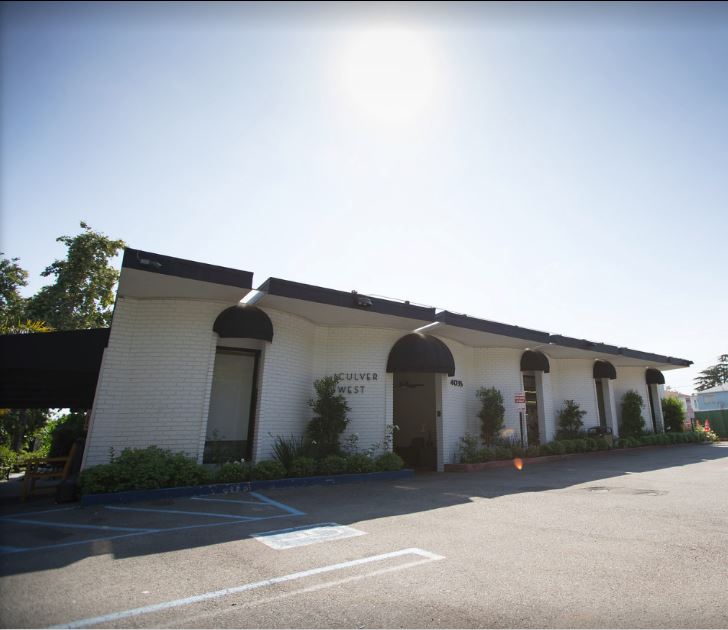
How is Culver West Staffed?

CMS rates CULVER WEST HEALTH CENTER's staffing level at 1 out of 5 stars, which is much below average compared to other nursing homes. Staff turnover is 61%, which is 15 percentage points above the California average of 46%. High turnover can affect care consistency as new staff learn residents' individual needs.

What Have Inspectors Found at Culver West?

State health inspectors documented 60 deficiencies at CULVER WEST HEALTH CENTER during 2021 to 2025. These included: 1 Immediate Jeopardy (the most serious level, indicating potential for serious harm or death), 57 with potential for harm, and 2 minor or isolated issues. Immediate Jeopardy findings are rare and represent the most serious regulatory concerns. They require immediate corrective action.

Who Owns and Operates Culver West?

CULVER WEST HEALTH CENTER is owned by a for-profit company. For-profit facilities operate as businesses with obligations to shareholders or private owners. The facility operates independently rather than as part of a larger chain. With 91 certified beds and approximately 76 residents (about 84% occupancy), it is a smaller facility located in LOS ANGELES, California.
How Does Culver West Compare to Other California Nursing Homes?

Compared to the 100 nursing homes in California, CULVER WEST HEALTH CENTER's overall rating (2 stars) is below the state average of 3.1, staff turnover (61%) is significantly higher than the state average of 46%, and health inspection rating (3 stars) is at the national benchmark.

What Should Families Ask When Visiting Culver West?

Based on this facility's data, families visiting should ask: "What changes have been made since the serious inspection findings, and how are you preventing similar issues?" "How do you ensure continuity of care given staff turnover, and what is your staff retention strategy?" "Can you walk me through typical staffing levels on day, evening, and night shifts?" "Can I visit during a mealtime to observe dining assistance and food quality?" These questions are particularly relevant given the facility's Immediate Jeopardy citations, the facility's high staff turnover rate, and the below-average staffing rating.

Is Culver West Safe?

Based on CMS inspection data, CULVER WEST HEALTH CENTER has documented safety concerns. Inspectors have issued 1 Immediate Jeopardy citation (the most serious violation level indicating risk of serious injury or death). The facility has a 2-star overall rating and ranks #100 of 100 nursing homes in California. Families considering this facility should ask detailed questions about what corrective actions have been taken since these incidents.

Do Nurses at Culver West Stick Around?

Staff turnover at CULVER WEST HEALTH CENTER is high. At 61%, the facility is 15 percentage points above the California average of 46%. High turnover means new staff may not know residents' individual needs, medications, or preferences. It can also be disorienting for residents, especially those with dementia who rely on familiar faces. Families should ask: What is causing the turnover? What retention programs are in place? How do you ensure care continuity during staff transitions?

Was Culver West Ever Fined?

CULVER WEST HEALTH CENTER has been fined $117,037 across 1 penalty action. This is 3.4x the California average of $34,249. Fines at this level are uncommon and typically indicate a pattern of serious deficiencies, repeated violations, or failure to correct problems promptly. CMS reserves penalties of this magnitude for facilities that pose significant, documented risk to resident health or safety. Families should request specific documentation of what issues led to these fines and what systemic changes have been implemented.

Is Culver West on Any Federal Watch List?

CULVER WEST HEALTH CENTER is not on any federal watch list. The most significant is the Special Focus Facility (SFF) program, which identifies the bottom 1% of nursing homes nationally based on persistent, serious quality problems. Not being on this list means the facility has avoided the pattern of deficiencies that triggers enhanced federal oversight. This is a positive indicator, though families should still review the facility's inspection history directly.