EAST TERRACE REHABILITATION & WELLNESS CENTRE, LP
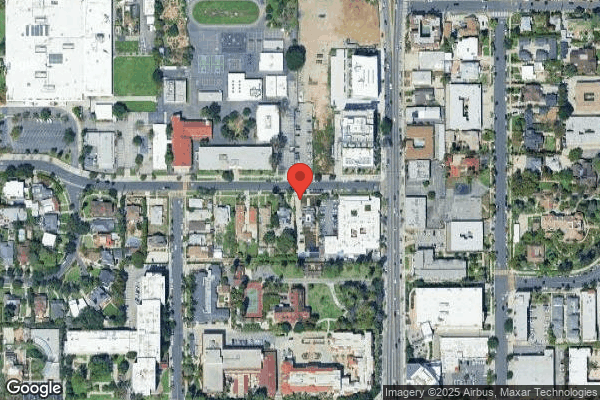
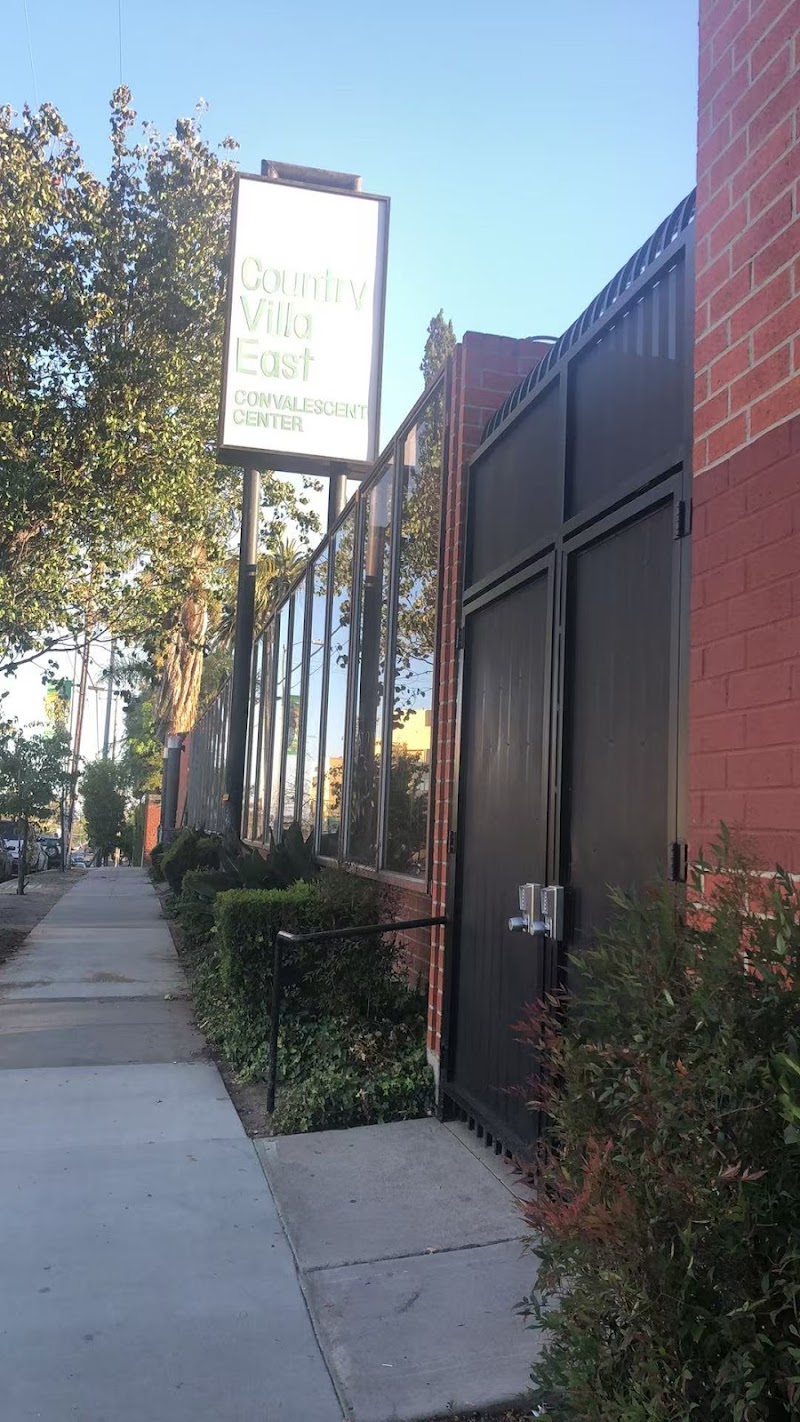
2415 SOUTH WESTERN AVENUE, LOS ANGELES, CA 90018 (323) 734-1101
For profit - Limited Liability company 99 Beds SHLOMO RECHNITZ Data: November 2025 3 Immediate Jeopardy citations
Trust Grade
0/100
#1016 of 1155 in CA
Last Inspection: December 2024

Within standard 12-15 month inspection cycle. Federal law requires annual inspections.

Overview

East Terrace Rehabilitation & Wellness Centre has received a Trust Grade of F, indicating poor performance with significant concerns. Ranked #1016 out of 1155 in California and #296 out of 369 in Los Angeles County, this facility is in the bottom half of all nursing homes. While the trend is improving, with issues decreasing from 43 in 2024 to 10 in 2025, current staffing is only rated average, with a 37% turnover rate that is slightly below the state average. However, there are serious concerns, including $176,130 in fines, which is higher than 96% of facilities in the state, suggesting ongoing compliance issues. Specific incidents reported include a failure to supervise residents while smoking, risking burns, and not providing necessary orientation or assessments for newly admitted residents with critical health conditions, which raises safety concerns. Overall, while there are some strengths, such as a lower turnover rate, the facility's significant deficiencies and poor ratings warrant careful consideration.

Trust Score
F
0/100
In California
#1016/1155
Bottom 13%
Safety Record
High Risk
Review needed
Inspections
Getting Better
43 → 10 violations
Staff Stability
○ Average
37% turnover. Near California's 48% average. Typical for the industry.
Penalties
✓ Good
$176,130 in fines. Lower than most California facilities. Relatively clean record.
Skilled Nurses
⚠ Watch
Each resident gets only 28 minutes of Registered Nurse (RN) attention daily — below average for California. Fewer RN minutes means fewer trained eyes watching for problems.
Violations
⚠ Watch
89 deficiencies on record. Higher than average. Multiple issues found across inspections.
★☆☆☆☆
1.0
Overall Rating
★★★☆☆
3.0
Staff Levels
☆☆☆☆☆
0.0
Care Quality
★☆☆☆☆
1.0
Inspection Score
Stable
2024: 43 issues
2025: 10 issues

The Good

  • Full Sprinkler Coverage · Fire safety systems throughout facility
  • No fines on record
  • Staff turnover below average (37%)

    11 points below California average of 48%

Facility shows strength in fire safety.

The Bad

1-Star Overall Rating

Below California average (3.1)

Significant quality concerns identified by CMS

Staff Turnover: 37%

Near California avg (46%)

Typical for the industry

Federal Fines: $176,130

Well above median ($33,413)

Significant penalties indicating serious issues

Chain: SHLOMO RECHNITZ

Part of a multi-facility chain

Ask about local staffing decisions and management

The Ugly 89 deficiencies on record

3 life-threatening 3 actual harm
Sept 2025 1 deficiency
CONCERN (D) 📢 Someone Reported This

A family member, employee, or ombudsman was alarmed enough to file a formal complaint

Potential for Harm - no one hurt, but risky conditions existed

Deficiency F0627 (Tag F0627)

Could have caused harm · This affected 1 resident

**NOTE- TERMS IN BRACKETS HAVE BEEN EDITED TO PROTECT CONFIDENTIALITY** Based on interview and record review, the facility failed to ensure the facility's Notice of Proposed Transfer and Discharge for...

Read full inspector narrative →
**NOTE- TERMS IN BRACKETS HAVE BEEN EDITED TO PROTECT CONFIDENTIALITY** Based on interview and record review, the facility failed to ensure the facility's Notice of Proposed Transfer and Discharge form was signed by of 1 of 3 sampled residents (Resident 1), and / or its family representative, and provided to, prior to discharge to a lower level of care on 9/4/2025.This failure had the potential to result in the resident's discharge to a Residential Care Facility for the Elderly (RCFE- a licensed assisted living facility that provides non-medical care and supervision for adults aged 60 and over who need help with daily living but not 24-hour skilled nursing care) where the resident needs for activities of daily living will not be met and provided.Findings:During a review of Resident 1's admission Record, the admission Record indicated Resident 1 was admitted to the facility on [DATE] with diagnoses including Parkinsonism (a syndrome marked by tremor, muscular rigidity, and slow and difficult movement, occurring as a result of disease of the nervous system or exposure to certain drugs and toxins), dementia (a medical condition characterized by a progressive decline in cognitive abilities, such as memory, thinking, language, and judgment) and epilepsy (a neurological disorder characterized by recurrent, unprovoked seizures). During a review of Resident 1's Minimum Data Set (MDS-an assessment and care planning tool), dated 8/1/2025, the MDS indicated Resident 1 had clear speech, the ability to express needs and wants, and understands. The MDS indicated Resident 1 required partial/moderate assistance (helper does less than half the effort with toileting hygiene, personal hygiene, and shower/bath self. During a review of Resident 1's physician progress notes, dated 8/4/2025, 8/16/2025 and 9/3/2025, the progress notes indicated Resident 1 was confused. During a review of the physician order dated 9/4/2025, the physician order indicated to Discharge Resident 1 to RCFE with medications. During a review of the Notice of Proposed Transfer and Discharge, dated 9/4/2025, the Notice of Proposed Transfer and Discharge indicated Resident 1 was self-responsible, and was to be discharged to RCFE. The Notice of Proposed Transfer and Discharge did not indicate the reason for discharge, and staff failed to obtain Resident 1's signature acknowledging receipt of the discharge. During a telephone interview on 9/25/2025 at 3:52 p.m. with the Caretaker for the RCFE, the Caretaker stated the SSD and Resident 1 did not tour his RCFE prior to Resident 1's discharge on [DATE]. The caretaker stated his residential house is not a board and care (a home that provides housing, meals, and personal care assistance [like help with bathing, dressing, and medication] for individuals who need help with daily living activities but do not require skilled nursing care), and tenants are responsible to care for themselves. During a concurrent interview and record review on 9/26/2025 at 12:15 p.m. with the Social Service Director (SSD), Resident 1's IDT note, dated 9/3/2025, was reviewed. The SSD admitted she did not call Resident 1's family member on 9/3/2025 as indicated on the IDT note and did not provide the family member with the Notice of Proposed Transfer and Discharge. The SSD stated she left a message on 9/8/2025 for Resident 1's family member regarding Resident 1 transfer to a lower level of care. The SSD stated the facility was not toured with the resident or the tour of the facility/house was not offered to Resident 1, to allay his fears or anxiety before the discharge and ensure the resident's needs can be met. The SSD stated he was aware of Resident 1's H&P indicating Resident 1's inability to make medical decisions. During a concurrent interview and record review on 9/26/2025 at 1:28 p.m. with the Registered Nurse (RN1), the Notice of Proposed Transfer and Discharge, dated 9/4/2025 was reviewed. RN 1 stated Resident 1 lacks the mental capacity to make medical decisions but the Notice of Proposed Transfer and Discharge indicated Resident 1 was responsible and was capable of verbalizing his needs. RN 1 stated the Notice of Proposed Transfer and Discharge did not indicate signatures of the resident or the responsible party. During a telephone interview on 9/29/2025 at 4:13 p.m., with Resident 1's family member (FM 1), FM 1 stated she was not informed or was included in the interdisciplinary meeting or discharge planning for Resident 1. FM 1 stated the facility called on 9/8/2025 and left a message regarding Resident 1 was discharged to a lower level of care. FM 1 stated her brother has short term memory and was not capable of retaining information. FM 1 said the facility was not forthcoming with information and thought the facility had dumped Resident 1 into the streets. FM 1 stated she contacted the Caretaker of the RCFE and learned they allow stray (refers to people who are lost, separated from a group, or wandering without a fixed purpose or destination, often implying a sense of being homeless, friendless, or out of place) individuals inside the residence. During a review of the facility's P&P titled Discharge and Transfer of Residents, dated 2/27/2025, the P&P indicated prior to discharge, the facility should provide the resident /resident representative with the notice of Proposed Transfer and Discharge document.
Sept 2025 2 deficiencies
CONCERN (D) 📢 Someone Reported This

A family member, employee, or ombudsman was alarmed enough to file a formal complaint

Potential for Harm - no one hurt, but risky conditions existed

Report Alleged Abuse (Tag F0609)

Could have caused harm · This affected 1 resident

**NOTE- TERMS IN BRACKETS HAVE BEEN EDITED TO PROTECT CONFIDENTIALITY** Based on interview and record review, the facility failed to report an unwitnessed fall with injury for one out of three sampled...

Read full inspector narrative →
**NOTE- TERMS IN BRACKETS HAVE BEEN EDITED TO PROTECT CONFIDENTIALITY** Based on interview and record review, the facility failed to report an unwitnessed fall with injury for one out of three sampled residents (Resident 7) to California Department of Public Health (CDPH).This deficient practice caused a delay in an investigation of a fall with injury by CDPH.Findings:During a review of Resident 7's admission Record, dated 9/3/2025, the admission Record indicated Resident 7 was initially admitted to the facility on [DATE] and readmitted on [DATE], with diagnoses of polyarthritis (the inflammation or involvement of five or more joints as the same time), muscle weakness (a reduction in muscle strength, affecting patient's ability to maintain mobility), and difficulty in walking (a patient's has limitation/ability to move independently affecting their walking). During a review of Resident 7's History and Physical (H&P), dated 7/24/2025, the H&P indicated Resident 7 could make needs known but could not make medical decisions.During a review of Resident 7's Minimum Data Sheet ([MDS]- a resident assessment tool), dated 8/27/25, the MDS indicated Resident 7's cognition (ability to learn, reason, remember, understand, and make decisions) was moderately impaired. The MDS indicated Resident 7 required partial/moderate assistance (helper does more than half the effort) for toileting hygiene, showers, and putting on footwear. The MDS indicated Resident 7 had a fall in the last two to six months prior to admission/entry or reentry to the facility.During a review of Resident 7's Situation Background Assessment and Recommendation (SBAR), dated 8/16/2025, the SBAR indicated Resident 7 had an unwitnessed fall. The SBAR indicated the Certified Nurse Assistant (CNA) found Resident 1 sitting on the floor in the resident's room with a big bump on her right forehead. The SBAR indicated to transfer Resident 1 to the hospital for further evaluation.During a review of Resident 7's physician order titled, Order Summary Report, dated 8/22/2025, the physician order indicated to monitor for skin breakdown of the hematoma (a collection of blood outside of a blood vessel caused by a broken blood vessel)/bump on the right side of forehead daily.During an interview on 9/3/2025 at 3:51 p.m., with the Administrator (ADM), the ADM stated he was not aware that the Resident 7 fell and had a bump on her forehead. The ADM stated an unwitnessed fall was considered an unusual occurrence and staff were mandated reporters. The ADM stated unusual occurrences had to be reported to CDPH so the fall could be investigated and to ensure the interventions were implemented to improve Resident 7's care and safety.During a concurrent interview and record review on 9/3/2025 at 4:19 p.m. with the Assistant Director of Nursing (ADON), the facility's policy and procedure (P&P) titled, Unusual Occurrence Reporting, dated 6/2024, was reviewed. The P&P indicated the facility would report allegations of abuse and unusual occurrences that affect the welfare, health, or safety of residents by phone and in writing to the appropriate State or Federal agencies within 24 hours. The ADON stated Resident 7 had an unwitnessed fall with a bump on her head. The ADON stated per policy, the unwitnessed fall with injury should have been reported within 24 hours of the incident. The ADON stated the purpose of reporting within 24 hours to avoid and prevent further falls.During a review of the facility's P&P titled, Abuse Prevention and Management, dated 6/12/2024, the P&P indicated the definition of abuse included injuries of unknown source or punishment with resulting physical harm, pain, or mental anguish.During a review the facility's P&P titled, Unusual Occurrence Reporting, dated 6/2024 was reviewed. The P&P indicated the facility would report allegations of abuse and unusual occurrences that affect the welfare, health, or safety of residents by phone and in writing to the appropriate State or Federal agencies within 24 hours.
CONCERN (D) 📢 Someone Reported This

A family member, employee, or ombudsman was alarmed enough to file a formal complaint

Potential for Harm - no one hurt, but risky conditions existed

Comprehensive Care Plan (Tag F0656)

Could have caused harm · This affected 1 resident

**NOTE- TERMS IN BRACKETS HAVE BEEN EDITED TO PROTECT CONFIDENTIALITY** Based on observation, interview, and record review the facility failed to ensure one out of three sampled residents (Resident 1)...

Read full inspector narrative →
**NOTE- TERMS IN BRACKETS HAVE BEEN EDITED TO PROTECT CONFIDENTIALITY** Based on observation, interview, and record review the facility failed to ensure one out of three sampled residents (Resident 1) had a care plan after an injury to his right hand.This deficient practice had the potential to place Resident 1 at risk for infection and worsening of the injury to the right hand.Findings:During a review of Resident 1's admission Record, dated 9/3/2025, the admission Record indicated Resident 1 was initially admitted to the facility on [DATE] and readmitted on [DATE] with diagnoses of schizoaffective disorder (a mental illness that can affect thoughts, mood, and behavior), depression (a persistent mood disorder characterized by sadness and a loss of interest), and anxiety (a feeling of apprehension, fear, or dread in response to a real or perceived threat).During a review of Resident 1's History and Physical (H&P), dated 7/31/2025, the H&P indicated Resident 1 could make needs known but could not make medical decisions.During a review of Resident 1's Minimum Data Sheet ([MDS]- a resident assessment tool), dated 7/4/2025, the MDS indicated Resident 1's cognition (ability to learn, reason, remember, understand, and make decisions) was moderately impaired. The MDS indicated Resident 1 required partial/moderate assistance (helper does less than half the effort) for toileting hygiene, showers, and putting on footwear. During a review of Resident 1's physician orders titled, Order Summary Report, dated 8/30/2025, the physician orders indicated to cleanse right inner thumb cleanse with normal saline (an isotonic, sterile solution of sodium chloride [salt] in water), pat dry, and paint with betadine leave open to air daily for 7 days.During an observation on 9/3/2025 at 9:30 a.m. in Resident 1's room, Resident 1's right hand had stitches between the right thumb and index finger (second finger).During a concurrent interview and record review on 9/4/2025 at 10:38 a.m. with Treatment Nurse (TN) 1, Resident 1's care plans were reviewed. TN 1 stated there were no care plans or interventions for the sutures (a row of stitches holding together the edges of a wound) on Resident 1's right hand. TN 1 stated the care plan would set goals and interventions to maintain the care of the sutures. TN 1 stated without the proper interventions and goals, Resident 1 could get an infection to the right hand.During an interview on 9/4/2025 at 10:45 a.m., with Registered Nurse (RN) 1, RN 1 stated having a care plan was important to make sure interventions, such as dressing changes, medications or monitoring for signs of infection, were being followed daily. RN 1 stated the goal for Resident 1's care plan would be to prevent infection.During a review of the facility's policy and procedures (P&P) titled, Comprehensive Person-Centered Care Planning, dated 11/2018, the P&P indicated to ensure a comprehensive person-centered care plan was developed for each resident. The P&P indicated the care plan must reflect the resident's stated goals and objectives and include interventions that address their other needs.
Aug 2025 2 deficiencies
CONCERN (D) 📢 Someone Reported This

A family member, employee, or ombudsman was alarmed enough to file a formal complaint

Potential for Harm - no one hurt, but risky conditions existed

Comprehensive Care Plan (Tag F0656)

Could have caused harm · This affected 1 resident

**NOTE- TERMS IN BRACKETS HAVE BEEN EDITED TO PROTECT CONFIDENTIALITY** Based on interview and record review, the facility failed to ensure three of the five sampled residents (Resident 3, Resident 4,...

Read full inspector narrative →
**NOTE- TERMS IN BRACKETS HAVE BEEN EDITED TO PROTECT CONFIDENTIALITY** Based on interview and record review, the facility failed to ensure three of the five sampled residents (Resident 3, Resident 4, and Resident 5) had an individualized resident care plan developed for Coronavirus ([COVID-19]- highly contagious viral infection) infection. This deficient practice had the potential to place the residents at risk for complications of COVID-19 infection and had the potential for the COVID-19 virus to spread, placing other residents and staff at risk of infection. Findings:a. During a review of Resident 3's admission Record, the admission Record indicated Resident 3 was originally admitted to the facility on [DATE] with diagnoses including hypertension (HTN-high blood pressure,) hyperlipidemia (high levels of fat particles (lipids) in the blood) and unspecified polyarthritis (four or more joints in the body are painful and inflamed.)During a review of Resident 3's History and Physical (H&P) dated 6/23/2025, the H&P indicated Resident 3 had the mental capacity to make needs known but could not make medical decisions.During a review of Residents 3's Minimum Data Set (MDS - a resident assessment tool), dated 6/9/2025, the MDS indicated Resident 3 required maximum assistance with staff with activities of daily living (ADL) such as dressing, toilet use, personal hygiene, transfer (moving between surfaces to and from bed, chair, and wheelchair) and bed mobility (how resident moves from lying to turning side to side).During a review of Resident 3's SBAR (situation, background, assessment, recommendation-a communication tool used by healthcare workers when there is a change of condition among the residents,) dated 8/7/2025 the SBAR indicated Resident 3's tested positive for Covid 19. b. During a review of Resident 4's admission Record, the admission Record indicated Resident 4 was originally admitted to the facility on [DATE] with diagnoses including schizoaffective disorder (a mental illness that is characterized by disturbances in thought,) hyperlipidemia and transit ischemia attack (a brief interruption of blood flow to the brain.)During a review of Resident 4's H&P dated 6/25/2025, the H&P indicated Resident 4 had the mental capacity to make needs known but cannot make medical decisions.During a review of Residents 4's MDS, dated [DATE], the MDS indicated Resident 4 required partial to minimal assistance with ADLs, bed mobility and transfer. During a review of Resident 4's SBAR, dated 8/10/2025, the SBAR indicated Resident 4's tested positive for Covid 19. c. During a review of Resident 5's admission Record, the admission Record indicated Resident 5 was originally admitted to the facility on [DATE] with diagnoses including schizoaffective disorder, cerebral palsy (a group of neurological disorders that affect movement and posture,) and HTN. During a review of Resident 5's H&P dated 5/23/2025, the H&P indicated Resident 5 was able to make needs known but could not make medical decisions.During a review of Residents 5's MDS, dated [DATE], the MDS indicated Resident 5 required substantial to maximal assistance with ADLs, bed mobility and transfer. During a review of Resident 5's SBAR, dated 8/3/2025, the SBAR indicated Resident 5's tested positive for Covid 19. During a concurrent interview and record review on 8/12/2025 at 2:00 p.m. with Licensed Vocational Nurses (LVN) 1, Resident 3, Resident 4 and Resident 5's care plan for COVID-19 were to be reviewed. LVN 1 stated Residents 3, 4 and 5's care plan did not contain evidence that care plans were created for COVID-19 infection. LVN 1 stated care plans should have been created to monitor residents' health. LVN 1 stated care plans indicate interventions the nurses will follow to provide quality resident care. LVN 1 stated nurses should evaluate the effectiveness of the interventions or update if needed. LVN 1 stated if nurses fail to develop a care plan for COVID-19 infection, residents will not receive the proper care, and it can cause Resident 3, Resident 4 and Resident 5 possible hospitalization.During an interview on 8/12/2025 at 12:30 p.m. with Registered nurses (RN) 1, RN 1 stated Resident 3, Resident 4 and Resident 5 should have a care plan for COVID-19 infection with interventions developed to guide nurses on how to provide proper care for the residents. RN 1 stated if nurses fail to develop a care plan, Residents 3, 4 and 5's health can be compromised and could possibly deteriorate. During a review of facility's Policy and Procedure (P&P) titled, Persons Centered - Caring Planning, dated 5/20/2025, the P&P indicated the facility must develop and implement a comprehensive person-centered care plan for each resident that includes measurable objectives, and timeframes to meet residents medical, nursing and mental and psychosocial needs that are identified in the comprehensive assessment.
CONCERN (D) 📢 Someone Reported This

A family member, employee, or ombudsman was alarmed enough to file a formal complaint

Potential for Harm - no one hurt, but risky conditions existed

Infection Control (Tag F0880)

Could have caused harm · This affected 1 resident

**NOTE- TERMS IN BRACKETS HAVE BEEN EDITED TO PROTECT CONFIDENTIALITY** Based on observation, interview, and record review, the facility failed report facility's two coronavirus ([COVID-19]- a highly ...

Read full inspector narrative →
**NOTE- TERMS IN BRACKETS HAVE BEEN EDITED TO PROTECT CONFIDENTIALITY** Based on observation, interview, and record review, the facility failed report facility's two coronavirus ([COVID-19]- a highly contagious viral infection) confirmed cases to the California Department of Public Health (CDPH), for two of 3 residents (Residents 2 and 3), as indicated in the facility's policy and procedures (P&P) titled Unusual Occurrence Reporting, reportable disease outbreak (are those that, by law or regulation, must be reported to public health agencies when diagnosed by healthcare providers or laboratories) This failure delayed the investigation by the CDPH and had the potential for the COVID-19 virus to spread in the facility, potentially infecting other residents, visitors and staff.Findings:a). During a concurrent observation and interview on 8/12/2025 at 10:30 a.m. in Resident 2's room, Resident 2's door was closed and had a Novel Respiratory precaution (used for patients known or suspected of being infected with novel respiratory pathogens such as, COVID-19) sign. Resident 2 was in his bed covered with blankets. Resident 2 stated I started with a runny nose and cough symptoms, then the nurses tested me for COVID-19 and became positive. Resident 2 stated, the nurses placed me in isolation and closed the door.During a review of Resident 2's admission Record, the admission Record indicated Resident 2 was originally admitted to the facility on [DATE] with diagnoses including hypertension (HTN-high blood pressure,) heart failure (when the heart can't pump enough blood and oxygen to support other organs,) and shortness of breath.During a review of Resident 2's History and Physical (H&P) dated 7/16/2025, the H&P indicated Resident 2 had the mental capacity to understand and make medical decisions.During a review of Residents 2's Minimum Data Set (MDS - a resident assessment tool), dated 7/21/2025, the MDS indicated Resident 2 required maximum assistance with staff with activities of daily living (ADL) such as dressing, toilet use, personal hygiene, transfer (moving between surfaces to and from bed, chair, and wheelchair) and bed mobility (how resident moves from lying to turning side to side).During a review of Resident 2's COVID-19 Nasopharynx rapid test result dated 8/7/2025, the test result indicated positive for COVID-19 virus.During a review of Resident 2's SBAR (situation, background, assessment, recommendation-a communication tool used by healthcare workers when there is a change of condition among the residents) dated 8/7/2025, the SBAR indicated Resident 2 tested positive to COVID-19. b. During a concurrent observation and interview on 8/12/2025 at 10:45 a.m. in Resident 3's room, Resident 3's door was closed with a Novel Respiratory precaution sign. Resident 3 was sitting in her wheelchair and stated, I do not have any symptoms (feeling sick). Resident 3 stated the nurse told me I need to be in my room with the door closed because I am COVID-19 positive.During a review of Resident 3's admission Record, the admission Record indicated Resident 3 was originally admitted to the facility on [DATE] with diagnoses including hypertension, hyperlipidemia (high levels of fat particles (lipids) in the blood) and unspecified polyarthritis (four or more joints in the body are painful and inflamed).During a review of Resident 3's H&P dated 6/23/2025, the H&P indicated Resident 3 had the mental capacity to make needs known but could not make medical decisions.During a review of Residents 3's MDS, dated [DATE], the MDS indicated Resident 3 required maximum assistance with staff with ADLs, transfer and bed mobility.During a review of Resident 3's SBAR, dated 8/7/2025, the SBAR indicated Resident 3 tested positive to COVID-19.During a review of Resident 3's COVID-19 Nasopharynx rapid test result dated 8/7/2025, the test result indicated positive for COVID-19 virus. The test result indicated Resident 3 had runny nose and cough. During an interview on 8/12/2025 at 9:25 a.m. with Licensed Vocational Nurse (LVN) 1, LVN 1 stated the COVID-19 outbreak started on 7/29/2025 with 3 residents positive of COVID-19. LVN 1 stated, today (8/12/2025), the facility has 4 residents COVID-19 positive and are on isolation. LVN 1 stated I reported the outbreak to RedCap (secure web application for building and managing online surveys and databases) of County of Los Angeles Public Health on 7/30/2024 timed 5:37 p.m. LVN 1 stated the Director of nursing (DON) was made aware and stated to handle the COVID-19 outbreak the way it should be handled (unspecified). LVN 1 stated, the COVID-19 cases were reported to the Administrator (ADM) and stated I will report it later (unspecified). LVN 1 stated the COVID-19 cases were not reported to CDPH as indicated in the facility's policy that the outbreak is an unusual occurrence and needs to be reported. LVN 1 stated it was important to report the COVID-19 cases to CDPH so CDPH can investigate the outbreak.During a concurrent interview and record review on 8/12/2025 at 2:30 p.m. with the Registered Nurse (RN) 1, the unusual occurrence policy was reviewed. RN 1 stated the unusual occurrence policy indicated a disease outbreak must be reported to CDPH. RN 1 stated it is important to report it because the CDPH can do a deeper investigation of the outbreak.During an interview on 8/12/2024 at 3:00 p.m. with the Administrator (ADM), the ADM stated the facility should have reported the COVID-19 cases to the State licensing agency. The ADM stated CDPH will investigate the outbreak and make sure we follow the guidelines to provide proper resident care.During a review of facility's Policy and Procedure (P&P) titled, Unusual Occurrence Reporting, dated 6/12/2024, the P&P indicated the facility should report reportable disease outbreak by phone and writing to the appropriate State and federal agencies.During a review of facility's P&P titled, Communicable Diseases- Outbreak, dated1/1/2012, the P&P indicated outbreaks of communicable diseases within the facility are promptly identified and appropriately reported. The P&P indicated an outbreak of most communicable diseases is defined as one case of an infection that is highly communicable.
Jun 2025 2 deficiencies
CONCERN (D) 📢 Someone Reported This

A family member, employee, or ombudsman was alarmed enough to file a formal complaint

Potential for Harm - no one hurt, but risky conditions existed

Free from Abuse/Neglect (Tag F0600)

Could have caused harm · This affected 1 resident

**NOTE- TERMS IN BRACKETS HAVE BEEN EDITED TO PROTECT CONFIDENTIALITY** Based on interview and record review, the facility failed to protect one of four residents (Resident 1), from sexual abuse (a no...

Read full inspector narrative →
**NOTE- TERMS IN BRACKETS HAVE BEEN EDITED TO PROTECT CONFIDENTIALITY** Based on interview and record review, the facility failed to protect one of four residents (Resident 1), from sexual abuse (a non-consensual sexual contact of any type with a resident). The facility failed to: 1). Ensure Resident 2 ' s (perpetrator) whereabouts (location) was monitored onb 6/10/2025. 2). Ensure Resident 2 who was alert and can make self-understood, did not went into Resident 1 ' s room (victim). This failure resulted in Resident 2 sexually assaulting Resident 1 on 6/10/2025. This failure had the potential to cause psychosocial harm to Resident 1. Findings: a). During a review of Resident 1 ' s admission Record, the admission Record indicated Resident 1 was admitted to the facility on [DATE], with a diagnoses including schizophrenia (a mental illness that is characterized by disturbances in thought), major depressive disorder (mental illness characterized by persistent sadness, loss of interest in activities, and significant impairment in daily life), and anxiety disorder (feelings of worry, nervousness, or unease). During a review of Resident 1 ' s History and Physical (H&P) dated 12/30/2024, the H&P indicated Resident 1 cannot make medical decisions. The H&P indicated Resident 1 can make needs known. During a review of residents 1 ' s Minimum Data Set (MDS – a resident assessment tool), dated 3/15/2025, the MDS indicated Resident 1 had no cognitive impairment. The MDS indicated Resident 1 required partial/ moderate assistance (Helper does less than half the effort) with activities of daily living (ADLs) such as dressing, toilet use, personal hygiene The MDS indicated Resident 1 required supervision or touching assistance with transfer (moving between surfaces to and from bed, chair, and wheelchair) and bed mobility (how resident moves from lying to turning side to side.) During an interview 6/12/2025 at 9:30 a.m. with Resident 1, Resident 1 could not recall what happened on 6/10/2025. Resident 1 was confused, talking about her neighbor ' s apartment and stated a lot of people touched her when she moved around or when they say hi to her. b). During a review of Resident 2 ' s admission Record, the admission Record indicated Resident 2 was newly admitted to the facility on [DATE], with diagnoses including bipolar disorder (mood swings ranging from depressive lows to manic highs), other psychoactive substance (substance abuse substances include alcohol, caffeine, nicotine, marijuana, and certain pain medicines), and tobacco use (Nicotine dependence.) During a review of Residents 2 ' s clinical admission record, dated 6/9/2025, the admission record indicated Resident 2 was alert, makes self-understood and can understand others. The record indicated Resident 2 can move all extremities and had no impairment. During a review of the facility ' s census dated 6/10/2025, the census indicated Resident 2 was not in the facility and was sent to a general acute care hospital on 6/10/2025 for evaluation. During a review of the Interdisciplinary Team ([IDT] group of healthcare professionals, including resident/ resident representative, working together to provide residents with needed care) meeting notes dated 6/11/2025 at 10:00 a.m., the IDT notes indicated, on 6/10/2025 at approximately 1:05 a.m., during a routine room check by the 11 p.m. to 7 a.m. shift, the Registered Nurse (RN) 1 Supervisor, observed Resident 2 was on top of Resident 1, in Resident 1 ' s room. The RN 1 stated Resident 1 had her pants down, and Resident 2 ' s face was near her genital area. RN 1 intervened immediately and separated both residents. During an interview on 6/12/2025 at 10:37 a.m. with the Certified Nursing Assistance (CNA) 3, CNA 3 stated Resident 1 was alert, can follow simple commands, but confused. CNA 3 stated Resident 1 liked to walk around her room and in the hallways. CNA 3 stated on 6/9/2025, Resident 1 was seen sitting in the front lobby, talking with another residents. CNA 3 stated male residents were not allowed by the facility to go inside female resident ' s rooms. During an interview on 6/12/2025 at 11:45 a.m. with Licensed Vocational Nurse (LVN) 3, LVN 3 stated any allegations or types of abuse should be reported to the Administrator (ADM) right away. LVN 3 stated Resident 2 was a newly admitted resident and was alert and oriented. LVN 3 stated the facility protocol when a resident is newly admitted was to check on the resident ' s behavior and where the residents are for the residents' safety. LVN 3 stated we need to know where the residents are because some residents are unable to sleep. During an interview on 6/12/2025 at 12:20 p.m. with the RN 1, RN 1 stated Resident 1 was only oriented to name and can be redirectable. RN 1 stated, on 6/10/2025 around 1 a.m., during his routine rounds; Resident 2 was not in his room. RN 1 stated when he got to Resident 1 ' s room, the door was closed. RN 1 stated he opened the door and saw both Residents 1 and 2 were on bed. RN 1 stated Resident 1 was laying on supine position (flat on back) with her pants down and Resident 2 ' s face was down in Resident 1 ' s genital area (private part of the body). RN 1 stated he separated both residents and took Resident 2 back to his room. RN 1 stated Resident 1 was assessed and had no signs of emotional trauma and injuries. RN 1 stated both residents were provided one-to-one supervision. During an interview on 6/12/2025 at 2:51 p.m. with the Director of Nursing (DON), the DON stated she was notified on 6/10/2025 at 1:00 a.m., regarding what happened between Resident 1 and Resident 2 on 6/10/2025. The DON stated we kept males and females rooms apart, and male residents cannot go inside females rooms. The DON stated CNAs had been informed to always check on residents and stay close to their assigned area. The DON stated the facility has no policy for consensual (both parties in agreement) sexual relationship because it was something that do not happen all the time. The DON stated the facility have no consent or IDT meeting related to the consensual sexual relationship between Resident 1 and Resident 2. During an interview on 6/12/2025 at 3:15 p.m. with the Administrator (ADM), the ADM stated the DON informed him about Resident 1 and Resident 2 ' s incident (Resident 1 with her pants down and Resident 2 ' s face was down in Resident 1 ' s genital area) on 6/10/2025 at 1:30 a.m. The ADM stated both residents were separated immediately and were not in distress. During an interview on 6/18/2025 at 2:48 p.m. with the ADM, the ADM stated when residents express their desire to having a sexual relationship, first we need to assess the mental capacity of the residents. The ADM stated an IDT meeting should be conducted and consents obtained prior to the residents able to have sexual relationship. The ADM stated the facility had not conducted an IDT meeting nor obtained consents for Resident 1 and Resident 2 to have a consensual sexual relationship. During a review of the Wikipedia, The Free Encyclopedia website at https://en.wikipedia.org/wiki/Sexual_abuse, the website indicated sexual abuse is abusive sexual behavior by one person upon another, by taking advantage of another. The website indicated sexual abuse can be perpetrated against other vulnerable populations like the elderly, a form of elder abuse, or those with developmental disabilities
CONCERN (D) 📢 Someone Reported This

A family member, employee, or ombudsman was alarmed enough to file a formal complaint

Potential for Harm - no one hurt, but risky conditions existed

Report Alleged Abuse (Tag F0609)

Could have caused harm · This affected 1 resident

**NOTE- TERMS IN BRACKETS HAVE BEEN EDITED TO PROTECT CONFIDENTIALITY** Based on interview and record review, the facility failed to report an act of sexual abuse (a non-consensual sexual contact of a...

Read full inspector narrative →
**NOTE- TERMS IN BRACKETS HAVE BEEN EDITED TO PROTECT CONFIDENTIALITY** Based on interview and record review, the facility failed to report an act of sexual abuse (a non-consensual sexual contact of any type with a resident) for two of four sampled residents (Resident 1 and Resident 2), within two (2) hours as indicated in the facility ' s Policy and Procedure (P&P) titled Abuse Prevention and Management. This failure delayed the investigation by the California Department of Public Health (CDPH) and placed the other residents at risk for abuse. Findings: a). During a review of Resident 1 ' s (victim) admission Record, the admission Record indicated Resident 1 was admitted to the facility on [DATE], with a diagnoses including schizophrenia (a mental illness that is characterized by disturbances in thought), major depressive disorder (mental illness characterized by persistent sadness, loss of interest in activities, and significant impairment in daily life), and anxiety disorder (feelings of worry, nervousness, or unease.) During a review of Resident 1 ' s History and Physical (H&P) dated 12/30/2024, the H&P indicated Resident 1 cannot make medical decisions. The H&P indicated Resident 1 can make needs known. During a review of residents 1 ' s Minimum Data Set (MDS – a resident assessment tool), dated 3/15/2025, the MDS indicated Resident 1 had no cognitive impairment. The MDS indicated Resident 1 required partial/ moderate assistance (Helper does less than half the effort) with activities of daily living (ADLs) such as dressing, toilet use, personal hygiene The MDS indicated Resident 1 required supervision or touching assistance with transfer (moving between surfaces to and from bed, chair, and wheelchair) and bed mobility (how resident moves from lying to turning side to side.) During an interview 6/12/2025 at 9:30 a.m. with Resident 1, Resident 1 could not recall what happened on 6/10/2025. Resident 1 was confused, talking about her neighbor ' s apartment and stated a lot of people touched her when she moved around or when they say hi to her. b). During a review of Resident 2 ' s (perpetrator) admission Record, the admission Record indicated Resident 2 was newly admitted to the facility on [DATE], with diagnoses including bipolar disorder (mood swings ranging from depressive lows to manic highs) other psychoactive substance (substance abuse substances include alcohol, caffeine, nicotine, marijuana, and certain pain medicines), and tobacco use (Nicotine dependence). During a review of Residents 2 ' s clinical admission record, dated 6/9/2025, the admission record indicated Resident 2 was alert, makes self-understood and can understand others. The record indicated Resident 2 can move all extremities and had no impairment. During a review of the facility ' s census dated 6/10/2025, the census indicated Resident 2 was not in the facility and was sent to a general acute care hospital on 6/10/2025 for evaluation. During a review of the Interdisciplinary Team ([IDT] group of healthcare professionals, including resident/ resident representative, working together to provide residents with needed care) meeting notes dated 6/11/2025 at 10:00 a.m., the IDT notes indicated, on 6/10/2025 at approximately 1:05 a.m., during a routine room check by the 11 p.m. to 7 a.m. shift, the Registered Nurse (RN) 1 Supervisor, observed Resident 2 was on top of Resident 1, in Resident 1 ' s room. The RN 1 stated Resident 1 had her pants down, and Resident 2 ' s face was near her genital area (private part of the body). RN 1 intervened immediately and separated both residents. During an interview on 6/12/2025 at 12:20 p.m. with RN 1, RN 1 stated he called the ADM on 6/10/2025, but did not answer. RN 1 stated he then called the Director of Nursing (DON) and informed her about the incident when Resident 2 was found in Resident 1 ' s room, on top of Resident 1 who had her pants down, and Resident 2 ' s face was near Resident 1 ' s genital area. RN 1 stated he asked the DON if she wanted him (RN 1) to report the incident to the CDPH and was told by the DON, the ADM will do it. RN 1 stated I am a mandatory reporter of abuse. RN 1 stated it was important to report Residents 1 and 2 ' s incidents for residents ' safety. RN 1 stated any kind of abuse allegations should be reported to the abuse coordinator of the facility, police, and CDPH within 2 hours. RN 1 stated any person can fill the Report of Suspected Dependent Adult/Elder Abuse (SOC 341) form and report to CDPH. RN 1 stated the incident was not reported to CDPH nor to the police. During an interview on 6/12/2025 at 3:15 p.m. with the ADM, the ADM stated Resident 1 was not oriented, but she can make her needs known. The ADM stated he received a call on 6/10/2025 at 1:30 a.m. from the DON regarding the incident with Resident 1 and Resident 2 (Resident 2 was found in Resident 1 ' s room, on top of Resident 1 who had her pants down, and Resident 2 ' s face was near Resident 1 ' s genital area). The ADM stated any allegation of abuse should be reported to the police, CDPH, Ombudsman (patient advocate) and the doctor within 2 hours. The ADM stated it (the incident) should have been reported to the CDPH because we are accountable in providing the residents a safe environment. During a review of the facility ' s policy and procedures (P&P) titled, Abuse Prevention and Management, dated 5/30/2024, the P&P indicated when the Administrator or designated representative receives a report of an incident or suspected incident of resident abuse, the Administrator or designated representative, will notify outside agencies of Allegation of Abuse With No Serious Bodily Injury. The P&P indicated the following: A. The Administrator or designated representative will notify within two (2) hours notify, by telephone, CDPH, the Ombudsman and Law Enforcement. B. The Administrator or designated representative will send a written SOC341 report to the Ombudsman, Law Enforcement and CDPH Licensing and Certification within 2 hours. VI. Reporting of Reasonable Suspicion of a Crime Against a Resident: A. The Administrator or designated representative within 2 hours notify, by telephone, CDPH, the Ombudsman and Law Enforcement. B. The Administrator or designated representative will send a written SOC341 report to the Ombudsman, Law Enforcement and CDPH Licensing and Certification within 2 hours.
Apr 2025 1 deficiency 1 Harm
SERIOUS (G) 📢 Someone Reported This

A family member, employee, or ombudsman was alarmed enough to file a formal complaint

Actual Harm - a resident was hurt due to facility failures

Accident Prevention (Tag F0689)

A resident was harmed · This affected 1 resident

**NOTE- TERMS IN BRACKETS HAVE BEEN EDITED TO PROTECT CONFIDENTIALITY** Based on interview and record review the facility failed to provide a two-person assist (one on each side of the bed) for one of...

Read full inspector narrative →
**NOTE- TERMS IN BRACKETS HAVE BEEN EDITED TO PROTECT CONFIDENTIALITY** Based on interview and record review the facility failed to provide a two-person assist (one on each side of the bed) for one of three sampled residents (Resident 1), who was dependent on staff for turning and repositioning. Certified Nurse Assistants (CNA 1 and CNA 2) repositioned Resident 1 while both were standing on the left side of the resident's bed. This failure resulted in Resident 1 falling onto the floor, sustaining a femur (thigh bone) fracture (broken bone) experiencing pain and fear, and was transferred to a general acute care hospital (GACH) for evaluation and treatment. Findings: During a review of Resident 1's admission Record, the admission Record indicated Resident 1 was initially admitted to the facility on [DATE] and readmitted on [DATE]. The admission Record indicated Resident 1's diagnoses included morbid (severe) obesity (excessive fat accumulation), bilateral (both sides) osteoarthritis (a progressive disorder of the joints, caused by a gradual loss of cartilage) of the knee, chronic pain syndrome (condition of persistent pain, muscle weakness and unspecified lack of coordination (problem with movement, balance or coordination). During a review of the Facility's In-Service (training or education) Meeting titled, Repositioning, Turning dated 1/16/2024, the In-Service indicated CNAs were trained on the procedures to follow when turning and repositioning residents who could not assist and ensuring safety of residents when turning/repositioning. The In-Service lesson plan indicated; CNAs were to perform the procedure (turning/repositioning) positioned on opposite sides of the bed. The In-Service sign-in indicated CNA 1 and CNA 2 attended the In-Service. During a review of Resident 1's History and Physical (H&P) dated 2/13/2025, the H&P indicated Resident 1 had the capacity to understand and make medical decisions. The H&P indicated Resident had a history of paraplegia (paralysis of the legs and lower body) and was bedridden. During a review of Resident 1's Care Plan titled The resident has an ADL self-care performance deficit related to impaired balance and limited mobility dated 2/28/2024, the Care Plan indicated Resident 1 had an Activities of Daily Living, Self-care Performance Deficit related to Impaired Balance and Limited Mobility. The Care Plan Indicated Resident 1 was totally dependent (staff does all the effort, resident does none of the effort to complete the activity or requires two or more staff to complete the activity). The nursing interventions indicated Resident 1 required two staff assistance to turn and reposition the resident in bed. During a review of Resident 1's Minimal Data Set (MDS - a resident assessment tool) dated 3/13/2025, the MDS indicated Resident 1 had no cognitive (ability to think and reason) impairment The MDS indicated Resident 1 was dependent on staff for ADLs such as dressing, personal hygiene and bed mobility (the ability to roll from lying on back to left and right side, and return to lying back on the bed). During a review of Resident 1's Care Plan titled Documented Safety Concerns dated 3/13/2025, the Care Plan goals indicated Resident would remain safe. The Care Plan nursing intervention was to provide safety measures including strategies to reduce the risk of falls and injury. During a review of Resident 1's Change of Condition (COC), dated 3/20/2025, the COC indicated Resident 1 had a witnessed fall on 3/20/2025. The COC indicated Resident 1 sustained a skin tear (unspecified location) and a had pain level of 8 out 10 (pain rating reference 1-3 mild pain; 4-6 moderate pain, 7-10 severe pain) of the right leg/foot. The COC indicated Resident 1 weighed 501.8 pounds ([lbs]unit of measurement). During a review of Resident 1's Progress Note, dated 3/20/2025, the Progress Note indicated Resident 1 slipped out of bed and fell. The Progress Note indicated Resident 1 had an avulsion (tearing of skin from the body) to the right great (big) toe, and a skin tear to posterior (backside of) left knee. During a review of Resident 1's Physician Orders, dated 3/20/2025, the Physician Orders indicated stat (urgent) x-ray (process of taking pictures of the inside of your body to help diagnose conditions or injuries) to the right lower extremity (leg) including right foot to transfer and to transfer Resident 1 to a GACH. During a review of Resident 1's GACH Orthopedic (medical specialty focused on injuries and diseases affecting the musculoskeletal system [bones, muscles, joints and soft tissues]) Surgery Consult H&P dated 3/23/2025, the H&P indicated Resident 1 was admitted for evaluation of a right leg pain. The H&P indicated based on Resident 1's weight, shape of her legs and feet, the resident was unable to stand or walk. The H&P indicated the Resident 1's family (FM 1) reported Resident 1 was dropped by the facility's nursing staff when the staff tried to roll the resident. The H&P indicated Resident 1 of pain (unrated), to the right leg and she had a displaced fracture of the right distal femur. During an interview on 4/8/2025 at 8:33 a.m. with Resident 1, Resident 1 stated on 3/20/2025 (time unknown), she fell off the right side of the bed when CNAs 1 and 2 were trying to turn her in bed during care, while standing on the left side of the resident's bed. Resident 1 stated no staff members were present at the right side of the bed when CNA 1 and 2 were turning and repositioning her. Resident 1 stated after she fell, she was so scared and experienced excruciating right leg pain. During an interview on 4/9/2025 at 8:40 a.m. with CNA 1, CNA 1 stated Resident 1 was dependent on staff to turn and move in bed. CNA 1 stated during Resident 1's ADL care, Resident 1 was lying at the edge of the right side of the bed, while she (CNA 1) and CNA 2 were both standing on the left side of the resident's bed. CNA 1 stated, when she (CNA 1) and CNA 2 pulled Resident 1's draw sheet (a sheet placed across the middle of the bed to facilitate repositioning and moving the resident) towards them, to move the resident to the middle of the bed, Resident 1 fell off the right side of the bed. CNA 1 stated it was not safe for both staff members to be on the left side of the bed, while turning Resident 1 to the opposite direction. CNA 1 stated one of the CNAs (CNA 1 or CNA 2 ) should have stood on the right side of the bed to secure Resident 1 and prevent the resident from falling and sustaining an injury. During an interview on 4/9/2025 at 11:35 a.m., with the Director of Staff Development (DSD), the DSD stated, CNAs have been in-serviced on ADL care, repositioning residents in bed with emphasis on ensuring there was at least one staff member on each side of the bed when turning and cleaning dependent residents such as Resident 1. During an interview on 4/9/2025 at 12:40 p.m., with CNA 2, CNA 2 stated she (CNA ) and CNA 2 were standing on the left side of the bed when Resident 1 fell (on the right side of the bed). CNA 2 stated this technique was not safe. CNA 2 stated Resident 1's fall could have been prevented if safe techniques were used and one of them (CNA 1 or CNA 2) stood on the right side of Resident 1's bed when the resident was repositioned. During a concurrent interview and record review on 4/9/2025 at 3:10 p.m. with the Director of Nursing (DON), Resident 1's IDT Note, dated 3/25/2025 was reviewed. The DON stated the IDT Note indicated two CNAs were standing on the left side of the bed while they turned and cleaned Resident 1. The DON stated no staff were present on the right side of the bed when Resident 1 fell out of the bed. The DON stated the CNAs were unsafe and at least one staff member should have been on each side of the bed to prevent falls. The DON stated staff's unsafe patient handling resulted in Resident 1's fall and injury. The DON stated Resident 1's fall on 3/20/2025 resulted in femur fracture, severe pain, and hospitalization. During an interview on 4/16/2025 at 2:50 p.m., with the Orthopedic Physician (Ortho), the Ortho stated, Resident 1 sustained an acute (new) fracture of the distal femur (lower end of the thigh bone) close to the knee. The Ortho stated Resident 1's fracture was caused by a traumatic mechanism from the fall and was very painful. The Ortho stated the fracture was inoperable due to Resident 1's large size and being bedbound (someone who is confined to the bed). During a review of the facility's Policy and Procedure (P&P) titled, Fall Management Program dated 3/13/2021, the P&P indicated the purpose of facility's Fall Management program was to provide residents a safe environment that minimized complications with falls. The P&P indicated the facility will implement a fall management program that supported providing an environment free from fall hazards.
Feb 2025 2 deficiencies
CONCERN (D) 📢 Someone Reported This

A family member, employee, or ombudsman was alarmed enough to file a formal complaint

Potential for Harm - no one hurt, but risky conditions existed

Abuse Prevention Policies (Tag F0607)

Could have caused harm · This affected 1 resident

**NOTE- TERMS IN BRACKETS HAVE BEEN EDITED TO PROTECT CONFIDENTIALITY** Based on interview and record review, the facility failed to: 1. Implement its policy and procedures (P&P), for one of 5 sampled...

Read full inspector narrative →
**NOTE- TERMS IN BRACKETS HAVE BEEN EDITED TO PROTECT CONFIDENTIALITY** Based on interview and record review, the facility failed to: 1. Implement its policy and procedures (P&P), for one of 5 sampled residents. (Resident 3). This deficient practice resulted in Resident 3 sustaining unknown bruises and skin tears. Findings: During a review of Resident 3's face sheet, indicated Resident 3 was admitted to the facility on [DATE] with diagnoses which included urinary tract infection (UTI- an infection in the bladder/urinary tract), Alzheimer's disease (a disease characterized by a progressive decline in mental abilities), dementia (a progressive state of decline in mental abilities) and psychosis (a severe mental condition in which thought, and emotions are so affected that contact is lost with reality). During a review of Resident 3's Minimum Data Set (MDS- a federally mandated resident assessment tool), dated 11/14/2024, the MDS Section C, indicated Resident 3 ' s cognitive skills was severely impaired. The MDS Section GG also indicated Resident 3 required supervision with activities of daily living (ADLs- routine tasks/activities such as bathing, dressing and toileting a person performs daily to care for themselves) such as toileting needs, showering and upper/lower body dressing. During a review of Resident 3's nursing progress notes, dated 12/7/2024, the nursing progress notes indicated Resident 3 had light greenish skin discoloration to the left hip. During a review of Resident 3 ' s skin assessment, dated 12/22/2024, the skin assessment indicated Resident 3 had a skin tear (a wound that occurs when the skin layers separate, often due to blunt force or friction) on her front left shoulder and left elbow. During a review of Resident 3 ' s care plan, dated 12/30/2024, the care plan indicated Resident 3 had skin discoloration to her left arm and right upper thigh. During a review of Resident 3 ' s change of condition form, dated 12/30/24, the change of condition form indicated Resident 3 had light purple-yellowish skin discoloration around her left elbow and on her right buttock. During an interview, on 02/13/2025, at 1:21 p.m., with the Director of Nursing (DON), the DON stated the protocol for injury of unknown origin was to report to the facility ' s ombudsman, law enforcement and California Department of Public Health within 2 hours. The DON stated she was aware of Resident 3's skin discoloration to her left hip, left elbow and right buttock. The DON stated she was not aware of Resident 3's skin tears and other areas of discoloration. The DON stated the policy was not implemented or followed. The DON stated the facility did not report Resident 3's skin tears and skin discoloration to the appropriate agencies. The DON stated the risk of not following the facility ' s policy and procedures could result in possible abuse and safety issues. During a review of the facility's policy and procedures, titled Abuse Prevention and Management revised 5/30/2024, indicated When the Administrator or designated representative receives a report of an allegation of resident abuse, mistreatment, neglect, abuse facilitated or enabled by technology, exploitation or injuries of an unknown source, or suspicion of a crime, the Administrator or designated representative, will initiate an investigation immediately.
CONCERN (D) 📢 Someone Reported This

A family member, employee, or ombudsman was alarmed enough to file a formal complaint

Potential for Harm - no one hurt, but risky conditions existed

Investigate Abuse (Tag F0610)

Could have caused harm · This affected 1 resident

**NOTE- TERMS IN BRACKETS HAVE BEEN EDITED TO PROTECT CONFIDENTIALITY** Based on interview and record review, the facility failed to: 1. Investigate all areas of skin discoloration (a change in the co...

Read full inspector narrative →
**NOTE- TERMS IN BRACKETS HAVE BEEN EDITED TO PROTECT CONFIDENTIALITY** Based on interview and record review, the facility failed to: 1. Investigate all areas of skin discoloration (a change in the color, texture, or pigmentation of the skin) and skin tears for one of five sampled residents (Resident 3). This deficient practice had the potential to place Resident 3 and other vulnerable residents at increased risk of abuse. Findings: During a review of Resident 3 ' s face sheet (front page of the chart that contains a summary of basic information about the resident), the face sheet indicated Resident 3 was admitted to the facility on [DATE] with diagnoses which included urinary tract infection (UTI- an infection in the bladder/urinary tract), Alzheimer ' s disease (a disease characterized by a progressive decline in mental abilities), dementia (a progressive state of decline in mental abilities) and psychosis (a severe mental condition in which thought, and emotions are so affected that contact is lost with reality). During a review of Resident 3 ' s Minimum Data Set (MDS- a federally mandated resident assessment tool), dated 11/14/2024, the MDS Section C, indicated Resident 3 ' s cognitive skills was severely impaired. The MDS Section GG also indicated Resident 3 required supervision with activities of daily living (ADLs- routine tasks/activities such as bathing, dressing and toileting a person performs daily to care for themselves) such as toileting needs, showering and upper/lower body dressing. During a review of Resident 3 ' s nursing progress notes, dated 12/7/2024, the nursing progress notes indicated Resident 3 had a light greenish skin discoloration on left hip. During a review of Resident 3 ' s skin assessment, dated 12/22/2024, the skin assessment indicated Resident 3 had a skin tear (a wound that occurs when the skin layers separate, often due to blunt force or friction) on her front left shoulder and left elbow. During a review of Resident 3 ' s care plan, dated 12/30/2024, the care plan indicated Resident 3 had skin discoloration on her left arm and right upper thigh. During a review of Resident 3 ' s change of condition (COC- a significant change in a person's physical or mental health) form, dated 12/30/24, the change of condition form indicated Resident 3 had light purple-yellowish skin discoloration around her left elbow and on her right buttock. During a concurrent interview and record review, on 02/12/2025, at 12:02 p.m., with Licensed Vocational Nurse 1 (LVN 1), LVN 1 stated investigate reports were completed if a resident had multiple falls, unexplainable skin discoloration, and unknown or unusual injuries. LVN 1 stated she was aware of Resident 3 ' s skin discoloration on her left hip and skin tear on her left elbow. LVN 1 stated she was not aware of the other areas of Resident 3 ' s skin discoloration. LVN 1 stated the facility should had initiated a risk management assessment and investigation report for all areas of Resident 3 ' s skin discoloration. LVN 1 stated the facility did not document any evidence of an investigation for Resident 3 ' s skin tears and skin discoloration. LVN 1 stated the risk of not completing an investigation report for skin tears and skin discoloration could result in a delay of care and/or potential abuse. During a concurrent interview and record review, on 02/13/2025, at 12:57 p.m., with Registered Nurse 1 (RN 1), RN 1 stated she was not aware of Resident 3 ' s skin discoloration. RN 1 stated unusual skin discoloration and skin tears was required to be investigated by the facility. RN 1 stated the facility did not conduct investigations for Resident 3 ' s skin tears and skin discoloration. RN 1 stated the risk of not investigating Resident 3 ' s skin tears and skin discoloration origin could result in skin breakdown and possible abuse. During an interview, on 02/13/2025, at 1:21 p.m., with the Director of Nursing (DON), the DON stated the protocol for skin discoloration required the facility to complete a risk management assessment and conduct a thorough investigation to determine the root cause of the origin. The DON stated she was aware of Resident 3 ' s skin discoloration to her left hip, left elbow and right buttock. The DON stated she could not recall if the facility investigated Resident 3 ' s skin tears and discoloration. The DON stated, I don ' t think we did. The DON stated the risk of the facility failing to complete an investigation report for Resident 3 ' s skin tears and skin discoloration could result in not knowing what happened to the resident and potential abuse. During a review of the facility ' s policy and procedures, titled Unusual Occurrence Reporting, dated 6/12/2024, indicated, The facility conducts and documents timely and thorough investigations into all unusual occurrences and takes corrective action as appropriate. The investigation and documentation should include but is not limited to: a. Interviews with residents, staff, and any other witnesses. B. Review of the facility records; and/or c. Audits of a service/system. and The facility maintains copies of incident reports of any unusual occurrences for at least one (1) year. During a review of the facility ' s policy and procedures, titled Abuse Prevention and Management revised 5/30/2024, indicated When the Administrator or designated representative receives a report of an allegation of resident abuse, mistreatment, neglect, abuse facilitated or enabled by technology, exploitation or injuries of an unknown source, or suspicion of a crime, the Administrator or designated representative, will initiate an investigation immediately.
Dec 2024 1 deficiency 1 IJ
CRITICAL (J) 📢 Someone Reported This

A family member, employee, or ombudsman was alarmed enough to file a formal complaint

Immediate Jeopardy (IJ) - the most serious Medicare violation

Quality of Care (Tag F0684)

Someone could have died · This affected 1 resident

**NOTE- TERMS IN BRACKETS HAVE BEEN EDITED TO PROTECT CONFIDENTIALITY** Based on interview and record review, the facility failed to ensure one of four sampled residents (Resident 1), who had diagnose...

Read full inspector narrative →
**NOTE- TERMS IN BRACKETS HAVE BEEN EDITED TO PROTECT CONFIDENTIALITY** Based on interview and record review, the facility failed to ensure one of four sampled residents (Resident 1), who had diagnoses including hypertension (HTN-high blood pressure), diabetes mellitus (DM- a disorder characterized by difficulty in blood sugar control and poor wound healing), depression (a mental health condition that involves a prolonged low mood or loss of interest in activities), anxiety (intense, excessive, and persistent worry and fear about everyday situations), and suicidal ideation (intrusive thoughts and preoccupation with death and dying), who was brought to the facility by the paramedics to be admitted on [DATE] at 9:50 p.m. was not left unattended, by failing to: 1. Provide Resident 1 with orientation of the facility. 2. Implement its policy and procedure (P&P) titled Resident Initial admission Assessment which indicated, upon admission to the facility the licensed nursing staff would complete an initial admission assessment, identify the residents' needs and develop plans of care. 3. Implement its P&P titled admission and Orientation of Residents, which indicated, the facility would only admit residents for whom they could provide adequate care. 4. Implement its P&P titled admission and Orientation of Residents, which indicated, the admission coordinator/designee would notify the Director of Nursing (DON), upon a resident's arrival, promptly notify the physician, provide a Standard admission Agreement, and create an admission record for the resident. 5. Ensure the DON assigned a licensed vocational nurse (LVN) to conduct Resident 1's initial assessment. 6. Provide activities of daily living (ADLs- routine tasks/activities such as bathing, dressing, and toileting a person performs daily to care for themselves) to Resident 1 for approximately 22 hours. 7. Assess and monitor Resident 1 who required mediations for diabetes, hypertension, depression, and anxiety. 8. Ensure there was adequate staffing to meet the needs of the residents. 9. Ensure staff were in-serviced on the admission process. These failures resulted in Resident 1 calling 911 on 12/21/2024 at 7:30 p.m. (22 hours after arriving to the facility) to be transferred back to a general acute care hospital (GACH) for further evaluation and treatment. On 12/27/2024 at 6:20 p.m., an Immediate Jeopardy ([IJ] a situation in which the facility's noncompliance with one or more requirements of participation had caused, or was likely to cause serious injury, harm, impairment, or death to a resident) was called in the presence of the Director of Staff Development (DSD) due to the facility's failure of not providing the appropriate care and services to Resident 1 such as orientation to the facility, completing an initial admission record, assessing/monitoring the needs of the resident, identifying care needs and developing a plan of care. On 12/29/2024 at 4:58 p.m., the facility submitted an acceptable IJ Removal Plan (IJRP). After verification of the IJRP implementation through observation, interview, and record review, the IJ was removed on 12/29/2024 at 5:40 p.m., in the presence of the facility's Senior Regional Quality Management Consultant (RQMC). The IJRP included the following immediate actions: 1. On 12/27/24, beginning on the 3-11 p.m. shift through the 12/28/2024 3-11 p.m. shift, the DSD/designee initiated immediate education to Licensed Nurses, certified nursing assistants (CNAs) on every shift and Department Managers on the following facility's policies and procedures: a. Resident Initial admission Assessment- with emphasis on completing an initial admission assessment, identifying the resident's needs and documentation in the resident's medical record. b. admission and Orientation of Residents- with emphasis the admission coordinator/designee will notify the DON upon a resident's arrival, promptly notify the physician, provide a Standard admission Agreement, and create an admission record for the resident. Also, a review of the admission process for direct care staff. c. admission Criteria- with emphasis on admitting Residents who meet the criteria for adequate care within the facility. 2. The DON will assign an LVN to conduct the initial assessment of new residents. 3. The facility will attempt to replace the nursing staff who called off from their scheduled shift by calling other nursing staff who are not scheduled and are available to work, including licensed department managers, to ensure adequate staffing. 4. Staff were in-serviced on the new admission process beginning on 12/29/2024 3-11 p.m. shift by the DSD. Findings: During a review of Resident 1's admission Record, the admission Record indicated Resident 1 was admitted to the facility on [DATE] with diagnoses including HTN, DM, depression, anxiety, and suicidal ideation. During a review of the facility's Census Report dated 12/20/2024, the Census Report indicated 95 residents were listed in the facility. During a review of Resident 1's History and Physical (H&P) from the transferring hospital (GACH 1), dated 12/12/2024, the H&P indicated Resident 1 could answer all questions appropriately. During a review of the facility's Nursing Assignment Sheet, dated 12/20/2024 (no time specified), the Nursing Assignment Sheet indicated there were three LVN Charge Nurses scheduled to work the 3 p.m. - 11 p.m. shift. The Nursing Assignment Sheet indicated one LVN called off (did not work). During a review of the Los Angeles City Fire Department (LAFD) report titled LAFD Patient Care Report, dated 12/21/2024, the LAFD report indicated on 12/21/2024 at 7:37 p.m., Resident 1 was transported to GACH 2 with chief complaints of weakness and dizziness for 24 hours and diabetic problem. The report indicated on 12/21/2024, at 7:16 p.m. Resident 1's blood pressure (BP) was 195/91 millimeters of mercury ([mmHg] unit of measurement, normal BP is less than 120 over less than 80 mmHg), heart rate (HR) 74 beats per minute (bpm, normal HR is between 60-100 bpm), respiratory rate (RR) of 14 breaths per minute (normal RR 12-20 breaths per minutes), oxygen saturation level (O2 sat- a measurement of how much oxygen the blood is carrying as a percentage) of 97 percent (%) (normal oxygen saturation 93-100%) and blood sugar (BS) level of 240 milligrams per deciliter ([mg/dl] a unit of measurement, normal blood glucose level is 70-100 mg/dl). The LAFD report indicated Resident 1 was in mild distress. The LAFD report indicated Resident 1 stated she was admitted to the facility approximately 24 hours ago after being discharged from GACH 1. The LAFD report indicated Resident 1 stated she was denied her routine medications like insulin (medicine for diabetes) and hypertensives (medicine to treat HTN) in the 24 hours while at the facility. The LAFD report indicated when the emergency medical service (EMS- a system that provides emergency medical care) staff asked the facility staff (staff not identified) why Resident 1 did not receive her medications, the staff became unprofessional and confrontational, raised his voice at the EMS staff and Resident 1's family member (FM 1) and walked away. During a review of Resident 1's GACH 2 records, titled Emergency Documentation (ED), dated 12/23/2024 at 9:31 p.m., the notes indicated Resident 1 presented to the ED with altered level of consciousness (a change in a person's state of awareness and alertness) and mild confusion. The ED notes indicated Resident 1 had elevated liver enzymes (sign of inflamed or damaged cells in the liver) and hyponatremia (a condition where the level of sodium in the blood is too low). The notes indicated Resident 1 was given fluids for hydration and one gram (g, unit of measurement) of sodium chloride tablet (medicine to elevate sodium level). Resident 1 was admitted to the GACH 2's Telemetry unit (a floor in a hospital where patients undergo continuous cardiac monitoring) for further monitoring. During a telephone interview on 12/26/2024 at 2:10 p.m. with LAFD Paramedic 1 (LAFDP 1), LAFDP 1 stated on 12/21/2024 at 6:56 p.m., he and another paramedic personnel responded to the call from Resident 1's FM 1. LAFDP 1 stated FM 1 reported that Resident 1, who was at the facility, did not receive medications nor had a diaper change. LAFDP 1 stated upon arrival at the facility, An unidentified male staff member was confrontational. LAFDP 1 stated he assessed Resident 1 and transported her (Resident 1) to GACH 2 per the resident's request. During an interview on 12/26/2024 at 4:50 p.m., with LVN 1, LVN 1 stated Registered Nurse (RN) 1 informed her (LVN 1) of Resident 1's pending arrival at the beginning of the 3 -11 p.m., shift on 12/20/2024. LVN 1 stated RN 1 relayed the report RN 1 received about Resident 1 from GACH 1. LVN 1 stated Resident 1 arrived at the facility on 12/20/2024 at 10 p.m. LVN 1 stated Resident 1 was not oriented to the facility and there was no initial resident assessment done for Resident 1. LVN 1 stated she left Resident 1's the initial assessment for the in-coming 11 p.m. - 7 a.m. LVN to complete it because she (LVN 1) did not know how to do an initial assessment. LVN 1 stated she did not notify any physician that Resident 1 was in the facility for admission orders. LVN 1 stated no medications were ordered for the resident, and she (LVN 1) did not document anything in Resident 1's Electronic Health Records (EHR) because she did nothing for the resident and there was nothing for her to document. LVN 1 stated the nurse for the incoming 11p.m. - 7 a.m. shift on 12/20/2024 called off. LVN 1 stated she continued to work from 11 p.m. on 12/20/2024 until 7 a.m. on 12/21/2024 because the facility was short staffed and had no one to replace her. LVN 1 stated she did not offer Resident 1 anything to eat or drink and did not know if any staff did. LVN 1 stated there was only one other LVN (LVN 3) who worked the 11 p.m.- 7 a.m., shift on 12/20/2024. LVN 1 stated she checked Resident 1's blood sugar level but did not document it. LVN 1 stated Resident 1 had two visitors during that evening (time unknown) on 12/21/2024. LVN 1 stated one of the visitors asked LVN 1 multiple times why Resident 1 did not receive any medications since her arrival to the facility. LVN 1 stated she called LVN 4 on the telephone for assistance and LVN 4 told LVN 1, she would send an RN to assist because LVN 1 did not know how to complete an admission and never received training. LVN 1 stated the visitor was very upset and called 911 stating he wanted Resident 1 to go back to the GACH. During a concurrent interview and record review on 12/27/2024 at 4:12 p.m. with RN 1, a handwritten report titled admission Report dated 12/20/2024 at 2:53 p.m., signed by RN 1, was reviewed. RN 1 stated on 12/20/2024 at 2:53 p.m., RN 1 received a report from a RN at GACH 1 regarding Resident 1 being transferred to the facility. RN 1 stated the handwritten report indicated Resident 1 had diagnoses of hyponatremia (low sodium level), HTN, and stroke (a medical emergency that occurs when blood flow to the brain is disrupted). RN 1 stated the report indicated Resident 1 was to receive a regular, carbohydrate controlled (CCHO, meal plan that involves eating a consistent amount of carbohydrates each day) diet. The handwritten report indicated Resident 1's latest untimed vital signs (measurements of the body's basic functions, such as temperature, breathing rate, blood pressure, and pulse rate), were as follows BP 148/72 mmHg, HR 70, Temperature 36.9 degrees Fahrenheit (F, measurement of temperature), RR 16, O2 sat 96%, and a BS level of 217. RN 1 stated she gave a copy to LVN 1 and the kitchen, indicating Resident 1's diet order from the hospital, before creating a paper chart for Resident 1. During a telephone interview on 12/28/2024 at 10:17 a.m. with Resident 1's Emergency Contact (EC) provided on the admission sheet, the EC stated he visited Resident 1 at the facility on 12/21/2024 around 5:00 p.m., accompanied by his assistant. The EC stated Resident 1 was sitting on the bed with feces (the material in a bowel movement) soiling the sheet and her gown. The EC stated Resident 1 told him she (Resident 1) was in pain and had not received pain medicine or insulin (a hormone that removes excess sugar from the blood, can be produced by the body or given artificially via medication). The EC stated he spoke to LVN 1, who called LVN 4 and was told by LVN 4 she would send a RN to assist in entering orders and administering Resident 1's medications. During an interview on 12/28/2024 at 5 p.m., with the DSD, the DSD stated she had not in-serviced staff on the admission process in 2 years. The DSD stated she was not aware if all licensed staff knew what to do when a resident was to be admitted to the facility. The DSD stated the facility did not have any staffing agency to use in case of staffing shortage. During an interview on 12/28/2024 at 5:46 p.m., LVN 4 stated LVN 1 called her (LVN 4) regarding EC's concern that Resident 1 had not received any medications or care since arriving to the facility on [DATE]. LVN 4 stated she tried to find another staff to assist the LVN 1 and LVN 4 on 12/21/2024 3:00 p.m. - 11:00 p.m. but was unsuccessful. LVN 1 stated the facility did not have any staffing registry. LVN 1 stated the Director of Nursing (DON) was on vacation. During a review of the facility's undated Job Description titled, Director of Staff Development Job Description, the job description indicated the DSD was responsible for coordinating and conducting an effective on-going in-service plan to all employees. During a review of the facility's undated Job Description titled, Charge Nurse, the job description indicated the charge nurse will assume responsibility and oversight of an assigned nursing unit including assignment and coordination of nursing care. The job description indicated the charge nurse will coordinate resident admissions, transfers, and discharges. During a review of the facility's P&P titled, admission and Orientation of Residents, dated 10/2017, the P&P indicated when a new resident arrives at the facility, the facility will promptly notify the resident's attending physician of the resident's admission to the facility. The P&P indicated, upon admission, the resident's attending physician will provide the order for skilled nursing care, the type of diet the resident requires, medication orders, including a medical condition or problem associated with each medication and routine care orders to maintain or improve the resident's function. The P&P indicated, the Director of Nursing will assign a LVN to conduct the initial assessment of the resident and prepare the chart for admission. The P&P indicated, the LVN will document the initial assessment in the resident's medical records and initiate the relevant care plan for the resident. During a review of the facility's P&P titled, Resident Initial admission Assessment, dated 3/23/2023, the P&P indicated the licensed nursing staff will complete an initial admission assessment upon admission to the facility to identify the residents' needs and develop plans of care. The P&P indicated the assessment will be documented in the medical record.
Dec 2024 6 deficiencies
CONCERN (D) 📢 Someone Reported This

A family member, employee, or ombudsman was alarmed enough to file a formal complaint

Potential for Harm - no one hurt, but risky conditions existed

Resident Rights (Tag F0550)

Could have caused harm · This affected 1 resident

**NOTE- TERMS IN BRACKETS HAVE BEEN EDITED TO PROTECT CONFIDENTIALITY** Based on interview and record review, the facility failed to: 1. Implement its policy and procedure (P&P) titled Resident Right-...

Read full inspector narrative →
**NOTE- TERMS IN BRACKETS HAVE BEEN EDITED TO PROTECT CONFIDENTIALITY** Based on interview and record review, the facility failed to: 1. Implement its policy and procedure (P&P) titled Resident Right-Quality of Life revised 3/2017, which indicated the facility staff would not handle or move a resident ' s personal belongings without the resident ' s permission for one of three sampled residents (Resident 1). This deficient practice violated Resident 1 ' s rights and had the potential negatively impact Resident 1 ' s psychosocial well-being. Findings: During a review of Resident 1 ' s Face Sheet (front page of the chart that contains a summary of basic information about the resident), the face Sheet indicated Resident 1 was originally admitted to the facility on [DATE] and readmitted on [DATE]. Resident 1 ' s diagnoses included Parkinson ' s disease (a progressive disease of the nervous system marked by tremor, muscular rigidity, and slow, imprecise movements), schizophrenia (a mental illness that is characterized by disturbances in thought), and Diabetes Mellitus (DM-a disorder characterized by difficulty in blood sugar control and poor wound healing). During a review of Resident 1 ' s Minimum Data Set (MDS – a resident assessment tool), dated 12/16/2024, the MDS indicated Resident 1 cognitive (the ability to think and process information) skills for daily decisions making was intact. The MDS indicated Resident 1 required supervision or touching assistance (helper provides verbal cues and/or touching assistance as resident completes activity) from staff for Activities of Daily Living (ADLs- routine tasks/activities such as bathing, dressing and toileting a person performs daily to care for themselves). During a review of Resident 1 ' s progress note, dated 12/3/2024, the progress note indicated Resident 1 was transferred to the general acute care hospital (GACH) for evaluation and treatment. The progress note indicated Resident 1 ' s belongings were kept in the facility. During a review of Resident 1 ' s progress note, dated 12/9/2024, the progress note indicated Resident 1 returned to the facility. During a concurrent observation and interview on 12/16/2024 at 10:33 a.m., with Resident 1, Resident 1 stated upon return to the facility from GACH he was transferred from his original room (room [ROOM NUMBER]) into the current room (room [ROOM NUMBER]) at the facility. Resident 1 stated facility transferred his personal belonging without his permission. Resident 1 stated he was missing eyeglasses, phone changer, and other personal belongings. Resident stated facility was not able to provide him with his personal belongings inventory list. Resident 1 stated the facility did not helping him to locate his belongings. Resident 1 stated he was upset and felt ignored. During an interview on 12/16/2024 at 10:45 a.m., with the Social Worker (SW), the SW stated the facility policy was residents ' personal belonging inventory list was completed upon admission, readmission and as needed when residents bring new personal staff into the facility. The SW stated Certified Nursing Assistant (CNAs) were responsible for completing residents ' belongings inventory list and placing it in the resident medical record chart. The SW stated was important for residents to have personal belongings inventory list at the facility for resident to know what belongings they have, and for staff to know if resident personal belongings would be loss or missed placed at the facility. The SW stated it was facility policy not to move residents ' personal belongings without resident ' s permission. During a concurrent interview and record review on 12/16/2024 at 11:45 a.m., with CNA 1, CNA 1 stated Resident 1 was transferred to the GACH, and his personal belongings were placed in the boxes for safe keeping at the facility. CNA 1 stated it was the CNAs responsibilities to complete Resident 1 ' s personal belonging inventory list upon GACH transfer and upon return to the facility. CNA 1 stated personal belonging inventory list would be placed in resident medical record chart. Resident 1 ' s medical record chart was reviewed with Resident 1. CNA 1 stated she was not able to provide a copy of Resident 1 ' s personal belonging inventory list because it was not done. CNA 1 stated she was not aware if Resident 1 give permission for his personal belongings to be placed in the boxes and moved out of the room. During a review of the facility ' s P&P titled Resident Rights-Quality of Life, revised 3/2017, the P&P indicated facility would ensure each resident receives the necessary care and services, consistent with care plan to attain or maintain the highest practicable physical, mental, and psychosocial well-being. The P&P indicated facility staff would not handle or move a resident ' s personal belongings without the resident ' s permission.
CONCERN (D) 📢 Someone Reported This

A family member, employee, or ombudsman was alarmed enough to file a formal complaint

Potential for Harm - no one hurt, but risky conditions existed

Notification of Changes (Tag F0580)

Could have caused harm · This affected 1 resident

**NOTE- TERMS IN BRACKETS HAVE BEEN EDITED TO PROTECT CONFIDENTIALITY** Based on interview and record review, the facility failed to notify the physician of a resident ' s refusal to take Olanzapine (...

Read full inspector narrative →
**NOTE- TERMS IN BRACKETS HAVE BEEN EDITED TO PROTECT CONFIDENTIALITY** Based on interview and record review, the facility failed to notify the physician of a resident ' s refusal to take Olanzapine ([antipsychotic] medication to treat mental health condition) for one of three sampled residents (Resident 3). This deficient practice had the potential to result in Resident 3 delusional thoughts (false beliefs) and resulted in Resident 3 to engaging in physical abuse with Resident 2. Findings: A)During a review of Resident 3 ' s Face Sheet (front page of the chart that contains a summary of basic information about the resident), the Face Sheet indicated Resident 3 was originally admitted to the facility on [DATE] and readmitted on [DATE] with diagnoses included schizophrenia (a mental illness that can affect thoughts, mood, and behavior), bipolar disorder, hypertension (HTN-high blood pressure), and muscle weakness (loss of muscle strength). During a review of Resident 3 ' s Minimum Data Set ([MDS] a resident assessment tool), dated 10/8/2024, the MDS indicated Resident 3 ' s cognitive (the ability to think and process information) skills for daily decisions making was moderately impaired. The MDS indicated Resident 3 required setup or clean-up assistance (helper sets up or cleans up; resident completes activity) from staff for Activities of Daily Livings ([ADLs]- routine tasks/activities such as bathing, dressing and toileting a person performs daily to care for themselves). During a review of Resident 3 ' s medication administration records ([MAR] - a daily documentation record used by a licensed nurse to document medications and treatments given to a resident), dated 11/2024 and 12/2024, the MAR indicated to administer Olanzapine 10 milligram ([mg] a unit of measurement) oral tablet, one (1) tablet by mouth, two times per day for schizophrenia mental behavior delusional thoughts. During a review of Resident 3 ' s progress note (a written report of a patient ' s health status), dated 12/14/2024 at 6:16 a.m., the progress note indicated Resident 3 raised his hand with close fist and hit Resident 2 on her chest. The progress note indicated Resident 3 was arrested because of the physical altercation (argument). During a telephone interview on 12/17/2024 at 7:45 a.m., with Licensed Vocational Nurse (LVN 1), the LVN 1 stated in the morning of 12/14/2024 approximately 6:30 a.m., she (LVN 1) was at the nurse ' s station and observed Resident 3 walking in the hallway, and Resident 2 was seating on the wheelchair on the hallway. LVN 1 stated Resident 3 walked toward Resident 2, raised his hand and with close fist hit Resident 2 on her chest. During an interview on 12/17/2024 at 9:00 a.m., with Director of Nursing (DON), the DON stated in the morning of 12/14/2024 at 6:30 a.m., LVN 1 notified her that there was a resident-to-resident altercation at the facility. The DON stated Resident 3 hit Resident 2 on the chest. The DON stated LVN 1 reported the incident to the police. The DON stated when the police officer was at the facility and arrested Resident 3 for aggressive behavior. During a concurrent interview and record review on 12/17/2024 at 11:36 a.m., with Registered Nurse (RN 1), Resident 3 ' s MAR dated 11/2024 and 12/2024, was reviewed. RN 1 stated the MAR indicated Resident 3 was to be administered Olanzapine 10 mg 1 tablet two times per day for schizophrenia mental behavior delusional thoughts. RN 1 stated the MAR indicated there was 22 consecutive days from 11/22/2024 to 12/13/2024, Olanzapine oral tablet 10 mg at 9:00 a.m., and 9:00 p.m., was marked 2 (2=drug refused). RN 1 stated Resident 3 refused Olanzapine 10 mg for 22 consecutive days, placing Resident 3 at risk for increased mental behavior, delusional thoughts, and physical aggression toward other residents at the facility. RN 1 stated there was no documentation the licensed nurses notified Resident 3 ' s physician of the resident ' s refusal of Olanzapine. RN 1 stated the licensed nurses should have notified the physician regarding Resident 3 ' s non- compliance with the medication. B) During a review of Resident 2 ' s Face Sheet, the Face sheet indicated Resident 2 was originally admitted to the facility on [DATE] and readmitted on [DATE] with diagnoses included dementia (a progressive state of decline in mental abilities), depression (mental health condition that involves low mood or loss of interest in activities), and muscle weakness. During a review of Resident 2 ' s MDS, dated [DATE], the MDS indicated Resident 2 cognitive skills for daily decisions making was moderately impaired. The MDS indicated Resident 2 was dependent (helper does all the effort) from staff for ADLs. During a review of Resident 2 ' s situation, background, assessment, recommendation-a communication tool ([SBAR]-used by healthcare workers when there is a change of condition among the residents), dated 12/14/2024 at 6:35 a.m., the SBAR indicated Resident 2 was hit on the chest by Resident 3. The SBAR indicated Resident 2 reported pain rated at a 7 out of 10 on a pain scale (0=no pain, 1-3=mild pain, 4-6=moderate pain, 7-10= severe pain). The SBAR indicated Resident 2 was given Tylenol (medication to treat pain) and was monitored for negative social impact. During a review of the facility ' s policy and procedure (P&P) titled Change of Condition Notification, revised 4/1/2015, the P&P indicated the facility would ensure resident ' s physician was informed of resident change in the condition in a timely manner. The P&P indicated facility staff would promptly inform resident ' s physician when there was a significant change in the resident ' s physical, mental or psychosocial status, e.g., deterioration in health, mental or psychosocial status, life-threatening conditions, or clinical complication . During a review of the facility P&P tilted Medication Administration, revised 1/1/2012, the P&P indicated if resident was refusing to take medication the licensed nurse would attempt to give the medication several times, but if resident would continue to refuse after one hour the licensed nurse would notify physician and document in the medical record.
CONCERN (D) 📢 Someone Reported This

A family member, employee, or ombudsman was alarmed enough to file a formal complaint

Potential for Harm - no one hurt, but risky conditions existed

Safe Transfer (Tag F0626)

Could have caused harm · This affected 1 resident

**NOTE- TERMS IN BRACKETS HAVE BEEN EDITED TO PROTECT CONFIDENTIALITY** Based on interview and record review, the facility failed to implement its policy and procedure (P&P) titled Readmission, revise...

Read full inspector narrative →
**NOTE- TERMS IN BRACKETS HAVE BEEN EDITED TO PROTECT CONFIDENTIALITY** Based on interview and record review, the facility failed to implement its policy and procedure (P&P) titled Readmission, revised 10/01/2013, which indicated the facility would provide readmission of the residents who require skilled nursing care at the facility, and allow residents who were previously at the facility to be readmitted to the facility for one of three sampled residents (Resident 3). This resulted in the denial of Resident 3 ' s right to return to his home in the facility. Findings: A) During a review of Resident 3 ' s Face Sheet (front page of the chart that contains a summary of basic information about the resident), the Face Sheet indicated Resident 3 was originally admitted to the facility on [DATE] and readmitted on [DATE]. Resident 3 diagnoses included schizophrenia (a mental illness that can affect thoughts, mood, and behavior), bipolar disorder (sometimes called manic-depressive disorder; mood swings that range from the lows of depression to elevated periods of emotional highs), and hypertension (HTN-high blood pressure). During a review of Resident 3 ' s Minimum Data Set ([MDS] a resident assessment tool), dated 10/8/2024, the MDS indicated Resident 3 ' s cognitive (the ability to think and process information) skills for daily decisions making was moderately impaired. The MDS indicated Resident 3 required setup or clean-up assistance (helper sets up or cleans up; resident completes activity) from staff for Activities of Daily Livings ([ADLs]- routine tasks/activities such as bathing, dressing and toileting a person performs daily to care for themselves). During a review of Resident 3 ' s progress note (a written report of a patient ' s health status), dated 12/14/2024 at 9:27 a.m., the progress note indicated Resident 3 had a resident-to-resident altercation (argument) with Resident 2 and law enforcement (police officer) was contacted. The progress note indicated the police officer arrested Resident 3. B) During a review of Resident 2 ' s Face Sheet, the Face sheet indicated Resident 2 was originally admitted to the facility on [DATE] and readmitted on [DATE] with diagnoses included dementia (a progressive state of decline in mental abilities), depression (mental health condition that involves low mood or loss of interest in activities), and muscle weakness. During a review of Resident 2 ' s MDS, dated [DATE], the MDS indicated Resident 2 cognitive skills for daily decisions making was moderately impaired. The MDS indicated Resident 2 was depended (helper does all the effort) from staff for ADLs. During a telephone interview on 12/17/2024 at 7:45 a.m., with Licensed Vocational Nurse (LVN 1), LVN 1 stated on 12/14/2024 at approximately 6:30 a.m., Resident 3 walked toward Resident 2 and hit her (Resident 2) on the chest. LVN 1 stated both residents were separated. LVN 1 stated she called and reported the incident to the police. LVN 1 stated police arrived at the facility and arrested Resident 3. LVN 1 stated Resident 3 was transported by police officer out of the facility. During an interview on 12/17/2024 at 9:00 a.m., with the Director of Nursing (DON), the DON stated on 12/14/2024 at 6:30 a.m., LVN 1 notified her Resident 3 hit Resident 2 on the chest. The DON stated LVN 1 reported the incident to the police. During an interview on 12/17/2024 at 11:45 a.m., with the DON, the DON stated the facility received a phone call from the police officer and was informed that Resident 3 would be released from jail and sent back to the facility. The DON stated the facility would not provide Resident 3 with care and services anymore. The DON stated facility would not re admit Resident 3 back to the facility. During an interview on 12/17/2024 at 12:10 p.m., with the Administrator (ADM), the ADM stated the facility would not readmit Resident 3 back to the facility. During a phone interview on 12/18/2024 at 10:19 a.m., with the police officer (PO 1), the PO 1 stated on the morning of 12/14/2024 (did not remember exact time) he (PO 1), received a report for a resident-to-resident altercation at the facility. PO 1 stated he arrived at the facility on 12/14/2024 at approximately 6:30 a.m. and met with LVN 1 and Resident 3 in Resident 3 ' s room. The PO 1 stated LVN 1 reported that Resident 3 hit Resident 2 and she (LVN 1) wanted Resident 3 to be arrested for assault (physical contact) and battery (knowingly causing bodily harm). The PO 1 stated he advised LVN 1 to have Resident 3 get a psychiatric evaluation (a mental health assessment that evaluates a person ' s emotional, behavioral, and psychological well-being) at the facility and transported to the hospital if necessary. The PO 1 stated LVN 1 called the DON, and both (LVN 1, and DON) demanded Resident 3 be arrested. The PO 1 stated LVN 1 was provided with a document titled Private Person ' s Arrest Statement Form, ([PPASF] a document that a private person must complete and sign after making an arrest), dated 12/14/2024 at 6:30 a.m. The PO 1 stated, the PPASF indicated LVN 1 signed the PPASF to have Resident 3 taken into custody (a circumstance in which a person is deprived of his freedom) by the PO. The PO 1 stated Resident 3 was transported to the police station, for battery charges. The PO 1 stated on the evening of 12/14/2024 approximately 7:30 p.m., he received a phone and was informed that Resident 3 would be released from the jail and needed to be picked up and transported back to the facility. The PO 1 stated he called the facility and informed the facility Resident 3 would be released from the jail and coming back at the facility. The PO 1 stated the facility stated Resident 3 could not come back and would not be provided with care and services. The PO 1 stated he picked up Resident 3 from the jail and transported Resident 3 to the GACH on 12/14/2024. During a review of the facility ' s P&P titled readmission , revised 10/1/2013, the P&P indicated facility would provide readmission of the residents who require skilled nursing care at the facility. The P&P indicated facility would allow residents who were previously residents at the facility to be readmitted to the facility. During a review of the All Facilities Letter (AFL 23-37) from California Department of Public Health ([CDPH] state licensing and certification agency), dated 12/22/2023, the AFL indicated skilled nursing facilities (SNFs) must provide residents with equal access to quality care regardless of diagnosis, severity of condition, or payment source.
CONCERN (D) 📢 Someone Reported This

A family member, employee, or ombudsman was alarmed enough to file a formal complaint

Potential for Harm - no one hurt, but risky conditions existed

Comprehensive Care Plan (Tag F0656)

Could have caused harm · This affected 1 resident

**NOTE- TERMS IN BRACKETS HAVE BEEN EDITED TO PROTECT CONFIDENTIALITY** Based on observation, interview, and record review, the facility failed to implement resident-centered care plan interventions f...

Read full inspector narrative →
**NOTE- TERMS IN BRACKETS HAVE BEEN EDITED TO PROTECT CONFIDENTIALITY** Based on observation, interview, and record review, the facility failed to implement resident-centered care plan interventions for one of three sampled residents (Resident 5), who was at risk for wandering (walk from place to place) and had physician orders for one-to-one sitter ([1:1]-a single staff member is assigned to constantly observe and supervise a patient). This deficient practice had the potential to negatively affect all resident ' s well-being and privacy at the facility. Findings: During an observation on 12/16/2024 at 10:35 a.m., Resident 5 was observed walking in and out from different residents ' room at the facility, and there was no observation of a staff 1:1 sitter. During an observation on 12/17/2024 at 11:36 a.m., Resident 5 was observed walking throughout facility ' s hallway, and there was no observation of a staff 1:1 sitter. During a review of Resident 5 ' s Face Sheet (front page of the chart that contains a summary of basic information about the resident), the face Sheet indicated Resident 5 was admitted to the facility on [DATE]. Resident 5 ' diagnoses included dementia (a progressive state of decline in mental abilities), Alzheimer ' s Disease (a disease characterized by a progressive decline in mental abilities), depression (loss of interest in activities), and muscle weakness (loss of muscle strength). During a review of Resident 5 ' s Minimum Data Set (MDS – a resident assessment tool), dated 11/14/2024, the MDS indicated Resident 5 cognitive (the ability to think and process information) skills for daily decisions making was severely impaired. The MDS indicated Resident 5 required supervision or touching assistance (helper provides verbal cues and/or touching assistance as resident completes activity) from staff for Activities of Daily Living (ADLs- routine tasks/activities such as bathing, dressing and toileting a person performs daily to care for themselves). During a review of Resident 5 ' s order summary report, dated 12/1/2024, the order summary report indicated Resident 5 needed a 1:1 sitter every shift with staff for safety. During a review of Resident 5 ' s care plan titled Impaired Coping, initiated 11/14/2024, the care plan interventions indicated the facility would provide 1:1 monitoring for safety. During a concurrent observation and interview on 12/19/2024 at 7:55 a.m., with Resident 5, Resident 5 was observed sitting in the wheelchair on the hallway. Resident 5 stated she did not know where her room was and there was no 1:1 sitter monitoring Resident 5. During a concurrent observation and interview on 12/19/2024 at 8:47 a.m., with Registered Nurse (RN 1) in the hallway, Resident 5 was observed walking in the hallway without 1:1 sitter monitoring. RN 1 stated Resident 5 was a wanderer and should have a 1:1 sitter for monitoring and safety. RN 1 stated Resident 5 wandering around and going in and out of other residents ' room was safety issue, and potential for invasion of privacy of other residents at the facility. During a review of the facility ' s policy and procedure (P&P) tilted Comprehensive Person-Centered Care Planning, revised 11/2018, the P&P indicated each resident will have a comprehensive care plan developed that includes goals, objectives, and interventions, and reflect best practice standards to meet the resident health, safety, and psychosocial needs. During a review of the facility ' s P&P titled Resident Rights-Quality of Life, revised 3/2017, the P&P indicated facility would ensure each resident receives the necessary care and services, consistent with care plan to attain or maintain the highest practicable physical, mental, and psychosocial well-being.
CONCERN (D) 📢 Someone Reported This

A family member, employee, or ombudsman was alarmed enough to file a formal complaint

Potential for Harm - no one hurt, but risky conditions existed

Accident Prevention (Tag F0689)

Could have caused harm · This affected 1 resident

**NOTE- TERMS IN BRACKETS HAVE BEEN EDITED TO PROTECT CONFIDENTIALITY** Based on observation, interview and record review, the facility failed to provide one on one sitter ([1:1]-a single staff member...

Read full inspector narrative →
**NOTE- TERMS IN BRACKETS HAVE BEEN EDITED TO PROTECT CONFIDENTIALITY** Based on observation, interview and record review, the facility failed to provide one on one sitter ([1:1]-a single staff member is assigned to constantly observe and supervise a patient) as indicated in the resident care plan for one of three sampled residents (Resident 4). This deficient practice resulted Resident 4 falling, sustaining a laceration (a deep cut in the skin) on the forehead and had the potential to place Resident 4 at risk for recurrent falls. Findings: During a review of Resident 4 ' s Face Sheet (front page of the chart that contains a summary of basic information about the resident), the face Sheet indicated Resident 4 was originally admitted to the facility on [DATE] and readmitted on [DATE]. Resident 4 ' s diagnosis included Parkinson ' s disease (a progressive disease of the nervous system marked by tremor, muscular rigidity, and slow, imprecise movements), schizoaffective disorder (a mental illness that can affect thoughts, mood, and behavior), and Diabetes Mellitus (DM-a disorder characterized by difficulty in blood sugar control and poor wound healing). During a review of Resident 4 ' s Minimum Data Set (MDS – a resident assessment tool), dated 10/29/2024, the MDS indicated Resident 4 cognitive (the ability to think and process information) skills for daily decisions making was moderately impaired. The MDS indicated Resident 4 was dependent (helper does all the effort) from staff for Activities of Daily Living (ADLs- routine tasks/activities such as bathing, dressing and toileting a person performs daily to care for themselves) During a review of Resident 4 ' s care plan titled High risk for falls related to (r/t) gait/balance problems, initiated 12/12/2024, the care plan indicated the facility would provide 1:1 sitter for supervision and Resident 4 would be free of injury. During a review of Resident 4 ' s situation, background, assessment, recommendation ([SBAR]-a communication tool used by healthcare workers when there is a change of condition among the residents), dated 12/13/2024, the SBAR indicated on 12/12/2024 Resident 4 slid out the bed and had a fall. The SBAR indicated Resident 4 sustained an irregularly shaped open wound on the forehead. During an on observation on 12/18/2024 at 8:00 a.m., in Resident 4 ' s room, Resident 4 was observed lying in bed, laceration on the forehead covered with bandage. During observation there was no 1:1 sitter monitoring Resident 4 at the bedside. During a concurrent observation and interview on 12/18/2024 at 8:15 a.m., with Certified Nursing Assistant (CNA 2), in Resident 4 ' s room. CNA 2 stated she was not Resident 4 ' s 1:1 sitter and she was not aware who should have been monitoring Resident 4. During a concurrent observation and interview on 12/18/2024 at 9:00 a.m., with CNA 3, CNA 3 was observed sitting on the chair in Resident 4 ' s room. CNA 3 stated he was Resident 4 ' s 1:1 sitter and was monitoring three other high fall risk residents in the same room (Resident 4 ' s room). CNA 3 stated one sitter assigned to 1:1 monitoring for four high fall risk residents was safety risk. CNA 3 stated he would not be able to prevent a resident fall because he was injured himself and was on light duty work (work that is less physically demanding). During an interview on 12/18/2024 at 9:47 a.m., with Director of Staff Development (DSD), the DSD stated Resident 4 required 1:1 sitter monitoring related to being a high fall risk. The DSD stated one staff member as a 1:1 sitter assigned for four high risk fall residents in the same room at the same time was a deficient practice. The DSD stated the facility failed to provide sufficient 1:1 sitter for Resident 4 and it resulted Resident 4 fall and injury. The DSD stated Resident 4 ' s fall could have been prevented if there was a 1:1 sitter for Resident 4. During a review of the facility ' s policy and procedure (P&P) titled Safety of Residents, revised 1/1/2012, the P&P indicated facility would provide a safe environment for residents. During a review of the facility ' s P&P titled Fall Management Program, revised 3/13/2021, the P&P indicated facility would provide residents a safe environment that minimizes complications with falls. During a review of the facility P&P titled Resident Rights- Quality of Life, revised 3/2017, the P&P indicated facility would ensure each resident receives the necessary care and services, consistent with care plan to attain or maintain the highest practicable physical, mental, and psychosocial well-being.
CONCERN (D) 📢 Someone Reported This

A family member, employee, or ombudsman was alarmed enough to file a formal complaint

Potential for Harm - no one hurt, but risky conditions existed

Medical Records (Tag F0842)

Could have caused harm · This affected 1 resident

**NOTE- TERMS IN BRACKETS HAVE BEEN EDITED TO PROTECT CONFIDENTIALITY** Based on interview and record review, the facility failed to ensure the clinical records were maintained in accordance with acce...

Read full inspector narrative →
**NOTE- TERMS IN BRACKETS HAVE BEEN EDITED TO PROTECT CONFIDENTIALITY** Based on interview and record review, the facility failed to ensure the clinical records were maintained in accordance with accepted professional standards and complete the personal belongings inventory list for one of three sampled residents (Resident 1). This deficient practice resulted in incomplete medical records and misappropriation of Resident 1 ' s personal property. Findings: During a review of Resident 1 ' s Face Sheet (front page of the chart that contains a summary of basic information about the resident), the face Sheet indicated Resident 1 was originally admitted to the facility on [DATE] and readmitted on [DATE]. Resident 1 ' s diagnoses included Parkinson ' s disease (a progressive disease of the nervous system marked by tremor, muscular rigidity, and slow, imprecise movements), schizophrenia (a mental illness that is characterized by disturbances in thought), and Diabetes Mellitus (DM-a disorder characterized by difficulty in blood sugar control and poor wound healing). During a review of Resident 1 ' s Minimum Data Set (MDS – a resident assessment tool), dated 12/16/2024, the MDS indicated Resident 1 cognitive (the ability to think and process information) skills for daily decisions making was intact. The MDS indicated Resident 1 required supervision or touching assistance (helper provides verbal cues and/or touching assistance as resident completes activity) from staff for Activities of Daily Living (ADLs- routine tasks/activities such as bathing, dressing and toileting a person performs daily to care for themselves). During a review of Resident 1 ' s progress note, dated 12/3/2024, the progress note indicated Resident 1 was transferred to the general acute care hospital (GACH) for evaluation and treatment. The progress note indicated Resident 1 ' s belongings were kept in the facility. During a review of Resident 1 ' s progress note, dated 12/9/2024, the progress note indicated Resident 1 returned to the facility. During a concurrent observation and interview on 12/16/2024 at 10:33 a.m., in Resident 1 ' s room with Resident 1, was observed there were three boxes on the ground next to Resident 1 ' s bed. Resident 1 stated upon return to the facility from GACH he was transferred from his original room (room [ROOM NUMBER]) into the current room (room [ROOM NUMBER]) at the facility. Resident 1 stated facility transferred his personal belonging without his permission. Resident 1 stated he was missing eyeglasses, phone changer, and other personal belongings. Resident stated facility was not able to provide him with his personal belongings inventory list. Resident 1 stated facility was not helping him to locate his belongings. During an interview on 12/16/2024 at 10:45 a.m., with Social Worker (SW), the SW stated residents ' personal belonging inventory list was completed upon admission, readmission and as needed when residents bring new personal staff into the facility. The SW stated Certified Nursing Assistant (CNAs) were responsible for completing residents ' belongings inventory list and placing it in the resident medical record chart. The SS stated was important for residents to have personal belongings inventory list at the facility for resident to know what belongings they have, and for staff to know if resident personal belongings would be loss or missed place facility. During a concurrent interview and record review on 12/16/2024 at 11:45 a.m., with CNA 1, CNA 1 stated it was CNAs responsibilities to complete Resident 1 ' s personal belonging inventory list upon GACH transfer and upon return to the facility. CNA 1 stated she was not able to provide a copy of Resident 1 ' s personal belonging inventory list because it was not done. During a review of the facility policy and procedure (P&P) titled Personal Property, revised 7/14/2017, the P&P indicated: a) Facility would ensure to protect resident ' s personal property. b) The P&P indicated the CNA/designee would conduct a resident ' s personal property inventory and place in the medical record. c) A copy of the written inventory shall be provided to the resident. d) A copy of a current inventory shall be made available upon request to the resident. e) The Interdisciplinary Team ([ITD]- a group of health care professionals to coordinate patient ' s care) would review the resident ' s inventory for accuracy quarterly, any would made changes or additions to the inventory.
Dec 2024 18 deficiencies
CONCERN (D)

Potential for Harm - no one hurt, but risky conditions existed

Deficiency F0558 (Tag F0558)

Could have caused harm · This affected 1 resident

**NOTE- TERMS IN BRACKETS HAVE BEEN EDITED TO PROTECT CONFIDENTIALITY** Based on observation, interview, and record review the facility failed to ensure one out of six sampled residents (Resident 72) ...

Read full inspector narrative →
**NOTE- TERMS IN BRACKETS HAVE BEEN EDITED TO PROTECT CONFIDENTIALITY** Based on observation, interview, and record review the facility failed to ensure one out of six sampled residents (Resident 72) had the call light within reach. This deficient practice on not having the call light within reach placed the resident at risk for not receiving goods and services. Findings: During a review of Resident 72's admission Record (Face Sheet- front page of the chart that contains a summary of basic information about the resident), the Face Sheet indicated Resident 72 was initially admitted to the facility on [DATE] and readmitted on [DATE]. The face sheet indicated, Resident 72's diagnoses included metabolic encephalopathy (a brain dysfunction caused by a chemical imbalance in the blood that affects the brain), major depressive disorder (a mental health condition that causes a persistently low mood and a loss of interest in activities), and spinal stenosis (a narrowing of the spinal canal that compresses the spinal cord, nerves, and resulting in pain in the back and legs). During a review of Resident 72's History and Physical (H&P), dated 9/18/2024, the H&P indicated Resident 72 can make needs known but cannot make medical decisions. During a review of Resident 72's Minimum Data Set ([MDS] a resident mandated assessment tool), dated 11/15/2024 the MDS indicated, Resident 72's cognition (ability to learn, reason, remember, understand, and make decisions) was able to understand and be understood. The MDS indicated Resident 72 was dependent on staff for personal hygiene, showering, and dressing. During an observation on 12/4/2024 at 9:02 a.m. in Resident 72's room. Resident 72's call light was not within reach. Resident 72 attempted to reach for the call light and could not reach the call light. During an interview on 12/4/2024 at 3:00 p.m. with Restorative Nurse Assistant (RNA) 1, RNA 1 stated after giving care to the residents the staff is to place the call light within reach. RNA 1 stated it was important to keep the call light within reach for Resident 72 just incase he had an emergency. RNA 1 stated if the call light is not within reach will not get the services and help he needs. During an interview on 12/5/2024 at 2:34 p.m. with Certified Nursing Assistant (CNA) 2, CNA 2 stated the call light needed be within reach. CNA 2 stated if the resident needed assistance the staff would not know what is going on with Resident 72. CNA 2 stated if Resident 72 wanted water he wound not be able to call for assistance. During an interview on 12/5/2024 at 2:38 p.m. with Licensed Vocational Nurse (LVN) 2, LVN 2 stated Resident 72 's call light needed to be within reach. LVN 2 stated when the call light was not in reach; Resident 72 could feel isolated and not felt heard. During a review of the facility's policy and procedure (P&P) titled, Communication-Call System, dated 10/2024, the P&P indicated the facility will maintain a communication system to allow residents to call for staff assistance from their rooms. The P&P indicated the call alert device will be placed within the resident's reach.
CONCERN (D)

Potential for Harm - no one hurt, but risky conditions existed

PASARR Coordination (Tag F0644)

Could have caused harm · This affected 1 resident

**NOTE- TERMS IN BRACKETS HAVE BEEN EDITED TO PROTECT CONFIDENTIALITY** Based on interview and record review, the facility failed to: 1. Ensure a Pre-admission Screening Resident Review (PASRR- a fede...

Read full inspector narrative →
**NOTE- TERMS IN BRACKETS HAVE BEEN EDITED TO PROTECT CONFIDENTIALITY** Based on interview and record review, the facility failed to: 1. Ensure a Pre-admission Screening Resident Review (PASRR- a federal assessment requirement to help ensure that individuals who have a mental disorder or intellectual disabilities are placed in facilities that can provide the appropriate care) was submitted for one of five sampled residents (Resident 84). This deficient practice had the potential to result in residents not receiving mental health care and services needed. Findings: During a review of Resident 84's face sheet (front page of the chart that contains a summary of basic information about the resident), the face sheet indicated Resident 84 was admitted on [DATE]. The face sheet indicated Resident 84's diagnoses included psychosis (a severe mental condition in which thought, and emotions are so affected that contact is lost with reality), altered mental status (a noticeable change in a person's mental function), violent behavior (any action that intentionally harms, injures, or threatens to harm someone or something) and encephalopathy (a disease in which the functioning of the brain is affected by an infection or toxins). During a review of Resident 84's Minimum Data Set (MDS- a federally mandated resident assessment tool), the MDS indicated Resident 84's cognitive skill was moderately intact. The MDS also indicated Resident 84 was dependent on staff with toileting needs, showering, and required moderate assistance with upper/lower body dressing. During a concurrent interview and record review, on 12/4/2024, at 1:11 p.m., with the Quality Assurance Nurse (QA 1), QA 1 stated all residents with mental illnesses were required to have a PASRR submitted. QA 1 stated Resident 84 was admitted with a diagnosis of psychosis and received scheduled psychotropic medications. QA 1 stated Resident 84's PASRR, dated 10/02/2024, indicated Resident 84 did not have a mental illness due to inaccurate information on Resident 84's Level 1 screening. QA 1 stated a new PASRR should had been submitted with accurate information for Resident 84. QA 1 stated the risk of not submitting a PASRR for a resident who had a mental illness could result in resident not receiving mental health services needed. During a review of the facility's policy and procedures, titled Pre-admission Screening and Resident Review, dated 4/2024, indicated The facility staff will complete a new PASRR upon readmission from the acute hospital if there has been a significant change in the resident's condition.
CONCERN (D)

Potential for Harm - no one hurt, but risky conditions existed

Deficiency F0645 (Tag F0645)

Could have caused harm · This affected 1 resident

**NOTE- TERMS IN BRACKETS HAVE BEEN EDITED TO PROTECT CONFIDENTIALITY** Based on interview and record review, the facility failed to: 1. Ensure a Pre-admission Screening Resident Review (PASRR- a fede...

Read full inspector narrative →
**NOTE- TERMS IN BRACKETS HAVE BEEN EDITED TO PROTECT CONFIDENTIALITY** Based on interview and record review, the facility failed to: 1. Ensure a Pre-admission Screening Resident Review (PASRR- a federal assessment requirement to help ensure that individuals who have a mental disorder or intellectual disabilities are placed in facilities that can provide the appropriate care) was resubmitted for one of five sampled residents (Resident 10). This deficient practice had the potential to result in resident not receiving mental health care and services needed. Findings: During a review of Resident 10's face sheet (front page of the chart that contains a summary of basic information about the resident), the face sheet indicated Resident 10 was re-admitted on [DATE] and initially admitted on [DATE]. The face sheet indicated Resident 10's diagnoses included bipolar disorder (sometimes called manic-depressive disorder; mood swings that range from the lows of depression to elevated periods of emotional highs), schizophrenia (a mental illness that is characterized by disturbances in thought), major depressive disorder (a mood disorder that causes a persistent feeling of sadness and loss of interest), and pneumonia (an infection/inflammation in the lungs). During a review of Resident 10's Minimum Data Set (MDS- a federally mandated resident assessment tool), the MDS indicated Resident 10's cognitive skill was intact. The MDS also indicated Resident 10 was dependent on staff with toileting needs, showering, and upper/lower body dressing. During a concurrent interview and record review, on 12/4/2024, at 1:11 p.m., with the Quality Assurance Nurse (QA 1), QA 1 stated all residents with mental illnesses were required to have a PASRR submitted. QA 1 stated Resident 10 was admitted with diagnoses of bipolar disorder, schizophrenia, major depressive disorder. QA 1 stated Resident 10's Level 1 PASRR, dated 11/18/2024, stated the facility staff were unresponsive to two or more separate attempts of communication within 48 hours of the Level 1 screening. QA 1 stated she did not know what happened and Resident 10's PASRR should had been resubmitted. QA 1 stated the risk of not submitting a PASRR for a resident who had a mental illness could result in a resident not receiving mental health services needed. During a review of the facility's policy and procedures, titled Pre-admission Screening and Resident Review, dated 4/2024, indicated, The Facility MDS Coordinator will be responsible for accessing and ensure updates to the PASRR are completed per MDS guidelines.
CONCERN (D)

Potential for Harm - no one hurt, but risky conditions existed

ADL Care (Tag F0677)

Could have caused harm · This affected 1 resident

**NOTE- TERMS IN BRACKETS HAVE BEEN EDITED TO PROTECT CONFIDENTIALITY** Based on observation, interview, and record review the facility failed to ensure one out of six sampled residents (Resident 42) ...

Read full inspector narrative →
**NOTE- TERMS IN BRACKETS HAVE BEEN EDITED TO PROTECT CONFIDENTIALITY** Based on observation, interview, and record review the facility failed to ensure one out of six sampled residents (Resident 42) toenails were trimmed. This deficient practice of not trimming Resident 42's toenails had the potential to cause discomfort. Findings: During a review of Resident 42's admission Record (Face Sheet- front page of the chart that contains a summary of basic information about the resident), the Face Sheet indicated Resident 42 was initially admitted to the facility on [DATE]. The face sheet indicated, Resident 42's diagnoses included metabolic encephalopathy (a brain dysfunction caused by a chemical imbalance in the blood that affects the brain), major depressive disorder (a mental health condition that causes a persistently low mood and a loss of interest in activities), and left/right knee contracture (the muscles, tendons, and tissue around the knees have become tightened and shortened limiting range of motion). During a review of Resident 42's History and Physical (H&P), dated 3/6/2024, the H&P indicated Resident 42 does not have the capacity to understand and make decisions. During a review of Resident 42's Minimum Data Set ([MDS] a federally mandated assessment tool), dated 9/8/2024 the MDS indicated, Resident 42's cognition (ability to learn, reason, remember, understand, and make decisions) was able to understand and be understood. The MDS indicated Resident 42 was dependent on staff for personal hygiene, showering, and dressing. During an observation on 12/3/2024 at 10:17 a.m. in Resident 42's room, Resident 42 had long untrimmed toenails. During a concurrent observation and interview on 12/4/2024 at 1:21 p.m. with Registered Nurse (RN) 1 in Resident 42's room, RN 1 stated Resident 42's toenails are too long and needed to be cut. RN 1 stated the CNAs are the one who is assigned to the resident and are the ones to cut the residents nails. During a concurrent interview and record review on 12/4/2024 at 1:30 p.m. with RN 1, Resident 42's care plan, titled The resident has an Activity of Daily Living ([ADL] -) self-performance deficit related to limited mobility and disease process, dated 12/21/2022 was reviewed. The care plan indicated the resident will improve current level of function. The care plan interventions included check nail length, trim, and clean on bath day. RN 1 stated the long toenails not being trimmed can harm the skin and cause discomfort. During an interview on 12/4/2024 at 2:08 p.m. with Certified Nursing Assistant (CNA) 1, CNA 1 stated when the nails are too long the staff is to clip their feet and hand nails. CNA 1 stated it was important to keep the nails cut to prevent the residents from scratching their skin to prevention infection. CNA 1 stated keeping the Resident 42's nails trimmed would help him to look good and feel good. During a review of facility's policy and procedure (P&P), titled Grooming, dated 1/2012, the P&P indicated the facility will work with and assist residents to improve their hygiene, comfort, self-esteem, and dignity. The P&P indicated for nail care a nailbrush can be used to gently remove any dirty particles under the nails. The P&P indicated nails are to be kept short and manageable. During a review of facility's policy and procedure (P&P), titled Certified Nursing Assistant, date unknown, the P&P indicated a nursing assistant responsible for providing routine nursing care in accordance with established policies and procedures and as may be directed by the Charge Nurse, RN supervisor, Director of Nursing or Administrator, to assure that the highest degree of quality resident care can be maintained at all times. The P&P indicated clinically the CNAs are to clip and trim fingernails.
CONCERN (D)

Potential for Harm - no one hurt, but risky conditions existed

Pressure Ulcer Prevention (Tag F0686)

Could have caused harm · This affected 1 resident

**NOTE- TERMS IN BRACKETS HAVE BEEN EDITED TO PROTECT CONFIDENTIALITY** Based on observation, interview, and record review the facility failed to ensure one out of six sampled residents (Resident 9) h...

Read full inspector narrative →
**NOTE- TERMS IN BRACKETS HAVE BEEN EDITED TO PROTECT CONFIDENTIALITY** Based on observation, interview, and record review the facility failed to ensure one out of six sampled residents (Resident 9) had the correct settings for low air loss mattress ([LAL]-a type of mattress used to help prevent and treat pressure wounds). This deficient practice of not having the correct LAL mattress setting placed Resident 9 at risk for pressure injuries (a localized, pressure-related damage to the skin and/or underlying tissue usually over a bony prominence). Findings: During a review of Resident 9's admission Record (Face Sheet- front page of the chart that contains a summary of basic information about the resident), the Face Sheet indicated Resident 9 was initially admitted to the facility on [DATE] and readmitted on [DATE]. The face sheet indicated, Resident 9's diagnoses included osteomyelitis (a serious bone infection), adult failure to thrive (a decline in physical and mental), and methicillin resistant staphylococcus aureus ([MRSA] a type of bacterial infection that is resistant to many antibiotics). During a review of Resident 9's History and Physical (H&P), dated 10/1/2024, the H&P indicated Resident 9 had the capacity to understand and make decisions. During a review of Resident 9's Minimum Data Set ([MDS] a mandated assessment tool), dated 11/3/2024 the MDS indicated, Resident 9's cognition (ability to learn, reason, remember, understand, and make decisions) was able to understand and be understood. The MDS indicated Resident 9 was dependent on staff for personal hygiene, showering, and dressing. The MDS indicated Resident 9 was at risk of developing pressure ulcers. During an observation on 12/3/2024 at 10:38 a.m. in Resident 9's room, Resident 9's LAL mattress was set at 350 pounds (a unit of measurement for weight). During a record review on 12/4/2024 at 8:52 a.m. Resident 9 weighed 142 pounds. During a concurrent observation and interview on 12/5/2024 at 11:21 a.m. with Director of Nursing (DON) in Resident 9's room, Resident 9's LAL mattress settings were set at 350 pounds. The DON stated the LAL mattress is for to relieve the pressure on the skin. The DON stated the LAL mattress is used to avoid a pressure ulcer. The DON stated the LAL mattress settings are incorrect and the resident could get a pressure ulcer. During an interview on 12/5/2024 at 11:40 a.m. with Licensed Vocational Nurse (LVN) 3, LVN 3 stated LAL mattress is for skin maintenance due to Resident 9 bony prominence (an area of bone that is close to the skin's surface) in the sacral (the base of the spine that forms the lower back of the pelvis) area. LVN 3 stated when the LAL mattress settings are incorrect the bed is no longer serving its purpose to help to prevent pressure ulcers. LVN 3 stated the wrong settings would increase Resident 9's risk for skin breakdown. During a review of the facility's policy and procedure (P&P), titled Mattresses, dated 1/2012, the P&P indicated the facility will provide mattresses capable of meeting the following needs of residents. The P&P indicated to provide pressure reduction to residents at risk for skin breakdown. The P&P indicated be sure that the mattress is inflated properly and check air mattress routinely to ensure that it is working properly.
CONCERN (D)

Potential for Harm - no one hurt, but risky conditions existed

Deficiency F0688 (Tag F0688)

Could have caused harm · This affected 1 resident

**NOTE- TERMS IN BRACKETS HAVE BEEN EDITED TO PROTECT CONFIDENTIALITY** Based on observation, interview, and record review the facility failed to ensure one out of six sampled residents (Resident 17) ...

Read full inspector narrative →
**NOTE- TERMS IN BRACKETS HAVE BEEN EDITED TO PROTECT CONFIDENTIALITY** Based on observation, interview, and record review the facility failed to ensure one out of six sampled residents (Resident 17) splints (a medical device used to gradually stretch and prevent further tightening of a muscle or joint to improve range of motion) were placed on by the Restorative Nurse Assistant (RNA) as scheduled. This deficient practice of not placing splints on Resident 17 as scheduled had the potential to cause contractures (a permanent tightening of the muscles tenon, ligaments, or skin that limits normal movement of a body part). Findings: During a review of Resident 17's admission Record (Face Sheet- front page of the chart that contains a summary of basic information about the resident), the Face Sheet indicated Resident 17 was initially admitted to the facility on [DATE] and readmitted on [DATE]. The face sheet indicated, Resident 17's diagnoses included dementia (a progressive state of decline in mental abilities), major depressive disorder (a mental health condition that causes a persistently low mood and a loss of interest in activities), and muscle weakness (a patient has a reduced ability to move their muscles). During a review of Resident 17's History and Physical (H&P), dated 12/4/2024, the H&P indicated Resident 17's can make needs known but cannot make medical decisions. During a review of Resident 17's Minimum Data Set ([MDS]- a federally mandated assessment tool), dated 10/23/2024 the MDS indicated, Resident 17's cognition (ability to learn, reason, remember, understand, and make decisions) was usually understands and understood. The MDS indicated Resident 17 was substantial assistance on staff for personal hygiene, showering, and dressing. The MDS indicated resident prefers family involved in care discussions. During an observation on 12/3/2024 in Resident 17's room, there were no splints placed on Resident 17 during the hours of 10:00 a.m. to 4:00 p.m. During an observation on 12/4/2024 in Resident 17's room, there were no splints placed on Resident 17 during the hours on 8:00 a.m. to 4:00 p.m. During a review of Resident 17's physician orders, titled Order Summary Report, dated 12/1/2024, the Order Summary Report indicated the RNA were to apply air pump hand splint (used for stiffness and shortening of the muscles of the arm) to the left and right upper extremities for four to six hours for three times a week. The Order Summary Report indicated the RNA were to apply ankle-foot orthosis ([AFO]- a brace that's fitted to the ankle, foot, and lower leg to stabilize the joint and improve alignment) to the left and right ankle for four to six hours three times a week. During a concurrent interview and record review on 12/4/2024 at 3:18 p.m. with RNA 1, Resident 17's Order Summary Report, dated 12/1/2024 was reviewed. The Order Summary Report indicated the RNA were to apply air pump hand splint to the left and right upper extremities for four to six hours for three times a week. The Order Summary Report indicated the RNA were to apply AFOs to the left and right ankle for four to six hours three times a week. RNA 1 stated Resident 17 was scheduled to have the splints placed on Tuesday, Thursday, and Saturdays. RNA 1 stated there was no documentation that the splints were placed on Resident 17 on Tuesday or Wednesday. RNA 1 stated it was important to place the splints as scheduled to prevent contractures. RNA 1 stated when the splints were not placed it can cause contractures or worsening of contractures. During an interview on 12/5/2024 at 10:59 a.m. with Physical Therapist (PT) 1, PT 1 stated Resident 17 had impaired range of motion and was not able to fully open his arms and shoulders. PT 1 stated Resident 17 was no longer on physical therapy and was currently on the RNA program (a training program that teaches Certified Nurse Assistants how to care for patients with limited mobility). PT 1 stated the recommendation was for Resident 17 to wear the splints three times a week to prevent worsening of the contractures. During a review of facility's policy and procedure (P&P) titled, Restorative Nursing Program Guidelines, dated 9/2019, the P&P indicated the RNA provides nursing interventions that promote the resident's ability to adapt and adjust to living as independently as possible. The P&P indicated the Director of Nursing, or the licensed nurse designee, manages, supervise the activities, and directs in the Restorative Nursing Program and directs. The P&P indicated the RNAs were to document the frequency, amount of time, and the tolerance of the activities.
CONCERN (D)

Potential for Harm - no one hurt, but risky conditions existed

Accident Prevention (Tag F0689)

Could have caused harm · This affected 1 resident

Based on observation, interview, and record review, the facility failed to provide supervision to Resident 89 when she wandered into Resident 34's room and was pushed by him after facility's knowledge...

Read full inspector narrative →
Based on observation, interview, and record review, the facility failed to provide supervision to Resident 89 when she wandered into Resident 34's room and was pushed by him after facility's knowledge of her wandering behavior. This failure had the potential for Resident 89 to be injured. Findings: A review of Resident 89's Order Summary Report indicated on June 18, 2024, an order to monitor Resident 89's behavior every shift bipolar disorder manifested by mood swing as evidenced by angry outbursts. A review of Resident 89's care plan initiated on November 13, 2024, indicated the resident wanders aimlessly and significantly intrudes on others privacy or activities. Interventions indicated to distract resident from wandering. A review of the Incident Intake Report, intake number CA00933127, the report indicated on November 30, 2024, at 9:45 am, Resident 89 entered Resident 34's room. Resident 34 yelled at Resident 89 to get out of his room hitting on her shoulder causing Resident 89 to stumble out of the room. A review of Resident 89's Order Summary Report dated December 1, 2024, indicated a physicians' order for 1:1 sitter (one staff member assigned to care for one resident) every shift for safety. During observations on December 3, 2024, Resident 89 walked through the facility hallways stopping at several doors and looking into other residents' rooms constantly redirected by same staff member. During a concurrent observation and interview on December 3, 2024, at 11:43 am with Resident 34, Resident 34 stated Resident 89 comes into his room often and no one stops her. Resident 34 was approached by two transporters and moved to a gurney for transport out of the facility before finishing the interview. During an interview on December 4, 2024, at 2:09 pm with LVN 2, LVN 2 stated she was in the hall and heard Resident 34 yell at, hit, and push Resident 89 in the door of his room. She asked Resident 34 if he pushed Resident 89 and he stated yes, she is not supposed to be in here. He is verbally aggressive even toward nurses. Resident stumbled after being pushed and could have hit her face on the floor.
CONCERN (D)

Potential for Harm - no one hurt, but risky conditions existed

Respiratory Care (Tag F0695)

Could have caused harm · This affected 1 resident

**NOTE- TERMS IN BRACKETS HAVE BEEN EDITED TO PROTECT CONFIDENTIALITY** Based on observation, interview and record review, the facility failed to: 1. Ensure oxygen tubing was dated for one of five sam...

Read full inspector narrative →
**NOTE- TERMS IN BRACKETS HAVE BEEN EDITED TO PROTECT CONFIDENTIALITY** Based on observation, interview and record review, the facility failed to: 1. Ensure oxygen tubing was dated for one of five sampled residents (Resident 63). This deficient practice had the potential for the resident to develop a Respiratory Infection. Findings: During a review of Resident 63's face sheet (front page of the chart that contains a summary of basic information about the resident), the face sheet indicated Resident 63 was admitted on [DATE]. The face sheet indicated Resident 63's diagnoses included Chronic Obstructive Pulmonary Disease (COPD- a chronic lung disease causing difficulty in breathing), chronic respiratory failure (a long-term condition that makes it difficult for the body to exchange oxygen and carbon dioxide), Type 2 Diabetes Mellitus (a disorder characterized by difficulty in blood sugar control and poor wound healing) and anemia (a condition where the body does not have enough healthy red blood cells). During a review of Resident 63's Minimum Data Set (MDS- a federally mandated resident assessment tool), the MDS indicated Resident 63's cognitive skills was intact. The MDS also indicated Resident 63 was dependent on staff with toileting needs, showering, and upper/lower body dressing. During an observation, on 12/3/2024, at 1:51 p.m., in Resident 63's room, Resident 63 was observed receiving 2.5 liters of oxygen via nasal cannula (a small plastic tube, which fits into the person's nostrils for providing supplemental oxygen) with no date labeled on the tubing. Resident 63 stated she couldn't remember when the oxygen tubing was last changed but stated staff changed the tubing sometime last week. During a concurrent observation and interview, on 12/5/2024, at 8:22 a.m., with the Director of Nursing (DON), the DON stated the protocol for oxygen tubing was to change the tubing every 7 days and label the tubing with a date. The DON stated Resident 63's oxygen tubing was not labeled with the date and should had been labeled when it was last changed. The DON stated the risk of not labeling oxygen tubing could result in staff not knowing if or when the tubing was last changed. The DON stated, It is an infection control issue. During a review of the facility's policy and procedures, titled Oxygen Therapy, dated 11/2017, indicated, Oxygen tubing, mask, and cannulas will be changed no more than every seven (7) days and as needed. The supplies will be dated each time they are changed.
CONCERN (D)

Potential for Harm - no one hurt, but risky conditions existed

Deficiency F0700 (Tag F0700)

Could have caused harm · This affected 1 resident

**NOTE- TERMS IN BRACKETS HAVE BEEN EDITED TO PROTECT CONFIDENTIALITY** Based on observation, interview, and record review the facility failed to: 1. Ensure one out of six residents (Resident 72) had...

Read full inspector narrative →
**NOTE- TERMS IN BRACKETS HAVE BEEN EDITED TO PROTECT CONFIDENTIALITY** Based on observation, interview, and record review the facility failed to: 1. Ensure one out of six residents (Resident 72) had a consent (the process in which a health care professional educates a patient about the risk, benefits, and alternatives of a given procedure or intervention) for bedrails (bars attached to the side of a bed to help patients move and reduce the risk of falling out of the bed). This deficient practice of not having a consent for the risk and benefits for bedrails use placed Resident 72 at risk for entrapment. Findings: During a review of Resident 72's admission Record (Face Sheet- front page of the chart that contains a summary of basic information about the resident), the Face Sheet indicated Resident 72 was initially admitted to the facility on [DATE] and readmitted on [DATE]. The face sheet indicated, Resident 72's diagnoses included metabolic encephalopathy (a brain dysfunction caused by a chemical imbalance in the blood that affects the brain), major depressive disorder (a mental health condition that causes a persistently low mood and a loss of interest in activities), and spinal stenosis (a narrowing of the spinal canal that compresses the spinal cord, nerves, and resulting in pain in the back and legs). During a review of Resident 72's History and Physical (H&P), dated 9/18/2024, the H&P indicated Resident 72 can make needs known but cannot make medical decisions. During a review of Resident 72's Minimum Data Set ([MDS] a federally mandated assessment tool), dated 11/15/2024 the MDS indicated, Resident 72's cognition (ability to learn, reason, remember, understand, and make decisions) was able to understand and be understood. The MDS indicated Resident 72 was dependent on staff for personal hygiene, showering, and dressing. The MDS indicated bed rail restraints were not being used for Resident 72. During an observation on 12/3/2024 at 10:52 a.m. Resident 72 had bilateral bedrails. Resident 72 was not able to easily release the bedrails from the bed. During an interview on 12/4/2024 at 8:54 a.m. with Resident 72. Resident 72 stated the staff did not discuss with him about having the bedrails. Resident 72 stated he did not give consent for the bed rails. During a concurrent interview and record review on 12/4/2024 at 1:06 p.m. with Registered Nurse (RN) 1, RN 1 stated there was no consent for bedrails for Resident 72. RN 1 stated anything that is blocking the resident from freely moving there should have a consent. RN 1 stated bedrail consent would describe the risk and benefits of having the bedrails. RN 1 stated it was important to discuss the risk and benefits with the resident. RN 1 stated if something was to happen to the resident such as getting trapped in the bedrails, he would not be aware of the risk and benefits. During a concurrent observation and interview on 12/5/2024 at 11:29 a.m. with Director of Nursing (DON), the DON stated there were bilateral bedrails attached to the bed. The DON stated there should be a consent for bedrails. The DON stated it was important to have the consent if something was to happen to the resident they consented for the bedrail. The DON stated without the consent the resident would not know the risk and benefit of its use. The DON stated Resident 72 could hurt himself trying to get out the bed and the worst-case scenario would be strangulation (applying pressure to the neck or throat to restrict breathing or blood circulation). During a review of the facility's policy and procedure (P&P) titled, Bed Rails, dated 6/2024, the P&P indicated to evaluate the resident's need for bed rails the licensed nurse will complete the bed rail evaluation prior to the use and installation of any bed rail. The P&P indicated the licensed nurse will discuss the risk involved with the use of bed [NAME] with the resident. The P&P indicated ordering physician will obtain informed consent from the resident prior to the use of bed rails.
CONCERN (D)

Potential for Harm - no one hurt, but risky conditions existed

Deficiency F0711 (Tag F0711)

Could have caused harm · This affected 1 resident

**NOTE- TERMS IN BRACKETS HAVE BEEN EDITED TO PROTECT CONFIDENTIALITY** Based on observation, interview, and record review the facility failed to: 1. Ensure one out of six residents (Resident 72) had ...

Read full inspector narrative →
**NOTE- TERMS IN BRACKETS HAVE BEEN EDITED TO PROTECT CONFIDENTIALITY** Based on observation, interview, and record review the facility failed to: 1. Ensure one out of six residents (Resident 72) had a physician order for bedrails. This deficient practice of not having a physician order for bedrails for Resident 72 placed the resident at risk for entrapment (when a patient gets trapped in a hospital bed, usually in the side rails). Findings: During a review of Resident 72's admission Record (Face Sheet- front page of the chart that contains a summary of basic information about the resident), the Face Sheet indicated Resident 72 was initially admitted to the facility on [DATE] and readmitted on [DATE]. The face sheet indicated, Resident 72's diagnoses included metabolic encephalopathy (a brain dysfunction caused by a chemical imbalance in the blood that affects the brain), major depressive disorder (a mental health condition that causes a persistently low mood and a loss of interest in activities), and spinal stenosis (a narrowing of the spinal canal that compresses the spinal cord, nerves, and resulting in pain in the back and legs). During a review of Resident 72's History and Physical (H&P), dated 9/18/2024, the H&P indicated Resident 72 can make needs known but cannot make medical decisions. During a review of Resident 72's Minimum Data Set ([MDS] a federally mandated assessment tool), dated 11/15/2024 the MDS indicated, Resident 72's cognition (ability to learn, reason, remember, understand, and make decisions) was able to understand and be understood. The MDS indicated Resident 72 was dependent on staff for personal hygiene, showering, and dressing. The MDS indicated bed rail restraints were not being used for Resident 72. During a concurrent interview and record review on 12/4/2024 at 12:52 p.m. with Registered Nurse (RN) 1, there were no physician orders for bedrails. RN 1 stated there were no current physician orders. RN 1 stated physician orders are required for bedrails usage. RN 1 stated it was important to have the physician orders if something was to happen to Resident 72 there would be a legal order. RN 1 stated what could happen with having the bedrails; the resident legs could get trapped or other parts of his body. RN 1 stated the entrapment could cause harm. During a review of the facility policy and procedure (P&P), titled Physician Orders, dated 8/2020, the P&P indicated to have a process to verify that all physician orders are complete and accurate. The P&P indicated treatments orders will include the description, frequency, and the condition for which the treatment is ordered. The P&P indicated the licensed nurse will be responsible for documenting and carrying out the order. During a review of the facility's policy and procedure (P&P) titled, Bed Rails, dated 6/2024, the P&P indicated to evaluate the resident's need for bed rails the licensed nurse will complete the bed rail evaluation prior to the use and installation of any bed rail. The P&P indicated the licensed nurse will discuss the risk involved with the use of bed [NAME] with the resident. The P&P indicated ordering physician will obtain informed consent from the resident prior to the use of bed rails.
CONCERN (D)

Potential for Harm - no one hurt, but risky conditions existed

Food Safety (Tag F0812)

Could have caused harm · This affected 1 resident

Based on observation, interview, and record review the facility failed to ensure: 1. Food in the kitchen was not stored in the kitchen past the used by date. 2. Food was labeled with the dates it was ...

Read full inspector narrative →
Based on observation, interview, and record review the facility failed to ensure: 1. Food in the kitchen was not stored in the kitchen past the used by date. 2. Food was labeled with the dates it was opened and to be used by. The failure had the potential to result in a foodborne illness (an illness that comes from eating contaminated food) in the residents. Findings: During a concurrent observation and interview on 12/3/2024 at 9:03 a.m. with Dietary Manager (DM), in the kitchen, two bowls of ice cream were kept inside the freezer past the indicated use by date of 12/2/2024. DM stated the bowls of ice cream should be thrown away because one day has passed since the ice cream's use by date of 12/2/2024. DM stated this can prevent foodborne illness. During a concurrent observation and interview on 12/3/2024 at 9:09 a.m. with DM, in the kitchen, an opened package of tapioca pudding mix was not labeled with the date it was opened and to be used by. DM stated all food items should be labeled with date opened and date to be used by to prevent foodborne illness. During a review of the facility's policy and procedure (P&P) titled, P-DS52 Food Storage and Handling, dated 6/4/2024, the P&P indicated, all storage products should be labeled and dated. During a review of the facility's P&P titled, DS52 Food Storage and Handling, dated 6/4/2024, the P&P indicated all items will be labeled and dated to avoid foodborne illnesses.
CONCERN (D)

Potential for Harm - no one hurt, but risky conditions existed

Garbage Disposal (Tag F0814)

Could have caused harm · This affected 1 resident

Based on observation, interview, and record review, the facility failed to ensure for one of four trash dumpsters had their lid closed completely. This failure had the potential to attract pests (like...

Read full inspector narrative →
Based on observation, interview, and record review, the facility failed to ensure for one of four trash dumpsters had their lid closed completely. This failure had the potential to attract pests (like flies and rodents) that could spread diseases and bacteria to the residents. Findings: During a concurrent observation and interview on 12/3/2024 at 9:25 a.m. with Dietary Manager (DM), the lid of one trash dumpster was open and not closed completely flat. DM stated trash container lids should be closed completely to prevent pests from getting inside the container and creating an infestation. During a review of the facility's policies and procedures (P&P) titled, Waste Management Administrative Manual, dated 4/21/2022, the P&P indicated waste container must be closable.
CONCERN (E)

Potential for Harm - no one hurt, but risky conditions existed

Resident Rights (Tag F0550)

Could have caused harm · This affected multiple residents

**NOTE- TERMS IN BRACKETS HAVE BEEN EDITED TO PROTECT CONFIDENTIALITY** Based on observation, interview and record review, the facility failed to: 1. Provide a privacy bag on a foley catheter for one ...

Read full inspector narrative →
**NOTE- TERMS IN BRACKETS HAVE BEEN EDITED TO PROTECT CONFIDENTIALITY** Based on observation, interview and record review, the facility failed to: 1. Provide a privacy bag on a foley catheter for one of five sampled residents (Resident 2). 2. Ensure one out of six sampled residents (Resident 72) dignity was maintained after placing bilateral bedrails (metal rails that are attached to the side of a bed to help to prevent patients from falling out). This deficient practice had the potential to affect resident's sense of self-worth and self-esteem. Findings: a. During a review of Resident 2's face sheet (front page of the chart that contains a summary of basic information about the resident), the face sheet indicated Resident 2 was re-admitted to the facility on [DATE] and had an initial admission date of 6/24/2024. The face sheet indicated Resident 2 had diagnoses which included benign prostatic hyperplasia (a noncancerous condition that causes the prostate gland to grow larger than normal), parkinsonism (a progressive disease of the nervous system marked by tremor, muscular rigidity, and slow, imprecise movements), bipolar disorder (sometimes called manic-depressive disorder; mood swings that range from the lows of depression to elevated periods of emotional highs), and dementia (a progressive state of decline in mental abilities). During a review of the Minimum Data Set (MDS- a federally mandated resident assessment tool), dated 10/2/2024, the MDS indicated Resident 2 cognitive skills was intact. The MDS also indicated Resident 2 required supervision for toileting needs, showering, and upper/lower body dressing. During an observation, on 12/3/2024, at 1:26 p.m., in Resident 2's room, Resident 2 was observed lying in his bed, with a foley catheter bag, uncovered, sitting in a pink basin. Resident 2 stated he had not had a privacy bag for his foley catheter since it was inserted on 11/30/2024. Resident 2 stated he was not informed on whether a bag should had been provided. During a concurrent interview and record review, on 12/5/2024, at 8:22 a.m., with the Director of Nursing (DON), the DON stated all residents with foley catheters was to be provided a dignity bag. The DON stated Resident 2 should had been provided a dignity bag and was not. The DON stated the risk of not providing a dignity/privacy bag could result in an infection control issue such as cross-contamination and a self-esteem issue with a resident. During a review of the facility's policy and procedures, titled Indwelling Catheter, dated 9/2014, indicated, The resident's privacy and dignity will be protected by placing cover over drainage bag. b. During a review of Resident 72's admission Record (Face Sheet- front page of the chart that contains a summary of basic information about the resident), the Face Sheet indicated Resident 72 was initially admitted to the facility on [DATE] and readmitted on [DATE]. The face sheet indicated, Resident 72's diagnoses included metabolic encephalopathy (a brain dysfunction caused by a chemical imbalance in the blood that affects the brain), major depressive disorder (a mental health condition that causes a persistently low mood and a loss of interest in activities), and spinal stenosis (a narrowing of the spinal canal that compresses the spinal cord, nerves, and resulting in pain in the back and legs). During a review of Resident 72's History and Physical (H&P), dated 9/18/2024, the H&P indicated Resident 72 can make needs known but cannot make medical decisions. During a review of Resident 72's Minimum Data Set ([MDS] a federally mandated assessment tool), dated 11/15/2024 the MDS indicated, Resident 72's cognition (ability to learn, reason, remember, understand, and make decisions) was able to understand and be understood. The MDS indicated Resident 72 was dependent on staff for personal hygiene, showering, and dressing. During an observation on 12/3/2024 at 10:52 a.m. Resident 72 had bilateral bedrails. Resident 72 was not able to easily release the bedrails from the bed. During an interview on 12/4/2024 at 8:54 a.m. with Resident 72, Resident 72 stated I do not want these bed rails on the bed. Resident 72 stated the staff did not discuss with him the reasons for the bed rails. Resident 72 stated he cannot remove the bed rails the staff had to take them off to get him out of the bed. Resident 72 stated the bed rails make him feel trapped and closed in (surrounded or confined, often with a sense of restriction). During an interview on 12/4/2024 at 1:17 p.m. with Registered Nurse (RN) 1, RN 1 stated the bed rails could make the Resident 72 feel isolated and start to feel lonely in the room. RN 1 stated it could have psychosocial impact (the social aspects of a person's life, and how they affect a patient's life, health, and well-being) on the resident. RN 1 stated it could make him feel a lack of social interaction which would become a dignity issue. During concurrent observation and interview on 12/5/2024 at 11:29 a.m. with Director of Nursing (DON), the DON stated if Resident 72 cannot easily and voluntarily release the bed rails the use of the bed rails is considered a restraint (a device, method, or process that limits a patient's movement). The DON stated if Resident 72 cannot easily remove the bed rails it could make him feel frustrated. During a review of the facility's policy and procedure (P&P) titled, Resident Rights-Quality of Life, dated 3/2017, the P&P indicated, each resident shall be cared for in a manner that promotes and enhances the quality of life, dignity, respect, individuality, and receives services in a person-centered manner. The P&P indicated staff will keep the resident informed and oriented to his/her environment. The P&P indicated the facility staff will avoid demeaning practices and standards of care that compromise dignity was prohibited.
CONCERN (E) 📢 Someone Reported This

A family member, employee, or ombudsman was alarmed enough to file a formal complaint

Potential for Harm - no one hurt, but risky conditions existed

Deficiency F0578 (Tag F0578)

Could have caused harm · This affected multiple residents

**NOTE- TERMS IN BRACKETS HAVE BEEN EDITED TO PROTECT CONFIDENTIALITY** Based on observation, interview and record review, the facility failed to: 1. Ensure an updated Physician's Order for Life Susta...

Read full inspector narrative →
**NOTE- TERMS IN BRACKETS HAVE BEEN EDITED TO PROTECT CONFIDENTIALITY** Based on observation, interview and record review, the facility failed to: 1. Ensure an updated Physician's Order for Life Sustaining Treatment (POLST-(POLST- a form that contains written medical orders for healthcare professionals regarding specific medical treatments that can or cannot be done at the end-of life) form was transferred to the hospital for one out of three sampled residents (Resident 38). 2. Ensure an Advance Directive (a legal document indicating resident preference on end-of-life treatment decisions) acknowledgement form was obtained for one of three sampled residents (Resident 90). 3. Ensure one out of six sampled residents (Resident 17) had an updated code status (a patient's documented wishes regarding what life-saving measures should be taken if their heart stops beating or breathing ceases). This deficient practice had the potential to result in a conflict with residents' wishes regarding health care services. Findings: a. During a review of Resident 38's face sheet (front page of the chart that contains a summary of basic information about the resident), the fact sheet indicated Resident 38 was re-admitted to the facility on [DATE] and originally admitted to the facility on [DATE]. The face sheet indicated Resident 38 diagnoses included acute respiratory failure (a life-threatening condition that occurs when the lungs are unable to provide enough oxygen to the body's tissues or remove enough carbon dioxide), hemiplegia (total paralysis of the arm, leg, and trunk on the same side of the body), dementia (a progressive state of decline in mental abilities), and dysphagia (difficulty swallowing). During a review of Resident 38's Minimum Data Set (MDS- a federally mandated resident assessment tool), the MDS indicated Resident 38's cognitive skills was severely impaired. The MDS also indicated Resident 38 was dependent on staff for toileting needs, showering, eating and upper/lower body dressing. b. During a review of Resident 90's face sheet, the fact sheet indicated Resident 90 was re-admitted to the facility on [DATE] and originally admitted to the facility on [DATE]. The face sheet indicated Resident 90 diagnoses included sepsis (a life-threatening blood infection), hypotension (low blood pressure), Huntington's disease (a genetic disorder that causes nerve cells in the brain to break down over time) and schizophrenia (a mental illness that is characterized by disturbances in thought). During a review of Resident 90's Minimum Data Set (MDS- a federally mandated resident assessment tool), the MDS indicated Resident 90's cognitive skills was intact. The MDS also indicated Resident 90 was dependent on staff for toileting needs, showering, eating and upper/lower body dressing. During a concurrent interview and record review, on 12/5/2024, at 11:42 a.m., with the Registered Nurse Supervisor (RNS), the RNS stated Resident 38 was transferred to the hospital on [DATE]. The RNS stated the protocol when being transferred to the hospital was to ensure a correct and updated Advance Directive was sent with a resident. The RNS stated Resident 38's daughter had called the facility on 12/4/2024, informing her (RNS) that Resident 38 was transferred to the hospital with an outdated Advance Directive. The RNS confirmed Resident 38 was transferred with an outdated Advance Directive. The RNS stated she faxed the updated Advance Directive to the hospital. The RNS stated the risk of transferring a resident with an outdated Advance Directive could have resulted in a delay of care in a medical emergency. During a concurrent interview and record review, on 12/5/2024, at 11:58 a.m., with the Registered Nurse Supervisor, the Registered Nurse Supervisor stated Resident 90 did not have an advance directive acknowledge form in their chart. The RNS stated the risk could had result in a delay of care and not knowing the code status of a resident in case of an emergency. During a review of the facility's policy and procedures, titled Physician Orders for Life Sustaining Treatment, dated 6/3/2020, indicated If the POLST form conflicts with the president's health care instructions or Advance Health Care Directive, the most recent expression of the resident's wishes govern. During a review of the facility's policy and procedures, titled Advance Directives, dated 7/2024, indicated, Upon admission, the Admissions Staff or Designee will provide written information to the resident concerning his or her right to make decisions concerning medical care; including the right to accept or refuse medical or surgical treatment, and the right to formulate advance directives. c. During a review of Resident 17's admission Record (Face Sheet- front page of the chart that contains a summary of basic information about the resident), the Face Sheet indicated Resident 17 was initially admitted to the facility on [DATE] and readmitted on [DATE]. The face sheet indicated, Resident 17's diagnoses included dementia (a progressive state of decline in mental abilities), major depressive disorder (a mental health condition that causes a persistently low mood and a loss of interest in activities), and muscle weakness (a patient has a reduced ability to move their muscles). During a review of Resident 17's History and Physical (H&P), dated 12/4/2024, the H&P indicated Resident 17's can make needs known but cannot make medical decisions. During a review of Resident 17's Minimum Data Set ([MDS]- a federally mandated assessment tool), dated 10/23/2024 the MDS indicated, Resident 17's cognition (ability to learn, reason, remember, understand, and make decisions) was usually understands and understood. The MDS indicated Resident 17 was substantial assistance on staff for personal hygiene, showering, and dressing. The MDS indicated resident prefers family involved in care discussions. During an interview on 12/3/2024 at 1:55 p.m. with responsible party (RP), the RP stated Resident 17 is no longer able to make medical decisions. The RP stated due to his decline in his health they had discussed Resident 17 would not want to be on a breathing machine. The RP stated Social Services had not called her to discuss code status since there had been a decline with Resident 17 to make medical decisions. The RP stated Resident 17 is no longer able to make medical decisions and his wish was not to be on a breathing machine (a device that helps people breathe when they are unable to do so on their own). During an interview on 12/5/2024 at 12:05 p.m. with DSS, the DSS stated the RP is involved with making medical decisions since 4/2024. The DSS stated since the Resident has had a decline and cannot make medical decisions the RP should had been contacted about the code status. The DSS stated she failed to follow up with the family about Resident 17's code status. The DSS stated it was a lack of communication on her part and should have asked the RP. The DSS stated it was important to update the code status to set emotional boundaries for the resident's wishes to not resuscitate ([DNR] - instructs healthcare provides to not perform cardiopulmonary resuscitation if a patient's heart stops beating or breathing). During a review of the facility's policy and procedure (P&P) titled, Social Service Coordinator Job Description, date unknown, the P&P indicated clinically/administratively to ensure the residents' psychosocial and concrete needs are identified. The P&P indicated implement and update resident care plan, communicate needs with the responsible parties. The P&P indicated assist with the facilitation of Advance Directives. During a review of the facility's policy and procedure (P&P) titled, Advance Directive, dated 7/2024, the P&P indicated the facility will respect a resident's right to request, refuse, and/or discontinue treatment and to formulate an advance directive (a resident's written preferences regarding treatment options). The P&P indicated to include provisions to inform and provide written information to all adult residents concerning their right to accept or refuse medical treatment.
CONCERN (E)

Potential for Harm - no one hurt, but risky conditions existed

Safe Environment (Tag F0584)

Could have caused harm · This affected multiple residents

**NOTE- TERMS IN BRACKETS HAVE BEEN EDITED TO PROTECT CONFIDENTIALITY** c. During an initial tour on 12/3/4024, at 8 a.m., three blind's slats covering a glass patio door were missing. Paper towels we...

Read full inspector narrative →
**NOTE- TERMS IN BRACKETS HAVE BEEN EDITED TO PROTECT CONFIDENTIALITY** c. During an initial tour on 12/3/4024, at 8 a.m., three blind's slats covering a glass patio door were missing. Paper towels were observed taped to the glass door. There were two rooms with repairs to the walls that were not painted. During an interview with on December 3, 2024, at 11:23 am with Resident 6, Resident 6 stated the slats have been missing and replaced a few times. The slats continue to fall off. Resident 6 stated she decided to put paper towels up with tape so no one can look into the room. During an interview on December 5, 2024 at 1:00 pm with the Maintenance Supervisor (MS), the MS stated he was not aware Resident 6 had missing blinds. The MS stated he has a logbook located at the nurse's station for needed repairs to be entered by staff. During a review of an undated policy and procedure titled Resident Rooms and Environment indicated that the facility would provide residents with a safe, clean, comfortable, and homelike environment. b. During a review of Resident 10's face sheet (front page of the chart that contains a summary of basic information about the resident), the face sheet indicated Resident 10 was re-admitted on [DATE] and initially admitted on [DATE]. The face sheet indicated Resident 10 diagnoses included bipolar disorder (sometimes called manic-depressive disorder; mood swings that range from the lows of depression to elevated periods of emotional highs), schizophrenia (a mental illness that is characterized by disturbances in thought), major depressive disorder (a mood disorder that causes a persistent feeling of sadness and loss of interest), and pneumonia (an infection/inflammation in the lungs). During a review of Resident 10's Minimum Data Set (MDS- a federally mandated resident assessment tool), the MDS indicated Resident 10's cognitive skill was intact. The MDS also indicated Resident 10 was dependent on staff with toileting needs, showering, and upper/lower body dressing. During an observation, on 12/3/2024, at 8:13 a.m., in Resident 10's room, Resident 10 stated the room window and blinds had been broken for weeks. Resident 10 stated he informed staff of the broken window latch and blinds, but it hadn't been fixed. Resident 10 stated the broken blinds and windows caused him to feel closed in. Resident 10 stated I would like to open the window for fresh air and have working blinds. During a concurrent observation and interview, on 12/5/24 at 1:00 p.m., with the Maintenance Supervisor (MS), the MS stated the Maintenance department kept a logbook for repairs at the nurse's station. The MS stated he did not have any pending repairs logged in the book. The MS stated Resident 10's blinds and broken window latch were in poor condition. The MS stated the resident should had been able to open windows and blinds in their rooms. The MS stated the risk of a broken window and blinds being in a resident's room could have influenced their self-esteem due to non-working equipment. The MS stated, It isn't homelike. A review of the facility's policy and procedures, titled Accommodation of Needs, dated 1/2012, indicated, In order to accommodate residents' needs and preferences, the Facility may make adaptations to the physical environment, including the resident's bedroom and bathroom, as well as the common areas in the facility. Based on interview and record review the facility failed to: 1. Ensure one out of six sampled residents (Resident 28) misssing glasses and dentures both were replaced. 2. Provide a homelike environment for two of five sampled residents (Residents 10 and 6). This failure resulted in Resident 28 not having a pair of eyeglasses to see and dentures to chew and Resident 10 and 6 not being in a homelike environment. Findings: a. During a review of Resident 28's admission Record (Face Sheet- front page of the chart that contains a summary of basic information about the resident), the Face Sheet indicated Resident 28 was initially admitted to the facility on [DATE] and readmitted on [DATE]. The face sheet indicated, Resident 28's diagnoses included end stage renal disease (a chronic condition where the kidneys permanently stop working), diabetes mellitus (a disorder characterized by difficulty in blood sugar control and poor round healing), and heart failure (a serious condition that occurs when the heart is unable to pump enough blood and oxygen to the body's organ). During a review of Resident 28's Minimum Data Set ([MDS] a resident assessment tool), dated 11/13/2024 the MDS indicated, Resident 28's cognition (ability to learn, reason, remember, understand, and make decisions) was able to understand and be understood. The MDS indicated Resident 28 was dependent on staff for personal toilet, chair, and shower transfer. During an interview on 12/3/2024 at 10:30 a.m. with Resident 28, Resident 28 stated her reading glasses and dentures were missing. Resident 28 stated the staff had not helped to look for the reading glasses and dentures since the last room change. During a review of Resident 28's optometry services, titled Optometric Consultation, dated 11/2/2022, the Optometric Consultation indicated, Resident 28's recommendation was to have new glasses for reading. During a concurrent observation and interview on 12/5/2024 at 12:12 p.m. with Director of Social Services (DSS), the DSS stated the reading glasses are not in her room and she was not able to locate the reading glasses. The DSS stated the process is to keep track of the resident inventory items when on admission, discharges, and when the residents change rooms. The DSS stated Resident 28 did not have her reading glasses and therefore would not be able to see what she is reading. During a concurrent observation and interview on 12/5/2024 at 12:08 p.m. with DSS, the DSS stated the dentures were not in Resident 28's room and were missing. The DSS stated she did have dentures and last time she had saw them were in September 2024. The DSS stated the missing dentures would not accommodate her needs to help the resident to chew her food. During a review of the facility's policy and procedure (P&P) titled, Theft and Loss, dated 7/2017, the P&P indicated to assist residents in safeguarding their personal property. The P&P indicated all inquiries regarding lost or stolen items are reported to the Administrator and/or designee. The P&P indicated Social Services staff documents reports of lost resident property. During a review of the facility's policy and procedure (P&P), titled Social Service Coordinator, date unknown, the P&P indicated social service coordinator principal responsibilities included communicate needs and plan of care for resident, maintain a theft/loss binder, and assist with coordination of resident room moves.
CONCERN (E)

Potential for Harm - no one hurt, but risky conditions existed

Comprehensive Care Plan (Tag F0656)

Could have caused harm · This affected multiple residents

**NOTE- TERMS IN BRACKETS HAVE BEEN EDITED TO PROTECT CONFIDENTIALITY** b. During a review of Resident 28's admission Record (Face Sheet- front page of the chart that contains a summary of basic infor...

Read full inspector narrative →
**NOTE- TERMS IN BRACKETS HAVE BEEN EDITED TO PROTECT CONFIDENTIALITY** b. During a review of Resident 28's admission Record (Face Sheet- front page of the chart that contains a summary of basic information about the resident), the Face Sheet indicated Resident 28 was initially admitted to the facility on [DATE] and readmitted on [DATE]. The face sheet indicated, Resident 28's diagnoses included end stage renal disease (a chronic condition where the kidneys permanently stop working), diabetes mellitus (a disorder characterized by difficulty in blood sugar control and poor round healing), and heart failure (a serious condition that occurs when the heart is unable to pump enough blood and oxygen to the body's organ). During a review of Resident 28's Minimum Data Set ([MDS] a resident assessment tool), dated 11/13/2024 the MDS indicated, Resident 28's cognition (ability to learn, reason, remember, understand, and make decisions) was able to understand and be understood. The MDS indicated Resident 28 was dependent on staff for personal toilet, chair, and shower transfer. During a review of Resident 28's dental services, titled Elite Mobile Dental, dated 5/2/2024, the Elite Mobil Dental indicated, Resident 28 had dentures delivered to the facility on 5/2/2024. During an interview on 12/3/2024 at 10:30 a.m. with Resident 28, Resident 28 stated her dentures were missing. Resident 28 stated sometimes I can eat the food and sometimes I can't eat the food, but it would be easier to eat the food with my dentures. During an interview on 12/5/2024 at 12:08 p.m. with Director Social Service (DSS), the DSS stated Resident 28 refused to wear her dentures. The DSS stated a care plan should have been developed about the refusal to wear dentures. The DSS stated it was important to have a care plan to educate the resident about how it would help her to chew her food better. The DSS stated the staff would be aware of the interventions to encourage Resident 28 to wear her dentures while eating. During an interview on 12/5/2024 at 12:39 p.m. with Registered Nurse (RN) 1, RN 1 stated Resident 28 had the right to refuse to wear her dentures. RN 1 stated a care plan would be started and interventions would be implemented. RN 1 stated it was important to have a care plan so there is proper documentation of the refusal. RN 1 stated the staff would need to keep track of her weight and chewing issues due to not wearing the dentures. During a review of the facility's policy and procedure (P&P), titled Comprehensive Person-Centered Care Planning, dated 9/2023, the P&P indicated the facility will ensure that a comprehensive person-centered care plan is developed for each resident. The P&P indicated the resident's comprehensive care plan will be made based on the assessed needs of the resident. During a review of the facility's policy and procedure (P&P), titled Social Service Coordinator, date unknown, the P&P indicated social service coordinator principal responsibilities included communicate needs and plan of care for resident, maintain a theft/loss binder, and assist with coordination of resident room moves. Based on interview and record review, the facility failed to create an individualized comprehensive nursing care plan (a document that summarizes the care and treatment) for two of two sampled resident (Resident 90 & 28). This failure resulted in Resident 90's gastrostomy tube (G-tube-a plastic tube inserted into the stomach to provide nutrition) being dislodged three times and Resident 28 not able to chew without dentures. Findings: During a review of Resident 90's admission record dated 8/2023, it indicated Resident 90 had the following diagnosis but not limited to a having a G-tube. During a review of Resident 90's MDS (a standardized assessment tool) record dated 8/16/2023, it indicated the resident has a G-tube. During a record review of Resident 90's nursing progress notes dated 7/25/2024 through 8/18/2024, the nursing progress notes indicated Resident 90's G-tube was dislodged on 7/25/2024, 7/30/2024, and 8/17/2024. The nursing notes also did not indicate Resident 90 used an abdominal binder (a device placed around the abdomen to keep the G-tube in place). During a concurrent interview and record review on 12/5/2024 at 11:00 a.m. with Charge Nurse (CN) 1, Resident s 90 care plans dated from 8/2023 to 7/2024 were reviewed. The care plans did not indicate interventions to prevent G-tube dislodgement. CN 1 stated Resident 90's care plan did not include interventions for the management of Resident 90's G-tube. CN 1 stated on admission, Resident 90's G-tube care plan should have had an intervention such as an abdominal binder to prevent the G-tube from being dislodged. During an interview on 12/5/2024 at 2:45 p.m. with the Licensed Vocational Nurse (LVN) 2, LVN 2 stated it is the registered nurse ' s responsibility to initiate a care plan for the residents upon admission and to update the resident ' s care plan every shift. LVN 2 stated the care plan is important as it guides the resident's care and treatments. During a review of the facility policy and procedure (P&P) titled, Comprehensive Person-Centered Care Planning, dated 8/2023, it indicated, The baseline care plan must include the minimum healthcare information necessary to properly care for each resident immediately upon their admission. The baseline care plan summary will be developed and implemented, using the necessary combination of problem specific care plans, within 48 hours of the resident admission. The baseline care plan must reflect the resident ' s stated goals and objectives and include interventions that address his or her needs.
CONCERN (E)

Potential for Harm - no one hurt, but risky conditions existed

Quality of Care (Tag F0684)

Could have caused harm · This affected multiple residents

Based on interview and record review, the facility failed to prevent the hospitalization for one of one sampled resident (Resident 90). This failure resulted in Resident 90's going to the hospital fo...

Read full inspector narrative →
Based on interview and record review, the facility failed to prevent the hospitalization for one of one sampled resident (Resident 90). This failure resulted in Resident 90's going to the hospital for treatment due to a dislodged gastrostomy tube (G-tube-a plastic tube inserted into the stomach to provide nutrition). Findings: During a review of Resident 90 ' s admission record dated 8/2023, it indicated Resident 90 had the following diagnosis but not limited to a having a G-tube. During a review of Resident 90 ' s MDS (a standardized assessment tool) record dated 8/16/2023, it indicated the resident has a G-tube. During a record review of Resident 90's nursing progress notes dated 7/25/2024 through 8/18/2024, the nursing progress notes indicated Resident 90 was sent to the hospital due to a dislodged G-tube on 7/25/2024 and 7/30/2024. The nursing notes also did not indicate Resident 90 used an abdominal binder (a device placed around the abdomen to keep the G-tube in place). During an interview on 12/5/2024 at 8:17 a.m. with Licensed Vocational Nurse (LVN) 1, LVN 1 stated Resident 90 should have had an abdominal binder to prevent G-tube dislodgement. During an interview on 12/5/2024 at 11:00 a.m. with the Charge Nurse (CN) 1, CN 1 stated on admission, Resident 90 should have had an abdominal binder to prevent the G-tube from being dislodged. During a review of the facility ' s policy and procedure (P&P) titled, Enteral Tube Management: Nasogastric Tube, Gastrostomy Tube and Jejunostomy Tube, dated 9/2023, the P&P indicated, it is the responsibility of the facility to maintain safety of enteral tubes (a flexible tube into the stomach for nutrition) before initiating enteral feeding.
CONCERN (E)

Potential for Harm - no one hurt, but risky conditions existed

Tube Feeding (Tag F0693)

Could have caused harm · This affected multiple residents

Based on interview and record review the facility failed to secure a gastrostomy tube (G-tube-a plastic tube inserted into the stomach to provide nutrition) to prevent dislodgement for one of one samp...

Read full inspector narrative →
Based on interview and record review the facility failed to secure a gastrostomy tube (G-tube-a plastic tube inserted into the stomach to provide nutrition) to prevent dislodgement for one of one sampled resident (Resident 90). This failure resulted in Resident 90's G-tube being dislodged three times. Findings: During a review of Resident 90's admission record dated 8/2023, it indicated Resident 90 had the following diagnosis but not limited to a having a G-tube. During a review of Resident 90's MDS (a standardized assessment tool) record dated 8/16/2023, it indicated the resident has a G-tube. During a record review of Resident 90's nursing progress notes dated 7/25/2024 through 8/18/2024, the nursing progress notes indicated Resident 90's G-tube was dislodged on 7/25/2024, 7/30/2024, and 8/17/2024. The nursing notes also did not indicate Resident 90 used an abdominal binder (a device placed around the abdomen to keep the G-tube in place). During an interview on 12/5/2024 at 8:17 a.m. with Licensed Vocational Nurse (LVN) 1, LVN 1 stated Resident 90 should have had an abdominal binder to prevent G-tube dislodgement. During a concurrent interview and record review on 12/5/2024 at 11:00 a.m. with Charge Nurse (CN) 1, Resident 90's physician orders dated 6/2/2024 through 9/2/2024 were reviewed. The physician orders did not indicate an abdominal binder was ordered for Resident 90. CN 1 stated Resident 90 was a candidate for an abdominal binder to protect his G-tube from being pulled out or dislodged. CN 1 also stated a G-tube dislodged three times is not in accordance with nursing standards of care and preventive measures should have been ordered and implemented. During a review of the facility ' s policy and procedure (P&P) titled, Enteral Tube Management: nasogastric Tube, Gastrostomy tube and Jejunostomy Tube, dated 9/2023, the P&P indicated, its the responsibility of the facility to maintain safety of enteral tubes (a flexible tube into the stomach for nutrition) before initiating enteral feeding.
Nov 2024 1 deficiency
CONCERN (D) 📢 Someone Reported This

A family member, employee, or ombudsman was alarmed enough to file a formal complaint

Potential for Harm - no one hurt, but risky conditions existed

Resident Rights (Tag F0550)

Could have caused harm · This affected 1 resident

**NOTE- TERMS IN BRACKETS HAVE BEEN EDITED TO PROTECT CONFIDENTIALITY** Based on interview and record review, the facility failed to assist one of three sampled residents (Resident 2) in exercising th...

Read full inspector narrative →
**NOTE- TERMS IN BRACKETS HAVE BEEN EDITED TO PROTECT CONFIDENTIALITY** Based on interview and record review, the facility failed to assist one of three sampled residents (Resident 2) in exercising the resident ' s right to vote by failing to provide voting materials to the resident. This failure resulted in Resident 2 feeling frustrated and sad due to not being able to exercise the right to vote. Findings: During a review of Resident 2 ' s admission Record, the admission Record indicated Resident 2 was initially admitted to the facility on [DATE] and readmitted on [DATE]. The admission Record indicated Resident 2 ' s diagnoses included cerebral infarction ([stroke] loss of blood flow to a part of the brain), Diabetes Mellitus ([DM] a disorder characterized by difficulty in blood sugar control and poor wound healing), and hypertension ([HTN] high blood pressure). During a review of Resident 2 ' s Minimum Data Set ([MDS] a federally mandated resident assessment tool) dated 10/22/2024, the MDS indicated Resident 2 was able to understand others and make self understood. During an interview on 11/6/2024 at 12:14 p.m. with Resident 2, Resident 2 stated he felt frustrated and sad when he was not provided the materials to vote or the opportunity to leave the facility to vote. Resident 2 stated Resident 2 expressed his interest in voting to the Social Services Assistant (SSA 1) on 8/2024. During an interview on 11/6/2024 at 12:50 p.m. with the Social Service Director (SSD), the SSD stated Resident 2 should have been provided the opportunity to exercise the right to vote. The SSD stated SSA 1 worked with Resident 2 and she (the SSD) was not aware of Resident 2 ' s lack of opportunity to vote. During an interview on 11/6/2024 at 1:51 p.m. with SSA 1, SSA 1 stated Resident 2 informed him of his interest in voting on 10/2024. SSA 1 stated he did not provide Resident 2 with the materials to register to vote and receive a ballot through the mail. SSA 1 stated he did not document any efforts to enable Resident 1 to vote. SSA 1 stated Resident 2 was not offered the opportunity to leave the facility and go to vote in-person. During a concurrent interview and record review) on 11/6/2024 at 4:10 p.m. with Registered Nurse (RN)1, Resident 2 ' s care plans and progress notes dated 11/2024 were reviewed. RN 1 stated, there were no care plans or progress notes indicating Resident 2 was provided the opportunity to vote. RN 1 stated Resident 2 did not have the opportunity to vote, and every resident has the right to the opportunity to vote. During a review of the facility ' s policy and procedure (P&P) titled, Resident Rights, dated 1/1/2012, the P&P indicated the facility will make every effort to assist each resident in exercising their rights to participate in community activities, such as voting. The P&P indicated the facility would provide transportation to community activities through the Social Services Department.
Oct 2024 6 deficiencies
CONCERN (D) 📢 Someone Reported This

A family member, employee, or ombudsman was alarmed enough to file a formal complaint

Potential for Harm - no one hurt, but risky conditions existed

Deficiency F0557 (Tag F0557)

Could have caused harm · This affected 1 resident

**NOTE- TERMS IN BRACKETS HAVE BEEN EDITED TO PROTECT CONFIDENTIALITY** Based on interview, and record review, the facility failed to ensure one of four sampled residents (Resident 1), was spoken to, ...

Read full inspector narrative →
**NOTE- TERMS IN BRACKETS HAVE BEEN EDITED TO PROTECT CONFIDENTIALITY** Based on interview, and record review, the facility failed to ensure one of four sampled residents (Resident 1), was spoken to, and treated with respect and dignity. This deficient practice had the potential for Resident 1 to have decreased feelings of self-worth. During a review of Resident 1 ' s admission Record, the admission Record indicated Resident 1 was originally admitted to the facility on [DATE] and readmitted on [DATE]. Resident 1 ' s diagnoses included schizophrenia (a mental illness that can affect thoughts, mood, and behavior) and bipolar disorder (sometimes called manic-depressive disorder; mood swings that range from the lows of depression to elevated periods of emotional highs). During a review of Resident 1 ' s Minimum Data Set ([MDS]- a federally mandated assessment tool), dated 8/28/2024, the MDS indicated Resident 1 was cognitively intact (ability to reason, understand, remember, judge, and learn). During an interview on 10/25/2024 at 8:59 AM with Resident 1, Resident 1 stated a staff member spoke loudly to him as if she was yelling, when he went to get something from the vending machine outside. During a review of Resident 1 ' s SBAR (situation, background, assessment, recommendation-a communication tool used by healthcare workers when there is a change of condition among the residents), dated 10/17/2024, the SBAR indicated a staff member responded to Resident 1 ' s statement that the vending machine was broken by stating I don ' t care what you want, just get your a** outside. During an interview on 10/25/2024 at 10:15 AM with the DON, the DON stated she was walking through the nurse ' s station when she heard an exchange of words between the Activity Assistant (AA) and Resident 1. The DON stated, the AA told Resident 1 The machine is working and get you ' re a** outside. The DON stated she sent the AA home after the incident and ultimately terminated the AA. The DON stated this had to be done because the AA ' s behavior was inappropriate and out of line, The DON stated the AA should not have spoken to Resident 1 or any other residents in that manner. The DON stated she had to prevent this situation from happening again to other residents in the facility. During a review of the facility ' s policy and procedure (P&P) titled, Resident Rights- Quality of Life, dated 3/2017, the P&P indicated facility staff must speak respectfully to residents at all times.
CONCERN (D) 📢 Someone Reported This

A family member, employee, or ombudsman was alarmed enough to file a formal complaint

Potential for Harm - no one hurt, but risky conditions existed

Free from Abuse/Neglect (Tag F0600)

Could have caused harm · This affected 1 resident

**NOTE- TERMS IN BRACKETS HAVE BEEN EDITED TO PROTECT CONFIDENTIALITY** Based on interview, and record review, the facility failed to ensure residents were free from physical abuse for one of four sam...

Read full inspector narrative →
**NOTE- TERMS IN BRACKETS HAVE BEEN EDITED TO PROTECT CONFIDENTIALITY** Based on interview, and record review, the facility failed to ensure residents were free from physical abuse for one of four sampled residents, (Resident 9). This deficient practice resulted in Resident 9 being choked by Resident 10 and had the potential for Resident 9 to have psychological and/or psychosocial distress. Findings: A. During a review of Resident 9 ' s Face Sheet (front page of the chart that contains a summary of basic information about the resident), the Face Sheet indicated Resident 9 was originally admitted to the facility on [DATE] and readmitted on [DATE] with diagnoses including Alzheimer ' s Disease (a disease characterized by a progressive decline in mental abilities), dementia (a progressive state of decline in mental abilities), major depressive disorder (a mood disorder that causes a persistent feeling of sadness and loss of interest), and muscle weakness (loss of muscle strength). During a review of Resident 9 ' s Minimum Data Set ([MDS] – a federally mandated resident assessment tool), dated 7/19/2024, the MDS indicated Resident 9 ' s cognitive (the ability to think and process information) skills for daily decisions making was moderately impaired. The MDS indicated Resident 9 required maximal assistance (helper does more than half the effort) from staff for activities of daily living ([ADLs]- routine tasks/activities such as bathing, dressing and toileting a person performs daily to care for themselves). During a review of Resident 9 ' s situation, background, assessment, recommendation ([SBAR]-a communication tool used by healthcare workers when there is a change of condition among the residents), dated 9/17/2024 at 5:07 p.m., indicated Resident 9 was grabbed by the head by Resident 10. The SBAR indicated Resident 9 sustained redness on her neck. B. During a review of Resident 10 ' s Face Sheet indicated Resident 10 was originally admitted to the facility on [DATE] and readmitted on [DATE] with diagnoses including schizophrenia (a mental illness that is characterized by disturbances in thought), bipolar disorder (sometimes called manic-depressive disorder; mood swings that range from the lows of depression to elevated periods of emotional highs), hypertension (HTN-high blood pressure), and muscled weakness. During a review of Resident 10 ' s MDS, dated [DATE], the MDS indicated Resident 10 ' s cognitive skills for daily decisions making was intact. During a review of Resident 10 ' s SBAR, dated 9/17/2024 at 5:00 p.m., indicated Resident 10 was in Resident 9 ' s room and grabbed Resident 9 ' s head to choke her. The SBAR indicated Resident 10 stated I heard voices telling me to do it, and I couldn ' t stop it. During a review of Resident 10 ' s progress note, dated 9/17/2024 at 10:40 p.m., indicated Resident 10 was transferred to the GACH for psychiatric evaluation (a clinical assessment of a person ' s mental health status) related to hearing voices. During a review of Resident 10 ' s general acute care hospital (GACH) admission record, dated 9/18/2024, the GACH admission record indicated Resident 10 was admitted to the GACH on 9/18/2024 for psychiatric evaluation. The GACH admission record indicated Resident 10 tried to choke Resident 9 at the facility. During a telephone interview on 10/29/2024 at 4:11 p.m., with Licensed Vocational Nurse (LVN 5), the LVN 5 stated in the evening of 9/17/2024, he (LVN 5) was at the nurses ' station and heard yelling and screaming for help coming from the Resident 9 ' s room. LVN 5 stated he walked into Resident 9 ' s room and observed Resident 10 standing over Resident 9, grabbing her by the neck with his hands and choking Resident 9. LVN 5 stated Resident 9 sustained skin redness around her neck and Resident 9 was scared. C. During a review of Resident 11 ' s Face Sheet, the Face Sheet indicated Resident 11 was admitted to the facility on [DATE] with diagnoses including chronic obstructive pulmonary disease ([COPD]-a chronic lung disease causing difficulty in breathing), Diabetes Mellitus ([DM]-a disorder characterized by difficulty in blood sugar control and poor wound healing), and respiratory failure (difficulty to breath). During a review of Resident 11 ' s MDS, dated [DATE], the MDS indicated Resident 11 ' s cognitive skills for daily decisions making was intact. The MDS indicated Resident 11 was dependent (helper does all the effort) from staff for ADLs. During an interview on 10/30/2024 at 8:25 a.m., with Resident 11, Resident 11 stated on 9/17/2024 in the early evening hours (was not able to recall the time), she observed Resident 10 in their room (Resident 9, and 11). Resident 11 stated, she asked Resident 10 to leave the room. Resident 11 stated, Resident 10 was upset, angry and agitated. Resident 11 stated Resident 10 grabbed Resident 9 ' s neck and was choking her. Resident 11 stated Resident 9 was vulnerable (to be easily physically or mentally hurt) and was not able to defend herself. During an interview on 10/30/2024 at 9:00 a.m., with Director of Nursing (DON), the DON stated Resident 10 ' s action toward Resident 9 was resident to resident physical abuse. The DON stated residents at the facility shall be free from physical abuse. During a review of the facility ' s Policy and Procedure (P&P) titled Abuse-Reporting & Investigations, revised 3/2018, the P&P indicated facility would protect the health, safety, and welfare of facility residents. During a review of the facility ' s P&P tilted Abuse Prevention and Management, dated 6/12/2024, the P&P indicated the facility should identify, correct, and intervene in situations in which abuse is more likely to occur. During a review of the facility ' s P&P titled Resident Rights- Quality of Life, revised 3/2017, the P&P indicated facility would ensure that each resident would receive the necessary care to attain or maintain the highest practicable physical, mental, and psychosocial well-being. The P&P indicated facility staff should promote, maintain, and protect resident privacy, including bodily privacy.
CONCERN (D) 📢 Someone Reported This

A family member, employee, or ombudsman was alarmed enough to file a formal complaint

Potential for Harm - no one hurt, but risky conditions existed

Report Alleged Abuse (Tag F0609)

Could have caused harm · This affected 1 resident

**NOTE- TERMS IN BRACKETS HAVE BEEN EDITED TO PROTECT CONFIDENTIALITY** Based on interview and record review, the facility failed to report an alleged physical abuse for two of four sampled residents ...

Read full inspector narrative →
**NOTE- TERMS IN BRACKETS HAVE BEEN EDITED TO PROTECT CONFIDENTIALITY** Based on interview and record review, the facility failed to report an alleged physical abuse for two of four sampled residents (Resident 9 and Resident 10), by failing to: 1. Ensure facility staff report no later than two hours, the alleged resident to resident physical abuse to the California Department of Public Health (CDPH). 2. Ensure the facility report the results of the investigations within five (5) working days. These deficient practices resulted in a delay of an onsite investigation by CDPH and had the potential to place all residents in the facility at risk for further abuse. Findings: a) During a review of Resident 9 ' s Face Sheet (front page of the chart that contains a summary of basic information about the resident), the Face Sheet indicated Resident 9 was originally admitted to the facility on [DATE] and readmitted on [DATE] with diagnoses including Alzheimer ' s Disease (a disease characterized by a progressive decline in mental abilities), dementia (a progressive state of decline in mental abilities), major depressive disorder (a mood disorder that causes a persistent feeling of sadness and loss of interest), and muscle weakness (loss of muscle strength). During a review of Resident 9 ' s Minimum Data Set ([MDS] – a federally mandated resident assessment tool), dated 7/19/2024, the MDS indicated Resident 9 ' s cognitive (the ability to think and process information) skills for daily decisions making was moderately impaired. The MDS indicated Resident 9 required maximal assistance (helper does more than half the effort) from staff for activities of daily living ([ADLs]- routine tasks/activities such as bathing, dressing and toileting a person performs daily to care for themselves). During a review of Resident 9 ' s situation, background, assessment, recommendation ([SBAR]-a communication tool used by healthcare workers when there is a change of condition among the residents), dated 9/17/2024 at 5:07 p.m., indicated Resident 9 was grabbed by the head by Resident 10. The SBAR indicated Resident 9 sustained redness on her neck. b) During a review of Resident 10 ' s Face Sheet indicated Resident 10 was originally admitted to the facility on [DATE] and readmitted on [DATE] with diagnoses including schizophrenia (a mental illness that is characterized by disturbances in thought), bipolar disorder (sometimes called manic-depressive disorder; mood swings that range from the lows of depression to elevated periods of emotional highs), hypertension (HTN-high blood pressure), and muscled weakness. During a review of Resident 10 ' s MDS, dated [DATE], the MDS indicated Resident 10 ' s cognitive skills for daily decisions making was intact. During a review of Resident 10 ' s SBAR, dated 9/17/2024 at 5:00 p.m., indicated Resident 10 was in Resident 9 ' s room, holding Resident 9 by the head. The SBAR indicated Resident 10 stated I heard voices telling me to do it, and I couldn ' t stop it. During a review of Resident 10 ' s progress note, dated 9/17/2024 at 10:40 p.m., indicated Resident 10 was transferred to the GACH for psychiatric evaluation (a clinical assessment of a person ' s mental health status) related to hearing voices. During a review of Resident 10 ' s general acute care hospital (GACH) admission record, dated 9/18/2024, the GACH admission record indicated Resident 10 was admitted to the GACH on 9/18/2024 for psychiatric evaluation. The GACH admission record indicated Resident 10 tried to choke Resident 9 at the facility. During a telephone interview on 10/29/2024 at 4:11 p.m., with Licensed Vocational Nurse (LVN 5), LVN 5 stated in the evening of 9/17/2024, he was at the nurses ' station and heard yelling and screaming for help coming from the Resident 9 ' s room. LVN 5 stated he walked into Resident 9 ' s room and was observed Resident 10 standing over Resident 9 and holding her neck with his hands and choking Resident 9. LVN 5 stated Resident 9 sustained skin redness around her neck and Resident 9 was scared. LVN 5 stated he did not report resident to resident physical abuse to the California Department of Public Health (CDPH). During a concurrent interview and record review on 10/30/2024 at 9:30 a.m., with the DON, Resident 10 ' s SBAR and progress note, dated 9/17/2024 was reviewed. The DON stated Resident 10 ' s SBAR and progress note indicated there was a physical altercation between Resident 9 and Resident 10. The DON stated Resident 10 touching Resident 9 ' s head and grabbing her neck was a physical abuse. The DON stated, the staff should have reported alleged abuse to her (DON) and/or Administrator (ADM). The DON stated residents at the facility shall be free from physical abuse. During an interview on 10/30/2024 at 11:10 a.m., ADM, the ADM stated the incident between Resident 9 and 10 should have been reported immediately to CDPH within two hours, per facility ' s policy. During a review of the facility ' s P&P titled Abuse-Reporting & Investigations ' , revised 3/2018, the P&P indicated: 1. Allegations of abuse should be reported to the Administrator or designated representative immediately. 2. Administrator or designated representative would receive of an incident or suspected incident of resident abuse would initiate an investigation immediately. 3. Facility promptly and thoroughly investigates allegations of resident abuse. 4. Facility should report all allegations of abuse as required by law and regulations to the CDPH within two (2) hours of initial report. 5. The Administrator would provide a written report of the results of all abuse investigations and appropriate action taken to the CDPH within five (5) working days of the reported allegations.
CONCERN (D) 📢 Someone Reported This

A family member, employee, or ombudsman was alarmed enough to file a formal complaint

Potential for Harm - no one hurt, but risky conditions existed

Investigate Abuse (Tag F0610)

Could have caused harm · This affected 1 resident

**NOTE- TERMS IN BRACKETS HAVE BEEN EDITED TO PROTECT CONFIDENTIALITY** Based on interview, and record review the facility failed to implement its abuse policy and procedure (P&P) by failing to invest...

Read full inspector narrative →
**NOTE- TERMS IN BRACKETS HAVE BEEN EDITED TO PROTECT CONFIDENTIALITY** Based on interview, and record review the facility failed to implement its abuse policy and procedure (P&P) by failing to investigate a resident-to-resident physical abuse between two of four sampled residents (Resident 9 and Resident 10). This deficient practice resulted in unidentified abuse in the facility to Resident 9 and failed to protect other residents in the facility from abuse. Findings: a) During a review of Resident 9 ' s Face Sheet (front page of the chart that contains a summary of basic information about the resident), the Face Sheet indicated Resident 9 was originally admitted to the facility on [DATE] and readmitted on [DATE] with diagnoses including Alzheimer ' s Disease (a disease characterized by a progressive decline in mental abilities), dementia (a progressive state of decline in mental abilities), major depressive disorder (a mood disorder that causes a persistent feeling of sadness and loss of interest), and muscle weakness (loss of muscle strength). During a review of Resident 9 ' s Minimum Data Set ([MDS] – a federally mandated resident assessment tool), dated 7/19/2024, the MDS indicated Resident 9 ' s cognitive (the ability to think and process information) skills for daily decisions making was moderately impaired. The MDS indicated Resident 9 required maximal assistance (helper does more than half the effort) from staff for activities of daily living ([ADLs]- routine tasks/activities such as bathing, dressing and toileting a person performs daily to care for themselves). During a review of Resident 9 ' s situation, background, assessment, recommendation ([SBAR]-a communication tool used by healthcare workers when there is a change of condition among the residents), dated 9/17/2024 at 5:07 p.m., indicated Resident 9 was grabbed by the head by Resident 10. The SBAR indicated Resident 9 sustained redness on her neck. b) During a review of Resident 10 ' s Face Sheet indicated Resident 10 was originally admitted to the facility on [DATE] and readmitted on [DATE] with diagnoses including schizophrenia (a mental illness that is characterized by disturbances in thought), bipolar disorder (sometimes called manic-depressive disorder; mood swings that range from the lows of depression to elevated periods of emotional highs), hypertension (HTN-high blood pressure), and muscled weakness. During a review of Resident 10 ' s MDS, dated [DATE], the MDS indicated Resident 10 ' s cognitive skills for daily decisions making was intact. The MDS indicated Resident 10 required supervision or touching assistance (helper provides verbal cues and /or touching/steadying assistance as resident completes activity) from staff for ADLs. During a review of Resident 10 ' s SBAR, dated 9/17/2024 at 5:00 p.m., the SBAR indicated Resident 10 was in Resident 9 ' s room, holding Resident 9 ' s head. The SBAR indicated Resident 10 stated I heard voices telling me to do it, I couldn ' t stop it. During a review of Resident 10 ' s progress note, dated 9/17/2024 at 10:40 p.m., the progress noted indicated Resident 10 was transferred to the GACH for psychiatric evaluation (a clinical assessment of a person ' s mental health status) related to hearing voices. During a review of Resident 10 ' s general acute care hospital (GACH) admission record, dated 9/18/2024, the GACH admission record indicated Resident 10 was admitted to the GACH on 9/18/2024 for psychiatric evaluation. The GACH admission record indicated Resident 10 tried to choke Resident 9 at the facility. During a telephone interview on 10/29/2024 at 4:11 p.m., with Licensed Vocational Nurse (LVN 5), the LVN 5 stated in the evening of 9/17/2024, he was at the nurses ' station and heard yelling and screaming for help coming from the Resident 9 ' s room. LVN 5 stated he walked into Resident 9 ' s room and observed Resident 10 choking Resident 9. LVN 5 stated Resident 9 sustained skin redness around her neck and Resident 9 was scared. LVN 5 stated both residents were separated immediately. LVN 5 stated resident to resident physical abuse was reported to the Director of Nursing (DON). LVN 5 stated he did not report resident to resident physical abuse to the California Department of Public Health (CDPH). During an interview on 10/30/2024 at 9:00 a.m., with Director of Nursing (DON), the DON stated she was not aware of the incident between Resident 9 and Resident 10. The DON stated, she would check in the medical record. During a concurrent interview and record review on 10/30/2024 at 9:30 a.m., with the DON, Resident 10 ' s SBAR and progress note, dated 9/17/2024 was reviewed. The DON stated Resident 10 ' s SBAR and progress note indicated there was a physical altercation between Resident 9 and Resident 10. The DON stated Resident 10 grabbed Resident 9 ' s head and choked her neck was a form of physical abuse. The DON stated, staff should have reported alleged abuse to her (DON) and/or Administrator (ADM) and investigated immediately (no later than two hours). The DON stated residents at the facility shall be free from physical abuse. During an interview on 10/30/2024 at 11:10 a.m., ADM, the ADM stated he could not find any documented evidence of an investigation of the incident between Resident 9 and Resident 10. The ADM stated the incident should have been reported and investigated immediately, within two hours per facility ' s policy. During a review of the facility ' s P&P tilted Abuse Prevention and Management, dated 6/12/2024, the P&P indicated the facility should identify, correct, and intervene in situations in which abuse is more likely to occur. During a review of the facility ' s P&P titled Abuse-Reporting & Investigations ' , revised 3/2018, the P&P indicated: 1. Allegations of abuse should be reported to the Administrator or designated representative immediately. 2. Administrator or designated representative would receive of an incident or suspected incident of resident abuse would initiate an investigation immediately. 3. Facility promptly and thoroughly investigates allegations of resident abuse. 4. Facility should report all allegations of abuse as required by law and regulations to the CDPH within two (2) hours of initial report. 5. The Administrator would provide a written report of the results of all abuse investigations and appropriate action taken to the CDPH within five (5) working days of the reported allegations. During a review of the facility ' s P&P titled Resident Rights- Quality of Life, revised 3/2017, the P&P indicated facility would ensure that each resident would receive the necessary care to attain or maintain the highest practicable physical, mental, and psychosocial well-being.
CONCERN (D) 📢 Someone Reported This

A family member, employee, or ombudsman was alarmed enough to file a formal complaint

Potential for Harm - no one hurt, but risky conditions existed

Accident Prevention (Tag F0689)

Could have caused harm · This affected 1 resident

**NOTE- TERMS IN BRACKETS HAVE BEEN EDITED TO PROTECT CONFIDENTIALITY** Based on observation, interview, and record review, the facility failed to: 1. Ensure one of four sampled residents (Resident 4)...

Read full inspector narrative →
**NOTE- TERMS IN BRACKETS HAVE BEEN EDITED TO PROTECT CONFIDENTIALITY** Based on observation, interview, and record review, the facility failed to: 1. Ensure one of four sampled residents (Resident 4), had a fall risk reassessment done again after Resident 4 was found on the floor on 10/12/2024 and on 10/19/2024. 2. Ensure one of four sampled residents (Resident 5), had floor mats at the bedside to prevent injury from a fall. These deficient practices resulting in Resident 4 ' s fall risk assessment not being re-evaluated to prevent future falls and had the potential for injury if Resident 5 were to have a fall. Findings: 1. During a review of Resident 4 ' s admission Record, the admission Record indicated Resident 4 was admitted to the facility on [DATE] with diagnoses that included muscle weakness, difficulty in walking, hemiplegia (total paralysis of the arm, leg, and trunk on the same side of the body), and hemiparalysis (a condition that causes partial weakness or an inability to move on one side of the body). During a review of Resident 4 ' s Minimum Data Set ([MDS]- a federally mandated assessment tool), dated 10/11/2024, the MDS indicated Resident 4 had moderately impaired cognition (ability to reason, understand, remember, judge, and learn). The MDS also indicated Resident 4 had an impairment on one side of the upper extremities (arms) and lower extremities (legs) which had functional limitation in range of motion (limited ability to move that interferes with daily function). During a review of Resident 4 ' s SBAR (situation, background, assessment, recommendation-a communication tool used by healthcare workers when there is a change of condition among the residents), dated 10/12/2024, the SBAR indicated Resident 4 was found on the floor. During a review of Resident 4 ' s SBAR, dated 10/19/2024, the SBAR indicated Resident 4 rolled off the bed and fell on the fall mat. During a review of Resident 4 ' s medical chart, the Fall Risk Evaluation was only done on 10/4/2024, the date of his admission to the facility. During a concurrent interview and record review on 10/25/2024 at 12:42 PM with Registered Nurse (RN) 2, Resident 4 ' s medical chart was reviewed. RN 2 stated the Fall Risk Evaluation form should be done upon admission, quarterly, a change of condition, and after a fall. RN 2 stated if a resident is found on the floor and it is unknown how the resident got on the floor, they must assume the resident fell. RN 2 stated the only Fall Risk Evaluation form that was done was on 10/4/2024. RN 2 stated it should have been done again on 10/12/2024 and 10/29/2024 when Resident 4 was found on the floor. RN 2 stated the Fall Risk Evaluation form needs to be done after a fall to accurately reflect the changes in the resident and to identify if there are other interventions that can benefit the resident. 2. During an observation on 10/24/2024 at 1:24 PM, Resident 5 was observed lying in bed with no fall mats on either side of the bed. During a review of Resident 5 ' s admission Record, the admission Record indicated Resident 5 was admitted to the facility on [DATE] with diagnoses that included muscle weakness, schizophrenia (a mental illness that can affect thoughts, mood, and behavior) and bipolar disorder (sometimes called manic-depressive disorder; mood swings that range from the lows of depression to elevated periods of emotional highs). During a review of Resident 5 ' s Minimum Data Set, dated [DATE], the MDS indicated Resident 5 had moderately impaired cognition. The MDS also indicated Resident 5 had an impairment on both side of the upper extremities and lower extremities which had functional limitation in range of motion. During a review of Resident 5 ' s Order Summary Report, the Order Summary Report indicated Resident 5 was to have bilateral (both sides) ½ side rails, low bed, and bilateral floor mats, while in bed for safety every shift. During a concurrent observation and interview on 10/28/2024 at 10:00 AM with Certified Nurse Assistant (CNA) 2, CNA 2 stated her role was to monitor Resident 5 because they are confused and at risk for falls. CNA 2 stated there were no fall mats by the bed for Resident 5. During an interview on 10/28/2024 at 11:59 AM with Licensed Vocational Nurse (LVN) 4, LVN 4 stated residents who have fall mats ordered should have the fall mats placed by the residents ' bed. LVN 4 stated she did not recall seeing fall pads by Resident 5 ' s bedside. LVN 4 stated the purpose of the fall pads was to prevent a resident from hurting or injuring themselves if they do fall out of bed. LVN 4 stated, if the resident does have the fall mat in place, the resident could be injured. During a review of the facility ' s policy and procedure (P&P) titled Fall Management Program, dated 3/31/2021, the P&P indicated the purpose is to provide residents a safe environment that minimizes complications associated with falls. The P&P indicated a licensed nurse will conduct a new fall risk evaluation quarterly, annually, upon identification of a significant change of condition, post fall and as needed.
CONCERN (E) 📢 Someone Reported This

A family member, employee, or ombudsman was alarmed enough to file a formal complaint

Potential for Harm - no one hurt, but risky conditions existed

Notification of Changes (Tag F0580)

Could have caused harm · This affected multiple residents

**NOTE- TERMS IN BRACKETS HAVE BEEN EDITED TO PROTECT CONFIDENTIALITY** Based on interview and record review, the facility failed to notify the physician of a resident's refusal to take Risperdal ([an...

Read full inspector narrative →
**NOTE- TERMS IN BRACKETS HAVE BEEN EDITED TO PROTECT CONFIDENTIALITY** Based on interview and record review, the facility failed to notify the physician of a resident's refusal to take Risperdal ([antipsychotic] medication to treat mental health condition) for one of four sampled residents (Resident 10). This deficient practice resulted in Resident 10 experiencing auditory hallucinations (an experience involving the perception of something not present and/or hearing voices that don ' t exist) and engaged in physical abuse to Resident 9. Findings: a) During a review of Resident 10 ' s Face Sheet (front page of the chart that contains a summary of basic information about the resident), the Face Sheet indicated Resident 10 was originally admitted to the facility on [DATE] and readmitted on [DATE] with diagnoses including schizophrenia (a mental illness that is characterized by disturbances in thought), bipolar disorder (sometimes called manic-depressive disorder; mood swings that range from the lows of depression to elevated periods of emotional highs) and hypertension (HTN-high blood pressure). During a review of Resident 10 ' s Minimal Data Set ([MDS]- a federally mandated resident assessment tool), dated 10/15/2024, the MDS indicated Resident 10 ' s cognitive (the ability to think and process information) skills for daily decisions making was intact. The MDS indicated Resident 10 required supervision or touching assistance (helper provides verbal cues and /or touching/steadying assistance as resident completes activity) from staff for activities of daily living ([ADLs]- routine tasks/activities such as bathing, dressing and toileting a person performs daily to care for themselves). During a review of Resident 10 ' s medication administration records ([MAR] - a daily documentation record used by a licensed nurse to document medications and treatments given to a resident), dated 9/2024, the MAR indicated to administer Risperdal 2 milligrams ([mg] a unit of measurement) oral tablet (tabs), give 2 tabs (4mg) given by mouth, twice a day for schizophrenia mental behavior visual and auditory hallucinations. During a review of Resident 10 ' s situation, background, assessment, recommendation ([SBAR]-a communication tool used by healthcare workers when there is a change of condition among the residents), dated 9/17/2024 at 5:00 p.m., the SBAR indicated Resident 10 was in Resident 9 ' s grabbing Resident 9 ' s head. The SBAR indicated Resident 10 stated I heard voices telling me to do it and I couldn ' t stop it. During a review of Resident 10 ' s progress note, dated 9/17/2024 at 10:40 p.m., the progress note indicated Resident 10 was transferred to the GACH for psychiatric evaluation (a clinical assessment of a person ' s mental health status) related to hearing voices. During a review of Resident 10 ' s general acute care hospital (GACH) admission record, dated 9/18/2024, the GACH admission record indicated Resident 10 was admitted to the GACH on 9/18/2024 for psychiatric evaluation. The GACH admission record indicated Resident 10 tried to choke Resident 9 at the facility. b) During a review of Resident 9 ' s Face Sheet, the Face Sheet indicated Resident 9 was originally admitted to the facility on [DATE] and readmitted on [DATE] with diagnoses including Alzheimer ' s Disease (a disease characterized by a progressive decline in mental abilities), dementia (a progressive state of decline in mental abilities), major depressive disorder (a mood disorder that causes a persistent feeling of sadness and loss of interest), and muscle weakness. During a review of Resident 9 ' s MDS, dated [DATE], the MDS indicated Resident 9 ' s cognitive skills for daily decisions making was moderately impaired. The MDS indicated Resident 9 required maximal assistance (helper does more than half the effort) from staff for ADLs. During a review of Resident 9 ' s SBAR dated 9/17/2024 at 5:07 p.m., the SBAR indicated Resident 9 was grabbed on the head by Resident 10. The SBAR indicated Resident 9 sustained redness on her neck and was monitored for negative social impact. During a telephone interview on 10/29/2024 at 4:11 p.m., with Licensed Vocational Nurse (LVN 5), the LVN 5 stated in the evening of 9/17/2024, he (LVN 5) was at the nurses ' station and heard yelling and screaming for help coming from the Resident 9 ' s room. LVN 5 stated he walked into Resident 9 ' s room and observed Resident 10 standing over Resident 9 and grabbing her neck and choking Resident 9. LVN 5 stated Resident 9 sustained skin redness around her neck and Resident 9 was scared. c) During a review of Resident 11 ' s Face Sheet, the Face Sheet indicated Resident 11 was admitted to the facility on [DATE] with diagnoses including chronic obstructive pulmonary disease ([COPD]-a chronic lung disease causing difficulty in breathing), Diabetes Mellitus ([DM]-a disorder characterized by difficulty in blood sugar control and poor wound healing), and respiratory failure (difficulty to breath). During a review of Resident 11 ' s MDS, dated [DATE], the MDS indicated Resident 11 ' s cognitive (the ability to think and process information) skills for daily decisions making was intact. The MDs indicated Resident 11 was dependent (helper does all the effort) from staff for ADLs. During an interview on 10/30/2024 at 8:25 a.m., with Resident 11(Resident 9 ' s roommate), Resident 11 stated on 9/17/2024 in the early evening hours (was not able to recall the time), she observed Resident 10 walked in their room (Resident 9, and 11 ' s). Resident 11 stated she asked Resident 10 to leave the room. Resident 11 stated Resident 10 was upset, angry and agitated. Resident 11 stated Resident 10 grabbed Resident 9 ' s neck and was choking her. Resident 11 stated Resident 9 was vulnerable (to be easily physically or mentally hurt) and was not able to defend herself. During a concurrent interview and record review on 10/30/2024 at 9:30 a.m., with the Director of Nursing (DON), Resident 10 ' s MAR, dated 9/2024, was reviewed. The DON stated the MAR indicated Resident 10 was to be administered Risperdal 2 mg (4 mg) twice a day for schizophrenia mental behavior visual and auditory hallucinations. The DON stated the MAR indicated from 9/4/2024 to 9/17/2024, 24 doses should have been given. The DON stated 20 doses of Risperdal oral tablet 2 mg was marked 2 (2=drug refused) and not given to Resident 10. The DON stated Resident 10 refused 20 doses of Risperdal 2 mg , placing Resident 10 at risk for visual and auditory hallucinations. The DON stated there was no documentation the licensed nurses notified Resident 10 ' s physician of the resident ' s refusal of Risperdal. The DON stated the licensed nurses should have notified the physician regarding Resident 2's non-compliance with the medication. During a review of the facility ' s Policy and Procedure (P&P) tilted Change of Condition Notification, revised 4/1/2024, the P&P indicated the facility would ensure resident ' s physician was informed of resident change in the condition in a timely manner. The P&P indicated facility staff would promptly inform resident ' s physician when there was a significant change in the resident ' s physical, mental or psychosocial status, e.g., deterioration in health, mental or psychosocial status, life-threatening conditions or clinical complication . During a review of the facility ' s P&P titled Medication- Administration, revised 1/1/2012, the P&P indicated if resident was refusing to take medication the licensed nurse would attempt to give the medication several times, but if resident would continue to refuse after one hour the licensed nurse would notify physician and document in the medical record.
Oct 2024 3 deficiencies
CONCERN (D) 📢 Someone Reported This

A family member, employee, or ombudsman was alarmed enough to file a formal complaint

Potential for Harm - no one hurt, but risky conditions existed

Report Alleged Abuse (Tag F0609)

Could have caused harm · This affected 1 resident

**NOTE- TERMS IN BRACKETS HAVE BEEN EDITED TO PROTECT CONFIDENTIALITY** Based on interview and record review, the facility failed to implement its abuse Policy and Procedure (P&P) titled, Abuse Report...

Read full inspector narrative →
**NOTE- TERMS IN BRACKETS HAVE BEEN EDITED TO PROTECT CONFIDENTIALITY** Based on interview and record review, the facility failed to implement its abuse Policy and Procedure (P&P) titled, Abuse Reporting and Investigations which indicated the facility would report allegations of abuse to the California Department of Public Health (CDPH) within two hours of initial report, after one of six sampled residents (Resident 1) alleged Certified Nurse Assistant (CNA) 1 hit him. The deficient practice resulted in a delay in the investigation by the CDPH. Findings During a review of Resident 1 ' s admission Record, the admission Record indicated Resident 1 was originally admitted to the facility on [DATE] and readmitted on [DATE]/ Resident 1 ' s diagnoses included psychosis (a severe mental condition in which thought, and emotions are so affected that contact is lost with reality), schizoaffective disorder (a mental illness that can affect thoughts, mood, and behavior), and type II diabetes mellitus ([DM] a disorder characterized by difficulty in blood sugar control and wound healing). During a review of Resident 1 ' s History and Physical (H&P), dated 5/10/2024, the H&P indicated Resident 1 could make needs known but could not make medical decisions. During a review of Resident 1 ' s Minimum Data Set ([MDS), a federally mandated resident assessment tool), dated 7/12/2024, the MDS indicated Resident 1 was able to understand and be understood by others. The MDS indicated Resident 1 required substantial/maximal assistance (staff does more than half the effort) for Activities of Daily Living (ADLs) such as eating, oral hygiene, toileting hygiene, showering, upper and lower body dressing, and personal hygiene. During a review of Resident 1 ' s order summary report, dated 10/11/2024, the order summary report indicated to transfer Resident 1 to the GACH for psychiatric evaluation on 10/8/2024. During an interview on 10/11/2024 at 1:10 p.m., with Certified Nurse Assistant (CNA 2), CNA 2 stated on 10/8/2024, while Resident 1 was in the hallway, Resident 1 stated CNA 1 hit him. CNA 2 stated she did not report Resident 1 ' s allegation of CNA 1 hitting Resident 1. During an interview on 10/11/2024 at 1:57 p.m., with Registered Nurse (RN 1), RN 1 stated on 10/8/2024, one member of the psychiatric mobile response team reported to her (RN 1), of Resident 1 ' s allegation that CNA hit him on 10/8/2024. RN 1 stated she did not report the allegation because she did not see it as abuse and the psychiatric mobile response team was taking Resident 1 to the hospital. During a phone interview on 10/11/2024 at 3:50 p.m., with the Director of Nursing (DON), the DON stated she was not aware that a member of the psychiatric mobile response team reported an allegation that a CNA hit Resident 1. The DON stated, RN 1 should have reported the allegation to the CDPH however, was not done. The DON stated she did not know why RN 1 did not report it and it was important to report allegations of abuse so it could be investigated. During a review of the facility ' s Policy and Procedure (P&P), titled, Abuse-Reporting & Investigations, dated 3/2018, the P&P indicated the facility would report all allegations of abuse and criminal activity as required by law and regulations to the appropriate agencies. The P&P indicated allegations of abuse, neglect, mistreatment, exploitation, or reasonable suspicion of a crime would be reported to the Administrator or designated representative immediately and the Administrator or designated representative would report the allegation to law enforcement, the ombudsman, and CDPH by telephone and in writing within two hours of the initial report.
CONCERN (D) 📢 Someone Reported This

A family member, employee, or ombudsman was alarmed enough to file a formal complaint

Potential for Harm - no one hurt, but risky conditions existed

Quality of Care (Tag F0684)

Could have caused harm · This affected 1 resident

**NOTE- TERMS IN BRACKETS HAVE BEEN EDITED TO PROTECT CONFIDENTIALITY** Based on interviews and record review, the facility failed to ensure licensed nurses accurately assessed and monitored one of on...

Read full inspector narrative →
**NOTE- TERMS IN BRACKETS HAVE BEEN EDITED TO PROTECT CONFIDENTIALITY** Based on interviews and record review, the facility failed to ensure licensed nurses accurately assessed and monitored one of one sampled resident (Resident 1) according to the physician ' s order and the resident ' s Care Plan. This deficient practice had the potential to result in Resident 1 not receiving the care and interventions needed to address his behaviors and placed facility residents at risk of harm by Resident 1. Findings: During a review of Resident 1 ' s admission Record, the admission Record indicated Resident 1 was originally admitted to the facility on [DATE] and readmitted on [DATE] Resident 1 ' s diagnoses included psychosis (a severe mental condition in which thought, and emotions are so affected that contact is lost with reality), schizoaffective disorder (a mental illness that can affect thoughts, mood, and behavior), and type II diabetes mellitus ([DM] a disorder characterized by difficulty in blood sugar control and wound healing). During a review of Resident 1 ' s History and Physical (H&P), dated 5/10/2024, the H&P indicated Resident 1 could make needs known but could not make medical decisions. During a review of Resident 1 ' s Physician ' s Order, dated 5/10/2024, the Order indicated to monitor target behaviors for use of an antipsychotic due to schizophrenia (a disorder that affects a person ' s ability to think, feel, and behave clearly) manifested by aggressive behavior as evidenced by yelling, screaming and cursing staff when needs are not met immediately. During a review of Resident 1 ' s Minimum Data Set ([MDS), a federally mandated resident assessment tool), dated 7/12/2024, the MDS indicated Resident 1 was able to understand and be understood by others. The MDS indicated Resident 1 required substantial/maximal assistance (staff does more than half the effort) for Activities of Daily Living (ADLs) such as eating, oral hygiene, toileting hygiene, showering, upper and lower body dressing, and personal hygiene. During a review of Resident 1 ' s Care Plan, titled, Resident has a behavior problem related to throwing objects and throwing himself on the floor, dated 9/28/2022 and revised on 1/30/2024, the Care Plan interventions included to monitor behavior episodes, attempt to determine underlying cause and to document behavior and potential causes. During a review of Resident 1 ' s Situation, Background, Assessment, Recommendation ([SBAR] a communication tool used by healthcare workers when there is a change of condition among the residents) dated 10/7/2024, the SBAR indicated Resident 1 had episode of aggressiveness towards staff, was crawling out of bed, throwing stuff, accusing staff of stealing, and was physically aggressive during care. The SBAR indicated the Physician ' s recommendation was for staff to monitor the resident for increased or additional outbursts. During a review of Resident 1 ' s SBAR, dated 10/8/2024, the SBAR indicated Resident 1 crawled outside of his room and yelled and used profanity at the staff. The SBAR indicated when the staff tried to educate Resident 1, Resident 1 hit the staffs ' leg, hand, and chest. The SBAR indicated the police arrived and a psychiatric mobile response team was called to evaluate Resident 1. During a review of Resident 1 ' s Care Plan, titled, The resident has a behavior problem related to hitting staff, screaming and cursing using profanity words, and making false accusations regarding staff, dated 10/8/2024, the Care Plan interventions included to monitor, document, and report any signs or symptoms of the resident posing danger to self and others. The care plans interventions included to transfer the resident to the general acute care hospital (GACH) for further evaluation and treatment due to verbal and physical aggression and making false accusations regarding staff with a seven-day bed hold. During a review of Resident 1 ' s Medication Administration Record (MAR), dated 10/2024, the MAR indicated from 10/1/2024 until 10/8/2024, Resident 1 did not have behaviors when Resident 1 was monitored for target behaviors for use of an antipsychotic due to schizophrenia manifested by aggressive behavior as evidenced by yelling, screaming, and cursing staff when needs were not met immediately. During a review of Resident 1 ' s Documentation Survey Report Behavior Monitoring during ADLs, dated 10/15/2024, the Behavior Monitoring during ADLs indicated Resident 1 exhibited behaviors such as agitation, cursing, threatening etc. on 10/7/2024 during the evening shift and on 10/8/2024 during the day shift. During an interview on 10/11/2024 at 1:10 p.m., with Certified Nurse Assistant (CNA) 2, CNA 2 stated when she arrived to work on 10/8/2024, Resident 1 was on the floor of his room because Resident 1 threw himself on the floor. CNA 2 stated, Resident 1 threw a water pitcher at her and hit other staff (unnamed). During an interview on 10/15/2024 at 1:48 p.m. with Licensed Vocational Nurse (LVN 1), LVN 1 stated on 10/7/2024 Resident 1 was acting out, trying to get out of bed and he was upset and agitated. LVN 1 stated on 10/8/2024, Resident 1 had more behavioral issues such as using profanity at the staff, was attempting to get out of bed, and threw medication on the floor. During a concurrent interview and record review on 10/15/2024 at 3:48 p.m., with the Director of Nursing (DON), Resident 1 ' s MAR and Documentation Survey Report Behavior Monitoring during ADLs, dated 10/2024, were reviewed. The MAR indicated Resident 1 was being monitored for target behaviors including aggression, yelling, and cursing when needs were not met. The DON stated, the MAR indicated Resident 1 did not have behaviors on 10/1/2024 through 10/8/2024. The DON stated, the Behavior Monitoring during ADLs indicated Resident 1 had behaviors on 10/7/2024 during the evening shift and on 10/8/2024 during the day shift. The DON stated behavior monitoring were not correct on 10/7/2024 and 10/8/2024. The DON also stated monitoring was part of nursing assessment, and nurses had to ensure assessment were properly conducted to make sure residents received the care they needed. During a review of the facility ' s policy and procedure (P&P) titled, Alert Chart Documentation, dated 1/1/2012, the P&P indicated the purpose is to ensure the timely, ongoing assessment and documentation of residents who have had a change in condition while at the facility and licensed nurses on each shift are responsible for assessing residents, including vital signs and documenting the resident ' s status related to the change of condition.
CONCERN (D) 📢 Someone Reported This

A family member, employee, or ombudsman was alarmed enough to file a formal complaint

Potential for Harm - no one hurt, but risky conditions existed

Deficiency F0919 (Tag F0919)

Could have caused harm · This affected 1 resident

**NOTE- TERMS IN BRACKETS HAVE BEEN EDITED TO PROTECT CONFIDENTIALITY** Based on observation, record review and interview, the facility failed to ensure the call light was within reach for one out of ...

Read full inspector narrative →
**NOTE- TERMS IN BRACKETS HAVE BEEN EDITED TO PROTECT CONFIDENTIALITY** Based on observation, record review and interview, the facility failed to ensure the call light was within reach for one out of six sampled residents (Resident 2). This deficient practice had the potential to result in Resident 2 not being able to call for assistance and a delay in care for the resident. Findings: During a review of Resident 2 ' s admission Record, the admission Record indicated Resident 2 was originally admitted to the facility on [DATE] and readmitted on [DATE]. Resident 2 ' s diagnoses included chronic obstructive pulmonary disease [(COPD), a chronic lung disease causing difficulty in breathing], epilepsy (a chronic brain disorder that causes seizures [episodes of abnormal electrical activity in the brain]), and schizophrenia (a mental illness that is characterized by disturbances in thought). During a review of Resident 2 ' s history and physical (H&P), dated 8/5/2024, the H&P indicated Resident 2 could not make medical decisions but could make needs known. During a review of Resident 1 ' s Minimum Data Set ([MDS] a federally mandated resident assessment tool), dated 9/20/2024, the MDS indicated Resident 2 was able to understand and be understood by others. The MDS indicated Resident 2 required supervision from staff for eating and was dependent on staff for oral hygiene, toileting hygiene, showering, upper and lower body dressing, and putting on/taking off footwear. During an observation on 10/15/2024 at 1:11 p.m., in Resident 2 ' s room, Resident 2 had no visible call light within the resident ' s reach. During a concurrent observation and interview on 10/15/2024 at 1:23 p.m., with Licensed Vocational Nurse (LVN 2) in Resident 2 ' s room, LVN 2 stated Resident 2 ' s call light was behind the resident ' s bed. LVN 2 stated Resident 2 ' s call light was not within the resident ' s reach. Resident 2 stated, having the call light within reach was important because if residents could not reach the call light, they would not be able to call for help if there was an emergency. During an interview on 10/15/2024 at 3:48 p.m., with the Director of Nursing (DON), the DON stated the call light was supposed to be clipped to the resident ' s bed or to the resident, so it was within reach. The DON stated it was not appropriate to have the call light behind the bed because the resident could not reach it. During a review of the facility ' s policy and procedure (P&P) titled, Communication-Call System, dated 1/1/2012, the P&P indicated the facility would provide a call system to enable residents to alert the nursing staff from their rooms and the call cords would be placed within the resident ' s reach in the resident ' s room.
Sept 2024 1 deficiency
CONCERN (D) 📢 Someone Reported This

A family member, employee, or ombudsman was alarmed enough to file a formal complaint

Potential for Harm - no one hurt, but risky conditions existed

Tube Feeding (Tag F0693)

Could have caused harm · This affected 1 resident

**NOTE- TERMS IN BRACKETS HAVE BEEN EDITED TO PROTECT CONFIDENTIALITY** Based on interview and record review, the facility failed to ensure one of four residents (Resident 2) who was receiving enteral...

Read full inspector narrative →
**NOTE- TERMS IN BRACKETS HAVE BEEN EDITED TO PROTECT CONFIDENTIALITY** Based on interview and record review, the facility failed to ensure one of four residents (Resident 2) who was receiving enteral feeding (a way of delivering nutrition directly to the resident ' s stomach), was provided care and services to prevent aspiration (food or liquid entering the airway or lungs) by failing to ensure the resident ' s head of the bed (HOB) was elevated. This failure had the potential to result in aspiration, difficulty in breathing, lung infection and hospitalization. Findings: During a review of Resident 1 ' s admission Record, the admission Record indicated Resident 1 was admitted to the facility on [DATE] with diagnoses including chronic obstructive pulmonary disease ([COPD] a common lung disease that makes it difficult to breathe), gastrostomy ([G-tube] artificial opening to stomach), and muscle weakness. During a review of Resident 1 ' s Minimum Data Set ([MDS] a standardized assessment and care planning tool) dated 7/29/2024, the MDS indicated Resident 1 could understand and be understood by others. The MDS indicated Resident 1 was dependent (helper does all the effort) on staff for Activities of Daily Living (ADLs) such as eating, toileting hygiene, dressing and showering or bathing self. During a review of Resident 1 ' s Physician ' s Order dated 7/22/2024, the Order indicated to elevated Resident 1 ' s HOB 30-45 degrees during feedings. During a review of Resident 1 ' s Care Plan focused on g-tube feeding related to dysphagia (difficulty swallowing), dated 7/23/2024, the care plan indicated Resident 1 was at risk for aspiration. The Care Plan nursing interventions indicated to keep the resident ' s head of bed elevated at 30-45 degrees during and thirty minutes after tube feeding. During a concurrent observation and interview on 9/16/2024 at 11:40 a.m. with Certified Nurse Assistant (CNA) 1, Resident 1 was observed lying in bed with the HOB at a 30-degree angle while Resident 1 ' s upper body was slumped down at a 10-degree angle with g-tube feeding of Jevity (type of g-tube feeding) 1.5 calorie infusing at 70 milliliters ([ml] unit of measurement) per hour (ml/hr). During a concurrent observation and interview on 9/16/2024 at 11:45 with Registered Nurse (RN) 1, RN 1 stated Resident 1 has slipped down in the bed and should have had his head and upper torso maintained at a 30-degree angle to prevent aspiration. RN 1 stated, CNA 1 was assigned to Resident 1 as a sitter to prevent falls and should have requested assistance to pull Resident 1 up in bed. RN 1 also stated, the HOB should be at a 30 degree angle to prevent aspiration. During a review of the facility ' s Policy and Procedures (P&P) titled, Enteral Feedings dated 6/7/2023 and 9/7/2023, the P&P indicated enteral feedings would be administered as ordered by the physician and the purpose of the policy was to safely administer enteral feedings according to professional standards. The P&P the resident ' s HOB should be elevated 30 degrees during enteral feedings.
Aug 2024 2 deficiencies
CONCERN (D) 📢 Someone Reported This

A family member, employee, or ombudsman was alarmed enough to file a formal complaint

Potential for Harm - no one hurt, but risky conditions existed

Quality of Care (Tag F0684)

Could have caused harm · This affected 1 resident

**NOTE- TERMS IN BRACKETS HAVE BEEN EDITED TO PROTECT CONFIDENTIALITY** Based on observation, interview, and record review, the facility failed to ensure call lights were in reach for two of three sam...

Read full inspector narrative →
**NOTE- TERMS IN BRACKETS HAVE BEEN EDITED TO PROTECT CONFIDENTIALITY** Based on observation, interview, and record review, the facility failed to ensure call lights were in reach for two of three sampled residents (Resident 2 and Resident 3). This deficient practice created the potential for Resident 2 and Resident 3 to be unable to call staff for assistance or alert staff of a medical emergency. Findings: 1. During a review of Resident 2's admission Record, the admission record indicated Resident 2 was originally admitted to the facility on [DATE] and was most recently readmitted on [DATE]. Resident 2's admitting diagnoses included hemiplegia and hemiparesis (inability to move the extremities on one side of the body, muscle contractures (when the muscles, tendons, joints, or other tissues tighten or shorten causing a deformity), osteoporosis (brittle bones), generalized muscle weakness, history of falling, and lack of coordination. During a review of Resident 2's MDS, dated [DATE], the MDS indicated Resident 2 had severely impaired cognition (difficulty remembering things, making decisions, concentrating, or learning). The MDS further indicated Resident 2 had impairments to both arms and both legs, and she was dependent on facility staff for all care. During a review of Resident 2's care plan titled Risk for fall/injurious fall, dated 2/15/2022, the care plan indicated staff interventions included to keep Resident 2's call light within easy reach and respond to the call light promptly. During an observation on 8/23/2024 at 10:01 AM, at Resident 2's bedside, Resident 2 was observed lying in bed. There was a pad call light (a flattened pad that can be activated by slight pressure from the body, and can be positioned under the chin in residents with extremity impairments) draped across Resident 2's legs. Resident 2's arms were contracted and under her bed sheet. During a concurrent observation and interview, on 8/23/2024 at 10:21 AM, with Certified Nursing Assistant (CNA) 1, at Resident 2's bedside, observed Resident 2's pad call light draped across her legs. CNA 2 stated Resident 2 was unable to reach her call light and stated it should be placed by her face. CNA 2 stated that without the call light within reach, Resident 2 could not call for help. 2. During a review of Resident 3's admission Record, the record indicated Resident 3 was originally admitted to the facility on [DATE] and was most recently readmitted on [DATE]. Resident 3 ' s admitting diagnoses included generalized muscle weakness, lack of coordination, disorders of bone density and structure, and personal history of healed traumatic fracture (broken bone). During a review of Resident 3's MDS, dated [DATE], the MDS indicated Resident 3 had no cognitive impairment. The MDS indicated Resident 3 required partial to moderate assistance from staff to perform activities of daily living (ADLs, activities performed daily e.g., eating, brushing her teeth, getting dressed) and repositioning herself while in bed. The MDS indicated Resident 3 was fully dependent on staff to transfer from her bed to a wheelchair and to transfer on and off the toilet. The MDS also indicated Resident 3 was frequently incontinent (inability to control) of urine and stool. During an observation on 8/23/2024 at 10:05 AM, at Resident 3's bedside, Resident 3 was observed with her call light hanging from a bedside dresser more than two feet away from Resident 3's bed. During a concurrent observation and interview, on 8/23/2024 at 10:20 AM, with CNA 1, at Resident 3 ' s bedside, observed Resident 3's call light hanging from a bedside dresser more than two feet away from Resident 3's bed. CNA 1 stated this was not where Resident 3's call light was supposed to be and stated Resident 3 could fall out of her bed if trying to reach for the call light to call for help. During an interview on 8/23/2024 at 11:52 AM, with the Director of Staff Development (DSD), the DSD stated staff check on the residents every one to two hours, but were not always in the residents ' rooms. The DSD stated the call light allowed residents to request help in between rounds, and stated it allowed residents to alert facility staff to a need for assistance or a medical emergency. The DSD stated resident call lights should always be functioning and within the residents' reach. The DSD stated that if the call light was not within reach, or was within reach but non-functional, the resident might need something, but would not be able to alert staff, and a need could go unmet. During a concurrent interview and record review, on 8/23/2024 at 12:36 PM, with the Registered Nurse Supervisor (RNS), the facility's policy and procedures (P&P) titled Communication - Call System, dated 1/2012, and Resident Rights, dated 1/2012 were reviewed. The RNS stated the P&P titled Communication - Call System, dated 1/2012, indicated call lights were supposed to be placed within the resident ' s reach. The RNS further stated the P&P titled Resident Rights, dated 1/2012, indicated it was a resident right to receive the assistance they need, and stated residents needed to be able to access their call light to request that assistance.
CONCERN (D) 📢 Someone Reported This

A family member, employee, or ombudsman was alarmed enough to file a formal complaint

Potential for Harm - no one hurt, but risky conditions existed

Deficiency F0919 (Tag F0919)

Could have caused harm · This affected 1 resident

**NOTE- TERMS IN BRACKETS HAVE BEEN EDITED TO PROTECT CONFIDENTIALITY** Based on observation, interview, and record review, the facility failed to ensure the call light was functional for one of three...

Read full inspector narrative →
**NOTE- TERMS IN BRACKETS HAVE BEEN EDITED TO PROTECT CONFIDENTIALITY** Based on observation, interview, and record review, the facility failed to ensure the call light was functional for one of three sampled residents (Resident 1). This deficient practice led to a delay in Resident 1 having her incontinence brief changed, and created the potential for Resident 1 to be unable to call staff for additional assistance or alert staff of a medical emergency. Findings: During a review of Resident 1's admission Record, the record indicated Resident 1 was originally admitted to the facility on [DATE]. Resident 1's admitting diagnoses included generalized muscle weakness, difficulty walking, osteoporosis (a condition in which bones become weak and brittle), and history of falling. During a review of Resident 1's Minimum Data Set (MDS, a standardized assessment and care-planning tool), dated 7/23/2024, the MDS indicated Resident 1 was cognitively intact (someone with sufficient judgment, planning, organization, self-control, and the persistence needed to manage the normal demands of the participant's environment). The MDS indicated Resident 1 required partial to moderate assistance from staff for mobility in and out of the bed and required a wheelchair and a walker. The MDS also indicated Resident 1 was frequently incontinent of stool and urine. During a review of Resident 1's care plan titled Risk for Falls, initiated 7/27/2023, the care plan indicated the staff's interventions included to ensure the call light was available to Resident 1. During a review of Resident 1's care plan titled Risk for Fall/Injurious Fall [related to] repeated falls, history of falls, generalized muscle weakness ., initiated 5/29/2024, and the care plan titled Potential for Injury, dated 2/28/2024, the care plans indicated staff's interventions included to always keep Resident 1 ' s call light within her reach and answer the call light promptly. During a concurrent observation and interview on 8/23/2024 at 9:16 AM, in Resident 1's room, Resident 1 was observed lying in bed with her call light placed on a pillow to her left side. Resident 1 stated she pressed the call light that morning (on 8/23/2024) and no one responded. Resident 1 stated it took an hour for staff to come in to assist her. Resident 1 stated she wore incontinence briefs and needed assistance from staff to be cleaned and changed. Resident 1 stated she knew it took an hour because she watched the clock on the wall. Resident 1 pressed her call button at 9:19 AM, no staff responded, and the surveyor exited the room at 9:30 AM. During an observation on 8/23/2024 at 9:30 AM, outside of Resident 1 ' s room, observed that the call light indicator was not on outside of Resident 1's room. During an interview on 8/23/2024 at 9:33 AM, with Licensed Vocational Nurse (LVN) 1, LVN 1 stated the purpose of the call light was for residents to request for help. LVN 1 stated that if residents were unable to use their call light, residents could suffer from falls, there could be medical complications, or the residents could be soiled and suffer skin breakdown from sitting in soiled linens. During a concurrent observation and interview, on 8/23/2024 at 9:38 AM, with LVN 1, LVN 1 was observed going to Resident 1 ' s bedside and observed LVN 1 press Resident 1's call light. LVN 1 then exited Resident 1's room and stated Resident 1's call light indicator was not on. LVN 1 stated the call light was not functional. During a concurrent interview and record review, on 8/23/2024 at 9:46 AM, with the Registered Nurse Supervisor (RNS), Resident 1's MDS, dated [DATE], was reviewed. The RNS stated the MDS indicated Resident 1 required substantial to maximal assistance from staff for toileting hygiene (hygiene activities before and after a bowel movement or voiding) and required less than half to more than half of the effort from staff for mobility activities in and out of the bed (e.g., transitioning from a sitting to a lying position, transferring between bed and wheelchair, etc.). The RNS stated that Resident 1 ' s call light should be functional at all times to ensure Resident 1 could request and receive the care needed from staff because she was unable to be independent. During an interview on 8/23/2024 at 11:52 AM, with the Director of Staff Development (DSD), the DSD stated staff check on the residents every one to two hours, but they are not always in the residents' rooms. The DSD stated the call light allowed residents to request help in between rounds, and stated it allowed residents to alert facility staff to a need for assistance or a medical emergency. The DSD stated resident call lights should always be functioning and within the residents' reach. The DSD stated that if the call light was not within reach, or was within reach but non-functional, the resident might need something, but would not be able to alert staff, and a need could go unmet. During a concurrent interview and record review, on 8/23/2024 at 12:36 PM, with the RNS, the facility's policy and procedures (P&P) titled Resident Rights, dated 1/2012, was reviewed. The RNS stated the P&P indicated it was a resident right to receive the assistance they needed, and stated residents were supposed to have access to a functional call light to request that assistance. During a concurrent observation and interview, on 8/23/2024 at 12:40 PM, with the RNS, outside of Resident 1's room, RNS was observed pressing Resident 1's call light. RNS then exited Resident 1's room and stated the indicator light was not working. RNS re-entered Resident 1's room and adjusted the call light cord where it was plugged into the wall outlet. The RNS pressed the call light again and the call light indicator was observed on. RNS stated the call light was supposed to be functional at all times, and stated Resident 1 should not have to and would not be able to adjust the call light cord to troubleshoot the call light. The RNS stated it was a safety concern that the call light was not functional at all times.
Jun 2024 1 deficiency
CONCERN (D) 📢 Someone Reported This

A family member, employee, or ombudsman was alarmed enough to file a formal complaint

Potential for Harm - no one hurt, but risky conditions existed

Report Alleged Abuse (Tag F0609)

Could have caused harm · This affected 1 resident

**NOTE- TERMS IN BRACKETS HAVE BEEN EDITED TO PROTECT CONFIDENTIALITY** Based on interview and record review, the facility failed to follow their policy and procedure (P&P) titled Abuse Prevention and...

Read full inspector narrative →
**NOTE- TERMS IN BRACKETS HAVE BEEN EDITED TO PROTECT CONFIDENTIALITY** Based on interview and record review, the facility failed to follow their policy and procedure (P&P) titled Abuse Prevention and Management , dated 6/12/2024, for two of two sampled residents (Resident 1 and Resident 2), when the following occurred: 1. Staff failed to report an allegation of Resident 2 touching Resident 1's neck without permission on 6/12/2024 to the State Agency (SA) within two hours. 2. Facility failed to report the findings of their investigation into the alleged incident within five working days to the SA. These deficient practices had the potential to cause a delay in the notification of necessary agencies and the timeliness of their investigations, and the potential for further abuse to occur between Resident 2 and other facility residents and staff. Findings: A review of Resident 1's admission Record indicated the facility admitted Resident 1 on 1/20/2024, and most recently readmitted Resident 1 on 6/7/2024. Resident 1's admitting diagnoses included dementia (loss of memory, language, problem-solving and other thinking abilities), psychosis (a mental disorder characterized by a disconnection from reality), and anxiety disorder (feelings of worry, anxiety, or fear that are strong enough to interfere with one's daily activities). A review of Resident 1's History and Physical (H&P), dated 6/7/2024, indicated Resident 1 did not have the capacity to understand and make decisions. A review of Resident 1's Minimum Data Set (MDS, a standardized assessment and care screening/planning tool), dated 6/14/2024, indicated Resident 1 had severe cognitive impairment (serious issues with memory and ability to reason, make decisions, or provide care for oneself). The MDS indicated Resident 1 required substantial to maximal assistance from staff to reposition herself in bed, transitioning from lying to sitting positions, and transitioning from sitting to standing positions. A review of Resident 1's Change of Condition Evaluation (COC), dated 6/12/2024, indicated that on 6/12/2024 at 11:15 AM, staff notified the Registered Nurse Supervisor (RNS) that Resident 2 touched Resident 1's neck while in the activity room. A review of Resident 2's admission Record indicated the facility admitted Resident 2 on 5/16/2024. Resident 2's admitting diagnoses included metabolic encephalopathy (a problem in the brain. It is caused by a chemical imbalance in the blood), Parkinson's disease (a disorder of the central nervous system that affects movement, often including tremors [involuntary shaking or movement]), and dementia. A review of Resident 2's MDS, dated [DATE], indicated Resident 2 had moderate cognitive impairment. The MDS indicated Resident 2 required supervision when repositioning himself in bed, transitioning from lying to sitting positions, and transitioning from sitting to standing positions. A review of Resident 2's COC, dated 6/12/2024, indicated that on 6/12/2024 at 11:15 AM, staff notified the RNS that Resident 2 touched Resident 1's neck while in the activity room. During a concurrent interview and record review, on 6/27/2024 at 8:28 AM, with the Registered Nurse Supervisor (RNS), the document titled Report of Suspected Dependent Adult/Elder Abuse (SOC-341), dated 6/13/2024, authored by the RNS, was reviewed. The RNS stated she was made aware on 6/12/2024 at 11:15 AM that Resident 2 reportedly touched Resident 1's neck without her consent. The RNS stated the alleged incident was not reported to the SA until 6/13/2024. The RNS stated any allegations of abuse needed to be reported to the SA within two hours. The RNS stated she did not report within the required timeframe. During a concurrent interview and record review, on 6/27/2024 at 12:00 PM, with the Administrator (ADM), the facility's policy and procedure (P&P) titled Abuse Prevention and Management , dated 6/12/2024, was reviewed. The ADM stated the P&P indicated all allegations of abuse were supposed to be reported within two hours. The ADM stated the P&P also indicated the facility was supposed to investigate all allegations of abuse and report the findings of the investigation to the SA within five days. The ADM stated the incident of Resident 2 touching Resident 1's neck was not reported to the SA within two hours, and stated the facility's investigation was not reported within five days from the date of the incident. The ADM stated the purpose of prompt and timely reporting was for the safety of facility residents. Areview of the facility's P&P titled Abuse Prevention and Management , dated 6/12/2024, indicated that in response to an allegation of abuse, the ADM or their designated representative was supposed to initiate an investigation immediately and provide a written report of the results and actions taken within five days to the SA. The P&P indicated any allegations of abuse were supposed to be reported within two hours to the SA via the SOC-341 form.
Mar 2024 2 deficiencies
CONCERN (D) 📢 Someone Reported This

A family member, employee, or ombudsman was alarmed enough to file a formal complaint

Potential for Harm - no one hurt, but risky conditions existed

Comprehensive Care Plan (Tag F0656)

Could have caused harm · This affected 1 resident

**NOTE- TERMS IN BRACKETS HAVE BEEN EDITED TO PROTECT CONFIDENTIALITY** Based on interview and record review, the facility failed to address one of 3 residents ' (Resident 1) refusal with Restorative ...

Read full inspector narrative →
**NOTE- TERMS IN BRACKETS HAVE BEEN EDITED TO PROTECT CONFIDENTIALITY** Based on interview and record review, the facility failed to address one of 3 residents ' (Resident 1) refusal with Restorative Nurse Assistant (RNA, nurse that assist residents with range of motion exercise) program in the plan of care. This deficient practice had the potential to to contribute to Resident 1 ' s decline in both upper and lower extremities range of motion and not identify alternate interventions to maintain the highest practicable physical, mental and psychosocial well-being of the resident. Findings: During a review of Resident 1 ' s admission record, the admission record indicated Resident 1 was admitted to the facility on [DATE], with a diagnosis that included chronic embolism (clot obstruction) and thrombosis (blood clot) of left lower extremity, chronic kidney disease, and muscle weakness. During a review of Resident 1 ' s history and physical (H&P) dated 1/2/2023, the H&P indicated Resident 1 had the capacity to understand and make medical decisions. During a review of Resident 1 ' s Minimum Data Set ([MDS] a standardized care assessment and care screening tool), dated 1/2/2023, the MDS indicated Resident 1 ' s cognitive skills (thought process) had severe cognitive impairment, was able to understand and be understood by others. The MDS indicated Resident 1 required extensive assistance with two persons with activities such as dressing, toilet use, personal hygiene, transfer (moving between surfaces to and from bed, chair, and wheelchair) and bed mobility (how resident moves from lying to turning side to side). During an interview on 3/27/2024 at 8:40 a.m. with the Director of Rehab, the Director of Rehab stated Resident 1 required much prompting, re-assurance, and encouragement. The Director of Rehab stated the therapist would take anywhere from 5-10 minutes to encourage Resident 1 to participate in therapy. The director of Rehab stated Resident 1 had a history of refusing treatment, or only completing certain exercises. The Director of Rehab stated Resident 1 was discharged and transferred over to Restorative Nursing Assistant ([RNA] nurse that provides restorative care) program and discharged from rehab on 6/8/2022. During an interview on 3/27/2024 at 9:50 a.m. with RNA 1, RNA 1 stated Resident 1 would often refuse treatment. RNA 1 stated Resident 1 required a lot of encouragement and motivation but there were days where he would still refuse. RNA 1 stated he did not care plan that Resident 1 refused, and he was not sure if it was his responsibility to notify the charge nurse of his refusal. During an interview on 4/5/2024 at 11:10 a.m. with the interim Director of Nursing (DON), the DON stated care plans are the responsibility of the charge nurses. If Resident 1 was refusing RNA treatment, the charge nurse should have been notified and a care plan should have been created. The DON stated care plans are important because it assists the providers in understanding the health and the needs of the residents to work towards a goal. During a review of the facility ' s undated policies and procedures (P&P) titled Comprehensive Person-Centered Care Planning, dated 11/2018, the P&P indicated, If the comprehensive assessment and the comprehensive care plan identified a change in the resident ' s goals, or physical, mental or psychosocial functioning, which was not previously identified on the problem specific care plans used for the baseline care plans, those changes must be updated on each specific care plan used and incorporated, as applicable, into the initial and/or updated baseline care plan summary.
CONCERN (D) 📢 Someone Reported This

A family member, employee, or ombudsman was alarmed enough to file a formal complaint

Potential for Harm - no one hurt, but risky conditions existed

Deficiency F0658 (Tag F0658)

Could have caused harm · This affected 1 resident

**NOTE- TERMS IN BRACKETS HAVE BEEN EDITED TO PROTECT CONFIDENTIALITY** Based on interview and record review, for 1 of 3 residents (Resident 1), the facility failed to: 1. Provide documentation on the...

Read full inspector narrative →
**NOTE- TERMS IN BRACKETS HAVE BEEN EDITED TO PROTECT CONFIDENTIALITY** Based on interview and record review, for 1 of 3 residents (Resident 1), the facility failed to: 1. Provide documentation on the explained risks and benefits when Resident 1 refused to participate with the Restorative Nurse Assistant (RNA, nurse that assist residents with range of motion exercise) treatment. 2. Ensure an accurate documentation in the RNA flow sheet for three consecutive months (December 2022-February 2023). This deficient practice had the potential to contribute to Resident 1 ' s decline in both upper and lower extremities range of motion. Findings: During a review of Resident 1 ' s admission record, the admission record indicated Resident 1 was admitted to the facility on [DATE], with a diagnosis that included chronic embolism (clot obstruction) and thrombosis (blood clot) of left lower extremity, chronic kidney disease, and muscle weakness. During a review of Resident 1 ' s history and physical (H&P) dated 1/2/2023, the H&P indicated Resident 1 had the capacity to understand and make medical decisions. During a review of Resident 1 ' s Minimum Data Set ([MDS] a standardized care assessment and care screening tool), dated 1/2/2023, the MDS indicated Resident 1 ' s cognitive skills (thought process) had severe cognitive impairment, and was able to understand and be understood by others. The MDS indicated Resident 1 required extensive assistance with two person assist with activities such as dressing, toilet use, personal hygiene, transfer (moving between surfaces to and from bed, chair, and wheelchair) and bed mobility (how resident moves from lying to turning side to side). During a review of Resident 1 ' s physician order summary report for the month of December 2022 to February 2023, the physician ' s orders indicated the following: 1. RNA to perform left lower extremity active range of motion ([AROM]-active range of motion exercises) three times a week or as tolerated. 2. RNA to perform left upper extremity AROM three times a week or as tolerated. 3. RNA to perform right lower extremity AROM three times a week or as tolerated. 4. RNA to perform right upper extremity AROM three times a week or as tolerated. During a review of Resident 1 ' s RNA program care plan, with an initiation date of 3/14/2022, the care plan interventions indicated if Resident 1 refused RNA program to upper and lower extremities, RNA was required to explain the risks of not participating and the benefits that will do for the resident. During a review of Resident 1 ' s Activities of Daily Living (ADL) flow sheet for the month of December 2022 to February 2023, the ADL flow sheet indicated the following: 1. For the month of December 2022, there were 12 entries under RNA Rehab/Restorative care indicating the treatment was not applicable. 2. For the month of January 2023, there were 17 entries under RNA Rehab/Restorative care indicating the treatment was not applicable. 3. For the month of February 2023, there were 18 entries under RNA Rehab/Restorative care indicating the treatment was not applicable. During an interview on 3/27/2024 at 9:50 a.m. with RNA 1, RNA 1 stated, Resident 1 refused RNA treatment and required a lot of encouragement to get him out of bed and to participate. RNA 1 stated when a resident refuses RNA treatment, it should have been charted in the ADL flow sheet to show treatment was attempted and the resident refused. RNA 1 stated he should have explained to Resident 1 and documented, the education and risks involved when RNA treatment was being refused. During an interview on 4/5/2024 at 9:00 a.m. with RNA 3, RNA 3 stated she was not sure what not applicable meant in the ADL flow sheet. RNA 3 stated she had brought up this issue to management, but no changes have been made. RNA 3 stated there was no documentation regarding the explanation of risks and benefits when Resident 1 refused RNA treatment. RNA 3 stated she did not update Resident 1 ' s care plan for refusing RNA treatment. During an interview on 4/5/2024 at 10:00 a.m. with RNA 2, RNA 2 stated she was not sure what not applicable meant on the ADL flow sheet and did not remember why she charted that (not applicable). RNA 2 stated if a resident refused RNA treatment, it should be documented in the chart. RNA 2 stated when a resident refused RNA treatment, the education on the risks and benefits should be provided and documented. During an interview on 4/5/2024 at 11:10 a.m. with the Interim Director of Nursing (DON), the interim DON stated it was important for the RNAs to document that Resident 1 refusing RNA treatment. The DON stated when the RNAs document not applicable, the reason why it was not applicable should have been documented in the comment section. During a review of the facilities undated RNA job description titled, Restorative Aide, the RNA job description indicated RNAs were responsible for documenting on RNA sheet on a daily basis what was done and how resident responded, and summarize this on a weekly progress notes. The RNA job description indicated RNAs are to report changes in condition to charge nurse, DON, and physical therapist. The RNA job description indicated RNAs are to follow physician orders as written.
Feb 2024 1 deficiency 1 Harm
SERIOUS (G) 📢 Someone Reported This

A family member, employee, or ombudsman was alarmed enough to file a formal complaint

Actual Harm - a resident was hurt due to facility failures

Accident Prevention (Tag F0689)

A resident was harmed · This affected 1 resident

**NOTE- TERMS IN BRACKETS HAVE BEEN EDITED TO PROTECT CONFIDENTIALITY** Based on interview and record review, the facility failed to: 1. Follow the minimum data set ([MDS] a standardized assessment an...

Read full inspector narrative →
**NOTE- TERMS IN BRACKETS HAVE BEEN EDITED TO PROTECT CONFIDENTIALITY** Based on interview and record review, the facility failed to: 1. Follow the minimum data set ([MDS] a standardized assessment and care screening tool), which indicated two staff members will assist in providing care for one of two sampled residents (Resident 1) 2. Ensure Resident 1 ' s physician order, dated 11/10/2023, which indicated half siderails on both upper parts of the bed was implemented as ordered. These deficient practices caused Resident 1 to fall face down, from the bed, sustain a cut with bleeding to the right upper lip that required the resident to be transferred to a General Acute Care Hospital (GACH) for evaluation and treatment. Findings: A review of Resident 1 ' s admission record (Face sheet), indicated Resident 1 was admitted to the facility on [DATE] and re-admitted on [DATE]. Resident 1 ' s diagnosis included seizures (a disruption of electrical activity in the brain), muscle weakness, difficulty walking, lack of coordination dementia (impaired ability to remember, think, or make decisions that interferes with doing everyday activities) and restlessness (inability to rest or relax) and agitation (restless moving, twitching, or jerking of the body.) A review of Resident 1 ' s fall risk evaluation dated 11/10/2023, indicated Resident 1 was at risk for fall. A review of Resident 1 ' s care plan titled, The resident is at risk for falls related to confusion, gait/ balance problems, incontinence, poor communications/ comprehension, dated 11/10/2023, indicated staff will anticipate and meet Resident 1 ' s needs, educate caregivers about safety reminders, follow the facility ' s fall protocols, review information on past falls, determine the cause of falls and educate caregivers as to causes. A review of Resident 1 ' s physician orders dated 11/1/2023 indicated half side rails on both upper part of the bed as enabler for turning, repositioning, safety, and seizure precaution. A review of Resident 1 ' s history and physical (H&P) dated 11/11/2023, indicated Resident 1 did not have the capacity to understand and make decisions. A review of Resident 1 ' s MDS dated [DATE], indicated Resident 1 could sometimes understand and sometimes be understood by others. The MDS indicated Resident 1 was dependent (required assistance of two or more staff) on staff for activities such as dressing, toilet use, personal hygiene, transfer (moving between surfaces to and from bed, chair, and wheelchair) and bed mobility (how resident moves from lying to turning side to side). The MDS indicated Resident 1 was incontinent of bowel and bladder. The MDS indicated Resident 1 used a wheelchair for mobility. A review of the facility ' s weekly bed siderail log (lists of residents with bedrails monitored) for the months of November and December 2023, did not indicate Resident 1 ' s bedrail was monitored. A review of Resident 1 ' s Progress Notes dated 12/01/2023, at 5:55 a.m., indicated Resident 1 was disoriented at times and had a history of falls. A review of Resident 1 ' s Progress Notes dated 12/01/2023, at 10:20 a.m., indicated Resident 1 was found on the floor awake, confused, and disoriented. The notes indicated Resident 1 sustained a right upper lip laceration and had no verbal or behavioral expressions of pain. The notes indicated Resident 1 was to be transferred to a GACH for evaluation and treatment. A review of Resident 1 ' s COC dated 12/1/2023, indicated on 12/2/2023 at 5:55 a.m., a Certified Nurse Assistant (CNA) 1 prepared Resident 1 for morning care. The COC indicated CNA 1 went to Resident 1 ' s restroom to wet towels and while in the restroom, CNA 1 heard a sound and found Resident 1 on the floor. The COC indicated Resident 1 sustained an upper lip laceration (cut) with some bleeding. The COC indicated Resident 1 ' s upper lip laceration was cleansed, and pressure applied to control bleeding. A review of Resident 1 ' s GACH emergency documentation (ED) physician notes dated 12/1/2023, indicated Resident 1 arrived the GACH emergency room (ER) on 12/1/2023, after a fall, with blunt (forceful) head trauma, subdural (space between skull and brain) hematoma (blood clots) and avulsion (forcible tear of skin) of the lip. A review of Resident 1 ' s GACH ' s computerized tomography ([CT] noninvasive procedure performed by taking pictures of internal structures such the head, skull, brain, and eye sockets, to assess the brain for tumors and injuries) of the head dated 12/1/2023, indicated probable small acute subdural hemorrhage (collection of blood at the outermost part surrounding the brain). The CT report indicated there was no surgical intervention performed. A review of Resident 1 ' s GACH operative and procedure reports dated 12/2/2023, indicated Resident 1 ' s large right upper lip avulsion was surgically repaired. During an interview on 2/2/2024 at 3:45 p.m. with CNA 1, CNA 1 stated Resident 1 ' s siderails were down when he (CNA 1) received Resident 1 from the night shift (3p.m. to 11p.m.). CNA 1 stated Resident 1 was awake and in the middle of the bed. CNA 1 stated Resident 1 ' s bed was elevated to a position slightly below his (CNA 1 ' s) waist to prepare for morning care (hygiene routine). CNA 1 stated he lowered Resident 1 ' s siderails, left Resident 1 in the elevated bed and went to Resident 1 ' s restroom to grab wet towels. CNA 1 stated while in the restroom, he suddenly heard a loud thud (fall). CNA 1 stated he rushed to Resident 1 ' s room and observed Resident 1 on the floor, face down, and the resident was bleeding on the right upper lip. CNA 1 stated Resident 1 ' s body was on the floor mat, and Resident 1 ' s face was on the floor outside the mat. CNA 1 stated he was by himself when morning care was provided to Resident 1. CNA 1 stated he was not aware Resident 1 needed two persons to assist with care. During an interview on 2/13/2024 at 12:00 p.m. with the Director of Nursing (DON), the DON stated Resident 1 required side rails, and a two-person assist when providing care because Resident 1had repeated falls. The DON stated Resident 1 ' s fall on 2/1/2023, was the facility ' s fault. The DON stated Resident 1 had no side rails and side rails were not in place when the resident fell off the bed. The DON stated given Resident 1 ' s history of falls and diagnoses, the resident should have been placed on a one-to-one supervision, to prevent further falls and injuries. The DON also stated Resident 1 ' s MDS indicated two staff was supposed to assist Resident 1 during care, but CNA 1 did not call for help prior to performing care on Resident 1. During an interview on 2/13/2024 at 1:10 p.m. with the Maintenance Supervisor, the Maintenance Supervisor stated Resident 1 was not on the facility ' s weekly bed side rails log, provided by the Nurse Supervisor. A review of the facility ' s undated policies and procedures (P&P) titled, Fall Management Program,, indicated the facility will provide residents a safe environment and implement a fall management program that supported providing an environment free from fall hazards. The P&P indicated, if a fall risk factor was identified, staff would document interventions on the resident ' s care plan regardless of fall risk evaluation score. A review of the facility ' s P&P titled, Resident Safety, dated April 15, 2021, indicated, to observe the safety and wellbeing of the residents, a resident check will be made at least every two hours around the clock by nursing service personnel.
Feb 2024 1 deficiency 1 IJ
CRITICAL (J) 📢 Someone Reported This

A family member, employee, or ombudsman was alarmed enough to file a formal complaint

Immediate Jeopardy (IJ) - the most serious Medicare violation

Accident Prevention (Tag F0689)

Someone could have died · This affected 1 resident

**NOTE- TERMS IN BRACKETS HAVE BEEN EDITED TO PROTECT CONFIDENTIALITY** Based on interviews and record reviews, the facility failed to: 1. Verify admission inquiry (resident's facility documents seek...

Read full inspector narrative →
**NOTE- TERMS IN BRACKETS HAVE BEEN EDITED TO PROTECT CONFIDENTIALITY** Based on interviews and record reviews, the facility failed to: 1. Verify admission inquiry (resident's facility documents seeking admission) from the transferring facility for accuracy to reflect Resident 1's wandering (going from place to place without a plan or purpose) and exit seeking behavior, and to ensure resident did not elope (when a resident who is cognitively, physically, mentally, emotionally, and/or chemically impaired leaves a care-giving facility or environment unsupervised, unnoticed, and/or prior to their scheduled discharge) from the admitting facility on 1/25/2024, for one of three sampled residents (Resident 1). 2. Follow Resident 1's physician orders from the transferring facility dated 1/17/2024, upon admission, which indicated to monitor episodes of wandering and elopement risk and document resident's location every hour. 3. Follow their policy and procedure (P&P) titled, Resident Safety, which indicated, the facility will provide a safe and hazard free environment to the resident. 4. Follow their P&P titled, Elopement Risk Reduction Approaches, which indicated facility will provide new residents with additional staff assistance until the residents were comfortable with their new environment. 5. Ensure the entrance and exit doors were monitored to prevent the resident from leaving the facility unattended. As a result, one of 3 residents, Resident 1, left the facility unsupervised and was exposed to harsh environmental conditions such as cold and hot weather and rain, had a potential of being hit by a car, and a potential for medical complications such as hyperglycemia (high blood sugar), hypoglycemia (low blood sugar), hypertensive crisis (sudden, severe increase in blood pressure), and death. There was a potential for Resident 1 to be without medications from 1/25/2023 to 2/4/2024, a total of ten (8) days. Resident 1's whereabouts are still unknown. On 1/29/2024 at 5:11 p.m., an Immediate Jeopardy ([IJ] a situation in which the facility's noncompliance with one or more requirements of participation has cause, or is likely to cause serious injury, harm, impairment, or death to a resident) was called in the presence of Director of Nursing (DON) and Administrator (Admin) due to the facility's failure to properly assess and closely monitor Resident 1's whereabouts to prevent Resident 1 from leaving the facility unsupervised. On 1/31/2024 at 3:11 p.m., the facility submitted an acceptable IJ removal plan ([IJRP] interventions to immediately correct the deficient practices). After verification of IJRP implementation through observation, interview, and record review, the IJ was removed onsite on 2/1/2024 at 4:11 p.m., in the presence of the Admin and Nurse Consultant (NC). The IJRP included the following immediate actions: 1. On 1/29/24, the DON/designee reviewed inquiries for potential residents to be admitted to facility to identify red flags so the facility will be able to accommodate residents' needs to ensure safety. 2. The Licensed Nurse will obtain a verbal report about the status and high-risk areas related to the potential resident who will be admitted to the facility, for continuity of care, between the discharging facility or hospital and receiving facility. 3. On 1/29/24, the Admin and DON reviewed Resident 1's Physician's order from the discharging facility which indicated monitoring of episodes of wandering hourly for wandering/elopement risks which the admitting nurse was not able to carry over to the new admission orders and care plan of Resident 1 during the admission on [DATE]. 4. The licensed nurses/admitting nurses and/or DON/Registered Nurse (RN) Supervisor began reviewing Inquires of new admissions/readmissions including the History and Physical (H&P) and Physician's Orders from the discharging general acute care hospital (GACH) or other discharging facilities, to identify history of elopement/wandering behavior, and any physician's orders for monitoring residents for elopement prevention and ensure the findings were incorporated in the resident's assessment and care plan for residents' safety. 5. On 01/25/24, the Elopement Code (Code White) was activated to search and attempt to locate Resident 1. 6. On 1/25/24, Resident 1's Physician and Responsible Party/Conservator were notified of the incident. 7. On 1/25/24, investigation was initiated immediately by the Admin. 8. On 1/25/23, the Local Law Enforcement was notified by the Admin & continued to search neighboring hospitals. 9. On 1/30/24, a one to one (1:1, person to person) in-service education was provided to the Licensed Nurse who admitted Resident 1 on 1/24/24, regarding elopement, admission of a resident with a known history of elopement and carrying out physician's orders upon admission. 10. On 1/30/2024, the Admin/Designee, initiated in-service education to all staff, regarding Resident Safety Policy & Procedure which indicated, the facility will provide a safe and hazard free environment. 11. On 1/30/24, the Admin assigned Certified Nurse Assistants (CNA) 24 hours/7 days a week to the main exit doors (front door and back laundry exit door) to monitor and ensure residents did not leave the facility without proper supervision/authority to leave the premises. 12. On 1/30/24, the Administrator assigned a staff member (RN Supervisor) for all shifts to conduct rounds throughout the facility to ensure that doors are closed, and alarms are always engaged. 13. The Maintenance Supervisor will conduct doors and door alarm check for all exit doors leading to inside and outside of the facility to ensure all alarms are engaged and functional, twice a week for one (1) month, weekly for 1 month, bi-monthly for 1 month, then monthly for three (3) months. 14. On 1/25/24, 1/26/24 and 1/30/14, the Admin/DON/Director of Staff Development (DSD) initiated an in - service education to all staff, on the facility's policy and procedures (P&P) on Wandering/Elopement, and Resident Safety with emphases on: a. Accurate review by the Licensed Nurse/Admitting nurse and/or DON/RN Supervisor of the Inquires including H&P and Physician's Orders from the Hospital or other Discharging facilities to identify history of elopement/wandering behavior and any physician's orders for monitoring of resident for elopement prevention if ordered to ensure safety of residents. b. Residents who are at risk for Elopement and Wandering will be monitored based on individual needs and care plan based on assessment, interdisciplinary team ([IDT] group of healthcare professionals working together to provide residents with the care they need) recommendations and physician's orders such as (i.e., 1:1, every 15-minute checks, hourly monitoring) and will be based on resident's behavior and safety risks. At a minimum, residents will be monitored to ensure safety at least every two (2) hours and increase of supervision will be dependent upon the resident's assessment and risks. The care plan will be updated of the risks and interventions minimize/prevent elopement episodes and ensure safety of residents. c. Accurate completion of Resident Elopement Risk Assessment upon admission/re-admission, quarterly and upon change of condition d. Updating Resident's care plans to reflect the appropriate intervention for elopement prevention. e. Ensuring that no residents exit or leave the facility, unless with proper supervision/authority to leave the premises. Monitoring plan for the exit doors. f. Location of Elopement Risk Binders (binder that contain lists of residents at risk for eloping) and its contents. g. Additional in-services related to Discharge Against Medical Advice P&P, & Out on Pass P&P were also included. 15. On 1/29/24, the Administrator contacted a vendor to obtain a quote for possible installation of wander guard door system (door alarm system) for all exits of the facility. Findings: During a review of Resident 1's Face Sheet (admission record), dated 1/26/2024, the face sheet indicated Resident 1 was admitted to the facility on [DATE] with diagnosis including schizoaffective disorder (a disorder that affects a person's ability to think, feel, and behave clearly), encephalopathy (disease of the brain where functioning is affected by a condition or toxins), heart failure (when the heart doesn't pump enough blood for the body's needs), anxiety (intense, excessive, and persistent worry and fear about everyday situations), hypertensive heart disease (high blood pressure that affects the heart) type 2 diabetes mellitus (abnormal blood sugar ) and muscle weakness. During a review of Resident 1's Minimum Data Set ([MDS], a standardized assessment and care screening tool), dated 1/10/24, from the transferring facility, the MDS indicated Resident 1 was able to understand and be understood by others. The MDS indicated Resident 1 required limited assistance for eating, oral hygiene, toileting hygiene, upper body dressing, lower body dressing, putting on taking off footwear, and required partial/moderate assistance (helper provides less than half the effort) such as shower, bathe self, and personal hygiene). The MDS indicated Resident 1 had antipsychotic medication (medication to manage schizophrenia). During a review of Resident 1's care plan, titled Resident at risk for wandering/exit seeking, related to history of wandering, diagnosis anxiety and schizoaffective disorder from the transferring facility, dated 1/10/2023, the interventions indicated administer medications as ordered. During a review of Resident 1's wandering risk observation/assessment dated [DATE], from the transferring facility, the assessment indicated Resident 1 was at risk of wandering and elopement. During a review of Resident 1's physician's order dated 1/24/2024, the physician's order indicated quetiapine fumarate (medication to treat certain mental/mood disorders such as schizophrenia) 25 milligram ([mg] unit of measurement), three times daily (TID), amlodipine besylate (high blood pressure medication) 10 mg, 1 tablet daily (QD), carvedilol (high blood pressure medication) 25 mg 1 tablet TID, digoxin (medication for heart failure) 125 mg QD, hydralazine HCL (high blood pressure medication) 50 mg TID, losartan potassium (high blood pressure medication) 50 mg TID, metformin HCL (medication to treat high blood sugar) 500 mg, BID, olanzapine (medication to treat certain mental/mood disorders such as schizophrenia) 15 mg BID, spironolactone (medication for high blood pressure/chronic swelling of the lungs) 25 mg QD. During an interview on 1/26/2024 at 11:46 a.m., with Licensed Vocational Nurse (LVN) 1, LVN 1 stated Resident 1 was alert and had a flat affect (did not show emotions). LVN 1 stated Resident 1 was admitted to the facility less than 24 hours ago. LVN 1 stated Resident 1 was not at risk for elopement and did not have any history of elopement and was not monitored for elopement risk. LVN 1 stated on 1/25/2024 around 8:45 a.m., Resident 1 walked to the nurse's station, and asked for the social services (SS). LVN 1 stated she directed Resident 1 to the SS office. LVN 1 stated, five (5) minutes later she observed Resident 1 going back to his room. LVN 1 stated around 10:00 a.m., 911 (emergency phone number) was called for another resident, and all entrance/exit doors to the facility were opened. LVN 1 stated all the doors remained open until 10:10 a.m. when the paramedics (emergency medical care personnel) left the building. LVN 1 stated Resident 1 might have left the building when the paramedics were in the facility and facility doors were kept open. LVN 1 stated the alarm system to the main door of the facility was not activated (turned on) because the receptionist was at the reception area. LVN 1 stated Resident 1 had no care plans, MDS or H&P, because he was just admitted to the facility. LVN 1 stated Resident 1 would not be safe out in the community because Resident 1 did not have any medications or food with him. LVN 1 stated Resident 1 could become sick or hit by a car, on the busy streets outside the facility. During an interview on 1/26/2024 at 12:56 p.m., with the Director of Nursing (DON), the DON stated that Resident 1 was last seen by LVN 1 on 1/25/2024 at 9:00 a.m. and the Rehabilitation Director was the one who noticed Resident 1 was missing on 1/25/2024 at 12 noon when she was about to start Resident 1's physical therapy. During an interview on 1/26/2024 at 1:42 p.m., with the Admissions Director (AD), the AD stated the DON was in charge of reviewing residents' admission inquiry records to determine whether a resident was to be admitted to the facility or not. During an interview on 1/29/2024 at 10:33 a.m., with the DON of the transferring facility, (DON 2), DON 2 stated that Resident 1 was confused and at risk for wandering and elopement. DON 2 stated, a CNA was always assigned to monitor and document the resident's location every hour. DON 2 stated Resident 1 would wander into other resident's rooms. During a phone interview on 1/29/2024 at 10:56 a.m., with the DON, the DON stated she (the DON) reviewed residents' admission inquiry records, including the discharge summary, physician orders, H&P, face sheet, progress notes, medication, and insurance information to determine if the facility could meet the resident's needs, before accepting the resident for admission to the facility. The DON stated she reviewed the admission inquiry from the transferring facility for Resident 1 and approved the resident's admission to the facility. The DON stated Resident 1 was admitted to the facility, for physical and occupational therapy ([PT and OT] physical methods to treat disease, injury, or deformity, such as massage, heat treatment, and exercise rather than by drugs or surgery) because Resident 1's previous facility did not have the services. The DON stated she (the DON) reviewed Resident 1's face sheet, physician's order and vaccination records from the admission inquiry from the transferring facility and did not go to the facility or inquire whether Resident 1's previous facility was a locked (equipped with security devices) or secured facility (with locked entrances and exit doors). The DON stated there was no need to ask questions or verify the accuracy of what was written in the inquiry report. The DON stated if the facility was aware Resident 1 was at risk for elopement, staff could have monitored the resident closely, to prevent him from eloping. During a concurrent interview and record review on 1/29/24 at 4:38 p.m., with the DON, the physician's order dated 1/17/2024, from the transferring facility was reviewed. The DON stated, the physician orders from the transferring facility dated 1/17/2024, upon admission indicated to monitor episodes of wandering and elopement risk and document resident's location every hour. The DON stated residents with wandering behaviors were at risk of elopement. The DON stated she did not verify Resident 1's orders from the admitting physician and staff did not monitor the resident for elopement risk. The DON stated, the facility did not monitor Resident 1 or any newly admitted residents, for at least 72 hours post admission to the facility per the facility's P &P on elopement risk reduction approaches. The DON stated the facility did not follow the orders written from the previous facility. During an interview on 1/30/2024 at 12:35 p.m., with Registered Nurse (RN) 1, RN 1 stated when resident was being monitored for wandering behavior, would mean resident had a wandering history. RN 1 stated she (RN 1) was not aware Resident 1 was at risk for elopement. RN 1 stated if she knew, Resident 1 had a history of wandering and elopement, Resident 1's assessment could have indicated Resident 1 was at risk of elopement. RN 1 stated the staff could have monitored Resident 1 at least every hour to prevent the resident from leaving the facility unattended. RN 1 stated without Resident 1's diabetic medications, Resident 1 could suffer hypo/hyperglycemia, and loss of consciousness. RN 1 stated without Resident 1's antihypertension medications, Resident 1 could suffer hypertensive crisis, or stroke. During an interview on 1/30/2024 at 1:21 p.m., with Director of Staff Development (DSD), the DSD stated the facility did not have an assigned staff to cover the front desk on 1/25/2024, because the receptionist was off duty. The DSD stated the department heads were supposed to cover the front desk. During an interview on 1/30/2024 at 1:54 p.m., with Housekeeper (HK 1), HK 1 stated, on 1/25/2024, between 11 a.m. to 1 p.m. she did not see any staff monitoring the front desk. During an interview on 1/30/2024 at 1:56 p.m., with HK 2, HK 2 stated that on 1/25/2024, between 6 a.m. to 2 p.m. she did not see a receptionist or any staff monitoring the front desk. During a review of the facility's P&P titled Elopement Risk Reduction Approaches, dated 4/15/2021, the P&P indicated the facility would plan and provide new residents to the facility, wing, unit, with additional staff assistance until the residents were comfortable in their new environment. The P&P indicated the facility staff needed to know the resident's propensity to wander, the triggering conditions and the consequences of unsafe wandering, and protocols to follow, to minimize residents' successful exiting the facility. During a review of the facility's P&P titled Wandering and Elopement, dated 2/10/2023, the P&P indicated the Licensed Nurse, in collaboration with the Interdisciplinary Team (IDT), will assess residents upon admission. The P&P indicated residents with a history of elopement or for whom the IDT assessed to be at risk for elopement, will have a photograph maintained in their medical record. During a review of the facility's P&P titled Resident Safety, dated 1/2012, the P&P indicated the facility would provide a safe and hazard free environment for the residents. The P&P indicated residents would be evaluated on admission, quarterly and whenever there was a change in condition to identify circumstances that pose a risk for the safety and wellbeing of the Residents. During a review of the Los Angeles Accuweather forecast report from 1/25/2024 to 2/7/2024 at Los Angeles, CA Monthly Weather | AccuWeather, indicated the temperature was in the low 48's degree Fahrenheit ([°F] unit of measurement) to high 80's °F. It also indicated some days were, rainy, cloudy and with warnings of flooding. During a review of the Los Angeles city's overall crime grade for violent crimes for zip code where the facility was located at https://crimegrade.org/murder-90018, the crime grade for violent crimes indicated a D (dangerous).
Dec 2023 10 deficiencies
CONCERN (D)

Potential for Harm - no one hurt, but risky conditions existed

Deficiency F0551 (Tag F0551)

Could have caused harm · This affected 1 resident

**NOTE- TERMS IN BRACKETS HAVE BEEN EDITED TO PROTECT CONFIDENTIALITY** Based on interview and record review, the facility failed to follow-up the durable power of attorney (DPOA) or conservator (a pe...

Read full inspector narrative →
**NOTE- TERMS IN BRACKETS HAVE BEEN EDITED TO PROTECT CONFIDENTIALITY** Based on interview and record review, the facility failed to follow-up the durable power of attorney (DPOA) or conservator (a person appointed by the judge to act or make decisions for the person who needs help) for one of 21 residents, Resident 41 who cannot make healthcare decisions. This failure had the potential to result in conflict of interest between the facility and the resident's wellbeing and resulted in a resident representative not notified nor having a resident advocate for Resident 41. Findings: During a concurrent interview and record review on 12/1/2023, at 3:48 p.m., with Social Services Director (SSD), of Resident 41's admission Record, dated 12/1/2023, the admission Record indicated, Resident 41 was originally admitted to the facility on [DATE] with diagnoses of metabolic encephalopathy (chemical imbalance in the blood that affects the brain) and extended spectrum beta lactamase (ESBL, a chemical produced by bacteria to make some antibiotics ineffective in treating infections) resistance. The admission Record indicated, Resident 41 was self-responsible. SSD stated, Resident 41 cannot make healthcare decisions and she went by what the History and Physical (H&P) indicated in the resident's physical chart. During a review of Resident 41's Minimum Data Set (MDS, a standardized assessment and care screening tool), dated 9/8/2023, indicated the resident's cognition (ability to think and understand) was moderately impaired. During a review of Resident 41's Social Services Progress Note, dated 2/10/2022, the Social Services Progress Note indicated SSD filed for conservatorship and public guardian for Resident 41 due to resident unable to make decisions. During a review of Resident 41's Order Summary Report, dated 12/1/2023, the Order Summary Report indicated, Resident 41 had a physician's order on 3/10/2023 for facility to update physician about conservatorship. During a review of Resident 41's Social Services Progress Note, dated 3/28/2023, the Social Services Progress Note indicated, Resident 41 does not have a known family or representative and lack the mental capacity, in the H&P, to participate in the plan of care or to make healthcare decisions. Referral to the office of the public guardian office for possible conservatorship. During a review of Resident 41's Order Summary Report, dated 12/1/2023, the Order Summary Report indicated, Resident 41 had a physician's order on 5/1/2023 for facility to place Physician Orders for Life Sustaining Treatment (POLST, a form designed to improve patient care by creating a portable medical order form that records patients' treatment wishes so that emergency personnel know what treatments the patient wants in the event of a medical emergency) order in the chart and SSD to follow up the Durable Power of Attorney (DPOA) or conservatorship. During a review of Resident 41's Order Summary Report, dated 12/1/2023, the Order Summary Report indicated, Resident 41 had a physician's order on 9/1/2023 for facility to have the conservator to sign the POLST and document code status. During a review of Resident 41's electronic document, eInteract (electronic communication) Situation Background Assessment and Recommendation (SBAR) Summary for Providers, dated 11/14/2023, the SBAR indicated, Resident 41 had a change in condition when he was possibly exposed to Candida auris (a fungal infection) from another resident. The SBAR did not indicate a family or representative who can make healthcare decisions was contacted. During an interview on 12/1/2023, at 3:50 p.m., with SSD, the SSD stated, she was not aware and did not receive the physician orders for the arrangement of Resident 41's DPOA, public guardian or conservatorship. SSD stated, the licensed vocational nurse that took, entered, or reviewed the physician's order should have printed it and forwarded it to the Social Services Director to be carried out or follow-up. During a review of the facility's policy and procedure titled, Physician Orders, dated 8/21/2020, the P&P indicated, whenever possible, the licensed nurse receiving the order will be responsible for documenting and carrying out the order. Orders pertaining to other health care disciplines will be transcribed onto that discipline's appropriate communication system.
CONCERN (D)

Potential for Harm - no one hurt, but risky conditions existed

Deficiency F0578 (Tag F0578)

Could have caused harm · This affected 1 resident

**NOTE- TERMS IN BRACKETS HAVE BEEN EDITED TO PROTECT CONFIDENTIALITY** Based on interview and record review, the facility failed to ensure two of 20 sampled residents (Resident 41 and Resident 8) had...

Read full inspector narrative →
**NOTE- TERMS IN BRACKETS HAVE BEEN EDITED TO PROTECT CONFIDENTIALITY** Based on interview and record review, the facility failed to ensure two of 20 sampled residents (Resident 41 and Resident 8) had an Advance Directive (written statement of a person's wishes are carried out should the person be unable to communicate them to a doctor). This failure had the potential to result residents' health care instructions will not be honored and will affect the quality of life. Findings: During a review of Resident 8's admission Record, dated 12/1/2023, the admission Record indicated Resident 8 was admitted to the facility on [DATE], with diagnoses of but not limited to polyneuropathy (damage to many nerves in the body), type 2 diabetes mellitus (abnormal blood sugar), muscle weakness, and obesity (excess body fat). During a review of Resident 8's History and Physical Examination (H&P) dated 3/8/2023, the H&P indicated Resident 8 had the capacity to understand and make decisions. During a review of Resident 8's Minimum Data Set ([MDS] a standardized assessment and screening tool) dated 9/2/2023, the MDS indicated Resident 8 had the ability to express needs and the ability to understand others. The MDS indicated Resident 8 was totally dependent on staff for transferring, toilet use, personal hygiene, and bathing. During a review of Resident 8's Social Services assessment dated [DATE], The Social Services Assessment indicated the box for No was checked under advance directives (a written statement of a person's wishes regarding medical treatment, often including a living will, made to ensure those wishes are carried out should the person be unable to communicate them to a doctor), indicating the resident does not have one. During a record review 11/29/23 at 4:30 p.m. with the Social Services Director (SSD), the SSD stated a completed Advance Directive Acknowledgement form was not found in the electronic medical record. During an interview with the SSD on 12/1/2023 at 11:50 a.m., the SSD stated she was responsible for providing the paperwork and obtaining the advanced directive upon resident's admission. The SSD stated she provides pamphlet to all residents for education. The SSD stated if the advanced directive is not obtained, the facility may not be able to reach out to the right person if something happens to the resident, also the resident's wishes cannot be granted. If a resident does not have the mental capacity to complete the form, the SSD will schedule an interdisciplinary team (IDT, group of healthcare professionals working together to provide residents with the care they need) meeting and the IDT will make a decision as a group. The SSD stated completing the baseline assessment was not enough, and the form still needs to be signed. During an interview with the Director of Nurses (DON) on 12/1/23 3:25 p.m., the DON stated the advanced directive form should have been filled out upon admission. DON stated the reason for the form was so the facility knows if there was anyone who can make decisions for the resident.
CONCERN (D) 📢 Someone Reported This

A family member, employee, or ombudsman was alarmed enough to file a formal complaint

Potential for Harm - no one hurt, but risky conditions existed

Notification of Changes (Tag F0580)

Could have caused harm · This affected 1 resident

**NOTE- TERMS IN BRACKETS HAVE BEEN EDITED TO PROTECT CONFIDENTIALITY** Based on interview and record review, the facility failed ensure the physician was promptly notified when one of one sampled res...

Read full inspector narrative →
**NOTE- TERMS IN BRACKETS HAVE BEEN EDITED TO PROTECT CONFIDENTIALITY** Based on interview and record review, the facility failed ensure the physician was promptly notified when one of one sampled resident (Resident 47), had a change of condition (a change in resident's normal physical, mental, or behavioral state). Resident 47 had an aggressive behavior. This deficient practice had the potential for a delay in providing care and interventions necessary to maintain the highest practicable physical, mental and psychosocial well-being of the resident. Findings: During a review of Resident 47's admission Record, the admission Record indicated Resident 47 was admitted on [DATE] with diagnoses including unspecified psychosis (a severe mental condition in which thought and emotions are so affected that contact is lost with external reality), major depressive disorder (a condition of feeling sad and/or loss of interest in activities), and unspecified dementia (general term for the impaired ability to remember, think, or make decisions that interferes with doing everyday activities). During a review of Resident 47's History and Physical (H&P), dated 9/1/2023, the H&P indicated, Resident 47 had the capacity to understand and make decisions. During a review of Resident 47's Minimum Data Set (MDS, a standardized assessment and care screening tool), dated 9/5/2023, the MDS indicated, Resident 47 had a little interest or pleasure in doing things, feeling down, depressed, or hopeless and wandering behavior. Resident 47 needs supervision in locomotion (movement) on unit and locomotion off unit. During an interview on 11/30/2023 at 9:55 a.m. with Registered Nurse (RN 1), RN 1 stated for resident's change of condition, we must notify the family, Medical Doctor (MD), if no answer from MD, then we call the Medical Director of the facility. RN 1 stated it is important to notify the MD for any residents change of condition in a timely manner so there would be no delay of treatment. During a concurrent interview and record review on 11/30/2023 at 10:10 a.m. with the Director of Nursing (DON) of Resident 47's eINTERACT (a set of dashboards, checklist, and automatic triggers designed to work together to assist care teams in preventing unnecessary hospitalizations and promote positive resident outcomes) change in condition evaluation form dated 11/5/2023, the eINTERACT change in condition evaluation form indicated, Resident 47 had an aggressive behavior toward staff and another resident. The MD was called and had not responded to the facility. The DON stated the practice of the facility when there's a change of condition is to attempt to call the MD fifteen minutes apart at least three times and if no response, to call the facility Medical Director. The DON stated there were no evidence in electronic health record that nursing staff made a follow-up call to the medical doctor from 11/5/2023 to 11/9/2023 to address Resident 47's aggressive behavior. The DON stated if it was not documented, it was not done. During a review of the facility's policy and procedure (P&P) titled, Change of Condition Notification, dated 4/1/2015, the P&P indicated the facility will promptly inform the resident, consult with the resident's Attending Physician, and notify the resident's legal representative or an interested family member , if known, when the resident endures a significant change in their condition.
CONCERN (D)

Potential for Harm - no one hurt, but risky conditions existed

Deficiency F0657 (Tag F0657)

Could have caused harm · This affected 1 resident

**NOTE- TERMS IN BRACKETS HAVE BEEN EDITED TO PROTECT CONFIDENTIALITY** Based on interview and record review, the facility failed to revise the care plan for one of 21 sampled resident, Resident 60. T...

Read full inspector narrative →
**NOTE- TERMS IN BRACKETS HAVE BEEN EDITED TO PROTECT CONFIDENTIALITY** Based on interview and record review, the facility failed to revise the care plan for one of 21 sampled resident, Resident 60. This failure had the potential to place Resident 60 to not receive appropriate care and/or services. Findings: During a review of Resident 60's admission Record, dated 12/1/2023, the admission Record indicated, Resident 60 was originally admitted to the facility on [DATE], and was re-admitted on [DATE] with diagnoses of malignant neoplasm (abnormal growth of tissue that invades other sites) of the pancreas (an organ that produces juices that breakdown food), anxiety (feeling worried), and depression (mood disorder of feeling sadness and loss of interest). The admission Record indicated; Resident 60 was on hospice with a new hospice company. During a review of Resident 60's History and Physical (H&P), dated 7/7/2023, the H&P indicated, Resident 60 can make needs known but cannot make medical decisions. During a review of Resident 60's Order Summary Report, dated 12/1/2023, the Order Summary Report indicated, Resident 60 had an order to be admitted to new hospice company under routine level of care starting 10/4/2023 with primary diagnosis of malignant neoplasm of pancreas. During an interview on 11/30/2023, at 5:18 p.m., with Director of Nursing (DON), the DON stated, care plans show what the care facility provides to address the issues or meet the needs of the residents. The DON stated, care plans are revised quarterly (every three months), annually (yearly) or when there is a change. During a concurrent interview and record review on 12/1/2023, at 4:33 p.m., with Licensed Vocational Nurse (LVN) 1 of Resident 60's Care Plan titled, The resident has a mood problem related to anxiety manifested (shown) by restlessness (inability to rest) or agitation (irritable), dated 11/7/2022, the care plan interventions indicated, old hospice company and current facility will collaborate on care plan for Resident 60. LVN 1 stated, the care plan was not updated with the new hospice company assigned to take care and collaborate with the facility for Resident 60's plan of care. LVN 1 stated, the facility may contact the old hospice company to assist with the care planning of Resident 60 but may get rejected and result in delay of creation or revision of care plans needed to take care of the resident. During a concurrent observation and record review on 12/1/2023, at 7:00 p.m., with the DON, of Resident 60's Care Plan titled, The resident uses anti-anxiety medications related to anxiety disorder (feeling of constantly worried), dated 11/7/2022, the DON checked the care plan and saw the old hospice company. The care plan interventions indicated the old hospice company and current facility will collaborate on care planning for Resident 60. During a review of the facility's policy and procedure (P&P) titled, Comprehensive Person-Centered Care Planning, dated 11/2018, the P&P indicated, comprehensive care plan will be periodically reviewed and revised by Interdisciplinary Team (IDT, a group of health professionals with various expertise) after each assessment which means after each Minimum Data Set (MDS, a standardized assessment and care screening tool) assessment as required. The P&P indicated, comprehensive care plan will also be reviewed and revised to address changes in care. During a review of Centers for Medicare & Medicaid Services' Resident Assessment Instrument (RAI) 3.0 User's Manual, Chapter 2, dated 10/2023, the RAI Manual indicated, the assessment timing for Minimum Data Set (MDS) are on admission, quarterly (every three months), annually (yearly), and significant change in status.
CONCERN (D)

Potential for Harm - no one hurt, but risky conditions existed

Respiratory Care (Tag F0695)

Could have caused harm · This affected 1 resident

**NOTE- TERMS IN BRACKETS HAVE BEEN EDITED TO PROTECT CONFIDENTIALITY** Based on observation, interview, and record review, for one of 21 residents (Resident 56), the facility failed to ensure: 1. T...

Read full inspector narrative →
**NOTE- TERMS IN BRACKETS HAVE BEEN EDITED TO PROTECT CONFIDENTIALITY** Based on observation, interview, and record review, for one of 21 residents (Resident 56), the facility failed to ensure: 1. The oxygen (air) nasal cannula (a nasal device used to deliver supplemental oxygen) tubing was stored properly and changed every seven days per policy and procedure (P&P). 2. The humidifier (liquid that moistens the air) bottle was labeled with date of change and was changed every seven days per P&P 3. Resident 56 had a physician order for its oxygen use. These failures had the potential to cause respiratory infection, incorrect amount of oxygen delivered to Resident 56 and the potential to result in resident respiratory distress and hospitalization. Findings: During a concurrent observation and interview on 11/28/2023, at 3:34 p.m., with Licensed Vocational Nurse (LVN) 1, in Resident 56's room, the oxygen nasal cannula tubing was observed hanging on the right siderail of the bed and was not in the storage bag. The storage bag for the oxygen nasal cannula tubing was dated 9/29/2023. LVN 1 stated, the oxygen nasal cannula tubing should have been stored in a plastic bag when not in use and changed once a week (seven days). LVN 1 stated, if it is not stored safely and/or changed after a week, it may be contaminated and cause bacteria growth, infection, and/or hospitalization especially if the resident has a weaker immune system. During a concurrent observation and interview on 11/28/2023, at 3:35 p.m., with LVN 1, in Resident 56's room, the humidifier bottle was undated. LVN 1 stated, it should have been dated so, we know when to change it after seven days. LVN 1 stated, if it is not dated and changed it can cause bacteria growth, sickness, and/or hospitalization especially if the resident has a weaker immune system. LVN 1 stated, Resident 56 used oxygen at night and had complained of shortness of breath (SOB, unable to breathe comfortably) today. LVN 1 stated, Resident 56 went to dialysis (a treatment process for people whose kidneys are failing) appointment today at 1:30 p.m. During a concurrent interview and record review on 11/28/2023, at 3:43 p.m., with LVN 1, of Resident 56's Order Summary Report, dated 11/28/2023, the Order Summary Report did not indicate physician's order to administer oxygen to Resident 56. LVN 1 stated, she cannot find the physician order regarding oxygen administration, with or without parameters. LVN 1 stated, physician orders for oxygen indicate how much oxygen we administer to Resident 56 and would indicate parameters when we need to call the physician. During a review of Resident 56's admission Record, dated 12/1/2023, the admission Record indicated, Resident 56 was originally admitted to the facility on [DATE], and was re-admitted on [DATE] with diagnosis of hypoxemia (low levels of oxygen in the blood), shortness of breath (unable to breathe comfortably) and end stage renal disease (ESRD, kidneys are unable to eliminate wastes and excess fluids in the blood). During a review of Resident 56's Minimum Data Set (MDS, a standardized assessment and care screening tool), dated 8/31/2023, indicated the resident's cognition (ability to think and understand) was moderately impaired. During a review of Resident 56's electronic document, eInteract (electronic communication) Change in Condition Evaluation (COC), dated 11/28/2023, the COC indicated, Resident 56 had shortness of breath and oxygen desaturation (low levels of oxygen in the blood). During a review of Resident 56's Order Summary Report, dated 11/15/2023 to 12/1/2023, the Order Summary Report indicated, Resident 56 was transferred to a general acute care hospital (GACH) for shortness of breath from dialysis on 11/28/2023 at 7:20 p.m. During a review of the facility's policy and procedure (P&P) titled, Oxygen Therapy, dated 11/2017, the P&P indicated, oxygen is administered under safe and sanitary conditions to meet resident needs. The humidifier and tubing should be changed no more than seven days and labeled with date of change. The licensed nursing staff will administer oxygen as ordered by the physician. If the oxygen saturation levels fall below the level identified by the physician, the physician will be notified immediately.
CONCERN (D) 📢 Someone Reported This

A family member, employee, or ombudsman was alarmed enough to file a formal complaint

Potential for Harm - no one hurt, but risky conditions existed

Deficiency F0740 (Tag F0740)

Could have caused harm · This affected 1 resident

Based on observation, interview and record review, the facility failed to provide behavioral health services in a timely manner for one of one sampled resident (Resident 47). This deficient practice ...

Read full inspector narrative →
Based on observation, interview and record review, the facility failed to provide behavioral health services in a timely manner for one of one sampled resident (Resident 47). This deficient practice had the potential to prevent Resident 47 from maintaining the highest practicable mental, physical, and psychosocial wellbeing. Findings: During a review of Resident 47's admission Record, the admission Record indicated the facility admitted Resident 47 on 8/29/2023 with diagnoses including unspecified psychosis (a severe mental condition in which thought and emotions are so affected that contact is lost with external reality), major depressive disorder (a condition of feeling sad and/or loss of interest in activities), and unspecified dementia (general term for the impaired ability to remember, think, or make decisions that interferes with doing everyday activities). During a review of Resident 47's History and Physical (H&P), dated 9/1/2023, the H&P indicated, Resident 47 had the capacity to understand and make decisions. During a review of Resident 47's Minimum Data Set ([MDS], a standardized assessment and care screening tool), dated 9/5/2023, the MDS indicated, Resident 47 had a symptom of little interest or pleasure in doing things, feeling down, depressed, or hopeless and wandering behavior. Resident 47 needs supervision in locomotion (movement) on unit and off unit. During a concurrent interview and record review on 11/30/2023 at 9:45 a.m. with the Social Service Director (SSD), of Resident 47's eINTERACT (electronic communication) change in condition evaluation form dated 11/5/2023, the eINTERACT change in condition evaluation form indicated, Resident 47 had an aggressive behavior toward staff and a resident. The SSD stated one of her functions was to assess the behavior, mental and psychosocial issues of all residents and refer them to the psychiatrist (a medical practitioner specializing in the diagnosis and treatment of mental illness) and psychologist (a person who specializes in the study of mind and behavior or in the treatment of mental, emotional, and behavioral disorders). The SSD stated she was not notified of Resident 47's aggressive behavior on 11/5/2023. The SSD stated since Resident 47 was not referred to the psychiatrist and psychologist in a timely manner, then the facility was not in compliant with the services they offered. During an interview with the Director of Nursing (DON) on 11/30/2023 at 10:10 a.m. the DON stated she was not informed of Resident 47's aggressive behavior toward staff and resident on 11/5/2023. The DON stated if the aggressive behavior of resident was not addressed and appropriate referral was not made immediately, the negative outcome would cause more harm and chaos to the resident and to other residents. The DON stated Resident 47's behavior could had been managed properly if she had received the services of psychiatrist or the psychologist. The DON stated our goal was to maintain safety for all residents. During a review of the facility's policy and procedure (P&P) titled, Behavior Management, dated 1/16/2020, the P&P indicated, the facility will ensure that when a resident displays a mental disorder, psychosocial adjustments difficulties (e.g., crying, yelling, hitting, etc.) or has a history of trauma and/or post-traumatic stress disorder, they will receive appropriate treatment to address the problem or attain the highest practicable mental and psychosocial well-being.
CONCERN (D)

Potential for Harm - no one hurt, but risky conditions existed

Deficiency F0761 (Tag F0761)

Could have caused harm · This affected 1 resident

Based on observation, interview, and record review, the facility failed to: 1. Remove two multi-dose unopened vials of expired influenza vaccine (a vaccine that protect against infection by influenza...

Read full inspector narrative →
Based on observation, interview, and record review, the facility failed to: 1. Remove two multi-dose unopened vials of expired influenza vaccine (a vaccine that protect against infection by influenza viruses) from the facility's medication refrigerator room. 2. Label opened medication containers with date it was opened. This deficient practice had the potential for expired medications administered to the residents and can cause severe drug adverse reactions including hospitalization. Findings: During a concurrent observation and interview on 11/29/2023 at 10:57 a.m. of the medication room refrigerator, with Registered Nurse (RN 1), two expired multi-dose unopened vials of influenza vaccine, with expiration date of June 30, 2023, were observed. RN 1 stated it was the responsibility of the night nurse to check the medication refrigerator room for expired medications. RN 1 stated expired medication should be discarded in the incineration bin. RN 1 stated it was not safe to administer expired medication to the resident and can cause potential medical complications. During a concurrent observation and interview on 11/29/2023 at 11:22 a.m. with Licensed Vocational Nurse (LVN 1) of the medication cart 2, LVN 1 stated, there was no open date for two bottles of acetaminophen (pain medicine) and Vitamin E (supplement). LVN 1 stated she will change the bottle to a new one and put a date. LVN 1 stated it is their policy to date the bottle when it is opened, and it is the responsibility of the charge nurse who opened it. During a concurrent observation and interview on 11/29/2023 at 11:34 a.m. with Licensed Vocational Nurse (LVN 2) of the medication cart 3, LVN 2 stated, there was no open date for one bottle of Geri-Lanta (medicine for upset stomach) and one bottle of Vitamin B1 (supplement). LVN 2 stated it was important to put the date on the bottle once you opened because the medication can lose its potency. During an interview on 11/29/2023 at 11:44 a.m. with the Director of Nursing (DON), the DON stated their policy for the over-the-counter medications was to date once opened and if there was no date, then toss it away. The DON stated it is important to put the date of an opened over-the-counter medication, so residents don't get expired medications. During a review of the facility's P&P titled, Medication Labels, dated 2/23/2015, the P&P indicated, Medications are labeled in accordance with facility requirements and state and federal laws. During a review of the facility's policy and procedure (P&P) titled, Medication Storage in the facility, dated 2/23/2015, the P&P indicated, outdated, contaminated, or deteriorated medications and those in containers that are cracked, soiled, or without secure closures are immediately removed from stock, disposed of according to procedures for medication disposal and reordered, if a current order exists.
CONCERN (E) 📢 Someone Reported This

A family member, employee, or ombudsman was alarmed enough to file a formal complaint

Potential for Harm - no one hurt, but risky conditions existed

Comprehensive Care Plan (Tag F0656)

Could have caused harm · This affected multiple residents

**NOTE- TERMS IN BRACKETS HAVE BEEN EDITED TO PROTECT CONFIDENTIALITY** b. During a review of Resident 21's admission Record, the admission Record indicated Resident 21 was admitted to the facility on...

Read full inspector narrative →
**NOTE- TERMS IN BRACKETS HAVE BEEN EDITED TO PROTECT CONFIDENTIALITY** b. During a review of Resident 21's admission Record, the admission Record indicated Resident 21 was admitted to the facility on [DATE] with diagnoses including atherosclerotic heart disease (caused by plaque buildup in the wall of the arteries that supply blood to the heart), anxiety disorder (a mental health disorder characterized by feelings of worry, anxiety, or fear that are strong enough to interfere with one's daily activities), and depression (a condition of feeling sad and/or loss of interest in activities). During a review of Resident 21's MDS dated [DATE], the MDS indicated, Resident 21 had a symptom of little interest or pleasure in doing things, feeling down, depressed, or hopeless. During a concurrent interview and record review on 11/30/2023 at 3:14 p.m. with MDS nurse (a nurse that collects and assess information for the health and well-being of residents in Medicare or Medicaid certified nursing homes) of Resident 88's Order Summary Report Active Orders as of 11/30/2023, the MDS nurse stated Resident 21 had an order of Lexapro (medication for depression) 10 milligrams (mg, unit of measurement) by mouth daily. The MDS nurse was unable to locate in the electronic health record Resident 21's care plan for the use of antidepressant medication. The MDS nurse stated care plan should be comprehensive and personalized to each resident and it is the overall approach of the IDT (team members from different disciplines who come together to discuss resident care). The MDS nurse stated if there was no care plan then the specific needs of resident would not be met. c. During a review of Resident 30's admission Record, the admission record indicated the facility originally admitted Resident 30 on 8/7/2018 and was readmitted on [DATE] with diagnoses including diabetes (a serious condition where your blood glucose level is too high) with foot ulcer (skin breakdown), depression (depression (a condition of feeling sad and/or loss of interest in activities), and bipolar disorder (a mental illness that causes unusual shifts in a person's mood, energy, activity levels, and concentration). During a review of Resident 30's MDS dated [DATE], the MDS indicated, Resident 30 is taking antipsychotic medication (medication to treat serious psychiatric disorders). During a concurrent interview and record review on 11/30/2023 at 3:14 p.m. with MDS nurse of Resident 30's Order Summary Report Active Orders as of 11/30/2023, the MDS nurse stated Resident 30 had an order of Quetiapine Fumarate (an antipsychotic medication to treat bipolar disorder [mood changes]) 100 mg by mouth at bedtime for bipolar disorder. The MDS nurse was unable to locate in the electronic health record Resident 30's care plan for the use of antipsychotic medication. d. During a review of Resident 47's admission Record, the admission Record indicated the facility admitted Resident 47 on 8/29/2023 with diagnoses including unspecified psychosis (a severe mental condition in which thought and emotions are so affected that contact is lost with external reality), major depressive disorder (a condition of feeling sad and/or loss of interest in activities), and unspecified dementia (general term for the impaired ability to remember, think, or make decisions that interferes with doing everyday activities). During a review of Resident 47's MDS dated [DATE], the MDS indicated, Resident 47 had a little interest or pleasure in doing things, feeling down, depressed, or hopeless and wandering behavior. Resident 47 needs supervision in locomotion on unit and locomotion off unit. During a concurrent interview and record review on 11/30/2023 at 10:10 a.m. with the Director of Nursing (DON) of Resident 47's eINTERACT change in condition evaluation form, dated 11/5/2023, the eINTERACT change in condition evaluation form indicated, Resident 47 had an aggressive behavior toward staff and a resident. The DON stated the aggressive behavior was not care planned on 11/5/2023. The DON stated there was a care plan developed for Resident 47 on 11/4/2023 but not the actual aggressive behavior. The DON stated care plan should have been developed the same day the problem was identified. e. During a review of Resident 88's admission Record, the admission Record indicated Resident 88 was admitted to the facility on [DATE] with diagnoses including dementia (general term for the impaired ability to remember, think, or make decisions that interferes with doing everyday activities), sepsis (is a serious condition that happens when the body's immune system has an extreme response to an infection), and pressure ulcer (an injury that breaks down the skin and underlying tissue) stage 4 (full thickness tissue loss with exposed bone, tendon, or muscle). During a review of Resident 88's History and Physical (H&P) dated 10/20/2023, the H&P indicated Resident 88 does not have the capacity to understand and make decisions. During a review of Resident 88's Minimum Data Set ([MDS], a standardized assessment and care screening tool), dated 10/24/2023, the MDS indicated Resident 88 has indwelling catheter ((a hollow, partially flexible tube that collects urine from the bladder and leads to a drainage bag). During a concurrent interview and record review on 11/30/2023 at 3:14 p.m. with MDS nurse (a nurse that collects and assess information for the health and well-being of residents in Medicare or Medicaid certified nursing homes), Resident 88's Order Summary Report Active Orders as of 11/30/2023 was reviewed. The MDS nurse stated Resident 88 has an order for indwelling catheter for wound management. The MDS nurse could not locate in the electronic health record Resident 88's care plan addressing use of foley catheter. The MDS nurse stated facility developed care plan only for at risk for Urinary Tract Infection ([UTI], an infection in any part of the urinary system, the kidneys, bladder, or urethra. The MDS nurse stated care plan should be comprehensive and personalized to each resident and it is an overall approach of the IDT (team members from different disciplines who come together to discuss resident care). The MDS nurse stated if there was no care plan then the specific needs of resident would not be met. f. During a review of Resident 3's admission record, the admission record indicated Resident 3 was admitted to the facility on [DATE], with diagnoses that included sepsis (the presence of harmful microorganisms in the blood or other tissues), metabolic encephalopathy (an alteration in consciousness caused due to brain dysfunction), Huntington's Disease (a rare, inherited disease that causes the progressive breakdown of nerve cells in the brain) and schizophrenia (a disorder that affects a person's ability to think, feel, and behave clearly). During a review of Resident 3's MDS dated [DATE], indicated Resident 3 required total dependence with extensive one-to-two-person assistance with dressing, eating, personal hygiene, and bathing. During a review of Resident 3's care plan initiated on 8/30/2023, indicated Resident 3's gastrostomy tube (GT, a medical device used to provide nutrition to people who cannot obtain nutrition by mouth, are unable to swallow safely, or need nutritional supplementation) was dislodged (out). During an observation, on 11/30/2023, at 8:32 a.m. Resident 3 was observed lying in bed, asleep. Resident 3's GT feeding was turned off. During a review of Resident 3's care plan on 11/30/2023, at 8:57 a.m., the clinical record did not indicate a care plan regarding Resident 3's GT care. During an interview and concurrent record review, on 11/30/2023, at 9:23 a.m. with LVN 2 of Resident 3's care plan, LVN 2 stated care plans are created on admission and when a resident has a change of condition. LVN 2 stated residents with GT also require care plans. LVN 2 stated Resident 3 does not have a care plan for GT when it should have been initiated. LVN 2 stated care plans ensures communication between staffs regarding resident's care. LVN2 stated the risk of not developing or initiating a care plan for a resident could negatively affect the care the resident receives. g. During a review of Resident 83's admission record, the admission record indicated Resident 83 was originally admitted to the facility on [DATE] and readmitted on [DATE], with diagnoses including perforation of intestines (a hole in your digestive tract), type 2 diabetes (a disease that occurs when your blood glucose, also called blood sugar, is too high), acute kidney failure (a condition in which the kidneys suddenly can't filter waste from the blood) and candidiasis (a fungal infection typically on the skin or mucous membranes caused by candida). During a review of Resident 83's MDS dated [DATE], indicated Resident 83 was moderately cognitively impaired in daily decision making and required one-to-two-person extensive assistance with transferring, dressing, and toilet use. During a review of Resident 83's care plan, on 11/30/2023, at 1:50 p.m., there was no care plan initiated for Candida Auris for 11/10/2023. During a concurrent interview and record review, on 12/01/2023, at 9:55 a.m. with Infection Preventionist (IP), the IP stated the protocol for care plan was to initiate on admission or readmissions, and when a resident has a change of condition. The IP stated any care provided to a resident is required to be care planned. The IP stated Resident 83's care plan was initiated on 12/1/2023. IP stated Resident 83's care plan should have been created upon readmission on [DATE]. The IP stated, Resident 83's care plan was just initiated this morning because there wasn't one. Care plans are important and should have been done first thing upon admission. The IP stated care plans served as the communication between nurses regarding residents' care. The IP stated if there was no care plan, we wouldn't know about Resident 83's plan of care. During a review of the facility's policy and procedure (P&P) titled, Comprehensive Person-Centered Care Planning, dated November 2018, the P&P indicated, it is the policy of this facility to provide person-centered, comprehensive and interdisciplinary care that reflects best practice standards for meeting health, safety, psychosocial, behavioral, and environmental needs of residents in order to obtain or maintain the highest physical, mental, and psychosocial wellbeing. Based on interview and record review, the facility failed to ensure a care plan (the process of identifying a patient's needs and facilitating holistic care and ensures collaboration among nurses, patients, and other healthcare providers) was formulated for seven of 20 sampled residents (Residents 1, 21, 30, 47, 88, 3, and 83). These deficient practice had the potential for the affected residents not to receive the care and services they need and the provision of a poor quality care. Findings: a. During a review of Resident 1's admission Record, the admission Record indicated Resident 1 was initially admitted to the facility on [DATE] and readmitted to the facility on [DATE]. Resident 1's diagnoses included depression (a common and serious medical illness that negatively affects how you feel, the way you think and how you act.), chronic obstructive pulmonary disease (COPD, lung disease that causes blocked airflow from the lungs), myocardial infarction (when the flow of blood to the heart is severely reduced or blocked.) During a review of Resident 1's Minimum Data Set ([MDS] a comprehensive assessment and care-screening tool), dated 10/23/2023, the MDS indicated Resident 1 had clear cognition (ability to learn, reason, remember, understand, and make decisions). The MDS indicated Resident 1 had a BIMS (brief interview for mental status) of 12 (8-12 suggests moderate cognitive impairment). The MDS indicated an active diagnosis of depression. During a review of Resident1's psychological progress notes (progress note), dated 4/12/2023, the progress notes indicated, Resident 1 had the diagnosis of major depressive disorder. During a concurrent interview and record review on 11/30/2023 at 3:20 p.m. with Minimum Data Set Nurse (MDS nurse) of Resident 1's care plans, the clinical record did not indicate a care plan was developed for depression. The MDS nurse verified Resident 1 did not have a care plan for depression. The MDS nurse stated that Resident 1 should have a care plan for her depression. The MDS nurse stated resident's individualized care plans are very important because residents' care are centered around the care plan. The MDS nurse also stated if a care plan was not developed, the resident will not receive the care and services he or she needed. During a concurrent interview and record review on 11/30/2023 at 5:19 p.m. with Director of Nursing (DON), of Resident 1's care plans, the clinical record did not indicate the care plan was developed for depression. The DON confirmed Resident 1 had diagnosis of depression and did not have a care plan. The DON stated care plans are the care that we provide the residents to help promote physical, psychosocial, and mental needs of the resident.
CONCERN (E)

Potential for Harm - no one hurt, but risky conditions existed

Food Safety (Tag F0812)

Could have caused harm · This affected multiple residents

**NOTE- TERMS IN BRACKETS HAVE BEEN EDITED TO PROTECT CONFIDENTIALITY** Based on observation, interview, and record review, the facility failed to ensure: 1. The hot water/coffee machine water filter ...

Read full inspector narrative →
**NOTE- TERMS IN BRACKETS HAVE BEEN EDITED TO PROTECT CONFIDENTIALITY** Based on observation, interview, and record review, the facility failed to ensure: 1. The hot water/coffee machine water filter were monitored and maintained for safe operation to help prevent sediments build up in the water. 2. Perishable food items for one of 20 sampled residents (Resident 28), were placed in the refrigerator. This failure had the potential to result in an unsafe water used to supply residents with hot water or coffee when needed. This failure had the potential to result in foodborne illnesses (food poisoning caused by eating contaminated food) for Resident 28. Findings: a) During a concurrent observation and interview on 11/28/2023 at 9:54 a.m., with Dietary Service Supervisor (DSS), in the kitchen, the water filter for the hot water and coffee machine was not labeled with a date when replaced or when it needed to be replaced. The Dietary Service Supervisor stated, the water filter does not have a date so, unsure when maintenance personnel last replaced the water filter or when it needed to be replaced. During a concurrent observation and interview on 12/1/2023 at 8:50 a.m., with Maintenance Supervisor (MS), in the kitchen, regarding the water filter for the hot water and coffee machine not labeled with a date when replaced or when it needed to be replaced, the MS stated, the undated water filter may be older than six months and it may not be effective in preventing sediments in the water. The MS stated, he did not have a maintenance log for the water filter. The MS stated, he buys water filter replacement and hands the receipt to payroll or accounts payable for reimbursement. During a concurrent interview and record review on 12/1/2023 at 9:03 a.m., with Payroll Accounts Payable, the Payroll Accounts Payable stated, Maintenance Supervisor buys water filter replacement and gives the receipt to her for reimbursement. The Payroll Accounts Payable was unable to provide a receipt for the water filter replacement within 12 months. During a review of the undated document titled, Curtis RU Series Automatic Coffee Urn Manual, the manual indicated, this equipment required a water filtration system to maintain trouble-free operation. Water pipe connections and fixtures directly connected to a potable water supply shall be sized, installed, and maintained in accordance with federal, state, and local codes. During a review of the 2022 U.S. Food and Drug Administration Food Code, code: 5-202.15 titled, Conditioning Device, Design, the Food Code indicated, a water filter, screen, and other water conditioning device installed on water lines shall be designed to facilitate disassembly for periodic servicing and cleaning. A water filter element shall be of the replaceable type. During a review of the undated Ice-O-Matic Water Filters Product Info, the product info indicated, the IFQ Series (water filter model) water treatment systems reduce sediment, chlorine taste and odor. The product info indicated, water filters must be changed every 180 days (6 months), at a minimum. b). During a review of Resident 28's admission Record, the admission record indicated Resident 28 was admitted to the facility on [DATE]. Resident 28's diagnoses included chronic obstructive pulmonary disease (COPD, lung disease that causes blocked airflow from the lungs), heart failure (a condition that develops when your heart doesn't pump enough blood for your body's needs), and gastro-esophageal reflux disease (GERD - a digestive disease in which stomach acid or contents irritates the food pipe lining). During a review of Resident 28's History and Physical (H&P), dated 5/16/2023, the H&P indicated Resident 28 has the capacity to understand a make decision. During a review of Resident 28's Minimum Data Set ([MDS] a comprehensive assessment and care-screening tool), dated 9/9/2023, the MDS indicated Resident 28 had clear cognition (ability to learn, reason, remember, understand, and make decisions). The MDS indicated Resident 28 had a BIMS (brief interview for mental status) of 12 (8-12 suggests moderate cognitive impairment). MDS indicated Resident 26 required two-person physical assist with bed mobility, transfer, and a one-person assist for toileting, personal hygiene. During an interview on 11/28/2023 at 4:30 p.m. with Licensed Vocational Nurse (LVN) 4, LVN 4 stated when a resident brings food to the facility it is the nurses' responsibility to place in the refrigerator with the resident's name and date of the food when brought in. LVN 4 stated if a food was not refrigerated, it can potentially cause food poisoning, diarrhea, digestive infection, bacterial infection and can possibly lead to hospitalization or death. During a concurrent observation and interview on 11/28/2023 at 4:40 p.m. with Registered Nurse Supervisor (RN) 1 in Resident 28's room, Resident 28 had an open container of whipped cream cheese, and sliced cheese. RN 1 stated. we don't know the date when it came and how long it had been out of the refrigerator. RN 1 stated that the food should have been labeled and dated and refrigerated. RN 1 stated if a resident consumes food that were not refrigerated, it can cause gastrointestinal upset, diarrhea, anything can happen to the resident. During an interview on 12/1/2023 at 5:23 p.m. with Director of Nursing (DON), DON stated food brought in by family, must have been labeled with date and placed in the refrigerator. DON stated if food was not placed in refrigerator and consumed, it can cause health problem, and possible food poisoning. During a review of the facility's policy and procedure (P&P) titled, Food Brought in by Visitors, dated June 2018, the P&P indicated, when food is brought into a nursing home prepared by others, the nursing home is responsible for Ensuring that the food container is clearly labeled with the resident's name and date received and stored in a refrigerator designated for this purpose. Perishable food requiring refrigeration will be discarded after two (2) hours at bedside, and if refrigerated it will then be labeled, dated, and discarded after 48 hours.
CONCERN (E) 📢 Someone Reported This

A family member, employee, or ombudsman was alarmed enough to file a formal complaint

Potential for Harm - no one hurt, but risky conditions existed

Infection Control (Tag F0880)

Could have caused harm · This affected multiple residents

**NOTE- TERMS IN BRACKETS HAVE BEEN EDITED TO PROTECT CONFIDENTIALITY** 2. a) During a concurrent observation and record review of Resident 83's physician orders, on 11/29/2023, at 11:54 a.m., Residen...

Read full inspector narrative →
**NOTE- TERMS IN BRACKETS HAVE BEEN EDITED TO PROTECT CONFIDENTIALITY** 2. a) During a concurrent observation and record review of Resident 83's physician orders, on 11/29/2023, at 11:54 a.m., Resident 83's physician orders indicated Resident 83 was placed on contact precautions on 11/17/23 and discontinued on 11/27/23. Upon observation, there was no signage noted outside of Resident 83's room door for contact precautions. A review of the admission record indicated Resident 83 was originally admitted to the facility on [DATE] and readmitted on [DATE], with diagnoses including perforation of intestines (a hole in your digestive tract), type 2 diabetes (a disease that occurs when your blood glucose, also called blood sugar, is too high), acute kidney failure (a condition in which the kidneys suddenly can't filter waste from the blood) and candidiasis (a fungal infection typically on the skin or mucous membranes caused by candida). A review of the Minimum Data Set (MDS - a standardized assessment and care planning tool) dated 10/29/2023, indicated Resident 83 was moderately cognitively impaired in daily decision making and required one-to-two-person extensive assistance with transferring, dressing, and toilet use. A review of Resident 83's Physician Order indicated Resident 83 was placed on contact precautions for Candida Auris (C. Auris, a type of yeast that can cause severe illness and spreads easily among patients in health care facilities) and ordered to discontinue on 11/27/23. During an interview, on 11/29/23, at 3:38 p.m., with the Director of Nursing (DON), the DON stated Resident 83 was on contact precaution for Methicillin Resistant Staphylococcus Aureus organism (MRSA, a bacterium resistant to many antibiotics) that tested positive while in general acute hospital (GACH) 11/8/2023. The DON stated Resident 83 should be on contact precautions and could cohort with other residents in the room if there are no open or invasive wound sites. The DON also stated once any resident is done with antibiotics for C. Auris, they are taken off any isolation precautions. During an interview, on 11/29/23, at 3:55 p.m., with Infection Preventionist Nurse (IP), the IP stated if a resident has C. Auris, did not have any symptoms and had completed antibiotic therapy, isolation is discontinued. The IP stated the facility was aware that Resident 83 tested positive for C. Auris at the general acute care hospital on [DATE]. The IP stated the DON attempted to delay Resident 83's return to the facility due to unavailability of a single room. The IP stated the physician discontinued Resident 83's contact isolation. IP stated she also in-serviced the staff on the diagnosis as well because C. Auris was very contagious. During an interview on 11/30/23, at 12:44 p.m., with Registered Nurse (RN) Supervisor (RN 1), RN 1 clarified Resident 83's antibiotic therapy was for a pneumonia. RN 1 stated, contact precautions for Resident 83 C. Auris was discontinued by the facility's primary doctor. RN 1 stated C. Auris takes a while to leave anyone's body, still required contact precautions and required personal protective equipment (PPE). RN 1 stated the risk of not posting Transmission-based precaution (TBP) signage can result in possible transmission and infection with C. Auris to roommates and staff members. During a review of the Medication Administration Record (MAR) for November 1 to November 30, 2023, the MAR indicated Resident 83 started to receive Amoxicillin-Pot Clavulanate (antibiotic) tablet 875-125 milligrams (mg, unit of measurement) one tablet by mouth two times a day for pneumonia for three days on 11/18/2023 and was completed 11/20/2023. During an interview, on 11/30/2023, at 1:29 p.m., with DON, the DON clarified Resident 83 had received antibiotics for pneumonia. DON stated when Resident 83 returned from GACH on 11/17/23, Resident 83 was either in a single room on contact precautions or could have had roommates in his room. DON stated Resident 83 was taken off contact precautions due to the doctor's order which should always be followed. The DON stated all staff knew C. Auris is contagious. During an interview on 12/1/23, at 10:58 a.m., with the facility's Medical Doctor (MD), the MD stated Resident 83 doesn't have an active C. Auris infection and had completed antibiotics when contact precautions were discontinued. MD stated when the order for contact precautions was discontinued, Resident 83 was to be placed on Enhanced Standard Precautions (ESP, a resident-centered and activity-based approach for preventing multi-drug resistant organism transmission in skilled nursing facilities) on 11/27/23. The MD stated he ordered to place Resident 83 on ESP on 11/27/2023 after contact precautions were discontinued. The MD stated he received a phone call from the facility earlier that morning on 12/1/23 requesting Resident 83 to be placed on ESP when the order had been given to the facility on [DATE]. The MD stated the risk for not placing a resident on ESP can cause the high transmission of C. Auris to spread amongst other residents' and staff members. b) During an observation on 12/1/2023, at 9:47 a.m., in Resident 41's room, Resident 41 was on bed. LVN 5 was observed preparing the bedside table for wound care treatment using a pair of gloves and bleach wipes. CNA 1 had a pair of gloves on and repositioned Resident 41 to prepare for wound care treatment by LVN 5. During a concurrent interview on 12/1/2023, at 9:48 a.m., with LVN 5 and CNA 1, in Resident 41's room, LVN 5 stated, after preparation of bedside table for wound care treatment, she would remove her gloves, sanitize, or wash her hands, put on new gloves. LVN 5 stated she does not need isolation gown for wound care treatment. CNA 1 stated, during and after doing incontinence care and assisting with repositioning for wound care treatment, she just needed hand hygiene, new gloves. CNA 1 stated she does not need isolation gown. During an interview on 12/1/2023, at 11:49 a.m., with Director of Nursing (DON), DON stated, enhanced standard precaution is for perineal (genital and anal area) care, when there is possible exposure to blood, bodily fluids and wound care to reduce spread of infections. The DON stated, enhanced standard precautions include hand hygiene, gloves, gown, mask and possibly face shield if there will be splatter of blood and body fluids to the face. During a review of Resident 41's admission Record, dated 12/1/2023, the admission Record indicated, Resident 41 was originally admitted to the facility on [DATE] with diagnoses of metabolic encephalopathy (chemical imbalance in the blood that affects the brain) and extended spectrum beta lactamase (ESBL, a chemical produced by bacteria to make some antibiotics ineffective in treating infections) resistance. During a review of Resident 41's Minimum Data Set (MDS, a standardized assessment and care screening tool), dated 9/8/2023, indicated the resident's cognition (ability to think and understand) was moderately impaired. During a review of Resident 41's Order Summary Report (OSR), dated 12/1/2023, the Order Summary Report indicated, Resident 41 had an order for facility to monitor the integrity or status of the wound dressing and change the dressing as needed if it is soiled or dislodged starting 5/9/2022 without an order end date. During a review of Resident 41's Weekly Skin/Wound Assessment, dated 11/29/2023, the Weekly Skin/Wound Assessment indicated, Resident 41 had a sacral stage four (full thickness skin loss with extensive destruction; tissue necrosis; or damage to muscle, bones) pressure injury and to continue treatment as ordered. During a review of Resident 41's Order Summary Report (OSR), dated 12/1/2023, the Order Summary Report indicated, Resident 41 had an order for facility to cleanse, pat dry, apply triple antibiotic (TAO) and apply wound dressing to sacral pressure injury starting 11/30/2023 with an order end date of 12/31/2023. During a review of the facility's policy and procedure (P&P) titled, Enhanced Standard Precautions, dated 10/22/2019, the P&P indicated, enhanced standard precautions integrate standard precautions. Standard precautions will be used when there is any resident contact regardless of transmission risk or multi-drug resistant organism (MDRO) status. Standard precautions will include gowns, gloves, mask, and face shield when a healthcare worker anticipates their hands, clothes, or mucous membranes of the eyes, nose, mouth, or skin on their face will be exposed to blood or other body fluids. Based on observation, interview, and record review, the facility failed to implement infection prevention and control program by failing to: 1. Follow its policy and procedure, titled Resident Isolation-Categories of Transmission- Based Precautions, to keep room doors closed while residents are in the room and to post a sign by the resident's door to check in at the nursing station before entering a resident's room, for two (2) of six residents, (Residents 81 and 83). Resident 81, COVID-19 confirmed (a virus to potentially cause severe respiratory illness) and Resident 83, who had Candida Auris (a type of yeast that can cause severe illness and spreads easily among patients in health care facilities). This failure placed the facility at a high risk for an increase in COVID-19 and C. Auris cases, and placed residents, staff, and the community at risk for contracting the COVID-19 and C. Auris virus. 2. Ensure five of 5 residents' COVID-19 confirmed cases (Residents 37, 81, 200, 201, 202 and 203), was reported to the California Department of Public Health (State agency) District Office. This failure resulted in a delay in the COVID-19 investigation by the State agency. 3. Ensure Enhanced Standard Precautions (a resident-centered and activity-based approach for preventing multi-drug resistant organism transmission in skilled nursing facilities) were implemented for 2 of 2 residents, Resident 83 and Resident 41. Resident 83, who had C. Auris and Resident 41, who had sacral stage four (full thickness skin loss with extensive destruction; tissue necrosis; or damage to muscle, bones) pressure sore. This failure placed the facility at a high risk for an increase in C. Auris cases in the facility, and placed residents, staff, and the community at risk for contracting the C. Auris virus. Findings: 1. During an observation, on 11/28/2023, at 8:30 a.m., the facility's highlighted floor map was noted to have six (6) COVID-19 positive rooms upon entrance. During an interview, on 11/28/23, at 9:20 a.m. with the IP, the IP stated she reported the COVID-19 outbreak to REDcap (Research Electronic Data Capture [REDCap], an application that provides facilities a platform to report COVID-19 data and other information to Department of Public Health) and National Healthcare Safety Network [NHSN], a national healthcare-associated infection reporting system developed and maintained by the Centers for Disease Control/CDC) on 11/16/23 after the first COVID-19 positive resident. The IP stated she was unsure if she reported the outbreak to California Department of Public Health (CDPH) district office. During a concurrent observation and interview on 11/28/2023, at 4:15 p.m., with LVN 3, the door of Resident 81's room, was observed open. Resident 81 was observed sitting on a wheelchair by the doorway. Resident 81 had a mask over her eyes and nose. LVN 3 spoke to Resident 81 at the doorway. Resident 81 refused to move from the doorway. Resident 81 was instruced how to wear the mask correctly and to keep the room door closed. LVN 3 stated Resident 81 refused to close her room door and wanted to go to the hallway with other residents. LVN 3 stated the risk of having a COVID-19 positive room door open can cause other residents and staff members to be exposed. a. A review of the admission record indicated Resident 81 was admitted to the facility on [DATE] with diagnoses including intracerebral hemorrhage (bleeding), diabetes mellitus (abnormal blood sugar levels), hyperlipidemia (high lipids level) hypertension (high blood pressure). A review of the facility's document titled; COVID-19 Nasopharynx Rapid Test dated 11/27/2023 for Resident 81indicated COVID-19 virus was detected. The document also indicated, Resident 81 had symptoms of fever and cough. b. A review of the facility's document titled; COVID-19 Nasopharynx Rapid Test dated 11/21/2023 for Resident 37 indicated COVID-19 virus was detected. c. A review of the facility's document titled; COVID-19 Nasopharynx Rapid Test dated 11/16/2023 for Resident 200 indicated COVID-19 virus was detected. d. A review of the facility's document titled; COVID-19 Nasopharynx Rapid Test dated 11/17/2023 for Resident 201 indicated COVID-19 virus was detected. The document also indicated; Resident 201 had symptoms of elevated temperature. e. A review of the facility's document titled; COVID-19 Nasopharynx Rapid Test dated 11/16/2023 for Resident 202 indicated COVID-19 virus was detected. The document also indicated; Resident 202 had symptoms of runny nose. A review of the facility's document titled, Line List Positive COVID-19 Cases, with a start date of 11/16/23, indicated a listed total of 20 residents, that indicated positive results. During an interview on 11/29/2023, at 10:54 a.m., with the DON, the DON stated the facility followed the All Facilities Letter (AFL- a letter from the Center for Health Care Quality (CHCQ), Licensing and Certification (L&C) Program to health facilities that are licensed or certified by L&C) recommendations. The DON stated the facility did not report to CDPH District Office and had never reported any outbreaks of the facility. The DON stated outbreaks are reported to REDcap which is connected to LA County who sends any information to the CDPH DO. The DON stated LACDPHN told us it doesn't need to be reported and it is all connected. The DON stated she did not receive AFL 23-08 regarding COVID-19 Outbreak reporting. The DON stated there was no risk of not reporting COVID-19 to CDPH DO. It was reported to LACDPH. The DON stated I have never reported any outbreaks to CDPH DO. During an interview, on 11/29/2023 at 11:55 a.m., with the Administrator, the Administrator stated the facility staff members who receives the AFLs are Administrator, DON and IP. Administrator stated the facility receives each AFL letters sent to the facility and follow all guidelines provided in each AFL letter as well. During an interview, on 11/30/2023, at 10:30 a.m., with Los Angeles County Department of Public Health Nurse (LACDPHN), assigned to oversee the COVID outbreak in the facility, the LACDPHN stated COVID-19 positive residents' doors should be closed during an active COVID-19 infection. The LACDPHN stated that COVID-19 positive residents are to isolate in their rooms with the door closed for 10 days. The LACDPHN stated the risk of having COVID-19 positive rooms open can spread the virus to other residents and staff members. The LACDPHN stated the definition of a COVID-19 outbreak in a facility starts with only 1 resident. LACDPHN stated the COVID-19 outbreak must be reported and a COVID-19 positive resident must have resided at the facility more than 7 days. The LACDPHN stated all COVID-19 outbreaks should be reported to Redcap, the appropriate CDPH District Office in the region, and LACDPH. The LACDPHN stated although the facility can inform DPH, the facility is required to report the outbreak to the appropriate CPDH District Office within their region. The LACDPHN stated the risk of not reporting a COVID-19 outbreak in a timely manner can result in a widespread outbreak amongst residents and staff members. A review of the facility's policy and procedures, titled Resident Isolation-Categories of Transmission- Based Precautions, dated on 1/1/2012, indicated room doors are kept closed while the resident is in the room, the facility alerts staff to the type of precaution a resident requires, and the facility may utilize a sign requesting visitors to check in at the nursing station before entering a resident's room. A review of the facility's policy and procedures, titled Reportable Diseases, dated on 1/1/2011, indicated it is the duty of every health care provider, knowing of or in attendance on a case or suspected case of any of the diseases or conditions listed in IC-10-Form A-Reportable Diseases and Conditions-Title 17 Requirements, to report to the local health officer for the jurisdiction where the resident resides. A review of the facility's policy and procedures, titled Unusual Occurrence Reporting, dated on 8/1/2012, indicated unusual occurrences are reported to the appropriate agency within 24 hours by telephone and then confirmed in writing and the facility will provide additional information to the local health officer or the Department of Public Health as requested. A review of the All Facilities Letter 23-09, dated 1/10/2023, indicated a reminder for licensed health facilities of requirements to report outbreaks and unusual infectious disease occurrences to their local health department (LHD) and Licensing and Certification District Office and provides investigation and reporting thresholds for reporting for COVID-19.
Jul 2023 1 deficiency
CONCERN (D) 📢 Someone Reported This

A family member, employee, or ombudsman was alarmed enough to file a formal complaint

Potential for Harm - no one hurt, but risky conditions existed

Deficiency F0836 (Tag F0836)

Could have caused harm · This affected 1 resident

**NOTE- TERMS IN BRACKETS HAVE BEEN EDITED TO PROTECT CONFIDENTIALITY** Based on interview and record review, Licensed Vocational Nurse (LVN) 3 failed to provide care within their scope of practice (a...

Read full inspector narrative →
**NOTE- TERMS IN BRACKETS HAVE BEEN EDITED TO PROTECT CONFIDENTIALITY** Based on interview and record review, Licensed Vocational Nurse (LVN) 3 failed to provide care within their scope of practice (activities that an individual health care practitioner is permitted to perform within a specific profession), for one of two sampled residents (Resident 1), when the following occurred: LVN 3 discontinued Resident 1's order for 200 milligrams (mg, a unit of measurement) of phenytoin sodium (a medication used to control seizures [a sudden, uncontrolled burst of electrical activity in the brain]) twice a day (BID), without an order from a physician. LVN 3 ordered 300 mg of phenytoin sodium once a day, without an order from a physician, and Resident 1 received this dose from 7/1/2023 to 7/10/2023. This failure had the potential to cause Resident 1 to suffer avoidable seizures, bodily injury, and death. Findings: A review of Resident 1's admission Record indicated Resident 1 was originally admitted to the facility on [DATE]. Resident 1 was then hospitalized on [DATE] and re-admitted to the facility on [DATE], with admitting diagnoses that included broken nasal bones (bones positioned in the midface), orbital floor fracture (a break in one of the bones surrounding the eyeball that usually occurs when something hits the eye very hard), history of falling, epilepsy (a neurological disorder marked by sudden recurrent episodes of sensory disturbance, loss of consciousness, or convulsions [sometimes called seizures; sudden, violent, irregular movement of a limb or of the body]), generalized muscle weakness, and hemiplegia (loss of the ability to move one side of the body) affecting the left side of his body following a cerebral infarction (a lack of adequate blood supply to brain cells deprives them of oxygen and vital nutrients). A review of Resident 1's History and Physical (H&P), dated 10/19/2022, indicated Resident 1 could make his needs known, but did not have the capacity to make medical decisions. A review of Resident 1's Minimum Data Set (a standardized assessment and care screening tool), dated 6/28/2023, indicated Resident 1 suffered from moderately impaired cognition (trouble remembering, learning new things, concentrating, or making decisions that affect their everyday life). The MDS indicated Resident 1 required extensive one-person physical assistance with bed mobility, transferring, walking, dressing, and activities of personal hygiene, and required limited, one-person assistance for toileting. A review of Resident 1's physician's order, with start date of 6/24/2023 and discontinue date of 6/28/2023, indicated Dilantin (phenytoin sodium extended capsule) 100 mg, three capsules .one time a day for seizures , indicating Resident 1 would receive a total of 300 mg of phenytoin sodium (Dilantin) per day. A review of Resident 1's electronic medical record (EMR) indicated that on 6/28/2023, Resident 1's phenytoin sodium blood level was 7.4 micrograms per milliliter (µ/mL, a unit to measure medication levels in the blood), and was not within therapeutic range (a medication level in the blood that is medically helpful but not dangerous). Normal therapeutic range for phenytoin sodium was indicated as 10.0 µ/mL - 20.0 µ/mL. A review of Resident 1's progress note, dated 6/28/2023, indicated that LVN 4 notified Resident 1's physician (MD 1) of Resident 1's 7.4 µ/mL phenytoin sodium level. The progress note further indicated that LVN 4 received a telephonic physician order from MD 1 to increase [phenytoin sodium dose] to 200 mg, 1 [tablet] BID, indicating Resident 1 would receive a total of 400 mg of phenytoin sodium per day. A review of Resident 1's physician's order, with start date of 6/29/2023 and end date of 6/30/2023, indicated a new order of phenytoin sodium extended oral capsule 200 mg, one capsule .BID for seizures , and that the order was implemented. This order received from MD 1 indicated that Resident 1 would receive a total of 400 mg of phenytoin sodium per day. A review of Resident 1's EMAR for 6/2023 indicated Resident 1 received the dose of phenytoin sodium, as ordered by MD 1 on 6/28/2023, from 6/29/2023 to 6/30/2023. A review of Resident 1's physician order, with start date of 7/1/2023 and no end date, was entered by LVN 3 into Resident 1's EMR on 6/30/2023. The order indicated phenytoin sodium extended oral capsule .100 mg, three capsules .once a day for seizures , indicating Resident 1 would receive a total of 300 mg of phenytoin sodium per day. A review of Resident 1's progress notes did not indicate that a physician ordered the dose of phenytoin sodium entered into Resident 1's EMR by LVN 3. Further review of Resident 1's progress notes also did not indicate that a physician ordered the discontinuation of the previous phenytoin sodium order from 6/28/2023. A review of Resident 1's EMAR for 7/2023, indicated Resident 1 received the 300 mg dose of phenytoin sodium ordered by LVN 3 from 7/1/2023 to 7/10/2023. During a concurrent interview and record review on 7/10/2023 at 1:45 p.m., LVN 2 stated physician orders were entered into the resident's EMR by licensed facility staff (e.g., LVNs and Registered Nurses) once received by a physician. After reviewing Resident 1's physician orders and progress notes, LVN 2 stated Resident 1's current phenytoin sodium orders, entered by LVN 3, did not match the orders given by MD 1 on 6/28/2023. LVN 2 stated there were no progress notes to indicate LVN 3 received an order from MD 1, or any other physician, on 6/30/2023 to decrease Resident 1's phenytoin sodium dose. LVN 2 stated a resident could experience seizures if they received a dose of phenytoin sodium that was lower than what was ordered by the physician. During an interview with MD 1 on 7/10/2023 at 3:11 p.m., MD 1 stated he did not recall giving an order to any facility staff on 6/30/2023 to decrease Resident 1's phenytoin sodium dose from a total of 400 mg per day to a total of 300 mg per day. MD 1 stated Resident 1's most recent phenytoin sodium level of 7.4 µ/mL was low, and Resident 1 should still be receiving the phenytoin sodium dose prescribed on 6/28/2023 for phenytoin sodium 200 mg BID, totaling 400 mg per day. MD 1 stated he would only reduce the medication dose if the phenytoin sodium level was too high. MD 1 stated he did not know where the current order entered by LVN 3 came from. MD 1 stated if Resident 1's phenytoin sodium levels were already low, and Resident 1 received a phenytoin sodium dose that was lower than ordered by a physician, Resident 1 was at risk for suffering seizures. During an interview with the Director of Staff Development (DSD) on 7/10/2023 at 3:53 p.m., the DSD stated when a licensed staff member received an order from a physician, it was supposed to be documented in the resident's progress notes. During an interview with LVN 3 on 7/10/2023 at 4:28 p.m., LVN 3 stated he saw a document in Resident 1's paper medical chart indicating Resident 1 had a previous order for phenytoin sodium, totaling 300 mg per day. LVN 3 stated he could not recall the exact name or date of the document. LVN 3 stated that on 6/30/2023, the phenytoin sodium order on the document did not match the order in Resident 1's EMR. LVN 3 stated after identifying that the orders did not match, he discontinued the dose ordered by MD 1 on 6/28/2023, and entered a new phenytoin sodium order with a different dose, without obtaining a formal order or verifcation from MD 1, or any other physician. During an interview with LVN 3 on 7/11/2023 at 10:05 a.m., LVN 3 stated it was not within his scope of practice as an LVN to order medications, or adjust the dose of a medication, without receiving an order from a physician. LVN 3 stated that phenytoin sodium was given to treat and prevent seizures, and stated that there was potential for residents to experience seizures if they are not receiving enough of the medication. During a concurrent interview and record review on 7/11/2023 at 10:40 a.m., Registered Nurse Supervisor 1 (RNS 1) stated that once an order was received from the physician, licensed staff need to document the communication with the physician in the resident's progress notes. RNS 1 reviewed Resident 1's EMR and stated that there was no documentation in Resident 1's progress notes to indicate that an order was received by a physician for the phenytoin sodium dose ordered by LVN 3 on 6/30/2023. RNS 1 stated that it was not within the scope of nursing to independently prescribe medication or change the dose of a medication without a physician order. RNS 1 stated that phenytoin sodium is administered for the prevention of seizures, and stated that if a resident did not receive enough phenytoin sodium, their phenytoin sodium blood level could become too low, and there was the risk for the resident to experience seizures. During an interview with RNS 2 on 7/11/2023 at 12:09 p.m., RNS 2 stated when a verbal or telephone order was received from a physician, it was supposed to be documented in the resident's progress notes. RNS 2 stated that it was not within the nursing scope of practice to independently order a medication or alter the dosage of a medication without an order from a physician. RNS 2 stated that phenytoin sodium was given for seizures , and stated that residents were at risk for seizures if the dose of medication received was too low to maintain the resident's phenytoin sodium blood levels within the therapeutic range. During an interview on 7/11/2023 at 12:33 p.m., the Director of Nursing (DON) stated that when an order was received from a physician, it must be documented in the resident's EMR. The DON stated that it was not within the nursing scope of practice to independently order medications or adjust medication dosages. The DON stated that phenytoin sodium was used to treat seizures, and administration of phenytoin sodium required blood levels of the medication to be monitored. The DON stated this monitoring allowed the physician to assess the effectiveness of the dose being administered, and adjust the dose as needed. The DON stated that low phenytoin sodium levels could occur if a resident did not receive enough of the medication, and could cause a resident to suffer from seizures, coma, and possibly death. A review of the facility's policy and procedure (P&P) titled, Medication - Administration , dated 1/1/2012, indicated that medication will be administered .upon the order of a physician or licensed independent practitioner, and that medication and biological orders will be received by a Licensed Nurse prior to administration. A review of the facility's P&P titled, Physician Orders , dated 8/21/2020, indicated physician orders should include the name of the ordering provider and the date and time the order was received. The P&P further indicated that documentation pertaining to physician orders will be maintained [in] the Resident's medical record . A review of the facility's P&P titled, Seizure , dated 4/1/2015, indicated that seizure precautions included medications and labs, as ordered by the physician.
Jul 2023 1 deficiency 1 IJ (1 facility-wide)
CRITICAL (L) 📢 Someone Reported This

A family member, employee, or ombudsman was alarmed enough to file a formal complaint

Immediate Jeopardy (IJ) - the most serious Medicare violation

Accident Prevention (Tag F0689)

Someone could have died · This affected most or all residents

⚠️ Facility-wide issue

**NOTE- TERMS IN BRACKETS HAVE BEEN EDITED TO PROTECT CONFIDENTIALITY** Based on observation, interviews, and record reviews, the facility failed to provide supervision to smoking residents who were a...

Read full inspector narrative →
**NOTE- TERMS IN BRACKETS HAVE BEEN EDITED TO PROTECT CONFIDENTIALITY** Based on observation, interviews, and record reviews, the facility failed to provide supervision to smoking residents who were assessed having either a limited range of motion ([ROM] to move a joint with staff's assistance), insufficient motor skills to hold smoking paraphernalia (equipment such as cigarettes) or unable to light tobacco, during smoking time for three of 16 sampled smoking residents in the facility (Resident 1, 3 and 4). The facility failed to: 1.Ensure Resident 1, 3, and 4 were supervised while smoking in the patio, to prevent cigarettes burns and other injuries related to smoking per care plan titled The Resident is a Smoker. All three residents had the same care plan. 2. Ensure Resident 1, who had insufficient fine motor skills needed to securely hold cigarettes and was unable to light cigarettes safely, did not have smoking paraphernalia in personal possession. 3. Ensure the interdisciplinary team ([IDT] a group of healthcare providers from different fields who work together or toward the same goal to provide the best care or best outcome for residents) developed an individualized residents' plan for safe storage and use of smoking paraphernalia for all 14 residents who smoked, and documented in the residents smoking assessment, care plan, and discussed with the residents or their responsible party per the facility's policy titled (P&P) titled Smoking by Residents. These deficient practices placed Resident 1, 3, and 4 at risk for injuries related to unsupervised smocking and placed all residents at the facility at risk for injuries due to potential fire. At the time of investigation, the facility's census was 89 residents. On 7/5/2023, an unannounced visit was made to the facility to investigate a facility reported incident (FRI) regarding a resident-to-resident altercation. 1. On 7/7/2023 at 2:45 p.m., the facility's Administrator (Admin) was notified that an Immediate Jeopardy ([IJ]) a situation in which the facility's noncompliance with one or more requirements of participation has caused, or is likely to cause serious injury, harm, impairment, or death to a resident(s) was identified due to the facility's failure to supervise residents during smoke breaks. An IJ was called in the presence of the Admin. On 7/7/2023 at 11:35 p.m., the facility submitted an acceptable IJ Removal Plan (IJRP). While onsite, the IJRP's implementation was validated through observation, interview, and record review, the IJ was removed on 7/8/2023 at 12:45 p.m., in the presence of the Admin, Director of Nursing (DON) and Nursing Consultant (NC). The IJRP included the following immediate actions: 1. On 7/5/23 and 7/6/23, the Director if Nursing (DON) and the licensed nurses immediately completed the Smoking Evaluations of 16 residents who smoked including Residents 1, 3, and 4. The assessment included a safe storage and safekeeping of smoking paraphernalia, supervision or assistive device required, smoking apron and developed a resident-centered care plan to address residents' current assessments, including needs for supervision needs, safe storage or smoking paraphernalia, and assistance to light the cigarettes. 2. On 7/7 /23, the Admin and IDT met with the residents who smoke, and discussed the Smoking Policy and Procedures, including the process for safe storage and safekeeping of smoking materials. 3. On 7/7/23, Resident Council was held with the Resident Council President and Smokers together with the Administrator and Activity Director and reviewed the Smoking Policy and Safety of Residents including the New Process for Smoking Supervision and Safe Storage of Smoking Materials both cigarettes and lighting materials. 4. On 7/7/23, the Medical Director was notified of the smoking policy of the facility, the new process and the correction action plan. 5. On 7/7/23, the DON/Designee conducted an audit of residents who smoke to ensure that Smoking Evaluations and Care Plans have been completed. There are a total of 16 residents who smoke in the facility. Out of the 16 residents who smoke, there were 5 residents who were identified to require supervision. Out of the 16 residents who smoke, there were 3, residents who utilizes Smoking Apron while smoking. 16 out of 16 residents Smoking Evaluations and Person-Centered Care Plans for Smoking have been completed. 6.On 7/7 /23, the DON/Designee initiated education to the Licensed Nurses, Certified Nursing Assistants (CNAs), Department Managers, and the rest of the facility staff in all departments on the Smoking Policy and Procedures, with emphasis on safe storage and safekeeping of their smoking materials, assessment to determine if residents require supervision and/or assistive devices while smoking, use of apron while smoking and without supervision, and development of individualized care plan. 7. A facility smoking schedule has been established and updated 8. Residents in the smoking area will be supervised by designated staff members during scheduled smoking hours. 9. Residents' cigarettes and smoking paraphernalia will be kept in the Smoking Storage Lock Box and attended and secured by facility staff. 10. During Morning Clinical Meeting Mondays to Fridays, the IDT will review residents who are newly admitted , residents who are due for their quarterly assessments, residents with significant change in condition to ensure that Smoking Evaluations and Person-Centered Care Plans are completed for those residents who currently smokes and those who have expressed the desire to smoke including vaping. Identified concerns will be immediately addressed and reported to the Administrator and DON for resolution as warranted. 11. The Department Managers will conduct rounds and observe residents who smoke in their assigned rooms weekly for 4 weeks then bimonthly for 2 months to ensure that residents who smoke adhere to smoking policy and procedures, lighting and smoking materials are safely stored according to the residents' care plan and residents who require supervision and/or assistance are provided assistance by the staff and no lighting material in their possession, and Smoking Aprons are worn by residents according to their care plans and assessments. Identified concerns during the observation will be immediately addressed and reported to the Administrator and DON for resolution as warranted. Findings: 1. During a review of Resident 1's face sheet (admission Record), dated 6/27/2023, the face sheet indicated Resident 1 was admitted to the facility on [DATE] with diagnoses including muscle weakness (decreased strength in the muscles) and unspecified sequelae of cerebral infarction (residual effects after blood supply to part of the brain is disrupted). During a review of Resident 1's History and Physical (H&P), dated 7/22/2022, the H&P indicated Resident 1 had the capacity to understand and make decisions. During a review of Resident 1's Minimum Data Set ([MDS], a standardized assessment and care screening tool), dated 6/14/2023, the MDS indicated Resident 1 was able to understand and be understood by others. The MDS indicated Resident 1 required supervision from staff for activities of daily living (ADLs) such as bed mobility, eating, and movement on and off the unit. The MDS indicated Resident 1 required limited assistance from staff for ADLs such as dressing, toileting, and personal hygiene. During a review of Resident 1's care plan, titled The resident is a smoker, initiated 6/6/2022, the care plan intervention included to provide Resident 1 required supervision while smoking and observe the resident's clothing for signs of cigarette burns. During a review of Resident 1's Smoking and Safety Report, dated 7/6/2023, the report indicated Resident 1 used tobacco products and had balance problems while sitting or standing, limited or no range of motion in arms or hands, insufficient fine motor skills needed to securely hold cigarettes, and was unable to light cigarettes safely. 2. During a review of Resident 3's face sheet, dated 7/6/2023, the face sheet indicated Resident 3 was originally admitted to the facility on [DATE] and readmitted on [DATE] with diagnoses including epilepsy (a disorder that causes seizures or unusual sensations and behaviors), hemiplegia (paralysis of one side of the body ) and hemiparesis (muscle weakness on one side of the body), and schizophrenia (a disorder that affects a person's ability to think, feel, and behave clearly). During a review of Resident 3's MDS, dated [DATE], the MDS indicated Resident 3 usually understood and was usually understood by others. The MDS indicated Resident 3 required extensive assistance from staff for ADLs such as bed mobility, walking, dressing, and personal hygiene. The MDS indicated Resident 3 required supervision from staff for ADLs such as movement on and off the unit and eating. During a review of Resident 3's care plan, titled The resident is a smoker, initiated 6/22/2023, the care plan intervention indicated Resident 3 required a smoking apron while smoking, and required supervision while smoking and staff would observe his skin for signs of cigarette burns. During a review of Resident 3's smoking and safety report dated 7/6/2023, the report indicated Resident 3 used tobacco products and had poor vision or blindness, balance problems while sitting or standing, limited or no ROM in arms or hands, insufficient fine motor skills needed to securely hold cigarettes, and was unable to light, hold, extinguish, or use the ashtray to extinguish cigarettes safely. 3.During a review of Resident 4's face sheet, dated 7/6/2023, the face sheet indicated Resident 3 was originally admitted to the facility on [DATE] and readmitted on [DATE] with diagnoses including hemiplegia and hemiparesis, dementia (a condition characterized by progressive or persistent loss of intellectual functioning), and functional quadriplegia (complete inability to move due to severe disability or frailty caused by another medical condition without physical injury or damage to the spinal cord). During a review of Resident 4's H&P, dated 5/8/2023, the H&P indicated Resident 4 could make needs known but not make medical decisions. During a review of Resident 4's MDS, dated [DATE], the MDS indicated Resident 4 was able to understand and be understood by others. The MDS indicated Resident 4 required extensive assistance from staff for ADLs such as transferring, toileting, and personal hygiene. The MDS indicated Resident 4 required supervision from staff for ADLs such as movement on and off the unit and eating. During a review of Resident 4's care plan, titled The Resident is a smoker, initiated 6/6/2022, the care plan indicated Resident 4 required supervision while smoking and staff would observe his skin for signs of cigarette burns. During a review of Resident 4's smoking and safety report, dated 7/6/2023, the report indicated Resident 4 used tobacco products and had limited ROM in the arms or hands and required supervision during smoking session. On 7/5/2023 at 4:16 p.m., Residents 1, 3, and 4 were observed smoking cigarettes in the designated smoking patio without staff presence to supervise the residents while smoking. Resident 3 was not wearing an apron. Two Certified Nursing Assistants (CNA) 1 and 2 were observed sitting across the hallway from the glass patio door with their backs turned away from Residents 1, 3 and 4 while the residents smoked. During an interview with CNA 1 on 7/5/2023 at 4:17 p.m., CNA 1 stated she was not supervising the smoking patio. CNA 1 stated she helped open the door for the residents who went in and out of the smoking patio and had no time to watch the residents. CNA 1 stated the facility used to have someone supervising the residents smoking in the patio but not anymore. During an interview with CNA 2 on 7/5/2023 at 4:28 p.m., CNA 2 stated everyone by the nurses' station supervised the patio, but no staff was assigned to supervise the residents smoking in the patio. CNA 2 stated, usually someone from activities supervised the residents smoking in the patio, but the activities staff was not there. CNA 2 stated staff would leave the patio if the residents requested them to do so. During an interview with the Activity Director (AD) on 7/6/2023 at 11:05 a.m., the AD stated all staff oversaw supervision of the residents in the smoking patio. The AD stated she had seen nurses sit outside the patio to chart but nurses sitting by the patio were not really supervising because their backs were facing the patio. The AD stated supervision meant to stay with residents until the residents finished smoking and to assist the residents light or hold the cigarettes. The AD stated without supervision and assistance while smoking the residents could drop the cigarettes on their body, have cigarettes burns and get their clothes to catch on fire, create panic, and create fire. The AD confirmed the residents kept their own cigarettes and lighters with them. During an observation of the smoking patio on 7/6/2023 at 1:20 p.m., six residents were observed smoking in the patio and two CNAs were sitting outside of the patio charting, in the hallway across the smoking patio with their backs toward the smoking patio. Concurrently, during an observation, CNA 3 was interviewed. CNA 3 stated she was watching the residents and finishing up with her charting. CNA 3 stated she was watching the residents to make sure they were not fighting and if they needed an assistance. During an observation of the smoking patio on 7/6/2023 at 1:28 p.m., CNA 3 was sitting with her back towards the smoking patio and charting. During an observation and concurrent interview with Resident 1 in Resident 1's room on 7/6/2023 at 1:39 p.m., Resident 1 stated she kept her own cigarettes and lighter. Resident 1 pulled out a pack of cigarettes and a lighter from her pockets. Resident 1 had a burn mark on her shirt and the resident stated the burn was from cigarettes, a few days ago. During an interview with the Social Services Director (SSD) on 7/6/2023 at 2:22 p.m., the SSD stated staff that supervise the patio could stay inside the building, but they need to face the patio door and not sit with their backs toward the door. The SSD stated someone always had to supervise the residents in the smoking patio for their safety. During an interview with the Registered Nurse Supervisor (RN) 1, on 7/6/2023 at 2:49 p.m., RN 1 stated all residents were not allowed to keep cigarettes and lighters with them. RN 1 stated if the residents kept cigarettes and lighters in their rooms, the residents could smoke or accidentally start a fire. During an interview and concurrent record review with the Director of Staff Development (DSD) on 7/6/2023 at 3:40 p.m., Resident 1's smoking and safety report was reviewed. The DSD stated Resident 1 had safety concerns and so, required supervision while smoking The DSD stated there were no scheduling or delegation of supervision for the smoking patio. The DSD stated no staff was required to be in the smoking patio all the time unless a resident needed supervision. The DSD stated residents were not supposed to keep their own lighters. During an interview with the Director of Nursing (DON) on 7/6/2023 at 4:10 p.m., the DON stated supervision of the patio depended on who was in the patio because not all residents needed supervision while smoking. The DON stated residents should not have lighters with them because it can be a high safety hazard. The DON stated when CNAs turn their backs towards the patio, it was not considered supervision. During an interview with the Admin on 7/7/2023 at 1:59 p.m., the Admin stated if a resident's care plan indicated the resident required supervision while smoking, the resident was not allowed to smoke without supervision. The Admin stated residents were not allowed to keep both lighters and cigarettes with them. During a review of the facility's policy and procedure (P&P), titled Smoking by Residents, dated 1/2017, the P&P indicated its purpose was to provide a safe environment for residents, staff, and visitors. The P&P indicated as identified by the Smoking Assessment, residents who required assistance and/or monitoring for smoking, were not allowed to smoke unsupervised. The P&P indicated the IDT would develop an individualized plan for safe storage, use of smoking materials, assistance and required supervision for residents who smoke, and it will be documented in the resident smoking assessment, care plan, and discussed with the resident or responsible party.
Jun 2023 1 deficiency
CONCERN (D) 📢 Someone Reported This

A family member, employee, or ombudsman was alarmed enough to file a formal complaint

Potential for Harm - no one hurt, but risky conditions existed

Report Alleged Abuse (Tag F0609)

Could have caused harm · This affected 1 resident

**NOTE- TERMS IN BRACKETS HAVE BEEN EDITED TO PROTECT CONFIDENTIALITY** Based on interview and record review, the facility failed to follow its policy and procedure (P&P) titled Reporting Abuse by not...

Read full inspector narrative →
**NOTE- TERMS IN BRACKETS HAVE BEEN EDITED TO PROTECT CONFIDENTIALITY** Based on interview and record review, the facility failed to follow its policy and procedure (P&P) titled Reporting Abuse by not reporting an alleged abuse incident to the California Department of Public Health (CDPH) within 2 hours for one of six sampled residents (Resident 1). Resident 1 alleged a Certified Nursing Assistant (CNA) 2 physically and verbally abused him. As a result of not reporting to the CDPH there was a delay in the investigation by the State Agency Findings: During a review of resident 1's face sheet (admission record), the face sheet indicated Resident 1 was admitted to the facility on [DATE], with diagnoses including spinal stenosis (when spaces in the spine narrow and create pressure on the spinal cord and nerve roots) major depressive disorder (mood disorder that causes a persistent feeling of sadness and loss of interest.) unspecified osteoarthritis (progressive, degenerative joint disease). During a review of Residents 1's Minimum Data Set ([MDS] a standardized assessment and care screening tool) dated 2/9/2023, the MDS indicated Resident 1 was able to understand and be understood by others. The MDS indicated Resident 1 required a one-person physical assistance for transfer, bathing, personal hygiene, and toileting. During a concurrent observation and interview on 6/21/2023, at 11:00 a.m., with Resident 1, Resident 1 stated, CNA 2 had an attitude towards him. Resident 1 stated CNA 2's tone of voice was loud. Resident 1 stated on 6/19/2023 around 6:30 p.m., he asked CNA 2 to move his bedside table close to him. Resident 1 stated, he was holding a bowl of chips, and told CNA 2 to put her gloves on before touching the bedside table and CNA 2 stated I am not putting gloves on. Resident 1 stated, then CNA 2 started to pull the bowl of chips from Resident 1's hands but the resident held on tight to the bowl. Resident 1 stated, around 7:10 p.m., he informed CNA 4 that he was assaulted by CNA 2 and CNA 4 informed the charge nurse. Resident 1 stated, around 11:30 pm, he reported the incident to a Registered Nurse (RN) 1 and RN 1 stated he will notify the Administrator. During an interview on 6/21/2023 at 2:40 p.m., with CNA 4, CNA 4 stated, on 6/19/2023 around 9:00 p.m., Resident 1 reported he was assaulted by CNA 2. CNA 4 stated I did not witness any assault, but I informed the charge nurse. During an interview on 6/23/2023 at 10:40 am with Licensed Vocational Nurse (LVN 2), LVN 2 stated on 6/19/2023 CNA 2 reported that Resident 1 was upset because CNA 2 accidentally spilled the water in the pitcher on the floor. LVN 2 stated Resident 1 never told LVN 2 about the assault. LVN 2 stated she did not report it to the CDPH because, staff was monitoring Resident 1's behavior and LVN 2 did not need to report it. During an interview on 6/21/2023 at 3:49 p.m., with the Director of Nursing (DON), the DON stated nurses must report any allegations of abuse to the CDPH. The DON stated nurses must fax the SOC 341 to the CDPH, Ombudsman and call the police, within 24 hours of an abuse allegation. During an interview on 6/21/2023 at 5:00 p.m., with the Administrator (ADM), the ADM stated the RN Supervisor did not call or fax to the DPH with the allegation of abuse. The ADM stated, I understand the facility did not report the allegation of abuse. The ADM stated the alleged abuse incident should have been reported to the CDPH per the facility's protocol. During a review of the facility's policy and procedure (P/P) titled, Reporting Abuse dated 1/8/2014, the P/P indicated its purpose was to ensure compliance with federal and state laws and regulations regarding reporting of incidents and suspected incidents of abuse, neglect and mistreatment of residents. The P/P indicated the Facility will ensure that the resident has the right to be free from verbal, sexual, physical, and mental abuse, corporal punishment, and involuntary seclusion. The P/P indicated if the reportable event did not result in serious bodily injury, the Administrator, or his/her designee, will make a telephone report to the local law enforcement agency within twenty-four (24) hours of the observation, knowledge, or suspicion of the physical abuse. In addition, a written report shall be made to the local Ombudsman, the California Department of Public Health, and the local law enforcement agency within twenty-four (24) hours of the observation, knowledge, or suspicion of the physical abuse.
Jun 2023 1 deficiency
CONCERN (D) 📢 Someone Reported This

A family member, employee, or ombudsman was alarmed enough to file a formal complaint

Potential for Harm - no one hurt, but risky conditions existed

Comprehensive Care Plan (Tag F0656)

Could have caused harm · This affected 1 resident

**NOTE- TERMS IN BRACKETS HAVE BEEN EDITED TO PROTECT CONFIDENTIALITY** Based on interview and record review the facility failed to develop a comprehensive person-centered Care Plan for one of three s...

Read full inspector narrative →
**NOTE- TERMS IN BRACKETS HAVE BEEN EDITED TO PROTECT CONFIDENTIALITY** Based on interview and record review the facility failed to develop a comprehensive person-centered Care Plan for one of three sampled residents (Resident 1) to address the resident's unsafe use of a Power ([motorized], propelled by means of an electric motor) Wheelchair at the facility. This deficient practice had the potential for unidentified interventions, accidents and could negatively affect the psychosocial wellbeing for Resident 1. Findings: During a review of Resident 1's Face Sheet (admission Record), the Face Sheet indicated Resident 1 was admitted to the facility on [DATE] with diagnoses including rheumatoid arthritis (an inflammatory disease affecting joints), muscle weakness (due to lack of exercise, aging, or muscle injury), major depressive disorder (mental disorder characterized by a pervasive and persistent low mood that is accompanied by low self-esteem and by a loss of interest or pleasure in normally enjoyable activities). During a review of Residents 1's Minimum Data Set ([MDS], a standardized assessment and care screening tool) dated 3/11/2023, the MDS indicated Resident 1 was able to understand and be understood by others. The MDS also indicated Resident 1 required limited assistance from staff for eating, extensive assistance (resident involved in activity; staff provide weight-bearing support) for bed mobility and was totally dependent on staff for transfer (how resident moved between surfaces including to or from bed, chair, wheelchair, standing position), personal hygiene, toileting. During a review of Resident 1's Physician Orders dated 5/23/2023, the Physician Orders indicated Resident 1 could not use a motorized wheelchair due to aggressive behavior, impulsiveness and high risk of harming self and others. During an interview on 6/1/2023 at 9:50 a.m. with Resident 1, Resident 1 stated she was previously able to use a Power Wheelchair for doctor's appointments and would drive it around. Resident 1 stated she wanted to keep the Power Wheelchair next to her bed. During an interview on 6/1/2023 at 2:54 p.m. with Physical Therapist (PT), PT stated, Resident 1 was able to utilize her Power Wheelchair at the facility previously, however due to safety reasons, the facility transitioned her to utilize a manual wheelchair. PT stated a Care Plan needed to be developed to address the use of the Power Wheelchair and the safety risk for Resident 1 and other residents in the facility. PT also stated, nurses needed to monitor Resident 1 for any emotional consequences regarding not being able to access her Power Wheelchair. During a concurrent record review and interviews on 6/1/2023 at 3:07 p.m. and 3:20 p.m. consecutively, with Registered Nurse (RN), Resident 1's Care Plans and Interdisciplinary Team (IDT) Meeting (facility staff from different disciplines working together to discuss and address resident physical and psychosocial needs) notes dated 5/22/2023 were reviewed. RN stated due to safety reasons, the resident's Power Wheelchair was moved to storage. RN stated there were no Care Plans to address the resident's noncompliance and safety issues with the resident's use of the Power Wheelchair. RN stated care plans were important to anticipate the needs and care needed to be given to the resident. RN also stated, nurses needed to provide education to Resident 1 about the measures implemented for safety reasons including removing access for the resident to her Power Wheelchair. During a review of facility's policy and procedure (P&P) titled, Comprehensive Person-Centered Care Planning dated 11/2018, the P&P indicated, the comprehensive care plan would be reviewed and revised at the following times: onset of new problems; to address changes in behavior and care; and other times as appropriate or necessary. During a review of facility's P&P titled, Resident Safety dated 4/15/2021, the P&P indicated, after a risk evaluation was completed, a Resident -centered care plan would be developed to mitigate safety risk factors.
May 2023 2 deficiencies
CONCERN (D) 📢 Someone Reported This

A family member, employee, or ombudsman was alarmed enough to file a formal complaint

Potential for Harm - no one hurt, but risky conditions existed

Deficiency F0658 (Tag F0658)

Could have caused harm · This affected 1 resident

**NOTE- TERMS IN BRACKETS HAVE BEEN EDITED TO PROTECT CONFIDENTIALITY** Based on interview and record review, the facility failed to follow its policy and procedures in notifying the physician of an a...

Read full inspector narrative →
**NOTE- TERMS IN BRACKETS HAVE BEEN EDITED TO PROTECT CONFIDENTIALITY** Based on interview and record review, the facility failed to follow its policy and procedures in notifying the physician of an abnormal laboratory result in a timely manner for one of five sampled residents (Resident 3). Resident 3 ' s had a phenytoin level (laboratory test that checked the level of Dilantin [a medication used to treat and prevent seizures] in the blood) of 46.2 micrograms per milliliter ([mcg/ml], unit of measurement). Reference range: normal 10.0-20.0 mcg/ml. This deficient practice placed the resident at risk for a delay in treatment and Dilantin toxicity (high levels of Dilantin in the body that become harmful) which can lead to slurred speech, impaired coordination, coma, and death. Findings: During a review of Resident 3 ' s Face Sheet (admission Record), the Face Sheet indicated Resident 3 was originally admitted to the facility on [DATE] and re admitted on [DATE] with diagnoses including epilepsy (brain disorder that causes recurring seizures), hemiplegia and hemiparesis (Hemiplegia refers to a severe or complete loss of strength, whereas hemiparesis refers to a relatively mild loss of strength) and dementia (impaired ability to remember, think, or make decisions) During a review of Residents 3 ' s Minimum Data Set ([MDS], a standardized assessment and care screening tool) dated 2/10/2023, the MDS indicated Resident 3 was rarely/never understood by others and was totally dependent on staff for activities of daily living (ADL ' s) including bed mobility, transfer, walking, eating, personal hygiene and toileting. During a review of Resident 3 ' s Order Summary dated 4/1/2023, the Summary indicated the physician ordered to check Resident 3 ' s Dilantin level monthly. During a review of Resident 3 ' s Lab Results Report dated 4/10/2023, the Report indicated Resident 3 ' s Dilantin level was 46.2 mcg/ml collected on 4/10/2023 at 2:50 a.m. and reported on 4/10/2023 at 11:57 a.m. The Report also indicated the Dilantin level was a critical high result. During a review of Resident 3 ' s Physician Order dated 4/3/2023, the Order indicated to administer Dilantin 100 milligrams (mg) = 4 milliliters (ml) via gastrostomy tube ([G-tube], tube inserted through the belly that brings nutrition or medication directly to the stomach) two times a day for seizure to Resident 3. During a review of Resident 3 ' s Medications Administration Record (MAR) dated 4/2023, the MAR indicated Resident 3 received Dilantin 4ml via G-tube on 4/10/2023 at 9:00 a.m., 4/10/2023 at 5:00 p.m., 4/11/2023 at 9:00 a.m., 4/11/2023 at 5:00 p.m. and 4/12/2023 at 9:00 a.m. During a review of Resident 3 ' s Nursing Progress Notes dated 4/12/2023, the Notes indicated the physician was notified of Resident 3 ' s [Dilantin] laboratory results. The Notes also indicated the physician ordered to lower the resident ' s Dilantin medication dose to 2 ml. During an interview on 5/15/2023 at 9:30 a.m., with the Director of Nursing (DON), DON stated, licensed nurses were responsible of checking the laboratory results and notify the physician as soon as the results were received. DON stated there was no documentation to indicate the physician was notified of Resident 3 ' s Dilantin level on 4/10/2023. DON also stated nurses should always report the laboratory results to the physician to obtain the proper orders for the resident ' s care. During a review of the facility ' s Policy and Procedure (P&P) titled, Laboratory Services. dated 1/1/2012 the P&P indicated the licensed nurse would promptly notify the Attending Physician of the laboratory test findings and report the results according to the following guidelines: abnormal results; telephone/page and fax Attending Physician with date and time noted on results, critical results; immediately telephone/page and fax Attending Physician with date and time noted on results. If no immediate response from physician, contact the Medical Director. During a review of the facility ' s P&P titled, Change of Condition Notification, dated 4/1/2015, the P&P indicated, a licensed nurse would communicate critical test results and information pertinent to an emergency or significant change in condition to the Attending Physician immediately by telephone.
CONCERN (D) 📢 Someone Reported This

A family member, employee, or ombudsman was alarmed enough to file a formal complaint

Potential for Harm - no one hurt, but risky conditions existed

Deficiency F0773 (Tag F0773)

Could have caused harm · This affected 1 resident

**NOTE- TERMS IN BRACKETS HAVE BEEN EDITED TO PROTECT CONFIDENTIALITY** Based on interview and record review, the facility failed to provide care and services that met professional standards of practi...

Read full inspector narrative →
**NOTE- TERMS IN BRACKETS HAVE BEEN EDITED TO PROTECT CONFIDENTIALITY** Based on interview and record review, the facility failed to provide care and services that met professional standards of practice for one of five sampled residents (Resident 3) by failing to ensure the physician was notified of Resident 3's phenytoin level (laboratory test that checks the level of Dilantin [a medication used to treat and prevent seizures] in your blood) of 31.1 micrograms per milliliter ([mcg/ml], unit of measurement). Reference range: normal 10.0-20.0 mcg/ml prior to administering the medication. This deficient practice placed the resident at risk for medical complications, Dilantin toxicity (high levels of Dilantin in the body that become harmful), hospitalization and death. Findings: During a review of Resident 3's Face Sheet (admission Record), the Face Sheet indicated Resident 3 was originally admitted to the facility on [DATE] and re admitted on [DATE] with diagnoses including epilepsy (brain disorder that causes recurring seizures), hemiplegia and hemiparesis (Hemiplegia refers to a severe or complete loss of strength, whereas hemiparesis refers to a relatively mild loss of strength) and dementia (impaired ability to remember, think, or make decisions that interferes with doing everyday activities). During a review of Residents 3's Minimum Data Set ([MDS], a standardized assessment and care screening tool) dated 2/10/2023, the MDS indicated Resident 3 was rarely/never understood by others and was totally dependent on staff for activities of daily living (ADL's) including bed mobility, transfer, walking, eating, personal hygiene and toileting. During a review of Resident 3's Order Summary Report dated 4/1/2023, the Report indicated to administer Dilantin 200 milligrams (mg)= 8 milliliters (ml) via gastrostomy tube ([G-tube], tube inserted through the belly that brings nutrition or medication directly to the stomach) two times a day for seizure to Resident 3. The Summary also indicated to check Resident 3's Dilantin level monthly. During a review of Resident 3's Laboratory Results Report dated 4/3/2023, the Report indicated Resident 3's Dilantin level was 31.1 mcg/ml collected on 4/3/2023 at 3:00 a.m. and reported on 4/3/2023 at 2:36 p.m. The Report also indicated the Dilantin level was a critical high result. During a review of Resident 3's Medications Administration Record (MAR) dated 4/2023, the MAR indicated Resident 3 received Dilantin 8ml via G-tube on 4/3/2023 at 9:00 a.m. and 4/3/2023 at 5:00 p.m. During an interview on 4/27/2023 at 12:03 p.m. with Registered Nurse (RN) 1, RN 1 stated it was important to check resident's Dilantin level and the physician should be notified of high Dilantin levels prior to administering the medication dose . LVN 1 stated, the licensed nurse should not administer the medication dose until new orders were received from the physician and LVN 1 also stated high levels of Dilantin in a resident was toxic and could cause cardiac arrythmia (irregular heartbeat) and coma. During a review of the facility's Policy and Procedure (P&P) titled, Medication -Administration dated 1/2012, the P&P indicated tests and taking of vital signs, upon which administration of medications or treatments were conditioned would be performed as required and results recorded. When administration of the drug was dependent upon testing, the testing would be completed prior to administration of the medication and recorded in the medical record. During a review of the facility's LVN Staff Nurse Job Description, the LVN's general duties and Responsibilities included administering professional services, provision of care consistent with allowing residents to attain or maintain his or her highest practicable physical, mental and emotional well-being; Also included collected clinical data and reported significant clinical findings according to policy.
Apr 2023 1 deficiency
CONCERN (D) 📢 Someone Reported This

A family member, employee, or ombudsman was alarmed enough to file a formal complaint

Potential for Harm - no one hurt, but risky conditions existed

Comprehensive Care Plan (Tag F0656)

Could have caused harm · This affected 1 resident

**NOTE- TERMS IN BRACKETS HAVE BEEN EDITED TO PROTECT CONFIDENTIALITY** Based on interview and record review, the facility failed to develop a comprehensive person-centered care plan for one of five s...

Read full inspector narrative →
**NOTE- TERMS IN BRACKETS HAVE BEEN EDITED TO PROTECT CONFIDENTIALITY** Based on interview and record review, the facility failed to develop a comprehensive person-centered care plan for one of five sampled residents (Resident 1) to address the resident's refusal to be assessed by the wound doctor. This deficient practice had the potential to result in a delay or lack of provision of necessary care and services for Residents 1, who had diabetic right heel and right great toe wounds ([foot ulcer], open sore or wound that occurs in patients with diabetes [group of diseases that result in too much sugar in the blood] and is commonly located on the bottom of the foot.) Findings: During a review of Resident 1's Face Sheet (admission Record), the Face Sheet indicated Resident 1 was admitted to the facility on [DATE] with diagnoses including type 2 diabetes with hyperglycemia (occurs when a person's blood sugar elevates to potentially dangerous levels that require medical treatment.), muscle weakness (due to lack of exercise, ageing, or muscle injury), and major depressive disorder (mental disorder characterized by a pervasive and persistent low mood that is accompanied by low self-esteem and by a loss of interest or pleasure in normally enjoyable activities). During a review of Resident 1's Physician Orders dated 3/10/2023, the Physician Orders indicated Resident 1 dressing change for diabetic ulcer right great toe and right heel, paint with Betadine (topical antiseptic that provides infection protection against a variety of germs.) cover with dry dressing daily and as needed per 30 days daily. During a review of Residents 1's Minimum Data Set ([MDS], a standardized assessment and care screening tool) dated 3/11/2023, the MDS indicated Resident 1 was able to understand and be understood by others and required limited (resident highly involved in activity; staff provide guided maneuvering of limbs or other non-weight bearing assistance) to extensive (resident involved in activity, staff provide weight-bearing support) assistance for bed mobility, dressing and eating. The MDS also indicated the resident was totally dependent on staff for transfers (how resident moved between surfaces), toilet use and personal hygiene. During a review of Resident 1's Wound Assessment and Plan Notes, the Notes indicated there was no documentation that the resident was seen by the wound doctor on 3/17/2023, 3/23/2023 and on 4/7/2023 through 4/21/2023. During an interview on 4/25/2023 at 11.20 a.m. with Resident 1, Resident 1 stated, she would refuse to be seen by the wound doctor. During interviews on 4/26/2023 at 9:40 a.m. and 4/27/2023 at 11:36 a.m., with Treatment Nurse (TN), TN stated, the wound doctor came to the facility every Friday to assess residents with wounds and Resident 1 was seen by the wound doctor twice since admission and had refused further assessments by the wound doctor. TN stated, there should have been a care plan developed to address Resident 1's refusal to be seen by the wound doctor. During a concurrent record review and interview on 4/27/2023 at 11:45 a.m., with TN, Resident 1's Care Plans were reviewed. TN stated she was not able to find a care plan to address the resident's refusal to be seen by the wound doctor. TN also stated it was important to develop a care plan of the resident's refusal so the treatment team and nurse would be aware of Resident 1's decisions and be able to initiate interventions including providing education to the resident of importance of the wound care assessments by the doctor. During a review of the facility's policy and procedure (P&P) titled, Refusal of Treatment. Dated 1/1/2012, the P&P indicated, the attending physician would be notified of the refusal of treatment in a time frame determinate by the resident condition and potential serious consequences of the refusal. When the resident's refusal brings about significant change in the resident's condition, a reassessment was made, and new information was incorporated in a care plan. During a review of the facility's P&P titled. Comprehensive Person-Centered Care Planning dated 11/2018, the P&P indicated, the comprehensive care plan would be reviewed and revised at the following times: onset of new problems; to address changes in behavior and care; and other times as appropriate or necessary.
Apr 2023 2 deficiencies
CONCERN (D) 📢 Someone Reported This

A family member, employee, or ombudsman was alarmed enough to file a formal complaint

Potential for Harm - no one hurt, but risky conditions existed

Grievances (Tag F0585)

Could have caused harm · This affected 1 resident

**NOTE- TERMS IN BRACKETS HAVE BEEN EDITED TO PROTECT CONFIDENTIALITY** Based on interview, and record review, the facility failed to follow the grievance process and ensure to follow the agreed griev...

Read full inspector narrative →
**NOTE- TERMS IN BRACKETS HAVE BEEN EDITED TO PROTECT CONFIDENTIALITY** Based on interview, and record review, the facility failed to follow the grievance process and ensure to follow the agreed grievance decision and plan to resolve grievances for one of three sampled resident (Resident 1). This deficient practice resulted in Resident 1 felt upset that he was not being heard and felt his rights were not respected. Findings: During a review of Resident 1 ' s admission Record (Face Sheet), the admission Record indicated Resident 1 was admitted to the facility on [DATE] with diagnoses that included spinal stenosis (pressure on the spinal cord), peripheral autonomic neuropathy (damage to the nerves that control body function), and muscle weakness (when full effort doesn ' t produce a normal contraction or movement). During a review of Resident 1 ' s History and Physical (H&P), dated 10/26/2022, the H&P indicated, Resident 1 had the capacity to understand and made decisions. During a review of Resident 1 ' s Minimum Data Set ([MDS] a standardized care screening and assessment tool), MDS indicated Resident 1 had the capacity to understand and be understood. MDS indicated Resident 1 required extensive assistance with activities of daily living ([ADL] activities related to personal care), such as bed mobility and transfer to wheelchair or standing position. During an interview on 3/31/2023 at 12:25p.m., with Resident 1, Resident 1 stated he had requested numerous times not to assign Certified Nurse Assistant (CNA) 1 as his care provider but CNA 1 was kept being assigned to Resident 1. Resident 1 stated CNA 1 left him on the toilet for over 30 minutes. Resident 1 stated he filed a grievance against CNA 1 on 1/31/2023 and 2/1/2023 but Resident 1 felt he was not being heard and CNA 1 was still being assigned as his care provider. Resident 1 stated there was a meeting held to discuss his grievances on 2/3/2023 and was told that he will not have CNA 1 as his care provider. During a review of facility ' s Nursing Assignment Sheet, dated 4/4/2023, the Nursing Assignment Sheet indicated, CNA 1 was assigned to Resident 1 on 4/4/2023 7a.m. to 3p.m. shift. During a review of Resident 1 ' s record titled, Grievance Summary, dated 2/3/2023, the Grievance Summary indicated, the Administrator (ADM) spoke with Resident 1 regarding the 20 grievances filed by Resident 1 from 2021 (unspecified month) to 2/3/2023. Grievance Summary indicated all Resident 1 ' s grievances had two things in common, one was all grievances included CNA 1, and the second common complaint was regarding nurses helping Resident 1 with his ADL. Grievance Summary indicated the facility ' s action taken were CNA 1 was reassigned to another residents and Resident 1 provided acceptable nurses that can take care of him, and any nurses assigned to Resident 1 will have reduced workload to address Resident 1 ' s complex needs. During a concurrent interview and record review of Resident 1 ' s Grievance Summary, dated 2/3/2023, on 4/4/2023 at 12:50 p.m., with ADM, ADM stated, a meeting was held on 2/3/2023 with Resident 1 to discussed Resident 1 ' s grievances and most of Resident 1 ' s grievances were about CNA 1 and for CNA ' s workload be reduced to accommodate Resident 1 ' s need. During a concurrent interview and record review of facility ' s Nursing Assignment Sheet, dated 4/4/2023, on 4/4/2023 at 12:55 p.m. The ADM verified CNA 1 was assigned to Resident 1 on 4/4/2023 and stated CNA 1 should have not been assigned to Resident 1 per the proposed resolution to Resident 1 ' s grievance. During an interview on 4/4/2013 at 1:15p.m., with the Director of Nursing (DON), the DON stated, they had a meeting with Resident 1 to discuss his grievance and the grievance resolution CNA 1 should have not been assigned to Resident 1. During a concurrent interview and record review of facility ' s Nursing Assignment Sheet, dated 4/4/2023, on 4/4/2023 at 1:20 p.m. The DON verified CNA 1 was assigned to Resident 1 on 4/4/2023 and stated CNA 1 should have not been assigned to Resident 1. During a review of facility ' s policy and procedure (P&P) titled, Grievances and Complaints, dated 12/2017, P&P indicated, The Facility ensures that there is no retaliation for filing a grievance or complaint and ensures that there is a prompt review, investigation, and response to and resolution of grievances and complaints .As necessary, the facility staff will take immediate action to prevent further potential violation of resident right while the alleged violation is being investigated.
CONCERN (E) 📢 Someone Reported This

A family member, employee, or ombudsman was alarmed enough to file a formal complaint

Potential for Harm - no one hurt, but risky conditions existed

Resident Rights (Tag F0550)

Could have caused harm · This affected multiple residents

**NOTE- TERMS IN BRACKETS HAVE BEEN EDITED TO PROTECT CONFIDENTIALITY** Based on observation, interview, and record review, the facility failed to ensure three of four sampled residents (Resident 1, 2...

Read full inspector narrative →
**NOTE- TERMS IN BRACKETS HAVE BEEN EDITED TO PROTECT CONFIDENTIALITY** Based on observation, interview, and record review, the facility failed to ensure three of four sampled residents (Resident 1, 2, and 4) were treated with respect and dignity. This deficient practice resulted in Residents 1, 2 and 4 felt frustrated and upset that they were not treated with respect and dignity. Findings: During a review of facility ' s Resident Council Minutes titled, Resident Council Report, dated 2/9/2023 and 3/9/2023, indicated, residents requested for Certified Nurse Assistants (CNAs) to be in-serviced in customer service and call lights. a. During a review of Resident 1 ' s admission Record (Face Sheet), the admission Record indicated Resident 1 was admitted to the facility on [DATE] with diagnoses that included spinal stenosis (pressure on the spinal cord), peripheral autonomic neuropathy (damage to the nerves that control body function), and muscle weakness (when full effort doesn ' t produce a normal contraction or movement). During a review of Resident 1 ' s History and Physical (H&P), dated 10/26/2022, the H&P indicated, Resident 1 had the capacity to understand and made decisions. During a review of Resident 1 ' s Minimum Data Set ([MDS] a standardized care screening and assessment tool), MDS indicated Resident 1 had the capacity to understand and be understood. MDS indicated Resident 1 required extensive assistance with activities of daily living ([ADL] activities related to personal care), such as bed mobility and transfer to wheelchair or standing position. During an interview on 3/31/2023, at 12:15p.m., with Resident 1, Resident 1 stated, he had waited an hour to get assistance while on the toilet. Resident 1 stated, CNA 1 said she was too busy and was upset with the tone of CNA 1 ' s voice as it comes across as with an attitude. Resident 1 stated, he felt neglected when CNA 1 do not respond to the call light right away. Resident 1 also stated CNA 2 also fussed with him when he asked her to do or bring something and CNA 2 will respond as if she was annoyed (slightly angry; irritated). b. During a review of Resident 2 ' s Face Sheet, the Face Sheet indicated Resident 2 was originally admitted to the facility on [DATE] and readmitted on [DATE]. Resident 2 ' s diagnoses consist of type 2 diabetes mellitus (affects the way the body process blood sugar), osteomyelitis (bone inflammation), and chronic kidney disease (loss of function in the kidneys). During a review of Resident 2 ' s History and Physical (H&P), dated 1/25/2023, the H&P indicated, Resident 2 had the capacity to understand and made decisions. During a review of Resident 2 ' s MDS, MDS indicated Resident 2 had the capacity to understand and be understood. Resident 2 required supervision with ADL, such as mobility, transfers from bed to wheelchair, and walking in corridor. During an interview on 3/31/2023, at 3:15 p.m., with Resident 2, Resident 2 stated, he called for assistance last month (February unspecified day) and requested for an extra towel or water and the CNAs (did not specify name) mumbled with an attitude and would say the staff were busy. Resident 2 stated, he felt the CNAs neglected his needs. Resident 2 stated the behavior of the CNA ' s made him feel frustrated when he was just requesting a simple thing like to get a towel or water. During a review of Resident 4 admission Record (Face Sheet), the admission Record indicated Resident 4 was admitted to the facility on [DATE]. Resident 4 ' s diagnoses consist of type 2 diabetes mellitus (affects the way the body process blood sugar), chronic obstructive pulmonary disease (constriction of the airway with discomfort in breathing), neuromuscular dysfunction of bladder (lack of bladder control due to brain, spinal cord, or nerve problems). During a review of Resident 4 ' s History and Physical (H&P), dated 2/23/2023, the H&P indicated, Resident 4 had the capacity to understand and make decisions. During a review of Resident 4 ' s 2 ' s Minimum Data Set ([MDS] a standardized care screening and assessment tool), indicated Resident 4 had the capacity to understand and be understood. Resident 4 requires extensive assistance with activities of daily living (ADL), such as bed mobility, dressing, toilet use, and personal hygiene. c. During an interview on 4/4/2023, at 11:10a.m., with Resident 4, stated, she was incontinent, and have waited up to two hours to get assistance to be cleaned last month. Resident 4 stated she used the call light to get assistance, but the CNA will tell her the staff were busy and Resident 4 felt disappointed, because she does not want to be sitting in her feces and urine. During an interview on 4/42023, at 11:45 p.m., with CNA 2, CNA 2 stated Resident 1 was lazy and refused to help during care. CNA 2 stated, she asked Resident 1 to hold the handle of the stand-up machine and he refused to use his arms. During a review of Resident 1 ' s Medication Administration Order (MAR) dated 3/1/2023 to 3/31/2023, the order indicated to monitor Resident 1 with episodes of verbal aggression manifested by yelling, screaming with overly demanding behavior every shift. During an interview on 4/4/2023, at 1:15p.m., with the DON, the DON stated it was important to answer the call light timely to ensure the residents were safe. The DON stated the residents would feel frustrated if the staff took too long to bring a towel. DON also stated it was not acceptable to chart resident was overly demanding, and staff should not call residents lazy. The DON stated the nurses should pick a better choice of words and remain respectful to residents regardless of if residents were uncooperative or if residents were challenging to provide care. During a review of facility ' s policy and procedure (P&P) titled, Certified Nursing Assistant Job Description, (undated), the P&P indicated A nursing assistant was responsible for providing routine nursing care in accordance with established policies and procedures and as may be directed by the charge nurse, registered nurse (RN) Supervisor, DON or ADM, to assure that the highest degree of quality resident care can be maintained at all times. P&P indicated CNA must have patience, tact, cheerful disposition and enthusiasm, as well as be willing to handle residents based on whatever maturity level, they are currently functioning. CNA must be able to relate to and work with ill, disabled, elderly, emotionally upset, and, at times, hostile people within the facility. CNA must answer residents ' call lights promptly, assist residents to and from bathroom, presents professional image to consumers through dress, behavior, and speech. During a review of facility ' s P&P titled, Residents Rights-Quality of Life, dated 1/1/2012, the P&P indicated to ensure that each resident receives the necessary care and services to attain or maintain the highest practicable physical, mental and psychosocial well-being, consistent with the resident ' s comprehensive assessment and plan of care. P&P indicated Facility staff speaks respectfully to residents at all times, including addressing the resident by his or her name of choice. P&P indicated demeaning practices and standards of care that compromise dignity are prohibited and staff should promptly respond to the resident ' s request for toileting assistance. During a review of facility ' s P&P titled, Communication-Call System, dated 1/1/2012, the P&P indicated, facility should provide a mechanism for residents to promptly communicate with Nursing Staff. Nursing Staff will answer call bells promptly, in a courteous manner and in answering to request, nursing staff will return to resident with the item or reply promptly and assistance will be offered before leaving.
Dec 2022 2 deficiencies
CONCERN (D) 📢 Someone Reported This

A family member, employee, or ombudsman was alarmed enough to file a formal complaint

Potential for Harm - no one hurt, but risky conditions existed

Deficiency F0883 (Tag F0883)

Could have caused harm · This affected 1 resident

**NOTE- TERMS IN BRACKETS HAVE BEEN EDITED TO PROTECT CONFIDENTIALITY** Based on interview and record review, the facility failed to implement its policy and procedure regarding documenting in the med...

Read full inspector narrative →
**NOTE- TERMS IN BRACKETS HAVE BEEN EDITED TO PROTECT CONFIDENTIALITY** Based on interview and record review, the facility failed to implement its policy and procedure regarding documenting in the medical records of the refusal of influenza ([flu] a contagious viral infection) and pneumococcal (substance used to stimulate the resistance against pneumonia [lung infection]) vaccines and if education was provided about the risks and benefits of the vaccines for four of five sampled residents (Resident 6, 7, 8, 9) This deficient practice had the potential to result in residents not being fully informed about the influenza and pneumococcal vaccine risks and benefits in order to make an informed decision. Findings: A review of Resident 6's admission Record indicated Resident 6 was originally admitted to the facility on [DATE] and readmitted on [DATE]. Resident 6's diagnoses included Parkinson's disease (a brain disorder that causes unintended or uncontrollable movements) and dementia (impaired ability to remember, think, or make decisions that interferes with doing everyday activities). A review of Resident 6's Minimum Data Set (MDS - a standardized assessment and care screening tool), dated 11/8/22, indicated Resident 6 usually had the ability to understand and be understood by others. During an interview on 12/6/22, at 2:57 pm, with the Health Information Management (HIM), HIM stated there was no refusal form filled out in the medical record for Resident 6 regarding the influenza vaccine. HIM further stated nothing was documented in the progress notes about Resident 6's refusal of the influenza vaccine. A review of Resident 7's admission record indicated Resident 7 was originally admitted to the facility on [DATE] and readmitted on [DATE]. Resident 7's diagnoses included type 2 diabetes mellitus (abnormal blood sugar) and acute respiratory failure with hypoxia (not enough oxygen in a person's blood). A review of Resident 7's MDS dated [DATE], indicated Resident 7 had the ability to understand and be understood by others. A review of Resident 8's admission record indicated Resident 8 was admitted to the facility on [DATE]. Resident 8's diagnoses included chronic venous hypertension (condition that results from weakened lower extremity veins that have lost their ability to return blood to the heart) and cellulitis (bacterial skin infection). A review of Resident 8's MDS dated [DATE], indicated Resident 8 had the ability to understand and be understood by others. A review of Resident 9's admission record indicated Resident 9 was admitted to the facility on [DATE]. Resident 9's diagnoses included low back pain and fracture (broken bone) of rib. A review of Resident 9's MDS dated [DATE], indicated Resident 9 had the ability to understand and be understood by others. During an interview on 12/6/22, at 2:57 p.m., HIM stated there were no refusal forms filled out in the medical records for Residents 7, 8, 9 regarding the pneumococcal vaccine. HIM stated there was no documentation in the progress notes about Resident 7, 8, 9's refusal of the pneumococcal vaccine. During an interview on 12/6/22, at 3:03 p.m., with the Infection Preventionist (IP), IP stated there was no documentation in the medical records regarding providing education or documented refusal of the vaccines for Residents 6, 7, 8, 9. IP further stated staff was supposed to document in the progress notes about the refusal of the vaccine so that the reason for the refusal would be known. During an interview on 12/6/22, at 5:44 p.m., with the Director of Nursing (DON), the DON stated having documentation in the medical record was important because it would show the task was done. A review of the facility's policy and procedure (P/P) titled, Influenza Prevention and Control, with a revised date of 9/10/20, indicated the resident's medical record will include documentation that indicated, at a minimum, the following: the resident or the resident's representative was provided education regarding the risks and benefits and potential side effects of the influenza vaccination, resident was given a copy of IC-14-Form A- Influenza Vaccination, Informed Consent or Refusal and whether the resident received the influenza vaccine, could not receive the vaccine due to a medical contraindication or refused the vaccine. A review of the facility's P/P titled, Pneumococcal Disease Prevention, with a revised date of 2/18/21, indicated the resident's medical record shall include documentation that indicated, a completed copy of IC-20-Form B - Pneumococcal Vaccination, Informed Consent or Refusal placed in the resident's medical record and whether the resident received the PCV13 or the PPSV23 vaccine or did not receive either because of medical contraindications or refusal.
CONCERN (E) 📢 Someone Reported This

A family member, employee, or ombudsman was alarmed enough to file a formal complaint

Potential for Harm - no one hurt, but risky conditions existed

Infection Control (Tag F0880)

Could have caused harm · This affected multiple residents

**NOTE- TERMS IN BRACKETS HAVE BEEN EDITED TO PROTECT CONFIDENTIALITY** Based on observation, interview, and record review, the facility failed to ensure: 1. Licensed Vocational Nurse (LVN)1, Certifie...

Read full inspector narrative →
**NOTE- TERMS IN BRACKETS HAVE BEEN EDITED TO PROTECT CONFIDENTIALITY** Based on observation, interview, and record review, the facility failed to ensure: 1. Licensed Vocational Nurse (LVN)1, Certified Nurse Assistant (CNA)1, and 2, were fit tested (a test performed to ensure a respirator [mask] forms a tight seal around the wearer's face to prevent the spread of infection) for N95 (a respiratory protective device designed to achieve a very close facial fit and very efficient filtration of airborne particles). 2. CNA 3, and 4, the Director of Rehabilitation (DOR), Registered Nurse (RN) 1, and Physical Therapist (PT) 1 were screened for signs and symptoms of the corona virus ([COVID-19] a deadly virus that easily spreads from person to person) at the entrance of the facility prior to working. 3. Resident 1 who was positive for COVID- 19 was housed in the red zone (designated area for COVID-19 positive residents) for 10 days after testing positive. 4. CNA 10, Activity Director Assistant (ADA), Emergency Technician (EMT) 1 and 2 wore appropriate personal protective equipment ([PPE] equipment worn to minimize exposure to infectious diseases and hazards) within six feet of residents in the yellow zone (designated area for potential COVID-19 residents). These deficient practices had the potential to spread COVID- 19 to non-infected residents, staff and the community. a. During a concurrent interview and record review of the facility's Respiratory Fit Test Record, dated 1/3/22- 1/8/2022, with the acting Infection Prevention Nurse (acting IPN), on 12/6/2022, at 5:26 p.m., the acting IP stated the record did not indicate new employees including LVN 1, CNA 1 and 2 were N95 fit tested on [DATE]. The acting IPN stated in the absence of an IP, the Director of Staff Development (DSD), should have completed N95 fit testing for newly hired employees. The acting IPN stated all new employees that were hired in November 2022 were taking care of residents without being N95 fit tested. The acting IPN stated it was important for all staff to be fit tested with a proper mask size to prevent the spread of infection. During an interview on 12/6/2022 at 5:43 p.m., with the Director of Nursing (DON), the DON stated to minimize the spread of COVID- 19, staff should be N95 fit tested prior to taking care of residents. During a review of the State of California- Department Industrial Relations Division of Occupational Safety and Health Administration (Cal/OSHA) Respiratory Protection in the Workplace, dated 4/2021, indicated fit testing was required before the initial use of a respirator in the workplace, at least annually. During a review of the California Department of Public Health (CDPH), All Facilities Letter (AFL) 20-15 titled Infection Control Recommendations for Facilities with Suspected COVID- 2019 Residents guidance updated on 4/9/2020, the guidance indicated N95s should be fit tested if worn to comply with a Cal/OSHA respiratory protection standard that required fit-testing. During a review of the facilities policy and procedure (P&P) titled, Respiratory Protection Program with a revised date of 9/9/2021, indicated after the initial fit test, fit tests must be completed at least annually or more frequently. The P&P indicated Cal/OSHA Respiratory Protection Standard Title 8 CCR 5144 applied to health care workers. The P&P indicated fit tests were conducted to determine the respirator was the appropriate size for the wearer and that a good seal was obtained and will be conducted prior to an employee being allowed to wear any respirator. b. During an interview with the acting IPN on 12/6/2022 at 5:06 p.m., the acting IP stated RN 1, CNA 3, CNA 4, 5, 6, 7, 8, and 9, DOR, RN 1 and PT 1 were COVID-19 positive. During a concurrent interview and record review of the COVID- 19 screening log on 12/6/2022 at 5:06 p.m., the acting IPN stated RN 1 did not screen for COVID- 19 prior to working on 11/14/2022, CNA 3 did not screen for COVID- 19 on 11/21/2022, and CNA 4 did not screen for COVID- 19 on 11/28/2022. The acting IPN stated PT 1 did not screen for COVID- 19 on 12/2/2022 and tested COVID- 19 positive on 12/3/2022. The acting IPN stated it was important for staff to screen for COVID- 19 at the entrance, prior to the start of their shifts for contact tracing and to prevent the spread of COVID-19. During an interview with the DON on 12/6/2022 at 5:43 p.m., the DON stated anyone entering the facility must COVID- 19 screen at entrance before entering resident care areas to help prevent the spread of any virus including COVID-19. During a review of the facility's Covid-19 Mitigation Plan, dated 10/8/2022, the plan indicated staff would be screened upon entering the facility for fever, signs and symptoms of infection, exposure to an individual with COVID-19 infection, and recent travel. c. During a review of Resident 1's admission Record, the admission Record indicated Resident 1 was admitted to the facility on [DATE] with diagnoses including fracture (broken bone) of right lower leg, and diabetes mellitus (abnormal blood sugar) During a review of Resident 1's History and Physical (H&P), dated 9/26/2022, the H&P indicated, Resident 1 had the mental capacity to understand and make decisions. During a review of Resident 1's Minimum Data Set ([MDS], a standardized assessment and care screening tool dated 9/30/2022, MDS indicated Resident 1 was able to understand and understood by others. During a review of Resident 1's Progress Notes dated 12/5/2022 and timed at 11:00 a.m., the notes indicated, Resident 1 told the staff that he did not want to be in red zone anymore. The notes indicated Resident 1 was informed he tested positive for COVID-19. During a review of Resident 1's progress notes dated 12/6/2022 at 5:17 p.m., the notes indicated, Resident 1's doctor was made aware of Resident 1's request for a room change from red zone, but no new order for a room change was given. During a concurrent interview and record review of Resident 1's Laboratory Report (Lab) dated 11/30/2022, and the facility's census dated 12/5/22, with the acting IPN on 12/6/2022 at 4:47 p.m., the acting IPN stated Resident 1's lab indicated Resident 1 was positive for COVID- 19. The acting IPN stated per the facility's census, Resident 1 was in yellow zone. The acting IPN stated Resident 1 should have stayed in isolation for at least 10 days even if asymptomatic to prevent the spread of covid. The acting IPN also stated Resident 1 should have at least been placed in a yellow zone room by himself to prevent the resident from spreading COVID-19 to others. During an observation on 12/6/2022 at 5:15 p.m., Resident 1 was noted to be in the yellow zone with a roommate. During an interview on 12/6/2022 at 5:43 p.m., the DON stated, Resident 1 tested COVID- 19 positive on 11/30/22 and was placed in the red zone on 11/30/22. The DON stated on 12/5/2022, Resident 1 was moved to the yellow zone because the resident requested to be moved, was very non complainant and threatened to call 911 if he was not moved from the red zone. The DON stated Resident 1 should have stayed in the red zone for 10 days per the facility's mitigation plan, and to prevent the spread of COVID-19 to other residents. During an interview on 12/6/2022 at 5:56 p.m., the acting IPN stated a Public Health Nurse (PHN) 1 told her Resident 1 should have remained in red zone for 10 days the day the resident tested positive for COVID- 19. The acting IPN stated she was not aware Resident 1 was moved to the yellow zone. During a review of the California of Los Angeles Public Health, titled Skilled Nursing Facilities B73 COVID-19 Procedure Guidance for DPH Staff updated on 11/15/2022, retrieved from http://publichealth.lacounty.gov/acd/nCorona2019/B73COVID/SNF/index.htm, it indicated, for asymptomatic residents with confirmed COVID-19, unless cleared by Public Health, the residents should isolate for 10 days since the date of the first positive COVID-19 test and without the development of COVID-19 symptoms. During a review of the facility's Covid-19 Mitigation Plan, dated 10/8/2022, the plan indicated residents who tested COVID-19 positive and were asymptomatic should be isolated for 10 days and observed for symptoms following the date of their positive tests. d. During a concurrent observation and interview on 12/5/22, at 1:44 p.m., with CNA 10 in the yellow zone hallway, CNA 10 was only wearing an N95 mask, and her face shield was wrapped around her right arm while she was within six feet of residents. CNA 10 stated she should wear a face shield and face mask in the yellow zone hallway. CNA 10 stated the importance of wearing PPE was to prevent the spread of COVID-19. During a concurrent observation and interview on 12/5/22, at 1:51 p.m., with the Activity Director Assistant, (ADA)1, in yellow zone hallway, ADA 1 was only wearing an N95 mask within six feet of residents. ADA1 stated the importance of wearing proper PPE was to prevent the spread of COVID-19 and any other viruses. During a concurrent observation and interview on 12/5/22, at 1:58 p.m., with Emergency Technician (EMT) 1, EMT 1 entered a yellow zone room (room [ROOM NUMBER]), wearing an N95 mask and gloves. Upon exiting the room EMT 1 stated he checked a resident's blood pressure in room [ROOM NUMBER] prior to taking the resident out of facility. EMT 1 stated he was not told upon entering the facility to wear eye protection. During a concurrent observation and interview on 12/5/22, at 2:07 p.m., with EMT 2, in the yellow zone hallway, EMT 2 was only wearing an N95 within six feet of residents. EMT 2 stated he was not made aware that he was in yellow zone hallway. EMT 2 stated his Ambulance Code report only indicated the resident was COVID -19 negative and did not indicate what zone the resident was in. EMT 2 stated the importance of wearing eye protection was to protect himself and residents from COVID- 19. During an interview on 12/5/22, at 2:14 p.m., with a Receptionist (RT) 1, RT 1 stated she did not notify EMT 1 and 2 that the facility only had a yellow and red zone. RT 1 stated she did not provide EMT 1 and 2 with any face shields. RT 1 stated it was important for everyone entering the facility to wear proper PPE to prevent the spread COVID - 19. During an interview on 12/6/2022, at 5:06 p.m., with the acting IPN, the acting IPN stated staff should be wearing face shield and N95 in hallways within six feet of residents for contact and droplet precaution and to prevent the spread of COVID- 19. During a review of the facility's Covid-19 Mitigation Plan, dated 10/8/2022, the plan indicated when residents were on quarantine, goggles, or face shield will be worn for the duration of the shift when providing care or within six feet of a resident. The plan further indicated transportation companies will be notified of the residence COVID-19 status and the required PPE for safe transport will be worn.
Nov 2022 14 deficiencies 1 Harm
SERIOUS (G) 📢 Someone Reported This

A family member, employee, or ombudsman was alarmed enough to file a formal complaint

Actual Harm - a resident was hurt due to facility failures

Deficiency F0697 (Tag F0697)

A resident was harmed · This affected 1 resident

**NOTE- TERMS IN BRACKETS HAVE BEEN EDITED TO PROTECT CONFIDENTIALITY** Based on observation, interview and record review the facility failed to provide an effective pain management treatment for one ...

Read full inspector narrative →
**NOTE- TERMS IN BRACKETS HAVE BEEN EDITED TO PROTECT CONFIDENTIALITY** Based on observation, interview and record review the facility failed to provide an effective pain management treatment for one of one sampled resident (Resident 18), after Resident 18 had reported, he did not want to take Norco (strong pain medication) 5/325 milligrams ([mg] unit of measurement) because it made him dizzy and shaky. This deficient practice caused Resident 18 to be in pain for 7 days, without any pain management. Findings: During a review of Resident 18's admission record (Face Sheet), the face sheet indicated Resident 18 was admitted on [DATE] with a diagnosis that included dislocation (injury in which the ends of the bone and forced out of position) of the right hip, kidney disease (damaged kidneys), and heart failure (condition in which the heart muscle is unable to pump enough blood to the body). During a review of Resident 18's history and physical (H&P), dated 12/16/2021 the H&P indicated Resident 18 had the capacity to understand and make medical decisions. During a review of Resident 18's minimum data set ([MDS] a standardized care assessment and care screening tool), dated 9/8/2022, the MDS indicated Resident 18's cognitive skills (thought process) was moderately impaired. The MDS indicated Resident 18 could understand and be understood by others. The MDS indicated Resident 18 required limited to extensive assist with one person assist with activities such as bed mobility, transfer (moving between surfaces to and from bed, chair, wheelchair), dressing, toilet use, and personal hygiene. The MDS indicated Resident 18 required physical help in bathing and is dependent on a walker for mobility. During a review of Resident 18's physician orders for the month of November 2022, Resident 18 had the following orders for pain management: 1. Acetaminophen ([Tylenol] pain medicine) 325 mg. Give every 4 hours as needed for pain level of 1 to 4 for pain (mild pain). 2. Norco 5/325 mg. Give 1 tablet every 6 hours as needed for moderate pain on a level of 5 to 7 (moderate pain). 3. Norco 5/325 mg. Give 2 tablets every 6 hours as needed for severe pain on a level of 8 to 10 (severe pain). During a review of Resident 18's medication administration record (MAR) for the month of November 2022, the MAR indicated Resident 18 received Norco 5/325 mg on 11/7/2022 at 8:14 a.m. for a pain level of 8/10. During a review of Resident 18's care plan titled At risk for adverse drug reaction ([ADR] unintended, harmful effects from the use of medicines) related to the use of Norco dated 7/31/2022. The care plan's interventions included to monitor Resident 18 for signs and symptoms of ADR such as constipation, nausea, vomiting and dizziness. During a review of Resident 18's care plan titled At Risk for pain and discomfort due to dislocation of right hip, dated 11/8/2022, the care plan's interventions included monitor and documenting side effects of pain medication such as constipation, confusion, nausea, vomiting, dizziness, and falls. During an interview on 11/1/2022 at 1:40 p.m. with Resident 18, Resident 18 stated he was waiting for an update on his pain medication because he had reported to the nurses that Norco made him feel dizzy. Resident 18 stated his pain was a 10/10, on a scale of 0-10, with 10 being the worse pain. Resident 18 stated he had generalized pain, especially on his shoulders and right hip. Resident 18 stated he does not have a preference to a pain medication because the nurses only offered him Norco. Resident 18 stated he was upset that the nurses did not notify his physician to change his pain medication from Norco. During a concurrent observation and interview on 11/1/2022 at 1:54 p.m. at the nursing station, License Vocational Nurse 1 (LVN 1) stated Resident 18 did not report to her that Norco made him feel dizzy. LVN 1 stated she had not administered Norco and the resident had not complained of pain. LVN 1 stated she will notify the Registered Nurse Supervisor (RN Supervisor) 1 that the resident preferred another pain medication. LVN 1 was observed reporting to RN Supervisor 1 of Resident 18's reaction to Norco. During a concurrent medication pass observation and interview on 11/8/2022 at 9:45 a.m., Resident 18 was observed to tell LVN 2 that he had pain 8/10 all over his body. LVN 2 offered Norco to Resident 18. Resident 18 became upset and stated I told you guys I do not want Norco. I am in pain, and Norco gets me dizzy and shaky. And I do not want Tylenol (medication used to treat minor aches and pains) either, that does nothing for me. During an interview with LVN 2, LVN 2 stated she was not aware the resident felt dizzy and shaky from Norco. LVN 2 further stated she did not know Resident 18 had asked LVN 1 and RN Supervisor 1 for a change in his pain medication. During a concurrent interview and record review on 11/8/2022 at 10:35 a.m., RN Supervisor 1 stated she sent a text message to the pain specialist on 11/1/2022, to evaluate Resident 18 for pain management. RN Supervisor 1 stated the pain specialist did not see Resident 18 until 11/7/2022. RN Supervisor 1 stated she did not notify Resident 18's attending physician of the resident's reaction to Norco and his wishes to have a different pain medication. RN Supervisor 1 stated Resident 18's Norco was not discontinued after the resident had reported on 11/1/2022 that Norco made him feel dizzy because Resident 18 did not complain of pain often and there were other underlying issues that could contribute to Resident 18's dizziness. RN Supervisor 1 stated that Resident 18 had Tylenol and nurses also offer non-pharmacological methods (the management of pain without medications) to alleviate pain. During an interview on 11/8/2022 at 12:00 p.m. with Resident 18, Resident 18 stated when he is in pain, he had a difficult time eating and opening his supplemental protein drink because the pain is predominantly on his shoulder and on the joints of his fingers. Resident 18 stated he was not able to recall if Norco alleviated his pain or not because he felt too awful to even notice if his pain went away. Resident 18 stated Norco made him feel dizzy and shaky. Resident 18 stated the nurses offered Tylenol, but Tylenol does not help his pain. During a review of the facility's policy and procedure (P&P) titled, Pain Management with a revision date of November 2016, the P&P indicated, A resident receiving analgesic medications, especially opioids may experience increased risk for falls due to dizziness, lightheadedness, or lower blood pressure. The P&P indicated, if there is a new onset of pain, if the pain has changed in nature, or the pain has not been relieved with current medication, the license nurse will notify the attending physician. During a review of the facility's undated LVN job description, the job description indicated the LVN will evaluate response and report adverse reactions to medications or treatments in accordance with the policy. During a review of the facility's undated RN staff nurse job description, the job description indicated the RN will evaluate response and report adverse reactions to medications or treatments in accordance with the policy. It also indicated the RN will conduct daily resident rounds to assess and evaluate the resident's physical, medical, and emotional status and to implement or revise nursing interventions to the resident plan of care.
CONCERN (D)

Potential for Harm - no one hurt, but risky conditions existed

Notification of Changes (Tag F0580)

Could have caused harm · This affected 1 resident

**NOTE- TERMS IN BRACKETS HAVE BEEN EDITED TO PROTECT CONFIDENTIALITY** Based on interview and record review the facility failed to promptly notify the responsible party of the significant change of c...

Read full inspector narrative →
**NOTE- TERMS IN BRACKETS HAVE BEEN EDITED TO PROTECT CONFIDENTIALITY** Based on interview and record review the facility failed to promptly notify the responsible party of the significant change of condition for one of one resident (Resident 86) who had severe weight loss (weight loss greater than 10% in 6 months). This deficient practice had the potential to result in the resident not receiving the needed care to prevent further weight loss. This also resulted in the Resident 86's responsible party to not be given the right to advocate for the resident's care. Findings: During a review of Resident 86's admission Record, dated 11/10/2022, the admission Record indicated Resident 86 was admitted to the facility on [DATE] with diagnoses that included encephalopathy (a disease in which the functioning of the brain is affected by some agent or condition), mild protein- calorie malnutrition (occurs when a child doesn't eat enough protein and energy [measured by calories] to meet nutritional needs), dementia (loss of memory, language, problem-solving and other thinking abilities that are severe enough to interfere with daily life), gastroesophageal reflux disease (occurs when stomach acid repeatedly flows back into the tube connecting your mouth and stomach [esophagus]. This backwash [acid reflux] can irritate the lining of your esophagus) without esophagitis. The admission Record indicated Resident 86's son was Resident 86's Responsible Party (the individual or entity that controls, manages, or directs the entity and the disposition of the entity's funds, assets, healthcare). During a review of Resident 86's Order Summary Report (MD Orders), dated 7/15/2022, MD orders indicated Resident 86 is incapable of making healthcare decisions, decision maker assigned to son. During a review of Resident 86's History and Physical (H&P), dated 7/18/2022, the H&P indicated, Resident 83 did not have the mental capacity to understand and make decisions. During a review of Resident 86's Minimum Data Set (MDS), a standardized resident assessment and care screening tool, dated 10/12/2022, indicated Resident 86 had an acute change in mental status (an assessment of current mental capacity through evaluation of general appearance, behavior, any unusual or bizarre beliefs and perceptions, mood, and all aspects of cognition). During a review of Resident 86's Progress Notes, dated 11/5/2022 at 12:44 p.m., the progress notes indicated, Resident 86 was informed and had a verbal understanding of the new dietary recommendations by the Registered Dietician. During a concurrent interview and record review with LVN 5, on 11/9/2022 at 1:43 p.m., Resident 86's Weights and Vitals Summary (Weights), dated 7/1/2022 through 11/30/2022 were reviewed. The Weights indicated Resident 86 had a weight loss of more than three pounds each month. LVN 5 stated the facility reports to the family if any resident loses weight of three pounds in a month. LVN 5 stated the family should be made aware of weight loss so they can make decisions for their family. A review of Resident 86's weight record indicated the resident's weights were taken on the following dates and times: 1. 7/15/2022 105 pounds 2. 8/1/2022 96.5 pounds (loss of 8.5 pounds) 3. 9/4/2022 88.2 pounds (loss of 8.3 pounds) 4. 10/3/2022 82.2 pounds (loss of 6 pounds) 5. 10/24/2022 78.2 pounds (loss of 4 pounds) During a concurrent interview and record review with License Vocational Nurse (LVN 5), on 11/9/2022, at 2:01 p.m., Resident 86's Change of Condition (COC) dated 9/4/2022 was reviewed. The COC indicated Resident 86 had weight loss. The COC indicated behavior changes, Perhaps likes and dislikes as it pertains to meal selection is relevant. The COC indicated the doctor was notified but the family was not notified. LVN 5 stated the family should have been notified of Resident 86's weight loss so they could assist with interventions. During a concurrent interview and record review with License Vocational Nurse (LVN 5), on 11/9/2022, at 2:08 p.m., Resident 86's COC dated 10/5/2022 was reviewed. COC indicated Resident 86 had a weight loss of six pounds. The COC indicated the doctor was notified but the family was not notified. LVN 5 stated the family should be made aware because they can recommend meals and maybe assist or bring food so the resident can eat better. LVN 5 stated the family can provide an orientation of the resident's eating habit to possibly help with the weight loss. During a review of Resident 86's Care Plan dated 7/19/2022, the Care Plan included interventions to monitor, record and report significant weight loss of three pounds in one week, more than five percent in one month, more than seven percent in three months, or more than 10 percent in six months. A review of the facility's policy and procedure (P&P), titled Change of Condition Notification dated 4/1/2015 indicated the facility will promptly inform the resident's legal representative when the resident endures a significant change in their condition caused by, but not limited to a significant change in the resident's physical, mental or psychosocial status.
CONCERN (D)

Potential for Harm - no one hurt, but risky conditions existed

Report Alleged Abuse (Tag F0609)

Could have caused harm · This affected 1 resident

**NOTE- TERMS IN BRACKETS HAVE BEEN EDITED TO PROTECT CONFIDENTIALITY** Based on interview and record review, the facility failed to follow its policy and procedure to ensure an allegation of verbal a...

Read full inspector narrative →
**NOTE- TERMS IN BRACKETS HAVE BEEN EDITED TO PROTECT CONFIDENTIALITY** Based on interview and record review, the facility failed to follow its policy and procedure to ensure an allegation of verbal abuse was reported to the State Licensing Agency (SA) within two (2) hours for one of two sampled residents (Resident 53), after Resident 53 expressed feeling unsafe on 11/1/2022 due to his roommate (Resident 15) making verbal threats such as I will [NAME] you. This deficient practice had the potential to place Resident 53 at risk for further abuse and resulted in a delay in the investigation by the State agency. Findings: During a review of Resident 53's admission record (Face sheet), the face sheet indicated Resident 53 was admitted on [DATE] with diagnosis including cerebral infarction (disrupted blood flow to the brain), hemiplegia (paralysis of one side of the body), and hemiparesis (weakness on one side of the body) During a review of Resident 53's history and physician (H&P), dated 3/15/2022, the H&P indicated Resident 53 had was able to understand and make medical decisions. During a review of Resident 53's minimum data set ([MDS] a standardized assessment and care screening tool), dated 8/15/2022, the MDS indicated Resident 53 could understand and be understood by others. The MDS indicated Resident 53 required a one person assist with activities such as bed mobility, transfer (moving between surfaces to and from a bed, chair, and wheelchair), dressing, toilet use, and personal hygiene. The MDS indicated Resident 53 required physical help in bathing and was dependent on a wheelchair and a walker for mobility. During a review of Resident 53's care plan titled Impaired Coping, dated 9/12/2022, the care plan indicated Resident 53 would be free from fear and/or anxiety. The care plan's interventions included the staff will acknowledge Resident 1's fears and evaluate the cause of the fear or anxiety. During a review of Resident 53's progress notes dated 10/18/2022 and timed at 9:22 a.m., the progress notes indicated the Activities Director (AD) and the Social Service Director (SSD) visited Resident 53 on the smoking patio and Resident 53 stated he did not feel safe in his room because of his roommate's aggressive behavior. The progress notes indicated Resident 53's concerns had been reported five (5) times during stand-up meetings and to the Director of Nursing (DON). The progress notes indicated Resident 53 no longer reported feeling unsafe to other staff members including the SSD because he did not trust the facility staff. During a review of Resident 53's progress notes dated 11/9/2022 and time at 11:09 p.m., the progress notes indicated Resident 53 was being monitored for safety and psychosocial changes manifested by Resident 53 expressing not feeling safe in his room. During a review of Resident 53's Grievance/Complaint Investigation report dated 11/8/2022 at 5:42 p.m., the grievance report indicated the Administrator (ADM) and the Social Service Consultant (SSC) met with Resident 53 to discuss the issue of Resident 53 not feeling safe due to his roommate saying, I am going to [NAME] you off the wheelchair if you touch my bed. During a review of Resident 15's face sheet, the face sheet indicated Resident 15 was admitted on [DATE] with a diagnosis that included dementia (memory loss) with behavioral disturbance, major depressive disorder (persistent feeling of sadness), and violent behavior. During a review of Resident 15's H&P dated 7/1/2022, the H&P indicated Resident 15 did not have the capacity to understand and make decisions. During a review of Resident 15's MDS dated [DATE], the MDS indicated Resident 15's cognitive skill was severely impaired. The MDS indicated Resident 15 was able to understand and be understood by others. The MDS indicated Resident 15 required a one to two person assist with bed mobility, transfers, dressing, toilet use, and personal hygiene. The MDS indicated Resident 15 required total dependence (unable to perform care independently) in bathing. The MDS indicated Resident 15 was dependent on a wheelchair for mobility. During a review of Resident 15's care plan titled Potential to be physically aggressive related to anger, dementia, depression, and poor impulse control dated 6/29/2022, the care plan interventions indicated monitor, document and report any signs or symptoms of resident posing danger to self and others. During an interview on 11/1/22 at 1:50 p.m., with Resident 53, Resident 53 stated, Resident 15 thought he (Resident 53) was playing with his wheelchair. Resident 53 stated Resident 15 stated he was going to kill Resident 53. Resident 53 stated he had reported to the AD, the DON, the ADM and the SSD. Resident 1 stated he felt worried and unheard. During an interview on 11/10/2022 at 10:04 a.m. with the ADM, the ADM stated Resident 53's concern with Resident 15 had been an on-going issue for about six (6) to eight (8) weeks. The ADM stated if a resident reported feeling unsafe or threatened it should be reported SA. ADM stated Resident 53 did report he felt unsafe and uncomfortable. The ADM stated he did not report the issue to the SA because Resident 53's stories confused him. The ADM stated Resident 53 refused to leave his room because the room brought him tranquility and he felt safe but felt unsafe at the same time due to Resident 15. During a review of the facility's policy and procedures (P&P) titled Abuse-Reporting and Investigations dated March 2018, the P&P indicated an alleged abuse will be reported by the Administrator or designated representative, and a written report will be sent to the ombudsman, law enforcement, and California department of public health (CDPH) licensing and certification within two (2) hours. During a review of the facility's undated DON job description, the job description indicated the DON will assume responsibility for investigation of alleged abuse or unusual occurrence as outlined within established policies and procedures.
CONCERN (D)

Potential for Harm - no one hurt, but risky conditions existed

PASARR Coordination (Tag F0644)

Could have caused harm · This affected 1 resident

**NOTE- TERMS IN BRACKETS HAVE BEEN EDITED TO PROTECT CONFIDENTIALITY** Based on interview, and record review, the facility failed to follow up on the Preadmission Screening and Resident Review level ...

Read full inspector narrative →
**NOTE- TERMS IN BRACKETS HAVE BEEN EDITED TO PROTECT CONFIDENTIALITY** Based on interview, and record review, the facility failed to follow up on the Preadmission Screening and Resident Review level II (PASRR II - an evaluation that determines if the resident's psychosocial needs can be met in the nursing home or required specialized services) for one of three sampled residents (Resident 51). This deficient practice had the potential for inappropriate and unidentified specialized services for Resident 51. Findings: During a review of Residents 51's Face Sheet (admission record), the face sheet indicated Resident 51 was originally admitted to the facility on [DATE] and readmitted on [DATE], with diagnoses including major depressive disorder (mood disorder that causes a persistent feeling of sadness and loss of interest) and muscle weakness. During a review of Resident 51's History and Physical (H/P), dated 8/8/2022, the H/P indicated Resident 51 had the capacity to make needs known but could not make medical decisions. During a review of Resident 51's Minimum Data Set ([MDS] a standardized assessment and care screening tool), dated 9/2/2022, the MDS indicated Resident 51 had the ability to understand and be understood by others. During an interview with Director of Nursing (DON) on 11/10/22 at 10:50 a.m., DON stated PASRR II was not completed because she did not know she had to follow up on PASRR II. DON further stated the risk of not getting PASRR II completed could potentially lead to Resident 51 not getting the full mental health benefits. A review of the facility ' s Pre-admission Screening level II Resident Review NP- 104B (PASRR level II) Policy (P/P) with revision date 9/2017, indicated, the designee will log onto the PASRR portal daily before the Stand-Up meeting to check for level II determinations and evaluators reports. Designee will report during the Stand-Up Meeting the status of the PASRRs, including level II determinations with evaluation date(s).
CONCERN (D)

Potential for Harm - no one hurt, but risky conditions existed

Deficiency F0698 (Tag F0698)

Could have caused harm · This affected 1 resident

**NOTE- TERMS IN BRACKETS HAVE BEEN EDITED TO PROTECT CONFIDENTIALITY** Based on observation, interview and record review, the facility failed to ensure a resident who received renal dialysis (a treat...

Read full inspector narrative →
**NOTE- TERMS IN BRACKETS HAVE BEEN EDITED TO PROTECT CONFIDENTIALITY** Based on observation, interview and record review, the facility failed to ensure a resident who received renal dialysis (a treatment necessary for kidney failure to remove unwanted toxins, waste products, and excess fluids by filtering the blood) received treatment in accordance with standards of practice for one of two sampled residents (Resident 23) by not providing transportation to the dialysis center. This deficient practice had the potential to cause further health complications, including toxins build up in the blood, fluid overload (extra fluid in the body), and high blood pressure for Resident 23. Findings: During a review of Resident 23's admission Record (face sheet) , dated [DATE], the face sheet indicated, Resident 23 was admitted to the facility on [DATE] and was readmitted on [DATE], with diagnoses that included end stage renal disease (a medical condition in which a person's kidneys cease functioning on a permanent basis leading to the need for a regular course of long-term dialysis or a kidney transplant to maintain life), type 2 diabetes mellitus (an impairment in the way the body regulates and uses sugar [glucose] as a fuel), hypertensive chronic kidney disease (damage to the kidney due to chronic high blood pressure), neoplasm (a kidney mass, or tumor, is an abnormal growth in the kidney) of left kidney, dependence on renal dialysis. During a review of Resident 23's History and Physical (H&P), dated [DATE], the H&P indicated, Resident 23 had the capacity to understand and make decisions. During a review of Resident 23's Minimum Data Set (MDS), a standardized resident assessment and care screening tool, dated [DATE], the MDS indicated Resident 23 was cognitively (the ability to understand or to be understood by others) intact. During a review of Resident 23's Order Summary Report (MD Orders), dated [DATE], MD orders indicated Resident 23 received dialysis. During a review of Resident 23's Progress Notes, dated [DATE] at 1:28 p.m., the progress notes indicated, Resident 23 was not picked up by the transportation. Progress notes indicated charge nurse kept calling the transportation company but was told they had no record of Residebt 23. During a review of Resident 23's Progress Notes, dated [DATE] at 6:51 p.m., the progress notes indicated, Resident 23 missed his dialysis due to transportation issue because the resident transportation authorization expired on [DATE]. During a review of Resident 23's Progress Notes, dated [DATE] at 4:28 p.m., the progress notes indicated, Resident 23 was being monitored for status post missing dialysis. During an interview with Resident 23 on [DATE], at 3:17 p.m., in Resident 23's room, Resident 23 stated he goes to dialysis every week on Tuesdays, Thursdays and Saturdays. Resident 23 stated he did not go on [DATE], because facility did not coordinate with transportation. Resident 23 stated he does not have confusion and felt fine. Resident 23 stated he had missed dialysis twice last month because of transportation issues. Resident 23 stated, it made him upset when he missed dialysis due to transportation. Resident 23 stated he does not feel too good when he goes to dialysis on two consecutive days due to missed dialysis treatment. During a concurrent interview and record review on [DATE] at 3:26 p.m. with Licensed Vocational Nurse (LVN) 5, at the nurses' station, LVN 5 reviewed Dialysis Patient form (undated), the Dialysis Patient form indicated, Resident 23 was scheduled for dialysis on Tuesday, Thursday and Saturday with transportation pick up time of 11:00 a.m. LVN 5 stated she called the transportation provider on [DATE] around 11:15 a.m. when she noticed Resident 23 had not left the facility. LVN 5 stated transportation provider told her Resident 23 was not on their system to received transportation to and from dialysis provider. LVN 5 stated, transportation provider told her arrangements for transportation was cancelled, but unable to determine the reason. LVN 5 stated, Resident 23 had been late for dialysis in the past because of transportation issues. LVN 5 stated, resident who missed dialysis can have fluid overload and high blood pressure. During an interview on [DATE], at 3:44 p.m., with Registered Nurse (RN) 1, at nurses' station, RN 1 stated she called transportation provider to follow up Resident 23's transportation to dialysis. RN 1 stated she was told by transportation provider that resident was not enrolled with their company. RN 1 stated, Resident 23 authorization with the company for transportation expired on [DATE]. RN 1 stated, transportation company was unable to give Resident 23 free ride because he had used one in 1/2022. RN 1 stated, Administrator tried to arrange public transportation (Uber) and have certified nurse assistant accompany Resident 23, but Resident 23 refused to go at 6:51 p.m. RN 1 stated. Resident 23 told her it was too late, and he was tired. RN 1 stated there was an incident in the past when Resident 23 was late with his dialysis because of transportation issues. RN 1 stated, resident who was late or missed dialysis can have fluid overload, shortness of breath, and change in mental condition, including confusion. During a concurrent interview and record review on [DATE] at 8:52 a.m. with Social Services Assistant (SSA), reviewed Referral Form for Transportation Services and Physician Certification Statement, (PCS) form dated [DATE].The PCS form indicated Resident 23 medical transportation services expired on [DATE]. SSA stated he was not aware Resident 23 transportation authorization expired on [DATE]. During a concurrent interview and record review on [DATE] at 8:52 a.m., with Social Services Assistant (SSA), reviewed Referral Form for Transportation Services and Physician Certification Statement, (PCS) form dated [DATE]. The PCS form indicated, Resident 23's non-emergency medical transportation services duration was completed on [DATE] and will expire on [DATE]. SSA stated he was told yesterday by case management to renew authorization for transportation for dialysis for Resident 23. During a telephone interview on [DATE], at 9:21 a.m., with Social Worker (SW), SW stated transportation authorization should be renewed 20 days prior to expiration date. SW stated she was notified on [DATE] that Resident 23's transportation authorization expired on [DATE]. SW stated Resident 23's transportation authorization was missed and fell through the cracks. SW stated, facility had a backup transportation company that can transport resident, but staff did not reach out to her regarding transportation issues. SW stated resident with expired transportation authorization will not be able to go to their important appointment such as dialysis. During a review of Resident 23's, care plan titled The resident has renal insufficiency, revised [DATE], care plan intervention indicated, resident teaching to include the importance of compliance with medications and dialysis treatment. The care plan intervention included provide resident transportation for dialysis. During a review of the facility's policy and procedure (P&P) titled, Dialysis Care, revised [DATE], the P&P indicated, The facility will arrange for dialysis care for such residents on a weekly basis. The facility will arrange transportation to and from the dialysis provider, as well as for meals, medication administration, and a method of communication between the dialysis provider and the facility.
CONCERN (D)

Potential for Harm - no one hurt, but risky conditions existed

Deficiency F0726 (Tag F0726)

Could have caused harm · This affected 1 resident

**NOTE- TERMS IN BRACKETS HAVE BEEN EDITED TO PROTECT CONFIDENTIALITY** Based on interview and record review, the license nurses failed to follow physician orders to discontinue Norco (a medication us...

Read full inspector narrative →
**NOTE- TERMS IN BRACKETS HAVE BEEN EDITED TO PROTECT CONFIDENTIALITY** Based on interview and record review, the license nurses failed to follow physician orders to discontinue Norco (a medication used to treat severe pain) 5/325 milligrams ([mg]- unit of measurement) and start Percocet (a strong pain medicine) 5/325 mg, for one of one resident (Resident 18). Resident 18 had been seen by a pain specialist on 11/7/2022, and the orders were not carried out until the following day 11/8/2022. This failure resulted in a 17-hour delay for Resident 18 to receive a new pain medication. Findings: During a review of Resident 18's admission record (Face Sheet), the face sheet indicated Resident 18 was admitted to the facility on [DATE] with a diagnosis that included dislocation (injury in which the ends of the bone are forced out of position) of the right hip, kidney disease (when the kidneys are damaged and can't filter blood the way they should), and heart failure (condition in which the heart muscle is unable to pump enough blood to the body). During a review of Resident 18's history and physical (H&P), dated 12/16/2021 the H&P indicated Resident 18 had the capacity to understand and make medical decisions. During a review of Resident 18's minimum data set ([MDS] a standardized assessment and care screening tool), dated 9/8/2022, the MDS indicated Resident 18's cognitive skills (thought process) was moderately impaired. The MDS indicated Resident 18 could understand and be understood by others. The MDS indicated Resident 18 required a one person assist with activities such as bed mobility, transfer (moving between surfaces, to and from a bed, chair, or wheelchair), dressing, toilet use, and personal hygiene. The MDS indicated Resident 18 required physical help in bathing and was dependent on a walker for mobility. During a review of Resident 18's care plan titled At risk for pain and discomfort due to dislocation of right hip, dated 11/8/2022, the care plan's interventions included to evaluate the effectiveness of pain interventions, review for compliance, alleviate symptoms, dosing schedules and resident satisfaction with results, impact on functional ability and impact on cognition. During a review of Resident 18's pain consultant progress notes dated 11/7/2022, the progress notes indicated, Resident 18 complained of intermittent sharp pain of 10/10 (worst pain imaginable) on the right hip. The progress notes indicated Resident 18 reported burning and pins and needles pain on both feet, which was worse at night and interfered with his sleep. The progress notes indicated Resident 18 stated Norco does nothing. During a review of Resident 18's physician orders, dated 11/7/2022 and timed at 3:00 p.m., the physician orders indicated: 1. Stop all previous Norco orders 2. Start Percocet 5/325 mg every eight (8) hours for severe right hip pain. The physician orders indicated the orders were carried out by License Vocational Nurse 3 (LVN 3) on 11/8/2022. During an interview on 11/8/2022 at 12:00 p.m. with Resident 18, Resident 18 stated when in pain, he had difficulty eating and opening his supplemental protein drink because the pain was mostly on his shoulder and on the joints of his fingers. Resident 18 stated he was not able to recall if Norco alleviated his pain or not because he felt too awful to even notice if his pain went away. Resident 18 stated Norco made him feel dizzy and shaky. Resident 18 stated the nurses offered him Tylenol (pain medicine), but Tylenol did not help his pain. During an interview on 11/9/2022 at 2:12 p., with the Director of Nursing (DON), the DON stated the Registered Nurse Supervisor (RN Supervisor) and the LVN assigned to the resident were responsible for ensuring all new orders were carried out. During an interview on 11/9/2022 at 3:22 p.m. with LVN 4, LVN 4 stated she was assigned to Resident 18 on 11/7/2022 but was not aware there were new orders to discontinue Norco. LVN 4 stated she did not look for the order because she was too busy administering medications to other residents. LVN 4 stated it was important to follow up with new orders because the resident's safety and welfare was priority. During an interview on 11/9/2022 at 3:32 p.m. with RN Supervisor 2, RN Supervisor 2 stated that he did not see the new order for Resident 18 from the pain consultant because he was not aware Resident 18 had a consult pending for pain management. RN supervisor 2 stated whenever there was a new order, the order was flagged, but he did not check Resident 18's chart for new orders. RN Supervisor 2 stated it was important to carry out all new orders for the resident's safety and continuity of care. During a review of the facility's policies and procedures (P&P) titled Physician Orders, with a revision date August 21, 2020, the P&P indicated, Whenever possible, the license nurse receiving the orders will be responsible for documenting and carrying out the order. The P&P indicated Medication and treatment orders will be transcribed onto the appropriate resident administrator record. During a review of the facility's untitled LVN job description, the job description indicated the LVN will receive and transcribe orders accurately from the attending or alternate physician. During a review of the facility's untitled RN staff nurse job description, the job description indicated the RN will received and transcribe orders accurately from the attending or alternate physician.
CONCERN (D)

Potential for Harm - no one hurt, but risky conditions existed

Drug Regimen Review (Tag F0756)

Could have caused harm · This affected 1 resident

**NOTE- TERMS IN BRACKETS HAVE BEEN EDITED TO PROTECT CONFIDENTIALITY** Based on interview and record review, the facility failed to communicate the pharmacist consultant's (PC) recommendation to moni...

Read full inspector narrative →
**NOTE- TERMS IN BRACKETS HAVE BEEN EDITED TO PROTECT CONFIDENTIALITY** Based on interview and record review, the facility failed to communicate the pharmacist consultant's (PC) recommendation to monitor for signs and symptoms (s/s) of central nervous system (CNS) depression (happens when the body's normal neurological functions slow down, often occurs when a person misuses a substance that slows the brain activity) while on Norco (a medication used to relieve moderate to severe pain) and Lorazepam (a medication used to treat anxiety [extreme worry]) for one of 21 sampled residents (Resident 51). This deficient practice resulted no monitoring of resident 51's central nervous system depression as recommended by the PC and had the potential for adverse drug reaction going unrecognized. Findings: During a review of Resident 51's admission Record (face sheet), the face sheet indicated Resident 51 was initially admitted to the facility on [DATE], and was readmitted on [DATE] with diagnoses including sequelae (a condition which is the consequence of a previous disease or injury) of unspecified cerebrovascular disease (disorder in which an area of the brain is temporarily or permanently affected by ischemia [an inadequate blood supply to an organ or part of the body] or bleeding and one or more of the cerebral blood vessels are involved in the pathological process), diabetes mellitus ([DM] an impairment in the way the body regulates and uses glucose [sugar] as a fuel), panic disorder and anxiety disorder (feeling nervous, restless or tense). During a review of Resident 51's Minimum Data Set ([MDS] a standardized assessment and care screening tool), dated 9/11/2022, MDS indicated Resident 51 was cognitively (ability to make decisions of daily living) intact. The MDS indicated Resident 51 had an acute change in mental status. During a review of Resident 51's Order Summary Review ([OSR] Physician's Orders), dated 11/1/2022, the OSR indicated the following orders: 1. Lorazepam (Ativan) 0.5 milligrams ([mg] a unit of measurement) every six hours as needed for anxiety disorder. 2. Norco 7.5-325 mg (Hydrocodone-acetaminophen) every 8 hours as needed During an interview and concurrent record review with Registered Nurse 1 (RN 1) on 11/10/2022 at 2:16 p.m., Resident 51's Medication Regimen Review (MRR) dated 10/13/2022 was reviewed. The MRR indicated, Resident 51 was taking Lorazepam and Norco 5/325 as needed. The MRR indicated the Combo may increase Resident 51's risk of CNS depression and to please watch for s/s of CNS depression such as slow breathing, slow heart rate, impaired thinking, slurred speech, impaired perception, slowed reflexes, and fatigue and alert the doctor accordingly. RN 1 stated it was likely Resident 51's doctor was not aware of the recommendation because there was no note indicating the doctor was made aware of the PC recommendation. During an interview and record review with RN 1 on 11/10/2022 at 2:37 p.m., Resident 51's Medication Administration Record (MAR) dated 10/2022 and 11/2022, were reviewed. Resident 51's MARs for 10/2022 and 11/2022 had no space designated to document monitoring of Resident 51's s/s of CNS depression, per the PC's recommendations. The MARs for 10/2022 and 11/2022 indicated Ativan and Norco were given at the same time or close to the same time on multiple days. RN 1 stated the risk if taking Ativan and Norco too close together places residents at risk for a change of condition such as lethargy and respiratory distress. RN 1 stated it is very important to monitor for adverse effects. During an interview with the Director of Nursing (DON) on 11/10/2022 at 2:43 p.m., the DON stated the Assistant DON (ADON) usually reviews the MRR but stated they did not current have an ADON, so she (the DON) was responsible for reviewing it. The DON stated the ADON had been gone for more than 3 months and the review of Resident 51's MRR had it slipped through the cracks. The DON stated it was important to review the MRR to ensure the safety of the residents. During a review of the facility's policy and procedure (P&P), titled Consultant Pharmacist, dated 2/23/2015, the P&P indicated the consultant pharmacist reviews the medication regimen of each resident at least monthly. Findings and recommendations are reported to the administrator, DON, the responsible physician, and the medical director. The consultant pharmacist documents potential or actual medication therapy problems and communicates them to the responsible physician and the DON.
CONCERN (D)

Potential for Harm - no one hurt, but risky conditions existed

Laboratory Services (Tag F0770)

Could have caused harm · This affected 1 resident

**NOTE- TERMS IN BRACKETS HAVE BEEN EDITED TO PROTECT CONFIDENTIALITY** Based on observation, interview and record review, the facility failed to obtain urine test as ordered by the attending physicia...

Read full inspector narrative →
**NOTE- TERMS IN BRACKETS HAVE BEEN EDITED TO PROTECT CONFIDENTIALITY** Based on observation, interview and record review, the facility failed to obtain urine test as ordered by the attending physician for one of one sample resident (Resident 30). This deficient practice had the potential to delay necessary care and treatment for Resident 30. Findings: During a review of Resident 30's admission Record (face sheet), dated 2/7/2022, the face sheet indicated Resident 30 was admitted to the facility on [DATE], and was readmitted on [DATE] with diagnoses not limited to paraplegia (paralysis of the legs and lower body, typically caused by spinal injury or disease), sepsis (the body's extreme response to an infection), retention of urine (condition in which you are unable to empty all the urine from your bladder), urinary tract infection (a common infection in any part of the urinary system and typically require antibiotics for treatment), obstructive uropathy (occurs when urine cannot drain through the urinary tract, urine backs up into the kidney and causes it to become swollen). During a review of Resident 30's History and Physical (H&P), dated 2/28/2022, the H&P indicated, Resident 30 can make needs known but cannot make medical decisions. During a review of Resident 30's Minimum Data Set (MDS), a standardized assessment and care screening tool, dated 10/24/2022, MDS indicated there was evidence of an acute change in mental status (an assessment of current mental capacity through evaluation of general appearance, behavior, any unusual or bizarre beliefs and perceptions, mood, and all aspects of cognition). MDS also indicated Resident 30 had an indwelling catheter (also known as foley, inserted in the same way as an intermittent catheter, but the catheter is left in place in the bladder). During a review of Resident 30's Order Summary Report (MD orders), dated 2/1/2022, the MD orders indicated, foley catheter for urinary retention. During a concurrent observation and interview on 11/7/2022, at 1:10 p.m., with Director of Nursing (DON), in Resident 30's room, Resident 30's indwelling catheter tubing was observed to have sediment (matter that settles to the bottom of a liquid). DON stated, Resident 30's urine had sediment and medical doctor was informed. DON stated medical doctor ordered urinalysis ([UA]urine test) and urine culture and sensitivity. During a concurrent interview and record review on 11/9/2022 at 2:13 p.m., with Licensed Vocational Nurse (LVN) 5, reviewed Resident 30's Order Summary Report (MD orders), dated 11/7/2022. The MD orders indicated, Resident 30 had an order for UA and urine culture and sensitivity. LVN 5 stated urine specimen was to be collected within 24 hours from the time the order was written. During a concurrent interview and record review on 11/9/2022 at 2:16 p.m., with Licensed Vocational Nurse (LVN) 5, reviewed Resident 30's Progress Notes, dated 11/7/2022 at 12:40 p.m. The progress notes indicated, Resident 30's foley catheter was noted with sediments (sediment in the urine can result from urinary tract infection, kidney infection, bladder infection, kidney stones, vaginal bacteria, yeast infections in men and women, prostatitis, and parasites). The progress notes indicated doctor was made aware and made new order for urinalysis (UA, a test of your urine used to detect and manage a wide range of disorders, such as urinary tract infections, kidney disease and diabetes), urine culture (a lab test to check for bacteria or other germs in a urine sample) and sensitivity (this test identifies the type of bacteria causing the infection and which antibiotics the bacteria is sensitive to, meaning which antibiotics will kill the bacteria). The progress notes indicated, licensed staff noted and carried out the order. LVN 5 stated UA and urine culture and sensitivity was likely done already because documentation indicated order carried out. During a concurrent interview and record review on 11/9/2022 at 2:19 p.m. with LVN 5, LVN 5 reviewed Resident 30's undated Test Request Form (test form). The test form indicated UA with culture and sensitivity specimen to be collected on 11/8/2022. The test form also indicated, No UA Available AM 11/8/2022. LVN 5 stated she was not certain what that means exactly, but likely the specimen was not collected yet because the white Test Request Form that goes with the laboratory personnel, and the pink test form that stays in the facility were both in the binder. LVN 5 stated it was important to collect urine sample as ordered because potential infection can lead to sepsis and hospitalization. During an interview on 11/9/2022 at 2:26 p.m. with the laboratory provider, laboratory provider stated when laboratory personnel arrive at the facility for specimen collection, they will leave a note on the Test Request Form if there was no urine, stool, or sputum sample collected from nursing available for pick up per order test request form. The laboratory provider confirmed, No UA Available AM 11/8/22 means the specimen was not available for laboratory technician to collect the morning of 11/8/2022. During a review of the facility's policy and procedure (P&P) titled, Physician Orders revised 8/21/2020, the P&P indicated, Whenever possible, the licensed nurse receiving the order will be responsible for documenting and carrying out the order. During a review of the facility's policy and procedure (P&P) titled, Laboratory Services revised 1/1/2012, the P&P indicated, The facility will provide laboratory services in an accurate and timely manner to meet the needs of residents per attending decision orders. Laboratory services will be provided when ordered by the attending physician. Labs ordered will be logged on the labs monitoring log to ensure results are received and communicated timely
CONCERN (D)

Potential for Harm - no one hurt, but risky conditions existed

Deficiency F0847 (Tag F0847)

Could have caused harm · This affected 1 resident

**NOTE- TERMS IN BRACKETS HAVE BEEN EDITED TO PROTECT CONFIDENTIALITY** Based on interview and record review, the facility failed to ensure one of one sampled resident (Resident 86) who had a diagnosi...

Read full inspector narrative →
**NOTE- TERMS IN BRACKETS HAVE BEEN EDITED TO PROTECT CONFIDENTIALITY** Based on interview and record review, the facility failed to ensure one of one sampled resident (Resident 86) who had a diagnosis of toxic encephalopathy (a disease in which the functioning of the brain is affected by some agent or condition) understand the legal documents (documents affecting the legal rights of any person) including arbitration agreement she signed during admission to the facility. This deficient practice resulted in the resident signing a facility contractual agreement without her full understanding. Findings: During a review of Resident 86's admission Record (face sheet), dated 11/10/2022, the face sheet indicated Resident 86 was admitted to the facility on [DATE] with diagnoses not limited to encephalopathy, dementia (loss of memory, language, problem-solving and other thinking abilities that are severe enough to interfere with daily life), cerebral infarction ((lack of adequate blood supply to the brain). The face sheet indicated, Resident 86's son was the responsible party (the individual or entity that controls, manages, or directs the entity and the disposition of the entity's funds, assets, healthcare). During a review of Resident 86's History and Physical (H&P), dated 7/18/2022, the H&P indicated, Resident 86 did not have the mental capacity to understand and make decisions. During a review of Resident 86's Minimum Data Set (MDS), a standardized resident assessment and care screening tool, dated 10/12/2022, indicated Resident 86 had an acute change in mental status (an assessment of current mental capacity through evaluation of general appearance, behavior, perceptions, mood, and all aspects of cognition [ability to learn, remember, understand, and make decision]). During a review of Resident 86's Order Summary Report (MD Orders), dated 7/15/2022, MD orders indicated Resident 86 was incapable of making healthcare decisions, Resident 86's son was assigned as decision maker. During a review of Resident 86's Progress Notes, dated 10/19/2022 at 2:34 p.m., the progress notes indicated, Resident 86 was disoriented, confused, current disorientation was considered baseline for resident. During a concurrent interview and record review on 11/10/2022 at 11:17 a.m. with admission Clerk (Adm Clerk), Adm. Clerk reviewed Resident 86's admission packet dated 7/21/2022. The admission packet indicated Resident 86 had signed the arbitration agreement (a way of resolving a dispute without filing a lawsuit and going to court) and other legal documents. The Adm Clerk stated signed arbitration agreement by residents or resident representation was a legal document and residents' have the right to refuse arbitration agreement. Adm clerk stated she failed to check if Resident 86 was legally able to sign the legal documents. Adm Clerk confirmed Resident 86's own signature on legal documents and Resident 86's son was the responsible party. Adm Clerk stated if she would have seen Resident 86's H&P dated 7/18/22 she would have not had Resident 86 sign any documents, including arbitration agreement on 7/21/22. Adm Clerk stated there was no process upon residents' admission on how to go about having residents' sign legal documents such as arbitration agreement. Adm clerk stated based on Resident 86's H&P dated 7/18/2022, Resident 83 arbitration agreement and other legal documents she signed will be revoked as resident did not have capability to sign the documents. Adm Clerk stated she was not sure if responsible party was aware of legal documents Resident 86 signed. During an interview on 11/10/2022 at 11:36 a.m., with Director of Nursing (DON), DON stated if a resident was mentally incapable of signing any documents or has a Power of Attorney ([POA] authorization to represent or act on another's behalf in private affairs, business, or some other legal matter), POA will come to the facility and sign the legal documents. DON stated legal documents such as arbitration agreement should not be signed if resident was not capable per doctor's H&P. DON stated facility must follow facility's policy and procedures for having residents' sign legal documents. DON stated she was unsure if they have a process. DON stated the risks of having resident sign legal documents was that anything can go wrong, and residents can be taken advantage of. A review of the facility policy and procedure (P&P), titled admission Criteria revised 8/22/2019, the P&P indicated, The facility shall not present any arbitration agreement to a resident as part of the standard admission agreement. Any arbitration agreement shall be separate from the standard admission agreement. A review of the facility P&P, titled Informed Consent revised 12/7/2020, P&P indicated the Resident's physician will determine the resident's capacity to make decisions and provide informed consent. If the physician determines that the resident lacks capacity to provide informed consent and has documented the lack of capacity in the resident's medical record, then the resident's surrogate decision maker may provide informed consent on the resident's behalf.
CONCERN (D)

Potential for Harm - no one hurt, but risky conditions existed

Deficiency F0919 (Tag F0919)

Could have caused harm · This affected 1 resident

**NOTE- TERMS IN BRACKETS HAVE BEEN EDITED TO PROTECT CONFIDENTIALITY** Based on observation, interview, and record review, the facility failed to ensure the call light was answered in a timely manner...

Read full inspector narrative →
**NOTE- TERMS IN BRACKETS HAVE BEEN EDITED TO PROTECT CONFIDENTIALITY** Based on observation, interview, and record review, the facility failed to ensure the call light was answered in a timely manner for one of seven sampled residents (Resident 10) who needed assistance. This deficient practice had the potential to result in Residents 10's needs being met. Findings: During a review of Residents 10's Face Sheet (admission record), the face sheet indicated Resident 10 was originally admitted to the facility on [DATE] and readmitted on [DATE], with diagnoses including a major depressive disorder (mood disorder that causes a persistent feeling of sadness and loss of interest) and diabetes (abnormal blood sugar). During a review of Resident 10's History and Physical (H/P), dated 9/30/2022, the H/P indicated Resident 10 had the capacity to make needs known but could not make medical decisions. During a review of Resident 10's Minimum Data Set ([MDS] a standardized assessment and care screening tool), dated 9/2/2022, the MDS indicated Resident 10 had the ability to understand and be understood by others. The MDS indicated Resident 10 required one-person assist for bed mobility, transfer, walk in room, locomotion (moving from place to place) dressing, eating toilet use and personal hygiene. During a review of Resident 10's Care plan titled Resident is at Risk for Falls related to Gait/Balance Problems, Psychoactive drug use, hypertension dated 9/20/2022, the care plan's interventions included to place the resident's call light within reach and encourage to use it to call for assistance as needed. The care plan's intervention indicated the resident needed prompt response to all requests for assistance. During a concurrent observation and interview with Resident 10 on 11/8/2022 at 11:20 a.m., Resident 10 pressed the call light for assistance and stated the staff took too long to answer the call light. or staff go into the resident's room, turn the call light off without asking if anyone in the room needed assistance. During a concurrent observation and interview with Resident 10 on 11/8/2022 at 11:42 a.m., Resident 10's call light was on, but no staff entered the resident's room for assistance. Resident 10 turned the call light on again and stated, see what I mean they just turn off the light and they don't ask if we need help. During an interview with a Certified Nurse Assistant (CNA 1) on 11/8/2022 at 11:55 a.m., CNA 1 stated she was in another room helping a resident and that was the reason she did not answer the call light. During an interview with the Director of Nursing (DON) on 11/10/2022 at 1:55 a.m., the DON stated that staff was supposed to answer the call light for all residents within 15 minutes. During a review of the facility's policy and procedures (P/P) titled Communication -Call System and dated 1/1/2012, the P/P indicated the nursing staff should answer call bells promptly, in a courteous manner.
CONCERN (E)

Potential for Harm - no one hurt, but risky conditions existed

Medication Errors (Tag F0758)

Could have caused harm · This affected multiple residents

**NOTE- TERMS IN BRACKETS HAVE BEEN EDITED TO PROTECT CONFIDENTIALITY** Based on observation, interview, and record review, the facility failed to ensure an informed consent for psychotropic (a drug t...

Read full inspector narrative →
**NOTE- TERMS IN BRACKETS HAVE BEEN EDITED TO PROTECT CONFIDENTIALITY** Based on observation, interview, and record review, the facility failed to ensure an informed consent for psychotropic (a drug that changes brain function and results in alterations in perception, mood, consciousness, or behavior) medications were obtained for one of five sampled residents (Resident 85) who was prescribed and/or administered psychotropic medications. This deficient practice resulted in Resident 85 taking psychotropic medication prior to an informed consent being obtained by Resident 85's physician/prescriber and verified by a nurse and without available documentation indicating Resident 85 was fully informed about his prescribed psychotropic medications. This deficient practice had the potential to result in unnecessary medication administration. Findings: During a review of Resident 85's admission record (face sheet), the face sheet indicated Resident 85 was admitted to the facility on [DATE]. Resident 85's diagnoses included anxiety (extreme worry) disorder and depression. During a review of the Minimum Data Set [(MDS] a standardized assessment and care screening tool) dated 9/30/2022, the MDS indicated Resident 85's cognition (the mental action or process of acquiring knowledge and understanding through thought, experience, and the senses) was moderately impaired. The MDS indicated Resident 85 required limited assistance with activities of daily living ([ADLs] task such as eating, bathing, dressing, grooming and toileting) and received antianxiety and antidepressant medications during the last 7 days or since admission. During a review of the History and Physical (H&P) dated 9/26/2022 the H&P indicated Resident 85 had the capacity to understand and make decisions. During a review of facility's Order Summary Report ([OSR] Physician's Order) dated 11/1/2022, the OSR indicated Resident 85 was prescribed the following medications on 9/23/2022: 1. Clonazepam 0.5 milligram ([mg] a unit of measurement), one time a day for anxiety manifested by (m/b) verbalization of anxiety. 2. Sertraline hydrochloride 50 mg, one time a day for depression m/b verbalization of depression. During a review of Resident 85's Medication Administration Record (MAR), the MAR indicated Resident 85 received Clonazepam 0.5 mg and Sertraline Hydrochloride 50 mg every day as ordered by the physician from 9/24/2022 to 11/10 2022. During an interview and concurrent record review on 11/10/2022, at 10:13 a.m., with Registered Nurse 1 (RN 1), Resident 85's consents were reviewed. RN 1 stated the informed consents for Resident 85's psychotropic medications (Clonazepam and Sertraline) were blank and had not been completed since Resident 85's admission [DATE]). During an interview on 11/10/2022, at 11:59 a.m., Resident 85 stated a nurse gave him papers to sign (11/10/2022). Resident 85 refused to answer any other questions concerning his medications. During an interview on 11/10/2022, at 2:19 p.m., Licensed Vocational Nurse 6 (LVN 6) stated she was the one who admitted Resident 85 on 9/23/2022. LVN 6 stated Resident 85's primary doctor obtained the consent upon Resident 85 during admission but stated she did not ensure the informed consent was processed/completed, including her portion to indicate she verified the physician obtained the informed consent from Resident 85. LVN 6 stated the informed consent should be obtained upon admission, when there is a new medication order, and/or the medication order changes. LVN 6 stated the importance of obtaining an informed consent is so residents will know about the risk and benefits of the medications they are taking. During a review of facility's policy and procedures (P/P), titled Behavior/Psychoactive Drug Management, dated 11/2018, the P/P indicated whenever an order is obtained for psychoactive medication(s), the licensed nurse verifies with the attending physician/prescriber that an informed consent has been obtained. The licensed nurse documents this verification of the order on NP-67-Form C-Verification of Informed Consent.
CONCERN (E)

Potential for Harm - no one hurt, but risky conditions existed

Deficiency F0802 (Tag F0802)

Could have caused harm · This affected multiple residents

Based on observation, interview, and record review, the facility failed to ensure kitchen staff were routinely trained and evaluated for competency related to their duties when: 1. Dishwasher 1 (DW1) ...

Read full inspector narrative →
Based on observation, interview, and record review, the facility failed to ensure kitchen staff were routinely trained and evaluated for competency related to their duties when: 1. Dishwasher 1 (DW1) did not follow hand washing standards while washing dishes. 2. [NAME] 1 did not properly demonstrate the procedure for testing the concentration of the sanitizer to ensure it was effective in sanitizing food contact surfaces. 3. Dietary Aide 1 (DA1) did not communicate the fortified (foods with added nutrients per physician's order) diet from meal card during lunch service. These deficient practices had the potential to result in unsafe and unsanitary food production that could place 93 of the 96 residents in the facility who received food from the kitchen, at risk for foodborne illness, and for residents who did not receive fortified diets had the potential for weight loss. Findings: 1. During observation in the dish washing machine area on 11/8/2022 at 9:50 a.m., Dishwasher (DW1) was rinsing soiled dishes. After rinsing the soiled dishes, DW1 was loading the dirty dishes in the dish washing machine. When the dish washing machine stopped, DW1 proceeded to remove the clean and sanitized dishes from the dish machine and store them away. DW1 was observed touching the clean and sanitized dishes without washing hands. During the same observation and interview on 11/8/2022 at 9:50 a.m. with DW1, DW1 stated, I should've washed hands before touching the clean dishes, I forgot to this time. During a concurrent interview on 11/8/2022 at 9:50a.m. with Dietary Supervisor (DS1) stated there is usually two staff washing dishes, one staff in the clean area to store away dishes. DS1 stated DW1 should wash hands before touching the clean and sanitized dishes that are removed from the dishwasher. During an interview with Registered Dietitian (RD1), on 11/8/2022 at 10:15 a.m., RD1 stated, I will provide in-service (staff education) on hand hygiene. A review of facility Inservice titled Hand Washing (dated 8/25/22), indicated the Objectives: Participants will be able to identify reasons why hand washing is important .handwashing after handling soiled equipment, utensils, rags, mops, and garbage. A review of the 2017 U.S. Food and Drug Administration Food Code indicated the FDA has identified poor personal Hygiene including hand washing as foodborne illness risk factor. Handwashing is a critical factor in reducing pathogens that can be transmitted from hands to food or to food contact surfaces. It further indicated Food service workers should be careful not to contaminate clean and sanitized food contact-surfaces with unclean hands. <https:/www.fda.gov/media110822/download> 2. During a concurrent observation and interview in the kitchen food preparation area on 11/8/22 at 10:02 a.m., [NAME] 1 was asked to test the sanitizer effectiveness (concentration) inside the red bucket. [NAME] 1 stated, I am responsible for testing if the sanitizer solution is effective. [NAME] 1 added, I wipe the food preparation counters using the solution inside the red bucket. [NAME] 1 brought the sanitizer test strip, tore a piece of test strip and immersed it in the sanitizer solution for two seconds and compared it to the color chart on the test strip. The reading on the test strip indicated 100 PPM (parts per million, unit of measure) . [NAME] 1 stated, That's not good and stated the normal range was 200 ppm (parts per million). [NAME] 1 immersed the test strip again and this time stated, it should be one minute. [NAME] 1 immersed a new piece of the test strip and removed in less than 10 seconds. [NAME] 1 was directed to read the instruction on the test strip container for accurate testing of the sanitizer solution. After reading [NAME] 1 stated, it should be immersed in solution for 10 seconds. When asked to repeat the task, [NAME] 1 did not keep test strip in the red bucket for 10 seconds, proceeded to remove test strip out of red bucket in less than 10 seconds. During a concurrent interview with Registered Dietitian (RD1), RD1 stated there are two types of test strips in use in the kitchen, there is a kind that requires to immersion for 1 second and then there is this that requires immersion for 10 seconds. RD1 added, I will provide an in-service to staff on testing sanitizer solution. A record review from manufacture Diversey Quaternary Test Tape (QT-10 detects if the chemical sanitizing solution is the required concentration to meet local health regulations) instructions immerse for 10 seconds and compare when wet parts per million which are 0, 100, 200, 300, and 400. In addition the manufacture testing instruction indicated the correct reading must be 200-400ppm 3. During a tray line observation on 11/8/2022 at 12:08 p.m. the Dietary Aide 1 (DA1) did not communicate fortified diet from meal ticket (designed to communicate with dietary staff to distribute food according to resident diet type, diet order and food preferences) during lunch services to the [NAME] 1 serving the food. During an interview with DA1 on 11/8/2022 at 1:20 p.m., DA1 stated, I missed the fortified diets. DA1 stated, I was concentrating on the likes and disliked items listed on each resident's meal ticket. During the same interview with DA1 on 11/8/2022 at 1:20 p.m. she stated that the process is to read the meal tickets then calling out the diet orders, resident likes and dislikes out loud. DA1 stated she did not read the fortified diets and didn't call out to [NAME] 1. DA1 agreed that residents on fortified diets did not get the fortified diet as ordered. During a concurrent interview with [NAME] 1, stated if fortified diet was not called out, the fortified items will not be added to the meals. During a review of facility job description for Dietary Assistant/Dishwasher (undated) indicated, Performs tasks to ensure the timely preparation and delivery of nutritious attractive meals and supplements to all residents according to physician's orders and in compliance with Federal, State and Company requirements. During a review of facility Inservice Meeting Minutes titled Trayline Accuracy and Menu Compliance (dated 4/29/22) indicated . The Employee will be aware of what steps to take before each meal to ensure that the trays are accurate, menus are followed, and food quality is maintained.
CONCERN (E)

Potential for Harm - no one hurt, but risky conditions existed

Deficiency F0808 (Tag F0808)

Could have caused harm · This affected multiple residents

Based on observation, interview, and record review the facility failed to ensure 14 out of 16 residents received fortified diet (additive to foods which are high in calories). This deficient practice ...

Read full inspector narrative →
Based on observation, interview, and record review the facility failed to ensure 14 out of 16 residents received fortified diet (additive to foods which are high in calories). This deficient practice placed the residents at risk for weight loss. Findings: During concurrent observation and interview on 11/8/2022 at 12:08 p.m., Dietary Aide 1 (DA 1) did not communicate fortified diet orders to [NAME] 1 who was serving during the lunch tray line service. [NAME] 1 was observed to have margarine in a pan and extra creamy sauce Italian sauce in another pan on the stove for fortified diets. During the tray line service, the DA 1 communicated the diet texture but did not communicate the diet type for 14 Residents on fortified diet. During the same observation on 11/8/2022 at 12:08 p.m., [NAME] 1 did not add fortified 1 ounce ([oz], unit of measure) of creamy Italian sauce or ½ oz melted margarine for 14 residents that were on fortified diet per menu. During an interview with [NAME] 1, on 11/8/22 at 1:20 p.m., [NAME] 1 stated when DA1 communicated a fortified diet type, 1 oz of melted margarine and ½ oz of creamy Italian sauce were to be added to the vegetables and starch. [NAME] 1 stated the fortified diet was not communicated during the tray line, and residents did not receive the extra creamy sauce and melted margarine. During an interview with DA 1, on 11/8/22 at 1:20p.m., DA 1 stated the process was to read the meal tickets then verbally communicate (call out) the diet orders, as well as the resident likes and dislikes. DA1 stated, I did not read the fortified diets and did not call out to [NAME] 1. During an interview with Registered Dietitian (RD 2), on 11/9/22 at 1:40 p.m., RD 2 stated the purpose of a fortified diet was to add up to an extra 300 calories to a residents' meal. The fortified diet was recommended for residents not eating all their food. RD 2 also stated, if residents were not eating snacks, then an order was placed for a fortified diet to increase calories received from food. RD 2 stated there was a kitchen audit once a month of the tray line. If there were issues with tray line, it was followed up with verbal in-service. RD 2 stated if the residents did not receive the fortified diet they were at risk for weight loss. A record review policy titled Therapeutic Diets, dated 11/4/14, indicated, the therapeutic diets are diets that deviate from the regular diet and require a physician order. Per the physician order, therapeutic diets are planned, prepared, and served in consultation with the Dietitian. A record review policy titled Fortified Diet, undated, indicated, the fortified diet is designed for residents who cannot consume adequate amounts of calories and/or protein to maintain their weight or nutritional status. The goal is to increase the calorie density of the foods commonly consumed by the resident. The amount of calorie increase should be approximately 300-400 per day. A record review of facility menu for fortified diets titled Healthcare Menus Direct, LLTC (dated 11/8/22) Week 2 Fall 2022 Fortified Tuesday Pasta: 1oz extra creamy Italian sauce and Spinach: ½ oz melted margarine.
CONCERN (E)

Potential for Harm - no one hurt, but risky conditions existed

Food Safety (Tag F0812)

Could have caused harm · This affected multiple residents

Based on observation, interview, and record review facility failed to ensure safe and sanitary food storage and food preparation practices in the kitchen when: 1. Previously prepared beverages were e...

Read full inspector narrative →
Based on observation, interview, and record review facility failed to ensure safe and sanitary food storage and food preparation practices in the kitchen when: 1. Previously prepared beverages were expired. 2. The temperature of TCS food (Time/Temperature control for safety food) checked was above 41 degrees Fahrenheit (F). TCS foods are foods that can support bacterial growth that can result in food borne illness unless stored, prepared and served safely. Both facility and surveyor thermometers were calibrated then used to measure TCS food temperatures. Tuna salad was 42.4F and Pasta salad 41.9F. 3. Left over ham sandwiches from previous meals store no label and no date. 4. Several items were expired in the dry storage including almond flavor, liquid smoke, and beef ravioli. 5. Hand washing sink next to food preparation counter did not have a splash guard. 6. Oven had crusty particles and debris scattered along and under the stovetop and stove knobs. 7. Can opener blade was uneven and chipped. These failures had the potential to result in harmful bacteria growth and cross contamination (transfer of harmful bacteria from one place to another) that could lead to foodborne illness in 93 out of 96 Residents who will receive food from the kitchen. Findings: 1.During an observation in the kitchen, on 11/7/22 at 9:16 a.m., there was a pitcher of grape juice on the shelf next to other pitcher of juices, stored inside the walk-in refrigerator. Pitchers of grape juice were labeled rape Juice opened on 11/2/22 and use by 11/6/22. During an interview, on 11/7/22 at 9:16 am, with Dietary Supervisor 1 (DS 1) stated, the previously poured and prepared juice should be discarded. A record review of facility policy titled Food Storage, dated 7/25/19, indicated the food items will be stored, thawed, and prepared in accordance with good sanitary practice. All items will be correctly labeled and dated . Stock should be rotated with oldest cans in front.Label and date storage products . Rotate stock. 2.During concurrent observation and interview, on 11/8/22 at 9:15 a.m., the walk-in refrigerator temperature gauge was reading 40 degrees Fahrenheit (F). There was a small plastic container of tuna salad with preparation date of 11/5/22 and a medium bowl of pasta salad with date of 11/7/22 in the walk-in refrigerator. A temperature check using the DS 1 thermometer indicated a temperature 42.4F for the tuna salad and macaroni pasta was 41.9F. DS1 identified the temperatures as above safe levels for storage of cold foods and stated, That should have not been in here. A review of the 2017 U.S. Food and Drug Administration Food Code 3-501.16 titled Time/temperature control for safety food, hot, and cold holding indicated, except during preparation, cooking or cooling, time/temperature control for safety food shall be maintained at 135 degrees F or above, and at 41 degrees F or below. https:/www.fda.gov/media/110822/download 3. During an observation and interview on 11/8/22 at 9:15 a.m., there were two resident plates covered with a dome lid stored in the walk-in refrigerator and not labelled. There were grilled ham sandwiches on the plates. During the same observation and interview, DS 1 stated, the ham sandwiches were prepared yesterday for a resident but was not sent. The DS 1 stated These food items should not be in here. DS 1 added that there will be an in-service the staff on food storage and labeling. A review of the 2107 U.S. Food and Drug Administration Food Code, Ready-to-eat, Time/Temperature control for safety food should be marked by date or day of preparation with a procedure to discard the food on or before the last date or day by which the food must be consumed, sold or discarded. It further states Time/Temperature control for safety refrigerated food must be consumed, sold or discarded by the expiration date. Retrieved from https:/www.fda.gov/media/110822/download 4.During a concurrent observation and interview, on 11/7/22 at 9:59 a.m., a bottle of liquid smoke with an expiration date of 3/3/21 was stored in the dry storage room. DS 1 explained that the liquid smoke was used for when barbeque recipes are used, but They have not cooked barbeque in a long time., and was observed to discard the liquid smoke. During the same observation and interview, on 11/7/22 at 9:59 a.m., a can of beef ravioli was in the dry storage area with an expiration date of 9/20/22. DS1 stated, I inspect the storage room three times a week for expired items. DS1 stated, I must have missed these items. DS 1 explained the method of keeping track of expiration dates is to use the First In and First Out (FIFO). DS1 stated there are no logs or system in place to identify expired can goods. During concurrent observation and interview, with the Registered Dietician 1 (RD 1) on 11/8/22 at 10:46 a.m. in dry storage area, there was almond flavor liquid with a use by date of 5/1/21. RD 1 verified the almond flavor liquid was expired and should not be on shelf. A record review of facility policy titled Food Storage, dated 7/25/19, indicated, Food items will be stored, thawed, and prepared in accordance with good sanitary practice. All items will be correctly labeled and dated .Cans should be stored with labels exposed for easy identification .Stock should be rotated with oldest cans in front .Label and date storage products .Rotate stock. 5. During an observation in the kitchen, on 11/8/22 at 9:08 a.m., the handwashing sink was next to the food preparation counter. [NAME] 1 was cutting and prepping chicken on a red board and placing cut raw chicken inside a bowl. Water from handwashing sink was splashing on the counter where [NAME] 1 was preparing chicken. During a concurrent interview with DS 1, DS 1 stated, It has always been this way. DS 1 stated there should be a splash guard between the handwashing sink and food preparation station to prevent cross-contamination. A review of the 2017 U.S. Food and Drug Administration Food Code Section Annex 5 Conducting Risk-Based Inspections 4.G. 3) Assessing Contaminated Equipment and Potential for Cross-Contamination, indicated If handwashing sinks and fixtures are located where splash may contaminate food contact surfaces or food, then splash guards should be installed or food-contact surfaces should be relocated to prevent cross-contaminations. Retrieved from https:/www.fda.gov/media/110822/download 6. During an observation and interview, on 11/8/22 at 10:30 a.m., there were crusty particles and debris scattered along and under the stovetop and stove knobs. During a concurrent interview with [NAME] 1 and RD 1, [NAME] 1 stated, the oven is cleaned daily after each use. [NAME] 1 stated, I did not see the dirt under the stove and inside the opening around the stove knobs. Cook1 stated, I only clean around the stove. RD 1 stated, I don't know what the crust and debris particles under the stove were. A record review policy titled Oven-Conventional (Gas)-Operational and Cleaning, dated 10/2/14, indicated, The conventional oven will be cleaned after each use. II. Sanitation of Equipment (A). Remove spills, spillovers, and burned food deposits from the oven as soon as practicable (C). Weekly tasks vii. Spray the sides, interior, and oven doors with the oven cleaner according to the manufacturer's guidelines. viii. Wash the oven interior with a clean damp cloth making sure to get into the corners and crevices. A record review policy titled Cleaning Schedule, dated 10/1/14, indicated, the dietary staff will maintain a sanitary environment in the dietary department by complying with the routine cleaning schedule developed by the Dietary Manager. A record review policy titled Dietary Department-Infection Control for Dietary Employees dated 11/9/16, indicated, To ensure that the dietary department is maintained in a sanitary condition in order to prevent food contamination and the growth of disease production and toxins. 7. During observation and interview, on 11/8/22 10:45a.m., a can opener blade was observed to be uneven and chipped. During a concurrent interview with RD 1, RD 1 stated, the can opener blade needs to be changed. A record review policy titled Can Opener Use and Cleaning, dated 10/1/14, indicated, The dietary staff will use the can opener according to the manufacturer's guidelines. the can opener will be sanitized between uses. II. Sanitation of Equipment (F). Inspect the blade and replace if notched. A review of the 2017 U.S. Food and Drug Administration Food Code indicated, cutting or piercing parts of the can openers shall be kept sharp to minimize the creation of metal fragments that can contaminate food when the container is opened. It also indicates food-contact surfaces of equipment shall be smooth, free of breaks, open seams, cracks chips, inclusions, pits, and similar imperfections. Surfaces which have imperfections such as cracks, chips, or pits allow microorganisms to attach, these biofilms can release pathogens can release pathogens (disease causing organisms) to food. Biofilms are highly resistant to cleaning and sanitizing efforts. Retrieved from https:/www.fda.gov/media/110822/download
Nov 2022 1 deficiency
CONCERN (D) 📢 Someone Reported This

A family member, employee, or ombudsman was alarmed enough to file a formal complaint

Potential for Harm - no one hurt, but risky conditions existed

Quality of Care (Tag F0684)

Could have caused harm · This affected 1 resident

**NOTE- TERMS IN BRACKETS HAVE BEEN EDITED TO PROTECT CONFIDENTIALITY** Based on interview and record review the facility failed to ensure an out on pass (OOP) physician ' s order allowing one of thre...

Read full inspector narrative →
**NOTE- TERMS IN BRACKETS HAVE BEEN EDITED TO PROTECT CONFIDENTIALITY** Based on interview and record review the facility failed to ensure an out on pass (OOP) physician ' s order allowing one of three sampled residents (Resident 1) to leave the facility for six hours with a family member was followed. This deficient practice resulted in Resident 1 leaving the facility unaccompanied for over 24 hours and had the potential for Resident 1 to be at risk for serious injury or death. Findings: During a review of Resident 1 ' s admission record (face sheet), the face sheet indicated Resident 1 was admitted to the facility on [DATE] with diagnoses including but not limited to bipolar disorder (a mental condition marked by alternating periods of elation and depression), schizoaffective disorder (a mental health disorder marked by a combination of hallucinations, delusions, or depression) and suicidal ideations (thoughts of harming self). During a review of Resident 1 ' s Minimum Data Set (MDS) a standardized assessment and care screening tool, dated 8/3/2022, the MDS indicated Resident 1 was able to make independent decisions that were reasonable and consistent. The MDS indicated Resident 1 required limited one-person physical assist to complete her activities of daily living ([ADLs] task such as eating, bathing, dressing, grooming and toileting) and extensive one-person physical assist for bathing. The MDS indicated Resident one had a functional limitation in range of motion ([ROM] the distance and direction a joint can move to its full potential) to one of her arms and one of her legs. During a review of Resident 1 ' s Order Summary Report (Physician ' s Orders) dated 6/14/2022, the Physician ' s Orders indicated Resident 1 had an OOP order, allowing her to leave the facility for six hours with family as needed. During a review of Resident 1 ' s care plan dated 9/5/2022, the care plan indicated Resident 1 was an elopement risk/AMA (against medical advice) risk, related to (r/t) a history of homelessness and verbalization that she wants to be discharged from the facility. The goal for Resident 1 was that she would not leave the facility unattended through the review date. Interventions included distracting Resident 1 from wandering by offering her pleasant diversions, structured activities, food, conversations, television, and books. During a review of Resident 1 ' s Release of Responsibility for Leave of Absence log (a log used by the facility indicating the date and time Resident 1 left the facility, the date and time expected Resident 1 was to return to the facility, the destination and the signature of the person taking Resident 1 out) dated 9/13/2022, the log indicated Resident 1 signed herself out of the facility on 9/3/2022 at 1:50 p.m., for an overnight pass. During a review of Resident 1 ' s Change in Condition (COC) dated 9/4/2022 and timed at 5:44 p.m., the COC indicated Resident 1 did not return from her overnight OOP by 1:50 p.m. (9/4/2022). The COC indicated the nursing staff searched for Resident 1 at a homeless encampment outside of the facility where Resident 1 visits a friend when OOP. The COC indicated Resident 1 ' s friend stated Resident 1 was with him but left and took a bus to an unknown destination. The COC indicated the nursing staff continued to search for Resident 1 near the facility but were unsuccessful in locating Resident 1. The COC indicated the police, the attending physician and Resident 1 ' s family and emergency contacts were notified. During a review of Resident 1 ' s Nursing Progress Notes (NPN) dated 9/4/2022 and timed at 2:54 p.m., the NPN indicated Resident 1 signed out of the facility on 9/3/2022 at 1:50 p.m. and had not returned. The NPN indicated Resident 1 had not called the facility to report the delay. The NPN indicated Resident 1 left the facility without taking prepared medications prescribed by her physician. During a review of Resident 1 ' s NPN dated 9/4/2022 at 10:57 p.m., (approximately 33 hours after leaving the facility) the NPN indicated Resident 1 returned to the facility alone and in stable condition. During an interview on 9/6/2022 at 1 p.m., with Resident 1, Resident 1 stated she was aware she went past the allotted time on her OOP and was aware of the rules but stated she was a grown woman and will do whatever she wants. During an interview on 9/6/2022 at 1:08 p.m., with the social worker (SW), the SW stated Resident 1 had OOP orders to leave the facility, and this was the first time Resident 1 went past her allotted time. The SW stated she (the SW) was unaware the physician orders indicated Resident 1 needed to be accompanied by family. During an interview on 9/6/2022 at 1:30 p.m., with the Administrator (ADM) and Director of Nursing (DON), the ADM and DON stated they were made aware Resident 1 had gone past her allotted time indicated on her OOP order. The ADM and DON stated they were not aware the physician orders indicated Resident 1 needed to be accompanied by family. During an interview on 9/6/2022 at 1:52 p.m., with License Vocational Nurse 1 (LVN 1), LVN 1 stated Resident 1 signed herself out on 9/3/2022 at 1:50 p.m., and she (LVN 1) did not observe who Resident 1 left the facility with or where she was going. LVN 1 stated, Resident 1 is a grown woman, she is going to do what she wants, and she (Resident 1) is fully capable of making her own decisions and giving consent. During a review of the facility ' s policy and procedure (P&P) titled Out on Pass revised 1/11/2016, the P&P indicated the purpose is to provide residents with the opportunity to participate in family and community life in ways that support well-being and optimal functioning. It is the policy of the facility to meet residents ' physical and psychosocial needs when going out on pass. The Facility will make reasonable efforts to ensure the resident Safety and uphold resident rights.
Understanding Severity Codes (click to expand)
Life-Threatening (Immediate Jeopardy)
J - Isolated K - Pattern L - Widespread
Actual Harm
G - Isolated H - Pattern I - Widespread
Potential for Harm
D - Isolated E - Pattern F - Widespread
No Harm (Minor)
A - Isolated B - Pattern C - Widespread

Questions to Ask on Your Visit

  • "What changes have you made since the serious inspection findings?"
  • "What safeguards are in place to prevent abuse and neglect?"
  • "Can I speak with families of current residents?"
  • "What's your RN coverage like on weekends and overnight?"

Our Honest Assessment

Strengths
  • • 37% turnover. Below California's 48% average. Good staff retention means consistent care.
Concerns
  • • Multiple safety concerns identified: Federal abuse finding, 3 life-threatening violation(s), 3 harm violation(s), $176,130 in fines. Review inspection reports carefully.
  • • 89 deficiencies on record, including 3 critical (life-threatening) violations. These warrant careful review before choosing this facility.
  • • $176,130 in fines. Extremely high, among the most fined facilities in California. Major compliance failures.
  • • Grade F (0/100). Below average facility with significant concerns.
Bottom line: This facility has a substantiated abuse finding. Extreme caution advised. Explore alternatives.

About This Facility

What is East Terrace Rehabilitation & Wellness Centre, Lp's CMS Rating?

CMS assigns EAST TERRACE REHABILITATION & WELLNESS CENTRE, LP an overall rating of 1 out of 5 stars, which is considered much below average nationally. Within California, this rating places the facility higher than 0% of the state's 100 nursing homes. A rating at this level reflects concerns identified through health inspections, staffing assessments, or quality measures that families should carefully consider.
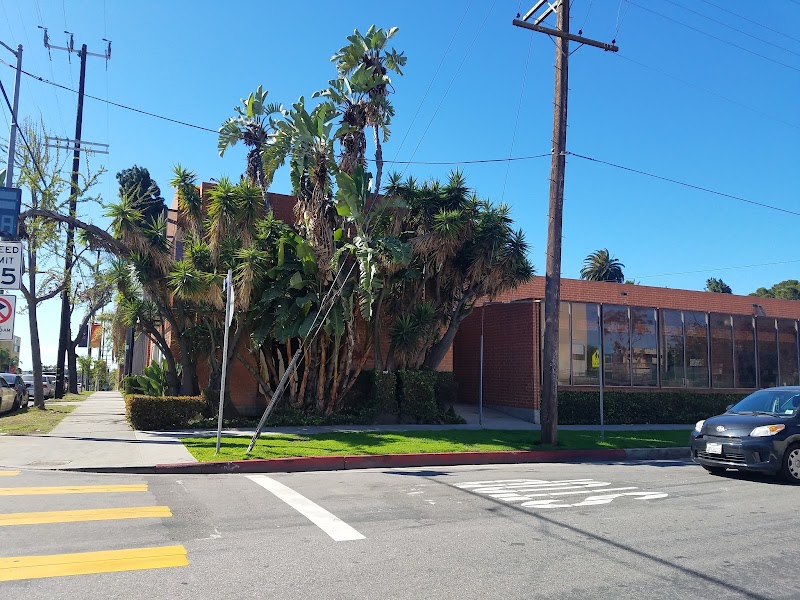
How is East Terrace Rehabilitation & Wellness Centre, Lp Staffed?

CMS rates EAST TERRACE REHABILITATION & WELLNESS CENTRE, LP's staffing level at 3 out of 5 stars, which is average compared to other nursing homes. Staff turnover is 37%, compared to the California average of 46%. This relatively stable workforce can support continuity of care.

What Have Inspectors Found at East Terrace Rehabilitation & Wellness Centre, Lp?

State health inspectors documented 89 deficiencies at EAST TERRACE REHABILITATION & WELLNESS CENTRE, LP during 2022 to 2025. These included: 3 Immediate Jeopardy (the most serious level, indicating potential for serious harm or death), 3 that caused actual resident harm, and 83 with potential for harm. Immediate Jeopardy findings are rare and represent the most serious regulatory concerns. They require immediate corrective action.
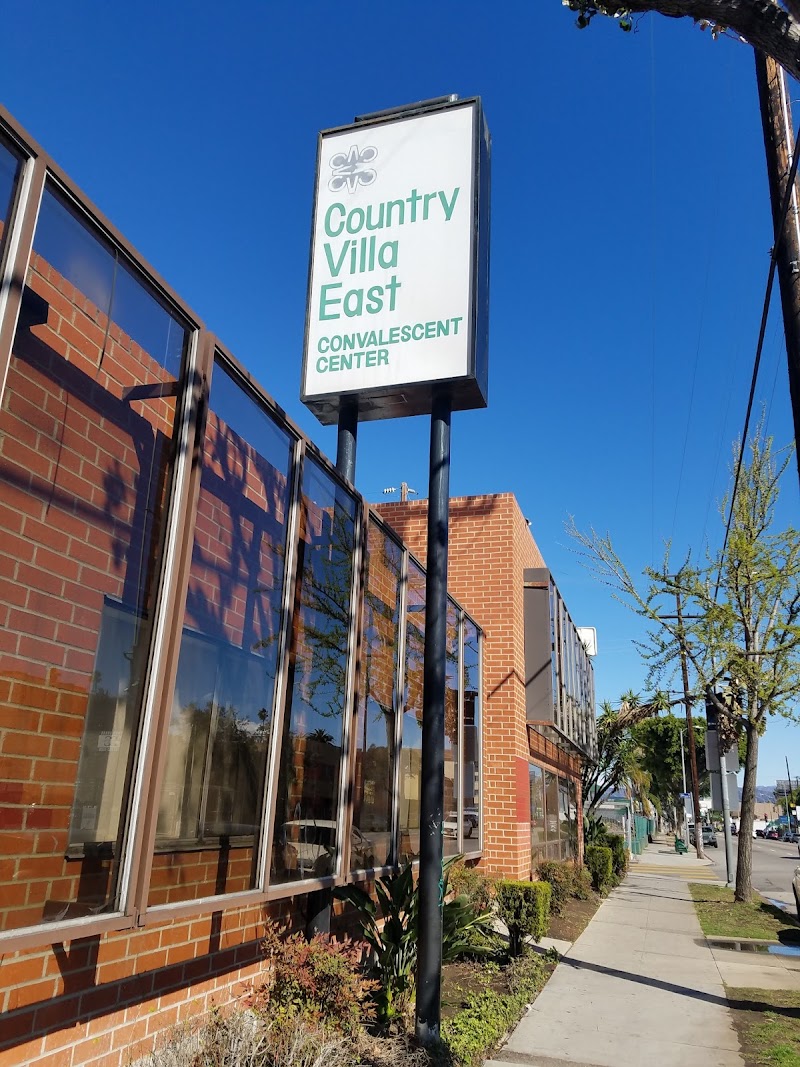
Who Owns and Operates East Terrace Rehabilitation & Wellness Centre, Lp?

EAST TERRACE REHABILITATION & WELLNESS CENTRE, LP is owned by a for-profit company. For-profit facilities operate as businesses with obligations to shareholders or private owners. The facility is operated by SHLOMO RECHNITZ, a chain that manages multiple nursing homes. With 99 certified beds and approximately 94 residents (about 95% occupancy), it is a smaller facility located in LOS ANGELES, California.
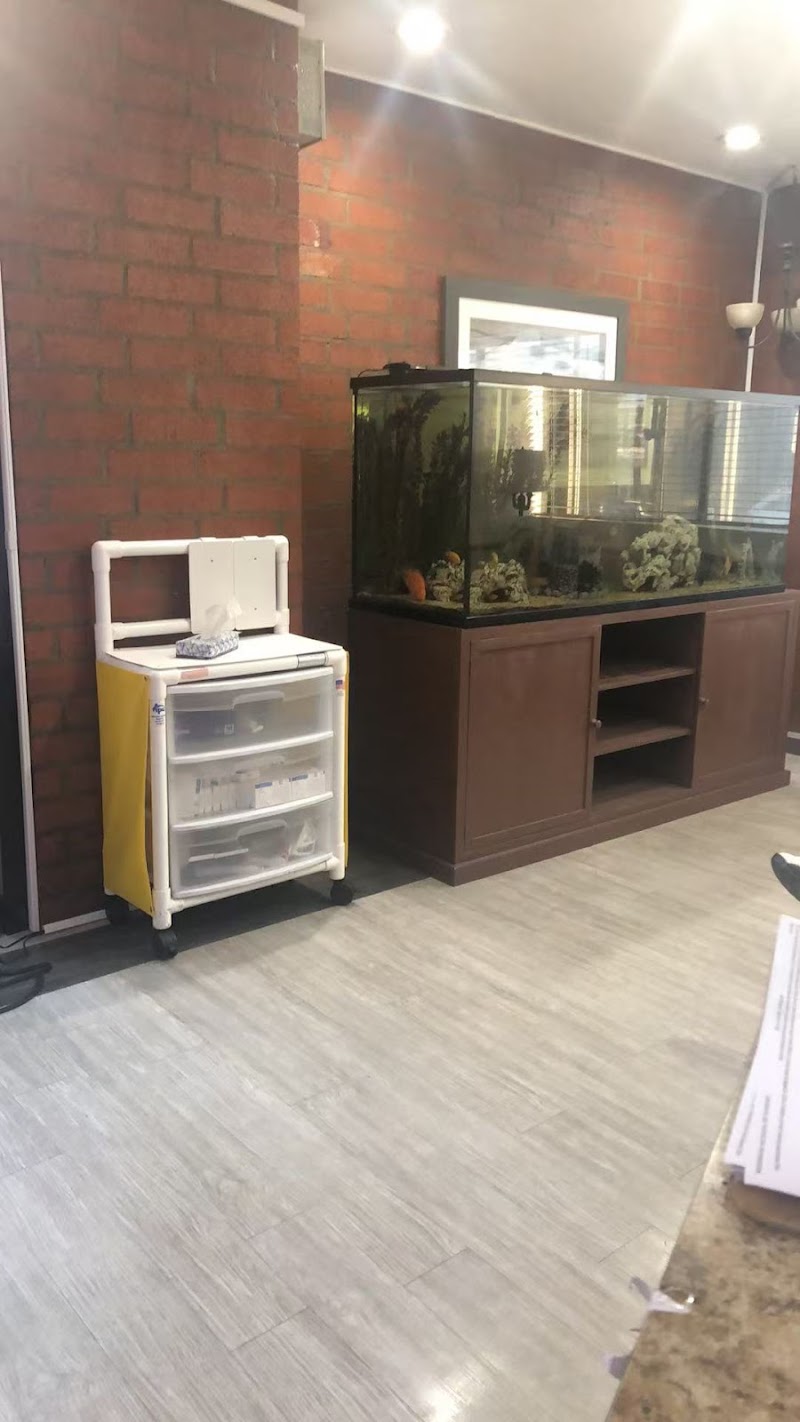
How Does East Terrace Rehabilitation & Wellness Centre, Lp Compare to Other California Nursing Homes?

Compared to the 100 nursing homes in California, EAST TERRACE REHABILITATION & WELLNESS CENTRE, LP's overall rating (1 stars) is below the state average of 3.1, staff turnover (37%) is near the state average of 46%, and health inspection rating (1 stars) is much below the national benchmark.

What Should Families Ask When Visiting East Terrace Rehabilitation & Wellness Centre, Lp?

Based on this facility's data, families visiting should ask: "What changes have been made since the serious inspection findings, and how are you preventing similar issues?" "What safeguards and monitoring systems are in place to protect residents from abuse or neglect?" "Can I visit during a mealtime to observe dining assistance and food quality?" "How do you handle medical emergencies, and what is your hospital transfer rate?" These questions are particularly relevant given the facility's Immediate Jeopardy citations and the substantiated abuse finding on record.

Is East Terrace Rehabilitation & Wellness Centre, Lp Safe?

Based on CMS inspection data, EAST TERRACE REHABILITATION & WELLNESS CENTRE, LP has documented safety concerns. The facility has 1 substantiated abuse finding (meaning confirmed case of resident harm by staff or other residents). Inspectors have issued 3 Immediate Jeopardy citations (the most serious violation level indicating risk of serious injury or death). The facility has a 1-star overall rating and ranks #100 of 100 nursing homes in California. Families considering this facility should ask detailed questions about what corrective actions have been taken since these incidents.

Do Nurses at East Terrace Rehabilitation & Wellness Centre, Lp Stick Around?

EAST TERRACE REHABILITATION & WELLNESS CENTRE, LP has a staff turnover rate of 37%, which is about average for California nursing homes (state average: 46%). Moderate turnover is common in nursing homes, but families should still ask about staff tenure and how the facility maintains care continuity when employees leave.

Was East Terrace Rehabilitation & Wellness Centre, Lp Ever Fined?

EAST TERRACE REHABILITATION & WELLNESS CENTRE, LP has been fined $176,130 across 6 penalty actions. This is 5.1x the California average of $34,840. Fines at this level are uncommon and typically indicate a pattern of serious deficiencies, repeated violations, or failure to correct problems promptly. CMS reserves penalties of this magnitude for facilities that pose significant, documented risk to resident health or safety. Families should request specific documentation of what issues led to these fines and what systemic changes have been implemented.

Is East Terrace Rehabilitation & Wellness Centre, Lp on Any Federal Watch List?

EAST TERRACE REHABILITATION & WELLNESS CENTRE, LP is not on any federal watch list. The most significant is the Special Focus Facility (SFF) program, which identifies the bottom 1% of nursing homes nationally based on persistent, serious quality problems. Not being on this list means the facility has avoided the pattern of deficiencies that triggers enhanced federal oversight. This is a positive indicator, though families should still review the facility's inspection history directly.