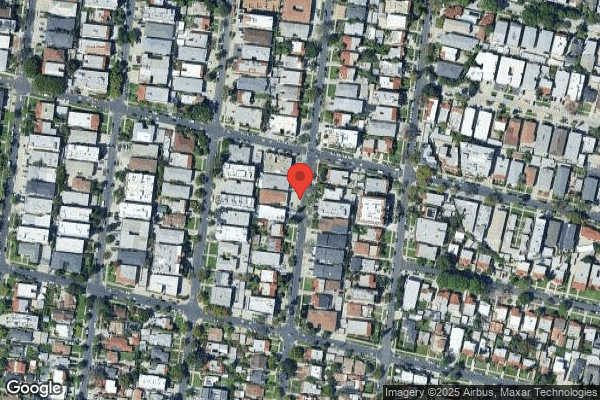
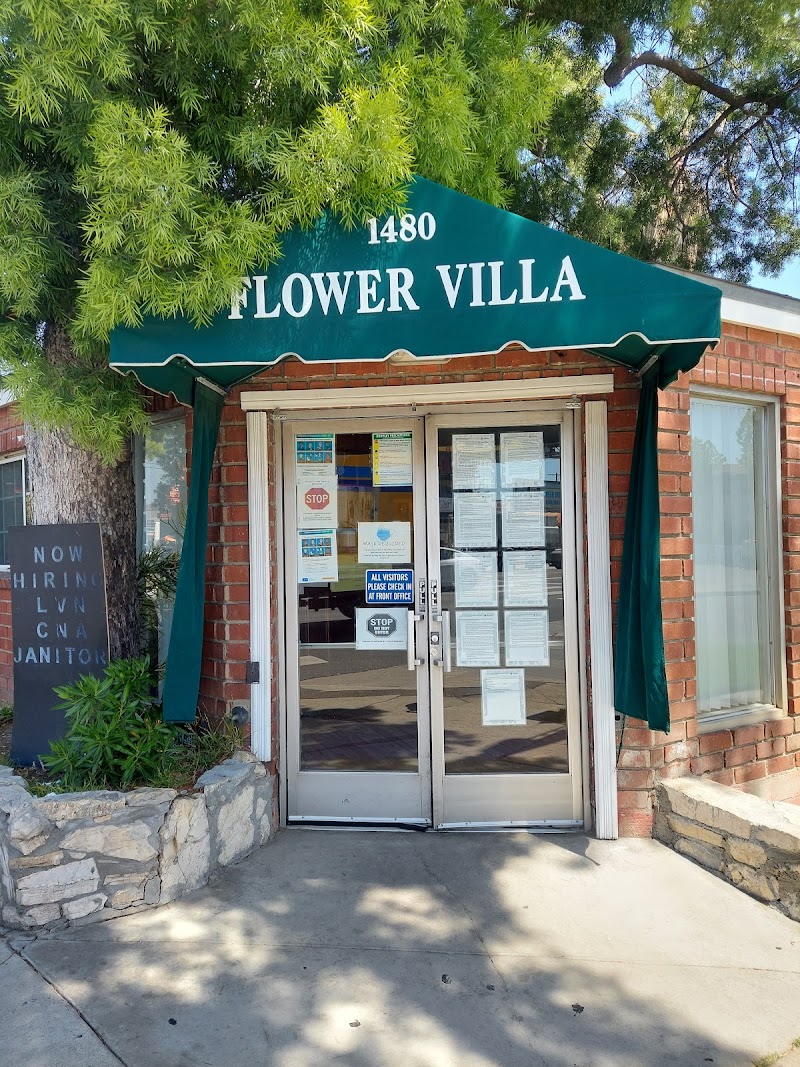

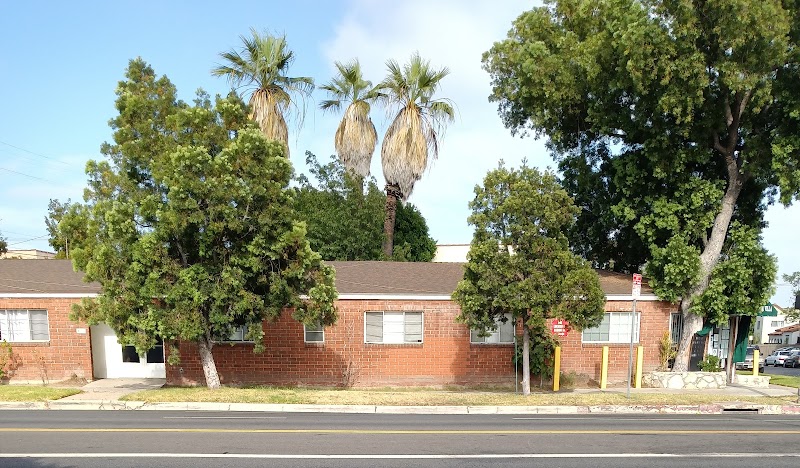

FLOWER VILLA, INC

1480 S. LA CIENEGA BL, LOS ANGELES, CA 90035 (310) 652-3030
For profit - Corporation 41 Beds ROLLINS-NELSON HEALTHCARE MANAGEMENT Data: November 2025
Trust Grade
30/100
#797 of 1155 in CA
Last Inspection: March 2025

Within standard 12-15 month inspection cycle. Federal law requires annual inspections.

Overview

Flower Villa, Inc. has received a Trust Grade of F, indicating significant concerns about the facility's quality and care. With a state rank of #797 out of 1155, they are in the bottom half of nursing homes in California, and ranked #182 out of 369 in Los Angeles County, meaning there are only a few options that are worse. The facility is worsening overall, with issues increasing from 9 in 2024 to 17 in 2025. Staffing is a major weakness, earning just 1 out of 5 stars, with a troubling 100% turnover rate, significantly higher than the state average of 38%. Additionally, the facility has faced $29,370 in fines, which is concerning as it is higher than 86% of California facilities and suggests ongoing compliance issues. There are serious concerns regarding RN coverage, as the facility has less RN presence than 95% of state facilities, impacting their ability to provide proper oversight for residents. Specific incidents include a failure to follow care plans for a resident requiring maximum assistance, which put them at risk for injury, and lapses in RN coverage, meaning that nursing services were not adequately managed on several days. While the health inspection rating is average at 3 out of 5 stars, the overall picture presents substantial weaknesses that families should consider carefully.

Trust Score
F
30/100
In California
#797/1155
Bottom 31%
Safety Record
Moderate
Needs review
Inspections
Getting Worse
9 → 17 violations
Staff Stability
⚠ Watch
100% turnover. Very high, 52 points above average. Constant new faces learning your loved one's needs.
Penalties
○ Average
$29,370 in fines. Higher than 51% of California facilities. Some compliance issues.
Skilled Nurses
⚠ Watch
Each resident gets only 9 minutes of Registered Nurse (RN) attention daily — below average for California. Fewer RN minutes means fewer trained eyes watching for problems.
Violations
⚠ Watch
42 deficiencies on record. Higher than average. Multiple issues found across inspections.
★★☆☆☆
2.0
Overall Rating
★☆☆☆☆
1.0
Staff Levels
★★★☆☆
3.0
Care Quality
★★★☆☆
3.0
Inspection Score
Stable
2024: 9 issues
2025: 17 issues

The Good

  • Full Sprinkler Coverage · Fire safety systems throughout facility
  • No fines on record

Facility shows strength in fire safety.

The Bad

2-Star Overall Rating

Below California average (3.1)

Below average - review inspection findings carefully

Staff Turnover: 100%

53pts above California avg (47%)

Frequent staff changes - ask about care continuity

Federal Fines: $29,370

Below median ($33,413)

Moderate penalties - review what triggered them

Chain: ROLLINS-NELSON HEALTHCARE MANAGEMEN

Part of a multi-facility chain

Ask about local staffing decisions and management

Staff turnover is very high (100%)

52 points above California average of 48%

The Ugly 42 deficiencies on record

1 actual harm
Mar 2025 17 deficiencies
CONCERN (D)

Potential for Harm - no one hurt, but risky conditions existed

Comprehensive Care Plan (Tag F0656)

Could have caused harm · This affected 1 resident

**NOTE- TERMS IN BRACKETS HAVE BEEN EDITED TO PROTECT CONFIDENTIALITY** Based on interview and record review the facility failed to create a care plan (a document outlining a detailed approach to care...

Read full inspector narrative →
**NOTE- TERMS IN BRACKETS HAVE BEEN EDITED TO PROTECT CONFIDENTIALITY** Based on interview and record review the facility failed to create a care plan (a document outlining a detailed approach to care customized to an individual resident's need) for psychotropic (a medication that affects behavior, mood, thoughts, or perception) medication and the resident's anxiety for one of five residents (Resident 16). This deficient practice had the potential for Resident 16 to not receive the appropriate care and experience adverse (harmful) side effects which could result in injury. Findings: A review of Resident 16's admission record indicated the resident was originally admitted to the facility on [DATE], and readmitted on [DATE] with diagnoses that included but not limited to schizophrenia (a mental illness that is characterized by disturbances in thought), major depressive disorder (a mood disorder that causes a persistent feeling of sadness and loss of interest) and anxiety disorder (a mental health condition with feeling of worry, anxiety, or fear interfering with one`s daily activities). A review of Resident 16's History and Physical (H&P), dated 4/30/2024, indicated the resident had the cap0acity to understand and make decisions. A review of Resident 16's Minimum Data Set (MDS, a resident assessment tool) dated 12/13/2024, indicated the resident was cognitively intact (had the ability to think, understand, reason, and make decisions). The MDS indicated Resident 16 had active diagnoses of anxiety disorder, depression and schizophrenia (a mental illness that is characterized by disturbances in thought). and psychotic disorder. The MDS further indicated Resident 16 was taking antianxiety medication. A review of Resident 16's physician orders dated 2/18/2025, indicated the resident to receive Ativan (lorazepam- an antianxiety medication) Oral one milligram (mg) by mouth two times a day every Monday thru Saturday for anxiety disorder manifested by an excessive inability to relax. A review of Resident 16's Medication Administration Record dated 2/1/2025 - 2/28/2025, indicated the resident received 53 doses of Ativan 1mg from 2/1/2025 to 2/28/2025. A review of Resident 16's Medication Administration Record dated 3/1/2025 - 2/28/2025, indicated the resident received 13 doses of Ativan 1 mg from 3/1/2025 - 3/8/2025. A review of Resident 16's care plans indicated the resident did not have a care plan initiated for Ativan. During a concurrent interview and record review on 3/8/2025 at 11:28 AM, Resident 16's care plan and physician orders for Ativan were reviewed with the Minimum Data Set Coordinator (MDSC). The Administrator confirmed Resident 16 did not have a developed care plan for Ativan. MDSC stated the care plan directs the care of the resident for identified concerns. MDSC stated not initiating a care plan could lead to staff to missing changes in the resident's condition or not knowing what actions to take. During an interview on 3/9/2025 at 1:26 PM, the Director of Nursing (DON) stated the care plan allows staff to provide patient centered care and not developing a care plan could lead to the resident not receiving the medical or psychiatric care they need. A review of the facility policy and procedures titled, Reviewing and Revising the Care Plan, revised 1/2025, indicated: 1. A person-centered comprehensive care plan will be developed in accordance with facility procedures and will be: a. Developed within 7 days after completion of the comprehensive assessment. b. Prepared by an interdisciplinary team. c. Reviewed and revised by the interdisciplinary team after each assessment, including both the comprehensive and quarterly assessments.
CONCERN (D)

Potential for Harm - no one hurt, but risky conditions existed

Respiratory Care (Tag F0695)

Could have caused harm · This affected 1 resident

**NOTE- TERMS IN BRACKETS HAVE BEEN EDITED TO PROTECT CONFIDENTIALITY** Based on observation, interview, and record review, the facility failed to provide respiratory care services for one out of 23 s...

Read full inspector narrative →
**NOTE- TERMS IN BRACKETS HAVE BEEN EDITED TO PROTECT CONFIDENTIALITY** Based on observation, interview, and record review, the facility failed to provide respiratory care services for one out of 23 sample residents (Resident 13) by failing to auscultate (listen to) lung sound after nebulized medication Albuterol/Ipratropium inhalation solution (aka Duoneb - a medication used to treat breathing problems) treatment per the physicians' order. This deficient practice had the potential for Resident 13 to not have effective respiratory therapy care. Findings: A review of Resident 13's admission Record indicated the facility originally admitted to the facility on [DATE] and readmitted on [DATE] with diagnoses including chronic obstructive pulmonary disease (COPD-a chronic/ongoing lung disease causing difficulty in breathing), transient ischemic attack (TIA - a temporary blockage of blood flow to the brain) and anemia (a condition where the body does not have enough healthy red blood cells. A review of Resident 13's Need of Oxygen care plan, initiated 2/2/2025, indicated the resident required oxygen due to a diagnosis of COPD. The care plan goal was for the resident to not have distress due to shortness of breath (SOB). The care plan interventions included to notify the physician of any changes in condition, also take lung sounds as ordered per the physician, and administer breathing treatment, if applicable, as ordered per the physician. A review of Resident 13's Minimum Data Set (MDS - resident assessment tool) dated 2/7/2025, indicated Resident 13's cognitive (mental action or process of acquiring knowledge and understanding) skills for daily decisions was intact. The MDS indicated Resident 13 was dependent on staff for all activities of daily living (ADLs- activities such as bathing, dressing and toileting a person performs daily). A review of Resident 13's Order Summary Report, dated 3/8/2025, indicated, the physician ordered for Resident 13 to receive the following services: - Auscultate lung sounds pre and post treatment of inhaler or nebulizer document 1 for wheezing, 2 for rails, 3 for rhonchi and 4 for normal (a medical device that turns liquid medication into a very fine mist that one can then breathe) - Ipratropium/Albuterol 0.5/3 mg per 3 milliliters (ml) inhale orally via nebulizer two times a day for COPD on 2/17/2025 During a concurrent interview and observation on 3/9/2025 at 8:58 AM, Licensed Vocational Nurse (LVN) 2 administered Duoneb to Resident 13 via nebulizer. LVN 2 was not observed auscultating Resident 13's lung sounds prior to administration of Duoneb. LVN 2 then notified Resident 13 they would return in 10 minutes when the medication was complete and left the resident's room. During an observation on 39/2025 at 9:34 AM, LVN 3 was observed removing Resident 13's nebulizer mask. LVN 3 was not observed auscultating Resident 13's lung sounds post nebulizer treatment. During an interview on 3/09/2025 at 9:41 AM, LVN 3 stated after removing Resident 13's nebulizer treatment they did not listen to the resident's lung sounds and did not know that was a physician's order. LVN 3 also stated auscultation of lung sounds pre and post nebulizer treatment is a common physician order and it 's done so that one can determine if the medication was effective. During a concurrent observation and interview on 3/9/2025 at 9:44 AM at Resident 13's bedside, LVN 2 checked on Resident 13. Resident 13 told LVN 2 the medication had completed and another nurse removed the nebulizer. LVN 2 was not observed auscultating Resident 13's lung sounds. LVN 2 stated they did not auscultate Resident 13's lung sounds post nebulizer treatment but did prior to giving the medication and meeting with this surveyor to administer the medication. During an interview on 3/9/2025 at 1:16 PM, Resident 13 stated the breathing treatments generally help him. Resident 13 also stated the nursing staff sometimes but not always listen to his lung sounds before and after the breathing treatments. Resident 13 further stated the nurse listened to his lungs prior to getting medication this morning but not after the medication was given. During an interview on 3/09/2025 at 1:29 PM, the Director of Nursing (DON) stated staff auscultate lung sounds pre and post medication administration to make sure the medications are effective. A review of the facility policy and procedures (P&P) titled, Nebulizer Therapy, revised 1/2025, indicated, staff were to: 1. Verify practitioner's order. 2. Gather appropriate equipment and ordered medication 6. Obtain resident's vital signs, and perform respiratory assessment to establish a baseline. The P&P further indicated post treatment staff were to record the following information in the resident's medical record: 1. Date, time, and duration of therapy 2. Type and amount of medication 3. Oxygen flow, if administered 4. Resident vital signs and respiratory assessment
CONCERN (D)

Potential for Harm - no one hurt, but risky conditions existed

Pharmacy Services (Tag F0755)

Could have caused harm · This affected 1 resident

**NOTE- TERMS IN BRACKETS HAVE BEEN EDITED TO PROTECT CONFIDENTIALITY** Based on observation, interview, and record review, the facility failed to ensure to label an open date of ipratropium-albuterol...

Read full inspector narrative →
**NOTE- TERMS IN BRACKETS HAVE BEEN EDITED TO PROTECT CONFIDENTIALITY** Based on observation, interview, and record review, the facility failed to ensure to label an open date of ipratropium-albuterol inhalation solution (used to prevent and treat difficulty breathing, wheezing, shortness of breath, coughing, and chest tightness) inhalation solution for one of five residents (Resident 13) that can expire once opened with an open date according to manufacturer guidelines. This deficient practice had the potential to compromise the therapeutic effectiveness of the stored medications and unintended complications related to the management of medications. Findings: During a review of Resident 13's admission Record indicated Resident 19 was originally admitted to the facility on [DATE] and readmitted on [DATE] with diagnoses including hypertensive heart disease (includes a number of complications of high blood pressure that affect the heart), chronic kidney disease (CKD-a longstanding disease of the kidneys leading to renal failure) and chronic obstructive pulmonary disease (COPD - a group of lung diseases that block airflow and make it difficult to breathe). During a review of the Minimum Data Set (MDS - resident assessment tool) dated 2/7/2025, indicated Resident 13's cognitive (mental action or process of acquiring knowledge and understanding) skills for daily decisions was intact. The MDS indicated Resident 13 was independent for activities of daily living (ADLs- routine tasks/activities such as bathing, dressing and toileting a person performs daily to care for themselves). During a review of Resident 193s Order Summary Report (OSR), dated 2/18/2025, the OSR indicated, physician ordered, ipratropium-Albuterol solution 0.5-2.5 milligram (mg)/3 millimeter (ml - unit of measurement) - 1 vial inhale orally two times a day for COPD via nebulizer. During a concurrent observation and interview with Licensed Vocational Nurse (LVN) 1 on 3/8/2025 at 3:27 p.m., Medication Cart 1 was observed. Observed Resident 13's ipratropium-albuterol medication with an opened foil pouch and the unit-dose vials were visible, there were no labels of date when it was first opened. LVN 1 stated, the medication should be labeled when it was first opened. Resident 13's ipratropium-albuterol medication label indicated, expires: seven days if open. During an interview with Director of Nursing (DON) on 3/9/2025 at 4:51 PM, DON stated, inhalation medications foil pouches should be dated once opened and follow the manufacturer and pharmacy's recommendations. During a review of Nephron Pharmaceutical (manufacturer) guidelines for Ipratropium Bromide and Albuterol Sulfate Inhalation Solution, indicated, once the foil pouch is opened, the individual vials should be used within one week and discarded. During a review of the facility policy and procedures (P&P) titled, Nebulizer Therapy, revised on 1/2025, the P&P indicated, It is the policy of this facility for nebulizer treatments, once ordered, to be administered by nursing staff as directed using proper technique and standard precautions.
CONCERN (D)

Potential for Harm - no one hurt, but risky conditions existed

Medication Errors (Tag F0758)

Could have caused harm · This affected 1 resident

**NOTE- TERMS IN BRACKETS HAVE BEEN EDITED TO PROTECT CONFIDENTIALITY** Based on interview and record review, the facility failed to ensure facility verify informed consent (a principle in medical eth...

Read full inspector narrative →
**NOTE- TERMS IN BRACKETS HAVE BEEN EDITED TO PROTECT CONFIDENTIALITY** Based on interview and record review, the facility failed to ensure facility verify informed consent (a principle in medical ethics and medical law that a patient should have sufficient information before making their own free decisions about their medical care) form was given to the physician prior to administering the psychotropic medication Seroquel (a potentially life-threatening medication that treats psychosis) for one of five sampled residents (Resident 16). This deficient practice had the potential for Resident 16 to not be able to exercise his right to know what medications the facility is administering to the resident. Findings: A review of Resident 16's admission record indicated the resident was originally admitted to the facility on [DATE], and readmitted on [DATE] with diagnoses that included but were not limited to schizophrenia (a mental illness that is characterized by disturbances in thought), major depressive disorder (a mood disorder that causes a persistent feeling of sadness and loss of interest) and anxiety disorder (a mental health condition with feeling of worry, anxiety, or fear interfering with one`s daily activities). A review of Resident 16's History and Physical (H&P), dated 4/30/2024, indicated the resident had the capacity to understand and make decisions. A review of Resident 16's Physician's Orders, dated 12/10/2024, indicated Resident 16 was to receive Seroquel 100 milligrams (mg) by mouth at bedtime for schizophrenia (a mental illness that is characterized by disturbances in thought) manifested by delusional thoughts thinking someone is after him. A review of Resident 16's Minimum Data Set (MDS, a resident assessment tool) dated 12/13/2024, indicated the resident was cognitively intact (had the ability to think, understand, reason, and make decisions). The MDS indicated Resident 16 had active diagnoses of anxiety disorder, depression and schizophrenia (a mental illness that is characterized by disturbances in thought). and psychotic disorder. The MDS further indicated Resident 16 was taking antianxiety medication. A review of Resident 16's Medication Administration Record (MAR) dated 2/2025, indicated the facility administered the Seroquel at a dosage of 100 mg by mouth at bedtime nightly for the month of February 2025 (a total of 28 days). A review of Resident 16's MAR dated 3/2025, indicated the facility administered the Seroquel at a dosage of 100 mg by mouth at bedtime nightly from March 1 to March 7 for the month of March 2025(for a total of 7 days). A review of Resident 16's physical chart indicated there was no Facility Verification of Informed Consent form (Informed Consent) for Seroquel in the resident's medical chart. During a concurrent interview and record review on 03/08/25 11:28 AM, Resident 16's Verification of Informed Consent form were reviewed. MDSC stated there was no Verification Form for Seroquel in the resident's chart. MDSC stated staff are to verify with the resident or responsible party that the risk and benefits were explained, and the resident or RP agrees with receiving the medication. MDSC stated staff are not to administer psychotropic medications without informed consent. During an interview and concurrent record review on 03/09/2025 at 1:27 PM the Director of Nursing (DON) stated facility staff must receive informed consent prior to administering medication so that the resident and/or RP knows and agrees to the medication they are receiving. A review of the facility policy and procedures (P&P) titled, Nursing Standards of Practice Subject: Consent - Informed, revised 1/2025, indicated informed consent is a decision made freely by the patient/resident or a legally authorized representative after he/ she has full knowledge and understanding of the risks, benefits, and available options about off tomorrow the various treatment alternatives. The P&P further indicated, Nurses are responsible for explaining human responses to treatment or procedures: A. Disclosure 1. Reinforce information presented and provide supplemental explanations and educational materials 2. Notify physician if it is ascertained that the patient/resident's comprehension is poor. 3. Inform physician of the possible medication administration that may interfere with comprehension 4. Confirm documentation of informed consent on the medical record. And The patient/resident or legal guardian signs and dates prior to treatment/procedure being performed. 6. The completed consent form is placed in the resident's medical record.
CONCERN (D)

Potential for Harm - no one hurt, but risky conditions existed

Unnecessary Medications (Tag F0759)

Could have caused harm · This affected 1 resident

**NOTE- TERMS IN BRACKETS HAVE BEEN EDITED TO PROTECT CONFIDENTIALITY** Based on observation, interview, and record review the facility failed to maintain a medication error rate below 5% (percent-uni...

Read full inspector narrative →
**NOTE- TERMS IN BRACKETS HAVE BEEN EDITED TO PROTECT CONFIDENTIALITY** Based on observation, interview, and record review the facility failed to maintain a medication error rate below 5% (percent-unit of measurement). This failure resulted in three medication errors observed for one of three sampled residents (Resident 27). There was a total of 28 medication opportunities out of which three were observed given incorrectly, which resulted in a medication error rate of 10.71%. Cross reference with F760 Findings: During a review of Resident 27's admission Record dated 11/13/2024 indicated the resident was admitted to the facility on [DATE] with diagnoses including: dementia (a progressive state of decline in mental abilities), Vitamin D deficiency (condition where the body does not have enough Vitamin D, paranoid schizophrenia (a mental illness that is characterized by disturbances in thought, where there is distrust and suspicion), anxiety disorder (excessive fear or worry), encephalopathy (broad term for any brain disease that alters brain function or structure), and hypotension (low blood pressure). During a review of Resident 27's Minimum Data Set (MDS, resident assessment tool), dated 2/13/2025 indicated the resident had severe cognitive (the ability to think, learn, and remember clearly) impairment. The MDS further indicated Resident 27 was dependent on staff for eating, oral hygiene, toileting, dressing, personal hygiene, bed mobility and transferring. During a review of Resident 27's Order Summary Report, dated 3/1/2025, indicated orders for ProAmatine (medication for low blood pressure) oral tablet 5 mg give one tablet by mouth one time a day for blood pressure hold if above 130, Risperdal (medication to [NAME] mental health condition such as schizophrenia) oral tablet (Risperidone) give 1mg by mouth three times a day for paranoid schizophrenia, Vitamin D3 (supplement) oral tablet (Cholecalciferol) give 5000 unit by mouth one time a day for Vitamin D deficiency. The same report further indicated an order of may crush all crushable meds then mix with apple sauce or food. During an observation with concurrent interview on 3/8/2025 at 9:05 AM with Licensed Vocational Nurse (LVN) 2, LVN 2 was observed passing medications for Resident 27. LVN 2 removed ProAmatine 5 mg tablet, Risperdal 1 mg tablet and Vitamin D 5000 - unit tablet from their bubble packs, put them all together in one plastic pouch and proceeded to crush all three medications together. LVN 2 stated the medications can be crushed together good and put in applesauce for the resident. During an interview with the Director of Nursing (DON) on 3/9/2025 at 4:59 PM, the DON stated the medications should not be crushed all together and administered to the resident, the nurse should have known not to do that. During a review of the facility's policy and procedures titled Crushed Medications revised January 2025 indicated Medications shall be crushed in accordance with standards of practice for safety and accuracy in medication administration. Crushed medications may be combined and administered orally, when appropriate. a. Resident's safety, needs, mediation schedule, preferences, and functional ability shall be considered when determining the most appropriate method for administering medications.
CONCERN (D)

Potential for Harm - no one hurt, but risky conditions existed

Deficiency F0760 (Tag F0760)

Could have caused harm · This affected 1 resident

**NOTE- TERMS IN BRACKETS HAVE BEEN EDITED TO PROTECT CONFIDENTIALITY** Based on observation, interview, and record review the facility failed administer medications without error to one of five sampl...

Read full inspector narrative →
**NOTE- TERMS IN BRACKETS HAVE BEEN EDITED TO PROTECT CONFIDENTIALITY** Based on observation, interview, and record review the facility failed administer medications without error to one of five sampled residents (Resident 27). This failure resulted in three medications being crushed and administered together, which had the potential to result in therapeutic failure, and unpredictable chemical and physical interactions of the medications. Cross reference with F759 Findings: During a review of Resident 27's admission Record dated 11/13/2024 indicated the resident was admitted to the facility on [DATE] with diagnoses including: dementia (a progressive state of decline in mental abilities), Vitamin D deficiency (condition where the body does not have enough Vitamin D, paranoid schizophrenia (a mental illness that is characterized by disturbances in thought, where there is distrust and suspicion), anxiety disorder (excessive fear or worry), encephalopathy (broad term for any brain disease that alters brain function or structure), and hypotension (low blood pressure). During a review of Resident 27's Minimum Data Set (MDS, resident assessment tool), dated 2/13/2025 indicated the resident had severe cognitive (the ability to think, learn, and remember clearly) impairment. The MDS further indicated Resident 27 was dependent on staff for eating, oral hygiene, toileting, dressing, personal hygiene, bed mobility and transferring. During a review of Resident 27's Order Summary Report dated 3/1/2025 indicated orders for ProAmatine (medication for low blood pressure) oral tablet 5 mg give one tablet by mouth one time a day for blood pressure hold if above 130, Risperdal (medication to [NAME] mental health condition such as schizophrenia) oral tablet (Risperidone) give 1mg by mouth three times a day for paranoid schizophrenia, Vitamin D3 (supplement) oral tablet (Cholecalciferol) give 5000 unit by mouth one time a day for Vitamin D deficiency. The same report further indicated an order of may crush all crushable meds then mix with apple sauce or food. During an observation with concurrent interview on 3/8/2025 at 9:05 AM with Licensed Vocational Nurse (LVN) 2, LVN 2 was observed passing medications for Resident 27. LVN 2 removed ProAmatine 5 mg tablet, Risperdal 1 mg tablet and Vitamin D 5000 - unit tablet from their bubble packs, put them all together in one plastic pouch and proceeded to crush all three medications together. LVN 2 stated the medications can be crushed together good and put in applesauce for the resident. During an interview with the Director of Nursing (DON) on 3/9/2025 at 4:59 PM, the DON stated the medications should not be crushed all together and administered to the resident, the nurse should have known not to do that. During a review of the facility's policy and procedures titled Crushed Medications revised January 2025 indicated Medications shall be crushed in accordance with standards of practice for safety and accuracy in medication administration. Crushed medications may be combined and administered orally, when appropriate. a. Resident's safety, needs, mediation schedule, preferences, and functional ability shall be considered when determining the most appropriate method for administering medications.
CONCERN (D)

Potential for Harm - no one hurt, but risky conditions existed

Deficiency F0790 (Tag F0790)

Could have caused harm · This affected 1 resident

**NOTE- TERMS IN BRACKETS HAVE BEEN EDITED TO PROTECT CONFIDENTIALITY** Based on observation, interview, and record review, the facility failed to provide a routine dental visit to one of five residen...

Read full inspector narrative →
**NOTE- TERMS IN BRACKETS HAVE BEEN EDITED TO PROTECT CONFIDENTIALITY** Based on observation, interview, and record review, the facility failed to provide a routine dental visit to one of five residents (Resident 15). This failure had the potential to affect the resident's self-esteem and quality of life. Findings: During a review of Resident 15's admission Record dated 3/9/2025 indicated the resident was admitted to the facility on [DATE], with diagnosis including; chronic obstructive pulmonary disease (COPD-a chronic lung disease causing difficulty in breathing), and bipolar disorder (sometimes called manic-depressive disorder, schizoaffective disorder (a mental illness that can affect thoughts, mood, and behavior), cerebrovascular accident (CVA-stroke, loss of blood flow to a part of the brain) and paraplegia (loss of movement and/or sensation, to some degree, of the legs). During a review of Resident 15's MDS dated [DATE], indicated the resident had moderately impaired cognition. The same MDS further indicated Resident 15 required supervision or touching assistance with eating, and partial to substantial assistance with toileting, dressing, personal hygiene, bed mobility, and transferring. During a review of Resident 15's Order Summary Report dated 3/9/2025 indicated an order of dental consult and treatment as indicated. During a concurrent interview and record review with Social Services Director (SSD) on 3/8/2025 at 4:27 PM Resident's 15's chart was reviewed. The SSD verified and stated there was no indication Resident 15 was seen by a dentist at the facility since his admission and stated they should have been seen since the dentist has been at the facility to see other residents. During a review of the facility policy and procedures (P&P) titled Dental Services, revised 1/2025, the P&P indicated, it is the policy of this facility to assist residents in obtaining routine (to the extent covered under the State plan) and emergency dental care.
CONCERN (E)

Potential for Harm - no one hurt, but risky conditions existed

Deficiency F0582 (Tag F0582)

Could have caused harm · This affected multiple residents

**NOTE- TERMS IN BRACKETS HAVE BEEN EDITED TO PROTECT CONFIDENTIALITY** Based on interview and record review, the facility failed to provide the Notice of Medicare Non-Coverage (NOMNC - notification o...

Read full inspector narrative →
**NOTE- TERMS IN BRACKETS HAVE BEEN EDITED TO PROTECT CONFIDENTIALITY** Based on interview and record review, the facility failed to provide the Notice of Medicare Non-Coverage (NOMNC - notification of termination of covered care) at least two days prior to the last covered day for three of three selected residents (Residents 7, 11, and 18). This deficient practice had the potential to result in residents losing their right to appeal the decision of termination of covered care. Findings: A review of Resident 7's admission Record indicated the facility originally admitted the resident on 7/8/2021, and re-admitted the resident on 8/7/2024, with diagnoses that included chronic obstructive pulmonary disease (COPD-a chronic lung disease causing difficulty in breathing), Diabetes Mellitus (DM-a disorder characterized by difficulty in blood sugar control and poor wound healing) and schizophrenia (a mental illness that is characterized by disturbances in thought). A review of the NOMNC, the facility gave to Resident 7, indicated skilled nursing care services would end on 11/12/2024. A further review of the NOMNC form indicated the NOMNOC was issued to and signed by Resident 7 on 11/11/2024 (one day prior to the last day of services). The NOMNC indicated Resident 7 had the right to an immediate, independent medical review (appeal) of the decision to end Medicare coverage. The NOMNC indicated the request for immediate appeal should be made as soon as possible, but no later than noon of the day before the effective date of 11/12/2024. A review of Resident 7's Minimum Data Set (MDS-a resident assessment tool) dated 1/18/2025, indicated Resident 7's cognition (ability to think, read, learn, remember, reason, express thoughts and make decisions) was intact. The MDS also indicated Resident 7 required supervision assistance with toileting hygiene, dressing, bathing and personal hygiene. A review of Resident 7's SNF Beneficiary Protection Notification Review Form indicated the resident's last covered Medicare Part A Skilled Services was 11/12/2024. Further review of the SNF Beneficiary Protect Notification Review form indicated the facility initiated the discharge form Medicare Part A when benefit days were not exhausted and indicated a NOMNC form was provided to the resident. A review of Resident 11's admission Record indicated the facility originally admitted the resident on 1/9/2024, and re-admitted the resident on 9/10/2024, with diagnoses that included but were not limited to bipolar disorder (sometimes called manic-depressive disorder; mood swings that range from the lows of depression to elevated periods of emotional highs) and major depressive disorder (a mood disorder that causes a persistent feeling of sadness and loss of interest). A review of Resident 11's History & Physical (H&P), dated 9/12/2024 indicated the resident has the capacity to understand and make decisions. A review of Resident 11's MDS dated [DATE], indicated Resident 11's cognition was intact. The MDS also and required supervision assistance for toileting hygiene, showering, dressing and personal hygiene. A review of Resident 11's SNF Beneficiary Protection Notification Review Form indicated the resident's last covered Medicare Part A Skilled Services was 12/17/2024. Further review of the SNF Beneficiary Protect Notification Review form indicated the facility initiated the discharge form Medicare Part A when benefit days were not exhausted and indicated a NOMNC form was provided to the resident. A review of the NOMNC, the facility gave to Resident 11, indicated skilled nursing care services would end on 12/17/2024. A further review of the NOMNC form indicated the NOMNOC was issued to and signed by Resident 11 on 12/16/2024 (one day prior to the last day of services). The NOMNC indicated Resident 7 had the right to an immediate, independent medical review (appeal) of the decision to end Medicare coverage. The NOMNC indicated the request for immediate appeal should be made as soon as possible, but no later than noon of the day before the effective date of 12/16/2024. A review of Resident 18's admission Record indicated the facility originally admitted the resident on 11/20/2018, and re-admitted the resident on 9/9/2024, with diagnoses that included but were not limited to gout (a painful form of arthritis leading to intense pain, swell and inflammation most commonly in the big toe), chronic kidney disease (kidneys are damaged and cannot filter blood as well as they should) and muscle wasting and atrophy (thinning or loss of muscle mass). A review of Resident 18's SNF Beneficiary Protection Notification Review Form indicated the resident's last covered Medicare Part A Skilled Services was 12/17/2024. Further review of the SNF Beneficiary Protect Notification Review form indicated the facility initiated the discharge form Medicare Part A when benefit days were not exhausted and indicated a NOMNC form was provided to the resident. A review of the NOMNC, the facility gave to Resident 18, indicated skilled nursing care services would end on 12/17/2024. A further review of the NOMNC form indicated the NOMNOC was issued to and signed by Resident 7 on 12/16/2024 (one day prior to the last day of services). The NOMNC indicated Resident 18 had the right to an immediate, independent medical review (appeal) of the decision to end Medicare coverage. The NOMNC indicated the request for immediate appeal should be made as soon as possible, but no later than noon of the day before the effective date of 12/16/2024. A review of Resident 18's MDS, dated [DATE], indicated the resident's cognition was moderately impaired. The MDS also indicated Resident 18 required partial assistance with oral hygiene, toileting hygiene, dressing and personal hygiene. The MDS further indicated the resident used a walker and wheelchair for mobility. During a concurrent interview and record review on 3/8/2025 at 3:48 PM, the Social Services Director (SSD) reviewed Resident 7's, Resident 11's and Resident 18's NOMNC forms. The SSD stated the facility notified Resident 7, Resident 11 and Resident 18 one day prior to the end of their covered services at the facility. The SSD further stated the facility is required to notify residents 3 days before services to end and by not notifying the residents timely they could lose their right to appeal. A review of the The State Operations Manual (SOM), revised 2/3/2023, indicated The NOMNC, Form CMS-10123, is given by the facility to all Medicare beneficiaries at least two days before the end of a Medicare covered Part A stay or when all of Part B therapies are ending. The NOMNC informs the beneficiaries of the right to an expedited review by a Quality Improvement Organization. A review of the facility policy and procedures titled, Advance Beneficiary Notices, revised 1/2024, indicated to ensure that the resident, or representative, has enough time to make a decision whether or not to receive the services in question and assume financial responsibility, the notice shall be provided within 48 hours of the last anticipated covered date. The notices must not be provided the resident/representative is under duress or in an emergency situation.
CONCERN (E)

Potential for Harm - no one hurt, but risky conditions existed

Safe Environment (Tag F0584)

Could have caused harm · This affected multiple residents

Based on observation, interview, and record review, the facility failed to maintain a safe, clean, comfortable and home-life environment in three of seven residents' rooms (Rooms 1, 16 and 20). These ...

Read full inspector narrative →
Based on observation, interview, and record review, the facility failed to maintain a safe, clean, comfortable and home-life environment in three of seven residents' rooms (Rooms 1, 16 and 20). These deficient practices had the potential to negatively impact the quality of life and increased risk for physical discomfort for residents residing in the facility. Findings: During a concurrent interview and observation of residents' Rooms 1, 16 and 20 on 3/8/2025 at 8:46 a.m. with Maintenance Director (MTD), the drawers in the rooms where resident placed their clothes and belongings did not close completely, and the paint are chipped. MTD stated, the drawer's sliders need to be replaced so that it will be in proper condition for residents used. During an interview with Director of Nursing (DON) on 3/9/2025 at 4:59 PM, DON stated, the equipment that are not in proper condition must be replaced as needed. During a review of the facility policy and procedures (P&P), titled, Safe and Homelike Environment, revised on 1/2025, indicated, In accordance with residents' rights, the facility will provide a safe, clean, comfortable and homelike environment, allowing the resident to use his or her personal belongings to the extent possible. This includes ensuring that the resident can receive care and services safely and that the physical layout of the facility maximizes resident independence and does not pose a safety risk. During a review of the facility P&P titled, General Maintenance Policy, revised on 1/2025, indicated, All facility equipment, systems, and infrastructure shall be maintained regularly to ensure safe, efficient, and continuous operation . The department responsible for removing or repairing equipment shall ensure that replacements meet facility standards before installation.
CONCERN (E)

Potential for Harm - no one hurt, but risky conditions existed

Transfer Notice (Tag F0623)

Could have caused harm · This affected multiple residents

**NOTE- TERMS IN BRACKETS HAVE BEEN EDITED TO PROTECT CONFIDENTIALITY** Based on interview and record review, the facility failed to: 1. Ensure residents' notice of proposed transfer/discharge's notif...

Read full inspector narrative →
**NOTE- TERMS IN BRACKETS HAVE BEEN EDITED TO PROTECT CONFIDENTIALITY** Based on interview and record review, the facility failed to: 1. Ensure residents' notice of proposed transfer/discharge's notification was sent to the Office of the State Long-Term Care Ombudsman (public advocate) for four of 10 sampled residents, (Resident 35, 11, 19 and 30) 2. Ensure the documentation was completed and recorded the reasons for the transfer or discharge in the resident's medical record for Resident 35 These deficient practices denied the residents additional protections from being inappropriately discharged for and an incomplete documentation of the discharge process. Cross reference with F842 Findings: A. During a review of Resident 35's admission Records indicated Resident 35 was admitted to the facility on [DATE] and was discharged on 1/22/2025 with diagnoses including Type II Diabetes Mellitus (DM-a disorder characterized by difficulty in blood sugar control and poor wound healing), schizophrenia (a mental illness that is characterized by disturbances in thought) and major depressive disorder (a mood disorder that causes a persistent feeling of sadness and loss of interest). During a review of the Minimum Data Set (MDS - resident assessment tool) dated 1/22/2025, indicated Resident 35's cognitive (mental action or process of acquiring knowledge and understanding) skills for daily decisions was intact. The MDS indicated Resident 35required supervision from staff for activities of daily living (ADLs- routine tasks/activities such as bathing, dressing and toileting a person performs daily to care for themselves). During a review of Resident 35's Progress Notes, dated 1/22/2025, the Progress Notes indicated, Resident transfer to Skilled Nursing Facility 2 (SNF 2), resident aware, noted and carried out. During a review of Resident 35's medical record as of 3/9/2025, there was no Notice of Proposed Transfer/Discharge indicated the notification sent to Ombudsman. During an interview with Director of Nursing (DON) on 3/9/2025 at 4:53 PM, DON stated, residents who were discharged , they need to notify the Ombudsman and include a complete documentation of the reason why residents were discharged and/or transferred to another facility. DON stated, Resident 35's documentation did not include necessary information of the reason of why Resident 35 was transferred to SNF 2. During a review of the facility policy and procedures (P&P) titled, Regular Ombudsman Notification of Skilled Nursing Facility Discharges, revised on 1/2025, indicated, To ensure timely and consistent notification to the ombudsman regarding all discharges from the skilled nursing facility, in compliance with regulatory requirements and to promote resident rights and well-being . This facility will notify the local long-term ombudsman of all resident discharges via fax on a regular basis. During a review of the facility P&P titled, Documentation Policy: Accuracy and Completeness, revised on 1/2025, indicated, This policy establishes guidelines to ensure all documentation is accurate, completed and reliable . To ensure completeness, all documentation must cover all necessary details relevant to the topic or process, provide sufficient context, background, and explanations, include all required sections, such as definitions, procedures, and references. B. During a review of Resident 11's admission Record dated 3/9/2025 indicated the resident was admitted to the facility on [DATE] with diagnoses including: diabetes mellitus (DM, a disorder characterized by difficulty in blood sugar control and poor wound healing), hypertensive (high blood pressure) heart disease, bipolar disorder (sometimes called manic-depressive disorder; mood swings that range from the lows of depression to elevated periods of emotional highs), and major depressive disorder (a mood disorder that causes a persistent feeling of sadness and loss of interest). During a review of Resident 11's MDS dated [DATE], indicated the resident had intact cognition (the ability to think, learn, and remember clearly). The MDS further indicated Resident 11 was independent with eating, toileting, dressing, personal hygiene, bed mobility and walking. During a review of Resident 11's Notice of Proposed Transfer/Discharge form indicated the resident was transferred to General Acute Care Hospital (GACH) on 8/30/2024. During a review of Resident 19's admission Record dated 10/18/2024 indicated the resident was admitted to the facility on [DATE] with diagnoses including: DM, chronic obstructive pulmonary disease (COPD-a chronic lung disease causing difficulty in breathing), schizoaffective disorder (a mental illness that can affect thoughts, mood, and behavior) and major depressive disorder (a mood disorder that causes a persistent feeling of sadness and loss of interest). During a review of Resident 19's MDS, dated [DATE], indicated the resident had intact cognition. The MDS further indicated Resident 19 required supervision or touching assistance with eating, and substantial/maximal assistance (helper does more than half the effort, or lifts or holds trunk or limbs and provides half the effort) with toileting, dressing, personal hygiene, bed mobility, and transferring. During a review of Resident 19's Notice of Proposed Transfer/Discharge form indicated the resident was transferred to GACH on 3/16/2025. During a review of Resident 30's admission Record, dated 3/9/2025 indicated the resident was admitted to the facility on [DATE] with diagnoses including: DM, COPD, schizophrenia, and bipolar disorder (sometimes called manic-depressive disorder; mood swings that range from the lows of depression to elevated periods of emotional highs). During a review of Resident 30's MDS, dated [DATE], indicated the resident had severe cognitive (the ability to think, learn, and remember clearly) impairment. The MDS further indicated Resident 30 required substantial/maximal assistance (helper does more than half the effort, or lifts or holds trunk or limbs and provides half the effort) with eating and oral hygiene and was dependent on staff for toileting, dressing, personal hygiene, bed mobility, and transferring. During a review of Resident 30's Notice of Proposed Transfer/Discharge form indicated the resident was transferred to GACH on 7/25/2024. During a concurrent interview and record review on 3/9/2025 at 9:43 AM with Medical Records Director (MRD), the charts for Residents 11, 19 and 30 were reviewed. The MRD verified there was no indication in the residents' charts the Ombudsman had been informed of the transfers. During an interview on 3/9/2025 at 4:54 PM with the DON they stated the Transfer Discharge form should be filled out completely and sent to the Ombudsman for notification of the transfers. During a review of the facility policy and procedures (P&P) titled, Regular Ombudsman Notification of Skilled Nursing Facility Discharges, revised 1/2025, indicated, To ensure timely and consistent notification to the ombudsman regarding all discharges from the skilled nursing facility, in compliance with regulatory requirements and to promote resident rights and well-being . This facility will notify the local long-term ombudsman of all resident discharges via fax on a regular basis.
CONCERN (E)

Potential for Harm - no one hurt, but risky conditions existed

Staffing Information (Tag F0732)

Could have caused harm · This affected multiple residents

Based on observation, interview, and record review, the facility failed to ensure the actual nursing hours worked by licensed and unlicensed nursing staffing directly responsible for resident care per...

Read full inspector narrative →
Based on observation, interview, and record review, the facility failed to ensure the actual nursing hours worked by licensed and unlicensed nursing staffing directly responsible for resident care per shift were posted for three of three sampled days (3/7/2025, 3/8/2025 and 3/9/2025). This deficient practice resulted in the actual staffing information not being readily accessible and available to residents and visitors and had the potential to cause inadequate staffing. Findings: During an observation of the facility on 3/7/2025 at 6:18 PM., observed Direct Care Services Hours Per Patient Day (DHPPD) posted on the wall with only the projected hours posted. No actual hours were posted and no calculation of unlicensed nursing staffing directly responsible for resident care in the DHPPD posting, there was no DHPPD posted for the previous day (3/6/2025). During an observation of the facility on 3/8/2025 at 10:18 PM, observed DHPPD posted on the wall with only the projected hours. No actual hours were posted and no calculation of unlicensed nursing staffing directly responsible for resident care in the DHPPD posting, there was no DHPPD posted for the previous day (3/7/2025). During an observation of the facility on 3/9/2025 at 11:25 PM, observed DHPPD posted on the wall with only the projected hours posted. No actual hours were posted and no calculation of unlicensed nursing staffing directly responsible for resident care in the DHPPD posting, there was no DHPPD posted for the previous day (3/8/2025). During an interview with Director of Staff and Development (DSD) on 3/9/2025 at 1:51 PM, DSD stated, she works part time in the facility, and she helps out with staffing roles, but she was not the main person responsible for posting the DHPPD and calculate the hours of licensed and unlicensed nursing. During an interview with Minimum Data Set Coordinator (MDSC) on 3/9/2025 at 2:38 PM, MDSC stated, the DHPPD posting are on the wall with only the projected hours included for licensed nursing. MDSC stated, she is not sure if the DHPPD posting should include the actual hours and if the DHPPD posting for the previous day should also be posted. DSD further stated the calculation of the unlicensed nurses' hours are not readily available on the DHPPD posting. During an interview with the Director of Nursing (DON) on 3/9/2025 at 5:03 PM, DON stated, the DHPPD posting are posted daily with the projection hours for that day. DON stated the actual hours are not calculated for the previous day and they do not post the actual hours from the previous day. DON stated, he was not familiar on the policy and regulations of DHPPD posting requirements. During a review of the facility policy and procedures (P&P) titled Nursing Hours Per Patient Day (NHPPD) Posting Policy revised on 1/2025, the P&P indicated, The facility shall calculate, update, and visibly post NHPPD information daily to maintain compliance with state and federal regulations, ensuring staff and residents are informed of nursing care availability . Posting requirements: The posting shall include: date of calculation, total nursing hours, patient census, NHPPD value, staff responsible for verification. During a review of the facility P&P titled, Nursing Hours Per Patient Day (NHPPD) Policy, revised on 1/2025, the P&P indicated, This policy establishes guidelines for calculating and maintaining appropriate Nursing Hours Per Patient Day (NHPPD) to ensure optimal patient care and regulatory compliance . The facility shall maintain a NHPPD calculation to ensure adequate staffing levels based on patient acuity, regulatory requirements, and industry best practices.
CONCERN (E)

Potential for Harm - no one hurt, but risky conditions existed

Food Safety (Tag F0812)

Could have caused harm · This affected multiple residents

Based on observation, interview, and record review the facility failed to follow food safety, labeling, and kitchen sanitation policies and procedures. These deficient practices had the potential to ...

Read full inspector narrative →
Based on observation, interview, and record review the facility failed to follow food safety, labeling, and kitchen sanitation policies and procedures. These deficient practices had the potential to result in compromised food qualities, harmful bacteria growth could lead to foodborne illness in medically compromised residents living in the facility. Findings: During an observation on 3/7/2025 at 5:22 PM in the facility's dry food storage room, dirt and debris were noted under the dry storage racks in the corners of the room (picture taken). During an observation on 3/7/2025 at 5:27 PM in the facility's kitchen some drips of grease were noted on the sides of the range oven (picture taken). During a concurrent observation and interview on 3/8/2025 at 9:20 AM with [NAME] (CK) 1 the open food containers and all food in the fridge were reviewed for labeling of open on date and use by date. Containers of tuna salad, salsa, shredded cheese, mayonnaise and soy milk were noted with no use by dates. CK confirmed the findings and stated they must have forgotten to put the use by date. During an interview on 3/9/2025 at 5:09 PM with the Director of Nursing (DON), DON stated the hand sanitizer has been removed from the kitchen, but it was only being used when the staff would leave the kitchen. During a review of the facility policy and procedures (P&P) titled, Sanitation Inspection, reviewed January 2025, indicated, all food service areas shall be kept clean, sanitary, free from litter, rubbish. During a review of the facility policy and procedures (P&P) titled Food Labeling Policy, reviewed January 2025, indicated, Labeling requirement in the kitchen . date prepared or opened . expiration or use-by date.
CONCERN (E)

Potential for Harm - no one hurt, but risky conditions existed

Medical Records (Tag F0842)

Could have caused harm · This affected multiple residents

**NOTE- TERMS IN BRACKETS HAVE BEEN EDITED TO PROTECT CONFIDENTIALITY** Based on interview and record review, the facility failed ensure the medical record for four of five residents (Residents 11, 19...

Read full inspector narrative →
**NOTE- TERMS IN BRACKETS HAVE BEEN EDITED TO PROTECT CONFIDENTIALITY** Based on interview and record review, the facility failed ensure the medical record for four of five residents (Residents 11, 19, 27 and 30) was accurate and compete for: 1. Resident 27's Physician Orders for Life Sustaining Life (POLST- a portable medical order that communicates a patient's wishes for end-of-life care and treatment interventions, particularly during a medical emergency, and is intended for people with serious illnesses) and Advance Directive were filled out accurately, 2. Residents 11, 19 & 30's Notice of Proposed Transfer / Discharge form was signed by the residents or representative. This failure resulted in an inaccurate and incomplete forms in the medical record and had the potential to affect the delivery of care. Cross reference with F623 Findings: 1. During a review of Resident 27's admission Record dated 11/13/2024 indicated the resident was admitted to the facility on [DATE] with diagnoses including: dementia (a progressive state of decline in mental abilities), Vitamin D deficiency (condition where the body does not have enough Vitamin D, paranoid schizophrenia (a mental illness that is characterized by disturbances in thought, where there is distrust and suspicion), anxiety disorder (excessive fear or worry), encephalopathy (broad term for any brain disease that alters brain function or structure), and hypotension (low blood pressure). During a review of Resident 27's Minimum Data Set (MDS, resident assessment tool), dated 2/13/2025 indicated the resident had severe cognitive (the ability to think, learn, and remember clearly) impairment. The MDS further indicated Resident 27 was dependent on staff for eating, oral hygiene, toileting, dressing, personal hygiene, bed mobility and transferring. During a concurrent interview and record review on 3/9/2025 at 4:22 PM with the Director of Nursing (DON) Resident 27's POLST (Physician Orders for Life-Sustaining Treatment) form dated 5/26/2022 and Advance Directive / Medical Treatment and Decisions form dated 5/26/2022 were reviewed. The POLST indicated Brother written in the Relationship (write self if patient) box of the form. The DON verified the entry and stated it should be entered self. The Advance Directive form indicated no date entered the physician's signature and an error with the resident's name. The DON verified there was not date by the physician's signature and that the resident's surrogate decisions maker's name had been entered in error instead of the resident's. The DON stated there should be a date and the resident's name entered is a mistake. 2. A review of Resident 11's admission Record dated 3/9/2025 indicated the resident was admitted to the facility on [DATE] with diagnoses including: diabetes mellitus (DM, a disorder characterized by difficulty in blood sugar control and poor wound healing), hypertensive (high blood pressure) heart disease, bipolar disorder (sometimes called manic-depressive disorder; mood swings that range from the lows of depression to elevated periods of emotional highs), and major depressive disorder (a mood disorder that causes a persistent feeling of sadness and loss of interest). A review of Resident 11's MDS, dated [DATE], indicated the resident had intact cognition. The MDS further indicated Resident 11 was independent with eating, toileting, dressing, personal hygiene, bed mobility and walking. A review of Resident 11's Notice of Proposed Transfer/Discharge form indicated the resident was transferred to General Acute Care Hospital (GACH) on 8/30/2024. A review of Resident 19's admission Record dated 10/18/24 indicated the resident was admitted to the facility on [DATE] with diagnoses including: diabetes mellitus (DM, a disorder characterized by difficulty in blood sugar control and poor wound healing), chronic obstructive pulmonary disease (COPD-a chronic lung disease causing difficulty in breathing), schizoaffective disorder (a mental illness that can affect thoughts, mood, and behavior) and major depressive disorder (a mood disorder that causes a persistent feeling of sadness and loss of interest). A review of Resident 19's MDS, dated [DATE], indicated the resident had intact cognition. The MDS further indicated Resident 19 required supervision or touching assistance with eating, and substantial/maximal assistance (helper does more than half the effort, or lifts or holds trunk or limbs and provides half the effort) with toileting, dressing, personal hygiene, bed mobility, and transferring. A review of Resident 19's Notice of Proposed Transfer/Discharge form indicated the resident was transferred to GACH on 3/16/2025. A review of Resident 30's admission Record dated 3/9/2025 indicated the resident was admitted to the facility on [DATE] with diagnoses including: DM, COPD, schizophrenia (a mental illness that is characterized by disturbances in thought) and bipolar disorder (sometimes called manic-depressive disorder; mood swings that range from the lows of depression to elevated periods of emotional highs). A review of Resident 30's MDS, dated [DATE], indicated the resident had severe cognitive (the ability to think, learn, and remember clearly) impairment. The MDS further indicated Resident 30 required substantial/maximal assistance (helper does more than half the effort, or lifts or holds trunk or limbs and provides half the effort) with eating and oral hygiene and was dependent on staff for toileting, dressing, personal hygiene, bed mobility, and transferring. A review of Resident 30's Notice of Proposed Transfer/Discharge form indicated the resident was transferred to GACH on 7/25/2024. During a concurrent interview and record review on 3/9/2025 at 9:43 AM with Medical Records Director (MRD), the charts for Residents 11, 19 and 30 were reviewed. The MRD verified there was no indication in the residents' charts the Ombudsman had been informed of the transfers. During an interview on 3/9/2025 at 4:54 PM with the DON, the DON stated the Transfer/ Discharge form should be filled out completely and sent to the Ombudsman for notification of the transfers. During a review of the facility policy and procedures titled Documentation Policy: Accuracy and Completeness revised January 2025 indicated Purpose . ensure all documentation is accurate, complete and reliable.
CONCERN (E)

Potential for Harm - no one hurt, but risky conditions existed

Staffing Data (Tag F0851)

Could have caused harm · This affected multiple residents

Based on interview and record review, the facility failed to ensure their Payroll Based Journal (PBJ - information of the provider's daily staffing hours for the appropriate care of the residents) com...

Read full inspector narrative →
Based on interview and record review, the facility failed to ensure their Payroll Based Journal (PBJ - information of the provider's daily staffing hours for the appropriate care of the residents) complete and accurate data had been submitted to the Center for Medicare and Medicaid Services (CMS) for three of four required quarters (1st fiscal quarter: 10/2023 - 12/2023, 2nd fiscal quarter: 1/2024 - 3/31/2024, and 4th fiscal quarter: 7/2024 - 9/2024) in 2024. This deficient practice had the potential to place 41 facility residents (bed capacity) as risk for delay in care, treatment, and services necessary to maintain physical and emotional wellbeing. Findings: During a review of the facility Certification and Survey Provider Enhanced Reporting system (CASPER: Shows the facility percentage and how the facility compares with other facilities in their state and in the nation) revealed there were no Registered Nurse (RN) coverage and no licensed nursing (LVN) coverage for 4th fiscal quarter, 2nd fiscal quarter and 1st fiscal quarter. During a review of CMS' website Staffing Data PBJ Submission website (https://www.cms.gov/medicare/quality/nursing-home-improvement/staffing-data-submission) indicated the deadlines for each reporting period were: o The 1st fiscal quarter was from 10/01/2023 through 12/31/2023, the indicated submission due date was 02/14/2024. o The 2nd fiscal quarter was from 1/1/2024 through 3/1/2024, the indicated submission due date was 5/15/2024. o The 4th fiscal quarter was from 7/1/2024 through 9/30/2024, the indicated submission due date was 11/14/2024. During a review of CMS Staffing Data Report, run date 3/4/2025, the PBJ staffing data report indicated, i. On 1st fiscal quarter, facility has no RN hours coverage for the following dates: 10/01/2023, 10/07/2023, 10/08/2023; 10/14/2023; 10/15/2023; 10/21/2023; 10/22/2023; 10/28/2023; 10/29/2023; 11/04/2023; 11/05/2023; 11/11/2023; 11/12/2023; 11/18/2023; 11/19/2023; 11/24/2023; 11/25/2023; 11/26/2023, 11/27/2023, 12/02/20230, 12/03/2023; 12/09/2023; 12/10/2023, 12/16/2023, 12/17/2023; 12/23/2023; 12/24/2023; 12/25/2023, 12/29/2023, 12/30/2023; 12/31/2023, and no LVN coverage for 24 hours/day on the following dates: 10/29/2023, 11/07/2023; 11/14/2023; 11/27/2023. ii. On 2nd quarter, there were no RN hours coverage for the following dates: 01/06/2024; 1/7/2024; 1/13/2024; 1/14/2024; 1/20/2024; 1/21/2024, 1/27/2024; 1/28/2024, 2/3/2024; 2/4/2024, 2/5/2024; 2/10/2024; 2/12/2024; 2/17/2024; 2/18/2024; 2/24/2024; 2/25/2024 iii. On 4th quarter, there were no RN hours coverage and no LVN coverage 24 hours/day for the following dates: 7/1/2024; 7/2/2024; 7/3/2024; 7/4/2024; 7/5/2024; 7/6/2024; 7/7/2024; 7/8/2024; 7/9/2024; 7/10/2024; 7/11/2024; 7/12/2024; 7/13/2024; 7/14/2024; 7/15/2024; 7/16/2024; 7/17/2024; 7/18/2024; 7/19/2024; 7/20/2024; 7/21/2024; 7/22/2024; 7/23/2024; 7/24/2024; 7/25/2024; 7/26/2024; 7/27/2024; 7/28/2024; 7/29/2024; 7/30/2024; 7/31/2024 During an interview with Director of Staff and Development (DSD) on 3/9/2025 at 2:22 PM, DSD stated, the PBJ reporting was done by their corporate office, and it appears that the data submitted was not accurate. DSD stated, on 10/2023 and 11/2023, they have RN coverage every day and there's LVN coverage for 24 hours/day on 10/2023, 11/2023 and 7/2024. DSD stated, they did not have an RN coverage on the weekends of 12/2023, 1/2024, 2/2024. During a review of the facility policy and procedure (P&P) titled, Staffing, dated 1/31/2024, the P&P indicated Direct staffing information per day (including agency and contract staff) is submitted to the CMS payroll-based journal system on the schedule specified by CMS, not no less than once a quarter. During a review of the facility P&P titled, PBJ Reporting Policy, revised on 1/2025, the P&P indicated, To ensure accurate and timely submission of Payroll-Based Journal (PBJ) data to CMS in compliance with federal regulations . All staffing hours, including direct care staff, contract employees, and administrative personnel, must be recorded accurately in the payroll system. During a review of the CMS PBJ Policy Manual, dated 6/1/2022, indicated Direct care staffing and census data will be collected quarterly, and is required to be timely and accurate. The Policy indicated Staffing information is required to be an accurate and complete submission of a facility's staffing records. Facilities should run the staffing reports that are available in CASPER to verify the accuracy and completeness of their final submission prior to the submission deadline. CMS will conduct audits to assess a facility's compliance related to this requirement. The policy also indicated Facilities that do not meet these requirements will be considered noncompliant and subject to enforcement actions by CMS. Note: If a facility uses a vendor to submit information on behalf of the nursing home, the nursing home is still ultimately responsible for meeting all the requirements.
CONCERN (E)

Potential for Harm - no one hurt, but risky conditions existed

Room Equipment (Tag F0908)

Could have caused harm · This affected multiple residents

Based on observation and interview, the facility failed to ensure one of one Hoyer Lift (a mechanical device used to lift and/or transfer a person from place to place) was properly maintained for a sa...

Read full inspector narrative →
Based on observation and interview, the facility failed to ensure one of one Hoyer Lift (a mechanical device used to lift and/or transfer a person from place to place) was properly maintained for a safe and effective operation with safety regulations. This deficient practice has a potential to cause incidental accidents to the residents while using the equipment. Findings: During a concurrent observation of the facility's Hoyer Lift and interview with Maintenance Director (MTD) on 3/8/2025 at 8:52 AM, the Hoyer Lift was observed with no stickers of the date when the last manufacturer's inspection. The Hoyer Lift was also observed with rusty color and paints were chipped. MTD stated, the Hoyer Lift are not being inspected by the manufacturer annually. MTD stated, if the Hoyer Lift is broken, he replaces the broken parts if needed. MTD stated, he does not have a certification from the Manufacturer to service the Hoyer Lift. During a review of facility policy and procedures (P&P) titled, Hoyer Lift Maintenance Policy, revised on 1/2025, the P&P indicated, In accordance with residents' rights, the facility will provide a safe, clean, comfortable and homelike environment, allowing the resident to use his or her personal belongings to the extent possible. This includes ensuring that the resident can receive care and services safely and that the physical layout of the facility maximizes resident independence and does not pose a safety risk. During a review of facility P&P titled, General Maintenance Policy, revised on 1/2025, the P&P indicated, All Hoyer lifts shall be regularly inspected, maintained, and repaired in accordance with manufacturer guidelines and facility safety protocols. Only trained personnel are permitted to operate and perform basic maintenance on Hoyer lifts . Annual Professional Servicing: o A certified technician must inspect and service all Hoyer lifts at least once per year. o The servicing will include a comprehensive safety check, parts replacement as needed, and a load capacity test. o A record of the annual service must be kept in the facility's equipment maintenance records.
CONCERN (F)

Potential for Harm - no one hurt, but risky conditions existed

Deficiency F0727 (Tag F0727)

Could have caused harm · This affected most or all residents

**NOTE- TERMS IN BRACKETS HAVE BEEN EDITED TO PROTECT CONFIDENTIALITY** Based on observation, interview, and record review, the facility failed to ensure that a Registered Nurse (RN) worked onsite for...

Read full inspector narrative →
**NOTE- TERMS IN BRACKETS HAVE BEEN EDITED TO PROTECT CONFIDENTIALITY** Based on observation, interview, and record review, the facility failed to ensure that a Registered Nurse (RN) worked onsite for at least 8 consecutive hours a day, seven days a week. This deficient practice had the potential for the facility's inability to manage and oversee nursing services provided to 31 residents including resident assessments, consulting with physicians, and administering intravenous fluids or medications. Cross Reference F851 Findings: During A review of Center for Medicare and Medicaid Services (CMS) Staffing Data Report, run date 3/4/2025, the PBJ Payroll Based Journal (PBJ- information of the provider's daily staffing hours for the appropriate care of the residents) staffing data report indicated, on 1st fiscal quarter, facility has no RN hours coverage for the following dates: the facility did not have RN coverage onsite on the following days: 12/02/20230, 12/03/2023; 12/09/2023; 12/10/2023, 12/16/2023, 12/17/2023; 12/23/2023; 12/24/2023; 12/25/2023, 12/29/2023, 12/30/2023; 12/31/2023.12/02/20230, 12/03/2023; 12/09/2023; 12/10/2023, 12/16/2023, 12/17/2023; 12/23/2023; 12/24/2023; 12/25/2023, 12/29/2023, 12/30/2023; 12/31/2023. During a review of the facility's [NAME] Staffing Nursing Record dated 12/1/2023 to 12/31/2024, indicated During an interview with Director of Staff and Development (DSD) on 3/9/2025 at 2:22 PM, DSD stated and confirmed, there were no RN coverage for the following days: 12/02/20230, 12/03/2023; 12/09/2023; 12/10/2023, 12/16/2023, 12/17/2023; 12/23/2023; 12/24/2023; 12/25/2023, 12/29/2023, 12/30/2023; 12/31/2023. During an interview with Director of Nursing (DON) on 3/9/2025 at 5:03 PM, DON stated, the facility did not have any RN coverage for the following days: 12/02/20230, 12/03/2023; 12/09/2023; 12/10/2023, 12/16/2023, 12/17/2023; 12/23/2023; 12/24/2023; 12/25/2023, 12/29/2023, 12/30/2023; 12/31/2023. DON stated an RN coverage is required for safety of the all the residents. During a review of the facility policy and procedures (P&P) titled, Staffing, revised on 1/2025, the P&P indicated, Our facility provides adequate staffing to meet needed care and services of our resident population . Our facility maintains adequate staffing on each shift to ensure that our resident's needs and services are met. Licensed registered nursing and licensed nursing staff are available to provide and monitor the delivery of resident care services.
MINOR (B)

Minor Issue - procedural, no safety impact

Deficiency F0912 (Tag F0912)

Minor procedural issue · This affected multiple residents

Based on observation, interview, and record review the facility failed to ensure 18 of 21 resident rooms (Rooms 1, 2, 3, 4, 5, 6, 7, 9, 10, 11, 14, 15, 16, 18, 19, 21, 23 and 25) met the are footage r...

Read full inspector narrative →
Based on observation, interview, and record review the facility failed to ensure 18 of 21 resident rooms (Rooms 1, 2, 3, 4, 5, 6, 7, 9, 10, 11, 14, 15, 16, 18, 19, 21, 23 and 25) met the are footage requirements of 80 square feet (sq ft) per resident. This deficient practice had the potential to result in inadequate space to provide safe nursing care and privacy for 31 Residents. Findings: A review of facility's room waiver request letter, dated 2/28/25, indicated 18 of 21 rooms do not have at least 80 sq ft per resident. A review of the Client Accommodation Analysis, dated 2/28/2025, indicated the following: Room # No. Total Sq ft of Beds Sq ft per bed 1 2 144.72 72.36 2 2 144.72 72.36 3 2 144.72 72.36 4 2 147.4 73.7 5 2 147.4 73.7 6 2 144.72 72.36 7 2 152.76 76.38 9 2 144.72 72.36 10 2 147.4 73.7 11 2 144.72 72.36 14 2 134 67 18 2 144.72 72.36 19 2 144.72 72.36 21 2 144.72 72.36 23 2 144.72 72.36 25 2 144.72 72.36 A review of the The State Operations Manual (SOM - is a federal document, issued by CMS, containing survey and certification rules and guidance), revised 2/3/2023, indicated the square footage requirements for a two-bed capacity room is at least 160 sq ft. During multiple observations made from 3/7/2025 to 3/9/2025, both residents and staff had enough space to move about freely inside the rooms. The nursing staff had enough space to safely provide care to the residents with space for beds, side tables, dressers and resident care equipment. A review of the facility policy and procedures titled, Resident Rooms, revised 1/2025, indicated resident bedrooms will measure at least 80 square feet per resident and multiple resident bedrooms and at least 100 square feet and single resident bedrooms.
Jun 2024 1 deficiency 1 Harm
SERIOUS (G) 📢 Someone Reported This

A family member, employee, or ombudsman was alarmed enough to file a formal complaint

Actual Harm - a resident was hurt due to facility failures

Accident Prevention (Tag F0689)

A resident was harmed · This affected 1 resident

**NOTE- TERMS IN BRACKETS HAVE BEEN EDITED TO PROTECT CONFIDENTIALITY** Based on observation, interview and record review, the facility failed to ensure one of four sampled residents (Resident 1), who...

Read full inspector narrative →
**NOTE- TERMS IN BRACKETS HAVE BEEN EDITED TO PROTECT CONFIDENTIALITY** Based on observation, interview and record review, the facility failed to ensure one of four sampled residents (Resident 1), who are at high risk of fracture (break in the bone) and who required maximum assistance with at least two-people assist during repositioning and perineal (involves washing the genital and rectal areas of the body) care was provided an environment to prevent accident, by failing to: 1. Properly reposition Resident 1 with at least two- three persons assist on 6/10/2024 during perineal care and utilizing according to Resident 1's plan of care dated 7/16/2023 2. Implement the facility's policy and procedures (P&P) titled, Refusal of Treatment to not force a resident on any medical treatment, to document detailed information relating to the refusal and to notify the supervisors if resident refuses care. 3. Implement the Care Plan (CP) dated 7/16/23, on behavior related to Resident 1's resistance of care as evidenced by Resident 1 telling staff to not change me (Resident 1), I'm okay during perineal care. The CP intervention included, Do not force resident to comply against their wishes. 4. Develop a change of condition (COC, a decline or improvement in a resident's status that requires review or revision to the CP) as indicated in the facility's P&P titled, Change in a Resident's Condition or Status, revised in 2024 when Resident 1 sustained a humerus (upper arm bone) fracture (break in bone) on 6/11/2024 according to radiology report (a series of tests that take pictures or images of parts of the body). These deficient practices resulted in Resident 1 sustaining a humerus fracture and experiencing pain on the left arm with pain rate of seven out of 10 (7/10 - numeric pain rating scale; [7 means severe pain]) on 6/11/2024 and verbalizing in resident's primary language, tengo dolor, por favor ayudame (I have pain, please help me). On 6/12/2024, Resident 1 was transferred to General Acute Care Hospital 1 (GACH 1) for humerus fracture. Findings: A review of Resident 1's admission Record indicated Resident 1 was initially admitted to the facility on [DATE] with diagnoses including osteoporosis (a bone disease that develops when bone mineral density and bone mass decreases, or when the structure and strength of bone changes), hemiplegia (loss of the ability to move in one side of the body) following cerebral infarction (lack of blood flow resulting in severe damage to some of the brain tissue) affecting left non-dominant side, and unspecified dementia (loss of cognitive functioning-thinking, remembering, and reasoning). A review of Resident 1's Care Plan for ADL's, dated 7/16/2023 indicated Resident 1 needs total assist with bed mobility and toileting with two to three (2-3) staff assist. The CP included an approach plan (intervention) to assist the resident with transfers, request extra help (staff) as needed. A review of Resident 1's Care Plan for behavior problem as evidenced by Resident 1 telling staff to not change me, I'm okay, I'm dry, dated 7/16/2023, indicated a goal Resident will not harm herself with an intervention including for staff to anticipate care needs and provide them before resident becomes overly stressed, staff to be calm and self-assured, re-approach resident later when resident is no longer agitated. A review of Resident 1's Minimum Data Set (MDS - a comprehensive assessment and screening tool), dated 6/12/2024, indicated Resident 1's cognitive skill (mental action or process of acquiring knowledge and understanding) for daily decision-making were severely impaired and required total dependence from staff with two person-assists for activities of daily living (ADL-bed mobility, dressing, toilet use, eating and personal hygiene). The MDS indicated Resident 1 required maximal assistance to dependent from staffs for activities of daily living (ADL - toileting hygiene, shower/bathe self, lower body dressing and personal hygiene). The Resident 1 also required partial to substantial assistance with mobility including sit to lying, chair/bed-to-chair transfer and toilet transfer. A review of Resident 1's Licensed Personnel Progress Notes indicated the following: i. On 6/11/2024 at 3 p.m., at approximately 2:30 p.m., nurse informed the staff in the nurse's station that resident was complaining of (c/o) pain . skin discoloration was noted to the left arm. During assessment, swelling was noted to the surrounding area, when resident was asked what happened, she (Resident 1) stated in Spanish, tengo dolor, po favor ayudame . pain 7/10 to the left arm using numeric pain scale. The progress further indicated pain medication was administered and left arm was stabilized with the utilization of pillows. ii. On 6/11/2024 at 9 p.m., laboratory (lab test - a medical procedure that involves testing a sample of blood, urine, or other substance from the body) order reviewed, Medical Doctor (MD) 1notified with order for Motrin (used to relieve pain, fever, and inflammation [A normal part of the body's response to injury or infection]) and 600 milligram (mg - unit of measurement) every six hours as needed for pain, transfer to hospital for humerus fracture. A review of Resident 1's Physician Order dated 6/11/2024 at 3pm, indicated X-Ray (an electromagnetic radiation of an extremely short wavelength that can penetrate various thicknesses of solids and to act on photographic film as light does) of left arm. A review of Resident 1's Radiology Report, dated 6/11/2024 at 6:33 p.m., indicated, elbow and humerus with acute distal humeral fracture (a break in the lower end of the humerus - a fracture in this area can be very painful and make elbow motion difficult or impossible). A review of Resident 1's Licensed Personnel Progress Notes indicated, On 6/12/2024 at 11:59 a.m., Resident 1 was transported to GACH 1 by ambulance. A review of GACH 1's Consultation Report by Medical Doctor (MD) 2, dated 6/14/2024 indicated a chief complaint of left humerus fracture. The MD 2's notes indicated, a recommendation to not perform surgery and to allow the bone to heal naturally. A well-padded long arm posterior splint (used for certain injuries requiring immobilization of the elbow and forearm) was applied on the resident's arm for comfort, support, and protection. During an observation on 6/28/2024 at 10:39 a.m., Resident 1 was observed with a long arm splint on the left arm. During an interview with Certified Nursing Assistant (CNA) 2, on 6/28/2024 at 10:41 a.m., CNA 2 stated, Resident 1 refused to be moved and turned because of pain. CNA 2 stated, prior to hospitalization on 6/12/2024, Resident 1 allowed staff to turn her with assist. CNA 2 further stated, at least two persons assist when always turning Resident 1. During an interview with Licensed Vocational Nurse (LVN) 1, on 6/28/2024 12:41 p.m., stated on 6/11/2024, it was reported to her (did not state by whom) that Resident 1 complained of pain and refused her incontinent brief (is a type of reusable undergarment designed to absorb urine) to be changed. Upon assessment of Resident 1 on 6/11/2024, LVN 1 stated she observed bruises and swelling on the resident's arm and the resident complained of pain. LVN 1 further stated on 6/10/2024 (day prior), Resident 1 did not complain of pain on the left arm. LVN 1 stated she was unaware of how Resident 1 sustained a bruise or swelling to the left arm. During an interview with LVN 2, on 6/28/2024 at 12:52 p.m., LVN 2 stated, on 6/10/2024 at evening shift (time unknown), Resident 1 complained of pain on her left arm when touched and during perineal changed. LVN 2 stated, he was not notified if Resident 1 had an accident of fall or injury on 6/10/2024. During a review and a concurrent interview with the Director of Nursing (DON), on 6/28/2024 at 1:10 p.m., Resident 1's Medical Record was reviewed. There was no COC documented after Resident 1 sustained a humerus fracture on 6/11/2024. The DON confirmed and stated there was no COC completed on 6/11/2024 but they should have done so. The DON stated, COC was needed for a complete assessment of resident's condition to be conducted. The DON further stated Resident 1 has hemiplegia requiring total care with two persons assist during bed mobility. Resident 1 is unable turn side to side while in bed on her own without assistance from staff. The DON stated, he observed Resident 1 had discoloration on left arm and complained of pain level of 7/10 on the left arm on 6/11/2024. The DON stated, after investigation, he found out that on morning of 6/10/2024, CNA 1 repositioned and changed Resident 1's incontinent brief. The DON stated, upon interview, CNA 1 failed to reposition Resident 1 properly while doing incontinent care. The DON stated, CNA 1 did not follow their protocol on turning and repositioning, since Resident 1 is hemiplegic on left side, she shouldn't be turned to her left for a long period of time and there should not be a lot of pressure put on her (Resident 1) left side. The DON stated, Resident 1 was resistance with care on the morning of 6/10/2024 while being changed but CNA1 proceeded on turning and changing Resident 1, furthermore, CNA1 did not utilize at least two persons assist during ADL care. The DON further stated, CNA 1 did not report to the charge nurse (LVN 2) about the incident (of Resident 1 refusing care). The DON stated, there was no COC completed after Resident 1 sustained a humerus fracture. During an interview with CNA 1 on 6/28/2024 at 1:37 p.m., CNA1 stated, on 6/10/2024 at around 6:00 a.m., Resident 1 needed to be changed (incontinent brief) because she was wet. CNA1 stated, Resident 1 was combative and resistance with care, however, he proceeded on changing her (Resident 1). CNA1 stated, he turned her to facing the window (left side) and since she was resistance with care, it took him longer to change her (Resident 1). CNA1 further stated, he didn't ask for any assistance and didn't report the incident to the charge nurses. During a follow-up interview with the DON, on 6/28/2024 at 3:21 p.m., DON stated, Resident 1's fracture was avoidable, and it could have been prevented if CNA1 followed their protocol on proper repositioning during perineal care and he should have reported the incident to the charge nurse and management. A review of the facility's P&P titled, Turning a Resident on His/her Side Away from You, revised on 2024, indicated, the purpose of this procedure are to provide comfort to the resident, to prevent irritation and breakdown, and to promote good body alignment. Steps in the Procedure: . a) Slide both your arms under the resident's back to his/her far shoulder. b) Slide the resident's shoulders toward you on your arms. c) Slide both your arms under the resident's buttocks d) Slide the resident's buttocks toward you. e) Slide both arms under the resident's feet and ankles. f) Slide the resident's feet toward you. g) Cross the resident's arms over his/her chest. h) Cross the resident's leg nearest you over the leg farthest from you . i) Place one hand on the resident's shoulder nearest you j) Place your second hand under the resident's buttocks. k) Gently turn the resident away from you l) Should the resident become weak or faint during the procedure, cease the procedure and summon the staff/charge nurse . m) Position the resident's arms and legs in a comfortable position and free from pressure. The following should be recorded in the resident's medical record: if and how the resident participated in the procedure or any changes in the resident's ability to participate in the procedure and any problems or complaints made by the resident related to the procedure. The same P&P also indicated, notify the supervisor if the resident refuses the care. A review of the facility's P&P titled, Perineal Care, revised on 2024, the P&P indicated that the following information should be recorded in the resident's medical record: how the resident tolerated the procedure or any changes in the resident's ability to participate in the procedure, if the resident refused the procedure, the reason(s) why and the intervention taken, notify the supervisor if the resident refused the perineal care. A review of the facility's P&P titled, Refusal of Treatment, revised on 4/2024, the P&P indicated that the resident is not forced to accept any medical treatment and may refuse specific treatment even though it is prescribed by a physician. If a resident refuses treatment, the Unit Manager, Charge Nurse, or Director of Nursing Services will interview the resident to determine what and why the resident is refusing in order to try to address the resident's concerns and explain the consequences . Should the resident refuse to accept treatment, detailed information relating to the refusal must be entered into the resident's medical record. A review of the facility's P&P titled, Change in a Resident's Condition or Status, revised on 2024, the P&P indicated that the nurse supervisor/charge nurse will notify the resident's attending physician or on-call physician when there has been: an accident or incident involving the resident; a discovery of injuries of an unknown source . a significant change in the resident's physical/emotional/mental condition; refusal of treatment of medications . The nurse supervisor/charge nurse will record in the resident's medical record information relative to changes in the resident's medical/mental condition or status.
Mar 2024 8 deficiencies
CONCERN (D)

Potential for Harm - no one hurt, but risky conditions existed

Deficiency F0578 (Tag F0578)

Could have caused harm · This affected 1 resident

**NOTE- TERMS IN BRACKETS HAVE BEEN EDITED TO PROTECT CONFIDENTIALITY** Based on interview and record review, the facility failed to ensure residents' medical records were updated to show accurate doc...

Read full inspector narrative →
**NOTE- TERMS IN BRACKETS HAVE BEEN EDITED TO PROTECT CONFIDENTIALITY** Based on interview and record review, the facility failed to ensure residents' medical records were updated to show accurate documentation that advance directives (written statement of a person's wishes regarding medical treatment made to ensure those wishes are carried out should the person be unable to communicate them to a doctor) were provided to the residents and/or responsible parties for two of five sampled residents (Resident 2 and Resident 10 ). This deficient practice violated the residents' and/or the representatives' right to be fully informed of the option to formulate their advance directives and had the potential to cause conflict with the residents' wishes regarding health care for Resident 2 and Resident 10. Findings: A review of Resident 2's admission Record indicated the resident was admitted to the facility on [DATE] and was readmitted on [DATE] with medical history including major depressive disorder (a mood disorder that causes persistent feelings of sadness), type 2 diabetes (elevated blood sugar), hyperlipidemia (high cholesterol), morbid obesity (a disorder that involves having too much fat), hypertension (elevated blood pressure), and chronic back pain. A review of Resident 2's History and Physical dated 8/28/2023, indicated the resident had the capacity to understand and make decisions. A review of Resident 2's Minimum Data Set (MDS - a standardized assessment and care-screening tool), dated 1/3/2024, indicated Resident 2 was cognitively intact (the mental action or process of acquiring knowledge and understanding through thought, experience, and the senses) and required maximal assistance with toilet hygiene, shower/bathing, and upper body dressing. During a record review of Resident 2's Advance Directive/Medical Treatment Decisions form dated 5/16/2019, indicated an empty box next to, I have chosen to formulate and issue to the following Advance Directives and an empty box next to, I do not choose to formulate or issue an Advance Directive. During an interview with Social Worker (SW) on 2/28/2024 at 8:35 AM, SW stated, SW is responsible to assist residents to properly filling out the advance directive form, and would assist the residents to formulate an advance directive. SW stated, if the resident wishes to formulate an advance directive, SW would obtain a copy and keep it in the resident's medical chart. SW stated, SW did not know that the form she provided to Resident 2 was not properly filled out and was missing the resident's signature. A review of Resident 10's admission Record indicated the resident was admitted to the facility on [DATE] and was readmitted on [DATE] with medical history including chronic obstructive pulmonary disease, heart failure, type 2 diabetes, and anemia. A review of Resident 10's MDS, dated [DATE], indicated Resident 10 was cognitively intact and required moderate assistance with toilet hygiene, shower/bathing, and upper body dressing. During an interview with SW on 2/28/2024 at 8:40 AM, SW stated, SW was not aware that the Advance Directive form was not properly filled out by Resident 10. SW stated Resident 10's advance dircetive form did not indicate whether the resident wanted to formulate an advance directive or not. SW stated, SW would ask Resident 10 if the resident would like to formulate an advance directive, and make sure the form was properly filled out. A review of the facility's policy and procedures titled, Advance Directives revised 2024, indicated, Advance directives will be respected in accordance with state law and facility policy. Prior to or upon admission of a resident to the facility, the Social Services Director or Designee will provide written information to the resident concerning his/her right to make decisions concerning medical care, including the right to accept or refuse medical or surgical treatment, and the right to formulate advance directives. Information about whether the resident has executed an advance directive shall be displayed prominently in the medical record.
CONCERN (D)

Potential for Harm - no one hurt, but risky conditions existed

Notification of Changes (Tag F0580)

Could have caused harm · This affected 1 resident

**NOTE- TERMS IN BRACKETS HAVE BEEN EDITED TO PROTECT CONFIDENTIALITY** Based on observation, interview, and record review, the facility failed to immediately notify a physician regarding a left eye i...

Read full inspector narrative →
**NOTE- TERMS IN BRACKETS HAVE BEEN EDITED TO PROTECT CONFIDENTIALITY** Based on observation, interview, and record review, the facility failed to immediately notify a physician regarding a left eye infection for one (1) of five (5) sample residents (Resident 8). This deficient practice could have resulted in a delay of care and treatment for Resident 8. Croos Reference F684 Findings: A review of Resident 8's admission Record, indicated the resident was admitted on [DATE] with diagnoses including type 2 diabetes (elevated blood sugar), schizophrenia (a disorder that affects a person's ability to think, feel, and behave clearly), anemia (low red blood cells), dementia (memory loss), and entropion (a condition in which the eyelid is rolled inward against the eyeball) of left lower eyelid. A review of Resident 8's Minimum Data Set (a standardized care screening and assessment tool) dated 1/27/2024, indicated the resident's cognition (thought process relating to thinking, reasoning, and remembering) was severely impaired. Resident 8 required moderate assistance with eating, oral hygiene, and dressing. During a concurrent observation and interview with Resident 8 on 2/27/2024 at 8:30 AM, the resident was observed having yellow drainage to the left eye. Resident 8's left eye also was observed being red and swollen. Resident 8 stated he was having pain to the left eye but did not want the nurse to clean it or apply any medication. During an interview with the Certified Nurse Assistant 1 (CNA 1) on 2/28/2024 at 9:00AM, CNA 1 stated she had taken care of Resident 8 for a long time and that the resident refused care. CNA 1 stated Resident 8 had had yellow drainage from his left eye for a long time. During an interview with Licensed Vocational Nurse 1 (LVN 1) on 3/1/2024 at 8:30 AM, LVN 1 stated she noticed that Resident 8's left eye had yellow drainage and appeared red and swollen. LVN 1 stated she neither called the Medical Doctor nor initiate a change of condition for Resident 8's left eye. LVN 1 stated she should have called the Doctor to receive orders on how to treat Resident 8's left eye infection, but she was new to the facility and was not aware of how to call the Doctor. During an interview with Registered Nurse 1 (RN 1) on 3/1/2024 at 9:00 AM, RN 1 stated she was notified of Resident 8's left eye infection on 2/27/2024, and RN 1 called the Doctor and received orders to treat Resident 8's left eye infection with antibiotic ointment. RN 1 stated Resident 8 had refused treatment in the past, however, RN 1 stated there was no change of condition form or a care plan indicating any interventions, and treatment for Resident 8's left eye infection. During an interview with the Administrator (ADMIN) on 3/1/2024 at 9:41 AM, the ADMIN stated, the Medical Doctor should have been notified immediately about the resident's left eye infection to obtain an order from the Doctor for appropriate treatment. The ADMIN also stated the nurses should have initiated a care plan addressing interventions and treatment. A review of the facility's policy and procedures tilted, Change in a Resident's Condition or Status revised 2024, indicated, the facility shall promptly notify the resident, his or her attending physician, and representative of changes in the resident's medical/mental condition and/or status. The nurse Supervisor/Charge Nurse will notify the resident's Attending Physician or on-call physician when there has been a significant change in resident's physical/emotional/mental conditions, refusal of treatment, instructions to notify the physician of changes in the resident's condition.
CONCERN (D)

Potential for Harm - no one hurt, but risky conditions existed

MDS Data Transmission (Tag F0640)

Could have caused harm · This affected 1 resident

Based on interview and record review, the facility failed to ensure residents' Minimum Data Set (MDS- standardized assessment and care screening tool) assessments were transmitted to Centers for Medic...

Read full inspector narrative →
Based on interview and record review, the facility failed to ensure residents' Minimum Data Set (MDS- standardized assessment and care screening tool) assessments were transmitted to Centers for Medicare and Medicaid Services within 14 days after completion for four out of four sampled residents (Residents 2, 5, 27, and 33). This deficient practice resulted in 14 days delayed transmission of MDS assessments for Residents 2, 5, 27, and 33. Findings: During an interview and record review with MDS Licensed Vocational Nurse (MDS LVN) on 2/29/2024 at 8:22 AM, Residents 2, 5, 27, and 33 admission records were reviewed. MDS LVN identified the following MDS assessments completed however documents were not transmitted within 14 days to the Centers for Medicare and Medicaid (provides healthcare coverage to people through Medicare and Medicaid) as follows: a. Resident 2 Annual MDS (ARD 5/15/2019) completed 1/3/2023, was not transmitted. b. Resident 5 Quarterly MDS (ARD: 8/28/2023) completed 1/24/2024, was not transmitted. c. Resident 27 Annual MDS (ARD: 3/27/2023) completed 1/4/2024, was not transmitted. d. Resident 33 Quarterly MDS (ARD: 5/24/2023) completed 9/15/2023, was not transmitted. A review of the facility's policy and procedures titled, Minimum Data Set 3.0 Assessment Completion, Transmission and Validation, revised on 2024, indicated, 1. PPS and Quarterly Assessments will be transmitted within 14 days of the completion date in Z0500B. reference Chapter 5, Section 5.2.
CONCERN (D)

Potential for Harm - no one hurt, but risky conditions existed

Deficiency F0657 (Tag F0657)

Could have caused harm · This affected 1 resident

**NOTE- TERMS IN BRACKETS HAVE BEEN EDITED TO PROTECT CONFIDENTIALITY** Based on interview, and record review, the facility failed to develop and/or implement an individualized person-centered plan of...

Read full inspector narrative →
**NOTE- TERMS IN BRACKETS HAVE BEEN EDITED TO PROTECT CONFIDENTIALITY** Based on interview, and record review, the facility failed to develop and/or implement an individualized person-centered plan of care with measurable objectives, timeframe, and interventions for a left eye infection for one out five sampled residents (Resident 8). These deficient practices had the potential to negatively affect the delivery of necessary care and services for Resident 8. Findings: A review of Resident 8's admission Record, indicated the resident was admitted on [DATE] with medical history including type 2 diabetes (elevated blood sugar), schizophrenia (a disorder that affects a person's ability to think, feel, and behave clearly), anemia (low red blood cells), dementia (memory loss), and entropion (an inversion or inward turning of the left eyelid margin) of left lower eyelid. A review of Resident 8's Minimum Data Set (MDS - a standardized tool and assessment form) dated 1/27/2024, indicated the resident's cognition was severely impaired. Resident 8 required moderate assistance with eating, oral hygiene, and dressing. During an observation and interview with Resident 8 on 2/27/2024 at 8:30 AM, noted resident with yellow drainage to the left eye. Resident 8's left eye was noted to be red and swollen. Resident 8 stated, he was having pain to the left eye, but did not want the nurse to clean it or apply any medication. During an interview with Certified Nurse Assistant 1 (CNA1) on 2/28/2024 at 9 AM, CNA 1 stated she has taken care of Resident 8 for a long time and that Resident 8 refuses care. CNA stated Resident 8 has had yellow drainage on the left eye for a long time. CNA stated, Resident 8 refuses to have his face cleaned. During an interview with Licensed Vocational Nurse 1 (LVN 1) on 3/1/2024 at 8:30 AM, LVN 1 stated, she noticed Resident 8's left eye had yellow drainage and appeared red and swollen. LVN 1 stated she did not call the Medical Doctor, did not initiate a change of condition, and there is no care plan addressing Resident 8's left eye infection. LVN 1 stated, she is new to the facility and was not aware how to call Resident 8's doctor. LVN 1 stated, she should have notified the doctor to receive orders on how to treat Resident 8's left eye infection. During an interview with Registered Nurse (RN) on 3/1/2024 at 9 AM, RN stated she was notified of Resident 8's left eye infection on 2/27/2024, and she called the doctor on the same day (2/27/2024) and received orders to treat Resident 8's left eye infection with antibiotic ointment. RN stated, Resident 8 had refused treatment in the past and could not locate a change of condition form or a care plan indicating any interventions, and treatment for Resident 8's left eye infection. During an interview with the Administrator on 3/1/2024 at 9:41 AM, ADMIN stated, the facility should have immediately notified Resident 8's medical doctor about the resident's left eye infection and to obtain an order for appropriate treatment for the swelling, pain, and Resident 8. The nurses should have initiated a care plan addressing interventions and treatment. A record review of the facility's policy and procedures titled, Comprehensive Care Plan revised 2024, indicated, it is the policy of this facility to develop and implement a comprehensive person-centered care plan for each resident, consistent with resident rights, that includes measurable objectives and timeframes to meet a resident's medical, nursing, and mental and psychosocial needs that are identified in the resident's comprehensive assessment.
CONCERN (D)

Potential for Harm - no one hurt, but risky conditions existed

Quality of Care (Tag F0684)

Could have caused harm · This affected 1 resident

**NOTE- TERMS IN BRACKETS HAVE BEEN EDITED TO PROTECT CONFIDENTIALITY** Based on observation, interview, and record review, the facility failed to ensure a resident received treatment and care in acco...

Read full inspector narrative →
**NOTE- TERMS IN BRACKETS HAVE BEEN EDITED TO PROTECT CONFIDENTIALITY** Based on observation, interview, and record review, the facility failed to ensure a resident received treatment and care in accordance with professional standards of practice for one (1) of five (5) sample residents (Resident 8) by: Failing to follow facility's policy on Resident Change of Condition for Resident 8's left eye infection. This deficient practice could have resulted in a delay of care and treatment for Resident 8. Cross Reference F580 Findings: A review of Resident 8's admission Record, indicated the resident was admitted on [DATE] with diagnoses including type 2 diabetes (elevated blood sugar), schizophrenia (a disorder that affects a person's ability to think, feel, and behave clearly), anemia (low red blood cells), dementia (memory loss), and entropion (a condition in which the eyelid is rolled inward against the eyeball) of left lower eyelid. A review of Resident 8's Minimum Data Set (a standardized care screening and assessment tool) dated 1/27/2024, indicated the resident's cognition (thought process relating to thinking, reasoning, and remembering) was severely impaired. Resident 8 required moderate assistance with eating, oral hygiene, and dressing. During a concurrent observation and interview with Resident 8 on 2/27/2024 at 8:30 AM, the resident was observed having yellow drainage to the left eye. Resident 8's left eye also was observed being red and swollen. Resident 8 stated he was having pain to the left eye but did not want the nurse to clean it or apply any medication. During an interview with the Certified Nurse Assistant 1 (CNA 1) on 2/28/2024 at 9:00AM, CNA 1 stated she had taken care of Resident 8 for a long time and that the resident refused care. CNA 1 stated Resident 8 had had yellow drainage from his left eye for a long time. During an interview with Licensed Vocational Nurse 1 (LVN 1) on 3/1/2024 at 8:30 AM, LVN 1 stated she noticed that Resident 8's left eye had yellow drainage and appeared red and swollen. LVN 1 stated she neither called the Medical Doctor nor initiate a change of condition for Resident 8's left eye. LVN 1 stated she should have called the Doctor to receive orders on how to treat Resident 8's left eye infection, but she was new to the facility and was not aware of how to call the Doctor. During an interview with Registered Nurse 1 (RN 1) on 3/1/2024 at 9:00 AM, RN 1 stated she was notified of Resident 8's left eye infection on 2/27/2024, and she called the Doctor and received orders to treat Resident 8's left eye infection with antibiotic ointment. RN 1 stated Resident 8 had refused treatment in the past, however, RN 1 stated there was no change of condition form or a care plan indicating any interventions, and treatment for Resident 8's left eye infection. During an interview with the Administrator (ADMIN) on 3/1/2024 at 9:41 AM, the ADMIN stated, the Medical Doctor should have been notified immediately about the resident's left eye infection to obtain an order from the Doctor for appropriate treatment. The ADMIN also stated the nurses should have initiated a care plan addressing interventions and treatment. A review of the facility's policy and procedures tilted, Change in a Resident's Condition or Status revised 2024, indicated the facility shall promptly notify the resident, his or her attending physician, and representative of changes in the resident's medical/mental condition and/or status. The nurse Supervisor/Charge Nurse will notify the resident's Attending Physician or on-call physician when there has been a significant change in resident's physical/emotional/mental conditions, refusal of treatment, instructions to notify the physician of changes in the resident's condition.
CONCERN (D)

Potential for Harm - no one hurt, but risky conditions existed

Antibiotic Stewardship (Tag F0881)

Could have caused harm · This affected 1 resident

**NOTE- TERMS IN BRACKETS HAVE BEEN EDITED TO PROTECT CONFIDENTIALITY** Based on interview and record review, the facility failed to implement an antibiotic stewardship program (a coordinated program ...

Read full inspector narrative →
**NOTE- TERMS IN BRACKETS HAVE BEEN EDITED TO PROTECT CONFIDENTIALITY** Based on interview and record review, the facility failed to implement an antibiotic stewardship program (a coordinated program that promotes the appropriate use of drugs used to treat infections, including antibiotics), for antibiotic use protocol to ensure that residents received the right antibiotic for the right indication, dose, and duration for one of two sampled residents (Resident 22) in 1/2024. This deficient practice had the potential not to optimize the treatment of infections while reducing the adverse events associated with antibiotic use for Resident 22. Findings: A review of Resident 22's admission Record indicated the resident was admitted to the facility on [DATE] and readmitted on [DATE] with medical diagnoses including chronic obstructive pulmonary disease (COPD-a group of lung diseases that block airflow), type 2 diabetes (high blood sugar), hyperlipidemia (elevated cholesterol), hypothyroidism (low thyroid function), dementia (loss of memory), and osteoarthritis of the knee (a degenerative joint disease). A review of Resident 22's Quarterly Minimum Data Set (MDS- a standardized assessment and screening tool) dated 1/30/2024, indicated the resident's cognitive (relating to thinking, reasoning, remembering) skills were severely impaired (never/rarely made decisions). The MDS further indicated Resident 1 required maximal assistance with toilet hygiene, and bathing. A review of Resident 22's Physician Orders, dated 1/24/2024, indicated an order for Vancomycin (an antibiotic used to treat infections caused by bacteria) 750 mg (milligrams) Intravenous (administered into a vein) every 24 hours times 6 days. During a concurrent record review and interview on 2/29/2024 3:03 PM with Infection Control Preventionist (ICP), the ICP stated she did not conduct antibiotic stewardship including to check the culture and sensitivity report and to monitor the antibiotic use for Resident 22 in the month of January 2024. The ICP stated the potential outcomes of the failure are inappropriately prescribed antibiotics, placing residents at higher risk of antibiotic resistance. A review of the facility's policy and procedures, titled Antibiotic Stewardship Program, revised 2024, indicated, it is the policy of the facility to implement an Antibiotic Stewardship Program as part of the facility's overall infection prevention and control program. The purpose of the program is to optimize the treatment of infections while reducing the adverse events associated with antibiotic use.
CONCERN (E)

Potential for Harm - no one hurt, but risky conditions existed

Deficiency F0727 (Tag F0727)

Could have caused harm · This affected multiple residents

**NOTE- TERMS IN BRACKETS HAVE BEEN EDITED TO PROTECT CONFIDENTIALITY** Based on interview and record review, the facility failed to ensure that a Registered Nurse (RN), worked onsite for at least 8 c...

Read full inspector narrative →
**NOTE- TERMS IN BRACKETS HAVE BEEN EDITED TO PROTECT CONFIDENTIALITY** Based on interview and record review, the facility failed to ensure that a Registered Nurse (RN), worked onsite for at least 8 consecutive hours a day seven days a week. This deficient practice had the potential for the facility not to manage and oversee nursing services provided to 35 residents including resident assessments, consulting with physicians, and administering intravenous fluids or medications. Findings: A review of the facility's Daily Staffing Nursing Record dated 1/1/2024 to 2 27/2024, indicated the facility did not have RN coverage onsite on the following days: 1/1/2024 1/6/2024 1/7/2024 1/13/2024 1/14/2024 1/20/2024 1/21/2024 1/27/2024 1/28/2024 2/3/2024 2/4/2024 2/5/2024 2/8/2024 2/9/2024 2/10/2024 2/11/2024 2/12/2024 2/17/2024 2/18/2024 2/24/2024 2/25/2024 During an interview with Registered Nurse 1 (RN 1) on 2/28/2024 at 11:00 AM, RN 1 stated there was no Registered Nurse in the facility on the weekends. RN 1 stated it is a small facility and there was no need for a Registered Nurse onsite since they had Licensed Vocational Nurses (LVN). During an interview with the Administrator (ADMIN) on 3/1/2024 at 10:00 AM, the ADMIN stated he did not know the facility needed a Registered Nurse onsite on the weekends. A review of the facility's policy and procedures titled, staffing revised 2024, indicated the facility provides adequate staffing needed to care and services for the resident population. The Facility maintains adequate staffing on each shift to ensure that the resident's needs and services are met. Licensed registered nursing and licensed nursing staff are available to provide and monitor the delivery of resident care services. A review of the facility's job description titled, Registered Nurse, indicated the Registered Nurse provides direct nursing care to the residents and supervises the day-to-day nursing activities performed by the licensed practical/vocational nurse and certified nursing assistants in accordance with current federal, state, and local regulations and guidelines and established facility policies and procedures. A record review of the facility's Facility assessment dated [DATE], indicated the facility resources needed to provide competent support and care for the resident population every day and during emergencies include Director of Nurses, Registered Nurse, Licensed Vocational Nurse, Certified Nurse Assistant, and MDS (Minimum Data Set-care screening tool) nurse.
MINOR (B)

Minor Issue - procedural, no safety impact

Deficiency F0912 (Tag F0912)

Minor procedural issue · This affected multiple residents

Based on observation, interview, and record review the facility failed to ensure 18 of 21 resident rooms (1, 2, 3, 4, 5,6,7,9,10,11,14,15,16,18,19,21,23 and 25) met the square footage requirement of 8...

Read full inspector narrative →
Based on observation, interview, and record review the facility failed to ensure 18 of 21 resident rooms (1, 2, 3, 4, 5,6,7,9,10,11,14,15,16,18,19,21,23 and 25) met the square footage requirement of 80 square feet (Sq.Ft.) per resident. This deficient practice had the potential to result in inadequate space for nursing care and privacy and safety of residents. Findings: On 3/1/2024, the facility administrator (ADMIN) provided a copy of the Client Accommodation Analysis and a facility letter requesting for continuation of the room waiver. A review of the Client Accommodation Analysis, indicated 18 of 21 rooms do not have at least 80 square feet per resident. The room waiver request and the Client Accommodation Analysis, indicated the following: Room# Beds Sq. Ft. Sq. Ft per resident 1 144.72 72.36 2 144.72 72.36 3 144.72 72.36 4 147.40 73.70 5 147.40 73.70 6 144.72 72.36 7 152.76 76.36 9 144.72 72.36 10 147.40 73.70 11 144.72 72.36 14 134.0 67.00 15 144.72 72.36 16 144.72 72.36 18 144.72 72.36 19 144.72 72.36 21 144.72 72.36 23 144.72 72.36 25 144.72 72.36 The minimum requirement for a 2-bedroom should be at least 160 sq. ft. per federal regulations. During multiple observations made from 2/27/2024 to 3/1/2024, both residents and staff had enough space to move about freely inside the rooms. The nursing staff had enough space to safely provide care to the residents with space for beds, side tables, dressers, and resident care equipment. A review of the facility's policy and procedures titled, Resident Rooms, revised 2024, indicated resident bedrooms must be designed and equipped for adequate nursing care, comfort, and privacy or residents. The policy further indicated that resident bedroom must measure at least 80 square feet per resident in multiple resident bedrooms at least 100 square feet in a single resident room.
Sept 2023 1 deficiency
CONCERN (E) 📢 Someone Reported This

A family member, employee, or ombudsman was alarmed enough to file a formal complaint

Potential for Harm - no one hurt, but risky conditions existed

Infection Control (Tag F0880)

Could have caused harm · This affected multiple residents

**NOTE- TERMS IN BRACKETS HAVE BEEN EDITED TO PROTECT CONFIDENTIALITY** Based on observation, interview and record review the failed to ensure Licensed Vocational Nurse 1 (LVN 1) wore appropriate pers...

Read full inspector narrative →
**NOTE- TERMS IN BRACKETS HAVE BEEN EDITED TO PROTECT CONFIDENTIALITY** Based on observation, interview and record review the failed to ensure Licensed Vocational Nurse 1 (LVN 1) wore appropriate personal protective equipment (not limited gown, mask, gloves, eye protection) before entering a transmission based airborne precaution isolation (used to help stop the spread of germs from one person with known or suspected infection to another) room for three of three residents (Residents 1, 2, and 3) in accordance with the facility's policies and procedures titled, Infection prevention and control programs, Covid-19, and Personal Protective Equipment-Using gowns. Residents 1, 2, and 3 tested positive for COVID-19 (an acute disease caused by coronavirus characterized by fever and cough and is capable of progressing to severe symptoms and in some cases death). This deficient practice increased the risk of spreading COVID-19 among residents, staff, and guests in the facility. Findings: A review of Resident 1's Face Sheet indicated the facility originally admitted Resident 1 on 10/9/2012 and readmitted Resident 1 on 8/8/2023 with diagnoses including COPD- chronic pulmonary obstructive disease (a group of lung diseases caused by long term cigarette smoking that block airflow and make it difficult to breath), Hypertension (HTN-high blood pressure), schizophrenia(a serious mental illness characterized by thoughts or experiences that seem out of touch with reality, disorganized speech or behavior, and decreased participation in daily activities. Difficulty with concentration and memory may also be present) glaucoma (a group pf eye disorders that can cause blindness) and anemia (low red blood cells in the blood). A review of Resident 1's history and physical (H&P- the formal and complete assessment of the patient and the problems produced through the interview and physical exam of the patient) dated 8/21/2023, indicated Resident 1 had fluctuating capacity to understand and make decisions. A review of Resident 1's Minimum Data Set (MDS - a standardized assessment care screening tool) dated 8/25/2023, indicated Resident 1 required limited staff assistance with activities of daily living (ADL-activities of daily living describes fundamental skills required to independently care for oneself such as eating, bathing, dressing and mobility). A review of Resident 1's Covid-19 PCR (polymerase chain reaction-technique used to detect the presence of the genetic material of the virus that causes COVID-19) test result dated 9/2/2023, indicated Resident 1 tested positive for COVID-19. A review of Resident 2's Face Sheet indicated the facility originally admitted Resident 2 on 1/5/2023 and readmitted Resident 2 6/14/2023 with diagnoses including COPD, Anemia, schizophrenia and bipolar disease (a mental illness that causes unusual shifts in a person's mood, energy, activity levels, and concentration). A review of Resident 2's H&P dated 1/7/2023, indicated Resident 2 had capacity to understand and make decisions. A review of Resident 2's MDS dated [DATE], indicated Resident 2 required limited staff assistance with ADL such as eating, bathing, dressing and mobility. A review of Resident 2's Covid-19 PCR test result dated 9/6/2023, indicated Resident 2 tested positive for COVID-19. A review of Resident 3's Face Sheet indicated the facility originally admitted Resident 3 on 3/20/2012 and readmitted Resident 3 on 4/28/2023 with diagnoses including COPD, DM(diabetes mellitus- a disease in which the body's ability to produce or respond to the hormone insulin is impaired resulting in abnormal break down of sugar and elevated levels of sugar in the blood and urine), metabolic encephalopathy (an alteration in consciousness caused by brain dysfunction), anemia and schizophrenia. A review of Resident 3's H&P dated 5/1/2023, indicated Resident 1 had fluctuating capacity to understand and make decisions. A review of Resident 3's MDS dated [DATE], indicated Resident 3 required limited staff assistance with ADL (such as eating, bathing, dressing and mobility). A review of Resident 3's Covid-19 PCR test result dated 9/6/2023, indicated Resident 2 tested positive for COVID-19. A review of the facility's Inservice education record sign in sheet dated 8/30/2023, indicated the subject was on Covid, infection control, PPE, wear N95 and handwashing . The sign in sheet did not include LVN 1's signature. A review of LVN 1's covid-19 test result dated 9/8/2023, indicated LVN 1 tested negative for COVID-19. During an observation on 9/12/2023 at 11:33 a.m., a red zone sign was noted on a closed door to a resident's room at the end of the hallway. There were no signs that indicated transmission-based precautions and there were no PPE (personal protective equipment such as gowns, masks, gloves, and protective eyewear) cart noted in front/side the resident's door. The PPE cart and signs were noted outside a sliding glass door from the resident's room that lead outside. Certified Nursing Assistant 1 (CNA 1) was standing outside and in front of sliding glass door. During an interview on 9/12/2023 at 11:39 a.m. the director of nursing (DON) stated the facility reported an outbreak to California Department of Public Health (CDPH) on 9/5/2023. The DON stated the facility started mass testing covid-19 PCR testing on all residents and staff once per week. The DON stated the public health nurse (PHN) advised not to retest residents who had already tested positive for COVID-19 and to isolate those residents for 10 days. During an interview on 9/12/2023 at 11:50 a.m. CNA 1 stated, I am assigned to the red zone (unit where residents who test positive for COVID-19 are monitored and cared for). I enter and exit through the sliding glass door. I put on PPE outside before I enter the room and I remove it inside the room before I exit through the sliding glass door. The residents inside have been asked to remain in the room and not to exit from the other door inside of the building. I stand here (next to sliding glass door on outside patio and double doors with glass panes that lead outside to visual traffic entering/exiting the residents from the inside) to make sure they do not exit the room from the other door on the inside and I monitor them every four hours. During a concurrent observation and interview on 9/12/2023 at 12:15 p.m. with the DON, sitting in rehabilitation room across a resident's room in the red zone with the door closed. LVN 1 was observed wearing N95 mask (a respiratory protective device designed to achieve a very close facial fit and very efficient filtration of airborne particles), not wearing a gown or gloves, was holding medications in her hand, opened the door and entered the room with closed door in the red zone. The DON got up and asked LVN 1 to come out of the resident's room and put on appropriate PPE. The DON stated, we [facility] educated all staff on putting on and taking off PPE in the red zone and she [LVN 1] knows better. The DON stated not wearing PPE could lead to the spread of COVID-19 virus to other residents. During an interview on 9/12/2023 at 12:35 p.m. LVN 1 stated she was the medication nurse for the entire facility with a current census of 35 residents. LVN 1 stated she had a morning medication pass and the afternoon medication pass and both times she medicated the red zone last. LVN 1 stated she worked three days the week prior (could not recall exact dates) with the same assignment. LVN 1 stated the facility tested her for Covid last week one time and it was negative. LVN 1 stated the facility had not tested her yet this week. LVN 1 stated she has entered the room the same way observed last week. LVN 1 stated she should have entered the room from the sliding glass door outside, donned PPE at the station set up outside of the door and discarded the PPE prior to exiting the room from the sliding glass leading outside to the patio. Lastly, LVN 1 stated she did not recall being educated on entering and exiting the red zone. A review of the facility's undated policy and procedures titled, Infection prevention and control programs indicated ,a resident with an infection or communicable disease shall be placed on isolation precautions as recommended by current Centers for Disease Control and Prevention (CDC) guidelines for isolation precautions. A review of the facility's policy and procedures titled Covid-19 revised 2020, indicated, the facility will continue to practice transmission-based precautions and other infection control practices post immunization according to CDC and Centers for Medicare & Medicaid Services (CMS) guidelines. A review of the facility policy and procedure titled, Personal Protective Equipment-Using gowns revised 10/2010, indicated, when use of gown is indicated, all personnel must put on gown before treating or touching a resident.
Apr 2023 1 deficiency
CONCERN (D) 📢 Someone Reported This

A family member, employee, or ombudsman was alarmed enough to file a formal complaint

Potential for Harm - no one hurt, but risky conditions existed

Comprehensive Care Plan (Tag F0656)

Could have caused harm · This affected 1 resident

**NOTE- TERMS IN BRACKETS HAVE BEEN EDITED TO PROTECT CONFIDENTIALITY** Based on interview and record review, the facility failed to develop a comprehensive and resident-centered care plan for one of ...

Read full inspector narrative →
**NOTE- TERMS IN BRACKETS HAVE BEEN EDITED TO PROTECT CONFIDENTIALITY** Based on interview and record review, the facility failed to develop a comprehensive and resident-centered care plan for one of the three sampled residents (Resident 1) to address Resident 1's multiple unnecessary calls for emergency services due to anxiety. This deficient practice resulted in Resident 1's frequent, unnecessary, and multiple transfers to a general acute care hospital (GACH) with the potential to negatively affect the delivery of care and services provided in the facility for Resident 1. Findings: A review of Resident 1's admission record indicated Resident 1 was initially admitted to the facility on [DATE] and was readmitted on [DATE] with diagnoses that included paranoid schizophrenia (characterized by predominantly positive symptoms of schizophrenia, including delusions and hallucinations- these debilitating symptoms blur the line between what is real and what is not), anxiety disorder (a type of mental health condition with symptoms that makes it difficult to go through the day such as feelings of nervousness, panic and fear as well as sweating and a rapid heartbeat), as well as irritability and anger. A review of Resident 1's Minimum Data Set (MDS - a standardized assessment and care planning tool), dated 3/9/23 indicated Resident 1 was cognitively intact, required 1-person assist for all of his Activities of Daily Living (ADLs-transfers, walk in room& corridor, locomotion on & off unit, dressing, eating, toilet use and personal hygiene. A review of Resident 1's nursing progress notes dated 3/31/23 at 2 pm, indicated Resident 1 approached the nurse's station with complaints of shortness of breath (SOB). Resident 1 was assessed, and vital signs were as follows: oxygen saturation at 96% (normal range between 95% and 100%) on room air, heart rate was 90 beats per minute (normal range 60- 100), temperature 97.4 Fahrenheits (normal range 97-99), respirations 20 per minute (normal range 12-20), and pain 0/10. It further indicated that the lungs were clear upon auscultation (listening to the sounds of the lungs). Resident 1 then called 911 and was assessed by the paramedics. Resident 1 was not transported to GACH because he [Resident 1] was stable. A review of another nursing progress note dated 3/31/23 at 3:30 pm, indicated Resident 1 approached the nurse's station again and complained about SOB and was once again assessed. Resident 1 called 911 with complaints for SOB and was assessed by the paramedics. and was stable. The nursing progress note further indicated Resident 1 was transported to GACH per his [Resident 1] request. During an interview on 4/4/23 at 11:41 am, the Director of Nursing (DON) stated Resident 1 had called the paramedics about four different occasions prior to this recent event. The DON further stated Resident 1 told the paramedics that he was anxious and requested to be taken in because of anxiety. The DON confirmed Resident 1 did not have care plan that addressed the behavior (anxiety and calling 911). The DON further stated the disadvantage of not care planning Resident 1's behavior, is that staff may not be prepared to do what the patient needs at the time of need such as redirecting him. A review of the facility's an undated policy and procedures (P&P) titled Baseline Care Plan, indicated, the facility will develop and implement a baseline care plan for each resident that includes the instructions needed to provide effective and person-centered care of the resident that meet professional standards of quality care. The P&P further indicated, the facility must provide the resident and their representative with a summary of the bassline care plan that includes but is not limited to: a. The initial goals of the resident b. A summary of the resident's medications and dietary instructions c. Any services and treatment to be administered by the facility and personnel acting on behalf of the facility.
Nov 2021 14 deficiencies
CONCERN (D)

Potential for Harm - no one hurt, but risky conditions existed

Deficiency F0657 (Tag F0657)

Could have caused harm · This affected 1 resident

Based on observation, interview, and record review, the facility failed to revise a care plan for one of two sampled residents (Resident 3) who had complained of second hand smoking (Occurs when unint...

Read full inspector narrative →
Based on observation, interview, and record review, the facility failed to revise a care plan for one of two sampled residents (Resident 3) who had complained of second hand smoking (Occurs when unintended person breaths in tobacco smoke). Resident 3 had diagnoses of asthma (condition when person's airway become inflamed, narrow and swell and produce extra mucus, making it difficult to breath). This deficient practice placed Resident 3 at risk for breathing problems and asthma exacerbation (worsening). Findings: A review of Resident 3's admission Record indicated the facility admitted Resident 3 on 7/21/2021, with diagnoses not limited to chronic obstructive pulmonary disease (COPD-constriction of the airways and difficulty or discomfort in breathing), asthma and heart disease. A review of Resident 3's Minimum Data Set (MDS- a standardized assessment and care-screening tool) dated 8/2/2021, indicated Resident 3 had the capacity to understand and make decisions. A review of Resident 3's Care plan dated 7/22/2021, indicated Resident 3 had COPD and increased chance of rehospitalization. A review of Resident 3's Care plan dated 7/22/2021, indicated Resident 3 had ineffective breathing pattern, potential for shortness of breath, potential for wheezing (high pitched whistling sound made while breathing) and potential for chest congestion secondary to COPD. During a concurrent observation and interview with Licensed Vocational Nurse 2 (LVN 2) in the hallway on 11/5/2021 at 5:55 p.m., the surveyor and LVN 2 could smell smoke throughout the hallway. LVN 2 stated that one of the residents' room sliding door to the patio was opened. During an interview on 11/5/2021 at 6:05 p.m., Resident 3 stated that he had asthma, and the cigarettes smell bothered him. Resident 3 further stated he had complained about the cigarettes smell to the staff, but the staff did not anything about the smell. During a review of Resident 3's Social Services note dated 9/27/2021, indicated that Resident 3 had complained about the smell of the smoke inside the resident's room to the facility's social worker. During an and concurrent record review with Infection Preventionist (IP) on 11/7/2021 at 10:11 a.m., the IP stated the facility was aware that Resident 3 complained of the smell of the smoke from the smoking patio. The IP stated that per the Social worker notes and interdisciplinary team meeting, the facility offered Resident 3 a room change away to the smoking area, however, the resident refused a room change. The IP stated the facility did not revise/update the care plan to indicate Resident 3 had complained about the smell of smoke in the resident's room. The IP further stated Resident 3 was at risk for smoke inhalation due to the resident's diagnosis. The IP stated that the facility should have revised Resident 3's care plan to make sure the resident did not have any breathing issues related to the secondhand smoking. A review of facility's policy and procedures titled Comprehensive Care plans, indicated that an individualized comprehensive care plan that includes measurable objectives and timetables to meet the resident's medical, nursing, mental and psychological needs is developed for each resident. It also indicated that identifying problem areas and their causes and developing interventions that are targeted and meaningful to the resident are interdisciplinary processes that require careful data gathering, proper sequencing of events and complex clinical decision making.
CONCERN (D)

Potential for Harm - no one hurt, but risky conditions existed

Accident Prevention (Tag F0689)

Could have caused harm · This affected 1 resident

**NOTE- TERMS IN BRACKETS HAVE BEEN EDITED TO PROTECT CONFIDENTIALITY** Based on observation, interview, and record review, the facility failed to ensure the environment remained as free of accident h...

Read full inspector narrative →
**NOTE- TERMS IN BRACKETS HAVE BEEN EDITED TO PROTECT CONFIDENTIALITY** Based on observation, interview, and record review, the facility failed to ensure the environment remained as free of accident hazards as possible for two of two sampled residents (Residents 18 and19). This deficient practice had the potential to increase fall risk for Residents 18 and 19. Findings: 1. A review of Resident 18's admission Record, indicated the facility re-admitted Resident 18 on 8/29/2021, with the diagnoses not limited to chronic obstructive pulmonary disease (COPD-a group of diseases that cause airflow blockage and breathing-related problems), chronic kidney disease (CKD-a gradual loss of kidney function over a period of months to years), diabetes mellitus (DM-a condition that affects the body processes blood sugar), and osteoporosis (a condition in which bones become weak and brittle). A review of Resident 18's Minimum Data Set (MDS- a standardized assessment and care-screening tool) dated 10/29/2021, indicated Resident 18 had an intact cognition (ability to understand and make decisions of daily living), and the resident required limited to extensive staff assist for activities of daily living (ADL-bed mobility, surface transfer, walk in room, dressing, toileting, and personal hygiene). A review of Resident 18's Fall Risk assessment dated [DATE], indicated Resident 19 was a high risk for falls. A review of Resident 18's risk for fall care plan initiated on 8/29/2021, indicated the interventions included the facility will check the environment for fall risk factors and institute corrective action and floor, and the environment should be uncluttered to minimize the risk for fall. 2. A review of Resident 19's admission Record, indicated the fcaility re-admitted Resident 19 on 7/13/2021, with diagnoses not limited to DM, COPD, hyperlipidemia (high lipids [fats] level in the blood), and metabolic encephalopathy (a chemical imbalance in the blood that causes problem in the brain) A review of Resident 19's MDS dated [DATE], indicated Resident 19 had severe cognitive impairment, the resident required limited to extensive staff assist with ADL. A review of Resident 19's fall risk assessment, dated 7/12/2021, indicated that Resident 19 was high risk for potential falls. A review of Resident 19's risk for fall care plan, initiated on 7/13/2021, indicated the interventions included the facility would check the environment for fall risk factors, institute corrective action, and the floor should be uncluttered to minimize the risk for fall. During an observation with Certified Nursing Assistant 2 (CNA 2) on 11/6/2021 at 12:39 p.m., Resident 19 entered his room and Resident 18's urinal (a device to pass urine in) was on the floor. Resident 18's urinal had urine inside it. In a concurrent interview, CNA 2 stated Resident 18's urinal should not be on the floor because the urinal could get knocked over, the urine would spill on the floor, and Resident 19 could fall. A review of facility's policy and procedures (P&P) titled Bedpan/Urinal, Offering/Removing, dated 10/2010, indicated to check the urinal frquently and empty/clean it as necessary if a resident kept a urinal at the bedside. A review of facility's P&P titled Accidents and Supervision, revised 2019, indicated the resident environment remains as free of accident hazards as is possible; and each resident receives adequate supervision and assistive devices to prevent accidents. The facility to: 1. Identify hazard and risk 2. Evaluate and analyze hazard and risk 3. Implement interventions to reduce hazard and risk 4. Monitor for effectiveness and modify interventions when necessary.
CONCERN (D)

Potential for Harm - no one hurt, but risky conditions existed

Deficiency F0761 (Tag F0761)

Could have caused harm · This affected 1 resident

Based on observation, interview, and record review, the facility failed to ensure opened medications were labeled with open dates for six of six sampled medications. Theis deficient practice had the p...

Read full inspector narrative →
Based on observation, interview, and record review, the facility failed to ensure opened medications were labeled with open dates for six of six sampled medications. Theis deficient practice had the potential to compromise the therapeutic effectiveness of opened medications, and the potential to administer opened medications to residents past recommended open dates. Findings: During a concurrent observation and interview with Licensed Vocational Nurse 2 (LVN 2) on 11/5/2021 at 7:22 p.m., LVN 2 opened the facility's Medication Fridge which had one undated opened influenza ( a highly contagious viral infection of the respiratory system) vaccine bottle inside a box. The vaccine box did not indicate the open date. LVN 2 stated that licensed nurses should indicate vaccine open date on the vaccine box. During a concurrent observation and interview with LVN 2 on 11/5/2021 at 7:30 p.m., LVN 2 opened the facility's Medication Cart 1 which had one opened Advair inhaler (medication to treat asthma [a medical condition in which the airway narrows and swells, and may produce extra mucus], and COPD [a group of diseases tha causes airflow blockage and breathing problems], one open Flovent inhaler (medication to treat asthma) and one open Xalatan (medication to treat increased pressure in the eye) eye drop with no open dates. LVN 2 stated that all open medications should have a sticker to indicate open dates. During a concurrent observation and interview with LVN 2 on 11/5/2021 at 7:40 p.m., LVN 2 opened Treatment Cart 1 which had one opened bottle of Betadine (solution used for skin preparation solution prior to surgical procedure) solution and one opened nystatin (medication to treat fuingal infections) ointment. Betadine solution and nystatin ointment were not labeled with open dates. LVN 2 stated that open date should have been placed on opened medications. A review of facility's policy and procedure titled Labeling of Medication containers indicated all medications maintained in the facility shall be properly labeled in accordance with current state and federal regulations.
CONCERN (D)

Potential for Harm - no one hurt, but risky conditions existed

Antibiotic Stewardship (Tag F0881)

Could have caused harm · This affected 1 resident

Based on interview and record review, the facility failed to implement their protocol for Antibiotic Stewardship (the effort to measure and improve how antibiotics are prescribed by clinicians and use...

Read full inspector narrative →
Based on interview and record review, the facility failed to implement their protocol for Antibiotic Stewardship (the effort to measure and improve how antibiotics are prescribed by clinicians and used by patients) for one of two sampled residents (Resident 3). This deficient practice had the potential for residents to develop antibiotic resistance (not effective to treat infection) from unnecessary or inappropriate antibiotic. Findings: A review of Resident 3's admission Record indicated the facility admitted the resident on 7/21/2021. Resident 3's diagnoses included chronic obstructive pulmonary disease (COPD-constriction of the airways and difficulty or discomfort in breathing), asthma (condition when person's airway become inflamed, narrow and swell and produce extra mucus, making it difficult to breath) and heart disease. A review of Resident 3's Minimum Data Set (MDS- a standardized assessment and screening tool), dated 8/2/2021, indicated Resident 3 had capacity to understand and make decisions. A review of Resident 3's Physician order, dated 8/27/2021, indicated Resident 3 had an order for Bactrim DS (type of antibiotic) one tablet by mouth twice a day for 10 days because of urinary tract infection (UTI-bladder infection). A review of Resident 3's Care plan, dated 8/29/2021, indicated Resident 3 was on Bactrim antibiotic for UTI. The care plan also indicated the goal was that resident will not experience signs and symptoms of drug toxicity or adverse drug event. The interventions in the care plan included to obtain any ordered cultures (a culture is a test to find germs) before first dose of antibiotic is administered and to review culture and sensitivity to order the medication and report antibiotic resistance to the physician. A review of Resident 3's Infection Surveillance in long term care dated 8/27/2021, indicated Resident 3 had burning sensation while urinating. Resident 3's Infection Surveillance did not document other signs and symptoms of infection and the assessment for urinary tract infection was not filled out. A review of Resident 3's physician order dated 9/10/2021, indicated Resident 3 had an order for Zithromax (type of antibiotic) 250 mg (milligram), to give two tablets by mouth today (9/10/21) and then (to give) Zithromax 250 mg by mouth everyday for four days for chest congestion. A review of Resident 3's Care plan dated 9/10/2021, indicated Resident 3 was started on Zithromax antibiotic for the chest congestion. The care plan also indicated the goal was that resident will not experience signs and symptoms of drug toxicity or adverse drug event. The interventions in the care plan included to obtain any ordered cultures before first dose of antibiotic is administered and to review culture and sensitivity to order the medication and report antibiotic resistance to the physician. A review of Resident 3's Infection Surveillance in long term care dated 9/10/2021, indicated Resident 3 was having chest congestion. However, No specific signs and symptoms were documented, and assessment was not filled out for respiratory infection. During a concurrent interview and record review with the Infection preventionist (IP), on 11/7/2021 at 5:40 p.m., Resident 3's infection surveillance in long term care dated 8/27/2021 was reviewed. IP stated Resident 3 had an order for antibiotic because of the burning sensation during urination. IP stated there was no order for urinalysis (a laboratory examination of a person's urine), culture and sensitivity to rule out any infection. IP confirmed there was no other documented signs and symptoms of UTI. IP also stated Resident 3's infection surveillance they used for antibiotic stewardship program was not filled out. IP further stated they should have called the doctor for an order for urine sample to verify the infection. During a concurrent interview and record review with IP, on 11/7/2021 at 5:50p.m., Resident 3's infection surveillance in long term care dated 9/10/2021 was reviewed. IP stated Resident 3 was complaining of chest congestion and the doctor ordered Zithromax. IP stated, according to the form (Resident 3's infection surveillance), there was no other documented signs and symptoms and the assessment for respiratory infection was not filled out. IP stated that she noted that the Resident 3 did not meet the criteria for infection and they should have done a thorough investigation of the resident's complaint. IP stated the staff should have called the doctor to order chest x-ray to verify the infection. IP stated the doctor should not be ordering antibiotics just because of resident's verbalization of sign and symptoms such as burning during urination and chest congestion. IP further stated that prescribing antibiotic without proper identification of infection will place resident at risk for antibiotic resistance. During an interview with the facility's Administrator (ADM) on 11/7/2021 at 3:02 p.m., ADM stated the staff should verify all the antibiotics for appropriate use. ADM stated the doctor should not order antibiotics based on signs and symptoms but should order some tests to verify the infection. ADM also stated the nursing staff should be questioning the antibiotic orders if the tests results were negative for any infection. ADM further stated that failing to verify the antibiotics for appropriate use could place residents at risk for antibiotic resistance. A review of the facility's policy and procedure titled Antibiotic Stewardship Program, revised in 2021, indicated that it is the policy of the facility to implement an antibiotic stewardship program as part of the facility's overall infection prevention and control program. The purpose of the program is to optimize the treatment of infections while reducing the adverse events associated with antibiotic use.
CONCERN (D)

Potential for Harm - no one hurt, but risky conditions existed

Safe Environment (Tag F0921)

Could have caused harm · This affected 1 resident

**NOTE- TERMS IN BRACKETS HAVE BEEN EDITED TO PROTECT CONFIDENTIALITY** Based on observation, interview and record review, the facility failed to provide safe and comfortable environment for two of 22...

Read full inspector narrative →
**NOTE- TERMS IN BRACKETS HAVE BEEN EDITED TO PROTECT CONFIDENTIALITY** Based on observation, interview and record review, the facility failed to provide safe and comfortable environment for two of 22 sampled residents (Resident 3 and 32). As a result, Resident 3 and 32 were both exposed to secondhand smoking inside their rooms by smelling the smoke from the smoking area. This deficient practice placed both residents at risk to develop health conditions caused by secondhand smoke including stroke and lung cancer. Findings: A review of Resident 3's admission Record indicated the facility admitted the resident on 7/21/2021. Resident 3's diagnoses included chronic obstructive pulmonary disease (COPD-constriction of the airways and difficulty or discomfort in breathing), asthma (condition when person's airway become inflamed, narrow and swell and produce extra mucus, making it difficult to breath) and heart disease. A review of Resident 3's Minimum Data Set (MDS- a standardized assessment and screening tool), dated 8/2/2021, indicated Resident 3 had capacity to understand and make decisions. A review of Resident 3's Care plan, dated 7/22/2021, indicated Resident 3 had ineffective breathing pattern, potential for shortness of breath, potential for wheezing and potential for chest congestion secondary to COPD. A review of Resident 32's admission record indicated the facility admitted the resident on 11/18/2019. Resident 3's diagnoses including diabetes mellitus ((a chronic condition that affects the way the body processes blood sugar [glucose])., pneumonia (infection of the lungs) and heart disease. A review of Resident 32's MDS, dated [DATE], indicated Resident 32 had the capacity to understand and make decisions. A review of Resident 32's Care plan, dated 10/6/2021, indicated Resident 32 was at risk for ineffective breathing pattern potential for shortness of breath, wheezing and chest congestion secondary to pneumonia. During a concurrent observation and interview with Licensed Vocational Nurse 2 (LVN 2) in the hallway on 11/5/2021 at 5:55 p.m., smoke was smelled throughout the hallway. LVN 2 stated that one of the rooms sliding door to the patio was opened. During an interview on 11/5/2021 at 6:05 p.m., Resident 3 stated that he had asthma, and the smell of cigarettes bothered him. Resident 3 stated he complained about it to the staff, but they were not doing anything about it. During an interview on 11/6/2021 at 7:34 a.m., Resident 32 stated that she smelled smokes every day, and it bothered her. Resident 32 stated that the smoke was coming from the smoking area in the patio, and she could smell it inside her room almost every day. During an interview on 11/8/2021 at 3:05 p.m., Administrator (ADM) stated the smell of the smoke should not be smelled inside the resident's room and hallway, because that could place residents at risk for secondhand smoking. The ADM stated the staff should have kept all the doors and windows closed during the smoking time. A review of the facility's policy and procedure titled Safe and homelike environment indicated the facility will provide a safe, clean, comfortable, and homelike environment. This includes ensuring that the resident can receive care and services safely and that the physical layout of the facility maximizes resident independence and does not pose a safety risk. A review of the facility's policy and procedure, titled Resident smoking with revised date of 2021, indicated the facility provides a safe and healthy environment for residents, visitors and employees, including safety as related to smoking. Safety protections apply to smoking and non-smoking residents. According to CDC (Centers for Disease Control and Prevention-the national public health agency of the United States), Some of the health conditions caused by secondhand smoke in adults include coronary heart disease (disease in the heart's major blood vessels), stroke, and lung cancer. (https://www.cdc.gov/tobacco/data_statistics/fact_sheets/secondhand_smoke/health_effects/index.htm)
CONCERN (E)

Potential for Harm - no one hurt, but risky conditions existed

Deficiency F0558 (Tag F0558)

Could have caused harm · This affected multiple residents

**NOTE- TERMS IN BRACKETS HAVE BEEN EDITED TO PROTECT CONFIDENTIALITY** Based on observation, interview and record review, the facility failed to ensure residents call lights were within reach for thr...

Read full inspector narrative →
**NOTE- TERMS IN BRACKETS HAVE BEEN EDITED TO PROTECT CONFIDENTIALITY** Based on observation, interview and record review, the facility failed to ensure residents call lights were within reach for three of 13 sampled residents (Residents 14, 28 and 89). This deficient practice had the potential to delay care and emergent services necessary for Residents 14, 28 and 89. Findings: a. A review of Resident 14's admission Record, indicated the facility originally admitted Resident 14 on 11/20/2018, and was readmitted on [DATE], with diagnoses not limited to chronic obstructive pulmonary disease (COPD- group of disease that cause airflow blockage and breathing-related problems), dependence on supplemental oxygen, and Type 2 diabetes (a long-term medical condition in which your body doesn't use insulin properly, resulting in unusual blood sugar levels). A review of Resident 14's Minimum Data Set (MDS - a standardized assessment and care-screening tool) dated 10/18/2021, indicated Resident 14 had intact cognition (mental action or process of acquiring knowledge and understanding for daily decision-making) and required extensive staff assist for activities of daily living (ADL- surface transfer, dressing, and toilet use). During the initial tour of the facility on 11/5/2021 at 6:06 p.m., Resident 14 was observed in bed, alert, calm, and the resident's call light was observed on top of Resident 14's overhead light, and away from Resident 14's reach. In a concurrent interview, Resident 14 did not answer/respond when the surveyor asked how the resident called for assistance from the facility staff. During an observation with Certified Nursing Assistant 1 (CNA 1) on 11/5/2021 at 7:52 p.m., Resident 14's call light device was observed on top of the resident's overhead light. In a concurrent interview, CNA 1 confirmed and stated Resident 14's call light was not supposed to be on top of the overhead light, and was not within Resident 14's reach. A review of Resident 14's Plan of Care for ADL initiated on 10/17/2021, indicated interventions included to place Resident 14's call light within reach, and to answer the call light promptly. b. A review of Resident 28's admission Record, indicated the facility admitted Resident 28 on 10/5/2021, with diagnoses not limited to metabolic encephalopathy (a problem in the brain caused by chemical imbalance in the blood), myocardial infarction (happens when one or more areas of the heart muscle don't get enough oxygen). A review of Resident 28's MDS dated [DATE], indicated Resident 28 had severe cognitive impairment and was totally dependent on staff for ADL (surface transfer, dressing, eating, toilet use and personal hygiene). During the initial tour of the facility on 11/5/2021 at 6:16 p.m., Resident 28 was in bed, was nonverbal (did not speak) and the call light was behind Resident 28's bed, and not within Resident 28's reach. Resident 28's right arm was observed contracted (To shorten/reduce in size in the case of a muscle. An increase in tension) During a concurrent observation and interview with CNA 1 on 11/5/2021 at 7:48 p.m., Resident 28's call light was behind the resident's bed. CNA 1 confirmed and stated stated Resident 28's call light was not supposed to be behind the bed, and was not within Resident 28's reach. A review of Resident 28's Interdisciplinary Care Plan on Socially Inappropriate and Depression initiated on 10/5/2021, indicated the approach included to place Resident 28's call light within reach. c. A review of Resident 89's admission Record indicated the facility originally admitted Resident 89 on 11/20/2018, and was readmitted on [DATE], with diagnoses not limited to Parkinson's disease (a progressive nervous system disorder that affects movement), and Type 2 diabetes. A review of Resident 89's MDS dated [DATE], indicated Resident 28 had severe cognitive impairment, and required limited staff assist for ADL (surface transfer, dressing, and personal hygiene). During the initial tour of the facility on 11/5/2021 at 6:08 p.m., Resident 89 was in bed with eyes closed. The call light was on the floor, and not within Resident 89's reach. During a concurrent observation and interview with CNA 1 on 11/5/2021 at 7:55 p.m., Resident 89's call light was still on the floor. CNA 1 confirmed and stated Resident 89's call light was not supposed to be on the floor, and was not within Resident 89's reach. A review of Resident 89's Plan of Care for ADL initiated on 10/23/202, indicated the Interventions included to place Resident 89's call light within reach and to answer the call light promptly. During an interview with Licensed Vocational Nurse 1 (LVN 1) on 11/7/2021 at 8:38 am, LVN 1 stated residents should be able to ask for staff assistance if needed, and that the call lights should be within the residents reach. LVN 1 further stated facility staff would not know when residents needed help especially in an emergency, if the call lights were not within the residents' reach. A review of the facility's policy and procedures titled Call Lights: Accessibility and Timely Response revised 2021, indicated with each interaction in the resident's room or bathroom, staff will ensure the call light is within reach of resident and secured.
CONCERN (E)

Potential for Harm - no one hurt, but risky conditions existed

Comprehensive Care Plan (Tag F0656)

Could have caused harm · This affected multiple residents

**NOTE- TERMS IN BRACKETS HAVE BEEN EDITED TO PROTECT CONFIDENTIALITY** Findings: 1. A review of Resident 14's admission Record, indicated the facility originally admitted Resident 14 on 11/20/2018, a...

Read full inspector narrative →
**NOTE- TERMS IN BRACKETS HAVE BEEN EDITED TO PROTECT CONFIDENTIALITY** Findings: 1. A review of Resident 14's admission Record, indicated the facility originally admitted Resident 14 on 11/20/2018, and was readmitted on [DATE], with diagnoses not limited to chronic obstructive pulmonary disease (COPD- group of disease that cause airflow blockage and breathing-related problems), dependence on supplemental oxygen (Odorless gas necessary to maintain life), and Type 2 diabetes (DM-a long-term medical condition in which your body doesn't use insulin properly, resulting in unusual blood sugar levels). A review of Resident 14's Minimum Data Set (MDS - a standardized assessment and care-screening tool) dated 10/18/2021, indicated Resident 14 had intact cognition (mental action or process of acquiring knowledge and understanding for daily decision-making), and required extensive staff assist for ADL (transfer, dressing, and toilet use). During the initial tour of the facility on 11/5/2021 at 6:06 p.m., Resident 14 was observed in bed, alert, calm, and the resident's call light was observed on top of Resident 14's overhead light, and away from Resident 14's reach. In a concurrent interview, Resident 14 did not answer/respond when the surveyor asked how the resident called for assistance from the facility staff. During an observation and concurrent interview with Certified Nursing Assistant 1 (CNA 1) on 11/5/2021 at 7:52 p.m., Resident 14's call light device was on top of the resident's overhead light. CNA 1 acknowledged and stated Resident 14's call light was on supposed to be on top of the overhead light and not withinResuident 14's reach. A review of Resident 14's Plan of Care for ADL initiated on 10/17/2021, indicated interventions included to place Resident 14's call light within reach and to answer the call light promptly. 2. A review of Resident 18's admission Record, indicated the facility re-admitted Resident 18 on 8/29/2021, with the diagnoses not limited to COPD, chronic kidney disease (CKD-a gradual loss of kidney function over a period of months to years), DM, and osteoporosis (a condition in which bones become weak and brittle). A review of Resident 18's MDS dated [DATE], indicated Resident 18's cognition was intact, and the resident required limited to extensive staff assist with ADL (bed mobility, transfer, walk, dressing, eating, toilet use, and personal hygiene). A review of Resident 18's Fall Risk assessment dated [DATE], indicated Resident 19 was a high risk for falls. A review of Resident 18's Risk for Fall care plan, initiated on 8/29/2021, the interventions indicated the facility will check the environment for fall risk factors, institute corrective action, and the floor should be uncluttered to minimize the risk for fall for Resident 18. During an observation with Certified Nursing Assistant 2 (CNA 2)on 11/6/2021 at 12:39 p.m., Resident 19 entered a shared residents' room and passed close by Resident 18's urinal (a device to pass urine in) which was on the floor. The urinal had urine inside it. In a concurrent interview, CNA2 stated Resident18's urinal should not be on the floor. CNA 2 further stated Resident 18's urinal could get knocked over, and the urine would spill on the floor and cause Resident 19 to fall. 3. A review of Resident 19's admission Record, indicated the facility re-admitted Resident 19 on 7/13/2021, with diagnoses not limited to DM, COPD, hyperlipidemia (high lipids [fats] level in the blood) and metabolic encephalopathy. A review of Resident 19's MDS dated [DATE], indicated Resident 19 had severe cognitive impairment, and required limited to extensive staff assist with ADLs (bed mobility, transfer, walk, dressing, eating, toilet use, and personal hygiene). A review of Resident 19's Fall Risk Assessment, dated 7/12/2021, indicated that Resident 19 was high risk for potential falls. A review of Resident 19's risk for fall care plan, initiated on 7/13/2021, indicated that interventions included that facility will check the environment for fall risk factors and institute corrective action and floor should be uncluttered to minimize the risk for fall. During an observation with Certified Nursing Assistant 2 (CNA 2) on 11/6/2021 at 12:39 p.m., Resident 19 entered a shared residents' room and passed close by Resident 18's urinal (a device to pass urine in) which was on the floor. The urinal had urine inside it. In a concurrent interview, CNA2 stated Resident18's urinal should not be on the floor. CNA 2 further stated Resident 18's urinal could get knocked over, and the urine would spill on the floor and cause Resident 19 to fall. 4. A review of Resident 28's admission Record, indicated the facility admitted Resident 28 on 10/5/2021, with diagnoses not limited to, metabolic encephalopathy (a problem in the brain caused by chemical imbalance in the blood), myocardial infarction (Heart attack). A review of Resident 28's MDS dated [DATE], indicated Resident 28 had severe cognitive impairment, and was totally dependent on staff for ADL (transfer, dressing, eating, toilet use and personal hygiene). During the initial tour of the facility on 11/5/2021 at 6:16 pm, Resident 28 was in bed, was non verbal (did not speak) and left arm was contracted (To shorten/reduce in size in the case of a muscle. An increase in tension). Resident 28's call light was behind the resident's bed, and not within Resident 28's reach During a concurrent observation with CNA 1 on 11/5/2021 at 7:48 p.m., Resident 28's call light was behind the resident's bed. In a concurrent interview, CNA 1 confirmed and stated Resident 28's call light was not supposed to be behind the resident's bed and was not within Resident 28 reach. A review of Resident 28's Interdisciplinary Care Plan for Socially Inappropriate and Depression initiated on 10/5/2021, the approach indicated to place call light within Resident 28's reach. 5. A review of Resident 89's admission Record, indicated the facility originally admitted Resident 89 on 11/20/2018, and was readmitted on [DATE], with diagnoses not limited to Parkinson's disease (a progressive nervous system disorder that affects movement), and Type 2 DM. A review of Resident 89's MDS dated [DATE], indicated Resident 28 had severe cognitive impairment, and required limited staff assist for ADL (transfer, dressing, and personal hygiene). During the initial tour of the facility on 11/5/2021 at 6:08 p.m., observed Resident 89 was in bed with eye closed. Resident 89's call light was on the floor and not within Resident 89's reach. During an observation with CNA 1 on 11/5/2021 at 7:55 p.m., Resident 89's call light was on the floor. In a concurrent interview, CNA 1 confirmed and stated the call light was not supposed to be on the floor and was not within Resident 89's reach. A review of Resident 89's Plan of Care for ADL initiated on 10/23/2021, indicated Interventions included to place Resident 89's call light within reach and to answer the call light promptly. During an interview with Licensed Vocational Nurse 1 (LVN 1) on 11/7/2021 at 8:38 am, LVN 1 stated residents should be able to ask for staff assistance if needed, and that the call lights should be within the residents reach. LVN 1 further stated facility staff would not know when residents needed help especially in an emergency, if the call lights were not within the residents' reach. LVN 1 further stated, residents who refuse to have call lights next/near them, should be educated and refusal documented in the residents' care plan. A review of the facility's revised policy and procedures (P&P) titled Call Lights: Accessibility and Timely Response, revised 2021, indicated with each interaction in the resident's room or bathroom, staff will ensure the call light is within reach of resident and secured.A review of facility's P&P titled Bedpan/Urinal, Offering/Removing, dated 10/2010, indicated staff to check the urinal frequently and empty/ clean as necessary if the resident keeps the urinal at the bedside. A review of facility's P&P titled Accidents and Supervision, revised 2019, indicated that the resident environment remains as free of accident hazards as is possible; and each resident receives adequate supervision and assistive devices to prevent accidents. This includes: 1. Identify hazard and risk 2. Evaluating and analyzing hazard and risk 3. Implementing interventions to reduce hazard and risk 4. Monitoring for effectiveness and modifying interventions when necessary A review of the facility's P&P titled Care Plans - Comprehensive, revised 2019, indicated our facility's Care Planning/Interdisciplinary Team, in coordination with the resident, his/her family or representative, develops and maintains a comprehensive care plan for each resident that identified the highest level of functioning the resident may be expected to attain. Based on observation, interview and record review, the facility failed to implement the activities of daily living (ADL-transfer, eating, walking, bed mobility, toileting, and personal hygiene) care plans and fall risk care plans for five of 22 sampled residents (Resident 14, 18, 19, 28 and 89). These deficient practices had the potential for Resident 14, 28 and 89 not able to reach the call light and call for the assistance as needed; and can place Resident 18 and 19 at risk for falls.
CONCERN (E)

Potential for Harm - no one hurt, but risky conditions existed

Deficiency F0760 (Tag F0760)

Could have caused harm · This affected multiple residents

**NOTE- TERMS IN BRACKETS HAVE BEEN EDITED TO PROTECT CONFIDENTIALITY** Based on observation, interview, and record review the facility failed to implement Administering Medications policy and procedu...

Read full inspector narrative →
**NOTE- TERMS IN BRACKETS HAVE BEEN EDITED TO PROTECT CONFIDENTIALITY** Based on observation, interview, and record review the facility failed to implement Administering Medications policy and procedures and ensure one of 22 sampled residents (Resident 17), was administered Lexapro (medication to treat depression [a mental health disorder characterized by persistently depressed mood or loss of interest in activities, that can cause significant impairment in daily life] as ordered by Resident 17's physician This deficient practice resulted in 57 days of under medication and or missed Lexapro doses for Resident 17, and placed Resident 17 at risk for depression exacerbation (make disease worse or increase disease symptoms). Findings: A review of Resident 17's admission Record, indicated the facility originally admitted Resident 17 on 1/17/2014, and was readmitted on [DATE], with diagnoses not limited to major depressive disorder, Bipolar (episodes of mood swings ranging from depressive lows to manic highs) disorder and chronic obstructive pulmonary disease (COPD- group of disease that cause airflow blockage and breathing-related problems). A review of Resident 17's Minimum Data Set (MDS - a standardized assessment and care-screening tool) dated 10/11/2021, indicated Resident 17 had severe cognitive (mental action or process of acquiring knowledge and understanding for daily decision making) impairment, and the resident required limited staff assist with activities of daily living (ADL-transfer, dressing, and personal hygiene). A review of Resident 17's Physician Orders dated 8/29/2021, indicated Resident 17 to receive Lexapro (medication to treat depression) 15 mg (milligrams-unit dose measurement) by mouth daily for depression manifested by self withdrawal. During medication administration observation with Infection Preventionist (IP) on 11/7/2021 from 4:41 p.m., Resident 17's Lexapro 10 mg tablet medication bubble pack instructions indicated to take with 5mg = 15mg. The IP stated, Resident 17's Lexapro 5mg dose was missing in the facility's Medication Cart. Concurrently, the facility documented Lexapro 15mg for today was held on Resident 17's Medication Administration Record (MAR). Concurrently, a review of Resident 17's Lexapro 5mg delivery receipt from a contracted Pharmacy with the IP, indicated Resident 17's Lexapro 5 mg 31 tablets was last delivered on 8/12/2021. The IP further stated, she (IP) also confirmed with the contrcated Pharmacy that the last Lexapro 5mg refill was on 8/12/2021. In a concurrent interview and Resident 17's record review with the IP, Resident 17's MAR dated August 2021, September 2021, October 2021, and November 2021, indicated Resident 17 received Lexapro 15 mg tablet daily since readmitted on [DATE]. The IP stated Resident 17 may not have recieved Lexapro 15 mg full/correct dose as per physician order, because 31 tablets of Lexapro 5 mg was last delivered on 8/12/2021. The IP stated No when the surveyor asked if the facility licensed nurses ordered refills or called the Pharmacy for Resident 17's Lexapro missing dose. The IP continued to stated that the facility just called the Pharmacy today and notified the doctor. During an interview with Licensed Vocational Nurse 1 (LVN 1) on 11/7/2021 at 8:50 a.m., LVN 1 stated she did administer medications to Resident 17 in the past months. LVN 1 stated, it might have been overseen and overlooked, when the surveyor asked LVN 1 if Resident 17 received Lexapro 15mg tablet as prescribed if the facility did not have the medications on hand. LVN 1 further stated that Resident 17's behavior rfemained the same and the resident was able to socialize with others during smoking times. During an interview with Director of Nursing (DON) on 11/7/2021 at 2:55 p.m., DON stated the has notified Resident 17's physician about Lexapro dose for Resident 17. The DON further stated the facility monitored Resident 17's behavior everyday, and the resident did not show any decline in depression. The DON stated, she (DON) will call Pharmacist and Nurse consultant to check each of their medication cart to make sure there are no other missing medications. A review of the facility's policies and procedures titled Administering Medications, revised on 2019, indicated medications must be administered in accordance with the orders, including any required time frame . the individual administering the medication must check the label three times to verify the right medication, right dosage, right time and right method (route) of administration before giving the medication.
CONCERN (E)

Potential for Harm - no one hurt, but risky conditions existed

Infection Control (Tag F0880)

Could have caused harm · This affected multiple residents

**NOTE- TERMS IN BRACKETS HAVE BEEN EDITED TO PROTECT CONFIDENTIALITY** A review of Resident 89's admission Record indicated the resident was originally admitted to the facility on [DATE] and readmitt...

Read full inspector narrative →
**NOTE- TERMS IN BRACKETS HAVE BEEN EDITED TO PROTECT CONFIDENTIALITY** A review of Resident 89's admission Record indicated the resident was originally admitted to the facility on [DATE] and readmitted on [DATE]. Resident 89's diagnoses included, but were not limited to, Parkinson's disease (a progressive nervous system disorder that affects movement), and Type 2 diabetes (a long-term medical condition in which your body doesn't use insulin properly, resulting in unusual blood sugar levels). A review of Resident 89's Minimum Data Set (MDS - a comprehensive standardized assessment and care-screening tool), dated 10/15/2021, indicated Resident 28 had severely impaired cognition (mental action or process of acquiring knowledge and understanding) for daily decision-making and independent from staff's assistance for bed transfer, eating and toilet use. During an observation on 11/5/2021 at 6:30 a.m., Resident 32 was observed inside her room playing dominoes with another resident. Both residents were not wearing mask and sitting less than 6 feet together. During an observation on 11/5/2021 at 5:30 p.m., Resident 19 was observed walking around the hallway without wearing a mask. There were no facility staff reminding or educating the resident concerning mask wearing. During an observation of the facility on 11/6/2021 at 8:07 a.m., Resident 89 was observed walking in the hallway, not wearing any face covering. There were staff in the hallway, however, no educating and reminding were given to residents regarding face coverings. During an observation in the dining area on 11/6/2021 at 8:15 a.m., Resident 10 was observed not wearing a mask. During a concurrent interview with the Certified Nursing Assistant 2 (CNA2) on 11/6/2021 at 8:16 a.m., CNA2 stated that all residents should be reminded to wear a mask for their own protection. During another observation on 11/6/2021 at 9:03 a.m., Resident 19 was not wearing a mask when going out the room right after medication administration. During an observation of the facility on 11/6/2021 at 7:13 p.m., Resident 89 was observed walking in the hallway, not wearing any face covering. There were staff in the hallway, however, no one acted on educating and reminding residents regarding face coverings or providing face mask to residents. Based on observation, interview and record review, the facility failed to implement its own policy and procedure related to a safe, sanitary environment and infection control by: 1. Ensuring residents were wearing face coverings while in the hallway for four of 22 sampled residents (Residents 10, 19, 32 and 89). 2. Ensuring social distancing was followed in the dining area where the maximum of people inside the room was six. 3. Ensure the kitchen staffs wear proper PPE (personal protective equipment-such as masks, gloves and gown) while working in the kitchen. These deficient practices had the potential to result in the spread of diseases and infection among residents and staff. Findings: 1. A review of Resident 10's admission record indicated the resident was admitted to the facility on [DATE]. Resident 10's diagnoses included, but were not limited to, COVID-19 (a deadly respiratory disease transmitted from person to person), hypertensive heart disease (changes in parts of the heart as a result of chronic blood pressure elevation), hypothyroidism (thyroid gland [a butterfly-shaped organ composed of two lobes and produces hormones that control the way the body uses energy] cannot make enough thyroid hormone to keep the body running normally), hyperlipidemia (when blood has too many lipids [or fats]) and dementia (loss of memory, language, problem-solving and other thinking abilities). A review of Resident 10's Minimum Data Set (MDS- a comprehensive assessment and care screening tool), dated 8/18/2021, indicated resident had severely impaired cognition (mental action or process of acquiring knowledge and understanding), and limited to extensive assistance with activities of daily living (ADLs-bed mobility, surface transfer, walk in room, dressing, toileting, and personal hygiene). During a review of Resident 10's care plan for COVID-19, dated 8/5/2021, indicated the facility will encourage and teach importance of wearing a surgical mask/ face covering to minimize risks of resident acquiring COVID-19. A review of Resident 19's admission record indicated the resident was re-admitted to the facility on [DATE]. Resident 19's diagnoses included, but were not limited to, diabetes mellitus (DM-a condition that affects the body processes blood sugar), chronic obstructive pulmonary disease (COPD-a group of diseases that cause airflow blockage and breathing-related problems), hyperlipidemia and metabolic encephalopathy (a chemical imbalance in the blood that causes problem in the brain) A review of Resident 19's MDS dated [DATE], indicated resident had severely impaired cognition with limited to extensive assistance with ADLs. A review of Resident 19's care plan for COVID-19, dated 7/14/2021, indicated the facility will encourage and teach importance of wearing a surgical mask/ face covering to minimize risks of resident acquiring COVID-19. A review of Resident 32's admission record indicated the facility admitted the resident on 11/18/2019. Resident 32's diagnoses included diabetes mellitus ((a chronic condition that affects the way the body processes blood sugar [glucose])., pneumonia (infection of the lungs) and heart disease. A review of Resident 32's MDS dated [DATE], indicated Resident 32 had the capacity to understand and make decisions. During a review of Resident 32's Care plan for COVID-19, dated 10/6/2021, indicated the facility will encourage and teach importance of wearing a surgical mask/ face covering to minimize risks of resident acquiring COVID-19. During an interview on 11/6/2021 at 9:57 am, Infection Preventionist (IP) stated PPE requirements in the facility included to have face covering such as surgical mask or N95 respirators (a respiratory protective device designed to achieve a very close facial fit and very efficient filtration of airborne particles) while inside the facility and out in the hallway for all staff, residents and visitors. 2. During an observation on 11/6/2021 at 10:20 a.m., eight people were observed inside the dining area. A sign posted at the door indicated maximum of six people inside the dining area. During an interview on 11/6/2021 at 10:29 a.m., IP stated the maximum occupancy in the dining area was only six people and the staff should have limited the amount of people inside the dining area accordingly. 3. During an observation on 11/6/2021 at 7:05 a.m., Dietary Supervisor (DS) was observed wearing only a cloth mask upon entering the kitchen. During an interview on 11/6/2021 at 10:29 a.m., IP stated all staff were required to wear surgical mask and not allowed to use cloth mask. A review of facility's policy and procedure titled Infection prevention and control program, with revised year of 2020, indicated the facility has established and maintain an infection prevention and control program designed to provide a safe, sanitary, and comfortable environment and to help prevent the development and transmission of communicable diseases and infections. A review of Local Dept of Public Health (DPH) Coronavirus Disease 2019 guidelines for preventing and managing COVID-19 in skilled nursing facilities updated on 10/2/2021, indicated that all residents must be provided a clean mask daily. All residents, if tolerated, should wear a mask when outside their room including those who regularly leave the facility for care. The guideline also indicated all staff, regarding of vaccination status, must wear a medical-grade surgical/procedure mask or N95 respirator for universal source control while they are in the facility. (http://publichealth.lacounty.gov/acd/ncorona2019/healthfacilities/snf/prevention/).
CONCERN (F)

Potential for Harm - no one hurt, but risky conditions existed

Deficiency F0727 (Tag F0727)

Could have caused harm · This affected most or all residents

Based an interview and record review, the facility failed to ensure that a Registered Nurse (RN), worked onsite for at least 8 consecutive hours a day seven days a week. This deficient practice had t...

Read full inspector narrative →
Based an interview and record review, the facility failed to ensure that a Registered Nurse (RN), worked onsite for at least 8 consecutive hours a day seven days a week. This deficient practice had the potential for the facility to not manage and oversee nursing services provided to 40 residents. Findings: A review of facility's Registered Nurse and Licensed Vocational Nurse (LVN) monthly schedule dated November 2021, indicated the Director of Nursing (DON) was the only RN for the whole facility. A review of facility's Nursing staffing assignment and sign-in sheet on document dated September 2021 to October 2021, indicated the facility did not have RN coverage onsite on all weekends from 9/4/2021 through 10/31/2021. During a concurrent interview and record review with the Facility Administrator (ADM) on 11/7/2021 at 9:05 a.m., the ADM stated the facility full time DON worked onsite only on Monday to Friday. The ADM further stated the facility had no RN coverage on the weekends. During an interview with the DON on 11/7/2021 at 10:11 a.m., the DON stated and verified that the DON worked Monday to Friday and the facility did not have an RN onsite on the weekends The DON stated she was on call 24 hours per day. A review of facility's policy and procedures (P&P) titled, Nursing Services-Registered Nurse dated 2020, indicated the intent was for the facility to comply with Registered Nurse staffing requirements referring to the Centers for Medicare and Medicaid Services (CMS) and the State Operations Manual (SOM): Guidance for Long Term Care Facilities under F727: RN 8 hours/7 days per week: full time DON. A review of facility's P&P titled Staffing, revised 2021, indicated that the facility will provide adequate staffing to meet needed care and services for the resident population. A review of facility's P&P titled Director of Nursing Services revised 2021, indicated nursing services department was under the direct supervision of a Registered Nurse.
CONCERN (F)

Potential for Harm - no one hurt, but risky conditions existed

Deficiency F0801 (Tag F0801)

Could have caused harm · This affected most or all residents

Based on observation, interview, and record review, the facility failed to ensure the Dietary Supervisor (DS) was hired as full time to carry out the functions of the food and nutrition services and t...

Read full inspector narrative →
Based on observation, interview, and record review, the facility failed to ensure the Dietary Supervisor (DS) was hired as full time to carry out the functions of the food and nutrition services and to ensure dietary services met professional standard of practice and the residents' needs. This deficient practice resulted in lack of identification of deficient practices in the food and nutrition services that can potentially cause foodborne and waterborne illnesses for 39 out of 40 residents. Findings: During an interview with the DS, on 11/6/2021 at 2:20 p.m., the DS stated he only works in the facility four to six hours a day twice a week. The DS stated the Registered Dietitian comes in only once or twice a month. The DS further stated hiring and training the dietary staff was done by the Assistant Director of nursing (ADON) and the Director of Staff Development (DSD). During an interview with the Administrator, on 11/7/2021 at 8:14 a.m., the Administrator (ADM) stated the DSD should not be doing the competency for the dietary staffs, it should be the Registered dietitian or the Dietary supervisor. The ADM further stated whoever did the competency should be signing the verification of the competency upon demonstrating that they are doing it correctly. During a telephone interview with the Registered Dietitian (RD), on 11/7/2021 at 4:38 p.m., the RD stated she was only working twice a month in the facility. The RD stated the DS does not directly contact her for any issues. The RD further stated the DS will tell the ADON about any issues regarding the kitchen and the ADON will tell the RD. The RD confirmed the findings and stated not having a full-time dietary supervisor can place the dietary staff for not being trained properly and not being oversee by the DS. The RD stated that the kitchen competencies should be done by the Dietary Supervisor and not by the DSD because DSD was not familiar with the kitchen competency such as dishwashing and food temperatures. The RD further stated, This will place all residents at risk for unsafe and unsanitary food production. A review of facility's job description for Dietary manager undated, indicated that his/her duties and responsibilities were to maintain a clean and sanitary environment, overseeing safe and timely meal preparation, recruits, interviews, hires, trains, coaches, evaluates, rewards, disciplines and when necessary, terminates employees working in the food and nutrition services department. It also indicated the assigned task for the dietary managers are to inspect meals and ensures that standards of appearance, palatability, temperature and servicing times are met and ensures that foods are prepared according to production schedules, menus and standardized recipes. A review of facility's policy and procedures titled Dietary Services-Staffing with revised date of 2021, indicated, Tthe facility employees' sufficient staff with the appropriate competencies and skill sets to carry out the function of the Food and Nutrition services, taking into consideration resident assessments, individual plans of care and the number, acuity and diagnoses of the facility's resident population in accordance with the facility assessment. it is also the policy to employ a qualified dietitian or other clinically qualified nutrition professional on a full time, part time, or consultant basis. If a qualified dietitian or other clinically qualified nutrition professional is not employed full time, the facility will designate a person to serve as the director of food and nutrition services who receives frequently scheduled consultations from a qualified dietitian or other clinically qualified nutrition professional.
CONCERN (F)

Potential for Harm - no one hurt, but risky conditions existed

Deficiency F0802 (Tag F0802)

Could have caused harm · This affected most or all residents

Based on observations, interviews, and records review, the facility failed to ensure there were competent staffs to carry out position related duties when: 1. Dietary Supervisor (DS) did not wear hair...

Read full inspector narrative →
Based on observations, interviews, and records review, the facility failed to ensure there were competent staffs to carry out position related duties when: 1. Dietary Supervisor (DS) did not wear hair net upon entering the kitchen multiple times. 2. Dietary supervisor (DS) did not wear appropriate surgical mask inside the kitchen. 3. Dietary staff 3 was not wearing hairnet twice inside the kitchen. 4. Dietary staff 4 did not hand wash in between dirty task and clean task. 5. Dietary Supervisor did not intervene when Dietary Staff 4 observed not performing handwashing in between tasks during the tray line. 6. The Director of Staff Development (DSD) was doing the kitchen staff competency assessment for two of four dietary staff (Dietary staff 3 and 4). These deficient practices had the potential to result in unsafe and unsanitary food preparation and production affecting 39 out of 40 residents receiving food from the kitchen in the facility. Findings: On 11/6/2021 at 7:10 a.m., during an observation, Dietary supervisor (DS) entered the kitchen, wearing a cloth mask and a baseball cap. During a lunch tray line on 11/6/2021 at 11:12 a.m., The DS was entered the kitchen and introduced himself. The DS, wearing a baseball cap, did not wash his hands in the handwashing station. On 11/6/2021 at 11:20 a.m., during an observation, the DS grabbed a used glove on the floor with bare hands and opened the trash lid to throw the glove. The DS did not perform handwashing. On 11/6/2021 at 11:22 a.m., during an observation, Dietary Staff 4 grabbed the trash lid with gloves on. Dietary staff 4 did not perform handwashing. On 11/6/2021 at 11: 23 a.m., during an observation, the DS touched the cover of the food in the steam table. The DS did not perform handwashing. On 11/6/2021 at 11: 28 a.m., during an observation, Dietary Staff 4 touched the bread container without changing gloves. Dietary staff 4 removed the gloves and put a new one. Dietary Staff 4 did not perform handwashing in between of changing gloves. On 11/6/2021 at 11:28 a.m., during an observation, Dietary staff 4 changed only the left gloves after touching the trash lid. Dietary staff 4 did not perform handwashing. On 11/6/2021 at 11:29 a.m., during an observation, Dietary staff 4 helped Dietary staff 1 by giving her the clean plates. On 11/6/2021 at 11:31 a.m., during an observation, Dietary Staff 4 grabbed a cleaning cloth in the counter and started wiping the counter. On 11/6/2021 at 11:33 a.m., during an observation, Dietary staff 4 grabbed a mop and started cleaning the floor in front of the stove. On 11/6/2021 at 11:35 a.m., during an observation, the DS was observed checking something on his phone. On 11/6/2021 at 11:36 a.m., during an observation, Dietary staff 4 changed gloves and put a pair of new gloves on after cleaning the floor. Dietary staff 4 did not perform handwashing. On 11/6/2021 at 11:38 a.m., during an observation, Dietary staff 4 grabbed a broom and put it away. Dietary staff 4 then put a new pair of gloves on without handwashing. On 11/6/2021 at 11:40 a.m., during an observation, the DS helped Dietary staff 2 with taking out milk and juices from the refrigerator. On 11/6/2021 at 11:41 a.m., during an observation, the DS started checking the trays and then grabbed a tray card from one of the trays. On 11/6/2021 at 11:47 a.m., during an observation, Dietary staff 4 started scooping spinach and potatoes from the steam table and putting it in the plate during tray line. Dietary staff 4 did not perform handwashing prior to serving the food. On 11/7/2021 at 7:20 a.m., during an observation, while the DS was leaving the kitchen meanwhile, Dietary staff 3 started drinking coffee with no lid in front of the steam table. Dietary staff 3 did not have was hairnet on. On 11/7/2021 at 8:14 a.m., during an observation, Dietary staff 3 was again observed with no hairnet while preparing juice in the counter. During a concurrent interview and record review with the director of staff development (DSD), on 11/7/2021 at 8:12 p.m., Dietary staff 3 and 4 competencies were reviewed. The DSD confirmed that she was the one who checked and signed their competencies. When asked, if the DSD had trained Dietary staff 3 and 4 of how to properly use the dishwasher, sanitation method, food thermometers calibration and recording process, the DSD was unable to answer. During an interview on 11/7/2021 at 8:14 a.m., Administrator (ADM) stated the DSD should not be doing the competency assessment for the dietary staffs, which should be done by the Registered dietitian (RD) or the Dietary supervisor (DS). The ADM also stated that whoever did the competency should be signing the verification of the competency upon demonstrating that staff were doing it correctly. During an interview on 11/6/2021 at 10:29 a.m., Infection Preventionist (IP) stated all staff including dietary staff should wear surgical mask upon entering the facility. The IP also stated cloth mask was not allowed inside the facility. During an interview on 11/6/2021 at 2:20 p.m., Dietary Supervisor stated that the dietary staff and cook can wear a cap or a hairnet. Dietary supervisor also stated that the staff should wash hands upon entering the kitchen, in between tasks and between removing gloves and putting a new set of gloves. DS also stated that the kitchen competencies were being handled by the DSD and not him. DS stated he only works in the facility four to six hours a day twice a week. When asked, who does the monitoring and supervising of the dietary staff, he stated that the nursing staff does. During a telephone interview on 11/7/2021 at 4:38 p.m., Registered Dietitian (RD) stated she was only working twice a month in the facility. The RD stated the DS did not directly contact her for any issues. The RD stated the DS would tell the ADON (assistant director of nursing) about any issues regarding the kitchen and the ADON would tell her. The RD stated that not having a full-time dietary supervisor could place the dietary staff for not being trained properly and not being overseen by the DS, which could also place residents at risk for unsafe and unsanitary food production. The RD stated the kitchen staff competencies should be assessed by the Dietary Supervisor and not by the DSD because the DSD was not familiar with the kitchen staff competencies such as on dishwashing and food temperatures. A review of the facility's job description for Dietary Aide, indicated he/she works with the facility's dietitian/director of food services as necessary and implements recommended changes as required. Performs other duties, as assigned. The job description also indicated Dietary aide ensures that food procedures are followed in accordance with established policies. The dietary aide assists with the service and delivery of food trays to designated areas, cleaning of the kitchen per established protocols and proper washing and cleaning of food utensils and dishes dietary aide always follows appropriate safety and hygiene measures to protect residents and themselves. A review of the facility's job description for Dietary manager indicated his/her duties and responsibilities were to maintain a clean and sanitary environment, overseeing safe and timely meal preparation, recruits, interviews, hires, trains, coaches, evaluates, rewards, disciplines and when necessary, terminates employees working in the food and nutrition services department. The job description also indicated the assigned task for the dietary managers are to inspect meals and ensures that standards of appearance, palatability, temperature and servicing times are met and ensures that foods are prepared according to production schedules, menus and standardized recipes. A review of the facility's policy and procedure titled Dietary Services-Staffing with revised date of 2021, indicated the facility employees' sufficient staff with the appropriate competencies and skill sets to carry out the function of the Food and Nutrition services, taking into consideration resident assessments, individual plans of care and the number, acuity and diagnoses of the facility's resident population in accordance with the facility assessment. It is also the policy to employ a qualified dietitian or other clinically qualified nutrition professional on a full time, part time, or consultant basis. If a qualified dietitian or other clinically qualified nutrition professional is not employed full time, the facility will designate a person to serve as the director of food and nutrition services who receives frequently scheduled consultations from a qualified dietitian or other clinically qualified nutrition professional.
CONCERN (F)

Potential for Harm - no one hurt, but risky conditions existed

Food Safety (Tag F0812)

Could have caused harm · This affected most or all residents

Based on observation, interview, and record review, the facility failed to maintain an effective infection control program to help prevent the development and transmission of communicable disease and ...

Read full inspector narrative →
Based on observation, interview, and record review, the facility failed to maintain an effective infection control program to help prevent the development and transmission of communicable disease and infection by ensuring: 1. Dietary staff wore hairnet in the kitchen. 2. Dietary staff washed hands upon entering the kitchen. 3. Dietary staff washed hands between dirty to clean tasks to prevent cross contamination. 4. Chickens, beef roasts and hot dogs were properly dated on when the items were removed from the freezer. 5. Frozen boneless chicken was labeled with a delivery date. 6. An open Swiss cheese was labeled with an open date. 7. Bags of croutons, brown rice and white bread in the dry storage area were labeled with an open date. 8. Dietary staff was not drinking inside the kitchen area. These deficient practices had the potential to result in compromised food qualities, harmful bacteria growth and cross contamination that could lead to foodborne illness in 39 out of 40 medically compromised residents who received food and water prepared by the kitchen in the facility. Findings: On 11/5/2021 at 5:20 p.m., during the initial tour of the kitchen with Dietary staff 2, an open Swiss cheese in the refrigerator was observed without open date. Dietary staff 2 stated the opened Swiss cheese should have an open date. On 11/5/2021 at 5:25 p.m., during an observation in dry storage with Dietary staff 2, an open bag of croutons, brown rice in the bin and a white bread were observed with no open date. Dietary staff 2 stated there should be an open date for those observed items. On 11/5/2021 at 5:28 p.m., during an observation of the freezer with Dietary staff 2, a boneless chicken was observed with no delivery date. Dietary staff 2 stated, the boneless chicken should have a delivery date. On 11/6/2021 at 7:10 a.m., during an observation, Dietary supervisor (DS) entered the kitchen, wearing a cloth mask and a baseball cap. During a lunch tray line on 11/6/2021 at 11:12 a.m., The DS was entered the kitchen and introduced himself. The DS, wearing a baseball cap, did not wash his hands in the handwashing station. On 11/6/2021 at 11:20 a.m., during an observation, the DS grabbed a used glove on the floor with bare hands and opened the trash lid to throw the glove. The DS did not perform handwashing. On 11/6/2021 at 11:22 a.m., during an observation, Dietary Staff 4 grabbed the trash lid with gloves on. Dietary staff 4 did not perform handwashing. On 11/6/2021 at 11: 23 a.m., during an observation, the DS touched the cover of the food in the steam table. The DS did not perform handwashing. On 11/6/2021 at 11: 28 a.m., during an observation, Dietary Staff 4 touched the bread container without changing gloves. Dietary staff 4 removed the gloves and put a new one. Dietary Staff 4 did not perform handwashing in between of changing gloves. On 11/6/2021 at 11:28 a.m., during an observation, Dietary staff 4 changed only the left gloves after touching the trash lid. Dietary staff 4 did not perform handwashing. On 11/6/2021 at 11:29 a.m., during an observation, Dietary staff 4 helped Dietary staff 1 by giving her the clean plates. On 11/6/2021 at 11:31 a.m., during an observation, Dietary Staff 4 grabbed a cleaning cloth in the counter and started wiping the counter. On 11/6/2021 at 11:33 a.m., during an observation, Dietary staff 4 grabbed a mop and started cleaning the floor in front of the stove. On 11/6/2021 at 11:35 a.m., during an observation, the DS was observed checking something on his phone. On 11/6/2021 at 11:36 a.m., during an observation, Dietary staff 4 changed gloves and put a pair of new gloves on after cleaning the floor. Dietary staff 4 did not perform handwashing. On 11/6/2021 at 11:38 a.m., during an observation, Dietary staff 4 grabbed a broom and put it away. Dietary staff 4 then put a new pair of gloves on without handwashing. On 11/6/2021 at 11:40 a.m., during an observation, the DS helped Dietary staff 2 with taking out milk and juices from the refrigerator. On 11/6/2021 at 11:41 a.m., during an observation, the DS started checking the trays and then grabbed a tray card from one of the trays. On 11/6/2021 at 11:47 a.m., during an observation, Dietary staff 4 started scooping spinach and potatoes from the steam table and putting it in the plate during tray line. Dietary staff 4 did not perform handwashing prior to serving the food. During an interview on 11/6/2021 at 10:29 a.m., Infection Preventionist (IP) stated all staff including dietary staff should wear surgical mask upon entering the facility. The IP also stated cloth mask was not allowed inside the facility. During an interview on 11/6/2021 at 2:20 p.m., the DS stated the dietary staff and cook could wear a cap or a hairnet. The DS also stated the staff should wash hands upon entering the kitchen, in between tasks and between removing gloves and putting a new set of gloves. The DS also stated the hiring and kitchen competencies of dietary staffs were being handled by the DSD (director of staff development) and not him. The DS stated he only worked in the facility four to six hours a day twice a week. When asked about who did the monitoring and supervising of the dietary staff, he stated the nursing staff did. On 11/7/2021 at 7:20 a.m., during an observation, while the DS was leaving the kitchen meanwhile, Dietary staff 3 started drinking coffee with no lid in front of the steam table. Dietary staff 3 did not have was hairnet on. On 11/7/2021 at 7:26 a.m., during a concurrent observation and interview with the DS, the kitchen refrigerator was observed. There were three bag of chickens, one bag of roast beef and one bag of hotdog with no dates on when these items were pulled out from the freezer. The DS stated the food items were thawing inside the refrigerator, but they should have a date on when the items were pulled out from the freezer. On 11/7/2021 at 8:14 a.m., during an observation, Dietary staff 3 was again observed with no hairnet while preparing juice in the counter. During a telephone interview on 11/7/2021 at 4:38 p.m., Registered Dietitian (RD) stated she was only working twice a month in the facility. The RD stated the DS did not directly contact her for any issues. The RD stated the DS would tell the ADON (assistant director of nursing) about any issues regarding the kitchen and the ADON would tell her. The RD stated that not having a full-time dietary supervisor could place the dietary staff for not being trained properly and not being overseen by the DS. The RD stated the DS' job was to oversee the dietary staff and intervened if there was any infection control issues. A review of the facility's policy and procedure titled Hand hygiene, with revised date of 2021, indicated all staff will perform proper hand hygiene procedures to prevent the spread of infection to other personnel, residents, and visitors. This applies to all staff working in all locations within the facility. The policy also indicated the use of gloves does not replace hand hygiene. If the task requires gloves, perform hand hygiene prior to donning gloves and immediately after removing gloves. A review of the 2017 U.S. Food and Drug Administration Food Code indicated the FDA has identified poor personal Hygiene including hand washing as foodborne illness risk factor. Handwashing is a critical factor in reducing pathogens that can be transmitted from hands to food or to food contact surfaces. It further indicated Food service workers should be careful not to contaminate clean and sanitized food contact-surfaces with unclean hands. A review of the 2017 U.S. Food and Drug Administration Food Code indicated an Employee shall eat, drink, or use any form of tobacco only in designated areas where the contamination of exposed food; clean equipment, utensils, and linens; unwrapped single-service and single-use articles; or other items needing protection cannot result. A review of the facility's policy and procedure titled Procedure for refrigerated storage with revised year of 2018, indicated individual packages of refrigerated or frozen state taken from the original packing box need to be labeled and dated. A review of the facility's policy and procedure titled Mitigation plan: COVID-19 with revised dated on 9/1/2021, indicated all staff wear at a minimum, a surgical mask at all times in the facility.
MINOR (B)

Minor Issue - procedural, no safety impact

Deficiency F0912 (Tag F0912)

Minor procedural issue · This affected multiple residents

Based on observation, interview and record review, the facility failed to ensure 17 of 21 resident rooms (1, 2, 3, 4, 5, 7, 9, 10, 11, 14, 15, 16, 18, 19, 21, 23 and 25) met the square footage require...

Read full inspector narrative →
Based on observation, interview and record review, the facility failed to ensure 17 of 21 resident rooms (1, 2, 3, 4, 5, 7, 9, 10, 11, 14, 15, 16, 18, 19, 21, 23 and 25) met the square footage requirement of 80 square feet (sq. ft.) per resident. This deficient practice had the potential to result in inadequate space to provide safe nursing care and privacy for the residents. Findings: On 11/5/2021, the facility administrator (ADM) provided a copy of the Client Accommodation Analysis and a facility letter requesting for continuation of the room waiver. A review of the Client Accommodation Analysis indicated 17 of 21 rooms did not have at least 80 square feet per resident. The room waiver request and the Client Accommodation Analysis indicated the following: Room # Beds Sq.Ft. Sq.Ft per resident 1 2 144.72 72.36 2 2 144.72 72.36 3 2 144.72 72.36 4 2 147.40 73.70 5 2 147.40 73.70 7 2 152.76 76.36 9 2 144.72 72.36 10 2 147.40 73.70 11 2 144.72 72.36 14 2 134.0 67.00 15 2 144.72 72.36 16 2 144.72 72.36 18 2 144.72 72.36 19 2 144.72 72.36 21 2 144.72 72.36 23 2 144.72 72.36 25 2 144.72 72.36 The minimum requirement for a 2-bedroom should be at least 160 sq. ft. During the resident council meeting on 11/6/2021 at 11:24 a.m., the attendees did not voice any issues or concerns regarding the room size. During multiple observations made from 11/5/2021 to 11/7/2021, both residents and staff had enough space to move about freely inside the rooms. The nursing staff had enough space to safely provide care to the residents with space for the beds, side tables, dressers, and resident care equipment. A review of the facility's policy and procedure titled, Resident Rooms, revised 2021, indicated resident bedrooms must be designed and equipped for adequate nursing care, comfort, and privacy of residents. The policy further indicated that a resident bedroom must measure at least 80 square feet per resident in multiple resident bedrooms and at least 100 square feet in single resident bedrooms.
Understanding Severity Codes (click to expand)
Life-Threatening (Immediate Jeopardy)
J - Isolated K - Pattern L - Widespread
Actual Harm
G - Isolated H - Pattern I - Widespread
Potential for Harm
D - Isolated E - Pattern F - Widespread
No Harm (Minor)
A - Isolated B - Pattern C - Widespread

Questions to Ask on Your Visit

  • "Why is there high staff turnover? How do you retain staff?"
  • "Can I speak with families of current residents?"
  • "What's your RN coverage like on weekends and overnight?"

Our Honest Assessment

Strengths
  • • Licensed and certified facility. Meets minimum state requirements.
Concerns
  • • 42 deficiencies on record, including 1 serious (caused harm) violation. Ask about corrective actions taken.
  • • $29,370 in fines. Higher than 94% of California facilities, suggesting repeated compliance issues.
  • • Grade F (30/100). Below average facility with significant concerns.
  • • 100% turnover. Very high, 52 points above average. Constant new faces learning your loved one's needs.
Bottom line: Trust Score of 30/100 indicates significant concerns. Thoroughly evaluate alternatives.

About This Facility

What is Flower Villa, Inc's CMS Rating?

CMS assigns FLOWER VILLA, INC an overall rating of 2 out of 5 stars, which is considered below average nationally. Within California, this rating places the facility higher than 0% of the state's 100 nursing homes. A rating at this level reflects concerns identified through health inspections, staffing assessments, or quality measures that families should carefully consider.

How is Flower Villa, Inc Staffed?

CMS rates FLOWER VILLA, INC's staffing level at 1 out of 5 stars, which is much below average compared to other nursing homes. Staff turnover is 100%, which is 53 percentage points above the California average of 47%. High turnover can affect care consistency as new staff learn residents' individual needs.

What Have Inspectors Found at Flower Villa, Inc?

State health inspectors documented 42 deficiencies at FLOWER VILLA, INC during 2021 to 2025. These included: 1 that caused actual resident harm, 38 with potential for harm, and 3 minor or isolated issues. Deficiencies causing actual harm indicate documented cases where residents experienced negative health consequences.

Who Owns and Operates Flower Villa, Inc?

FLOWER VILLA, INC is owned by a for-profit company. For-profit facilities operate as businesses with obligations to shareholders or private owners. The facility is operated by ROLLINS-NELSON HEALTHCARE MANAGEMENT, a chain that manages multiple nursing homes. With 41 certified beds and approximately 38 residents (about 93% occupancy), it is a smaller facility located in LOS ANGELES, California.

How Does Flower Villa, Inc Compare to Other California Nursing Homes?

Compared to the 100 nursing homes in California, FLOWER VILLA, INC's overall rating (2 stars) is below the state average of 3.1, staff turnover (100%) is significantly higher than the state average of 47%, and health inspection rating (3 stars) is at the national benchmark.

What Should Families Ask When Visiting Flower Villa, Inc?

Based on this facility's data, families visiting should ask: "How do you ensure continuity of care given staff turnover, and what is your staff retention strategy?" "Can you walk me through typical staffing levels on day, evening, and night shifts?" "Can I visit during a mealtime to observe dining assistance and food quality?" "How do you handle medical emergencies, and what is your hospital transfer rate?" These questions are particularly relevant given the facility's high staff turnover rate and the below-average staffing rating.

Is Flower Villa, Inc Safe?

Based on CMS inspection data, FLOWER VILLA, INC has a clean safety record: no substantiated abuse findings (meaning no confirmed cases of resident harm), no Immediate Jeopardy citations (the most serious violation level indicating risk of serious injury or death), and is not on the Special Focus Facility watch list (a federal program monitoring the lowest-performing 1% of nursing homes). The facility has a 2-star overall rating and ranks #100 of 100 nursing homes in California. While no facility is perfect, families should still ask about staff-to-resident ratios and recent inspection results during their visit.

Do Nurses at Flower Villa, Inc Stick Around?

Staff turnover at FLOWER VILLA, INC is high. At 100%, the facility is 53 percentage points above the California average of 47%. High turnover means new staff may not know residents' individual needs, medications, or preferences. It can also be disorienting for residents, especially those with dementia who rely on familiar faces. Families should ask: What is causing the turnover? What retention programs are in place? How do you ensure care continuity during staff transitions?

Was Flower Villa, Inc Ever Fined?

FLOWER VILLA, INC has been fined $29,370 across 2 penalty actions. This is below the California average of $33,373. While any fine indicates a compliance issue, fines under $50,000 are relatively common and typically reflect isolated problems that were subsequently corrected. Families should ask what specific issues led to these fines and confirm they've been resolved.

Is Flower Villa, Inc on Any Federal Watch List?

FLOWER VILLA, INC is not on any federal watch list. The most significant is the Special Focus Facility (SFF) program, which identifies the bottom 1% of nursing homes nationally based on persistent, serious quality problems. Not being on this list means the facility has avoided the pattern of deficiencies that triggers enhanced federal oversight. This is a positive indicator, though families should still review the facility's inspection history directly.