FOUNTAIN VIEW SUBACUTE AND NURSING CENTER
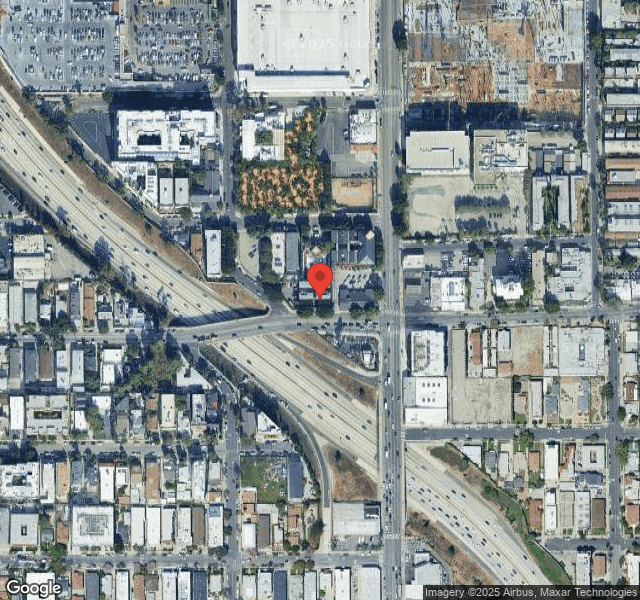
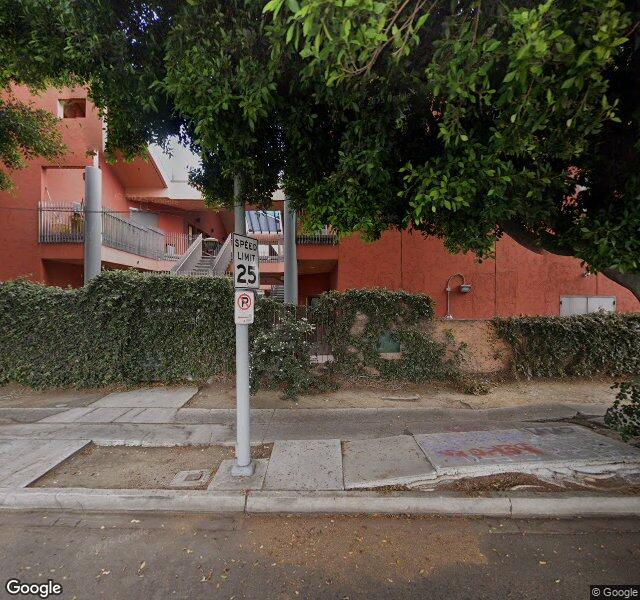
5310 FOUNTAIN AVE, LOS ANGELES, CA 90029 (323) 461-9961
For profit - Limited Liability company 99 Beds GENESIS HEALTHCARE Data: November 2025 1 Immediate Jeopardy citation
Trust Grade
41/100
#581 of 1155 in CA
Last Inspection: May 2025

Inspected within the last 6 months. Data reflects current conditions.

Overview

Fountain View Subacute and Nursing Center has a Trust Grade of D, indicating below-average performance with some concerning issues. It ranks #581 out of 1,155 facilities in California, placing it in the bottom half, and #106 out of 369 in Los Angeles County, meaning only a handful of local options are better. The facility is showing an improving trend, having reduced its issues from 24 in 2024 to 10 in 2025. Staffing is relatively strong with a turnover rate of 37%, which is below the California average, but the overall staffing rating is only 2 out of 5 stars. The facility has incurred $24,531 in fines, which is about average, but there are significant concerns, such as repeated failures to control scabies and issues with preventing pressure sores, both of which indicate lapses in care.

Trust Score
D
41/100
In California
#581/1155
Top 50%
Safety Record
High Risk
Review needed
Inspections
Getting Better
24 → 10 violations
Staff Stability
○ Average
37% turnover. Near California's 48% average. Typical for the industry.
Penalties
✓ Good
$24,531 in fines. Lower than most California facilities. Relatively clean record.
Skilled Nurses
○ Average
Each resident gets 36 minutes of Registered Nurse (RN) attention daily — about average for California. RNs are the most trained staff who monitor for health changes.
Violations
⚠ Watch
77 deficiencies on record. Higher than average. Multiple issues found across inspections.
★★★☆☆
3.0
Overall Rating
★★☆☆☆
2.0
Staff Levels
★★★★★
5.0
Care Quality
★★☆☆☆
2.0
Inspection Score
Stable
2024: 24 issues
2025: 10 issues

The Good

  • 5-Star Quality Measures · Strong clinical quality outcomes
  • Full Sprinkler Coverage · Fire safety systems throughout facility
  • No fines on record
  • Staff turnover below average (37%)

    11 points below California average of 48%

Facility shows strength in quality measures, fire safety.

The Bad

3-Star Overall Rating

Near California average (3.1)

Meets federal standards, typical of most facilities

Staff Turnover: 37%

Near California avg (46%)

Typical for the industry

Federal Fines: $24,531

Below median ($33,413)

Minor penalties assessed

Chain: GENESIS HEALTHCARE

Part of a multi-facility chain

Ask about local staffing decisions and management

The Ugly 77 deficiencies on record

1 life-threatening 1 actual harm
Aug 2025 2 deficiencies
CONCERN (E) 📢 Someone Reported This

A family member, employee, or ombudsman was alarmed enough to file a formal complaint

Potential for Harm - no one hurt, but risky conditions existed

Room Equipment (Tag F0908)

Could have caused harm · This affected multiple residents

Based on observation, interview and record review, the facility failed to ensure one of one emergency kit (e-kit) box was properly checked and maintained monthly according to the facility's policy and...

Read full inspector narrative →
Based on observation, interview and record review, the facility failed to ensure one of one emergency kit (e-kit) box was properly checked and maintained monthly according to the facility's policy and procedure (P&P) titled, Emergency Tracheostomy Box Ventilator Unit.This deficient practice resulted in the e-kit not being checked and replaced if needed in a timely manner.Findings:During a concurrent observation of the E-kit tracheostomy ventilator unit box and interview with Respiratory Therapist Supervisor (RTS) on 8/22/2025 at 10:57 a.m., the E-Kit tracheostomy box ventilator unit was locked and did not have any date of when it was last checked. RTS stated he does not know when it was last checked and who was responsible on maintaining the equipment inside the e-kit.During a review of the E-kit tracheostomy ventilator box order form on 8/22/2025 at 11:15 a.m., the E-kit contained emergency kit such as tracheostomy cuffed (a breathing tube with a balloon on the end that inflates to create a seal in the windpipe), syringes, and normal saline (a sterile solution of salt and water that has the same salt concentration as human blood). The e-kit tracheostomy vent box order form was blank with no information of when it was last opened and checked.During a follow-up interview with RTS on 8/25/2025 at 3:47 p.m., RTS stated, he looked into their P&P and initiated on ensuring that the e-kit is going to be checked monthly per their policy. During an interview with Director of Nursing (DON) on 8/26/2025 at 3:30 p.m., DON stated, e-kits should be continuously checked and maintained to ensure they don't have shortage of supplies that could impact resident's care in case of emergency.During a review of facility's P&P, titled, Emergency Tracheostomy Box Ventilator Unit, reviewed date 3/20/2025, the P&P indicated that, Purpose of this policy encompasses necessary equipment to be readily accessible during a routine tracheostomy tube change and or loss of an airway. The following equipment will be checked by Respiratory Therapy monthly to ensure that it is operational, locked with appropriate tag and equipment checklist is signed.
CONCERN (F) 📢 Someone Reported This

A family member, employee, or ombudsman was alarmed enough to file a formal complaint

Potential for Harm - no one hurt, but risky conditions existed

Respiratory Care (Tag F0695)

Could have caused harm · This affected most or all residents

**NOTE- TERMS IN BRACKETS HAVE BEEN EDITED TO PROTECT CONFIDENTIALITY** Based on interview and record review, the facility failed to provide necessary respiratory care services for 20 of 20 sampled re...

Read full inspector narrative →
**NOTE- TERMS IN BRACKETS HAVE BEEN EDITED TO PROTECT CONFIDENTIALITY** Based on interview and record review, the facility failed to provide necessary respiratory care services for 20 of 20 sampled residents (Residents 1, 2, 3, 4, 5, 6, 7, 8, 9, 10, 11, 12, 13, 14, 15, 16, 17, 18, 19, and 20) by failing to assess and evaluate residents on mechanical ventilation (a type of therapy that helps you breathe or breathes for you when you can't breathe on your own) as indicated in the facility's policy and procedure (P&P), titled, Assessment of Resident on Mechanical Ventilation.This deficient practice had the potential to cause complications associated with respiratory treatment.Findings:1. During a review of the admission Record indicated Resident 1 was originally admitted to the facility on [DATE] and readmitted on [DATE] with diagnosis including acute and chronic respiratory failure (condition in which your blood does not get enough oxygen or has too much carbon dioxide), congestive heart failure (CHF-a heart disorder which causes the heart to not pump the blood efficiently, sometimes resulting in leg swelling), and type II Diabetes Mellitus (DM-a disorder characterized by difficulty in blood sugar control and poor wound healing)During a review of the Minimum Data Set (MDS - resident assessment tool) dated 3/19/2025, indicated Resident 1's cognitive (mental action or process of acquiring knowledge and understanding) skills for daily decisions were intact. The MDS indicated Resident 1 required total dependent from staff for activities of daily living (ADLs- routine tasks/activities such as bathing, dressing and toileting a person performs daily to care for themselves). The MDS also indicated Resident 1 was receiving invasive mechanical ventilation for respiratory treatment.During a review of Resident 1's Order Summary Report, dated 5/16/2025, it indicated, physician ordered, Respiratory Therapy - Evaluation and treatment as recommended.During a review of Resident 1's Ventilator Assessment / Vent (Ventilator) Check, dated 5/17/2025 - 6/5/2025, the Ventilator Assessment was being conducted every six hours.2. During a review of the admission Record indicated Resident 2 was admitted to the facility on [DATE] with diagnosis including chronic respiratory failure (condition in which your blood does not get enough oxygen or has too much carbon dioxide), chronic obstructive pulmonary disease (COPD-a chronic lung disease causing difficulty in breathing), and DM.During a review of the MDS dated [DATE], Resident 2's cognitive skills for daily decisions were intact. The MDS indicated Resident 2 required total dependent from staff for ADLs. The MDS also indicated Resident 2 was receiving invasive mechanical ventilation for respiratory treatment.During a review of Resident 2's Order Summary Report, dated 3/15/2025, it indicated, physician ordered, Respiratory Therapy - Evaluation and treatment as recommended.During a review of Resident 2's Ventilator Assessment / Vent Check, dated 8/22/2025 - 8/26/2025, the Ventilator Assessment was being conducted every six hours.3. During a review of the admission Record it indicated Resident 3 was admitted to the facility on [DATE] with diagnosis including acute and chronic respiratory failure, encephalopathy (a disease in which the functioning of the brain is affected by some agent or condition-such as viral infection or toxins in the blood) and congestive heart failure.During a review of the MDS dated [DATE], Resident 3's cognitive skills for daily decisions were severely impaired. The MDS indicated Resident 3 required total dependence from staff for ADLs. The MDS also indicated Resident 3 was receiving invasive mechanical ventilation for respiratory treatment.During a review of Resident 3's Ventilator Assessment / Vent Check, dated 8/22/2025 - 8/26/2025, the Ventilator Assessment was being conducted every six hours.4. During a review of the admission Record it indicated Resident 4 was admitted to the facility on [DATE] with diagnosis including chronic respiratory failure, COPD and DM.During a review of the MDS dated [DATE], Resident 4's cognitive skills for daily decisions were severely impaired. The MDS indicated Resident 4 required total dependence from staff for ADLs. The MDS also indicated Resident 4 was receiving invasive mechanical ventilation for respiratory treatment.During a review of Resident 4's Ventilator Assessment / Vent Check, dated 8/22/2025 - 8/26/2025, the Ventilator Assessment was being conducted every six hours.5. During a review of the admission Record it indicated Resident 5 was admitted to the facility on [DATE] with diagnosis including acute and chronic respiratory failure, DM, and muscle weakness (weakening, shrinking, and loss of muscle).During a review of the MDS dated [DATE], Resident 5's cognitive skills for daily decisions were severely impaired. The MDS indicated Resident 5 required total dependence from staff for ADLs. The MDS also indicated Resident 5 was receiving invasive mechanical ventilation for respiratory treatment.During a review of Resident 5's Order Summary Report, dated 6/7/2025, it indicated, physician ordered, Respiratory Therapy - Evaluation and treatment as recommended.During a review of Resident 5's Ventilator Assessment / Vent Check, dated 8/22/2025 - 8/26/2025, the Ventilator Assessment was being conducted every six hours.6. During a review of the admission Record it indicated Resident 6 was admitted to the facility on [DATE] with diagnosis including acute respiratory failure, ESRD (End Stage Renal Disease-irreversible kidney failure), and cardiomyopathy (a disease of the heart muscle that makes it harder for the heart to pump blood to the rest of the body).During a review of Resident 6's Order Summary Report, dated 8/14/2025, it indicated, physician ordered, Respiratory Therapy - Evaluation and treatment as recommended.During a review of Resident 6's Ventilator Assessment / Vent Check, dated 8/22/2025 - 8/26/2025, the Ventilator Assessment was being conducted every six hours.7. During a review of the admission Record it indicated Resident 7 was originally admitted to the facility on [DATE] and readmitted on [DATE] with diagnosis including chronic respiratory failure, congestive heart failure and DM. During a review of the MDS dated [DATE], Resident 7's cognitive skills for daily decisions were severely impaired. The MDS indicated Resident 7 required total dependence from staff for ADLs. The MDS also indicated Resident 7 was receiving invasive mechanical ventilation for respiratory treatment.During a review of Resident 7's Order Summary Report, dated 7/22/2025, it indicated, physician ordered, Respiratory Therapy (RT) recommendations per protocol.During a review of Resident 7's Ventilator Assessment / Vent Check, dated 8/22/2025 - 8/26/2025, the Ventilator Assessment was being conducted every six hours.8. During a review of the admission Record it indicated Resident 8 was admitted to the facility on [DATE] with diagnosis including acute respiratory failure, COPD, and ESRD.During a review of the MDS dated [DATE], Resident 8's cognitive skills for daily decisions were severely impaired. The MDS indicated Resident 7 required total dependence from staff for ADLs. The MDS also indicated Resident 7 was receiving invasive mechanical ventilation for respiratory treatment.During a review of Resident 8's Ventilator Assessment / Vent Check, dated 8/22/2025 - 8/26/2025, the Ventilator Assessment was being conducted every six hours.9. During a review of the admission Record it indicated Resident 9 was originally admitted to the facility on [DATE] and readmitted on [DATE] with diagnosis including chronic respiratory failure, and encephalopathy. During a review of Resident 9's Order Summary Report, dated 8/14/2025, it indicated, physician ordered, Respiratory Therapy (RT) recommendations per protocol.During a review of Resident 4's Ventilator Assessment / Vent Check, dated 8/22/2025 - 8/26/2025, the Ventilator Assessment was being conducted every six hours.10. During a review of the admission Record it indicated Resident 10 was originally admitted to the facility on [DATE] and readmitted on [DATE] with diagnosis including acute respiratory failure, hemiplegia and hemiparesis (loss of the ability to move in one side of the body) following cerebral infarction (lack of blood flow resulting in severe damage to some of the brain tissue) affecting left non-dominant side, and epilepsy (a disorder in which nerve cell activity in the brain is disturbed causing seizures) and epilepsy.During a review of the MDS dated [DATE], Resident 10's cognitive skills for daily decisions were severely impaired. The MDS indicated Resident 10 required total dependence from staff for ADLs. The MDS also indicated Resident 10 was receiving invasive mechanical ventilation for respiratory treatment.During a review of Resident 10's Ventilator Assessment / Vent Check, dated 8/22/2025 - 8/26/2025, the Ventilator Assessment was being conducted every six hours.11. During a review of the admission Record it indicated Resident 11 was admitted to the facility on [DATE] with diagnosis including acute respiratory failure, DM, and cerebral infarction. During a review of the MDS dated [DATE], Resident 11's cognitive skills for daily decisions were severely impaired. The MDS indicated Resident 11 required total dependence from staff for ADLs. The MDS also indicated Resident 11 was receiving invasive mechanical ventilation for respiratory treatment.During a review of Resident 11's Order Summary Report, dated 5/1/2025, it indicated, physician ordered, Respiratory Therapy (RT) recommendations per protocol.During a review of Resident 11's Ventilator Assessment / Vent Check, dated 8/22/2025 - 8/26/2025, the Ventilator Assessment was being conducted every six hours.12. During a review of the admission Record it indicated Resident 12 was originally admitted to the facility on [DATE] and readmitted on [DATE] with diagnosis including chronic respiratory failure, DM and heart failure ((a condition in which the heart does not pump blood as well as it should). During a review of the MDS dated [DATE], Resident 12's cognitive skills for daily decisions were severely impaired. The MDS indicated Resident 12 required total dependence from staff for ADLs. The MDS also indicated Resident 7 was receiving invasive mechanical ventilation for respiratory treatment.During a review of Resident 12's Ventilator Assessment / Vent Check, dated 8/22/2025 - 8/26/2025, the Ventilator Assessment was being conducted every six hours.13. During a review of the admission Record it indicated Resident 13 was admitted to the facility on [DATE] with diagnosis including chronic respiratory failure, DM, and anoxic Brain Injury (an injury to the brain that occurs due to a complete loss of oxygen).During a review of the MDS dated [DATE], Resident 13's cognitive skills for daily decisions were severely impaired. The MDS indicated Resident 13 required total dependence from staff for ADLs. The MDS also indicated Resident 13 was receiving invasive mechanical ventilation for respiratory treatment.During a review of Resident 13's Order Summary Report, dated 7/31/2025, it indicated, physician ordered, Respiratory Therapy (RT) recommendations per protocol.During a review of Resident 13's Ventilator Assessment / Vent Check, dated 8/22/2025 - 8/26/2025, the Ventilator Assessment was being conducted every six hours.14. During a review of the admission Record it indicated Resident 14 was admitted to the facility on [DATE] with diagnosis including chronic respiratory failure, muscle weakness and metabolic encephalopathy.During a review of the MDS dated [DATE], Resident 14's cognitive skills for daily decisions were severely impaired. The MDS indicated Resident 14 required total dependence from staff for ADLs.During a review of Resident 14's Ventilator Assessment / Vent Check, dated 8/22/2025 - 8/26/2025, the Ventilator Assessment was being conducted every six hours.15. During a review of the admission Record it indicated Resident 15 was originally admitted to the facility on [DATE] and readmitted on [DATE] with diagnosis including acute respiratory failure, atrial fibrillation (afib- an irregular and very rapid heart rhythm that and can lead blood clots in the heart) and anoxic brain damage.During a review of the MDS dated [DATE], Resident 15's cognitive skills for daily decisions were severely impaired. The MDS indicated Resident 15 required total dependence from staff for ADLs. The MDS also indicated Resident 15 was receiving invasive mechanical ventilation for respiratory treatment.During a review of Resident 13's Ventilator Assessment / Vent Check, dated 8/22/2025 - 8/26/2025, the Ventilator Assessment was being conducted every six hours.16. During a review of the admission Record it indicated Resident 16 was originally admitted to the facility on [DATE] and readmitted on [DATE] with diagnosis including chronic respiratory failure, DM, and COPD.During a review of the MDS dated [DATE], Resident 16's cognitive skills for daily decisions were severely impaired. The MDS indicated Resident 16 required total dependence from staff for ADLs. The MDS also indicated Resident 16 was receiving invasive mechanical ventilation for respiratory treatment.During a review of Resident 16's Order Summary Report, dated 8/5/2025, it indicated, physician ordered, Respiratory Therapy (RT) recommendations per protocol.During a review of Resident 16's Ventilator Assessment / Vent Check, dated 8/22/2025 - 8/26/2025, the Ventilator Assessment was being conducted every six hours.17. During a review of the admission Record it indicated Resident 17 was originally admitted to the facility on [DATE] and readmitted on [DATE] with diagnosis including chronic respiratory failure, DM, and ESRD.During a review of the MDS dated [DATE], Resident 17's cognitive skills for daily decisions were moderately impaired. The MDS indicated Resident 17 required total dependence from staff for ADLs. The MDS also indicated Resident 17 was receiving invasive mechanical ventilation for respiratory treatment.During a review of Resident 17's Ventilator Assessment / Vent Check, dated 8/25/2025 - 8/26/2025, the Ventilator Assessment was being conducted every six hours.18. During a review of the admission Record it indicated Resident 18 was originally admitted to the facility on [DATE] and readmitted on [DATE] with diagnosis including chronic respiratory failure and epilepsy (a disorder in which nerve cell activity in the brain is disturbed causing seizures).During a review of the MDS dated [DATE], Resident 18's cognitive skills for daily decisions were severely impaired. The MDS indicated Resident 18 required total dependence from staff for ADLs.During a review of Resident 18's Order Summary Report, dated 6/5/2025, it indicated, physician ordered, Respiratory Therapy (RT) recommendations per protocol.During a review of Resident 18's Ventilator Assessment / Vent Check, dated 8/22/2025 - 8/26/2025, the Ventilator Assessment was being conducted every six hours.19. During a review of the admission Record it indicated Resident 19 was originally admitted to the facility on [DATE] and readmitted on [DATE] with diagnosis including chronic respiratory failure, epilepsy and anoxic brain damage.During a review of the MDS dated [DATE], Resident 19's cognitive skills for daily decisions were severely impaired. The MDS indicated Resident 19 required total dependence from staff for ADLs. The MDS also indicated Resident 19 was receiving invasive mechanical ventilation for respiratory treatment.During a review of Resident 19's Ventilator Assessment / Vent Check, dated 8/22/2025 - 8/26/2025, the Ventilator Assessment was being conducted every six hours.20. During a review of the admission Record it indicated Resident 20 was admitted to the facility on [DATE] with diagnosis including chronic respiratory failure, DM, and COPD.During a review of the MDS dated [DATE], Resident 20's cognitive skills for daily decisions were severely impaired. The MDS indicated Resident 16 required total dependence from staff for ADLs. The MDS also indicated Resident 16 was receiving invasive mechanical ventilation for respiratory treatment.During a review of Resident 20's Ventilator Assessment / Vent Check, dated 8/22/2025 - 8/26/2025, the Ventilator Assessment was being conducted every six hours.During an interview with Respiratory Therapy Supervisor (RTS) on 8/22/2025 at 10:57 a.m., RTS stated, all residents on mechanical ventilation, the ventilator machines are being assessed and evaluated every six hours where they document residents' vital signs and vent machine settings.During a concurrent record review and follow-up interview with RTS on 8/25/2025 at 3:47 p.m., RTS reviewed facility's P&P titled, Assessment on Resident on Mechanical Ventilation, that indicated, evaluate ventilator operation and settings every one to two hours, or as needed, to assure that the patient receives therapy as required. RTS stated, they have been doing the assessment and evaluate the Ventilator settings every six hours and was not aware of their P&P.During an interview with Director of Nursing (DON) on 8/26/2025 at 3:30 p.m., DON stated, residents on mechanical ventilator should be assessed and evaluated per facility's P&P to ensure they are protected and prevent from any hypoxic (when your body or a specific part of it doesn't get enough oxygen to work properly) condition.During a review of the facility's P&P titled, Assessment of Resident on Mechanical Ventilation, reviewed on 3/20/2025, the P&P indicated that, In addition to patient assessments, evaluate ventilator operation and settings every one to two hours, or as needed, to assure that the patient receives therapy as required. Evaluation of the ventilator should include: Check ventilator mode and adjunct. Also check the tidal volume, respiratory rate (for example: ratio, FiO2, peak inspiratory pressure, sighs per minute, and temperature settings); Assess the patient's tidal volume, plateau pressure, and static compliance; Check all alarms to assure they are set; Check the airway pressure gauge; Monitor exhaled tidal volume; If the patient is on a ventilator with a heated airflow, the gauges should be maintained between 95 degree and 98.6 degrees Fahrenheit; maintain the water level marker on the humidifier at the fill line; assess for condensation in large-bore tubing; Assess all connections to assure they are secure.
May 2025 8 deficiencies
CONCERN (D)

Potential for Harm - no one hurt, but risky conditions existed

Deficiency F0558 (Tag F0558)

Could have caused harm · This affected 1 resident

Based on observation, interview, and record review the facility failed to ensure to provide privacy to one of three sampled residents (Resident 50) by failing to pull the privacy curtain during the ad...

Read full inspector narrative →
Based on observation, interview, and record review the facility failed to ensure to provide privacy to one of three sampled residents (Resident 50) by failing to pull the privacy curtain during the administration of medication through Resident 50's gastrostomy tube (g-tube, a surgical opening fitted with a device to allow feedings to be administered directly to the stomach common for people with swallowing problems). This failure had the potential for the staff not to uphold Resident 50's dignity. Findings: During a review of Resident 50's admission Record, the admission Record indicated the facility re-admitted the resident on 11/28/2023 with diagnoses that included pneumonia (an infection/inflammation in the lungs), type 2 diabetes (DM, a disorder characterized by difficulty in blood sugar control and poor wound healing), foot drop (a condition where a person has difficulty lifting the front part of their foot) of the left and right foot, muscle weakness, quadriplegia (paralysis from the neck down, including legs and arms, usually due to a spinal cord injury), gastrostomy, and traumatic brain injury (TBI, a disruption in the normal function of the brain that can be caused by a bump, blow, or jolt to the head). During a review of Resident 50's Minimum Data Set (MDS, a resident assessment tool) dated 3/3/2025, the MDS indicated the resident had severe cognitive impairment (impairment in the ability to think, understand, and reason). The MDS indicated Resident 50 was dependent on help for oral hygiene, toileting hygiene, showering/bathing self, upper/lower body dressing, putting on/taking off footwear, and personal hygiene. The MDS indicated Resident 50 had a feeding tube. During an observation on 5/7/2025 at 8:29 AM in Resident 50's room, Licensed Vocational Nurse (LVN) 1 was observed administering medication through the resident's g-tube. The privacy curtain for Resident 50 was observed open while LVN 1 administered medication though the resident's g-tube. Resident 50's gown was observed pulled up exposing the resident's abdomen and the g-tube site. Resident 50's roommate was observed walking around inside Resident 50's room while LVN 1 administered medication through Resident 50's g-tube with the privacy curtain pulled open. During an interview on 5/7/2025 at 9:20 AM with LVN 1, LVN 1 stated she did not pull the privacy curtain when administering medication through the g-tube of Resident 50. LVN 1 stated she (LVN1) needed to pull the curtain when administering medication to Resident 50 to provide the resident with privacy. LVN 1 stated pulling the curtain to provide privacy would also uphold Resident 50's dignity. During an interview on 5/7/2025 at 9:20 AM with the Director of Nursing (DON), the DON stated the privacy curtain needed to be pulled when administering medication through a resident's g-tube. The DON stated that the privacy curtain should always be pulled when performing any type of resident care. The DON stated that there was a potential for staff to not uphold Resident 50's dignity when the privacy curtain was not pulled during resident care such as the administration of medication through the g-tube. During a review of the facility's policy and procedure (P&P) titled Dignity with a review date of 3/20/2025, the P&P indicated Each resident shall be cared for in a manner that promotes and enhances his or her sense of well-being, levels of satisfaction with life, and feelings of self-worth and self-esteem. Residents are treated with dignity and respect at all times .Staff promote, maintain and protect resident privacy, including bodily privacy during assistance with personal care and during treatment procedures .Staff are expected to treat cognitively impaired residents with dignity and sensitivity.
CONCERN (D)

Potential for Harm - no one hurt, but risky conditions existed

Comprehensive Care Plan (Tag F0656)

Could have caused harm · This affected 1 resident

Based on interview and record review, the facility failed to develop a care plan for one of three sampled residents (Resident 73) who had a ventilator (life support technique where a machine assists o...

Read full inspector narrative →
Based on interview and record review, the facility failed to develop a care plan for one of three sampled residents (Resident 73) who had a ventilator (life support technique where a machine assists or replaces a person's natural breathing)/tracheotomy (a surgical procedure to create an opening in the trachea [windpipe] to facilitate breathing). This failure had the potential for Resident 73 not to receive effective tracheostomy care. Findings: During a review of Resident 73's admission Record, the admission Record indicated the facility admitted Resident 73 on 2/11/2025 with diagnoses including chronic respiratory failure (a long-term condition where the lungs cannot adequately exchange oxygen and carbon dioxide), obesity, and encephalopathy (any disease or condition that affects the brain's normal function or structure). During review of Resident 73's Progress Notes dated 2/24/2025, the Progress Notes indicated one of Resident 73's goals was to have better health and to come off the trach and ventilator. During a review of Resident 73's Minimum Data Set (MDS, a resident assessment tool) dated 2/27/2025, the MDS indicated Resident 73 was not oriented to year, month, and day but had good recall. The MDS indicated Resident 73 received oxygen therapy, suctioning, tracheostomy care, and invasive mechanical ventilator. During a review of Resident 73's care plans (in general), the care plans indicated there was no care plan for ventilator/tracheostomy care. During an interview on 5/7/2025 at 1:52 pm with the Minimum Data Set Nurse (MDSN), the MDSN stated Resident 73's ventilator/tracheostomy was coded (performed while a resident of the facility within the last 14 days) and not triggered. The MDSN stated that if the ventilator/tracheostomy was triggered to the MDS, the next step would be a trigger in the Care Area Assessment (CAA, help identify and clarify areas of concern for a resident based on how specific items are coded on the MDS) which would trigger a care plan. The MDSN stated the facility had Interdisciplinary Team (IDT, a group of healthcare professionals from different disciplines caring for the resident) meeting for Resident 73. The MDSN stated that the risk to Resident 73 without a ventilator/tracheostomy care plan would be a lack of monitoring the suctioning of the trach, management of the stoma (a surgically created opening in the neck, specifically in the trachea, that allows for breathing) and ventilator settings. During a concurrent interview and record review on 5/7/2025 at 2:39 pm with the Director of Nursing (DON), Resident 73's care plans were reviewed. The DON stated the care plans should reflect the overall care of the residents (in general). The DON reviewed the care plan for Resident 73 and noted the Resident exhibits or is at risk for respiratory complications related to tracheostomy dated 5/7/2025. The DON stated the date for the care plan was dated the same date as the interview with the MDSN. The DON stated in the subacute unit (a level of healthcare designed for residents who require more intensive care), the care plan should reflect based on the diagnoses once Resident 73 was admitted to the facility. The DON stated the risk to Resident 73 without a ventilator/tracheostomy care plan would be a lack of effective care. During a review of the facility's policy and procedures (P&P) titled, Care Plan Comprehensive dated 3/20/2025, the P&P indicated the facility's interdisciplinary team, with the resident and/or family or representative, must develop and implement a comprehensive person-centered care plan for each resident, that includes measurable objectives and timeframes to meet a resident's medical, physical needs. The P&P indicated the comprehensive care plan should include any services furnished to attain and maintain the resident's highest practicable physical, mental, and psychological well-being.
CONCERN (D)

Potential for Harm - no one hurt, but risky conditions existed

Deficiency F0657 (Tag F0657)

Could have caused harm · This affected 1 resident

Based on observation, interview, and record review the facility failed to ensure to review and revise the care plan quarterly for one of one sampled resident (Resident 46) who used hand mitten (a type...

Read full inspector narrative →
Based on observation, interview, and record review the facility failed to ensure to review and revise the care plan quarterly for one of one sampled resident (Resident 46) who used hand mitten (a type of glove that encloses all the fingers together). This failure had the potential for Resident 46 not to receive nursing interventions. Findings: During a review of Resident 46's admission Record, the admission Record indicated the facility admitted Resident 46 on 11/19/2021 with diagnoses including acute respiratory failure with hypoxia (a condition where the lungs cannot adequately deliver oxygen to the blood, resulting in low oxygen levels in the tissues) and epilepsy (abnormal electrical brain activity, kind of like an electrical storm inside your head). During a review of Resident 46's Minimum Data Set (MDS, a resident assessment tool) dated 2/12/2025, the MDS indicated Resident 46 had short and long-term memory problems and was severely impaired in cognitive skills for daily decision making. The MDS indicated Resident 46 used a limb (arms or legs) restraint (restrict movement) daily. During a review of the Resident 46's Order Summary Report (physician order) dated 2/27/2024, the Order Summary Report indicated to apply hand mittens to Resident 46's left hand to prevent pulling out invasive tubing (medical device). During a concurrent interview and record review on 5/7/2025 at 12:55 pm with the Registered Nurse Supervisor (RNS 1), Resident 46's Care Plan Report dated 12/11/2021 was reviewed. RNS 1 stated Resident 46 was at risk for complications of restraint use secondary to left hand mitten due to episodes of pulling invasive tubing. RNS1 stated the last revision date of the care plan was 10/17/2023. RNS 1 stated the care plan needed to be updated quarterly. During an interview on 5/7/2025 at 1:30 pm with the Director of Nursing (DON), the DON stated that care plans (in general) needed to be updated quarterly. The DON stated any licensed nurse (in general) could update the care plans. The DON stated without an updated care plan, Resident 46's interventions would not initiated. During a review of the facility's policy and procedures (P&P) titled, Care Plan Comprehensive, dated 3/20/2025, the P&P indicated that the Interdisciplinary Team is responsible for evaluation and updating of the care plans at least quarterly. During a review of the facility's policy and procedures (P&P) titled, Use of Restraints, dated 3/20/2025, the P&P indicated restrained individuals shall be reviewed regularly (at least quarterly) to determine whether they are candidates for restraint reduction, less restrictive methods of restraint or total restraint elimination.
CONCERN (D)

Potential for Harm - no one hurt, but risky conditions existed

Pressure Ulcer Prevention (Tag F0686)

Could have caused harm · This affected 1 resident

Based on observation, interview, and record review, the facility failed to maintain the appropriate Low Air Loss Mattress (LALM - a pressure-relieving mattress used to prevent and treat pressure injur...

Read full inspector narrative →
Based on observation, interview, and record review, the facility failed to maintain the appropriate Low Air Loss Mattress (LALM - a pressure-relieving mattress used to prevent and treat pressure injuries) settings for one of four sampled residents (Resident 59). This failure had the potential to place Resident 59 at risk for discomfort and the development of pressure ulcers/injuries (localized damage to the skin and/or underlying soft tissue usually over a bony prominence or related to a medical or other device). Findings: During a review of Resident 59's admission Record, the admission Record indicated the facility re-admitted the resident on 10/28/2024 with diagnoses that included pressure ulcer of the sacral region (tailbone area) Stage 4 (Full-thickness skin and tissue loss with exposed muscle, tendon, ligament, cartilage, or bone). During a review of Resident 59's Order Summary Report, the Order Summary Report indicated the resident had a physician order dated 3/11/2025, for the resident to have a LALM for wound management. The Order Summary indicated for the staff to check that the mattress functioned properly and the settings were correct at 250-280 pounds (lbs. a unit of weight) every shift. During a review of Resident 59's Minimum Data Set (MDS, a resident assessment tool) dated 4/3/2025, the MDS indicated the resident had moderate cognitive impairment (some impairment in the ability to think, understand, and reason). The MDS indicated Resident 59 was at risk of developing pressure ulcers. The MDS indicated Resident 59 had one Stage 4 pressure ulcer that was present on admission/reentry to the facility. During a concurrent observation and interview on 5/06/2025 at 2:39 PM in Resident 59's room, the resident was observed laying down on a Drive Item #14026 LALM. Resident 59's LALM settings were observed at 320 lbs. A sticker was observed on the LALM that indicated the settings of the LALM should be at 250-280 for wound management. Resident 59 stated that she had a wound on her bottom and was on a special bed for the wound. Resident 59 stated that the mattress on her bed was too hard and was starting to hurt her bottom. Resident 59 stated that the mattress did not always hurt her and stated that it had been hurting her for a little bit today. During a concurrent observation and interview on 5/6/2025 at 2:45 PM in Resident 59's room, the resident's LALM was observed with the Infection Preventionist (IP, a nurse who helps prevent and identify the spread of infectious agents like bacteria and viruses in a healthcare environment). The IP stated Resident 59's LALM settings were incorrect. The IP stated Resident 59's LALM settings were at 320 lbs. which was too high. The IP stated Resident 59's LALM needed to be set at 250 lbs. The IP stated the higher the LALM settings were, the firmer the LALM became. The IP stated the LALM settings should be based on the resident's weight. The IP stated incorrect LALM settings had the potential to prevent Resident 59's wounds from getting better. During an interview on 5/07/2025 at 10:02 AM with Treatment Nurse (TN) 1, TN 1 stated Resident 59 had a Stage 4 pressure ulcer to her Sacro coccyx area. TN 1 stated Resident 59 had a LALM for wound management. TN 1 stated the LALM settings were based on the resident's weight. TN 1 stated Resident 59 weighed 250 lbs. TN 1 stated Resident 59's LALM settings should be kept at 250 lbs. TN 1 stated the LALM was used to help prevent pressure ulcers from worsening. TN 1 stated there was a potential for Resident 59's pressure ulcers to worsen if the resident's LALM was kept at the wrong settings. During an interview on 5/8/2025 at 12:15 PM with the Director of Nursing (DON), the DON stated that the LALM was used to help prevent pressure ulcers. The DON stated that the settings on the LALM were based on the resident's weight. The DON stated that Resident 59's weight was 250 lbs. The DON stated Resident 59's LALM settings needed to be at 250 lbs. The DON stated that the higher the settings on the LALM, the firmer the LALM became. The DON stated if the LALM mattress was too hard/firm it did not serve its purpose and would become just a regular mattress. The DON stated the harder the surface of the mattress the more pressure it would put on the resident. The DON stated if Resident 59's LALM was kept at the wrong settings there was a potential for the resident's pressure ulcers to worsen. During a review of the Drive Item #14026 operator's manual titled Med-Aire Melody Alternating Pressure Low Air Loss Mattress Replacement System dated 2023 indicated The Med Aire Melody Alternating Pressure and Low Air Loss Mattress Replacement System, item #14026, is indicated for the prevention and treatment of any and all stage pressure ulcers when used in conjunction with a comprehensive pressure ulcer management program .Product Functions .Pressure-adjust Knob (2): Determine the patient's weight and set the control knob to that weight setting on the control unit.
CONCERN (D)

Potential for Harm - no one hurt, but risky conditions existed

Infection Control (Tag F0880)

Could have caused harm · This affected 1 resident

**NOTE- TERMS IN BRACKETS HAVE BEEN EDITED TO PROTECT CONFIDENTIALITY** Based on observation, interview, and record review, the facility failed to maintain infection control practices for two of five ...

Read full inspector narrative →
**NOTE- TERMS IN BRACKETS HAVE BEEN EDITED TO PROTECT CONFIDENTIALITY** Based on observation, interview, and record review, the facility failed to maintain infection control practices for two of five sampled residents (Resident 3 and Resident 33) by failing to: -Ensure Certified Nursing Assistant 1 (CNA1) performed hand hygiene and changed the protective personal equipment (PPE, protective clothing, gloves, face shields, goggles, facemasks and/or respirators or other equipment designed to protect the wearer from the spread of infection or illness) before and after CNA1 provided personal hygiene care to Resident 3 and Resident 33 on 5/7/2025 at 2:17 pm. This failure had the potential to spread infections to Resident 3 and Resident 33. Findings: During a review of Resident 3's admission Record, the admission Record indicated the facility admitted Resident 3 on 3/22/2016, and readmitted the resident on 10/10/2023, with diagnoses including chronic respiratory failure (a long-term condition where the lungs are unable to adequately exchange oxygen and carbon dioxide) with hypoxia (chronically low oxygen levels) and hypercapnia (chronically high carbon dioxide levels), muscle weakness (a reduced ability of the body to contract muscles properly, resulting in a lower strength in one or more muscles), gastrostomy (a surgical opening fitted with a device to allow feedings to be administered directly to the stomach and schizophrenia (a mental illness that is characterized by disturbances in thought). During a review of Resident 3's History and Physical (H&P) dated 10/2/2021, the H&P indicated Resident 3 did not have the capacity to understand and make decisions. During a review of Resident 3's Minimum Data Set (MDS, a resident assessment tool) dated 3/7/2025, the MDS indicated Resident 3 was severely cognitively (ability to think, understand and reason) impaired. The MDS indicated Resident 3 required dependent assistance (where the helper does all the effort such as oral hygiene, toileting hygiene, shower/bathe self, upper and lower body dressing including footwear and personal hygiene). The MDS indicated Resident 3 was always incontinent (having no or insufficient voluntary control) with urine and bowel. During a review of Resident 3's Physician Orders dated 7/2/2024, the Physician Orders indicated Resident 3 was on enhanced barrier precautions (involve gown and glove use during high-contact resident care activities for residents) due to the tracheostomy (a surgical procedure that creates an opening in the trachea/windpipe in front of the neck) and gastric tube feeding (a method of providing nutrition to a person who cannot or will not eat normally). During a review of Resident 3's Care Plan titled, Resident is on Enhanced Barrier Precautions due to Tracheostomy and Gastric Tube feeding initiated on 7/2/2024, the Care Plan indicated staff to perform hand hygiene or alcohol-based hand rub when donning (put on) and doffing (take off) PPE when providing resident care. During a review of Resident 33's admission Record, the admission Record indicated the facility admitted Resident 33 on 12/31/2018, and readmitted Resident 33 on 12/18/2024, with diagnoses including muscle wasting (weakening, shrinking, and loss of muscle) and atrophy (a gradual loss of size, mass, and function of an organ, tissue, or muscle), gastrostomy, dementia (a progressive state of decline in mental abilities), and extended spectrum beta lactamase (ESBL) resistance (enzymes produced by some bacteria that may be resistant to some antibiotics; a specific type of multidrug-resistant organism, MDRO [a germ that is resistant to many antibiotics]). During a review of Resident 33's H&P dated 12/18/2024, the H&P indicated the resident did not have the capacity to understand and make decisions. During a review of Resident 33's MDS dated [DATE], the MDS indicated Resident 33 was severely cognitively impaired. The MDS indicated Resident 33 required dependent assistance The MDS indicated Resident 33 was always incontinent of urine and bowel. During a review of Resident 33's Physician Orders dated 3/14/2025, the Physician Orders indicated Resident 33 was on enhanced barrier precautions due to the gastrostomy tube. During a review of Resident 33's Care Plan titled, Patient is at risk for MDRO (a colonization/infection due to: wounds, indwelling devices, infection with MDRO ESBL resistance initiated on 3/5/2025, indicated enhanced barrier precautions: change PPE before caring for another patient. During an observation on 5/7/2025 at 2:17 pm outside of Resident 33 and Resident 3's room, with the Infection Preventionist nurse (IP, nurse who helps prevent and identify the spread of infectious agents like bacteria and viruses in a healthcare environment), (CNA) 1 was observed emptying a urinal (bottle for urination) for Resident 3, then assisted Resident 33 using the same gown, mask, and did not perform hand hygiene. During a concurrent observation and interview on 5/7/2025 at 2:24 pm with the IP nurse outside of Resident 33 and Resident 3 room, CNA 1 did not change her gown, mask, and did not perform hand hygiene. The IP nurse stated, this is an infection control issue. During an interview on 5/7/2025 at 2:36 pm with CNA 1, CNA 1 stated, Gloves are changed in between resident care. I was supposed to change my gown and mask too and forgot to wash my hands in between resident care. This is important to prevent the spread of infection in between resident care. During an interview on 5/7/2025 at 2:54 pm with the Director of Nursing (DON), the DON stated, When assisting patients in enhanced barrier precaution rooms, gloves and gown are changed before touching a roommate. After doffing personal protective equipment, sanitation gel or hand washing is performed to minimize exposure of infection to the residents. During an interview on 5/7/2025 at 2:56 pm with the DON, the DON stated, employees are trained upon hire via their competency check list, in-services and during change of shift huddle about infection prevention. During a review of the facility's undated Example of Safe Donning and removal of PPE, the Example indicated hand hygiene was to be performed immediately after removing all PPE. During a review of the facility's Policy and Procedure (P&P) titled, Hand Washing/Hand Hygiene, dated 3/20/2025, the P&P indicated hand washing with soap (antimicrobial or non-antimicrobial) and water, after contact with the resident; use an alcohol-based hand rub containing at least 62% alcohol before and after contact with the resident; and the use of gloves does not replace hand washing/hand hygiene. Integration of glove use along with routine hand hygiene is recognized as the best practice for preventing healthcare-associated infections.
CONCERN (E)

Potential for Harm - no one hurt, but risky conditions existed

Menu Adequacy (Tag F0803)

Could have caused harm · This affected multiple residents

Based on observation, interview, and record review, the facility failed to ensure the standardized recipes for lunch menu were followed on 5/5/2025 by failing to: 1. Ensure to follow the lunch menu a...

Read full inspector narrative →
Based on observation, interview, and record review, the facility failed to ensure the standardized recipes for lunch menu were followed on 5/5/2025 by failing to: 1. Ensure to follow the lunch menu and portion sizes as written for residents on a pureed diet. Six residents who were on a pureed diet (foods that have a soft, pudding-like consistency) received half a cup of enchilada instead of one cup per the spreadsheet (food portion and serving guide). 2. Ensure the 23 residents who were on CCHO diet (Controlled Carbohydrate Diet-diet for blood sugar control for residents with diabetes) received four ounces (oz., a unit of weight) of rice instead of two oz. according to the spreadsheet's instruction. 3. Ensure six residents who were on a soft and bite size diet (diet used in residents with swallowing difficulty the food should be no greater than ½ inch pieces, biting is not required) received enchilada texture in form that met their needs when the enchilada was cut into inconsistent sizes during service instead of cut into ½ x ½ inch pieces per facility policy and the IDDSI guidelines (International Dysphagia Diet Standardization initiative) for the soft and bite size diet. These failures had the potential to result in meal dissatisfaction, an increase in blood sugar levels, a decreased nutritional intake when the incorrect portions were served, and increased choking risk for six residents who were on a soft and bite size diet. Findings: During a review of the facility's lunch menu for pureed diet on 5/5/2025, the lunch menu indicated the following items would be served: pureed cheese enchiladas (2x#8scoop) yielding 1 cup; pureed Spanish rice 4ounces(oz.); pureed cooked vegetables (#12 scoop) yielding 1/3 cup; pureed pineapple Bavarian cream dessert ½ cup; milk. During an observation of the tray line service for lunch on 5/5/2025, at 12:30PM, residents who were on puree diet, the cook (cook1) served 1 #8 scoop yielding ½ cup instead of 2 #8 scoop (1 cup) per menu. During a review of the menu and interview with Cook1on 5/5/2025 at 1 PM, Cook1 stated she (Cook1) did not know the pureed diet should receive 2#8 scoops of pureed enchilada. Cook1 stated she (Cook1) did not look at the spreadsheet. Cook1 stated she (Cook1) served less food to the residents on pureed diet and this could affect the resident's nutrition. During a concurrent interview with Dietary Aide (DA3) and Dietary Supervisor (DS) on 5/5/2025 at 1:10PM, DA3 stated she (DA3) was responsible for reading the diet orders to the cooks. DA3 stated the diet order and the amount to be served was on the resident meal tickets. DA3 stated she (DA3) would read and call out the diets, textures and the resident's preferences. DA3 stated she did not notice the portion size for the pureed diet. During an interview with Registered Dietitian (RD2) and DS and review of resident meal tickets on 5/5/2025 at 1:30PM, RD2 stated and verified that the meal tickets for the pureed diets indicated to serve two scoops of #8 of enchilada yielding (one cup). RD2 stated residents on pureed diet received less enchilada. The DS stated cooks should always review the spreadsheet before starting to serve to make sure they have the correct portion size, because it could affect the residents' weights. During a review of the facility's menu and spreadsheet (portion and serving guide) on 5/5/2025, the menu indicated serve two #8 scoops (1 cup) of pureed cheese enchiladas for the residents on pureed diet. During a review of the recipe for the cheese enchiladas indicated for pureed diet, place portions of regular cooked enchiladas into a food processor .process until smooth serve enchiladas with two #8 scoops and top with pureed sauce. 2. During a review of the facility's lunch menu for regular and CC Diet (Controlled Carbohydrate Diet-for blood sugar control) on 5/5/2025, the lunch menu indicated the following items would be served: cheese enchiladas two each; Spanish rice four oz. (rice made with tomato and green peppers); Shredded lettuce and tomato ½ cup; Pineapple Bavarian Cream 1 square; and 2%milk. CC Diet: cheese enchiladas two each; Spanish rice two oz.; shredded lettuce and tomato ½ cup; pineapple tidbits ½ cup; 2%milk. During an observation of the tray line service for lunch (a system of food preparation, in which trays move along an assembly line) on 5/5/2025, at 12:30PM resident on CC Diet received four oz of Spanish rice instead of two oz. During a review of the facility's lunch meal spreadsheet (food portioning and serving guide), the spreadsheet indicated CC Diet recipe only two oz of Spanish rice the regular diet received four oz of Spanish rice. During a concurrent observation and interview with Cook1 and DA1 on 5/5/2025 at 1 PM, Cook1 stated she (Cook1) did not know CC Diet received less rice than regular menu. DA1 stated she did not know CC Diet should receive less rice per menu. During a concurrent review of the spreadsheet and interview with Cook1 on 5/5/2025 at 1 PM Cook1 stated the residents on CC Diet should receive two ounces of rice and less rice compared to the residents on regular diet. Cook1 stated CC Diet was for residents who were diabetics (a medical condition characterized by the body's inability to regulate blood sugar levels), and too much rice could affect the blood sugar levels. During a concurrent interview with the DS and RD2 on 5/5/2025 at 1:15PM, RD2 stated residents on CC Diet should receive two ounces of Spanish rice and not four ounces of Spanish rice per the written menu. The DS stated the menu was planned so the residents could get portions per their diet order. The DS stated staff should follow the menu. During a review of the facility's policy titled Controlled -Carbohydrate Diet (Revised 2/2025) indicated, Controlled Carbohydrate Diet is used to achieve and maintain blood sugar control alone, or in conjunction with medication. This diet may be appropriate for .residents with diabetes, impaired glucose tolerance. In this diet, priority is given to the total amount of carbohydrate consumed at each meal and snack rather than to the specific source of carbohydrate .Portion sizes on this menu must be followed. Consistent timing of meals and snacks is also important. During a review of the facility's policy titled Menus (Revised 10/2022) indicated, Menus will be planned in advance to meet the nutritional needs of the residents .Menus will be served as written, unless a substation is provided in response to preferences . 3. According to the facility's lunch menu for soft and bite size diet (food is soft, tender and particle size of the food should be no greater than ½ x ½ inch pieces. Biting is not required) on 5/5/2025, the lunch menu indicated the following items would be served: soft and bite size cheese enchiladas; Spanish rice; soft and bite sized cooked vegetables; pureed pineapple Bavarian cream; 2% milk. During an observation of the tray line service for lunch on 5/5/2025, at 12:30PM, residents who were on soft and bite size diet (food texture to be prepared as soft, tender and moist with no separate thin liquid. The particle size of the food should be no greater than ½ x ½ inch pieces. Biting is not required.) cook1 served cheese enchilada that was cut into inconsistent size pieces instead of ½ x ½ inch pieces per the spreadsheet (food portion and menu serving guide) and the IDDSI guidelines (International Dysphagia Diet Standardization Initiative). During the same observation on 5/5/2025, at 12:30PM, Cook1 used the serving spatula (a kitchen utensil with a wide, flat blade used for lifting and removing food) to cut the cheese enchiladas into four to five inconsistent sizes, varying in length and width. [NAME] 1 was cutting the enchiladas while it was on the steam table and right before plating the enchiladas. The Soft and bite size enchiladas was not prepared prior to service for lunch. During tray check outside of the kitchen on 5/5/25 12:50 PM, the Director of Staff Development (DSD) returned one tray that was soft and bite size and asked to make it smaller. During a concurrent review of the spreadsheet and interview on 5/5/2025 at 1 PM, with Cook1, Cook1 stated the cooks would follow the menu and the recipes. Cook1 stated the residents on soft and bite size diet meant the food had to be cut into small pieces. Cook1 stated soft and bite size food should be half an inch. Cook1 stated on 5/5/2025, the cheese enchiladas size for the soft and bite size diet were not consistent in size and not cut into half inch size. Cook1 stated she would just cut it using the spatula into random pieces on the plate and some pieces were larger than half an inch. [NAME] 1 stated the residents were on a soft and bite size diet because they had chewing or swallowing problems. [NAME] 1 stated if the residents received the wrong texture of food, they had the risk of choking. During a concurrent interview on 5/5/2025 at 1:15PM with the DS and RD2, RD2 stated soft and bite size diet should be prepared in advance and should be cut into ½ x ½ inch pieces. RD2 stated the soft and bite size diet served on 5/5/2025 was not cut into small ½ inch pieces. During a concurrent interview on 5/5/2025 at 2:30PM with RD1 and DSD, the DSD stated there was always the system of checking the food by a licensed nurse before the residents received the food. The DSD stated she (DSD) would always check the food cart when out of the kitchen and made sure it was the correct texture and diet. The DSD stated she (DSD) noticed the enchiladas were cut larger and returned them to the kitchen to be cut into smaller pieces on 5/5/2025. The DSD stated it was important for the food size to be correct to prevent potential risk of choking. During the same interview on 5/5/2025 at 2:30PM, RD1 stated she (RD1) checked the trays after they were returned to the kitchen to cut the pieces into ½ inch pieces. The RD stated the residents received the correct soft and bite size texture once it was cut smaller. During an interview with the Dietary Supervisor (DS) on 5/5/2025 at 3 PM, the DS stated there were mistakes in the food textures on 5/5/2025 for the soft and bite size diet. The DS stated the facility started in-services, and were able to correct before the residents received the wrong food texture. During a review of the recipe for the cheese enchiladas indicated for the Soft and bite size diets, chop cooked regular portions. Make sure all particles are no more than (½ x ½ inch) in size and serve with gravy. During a review of the facility's policy titled Soft and Bite Sized Diet-IDDSI Level 6 (revised 2/2025), the policy indicated diet used in the management of dysphagia with food textures to be prepared soft, tender and moist with no separate thin liquid .the particle size of the food should be no greater than ½ x ½ inch pieces, biting is not required. During a review of the facility's policy titled Therapeutic Diets (Revised 10/2022), the policy indicated all residents have diet order, including regular, therapeutic, and texture modification that is prescribed by the attending physician .Diets are prepared in accordance with the guidelines in the approved diet manual and the individualized plan of care. During a review of the International Dysphagia Diet Standardization Initiative guidelines for soft and bite size diet (www.IDDSI.org) indicated, soft and bite sized foods: ability to bite off a piece of food is not required, a knife is not required to cut this food, bite size pieces no bigger than ½ inch; avoid large pieces of fruits, vegetables, meat, pasta and casserole.
CONCERN (E)

Potential for Harm - no one hurt, but risky conditions existed

Food Safety (Tag F0812)

Could have caused harm · This affected multiple residents

Based on observation, interview and record review, the facility failed to ensure safe and sanitary food storage and preparation practices when: -The facility stored unpasteurized shell eggs (raw eggs...

Read full inspector narrative →
Based on observation, interview and record review, the facility failed to ensure safe and sanitary food storage and preparation practices when: -The facility stored unpasteurized shell eggs (raw eggs) in the facility's reach in refrigerator (a vertical storage unit commonly found in commercial kitchens). The Residents received fried eggs with unpasteurized shell eggs. Salmonella (bacteria) may be present in raw shell eggs that were not pasteurized. One tray with seven single serving containers of brown color pureed food was stored with no label. This failure had the potential to result in harmful bacteria growth and cross contamination (transfer of harmful bacteria from one place to another) that could lead to food borne illness in 64 out of 74 residents who received food from the facility. Findings: During an observation in the walk-in refrigerator on 5/5/2025 at 8:30AM there were seven previously prepared pureed desserts stored in small individual serving containers. The pureed dessert had dates 5/1/2025-5/14/2025. During a concurrent interview with the Dietary Supervisor (DS), she (DS) stated she (DS) did not know what was in the pureed dessert. The DS stated previously prepared food had a storage period of seven days and not 14 days and should be labeled with a use by date of seven days. The DS stated the labeling was incorrect and did not know what was in the dessert. The DS discarded the previously prepared pureed dessert. During a review of the facility's policy titled Food: Preparation (revised 2/2023), the policy indicated, All refrigerated, ready to eat TCS prepared foods that are to be held for more than 24 hours at a temperature of 41F or less, will be labeled and dated with a prepared date (day1) and a use by date (day7). During a review of the 2022 U.S. Food and Drug Administration Food Code titled Ready to Eat, Time/Temperature control for safety food, Date Marking Code#3-501.17, indicated, Ready to eat, time temperature control for safety food prepared and packaged by food processing plant shall be clearly marked, at the time the original container is opened in a food establishment and if the food is held for more than 24hours, to indicate the date or day by which the food shall be consumed, sold, or discarded. During an observation in the kitchen on 5/5/2025 at 9 AM, there were two and half cartons (30eggs/carton) of raw shell eggs stored in the facility two doors reach in refrigerator. The shell eggs were not pasteurized (pasteurized eggs-are eggs that received heat treatment to make it safe for consumption and reduce risk of food borne illness in dishes that are lightly cooked). During a concurrent interview 5/5/2025 at 9 AM, with the Dietary Supervisor (DS) and [NAME] (Cook1), Cook1 stated she (Cook1) used the shell eggs in the refrigerator to prepare fried eggs the morning of 5/5/2025. Cook1 stated there was fried eggs on the menu, but some residents request fried eggs every day. Cook1 stated some residents liked soft fried eggs and some well done. Cook1 stated she thought the shell eggs in the refrigerator were pasteurized. Cook1 stated sometimes they were marked with letter P indicating pasteurized but the shell eggs that were in the refrigerator did not have the letter P. Cook1 stated the facility did not use regular eggs for residents because of the risk of salmonella. During a concurrent review of the purchase order for the eggs and interview with the Dietary Supervisor on 5/5/2025 at 10 AM, the DS stated the facility only ordered pasteurized eggs and did not know how they received regular eggs. The DS stated the morning of 5/5/2025 breakfast was made with unpasteurized shell eggs. The DS stated the purchase order indicated that regular shell eggs were purchased and not pasteurized. The DS stated unpasteurized eggs have the potential for salmonella contamination and could make the residents sick. During an interview with Registered Dietitian (RD2) on 5/5/2025 at 10:30AM, RD2 stated and verified that the shell eggs in the facility were not pasteurized. RD2 stated only pasteurized shell eggs should be used to minimize the risk of salmonella. RD2 stated pasteurized eggs were marked with the letter P. RD2 stated the facility should always check items once delivered. RD2 stated the facility received pasteurized eggs on 5/5/2025 and discarded the eggs in the refrigerator. During a review of the facility's policy titled Food: Preparation (Revised 2/2023) indicated, Only pasteurized egg products will be used for soft, cooked eggs items During a review of the 2022 U.S. Food and Drug Administration Food Code titled Eggs and Milk Products, Pasteurized. Code 3-202.14 indicated, (A) Egg products shall be obtained pasteurized.
MINOR (B)

Minor Issue - procedural, no safety impact

Deficiency F0912 (Tag F0912)

Minor procedural issue · This affected multiple residents

Based on observation, interview, and record review the facility failed to meet the required 80 square feet per resident in multiple residents' bedrooms for 12 of 36 resident room (rooms 2, 4, 6, 8, 14...

Read full inspector narrative →
Based on observation, interview, and record review the facility failed to meet the required 80 square feet per resident in multiple residents' bedrooms for 12 of 36 resident room (rooms 2, 4, 6, 8, 14, 18, 20, 22, 24, 28, 30, and 37). This failure had the potential to result in inadequate useable living space for the residents and inadequate working space for the health care givers. Findings: During an initial tour of the facility on 5/5/2025 from 9:40 AM to 11:22 AM, the nursing staff were observed with enough space to provide care to the residents in each facility room. During the resident council meeting (an organized group of residents who meet regularly to discuss and address concerns about their rights, quality of care and quality of life) on 5/7/2025 at 2:14 PM, the residents who attended the meeting (Resident 23, Resident 43, Resident 51, Resident 62, Resident 65, and Resident 67), stated there were no concerns regarding the size of the residents' room. During a review of the facility's Client Accommodation Analysis dated 5/7/2025, the Client Accommodation Analysis indicated resident rooms 2, 4, 6, 8, 14, 18, 20, 22, 24, 28, 30, and 37 did not meet the minimum requirement of 80 square feet per resident. The following rooms provided less than 80 square feet per resident. Room # # of Beds Square Feet Square Feet/Bed 2 2 150.4 75.2 4 2 151.04 75.5 6 2 151.55 75.8 8 2 148.42 74.2 14 2 142.8 71.4 18 2 151 75.5 20 2 149.44 74.7 22 2 147.1 73.6 24 2 149.3 74.7 28 2 151.4 75.7 30 2 148.89 74.4 37 3 208.27 69.4
Dec 2024 2 deficiencies
CONCERN (D) 📢 Someone Reported This

A family member, employee, or ombudsman was alarmed enough to file a formal complaint

Potential for Harm - no one hurt, but risky conditions existed

Comprehensive Care Plan (Tag F0656)

Could have caused harm · This affected 1 resident

**NOTE- TERMS IN BRACKETS HAVE BEEN EDITED TO PROTECT CONFIDENTIALITY** Based on interview and record review the facility failed to ensure care plan interventions were followed for one of five sampled...

Read full inspector narrative →
**NOTE- TERMS IN BRACKETS HAVE BEEN EDITED TO PROTECT CONFIDENTIALITY** Based on interview and record review the facility failed to ensure care plan interventions were followed for one of five sampled residents (Residents 3). This failure had the potential to negatively impact the delivery of care and services to Resident 3. Cross reference with F842 Findings: A review of Resident 3 ' s admission Record dated 11/29/24, indicated Resident 3 was admitted to the facility on [DATE] with diagnoses including end stage renal disease (ESRD – kidney failure), dependence on renal dialysis (a treatment to cleanse the blood of wastes and extra fluids artificially through a machine when the kidney(s) have failed), hemiplegia (paralysis on one side of the body and hemiparesis (weakness on one side of the body) following cerebral infarction (stroke) affecting the left non-dominant side, and diabetes mellitus type two (DMII -- a disorder characterized by difficulty in blood sugar control and poor wound healing). A review of Resident 3 ' s Minimum Data Set (MDS, a resident assessment tool), dated 7/18/24, indicated, Resident 3 was cognitively (the way one thinks, reasons, and remembers) intact. The same MDS further indicated Resident 3 required supervision or touching assistance from one staff for eating, partial/moderate assistance for oral and personal hygiene, was dependent on staff for toileting and substantial/maximal assistance for bathing, dressing and bed mobility. A review of Resident 3 ' s care plan for mouth lesion with irregular border – possible infection dated 11/22/24, indicated an intervention of; vital signs (VS – measurements of the body's essential functions, such as breathing rate, temperature, blood pressure, and heartbeat) taken and recorded. Further review of the same care plan indicated Amoxicillin 500 mg oral tablet twice a day for five days. A review of Resident 3 ' s physician ' s Order Summary Report dated 11/25/24 indicated an order for Amoxicillin (antibiotic- a medication to treat infection) 500 mg (milligrams- unit of measurement) oral (mouth) table twice a day for five days. A review of Resident 3 ' s Medication Administration Record (MAR) dated 11/2024 indicated doses for starting 11/22/24 at 9pm and then again on 11/24/24 at 9am as given. There were no doses charted as given on 11/23/24. During an interview with concurrent record review with the Director of Nursing (DON) on 12/6/24 at 1:32 pm, Resident 3 ' s Weight and Vitals Summary from 11/21/24 through 11/25/24 were reviewed. The DON verified the temperature summary had only two entries on 11/21/24, that the documentation was missing for the other days (11/22/24 through 11/25/24) which may have been somewhere else in the chart, and that three are a lot of new nurses which she will need to reinforce that each nursing note should have a set a vital signs charted. A review of the facility ' s policy and procedures (P&P) titled Nursing Documentation, reviewed 3/21/24, indicated, nursing documentation will follow the guidelines of good communication and be concise, clear, pertinent and accurate based on the resident ' s/patient ' s condition, situation, and complexity . b. Timely entry of documentation must occur as soon as possible . c. The patient ' s record specifies what nursing interventions were performed by whom, when, and where. A review of the facility ' s P&P titled Administering Medications, reviewed 3/21/24, indicated medications are administered in a safe and timely manner, and as prescribed . 4. Medications are administered in accordance with prescriber orders, including any required time frame.
CONCERN (D) 📢 Someone Reported This

A family member, employee, or ombudsman was alarmed enough to file a formal complaint

Potential for Harm - no one hurt, but risky conditions existed

Medical Records (Tag F0842)

Could have caused harm · This affected 1 resident

**NOTE- TERMS IN BRACKETS HAVE BEEN EDITED TO PROTECT CONFIDENTIALITY** Based on interview and record review, the facility failed ensure medical record for two of four sampled residents (Resident 1 an...

Read full inspector narrative →
**NOTE- TERMS IN BRACKETS HAVE BEEN EDITED TO PROTECT CONFIDENTIALITY** Based on interview and record review, the facility failed ensure medical record for two of four sampled residents (Resident 1 and 3) was accurate and compete for: 1. Resident 1 ' s ventilator (a machine or device used medically to support or replace the breathing of a person) administration record, 2. Resident 3 ' s vital sign summary and late entry nurse progress note. This failure resulted in an inaccurate and incomplete medical record for Resident 1 and 3. Cross reference with F626 for Resident 3. Findings: 1. A review of Resident 1 ' s admission Record dated [DATE], indicated Resident 1 was admitted to the facility on [DATE], with diagnoses including ventilator dependent respiratory failure (serious condition where a patient is unable to breathe independently and requires a ventilator [machine that assists or breaths for you]), tracheostomy (surgical procedure where a hole is created through your neck and into your windpipe so you can breath) and gastrostomy (a surgical opening fitted with a device to allow feedings to be administered directly to the stomach common for people with swallowing problems), chronic (persistent) atrial fibrillation (Afib – an irregular heartbeat, where one of the chambers of the heart quivers instead of contracting affecting blood circulation) and functional quadriplegia (complete inability to move due to severe disability or frailty). A review of Resident 1 ' s Minimum Data Set (MDS – resident assessment tool), dated [DATE], indicated Resident 1 had severe memory problems. The same MDS further indicated Resident 1 was dependent on staff for bed mobility, personal hygiene, toileting, bathing and dressing. A review of Resident 1 ' s census report indicated the resident was discharged to General Acute Care Hospital (GACH) on [DATE] . A review of Resident 1 ' s Ventilator Administration Record, dated [DATE], indicated the following inaccuracies in the resident ' s medical record: -Change disposable inner cannula (a small, removable tube that fits inside a tracheostomy tube, designed to be used once and then thrown away) daily, charted with checkmark on [DATE], [DATE], [DATE] and [DATE]. -Check HME (Heat Moisture Exchanger – a device that helps with breathing by humidifying and filtering the air that a person inhales) daily, charted with checkmark on [DATE], [DATE], [DATE] and [DATE]. -Change oxygen lines and oxygen adaptors weekly charted with a checkmark on [DATE]. -Change suction liner and suction tubing twice a week charted with checkmark on [DATE] and [DATE]. -Assess for pulmonary hygiene (a set of methods and exercises that help clear mucus and other secretions from the airways) and suction (procedure of using a suction device to remove mucus and other secretions from a patient's respiratory tract) every day and night shift, charted with checkmark on [DATE], [DATE], [DATE] and [DATE] at night. -Cleanse stoma (airway opening) with normal saline (salt water) and apply dry dressing every day and night shift charted with checkmark on [DATE], [DATE], [DATE] and [DATE] at night. Continuous oxygen therapy at three liters every day and night shift charted with checkmark on [DATE], [DATE], [DATE] and [DATE] at night. -Monitor cuff (a balloon-like device attached to the end of a tracheostomy tube that seals off the airway) pressure inflate cuff charted with checkmark on [DATE], [DATE], [DATE] and [DATE] at night -Change Yankauer suction tip (a rigid, hollow, oral suctioning tool used to remove fluids and debris from the body during medical procedures) after each use charted with checkmark on [DATE] at 7pm, [DATE], [DATE], [DATE] and [DATE] at 1am. -Ipratropium-albuterol solution (inhaled medication used to relax and open the air passages to make breathing easier) 0.5-2.5m milligrams/3 milliliters (medication) every six hours charted with checkmark on [DATE] at 7pm, [DATE], [DATE], [DATE] and [DATE] at 1am. -Monitor ventilator settings every six hours charted with checkmark on [DATE] at 7pm, [DATE], [DATE], [DATE] and [DATE] at 1am. During an interview with concurrent record review with the Director of Nursing (DON) on [DATE] at 1:32 pm, Resident 1 ' s Vent Administration record for [DATE] was reviewed. The DON verified the documentation by the respiratory therapist with a checkmark when it should have indicated a HO (hospital) or AW (away) instead. The DON stated the Respiratory Therapist (RT) must have made a mistake in the documentation and that RT had not been working at the facility for over eight months. A review of the facility ' s policy and procedures titled Nursing Documentation, reviewed [DATE], indicated, nursing documentation will follow the guidelines of good communication and be concise, clear, pertinent and accurate based on the resident ' s/patient ' s condition, situation, and complexity . b. Timely entry of documentation must occur as soon as possible . c. The patient ' s record specifies what nursing interventions were performed by whom, when, and where. 2. A review of Resident 3 ' s admission Record dated [DATE], indicated Resident 3 was admitted to the facility on [DATE] with diagnoses including end stage renal disease (ESRD – kidney failure), dependence on renal dialysis (a treatment to cleanse the blood of wastes and extra fluids artificially through a machine when the kidney(s) have failed), hemiplegia (paralysis on one side of the body and hemiparesis (weakness on one side of the body) following cerebral infarction (stroke) affecting the left non-dominant side, and diabetes mellitus type two (DMII -- a disorder characterized by difficulty in blood sugar control and poor wound healing). A review of Resident 3 ' s MDS, dated [DATE], indicated, Resident 3 was cognitively (the way one thinks, reasons, and remembers) intact. The same MDS further indicated Resident 3 required supervision or touching assistance from one staff for eating, partial/moderate assistance for oral and personal hygiene, was dependent on staff for toileting and substantial/maximal assistance for bathing, dressing and bed mobility. A review of Resident 3 ' s care plan for mouth lesion with irregular border – possible infection dated [DATE], indicated an intervention of; vital signs taken and recorded. During an interview with concurrent record review with the Director of Nursing (DON) on [DATE] at 1:32 pm, Resident 3 ' s Weight and Vitals Summary from [DATE] through [DATE] were reviewed. The DON verified and stated that the temperature summary had only two entries on [DATE], that the documentation was missing for the other days ([DATE] through [DATE]) which may have been somewhere else in the chart, and that three are a lot of new nurses which she will need to reinforce that each nursing note should have a set a vital signs charted. A review of Resident 3 ' s electronic Medication Administration Record indicated Resident 3 was deceased (died) on [DATE]. During an interview with concurrent record review with the DON on [DATE] at 1:32 pm, Resident 3 ' s Nursing Progress Note was dated [DATE] at 2:50 am was reviewed. The DON verified the resident was deceased the morning of [DATE] and not on [DATE]. The DON stated that must have been an mistake with the dates and times making the charting inaccurate. A review of the facility ' s policy and procedures titled Nursing Documentation, reviewed [DATE], indicated, nursing documentation will follow the guidelines of good communication and be concise, clear, pertinent and accurate based on the resident ' s/patient ' s condition, situation, and complexity . b. Timely entry of documentation must occur as soon as possible . c. The patient ' s record specifies what nursing interventions were performed by whom, when, and where.
Oct 2024 2 deficiencies
CONCERN (D) 📢 Someone Reported This

A family member, employee, or ombudsman was alarmed enough to file a formal complaint

Potential for Harm - no one hurt, but risky conditions existed

Staffing Information (Tag F0732)

Could have caused harm · This affected 1 resident

Based on observation, interview and record review, the facility failed to ensure the actual hours worked by licensed and unlicensed nursing staffing directly responsible for resident care per shift we...

Read full inspector narrative →
Based on observation, interview and record review, the facility failed to ensure the actual hours worked by licensed and unlicensed nursing staffing directly responsible for resident care per shift were posted for two of two sampled days (10/15/2024 and 10/16/2024). This deficient practice resulted in the actual staffing information not being readily accessible and available to residents and visitors and had the potential to cause inadequate staffing. Findings: During an observation of the facility on 10/16/2024 at 9:55 a.m., observed Direct Care Services Hours Per Patient Day (DHPPD) posted on the wall with the projection hours information. No actual hours were posted in the DHPPD posting. During a follow-up observation of the facility on 10/16/2024 at 3:27 p.m., observed DHPPD posted on the wall with the projection hours information. No actual hours were posted in the DHPPD posting. During an interview with Director of Nursing (DON), on 10/16/2024 at 3:35 p.m., DON stated, the projection hours are posted for the current day and the actual hours should be posted for the previous day. During an interview with the Administration (ADM) on 10/16/2024 at 3:47 p.m., ADM stated and confirmed, the actual hours was not posted for the previous day (10/15/2024) but it should be posted along with the projection hours of the current day (10/16/2024). During a review of the facility ' s policy and procedure (P&P) titled Posting Direct Care Daily Staffing Numbers reviewed on 3/21/2024, the P&P indicated, Our facility will post on a daily basis for each shift nurse staffing data, including the number of nursing personnel responsible for providing direct care to residents . Shift staffing information is recorded on a form for each shift. The information recorded on the form shall include the following: . the actual time worked during that shift for each category and type of nursing staff.
CONCERN (E) 📢 Someone Reported This

A family member, employee, or ombudsman was alarmed enough to file a formal complaint

Potential for Harm - no one hurt, but risky conditions existed

Deficiency F0836 (Tag F0836)

Could have caused harm · This affected multiple residents

Based on interview and record review, the facility failed to ensure they are compliance with professional standards of care by failing to ensure its policy and procedure are implemented and followed a...

Read full inspector narrative →
Based on interview and record review, the facility failed to ensure they are compliance with professional standards of care by failing to ensure its policy and procedure are implemented and followed according to their agreement regarding staff ' s meal-break policy. This finding infringed upon the employee's agreement and acknowledgment. Findings: During an interview with Licensed Vocational Nurse 1 (LVN 1) on 10/16/2024 at 10:03 a.m., LVN 1 stated, they are schedule to work 12 hours per shift as a full-time employee. LVN 1 stated, their hours are being flexed when the census is low in the sub-acute area. LVN 1 stated, they either have them take an hour lunch break with no pay or they go home early. During an interview with Licensed Vocational Nurse 2 (LVN 2) on 10/16/2024 at 11:23 a.m., LVN 2 stated she works full time, 12-hour shift per day and when the census in the subacute is less than 21, they are asked to go home early or have them take an hour of lunch break with no pay and they would end up working less than 12 hour shift a day. LVN 2 stated, this caused them to have a lesser pay on their paycheck. During an interview with Licensed Vocational Nurse 3 (LVN 3) on 10/16/2024 at 1:06 p.m., LVN 3 stated she works full time in the facility, but they ' ve been cutting their hours and are forced to take an unpaid one-hour lunch break when the census is low. A review of the facility ' s Employee Acknowledgement, dated by staff upon hired, indicated that, I (employee) may waive the second 30-minute meal break as long as I (employee) have taken my first meal break and I do not work more than 12 hours that day . By signing, I (employee) further agree that if I work over 10 hours in a shift (but less than 12), I agree to waive the second meal break as long as I have taken my first meal break and I do not work more than 12 hours that shift. During a concurrent interview and record review of the employee ' s meal waiver agreement with Assistant Director of Nursing (ADON) on 10/16/2024 at 2:22 p.m., ADON stated, licensed nurses ' hours are flexed to work less than 12-hour per shift on some days when the census is low. ADON stated, sometimes, the licensed nurses are asked to take one-hour unpaid lunch break so they can flex their hours. ADON stated and confirmed, the meal waiver was signed for all employees, and they are not following the agreement that the employees signed when they were hired. During an interview with Director of Nursing (DON) on 10/16/2024 at 3:35 p.m., DON stated, licensed nurses hours are flexed according to the census. DON stated, they were either have to go home early or take one-hour unpaid lunches to not complete their 12-hour shift. During a review of the facility ' s policy and procedure (P&P) titled California Meal and Rest Periods revised on 10/14/2019, the P&P indicated, An employee who works over 10 hours in a day (but less than 12 hours) must start his/her second 30-minute meal break no later than the end of the 10th hour of actual work on their shift, unless the employee decides to waiver the second meal break.
Jun 2024 2 deficiencies 1 IJ (1 affecting multiple)
CRITICAL (K) 📢 Someone Reported This

A family member, employee, or ombudsman was alarmed enough to file a formal complaint

Immediate Jeopardy (IJ) - the most serious Medicare violation

Infection Control (Tag F0880)

Someone could have died · This affected multiple residents

**NOTE- TERMS IN BRACKETS HAVE BEEN EDITED TO PROTECT CONFIDENTIALITY** This is a repeat deficiency from the Recertification Survey conducted on 4/18/2024. Based on observation, interview, and record...

Read full inspector narrative →
**NOTE- TERMS IN BRACKETS HAVE BEEN EDITED TO PROTECT CONFIDENTIALITY** This is a repeat deficiency from the Recertification Survey conducted on 4/18/2024. Based on observation, interview, and record review, the facility failed to implement interventions to prevent and control scabies (a highly contagious skin condition caused by the itch mite that infests and irritates your skin), per the facility policy and procedure (P&P) tiled, Scabies Identification, Treatment and Environmental Cleaning, for four of four sampled residents (Residents 1, 2, 3 and 4), by failing to: -Identify and detect symptoms of scabies and provide treatment for Resident 1 when the resident had a skin rash on 6/7 and 6/8/2024. -Control the spread of scabies by placing Resident 1 on contact precautions (isolation precautions, actions taken to prevent the or control infections) when Resident 1 was being treated with Elimite and Ivermectin on 6/11/2024 and diagnosed with scabies on 6/13/2024. -Maintain contact precautions, per the Physician's Order on 6/13/3024 -Implement control measures to prevent the transmission of scabies among residents in the facility, staff, and visitors. These deficient practices resulted in the facility not adhering to its Scabies P&P and had a potential of transmitting scabies to 86 inhouse residents, the staff, and community. On 6/26/2024 at 5:39 PM, an Immediate Jeopardy (IJ - a situation in which the provider's non-compliance with one or more requirements of participation has caused or is likely to cause serious injury, harm, impairment, or death to a resident) was identified in the presence of the Administrator (ADM) and the Director of Nursing (DON) for the facility's failure to implement measures to prevent the transmission of scabies which threatened the health and safety of the 86 residents, staff, and family. On 6/28/2024 at 4:17 PM, while onsite at the facility, the IJ was removed in the presence of the ADM and the DON, after the facility submitted an acceptable IJ Removal Plan (interventions and implementation to correct the deficient practices). The survey team verified and confirmed through observation, interview, and record review the implementation of the of the IJ removal plan. The accepted IJ removal plan included the following actions: -On 6/27/2024 Licensed Nurses completed skin assessments for Residents 1, 2, 3, and 4. -Resident 1: Noted to have a generalized body rash secondary to diagnosis of eczematous dermatitis (a common condition that causes swelling and irritation of the skin. It has many causes and forms and often involves itchy, dry skin or a rash) from 5/25/2024 and 6/7/2024 upon re-admission from hospital, in addition to the recently treated scabies diagnosed on [DATE] and will be re assessed by a dermatologist after 14 days (about 2 weeks) after final treatment. -Resident 2: Noted to have body rash on chest, abdomen, arms, back and thighs secondary to dermatitis. -Resident 3: Noted to have a body rash on bilateral arm secondary to dermatitis. -Resident 4: Noted to have body rash extending from back to abdomen secondary to dermatitis -Treatment Plan for Residents 1, 2, 3 and 4 included: -Resident 1: Clobetasol Propionate External Cream (a medication used to reduce swelling, redness, itching or rashes) 0.05% to generalize body topically daily x 2, Permethrin External Cream (Elamite, a skin cream that treats scabies, infestations of small parasites [an organism that lives off a host]), 5% to neck and toes topically at bedtime every Thursday until 7/11/24 and Ivermectin 9 mg via GT every Wednesday until 7/12/24. -Resident 2: Refused treatment and was educated regarding risks of refusing treatment and the importance of receiving treatment. Resident 2 was subsequently placed in contact isolation pending test results. -Resident 3: Clobetasol Propionate External Cream 0.05% to arms twice daily. -Resident 4: Hydrocortisone Cream 0.1% and Clindamycin Phosphate External Gel I% to abdomen and back. -On 6/27/2024, Residents 2, 3, and 4 had skin scraping (the collection of the superficial skin cells and further evaluation of the cells) completed, pending results. -On 6/27/2024, Environmental Service completed a deep cleaning of the room for Residents 1, 2, 3, and housekeeping department will continue with deep clean schedule for all resident care areas. Work areas were also deep cleaned 6/27/2024. Deep cleaning consisted of cleaning all contact surface areas and room furniture bedframe and nightstand, T.V/ remote, ceiling, vents, light fixtures, garbage cans, wipe down walls and base boards, privacy curtains, closets, restroom sink & toilet grab bars, windows, call light, floor, resident multiple use items, wheelchairs. All personal clothing and linen are washed. -On 6/26/2024 the Infection Control committee, including the Medical Director held an ad hoc QAA meeting to review the IJ Removal Plan for further review and recommendations. -The Infection Control Nurse and/or designee connected with the Public Health Nurse for further recommendations and validation to confirm that the facility took all necessary steps for Residents 1, 2, 3, and 4. Findings: a. A review of Resident 1's admission record indicated the facility re-admitted the resident on 6/7/2024 with diagnoses including chronic respiratory failure (a condition in which your lungs have a hard time loading your blood with oxygen or removing carbon dioxide), pneumonia and heart failure (condition in which the heart muscle is unable to pump enough blood to meet the body's needs for blood and oxygen). The admission record also indicated the facility was Resident 1's responsible party. A review of Resident 1's General Body care plan initiated 3/22/2024, indicated the resident was diagnosed with dermatitis unspecified and had a positive skin scraping for scabies on 6/13/2024 (one week after admission). The care plan interventions indicated for staff to check resident's skin to determine affected areas, dermatologist consult, follow up treatment as needed, and the facility staff was to perform a skin scraping and to place Resident 1 on contact precautions (initiated on 6/13/2024). A review of Resident 1's Minimum Data Set (MDS- a comprehensive assessment and care screening tool) dated 4/10/2024, indicated Resident 1's cognition was severely impaired (never/rarely made decisions) and was totally dependent upon staff for all activities of daily living (ADLs - essential and routine activities include eating, dressing, getting into or out of a bed or chair, taking a bath or shower, and using the toilet). The MDS also indicated Resident 1 had one Stage IV pressure injury (full thickness tissue loss with exposed bone, tendon, or muscle). A review of Resident 1's Body Check form for readmission to the facility, dated 6/7/2024, indicated Resident 1 had a generalized body rash, but did not indicate the areas on the body where the rash was located. The Body Check form, dated 6/8/2024, indicated the resident was reassessed and a general rash. The body check form did not include a measurement for the rash. A review of Resident 1's History and Physical (H&P), dated 6/8/2024 indicated the resident did not have the capacity to understand and make decisions. The H&P did not address Resident 1's body rash in accordance with the Body Check form on 6/7/2024. According to a review of Resident 1's Body Check form, dated 6/11/2024, the resident's rash was diagnosed as dermatitis (a common condition that causes swelling and irritation of the skin. It has many causes and forms and often involves itchy, dry skin or a rash). A review Resident 1's Dermatology Progress Notes, dated 6/11/2024, indicated Resident 1 was diagnosed with generalized body dermatitis and the treatment included Elimite (generic name permethrin), topical steroids (anti-inflammatory preparation used to treat skin conditions), Ivermectin (medication used to treat diseases caused by parasites) and oral steroids. A review of Resident 1's Situation Background Assessment and Recommendation (SBAR - a documentation of a complete assessment in response to a change in condition [COC]), dated 6/11/2024 at 1 PM, indicated Resident 1 was seen by the dermatologist and was observed with a generalized rash. The resident received a shower and creams were applied to relieve the skin from further damage. The SBAR form indicated the Certified Nursing Assistants (CNAs) and family members were educated to be gentle with skin and not rub or scrub the skin. A review of the Physician's Order, dated 6/11/2024, indicated Resident 1 was to receive: -One tube of Elimite 5% cream applied from neck to toes, leave on for 12 hours then rinse and to repeat once a week for four weeks. - Three Ivermectin (an anti-parasitic medication used to treat worms, head lice and skin conditions) 3 milligram (mg) oral tablets for a total of 9 mg once a week for four weeks. - Clobetasol 0.05% cream applied to general body rash twice a day for four weeks. - Prednisone (a steroid medication) 20 mg tablet twice a day for five days. A review of Resident 1's Medication Administration Record (MAR) for June 2024 indicated the resident received three Ivermectin three mg tablets for a total of a nine mg dose via g-tube once a week every Wednesday for three doses on 6/12 and 6/19/2024. According to a review of Resident 1's Treatment Administration Record (TAR) for June 2024, the resident received two of four total doses ordered of Elimite treatment on 6/13 and 6/20/2024. A review of the Physician's Order, dated 6/12/2024, indicated Resident 1 was to have a skin scraping to rule out scabies. A review of Resident 1's SBAR a form, dated 6/12/2024 at 12 AM, indicated, There were no situational facts given for the SBAR. A further review of the SBAR indicated the primary physician ordered the medications Ivermectin and Elimite and ordered Resident 1 to receive a skin scraping. A review of the Physician's Order, dated 6/13/2024, indicated the facility was to place Resident 1 on contact precautions due to the resident being positive for scabies. A review of Resident 1's Laboratory Result, dated 6/13/2024, indicated the resident was examined for scabies and the results indicated Resident 1 was positive for scabies adults and eggs. A review of the At Risk for further Skin Breakdown Care Plan, initiated 6/26/2024, indicated the goal was for Resident 1's skin condition to resolve with no further damage. The care plan interventions included for Resident 1 to avoid scratching and keep hands and body parts from excessive moisture and to keep fingernails short. The treatment order included to cleanse with normal saline, pat dry, paint with betadine, apply xeroform and cover with a dry dressing. b. A review of Resident 2's admission record (roommate of Resident 1) indicated the facility re-admitted the resident on 6/9/2022, with diagnoses including presence of a tracheostomy (a surgical opening created through the neck into the windpipe to allow air to fill the lungs), hepatomegaly (enlargement of the liver beyond its normal size) and diabetes (high blood sugar). A review of Resident 2's H&P dated 6/5/2024, indicated the resident had the capacity to understand and make decisions. The H&P also indicated the resident had the current skin conditions of eczema (skin dryness) and moisture associated skin damage (MASD, inflammation of the skin caused by sources of moisture such as urine, perspiration, stool or mucus). A review of the Physician's Orders, dated 6/11/2024, indicated Resident 3 was to receive application of Permethrin External cream (Elimite) 5% from neck to toes, leave on for 12 hours, then rinse and to repeat once a week for four weeks. A review Resident 2's Dermatology Progress Notes, dated 6/11/2024 indicated Resident 2 was diagnosed with generalized body dermatitis and the treatment included Elimite, topical steroids (anti-inflammatory preparation used to treat skin conditions), Ivermectin and oral steroids. According to a review of Resident 2's Treatment Administration Record (TAR) for June 2024, the resident received two of four total doses ordered of Elimite treatment on 6/13/2024 and 6/20/2024. c. A review of Resident 3's admission record (roommate of Resident 1) indicated the facility re-admitted the resident on 12/14/2022 with diagnoses including cellulitis (skin infection), quadriplegia, epilepsy, and dementia. A review of Resident 3's MDS, dated [DATE], indicated the resident's cognition was severely impaired (never/rarely made decisions) and the resident was completely dependent upon staff for all ADLs. The MDS further indicated Resident 3 did not have an open lesion or laceration. A review of the Resident 3's Body Check form, dated 6/8/2024, indicated the resident had skin issues and a generalized rash, but there was no measurement for the rash or location of the rash specified. A review of Resident 3's Dermatology Progress Notes, dated 6/11/204, indicated Resident 3 had folliculitis on her abdomen and back. A review of the Physician's Orders, dated 6/13/2024, indicated the following: - Resident 3 was to have skin scraped to rule out scabies and - Resident 3 was to be placed on contact precautions due to exposure to scabies positive roommate. - The facility was to apply Elimite 5% topical cream apply from neck to toes then to rinse after 12 hours for one administration due to exposure. According to a review of Resident 3's Treatment Administration Record (TAR) for June 2024, the resident was treated with Elimite treatment on 6/14/2024. d. A review of Resident 4's admission record (roommate of Resident 1) indicated the facility re-admitted the resident on 10/11/2023 with diagnoses including chronic respiratory failure, atrial fibrillation, and ventilator dependent. A review of Resident 4's MDS, dated [DATE], indicated Resident 1's cognition was severely impaired, was totally dependent upon staff for all ADLs and the resident had a Stage IV pressure injury. The MDS further indicated Resident 4 did not have an open lesion or laceration. A review of Resident 4's Dermatology Progress Report, dated 6/11/2024, indicated Resident 4 was diagnosed with eczema on her arms. A review of the Physician's Orders, dated 6/13/2024, indicated the following: - Resident 4 was to have her skin scraped to rule out scabies - Resident 4 was to be placed on contact precautions due to exposure to scabies positive roommate. - The facility was to apply Permethrin 5% topical cream apply from neck to toes then to rinse after 12 hours for one administration due to exposure. A review of Resident 4's Treatment Administration Record (TAR) for June 2024 indicated the resident was treated with Elimite treatment on 6/13/2024. During an interview on 6/26/2024 at 8:40 AM, the Infection Preventionist (IP) stated Resident 1 was recently readmitted to the facility. Resident 1 was evaluated by the dermatologist (DERM), who also evaluated Residents 2, 3, and 4, who were all roommates. The IP stated Resident 1's test for scabies was positive. The IP further stated Resident 1 was never isolated from the other roommates and Resident 1 never had a room change. The IP stated, We began to test the whole unit for scabies on 6/12/2024. During an initial tour of the facility on 6/26/2024 at 8:51 AM, Residents 1, 2, 3 and 4's room was observed. Resident 1, 2, 3, 4 were present in their respective beds. During observation, there was signage outside of the room which indicated Resident 1, 2, 3 and 4 were on enhanced barrier precautions which required everyone to clean their hands, including before entering and when leaving the room. The signage did not indicate staff or visitors were required to wear gown and gloves at all times when in the room. During an interview on 6/26/2024 at 8:56 AM, Licensed Vocational Nurse (LVN) 1 stated Resident 1 returned to the facility after hospitalization with a rash. Resident 1 returned to the same room with the same roommates and had never changed rooms. LVN 1 stated Resident 1 was tested for scabies a week after returning to the facility and was positive. During an observation on 6/26/2024 at 9:07 AM with Treatment Nurse (TN) 1, Resident 1's skin assessment was observed. During a concurrent interview, TN 1 stated Resident 1 had new body scratches. TN 1 stated Resident 1's medial thigh had multiple scratches that removed the top layer of skin, and the surrounding area was very red. TN 1 also stated Resident 1 had open scratches to her mid back, right and left buttocks and left hip. On 6/27/2024 at 10:10 AM, during a concurrent interview and record review with LVN 1, Resident 1's electronic chart was reviewed. For the SBAR form dated 6/11/2024, LVN 1 stated that on 6/11/2024 there was a change in Resident 1's skin condition and the doctor diagnosed Resident 1 with unspecified dermatitis due to a general body rash. After review of Resident 1's physician's orders, LVN 1 stated the physician ordered a skin scraping for Resident 1 on 6/12/2024 and on 6/13/2024 the physician ordered contact isolation precautions for Resident 1. LVN 1 stated the contact isolation order was discontinued on 6/26/2024 at 8:28 PM. LVN 1 stated, Yesterday (6/26/2024), Resident 1 should have still had contact isolation in place during our conversation on 6/26/2024 at 8:56 AM. LVN 1 stated not following contact precautions could place Resident 1's roommates at risk of scabies. During an interview on 6/27/2024 at 12:26 PM, the IP stated contact isolation precautions was initiated late, and the contact isolation should have been initiated when Resident 1 was suspected of having scabies. The IP stated contact isolation should have been initiated on 6/12/2024 when the resident was suspected of having scabies. The IP stated the rule was contact isolation should be in place until 24 hours post treatment with the Elimite cream and the contact precautions were initiated for scabies to protect the spread to other residents. During a phone interview on 6/27/2024 at 2:58 PM, Resident 3's attending physician (PHY 1) stated he was not involved in ordering Elimite for Resident 2. PHY 1 stated he was told that the facility dermatologist would address that. During an observation on 6/27/2024 at 3:05 PM, Resident 2 was observed sitting in a wheelchair and Resident 2 had a diffuse rash on both her arms. During a concurrent interview, Resident 2 stated that the rash itches badly. During an interview on 6/27/2024 at 3:15 PM, TN 1 stated scabies was transferred through contact and required contact precautions which included the use personal protective equipment, with gown and gloves whenever entering the resident's room. TN 1 stated enhanced precautions did not demand putting on a gown or gloves every time when one entered the resident's room. TN 1 stated enhanced precautions were not as strict and with contact precautions, You really have to wear it - gown, gloves, everything should be covered. On 6/28/2024 at 12:22 PM, during a phone interview, the Medical Director (MD) stated he was first notified about Resident 1's scabies diagnosis around 5 PM on 6/26/2024. The MD stated he believed it was nursing protocol to initiate contact isolation when suspicion for scabies was high and it was the IP role to guide the facility in which measures to take. During an interview on 6/28/2024 at 2:34 PM, the Director of Nursing (DON) stated staff should have initiated contact precautions for Residents 1, 2, 3 and 4 on 6/11/2024 when the dermatologist ordered skin scrapings for Residents 1 and 2. The DON stated contact isolation was used to prevent the spread of scabies in the facility. During a concurrent review of the facility's P&P, Scabies Identification, Treatment and Environmental Cleaning, the DON stated, per the policy residents with scabies were placed on contact precautions during the treatment period, 24 hours after application of 5% Elimite cream or 24 hours after last application of scabicides (a medication used to treat scabies) requiring more than one application. During a phone interview on 6/28/2024 at 4:07 PM, the Dermatologist stated he was suspicious that Resident 1 had scabies on 6/11/2024 and so the prophylactic treatment for scabies was started. The Dermatologist stated he told TN 1 to complete a skin scraping to rule out scabies and residents with scabies was placed on contact precautions and isolated until 24 hours after treatment has started to prevent the spread of the infection. A review of the Center for Disease Control and Prevention (CDC) Frequently Asked Questions (FAQs) about Enhanced Barrier Precautions (EBP) in Nursing Homes, dated 6/28/2024, EBP was a less restrictive approach to Multiple Drug Resistant Organisms (MDRO) prevention that places fewer limitations on resident activities than Contact Precautions (https://www.cdc.gov/long-term-care-facilities/hcp/prevent-mdro /faqs.html#:~:text=Contact%20Precautions%20has%20created%20challenges,resident%20activities%20than%20Contact%20Precautions). A review of the facility's P&P titled, Scabies Identification, Treatment and Environmental Cleaning, reviewed 3/21/2024, indicated the purpose of this procedure was to treat residents infected with and sensitized to Sarcoptesscabiei and to prevent the spread of scabies to other residents and staff. This P&P indicated Scabies was spread by skin-to-skin contact with the infected area, or through contact with bedding, clothing, privacy curtains and some furniture. Place residents with typical scabies on contact precautions during the treatment period; 24 hours after application of 5% permethrin cream or 24 hours after last application of scabicides requiring more than one application. A review of the facility's policy and procedure (P&P) titled, Isolation - Categories of Transmission-Based Precautions (TBP), 9/2022, indicated transmission-based precautions are initiated when a resident develops signs and symptoms of a transmissible infection; arrives for admission with symptoms of an infection or has a laboratory confirmed infection; and is at risk of transmitting the infection to other residents. The P&P also indicated When a resident is placed on transmission-based precautions, appropriate notification is placed on the room entrance door and on the front of the chart so that personnel and visitors are aware of the need for and the type of precaution. The signage informs the staff of the type of CDC precaution(s), instructions for use of PPE, and/or instructions to see a nurse before entering the room. Signs and notifications comply with the resident's right to confidentiality or privacy. Contact precautions are implemented for residents known or suspected to be infected with microorganisms that can be transmitted by direct contact with the resident or indirect contact with environmental surfaces or resident-care items in the resident's environment. The individual on contact precautions is placed in a private room if possible. If a private room is not available, the infection preventionist will assess various risks associated with other resident placement options (e.g., cohorting, placing with a low-risk roommate). Based on observation, interview, and record review, the facility failed to implement interventions to prevent and control scabies (a highly contagious skin condition caused by the itch mite that infests and irritates your skin), per the facility policy and procedure (P&P) tiled, Scabies Identification, Treatment and Environmental Cleaning, for four of four sampled residents (Residents 1, 2, 3 and 4), by failing to: -Identify and detect symptoms of scabies and provide treatment for Resident 1 when the resident had a skin rash on 6/7 and 6/8/2024. -Control the spread of scabies by placing Resident 1 on contact precautions (isolation precautions, actions taken to prevent the or control infections) when Resident 1 was being treated with Elimite and Ivermectin on 6/11/2024 and diagnosed with scabies on 6/13/2024. -Maintain contact precautions, per the Physician's Order on 6/13/3024 -Implement control measures to prevent the transmission of scabies among residents in the facility, staff, and visitors. These deficient practices resulted in the facility not adhering to its Scabies P&P and had a potential of transmitting scabies to 86 inhouse residents, the staff, and community. On 6/26/2024 at 5:39 PM, an Immediate Jeopardy (IJ - a situation in which the provider's non-compliance with one or more requirements of participation has caused or is likely to cause serious injury, harm, impairment, or death to a resident) was identified in the presence of the Administrator (ADM) and the Director of Nursing (DON) for the facility's failure to implement measures to prevent the transmission of scabies which threatened the health and safety of the 86 residents, staff, and family. On 6/28/2024 at 4:17 PM, while onsite at the facility, the IJ was removed in the presence of the ADM and the DON, after the facility submitted an acceptable IJ Removal Plan (interventions and implementation to correct the deficient practices). The survey team verified and confirmed through observation, interview, and record review the implementation of the of the IJ removal plan. The accepted IJ removal plan included the following actions: -On 6/27/2024 Licensed Nurses completed skin assessments for Residents 1, 2, 3, and 4. -Resident 1: Noted to have a generalized body rash secondary to diagnosis of eczematous dermatitis (a common condition that causes swelling and irritation of the skin. It has many causes and forms and often involves itchy, dry skin or a rash) from 5/25/2024 and 6/7/2024 upon re-admission from hospital, in addition to the recently treated scabies diagnosed on [DATE] and will be re assessed by a dermatologist after 14 days (about 2 weeks) after final treatment. -Resident 2: Noted to have body rash on chest, abdomen, arms, back and thighs secondary to dermatitis. -Resident 3: Noted to have a body rash on bilateral arm secondary to dermatitis. -Resident 4: Noted to have body rash extending from back to abdomen secondary to dermatitis -Treatment Plan for Residents 1, 2, 3 and 4 included: -Resident 1: Clobetasol Propionate External Cream (a medication used to reduce swelling, redness, itching or rashes) 0.05% to generalize body topically daily x 2, Permethrin External Cream (Elamite, a skin cream that treats scabies, infestations of small parasites [an organism that lives off a host]), 5% to neck and toes topically at bedtime every Thursday until 7/11/24 and Ivermectin 9 mg via GT every Wednesday until 7/12/24. -Resident 2: Refused treatment and was educated regarding risks of refusing treatment and the importance of receiving treatment. Resident 2 was subsequently placed in contact isolation pending test results. -Resident 3: Clobetasol Propionate External Cream 0.05% to arms twice daily. -Resident 4: Hydrocortisone Cream 0.1% and Clindamycin Phosphate External Gel I% to abdomen and back. -On 6/27/2024, Residents 2, 3, and 4 had skin scraping (the collection of the superficial skin cells and further evaluation of the cells) completed, pending results. -On 6/27/2024, Environmental Service completed a deep cleaning of the room for Residents 1, 2, 3, and housekeeping department will continue with deep clean schedule for all resident care areas. Work areas were also deep cleaned 6/27/2024. Deep cleaning consisted of cleaning all contact surface areas and room furniture bedframe and nightstand, T.V/ remote, ceiling, vents, light fixtures, garbage cans, wipe down walls and base boards, privacy curtains, closets, restroom sink & toilet grab bars, windows, call light, floor, resident multiple use items, wheelchairs. All personal clothing and linen are washed. -On 6/26/2024 the Infection Control committee, including the Medical Director held an ad hoc QAA meeting to review the IJ Removal Plan for further review and recommendations. -The Infection Control Nurse and/or designee connected with the Public Health Nurse for further recommendations and validation to confirm that the facility took all necessary steps for Residents 1, 2, 3, and 4. Findings: a. A review of Resident 1's admission record indicated the facility re-admitted the resident on 6/7/2024 with diagnoses including chronic respiratory failure (a condition in which your lungs have a hard time loading your blood with oxygen or removing carbon dioxide), pneumonia and heart failure (condition in which the heart muscle is unable to pump enough blood to meet the body's needs for blood and oxygen). The admission record also indicated the facility was Resident 1's responsible party. A review of Resident 1's General Body care plan initiated 3/22/2024, indicated the resident was diagnosed with dermatitis unspecified and had a positive skin scraping for scabies on 6/13/2024 (one week after admission). The care plan interventions indicated for staff to check resident's skin to determine affected areas, dermatologist consult, follow up treatment as needed, and the facility staff was to perform a skin scraping and to place Resident 1 on contact precautions (initiated on 6/13/2024). A review of Resident 1's Minimum Data Set (MDS- a comprehensive assessment and care screening tool) dated 4/10/2024, indicated Resident 1's cognition was severely impaired (never/rarely made decisions) and was totally dependent upon staff for all activities of daily living (ADLs - essential and routine activities include eating, dressing, getting into or out of a bed or chair, taking a bath or shower, and using the toilet). The MDS also indicated Resident 1 had one Stage IV pressure injury (full thickness tissue loss with exposed bone, tendon, or muscle). A review of Resident 1's Body Check form for readmission to the facility, dated 6/7/2024, indicated Resident 1 had a generalized body rash, but did not indicate the areas on the body where the rash was located. The Body Check form, dated 6/8/2024, indicated the resident was reassessed and a general rash. The body check form did not include a measurement for the rash. A review of Resident 1's History and Physical (H&P), dated 6/8/2024 indicated the resident did not have the capacity to understand and make decisions. The H&P did not address Resident 1's body rash in accordance with the Body Check form on 6/7/2024. According to a review of Resident 1's Body Check form, dated 6/11/2024, the resident's rash was diagnosed as dermatitis (a common condition that causes swelling and irritation of the skin. It has many causes and forms and often involves itchy, dry skin or a rash). A review Resident 1's Dermatology Progress Notes, dated 6/11/2024, indicated Resident 1 was diagnosed with generalized body dermatitis and the treatment included Elimite (generic name permethrin), topical steroids (anti-inflammatory preparation used to treat skin conditions), Ivermectin (medication used to treat diseases caused by parasites) and oral steroids. A review of Resident 1's Situation Background Assessment and Recommendation (SBAR - a documentation of a complete assessment in response to a change in condition [COC]), dated 6/11/2024 at 1 PM, indicated Resident 1 was seen by the dermatologist and was observed with a generalized rash. The resident received a shower and creams were applied to relieve the skin from further damage. The SBAR form indicated the Certified Nursing Assistants (CNAs) and family members were educated to be gentle with skin and not rub or scrub the skin. A review of the Physician's Order, dated 6/11/2024, indicated Resident 1 was to receive: -One tube of Elimite 5% cream applied from neck to toes, leave on for 12 hours then rinse and to repeat once a week for four weeks. - Three Ivermectin (an anti-parasitic medi[TRUNCATED]
CONCERN (D) 📢 Someone Reported This

A family member, employee, or ombudsman was alarmed enough to file a formal complaint

Potential for Harm - no one hurt, but risky conditions existed

Deficiency F0882 (Tag F0882)

Could have caused harm · This affected 1 resident

Based on interview and record review, the facility failed to ensure the Infection Preventionist Nurse (IP) completed the required specialized training related to infection control on an annual basis. ...

Read full inspector narrative →
Based on interview and record review, the facility failed to ensure the Infection Preventionist Nurse (IP) completed the required specialized training related to infection control on an annual basis. This deficient practice resulted in contact precautions not being maintained for Resident 1, who was diagnosed with scabies (a highly contagious skin condition caused by the itch mite that infests and irritates your skin) and had the potential to spread infection and disease throughout the facility. Findings: A review of Resident 1's admission record indicated the facility re-admitted Resident 1 on 6/7/2024 with diagnoses that included chronic respiratory failure (a condition in which your lungs have a hard time loading your blood with oxygen or removing carbon dioxide), pneumonia and heart failure (condition in which the heart muscle is unable to pump enough blood to meet the body's needs for blood and oxygen). A review of Resident 1's General Body care plan initiated 3/22/2024, indicated the resident was diagnosed with dermatitis unspecified and had a positive skin scraping for scabies on 6/13/2024 (one week after admission). The care plan interventions indicated for staff to check resident's skin to determine affected areas, dermatologist consult, follow up treatment as needed, and the facility staff was to perform a skin scraping and to place Resident 1 on contact precautions (initiated on 6/13/2024). A review of Resident 1's Minimum Data Set (MDS- a comprehensive assessment and care screening tool) dated 4/10/2024, indicated Resident 1's cognition was severely impaired (never/rarely made decisions) and was totally dependent upon staff for all activities of daily living (ADLs - essential and routine activities include eating, dressing, getting into or out of a bed or chair, taking a bath or shower, and using the toilet). The MDS also indicated Resident 1 had one Stage IV pressure injury (full thickness tissue loss with exposed bone, tendon, or muscle). A review of Resident 1's Body Check form, dated 6/7/2024, indicated Resident 1 had a generalized body rash, but did not indicate the areas on the body where the rash was located. The Body Check form, dated 6/8/2024, indicated the resident was reassessed, had a sacro-coccyx pressure injury, and a general rash. The body check form did not include a measurement for the rash. According to a review of the Physician's Order, dated 6/13/2024, the facility was to place Resident 1 on contact precautions due to the resident being positive for scabies. A review of Resident 1's Laboratory Result, dated 6/13/2024, indicated the resident was examined for scabies and the results indicated Resident 1 was positive for scabies adults and eggs. During an initial tour of the facility on 6/26/2024 at 8:51 AM, Residents 1, 2, 3 and 4's room was observed. Resident 1, 2, 3, 4 were present in their respective beds. During observation, there was signage outside of the room which indicated Resident 1, 2, 3 and 4 were on enhanced barrier precautions which required everyone to clean their hands, including before entering and when leaving the room. The signage did not indicate staff or visitors were required to wear gown and gloves at all times when in the room. During a interview on 6/27/2024 at 12:26 PM, the IP stated he was required to complete ten continuing education units (CEUs) every year in infection control. During a concurrent record review of the IP's Certificate of Training in Infection Prevention and Control, the IP stated he originally completed the Infection Preventionist training on 5/22/2018. The IP stated he had taken courses but could not show the CEUs earned for 2023. The IP stated it was important to obtain continuous training on infection control and prevention to know of any changes or updates, and to know any new guidelines. The IP stated it was important to stay updated on the changes to help prevent the spread of infection in the facility. During an interview on 6/28/2024 at 2:34 PM, the Director of Nursing (DON) stated she was not sure about the CEU requirements for the IP, but it was important for the IP to be up to date with infection control issues. The DON stated IP ' s main role was to ensure infections in the facility were controlled and managed well per guidelines. The DON also stated the facility should have initiated contact precautions for Residents 1 (including Resident 2, 3 and 4 the roommates) on 6/11/2024, when the Dermatologist ordered skin scrapings for Residents 1 and 2. The DON stated contact isolation should have been used to prevent the spread of scabies in the facility. A review of the facility's policy and procedure (P&P) titled, Policies and Procedure - Infection Prevention and Control, dated 12/2023, indicated the policy was intended to help maintain a safe, sanitary, and comfortable environment and to help prevent and manage transmission of diseases and infections. The P&P indicated the objectives of the Infection Prevention and control policies and procedures were to provide evidence-based guidelines for infection prevention and control based on current best practices. The policy indicated the extent of personnel training on new or revised policies and procedures was consistent with job responsibilities and complexity of the policy and/or procedure. Competency demonstrations may be required for certain policies and procedures and inquiries concerning infection prevention and control. Based on interview and record review, the facility failed to ensure the Infection Preventionist Nurse (IP) completed the required specialized training related to infection control on an annual basis. This deficient practice resulted in contact precautions not being maintained for Resident 1, who was diagnosed with scabies (a highly contagious skin condition caused by the itch mite that infests and irritates your skin) and had the potential to spread infection and disease throughout the facility. Findings: A review of Resident 1's admission record indicated the facility re-admitted Resident 1 on 6/7/2024 with diagnoses that included chronic respiratory failure (a condition in which your lungs have a hard time loading your blood with oxygen or removing carbon dioxide), pneumonia and heart failure (condition in which the heart muscle is unable to pump enough blood to meet the body's needs for blood and oxygen). A review of Resident 1's General Body care plan initiated 3/22/2024, indicated the resident was diagnosed with dermatitis unspecified and had a positive skin scraping for scabies on 6/13/2024 (one week after admission). The care plan interventions indicated for staff to check resident's skin to determine affected areas, dermatologist consult, follow up treatment as needed, and the facility staff was to perform a skin scraping and to place Resident 1 on contact precautions (initiated on 6/13/2024). A review of Resident 1's Minimum Data Set (MDS- a comprehensive assessment and care screening tool) dated 4/10/2024, indicated Resident 1's cognition was severely impaired (never/rarely made decisions) and was totally dependent upon staff for all activities of daily living (ADLs - essential and routine activities include eating, dressing, getting into or out of a bed or chair, taking a bath or shower, and using the toilet). The MDS also indicated Resident 1 had one Stage IV pressure injury (full thickness tissue loss with exposed bone, tendon, or muscle). A review of Resident 1's Body Check form, dated 6/7/2024, indicated Resident 1 had a generalized body rash, but did not indicate the areas on the body where the rash was located. The Body Check form, dated 6/8/2024, indicated the resident was reassessed, had a sacro-coccyx pressure injury, and a general rash. The body check form did not include a measurement for the rash. A review of the Physician's Order, dated 6/13/2024, indicated the facility was to place Resident 1 on contact precautions due to the resident being positive for scabies. A review of Resident 1's Laboratory Result, dated 6/13/2024, indicated the resident was examined for scabies and the results indicated Resident 1 was positive for scabies adults and eggs. During an initial tour of the facility on 6/26/2024 at 8:51 AM, Residents 1, 2, 3 and 4's room was observed. Resident 1, 2, 3, 4 were present in their respective beds. During observation, there was signage outside of the room which indicated Resident 1, 2, 3 and 4 were on enhanced barrier precautions which required everyone to clean their hands, including before entering and when leaving the room. The signage did not indicate staff or visitors were required to wear gown and gloves at all times when in the room. During a interview on 6/27/2024 at 12:26 PM, the IP stated he was required to complete ten continuing education units (CEUs) every year in infection control. During a concurrent record review of the IP's Certificate of Training in Infection Prevention and Control, the IP stated he originally completed the Infection Preventionist training on 5/22/2018. The IP stated he had taken courses but could not show the CEUs earned for 2023. The IP stated it was important to obtain continuous training on infection control and prevention to know of any changes or updates, and to know any new guidelines. The IP stated it was important to stay updated on the changes to help prevent the spread of infection in the facility. During an interview on 6/28/2024 at 2:34 PM, the Director of Nursing (DON) stated she was not sure about the CEU requirements for the IP, but it was important for the IP to be up to date with infection control issues. The DON stated IP's main role was to ensure infections in the facility were controlled and managed well per guidelines. The DON also stated the facility should have initiated contact precautions for Residents 1 (including Resident 2, 3 and 4 the roommates) on 6/11/2024, when the Dermatologist ordered skin scrapings for Residents 1 and 2. The DON stated contact isolation should have been used to prevent the spread of scabies in the facility. A review of the facility's policy and procedure (P&P) titled, Policies and Procedure – Infection Prevention and Control, dated 12/2023, indicated the policy was intended to help maintain a safe, sanitary, and comfortable environment and to help prevent and manage transmission of diseases and infections. The P&P indicated the objectives of the Infection Prevention and control policies and procedures were to provide evidence-based guidelines for infection prevention and control based on current best practices. The policy indicated the extent of personnel training on new or revised policies and procedures was consistent with job responsibilities and complexity of the policy and/or procedure. Competency demonstrations may be required for certain policies and procedures and inquiries concerning infection prevention and control.
Apr 2024 1 deficiency
CONCERN (D) 📢 Someone Reported This

A family member, employee, or ombudsman was alarmed enough to file a formal complaint

Potential for Harm - no one hurt, but risky conditions existed

Deficiency F0729 (Tag F0729)

Could have caused harm · This affected 1 resident

**NOTE- TERMS IN BRACKETS HAVE BEEN EDITED TO PROTECT CONFIDENTIALITY** Based on interview and record review, the facility failed to ensure the certification requirements were up to date, for one of t...

Read full inspector narrative →
**NOTE- TERMS IN BRACKETS HAVE BEEN EDITED TO PROTECT CONFIDENTIALITY** Based on interview and record review, the facility failed to ensure the certification requirements were up to date, for one of three certified nurse assistants (CNA 2). This deficient practice had the potential for a knowledge, training, and certification deficit among the CNA, leading to inadequate resident care. Findings: A review of CNA 2 ' s employee profile indicated CNA 2's certificate had an effective date of [DATE] and expiration of [DATE]. A review of CNA 2 ' s employee timecard dated 3/1 through [DATE], indicated CNA 2 worked on the days of 3/12 - [DATE], 3/19 - [DATE], and 3/25 - [DATE]. A review of CNA 2 ' s employee timecard dated 4/1 through [DATE] indicated CNA 2 worked on the days of 4/1 - 4/3, 4/6, 4/7, 4/9 - [DATE] and [DATE]. During an interview on [DATE] at 12:30 PM, the Director of Staff Development (DSD) stated she was responsible to ensure the CNAs were certified, qualified, and the credentials were up to date for the facility staff. The DSD stated CNAs should not be allowed to provide patient care without an active certificate. The DSD stated CNA 2 was hired on [DATE] with a CNA certificate that expired [DATE]. The DSD also stated CNA 2 worked in the facility for over one month after CNA 2's certificate had expired, as the last date worked was [DATE]. During an interview on [DATE] at 2:15 PM, the Assistant Director of Nursing (ADON) stated CNAs should not work with expired credentials, because this can lead to inadequate nursing care. A review of the facility ' s policy and procedure titled, Licensure, Certification, and Registration of Personnel, revised 4/2007, indicated a copy of recertifications annual, bi-annual, as applicable must be presented to the human resources director/designee upon receipt of such recertifications and prior to the expiration of current licensure, certification, and or registration. A copy of the recertifications must be filed in the employee ' s personnel record.
Apr 2024 17 deficiencies
CONCERN (D)

Potential for Harm - no one hurt, but risky conditions existed

Deficiency F0558 (Tag F0558)

Could have caused harm · This affected 1 resident

**NOTE- TERMS IN BRACKETS HAVE BEEN EDITED TO PROTECT CONFIDENTIALITY** Based on observation, interview, and record review the facility failed to have the call light (a device used by the residents to...

Read full inspector narrative →
**NOTE- TERMS IN BRACKETS HAVE BEEN EDITED TO PROTECT CONFIDENTIALITY** Based on observation, interview, and record review the facility failed to have the call light (a device used by the residents to notify the facility's staff for assistance) within reach for one of four sampled residents (Resident 7). This failure had the potential not to address needs and delay of services for Resident 7 . Findings: During a review of Resident 7's admission Record dated 4/17/2024, indicated the resident was admitted on [DATE] with diagnoses of acute respiratory failure (a condition where your lungs cannot release enough oxygen into your blood) with hypoxia (an insufficient amount of oxygen in your body tissues), chronic obstructive pulmonary disease (COPD - a chronic disease that blocks airflow and makes it difficult to breathe), epilepsy (a brain disorder that causes seizures), and tracheostomy (a surgically created hole in your windpipe that allows air to reach your lungs) and uses a ventilator (breathing machine) to breathe. A review of Resident 7's Minimum Data Set (MD -, a standardized assessment and care screening tool), dated 2/2/2024 indicated Resident 7 was dependent on staff for eating, oral hygiene, toileting, bathing, and dressing. A review of Resident 7's call light care plan, dated 10/30/2023 indicated interventions included to always place the call light within reach of the resident. During a concurrent observation and interview on 4/15/2024 at 10:11 AM with Registered Nurse 1 (RN 1) by Resident 7's bed, Resident 7's call light was hanging on the right side of the resident's bed and not within the resident's reach. RN1 stated Resident 7 was not able to reach the call light. During an interview on 4/18/2024 at 11:50 AM with Director of Nursing (DON), DON stated, if the call light is not within the resident's reach, the resident won't have access to assistance if needed. A review of facility's policy and procedures titled Answering the Call Light, dated 9/2022, indicated, to ensure that the call light is accessible to the resident when in bed, from the toilet, from the shower or bathing facility and from the floor.
CONCERN (D)

Potential for Harm - no one hurt, but risky conditions existed

Deficiency F0578 (Tag F0578)

Could have caused harm · This affected 1 resident

Based on interview and record review, the facility failed to ensure one of three sampled residents (Resident 67) had an Advance Directive (written statement of a person's wishes regarding medical trea...

Read full inspector narrative →
Based on interview and record review, the facility failed to ensure one of three sampled residents (Resident 67) had an Advance Directive (written statement of a person's wishes regarding medical treatment made to ensure those wishes are carried out should the person be unable to communicate them to a doctor or to facility staff) on file as part of the resident's medical record as stated in the facilities policy and procedures (P&P) titled Advanced Directive dated 3/23/2022. This failure had the potential for Resident 67 to be denied the right to request or refuse medical care and treatment. Findings: A review of Resident 67's admission Record indicated the facility admitted the resident on 11/28/2023, with diagnoses including traumatic brain injury (occurs when a sudden trauma causes damage to the brain), cerebral infarction (occurs because of disrupted blood flow to the brain due to problems with the blood vessels that supply it), and quadriplegia (when you cannot deliberately control or move your muscles - that can affect a person from the neck down). A review of Resident 67's Minimum Data Set (MDS - a standardized resident assessment and care screening tool) dated 12/3/2023, indicated Resident 67 had severe cognitive impairment (problems with a person's ability to think, learn, remember, use judgement, and make decisions). The MDS indicated Resident 67 was dependent on facility staff for eating, oral/toileting/personal hygiene, showering, upper/lower body dressing, putting on/taking off footwear, and rolling to the left and right side. A review of Resident 67's Advance Healthcare Directive (AHCD) Acknowledgement Form dated 3/15/2024, indicated the resident had an Advanced Healthcare Directive. The AHCD was signed by the resident's representative who was also Resident 67's Conservator (when a judge appoints another person to act or make decisions for the person who needs help). During a concurrent interview and record review on 4/16/2024 at 10:41 AM, the Case Manager/Social Services (CM/SS) stated there should have been a copy of the Advance Directive (AD) in Resident 67's chart. The CM/SS stated the importance of having an AD was to know who the Power of Attorney (POA - legal document that allows someone else to act on your behalf) for the resident was, to know their code status (describes to facility staff the type of resuscitation procedures (if any) a resident would like the health care team to conduct incase the resident's heart stopped beating or the resident stopped breathing), and to make sure Resident 67's wishes regarding healthcare or financial aspects were known. The CM/SS stated if the AD was not in the chart, it could affect the resident getting the proper care or procedures. During an interview on 4/18/2024 at 1:43 PM, with the Director of Nursing (DON) and the facility's corporate office Administrative Resource Person (RP), the DON stated the AD had to be in the chart to tell the code status of the resident and what kind of care was to be given in case of an emergency. The RP stated if the AD was not in the medical record, there was no proof what the AD said, and proper care would not be provided for the resident. The RP stated it could affect the resident psychosocially (mental, emotional, social, and spiritual health) because the facility staff were not carrying out the resident's wishes. During a review of the facility's P&P titled Advance Directive dated 3/23/2022, indicated If the resident has an Advance Directive, admission Staff or designee will place a copy or scan of the Advance Directive in the resident's medical record and will notify the Director of Social Services of the existence of the Advance Directive.
CONCERN (D)

Potential for Harm - no one hurt, but risky conditions existed

Assessment Accuracy (Tag F0641)

Could have caused harm · This affected 1 resident

**NOTE- TERMS IN BRACKETS HAVE BEEN EDITED TO PROTECT CONFIDENTIALITY** Based on interview and record review, the facility failed to accurately complete the minimum data set (MDS- standardized data co...

Read full inspector narrative →
**NOTE- TERMS IN BRACKETS HAVE BEEN EDITED TO PROTECT CONFIDENTIALITY** Based on interview and record review, the facility failed to accurately complete the minimum data set (MDS- standardized data collection tool used to assess cognitive and functional status, and care needs) assessment Section I (active diagnoses) on 03/08/2024 for one of two residents sampled for unnecessary medications (Resident 31) by omitting (not including) a diagnosis of cerebrovascular accidents ([CVA] - an interruption in the flow of blood to cells in the brain) in the clinical record. This deficient practice had the potential to negatively affect Resident 31's plan of care and delivery of necessary care and services. Findings: A review of Resident 31's admission Record (a document containing demographic and diagnostic information) dated 04/17/2024, indicated the resident was originally admitted to the facility on [DATE] with diagnoses including peripheral vascular disease (a condition in which narrowed blood vessels reduce blood flow.) A review of Resident 31's General Acute Community Hospital (GACH) 1 discharge records dated 03/03/2024, indicated Resident 31 had history of CVA. A review of Resident 31's Medication Administration Record ([MAR] - a record of mediations administered to residents) for April 2024, indicated Resident 31 was prescribed aspirin 81 mg one tablet by mouth every day for CVA prophylaxis ([PPX] - action taken to prevent disease) starting 03/12/2024. During an interview on 04/17/2024 at 11:05 AM, with the Director of Nursing (DON) and in the presence of Minimum Data Set Coordinator (MDSC), the DON confirmed by stating the facility did not include the diagnosis of CVA on Resident 31's MDS Section I assessment initiated on 03/10/2024 because it was missed and overlooked. The DON stated the clinical record indicated the resident had history of CVA. The DON stated it was important for the MDS and comprehensive assessment to accurately reflect the needs of the residents to maintain their highest level of functionality and quality of life. The DON stated the MDS would be updated immediately to include the missed diagnosis for Resident 31.
CONCERN (D)

Potential for Harm - no one hurt, but risky conditions existed

Deficiency F0645 (Tag F0645)

Could have caused harm · This affected 1 resident

**NOTE- TERMS IN BRACKETS HAVE BEEN EDITED TO PROTECT CONFIDENTIALITY** Based on interview and record review, the facility failed to ensure staff properly assessed and document one out of six sampled ...

Read full inspector narrative →
**NOTE- TERMS IN BRACKETS HAVE BEEN EDITED TO PROTECT CONFIDENTIALITY** Based on interview and record review, the facility failed to ensure staff properly assessed and document one out of six sampled residents (Resident 5's) medical diagnosis listed on admission Record, (a medical record that includes past and present medical history and findings), and on Preadmission Screening and Resident Review (PASARR- a federally required screening to help identify individuals with possible serious mental illnesses requiring a specialized follow up evaluation). The deficient practice resulted in Resident 5 not receiving a PASARR II (assessment that determines if resident's mental condition could be met in the nursing facility or if the individual requires specialized services) and subsequent follow up. Findings: A review of Resident 5's admission Record indicated Resident 5 was initially admitted to the facility on [DATE] and readmitted on [DATE] with a diagnoses that included schizophrenia, unspecified (a mental illness that affects your thoughts, mood, and behavior), chronic obstructive pulmonary disease (a group of lung disease that block airflow and make it difficult to breathe), and dysphagia unspecified (difficulty swallowing). During a concurrent review and record review interview on 4/18/23 at 8:28 AM with the Director of Nursing (DON), the DON reviewed Resident 5's PASARR level 1 screening, dated 6/13/2023, section III number 10 was answered no to the question asking if resident had a diagnosis of a serious diagnosed mental disorder. The DON stated the admission coordinator was responsible for completing PASARR forms upon admission. The DON acknowledged that Resident 5's PASARR form was filled out inaccurately, and the schizophrenia diagnosis was missed from Resident 5's admitted diagnosis. The DON confirmed by stating Resident 5 would not receive appropriate care for mental illness due to the PASARR I question being incorrectly answered. The DON stated an inaccurately completed PASARR I could affect the resident's treatment and generalized care while Resident 5 was in this facility. A review of facility's policy & procedures (P&P) titled admission Criteria revised 3/2019, indicated, All new admissions and readmissions are screened for mental disorders (MD), intellectual disabilities (ID) or related disorders (RD) per the Medicaid Pre-admission Screening and Resident Review (PASARR) process. The facility conducts a Level I PASARR screen for all potential admissions to determine if the individual meets the criteria for a MD, ID, or RD. If the level I screen indicates that the individual may meet the criteria for a MD, ID, or RD, he or she is referred to the state PASARR representative for the Level II (evaluation and determination) screening process. P&P states, the admitting nurse notifies the social services department when a resident is identified as having a possible or evident MD, ID, or ID.
CONCERN (D)

Potential for Harm - no one hurt, but risky conditions existed

Pressure Ulcer Prevention (Tag F0686)

Could have caused harm · This affected 1 resident

**NOTE- TERMS IN BRACKETS HAVE BEEN EDITED TO PROTECT CONFIDENTIALITY** Based on observation, interview and record review, the facility failed to provide skin and pressure ulcer (injuries to the skin ...

Read full inspector narrative →
**NOTE- TERMS IN BRACKETS HAVE BEEN EDITED TO PROTECT CONFIDENTIALITY** Based on observation, interview and record review, the facility failed to provide skin and pressure ulcer (injuries to the skin and underlying tissue, primarily caused by prolonged pressure on the skin) preventative care consistent with professional standards of practice and per physician's orders for one of 18 sampled residents (Resident 72). By Failing to: 1. Provide weekly skin assessments, monitoring, and care needed to prevent Resident 72 who was at risk for skin breakdown from developing a left heel pressure injury while residing in the facility. 2. Complete an initial wound assessment upon discovery of a left heel pressure injury on 2/19/2024. 3. Obtain physician's orders to treat and provide treatment to Resident 72's left heel pressure ulcer from 2/21/2024 to 2/29/204. 4. Document wound care provided for the left heel pressure injury on the Treatment Administration Record and wound care notes. These deficient practices resulted in resident 72 developing a new facility acquired pressure ulcer and Resident 72 not receiving daily treatment and care to the left heel pressure injury from 2/21/2024 to 2/29/2024. Placing the resident at risk for worsening of the pressure injury and systemic infection, organ failure, or death. Findings: A review of the Resident 72's admission Record indicated the facility admitted the resident on 6/6/2023, with diagnoses that included adult failure to thrive (a syndrome of weight loss, decreased appetite and poor nutrition, and inactivity), muscle wasting and atrophy (thinning of muscle mass), and depression. A review of Resident 72's Braden Scale (a scale to predict residents' risks to acquire a pressure sore) dated 12/13/2023, indicated the resident was at moderate risk to acquire a pressure ulcer. A review of Resident 72's Minimum Data Set (MDS - a resident assessment and care-screening tool), dated 12/20/2023 (prior to the wound developing) indicated the resident did not have a pressure injury. The MDS indicated the resident was at risk to develop pressure injuries. A review of Resident 72's Braden Scale for Predicting Pressure Sore Risk forms on 4/16/2024 at 8:38 AM, indicated assessments were completed on 6/6/2023, 6/13/2023, 9/12/2023 and 3/1/2023. There were no documented forms from 2/19/2024 to 2/29/2024. There was no documented quarterly Braden scale which was due in December 2023. A review of Resident 72's skin breakdown care plan, developed 6/28/2023, indicated the resident was at risk for developing skin breakdown due to the resident's decreased activity and fragile skin secondary to the resident's advance age. The goal was for Resident 72 to not develop skin breakdown. The interventions (specific care and services facility staff need to provide a resident to promote healing and prevent a worsening of a condition) included to provide preventative skin care as ordered, and for licensed nurse to complete weekly skin assessments. A review of Resident 72's Weekly Summary Documentation dated 2/17/2024, indicated the resident did not have any skin issues. A review of Resident 72's Change in Condition (COC) Evaluation, dated 2/19/2024, indicated the resident had a new left heel pressure injury. The COC indicated the primary physician was notified. The COC indicated the size of the left heel wound was not documented and there was no recommendation from the primary physician. A review of Resident 72's Surgical Consult notes dated 2/20/2024, indicated the reason for the visit was to manage a wound found on the Resident 72's left heel. The notes indicated the resident's risk factors for developing the wound included limited mobility, depression, and poor nutritional intake. The notes indicated during the visit, the wound was debrided (the removal of dead (necrotic) or infected skin tissue to help a wound heal). A review of Resident 72's electronic medical chart indicated there were no weekly skin assessments, no skin progress reports, and no Treatment Administration (TAR) for the month of February 2024. A review of Resident 72's Weekly Summary Documentation dated 2/23/2024, indicated the resident did not have any skin issues. A review of the Resident 72's physician orders from 2/19/2024 to 2/29/2024 indicated there were no physician's order to treat the resident's left heel pressure. A review of Resident 72's Physician's Order dated 3/1/2024, indicated orders to treat the left heel pressure injury were to cleanse area with normal saline (NS - is a mixture of salt and water), pat dry, apply Santyl (ointment used to remove damaged tissue from chronic skin ulcers and severely burned areas), then cover with dry dressing every day for 14 days. A review of Resident 72's MDS, dated [DATE] (after the wound developed) indicated that the resident had moderate impairment in cognitive skills for daily decision making and was totally dependent on staff for oral hygiene, toileting hygiene, lower body dressing and personal hygiene. bed mobility, transfers, dressing, personal hygiene. The MDS indicated Resident 72 had a one unstageable pressure injury. The MDS indicated the pressure injury was not healed. A review of Resident 72's care plan, initiated 3/1/2024, indicated the resident had a pressure injury on the left heel that was unstageable (unable to determine the extent of damage due to the base of the wound being covered by a layer of dead tissue). The care plan indicated the goals were for the resident's skin impairment to heal and remain free from infection. The care plan indicated interventions included to document pain level for treatments before, during, and after treatment and to administer PRN (as needed) meds if pain was present, to observe skin condition daily with activities of daily living care, and report abnormalities. The interventions also included to provide treatment as needed: cleanse with NS, pat dry, apply Santyl ointment, cover with DD, daily. During a concurrent interview and record review on 4/17/24 at 10:07 AM, Treatment Nurse 1 (TN 1) stated Resident 72 developed a left heel pressure injury on 2/19/2024. TN 1 stated Resident 72 developed the left heel pressure injury while residing in the facility and the resident never had a pressure injury prior to February 2024. TN 1 stated Resident 72's risk for skin breakdown care plan was initiated on 6/28/2023 and the interventions included to complete weekly skin assessments. TN 1 stated she (TN 1) completed the weekly skin assessments but did not document the weekly skin assessments. TN 1reviewed Resident 72's progress notes, physician orders and nursing assessments and stated when Resident 72's left heel wound was originally found (2/19/2024), the physician ordered a wound treatment comprised of cleanse with NS, apply betadine and cover with a dry dressing. TN 1 stated the physician order was not transcribed (entered in the medical record) and TN 1 could not find a physician order for treatment for the left heel wound from 2/19/2024 to 3/1/2024. TN 1 also there were no skin assessments completed when the left heel pressure injury was found. TN 1stated a skin assessment should have been completed and to evaluate the size and describe what the wound looked like. TN 1 stated a potential outcome of not completing a wound assessment was that the next staff person would not know if the wound was getting better. TN 1 confirmed by stating there was no documentation for the wound treatment for the month of February. TN 1 stated that she (TN 1) worked Monday thru Friday and sometimes on Sundays but could not verify that Resident 72's wound care treatment was done when she wasn't on duty. TN 1 stated she dropped the ball. During an interview on 4/17/2024 at 10:39 AM, the Health Information Manager Coordinator (HIM) stated there was no TAR for the month of February 2024. During a wound care observation inside Resident 72's room on 4/17/2024 at 2:06 PM, TN 1 was observed cleansing Resident 72's left heel with normal saline, patted the wound dry with gauze and applied a calcium alginate sheet (calcium enriched dressing used to absorb fluid from wounds and decrease bacterial growth). On 4/18/2024 at 10:56 AM, an interview was requested with the wound care physician (MD 1) who was in the facility, regarding Resident 72's wound. The physician exited the facility prior to providing the interview. On 4/18/2024 at 12:13 PM, Health Information Manager Coordinator (HIM) provided only one wound note dated 2/27/2024 at 11:43 AM. The wound note indicated Resident 72 was seen by the wound physician on 2/26/2024 and the left heel pressure injury was noted to be unchanged in size. The note indicated debridement of the wound was performed and the wound treatment recommendation included the area to be cleansed with NS, pat dried, Santyl to be applied to wound bed and covered with dry dressing (DD). During an interview on 4/18/2024 at 12:39 PM, the Director of Nursing (DON) stated Resident 72 was at a higher risk for skin breakdown. The DON stated physician orders for any treatment or medication should have been transcribed and carried out. The DON stated not transcribing and carrying out physician orders could lead to the licensed nurse failing to provide the care the resident required and the wound would go untreated. The DON stated a complete skin assessment was part of the COC documentation. The DON stated treatment nurses were to complete weekly wound assessment that were in PCC (electronic charting system). The DON stated treatment nurses were to complete the wound assessment weekly after doctor's visit. The DON stated the documentation had to include a wound's progress or issues, that way if the wound was not getting better the wound doctor could change the treatment. A review of the facility's policy and procedures titled Pressure Ulcers/Skin Breakdown Clinical Protocol, revised 4/2018, indicated: The nursing staff and practitioner will assess and document an individual's significant risk factors for developing pressure ulcers; for example, immobility, recent weight loss, and a history of pressure ulcer(s). 2. In addition, the nurse shall describe and document/report the following: a. Full assessment of pressure sore including location, stage, length, width and depth, presence of exudates or necrotic tissue; b. Pain assessment; c. Resident's mobility status; d. Current treatments, including support surfaces; and e. All active diagnoses. A review of the facility's job description for Wound Care/Treatment Nurse, revised 7/2022, indicated the purpose of the position was to provide wound care and treatment to residents as ordered and/or within the scope of nursing practice for the state. The job description indicated the treatment nurse's resident care functions included to complete regular skin assessments on residents and document the findings, provide skin and wound care and treatments, as ordered.
CONCERN (D)

Potential for Harm - no one hurt, but risky conditions existed

Respiratory Care (Tag F0695)

Could have caused harm · This affected 1 resident

**NOTE- TERMS IN BRACKETS HAVE BEEN EDITED TO PROTECT CONFIDENTIALITY** Based on observation, interview, and record review, the facility failed to provide necessary respiratory care services for two o...

Read full inspector narrative →
**NOTE- TERMS IN BRACKETS HAVE BEEN EDITED TO PROTECT CONFIDENTIALITY** Based on observation, interview, and record review, the facility failed to provide necessary respiratory care services for two of five sampled Residents (Resident 238 and Resident 5) by failing to administer oxygen therapy (administration of oxygen at concentrations greater than that in the air with the intent of treating or preventing the symptoms of low oxygen), per physician's order. This deficient practice had the potential to result in Resident 238 and Resident 5 experiencing hypoxia (insufficient amount of oxygen reaching the body's tissues) and respiratory distress (difficulty breathing). Findings: a.A review of Resident 238's admission Record indicated the facility admitted the resident on 8/30/2016 and readmitted the resident on 4/9/2024 with diagnoses that included metabolic encephalopathy (permanent brain damage that causes severe confusion and forgetfulness), peripheral vascular disease (PVD - a slow and progressive circulation disorder) and dementia (decline in mental ability severe enough to interfere with daily functioning/life). A review of Resident 238's 30-day Scheduled Minimum Data Set (MDS - a standardized assessment and screening tool) dated 2/28/2024, indicated the resident had severe cognitive (ability to acquire and understand knowledge) impairment. A review of the History and Physical, dated 4/11/2024, indicated Resident 238 did not have the capacity to understand and make decisions. A review of Resident 238's physician order, dated 4/15/2024 indicated the Resident 238 was to receive oxygen at two liters per minute (lpm) via nasal cannula continuously for shortness of breath. During an observation at Resident 238's bedside on 4/15/2024 at 9:40 AM, resident 238's oxygen concentrator (a medical device that concentrates oxygen from environmental air and delivers it to the resident in need of supplemental oxygen) was set at 3 liters per minute (lpm). A red status indicator light was observed to be illuminated. The oxygen concentrator indicated the oxygen flow rate was less than 0.5 lpm and/or the concentration of oxygen was less than 73%. During a concurrent interview and observation at Resident 238's bedside, on 4/15/2024 at 9:46 AM, Resident 238's oxygen concentrator was observed by Licensed Vocational Nurse 1 (LVN 1). LVN 1 stated the oxygen concentrator did not sound right and the red light indicated there was something wrong with the concentrator. LVN 1 read the oxygen concentrator and stated the red light indicated the resident was receiving a flow rate of less than 0.5 lpm. LVN 1 stated that meant the resident was not receiving the ordered oxygen. LVN1 stated Resident 238 had an order to received oxygen at 2LPM. LVN 1 stated the equipment in the facility often failed and required being turned off and back on to working and that was a temporary fix. LVN 1 restarted the concentrator and the red light continued to be illuminated. LVN 1 stated the illuminated light meant the concentrator was not working properly and the resident wasn't receiving the ordered oxygen. LVN 1 stated the concentrator had to be removed and replaced. LVN 1 removed the concentrator and replaced it with an oxygen tank. During an interview on 4/18/2024 at 11:49 AM, Maintenance Supervisor (MS) stated if the oxygen concentrator failed it was the nurse's responsibility to remove the concentrator and notify the respiratory therapist (RT) and the RT would then call the vendor to have the concentrator serviced. During an interview on 4/18/2024 at 12:36 PM, the Director of Nursing (DON) stated the nurse or certified nursing assistant (CNA) should haven been able to tell that something was wrong with the concentrator. The DON stated staff should have checked with the RT or maintenance supervisor. The DON stated if the oxygen concentrator was not functioning properly, the resident was at risk for not getting the correct amount of air that he /she needed so their oxygen level could drop and that could lead to shortness of breath that could devolve into an emergency transfer to the hospital. b. A review of Resident 5's admission Record indicated Resident 5 was initially admitted to the facility on [DATE] and readmitted on [DATE] with a diagnoses of schizophrenia, unspecified (a mental illness that affects your thoughts, mood, and behavior), chronic obstructive pulmonary disease (COPD) (a group of lung disease that block airflow and changes the body's reverses the body's response to oxygen) and dysphagia unspecified (difficulty swallowing). A review of Resident 5's Order Summary Report, dated 6/13/2023, indicated Resident 5 was ordered oxygen at 2L per minute via (by way of) nasal cannula continuously. A review of Resident 5's Care Plan, dated 11/26/2023, indicated Resident 5 had a diagnosis of COPD and one of Resident 5's interventions (specific care and services facility staff need to provide a resident to promote healing and prevent a worsening of a condition) was to receive oxygen as ordered/indicated. A review of Resident 5's MDS dated [DATE], indicated Resident 5's cognitive level is moderately impaired. The MDS indicated Resident 5 required moderate assistance with oral hygiene, toilet use, and personal hygiene. During an observation and interview on 4/15/2024 at 10:15 AM, Resident 5 was observed receiving oxygen therapy at 4 liters (L) (a measurement primarily used to measure liquids) per nasal cannula (a device use to deliver extra oxygen through a tube into your nose). Resident 5's oxygen concentrator was verified and confirmed to be on 4L by licensed vocational nurse (LVN 2). Per LVN 2, Resident 5 should have been on 2L per nasal cannula. LVN 2 stated if a resident received too much oxygen it could go to their brain. During a concurrent interview and record review on 4/18/2024 at 8:20 AM with Director of Nurses (DON), Resident 5's order summary report, dated 6/13/2023 was reviewed by the DON. The DON verified Resident 5 was supposed to be on 2L of oxygen continuously. The DON stated licensed nurses were responsible for oxygen therapy and if a resident was receiving more oxygen than ordered, the resident could experience desaturation (a drop in blood oxygen level) or high levels of oxygen can lead to confusion and lethargy (drowsiness lack of energy and mental alertness). The DON stated it was very important to follow doctor's order for oxygen administration. During a review of the facility's policy and procedures (P&P) titled Applying a Nasal Cannula or Face Mask undated, the P&P indicated when a nasal cannula or face mask is prescribed for a patient, begin by checking the details of the health care provider's order. Verify the oxygen delivery method, flow rate and duration of therapy. For all methods of oxygen delivery, confirm that the oxygen source and flow meter have been set up properly and calibrated to deliver oxygen at the prescribed rate. Ensure that the ball on the flow meter is even with the number of liters per minute ordered. A review of the facility's undated P&P titled, Oxygen Administration, indicated the purpose is to provide guidelines for safe oxygen administration. The first step of preparation indicated to verify that there is a physician's order for the procedure and to review the physician's orders or facility protocol for oxygen administration. The policies and procedures indicated the procedure for administering oxygen included: -Turning on the oxygen. Unless otherwise ordered, start the flow of oxygen at the rate of 2 to 3 liters per minute, 9. -Place appropriate oxygen device on the resident (i.e., mask, nasal cannula and/or nasal catheter). -Adjust the oxygen delivery device so that it is comfortable for the resident and the proper flow of oxygen is being administered -Check the mask, tank, humidifying jar, etc., to be sure they are in good working order and are securely fastened. Be sure there is water in the humidifying jar and that the water level is high enough that the water bubbles as oxygen flows through.
CONCERN (D)

Potential for Harm - no one hurt, but risky conditions existed

Staffing Information (Tag F0732)

Could have caused harm · This affected 1 resident

Based on observation, interview and record review, the facility failed to post the federally required daily actual hours worked by the staff in an area accessible to the public for two out of 17 days ...

Read full inspector narrative →
Based on observation, interview and record review, the facility failed to post the federally required daily actual hours worked by the staff in an area accessible to the public for two out of 17 days for the month of April 2024. As a result, the actual hours worked by the staff was not readily accessible to residents, family, or visitors. Findings: During an observation on 4/17/2024 at 8:29 AM, the Census and Direct Care Service Hours Per Patient Day (DHPPD: Refers to the actual hours of work performed per patient day by a direct caregiver) for SNF (skilled nursing facility) and Sub-Acute was dated for 4/15/2024. During a concurrent observation and interview on 4/17/2024 at 8:35 AM, the Director of Nursing (DON) stated the DHPPD was supposed to be posted daily, and confirmed by stating the posted DHPPD hours were for 4/15/2024 and not the date of observation (4/17/2024). The DON stated the posted DHPPD hours should have reflected the most current hours (4/17/2024). The DON stated the purpose of updating the DHPPD was to ensure the required number of staff were present to provide direct care to the residents in the facility. During an interview on 4/17/2024 at 8:45 AM, the Director of Staff Development (DSD) stated the DHPPD was posted by 9 AM each day. The DSD would discuss the actual hours with payroll from the day prior to post the DHPPD hours the following day. The DSD stated the projections for the day were in a binder near the DHPPD posting and the actual hours from the day prior were the ones posted. The DSD stated that was the facility's new process instead of posting the projections and the actual hours together. The DSD stated she was still working on the DHPPD to be posted for the current day (4/17/2024). A review of the facility's policy and procedures titled, Posting Direct Care Daily Staffing Numbers, revised August 2022, indicated Our facility will post on a daily basis for each shift nurse staffing data, including the number of nursing personnel responsible for providing direct care to residents. The P&P stated, Within two (2) hours of the beginning of each shift, the number of licensed nurses (RNs, LPNs, and LVNs) and the number of unlicensed nursing personnel (CNAs and NAs) directly responsible for resident care is posted in a prominent location (accessible to residents and visitors) and in a clear and readable format.
CONCERN (D)

Potential for Harm - no one hurt, but risky conditions existed

Deficiency F0757 (Tag F0757)

Could have caused harm · This affected 1 resident

**NOTE- TERMS IN BRACKETS HAVE BEEN EDITED TO PROTECT CONFIDENTIALITY** Based on interview and record review, the facility failed to include appropriate monitoring to ensure that residents drug regime...

Read full inspector narrative →
**NOTE- TERMS IN BRACKETS HAVE BEEN EDITED TO PROTECT CONFIDENTIALITY** Based on interview and record review, the facility failed to include appropriate monitoring to ensure that residents drug regimen was free from unnecessary medications (any medication in excessive dose, excessive duration, without adequate monitoring) for one of two sampled residents (Resident 31). As a result, Resident 31's aspirin (medication used to prevent cerebrovascular accidents [CVA] - an interruption in the flow of blood to cells in the brain] by thinning the blood) did not include monitoring for sign and symptoms of bleeding for 36 days. This deficient practice had the potential to cause Residents 31 to receive suboptimal (less than the highest standard or quality) care, experience serious adverse consequences (unwanted, uncomfortable, or dangerous effects that a drug may have) possibly resulting in bleeding, hospitalization, or death. Findings: A review of Resident 31's admission Record (a document containing demographic and diagnostic information) dated 04/17/2024, indicated Resident 31 was originally admitted to the facility on [DATE] with diagnoses including peripheral vascular disease (a condition in which narrowed blood vessels reduce blood flow.) A review of Resident 31's General Acute Community Hospital (GACH) 1 discharge records, dated 03/03/2024, indicated Resident 31 had history of CVA, and was discharged from GACH 1 with aspirin 81 milligram ([mg] - a unit of measure of mass) to be taken orally daily. A review of Resident 31's Medication Administration Record ([MAR] - a record of mediations administered to residents) for April 2024, indicated Resident 31 was prescribed aspirin 81 mg to give one tablet by mouth every morning for CVA prophylaxis ([PPX] - action taken to prevent disease,) starting on 03/12/2024. The MAR contained no documentation for monitoring the sign and symptoms of bleeding or bruising for aspirin. During an interview on 04/17/2024 at 10:46 AM, Licensed Vocational Nurse (4), LVN 4 stated Resident 31's clinical record did not include monitoring for the side effects (unwanted or dangerous medication effects) of aspirin which included bleeding and bruising, and the clinical record did not include a care plan (a document outlining a detailed approach to care customized to an individual resident ' s need) with measurable goals for the CVA and for the use of aspirin. LVN 4 stated there should have been adequate monitoring for aspirin side effects and a care plan for aspirin and CVA to ensure Resident 31 did not potentially bleed or have more CVA's as both scenarios could harm Resident 31 and cause hospitalization. During an interview on 04/17/2024 at 10:05 AM, with the Director of Nursing (DON) and in the presence of the Minimum Data Set Coordinator (MDSC), the DON stated that after a thorough search of Resident 31's clinical record the DON was unable to locate the monitoring for bleeding and bruising with aspirin and was unable to locate a care plan for CVA and aspirin for Resident 31. The DON stated that monitoring for bleeding with aspirin use was important to make sure Resident 31 did not have bleeding which could require hospitalization, and if bleeding was unnoticed could cause death. The DON stated not having a care plan for CVA did not provide patient centered care for Resident 31. The DON stated the facility failed to include the monitoring for signs and symptoms of bleeding with the use of aspirin for Resident 31 and overlooked and failed to initiate a care plan with measurable goals and outcomes for CVA and aspirin. During a phone interview on 04/17/2024 at 01:16 PM, the Pharmacy Consultant (PC) stated Resident 31 should have been monitored for the side effects of bleeding, bruising, and tarry (black/dark red) stool with the use of aspirin. The PC stated the concern lack of monitoring for the side effects of aspirin could result in harm to Resident 31 by causing bleeding that could go unnoticed. During a phone interview on 04/17/2024 at 01:47 PM, with the Pharmacy Consultant (PC) in the presence of DON, the PC was unable to locate the monitoring for the side effects of aspirin and was unable to locate a care plan for CVA and aspirin. The PC stated that monitoring for side effects of aspirin should have started on 03/12/2024 when aspirin was prescribed, and a care plan initiated for the monitoring of CVA and aspirin. Review of the facility ' s policy and procedures (P&P), titled Medication Regimen Review, dated May 2019, the P&P indicated: 2. Medication Regimen Reviews (MRR) are done upon admission (or as close to admission as possible) and at least monthly thereafter, or more frequently if indicated. 4. The goal of MRR is to promote positive outcomes while minimizing adverse consequences and potential risks associated with the medication. 5. The MRR involves a thorough review of the resident ' s medical record to prevent, identify, report and resolve medication related problems, include medication errors and other irregularities, for example: d. inadequate monitoring for adverse consequences 9. An irregularity . may also include the use of medication without indication, without adequate monitoring, in excessive dose, and or in the presence of adverse consequences.
CONCERN (D)

Potential for Harm - no one hurt, but risky conditions existed

Deficiency F0849 (Tag F0849)

Could have caused harm · This affected 1 resident

Based on interview, and record review, the facility failed to ensure necessary care was provided consistently for a resident who was receiving hospice service (A program that gives special care to peo...

Read full inspector narrative →
Based on interview, and record review, the facility failed to ensure necessary care was provided consistently for a resident who was receiving hospice service (A program that gives special care to people who are near the end of life and have stopped treatment to cure or control their disease and offers physical, emotional, social, and spiritual support for residents and their families) for one of 18 sample residents (Resident 27), by failing to: 1. Provide Resident 27 hospice licensed nurse and hospice aide visits twice a week per the Integrated (working together) hospice and facility plan of care. 2. Ensure that the hospice agency provided a calendar of visits for the month of April 2024. These deficient practices had the potential to lead to the Resident 27 experiencing unnecessary pain and discomfort, and not receiving the needed and necessary services timely. Findings: A review of Resident 27's admission record indicated the facility admitted the resident on 11/9/2021 and readmitted the resident on 11/14/2022, with diagnoses that included senile degeneration of the brain (a decrease in the ability to think, concentrate, or remember) , kidney failure and encephalopathy (disease, infection, or damage that affects the way the brain functions) . A review of the Physician's Certification for Hospice Benefit dated 3/14/2024 indicated Resident 27 was eligible for the hospice services effective 4/6/2024 to 6/4/2024. A review of Resident 27's Minimum Data Set (MDS - a comprehensive assessment and care screening tool) dated 4/9/2024, indicated the resident had severely impaired cognitive (brain's ability to think, read, learn, remember, reason, express thoughts, and make decisions) skills for daily decision making. The MDS indicated the resident received hospice care. A review of Resident 27's Physician's Order dated 4/12/2023, indicated to admit the resident to hospice care. A review of the hospice and facility contract dated 4/12/2023 indicated the patient medical records and documentation maintained by each party (facility staff and hospice nurses/aides) had to be available for review and inspection by the other party as necessary for the proper evaluation, screening, provision of services to patients under the agreement. The contract also indicated the hospice agency had to maintain adequate records of all assessments and admissions and Hospice and Facility each had to document the review and modification of each plan of care and had to immediately communicate to the other party of any change in the condition of a patient. The contract indicated individual patient visits had include communication between the hospice employee and the appropriate facility staff. A review of Resident 27's Integrated hospice and facility plan of care, dated 4/12/2023, indicated the frequency of visits for the hospice nurse to visit was twice per week for patient assessment and case management. The plan of care indicated the hospice aide to visit twice a week for personal care. A review of Resident 27's hospice binder on 4/17/2024 at 3:05 PM indicated there was no calendar for April in the binder. The binder did not have any documented visits from the hospice nurse or aide from 4/6 to 4/17/2024. During a concurrent interview and record review on 4/18/2024 at 9:21 AM, Licensed Vocational Nurse 4 (LVN 4) stated Resident 27 was currently receiving hospice services with a hospice provider. LVN 4 stated hospice staff went to the facility once a week. LVN4 reviewed Resident 27's hospice binder and stated she LVN 4) could not find a calendar for the month of April 2024. LVN 4 stated the hospice nurse was responsible for placing a calendar in the hospice binder for facility staff to know when the resident would be visited and to coordinate care between the facility staff and the hospice. LVN 4 stated the hospice aide went to the facility the day prior (4/17/224) but she could not find any documentation for the visit. During an interview on 4/18/2024 at 12:33 PM, the Director of Nursing (DON) stated the hospice calendar was to be completed monthly. The DON stated the calendar was in the chart so that everyone had access to it and so that the facility knew when the hospice was scheduled to go to the facility. The DON stated visits were to be documented in the hospice binder for facility staff to be able to review hospice notes. A review of the facility's policy and procedures titled, Hospice Program, revised 7/2017, indicated In general, it is the responsibility of the facility to meet the resident's personal care and nursing needs in coordination with the hospice representative, and ensure that the level of care provided is appropriately based on the individual resident's needs. It also indicated the resident's needs included communicating with the hospice provider (and documenting such communication) to ensure that the needs of the resident are addressed and met 24 hours per day.
CONCERN (D)

Potential for Harm - no one hurt, but risky conditions existed

Deficiency F0919 (Tag F0919)

Could have caused harm · This affected 1 resident

**NOTE- TERMS IN BRACKETS HAVE BEEN EDITED TO PROTECT CONFIDENTIALITY** Based on observation, interview, and record review the facility failed to maintain a working call light (a device used by reside...

Read full inspector narrative →
**NOTE- TERMS IN BRACKETS HAVE BEEN EDITED TO PROTECT CONFIDENTIALITY** Based on observation, interview, and record review the facility failed to maintain a working call light (a device used by residents to signal their needs for prompt assistance from staff) for one of one sampled resident (Resident 69). This deficient practice had the potential for Resident 69 to fall resulting in possible injury or death to the resident. Findings: A review of Resident 69's admission Record dated 4/17/2024 indicated Resident 69 was originally admitted to the facility on [DATE] with a diagnosis including, but not limited to, congestive heart failure (CHF, a weakened heart that causes fluid to build up in arms, legs, heart and lungs), anoxic brain injury (lack of oxygen to the brain causing the brain cells to die), repeated falls, asthma (a condition when the airway in the lungs get smaller, making it hard to breath) A review of Resident 69's Minimum Data Set (MDS, a standardized assessment and care screening tool), dated 2/4/24 indicated Resident 69 had severe cognitive (ability to think, understand and make daily decisions) impairment and was dependent on facility staff for eating, toileting, bathing, dressing, and transferring in bed and to wheelchair. A review of Resident 69's care plan dated 3/22/2023 indicated the resident was at risk for falls and had the following interventions to prevent falls: placing the call light within reach while in bed and to remind resident to use call light when attempting to ambulate or for transfers. During an observation in Resident 69's room on 4/17/2024 at 9:14 AM, Certified Nursing Assistant (CNA)1 was a sitter for Resident 69's roommate. Resident 69 needed assistance and pressed the call light once but the light did not illuminate. CNA 1 had to press the call light four times for the light outside of the door to illuminate. During a concurrent observation and interview on 4/17/2024 at 9:35 AM, with Maintenance Supervisor (MS), at the nurses' station, the call light panel did not indicate Resident 69's call light was on. The MS stated the call light panel was not working and not notifying facility staff Resident 69 needed assistance. During an interview on 4/18/2024 at 11:42 AM, with Director of Nursing (DON), DON stated Resident 69 was at risk a delay in care and falls if the staff was not aware to respond to the resident's call light. A review of the facility's policy and procedures (P&P) titled, Communication - Call System, revised 9/2022, indicated the purpose of this procedure is to ensure timely responses to the resident's request and needs and to answer the resident call system immediately.
CONCERN (E)

Potential for Harm - no one hurt, but risky conditions existed

Comprehensive Care Plan (Tag F0656)

Could have caused harm · This affected multiple residents

**NOTE- TERMS IN BRACKETS HAVE BEEN EDITED TO PROTECT CONFIDENTIALITY** Based on interview and record review, the facility failed to develop a comprehensive care plan for four of 18 sampled residents ...

Read full inspector narrative →
**NOTE- TERMS IN BRACKETS HAVE BEEN EDITED TO PROTECT CONFIDENTIALITY** Based on interview and record review, the facility failed to develop a comprehensive care plan for four of 18 sampled residents (Resident 31, Resident 70, Resident 188, and Resident 25) as evidenced by: 1.Failing to ensure that Resident 31's care plan included measurable goals for monitoring cerebrovascular accidents ([CVA] - an interruption in the flow of blood to cells in the brain] by thinning the blood) and aspirin (medication used to prevent CVA) use. 2. Failing to develop and implement a care plan to monitor the adverse effects (undesired harmful effect) of a psychotropic medication (a drug that can affect how the brain works) for Resident 70. 3. Failing to develop and initiate a care plan for transmission-based precautions (TBP, specific steps healthcare providers take to prevent the spread of infections from one person to another) for Resident 188. 4. Failing to develop and implement a care plan to monitor and provide interventions for Resident 25's diagnosis of disorder of the skin and subcutaneous tissue (inflammation or other conditions of the skin) unspecified. As a result: 1. Resident 31 did not have an identified goal and outcome for CVA and monitoring for the effectiveness of aspirin for CVA prophylaxis ([PPX] - action taken to prevent disease.) This deficient practice had the potential to cause Resident 31 to receive suboptimal (less than the highest standard or quality) care, to not know how to manage and care for CVA, or how effective the prescribed aspirin therapy is for CVA PPX, possibly leading to serious health complications such as bleeding, recurrent CVA, hospitalization and death. 2. Resident 70 had the potential to experience adverse effects from the medication, for example, but not limited to, suicidal thoughts, anxiety, and increased depression. 3. This deficient practice had the potential to lead to the spread of infection to other residents. 4. Resident 25 had the potential to not be provided with personalized treatment or assessment for an identified skin disorder. Findings: a.A review of Resident 31's admission Record (a document containing demographic and diagnostic information) dated 04/17/2024, indicated Resident 31 was originally admitted to the facility on [DATE] with diagnoses including peripheral vascular disease (a condition in which narrowed blood vessels reduce blood flow.) A review of Resident 31's General Acute Community Hospital (GACH) 1 discharge records dated 03/03/2024, indicated Resident 31 had history of CVA, and was discharged from GACH 1 with aspirin 81 milligram ([mg] - a unit of measure of mass) to be taken orally daily. A review of Resident 31's Medication Administration Record ([MAR] - a record of mediations administered to residents) for April 2024, indicated Resident 31 was prescribed aspirin 81 mg one tablet by mouth every day for CVA prophylaxis PPX, starting 03/12/2024. The MAR contained no documentation for monitoring the sign and symptoms of bleeding or bruising for aspirin. A review of Resident 31's Care Plan initiated 03/10/2024, did not indicate a measurable goal for CVA or aspirin use. During an interview on 04/17/2024 at 10:46 AM, Licensed Vocational Nurse 4 (LVN 4) stated Resident 31's clinical record did not include monitoring for the side effects (unwanted or dangerous medication effects) of aspirin including bleeding and bruising and did not include a care plan with measurable goals for the CVA and for the use of aspirin. LVN 4 stated there had to be adequate monitoring for aspirin side effects and a care plan in place for aspirin and CVA to ensure Resident 31 did not bleed, and to prevent future CVA's as both scenarios could harm Resident 31 and cause hospitalization. During an interview on 04/17/2024 at 10:05 AM, with the Director of Nursing (DON) and in the presence of the Minimum Data Set Coordinator (MDSC), the DON stated that after a thorough search of Resident 31's clinical record the DON was unable to locate the monitoring for bleeding and bruising with aspirin and was unable to locate a care plan for CVA and aspirin for Resident 31. The DON stated that monitoring for bleeding with aspirin use was important to make sure Resident 31 did not have bleeding which could require hospitalization, and if bleeding was unnoticed could cause death. The DON stated not having a care plan for CVA did not provide patient centered care for Resident 31. The DON stated the facility failed to include the monitoring for signs and symptoms of bleeding with the use of aspirin for Resident 31 and overlooked and failed to initiate a care plan with measurable goals and outcomes for CVA and aspirin. MDSC stated that MDSC verified resident care plans within 14 days of the start of the care plan and that the verification was overlooked and missed for CVA and aspirin for Resident 31. The MDSC stated that the care plan should have include measurable goals for the resident's areas of concern. During a phone interview on 04/17/2024 at 01:47 PM, with the Pharmacy Consultant (PC) in the presence of DON, the PC was unable to locate the monitoring for the side effects of aspirin and was unable to locate a care plan for CVA and aspirin. The PC stated that monitoring for side effects of aspirin should have started on 03/12/2024 when aspirin was prescribed, and a care plan initiated for the monitoring of CVA and aspirin. b. A review of Resident 70's admission Record, dated 4/17/2024, indicated the facility admitted Resident 70 on 3/21/2023 with diagnoses that included dependence on renal dialysis (treatment to remove waste from blood when kidneys are failing), right hand acute osteomyelitis (a sudden bone infection), and aftercare following right hand fingers amputation (surgical removal of a limb). A review of Resident 70's MDS dated [DATE], indicated Resident 70 had little interest or pleasure in doing things several days and felt down, depressed, and hopeless more than half the days in a two-week period. A review of Resident 70's medication orders, indicated Lexapro (a medication for depression) 10 milligrams (mg), was ordered on 4/2/2024. A review of Resident 70's Medical Administration Record (MAR) dated 4/2024, did not indicate Resident 70 was being monitored for adverse effects of Lexapro. A review of Resident 70's care plan dated 3/31/2024, did not indicate there was an individualized plan of care to monitor for adverse effects of Lexapro. During an interview on 04/17/24 at 1:20 PM, LVN 6 confirmed by stating Resident 70 was taking Lexapro daily and was not being monitored for the adverse effects of Lexapro. LVN 6 stated it was important to monitor for the adverse effects of Lexapro because Lexapro could negatively affect Resident 70's health. During an interview on 4/18/2024 at 11:39 PM the Director of Nursing (DON) stated the licensed nurse should have updated Resident 70's care plan to include an intervention to monitor the resident for the adverse effects of Lexapro. c. A review of Resident 188's admission Record dated 4/17/2024 indicated the resident was admitted on [DATE] with a primary diagnosis of tuberous sclerosis (a rare genetic disease that causes non-cancerous tumors to form throughout the body). The admission record indicated the resident had a history of end stage renal disease (the last stage of kidney disease where the kidneys stop functioning permanently), cerebral infarction (an obstruction of blood flow in the brain that leads to tissue damage) with hemiparesis (weakness or inability to move on one side of the body), and lung and kidney transplants. A review of Resident 188's MDS dated [DATE], indicated the resident was completely dependent on staff for toileting, bathing, and dressing. The MDS indicated Resident 188 had a Stage IV pressure sore (injury to the skin and underlying structures resulting from prolonged pressure). A review of Resident 188's active orders dated 4/17/2023, indicated the resident had an order for contact isolation (a type of transmission-based precautions used to reduce transmission of germs for residents with a suspected or known infection) due to a history of carbapenem-resistant Enterobacterales (CRE, a group of bacteria difficult to treat with antibiotics) and immunocompromisation (having a weakened immune system). During a concurrent interview and record review on 4/18/2024 at 12:13 PM the Director of Nursing (DON) reviewed Resident 188's medical records and stated the medical records did not include a care plan for TBP. The DON stated there should have been a care plan for TBP because Resident 188 had an order for contact isolation. The DON stated without a care plan there was an increased risk of spreading microorganisms to other residents. A review of the facility's policy and procedure (P&P) titled Care Plan Comprehensive, review date 8/25/2021, indicated an individualized comprehensive care plan included measurable objectives and timetables to meet the resident's medical, nursing, mental and psychological needs is developed for each resident. d. A review of Resident 25's admission Record indicated the resident was originally admitted to the facility on [DATE] and readmitted on [DATE], with diagnoses that included type 2 diabetes mellitus with diabetic chronic kidney disease (high blood sugar levels that is not well controlled and caused blood vessels in kidneys to become damage), unspecified Asthma, uncomplicated (a chronic disease in which the airways in the lungs become narrowed and swollen, making it hard to breathe), and hemiplegia and hemiparesis following unspecified cerebrovascular disease affecting right dominant side (one side weakness and paralysis-unable to move the affected part at all). A review of Resident 25's MDS dated [DATE], indicated Resident 25's cognitive level was moderately impaired. The MDS indicated Resident 25 required maximum assistance with dressing, toilet use and bathing. During an interview on 4/16/2024 at 10:02 AM, Resident 25 stated the redness on Resident 25's face was hemangiomas (common growths of blood vessels found on the skin) and Resident 25 had the redness since birth. During an observation of Resident 25's facial redness on 4/17/2024 at 2:11 PM, Tx nurse 1 stated Resident 25 was admitted with the facial redness and was prescribed a cream after a dermatologist (medical doctors who specialize in skin, hair, and nails) consultation about a year prior, but the cream ordered for Resident 25 was later discontinued. Tx nurse 1 stated was unable to locate the order for the cream Resident 25 received or the dermatologist consultation notes for Resident 25. During a concurrent interview and record review on 4/18/2024 at 11:45 AM with Director of Nurses (DON), Resident 25's care plans since readmission [DATE]) were reviewed. The DON confirmed a care plan for Resident 25's skin disorder was never created. The DON confirmed no care plan was created on 3/9/2021 for Resident 25's skin disorder and stated care plan should have been initiated for Resident 25. The DON stated, we missed it, it was not caught, I am embarrassed. The DON stated that a baseline care plan was to be completed within 48 hours of admission and a comprehensive (complete) care plan within 14 days of admission to show how a resident's care was being managed and reflected the care provided. A review of the facility's policy and procedure titled Care Planning - Interdisciplinary Team dated 8/25/2021, indicated the interdisciplinary team was responsible for developing an individual comprehensive care plan for each resident. A Review of the facility's P&P, titled Care Plan - Baseline, dated 08/25/2021, the P&P indicated that A baseline care plan for each resident that includes instructions needed to provide effective and person-centered care of the resident that meets professional standards of quality care shall be developed and implemented for each resident by the Interdisciplinary Team (IDT). 1. The baseline care plan includes the minimum healthcare information necessary to properly care for a resident including, but not limited to: a. Initial goals based on admission orders. 2. The baseline care plan will be used until the IDT can conduct the comprehensive assessment (MDS) and develop the comprehensive care plan within seven (7) days of the completion of the comprehensive assessment. Review of the facility's P&P, titled Care Planning - Interdisciplinary Team, dated 08/25/2021, the P&P indicated that Our facilities Interdisciplinary Team is responsible for the development of an individualized comprehensive care plan for each resident. 1. A comprehensive care plan for each resident is developed within seven (7) days of the completion of the comprehensive assessment (MDS). Review of the facility's P&P, titled Care Plan Comprehensive, dated 08/25/2021, the P&P indicated that An individualized comprehensive care plan that includes measurable objectives and timetables to meet the resident's medical, physical, mental and psychosocial needs shall be developed for each resident. 1. Each resident's comprehensive care plan is designed to: a. Incorporate identified problem areas. b. Incorporate risk and contributing factors associated with identified problems. c. Build on the resident's individualized needs, strengths, preferences. f. Reflect treatment goals, timetables, and objectives in measurable outcomes. j. Reflect currently recognized professional standards of practice for problem areas and conditions. 2. The comprehensive care plan includes the following: a. The services that are to be furnished to attain or maintain the resident's highest practicable physical, mental, and psychosocial well-being. 5. Identifying problem areas and their causes and developing interventions that are targeted and meaningful to the resident are interdisciplinary processes that require careful data gathering, proper sequencing of events and systematic clinical decision making. No single discipline can manage the task in isolation. 6. The resident's comprehensive care plan is developed within seven (7) days of the completion of the resident's comprehensive assessment (MDS). 7. Assessments of residents are ongoing and care plans are reviewed and revised as information about the resident and the resident's condition change.
CONCERN (E)

Potential for Harm - no one hurt, but risky conditions existed

Deficiency F0688 (Tag F0688)

Could have caused harm · This affected multiple residents

**NOTE- TERMS IN BRACKETS HAVE BEEN EDITED TO PROTECT CONFIDENTIALITY** Based on interview and record review, the facility failed to provide a complete Restorative Nursing Assistant (RNA - assists pat...

Read full inspector narrative →
**NOTE- TERMS IN BRACKETS HAVE BEEN EDITED TO PROTECT CONFIDENTIALITY** Based on interview and record review, the facility failed to provide a complete Restorative Nursing Assistant (RNA - assists patients with long-term treatment and recovery after an accident, surgery, or illness) treatment per physician's orders for three of four sampled residents (Residents 2, 53, and 71) and accurately document treatment provided/refused by failing to: a. Provide range of motion (ROM - extent of movement of a joint) exercises to the left and right lower extremities (legs) as ordered for Resident 2. b. Provide ROM exercises to the left lower extremity and to the left and right upper extremities (arms) as ordered for Resident 53. c. Provide ambulation using a platform walker (PW - allows a person to bear weight on your forearms instead of your wrists) and providing Range of Motion (ROM - refers to how far a paerson can move or stretch a part of his/her body, such as a joint or a muscle) exercises to the left and right upper extremities as ordered for Resident 71. d. Document RNA treatment provided and or refused for Residents 2, 53, and 71. As a result, Residents 2, 53, and 71, did not receive the needed RNA therapy/exercises placing the residents at increased risk for contractures (a permanent tightening of the muscles, tendons, skin, and nearby tissues that causes the joints to shorten and become very stiff) and a decline in the residents physical function. Findings: a. A review of Resident 2's admission Record indicated the facility admitted Resident 2 on 10/10/2023, with diagnoses including cerebral infarction (occurs because of disrupted blood flow to the brain due to problems with the blood vessels that supply it), muscle weakness (decrease in muscle strength), and left wrist contracture. A review of Resident 2's History and Physical (H&P) dated 10/11/2023, indicated Resident 2 did not have the capacity to understand and make decisions. A review of Resident 2's Minimum Data Set (MDS - a standardized resident assessment and care screening tool) dated 10/17/2023, indicated Resident 2 had severe cognitive impairment (problems with a person's ability to think, learn, remember, use judgement, and make decisions). The MDS indicated Resident 2 was dependent on facility staff with eating, oral/toileting/personal hygiene, showering, upper/lower body dressing, putting on/taking off footwear, rolling to the left and right side and with transfers. A review of Resident 2's RNA physician's order dated 10/17/2023, indicated Resident 2 receive RNA program for passive range of motion (PROM - is when a patient moves with help from an external force like gravity, a stretch strap, or someone physically stretching the patient) exercises to the left and to the right lower extremities five times a week as tolerated to maintain available ROM and strength. A review of Resident 2's Restorative (a type of motion that involves movement or exercise that helps to restore the body's natural balance and function) Range of Motion care plan, revised on 11/3/2023, indicated the care plan goals included to prevent any new contractures and maintain skin integrity. The care plan interventions included to support above and below the joint, provide pain medication as needed, and to explain each step prior to doing it. A review of Resident 2's Restorative Administration Record for 4/2024, indicated the RNA did not perform PROM exercises to the resident's lower extremities on the following dates: 1. April 1, 2024 (Monday) 2. April 5, 2024 (Friday) 3. April 12, 2024 (Friday) A review of Resident 2's Restorative Nursing Weekly/Monthly Progress Report, dated 4/4/2024 and 4/11/2024, indicated Resident 2 did not have any refusal to treatment and the licensed nurse signature was empty. b. A review of Resident 53's admission Record indicated the facility admitted Resident 53 on 11/17/2023 and re-admitted the resident on 4/10/2023, with diagnoses including neuropathy (nerve problem that causes pain, numbness, tingling, swelling, or muscle weakness in different parts of the body), hemiplegia affecting left nondominant side (one-sided muscle paralysis or weakness), and epilepsy (disorder of the brain characterized by repeated seizures). A review of Resident 53's RNA physician's order dated 4/11/2024, indicated Resident 53 receive RNA and to apply PROM exercises to the resident's left upper extremity and the resident's left and right lower extremities five times a week, as tolerated to maintain ROM in joints. A review of Resident 53's H&P dated 4/12/2023, indicated Resident 53 has the capacity to understand and make decisions. A review of Resident 53's MDS dated [DATE], indicated Resident's cognition was intact (being able to follow two simple commands). The MDS indicated Resident 53 was dependent on facility staff with showering, putting on/taking off footwear, and transfers, required substantial/maximal assistance (helper does more than half the effort) with toileting hygiene, upper/lower body dressing and rolling from the left and right side, and required partial/moderate assistance (helper does less than half of the effort) with oral and personal hygiene. The MDS also indicated Resident 53 required setup/clean up with eating. A review of Resident 53's Restorative Range of Motion care plan, revised on 11/21/2023, indicated goals to prevent contractures and maintain skin integrity. The care plan indicated interventions to support above and below the joint, RNA to apply PROM exercises to the right and left lower extremities and PROM exercises to the left upper extremity. A review of Resident 53's Restorative Administration Record for 4/2024, indicated the RNA did not perform PROM exercises to the resident's left upper extremity and the resident's left and right lower extremities on the following dates: 1. 4/1/2024 (Monday) 2. 4/8/2024 (Monday) 3. 4/12/2024 (Friday) A review of Resident 53's Restorative Nursing Weekly/Monthly Progress Report, dated 4/5/2024, indicated Resident 53 did not have any refusal to treatment and the licensed nurse signature was empty. The Restorative Nursing Weekly/Monthly Progress Report did not have any documentation for the week of 4/8/2024 to 4/12/2024. During an interview on 4/18/2024 at 10:21 AM, Resident 53 stated when first admitted to the facility, Resident 53 was supposed to be receive RNA services five times a week. Resident 53 stated, Resident 53, i am only seen three to four times a week. c. A review of Resident 71's admission Record indicated the facility admitted the resident on 6/28/2023, with diagnoses including reduced mobility (physical impairment that impacts a person's ability to move around freely, easily, and without pain), lack of coordination (not able to move different parts of the body together well or easily), and muscle weakness (decrease in muscle strength). A review of Resident 71's MDS dated [DATE], indicated Resident's cognition was intact (being able to follow two simple commands). The MDS indicated Resident 71 required supervision or touching assistance (helper provides verbal cues/contact guard assistance) with bed mobility, dressing, eating, toileting, personal hygiene, and showering. A review of Resident 71's H&P dated 9/13/2023, indicated Resident 71 had the capacity to understand and make decisions. A review of Resident 71's RNA physician's order dated 10/8/2023, indicated for Resident 71 receive RNA program for ambulation using a platform walker (PW) three times a week as tolerated to maintain ambulation skills. A review of Resident 71's RNA physician's order dated 10/13/2023, indicated Resident 71 receive RNA program for active range of motion (AROM - occurs when a person uses his/her own muscles to help move body parts) exercises for Resident 71's left and right upper extremities three times a week as tolerated. A review of Resident 71's Restorative Range of Motion care plan, revised on 11/19/2023, indicated goals to maintain the resident's current AROM in affected joints. The care plan interventions included to monitor for signs and symptoms of pain, notify the doctor for changes in condition, and to provide AROM exercises to the left and right upper extremities three times a week. A review of Resident 71's Restorative Administration Record for 4/2024, indicated the RNA provided ambulation using a PW two times for the week of 4/8/2024 to 4/12/2024. The Activities Record also indicated Resident 71 received AROM exercises one time for the week of 4/1/2024 to 4/5/2024 and one time for the week of 4/8/2024 to 4/12/2024. A review of Resident 71's Restorative Nursing Weekly/Monthly Progress Report, dated 4/4/2024 and 4/11/2024, indicated Resident 71 did not have any refusal to RNA treatment and the licensed nurse signature was empty. During an interview on 4/17/2024 at 10:27 AM, Director of Staff Development (DSD) stated RNAs documents on Restorative Administration Record and on Restorative Nursing Weekly/Monthly Progress Report. DSD stated the Restorative Nursing Weekly/Monthly Progress Report is signed by the licensed staff every Friday to make sure the Restorative Administration Record is correct. DSD stated, Assistant Director of Nursing (ADON) conducts RNA meetings weekly to make sure everything is done and documented correctly. DSD stated, residents records should not be left blank and the Restorative Nursing Weekly/Monthly Progress Report is an extra measure to ensure the treatment is being provided. DSD also stated, if the treatment is not documented there is no way to prove the treatment was given which can lead to decline and risk for contractures for the residents. During a concurrent interview and record review on 4/17/2024 at 10:35 AM with ADON, Resident 71's Restorative Administration Record and Restorative Nursing Weekly/Monthly Progress Report were reviewed. The Restorative Administration Record and Restorative Nursing Weekly/Monthly Progress Report dated April 2024, was not filled out entirely. The Restorative Administration Record had blank spaces with no indication the treatment was given or refused. The Restorative Nursing Weekly/Monthly Progress Report did not indicate Resident 71 had refused any RNA treatment. The Restorative Nursing Weekly/Monthly Progress Report indicated licensed nurses did not sign that the report was reviewed. ADON stated the facility should be following up and verifying what was and was not done. DON further stated, if it is not verified, the resident will not receive their treatment and the resident can decline in mobility. During an interview on 4/17/2024 at 1:41 PM, Resident 71 stated Resident 71 is supposed to get RNA services/therapy three times a week. Resident 71 stated Resident 71 does not receive RNA services/therapy three times a week. Resident 71 further stated the RNA does not let Resident 71 know and sometimes, the RNA just does not show up. During an interview on 4/18/2024 at 10:34 AM, Licensed Vocational Nurse 1 (LVN 1) stated the side of the facility LVNs are stationed at, determines which RNA Restorative Nursing Weekly/Monthly Progress Report to review for the residents. The Restorative Nursing Weekly/Monthly Progress Report is signed off on Friday and should include the resident's name, what treatment was done, any refusal of treatment, and how many times the resident was seen. LVN 1 confirmed and stated the information on the Restorative Nursing Weekly/Monthly Progress Report is correct, LVN 1 must check with the Restorative Administration Record side by side. LVN 1 stated if both documents are the same, then LVN 1 will sign the Restorative Nursing Weekly/Monthly Progress Report. LVN 1 stated, if it is not signed, the work is incomplete and there would not be proof the work (RNA) was done. During an interview on 4/18/2024 at 1:20 PM, Restorative Nursing Assistant 1 (RNA 1) stated resident's Restorative Administration Record should not be blank. RNA 1 stated, If a resident refuses treatment, it must be written the resident refused. If it is blank, it means it was not done and it cannot be proven it was done. During an interview on 4/18/2024 at 1:43 PM, Director of Nursing (DON) stated RNAs should be documenting and providing treatment as ordered. DON stated, all documentation should be signed and if left is blank that means it was not done. The DON further stated if RNA treatment is not done it can put the resident at risk for functional decline in mobility. A review of the facility's policy and procedures (P&P) titled, Guidelines for Charting and Documentation, revised April 2012, the P&P indicated, The purpose of charting and documentation is to provide: A complete account of the resident's care, treatment, response to the care, signs, symptoms, etc., and the progress of the resident's care. General Rules for Charting and Documentation: Be concise, accurate, and complete. Documentation pertaining to a resident's refusal of treatment should include: Treatment attempted; Resident's response and reason(s) for refusal; and documentation each time the resident refuses his/her treatment. A review of the facility's P&P titled, Nursing Documentation, dated 6/27/2022, indicated The patient's record specifies what nursing interventions were performed by whom, when, and where. All patient information will be documented, scanned, or entered in the appropriate section of the clinical record following established guidelines.
CONCERN (E)

Potential for Harm - no one hurt, but risky conditions existed

Pharmacy Services (Tag F0755)

Could have caused harm · This affected multiple residents

**NOTE- TERMS IN BRACKETS HAVE BEEN EDITED TO PROTECT CONFIDENTIALITY** Based on interview, and record review the facility failed to: 1. Account for two doses of Controlled Substances ([CS]- medicatio...

Read full inspector narrative →
**NOTE- TERMS IN BRACKETS HAVE BEEN EDITED TO PROTECT CONFIDENTIALITY** Based on interview, and record review the facility failed to: 1. Account for two doses of Controlled Substances ([CS]- medications which have a potential for abuse and may also lead to physical or psychological dependence) for Residents 24 and 63 in one of three inspected medication carts (Medication Cart South.) 2. Account for two doses of CS's for Residents 39 and 56 in one of three inspected medication carts (Medication Cart North.) 3. Include the verifying signatures of either the Director of Nursing (DON) or a Registered Nurse (RN) along with Licensed Vocational Nurse (LVN) on the Controlled or Antibiotic Drug Record accountability logs for two sampled month records (3/2024, 4/2024). As a result, control and accountability of CS awaiting final disposition (process of returning and/or destroying unused medications) did not follow the facility policy and procedures. These deficient practices increased the opportunity for CS diversion (the transfer of a controlled substance or other medication from a lawful to an unlawful channel of distribution or use), and increased the risk that Residents 24, 39, 56, and 63 could have delayed medication treatment and continuity of care due to lack of availability of the CS, and accidental exposure to harmful medications, possibly leading to physical and psychosocial harm. Findings: During an observation on 04/15/2024 at 11:26 AM, with Licensed Vocational Nurse 1 (LVN 1), in Medication Cart North, there was a discrepancy in the count between the Controlled or Antibiotic Drug Record accountability log and the amount of medication remaining in the medication bubble pack (a medication packaging system that contains individual doses of medication per bubble) for the following residents: 1) One dose of lorazepam (a CS used for anxiety) 0.5 milligram ([mg] - a unit of measure of mass) tablet was missing from the medication bubble pack compared to the count indicated on the Controlled or Antibiotic Drug Record accountability log for Resident 39. The Controlled or Antibiotic Drug Record accountability log for lorazepam indicated the medication bubble pack should have contained a total of 8 lorazepam 0.5 mg tablets, after the last administration of lorazepam 0.5 mg documented/signed-off on 04/12/2024 at 04:04 AM, however the medication bubble pack contained 7 lorazepam 0.5 mg tablets and contained no other documentation of subsequent administrations. 2) One dose of phenobarbital (a CS used for seizures [sudden, uncontrolled body movements caused by abnormal electrical activity in the brain leading to loss of muscle control and shaking]) 64.8 mg tablet was missing from the medication bubble pack compared to the count indicated on the Controlled or Antibiotic Drug Record accountability log for Resident 56. The Controlled or Antibiotic Drug Record accountability log for lorazepam indicated the medication bubble pack should have contained a total of 1 phenobarbital 64.8 mg tablet, after the last administration of phenobarbital 64.8 mg documented/signed-off on 04/14/2024 at 5 PM, however the medication bubble pack contained 0 phenobarbital 64.8 mg tablets and contained no other documentation of subsequent administrations. During the same observation and concurrent interview with LVN 1 stated, LVN 1 administered lorazepam 0.5 mg tablet to Resident 39 and phenobarbital 64.8 mg tablet to Resident 56, that morning and forgot to sign off the Controlled or Antibiotic Drug Record accountability log forms for each of the CS's. LVN 1 stated LVN 1 failed to follow the facility's policy of signing each CS dose on the Controlled or Antibiotic Drug Record accountability log after preparing the dose for the resident. LVN 1 stated LVN 1 understands it is important to sign each dose once administered to ensure accountability, prevention of CS diversion, and accidental exposures of harmful substances to residents. LVN 1 stated if documentation is not accurate then it can lead to medication error and overdose (administering more than the prescribed dose) causing excessive sedation, stoppage of breathing and hospitalization to Resident 39 and 56. During an observation on 04/15/2024 at 12:14 PM, with LVN 2, in Medication Cart South, there was a discrepancy in the count between the Controlled or Antibiotic Drug Record accountability log and the amount of medication remaining in the medication bubble pack (a medication packaging system that contains individual doses of medication per bubble) for the following residents: 1) One dose of hydrocodone-acetaminophen (a combination CS used for pain) 5-325 mg tablet was extra in the medication bubble pack compared to the count indicated on the Controlled or Antibiotic Drug Record form for Resident 24. The Controlled or Antibiotic Drug Record form indicated the medication bubble pack should have contained a total of 33 hydrocodone-acetaminophen 5-325 mg tablets, after the last administration of hydrocodone-acetaminophen 5-325 mg documented/signed-off on 04/15/2024 at 8 AM, however the medication bubble pack contained 34 hydrocodone-acetaminophen 5-325 mg tablets and contained no other documentation indicating refusal of administrations or destruction of medication. 2) One dose of oxycodone (a CS used for pain) 5 mg tablet was extra in the medication bubble pack compared to the count indicated on the Controlled or Antibiotic Drug Record forms for Resident 63. The Controlled or Antibiotic Drug Record form for oxycodone indicated the medication bubble pack should have contained a total of 16 oxycodone 5 mg tablets, after the last administration of oxycodone 5 mg documented/signed-off on 04/15/2024 at 08:50 AM, however the medication bubble pack contained 17 oxycodone 5 mg tablets and contained no other documentation indicating refusal of administrations or destruction of medication. During a concurrent interview, LVN 2 stated LVN 2 did not administer hydrocodone-acetaminophen 5-325 mg tablet to Resident 24 on 04/15/2024 at 8 AM and did not administer oxycodone 5 mg tablet to Resident 63 on 04/15/2024 at 08:50 AM, even though LVN 2 documented the preparation of the administration on the Controlled or Antibiotic Drug Record forms. LVN 2 stated LVN 2 failed to follow the facility's policy of signing each CS dose on the Controlled or Antibiotic Drug Record accountability log after preparing the dose for Resident 24 and 63 and failed to follow the facility's policy of signing each CS administration on the eMAR after administering the medication. LVN 2 stated LVN 2 had the intent to prepare and administer the medications but forgot to do so. LVN 2 stated LVN 2 understands it is important to sign each dose once administered to ensure accountability of CS, prevention of CS diversion, CS availability, and underdosing (administering less than the prescribed dose) of medications to residents. LVN 2 stated, if documentation is not accurate then it can lead to medication errors such as dose omissions leading to untreated pain, increased agitation and discomfort ultimately causing physical and psychosocial harm to [Residents 24 and 63]. During a record review on 04/15/2024 at 01:15 PM, with Director of Nursing (DON), the Controlled or Antibiotic Drug Record was reviewed. The Controlled or Antibiotic Drug Record accountability logs for 3/2024 and 4/2024, indicated the accountability logs for the CS's awaiting final disposition did not contain any verifying signatures. DON stated DON, is unable to locate the verifying signatures of LVNs and Registered Nurse (RN)/DON on the accountability logs, and the DON failed to sign the logs. DON stated DON, counts the CS's with the LVN's upon receipt of the accountability logs, however there is no consistent process to sign the logs. DON stated DON needed to immediately implement a process for including verifying signatures as DON understands the importance of CS accountability and to ensure each CS dose is accounted for until disposed. DON stated, it is also important to verify and sign the logs to prevent diversions and accidental exposure of harmful substances to residents. During an interview on 04/16/2025 at 12:16 PM, with DON, DON stated LVN 1 failed to follow facility's policy of documenting the preparation of CS ' s on the accountability log immediately after preparation of the dose for Residents 39 and 56, and LVN 2 failed to follow facility's policy of documenting the Medication Administration Record ([MAR] - a record of mediations administered to residents), only after administration of the CS's for Residents 24 and 63. DON stated there is inconsistency in the documentation for CS accountability which can potentially lead to inaccurate records, diversion of CS's, underdose or overdose of resident medications causing untreated pain and possibly respiratory (related to lungs) depression (stoppage), change in level of consciousness, hospitalization and death for Residents 24, 39, 56 and 63. A review of Resident 24's admission Record (a document containing demographic and diagnostic information,) dated 04/15/2024, the admission Record indicated Resident 24 was originally admitted to the facility on [DATE] and readmitted on [DATE] with diagnosis including of contracture (when muscles, tendons, joints, or other tissue tighten and shorten affecting range of motion and function often causing pain) of muscle in multiple sites. A review of Resident 24's MAR for 4/2024, the MAR Resident 24 was prescribed hydrocodone-acetaminophen 5-325 mg two times a day for pain management at 8 AM and 5 PM, starting 01/17/2024. The MAR also indicated that Resident 24 was administered hydrocodone-acetaminophen 5-325 mg tablet on 04/15/2024 at 8 AM by LVN 2 and contained no other documentation indicating refusal of administration or a reason for not administering. A review of Resident 39's admission Record dated 04/15/2024, the admission Record indicated Resident 39 was originally admitted to the facility on [DATE] and readmitted on [DATE] with diagnosis including End Stage Renal Disease (a condition in which the kidneys [a pair of organs on either side of the spine] lose ability to remove waste and balance fluids requiring dialysis [a procedure to remove waste product and excess fluid from the blood]). A review of Resident 39's MAR for 4/2024, the MAR indicated Resident 39 was prescribed lorazepam 0.5 mg every Monday, Tuesday, Wednesday, Thursday, Friday for anxiety manifested by verbalization of feeling anxious, and to administer 1 to 2 hours prior to dialysis treatment on dialysis days, starting 04/10/2024. A review of Resident 39's electronic MAR (eMAR) indicated Resident 39 was administered lorazepam 0.5 mg tablet on 04/15/2024 at 08:25 AM by LVN 1. A review of Resident 56's admission Record dated 04/15/2024, the admission Record indicated Resident 56 was originally admitted to the facility on [DATE] with a diagnosis including epilepsy (brain disorder that causes recurring, unprovoked seizures. A review of Resident 56's MAR for 4/2024, the MAR indicated Resident 56 was prescribed phenobarbital 64.8 mg two times a day for 9 AM and 5 PM, starting 11/01/2023. The MAR also indicated that Resident 56 was administered phenobarbital 64.8 mg tablet on 04/15/2024 at 9 AM by LVN 2. A review of Resident 63's admission Record dated 04/15/2024, the admission Record indicated Resident 63 was originally admitted to the facility on [DATE] and readmitted on [DATE] with diagnosis including traumatic brain injury (a disruption in the normal function of the brain that can be caused by a blow to the head) and chronic pancreatitis (inflammation of the pancreas [organ that helps in digestion] that can be very painful.) A review of Resident 63's MAR for April 2024, the MAR indicated Resident 63 was prescribed oxycodone 5 mg every 4 hours as needed for moderate to severe pain (pain level ranging from 5 to 10), starting 12/09/2023. The MAR also indicated that Resident 63 was administered oxycodone 5 mg tablet on 04/15/2024 at 08:50 AM by LVN 2 and contained no other documentation indicating refusal of administration or a reason for not administering. A review of the facility's policy and procedures (P&P), titled Administering Medications, dated 4/2019, indicated, Medications are administered in a safe and timely manner, and as prescribed. 22. The individual administering the medication initials the resident's MAR on the appropriate line after giving each medication and before administering the next ones. A review of the facility ' s P&P, titled Medication Errors, dated 06/28/2022, indicated:, c. An omission in the documentation in the MAR may or may not constitute a medication error. A review of the facility's P&P, titled Substances, dated 11/2022, indicated, The facility complies with all laws, regulations, disposal, and documentation of controlled medications (listed as Schedule II-V of the Comprehensive Drug Abuse Prevention and Control Act of 1976) 4.an individual resident controlled substance record .This record contains: i. time of administration 6.when a resident refuses a non-unit dose medication (or it is not given) .the medication is destroyed . 22. The consultant pharmacist or designee routinely monitors controlled substance storage records. A review of the facility's P&P, titled Discarding and Destroying Medications, dated 11/2022, indicated, 4. Schedule II, III, and IV (non-hazardous) controlled substances are disposed of in accordance with state regulations and federal guidelines regarding disposition of non-hazardous controlled medications. 10. The medication disposition record contains, as a minimum, the following information: i. Signature of witnesses. A review of the facility ' s P&P, titled Documentation of Medication Administration, dated 11/2022, the P&P indicated that A medication administration record is used to document all medications administered. 1. A nurse or certified medication aide (where applicable) documents all medications administered to each resident on the resident ' s medication administration record (MAR). 2. Administration of medication is documented immediately after it is given. 3. Documentation of medication administration includes, as a minimum: f. Reason(s) why a medication was withheld, not administered, or refused (as applicable.)
CONCERN (E)

Potential for Harm - no one hurt, but risky conditions existed

Unnecessary Medications (Tag F0759)

Could have caused harm · This affected multiple residents

Based on observation, interview, and record review, the facility failed to ensure a medication error rate of less than five percent (%) during medication administration affecting two of five sampled r...

Read full inspector narrative →
Based on observation, interview, and record review, the facility failed to ensure a medication error rate of less than five percent (%) during medication administration affecting two of five sampled residents (Resident 43 and 83) out of 26 total opportunities (medications ordered for administration during observations). This contributed to an overall medication error rate of 7.69%. The medication errors were as follows: 1. Resident 43 received vitamin D3 (form of vitamin D called cholecalciferol that helps the body absorb the vitamins calcium and phosphorus) 5000 iu instead of vitamin D2 (a form of vitamin D called ergocalciferol) 50000 iu as per physician's order. 2. Resident 83 received folic acid (a medication used to treat or prevent folic deficiency) 400 micrograms ([mcg]-a unit of measure of mass) instead of folic acid 1 mg tablet as per physician's order. These failures had the potential to result in Residents 43 and 83 to experience medication adverse effects (unwanted, uncomfortable, or dangerous effects that a medication may have) and the potential to result in Residents 43 and 83 health and well-being to be negatively impacted. Findings: a. During a medication administration observation on 04/15/2024 at 9:46 AM, in Medication Cart 1, licensed vocational nurse (LVN) 3 was observed administering vitamin D3 5000 international unit ([iu]-a unit of measure of mass) via gastrostomy tube ([G-tube] - a tube inserted through the belly that brings nutrition directly to the stomach) to Resident 43. During an interview on 4/15/2024 at 10:58 AM, LVN 3 stated that she (LVN 3) administered vitamin D3 5000 iu to Resident 43 on 4/15/2024 at 9:46 AM. LVN 3 stated that she (LVN 3) failed to administer the correct form and dose of vitamin D to Resident 43, as prescribed by the physician. LVN 3 stated administering the wrong form of a medication was a medication error. LVN 3 stated that not administering the correct medications to residents could cause the resident to experience adverse effects (undesired harmful effects). LVN 3 stated that she (LVN 3) would notify the resident's physician for administering the incorrect vitamin D and obtain additional orders as necessary. A review of Resident 43's Medication Administration Record ([MAR] - a record of mediations administered to residents), for April 2024, indicated Resident 43 was prescribed vitamin D2 (a form of vitamin D called ergocalciferol) 50000 iu to be given via G-tube once a day every Monday for supplement at 9 AM, starting 03/25/2024. b. During a medication administration observation on 4/16/2024 at 09:45 AM, in Medication Cart Middle, LVN 4 was observed administering folic acid 400 microgram ([mcg]-a unit of measure of mass) tablet orally to Resident 83. Resident 83 was observed swallowing folic acid 400 mcg tablet with water. During an interview on 4/16/2024 at 1:02 PM, LVN 4 stated during the morning medication administration on 4/16/2024 at 09:45 AM LVN 4 administered folic acid 400 mcg tablet orally to Resident 83. LVN 4 stated that she (LVN 4) failed to follow the physician orders to administer folic acid 1 milligram ([mg] - unit of measure of mass.) LVN 4 stated that she (LVN 4) underdosed (gave less than the prescribed amount) the folic acid to Resident 83 and the resident would not fully benefit from the medication when not receiving the prescribed amount. During an interview on 4/16/2024 at 12:16 PM, the Director of Nursing (DON) stated LVN 3 failed to verify the form and dose of the vitamin D as prescribed by the physician before administering to Resident 43. The DON stated LVN 4 failed to verify the dose of the folic acid as prescribed by the physician before administering to Resident 83. The DON stated administering the wrong medications was considered medication errors. A review of Resident 83's MAR, for April 2024, the MAR indicated Resident 83 was prescribed folic acid 1 mg tablet to be given by mouth once a day for supplement at 9 AM, starting 3/18/23024. A review of the facility's policy and procedures (P&P) titled, Administering Medications, dated April 2019, indicated Medications are administered in a safe and timely manner, and as prescribed. 4. Medications are administered in accordance with prescriber orders, including any required time frame. 10. The individual administering the medication checks the label THREE (3) times to verify the right resident, right medication, right dosage, right time and right method (route) of administration before giving the medication. A review of the facility's P&P titled, Medication Errors, dated 06/28/2022, the P&P indicated: b. Medication error mean the administration of medication: · At the wrong dose · Which is not currently prescribed.
CONCERN (E)

Potential for Harm - no one hurt, but risky conditions existed

Deficiency F0761 (Tag F0761)

Could have caused harm · This affected multiple residents

Based on observation, interview, and record review the facility failed to ensure medications were safely stored as per facility policy and procedures titled Storage of Medications, dated November 2020...

Read full inspector narrative →
Based on observation, interview, and record review the facility failed to ensure medications were safely stored as per facility policy and procedures titled Storage of Medications, dated November 2020, by failing to ensure medications were not left on a bedside table unattended, for one of five residents (Resident 83) observed during medication administration. These deficient practices had the potential to result in unsafe medication administration, improper administration, overdose, interactions with prescribed medications, and serious injury or harm. These deficient practices also had the potential to affect medication efficacy (the power to produce the desired effect) and reduce the therapeutic (intended to treat diseases or disorders) effects of medications administered. Findings: During a medication administration observation in Resident 83's room on 04/16/2024 at 09:45 AM, LVN 4 was observed placing 4 medication cups on Resident 83 's bedside table. LVN 4 was observed administering folic acid (vitamin that promotes red blood cell formation) 400 microgram ([mcg]-a unit of measure of mass) tablet orally to Resident 83. Resident 83 was observed swallowing folic acid 400 mcg tablet with water. Resident 83 complained to LVN 4 of arm pain, and LVN 4 stated that LVN 4 would grab gloves to inspect Resident 83' s arm. LVN 4 was observed exiting Resident 83's room to grab gloves while leaving the other 3 medication cups, containing Eliquis (a medication used to thin the blood) 5 milligram ([mg] - a unit of measure of mass) tablet, Januvia (a medication used to lower high blood sugar levels) 50 mg tablet and ferrous sulfate (a medication used to treat iron deficiency) 325 mg tablet on Resident 83's bedside table unsupervised. LVN 4 was observed returning to Resident 83's room with gloves and inspecting Resident 83's arm. LVN 4 was then observed administering the remaining 3 medications to Resident 83. During an interview on 4/16/2024 at 10:15 AM, LVN 4 confirmed by stating she (LVN 4) left the Eliquis 5 mg tablet, Januvia 50 mg table and ferrous sulfate 325 mg tablet unattended on Resident 83's bedside table while LVN 4 stepped outside the room to grab gloves. LVN 4 stated that medications should always be supervised and stored safely to ensure safe medication administration. LVN 4 stated without safe storage and supervision of medications there was the risk for residents gaining unauthorized access to medications, and potential for unintended administration leading to harm. During an interview on 4/16/2024 at 12:16 PM, the Director of Nursing (DON), stated that LVN 4 failed to safely store and supervise 3 medications for Resident 83. The DON stated without supervision of medications, other residents could gain unauthorized access to the medications, ingest (swallow) them, and be harmed. The DON stated medication storage had to be supervised and administration of medications monitored to prevent harm to residents. A review of the facility's policy and procedures (P&P) titled, Storage of Medications, dated November 2020, indicated The facility stores all drugs and biologicals in a safe, secure, and orderly manner. 1. Drugs and biologicals used in the facility ae stored in locked compartments .Only persons authorized to prepare and administer medications have access . 3. The nursing staff is responsible for maintaining medication storage and preparation areas in clean, safe, and sanitary manner.
CONCERN (E)

Potential for Harm - no one hurt, but risky conditions existed

Infection Control (Tag F0880)

Could have caused harm · This affected multiple residents

**NOTE- TERMS IN BRACKETS HAVE BEEN EDITED TO PROTECT CONFIDENTIALITY** Based on observation, interview, and record review the facility failed to ensure that infection control procedures were maintain...

Read full inspector narrative →
**NOTE- TERMS IN BRACKETS HAVE BEEN EDITED TO PROTECT CONFIDENTIALITY** Based on observation, interview, and record review the facility failed to ensure that infection control procedures were maintained for two of 18 sampled residents (Resident 41 and Resident 188) as evidenced by: 1.Not disinfecting (cleaning with a solution that destroys organisms) resident care items and equipment, for Resident 41. 2. Failing to ensure the correct transmission-based precautions (TBP, specific steps healthcare providers take to prevent the spread of infections from one person to another) sign was posted for Resident 188 who required contact isolation (a type of transmission-based precautions used to reduce transmission of germs for residents with a suspected or known infection) due to a history of carbapenem-resistant Enterobacterales (CRE, a group of bacteria difficult to treat with antibiotics) and immunocompromisation (having a weakened immune system). These deficient practices increased the risk that Resident 41 could have been exposed to infective pathogens (a bacteria, virus or other organism that can cause disease, also known as microorganisms) that were transferred from care items and equipment to Resident 41, resulting in possible active infections (organisms causing disease that is rapidly reproducing). These deficient practices also had the potential to cause the spread of infection to other residents and facility staff. Findings: a. A review of Resident 41's admission Record (a document containing demographic and diagnostic information,) dated 4/15/2024, the admission Record indicated Resident 41 was originally admitted to the facility on [DATE] and re-admitted on [DATE] with diagnosis including encounter for attention to gastrostomy (a surgical procedure used to inert a tube, often referred to as a gastrostomy tube [G-tube] - a tube inserted through the belly that brings nutrition directly to the stomach.) During a concurrent observation and interview in Resident 41's room on 4/15/2024 at 9 AM, Licensed Vocational Nurse (LVN) 5 was observed taking a syringe (a small tube with a thin hollow needle at the end used for putting liquids into things and for taking liquids out) out of a bag by Resident 41's bed, uncapping the syringe and placing the cap of the syringe on Resident 41's nightstand. LVN 5 was not observed disinfecting the nightstand prior to placing the syringe cap on the nightstand. LVN 5 was observed checking Resident 41's gastrostomy tube ([G-tube] - a tube inserted through the belly that brings nutrition directly to the stomach) placement followed by checking for g-tube residuals (amount of water/feeding solution remaining in the stomach after a feeding or medication administration, checked to ensure the body is digesting water/feeding properly) using the uncapped syringe. LVN 5 was then observed pulling the plunger out of the syringe and residual droplets falling from the syringe onto the water tray resting on top of Resident 41's bedside table. LVN 5 was not observed cleaning, disinfecting, or replacing Resident 41's water tray. LVN 5 was observed administering Resident 41's medications via the g-tube using the syringe and then placing the plunger inside the syringe and placing the syringe uncapped back into the same bag, after the last medication administration. LVN 5 was then observed placing Resident 41's water cup face down on the water tray with the residual droplets and walking out of Resident 41's room. During an interview on 4/15/2024 at 9:16 AM, LVN 5 confirmed by stating she (LVN 5) placed the syringe cap on Resident 41's nightstand and did not disinfect the surface prior to placing the cap on. LVN 5 stated the syringe cap touching a non-sterile (not free from microorganisms) surface could become contaminated by pathogens, and potentially transfer those pathogens to the syringe when re-capping the syringe. LVN 5 stated she (LVN 5) would normally cap the syringe prior to placing the syringe inside the bag to be use again for future g-tube medication administrations, and using the contaminated syringe for future g-tube medication administrations could ultimately lead to infections of the g-tube. LVN 5 stated she (LVN 5) placed a water cup facing down onto Resident 41's water tray soiled (dirty) with residual droplets and failed to clean, disinfect, or replace Resident 41's water tray. LVN 5 stated the water cup was contaminated by pathogens, which could potentially transfer to the g-tube causing infections when flushing the tube with water. LVN 5 stated the failures of not disinfecting surfaces was an infection control issue. During an interview on 4/16/2024 at 12:16 PM, the Director of Nursing (DON) stated not cleaning and disinfecting surfaces was an infection control issue. The DON stated not disinfecting the nightstand could contaminate the syringe cap, and not disinfecting, cleaning, or replacing the water tray could contaminate the water cup, both leading to the transfer of pathogens to the g-tube harming Resident 41 by causing g-tube infection. b. A review of Resident 188's admission Record, dated 4/17/2024 indicated the resident was admitted to the facility on [DATE] with diagnoses including tuberous sclerosis (a rare genetic disease that causes non-cancerous tumors to form throughout the body), end stage renal disease (the last stage of kidney disease where the kidneys stop functioning permanently), cerebral infarction (an obstruction of blood flow in the brain that leads to tissue damage) with hemiparesis (weakness or inability to move on one side of the body), and lung and kidney transplants. A review of Resident 188's MDS dated [DATE], indicated the resident was completely dependent on staff for toileting, bathing, and dressing. The MDS indicated Resident 188 had a Stage IV (4) pressure sore (damage to the layers of the skin caused by prolonged pressure on a part of the body; stage 1: red, warm to touch, stays red when pushed down on, stage 2: break in top layer of skin, stage 3 crater-like appearance damage to top layers and fat layers, stage 4: damage to all layers of skin, including muscle, bone may be visible). A review of Resident 188's active orders dated 4/17/2023, indicated the resident had an order for contact isolation due to a history of CRE. During a concurrent observation and interview on 4/17/2024 at 3:25 PM with the Infection Preventionist (IP) in front of Resident 188's door, the IP confirmed there was no contact isolation sign posted. The IP stated Resident 188 should have had a contact isolation sign posted because of a history of CRE. During an interview on 4/18/2024 at 11:50 AM, the DON stated facility staff had to post a contact isolation sign outside of the room to indicate the resident was on contact isolation. The DON also stated contact isolation prevented the spread of microorganisms, and without a sign posted there was a risk of spreading microorganisms to staff or other residents. A review of the facility's policy and procedures (P&P) titled, Cleaning and Disinfection of Resident-Care Items and Equipment, dated 9/2022, the P&P indicated Resident-Care equipment, including reusable items and durable medical equipment will be cleaned and disinfected according to current CDC recommendations for disinfection and the OSHA Bloodborne Pathogens Standard. a. Critical items consist of items that carry a high risk of infection if contaminated with any microorganism. Objects that enter sterile tissue (e.g. urinary catheters) .are considered critical items and must be sterile when used, based on acceptable sterilization procedures. Sterilization destroys all viable microorganisms to prevent disease transmission associated with the use of that item. 5. Reusable items are cleaned and disinfected or sterilized between residents. 6. Reusable resident care equipment is decontaminated and/or sterilized between residents according to manufacturer's instructions. A review of the facility's P&P titled Standard Precautions, dated 9/2022, the P&P indicated Standard precautions are used in the care of all residents regardless of their diagnoses or suspected or confirmed infection status. Standard precautions presume that all blood, body fluids, secretions, and excretions, non-intact kin and mucous membranes may contain transmissible infectious agents. 1. Standard precautions apply to the care of all residents . 2. Personnel are trained in the various aspects of standard precautions to ensure appropriate decision-making in various clinical situations. Resident-Care Equipment a. Resident-Care equipment soiled with blood, body fluids, secretions, and excretions are handled in a manner that prevents skin and mucous membrane exposure, contamination of clothing, and transfer of microorganisms to other residents and environments. Environmental Control a. Environmental surfaces, beds, bedrails, bedside equipment, and other frequently touched surfaces are appropriately cleaned. A review of the facilities P&P titled, Infection Prevention and Control Program, dated 9/18/2023, indicated in order to prevent infection the facility should implement appropriate isolation precautions when necessary and follow established general and disease-specific guidelines such as those of the Centers of Disease Control (CDC).
MINOR (B)

Minor Issue - procedural, no safety impact

Deficiency F0912 (Tag F0912)

Minor procedural issue · This affected multiple residents

**NOTE- TERMS IN BRACKETS HAVE BEEN EDITED TO PROTECT CONFIDENTIALITY** Based on observation, interview, and record review the facility failed to meet the required 80 square feet per resident in a mul...

Read full inspector narrative →
**NOTE- TERMS IN BRACKETS HAVE BEEN EDITED TO PROTECT CONFIDENTIALITY** Based on observation, interview, and record review the facility failed to meet the required 80 square feet per resident in a multiple residents' bedroom for 12 out of 36 resident rooms (rooms 2, 4, 6, 8, 14, 18, 20, 22, 24, 28, 30, and 37). This deficient practice had the potential to result in inadequate useable living space for the residents and inadequate working space for the health care givers. Findings: During an initial tour of the facility on 4/15/2024 from 8:46 AM to 10:18 AM, nursing staff were observed with enough space to provide care to the residents in each facility room. During the resident council meeting (an organized group of residents who meet regularly to discuss and address concerns about their rights, quality of care, and quality of life) on 4/16/2024 at 2:04 PM, there were no concerns brought up by residents who attended the meeting regarding the size of the residents' rooms. A review of the facility's Client Accommodation Analysis dated 4/18/2024, indicated resident rooms 2, 4, 6, 8, 14, 18, 20, 22, 24, 28, 30, and 37 did not meet the minimum requirement of 80 square feet per resident. The following rooms provided less than 80 square feet per resident: Room # of Beds Square Feet Square Feet/Bed 2 2 150.4 75.2 4 2 151.04 75.5 6 2 151.55 75.8 8 2 148.2 74.1 14 2 148.2 74.1 18 2 151 75.5 20 2 149.44 74.7 22 2 147.1 73.5 24 2 149.3 74.6 28 2 151.4 75.7 30 2 148.89 74.5 37 3 208.27 69.4 During an observation on 4/18/2024 at 8:47 AM, rooms 2, 4, 6, 8, 14, 18, 20, 22, 24, 28, 30, and 37 were observed with enough space for nursing staff to provide care to the residents in the rooms. The rooms were observed with privacy curtains for each resident and with direct access to the corridors. During a concurrent observation and interview on 4/18/2024 at 09:25 AM in room [ROOM NUMBER], Resident 16 was observed lying in bed. A dresser was observed next to Resident 16's head of the bed, and a bedside table was observed next to the resident's bed. Resident 16's wheelchair was also observed at the foot of the resident's bed. Resident 16 stated She felt like she had a good amount of space for her room and her belongings. During a concurrent observation and interview on 4/18/2024 at 9:54 AM in room [ROOM NUMBER], Resident 58 was observed standing next to the bed. Resident 6 stated he had no problem moving around the room on their own. Resident 6 stated he could easily get up from the bed into the bathroom with no issues. The path to the bathroom was observed clear without any obstructions that could interfere with the free movement of wheelchairs and/or sitting devices. During a concurrent observation and interview on 4/18/2024 at 9:30 AM, Certified Nursing Assistant (CNA) 1 and Respiratory Therapist (RT) 1 were observed in room [ROOM NUMBER] assisting Resident 26 to a shower chair. Resident 26 was observed with a tracheostomy and ventilator. CNA 1 and RT 1 were observed moving Resident 26 from their bed to the shower chair and maneuvering the shower chair in the room to the corridor outside the room without any difficulty. RT 1 stated he had no difficulty moving Resident 26 and their medical equipment around the room. CNA 1 stated she was able to move around the room and move Resident 26 around the room and in the shower chair fine. There were no obstructions observed interfering with the movement of the shower chair and Resident 26's medical equipment. A review of the facility's room waiver letter dated 4/18/2024, indicated the facility was requesting a room waiver for rooms 2, 4, 6, 8, 14, 18, 20, 22, 24, 28, 30, and 37. The letter indicated each room had no projections or other obstructions which could interfere with free movement of wheelchairs and/or sitting devices. The letter indicated there was enough space to provide for each resident's care, dignity, and privacy. The letter further indicated the rooms were in accordance with the special needs of the residents and would not have an adverse effect on the residents' health and safety. The letter indicated the rooms would not impede the ability of any resident in the rooms to attain his or her highest practicable well-being. The letter further indicated all measures would be taken to assure the comfort of each resident.
Dec 2023 3 deficiencies
CONCERN (D) 📢 Someone Reported This

A family member, employee, or ombudsman was alarmed enough to file a formal complaint

Potential for Harm - no one hurt, but risky conditions existed

Respiratory Care (Tag F0695)

Could have caused harm · This affected 1 resident

Based on interview and record review, the facility failed to ensure that residents who have tracheostomy (opening created at the front of the neck so a tube can be inserted into the trachea (windpipe)...

Read full inspector narrative →
Based on interview and record review, the facility failed to ensure that residents who have tracheostomy (opening created at the front of the neck so a tube can be inserted into the trachea (windpipe) to help with breathing) and ventilator (machine that helps with breathing or that breathes for you) received respiratory care and services in accordance with the residents' care plan and professional standards of practice for one of three sampled residents (Resident 1). For Resident 1, the facility failed to: 1.Provide two persons assistance when Resident 1 was repositioned on 12/15/23 at 9 p.m. 2.Ensure the ventilator circuit tubing (tubing that connects the ventilator to the patient) were properly secured before turning Resident 1 on 12/15/23 at 9 p.m. These deficient practices resulted in Resident 1's ventilator tubing being disconnected from the ventilator, tracheostomy tube being dislodged, causing Resident 1 to bleed in the tracheostomy site and Resident 1 stated he suffered pain. Findings: During a review of Resident 1's admission Record indicated the facility admitted Resident 1 on 4/4/23 with diagnoses including chronic respiratory failure (serious condition that makes it difficult to breathe on your own), quadriplegia (paralysis that affects all a person's limbs and body from the neck down) and tracheostomy. During a review of Resident 1's Minimum Data Set (MDS, standardized care and screening tool) dated 10/9/23 indicated Resident 1 was cognitively intact (ability to think and reason). The MDS indicated Resident 1 was dependent (helper does all the effort, resident does none of the effort to complete the activity: or the assistance of two or more helpers required for the resident to complete the activity) with oral hygiene, toileting, shower/bathe, upper and lower body dressing, personal hygiene. Resident 1 was also dependent during mobility that included rolling left and right. During a review of Resident 1's care plan initiated on 10/23/23, indicated Resident 1 was on the ventilator. The care plan indicated the ventilator flashing alerts and audible alarms may be a result of: for high-pressure alarms the cause may include when resident is being turned and when the ventilator tubing is kinked. The care plan goal indicated provide monitoring and care for the ventilator dependent residents to ensure that respiratory needs are met as evidenced by no dislodgement/disconnectedventilator tubing for 90 days. The intervention included assess resident to ensure proper placement of tracheostomy tube and circuit connection during patient care rounds and as needed (PRN). During a review of the Change in Condition Evaluation dated 12/15/23 at 9:31 p.m., indicated the tracheostomy accidentally came out while Resident 1 was being changed and repositioned by certified nursing assistant (CNA 1) on 12/15/23 at 9 p.m. The respiratory therapist (RT, certified medical professional who specializes in providing healthcare for the lungs was at the bedside and reinserted the tracheostomy. The primary physician was notified and gave order to continue to monitor Resident 1 for changes. During a review of the Progress Notes dated 12/15/23 at 9 p.m. indicated Resident 1 was given acetaminophen tablet 325 milligrams (mg., unit of measurement) two tablets for mild pain in the tracheostomy site. During an interview on 12/26/23 at 8 a.m., Resident 1 stated two weeks ago (12/15/23) he was lying on his side and CNA 1 came and turned him. Resident 1 stated CNA 1 was in a hurry, turned him on his side and this (pointing to the ventilator tubing) was disconnected and this (pointing to his tracheostomy) came out. Resident 1 stated there was bleeding from the tracheostomy site and stated he was in pain. Resident 1 stated CNA 1 was rough, and she did not care. During a telephone interview on 12/26/23 at 12:07 p.m., CNA 1 stated, Resident 1 was lying in bed facing the door and I turned him on his back. CNA 1 stated the ventilator tubing got caught between the siderail and the bed. CNA 1 stated the ventilator alarm was triggered and Resident 1 stated that something else came off. CNA 1 stated .that ' s when I noticed that the trach came out a little bit. CNA 1 stated she was by herself when she turned Resident 1 because he helps a little. During a telephone interview on 12/26/23 at 12:11 p.m., RT 1 stated Resident 1 ' s tracheostomy was dislodged when CNA 1 turned him on 12/15/23. RT 1 stated there was bleeding from the tracheostomy site because some of the tissues around the stoma (surgically created hole) was pulled out. RT 1 stated she had to change the dressing a few times until the bleeding stopped. RT 1 further stated, Resident 1 was upset when the incident happened. RT 1 stated CNA 1 should be careful and take her time because Resident 1 was on the ventilator and is fragile. During an interview on 12/26/23 at 12:37 p.m. the Registered Nurse Supervisor (RNS 1) stated Resident 1 needed two persons when turning because Resident 1 is heavy and he has the tubes. RNS 1 further stated Resident 1 was total care and for turning, the RT and the licensed nurses can help with turning. RNS 1 stated before turning Resident 1, the ventilator tubing should be aligned with the body of the resident for safety and to prevent injury. During an interview on 12/27/23 at 3 p.m., the Administrator (ADM) stated CNA 1 turned Resident 1 by herself .it was by choice, she did not ask for assistance. Patient safety is first. A review of the facility's policy and procedures (P &P), titled Repositioning reviewed on 10/19/23 indicated for repositioning the resident in bed to check the care plan, assignment sheet or the communication system to determine resident ' s specific needs including special equipment, resident level of participation and the number required to complete the procedure. Use two people and a draw sheet to avoid shearing while turning or moving the resident up in bed. A review of the facility's P & P titled Care of the Tracheostomy Tubes reviewed on 10/19/23 indicated precautions will be taken to prevent tension from the ventilator tubing or other respiratory apparatus on the tracheostomy tube.
CONCERN (D) 📢 Someone Reported This

A family member, employee, or ombudsman was alarmed enough to file a formal complaint

Potential for Harm - no one hurt, but risky conditions existed

Deficiency F0725 (Tag F0725)

Could have caused harm · This affected 1 resident

**NOTE- TERMS IN BRACKETS HAVE BEEN EDITED TO PROTECT CONFIDENTIALITY** Based on interview and record review the facility failed to provide sufficient staffing to meet the care needs of two of three s...

Read full inspector narrative →
**NOTE- TERMS IN BRACKETS HAVE BEEN EDITED TO PROTECT CONFIDENTIALITY** Based on interview and record review the facility failed to provide sufficient staffing to meet the care needs of two of three sampled residents (Resident 1 and Resident 2). The facility cut back the working hours for the certified nursing assistants (CNA) in the sub-acute unit (level of care needed by a patient who does not require hospital acute care but who requires more intensive licensed skilled nursing care than is provided to the majority of patients in a skilled nursing facility) during the afternoon and the night shift from seven hours to six hours on 12/9/23. This deficient practice resulted in Resident 1 stated he was not being turned regularly, his call light not being answered timely and Resident 2 ' s family member (FM 1) stated Resident 2 was not being changed two times a shift. Findings: 1.During a review of the admission Record indicated the facility admitted Resident 1 on 4/4/23 with diagnoses including chronic respiratory failure (serious condition that makes it difficult to breathe on your own), quadriplegia (paralysis that affects all a person ' s limbs and body from the neck down) and tracheostomy. During a review of the Minimum Data Set (MDS, standardized care and screening tool) dated 10/9/23 indicated Resident 1 was cognitively intact (ability to think and reason). The MDS indicated Resident 1 was dependent (helper does all the effort or the assistance of two or more helpers required for the resident to complete the activity) with oral hygiene, toileting, shower/bathe, upper and lower body dressing, personal hygiene. Resident 1 was also dependent during mobility that included rolling to left and right. 2.During a review of the admission Record indicated the facility admitted Resident 2 on 2/23/17 with diagnoses including chronic respiratory failure, dependence on respirator (ventilator) and constipation. During a review of the MDS dated [DATE] indicated Resident 2 had severely impaired cognitive skills for daily decision making. Resident 2 was dependent with eating, oral hygiene, toileting personal hygiene and rolling from left to right. During a telephone interview on 12/11/23 at 4:33 p.m., Resident 2 ' s FM 1 stated the facility cut back the hours of CNAs to six hours. FM 1 stated the CNA (unknown) informed FM1 that Resident 2 ' s diaper was last changed at 6 p.m. on 12/9/23 and was not changed again because the CNA had no time. During an interview on 12/26/23 at 8 a.m., Resident 1 stated the facility is short staffed and I don ' t get turned often. It takes awhile before they answer my call light. During an interview on 12/27/23 at 2:14 p.m. CNA 2 stated his hours were cut back from seven to six hours. CNA 2 stated he had nine residents to take care of CNA 2 stated the care in the sub-acute unit is different because the residents are all dependent, heavier, and needed more time when rendering care. CNA 2 stated he was unable to provide the quality care because he had rush and finish his work. During an interview on 12/27/23 at 2:30 p.m., the director of staff development (DSD) stated the hours for the CNAs in the sub-acute unit for the afternoon and night shifts were cut back the beginning of 12/23 due to the low census of 19. DSD stated there are two CNAs and each CNA have 9 residents to take care of. DSD stated residents in the subacute are heavier and have higher acuity (measure of the severity of illness and the intensity of nursing care required). During a telephone interview on 12/27/23 at 5:07 p.m., CNA 3 stated her hours were cut back from 7 hours to 6 hours. CNA 3 stated she has 9 patients to take care of for six hours. CNA 3 stated the patients are very heavy and feels that she was not able to provide the quality care the residents deserve. Stated the care she provides is rushed and she had to do her best. CNA 3 stated if a resident had bowel movement, cleaning the resident would delay her work and will not be able to attend to the other residents because she only works for six hours. During a review of the facility Policy titled Staffing reviewed on 10/19/23 indicated the our facility provides enough staff with the skills and competency necessary to provide care and services for all residents in accordance with resident care plans and the facility assessment. Staffing numbers and skill requirements of direct care staff are determined by the needs of the residents based on each resident ' s plan of care.
CONCERN (D) 📢 Someone Reported This

A family member, employee, or ombudsman was alarmed enough to file a formal complaint

Potential for Harm - no one hurt, but risky conditions existed

Medical Records (Tag F0842)

Could have caused harm · This affected 1 resident

**NOTE- TERMS IN BRACKETS HAVE BEEN EDITED TO PROTECT CONFIDENTIALITY** Based on interview and record review the facility failed to ensure the documentation was complete and accurate for two of three ...

Read full inspector narrative →
**NOTE- TERMS IN BRACKETS HAVE BEEN EDITED TO PROTECT CONFIDENTIALITY** Based on interview and record review the facility failed to ensure the documentation was complete and accurate for two of three sampled residents (Resident 1 and Resident 2). The facility failed to ensure the bowel movement for Resident 1 and Resident 2 were accurately recorded for the month of December. This deficient practice resulted in failing to accurately determine the bowel movements for Resident 1 and Resident 2. Findings: 1.During a review of the admission Record indicated the facility admitted Resident 1 on 4/4/23 with diagnoses including chronic respiratory failure (serious condition that makes it difficult to breathe on your own), quadriplegia (paralysis that affects all a person ' s limbs and body from the neck down) and tracheostomy. During a review of the Minimum Data Set (MDS, standardized care and screening tool) dated 10/9/23 indicated Resident 1 was cognitively intact (ability to think and reason). The MDS indicated Resident 1 was dependent (helper does all the effort or the assistance of two or more helpers required for the resident to complete the activity) with oral hygiene, toileting, shower/bathe, upper and lower body dressing, personal hygiene. Resident 1 was also dependent during mobility that included rolling to left and right. During a review of the Documentation Survey Report indicated the documentation for toilet/bladder/bowel sections for Resident 1 were not filled out the following dates: 1.12/1/23 – night shift 2.12/2/23 – night shift 3. 12/3/23 -afternoon and night shift 4.12/6/23, 12/7/23, 12/8/23,12/9/23 night shift 5.12/11/23, 12/12/23 morning shift 6. 12/13/23,12/14/23,12/15/23 night shift 7.12/17/23 afternoon shift 8.12/20/23, 12/21/23, 12/24/23 and 12/25/23 – night shift. 2.During a review of the admission Record indicated the facility admitted Resident 2 on 2/23/17 with diagnoses including chronic respiratory failure, dependence on respirator (ventilator) and constipation. During a review of the MDS dated [DATE] indicated Resident 2 had severely impaired cognitive skills for daily decision making. Resident 2 was dependent with eating, oral hygiene, toileting personal hygiene and rolling from left to right. During a review of the Documentation Survey Report indicated the documentation for toilet/bladder/bowel sections were not filled out the following dates: 1.12/3/23, 12/5/23, 12/8/23 and 12/15/23 night shift 2. 12/17/23 evening shift 3. 12/22/23, 12/24/23 and 12/25/23night shift. During an interview on 12/26/23 at 11:37 a.m., Documentation Survey Report toilet/bladder/bowel sections for Resident 1 and Resident 2 were reviewed with the restorative nursing assistant (RNA). During concurrent interview, RNA stated the documentation were incomplete for the month of 12/23. RNA stated the documentation should be done every shift for the nurses to track if Resident 1 and Resident 2 had bowel movement. During an interview on 12/27/23 at 12:05 p.m., the director of nursing (DON) agreed that the documentation for the bowel movement and the ADLs for Resident 1 and Resident 2 were incomplete. DON stated it is important to document to indicate the services that were provided to Resident 1 and Resident 2. A review of the facility's policy and procedures titled Nursing Documentation dated 6/27/22 indicated the purpose of the documentation is to communicate patient ' s status and provide complete, comprehensive, and accessible accounting of care and monitoring provided. The Policy indicated timely entry of documentation must occur as soon as possible after the provision of care and in conformance with time frames for completion as outlined by other policies and procedures. The patients ' record specifies what nursing interventions were performed by whom, when and where. All patient information will be documented canned or entered in the appropriate section of the clinical record following established guidelines.
Dec 2023 3 deficiencies
CONCERN (D) 📢 Someone Reported This

A family member, employee, or ombudsman was alarmed enough to file a formal complaint

Potential for Harm - no one hurt, but risky conditions existed

Report Alleged Abuse (Tag F0609)

Could have caused harm · This affected 1 resident

**NOTE- TERMS IN BRACKETS HAVE BEEN EDITED TO PROTECT CONFIDENTIALITY** Based on interview and record review, the facility failed to implement their policy regarding investigating and reporting of res...

Read full inspector narrative →
**NOTE- TERMS IN BRACKETS HAVE BEEN EDITED TO PROTECT CONFIDENTIALITY** Based on interview and record review, the facility failed to implement their policy regarding investigating and reporting of residents ' injuries and to submit a conclusion report of investigation within five days or in accordance with state or federal law for one of four sampled resident, Resident 1. This resulted in a delay of an onsite inspection by the Department of Public Health to ensure the residents' injuries were investigated which can also lead to a delay in prevention of further injury and potential abuse for Resident 1. Findings: A review of Resident 1's admission Record indicated the resident was admitted to the facility on [DATE] with diagnosis including Parkinson ' s disease (a disorder in the brain that affects movement, often including tremors), quadriplegia (paralysis of all four limbs [arms/legs]), difficulty in walking and muscle weakness. A review of Resident 1's Minimum Data Set (MDS - a comprehensive assessment and care screening tool), dated 1/14/2023, indicated Resident 1's cognitive (mental action or process of acquiring knowledge and understanding) skills for daily decision-making were severely impaired and required extensive assistance to total dependence from staffs for activities of daily livings (ADLs- transfer, walk in room and corridor, locomotion on and off unit, dressing, eating, toilet use and personal hygiene). The MDS also indicated, Resident 1 was not steady in moving from seated to standing position, walking, and surface-to-surface transfer. A review of Resident 1 ' s Situation Background Assessment Recommendation (SBAR - a written or verbal communication tool used to provide essential and concise information, usually during crucial situations), dated 1/15/2023, indicated, Resident was noted on the floor with a cut on his left upper cheek and bleeding profusely . A review of Resident 1 ' s Interdisciplinary Team (IDT - a group of dedicated healthcare professionals who work to bring knowledge together to help residents receive the care they need) meeting, dated 1/16/2023 indicated, Licensed Vocational Nurse 2 (LVN 2) ' statement indicated, found Resident (1) on the floor by the door at around 5:00 p.m., noted lying on the floor on his left cheek and bleeding . noted there way a cut on his left upper cheek . Paramedics (a healthcare professional trained in the medical model, whose main role has historically been to respond to emergency calls for medical help outside of a hospital) came and took over . took resident (1) to GACH 1 . LVN 2 continued to verbalized that when he did his routine rounds, patient (Resident 1) was all in bed . the only movement he was doing was moving his fingers . and that ' s why I ' m (LVN 2) really surprised why this patient (Resident 1) ended up on the floor and by the doorway. During an interview with Director of Nursing Interim (DONI) on 12/5/2023 at 3:52 p.m., DONI stated, according to the SBAR and IDT notes, Resident 1 was found in bed and with injury and was transferred to GACH as facility staffs were unable to stop the bleeding. DONI stated, no one witnessed how Resident 1 ended up on the floor away from the bed and with injury and this should have been thoroughly investigated and reported to the State Agency. A review of the facility ' s policy and procedures (P&P) titled, Investigating Resident Injuries, with reviewed date of 10/19/223 indicated, All resident injuries are investigated . If an incident/accident is suspected, a nurse or nurse supervisor completes the facility-approved accident/incident form . If the nursing and medical assessment determined an injury of unknown source, the investigation will follow the protocols set forth in our facility ' s established abuse investigation guidelines . Injury of unknown source is defined that meets both of the following conditions: A. The source of the injury was not observed by any person or the source of the injury could not be explained by the resident; and B. The injury is suspicious because of: the extent of the injury; or the location of the injury; or the number of injuries observed at one particular point in time; or the incidence of injuries over time. A review of the facility ' s P&P titled, Abuse Investigation and Reporting, with reviewed date of 10/19/2023 indicated, All reports of resident abuse, neglect, exploitation, misappropriation of resident property, mistreatment and/or injuries of unknown source shall be promptly reported to local, state and federal agencies and thoroughly investigated by facility management. Findings of abuse investigation will also be reported . The Administrator, or his/her designee, will provide the appropriate agencies or individuals listed above with a written report of the findings within five (5) working days of the occurrence of the incident.
CONCERN (D) 📢 Someone Reported This

A family member, employee, or ombudsman was alarmed enough to file a formal complaint

Potential for Harm - no one hurt, but risky conditions existed

Investigate Abuse (Tag F0610)

Could have caused harm · This affected 1 resident

**NOTE- TERMS IN BRACKETS HAVE BEEN EDITED TO PROTECT CONFIDENTIALITY** Based on interview and record review, the facility failed to implement their policy regarding investigating and reporting of acc...

Read full inspector narrative →
**NOTE- TERMS IN BRACKETS HAVE BEEN EDITED TO PROTECT CONFIDENTIALITY** Based on interview and record review, the facility failed to implement their policy regarding investigating and reporting of accidents to the state agency (Department of Public Health) when one of four sampled resident (Resident 1) was found on the floor with a cut on left upper cheek and was bleeding profusely (to a great degree; in large amounts) and then transferred to General Acute Care Hospital (GACH 1) on 1/15/2023. This resulted in a delay of an onsite inspection by the Department of Public Health to ensure the residents' injuries were investigated which can also lead to a delay in prevention of further injury and potential abuse for Resident 1. Cross Reference F609 Findings: A review of Resident 1's admission Record indicated the resident was admitted to the facility on [DATE] with diagnosis including Parkinson ' s disease (a disorder in the brain that affects movement, often including tremors), quadriplegia (paralysis of all four limbs [arms/legs]), difficulty in walking and muscle weakness. A review of Resident 1's Minimum Data Set (MDS - a comprehensive assessment and care screening tool), dated 1/14/2023, indicated Resident 1's cognitive (mental action or process of acquiring knowledge and understanding) skills for daily decision-making were severely impaired and required extensive assistance to total dependence from staffs for activities of daily livings (ADLs- transfer, walk in room and corridor, locomotion on and off unit, dressing, eating, toilet use and personal hygiene). The MDS also indicated, Resident 1 was not steady in moving from seated to standing position, walking, and surface-to-surface transfer. A review of Resident 1 ' s Situation Background Assessment Recommendation (SBAR - a written or verbal communication tool used to provide essential and concise information, usually during crucial situations), dated 1/15/2023, indicated, Resident was noted on the floor with a cut on his left upper cheek and bleeding profusely . A review of Resident 1 ' s Interdisciplinary Team (IDT - a group of dedicated healthcare professionals who work to bring knowledge together to help residents receive the care they need) meeting, dated 1/16/2023 indicated, Licensed Vocational Nurse 2 (LVN 2) ' statement indicated, found Resident (1) on the floor by the door at around 5:00 p.m., noted lying on the floor on his left cheek and bleeding . noted there way a cut on his left upper cheek . Paramedics (a healthcare professional trained in the medical model, whose main role has historically been to respond to emergency calls for medical help outside of a hospital) came and took over . took resident (1) to GACH 1 . LVN 2 continued to verbalized that when he did his routine rounds, patient (Resident 1) was all in bed . the only movement he was doing was moving his fingers . and that ' s why I ' m (LVN 2) really surprised why this patient (Resident 1) ended up on the floor and by the doorway. During an interview with Director of Nursing Interim (DONI) on 12/5/2023 at 3:52 p.m., DONI stated, according to the SBAR and IDT notes, Resident 1 was found in bed and with injury and was transferred to GACH as facility staffs were unable to stop the bleeding. DONI stated, no one witnessed how Resident 1 ended up on the floor away from the bed and with injury and this should have been thoroughly investigated and reported to the State Agency. A review of the facility ' s policy and procedures (P&P) titled, Investigating Resident Injuries, with reviewed date of 10/19/223 indicated, All resident injuries are investigated . If an incident/accident is suspected, a nurse or nurse supervisor completes the facility-approved accident/incident form . If the nursing and medical assessment determined an injury of unknown source, the investigation will follow the protocols set forth in our facility ' s established abuse investigation guidelines . Injury of unknown source is defined that meets both of the following conditions: A. The source of the injury was not observed by any person or the source of the injury could not be explained by the resident; and B. The injury is suspicious because of: the extent of the injury; or the location of the injury; or the number of injuries observed at one particular point in time; or the incidence of injuries over time. A review of the facility ' s P&P titled, Abuse Investigation and Reporting, with reviewed date of 10/19/2023 indicated, All reports of resident abuse, neglect, exploitation, misappropriation of resident property, mistreatment and/or injuries of unknown source shall be promptly reported to local, state and federal agencies and thoroughly investigated by facility management. Findings of abuse investigation will also be reported . An alleged violation of abuse, neglect, exploitation or mistreatment (including injuries of unknown source and misappropriation of resident property) will be reported immediately, but not later than: two (2) hours if the alleged violation involves abuse OR has resulted in serious bodily injury; or twenty-four (24) hours if the alleged violation does not involve abuse and had not resulted in serious bodily injury.
CONCERN (D) 📢 Someone Reported This

A family member, employee, or ombudsman was alarmed enough to file a formal complaint

Potential for Harm - no one hurt, but risky conditions existed

Incontinence Care (Tag F0690)

Could have caused harm · This affected 1 resident

**NOTE- TERMS IN BRACKETS HAVE BEEN EDITED TO PROTECT CONFIDENTIALITY** Based on interview and record review, the facility failed to provide the care and services necessary to prevent urinary tract in...

Read full inspector narrative →
**NOTE- TERMS IN BRACKETS HAVE BEEN EDITED TO PROTECT CONFIDENTIALITY** Based on interview and record review, the facility failed to provide the care and services necessary to prevent urinary tract infections (UTI: infection in the urinary system) to one out of four sampled residents (Resident 2), by failing to ensure staffs provide all the preventative measures in order to prevent a UTI for Resident 2. This deficient practice resulted in Resident 2 developing a UTI while in the facility on 11/26/2023. Findings: A review of the admission Record indicated Resident 2 was admitted to the facility on [DATE] and readmitted on [DATE], with diagnoses which included type II diabetes mellitus (DM-a chronic condition that affects the way the body processes blood sugar [glucose]), acute respiratory failure (condition in which your blood does not get enough oxygen or has too much carbon dioxide), and hemiplegia and hemiparesis (loss of the ability to move in one side of the body) following cerebral infarction (lack of blood flow resulting in severe damage to some of the brain tissue) affecting left non-dominant side. A review of Resident 2's Minimum Data Set (MDS - a comprehensive assessment and care screening tool), dated 11/9/2023, indicated Resident 2's cognitive (mental action or process of acquiring knowledge and understanding) skills for daily decision-making were moderately impaired and required maximal assistance from staffs for activities of daily livings (ADLs- oral hygiene, toileting hygiene, shower/bathe, upper and lower body dressing). A review of Resident 2 ' s Situation Background Assessment Recommendation (SBAR - a written or verbal communication tool used to provide essential and concise information, usually during crucial situations), dated 11/26/2023, indicated, urinalysis (checking the appearance, concentration and content of urine): abnormal result in resident with signs and symptoms possibly related to UTI . Urine culture result - enterococcus faecalis (a type of bacterial infection in which urinary tract infections are the most common). A review of Resident 2's urinalysis dated 11/21/2023, indicated Resident 2's urine appearance was cloudy (unclear and murky appearance). Furthermore, a urine culture was tested with results dated 11/26/2023 indicated, enterococcus faecalis. A review of Resident 2 ' s Care Plan for at risk for infection due to: . bowel and bladder incontinence, created on 8/4/2023 and revised on 8/30/2023 indicated a goal of, Patient (Resident 1) will not develop signs or symptoms of an infection. A review of Resident 2 ' s Care Plan for dependence for ADL care in bathing, grooming, personal hygiene, dressing, eating, bed mobility, transfer, locomotion, and toileting, created on 8/10/2023 and revised on 8/30/2023, with interventions that included, to monitor for complications of immobility (urinary/respiratory infections). During an interview with Registered Nurse 1 (RN 1) on 12/5/2023 at 12:56 p.m., RN 1 stated, Resident 2 was confused on Monday, 11/20/2023 and she notified the physician in which the physician ordered a laboratory test and urinalysis, which resulted in UTI. RN 1 stated, Resident 2 is incontinent of bladder and uses incontinent brief. RN 1 further stated the staffs are responsible on making sure residents are monitored and changed at least every 2 hours to make sure they are kept clean and dry especially while on incontinent brief. RN 1 stated, the Certified Nursing Assistants (CNAs) document in the ADL log when they change residents ' incontinent briefs. During a concurrent interview with RN 1 on 12/5/2023 at 1:07 p.m., and record review of Resident 1 ' s ADL log, RN 1 stated, according to the ADL log, Resident 1 was changed twice a day to three times a day on most days from 11/10/2023 – 11/30/2023. RN 1 stated, this could have contributed to Resident 1 developing a UTI as Resident 1 was dependent on ADL care with toileting. A review of the facility ' s policy and procedures (P&P) titled, Activities of Daily Living (ADLs), Supporting, reviewed date 10/19/2023 indicated, Residents will be provided with care, treatment and services as appropriate to maintain or improve their ability to carry out ADLs. Residents who are unable to carry out ADL independently will receive the services necessary to maintain good nutrition, grooming and personal and oral hygiene . Appropriate care and services will be provided for residents who are unable to carry out ADLs independently, with the consent of the resident and in accordance with the plan of care, including appropriate support and assistance with: . elimination (toileting).
Nov 2023 3 deficiencies
CONCERN (D) 📢 Someone Reported This

A family member, employee, or ombudsman was alarmed enough to file a formal complaint

Potential for Harm - no one hurt, but risky conditions existed

Administration (Tag F0835)

Could have caused harm · This affected 1 resident

Based on interview and record review, the licensee failed to ensure that the facility was administered in a manner that enables it to use its resources effectively and efficiently to attain or maintai...

Read full inspector narrative →
Based on interview and record review, the licensee failed to ensure that the facility was administered in a manner that enables it to use its resources effectively and efficiently to attain or maintain the highest practicable physical, mental, and psychosocial well-being of each resident in the facility by failing to: 1. Ensure facility reported a disease outbreak on COVID-19 (Coronavirus- a deadly respiratory disease transmitted from person to person) to the state or federal agencies per facility policy. 2. Ensure facility assessment (FA) was updated with respiratory therapist staffing ratio in the subacute unit. These deficient practices had the potential to result in an increased risk of not meeting needs of all residents residing in the facility. Findings: 1. During an interview with the Infection Preventionist Nurse (IPN) on 11/29/2023 at 10:51 a.m., IPN stated that they were currently in an outbreak due to COVID-19 infection since 11/17/2023. IPN stated and verified that she (IPN) had notified the Los Angeles County Department of Public Health (LAC DPH) and not the state agency (SA) per facility policy. During an interview with the Interim Director of Nursing (IDON) on 11/29/2023 at 11:33 a.m., IDON stated that the facility should report an outbreak to the SA once made aware. A review of facility ' s policy and procedures (P&P), titled, Unusual Occurrence Reporting, reviewed on 10/19/2023, P&P indicated, the facility will ensure timely reports are made to designated agencies as required by state and federal law. The facility reports the following events by phone, and confirmed writing for safety-related events, disease outbreak and financial occurrences. 2. During a concurrent interview and record review with the IDON on 11/29/2023 at 11:33 a.m., FA was reviewed. FA indicated missing respiratory therapist staffing plan in the subacute unit. IDON stated and verified missing staffing plan. IDON stated importance of respiratory therapist staffing ratio being addressed in the FA. IDON also stated that ratio should be depending on the census and acuity level of the resident in the subacute unit. A review of facility ' s policy and procedures (P&P), titled, Facility Assessment (FA), reviewed on 10/19/2023, P&P indicated FA, is conducted annually to determine and update facility ' s capacity to meet the needs of and competently care for the residents during the day-to day operations. [FA] can also be reviewed as needed due to facility or resident changes or modifications that may prompt a reassessment sooner including a significant change in the resident census and/or overall acuity of the residents.
CONCERN (D) 📢 Someone Reported This

A family member, employee, or ombudsman was alarmed enough to file a formal complaint

Potential for Harm - no one hurt, but risky conditions existed

Deficiency F0838 (Tag F0838)

Could have caused harm · This affected 1 resident

Based on interview and record review, the facility failed to update the Facility Assessment (FA) annually to reflect the current census and its staffing plan to meet the resident care needs by ensurin...

Read full inspector narrative →
Based on interview and record review, the facility failed to update the Facility Assessment (FA) annually to reflect the current census and its staffing plan to meet the resident care needs by ensuring that respiratory therapist staffing ratio was included in subacute (provided on an inpatient basis for those individuals needing services that are more intensive than those typically received in a skilled nursing facilities but less intensive that an acute care) staffing plan. This deficient practice had the potential to result in the facility failure to identify specific factors that would require a change to the assessment and had the potential to affect the resident care and decline in quality of care. Findings: During a concurrent interview and record review with the Interim Director of Nursing (IDON) on 11/29/2023 at 11:33 a.m., the FA was reviewed. The FA indicated missing respiratory therapist staffing plan in the subacute unit. IDON stated and verified missing staffing plan. IDON stated importance of respiratory therapist staffing ratio being addressed in the FA. IDON also stated that ratio should be depending on the census and acuity level of the resident in the subacute unit. A review of facility ' s policy and procedures (P&P), titled, Facility Assessment (FA), reviewed on 10/19/2023, indicated that FA, is conducted annually to determine and update facility ' s capacity to meet the needs of and competently care for the residents during the day-to day operations. It [FA] can also be reviewed as needed due to facility or resident changes or modifications that may prompt a reassessment sooner including a significant change in the resident census and/or overall acuity of the residents.
CONCERN (E) 📢 Someone Reported This

A family member, employee, or ombudsman was alarmed enough to file a formal complaint

Potential for Harm - no one hurt, but risky conditions existed

Respiratory Care (Tag F0695)

Could have caused harm · This affected multiple residents

**NOTE- TERMS IN BRACKETS HAVE BEEN EDITED TO PROTECT CONFIDENTIALITY** Based on observation, interview and record review, the facility failed to provide necessary respiratory care consistent with pro...

Read full inspector narrative →
**NOTE- TERMS IN BRACKETS HAVE BEEN EDITED TO PROTECT CONFIDENTIALITY** Based on observation, interview and record review, the facility failed to provide necessary respiratory care consistent with professional standards of practice by failing to: 1. Ensure breathing treatment medications were administered timely and as per physician(s) order for five of 14 sampled residents (Resident 3, 4, 6, 8 and 9). 2. Ensure timely documentation of respiratory assessment and monitoring for four of 19 sampled residents (Resident 10, 11, 13 and 14 ' s) respiratory condition. These deficient practices can negatively impact the delivery of respiratory services provided to Resident 3, 4, 5, 6, 8, 9, 10, 11, 13 and 14. Findings: 1a. A review of Resident 3's admission Record indicated Resident 3 was originally admitted to the facility on [DATE], and was re-admitted on [DATE], with diagnoses including respiratory failure (condition in which your blood does not get enough oxygen or has too much carbon dioxide), chronic obstructive pulmonary disease (COPD-group of lung diseases that block airflow and make it difficult to breathe), tracheostomy (trach-an opening surgically created through the neck into the trachea [windpipe] to allow direct access to the breathing tube) and dependence on respiratory ventilator (a machine or device used medically to support or replace the breathing of a person, unable to breath on their own). A review of Resident 3's Minimum Data Set (MDS - a comprehensive standardized assessment and care-screening tool), dated 11/2/2023, indicated Resident 3 has an intact cognition (mental action or process of acquiring knowledge and understanding) for daily decision-making and requiring moderate assistance from staff for activities of daily living (ADL-bed mobility, surface transfer, eating, walk in room, dressing, toileting, and personal hygiene). MDS also indicated Resident 3 has been receiving respiratory treatments such as oxygen, suctioning, tracheostomy care, and on mechanical ventilator. A review of Resident 3 ' s order summary report (OSR) dated 9/28/2023, indicated Resident 3 had a physician order to have ipratropium-Albuterol (an inhalation medication used to treat or prevent bronchospasm [when airways go into spasm and contract, making it harder to breathe]) solution three milligram (mg - unit of measurement) per three milliliter (ml - unit of measurement) via ventilator every six hours for shortness of breath (SOB) or wheezing (whistling sound or coarse rattle sound when airway is partially blocked during inhalation). During a concurrent interview and observation on 11/29/2023 2:02 p.m., with Respiratory Therapist 3 (RT 3), observed RT 3 provide ordered breathing treatment to Resident 3. RT 3 stated and verified that Resident 3 was supposed to receive breathing treatment at around 12 p.m. 1b. A review of Resident 4 ' s admission Record indicated Resident 4 was originally admitted to the facility on [DATE], and was re-admitted on [DATE], with diagnoses including respiratory failure, tracheostomy, and dependence on respiratory ventilator. A review of Resident 4's MDS, dated [DATE], indicated Resident 4 had severely impaired cognition for daily decision-making and dependent with staff for ADLs. MDS also indicated Resident 4 has been receiving respiratory treatments such as oxygen, suctioning, tracheostomy care, and on mechanical ventilator. A review of Resident 4 ' s OSR dated 10/12/2023, indicated Resident 4 had a physician order to have ipratropium-Albuterol solution three mg per three ml via trach every six hours for bronchospasm (when muscles that line the airways in the lungs becomes tightened). During a concurrent interview and observation on 11/29/2023 1:57 p.m., with RT 3, observed RT 3 provide the ordered breathing treatment to Resident 4. RT 3 stated and verified that Resident 4 was supposed to get the breathing treatment at around 12 p.m. RT 3 also stated that he was the only RT working for the day. 1c. A review of Resident 6 ' s admission Record indicated Resident 6 was originally admitted to the facility on [DATE], and was re-admitted on [DATE], with diagnoses including respiratory failure, gastrostomy tube (GT- a flexible tube surgically inserted through the abdomen into the stomach for feeding, fluid, and medication administration), tracheostomy, and dependence on respiratory ventilator. A review of Resident 6's MDS, dated [DATE], indicated Resident 6 had severely impaired cognition for daily decision-making and dependent with staff for ADLs. MDS also indicated Resident 6 has been receiving respiratory treatments such as oxygen, suctioning, tracheostomy care and on mechanical ventilator. A review of Resident 6 ' s OSR dated 10/5/2023, indicated Resident 6 has a physician order to receive ipratropium-Albuterol solution three mg per three ml via trach every six hours for bronchospasm and SOB. During a concurrent interview and observation on 11/29/2023 2:12 p.m., with RT 3, observed RT 3 provided the ordered breathing treatment to Resident 6. RT 3 stated and verified that Resident 6 was supposed to get the breathing treatment at around 12:00 p.m. RT 3 also stated that he was the only RT working for the day. 1d. A review of Resident 8 ' s admission Record indicated Resident 8 was originally admitted to the facility on [DATE], and was re-admitted on [DATE], with diagnoses including respiratory failure, gastrostomy, and tracheostomy. A review of Resident 8's MDS, dated [DATE], indicated Resident 8 had an intact cognition for daily decision-making and dependent with staff for ADLs. MDS also indicated Resident 8 has been receiving respiratory treatments such as oxygen, suctioning, tracheostomy care and on mechanical ventilator. A review of Resident 8 ' s OSR dated 4/5/2023, indicated Resident 8 had a physician order to receive ipratropium-Albuterol solution three mg per three ml via trach every six hours for bronchospasm and SOB. During a concurrent interview and observation on 11/29/2023 1:50 p.m., with RT 3, observed RT 3 provide the ordered breathing treatment to Resident 8. RT 3 stated and verified that Resident 8 was supposed to get the breathing treatment at around 12 p.m. RT 3 also stated that he was the only RT working for the day. 1e. A review of Resident 9 ' s admission Record indicated Resident 9 was originally admitted to the facility on [DATE], and was re-admitted on [DATE], with diagnoses including respiratory failure, COPD, gastrostomy, and tracheostomy. A review of Resident 9's MDS, dated [DATE], indicated Resident 9 had severely impaired cognition for daily decision-making and dependent with staff for ADLs. MDS also indicated Resident 9 had been receiving respiratory treatments such as oxygen, suctioning, tracheostomy care and on mechanical ventilator. A review of Resident 9 ' s OSR dated 10/25/2023, indicated Resident 9 had a physician order to receive ipratropium-Albuterol solution three mg per three ml via trach every six hours for bronchospasm and wheezing. During a concurrent interview and observation on 11/29/2023 1:48 p.m., with RT 3, observed RT 3 provided the ordered breathing treatment to Resident 9. RT 3 stated and verified that Resident 9 was supposed to receive the breathing treatment at around 12 p.m. RT 3 also stated that he was the only RT working for the day. During an interview with the Interim Director of Nursing (IDON) on 11/29/2023 at 2:49 a.m., IDON stated that RT should administer breathing treatment an hour before or an hour after the administration time and document the administration. 2a. A review of Resident 10 ' s admission Record indicated Resident 10 was originally admitted to the facility on [DATE], and was re-admitted on [DATE], with diagnoses including gastrostomy, tracheostomy, and dependence on respiratory ventilator. A review of Resident 10's MDS, dated [DATE], indicated Resident 10 has severely impaired cognition for daily decision-making and dependent with staff for ADLs. MDS also indicated Resident 10 has been receiving respiratory treatments such as oxygen, suctioning, and tracheostomy care. During a concurrent interview and record review with RT 3 on 11/29/2023 at 12:03 p.m., RT 3 stated and verified missing Ventilator Assessment/Vent check flowsheet for Resident 10. RT 3 stated that they are supposed to complete the flowsheet twice a shift, one in the beginning of the shift or before lunch time while the second assessment should be completed before the end of the shift. 2b. A review of Resident 11 ' s admission Record indicated Resident 11 was originally admitted to the facility on [DATE], and was re-admitted on [DATE], with diagnoses including respiratory failure, gastrostomy, tracheostomy, and dependence on respiratory ventilator. A review of Resident 11's MDS, dated [DATE], indicated Resident 11 had moderately impaired cognition for daily decision-making and dependent with staff for ADLs. MDS also indicated Resident 11 had been receiving respiratory treatments such as oxygen, suctioning, tracheostomy care and on mechanical ventilator. During a concurrent interview and record review with RT 3 on 11/29/2023 at 12:03 p.m., RT 3 stated and verified missing Ventilator Assessment/Vent check flowsheet for Resident 11. RT 3 stated that they are supposed to complete the flowsheet twice a shift, one in the beginning of the shift or before lunch time while the second assessment should be completed before the end of the shift. 2c. A review of Resident 13 ' s admission Record indicated Resident 13 was admitted to the facility on [DATE], with diagnoses including respiratory failure, gastrostomy, and tracheostomy. A review of Resident 13's MDS, dated [DATE], indicated Resident 13 had severely impaired cognition for daily decision-making and dependent with staff for ADLs. MDS also indicated Resident 13 had been receiving respiratory treatments such as oxygen, suctioning, and tracheostomy care. During a concurrent interview and record review with RT 3 on 11/29/2023 at 12:03 p.m., RT 3 stated and verified missing Ventilator Assessment/Vent check flowsheet for Resident 13. RT 3 stated that they are supposed to complete the flowsheet twice a shift, one in the beginning of the shift or before lunch time while the second assessment should be completed before the end of the shift. 2d. A review of Resident 14 ' s admission Record indicated Resident 14 was admitted to the facility on [DATE], with diagnoses including congestive heart failure (CHF-a chronic [ongoing] condition in which the heart does not pump blood as well as it should), gastrostomy, tracheostomy, and dependence on respiratory ventilator. A review of Resident 14's MDS, dated [DATE], indicated Resident 14 has moderately impaired cognition for daily decision-making and extensive to total dependent with staff for ADLs. MDS also indicated Resident 6 has been receiving respiratory treatments such as oxygen, suctioning, and tracheostomy care. During a concurrent interview and record review with RT 3 on 11/29/2023 at 12:03 p.m., RT 3 stated and verified missing Ventilator Assessment/Vent check flowsheet for Resident 14. RT 3 stated that they are supposed to complete the flowsheet twice a shift, one in the beginning of the shift or before lunch time while the second assessment should be completed before the end of the shift. During an interview with the IDON on 11/29/2023 at 2:49 a.m., IDON stated that RTs should do rounds, assess the residents and document twice a shift, in the beginning of the shift and before the end of the shift. A review of facility ' s policy and procedure (P&P), titled, Respiratory Therapist Staffing, reviewed on 10/19/2023, P&P indicated that staffing levels will be determined by patient status. A review of facility ' s P&P, titled, Mechanical Ventilation: Set up and Monitoring, reviewed on 10/19/2023, indicated, that resident on ventilation will be assessed for the following: 1. Signs and symptoms of hypoxia (lack of oxygen) 2. Airway obstruction 3. Oxygen saturation 4. Vital signs; and 5. Cardiac rhythm. The same P&P also indicated, that all assessment data such as resident ' s status and vent setting obtained before, during and after the procedure will be documented at least every 4 hours or as indicated by the resident ' s condition. A review of facility ' s Job Description (JD), titled, Respiratory Therapist (RT), undated, indicated that RT should be able to lead, guides and directs the delivery of respiratory therapy services in the facility in accordance with local, state and federal regulations, standards and established facility policies and procedures to provide appropriate care and services to the residents. A review of facility's Facility Assessment, reviewed on 10/6/2023, Facility Assessment indicated missing subacute staffing plan ratio for Respiratory Therapist.
Sept 2023 7 deficiencies
CONCERN (D) 📢 Someone Reported This

A family member, employee, or ombudsman was alarmed enough to file a formal complaint

Potential for Harm - no one hurt, but risky conditions existed

Deficiency F0558 (Tag F0558)

Could have caused harm · This affected 1 resident

**NOTE- TERMS IN BRACKETS HAVE BEEN EDITED TO PROTECT CONFIDENTIALITY** This is a Repeat Deficiency from a previous investigation dated 9/14/2023. Based on observation, interview, and record review, ...

Read full inspector narrative →
**NOTE- TERMS IN BRACKETS HAVE BEEN EDITED TO PROTECT CONFIDENTIALITY** This is a Repeat Deficiency from a previous investigation dated 9/14/2023. Based on observation, interview, and record review, the facility failed to follow its policy and procedure titled, Answering the Call Light, for two of six sampled residents (Residents 2 and 4). Resident 2 and Resident 4 did not have the call light within reach. This deficient practice had the potential to result in a delay in care and services and the resident's inability to ask for assistance. Findings: a. A review of Resident 2's admission Record indicated the facility originally admitted Resident 2 on 9/27/2022, and readmitted on [DATE], with diagnoses including quadriplegia (loss of ability to move below the neck that affects all of a person's limb), and tracheostomy (a procedure to help air and oxygen reach at lungs by creating an opening from outside the neck). A review of the History and Physical dated 4/5/2023, indicated Resident 2 had the capacity to understand and make decisions. A review of Resident 2's Quarterly Minimum Data Set (MDS - a standardized assessment and care screening tool) dated 7/11/2023, indicated the resident had intact cognition (decisions consistent/reasonable) and was total dependent with one-person physical assist for bed mobility, dressing, toilet use, and personal hygiene. During an observation on 9/27/2023 at 10 AM, Resident 2 was in bed, his touch pad call light device was on the bed above his head, far away from reach. During a concurrent interview Resident 2 stated there has been a lot of times that he did not have access to his call light, and he was not able to call for help. Resident 2 stated, This happens a lot at nighttime, and even if I can use the call light, no one comes to help. The Respiratory Therapist 1 (RT) present at Resident 2's bedside stated and confirmed that Resident 2's call light was not accessible to him and that he was not able to use the call light for assistance. RT 1 then placed the call light next to Resident 2's face and shoulder. RT 1 stated call lights were required to be reachable by resident's body part when in bed. b. A review of the admission Record indicated the facility admitted Resident 4 on 8/24/2023, with diagnoses including tracheostomy and muscle weakness. A review of the MDS dated [DATE], indicated Resident 4 had moderately impaired cognition (decisions poor, cues/supervision required) and required extensive assistance with one-person physical assist for bed mobility, dressing, personal hygiene, and toilet use. During an observation on 9/27/2023 at 10:34 AM, Resident 4 was in his bed, the call light was hanging down from his bed and not within his reach. During a concurrent interview with Resident 4, when asked if he was able to use the call light, he nodded yes. When asked if his call light was accessible to him at all times, he nodded no. During a concurrent observation and interview 9/27/2023 at 10:36 AM with the Treatment Nurse (TN), the TN stated Resident 4's call light was not accessible to him, and she placed the call light next to Resident 4's hand. The TN stated residents call lights need to be within their reach. During an interview on 9/28/2023 at 2:10 PM, the Director of Nursing (DON) stated residents call lights were required to be accessible to the residents at all times. The DON stated the potential outcome was the inability of residents to call for help when they need it. A review of the facility's policy and procedure titled, Answering the Call Light, revised September 2022, indicated that the purpose of this procedure was to ensure timely responses to the residents requests and needs. Be sure that the call light was plugged in and functioning at all times. Ensure that the call light was accessible to the resident when in bed, from the toilet, from the shower or bathing facility and from the floor. Be sure that the call light was plugged in and functioning at all times. Answer the resident call system immediately. When answering an auditory request for assistance, identify yourself and politely respond to the resident by his/her name. If the resident needs assistance, indicate the approximate time it will take for you to respond.
CONCERN (D) 📢 Someone Reported This

A family member, employee, or ombudsman was alarmed enough to file a formal complaint

Potential for Harm - no one hurt, but risky conditions existed

Safe Environment (Tag F0584)

Could have caused harm · This affected 1 resident

Based on observation and interview, the facility failed to ensure residents were provided a homelike environment for one of six sampled residents (Resident 6). Resident 6's mattress was unclean and in...

Read full inspector narrative →
Based on observation and interview, the facility failed to ensure residents were provided a homelike environment for one of six sampled residents (Resident 6). Resident 6's mattress was unclean and in poor condition. This deficient practice had the potential to spread infection and negatively impact the resident's quality of life, as Resident 6 was frustrated because the mattress smelled like urine. Findings: A review of Resident 6's admission Record indicated the facility admitted Resident 6 on 6/28/2023, with diagnoses including obesity, and muscle weakness. A review of the History and Physical dated 6/30/2023, indicated Resident 6 had the capacity for medical decision making. A review of Resident 6's Quarterly Minimum Data Set (MDS - a standardized assessment and care screening tool) dated 7/5/2023, indicated the resident had intact cognition (decisions consistent/reasonable) and required extensive assistance with one-person physical assistant for bed mobility, transfer, dressing, personal hygiene, and toilet use. During an observation on 9/27/2023 at 2:30 PM, Resident 6's mattress was without any bed sheets. The mattress appeared in poor condition as there was a long tear in the middle with the interior foam exposed. During a concurrent interview Resident 6 stated, This mattress smells like urine, and I did not do it. Seems like this mattress was used by somebody else before and since there is a tear on it, the urine went inside the mattress. I have to place blankets and extra sheets on top of it to try to block the smell, but it still smells. It makes me sick in my stomach when I smell this mattress. Resident 6 stated she had been on this mattress since her admission into the facility in June of this year, and even when she was transferred to a different room, she was transferred on the same bed and the same mattress. Resident 6 stated, Every time I requested a new mattress, they told me they are unable to give me a new one. I asked the previous social worker, and the maintenance guy to give me a new mattress and they both said they could not. I asked the social worker again just today. Also observed was a soiled diaper placed on a wheelchair next to where Resident 6 was sitting. Resident 6 stated, Staff left the dirty diaper on my wheelchair and I have to sit here and smell urine. Resident 6 then took the diaper herself and placed it in the trash can inside the room. Resident 6 stated, Staff do not want us to throw the dirty diaper in the trash but what am I supposed to do when they don't throw it away? Sit here and smell the urine? Resident 6 further stated, A lot of nurses are not coming in; residents are neglected especially during the 11 PM - 7 AM shift. The staff come in and they do not bother to ask if the residents need to be changed. It's frustrating. During an interview on 9/28/2023 at 1:37 PM Resident 6 stated, The Maintenance Supervisor (MS) changed the mattress yesterday only after the surveyor's visit. During a telephone interview on 9/29/2023 at 12:24 PM, the Maintenance Supervisor (MS) stated, If resident's mattress is ripped or broken, we are required to change it. We changed Resident 6's mattress on 9/27/2023. There was a tear in the mattress. Resident 6 reported it to the Certified Nursing Assistant (CNA) that day. I was not aware of Resident 6's mattress condition prior to that date. If I notice a ripped mattresses while making my round, I submit a request that it is replaced. During an interview on 9/29/2023 at 12:36 PM, the Director of Social Services (DSS) stated on 9/27/2023, Resident 6 reported to me that her mattress was ripped. The DSS stated, I reported this to MS, and the mattress was switched on the same day. The DSS stated Resident 6 had previously never mentioned anything about her ripped mattress. The DSS stated the facility was required to provide a home like environment for all residents. During an interview on 9/29/2023 at 1:40 PM, the Director of Nursing (DON) stated she was not aware that Resident 6's mattress was not intact. The DON stated staff were required to provide a safe, sanitary environment for all residents. The DON further stated, The presence of a soiled brief on resident's wheelchair was not right. The facility needs to provide clean environment, bed, mattress, and linens to all residents. The DON stated the potential outcome of a resident having a ripped mattress was living in an environment different than if they were at home. A review of facility's policy and procedure titled, Homelike Environment, revised February 2021, indicated residents are provided with a safe, clean, comfortable, and homelike environment and encouraged to use their personal belongings to the extent possible. The facility staff and management maximize, to the extent possible, the characteristics of the facility that reflects a personalized, homelike setting. These characteristics include clean, sanitary, and orderly environment, clean bed and bath linens that are in good condition.
CONCERN (D) 📢 Someone Reported This

A family member, employee, or ombudsman was alarmed enough to file a formal complaint

Potential for Harm - no one hurt, but risky conditions existed

Staffing Information (Tag F0732)

Could have caused harm · This affected 1 resident

Based on observation, interview, and record review, the facility failed to ensure the posted staffing information was accurate and current. As a result, the total number of staff directly responsible ...

Read full inspector narrative →
Based on observation, interview, and record review, the facility failed to ensure the posted staffing information was accurate and current. As a result, the total number of staff directly responsible for resident care for that day was not made available to residents and visitors. Findings: During an observation on 9/27/2023 at 9 AM, the staffing information posted at the nurses station was not updated. The staffing information was for 9/13/2023 and did not indicate the current resident census or the total number of licensed and un-licensed staff working during the posted shift. During an interview on 9/27/2023 at 9:10 AM, the Administrator (ADM) stated that the current staffing information posted at the nurses station applied to 9/13/2023 and was not updated today. The ADM stated the facility was required to post the actual number of staff responsible for providing direct care to residents on a daily basis at the beginning of each shift. The ADM stated the potential outcome of not posting accurate and updated staffing information was that residents and their visitors would not have valid and current information regarding facility's staffing. During an observation on 9/27/2023 at 11:50 AM, the staffing information posted at the nurses` station was unchanged for 9/13/2023, despite the surveyor pointing out the issue three hours prior. During a concurrent interview with the ADM, he confirmed that the facility had not updated the staffing information yet and the Director of Payroll was working on it. A review of the facility's policy and procedure titled, Posting Direct Care Daily Staffing Numbers, revised August 2022, indicated the facility will post on a daily basis for each shift, nursing staffing data, including the number of nursing personnel responsible for providing direct care to residents. The policy indicated within two hours of the beginning of each shift, the number of licensed nurses (RNs, LPNs, and LVNs) and the number of unlicensed nursing personnel (CNAs) directly responsible for resident care was posted in a prominent location (accessible to residents and visitors) and in a clear and readable format. The information recorded on the form shall include the name of the facility, the current date for which the staffing was posted, the resident census at the beginning of the shift, and the total number of licensed and non-licensed staff working for the posted shift.
CONCERN (D) 📢 Someone Reported This

A family member, employee, or ombudsman was alarmed enough to file a formal complaint

Potential for Harm - no one hurt, but risky conditions existed

Deficiency F0838 (Tag F0838)

Could have caused harm · This affected 1 resident

Based on interview and record review, the facility failed to update the facility-wide assessment annually to reflect the current census and their staffing plan to meet the resident care needs. This de...

Read full inspector narrative →
Based on interview and record review, the facility failed to update the facility-wide assessment annually to reflect the current census and their staffing plan to meet the resident care needs. This deficient practice may result in the facility failing to identify specific factors that would require a change to the assessment and had the potential to affect the resident care and decline in quality of care. Cross Reference: F725 and F835 Findings: During a record review on 9/28/2023 at 2:17 PM, the Facility Assessment was reviewed. The Facility Assessment was last reviewed in August 2022 and the assessment was completed for resident census of 76-82. The facility had a census lower than 76 on 9/28/2023, and the change in census (currently 70) was not reflected on the current Facility Assessment. During an interview on 9/28/2023 at 2:24 PM, the facility Administrator (ADM) stated the Facility Assessment was not reviewed or updated annually. The last time it was updated was August 2022. The ADM stated the facility was required to review and update the assessment, as necessary, and at least annually. The ADM stated the potential outcome of not reviewing and updating the facility assessment was a decline in the resident's quality of care. A review of facility's policy and procedures titled, Facility Assessment, revised October 2018, indicated a facility assessment was conducted annually to determine and update the capacity to meet the needs of and competently care for the residents during day-to-day operations. Once a year and as needed, a designated team conducts a facility wide assessment to ensure that the resources were available to meet the specific needs of the residents. The facility assessment included a detailed review of the resident population. This part of the assessment included residents census data from the previous 12 months. The facility or resident changes or modifications that may prompt a reassessment sooner include: a significant change to resident census and/or overall acuity of the residents. The facility assessment was intended to help the facility plan for and respond to changes in the needs of the resident population and helps to determine budget, staffing, training, equipment, and supplies needed. During an interview on 9/29/2023 at 2:22 PM, the ADM stated and confirmed that the Facility Assessment policy and procedure was last revised October 2018 (five years prior). The ADM stated, The facility is required to review all policies and procedures once a year and as needed. The ADM stated the facility had not started reviewing and revising its policies and procedures since he started. The ADM stated review of the facility's policies and procedures was conducted in August every year and he started working at this facility mid-August 2023.
CONCERN (E) 📢 Someone Reported This

A family member, employee, or ombudsman was alarmed enough to file a formal complaint

Potential for Harm - no one hurt, but risky conditions existed

Deficiency F0725 (Tag F0725)

Could have caused harm · This affected multiple residents

**NOTE- TERMS IN BRACKETS HAVE BEEN EDITED TO PROTECT CONFIDENTIALITY** Based on interview and record review, the facility failed to provide sufficient staffing in order to accommodate resident needs ...

Read full inspector narrative →
**NOTE- TERMS IN BRACKETS HAVE BEEN EDITED TO PROTECT CONFIDENTIALITY** Based on interview and record review, the facility failed to provide sufficient staffing in order to accommodate resident needs for three of six sampled residents (Residents 1, 3, and 5). For Resident 1, five medications were administered over three hours late. For Resident 3, the Humalog (insulin) Kwik pen (disposable pre-filled medication for lowering blood sugar) was not administered per Physician's Order and the resident was frustrated. For Resident 5, the Restorative Nursing treatment was not performed three times per week, as ordered by the physician. These deficient practices resulted in residents not receiving timely and efficient care and needed services. Cross Reference: F835, F838 Findings: a. A review of Resident 3's admission Record indicated the facility readmitted the resident on 6/9/2022 with diagnoses including diabetes mellitus (a disease that results in too much sugar in the blood), and tracheostomy (a procedure to help air and oxygen reach at lungs by creating an opening from outside the neck). A review of the History and Physical dated 6/7/2023, indicated Resident 3 had the capacity to understand and make decisions. A review of Resident 3's Minimum Data Set (MDS - a standardized assessment and care screening tool) dated 8/2/2023, indicated the resident had intact cognition (decisions consistent/reasonable ). The MDS indicated the resident was total dependent for bed mobility and required extensive assistance with one-person physical assist for dressing, toilet use, and personal hygiene. During an interview on 9/27/2023 at 10:16 AM, Licensed Vocational Nurse 1 (LVN 1) stated she normally did not work in the subacute unit (a unit that provides more intensive care), but the Administrator called her and asked her to come early and work in the subacute unit because one of the charge nurses called in sick. LVN 1 stated she was originally scheduled to work in the skilled part of the facility. During a concurrent record review with LVN 1, Resident 3's Medication Administration Record (MAR) was reviewed. LVN 1 stated there was an order to check Resident 3's blood sugar before meals and at bedtime (AC and HS). LVN 1 stated she checked Resident 3's blood sugar level at 8:56 AM, and it was after she had her breakfast. LVN 1 stated, I got to Resident 3 late and did not check her blood sugar level before breakfast. LVN 1 stated licensed nurses were required to administer residents` medications per physician's order. During an interview on 9/27/2023 at 10:20 AM in subacute unit, Resident 3 stated staff were not answering her call light at nighttime. Resident 3 stated, At nighttime, I press the call light for help, but it seems like the call light does not work. Sometimes I do not have any Certified Nursing Assistants (CNA) during the 3PM-11PM shift, and I need to wait for the upcoming CNA on the 11 PM shift to clean me. It is frustrating. A review of Resident 3's Order Summary Reports on 9/27/2023 at 10:30 AM, indicated to inject Humalog Kwik pen (disposable pre-filled medication for lowering blood sugar) per sliding scale subcutaneously (under the skin) before meals and at bedtime. A review of Resident 3's Medication Administration Audit Report on 9/27/2023 at 10:34 AM, indicated that Humalog Kwik pen as per sliding scale was scheduled to be administered at 7:30 AM and it was administered at 8:58 AM. b. A review of Resident 1's admission Record indicated the facility readmitted the resident on 1/25/2020,with diagnoses including tracheostomy and cerebral infarction (a condition that occurs as a result of disrupted blood flow to the brain due to problems with the blood vessels that supply it). A review of Resident 1's MDS dated [DATE], indicated the resident had severely impaired cognition (never/rarely made decisions ).The MDS indicated the resident was total dependent with one-person physical assist for bed mobility, dressing, toilet use, eating, and personal hygiene. During a record review with the TN, Resident 1's Medication Audit Report for 9/10/2023 was reviewed. The TN stated and confirmed Resident 1's medications that were scheduled to be administered at 9 AM were administered at around 1:10 PM. The TN stated Resident 1 received his morning medications late because of staffing issues. During an interview on 9/27/2023 at 3:13 PM, Family Member (FM) 1 stated on Sunday 9/10/2023, only Registered Nurse 1 (RN 1) was working in subacute unit. FM 1 stated when she arrived at the facility at around noon, she asked RN 1 if Resident 1 received his scheduled morning medications and RN 1 responded no. FM 1 stated she requested Resident 1's morning medications to be given and the resident received his morning medications at around 1:30 PM, which was very late. FM 1 stated, The facility is always short staffed. Staff are not showing up to work or they show up late. I am extremely worried about the staffing shortage because residents are being neglected. Residents are not receiving their scheduled medications on time. A review of the Nursing Staffing Assignment and Sign-in Sheet for the month of September 2023, indicated that on 9/24/2023 during the 3PM-11PM shift Certified Nursing Assistant 5 (CNA5) worked in subacute unit. The form indicated the other scheduled CNA in subacute called off. During an interview on 9/27/2023 at 11:44 AM, CNA3 stated she only works at the facility on Wednesdays. CNA3 stated, This place is really short staffed; we do not have a scheduler. I don't know who the scheduler is. The facility did not know I was coming to work today. Nobody knows who will show up in the morning. Staff call offs are not communicated. Things are very disorganized. During an interview on 9/27/2023 at 12:35 PM, CNA5 stated, I worked last Sunday 9/24/2023, during the 3PM-11PM shift in subacute unit by myself and I was assigned to 15 residents. The CNA who was supposed to work with me called sick. I was not able to take meal breaks. It was very stressful, and I was unable to provide the most thorough and complete care for residents. CNA5 state, The facility needs to monitor the staff call offs and scheduling; all staff must have a fair schedule. A review of Resident 1's Medication Admin Audit Report on 9/28/2023 indicated the following: Docusate Sodium ( a stool softener) tablet 200 milligram (mg - a unit of measure for mass) via gastrostomy tube (G-tube-a tube inserted via belly that brings food and nutrition directly to the stomach) two times a day, Vitamin C liquid 2.5 milliliter (ml-a unit of fluid volume) via G-tube one time a day, Pepcid (a medication for heartburn) 20 mg via G-tube two times a day, Ferrous Sulfate (iron supplement) 330 mg three times a day and Vitamin D 1000 IU (International Unit-a measuring system for vitamins) via G-tube one time a day, were scheduled to be administered at 9 AM, but were all administered at 1:10 PM. During an interview on 9/28/2023 at 12:40 PM, the Treatment Nurse (TN) stated Sunday 9/10/2023, was her day off. The TN stated on Sunday morning she received a call from the facility to help out in subacute unit because one of the nurses called sick. The TN stated she arrived at the facility at around 10:30 AM on 9/10/2023, and she worked in subacute unit. During an interview on 9/28/2023 at 1:24 PM, the Infection Preventionist (IP) stated she was not helping with the Director of Staff Development (DSD) job tasks in the facility. The IP stated she assists when staff were calling off to find coverage and that she did not do staff scheduling. The IP stated some staff were coming late to the facility. The IP further stated, There is a delay of care in the facility, I would agree. There is a delay of the care provided to the residents. For the most part when staff do the huddle and they take the report, they go to residents who need the most assistance, they prioritize the care. There is a delay of care because of the late clock ins as well. During an interview on 9/28/2023 at 1:46 PM, the Director of Nursing (DON) stated she has been working in the facility for one month and currently the facility does not have a Director of Staff Development (DSD). The previous DSD resigned on August 11, 2023. There was a new DSD, but she only worked in the facility for few days. The DON stated, Everybody is helping with staffing, however, the Infection Preventionist Nurse (IP) and the ADM are primarily responsible for staffing. The DON stated if the facility had a DSD, staffing would be more organized. c. A review of Resident 5's admission Record indicated the facility admitted the resident on 6/26/2023 with diagnoses including anxiety disorder (a mental health condition with feeling of worry, anxiety or fear interfering with one's daily activities) and depression (a mood disorder with feeling of sadness and loss of interest). A review of Resident 5's MDS dated [DATE], indicated the resident had severely impaired cognition (never/rarely made decisions) and was total dependent for bed mobility, dressing, toilet use, and personal hygiene. A review of Resident 5's Order Summary Report on 9/29/2023 at 8:30 AM, indicated to apply Active Range of Motion (AROM-a space in which you move a part of your body by using your muscles) exercises to Right Upper Extremities (RUE), Right Lower Extremities (RLE), Left Upper Extremities (LUE) and Left Lower Extremities (LLE) by Restorative Nursing Assistant (RNA) three times a week as tolerated. A review of Resident 5's Restorative Nursing Weekly/Monthly Report for the month of September, indicated Resident 5 received RNA treatments on 9/5/2023, 9/15/2023, and 9/28/2023. During an interview on 9/29/2023 at 9:40 AM, Restorative Nursing Assistant (RNA) 2 stated he worked at the facility once a week and he was the sole RNA in the skilled part of the facility today. RNA 2 stated, Right now, because I am alone, I just perform priority treatments. There are a lot of residents who require treatments, but I cannot see all of them. I was shocked when I came today, and I found out that its only me. I am alone and it's impossible to see all residents. I can only see the priorities, residents who are declining, and I am trying to catch up. The facility should hire permanent RNAs to work with residents everyday. RNA 2 stated he has never provided any treatment to Resident 5. During a concurrent interview and record review on 9/29/2023 at 10:10 AM, with the facility's DON, Resident 5's RNA progress report was reviewed. The DON stated and confirmed Resident 5's RNA treatment was not performed as ordered by the physician. The DON stated, One of our RNAs in the skilled part had a health emergency and is out. The DON stated the RNAs might have forgotten to document treatments for Resident 5 but when it was not documented it was not done. The DON stated potential outcome of not performing RNA exercises was functional decline and harm. The DON stated staffing shortage in the facility affects the resident care. During an interview on 9/29/2023 at 2:15 PM, the Administrator (ADM) stated, There are staffing challenges in the facility. The ADM stated he was not working as a scheduler, but he was trying to get staff when they call sick. The ADM stated, I am learning the building; I am learning the residents since I just started working in the facility. The ADM stated the DSD was responsible for staffing, training the staff, and providing in-services to staff. The potential outcome of not having a DSD in the facility is a lapse in staff training and staffing issues. A review of the facility policy and procedure titled, Staffing, Sufficient and Competent Nursing, revised August 2022, indicated our facility provides sufficient numbers of nursing staff with the appropriate skills and competency necessary to provide nursing and related care and services in accordance with resident care plans and the facility assessment. Staffing numbers and the skill requirements of direct care staff are determined by the needs of the residents based on each resident's care plan, the residents assessments, and the facility assessment. Inquiries or concerns relative to our facility's staffing should be directed to the Director of Nursing Services or his/her designee.
CONCERN (E) 📢 Someone Reported This

A family member, employee, or ombudsman was alarmed enough to file a formal complaint

Potential for Harm - no one hurt, but risky conditions existed

Medication Errors (Tag F0758)

Could have caused harm · This affected multiple residents

Based on interview and record review, the facility failed to obtain informed consent (a process by which residents or their responsible parties have the choice to accept or decline certain medication ...

Read full inspector narrative →
Based on interview and record review, the facility failed to obtain informed consent (a process by which residents or their responsible parties have the choice to accept or decline certain medication therapy or treatments once they are educated about the risks and benefits) prior to administering psychotropic medications (medications that affect brain activities associated with mental processes and behavior) for one of six sampled residents (Resident 5). Resident 5 received psychotropic medication for 13 days without consent. This deficient practice denied Resident 5 the right to be informed regarding the risks and benefits of psychotropic medication therapy possibly resulting in diminished overall physical, mental, and psychosocial well-being. Cross Reference: F835 Findings: A review of Resident 5's admission Record indicated the facility admitted the resident on 6/26/2023, with diagnoses including anxiety disorder (a mental health condition with feeling of worry, anxiety, or fear interfering with one's daily activities), and depression (a mood disorder with feeling of sadness and loss of interest). A review of Resident 5's Quarterly Minimum Data Set (MDS - a standardized assessment and care screening tool) dated 6/30/2023, indicated the resident had severely impaired cognition (never/rarely made decisions) and was total dependent with one-person physical assist for bed mobility, dressing, toilet use, and personal hygiene. A review of Resident 5's Order Summary Report on 9/28/2023 at 10:40 AM, indicated Lorazepam (a medication used to treat anxiety) 1 milligram (mg - a unit of measure for mass) by mouth every six hours as needed for anxiety for 14 days, was ordered by Resident 5's physician on 8/21/2023. Further review of the Order Summary Report indicated that Restoril (a medication used to treat inability to sleep) 15 mg by mouth at bedtime as needed for insomnia (inability to sleep) for 14 days, was ordered on 9/7/2023. A review of Resident 5's Medication Administration Record (MAR) indicated Restoril 15 mg as needed for insomnia at bedtime was administered to Resident 5 on 9/9, 9/14, 9/20 and 9/21/2023 (a total of four days). Further review of the MAR for August, indicated that Resident 5 received Lorazepam 1 mg as needed for anxiety on 8/22 through 8/30/2023 (a total of nine days). A review of Resident 5's clinical record on 9/28/2023 at 11:05 AM, indicated the written consents for Lorazepam and Restoril were not signed by Resident 5 or the responsible party. During a concurrent interview and record review on 9/28/2023 at 12 PM, Licensed Vocational Nurse 3 (LVN 3) stated and confirmed that the informed consents for Lorazepam and Restoril were not signed by Resident 5 or his responsible party. LVN 3 stated the licensed staff were required to obtain a signed informed consent from the resident or their representative prior administering psychotropic medications. LVN 3 stated the potential outcome was not honoring a resident's rights or an adverse reaction to the resident. During an interview on 9/28/2023 at 1:50 PM, the Director of Nursing (DON) stated administering Lorazepam and Restoril to Resident 5 without his signed consent was a deficient practice. The DON stated informed consents must be obtained from the resident or their representative prior to the use of psychotropic medications to ensure they were fully aware of the risks involved with this type of drug therapy and to give them the opportunity to decline treatment if they choose. A review of the facility's policy and procedure titled, Informed Consent-Psychotherapeutic Medications and Restraint Devices, revised 12/14/2017, indicated the resident had the right to make decisions about his/her medical condition. The healthcare practitioner ordering psychotherapeutic medication was responsible for obtaining informed consent, providing risks / and benefits and other related information from the resident and/or resident's representative for use of such medication and providing documentation that informed consent was obtained, including the diagnoses and clinical indications for the medication. The facility staff will verify the resident's record contains documentation that the resident has given informed consent to the proposed treatment or procedure before initiating the administration of psychotherapeutic drugs.
CONCERN (E) 📢 Someone Reported This

A family member, employee, or ombudsman was alarmed enough to file a formal complaint

Potential for Harm - no one hurt, but risky conditions existed

Administration (Tag F0835)

Could have caused harm · This affected multiple residents

The licensee failed to ensure the facility was administered in a manner that enables it to use its resources effectively and efficiently to attain or maintain the highest practicable physical, mental,...

Read full inspector narrative →
The licensee failed to ensure the facility was administered in a manner that enables it to use its resources effectively and efficiently to attain or maintain the highest practicable physical, mental, and psychosocial well-being of each resident. As a result, for all residents in the facility there was an increased risk that their needs were not met while residing in an unsafe environment. Cross Reference: F838, F758, F725 Findings: A review of the facility's Daily Census Report dated 9/26/2023 indicated a total of 70 residents in-house. a. During a record review on 9/28/2023 at 2:17 PM, the Facility Assessment was reviewed. The Facility Assessment was last reviewed in August 2022 and the assessment was completed for resident census of 76-82. The facility had a census lower than 76 on 9/28/2023, and the change in census (currently 70) was not reflected on the current Facility Assessment. During an interview on 9/28/2023 at 2:24 PM, the facility Administrator (ADM) stated the Facility Assessment was not reviewed or updated annually. The last time it was updated was August 2022. The ADM stated the facility was required to review and update the assessment, as necessary, and at least annually. The ADM stated the potential outcome of not reviewing and updating the facility assessment was a decline in the resident's quality of care. A review of facility's policy and procedures titled, Facility Assessment, revised October 2018, indicated a facility assessment was conducted annually to determine and update the capacity to meet the needs of and competently care for the residents during day-to-day operations. Once a year and as needed, a designated team conducts a facility wide assessment to ensure that the resources were available to meet the specific needs of the residents. The facility assessment included a detailed review of the resident population. This part of the assessment included residents census data from the previous 12 months. The facility or resident changes or modifications that may prompt a reassessment sooner include: a significant change to resident census and/or overall acuity of the residents. The facility assessment was intended to help the facility plan for and respond to changes in the needs of the resident population and helps to determine budget, staffing, training, equipment, and supplies needed. During an interview on 9/29/2023 at 2:22 PM, the ADM stated and confirmed that the Facility Assessment policy and procedure was last revised October 2018 (five years prior). The ADM stated, The facility is required to review all policies and procedures once a year and as needed. The ADM stated the facility had not started reviewing and revising its policies and procedures since he started. The ADM stated review of the facility's policies and procedures was conducted in August every year and he started working at this facility mid-August 2023. b. Based on interview and record review, the facility failed to obtain informed consent (a process by which residents or their responsible parties have the choice to accept or decline certain medication therapy or treatments once they are educated about the risks and benefits) prior to administering psychotropic medications (medications that affect brain activities associated with mental processes and behavior) for one of six sampled residents (Resident 5). Resident 5 received psychotropic medication for 13 days without consent. This deficient practice denied Resident 5 the right to be informed regarding the risks and benefits of psychotropic medication therapy possibly resulting in diminished overall physical, mental, and psychosocial well-being. c. Based on interview and record review, the facility failed to provide sufficient staffing in order to accommodate resident needs for three of six sampled residents (Residents 1, 3, and 5). For Resident 1, five medications were administered over three hours late. For Resident 3, the Humalog (insulin) Kwik pen (disposable pre-filled medication for lowering blood sugar) was not administered per Physician's Order and the resident was frustrated. For Resident 5, the Restorative Nursing treatment was not performed three times per week, as ordered by the physician. These deficient practices resulted in residents becoming frustrated not receiving timely and efficient care or needed services.
Sept 2023 3 deficiencies
CONCERN (D) 📢 Someone Reported This

A family member, employee, or ombudsman was alarmed enough to file a formal complaint

Potential for Harm - no one hurt, but risky conditions existed

Deficiency F0558 (Tag F0558)

Could have caused harm · This affected 1 resident

**NOTE- TERMS IN BRACKETS HAVE BEEN EDITED TO PROTECT CONFIDENTIALITY** Based on observation, interview, and record review, the facility failed to follow the policy and procedure titled, Answering the...

Read full inspector narrative →
**NOTE- TERMS IN BRACKETS HAVE BEEN EDITED TO PROTECT CONFIDENTIALITY** Based on observation, interview, and record review, the facility failed to follow the policy and procedure titled, Answering the Call Light, for one of four sampled residents (Resident 1). Resident 1, who was at risk for pressure ulcer, was totally dependent on staff for bed mobility, and was always incontinent of stool, waited over 30 minutes to be changed after being soiled. This deficient practice caused an increased risk in Resident 1's dignity and the potential to develop worsening skin conditions. Findings: A review of Resident 1's admission Record indicated the resident was admitted to the facility on [DATE] with diagnoses including chronic respiratory failure (a condition that occurs when the lungs cannot get enough oxygen into the blood or eliminate enough carbon dioxide from the body), tracheostomy (a procedure to help air and oxygen reach the lungs by creating an opening into the windpipe from outside the neck), gastrostomy (an opening into the stomach from the abdominal wall made surgically for the introduction of food), hypertension (high blood pressure), dysphagia (difficulty swallowing), and quadriplegia (a form of paralysis that affects all four limbs). A review of Resident 1's Minimum Data Set (MDS - an assessment and care screening tool) dated 8/30/2023, indicated the resident had moderately impaired cognition (decisions poor/cues and supervision required), and required total dependence and one-person physical assistance for bed mobility, dressing, eating, and toilet use. The MDS further Resident 1 was at risk for developing pressure ulcers and had moisture associated dermatitis (MASD). The MDS further indicated Resident 1 was always incontinent of stool and had an indwelling catheter (a tube which is inserted into the bladder and drains urine). During an observation on 9/13/2023 at 7:01 AM, Resident 1 had an activated call light. Upon entrance to Resident 1's room, the resident pressed the call light and pointed to her diaper. During a concurrent interview, Resident 1 stated she was soiled and needed changing. Resident 1 indicated she had been waiting for more than 30 minutes to be changed. During an observation on 9/13/2023 at 7:10 AM, the Restorative Nursing Assistant (RNA) 1 walked by Resident 1's activated call light without responding to the resident. During an observation on 9/13/2023 at 7:20 AM, Licensed Vocational Nurse (LVN) 4 was observed responding to Resident 1's activated call light. LVN 4 entered Resident 1's room, and asked the resident if she needed to be changed. LVN 4 stated she did not have a diaper and informed Resident 1 she would be back. LVN 4 was observed leaving Resident 1's room. During an observation on 9/13/2023 at 7:24 AM, LVN 6 was observed entering Resident 1's room and asked the resident if she needed to be changed. LVN 6 told the resident she would get the Certified Nursing Assistant (CNA). On 9/13/2023 at 7:30 AM, during an observation, LVN 4 entered Resident 1's room again asking the resident if she had been changed. LVN 4 then left Resident 1's room. During an observation on 9/13/2023 at 7:35 AM, Certified Nursing Assistant (CNA) 5 was observed entering Resident 1's room. CNA 5 was observed cleaning and changing Resident 1's diaper and linens. During an interview on 9/13/2023 at 7:47 AM, CNA 5 stated she was asked by a LVN to change Resident 1. CNA 5 stated Resident 1 frequently needs diaper changes because she was incontinent and soiled herself frequently. CNA 5 stated you should not pass by an activated call light, the policy indicated that staff should answer a call light when they see one on. CNA 5 stated that an appropriate time frame to answer the call light was within five minutes. CNA 5 stated, If you don ' t answer a call light timely residents needs might not be met or the resident's skin getting worse. During an interview on 9/13/2023 at 7:54 AM, LVN 4 stated she saw Resident 1's call light on so she went into the resident's room and the resident told her she needed to be changed. LVN 4 stated she asked the CNA to assist her in changing the resident. On 9/13/2023 at 8:11 AM, during an interview, RNA 1 stated he did not see the activated call light for Resident 1. RNA 1 stated the facility's policy was that the call light should be answered if one was on. RNA 1 stated even if you are passing by you should answer the call light to see if you can help the resident. RNA 1 stated not answering a resident's call light could lead to their needs to needs not being met. During an interview on 9/13/2023 at 1:26 PM, the Director of Nursing (DON) stated anybody that sees a call light on must answer the call light and should not pass by it. The DON stated staff should attend to the resident ' s needs timely. The DON stated LVNs were able to change resident ' s if needed, and residents should not have to wait for an available CNA to be changed. The DON stated if a resident had to wait more than 30 minutes, the stool soiled linen could damage the skin. The DON stated it could also lead to a dignity and respect issue as well, no one would want to sit in their stool and urine. A review of the facility's policy and procedure titled, Answering the Call Light, revised 9/2022, indicated the purpose of this procedure was to ensure timely responses to the resident's requests and needs. Be sure that the call light was plugged in and functioning at all times. Ensure that the call light was accessible to the resident when in bed, from the toilet, from the shower or bathing facility and from the floor. Answer the resident call system immediately. When answering an auditory request for assistance, identify yourself and politely respond to the resident by his/her name. If the resident needs assistance, indicate the approximate time it will take for you to respond. If the resident's request was something you can fulfill, complete the task within five minutes if possible.
CONCERN (D) 📢 Someone Reported This

A family member, employee, or ombudsman was alarmed enough to file a formal complaint

Potential for Harm - no one hurt, but risky conditions existed

Comprehensive Care Plan (Tag F0656)

Could have caused harm · This affected 1 resident

**NOTE- TERMS IN BRACKETS HAVE BEEN EDITED TO PROTECT CONFIDENTIALITY** Based on interview and record review, the facility failed to develop and initiate a care plan for moisture associated dermatitis...

Read full inspector narrative →
**NOTE- TERMS IN BRACKETS HAVE BEEN EDITED TO PROTECT CONFIDENTIALITY** Based on interview and record review, the facility failed to develop and initiate a care plan for moisture associated dermatitis (MASD - inflammation of the skin caused by prolonged exposure to various sources of moisture, including urine or stool, perspiration, wound exudate, mucus, saliva, and their contents) for one of four sampled residents (Resident 1). This deficient practice had the potential to cause Resident 1 further skin breakdown and harm. Findings: A review of Resident 1's admission Record indicated the resident was admitted to the facility on [DATE] with diagnoses including tracheostomy (a procedure to help air and oxygen reach the lungs by creating an opening into the windpipe from outside the neck), gastrostomy (an opening into the stomach from the abdominal wall made surgically for the introduction of food) , hypertension (high blood pressure), dysphagia (difficulty swallowing), and quadriplegia (a form of paralysis that affects all four limbs). A review of Resident 1's Minimum Data Set (MDS - an assessment and care screening tool) dated 8/30/2023, indicated the resident had moderately impaired cognition (decisions poor/cues and supervision required), and required total dependence and one-person physical assistance for bed mobility, dressing, eating, and toilet use. The MDS further indicated Resident 1 was at risk for developing pressure ulcers and had a MASD. The MDS further indicated Resident 1 was always incontinent of stool and hand an indwelling catheter (a tube which is inserted into the bladder and drains urine). A review of the Physician's Order dated 9/8/2023, indicated treatment for Resident 1's perineal area MASD to be cleansed with soap and water, pat dry, apply barrier cream, and leave open to air every day shift for 14 days. During an observation on 9/13/2023 at 7:40 AM, Resident 1 was observed being changed. Resident 1 was observed with perineal area MASD. A review of Resident 1's medical record indicated there was no specific care plan for the resident's perineal area MASD. During a concurrent interview on 9/13/2023 at 11:56 PM, the Medical Records (MR) staff stated and verified there was no specific care plan for Resident 1's perineal area MASD. During an interview on 9/13/2023 at 12:53 PM, after review of Resident 1's Care Plan, Licensed Vocational Nurse (LVN) 6 stated Resident 1 had MASD but there was no care plan for Resident 1's MASD. LVN 6 stated there should be a care plan for Resident 1's MASD so the resident can be provided with good care and the right interventions. LVN 6 stated having no care plan could lead to worsening of skin. During a concurrent interview and record review, on 9/13/2023 at 1:26 PM, Resident 1's Care Plan was reviewed with the Director of Nursing (DON). The DON stated care plans were created for an identified issue; goals and interventions were created to address the issue. The DON verified there was no care plan specifically addressing Resident 1's perineal MASD. The DON stated there should be a specific care plan for Resident 1's perineal MASD, and no care plan could cause deterioration and cause the skin to worsen. A review of the facility's policy and procedure titled, Care Planning-Interdisciplinary Team, effective 8/25/2021, indicated the facility's interdisciplinary team was responsible for the development of an individualized comprehensive care plan. A comprehensive care plan for each resident was developed within seven days (7) of completion of the comprehensive assessment (MDS). The care plan was based on the resident's comprehensive assessment and was developed by an interdisciplinary team.
CONCERN (D) 📢 Someone Reported This

A family member, employee, or ombudsman was alarmed enough to file a formal complaint

Potential for Harm - no one hurt, but risky conditions existed

Deficiency F0825 (Tag F0825)

Could have caused harm · This affected 1 resident

**NOTE- TERMS IN BRACKETS HAVE BEEN EDITED TO PROTECT CONFIDENTIALITY** Based on observation, interview, and record review, the facility failed to provide an additional Respiratory Therapist (RT) at n...

Read full inspector narrative →
**NOTE- TERMS IN BRACKETS HAVE BEEN EDITED TO PROTECT CONFIDENTIALITY** Based on observation, interview, and record review, the facility failed to provide an additional Respiratory Therapist (RT) at night in accordance with their facility assessment and Respiratory Therapist Schedule for one of four sampled residents (Resident 2). For Resident 2, who had chronic respiratory failure (a condition that occurs when the lungs cannot get enough oxygen into the blood or eliminate enough carbon dioxide from the body), there was one RT at night which caused an increased risk of not being suctioned timely or dressing remained soiled. This deficient practice had the potential to result in a delay in care and respiratory services for Resident 2 and other residents. Findings: A review of the facility's Facility assessment dated [DATE], indicated a staffing plan for respiratory care services staff to include one respiratory lead and other staff per staffing Per Patient Day (PPD - based on an average acuity level of residents. This level decides the amount of nursing hours allotted per day in the nursing department). A review of the facility's Respiratory Therapy Schedule for 8/2023 and 9/2023 indicated for a census of 15 and below the second RT should be canceled. The schedule further indicated for a census of 16 there should be a second RT for 4 hours, for a census of 17 there should be a second RT for 6 hours, for a census of 18 there should be a second RT for 8 hours, for a census of 19, there should be a census for 10 hours, and for a census of 20 or more there should be a second RT for 12 hours. A review of the facility's Respiratory Therapy Schedule for 8/2023 indicated there was one RT scheduled for the day shift on 8/4/2023, 8/5/2023, 8/6/2023, 8/8/2023, 8/10/2023, 8/15/2023, 8/20/2023, and 8/26/2023. The Respiratory Therapy Schedule further indicated, there was one RT scheduled for the night shift on 8/1/2023 to 8/31/2023. A review of the facility's Respiratory Therapy Schedule for 9/2023 indicated there was only one RT scheduled for the day shift on 9/1/2023, 9/3/2023, and 9/9/2023. The Respiratory Therapy Schedule further indicated there was only one RT scheduled for the night shift on 9/1/2023 to 9/13/2023. A review of Resident 2's admission Record indicated the resident was admitted to the facility on [DATE] and re-admitted on [DATE] with diagnoses including chronic respiratory failure (a condition that occurs when the lungs cannot get enough oxygen into the blood or eliminate enough carbon dioxide from the body), cerebral infarction (disrupted blood flow to the brain due to problems with the blood vessels that supply it), dependence on ventilator (breathing machine that help keep your lungs working), tracheostomy (a procedure to help air and oxygen reach the lungs by creating an opening into the windpipe from outside the neck), hemiplegia (paralysis of one side of the body), and cognitive communication deficit (difficulty with thinking and how someone uses language). The admission Record further indicated Resident 2's emergency contact was Family Member (FM) 1. A review of Resident 2's Minimum Data Set (MDS - an assessment and care screening tool) dated 8/4/2023 indicated the resident had severely impaired cognitive skills for decision making and required total dependence and one-person physical assistance for bed mobility, transferring, dressing, eating, toilet use, and personal hygiene. The MDS further indicated Resident 2 was receiving oxygen therapy, suctioning, tracheostomy care, and had an invasive mechanical ventilator. During an interview on 9/8/2023 at 2:38 PM, FM 1 stated at night there was only one RT to provide care to all the residents. FM 1 stated she was worried about the respiratory care Resident 2 was receiving. FM 1 stated there were times when she comes in the morning and Resident 2 had not been suctioned, or the dressing around Resident 2's tracheostomy was dirty. FM 1 stated one RT was not enough. FM 1 stated she worried if there was an emergency Resident 2 would not be responded to timely. FM 1 stated she worried Resident 2 would have respiratory decline. During an interview on 9/12/2023 at 10:41 AM, RT 1 stated she was the RT working the shift. RT 1 stated she had to stay in the hallways near the residents because she was the RT and wanted to make sure the residents were all cared for and stable. RT 1 stated, With only one RT working it can be difficult because you can't spend a lot of time with one resident because you have to attend to all of them. RT 1 stated on day shift there was usually two RTs and on night shift there was one RT. RT 1 stated the facility needed more RTs. RT 1 stated If we all get sick what happens? During an observation on 9/13/2023 at 6:25 AM, RT 2 was observed walking hurriedly in the hallways carrying supplies. During a concurrent interview, RT 2 stated she was the RT at night. RT 2 stated, It was difficult to attend to another resident if you're still working with one. RT 2 stated some services may get delayed and stated she felt rushed at times. RT 2 stated she can do everything it was just going to take longer to get things done with one RT. RT 2 stated with 20 patients to care for it was much more difficult because she was the RT on the floor. During a concurrent interview and record review on 9/13/2023 at 11:34 AM, the Respiratory Therapist Schedule for 8/2023 and 9/2023 were reviewed with the Respiratory Therapist Supervisor (RTS). The RTS stated the facility always had at least one RT present. The RTS stated it would be better if there were 2 RTs and that there was one RT at night, and one to two RTs during the day. The RTS stated there was a current census of 20 residents with tracheostomy. The RTS stated the schedule did not indicate there should be a second RT present for a census of 16 or more residents. The RTS stated there were a few RTs who were out sick, and the per-diem RTs were not always available. The RTS stated he was working on getting more RT staff. During a concurrent interview and record review on 9/13/2023 at 1:26 PM, the Facility Assessment and Respiratory Therapist Schedule for 8/2023 and 9/2023 were reviewed with the Director of Nursing (DON). The DON stated there were usually two RTs present in the facility. The DON stated there was always an RT present in the facility. The DON stated they were working on getting more RTs. The DON further stated according to the facility assessment and respiratory therapist schedule, 2 RTs would be ideal to provide care to residents and confirmed during the night time the facility had one RT. During a concurrent interview and record review on 9/13/2023 at 1:55 PM, the Facility Assessment and Respiratory Therapist Schedule for 8/2023 and 9/2023 were reviewed with the Administrator. The Administrator stated, We always have a 24-hour RT. The Administrator stated as the census goes up we want to increase the number of RTs present in the facility. The Administrator stated the facility had not been able to find a second RT to come in because of illness or scheduling conflict with per-diem RTs. The Administrator stated the facility was working on getting more RT staff to provide better and timely care to residents. A review of the facility's undated policy and procedure titled, Respiratory Therapist Staffing, indicated monthly schedules will be prepared by the lead respiratory therapist. Staffing levels will be determined by patient census. A review of the facility's policy and procedure titled, Staffing, revised 10/2017, indicated the facility provides sufficient numbers of staff with the skills and competency necessary to provide care and services for all residents in accordance with resident care plans and the facility assessment. Staffing numbers and the skill requirements of direct care staff are determined by the needs of the residents based on each resident's plan of care. Other support services (e.g., dietary, activities/recreational, social, therapy, environmental, etc.) are also staffed to ensure that resident needs are met.
Sept 2023 1 deficiency
CONCERN (E) 📢 Someone Reported This

A family member, employee, or ombudsman was alarmed enough to file a formal complaint

Potential for Harm - no one hurt, but risky conditions existed

Deficiency F0761 (Tag F0761)

Could have caused harm · This affected multiple residents

**NOTE- TERMS IN BRACKETS HAVE BEEN EDITED TO PROTECT CONFIDENTIALITY** Based on observation, interview, and record review, the facility failed to dispose of expired nursing supplies, as evidenced by:...

Read full inspector narrative →
**NOTE- TERMS IN BRACKETS HAVE BEEN EDITED TO PROTECT CONFIDENTIALITY** Based on observation, interview, and record review, the facility failed to dispose of expired nursing supplies, as evidenced by: -77 expired latex foley catheters (flexible tube that passes through the urethra and into the bladder to drain urine) observed in the medication room by the south nurse ' s station. -20 expired leg bags (a bag that holds urine that drains from the foley catheter) observed in the medication room by the south nurse ' s station -35 expired hypodermic 25-gauge safety needles (needles used to provide injections under the skin) found in the medication room by the north nurse ' s station. This deficient practice had the potential to lead to infection, adverse reaction (an unexpected or unintended effect), and harm to residents. Findings: During an observation on [DATE] at 10:29 AM, with Registered Nurse (RN) 1, 77 latex foley catheters with various expiration dates of 3/2020, 7/2020, 3/2021, [DATE], [DATE], and [DATE]; and 20 leg bags with an expiration date of [DATE] were observed in a cabinet in the medication room by the south nurses station. There was no signage posted or labeling of the foley catheters or leg bags indicating the items should not be used. During a concurrent interview, RN 1 verified and stated the foley catheters and leg bags were expired and indicated they should be discarded. RN 1 stated there was a potential for infection or adverse reaction if the expired supplies were used on residents. During a concurrent observation and interview on [DATE] at 10:30 AM, with the Infection Preventionist (IP), the IP verified the 77 latex foley catheters and 20 leg bags in the medication room by the south nurses station were expired. The IP stated the latex foley catheters and leg bags should be discarded and indicated there was a potential for infection if the supplies were used on residents. During a concurrent observation and interview on [DATE] at 10:44 AM, with the Director of Nursing (DON), the DON verified the 77 latex foley catheters and 20 leg bags in the medication room by the south nurses station were expired. The DON stated the items had a potential of breaking down if used, and indicated they should be discarded. During a concurrent observation and interview on [DATE] at 10:48 AM, with the DON, 35 hypodermic 25-guage safety needles with an expiration date of [DATE] were observed in the medication room by the north nurses station. The DON verified the 35 safety needles were expired and stated they would be thrown out. The DON stated there should be no expired items in the medication rooms. The DON further stated the expired items have a potential to break down and cause infection if used. A review of the Centers for Disease Control (CDC) document titled, Sterilizing Practices, reviewed [DATE], indicated any items that has been sterilized should not be used after the expiration date has been exceeded or if the sterilized package was wet, torn, or punctured.
Sept 2023 1 deficiency
CONCERN (E) 📢 Someone Reported This

A family member, employee, or ombudsman was alarmed enough to file a formal complaint

Potential for Harm - no one hurt, but risky conditions existed

Infection Control (Tag F0880)

Could have caused harm · This affected multiple residents

Based on observation, interview, and record review, the facility failed to follow infection control practices as evidenced by: -Licensed Vocational Nurse (LVN) 1 and Respiratory Therapist (RT) 1 were ...

Read full inspector narrative →
Based on observation, interview, and record review, the facility failed to follow infection control practices as evidenced by: -Licensed Vocational Nurse (LVN) 1 and Respiratory Therapist (RT) 1 were observed wearing their N95 respirator mask (a respiratory protective device designed to achieve a very close facial fit and very efficient filtration of airborne particles) below their chin exposing their nose and mouth. -Housekeeper (HK) 1 was not N95 respirator mask fit tested (test protocol conducted to verify that a respirator is both comfortable and provides the wearer with expected protection). -HK 1 and Certified Nursing Assistant (CNA) 2 were observed not wearing full personal protective equipment (PPE) in droplet isolation (precautions that require care providers to use PPE that includes a mask, gown, gloves, and protective eyewear) rooms. -CNA 5 was observed wearing her N95 respirator mask wrapped around her ears, not around her head. These deficient practices had the potential expose residents, staff, and the community to Coronavirus (COVID-19, a virus that spreads from person to person causing respiratory illness). This is a repeat deficiency from a previous investigation on 12/2022. Findings: a. During a concurrent observation and interview, on 9/8/2023 at 9:57 AM, LVN 1 was observed in the facility hallway with her Honeywell model N95 respirator mask below her chin exposing her nose and mouth. LVN 1 stated she had her mask down so she could breathe a bit better. LVN 1 stated the proper way to wear the N95 respirator mask was to have it cover the nose and mouth to prevent the spread of COVID-19 to residents and others. During a concurrent observation and interview on 9/11/2023 at 9:39 AM, RT 1 was observed with his Honeywell model N95 respirator mask below his chin exposing his nose and mouth. RT 1 stated the proper way to wear the N95 respirator mask was to have it cover his nose and mouth. RT 1 stated he was aware the facility had COVID positive residents and should be wearing the N95 respirator mask for infection control. b. During a concurrent observation and interview, on 9/8/2023 at 11:55 AM, HK 1 was observed in a droplet isolation room wearing a Honeywell model N95 respirator mask. HK 1 was observed not wearing a gown or gloves while in the droplet isolation room handling bags of trash. HK 1 stated he was not fit-tested for the Honeywell model N95 respirator mask. HK 1 stated he went into the droplet isolation room, but was not wearing any gown or gloves. HK 1 stated he should have put a gown and gloves on before going into the droplet isolation room to prevent the spread of infection. c. During a concurrent observation and interview, on 9/8/2023 at 12:11 PM, CNA 2 was observed in a droplet isolation room wearing a N95 respirator mask and gloves. CNA 2 was observed not wearing a gown while in the droplet isolation room handling soiled linen. CNA 2 stated she was in a droplet isolation room, but was not wearing a gown. CNA 2 stated she should have put on a gown, gloves, N95 respirator mask, and goggles prior to entering a droplet isolation room for infection control. d. During a concurrent observation and interview, on 9/11/2023 at 2:52 PM, CNA 5 was observed in the facility hallways wearing the straps of her BYD model N95 respirator mask wrapped around her ears. CNA 5 stated she knew the way she was wearing her N95 respirator mask was wrong, and indicated the straps should be worn around her head. CNA 5 stated there was risk for getting COVID if the mask was not worn properly. During an interview on 9/11/2023 at 3:55 PM, the Infection Preventionist (IP) stated for droplet isolation rooms, staff should wear gown, gloves, N95 respirator, and eye protection prior to entering the room. The IP stated staff should be wearing their N95 respirator properly with the mask covering the nose and mouth, whether they were within 6 feet of resident or not, because facility had an outbreak of COVID-19. The IP stated HK 1 had not yet been fit tested and should have been fit tested prior to working. The IP stated the straps of the N95 mask should not be wrapped around the ears but should be worn around the head. The IP stated all of findings increased the risk, cause infection control issues and lead to the spread of COVID-19. During an interview on 9/11/2023 at 4:25 PM, the Director of Nursing stated prior to entering droplet isolation rooms staff should be wearing full PPE which consists of N95 mask, gown, gloves, and goggles or face shield. The DON stated all staff in the facility were expected to be wearing N95 mask. The DON stated the N95 mask should be covering the nose and mouth when being worn; and the straps of the mask should be worn around the head and not wrapped around the ears. The DON stated staff should be fit tested for the N95 mask during orientation prior to the staff working on the floor and annually, or when the facility used a new type of N95 mask. The DON stated if staff did not wear the proper PPE when in isolation rooms, did not wear the N95 mask in the proper way, or they were not fit tested for the N95 mask these can all lead to infection control issues and spread of COVID-19. A review of the facility's policy and procedure titled, Infection Prevention and Control Program, revised 10/2018, indicated important facets of infection prevention include following established general and disease-specific guidelines such as those of the Centers for Disease Control (CDC). A review of the facility's policy and procedure titled, N95 Fit Testing, effective 1/1/2021, indicated the purpose was to provide healthcare workers with the appropriate respirator to provide them with respiratory protection when caring for residents suspected or confirmed with an aerosol or airborne transmissible disease. Fit testing will be performed initially and then to be performed annually. If the employee had any change in physical appearance due to weight loss or recent dental work, a new fit test should be performed. A review of the Centers for Disease Control (CDC) document titled, How to Use Your N95 Respirator, updated 3/16/2022, indicated when putting on the N95 mask hold the N95 in your hand with the nose piece bar (or foam) at your fingertips. Place the N95 under your chin with the nose piece bar at the top. Pull the top strap over your head, placing it near the crown. Then, pull the bottom strap over and place it at the back of your neck, below your ears. Do not crisscross the straps. Make sure the straps lay flat and were not twisted. Place your fingertips from both hands at the top of the nose piece. Press down on both sides of the nose piece to mold it to the shape of your nose. Keep your N95 snug. Your N95 must form a seal to your face to work properly. A review of the Centers for Disease Control (CDC)'s document titled, Interim Infection Prevention and Control Recommendations for Healthcare Personnel During the Coronavirus Disease 2019 (COVID-19) Pandemic, updated 5/8/2023, indicated Health Care Providers (HCP) who enter the room of a patient with suspected or confirmed COVID-19 infection should adhere to Standard Precautions (used for all patient care. They're based on a risk assessment and make use of common sense practices and personal protective equipment use that protect healthcare providers from infection and prevent the spread of infection from patient to patient) and use a National Institute for Occupational Safety and Health (NIOSH) approved particulate respirator with N95 filters or higher, gown, gloves, and eye protection (i.e., goggles or a face shield that covers the front and sides of the face). Respirators should be used in the context of a comprehensive respiratory protection program, which includes medical evaluations, fit testing, and training in accordance with the Occupational Safety and Health Administration's (OSHA) Respiratory Protection standard. A review of the facility's Policy and Procedure titled, Coronavirus Disease 2019 (COVID-19) Mitigation Plan, revised 9/5/2023, indicated when in the red or yellow zone (isolation) floor staff will wear a gown. Prior to entering a patient's room, staff will enter with a gown and when exiting staff will doff off gown inside of room. Staff then must don a new clean gown before tending to the next patient. Staff must change gowns in between resident care and activities. All staff will wear N95 respirators until further guidance due to the high positivity rate in the community.
Jul 2023 1 deficiency
CONCERN (D) 📢 Someone Reported This

A family member, employee, or ombudsman was alarmed enough to file a formal complaint

Potential for Harm - no one hurt, but risky conditions existed

Deficiency F0624 (Tag F0624)

Could have caused harm · This affected 1 resident

**NOTE- TERMS IN BRACKETS HAVE BEEN EDITED TO PROTECT CONFIDENTIALITY** Based on interview and record review, the facility failed to ensure discharge arrangements for home health services (services th...

Read full inspector narrative →
**NOTE- TERMS IN BRACKETS HAVE BEEN EDITED TO PROTECT CONFIDENTIALITY** Based on interview and record review, the facility failed to ensure discharge arrangements for home health services (services that can be given in the home for illness or injury) for one of three sampled residents (Resident 1), were in place prior to the resident being discharged home. As a result, Resident 1 was discharged home without confirmation that the home health services were arranged and did not receive physical or occupational therapy for seven days after discharge from the facility. This deficient practice had the potential to delay Resident 1 ' s healing progress and lead to a decline in Resident ' s 1 mobility. Findings: A review of Resident 1 ' s admission Record indicated the resident was admitted to the facility on [DATE] with diagnoses that included, but were not limited to, reduced mobility, unspecified fracture of the lower end of the left tibia (breaking of the bone in the lower leg), difficulty in walking, muscle wasting and atrophy (decrease in size), lack of coordination, fracture of unspecified part of the right clavicle (broken collarbone), fracture of one rib (broken rib), and contusion (bruise) of unspecified front wall of the thorax (area of the body between the neck and abdomen). A review of Resident 1 ' s Physican's Order dated 6/18/2023, indicated Resident 1 was to receive occupational therapy (OT - use of everyday life activities to promote health and well-being) with treatment that consisted of self-care training, therapeutic exercises, therapeutic activities, neuromuscular re-education, functional mobility, wheelchair management and patient and caregiver education daily five times a week for four weeks. A review of Resident 1 ' s Physician's Order dated 6/19/2023, indicated Resident 1 was to receive physical therapy (PT - a medical treatment used to restore functional movements, such as standing, walking and moving different body parts) for therapeutic exercise, therapeutic activities, neuromuscular re-education, group treatment, gait training when able, wheelchair management training, community reintegration, safety education and staff/caregiver training. The Physican's Order indicated PT was indicated for treatment diagnoses such as difficulty in walking and other reduced mobility. The Physician's Order indicated Resident 1 was to receive PT daily five times a week for four weeks. A review of Resident 1 ' s History and Physical (H&P) dated 6/19/2023, indicated the resident was involved in a bicycle vs car collision at 25 miles per hour (mph) trauma and was now at the facility for rehabilitation and wound care. A review of Resident 1 ' s Minimum Data Set (MDS - an assessment and care screening tool) dated 6/20/2023, indicated the resident was cognitively intact (decisions consistent/reasonable). The MDS indicated Resident 1 required extensive assistance and one-person physical assistance for bed mobility, transferring, dressing, toilet use, and personal hygiene; and limited assistance and one-person set up help for locomotion (movement) on/off the unit and eating. The MDS further indicated Resident 1 utilized a wheelchair. A review of Resident 1 ' s Care Plan initiated 6/26/2023, indicated the resident wished to be discharged back home after PT and OT services. The Care Plan indicated home health would be set up for PT/OT, a Registered Nurse (RN) for safety, and Durable Medical Equipment (DME) such as a wheelchair with footrest, 3 in 1 commode (a device that can be used as a mobile toilet, toilet riser, or toilet safety frame) and quad cane (a device that aids walking and mobility). The Care Plan indicated a goal for Resident 1 to have an ongoing discharge plan that provided a safe and effective discharge. The Care Plan further indicated interventions to identify, discuss, and document resident desires, concerns, and barriers regarding discharge; and to inform the Interdisciplinary Team (IDT - a group of dedicated healthcare professional that work together to provide and develop the necessary care of a resident) members and physician/mid-level practitioner of the resident ' s desire to be discharged . A review of a Nursing Progress Note dated 6/29/2023 at 12:34 PM indicated that it was communicated to Resident 1 that he would be discharged home with home health, nursing, and DME. A review of a Social Service Progress Note dated 6/29/2023 at 12:38 PM indicated Resident 1 was approved for discharge home by Physician 1. The Note indicated Resident 1 agreed to the discharge for the next week, possibly on 7/5/2023 when his caregiver/girlfriend returned from her trip. The Social Service Progress Note indicated Resident 1 would discharge with home health, PT/OT, RN for safety, and DME. The Note further indicated Resident 1 was made aware. A review of Resident 1 ' s IDT Note dated 6/29/2023 at 1:08 PM, indicated The Social Services Director (SSD) and Infection Preventionist IP met with the resident to discuss the options to discharge home and receive home health, RN for safety, and physical therapy in the comfort of the resident ' s home. The Note indicated the SSD then provided Resident 1 with his options that would be covered by his insurance to discharge home. The Note indicated Resident 1 was explained that home health services would be provided for PT, nursing services, and DME that would be needed at home. Resident 1 was explained that any further follow up appointments would be continued. The Note indicated Resident 1 agreed to discharge home with home health, requested a wheelchair and quad cane, and requested to be discharged after 7/4/2023 when his caregiver came back from vacation. The Note further indicated social services would start the process of requesting for home health, PT services and medical equipment. A review of Resident 1 ' s Physician's Order dated 6/29/2023, indicated the resident may be discharged home with home health for PT and OT for safety, DME that included a quad cane, wheelchair with foot-rest and a 3 in 1 commode. A review of a Physician's Progress Note dated 6/30/2023, indicated Resident 1 stated he felt that he was improving with his rehab. A review of Resident 1 ' s Care Plan Meeting Progress Note dated 6/30/2023 at 10:21 AM, indicated the resident would be discharged home on 7/5/2023 with his girlfriend/caregiver. The Progress Note indicated Resident 1 agreed to the discharge home with Home health for PT/OT, RN for safety, and DME: a wheelchair with footrest, 3:1 commode, and a quad cane. The Progress Note indicated Resident 1 stated he was in the process of finishing his classes to become a paralegal and preferred to be home to study and be able to work on his classes and his assignments. The Progress Note further indicated the facility would ensure Resident 1 was safely discharged home. A review of Resident 1 ' s Discharge Plan Documentation dated 7/4/2023 at 9:18 AM, indicated Resident 1 ' s estimated/scheduled discharge date and time was 7/5/2023 at 1:30 PM. The Documentation indicated Resident 1 ' s discharge destination was to home; and indicated the case manager from insurance company (IC) 1, was arranging home care. The Documentation further indicated Resident 1 was to be provided a home health aide, PT, OT, and RN for safety with an estimated start date of 7/6/2023. A review of Resident 1 ' s PT Discharge summary dated [DATE], indicated discharge recommendations included assistance with activities of daily living (ADLs), assistive device for safe functional mobility, home exercise program, home health services, and in-home aide. A review of Resident 1 ' s OT Discharge summary dated [DATE], indicated discharge recommendations for a Reacher, home health services, assistive device for safe functional mobility, long handled sponge, long handled shower head, grab bars, and environmental modifications. A review of a Nursing Progress Note dated 7/5/2023 at 3:51 PM, indicated transportation came to the facility to pick up Resident 1 at 1:15 PM for his discharge home with home health services. The Note indicated discharge teaching was provided to Resident 1 for medications, the administration times, and the reasons for taking the medication. The Note indicated Resident 1 was instructed to follow up with orthopedics (branch of medicine that deals with bones and muscles) and his primary care physican. The Note further indicated Resident 1 was discharged home with home health around 2:20 PM in stable condition and with all personal property and medication. During an interview on 7/11/2023 at 11:36 AM, the SSD indicated Resident 1 ' s case manger with his insurance was still working on the home health services. The SSD stated Resident 1 ' s DME was already delivered, but Resident 1 was not receiving home health services at this time because his insurance could not find a home health agency to see the resident at home. The SSD stated Resident 1 might need outpatient PT/OT instead of home health PT/OT. A Review of a Social Services Progress Note dated 7/11/2023 at 12:15 PM, indicated the SSD received a call from Resident 1 ' s insurance case manager that indicated the resident ' s referral was faxed to 11 different home health agencies but there was no accepted home health yet due to the agency not being in contract or no staff in the area. The Note indicated the SSD also assisted in faxing Resident 1 ' s referral to other home health agencies and would follow up to check if they were able to follow the resident at home. The Note indicated the SSD reached out to Home Health Agency 1, but indicated they were out of network and unable to take Resident 1 ' s insurance. The Note indicated a referral was also sent to Home Health Agency 2. The Note further indicated the SSD would continue to assist Resident 1 and communicate to him in regards to the Home Health Accepting Agency. During a telephone interview on 7/11/2023 at 2:19 PM, Resident 1 indicated he was at home and had not received any physical therapy, occupational therapy or home health services since he left the faciity on 7/5/2023. Resident 1 stated he was informed by his insurance that home health services was not set up. Resident 1 stated he was under the impression that everything for home was already set up. Resident 1 indicated he did receive DME, but stated he had no idea what or when home health would come to his home. Resident 1 stated apparently home health was not set up or done prior to leaving the facility. Resident 1 stated he got vague verbal information from social services about the home care arrangement and found out that the set up was not complete. Resident 1 stated, Now I have to coordinate all this when I thought it was already done. During an interview on 7/11/2023 at 2:40 PM, the SSD stated Resident 1 had orders for home health for PT/OT, RN, and DME. The SSD stated Resident 1 did not currently have home health and had not received PT for the past week, since he was discharged from the facility. The SSD stated she had to follow up with the case manager from Resident 1 ' s insurance in regards to Resident 1 ' s home health services. The SSD further indicated the facility should have ensured a safe discharge for Resident 1 and stated home health services was not a confirmed set up prior to discharge. During an interview on 7/11/2023 at 3:09 PM, PT 1 stated that if Resident 1 injured himself at home or did not continue exercises on his own there would be a potential for loss of range of motion. PT 1 stated, even though Resident 1 was doing well he still should have physical therapy and home health services at home. During an interview on 7/11/2023 at 3:37 PM, the Medical Director stated when considering discharging a resident home, the resident ' s functional status must be taken care of. The Medical Director stated it must be ensured the resident was safe to go home, make sure there was support, and make sure Activities of Daily Living (ADLs) were taken care of. During an interview and concurrent record review on 7/11/2023 at 3:54 PM with the Director of Nursing (DON), Resident 1 ' s medical record was reviewed. The DON stated Resident 1 wanted to be discharged home. The DON stated Resident 1 was to be discharged with home health services with PT/OT. The DON stated Resident 1 ' s insurance was setting up home health services. The DON stated home health services should be set up before discharge. A review of a Social Services Progress Note dated 7/11/2023 at 4:20 PM, indicated the SSD received an email from Resident ' s 1 insurance case manager that stated the resident was accepted with Home Health Agency 3. The Note further indicated the case manger will contact home health to follow up and communicate to Resident 1. A review of the facility ' s policy and procedure titled, Referrals, Social Services, revised 12/2008, indicated social services personnel shall coordinate most resident referrals with outside agencies. Referrals for medical services must be based on physiican evaluation of resident need and a related physician order. Social services will collaborate with the nursing staff or other pertinent disciplines to arrange for services that have been ordered by the physician. A review of the facility ' s policy and procedure titled, Discharging the Resident, revised 12/2016, indicated the resident should be consulted about the discharge. Discharges can be frightening to the resident. Approach the discharge in a positive manner. Reassure the resident that all his or her personal effects will be taken to his or her place of residence. If the resident is being discharged home, ensure that resident and/or responsible party receive teaching and discharge instructions. A review of the facility ' s policy and procedure titled, Discharge Summary and Plan, revised 12/2016 indicated when a resident ' s discharge was anticipated, a discharge summary and post discharge plan will be developed to assist the resident to adjust to his/her new living environment. When the facility anticipates a resident ' s discharge to a private resident, another nursing care facility, a discharge summary and a post-discharge plan will be developed which will assist the resident to adjust to his or her new living environment. Residents will be asked about their interest in returning to the community. If the resident indicates an interest in returning to the community, he or sheel will be referred to local agencies and support services that can assist in accommodating the resident ' s post-discharge preferences. Residents transferring to another skilled nursing facility or who are discharged to a home health agency, long-term care hospital or inpatient rehabilitation facility will be assisted in selecting a post-acute care provider that is relevant and applicable to the resident ' s goals of care and treatment preference. A member of the IDT will review the final post-discharge plan with the resident and family at least 24 hours before the discharge is to take place.
Apr 2023 1 deficiency
CONCERN (D) 📢 Someone Reported This

A family member, employee, or ombudsman was alarmed enough to file a formal complaint

Potential for Harm - no one hurt, but risky conditions existed

Deficiency F0688 (Tag F0688)

Could have caused harm · This affected 1 resident

**NOTE- TERMS IN BRACKETS HAVE BEEN EDITED TO PROTECT CONFIDENTIALITY** Based on observation, interview, and record review, the facility failed to provide Restorative Nursing Assistant (RNA, nursing a...

Read full inspector narrative →
**NOTE- TERMS IN BRACKETS HAVE BEEN EDITED TO PROTECT CONFIDENTIALITY** Based on observation, interview, and record review, the facility failed to provide Restorative Nursing Assistant (RNA, nursing assistant program that help residents to maintain their function and joint mobility) treatments as ordered by the physician to maintain or minimize further decline in range of motion (ROM, full movement potential of a joint) for one of three sampled residents (Resident 3). This deficient practice had the potential to put the residents in further decline in their range of motion and developing increased contractures (condition of shortening and hardening of muscles, tendons, or other tissue, often leading to deformity and rigidity of joints). Findings: A review of Resident 3's admission Record indicated the facility originally admitted the resident on 8/5/2016, and readmitted on [DATE], with diagnoses including abnormal posture (the position in which someone hold their body) and contracture of left wrist, right/left elbows, hands, and knees. A review of Resident 3's Minimum Data Set (MDS- a standardized assessment and screening tool) dated 1/5/2023, indicated the resident was cognitively severely impaired (never/rarely made decisions). The MDS indicated the resident is total dependent with one person`s assist for bed mobility, dressing, eating, toilet use, and personal hygiene. A review of Resident 3 ' s physician`s orders dated 9/17/2021, indicated an order for passive range of motion (PROM-amount of motion at a given joint when the joint is moved by an external force or therapist) exercises by RNA to left/right upper extremities (LUE, RUE), and left/right lower extremities (LLE, RLE) five times a week, every dayshift on Monday, Tuesday, Wednesday, Thursday, and Friday to prevent further decline in ROM. The physician orders also indicated RNA to apply left/right elbow, right knee splint, left/right hand carrot (carrot shape device that positions the fingers away from the palm of hand to protect skin from moisture and pressure) and left/right toe separator for 4-6 hours every dayshift on Monday, Tuesday, Wednesday, Thursday, and Friday to prevent further decline in ROM. A review of Resident 3 ' s Restorative Nursing Weekly/Monthly Progress Report for March and April 2023, indicated blank papers with no entries. During an interview on 4/5/2023 at 11:49AM, the Certified Nursing Assistant 2 (CNA2) stated my permanent duty is 11PM-7AM shift, but I work 7AM-3PM shift as overtime. Currently, there is no assigned RNA to the subacute unit (a unit in the skilled nursing facilities where more intensive care is provided ). RNAs were helping us with transferring and repositioning residents, and they were performing ROM exercises. I am a certified RNA. If the facility can schedule two CNAs to work in each shift , I can do the RNA duties, but that depends on the facility`s census. If the census is low, the facility cuts the RNA hours. Sometimes the facility schedules an RNA for the afternoon instead of the morning, and I do not know who that person is. During an interview on 4/5/2023 at 12:15 PM, the Registered Nurse Supervisor 1 (RN1) stated the assigned RNA for today for subacute unit is CNA2. RN1 further stated but CNA2 has assignment today as CNA during the 7AM-3PM shift and he cannot perform RNA tasks. I do not know who is going to do RNA duty today in the subacute unit. Sometimes CNA3 from the SNF (Skilled Nursing Facility) part performs RNA tasks, but we have not seen him in the subacute unit yet . During a concurrent observation and interview on 4/5/2023 at 12:20 PM, Resident 3 was observed in his bed without any slings on his left/right elbows and right knee. There were also no toe separators and hand carrots on Resident 3`s hands and toes. RN1 stated there was no RNA scheduled to work during the morning shift in the subacute unit and that is the reason Resident 3 has not received his RNA treatments yet. RN1 stated the potential outcome is increased contracture development for Resident 3. During an interview on 4/5/2023 at 12:33 PM, The Director of Staff Development (DSD) stated there is a lot of staffing challenges in the facility. Today there is no RNA scheduled for the subacute unit. We will ask CNA2 to perform RNA task after he completes his hours as CNA at 3 PM . DSD stated we used to have an assigned RNA in the subacute unit who stopped working and went back to school and that ' s why we do not have any permanent RNAs in the subacute unit at this time. During a concurrent interview and record review on 4/5/2023 at 1:10 PM, CNA3 stated most days I work about 12-16 hours, depending on the facility`s demand. Today I started at 3AM to do scheduling. I am currently working as CNA at SNF part and later before I leave, I will go do some exercises with residents in the subacute unit for 2 hours. CNA3 stated I use the Restorative Nursing Weekly/Monthly Progress Report form to document when I perform RNA tasks daily. CNA3 confirmed that Resident 3`s RNA weekly/monthly progress report for March and April 2023 was not completed. CNA3 stated I did not have time to document in the log. During an interview on 4/5/2023 at 1:45 PM, The Director of Nursing (DON) stated our regular RNA for the subacute unit who used to work Monday to Friday quit. After he quit, we did not replace him. She stated sometimes the CNAs who are RNAs too, stay overtime in the afternoon to complete the RNA treatment in the subacute unit. The DON confirmed that Resident 3`s RNA log was not completed for March and April 2023. The DON stated, if it ' s not documented, it ' s not done. The DON stated if a resident does not have RNA services there is a potential for decrease in range of motion and increased contractures. A review of the facility's policy and procedure titled, Restorative Nursing Services, revised July 2017, indicated residents will receive restorative nursing care as needed to help promote optimal safety and independence. Restorative goals and objectives are individualized and resident-centered and are outlined in the resident`s plan of care. Restorative goals may include but are not limited to supporting and assisting the resident in adjusting or adapting to changing abilities and developing, maintaining, or strengthening his/her physiological and psychological resources.
Mar 2023 1 deficiency
CONCERN (D) 📢 Someone Reported This

A family member, employee, or ombudsman was alarmed enough to file a formal complaint

Potential for Harm - no one hurt, but risky conditions existed

Deficiency F0573 (Tag F0573)

Could have caused harm · This affected 1 resident

Based on interview, and record review, the facility failed to provide copies of medical records after written request within the required 48-hour time frame for one of three sampled residents (Residen...

Read full inspector narrative →
Based on interview, and record review, the facility failed to provide copies of medical records after written request within the required 48-hour time frame for one of three sampled residents (Resident 1). This deficient practice violated the rights of Resident 1's Representative Party (RP) to obtain copies of the requested records. Findings: A review of Resident 1's admission Record (Face Sheet) indicated the facility admitted Resident 1 on 1/9/2023, with diagnoses including Parkinson's disease (a brain disorder that causes uncontrollable movements such as shaking and difficulty with balance and coordination), and unspecified dementia (loss of memory, thinking, and reasoning). A review of Resident 1's Minimum Data Set (MDS- a standardized assessment and care planning tool) dated 1/15/2023, indicated Resident 1 had moderately impaired cognition (decisions poor, cues/supervision required) and required extensive assistance with one-person physical assist for personal hygiene, dressing, toilet use, bed mobility, transfer, and walk in the room. A review of Resident 1's Medical Record indicated Resident 1`s Responsible Party (RP) signed the Request and Authorization for Release of Health Information on 2/2/2023. During an interview on 2/24/2023 at 9:03 AM, Resident 1's RP stated, I requested my father's medical records multiple times and the facility refused to provide the records. The RP stated she had not received any emails from the facility including the requested medical records. The RP stated that to date she still had not received the medical records requested from the facility. During an interview on 3/7/2023 at 11:30 AM , the Director of Medical Record (MR) stated that on 1/31/2023, the facility's social worker informed her that Resident 1's RP verbally requested his father's medical records. The Director of MR stated, I emailed the authorization for release of information on 1/31/2023 to RP but for some reason, she did not receive my email. The Director of MR stated on 2/2/2023, when Resident 1's RP was in the facility, she signed the authorization for release of information and We have a policy in the facility that when a resident is in house, we provide the records within 24-48 hours of the oral or written request. However, when the resident is discharged from the facility, the policy was to provide the records within 10 working days of the request. The Director of MR stated, I emailed the requested records to Resident 1's RP on 2/17/2023, but she was sick and was absent from work and that was the reason for the delay. The Director of MR stated she did not delegate this matter to any other staff member to follow up. During an interview and review of the facility's policy and procedure titled, Authorization for Release of Information, on 3/7/2023 at 1 PM, the Director of MR confirmed that it was the policy of the facility to provide copies of medical records to resident or legal representative within two working days of a request. She stated, I do not know how I had 10 working days in my mind, and stated the records were delivered to Resident 1's RP late and this was a deficient practice. The Director of MR stated the potential outcome was frustration, and not honoring the rights of the resident. During an interview on 3/7/2023 at 1:33 PM, the Director of Nursing (DON) stated when a resident or resident's responsible party makes a request for medical records from the facility, it was the responsibility of the facility to provide the records within two working days of advanced notice. The DON stated Resident 1's RP did not receive the requested medical records in a timely manner, and this was a deficient practice. The DON stated the potential outcome was a violation of Resident 1's right to have timely access to his medical records. A review of facility's undated policy and procedure titled, Authorization for Release of Information, indicated to provide copies of records to patient/resident/legal representative in the form or format requested, if they were readily producible in such form or format, within two (2) working days of request. The legal representative must complete a Request and Authorization for Release of Information.
Jan 2023 1 deficiency
CONCERN (D) 📢 Someone Reported This

A family member, employee, or ombudsman was alarmed enough to file a formal complaint

Potential for Harm - no one hurt, but risky conditions existed

Deficiency F0760 (Tag F0760)

Could have caused harm · This affected 1 resident

**NOTE- TERMS IN BRACKETS HAVE BEEN EDITED TO PROTECT CONFIDENTIALITY** Based on observation, interview and record review the facility failed to ensure a resident was free from significant medication ...

Read full inspector narrative →
**NOTE- TERMS IN BRACKETS HAVE BEEN EDITED TO PROTECT CONFIDENTIALITY** Based on observation, interview and record review the facility failed to ensure a resident was free from significant medication error by failing to administer the morning dose of Lopressor 100 mg (a medication used for lowering high blood pressure and helps prevent strokes, heart attacks, and kidney problems) as ordered by the physician for one out of 3 sampled residents (Resident 1). This deficient practice had the potential to place Resident 1 at risk for elevated high blood pressure and/or strokes, heart attacks and kidney problems. Findings: A review of Resident's 1 admission record indicated Resident 1 was initially admitted to the facility on [DATE] with diagnoses including essential hypertension (HTN-occurs when you have abnormally high blood pressure that's not the result of a medical condition), cerebral infarction (occurs because of disrupted blood flow to the brain due to problems with the blood vessels that supply it), and spastic hemiplegia (a neuromuscular condition of spasticity that results in the muscles on one side of the body being in a constant state of contraction) affecting right dominant side. A review of the Minimum Data Set (MDS- a comprehensive assessment and care screening tool) dated 12/1/2022, indicated Resident 1 required extensive assistance with one-person physical assist with transfers and limited assistance with bed mobility, dressing, toilet use, and personal hygiene. During an observation and concurrent interview on 1/5/2023 at 10:00 a.m., medications where in a medicine cup on the bedside table. Resident 1 confirmed that the medications were in fact his morning dose but was unable to verbalize what these medications were. A review of Resident ' s 1 physician ' s orders dated 6/13/2022, indicated an order for Lopressor 100 mg to be given by mouth every 12 for essential hypertension hold systolic blood pressure (SBP- The first number, called systolic blood pressure, measures the pressure in your arteries when your heart beats[Normal blood pressure for most adults is defined as a systolic pressure of less than 120]) less than 100 or heart rate (HR- normal resting heart rate for adults ranges from 60 to 100 beats per minute) less than 55. During an interview on 1/5/2023 at 11:30 a.m., with Licensed Vocational Nurse 1 (LVN), LVN stated that she needs to be present when residents are taking their medications. She stated that the risks of leaving medications at the bedside would result in a few things such as: The resident might not take the medications, another resident may take them, or the resident may choke on the medication. During an Interview on 1/5/2023 at 1:09 p.m., with the Director of Nursing (DON), the DON stated that medications are never be left at the bedside and that nurses administering medications need to observe the residents taking them. She further stated that the risk of leaving the medications at the bedside could result in the resident not taking them or choking on the medication or taking by another resident. A review of the of the LVN job description indicated that He/ She operates within the scope of practice defined by the State Nurse Practice Act. It further indicated that the LVN administers medications and performs treatments per physician ' s order. A review of Resident ' s 1 care plan ( a form that summarize a person's health conditions, specific care needs, and current treatments that outlines what needs to be done to manage the care needs) revised on 3/1/2022 indicated that Resident 1 was at risk for cardiovascular symptoms or complications related to Cerebral vascular accident (CVA- a loss of blood flow to part of the brain, which damages brain tissue), and diagnosis of HTN. It further indicated to administer meds as ordered and assess for effectiveness and side effects and report abnormalities to physician. A review of the policy and procedures titled Administering Medications, revised April 2019 indicated that medications are administered in a safe and timely manner, and as prescribed. It indicated that medications are administered in accordance with prescriber ' s orders, including any time frame. It further stated that medications are administered within one (1) hour of their prescribed time, unless otherwise specified (for example, before and after meal orders).
Dec 2022 1 deficiency
CONCERN (E)

Potential for Harm - no one hurt, but risky conditions existed

Infection Control (Tag F0880)

Could have caused harm · This affected multiple residents

Based on observation, interview, and record review, the facility failed to maintain a system to prevent and control the transmission of COVID -19 (Coronavirus disease 2019 is an infectious disease cau...

Read full inspector narrative →
Based on observation, interview, and record review, the facility failed to maintain a system to prevent and control the transmission of COVID -19 (Coronavirus disease 2019 is an infectious disease caused by virus that can result in different symptoms from mild to severe respiratory illnesses and is spread during close contact and through the air from person to person) infection for three of 18 sampled staff (Staff 4, Staff 5, and Staff 9) by failing to: Staff 4, Staff 5, and Staff 9 were observed wearing an N95 respirator they were not fit tested for. Findings: A review of the facility document titled, N95 Fit Testing Log, undated, indicated the following: - On 9/28/2022, Staff 4 was fit tested for N95 respirator model BYD (a brand of N95). - On 10/24/2022, Staff 5 was fit tested for N95 respirator model 3M (a brand of N95). - On 10/19/2022, Staff 9 was fit tested for N95 respirator model BYD. A review of the facility document titled, Qualitative Respirator Fit Test Record, dated 9/28/2022, indicated Staff 4 was fit tested for N95 respirator model BYD. A review of the facility document titled, Qualitative Respirator Fit Test Record, dated 10/24/2022, indicated Staff 5 was fit tested for N95 respirator model 3M. A review of the facility document titled, Qualitative Respirator Fit Test Record, dated 10/19/2022, indicated Staff 9 was fit tested for N95 respirator model BYD. During a concurrent observation and interview, on 12/7/2022, at 3:13 PM., Staff 5 was observed wearing N95 respirator model Honeywell (a brand of N95). Staff 5 confirmed she was wearing a N95 respirator model Honeywell. Staff 5 stated she was fit tested at the facility for N95 respirator model BYD in June this year. Staff 5 further stated it is important to wear the N95 model when the staff is not fit tested for to get a proper seal and prevent infection. During a concurrent observation and interview, on 12/8/2022, at 8:31 AM., Staff 9 was observed wearing N95 respirator model Honeywell. Staff 9 confirmed she was wearing a N95 respirator model Honeywell. Staff 9 stated she was fit tested at the facility for N95 respirator model BYD. Staff 9 further stated it is important to wear the N95 model staff is fit tested for to prevent the staff from getting infected and spreading germs to others. During a concurrent observation and interview, on 12/8/2022, at 8:47AM., Staff 4 was observed wearing N95 respirator model Honeywell. Staff 4 confirmed she was wearing a N95 respirator model Honeywell. Staff 4 stated she was fit tested for N95 respirator model BYD. Staff 4 stated she was not fit tested for N95 respirator model Honeywell. Staff 4 further stated it is important to wear the N95 respirator they are fit tested for to ensure a proper seal and to prevent the spread of infection. During an interview with the IP, on 12/8/2022, at 3:24 PM., the IP stated the importance of wearing an N95 that was fit tested is to provide a great seal to prevent any droplets from going in or out of the mask for infection prevention. A review of the facility's policy and procedures (P&P) titled, SH408 Respiratory Protection Program, revised 9/15/2020, indicated the purpose is to prevent the transmission of micro-organisms from employee to patient/visitor or patient/visitor to employee and to regulate the use of N95 or other approved, equivalent respirators. The P&P indicated before an employee uses an approved N95 respirator, the employee must be fit tested with the same make, model, style, and size of the respirator that will be used. The P&P further indicated fit test documentation will be retained on the Respirator Fit Testing Log and to document the name of the employee taking the fit test, type of test performed, specific respirator tested, date of test, and result of test.
Nov 2022 1 deficiency
CONCERN (D) 📢 Someone Reported This

A family member, employee, or ombudsman was alarmed enough to file a formal complaint

Potential for Harm - no one hurt, but risky conditions existed

Deficiency F0558 (Tag F0558)

Could have caused harm · This affected 1 resident

**NOTE- TERMS IN BRACKETS HAVE BEEN EDITED TO PROTECT CONFIDENTIALITY** Based on observation, interview and record review, the facility failed to ensure two of four sampled residents (Resident 1 and R...

Read full inspector narrative →
**NOTE- TERMS IN BRACKETS HAVE BEEN EDITED TO PROTECT CONFIDENTIALITY** Based on observation, interview and record review, the facility failed to ensure two of four sampled residents (Resident 1 and Resident 4) call lights were answered in a timely manner to enable them to ask for assistance when needed. This failure had the potential to place residents at risk of not maintaining and/or achieving independent functioning, dignity, and well-being to the extent possible in accordance with the residents own needs and preferences. Findings: During an observation and concurrent interview with Resident 1 on 10/26/2022, at 11:09 A.M., Resident 1 ' s call light was on. CNA 2 walked past the light at 11:12 a.m. without checking on Resident 1. CNA 1 also walked past the light at 11:13 a.m., then finally CNA 3 went into the resident ' s room at 11:19 a.m. Resident 1 stated whenever she calls for help with the call light, it takes such a long time before staff responds to the light. A review of the admission record indicated the resident was originally admitted on [DATE] with diagnoses that included a Stage 4 Sacro region pressure ulcer (injuries to skin of tailbone and reaching into muscle/bone tissue resulting from prolonged pressure), chronic obstructive pulmonary disease (chronic inflammatory lung disease that causes obstructed airflow from the lungs), and adult failure to thrive (syndrome of weight loss, decreased appetite and poor nutrition). A review of the Minimum Data Set (MDS - a comprehensive assessment and care screening tool) dated 10/4/2022 indicated Resident 1 had a Brief Interview for Mental Status (BIMS) score of 13 (suggests the patient is cognitively intact) and required extensive assistance for bed mobility, dressing, toilet use, personal hygiene and total dependence for eating. There was no documented evidence of a call light care plan. During Interview with Resident 4 on 10/26/2022, at 1:16 P.M., Resident 4 stated a couple of nights ago he waited four hours for someone to answer his call light (9 pm- 12:00 a.m.). He stated I called for my diaper to be changed. He further stated that he felt embarrassed and afraid that he might not be cleaned up all night. A review of the admission records indicated the resident was originally admitted on [DATE] with diagnoses that included Acute respiratory failure (the inability of the respiratory system to meet the oxygenation, ventilation, or metabolic requirements of the patient), severe morbid obesity (a complex chronic disease in which a person has a body mass index (BMI) of 40 or higher or a BMI of 35 or higher and is experiencing obesity-related health conditions), and muscle wasting and atrophy (Muscles that lose their nerve supply can atrophy and simply waste away). A review of the Minimum Data Set (MDS - a comprehensive assessment and care screening tool) dated 9/8/2022, indicated Resident 1 had a Brief Interview for Mental Status (BIMS) score of 13 (suggests the patient is cognitively intact) and required extensive assistance for all his Activities of Daily Living (ADLs-describe fundamental skills required to independently care for oneself) except feeding. During an interview on 10/26/22, at 3:32 PM., with the Director of Nursing (DON), the DON stated that call lights are to be answered immediately at least within five to ten minutes. The risks of not answering call lights timely are a lot, it could be a life and death situation which therefore must be treated as such. A review of the policy and procedure titled Call lights reviewed on 10/24/2022, indicated staff will respond to call lights and communication devises promptly.
Aug 2021 16 deficiencies 1 Harm
SERIOUS (G)

Actual Harm - a resident was hurt due to facility failures

Pressure Ulcer Prevention (Tag F0686)

A resident was harmed · This affected 1 resident

Based on observation, interview, and record review, the facility failed to provide care consistent with professional standards to maintain skin integrity and prevent an unstageable (full thickness tis...

Read full inspector narrative →
Based on observation, interview, and record review, the facility failed to provide care consistent with professional standards to maintain skin integrity and prevent an unstageable (full thickness tissue loss in which the base of the sore is covered by yellow/white material and/or brown/black material [dead tissue] in the wound bed) pressure sore (also known as pressure ulcers or bedsores, are injuries to the skin and underlying tissue resulting from prolonged pressure on the skin) for one of two sampled residents (Resident 39). Resident 39, who had a moisture associated skin disorder (MASD - inflammation of the skin caused by sources of moisture such as urine, stool, perspiration or mucous), required extensive assistance with bed mobility, and was at risk for developing pressure sores, was not monitored to prevent deterioration of the sacro-coccyx area (lower back, base of the spine and tail bone area). This deficient practice resulted in Resident 39's intact sacro-coccyx area to progress to an unstageable pressure sore (pressure sores covered with slough or eschar [the yellow/white dead skin material shedding from the wound bed, dead tissue] are by definition unstageable), requiring tissue debridement (removal of dead skin tissue to help the wound heal) performed by surgical excision (removal of tissue using a sharp knife) of the sacrum area. Resident 39 required weekly debridement of the pressure sore and new wound treatment. Findings: A review of Resident 39's Face Sheet (admission Record) indicated the facility admitted the resident on 6/3/2021, with diagnoses including, a wedge compression fracture (front of the vertebra to collapse but leaving the back of the bone intact, resulting in a wedge shape) of the T11-T12 vertebrae (vertebrae form the base of the thoracic spine, series of small bones forming the backbone), difficulty in walking, lack of coordination, muscle weakness, multiple sclerosis (MS, a typically progressive and potentially disabling disease of the brain and spinal cord [central nervous system]), and Type II diabetes mellitus (DM, an impairment in the way the body regulates and uses sugar as a fuel). A review of Resident 39's Braden Scale Risk Assessment (For Predicting Pressure Sore Risk) dated 6/4/2021 indicated Resident 39 had a score of 16, indicating mild risk (mild risk = 15-18) in developing pressure sores. A review of the Care Plan dated 6/5/2021 indicated Resident 39 was at risk for skin breakdown, related to limited mobility and incontinence. The care plan goal indicated Resident 39 would not show signs of skin breakdown for 90 days. The care plan interventions included applying barrier cream with each cleansing, observing skin for signs and symptoms of skin break down (redness, cracking, blistering, or decreased sensation), observing verbal and non-verbal signs of pain related to wound, and weekly wound assessment. A review of Resident 39's Minimum Data Set (MDS, standardized assessment and care-planning tool) dated 6/7/2021, indicated the resident required extensive assistance with one-person physical assist for bed mobility and was at risk for developing pressure sores. The same MDS indicated Resident 39 did not have any pressure sores at the time of the assessment but had a MASD and the current treatment for the risk of developing pressure sores was pressure reducing device for bed and applications of ointments/medications. A review of Resident 39's Skin Check dated 6/10/2021, indicated the resident had no signs of skin breakdown in the sacro-coccyx. According to a review of Resident 39's Braden Scale Risk Assessment form dated 6/10, 6/17 and 6/24/2021, Resident 39 had a score of 15 indicating a mild risk of developing pressure sores. A review of Resident 39's Nursing Progress Note, dated 7/5/2021, indicated resident had a MASD to bilateral (both sides) breast fold, abdominal fold, and perineal area. There was no mention of the saccro-coccyx area. A review of Resident 39's Skin Check form dated 7/20/2021 indicated Resident 39 had a deep tissue pressure injury (DTPI, a serious type of pressure injury that begins in the muscle closest to the bone. In the early stages of the injury, damage may not be visible on the skin's surface) located at the sacro-coccyx, measuring 4.0 centimeters (cm) in length by 3.0 cm in width. The report indicated Resident 39's DTPI appeared purple/maroon in color and was warm to touch. According to a review of the American Journal of Nursing, May 2017, volume 117, page 50 - 57, a deep tissue pressure injury resulted from intense and/or prolonged pressure and shear forces at the bone-muscle interface. If necrotic tissue, subcutaneous tissue, granulation tissue, or other underlying structures are visible, this indicates a full thickness pressure injury (Unstageable, Stage III or Stage IV). A review of Resident 39's Change in Condition (COC) form, dated 7/20/2021, indicated Treatment Nurse 2 notified Resident 39's physician of the DTPI on the sacro-coccyx area. The physician ordered a wound consult. A review of Resident 39's Surgical Consult Notes dated 7/21/2021, indicated Resident 39 was evaluated for a wound in the sacrum (triangular bone at the base of the spine) area. Resident 39 underwent tissue debridement (removal of dead skin tissue to help a wound heal) performed by surgical excision (removal of tissue using a sharp knife) of the sacrum area. The Surgical Consult Notes indicated Resident 39 would require debridement on a weekly basis. A review of Resident 39's Physician's Order dated 7/22/2021, for a treatment to the sacrum extending to the left buttock, indicated to cleanse area with normal saline (a mixture of salt and water. It is called normal because the salt concentration is similar to tears, blood and other body fluids), pat dry, apply Santyl ointment (prescription ointment [chemical debridant] that removes dead tissue from wounds so they can start to heal) with Z-guard cream (cream used to treat and prevent skin conditions such as minor skin irritation, scratches, and diaper rash) around the wound, then cover with dry dressing daily for 30 days. During an interview on 8/3/2021 at 10:55 AM Resident 39 stated, Someone comes in a couple times a day to remind me to turn and see if I need help. They prop me up on a pillow sometimes, but I don't always feel comfortable, so I move away from it. During an observation with Treatment Nurse 1, on 8/3/2021 at 12:48 PM, Resident 39 was in bed and noted with an open pressure sore on the sacro-coccyx area, with slough and redness that extended to the left buttock. During an interview on 8/4/2021, at 3:34 PM the Director of Nursing (DON) stated the facility staff did not document when a resident was turned or repositioned. On 8/5/2021 at 11:35 AM, during an interview, the Wound Specialist Doctor stated Resident 39's wound was unstageable on initial assessment on 7/21/2021 and was not a deep tissue pressure injury, as classified by the facility. The Wound Specialist doctor stated a wound debridement was done on the unstageable pressure sore to Resident 39's sacrum area and that, Wound debridement will be done weekly until the wound can maintain healthy granulating tissue (tissue that fills in a wound that is healing) along the wound bed. During an observation and concurrent interview on 8/5/2021 at 2:24 PM, Resident 39 was observed supine (laying on the back) and stated, They don't come to move me. I don't like to be a bother and ask for help all the time. I move on my own two to three times a day. During an interview on 8/18/2021 at 4:09 PM, the DON stated the skin check documentation was used for the documentation of observing for signs and symptoms of skin breakdown for Resident 39. The DON stated the 7/8 and 7/15/2021 weekly wound assessments did not have any documentation regarding Resident 39's sacrum or saccro-coccyx area. The DON stated the skin check on 7/15/2021 did not mention anything about Resident 39's sacrum or saccro-coccyx area. A review of the facility's policy titled, Skin Integrity Management, dated 5/26/2021, indicated a procedure to identify skin integrity status and need for prevention intervention or treatment modalities through review of all appropriate assessment information; perform skin inspection on admission/re-admission and weekly; perform wound observations and measurements upon initial identification of altered skin integrity, weekly, and with anticipated decline of wound; perform daily monitoring of wounds or dressings for presence of complications or declines and document if indicated; nursing staff will observe for any sign of potential or active pressure injury daily while providing nursing care. This same facility policy indicated to develop comprehensive, interdisciplinary plan of care including prevention and wound treatments, as indicated: Implement pressure ulcer prevention for identified risk factors; and turning and repositioning based on resident care needs.
CONCERN (D)

Potential for Harm - no one hurt, but risky conditions existed

Deficiency F0578 (Tag F0578)

Could have caused harm · This affected 1 resident

**NOTE- TERMS IN BRACKETS HAVE BEEN EDITED TO PROTECT CONFIDENTIALITY** Based on interview and record review, the facility failed to ensure two of 25 sampled residents (Residents 35 and 48) had an upd...

Read full inspector narrative →
**NOTE- TERMS IN BRACKETS HAVE BEEN EDITED TO PROTECT CONFIDENTIALITY** Based on interview and record review, the facility failed to ensure two of 25 sampled residents (Residents 35 and 48) had an updated physician's order for their code status (a physician's order for the facility to either give or not give emergency treatment to a resident if their heart or lungs stop working. If the resident wants the facility to save their life, they are noted to be Full Code. If the resident does not want the facility to save their life, they are noted to be DNR do not resuscitate. This deficient practice had the potential to result in residents receiving improper care and treatment in case of emergency. Findings: a. A review of Resident 35's admission Record indicated the resident was originally admitted to the facility on [DATE] and readmitted on [DATE], with diagnoses that included, but not limited to spinal stenosis (narrowing of the spaces within the spine [the bones, muscles, tendons and other tissues that reach from the base of the skull to the tailbone], which can put pressure on the nerves that travel through the spine.), urinary tract infection (UTI-infection in any part of the urinary system, sepsis (a potentially life-threatening condition that occurs when the body's response to an infection damages its own tissues), and quadriplegia (paralysis of all four limbs). A review of Resident 35's Physician's Order for Life Sustaining Treatment (POLST) dated 5/22/2021, indicated Resident 35 signed the POLST noting to be full code and to receive the full treatment in case of emergency. The Physician's Order POLST indicated that the nurse practitioner (NP) signed the POLST on 5/24/2021, discussing Resident 35's request to be full code. A review of Resident 35's Minimum Data Set (MDS - a comprehensive standardized assessment and care-screening tool), dated 5/29/2021, indicated Resident 35 had intact cognition (ability to make decision of daily living), and one-person physical assist with activities of daily living (ADL-bed mobility, surface transfer, walk in room, dressing, toileting, and personal hygiene). A review of Resident 35's Medication Review Report, on 8/2/2021, indicated no physician's orders documented regarding the code status of Resident 35. During an interview on 8/6/2021 at 9:40 a.m., the DON stated that once the POLST was signed by the doctor, and verified with the resident, the code status should be updated in the physician's orders. A review of the facility's OPS117 Health Care Decision Making Policy and Procedure (P&P), revised on 4/15/2020, indicated to establish mechanisms for documenting and communicating the patient's choices to the interprofessional team and staff responsible for the patient's care and to assure that patients' wishes concerning health care decisions were communicated to all staff so that the patients' rights will be honored and their wishes will be executed at the appropriate time. b. A review of Resident 48's admission Record indicated the resident was initially admitted to the facility on [DATE] and readmitted on [DATE] with diagnoses including dysphagia (difficulty swallowing), respiratory failure (when fluid builds up in the air sacs of the lungs making the lungs unable to release oxygen into the body's blood) , Type II diabetes (a disease in which the body's blood sugar levels are too high), tracheostomy (an opening created at the front of the neck so a tube can be inserted into the windpipe to help you breathe), and muscle weakness. A review of Resident 48's Physician's Order for Life Sustaining Treatment (POLST) dated 3/19/2021, indicated Resident 48's legally recognized decision maker gave telephone consent for the resident to be full code and to receive the full treatment in case of emergency. The Physician;s Order POLST indicated Resident 48's physician signed the POLST on 3/19/2021. A review of Resident 48's Medication Review Report, on 8/3/2021, indicated there were no physician's orders documented regarding the code status of Resident 48. During a record review and interview on 8/3/2021, at 10:51 a.m., with Registered Nurse 1 (RN 1), Resident 48's POLST and Medication Review Reports were reviewed. RN 1 stated and confirmed there were no physician's orders regarding Resident 48's code status. RN 1 stated on admission the Advance Directive was obtained and if there was none, then the POLST was completed and a physician's order was put in the chart for the code status. Regarding Resident 48, RN 1 stated, There is no code status order in the chart, there should be an order for full code. A review of the facility's OPS117 Health Care Decision Making Policy and Procedure, revised 4/15/2020, indicated if an advance directive that included a health care proxy/DPOA Health Care/health Care Agent or Representative was in place, the physician and/or APP will activate the directive in accordance with state law, write orders reflecting patient wishes, and document in the medical record.
CONCERN (D)

Potential for Harm - no one hurt, but risky conditions existed

Deficiency F0637 (Tag F0637)

Could have caused harm · This affected 1 resident

**NOTE- TERMS IN BRACKETS HAVE BEEN EDITED TO PROTECT CONFIDENTIALITY** Based on interview and record review, the facility failed to ensure the Minimum Data Set (a comprehensive standardized assessmen...

Read full inspector narrative →
**NOTE- TERMS IN BRACKETS HAVE BEEN EDITED TO PROTECT CONFIDENTIALITY** Based on interview and record review, the facility failed to ensure the Minimum Data Set (a comprehensive standardized assessment and screening tool) for significant change in status assessment (SCSA) was completed for one of 3 sampled residents (Resident 27). This deficient practice had the potential to negatively affect the provision of necessary care and services. Findings: A review of the admission Record indicated Resident 27 was admitted to the facility on [DATE] with diagnoses that included but not limited to pneumonia (infection in the lungs), muscle weakness, dysphagia (difficulty swallowing), pressure ulcers (injuries to the skin and underlying tissues), hypertension (high blood pressure), and protein calorie malnutrition (inadequate intake of food). A review of Resident 27's Activities of Daily Living (ADL), dated 2/1/2021-2/28/2021 indicated, Resident 27 percentage of food intake for breakfast, lunch, and dinner ranged 20%-90%. During an interview on 8/5/21, at 10:02 a.m., with the Registered Dietitian (RD), Resident 27's Weights and Vitals Summary, dated 8/4/2021 was reviewed. The RD stated Resident 27 had experienced a significant weight loss of 9% on 2/24/21. During an interview on 8/5/21, at 10:40 a.m., with the Director of Nursing (DON), Resident 27's Weights and Vitals Summary, dated 8/4/2021 was reviewed. The DON stated Resident 27 had experienced a 15.2 pounds (lbs, unit of weight) weight loss on 2/24/21. The DON stated staff needed to trigger a significant change in status assessment and no significant change in status assessment was documented. A review of Resident 27's Change in Condition Evaluation, dated 03/03/2021 8:28 am, indicated the doctor was notified of the weight loss and the change in condition weight loss of 9 pounds in 1 week, starting on 3/4/2021. A review of the last two MDS for Resident 27's included the MDS comprehensive assessment with completion date of 2/17/2021 and a MDS quarterly assessment with completion date of 5/14/2021. A review of Center's for Medicare and Medicaid Services' (CMS) Resident Assessment Instrument (RAI) version 3.0 Manual dated October 2019, indicated that a significant change is a major decline or improvement in a resident's status that will not normally resolve itself without intervention by the staff or by implementing standard disease-related clinical interventions, the decline is not considered self-limiting; and requires interdisciplinary review and/or revision of the care plan.
CONCERN (D)

Potential for Harm - no one hurt, but risky conditions existed

Deficiency F0657 (Tag F0657)

Could have caused harm · This affected 1 resident

**NOTE- TERMS IN BRACKETS HAVE BEEN EDITED TO PROTECT CONFIDENTIALITY** Based on observation, interview, and record review, the facility failed to revise the care plan or hold an interdisciplinary tea...

Read full inspector narrative →
**NOTE- TERMS IN BRACKETS HAVE BEEN EDITED TO PROTECT CONFIDENTIALITY** Based on observation, interview, and record review, the facility failed to revise the care plan or hold an interdisciplinary team meeting (IDT - a meeting in which different members of the Resident's healthcare team such as the social worker, Director of Nursing, dietitian, etc., work collaboratively with the resident to set goals, discuss concerns, and determine the plan of care) for two of 25 sampled residents (Resident 18 and 57). a. For Resident 18, the care plan continued to reflect previous restorative nursing program (RNA, nursing aide program that help residents to maintain their function and joint mobility) orders that were no longer active or appropriate. b. For Resident 57, the IDT meeting was not perform as per facility's policy. These deficient practices had the potential for staff not be aware of the current residents' orders and what treatments and services to review for effectiveness and goal planning. Findings: a. A review of Resident 18's admission Record indicated the resident was originally admitted to the facility on [DATE] and readmitted to the facility on [DATE] with diagnoses including, but not limited to, chronic respiratory failure (any condition that affects breathing function and result in lungs not functioning properly), dependence on ventilator (a machine for artificial breathing), muscle weakness, hemiplegia (weakness to one side of the body) and hemiparesis (inability to move one side of the body) following cerebral infarction (blockage of the flow of blood brain, causing or resulting in brain tissue death) affecting right dominant side. A review of Resident 18's MDS dated [DATE] indicated the resident was severely impaired in the ability to make decisions. It also indicated the resident required total dependence (full assistance from staff) for bed mobility, dressing, eating, and toileting. It also indicated the resident had functional limitations in range of motion (ROM, full movement potential of a joint) on both sides of the upper extremity (shoulder, elbow, wrist, hand) and both sides of the lower extremity (hip, knee, ankle, feet). A review of Resident 18's physician order, dated 2/19/21, indicated RNA PROM exercises to lower left extremity (LLE) five times a week, RNA passive range of motion (PROM, movement at a given joint with full assistance from another person) exercises to right lower extremity (RLE) five times a week, RNA to apply right pressure relief ankle foot orthosis (PRAFO, an orthotic device designed to correct or address problems with the ankle and foot and provide pressure relief at heels) for four to six hours five times a week, RNA to apply PROM exercises to left upper extremity (LUE) five times a week, RNA to apply PROM exercises to RUE five times a week, and RNA to apply right resting hand splint (rigid material or apparatus used to support and immobilize a broken bone or impaired joint) for four to six hours five times a week. A review of Resident 18's care plan indicated a care plan dated 1/25/20 for Restorative PRAFO's Assistance: [Resident] cannot apply and remove bilateral PRAFO's due to Cognitive loss related to cerebral infarction. The goal indicated that the resident would tolerate application of bilateral ankle boots for four to six hours without difficulty. The interventions included Rehab/RNA/License Nurse to apply right PRAFO's for four to six hours daily seven times a week, spouse to apply bilateral resting hand splints daily three times a week for two to four hours, spouse to apply right carrot orthotic daily for two to four hours three times a week. During an observation and interview on 8/3/21, at 9:37 a.m., Restorative Nursing Aide 1 (RNA 1), RNA 1 stated Resident 18 was in bed and was wearing a resting hand splint on the right hand and a PRAFO on the right foot. Resident 18's right and left arms were straight and both knees were slightly bent. RNA 1 stated he provided ROM exercises to and put on the right hand splint and right PRAFO for Resident 18 five times a week. During an interview and record review on 8/4/21, at 10:25 a.m., the Minimum Data Set Regional Coordinator (MDSR) stated after review of the resident's records, the RNA care plan for Resident 18 was not updated to reflect the current RNA program orders. MDSR stated that the left PRAFO, left resting hand splint and orthotic carrot for the right hand were no longer ordered for the resident and should not be in the care plan. MDSR stated care plans should always be updated because staff needed to know what the current orders were and what interventions the resident should be receiving from staff. MDSR stated the nursing staff should have updated the care plan when the RNA program was ordered. During an interview with the Director of Nursing (DON) on 8/4/21, at 1:19 p.m., DON stated care plans should always be revised based on the resident's changes and reflect the current condition of the resident. DON stated that if the care plan was not revised, it would not reflect the changes to the interventions provided to residents and would not communicate to staff what the changes were and what they should be doing differently to care for the resident. A review of the facility's Policy and Procedure dated 7/1/19, titled Person-Centered Care Plan, indicated care plans will be reviewed and revised by the interdisciplinary team after each assessment, and as needed to reflect the response to care and changing needs and goals. b. A review of Resident 57's admission Record indicated the facility admitted Resident 57 on 6/20/2019, with a medical history of Major Depressive Disorder (mood disorder that causes a persistent feeling of sadness and loss of interest that interferes with activities of daily living), hemiplegia (paralysis of one side of the body), hyperlipidemia (high cholesterol), and hypertension (high blood pressure). A review of Resident 57's History and Physical written by Medical Doctor 1 (MD 1), dated 11/3/2020, indicated Resident 57 had the capacity to understand and make decisions. A review of Resident 57's Minimum Data Set (MDS - a comprehensive standardized assessment and care-screening tool), dated 6/22/2021, indicated Resident 57 was cognitively intact. A review of the interdisciplinary team meeting (IDT - a meeting in which different members of the Resident's healthcare team such as the social worker, Director of Nursing, dietitian, etc., work collaboratively with the resident to set goals, discuss concerns, and determine the plan of care) notes indicated, an IDT meeting with the resident was held, 9/21/2020, 12/29/2020, and 6/22/2021. During an interview on 8/3/2021, at 9:52 a.m., with the Social Services Director (SSD), the SSD stated the facility has IDT meetings on admission within 72 hours, quarterly, and as needed. During an interview on 8/4/2021, at 11:57 a.m. with the SSD, the IDT meeting notes were reviewed. The SSD stated I'll admit we didn't do an IDT for March, sometimes we lapse. IDT's are supposed on admission, quarterly and as needed. During an interview on 8/4/2021, at 1:20 p.m., with the Director of Nursing (DON), the DON stated, We have IDT meetings 72 hours after admission, quarterly, and as needed. A review of the facility's policy OPS416 Person-Centered Care Plan, revised 7/1/2019, indicated Care plans will be .Reviewed and revised by the interdisciplinary team after each assessment, including both the comprehensive and quarterly review assessments, and as needed to reflect the response to care and changing needs and goals; and documented on the Care Plan Evaluation Note.
CONCERN (D)

Potential for Harm - no one hurt, but risky conditions existed

Deficiency F0692 (Tag F0692)

Could have caused harm · This affected 1 resident

**NOTE- TERMS IN BRACKETS HAVE BEEN EDITED TO PROTECT CONFIDENTIALITY** Based on interview and record review, the facility failed to perform weekly weight assessment and nutritional re-assessment for ...

Read full inspector narrative →
**NOTE- TERMS IN BRACKETS HAVE BEEN EDITED TO PROTECT CONFIDENTIALITY** Based on interview and record review, the facility failed to perform weekly weight assessment and nutritional re-assessment for one of 4 sampled residents (Resident 27). This deficient practice resulted in Resident 27s weight loss of greater than 5% per week without prompt intervention. Findings: A review of the admission record indicated Resident 27 was admitted to the facility on [DATE] with diagnoses that included but not limited to pneumonia (infection in the lungs), muscle weakness, dysphagia (difficulty swallowing), pressure ulcers (injuries to the skin and underlying tissues), hypertension (high blood pressure), and protein calorie malnutrition (inadequate intake of food). During an interview, on 8/4/21, at 11:10 a.m., with Licensed Vocational Nurse 2 (LVN 2), Resident 27's Weights and Vitals Summary, dated 8/4/2021, was reviewed. The weights and vital signs summary indicated Resident 27 weight to be: 2/11/2021 165 pounds (admission weight) 2/24/2021 150.2 pounds 2/26/2021 148.6 pounds 3/4/2021 141 pounds 3/11/2021 131 pounds. LVN 2 stated, new admissions are weighed weekly, if there are weight changes of plus or minus 3 pounds in a week, the doctor should be notified. LVN 2 stated there was no documented physician notification for the weight taken on 2/24/21 and 2/26/21. LVN 2 stated the risks of weight loss are dehydration, low blood pressure, and delayed wound healing. During an interview, on 8/5/21, at 10:02 a.m., with the Registered Dietitian (RD) , Resident 27's Weights and Vitals Summary, dated 8/4/2021 was reviewed. The RD stated there was no weight documented for 2/17/21, the latest date when the resident should have been weighed on week 2 of admission. The RD stated that the resident had experienced a significant weight loss of 9% on 2/24/21. The Dietitian stated a nutritional re-assessment was done on 3/5/2021. During an interview, on 8/5/21, at 10:40 a.m., with the Director of Nursing (DON), Resident 27's Weights and Vitals Summary, dated 8/4/2021 was reviewed. The DON stated the resident should have been weighed on 2/17/21 or 2/18/21. The DON stated there was no documentation indicating why the weight was not taken. The DON stated Resident 27 had experienced a 15.2-pound weight loss on 2/24/21. The DON stated a notification had to be made to the doctor and the resident; a referral had to be made to the Registered Dietitian. The DON stated no notification was made to the doctor on 2/24/21. During a review of the Resident 27's care plans, dated 2/13/2021, included the care plan for Resident is at nutritional risk related to diagnoses: generalized weakness, hypertension (high blood pressure), hyperlipidemia (too much fat in the blood), gastric ulcer (painful sores in the lining of the stomach), history of weight loss due to low PO (oral) intake, admitted with Stage 2 pressure injuries (injuries to the skin and underlying tissues) on buttock. The interventions included to weigh Resident 27 per facility protocol/and or MD (medical doctor) order and alert dietitian and physician to any significant loss or gain. During a review of Resident 27's Change in Condition Evaluation, dated 03/03/2021 08:28 a.m., indicated the doctor was notified of weight loss and change in condition of 9 pounds weight loss 1 week. A review of the facility Policies and Procedures titled Weights and Heights, dated 6/01/2021, indicated, Patients are weighed upon admission and/or re-admission, then weekly for four weeks and monthly thereafter. A review of the facility Policies and Procedures titled Change in Condition: Notification of, dated 06/01/2021, indicated, A center must immediately inform the resident/patient (hereinafter patient), consult with the patient's physician, and notify, consistent with this/her authority, the patient's Health Care Decision Maker (HCDM), when there is: A significant change in the patient's physical, mental or psychosocial status.
CONCERN (D)

Potential for Harm - no one hurt, but risky conditions existed

Pharmacy Services (Tag F0755)

Could have caused harm · This affected 1 resident

**NOTE- TERMS IN BRACKETS HAVE BEEN EDITED TO PROTECT CONFIDENTIALITY** Based on observation, interview, and record review the facility failed to: a. Administered Zinc Sulfate (medication used to impr...

Read full inspector narrative →
**NOTE- TERMS IN BRACKETS HAVE BEEN EDITED TO PROTECT CONFIDENTIALITY** Based on observation, interview, and record review the facility failed to: a. Administered Zinc Sulfate (medication used to improve wound healing) 220 mg (milligram) capsule as prescribed instead of Zinc Sulfate 50 mg tablet to one of three residents (Resident 374) observed during medication pass (MedPass). This failure had the potential for Resident 374 to be administered a less potent dose of Zinc Sulfate and increasing the risk of delay in wound healing. b. Remove or separate discharged resident's (Resident 29) controlled medications (medication with a high abuse potential) and non-controlled medications stored inside the medication cart together with current active residents medications. This deficient practice created the risk of not readily identifying loss, theft or diversion (transfer of a medication from a legal to an illegal use), of controlled medications or accidental resident exposure to controlled substances. Findings: a. During an observation on [DATE], at 8:51 a.m., on North Nursing Station of the Middle Medication Cart (MedCart) observed Licensed Vocational Nurse (LVN 2) preparing morning medications for Resident 374 that included one tablet of Zinc Sulfate 50 mg. A review of Resident 374's admission Record indicated the resident's admission to the facility was on [DATE] with diagnoses that included pain in lower leg and cellulitis (deep infection of the skin caused by bacteria) of part of limb. During a review of Resident 374's Order Summary Report, dated [DATE], the Order Summary Report indicated, a physician order for Zinc Sulfate capsule 220 mg to give one capsule by mouth one time a day for wound management for 30 days, with an order date of [DATE]. During a review of Resident 374's 7/2021 and 8/2021 Medication Administration Record (MAR), the MAR for 7/2021 and 8/2021 indicated to administer to Resident 374 Zinc Sulfate capsule 220 mg, one capsule by mouth one time a day for wound management for 30 days. Licensed staff initials documented on the MAR for the 9 a.m. administration time indicated Resident 374 was administered Zinc Sulfate capsule 220 mg between [DATE] to [DATE] for 11 out of 14 doses offered. Resident 374 refused and was not administered three doses out of 14 on [DATE], [DATE], and [DATE]. During an interview on [DATE], at 2:39 p.m., with LVN 2, LVN 2 stated the bottle of Zinc Sulfate that was in stock was Zinc Sulfate 50 mg Tablet. LVN 2 stated she asked another nurse and looked in central supply and did not see Zinc Sulfate 220 mg capsule. LVN 2 stated Resident 374 has received Zinc Sulfate 50 mg Tablet since admission. During a concurrent interview and record review, on [DATE], at 3:47 p.m., with Medical Records Staff (MR 1), Resident 374's Nursing Progress Notes, were reviewed between [DATE] through [DATE]. MR 1 stated there was no documentation in the Nursing Progress Notes to clarify Resident 374's Zinc Sulfate order. MR 1 stated a doctor's change order or clarification of the order should be documented in the Nursing Progress Notes. During an interview, on [DATE], at 3:55 p.m., with Director of Nursing (DON), Resident 374's Order Summary Report, dated [DATE] was reviewed. Resident 374's Order Summary Report indicated, Zinc Sulfate capsule 220 mg, DON stated the Zinc Sulfate tablet 50 mg is different from Zinc Sulfate capsule 220 mg. DON stated, The order says capsule and that is what should have been given (to Resident 374). We should clarify the order and document the clarification in the Nursing Progress Notes. During a review of the facility's policy and procedure titled, Medication: Administration General, dated [DATE], indicated, If medication(s) is not available, the nurse will: a. Coordinate with pharmacy to procure the medication(s) as soon as possible and discuss possible substitution options with pharmacist, if applicable b. Notify the physician/APP of the unavailability of the medication(S) c. Discuss substitution options for ordered medication(s) with physician/APP, if applicable . b. A review of Resident 29's admission Record indicated the resident's readmission to the facility was on [DATE] with diagnoses that included heart failure. A review of Facility's Census dated [DATE], indicated Resident 29 status was, Hospital Leave, and not currently in the facility. During an interview on, [DATE], at 2:09 p.m., with LVN 3 on the North Nursing Station inside of Medication Cart (MedCart) 2, observed discharged Resident 29's medications inside available for residents use. LVN 3 stated, Bedhold (holding or reserving a resident's bed while the resident is absent from the facility) medications are kept in the MedCart when we expect the resident to comeback. LVN 3 stated Resident 29 transferred to the hospital on [DATE] and had not returned to the facility. The following medications observed available for use in the MedCart 2 labeled for Resident 29 included: 1. Alprazolam 0.5 mg (controlled medication to treat anxiety) 2. Acetaminophen 300 mg with Codeine 30 mg (a combination of a narcotic/controlled [Codeine] pain reliever and a non-narcotic [Acetaminophen] pain reliever) 3. Digoxin 0.05 mg/ ml (milliliter) (medication to treat heart failure) 4. Potassium Chloride 20 MEQ/15 ml (millequivalents) packet (medication to treat and prevent low blood potassium) During an interview on [DATE], at 2:39 p.m., with Registered Nurse (RN 2), RN 2 stated, If the resident (Resident 29) is not in the facility the resident's medications should not be available in the medication cart. There is a possibility of the medication to be given to another resident in error. Discontinued controlled medications should be removed from the MedCart and given immediately to the DON and not stored in the MedCart. During an interview on [DATE], at 4:00 p.m., with the DON, the DON stated, Only what is being submitted to me is what I would have a record of for the controlled medications. If the discontinued controlled medications stored in the MedCart is not submitted to me I would not know if they go missing. During a review of the facility's policy and procedure titled, Storage and Expiration Dating of Medications, Biologicals, Syringes and Needles, dated 4/2018, indicated, Facility should ensure that medications and biologicals for expired or discharged residents are stored separately, away from use, until destroyed or returned to the provider. Facility should request that Pharmacy perform a routine nursing unit inspection for each nursing station in Facility to assist Facility in complying with its obligation pursuant to Applicable Law related to the proper storage, labeling, security and accountability of medications and biologicals.
CONCERN (D)

Potential for Harm - no one hurt, but risky conditions existed

Medication Errors (Tag F0758)

Could have caused harm · This affected 1 resident

Based on record review and interview the facility failed to obtain informed consent for an increase of the dosage of a medication named Trazadone (potentially dangerous medication used to treat depres...

Read full inspector narrative →
Based on record review and interview the facility failed to obtain informed consent for an increase of the dosage of a medication named Trazadone (potentially dangerous medication used to treat depression) for one of three sampled residents (Resident 57). This deficient practice had the potential to cause Resident 57 distress by not allowing Resident 57 to give his informed consent to receive a medication that can cause serious illness, hospitalization, and death. Findings: A review of Resident 57's admission Record indicated the facility admitted Resident 57 on 6/20/2019, with a medical history of major depressive disorder (A mood disorder that causes a persistent feeling of sadness and loss of interest that interferes with activities of daily living). A review of Resident 57's History and Physical, dated 11/3/2020, indicated Resident 57 had the capacity to understand and make decisions. A review of Resident 57's Minimum Data Set (MDS - a comprehensive standardized assessment and care-screening tool), dated 6/22/2021, indicated Resident 57 was cognitively intact and had an active diagnosis of depression. A review of Resident 57's Order Listing Report, dated 10/1/2020-8/31/2021, indicated Resident 57 had a physician order on 4/23/2021 to increase the dosage of the medication Trazodone from 75 milligrams up to 150 milligrams at bedtime for depression. A review of Resident 57's Psychotherapeutic Medication Administration Informed Consent - State of California, dated 10/19/2020, indicated Resident 57 gave his consent for the facility to give him the medication Trazodone at a dosage of 75 milligrams at bedtime for Depression. A review of Resident 57's Medication Administration Record 7/1/2021 - 7/31/2021, indicated the facility had been administering the medication Trazodone at a dosage of 150 milligrams at bedtime, during the month of 7/2021. During an interview on 8/4/2021 at 1:00 p.m., with the Registered Nurse 1 (RN 1), the physician orders for the medication Trazodone and the Psychotherapeutic Medication Administration Informed Consent - State of California were reviewed. RN 1 confirmed that informed consent was obtained from Resident 57 for the medication Trazodone at a dose of 75 milligrams. RN 1 stated informed consent for Trazodone should have been obtained when the dosage of the medication increased from 75 milligrams to 150 milligrams on 4/23/2021. RN 1 stated the policy is to obtain consent whenever there is a new psychotherapeutic medication or when there is an increase in the dosage of the psychotherapeutic medication. A review of the Black Box Warning for Trazodone, published by the manufacturer of Trazadone, revised 1/2014, indicated Antidepressants increased the risk of suicidal thoughts and behaviors .all patients being treated with antidepressants for any indication should be monitored appropriately and observed closely for clinical worsening, suicidality, and unusual changes in behavior, especially during the initial few months of a course of drug therapy, or at times of dose change, either increases or decreases. A review of the facility's policy 3.9 Psychotherapeutic Medication Use, revised 11/28/17, indicated residents or resident representatives will be informed of the reason for use of and the benefits and risks associated with psychotherapeutic drugs. Informed consent is obtained per state regulation.
CONCERN (D)

Potential for Harm - no one hurt, but risky conditions existed

Deficiency F0761 (Tag F0761)

Could have caused harm · This affected 1 resident

**NOTE- TERMS IN BRACKETS HAVE BEEN EDITED TO PROTECT CONFIDENTIALITY** Based on observation and interview, the facility failed to follow their policy and procedure for storage and disposal of discont...

Read full inspector narrative →
**NOTE- TERMS IN BRACKETS HAVE BEEN EDITED TO PROTECT CONFIDENTIALITY** Based on observation and interview, the facility failed to follow their policy and procedure for storage and disposal of discontinued and discharged residents' medications remaining in the facility. This deficient practice had the potential for misuse and unsafe administration of medication. Findings: During an interview, on [DATE], at 9:47 a.m., with a Registered Nurse (RN 1), on the North Nursing Station, inside the medication room, observed a locked cabinet labeled, 7 (seven) Day Bedhold Medications. RN 1 stated that she does not have the keys to the locked cabinet labeled 7 Day Bedhold Medications. During an interview, on [DATE], at 9:57 a.m., in the presence of RN 1, in the North Nursing Station Medication Room, Central Supply Supervisor (CS), took out a key and unlocked the cabinet labeled, 7 Day Bedhold Medications. The cabinet filled with bubble packs (a card that packages individual doses of medication within a small, clear plastic bubble) of different residents' medications that include bags of antibiotics for IV (intravenous, medication administration directly into the vein) administration. CS stated, Charge Nurses should have the key to this cabinet. They are the ones that put medications in this cabinet for residents that go to the hospital. CS stated he was not a licensed nurse. During an interview, on [DATE], at 9:59 a.m., with Licensed Vocational Nurse (LVN 2), LVN 2 stated that she did not have a key for the 7 Day Behold Medication cabinet. During an interview, on [DATE], at 10:02 a.m., with RN 1, RN 1 stated, These medications are all for discard. I did not know they had that much medication in here (in the cabinet labeled, 7 (seven) Day Bedhold Medication). I did not have access to this cabinet and did not know there was that much medication in the cabinet. I discard the medications I am aware of right away. During an interview, on [DATE], at 10:24 a.m., with the Director of Nursing (DON), the DON stated, I was not aware of the discontinued medications in the Medication Room on the North Nursing Station. I do not have a key for the medications in this cabinet (labeled 7 Day Bedhold Medications). DON stated licensed nurses that resigned or terminated had not turned any keys to the medication room into her. DON stated the keys to the medication room would need to be changed. DON stated, Discontinued medications should have been discarded as soon as possible and should not be available in the facility after 30 days to 60 days. DON acknowledged discontinued prescription medications that remained in the facility after resident discharged dated over 90 days. A review of the facility's form titled, Product Destruction List, dated [DATE] and [DATE], listed the discharged residents names and discontinued medications which was observed inside of the cabinet labeled, 7 Day Bedhold Medications, located in the Medication Room on the North Nursing Station. The list included approximately 32 individual residents with discontinued medications that had remained at the facility after discharged that dated from [DATE] and included but not limited to discontinue IV antibiotics and IV and oral blood thinners, blood pressure and cholesterol medications, solution for breathing treatments, and psychotropic (medications to stabilize mood and behavior) medications. During a review of the facility's policy and procedure titled, Storage and Expiration Dating of Medications, Biologicals, Syringes and Needles, dated 4/2018, indicated, Facility should ensure that only authorized Facility staff, as defined by Facility, should have possession of the keys, access cards, electronic codes, or combinations which open medication storage areas. Authorized staff may include nursing supervisor, charge nurses, licensed nurses, and other personnel authorized to administer medications in compliance with Applicable Law. During a review of the facility's policy and procedure titled, Disposal/Destruction of Expired or Discontinued Medication, dated 6/2016, indicated, Facility should dispose of discontinued medication, outdated medications, or medications left in Facility after a resident has been discharged in a timely fashion or no more than 90 days of the date the medication was discontinued by Physician/Prescriber, or sooner per applicable law.
CONCERN (D)

Potential for Harm - no one hurt, but risky conditions existed

Deficiency F0805 (Tag F0805)

Could have caused harm · This affected 1 resident

**NOTE- TERMS IN BRACKETS HAVE BEEN EDITED TO PROTECT CONFIDENTIALITY** Based on observation, interview and record review, the facility failed to ensure one of one sampled residents (Resident 27) rece...

Read full inspector narrative →
**NOTE- TERMS IN BRACKETS HAVE BEEN EDITED TO PROTECT CONFIDENTIALITY** Based on observation, interview and record review, the facility failed to ensure one of one sampled residents (Resident 27) received the meat texture in the form that meets the resident's need. For Resident 27 the cook prepared chopped meat instead of a ground pork loin during lunchtime. This deficient practice had the potential to cause the resident to choke on the food. Findings: A review of Resident 27's admission Record indicated Resident 27 was admitted to the facility on [DATE], with diagnoses that included, but not limited to pneumonia (infection in the lungs), muscle weakness, dysphagia (difficulty swallowing), pressure ulcers (injuries to the skin and underlying tissues), hypertension (high blood pressure), and protein calorie malnutrition (inadequate intake of food). A review of Resident 27's Minimum Data Set (MDS - a comprehensive standardized assessment and care-screening tool), dated 2/17/2021, indicated Resident 27 had intact cognition (ability to make decision of daily living), and required one-to-two-person physical assist with activities of daily living (ADL-bed mobility, surface transfer, walk in room, dressing, toileting, and personal hygiene). Resident 27 required set up only assistance during meals. MDS also indicated that Resident 27 was on a mechanically altered diet (food texture that has been altered to be safely and successfully swallowed) and no natural teeth or tooth fragments. A review of Resident 27's care plans, dated 2/11/2021, included a care plan for at risk for oral health or dental care problems as evidenced by Resident edentulous (lack of teeth). The care plan indicated that the goal was that Resident 27 will have no discomfort or chewing problems. During an observation on 8/3/2021 at 12:57 p.m., Resident 27's lunch plate contained shredded meat, broccoli florets, black beans, and a dinner roll. A review on Resident 27's tray assembly ticket located on the tray, dated 8/3/2021, indicated that Resident 27 was on dysphagia advanced diet with the following food: -Ground Fiesta Pork loin -Brown gravy -Black beans -Broccoli florets, chopped -Dinner roll/ bread A review of facility's Diet Guide Sheet, dated 8/3/2021, indicated that a dysphagia diet, resident supposed to have these following foods: -Ground fiesta pork loin -Broccoli florets, chopped -Black beans -Dinner roll/ bread During an interview with the treatment nurse (TX), on 8/4/2021 at 9:59 a.m., TX nurse stated that ground fiesta pork loin was supposed to be ground and soft; not cut into smaller pieces due to possible risk for Resident 27 unable to chew properly. During an interview with the [NAME] on 8/4/2021 at 2:17 p.m., [NAME] stated that during the tray line done on 8/3/2021, she did not look at the Diet Guide Sheet while preparing the food trays and added that she was supposed to due to a risk of resident choking. She stated that she did not ground the meat but chopped it instead. A review of facility's Dining and Food Preferences Policy and Procedure (P&P), revised on 9/2017, indicated that the individual tray assembly ticket will identify all food items appropriate for the resident/ patient based on diet order, allergies and intolerances, and preferences. A review of facility's therapeutic diet P&P, revised on 9/2017, indicated that diets are prepared in accordance with the guidelines in the approved Diet Manual and the individualized plan of care. A review of facility's Food: Quality and Palatability P&P, revised on 9/2017, indicated that food and liquids are prepared and served in a manner, form, and texture to meet resident's needs and the Dining Services Director and the cook are responsible for food preparation. It also indicated that menu items are prepared according to the menu, production guidelines, and standardized recipes A review of facility's Meal Service in Patient's Room P&P, revised on 11/01/2019, indicated that facility will check the items on the tray against the ticket to ensure correct meal is served. A review of facility's Cook: Job Description (JD), undated, stated that the [NAME] will: 1. Prepare food by methods that conserve nutritive, value and flavor. Insures foods are palatable, attractive and in the proper form to meet the individual needs of the residents. 2. Adheres to menus and portion control standards, including those for special diets when preparing and serving meals.
CONCERN (D)

Potential for Harm - no one hurt, but risky conditions existed

Medical Records (Tag F0842)

Could have caused harm · This affected 1 resident

**NOTE- TERMS IN BRACKETS HAVE BEEN EDITED TO PROTECT CONFIDENTIALITY** Based on observation, interview, and record review, the facility failed to maintain clinical records in accordance with accepted...

Read full inspector narrative →
**NOTE- TERMS IN BRACKETS HAVE BEEN EDITED TO PROTECT CONFIDENTIALITY** Based on observation, interview, and record review, the facility failed to maintain clinical records in accordance with accepted professional standards and practices for one of two sampled residents (Resident 35) by failing to accurately document the insertion of the indwelling catheter (a hollow, partially flexible tube that collects urine from the bladder and leads to a drainage bag) in the treatment administration record (TAR).This deficient practice had the potential to negatively impact the delivery of services given to Resident 35. Findings: A review of Resident 35's admission Record indicated the resident was originally admitted to the facility on [DATE] and readmitted on [DATE], with diagnoses that included, but not limited to spinal stenosis (narrowing of the spaces within the spine [the bones, muscles, tendons and other tissues that reach from the base of the skull to the tailbone], which can put pressure on the nerves that travel through the spine.), urinary tract infection (UTI-infection in any part of the urinary system, sepsis (a potentially life-threatening condition that occurs when the body's response to an infection damages its own tissues), and quadriplegia (paralysis of all four limbs). A review of Resident 35's Minimum Data Set (MDS - a comprehensive standardized assessment and care-screening tool), dated 5/29/2021, indicated Resident 35 had intact cognition (ability to make decision of daily living), and one-person physical assist with activities of daily living (ADL-bed mobility, surface transfer, walk in room, dressing, toileting, and personal hygiene). The MDS indicated under bowel and bladder that Resident 35 had indwelling catheter and neurogenic bladder (a bladder dysfunction caused by neurologic [issues affecting the brain and the spinal cord] damage) under active diagnosis. A review of Resident 35's Medication Review Report, dated on 5/23/2021, indicated Resident 35 had an order to change the Foley catheter (indwelling catheter) when occluded or leaking as needed, and on 5/24/2021, another other for Foley catheter to the bedside for straight drainage due to diagnosis and history of neurogenic bladder. A review of Resident 35's Treatment Administration Record (TAR), dated 6/12/2021, indicated the Foley catheter was discontinued for a day. A review of Resident 35's progress notes, dated 6/13/2021, indicated the Foley catheter was re-inserted. A review of Resident 35's TAR, dated 6/13/2021, indicated there was no documentation that the Foley catheter was re-inserted. During an interview on 8/4/2021 at 12:40 p.m., Treatment nurse 1 stated that per physician's order, the Foley catheter was removed on 6/12/2021 and was re-inserted on 6/13/2021. She stated there was no documentation on the TAR and added that they were also supposed to document the re-insertion in the TAR. During an interview with the Director of Nursing (DON) on 8/5/2021 at 2:57 p.m., the DON stated there was no documentation in the TAR on 6/13/2021 and added that whenever a treatment was done, the licensed nurse should sign and document in the TAR. A review of facility's Licensed Practical Nurse (LPN/LVN) job description revised on 6/16/2017, indicated the LPN/LVN's responsibilities were to administer medication, perform treatments per physician's orders, and document accurately and thoroughly. A review of facility's treatment policy and procedure (P&P), revised on 6/1/2021, indicated to document administration on TAR. A review of facility's medication/ treatment administration records (MAR/TAR) P&P, revised on 7/5/2016, indicated that whenever a medication or treatment was started, given, refused, or discontinued, including those ordered to be administered as needed (PRN), the medication or treatment shall be documented on the MAR/TAR.
CONCERN (D)

Potential for Harm - no one hurt, but risky conditions existed

Infection Control (Tag F0880)

Could have caused harm · This affected 1 resident

Based on observation, interview and record review, the facility failed to observe infection control measures for one of two sampled residents (Resident 374) by not wearing proper PPE (Personal Protect...

Read full inspector narrative →
Based on observation, interview and record review, the facility failed to observe infection control measures for one of two sampled residents (Resident 374) by not wearing proper PPE (Personal Protective Equipment, N-95 respirator, face shield, gloves and gown), into isolation rooms. This deficient practice had the potential to transmit infectious microorganisms and increase the risk of infection for the residents. Findings: During an observation on 8/2/2021 at 12:25 p.m. of Resident 374's room, a yellow zone room (isolation room for Covid-19 exposure where staff may only enter the resident room with an N-95 respirator, face shield, gloves and a gown in place). The Certified Nursing Assistant (CNA 3) wa observed delivering a lunch tray to Resident 374. CNA 3 was wearing a surgical mask and not an N-95 respirator mask. During an observation and interview with the Director of Nursing (DON) on 8/2/2021 12:25 p.m., the DON observed CNA 3 not wearing an N-95 respirator and stated that CNA 3 should be wearing an N-95 respirator when entering a yellow zone room. During an interview on 8/2/2021 at 12:50 p.m. the infection preventionist (IP) stated that proper PPE for yellow zone room consist of N-95 respirator, face shield, gloves and a gown. A review of Inservice Sign-in Sheet dated 7/15/2021, indicated CNA 3 had an Inservice completed on maintaining infection control practices, social distancing, hand hygiene, wearing proper PPE as directed (surgical masks, N95 respirators, goggles, face shields gown and gloves). A review of the facilities Infection Control Policies and Procedures dated 6/7/2021 indicated staff will follow the Personal Protective Equipment use. According to AFL (all facilities letter) 20-74 dated 9/22/2020 from the California Department of Public Health indicated proper PPE use for yellow zone rooms was a N-95 Respirator, Face shield, eye protection, gown and gloves.
CONCERN (E)

Potential for Harm - no one hurt, but risky conditions existed

Resident Rights (Tag F0550)

Could have caused harm · This affected multiple residents

**NOTE- TERMS IN BRACKETS HAVE BEEN EDITED TO PROTECT CONFIDENTIALITY** Based on observation, interview and record review, the facility failed to provide care for three of 25 sampled Residents (Reside...

Read full inspector narrative →
**NOTE- TERMS IN BRACKETS HAVE BEEN EDITED TO PROTECT CONFIDENTIALITY** Based on observation, interview and record review, the facility failed to provide care for three of 25 sampled Residents (Resident 24, 35 and 36) in a manner that promoted or enhanced a resident's dignity and respect by: a. Failing to ensure Resident 24 and 35's urinary drainage bags (designed to collect urine drained from the bladder via a catheter or sheath) were covered with a privacy bag. b. Failing to ensure the staff was not standing and bending over while assisting Resident 36 to eat during lunch time. These deficient practices caused an increased risk to psychosocial harm to the residents and violated the residents' right to be treated with dignity. Findings: a. A review of Resident 24's admission Record indicated the resident was originally admitted to the facility on [DATE] and readmitted on [DATE], with diagnoses that included, but not limited to sepsis (a potentially life-threatening condition that occurs when the body's response to an infection damages its own tissues), urinary tract infection (UTI-infection in any part of the urinary system, the kidneys, bladder, or urethra), dysphagia (difficulty swallowing foods or liquids), obstructive and reflux uropathy (urine cannot drain through the urinary tract, that can lead to kidney dysfunction) and diabetes mellitus (a chronic condition that affects the way the body processes blood sugar [glucose]). A review of Resident 24's Minimum Data Set (MDS - a comprehensive standardized assessment and care-screening tool), dated 5/15/2021, indicated Resident 24 had severely impaired cognition (mental action or process of acquiring knowledge and understanding) for daily decision-making and required one-person physical assist from staff for activities of daily living (ADL-bed mobility, surface transfer, walk in room, dressing, toileting, and personal hygiene). The MDS indicated under the bowel and bladder section that Resident 24 had an indwelling catheter and under active diagnoses, included neurogenic bladder and obstructive uropathy. A review of Resident 24's Medication Review Report dated 7/21/2021, indicated Resident 24 had an order for suprapubic catheter (a hollow flexible tube that is used to drain urine from the bladder) dressing care change and to empty urinary drainage bag every shift and as needed. A review of Resident 24's suprapubic catheter care plan, revised on 3/28/2021, indicated the facility would provide a privacy bag. During an observation on 8/2/2021 at 10:02 a.m., and 8/3/2021 at 8:02 a.m., Resident 24's urinary drainage bag was seen with no privacy bag hanging on his bed. During an interview on 8/3/2021 at 9:21 a.m., the Director of Nursing (DON) stated the urinary drainage bag should have a privacy bag that covered the urine to ensure dignity and privacy for the resident. During an interview on 8/4/2021 at 9:11 a.m., the Treatment Nurse stated the urinary drainage bags should be inside a privacy bag. b. A review of Resident 35's admission Record indicated the resident was originally admitted to the facility on [DATE] and readmitted on [DATE], with diagnoses that included, but not limited to spinal stenosis (narrowing of the spaces within the spine [the bones, muscles, tendons and other tissues that reach from the base of the skull to the tailbone], which can put pressure on the nerves that travel through the spine.), UTI, sepsis, and quadriplegia (paralysis of all four limbs). A review of Resident 35's MDS, dated [DATE], indicated Resident 35 had intact cognition (ability to make decision of daily living), and one-person physical assist with ADL. The MDS indicated under the bowel and bladder section that Resident 35 had an indwelling catheter with neurogenic bladder under active diagnosis. A review of Resident 35's Medication Review Report, dated on 5/23/2021, indicated Resident 35 had an order to check Foley catheter (a sterile tube inserted into the bladder to drain urine) connection to the drainage bag and cover to promote resident dignity and anchored daily. A review of Resident 35's indwelling Foley catheter care plan, revised on 7/29/2021, indicated the facility would provide privacy bag. A review of Resident 35's Treatment Administration Record (TAR), dated 8/1/2021 to 8/2/2021, indicated that licensed nurses documented that Resident 35 had a covered drainage bag. During an observation on 8/2/2021 at 9:55 a.m., Resident 35's urinary drainage bag was seen with no privacy bag hanging on his bed. During an observation on 8/4/2021 at 9:08 a.m., two days later, Resident 35's urinary drainage bag was seen again with no privacy bag hanging on his bed. During an interview on 8/4/2021 at 9:11 a.m., the treatment nurse stated, Urinary drainage bags should be inside a privacy bag. c. A review of Resident 36's admission Record indicated the facility initially admitted the resident on 8/30/2016, and readmitted the resident on 11/17/2019 with diagnoses including hemiplegia (paralysis of one side of the body), dysphagia (difficulty swallowing), muscle weakness, and lack of coordination. A review of Resident 36's MDS dated [DATE], indicated Resident 36 was totally dependent on staff for eating during meals. A review of Resident 36's Nutritional Risk Care Plan, revised on 6/9/2021, indicated staff was to supervise, cue, and assist the resident as needed with meals. During an observation on 8/2/2021, at 12:50 p.m., Certified Nursing Assistant 1 (CNA 1) was observed standing on the left side of Resident 36's bed bent over feeding the resident. During an interview on 8/2/2021, at 1:50 p.m., CNA 1 stated, I made a mistake, I'm supposed to get a chair and sit when I feed the patient, but I did not have one, I just fed him. A review of the facility's policy and procedure titled, Feeding a Patient/Resident, revised on 6/1/2021, indicated when feeding a resident, staff was to sit in chair at eye level with the patient.
CONCERN (E)

Potential for Harm - no one hurt, but risky conditions existed

Assessment Accuracy (Tag F0641)

Could have caused harm · This affected multiple residents

**NOTE- TERMS IN BRACKETS HAVE BEEN EDITED TO PROTECT CONFIDENTIALITY** Based on observation, interview, and record review, the facility failed to ensure the Minimum Data Set (MDS, a standardized asse...

Read full inspector narrative →
**NOTE- TERMS IN BRACKETS HAVE BEEN EDITED TO PROTECT CONFIDENTIALITY** Based on observation, interview, and record review, the facility failed to ensure the Minimum Data Set (MDS, a standardized assessment and care-screening tool) was accurate for three of five sampled residents (Residents 18, 31, and 46). a. Resident 18's MDS dated [DATE], did not reflect the restorative nursing program (RNA, nursing aide program that help residents to maintain their function and joint mobility) the resident had received. b. Resident 31's MDS dated [DATE], did not reflect the restorative nursing program the resident had received. c. Resident 46's MDS dated [DATE], did not reflect the restorative nursing program the resident had received. This failure resulted in inaccurate data transmitted to the Center for Medicare and Medicaid Services (CMS) system for quality measure and billing and had the potential for residents to not receive appropriate treatment and/or services. Findings: a. A review of Resident 18's admission Record indicated the resident was originally admitted to the facility on [DATE] and readmitted to the facility on [DATE] with diagnoses including, but not limited to, chronic respiratory failure (any condition that affects breathing function and result in lungs not functioning properly), dependence on ventilator (a machine for artificial breathing), muscle weakness, hemiplegia (weakness to one side of the body) and hemiparesis (inability to move one side of the body) following cerebral infarction (blockage of the flow of blood brain, causing or resulting in brain tissue death) affecting right dominant side. A review of Resident 18's MDS dated [DATE] indicated the resident was severely impaired in the ability to make decisions. It also indicated the resident required total dependence (full assistance from staff) for bed mobility, dressing, eating, and toileting. It also indicated the resident had functional limitations in range of motion (ROM, full movement potential of a joint) on both sides of the upper extremity (shoulder, elbow, wrist, hand) and both sides of the lower extremity (hip, knee, ankle, feet). The MDS Section O 0500 for Restorative Nursing Programs indicated zero number of days performed for the technique passive range of motion (PROM, movement at a given joint with full assistance from another person) and zero days performed for splint (rigid material or apparatus used to support and immobilize a broken bone or impaired joint) or brace assistance. A review of Resident 18's physician order, dated 2/19/21, indicated RNA PROM exercises to lower left extremity (LLE) five times a week, RNA PROM exercises to right lower extremity (RLE) five times a week, RNA to apply right pressure relief ankle foot orthosis (PRAFO, an orthotic device designed to correct or address problems with the ankle and foot and provide pressure relief at heels) for four to six hours five times a week, RNA to apply PROM exercises to left upper extremity (LUE) five times a week, RNA to apply PROM exercises to right upper extremity (RUE) five times a week, and RNA to apply right resting hand splint for four to six hours five times a week. A review of Resident 18's 5/2021 RNA documentation indicated that on 5/3/21, 5/4/21, 5/5/21, and 5/6/21, RNA provided 28 total minutes of RNA PROM exercises and splinting assistance for right PRAFO and right resting hand splint. During an observation and interview on 8/3/21, at 9:37 a.m., Restorative Nursing Aide 1 (RNA 1) stated Resident 18 was in bed and was wearing a resting hand splint on the right hand and a PRAFO on the right foot. Resident 18's right and left arms were straight and both knees were slightly bent. RNA 1 stated he provided ROM exercises to and put on the hand splint and PRAFO for Resident 18 five times a week. During an interview and record review on 8/4/21, at 10:25 a.m., the Minimum Data Set Regional Coordinator (MDSR) stated after review of the MDS Resident Assessment Instrument (RAI) Manual (a CMS document to facilitate accurate and effective resident assessment practices), and the May 2021 RNA documentation, RNA nursing program treatment was provided to Resident 18 for four days during the MDS assessment period and Section O 0500 should have been coded as four instead of zero. MDSR stated the MDS dated [DATE] Section O was coded incorrectly. MDSR stated the MDS was a quality measure to see how the facility was performing as a whole and it also assisted the facility in creating appropriate care plans for residents and what to discuss and review with residents and their responsible parties about their care. MDSR stated the MDS should be accurate. b. A review of Resident 31's admission Record indicated the resident was originally admitted to the facility on [DATE] and readmitted to the facility on [DATE] with diagnoses including, but not limited to, respiratory failure and dependence on ventilator. A review of Resident 31's MDS dated [DATE] indicated the resident was severely impaired in the ability to make decisions. It also indicated the resident required total dependence for bed mobility, dressing, eating, and toileting. It also indicated the resident had functional limitations in ROM on both sides of the upper extremity and both sides of the lower extremity. The MDS Section O 0500 for Restorative Nursing Programs indicated zero number of days performed for the technique passive range of motion and four days performed for splint or brace assistance. A review of Resident 31's physician order, dated 5/13/21, indicated RNA to apply left and right elbow splints for four to six hours five times a week, RNA to apply left and right knee splints daily four to six hours five times a week, RNA to apply left and right PRAFO five times a week for four to six hours, RNA for PROM to LLE, LUE, RLE, and RUE five times a week. A review of Resident 31's 5/2021 RNA documentation indicated that on 5/13/21, 5/14/21, 5/17/21, and 5/18/21, RNA provided 20 total minutes of PROM exercises and splinting assistance for both elbow splints, both knee splints, and both PRAFOs. During an observation and interview on 8/3/21 at 9:45 a.m., RNA 1 stated Resident 31 was in bed and was wearing knee splints on BLE and PRAFO on both feet. Resident 31's right arm was straight and left elbow was bent about 90 degrees. RNA 1 stated that the resident's elbow splints were in the laundry and RNA 1 did not put the elbow splints on the resident today. RNA 1 stated he provided ROM exercises to and usually put the splints on Resident 31 five times a week. During an interview and record review on 8/4/21, at 10:05 a.m., the Minimum Data Set Regional Coordinator (MDSR) stated after review of the MDS RAI Manual, and the May 2021 RNA documentation, RNA nursing program treatment was provided to Resident 31 for four days during the MDS assessment period and Section O 0500 should have been coded as four. MDSR stated the MDS dated [DATE] Section O was coded incorrectly for passive range of motion. MDSR stated the MDS was a quality measure to see how the facility was performing as a whole and it also assisted the facility in creating appropriate care plans for residents and what to discuss and review with residents and their responsible parties about their care. MDSR stated the MDS should be accurate. c. A review of Resident 46's admission Record indicated the resident was admitted to the facility on [DATE] with diagnoses including, but not limited to, respiratory failure, contracture (condition of shortening and hardening of muscles, tendons, or other tissue, often leading to deformity and rigidity of joints) of left hand and left wrist, and hemiplegia and hemiparesis. A review of Resident 46's MDS dated [DATE] indicated the resident was severely impaired in the ability to make decisions. It also indicated the resident required total dependence for bed mobility, dressing, eating, and toileting. It also indicated the resident had functional limitations in ROM on both sides of the upper extremity and both sides of the lower extremity. The MDS Section O 0500 for Restorative Nursing Programs indicated zero number of days performed for the technique passive range of motion and five days performed for splint or brace assistance. A review of Resident 46's physician order, dated 5/13/21, indicated RNA to apply resting hand splint on left hand for four to six hours five times a week, RNA to apply left PRAFO five times a week for four to six hours, RNA for active range of motion (AROM, movement at a given joint when the person moves voluntarily) to RUE five times a week, RNA for PROM exercise LLE, LUE, and RLE five times a week. A review of Resident 46's 5/2021 RNA documentation indicated that on 5/27/21 and 5/28/21, RNA provided 15 total minutes of PROM exercises and splinting assistance for left resting hand splint, and left PRAFO. Resident 46's 6/2021 RNA documentation was not provided for review. During an observation and interview on 8/3/21, at 9:40 a.m., RNA 1 stated Resident 46 was in bed and was wearing a resting hand splint on the left hand and PRAFO on left feet. Resident 46 was able to move the right arm independently. RNA 1 stated he provided ROM exercises to and put the splints on Resident 46 five times a week. During an interview and record review on 8/4/21, at 10:40 a.m., the Minimum Data Set Regional Coordinator (MDSR) confirmed that the 6/2021 RNA documentation was not available and stated after review of the MDS RAI Manual, and the 5/2021 RNA documentation, RNA nursing program treatment was provided to Resident 46 for at least two days during the MDS assessment period and Section O 0500 should have been coded at least a two. MDSR stated the MDS dated [DATE] Section O was coded incorrectly for passive range of motion. MDSR stated the MDS was a quality measure to see how the facility was performing as a whole and it also assisted the facility in creating appropriate care plans for residents and what to discuss and review with residents and their responsible parties about their care. MDSR stated the MDS should be accurate. During an interview with the Director of Nursing (DON) on 8/4/21, at 1:19 p.m., DON stated that all MDS assessments needed to be accurate. DON stated it was important for the MDS to be accurate because it provided a clear picture of the resident and the treatments given to the resident and for billing accuracy. DON stated that if the MDS was not accurate, it would not reflect the true picture of the resident such as the correct diagnosis, treatments received, and what treatments or services provided to the resident were changed. During the same interview with DON, DON stated that the facility did not have a specific policy for ensuring the accuracy of the MDS. DON stated that the facility followed the current MDS RAI Manual for MDS and accuracy. A review of the Centers for Medicare and Medicaid Services (CMS) Long Term Care Facility Resident Assessment Instrument 3.0 User's Manual, version 1.17.1, dated 10/19, indicated the assessment should accurately reflect the resident's status.
CONCERN (E)

Potential for Harm - no one hurt, but risky conditions existed

Tube Feeding (Tag F0693)

Could have caused harm · This affected multiple residents

**NOTE- TERMS IN BRACKETS HAVE BEEN EDITED TO PROTECT CONFIDENTIALITY** Based on observation, interview and record review facility failed to label tube feeding tubing with date, time, and initials for...

Read full inspector narrative →
**NOTE- TERMS IN BRACKETS HAVE BEEN EDITED TO PROTECT CONFIDENTIALITY** Based on observation, interview and record review facility failed to label tube feeding tubing with date, time, and initials for four of six sampled residents (Residents 7, 40, 46, and 48). This deficient practice had the potential for the residents to develop tube feeding associated complications such as infection or diarrhea, and lead to serious illness, hospitalization, and death. Findings: a. A review of Resident 7's admission Record indicated the resident was initially admitted to the facility on [DATE], then readmitted on [DATE], with diagnoses of chronic respiratory failure (when fluid builds up in the air sacs of the lungs making the lungs unable to release oxygen into the body's blood), gastrostomy (an opening in the stomach made surgically for food), tracheostomy (an opening created at the front of the neck so a tube can be inserted into the windpipe to help you breathe), and stage 4 pressure ulcer (Wounds that extend beyond muscle, tendons, and ligaments done to the bone, caused by pressure). A review of Resident 7's Minimum Data Set (MDS - a comprehensive standardized assessment and care-screening tool), dated 4/8/2021, indicated a feeding tube to provide Resident 7 with nutrition. During an observation on 8/2/2021, at 10:10 a.m., Resident 7's tube feeding tubing was observed unlabeled without a date or time. During an interview on 8/2/202,1 at 10:12 a.m., with Licensed Vocational Nurse 4 (LVN 4), LVN 4 verified Resident 7's feeding tubing was unlabeled. LVN 4 stated tubing is only good for 24 hours, and the policy is to label the tubing with the date and time the tube feeding was started, and with the initials of who started the tube feeding. b. A review of Resident 40's admission Record indicated the resident was initially admitted to the facility on [DATE] and then readmitted on [DATE] with diagnoses of Parkinson's Disease (A movement disorder that affects the nervous system), gastrostomy (an opening in the stomach made surgically for food), muscle weakness, and Alzheimer's (Brain disorder that slowly affects memory and thinking skills). A review of Resident 40's Minimum Data Set (MDS - a comprehensive standardized assessment and care-screening tool), dated 6/2/2021, indicated a feeding tube was used to provide Resident 40 with nutrition. During an observation on 8/4/2021 at 11:10 a.m., Resident 40's tube feeding tubing was observed unlabeled without a date or time. During an interview on 8/4/2021, at 11:14 a.m. with Registered Nurse 1 (RN 1), RN 1 verified Resident 40's feeding tubing was unlabeled. RN 1 stated there is no label on the bottle tubing, we've in-serviced on this before, they think because everything is connected it only has to be labeled once, but the tubing for the bag and the tube feeding bottle have to be labeled as well with date, time, and initials. c. A review of Resident 46's admission Record indicated the resident was admitted to the facility on [DATE] with diagnoses of respiratory failure (when fluid builds up in the air sacs of the lungs making the lungs unable to release oxygen into the body's blood), gastrostomy (an opening in the stomach made surgically for food), hemiplegia (paralysis of one side of the body), and epilepsy (Abnormal brain activity causing seizures). A review of Resident 46's Minimum Data Set (MDS - a comprehensive standardized assessment and care-screening tool), dated 6/2/2021, indicated a feeding tube was used to provide Resident 40 with nutrition. During an observation on 8/2/2021 at 9:57 a.m., Resident 46's feeding tubing was observed labeled without initials or time the tube feeding was started. During a concurrent observation and interview on 8/2/2021 at 10:12 a.m., with Licensed Vocational Nurse 4 (LVN 4), LVN 4 verified Resident 7's tube feeding tubing was labeled without initials or time the tube feeding was started. LVN 4 stated tubing is only good for 24 hours, the policy is to label the tubing with the date and time the tube feeding was started, and with the initials of who started the tube feeding. d. A review of Resident 48's admission Record indicated the resident was initially admitted to the facility on [DATE] and readmitted on [DATE] with diagnoses including dysphagia (difficulty swallowing), respiratory failure (when fluid builds up in the air sacs of the lungs making the lungs unable to release oxygen into the body's blood) , type 2 diabetes (a disease in which the body's blood sugar levels are too high), tracheostomy (an opening created at the front of the neck so a tube can be inserted into the windpipe to help you breathe), and muscle weakness. A review of Resident 48's Minimum Data Set (MDS - a comprehensive standardized assessment and care-screening tool), dated 6/20/2021, indicated a feeding tube was used to provide Resident 40 with nutrition. During an observation on 8/4/2021, at 11:12 a.m., Resident 46's feeding tubing was observed unlabeled. During an interview on 8/4/2021, at 11:14 a.m. with RN 1, RN 1 verified Resident 40's feeding tubing was unlabeled. RN 1 stated there is no label on the bottle tubing, we've in-serviced on this before, they think because everything is connected it only has to be labeled once, but the tubing for the bag and the tube feeding bottle have to be labeled as well with date, time, and initials. A review of the facility's policy Enteral Feeding, effective 5/26/2021, indicated, Label the formula container and tubing with date and time hang.
CONCERN (E)

Potential for Harm - no one hurt, but risky conditions existed

Food Safety (Tag F0812)

Could have caused harm · This affected multiple residents

Based on observation, interview, and record review, the facility failed to ensure proper sanitation and food handling practices by failing to: a. Maintain freezer temperatures with a functional thermo...

Read full inspector narrative →
Based on observation, interview, and record review, the facility failed to ensure proper sanitation and food handling practices by failing to: a. Maintain freezer temperatures with a functional thermometer at 0-degree Fahrenheit (F) or below for two out of two freezers (Freezer #1 and Freezer #2) located in the kitchen. b. Consistently date and label foods in the kitchen such as apple sauce, puddings, gelatin, yogurt, cottage cheese and sandwiches. c. Consistently date and label opened food such as bread, frozen dinner rolls dough and frozen meat patties. d. Remove scooper inside the food thickener container. e. Remove dented container such as mayonnaise in the dry storage room. f. Remove expired foods from both fridge such as milk, apple- cranberry juice boxes, opened pears, grated parmesan cheese, mustard bottle, molasses, beans, beef bases, and sandwiches. g. Ensure appropriate lids were provided for two garbage containers. h. Ensure the daily cleaning schedule for sanitizing and maintenance log for the cooks were completed on the evening of 8/1/2021 and the morning of 8/2/2021. These deficient practices had the potential to result in compromised food qualities, harmful bacteria growth and cross contamination that could lead to foodborne illness in 55 out of 69 medically compromised residents living in the facility. Findings: a. During a kitchen observation from 8/2/2021 to 8/4/2021, both freezers were observed with more than 0 degrees F via functional thermometer: 8/2/2021 at 8:13 a.m., Freezer #2 was at 2 degrees F. 8/3/2021 at 7:42 a.m., Freezer #1 was at 10 degrees F and Freezer #2 was at 10 degrees F. 8/3/2021 at 10 a.m., Freezer #1 was at 8 degrees F and Freezer #2 was at 10 degrees F. 8/3/2021 at 3:05 p.m., Freezer #1 was at 13 degrees F and Freezer #2 was at 5 degrees F. 8/4/2021 at 9:16 a.m., Freezer #2 was at 20 degrees F. During an interview on 8/3/2021 at 7:50 a.m., the Dietary Services Supervisor (DSS) stated the freezer should be at 0 degrees F or below and that all thermometers were recently changed in all freezers. The DSS stated the food inside was still frozen (hard and solid), and would have maintance check the freezer. During an observation on 8/4/2021 at 2:17 p.m., a new freezer for #1 and #2 were purchased. Freezer #1 and #2 temperatures were at zero degrees. A review of facility's Food Storage: Cold Foods policy and procedure (P&P), revised on 4/2018, indicated the freezer temperatures will be maintained at a temperature of 0-degree F or below. b. During a kitchen observation on 8/2/2021 at 8:13 a.m., the walk-in fridge was observed with no date and labels on the food such as apple sauce, puddings, gelatin, yogurt, and cottage cheese. During an interview on 8/2/2021 at 8:44 a.m., the DSS stated the kitchen staff constantly check all the food for any expired, unlabeled, and undated food in the kitchen and added that they should not have any expired, unlabeled and no dates in the storage, fridge, and freezers. During an observation on 8/2/2021 at 8:59 a.m., Fridge #2 was observed with five unlabeled sandwiches. During an interview with the [NAME] on 8/2/2021 at 9:30 a.m., she stated every food item in the kitchen should have a date and labels on it. A review of facility's Food Storage: Dry Goods P&P, revised on 9/2017, indicated storage areas will be neat, arranged for easy identification, and date marked. A review of facility's Food Storage: Cold Foods P&P, revised on 4/2018, indicated that all foods will be stored wrapped or in covered containers, labeled and dated, and arranged in a manner to prevent cross contamination. A review of facility's Cook: Job Description (JD), undated, indicated the [NAME] assured all food items were handled properly to insure safety and sanitation standards according to State and Federal regulations. Properly stores, covers, and refrigerates necessary items. c. During a kitchen observation on 8/2/2021 at 8:31 a.m., two opened packages of bread were seen with no labels and no dates next to the steam table. During an interview on 8/2/2021 at 8:31 a.m., the [NAME] stated that per her facility policy, all food that was opened, should be labeled, and dated. During a kitchen observation on 8/2/2021 at 8:56 a.m., there were opened frozen dinner rolls and frozen meat patties in freezer #2 with no labels and date. During a concurrent interview on 8/2/2021 at 8:56 a.m., the [NAME] stated the previous cook should have labeled and dated both frozen food once it was opened. She added that the date when it was opened should also on the label. A review of facility's Food Storage: Cold Foods P&P, revised on 4/2018, indicated all foods will be stored wrapped or in covered containers, labeled and dated, and arranged in a manner to prevent cross contamination. A review of the 2017 U.S. Food and Drug Administration (FDA) Food Code indicated for commercially prepared, refrigerated, ready-to-eat TCS (temperature control for safety) food, the food was to be marked with the time the container was opened. If the food will be held for more than 24 hours, it was to indicate the date or day it will be consumed or discarded. d. During an observation in the dry storage room on 8/2/2021 at 8:25 a.m., a scooper was inside the food thickener container. During another observation the following day on 8/3/2021 at 8:02 a.m., the scooper remained inside the food thickener container. During an interview on 8/3/2021 at 8:02 a.m., the DSS stated the scooper should not be inside the container for possible risk of contamination. A review of facility's Food Preparation P&P, revised on 9/2017, indicated that dining services staff will be responsible for food preparation procedures that avoid contamination by potentially harmful, physical, biological, and chemical contamination and all utensils, food contact equipment, and food contact surfaces will be cleaned and sanitized every after use. e. During an observation in the dry storage room on 8/2/2021 at 8:25 a.m., there were two large, dented mayonnaise containers in the dry storage room. During an interview with the DSS on 8/2/2021 at 8:37 a.m., the DSS stated that dented containers should not be used and removed as soon as they see it. A review of the 2017 U.S. FDA Food Code indicated food in good condition, should be safe and unadulterated. It indicated the regulatory community, industry, and consumers should exercise vigilance in controlling the conditions to which foods were subjected and be alert to signs of abuse and that FDA considers food in hermetically sealed containers that were swelled or leaking to be adulterated and actionable such as dented cans that may present a serious potential hazard. f. During a kitchen observation on 8/2/2021 at 8:13 a.m., there was expired food in fridge #1 such as: -Milk carton expired with expiration date 8/1/2021 -Apple-cranberry juice with expiration date 8/1/2021 -Pears with used by 7/28/2021 -Grated parmesan cheese with expiration date on 7/2/2021 During an interview with the DSS on 8/2/2021 at 8:37 a.m., the DSS stated the expired food will be removed, thrown out and should not be used. During an observation on 8/2/2021 at 8:59 a.m., there was expired food in fridge #2 such as: -Beans in plastic container with expiration date 8/1/2021 -Molasses bottle with expiration date 6/5/2021 -Mustard container with expiration date 6/1/2021 -Five containers of beef base with used by date 6/30/2021 -Eight sandwiches with used by date 8/1/2021 During an interview on 8/2/2021 at 9:30 a.m., the [NAME] stated all kitchen staff were in charge to check the expiration dates and to toss it away once seen. The [NAME] stated the expired food would be thrown away. A review of the facility's Food Storage: Cold Food P&P, revised on 4/2018, indicated all Time/Temperature Control for Safety (TCS) foods, frozen and refrigerated, will be appropriately stored in accordance with guidelines of the FDA food code. A review of facility's Cook: Job Description (JD), undated, stated the [NAME] assured that all food items were handled properly to insure safety and sanitation standards according to State and Federal regulations. Properly stores, covers, and refrigerates necessary items. A review of the 2017 U.S. FDA Food Code, indicated the time/ temperature control for safety refrigerated food must be consumed, sold or discarded by the expiration date. g. During a kitchen observation on 8/2/2021 at 8:31 a.m., there were two big trash bins with no lid next to the dishwashing area. During an interview with the Trailer staff on 8/3/2021 at 12:32 p.m., he stated the two big trash bins should always have a lid on for infection control. A review of facility's Dispose of Garbage and Refuse P&P, dated 8/2017, indicated the Dining Services Director will ensure that appropriate lids were provided for all containers. h. During a kitchen observation on 8/2/2021 at 8:30 a.m., the daily cleaning schedule for sanitizing and maintenance log for the cooks was missing initials on the evening of 8/1/2021 and morning of 8/2/2021. During a concurrent interview the DSS stated all scheduled logs must be done and filled out by the specific assigned staff. A review of facility's Cook: Job Description (JD), undated, stated that the [NAME] must follow posted cleaning schedules utilizing proper sanitation and cleaning methods. It also indicated that cook will complete necessary forms, reports and records and submit to the Dining Services Director/Manager.
CONCERN (E)

Potential for Harm - no one hurt, but risky conditions existed

Deficiency F0912 (Tag F0912)

Could have caused harm · This affected multiple residents

Based on observation, interview and record review, the facility failed to meet the required 80 square feet per resident in multiple residents' bedrooms for 10 out of 33 resident rooms. This deficient ...

Read full inspector narrative →
Based on observation, interview and record review, the facility failed to meet the required 80 square feet per resident in multiple residents' bedrooms for 10 out of 33 resident rooms. This deficient practice had the potential to result in inadequate useable living space for the residents and working space for the health care givers. Findings: A review of Client Accommodations Analysis, dated 8/5/2021, indicated resident rooms 4, 6, 8, 14, 18, 20, 22, 24, 28, 30 and 37, did not meet the minimum requirement of 80 square feet per resident. The following room provided less than 80 square feet per resident: Rooms # Beds Sq. Ft. Sq. Ft/Bed 4 2 158.6 79.3 6 2 158.6 79.3 8 2 158.28 79.1 14 2 157 78.5 18 2 153.5 76.7 20 2 153.1 76.5 22 2 153.8 76.9 24 2 155 77.5 18 2 156 78 30 2 156 78 37 3 218 72.6 During the initial tour on 8/2/2021, from 8 a.m. to 2 p.m., the Department observed rooms 4, 6, 8, 14, 18, 20, 22, 24, 28, 30 and 37 that nursing staff had enough space to provide care to the residents, and that they privacy curtains provided for each resident, and the rooms had direct access to the corridors. During the resident council meeting on 8/2/2021 at 2 p.m., no concerns were brought up regarding the size of the rooms by residents. A review of the facility's room waiver requested dated 5/16/2017, indicated a request to continue the waiver for the eight resident rooms. The letter indicated the rooms are in accordance with the special needs of the residents and will not adversely affect the resident's health and safety and will not impede the ability of any resident in the room to attain his/her highest practicable wellbeing.
Understanding Severity Codes (click to expand)
Life-Threatening (Immediate Jeopardy)
J - Isolated K - Pattern L - Widespread
Actual Harm
G - Isolated H - Pattern I - Widespread
Potential for Harm
D - Isolated E - Pattern F - Widespread
No Harm (Minor)
A - Isolated B - Pattern C - Widespread

Questions to Ask on Your Visit

  • "What changes have you made since the serious inspection findings?"
  • "Can I speak with families of current residents?"
  • "What's your RN coverage like on weekends and overnight?"

Our Honest Assessment

Strengths
  • • 37% turnover. Below California's 48% average. Good staff retention means consistent care.
Concerns
  • • Multiple safety concerns identified: 1 life-threatening violation(s), 1 harm violation(s), Payment denial on record. Review inspection reports carefully.
  • • 77 deficiencies on record, including 1 critical (life-threatening) violation. These warrant careful review before choosing this facility.
  • • $24,531 in fines. Higher than 94% of California facilities, suggesting repeated compliance issues.
  • • Grade D (41/100). Below average facility with significant concerns.
Bottom line: Trust Score of 41/100 indicates significant concerns. Thoroughly evaluate alternatives.

About This Facility

What is Fountain View Subacute And Nursing Center's CMS Rating?

CMS assigns FOUNTAIN VIEW SUBACUTE AND NURSING CENTER an overall rating of 3 out of 5 stars, which is considered average nationally. Within California, this rating places the facility higher than 0% of the state's 100 nursing homes. This mid-range rating indicates the facility meets federal standards but may have areas for improvement.

How is Fountain View Subacute And Nursing Center Staffed?

CMS rates FOUNTAIN VIEW SUBACUTE AND NURSING CENTER's staffing level at 2 out of 5 stars, which is below average compared to other nursing homes. Staff turnover is 37%, compared to the California average of 46%. This relatively stable workforce can support continuity of care.

What Have Inspectors Found at Fountain View Subacute And Nursing Center?

State health inspectors documented 77 deficiencies at FOUNTAIN VIEW SUBACUTE AND NURSING CENTER during 2021 to 2025. These included: 1 Immediate Jeopardy (the most serious level, indicating potential for serious harm or death), 1 that caused actual resident harm, 73 with potential for harm, and 2 minor or isolated issues. Immediate Jeopardy findings are rare and represent the most serious regulatory concerns. They require immediate corrective action.

Who Owns and Operates Fountain View Subacute And Nursing Center?

FOUNTAIN VIEW SUBACUTE AND NURSING CENTER is owned by a for-profit company. For-profit facilities operate as businesses with obligations to shareholders or private owners. The facility is operated by GENESIS HEALTHCARE, a chain that manages multiple nursing homes. With 99 certified beds and approximately 81 residents (about 82% occupancy), it is a smaller facility located in LOS ANGELES, California.

How Does Fountain View Subacute And Nursing Center Compare to Other California Nursing Homes?

Compared to the 100 nursing homes in California, FOUNTAIN VIEW SUBACUTE AND NURSING CENTER's overall rating (3 stars) is below the state average of 3.1, staff turnover (37%) is near the state average of 46%, and health inspection rating (2 stars) is below the national benchmark.

What Should Families Ask When Visiting Fountain View Subacute And Nursing Center?

Based on this facility's data, families visiting should ask: "What changes have been made since the serious inspection findings, and how are you preventing similar issues?" "Can you walk me through typical staffing levels on day, evening, and night shifts?" "Can I visit during a mealtime to observe dining assistance and food quality?" "How do you handle medical emergencies, and what is your hospital transfer rate?" These questions are particularly relevant given the facility's Immediate Jeopardy citations and the below-average staffing rating.

Is Fountain View Subacute And Nursing Center Safe?

Based on CMS inspection data, FOUNTAIN VIEW SUBACUTE AND NURSING CENTER has documented safety concerns. Inspectors have issued 1 Immediate Jeopardy citation (the most serious violation level indicating risk of serious injury or death). The facility has a 3-star overall rating and ranks #100 of 100 nursing homes in California. Families considering this facility should ask detailed questions about what corrective actions have been taken since these incidents.

Do Nurses at Fountain View Subacute And Nursing Center Stick Around?

FOUNTAIN VIEW SUBACUTE AND NURSING CENTER has a staff turnover rate of 37%, which is about average for California nursing homes (state average: 46%). Moderate turnover is common in nursing homes, but families should still ask about staff tenure and how the facility maintains care continuity when employees leave.

Was Fountain View Subacute And Nursing Center Ever Fined?

FOUNTAIN VIEW SUBACUTE AND NURSING CENTER has been fined $24,531 across 1 penalty action. This is below the California average of $33,324. While any fine indicates a compliance issue, fines under $50,000 are relatively common and typically reflect isolated problems that were subsequently corrected. Families should ask what specific issues led to these fines and confirm they've been resolved.

Is Fountain View Subacute And Nursing Center on Any Federal Watch List?

FOUNTAIN VIEW SUBACUTE AND NURSING CENTER is not on any federal watch list. The most significant is the Special Focus Facility (SFF) program, which identifies the bottom 1% of nursing homes nationally based on persistent, serious quality problems. Not being on this list means the facility has avoided the pattern of deficiencies that triggers enhanced federal oversight. This is a positive indicator, though families should still review the facility's inspection history directly.