GARDEN CREST REHABILITATION CENTER
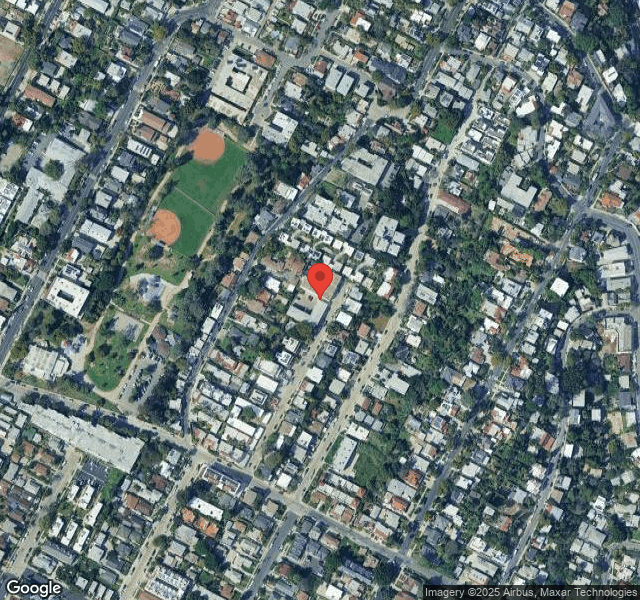

909 LUCILE AVE., LOS ANGELES, CA 90026 (323) 663-8281
For profit - Individual 72 Beds Independent Data: November 2025
Trust Grade
25/100
#1023 of 1155 in CA
Last Inspection: November 2024

Within standard 12-15 month inspection cycle. Federal law requires annual inspections.

Overview

Garden Crest Rehabilitation Center has received a Trust Grade of F, indicating significant concerns about its overall quality and care. Ranking #1023 out of 1155 facilities in California places it in the bottom half, and at #299 out of 369 in Los Angeles County, it shows that there are better local options available. Although the facility is improving-reducing issues from 17 in 2024 to 8 in 2025-it still faces serious challenges, including three incidents where residents experienced harm due to inadequate fall prevention measures and another where a staff member verbally abused a resident, causing emotional distress. On a positive note, the center has no fines and a low staff turnover rate of 0%, which typically indicates a stable workforce. However, it has concerning RN coverage, being below 88% of California facilities, meaning there may not be enough registered nurses available to catch potential issues early. Overall, while there are some strengths, the facility's poor trust grade and specific incidents of care deficiencies raise significant red flags for families considering this nursing home for their loved ones.

Trust Score
F
25/100
In California
#1023/1155
Bottom 12%
Safety Record
High Risk
Review needed
Inspections
Getting Better
17 → 8 violations
Staff Stability
○ Average
Turnover data not reported for this facility.
Penalties
✓ Good
No fines on record. Clean compliance history, better than most California facilities.
Skilled Nurses
⚠ Watch
Each resident gets only 13 minutes of Registered Nurse (RN) attention daily — below average for California. Fewer RN minutes means fewer trained eyes watching for problems.
Violations
⚠ Watch
58 deficiencies on record. Higher than average. Multiple issues found across inspections.
★☆☆☆☆
1.0
Overall Rating
★☆☆☆☆
1.0
Staff Levels
★★★★☆
4.0
Care Quality
★★☆☆☆
2.0
Inspection Score
Stable
2024: 17 issues
2025: 8 issues

The Good

  • 4-Star Quality Measures · Strong clinical quality outcomes
  • Full Sprinkler Coverage · Fire safety systems throughout facility
  • No fines on record

Facility shows strength in quality measures, fire safety.

The Bad

1-Star Overall Rating

Below California average (3.1)

Significant quality concerns identified by CMS

The Ugly 58 deficiencies on record

3 actual harm
Aug 2025 3 deficiencies
CONCERN (D) 📢 Someone Reported This

A family member, employee, or ombudsman was alarmed enough to file a formal complaint

Potential for Harm - no one hurt, but risky conditions existed

Medical Records (Tag F0842)

Could have caused harm · This affected 1 resident

Based on interview and record review, the facility failed to ensure to conduct the Joint Mobility Assessment (JMA, a tool that evaluates a joint's ability to move through its full range of motion by m...

Read full inspector narrative →
Based on interview and record review, the facility failed to ensure to conduct the Joint Mobility Assessment (JMA, a tool that evaluates a joint's ability to move through its full range of motion by measuring flexibility, stiffness, and quality of movement) accurately for one of four sampled residents (Resident 1).This failure had the potential for Resident 1 to experience a decline in Range of Motion (ROM, full movement potential of a joint).Findings:During a review of Resident 1's admission Record, the admission Record indicated the facility admitted the resident on 7/30/2021 with diagnoses that included dementia (a progressive state of decline in mental abilities), type 2 diabetes (DM, a disorder characterized by difficulty in blood sugar control and poor wound healing), osteoporosis (weak and brittle bones due to lack of calcium and Vitamin D), osteoarthritis (a progressive disorder of the joints, caused by a gradual loss of cartilage), and contracture (a permanent tightening of the muscles, tendons, skin, and surrounding tissues that causes the joints to shorten and stiffen) During a review of Resident 1's Minimum Data Set (MDS, a resident assessment tool) dated 5/2/2024, the MDS indicated the resident had severe cognitive impairment (a significant decline in the ability to think, understand, and reason). The MDS indicated Resident 1 required substantial/maximal assistance (helper does more than half the effort) for eating, oral hygiene, toileting hygiene, upper body dressing, and personal hygiene. The MDS indicated Resident 1 was dependent on help for showering, bathing herself, lower body dressing, putting on footwear, and taking off footwear. During a review of Resident 1's JMA dated 5/27/2025, the JMA indicated Resident 1 had minimal - severe loss of lower extremity Passive Range of Motion (PROM, movement at a given joint with full assistance from another person). The JMA indicated the resident had a diagnosis/condition that put her at risk for contracture development. The JMA indicated a recommendation for Resident 1 to receive a Physical Therapy (PT) evaluation, and RNA services for PROM of both upper extremities (BUE, arms). During a concurrent interview and record review on 8/28/2025 at 11:55 AM, with Physical Therapist 1 (PT 1), Resident 1's JMA dated 5/27/2025 was reviewed. PT 1 stated he (PT1) performed Resident 1's JMA on 5/27/2025. PT 1 stated he (PT1) performed resident JMAs through observation and interview. PT 1 stated he (PT1) performed JMAs by asking Certified Nursing Assistants (CNAs in general) for information about the residents (in general). PT 1 stated he (PT1) did not touch the residents (in general) during JMAs. PT 1 stated PROM was not performed when Resident 1's JMA was done on 5/27/2025. PT 1 stated the integrity of a joint could not be determined by looking at the resident. During a concurrent interview and record review on 8/28/2025 at 1:15 PM, with the Director of Rehab (DOR), Resident 1's JMA dated 5/27/2025 was reviewed. The DOR stated when performing a JMA the PT was supposed to use PROM. The DOR stated that when performing PROM, the PT needed to touch the resident. The DOR stated a JMA could not be performed without moving and touching the resident. The DOR stated PROM had to be performed when doing a JMA to feel what had happened in the resident's joint. The DOR stated if a JMA was done without using PROM then the JMA was inaccurate. During an interview on 8/28/2025 at 3:40 PM with the Director of Nursing (DON), the DON stated if the JMAs were conducted inaccurately, the resident would not get the care they needed. The DON stated if the JMA was conducted inaccurately the resident would potentially have a decline in ROM. During a review of the facility's P&P titled Charting and Documentation dated 7/2017, the P&P indicated All services provided to the resident, progress toward the care plan goals, or any changes in the resident's medical, physical, functional or psychosocial condition, shall be documented in the resident's medical record. Documentation in the medical record will be objective (not opinionated or speculative), complete, and accurate.
CONCERN (D) 📢 Someone Reported This

A family member, employee, or ombudsman was alarmed enough to file a formal complaint

Potential for Harm - no one hurt, but risky conditions existed

Infection Control (Tag F0880)

Could have caused harm · This affected 1 resident

Based on observation, interview, and record review, the facility failed to implement and maintain infection control procedures for two of four sampled residents (Residents 2 and Resident 3) by failing...

Read full inspector narrative →
Based on observation, interview, and record review, the facility failed to implement and maintain infection control procedures for two of four sampled residents (Residents 2 and Resident 3) by failing to:-Ensure Restorative Nursing Aide 1 (RNA 1) cleaned and disinfected a gait belt (safety device worn around the waist that can be used to help safely transfer a person from one surface to another) in between use for Resident 2 and Resident 3.-Ensure RNA 1 used the appropriate cleaning agent to effectively clean and disinfect a cloth gait belt after providing Restorative Nursing Aide services (RNA, nursing aide program that helps residents maintain their function and joint mobility) services to Resident 2 and Resident 3.These failures placed Resident 2 and Resident 3 at risk for potential infections that could cause a decline in the residents' health and quality of life.Findings:During a review of Resident 2's admission Record, the admission Record indicated the facility admitted Resident 2 on 6/28/2025 with diagnoses including a local infection of the skin and subcutaneous tissue (layer of fat, connective tissue, and blood vessels that lies beneath the skin), acquired absence (the loss or removal of a body part or organ that was not present from birth but occurred later in life due to injury, trauma, disease, or surgery) of the toes on both feet, and Type 2 Diabetes Mellitus (condition in which the body does not metabolize blood sugar correctly) with diabetic neuropathy (nerve damage caused by diabetes). During a review of Resident 3's admission Record, the admission Record indicated the facility admitted Resident 3 on 4/19/2024 with diagnoses including spinal stenosis (narrowing of the space within the spine that contains the spinal cord and nerve roots), muscle weakness, and gout (form of arthritis that occurs when uric acid builds up in the blood and causes joint inflammation). During an observation on 8/27/2025 at 11:17 am, in the hallway, RNA 1 was observed assisting Resident 2 with walking exercises using a knee scooter (wheeled mobility aid with a padded platform to support the injured leg and handlebars for steering and braking). RNA 1 held onto Resident 2's cloth gait belt which was fastened around his waist. At the end of the session, RNA 1 removed the cloth gait belt from Resident 2's waist, placed the gait belt on top of a front wheeled walker (FWW, mobility device with two wheels in the front used for support when standing or walking) which was in the hallway next to Resident 2's room, walked to the bathroom with the FWW and gait belt, came back into the hallway, and walked to Resident 3's room. RNA 1 did not clean and disinfect the cloth gait belt. RNA 1 walked into Resident 3's room, assisted Resident 3 with dressing activities seated in a wheelchair, transported Resident 3 into the hallway, placed the cloth gait belt previously used on Resident 2 onto Resident 3's waist, and assisted Resident 3 with walking exercising using a FWW in the hallway. At the end of the session, RNA 1 removed the cloth gait belt from Resident 3's waist, performed hand hygiene, and wiped down the cloth gait belt and FWW with disinfecting wipes. During an interview on 8/27/2025 at 11:32 am with RNA 1, RNA1 stated she (RNA1) did not clean and disinfect the cloth gait belt after she (RNA1) used it with Resident 2 and before she (RNA1) used it again with Resident 3. RNA 1 stated she (RNA1) should have cleaned and disinfected the cloth gait belt in between resident use but did not. RNA 1 stated the RNAs (in general) were instructed to use the disinfectant wipes to disinfect all equipment which included cloth gait belts. RNA 1 stated it was important to disinfect shared equipment between residents to prevent the spread of infection. During a concurrent interview and record review on 8/27/2025 at 2 pm, the Infection Preventionist Nurse (IPN, nurse who helps prevent and identify the spread of infectious agents like bacteria and viruses in a healthcare environment) stated all shared resident equipment must be cleaned and disinfected in between and after each resident use. The IPN stated staff (in general) used Super Sani-Cloth disinfectant wipes to disinfect shared equipment which included cloth gait belts. The IPN stated cloth gait belts were made of porous (having small spaces or holes through which liquid or air may pass) material. The IPN reviewed the Super Sani-Cloth disinfectant wipes manufacturing instructions and confirmed the disinfectant wipes could only effectively be used on hard, non-porous surfaces. The IPN stated Sani-Cloth disinfecting wipes were ineffective for disinfecting cloth gait belts because they were made of soft, porous materials. The IPN stated the only way to properly clean and disinfect cloth gait belts was to launder them after each resident use. The IPN stated it was important to clean and disinfect shared equipment properly and according to manufacturer's instructions to maximize infection control, ensure the cleaning was effective, and to prevent the spread of infection. During an interview on 8/28/2025 at 3:40 pm with the Director of Nursing (DON), the DON stated staff (in general) must clean and disinfect all shared equipment in between and after each resident use. The DON stated it was important to clean and disinfect shared equipment using the appropriate cleaning agent and according to manufacturer's instructions to prevent the spread of infection. During a review of the Super Sani-Cloth manufacturer's instructions, titled General Guidelines for Use, dated 2021, the guidelines indicated the disposable wipes disinfected surfaces in two minutes and were to be used on hard, non-porous environmental surfaces. During a review of the facility's Policy and Procedures (P/P), titled, Cleaning and Disinfection of Resident-Care Items and Equipment, revised 1/2025, the P/P indicated reusable items were cleaned and disinfected or sterilized between residents. The P/P indicated reusable resident care equipment was decontaminated and/or sterilized between residents according to manufacturer's instructions.
CONCERN (E) 📢 Someone Reported This

A family member, employee, or ombudsman was alarmed enough to file a formal complaint

Potential for Harm - no one hurt, but risky conditions existed

Deficiency F0688 (Tag F0688)

Could have caused harm · This affected multiple residents

**NOTE- TERMS IN BRACKETS HAVE BEEN EDITED TO PROTECT CONFIDENTIALITY** Based on observation, interview, and record review the facility failed to provide Range of Motion (ROM, full movement potential ...

Read full inspector narrative →
**NOTE- TERMS IN BRACKETS HAVE BEEN EDITED TO PROTECT CONFIDENTIALITY** Based on observation, interview, and record review the facility failed to provide Range of Motion (ROM, full movement potential of a joint) and mobility (ability to move) treatments and services to prevent and/or limit a decline in joint (where two bones meet) for two of four sampled residents (Resident 1 and Resident 3) by failing to ensure to: -Complete a Joint Mobility Assessment (JMA, a tool that evaluates a joint's ability to move through its full range of motion by measuring flexibility, stiffness, and quality of movement) accurately and quarterly for Resident 1. -Follow the Physical Therapy recommendations as indicated in Resident 1's JMA. -Provide Passive Range of Motion (PROM, movement at a given joint with full assistance from another person) exercises to Resident 1's right hand as ordered by the resident's physician. -Provide ROM exercises as ordered by Resident 3's physician. These failures had the potential for Resident 1 and Resident 3 to develop a decline in ROM, and contractures (a stiffening/shortening at any joint, that reduces the joint's range of motion).Findings:1.During a review of Resident 1's admission Record, the admission Record indicated the facility admitted the resident on 7/30/2021 with diagnoses that included dementia (a progressive state of decline in mental abilities), type 2 diabetes (DM, a disorder characterized by difficulty in blood sugar control and poor wound healing), osteoporosis (weak and brittle bones due to lack of calcium and Vitamin D), osteoarthritis (a progressive disorder of the joints, caused by a gradual loss of cartilage), and contracture. During a review of Resident 1's Minimum Data Set (MDS, a resident assessment tool) dated 5/2/2024, the MDS indicated the resident had severe cognitive impairment (a significant decline in the ability to think, understand, and reason). The MDS indicated Resident 1 required substantial/maximal assistance (helper does more than half the effort) for eating, oral hygiene, toileting hygiene, upper body dressing, and personal hygiene. The MDS indicated Resident 1 was dependent on help for showering, bathing herself, lower body dressing, putting on footwear, and taking off footwear. During a review of Resident 1's Order Summary Report, the Order Summary Report indicated the resident had a physician order dated 8/6/2024 for the Restorative Nursing Assistant (RNA, nursing aide who helps residents maintain their function and joint mobility) to perform PROM exercises to the resident's bilateral (both) upper extremities (BUE, both arms) seven times a week as tolerated every day. The Order Summary Report indicated the goal was to increase the Resident 1's ROM and prevent a decline in the resident's ROM. During a review of Resident 1's JMA dated 11/1/2024, the JMA indicated the resident had contracted bilateral lower extremities (BLE, both legs), limited ROM in the BLE, and no new deterioration (decline) noted in BLE and BUE. The JMA indicated Resident 1 was to continue the RNA program for PROM exercise and to be monitored by the nursing staff. The JMA indicated to notify nursing staff (unidentified) if Resident 1 had any change of condition or pain. During a review of Resident 1's RNA Administration dated 3/1/2025 to 3/31/2025, the RNA Administration indicated the RNA was to perform PROM to the residents BUE seven times a week as tolerated every day. The RNA Administration indicated there was no documentation present on 3/9/2025 and 3/16/2025. During a review of Resident 1's RNA Administration dated 4/1/2025 to 4/30/2025, the RNA Administration indicated the RNA was to perform PROM to the residents BUE seven times a week as tolerated every day shift. The RNA Administration indicated there was no documentation present on 4/10/2025, 4/19/2025, and 4/20/2025. During a review of Resident 1's RNA Administration dated 5/1/2025 to 5/31/2025, the RNA Administration indicated the RNA was to perform PROM to the residents BUE seven times a week as tolerated every day shift. The RNA Administration indicated there was no documentation present on 5/15/2025 and 5/21/2025. During a review of Resident 1's JMA dated 5/27/2025, the JMA indicated the resident had minimal - severe loss of lower extremity PROM. The JMA indicated the resident had a diagnosis/condition that put her at risk for contracture development. The JMA indicated a recommendation for Resident 1 to receive a Physical Therapy (PT) evaluation, and RNA services for PROM of the BUE. During a review of Resident 1's RNA Administration dated 6/1/2025 to 6/30/2025, the RNA Administration indicated the RNA was to perform PROM to the residents BUE seven times a week as tolerated every day shift. The RNA Administration indicated there was no documentation present on 6/14/2025. During a review of Resident 1's RNA Administration dated 7/1/2025 to 7/31/2025, the RNA Administration indicated the RNA was to perform PROM to the residents BUE seven times a week as tolerated every day shift. The RNA Administration indicated there was no documentation present on 7/6/2025 and 7/13/2025. During an observation on 8/28/2025 at 11:03 AM, in Resident 1's room, RNA 2 was observed performing PROM exercises for Resident 1. RNA 2 was observed providing PROM to Resident 1's right upper extremity. RNA 2 was observed providing PROM to Resident 1's right shoulder, right elbow, and right wrist. RNA 2 was observed performing PROM of Resident 1's left upper extremity. RNA 2 was observed providing PROM to residents left shoulder, left elbow, left wrist, and left hand. During an interview on 8/28/2025 at 11:23 PM with RNA 2, RNA 2 stated she (RNA2) provided PROM to Resident 1's bilateral shoulders, elbows, wrists, and hands. RNA 2 stated she (RNA2) forgot to perform PROM on Resident 1's right hand. RNA 2 stated she (RNA2) was supposed to provide PROM on Resident 1's right hand but did not. RNA 1 stated it was important to perform PROM on Resident 1's hands so the resident's hands would not contract. During a concurrent interview and record review on 8/28/2025 at 11:55 AM, with PT 1, Resident 1's JMA dated 11/1/2024 and 5/27/2025 were reviewed. PT 1 stated changes in ROM were monitored through the JMAs. PT 1 stated JMA's were done on admission, quarterly, annually, and with a change of condition. PT 1 stated Resident 1 had a JMA done on 11/2/2024 and 5/27/2025. PT 1 stated after Resident 1's JMA dated 11/1/2024, Resident 1 should have had another JMA done in 2/2025 but did not have one done. PT 1 stated a lot could have happened in six months. PT 1 stated Resident 1's ROM could have gotten worse, and her joints could have gotten tighter and more painful. PT 1 stated he (PT1) performed Resident 1's JMA on 5/27/2025. PT 1 stated he (PT1) made a recommendation for Resident 1 to have a PT evaluation. PT 1 stated he (PT1) recommended a PT evaluation to determine the true integrity of Resident 1's joints. PT 1 stated Resident 1's JMA recommendation for a PT evaluation was not carried out. PT 1 stated once he (PT1) determined Resident 1 needed a PT evaluation he should have spoken to the Director of Rehab (DOR) and asked for a PT evaluation order. PT 1 stated it was important that JMA recommendations were carried out to ensure Resident 1 would not get worse. PT 1 stated he (PT1) performed resident JMAs through observation and interview. PT 1 stated he (PT1) performed JMAs by asking Certified Nursing Assistants (CNAs, in general) for information about the residents (in general). PT 1 stated he (PT1) did not touch the residents (in general) during JMAs. PT 1 stated PROM was not performed when Resident 1's JMA was done on 5/27/2025. PT 1 stated the integrity of a joint could not be determined by looking at the resident. During a concurrent interview and record review on 8/28/2025 at 1:15 PM, with the DOR, Resident 1's JMA dated 11/1/2024 and 5/27/2025 were reviewed. The DOR stated Resident1 did not have a JMA done in 2/2025. The DOR stated that JMAs were supposed to be done on admission, quarterly, annually, and with a change in condition. The DOR stated if a JMA was not done quarterly there could potentially be a gap in the resident's care. The DOR stated if a JMA was not done quarterly they wouldn't know if the resident had any changes in their ROM. The DOR stated when performing a JMA the PT was supposed to use PROM. The DOR stated that when performing PROM, the PT needed to touch the resident. The DOR stated a JMA could not be performed without moving and touching the resident. The DOR stated PROM had to be performed when doing a JMA to feel what had happened in the resident's joint. The DOR stated if a JMA was done without using PROM then the JMA was inaccurate. During an interview and record review on 8/28/2025 at 1:55 PM, with the Director of Staff Development (DSD), Resident 1's RNA Administration dated 3/1/2025 to 3/31/2025, 4/1/2025 to 4/30/2025, 5/1/2025 to 5/31/2025, 6/1/2025 to 6/30/2025, and 7/1/2025 to 7/31/2025 were reviewed. The DSD stated Resident 1 did not have RNA services done on 3/9/2025, 3/16/2025, 4/10/2025, 4/19/2025, 4/20/2025, 5/15/2025, 5/21/2025, 6/14/2025, 7/6/2025, and 7/13/2025. The DSD stated she (DSD) was not sure why RNA services were not done on these dates. The DSD stated it was important that Resident 1 be seen as the RNA as ordered by the physician. The DSD stated there was a potential for Resident 1 to have a decline in ROM if RNA services were not provided as ordered by the physician. 2. During a review of Resident 3's admission Record, the admission Record indicated the facility admitted the resident on 4/19/2024 with diagnoses that included spinal stenosis (a condition where the spinal canal, the bony tunnel that protects the spinal cord and nerve roots, becomes narrowed), type 2 diabetes, abnormalities of gait and mobility (deviations from a typical walking pattern, characterized by changes in balance, coordination, and the ability to move effectively), muscle weakness, osteoporosis, and repeated falls. During a review of Resident 3's MDS dated [DATE], the MDS indicated the resident was cognitively intact (had the ability to think, understand, and reason). The MDS indicated Resident 3 substantial/maximal assistance with eating, oral hygiene, toileting hygiene, showering, bathing herself, upper body dressing, lower body dressing, and personal hygiene. The MDS indicated Resident 3 was dependent on help for putting on and taking off footwear. During a review of Resident 3's Order Summary Report, the Order Summary Report indicated the resident had a physician order dated 8/9/2024 for the RNA to perform BUE Active Assisted Range of Motion (AAROM, a type of physical therapy exercise where the resident uses their own muscle strength to move a body part, but receives assistance from a therapist or device to achieve a greater or more comfortable range of motion) seven times a week or as tolerated every day shift. During a review of Resident 3's RNA Administration dated 3/1/2025 to 3/31/2025, the RNA Administration indicated the RNA was to perform BUE AAROM seven times a week or as tolerated everyday shift for Resident 3. The RNA Administration indicated there was no documentation for 3/8/2025, 3/11/2025, 3/18/2025, 3/30/2025. During a review of Resident 3's RNA Administration dated 4/1/2025 to 4/30/2025, the RNA Administration indicated the RNA was to perform BUE AAROM seven times a week or as tolerated every day shift for Resident 3. The RNA Administration indicated there was no documentation for 4/3/2025, 4/10/2025, and 4/28/2025. During a review of Resident 3's RNA Administration dated 5/1/2025 to 5/31/2025, the RNA Administration indicated the RNA was to perform BUE AAROM seven times a week or as tolerated every day shift for Resident 3. The RNA Administration indicated there was no documentation for 5/22/2025 and 5/26/2025. During a review of Resident 3's RNA Administration dated 7/1/2025 to 7/31/2025, the RNA Administration indicated the RNA was to perform BUE AAROM seven times a week or as tolerated every day shift for Resident 3. The RNA Administration indicated there was no documentation for 7/2/2025, 7/6/2025, 7/10/2025, and 7/15/2025. During an interview and record review on 8/28/2025 at 1:42 PM, with the Director of Staff Development (DSD), Resident 3's RNA Administration dated 3/1/2025 - 3/31/2025, 4/1/2025 to 4/30/2025, 5/1/2025 to 5/31/2025, and 7/1/2025 to 7/31/2025 were reviewed. The DSD stated Resident 1 did not have RNA services done on 3/8/2025, 3/11/2025, 3/18/2025, 3/30/2025, 4/3/2025, 4/10/2025, 4/26/2025, 5/22/2025, 5/26/2025, 7/2/2025, 7/6/2025, 7/10/2025, and 7/15/2025. The DSD stated she (DSD) was not sure why RNA services were not done on these dates. The DSD stated it was important that Resident 1 be seen by the RNA as ordered by Resident 3's physician. The DSD stated there was a potential for Resident 3 to have a decline in ROM if RNA services were not provided as ordered by the physician. During an interview on 8/28/2025 at 3:40 PM with the Director of Nursing (DON), the DON stated physician orders for RNA services should be followed. The DON stated RNA services help keep the residents from getting stiff. The DON stated if physician orders for RNA services were not followed the residents could become contracted. The DON stated JMAs are conducted on admission, quarterly, annually and as needed. The DON stated a JMA was used to assess if the resident had a decline in ROM. The DON stated if a JMA was not done quarterly the resident could have had a decline in ROM. The DON stated if there were recommendations for PT when a JMA was done, those recommendations should have been carried out. The DON stated the Resident 1's physician should have been notified of the PT's recommendations. The DON stated if recommendations were not carried out the resident could decline. The DON stated if the JMAs were conducted wrong and inaccurately, the resident would not get the care they needed and would potentially have a decline in ROM. During a review of the facility's Policy and Procedure (P&P) titled Resident Mobility and Range of Motion dated 7/2017, the P&P indicated Residents will not experience an avoidable reduction in range of motion (ROM). Residents with limited range of motion will receive treatment and services to increase and/or prevent a further decrease in ROM. During a review of the facility's P&P titled Charting and Documentation dated 7/2017, the P&P indicated All services provided to the resident, progress toward the care plan goals, or any changes in the resident's medical, physical, functional or psychosocial condition, shall be documented in the resident's medical record. Documentation in the medical record will be objective (not opinionated or speculative), complete, and accurate. During a review of the facility's P&P titled Restorative Nursing Services dated 7/2017, the P&P indicated Resident will receive restorative nursing care as needed to help promote optimal safety and independence. Restorative nursing care consists of nursing interventions that may or may not be accompanied by formalized rehabilitative services (e.g., physical, occupational or speech therapies) During a review of the facility's P&P titled Screening dated 6/2023, the P&P indicated It is the policy of this Rehabilitation Department to complete patient screenings periodically, dependent on the facility policy for screens.The Joint Mobility Screening form is to be completed by PT and/or OT.Types of Screens: Admission, Re-admission, Quarterly, Annually, Change of Condition, Post-fall.Quarterly and Annual screens (both Rehabilitation and/or Joint Mobility Screening forms) may be done as per facility policy and in conjunction with the MDS assessment schedule. During a review of the facility's Job Description titled Certified Nursing Assistant dated 10/2020, the Job Description indicated Perform restorative and rehabilitative procedures as instructed in accordance with the individualized plan of care. During a review of the facility's P&P titled Specialized Rehabilitative Services dated 1/2025, the P&P indicated Our facility will provide rehabilitative services to residents as indicated by the MDS. In addition to rehabilitative nursing care, the facility provides specialized rehabilitative services by qualified professional personnel. Specialized rehabilitative services include the following: Physical therapy; Speech pathology/audiology; Occupational /activity therapy. Therapeutic services are provided only upon the written order of the resident's attending physician.
Aug 2025 1 deficiency
CONCERN (D) 📢 Someone Reported This

A family member, employee, or ombudsman was alarmed enough to file a formal complaint

Potential for Harm - no one hurt, but risky conditions existed

Accident Prevention (Tag F0689)

Could have caused harm · This affected 1 resident

**NOTE- TERMS IN BRACKETS HAVE BEEN EDITED TO PROTECT CONFIDENTIALITY** Based on observation, interview, and record review, the facility failed to provide safe care and services for one of three sampl...

Read full inspector narrative →
**NOTE- TERMS IN BRACKETS HAVE BEEN EDITED TO PROTECT CONFIDENTIALITY** Based on observation, interview, and record review, the facility failed to provide safe care and services for one of three sampled residents (Resident 1) by failing to: 1.Ensure Certified Nursing Assistant 1 (CNA1) and CNA 2 provided two-person physical assistance (help from two person) when they (CNA1 and CNA2) assisted Resident 1 who had a diagnosis of osteoporosis (weak and brittle bones), contracture (a stiffness, shortening at any joint, that reduces the joint's range of motion) with activities of daily living (ADL's, activities related to personal care including bathing or showering, dressing, getting in and out of bed or a chair, walking, using the toilet, bathing, turning, and eating). This failure had a high potential for Resident 1 to sustain injuries and harm. Findings:During a review of Resident 1's admission Record, the admission Record indicated the facility admitted Resident 1 on 7/30/2021 with diagnoses that included dementia (a progressive state of decline in mental abilities), age -related osteoporosis with current pathological fracture (broken bone caused by disease) of the right femur (thigh bone), anxiety disorder (a condition in which a person had excessive worry and feelings of fear, dread and uneasiness), unspecified osteoarthritis, and contracture of unspecified joint. During a review of Resident 1's Care Plan Report dated 4/9/2024 indicated Resident 1 had contractures-multiple joints and was at risk for pain, stiffness, fractures, decrease in range of motion (ROM-how far and in what direction you can a joint or muscle), and other complications. The Care Plan Report indicated interventions (specific care and services facility staff need to provide a resident to promote healing and prevent a worsening of a condition) including to handle Resident 1 gently during care/ADLs. The Care Plan Report indicated to provide 2 person- assist with ADLs/care. During a review of Resident 1's Initial History and Physical (H&P - a comprehensive document that records a patient's medical history and a detailed physical examination performed by a healthcare provider) dated 1/17/2025, the H&P indicated Resident 1 did not have the capacity (ability) to understand and make decisions. The H&P indicated Resident 1 had a history of osteoarthritis (a progressive disorder of the joints, caused by a gradual loss of cartilage), and osteopenia (low bone mass). During a review of Resident 1's MDS dated [DATE], the MDS indicated Resident 1 had severe cognitive impairment (difficulty with thinking, learning, and remembering), functional limitation in both upper extremity (shoulder, elbow, wrist, hand), both lower extremity impairment (hips, knee, ankle and foot) that interfered with functions of daily living or place Resident 1 at risk for injury. The MDS indicated Resident 1 required substantial/maximal assistance (helper does more than half the effort and helper lifts or hold trunk or limbs and provides more than half the effort) from staff for eating, oral hygiene, upper body dressing, and rolling left and right. The MDS indicated Resident 1 was dependent (helper does all the effort, resident does none of the effort to complete the activity. Or the assistance of two or more helpers is required for the resident to complete the activity) on the staff for toileting hygiene, shower/bathe self and lower body dressing with dressing. During a review of Resident 1's SBAR Communication Form (SBAR-a simple, structed way to share important information), Situation (what's happening), Background (relevant history), Assessment (professional judgement), and Recommendation (action to resolve the situation) dated 8/4/2025, the SBAR indicated staff (unidentified) reported Resident 1 had grimacing (expression) of pain on the right hip when doing peri-care (the process of cleaning the genital and anal area). The SBAR indicated Charge Nurse (CN-lead nurse) notified the Registered Nurse Supervisor (team leader for nurses) Resident 1 had right hip swelling, pain when moved, and warm to touch. The SBAR indicated Resident 1 was not able to rate pain (a numbered scale to help understand how much it hurts) level. The SBAR indicated the CN provided Tylenol (pain medication) for relief. The SBAR indicated the Medical Doctor (MD) was made aware and ordered an x-ray (a form of electromagnetic radiation, similar to visible light). During a review of Resident 1's Patient Report dated 8/4/2025, the Patient Report indicated right hip, unilateral (one sided) with pelvis (the bony structure inside your hips, buttocks and pubic region), 2-3 views (images taken from different angels to get a more complete picture) X-ray indicated Resident 1 had an interval development (change or progression) of an oblique (a break in a long bone at a curved or diagonal angle to its length, typically caused by falls or other traumas) and displaced proximal femoral fracture (a fracture in the upper part of the thighbone where the bone fragments have moved out of alignment). During an interview on 8/19/2025 at 10:20 AM, with Licensed Vocational Nurse (LVN)1, LVN 1 stated the plan of care for the residents (in general) included orders, screening, observations, assessments, and the diagnoses of the residents. LVN 1 stated she (LVN1) would check the care plan for interventions, or if there was a change or decline. LVN 1 stated the nursing staff (in general) were responsible for following the care plan. During an interview on 8/18/2025 at 4:05 PM, with CNA2, CNA 2 stated she (CNA2) did not know what osteoporosis was and that she (CNA2) did not get report from the licensed nurses (in general) regarding Resident 1's osteoporosis. CNA2 stated she (CNA2) worked at the facility for 29 years. CNA2 stated she (CNA2) would be assigned to Resident 1 before Resident 1's fracture and that she (CNA2) would provide ADLs to Resident 1 without a two-person assist. CNA2 stated that in the morning of 8/4/2025, she (CNA2) noticed Resident 1's right leg was swollen and warm to touch and reported to a nurse (unidentified). During a telephone interview on 8/19/2025 at 10:59 AM with CNA 1, CNA 1 stated he (CNA1) worked on 8/3/2025 from 11 PM, to 7 PM on 8/4/2025. CNA1 stated he (CNA1) worked alone when he (CNA1) assisted Resident 1 with ADLs. CNA 1 stated Resident 1 was a one -person assist only (a single helper is needed to move or support someone for a task, but the person being helped still does most of the work themselves). CNA 1stated, I can ask for help if repositioning is required. CNA 1 stated osteoporosis has to do with fragile bones. During an interview on 8/19/2025 at 12:37 PM, with Registered Nurse (RN) 1, RN1 stated the licensed nurses (in general) needed to notify the CNAs (in general) regarding the residents' (in general) care plan and what was required during the beginning of each shift. RN1 stated she (RN1) did not know if the CNAs had access to the residents' care plans. RN1 stated the licensed nurses (in general) were responsible for monitoring the CNAs and to notify them (CNAs) how many CNAs were required for ADLs. RN1stated, I'm not sure how communication is monitored to insure care. During a concurrent interview and record review on 8/19/2025 at 2:37 PM, with the Director of Nursing (DON) Resident 1's Care Plan Report dated 4/9/2024, and the MDS dated [DATE] were reviewed. The DON stated Resident 1 had contractures and osteoporosis which was the weakening of bones. The DON stated the staff (in general) needed to be gentle and needed to provide care with two CNAs. The DON stated Resident 1 had contractures and if the CNAs (in general) applied pressure to the weak fragile bones, the bones could break and result in a fracture. The DON stated if Resident 1 required two person-assist during care and there if there was only one CNA, the CNA would have to push harder to turn Resident 1. The DON stated if Resident 1 required two CNAs but only one CNA would turn, change, and provided care, the pressure applied by the CNA (in general) on Resident 1 to turn, would be higher than if there were two CNAs. During a review of the facility's policy and procedure (P&P) titled, Activities of Daily Living (ADL), Supporting, revised on 7/2024, the P&P indicated Appropriate care and services will be provided for residents who are unable to carry out ADLs independently.in accordance with the plan of care, including appropriate support and assistance with: hygiene (bathing, dressing, grooming, and oral care): mobility (transfer and ambulation, including walking): elimination(toileting). The P&P indicated, A resident's ability to perform ADLs will be measured using clinical tools, including the MDS. and the following MDS definitions: Total Dependence: Full staff performance of an activity with no participation by the resident for any aspect of the ADL. During a review of the facility's policy and procedure (P&P) titled, Care Planning-Interdisciplinary Team, revised on 3/2022, the P&P indicated Comprehensive, person-centered care plans are based on resident assessments and developed by an interdisciplinary team (IDT). The P&P indicated The IDT includes but is not limited to the resident's attending physician; a registered nurse with responsibility for the resident; a nursing assistant with responsibility for the resident. During a review of the facility's policy and procedure (P&P) titled, Care Plans, Comprehensive Person-Centered, revised on 7/2024, the P&P indicated The interdisciplinary team reviews and updates the care plan: when there has been a significant change in the resident's condition: at least quarterly, in conjunction with the required quarterly MDS assessment.
May 2025 1 deficiency
CONCERN (D) 📢 Someone Reported This

A family member, employee, or ombudsman was alarmed enough to file a formal complaint

Potential for Harm - no one hurt, but risky conditions existed

Report Alleged Abuse (Tag F0609)

Could have caused harm · This affected 1 resident

Based on interview and record review, the facility failed to report an allegation of staff to resident abuse to the State Survey Agency (SSA, the Bureau of Health Facility Licensing, Certification and...

Read full inspector narrative →
Based on interview and record review, the facility failed to report an allegation of staff to resident abuse to the State Survey Agency (SSA, the Bureau of Health Facility Licensing, Certification and Resident Assessment, within the Department of Health, which is responsible for nursing facility certification and for conducting surveys to determine compliance with Medicare and Medicaid requirements) and the Ombudsman (an advocate for residents of nursing homes, board and care centers, and assisted living facilities) within two hours for one of five sampled residents (Resident 1). This failure had the potential to result in a delay of an onsite inspection by the SSA and had the potential for Resident 1 to experience ongoing abuse. Findings: During a review of Resident 1's admission Record, the admission Record indicated the facility admitted the resident on 7/30/2021 with diagnoses that included dementia (a progressive state of decline in mental abilities), type 2 diabetes (DM, a disorder characterized by difficulty in blood sugar control and poor wound healing), anxiety (a feeling of fear, dread, and uneasiness), osteoarthritis (a progressive disorder of the joints, caused by a gradual loss of cartilage), and chronic kidney disease (a condition in which the kidneys are damaged and cannot filter blood as well as they should). During a review of Resident 1's Minimum Data Set (MDS, a standardized assessment tool) dated 5/2/2025, the MDS indicated the resident had severely impaired cognition (diminished ability to think, understand, and reason). The MDS indicated Resident 1 required substantial/maximal assistance (helper does more than half the effort) for eating, oral hygiene, and upper body dressing. The MDS indicated Resident 1 was dependent on help (helper does all the effort) for toileting hygiene, lower body dressing, putting on/taking off footwear, and personal hygiene. During a review of Resident 1's Situation Background Assessment Recommendation (SBAR, a communication tool used by healthcare workers when there is a change of condition among the residents) Summary for Providers documentation dated 5/15/2025 at 10:38 PM, the SBAR Summary for Providers documentation indicated the resident had an unwitnessed fall around 10 PM. The SBAR Summary for Providers documentation indicated Resident 1 was found in bed with a forehead laceration (a tear or cut in the skin) and skin tear (a wound that occurs when the outer layer of skin separates from the underlying layer) on her bilateral (both) elbows. The SBAR Summary for Providers documentation indicated Resident 1's was assessed and provided with wound care. The SBAR Summary for Providers documentation indicated Resident 1 was unable to be consoled (someone is too sad or upset to be comforted) and was noted to be grimacing (to make a facial expression of pain) with her fists clenched (hands with fingers curled tightly into the palm). The SBAR Summary for Providers documentation indicated Resident 1 was confused. The SBAR Summary for Providers documentation indicated Resident 1's physician was immediately notified and provided the recommendation to transfer the resident to the General Acute Care Hospital (GACH, a health facility that provides short-term, inpatient medical and surgical services for a wide range of conditions) 1 via 911 for further evaluation. During a review of Resident 1's After Summary Visit from GACH 1 dated 5/16/2025 at 3:19 AM, the After Summary Visit indicated Resident 1 was provided with treatment for the laceration and skin tears. The After Summary Visit indicated Resident 1 had a Computed Tomography (CT - diagnostic imaging procedure that uses a machine to create detailed images of the inside of the body) of her head which did not show any head bleed or skull fracture (break in bone). During a review of Resident 1's Nurse's Notes dated 5/16/2025 at 4 AM, the Nurse's Notes indicated Resident 1 returned to the facility from GACH 1 via gurney accompanied by two Emergency Medical Technicians (EMT's). The Nurse's Notes indicated Resident 1 was awake and talking. During a review of Resident 1's SBAR Summary for Providers documentation dated 5/16/2025 at 7:28 PM, the SBAR Summary for Providers documentation indicated the resident had an allegation of abuse. The SBAR Summary for Providers documentation indicated Resident 1's physician was notified and recommended to continue to monitor the resident for adverse effects of the alleged abuse. During a review of the document titled Report of Suspected Dependent Adult/Elder Abuse dated 5/16/2025, the document indicated on 5/15/2025 at 9:45 PM, Resident 1 was found on the floor next to her bed. The document indicated Resident 1 sustained a laceration on her forehead with bleeding and a left and right elbow skin tear. The document indicated Resident 1 was transferred to the GACH. The document indicated on 5/16/2025 at 5 PM, the Registered Nurse (RN) Supervisor overheard the Certified Nurse Assistant (CNA) who was outside the room heard Resident 1 say You pushed me to the (CNA) who was inside the room. The document indicated investigation was ongoing. During a review of a fax confirmation from the facility to the SSA dated 5/16/2025 at 6:59 PM, the fax confirmation indicated the facility notified the SSA of Resident 1's allegation of abuse. During a review of a fax confirmation from the facility to the Ombudsman dated 5/16/2025 at 7:04 PM, the fax confirmation indicated the facility was notified the ombudsman of Resident 1's allegation of abuse. During a review of a document titled Summary of Investigation dated 5/20/2025, the document indicated on 5/15/2025 CNA 1 found Resident 1 on the floor. The document indicated CNA 1 immediately assessed the resident. The document indicated Resident 1 was conscious and talking in Spanish. The document indicated bleeding was noted on Resident 1's forehead. The document indicated CNA 1 assisted Resident 1 back to bed then notified the Licensed Vocational Nurse (LVN). The document indicated LVN assessed Resident 1, notified the Registered Nurse (RN) Supervisor, and provided treatment to the resident. The document indicated the RN Supervisor called 911 and notified Resident 1's physician and family. The document indicated Resident 1 received treatment for the laceration of the left forehead and a CT scan which was negative for fracture. The document indicated Resident 1 was returned to the facility on 5/16/2025 at 2:30 AM. The document further indicated that on 5/16/2025 at 5:00 PM, during the investigation of Resident 1's incident, CNA 2 informed the RN Supervisor that she overheard the resident saying in Spanish you pushed me to the CNA who found her during the fall. During a telephone interview on 5/28/2025 at 2:21 PM with RN 1, RN 1 stated on 5/15/2025 between 9:45 PM - 10:00 PM Licensed Vocational Nurse (LVN) 1 had notified him that Resident 1 had fallen. RN 1 stated when he went into Resident 1's room, the resident was already back in bed and Certified Nurse Assistant (CNA) 1 was also there. RN 1 stated Resident 1 had skin tears to both of her elbows and a cut on her forehead. RN 1 stated he checked Resident 1's vitals and provided treatment to the resident's wounds. RN 1 stated 911 was called and Resident 1 was transferred to the GACH. RN 1 stated Resident 1 could not tell him how she fell. RN 1 stated no one told him about an allegation of abuse that night. RN 1 stated that it wasn't until the next day when CNA 2 came forward and told him and LVN 1 that she heard Resident 1 say I fell, and you pushed me when the resident fell on 5/15/2025. RN 1 stated he reported the allegation of abuse to the Administrator right away. During an interview on 5/28/2025 at 3:04 PM with CNA 2, CNA 2 stated she did not see Resident 1 fall on 5/15/2025, but heard the resident say in Spanish you pushed me, you pushed me when she fell. CNA 2 stated she did not remember the time that happened, but stated it was around nighttime. CNA 2 stated she told LVN 1 what she heard what Resident 1 was saying immediately after she heard the resident say it. CNA 2 stated the next day on 5/16/2025 she told LVN 1 and RN 1 again that Resident 1 said you pushed me, you pushed me the night the before. CNA 2 stated this was the second time she told LVN 1 that Resident 1 said You pushed me . CNA 2 stated she did not tell the Administrator what she heard Resident 1 said only LVN 1. During an interview on 5/28/2025 at 3:12 PM with LVN 1, LVN 1 stated on 5/15/2025 around 9:00 PM to 10:00 PM, CNA 1 called his attention and told him that Resident 1 had fallen. LVN 1 stated he immediately went to Resident 1's room. LVN 1 stated as he was going to Resident 1's room, CNA 2 told him something. LVN 1 stated he couldn't really understand what CNA 2 was telling him. LVN 1 stated he thought CNA 2 was telling him Resident 1 was calling for help. LVN 1 stated when he got to Resident 1's room, the resident was already back in bed. LVN 1 stated Resident 1 had a skin tear to her right and left elbow and a cut on her left forehead. LVN 1 stated Resident 1's vitals were checked, and treatment was provided to the resident's wounds. LVN 1 stated 911 was called and Resident 1 was sent to the GACH for further evaluation. LVN 1 stated at that time he did not have any concerns about abuse. LVN 1 stated on the next day 5/16/2025 at around 4:00 PM, CNA 2 told him that she heard Resident 1 was saying you pushed me when she fell the night before on 5/15/2025. LVN 1 stated when he realized this was what CNA 2 was telling him the night before he told RN 1 and they both informed the Administrator and Director of Nursing (DON). LVN 1 stated pushing was an allegation of abuse which should be reported to the SSA, ombudsman, and law enforcement within two hours. LVN 1 stated that the allegation of abuse should have been reported the night before, but he did not realize CNA 2 was telling him Resident 1 was saying she was pushed by staff. During an interview on 5/28/2025 at 3:51 PM with the Director of Nursing (DON), the DON stated she was informed by the Administrator that Resident 1 fell and had an allegation of abuse on 5/16/2025. The DON stated through investigation of Resident 1's fall she found that on the night the resident fell on 5/15/2025 CNA 2 told LVN 1 that Resident 1 was saying you pushed me to CNA 1. The DON stated LVN 1 did not hear the abuse allegation and only heard that Resident 1 was asking for help. The DON stated the abuse allegation was reported to the Administrator and herself when CNA 2 told LVN 1 and RN 1 about the abuse allegation a second time on 5/16/2025. The DON stated Resident 1's abuse allegation should have been reported the night the Resident fell on 5/15/2025; but because there was the initial misunderstanding and miscommunication between CNA 2 and LVN 1 on 5/15/2025, the allegation did not get reported until LVN 1 received clarification of what happened by CNA 2 on 5/16/2025. The DON stated allegations of abuse should be reported to the SSA, the ombudsman, and law enforcement within two hours so the facility could act immediately. The DON stated there was a potential for further abuse if abuse allegations were not reported timely. During a review of the facility's Policy and Procedure (P&P) titled Abuse, Neglect, Exploitation or Misappropriation - Reporting and Investigating reviewed 1/2025, the P&P indicated All reports of resident abuse (including injuries of unknown origin), neglect, exploitation, or theft/misappropriation of resident property are reported to local, state and federal agencies (as required by current regulations) and thoroughly investigated by facility management. Findings of all investigations are documented and reported .If resident abuse, neglect, exploitation, misappropriation of resident property or injury of unknown source is suspected, the suspicion must be reported immediately to the administrator and to other officials according to state law. The administrator or the individual making the allegation immediately reports his or her suspicion to the following persons or agencies: The state licensing/certification agency responsible for surveying/licensing the facility; the local/state ombudsman; the resident representative; adult protective services (where state law provides jurisdiction in long-term care); law enforcement officials; the resident's attending physician' and the facility medical director. Immediately is defined as: within two hours of an allegation involving abuse or result in serious bodily injury; or within 24 hours of an allegation that does not involve abuse or result in serious bodily injury. BasedBased on interview and record review, the facility failed to report an allegation of staff to resident abuse to the State Survey Agency (SSA, the Bureau of Health Facility Licensing, Certification and Resident Assessment, within the Department of Health, which is responsible for nursing facility certification and for conducting surveys to determine compliance with Medicare and Medicaid requirements) and the Ombudsman (an advocate for residents of nursing homes, board and care centers, and assisted living facilities) within two hours for one of five sampled residents (Resident 1). This failure had the potential to result in a delay of an onsite inspection by the SSA and had the potential for Resident 1 to experience ongoing abuse. Findings: During a review of Resident 1's admission Record, the admission Record indicated the facility admitted the resident on 7/30/2021 with diagnoses that included dementia (a progressive state of decline in mental abilities), type 2 diabetes (DM, a disorder characterized by difficulty in blood sugar control and poor wound healing), anxiety (a feeling of fear, dread, and uneasiness), osteoarthritis (a progressive disorder of the joints, caused by a gradual loss of cartilage), and chronic kidney disease (a condition in which the kidneys are damaged and cannot filter blood as well as they should). During a review of Resident 1's Minimum Data Set (MDS, a standardized assessment tool) dated 5/2/2025, the MDS indicated the resident had severely impaired cognition (diminished ability to think, understand, and reason). The MDS indicated Resident 1 required substantial/maximal assistance (helper does more than half the effort) for eating, oral hygiene, and upper body dressing. The MDS indicated Resident 1 was dependent on help (helper does all the effort) for toileting hygiene, lower body dressing, putting on/taking off footwear, and personal hygiene. During a review of Resident 1's Situation Background Assessment Recommendation (SBAR, a communication tool used by healthcare workers when there is a change of condition among the residents) Summary for Providers documentation dated 5/15/2025 at 10:38 PM, the SBAR Summary for Providers documentation indicated the resident had an unwitnessed fall around 10 PM. The SBAR Summary for Providers documentation indicated Resident 1 was found in bed with a forehead laceration (a tear or cut in the skin) and skin tear (a wound that occurs when the outer layer of skin separates from the underlying layer) on her bilateral (both) elbows. The SBAR Summary for Providers documentation indicated Resident 1's was assessed and provided with wound care. The SBAR Summary for Providers documentation indicated Resident 1 was unable to be consoled (someone is too sad or upset to be comforted) and was noted to be grimacing (to make a facial expression of pain) with her fists clenched (hands with fingers curled tightly into the palm). The SBAR Summary for Providers documentation indicated Resident 1 was confused. The SBAR Summary for Providers documentation indicated Resident 1's physician was immediately notified and provided the recommendation to transfer the resident to the General Acute Care Hospital (GACH, a health facility that provides short-term, inpatient medical and surgical services for a wide range of conditions) 1 via 911 for further evaluation. During a review of Resident 1's After Summary Visit from GACH 1 dated 5/16/2025 at 3:19 AM, the After Summary Visit indicated Resident 1 was provided with treatment for the laceration and skin tears. The After Summary Visit indicated Resident 1 had a Computed Tomography (CT - diagnostic imaging procedure that uses a machine to create detailed images of the inside of the body) of her head which did not show any head bleed or skull fracture (break in bone). During a review of Resident 1's Nurse's Notes dated 5/16/2025 at 4 AM, the Nurse's Notes indicated Resident 1 returned to the facility from GACH 1 via gurney accompanied by two Emergency Medical Technicians (EMT's). The Nurse's Notes indicated Resident 1 was awake and talking. During a review of Resident 1's SBAR Summary for Providers documentation dated 5/16/2025 at 7:28 PM, the SBAR Summary for Providers documentation indicated the resident had an allegation of abuse. The SBAR Summary for Providers documentation indicated Resident 1's physician was notified and recommended to continue to monitor the resident for adverse effects of the alleged abuse. During a review of the document titled Report of Suspected Dependent Adult/Elder Abuse dated 5/16/2025, the document indicated on 5/15/2025 at 9:45 PM, Resident 1 was found on the floor next to her bed. The document indicated Resident 1 sustained a laceration on her forehead with bleeding and a left and right elbow skin tear. The document indicated Resident 1 was transferred to the GACH. The document indicated on 5/16/2025 at 5 PM, the Registered Nurse (RN) Supervisor overheard the Certified Nurse Assistant (CNA) who was outside the room heard Resident 1 say You pushed me to the (CNA) who was inside the room. The document indicated investigation was ongoing. During a review of a fax confirmation from the facility to the SSA dated 5/16/2025 at 6:59 PM, the fax confirmation indicated the facility notified the SSA of Resident 1's allegation of abuse. During a review of a fax confirmation from the facility to the Ombudsman dated 5/16/2025 at 7:04 PM, the fax confirmation indicated the facility was notified the ombudsman of Resident 1's allegation of abuse. During a review of a document titled Summary of Investigation dated 5/20/2025, the document indicated on 5/15/2025 CNA 1 found Resident 1 on the floor. The document indicated CNA 1 immediately assessed the resident. The document indicated Resident 1 was conscious and talking in Spanish. The document indicated bleeding was noted on Resident 1's forehead. The document indicated CNA 1 assisted Resident 1 back to bed then notified the Licensed Vocational Nurse (LVN). The document indicated LVN assessed Resident 1, notified the Registered Nurse (RN) Supervisor, and provided treatment to the resident. The document indicated the RN Supervisor called 911 and notified Resident 1's physician and family. The document indicated Resident 1 received treatment for the laceration of the left forehead and a CT scan which was negative for fracture. The document indicated Resident 1 was returned to the facility on 5/16/2025 at 2:30 AM. The document further indicated that on 5/16/2025 at 5:00 PM, during the investigation of Resident 1's incident, CNA 2 informed the RN Supervisor that she overheard the resident saying in Spanish you pushed me to the CNA who found her during the fall. During a telephone interview on 5/28/2025 at 2:21 PM with RN 1, RN 1 stated on 5/15/2025 between 9:45 PM - 10:00 PM Licensed Vocational Nurse (LVN) 1 had notified him that Resident 1 had fallen. RN 1 stated when he went into Resident 1's room, the resident was already back in bed and Certified Nurse Assistant (CNA) 1 was also there. RN 1 stated Resident 1 had skin tears to both of her elbows and a cut on her forehead. RN 1 stated he checked Resident 1's vitals and provided treatment to the resident's wounds. RN 1 stated 911 was called and Resident 1 was transferred to the GACH. RN 1 stated Resident 1 could not tell him how she fell. RN 1 stated no one told him about an allegation of abuse that night. RN 1 stated that it wasn't until the next day when CNA 2 came forward and told him and LVN 1 that she heard Resident 1 say I fell, and you pushed me when the resident fell on 5/15/2025. RN 1 stated he reported the allegation of abuse to the Administrator right away. During an interview on 5/28/2025 at 3:04 PM with CNA 2, CNA 2 stated she did not see Resident 1 fall on 5/15/2025, but heard the resident say in Spanish you pushed me, you pushed me when she fell. CNA 2 stated she did not remember the time that happened, but stated it was around nighttime. CNA 2 stated she told LVN 1 what she heard what Resident 1 was saying immediately after she heard the resident say it. CNA 2 stated the next day on 5/16/2025 she told LVN 1 and RN 1 again that Resident 1 said you pushed me, you pushed me the night the before. CNA 2 stated this was the second time she told LVN 1 that Resident 1 said You pushed me . CNA 2 stated she did not tell the Administrator what she heard Resident 1 said only LVN 1. During an interview on 5/28/2025 at 3:12 PM with LVN 1, LVN 1 stated on 5/15/2025 around 9:00 PM to 10:00 PM, CNA 1 called his attention and told him that Resident 1 had fallen. LVN 1 stated he immediately went to Resident 1's room. LVN 1 stated as he was going to Resident 1's room, CNA 2 told him something. LVN 1 stated he couldn't really understand what CNA 2 was telling him. LVN 1 stated he thought CNA 2 was telling him Resident 1 was calling for help. LVN 1 stated when he got to Resident 1's room, the resident was already back in bed. LVN 1 stated Resident 1 had a skin tear to her right and left elbow and a cut on her left forehead. LVN 1 stated Resident 1's vitals were checked, and treatment was provided to the resident's wounds. LVN 1 stated 911 was called and Resident 1 was sent to the GACH for further evaluation. LVN 1 stated at that time he did not have any concerns about abuse. LVN 1 stated on the next day 5/16/2025 at around 4:00 PM, CNA 2 told him that she heard Resident 1 was saying you pushed me when she fell the night before on 5/15/2025. LVN 1 stated when he realized this was what CNA 2 was telling him the night before he told RN 1 and they both informed the Administrator and Director of Nursing (DON). LVN 1 stated pushing was an allegation of abuse which should be reported to the SSA, ombudsman, and law enforcement within two hours. LVN 1 stated that the allegation of abuse should have been reported the night before, but he did not realize CNA 2 was telling him Resident 1 was saying she was pushed by staff. During an interview on 5/28/2025 at 3:51 PM with the Director of Nursing (DON), the DON stated she was informed by the Administrator that Resident 1 fell and had an allegation of abuse on 5/16/2025. The DON stated through investigation of Resident 1's fall she found that on the night the resident fell on 5/15/2025 CNA 2 told LVN 1 that Resident 1 was saying you pushed me to CNA 1. The DON stated LVN 1 did not hear the abuse allegation and only heard that Resident 1 was asking for help. The DON stated the abuse allegation was reported to the Administrator and herself when CNA 2 told LVN 1 and RN 1 about the abuse allegation a second time on 5/16/2025. The DON stated Resident 1's abuse allegation should have been reported the night the Resident fell on 5/15/2025; but because there was the initial misunderstanding and miscommunication between CNA 2 and LVN 1 on 5/15/2025, the allegation did not get reported until LVN 1 received clarification of what happened by CNA 2 on 5/16/2025. The DON stated allegations of abuse should be reported to the SSA, the ombudsman, and law enforcement within two hours so the facility could act immediately. The DON stated there was a potential for further abuse if abuse allegations were not reported timely. During a review of the facility's Policy and Procedure (P&P) titled Abuse, Neglect, Exploitation or Misappropriation - Reporting and Investigating reviewed 1/2025, the P&P indicated All reports of resident abuse (including injuries of unknown origin), neglect, exploitation, or theft/misappropriation of resident property are reported to local, state and federal agencies (as required by current regulations) and thoroughly investigated by facility management. Findings of all investigations are documented and reported .If resident abuse, neglect, exploitation, misappropriation of resident property or injury of unknown source is suspected, the suspicion must be reported immediately to the administrator and to other officials according to state law. The administrator or the individual making the allegation immediately reports his or her suspicion to the following persons or agencies: The state licensing/certification agency responsible for surveying/licensing the facility; the local/state ombudsman; the resident representative; adult protective services (where state law provides jurisdiction in long-term care); law enforcement officials; the resident's attending physician' and the facility medical director. Immediately is defined as: within two hours of an allegation involving abuse or result in serious bodily injury; or within 24 hours of an allegation that does not involve abuse or result in serious bodily injury.
May 2025 1 deficiency
CONCERN (D) 📢 Someone Reported This

A family member, employee, or ombudsman was alarmed enough to file a formal complaint

Potential for Harm - no one hurt, but risky conditions existed

Deficiency F0627 (Tag F0627)

Could have caused harm · This affected 1 resident

**NOTE- TERMS IN BRACKETS HAVE BEEN EDITED TO PROTECT CONFIDENTIALITY** Based on interview and record review the facility failed to ensure the policy and procedures for discharge planning were followe...

Read full inspector narrative →
**NOTE- TERMS IN BRACKETS HAVE BEEN EDITED TO PROTECT CONFIDENTIALITY** Based on interview and record review the facility failed to ensure the policy and procedures for discharge planning were followed for one of three sampled residents (Resident 1). This failure resulted in the resident not being properly informed and involved in their discharge plan. Findings: During a review of Resident 1 ' s admission Record dated 5/16/25 indicated the resident was admitted to the facility on [DATE] with diagnoses including; diabetes mellitus (DM-a disorder characterized by difficulty in blood sugar control and poor wound healing) hypertension (HTN— high blood pressure), atrial fibrillation (AFib— a heart rhythm disorder where the upper chambers of the heart [atria] beat irregularly and rapidly), hyperlipidemia (HLD— a condition characterized by elevated levels of fats in the bloodstream) and chronic kidney disease (CKD— a progressive and irreversible condition where the kidneys gradually lose their ability to filter waste and excess fluid from the blood). During a review of Resident 1 ' s History and Physical (H&P) dated 1/17/25 indicated the resident has the capacity to understand and make decisions. During a review of the Minimum Data Set (MDS— a resident assessment tool) dated 3/28/25 indicated Resident 1 ' s cognitive (relating to mental action or process of acquiring knowledge and understanding) skills for daily decisions intact. The same MDS further indicated Resident 1 was independent for bed mobility and required setup or clean-up assistance for eating, oral and personal hygiene and partial to moderate assistance with showering/bathing, dressing and toileting. During a review of Resident 1 ' s discharge planning care plan initiated 11/27/24 indicated interventions of: provide written and verbal instructions at the patient/family ' s level of understanding, review and discuss discharge plan with resident/family as appropriate. During a concurrent interview and record review on 5/16/25 at 3:15 pm with Case Manager (CM) 1, Resident 1 ' s case manager progress notes for discharge planning were reviewed. The progress notes indicated the resident ' s family member had been contacted a few times for discharge planning but there was not mention in the notes of the resident and if they were made aware of the plan in the last three months. CM 1 verified there were no notes indicating the resident had been involved in the discharge plan and stated there is no way to prove that it was done without a note. During a review of the facility ' s policy and procedures titled Resident Rights reviewed January 2025 indicated Federal and state laws guarantee certain basic rights to all residents of this facility. These rights include the resident ' s right to . be informed of, and participate in, his or her care planning and treatment. During a review of the facility ' s policy and procedures (P&P) titled Discharge Summary and Plan reviewed January 2025, the P&P indicated When a resident ' s discharge is anticipated, a discharge summary and post-discharge plan is developed to assist the resident with discharge . 3. Every resident is evaluated for his or her discharge needs and has an individualized post-discharge plan. 4. The post-discharge plan is developed by the care planning/interdisciplinary team with the assistance of the resident and his or her family.
Feb 2025 1 deficiency
CONCERN (D) 📢 Someone Reported This

A family member, employee, or ombudsman was alarmed enough to file a formal complaint

Potential for Harm - no one hurt, but risky conditions existed

Deficiency F0603 (Tag F0603)

Could have caused harm · This affected 1 resident

**NOTE- TERMS IN BRACKETS HAVE BEEN EDITED TO PROTECT CONFIDENTIALITY** Based on interview and record review, the facility to honor the right of a resident to be free from involuntary seclusion for on...

Read full inspector narrative →
**NOTE- TERMS IN BRACKETS HAVE BEEN EDITED TO PROTECT CONFIDENTIALITY** Based on interview and record review, the facility to honor the right of a resident to be free from involuntary seclusion for one of the three sampled residents (Resident 1), by placing Resident 1 in isolation without a physician ' s order. This deficient practice had the potential to result in feelings of depression, loneliness, and psychological harm for Resident 1. Findings: During a review of Resident 1's admission record, the facility admitted Resident 1 on 12/30/2024 with diagnoses including dementia (a progressive state of decline in mental abilities), Chronic Obstructive Pulmonary Disease (COPD-a chronic lung disease causing difficulty in breathing), and dysphagia (difficulty swallowing). During a review of Resident 1 ' s physician orders dated 12/30/2024 at 5:15 pm, indicated, DROPLET (prevent the spread of infections that are spread through the air by coughing, sneezing, or talking. Precautions include wearing a mask, washing hands, and limiting movement outside of a patient's room) AND CONTACT ISOLATION (used when there is a risk of transmission through direct or indirect contact with a patient or their environment) + EYE PROTECTION. During a review of Resident 1 ' s Situation Background Assessment and Recommendation (SBAR: a form that is a documentation of a complete assessment in response to a change in condition) form dated 1/8/2025 at 6:2 pm, indicated that on 1/8/2025, Resident 1 had a change in condition (COC, a sudden clinically important decline from a patient's baseline in physical, cognitive, behavioral, or functional abilities) identified labored or rapid breathing and shortness of breath. The SBAR indicated, Notified by CN (Charge Nurse) that patient oxygen level is 88% (normal range between 92-100%) and that his BP (Blood Pressure) is low. Assessed res. (Resident 1), put him on 5L (Liters) via 02 (oxygen) mask but unsuccessful to raise 02, placed on high flow oxygen15L via nonrebreather mask (a medical device that delivers oxygen to patients who need more than they can get on their own), but res having labored breathing with respiration rate 40/min. Res. visibly making noises while struggling to inhale/exhale, recent flu (Influenza) dx (diagnosis) and completed ATB (antibiotic therapy), with breathing treatment PRN (as needed) unsuccessful to raise 02 via previous COC. 911 (an emergency number to get immediate help from police, fire department, or ambulance) called d/t (due to) high respiratory rate, hypoxic (a condition where there is an insufficient amount of oxygen in the body's tissues or blood) and diff. (difficulty) breathing. During a review of the Minimum Data Set (MDS - a resident assessment tool) dated 1/21/2025, indicated Resident 1 had moderate cognitive impairment (a stage of cognitive decline that affects short-term memory and the ability to complete complex tasks). The same MDS indicated Resident 1 was required supervision or touching assistance for eating and required between substantial/maximal assistance and dependence for all other Activities of Daily Living such as: (ADLs- routine tasks/activities such as, oral hygiene, toileting hygiene, shower/bathe self, personal hygiene, lower/upper body dressing, putting on/taking off footwear). During a review of Resident 1's history and physical (H&P-a term used to describe a physician's examination of a patient. In an H&P, the physician obtains a thorough medical history from the patient, performs a physical examination, and then documents their findings) dated 1/23/2025 indicated Resident 1 had the capacity to make decisions. During an interview with the Infection Prevention Nurse (IPN) on 2/11/2025 at 2:20 pm, the IPN stated that Resident 1 was admitted to the facility on [DATE] with a diagnosis of Influenza A (commonly known as the flu, is a contagious respiratory illness caused by influenza viruses) and was sent to General Acute Care Hospital (GACH) on 1/8/2025. On 1/17/2025 when Resident 1 was readmitted to the facility with no orders for isolation and that Resident 1 had tested negative to Influenza A while at GACH. IPN admitted that residents in isolation had to have an active physician ' s order. IPN stated that the potential effects of placing a resident in isolation could result in resident being isolated from other residents and may lead to feelings of anxiety. During an interview with the Licensed Vocational Nurse (LVN) 1 on 2/11/2025 at 4 pm, LVN 1 admitted that Resident 1 was in isolation upon readmission from GACH on 1/17/2025 even though there was no active order. LVN 1 stated that residents should never be placed on isolation without physician ' s orders. LVN 1 stated the potential effects of isolating a resident without orders may lead to depression. During a concurrent interview and record review of Resident 1 ' s orders with the Director of Nursing (DON) on 2/11/25 at 4:19 pm, the DON confirmed that there was no active order for isolation when Resident 1 was readmitted on [DATE]. The DON was unable to state the potential effects of placing a resident in isolation without an order. During an interview with the Medical Doctor (MD) 1on 2/25/2025 at 2:47 pm, MD 1 stated residents diagnosed with influenza typically stay in isolation for 5 days especially when they are receiving treatment. He stated that Resident 1 should not have been in isolation. During a review of the facility's policy and procedures (P&P) titled Isolation - Categories of Transmission-Based Precautions, revised 1/2025, the P&P indicated, Transmission-based precautions are initiated when a resident develops signs and symptoms of a transmissible infection; arrives for admission with symptoms of an infection; or has a laboratory confirmed infection; and is at risk of transmitting the infection to other residents. The same P&P indicated The facility makes every effort to use the least restrictive approach to managing individuals with potentially communicable infections. Transmission-based precautions are used only when the spread of infection cannot be reasonably prevented by less restrictive measures. During a review of the facility's P&P titled, Abuse, Neglect, Exploitation and Misappropriation Prevention Program, revised 1/2025, the P&P indicated, Residents have the right to be free from abuse, neglect, misappropriation of resident property and exploitation. This includes but is not limited to freedom from corporal punishment, involuntary seclusion, verbal, mental, sexual or physical abuse, and physical or chemical restraint not required to treat the resident's symptoms. Based on interview and record review, the facility to honor the right of a resident to be free from involuntary seclusion for one of the three sampled residents (Resident 1), by placing Resident 1 in isolation without a physician's order. This deficient practice had the potential to result in feelings of depression, loneliness, and psychological harm for Resident 1. Findings: During a review of Resident 1's admission record, the facility admitted Resident 1 on 12/30/2024 with diagnoses including dementia (a progressive state of decline in mental abilities), Chronic Obstructive Pulmonary Disease (COPD-a chronic lung disease causing difficulty in breathing), and dysphagia (difficulty swallowing). During a review of Resident 1's physician orders dated 12/30/2024 at 5:15 pm, indicated, DROPLET (prevent the spread of infections that are spread through the air by coughing, sneezing, or talking. Precautions include wearing a mask, washing hands, and limiting movement outside of a patient's room) AND CONTACT ISOLATION (used when there is a risk of transmission through direct or indirect contact with a patient or their environment) + EYE PROTECTION. During a review of Resident 1's Situation Background Assessment and Recommendation (SBAR: a form that is a documentation of a complete assessment in response to a change in condition) form dated 1/8/2025 at 6:2 pm, indicated that on 1/8/2025, Resident 1 had a change in condition (COC, a sudden clinically important decline from a patient's baseline in physical, cognitive, behavioral, or functional abilities) identified labored or rapid breathing and shortness of breath. The SBAR indicated, Notified by CN (Charge Nurse) that patient oxygen level is 88% (normal range between 92-100%) and that his BP (Blood Pressure) is low. Assessed res. (Resident 1), put him on 5L (Liters) via 02 (oxygen) mask but unsuccessful to raise 02, placed on high flow oxygen15L via nonrebreather mask (a medical device that delivers oxygen to patients who need more than they can get on their own), but res having labored breathing with respiration rate 40/min. Res. visibly making noises while struggling to inhale/exhale, recent flu (Influenza) dx (diagnosis) and completed ATB (antibiotic therapy), with breathing treatment PRN (as needed) unsuccessful to raise 02 via previous COC. 911 (an emergency number to get immediate help from police, fire department, or ambulance) called d/t (due to) high respiratory rate, hypoxic (a condition where there is an insufficient amount of oxygen in the body's tissues or blood) and diff. (difficulty) breathing. During a review of the Minimum Data Set (MDS – a resident assessment tool) dated 1/21/2025, indicated Resident 1 had moderate cognitive impairment (a stage of cognitive decline that affects short-term memory and the ability to complete complex tasks). The same MDS indicated Resident 1 was required supervision or touching assistance for eating and required between substantial/maximal assistance and dependence for all other Activities of Daily Living such as: (ADLs- routine tasks/activities such as, oral hygiene, toileting hygiene, shower/bathe self, personal hygiene, lower/upper body dressing, putting on/taking off footwear). During a review of Resident 1's history and physical (H&P-a term used to describe a physician's examination of a patient. In an H&P, the physician obtains a thorough medical history from the patient, performs a physical examination, and then documents their findings) dated 1/23/2025 indicated Resident 1 had the capacity to make decisions. During an interview with the Infection Prevention Nurse (IPN) on 2/11/2025 at 2:20 pm, the IPN stated that Resident 1 was admitted to the facility on [DATE] with a diagnosis of Influenza A (commonly known as the flu, is a contagious respiratory illness caused by influenza viruses) and was sent to General Acute Care Hospital (GACH) on 1/8/2025. On 1/17/2025 when Resident 1 was readmitted to the facility with no orders for isolation and that Resident 1 had tested negative to Influenza A while at GACH. IPN admitted that residents in isolation had to have an active physician's order. IPN stated that the potential effects of placing a resident in isolation could result in resident being isolated from other residents and may lead to feelings of anxiety. During an interview with the Licensed Vocational Nurse (LVN) 1 on 2/11/2025 at 4 pm, LVN 1 admitted that Resident 1 was in isolation upon readmission from GACH on 1/17/2025 even though there was no active order. LVN 1 stated that residents should never be placed on isolation without physician's orders. LVN 1 stated the potential effects of isolating a resident without orders may lead to depression. During a concurrent interview and record review of Resident 1's orders with the Director of Nursing (DON) on 2/11/25 at 4:19 pm, the DON confirmed that there was no active order for isolation when Resident 1 was readmitted on [DATE]. The DON was unable to state the potential effects of placing a resident in isolation without an order. During an interview with the Medical Doctor (MD) 1on 2/25/2025 at 2:47 pm, MD 1 stated residents diagnosed with influenza typically stay in isolation for 5 days especially when they are receiving treatment. He stated that Resident 1 should not have been in isolation. During a review of the facility's policy and procedures (P&P) titled Isolation - Categories of Transmission-Based Precautions, revised 1/2025, the P&P indicated, Transmission-based precautions are initiated when a resident develops signs and symptoms of a transmissible infection; arrives for admission with symptoms of an infection; or has a laboratory confirmed infection; and is at risk of transmitting the infection to other residents. The same P&P indicated The facility makes every effort to use the least restrictive approach to managing individuals with potentially communicable infections. Transmission-based precautions are used only when the spread of infection cannot be reasonably prevented by less restrictive measures. During a review of the facility's P&P titled, Abuse, Neglect, Exploitation and Misappropriation Prevention Program, revised 1/2025, the P&P indicated, Residents have the right to be free from abuse, neglect, misappropriation of resident property and exploitation. This includes but is not limited to freedom from corporal punishment, involuntary seclusion, verbal, mental, sexual or physical abuse, and physical or chemical restraint not required to treat the resident's symptoms.
Feb 2025 1 deficiency
CONCERN (E) 📢 Someone Reported This

A family member, employee, or ombudsman was alarmed enough to file a formal complaint

Potential for Harm - no one hurt, but risky conditions existed

Infection Control (Tag F0880)

Could have caused harm · This affected multiple residents

**NOTE- TERMS IN BRACKETS HAVE BEEN EDITED TO PROTECT CONFIDENTIALITY** Based on observation and interview the facility failed to implement its infection control policy by falling to ensure Certified ...

Read full inspector narrative →
**NOTE- TERMS IN BRACKETS HAVE BEEN EDITED TO PROTECT CONFIDENTIALITY** Based on observation and interview the facility failed to implement its infection control policy by falling to ensure Certified Nursing Assistant (CNA) 1, Registered Nurse supervisor (RN) 1, and House Keeping (HK) performed hand hygiene (hand washing with soap and water and use alcohol-based hand sanitizer) while entering and exiting residents' rooms [ROOM NUMBERS], touching curtains, and bedside tables in the residents' rooms. These deficient practices had the potential to result in the spread of infectious disease (disorders that are caused by organisms, usually microscopic in size, such as bacteria, viruses, fungi, or parasites that are passed, directly or indirectly, from one person to another). Findings: During an observation on 2/1/2025 at 8:45 AM CNA 1, observed carrying a clear trash bag with bare hands, threw the trash in a trash receptacle next room [ROOM NUMBER]. CNA 1 entered room [ROOM NUMBER], pulled a curtain at room [ROOM NUMBER] bed B and pushed a bed side table. During an observation on 2/1/2025 at 9:40 AM, observed RN 1 answering a call light in room [ROOM NUMBER]. RN 1 entered room [ROOM NUMBER] not applying hand hygiene, touched the bed side table in room [ROOM NUMBER] bed A, donned a glove to assist the resident. Observed removing the gloves and exited room not applying hand hygiene. During an observation on 2/1/2025 at 11:41 AM, observed HK in utility room, touching mop bucket with bare hands, exited utility room and entered room [ROOM NUMBER] not applying hand hygiene. During an interview on 2/1/2025 at 8:55 AM with CNA 1, CNA 1 stated I should apply hand hygiene after handling trash, before touching high touch areas, touching patients, and patient equipment. The potential outcome for not applying hand hygiene is spread of infections between residents and staff. During an interview on 2/1/2025 at 9:40 AM with RN 1, RN 1 stated, I should have applied hand hygiene before entering room [ROOM NUMBER], hand hygiene is important to protect the spread of infections. During an interview on 2/1/2025 at 2:13 PM with Director of Staffing Development (DSD), DSD stated, hand hygiene is a basic infection prevention practice that needs to be practiced by staff. DSD will conduct routine monitoring of staff hand hygiene practice and will conduct in-service to enforce hand hygiene practice. During an interview on 2/3/2025 at 2:33 PM with the Director of Nursing (DON), DON stated, RN1 acknowledged the mistakes on 2/12025 on hand hygiene practice, RN will improve practicing hand hygiene. DON stated hand hygiene should be practiced by all staff. The outcome not practicing hand hygiene, residents will be at risk for infection outbreak. During a review of the facility's policy and procedure (P&P) titled Infection Prevention and Control Program reviewed January 2025, the P&P indicated, a. Important facets of infection prevention include: educating staff and ensuring that they adhere to proper techniques and procedures; implementing appropriate enhanced barrier and transmission-based precautions when necessary; and following established general and disease-specific guidelines such as those of the Centers for Disease Control (CDC).
Nov 2024 8 deficiencies
CONCERN (D)

Potential for Harm - no one hurt, but risky conditions existed

Resident Rights (Tag F0550)

Could have caused harm · This affected 1 resident

**NOTE- TERMS IN BRACKETS HAVE BEEN EDITED TO PROTECT CONFIDENTIALITY** Based on interview and record review, the facility failed to ensure each resident was treated with dignity to promote enhancemen...

Read full inspector narrative →
**NOTE- TERMS IN BRACKETS HAVE BEEN EDITED TO PROTECT CONFIDENTIALITY** Based on interview and record review, the facility failed to ensure each resident was treated with dignity to promote enhancements of quality of life for one of three sampled residents (Resident 58). For Resident 58 the Physicians Order for Life-Sustaining Treatment (POLST) indicating Do Not Resuscitate (DNR, when the heart stops beating, or a person stops breathing, there are no rescue measures taken, including cardiopulmonary resuscitation [CPR] an emergency lifesaving procedure that is done when someone's breathing or heartbeat has stopped) was not honored. This deficient practice resulted in Resident 58 receiving CPR against his wishes and not in accordance with his documented POLST instructions ([DATE]) for DNR when Resident 58 was found unresponsive on [DATE]. Findings: A review of Resident 58's admission Record indicated the facility admitted the resident on [DATE] with diagnoses including chronic kidney disease (condition that occurs when the kidneys are damaged and cannot filter blood properly), benign prostatic hyperplasia (condition that occurs when the prostate gland enlarges, which can make it difficult to urinate), osteoarthritis (a progressive disorder of the joints, caused by a gradual loss of cartilage), and major depressive disorder (a mood disorder that causes a persistent feeling of sadness and loss of interest) A review of Resident 58's History and Physical (H&P) dated [DATE] indicated the resident had fluctuating capacity to understand and make decisions and Resident 58's Family Member(FM 1) was the surrogate decision maker. A review of Resident 58's POLST dated [DATE] indicated if the patient had no pulse and was not breathing, the resident cardiopulmonary resuscitation status was DNR (allow natural death). The POLST was signed by FM 1 on [DATE]. A review of Resident 58's Situation Background Assessment and Response form (SBAR) dated [DATE] at 4:35 AM, indicated a charge nurse (unidentified staff) went to the resident room to answer a call light and found Resident 58 with coffee ground emesis, was noted to be unresponsive, and immediate CPR was initiated. The form indicated 911 was called at 4:11 AM, 911 took over and was unable to resuscitate Resident 58. The SBAR form indicated FM 1 was called at 5:30 AM and made aware of the situation. A review of Resident 58's Record of Death dated [DATE] at 4:35 AM, indicated Resident 58's principal cause of death was cardiopulmonary arrest and malignant neoplasm of the bladder. During an interview with Registered Nurse 1 (RN 1) on [DATE] at 11:31 AM, the RN 1 stated Resident 58 had a POLST dated [DATE] indicating the resident was DNR, which meant for staff not perform CPR. RN 1 confirmed Resident 58 did not have an order for his code status of DNR. RN 1 stated it was important to have a code status order so the staff were aware if the resident was full code or DNR. RN 1 stated it was important to honor resident and family wishes and not perform CPR as indicated in Resident 58's POLST form. During a phone interview on [DATE] at 11:53 AM, FM 1 stated she signed a paper indicating the resident (Resident 58) did not want compressions. FM 1 stated she had a conversation with Resident 58 (unable to recall date) and he told FM 1 he did not want compressions because he had heard his ribs can break and he did not want to have pain. FM 1 stated after the conversation with Resident 58, she signed a paper and made Resident 58 DNR. FM 1 stated she received a call on [DATE] at about 5:35 AM from a female staff (unable to recall name) from the facility reporting 911 came for Resident 58 and they could not do anything for the resident. The FM 1 stated the female staff did not state if Resident 58 received compressions and she did not ask questions. During an interview with the Director of Nursing (DON) on [DATE] at 12:19 PM, the DON stated DNR meant do not perform compressions when a resident was found unresponsive. The DON stated it was important to honor the POLST and follow the resident and family wishes. The DON stated Resident 58 did not have an order for code status in the resident's electronic health record. The DON stated it was important to have a code status order to ensure the staff know if they should perform CPR or not when a resident becomes unresponsive. A review of the facility's policy and procedure titled, Physician Orders for Life Sustaining Treatment (POLST), revised [DATE], indicated the order to Follow POLST Instructions will be added to the resident's admitting orders for physicians review. A review of the facility's policy and procedure titled, Do Not Resuscitate Order, revised 7/2024, indicated the facility will not use cardiopulmonary resuscitation and related emergency measures to maintain life functions on a resident when there is a Do Not Resuscitate Order in effect. A review of the facility's policy and procedure titled, Dignity, revised 7/2024, indicated the facility culture supports dignity and respect for residents by honoring resident goals, choices, preferences, values, and beliefs. This begins with the initial admission and continues throughout the resident's facility stay.
CONCERN (D)

Potential for Harm - no one hurt, but risky conditions existed

Comprehensive Care Plan (Tag F0656)

Could have caused harm · This affected 1 resident

**NOTE- TERMS IN BRACKETS HAVE BEEN EDITED TO PROTECT CONFIDENTIALITY** Based on observation, interview, and record review, the facility failed to develop and implement a person-centered care plan for...

Read full inspector narrative →
**NOTE- TERMS IN BRACKETS HAVE BEEN EDITED TO PROTECT CONFIDENTIALITY** Based on observation, interview, and record review, the facility failed to develop and implement a person-centered care plan for one of three sampled residents (Resident 16). Resident 16's preferred activity preferences were not included in the Activities care plan. This deficient practice had the potential to prevent Resident 16 from having meaningful activity to promote and enhance the resident's quality of life. Findings: A review of the admission Record indicated Resident 16 was admitted to the facility on [DATE], with diagnoses including muscle wasting and atrophy (the loss or thinning of muscle tissue that can lead to a decrease in muscle mass and strength), sacral pressure ulcer (lower spine wound), and dependence on oxygen. A review of the Minimum Data Set (MDS, a federally mandated resident assessment tool) completed on 10/15/2024, indicated that while in the facility it was important for Resident 16 to have books, newspapers, and magazines to read. The MDS indicated Resident 16 did not have any cognitive impairment and was totally dependent with bed mobility and transfers. A review of Resident 16's Activities care plan revised on 10/10/2024, indicated the goal was to attend and participate in activities of choice. The interventions included inviting Resident 16 to scheduled activities and ensure that activities were compatible with individual needs and abilities. The care plan did not indicate Resident 16's interests such as reading books, newspapers, or magazines. During a concurrent observation and interview on 11/12/2024 at 12:10 PM, Resident 16 was observed lying in bed reading a magazine. Resident 16 stated she had not been able to leave her room because she was unable to walk and had discomfort sitting in a wheelchair due to her hemorrhoids (swollen and inflamed veins in the rectum and anus that cause discomfort and bleeding) and wound on her lower back. Resident 16 stated that someone came and offered magazines once or twice. During an interview with the Activity Director (AD) on 11/13/2024 at 8:57 AM, the AD stated the facility provided residents with different kinds of recreational activities that suit their preferences. The AD stated Resident 16 had a visit on 11/12/2024 and Resident 16 was given books to read as that was their preference. During a concurrent review of Resident 43's activities care plan, the AD stated Resident 43's care plan should have been updated to reflect the resident's current interests. A review of the facility's policy and procedure titled, Care Plans, Comprehensive Person-Centered, and revised July 2024, indicated to develop and implement a comprehensive person-centered care plan for each resident, consistent with resident rights that includes measurable objectives and timeframes to meet a resident's medical, nursing, and mental and psychosocial needs that are identified in the resident's comprehensive assessment.
CONCERN (D)

Potential for Harm - no one hurt, but risky conditions existed

ADL Care (Tag F0677)

Could have caused harm · This affected 1 resident

**NOTE- TERMS IN BRACKETS HAVE BEEN EDITED TO PROTECT CONFIDENTIALITY** b. A review of Resident 214's admission record indicated the resident was admitted to the facility on [DATE] with a diagnoses in...

Read full inspector narrative →
**NOTE- TERMS IN BRACKETS HAVE BEEN EDITED TO PROTECT CONFIDENTIALITY** b. A review of Resident 214's admission record indicated the resident was admitted to the facility on [DATE] with a diagnoses including nontraumatic intracerebral hemorrhage (a type of stroke that occurs when a blood clot forms in the brain), hemiparesis (a condition that causes weakness or an inability to move on one side of the body), and dysphagia (difficulty swallowing). A review of Resident 214's MDS dated [DATE], indicated Resident 214 did not have signs or symptoms of cognitive patterns, did not present with symptoms of depressed, hopelessness or feeling down, but presented with feelings of isolation. Resident 214's MDS indicated the resident was dependent for oral hygiene, toileting hygiene, showering, upper and lower body dressing, and personal hygiene. During concurrent observation and interview on 11/12/24 at 10:09 AM, in Resident 214's room, Resident 214 was laying in the bed, the call light within his reach. Resident 214 was on gastrostomy feeding (g-tube - a method of delivering food and medication directly into the stomach through a feeding tube or button placed in an opening in the abdomen). Resident's 214 g-tube feeding, and flush syringe were labeled with date, time, and who prepped the feeding. During observation, Resident 214's mouth presented with dry lips sticking to his teeth as he talked, teeth appeared to have a thick substance on them. Resident 214 stated the care he received was 'so, so,' and the staff need education in paying attention to detail. During concurrent observation and interview on 11/13/24 at 8:42 AM with Resident 214's in his room, Resident 214 was resting in the bed. Resident 214 presented with dry mouth, lips crusty, and thick yellow substance on the resident's tongue. Resident 214 stated about a week ago was the last time he received oral care. The resident stated his daughter provided his oral care when she visited about a week ago. A review of Resident 214's Oral Hygiene Spreadsheet dated 11/24, indicated check marks under the column substantial/maximal assistance - a helper does more than half the effort. The spreadsheet indicated check marks under column dependent - a helper does all the effort. The spreadsheet indicated many checks under column not applicable. During an interview on 11/13/24 at 8:50 AM, LVN 1 stated the residents received oral care once every shift. LVN 1 stated the process to provide oral care was to use the soft mouth sponge and mouthwash. LVN 1 confirmed she saw Resident 214's mouth. LVN 1 stated if her mouth appeared like Resident 214's mouth she would not feel good. During concurrent interview and record review on 11/13/24 at 9 AM with CNA 4, Resident 214's Oral Hygiene Task Spreadsheet for the month of November 2024 was reviewed. The Oral Hygiene Spreadsheet indicated, Resident 214 received substantial/maximal assistance from a helper during oral care, dependent assistance from a helper during oral care, and non-applicable. CNA 4 stated the residents received oral care once a shift and care was provided with a mouth sponge, mouthwash, and/or a toothbrush. CNA 4 stated the check marks indicated Resident 214 was given maximum assistance (a helper does more than half the effort) during oral care or was totally dependent (helper does all of the effort) during oral care or non-applicable. CNA 4 stated when the check marks indicated non applicable, the oral care was not provided. CNA 4 confirmed there were several dates when the check marks indicated non-applicable. CNA 4 stated Resident 214's oral care was lacking due to it not being provided. CNA 4 indicated if she did not receive oral care, she would feel withdrawn and depressed. During a concurrent interview and record review on 11/13/24 at 12:35 with PM, the Minimum Data Set Nurse (MDSN), the Noncompliance related to Refusal of Oral Care Plan, dated 11/13/24 was reviewed. The Noncompliance related to Refusal of Oral Care Plan indicated the goal would be to inform Resident 214 of the risk and benefits of choices that were made daily. The MDSN stated the reason she applied the Noncompliance Care Plan was due to a progress note on 11/8/24 indicating Resident 214 refused oral care. The Oral Hygiene Task Spreadsheet, for the month of November 20241 was reviewed. The MDSN stated the checkmarks, on the oral care tasks spreadsheet, under the column nonapplicable could indicate the times the resident should receive oral care, but the resident was sleeping. The MDSN stated she did not know where the CNA's chart the date, time care was provided and the assessment of the resident's mouth. The MDSN stated she went to visit Resident 214 to update the care plan. The MDSN stated she observed Resident 214's oral hygiene and stated that according to what she observed, oral care had not been performed for some time. The MDSN stated that if her oral hygiene appeared like Resident 241's oral hygiene, she would not feel good about it. During a concurrent interview and record review on 11/15/24 at 1:11 PM with the Director of Nursing (DON), the Oral Hygiene Task Spreadsheet for the month of November 2024, the facility's policy and procedure titled, Mouth Care, dated 7/24, and the MDS dated [DATE] were reviewed. The DON reviewed the Oral Hygiene Task Spreadsheet and confirmed the check marks under the column non-applicable indicated the task did not apply or that Resident 214 could perform oral care himself. The DON confirmed, per the MDS, that Resident 214 was dependent for oral care. Therefore, the DON stated the check marks on the spreadsheet indicating non-applicable could not apply to Resident 214, due to the resident's status of dependent for oral care per the MDS. The DON reviewed the P&P which indicated that all assessment date concerning the resident's mouth, the certified nursing assistance should report to the licensed nurse to record in the medical record. The DON stated maybe the certified nurse assistants did not understand the charting, and that they need to be reeducated. The DON stated he visited Resident 214 and observed the status of his mouth care. The DON stated Resident 214 had dry crusty substance on the tongue and dry lips. The DON stated if his oral care was not provided, he would not feel good. During an interview on 11/15/24 at 3 PM with Resident 214 and Family Member, the FM stated Resident 214's mouth looked better today and that she had had to give Resident 214 oral care when she visited due to oral care not being provided. A review of the facility's policy and procedure titled, Mouth Care, dated 7/24, indicated that all assessment data concerning the resident's mouth, the certified nurse assistant must report to the licensed nurse. The facility P&P indicated that the supervisor should be notified if the resident refused. Based on observation, interview, and record review, the facility failed to assist two sampled residents (Resident 31 and Resident 214), who required assistance from staff with activities of daily living (ADLs - essential and routine activities include eating, dressing, getting into or out of a bed or chair, taking a bath or shower, and using the toilet). Resident 31 did not receive assistance with toileting hygiene on 11/11/2024 from about 10 PM to 11:10 PM. This deficient practice had the potential to lead to skin breakdown and Resident 214 experiencing dry lips, oral tissues, tongue, and teeth that were not brushed or cleansed. Findings: a. A review of Resident 31's admission Record indicated the facility admitted the resident on 9/24/2024 with diagnoses including paraplegia (loss of movement and/or sensation, to some degree, of the legs), Type II diabetes (a disease that results in high levels of sugar in the blood), and end stage renal disease (irreversible kidney failure). A review of Resident 31's care plan initiated on 9/25/2024, indicated the resident had an Activities of Daily Living (ADLs) self-care performance deficit related to paraplegia, bacteremia, glaucoma, lumbar stenosis, deep vein thrombosis (a condition where a blood clot forms in a deep vein in the body, usually in the lower leg or thigh), and osteoporosis (weak and brittle bones due to lack of calcium and Vitamin D). The interventions indicated Resident 31 was totally dependent on one staff for toilet use and required maximum assistance for one staff for personal hygiene and oral care. A review of Resident 31's Minimum Data Set (MDS - a federally mandated assessment tool), dated 9/30/2024, indicated the resident had moderately impaired cognition, required substantial / maximal assistance with oral and personal hygiene, and was dependent on toileting hygiene. The MDS indicated Resident 31 was always incontinent (unable to control) of urine and bowel. A review of the facility's 3-11 PM Shift Assignments dated 11/11/2024, indicated Certified Nursing Assistant 1 (CNA 1) was Resident 31's assigned CNA. During an interview with Resident 31 on 11/12/2024 at 2:06 PM, Resident 31 stated there was an incident on 11/11/2024 in the 3-11 PM shift. Resident 31 stated she informed her assigned certified nurse assistant (CNA 1) that she would need a diaper (incontinent brief) changed between 10 PM to 10:15 PM. Resident 31 stated she turned her call light at about 10 PM to get a diaper change because she had a bowel movement. Resident 31 stated a male CNA (declined to provide name) answered her call light and told her that he would get the supplies to change her. Resident 31 stated the male CNA did not return and she pressed the call light again at 10:15 PM and her call light remained on until another CNA (CNA 3) from the 11 PM to 7 AM shift changed her diaper at about 11:10 PM. During a phone interview with Certified Nursing Assistant 2 (CNA 2) on 11/15/2024 at 8:56 AM, CNA 2 stated he observed Resident 31's call light on 11/11/2024 at about 10:20 PM and he answered the call light. CNA 2 stated Resident 31 reported she needed her incontinent brief changed and he informed the resident he would notify her assigned CNA (CNA 1). CNA 2 stated he informed CNA 1 that Resident 35 needed a diaper change and CNA 1 reported she would check on the resident. CNA 2 stated it was important to change the resident's incontinent brief timely because the resident could develop infection, pressure sore, and it was important for their dignity. During an interview with the Director of Nursing (DON) on 11/15/2024 at 9:37 AM, the DON stated Resident 31 was paraplegic and needed ADL assistance with personal and toileting hygiene. The DON stated it was important staff attend to resident's ADL such as toileting to prevent skin breakdown. During a phone interview with Certified Nursing Assistant 3 (CNA 3) on 11/15/2024 at 10:05 AM, CNA 3 stated on 11/11/2024 she observed Resident 31's call light on at 11:02 PM. CNA 3 stated Resident 31 reported she was wet and needed a diaper change and was not changed by the previous shift (3-11 PM). CNA 3 stated Resident 31 reported that CNA 2 from the previous shift had turned off her call light (unknown time) and did not return to assist the resident. CNA 3 stated she changed Resident 31's incontinent brief and that it was important change the resident's incontinent brief right away because they could develop redness on the skin and get a rash. During a phone interview with Certified Nurse Assistant 1 (CNA 1) on 11/15/2024 at 10:34 AM, CNA 1 stated she had changed Residents 31's incontinent brief at about 9 AM on 11/11/2024. CNA 1 stated she observed Resident 31's call light at about 10:20 PM. CNA 1 stated she was busy and asked CNA 2 to answer the call light. CNA 1 stated CNA 2 answered the call light and reported Resident 31 needed help (did not specify). CNA 1 stated she was busy with other residents and at the end of her shift at 11 PM she did not have time to go to Resident 31's room. CNA 1 stated Resident 31 could not move her legs and needed help with her incontinent brief. CNA 1 stated it was important to assist the resident as it could develop into skin issues. A review of the facility's policy and procedure titled, Activities of Daily Living, revised 7/2024, indicated residents will be provided with care, treatment, and services as appropriate to maintain to improve their ability to carry out activities of daily living (ADLs). Residents who are unable to carry out activities of daily living independently will receive the services necessary to maintain good nutrition, grooming and personal and oral hygiene.
CONCERN (D)

Potential for Harm - no one hurt, but risky conditions existed

Drug Regimen Review (Tag F0756)

Could have caused harm · This affected 1 resident

**NOTE- TERMS IN BRACKETS HAVE BEEN EDITED TO PROTECT CONFIDENTIALITY** Based on interview and record review, the facility failed to ensure residents received a monthly drug regimen review for one sam...

Read full inspector narrative →
**NOTE- TERMS IN BRACKETS HAVE BEEN EDITED TO PROTECT CONFIDENTIALITY** Based on interview and record review, the facility failed to ensure residents received a monthly drug regimen review for one sampled resident (Resident 6). Resident 6's psychotropic medications (drugs that affect a person's mental state,Venlafaxine [an antidepressant and nerve pain medication] and Quetiapine [Seroquel], used for bipolar disorder) were not reviewed by the facility pharmacist for three months. This deficient practice caused an increased risk of adverse consequences associated with medication therapy. Findings: A review of Resident 6's admission record indicated the resident was admitted to the facility on [DATE] with diagnoses including major depressive disorder (a serious but treatable mood disorder that impacts how a person feels, thinks, and acts) and bipolar disorder (a mental illness that causes extreme shifts in mood, energy, and activity levels). A review of Resident 6's Minimum Data Set (MDS - a federally mandated resident assessment tool), dated 9/24/24, indicated the resident did not present with a deficit in cognitive patterns (no problems with persons ability to think, remember or use judgement), did not present with acute mental status changes, feelings of being depressed or hopeless, or little interest or pleasure in doing things. The MDS indicated Resident 6 sometimes felt isolated. During an observation on 11/12/24 at 11:01 AM, outside of Resident 6's room, the door was closed with an oxygen sign on the outside wall. After knocking and upon entrance, Resident 6 stated she did not want anyone coming in. A review of the Drug Regimen Review (DRR) binder for the months of August, September, and October of 2024, indicated there were no DRRs for Resident 6's psychotropic medications. During a review and concurrent interview with the Director of Nursing (DON) on 11/13/24 at 9:30 AM, after review of the DRR binder, the DON stated the August, September and October DRR for Resident 6's psychotropic medications were missing. The DON called the pharmacist to inquire about the missing DRR and the pharmacist then sent an email with the DRR recommendations for Resident 6. The DON presented a copy of the email from the pharmacist which indicated a recommendation from July 2024 for Resident 6. The DRR did not indicate recommendations for the months of August, September or October. During an interview on 11/14/24 at 11:43 AM, the pharmacist (PharmD) stated he did not necessarily send a list of residents reviewed with no recommendations each month. The PharmD stated regarding Resident 6, It's my responsibility to review every single medication for each resident and the DRR wasn't sent to the facility. During an interview on 11/15/24 at 9:41 AM, with the medical director (MD), the MD stated the PharmD comes on a quarterly basis to present a report in a Quarterly Quality Meeting where the PharmD will give a summary of each resident's medications. The MD stated he did not know how often the pharmacist reviewed each resident's medications. The MD stated, It is my responsibility to make sure to review my patient's medications. During an interview on 11/15/24 at 1:11 PM, the DON stated the PharmD was required to send the DRR for each resident for each month, regardless of recommendation. The DON stated the PharmD should indicate the resident's name on the recommendations list if no changes were required for the residents. The DON stated the resident could have an interaction because the pharmacy did not provide a recommendation. A review of the facility's policy and procedures titled, Medication Regimen Reviews, dated 5/2019, indicated the consultant pharmacist performed a MRR for every resident receiving medication in the facility. The P&P indicated the MRR was performed upon admission and at least monthly or more frequently if indicated.
CONCERN (D)

Potential for Harm - no one hurt, but risky conditions existed

Food Safety (Tag F0812)

Could have caused harm · This affected 1 resident

Based on observation and interview, the facility failed to store food properly in accordance with professional standards of practice when several food items in the kitchen were observed unlabeled and ...

Read full inspector narrative →
Based on observation and interview, the facility failed to store food properly in accordance with professional standards of practice when several food items in the kitchen were observed unlabeled and undated. These failures placed the residents at risk for food borne illness or contamination. Findings: a. During the initial kitchen tour with the Dietary Supervisor (DS) on 11/11/2024 8:22 AM, one full pitcher of brown liquid was observed undated and unlabeled in the walk-in refrigerator. During a concurrent interview, the DS stated the pitcher contained apple juice and confirmed the pitcher was unlabeled and undated. The DS stated it was important to label the pitcher of juice because there was a potential for foodborne illness when resident receive food after the used by date. During an observation and concurrent interview with the DS on 11/11/2024 at 8:32 AM in the Dry Storage Room, three packs of bread were observed undated. The DS stated it was important the bread was labeled with a delivery date, so the staff knew when it was delivered. During a follow-up visit and observation in the kitchen with the DS on 11/13/2024 at 12:55 PM, at least 79 cups of juice and milk in the walk-in refrigerator were observed unlabeled and undated. During an interview with the DS on 11/13/2024 at 12:57 PM, the DS stated the cups of orange juice, apple juice, cranberry juice, and milk were unlabeled and undated, The DS stated it was important to label and date the cups of juice and milk because there was a potential for foodborne illness when resident receive food after the used by date. A review of the facility's policy and procedure titled, Food Receiving and Storage, revised 7/2024, indicated refrigerated foods were labeled, dated and monitored so they were used by their use-by date, frozen, or discarded. The policy indicated dry foods that were stored must be labeled and dated (use by date, delivery date).
CONCERN (E)

Potential for Harm - no one hurt, but risky conditions existed

Deficiency F0698 (Tag F0698)

Could have caused harm · This affected multiple residents

**NOTE- TERMS IN BRACKETS HAVE BEEN EDITED TO PROTECT CONFIDENTIALITY** b. A review of Resident 9's admission Record indicated the facility admitted the resident on 9/27/2017 with diagnoses including ...

Read full inspector narrative →
**NOTE- TERMS IN BRACKETS HAVE BEEN EDITED TO PROTECT CONFIDENTIALITY** b. A review of Resident 9's admission Record indicated the facility admitted the resident on 9/27/2017 with diagnoses including end stage renal disease (irreversible kidney failure), Type II diabetes (a disease that results in high levels of sugar in the blood), and dependence on renal dialysis (a treatment to cleanse the blood of wastes and extra fluids artificially through a machine when the kidneys have failed). A review of Resident 9's care plan revised on 10/13/2024, indicated the resident had a diagnosis of end stage renal disease with hemodialysis. The care plan intervention indicated to monitor hemodialysis site for signs and symptoms of infection and bleeding. A review of Resident 9's MDS dated [DATE], indicated the resident's cognition was intact and that the resident was on dialysis. A review of the Physician's Order dated 11/13/2024 indicated for Resident 9 to receive monitoring of the access site (right chest permacath- flexible tube that's inserted into a vein in the neck or upper chest for dialysis treatment and right arteriovenous fistula- a connection that's made between an artery and a vein for dialysis access) every shift for redness, swelling, drainage, and pain and to notify the MD. During a concurrent observation and interview on 11/13/2024 at 9:42 AM with Registered Nurse 1 (RN 1) in Resident 9's room, RN 1 stated Resident 9 was on dialysis and did not have an emergency kit at bedside. RN 1 stated it was important Resident 9 had an emergency kit at the bedside in case of an emergency of bleeding from the dialysis which would require immediate intervention. During an interview on 11/13/2024 at 11:21 AM, the DON stated all residents on dialysis should have an emergency dialysis kits at the bedside for an emergency like post bleeding after dialysis. The DON stated it was the standard of care for all dialysis residents to have an emergency kit at bedside. The DON stated the facility did not have a policy for dialysis emergency kit. c. A review of Resident 32's admission Record indicated the facility admitted the resident on 6/14/2024 with diagnoses including end stage renal disease, Type II diabetes with chronic kidney disease (person has Type II diabetes and their kidneys are damaged over time due to high blood sugar levels), and dependence on renal dialysis. A review of the Physician's Order dated 9/12/2024 indicated Resident 32 to receive monitoring of the access site every shift for redness, swelling, drainage, and pain and to notify the MD. A review of Resident's 32's care plan revised on 10/5/2024, indicated the resident had a diagnosis of end stage renal disease with hemodialysis. The intervention included to monitor access site of right upper extremity arteriovenous fistula for signs and symptoms of infection and bleeding. A review of Resident 32's MDS dated [DATE], indicated the resident's cognition was moderately impaired and that the resident was on dialysis. During a concurrent observation and interview on 11/13/2024 at 9:38 AM with RN 1 in Resident 32's room, RN 1 stated Resident 32 was on dialysis and did not have an emergency kit at bedside. RN 1 stated it was important Resident 32 had an emergency kit at bedside in case of an emergency like bleeding from the dialysis site that required immediate intervention. A review of Center for Clinical Standards and Quality / Quality, Safety & Oversight Group dated 8/10/2018, indicated that the nursing home should ensure a reserve of supplies to be available in emergency circumstances. It further indicated that the emergency supply reserve is in excess of the routine supply inventory and generally include at least five (5) days of emergency supplies for each resident. Based on observation, interview and record review, the facility failed to ensure three of four sampled residents (Resident 9, 32, and 46), who received hemodialysis (a medical procedure to remove fluid and waste products from the body) had an emergency dialysis kit (a collection of supplies that people with kidney disease can use in case of an emergency) at the resident's bedside. This deficient practice had the potential for residents to receive a delayed intervention during accidental bleeding. Findings: a. A review of the admission Record indicated Resident 46 was admitted to the facility on [DATE], with diagnoses including end stage renal disease (kidneys suddenly become unable to filter waste products from your blood that can develop rapidly over a few hours or a few days) and dependence on renal dialysis (your blood is put through a filter outside your body, cleaned, and then returned to you). A review of Resident 46's dialysis care plan revised on 10/12/2024, indicated for the facility staff to check and change the access site dressing daily and to monitor any signs and symptoms of infection to the access site. The care plan goal indicated Resident 46 would have immediate intervention should any signs and symptoms of complications from dialysis occur. A review of the Minimum Data Set (MDS, a federally mandated resident assessment tool) dated 11/6/2024, indicated Resident 46 received dialysis while a resident in the facility, had no cognitive impairment, and needed maximum assistance with transfers and toileting. A review of the Physician's Orders dated 5/2/2024 indicated to monitor access site (right subclavian shunt- a catheter placed in the subclavian vein to provide access for hemodialysis) every shift for redness, swelling, drainage, and pain and to notify the MD. During an observation on 11/12/2024 at 9:54 AM in Resident 46's room, no emergency kit was noted at the bedside. During a concurrent interview and observation with the Registered Nurse (RN 1) on 11/13/2024 at 9:47 AM, the RN stated all resident's who were on dialysis should have an emergency kit at the bedside. The RN attempted to look for the emergency kit at Resident 46's bedside and was unable to find it. The RN stated that there could be a risk for bleeding and infection if there was no emergency kit available. During an interview with the Director of Nursing (DON) at 11/13/2024 at 11:22 AM, the DON stated that all dialysis residents should always have an emergency kit at bedside. The DON stated that by not having the emergency kit immediately available it can cause a delay in treatment if a resident experiences bleeding. A review of Center for Clinical Standards and Quality / Safety & Oversight Group dated 8/10/2018, indicated that the nursing home should ensure a reserve of supplies to be available in emergency circumstances. It further indicated that the emergency supply reserve was in excess of the routine supply inventory and generally included at least five (5) days of emergency supplies for each resident.
CONCERN (F)

Potential for Harm - no one hurt, but risky conditions existed

Staffing Data (Tag F0851)

Could have caused harm · This affected most or all residents

Based on interview and record review, the facility failed to ensure to report the Payroll-Based Journal (PBJ - a method to collect staffing data from nursing facilities) for the 3rd quarter (April 1-J...

Read full inspector narrative →
Based on interview and record review, the facility failed to ensure to report the Payroll-Based Journal (PBJ - a method to collect staffing data from nursing facilities) for the 3rd quarter (April 1-June 30). This deficiency resulted in the inaccurate data reporting of direct care staff, providers, and vendors potentially placing the facility at risk of not implementing their policy. Findings: A review of the Certification and Survey Provider Enhanced Reports (CASPER) for the PBJ Staffing Data Report Fiscal Year Quarter 3 2024 (April 1 - June 30) indicated the metric was triggered for Failed to Submit Data for the Quarter. During an interview on 11/15/2024 at 12:28 p.m. with the Administrator (ADM) and payroll (Staff 1), Staff 1 stated she had been employed at the facility since 9/16/2024. The ADM stated there was no gap in between when Staff 1 started, and the last payroll staff exited. Staff 1 stated the PBJ was submitted quarterly and received from the payroll department. The ADM stated the previous payroll staff submitted the PBJ for the 3rd quarter in August 2024, but there were a few days that the Wi-Fi in the office was down in the evening but came back on. The ADM was not sure if there was a problem with the submission. The ADM stated the previous payroll staff remained late at the facility to submit the PBJ. The ADM stated the previous payroll staff failed to add the rehabilitation department to the PBJ report. The ADM stated the facility called Centers for Medicare and Medicaid Services (CMS) to report they failed to submit the rehabilitation department. The ADM stated the facility resubmitted the report with the rehabilitation department included in October. During concurrent interview and record review on 11/15/24 at 2:14 p.m. with the ADM, the CASPER Reports Submit printout was reviewed. The CASPER Reports Submit printout indicated the report was the 1705D Staffing Data Report, with the State: CA, the facility's CCN number, and the Fiscal Quarter: Quarter 3 2024 (April 1 - June 30). The report had no date of submission included in the report. The ADM stated the printout revealed the PBJ was submitted, but the ADM confirmed there was no date confirmed on the submission. The ADM stated she would try to produce the date of submission for the PBJ for the 3rd Quarter. The ADM stated that on the submission website, the date of the submission can be viewed for 24 hours. The ADM could not produce the date of submission. A review of the facility's policy and procedure (P&P) titled, Reporting Direct Care Staffing Information (Payroll-Based Journal), dated 8/2022, indicated the direct care staffing information was reported electronically to CMS through the Payroll-Based Journal system. The P&P indicated a complete and accurate direct care staffing information was reported electronically in a uniform format and the direct care staffing information was submitted on the schedule specified by CMS, but no less frequently than quarterly. The P&P indicated the staffing information must be collected and reported no later than 45 days after the end of the reporting quarter; the 3rd quarter deadline was August 14.
MINOR (B)

Minor Issue - procedural, no safety impact

Deficiency F0912 (Tag F0912)

Minor procedural issue · This affected multiple residents

**NOTE- TERMS IN BRACKETS HAVE BEEN EDITED TO PROTECT CONFIDENTIALITY** Based on observation, interview, and record review, the facility failed to ensure 14 out of 29 (Rooms 21, 22, 23, 24,25, 26,27,2...

Read full inspector narrative →
**NOTE- TERMS IN BRACKETS HAVE BEEN EDITED TO PROTECT CONFIDENTIALITY** Based on observation, interview, and record review, the facility failed to ensure 14 out of 29 (Rooms 21, 22, 23, 24,25, 26,27,28, 33, 34, 35, 36, 37, and 38) met the required 80 square feet per resident. This deficient practice had the potential to result in inadequate space necessary to provide safe nursing care and privacy for residents. Findings: During an observation on 11/15/2024 at 10:01 AM, the Maintenance Supervisor (MS) measured Rooms 21, 22, 23, 24,25, 26,27,28, 33, 34, 35, 36, 37, and 38. The rooms measured as follows: Room No: Room Sq. Footage: Resident Capacity: Square Ft. Per 21 14'4x 10'7 2 151.69 22 20'1x 14'5 4 289.53 23 14'4x 10'6 2 150.5 24 14'4x 10'7 2 151.69 25 14'4x 10'6 2 150.5 26 14'4x 10'6 2 150.5 27 14'4x 10'6 2 150.5 28 14'4x 10'6 2 151.38 33 14'3x 10'6 2 149.63 34 14'3x 10'5 2 148.44 35 14'3x 10'3 2 146.06 36 14'3x 10'4 2 147.25 37 14'3x 10'3 2 146.06 38 14'3x 10'5 2 148.44 The measurements were compared to the client accommodation analysis dated 11/15/2024 and all measurements indicated in the client accommodation analysis matched the measurements taken on 11/15/2024 at 10:01 AM. During an interview with Resident 160 on 11/15/2024 at 8:52 AM in room [ROOM NUMBER], Resident 160 stated that the room was a little tight. Resident 160 stated they requested to be moved to a bigger room about three days ago but did not remember who they informed. Resident 160 stated they had not followed up regarding the room change because they would be discharged as of today. During an interview on 11/15/2024 at 8:58 AM in room [ROOM NUMBER], Resident 17 stated they were in the same room since admission to the facility in July. Resident 17 stated there was no issue with the room size and there was enough room for the staff when providing care. Resident 17 stated when visitors come there was plenty of room and privacy. During an observation and interview with the Licensed Vocational Nurse (LVN 1) on 11/15/2024 at 9:02 AM, LVN 1 was observed passing medications in room [ROOM NUMBER]. LVN 1 stated she was able to perform the tasks in the resident's rooms with no issues and that there was enough space in the rooms. LVN 1 stated that when a resident requested to be moved to a more spacious room, the issue was immediately addressed and the facility tried to move the resident within 24 hours. LVN 1 stated there were no complaints from any residents regarding an issue with their room size. A review of the facility's policy and procedures titled, Bedrooms, revised July 2024, indicated bedrooms were to measure at least 80 square feet of space per resident in double rooms.
Sept 2024 3 deficiencies
CONCERN (D) 📢 Someone Reported This

A family member, employee, or ombudsman was alarmed enough to file a formal complaint

Potential for Harm - no one hurt, but risky conditions existed

Quality of Care (Tag F0684)

Could have caused harm · This affected 1 resident

Based on interview and record review, the facility failed to ensure one of two sampled residents (Resident 1), who had dizziness and was administered Meclizine (medication used to prevent and control ...

Read full inspector narrative →
Based on interview and record review, the facility failed to ensure one of two sampled residents (Resident 1), who had dizziness and was administered Meclizine (medication used to prevent and control nausea, vomiting, and dizziness) four times a day, had a comprehensive person-centered care plan with appropriate interventions for Resident 1's physical, mental and psychological wellbeing. This deficient practice caused an increased risk in adverse reactions (unwanted, uncomfortable, or dangerous effects that a drug may have) to Resident 1. Findings: A review of Resident 1's admission Record (Face Sheet) indicated the facility admitted the resident on 12/30/2022, with diagnoses including dementia (loss of cognitive functioning - thinking, remembering, and reasoning - to such an extent that the loss interferes with a person's daily life and activities), chronic pain syndrome (pain that lasts for longer than three months), and Type II diabetes mellitus (a long-term condition in which the body has trouble controlling blood sugar and using it for energy). A review of Resident 1's Minimum Data Set (MDS - a standardized assessment and care screening tool) dated 1/10/2024, indicated the resident's cognitive skills (brain's ability to think, remember, and express thoughts) for daily decision making was moderately impaired (decisions poor, cues/supervision required). The MDS indicated Resident 1 required substantial / maximum assistance for toileting hygiene, lower body dressing and showering / bathing. A review of the physician History and Physical (H&P) dated 4/29/2024, indicated Resident 1 had fluctuating capacity to understand and make decisions. A review of the Physician's Order Summary Report, dated 6/3/2024, indicated Resident 1 was prescribed Meclizine 25 milligram (mg - a unit of measurement) to give one tablet by mouth four times a day for dizziness. A review of the Medication Administration Record (MAR) dated from 6/4 to 6/30/2024 indicated Resident 1 was administered Meclizine 25 mg, four times a day (each day). A review of the MAR dated from 7/1 to 7/31/2024 and from 8/1 to 8/31/2024 indicated Resident 1 received Meclizine 25 mg four times a day (for approximately three months). A review of Resident 1's Order Summary Report, dated 9/12/2024 at 8:24 AM, indicated the order for Meclizine 25 mg one tablet by mouth four times a day for dizziness was changed to Meclizine 25 mg one tablet by mouth every six hours 'as needed' for dizziness. A review of Resident 1's Order Summary Report, dated 9/12/2024 at 8:25 AM, indicated the order for Meclizine 25 mg, one tablet by mouth four times a day for dizziness was 'discontinued' per Resident 1's family member request. During a telephone interview on 9/18/2024 at 3:22 PM, Resident 1's Physician (PHY1) stated he sometimes prescribed Meclizine 25 mg four times a day for dizziness as a scheduled medication to be administered. PHY 1 stated, When I prescribe Meclizine as a scheduled medication, I prescribe it for a short period of time and then as needed. PHY1 did not state a specific time period for administration of scheduled Meclizine. A review of Resident 1's medical record and care plans on 9/19/2024, indicated there were no person-centered care plan developed, with individualized interventions or monitoring for Resident 1 regarding dizziness or the administration of the medication Meclizine four times per day. During a telephone interview on 9/19/2024 at 12:05 PM, with the facility's Pharmacy Consultant (PC) stated Meclizine was normally prescribed as 'PRN' (as needed) order for vertigo and dizziness. The PC stated staff were required to monitor the resident who was taking Meclizine for potential side effects such as dry mouth, drowsiness, and fatigue. The PC stated Meclizine was one of the medications that can possibly be the cause of a resident's fall. The PC stated, I did not know that Resident 1 was prescribed Meclizine 25 mg four times a day since 6/3/2024. I am shocked that Meclizine was given to Resident 1 on a scheduled basis for almost three months. During a concurrent interview and record review on 9/19/2024 at 12:48 PM, with the facility's Director of Nursing (DON), Resident 1's care plans and physician's orders were reviewed. The DON stated there was no care plan for Resident 1's dizziness or the administration of Meclizine in Resident 1's medical record. The DON stated staff did not develop a care plan with person-centered interventions for Resident 1 and there was no monitoring for Meclizine. The DON stated staff were required to initiate a care plan for dizziness for Resident 1. The DON stated Resident 1 was transferred to GACH 1 because of dizziness and he was required to be monitored by staff for dizziness after his return. The DON stated if the staff would have developed a person-centered care plan for Resident 1's dizziness, they would have monitored Resident 1 for dizziness and they could have updated his physician whether he continued to experience dizziness. The physician could have revised the order for administration of Meclizine from scheduled order to a PRN (as needed). The DON stated the potential outcome of not developing care plan with appropriate interventions after resident change of condition was a lack of monitoring and delivery of appropriate services to the resident. The DON further stated the potential outcome of administering Meclizine as a scheduled medication for three months without monitoring and assessing the resident for the indication was placing the resident at risk for medication adverse side effects. A review of the facility's policy and procedure titled, Care Plans-Comprehensive Person-Centered, revised March 2022, indicated the comprehensive person-centered care plan included measurable objectives and timeframes, described the services that were to be furnished to attain or maintain the resident's highest practicable physical, mental and psychological wellbeing. The policy indicated assessments of residents were ongoing and care plans were revised as information about the residents and resident's condition change. The interdisciplinary team reviews and updates the care plan when there was a significant change in condition. A review of the facility's policy and procedure titled, Change in Resident's Condition or Status, revised February 2021, indicated a significant change of condition was a major decline or improvement in the resident's status and required interdisciplinary review and /or revision to the care plan.
CONCERN (D) 📢 Someone Reported This

A family member, employee, or ombudsman was alarmed enough to file a formal complaint

Potential for Harm - no one hurt, but risky conditions existed

Deficiency F0697 (Tag F0697)

Could have caused harm · This affected 1 resident

**NOTE- TERMS IN BRACKETS HAVE BEEN EDITED TO PROTECT CONFIDENTIALITY** Based on interview and record review, the facility failed to ensure one of two sampled residents (Resident 1), who was diagnosed...

Read full inspector narrative →
**NOTE- TERMS IN BRACKETS HAVE BEEN EDITED TO PROTECT CONFIDENTIALITY** Based on interview and record review, the facility failed to ensure one of two sampled residents (Resident 1), who was diagnosed with chronic pain syndrome (pain that lasts for longer than three months), received a Pain Assessment after a change of condition (a decline / worsening or improvement in a resident's mental, psychosocial, or physical functioning). This deficient practice had the potential to negatively affect Resident 1's psychosocial wellbeing and quality of life. Findings: A review of Resident 1's admission Record (Face Sheet) indicated the resident was admitted to the facility on [DATE], with diagnoses including dementia (loss of cognitive functioning - thinking, remembering, and reasoning - to such an extent that the loss interferes with a person's daily life and activities), chronic pain syndrome and Type II diabetes mellitus (a long-term condition in which the body has trouble controlling blood sugar and using it for energy). A review of the Minimum Data Set (MDS - a standardized assessment and care screening tool) dated 1/10/2024, indicated Resident 1's cognitive skills (brain's ability to think, remember, and make decisions) for daily decision making was moderately impaired (decisions poor, cues / supervision required) and that Resident 1 received scheduled pain medication for the last five days. According to a review of the Physician's Orders dated 4/12/2024, Resident 1 was to receive Acetaminophen tablet (medication used to treat mild pain) 325 milligrams (mg, unit of measurement), two tablets by mouth every four hours as needed for mild pain (rated at 1-3 using a pain rating scale of zero being no pain and 10 being the worst pain possible). The Physician's Order also indicated Resident 1 was to receive Duloxetine (medication used to treat pain caused by nerve damage) 60 mg one capsule by mouth at bedtime for chronic pain. A review of Resident 1's At Risk For Pain related to chronic pain care plan dated 4/15/2024 indicated the goal was for the resident to verbalize adequate relief of pain or ability to cope with incompletely relieved pain through the review date. The care plan interventions indicated to administer medications as ordered, to anticipate the resident's need for pain relief, to respond immediately to any complaint of pain, and to monitor / record / report to nurse his complaints of pain or requests for pain treatment. A review of the History and Physical (H&P) dated 4/29/2024, indicated Resident 1 had fluctuating (changing) capacity to understand and make decisions. A review of Resident 1's Medication Administration Records (MAR) dated 9/10/2024 at 11:53 AM and 4:05 PM, also dated 9/11/2024 at 6:21 PM indicated the resident received Acetaminophen 325 mg two tablets by mouth every four hours as needed for mild pain. A review of the Change of Condition Evaluation / Situation-Background-Assessment and Recommendation (SBAR - a written communication tool that helps provide important information) dated 9/14/2024, indicated Resident 1 had pain on the right side of his head, chest, and hip. The SBAR form indicated Resident 1 was transferred to General Acute Care Hospital (GACH) 2 for further evaluation and treatment. A review of the Pain Assessments on 9/18/2024 at 2 PM, indicated Resident 1 did not receive a pain assessment after the change of condition on 9/14/2024. During a concurrent interview and record review on 9/18/2024 at 2:14 PM, with the Director of Nursing (DON), Resident 1's pain assessments and SBARs were reviewed. The DON stated Resident 1 had a change of condition for right side of head, chest, and hip pain on 9/14/2024, and was transferred to the GACH for the pain. The DON stated licensed staff did not complete a Pain Assessment form for Resident 1 and staff were required to complete a pain assessment after each change of condition for pain. The DON stated the potential outcome of not completing pain assessment form was incomplete care and delivery of necessary services to manage a resident's pain. A review of the facility's policy and procedures titled, Pain-Clinical Protocol, revised October 2022, indicated the nursing staff will assess each individual for pain upon admission to the facility, at the quarterly review, whenever there was a significant change of condition, and when there was onset for new pain or worsening of existing pain.
CONCERN (D) 📢 Someone Reported This

A family member, employee, or ombudsman was alarmed enough to file a formal complaint

Potential for Harm - no one hurt, but risky conditions existed

Drug Regimen Review (Tag F0756)

Could have caused harm · This affected 1 resident

**NOTE- TERMS IN BRACKETS HAVE BEEN EDITED TO PROTECT CONFIDENTIALITY** Based on interview and record review, the facility failed to ensure the facility's Pharmacy Consultant (PC) thoroughly completed...

Read full inspector narrative →
**NOTE- TERMS IN BRACKETS HAVE BEEN EDITED TO PROTECT CONFIDENTIALITY** Based on interview and record review, the facility failed to ensure the facility's Pharmacy Consultant (PC) thoroughly completed a monthly Medication Regimen Review (MRR - a thorough evaluation of the medication regimen of a resident, with the goal of promoting positive outcomes and minimizing adverse consequences [unwanted, uncomfortable, or dangerous effects that a drug may have] and potential risks associated with medications) for one of two sampled residents (Resident 1). This deficient practice caused Resident 1 to receive medication that was not optimal his medical condition and increased the risk of adverse consequences from the medication therapy. Findings: A review of Resident 1's admission Record (Face Sheet) indicated the resident was admitted to the facility on [DATE], with diagnoses including dementia (loss of cognitive functioning - thinking, remembering, and reasoning to such an extent that the loss interferes with a person's daily life and activities), chronic pain syndrome (pain that lasts for longer than three months), and Type II diabetes mellitus (a long-term condition in which the body has trouble controlling blood sugar and using it for energy). A review of Resident 1's Minimum Data Set (MDS - a standardized assessment and care screening tool) dated 1/10/2024, indicated the resident's cognitive skills (brain's ability to think, remember and make decisions) for daily decision making was moderately impaired (decisions poor, cues/supervision required). The MDS indicated Resident 1 required substantial / maximum assistance for toileting hygiene, lower body dressing and showering / bathing. A review of Resident 1's Change of Condition Evaluation - Situation-Background-Assessment and Recommendation (SBAR- a written communication tool that helps provide important information) dated 6/2/2024 indicated Resident 1 had severe headache, dizziness, and fluctuating blood pressure. The SBAR form indicated Resident 1's family member requested 911 services and Resident 1 was transferred to the General Acute Care Hospital (GACH) 1. A review of Resident 1's Order Summary Report, dated 6/3/2024, indicated Resident 1 was to receive Meclizine 25 milligram (mg - a unit of measurement) one tablet by mouth four times a day for dizziness. According to a review of the Medication Administration Record (MAR) dated from 6/4 to 6/30/2024, Resident 1 was administered Meclizine 25 mg four times a day (each day for 26 days). A review of the facility's Pharmacy Consultant (PC) Medication Regimen Review (MRR) List for 6/1 - 6/20/2024, indicated the PC reviewed Resident 1's MAR and no recommendation was required. A review of the MAR dated from 7/1 to 7/31/2024 indicated Resident 1 was administered Meclizine 25 mg four times a day (each day). A review of the MAR dated from 8/1 - 8/31/2024 indicated Resident 1 was administered Meclizine 25 mg four times a day (each day). A review of the MRR List for 8/1 - 8/21/2024, indicated the PC reviewed Resident 1's MAR and no recommendation was required. According to a review of Resident 1's Order Summary Report, dated 9/12/2024, the order for Meclizine 25 mg one tablet by mouth four times a day for dizziness was changed to Meclizine 25 mg one tablet by mouth every six hours 'as needed' for dizziness. A review of Resident 1's Order Summary Report, dated 9/12/2024 at 8:25 AM, indicated the order for Meclizine 25 mg, one tablet by mouth four times a day for dizziness was discontinued per Resident 1's family member request. During a telephone interview on 9/18/2024 at 3:22 PM, Resident 1's Physician (PHY1) stated he sometimes prescribed Meclizine 25 mg four times a day for dizziness as a scheduled medication to be administered. PHY 1 stated, When I prescribe Meclizine as a scheduled medication, I prescribe it for a short period of time and then as needed. PHY1 did not state a specific time period for administration of scheduled Meclizine. PHY1 stated, Resident 1 visits his primary care physician as well. I don't remember prescribing Meclizine to Resident 1. I don't remember if his primary care physician ordered this medication or me. It is reasonable to administer Meclizine 25 mg four times a day to a resident to prevent vertigo. I don't think taking Meclizine 25 mg four times a day for three months is an excessive dose of medication for Resident 1. Every medication has its side effects. During a telephone interview on 9/19/2024 at 12:05 PM, the PC stated every month he reviewed all residents' medication regimens and makes recommendations if there were medication orders that required to be revised, changed, or discontinued. The PC stated, I did not know that Resident 1 was prescribed Meclizine 25 mg four times a day since 6/3/2024. I am shocked that Meclizine was given to Resident 1 on a scheduled basis for almost three months. I reviewed Resident 1's medication regimen for June, July, and August 2024. However, I did not notice that Resident 1 was prescribed Meclizine 25 mg four times a day. I should have re-evaluated the order for this medication based on Resident 1's symptoms. I did not do what was required. The PC stated the potential outcome of a resident taking Meclizine for an extensive dose was being exposed to side effect of the medication such as dry mouth, drowsiness, and fatigue. During a concurrent interview and record review on 9/19/2024 at 1:10 PM, with the facility's Director of Nursing (DON), Resident 1's MRR for the months of June, July, and August 2024 reviewed. The DON stated and confirmed, The PC did not have any recommendations regarding medications that Resident 1 were taking in June, July, and August 2024. The DON stated Resident 1 started taking Meclizine 25 mg four times a day for dizziness from 6/3/2024 and the order was changed to Meclizine 25 mg every 6 hours as needed for dizziness because of his family request. The DON stated the PC failed to review Resident 1's medications thoroughly for the months of June, July, and August 2024. The DON stated the potential outcome was placing the residents at risk for medication adverse side effects. A review of the facility's undated policy and procedure titled, Medication Utilization and Prescribing-Clinical Protocol, indicated the consultant pharmacist can help by reviewing medication usage patterns and trends and by intensifying medication reviews of individuals taking medications that present higher risks. The physician will provide and/or document a rationale when the dose, duration, and frequency of a prescribed medication is greater than commonly accepted practice or the manufacturer's recommendations or the medication is considered high-risk compared to other available, relevant alternatives. The staff and the physician will periodically re-evaluate the conditions and symptoms for which each resident is receiving medications to ensure that the medication and dosage are still relevant and are not causing undesired complications. The staff and physician will monitor the progress of anyone with probable adverse drug reaction and anyone for whom medications have been adjusted because of possibility of an adverse reaction. A review of the facility's undated policy and procedure titled, Interim Medication Regimen Review, indicated the facility must ensure the Pharmacy Consultant had access to the resident's complete medical records. The consultants comprehensive monthly report will be provided to the facility either electronically and/or in written hard copy within five business day of completion of monthly consulting records.
Jul 2024 2 deficiencies
CONCERN (D) 📢 Someone Reported This

A family member, employee, or ombudsman was alarmed enough to file a formal complaint

Potential for Harm - no one hurt, but risky conditions existed

Deficiency F0726 (Tag F0726)

Could have caused harm · This affected 1 resident

**NOTE- TERMS IN BRACKETS HAVE BEEN EDITED TO PROTECT CONFIDENTIALITY** Based on interview and record review, the facility failed to maintain documentation of state licensure for one of two sampled Li...

Read full inspector narrative →
**NOTE- TERMS IN BRACKETS HAVE BEEN EDITED TO PROTECT CONFIDENTIALITY** Based on interview and record review, the facility failed to maintain documentation of state licensure for one of two sampled Licensed Vocation Nurses (LVN 2). These deficient practices had the potential for residents to not receive the appropriate level of care needed affecting quality of care and potentially leading to resident harm. Findings: A review of LVN 2 ' s employee file indicated LVN 2 ' s nursing license expired on [DATE]. A review of the facility ' s staffing assignment sheet dated [DATE] from 7AM to 3PM indicated LVN 2 was assigned to care and administer medications to 31residents. A review of the facility ' s staffing assignment sheet dated [DATE] from 7AM to 3PM, indicated LVN 2 was assigned to care and administer medications to 34 residents. A review of the facility ' s staffing assignment sheet dated [DATE] from 7AM to 3PM, indicated LVN 2 was assigned to care and administer medications to 33 residents. A review of the facility ' s staffing assignment sheet dated [DATE] from 7AM to 3PM, indicated LVN 2 was assigned to care and administer medications to 30 residents. A review of the facility ' s staffing assignment sheet dated [DATE] from 7AM to 3PM, indicated LVN 2 was assigned to care and administer medications to 30 residents. A review of the facility ' s staffing assignment sheet dated [DATE] from 7AM to 3PM, indicated LVN 2 was assigned to care and administer medications to 28 residents. During a concurrent interview and review of LVN 2 ' s employee file on [DATE] at 2:30PM, the director of staff development (DSD) reviewed the LVN 2 employee file and confirmed that LVN 2 nursing license expired on [DATE]. The DSD confirmed by stating LVN 2 worked at the facility and was assigned residents to care for on [DATE],[DATE], [DATE], [DATE], [DATE] and [DATE]. During an interview on [DATE] at 12:05PM LVN 2 confirmed by stating her nursing license had expired on [DATE] and had not been renewed. During an interview on [DATE] at 2:55PM, the Director of Nursing (DON) stated all nurses were required to renew their licenses every two years. The DON stated that staff without a current Vocational Nursing License had the potential to result in residents receiving medical care that was not up to date, which could potentially cause the residents ' harm. A review of the facility ' s policy, titled Staffing, Sufficient and Competent Nursing, updated on [DATE] , indicated: All nursing staff must meet the specific competency requirements of their respective licensure and certification requirements defined by state law.
CONCERN (E) 📢 Someone Reported This

A family member, employee, or ombudsman was alarmed enough to file a formal complaint

Potential for Harm - no one hurt, but risky conditions existed

Infection Control (Tag F0880)

Could have caused harm · This affected multiple residents

**NOTE- TERMS IN BRACKETS HAVE BEEN EDITED TO PROTECT CONFIDENTIALITY** Based on observation, interview and record review, the facility failed to implement interventions to prevent and control the spr...

Read full inspector narrative →
**NOTE- TERMS IN BRACKETS HAVE BEEN EDITED TO PROTECT CONFIDENTIALITY** Based on observation, interview and record review, the facility failed to implement interventions to prevent and control the spread of COVID-19 (Coronavirus disease, a severe respiratory illness caused by virus and spread from person to person) in accordance to the facility's infection control policies and procedures and the facility Mitigation Plan (MP, a plan to reduce loss of life and impact of COVID-19 in the facility) titled Garden Crest Rehabilitation Center COVID-19 Mitigation Plan revised on 7/22/2024, for 3 of 6 sampled residents (Resident 2, Resident 3, and Resident 4) by failing to: 1. Ensure staff discarded and did not reuse their N95 mask (a respiratory protective device designed to form a seal around nose and mouth to achieve very efficient filtration) after exiting a room in the Red Zone (RZ, area for residents who have tested positive for COVID-19). 2. Perform fit testing (the method for finding the respirator that fits your face and making sure it provides a tight seal to help keep you protected from airborne illnesses) for one of seven sampled staff (Certified Nurse Assistant 1 [CNA1]) upon hire. These deficient practices had the potential to result in the spread of COVID-19 which could lead to severe respiratory illness, hospitalization and/or death. Findings: 1. A review of Resident 2's admission Record indicated the facility admitted the resident on 5/6/2024 with diagnoses that included orthopedic aftercare (a crucial phase in the recovery) following surgical amputation of the toe, peripheral vascular disease (reduced circulation of blood to a body part due narrowed or blocked vessels), and type 2 diabetes(a long-term medical condition in which the body does not use insulin [a hormone that lowers the level of sugar in the blood] properly). A review of Resident 2 ' s Minimum Data Set (MDS - a standardized assessment and screening tool), dated 5/12/2024, indicated the resident had mildly impaired cognition (a slight decline in mental abilities, memory and completing complex tasks) and required extensive assistance with shower and lower body dressing, and moderate assistance with personal and toileting hygiene, and bed mobility. A review of the facility ' s Covid positive line list (a table that contains key information about each case in a Covid-19 outbreak), dated 7/29/2024, indicated Resident 2 tested positive for COVID-19 on 7/28/2024. A review of Resident 2 ' s physician ' s order dated 7/28/2024, indicated an order for contact/droplet isolation (use mask with face shield, gown, and gloves to prevent exposure of mucosal surfaces to respiratory secretion) due to the Covid Positive test on 7/28/2024. During an observation in front of Resident 2 ' s room on 7/29/2024 at 09:05 AM, Licensed Vocational Nurse 1 (LVN 1) was observed applying hand sanitizer, putting on a gown, gloves, and a face shield over an N95 mask. LVN 1 was then observed entering Resident 2 ' s room. During concurrent observation of Resident 2 ' s room and interview 7/29/2024 at 09:41 AM, the surveyor observed LVN 1 exit Resident 2 ' s room without gloves, gown, and face shield, LVN 1 sanitized their hands and proceeded to the medication cart without changing the N95 mask. LVN 1 was the observed entering another resident room wearing the same N95 mask. LVN 1 confirmed by stating he did not change the N95 mask after exiting contact/droplet isolation rooms. LVN 1 stated that he would wear the same N95 all day long when taking care of Covid positive residents in red zone and Covid negative residents. LVN 1 stated he was not aware N95 masks had to be changed after exiting droplet/contact isolation rooms. During an interview on 7/29/2024 at 9:55 AM, the Minimum Data Sheet Coordinator (MDSC) stated that best practice was to wash hands and replace the N95 mask every time a nurse exited a room on droplet/contact precautions to prevent spread of infection. During an interview on 7/29/2024 at 2:21PM, the Infection Preventionist Nurse (IPN- who helps prevent and identify the spread of infectious agents like bacteria and viruses in a healthcare environment) stated nurses were allowed to wear the same N95 mask all day long without changing it. The IP stated the N95 masks were to be changed only when soiled. The IPN stated fit testing should be done upon hire and annually for all staff. During an interview on 7/29/2024 at 4:25PM, the Public Health Nurse (PHN 1) stated nurses had to remove N95 masks after exiting a room on droplet/contact isolation to prevent spread of the infection. 2. During an interview on 7/29/2024 at 10:43AM Certified Nursing Assistant 1 (CNA1) stated had been employed with the facility for 2 months and had not been fit tested for a N95 mask. During a concurrent interview and record review on 7/29/2024 at 2:30PM, the director of staff development (DSD) reviewed the shift assignments for 7/16/2024, 7/17/2024, 7/18/2024, 7/19/2024, and 7/23/2024. The DSD stated that CNA 1 was assigned to both Covid positive residents in the red zone on droplet/contact isolation and Covid negative residents. The DSD confirmed by stating that fit testing was not performed for CNA 1 upon hire. During an interview on 7/30/2024 at 2:55PM, the Director of Nursing (DON) stated nurses were required to remove N95 masks after exiting contact/droplet isolation rooms. The DON stated that fit testing was to be provided to all employees upon hire and annually. The DON stated that not changing the N95 masks after exiting droplet/contact precautions rooms and not providing fit testing upon hire had the potential to spread infection to other residents and staff. A review of the facility's Mitigation Plan, titled Garden Crest Rehabilitation Center COVID-19 Mitigation Plan revised on 7/22/2024 indicated, The SNF will assign staff to work the red section exclusively to extent possible. If staff will be shared across section in any way the staff will fully doff all PPE and leave all dirty PPE designated receptacles, perform hand hygiene and don new PPE in accordance with CDC guidance for area they are entering. A review of the facility ' s policy and procedures titled Personal Protective Equipment- Face mask reviewed on 7/22/2024 indicated: A face [NAME] should be used only once and then discarded into appropriate receptacle located in the room in which the procedure is being performed.
Apr 2024 2 deficiencies
CONCERN (D) 📢 Someone Reported This

A family member, employee, or ombudsman was alarmed enough to file a formal complaint

Potential for Harm - no one hurt, but risky conditions existed

Deficiency F0726 (Tag F0726)

Could have caused harm · This affected 1 resident

**NOTE- TERMS IN BRACKETS HAVE BEEN EDITED TO PROTECT CONFIDENTIALITY** Based on observation, interview, and record review, the facility failed to ensure one of two licensed nurses (licensed Vocationa...

Read full inspector narrative →
**NOTE- TERMS IN BRACKETS HAVE BEEN EDITED TO PROTECT CONFIDENTIALITY** Based on observation, interview, and record review, the facility failed to ensure one of two licensed nurses (licensed Vocational Nurse 4 [LVN 4] did not continue to provide care to residents in the facility during the period LVN 4's Cardiopulmonary resuscitation (CPR - is a lifesaving technique that's useful in many emergencies in which someone's breathing or heartbeat has stopped) certification had expired (no longer valid). This deficiency had the potential for LVN 4 not to stay up to date on the latest CPR techniques and placing the residents at increased risk to experience a decline in health status, function, hospitalization, and death. Findings: During a concurrent observation and record review of LVN 4's CPR card, indicated LVN 4's CPR card had expired on [DATE]. During an interview of LVN 4 on [DATE] at 4:04 PM, LVN 4 acknowledged that LVN 4's CPR card expired on [DATE]. LVN 4 stated LVN 4 took a CPR class on [DATE] but had not yet received the renewed CPR card via email but will follow-up. LVN 4 stated facility's Director of Staff Development (DSD - responsible for planning and implementing the facility's orientation and educational programs for all employees) reminded her sometime in [DATE] about getting the CPR card renewed. LVN 4 stated LVN 4 made a mental note when to get the CPR renewed, but was just late in getting it done. LVN 4 stated LVN 4 continued to work in the facility after LVN 4/s CPR card had expired. LVN 4 stated LVN 4 was scheduled to return to work in the facility on [DATE]. When asked why it is important to renew a CPR card, LVN stated LVN 4 may miss out on new CPR information. During an interview with DSD on [DATE] at 4:14 PM, DSD stated sometime in 3/2024, she reminded LVN 4 her CPR card will expire on [DATE]. DSD stated DSD did not follow up to ensure LVN 4's CPR card was renewed. DSD stated CPR card must be current, so nurses know the latest technique in performing CPR. During an interview with Director of Nursing (DON) on [DATE] at 11:31 AM, DON stated, all staff including (Registered Nurses [RN], LVN, Certified Nursing Assistants [CNA]) must have current a CPR card when performing nursing tasks, if not, the staff cannot work until they do. A review of the facility's 4/2024 schedule, indicated, LVN 4 worked on the following days after LVN 4's CPR card expired on [DATE] and worked on [DATE] - [DATE], [DATE] - [DATE], [DATE] - [DATE], and [DATE] -[DATE]. A review of the facility's 4/2024 schedule, indicated, LVN 4 worked from 7 AM to 3 PM on [DATE] - [DATE], [DATE] - [DATE], [DATE] - [DATE], and [DATE] -[DATE]. A review of the facility's 4/2024 schedule, indicated, LVN 4 worked from 11 PM - 7 AM shift on [DATE]. A review of the facility's 4/2024 schedule, indicated, LVN 4 worked a double shift from 7 AM - 3 PM, and 3 PM - 11 PM) on [DATE]. A review of the facility's LVN job description dated [DATE], indicated, nurses who provided nursing services have the skills, experience and knowledge to do a particular task or activity which includes proper licensure and certification, if required.
CONCERN (E) 📢 Someone Reported This

A family member, employee, or ombudsman was alarmed enough to file a formal complaint

Potential for Harm - no one hurt, but risky conditions existed

Pharmacy Services (Tag F0755)

Could have caused harm · This affected multiple residents

**NOTE- TERMS IN BRACKETS HAVE BEEN EDITED TO PROTECT CONFIDENTIALITY** Based on observation, interview, and record review, the facility failed to ensure licensed nurses documented that: 1) 26 of 26 m...

Read full inspector narrative →
**NOTE- TERMS IN BRACKETS HAVE BEEN EDITED TO PROTECT CONFIDENTIALITY** Based on observation, interview, and record review, the facility failed to ensure licensed nurses documented that: 1) 26 of 26 medications were administered on residents' medication administration record (MAR - a report detailing the drugs administered to a patient by a licensed healthcare professional at a facility) for Residents 2, 5, and 9. 2) Eight of Eight removed narcotic medications on the controlled drug record (narcotic sheet - a document to track the administration of controlled substances [narcotic medications which have a potential for abuse and may also lead to physical or psychological dependence]) for Residents 2, 5, 8, and 9. 3) The blood pressures (BP) were taken and or readings recorded prior to the administration of BP medications for Residents 2, 5. These deficiencies had the potential to: 1. Misrepresent the actual medications administered to residents, 2. Undercount the actual narcotics taken, residents may receive double doses of medications, and 3. 3. Misrepresentation of the narcotic medication inventory on hand on each shift. Findings: A review of Resident 8's admission record indicated Resident 8 was admitted on [DATE] with the diagnoses of chronic obstructive pulmonary disease (a chronic inflammatory lung diseases that causes obstructed airflow from the lungs), acute and chronic respiratory failure with hypoxia (the respiratory system cannot adequately provide oxygen to the body leading to insufficient amount of oxygen at the tissue level), and supraventricular tachycardia (a condition where the heart suddenly beats much faster than normal). A review of Resident 8's history and physical (H&P - a physician's first complete patient examination) dated 01/18/2023, indicated, Resident 8 was interactive and answered questions appropriately. A review of Resident 8's Order Summary Report (a list of all types of physician orders) with an order and start date of 12/21/2023, indicated, diltiazem should be held for systolic BP (SBP - the top number on a BP measures the pressure in the arteries when the heart beats) of less than 100 or HR of less than 60. A review of Resident 9's H&P dated 2/27/2024, indicated Resident 9 does not have the capacity to understand and make decisions. A review of Resident 9's admission record indicated, Resident 9 was admitted on [DATE] with the diagnoses of cerebral infarction (damage to the tissues in the brain due to loss of oxygen to the area), and hemiplegia (paralysis that affects one side of the body) and hemiparesis (weakness or the inability to move one side of the body, making it hard to perform everyday activities)following cerebral infarction. A review of Resident 9's Minimum Data Set (MDS - a required standardized assessment and care planning tools), dated 3/05/2024, indicated, Resident 9 had severely impaired cognition (when a person has trouble remembering, learning new things, concentrating, or making decisions that affect their everyday life). A review of Resident 2's admission record indicated Resident 2 was admitted on [DATE] with the diagnoses of acquired absence of the left toe (amputation of the left toe), type 2 diabetes mellitus (a long-lasting condition when the pancreas does not produce enough insulin or when body cannot effectively use the insulin it produces causing blood glucose [sugar] to go high), peripheral vascular disease (reduced circulation of blood to a body part due to a narrowed or blocked blood vessel), and hypertensive chronic kidney disease (elevated BP cause by kidney disease). A review of Resident 2's Order Summary Report (a list of all types of physician orders) with an order and start date of 3/12/2024, indicated, amlodipine should be held for systolic BP (SBP - the top number on a BP measures the pressure in the arteries when the heart beats) of less than100. A review of Resident 2's H&P dated 3/13/2024, indicated, Resident 2 had the decision-making capacity. A review of Resident 2's MDS dated [DATE], indicated, Resident 2 was cognitively intact (mental ability to make decisions on activities of daily living). A review of the facility's Room Change form indicated, Resident 2's room was changed on 3/19/2024. A review of Resident 5's admission record indicated Resident 5 was admitted on [DATE] with diagnoses of acquired absence of left toe, atherosclerosis of native arteries of extremities (a disease causing narrowing and hardening of the arteries that supply blood in the legs and feet), essential hypertension (abnormally high BP not caused by a medical condition), and polyneuropathy (simultaneous malfunction of many peripheral nerves throughout the body). A review of Resident 2's MAR, dated 3/26/2024 at 2 PM, indicated heparin sodium injection (decreases the clotting ability of the blood and prevent clots from forming), hydralazine (used to treat high BP), and Tylenol extra strength (provides temporary relief of minor aches and pains), were not documented as administered by Licensed Vocational Nurse 8 (LVN 8). The MAR indicated no BP was taken on 3/26/2024 at 2:00 PM, which was required prior to the administration of hydralazine by LVN 8. A review of Resident 2's Weights and Vitals Summary dated March 2024, indicated, no BP was recorded/taken on 3/26/2024 at 2 PM. A review of the facility's assignment dated 3/26/2024 for the 7 AM - 3 PM shift, indicated, LVN 8 was assigned to care for all residents in Station B nurse's station, including Resident 2. A review of Resident 8's MDS dated [DATE], indicated, Resident 8 was cognitively intact. A review of Resident 5's Order Summary Report with an order date of 3/31/2024 and start date of 4/01/2024, indicated, amlodipine (Medication to treat/control high blood pressure) should be held for SBP of less than 100. A review of Resident 9's MAR for 3/2024 and 4/2024, indicated, no doses of morphine sulfate (used to treat moderate to severe pain when alternative pain relief medicines are not effective or not tolerated) were administered to Resident 9. A review of Resident 9's narcotic sheet for 3/2024 and 4/2024, indicated, morphine sulfate was not taken/removed from the morphine medication bottle. A review of Resident 2's MAR dated 4/2/2024 at 2 PM, indicated, heparin sodium injection, hydralazine, and Tylenol extra strength were not documented as given by LVN 8. The MAR indicated no BP was taken on 4/2/2024 at 2 PM, prior to LVN 8 administering hydralazine to Resident 2. A review of Resident 2's Weights and Vitals Summary dated April 2024, indicated, no BP was taken on 4/02/2024 at 2 PM. A review of the facility's 7 AM - 3 PM shift assignment dated 4/02/2024, indicated, LVN 8 was assigned to care for all residents in Station B nurses' station, including Resident 2. A review of Resident 5's H&P dated 4/5/2024, indicated, Resident 5 was, very sharp and great recall of information and had the decision-making capacity. A review of Resident 5's MDS dated [DATE], indicated, Resident 5 was cognitively intact. A review of Resident 5's Weights and Vitals Summary dated April 2024, indicated, BP of 128/77 was taken on 4/08/2024 at 8:34 AM. A review of Resident 5's MAR dated 4/08/2024 at 9 AM, indicated, amlodipine (medication that relaxes the blood vessels and lowers BP), aspirin (medication use that is associated with a decreased risk of stroke), polyethylene glycol (used in the management and treatment of constipation), venlafaxine (medication used for the symptomatic treatment of neuropathic [nerve damage] pain), vitamin B12 (supplement - essential for red blood cell formation, nerve function), vitamin D3 (helps body absorbs calcium and phosphorus), chlorhexidine gluconate mouthwash (treats gum disease and for oral hygiene), rivaroxaban (medication used to prevent blood clots and reduces risk of heart attack and stroke), gabapentin (medication used to treat nerve pain and partial seizures), and cephalexin (antibiotic medication used to treat a wide variety of bacterial infections) were not documented as given by LVN 4. The MAR indicated BP was not charted which was required prior to the administration of amlodipine by LVN 4. A review of the facility's 7 AM - 3 PM shift assignment dated 4/08/2024 indicated, LVN 4 was assigned to care for all residents in Station B nurses' station, including Resident 5. A review of the facility's Room Change form indicated, Resident 2's room was changed on 4/10/2024. A review of Resident 5's narcotic sheet dated 4/13/2024 at 10 AM and 4/14/2024 at 10 AM, indicated, hydromorphone (a narcotic drug can treat moderate to severe pain) were removed from the blister pack by LVN 8. A review of Resident 5's MAR dated 4/13/2024 at 10 AM and 4/14/2024 at 10 AM, indicated, hydromorphone were not documented as given by LVN 8. A review of Resident 5's narcotic sheet dated 4/16/2024 at 9:31 PM, indicated, hydromorphone was removed from the blister pack by LVN 10. A review of Resident 5's MAR dated 4/16/2024 at 9:31 PM, indicated hydromorphone was not documented as given by LVN 10. A review of the facility's 3 PM - 11 PM shift assignment dated 4/16/2024, indicated, LVN 10 was assigned to care for all residents in Station B nurses' station, including Resident 5. A review of Resident 8's MAR dated 4/17/2024, indicated, Anoro Ellipta Aerosol inhaler powder (medication - an inhaler that relaxes the lung muscles around the airways by opening up to breathe more easily), and budesonide suspension (medication used to prevent difficulty breathing, chest tightness, wheezing, and coughing) were not documented as given by LVN 8. The MAR indicated diltiazem (medication that relaxes the blood vessels, lowers BP, and increase the supply of blood and oxygen to the heart while reducing its workload) was not documented as given on 4/17/2024 at 9 AM and at PM. The MAR indicated BP and HR were not charted which was required prior to the administration of diltiazem by LVN 8. A review of Resident 8's narcotic sheet dated 4/17/2024 at 1:00 PM, indicated, tramadol (a strong narcotic used to treat moderate to severe pain) was removed from a blister pack by LVN 8. A review of Resident 8's Weights and Vitals Summary dated April 2024, indicated, no BP and HR were taken on 4/17/2024 at 9 AM and at 1 PM. A review of the facility's 7 AM - 3 PM shift assignment dated 4/17/2024, indicated, LVN 8 was assigned to care for all residents in Station A nurses' station, including Resident 8. A review of Resident 2's narcotic sheet dated 4/20/2024 at 5:14 AM, indicated, oxycodone (a narcotic drug helps control persistent or severe pain) was removed from the blister pack (a form of tamper-evident packaging where medications are individually sealed in a bubble) by LVN 5. A review of Resident 2's MAR dated 04/20/2024 at 5:14 AM, indicated, oxycodone was not documented as given by LVN 5. During an interview with Resident 2 on 4/20/2024 at 8:42 AM, Resident 2 stated he received never missed any of his medications, including his heparin sodium injection, hydralazine, Tylenol extra strength, and oxycodone medications. During an interview with Resident 8 on 4/20/2024 at 9:18 AM, Resident 8 stated Resident 8 did not think Resident 8 missed any of her medications. Resident 8 stated nurses always check her BP prior to administration of her heart medicine. Resident 8 stated Resident 8 takes her heart medicine every day. During an interview with Resident 5 on 4/20/2024 at 10:34 AM, Resident 5 stated, Resident 5 never missed any of her medications, including hydromorphone. Resident 5 stated, if the nurse forgets to give them to me, I remind her. During an observation of Resident 9's morphine sulfate bottle on 4/20/2024 at 1:35 PM, the morphine sulfate bottle was not sealed and had 27 mL (milliliter - a unit of measure in fluid volume; 1 mL = 0.001 liter) in a 30 mL bottle. During an interview of LVN 1 on 4/20/2024 at 1:35 PM, LVN 1 stated Resident 9's morphine sulfate bottle was not sealed. LVN 1 stated the bottle may have been opened by a nurse who may have administered the medication but did not document, a nurse may have removed the medication from the bottle but at the last minute, decide not to administer the medication. LVN 1 was asked why documentation on the MAR was important. LVN 1 stated administration of medication must be documented or else it was not given. LVN 1 was asked by documentation on the narcotic sheet was important. LVN 1 stated narcotics are controlled substances and nurses are accountable to what narcotic was given or discarded. LVN 1 stated documentation in the MAR are the narcotic sheet were important to ensure resident did not get medications twice in a short time. LVN 1 stated if Resident 9 did not receive prescribed morphine sulfate when needed, then Resident 9's pain level will increase throughout the day. LVN 1 stated if Resident 9 received morphine sulfate twice in less than 4 hours, Resident 9 may experience dizziness, have low energy, low respiratory rate and BP which may require hospitalization. During an interview of RNS 2 on 4/20/2024 at 2:19 PM, RNS 2 stated morphine sulfate bottle opened meant a nurse may had taken a dose or more from the medication bottle. RNS 2 stated when morphine sulfate was not documented in the MAR as administered or on the narcotic sheet as discarded, it meant the nurse may have administered the morphine or discarded the morphine prior to administration but was not documented. RNS 2 stated if morphine was given twice in less than 4 hours between doses, Resident 9 might respiratory rate and heart rate (HR) decrease so low that Resident 9 may require hospitalization for higher level of care. A review of Resident 9's narcotic sheet for March 2024, indicated Resident 9's morphine sulfate was discarded and signed by two nurses on 4/20/2024. A review of Resident 9's MD order dated 4/20/2024 at 7:22 PM, indicated, Resident 9's morphine sulfate was discontinued. During an interview with LVN 10 on 4/22/2024 at 6:44 PM, LVN 10 stated LVN 10 administered the hydromorphone to Resident 5 on 4/16/2024. LVN 10 stated LVN 10 had forgotten to document hydromorphone as administered to Resident 5. LVN 10 stated if the documentation was late, other nurses might think hydromorphone was not given, Resident 5 will receive double dose of hydromorphone which can lead to overdosing causing Resident 5 dizziness to change in level of consciousness which would require hospitalization. During an interview with LVN 8 on 4/23/2024 at 9:37 AM, LVN 8 stated he administered heparin sodium injection, hydralazine, and Tylenol extra strength on 3/26/2024 at 2 PM and on 4/02/2024 at 2 PM to Resident 2. LVN 8 stated LVN 8 forgot to document the medications as administered on 3/26/2024 and on 4/02/24 to Resident 2. LVN 8 stated when administration of medications on 3/26/2024 and 4/23/2024 were not documented, Resident 2 may potentially receive a dose twice, had the risk of having hypertension (very high BP), increase in pain, and blood clots requiring hospitalization. During an interview with LVN 8 on 4/23/2024 at 9:37 AM, LVN 8 stated LVN 8 administered Anoro Ellipta Aerosol inhaler powder, and budesonide suspension as ordered on 4/17 at 9:00 AM to Resident 8. LVN 8 stated LVN 8 remembered giving these medications because if LVN 8 did not administer the medications, the resident will remind him. LVN 8 was asked if diltiazem was given to Resident 8 on 4/17 at 9 AM and at 1 PM, LVN 8 stated he gave these medications. When asked how remembered giving the medications, LVN 8 stated resident 8 would have reminded him. LVN 8 was shown the April 2024 Weights and Vitals Summary document and acknowledged the BP and HR were not taken prior to the administration of diltiazem on 4/17/2024 at 9:00 AM and 1:00 PM. LVN 8 stated he forgot to chart the BP and HR, but these vital signs were taken prior to the administration of diltiazem. During an interview with LVN 8 on 4/23/2024 at 9:37 AM, LVN 8 stated LVN 8 gave Resident 5's doses of hydromorphone on 4/13/2024 and 4/14/2024. LVN 8 stated LVN 8 had forgotten to document the hydromorphone as given to Resident 5. LVN 8 stated if the hydromorphone were not given to the Resident 5 on 4/13/2024 and 4/14/2024, Resident 5 would suffer the entire day due to pain, have facial grimacing, and potential to withdraw from activities, not able to sleep or eat or even hospitalized if the pain became unbearable. During an interview with LVN 4 on 4/23/2024 at 2:59 PM, LVN 4 stated LVN 4 gave all 10 medications (amlodipine, aspirin, polyethylene glycol, venlafaxine, vit B12, vit B3, chlorhexidine gluconate mouthwash, rivaroxaban, gabapentin, and cephalexin) to Resident 5 on 4/08/2024. LVN 4 stated LVN 4 had forgotten to document the administration of 10 medications to Resident 5. LVN 4 stated LVN 4 forgot to enter Resident 5's BP as ordered on 4/08/2024 on the MAR. LVN 4 stated if the 10 medications were not administered to Resident 5, Resident 5 would continue to have hypertension, potential for blood lots, increase pain, bleeding gums and may end up in the hospital if the bleeding or blood clots cannot be controlled. During an interview with LVN 5 on 4/23/2024 at 3:45 PM, LVN 5 stated LVN 5 administered the medication, oxycodone, to Resident 2. LVN 5 stated LVN 5 thought LVN 5 had documented the administration of oxycodone as ordered on 4/23/2024 to Resident 2. LVN 5 stated when administration of medication was not documented, Resident 2 would continue to suffer from pain, be uncomfortable, not able to go back to sleep, and not able to eat. LVN 5 stated when Resident 2's pain is too severe, respiration rate may adversely affect requiring a trip to the hospital. A review of the facility's policy and procedure (P&P - policy explains the rules and presents them in a logical framework while procedures outline the step-by-step implementation of various tasks) titled Charting and Documentation dated July 2017, indicated, medications administered are to be documented in the resident medical record, and documentation will be complete and accurate. A review of the facility's P&P titled Controlled Substances dated November 2023, indicated, the nurse who administered the medication is responsible for recording the time and method of administration. The P&P indicated the nurse administering the medication is responsible for recording the quantify of the medication remaining and the signature of the nurse administering the medication. A review of the facility's P&P titled Administering Medications dated November 2023, indicated, vital signs, when necessary, were verified for each resident prior to administering medications. The P&P indicated, if a drug is withheld, refused, or given at a time other than the scheduled time, the nurse shall initial the MAR for that drug and dose. The P&P indicated, as required, the nurse who administered the medications records in the resident's medical records the date, time, dose, route of administration, and the signature and title of the nurse who administered the medications.
Apr 2024 1 deficiency
CONCERN (D) 📢 Someone Reported This

A family member, employee, or ombudsman was alarmed enough to file a formal complaint

Potential for Harm - no one hurt, but risky conditions existed

Comprehensive Care Plan (Tag F0656)

Could have caused harm · This affected 1 resident

**NOTE- TERMS IN BRACKETS HAVE BEEN EDITED TO PROTECT CONFIDENTIALITY** Based on observation, interview, and record review, the facility failed to develop and / or implement a resident specific care p...

Read full inspector narrative →
**NOTE- TERMS IN BRACKETS HAVE BEEN EDITED TO PROTECT CONFIDENTIALITY** Based on observation, interview, and record review, the facility failed to develop and / or implement a resident specific care plan for one of three sampled residents (Resident 1) to monitor and provide interventions for Resident 1 ' s right leg contracture (tightening of muscle to prevent normal movement to a body part). This deficient practice caused an increased risk in the worsening of the right leg contracture. Findings: A review of Resident 1 ' s admission Record indicated the resident was originally admitted to the facility on [DATE], with diagnoses including Type II diabetes mellitus with diabetic chronic kidney disease (high blood sugar levels that is not well controlled and caused blood vessels in kidneys to become damage), unspecified osteoarthritis, unspecified site (a joint disease most common in older persons), and other specified disorders of bone density and structure unspecified site (a progressive bone disease that decreases bone mass and weakens bone structure). A review of Resident 1's Care Plan, initiated 7/30/2021, indicated Resident 1 had limited physical mobility and the goal for Resident 1 was to remain free of complications related to immobility, including contractures. A review of Resident 1 ' s Minimum Data Set (MDS - a standardized assessment and care screening tool) dated 2/1/2024, indicated Resident 1 required maximum assistance with dressing, toilet use and personal hygiene. A review of Resident 1's Order Summary Report, dated 1/4/2022, indicated the resident was ordered restorative nursing assistance (RNA) to bilateral upper extremities and bilateral lower extremities to prevent decline in range of motion and strength. During an observation on 4/8/2024 at 10 AM with Licensed Vocational Nurse (LVN 1), LVN 1 raised Resident 1 ' s blanket and pointed to the resident's right leg which had a soft cast from upper thigh to the foot. Resident 1 ' s toes were exposed. Resident 1 had two pillows between her right leg and LVN 1 stated it was used to immobilize the right leg. During a concurrent interview and record review, on 4/9/2024 at 11:45 AM with Director of Nurses (DON), Resident 1 ' s care plans, initiated 7/30/2021 were reviewed. The DON stated and confirmed no care plan was created on 7/30/2021 for Resident 1 ' s right leg contracture and stated a diagnosis should have been included on Resident 1 ' s admission diagnosis and on Resident 1 ' s care plan. The DON also stated if a care plan was not completed other disciplines would not know how to properly care for a resident. A review of the facility ' s policy and procedure (P&P) titled, Care Plans, Comprehensive Person-Centered, revised 3/2022, indicated a comprehensive, person centered care plan includes measurable objectives and timetables to meet the resident ' s physical, psychosocial and functional needs and was implemented for each resident within seven days of completion of the MDS assessment, admission, annual or significant change in status, and no more than 21 days after admission, and the interdisciplinary team reviews and updates the care plan when they have been a significant change in the resident ' s condition, or when the desired outcome was not met.
Jan 2024 1 deficiency
CONCERN (E) 📢 Someone Reported This

A family member, employee, or ombudsman was alarmed enough to file a formal complaint

Potential for Harm - no one hurt, but risky conditions existed

Infection Control (Tag F0880)

Could have caused harm · This affected multiple residents

Based on observation, interview and record review, the facility failed to maintain an infection control measure and prevention by failing to: 1. Ensure two of 16 sampled facility staff (Maintenance As...

Read full inspector narrative →
Based on observation, interview and record review, the facility failed to maintain an infection control measure and prevention by failing to: 1. Ensure two of 16 sampled facility staff (Maintenance Assistant [MA] and Laundry 1 [LD1]) were wearing a mask while working together at the laundry room. 2. Ensure one of 16 sampled facility staff (Dietary Aid [DA1]) was wearing proper N95 (filtering facepiece respirator). DA1 modified the N95 mask with straps placed around his both ears. DA1 ' s N95 was also observed not covering his nose. 3. Ensure two of six sampled facility staff (Licensed Vocational Nurse 1 [LVN1] and Certified Nursing Assistant 2 [CNA2]) were wearing proper N95 fit tested mask when entering a COVID-19 (Coronavirus- a deadly respiratory disease transmitted from person to person) isolation room. LVN1 was observed wearing a Honeywell DC365 (type of N95 mask) and was fit tested for a BYD (type of mask). CNA2 was wearing Honeywell DC365 and was unsure of which N95 mask she was supposed to wear. These deficient practices had the potential to result in the spread of COVID-19 infection to residents and staff. Findings: 1. During a concurrent observation and interview with the Infection Preventionist Nurse (IPN), MA and LD1 on 1/12/2024 at 1:15 p.m., both MA and LD1 was observed not wearing any mask while working closely together inside the laundry room. IPN stated that both MA and LD1 was supposed to wear a mask at all times except when on break, eating or drinking due to possible COVID-19 infection. 2. During a concurrent observation and interview with the DA1 on 1/12/2024 at 1:32 p.m., DA1 was observed DA1 ' s N95 mask, not covering his nose and a modified N95 mask on which the straps were changed to go around his ears. DA1 stated and verified that he changed the straps since he did not like wearing it over his head. A concurrent observation and interview with the IPN on 1/12/2024 at 1:34 p.m., IPN stated and verified that N95 mask should not be modified and added that N95 mask straps should be worn over the head due to possible issues with proper sealing of the mask. 3. During a concurrent observation and interview with LVN1 on 1/12/2024 at 2:13 p.m., LVN1 was observed wearing Honeywell DC365 N95 mask. LVN1 stated that he was assigned to a confirmed COVID-19 resident. During a concurrent observation and interview with CNA2 on 1/12/2024 at 2:15 p.m., CNA2 was observed wearing Honeywell DC365 N95 mask. CNA2 stated that she was assigned to a confirmed positive COVID-19 resident. During a concurrent record review and interview with the IPN on 1/12/2024 at 2:48 p.m., N95 fit testing list for staff was reviewed. N95 fit testing list indicated that LVN1 was supposed to be wearing BYD N95 mask and was missing N95 fit testing for CNA2. IPN stated that it was important that staff who are assigned to confirmed positive COVID-19 resident should be wearing the proper fit tested N95 mask. IPN also stated that facility should fit tested all staff upon hire, annually and as needed for infection control. A review of facility ' s policy and procedures (P&P), titled, COVID-19-Using Personal Protective Equipment, revised on 9/2023, P&P indicated that if community transmission is high the facility may implement of using then N95 mask for staff during all resident care encounters, or specific place due to higher risk for COVID-19. P&P also indicated that when caring a resident with suspected or confirmed COVID-19 infection, staff should use an N95 mask. A review of facility ' s P&P, titled, N95 training and fit testing, undated, P&P indicated, facility will provide training and instruction on proper use of each N95, staff will be trained and fit tested on the N95 mask and should be conducted annually and documented on the respirator fit test form. A review of facility ' s COVID-19 outbreak (OB-a sudden rise in the number of cases of a disease) notification letter given by the Los Angeles County Department of Public Health (LA-DPH), dated 12/29/2023, OB letter indicated that N95 respirator should be worn for every encounter with a confirmed or suspect case of COVID-19 and initial and annual N95 fit testing is required for all staff. OB letter also indicated that all staff are required to wear surgical/procedure masks as per LA-DPH health officer order. A review of All Facilities Letter (AFL 20-15.1) dated 4/9/2020, under Centers for Disease Control and Prevention (CDC) indicates that when a respirator is used to protect HCP from an infectious agent, a written respiratory protection program that meets the requirements of Occupational Safety and Health Administration ' s (OSHA) Respiratory Protection standard must be used. OSHA specifies that before an employee use any respirator, the employee must be fit tested with the same make, model, style, and size of respirator that will be used and that an employer shall ensure that an employee is fit tested prior to initial use of the respirator, whenever a different respirator facepiece (size, style, model or make) is used, and at least annually thereafter.
Nov 2023 11 deficiencies 1 Harm
SERIOUS (G) 📢 Someone Reported This

A family member, employee, or ombudsman was alarmed enough to file a formal complaint

Actual Harm - a resident was hurt due to facility failures

Accident Prevention (Tag F0689)

A resident was harmed · This affected 1 resident

**NOTE- TERMS IN BRACKETS HAVE BEEN EDITED TO PROTECT CONFIDENTIALITY** c. A review of Resident 48's admission Record indicated the facility admitted Resident 48 on 1/26/2022, with diagnoses including...

Read full inspector narrative →
**NOTE- TERMS IN BRACKETS HAVE BEEN EDITED TO PROTECT CONFIDENTIALITY** c. A review of Resident 48's admission Record indicated the facility admitted Resident 48 on 1/26/2022, with diagnoses including repeated falls and pneumonia (an infection that inflames the air sacs in one or both lungs). A review of Resident 48's MDS dated [DATE], indicated Resident 48 had moderately impaired cognition and the resident required limited assistance with one-person physical assistance for activities of daily living (ADLs, such as transferring, walk in room and corridor, dressing, toilet use, and personal hygiene). A review of Resident 48's Physician's History and Physical (H&P) dated 1/27/2023, indicated the resident had fluctuating (changing) capacity to understand and make decisions. A review of Resident 48's Physician's Orders dated 6/7/2023, indicated to place a wander guard alarm on the resident at all times during every shift. A review of Resident 48's Care Plan dated 6/7/2023, indicated Resident 1 had an episode of wandering and he was trying to leave the facility through the back entrance. The care plan goal indicated Resident 48 would not leave the facility without the staff being alerted. The interventions indicated the following: place a wand guard alarm on resident at all times and check the wander guard alarm to see if it was working at all times. A review of Resident 48's admission Elopement (left the facility without notice or permission, presenting an imminent threat to the resident's health and safety because resident was too impaired to make a decision to leave) Risk assessment dated [DATE], indicated the resident was alert and oriented, dependent for mobility and had zero attempts to leave the facility. A review of Resident 48's Quarterly Wandering Risk assessment dated [DATE], did not indicate any entry responsive to the assessment questions. The assessment form status was in progress. The assessment did not indicate any wandering risk score or category. A review of Resident 48's SBAR Communication Form dated 6/7/2023, indicated the resident had an episode of wandering and he was trying to walk away from the facility. The form further indicated Resident 48 was seen walking down the ramp at the back of the facility towards the parking area. A review of Resident 48's Quarterly Wandering Risk assessment dated [DATE], indicated the resident was disoriented. However, the rest of the assessment categories were not completed. During an observation on 11/13/2022 at 11:40 AM, Resident 48 was observed sitting on his wheelchair in the activity room. LVN 1 was present in the activity room. LVN 1 checked for Resident 48's wander guard alarm on his legs and could not find an alarm. LVN 1 then informed Registered Nurse Supervisor 1 (RN 1) that Resident 48 did not have a wander guard alarm on. During a concurrent interview and record review, on 11/13/2023 at 11:50 AM, with RN 1, Resident 48's Wander Guard Log and Wandering Assessments were reviewed. RN 1 stated she checked Resident 48's wander guard alarm today and she documented in the log that he was wearing it. However, RN 1 and surveyor went inside Resident 48's room and found the resident's wander guard alarm inside his bedside drawer. RN 1 stated, I did not physically check the placement of Resident 48's alarm on his leg today and I just documented in the log that I did. RN 1 stated false information was provided. RN 1 stated Resident 48's Wandering Assessments dated 5/1/2023, and 11/2/2023, were not completed. RN 1 stated, It was required to complete the assessment forms thoroughly because that was how we determine whether or not a resident was a high risk for elopement. RN 1 stated the potential outcome was lack of proper monitoring which could lead to a resident's elopement. During an interview on 11/14/2023 at 9:04 AM, with MDS Coordinator (MDSC), the MDSC stated elopement risk assessment was completed upon residents' admission to the facility, if there was a change in condition, and also quarterly. The MDSC stated, I normally open the assessments when they are due. I either complete the assessment, or I ask one of the licensed nurses to complete the assessment. The MDSC confirmed that Resident 48's elopement risk assessments dated 5/1/2023, and 11/2/2023, were incomplete. The MDSC stated, These ones were missed. The MDSC stated Resident 48 attempted to elope on 6/7/2023 and If the resident's quarterly assessment on 5/1/2023, was completed, we could have potentially prevented the resident from eloping by placing a wander guard alarm on him. The MDSC stated the potential outcome of an incomplete elopement risk assessment form was the risk of possible elopement. During an interview on 11/16/2023 at 12:40 PM, the Director of Nursing (DON) stated staff were required to make sure the wander guard alarm was placed on residents during every shift. The DON stated staff were required to make sure the alarm was functioning at all times. The DON stated documenting in wander guard log without physically checking the placement of the wander guard alarm on residents was a deficient practice. The potential outcome was not being able to detect whether or not a resident was wearing an alarm which could lead to possible elopement. The DON further stated the Wandering Risk Assessments forms were required to be completed thoroughly by licensed staff. The DON stated the potential outcome was an inaccurate assessment, failure to monitor residents properly, and potential risk for elopement and harm. A review of the facility's policy and procedure titled, Wandering and Elopement, revised 3/2019, indicated the facility would identify residents who were at risk of unsafe wandering and strive to prevent harm while maintaining at least restrictive environment for residents. If identified as at risk for wandering, elopement, or other safety issues, the resident's care plan would include strategies and interventions to maintain the resident's safety. A review of the facility's policy and procedure titled, Elopement, revised 11/14/2023, indicated licensed staff will do the elopement assessment upon admission, readmission, quarterly, and identification of significant change of condition according to Resident Assessment Instrument (RAI- a comprehensive assessment and care planning process used by the nursing homes). A review of the facility's policy and procedure titled, Safety and Supervision of Residents, revised 7/2017, indicated resident safety and supervision and assistance to prevent accidents were facility - wide priorities. Our individualized, resident-centered approach to safety addresses safety and accident hazards for individual residents. Monitoring the effectiveness of the interventions shall include the following: ensuring the interventions are implemented correctly and consistently, evaluating the effectiveness of interventions, modifying, or replacing the interventions as needed. Based on observation, interview and record review, the facility failed to ensure three of five sampled residents (Resident 3, Resident 31 and Resident 48), received services to prevent accidents. a.For Resident 3, who was diagnosed with left above the knee amputation (AKA- surgical removal of a person's leg above the knee) and end stage renal disease (ESRD - the stage of renal impairment that appears irreversible and permanent, and requires a regular course of dialysis or kidney transplantation to maintain life), the facility failed to ensure Resident 3 received two or more-person physical assistance when transferring Resident 3 from wheelchair to car per the comprehensive assessment and the facility failed to develop care plan interventions regarding Resident 3's need for two-person transfer, Hoyer lift, or sliding board for transfer. As a result of this deficient practice Resident 3 was solely transferred from wheelchair to car by Certified Nursing Assistant 1 (CNA). Resident 3 sustained an injury to her right leg, that caused her severe pain and required multiple x-rays to rule out a fracture. b.For Resident 31, who had a history of repeated falls, the facility failed to implement fall prevention interventions as indicated in the risk for falls care plan. As a result, Resident 31 fell from a wheelchair and developed a head injury, face abrasion (type of open wound that's caused by the skin rubbing against a rough surface), and a face contusion (bruise, when small blood vessels break open and leak blood into the nearby area). c.For Resident 48, the facility failed to ensure the resident was wearing his wander guard (a device worn by residents to help monitor their whereabouts using an alarm system). As a result, Resident 48 had the potential to leave the facility without supervision and come to harm. Findings: a. A review of the admission Record indicated the facility initially admitted Resident 3 on 6/6/2023 and readmitted the resident on 6/20/2023 with diagnoses including AKA and ESRD and hypotension (low blood pressure). A review of the care plan initiated 6/21/2023 indicated Resident 3 was at risk for activities of daily living (ADLs -essential and routine activities include eating, dressing, getting into or out of a bed or chair, taking a bath or shower, and using the toilet) self-care performance related to her diagnoses of ESRD and left aka. The goal was that the resident will maintain current level of function through the review date. The care plan addressed the interventions for the resident including bathing/showering (avoid scrubbing and pat dry sensitive skin), bed mobility (the resident is able to turn and reposition herself), eating (provide finger foods when the resident has difficulty using utensils). A review of the care plan indicated the ADL of transferring was not addressed and interventions were not developed. The care plan also did not indicate Resident 3 required two or more person assist with transfer. A review of Resident 3's skin breakdown care plan, initiated 6/21/2023, indicated the resident was at risk for pressure injury development due to limited mobility and need for dialysis. The goal was for the resident to have intact skin, free of redness, blisters or discoloration. The care plan indicated the interventions / tasks included the resident prefers to be repositioned with two people, lifter, slider. A review of the History and Physical (H&P), dated 6/26/2023, indicated Resident 3 had a left AKA with healed stump and had fluctuation capacity to understand and make decisions. The H&P indicated Physical/Occupational Therapy would need to find her prosthesis (device designed to replace a missing part of the body or to make a part of the body work better). A review of the ADL assistance care plan, initiated 6/28/2023, indicated Resident 3 needed assistance with bed mobility, transfer, locomotion, dressing, toilet use, personal hygiene and bathing. It indicated a goal was for the resident to maintain her present level of ADL self-performance. The interventions included to allow sufficient time for ADL task, provide verbal cues with ADL care needs and to monitor for change in self performance of ADLs. The care plan did not indicate Resident 3 required use of two or more persons or a Hoyer lift for transfer. A review of the Morse Fall Scale dated 9/25/2023, indicated Resident 3 had an impaired gait consisting of difficulty rising from chair, used chair arms to get up, grasps furniture, required an aid when ambulating and could not walk unassisted. The Morse Fall Scale indicated the resident knew her own limits and that the resident was a moderate risk for falling. A review of the Minimum Data Set (MDS, a standardized assessment and care screening tool) dated 9/26/2023 indicated Resident 3 had clear speech, able to make herself understood and could understand others. Resident 3 had adequate hearing and vision. The MDS indicated Resident 3 needed one-person physical assistance with bed mobility, dressing, toilet use, personal hygiene, or bathing and required two or more persons physical assistance with transfer. It also indicated the resident normally used a wheelchair for mobility and had a functional limitation in range of motion on one side of her body. A review of the Nurses Note, dated 9/28/2023 at 8:45 PM, indicated Resident 3 returned from an appointment at 4:45 PM and complained of right ankle and right lower leg pain rated an 8 out of 10 (severe pain). Resident 3 reported the pain occurred in the morning when she twisted her right lower leg upon transfer from wheelchair to car. The Nurses Note indicated Resident 3 was administered Norco (an opioid pain medication for moderate to severe pain). The resident's physician was informed, and he ordered an x-ray to rule out a fracture (broken bone) for Resident 3. A review of the Nurses Note, dated 9/29/2023 at 7:08 PM, indicated the facility was monitoring Resident 3 for lower leg and ankle pain. Resident 3 requested Norco for lower leg pain with a pain level rated at 6 out of 10 (moderate pain). A review of Resident 3's Medication Administration Record for 9/2023, indicated the facility administered Norco 5-325 milligram (mg) tablet to Resident 3: -for pain level of 8/10 on 9/28/2023 at 4:50 PM -for pain level of 6/10 on 9/28/2023 at 9:15 PM -for a pain level of 6/10 on 9/29/2023 at 5:44 AM and 2:39 PM -for a pain level of 6/10 on 9/30/2023 at 9:07 AM and; -for a pain level of 7/10 on 9/30/2023 at 5:30 PM. A review of the Order Summary Report, indicated on 9/28/2023, Resident 3 was to receive an x-ray of her right ankle due to increased pain. According to a review of the X-ray Report dated 9/28/2023, Resident 3 had a nondisplaced fracture (the bone cracks or breaks but retains its proper alignment of the distal tibia (forms the bony structure of the ankle joint). According to a review of the Second Opinion X-ray Report dated 9/28/2023, Resident 3 had mild arthritic changes of the ankle without obvious fracture of the distal tibia. A review of the pain care plan, initiated 9/28/2023, indicated Resident 3 had increased right leg pain. The goal was for the resident to verbalize adequate relief of pain to affected area. The interventions included to apply cam boot as ordered, administer pain medications as ordered and to monitor/record pain characteristics every four hours and as needed. A review of the general acute care hospital 1 (GACH 1) on call note, dated 10/1/2023, indicated Resident 3 had a twisting injury when going from wheelchair to an appointment on Thursday, x-ray was ordered but did not result until today (10/1/2023). It also indicated the x-ray shows an oblique non-displaced fracture lucency (refers to the less dense regions of structures, which appear darker on the X-ray image. To a radiologist, lucency was cause for concern when there was too much of it and if it was an atypical location) in distal tibia (shin bone). The GACH 1 note indicated the resident had pain that was controlled with Norco as needed. Resident 3 was ordered to not weight bear on her right leg and there was a request for the resident to be seen by the fracture clinic on the same day. A review of the Interdisciplinary (IDT - a group of staff from different fields) Progress Note dated 10/2/2023 indicated the IDT team met with Resident 3 and her family member (FM 1). It indicated Resident 3 stated the nurse transferred her to the car to go to her appointment that day. The nurse attempted to transfer her to the backseat of the car with a sliding board but it was too long and thus the nurse removed the sliding board and manually lifted the patient from wheelchair and transferred her to the car. Resident 3 felt that her foot got caught but did not know how it occurred. A review of the Physician's Orders dated 10/1/2023, indicated the following -Resident 3 was to not weight bear on her right leg every shift -Resident 3 was to have an orthopedic (branch of medicine that focuses on the diagnosis and treatment of bones, muscles, and ligaments) consult for follow-up treatment -Resident 3 was to have an x-ray of her right ankle due to increased pain A review of the Physician's Orders, dated 10/2/2023, indicated the facility was to transfer Resident 3 to GACH 1 for further evaluation of her right ankle pain (arthritic changes vs fracture). A review of the Emergency Department (ED) Provider note, dated 10/2/2023, indicated the resident came to the ED with the main complaint of right ankle pain. Resident 3 reported the other day she was being transferred into a car and had a twisting injury of her right ankle. Resident 3 reported that her pain had been constant since that time. A review of the GACH 1 radiology report dated 10/2/2023 of Resident 3's right ankle ndicated severe diffuse osteopenia, which limits evaluation. No acute fracture was identified. A review of the Physician's Orders dated 10/3/2023, indicated -Resident 3 was to only have weight bear on her right leg by heel touch only -Resident 3 was to have an orthopedic follow up on 10/3/2023 A review of the Orthopedic Office Visit note dated 10/3/2023, indicated Resident 3 had complaints of pain and swelling of her right foot and leg. The injury occurred on 9/28/2023 when Resident 3 hit her leg during transfer at the facility. It further indicated Resident 3 had not been ambulatory since her AKA. A review of the Physician's Orders dated 10/4/2023, indicated Resident 3 was to use a controlled ankle motion boot (CAM -lower extremity boot that provides support, protection and immobilization of the ankle after injury or surgery) for support when practicing weight bearing every shift for eight weeks and did not need to be in the boot while in bed or chair. A review of the October 2023 MAR indicated the physician ordered Resident 3 to receive an x-ray of her right lower leg due to persistent lower leg pain. A review of the radiology report dated 10/27/2023 of Resident 3's right ankle indicated lucency in the distal tibia, which was concerning for a nondisplaced fracture. A review of the radiology report dated 10/27/2023 of Resident 3's right leg indicated the resident had severe osteopenia, which may obscure a nondisplaced fracture. During an interview on 11/14/2023 at 12:15 PM, Resident 3 stated almost 8 weeks ago, she had an appointment and Certified Nursing Assistant 1 (CNA 1) squeezed her around my ribs and swung me into the car. She stomped on my leg, and squeezed me in the ribs trying to get me in the car without falling. Resident 3 stated, We almost did not make it to the car. Resident 3 stated the facility staff usually used a sliding board to get in the car. I thought she was going to put me in with the lift, but she said she couldn't do it because my daughter asked her, but I don't remember her answer. Resident 3 stated, I am supposed to wear a boot. Resident 3 stated the accident set back her physical therapy because she had recently been taken off of bed rest. During an interview on 11/14/2023 at 2:02 PM, CNA 1 stated she transferred Resident 3 to her family member's car for an appointment. CNA 1 stated she attempted to transfer Resident 3 with a sliding board but Resident 3 was not able to do it. So as a last resort transferred Resident 3 from wheelchair to the car by hugging her under her arms and carrying her to the car. Resident 3 could not reach the seat, so she had to lift her up a little to get her into the car. CNA 1 further stated she was not instructed on how to transfer Resident 3 and received one on one training after the incident and would have had another staff member assist her if she had known. During an interview on 11/14/2023 at 2:39 PM, Certified Occupational Therapy Assistant (COTA 1) stated, Resident 3 was receiving physical therapy (PT) and Occupational Therapy (OT) focusing on her core strengthening, static and dynamic balance and range of motion of her extremities, upper and lower. We tried to stand her up, but she is not there yet. COTA 1 further stated prior to the incident, Resident 3 had been on Hoyer lift transfer because she only has one leg, her prosthesis did not fit at that time, she had poor trunk control, and she could not stand up. PT verbally recommended to nursing staff to transfer Resident 3 with a Hoyer lift because with two-person transfer, Resident 3 could not bear any of her weight and that was not safe for the resident or staff. COTA 1 also stated, We were not able to provide physical therapy until last week per physician's order. During an interview on 11/15/2023 at 11:12 AM, Family Member 1 (FM 1) stated CNA 1 wheeled Resident 3 out to the car for her appointment. Basically, CNA 1 could not do it on her own. CNA 1 carried Resident 3 from the wheelchair and placed her in the car and in doing so Resident 3 hurt her leg. CNA 1 carried Resident 3 about three steps. After the transfer, Resident 3 complained of pain, would not exit the car to go to her appointment because of the pain and We had to reschedule the appointment. Upon returning, there were two nurses who helped her using the sliding board, which I suggested. FM 1 further stated Resident 3 requested a Hoyer lift but was told can't put the harness in the car. During an interview on 11/15/2023 at 12:15 PM, CNA 3 stated she was instructed to transfer Resident 3 with a mechanical lift upon hire on 9/21/2023. CNA 3 stated when she was first hired on 9/21/2023 she asked how to transfer Resident 3 and was told to use a mechanical lift. CNA 3 further stated, If I don't have a lift, I wouldn't transfer because per her care plan you have to use a mechanical lift. So, a mechanical lift would be the safest choice for her. During a phone interview on 11/15/2023 at 12:48 PM, Resident 3's primary doctor (PMD) stated that it was ultimately determined Resident 3 did not have a fracture and she was weight bearing as tolerated. During a concurrent interview and record review of Resident 3's medical chart on 11/15/2023 at 1:34 PM, the Minimum Data Set Coordinator (MDSC) stated on 9/28/2023, Resident 3 complained of worsening right ankle and lower leg pain after she twisted her lower leg upon transfer to her car per the nursing progress note dated 9/28/2023 at 8:25 PM. The physician ordered an x-ray of her right ankle and to rest, elevate and apply a cold pack to her right ankle. Thr MDSC also stated Resident 3 received Norco for her pain. The first x-ray result on 10/1/2023 indicated Resident 3 had a nondisplaced tibia fracture. The MDSC further stated a second physician read the x-ray, who determined there was no obvious fracture but mild arthritic changes. Resident 3's physician then ordered Resident 3 to be non-weight bearing on her right leg and to have an orthopedic consult. On 10/2/2023, the PMD ordered the facility to transfer Resident 3 to GACH 1 to evaluate her right ankle pain and determine if the resident had a fracture versus arthritic pain. The MDSC stated Resident 3 was required to be transferred via Hoyer lift for her safety. Upon review of Resident 3's care plans, the MDSC stated Resident 3's requirement for a 2- person, mechanical lift transfer was not care planned. The intervention should have been transferred in order for staff to know the most appropriate and safest way to transfer Resident 3 and to prevent Resident 3 from suffering injury, pain or discomfort. During an interview on 11/15/2023 2:21 PM, Registered Nurse Supervisor 1 (RN 1) stated prior to the incident Resident 3 was a two-person transfer prior to the incident on 9/28/2023. The restorative nurse aide assisted her to the car alone but should have gotten help to transfer the resident in order to prevent Resident 3 from having pain and for the safety of the resident. During an interview on 11/16/2023 at 11:05 AM, the Director of Nursing (DON) stated the CNA transferred Resident 3 to a car for her appointment. After the resident came back, she complained of pain due to the incident when she was transferred to the car. FM 1 reported the wheelchair was quite far from the car. CNA 1 transferred the resident by herself to the car and could not use the mechanical lift. CNA 1 also did not use the sliding board. The DON further stated Resident 3 was a two-person transfer, per the MDS. CNA 1 should have used the sliding board from the wheelchair to the car. Resident 3's safety was placed at risk by not using the sliding board. The resident's left AKA made her more at risk for injury during the transfer. A review of the facility policy titled, Safety and Supervision of Residents, revised on 7/2017, indicated the facility strives to make the environment as free from accident hazards as possible. Resident safety, supervision and assistance to prevent accidents were facility-wide priorities. The same policy indicated the Interdisciplinary care team (IDT) shall analyze information obtained from assessments and observations to identify any specific accident hazards or risks for individual residents. The care team shall target interventions to reduce individual risks related to hazards in the environment including adequate supervision and assistive device. The facility will implement interventions to reduce accident risks and hazards which will include ensuring that interventions were implemented. A review of the facility policy titled, Safe Lifting and Movement of Residents, revised 7/2017, indicated in order to protect the safety and well-being of staff and residents, and to promote quality care, this facility uses appropriate techniques and devices to lift and move residents. It also indicated Nursing staff, in conjunction with the rehabilitation staff, shall assess individual. residents' needs for transfer assistance on an ongoing basis. Staff will document resident transferring and lifting needs in the care plan. A further review indicated staff responsible for direct resident care will be trained in the use of manual (gait/transfer belts, lateral boards) and mechanical lifting devices. Mechanical lifting devices shall be used for heavy lifting, including lifting and moving residents when necessary. b. A review of Resident 31's admission Record indicated the facility originally admitted the resident on 8/2/2019 and re-admitted the resident on 7/25/2021 with diagnoses including age-related osteoporosis (a disease that weakens bones), dementia (loss of memory, language, problem-solving and other thinking abilities that are severe enough to interfere with daily life), aphasia (loss of the ability to understand or express speech) following a cerebral infarction (damage to tissues in the brain due to a loss of oxygen to the area), benign prostatic hyperplasia (enlarged prostate), and a history of falling. The admission Record indicated Resident 31's emergency contact was Family Member (FM) 3. A review of Resident 31's Care Plan initiated on 7/25/2021 and revised on 11/13/2023, indicated the resident was high risk for falls due to a diagnosis of dementia, poor safety judgement, history of multiple falls, use of antidepressant medication, and use of blood pressure medication. The care plan goals indicated Resident 31 will be free of falls through the review date; and the resident's risk for fall will be minimized through intervention through the review date. The care plan interventions indicated to monitor Resident 31 for episodes of restlessness due to the need for incontinence (lack of voluntary control over urination or defecation) care; to monitor the resident's behavior of trying to get out of bed unassisted, and to consider further interventions when the resident started exhibiting behavior again. A review of Resident 31's Morse Fall Scale (an assessment tool that predicts the likelihood a resident will fall) dated 9/14/2023, indicated the resident was at high risk for falling with a score of 75. The Morse Fall Scale indicated Resident 31 had a history of falling, had more than one diagnosis on the chart, did not use ambulatory aids due to bedrest, used wheelchair and nurse assistance, and had impaired gait (difficulty rising from chair, uses chair arms to get up, bounces to rise, keeps head down when walking, watches the ground, grasps furniture, person or aid when ambulating, cannot walk unassisted).The Morse Fall Scale further indicated Resident 31 overestimated or forgot the limits of their ability to ambulate safely. A review of the Physician's Order dated 9/14/2023, indicated Resident 31 was to have a low bed with floor mats to prevent injury secondary to the resident trying to get out of bed unassisted. A review of the MDS dated [DATE], indicated Resident 31 had severely impaired cognition (never/rarely made decisions), was totally dependent and required one-person physical assistance for transferring, locomotion (movement) on and off the unit, and personal hygiene. The MDS indicated Resident 31 required extensive assistance and two-person physical assistance for bed mobility and toilet use. The MDS indicated Resident 31 required extensive assistance and one-person physical assistance for dressing and eating. The MDS indicated Resident 31 was not steady and only able to stabilize with staff assistance when moving from a seated to standing position and with surface-to-surface transferring. The MDS indicated Resident 31 normally used a wheelchair and was always incontinent of urine and bowel. A review of the Physician's Order dated 9/25/2023, indicated Resident 31 may have a tab alarm on the bed and wheelchair to alert staff, remind resident, and to prevent unassisted ambulation. A review of Resident 31's Order Summary Report indicated there were no orders to monitor Resident 31 for episodes of restlessness or behavior of trying to get out of bed unassisted. A review of Resident 31' Medication Administration Record (MAR) for 11/1/2023 to 11/30/2023, indicated there was no documentation for the monitoring of episodes of restlessness due to the need for incontinence care, or for the monitoring of the resident's behavior of trying to get out of bed unassisted. A review of the Situation Background Assessment and Request (SBAR) Communication Form dated 11/11/2023, indicated at 6:19 PM certified nursing assistant (CNA) heard a tab alarm, rushed to check, found Resident 31 lying on the floor by the hallway, and called for help. The SBAR indicated the Registered Nurse (RN) went to check Resident 31 and found the resident leaning on his left side with his face towards the floor. The SBAR indicated a neuro assessment was done, Resident 31 was alert and responsive, a skin assessment was done, and the resident was noted with a skin tear to the nasal bridge, lump on the forehead, and skin tear to the right hand. The SBAR indicated Resident 31 was able to move all extremities but was noted with discomfort at the left upper extremity upon movement. The SBAR further indicated Resident 31's primary clinician was notified on 11/11/2023 at 6:23 PM with recommendations to transfer Resident 31 to the General Acute Care Hospital (GACH) for evaluation. The SBAR further indicated Resident 31's FM 3 was notified on 11/11/2023 at 6:35 PM. A review of the Physician's Order dated 11/11/2023 indicated may transfer Resident 31 to GACH 1 ED for evaluation related to status post fall. A review of GACH 1 records indicated Resident 31 arrived to GACH 1's Emergency Department (ED) via ambulance on 11/11/2023 at 8:05 PM with a chief complaint of a head injury. A review of GACH 1's ED Care Timeline indicated on 11/11/2023 at 8:27 PM, Resident 31 was brought in by ambulance from the facility complaining of a fall with a hematoma (an abnormal pooling of blood in the body under the skin that results from a broken or ruptured blood vessel) on the forehead, laceration (a deep cut or tear on the skin) on the nose, and left hand and shoulder pain. A review of GACH 1 ED Provider Notes dated 11/11/2023 at 8:53 PM, indicated Resident 31 was sent to GACH 1 from the facility to rule out head bleed and left shoulder fracture (break in the bone). The ED Provider Note i[TRUNCATED]
CONCERN (D)

Potential for Harm - no one hurt, but risky conditions existed

Resident Rights (Tag F0550)

Could have caused harm · This affected 1 resident

**NOTE- TERMS IN BRACKETS HAVE BEEN EDITED TO PROTECT CONFIDENTIALITY** Based on observation, interview, and record review, the facility failed to provide care in a manner that maintained or enhanced ...

Read full inspector narrative →
**NOTE- TERMS IN BRACKETS HAVE BEEN EDITED TO PROTECT CONFIDENTIALITY** Based on observation, interview, and record review, the facility failed to provide care in a manner that maintained or enhanced residents' dignity and respect for two of six sampled residents (Resident 30 and Resident 39) by standing over the residents while assisting them during a meal. This deficient practice had the potential to affect residents' sense of self-worth and self-esteem. Findings: a. A review of Resident 30's admission Record indicated the facility admitted the resident on 1/18/2021, with diagnoses including Parkinsonism (a brain condition that causes slowed movements, stiffness, and tremors) and repeated falls. A review of Resident 30's Quarterly Minimum Data Set (MDS - a standardized assessment and care screening tool) dated 10/25/2023, indicated the resident had intact cognition (decisions consistent/reasonable) and was dependent for eating, toileting hygiene, showering and personal hygiene. During an observation on 11/13/2023 at 12:35 PM, in Resident 30's room, Certified Nursing Assistant 5 (CNA 5) was standing over Resident 30 while feeding him. During a concurrent interview, CNA 5 stated, Staff can sit or stand while feeding the residents. CNA 5 further stated she could not find a chair to sit. During an observation on 11/13/2023 at 12:45 PM, with the Director of Staff Development (DSD), CNA 5 was standing over Resident 30 while assisting him with his lunch. The DSD instructed CNA 5 to sit down and continue feeding Resident 30. During a concurrent interview, the DSD stated staff were required to assist residents with feeding in the sitting position so they can maintain residents' dignity and be able to closely observe and monitor residents' chewing and swallowing. b. A review of Resident 39's admission Record indicated the facility admitted the resident on 7/30/2021, with diagnoses including dementia (loss of memory , thinking and reasoning), and type 2 diabetes mellitus (high blood sugar). A review of Resident 39's MDS dated [DATE], indicated the resident had severely impaired cognition (never/rarely made decisions) and required extensive assistance with one-person physical assist for eating, toilet use, dressing, and bed mobility. During an observation on 11/16/2023 at 7:45 AM, Resident 39 was observed sitting on her bed. CNA 6 was observed standing over Resident 39 while feeding her breakfast. During a concurrent interview, CNA 6 stated it was required for her to sit down and feed the resident with her meal, but she could not find a chair. During an interview on 11/16/2023 at 12:20 PM, the Director of Nursing (DON) stated it was important for the CNAs to be sitting down when feeding the residents because this provided dignity and respect for the residents. A review of the facility's policy and procedure titled, Dignity, revised 2/2021, indicated each resident shall be cared for in a manner that promotes and enhances his or her sense of well-being, level of satisfaction with life, and feeling of self-worth and self-esteem. Residents are treated with dignity and respect at all times. When assisting with care, residents are provided with a dignified dining experience.
CONCERN (D)

Potential for Harm - no one hurt, but risky conditions existed

Deficiency F0558 (Tag F0558)

Could have caused harm · This affected 1 resident

Based on observation, interview, and record review, the facility failed to follow its policy titled Answering the Call Light, for one of 36 sampled residents (Residents 263). This deficient practice h...

Read full inspector narrative →
Based on observation, interview, and record review, the facility failed to follow its policy titled Answering the Call Light, for one of 36 sampled residents (Residents 263). This deficient practice had the potential to result in a delay in care and services and the resident's inability to ask for assistance. Findings: A review of Resident 263's admission Record indicated the facility admitted the resident on 11/12/2023, with diagnoses including muscle wasting and atrophy (thinning of muscle mass) and hyperlipidemia (too many lipids [fats] in the blood). A review of the Physician's History and Physical of Resident 263, dated 11/13/2023, indicated Resident 263 had the capacity to understand and make decisions. During an observation on 11/13/2023 at 8:05 AM, Resident 263 was observed in his bed. Resident 263's call light was hanging down from his bed and not within his reach. Resident 263 was unable to find his call light to call for assistance. During an observation on 11/13/2023 at 8:07 AM with the facility's Director of Staff Development (DSD), Resident 263's call light was not accessible to him and the DSD placed the call light next to Resident 263's hand. During a concurrent interview, the DSD stated the residents' call lights need to be within their reach. During an interview on 11/16/2023 at 12:10 PM, the facility's Director of Nursing (DON) stated residents' call lights were required to be accessible to the residents at all times. The DON stated the potential outcome was the inability of residents to call for help when they need it. A review of the facility's policy and procedure titled, Answering the Call Light, revised 9/2022, indicated the purpose of this procedure was to ensure timely responses to the residents' requests and needs. Be sure that the call light was plugged in and functioning at all times. Ensure that the call light was accessible to the resident when in bed, from the toilet, from the shower or bathing and from the floor. Answer the resident call system immediately. When answering an auditory request for assistance, identify yourself and politely respond to the resident by his/her name. If the resident needs assistance, indicate the approximate time it will take for you to respond.
CONCERN (D)

Potential for Harm - no one hurt, but risky conditions existed

Transfer Notice (Tag F0623)

Could have caused harm · This affected 1 resident

Based on interview and record review, the facility failed to ensure a resident's notice of transfer was provided to the resident's responsible party and to the State Long Term Care Ombudsman (public a...

Read full inspector narrative →
Based on interview and record review, the facility failed to ensure a resident's notice of transfer was provided to the resident's responsible party and to the State Long Term Care Ombudsman (public advocate) as soon as practicable for one of three sampled residents (Resident 46). This deficient practice had the potential to result in the resident's responsible party being unaware of how to contact the State agency and how to appeal a discharge or transfer if necessary. Findings: A review of Resident 46's admission Record indicated the facility admitted the resident on 1/7/2023 with diagnoses including acute respiratory failure (a condition when the lungs cannot release enough oxygen into the blood), congestive heart failure (a condition in which the heart does not pump blood as efficiently as it should), Type II diabetes (a condition that occurs when the body cannot use insulin properly resulting in persistently high blood sugar levels), atrial fibrillation (an irregular and often very rapid heart rhythm), malignant neoplasm of the right breast (breast cancer), hemiplegia (weakness to one side of the body) and hemiparesis (paralysis to one side of the body), thyrotoxicosis (too much thyroid hormone in the body), dysphagia (difficulty swallowing), and pneumonia (infection of the lungs). A review of Resident 46's Minimum Data Set (MDS, a standardized assessment and care screening tool) dated 10/11/2023, indicated the resident had severely impaired cognition (never/rarely made decisions), impairment to one side of their upper extremities, and utilized a wheelchair. The MDS indicated Resident 46 was dependent for lower body dressing, toileting hygiene, showering and bathing, and putting on and taking off footwear. The MDS indicated Resident 46 required substantial / maximal assistance for oral hygiene, upper body dressing, and personal hygiene. The MDS further indicated Resident 46 required partial / moderate assistance for eating. A review of the Physician's Orders dated 11/8/2023, indicated Resident 46 was to be transferred to the General Acute Care Hospital (GACH) 1 Emergency Department (ED) for a thoracentesis (a procedure to remove fluid or air from around the lungs). The Physician's Order further indicated Resident 46 to have a bed hold (the right of an individual to resume nursing facility residency after he or she has been away from the facility due to hospitalization or therapeutic leave) for seven days if applicable. A review of Resident 46's Skilled Nursing Facility (SNF) to ED/Hospital Transfer Note dated 11/8/2023 at 10:19 AM, indicated the reason for transferring the resident was due to shortness of breath, cough, wheezing for a few days and extensive right lung pleural effusion (a buildup of fluid between the layers of tissue that line the lungs and chest cavity) per SNF chest x-ray (an imaging procedure that creates pictures of the inside of the body using radiation). During a concurrent observation and record review on 11/15/2023 at 1:21 PM, Resident 46's Active Chart was reviewed. A Notice of Proposed Transfer/Discharge form was observed in Resident 46's chart, the form was observed blank, and did not indicate a person notified of the resident's transfer, an effective date, information on where the resident was transferred to, or the necessary reason for the resident's transfer. The Notice of Proposed Transfer/Discharge was not signed by a facility's representative and there was no indication a copy of the Notice of Proposed Transfer/Discharge form was sent to the State Long Term Care Ombudsman. During a concurrent interview and record review on 11/15/2023 at 2 PM, with Registered Nurse (RN) 1, Resident 46's active chart was reviewed. RN 1 stated Resident 46 was transferred to GACH 1 on 11/8/2023 at 1:50 PM. RN 1 stated the Notice of Proposed Transfer/Discharge Form was not completed nor was the State Long Term Care Ombudsman notified of Resident 46's transfer. RN 1 stated the Notice of Proposed Transfer/Discharge form was filled out when a resident was transferred or discharged from the facility and the copy of the form was sent to the State Long Term Care Ombudsman. RN 1 stated the Ombudsman should have been notified of Resident 46's transfer. During a concurrent interview and record review on 11/16/2023 at 11:36 PM, with the Director of Nursing (DON), Resident 46's active chart was reviewed. The DON stated Resident 46 was transferred to GACH 1 on 11/8/2023. The DON stated Resident 46's transfer was not a planned transfer. The DON stated a Notice of Proposed Transfer/discharge was not completed when Resident 46 was transferred to GACH 1. The DON stated the States Long Term Care Ombudsman was not notified of Resident 46's transfer to GACH 1. A review of the facility's Policy and Procedure titled, Transfer or Discharge Notice, revised 3/2021, indicated transfer and discharge includes movement of a resident from a certified bed in the facility to a non-certified bed in another part of the facility, or to a non-certified bed outside the facility. Specifically: transfer refers to movement of a resident from a bed in one certified facility to a bed in another certified facility when the resident expects to return to the original facility. Under the following circumstances, the notice is given as soon as it is practicable but before the transfer or discharge: The safety of the individuals in the facility would be endangered; the health of individuals in the facility would be endangered; the resident's health improves sufficiently to allow a more immediate transfer or discharge; an immediate transfer or discharge is required by the resident's urgent medical needs; and/or the resident has not resided in the facility for (30) days. The policy indicated the resident and representative were notified in writing of the following information: the specific reason for the transfer or discharge; the effective date of the transfer or discharge; the location to which the resident is being transferred or discharged ; an explanation of the resident's rights to appeal the transfer or discharge to the state, including: the name, address email and telephone number of the entity which receives appeal hearing requests; information about how to obtain, complete and submit an appeal request; and how to get assistance completing the appeal process; the facility bed-hold policy; the name, address, and telephone number of the Office of the State Long-term Care Ombudsman; the name, address, email and telephone number of the agency responsible for the protection and advocacy of residents with intellectual and developmental (or related) disabilities (as applies); the name, address, email and telephone number of the agency responsible for the protection and advocacy of residents with a mental disorder or related disabilities (as applies); and the name, address, and telephone number of the state health department agency that has been designed to handle appeals of transfers and discharge notices. A copy of the notice is sent to the Office of the State Long-Term Care Ombudsman at the same time the notice of transfer or discharge is provided to the resident and representative.
CONCERN (D)

Potential for Harm - no one hurt, but risky conditions existed

Tube Feeding (Tag F0693)

Could have caused harm · This affected 1 resident

**NOTE- TERMS IN BRACKETS HAVE BEEN EDITED TO PROTECT CONFIDENTIALITY** Based on observation, interview, and record review, the facility failed to ensure the correct tube feeding (TF, a form of nutrit...

Read full inspector narrative →
**NOTE- TERMS IN BRACKETS HAVE BEEN EDITED TO PROTECT CONFIDENTIALITY** Based on observation, interview, and record review, the facility failed to ensure the correct tube feeding (TF, a form of nutrition that is delivered into the digestive system as a liquid) was administered as ordered for one of 33 sampled residents (Resident 165). This failure had the potential to cause malnutrition and increase Resident 165's blood sugar. Findings: A review of Resident 165's admission record indicated the resident was admitted to the facility on [DATE] with diagnoses including dysphagia (difficulty swallowing), intracerebral hemorrhage (a life-threatening type of stroke) and Type II Diabetes Mellitus (a disease that results in too much sugar in the blood). A review of the Physician's Orders for Resident 165, dated 10/30/2023, indicated to administer every shift Diabetisource AC (enteral feeding to help with the nutritional management of patients with diabetes or stress-induced hyperglycemia) at 55 milliliters per hour (ml/h, a unit of measurement for rates of administration) via enteral pump (a machine that administers TF at a controlled rate) on at 2 PM off at 10 AM, or when total dose was delivered to provide 1600 kcal (a unit of measurement and another word for what's commonly called a calorie) and 1100 ml. A review of the History and Physical (H&P) dated 10/31/2023, indicated Resident 165 was admitted to the facility for physical, occupational and speech therapies, medical management and tube feeding. The H&P indicated Resident 165 received a gastrostomy tube (g-tube - an opening to the stomach from the abdominal wall made surgically for the introduction of food) due to dysphagia and the physician would continue to watch blood glucose during the resident's stay [at the] nursing facility. If blood glucose was well controlled without any use of insulin sliding scale, patient likely prediabetic and will discontinue insulin sliding scale and change feeding tube source. The H&P also indicated the resident was to receive Diabetisource AC enteral feeding. According to review of the care plan, initiated 10/31/2023, Resident 165 had diabetes mellitus, was at risk for low and high blood sugar and other complications. The goal was for the resident to not have any complications related to diabetes. The care plan interventions indicated a dietary consult for nutritional regimen and ongoing monitoring. A review of the GT (g-tube) care plan, initiated 10/31/2023, indicated Resident 165 required a GT due to dysphagia and the resident was at risk for aspiration (breathing a foreign object into the airway). The goal was for the resident to maintain adequate nutritional and hydration status and would remain free of side effects or complications related to the tube feeding. The care plan interventions included for the registered dietician to monitor caloric intake, estimate needs and make recommendations for changes to tube feeding quarterly and as needed. It also indicated the facility was to administer Diabetisource AC at 55 ml/hr for 20 hours. A review of the Dietary Nutritional Assessment, dated 10/31/2023, indicated Resident 165 was currently receiving a tube feeding of Diabetisource at 55 ml/hour and the nutritional goal was for Resident 165 to tolerate her tube feeding. The assessment indicated the recommendation was for Resident 165 to continue the plan of care. A review of the Minimum Data Set (MDS, a standardized assessment and care screening tool) dated 11/5/2023 indicated Resident 165 had severe cognitive impairment (trouble remembering, learning new things, concentrating, or making decisions that affect their everyday life) and had total dependence on staff for eating, dressing, and performance of tasks related to personal hygiene (including bathing). According to a review of the Dietary Registered Dietician (RD) note, dated 11/14/2023, Resident 165 was receiving Diabetisource at 55 ml/hr, the resident's blood sugar was no longer being monitored as of 11/2/2023, and the plan was to continue to monitor weekly weights and increase tube feeding rate if blood sugar was well controlled to better meet resident's estimated needs. During an observation on 11/14/2023 at 9:05 AM, Resident 165 was laying in bed with her head of bed elevated and tube feeding of Fibersource HN (a TF for patients with elevated protein requirements, abnormal bowel function, neurological impairment) infusing at 55 ml/hr and a water flush infusing at 30 ml/hr. During a observation on 11/14/2023 at 9:20 AM, with Licensed Vocational Nurse 1 (LVN) at Resident 165's bedside, Resident 165 was laying in bed with her head of bed elevated and tube feeding of Fibersource HN infusing. LVN 1 stated Fibersource HN was currently infusing into the resident and Fibersource was the wrong tube feeding. LVN 1 stated Resident 165's tube feeding order was for Diabetisource at 55 ml/hr for 20 hours a day. LVN 1 stated a possible outcome of receiving the wrong formula was an allergic reaction and the Fibersource could cause her blood sugar to rise. During an interview on 11/14/2023 at 10:08 AM, Resident 165's Family Member 2 (FM 2) stated Resident 165's blood sugars were spiking during her stay at a general acute hospital. During an interview on 11/16/2023 at 11:23 AM, the Director of Nursing stated the nurse was to make sure the tube feeding matches the order prior to giving it to the resident. The nurse needed to double check. The DON stated Fibersource HN and Diabetisource look alike and if the patient was diabetic, the wrong tube feeding may increase the resident's blood sugar or vice versa and the resident could have complications. A review of facility's policy and procedure (P&P) titled, Enteral Feeding-Safety Precautions, revised 11/2018, indicated in order to prevent errors in administration staff should check the enteral nutrition label against the order before administration. It also indicated on the formula label document initials, date and time the formula was hung, and initial that the label was checked against the order.
CONCERN (D)

Potential for Harm - no one hurt, but risky conditions existed

Respiratory Care (Tag F0695)

Could have caused harm · This affected 1 resident

**NOTE- TERMS IN BRACKETS HAVE BEEN EDITED TO PROTECT CONFIDENTIALITY** Based on observation, interview, and record review, the facility failed to follow its Oxygen Administration policy and procedure...

Read full inspector narrative →
**NOTE- TERMS IN BRACKETS HAVE BEEN EDITED TO PROTECT CONFIDENTIALITY** Based on observation, interview, and record review, the facility failed to follow its Oxygen Administration policy and procedure for one of 36 sampled residents (Resident 24). Resident 24 was administered oxygen with no physician's order. This deficient practice had the potential to cause complications associated with oxygen therapy. Findings: A review of Resident 24's admission Record indicated the facility originally admitted the resident on 4/14/2022, and readmitted on [DATE], with diagnoses including acute respiratory failure ( a condition where there's not enough oxygen in the body) with hypoxia (low levels of oxygen in your body tissues). A review of Resident 24's Care Plan dated 4/10/2023, indicated Resident 24 had altered respiratory status (abnormal breathing) / difficulty breathing related to sleep apnea (a condition that causes you to stop breathing while sleeping) and acute respiratory failure. Resident 24's Care Plan further indicated the physician's order to administer oxygen at two liters per minute via nasal cannula (NC-a device that delivers extra oxygen through a tube and into your nose) as needed was discontinued on 7/7/2023. A review of Resident 24's Order Summary Report dated 7/7/2023, indicated no physician order to administer oxygen. The order report indicated to notify physician if there was need for oxygen when necessary. A review of Resident 24's Minimum Data Set (MDS - an assessment and care screening tool), dated 7/14/2023, indicated the resident had intact cognition (decisions consistent/reasonable) and required extensive assistance with one-person physical assist for bed mobility, dressing, toilet use, and personal hygiene. The MDS further indicated Resident 24 was not receiving oxygen therapy while in the facility and within the last 14 days. During an observation on 11/13/2023 at 7:45 AM, Resident 24 was observed eating his breakfast. Resident 24's oxygen nasal cannula was on his bed. During a concurrent interview, Resident 24 stated he normally did not use his oxygen when he eats. During an observation on 11/13/2023 at 2 PM, Resident 24 was observed sleeping in his bed. Resident 24 was receiving oxygen at two liters per minute via NC. During a concurrent interview and record review on 11/14/2023 at 12:44 PM, with the Registered Nurse Supervisor 1 (RN1), Resident 24's Order Summary Report was reviewed. RN 1 confirmed that there was no physician's order to administer oxygen to Resident 24. RN 1 stated the physician's order to administer oxygen at 2 liters per minute via NC was discontinued on 7/25/2023 by the MDS Coordinator. RN 1 stated a physician's order was required for administering oxygen to residents. During an interview on 11/14/2023 at 1:05 PM, the MDS Coordinator (MDSC) stated that Resident 24 did not have an active physician's order for administration of oxygen and he did not require oxygen. The MDSC stated after Resident 24's readmission on [DATE], into the facility, the order for oxygen was discontinued and Resident 24 did not use oxygen. The MDSC stated the potential outcome of administering oxygen without a physician's order was potential harm to the resident. On 11/14/2023 at 1:08 PM, during an observation with the MDSC, Resident 24's room was observed and Resident 24 was not present inside his room. There was an oxygen concentrator (medical device) located at resident's bedside. During an interview on 1/14/2023 at 1:16 PM, Certified Nursing Assistant 5 (CNA 5), who was assigned to Resident 24, stated that Resident 24 was using oxygen earlier today. During an interview on 11/16/2023 at 12:25 PM, the Director of Nursing (DON) stated that it was required to obtain a physician's order prior to administering oxygen to residents. The DON stated administering oxygen without an order was a deficient practice and the potential outcome was oxygen related complications and harm for the resident. A review of the facility's policy and procedure titled, Oxygen Administration, revised 10/2010, the purpose of this guideline was to provide guidelines for safe oxygen administration. Verify there was a physician's order for this procedure. Review the physician's order or facility protocol for oxygen administration.
CONCERN (D)

Potential for Harm - no one hurt, but risky conditions existed

Medication Errors (Tag F0758)

Could have caused harm · This affected 1 resident

Based on interview, and record review, the facility failed to obtain informed consent (a process by which residents or their responsible parties have the choice to accept or decline certain medication...

Read full inspector narrative →
Based on interview, and record review, the facility failed to obtain informed consent (a process by which residents or their responsible parties have the choice to accept or decline certain medication therapy or treatments once they are educated about the risks and benefits) prior to administering psychotropic medications (medications that affect brain activities associated with mental processes and behavior) for one of five sampled residents (Resident 25). This deficient practice denied Residents 25's right to be informed regarding the risks and benefits of psychotropic medication therapy. Findings: A review of Resident 25's admission Record indicated the facility admitted the resident on 10/17/2023, with diagnoses including anxiety disorder (a mental health condition with feeling of worry, anxiety, or fear interfering with one's daily activities) and pneumonia. It also indicated the resident was discharged from the facility on 11/13/2023. A review of Resident 25's Minimum Data Set (MDS - a standardized assessment and care screening tool) dated 10/23/2023, indicated the resident's cognitive skills (mental action or process of acquiring knowledge and understanding) for daily decision-making were intact. The MDS indicated the resident during the two prior weeks did not exhibit little interest or pleasure in doing things nor did she feel down, depressed or hopeless. The MDS also indicated the resident required total assistance to set up help with the activities of daily living (ADL - essential and routine activities include eating, dressing, getting into or out of a bed or chair, taking a bath or shower, and using the toilet). A review of Resident 25's antidepressant care plan, initiated 11/1/2023, indicated the resident used antidepressant medication related to depression and manifested by feelings of hopelessness. A goal was for the resident to be free from discomfort or adverse reactions related to antidepressant therapy. The care plan interventions indicated to educate the resident / family / caregivers about risks, benefits and the side effects of anti-depressant drugs being given. A review of Resident 25's Order Summary Report indicated the physician ordered Resident 25 to receive Cymbalta (a medication used to treat depression) 30 milligrams (mg, a unit of measurement) by mouth in the morning on 11/7/2023 for depression, anxiety and neuropathic (affecting the nerves) pain. A review of the nurse's note, dated 11/8/2023 indicated, Licensed Vocational Nurse 4 (LVN 4) discussed the new order for Cymbalta with Resident 25 and that Resident 25 refused to sign the documents. The nurse's note indicated the power of attorney (POA) would sign when available. A review of Resident 25's Medication Administration Record (MAR) for the month of November 2023 indicated the resident refused administration of Cymbalta 30 mg on 11/8/2023 and received the medication from 11/9/2023 to 11/13/2023 (day of resident discharge). A review of Resident 25's clinical record on 11/15/2023 at 8:03 AM, indicated the written consent for Cymbalta was not signed by Resident 25 or the POA. During a concurrent interview and record review of Resident 25's Cymbalta informed consent form on 11/15/2023 at 8:26 AM, Registered Nurse 1 (RN 1) stated the form was incomplete and the full dosage for Cymbalta was not written. RN 1 stated there was no signature of the resident consenting to receive Cymbalta and for psychotropic (affecting the mind or mental processes) medications we need to get consent from the resident after we get the order from the physician. That gives us consent to administer the medication to the resident. RN 1 also stated the facility received informed consent so that the patient/family know they were receiving a psychotropic medication and know the side effects. During a concurrent interview and record review of Resident 25's Informed Consent Form for Cymbalta on 11/16/2023 at 11:16 AM, the Director of Nursing (DON) stated the consent was not signed. The resident indicated she did not want to sign it and the POA would sign it. The DON stated the POA was supposed to come that day, but she did not. The DON further stated the purpose of the informed consent form was to make sure that the resident/RP (responsible party) understands about the side effects and that they were ok with receiving the medications. The DON further stated Resident 25 refused the dose of Cymbalta on the first day but then from the 9th to the 13th she received the doses of Cymbalta. The DON stated the resident or RP were to sign for all psychotropics before they were administered, and the resident should not have been administered Cymbalta without a signed consent. A review of the facility's policy and procedure (P&P) titled, Psychotropic Medication Use, dated 7/2022, indicated drugs in the following categories were considered medications and were subject to prescribing, monitoring, and review requirements specific to psychotropic medications: a. Anti-psychotics; b. Anti-depressants; c. Anti-anxiety medications; and d. Hypnotics A review of the facility's P&P titled, Behavioral Assessment, Intervention and Monitoring, revised 3/2019, indicated the resident and family/representatives will be informed of the resident's condition as well as the potential risks and benefits or proposed interventions.
CONCERN (D)

Potential for Harm - no one hurt, but risky conditions existed

Deficiency F0761 (Tag F0761)

Could have caused harm · This affected 1 resident

Based on observation, interview, and record review, the facility failed to discard a bottle of Humulin R U-100 insulin (a short-acting medication used to treat high blood sugar) with an opened date of...

Read full inspector narrative →
Based on observation, interview, and record review, the facility failed to discard a bottle of Humulin R U-100 insulin (a short-acting medication used to treat high blood sugar) with an opened date of 10/1/2023 according to the manufacturer's requirements, affecting Resident 8 in one of two medication carts inspected (Medication Cart A). The deficient practice of failing to discard opened bottle of Humulin insulin within the date recommended by manufacturer (28 days after the open date) resulted in Resident 8 receiving 12 expired doses between 10/30/2023 and 11/14/2023. Findings: During an observation on 11/14/2023 at 11:55 AM of medication cart A with Licensed Vocational Nurse (LVN 3), the following medication was found expired more than the 28 days as per manufacturer's requirements. -One vial (a small container made of glass for holding liquid medications) of Humalog insulin for Resident 8 was found opened and dated 10/1/2023. During a concurrent interview, LVN 3 stated routine checks of the medication cart for expired medications occurred on the 11 PM - 7 AM shift. LVN 3 stated Resident 8's insulin was opened on 10/1/2023 and would therefore expire on 10/29/2023. LVN 3 stated the medication should have been removed before that date and reordered from the pharmacy. LVN 3 stated it was the responsibility of the licensed nurse to check a medication's expiration date prior to administering a medication to a resident. LVN 3 stated the medication expiry date was not checked because Resident 8 never received any insulin on the 7 AM - 3 PM shift. LVN 3 stated administering expired insulin to a resident was not safe as it could cause medical complications due to drop in blood sugar, or infections at injection site, and possible hospitalization. A review of the manufacturer's product labeling, indicated opened Humulin insulin should be used and discarded after 28 days. A review of the facility's policy and procedure (P&P) titled, Storage of Medications, dated 10/2020, indicated discontinued, outdated, or deteriorated drugs or biologicals were returned to the dispensing pharmacy or destroyed.
CONCERN (E)

Potential for Harm - no one hurt, but risky conditions existed

Unnecessary Medications (Tag F0759)

Could have caused harm · This affected multiple residents

Based on observations, interviews, and record review, the facility failed to ensure their medication error rate was less than five percent (%). Five medication errors out of 30 total opportunities con...

Read full inspector narrative →
Based on observations, interviews, and record review, the facility failed to ensure their medication error rate was less than five percent (%). Five medication errors out of 30 total opportunities contributed to an overall medication error rate of 16.67 % affecting two of six residents observed for medication administration (Residents 113 and 363). The deficient practice of failing to administer medications in accordance with the attending physician's orders increased the risk that Residents 113 and 363 can potentially experience health complications related to delayed medication administration times and one missed medication which could have negatively impacted Resident 113's health and well-being. Findings: During an observation of medication administration for Resident 113 on 11/13/2023 at 9:02 AM, the Licensed Vocational Nurse (LVN 2) was observed administering the following medications to Resident 113: -Metformin (medication used to treat high blood sugar levels) 500 milligrams (mg, unit of weight) -Apixaban 2.5 mg (medication used to treat and prevent blood clots) -Cozaar 50 mg (medication used to treat blood pressure by relaxing blood vessels so blood can flow easily) -Fish oil 100 mg (a supplement to lower fats circulating in the blood and to help prevent a heart attack) -Colace 100 mg (medication to soften stools and makes it easier to have a bowel movement) -Oxycodone 5/325 mg (a prescription pain medication) During an observation of medication administration for Resident 363 on 11/13/2023 at 9:27 AM, LVN 2 was observed administering the following medications to Resident 363. -Atenolol 100 mg (medication used to treat high blood pressure and chest pain) -Lisinopril 40 mg (medication used to treat high blood pressure and heart failure) -Spironolactone 25 mg (medication used to treat high pressure and too much fluids) -Baby Aspirin 81 mg (a medication used to prevent blood clots). A review of the Physician's Orders, dated 11/2/2023, indicated Resident 113 had three other medications scheduled for 9 AM medication administration, in addition to the six that were observed given: -Brimonidine Tartrate ophthalmic solution 0.2% (an eye drop used to lower pressure in the eye) -Calcium carbonate antacid oral tablet 648 mg (medication used to treat low levels of calcium, heartburn, upset stomach, or kidney disease) -Senna tablet 8.6 mg (a natural stool softener). A review of the Physician's Orders, dated 11/12/2023, indicated Resident 363 had two other medications scheduled for the 9 AM medication administration, in addition to the three that were observed given: -Brimonidine Tartrate ophthalmic solution 0.2% (an eye drop used to lower pressure in the eye) -Dorzolamide HCL-Timolol Maleate ophthalmic solution 2-0.5% (an eye drop to treat increased pressure). During an interview on 11/16/2023 at 10:29 AM, LVN 2 stated she administered the Senna tablets at 11:41 AM for Resident 113 and confirmed the orders and time on the Medication Administration Record (MAR). LVN 2 stated she did not administer the Brimonidine Tartrate ophthalmic solution 0.2%, because Resident 113 had drops at bedside and prefers to self-administer. LVN 2 was unable to provide documentation allowing Resident 113 to self-administer eye drop. For the Calcium Carbonate antacid oral tablet 648 mg, LVN 2 stated she forgot to administer it to Resident 113. LVN 2 stated even in cases where errors were not likely to cause harm, it was important to follow orders prescribed by the physician. A review of the facility's policy titled, Administering Medications, revised on April 2019, indicated medications were administered in accordance with prescriber orders and time frame. Medication were administered one hour of their prescribed time, unless otherwise specified. Medication errors were documented and reported, and reviewed. If a drug was withheld, refused, or given at a time other than the scheduled time, the individual administering the medication shall initial and circle the MAR. Residents may self-administer their own medications only if the attending physician along with interdisciplinary team determined them to do so safely. A review of the facility's policy titled, Medication Administration Schedule, Revised November 2020, indicated scheduled medications were administered within one (1) hour of their prescribed time, unless otherwise specified.
CONCERN (E)

Potential for Harm - no one hurt, but risky conditions existed

Food Safety (Tag F0812)

Could have caused harm · This affected multiple residents

Based on observation, interview, and record review, the facility failed to store food in a sanitary manner to prevent the growth of microorganisms that could cause food borne illness as evidenced by f...

Read full inspector narrative →
Based on observation, interview, and record review, the facility failed to store food in a sanitary manner to prevent the growth of microorganisms that could cause food borne illness as evidenced by failing to label and date various food items and failing to dispose of food items past their use by and/or expiration date. These deficient practices had the potential to place residents in the facility at risk for food borne illness and/or contamination. Findings: During an initial kitchen tour on 11/13/2023 at 7:5 AM, the following were observed: -An undated and unlabled open bag of hamburger buns in the dry storage area. -Nine cartons of prune juice with a receive date of 8/11/2023, and a use by date of 9/16/2023 in the dry storage area. -An undated jar of mayonnaise in the walk-in refrigerator. -Undated frozen packages of roast beef, pork ribs, and corned beef in the meat freezer. -Six boxes of undated ice cream in Freezer 1. -An undated and unlabeled open bag of frozen French fries, an undated and unlabeled bag of frozen corn, and an undated and unlabeled open bag of frozen bread rolls in Freezer 2. -Containers of crushed chilies with an expiration date of 11/1/2023, ground oregano with an expiration date of 6/24/2023, cayenne pepper with an expiration date of 9/2/2023, and curry powder with an expiration date of 4/17/2023. During a concurrent observation and interview, on 11/13/2023 at 8:25 am, the Dietary Supervisor (DS) verified the open bag of hamburger buns, jar of mayonnaise, frozen package of roast beef, frozen package of pork ribs, frozen package of corned beef, six ice cream boxes, bag of frozen French fries, bag of frozen corn, and an open bag of frozen bread rolls were unlabeled and/or undated. The DS further verified the nine cartons of prune juice, crushed chilies, ground oregano, cayenne pepper, and curry powder were past their use by date and/or their expiration date. The DS stated expired food, and food past their use by date should be disposed. The DS stated food should be dated and labeled with the received date and use by date. The DS stated staff need to know when food was received and when to dispose of it. The DS stated everything should be dated. The DS stated undated and unlabeled food and food past their use by and expiration date were risks for food borne illness. During an interview on 11/16/2023 at 11:43 AM, the Director of Nursing (DON) indicated food past their expiration date should be disposed and food should be labeled and dated in the kitchen, so staff know when they received it. The DON stated unlabeled food and food past their expiration date could potentially lead to food borne illness if consumed. A review of the facility's policy and procedure titled, Food Receiving and Storage, revised 7/2014, indicated dry foods that were stored in binds will be removed from original packaging, labeled and dated (use by date). Such foods will be rotated using a first in-first out system. All foods stored in the refrigerator or freezer will be covered, labeled and dated (use by date). A review of the facility's policy and procedure titled, Food Receiving and Storage, revised 7/2014, indicated dry foods that were stored in binds will be removed from original packaging, labeled and dated (use by date). Such foods will be rotated using a first in-first out system. All foods stored in the refrigerator or freezer will be covered, labeled and dated (use by date).
CONCERN (E)

Potential for Harm - no one hurt, but risky conditions existed

Deficiency F0912 (Tag F0912)

Could have caused harm · This affected multiple residents

**NOTE- TERMS IN BRACKETS HAVE BEEN EDITED TO PROTECT CONFIDENTIALITY** Based on observation, interview, and record review, the facility failed to provide at least 80 square feet (sq. ft.) per residen...

Read full inspector narrative →
**NOTE- TERMS IN BRACKETS HAVE BEEN EDITED TO PROTECT CONFIDENTIALITY** Based on observation, interview, and record review, the facility failed to provide at least 80 square feet (sq. ft.) per resident for 14 of 29 resident rooms (Rooms 21, 22, 23, 24, 25, 26, 27, 28, 33, 34, 35, 36, 37, 38). This deficient practice resulted in inadequate maneuvering space for one of thirty three sampled residents (Resident 113) and insufficient working space for provision of care. Findings: A review of the Room Size Waiver letter, dated December 13, 2022, submitted by the former Administrator for Rooms 21, 22, 23, 24, 25, 26, 27, 28, 33, 34, 35, 36, 37 and 38 was indicated the rooms did not meet the 80 square foot requirement per federal regulation. The letter indicated that all residents in these rooms were not hindered or affected by the size of the rooms and have mobility with walkers and/or wheelchairs. All of the basic furnishings were available to each resident, and they have sufficient closet, drawer, and storage spaces. The letter indicated bathrooms were easily accessible to all residents. The rooms were close to the nursing station and exit doors. This makes it accessible to the evacuation area. These rooms were very well aerated and lit. The letter indicated the rooms were in accordance with the special needs of the resident and will not have an adverse effect on resident's health and safety or impede the ability of any resident in the room to attain his/her highest practicable wellbeing. The following rooms provided less than 80 square feet per resident: The minimum square footage for a two-bed room was 160 sq. ft. A review of Resident 113's admission record indicated the facility admitted the resident on 11/2/2023 with diagnoses including left broken thigh bone, osteoarthritis, and glaucoma. A review of Resident 113's History and Physical, dated 11/3/2023, indicated the resident had a left open reduction and internal fixation (ORIF, a type of surgery used to stabilize and repair broken bones, using screws, plates, sutures, or rods to hold the bone together so it can heal) following a fall and Resident 113 had the capacity to understand and make decisions. A review of Resident 113's High Risk for Fall care plan, initiated 11/3/2023, indicated the resident was a high risk for falls due to gait/balance problems and had a previous fall. It also indicated a goal was for the resident to remain free from falls. The care plan further indicated the interventions included to assess and anticipate resident's needs during transfer from bed to wheelchair, wheelchair to bed and proper positioning, ensure the resident's call light was within reach and to ensure the resident was wearing appropriate black non-skid socks when ambulating or mobilizing in wheelchair (w/c). According to a review of Resident 113's Minimum Data Set (MDS - a comprehensive, standardized assessment and care screening tool), dated 11/8/2023, Resident 113 required substantial/maximal assistance (helper does more than half the effort) used a wheelchair as a mobility device. A review of Resident 113's Activities of Daily Living (ADL - surface transfer, bed mobility, locomotion on and off the unit, dressing, eating, toilet use, personal hygiene, and bathing) care plan, initiated 11/15/2023, indicated the resident had a deficit in performing ADLs due to her impaired balance and musculoskeletal impairment. The care plan indicated the goal was for the resident to improve her current level of function in all ADLs. The care plan also indicated interventions included the resident required maximum assistance by one staff to move between surfaces as necessary for transfer. During an interview on 11/16/2023 at 9:40 AM, Certified Nursing Assistant 4 (CNA 4) stated room [ROOM NUMBER] was a small room but she manages. CNA 4 stated Resident 113 preferred to be as independent as possible and transfers herself from bed to chair. CNA 4 stated there was not enough room for Resident 113 to transfer into her wheelchair without moving the bed towards the other side of the room. During an observation on 11/16/2023 at 9:44 AM, Resident 113 was lying in bed, awake with her head of bed up. Her wheelchair was positioned angled at the foot of Resident 113's bed, partially blocking the doorway. During a concurrent interview, Resident 113 stated she had a broken hip and before she had a roommate, she could transfer to her wheelchair without any assistance. Resident 113 stated she now had to wait for the CNA to come to her room and push her bed toward the middle of the room so she can transfer to her wheelchair. Resident 113 stated, I am managing but it is hard. Resident 113 stated, I have a broken hip, if someone helps, it hurts. They have to push the bed over to the middle of the room so I can maneuver. Before I had a roommate I could get in to the bed on my right side and get out of the bed on the left. I can't maneuver the chair, I have to wait for the CNA to enter the room and move the bed and position the chair. I am managing but it is kind of hard. Resident 113 stated she has been at the facility since November 2 and had a roommate about a week after she entered. During an interview on 11/16/2023 at 10:20 AM, the Administrator (ADM) stated the facility requested a room waiver last year for Rooms 21 through 38 not including rooms [ROOM NUMBERS]. The ADM stated none of the residents have complained about the size of their room and had never received word from Resident 113 about her difficulty maneuvering her wheelchair in the room. The ADM stated, It's an old building there is not much we can do. During an interview on 11/16/2023 at 1:50 PM, the Director of Nursing (DON) stated Resident 113 had not expressed to her that her room was too small and that Resident 113 requested that room. The DON stated, It's important for there to be enough space so that residents can move and do their activities.
Sept 2023 1 deficiency
CONCERN (D) 📢 Someone Reported This

A family member, employee, or ombudsman was alarmed enough to file a formal complaint

Potential for Harm - no one hurt, but risky conditions existed

Deficiency F0657 (Tag F0657)

Could have caused harm · This affected 1 resident

**NOTE- TERMS IN BRACKETS HAVE BEEN EDITED TO PROTECT CONFIDENTIALITY** Based on observation, interview, and record review, the nursing staff failed to revise a care plan for at risk for falls for one...

Read full inspector narrative →
**NOTE- TERMS IN BRACKETS HAVE BEEN EDITED TO PROTECT CONFIDENTIALITY** Based on observation, interview, and record review, the nursing staff failed to revise a care plan for at risk for falls for one of two sampled residents (Resident 1). This deficient practice had the potential to place Resident 1 at risk for recurrent falls. Findings: A review of Resident 1's admission record indicated the facility readmitted Resident 1 was re-admitted to the facility on [DATE], with diagnoses that included a history of falling, osteoporosis and dementia (is a brain disorder that affects a person's ability to carry out daily activities and that may cause changes in mood and personality). A review of Resident 1 ' s high risk for falls care plan initiated 5/5/2020, indicated Resident 1 was at risk for falls related to dementia, poor safety judgement and a history of multiple falls. The goal indicated Resident 1 would be free of falls through the review date. The care plan interventions included to anticipate and meet the resident's needs, landing pads on floor, bed in low position, physical therapy to evaluate and treat as ordered or as needed, and be sure the resident's call light is within reach and encourage resident to use it. A review of the care plan also indicated there were no new interventions added since 7/25/2021. A review of Resident 1's Morse Fall Scale forms dated 5/10/2023 and 6/22/2023, indicated Resident 1 had a total score of 75. According to the assessment tool, Resident 1 was a high risk for falling. A review of Resident 1 ' s Change in Condition Evaluation, dated 6/22/2023 indicated form indicated facility staff found Resident 1 lying on the floor. Resident 1 sustained a skin tear on his right eyebrow and there was a small cut on the bridge of his nose. A review of Resident 1 ' s Nurses Note dated 6/22/2023, indicated a certified nursing assistant (CNA) found Resident 1 lying backward on the floor next to his bed. Resident 1 had a bleeding on his forehead and a skin cut on right upper eyebrow and on the bridge of his nose. It also indicated Resident 1 was unable to answer what happened to him. A review of the Morse Fall Scale dated 8/8/2023, indicated Resident 1 had a total score of 75. According to the assessment tool, Resident 1 was a high risk for falling. A review of Resident 1 ' s Minimum Data Set (MDS – a comprehensive, standardized assessment and care screening tool), dated 8/10/2023, indicated Resident 1 had severe cognitive (mental action or process of acquiring knowledge and understanding through thought, experience, and senses) impairment. The MDS indicated Resident 1 required extensive assistance with transfer, bed mobility, dressing, toilet use and personal hygiene. The MDS indicated Resident 1 used a wheelchair, was not steady and only able to stabilize with staff when moving from seated to standing position, and surface-to-surface transfer (transfer between bed and chair or wheelchair). The MDS further indicated Resident 1 had a previous fall with injury at the facility. A review of the history and physical dated 8/23/2023, indicated Resident 1 had a history of falling. During an observation on 9/19/2023 at 9:09 AM, Resident 1 resident laying in low bed with fall mats on both sides of bed. During an interview on 9/19/2023 at 9:34 AM, Licensed Vocational Nurse 1 (LVN 1) stated Resident 1 was deemed a fall risk due to his wandering. LVN 1 stated on 6/22/2023, Resident 1 had a fall on with a minor injury. He had a high risk for fall care plan in place with interventions that included call light within reach and use it for assistance because the resident needs prompt response to all requests. She stated the fall care plan was last revised on 7/25/2021. LVN 1 further stated the care plan should have been updated because the resident ' s condition change over time and the interventions are based on the resident ' s current condition and needs and as the problems arise the care plans should match the problems at that moment. During an interview on 9/19/2023 at 1:02 PM, Physical Therapist 1 (PT 1) stated Resident 1 is definitely a fall risk and is currently receiving physical therapy. During therapy, he walks side to side by the bed 5 to 7 feet which is the max he has done so far. He is max assist with 2 people because once we keep him out of the bed he drops down. Two people have to pick him up on both sides. During a concurrent interview and record review on 9/19/2023 at 1:59 PM, Registered Nurse 1 (RN 1) stated Resident 1 had a fall on 6/22/2023. A certified nursing assistant found Resident 1 lying on the floor next to the bed. Resident 1 sustained a skin tear to his right eyebrow and a small cut on his nose bridge. RN 1 stated Resident 1 ' s fall care plan should have been updated after the 6/22/2023 fall because it will show your plan of correction what you will do for the patient to stop further falls. During an interview on 9/22/2023 at 2:14 PM, Director of Nursing (DON) stated Resident 1 ' s fall risk care plan should have been updated after his fall on 6/22/2023. DON stated every time the resident falls, the care plan has to be updated. We have to assess the reasons for the fall and update the care plan. A review of the facility's policy and procedure titled Falls and Fall Risk, Managing, revised 3/2018, and indicated unless there is evidence suggesting otherwise, when a resident is found on the floor, a fall is considered to have occurred. It also indicated: - the staff, with the input of the attending physician, will implement a resident-centered fall prevention plan to reduce the specific risk factor(s) of fall for each resident at risk or with a history of falls - if falling recurs despite initial interventions, staff will implement additional or different interventions, or indicate why the current approach remains relevant. - if underlying causes cannot be readily identified or corrected, staff will try various interventions, based on assessment of the nature or category of falling, until falling is reduced or stopped, or until the reason for the continuation of the falling is identified as unavoidable. A review of the facility's policy and procedure titled Care Plans, Comprehensive Person- Centered, revised December 2016, indicated, a comprehensive, person-centered care plans that includes measurable objectives and timetables to meet the resident's physical, psychosocial and functional needs is developed and implemented for each resident. Assessments of residents are ongoing and care plans are revised as information about the residents and the residents' conditions change. It also indicated the Interdisciplinary Team (IDT) must review and update the care plan: - When there has been a significant change in the resident's condition - When the desired outcome is not met - When the resident has been re admitted to the facility from a hospital stay, and - At least quarterly, in conjunction with the required quarterly MDS assessment.
Aug 2023 3 deficiencies 1 Harm
SERIOUS (G) 📢 Someone Reported This

A family member, employee, or ombudsman was alarmed enough to file a formal complaint

Actual Harm - a resident was hurt due to facility failures

Accident Prevention (Tag F0689)

A resident was harmed · This affected 1 resident

**NOTE- TERMS IN BRACKETS HAVE BEEN EDITED TO PROTECT CONFIDENTIALITY** Based on interview and record review, the facility failed to ensure one of three sampled residents (Resident 1), who was cogniti...

Read full inspector narrative →
**NOTE- TERMS IN BRACKETS HAVE BEEN EDITED TO PROTECT CONFIDENTIALITY** Based on interview and record review, the facility failed to ensure one of three sampled residents (Resident 1), who was cognitively impaired (trouble remembering, learning new things, concentrating,), identified as a high fall risk, and had a history of falls, the facility failed to: - Identify interventions related to Resident 1's specific risks and causes to try and prevent the resident from falling, per facility policy Falls and Fall Risk, Managing, -Ensure the interdisciplinary team (IDT - a group of healthcare professionals from different disciplines [nurses, social worker, therapist, physician, etc.] that provide care for the residents) meets to assess the appropriate level and number of staff required to supervise Resident 1 and identify interventions and means of mitigating the risk of fall for Resident 1. These deficient practices resulted in Resident 1 having an unwitnessed fall on 7/6/2023 and 8/3/2023 and developed an acute to subacute right intertrochanteric femoral fracture with mild posterior displacement (broken right hip) and required surgery to repair the right hip fracture. Findings: A review of Resident 1's admission Record indicated the resident was re-admitted to the facility on [DATE] with diagnoses including congestive heart failure (a condition where the body cannot pump blood well enough to give the body a normal body supply), end stage renal disease (occurs when the kidneys are no longer able to work at a level needed for day-to-day life), dependence on renal dialysis (a treatment to clean the body's blood when the kidneys are not able to), dementia (the loss of cognitive functioning, thinking, remembering, and reasoning, to such an extent that it interferes with a person's daily life and activities), and long term use of anticoagulants (medication that helps prevent blood clots). A review of Resident 1's Care Plan initiated 5/23/2023 indicated, the resident was at risk for falls due to episodes of forgetfulness, trying to get up by herself, and not using the call light. The Care Plan interventions indicated to be sure the resident's call light was within reach and to encourage the resident to use it for assistance as needed. The care plan interventions indicated Resident 1 needed prompt response to all requests for assistance and to ensure Resident 1 was wearing appropriate footwear (non-skid) / socks when ambulating or mobilizing in the wheelchair, follow fall protocol, and a safe environment with even floors free from spills and or clutter, adequate glare-free night light, a working and reachable call light, the bed in low position at night, and having personal items within reach. A review of the Morse Fall Scale form (an assessment tool used to predict the resident's potential for experiencing a fall) dated 6/1/2023, indicated Resident 1 scored a 65, as a score of 45 or greater indicated a high risk for falls. The Morse Fall Scale form indicated Resident 1 had a history of falling and exhibited a weak gait (resident may shuffle and steps were short). A review of Resident 1's Minimum Data Set (MDS- a comprehensive assessment and care screening tool) dated 6/7/2023, indicated the resident had moderately impaired cognition (decisions poor; cues/supervision required), required extensive assistance and one-person physical assistance for bed mobility, transferring, locomotion (movement) on/off unit, dressing, and toilet use. The MDS indicated Resident 1 required limited assistance and one-person physical assistance for personal hygiene; and supervision and set up help for eating. The MDS further indicated Resident 1 was not steady and only able to stabilize with staff assistance when moving from a seated to standing position, walking, and surface-to-surface transferring. The MDS further indicated Resident 1 normally used a walker and wheelchair; and was frequently incontinent (having no voluntary control) of urine and always incontinent of bowel. According to a review of Resident 1's Morse Fall Scale dated 6/27/2023, the resident scored 85, as a score of 45 or greater indicated a high risk for falls. The Morse Fall Scale form indicated Resident 1 had history of falling, exhibited a weak gait, and the resident overestimated or would forget her limits. A review of Resident 1's Change of Condition (COC) documentation dated 7/6/2023 at 4:30 PM, indicated Resident 1 claimed she had a fall but could not specify the day and location. The COC indicated Resident 1 complained of pain to the right side of her face with noted maroon/purplish discoloration of the periorbital (skin surrounding the eye) area of the right eye and mid-forehead. The COC indicated Resident 1's clinician was notified with recommendations for an x-ray of the skull, monitor discoloration, and continue neuro checks per facility protocol. A review of Resident 1's care plan initiated 7/6/2023, indicated Resident 1 claimed she had a fall and the interventions were for Resident 1 to have a tab alarm in bed/wheelchair to alert staff of the resident getting out of bed unassisted, neurological assessment per facility protocol for 72 hours, and a stat x-ray to skull. A review of the Physician's Order dated 7/6/2023, indicated Resident 1 was to have a low bed with floor mats to prevent injury secondary to the resident trying to get out of bed unassisted. According to a review of Resident 1's x-ray of the skull results signed 7/7/2023 at 1:41 PM, it was an unremarkable examination. A review of Resident 1's care plan initiated 7/25/2023, indicated the resident was trying to get out of bed or chair without assistance and had episodes of forgetfulness. The care plan interventions indicated to frequently cue Resident 1, monitor the resident for episodes of getting out/up and redirect behavior, move the resident to a room closer to the station to provide easy visibility/cueing, ensure the tab alarm was applied and functioning well, to keep the bed in lowest position at all times and ensure the floor mats were in place. A review of Resident 1's COC documentation dated 8/3/2023 at 2:45 PM, indicated the resident had an unwitnessed fall and denied pain. A review of Resident 1's Pain assessment dated [DATE] at 3:06 PM, indicated Resident 1 denied pain and upon assessment could move all extremities with no complaints of pain. A review of Resident 1's COC documentation dated 8/3/2023 at 5:48 PM, indicated Resident 1 had an episode of screaming and yelling with complaints of severe throbbing pain to the right hip, right thigh, and right heel. The COC indicated Acetaminophen (pain medication) was administered to Resident 1 but was not effective in relieving the resident's pain. A review of the Physician's Order dated 8/3/2023, indicated to transfer Resident 1 to GACH 1 to rule out limb threatening ischemia (inadequate blood supply) to the right lower extremity. According to a review of GACH 1 Computed Tomography Angiogram (CT scan, detailed images of the body that uses a dye to create pictures of blood vessels) of the lower extremity dated 8/3/2023 at 11:16 PM, Resident 1 had an acute to subacute right intertrochanteric femoral fracture with mild posterior displacement (broken right hip). A review of GACH 1 Physician Progress Note indicated on 8/7/2023 Resident 1 received right hip fracture repair with intramedullary nail (a surgical rod forced into a long bone of the extremities that acts as an immobilization device to hold the two ends of the fractured long bone in position) surgery. During an observation on 8/17/2023 at 2:57 PM, Resident 1 was lying on her back in bed with the bed position low and floor mats to the left and right side of the bed. During a concurrent interview, Resident 1 stated she was in the hospital last week because she had an operation on both hips. During an interview on 8/17/2023 at 3:58 PM, Certified Nursing Assistant (CNA) 1 stated Resident 1 frequently tried to get out of bed and had a bed alarm, but sometimes when staff check the resident, she was already sitting at the side of the bed. CNA 1 stated Resident 1 needed assistance with walking and was confused most of the time. A review of the facility's Policy and Procedure titled, Care Plan, Comprehensive Person-Centered, revised 12/2016, indicated the interdisciplinary team (IDT) in conjunction with the resident and his/her family or legal representative, develops and implements a comprehensive, person-centered care plan for each resident. The interdisciplinary team must review and update the care plan when there has been a significant change in the resident's condition; when the desired outcome is not met, when the resident has been readmitted to the facility from a hospital stay; and at least quarterly, in conjunction with the required quarterly MDS assessment. During an interview on 8/17/2023 at 4:30 PM, the Director of Nursing (DON) stated there was no IDT meeting held for Resident's 1 COC on 8/3/2023. During an interview on 8/22/2023 at 2:14 PM, Registered Nurse Supervisor (RNS) 3 stated she was working on 8/3/2023 when Resident 1 fell. RNS 3 stated Resident 1 was found on the floor by Licensed Vocational Nurse (LVN) 2. RNS 3 stated Resident 1 did not like to use the call light and had very impulsive behavior. RNS 3 stated Resident 1 did not have a sitter but needed one to prevent falls. RNS 3 stated the current solution was to place Resident 1 near the nurse's station. During an interview on 8/22/2023 at 2:22 PM, LVN 2 stated he was working on 8/3/2023 when he heard Resident 1's bed alarm again and went and helped her back to bed. LVN 2 stated Resident 1 was usually alert with episodes of confusion, tried to get out of bed all the time, was impulsive, and did not use the call light. On 8/22/2023 at 2:45 PM, during an interview, CNA 2 stated she remembered Resident 1 coming back from dialysis on 8/3/2023 and Resident 1 tried to get out of bed. CNA 2 stated she helped Resident 1 back to bed a couple of times that day. CNA 2 stated Resident 1 never used the call light, and she would help Resident 1 to the chair. CNA 2 stated Resident 1 did not have a sitter but should have one because she always tried to get out of bed. During a telephone interview on 8/22/2023 at 4:20 PM, Resident 1's Family Member (FM) stated the resident had a history of falls and was always trying to get out of bed. The FM stated she was informed of Resident 1's fall on 8/3/2023 but stated she had not had an IDT meeting with the facility regarding Resident 1's plan of care after the resident fell on 8/3/2023 or when she was re-admitted to the facility. A review of Resident 1's Resident Care Conference documentation indicated there were no resident care conferences / IDT meetings documented for Resident 1's COC regarding falls on 7/6/2023 and 8/3/2023. During an interview on 8/23/2023 at 9 AM, the Medical Records (MR) staff stated the only IDT meeting for Resident 1 was dated for 6/9/2023. During an interview on 8/23/2023 at 9:04 AM, Registered Nurse Supervisor (RNS) 3 stated IDT meetings were usually done after an incident like a fall, or a complaint. During a concurrent interview and record review on 8/23/2023 at 9:08 AM, Resident 1's Resident Care Conference documentation was reviewed with Social Services (SS). SS stated IDT meetings were done quarterly, if the resident or family members had issues, on admission if there were concerns, and with a change of condition. SS stated that he was part of the IDT meetings and an IDT meeting for Resident 1 was not held after her COC on 7/6/2023 or 8/3/2023. SS stated according to the facility's policy an IDT meeting should have been held with Resident 1's family after the resident had a change of condition. SS stated the purpose of an IDT meeting was to discuss the resident's plan of care, the family's concerns, and to give updates to family members on the plan of care. SS stated if an IDT was not held there was a potential for the resident concerns and plan of care to not be addressed. During a concurrent interview and record review on 8/23/2023 at 9:20 AM, Resident 1's Resident Care Conference documentation was reviewed with Registered Nurse Supervisor (RNS) 2. RNS 2 stated not conducting an IDT meeting can lead to the resident not receiving updated care after a change in condition. RNS 2 stated Resident 1 needs to be monitored closely due to the resident's impulsive behavior and attempts to get out of bed to keep the resident safe from falls. A review of the facility's Policy and Procedure titled, Falls and Fall Risk, Managing, revised 3/2018, indicated based on previous evaluations and current data, the staff will identify interventions related to the resident's specific risks and causes to try and prevent the resident from falling and to try to minimize complications from falling .Resident conditions that may contribute to the risk of falls include fever, infection, delirium and other cognitive impairment, pain, lower extremity weakness, poor grip strength, medication side effects, orthostatic hypotension, functional impairments, visual deficits, and incontinence .If falling recurs despite initial interventions, staff will implement additional or different interventions, or indicate why the current approach remains relevant .Position-change alarms will not be used as the primary or sole intervention to prevent falls, but rather will be used to assist the staff in identifying patterns and routines of the resident. The use of alarm will be monitored for efficacy and staff will respond to alarms in a timely manner .If the resident continues to fall, staff will re-evaluate the situation and whether it is appropriate to continue to change the current interventions.
CONCERN (D) 📢 Someone Reported This

A family member, employee, or ombudsman was alarmed enough to file a formal complaint

Potential for Harm - no one hurt, but risky conditions existed

Report Alleged Abuse (Tag F0609)

Could have caused harm · This affected 1 resident

**NOTE- TERMS IN BRACKETS HAVE BEEN EDITED TO PROTECT CONFIDENTIALITY** Based on interview and record review, the facility failed to implement its Abuse Reporting and Investigation policy and procedur...

Read full inspector narrative →
**NOTE- TERMS IN BRACKETS HAVE BEEN EDITED TO PROTECT CONFIDENTIALITY** Based on interview and record review, the facility failed to implement its Abuse Reporting and Investigation policy and procedure by failing to report an injury of unknown origin to the Department of Public Health (DPH) for one of three sampled residents (Resident 1). On 7/5/2023, Resident 1 developed skin discoloration, with a bump on the forehead and right upper eye lid. This deficient practice caused an increased risk of further injury for Resident 1. Cross Reference: F610, F689 Findings: A review of Resident 1 ' s admission Record indicated the resident was admitted to the facility on [DATE] with diagnoses including congestive heart failure (a condition where the body cannot pump blood well enough to give the body a normal body supply), end stage renal disease (occurs when the kidneys are no longer able to work at a level needed for day-to-day life), dependence on renal dialysis (a treatment to clean the body ' s blood when the kidneys are not able to), dementia (the loss of cognitive functioning, thinking, remembering, and reasoning, to such an extent that it interferes with a person's daily life and activities), and long term use of anticoagulants (medication that helps prevent blood clots). A review of Resident 1 ' s Minimum Data Set (MDS- a comprehensive assessment and care screening tool) dated 6/7/2023, indicated the resident had moderately impaired cognition (decisions poor; cues/supervision required). The MDS indicated Resident 1 required extensive assistance and one-person physical assistance for bed mobility, transferring, locomotion (movement) on/off unit, dressing, and toilet use. The MDS further indicated Resident 1 required limited assistance and one-person physical assistance for personal hygiene; and supervision and set up help for eating. A review of the Change of Condition (COC) form dated 7/5/2023 at 11 PM, indicated Resident 1 developed skin discoloration, with a bump on the forehead and right upper eye lid at the beginning of the shift upon initial rounds by Registered Nurse Supervisor (RNS) 1. The COC indicated when Resident 1 was asked what had happened to her, the resident responded by saying, I don ' t know, I don ' t know! The COC further indicated an ice pack was applied to Resident 1 ' s forehead, and pain medication Acetaminophen 325 milligrams was provided to the resident as needed. The COC indicated neuro checks (assessment an individual ' s neuro functions, motor and sensory response, and level of consciousness) were initiated and Resident 1 ' s physician and family member were contacted. A review of Resident 1 ' s Neurological Flow Sheet initiated on 7/5/2023 at 11:30 PM, indicated neuro checks and vital signs were checked from 7/5/2023 at 11:30 PM to 7/7/2023 at 10 PM. The Neurological Flow Sheet indicated Resident 1 was awake, aware, and oriented, able to move all four extremities, had equal and strong hand grasps, and clear speech. A review of the Care Plan initiated 7/6/2023, indicated Resident 1 had skin discoloration with a bump on her forehead and the goal for Resident 1 was to become relieved of signs and symptoms of pain; and to reduce the risk of skin discolorations and bump through appropriate interventions daily for one week. The care plan indicated interventions to assess Resident 1 ' s skin and pain level, monitor vital signs, handle the resident gently during care and transfers, and to provide adequate bright lights in the resident ' s room. The care plan further indicated to monitor for any changes in level of consciousness. A review of Resident 1 ' s COC documentation form dated 7/6/2023 at 4:30 PM, indicated Resident 1 was complaining of pain to the right side of her face with noted maroon/purplish discoloration of the periorbital (skin surrounding the eye) area of the right eye and mid-forehead. The COC indicated Resident 1 ' s clinician was notified with recommendations for an x-ray (images of the body taken by radiation) of the skull, monitor discoloration, and continue neuro checks, per facility protocol. According to a review of the Physician ' s Order dated 7/6/2023 at 5:35 PM, Resident 1 was to have an x-ray of the skull STAT (immediately). A review of Resident 1 ' s Minimum Data Set (MDS – a comprehensive assessment and care screening tool) dated 7/7/2023, indicated the resident had moderately impaired cognition (decisions poor; cues/supervision required), was totally dependent and required one-person physical assistance for locomotion (movement) on and off the unit. The MDS indicated Resident 1 required extensive assistance and one-person physical assistance for bed mobility, dressing and toilet use. The MDS further indicated Resident 1 required limited assistance and one-person physical assistance for transferring and personal hygiene; and supervision and set up help for eating. A review of Resident 1 ' s x-ray of the skull results signed 7/7/2023 at 1:41 PM, indicated an unremarkable examination. During an interview on 8/22/2023 at 3:40 PM, when asked about the bruising and bump she developed to her head on 7/5/2023, Resident 1 stated, I don ' t know, I can ' t remember. During a concurrent interview and record review on 8/23/2023 at 8:30 AM with RNS 1, Resident 1 ' s COC documentation form dated 7/5/2023 at 11 PM was reviewed. RNS 1 stated she was doing initial rounds on 7/5/2023 and found Resident 1 sitting on the side of the bed. RNS 1 stated she noted a bump on Resident 1 ' s head, and skin discoloration that looked like a bruise on the resident ' s forehead and right eye lid. RNS 1 stated she did not know how Resident 1 got the bruise and bump on her head and when she asked the resident what happened, Resident 1 screamed, I don ' t know, I don ' t know. RNS 1 stated she applied ice to the bump on Resident 1 ' s head, gave the resident acetaminophen (medication for mild pain), and did neuro checks. RNS 1 stated Resident 1 ' s discoloration, bruising and bump on her head were injuries of unknown origin which should be reported to the proper authorities. RNS 1 stated she contacted Resident ' s 1 family member and physician about the residents change in condition but did not report Resident 1 ' s bruise and bump to the Director of Nursing (DON), Administrator or appropriate authorities. RNS 1 stated it should have been reported so it can be investigated to determine how the resident got the injury and in case it was abuse. During a concurrent interview and record review on 8/23/2023 at 9:20 AM with RNS 2, Resident 1 ' s COC documentation form dated 7/5/2023 at 11 PM was reviewed. RNS 2 stated she was the acting DON and the allegations of abuse, fall with major injuries, and injuries of unknown origin were all incidents that should be reported to the DON, Administrator, and proper authorities. RNS 2 stated Resident 1 ' s discoloration, bruise, and bump on the head was considered an injury of unknown origin and was reportable to proper authorities. RNS 2 stated no one knew how Resident 1 obtained the discoloration, bruise, and bump on her head and further stated it could have been abuse. RNS 2 stated the injuries should have been reported to proper authorities so the incident could be investigated and to ensure Resident 1 was safe. During a concurrent interview and record review on 8/23/2023 at 10:32 AM with the Administrator, Resident 1 ' s COC documentation form dated 7/5/2023 at 11 PM was reviewed. The Administrator stated Resident 1 ' s skin discoloration, bruising, and bump on her head were injuries of unknown origin and should have been reported to the department of public health, ombudsman, and local authorities. The Administrator stated that she did not know if an investigation was conducted, per the facility policy. A review of the facility ' s policy and procedure titled, Investigating Resident Injuries, revised 4/2021, indicated if the nursing and medical assessment determines an injury of unknown source the investigation will follow the protocols set forth in the facility ' s established abuse investigation guidelines. Injury of unknown source was defined as an injury that meets both of the following conditions: the source of the injury was not observed by any person or the source of the injury could not be explained by the resident and the injury was suspicious because of the extent of the injury; or the location of the injury (e.g., the injury is located in an area not generally vulnerable to trauma); or the number of injuries observed at one particular point in time; or the incidence of injuries of time. A review of the facility ' s policy and procedure titled, Abuse, Neglect, Exploitation or Misappropriation – Reporting and Investigating, revised 9/2022, indicated all reports of resident abuse (including injuries of unknown origin), neglect, exploitation, or theft/misappropriation of resident property are reported to local, state, and federal agencies (as required by current regulations) and thoroughly investigated by facility management. Findings of all investigations are documented and reported. If resident abuse, neglect, exploitation, misappropriation of resident property or injury of unknown source was suspected, the suspicion must be reported immediately to the administrator and to other officials according to state law. The administrator or the individual making the allegation immediately reports his or her suspicion to the following persons or agencies: The state licensing/certification agency responsible for surveying/licensing the facility; the local/state ombudsman; the resident ' s representative, adult protective services, law enforcement officials; the resident ' s attending physician; and the facility medical director. Immediately was defined as: within two hours of an allegation involving abuse or result In serious bodily injury; or within 24 hours of an allegation that does not involve abuse or result in serious bodily injury.
CONCERN (D) 📢 Someone Reported This

A family member, employee, or ombudsman was alarmed enough to file a formal complaint

Potential for Harm - no one hurt, but risky conditions existed

Investigate Abuse (Tag F0610)

Could have caused harm · This affected 1 resident

**NOTE- TERMS IN BRACKETS HAVE BEEN EDITED TO PROTECT CONFIDENTIALITY** Based on interview and record review, the facility failed to implement its Abuse Reporting and Investigation policy and procedur...

Read full inspector narrative →
**NOTE- TERMS IN BRACKETS HAVE BEEN EDITED TO PROTECT CONFIDENTIALITY** Based on interview and record review, the facility failed to implement its Abuse Reporting and Investigation policy and procedure by failing to investigate an injury of unknown origin for one of three sampled residents (Resident 1). On 7/5/2023, Resident 1 developed skin discoloration, with a bump on the forehead and right upper eye lid which was not investigated by the facility to determine if abuse was the cause. This deficient practice caused an increased risk of further injury for Resident 1. Cross Reference: F609, F689 Findings: A review of Resident 1's admission Record indicated the resident was re-admitted to the facility on [DATE] with diagnoses including congestive heart failure (a condition where the body cannot pump blood well enough to give the body a normal body supply), end stage renal disease (occurs when the kidneys are no longer able to work at a level needed for day-to-day life), dependence on renal dialysis (a treatment to clean the body's blood when the kidneys are not able to), dementia (the loss of cognitive functioning, thinking, remembering, and reasoning, to such an extent that it interferes with a person's daily life and activities), and long term use of anticoagulants (medication that helps prevent blood clots). A review of Resident 1's Minimum Data Set (MDS- a comprehensive assessment and care screening tool) dated 6/7/2023, indicated the resident had moderately impaired cognition (decisions poor; cues/supervision required). The MDS indicated Resident 1 required extensive assistance and one-person physical assistance for bed mobility, transferring, locomotion (movement) on/off unit, dressing, and toilet use. The MDS further indicated Resident 1 required limited assistance and one-person physical assistance for personal hygiene. A review of the Change of Condition (COC) form dated 7/5/2023 at 11 PM, indicated Resident 1 developed skin discoloration, with a bump on the forehead and right upper eye lid at the beginning of the shift upon initial rounds by Registered Nurse Supervisor (RNS) 1. The COC indicated when Resident 1 was asked what had happened to her, the resident responded by saying, I don't know, I don't know! The COC further indicated an ice pack was applied to Resident 1's forehead, and pain medication Acetaminophen 325 milligrams was provided to the resident as needed. The COC indicated neuro checks (assessment an individual's neuro functions, motor and sensory response, and level of consciousness) were initiated and Resident 1's physician and family member were contacted. A review of Resident 1's Neurological Flow Sheet initiated on 7/5/2023 at 11:30 PM, indicated neuro checks and vital signs were checked from 7/5/2023 at 11:30 PM to 7/7/2023 at 10 PM. The Neurological Flow Sheet indicated Resident 1 was awake, aware, and oriented, able to move all four extremities, had equal and strong hand grasps, and clear speech. A review of the Care Plan initiated 7/6/2023, indicated Resident 1 had skin discoloration with a bump on her forehead and the goal for Resident 1 was to become relieved of signs and symptoms of pain; and to reduce the risk of skin discolorations and bump through appropriate interventions daily for one week. The care plan indicated interventions to assess Resident 1's skin and pain level, monitor vital signs, handle the resident gently during care and transfers, and to provide adequate bright lights in the resident's room. The care plan further indicated to monitor for any changes in level of consciousness. A review of Resident 1's COC documentation form dated 7/6/2023 at 4:30 PM, indicated Resident 1 was complaining of pain to the right side of her face with noted maroon/purplish discoloration of the periorbital (skin surrounding the eye) area of the right eye and mid-forehead. The COC indicated Resident 1's clinician was notified with recommendations for an x-ray (images of the body taken by radiation) of the skull, monitor discoloration, and continue neuro checks, per facility protocol. According to a review of the Physician's Order dated 7/6/2023 at 5:35 PM, Resident 1 was to have an x-ray of the skull STAT (immediately). A review of the MDS dated [DATE], indicated Resident 1 had moderately impaired cognition (decisions poor; cues/supervision required), was totally dependent and required one-person physical assistance for locomotion (movement) on and off the unit. The MDS indicated Resident 1 required extensive assistance and one-person physical assistance for bed mobility, dressing and toilet use. The MDS further indicated Resident 1 required limited assistance and one-person physical assistance for transferring and personal hygiene; and supervision and set up help for eating. A review of Resident 1's x-ray of the skull results signed 7/7/2023 at 1:41 PM, indicated an unremarkable examination. During an interview on 8/22/2023 at 3:40 PM, when asked about the bruising and bump she developed to her head on 7/5/2023, Resident 1 stated, I don't know, I can't remember. During a concurrent interview and record review on 8/23/2023 at 8:30 AM with RNS 1, Resident 1's COC documentation form dated 7/5/2023 at 11 PM was reviewed. RNS 1 stated she was doing initial rounds on 7/5/2023 and found Resident 1 sitting on the side of the bed. RNS 1 stated she noted a bump on Resident 1's head, and skin discoloration that looked like a bruise on the resident's forehead and right eye lid. RNS 1 stated she did not know how Resident 1 got the bruise and bump on her head and when she asked the resident what happened, Resident 1 screamed, I don't know, I don't know. RNS 1 stated she applied ice to the bump on Resident 1's head, gave the resident acetaminophen (medication for mild pain), and did neuro checks. RNS 1 stated Resident 1's discoloration, bruising and bump on her head were injuries of unknown origin which should be reported to the proper authorities. RNS 1 stated she contacted Resident's 1 family member and physician about the residents change in condition but did not report Resident 1's bruise and bump to the Director of Nursing (DON), Administrator or appropriate authorities. RNS 1 stated it should have been reported so it can be investigated to determine how the resident got the injury and in case it was abuse. During a concurrent interview and record review on 8/23/2023 at 9:20 AM with RNS 2, Resident 1's COC documentation form dated 7/5/2023 at 11 PM was reviewed. RNS 2 stated she was the acting DON and the allegations of abuse, fall with major injuries, and injuries of unknown origin were all incidents that should be reported to the DON, Administrator, and proper authorities. RNS 2 stated Resident 1's discoloration, bruise, and bump on the head was considered an injury of unknown origin and was reportable to proper authorities. RNS 2 stated no one knew how Resident 1 obtained the discoloration, bruise, and bump on her head and further stated it could have been abuse. RNS 2 stated the injuries should have been reported to proper authorities so the incident could be investigated and to ensure Resident 1 was safe. During a concurrent interview and record review on 8/23/2023 at 10:32 AM with the Administrator, Resident 1's COC documentation form dated 7/5/2023 at 11 PM was reviewed. The Administrator stated Resident 1's skin discoloration, bruising, and bump on her head were injuries of unknown origin and should have been reported to the department of public health, ombudsman, and local authorities. The Administrator stated that she did not know if an investigation was conducted, per the facility policy. A review of the facility's policy and procedure titled, Investigating Resident Injuries, revised 4/2021, indicated if the nursing and medical assessment determines an injury of unknown source the investigation will follow the protocols set forth in the facility's established abuse investigation guidelines. Injury of unknown source was defined as an injury that meets both of the following conditions: the source of the injury was not observed by any person or the source of the injury could not be explained by the resident and the injury was suspicious because of the extent of the injury; or the location of the injury (e.g., the injury is located in an area not generally vulnerable to trauma); or the number of injuries observed at one particular point in time; or the incidence of injuries of time. A review of the facility's policy and procedure titled, Abuse, Neglect, Exploitation or Misappropriation - Reporting and Investigating, revised 9/2022, indicated all reports of resident abuse (including injuries of unknown origin), neglect, exploitation, or theft/misappropriation of resident property are reported to local, state, and federal agencies (as required by current regulations) and thoroughly investigated by facility management. Findings of all investigations are documented and reported. If resident abuse, neglect, exploitation, misappropriation of resident property or injury of unknown source was suspected, the suspicion must be reported immediately to the administrator and to other officials according to state law. The administrator or the individual making the allegation immediately reports his or her suspicion to the following persons or agencies: The state licensing/certification agency responsible for surveying/licensing the facility; the local/state ombudsman; the resident's representative, adult protective services, law enforcement officials; the resident's attending physician; and the facility medical director. Immediately was defined as: within two hours of an allegation involving abuse or result In serious bodily injury; or within 24 hours of an allegation that does not involve abuse or result in serious bodily injury.
Jul 2023 1 deficiency
CONCERN (D) 📢 Someone Reported This

A family member, employee, or ombudsman was alarmed enough to file a formal complaint

Potential for Harm - no one hurt, but risky conditions existed

Food Safety (Tag F0812)

Could have caused harm · This affected 1 resident

Based on observation, interview, and record review the facility failed to ensure kitchen equipment and food storage area were clean and in good working condition as evidenced by: 1. The conveyor toast...

Read full inspector narrative →
Based on observation, interview, and record review the facility failed to ensure kitchen equipment and food storage area were clean and in good working condition as evidenced by: 1. The conveyor toaster was observed with the top surface peeling and with brownish discoloration inside the toaster. 2. Walk-in refrigerator had accumulation of dust in the ceiling and the fan guard (physical barrier around spinning fan blades to prevent accidental contact with fingers and other objects). This deficient practice had the potential to place residents at risk for food borne illness. Findings: During observation on 7/12/23 at 11:15 a.m. and concurrent interview with the assistant dietary supervisor (ADS), the walk-in refrigerator had accumulated dusts in the ceiling and along the fan guard. The ADS stated the ceiling is dirty and should be cleaned. During observation on 7/12/23 at 11:21 a.m., and concurrent interview with the cook, the conveyor toaster had the top surface peeling and the inside part had brownish discoloration. The cook stated the conveyor toaster is dirty and the surface is peeling. [NAME] stated the toaster needed to be cleaned. During an interview on 7/12/23 at 12:55 p.m. the registered nurse supervisor (RNS 1) stated the dust in the ceiling of the walk – in refrigerator may go in the food served to the residents and may cause illness. RNS 1 further stated the conveyor toaster is dirty and stated, I will not get toasted bread from there . A review of the facility's policy and procedures titled Sanitization reviewed on 2/27/23 indicated all utensils, counters, shelves, and equipment shall be kept clean, maintained in good repair and shall be free from breaks, corrosions, open seams, and chipped areas that may affect their use or proper cleaning. Seals, hinges, and fasteners will be kept in good repair. Kitchen and dining room surfaces not in contact with food shall be cleaned on a regular schedule and frequently enough to prevent the accumulation of grime.
May 2023 2 deficiencies 1 Harm
SERIOUS (G) 📢 Someone Reported This

A family member, employee, or ombudsman was alarmed enough to file a formal complaint

Actual Harm - a resident was hurt due to facility failures

Free from Abuse/Neglect (Tag F0600)

A resident was harmed · This affected 1 resident

**NOTE- TERMS IN BRACKETS HAVE BEEN EDITED TO PROTECT CONFIDENTIALITY** Based on interview and record review, the facility failed to ensure one of three sampled residents was free from verbal abuse, w...

Read full inspector narrative →
**NOTE- TERMS IN BRACKETS HAVE BEEN EDITED TO PROTECT CONFIDENTIALITY** Based on interview and record review, the facility failed to ensure one of three sampled residents was free from verbal abuse, when Licensed Vocational Nurse 1 (LVN1) yelled and spoke loudly to Resident 1. This deficient practice resulted in Resident 1 suffered emotional distress which affected her psychosocial well-being resulting in Resident 1 losing sleep, crying, feeling fearful and unsafe, and feeling like a child. Findings: A review of Resident 1's admission record indicated Resident 1 was admitted to the facility on [DATE], with diagnoses that included dysphagia (difficulty or discomfort swallowing) following cerebral infarction (damage to the brain due to a loss of oxygen to the area), and a gastrostomy (a tube inserted through the wall of the abdomen to the stomach, which may be used for feeding). A review of the physician`s history and physical dated 10/19/22, indicated Resident 1 had the capacity to make decisions. A review of Resident 1's most recent Quarterly Minimum Data Set (MDS - a standardized assessment and screening tool) dated 3/9/23, indicated Resident 1 had intact cognition evidenced by consistent and reasonable decisions. The MDS further indicated Resident 1 was totally dependent on staff for toilet use, and eating, and required extensive assistance with one-person physical assistance for dressing, bed mobility, and personal hygiene. A review of the staff assignment sheet dated 4/29/23 for 11 PM to 7 AM shift, indicated LVN1 was assigned to Resident 1. During an interview on 5/10/23 at 10:24 AM, Resident 1 stated LVN1 yelled at her not only once but multiple times. Resident 1 stated, On 4/30/23 at around 2 am when LVN1 yelled at me, I told him don't yell at me, I am not your child. Resident 1 stated LVN1 talks loudly all the time, but he yelled at me on 4/30/23. He told me I don't like you and I told him I am going to report you. Resident 1 was observed crying. Resident 1 stated That night I told Registered Nurse Supervisor 1 (RN1) that LVN1 yelled at me, and I do not want him to come back. Why would I want a person who does not like me to take care of me. I did not want the registry (a list of nurses who are legally licensed and trained to practice nursing) CNAs to come back either. Resident 1 further stated Next day I told LVN2 about the incident. Resident 1 was observed crying again. Resident 1 stated I even told my family about the way LVN1 treated me. From day one of my stay in the facility, LVN1 did not like me. When he was assigned to me at nights, I did not sleep. I had to stay awake and watch everything that he was doing. Resident 1 stated I was scared to tell the staff that I do not want LVN1 to take care of me. Resident 1 stated she is alright now. She stated she has better sleep at night knowing LVN1 is no longer taking care of her. A review of the facility's written Investigation Report dated 5/4/2023, indicated Resident 1 reported to LVN2 regarding the alleged verbal abuse towards her by LVN1 on 4/30/2023 at 9:45 PM. Resident 1 reported that On 4/30/2023 around 2:30 AM, two Certified Nursing Assistants (CNA) from the registry (staff personnel provided by a placement service on a temporary or on a day-to day basis) were cleaning me. The CNA that was helping my nurse took the pillow from underneath my left arm. I asked my CNA to return my pillow, but she said I did not have a pillow there for her to return. Then, the CNA left and came back with LVN1. LVN1 started yelling at me and saying, I listened to the way you treat my CNAs. Resident 1 stated LVN1 does not like me, and I am not his child. This was not the first time he yelled at me. The investigation report further indicated that Resident 1`s roommate verified that the incident Resident 1 reported, did occur and LVN1 did in fact yell at her. The facility`s investigation report indicated that several residents stated LVN1 raises his voice, yells at other residents, and gets agitated easily. The facility`s conclusion of the allegation of verbal abuse by LVN1 indicated that the verbal abuse did occur, and the facility will not tolerate any type of verbal abuse towards their residents. On 5/4/2023, LVN1 was terminated. During an interview on 5/10/23 at 9:40 AM, The Administrator (ADM) stated the alleged abuse incident happened on 4/30/2023 at around 2:30 AM. The ADM stated that Resident 1 was being changed by two registry CNAs and she requested her left arm pillow to be returned underneath her arm. One of the CNAs stated there was no pillow originally and Resident 1 insisted there was. Thereafter, CNA left the room and came back with LVN1. The ADM stated based on Resident 1`s report, LVN1 yelled at her and treated her like a child. The ADM sated LVN1 generally speaks with a loud voice. The ADM further stated there have been other incidents that facility staff members have had issues with LVN1`s speaking loudly. The ADM stated LVN1 talks loudly and in a commanding way, and the Director of Nursing (DON) and I had previous conversations regarding this matter with him. The ADM stated on 4/30/23 at around 9:45 PM, Resident 1 reported to LVN2 that LVN1 yelled at her. The ADM stated LVN2 called me that night. The ADM stated, I came to the facility on 5/1/23 around 6 AM and that's when I had a conversation with LVN1, and I told him that I need to start an investigation regarding this incident, and I suspended him for three days. During an interview on 5/10/2023 at 12:04 PM, LVN2 stated Resident 1 is very alert, and has slurred speech (not being able to pronounce each word clearly). LVN 2 stated I worked on Sunday 4/30/2023 during the 3PM-11PM shift and I was assigned to Resident 1. At around 9:45 PM, Resident 1 stated that the night before she was having a disagreement about a pillow with the CNAs. She also told me that LVN1 yelled at her because of the disagreement with the CNAs. LVN2 stated LVN1 is a big guy, normally he has a big tone, he could get loud. LVN2 stated Resident 1 was crying when she was telling me about the incident. LVN2 stated I reported the alleged verbal abuse incident to the Administrator that night around 10 PM. LVN2 stated Resident 1 was emotionally affected because of LVN1 yelling at her. During an interview on 5/10/23 at 12:48 PM, the DON stated, LVN1 is tall, and his voice is husky and loud and some residents get intimidated because of his voice. The DON stated there are some residents who do not like LVN1 because of his voice. The DON stated The ADM and I talked to LVN1 about his voice. We told him he needs to lower his voice. We are nurses and we must really adjust ourselves, we cannot say this is my voice. The DON stated LVN1 received previous in-services regarding customer service, and elder abuse. During an interview on 5/10/2023 at 1:10 PM, the Director of Staff Development (DSD) stated LVN1 was terminated. DSD stated Sometimes some people think LVN1 was mad or angry but that was the way he talks. The DSD stated, The management decided to let LVN1 go, because residents complain that LVN1 treats them like a child. During an interview on 5/11/23 at 11:17 AM, Family 1 stated Resident 1 reported to her that LVN1 is not attending to her needs. Family 1 stated Resident 1 was unhappy with the way LVN1 talked to her. Family 1 stated Resident 1 reported to her that LVN1 raised his voice at her, and she felt uncomfortable. Family 1 stated Resident 1 was very emotional and very tearful with me when she told me about the incident that happened on 4/30/23. She could barely get the words out of her mouth because every time she was trying to explain, she got more and more distraught. Family 1 stated Resident 1 did complain about not being able to sleep occasionally when LVN1 was taking care of her. Family 1 stated whenever LVN1 would scream at her or he would not provide her requested assistance, she was not able to sleep well. Family 1 stated It is hard for Resident 1 to let it go; it is hard for her to recover from this anxiety that she was going through. Family 1 stated part of this is because of Resident 1`s condition, from a total independent person for all her life to a total dependent person. Family 1 stated If you wanted to understand Resident 1, you are able to. LVN1 did not want to understand Resident 1. I hate to say if it was a cultural thing, but you have to want to understand and want to help people. During a telephone interview on 5/12/23 at 10:48 AM, CNA2 stated I remember on 4/30/23, I was working in the facility during the 11PM-7AM shift. RN1 switched my assignment and assigned Resident 1 to me because Resident 1 was not happy with her previous CNA. I remember that when I changed Resident 1, I called LVN1 to assist me to pull her up. I saw Resident 1 turn her face away from LVN1 when he was at her bedside. I asked her why you turned your head, she said LVN1 doesn't like me. During a telephone interview on 5/12/23 at 11 AM, CNA 4 stated she worked in the facility on 4/29/23 during the 11PM-7AM shift, and she was assigned to Resident 1. CNA4 stated At around 2 AM, when we were changing Resident1, Resident 1 asked me to put the pillow back under her left arm. I told her that there was no pillow there, but I can get her one. Resident 1 was not satisfied with the way we placed the pillow under her left arm. I tried different ways to assist her, but she was not satisfied. We decided to ask LVN1 to help us understand Resident 1. CNA4 stated LVN1 came to Resident 1`s room and spoke to her in a strict manor, his voice was high tone, commanding and demanding, as if he was talking to a child. LVN1 told Resident 1 I do not like the way you treat my CNAs. CNA4 stated a charge nurse should never talk to any resident the way LVN1 talked to Resident 1. CNA4 further stated she did not like the way LVN1 spoke to Resident 1. CNA4 stated LVN1 instructed me to leave the room. CNA4 stated when I returned to the room, Resident 1 was not talking anymore. She was emotionally affected by the way LVN1 talked to her. She just told me that she does not want LVN1 to come back to her room. During an interview on 5/12/23 at 12 PM, the ADM stated LVN1 quit on his own. The ADM stated on 5/4/23, when LVN1 came to the facility, we were going to discuss the incident with him, but he immediately stated, I do not want to talk about this, I already have a job and I just need to go, I have to go. LVN1 had a loud commanding voice. LVN1 talking to Resident 1 in a loud commanding voice was not right. We do not talk to the residents like that. My plan was to talk to LVN1 and address this issue. The ADM stated, I do not know what the definition for verbal abuse is, but I just want good customer service for our residents, and I was not happy with the way LVN1 spoke to Resident 1. The ADM stated, I did not know that other residents also had issues with the way LVN1 talks to them until we investigated Resident 1`s complaint. A review of the facility's Elder Abuse In-service Records indicated LVN1 received Elder Abuse training on 2/7/2023. A review of LVN1`s Annual Employee Performance dated 2/9/2023, conducted by the facility`s DON indicated LVN1 was advised to speak calmly, respect the residents, and lower the tone of his voice to improve his performance. A review of the facility`s policy and procedures titled Abuse Prevention Program, revised August 2006, indicated residents have the right to be free from abuse, neglect, misappropriation of resident property, corporal punishment (A physical punishment used as a means to correct or control behavior which includes, but is not limited to, pinching, spanking, slapping of hands, flicking, or hitting with an object), and involuntary seclusion (Separation of a resident from other residents or from her/his room or confinement to her/his room [with or without roommates] against the resident's will, or the will of the resident representative). Our facility is committed to protecting our residents from abuse by anyone, but not necessarily limited to facility staff, other residents, consultants, volunteers, staff from other agencies providing services to our residents, family members, or any other individuals. Our abuse prevention program provides policies and procedures that govern, as a minimum mandated staff training/orientation programs that include such topics as abuse prevention, identification and reporting abuse, stress management, dealing with violent behavior or catastrophic reaction.
CONCERN (D) 📢 Someone Reported This

A family member, employee, or ombudsman was alarmed enough to file a formal complaint

Potential for Harm - no one hurt, but risky conditions existed

Report Alleged Abuse (Tag F0609)

Could have caused harm · This affected 1 resident

**NOTE- TERMS IN BRACKETS HAVE BEEN EDITED TO PROTECT CONFIDENTIALITY** Based on interview, and record review, the facility failed to implement its Abuse Reporting and Investigation policy and procedu...

Read full inspector narrative →
**NOTE- TERMS IN BRACKETS HAVE BEEN EDITED TO PROTECT CONFIDENTIALITY** Based on interview, and record review, the facility failed to implement its Abuse Reporting and Investigation policy and procedure by failing to report a staff to resident alleged verbal abuse to the California Department of Public Health (CDPH) within two hours for one of three sampled residents (Resident 1). This deficient practice had the potential to place the residents at risk for further abuse. Findings: A review of Resident 1's admission Record indicated Resident 1 was admitted to the facility on [DATE], with diagnoses that included dysphagia (difficulty or discomfort swallowing) following cerebral infarction (damage to the brain due to a loss of oxygen to the area), and a gastrostomy (a tube inserted through the wall of abdomen to the stomach which may be used for feeding). A review of Resident 1's most recent Quarterly Minimum Data Set (MDS - a standardized assessment and screening tool) dated 3/9/23, indicated Resident 1 had intact cognition as evidenced by consistent and reasonable decisions. The MDS indicated Resident 1 was totally dependent on staff for toilet use and eating and required extensive assistance with one-person physical assist for dressing, bed mobility, and personal hygiene. A review of physician`s history and physical of Resident1 dated 10/19/22, indicated Resident 1 had the capacity to make decisions. A review of the facility's written Investigation Report dated 5/4/2023, indicated that Resident 1 reported to Licensed Vocational Nurse (LVN2) regarding the alleged verbal abuse towards her by LVN1 on 4/30/2023 at 9:45 PM. Resident 1 reported that On 4/30/23 around 2:30 AM, two Certified Nursing Assistants (CNA) from registry (staff personnel provided by a placement service on a temporary or on a day-to day basis) were cleaning me. The CNA that was helping my nurse took the pillow from underneath my left arm. I asked my CNA to return my pillow, but she said I did not have a pillow there for her to return. Then, the CNA left and came back with LVN1. LVN1 started yelling at me and saying, I listened the way you treat my CNAs. Resident 1 stated LVN1 does not like me, and I am not his child. This was not the first time he yelled at me. The investigation report further indicated that Resident 1`s roommate verified that the incident that Resident 1 reported, did occur and LVN1 did in fact yell at her. The facility`s investigation report indicated that several residents stated that LVN1 raises his voice, yells at other residents, and gets agitated easily. The facility`s conclusion of the allegation of verbal abuse by LVN1 indicated that the verbal abuse did occur, and the facility will not tolerate any type of verbal abuse towards their residents. On 5/4/2023, LVN1 was terminated. A review of the facility`s Report of Suspected Dependent Adult/Elder Abuse form (SOC 341) indicated the Director of Social Services (DSS) had sent the report to the Department of Public Health (DPH) on 5/1/2023 at 9:26 AM, via facsimile (fax). During an interview on 5/10/2023 at 9:40 AM, The Administrator (ADM) stated the alleged abuse incident happened on 4/30/2023 at around 2:30 AM. The ADM stated that Resident 1 was being changed by two registry CNAs and she requested her left arm pillow to be returned underneath her arm. The ADM stated based on Resident 1`s report, LVN1 yelled at her and treated her like a child. The ADM further stated there have been other incidents that facility staff members have had issues with LVN1`s speaking loudly. The ADM stated LVN1 talks loudly and in a commanding way, and the DON and I had previous conversations regarding this matter with him. The ADM stated on 4/30/23 at around 9:45 PM, Resident 1 reported to LVN2 that LVN1 yelled at her. The ADM stated LVN2 called me that night. The ADM stated, I came to the facility on 5/1/23 around 6 AM and that's when I had a conversation with LVN1, and I told him that I need to start an investigation regarding this incident, and I suspended him for three days. The ADM stated, I reported the incident of verbal abuse to the DPH and Ombudsman on 5/1/2023 at around 9 AM. The ADM stated I reported the allegation of verbal abuse within 24 hours after being informed. Since it was verbal abuse and there were no serious bodily injuries, the time within which to submit a report was twenty-four hours. The ADM further stated, If it was an incident regarding sexual or physical abuse, I would have reported it within two hours. During an interview on 5/10/23 at 10:24 AM, Resident 1 stated LVN1 yelled at her not only once but multiple times. Resident 1 stated On 4/30/2023 when LVN1 yelled at me, I told him don't yell at me, I am not your child. Resident 1 stated LVN1 talks loudly all the time but he yelled at me on 4/30/2023. He told me I don't like you and I told him I am going to report you. Resident 1 stated That night I told Registered Nurse Supervisor 1 (RN1) that LVN1 yelled at me, and I do not want him to come back. During an interview on 5/10/2023 at 12:25 PM, RN2 stated the facility has twenty-four hours to report an allegation of abuse to appropriate agencies. During an interview on 5/12/2023 at 12:00 PM, the ADM stated Based on my knowledge, I thought I had 24 hours to report the alleged verbal abuse incident to appropriate agencies. A review of the facility`s policy and procedure titled Abuse, Neglect, Exploitation or Misappropriation-Reporting and Investigation, revised April 2021, indicated all reports of resident abuse, neglect, exploitation, or theft/misappropriation of resident property are reported to local, state, and federal agencies (as required by current regulation) and thoroughly investigated by facility management. The Administrator or the individual making the allegation immediately reports his or her suspicion to the following persons or agencies: the state licensing/certification agency responsible for surveying/licensing the facility, the local/state ombudsman, the resident`s representative, the resident `s attending physician and the facility`s medical director. Immediately is defined as within two hours of an allegation involving abuse or result in serious bodily injuries or within 24 hours of an allegation that does not involve abuse or result in serious bodily injury.
Mar 2023 2 deficiencies
CONCERN (D) 📢 Someone Reported This

A family member, employee, or ombudsman was alarmed enough to file a formal complaint

Potential for Harm - no one hurt, but risky conditions existed

Abuse Prevention Policies (Tag F0607)

Could have caused harm · This affected 1 resident

**NOTE- TERMS IN BRACKETS HAVE BEEN EDITED TO PROTECT CONFIDENTIALITY** Based on interview and record review, the facility failed to implement its written abuse policy and procedure for one of three s...

Read full inspector narrative →
**NOTE- TERMS IN BRACKETS HAVE BEEN EDITED TO PROTECT CONFIDENTIALITY** Based on interview and record review, the facility failed to implement its written abuse policy and procedure for one of three sampled residents (Resident 1) by failing to report and investigate an allegation of physical and verbal abuse between Licensed Vocational Nurse (LVN) 2 and Resident 1 to the California Department of Public Health (CDPH).These deficient practices had the potential to result in the abuse allegation not being investigated. Findings: A review of Resident 1 ' s admission record indicated Resident 1 was admitted to the facility on [DATE] with the diagnoses including Parkinson ' s Disease (brain disorder that causes unintended or uncontrollable movements, such as shaking, stiffness, and difficulty with balance and coordination), major depressive disorder (persistent feeling of sadness or a lack of interest in outside stimuli) and high blood pressure. A review of Resident 1 ' s Nurse Practitioner Progress Note, dated 12/16/2022, indicated Resident 1 complained of having issues with his night nurse and wished to speak with the administrator. A review of the Minimum Data Set (MDS- a standardized screening and assessment tool), dated 1/5/2023, indicated Resident 1's cognition was moderately impaired and he required extensive assistance with one-person physical assist in bed mobility, transferring, toileting and personal hygiene. A review of the email sent by Family Member (FM) 1 to Social Services Designee (SSD) on 1/11/2022 indicated Resident 1 alleged Licensed Vocational Nurse (LVN) 2 treated him so roughly that he could not move his arms because of shoulder pain and that the LVN screamed at Resident 1 and threatened to not bring his medications or allow Resident 1 to have breakfast. During an interview on 1/31/2023 at 12:27 PM, FM 1 stated that Resident 1 told her he had excruciating pain in his hips and shoulders due to the rough treatment of LVN 2 while getting him up in the morning. FM 1 further stated that Resident 1 stated that he was terrified that LVN 2 would be getting him up again and the pain was enough to make him cry. During an interview on 2/1/2023 at 10:28 AM, Resident 1 stated that LVN 2 forced him to get in a sitting position that caused him a great deal of pain in order for Resident 1 to take his medication. Resident 1 further stated that LVN 2 yelled at him, and would not give him his medications until he stops screaming and sometimes leaves him in that painful position for fifteen minutes to an hour before he gives him his medications. During an interview on 2/1/2023 at 1:14 PM, the SSD stated that he received the email from FM 1 and that he reported it to the Director of Staff Development (DSD). The SSD stated that the allegations made in the email did seem like verbal abuse and that he was a mandated reported. The SSD also stated that he can report allegations of abuse himself and that he did not report the allegations to law enforcement, the ombudsman or to Licensing and Certification (L&C). He further stated that the administrator was the abuse coordinator, and he should have reported it to the administrator. When asked did he report the allegation to the administrator, SSD stated, The only thing I can remember is that I reported it right away to DSD. During an interview on 2/1/2023, FM 1 ' s email was reviewed with DSD. The DSD stated that all employees were mandated reporters and FM 1 ' s email was an allegation of abuse. The DSD further stated that LVN 2 was never pulled from working with Resident 1 or suspended after the allegation was made. During an interview on 2/1/2023 at 2:52 PM, Director of Nursing (DON) stated that she was not aware that any investigation was done and stated an investigation should have been done because Resident 1 stated this, and we need to investigate it. During an interview on 2/8/2023 at 1:03 PM, the Administrator (ADM) stated the allegation should have been reported to immediately, and the SSD decided that the allegation was not abuse and took care of it, he thought it was ok not to report it but it was not. A review of the facility's policy and procedure titled, Abuse, Neglect, Exploitation or Misappropriation – Reporting and Investigating, revised 9/2022, indicated all reports of resident abuse, neglect, exploitation were reported to local, state and federal agencies (as required by current regulations) and thoroughly investigated by facility management. Finding of all investigations are documented and reported. It further indicated the suspicion of resident abuse must be reported immediately to the administrator, the state licensing/certification agency, the local ombudsman, adult protective services, law enforcement and the resident ' s attending physician.
CONCERN (D) 📢 Someone Reported This

A family member, employee, or ombudsman was alarmed enough to file a formal complaint

Potential for Harm - no one hurt, but risky conditions existed

Deficiency F0712 (Tag F0712)

Could have caused harm · This affected 1 resident

**NOTE- TERMS IN BRACKETS HAVE BEEN EDITED TO PROTECT CONFIDENTIALITY** Based on interview and record review, the facility failed to ensure the physician completed in person visits in a timely manner ...

Read full inspector narrative →
**NOTE- TERMS IN BRACKETS HAVE BEEN EDITED TO PROTECT CONFIDENTIALITY** Based on interview and record review, the facility failed to ensure the physician completed in person visits in a timely manner for two of three sampled residents (Resident 1 and Resident 2), by failing to: -Ensure Physician visits were alternated with the NPP [ a nurse practitioner (NP), clinical nurse specialist (CNS) or physician assistant (PA] visits every 60 days after the first 90 days of admission for Resident 1. -Ensure Physician or NPP visit was conducted every 30 days for the first 90 days of admission for Resident 2. These deficient practices had the potential to result in an undetected decline in medical, health or psychosocial condition and can lead to a delay in necessary care, treatment and services. Findings: a. A review of Resident 1 ' s admission record indicated the facility admitted him on 7/2/2021 with diagnoses including Parkinson ' s Disease (brain disorder that causes unintended or uncontrollable movements, such as shaking, stiffness, and difficulty with balance and coordination), major depressive disorder (persistent feeling of sadness or a lack of interest in outside stimuli) and dementia (a chronic or persistent disorder of the mental processes caused by brain disease or injury and marked by memory disorders, personality changes, and impaired reasoning). It also indicated Physician (PHY) 1 was Resident 1 ' s attending physician. A review of the Minimum Data Set (MDS- an assessment and care screening tool), dated 1/5/2023, indicated Resident 1's cognition was moderately impaired and required extensive assistance with one-person physical assist in bed mobility, transferring, toileting and personal hygiene. During an interview on 2/1/2023 at 10:28 AM, Resident 1 stated he had seen PHY 1 once and that was two years ago. Resident 1 also stated that he was also being seen by an NP and had last seen the NP two months ago. During an interview on 2/1/2023 at 12:40 PM, Resident 1 ' s physical chart was reviewed. Registered Nurse (RN) 1 stated Resident 1 was last seen by the NP on 12/16/2022. She further stated PHY 1 last visited the resident on 6/3/2022 and since then it had been the NP or Physician ' s Assistant (PA). During an interview on 2/1/2023 at 12:50 PM, RN 1 stated that PHY 1 ' s visits with Resident 1 did not adhere to the facility ' s policy and procedure to alternate visits with the NP after the first 90 days of the resident ' s admission. to the requirement of seeing the resident . During an interview on 2/1/2023 at 2:41 PM, the Director of Nursing (DON) stated the last time PHY 1 visited Resident 1 was on 6/3/22 and the last time the resident was seen by the NP or PA was on 12/16/22. During an interview on 2/28/2023 at 9:34 AM, PHY 1 stated that he did not have a strict schedule of when he visits residents. When asked why he had not visited Resident 1 since June 2022, PHY 1 stated, I have been really busy, so the nurse practitioner has been helping me out a lot lately and I do not necessarily see the resident every other visit. b. A review of the admission record indicated the facility admitted Resident 2 on 10/19/2022 and with the diagnoses including hip fracture, atrial fibrillation and congestive heart failure (condition in which the heart muscle is unable to pump enough blood to meet the body's needs for blood and oxygen). It also indicated PHY1 was his attending physician. A review of MDS dated [DATE], indicated Resident 2 ' s cognition was intact and required limited assistance with one-person physical assist with bed mobility, transferring and walking. During an interview on 2/1/2023 at 12:30 PM, Resident 2 ' s physical chart was reviewed. RN1 stated Resident 2 was admitted to the facility on [DATE] and the attending physician (PHY) last documented visit was on 10/20/2022. RN 1 stated Resident 1 was visited by the NP on 11/4/22 and 11/10/22 and by the PA on 10/23/2022, 11/20/2022 and 11/28/2022. RN 1 also stated the physician or NP visits were supposed to be done every 30 days and the doctor should come at least every other visit. RN 1 also stated that PHY ' s visits with Resident 2 did not align with this requirement. She further stated the doctor needs to visit the resident in order to see if there are any change in the resident and that the NP and PA work under the supervision of the physician, there were things the NP cannot do, and the doctor had to approve. RN 1 stated, It ' s good for the doctor to come because there are things that the NP doesn ' t see that the doctor would see. During an interview on 2/1/2023 at 2:19 PM, Resident 2 stated he had been at the facility for four months and did not have a doctor ' s visit. During an interview on 2/1/2023 at 2:30 PM, the DON stated PHY 1 visited Resident 2 on 10/20/2022 and his NP visited on 11/20/2022. The DON also stated the doctor or NP should visit the resident every 30 days for the three months. The DON further stated that the doctor should have visited between day 60 and day 90. It was important for the doctor to assess the patient while he is here. During an interview on 2/28/2023 at 9:42 AM, PHY 1 stated he was not aware of the requirement for a physician visit every 30 days for the first 90 days of a resident ' s admission. PHY 1 stated, We may have missed a visit; one may have slipped passed us. We do not remember every patient we have all the time, so we get a list from the facility. A review of the facility policy and procedure (P&P) titled, Attending Physician Responsibilities, revised 8/2014, indicated the attending physician will be the primary practitioners responsible for providing medical services and coordinating the healthcare of each resident in the facility. It also indicated the attending physician will be responsible for making periodic, pertinent patient visits in the facility. The attending physician will visit residents in a timely fashion, consistent with applicable state and federal requirements. The P&P also indicated the physician visit will be at least every 30 days for the first 90 days after admission and then at least every 60 days thereafter. After the first 90 days, an NP or other midlevel practitioner under the Physician ' s supervision can make alternate scheduled visits, unless otherwise restricted by regulations.
Dec 2022 12 deficiencies
CONCERN (D)

Potential for Harm - no one hurt, but risky conditions existed

Deficiency F0558 (Tag F0558)

Could have caused harm · This affected 1 resident

**NOTE- TERMS IN BRACKETS HAVE BEEN EDITED TO PROTECT CONFIDENTIALITY** Based on observation, interview, and record review, the nursing staff failed to ensure call light requests for assistance were a...

Read full inspector narrative →
**NOTE- TERMS IN BRACKETS HAVE BEEN EDITED TO PROTECT CONFIDENTIALITY** Based on observation, interview, and record review, the nursing staff failed to ensure call light requests for assistance were answered promptly for two of three sampled residents (Residents 6 and 108). This deficient practice had the potential not to meet the residents' needs. Findings: a. A review of Resident 108's admission Record indicated the facility admitted the resident on 11/28/2022 with diagnoses including hypertension (HTN - elevated blood pressure), morbid obesity (the condition of being overweight), and heart failure (the heart is unable to provide adequate blood flow to other organs). A review of Resident 108's Minimum Data Set (MDS- a standardized assessment and care screening tool) dated 12/6/2022 indicated the resident was cognitively intact (decisions consistent/reasonable), and the resident required extensive assistance with one person assist for bed mobility, transfer, and personal hygiene. A review of Resident 108's Activities of Daily Living (ADL) self-care performance deficit care plan, initiated 12/12/2022, indicated the resident required extensive assist by one staff for toileting, bathing, showering, turn and reposition in bed, and to dress. The AdL care plan indicated to encourage the resident to use bell to call for assistance. During an observation on 12/13/2022 at 8:40 AM, in Resident 108's room, Resident 108 was observed pushing his call light button. Licensed Vocational Nurse 2 (LVN 2) was observed answering the call light at 8:54 AM. During an interview on 12/13/2022 at 9:04 AM, LVN 2 stated the call light should be answered within two to five minutes. She stated that was typical facility protocol to answer the call light within two to five minutes. LVN 2 stated Resident 108 should not have to wait more than 5 minutes to receive assistance to go to the restroom. b. A review of Resident 6's admission Record indicated the facility admitted the resident on 10/27/2022 with diagnoses including asthma (a respiratory condition marked by spasms in the airways of the lungs causing difficulty in breathing), HTN, and diabetes mellitus Type II (a chronic condition that affects the way the body processes blood sugar [glucose]). A review of Resident 6's MDS dated [DATE] indicated the resident was cognitively intact and the resident required extensive assistance with one person assist for bed mobility, transfer, and personal hygiene. A review of Resident 6's Activities of Daily Living (ADL) self-care performance deficit care plan initiated 11/4/2022, indicated the resident required extensive assist by one staff for toileting, bathing, showering, turn and reposition in bed, and to dress. The care plan indicated to encourage the resident to use bell to call for assistance. During an observation on 12/13/2022 at 8:50 AM, in Resident 6's room, Resident 6 was observed pushing his call light button at 8:50 AM. Certified Nursing Assistant 1 (CNA 1) was observed answering the call light at 9:05 AM. During an interview on 12/13/2022 at 9:20 AM, CNA 1 stated she did not know the call light was on and that she thought the other staff already answered the call light. CNA1 stated she checked Resident 6's vitals at 8:30 AM but failed to check if resident brief (adult diaper) was wet and needed to be changed. CNA1 stated Resident 8's brief was wet and needed to be changed. CNA1 stated she should have answered the call light sooner an checked the resident. During an interview on 12/16/2022 at 9:45 AM, the Administrator (Admin) stated call lights should be answered within five minutes or as soon as possible. The Administrator stated not answering call lights timely can potentially lead to a delay in care to the resident. During an interview on 12/16/2022 at 12:34 PM, the Director of Nursing (DON) stated call lights should be answered immediately or within five minutes. The DON stated if facility staff failed to answer calls for assistance for Residents 6 and 108, it could delay their care and residents could have suffered harm and injury. A review of the facility's policy and procedure (P&P) titled, Answering the Call Light, revised 3/2021, indicated to ensure timely response to the resident's requests and needs.
CONCERN (D)

Potential for Harm - no one hurt, but risky conditions existed

Deficiency F0578 (Tag F0578)

Could have caused harm · This affected 1 resident

**NOTE- TERMS IN BRACKETS HAVE BEEN EDITED TO PROTECT CONFIDENTIALITY** Based on interview and record review, the facility failed to ensure the resident's clinical records were updated regarding advan...

Read full inspector narrative →
**NOTE- TERMS IN BRACKETS HAVE BEEN EDITED TO PROTECT CONFIDENTIALITY** Based on interview and record review, the facility failed to ensure the resident's clinical records were updated regarding advance directive (written statement of a person's wishes regarding medical treatment made to ensure those wishes are carried out should the person be unable to communicate them) for one of seven sampled residents (Resident 19) when Resident 19's Advance Directive Acknowledgement form was incomplete. This deficient practice had the potential to cause conflict with a resident's wishes regarding their care. Findings: A review of Resident 19's Facesheet (admission Record), dated 12/15/2022, indicated Resident 19 was admitted to the facility on [DATE] with diagnoses including Alzheimer's disease (a progressive disease that destroys memory and other important mental functions) and dementia (a condition that consists of impaired ability to remember, think, or make decisions with doing everyday activities). A review of Resident 19's Minimum Data Set (MDS - an assessment and care screening tool), dated 10/6/2022, indicated Resident 19 had severe cognitive impairment (unable to understand of make decisions), required limited or total dependence on staff for activities of daily living (ADL - tasks of everyday life, such as eating, dressing, getting into or out of bed), had a history of falls without major injury, and used a bed and chair alarm daily. A review of Resident 19's Advance Directive Acknowledgement form, undated, indicated the form was blank and did not indicate if the resident received information regarding their rights to make an Advance Directive or if the resident had an advance directive with a provided copy. During a record review and concurrent interview with Registered Nurse (RN) 2 on 12/14/2022, at 12:12 PM, Resident 19's Advance Directive Acknowledgement form, undated, was reviewed. Resident 19's Advance Directive Acknowledgement form indicated the form was blank and did not indicate if the resident received information regarding their rights to make an Advance Directive or if the resident had an advance directive with a provided copy. RN 2 confirmed Resident 19's Advance Directive Acknowledgement form was not signed. RN 2 stated it was important for the Advance Directive Form to be completed to know what the wishes were for the residents and to know if the resident had an advance directive. During an interview on 12/16/2022, at 9:46 AM, the Administrator stated the Advance Directive Acknowledgement form should be completed within 24 hours of admission so that we can honor the wishes of the resident and determine the code status (the type of emergent treatment a person would or would not receive if their heart were to stop) of the resident. The Administrator further stated the potential for not having the Advance Directive Acknowledgement form completed include not honoring the wishes of the resident. A review of the facility's policy and procedure (P&P) titled, Advance Directives, revised 12/2016, indicated upon admission, the resident will be provided with written information concerning the right to refuse or accept medical or surgical treatment and to formulate an advance directive if he or she chooses to do so.
CONCERN (D)

Potential for Harm - no one hurt, but risky conditions existed

Pressure Ulcer Prevention (Tag F0686)

Could have caused harm · This affected 1 resident

**NOTE- TERMS IN BRACKETS HAVE BEEN EDITED TO PROTECT CONFIDENTIALITY** Based on observation, interview, and record review, the facility failed to implement treatment and services for pressure ulcers ...

Read full inspector narrative →
**NOTE- TERMS IN BRACKETS HAVE BEEN EDITED TO PROTECT CONFIDENTIALITY** Based on observation, interview, and record review, the facility failed to implement treatment and services for pressure ulcers (injuries to skin and underlying tissues resulting from prolonged pressure on the skin) for one of eight sampled residents (Resident 8) when Resident 8 was observed on an alternating pressure mattress that was not working properly. This deficient practice had the potential for Resident 8's pressure ulcers to worsen. Findings: A review of Resident 8's Facesheet (admission record) indicated Resident 8 was admitted to the facility on [DATE] with diagnoses including traumatic subdural hemorrhage (a type of bleed in the brain) without loss of consciousness and a history of falling. A review of Resident 8's Minimum Data Set (MDS - an assessment and care screening tool), dated 9/8/2022, indicated Resident 8 had severe cognitive impairment (unable to understand and make decisions), required extensive or was totally dependent on staff for activities of daily living (ADL - tasks of everyday life such as eating, bathing, showering, walking, dressing, transferring from surface to surface, and toileting), and was at risk for developing pressure ulcers/injuries. A review of Resident 8's Order Summary Report, dated 10/25/2022, indicated Resident 8 was ordered an alternating pressure mattress/pad for skin management with resident comfort setting. A review of Resident 8's Change in Condition Evaluation, dated 10/30/2022, indicated Resident 8 had multiple skin excoriations on her bilateral (both) buttocks. A review of Resident 8's Change in Condition Evaluation, dated 11/3/2022, indicated Resident 8 had non-blanchable redness and hyperpigmentation (darkened patches of skin) skin on the left buttocks. The change in condition further indicated Resident 8 was on an alternating pressure mattress and skin integrity management. A review of Resident 8's Change in Condition Evaluation, dated 11/16/2022, indicated Resident 8's skin hyperpigmentation peeled off and revealed skin opening on the sacrococcyx (area around the lower back and tailbone). The change in condition further indicated interventions included an alternating pressure mattress. A review of Resident 8's Care Plan, dated 11/21/2022, indicated Resident 8 had a Stage II pressure injury (opened skin) on the sacrococcyx that regressed to an unstageable pressure injury (pressure injury that is covered by dry dark skin or scab) with potential for poor healing related to limited mobility, poor oral intake, and old age. Resident 8's care plan further indicated Resident 8's interventions included an alternating pressure mattress on the bed. During an observation on 12/13/2022, at 11:22 AM, Resident 8 was observed lying in bed with an alternating pressure mattress. The device controlling the alternating pressure mattress was observed at the foot of Resident 8's bed and no lights indicating the device was on. Resident 8's mattress was observed and felt firm on the borders of the bed and soft in the middle. During an observation with Certified Nursing Assistant (CNA) 2 on 12/13/2022, at 11:29 AM, Resident 8 was observed in bed with an alternating pressure mattress. During a concurrent interview, CNA 2 stated Resident 8 was on an alternating pressure mattress and the mattress was not working. CNA 2 stated the alternating pressure mattress was working earlier. CNA 2 was observed restarting the alternating pressure mattress and the device indicated power failure. CNA 2 stated Resident 8 needed a new alternating pressure mattress and will inform the treatment nurse and maintenance. CNA 2 stated it was important for Resident 8's alternating pressure mattress to be working because Resident 8 was not able to reposition herself and the mattress will make her comfortable and help with preventing pressure ulcers. During an interview on 12/15/2022, at 8:44 AM, Licensed Vocational Nurse (LVN) 2 stated the interventions for Resident 8's pressure ulcers include placing Resident 8 on an alternating pressure mattress and the alternating pressure mattress should be on continuously. LVN 2 stated it should be checked daily to make sure it was working. LVN 2 stated Resident 8's alternating pressure mattress was not working on 12/13/2022 and it was brought to her attention by a CNA. LVN 2 stated they changed Resident 8's alternating pressure mattress on 12/13/2022. LVN 2 stated the alternating pressure mattress should be working to prevent pressure ulcers from forming or worsening. During an interview with the Administrator on 12/16/2022, at 9:46 AM, the Administrator stated alternating pressure mattresses should be working while the resident was on the bed to prevent formation or worsening of pressure ulcers. A review of the facility's policy and procedure (P&P) titled, Support Surface Guidelines, revised 9/2013, indicated redistributing support surfaces are to promote comfort for all bedbound residents, prevent skin breakdown, promote circulation, and provide pressure relief or reduction. The P&P further indicated any individual at risk for developing pressure ulcers should be placed on redistribution support surface, such as alternating air or air-loss when lying in bed.
CONCERN (D)

Potential for Harm - no one hurt, but risky conditions existed

Accident Prevention (Tag F0689)

Could have caused harm · This affected 1 resident

**NOTE- TERMS IN BRACKETS HAVE BEEN EDITED TO PROTECT CONFIDENTIALITY** Based on observation, interview, and record review, the facility failed to ensure residents were free from accidents. Facility f...

Read full inspector narrative →
**NOTE- TERMS IN BRACKETS HAVE BEEN EDITED TO PROTECT CONFIDENTIALITY** Based on observation, interview, and record review, the facility failed to ensure residents were free from accidents. Facility failed to: a. Implement fall prevention intervention of bed in low position and call light within reach for one of five residents (Resident 110). b. Follow the physician's order for a chair alarm for one of five sampled residents (Resident 19). These deficient practices placed Resident 110 and Resident 19 at increased risk for falls and complications related to fall injuries. Findings: a. A review of Resident 110's admission Record indicated the facility admitted the resident on 11/30/2022 with diagnoses including history of falling, muscle wasting and atrophy (decrease in muscle mass), and fracture (broken bone) of right wrist. A review of Resident 110's Minimum Data Set (MDS- a standardized assessment and screening tool) dated 12/6/2022 indicated the resident was cognitively intact (decisions consistent/reasonable) and the resident required extensive assistance with one person assist for bed mobility, transfer, and personal hygiene. A review of Resident 110's, Morse Fall Scale, dated 11/30/2022, indicated a score of 50 (45 or higher is high risk for falls). A review of Resident 110's risk for falls due to diagnosis fall at home with right wrist fracture care plan initiated 12/1/2022, indicated be sure the resident's call light was within reach, the bed in low position at all times, and a working and reachable call light. During an observation on 12/13/2022 at 10:25 AM, with Registered Nurse 1 (RN 1), in Resident 110's room, the call light was observed on the floor for Resident 110. RN 1 stated the call light was not within reach of the resident and the bed was not in the low position. During an interview on 12/15/2022 at 2:21 PM, the Director of Nursing (DON) stated according to Resident 110's Morse Fall Scale dated 11/30/2022, resident was high risk for falls. The DON stated the resident had a care plan for risk for falls with interventions that included bed in low position at all times, and a working and reachable call light. The DON stated if the bed was not in low position and call light was on the floor and out of reach then there was a potential the resident could suffer injury due to a fall. A review of the facility's policy and procedure (P&P) titled, Falls and Fall Risk, Managing, revised 3/2018, indicated the staff will identify interventions related to the resident's specific risks and causes to try to prevent the resident from falling. The staff will implement a resident centered fall prevention plan to reduce the specific risk factors of falls for reach resident at risk or with a history of falls. A review of the facility's policy and procedure (P&P) titled, Answering the Call Light, revised 3/2021, indicated to ensure timely response to the resident's requests and needs. When the resident is in bed or confined to a chair be sure the call light is within easy reach of the resident. b. A review of Resident 19's admission Record, indicated Resident 19 was admitted to the facility on [DATE] with diagnoses including Alzheimer's disease (a progressive disease that destroys memory and other important mental functions) and dementia (a condition that consists of impaired ability to remember, think, or make decisions with doing everyday activities). A review of Resident 19's Morse Fall Scale, dated 8/28/2022, indicated Resident 19 was a high risk for falling. A review of Resident 19's Order Summary Report, dated 9/8/2022, indicated Resident 19 had an order for a tab alarm in bed or wheelchair to alert staff and remind staff to prevent unassisted ambulation (walking). A review of Resident 19's MDS, dated [DATE], indicated Resident 19 had severe cognitive impairment (unable to understand of make decisions), required limited or total dependence on staff for activities of daily living (ADL - tasks of everyday life, such as eating, dressing, getting into or out of bed), has a history of falls without major injury, and uses a bed and chair alarm daily. A review of Resident 19's Care Plan, dated 8/29/2022, and revised on 12/15/2022, indicated Resident 19 was at risk for falls due to weakness, periods of confusion, anxiousness, restlessness, and diagnosis including Alzheimer's disease. Resident 19's care plan further indicated interventions include a tab alarm in bed or wheelchair. A review of Resident 19's Morse Fall Scare, dated 11/24/2022, indicated Resident 19 was a high risk for falling. During an observation on 12/15/2022, at 11:21 AM, Resident 19 was observed in the dining room sitting in a wheelchair. Resident 19 was further observed with no chair alarm connected to the wheelchair. During an observation with Registered Nurse (RN) 1, on 12/15/2022, at 11:26 AM, Resident 19 was observed in the dining room in a wheelchair without a chair alarm. During a concurrent interview RN 1 stated Resident 19 was a fall risk and had a history of falls in the past. RN 1 stated Resident 19 did not have a chair alarm applied during observation. RN 1 further stated it would be important to have an alarm to alert the staff if the resident was attempting to get out of the chair and prevent the resident from falling. During an interview, on 12/15/2022, at 11:31 AM, RN 1 stated she checked Resident 19's orders and stated Resident 19 had an order for a chair alarm. RN 1 confirmed Resident 19 did not have a chair alarm upon observation. During an interview on 12/16/2022, at 9:46 AM, the Administrator stated it was the expectation of the facility staff to follow protocols for falls to prevent falls from occurring in residents. A review of the facility's policy and procedure (P&P) titled, Falls and Fall Risk, Managing, revised 3/2018, indicated position-change alarms will not be used as the primary or sole intervention to prevent falls, but rather will be used to assist the staff in identifying patterns and routines of the resident and the use of alarms will be monitored for efficacy and staff will respond to alarms in a timely manner.
CONCERN (D)

Potential for Harm - no one hurt, but risky conditions existed

Tube Feeding (Tag F0693)

Could have caused harm · This affected 1 resident

Based on observation, interview, and record review, the facility failed to ensure proper labeling of enteral (Gastric Tube - a tube inserted through the abdomen that delivers nutrition directly to the...

Read full inspector narrative →
Based on observation, interview, and record review, the facility failed to ensure proper labeling of enteral (Gastric Tube - a tube inserted through the abdomen that delivers nutrition directly to the stomach) feeding bottle and tubing with date and time hung for one of five residents (Resident 108). This deficient practice had the potential for resident needs not being provided and placed the residents at risk to develop complications of enteral feeding. Findings: A review of Resident 108's admission Record indicated the facility admitted the resident on 12/1/2022 with diagnoses including diabetes mellitus Type II (a chronic condition that affects the way the body processes blood sugar [glucose]), encounter for gastrostomy (an opening into the stomach from the abdominal wall, made surgically for the introduction of food), and dysphagia (difficulty swallowing). A review of Resident 108's Minimum Data Set (MDS- a standardized assessment and care screening tool) dated 12/7/2022 indicated the resident was cognitively intact (decisions consistent/reasonable) and required extensive assistance with one person assist for bed mobility, transfer, and personal hygiene. A review of Resident 108's Physician's Order, dated 12/1/2022, indicated Enteral (Gastric Tube) Feed Order (GT- a tube inserted through the abdomen that delivers nutrition directly to the stomach) as needed change enteral administration kit for every feeding change and label all stickers as needed. The Physician's Order dated 12/8/2022 indicated Jevity (high-protein, fiber-fortified therapeutic nutrition that provides complete, balanced nutrition for long- or short-term tube feeding) 1.2 at 50 milliliters per hour (ml/hr - a unit of measure) off at 10 AM and on at 2 PM. A review of Resident 108's care plan indicated resident required tube feeding r/t diagnosis dysphagia, initiated 12/2/2022, to administer tube feeding as ordered Jevity 1.2 at 50 ml/hr x 20 hours. A review of record review of Resident 108's Medication Administration Record (MAR), dated 12/13/2022, indicated gastric tube feeding was hung on 12/13/2022. During an observation on 12/13/2022 at 9:36 AM, Resident 108's Enteral feeding bottle was observed with hung date 12/10/2022 and Enteral tube feeding tubing observed with no date and time hung. During an interview on 12/13/2022 at 9:41 AM, Licensed Vocational Nurse 3 (LVN 3) stated the Jevity 1.2 cal for Resident 108 was dated 12/10/2022 at 7:30 PM. He stated there was no date and time on the enteral tube feeding tubing. LVN 3 stated he hung the Jevity 1.2 cal for Resident 108 on 12/12/2022 at 7:30 PM and the date on the enteral tube feeding bottle was incorrect. LVN 3 stated the protocol in the facility was to change the enteral tube feeding tubing and enteral feeding bottle daily and label with date and time changed. During an interview on 12/13/2022 at 2:21 PM, the Director of Nursing (DON) stated the date on the enteral feeding for Resident 108 was dated 12/10/2022 and there was no time and date on the enteral feeding tubing. The DON stated the facility protocol was to change the enteral tube feeding bottle and tubing daily and label with the date and time it was changed. The DON stated the facility staff failed to label the enteral feed tubing and bottle with correct date it was hung. A review of facility's policy and procedure (P&P) titled, Enteral Feeding-Safety Precautions, revised 11/2018, indicated on the formula label document initials, date and time the formula was hung, and initial that the label was checked against the order. The Addendum dated 12/16/2022 indicated enteral feeding tubing must specify date and time when enteral formula is changed.
CONCERN (D)

Potential for Harm - no one hurt, but risky conditions existed

Room Equipment (Tag F0908)

Could have caused harm · This affected 1 resident

Based on observation, interview, and record review, the facility failed to maintain equipment in the kitchen when the walk-in refrigerator thermometer device located adjacent to the doorway was observ...

Read full inspector narrative →
Based on observation, interview, and record review, the facility failed to maintain equipment in the kitchen when the walk-in refrigerator thermometer device located adjacent to the doorway was observed not working. This deficient practice had the potential to inaccurately monitor and maintain the correct temperature in the walk-in refrigerator. Findings: During a concurrent observation and interview with the Assistant Dietary Manager (ADM) on 12/13/2022, at 8:07 AM, an initial tour was conducted in the kitchen. During the initial tour, the walk-in refrigerator was observed, and a temperature gauge was not in the inside of the refrigerator and the outside the refrigerator, adjacent to the door. The temperature gauge outside the door was observed with a blank screen. The ADM was observed attempting to check the temperature using the outside temperature gauge and the screen remained blank. The ADM stated the temperature gauge was not working. The ADM stated it is important for the temperature gauge to be working to monitor if the refrigerator is working and not getting hot so that the food will not spoil. During an interview with the Dietary Manager (DM) on 12/14/2022, at 3:09 PM, the DM confirmed that the thermometer gauge outside the walk-in refrigerator was not working. The DM stated the thermometer gauge has not been working for a year and the one inside the walk-refrigerator is working. The DM stated he is planning on removing the outside thermometer gauge so it will not cause confusion. During an interview with the Administrator on 12/16/2022, at 9:46 AM, the Administrator stated it is important to have a working thermometer gauge to ensure the correct temperature is maintained in the refrigerator. The Administrator further stated it is important to make sure food is stored properly to prevent food-borne illnesses. A review of the facility's policy and procedure (P&P), revised 7/2014, indicated functioning of the refrigeration and food temperatures will be monitored at designated intervals throughout the day by the food and nutrition services manager or designee and documented according to state-specific requirements.
CONCERN (E)

Potential for Harm - no one hurt, but risky conditions existed

Deficiency F0638 (Tag F0638)

Could have caused harm · This affected multiple residents

**NOTE- TERMS IN BRACKETS HAVE BEEN EDITED TO PROTECT CONFIDENTIALITY** Based on record review and staff interviews, the facility failed to complete and submit the comprehensive Minimum Data Set (MDS)...

Read full inspector narrative →
**NOTE- TERMS IN BRACKETS HAVE BEEN EDITED TO PROTECT CONFIDENTIALITY** Based on record review and staff interviews, the facility failed to complete and submit the comprehensive Minimum Data Set (MDS) assessments within the regulatory timeframe for three of three sampled residents (Residents 13, 36 and 20). This deficient practice had the potential to negatively affect the provision of necessary care and services for the affected residents. Findings: A review of Resident 13's admission record indicated the facility readmitted the resident on 6/7/2018 with diagnoses including chronic kidney disease (kidneys are damaged and unable to filter blood the way they should), heart failure (condition in which the heart muscle is unable to pump enough blood to meet the body's needs for blood and oxygen) and anxiety. A review of Resident 13's Minimum Data Set (MDS - a comprehensive standardized assessment and care screening tool) dated 8/4/2022, indicated Resident 13 was totally dependent with one-person physical assist with bed mobility, dressing, toileting and eating. A review of Resident 36's admission record indicated the facility readmitted the resident on 6/20/2021 with diagnoses including dysphagia (difficulty swallowing) and hemiparesis (mild or partial weakness or loss of strength on one side of the body) and hemiplegia (severe or complete loss of strength or paralysis on one side of the body) after a stroke. A review of Resident 36's MDS dated [DATE], indicated Resident 36 had severely impaired cognition (never/rarely made decisions) and required total dependence with one-person physical assist for dressing, eating, toileting and hygiene. A review of Resident 20's admission record indicated the facility re-admitted the resident on 3/23/2022 with diagnoses including heart attack, stroke, and aphasia (difficulty speaking). A review of Resident 20's MDS dated [DATE], indicated the resident was cognitively intact and required limited assistance with one-person physical assist with bed mobility, transfer, toileting, and personal hygiene. During a record review and concurrent interview with Registered Nurse (RN) 2 on 12/15/2022 at 1:22 PM, Residents 13, 36 and 20 assessments were reviewed. RN 2 stated that every three months a quarterly MDS must be completed. RN2 stated she was behind in submitting the residents' MDS assessments as other duties took priority and that the facility was aware that she was behind. RN 2 stated the following: -Resident 13's last completed MDS was on 8/4/2022. The quarterly assessment should have been done on 11/3/2022 and submitted by 11/17/2022. -Resident 36's last completed MDS was on 6/24/2022 and the quarterly should have been completed by 9/22/2022. - Resident 20's last completed MDS was 6/28/2022. RN 2 also stated the MDS assessments were done to review and determine if there was a change of condition on the patient and to assess if a care plan revision should be made. RN 2 stated that a possible outcome of not completing the quarterly assessment was one can miss a change in the patient and the facility staff will not have a current accurate picture of the resident. During an interview on 12/16/2022 at 10:35 AM, the Administrator (Admin) stated she was aware that RN 2 was behind three months and also stated it was so important for the quarterly MDS be done because it identified the information that was needed to care for the resident. A review of the facility's policy and procedure titled, MDS Assessment Coordinator, revised 11/2019, indicated the MDS coordinator was a registered nurse that was responsible for conducting and coordinating the development and completion of the resident assessment (MDS). A review of the facility's policy and procedure titled, Resident Assessments, revised 11/2019, indicated the quarterly MDS was conducted not less frequently than every three months.
CONCERN (E)

Potential for Harm - no one hurt, but risky conditions existed

Respiratory Care (Tag F0695)

Could have caused harm · This affected multiple residents

**NOTE- TERMS IN BRACKETS HAVE BEEN EDITED TO PROTECT CONFIDENTIALITY** Based on observation, interview, and record review, the facility failed to provide necessary respiratory care services for two o...

Read full inspector narrative →
**NOTE- TERMS IN BRACKETS HAVE BEEN EDITED TO PROTECT CONFIDENTIALITY** Based on observation, interview, and record review, the facility failed to provide necessary respiratory care services for two of two sampled residents (Resident 43 and Resident (109) by failing to ensure: a. Resident 43 had a date on the nasal cannula (a device used to deliver supplemental oxygen) tubing and humidifier bottle (or jar, medical device used to increase humidity or moisture and decrease dryness of supplemental oxygen during therapy) and Resident 43's humidifier bottle was not empty. b. Resident 109 had a date on the nasal cannula and breathing treatment facemask (device used to deliver supplemental oxygen placed directly on a resident' s nostrils) to ensure prompt weekly changing of the nasal cannula. These deficient practices had the potential to cause complications associated with oxygen therapy, including infection or respiratory distress. Findings: a. A review of Resident 43's Facesheet (admission record), dated 12/14/2022, indicated Resident 43 was admitted to the facility on [DATE] with diagnoses including acute and chronic respiratory failure (sudden and gradual decrease in the ability to exchange oxygen and carbon dioxide between the lungs and bloodstream) with hypoxia (absence of enough oxygen in the tissues to sustain bodily functions) and chronic obstructive pulmonary disease (COPD - lung disease that blocks airflow and make it difficult to breathe). A review of Resident 43's History and Physical (H&P), dated 2/2/2022, indicated Resident 43 has the capacity to understand and make decisions and has a history of chronic respiratory failure and severe COPD. A review of Resident 43's Minimum Data Set (MDS - an assessment and care screening tool), dated 6/29/2022, indicated Resident 43 was cognitively intact (able to understand and make decisions) and has been receiving oxygen therapy. A review of Resident 43's Order Summary Report, dated 9/23/2021, indicated Resident 43 has an order for continuous oxygen at three liters per minute via nasal cannula for shortness of breath (SOB) management and comfort. A review of Resident 43's Care Plan, dated 9/24/2021, and revised on 2/1/2022, indicated Resident 43 has diagnoses including COPD and acute on chronic hypoxemic respiratory failure and is at risk for SOB, fatigue, and further decline in activities of daily living and mobility. Resident 43's Care Plan further indicated Resident 43's oxygen settings are continuous three liters per minute via nasal cannula and to keep the oxygen nasal cannula and tubing clean and changed weekly. During an observation on 12/13/2022 at 10:52 AM, Resident 43 was observed wearing a nasal cannula. Resident 43's nasal cannula settings were observed at three liters per minute. Further observation indicated Resident 43's nasal cannula tubing and humidifier bottle were not labeled with the date or time. Resident 43's humidifier bottle was observed with clear liquid bubbling in the bottle. During a concurrent observation and interview on 12/14/2022 at 4:04 PM, with Licensed Vocational Nurse (LVN) 4, Resident 43's nasal cannula tubing and humidifier bottle were observed with no labels indicating the date and time it was changed. LVN 4 confirmed Resident 43's nasal cannula tubing and humidifier bottle did not have labels indicating the date and time it was changed. LVN 4 stated it is important to date and label the tubing and bottle to know when to change the tubing and bottle. LVN 4 stated the tubing and bottle are replaced weekly. LVN 4 stated it is important to label the tubing and bottle to prevent issues with infection control. Resident 43's humidifier bottle was observed empty. LVN 4 confirmed Resident 43's humidifier bottle was empty. b. A review of Resident 109's admission Record indicated the facility admitted the resident on 12/6/2022 with diagnoses of, but not limited to asthma (a respiratory condition marked by spasms in the airways of the lungs causing difficulty in breathing), chronic obstructive pulmonary disease (COPD - lung disease marked by permanent damage to tissues in the lungs which makes breathing difficult), and congestive heart failure (CHF - heart muscle is weakened and cannot pump enough blood to meet the body's needs for blood and oxygen). A review of Resident 109's Minimum Data Set (MDS- a standardized assessment and screening tool) dated 12/12/2022 indicated the resident was cognitively intact (decisions consistent/reasonable). The MDS indicated the resident required extensive assistance with one person assist for bed mobility, transfer, and personal hygiene. The MDS further indicated resident was receiving oxygen therapy. During a review of Resident 109's, Physician Order, (PO), dated 12/6/2022, the PO indicated continuous Oxygen (O2) at 1.5 Liters per minute via nasal cannula (NC - device used to deliver supplemental oxygen placed directly on a resident' s nostrils) for shortness of breath (SOB) management and comfort. During a review of Resident 109's Careplan (written guide that organizes information about the resident's care), Resident is on oxygen therapy due to COPD, Asthma, CHF, revised 12/15/2022, indicated change oxygen tubing every weekly. During an observation and concurrent interview on 12/10/2019 at 10:10 AM, with Licensed Vocational Nurse 3 (LVN 3), in Resident 109's room, LVN 3 stated Resident 109 was receiving two liters per minute of oxygen via nasal cannula. Resident 109's nasal cannula and facemask were observed without date they were changed. He stated there is no date and time of when the facemask and nasal cannula were changed. He stated they are changed every Saturday once a week and it is supposed to be labeled with date and time it is changed. During an interview on 12/13/2022 at 10:13 AM, with Director of Nursing (DON), DON stated there was no date on the nasal canula and breathing treatment mask for Resident 109. She stated they are supposed to be changed weekly and PRN. She stated the facility staff failed to label with the date with year the nasal cannula and breathing treatment facemask were changed. She stated without the date there is a potential for increased risk for infection. During an interview on 12/16/2022 at 9:46 AM, with the Administrator (Admin), the Administrator stated staff should follow the protocol for oxygen therapy and stated if there is no label indicating the date or time the equipment was last changed, the staff will not know when the equipment was last changed and can place the resident at risk for infection. During a review of the facility's policy and procedure (P&P) titled, Oxygen Administration, revised 10/2010, indicated to review the resident's care plan to assess for any special needs of the resident. The P&P indicated to check the humidifying jar to be sure it is in good working order and are securely fastened. The P&P indicated to be sure the water in the humidifying jar and that the water level is high enough that the water bubbles as oxygen flows. During a review of the facility's P&P titled, Oxygen Policy and Procedure Addendum, dated 12/16/2022, indicated oxygen tubing to be changed every week or as needed and oxygen tubing must specify the date and time when changed.
CONCERN (E)

Potential for Harm - no one hurt, but risky conditions existed

Staffing Information (Tag F0732)

Could have caused harm · This affected multiple residents

Based on observation, interview, and record review, the facility failed to ensure staffing information was complete when the staffing information posted did not contain the actual hours worked by lice...

Read full inspector narrative →
Based on observation, interview, and record review, the facility failed to ensure staffing information was complete when the staffing information posted did not contain the actual hours worked by licensed and unlicensed staff six of six sampled days (12/11/2022 to 12/16/2022). This deficient practice resulted in the staff and residents not knowing the actual hours worked by licensed and unlicensed staff. Findings: A review of the facility's document titled, NHPPD (Nursing Hours per Patient Day) Staffing Projections, dated 12/11/2022, did not indicate the actual hours worked by licensed and unlicensed staff. A review of the facility's document titled, NHPPD Staffing Projections, dated 12/12/2022, did not indicate the actual hours worked by licensed and unlicensed staff. A review of the facility's document titled, NHPPD Staffing Projections, dated 12/13/2022, did not indicate the actual hours worked by licensed and unlicensed staff. A review of the facility's document titled, NHPPD Staffing Projections, dated 12/14/2022, did not indicate the actual hours worked by licensed and unlicensed staff. A review of the facility's document titled, NHPPD Staffing Projections, dated 12/15/2022, did not indicate the actual hours worked by licensed and unlicensed staff. A review of the facility's document titled, NHPPD Staffing Projections, dated 12/16/2022, did not indicate the actual hours worked by licensed and unlicensed staff. During a concurrent observation and interview with the Director of Staff Development (DSD) on 12/16/2022, at 11:05 AM, in the hallway next to the facility business office, the facility's document titled NHPPD Staffing Projections, dated 12/16/2022, was observed posted on the wall. The DSD stated the NHPPD Staffing Projection posted on the wall only indicates the projected hours and not the actual hours worked. The DSD further stated it is important to post the actual hours, so the staff and the residents know there are enough staff working. A review of the facility's policy and procedure (P&P) titled, Posting Direct Care Daily Staffing Numbers, revised July 2016, indicated shift staffing information will be recorded on the Nursing Staff Directly Responsible for Resident Care form for each shift. The P&P further indicated the information recorded on the form shall include the actual time worked during that shift for each category and type of nursing staff.
CONCERN (E)

Potential for Harm - no one hurt, but risky conditions existed

Food Safety (Tag F0812)

Could have caused harm · This affected multiple residents

Based on observation, interview, and record review, the facility failed to ensure food is stored in a sanitary manner when the following occurred: a. Boxes of food were observed on the floor of the dr...

Read full inspector narrative →
Based on observation, interview, and record review, the facility failed to ensure food is stored in a sanitary manner when the following occurred: a. Boxes of food were observed on the floor of the dry storage area and dish washing area. b. Fish was observed on the top shelf above a shelf containing thickened water in the reach-in refrigerator. c. A box of frozen pastries was stored inside the designated meat freezer. These deficient practices had the potential to result in pathogen (germ) exposure to residents and place the residents at risk for developing foodborne illness (food poisoning) with symptoms including upset stomach, stomach cramps, nausea, vomiting, diarrhea, and fever and can lead to other serious medical complications and hospitalization. Findings: During a concurrent observation and interview with the Dietary Aid (DA) 1 on 12/13/2022, at 7:58 AM, an initial tour of the kitchen was conducted. During an observation of the dry storage area, boxes of food were observed touching the floor in the middle of the dry storage area. DA 1 stated the facility received a delivery shipment today and the boxes were placed on the floor in the dry storage area. DA 1 stated the delivered food should not be on the floor and should on an elevated surface to prevent health issues and cross-contamination. During a concurrent observation and interview with the Assistant Dietary Manager (ADM) on 12/13/2022, at 8:07 AM, the initial tour of the kitchen was continued with the ADM. During an observation of the reach-in refrigerator, fish was observed on a shelf in the refrigerator above a shelf containing pitchers. The ADM stated the pitchers contain thickened water. The ADM stated the fish stored on the shelf above the pitchers containing thickened water should not be stored there. The ADM stated it is important to not store fish on the top shelf to prevent cross-contamination. During a concurrent observation and interview with the ADM on 12/13/2022, at 8:12 AM, the kitchen's freezers were observed. The ADM stated the facility has a dedicated freezer where meats are kept. The dedicated meat freezer was observed, and a box of frozen pastries was observed on top of frozen meat. The ADM stated the box of pastries should not be stored in the meat freezer and should be stored in the ice cream freezer. The ADM was observed removing the box of pastries from the dedicated meat freezer. During a concurrent observation and interview with the ADM on 12/13/2022, at 8:20 AM, the kitchen's dishwashing area was observed and a stack of boxes containing fruit was observed touching the floor. The ADM stated the facility received delivery in the morning and the boxes of food should not be touching the floor. During an interview with the Dietary Manager (DM) on 12/14/2022, at 3:09 PM, the DM stated the facility gets food delivery every week on Monday or Tuesday. The DM stated the kitchen received delivery on 12/13/2022 and the delivery person brought in the food to the kitchen and placed them on the floor. The DM stated the food should have been brought in with the pallet and it is important to store food above the floor to prevent cross-contamination. The DM stated the dedicated meat freezer should only contain meat. The DM stated the facility received delivery of the box of pastries the night of 12/12/2022 and it was stored in the meat freezer. The DM stated it is important to not store pastries and meats together in the same freezer to prevent cross-contamination. The DM further stated thawing meats or fish should be thawed on the bottom of the refrigerator to prevent cross-contamination. During an interview with the Administrator on 12/16/2022, at 9:46 AM, the Administrator stated it is important to make sure food is stored properly to prevent cross-contamination and food-borne illnesses. A review of the facility's policy and procedure (P&P) titled, Food Receiving and Storage, revised 7/2014, indicated foods shall be received and stored in a manner that complies with safe food handling practices. The P&P indicated food in designated dry storage areas shall be kept off the floor (at least 18 inches) and clear of sprinkler heads, sewage/waste disposal pipes and vents. The P&P indicated uncooked and raw animal products and fish will be stored separately in drip-proof containers and below fruits, vegetables, and other ready-to-eat foods.
CONCERN (E) 📢 Someone Reported This

A family member, employee, or ombudsman was alarmed enough to file a formal complaint

Potential for Harm - no one hurt, but risky conditions existed

Infection Control (Tag F0880)

Could have caused harm · This affected multiple residents

**NOTE- TERMS IN BRACKETS HAVE BEEN EDITED TO PROTECT CONFIDENTIALITY** Based on observation, interview and record review the facility failed to implement infection control practices to prevent and co...

Read full inspector narrative →
**NOTE- TERMS IN BRACKETS HAVE BEEN EDITED TO PROTECT CONFIDENTIALITY** Based on observation, interview and record review the facility failed to implement infection control practices to prevent and control the transmission of COVID -19 (Coronavirus disease 2019 is an infectious disease caused by virus that can result in different symptoms from mild to severe respiratory illnesses and is spread during close contact and through the air from person to person) by failing to: a. Ensure Licensed Vocational Nurse (LVN) 1 did not drink a beverage except in the designated breakroom without an N95 respirator mask (a type of Personal Protective Equipment [PPE] clothing, goggles, or other garments or equipment designated to protect the wearer's body from injury or infection) b. Ensure the Assistant Dietary Manager (ADM) was wearing a surgical mask inside the facility during a COVID-19 outbreak c. Ensure LVN 1 changed gloves during medication administration without performing hand hygiene (washing hands with soap and water or using alcohol-based hand hub [ABHR]) These deficient practices had the potential to spread COVID-19 infection to residents, staff, and the community. Findings: a.During an observation and concurrent interview on 12/13/2022 at 2:35 PM, with Licensed Vocational Nurse (LVN) 1, at nursing station A, LVN 1 was observed drinking water at the nurse's station without a N95 respirator mask. She stated she is assigned to red zone rooms for COVID-19 positive residents. She stated there is no designated break room and rest room for red zone staff. She stated she removed her N95 respirator mask to drink while at nursing station A. During an interview on 12/16/2022 at 9:56 AM, with Administrator (Admin), Admin stated facility staff have designated break areas to eat, to drink, and take meal breaks. She stated staff are not allowed to eat and drink in resident care areas. She stated LVN 1 was not supposed to remove her N95 respirator mask and drink while at the nursing station A. She stated LVN 1 failed to follow facility protocol and the potential outcome is the spread of infection including COVID-19 to all residents and staff. During an interview on 12/16/2022 at 10:30 AM, with Licensed Vocational Nurse 1 (LVN 1), LVN 1 stated she was not supposed to remove her N95 respirator mask and drink except in the designated break areas. She stated she was not allowed to drink and remove her mask while at the nursing station and the potential outcome is the spread of infection including COVID-19 to all residents and staff. During a review of the facility's policy and procedure (P&P), Break Periods, revised 1/2008, the P&P indicated, breaks must be taken in the cafeteria, employee dining room, employee lounge, or in similarly designated non-work areas. No food or beverage is permitted in the work area. b.During a concurrent observation and interview with the ADM on 12/13/2022, at 8:38 AM, the ADM was observed in the facility kitchen and dining room wearing a surgical mask. The ADM stated there is currently a COVID-19 outbreak in the facility. The ADM stated he should be wearing an N95 respirator (a respiratory protective device designed to achieve a very close facial fit and very efficient filtration of airborne particles). The ADM stated it is important to wear the N95 respirator to prevent the spread of COVID-19. c.A review of Resident 11's Face sheet (admission record), dated 12/21/2022, indicated Resident 11 was admitted to the facility on [DATE] with diagnoses including osteoarthritis (a type of arthritis that occurs when flexible tissue at the ends of bones wears down) of the left knee and primary open-angle glaucoma (a condition of increased pressure within the eyeball, causing gradual loss of sight). A review of Resident 11's Minimum Data Set (MDS - an assessment and care screening tool), dated 10/3/2022, indicated Resident 11 has severe cognitive impairment (unable to understand and make decisions). A review of Resident 11's Order Summary Report, dated 12/21/2022, indicated Resident 11 was ordered the following medications: -Brinzolamide Suspension 1% instill one drop in both eye two times a day for glaucoma, ordered 12/28/2020 -Diclofenac Sodium Gel 1% apply to both knees topically three times a day for pain management, apply four grams to both knees, ordered 8/18/2021 During a concurrent observation and interview with LVN 1 on 12/14/2022, at 9:20 AM, LVN 1 was observed wearing gloves while applying Diclofenac Sodium gel (a topical medication used to treat pain) on Resident 11's knees. LVN 1 was observed removing her gloves and putting on new gloves without performing hand hygiene. LVN 1 was observed applying Brinzolamide eye drops (eye drops used to treat eye pressure caused by glaucoma) to Resident 11's eyes. After eye drop administration, LVN 1 stated she did not perform hand hygiene between changing gloves. LVN 1 stated it is important to perform hand hygiene between changing gloves to prevent contamination from pathogens (bacteria, viruses, or other microorganisms that can cause disease) and to prevent the spread of infection. During an interview with the Administrator on 12/16/2022, at 9:46 AM, the Administrator stated it is important to perform hand hygiene between glove changes to prevent contamination and prevent infection from spreading. A review of the facility's policy and procedure (P&P) titled, Handwashing/Hand Hygiene, revised 8/2019, indicated to use an ABHR or soap and water before preparing or handling medications and after removing gloves. The P&P further indicated hand hygiene is the final step after removing and disposing of personal protective equipment and use of gloves does not replace hand washing/hand hygiene.
MINOR (B)

Minor Issue - procedural, no safety impact

Deficiency F0912 (Tag F0912)

Minor procedural issue · This affected multiple residents

Based on observation, interview, and record review the facility failed to provide at least 80 square feet (sq. ft.) per resident for 14 of 29 resident rooms (Rooms 21, 22, 23, 24, 25, 26, 27, 28, 33, ...

Read full inspector narrative →
Based on observation, interview, and record review the facility failed to provide at least 80 square feet (sq. ft.) per resident for 14 of 29 resident rooms (Rooms 21, 22, 23, 24, 25, 26, 27, 28, 33, 34, 35, 36, 37, 38). This deficient practice had the potential to result in inadequate useable living space for the residents and insufficient working space for provision of care. Findings: The Room Size Waiver letter, dated December 13, 2022, submitted by the Administrator for Rooms 21, 22, 23, 24, 25, 26, 27, 28, 33, 34, 35, 36, 37, 38 was reviewed. The room waiver letter indicated the rooms did not meet the 80 square foot requirement per federal regulation. The letter indicated that all residents in these rooms are not hindered or affected by the size of the rooms and have mobility with walkers and/or wheelchairs. All of the basic furnishings are available to each resident, and they have sufficient closet, drawer, and storage spaces. Bathrooms are easily accessible to all residents. The rooms are close to the nursing station and exit doors. This makes it accessible to the evacuation area. These rooms are very well aerated and lit. The letter indicated the rooms are in accordance with the special needs of the resident and will not have an adverse effect on resident's health and safety or impede the ability of any resident in the room to attain his/her highest practicable wellbeing. The following rooms provided less than 80 square feet per resident: Room # Beds Sq. Ft. Sq. Ft./Bed 21 2 151.69 75.84 22 4 289.53 72.38 23 2 150.5 75.25 24 2 151.69 75.84 25 2 150.5 75.25 26 2 150.5 75.25 27 2 150.5 75.25 28 2 151.38 75.69 33 2 149.63 74.81 34 2 148.44 74.22 35 2 146.06 73.03 36 2 147.25 73.62 37 2 146.06 73.03 38 2 148.44 74.22 The minimum square footage for 2-bed room is 160 sq. ft. On 12/13/2022, during the initial tour and general observations throughout the survey, the square footage of the resident rooms did not interfere with the care and services provided by the staff. The residents were observed to have enough space to move about freely inside the rooms and there was space enough for the residents' bed, dresser and resident care equipment. During an observation and interview on 12/13/2022 at 9:05 AM, with Licensed Vocational Nurse 1 (LVN 1), observed LVN 1 transfer Resident 107 from bed to bedside commode. She stated she has enough room to transfer the resident safely without any problems. During an interview on 12/16/2022 at 11:30 AM, with Administrator (Admin), Admin stated the current census is 64 residents. She stated the number of residents residing in each room is correct as indicated on the census on 12/13/2022. She stated she is requesting a room waiver for the rooms that do not meet the square footage of 80 square feet per resident.
Nov 2022 1 deficiency
CONCERN (D) 📢 Someone Reported This

A family member, employee, or ombudsman was alarmed enough to file a formal complaint

Potential for Harm - no one hurt, but risky conditions existed

Infection Control (Tag F0880)

Could have caused harm · This affected 1 resident

**NOTE- TERMS IN BRACKETS HAVE BEEN EDITED TO PROTECT CONFIDENTIALITY** Based on interview, and record review, the facility failed to provide a safe, sanitary, and comfortable environment to prevent t...

Read full inspector narrative →
**NOTE- TERMS IN BRACKETS HAVE BEEN EDITED TO PROTECT CONFIDENTIALITY** Based on interview, and record review, the facility failed to provide a safe, sanitary, and comfortable environment to prevent the transmission of communicable disease (a disease spread from one person to another by direct contact) and infection for one of three sampled residents (Resident1). Upon admission, Resident 1 was placed in the same room as Resident 2 who was on contact precaution (refer to measures that are intended to prevent transmission of infectious agents which are spread by direct or indirect contact with the resident or the resident ' s environment) for clostridium difficile (C-Diff-inflammation of the large intestine caused by a bacterium, causing diarrhea) for a short period of time. This deficient practice had the potential for Resident 1 to become infected with C-Diff. Findings: A review of Resident 1`s admission Record (Face Sheet) indicated, the facility admitted Resident 1 on 10/29/2022, with diagnoses including repeated falls, right femur (thighbone) fracture, and dementia (loss of memory, thinking and reasoning). A review of the Minimum Data Set (MDS - a standardized assessment and care-screening tool) dated 11/4/2022, indicated Resident 1 had severely impaired cognition (never/rarely made decisions) and required extensive assistance with one person assist for transfer, bed mobility, dressing, eating, and toilet use. A review of Resident 1`s undated admission Inquiry records on 11/14/2022, at 11:55 AM., indicated, Resident 1`s admission date was on Saturday 10/29/2022 with an estimated time of arrival (ETA) between 10:00AM to 11:30 AM. A review of Resident 2`s admission Record indicated, the facility admitted Resident 2 on 10/19/2022, with diagnoses including enterocolitis due to C-Diff (inflammation of both the small intestine and the large intestine). A review of the MDS dated [DATE], indicated Resident 2 had severely impaired cognition and required extensive assistance with one person assist for bed mobility, and personal hygiene. A review of Resident 2`s physician`s orders dated 10/19/2022, indicated contact isolation for C-Diff. The physician`s order further indicated Vancomycin Hydrochloride (HCL- antibiotic to treat infection caused by bacteria) 250 milligrams (mg), given 10 milliliters (ml) by mouth four times a day for C-Diff until 10/28/2022. A review of Resident 2`s Bowel and Bladder-Bowel Elimination records dated October 2022, indicated Resident 2 had loose stool on 10/28/2022, at 10:48 PM., and on 10/29/2022, at 8:22 PM. During an Interview on 11/14/2022 at 11:49 AM, the facility`s admission Coordinator (AC) stated that on 10/29/2022, Resident 1 was scheduled to be transferred to the facility before noon. AC stated, I communicated with the facility`s Director of Nursing (DON) and the DON confirmed that it was ok to place Resident 1 with Resident 2 in the same room. The DON stated that Resident 2 did not require any isolation precautions because she completed her antibiotic therapy course, and she was safe. AC stated on 10/29/2022, Resident 1 was placed in the same room as Resident 2 and immediately a complaint was made by Resident 1`s son. AC stated Resident 1`s son complained that Resident 2`s family members were fully gowned up in the room and he was concerned why his mother was placed in a room with a resident who required isolation. During an interview on 11/14/2022, at 12:48 PM., the Licensed Vocational Nurse 1. (LVN1) stated that the expected arrival time for Resident 1 on 10/29/2022, was at 6:00PM but the nurses in the hospital discharged Resident 1 earlier than expected. LVN1 stated Resident 1 was assigned to a room that was not available when she arrived at the facility. She stated the only bed available in the facility was in Resident 2`s room. LVN1 further stated Resident 2 was on contact isolation for C-Diff since her admission to the facility. LVN1 stated that upon arrival, Resident 1 was placed in Resident 2`s room for a brief period of time. LVN1 stated Resident 1`s son complained about his mother being in a room with a resident in isolation. LVN1 stated we removed Resident 1 from the room and placed her in a different room immediately. LVN1 stated it is a deficient practice to place a resident in the same room with another resident who is isolated for C-Diff. However, LVN1 also stated that Resident 2 did not require any isolation on 10/29/2022, and the staff forgot to remove contact isolation signs. During an interview on 11/14/2022, at 2:05 PM, the facility`s Infection Preventionist Nurse (IP) confirmed that Resident 2 was on isolation for C-Diff on 10/29/2022. IP stated it is a deficient practice to place a resident who does not require isolation for C-Diff with a resident who is isolated for C-Diff even for a short period of time. IP stated the potential outcome is exposure and spread of infection to the uninfected resident. During an interview on 11/23/2022, at 11:23 AM., the facility`s Director of Nursing (DON) stated Resident 2 was on contact isolation for C-Diff and her oral antibiotics were completed on 10/28/2022. The DON stated even though a resident has completed their course of antibiotics, the resident must remain for contact isolation for 72 hours for monitoring of any symptoms consistent with C-Diff. The DON stated Resident 2 was still on contact isolation for C-Diff on 10/29/2022 and Resident 1 should not have been placed in the same room. The DON stated I do not know why we missed this one. For some reason we overlooked Resident 2 and her diagnosis, and this is not our practice. The DON stated the potential outcome of placing a resident in a room with contact isolation for C-Diff is exposure to C-Diff and contracting the disease. A review of facility`s policy and procedure titled Clostridium Difficile, revised October 2018 indicated measures are taken to prevent the occurrence of C-Diff infection among residents. Precautions are taken while caring for residents with C-Diff to prevent transmission to other residents. Residents with diarrhea associated with C-Diff are placed on contact precautions. Residents who are asymptomatic (diarrhea free) for 48 hours can be removed from precautions. A review of facility`s policy and procedure titled Antibiotic Stewardship-Orders for Antibiotic Addendum, revised on 11/23/2022 indicated after the completion of antibiotic therapy, the facility will monitor resident for 72 hours for adverse reactions and symptoms. If adverse reaction and symptoms continue, the physician will be notified.
Understanding Severity Codes (click to expand)
Life-Threatening (Immediate Jeopardy)
J - Isolated K - Pattern L - Widespread
Actual Harm
G - Isolated H - Pattern I - Widespread
Potential for Harm
D - Isolated E - Pattern F - Widespread
No Harm (Minor)
A - Isolated B - Pattern C - Widespread

Questions to Ask on Your Visit

  • "Can I speak with families of current residents?"
  • "What's your RN coverage like on weekends and overnight?"

Our Honest Assessment

Strengths
  • • No fines on record. Clean compliance history, better than most California facilities.
Concerns
  • • Multiple safety concerns identified: 3 harm violation(s). Review inspection reports carefully.
  • • 58 deficiencies on record, including 3 serious (caused harm) violations. Ask about corrective actions taken.
  • • Grade F (25/100). Below average facility with significant concerns.
Bottom line: Trust Score of 25/100 indicates significant concerns. Thoroughly evaluate alternatives.

About This Facility

What is Garden Crest Rehabilitation Center's CMS Rating?

CMS assigns GARDEN CREST REHABILITATION CENTER an overall rating of 1 out of 5 stars, which is considered much below average nationally. Within California, this rating places the facility higher than 0% of the state's 100 nursing homes. A rating at this level reflects concerns identified through health inspections, staffing assessments, or quality measures that families should carefully consider.
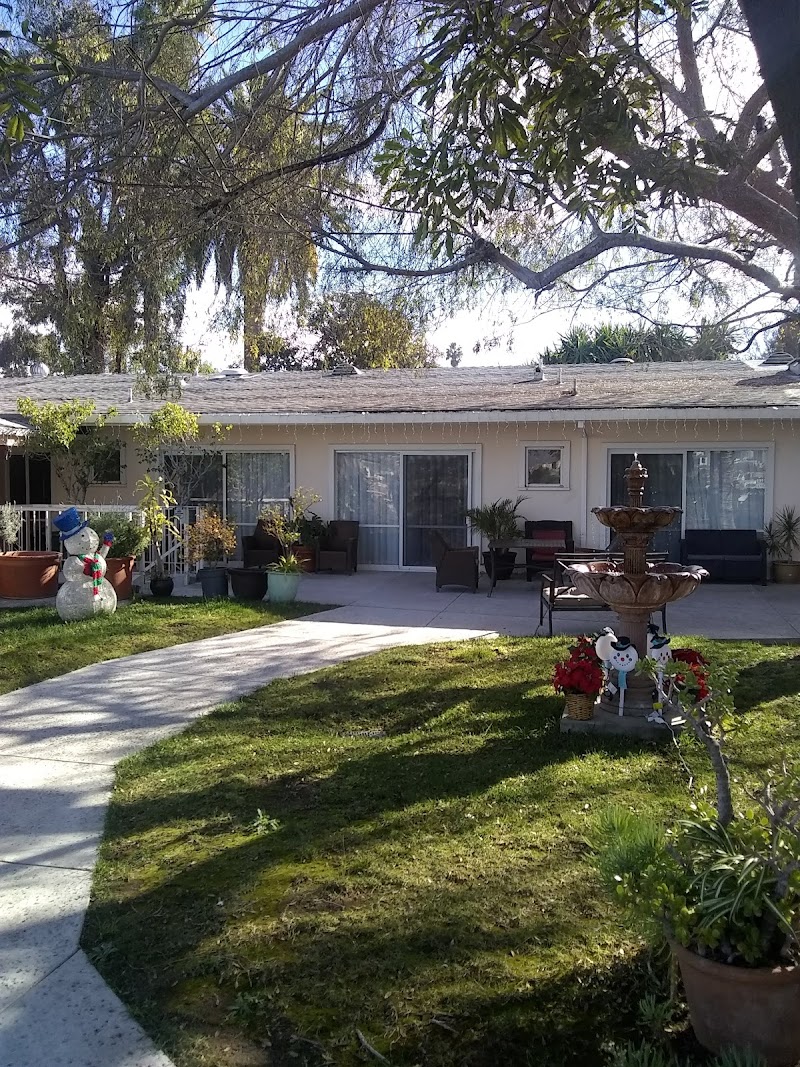
How is Garden Crest Rehabilitation Center Staffed?

CMS rates GARDEN CREST REHABILITATION CENTER's staffing level at 1 out of 5 stars, which is much below average compared to other nursing homes.

What Have Inspectors Found at Garden Crest Rehabilitation Center?

State health inspectors documented 58 deficiencies at GARDEN CREST REHABILITATION CENTER during 2022 to 2025. These included: 3 that caused actual resident harm, 53 with potential for harm, and 2 minor or isolated issues. Deficiencies causing actual harm indicate documented cases where residents experienced negative health consequences.

Who Owns and Operates Garden Crest Rehabilitation Center?

GARDEN CREST REHABILITATION CENTER is owned by a for-profit company. For-profit facilities operate as businesses with obligations to shareholders or private owners. The facility operates independently rather than as part of a larger chain. With 72 certified beds and approximately 59 residents (about 82% occupancy), it is a smaller facility located in LOS ANGELES, California.

How Does Garden Crest Rehabilitation Center Compare to Other California Nursing Homes?

Compared to the 100 nursing homes in California, GARDEN CREST REHABILITATION CENTER's overall rating (1 stars) is below the state average of 3.1 and health inspection rating (2 stars) is below the national benchmark.

What Should Families Ask When Visiting Garden Crest Rehabilitation Center?

Based on this facility's data, families visiting should ask: "Can you walk me through typical staffing levels on day, evening, and night shifts?" "Can I visit during a mealtime to observe dining assistance and food quality?" "How do you handle medical emergencies, and what is your hospital transfer rate?" "Can I speak with family members of current residents about their experience?" These questions are particularly relevant given the below-average staffing rating.

Is Garden Crest Rehabilitation Center Safe?

Based on CMS inspection data, GARDEN CREST REHABILITATION CENTER has a clean safety record: no substantiated abuse findings (meaning no confirmed cases of resident harm), no Immediate Jeopardy citations (the most serious violation level indicating risk of serious injury or death), and is not on the Special Focus Facility watch list (a federal program monitoring the lowest-performing 1% of nursing homes). The facility has a 1-star overall rating and ranks #100 of 100 nursing homes in California. While no facility is perfect, families should still ask about staff-to-resident ratios and recent inspection results during their visit.

Do Nurses at Garden Crest Rehabilitation Center Stick Around?

GARDEN CREST REHABILITATION CENTER has not reported staff turnover data to CMS. Staff turnover matters because consistent caregivers learn residents' individual needs, medications, and preferences. When staff frequently change, this institutional knowledge is lost. Families should ask the facility directly about their staff retention rates and average employee tenure.

Was Garden Crest Rehabilitation Center Ever Fined?

GARDEN CREST REHABILITATION CENTER has no federal fines on record. CMS issues fines when nursing homes fail to meet care standards or don't correct problems found during inspections. The absence of fines suggests the facility has either maintained compliance or corrected any issues before penalties were assessed. This is a positive indicator, though families should still review recent inspection reports for the full picture.

Is Garden Crest Rehabilitation Center on Any Federal Watch List?

GARDEN CREST REHABILITATION CENTER is not on any federal watch list. The most significant is the Special Focus Facility (SFF) program, which identifies the bottom 1% of nursing homes nationally based on persistent, serious quality problems. Not being on this list means the facility has avoided the pattern of deficiencies that triggers enhanced federal oversight. This is a positive indicator, though families should still review the facility's inspection history directly.