GRAND PARK CONVALESCENT HOSPITAL
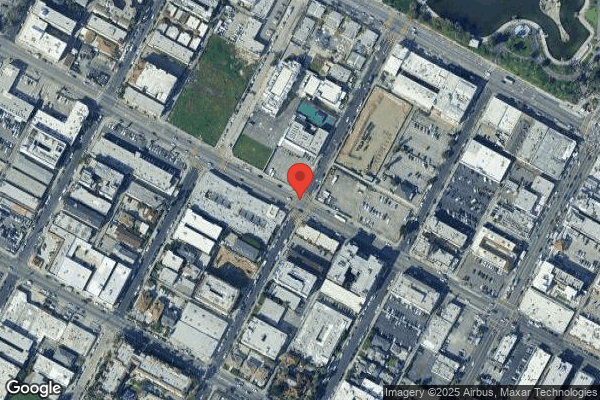
2312 WEST 8TH STREET, LOS ANGELES, CA 90057 (213) 382-7315
For profit - Individual 151 Beds Independent Data: November 2025
Trust Grade
60/100
#589 of 1155 in CA
Last Inspection: July 2025

Inspected within the last 6 months. Data reflects current conditions.

Overview

Grand Park Convalescent Hospital has a Trust Grade of C+, indicating it is slightly above average but not outstanding. It ranks #589 out of 1155 facilities in California, placing it in the bottom half of the state, and #107 out of 369 in Los Angeles County, meaning only a few local options are better. The facility is improving, with the number of issues reported decreasing from 17 in 2024 to 9 in 2025. Staffing is a concern, rated only 1 out of 5 stars, but the turnover rate is impressively low at 0%, suggesting that staff remain long-term. Although the facility has no fines on record, which is a positive sign, there have been significant concerns noted, such as failing to set specialized air mattresses correctly for residents at risk of bedsores and not ensuring call lights were within reach, which could delay assistance. Additionally, there were instances where residents' pain levels were not adequately assessed during care, highlighting areas needing attention.

Trust Score
C+
60/100
In California
#589/1155
Top 50%
Safety Record
Low Risk
No red flags
Inspections
Getting Better
17 → 9 violations
Staff Stability
○ Average
Turnover data not reported for this facility.
Penalties
✓ Good
No fines on record. Clean compliance history, better than most California facilities.
Skilled Nurses
○ Average
RN staffing data not reported for this facility.
Violations
⚠ Watch
36 deficiencies on record. Higher than average. Multiple issues found across inspections.
★★★☆☆
3.0
Overall Rating
★☆☆☆☆
1.0
Staff Levels
★★★★☆
4.0
Care Quality
★★★★☆
4.0
Inspection Score
Stable
2024: 17 issues
2025: 9 issues

The Good

  • 4-Star Quality Measures · Strong clinical quality outcomes
  • Full Sprinkler Coverage · Fire safety systems throughout facility
  • No fines on record

Facility shows strength in quality measures, fire safety.

The Bad

3-Star Overall Rating

Near California average (3.1)

Meets federal standards, typical of most facilities

The Ugly 36 deficiencies on record

Jul 2025 9 deficiencies
CONCERN (D)

Potential for Harm - no one hurt, but risky conditions existed

Comprehensive Care Plan (Tag F0656)

Could have caused harm · This affected 1 resident

**NOTE- TERMS IN BRACKETS HAVE BEEN EDITED TO PROTECT CONFIDENTIALITY** Based on observation, interview, and record review, the facility failed to develop a comprehensive and resident-centered dental ...

Read full inspector narrative →
**NOTE- TERMS IN BRACKETS HAVE BEEN EDITED TO PROTECT CONFIDENTIALITY** Based on observation, interview, and record review, the facility failed to develop a comprehensive and resident-centered dental care plan for one of one sampled resident (Resident 81). This deficient practice had the potential to result in delay in necessary dental care and services for Resident 81. Findings: During a review of Resident 81's admission Record, the admission Record indicated the resident was admitted to the facility on [DATE] with diagnoses that included, but not limited to encephalopathy (a change in brain function due to injury or disease), compression fracture (when a bone in your spine breaks and collapses) of the ninth to tenth thoracic vertebrae (bones that make up the middle part of your spine), bipolar disorder (sometimes called manic-depressive disorder; mood swings that range from the lows of depression to elevated periods of emotional highs), panic disorder (an anxiety disorder that involves multiple unexpected panic attacks), and malnutrition (an imbalance between the nutrients your body needs to function and the nutrients it gets). During a review of Resident 81's Minimum Data Set (MDS-a resident assessment tool), dated 5/4/2025, the MDS indicated the resident was able to participate in assessments and setting goals. The MDS indicated Resident 81 can be understood and had the ability to understand others. The MDS indicated Resident 81 required substantial to maximal assistance (helper does more than half the effort) with activities of daily living (ADL- tasks people need to do every day to take care of themselves, such as eating, dressing, bathing, and using the toilet), and transfers. During a review of Resident 81's Social Services Evaluation admission note, dated 5/5/2025, the Social Services Evaluation admission note indicated Resident (Resident 81) has missing teeth and [Social Services Director] SSD will refer the resident to dental consultation as needed and/or if clinically indicated. During an interview and a review of Resident 81's Care Plan Report (in general) on 7/3/2025 at 8:33 AM, with Registered Nurse Supervisor (RN) 4, RN 4 stated there was no care plan developed for oral/dental health problem for Resident 81 upon admission. RN4 stated if missing teeth was a potential problem for Resident 81, then the missing teeth problem should be included in Resident 81's care plan. RN 4 stated it was important to initiate a care plan immediately to set goals for the resident and to provide proper care and treatment for the resident During an interview on 7/3/2025 at 9:03 AM, with Social Services Director (SSD), the SSD stated dental status should be included in the care plan so that proper dental care and treatment can be provided to Resident 81. SSD stated the care plan is also a good way to communicate between ancillary (providing necessary support to the primary activities or operation of an organization, institution, industry, or system) departments regarding the resident's status. SSD stated it would have been beneficial to have initiated a dental care plan for Resident 81 on admission. During an interview on 7/3/2025 at 9:19 AM, with the Director of Nursing (DON), the DON stated Resident 81's dental problem should have been communicated and a care plan initiated/created to address the resident's dental problem. The DON stated initiating a dental care plan was important to ensure Resident 81 received proper care, follow-ups, and consultations regarding her dental status. During a review of the facility policy and procedures (P&P) titled Care Plan - Comprehensive, reviewed 1/2024, the P&P indicated An individualized Comprehensive Care Plan that includes measurable objectives and timetables to [NAME] the resident's medical, nursing, mental and psychological needs is developed for each resident .The resident's Comprehensive Care Plan is developed within seven (7) das of the completion of the resident's comprehensive assessment (MDS).
CONCERN (D)

Potential for Harm - no one hurt, but risky conditions existed

Deficiency F0657 (Tag F0657)

Could have caused harm · This affected 1 resident

**NOTE- TERMS IN BRACKETS HAVE BEEN EDITED TO PROTECT CONFIDENTIALITY** Based on interview and record review the facility failed to conduct quarterly review and revise a care plan for one of six resid...

Read full inspector narrative →
**NOTE- TERMS IN BRACKETS HAVE BEEN EDITED TO PROTECT CONFIDENTIALITY** Based on interview and record review the facility failed to conduct quarterly review and revise a care plan for one of six residents (Resident 107) who was on Remeron (medication to treat treatment of major depressive disorder [MDD-persistent feeloing of sadness, loss of interest in activities, and changes in sleep, appetite, and energy levels). This failure had the potential to cause confusion related to the dosage of Remeron for Resident 107. Findings: During a review of Resident 107's admission Record indicated the resident was admitted to the facility on [DATE] with diagnoses that included MDD, muscle weakness, and need for assistance with personal care. During a review of Resident 107's Care Plan Report dated 6/12/2024, the Care Plan Report indicated the resident uses antidepressant (used to treat depression) related to feelings of hopelessness and worrying about his life status. The Care Plan Report interventions included to administer antidepressants medications (Remeron) as ordered by physicians, monitor/document side effects and effectiveness every shift for Remeron 15 milligrams (mg- unit of measurement). During a review of Resident 107's Order Summary Report dated 3/10/2025, the Order Summary Report indicated Resident 107 was prescribed Remeron 7.5 milligrams for depression manifested by feelings of hopelessness and worrying about his life status. During a review of Resident 107's Minimum Data Set (MDS - a resident assessment tool), dated 6/13/2025, indicated that the resident did not present with inattention, disorganized thinking, or altered level of consciousness. The MDS indicated Resident 107 presented with feeling down, depressed, or hopeless with little interest in doing things two to six days out of the week. During an observation on 6/30/2025 at 9:54 AM in Resident 107's room, Resident 107 was lying in bed, head of the bed up at 90 degrees. The resident denied feeling sad, lonely or depressed. The resident stated the facility care was fine, he had no complaints. During a concurrent interview and record review on 7/2/2025 at 1:42 PM with the Minimum Data Set Nurse (MDSN), Resident 107's Care Plan Report and Physician's Orders were reviewed. The MDSN stated Resident 107's MDS triggered MDD, and therefore a care plan should be triggered. The MDSN stated Resident 107's MDS was revised on 6/13/2025 for MDD, and therefore MDSN would review the care plan to ensure that the care plan for MDD was updated. The MDSN reviewed the Physician Order which indicated Resident 107 was prescribed Remeron 15 mg which was discontinued on 3/10/2025. The MDSN agreed and stated that Resident 107 care plan for antidepressants related to feelings of hopelessness and worrying about life status should have been reviewed and revised after the order for Remeron 15 mg was changed to 7.5 mg. The MDSN stated Resident 107's current care plan on antidepressants related to feelings of hopelessness and worrying about life status was out of date and not revised since 6/10/2024. The MDSN confirmed and stated that all of Resident 107's care plans were reviewed on 6/10/2025 but the individual care plan for antidepressants related to feeling hopeless and worrying about life status must be revised. The MDSN stated that any licensed nurse can update Resident 107's care plan for depression. The MDSN stated the risk for not updating the care plan can cause confusion related to the Remeron dosage for Resident 107. During an interview on 7/2/2025 at 2:08 PM with the Director of Nursing (DON), the DON stated the nurse who received the order to change Remeron from 15 mg to 7.5 mg should have updated the care plan for Resident 107. The DON confirmed that care plans are reviewed and revised quarterly and whenever there is a change with a physician order. The DON stated the risk to Resident 107 could be lack of monitoring in the reduction of the medication and effectiveness. During a review of the facility policy and procedures (P&P) titled, Care Plan - Comprehensive, dated 01/2024, indicated, care plans are revised as changes in the resident's condition dictate. Care plans are reviewed at least quarterly.
CONCERN (D)

Potential for Harm - no one hurt, but risky conditions existed

Quality of Care (Tag F0684)

Could have caused harm · This affected 1 resident

**NOTE- TERMS IN BRACKETS HAVE BEEN EDITED TO PROTECT CONFIDENTIALITY** Based on interview and record review, the facility failed to ensure the insulin (a hormone that works by lowering levels of gluc...

Read full inspector narrative →
**NOTE- TERMS IN BRACKETS HAVE BEEN EDITED TO PROTECT CONFIDENTIALITY** Based on interview and record review, the facility failed to ensure the insulin (a hormone that works by lowering levels of glucose-sugar in the blood) injection sites were rotated when administered (given) to one of four sampled residents (Resident 99). This deficient practice had the potential to result in injection site reactions such as pain, redness, itching, hives (red and sometimes itchy bumps on the skin), swelling, inflammation, lipodystrophy (defect in the breaking down or building up of fat below the surface of the skin, resulting in lumps or small dents in the skin surface which may be caused by repeated injections of insulin in the same spot), lipoatrophy (wasting of fat under the skin which can be unsightly), and lipohypertrophy (buildup of fat under the skin which can slow the absorption of insulin) that may result in ineffective management of the residents' diabetes mellitus (DM - high blood sugar). Findings: During a review of Resident 99's admission Record, the admission Record indicated Resident 99 was admitted to the facility on originally admitted on [DATE] and readmitted on [DATE] with diagnoses that inlcuded type 2 diabetes mellitus, peripheral vascular disease (PVD - a slow progressive narrowing of the blood flow to the arms and legs), long-term use of insulin, acquired absence of left leg above the knee (someone has lost their left leg due to an injury or surgery, and the amputation was done above the knee) and acquired absence of right leg above the knee. During a review of Resident 99's Minimum Data Set (MDS - a resident assessment tool) dated 5/16/2025, the MDS indicated Resident 99 had the ability to make himself understood and had the ability to understand others. During a review of Resident 99's history and physical (H&P) dated 6/19/2025, the H&P indicated Resident 99 had the capacity to understand and make decisions. During a review of Resident 99's Order Summary Report dated 7/2/2025, the Order Summary Report indicated a physician wrote an order for Resident 99 to receive Humulin R regular insulin (a short-acting man-made insulin that is used to control high blood sugar in adults and children with diabetes mellitus) 100 units/ml (a unit of measurement) inject per sliding scale (a method used to adjust insulin dosages based on blood sugar levels) subcutaneously (SQ- beneath, or under, all the layers of the skin) two times a day related to type 2 diabetes mellitus as needed as follows: -Inject 0 units for blood sugar 0 to 199 -Inject 2 units for blood sugar 200 to 250 -Inject 4 units for blood sugar 251 to 300 -Inject 6 units for blood sugar 301 to 350 -Inject 8 units for blood sugar 351 to 400 -Inject 10 units for blood sugar greater than 401 and recheck blood sugar after 15 t0 30 minutes and if still greater than 400 call MD (medical doctor) The same Order Summary Report also indicated Resident 99 to receive Lantus (long-acting) insulin 100 unit/ml, inject 8 units subcutaneously in the morning for DM. During a concurrent interview and record review on 7/2/2025 at 9:54 AM with Licensed Vocational Nurse (LVN) 1, Resident 99's Location of Administration Report (LAR) dated 7/2/2025 was reviewed. The LAR indicated Resident 99 received SQ injections of Lantus insulin on two consecutive days to the right lower quadrant (RLQ - refers to the lower-right section of the abdominal area) on 6/1/2025 at 10:11 AM and again 6/2/2025 at 9:52 AM, on the left deltoid (is a triangular-shaped muscle located on the shoulder) on three consecutive days on 6/9/2025 at 9:43 AM, 6/10/2025 at 8:12 AM, and 6/12/2025 at 9:16 AM, and on the left lower quadrant (LUQ - refers to the lower-left section of the abdominal area) on two consecutive days on 5/5/2025 at 10:55 AM and 5/6/2025 at 11:21 AM. LVN 1 stated the facility staff should have rotated (changed locations) Resident 99's insulin injection sites and should not have given the insulin on the same location on consecutive injections. LVN 1 stated she did not know the term for what happened if the insulin injection sites were not rotated. During a concurrent interview and record review on 7/2/2025 at 10:11 AM with Registered Nurse (RN) 1, Resident 99's LAR dated 7/2/2025 was reviewed. The LAR indicated Resident 99 received SQ injections of Lantus insulin on two consecutive days to the RLQ on 6/1/2025 at 10:11 AM and again 6/2/2025 at 9:52 AM, on the left deltoid on three consecutive days on 6/9/2025 at 9:43 AM, 6/10/2025 at 8:12 AM, and 6/12/2025 at 9:16 AM, and on the LUQ on two consecutive days on 5/5/2025 at 10:55 AM and 5/6/2025 at 11:21 AM. RN 1 stated the facility's electronic medical record (EMR) showed at the bottom of the screen where Resident 99's insulin injection was previously to alert staff to prevent staff from giving insulin on the same site consecutively. RN 1 stated Resident 99 could get lipohypertrophy if staff do not rotate insulin injection sites. During a concurrent interview and record review on 7/2/2025 at 2 PM with the Director of Nursing (DON), Resident 99's LAR dated 7/2/2025 was reviewed. The LAR indicated Resident 99 received SQ injections of Lantus insulin on two consecutive days in the RLQ on 6/1/2025 at 10:11 AM and again 6/2/2025 at 9:52 AM, on the left deltoid on three consecutive days on 6/9/2025 at 9:43 AM, 6/10/2025 at 8:12 AM, and 6/12/2025 at 9:16 AM, and in the left upper quadrant (LUQ) on two consecutive days on 5/5/2025 at 10:55 AM and 5/6/2025 at 11:21 AM. The DON stated Resident 99 could have tissue damage if the resident's (Resident 99) insulin site is not rotated. During a review of the facility policy and procedures (P&P) titled Insulin Administration, dated 1/2025, the P&P indicated, the purpose of the P&P was to provide guidelines for the safe administration of insulin. The P&P indicated the staff would inject into the subcutaneous tissue of the upper arm and the anterior (toward the front of the body) or lateral (to the side or away from the middle of the body) areas of the thighs and abdomen. Injection sites should be rotated, preferably within the same general area (abdomen, thigh, upper arm).
CONCERN (D)

Potential for Harm - no one hurt, but risky conditions existed

Accident Prevention (Tag F0689)

Could have caused harm · This affected 1 resident

Based on observation, interview, and record review, the facility failed to complete the smoking risk assessment (smoking safety evaluation, an assessment that helps determine a resident's ability to s...

Read full inspector narrative →
Based on observation, interview, and record review, the facility failed to complete the smoking risk assessment (smoking safety evaluation, an assessment that helps determine a resident's ability to smoke safely, whether independently or with supervision, and to identify potential fire hazards) for one of eight sampled residents (Resident 133). This failure had the potential to affect Resident 133's safety, causing a smoking related injury and fire hazard in the facility. Findings: During a review of Resident 133's admission Record, the admission Record indicated the facility admitted the resident on 4/28/2025 with diagnoses that included encephalopathy (a condition that causes dysfunction to the brain, affecting its structure or function), type 2 diabetes (DM, a disorder characterized by difficulty in blood sugar control and poor wound healing), need for assistance with personal care, hypertension (high blood pressure), and heart failure (condition in which the heart muscle is unable to pump enough blood to meet the body's needs for blood and oxygen). During a review of Resident 133's Care Plan Report initiated 4/28/2025, the Care Plan Report indicated the resident was at risk for injury due to smoking. The Care Plan Report goal included for Resident 133 to be free from smoking related injury. The Care Plan Report interventions included to re-evaluate Resident 133's smoking privilege per facility policy. During a review of Resident 133's Nursing Risk Evaluations/Assessments dated 4/28/2025 at 9:40 PM, the Nursing Risk Evaluations/Assessments indicated a smoking safety evaluation was not completed because the resident did not smoke. There was no other smoking safety evaluations completed after 4/28/2025. During a review of Resident 133's Minimum Data Set (MDS, a resident assessment tool), dated 5/1/2025, the MDS indicated the resident was cognitively intact (had the ability to think, understand, and reason). The MDS indicated Resident 133 required partial/moderate assistance with activities of daily living (ADL - oral hygiene, toileting hygiene, showering and bathing himself, upper body dressing, lower body dressing, and putting on and taking off footwear). The MDS indicated Resident 133 did not currently use tobacco. During a review of Resident 133's Activities - Initial Review dated 5/5/2025 at 10:11 AM, the Activities - Initial Review indicated the resident past activity interests included smoking. During an observation on 7/2/2025 at 2:00 PM on the facility's smoking patio, Resident 133 was observed sitting in a chair. Resident 133 was observed getting a cigarette from the activity staff. The activity staff was observed lighting Resident 133's cigarette. Resident 133 was observed smoking without a smoking apron (a protective garment designed to shield the wearer from potential burns and injuries related to smoking). During a concurrent interview and record review on 7/2/2025 at 2:31 PM with Registered Nurse (RN) 3, Resident 133's Nursing Risk Evaluations/Assessments dated 4/28/2025 Activities - Initial Review dated 5/5/2025 were reviewed. RN 3 stated smoking risk assessments are performed on admission. RN 3 stated smoking risk assessment was not performed for Resident 133. RN 3 stated the Nursing Risk Evaluations/Assessments dated 4/28/2025 indicated that a smoking risk assessment was not done because the resident did not smoke. RN 3 stated Resident 133 smokes cigarettes. RN 3 stated the nursing staff should have updated Resident 133's smoking risk assessment and performed a new smoking risk assessment after knowing the resident smoked cigarettes. RN 3 stated a smoking risk assessment is done to assess if the resident is safe to smoke. RN 3 stated if Resident 133 did not have a smoking risk assessment done the resident's safety is potentially at risk. During an interview on 7/3/2025 at 11:15 AM with the Director of Nursing (DON), the DON stated smoking risk assessments are done on admission, quarterly, and as needed. The DON stated that Resident 133 should have had an updated smoking risk assessment performed when staff realized the resident smoked cigarettes. The DON stated the purpose of performing a smoking risk assessment was to identify if the resident was a smoker and to provide interventions to help the resident smoke safely. The DON stated there was a potential for Resident 133's safety to be affected if a smoking risk assessment was not performed. During a review of the facility Policy & Procedures (P&P) titled Smoking Assessment Policy - Residents dated 1/13/2025, the P&P indicated, This facility shall establish and maintain safe resident smoking practices. The resident will be evaluated on admission to determine if he or she is a smoker or non-smoker .A resident's ability to smoke safely will be re-evaluated quarterly, upon significant change (physical or cognitive) and as determined by staff.
CONCERN (D)

Potential for Harm - no one hurt, but risky conditions existed

Deficiency F0761 (Tag F0761)

Could have caused harm · This affected 1 resident

Based on observation, interview, and record review, the facility failed to ensure one (1) of four (4) medication carts was locked and secured when it was unattended in the hallway. This deficient pra...

Read full inspector narrative →
Based on observation, interview, and record review, the facility failed to ensure one (1) of four (4) medication carts was locked and secured when it was unattended in the hallway. This deficient practice had the potential for unauthorized access to medications, drug diversion, and/or drug pilferage. Findings: During an observation on 7/1/2025 at 8:25 AM, the licensed vocational nurse (LVN 2) was at the doorway of Resident 96's room preparing medication for administration. During an observation on 7/1/2025 at 8:30 AM, LVN 2 walked into Resident 96's room and left the medication cart unlocked in the hallway. During an observation and concurrent interview on 7/1/2025 at 8:34 AM, LVN 2 exited Resident 96's room and acknowledged that she did not lock the medication cart. During a review of the facility's Policy and Procedures (P&P), Storage of Medication (dated 3/1/2025), the P&P indicated that . Compartments . containing drugs and biologicals are locked when not in use. Unlocked medication carts are not left unattended .
CONCERN (D)

Potential for Harm - no one hurt, but risky conditions existed

Infection Control (Tag F0880)

Could have caused harm · This affected 1 resident

**NOTE- TERMS IN BRACKETS HAVE BEEN EDITED TO PROTECT CONFIDENTIALITY** Based on observations, interviews, and record review, the facility failed to ensure: 1.The nursing staff (Licensed Vocational Nu...

Read full inspector narrative →
**NOTE- TERMS IN BRACKETS HAVE BEEN EDITED TO PROTECT CONFIDENTIALITY** Based on observations, interviews, and record review, the facility failed to ensure: 1.The nursing staff (Licensed Vocational Nurse 3 [LVN 3] and Licensed Vocational Nurse 4 [LVN 4]) followed its enhanced barriers precautions (EBP, an infection prevention protocol to reduce the spread of certain drug-resistant bacteria, particularly in nursing homes) policy during the medication administration observation for two (2) of six sampled residents (Resident 36 and 23). 2. One of six residents (Resident 119) was provided with a proper identifier for enhanced barrier precautions. These deficient practices had potential to cause cross contamination, spreading the infection among residents, visitors and staff. Findings: 1. During a medication administration (med pass) observation on 7/01/2025 at 9:01 AM, on the wall behind Resident 36's bed, there was a sign indicating enhanced barrier precautions. LVN 3 was observed performing hand hygiene prior to proceeding to measure Resident 36's blood pressure and heart rate at bedside; however, LVN 3 did not don (to put on) gown. During a med pass observation on 7/01/2025 at 9:34 AM at Resident 23's bedside, there was a sign indicating enhanced barrier precautions. LVN 4 was observed donning gloves without having gown on prior to measuring resident's blood pressure and performing med pass. During an interview on 7/1/2025 at 9:50 AM, when asked about the EBP sign, LVN 4 stated the sign meant facility staff needed to don gloves and gown before providing care to the residents. LVN 4 stated she forgot to don on gown before passing medications to Resident 23. During a review of the facility's Policy and Procedures (P&P), titled Administering Medications (dated 7/1/2023), the P&P indicated . Staff shall follow established facility infection control procedures . During a review of the facility's P&P, titled Infection Control (dated 7/1/2023), the P&P indicated . Educating staff and ensuring that they adhere to proper techniques and procedures . 2. During a review of Resident 119's admission Record, the admission Record indicated Resident 119 was admitted to the facility on [DATE] with diagnoses that included benign prostatic hyperplasia (a common condition in older men where the prostate (a gland in the male reproductive system that produces a milky white substance) enlarges leading to problems urinating), retention of urine, and acute kidney failure (a sudden rapid decline in the function of the kidney). During a review of Resident 119's Order Summary Report dated 5/7/2025, the Order Summary Report indicated Resident 119 was on EBP every shift for the indwelling urinary catheter (flexible tube inserted into the bladder to drain urine). During a review of Resident 119's Care Plan Report dated 5/7/2025, the Care Plan Report indicated Enhanced Barrier Precautions with an intervention to implement appropriate infection control precaution signs next to the door entrance with room number. During a review of Resident 119's Minimum Data Set (MDS - a federally mandated resident assessment tool), dated 6/20/2025, the MDS indicated the resident needed partial or moderate assistance with perineal hygiene, adjusting clothes before and after voiding, and the resident had an indwelling catheter. During an observation on 6/30/2025 at 9:42 AM in Resident 119's room, Resident 119 was lying in bed. Resident 119 had an indwelling catheter in a dignity bag (a cover or holder designed to discreetly conceal a urinary drainage bag, often attached to a catheter) hanging from the bed. However, there was no proper identifier to indicate Resident 119 was on EBP per care plan intervention. During a concurrent observation and interview on 6/30/2025 at 12:33 PM with LVN 4 in Resident 119's room, LVN 4 confirmed there was no identifier to indicate that the resident was on EBP. LVN 4 stated the IP nurse places signs on doors and signs above the resident's bed if residents are on EBP. LVN 4 stated the risk to Resident 119 could be that the resident or the staff could catch an infection without proper notification that the resident was on enhanced precautions. During a concurrent observation and interview on 6/30/2025 at 12:38 PM with the Infection Preventionist (IP) in Resident 119's room, the IP confirmed there was no identifier to indicate that the resident was on EBP. The IP stated a sign would have been placed over the resident's bed to indicate Resident 119 was on EBP. The IP stated the risk to Resident 119 without an indicator for EBP could be a risk of transmission of infections. During an interview on 7/2/2025 at 11:16 AM with the Director of Nursing (DON), the DON stated for those residents on EBP, signage or identification goes above the resident's bed on the wall above the bed. The DON stated he would have to go back into the care plan and look at the intervention which indicated the sign should be outside the door entrance with room number. The DON stated the risk to Resident 119 without EBP identifier could be confusion whether visitors or staff should use PPE and could lead to cross contamination to the resident. During a review of the facility's P&P titled, Initiating Enhanced Barrier Precautions, dated 1/13/2025, the P&P indicated when EPBs are implemented, the IP (or designee) determines the appropriate notification so that staff are aware of the need of precautions. The P&P indicated that the facility should make every effort to use a creative communication approach with the staff to maintain a home-like environment.
CONCERN (E)

Potential for Harm - no one hurt, but risky conditions existed

Pressure Ulcer Prevention (Tag F0686)

Could have caused harm · This affected multiple residents

**NOTE- TERMS IN BRACKETS HAVE BEEN EDITED TO PROTECT CONFIDENTIALITY** Based on observation, interview, and record review the facility failed to set the low air loss mattress (LALM - a specialized ai...

Read full inspector narrative →
**NOTE- TERMS IN BRACKETS HAVE BEEN EDITED TO PROTECT CONFIDENTIALITY** Based on observation, interview, and record review the facility failed to set the low air loss mattress (LALM - a specialized air mattress designed to prevent bedsores) to the correct settings for two out of two sampled residents (Resident 1 and Resident 36) This deficient practice placed the Resident 1 and Resident 36 at risk of discomfort, slow wound healing, and development of new pressure ulcers (localized damage to the skin and/or underlying tissue usually over a bony prominence related to a medical or other device). Findings: 1. During a review of Resident 1's admission Record, the admission Record indicated Resident 1 was originally admitted on [DATE] and readmitted on [DATE] with diagnoses that included need for assistance with personal care (getting help with daily activities that involve taking care of yourself and your well-being, especially when you find it difficult to do those things on your own), pressure induced deep tissue damage (occurs when sustained pressure on the skin and underlying tissues, especially over bony areas, cuts off blood supply and damages the tissue underneath the skin's surface) unspecified site, dementia (a progressive state of decline in mental abilities), peripheral vascular disease (PVD - a slow progressive narrowing of the blood flow to the arms and legs), personal history of healed traumatic fracture (a broken bone, caused by a strong impact or injury, that has successfully mended and become whole again) and history of falling. During a review of Resident 1's history and physical (H&P) dated 12/24/2024, indicated Resident 1 does not have the capacity to understand and make decisions. The H&P indicated Resident 1 had peripheral artery disease with chronic insufficiency (narrowed blood vessels carrying blood away from your heard are narrowed or blocked in the arms or legs), PVD, and chronic ulcers (persistent sores or open wounds that develop on your legs or feet because those areas aren't getting enough oxygen-rich blood). The H&P indicated Resident 1 needed a wound doctor consult. During a review of Resident 1's MDS dated [DATE], the MDS indicated Resident 1 usually had the ability to make herself understood and usually had the ability to understand others. The MDS indicated Resident 1 was dependent for toileting, showering/bathing, dressing, personal hygiene (combing hair, applying makeup, washing/drying face/hands), and for rolling left and right. During a review of Resident 1's care plan titled Alteration in Skin Integrity (when skin is damaged, broken, or not as healthy as it should be), dated 5/25/2025, the care plan indicated a goal for Resident 1 not to have complications from PVD and have no signs and symptoms of infection. The care plan indicated an intervention (a specific action taken by a healthcare professional, like a nurse, to help a patient improve their health or manage a condition) for a LALM. During a review of Resident 1's SBAR (Situation, Background, Assessment, Recommendation - a framework for clear and concise communication, especially in urgent or important situations) dated 6/2/2025 indicated resident was in hospice care family decided to dis- continue hospice care for they want evaluation of wound in the Hosp., left heel, right foot toes and left and right heel (PVD) peripheral vascular disease. During a review of Resident 1's progress note dated 6/5/2025, the progress note indicated Resident 1's responsible party (person making decisions for the resident) was concerned about Resident 1's wounds and leg condition. During a review of Resident 1's progress note dated 6/11/2025, the progress note indicated Resident 1 had multiple ulcers on both feet and right lower leg. During a concurrent observation, interview and record review on 6/30/2025 at 1:52 PM with Licensed Vocational Nurse (LVN) 1 Resident 1's weight and LALM settings were observed and reviewed. LVN 1 stated the LALM was set to 80. LVN 1 reviewed Resident 1's weight in the Resident 1's electronic medical record (EMR) dated 6/2/2025 and stated Resident 1 weighed 103 lbs. LVN 1 stated the LALM setting at 80 pounds was set too low. LVN 1 was then observed moving the LALM setting to match Resident 1's approximate weight of 103 pounds. LVN 1 stated if the LALM was not set to Resident 1's weight, the LALM would lose its effectiveness. During an interview on 7/1/2025 at 2:07 PM with the Director of Nursing (DON), the DON stated Resident 1's LALM was not set correctly at 80 when Resident 1 weighed 103 pounds. The DON stated the mattress would be less effective. During a review of Resident 1's Order Summary Report dated 7/2/2025, the Order Summary Report indicated Resident 1's physician ordered a low air loss mattress (LALM) every shift for skin management. The Order Summary Report indicated an order to keep both lower extremities (legs) with pillow when in bed to offload (take off) pressure to Resident 1's heels. The Order Summary Report indicated an order for enhanced barrier precautions (an infection control strategy focused on reducing the spread of infections in nursing homes) as well as an order for wound care to Resident 1's right 5th toe, right heel, and right lateral lower leg with peripheral vascular disease. During a review of the undated Drive LALM Operator's Manual (OM) titled Med-Aire Melody Low Air Loss and Alternating Pressure Mattress Replacement System, the OM indicated Pressure Adjust Knob (Pressure Range): Turn the pressure adjust knob to set the mattress to the desired pressure level. Patient weight settings are available along the knob perimeter as a guide. 2. During a review of Resident 36's admission Record, the admission Record indicated the facility re-admitted the resident on 1/27/2025 with diagnoses that included metabolic encephalopathy (a brain disorder caused by chemical imbalances in the blood), muscle weakness, severe protein calorie malnutrition (a serious condition resulting from inadequate intake of both protein and calories), adult failure to thrive (a decline caused by chronic diseases and functional impairments which can cause weight loss, decreased appetite, poor nutrition, and inactivity), type 2 diabetes (DM, a disorder characterized by difficulty in blood sugar control and poor wound healing), and Stage 3 pressure ulcer (Full-thickness loss of skin. Dead and black tissue may be visible) of the sacral region (tailbone area). During a review of Resident 36's Order Summary Report, the Order Summary Report indicated the resident had a physician order dated 1/28/2025 to apply a LALM in bed daily for skin management every shift. During a review of Resident 36's Minimum Data Set (MDS, a resident assessment tool) dated 4/15/2025, the MDS indicated the resident had severely impaired cognition (a significant decline in mental abilities, impacting memory, language, judgment, and the ability to perform daily tasks independently). The MDS indicated Resident 36 was dependent for activities of daily living (ADL - oral hygiene, toileting hygiene, showering and bathing herself, upper and lower body dressing, putting on and taking off footwear, and personal hygiene.) The MDS indicated Resident 36 was at risk for developing pressure ulcers/injuries, had a Stage 3 pressure ulcer present on admission to the facility, and utilized a pressure reducing device for bed. During a review of Resident 36s Weight Summary, the Weight Summary indicated the resident weighed 103 pounds (lbs., a measurement of weight) on 6/2/2025. During an observation on 6/30/2025 at 10:12 AM, in Resident 36's room, the resident was observed laying on a Drive LALM with the LALM settings at 150 lbs. A sticker was observed on Resident 36's LALM that indicated the LALM settings be set between 89-109. During a concurrent observation and interview on 6/30/2025 at 10:18 PM with Registered Nurse (RN) 2, in Resident 36's room, the resident was observed on a LALM which indicated Drive. A label was observed on Resident 36's LALM that indicated the LALM settings be set between 89 - 109. Resident 36's LALM was set on the 150 lbs. setting. RN 2 stated and verified Resident 36's LALM was set at 150 lbs. RN 2 stated Resident 36's LALM settings were incorrect. RN 2 stated Resident 36's LALM settings should be between 89-109 per the sticker on the LALM. RN 2 stated LALM settings should be based on Resident 36's weight. RN 2 stated Resident 36 was using a LALM to help prevent further skin breakdown. During an interview on 7/3/2025 at 11:11 AM with the Director of Nursing (DON), the DON stated the LALM settings were based on a resident's weight. The DON stated Resident 36 used a LALM to help prevent further skin breakdown. The DON stated there was a potential for the LALM to not be effective in providing pressure redistribution when on the wrong settings. The DON stated there was a potential for Resident 36 to develop further skin breakdown with the LALM on the wrong settings. During a review of the undated Drive LALM Operator's Manual (OM) titled Med-Aire Melody Low Air Loss and Alternating Pressure Mattress Replacement System, the OM indicated, Pressure Adjust Knob (Pressure Range): Turn the pressure adjust knob to set the mattress to the desired pressure level. Patient weight settings are available along the knob perimeter as a guide.
CONCERN (E)

Potential for Harm - no one hurt, but risky conditions existed

Deficiency F0919 (Tag F0919)

Could have caused harm · This affected multiple residents

**NOTE- TERMS IN BRACKETS HAVE BEEN EDITED TO PROTECT CONFIDENTIALITY** Based on observation, interview, and record review, the facility failed to ensure call lights (a device that alerts healthcare p...

Read full inspector narrative →
**NOTE- TERMS IN BRACKETS HAVE BEEN EDITED TO PROTECT CONFIDENTIALITY** Based on observation, interview, and record review, the facility failed to ensure call lights (a device that alerts healthcare providers that the patient needs assistance) were within residents' reach and easily accessible for two of two sampled residents (Resident 13, Resident 114). This deficient practice had the potential to result in delays in meeting the Resident 13 and Resident 114's needs for assistance, which could lead to accidents including falls. Findings: 1. During a review of Resident 13's admission Record, the admission Record indicated the facility re-admitted the resident on 12/9/2024 with diagnoses that included metabolic encephalopathy (a brain disorder caused by chemical imbalances in the blood), need for assistance with personal care, dementia, psychosis (a severe mental condition in which thought and emotions are so affected that contact is lost with reality), chronic kidney disease (a condition in which the kidneys are damaged and cannot filter blood as well as they should), and a history of falling. During a review of Resident 13's Minimum Data Set (MDS - a federally mandated resident assessment tool) dated 6/16/2025, the MDS indicate the resident had severely impaired cognition (impaired ability to think, understand, and reason). The MDS indicated Resident 13 was dependent on help for toileting hygiene, showering and bathing herself, putting on and taking off footwear, and personal hygiene. The MDS indicated Resident 13 required substantial/maximal assistance for lower body dressing. The MDS indicated Resident 13 required partial/moderate assistance for oral hygiene and upper body dressing. The MDS indicated Resident 13 required supervision or touching assistance with eating. During a review of Resident 13's Care Plan Report, the Care Plan Report indicated the resident had an Activities of Daily Living (ADL) self-care performance deficit related to dementia, impaired balance, limited mobility, limited Range of Motion (ROM), and pain on the right hip due to a history of a fall. The Care Plan Report indicated a goal to anticipate and meet Resident 13's needs daily or as needed. The Care Plan Report indicated interventions that included ensuring and providing a safe environment for Resident 13 with the call light in reach. During an observation on 6/30/2025 at 9:13 AM, in Resident 13's room, the resident was observed lying in bed. Resident 13's call light was observed on the floor on the left side of the bed out of the resident's reach. During a concurrent observation and interview on 6/30/2025 at 9:18 AM, with Certified Nursing Assistant 4 (CNA 4), in Resident 13's room, the resident's call light was observed on the floor out of the resident's reach. CNA 4 stated that Resident 13's call light should not be on the floor. CNA 4 stated Resident 13's call light should be next to the resident with the resident's reach. CNA 4 stated the call light should be next to the resident so she (Resident 13) can call the nursing staff for help when needed. During an interview on 7/3/2025 at 11:13 AM with the Director of Nursing (DON), the DON stated call lights should be placed within residents' reach, so residents can call for assistance if they need anything. The DON stated there is a potential for the residents not to be able to call for assistance from nursing staff during an emergency if the call light is not within the resident's reach. During a review of the facility's Policy and Procedures (P&P) titled Call Light dated 5/2023, the P&P indicated When the resident is in bed or confined to a chair be sure the call light is within easy reach of the resident. 2. During a review of Resident 114's admission Record, the admission record indicated the resident was admitted to the facility on [DATE] and was readmitted on [DATE], with diagnoses that included muscle weakness, subarachnoid hemorrhage (a serious condition where bleeding occurs in the space between the brain and the skull), hypertension (HTN-high blood pressure), diabetes mellitus (DM-a disorder characterized by difficulty in blood sugar control and poor wound healing), and encephalopathy (a change in brain function due to injury or disease). During a review of Resident 114's MDS, dated [DATE], the MDS indicated the resident had severely impaired cognition. The MDS indicated Resident 114 was dependent on staff for self-care activities such as eating, oral hygiene, toileting hygiene, bathing, and dressing. During a review of Resident 114's Order Summary Report, dated 4/15/2025, the Order Summary Report indicated Maintain touch pad call light (a call light with a flattened pad that is activated by slight pressure from the hand, arm or body) to facilitate resident with upper mobility impairment. During a review of Resident 114's Care Plan, reviewed and revised on 5/5/2025, the Care Plan indicated Resident 114 had self-care deficit and was at risk for fall related to impaired mobility, and was incontinent of bowel movement. The Care Plan indicated goals for Resident 114 to maintain the current level of function, have no falls, and minimize the risk for skin impairment. The Care Plan indicated an intervention for Resident 114 to have the call light within reach and answered promptly. During an observation on 6/30/2025 at 10:40 AM, in Resident 114's room, Resident 114 was observed lying in a geri-chair (a large, padded chair that is designed to help seniors with limited mobility) positioned on the left side of the resident's bed. Resident 114's touch pad call light was observed on the bed, out of the resident's reach. Resident 114 was observed stretching out her right hand to reach out for the call light but was not able to do so. During a concurrent observation and interview on 6/30/2025 at 10:50 AM, in Resident 114's room, with CNA 3, CNA 3 confirmed Resident 114's call light was out of reach on the bed while the resident was lying in the geri-chair. CNA 3 stated Resident 114 could fall and staff would not be aware if there was an emergency because the resident would not be able to call for assistance when needed with the call light out of reach. During an interview on 7/3/2025 at 8:21 AM, with Registered Nurse Supervisor (RN) 1, RN 1 stated Resident 114's concerns would not be addressed if the call light was not within reach. RN 1 stated call light should be placed next to the resident at all times. During an interview on 7/3/2025 at 9:11 AM, with the DON, the DON stated Resident 114 would potentially not be able to receive the assistance needed if the call light was not within reach. During a review of the facility's P&P titled Call Light, reviewed 5/2023, the P&P indicated The purpose of this procedure is to respond to the resident ' s request and needs .When the resident is in bed or confined to a chair be sure the call light is within easy reach of the resident.
MINOR (B)

Minor Issue - procedural, no safety impact

Deficiency F0912 (Tag F0912)

Minor procedural issue · This affected multiple residents

**NOTE- TERMS IN BRACKETS HAVE BEEN EDITED TO PROTECT CONFIDENTIALITY** Based on observation, interview and record review, the facility failed to ensure one of 72 resident rooms (room [ROOM NUMBER]) m...

Read full inspector narrative →
**NOTE- TERMS IN BRACKETS HAVE BEEN EDITED TO PROTECT CONFIDENTIALITY** Based on observation, interview and record review, the facility failed to ensure one of 72 resident rooms (room [ROOM NUMBER]) met the required space at least 80 square feet for each resident. This failure had the potential to affect the delivery of care, safety, and privacy of the residents. Findings: During a concurrent observation and interview on 7/3/2025 at 9:25 AM, in room [ROOM NUMBER], Maintenance supervisor (MS) measured the room. The MS stated the room measured 10'8.5 x 19'9 = 213.69 sq. ft. The room was clean and free from clutter and obstruction. During an interview on 7/3/25 at 9:26 AM with Certified Nurse Assistant 5 (CNA 5) , CNA 5 stated the room feels regular. The room is kept low clutter and easily accessible. During a review of the Client Accommodations Analysis dated 7/3/2025, the Client Accommodations Analysis indicated the room measurements for room [ROOM NUMBER] was 10'8.5 x 19'9 = 213.69 sq. ft., with three beds The square footage requirements for a three-bed capacity room must be at least 240 square feet per Federal regulation. During a review of the facility's Room Variance Waiver Letter dated 4/25/2025, the Letter indicated room [ROOM NUMBER] was less than 80 square feet. The Room Variance Waiver Letter indicated room [ROOM NUMBER] had three beds. During multiple room observations conducted in room [ROOM NUMBER], from 7/1/2025 to 7/3/2025, there were no safety and privacy concerns observed related to space or to the safe provisions of care to the residents residing in the room During a review of the facility's Policy and Procedures (P&P) titled, Bedroom, dated 1/13/25, the P&P indicated the facility provides rooms which measure at least 80 square feet per resident in multiple resident bedrooms, and at least 100 square feet in single resident rooms.
Oct 2024 1 deficiency
CONCERN (D) 📢 Someone Reported This

A family member, employee, or ombudsman was alarmed enough to file a formal complaint

Potential for Harm - no one hurt, but risky conditions existed

Medical Records (Tag F0842)

Could have caused harm · This affected 1 resident

**NOTE- TERMS IN BRACKETS HAVE BEEN EDITED TO PROTECT CONFIDENTIALITY** Based on interview and record review, the facility failed to ensure resident records were complete and accurate in accordance wi...

Read full inspector narrative →
**NOTE- TERMS IN BRACKETS HAVE BEEN EDITED TO PROTECT CONFIDENTIALITY** Based on interview and record review, the facility failed to ensure resident records were complete and accurate in accordance with accepted professional standard and practice for one of three sampled residents (Resident 1). For Resident 1, the facility failed to ensure Resident 1's discharge plan was reflected in Resident 1 ' s medical record. This deficient practice resulted in incomplete and inaccurate record for Resident 1 ' s discharge plan and goals. Findings: During a review of the admission Record indicated Resident 1 was admitted on [DATE] and was re-admitted on [DATE] with diagnoses including osteoarthritis (progressive disorder of the joints, caused by a gradual loss of cartilage) and abnormities of gait and mobility. During a review of the Minimum Data Set (MDS, a federally mandated resident assessment tool) dated 9/15/24 indicated Resident 1 was cognitively intact. Resident 1 moderate assistance (helper does less than half the effort) with toileting hygiene, shower/bathe self, lower body dressing, putting on/taking off footwear, supervision with oral hygiene, upper body dressing and independent with eating. The same MDS indicated Resident 1 ' s overall goal for discharge was to discharge to the community. During an interview on 10/30/24 at 9:49 a.m., Resident 1 stated he wants to be discharged and live in an apartment. Resident 1 stated he was homeless before coming to the facility and does not want to be homeless again once he is discharged . During concurrent interview and record review on 10/30/24 at 10:11 a.m., with Registered Nurse Supervisor 1 (RNS 1) the social services notes were reviewed. RNS 1 stated social services was looking for placement for Resident 1. However, RNS 1 stated she was unable to find SSD documentation about Resident 1 ' s discharge plan. During a telephone interview on 10/30/24 at 10:41 a.m. Social Service Designee 1(SSD 1) stated Resident 1 wants to be discharged to an assisted living. SSD stated Resident 1 had an application submitted for the assisted living waiver (ALW, program for residents who require a nursing facility level of care and wish to live in a residential care setting or in publicly funded senior and/or disabled housing) and the application is currently on hold. SSD 1 stated she had discussed with Resident 1 ' s next of kin (NOK) regarding Resident 1 ' s discharge plan on 10/14/24 but SSD stated she did not document. During an interview on 10/30/24 at 11:20 a.m., the Director of Nursing (DON) stated, it is important to document the discharge plan for [Resident 1] to prove that the facility is actually doing something . for Resident 1. During a review of the facility's Policy and Procedures (P&P) titled Charting and Documentation reviewed on 1/29/24, indicated, all services provided to the resident, progress toward the care plan goals or any changes in the resident ' s medical, physical, functional, or psychosocial condition shall be documented in the resident ' s medical record. The medical record should facilitate communication between the interdisciplinary team regarding resident ' s condition and response to care. The following information is to be documented in the resident medical record that included treatments or services performed and progress toward or changes in the care plan goals and objectives.
Sept 2024 1 deficiency
CONCERN (D) 📢 Someone Reported This

A family member, employee, or ombudsman was alarmed enough to file a formal complaint

Potential for Harm - no one hurt, but risky conditions existed

Report Alleged Abuse (Tag F0609)

Could have caused harm · This affected 1 resident

**NOTE- TERMS IN BRACKETS HAVE BEEN EDITED TO PROTECT CONFIDENTIALITY** Based on interviews, and record reviews the facility failed to implement its abuse policy and procedures when the facility faile...

Read full inspector narrative →
**NOTE- TERMS IN BRACKETS HAVE BEEN EDITED TO PROTECT CONFIDENTIALITY** Based on interviews, and record reviews the facility failed to implement its abuse policy and procedures when the facility failed to report to the Survey State Agency (SSA) an injury of unknown origin with 24 hours for one of three sampled residents (Resident 1). On 8/16/2024 at 12:22 pm, Resident 1 was found on the floor with discoloration to the left of his face and a 0.5-centimeter (cm-unit of measurement) scratch to the right side of the nose. On 8/20/2024, the hemodialysis (a medical procedure to remove fluid and waste products from the blood) center reported to Resident 1's physician that the resident had bruising and swelling to the left side of the face. The physician ordered for Resident to be transferred to a General Acute Care Hospital (GACH) for further evaluation and management. The facility never reported Resident's 1 injuries to the SSA. This deficient practice resulted in delayed investigation of Resident 1's injuries by the SSA. Findings: A review of Resident 1 ' s admission Record indicated Resident 1 was initially admitted to the facility on [DATE] and was readmitted on [DATE] with diagnoses including End Stage Renal Disease (ESRD- a permanent condition that occurs when the kidneys are no longer able to function properly and filter waste from the blood. It's the final stage of chronic kidney disease and requires dialysis [a treatment that replicates the kidney's function and cleans the waste from blood for individuals with kidney disease or kidney failure] or a kidney transplant to survive) the body ' s response to infection causes injury to its own tissues and organs), encephalopathy (a disease in which the functioning of the brain is affected by some agent or condition-such as viral infection or toxins in the blood), type II diabetes (a chronic condition that affects the way the body processes blood sugar), and dementia (a decline in cognitive abilities that can impact a person's ability to perform everyday tasks). During a review of Resident 1 ' s Minimum Data Set (MDS - a standardized comprehensive assessment and screening tool), dated 8/11/2024, indicated Resident 1's cognitive skill (mental action or process of acquiring knowledge and understanding) for daily decision-making were severely impaired and required between partial/moderate assistance to substantial/maximal assistance for activities of daily living (ADL-upper and lower body dressing, putting and taking off footwear, toileting hygiene, oral hygiene and personal hygiene). During a review of Resident 1 ' s History and Physical (a medical record used by a physician/health care provider to document the findings following examination of a patient) dated 8/15/2024 indicated, Resident 1 had no capacity to understand and make decisions. During a review of a document titled Verification of Investigation Report, dated 8/16/2024, indicated that on 8/16/2024 At approximately 9:30 am, the charge nurse was passing medication when a Certified Nursing Assistant (CNA) assigned to resident [Resident 1] informed the charge nurse that the resident ' s safety alarm went off and CNA immediately checked [Resident 1 ' s] room and found the resident [Resident 1] on top of the floor mat. On the same document, under assessment or resident/describe injury, indicated the resident had a small blood and had sustained discoloration (a change in the natural skin tone) on the right side of the resident ' s face. During a review of Resident 1 ' s Situation Background Assessment Recommendation (SBAR - a written or verbal communication tool used to provide essential and concise information, usually during crucial situations) dated 8/16/2024 at 12:22 pm, indicated, Resident 1 was noted on the floor and had discoloration to the left of his face and a 0.5 cm scratch to the right side of the resident ' s nose. The SBAR indicated that there was blood on the floor. A review of a physician ' s order dated 8/20/2024 indicated, Transferred to General Acute Care Hospital (GACH) emergency room (ER) via 911 (a number used for emergencies only. An emergency is any serious medical problem (chest pain, seizure, bleeding), any type of fire (business, car, building), any life-threatening situation (fights, person with weapons, etc.) or to report crimes in progress) from Dialysis Center (Left eye bruise, swollen) During an observation of Resident 1 on 9/4/2024 at 1:50 pm, Resident 1 was observed to have reddish-purple bruising (skin discoloration from damaged, leaking blood vessels underneath your skin) to the left side of his face. The bruising covered the left temple (the area just behind and to the side of the forehead and the eye), around the left eye, which was swollen, left cheek, jaw line, left ear as well as the left side of his neck extending to the back of the neck. During an interview with Certified Nursing Assistant 1 (CAN 1) on 9/4/2024 at 2:20 pm, CNA 1 stated that on 8/16/2024 at around midmorning, CNA 1 heard a bed alarm coming from Resident 1 ' s room and rushed to the resident ' s room. CNA 1 stated that she found Resident 1 on the floor and that there was blood on the resident ' s nightstand. CNA 1 then called for the supervisor as well as an interpreter. During an interview with the Social Worker (SW) on 9/4/2024 at 2:43 pm, the SW stated that on 8/16/2024 at around midmorning, she helped with translation and had observed that Resident 1 had a scratch to the nose that was being tended to by the nursing staff. The SW confirmed and stated that Resident 1 had bruising to the left side of the face. The SW confirmed and stated that Resident 1 ' s injury is considered an injury of unknown origin because no one had witnessed how Resident 1 sustained the injury. The SW stated and acknowledged that injuries of unknown origins must be reported to the SSA. During an interview with the Director of Nursing (DON) on 9/4/2024 at 3:15pm, the DON confirmed and stated that Resident 1 ' s injuries (bruising to the left side of the face) were of unknown origin and must be reported to the SSA. The DON stated that the importance of reporting is to ensure that an investigation is completed to rule out abuse. During an interview with the Administrator (AD) on 9/12/2024 at 9:40 am, the AD stated that he thought that the staff at the facility had reported the injuries to the SSA as an unwitnessed fall. The AD insisted that staff knew that Resident 1 had a fall even though none of the facility staff observed Resident 1 falling. The AD stated, It is not brain surgery to figure out that that he [Resident 1] had a fall. The AD insisted that he had investigated Resident 1 ' s fall, however, the AD did not have documented evidence to corroborate the AD ' s claim. A review of the facility ' s policy and procedures (P&P) titled Investigating Injuries/Injury of Unknown Source revised on 1/29/2024, indicated, The administrator will ensure that all injuries are investigated. Injury of unknown source is defined as an injury that meets both of the following conditions: a. The source of the injury was not observed by any person, or the source of the injury could not be explained by the resident; and included the following: b. The injury is suspicious because of: (I) The extent of the injury; or (2) The location of the injury (e.g., the injury is located in an area not generally vulnerable to trauma). The same P&P indicated to follow the protocols set forth by the facility ' s abuse policy. During a review of the facility ' s P&P titled Unusual Occurrence Reporting, reviewed 1/29/2024 indicated, the P & P indicated As required by federal or state regulations, our facility reports unusual occurrences or other reportable events which affect the health, safety, or welfare of our residents, employees, or visitors. A written report detailing the incident and actions taken shall be delivered to the SSA within 48hours and that the administrator will keep a copy of the report. During a review of the facility's P&P titled Abuse Investigation and Reporting, reviewed 1/29/2024, indicated, the P & P indicated All reports of resident abuse, neglect, exploitation, misappropriation of resident property, mistreatment and/or injuries of unknown source (abuse) shall be promptly reported to local, state, and federal agencies (as defined by current regulations) and thoroughly investigated by facility management. Findings of abuse investigations will also be reported. The same P&P indicated that, the ombudsman will be notified about the investigation and an invitation offered to participate in the review process. An alleged violation of abuse, neglect, exploitation, or mistreatment (including injuries of unknown source and misappropriation of resident property) will be reported immediately, but not later than: a. Two (2) hours if the alleged violation involves abuse OR has resulted in serious bodily injury; or b. Twenty-four (24) hours if the alleged violation does not involve abuse AND has not resulted in serious bodily injury.
Aug 2024 1 deficiency
CONCERN (D) 📢 Someone Reported This

A family member, employee, or ombudsman was alarmed enough to file a formal complaint

Potential for Harm - no one hurt, but risky conditions existed

Infection Control (Tag F0880)

Could have caused harm · This affected 1 resident

**NOTE- TERMS IN BRACKETS HAVE BEEN EDITED TO PROTECT CONFIDENTIALITY** Based on observation, interview and record review, the facility failed to maintain an infection prevention and control program d...

Read full inspector narrative →
**NOTE- TERMS IN BRACKETS HAVE BEEN EDITED TO PROTECT CONFIDENTIALITY** Based on observation, interview and record review, the facility failed to maintain an infection prevention and control program designed to help prevent the development and transmission of Coronavirus – 19 (COVID-19, COVID, a virus that causes respiratory illness that can spread from person to person) as evidenced by: 1. Failing to ensure that two of the four sampled residents (Residents 1 and 3) were wearing a mask while interacting with other residents in the hallway and at the nurses station. 2. Failing to ensure that Registered Nurse (RN) 1 were wearing N95 respirators (is a respiratory protective device designed to achieve a very close facial fit and very efficient filtration of airborne particles) they were fit tested for (RN 1). These deficient practices had the potential to place both residents and staff at a risk for infection to COVID-19. Findings: 1. A review of Resident 1 ' s admission record indicated the resident was initially admitted to the facility on [DATE] and readmitted on [DATE] with diagnoses that included chronic kidney disease (CKD - when your kidneys have mild to moderate damage and aren't filtering waste and extra fluid out of your blood as well as they should. This can lead to a buildup of waste in your body, which can cause other health problems), malignant neoplasm of breast (a disease that occurs when abnormal cells in the breast multiply uncontrollably to form a tumor) and essential hypertension (HTN - elevated blood pressure). A review of Resident 1 ' s history and physical (H&P- a term used to describe a physician's examination of a patient. The physician obtains a thorough medical history from the patient, performs a physical examination, and then documents their findings) dated 5/7/2024, indicated Resident 1 did not have the capacity to understand and make decisions. A review of Resident 1 ' s Minimum Date Set (MDS-a standardized assessment care screening tool), dated 6/8/2024, indicated Resident 1 had severe cognitive impairments (when someone has difficulty with their ability to think, learn, remember, and make decisions) and substantial/maximal assistance for Activities of Daily Living (ADL- skills required to manage one's basic physical needs) such as eating, oral hygiene, toileting hygiene, personal hygiene, upper/lower body dressing, toilet transfer, and tub/shower transfer. A review of Resident 3 ' s history and physical (H&P- a term used to describe a physician's examination of a patient. The physician obtains a thorough medical history from the patient, performs a physical examination, and then documents their findings) dated 5/7/2024, indicated Resident 1 did not have the capacity to understand and make decisions. A review of Resident 3 ' s admission record indicated the resident was initially admitted to the facility on [DATE] and readmitted on [DATE] with diagnoses that included hyperlipidemia (an excess of lipids or fats in your blood) diabetes mellitus (DM-a chronic condition that affects the way the body processes blood sugar [glucose]), and essential hypertension. A review of Resident 3 ' s MDS dated [DATE], indicated Resident 3 had moderate cognitive impairment (a condition in which people have more memory or thinking problems than other people their age) and required substantial/maximal assistance for ADLs such as eating, oral hygiene, toileting hygiene, personal hygiene, upper/lower body dressing, toilet transfer, and tub/shower transfer. During an observation of Resident 3 on 8/7/2024 at 9:55 am, Resident 3 was observed sitting in a wheelchair opposite the nurses station. Resident was not wearing a mask and was observed sitting next to 4 other residents. During a concurrent observation of Resident 1 and interview with RN 1 on 8/7/2024 at 10:34 am, Resident 1 was observed walking around the unit and back to her room located close to the nurses station without a mask on. Resident stated that she was not aware that she had to wear a mask at all. RN 1 confirmed that both Residents 1 and 3 were both not wearing masks. 2. During a concurrent observation and interview of RN 1 ' s N95 respirator on 8/7/2024 at 10:38 am. RN 1 was observed wearing a white respirator that had some black markings around the chin area. RN 1 admitted that she had not been fitted for the respirator that she was wearing but a green one. She stated that the importance of wearing a respirator she was fitted for was to ensure a proper fit which would prevent the spread of Covid 19 infection. During an interview with the Infection Prevention Nurse (IPN) on 8/7/2024 at 12:03 pm, IPN stated that during a Covid 19 outbreak (two or more cases of probable or confirmed COVID-19 in a patient) all residents must wear surgical masks when leaving their rooms to prevent Covid 19 infection. IPN stated that wearing the correct n95 mask that one was tested helped give a proper seal around the nose and mouth to prevent the transmission of Covid 19. A review of the facility's policy and procedures (P&P) titled Personal Protective Equipment - Contingency and Crisis Use of N-95 Respirators (COVID-19 Outbreak), revised 1/29/2024 indicated, To guide the use of personal protective equipment (PPE) through contingency and crisis capacity strategies when supply is limited. The P&P indicated, all staff must wear fit tested NIOSH (National Institute for Occupational Safety and Health) approved N95 respirators in any indoor space where there are residents who are in Covid 19 isolation or PUI (Patient under investigation- a person who had been in close contact with a person with confirmed infection or/and may have been to place where there is an outbreak). A review of the facility's P&P titled Coronavirus Disease (COVID-19)- Infection Prevention and Control Measures, revised 1/29/2024 indicated under Policy Interpretation and Implementation which included: 2. While in the building, personnel are required to strictly adhere to established infection prevention and control policies, including: a. hand hygiene. b. respiratory hygiene. c. appropriate use of PPE (Personal Protective Equipment- Gloves, mask, disposable gown). The same P&P under source control indicated, i. Asymptomatic residents are provided cloth face coverings (or facemasks as supplies permit). a. Residents are asked to wear face coverings or masks when they leave their rooms or are around others. b. When residents have to leave their room, they wear a facemask, perform hand hygiene, limit their movement in the facility, and practice physical distancing.
Aug 2024 1 deficiency
CONCERN (D) 📢 Someone Reported This

A family member, employee, or ombudsman was alarmed enough to file a formal complaint

Potential for Harm - no one hurt, but risky conditions existed

Report Alleged Abuse (Tag F0609)

Could have caused harm · This affected 1 resident

**NOTE- TERMS IN BRACKETS HAVE BEEN EDITED TO PROTECT CONFIDENTIALITY** Based on interview and record review, the facility failed to implement policies and procedures for ensuring the reporting of a r...

Read full inspector narrative →
**NOTE- TERMS IN BRACKETS HAVE BEEN EDITED TO PROTECT CONFIDENTIALITY** Based on interview and record review, the facility failed to implement policies and procedures for ensuring the reporting of a reasonable suspicion of an abuse in accordance with state and federal law for one of one sampled resident (Resident 1). This resulted in a delay of an onsite inspection by the State Agency (SA) to ensure the safety of the residents and had the potential to result in unidentified abuse in the facility as well as failure to protect residents from any possible abuse. Findings: During a review of Resident 1 ' s admission Record indicated Resident 1 was originally admitted to the facility on [DATE] and was re-admitted on [DATE] with diagnoses including chronic respiratory failure (condition in which your blood does not get enough oxygen or has too much carbon dioxide), congestive heart failure (CHF-a chronic condition in which the heart does not pump blood as well as it should) and dysphagia (difficulty swallowing food or liquid). During a review of Resident 1 ' s Minimum Data Set (MDS - a comprehensive assessment and care screening tool), dated 7/20/2024, indicated Resident 1 ' s cognitive (mental action or process of acquiring knowledge and understanding) skills for daily decision-making was moderately impaired and dependent from staff for activities of daily living (ADLs- bed mobility, transfer, dressing, and toilet use). During a review of Resident 1 ' s Progress Notes (PN), dated 6/27/2024, a late entry was documented by Registered Nurse 1 (RN1) indicated that the activity personnel reported to the nursing staff that Resident 1 reported that Certified Nursing Assistant 2 (CNA2) held and squeeze her (Resident 1 ' s) mouth with CNA2 stating, You cannot do things without me. PN also indicated on 6/27/2024, Social Service Director (SSD) documented that Resident 1 accused CNA2 of hitting her (Resident 1), stating CNA2 hit me because she (CNA2) is a colored person. During an interview with the SSD on 8/6/2024 at 11:50 a.m., SSD stated that Resident 1 reported to the staff that she (Resident 1) was hit by CNA2. SSD stated doing an investigation about the incident and since it never happened, they do not have to report to the SA. During an interview with the Director of Nursing (DON) on 8/7/2024 at 8:28 a.m., DON stated that she (DON) was made aware regarding Resident 1 ' s incident on 6/27/2024. DON stated that the facility did not need to report it to the SA since upon investigation, it never happened. DON also stated that the facility has to report any possibility of abuse to the police, ombudsman and SA. During an interview with the Facility Administrator (FA) on 8/7/2024 at 8:53 a.m., FA stated that he (FA) was not made are regarding Resident 1 and CNA2 ' s incident on 6/27/2024. FA also stated that for any possibility of abuse such as hitting or squeezing a resident ' s mouth should prompt them to do an investigation and also reporting the issue to the SA. During a review of the facility ' s policy and procedure (P&P), titled, Abuse Prevention Program, revised on 1/29/2024, P&P indicated that facility will identify and assess all possible incidents of abuse and will investigate and report any allegations of abuse within timeframes as required by federal requirement. During a review of facility ' s P&P, titled, Abuse Investigation and Reporting, revised on 1/29/2024, P&P indicated that all reports of resident abuse, neglect, exploitation, misappropriation of resident property, mistreatment and/or injuries of unknown source shall be promptly reported to local, state and federal agencies and thoroughly investigated by facility management.
Jun 2024 12 deficiencies
CONCERN (D)

Potential for Harm - no one hurt, but risky conditions existed

Resident Rights (Tag F0550)

Could have caused harm · This affected 1 resident

**NOTE- TERMS IN BRACKETS HAVE BEEN EDITED TO PROTECT CONFIDENTIALITY** Based on observation, interview, and record review, the facility failed to provide care in a manner that maintained or enhanced ...

Read full inspector narrative →
**NOTE- TERMS IN BRACKETS HAVE BEEN EDITED TO PROTECT CONFIDENTIALITY** Based on observation, interview, and record review, the facility failed to provide care in a manner that maintained or enhanced residents' dignity and respect for two of 12 sampled residents (Resident 87 and 93), by standing over the residents while assisting them during a meal. These deficient practices had the potential to affect residents' sense of self-worth, self-esteem, and psychosocial wellbeing. Findings: a. A review of Resident 87's admission Record (Face Sheet) indicated the facility admitted the resident on 8/6/2020, and readmitted on [DATE], with diagnoses including Alzheimer's disease (a brain disorders the slowly destroys memory and thinking skills and eventually, the ability to carry out the simplest tasks), bipolar disorder (a serious mental illness that causes unusual shifts in mood, ranging from extreme high manic episodes to low depression episodes), and essential hypertension (a condition in which the blood vessels have persistently raised pressure). A review of Resident 87's History and Physical (H&P) dated 6/5/2023 indicated the resident did not have the capacity to understand and make decisions. A review of the Minimum Data Set (MDS- a standardized assessment and care screening tool) dated 5/6/2024, indicated Resident 87 had severely impaired cognition (problems with a person's ability to think, learn, remember, and make decisions). The MDS also indicated the resident required maximal assistance on bed mobility, transfer, locomotion on and off the unit, dressing, toileting and personal hygiene and supervision with eating. During a concurrent observation and interview, on 6/17/2024 at 12:20 PM with Licensed Vocational Nurse (LVN) 3, Resident 87 was observed in the Geri chair eating lunch. The Activity Assistant (AA) 2 was standing over Resident 87 while assisting the resident with feeding. AA 2 stated that she was required to sit at the resident's eye level during the feeding. LVN 3 stated AA 2 was required to feed the resident in sitting position to promote Resident 87's dignity. During an interview on 6/20/2024 at 1:45 PM, the Director of Nursing (DON) stated facility staff were required to feed the residents with attention to dignity. The DON stated staff were required to sit while assisting residents with meals. b. A review of Resident 93's admission Record indicated the facility readmitted the Resident on 4/15/2024, with diagnoses including dementia (loss of memory, thinking and reasoning), need for assistance with personal care, and adult failure to thrive (when an older adult has a loss of appetite, eats and drinks less than usual, loses weight, and is less active than normal). A review of Resident 93's MDS dated [DATE], indicated the resident's cognitive skills for daily decision making was severely impaired and was dependent to staff for toileting hygiene, lower body dressing, personal hygiene, and oral hygiene. The MDS further indicated Resident 93 required substantial/maximal assistance for eating. A review of Resident 93's Nutritional assessment dated [DATE], indicated the resident was dependent to staff for eating. According to the History and Physical dated 5/9/2024, Resident 93 did not have the capacity to understand and make medical decisions. During a concurrent observation and interview on 6/17/2024 at 12:14 PM, inside Resident 93's room, Certified Nursing Assistant (CNA) 5 was standing over Resident 93 while feeding her. CNA 5 stated, I normally feed the resident while standing, because I have better control over the resident. During a concurrent observation and interview on 6/17/2024 at 12:16 PM, with LVN 3, LVN 3 observed CNA 5 standing over Resident 93 while assisting her with her lunch. LVN 3 stated staff were required to assist residents with feeding in a sitting position so they can maintain their dignity. During an interview on 6/20/2024 at 1:40 PM, the DON stated it was important for the CNAs to be sitting down when feeding the residents because this provided dignity and respect for the residents. A review of facility's policy and procedure titled, Assistance with Meals, undated, indicated residents who cannot feed themselves would be fed with attention to safety, comfort, and dignity, for example, not standing over residents while assisting them with meals.
CONCERN (D)

Potential for Harm - no one hurt, but risky conditions existed

Deficiency F0578 (Tag F0578)

Could have caused harm · This affected 1 resident

**NOTE- TERMS IN BRACKETS HAVE BEEN EDITED TO PROTECT CONFIDENTIALITY** Based on interview and record review, the facility failed to ensure a copy of the resident's advance directive (a written instru...

Read full inspector narrative →
**NOTE- TERMS IN BRACKETS HAVE BEEN EDITED TO PROTECT CONFIDENTIALITY** Based on interview and record review, the facility failed to ensure a copy of the resident's advance directive (a written instruction, recognized under State law, relating to the provision of health care when the individual is unable to make decisions for themselves) was in the resident's medical chart and the Advance Directive Acknowledgement form was completed thoroughly for two of seven sampled residents (Residents 92 and Resident 140). These deficient practices had the potential for the facility to not honor the residents' medical decisions regarding end-of-life treatment. Findings: A review of Resident 92's admission Record (Face Sheet) indicated the facility admitted the resident on 2/2/2024, with diagnoses including abnormalities in gait and mobility (a change to your walking pattern), osteoarthritis (a degenerative joint disease, in which the tissues in the joint break down over time), and fibromyalgia (a disorder characterized by widespread musculoskeletal pain accompanied by fatigue, sleep, memory, and mood issues). A review of Resident 92's Advance Directive Acknowledgement form dated 2/2/2024, indicated the resident executed an advance directive. A review of Resident 92's History and Physical (H&P) dated 2/4/2024, indicated the resident had fluctuating (changing) capacity to understand and make decisions. According to a review of the Physician's Orders for Life-Sustaining Treatment (POLST - a written medical order from a physician, nurse practitioner or physician assistant that helps give people with serious illnesses more control over their own care by specifying the types of medical treatment they want to receive during serious illness) dated 2/6/2024, the resident had an advance directive. During a concurrent interview and record review on 6/18/2024 at 10:10 AM, the Director of Social Services (DSS) stated there should have been a copy of the Advanced Directive (AD) in the chart. The DSS stated the importance of having an AD was to clarify that the decisions were made before hand when the resident had full capacity to make decisions. That way, the decisions reflected in the AD would be their own wishes. During an interview on 6/18/2024 at 10:40 AM, the Director of Nursing (DON) stated there should have been a copy of the AD in the chart. The DON stated the purpose of the AD was the resident's rights regarding care and treatment. The DON stated if the AD was not in the chart, the resident could be affected because the facility was not following the resident's wishes and the facility must protect the residents. A review of the Minimum Data Set (MDS - a standardized resident assessment and care screening tool) dated 6/29/2024, indicated Resident 92 had moderate cognitive impairment (cannot navigate to new places, and they have significant difficulty completing complex tasks such as managing finances). The MDS indicated Resident 92 required supervision or touching assistance and substantial / maximal assistance with oral / toileting / personal hygiene, showering, transfers, and walking 10 feet. b. A review of Resident 140's admission Record indicated the facility admitted the resident on 4/27/2024, with diagnoses including hypotension (blood pressure is lower than normal), fall, and need for assistance with personal care. A review of Resident 140's MDS dated [DATE], indicated the resident's cognitive skills (ability to think, remember, reason, express thoughts, and make decisions) for daily decision making was mildly impaired (some difficulty in new situations only). The MDS indicated Resident 140 was dependent to staff for toileting hygiene, upper and lower body dressing, personal hygiene, eating, showering/bathing, and oral hygiene. A review of Resident 140's History and Physical dated 5/8/2024, indicated the resident had the capacity to understand and make decisions. During a concurrent interview and record review on 6/20/2024 at 10:15 AM, with the Social Services Director (SSD), Resident 140's medical chart was reviewed. The SSD stated that she was in charge of completing the Advance Directive Acknowledgment form upon the resident's admission to the facility. The SSD further stated that Advance Directive Acknowledgment form for Resident 140 was not completed upon admission and the potential outcome was inability to provide education and inform the residents about their right to accept or refuse medical treatments. During an interview on 6/20/2024 at 1:42 PM, the Director of Nursing (DON) stated the Advance Directive Acknowledgment form was required to be completed upon admission, staff were required to complete all sections of the form, and make sure the form was signed by the resident or resident's responsible party. The DON stated Advance Directive Acknowledgment Form for Resident 140 was not completed. A review of the facility's policy and procedure (P&P) titled, Advance Directive, dated 7/1/2023, indicated upon admission the resident will be provided with written information concerning the right to refuse or accept medical or surgical treatment and to formulate an advanced directive if he or she chooses to do so. Prior to or upon admission of a resident, the social services director or designee will inquire of the resident, his/her family members and/or his legal representative, about the existence of any written advanced directives. Information about whether or not the resident has executed an advanced directive shall be displayed prominently in the medical record. If the resident indicated that he or she has not established advanced directive, the facility staff will offer assistance in establishing advanced directive. Nursing staff will document in the medical record the offer to assist and the resident's decision to accept or decline assistance.
CONCERN (D)

Potential for Harm - no one hurt, but risky conditions existed

Report Alleged Abuse (Tag F0609)

Could have caused harm · This affected 1 resident

**NOTE- TERMS IN BRACKETS HAVE BEEN EDITED TO PROTECT CONFIDENTIALITY** Based on interview and record review, the facility failed to report the following incidents to the State Survey Agency (SSA, the...

Read full inspector narrative →
**NOTE- TERMS IN BRACKETS HAVE BEEN EDITED TO PROTECT CONFIDENTIALITY** Based on interview and record review, the facility failed to report the following incidents to the State Survey Agency (SSA, the Bureau of Health Facility Licensing) within the appropriate timeframe for two of six sampled residents (Resident 13 and Resident 195) as evidenced by: -For Resident 13, the facility failed to report an injury of unknown origin (an injury that the source was not observed by any person or could not be explained by the resident). -For Resident 195, the facility failed to report a fall with injury. These deficient practices resulted in a delay of an onsite inspection by the California Department of Public Health (CDPH) to ensure Resident 13's injury of unknown origin and Resident 195's fall with injury were investigated. Findings: a. A review of Resident 13's admission Record (face sheet) indicated the facility readmitted on [DATE], with diagnoses including dementia (loss of memory, language, problem-solving and other thinking abilities that are severe enough to interfere with daily life), need for assistance with personal care, and history of falling. A review of Resident 13's Minimum Data Set (MDS - a standardized assessment and care screening tool) dated 3/16/2024, indicated the resident's cognitive skills (ability to think, remember, and make decisions) for daily decision making was moderately impaired. The MDS indicated Resident 13 required substantial/maximal assistance for lower body dressing and putting on/taking off footwear. The MDS further indicated Resident 13 required partial/moderate assistance for oral hygiene, toileting hygiene, showering/bathing, upper body dressing, and personal hygiene. A review of the Physician's History and Physical (H&P) dated 4/9/2024, indicated Resident 13 did not have the capacity to understand and make decisions. A review of Resident 13's Situation Background Assessment and Recommendation Form (SBAR- documentation of a complete assessment in response to a change in condition) dated 3/12/2024, indicated Resident 13 was observed with a bump on her left forehead, discoloration on her left hand, and an abrasion (a superficial rub or wearing off of the skin) to her left knee. A review of Resident 13's Interdisciplinary Post Event Note (IDT, a team of health care professions, which include the facility's Medical Director, Director of Nursing, social worker, Registered Nurse, and other staff as needed who work together to establish plans of care for residents) dated 3/13/2024, indicated On 3/12/2024 at around 7:20 AM, the nurse on duty noted a bump on the left side of Resident 13's forehead, discoloration on her left hand, and an abrasion on her left knee. Resident 13 stated that she did not fall. Upon further investigation, Resident 13 did not recall any incidents. However, Resident 13 stated that she forgot to ask for help, and she did not use the call light prior to the incident. During a concurrent interview and record review, on 6/19/2024 at 2:32 PM, with Registered Nurse Supervisor (RN) 2, Resident 13's SBAR communication forms and IDT notes were reviewed. RN 2 stated that on 3/12/2024, a staff member observed a bump on Resident 13's forehead, discoloration on her left hand, and an abrasion on her left knee. RN 2 stated she initiated the IDT post event note on 3/13/2024, and the notes indicated Resident 13 stated that she did not fall. RN 2 stated this incident was considered an incident of unknown origin because it was not witness by any staff member. RN 2 stated all incidents of unknown origins were required to be reported to CDPH for further investigation. RN 2 stated this incident was not reported to CDPH and was not investigated. During an interview on 6/19/2024 at 3:09 PM, the Director of Nursing (DON) stated on 3/12/2024, staff observed a bump on Resident 13's forehead, discoloration on her left hand, and an abrasion on her left knee. The DON stated, I did not report this incident to CDPH because the facility's consultant (a person who provides expert advice professionally) told me that the incident was not reportable. The DON stated, When I interviewed Resident 13, the resident stated that she fell when she was trying to go to bathroom. Resident 13 was confused and based on her physician H&P, she does not have the capacity to understand and make decisions. The DON stated, I should have reported this incident to CDPH for further investigation. The DON stated the facility was required to report all injuries of unknown origin to CDPH for proper investigation. The DON further stated the potential outcome of not reporting an injury of unknown origin to CDPH and other appropriate agencies is a delay in the investigation. b. A review of Resident 195's admission Record indicated the facility admitted the resident on 5/1/2024 with diagnoses that included surgical aftercare following surgery on the digestive system, Type II diabetes (a long-term condition in which the body has trouble controlling blood sugar and using it for energy), acute respiratory failure (a condition in which your blood does not have enough oxygen causing shortness of breath and difficulty breathing, often caused by a disease or injury), dysphagia (difficulty swallowing), need for assistance with personal care, abnormalities of gait and mobility, hypertension (high blood pressure), and hyperlipidemia (high levels of cholesterol in the blood). A review of Resident 195's Fall Risk assessment dated [DATE], indicated the resident was not a high risk for a potential fall, the resident had a score of 8 (a score above 10 represented a high risk for potential fall). A review of Resident 195's MDS dated [DATE], indicated the resident had moderately impaired cognition and required setup or clean up assistance with eating and oral hygiene. The MDS indicated Resident 195 required supervision or touching assistance for personal hygiene. The MDS indicated Resident 195 required partial/moderate assistance for upper body dressing, required substantial/maximal assistance for toileting hygiene, showering/bathing self, and lower body dressing. The MDS further indicated Resident 195 was dependent on help for putting on/taking off footwear. A review of Resident 195's Change of Condition (COC) documentation dated 5/27/2024 at 7 PM, indicated the resident's family member was at bedside for a visit and notified staff that the resident claimed they had a fall during self-transfer, from the toilet seat to wheelchair, and indicated the resident was having pain on the left hip. The COC indicated Resident 195 was administered Norco (a pain medication) 5/325 milligrams (mg) which was effective. The COC indicated Resident 195 was assessed to have no body discoloration and was able to move all extremities without discomfort. The COC indicated Resident 195's physician was notified with no new orders. The COC indicated to continue monitoring Resident 195 for pain. A review of Resident 195's COC documentation dated 5/28/2024 at 7:30 AM, indicated the resident was verbalizing pain on their left hip. The COC indicated Resident 195 was able to move their extremity with purpose. The COC indicated Resident 195 did not have swelling, redness, or discoloration noted. The COC indicated Resident 195 was provided with Norco for pain as needed. According to a review of the Physician's Order dated 5/28/2024 at 7:48 AM, Resident 195 was to have a STAT x-ray of the left hip. A review of Resident 195's Radiology Report of the left hip dated 5/28/2024, indicated no acute osseous findings (there were no abnormal findings in the bone). A review of Physician's Order dated 6/7/2024 at 3:30 PM, indicated Resident 195 was to have a STAT x-ray of the bilateral (both sides) hips, pelvis, thigh, and leg due to pain. A review of Resident 195's Health Status Progress Note dated 6/7/2024 at 3:30 PM, indicated the resident had a STAT x-ray of the bilateral hips, thigh, and legs due to pain. The progress note indicated Resident 195 did not have a fall, but the resident was complaining of pain when they tried to walk or make movements. The progress notes further indicated Resident 125's physician and responsible party were made aware. According to a review of Resident 195's Radiology Report of the bilateral hips and left femur (thighbone) dated 6/7/2024 at 6:23 PM, the resident had a left ischial ring fracture (broken pelvic bone). A review of Resident 195's Change of Condition (COC) documentation dated 6/7/2024 at 8:50 PM, indicated the resident was complaining of left hip and thigh pain. The COC indicated Resident 195 was noted to have skin discoloration on their left thigh. The COC indicated Resident 195 did not fall. The COC indicated Resident 195's physician was notified, and orders were received for a STAT x-ray of the resident's bilateral hips, femur, and legs. The COC indicated the results of the x-ray were received and indicated a left ischial ring fracture. During an interview on 6/18/2024 at 2:00 PM, Resident 195 stated they had a fall last month in the nighttime. Resident 195 stated that they went to the bathroom and fell because they did not ask anyone for help. Resident 195 stated they developed bruising to their left leg a few days after the fall. Resident 195 stated when they fell and did the first x-ray, they were told that there was nothing broken. Resident 195 stated they were having some pain to the left leg, so they did another x-ray. Resident 195 stated staff told her to call for help before getting up/going to the bathroom, so they do that now. Resident 195 stated they call staff using the call light. During an interview on 6/19/2024 at 3:13 PM, Registered Nurse (RN) 3 stated Resident 195 was complaining of pain to their left leg since the morning shift. RN 3 stated the resident did not have a fall. RN 3 stated Resident 195's physician was notified and ordered a stat x-ray of the left and right leg. RN 3 stated Resident 3's left leg had a fracture. RN 3 stated that the day she received the x-ray results of the fracture to Resident 195's leg, she asked the resident if they fell but the resident stated they did not fall. RN 3 stated staff continued to monitor Resident 195. RN 3 stated she informed the Director of Nursing (DON) about the fracture but did not report to the Department of Public Health (DPH) or to the ombudsman (a representative who assist residents in long-term care facilities with issues related to day-to-day care, health, safety, and personal preferences). RN 3 stated falls with major injury should reported and an injury of unknown origin should be reported to DPH and the ombudsman. RN 3 stated if there was a major injury, DPH and ombudsman should be notified within 2 hours, if there was a minor injury it should be reported within 24 hours. RN 3 stated she did not report. RN 3 stated Resident 195's fracture should have been reported so it can be investigated timely. RN 3 stated there was a potential for the injury to not be investigated timely if it was not reported to DPH and ombudsman. During an interview on 6/20/2024 at 1:42 PM, the DON stated Resident 195's left ischial fracture injury was not reported to the department of public health or ombudsman. The DON stated an injury of unknown origin, unusual occurrences, and fall with major injury should be reported to the department and ombudsman within 2 hours. The DON stated the injury might not be investigated if not reported. A review of the facility's policy and procedure titled, Abuse Investigation and Reporting, revised 3/2024, indicated all other instances of resident abuse, neglect, exploitation, misappropriation of resident property, mistreatment and/or injuries of unknown source (abuse) will be reported by the facility Administrator, or his/her designee, to the following agencies immediately or as soon as practicable, but not later than two hours after the incident occurred: The local state ombudsman, law enforcement officials, and the state licensing/certification agency responsible for surveying/licensing the facility. A review of the facility's undated policy and procedure titled, Unusual Occurrence Reporting, indicated unusual occurrences shall be reported via telephone to appropriate agencies as required by current law and/or regulations with-in 25 hours of such incident or as otherwise required by federal and state regulations.
CONCERN (D)

Potential for Harm - no one hurt, but risky conditions existed

Comprehensive Care Plan (Tag F0656)

Could have caused harm · This affected 1 resident

Based on interview and record review, the facility failed to develop a comprehensive care plan for hospice (a specialized type of care that provides physical comfort and emotional, social, and spiritu...

Read full inspector narrative →
Based on interview and record review, the facility failed to develop a comprehensive care plan for hospice (a specialized type of care that provides physical comfort and emotional, social, and spiritual support for people nearing the end of life) one of six sampled residents (Resident 123). This deficient practice had the potential for Resident 123 to not be provided with necessary and personalized care. Findings: A review of Resident 123's admission Record indicated the facility readmitted the resident on 5/31/2024 with diagnoses that included malignant neoplasm of the stomach (cancer [a disease in which abnormal cells divide uncontrollably and destroy body tissue] of the stomach), encounter for palliative care (specialized medical care for people living with a serious illness, such as cancer or heart failure [occurs when the heart muscle doesn't pump blood as well as it should]), severe protein-calorie malnutrition (a nutritional status in which reduced availability of nutrients leads to changes in body composition and function), and sepsis (a serious condition in which the body responds improperly to an infection. The infection-fighting processes turn on the body, causing the organs to work poorly). A review of the Physician's Order dated 5/31/2024, indicated Resident 123 was admitted to Hospice 1 under the care of Medical Doctor (MD) 1. A review Resident 123's Minimum Data Set (MDS, a standardized assessment and care screening tool) dated 6/7/2024, indicated the resident had moderately impaired cognition (problems with a person's ability to think, remember, and make decisions). The MDS indicated Resident 123 required supervision or touching assistance for eating, required substantial/maximal assistance for oral hygiene, toileting hygiene, showering/bathing self, upper body dressing, and personal hygiene. The MDS further indicated Resident 123 was dependent on help for lower body dressing and putting on/taking off footwear. A review of Resident 123's care plan indicated the resident did not have a care plan for hospice. During a concurrent interview and record review on 6/18/2024 at 1:10 PM, Registered Nurse (RN) 2 stated, Resident 123 was being seen by hospice. RN 2 stated Resident 123 did not have a care plan for hospice and stated the resident should have a care plan specifically for hospice care. During a concurrent interview and record review, on 6/20/2024 at 1:42 PM, Resident 123's physician's order for hospice and care plan were reviewed with the Director of Nursing (DON). The DON confirmed Resident 123 had hospice orders, but did not have a care plan for hospice. The DON stated Resident 123 should have a care plan for hospice as the care plan indicated the resident's care interventions. The DON stated there was a potential for Resident 123 to not receive the necessary care needed and not receive personalized care if there was no care plan for hospice. A review of the facility's undated policy and procedure titled, Care Plans, Comprehensive Person-Centered, indicated a comprehensive, person-centered care plan that included measurable objectives and timetables to meet the resident's physical, psychosocial and functional needs is developed and implemented for each resident. The care plan interventions were derived from a thorough analysis of the information gathered as part of the comprehensive assessment. The comprehensive, person-centered care plan will: include measurable objectives and timeframes; describe the services that are to be furnished to attain or maintain the resident's highest practicable physical, mental, and psychosocial well-being; describe services that would otherwise be provided for the above, but are not provided due to the resident exercising his or her rights, including the right to refuse treatment; describe any specialized services to be provided as a result of PASSAR recommendations; include the resident's states goals upon admission and desired outcomes. The policy indicated the comprehensive, person-centered care plan will: include include the resident's stated preference and potential for future discharge, including his or her desire to return to the community and any referrals made to local agencies or other entities to support such a desire; incorporate identified problem areas; incorporate risk factors associated with identified problems; build on the resident's strengths; reflect the resident's expressed wishes regarding care and treatment goals; reflect treatment goals, timetables, and objectives in measurable outcomes; identify the professional services that are responsible for each element of care; aid in preventing or reducing decline in the resident's functional status and/or functional levels; enhance the optimal functioning of the resident by focusing on the rehabilitative program; and reflect currently recognized standards of practice for problem areas and conditions.
CONCERN (D)

Potential for Harm - no one hurt, but risky conditions existed

Accident Prevention (Tag F0689)

Could have caused harm · This affected 1 resident

**NOTE- TERMS IN BRACKETS HAVE BEEN EDITED TO PROTECT CONFIDENTIALITY** Based on observation, interview, and record review, the facility failed to ensure safety measures were assessed and implemented ...

Read full inspector narrative →
**NOTE- TERMS IN BRACKETS HAVE BEEN EDITED TO PROTECT CONFIDENTIALITY** Based on observation, interview, and record review, the facility failed to ensure safety measures were assessed and implemented for one of six sampled residents (Resident 134) by failing to initiate a smoking risk assessment when the facility was aware the resident was a smoker. This deficient practice had the potential for Resident 134 to be at risk for injury or burns without a proper assessment. Findings: A review of Resident 134's admission Record indicated the facility admitted the resident on 5/16/2024, with diagnoses including abnormalities of gait and mobility (a change to your walking pattern), hypertension (high blood pressure) and diabetes mellitus (chronic metabolic disease that occurs when the body did not produce enough insulin or cannot use insulin properly). A review of Resident 134's admission Nursing Risks assessment dated [DATE], indicated the resident did not smoke, which did not prompt the document to allow safety measures to be reviewed and implemented. A review of Resident 134's History and Physical (H&P) dated 5/17/2024, indicated the resident had the capacity to understand and make decisions. A review of Resident 134's Minimum Data Set (MDS - a standardized resident assessment and care screening tool) dated 5/19/2024, indicated the resident's cognition was intact and required substantial / maximal assistance on facility staff with lower body dressing, putting on / taking off footwear, sit to lying, lying to sitting, and transfers. The MDS indicated Resident 134 required partial / moderate assistance on facility staff with oral / toileting / personal hygiene, showering, and setup or clean-up assistance on facility staff with eating. A review of Resident 134's Social Services admission Evaluation dated 5/20/2024, indicated the resident was a smoker and must be supervised. During an observation on 6/18/2024 at 8:15 AM in the smoking patio, Resident 134 was smoking with an activities assistant supervising nearby. The activities assistant asked the resident if he would wear a fire-resistant apron and the resident refused. The activities assistant provided Resident 134 with a cigarette and proceeded to light the cigarette for the resident. An individualized ash tray was placed in front of Resident 134. During an interview on 6/19/2024 at 9:49 AM, the Registered Nurse (RN) 2 / Quality Assurance (QA) stated the nurses were supposed to initiate the smoking risk assessment. The RN 2 / QA stated once the Social Worker was made aware Resident 134 was a smoker a risk assessment should have been done. The RN 2 / QA stated if a smoking risk assessment was not done then the patient could be at risk for injury or burns. During an interview on 6/20/2024 at 1 PM, the Director of Nursing (DON) stated during the admission process Resident 134 declined being a smoker. The DON stated the smoking risk assessment should have been done and the facility made a mistake because the assessment was not done. The DON stated if a smoking risk assessment was not done the resident could be at risk for burns if the resident was not properly assessed. A review of the facility's policy and procedure (P&P) titled, Smoking Policy - Residents, dated 7/1/2023, indicated the resident would be evaluated on admission to determine if he or she was a smoker or non-smoker. The staff shall consult with the Attending Physician and the Director of Nursing Services to determine if safety restrictions need to be placed on a resident's smoking privileges based on the Safe Smoking Evaluation. The P&P indicated a resident's ability to smoke safely would be re-evaluated quarterly, upon a significant change, and as determined by the staff.
CONCERN (D)

Potential for Harm - no one hurt, but risky conditions existed

Deficiency F0692 (Tag F0692)

Could have caused harm · This affected 1 resident

**NOTE- TERMS IN BRACKETS HAVE BEEN EDITED TO PROTECT CONFIDENTIALITY** Based on observation, interview, and record review, the facility failed to ensure residents were provided care and nutrition con...

Read full inspector narrative →
**NOTE- TERMS IN BRACKETS HAVE BEEN EDITED TO PROTECT CONFIDENTIALITY** Based on observation, interview, and record review, the facility failed to ensure residents were provided care and nutrition consistent with their weight loss assessment and the Registered Dietitian's (RD) recommendations for one of four sampled residents (Residents 133). This deficient practice had the potential to result in the resident's weight loss. Findings: A review of Resident 133's admission Record indicated the facility admitted the resident on 2/7/2024 and readmitted him on 4/7/2024 with diagnoses including end stage of renal disease (final, permanent stage of chronic kidney disease, where kidney function declined to the point that the kidneys can no longer function on their own), dependence on renal dialysis (a procedure to remove waste products and excess fluid from the blood when the kidneys stop working properly) and depression (an illness characterized by persistent sadness and a loss of interest in activities, accompanied by an inability to carry out daily activities). A review of Resident 133's History and Physical, dated 4/8/2024, indicated the resident had the capacity to understand and make decisions. A review of a nutritional assessment dated [DATE] indicated Resident 133 had gradual weight loss of 3.8 % for the last 30 days, which was not seen as beneficial because the resident's body mass index (BMI) was slightly underweight. The nutritional assessment interventions indicated to provide snacks three times a day between meals. According to a review of Resident 133's Minimum Data Set (MDS- a standardized assessment and care screening tool) dated 5/12/2024, the resident had intact cognition (able to understand, remember and making decisions), was totally dependent on staff with all activities of oral and toileting hygiene, and shower transfer, and required moderate assistance with eating. Further, the MDS indicated the resident lost 5% of his body weight within the last month and was on a therapeutic diet. A review of Resident 133's Order Summary Report dated 6/18/2024 indicated the order from 4/22/2024 for fluid restriction no added salt, renal diet regular texture, regular consistency. A review of Resident 133's care plan revised on 4/22/2024 indicated the resident had a potential nutritional problem and the interventions included snacks three times a day. During a concurrent observation and interview with Certified Nursing Assistant (CNA) 7 on 6/17/2024 at 11:02 AM, Resident 133 was observed in his room eating lunch early because his dialysis was scheduled for 12:30 PM that day. There was a brown bag with a sandwich and CNA 7 stated the resident was receiving snacks to go for dialysis. Resident 133 stated he always received snacks before dialysis. During a concurrent interview and record review with the Quality Assurance Nurse (QAN) on 6/18/2024 at 3 PM, the QAN reviewed Resident 133's chart and stated there was no order for snacks three times a day in Resident 133's chart, and no indication in the MAR to monitor the resident was receiving snacks three times a day. The QAN stated that after recommendations were received from the RD, nurses were required to call the medical doctor to receive an order, make sure it was in the MAR, and to monitor that the resident was receiving snacks. During an interview and record review with Licensed Vocational Nurse (LVN) 3 on 6/18/2024 at 3:05 PM, LVN 3 stated there was no order for snacks three times a day and she did not know if the resident was receiving snacks. On 6/19/2024 at 3 PM, during a concurrent interview and record review with the Dietary Supervisor (DS), the DS stated he was receiving diet communication slips from the nurses, which indicated special diets or snacks. The DS stated Resident 133's Diet Communication slip, dated 4/22/2024, indicated to add snacks three times a day to Resident 133's renal diet. The DS stated he did not know if the diet communication had to be in the resident's order or MAR. During a concurrent interview and record review with the Registered Dietician (RD) on 6/19/2024 at 2:55 PM, the RD stated she recommended to provide snacks three times a day for Resident 133 after she did a nutritional assessment of Resident 133 on 4/22/2024. The RD stated it was important to ensure the resident was receiving nutrition as ordered to maintain his body weight. During an interview on 6/20/2024 at 1:20 PM, the Director of Nursing (DON) stated nurses were required to call the medical doctor about the RD assessment and recommendations and carry-out the medical doctor order in the MAR including to monitor that the intervention provided for resident was effective. The DON stated the missing order may increase the risks for the resident's weight loss. A review of the facility's policy and procedure (P&P) titled, Nutrition (Impaired) /Unplanned Weight Loss- Clinical Protocol, revised on 7/2023, indicated the physician and staff would monitor nutritional status an individual's response to interventions, and possible complications of such interventions (for example, additional weight gain or loss, nausea, or vomiting).
CONCERN (D)

Potential for Harm - no one hurt, but risky conditions existed

Tube Feeding (Tag F0693)

Could have caused harm · This affected 1 resident

Based on observation, interview, and record review, the facility failed to ensure a new tube feeding (a way to provide nutrition when you cannot eat or drink safely by mouth, delivered through a gastr...

Read full inspector narrative →
Based on observation, interview, and record review, the facility failed to ensure a new tube feeding (a way to provide nutrition when you cannot eat or drink safely by mouth, delivered through a gastric tube [G-tube, a tube inserted through the abdomen that delivers nutrition directly to the stomach]) set was used when starting a new tube feeding bottle for one of six sampled residents (Resident 124). This deficient practice had the potential for Resident 124 to experience infection control issues and experience tube feeding intolerance symptoms such as nausea, vomiting, and abdominal discomfort. Findings: A review of Resident 124's admission Record indicated the facility admitted the resident on 1/17/2024 with diagnoses that included Parkinson's Disease (a brain disorder that causes unintended or uncontrollable movements, such as shaking, stiffness, and difficulty with balance and coordination), aftercare following surgery on the digestive system, gastrostomy (G-Tube, a tube inserted through the abdomen that delivers nutrition directly to the stomach), dysphagia (difficulty swallowing), and dementia (impaired ability to remember, think, or make decisions that interferes with doing everyday activities). A review of the Physician's Order dated 1/17/2024, indicated to change the resident's tube feeding syringe and spike the tube feeding tubing set every night shift. A review of Resident 124's Minimum Data Set (MDS, a standardized assessment and care screening tool) dated 4/21/2024 indicated the resident had severely impaired cognition (problems with a person's ability to think, remember, and make decisions) and required partial/moderate assistance with eating, oral hygiene, upper body dressing, and personal hygiene. The MDS indicated Resident 124 required substantial/maximal assistance with toileting hygiene, showering/bathing self, lower body dressing, and putting on/taking off footwear. The MDS further indicated Resident 124 had a feeding tube and received a mechanically altered diet (foods that are easy to swallow because they are blended, chopped, grinded, or mashed so that they are easy to chew and swallow) and therapeutic diet (a specialized diet designed to address special medical conditions and improve health). A review of Physician's Order dated 5/3/2024, indicated the resident was to receive Jevity 1.5 (a type of tube feeding that provides calories and fiber nutrition) at 65 milliliters (ml) per hour for 12 hours every morning and at bedtime by G-tube. The physician's order further indicated to start the tube feeding at 6 PM and turn off the tube feeding at 6 AM; or until volume dose was delivered. During a concurrent observation and interview on 6/17/2024 at 9:30 AM, Resident 124 was observed lying in their bed. Resident 124 was observed with tube feeding tubing dated 6/15/2024 at 2:10 AM and the tube feeding bottle dated 6/16/2024 at 6 PM. Licensed Vocational Nurse (LVN) 5 confirmed Resident 124's tube feeding tubing was dated 6/15/2024 at 2:10 AM and the tube feeding bottle was dated 6/16/2024 at 6 PM. LVN 5 stated the tube feeding tubing should have been disposed of and a new tubing set should have been used when starting a new tube feeding bottle. LVN 5 stated there was a potential for infection control issues when tube feeding tubing was reused. During an interview on 6/20/2024 at 1:42 PM, the Director of Nursing (DON) stated tube feeding tubing should be changed every 24 hours at the same time as the tube feeding bottle. The DON stated a new set of tube feeding tubing should be used every time a new tube feeding bottle was used. The DON stated there was a potential for infection control issues if Resident 124's tube feeding tubing was reused and not changed when using a new tube feeding bottle. A review of the facility's policy and procedure titled, Enteral Feedings-Safety Precautions, dated 7/1/2023, indicated the facility will remain current in and follow accepted best practices in enteral nutrition. Administration set changes: Change administration sets for open-system enteral feedings at least every 24 hours, or as specified by the manufacturer. Change administration sets for closed-system enteral feedings according to manufacturer's instructions. A review of the Jevity 1.5 tube feeding bottle label indicated, Precautions: Feeding sets are for single patient use only. Use clean technique to avoid set and/or product contamination. Hang product up to 48 hours after initial connection when clean technique and only one new feeding set are used. Otherwise, hang no longer than 24 hours. Use by date on container. Protect contents for light during storage.
CONCERN (D)

Potential for Harm - no one hurt, but risky conditions existed

Deficiency F0725 (Tag F0725)

Could have caused harm · This affected 1 resident

**NOTE- TERMS IN BRACKETS HAVE BEEN EDITED TO PROTECT CONFIDENTIALITY** b. A review of Resident 28's admission Record indicated she was admitted to the facility on [DATE] and readmitted on [DATE] with...

Read full inspector narrative →
**NOTE- TERMS IN BRACKETS HAVE BEEN EDITED TO PROTECT CONFIDENTIALITY** b. A review of Resident 28's admission Record indicated she was admitted to the facility on [DATE] and readmitted on [DATE] with diagnoses of malignant neoplasm of rectosigmoid junction (the development of cancer in the colon or rectum), dementia (impaired ability to remember or makes decision that interferes with doing everyday activities), and depression (an illness characterized by persistent sadness and a loss of interest in activities, accompanied by an inability to carry out daily activities). A review of Resident 28's History and Physical (H&P) dated 4/7/2024, indicated the resident had fluctuating capacity to understand and make decisions. A review of Resident 28's MDS dated [DATE], indicated that the resident had severely impaired cognition (mental action or process of acquiring knowledge and understanding). The MDS further indicated that Resident 28 was dependent on two or more staff for eating, oral and toileting hygiene, showering and dressing. During observation and concurrent interview with Resident 28's Family Member 1 (FM 1) on 6/17/2024 at 2:39 P.M., Resident 28 was observed in the Geri chair with the FM1 at bedside. Family Member 1 (FM1) stated, Sometimes during the night the wait time can be too long to get help. During an interview with CNA 6 on 6/17/2024 at 2:39 P.M., she stated, Sometimes during the night shift CNA's have 20-22 residents, which makes it harder to take care of residents. During an interview on 6/20/2024 at 12:44 PM, the Director of Staff Development (DSD) stated, We try to schedule nine CNAs for the 11PM-7AM shift. The problem is the no call, no show. When the nurses call off, we try to get somebody. Sometimes we are successful and sometimes we are not. During an interview on 6/20/2023 at 1:20 PM, the Director of Nursing (DON) stated the facility had good staffing according to the facility assessment. The DON stated the facility did not use any registry for staffing and that usually they offer employees overtime or call extra people. Occasionally when it was a short notice like no call, no show, she expected desk nurse to help CNAs with assignments. A review of the facility's Annual Facility Assessment, indicated the facility provided services and care based on residents' needs. The Facility Assessment further indicated that there would be 9 CNAs during the night shift from 11PM to 7AM. Based on interview and record review, the facility failed to provide sufficient staffing to accommodate resident needs for two of two sampled residents (Resident 28 and 99). This deficient practice had the potential for the residents to not receive timely and efficient care and needed services. Findings: a. A review of the Certified Nursing Assistant's (CNA) Assignments for 5/19/2024, indicated that on 5/19/2024, eight CNAs were working during the 11 PM-7 AM shift attending 147 residents. On 5/19/2024, one CNA was no call, no show and was not replaced. Her assignment was split between eight working CNAs during the 11 PM-7 AM shift, each CNA was assigned to 17-19 residents. A review of Resident 99's admission Record indicated the facility re-admitted the resident on 1/31/2024 with diagnoses that included need for assistance with personal care, severe morbid obesity (a disorder that involves having too much body fat, which increases the risk of health problems), hypertension (high blood pressure), and chronic obstructive pulmonary disease (a lung diseases that block airflow and make it difficult to breathe). A review of Resident 99's Minimum Data Set (MDS, a standardized assessment and care screening tool) dated 5/5/2024, indicated the resident was cognitively intact (had the ability to think, understand, and reason) and required set up or clean-up assistance for eating. The MDS indicated Resident 99 required supervision or touching assistance with oral hygiene and personal hygiene. The MDS indicated Resident 99 required partial/moderate assistance with upper body dressing. The MDS further indicated Resident 99 was dependent on help for toileting hygiene, showering/bathing self, lower body dressing, and putting on/taking off footwear. During a concurrent observation and interview on 6/17/2024 at 9:27 AM, Resident 99 was observed lying in bed. Resident 99 stated the facility was short staffed and they had to wait for care. Resident 99 stated sometimes they had to wait for an hour for care and stated that it was frustrating because they needed help using the bathroom.
CONCERN (D)

Potential for Harm - no one hurt, but risky conditions existed

Deficiency F0848 (Tag F0848)

Could have caused harm · This affected 1 resident

Based on interview and record review, the facility failed to include verbiage in the Arbitration Agreement (a contractual agreement to settle disputes out of court using a neutral third party called a...

Read full inspector narrative →
Based on interview and record review, the facility failed to include verbiage in the Arbitration Agreement (a contractual agreement to settle disputes out of court using a neutral third party called an arbitrator) that allowed residents the freedom to choose a venue to meet. This deficient practice had the potential for residents who have entered into a binding arbitration agreement to have a say in a convenient meeting place for both parties. Findings: A review of the facility's undated Arbitration Agreement form, indicated there were no residents who entered into a binding arbitration agreement for selection of a venue of choice that was convenient. During an interview on 6/20/2024 at 11:10 AM, the Admissions Coordinator (AC) stated the form did not indicate where the residents would meet. The AC stated having that verbiage would be a good thing to add so the residents who have entered into a binding arbitration agreement would have a say in where the meeting spot would be. During an interview on 6/20/2024 at 11:57 AM, the Business Office Manager (BOM) stated the form did not indicate a venue to meet conveniently. The BOM stated having verbiage indicating a venue to meet conveniently would be necessary for the resident's opinion to have that choice. A review of the facility's policy and procedure (P&P) titled, Arbitration for Skilled Nursing Facility (SNF) residents, dated July 2023, indicated the hearing would be conducted at a mutually agreed-upon time and place.
CONCERN (E)

Potential for Harm - no one hurt, but risky conditions existed

Deficiency F0688 (Tag F0688)

Could have caused harm · This affected multiple residents

**NOTE- TERMS IN BRACKETS HAVE BEEN EDITED TO PROTECT CONFIDENTIALITY** Based on observation, interview, and record review, the facility failed to address the resident's pain level before, during, and...

Read full inspector narrative →
**NOTE- TERMS IN BRACKETS HAVE BEEN EDITED TO PROTECT CONFIDENTIALITY** Based on observation, interview, and record review, the facility failed to address the resident's pain level before, during, and after Restorative Nursing Assistant application (RNA - a Certified Nursing Assistant [CNA] who helped patient's regain physical and cognitive ability after an injury or illness) for three of four sampled residents (Resident 52, Resident 92, and Resident 129). This deficient practice had the potential for residents to experience pain when not properly assessed. Findings: a. A review of Resident 52's admission Record indicated the facility initially admitted the resident on 10/31/2018 and re-admitted the resident on 4/27/2024, with diagnoses including polyarthritis (a condition that causes inflammation, pain, and stiffness in five or more joints at the same time), neuralgia (severe, sharp, and often shock-like pain that follows the path of a nerve) and need for assistance with personal care. A review of the Physician's Order dated 7/13/2023, indicated for Resident 52 to receive RNA for ambulation with front-wheeled walker (FWW) once a day five times a week as tolerated. A review of the Physician's Order dated 7/13/2023, indicated RNA to monitor pain rate before, during, and after RNA application for Resident 52. According to a review of Resident 52's Care Plan initiated 7/13/2023 and reviewed April 2024, the RNA for ambulation with FWW once a day five times a week did not indicate to monitor the resident's pain before, during, and after RNA services. A review of Resident 52's Minimum Data Set (MDS - a standardized resident assessment and care planning tool) dated 4/30/2024, indicated the resident had moderate cognitive impairment, and required substantial / and assistance on facility staff with showering, lower body dressing, putting on / taking off footwear, sit to stand, and transfers. The MDS indicated Resident 52 required partial / moderate assistance on facility staff with toileting / personal hygiene, walking 10 feet, and required setup or clean-up assistance on facility staff with eating. A review of Resident 52's History and Physical (H&P) dated 5/21/2024, indicated the resident had the capacity to understand and make decisions. A review of Resident 52's Restorative Nursing dated 6/1/2024 to 6/30/2024, indicated there was no documentation noted to monitor the resident's pain rate before, during, and after RNA application from 6/1/2024 to 6/18/2024. b. A review of Resident 92's admission Record indicated the facility initially admitted the resident on 3/22/2023 and re-admitted the resident on 2/2/2024, with diagnoses including abnormalities in gait and mobility (a change to your walking pattern), osteoarthritis (a degenerative joint disease, in which the tissues in the joint break down over time), and fibromyalgia (a disorder characterized by widespread musculoskeletal pain accompanied by fatigue, sleep, memory, and mood issues). A review of Resident 92's Care Plan initiated 7/10/2023 and reviewed March 2024, indicated RNA for ambulation with FWW five times a day once a day as tolerated. The Care Plan did not indicate to monitor the resident's pain before, during, and after RNA services. A review of Resident 92's H&P dated 2/4/2024, indicated the resident had fluctuating capacity to understand and make decisions. A review of the Physician's Order dated 5/11/2024, indicated for Resident 92 to receive RNA for ambulation with FWW five times a week as tolerated, every day shift. According to a review of the Physician's Order dated 5/11/2024, the RNA was to monitor pain level before, during, and after RNA application for Resident 92. A review of Resident 92's Restorative Nursing dated 6/1/2024 to 6/30/2024, indicated there was no documentation noted to monitor the resident's pain rate before, during, and after RNA application from 6/1/2024 to 6/18/2024. A review of Resident 92's MDS dated [DATE], indicated Resident 92 had moderate cognitive impairment. The MDS indicated Resident 92 required supervision or touching assistance on facility staff with eating and rolling to the left and right side, and substantial / maximal assistance with oral / toileting / personal hygiene, showering, transfers, and walking 10 feet. During an interview on 6/19/2024 at 9:25 AM, Resident 92 stated during RNA services the resident could walk further than some other days. Resident 92 stated if there was pain, the nurse was notified, pain medication was given, and RNA services was done for that day. Resident 92 stated there was left leg pain sometimes and that was why the wheelchair was utilized. c. A review of Resident 129's admission Record indicated the facility originally admitted the resident on 12/11/2023 and re-admitted the resident on 1/30/2024, with diagnoses including abnormalities with gait and mobility, need for assistance with personal care, and dementia (loss of cognitive functioning - thinking, remembering, and reasoning - to such an extent that the loss interferes with a person's daily life and activities). A review of Resident 129's H&P dated 1/31/2024, indicated the resident did not have the capacity to understand and make decisions. A review of the Physician's Order dated 3/26/2024, indicated for Resident 129 to receive RNA for ambulation with FWW five times a week once a day as tolerated, every day shift. According to a review of the Physician's Order dated 3/26/2024, the RNA was to monitor pain level before, during, and after RNA application for Resident 129. A review of Resident 129's MDS dated [DATE], indicated the resident had severe cognitive impairment (problems with a person's ability to think, remember and make decisions). The MDS indicated Resident 129 required partial / moderate assistance on facility staff with eating, upper body dressing, rolling to the left and right side, sit to lying and transfers. The MDS indicated Resident 129 required substantial / maximal assistance on facility staff with oral / personal hygiene, lower body dressing, walking 10 feet, and was dependent on facility staff with showering and toileting hygiene. A review of Resident 129's Care Plan initiated 3/26/2024 and reviewed June 2024, indicated RNA for ambulation with FWW five times a day QD as tolerated. The Care Plan did not indicate to monitor the resident's pain before, during, and after RNA services. A review of Resident 129's Restorative Nursing dated 6/1/2024 to 6/30/2024, indicated there was no documentation noted to monitor the resident's pain rate before, during, and after RNA application from 6/1/2024 to 6/18/2024. During an interview on 6/19/2024 at 9:11 AM, Restorative Nursing Assistant (RNA) 1 stated documentation of pain was only charted when the resident was in pain. RNA 1 stated if the resident was not in pain, no documentation was required even though there was an order and space to document for pain was displayed. During an interview on 6/19/2024 at 9:38 AM, the Registered Nurse (RN) 2 / Quality Assurance (QA) stated the RNA should have documented the resident's pain level. The RN 2/QA stated if the RNA do not document the resident's pain, the residents would be uncomfortable, and the facility would not know if the residents actually were in pain. During an interview on 6/19/2024 at 10 AM, the Director of Nursing (DON) stated the RNA should have documented in the monitor for pain order. The DON stated the licensed nurse educate the RNA on proper documentation and the facility did not notice the RNA not document the pain level. The DON stated if the RNA did not document the pain level in resident's before, during, and after RNA services there could be a big problem because the patient would be suffering. A review of the facility's policy and procedure (P&P) titled, Restorative Nursing Services, dated July 2023, indicated residents would receive restorative nursing care as needed to help promote optimal safety and independence. Restorative goals and objectives were individualized and resident-centered and were outlined in the president's plan of care. A review of the P&P titled, Charting and Documentation, dated July 2023, indicated all services provided to the resident, progress toward the care plan goals, or any changes in the resident's medical, physical, functional, or psychosocial condition, shall be documented in the resident's medical record. The P&P indicated documentation of procedures and treatments would include care-specific details, including: the assessment data and/or any unusual findings obtained during the procedure/treatment and how the resident tolerated the procedure / treatment.
CONCERN (E)

Potential for Harm - no one hurt, but risky conditions existed

Food Safety (Tag F0812)

Could have caused harm · This affected multiple residents

Based on observation, interview, and record review, the facility failed to store food in accordance with professional standards for food service safety by not labeling: -one plastic container of Aji- ...

Read full inspector narrative →
Based on observation, interview, and record review, the facility failed to store food in accordance with professional standards for food service safety by not labeling: -one plastic container of Aji- Mirin Sweet Cooking [NAME] seasoning with open and use by dates. -one plastic bag of carrots with open and use by dates. -one plastic bag of ginger with open and use by dates. -one plastic bag of Dried [NAME] with open and use by dates. -one plastic container of Salted Shrimp with no open and used by dates. In addition, the facility failed to discard several items by the use by date. These deficient practices had the potential to cause food-borne illnesses. Findings: During a concurrent observation and interview on 6/17/2024 at 8:03 A.M., the Dietary Assistant (DA) observed one plastic container of Aji-Mirin Sweet Cooking [NAME] seasoning, one bag of carrots, one plastic container of Salted Shrimp, one plastic bag of ginger, and one plastic bag of Dried [NAME] with no open or use by dates. There was one bottle of [NAME] vinegar with an open date of 2/7/2024 and a use by date of 2/20/2024 in the dry storage area. One plastic bag of Dried Seaweed-Sliced with an open date of 5/8/2024 and a use by of 5/28/2024. One clear plastic container of garlic with an open date of 6/14/2024 and a use by date of 6/16/2024, and four packs of tofu with an open date of 6/14/2024 and a use by date of 6/16/2024 in the refrigerator. The DA stated that all food stored in the dry food storage room and the refrigerator should be labeled with open and use by dates. During an interview on 6/17/2024 at 12:06 P.M., the Dietary Supervisor (DS) stated the staff should place the label with the open and use by dates when the food container had been open. The DS stated that according to facility policy, all food should have been discarded after its use by date. During an interview on 6/19/2024 at 12:06 P.M., the Dietary [NAME] (DC) stated that it was important to place the labels with the open and use by dates when the food container was opened to prevent the residents getting sick. The DC stated that according to facility policy, all food should have been discarded after its use by date. During an interview on 6/20/2024 at 1:45 P.M., the Director of Nursing (DON) stated the staff should be checking the food items for expiration dates, open dates, and use by dates so as not to harm the residents with expired food products. The DON stated the kitchen staff should have removed the items that were not properly dated and labeled. A review of facility's undated policy and procedure titled, Food Storage, indicated food should be dated as it was placed on the shelves if required by state regulation. For refrigerator food storage all food should be covered, labeled, and dated. All foods will be checked to assure that food will be consumed by their safe use by date.
MINOR (B)

Minor Issue - procedural, no safety impact

Deficiency F0912 (Tag F0912)

Minor procedural issue · This affected multiple residents

**NOTE- TERMS IN BRACKETS HAVE BEEN EDITED TO PROTECT CONFIDENTIALITY** Based on observation, interview, and record review, the facility failed to ensure space requirements of 80 square feet for each ...

Read full inspector narrative →
**NOTE- TERMS IN BRACKETS HAVE BEEN EDITED TO PROTECT CONFIDENTIALITY** Based on observation, interview, and record review, the facility failed to ensure space requirements of 80 square feet for each resident were met for one of 87 resident rooms (room [ROOM NUMBER]). This deficient practice resulted in inadequate space to provide safe nursing care and privacy. Findings: During multiple room observation conducted in room [ROOM NUMBER], from 6/17/2024 to 6/20/2024, between the hours of 7:30 AM to 4 PM, observations of nursing staff showed adequate space to provide care to the residents, and each resident was provided privacy curtains for privacy. There were no concerns observed related to space or to the safe provisions of care to the residents residing in the room. A review of the Room Waiver letter dated 6/18/2024, from the Administrator, indicated the room waiver would not adversely affect the health and safety of the residents in room [ROOM NUMBER]. A review of the Client Accommodations Analysis dated 6/20/2024, indicated the following rooms with their corresponding measurements: Rooms: Number of Beds: Total Square Feet 66 3 203.3 The square footage requirements for a three-bed capacity room must be at least 240 square feet. During an interview on 6/20/2024 at 10:40 AM, Resident 139 stated there was enough room to move around and there were no complaints. During an interview on 6/20/2024 at 10:48 AM, Resident 69 stated there was enough room and the living area was comfortable. During an interview on 6/20/2024 at 11 AM, Certified Nursing Assistant (CNA) 5 stated the residents in room [ROOM NUMBER] were unable to walk and need assistance. CNA 5 stated there was enough room to provide care and the residents had never complained of needing more space. During an interview on 6/20/2024 at 11:40 AM, Licensed Vocational Nurse (LVN) 3 stated there was enough room to provide care and the residents have never complained of needing more space.
Jan 2024 1 deficiency
CONCERN (D) 📢 Someone Reported This

A family member, employee, or ombudsman was alarmed enough to file a formal complaint

Potential for Harm - no one hurt, but risky conditions existed

Safe Transfer (Tag F0626)

Could have caused harm · This affected 1 resident

Based on interview and record review the facility failed to re-admit one of one sampled resident (Resident 1). Resident 1 who was ready to be discharged from the general acute hospital (GACH 2) on 1/1...

Read full inspector narrative →
Based on interview and record review the facility failed to re-admit one of one sampled resident (Resident 1). Resident 1 who was ready to be discharged from the general acute hospital (GACH 2) on 1/19/24, the facility refused to re-admit Resident 1. This deficient practice resulted in Resident 1 not given his right to return to the facility. Findings: During a review of the admission Record indicated the facility admitted Resident 1 on 9/22/23 with diagnoses including morbid obesity (more than 80 to 100 pounds [lbs., unit of measurement] of their ideal body weight) and chronic obstructive respiratory disease (COPD, group of diseases that cause airflow blockage and breathing related problems). During a review of the Minimum Data Set (MDS, standardized care and screening tool) dated 9/25/23, indicated Resident 1 was cognitively intact (mental process involved in knowing, learning, and understanding). Resident 1 needed two-person physical assistance with eating, personal hygiene and three-person physical assistance with bed mobility, dressing, toilet use and bathing. During a review of the Situation Background Communication Form (SBAR, communication tool that share information among healthcare team about resident condition) and Progress Note dated 12/14/23 at 10:45 a.m., indicated Resident 1 was transferred to GACH 1 on 12/14/23 due to altered mental status (AMS, abnormal state of alertness or awareness). Resident 1 was drowsy and lethargic (decrease in consciousness). The paramedics were called and transferred Resident 1 to GACH 1. During a review of the GACH 2 Inpatient admission Face Sheet (a document that gives a patient's information at a quick glance) indicated Resident 1 was transferred from GACH 1 to GACH 2 on 1/3/24 at 2:38 p.m. During a review of the GACH 2 Discharge Plan Treatment Team Communication dated 1/19/24 at 3:06 p.m., indicated the GACH 2 case manager (CM) called the facility and informed the facility that Resident 1 was ready to return to the facility. The facility informed the CM that Resident 1 was . off bed hold and will not accept patient (Resident 1) back. During a review of the GACH 2 Discharge Plan Treatment Team Communication dated 1/22/24 at 3:27 p.m., indicated the GACH 2 CM called the facility, and the facility informed the CM that Resident 1 .was out of bed hold and has no bed available. During an interview on 1/24/24 at 9:06 a.m., the director of nursing (DON) stated, There is no available bed for [Resident 1]. DON stated Resident 1 was already discharged and it was already a month since Resident 1 was discharged . DON stated the facility was unable to provide the needs of Resident 1, . He was not satisfied with our service. If we accept him, he will be unhappy and will have a lot of complaints. DON further stated, I'd rather pay the fine than accept the patient (Resident 1) back. During an interview on 1/24/24 at 9:41 a.m., the admission coordinator (AC) stated he received a call from GACH 2 that Resident 1 was ready to return to the facility. AC stated there was no available bed for Resident 1 at this time. AC further stated Resident 1 passed the seven-day bed hold and he was gone for more than 30 days. During a review of the facility's policy and procedures titled readmission to the Facility reviewed on 1/27/23 indicated residents who have been discharged to the hospital or for therapeutic leave will be given priority in readmission to the facility. A Medicaid resident whose hospitalization or therapeutic leave exceeds the bed hold allowed by the stated will be readmitted to the facility upon the first availability in a semi-private room if the resident: a. Requires the services provided by the facility. b. Meets the admission criteria as outlined in facility policy. c. Was not discharged for any reason outlined in the Transfer or Discharge policy and d. Is eligible for Medicaid nursing facility services. The same Policy indicated residents who are not receiving Medicaid benefits will be readmitted to the facility upon the first availability of a bed is the resident: a. Needs care and medical treatment that can be provided by the facility. b. Was not discharged for non-payment of services and c. Was not discharged because of behavior problems.
Aug 2023 1 deficiency
CONCERN (D) 📢 Someone Reported This

A family member, employee, or ombudsman was alarmed enough to file a formal complaint

Potential for Harm - no one hurt, but risky conditions existed

Deficiency F0943 (Tag F0943)

Could have caused harm · This affected 1 resident

Based on interview and record review the facility failed to ensure all employees of the facility participated in the facility yearly mandatory abuse training program which included types of abuse, neg...

Read full inspector narrative →
Based on interview and record review the facility failed to ensure all employees of the facility participated in the facility yearly mandatory abuse training program which included types of abuse, neglect, and the process of reporting. This deficient practice had the potential for employees to not recognize abuse and thereby affect all residents in the facility. Findings: During a review of the facility In-Service Meeting Minutes dated 3/6/23 indicated an in-service was given with the topic of abuse, neglect, and reporting. The sign-in sheet indicated 46 employees attended the in-service. On 7/5/23, another in-service with topic that discussed resident rights and abuse. The sign-in sheet indicated 33 employees attended the in-service. During a concurrent interview and record review of the facilty ' s In-Service sign in sheet dated 7/5/2023, on 8/14/23 at 11:10 am, the director of staff development (DSD) stated mandatory abuse in-service were given every year. DSD stated the mandatory abuse in-service was given on 7/5/23 and all employees of the facility must attend. DSD stated there were 130 staff employed in the facility. The DSD stated a total of 33 employees attended the mandatory In- Service on 7/5/2023. The DSD stated all staff should attend because the in-service was a refresher course for all staff regarding abuse. During an interview on 8/14/23 at 12:15 p.m., the director of nursing (DON) stated all employees of the facility should attend the mandatory abuse in-service. During a review of the facility Policy titled Abuse Prevention Program, reviewed on 1/27/23 indicated as part of the resident abuse prevention, the administration will implement the following protocols which included: Develop and implement policies and procedures to aid our facility in preventing abuse, neglect, or mistreatment for our residents. Require staff training/orientation programs that include such topics as abuse prevention, identification and reporting of abuse, stress management and handling verbally or physically aggressive resident behavior.
Dec 2021 9 deficiencies
CONCERN (D)

Potential for Harm - no one hurt, but risky conditions existed

Resident Rights (Tag F0550)

Could have caused harm · This affected 1 resident

**NOTE- TERMS IN BRACKETS HAVE BEEN EDITED TO PROTECT CONFIDENTIALITY** Based on observation, interview and record review, the facility failed to provide care in a manner that maintained or enhanced a...

Read full inspector narrative →
**NOTE- TERMS IN BRACKETS HAVE BEEN EDITED TO PROTECT CONFIDENTIALITY** Based on observation, interview and record review, the facility failed to provide care in a manner that maintained or enhanced a resident's dignity and respect in full recognition of her individuality for four of 24 sampled residents (Resident 16, 19, 37 and 75) by failing to: -Provide independence and dignity by standing over the resident while assisting resident during dining for Resident 16. -Ensure Resident 19, 37 and 75`s urinary drainage bags (designed to collect urine drained from the bladder via a catheter) were covered with privacy bags. These deficient practices had the potential to negatively affect the residents` psychosocial wellbeing and loss of dignity. Findings: a. A review of the admission record indicated the facility admitted Resident 16 on 6/29/2021 with diagnoses including unspecified dementia (long term and often gradual decrease in the ability to think and remember severe enough to affect a person's daily functioning), functional quadriplegia (paralysis of all four limbs), and need for assistance with personal care. A review of Resident 16's Quarterly Minimum Data Set (MDS - a standardized assessment and screening tool) dated 12/7/2021 indicated the resident was cognitively moderately impaired (decisions poor/supervision required) and needed limited assistance with one person assist for transfer, dressing, and supervision with setup help for eating. During an observation with Certified Nursing Assistant 5 (CNA 5) on 12/13/2021 at 12:45 PM, CNA 5 was observed standing over Resident 16 while setting up and assisting to feed Resident 16. During an interview and concurrent observation, on 12/13/2021 at 12:47 PM, the Assistant Director of Nursing (ADON) stated CNA 5 was observed standing over Resident 16 while setting up and assisting to feed the resident. The ADON stated staff were required to sit while feeding residents and not standing over them to maintain dignity. During an interview on 12/13/2021 at 12:51 PM, CNA 5 stated she was trained to sit while feeding residents. CNA 5 stated she was standing while assisting and feeding Resident 16 and potential outcome was Resident 16 may feel undignified. During an interview on 12/17/2021 at 12:45 PM, the Director of Nursing (DON) stated the facility staff were required to sit and not stand over residents while feeding residents to provide dignity. The DON stated CNA 5 failed to follow facility policy and procedure by standing over Resident 16 while feeding the resident. The facility`s Administrator was not in the facility and was unavailable to be interviewed on 12/17/2021 at 12:46 PM. b. A review of the admission record indicated the facility admitted Resident 19 on 9/17/2021 with diagnoses including encephalopathy (a disease in which the functioning of brain is affected by some agent or condition such as viral infection), urinary tract infection (an infection in any part of the urinary system) and altered mental status (a disruption in how brain works that causes a change in behavior). A review of Resident 19's MDS dated [DATE] indicated the resident was cognitively modified independent (some difficulty in new situation only) and needed extensive assistance with one person assist for transfer, dressing, toilet use and personal hygiene. A review of Physician's Orders dated 12/8/2021 indicated to insert urinary catheter (a thin catheter to drain urine from the bladder) for wound management. During an observation and concurrent interview with Certified Nursing Assistant 1 (CNA 1) on 12/13/2021 at 8:27 AM, CNA1 stated and observed there was no privacy bag for Resident 19's urinary catheter. During an interview with Registered Nurse Supervisor 1 (RN 1) on 12/13/2021 at 8:40 AM, RN 1 stated urinary catheters were required to have privacy bags only if residents were outside their rooms. A review of the admission record indicated the facility admitted Resident 75 on 11/3/2021 and re-admitted on [DATE] with diagnoses including syncope (fainting), urinary retention (difficulty urinating and emptying the bladder), and chronic obstructive pulmonary disease (COPD, a group of diseases that cause airflow blockage and breathing-related problems). A review of Resident 75 MDS dated [DATE] indicated, the resident was cognitively moderately impaired (decisions poor/supervision required) and the resident required extensive assistance with one person assist for bed mobility and toilet use and extensive assistance with two persons assist with transferring. A review of Resident 75's Foley Catheter Care Plan, dated 12/5/2021 indicated, Resident 75 needed the urinary catheter for urinary retention (difficulty urinating and emptying the bladder). During an observation and concurrent interview with Licensed Vocational Nurse 1 (LVN 1) on 12/13/21 at 9:02 AM, inside Resident 75's room, Resident 75's urinary catheter was observed without a privacy bag. LVN 1 stated and confirmed Resident 75's urinary catheter did not have a privacy bag and that privacy bags were only used outside residents` rooms. A review of the admission record indicated the facility admitted Resident 37 on 4/13/2021 and re-admitted on [DATE] with diagnoses including lung cancer (an uncontrolled division of abnormal cells in lungs), chronic kidney disease (damage to kidneys that happened slowly over a long period of time) and heart failure (a condition in which the heart does not pump blood as well as it should). A review of Resident 37's MDS dated [DATE] indicated the resident was cognitively severely impaired (never/rarely made decisions). The MDS indicated the resident needed limited assistance with one person assist for transfer and dressing. Resident 37 was total dependent with one person assist in toileting and required extensive assistance with one person assist with bed mobility and transferring. A review of Resident 37's Physician's Orders dated 9/20/2021 indicated Resident 37`s urinary catheter was for urinary retention. During an observation on 12/15/2021 at 9:25 AM, Resident 37's urinary catheter bag was without a privacy bag. During an interview with LVN 3 on 12/15/21 at 10:28 AM inside Resident 37's room, LVN 3 stated that there was no privacy bag for Resident 37`s urinary catheter. LVN 3 stated a privacy bag was only used when the resident leaves the room. During an interview with Director of Nursing (DON) on 12/16/2021 at 11:25 AM, the DON stated and confirmed that urinary catheters need to be covered with privacy bags to protect residents` privacy. The facility`s Administrator was not in the facility and was unavailable to be interviewed on 12/17/2021 at 12:46 PM. A review of facility's policy and procedure titled, Dignity, no revision date, indicated each resident shall be cared for in a manner that promotes and enhances his or her feelings of self-worth and self-esteem. It further indicated residents are provided with a dignified dining experience, sit close to the resident, and remain at eye level. Demeaning practices and standards of care that compromise dignity are prohibited. Staff were expected to promote dignity and assist residents; for example, helping the resident to keep urinary catheter bags covered.
CONCERN (D)

Potential for Harm - no one hurt, but risky conditions existed

Deficiency F0578 (Tag F0578)

Could have caused harm · This affected 1 resident

Based on interview and record review, the facility failed to ensure residents had specific choices and treatments communicated through an Advance Directives and copies of the Advance Directives (writt...

Read full inspector narrative →
Based on interview and record review, the facility failed to ensure residents had specific choices and treatments communicated through an Advance Directives and copies of the Advance Directives (written statement of a person's wishes regarding medical treatment made to ensure those wishes are carried out should the person be unable to communicate them to a doctor) maintained in the Resident's clinical record for two of 24 sampled Residents (Residents 55 and 110). This deficient practice had the potential for Residents 55 and 110 not be given the right to accept or refuse specific medical treatments and have those options honored. Findings: a. A review of Resident 55's admission record indicated the facility admitted the resident on 1/15/2021, with dementia (decline in mental ability severe enough to interfere with daily functioning/life), hypertension (HTN - elevated blood pressure), and Type II diabetes mellitus (a chronic condition that affects the way the body processes blood sugar [glucose]). A review of Resident 55's recent quarterly Minimum Data Set (MDS- a standardized assessment and screening tool) dated 12/3/2021 indicated the resident was cognitively severely impaired (never or rarely made decisions). The MDS indicated the resident needed total dependence with one-person assist for transfer, dressing, and toilet use. During an interview with Minimal Data Set Coordinator (MDS 1) on 12/14/2021 at 10:41 AM, MDS 1 stated Resident 55 Advanced Directives in her medical record was not signed or acknowledged. He stated social services was responsible to offer the Advance Directives to residents and the Advance Directives were required to be in the resident's medical record. During an interview with Social Services Director (SSD) on 12/15//2021 at 12:14 PM, she stated the Advance Directives acknowledgement and choices form was not offered to Resident 55 responsible party and the facility failed to provide and complete the Advance Directives and maintain a copy in the resident medical chart. The SSD stated the potential outcome was Resident 55 may not have her choices for medical treatment honored. b. A review of Resident 110's admission record indicated the facility admitted the resident on 9/2/2021 with dementia (decline in mental ability severe enough to interfere with daily functioning/life), abnormalities of gait and mobility, and hypertension (HTN - elevated blood pressure). A review of Resident 110's recent quarterly Minimum Data Set (MDS- a standardized assessment and screening tool) dated 12/5/2021 indicated the resident was moderately cognitively impaired (decisions poor; cues/supervision required). The MDS indicated the resident needed extensive assistance with one-person assist for personal transfer, toilet use, and dressing. During an interview on 12/14/2021 at 11:06 AM, the Minimal Data Set Coordinator (MDS 1) stated Resident 110 Advanced Directives in her medical record was not signed and acknowledged. He stated social services was responsible to offer the Advance Directives to residents and that the Advance Directives were required to be in the resident's medical record. During an interview on 12/15//2021 at 10:40 AM, the Social Services Director (SSD) stated the Advance Directives acknowledgement and choices form was in Resident 110's old chart. She stated the facility failed to maintain the copy of the Advance Directives in the resident active medical chart. During an interview with Director of Nursing (DON) on 7/29/2021 at 1:10 PM, the DON stated the SDD was responsible to provide information regarding Advance Directives and keep a copy of the Advance Directive in the resident's medical chart. She stated the facility failed to offer information to residents and resident representatives regarding Advance Directives and keep a copy of the Advance Directives in the medical charts for Residents 55 and 110. A review of facility's policy titled, Advance Directives, no revision date indicated at upon admission, the resident will be provided with written information concerning the right to refuse or accept medical or surgical treatment and to formulate an advance directive if he or she chooses to do so. If further indicated, information about whether or not the resident has executed an advance directive will be displayed prominently in the medical record.
CONCERN (D)

Potential for Harm - no one hurt, but risky conditions existed

Grievances (Tag F0585)

Could have caused harm · This affected 1 resident

**NOTE- TERMS IN BRACKETS HAVE BEEN EDITED TO PROTECT CONFIDENTIALITY** Based on interview and record review, the facility failed to honor six of six sampled residents (Residents 6, 21, 28, 77, 97 and...

Read full inspector narrative →
**NOTE- TERMS IN BRACKETS HAVE BEEN EDITED TO PROTECT CONFIDENTIALITY** Based on interview and record review, the facility failed to honor six of six sampled residents (Residents 6, 21, 28, 77, 97 and 111) rights by not providing them with written instructions regarding how to file a formal grievance. This deficient practice had the potential to deny the rights of residents to have complaints and concerns addressed. Findings: a. A review of Resident 6's admission record (face sheet) indicated the facility originally admitted the resident on 12/4/2019 and re-admitted on [DATE] with diagnoses including amyotrophic lateral sclerosis (ALS - a progressive nervous system disease that affects nerve cells in the brain and spinal cord, causing loss of muscle control) and ataxia (abnormal, uncoordinated movements). b. A review of Resident 21's face sheet indicated the facility admitted the resident on 2/23/2021 with diagnoses of deep vein thrombosis (a blood clot formed in one or more of the deep veins in the body), anemia (low number of red blood cells), and bipolar disorder (mental condition marked by alternation periods of elation and depression). c. A review of Resident 28's face sheet indicated the facility admitted the resident on 8/18/2021 with diagnoses of Parkinson's disease, chronic kidney disease (gradual loss of kidney function) and hypertension (high blood pressure). d. A review of Resident 77's face sheet indicated the facility originally admitted the resident on 4/27/2018 and re-admitted the resident on 11/7/2021 with diagnoses of encephalopathy, heart failure (a chronic, progressive condition in which the heart muscle is unable to pump enough blood to meet the body's need for blood and oxygen) and hypertension. e. A review of Resident 97's face sheet indicated the facility admitted the resident on 10/25/2021 with diagnoses including convulsions (sudden, violent, irregular movement of a limb or of the body) and motor vehicle accident. f. A review of Resident 111's face sheet indicated the facility originally admitted the resident on 2/4/2020 and readmitted the resident on 6/26/2021 with diagnoses of left tibia fracture and heart failure. During an interview on 12/13/2021 at 1:26 PM, during a resident council meeting, Residents 6, 21, 28, 77, 97 and 111, reported they are unaware of how to file a grievance. During an interview on with Social Services Worker (SSW 1) on 12/15/2021 at 8:06 AM, SSW 1 stated a grievance was initiated by the Social Services Department when a resident had an ongoing complaint that was unresolved. When asked how did a resident file a formal grievance, SSW 1 was unable to answer and stated we will have to ask the Director. During an interview with the Social Services Director (SSD) on 12/15/2021 at 8:49 AM, the SSD stated she was not sure if the residents were told how to file a formal grievance in the admission packet. The SSD stated that there was no formal documentation on how to file a grievance. When asked if the residents had a way to file an anonymous grievance, she stated, We don't generally give them the number to the ombudsman, we just direct them to the ombudsman posters. A review of the facility policy and procedure titled, Grievance Procedure, undated, did not indicate a procedure on how to file a complaint or for filing a formal or anonymous complaint with the facility.
CONCERN (D)

Potential for Harm - no one hurt, but risky conditions existed

Tube Feeding (Tag F0693)

Could have caused harm · This affected 1 resident

**NOTE- TERMS IN BRACKETS HAVE BEEN EDITED TO PROTECT CONFIDENTIALITY** Based on observation, interview and record review, the facility failed to label eternal feeding (a way of delivering nutrition d...

Read full inspector narrative →
**NOTE- TERMS IN BRACKETS HAVE BEEN EDITED TO PROTECT CONFIDENTIALITY** Based on observation, interview and record review, the facility failed to label eternal feeding (a way of delivering nutrition directly to stomach via tube) flush bag with date, time, and initials for one of three sampled residents (Resident 85). This deficient practice had the potential for the resident to develop eternal feeding associated complications such as infection or diarrhea, and lead to serious illness or hospitalization. Findings: A review of Resident 85's admission Record indicated the facility initially admitted Resident 85 on 9/2/2014 and readmitted on [DATE] with diagnoses including gastrostomy (an opening in the stomach made surgically for food), Unspecified dementia without behavioral disturbance (a group of conditions characterized by impairment of at least two brain functions such as memory loss and judgment), major depressive disorder ( a mental health disorder characterized by low mood and loss of pleasure in life) and syncope (temporarily loss of consciousness caused by fall in blood pressure). A review of Resident 85's Quarterly Minimum Data Set (MDS - a standardized assessment and screening tool) dated 11/15/2021 indicated the resident was cognitively severely impaired (never/rarely made decisions) and was totally dependent for bed mobility, transfer, dressing, personal hygiene and eating. During an observation on 12/13/2021 10:03 AM, Resident 85's eternal feeding flush bag was observed unlabeled without a start date, time and initials. During a concurrent observation and interview with Licensed Vocational Nurse 1 (LVN 1) on 12/13/2021 10:08 AM, LVN 1 stated Resident 85's eternal feeding flush bag was unlabeled. LVN 1 stated the policy was to label the flush bag with the date, start time and initials of the nurse initiating the tube feeding. During an observation on 12/15/2021 at 2 PM, Resident 85's eternal feeding flush bag was observed without a start date on the label. During a concurrent observation and interview with LVN 1 on 12/15/2021 at 2:05 PM, LVN 1 stated Resident 85's eternal feeding flush bag had a label with no start date. LVN 1 stated it was required to place start date, time and initials on flush bags. During an interview with Director of Nursing (DON) 12/16/2021 at 11:45 AM, the DON stated it was required for formula bag and flush bag to have labels with date, time, and initials. The DON stated nursing staff was required to make sure to include the necessary information on the labels. The facility`s Administrator was not in the facility and was unavailable to be interviewed on 12/17/2021 at 12:46 PM. A review of the facility's undated policy and procedure titled, Enteral Feedings-Safety Precautions, indicated to document on the formula label, flush bag and syringe, and enteral feeding tubing with initials, date, and time hung.
CONCERN (D)

Potential for Harm - no one hurt, but risky conditions existed

Staffing Information (Tag F0732)

Could have caused harm · This affected 1 resident

Based on observation and interview, the facility failed to ensure the daily staffing schedule was posted for 11 consecutive days. This deficient practice had the potential of depriving the residents a...

Read full inspector narrative →
Based on observation and interview, the facility failed to ensure the daily staffing schedule was posted for 11 consecutive days. This deficient practice had the potential of depriving the residents and their love ones of knowing who was providing direct patient care and services to the their loved ones and violating the resident's rights. Findings: On 12/16/2021, at 9:11 AM, during an inspection and observation of the facility, the daily staffing sheet titled, Census and Direct Care Service Hours Per Patient Day (DHPPD), dated 12/5/2021, was not posted or visible to residents and visitors. During an interview on 12/16/2021, at 9:13 AM, the Director of Staff Development (DSD) stated the current staffing form posted was dated 12/5/2021. The DSD stated DHPPD form on 12/5/2021 was posted by the DSD, then left for vacation, and the assistant was to take on this task. The DSD stated he was not sure if there was a policy and procedure covering posting of the staffing hours. During an interview on 12/17/2021, at 8:32 AM, the Director of Nursing (DON) stated staffing nursing daily staffing hours had to be posted daily. The DON and DSD were unable to provide a policy and procedure for posting the staffing hours.
CONCERN (D)

Potential for Harm - no one hurt, but risky conditions existed

Pharmacy Services (Tag F0755)

Could have caused harm · This affected 1 resident

Based on observation, interview, and record review, the facility failed to account for two doses of controlled medications [(illegal or prescription drugs regulated by the Controlled Substances Act (C...

Read full inspector narrative →
Based on observation, interview, and record review, the facility failed to account for two doses of controlled medications [(illegal or prescription drugs regulated by the Controlled Substances Act (CSA) (Hydrocodone-Acetaminophen - medication use for pain) and (Clonazepam - medication use to treat seizures, panic disorder, and anxiety)] that were missing during inspection of the medication cart 2A. This deficient practice had the potential of resulting to Residents 38 and 313 missing a dose of medication, increase pain and anxiety and a decline in the quality of life for both residents and divergence of medications at the hands of unlicensed staff. Findings: On 12/16/2021, at 11:06 a.m., during Medication Cart 2A, inspection, a discrepancy was observed on the narcotic count form and the amount of medication remaining in the bubble pack (a medication packaging system that contains individual doses of medication per bubble) for the following residents: 1. One dose of Hydrocodone-Acetaminophen (a combination controlled medication used for pain) 5-325 milligram (mg - [unit of measure of mass]) was missing from the bubble pack compared to the count indicated on the Controlled Drug Record for Resident 38. 2. One dose of Clonazepam (a controlled medication used for anxiety, seizures, panic disorders) 0.5 mg was missing from the bubble pack compared to the count indicated on the Controlled Drug Record for Resident 313. During an interview and record review on 12/16/2021, at 11:10 a.m., Licensed Vocational Nurse (LVN) 3 stated all the doses of the above controlled medications were administered but forgot to sign off the Controlled Drug Record. LVN 3 stated she failed to follow the facility's policy of signing each controlled medication dose right after administering to the resident. LVN 3 stated controlled medication missing count be at the hands of unlicensed staff narcotics theft and delay in medication treatment for the resident or placing the public at risk for medication divergence. During an interview and record review on 12/16/2021, at 11:54 a.m., the director of nursing (DON) confirmed and stated the controlled drug record does not match the amount of controlled medication remaining in the bubble pack of Hydrocodone-Acetaminophen 5-325 milligram for Resident 38 and Clonazepam 0.5 mg for Resident 313. The DON stated LVN 3 failed to follow the facility's policy of signing each controlled medication dose right after administering to the resident. The DON stated the potential outcome could resulted to the potential narcotics theft, delay in medication treatment for the residents and drug divergence. A review of the facility's policy and procedures titled, Controlled Substances, undated, indicated upon Administration, the nurse administering the medication is responsible for recording the quantity of the medication remaining and signature of the nurse on the accountability record at the time the medication is removed from the supply.
CONCERN (D)

Potential for Harm - no one hurt, but risky conditions existed

Food Safety (Tag F0812)

Could have caused harm · This affected 1 resident

Based on observation, interview, and record review, the facility failed to ensure food items such as three undated frozen Chocolate Cream pies were stored in the freezer without opened or used dates a...

Read full inspector narrative →
Based on observation, interview, and record review, the facility failed to ensure food items such as three undated frozen Chocolate Cream pies were stored in the freezer without opened or used dates and had no label. This deficient practice had the potential of resulting to the growth of microorganisms that could cause food spoilage and placing the residents at risk for food borne illness. Findings: During the initial tour of the kitchen with the facility`s Dietary Service Supervisor (DSS) on 12/13/2021, at 7:50 a.m., three Chocolate Cream pies were observed in the freezer without opened or used dates and it was not labeled. During an interview with DSS on 12/13/2021, at 8 a.m., DSS stated all food stored in the freezer should be dated with the opened and used dates and labeled. The DSS stated frozen chocolate cream pies were improperly stored in the freezer which could resulted to food bone illness. During an interview on 12/16/2021, at 2:15 p.m., the Director of Nursing (DON) stated all food in the freezer needed to be labeled with dates. A review of facility`s undated policy and procedure titled Food Receiving and Storage, indicated all foods stored in the refrigerator or freezer will be covered, labeled, and dated.
CONCERN (D)

Potential for Harm - no one hurt, but risky conditions existed

Deficiency F0912 (Tag F0912)

Could have caused harm · This affected 1 resident

**NOTE- TERMS IN BRACKETS HAVE BEEN EDITED TO PROTECT CONFIDENTIALITY** Based on observation, interview, and record review, the facility failed to ensure space requirements of 80 square feet for each ...

Read full inspector narrative →
**NOTE- TERMS IN BRACKETS HAVE BEEN EDITED TO PROTECT CONFIDENTIALITY** Based on observation, interview, and record review, the facility failed to ensure space requirements of 80 square feet for each resident were met in resident bedrooms which had the potential to result in inadequate space to provide safe nursing care and privacy for one of 87 resident rooms (room [ROOM NUMBER]). Findings: On 12/13/2021, at 8 a.m., during a general inspection of the facility, room [ROOM NUMBER] was observed that measured less than the required 80 square footage per Resident in Resident bedroom. During an interview on 12/13/2021, at 8:47 a.m., the Director of Nursing (DON) stated the facility had a room waiver for the rooms that did not meet the required 80 square footage per resident. A review of the undated Client Accommodations Analysis submitted by the facility indicated the following rooms with their corresponding measurements: Room# No: of Beds Total Square feet/Total Square Ft per Resident 66 3 210.30/70.1 The square footage requirements for a three-bed capacity room is at least 240 square feet. During an observation of the facility from 12/13/2021 to 12/17/2021, the above-mentioned room was not occupied by more than three residents. There was enough space for care, dignity, and privacy and ample room space for residents to move freely. There were no concerns observed related to space or to the safe provisions of care to the residents residing in the rooms. A review of the letter dated 12/8/2021, from the Administrator, indicated a request for a room waiver for the above-mentioned room stating resident needs were accommodated and there were no adverse effects to the health and safety and welfare of the residents occupying this room.
CONCERN (E)

Potential for Harm - no one hurt, but risky conditions existed

Accident Prevention (Tag F0689)

Could have caused harm · This affected multiple residents

**NOTE- TERMS IN BRACKETS HAVE BEEN EDITED TO PROTECT CONFIDENTIALITY** Based on observation, interview, and record review, the facility failed to ensure residents were free from accident hazards for ...

Read full inspector narrative →
**NOTE- TERMS IN BRACKETS HAVE BEEN EDITED TO PROTECT CONFIDENTIALITY** Based on observation, interview, and record review, the facility failed to ensure residents were free from accident hazards for four of 11 sampled residents (Resident 9, Resident 10, Resident 60, and Resident 110). For Residents 9 and 110, yellow arm band and name plate were not provided to indicate fall risk. For Resident 60, physician's order was not implemented regarding floor mats and bed alarm and Resident 10 kept a smoking lighter at bedside. These deficient practices placed Resident 9, 60, and 110 at increased risk for falls and complications related to fall injuries, and placed Resident 10 at increased risk for injuries related to smoking. Findings: a. A review of Resident 9's admission Record indicated the facility admitted the resident on 1/23/2021 and readmitted on [DATE] with diagnoses including dementia (long term and often gradual decrease in the ability to think and remember severe enough to affect a person's daily functioning), anxiety disorder (a mental disorder characterized by feelings of excessive uneasiness and apprehension), and hypertension (HTN - elevated blood pressure). A review of Resident 9's Minimum Data Set (MDS- a standardized assessment and screening tool) dated 9/23/2021 indicated the resident was moderately cognitively impaired (decisions poor; cues/supervision required) and required supervision with setup help only for bed mobility, transfer, and toilet use. A review of the Physician's Order dated 9/24//2021 indicated bedside floor mat to both sides of the bed to prevent fall injury. During an interview with Licensed Vocational Nurse 5 (LVN 5) on 12/13/2021 at 10:09 AM, LVN 5 stated Resident 9 did not have on a fall risk bracelet and there was no fall risk sign next to resident's name plate on door. A review of Resident 9's Fall Risk Assessment (a nursing tool that uses a scoring system to evaluate resident's risk of fall) dated 9/24/2021 indicated a fall risk score of 8, medium risk for falls. A score of 10 and above represents high risk for fall. b. A review of Resident 110's admission record indicated the facility admitted the resident on 9/2/2021 with diagnoses including dementia (decline in mental ability severe enough to interfere with daily functioning/life), abnormalities of gait and mobility, and hypertension (HTN - elevated blood pressure). A review of Resident 110's recent quarterly MDS dated [DATE] indicated the resident was moderately cognitively impaired (decisions poor; cues/supervision required) and the resident needed extensive assistance with one-person assist for personal transfer, toilet use, and dressing. During an interview with Licensed Vocational Nurse 5 (LVN 5) on 12/13/2021 at 9:51 AM, LVN 5 stated Resident 110 did not have on a fall risk bracelet and there was no fall risk sign next to resident's name plate on door. A review of Resident 110's Fall Risk assessment dated [DATE] indicated a fall risk score of 18 high risk for falls. The Fall Risk assessment dated [DATE] indicated a fall risk score of 16, high risk for falls. c. A review of Resident 60's admission record indicated the facility admitted the resident on 10/22/2021, with diagnoses including fall, morbid obesity (a disorder involving excessive body fat that increased the risk of health problems), syncope (temporary loss of consciousness caused by a fall in blood pressure) and need for assistance with personal care. A review of Resident 60's MDS dated [DATE], indicated Resident 60 was cognitively modified independent (some difficulty in new situation only). The MDS indicated Resident 60 needed extensive assistance with bed mobility, transfer, personal hygiene and was total dependent with toilet use. A review of Resident 60's Fall Risk Assessment (a nursing tool that uses a scoring system to evaluate resident's risk of fall), dated 10/20/2021, indicated Resident 60 was considered a high-risk potential for falls, with a score of 12. A score of 10 and above represents high risk for fall. A review of Resident 60 's Physician's Order dated 10/20/2021, indicated apply bed pad alarm while in bed to alert staff of resident`s need every shift for 90 days then re-assess, apply bedside floor mat to both sides of the bed to prevent fall injury every shift, and apply wheelchair pad alarm while in wheelchair to alert staff of resident`s need every shift for 90 days then re-assess. During an observation on 12/14/2021 at 9:43 AM, Resident 60 was observed sitting on her wheelchair next to her bed with no wheelchair alarm, no floor mats were observed at resident`s bedside, and there was no bed alarm attached to Resident 60`s bed. During a concurrent observation and interview, Registered Nurse Supervisor 2 (RN 2) stated and acknowledged that there were no floor mats placed on either side of Resident 60`s bed. RN 2 confirmed there were no alarms installed on resident`s bed and wheelchair. RN 2 stated Resident 60 was admitted to the facility after a fall at home and she was at high risk for fall. RN 2 stated the potential outcome of not having floor mats, bed alarm and wheelchair alarm is resident 60`s recurrent fall and injury. During an interview on 12/16/2021 at 11:15 AM, the Director of Nursing (DON) stated there were no floor mats in place for Resident 60 and she believed the bed alarm and wheelchair alarm were installed. However, DON stated there was an incident where Resident 60 was observed removing the bed alarm. The DON stated she will check the chart to see if there was any documentation of this incident. During an interview with RN 2 on 12/16/2021 at 12 PM, RN 2 confirmed there was no documentation that Resident 60 removed the bed alarm. During an interview on 12/16/2021 at 12:01 PM, the DON stated the fall risk interventions ordered by Resident 60`s physician were not implemented by the nursing staff. The DON stated the facility failed to implement fall risk interventions for fall risk Resident 9, 60 and 110 and the potential outcome was residents could have suffered falls and fall injuries. d. A review of Resident 10's admission record indicated the facility admitted the resident on 6/12/2021 with diagnoses including major depressive disorder (mood disorder that causes a persistent feeling of sadness and loss of interest), Type II diabetes mellitus (a chronic condition that affects the way the body processes blood sugar [glucose]), and hypertension (HTN - elevated blood pressure). A review of Resident 10's recent quarterly MDS dated [DATE] indicated the resident was cognitively intact (decisions consistent/reasonable)and needed limited assistance with supervision for transfer, personal hygiene, and dressing. A review of Resident 10's Smoking assessment dated [DATE] indicated resident required supervised smoking by staff, smoking apron, and facility storage of fire materials. During an interview, on 12/13/2021 at 9:08 AM, Resident 10 stated he smoked cigarettes and he already smoked this morning. Resident 10 stated he kept his own cigarettes and lighter on the bedside table and revealed them. During an interview with the Activity Director (AD) on 12/15/2021 10:27 AM, the AD stated smoking items were placed in a locked drawer in her desk. She stated she kept all lighters and cigarettes for the residents. The AD stated facility staff provide cigarettes and lighter every two hours and it was for the safety of the residents and the facility for residents to not possess their own cigarettes and lighters. During an interview on 12/15/2021 10:55 AM, the AD stated she removed the lighter from Resident 10's pocket, but the resident would not state from where he got the lighter. During an interview on 12/16/2021 at 8:13 AM, the DON stated residents were not supposed to keep lighters and cigarettes in their possession. The stated they were stored by Activities Director or Registered Nurse Supervisor at the nursing stations. The DON stated the facility failed to keep cigarette lighters safely and the potential outcome was the risk of fire and harm to the residents and staff. The facility`s Administrator was not in the facility and was unavailable to be interviewed on 12/17/2021 at 12:46 PM. A review of facility's policy and procedure titled, Falls and Fall Risk, Managing, no revision date, indicated the staff will identify interventions related to the resident's specific risks and causes to try to prevent the resident from falling. Initial approaches include placing a yellow fall risk sticker on the resident's name plate outside the rooms, and a yellow arm band with the resident name to help staff identify the resident as a fall risk resident. Position-change alarms will not be used as the primary or sole intervention to prevent falls, but rather will be used to assist the staff in identifying patterns and routines of the residents. The use of alarms will be monitored for efficacy and staff will respond to alarms in a timely manner. A review of the facility's policy and procedure, Smoking Policy-Residents, no revision date, indicated residents without independent smoking privileges may not have or keep any smoking articles, including cigarettes, tobacco, etc. It further indicated the facility maintains the right to confiscate smoking articles found in violation of our smoking policies.
Understanding Severity Codes (click to expand)
Life-Threatening (Immediate Jeopardy)
J - Isolated K - Pattern L - Widespread
Actual Harm
G - Isolated H - Pattern I - Widespread
Potential for Harm
D - Isolated E - Pattern F - Widespread
No Harm (Minor)
A - Isolated B - Pattern C - Widespread

Questions to Ask on Your Visit

  • "Can I speak with families of current residents?"
  • "What's your RN coverage like on weekends and overnight?"

Our Honest Assessment

Strengths
  • • No major safety red flags. No abuse findings, life-threatening violations, or SFF status.
  • • No fines on record. Clean compliance history, better than most California facilities.
Concerns
  • • 36 deficiencies on record. Higher than average. Multiple issues found across inspections.
Bottom line: Mixed indicators with Trust Score of 60/100. Visit in person and ask pointed questions.

About This Facility

What is Grand Park Convalescent Hospital's CMS Rating?

CMS assigns GRAND PARK CONVALESCENT HOSPITAL an overall rating of 3 out of 5 stars, which is considered average nationally. Within California, this rating places the facility higher than 0% of the state's 100 nursing homes. This mid-range rating indicates the facility meets federal standards but may have areas for improvement.
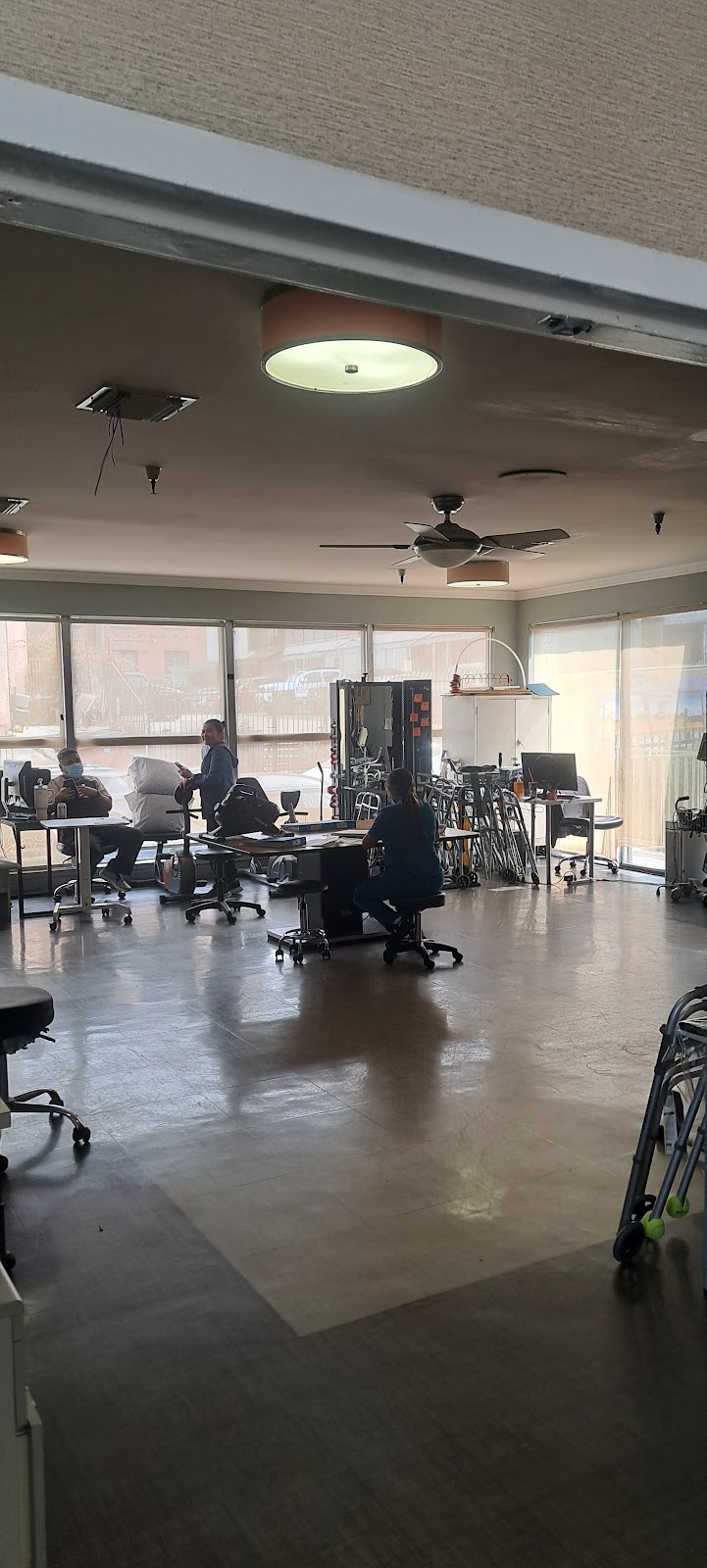
How is Grand Park Convalescent Hospital Staffed?

CMS rates GRAND PARK CONVALESCENT HOSPITAL's staffing level at 1 out of 5 stars, which is much below average compared to other nursing homes.

What Have Inspectors Found at Grand Park Convalescent Hospital?

State health inspectors documented 36 deficiencies at GRAND PARK CONVALESCENT HOSPITAL during 2021 to 2025. These included: 34 with potential for harm and 2 minor or isolated issues.
Who Owns and Operates Grand Park Convalescent Hospital?

GRAND PARK CONVALESCENT HOSPITAL is owned by a for-profit company. For-profit facilities operate as businesses with obligations to shareholders or private owners. The facility operates independently rather than as part of a larger chain. With 151 certified beds and approximately 143 residents (about 95% occupancy), it is a mid-sized facility located in LOS ANGELES, California.
How Does Grand Park Convalescent Hospital Compare to Other California Nursing Homes?

Compared to the 100 nursing homes in California, GRAND PARK CONVALESCENT HOSPITAL's overall rating (3 stars) is below the state average of 3.1 and health inspection rating (4 stars) is above the national benchmark.

What Should Families Ask When Visiting Grand Park Convalescent Hospital?

Based on this facility's data, families visiting should ask: "Can you walk me through typical staffing levels on day, evening, and night shifts?" "Can I visit during a mealtime to observe dining assistance and food quality?" "How do you handle medical emergencies, and what is your hospital transfer rate?" "Can I speak with family members of current residents about their experience?" These questions are particularly relevant given the below-average staffing rating.

Is Grand Park Convalescent Hospital Safe?

Based on CMS inspection data, GRAND PARK CONVALESCENT HOSPITAL has a clean safety record: no substantiated abuse findings (meaning no confirmed cases of resident harm), no Immediate Jeopardy citations (the most serious violation level indicating risk of serious injury or death), and is not on the Special Focus Facility watch list (a federal program monitoring the lowest-performing 1% of nursing homes). The facility has a 3-star overall rating and ranks #100 of 100 nursing homes in California. While no facility is perfect, families should still ask about staff-to-resident ratios and recent inspection results during their visit.

Do Nurses at Grand Park Convalescent Hospital Stick Around?

GRAND PARK CONVALESCENT HOSPITAL has not reported staff turnover data to CMS. Staff turnover matters because consistent caregivers learn residents' individual needs, medications, and preferences. When staff frequently change, this institutional knowledge is lost. Families should ask the facility directly about their staff retention rates and average employee tenure.

Was Grand Park Convalescent Hospital Ever Fined?

GRAND PARK CONVALESCENT HOSPITAL has no federal fines on record. CMS issues fines when nursing homes fail to meet care standards or don't correct problems found during inspections. The absence of fines suggests the facility has either maintained compliance or corrected any issues before penalties were assessed. This is a positive indicator, though families should still review recent inspection reports for the full picture.

Is Grand Park Convalescent Hospital on Any Federal Watch List?

GRAND PARK CONVALESCENT HOSPITAL is not on any federal watch list. The most significant is the Special Focus Facility (SFF) program, which identifies the bottom 1% of nursing homes nationally based on persistent, serious quality problems. Not being on this list means the facility has avoided the pattern of deficiencies that triggers enhanced federal oversight. This is a positive indicator, though families should still review the facility's inspection history directly.