


HOLLENBECK PALMS

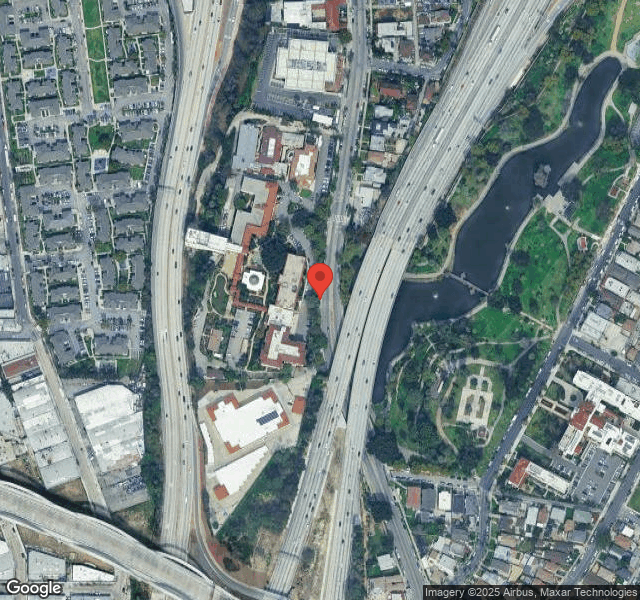
573 S. BOYLE AVE., LOS ANGELES, CA 90033 (213) 263-6195
Non profit - Corporation 106 Beds Independent Data: November 2025
Trust Grade
65/100
#374 of 1155 in CA
Last Inspection: October 2024

Within standard 12-15 month inspection cycle. Federal law requires annual inspections.

Overview

Hollenbeck Palms has a Trust Grade of C+, which means it is slightly above average but not exceptional. It ranks #374 out of 1155 facilities in California, placing it in the top half of nursing homes in the state, and #57 out of 369 in Los Angeles County, indicating that there are only a few better options locally. However, the facility is experiencing a worsening trend, with issues increasing from 11 in 2023 to 17 in 2024. Staffing is a strong point, with a rating of 4 out of 5 stars and a turnover rate of 31%, which is lower than the state average, suggesting that staff are experienced and familiar with the residents. Notably, there have been critical incidents, such as a resident who fell multiple times due to inadequate fall prevention measures, and a cockroach infestation in the kitchen, raising concerns about food safety. Overall, while there are strengths in staffing and overall quality, families should be aware of the facility's increasing issues and specific safety concerns.

Trust Score
C+
65/100
In California
#374/1155
Top 32%
Safety Record
Moderate
Needs review
Inspections
Getting Worse
11 → 17 violations
Staff Stability
○ Average
31% turnover. Near California's 48% average. Typical for the industry.
Penalties
✓ Good
No fines on record. Clean compliance history, better than most California facilities.
Skilled Nurses
✓ Good
Each resident gets 43 minutes of Registered Nurse (RN) attention daily — more than average for California. RNs are trained to catch health problems early.
Violations
⚠ Watch
39 deficiencies on record. Higher than average. Multiple issues found across inspections.
★★★★☆
4.0
Overall Rating
★★★★☆
4.0
Staff Levels
★★★★★
5.0
Care Quality
★★★☆☆
3.0
Inspection Score
Stable
2023: 11 issues
2024: 17 issues

The Good

  • 4-Star Staffing Rating · Above-average nurse staffing levels
  • 5-Star Quality Measures · Strong clinical quality outcomes
  • Full Sprinkler Coverage · Fire safety systems throughout facility
  • No fines on record
  • Staff turnover below average (31%)

    17 points below California average of 48%

Facility shows strength in staffing levels, quality measures, fire safety.

The Bad

Staff Turnover: 31%

15pts below California avg (46%)

Typical for the industry

The Ugly 39 deficiencies on record

1 actual harm
Oct 2024 13 deficiencies
CONCERN (D)

Potential for Harm - no one hurt, but risky conditions existed

Resident Rights (Tag F0550)

Could have caused harm · This affected 1 resident

**NOTE- TERMS IN BRACKETS HAVE BEEN EDITED TO PROTECT CONFIDENTIALITY** Based on observation, interview, and record review, the facility failed to provide care in a manner that maintained or enhanced ...

Read full inspector narrative →
**NOTE- TERMS IN BRACKETS HAVE BEEN EDITED TO PROTECT CONFIDENTIALITY** Based on observation, interview, and record review, the facility failed to provide care in a manner that maintained or enhanced a resident's dignity and respect for one of one sampled resident (Resident 1) by failing to ensure facility staff did not stand above Resident 1's eye level while assisting the resident to eat. This deficient practice had the potential to affect Resident 1's self-esteem and self-worth and violates Resident 1's right to be treated with dignity. Findings: During a review of Resident 1's admission Record, the admission Record indicated the facility initially admitted the resident on 6/30/2016 and readmitted on [DATE] with diagnoses that included Alzheimer's disease (a disease characterized by a progressive decline in mental abilities), chronic obstructive pulmonary disease (COPD-a chronic lung disease causing difficulty in breathing), polyosteoarthritis (arthritis- inflammation and stiffness of the joints, affects five or more joints at the same time), major depressive disorder (a mood disorder that causes a persistent feeling of sadness and loss of interest), hypertensive heart disease with heart failure (a group of conditions that occur when chronic high blood pressure damages the heart and causes it to fail), and palliative care (a specialized medical care that focuses on providing relief from pain and other symptoms of a serious illness). During a record review of Resident 1's History and Physical (H&P), dated 5/15/2024, the H&P indicated Resident 1 did not have the capacity to understand and make decisions. During a review of Resident 1's Minimum Date Set (MDS - a federally mandated resident assessment tool), dated 8/17/2024, indicated Resident 1 had severely impaired cognitive skills (the mental abilities that the brain uses to think, process information, pay attention, and remember things) for daily decision making. Resident 1 required supervision or touching assistance (Helper provides verbal cues and/or touching/steadying and/or contact guard assistance as resident completes activity. Assistance may be provided throughout the activity or intermittently) with eating and was dependent with oral/toileting/personal hygiene, shower/bathing self, upper and lower body dressing and putting on/taking off footwear. During a dining observation on 10/23/2024 at 7:44 AM at the [NAME] dining room, Resident 1 was sitting on a wheelchair while being assisted with eating by Certified Nurse Assistant 4 (CNA 4). CNA 4 was observed standing on the Resident 1's right side and was not within eye level of the resident. CNA 4 was instructed by the Director of Staff Development (DSD) to get a chair and sit down while helping Resident 1 with her breakfast. CNA 4 stated, I am fine standing. DSD repeated her instructions to CNA 4 but CNA 4 still refused to sit down. During an interview on 10/25/24 at 8:55 AM with DSD, DSD stated all staff assisting residents with feeding during mealtimes should be sitting down at eye level of the residents. CNA 4 should have been seated while assisting Resident 1 with her breakfast, CNA 4 did not follow the facility's policy. DSD stated that residents could feel disrespected and affect their dignity. During a review of the Policy and Procedure (P &P), titled, Feeding the Resident, revised 1/2020, the P&P indicated regardless of resident ability or eating habits, promote dignity and a pleasant environment during mealtime. During a review of the facility's P&P titled, Quality of Life - Dignity, revised 11/2023, the P&P indicated each resident shall be cared for in a manner that promotes and enhances quality of life, dignity, respect, and individuality. Residents shall be treated with dignity and respect at all times. Treated with dignity means the resident will be assisted in maintaining and enhancing his or her self-esteem and self-worth.
CONCERN (D)

Potential for Harm - no one hurt, but risky conditions existed

Deficiency F0578 (Tag F0578)

Could have caused harm · This affected 1 resident

**NOTE- TERMS IN BRACKETS HAVE BEEN EDITED TO PROTECT CONFIDENTIALITY** Based on interview and record review, the facility failed to ensure a copy of the advance directive (a written statement of a pe...

Read full inspector narrative →
**NOTE- TERMS IN BRACKETS HAVE BEEN EDITED TO PROTECT CONFIDENTIALITY** Based on interview and record review, the facility failed to ensure a copy of the advance directive (a written statement of a person's wishes regarding medical treatment, often including a living will, made to ensure those wishes are carried out should the person be unable to communicate them) was readily available in the residents' medical chart for two of 10 sampled residents (Residents 6 and 108) in accordance with the facility's policy and procedure titled Advance Directives. This failure had the potential to result in nursing staff not knowing if Residents 6 and 108 had specific resident wishes to follow in case of an emergency. Findings: During a review of Resident 6's admission Record, the admission Record indicated the resident was initially admitted to the facility on [DATE] with diagnoses of cerebral infarction (a serious condition that occurs when blood flow to the brain is blocked, causing brain tissue to die), epilepsy (a sudden, abnormal burst of electrical activity in the brain that causes temporary changes in behavior, movement, or awareness), personal history of malignant neoplasm of breast (abnormal growth of tissue), muscle weakness and difficulty walking. During a review of Resident 6's History and Physical Examination (H&P), dated 2/29/2024, the H&P indicated the resident does not have the capacity to understand and make decisions. During a review of Resident 6's Minimum Data Set (MDS - a federally mandated resident assessment care screening tool), dated 9/06/2024, the MDS indicated the resident was severely impaired with cognitive skills (the mental processes that allow people to think, process information, and remember thing) for daily decision making. Resident 6 needed partial/moderate assistance (helper does less than half the effort) with bed mobility, transfers (how resident moves to and from bed, chair, wheelchair, standing position), toilet use, and substantial assistance (helper does more than half the effort) for personal hygiene. During a review of Resident 6's Physician Orders for Life-Sustaining Treatment (POLST- a medical order that allows patients with serious illnesses to specify their preferences for end-of-life care), dated 4/03/2024, the POLST indicated Advance Directive dated 5/14, (year not added) available and reviewed, however, there was no Advance Directive copy inside Resident 6's physical paper chart or in the electronic chart. During an interview with Social Service Director (SSD) on 10/25/2024 at 8:03 AM, SSD stated that on admission if a resident does not have an advance directive, the SSD would discuss it with the resident and their family. SSD stated she would give them a form to go over and if they have any specific wishes or decisions they can decide then. SSD stated some residents already have an advance directive and will bring a copy. SSD added the residents should have a copy of the advance directive in the chart. During a concurrent interview and record review with SSD on 10/25/2024 at 8:12 AM, SSD confirmed there was no advance directive in the Resident 6's medical chart. SSD stated the resident's medical record should have a copy of the advance directive for nursing reference. SSD stated this was important to have in the event the resident cannot make decisions in case of an emergency. SSD added the advance directive can also inform nursing staff if the resident has a responsible party who can make medical decisions for them. 2. During a review of Resident 108's admission Record, the admission Record indicated the resident was initially admitted to the facility on [DATE] and re admitted on [DATE] with diagnoses cellulitis of left lower limb (a superficial infection of the skin), obesity (abnormal or excessive fat accumulation that presents a risk to health), personal history of urinary tract infection ( is an infection in any part of the urinary system [the body's filtration system that removes waste and excess fluid from the blood to create urine]), unspecified urine incontinence (the inability to control the flow of urine), personal history of malignant (spreads to different sites) neoplasm (abnormal growth of tissue) of the skin muscle weakness and difficulty walking. During a review of Resident 108's MDS, dated [DATE], the MDS indicated Resident 108 was independent with cognitive skills for daily decision making. Resident 108 was dependent (helper does all of the effort to complete an activity) on assistant from staff for personal, toileting hygiene, and showers. Resident 108 needed substantial/maximal assistance (helper does more than half the effort) for toilet transfers, sit to sit to lying, sit to stand, chair/bed to chair transfer and roll left and right. During a review of Resident 108's POLST, dated 3/23/2023, the POLST indicated Advance Directive was discussed with patient, however, there was no Advance Directive copy inside Resident 108's physical paper chart or in the electronic chart. During an interview and record review of Resident 108's medical record with License Vocational Nurse (LVN1) on 10/22/2024 at 12:20 PM, LVN1 confirmed there was no advance directive inside Resident 108's medical record or on Resident 108's electronic medical record in the computer. LVN1 stated a copy of the Advance Directive should have been in Resident 108's medical record so the staff caring for the resident are aware of the residents preferences. LVN 1 stated, It can cause harm to a resident if there was an emergency, the staff can go against the residents wishes. During a concurrent interview and record review with SSD on 10/25/2024 at 9:35 AM, SSD confirmed there was no advance directive copy inside Resident 108's chart. SSD stated, Her husband had stated he would bring it in about a week ago but he has not and I did not follow up. During an interview on 10/25/2024 at 9:12 AM with the Director of Nursing (DON), the DON stated, the Advanced Directive should be kept in the resident's medical chart so that in case of any emergency, staff can refer to it and know what the resident's wishes are. The DON stated emergencies can happen anytime. The DON added if the resident had already completed an advance directive, the resident should bring a copy to the facility. Otherwise, the facility should follow up with the resident or the family to bring a copy. During a concurrent interview with the DON on 10/25/2024 at 9:16 AM, the DON stated, The advance directive is one of the most important documents upon admission. If we have the POLST, that is just a quick reference in case of an emergency, but the advanced directive is equally as important. During a review of the facilities Policy and Procedures (P&P) titled Advanced Directive, revised 11/2023 indicated, This facility shall: 1. Provide written information to the resident or resident representative at the time of admission regarding: a. Their right to accept or refuse medical treatment and the right to formulate an advance directive. b. The facility's policies to implement such decisions and directives. 3. Include documentation in the resident's health record at the time of admission that the resident has been provided with written information regarding advance directive and whether the resident has executed such a document. 8. Duties of Health care Provides: A supervising health care provider who knows of the existence of an advance directive .shall promptly record this information in the patient's health record. If it is in writing, a copy shall be requested and placed in the patient's health record.
CONCERN (D)

Potential for Harm - no one hurt, but risky conditions existed

Deficiency F0604 (Tag F0604)

Could have caused harm · This affected 1 resident

**NOTE- TERMS IN BRACKETS HAVE BEEN EDITED TO PROTECT CONFIDENTIALITY** Based on observation, interview, and record review, the facility failed to ensure one of two sampled resident (Resident 19) was ...

Read full inspector narrative →
**NOTE- TERMS IN BRACKETS HAVE BEEN EDITED TO PROTECT CONFIDENTIALITY** Based on observation, interview, and record review, the facility failed to ensure one of two sampled resident (Resident 19) was free from physical restraints (any manual method, physical or mechanical device, equipment, or material that is attached or adjacent to the resident's body; cannot be removed easily by the resident; and restricts the resident's freedom of movement or normal access to his/her body) when the facility failed to conduct an assessment for the use of geriatric chair (Geri chair, a large, padded, and mobile reclining chair that prevents a resident from rising). This deficient practice had the potential to result in limiting Resident 19's mobility and cause injury. This also had the potential for Resident 19 not to be treated with respect and dignity with the use of restraints. Findings: During a review of Resident 19's admission Record, the admission Record indicated Resident 19 was originally admitted to the facility on [DATE]. Resident 19's diagnoses included dementia (a progressive state of decline in mental abilities), osteoporosis (progressive bone disease that weakens bones and makes them susceptible to break in the bones), and history of falling. During a review of Resident 19's Minimum Data Set (MDS, a federally mandated resident assessment tool), dated 8/04/2024, the MDS indicated Resident 19's cognitive (ability to think and reason) skills for daily decision making was severely impaired (never/rarely made decisions). The MDS indicated Resident 19 was dependent (helper does all the effort. Resident does none of the effort to complete the activity) with eating, oral hygiene, toileting hygiene, shower/bath, upper and lower body dressing, putting on/taking off footwear and personal hygiene. The MDS indicated the chair prevents rising was not used. During a review of Resident 19's Order Summary Report, dated 10/22/2024, indicated an order of may be up in Geri-chair when out of bed as tolerated for comfort and positioning, ordered on 1/15/2024. During an observation on 10/22/2024 at 12:27 PM, in the dining room, Resident 19 was observed sitting in a Geri chair. During an interview with Certified Nurse Assistant 6 (CNA 6) on 10/24/2024 at 2:18 PM, CNA 6 stated Resident 19 was using a regular wheelchair before. CNA 6 stated that Resident 19 has episodes of leaning forward, sliding, pushing, kicking, and biting staff when she was in a wheelchair. CNA 6 stated that Resident 19 has limited movement now wherein she can no longer lean forward and reach the staff while in a Geri-chair. During a concurrent record review of Resident 19's medical records and interview with Assistant Director of Nursing (ADON) on 10/25/2024 at 11:04 AM, ADON stated Resident 19 did not and should have an assessment prior to use of Geri chair. ADON stated Resident 19 have an order to use Geri chair on 1/15/2024. ADON was not able to provide documentation of the restraint assessment for Resident 19 from 1/15/2024 to 10/25/2024. ADON stated that she had seen Resident 19 in a Geri chair. During an interview with the Director of Nursing (DON) on 10/25/2024 at 11:45 AM, the DON stated, she had seen Resident 19 in Geri Chair. The DON stated that prior to use of Gerichair, the interdisciplinary team (IDT, involving two or more disciplines or fields of study) should conduct an assessment for its use because it can be a form of restraint. The DON stated that Gerichair is a device that limits movement, and that means it is considered as a restraint. DON stated that the following are included in restraint assessment: o Reason for use of physical restraint o History/Alternatives attempted. o Decision to restrain. During a review of facility's Policy and Procedure (P&P), titled Physical Restraints, revised in August 2023, the P&P indicated the facility shall use a physical restraint only after an assessment by the interdisciplinary team has been completed and the less restrictive measures attempted were unsuccessful.
CONCERN (D)

Potential for Harm - no one hurt, but risky conditions existed

ADL Care (Tag F0677)

Could have caused harm · This affected 1 resident

**NOTE- TERMS IN BRACKETS HAVE BEEN EDITED TO PROTECT CONFIDENTIALITY** Based on observation, interview and record review, the facility failed to provide incontinent care and keep the resident free of...

Read full inspector narrative →
**NOTE- TERMS IN BRACKETS HAVE BEEN EDITED TO PROTECT CONFIDENTIALITY** Based on observation, interview and record review, the facility failed to provide incontinent care and keep the resident free of foul odors to one of ?? sampled residents (Resident 108) who is dependent (helper does all the effort to complete an activity) on assistant from staff for personal, toileting hygiene, and showers. These deficient practices resulted in the residents feeling frustrated and embarrassed, due to lack of or delay in receiving sufficient services to maintain personal hygiene and incontinent care and had the potential to lead to skin breakdown, social isolation and to negatively impact Resident 108's self-esteem. Findings: During a review of Resident 108's admission record, the admission record indicated the resident was initially admitted to the facility on [DATE] and re admitted on [DATE] with diagnoses cellulitis of left lower limb (a superficial infection of the skin), obesity (abnormal or excessive fat accumulation that presents a risk to health), personal history of urinary tract infection (is an infection in any part of the urinary system [the body's filtration system that removes waste and excess fluid from the blood to create urine]), unspecified urine incontinence (the inability to control the flow of urine), personal history of malignant (spreads to different sites) neoplasm (abnormal growth of tissue) of the skin, muscle weakness and difficulty walking. During a review of Resident 108'S Minimum Data Set (MDS - a federally mandated resident assessment care screening tool), dated 10/16/2024, the MDS indicated Resident 108 was dependent from staff for personal, toileting hygiene, and showers. Resident 108 needed substantial/maximal assistance (helper does more than half the effort) for toilet transfers, sit to sit to lying, sit to stand, chair/bed to chair transfer and roll left and right. During an observation of Resident 108 in the presence of License Vocational Nurse (LVN) 1 on 10/22/2024 at 9:03 AM, Resident 108 was lying in bed, arms crossed on her chest, and crying softly. Resident 108 stated nobody is been here all morning. I am all wet. Last night was the same thing. I went to the bathroom in my diaper. I used the call light at 2 AM or 3 AM and when the nurse (unable to recall name staff) came in she said she had so many people to take care of and she said that since I only had a small amount of poop I could wait. She left the room and came back two (2) hours later. I waited until she came back to be changed. During an observation and interview with Certified Nurse Assistant (CNA) 2 on 10/22/2024 at 9:22 AM, observed CNA2 coming out of Resident 108's room. CNA2 stated Resident 108 told her she was soiled. CNA2 stated she was finishing another resident's shower and would be back to change Resident 108's diaper. CNA2 stated she did not know how long Resident 108 was soiled for but that she was busy at the moment. CNA2 did not ask another staff for assistance in changing Resident 108's diaper and left Resident 108 soiled. During an interview with LVN1 on 10/22/2024 at 9:25 AM, LVN1 stated, If the resident is soiled and uses the call light for assistance, then someone should check in right away. The nurse should not have left her (Resident 108) soiled for a long period of time. The CNA (CNA2) should have cleaned her (Resident 108) immediately. If CNA2 was busy, then she (CNA2) should have asked another staff for help. LVN1 also stated if the resident was left soiled for a long period of time it can cause harm to Resident 108 and the resident can have skin breakdown and feel very uncomfortable. During an interview with CNA3 on 10/24/2024 at 9:56 AM, CNA3 stated if a resident is soiled and told me they have been waiting for over an hour to be change, I would apologize, and I would change them immediately. If I was busy at that moment, I would look for another staff to help me so the resident would be cleaned right away. If a resident has been left soiled for long period of time, they can begin to have a bed sores (injuries to the skin and the tissue below the skin that are due to pressure on the skin for a long time), skin redness, irritation, and itchiness to their skin. This can cause them pain and eventually if the skin breaks it can cause an infection. Emotionally the patient might feel irritated and bad, embarrassed and it would feel like neglect (to give little attention to or fail to care for) to them, especially if the patient is dependent on staff for assistance and their medical condition is new to them. Emotional harm is caused by making them feel neglected and not tend to them right away. During an interview with Director of Nursing (DON) on 10/25/2024 at 9:20 AM, DON stated, a resident should not be left soiled for long period of time. It can cause harm to the resident. Harm can be rashes, break in the skin, wounds. It can also cause psychosocial (mental, emotional, social, and spiritual parts of a person's life) and emotional harm. A review of the facility's policy and procedure titled, AM Care PM Care, Hours of Sleep (HS) Care, revised 4/2023, indicated the following objectives: ¢ To refresh each resident after their night of sleep. ¢ To assist the resident to the bathroom and/or to change the brief during HS (Hour of Sleep) Care ¢ Assist Resident to the bathroom for toileting or change check (rounds/ check if the resident needs to be changed) and change brief: provide basic hygiene with wipes or washcloths and towel. A review of the facility's policy and procedure titled, Quality of Life-Dignity, revised 7/2023, indicated, each resident shall be cared for in a manner that promotes and enhances quality of life, dignity, respect, and individuality. The policy also indicated, treated with dignity means the resident will be assisted in maintaining and enhancing his or her self-esteem and self-worth and staff shall promote dignity and assist residents as needed by promptly responding to the resident's request for toileting assistance.
CONCERN (D)

Potential for Harm - no one hurt, but risky conditions existed

Respiratory Care (Tag F0695)

Could have caused harm · This affected 1 resident

**NOTE- TERMS IN BRACKETS HAVE BEEN EDITED TO PROTECT CONFIDENTIALITY** Based on observation, interview, and record review, the facility failed to ensure one of two sampled residents (Resident 51) who...

Read full inspector narrative →
**NOTE- TERMS IN BRACKETS HAVE BEEN EDITED TO PROTECT CONFIDENTIALITY** Based on observation, interview, and record review, the facility failed to ensure one of two sampled residents (Resident 51) who was on continuous oxygen (colorless, odorless, and tasteless gas) therapy received oxygen as ordered in accordance with the facility policy. This deficient practice had the potential to cause complications associated with oxygen therapy and could result in the resident not receiving proper treatment. Findings: During a review of Resident 51's admission Record, the admission Record indicated Resident 51 was originally admitted to the facility on [DATE] and readmitted on [DATE]. Resident 51's diagnoses included shortness of breath, dependence on supplemental oxygen, and anemia (a condition where the body does not have enough healthy red blood cells). During a review of Resident 51's Minimum Data Set (MDS, a federally mandated resident assessment tool), dated 9/19/2024, the MDS indicated Resident 51's cognitive (ability to think and reason) skills for daily decision making was severely impaired (never/rarely made decisions). The MDS indicated Resident 51 required setup or clean up assistance (helper sets up or cleans up, resident completes activity) with eating. The MDS also indicated Resident 51 was dependent (helper does all the effort. Resident does none of the effort to complete the activity) with oral hygiene, toileting hygiene, shower/bath, upper and lower body dressing, putting on/taking off footwear and personal hygiene. The MDS indicated Resident 51 was on continuous oxygen therapy while in the facility. During a review of Resident 51's Order Summary Report as of 10/22/2024, the Order Summary Report indicated a physician's order for continuous oxygen at 2 liters (L, unit of measurement) per minute, ordered on 9/5/2023. During an observation in the dining room on 10/22/2024 at 10:54 AM, Resident 51's oxygen tank was observed empty. The oxygen gauge indicator was pointing to the red area which indicated the oxygen tank was empty. During a concurrent observation and interview with Assistant Director of Nursing (ADON) on 10/24/2024 at 2:05 PM, ADON stated residents should be administered oxygen as ordered. ADON stated it was important for the licensed nurse to check the oxygen regulator to ensure oxygen tank is not empty. During a review of Facility's Policy and Procedure titled, Oxygen Administration, formulated on 4/2023, indicated provide oxygen therapy per physician orders.
CONCERN (D)

Potential for Harm - no one hurt, but risky conditions existed

Pharmacy Services (Tag F0755)

Could have caused harm · This affected 1 resident

**NOTE- TERMS IN BRACKETS HAVE BEEN EDITED TO PROTECT CONFIDENTIALITY** Cross reference: F759 Based on observation, interview, and record review, the facility failed to provide pharmaceutical services...

Read full inspector narrative →
**NOTE- TERMS IN BRACKETS HAVE BEEN EDITED TO PROTECT CONFIDENTIALITY** Cross reference: F759 Based on observation, interview, and record review, the facility failed to provide pharmaceutical services to meet the needs of one of five sampled residents (Resident 35) in accordance with the facility policy by failing to administer Resident 35's 8 AM due medications on 10/24/2024 as indicated on the physician's order. This deficient practice had the potential for Resident 35 to experience tachycardia (a fast heartbeat of more than 100 times per minute), high blood pressure (when your blood pressure is consistently higher than normal), and decline in overall health status. Findings: During a review of Resident 35's admission Record, indicated Resident 35 was originally admitted to the facility on [DATE]. Resident 35's diagnoses included hemiplegia (total paralysis of the arm, leg, and trunk on the same side of the body) and hemiparesis (a medical condition that causes weakness or an inability to move on one side of the body) affecting left side, and gastrostomy (a surgical opening fitted with a device to allow feedings to be administered directly to the stomach common for residents with swallowing problems). During a review of Resident 35's Minimum Data Set (MDS, a federally mandated resident assessment tool), dated 8/17/2024, the MDS indicated Resident 35's cognitive (ability to think and reason) skills for daily decision making was severely impaired (never/rarely made decisions). The MDS indicated Resident 35 was dependent (helper does all the effort. Resident does none of the effort to complete the activity) with eating, oral hygiene, toileting hygiene, shower/bath, upper and lower body dressing, putting on/taking off footwear and personal hygiene. During a review of Resident 35's Physician's orders, the Physician's Orders indicated the following: Amlodipine (a medication used to treat high blood pressure) tablet 10 milligram (mg, unit of measurement), give 1 tablet via gastrostomy tube (G-tube, is a small, flexible tube that's surgically inserted into the stomach through the abdomen to provide nutrition, fluids, and medicine) one time a day for hypertension (HTN-high blood pressure). Ordered on 3/30/2023. Aspirin (a medication that reduces pain, fever, inflammation, and blood clotting) chewable 81 mg, give 1 tablet via G-tube one time a day for angina (chest pain or discomfort). Ordered on 2/6/2020. Carvedilol (a medication that slows down the heart rate making it easier for the heart to pump blood around the body) 25 mg, 1 tablet via G-tube two times a day, for HTN, hold if systolic blood pressure (SBP, the first and higher number in a blood pressure reading) lower than 100 and heart rate lower than 60. Ordered on 3/30/2023. Isosorbide (a medication used for management of angina) tablet 30 mg, give 1 tablet via G-tube one time a day for angina. Ordered on 10/24/2024. Losartan (a medication used to treat high blood pressure) 100 mg, give 1 tablet via G-tube one time a day for HTN, hold in SBP lower than 100 and heart rate lower than 60. Ordered on 3/30/2023. Multivitamins with minerals liquid, give 5 milliliter (ml, unit of measurement) via G-tube one time a day for supplement. Ordered on 2/06/2020. Potassium (mineral that is important for many body functions) liquid 20 milliequivalent (unit of measurement)/15 ml, give 15 ml via G-tube one time a day for supplement. Ordered on 4/17/2023. Fluticasone (used to treat sneezing, itchy or runny nose) nasal (used to describe things relating to the nose) spray, 2 spray in both nostrils (one of the two holes in your nose), one time a day for allergy (overreaction to a substance that is typically harmless to most people). Ordered on 2/06/2020. Artificial tears (eye drops that help relieve dry eyes), instill 2 drops in both eyes one time a day for dry eyes. Ordered on 2/06/2020. During a concurrent observation of medication administration and interview with the Licensed Vocational Nurse 1 (LVN 1) on 10/24/2024 at 9:30 AM, LVN 1 was observed preparing the following medications for Resident 35: o Amlodipine tablet 10 mg, 1 tablet. o Aspirin chewable 81 mg, 1 tablet. o Carvedilol 25 mg, 1 tablet. o Isosorbide tablet 30 mg, 1 tablet. o Losartan 100 mg, 1 tablet. o Multivitamins with minerals liquid, 5 ml. o Potassium liquid 20 MEQ/15 ml, 15 ml. o Fluticasone nasal spray. o Artificial tears. During an observation on 10/24/2024 at 10:22 AM, in Resident 35's room, LVN 1 administered all of Resident 35's nine (9) medications. During a concurrent record review of Resident 50's medication administration records (MAR - a daily documentation record used by a licensed nurse to document medications and treatments given to a resident) and interview on 10/24/2024 at 3:25 PM, LVN 1 verified that following medications are due to be given at 8 AM: Amlodipine tablet 10 mg, 1 tablet. Aspirin chewable 81 mg, 1 tablet. Carvedilol 25 mg, 1 tablet. Isosorbide tablet 30 mg, 1 tablet. Losartan 100 mg, 1 tablet. Multivitamins with minerals liquid, 5 ml. Potassium liquid 20 MEQ/15 ml, 15 ml. Fluticasone nasal spray. Artificial tears. LVN 1 stated she failed to administer Resident 35's 8 AM scheduled medications on time because she administered it late, after 9 AM. LVN 1 stated failing to administer medication to a resident per the physician's order can lead to medical complications possibly resulting in hospitalization. LVN 1 stated all 9 routine medications that was due to be given at 8 AM were given at 10:22 AM. During a concurrent record review of Resident 35's medical records and interview with Assistant Director of Nursing (ADON) on 10/24/2024 at 4:43 PM, the ADON stated missed blood pressure medications might lead to uncontrolled high blood pressure. ADON stated the process for administering medications late or early included calling the physician and documenting a justification. ADON confirmed there were no justifications documented for the late administration of Resident 35's 9 medications. The ADON stated their medication administration time in the morning is scheduled at 8 AM, and medications can be administered one hour before or after 8 AM. During an interview on 10/25/2025 at 11:55 AM with Director of Nursing (DON), the DON confirmed LVN 1 administered Resident 35's due 8 AM medications late on 10/24/2024. The DON stated medications may be administered one-hour before or after the scheduled time and should not go beyond that time as it is a medication error. The DON stated, it is important to give the medication on time and as ordered by the physician to ensure efficacy of the medications and to avoid possible adverse reactions or side effects that resident can experience. During a review of Facility's Policy and Procedure (P&P) titled, Medication and Treatment Administration Records, revised on 11/2023, the P&P indicated medications and treatments shall be administered as prescribed by the physician, times adjusted to 8:00 am, 1:00 pm, 5:00 pm and 9:00 pm. During a review of Facility's P&P titled, Administering Medications, revised on 11/14/2019, the P&P indicated medications must be administered within one (1) hour of their prescribed time.
CONCERN (D)

Potential for Harm - no one hurt, but risky conditions existed

Deficiency F0760 (Tag F0760)

Could have caused harm · This affected 1 resident

**NOTE- TERMS IN BRACKETS HAVE BEEN EDITED TO PROTECT CONFIDENTIALITY** Based on observation, interview, and record review, the facility failed to ensure one of five (5) sampled residents (Resident 35...

Read full inspector narrative →
**NOTE- TERMS IN BRACKETS HAVE BEEN EDITED TO PROTECT CONFIDENTIALITY** Based on observation, interview, and record review, the facility failed to ensure one of five (5) sampled residents (Resident 35) was free from significant medication error (the observed or identified preparation or administration of medications or biologicals which is not in accordance with the prescriber's order; manufacturer's specifications [not recommendations] regarding the preparation and administration of the medication or biological; or accepted professional standards and principles which apply to professionals providing services) by administering Amlodipine (a medication used to treat high blood pressure), Carvedilol (a medication that slows down the heart rate making it easier for the heart to pump blood around the body) and Losartan (a medication used to treat high blood pressure) to Resident 35 outside of physician ordered parameters. This deficient practice increased the risk for Resident 35 to may have experience serious medical complications such as bradycardia (a condition where the heart beats slower than 60 beats per minute) or poor blood pressure control, which could possibly result in hospitalization and/or death. Findings: During a review of Resident 35's admission Record, the admission Record indicated Resident 35 was originally admitted to the facility on [DATE]. Resident 35's diagnoses included bradycardia, hypertension, and angina (chest pain or discomfort) During a review of Resident 35's Minimum Data Set (MDS, a federally mandated resident assessment tool), dated 8/17/2024, the MDS indicated Resident 35's cognitive (ability to think and reason) skills for daily decision making was severely impaired (never/rarely made decisions). The MDS indicated Resident 35 was dependent (helper does all the effort. Resident does none of the effort to complete the activity) with eating, oral hygiene, toileting hygiene, shower/bath, upper and lower body dressing, putting on/taking off footwear and personal hygiene. During a review of Resident 35's Physician's order, dated 10/24/2024, indicated the following orders: 1. Amlodipine tablet 10 milligram (mg, unit of measurement), give 1 tablet via gastrostomy tube (G-tube, is a small, flexible tube that's surgically inserted into the stomach through the abdomen to provide nutrition, fluids, and medicine) one time a day for hypertension (HTN-high blood pressure). Hold if systolic blood pressure (SBP, the first and higher number in a blood pressure reading) lower than 100 and heart rate (the number of times your heart beats per minute) lower than 60. Ordered on 3/30/2023. 2. Carvedilol 25 mg, 1 tablet via G-tube two times a day, for HTN, hold if SBP lower than 100 and heart rate lower than 60. Ordered on 3/30/2023. 3. Losartan 100 mg, give 1 tablet via G-tube one time a day for HTN, hold in SBP lower than 100 and heart rate lower than 60. Ordered on 3/30/2023. During a concurrent medication administration observation for Resident 35 and interview with Licensed Vocational Nurse 1 (LVN 1) on 10/24/2024, at 10:20 AM, LVN 1 stated Resident 35's SBP was 184 and heart rate was 59. LVN 1 administered the following medications: Amlodipine tablet 10 mg, 1 tablet. Carvedilol 25 mg, 1 tablet. Losartan 100 mg, 1 tablet. During an interview with LVN 1 on 10/24/2024 at 3:25 PM, LVN 1 stated Resident 35's blood pressure this morning was 184/76 millimeters of mercury (mm/Hg, unit of measurement) and heart rate was 59. LVN 1 stated she did not notify Resident 35's Doctor because there was no order to call for high blood pressure and heart rate of lower than 60. LVN 1 stated she did not and should have rechecked Resident 35's blood pressure and heart rate prior to administering the following medications: Amlodipine tablet 10 mg, 1 tablet. Carvedilol 25 mg, 1 tablet. Losartan 100 mg, 1 tablet. LVN 1 stated the normal blood pressure is 120/80, and she added that in general, a SBP higher than 180 needs a doctor notification. During a concurrent record review of Resident 35's medical records and interview with Assistant Director of Nursing (ADON) on 10/24/2024 at 4:50 PM, the ADON stated an abnormal blood pressure reading should be rechecked and should be reported to the doctor. ADON stated Resident 35's order for amlodipine, carvedilol and losartan has a parameter order to hold for heart rate less than 60. ADON stated for Resident 35's blood pressure of 184/76 and heart rate of 59, LVN 1 should have rechecked the blood pressure and heart rate, and then informed the Doctor prior to administering amlodipine, carvedilol and losartan as these medications might lower Resident 35's heart rate. During a review of the Facility's Policy and Procedure (P&P) titled Administering medications, revised on 11/14/2019, the P&P indicated medications shall be administered in a safe and timely manner, and as prescribed. It also indicated vital signs (example: blood pressure and heart rate) must be checked/verified for each resident prior to administering medications. During a review of Facility's P&P titled, Digital Wrist Blood Pressure, Measuring and [NAME] Allyn Spot Vital Signs LXi Device (a device to monitor blood pressure and temperature), revised on 11/2023, the P&P indicated hypertension is usually defined as blood pressure over 140/90 mm/Hg (although the elderly often have persistent systolic readings from 140 to 160 mm/Hg. It also indicated hypertension should be reported to the physician. If a resident has a hypertensive reading, staff should record several readings taken at different times of the day. Staff should note any pertinent medications and/ or recent changes of condition when reporting to the physician.
CONCERN (E)

Potential for Harm - no one hurt, but risky conditions existed

Accident Prevention (Tag F0689)

Could have caused harm · This affected multiple residents

**NOTE- TERMS IN BRACKETS HAVE BEEN EDITED TO PROTECT CONFIDENTIALITY** Based on observation, interview and record review, the facility did not ensure three of six sampled resident's (Resident 37, 6, ...

Read full inspector narrative →
**NOTE- TERMS IN BRACKETS HAVE BEEN EDITED TO PROTECT CONFIDENTIALITY** Based on observation, interview and record review, the facility did not ensure three of six sampled resident's (Resident 37, 6, and 10) environment was free from accidental hazards (a source of danger that has the potential to cause harm) when hot water temperatures inside the resident's bathrooms were measured to be above 120 degrees Fahrenheit (F- unit of measurement for temperature). This deficient practice placed Residents 37, 6 and 10 at risk for scalding (very hot) and burns (injury related to exposure to heat or flame) related to hot water temperatures. Findings: 1. During a review of Resident 37's admission record, the admission record indicated the resident was initially admitted to the facility on [DATE] and re admitted on [DATE] with a diagnosis of aphasia (language disorder that makes it difficult to communicate with others) following cerebral infarction (a serious condition that occurs when an area of the brain tissue dies due to a lack of blood flow), difficulty in walking, hemiplegia (total or partial paralysis of one side of the body that results from disease of or injury to the motor centers of the brain) and hemiparesis (one-sided muscle weakness) following unspecified cerebrovascular disease (a condition that can damage brain tissue) affecting right dominant side (the side of the brain or body that is more active or used more than the other side), low back pain and anxiety disorder (condition in which a person has excessive worry and feelings of fear). During a review of Resident 37's History and Physical (H&P), dated 11/29/2023, H&P indicated the resident does not have the capacity to understand and make decisions. During a review of Resident 37'S Minimum Data Set (MDS - a federally mandated resident assessment care screening tool), dated 9/05/2024, the MDS indicated the resident needed partial/moderate assistance (helper does less than half the effort) with bed mobility, transfers (how resident moves to and from bed, chair, wheelchair, standing position), toilet use, personal and oral hygiene. During a review of Resident 37's Care Plan initiated on 11/27/2023 and revised on 10/23/2024 indicated, Resident 37 was at risk for communication problem. Interventions indicated, will ensure to provide a safe environment. 2. During a review of Resident 6's admission record, the admission record indicated the resident was initially admitted to the facility on [DATE] with diagnoses of cerebral infarction, epilepsy (a sudden, abnormal burst of electrical activity in the brain that causes temporary changes in behavior, movement, or awareness), personal history of malignant neoplasm of breast (abnormal growth of tissue), muscle weakness and difficulty walking. During a review of Resident 6's (H&P), dated 2/29/2024, H&P indicated the resident does not have the capacity to understand and make decisions. During a review of Resident 6's MDS, dated [DATE], the MDS indicated the resident needed partial/moderate assistance with bed mobility, transfers, toilet use, and substantial assistance (helper does more than half the effort) for personal hygiene. 3. During a review of Resident 10's admission record, the admission record indicated the resident was initially admitted to the facility on [DATE] and readmitted on [DATE] with a diagnosis of anorexia (an eating disorder that causes people to weigh less than is considered healthy for their age and height), muscle weakness, difficulty in walking, dysphagia (swallowing difficulties), constipation (a condition in which a person has uncomfortable or infrequent bowel movements), other Alzheimer's disease (a brain disorder that slowly destroys memory and thinking skills and, eventually, the ability to carry out the simplest tasks), and hearing loss. During a review of Resident 10'S MDS, dated [DATE], the MDS indicated the resident was dependent (helper does all of the effort) for oral, personal and toileting hygiene, showers, and transfers. During an observation in Resident 37's bathroom (shared bathroom with Resident 6) on 10/22/2024 at 8:08 AM, Resident 37 was inside bathroom using the sink washing her hands sitting on her wheelchair. Observed Resident 37 continue to try to wash hands but would quickly remove hands from running water. Resident 37 exited bathroom without fully washing her hands. During an interview with Certified Nurse Assistant (CNA2) on 10/22/2024 at 8:30 AM, CNA2 stated Residents 37, Resident 6 and Resident 10 would sometimes use their wheelchairs to wheel themselves to the bathroom to wash their hands without asking for assistance. During a concurrent observation and interview with Engineer Assistant on 10/22/2024 at 8:51 AM, Engineer Assistant using a thermometer (an instrument for measuring and indicating temperature) tested water coming out from the faucet/ sink in Resident 37 and Resident 6's bathroom. Observed Engineer Assistant test water for 3 seconds and stated, the water temperature should be below 120 Fahrenheit, right now, the thermometer is reading at 128.6 Fahrenheit. Water is hot for the residents; it would be scalding hot to touch and they can suffer a burn. During a concurrent observation and interview with Engineer Assistant on 10/22/2024 at 8:55 AM, Engineer Assistant used a thermometer and tested the water coming out from the faucet/ sink in Resident 10's bathroom and stated, the water temperature in here is 127.7 Fahrenheit. This too can place the resident at risk for a burn. During a concurrent interview with Engineer Assistant on 10/25/2024 at 3:50 PM, Engineer Assistant stated, We do not check the resident rooms water temperature, we only check the boiler temperature in the building. What happens is, that sometimes someone will complain about the water temperature, so we just adjust the boiler. I think that is how it (water from Reisdent 37, 6 and 10's bathroom sink) got so hot. Engineer Assistant also stated, they do not measure weekly and document the water temperatures in designated areas to ensure the water temperatures are within the acceptable range for resident's use. A review of the facilities Policies & Procedures (P&P) titled, Monitoring Water Temperatures-Protocol revised 4/2023 indicated, the facility recognizes potential risk for scalding and burns related to water temperatures. The Chief Engineer monitors water temperatures to minimize risk for injuries for residents, visitors, and employees. The P&P also indicated, the Chief Engineer directs weekly measurements and documentation of water temperatures in designated areas using thermometers in accordance with manufacturer guidelines. The findings will be included in the preventive maintenance program logs. The P&P indicated, scalding, and burning injuries present potential risk for residents and patients. The P&P also indicated the table below: Water Temperature Time to Receive Third Degree Burn (This type of burn destroys the outer layer of skin [epidermis] and the entire layer beneath) 100 F Safe Temperatures for Bathing* 127 F 1 minute 133 F 15 seconds 140 F 5 seconds 148 F 2 seconds 155 F 1 second In addition, the P&P indicated, burns can occur even at water temperatures below those identified in the table depending on an individual's condition and the length of exposure and based upon the time of the exposure and the temperature of the water, the severity of the harm to the skin is identified by the degree of burn. A review of the facility's policy and procedure titled, Safe Environment-Resident Rights revised 10/2024, indicated, The resident has a right to a safe, clean, and comfortable and homelike environment, including but not limited to receiving treatment and supports for daily living safely.
CONCERN (E)

Potential for Harm - no one hurt, but risky conditions existed

Unnecessary Medications (Tag F0759)

Could have caused harm · This affected multiple residents

**NOTE- TERMS IN BRACKETS HAVE BEEN EDITED TO PROTECT CONFIDENTIALITY** Cross reference: F755 Based on observation, interview, and record review, the facility failed to ensure that its medication erro...

Read full inspector narrative →
**NOTE- TERMS IN BRACKETS HAVE BEEN EDITED TO PROTECT CONFIDENTIALITY** Cross reference: F755 Based on observation, interview, and record review, the facility failed to ensure that its medication error rate was less than five (5) percent (%). Nine (9) medication errors out of 27 total opportunities for error, to yield an overall medication error rate of 33.3 % for one (1) of five (5) residents observed for medication administration (Residents 35). Licensed Vocational Nurse 1 (LVN 1) failed to administer Resident 35's medications within 60 minutes of scheduled time of 8 AM on 10/24/2024. This deficient practice had the potential to result in Resident 35 to experience medication adverse effects (unwanted, uncomfortable, or dangerous effects that a medication may have) and the potential to result in Resident 35'ss health and well-being to be negatively impacted. Findings: During a review of Resident 35's admission Record, the admission Record indicated Resident 35 was originally admitted to the facility on [DATE]. Resident 35's diagnoses included hemiplegia (total paralysis of the arm, leg, and trunk on the same side of the body) and hemiparesis (a medical condition that causes weakness or an inability to move on one side of the body) affecting left side, and gastrostomy (a surgical opening fitted with a device to allow feedings to be administered directly to the stomach common for residents with swallowing problems). During a review of Resident 35's Minimum Data Set (MDS, a federally mandated resident assessment tool), dated 8/17/2024, the MDS indicated Resident 35's cognitive (ability to think and reason) skills for daily decision making was severely impaired (never/rarely made decisions). The MDS indicated Resident 35 was dependent (helper does all the effort. Resident does none of the effort to complete the activity) with eating, oral hygiene, toileting hygiene, shower/bath, upper and lower body dressing, putting on/taking off footwear and personal hygiene. During a review of Resident 35's Physician's Order, dated 10/24/2024, the Physician's Order indicated the following: 1. Amlodipine (a medication used to treat high blood pressure) tablet 10 milligram (mg, unit of measurement), give 1 tablet via gastrostomy tube (G-tube, is a small, flexible tube that's surgically inserted into the stomach through the abdomen to provide nutrition, fluids, and medicine) one time a day for hypertension (HTN-high blood pressure). Ordered on 3/30/2023. 2. Aspirin (a medication that reduces pain, fever, inflammation, and blood clotting) chewable 81 mg, give 1 tablet via G-tube one time a day for angina (chest pain or discomfort). Ordered on 2/6/2020. 3. Carvedilol (a medication that slows down the heart rate making it easier for the heart to pump blood around the body) 25 mg, 1 tablet via G-tube two times a day, for HTN, hold if systolic blood pressure (SBP, the first and higher number in a blood pressure reading) lower than 100 and heart rate lower than 60. Ordered on 3/30/2023. 4. Isosorbide (a medication used for management of angina) tablet 30 mg, give 1 tablet via G-tube one time a day for angina. Ordered on 10/24/2024. 5. Losartan (a medication used to treat high blood pressure) 100 mg, give 1 tablet via G-tube one time a day for HTN, hold in SBP lower than 100 and heart rate lower than 60. Ordered on 3/30/2023. 6. Multivitamins with minerals liquid, give 5 milliliters (ml, unit of measurement) via G-tube one time a day for supplement. Ordered on 2/06/2020. 7. Potassium (mineral that is important for many body functions) liquid 20 milliequivalent (unit of measurement)/15 ml, give 15 ml via G-tube one time a day for supplement. Ordered on 4/17/2023. 8. Fluticasone (used to treat sneezing, itchy or runny nose) nasal (used to describe things relating to the nose) spray, 2 spray in both nostrils (one of the two holes in your nose), one time a day for allergy (overreaction to a substance that is typically harmless to most people). Ordered on 2/06/2020. 9. Artificial tears (eye drops that help relieve dry eyes), instill 2 drops in both eyes one time a day for dry eyes. Ordered on 2/06/2020. During a concurrent medication administration observation for Resident 35 and interview with LVN 1 on 10/24/2024, at 10:22 AM, LVN 1 was observed administering Resident 35's medications. LVN 1 stated that the following medications were Resident 35's scheduled medications for 8 AM: Amlodipine tablet 10 mg, 1 tablet. Aspirin chewable 81 mg, 1 tablet. Carvedilol 25 mg, 1 tablet. Isosorbide tablet 30 mg, 1 tablet. Losartan 100 mg, 1 tablet. Multivitamins with minerals liquid, 5 ml. Potassium liquid 20 MEQ/15 ml, 15 ml. Fluticasone nasal spray, 2 spray in both nostrils. Artificial tears 2 drops in both eyes. During an interview with LVN 1 at 10/24/2024 at 10:35 AM, LVN 1 verified that she administered Resident 35's 8 AM medication late because she gave them after 9 AM. She stated that medications can be administered one hour before or after the scheduled time. LVN 1 stated, If medications were not administered on time, for example blood pressure medications, it can affect the blood pressure of the residents which can cause a change in the residents' condition. During an interview on 10/24/2024 at 4:42 PM, the Assistant Director of Nursing (ADON) stated that it was important to administer medication as ordered to get the full benefit of the medication and to prevent complications of inconsistent timing of medication administration. The ADON stated their medication administration time in the morning is scheduled at 8 AM, and medications can be administered one hour before or after 8 AM. During a review of Facility's Policy and Procedure (P&P) titled, Medication and Treatment Administration Records, revised on 11/2023, the P&P indicated medications and treatments shall be administered as prescribed by the physician, times adjusted to 8:00 am, 1:00 pm, 5:00 pm and 9:00 pm. During a review of Facility's P&P titled, Administering Medications, revised on 11/14/2019, the P&P indicated medications must be administered within one (1) hour of their prescribed time.
CONCERN (E)

Potential for Harm - no one hurt, but risky conditions existed

Food Safety (Tag F0812)

Could have caused harm · This affected multiple residents

Based on observation, interview and record review, the facility failed to ensure food were handled, prepared, and stored in a manner that prevents foodborne illness (food poisoning) for 56 of 56 resid...

Read full inspector narrative →
Based on observation, interview and record review, the facility failed to ensure food were handled, prepared, and stored in a manner that prevents foodborne illness (food poisoning) for 56 of 56 residents receiving food from the facility's kitchen, by failing to ensure: 1. Food items stored in the kitchen refrigerators and freezer (thirty-eight [38] food items), walk-in freezer (eleven [11] food items), dry storage area 1 (where breads and vegetables are stored) (three [3] food items) were labeled with open date and/or use by date (last date recommended for use of the product while at peak quality), and/or expiration date and sealed after opening. 2. Two (2) dented canned products were discarded and one (1) cracked and leaking peanut butter jar was discarded from the dry storage area 2 (where canned products, sugars and jars are stored). In addition, the facility failed to ensure the container with blue lid in the dry storage area 2 was free of dirt, dust, and dead fly. 3. Expired food products were removed and discarded. 4. Temperature logs for the kitchen refrigerators and dry room was monitored and documented daily every morning and afternoon shift. These failures had the potential to result in harmful bacteria growth and cross contamination (transfer of harmful bacteria from one place to another) that could lead to food borne illness for 56 of 56 medically compromised residents who received food from the kitchen. Findings: 1. During a concurrent observation in the facility's kitchen and interview on 10/22/2024 at 7:42 AM with the Kitchen Manager (KM) 1, the following were observed in the three kitchen refrigerators labeled #1, #2, and #4, and one freezer (#3): In Refrigerator #1, six bowls of sliced fruits and two cups white cream in one tray, the bowls and cups were not labeled with use by or expiry date (date after which something should no longer be used). In Refrigerator #1, one jar of orange guava passion fruit juice not labeled with date opened and use by date. In addition, the jar's manufacturer expiration date was partially erased. In Refrigerator #1, there were 3 stack of food trays in the 2nd shelf. The first tray on the top, contained six cups of almond milk, labeled with preparation date on 10/14/2024 and no label of use by date. The second tray in the middle contained 21 covered cups of juice with label of preparation date of 10/18/2024 and no label of use by date. In Refrigerator #2, one opened box of milk, not labeled with dated opened and use by date. In Refrigerator #2, one half full grape juice, not labeled with dated opened and use by date. In Refrigerator #2, one bowl of cut fruits, labeled with preparation date that smudged off (unreadable) and was not labeled with use by date. In Refrigerator #2, one opened/used soymilk carton, not labeled with date opened and use by date. In Refrigerator #2, one bowl of tuna salad, label indicated preparation date of 10/22/2024, and not labeled with use by date. In Refrigerator #2, three trays, stacked on top of each other: top tray with assorted dressing (35 pieces of small containers) labeled with preparation date of 10/21/2024; middle tray with 29 small containers of assorted dressing- not labeled with preparation date and use by date; and bottom tray with 15 small containers of assorted dressing not labeled with preparation date and use by date. In Refrigerator #2, one container of jelly, labeled with preparation date indicated 10/11/2024, and not labeled with use by date. In Refrigerator #2, one bowl of feta cheese, labeled with preparation date of 10/22/2024, and not labeled with use by date. In Refrigerator #2, one bowl egg salad, labeled with preparation date 10/22/2024, and no use by date. In Refrigerator #2, one half empty jar of mayonnaise, not labeled with opened and use by date. In Refrigerator #2, one tray of Jello, labeled with preparation date of 10/20/2024 and not labeled with use by date. In Refrigerator #2, one bowl of sliced onion, labeled with preparation date of 10/20/2024 and not labeled with use by date. In Refrigerator #2, one bowl of sliced Jello, labeled with preparation date 10/21/2024 and no label of use by date. In Refrigerator #2, two containers of cut fruits, labeled with preparation date 10/21/2024, and no label of use by date. In Refrigerator #2, one tray with 18 small containers of salsa, labeled with preparation date 10/18/2024, and no label of use by date. In Refrigerator #2, one big tray of sliced honey dew and cantaloupe, labeled pudding, preparation date of 10/22/2024 and no label of use by date. In Refrigerator #2, one tray of pudding, labeled with preparation date of 10/19/2024 and no label of use by date. In Refrigerator #2, one bowl of sliced cucumber, labeled with preparation date of 10/21/2024 and no label of use by date. In Freezer #3, fifteen (15) ice cream in small bowls in the freezer, all uncovered and no label of date opened and/ or use by date. In Freezer #3, one wrapped meat, unable to read the label of item name, labeled with preparation date of 9/13/2024 and no use by date. In Freezer #3, one wrapped meat, labeled chopp steaks, preparation date of 10/8/2024 and no label of use by date. In Refrigerator #4, one deformed plastic container with yellow liquid/juice, not labeled with item name and use by date. In Refrigerator #4, one plastic container labeled Barbecue (BBQ) sauce with preparation date of 10/9/2024, and label of use by date. In Refrigerator #4, one plastic container labeled BBQ sauce with dried brown spillage outside the lid of the container, labeled with preparation date of 10/16/2024, and no label of use by date. In Refrigerator #4, one big Jalapeno jar, not labeled with date opened and use by date. In Refrigerator #4, tomato puree in metal container, labeled with preparation date of 10/18/2024, and no label of use by date. In Refrigerator #4, one metal bin with meat, labeled turkey, not labeled with use by date. In Refrigerator #4, one parmesan cheese pack, plastic was open, labeled with preparation date of 10/22/2024, and not labeled with use by date. In Refrigerator #4, one resealed parmesan cheese pack, labeled with preparation date on 9/24/2024, no label of use by date. In Refrigerator #4, one bowl of sliced pickles, labeled with preparation date 10/21/2024, no use by date. In Refrigerator #4, one opened sour cream, labeled with prep date 10/10/2024, no use by date. In Refrigerator #4, One opened cottage cheese, labeled with preparation date 10/21/2024, no use by date. The KM 1 confirmed that food items were not labeled with use by date and there was one food item labeled with use by date that was not legibly written. During a concurrent observation in the walk- in refrigerator (milk room - where milk products are stored) and dry storage area 1 located at the first floor and interview on 10/22/2024 at 7:59 AM with KM 1, the milk room door was open. KM 1 stated there were no staff inside or outside the milk room and the milk room door should be always closed when facility staff is not inside and not restocking to maintain the desired temperature in the milk room. KM 1 stated there were 3 loaves of bread that were not labeled with expiration dates. During a concurrent observation and interview on 10/22/2024 at 8:11 AM with KM 1 in the walk -in freezer located at the first floor, the following were observed: One pack of frozen meat and was not labeled with use by date. One pack of meatballs resealed with no label of open date or use by date. One pack of chicken nuggets, not labeled with use by date. One container of mustard, labeled with preparation date of 8/8/2024, and no label of use by date. One block of cheese, labeled with product date of 12/13/2022, and no label of use by date. One metal pan with frozen meat, not labeled. One Ziploc bag containing sausage, labeled with use by date 6/8. One resealed frozen pack of unknown item, not labeled. One resealed pack resembling tater tots, not labeled. KM 1 confirmed several food items were expired, not labeled completely, and cannot be identified should be discarded. Residents and staff could become ill or sick if served with expired food. During a concurrent interview and record review on 10/25/2024 at 10:55 AM with the Food Services Manager (FSM), the Policies and Procedures titled, Food Safety Management System- Food Safety Product Labeling and Dating Guidelines revised 12/6/2022, indicated: Date Marking Time Control for Food Safety: ready-to-eat, time/temperature control for safety (TCS - foods that require special handling to prevent the growth of harmful bacteria. TCS foods are also known as potentially hazardous foods) food prepared in a food establishment and held longer than the subsequent meal period must be marked to indicate the date or day by which the food is to be consumed or discarded. These time/temperature parameters are intended to help control for growth of Listeria monocytogenes (species of pathogenic [disease-causing] bacteria that can be found in moist environments, soil, water and can even grow under refrigeration and other food preservation measures). Date Marking Non Time Control for Food Safety: once a product has a documented use by date, the Food and Drug Administration (FDA, responsible for protecting the public health by assuring the safety, efficacy, and security of human and veterinary drugs, biological products, medical devices, our nation's food supply, cosmetics, and products that emit radiation.) Food Code and Vendor 1 Policy requires the product to be consumed or discarded` by that date. It is important to date food properly to avoid unnecessary disposal of safe food. FSM stated food items such as juice or milk, when delivered, a received date sticker should be applied on the carton, and once opened, it should be labeled with the item name, opened date and the use by date. FSM stated, labeling with preparation date was not enough and it should be discarded if there was no use by date indicated. FSM stated fresh cut fruits must also be labeled with item name, prepared date and use by date. In addition, FSM stated, ice cream scooped into small serving bowls and placed back in the freezer must be individually covered and must also be labeled with the prepared and use by dates. FSM also stated a big container of juice or juice concentrate should be labeled with date opened and use by date and once opened, manufacturer's expiration date is not followed, the use by date should be followed. FSM stated it was important to follow the opened and use by dates, if there were no labels of date opened, use by date and/or expiration date, staff would not know how old the food item was and if served to the residents and staff, they could get sick and could affect multiple residents and staff. During a review of the Facility's Policy and Procedure (P&P) for Food Safety Management System titled Food Product Shelf-Life Guidelines, revised 01/28/2022, indicated food manufacturer/supplier code dates, use by dates, use thru dates, or expires on dates should always be considered the first level of control. 2. During a concurrent observation in the dry storage area 2 and interview on 10/22/2024 at 8:05 AM with KM 1, the following were observed: One dented can of tomato ketchup and one dented can of corn. One peanut butter jar with visible crack on the lid, with contents seeping out, transparent tape applied around the lid with oily substance seeping out, unlabeled with date opened, and product expiration date faded and unreadable. One opened box with a thick layer of dust on top of the half-closed box, inside was granulated sugar in a plastic bag. Thick layer of dust also observed on the plastic bag of sugar and was not sealed. Patches of black round shaped material were observed under the adhesive tape sticked on top of the half- opened box. One plastic container with blue lid containing lima beans, labeled with date of 3/22/2022, and the use by date was left blank. The blue lid was covered with thick layer of dust and 1 dead fly observed on top of the lid. KM 1 stated that dented canned goods should not be placed in the storage room and they should have been set aside to return to the company it was ordered from for disposal. KM 1 also stated the peanut butter jar that is leaking and the open plastic bag of sugar that was covered with dust should have been discarded. KM 1 added, it is not acceptable that the container of lima beans was covered with thick layer of dust and a dead fly. During an interview on 10/25/2024 at 11:05 AM, FSM stated, staff designated for the Dry storage room was responsible for checking for any dented canned goods and set them aside to be given back to the supplier for disposal. The same staff was also responsible for maintaining cleanliness of the storage room, making sure there were no pests or insects. FSM stated dusty containers and a dead fly were not acceptable those can be source of food contamination which could cause sickness to the residents they served. During a review of the Facility's P&P titled Canned Food Safety, undated, indicated, if a can containing food has a sharp dent on the top, bottom, or side seam, it can damage the seam and allow bacteria to enter the can. Discard any can with a sharp dent on any seam. 3. During a concurrent observation in the facility's kitchen and interview on 10/22/2024 at 7:42 AM with the KM 1, the following were observed in the Refrigerator #2 and #4, and Freezer #3: In Refrigerator #2, one chocolate syrup, preparation date of 9/18/2024 and use by date on 9/20/2024. In Freezer #3, one wrapped meat labeled vegiburgers and use by date of 10/15/2024. In Refrigerator #4, one container of pesto sauce, labeled with use by date on 10/19/2024. KM 1 stated there were food items that were already past the use by dates and should have been discarded. During a concurrent observation and interview on 10/22/2024 at 8:11 AM with KM 1 in the walk -in freezer located at the first floor, the following were observed: One pack of unknown frozen item, resealed and labeled with use by date on 5/20/2024. One container of basil pesto, product expiration date of 8/30/2024. KM 1 confirmed several food items were expired and should have been discarded, residents and staff could become ill or sick if served with the expired food. 4. During a concurrent observation in the facility's kitchen and interview on 10/22/2024 at 7:42 AM with the KM 1, Refrigerator #4 temperature log had missing temperature readings and initials (the staff checking): 7/27/2024, 7/28/2024 and 7/31/2024 were missing afternoon temperature readings and initials. 8/26/2024, 8/27/2024, and 8/28/2024 were missing morning temperature readings and initials. 9/23/2024, 9/24/2024 and 9/25/2024 were missing morning temperature readings and initials. 10/1/2024, 10/2/2024, 10/3/2024, 10/6/2024, 10/7/2024, 10/8/2024, 10/9/2024, 10/13/2024, 10/14/2024, 10/15/2024, 10/16/2024, 10/20/2024, 10/21/2024, and 10/22/2024 were missing morning temperature readings and initials. KM 1 stated the refrigerator's temperature should be monitored and documented in the temperature log daily, every morning and afternoon shift and staff responsible on checking the temperature should put their initials. During a concurrent observation and interview on 10/22/2024 at 8:05 AM with KM 1 at the dry storage area 2 the following were observed the temperature log were missing temperature readings and staff's initials for 10/20/2024 afternoon shift, 10/21/2024 morning and afternoon shifts, and on 10/22/2024 morning shift. During a follow up observation on 10/24/2024 at 9:53 AM at the Milk Room, temperature logs did not have temperature readings and staff's initials for 10/23/2024 and 10/24/2024 for both morning and afternoon shifts. During an interview on 10/25/2024 at 11:05 AM with the FSM, FSM stated the cooks were responsible for checking and recording the temperatures for all the refrigerators and freezer in the kitchen and the first floor walk in freezer and refrigerators when the shift starts at 6:00 AM. FSM stated kitchen supervisor checked the logs daily. FSM also stated it was important to check and record the temperatures of the refrigerators and freezer so staff would know that food items were being stored safely. FSM also stated, FSM cannot find in their P&Ps regarding monitoring temperature readings and documenting it daily every start of morning and afternoon shift. FSM stated it should be included in their P&P that the refrigerators, milk room and dry storage area temperature readings are monitored and documented in the facility's temperature log.
CONCERN (E)

Potential for Harm - no one hurt, but risky conditions existed

Garbage Disposal (Tag F0814)

Could have caused harm · This affected multiple residents

Based on observation, interview, and record review, the facility failed to dispose garbage (mostly decomposable food waste or yard waste) and keep 11 of 11 garbage bin/plastic dumpster/refuse (dry mat...

Read full inspector narrative →
Based on observation, interview, and record review, the facility failed to dispose garbage (mostly decomposable food waste or yard waste) and keep 11 of 11 garbage bin/plastic dumpster/refuse (dry material such as glass, paper, cloth, or wood that does not readily decompose) containers covered and/or not overfilled with trash as indicated on the facility policy. These deficient practices had the potential to attract vermin (animals that are believed to be harmful, carry diseases such as rodents, parasitic worms, or insects), pests (any living thing that has a negative effect on humans), and wildlife (undomesticated animal species) that could potentially infiltrate the facility, affect the resident care areas and pose a disease threat to the residents and staff of the facility. Findings: During an observation of the first-floor hallway of the kitchen on 10/22/2024 at 7:59 AM, a garbage bin without a cover was seen next to a metal cart with a plate, two used uncovered pitchers, a washcloth, roll of unused trash bags, and two open boxes of plastic aprons. There was also a rolling cart with used meal trays observed beside the uncovered garbage bin. During a concurrent observation of the dumpster area (outside the facility building) and interview on 10/22/2024 at 8:21 AM with Food Services Manager (FSM), FSM stated this area is for kitchen garbage. The area was observed to be covered with a roof and with partial walls. The following were observed: a. One rectangular plastic dumpster (large trash container designed to be emptied into a truck) overfilled with boxes with its lid open. b. One round uncovered plastic garbage bin overfilled with boxes from food deliveries. c. Five (5) round uncovered plastic garbage bins with garbage from the kitchen. d. One partially closed black garbage bin, also filled with garbage from the kitchen. FSM stated all garbage bins should have covers even if not full. FSM also stated Facilities (Maintenance department) oversaw garbage pick-up and disposal. FSM stated the Facilities were in charge of the garbage pickup schedule was twice a day every day except Sundays when garbage pickup was only once. During a concurrent observation of another dumpster area (outside the facility building behind the Assisted Living [housing for elderly or disabled people that provides nursing care, housekeeping, and prepared meals as needed] building) and interview with FSM on 10/22/2024 at 8:23 AM, two uncovered rectangular plastic dumpsters filled with garbage were observed. During an observation on 10/24/2024 at 9:50 AM at the kitchen dumpster area, the following were observed: a. One rectangular plastic dumpster overfilled with boxes. b. Three used boxes on the floor c. Two (2) overfilled and uncovered garbage bins. d. One trash bag on the floor next to the dumpster e. Three (3) trash bags were on the floor. f. One overfilled garbage bin with lid open. During an interview on 10/24/2024 at 1:40 PM with FSM, FSM stated trash bins should be covered whether full or not. FSM stated, No trash should be on the floor or ground, even if in a closed trash bag. FSM stated the trash could attract pests and wildlife that could cause problems and residents could get sick. During an interview on 10/25/2024 at 11:30 AM with Engineer Assistant (EA 1), EA 1 stated the garbage bins should be covered and trash bags should not be left on the floor/ground. EA 1 stated garbage bin and dumpster should not be overfilled. EA 1 stated this was important because it could attract vermin or animals in the area, and this can bring diseases put the residents and staff at risk. EA 1 also stated the trash were normally picked up daily in the mornings however the trash had been picked up late on 10/22/2024 that resulted to the dumpsters being overfilled. During a review of the facility's Policy and Procedure (P&P) titled, Garbage/Refuse Disposal, Sanitation & Infection Control, revised 5/2023, the P&P indicated: 1. all items shall be disposed of in appropriate dumpster, food/medical waste versus recyclable materials. 2. Dumpster lids shall be closed at all times. 3. Area around dumpsters shall be free of waste products including food, medical, paper trash and other waste to prevent harborage and feeding of pests. 4. All departments utilizing the dumpsters for waste and/or recycling purposes are responsible for maintaining the area and ensuring that the dumpster lids are closed and the area around the dumpster is free of waste.
CONCERN (F)

Potential for Harm - no one hurt, but risky conditions existed

Infection Control (Tag F0880)

Could have caused harm · This affected most or all residents

**NOTE- TERMS IN BRACKETS HAVE BEEN EDITED TO PROTECT CONFIDENTIALITY** 3a. During a review of Resident 24's admission Record, the admission Record indicated the facility admitted Resident 24 on 11/16...

Read full inspector narrative →
**NOTE- TERMS IN BRACKETS HAVE BEEN EDITED TO PROTECT CONFIDENTIALITY** 3a. During a review of Resident 24's admission Record, the admission Record indicated the facility admitted Resident 24 on 11/16/2023 with diagnoses that included dementia (a progressive state of decline in mental abilities), protein-calorie malnutrition (nutritional status in which reduced availability of nutrients leads to changes in body composition and function), hypokalemia (electrolyte imbalance that occurs when potassium [a mineral that the body needs to work properly] levels in the blood are lower than normal), and hypo-osmolality (condition where the levels of electrolytes, proteins, and nutrients in the blood are lower than normal) and hyponatremia (a condition where the plasma sodium [essential mineral the body needs in small amounts to maintain fluid balance] concentration is lower than normal). During a review of Resident 24's History and Physical (H&P-formal document that physicians produce through resident interview, physical exam and the summary of the testing either obtained or pending) dated 10/7/2024, the H&P indicated Resident 24 did not have the capacity to understand and make decisions. During a review of Resident 24's MDS dated [DATE], the MDS indicated Resident 24 had severe cognitive impairment. The MDS also indicated Resident 24 needed setup or clean-up assistance (helper sets up or cleans up; resident completes activity. Helper assists only prior to or following the activity) with eating. During a review of Resident 24's Care Plan focused on ADL (Activities of Daily Living-a measure of a person's ability to care for themselves without assistance) related to advanced age, multiple health comorbidities, required assistance with ADL, initiated on 8/23/2024, indicated interventions for Eating: set up assist if resident is in the mood, if falling asleep and not feeding herself: Total feeder. During a review of Resident 8's admission Record, the admission Record indicated the facility admitted Resident 8 on 2/5/2020 with diagnoses that included dementia, muscle weakness (loss of muscle strength due to aging and underlying health conditions), chronic obstructive pulmonary disease (COPD-a chronic lung disease causing difficulty in breathing), and pulmonary fibrosis (lung disease that occurs when lung tissue becomes damaged and scarred causing difficulty in breathing). During a review of Resident 8's H&P dated 4/15/2023, the H&P indicated Resident 8's aspiration (accidentally inhaling food, liquid, or other material into the lungs) risk was high and had severe altered mental status (AMS-change in mental function that stems from illnesses, disorders and injuries affecting the brain). During a review of Resident 8's MDS dated [DATE], the MDS indicated Resident 8 had severe cognitive impairment and was dependent with eating. During an observation on 10/23/2024 at 7:48 AM at the [NAME] Dining Room, MDSN was observed assisting Resident 24 and Resident 8 with eating breakfast. MDSN was holding a glass of juice to Resident 24's mouth and held Resident's 24's utensils to feed resident. MDSN used both of her hands feeding Resident 24. MDSN then helped Resident 8, holding a cup of juice to Resident 8's mouth and held Resident 8's utensil to feed resident. MDSN did not perform hand hygiene in between helping both Resident 24 and Resident 8. 3b. During a review of Resident 46's admission Record, the admission Record indicated the facility admitted Resident 46 on 5/19/2023 with diagnoses that included cerebral infarction (a serious medical condition that occurs when the brain's blood supply is disrupted), dysphagia (difficulty swallowing), severe protein calorie malnutrition, adult failure to thrive (a syndrome of weight loss, decreased appetite and poor nutrition, and inactivity, often accompanied by dehydration, depressive symptoms, and impaired immune function), and alzheimer's disease (a disease characterized by a progressive decline in mental abilities). During a review of Resident 46's MDS dated [DATE], the MDS indicated Resident 46 had severe cognitive impairment and was dependent with eating. During a review of Resident 40's admission Record, the admission Record indicated the facility admitted Resident 40 on 1/13/2020 with diagnoses that included alzheimer's disease, dementia, muscle weakness, and major depressive disorder (a mental health condition that can impact how a person feels, thinks, and behaves). During a review of Resident 40's H&P dated 4/9/2024, the H&P indicated Resident 40 did not have the capacity to understand ad make decisions. During a review of Resident 40's MDS dated [DATE], the MDS indicated Resident 40 had severely impaired cognitive skills for daily decision making and was dependent with eating. During an observation on 10/23/2024 at 7:52 AM at the [NAME] Dining Room, CNA 5 was observed assisting Resident 40 and Resident 46 with eating breakfast. CNA 5 held Resident 46's glass to assist Resident 40 to drink from the glass and held Resident 46's utensils with both hands to assist resident with feeding. CNA 5 then turned to assist Resident 40 with the resident's breakfast without performing hand hygiene. 3c. During a review of Resident 10's admission Record, the admission Record indicated the facility admitted Resident 10 on 3/8/2023 with diagnoses that included alzheimer's disease, dementia, dysphagia, anorexia (an eating disorder that causes people to weigh less that is considered healthy for their age and height, usually by excessive weight loss), and abnormal weight loss (losing weight without trying or unintentionally). During a review of Resident 10's MDS dated [DATE], the MDS indicated Resident 10 has moderately impaired cognitive skills for daily decision making and was dependent with eating. During a review of Resident 11's admission Record, the admission Record indicated the facility admitted Resident 11 on 12/26/2023 with diagnoses that included dementia, dysphagia, cerebral infarction, and hemiplegia and hemiparesis of the left non dominant side. During a review of Resident 11's H&P dated 12/29/2023, the H&P indicated Resident 11 did not have the capacity to understand or make decisions. During a review of Resident 11's MDS dated [DATE], the MDS indicated Resident 11 had severe cognitive impairment and required set up or clean up assistance with eating. During an observation on 10/24/2024 at 7:43 AM in the RNA Room, RNA 1 was observed feeding Resident 10, touching, and holding Resident 10's utensils, cup, plate, and glass consecutively using both of her hands. RNA 1 then moved her chair closer to Resident 11 and started feeding resident, touching utensils, cup, plate, and glass. RNA 1 did not perform hand hygiene before assisting Resident 11. At 7:45 AM, RNA 1 moved her chair closer to Resident 10 and resumed feeding Resident 11, without performing hand hygiene. During an observation on 10/24/24 at 7:49 AM, RNA 1 left the RNA room to get Resident 11 a cup of coffee at the main dining room. RNA 1 was not observed performing hand hygiene before leaving the room. RNA 1 came back and opened a drawer in the counter, got sugar and spoon to mix in the coffee, and gave it to Resident 11. RNA 1 was further observed going to Resident 10's table, mixed the resident's food, touched Resident 10's hair and face and RNA 1 did not perform hand hygiene in between the tasks. During a concurrent observation and interview on 10/24/2024 at 7:52 AM, RNA 1 moved her chair closer to Resident 11's table, held Resident 11's water glass and utensils, RNA 1 moved her chair back closer to Resident 10's table, touched resident's wheelchair, and resumed feeding Resident 10, without performing hand hygiene before moving from Resident 11 to Resident 10. When RNA 1 was asked what step was missed when she was helping Resident 10 and Resident 11 with feeding, RNA 1 stated she did not perform hand hygiene. During an interview on 10/25/2024 at 9:10 AM with RNA 1, RNA 1 stated, if helping two (2) residents with feeding, setting up of trays were done one at time, perform hand hygiene before and after setting up Tray 1, then set up Tray 2. RNA 1 confirmed she did not perform hand hygiene after helping Resident 10 and before helping Resident 11 and every time she moved from helping both residents during breakfast on 10/24/2024. RNA 1 stated germs (microscopic bacteria, viruses, fungi that can cause disease) can be spread from one resident to another if hand hygiene was not performed and residents could get sick. During a concurrent interview and record review on 10/25/2024 at 9:25 AM with the DON, the facility's P&P titled Feeding the Resident, dated 1/2020 was reviewed. The DON stated according to their policy, staff can be assigned to help two (2) or more residents who need feeding assistance simultaneously but cannot cross meaning if staff's left hand was used to help feed Resident A on staff's left-hand side, left hand cannot be used to help Resident B who was on staff's right-hand side. If both hands were used to help Resident A, hand hygiene must be performed before helping Resident B, alcohol rub is acceptable but if hands got soiled with food, hand washing needed to be done. During the same interview on 10/25/2024 at 9:25 AM, the DON stated it was important to follow the facility's hand hygiene policy to mitigate the spread of pathogens (bacteria, virus, or other microorganism that can cause disease) from resident to resident. During a review of the facility's P&P titled Feeding the Resident revised 1/2020, the P&P indicated one (1) staff may be assigned to two (2) or more residents who need feeding assistance. The P&P also indicated to observe universal precautions (a set of hygienic practices that healthcare workers use to prevent the spread of infectious diseases and originally developed for patients with known bloodborne diseases), wash hands before assisting resident. During a review of the facility's P&P titled Standard Precautions, revised 12/2023, the P&P indicated standard precautions (a set of infection control practices that healthcare providers use to prevent the spread of diseases, are used in all healthcare settings and apply to all patients) will be used in the care of all residents regardless of their diagnoses, or suspected or confirmed infection status. The P&P also indicated standard precautions included hand hygiene which referred to handwashing with soap (anti-microbial or non-antimicrobial) or using alcohol-based hand rubs (gels, foams, rinses) that do not require access to water. Based on observation, interview, and record review, the facility failed to observe infection control measures as indicated on the facility policy when facility failed to: 1. Ensure staff wear Personal Protective Equipment (PPE, protective clothing such as gown, gloves, goggles, mask) before administering medication to Resident 35 via gastrostomy tube (G-tube, a surgically inserted tube that provides a way to deliver nutrition, fluids, and medications directly to the stomach) on 10/24/2024. This deficient practice had the potential to result in Resident 35 developing an infection and spread of infection among staff and residents. 2. Ensure the Legionella (a type of bacteria spread through small droplets of water that can cause legionellosis [Legionnaires' Disease, a serious and potentially deadly lung infection]) Water Management Program policy and procedure was implemented when Facility lost water supply due to water main break outside the facility on 10/23/2024. This deficient practice had the potential to result in the infection (a process when a microorganism, such as bacteria, fungi, or a virus, enters a person's body and causes harm) and spread of waterborne illness in the facility. 3. Ensure infection control prevention was maintained when Minimum Data Set Nurse (MDSN), Certified Nurse Assistant (CNA 5), and Restorative Nurse Assistant (RNA 1) did not perform hand hygiene (washing hands with soap and water for at least 20 seconds [time measurement] or using an alcohol-based hand sanitizer [substance used to make something clean and hygienic]) while assisting Resident 8 and Resident 24, Resident 40 and Resident 46, and Resident 10 and Resident 11 respectively with feeding. This deficient practice had the potential to result in spread of infection between residents that could compromise the health of the residents, visitors, and staff. Findings: 1. During a review of Resident 35's admission Record, the admission Record indicated Resident 35 was originally admitted to the facility on [DATE]. Resident 35's diagnoses included hemiplegia (total paralysis of the arm, leg, and trunk on the same side of the body) and hemiparesis (a medical condition that causes weakness or an inability to move on one side of the body) affecting left side, and gastrostomy (a surgical opening fitted with a device to allow feedings to be administered directly to the stomach common for residents with swallowing problems). During a review of Resident 35's Minimum Data Set (MDS, a federally mandated resident assessment tool), dated 8/17/2024, the MDS indicated Resident 35's cognitive (ability to think and reason) skills for daily decision making was severely impaired (never/rarely made decisions). The MDS indicated Resident 35 was dependent (helper does all the effort. Resident does none of the effort to complete the activity) with eating, oral hygiene, toileting hygiene, shower/bath, upper and lower body dressing, putting on/taking off footwear and personal hygiene. It also indicated a nutritional approach of feeding tube while in the facility. During a review of Resident 35's order summary report, dated 10/24/2024, indicated the following: Gastrostomy tube, ordered on 10/03/2024. Restorative Nurse Assistant (RNA) to apply left hand splint in the morning, ordered on 9/30/2021. During a concurrent observation on 10/23/2024 at 9:18 AM, in Resident 35's room, and interview with RNA 2, Resident 35 was sitting in wheelchair while RNA 2 was applying splint to Resident 35's left hand. RNA 2 stated she only need to wear gloves during splint application and did not need to wear gown. RNA 2 stated Resident 35's left hand need to be held while placing the splint. During a concurrent observation and interview with Licensed Vocational Nurse 1 (LVN 1) on 10/24/2024 at 9:21 AM, LVN 1 was not wearing gown while obtaining Resident 35's blood pressure and prior to medication administration via Resident 35's G-tube. LVN 1 stated she had to held Resident 35's arm to place the blood pressure cuff when obtaining blood pressure. LVN 1 stated Resident 35 receives all medication through his G-tube. LVN 1 was stopped by surveyor before LVN 1 attempts to access Resident 35's G-tube. LVN 1 stated there was no signage outside Resident 35's room to alert staff and visitors regarding Resident 35's isolation precaution. During a concurrent observation and interview with Infection Preventionist (IP) on 10/24/2024 at 10:20 AM, IP stated Resident 35 has a G-tube and enhanced barrier precaution (EBP, an infection control practice that involves wearing gowns and gloves during high-contact activities with residents in nursing homes) should be applied during high contact activities such as splint application and medication administration. IP nurse verified there was no EBP signage outside Resident 35's room to alert staff and visitors to wear appropriate PPE while rendering close contact care to Resident 35. During a follow up interview on 10/24/2024 at 10:34 AM with LVN 1 and concurrent record review of Resident 35's active orders, LVN 1 verified that Resident 35 has no order for EBP. LVN 1 stated that Resident 35 has G-tube for a while now. During an interview on 10/25/2024 at 10:57 AM with Assistant Director of Nursing (ADON), she stated the facility does adhere EBP, wherein PPE, such as wearing gown, gloves, and mask, is needed during physical contact care to residents with G-tube. ADON stated Resident 35 has a G-tube and PPE should have been used when RNA applied left hand splint because it required a physical contact with Resident 35. ADON stated LVN 1 should have worn a gown when obtaining blood pressure and administering medication because the activity required close contact with Resident 35. ADON verified Resident 35 did not have an order for EBP. ADON stated EBP is important for Resident 35, so he won't catch a virus and infection because he have an external device which is the G-tube that is a quick portal entry of bacteria and virus. During a review of Facility's Policy and Procedure titled Enhanced Barrier Precautions, revised on March 2024, indicated EBP involve gown and glove use during high-contact resident care activities to those increased risk of multidrug-resistant organism (MDRO, a bacteria that does not respond to antibiotics) acquisition (example, resident with wounds or indwelling medical devices [a medical device that is left inside the body]). It indicated a physician order is obtained for EBP for residents with indwelling medical devices even if the resident is not known to be infected or colonized with EBP. It also indicated EBP should be followed when performing transfers and assisting during bathing in a shared/common shower room and when working with residents in the therapy gym, specifically when anticipating close physical contact while assisting with transfers and mobility. High-contact resident activities included the following: Dressing Providing hygiene Device care or use of feeding tube 2. During an interview on 10/23/2024 at 6:30 AM with Director of Nursing, she stated there was a main water line repair affecting water supply to the entire facility. DON stated there will be no water in faucets and toilets. During an interview on 10/25/2024 at 8:54 AM with Engineer Assistant (EA), he stated that on 10/23/2024 around 5AM, facility did not have water supply running to the facility pipes because of a main water line break outside the facility. EA stated that during that time, there was water stagnation in facility's water pipes, and there was a water pressure and temperature change when water supply came back on 10/23/2024 at 10:46 AM. EA stated that facility uses a third-party company for their water management. EA stated facility had an annual check for legionella last October 2023. EA stated the main water line incident on 10/23/2024, where in the facility did not have a running water for few hours (almost 6 hours) was a major issue and third-party company should have been called to check facility's water lines and supply to make sure it was not contaminated and for safety. During an interview on 10/25/2024 at 9:14 AM with IP, she stated Facility did not have water supply for few hours due to water main break outside the facility on 10/23/2024. She stated water should have been tested when water supply came back on 10/23/2024 to make sure there is no presence of legionella in the water that is supplying the facility and residents. IP stated water stagnation and change in water temperature is an indicative to check water for legionella. IP stated presence of legionella in the water is harmful to the residents. IP stated residents might get sick, develop pneumonia, fever, cough or get hospitalized if they consumed anything that is contaminated with legionella. During an interview on 10/25/2024 at 11:50 AM with Director of Nursing (DON), she stated that Facility has a water management team that consist of different department heads and IP. DON stated that anyone of them should have thought and called the third company in accordance with the water management program policy when Facility had a water incident on 10/23/2024. During a review of Facility's Policy and Procedure (P&P) titled, Water Management Program, revised 1/2023, the P&P indicated the identification of situations that can lead to Legionella growth, such as construction water main breaks water temperature flactuations water pressure changes water stagnation The water management program will be reviewed at least once a year or sooner if any of the following occur: There is a major maintenance or water service change.
MINOR (B)

Minor Issue - procedural, no safety impact

Staffing Information (Tag F0732)

Minor procedural issue · This affected multiple residents

Based on observation, interview, and record review, the facility failed to follow its policy by failing to: 1. Post the nurse staffing information in a prominent location (accessible to residents and ...

Read full inspector narrative →
Based on observation, interview, and record review, the facility failed to follow its policy by failing to: 1. Post the nurse staffing information in a prominent location (accessible to residents and visitors). 2. Ensure the Daily Report of Nursing Staff (nurse staffing information) posted on 10/22/24 and 10/23/24 was accurate to reflect the correct date and total number of projected hours and the actual hours of licensed and unlicensed nursing staff directly responsible for resident care per shift. This deficient practice had the potential to inaccurately reflect the actual nurses providing direct care to the residents. Findings: During initial observation of the facilities entrance and lobby on 10/22/2024 at 8:06 AM, the Nurse Staffing Information was not posted in a prominent location (accessible to residents and visitors). Observed Daily Report of Nursing Staff dated 10/20/2024 posted at information board located at nursing station [NAME] wing. Nursing station East wing did not have Daily Report of Nursing Staff posted. During a follow up observation on 10/22/2024 at 4:07 PM, observed Daily Report of Nursing Staff dated 10/21/2024 posted at information board located at nursing station [NAME] wing. Nursing station East wing still did not have Daily Report of Nursing Staff posted. During a concurrent observation on 10/23/2024 at 7:30 AM, observed Daily Report of Nursing Staff, indicated a date of 10/21/2024, posted on the information board located at nursing station [NAME] wing. Nursing station East wing still did not have Daily Report of Nursing Staff posted. During a concurrent observation at the [NAME] wing nurse's station and interview with Director of Staff Development (DSD) on 10/23/2024 at 9:04 AM, DSD stated the Nurse Staffing Information posted was not updated, and last date the Nurse Staffing Information document posted was 10/21/24. DSD further stated, Today's date is 10/23/2024. During a follow up interview with DSD on 10/23/24 at 9:10 AM, the DSD stated, My shift begins at 6:30 AM, I usually post the nursing hours at 8:30 AM. I prioritize the floor to make sure it has coverage. I cannot really sit down to do the nursing hours. DSD confirmed, per facility policy, she should post the nursing hours first thing in the morning when she comes in at 6:30 AM. DSD stated, The Nursing hours are posted in the [NAME] nursing station, East nursing station does not have a posting meaning the residents, visitors and staff on the East wing don't have access to the nursing hours. During a review of the facility's Policy and Procedure (P&P) titled, Posting Direct-Care Staffing Numbers, revised 7/2023, the P&P indicated the Facility will post on a daily basis for each shift, the number of nursing personnel responsible for providing direct care to the residents. 1. Within two (2) hours of the beginning of each shift, the number of Licensed Nurses (RNs, LPNs, LVNs) and the number of unlicensed nursing personnel (CNAs) directly responsible for resident care will be posted in a prominent location (accessible to residents and visitors) and in a clear and readable format. 3. Shift staffing information shall be recorded on the Nursing Staff Directly Responsible for Resident Care form for each shift. The information recorded on the form shall include: b. The date for which the information is posted. c. The shift for which the information is posted.
Aug 2024 4 deficiencies 1 Harm
SERIOUS (G) 📢 Someone Reported This

A family member, employee, or ombudsman was alarmed enough to file a formal complaint

Actual Harm - a resident was hurt due to facility failures

Accident Prevention (Tag F0689)

A resident was harmed · This affected 1 resident

**NOTE- TERMS IN BRACKETS HAVE BEEN EDITED TO PROTECT CONFIDENTIALITY** Based on interview and record review, the facility failed to prevent multiple fall (unintentional descent that results in a comi...

Read full inspector narrative →
**NOTE- TERMS IN BRACKETS HAVE BEEN EDITED TO PROTECT CONFIDENTIALITY** Based on interview and record review, the facility failed to prevent multiple fall (unintentional descent that results in a coming to a rest on the floor, on or against another surface, on another person, or an object) of one of two sampled residents (Resident 1) by: 1. Failing to develop and implement a fall care plan (a document that outlines the facility's plan to provide personalized care to a resident that includes measurable objectives and timeframes to meet a resident's medical, nursing, and mental and psychosocial needs) for Resident 1's actual fall on 6/30/2024, 7/24/2024, and 8/2/2024 per facility policy. 2. Failing to ensure that care plan for Impaired cognition and High risk for falls dated 7/8/2024 and 7/30/2024 included interventions unique (resident specific) to Resident 1's needs. 3. Failing to ensure CNA 1 did not leave Resident 1 sitting in the wheelchair in the hallway unsupervised by facility staff on 8/2/2024 that led to the resident sliding down from the wheelchair and falling to the floor. These deficient practices resulted in Resident 1's multiple falls. On 7/24/2024 at 4:00 PM, Resident 1 slid from the wheelchair and CNA (CNA not specified) assisted resident to the floor. The resident was sent to General Acute Care Hospital (GACH) 1 and had right hip hemiarthroplasty (surgical procedure that replaces half of a joint with an artificial component, while leaving the other half intact). The resident returned to the facility on 7/29/2024. On 8/2/2024 at 9:25 AM, Resident 1 had another fall in the facility, and the resident was sent to GACH 2 via 911 (universal emergency number throughout the United States to request emergency assistance). Resident 1 sustained right hip prosthesis (man-made joint that replaces a damaged hip joint during hip replacement surgery) dislocation (occurs when the ball of a hip implant moves out of the socket) requiring closed reduction (a procedure for treating a hip dislocation without surgery, using manipulation of thigh bone to put the hip back in place). Findings: During a review of Resident 1's admission Record (Face Sheet), the Face sheet indicated Resident 1 was initially admitted to the facility on [DATE] and readmitted on [DATE] with diagnoses that included fracture (partial or complete break in a bone) of the right femur (thigh bone), dislocation of right hip prosthesis, muscle weakness (lack of muscle strength), Alzheimer's disease (brain disorder that slowly destroys memory and thinking skills), dementia with behavioral disturbance (loss of cognitive functioning such as thinking, remembering and reasoning that interferes with daily activities with agitation including verbal and physical aggression, and wandering), depression (constant feeling of sadness and loss of interest which stops one from doing normal activities), and repeated falls. During a record review of Resident 1's Morse Fall Scale (a method for determining a resident's likelihood of falling which are completed during a resident's admission, quarterly and after each sustained fall) Report dated 4/6/2024 and 7/8/2024, indicated Resident 1 is at high risk for falls. During a record review of Resident 1's Care Plan for high risk for fall initiated on 7/9/2024 indicated Resident 1 was a high risk for falls related to gait/balance problems, unaware of safety needs, and use of psychotropic medications (relating to or denoting drugs that affect a person's mental state). The care plan indicated the goal to minimize risk or major injury within 90 days. The care plan did not indicate specific interventions on how to monitor/ supervise to prevent resident from falling. During a review of Resident 1's History and Physical (H&P) dated 7/10/2024, indicated Resident 1 does not have the capacity to understand and make decisions. During a review of Resident 1's Minimum Date Set ([MDS] a standardized assessment and care screening tool) dated 7/15/2024, indicated Resident 1 had severe cognitive impairment (ability to think, learn, remember, use judgement and making decisions) and was dependent (Helper does all the effort. Resident does none of the effort to complete the activity or the assistance of two or more helpers is required for the resident to complete the activity) for tub/shower transfer (ability to get on and off the toilet), required substantial/maximal assistance (helper does more than half the effort, helper lifts or holds trunk or limbs and provides more than half the effort) for sit to stand position, chair/bed-to-chair transfer and toilet transfer. During a review of Resident 1's Situation-Background-Assessment-Recommendation (SBAR-a technique used to provide a framework for communication between members of the health care team) communication form dated 7/24/2024, timed at 4:33 PM, the note indicated Resident 1 had a fall witnessed by a Certified Nurse Assistant (CNA, not specified). The SBAR indicated per CNA, Resident 1 slid down from the wheelchair, and CNA was unable to hold Resident 1 and assisted the resident to sit down on the floor. The SBAR also indicated Resident 1 was transferred to GACH 1 for evaluation. During a review of GACH Emergency Department (ED-the department of a hospital that provides immediate treatment for acute illnesses and trauma) record dated 7/24/2024, indicated Resident 1 had a chief complaint of right hip pain and per report, Resident 1 was on a wheelchair and slid hitting the resident's right hip. During a review of Computed Tomography (CT, a medical imaging technique used to obtain detailed internal images of the body) of pelvis (area of the body below the abdomen that contains the hip bones, bladder and rectum) without contrast (test being performed without use of a contrast, which is a special dye injected into the body to enhance the visibility of certain tissues and structures on the scan, allowing for a clearer image) from GACH, dated 7/24/2024 timed at 10:19 PM, impression indicated fracture right femoral head/neck which is comminuted (bone that is broken in at least two places), angulated (the two ends of the broken bone are at an angle to each other), and displaced (fracture where ends of the bone have moved out of alignment, creating a gap). During a review of GACH's Surgery and Procedure Reports dated 7/26/2024 time at 6:17 AM, indicated a right hip hemiarthroplasty was performed for Resident 1 on 7/25/2024. During a review of Resident 1's progress notes from the facility dated 7/29/2024 timed at 10:47 PM, the progress notes indicated Resident 1 was admitted back to the facility from GACH at 2:30 PM with admitting diagnosis of right hip hemiarthroplasty. During a record review of Resident 1's Morse Fall Scale Report dated 7/29/2024, indicated Resident 1 is at high risk for falls. During a review of Resident 1's SBAR communication form dated 8/2/2024 entered by LVN 1 at 10:42 AM, the note indicated, at 9:25 AM, Charge Nurse (LVN 1) was notified by a CNA (CNA 1) that she had observed resident slowly slip off her wheelchair; CNA had attempted to prevent resident from touching the ground but was unable to fully support resident; resident was assisted slowly and carefully to the floor. The SBAR also indicated, Resident 1 was observed by Charge Nurse (LVN 1) in the hallway, at the East Station, on the floor, in kneeling position, with CNA at her side and Resident 1 stated repeatedly, I am hurt, whilst guarding her right hip and leg. During a review of GACH Emergency Department (ED) record dated 8/2/2024 timed at 10:51 AM, indicated Resident 1 was bib (brought in by ambulance) for a fall from chair, coming in from a SNF (skilled nursing facility) for rehabilitation from recent right hip surgery for fracture, arrived with internally rotated right hip, complained of severe pain. Resident 1's Xray (a form of electromagnetic radiation, similar to visible light. Medical x-rays are used to generate images of tissues and structures inside the body) of the right hip and pelvis dated 8/2/2024 timed at 11:50 AM, result showed right hip replacement, right hip dislocation. The ED record also indicated, right hip hemiarthroplasty posterior (back part) dislocation after falling from her wheelchair on 8/2/2024 status post close reduction. The ED record indicated Resident 1 will likely require non-emergent revision with primary surgeon as right hip grossly unstable following reduction. During an interview on 8/19/2024 at 1:50 PM with CNA 1, CNA 1 stated, on 8/2/2024 (unable to recall time) she was wheeling a resident to the activities room when she passed by Resident 1 in her wheelchair, asleep in the hallway across the East Nursing Station. CNA 1 added, Resident 1 did not have an order to apply a lap belt (a seat belt that goes around a person's lap used while a resident is in a wheelchair to prevent sliding out of the wheelchair) prior to the resident falling from 4/6/2024-8/2/2024. CNA 1 stated when she came back, Resident 1 was already on the floor, right foot was still in the wheelchair footrest and left knee on the floor, head leaning on the side of the treatment cart. CNA 1 stated, there was no facility staff present at the time she passed by Resident 1. During an interview on 8/19/2024 at 2:15 PM with CNA 2, CNA 2 stated, on 8/2/2024 after giving Resident 1 morning care, she got her up to the wheelchair and left resident in the hallway across the Nurses' station where LVN 1 was there to monitor resident and other staff that pass by can also see the resident. CNA 2 stated, I assumed LVN 1 will monitor Resident 1. CNA 2 stated, it is not safe to leave fall risk resident alone in the hallway while sitting on the wheelchair as they may get up and fall, especially Resident 1 since resident has a history from falling out from her wheelchair. CNA 2 stated, she knew not to leave resident alone in the room that was why she left the resident in the hallway assuming other staff can see resident. During a concurrent interview and record review on 8/19/2024 at 2:54 PM with LVN 1, SBAR notes dated 8/2/2024 was reviewed in the electronic chart. The SBAR indicated, at 9:25 AM, Charge Nurse (LVN 1) was notified by a CNA that she had observed resident slowly slip off her wheelchair; CNA had attempted to prevent resident from touching the ground but was unable to fully support resident; resident was assisted slowly and carefully to the floor. LVN 1 stated she did not see Resident 1 sliding off her wheelchair and she was only called by CNA 1 to notify her that Resident 1 had fallen. LVN 1 stated she was in another room when the incident happened, and she was not notified by CNA 2 that she will leave Resident 1 at the hallway. LVN 1 added, she last saw Resident 1 on 8/2/2024 at 9:10 AM when she gave Resident 1 Lorazepam (medication to treat anxiety and can make you feel sleepy) one tablet PRN (meaning pro re nata in latin meaning as needed) for verbal aggression and fidgeting in her wheelchair. LVN 1 also gave Tramadol (medication used to treat moderate to severe pain, for example after an operation or a serious injury. Common side effects include feeling sleepy, tired, dizzy, or spaced out) PRN for pain at 7:00 AM. During a concurrent interview and record review on 8/19/2024 at 4:26 PM with Minimum Data Set Nurse (MDSN), Resident 1's record of falls dated from 6/30/2024 to 8/2/2024 were reviewed. The records indicated Resident 1 had incident of fall on 6/30/2024, 7/24/2024, and 8/2/2024. MDSN stated Resident 1 had a fall on 6/30/2024 and was transferred to GACH 1 and returned to the facility on 7/8/2024. During concurrent interview and record review on 8/19/2024 at 4:26 PM with MDSN, Resident 1's GACH 1 record dated 6/30/2024 to 7/1/2024 indicated, resident came in with chief complaint of right hip pain status post fall. The GACH 1 record (ED notes) dated 6/30/2024 indicated, Resident 1's Xray of pelvis (area below the abdomen that contains the hip bones, bladder and rectum) indicated consistent with right femoral neck fracture (thigh bone that connects the lower leg bones to the pelvic bones) connecting the femoral head to the femoral shaft). The GACH 1 record (orthopedic [doctor that specializes in bone injuries/ diseases] notes) dated 7/1/2024 indicated, due to nondisplaced fracture (broken bones, but the pieces weren't moved far enough during the break to be out of alignment), Resident 1 has a chance to heal without surgical intervention. During the same concurrent interview and record review on 8/19/2024 at 4:26 PM with Minimum Data Set Nurse (MDSN), care plans from 6/30/2024 to 8/19/2024 were reviewed. MDSN stated there were no care plans initiated for Resident 1's actual falls on 6/30/2024, 7/24/2024 and 8/2/2024. MDSN stated, if care plan was initiated for the actual fall on 6/30/2024 and/or 7/24/2024, interventions to avoid fall such as monitoring/supervising Resident 1 while in the wheelchair or use of a lap belt while resident is in the wheelchair, Resident 1's falls on 7/24/2024 and 8/2/2024 could have been prevented. During a concurrent interview and record review on 8/20/2024 at 9:18 AM, with LVN 1, Care Plan focused on Impaired Cognition dated 7/8/2024 and 7/30/2024 were reviewed. Care plan indicated intervention to supervise as needed. LVN 1 stated, supervision was not specific to Resident 1, because it did not indicate how often the facility staff needs to supervise Resident 1. During the same interview and record review on 8/20/2024 at 9:18 AM, with LVN 1, Care Plans dated 7/8/2024 and 7/30/2024 were reviewed. LVN 1 stated, the care plan focused on High risk for falls did not include interventions to not leave resident unattended while in the wheelchair and provide frequent supervision. LVN 1 stated leaving Resident 1 unattended, without supervision was unsafe. LVN 1 added that resident-centered care plans were important for the resident's safety and needs, for staff to know what to do for that specific resident and important to revise when there were new behaviors manifested and new problems that arose. During a concurrent interview and record review on 8/20/2024 at 10:55 AM with MDSN, Care Plan for high risk for fall dated 7/9/2024 and 7/30/2024 were reviewed. Resident 1's care plan indicated goal to minimize risk of major injury for 90 days, interventions did not include constant and visual monitoring. MDSN stated for high fall risk residents, interventions should include constant, visual monitoring, and if residents were anxious-check the cause. MDS added with the additional interventions mentioned, fall would have been prevented. During a concurrent interview and record review on 8/20/2024 at 10:55 AM with MDSN, Resident 1's Care Plan titled At risk for Impaired Cognition, dated 7/8/2024 and 7/30/2024 were also reviewed. The care plan indicated interventions included to cue, reorient, and supervise as needed. MDSN stated the intervention to supervise as needed was general and should be specific to what the resident need. MDSN stated it should include how often the resident should be supervised, how and/ or when should resident be supervised like for example while in the wheelchair since resident had a history of falling or sliding out from the wheelchair last 7/24/2024 and resident sustained an injury and needed surgery at that time. During a review of facility's Policy and Procedure (P&P), titled Care Plans - Comprehensive, revised on 11/2023, indicated to include interventions unique to this resident and avoid routine standard of practice that is provided to all residents. During a review of facility's P&P, titled Fall Prevention Policy and Procedure, revised in March 2023, indicated falls and recommendations will be discussed by the Interdisciplinary Team (IDT, staff involved in resident's care) at the weekly Medicare Meeting and any new interventions will be added to the plan of care. The P&P interventions may include but are not limited to anti-roll back brakes on wheelchair, room reassignments, personal alarms, lap cushion/tray, special pads, visual checks, high-risk color-coded bracelet, and monitoring of the resident.
CONCERN (D) 📢 Someone Reported This

A family member, employee, or ombudsman was alarmed enough to file a formal complaint

Potential for Harm - no one hurt, but risky conditions existed

Deficiency F0604 (Tag F0604)

Could have caused harm · This affected 1 resident

**NOTE- TERMS IN BRACKETS HAVE BEEN EDITED TO PROTECT CONFIDENTIALITY** Based on observation, interview, and record review, the facility failed to ensure one of two (2) sampled residents (Resident 1) ...

Read full inspector narrative →
**NOTE- TERMS IN BRACKETS HAVE BEEN EDITED TO PROTECT CONFIDENTIALITY** Based on observation, interview, and record review, the facility failed to ensure one of two (2) sampled residents (Resident 1) was free from physical restraints (any manual method, physical or mechanical device, equipment, or material that is attached or adjacent to the resident's body; cannot be removed easily by the resident; and restricts the resident's freedom of movement or normal access to his/her body) by failing to conduct an assessment for the use of seatbelt (an arrangement of straps designed to hold a person steady in a seat). This deficient practice had the potential to negatively affect Resident 1's physical and psychological wellbeing and quality of life. Findings: During a review of Resident 1's admission Record, the admission Record indicated an initial admission to the facility on 4/6/2024, and readmission on [DATE]. Resident 1's diagnoses included anxiety disorder (persistent and excessive worry that interferes with daily activities), dementia (a brain disorder that results in memory loss, poor judgment, and confusion), and repeated falls. During a review of Resident 1's Minimum Data Set (MDS, a standardized assessment and care planning screening tool), dated 7/15/2024, the MDS indicated Resident 1 had severely impaired cognitive (person's ability to think, learn, remember, use judgement, and make decisions) skills for daily decision making. The MDS indicated Resident 1 required partial/moderate assistance (helper does less than half the effort) with eating. The MDS indicated Resident 1 required substantial/maximal assistance (helper does more than half the effort) with oral hygiene, upper and lower body dressing. The MDS indicated Resident 1 was dependent to staff with toileting hygiene, shower, putting on/taking off footwear and personal hygiene. During a review of Resident 1's Order Summary Report, dated 8/19/2024, timed 2:55 PM, indicated an order to apply/secure seatbelt and release every 2 hours while up in a reclining wheelchair, ordered on 8/14/2024. During an observation on 8/19/2024 at 11:50 AM, in the dining room, Resident 1 was observed sitting in a wheelchair. Resident 1 was observed with a seat belt across her lap that was attached to her wheelchair. During a concurrent observation and interview on 8/20/2024 at 10:05 AM, with Resident 1 in the hallway, Resident 1 was observed sitting in a wheelchair. Resident 1 was observed with a seat belt across her lap that was attached to her wheelchair. Resident 1 was observed attempting to unbuckle (to loosen the buckle of) her seat belt, and Resident 1 stated I can't. During a concurrent review of Resident 1's restraint assessments and active orders and interview on 8/19/2024 at 2:58 PM with Licensed Vocational Nurse 1 (LVN 1), LVN 1 stated Resident 1 did not a physical restraint assessment prior to the use of seatbelt, which was ordered on 8/14/2024. LVN 1 stated a physical restraint assessment should have been conducted before using the seatbelt to ensure that Resident 1 needed it and for the resident's safety. LVN 1 stated that she had seen Resident 1 with a seatbelt while sitting in wheelchair. LVN 1 stated, with Resident 1 being secured with a seatbelt in her wheelchair, Resident 1 cannot get up easily because the seatbelt would limit the resident's movement. During an interview on 8/20/2024 at 8:40 AM with MDS Nurse (MDSN), MDSN stated that prior to use of seatbelt, the interdisciplinary team (IDT, involving two or more disciplines or fields of study) should conduct a physical restraint assessment for its use because it can be a form of restraint. MDSN stated that the following are included in restraint assessment: - Reason for use of physical restraint - History/Alternatives attempted - Decision to restrain - Restraint order MDSN stated Resident 1 did not and should have had an assessment for the use of seatbelt. MDSN stated there was no documented evidence that the physical restraint assessment from 8/14/2024 to 8/20/024 was conducted for Resident 1. MDSN stated she had seen Resident 1 with a seatbelt. MDSN stated that Resident 1 has episodes of fidgeting (the act of moving about restlessly in a way that is not essential to ongoing tasks or events) and securing her with a seatbelt while in wheelchair will limit her movements and prevent the resident from getting up. During a review of facility's Policy and Procedure, titled Physical Restraints, revised in August 2023, indicated the facility shall use a physical restraint only after assessment by the interdisciplinary team has been completed and the less restrictive measures attempted were unsuccessful.
CONCERN (D) 📢 Someone Reported This

A family member, employee, or ombudsman was alarmed enough to file a formal complaint

Potential for Harm - no one hurt, but risky conditions existed

Comprehensive Care Plan (Tag F0656)

Could have caused harm · This affected 1 resident

**NOTE- TERMS IN BRACKETS HAVE BEEN EDITED TO PROTECT CONFIDENTIALITY** Based on interview and record review, facility failed to develop a comprehensive resident-centered fall care plan (a document th...

Read full inspector narrative →
**NOTE- TERMS IN BRACKETS HAVE BEEN EDITED TO PROTECT CONFIDENTIALITY** Based on interview and record review, facility failed to develop a comprehensive resident-centered fall care plan (a document that outlines the facility's plan to provide personalized care to a resident that includes measurable objectives and timeframes to meet a resident's medical, nursing, and mental and psychosocial needs) for one of two sampled residents (Resident 1) per facility policy. This deficient practice had a potential for Resident 1's increased risk for further falls. Findings: During a review of Resident 1's admission Record, the admission Record indicated an initial admission to the facility on 4/6/2024, and readmission on [DATE]. Resident 1's diagnoses included anxiety disorder (persistent and excessive worry that interferes with daily activities), dementia (a brain disorder that results in memory loss, poor judgment, and confusion), and repeated falls. During a review of Resident 1's Minimum Data Set (MDS, a standardized assessment and care planning screening tool), dated 7/15/2024, the MDS indicated Resident 1 had severely impaired cognitive (person's ability to think, learn, remember, use judgement, and make decisions) skills for daily decision making. The MDS indicated Resident 1 required partial/moderate assistance (helper does less than half the effort) with eating. The MDS indicated Resident 1 required substantial/maximal assistance (helper does more than half the effort) with oral hygiene, upper and lower body dressing. The MDS indicated Resident 1 was dependent to staff with toileting hygiene, shower, putting on/taking off footwear and personal hygiene. The MDS indicated Resident 1 had a fall prior to readmission. During a review of Resident 1'a Morse scale (a method for determining a resident's likelihood of falling which are completed during a resident's admission, quarterly and after each sustained fall), the Morse scale indicated a score of 55, which categorized Resident 1 as high risk for falling. During a review of Resident 1's Care Plan titled, Resident 1 is High Risk for Falls due to History of falling, Confusion, and Behavior Problems, initiated on 7/30/2024. Staff interventions included were the following: - Physical therapy (the treatment of disease, injury, or deformity by physical methods such as massage, heat treatment, and exercise) treatment order. - Occupational therapy (uses everyday life activities to promote health, well-being, and your ability to participate in the important activities in your life) order. - Will anticipate and meet needs. - Will ensure floors are free from spills and/or clutter. - Will ensure to wear appropriate footwear when out of bed. - Will keep bed in low position at night. - Will place call light within easy reach. - Will provide adequate, reachable working glare free light. During an interview on 8/19/2024 at 2:58 PM with Licensed Vocational Nurse 1 (LVN 1), LVN 1 stated Resident 1 had a fall incident on July 2024 and another fall incident recently in August 2024. LVN 1 stated all licensed nurses can initiate and revise the care plans. During a concurrent review of Resident 1's fall care plan initiated on 7/30/24 and interview with LVN 1 on 8/20/2024 at 9:25 AM, LVN 1 stated Resident 1's care plan did not and should have included an intervention for the need of supervision and frequent visual checks. LVN 1 stated this was important to prevent Resident 1 from falling and from injury. During a review of Resident 1's Situation, Background, Assessment, and Recommendation (SBAR, a structured communication framework that can help teams share information about the condition of a patient) Communication Form, dated 8/2/2024, timed at 10:42 AM, the SBAR indicated Resident 1 sustained an incident of fall on 8/2/2024 at 9:25 AM. It indicated to transfer Resident 1 to General Acute Care Hospital (GACH) emergency room due to a fall with severe pain on right hip and leg. The note also indicated a Certified Nurse Assistant (CNA) had observed resident slowly slip off from her wheelchair and CNA had attempted to prevent resident from touching the ground but was unable to fully support resident. The SBAR indicated Resident 1 was assisted slowly and carefully to the floor. During a concurrent review of Resident 1's high risk for fall care plan, revised 8/2/2024, and interview with MDS nurse (MDSN) on 8/20/2024 at 11:30 AM, MDSN stated on 8/2/2024, after Resident 1 had a fall incident, she initiated more interventions in the care plan. MDSN stated that the following interventions were added on 8/2/2024: - Will bring to Group Activity and provide entertainment. - Will offer ice cream to keep her occupied. - Will offer to assist back to bed if tired. MDSN stated for high fall risk residents, interventions such as constant visual monitoring, offer restroom breaks frequently, offer drink and food should have been included in their care plan, as indicated on Facility's Policy and Procedure (P&P) titled Fall Prevention Policy and Procedure. MDSN stated that these interventions should have been initiated and implemented since 7/30/2024 which could have prevented Resident 1's fall incident on 8/2/2024. MDSN stated that an intervention of placing a yellow wrist band as indicated on Facility's P&P titled Fall Prevention Policy and Procedure was not and should have been in Resident 1's high risk for fall care plan to immediately identify residents at greatest risk for falls. During a review of the facility's Policy and Procedure (P&P) titled, Care Plans - Comprehensive, the P&P indicated to include interventions unique to this resident and avoid routine standard of practice that is provided to all residents. During a review of the facility's P&P titled Fall Prevention Policy and Procedure, revised in March 2023, the P&P indicated falls and recommendations will be discussed by the Interdisciplinary Team (IDT, staff involved in resident's care) at the weekly Medicare Meeting and any new interventions will be added to the plan of care. Interventions may include but are not limited to anti-roll back brakes on wheelchair, room reassignments, personal alarms, lap cushion/tray, special pads, visual checks, high-risk color-coded bracelet, and monitoring of the resident. It also indicated that residents assessed at high risk for falls for 45 points and above on the Morse scale, will be given a color coded (yellow) wrist bracelet, to identify immediately greatest risk for falls.
CONCERN (E) 📢 Someone Reported This

A family member, employee, or ombudsman was alarmed enough to file a formal complaint

Potential for Harm - no one hurt, but risky conditions existed

Medication Errors (Tag F0758)

Could have caused harm · This affected multiple residents

**NOTE- TERMS IN BRACKETS HAVE BEEN EDITED TO PROTECT CONFIDENTIALITY** Based on observation, interview, and record review, the facility failed to ensure one (1) of two (2) sampled residents (Resident...

Read full inspector narrative →
**NOTE- TERMS IN BRACKETS HAVE BEEN EDITED TO PROTECT CONFIDENTIALITY** Based on observation, interview, and record review, the facility failed to ensure one (1) of two (2) sampled residents (Resident 1) was free from an unnecessary psychotropic drug (any medication capable of affecting the mind, emotions, and behavior) in accordance with the facility policy and procedure by failing to ensure Resident 1 had a specific target behavior for the use of Lorazepam ( medication used to treat anxiety [persistent and excessive worry that interferes with daily activities]). This deficient practice had the potential to place Resident 1 at risk for significant adverse (harmful) consequences from the use of unnecessary psychotropic drug, which could result to impairment or decline in the residents' mental, physical condition, functional, and psychosocial status. Findings: During a review of Resident 1's admission Record, the admission Record indicated an initial admission to the facility on 4/6/2024, and readmission on [DATE]. Resident 1's diagnoses included anxiety disorder, dementia (a brain disorder that results in memory loss, poor judgment, and confusion), and depression, is a mood disorder that causes a persistent feeling of sadness and loss of interest). During a review of Resident 1's Minimum Data Set (MDS, a standardized assessment and care planning screening tool), dated 7/15/2024, the MDS indicated Resident 1 had severely impaired cognitive (resident's ability to think, learn, remember, use judgement, and make decisions) skills for daily decision making. The MDS indicated Resident 1 had mood symptoms of poor appetite or overeating and trouble concentrating on things, such as reading the newspaper or watching television. The MDS indicated Resident 1 required partial/moderate assistance (helper does less than half the effort) with eating. The MDS indicated Resident 1 required substantial/maximal assistance (helper does more than half the effort) with oral hygiene, upper and lower body dressing. The MDS indicated Resident 1 was dependent to staff with toileting hygiene, shower, putting on/taking off footwear and personal hygiene. The MDS also indicated Resident 1 received antianxiety medication (medications that treat anxiety symptoms and related disorders). A review of Resident 1's Order Listing Report dated 8/20/2024, indicated the following orders: Lorazepam oral tablet 0.5 milligrams (mg, unit of measurement), 1 tablet by mouth every eight (8) hours as needed for anxiety, with order date of 7/29/2024, and discontinued date of 8/9/2024. Lorazepam oral tablet 0.5 mg, 1 tablet by mouth every 8 hours as needed for anxiety, with order date of 8/10/2024, and discontinued date of 8/12/2024. Lorazepam oral tablet 0.5 mg, 1 tablet by mouth every 8 hours as needed for anxiety for 14 days, with order date of 8/12/2024, and discontinued date of 8/19/2024. Lorazepam oral tablet 0.5 mg by mouth every morning and at bedtime for anxiety, with order date of 8/19/2024. During a concurrent record review of Resident 1's medication administration record for the month of August 2024 and Physician's Order, and interview with LVN 1 on 8/20/2024 at 9:20 AM, LVN 1 verified Resident 1 received Ativan 0.5 mg on 8/1/2024, 8/2/2024, 8/10/2024, 8/11/2024, 8/13/2024, and 8/15/2024. LVN 1 stated that the Lorazepam order was incomplete because it did not have a specific behavior manifestation for anxiety. LVN 1 stated that she administered Lorazepam 0.5 mg by mouth to Resident 1 on 8/2/2024 at 9:10 AM because Resident 1 was observed fidgeting (make small movements) and verbally aggressive to staff because she did not want to get up from bed. During a concurrent record review of Resident 1's medical records and interview with MDS nurse (MDSN) on 8/20/2024 at 11:10 AM, MDSN stated Resident 1's Lorazepam order did not and a specific behavior to be monitored for its use. MDSN stated it was important to include the specific target behavior so the licensed nurses would know when to administer the Ativan. During an interview on 8/20/2024 at 12 PM with Director of Nursing (DON), she stated specific behavior manifestation for anxiety such as verbally aggressive to staff, kicking staff, screaming, attempting to get up without assistance, should have been included in the physician's order to ensure the PRN medication is given as indicated to prevent adverse reactions. During a review of facility's Policy and Procedure (P&P), titled Psychotropic drugs, revised on 3/26/024, the P&P indicated Residents do not receive psychotropic drugs pursuant to a PRN order unless that medication is necessary to treat a diagnosed specific condition that is documented in the clinical record.
Nov 2023 9 deficiencies
CONCERN (D)

Potential for Harm - no one hurt, but risky conditions existed

Deficiency F0578 (Tag F0578)

Could have caused harm · This affected 1 resident

**NOTE- TERMS IN BRACKETS HAVE BEEN EDITED TO PROTECT CONFIDENTIALITY** Based on interview and record review, the facility failed to ensure the Physician Orders for Life-Sustaining Treatment (POLST, a...

Read full inspector narrative →
**NOTE- TERMS IN BRACKETS HAVE BEEN EDITED TO PROTECT CONFIDENTIALITY** Based on interview and record review, the facility failed to ensure the Physician Orders for Life-Sustaining Treatment (POLST, a portable medical order form that records patients' treatment wishes so that emergency personnel know what treatments the resident wants in the event of a medical emergency, taking the patient's current medical condition into consideration) coincides with the advance directives (written statement of a person's wishes regarding medical treatment which were made to ensure those wishes are carried out should the person be unable to communicate them to a doctor) for one (1) of 1 sampled resident (Resident 37) when the POLST indicating Do not Resuscitate (DNR, medical order that directs healthcare providers not to administer CPR in the event of cardiac or respiratory arrest) was placed in the residents chart without the signature of the attending physician. This deficient practice had the potential to cause conflict in carrying out Resident 37's wishes for medical treatment and resident's health care decisions. Findings: A review of Resident 37's admission Record indicated the resident was admitted to the facility on [DATE] with a diagnosis that included dementia and chronic obstructive pulmonary disease (COPD, a condition caused by damage to the airways or other parts of the lung that blocks airflow and makes it harder to breath). A review of Resident 37's History and Physical (H&P), dated [DATE], indicated Resident 37 had fluctuating capacity to understand and make decisions. A review of Resident 37's Minimum Data Set (MDS, standardized assessment and care screening tool), dated [DATE], indicated Resident 37 had moderate cognitive (mental action or process of acquiring knowledge and understanding) impairment. The MDS also indicated Resident 37 was dependent with shower, upper and lower body dressing, and substantial/maximal assistance (helper does more than half the effort) with oral, toileting, and personal hygiene. A review of the facility document titled, Advance Directives, signed by the Resident 37 on [DATE] indicated the residents request that all treatments other than those needed to keep her comfortable be discontinued or withheld and that her physician (s) allows her to die as gently as possible. A review of the facility document titled, POLST, signed by Resident 37 on [DATE] indicated attempt resuscitation/Cardio-pulmonary Resuscitation (CPR, combines rescue breathing and chest compressions. It is a lifesaving procedure that is done when someone breathing, and heartbeat has stopped) and full treatment (primary goal of prolonging life by all medically effective means). A review of the facility document titled, POLST, prepared on [DATE] and signed by Resident 37 indicated a do not attempt to resuscitate/DNR and Comfort - Focused Treatment (primary goal is maximizing comfort) were both checked off. Resident 37's POLST, dated [DATE], was not signed by the physician. During a concurrent interview and record review on [DATE] at 12:19 p.m., the Social Services Assistant (SSA) verified that the POLST, dated [DATE] was not signed by the Physician. SSA stated the Social Service Director (SSD) was supposed to give the POLST to the doctor to sign last Wednesday, [DATE], when the team had the care plan meeting. The SSA also stated Resident 37's niece requested DNR, and the resident agreed. The SSD further stated the physician's signature was needed to make it official so in case something happens to Resident 37, the staff would know what to do instead of following the that was originally signed as full code. During a concurrent record review of Resident 37's advance directive and POLSTs and interview with the Director of Nursing (DON) on [DATE] at 12:07 p.m., the DON stated the Advance directive indicated Resident 37 signed that all treatments other than those needed to keep her comfortable be discontinued or withheld and that her physician (s) allows her to die as gently as possible. The DON stated Resident 37's POLST, dated [DATE], signed by the physician, indicated full treatment. The DON acknowledged that Resident 37's other POLST, also filed in the medical record, dated [DATE], indicated DNR and was not signed by the physician. The DON added POLST had to be fully signed before it gets filed to Resident 37's medical record. The DON also stated it was an oversight in their part and that all components, including physician's signature of the POLST had to be filled out for validity. The DON further stated the Advance directive should correlate with the POLST to avoid confusion in carrying out Resident 37's wishes for medical treatment and resident's health care decisions. A review of the facility's policy and procedure titled, POLST, or Request Regarding Resuscitative Measures Forms, revised [DATE], indicated that the form complements an advance directive (does NOT replace it), by taking the individuals wishes regarding life-sustaining treatment, such as those set forth in the advance directive, and converting those wishes into a medical order. The policy also indicated to review both forms to ensure consistency and update forms appropriately to resolve any conflicts.
CONCERN (D)

Potential for Harm - no one hurt, but risky conditions existed

Notification of Changes (Tag F0580)

Could have caused harm · This affected 1 resident

**NOTE- TERMS IN BRACKETS HAVE BEEN EDITED TO PROTECT CONFIDENTIALITY** Based on interview, and record review, the licensed nursing staff failed to notify the physician when there was a change in cond...

Read full inspector narrative →
**NOTE- TERMS IN BRACKETS HAVE BEEN EDITED TO PROTECT CONFIDENTIALITY** Based on interview, and record review, the licensed nursing staff failed to notify the physician when there was a change in condition for one of 15 sampled residents (Resident 17) in accordance with the facility policy. This deficient practice had the potential to result in delayed provision of necessary care and services. Findings: A review of the admission record indicated Resident 17 was originally admitted to the facility on [DATE] and readmitted on [DATE] with cerebral ischemia (a condition in which a blockage in an artery restricts the delivery of oxygen-rich blood to the brain resulting in damage to brain tissue.), dementia (loss of memory, language, problem-solving and other thinking abilities that are severe enough to interfere with daily life), candidiasis (skin infection may cause rashes, scaling, itching, and swelling) of skin and nail. A review of the History and Physical report completed on 2/20/23, indicated Resident 17 did not have the capacity to understand and make decisions. A review of Resident 17's Minimum Data Set (MDS, a comprehensive standardized assessment and screening tool), dated 10/21/23, indicated Resident 17's cognitive skill (mental action or process of acquiring knowledge and understanding for daily decision-making) was moderately impaired. The MDS indicated Resident 17 required total dependence (full staff performance) on staff for transfers (moving from one surface to another), bed mobility, toileting, and personal hygiene. During an observation in Resident 17's room on 11/17/23 at 6:38 p.m., Resident 17 was observed lying in bed, putting her hands in the pants, and scratching her private part. During a concurrent observation in Resident 17's room and interview, on 11/17/23 at 6:39 p.m., Certified Nursing Assistant 2 (CNA 2) stated Resident 17 was continuously scratching her private parts. Upon opening Resident 17's incontinent brief, the Resident 17's pubic and buttock areas were red and had multiple skin tears from scratching. CNA 2 stated, he reported Resident 17's redness skin condition to Licensed Vocational Nurse 3 (LVN 3) using Daily Body Check Report (DBCR, a form that CNA recorded change of skin condition to charge nurse ) on 11/16/23. During an interview on 11/18/23 at 03:51 p.m., LVN 3 stated, CNA 2 did not notify her on 11/16/23 regarding Resident 17' skin condition changed which required physician notification. During a concurrent interview and record review of Resident 17's Daily Body Check Report, on 11/18/23 at 3:53 p.m., LVN 3 stated she signed and dated the report on 11/16/23 that she had received the report from CNA 2. LVN 3 stated she failed to notify the resident's physician about Resident 17 experiencing itchy and redness at private area and buttock area. LVN 3 further stated that failure to notify physician places the resident at risk for delayed treatment. During an interview on 11/18/23 at 4:02 p.m., the Director of Staff Development (DSD) stated that there was no documented evidence in Resident 17's medical records that the physician was notified on 11/16/23. The DSD stated, LVN 3 should have notified the physician for proper treatment and follow-up as soon as CNA 2 reported Resident 17's redness and itching on the private part and buttocks on. A review of the facility policy titled, Change of Condition Protocol, revised 11/ 2021, the purpose of the policy was to assure assessment of symptoms, reporting to the physician, carrying out orders, notifying resident representative, and documentation in Electronic Health Record (EHR) when a change of condition/ unusual occurrence is observed or reported. The policy further indicated that change of condition is any sudden or marked change in the skin such as abnormal drainage; open or red area; swelling or discoloration; bruises; lacerations, blisters, rash, or skin tears.
CONCERN (D) 📢 Someone Reported This

A family member, employee, or ombudsman was alarmed enough to file a formal complaint

Potential for Harm - no one hurt, but risky conditions existed

Abuse Prevention Policies (Tag F0607)

Could have caused harm · This affected 1 resident

**NOTE- TERMS IN BRACKETS HAVE BEEN EDITED TO PROTECT CONFIDENTIALITY** Based on interview and record review, the facility staff failed to implement their Abuse (the willful infliction of injury, unre...

Read full inspector narrative →
**NOTE- TERMS IN BRACKETS HAVE BEEN EDITED TO PROTECT CONFIDENTIALITY** Based on interview and record review, the facility staff failed to implement their Abuse (the willful infliction of injury, unreasonable confinement, intimidation, or punishment with resulting physical harm, pain or mental anguish) Prevention, management, and Reporting Policies by not reporting and investigating an injury of unknown origin that may be a result abuse or neglect (the failure of the facility, its employees or service providers to provide goods and services to a resident that are necessary to avoid physical harm, pain, mental anguish or emotional distress) for one out of 15 residents (Resident 16). This deficiency has resulted a delay of the delivery of care to Resident 16 who had suffered a fracture (a partial or complete break in the bone) of left shoulder. Findings: a. A review of Resident 16's admission Record indicated the resident was admitted to the facility on [DATE]. Resident 16's diagnoses included dementia (impaired ability to remember, think, or make decisions that interferes with doing everyday activities), transient ischemic attack (TIA, is a temporary blockage of blood flow to the brain) and congestive heart failure (is a serious condition in which the heart doesn't pump blood as efficiently as it should) A review of Resident 16's Minimum Data Set (MDS, a standardized assessment and care-screening tool), dated 8/4/23, indicated Resident 16 had moderately impaired cognitive skills (mental action or process of acquiring knowledge and understanding) for daily decision making. Resident 16 was total dependent (helper does all the effort. The MDS indicated the resident does none of the effort to complete the activity) in locomotion, dressing, eating, toilet use, and personal hygiene. A review of Resident 16's radiology results report, dated 11/17/23 at 11:09 a.m., findings indicated, Resident 16 has fracture of the humeral neck (left shoulder). During an interview with Licensed Vocational Nurse (LVN) 6 on 11/18/23 at 9:40 a.m., LVN 6 stated, she did not hear about the incident of Resident 16's skin discoloration on the left upper arm from the night shift (11 p.m. to 7 a.m.) licensed nurse. LVN 6 stated, Certified Nursing Assistant (CNA) 4 from the morning shift (7 a.m. to 3 p.m.) discovered Resident 16's left arm discoloration at the beginning of morning shift on 11/17/23. During an interview with CNA 1 on 11/18/23 at 4:17 p.m., CNA 1 stated, she worked on 11/16/23 and saw Resident 1 at 11p.m. CNA 1 stated, she saw a little redness on Resident 16's left upper arm and she thought it was reported and so she did not report the redness on the resident's left upper arm. CNA 1 stated she did not know what caused the redness on Resident 16's left posterior arm. During an interview with CNA 1 on 11/18/23 at 4:47 p.m., CNA 1 stated, she must report everything unusual that she has seen on the resident, even if it is small, new, and not usual, she has to immediately report it to the charge nurse. During an interview with Registered Nurse Supervisor (RNS) 2 on 11/19/23 at 10:50 a.m., RNS 2 stated, the CNA 4 from the morning shift (of 11/17/23) alerted us on 11/17/23 to check Resident 16's left upper arm. RNS 2 stated, Resident 16 has discoloration on the left upper arm and the resident was moaning and restless. RNS 2 stated there nothing reported to her on 11/16/23 during the night shift about Resident 16's discoloration on the left upper arm. During an interview with RNS 2 on 11/19/23 at 11:01 a.m., RNS 2 stated, the facility staff should report any changes in condition and unusual occurrence and/ or observations to the charge nurse including skin issues, swelling, redness, pain on certain areas, any discomfort or distress on a resident. RNS 2 further stated, if the facility staff have noted pain, redness and/ or swelling on resident's skin and the facility staff did not know what the cause was then it should be treated as injury of unknown origin that could be possibly resulted from an abuse or neglect. A review of facility's policy and procedure (P&P) titled, Change of Condition Protocol, dated 10/2022, the P&P indicated any sudden or marked change in the following skin: abnormal drainage, open or red areas; swelling or discoloration; bruises, lacerations, blisters, rashes, or skin tears. Residents will be observed, assessed, recorded and any change of condition will be reported to the attending physician for proper treatment and follow up. A review of facility's policy and procedure (P&P) titled, Abuse Prevention, management, and Reporting Policies dated 10/2022, P&P indicated, to identify appropriate actions in the areas of screening, reporting, protecting, investigating, and taking appropriate actions. Employee in all departments, licensed and unlicensed, and at all levels (staff manager, and administration) have responsibility to be knowledgeable about, compliant with and follow mandatory reporting for Resident abuse.
CONCERN (D)

Potential for Harm - no one hurt, but risky conditions existed

ADL Care (Tag F0677)

Could have caused harm · This affected 1 resident

**NOTE- TERMS IN BRACKETS HAVE BEEN EDITED TO PROTECT CONFIDENTIALITY** Based on observation, interview, and record review, the facility failed to ensure one (1) of 1 sampled resident (Resident 17) wa...

Read full inspector narrative →
**NOTE- TERMS IN BRACKETS HAVE BEEN EDITED TO PROTECT CONFIDENTIALITY** Based on observation, interview, and record review, the facility failed to ensure one (1) of 1 sampled resident (Resident 17) was provided care and services to maintain good grooming and personal hygiene in accordance with the facility policy. This deficient practice had the potential to result in a negative impact on Resident 17's quality of life and self-esteem. Findings: A review of the admission record indicated Resident 17 was originally admitted to the facility on [DATE] and readmitted on [DATE] with Cerebral ischemia (Cerebral ischemia- a condition in which a blockage in an artery restricts the delivery of oxygen-rich blood to the brain resulting in damage to brain tissue.), dementia (loss of memory, language, problem-solving and other thinking abilities that are severe enough to interfere with daily life), Candidiasis (skin infection may cause rashes, scaling, itching, and swelling) of skin and nail. A review of Resident 17's Minimum Data Set (MDS, a comprehensive standardized assessment and screening tool), dated 10/21/23, indicated Resident 17's cognitive skill (mental action or process of acquiring knowledge and understanding for daily decision-making) was moderately impaired. The MDS indicated Resident 17 required total dependence (full staff performance) on staff for transfers (moving from one surface to another), bed mobility, toileting, and personal hygiene. During the initial tour on 11/17/23 at 6:38 p.m., Resident 17 was observed lying in bed. The resident's fingernails were observed untrimmed and with sediments blackish in color underneath the fingernails. During a concurrent observation and interview on 11/17/23 at 6:40 p.m., Certified Nursing Assistant 2 (CNA 2) acknowledged Resident 17's long and dirty fingernails. CNA 2 stated the Activity Staff (AS) is responsible for cutting the resident's fingernails. During an interview on 11/19/23 at 11:30 a.m., Activity Director (AD) stated that activity staff filed, cleaned, and painted the nails as requested by residents. The AD stated activity staff did not provide daily cleaning and trimming the nails. During an interview, on 11/19/23 at 11:49 a.m., the Assistant Director of Nursing (ADON) stated part of grooming includes fingernail care, which is a duty of a CNA, as a part of the routine care and it was done on bath day and as necessary. A review of the facility`s policy titled, Fingernails Care, revised August 2018, the purpose to the policy was to ensure resident's nails are clean and to protect resident from scratches from long fingernails.
CONCERN (D)

Potential for Harm - no one hurt, but risky conditions existed

Deficiency F0761 (Tag F0761)

Could have caused harm · This affected 1 resident

Based on observation, interview and record review, the facility failed to ensure safe provision of pharmaceutical services when one (1) of two (2) medication carts was left unlocked before licensed vo...

Read full inspector narrative →
Based on observation, interview and record review, the facility failed to ensure safe provision of pharmaceutical services when one (1) of two (2) medication carts was left unlocked before licensed vocational nurse (LVN) entered a resident's room to administer medications. This deficient practice had the potential for non-authorized staff or residents to access the medication cart, which can result to drug diversion (prescription medications are obtained and or used illegally by healthcare providers) or may cause serious injury/harm in the event that the medications are ingested by the residents. Findings: During a medication pass observation on 11/19/23 at 4:13 p.m., the LVN 3 forgot to lock the medication cart before going to Resident 15's room to administer resident's medications. Five (5) Residents were observed sitting on a wheelchair, across the room in the hallway, where the medication cart was located. During an interview on 11/19/23 at 4:20 p.m., LVN 3 verified she forgot to lock the medication cart and stated the cart always had to be locked because the residents might access and take medications in the cart. LVN 3 also stated the cart had to be locked for the safety of the residents. During an interview on 11/19/23 at 5:29 p.m., the Director of Nursing (DON) stated the medication nurse had to lock the medication cart for safety reasons because anybody can access the medications if left unlocked. The DON also stated, The medication cart must be kept locked if the staff loses sight of the cart. A review of the facility's policy and procedure titled, Specific medication Administration procedure, dated April 2008 indicated to administer medications in a safe and effective manner. The policy also indicated that medication cart is to be always locked unless in use and under the direct observation of the medication nurse.
CONCERN (E)

Potential for Harm - no one hurt, but risky conditions existed

Pressure Ulcer Prevention (Tag F0686)

Could have caused harm · This affected multiple residents

**NOTE- TERMS IN BRACKETS HAVE BEEN EDITED TO PROTECT CONFIDENTIALITY** 2. A review of Resident 31's admission Record indicated the resident was admitted to the facility on [DATE] with a diagnosis tha...

Read full inspector narrative →
**NOTE- TERMS IN BRACKETS HAVE BEEN EDITED TO PROTECT CONFIDENTIALITY** 2. A review of Resident 31's admission Record indicated the resident was admitted to the facility on [DATE] with a diagnosis that included generalized muscle weakness and difficulty walking. A review of Resident 31's History and Physical (H&P), dated 4/19/23, indicated Resident 31 does not have the capacity to understand and make decisions. A review of the wound weekly observation tool with an effective date of 10/31/23 indicated Resident 31 had a stage 3 pressure ulcer (a crater-like sore due to increased damage below the surface caused by constant pressure) located on her Sacro coccyx area (pertains to both large triangular shaped bone in the lower spine that forms part of the pelvis and tailbone) acquired on 10/11/23. A review of the Treatment Administration Record (TAR) record for the month of November indicated Resident 31's LAL mattress is used to maintain the residents skin integrity. A review of Resident 31's Minimum Data Set (MDS, a resident assessment and care screening tool), dated 11/2/23, indicated Resident 31 had severely impaired cognitive skills (mental action or process of acquiring knowledge and understanding) in decision making. The MDS also indicated Resident 31 was dependent (helper does all the effort. Resident does none of the effort to complete the activity or the assistance of 2 or more helpers is required for the resident to complete the activity) with rolling left and right (the ability to roll from lying on the back to left and right side and return to lying on back on the bed). A review of Resident 31's Braden Scale (used for predicting pressure sore risk) with an effective date of 11/2/23, indicated Resident 31 has a score of (nine) 9 which indicated Resident 31 was at a very high risk for developing pressure sore. During an observation on 11/17/23 at 7:39 p.m., Resident 31's LAL machine was set at the highest position (350 pounds). During an interview on 11/18/23 at 3:35 p.m., the Licensed Vocational Nurse 5 (LVN 5 137) stated Residents 31's latest weight was 137 pounds on 11/3/23. LVN 1 also stated the LAL mattress was supposed to be set based on the resident's weight because if they are set higher it would cause more pressure to Resident 31's body and would not help with the pressure ulcer. During an interview on 11/18/23 at 4:08 p.m., the Assistant Director of Nursing (ADON) stated if the LAL mattress is not set at the correct setting the resident would not be getting the benefits of the mattress defeating its purpose. A review of the owner's manual for Med-Aire Essential 8-inch Alternating Pressure and Low Air Loss Mattress System indicated the LAL system was intended to help reduce the incidence of pressure ulcers while optimizing patient comfort. The owner's manual also indicated to turn the pressure adjust knob to set a comfortable pressure level by using the weight scale as a guide. Based on observation, interview, and record review, the facility failed to ensure two (2) of 2 sampled residents (Residents 19 and 31) had their low air loss (LAL, operates using a blower based pump that is designed to circulate a constant flow of air through the mattress, commonly used to heal pressure ulcers [wound that occurs as a result of prolonged pressure on a specific area of the body]) mattresses set according to the resident's in accordance to the manual for Med-Aire Essential 8-inch Alternating Pressure and Low Air Loss Mattress System. 1. Resident 19, who weighed 82 pounds (lbs.), was observed with the LAL mattress set at 440 lbs. 2. Resident 31, who weighed 137 lbs., was observed with LAL mattress set at the highest setting at 350 lbs. This deficient practice placed Resident 19 at risk for development of new pressure ulcer and placed Resident 31 at risk for progression of pressure ulcer. Findings: 1. A review of Resident 19's admission Record, indicated the resident was admitted to the facility on [DATE] and was re-admitted [DATE] with diagnoses that included dementia (caused by disorders that affect the brain), and adult failure to thrive (unintentional weight loss, a decline in functional abilities, and an overall decline in health status.) A review of Resident 19's Minimum Data Set (MDS, a standardized assessment and care-screening tool), dated 10/16/23, indicated the resident sometimes made self-understood or understood others, and had severe impairment in cognitive skills (mental action or process of acquiring knowledge and understanding). Resident 19 required total dependence (full staff performance every time) from staff for transferring, dressing, eating, toileting, and personal hygiene. A review of Resident 19's Braden Scale (used for predicting pressure sore risk) with an effective date of 10/16/23, indicated Resident 19 had a score of 15, which indicated Resident 15 was at risk for developing pressure sore. A review of Resident 19's Physician Order for August 2023 indicated LAL mattress ordered on 8/10/23 for maintain skin integrity. During an observation in Resident 19's room on 11/17/23 at 8:38 p.m., Resident 19 was sleeping in bed with a LAL mattress set at 440 pounds. During a concurrent observation and interview, on 11/17/23 at 8:44 p.m., a Licensed Vocational Nurse 3 (LVN 3) stated that Resident 19's LAL mattress was set at 440 pounds. LVN 3 stated that the resident was less than 100 pounds and that the setting made the mattress too firm and could put the resident at risk of acquiring pressure ulcers. During an interview and record review, on 11/18/23 at 6:15 p.m., the Assistant Director of Nursing (ADON) stated that Resident 19's Weight Report indicated that on 11/3/23, the resident weighed 82 pounds. ADON stated that Resident 19 was bedridden (cannot get out of bed due to illness or weakness) and at high risk for pressure ulcers if the LAL mattress was not set based on the resident's weight.
CONCERN (E)

Potential for Harm - no one hurt, but risky conditions existed

Food Safety (Tag F0812)

Could have caused harm · This affected multiple residents

2. During a concurrent observation in the kitchen and interview with the Dietary Staff 2 (DS 2) on 11/17/2023 at 6:05 PM, Fridge 3 has a tray of small pieces of cake inside small Styrofoam containers ...

Read full inspector narrative →
2. During a concurrent observation in the kitchen and interview with the Dietary Staff 2 (DS 2) on 11/17/2023 at 6:05 PM, Fridge 3 has a tray of small pieces of cake inside small Styrofoam containers placed at the bottom rack of the refrigerator with no label or preparation date. DS 2 stated, those cakes were left over from the residents' lunch today (11/17/23) and we can keep it for three (3) days. During a concurrent observation in the kitchen and interview with DS 2 on 11/17/23 at 6:13 p.m., Fridge 3 has three potatoes in a basin with no label indicating the food item or date when they were cooked. DS 2 stated, it was prepared yesterday, and it will be good up to 3 days. During a concurrent observation in the kitchen and interview with Dietary [NAME] 1 on 11/17/23 at 6:16 p.m., DC 1 stated, I opened the bag of salad greens because the residents need more salad, and I gave it to them in the salad station. DC 1 confirmed that the bag of salad greens did not have a label. DC 1 stated, It should have been labeled with the opened date. During a concurrent observation in the kitchen and interview with DC1 1 on 11/17/23 at 6:17 p.m., DC 1 confirmed the container of the potato salad did not have a label. DC 1 stated, Residents wanted Potato salad. The kitchen staff forgot to label the potatoes. They usually label it with the date when they made it. During a concurrent observation in the kitchen and interview with Dietary Service Supervisor (DSS) on 11/17/23 at 6:20 p.m., DSS stated, The kitchen staff forgot to label the prepared fruits inside the Styrofoam containers with the preparation date. It should all be labeled. During a concurrent observation in the kitchen and interview with DC1 1 on 11/17/23 at 6:22 p.m., DC 1 stated, The prepared fruits needed to be labeled and it will be good for three days. During a concurrent observation in the dry storage room with the Assistant Director of Nursing (ADON) and interview with DSS on 11/17/23 at 6:29 p.m., dry storage cans of tuna were observed with no received date or expiration date. DSS stated, Canned goods will be good for a year. Expiration date should be on the can. ADON confirmed that the two cans of tuna but did not see any expiration date. During a concurrent observation in the dry storage room with the ADON and interview with DSS on 11/17/23 at 6:35 p.m., a bag of Coffee bean with best before date 5-6-21 was observed on the shelf. DSS stated, It should be thrown out already. We don't use the machine anymore because it's old. During a concurrent observation in the dry storage room with the ADON and interview with DSS on 11/17/23 at 6:40 p.m., there were six of one-gallon containers of Classic mayonnaise with no received date or expiration date. DSS confirmed that all the containers of mayonnaise did not have labels. DSS stated, the kitchen staff should have the label for the received date so we will know when it expires, when organizing the food items on the rack. During a concurrent observation in the dry storage room and interview with Service Clerk (SC) on 11/17/23 at 6:43 p.m., SC stated, We put received date when the food items come in. We have to put labels on the food items to see shell life is there. A review of the facility's policy and procedure titled, Food Safety Product Labeling and Dating Guidelines, revised 12/6/22, indicated to date cartons, cases, boxes, etc., with date received. A review of the facility's policy and procedure titled, Product Quality Assurance -Food Product Labeling and Dating Guidelines, revised 1/28/22, indicated Food manufacturer, / supplier code dates, use by dates, use thru dates, or expires on dates should always be considered the first level of control. A review of the facility's undated policy and procedure titled, Labeling and Dating, indicated that all prepared foods must be labeled and dated to ensure that all staff are aware of the contents of the package and when it must be used by. The policy also indicated that when contents are removed from the master container (cardboard box), they must be dated (and labeled if needed) to ensure that the items are used by the expiration date. The policy further indicated to date cartons, cases, boxes, etc., with the date received. 3. During a concurrent observation in the dry storage room and interview with the Kitchen Supervisor (KS) on 11/17/23 at 6:33 p.m., there was an empty water bottle found on the rack, KS stated, it was not supposed to be there, but someone just left it in there. We do recycle plastic water bottles, but it was supposed to be thrown away. During a concurrent observation in the dry storage room and interview with the Service Clerk (SC) on 11/17/23 at 6:45 p.m., there was an open soda can that was left on top of the storage rack in the dry storage room. SC picked up the soda can and stated, it should not be there because it can attract insects and if there's something inside, it can spill on the canned goods. A review of the facility's policy and procedure titled, Food Safety Management System, Revised December 6, 2022, on the date marking time control for food safety which uses the 2017 FDA food code as guidance specifies ready to eat, time /temperature control for safety (TCS) food prepared in a food establishment and held longer than the subsequent meal period must be marked to indicate the date or day by which the food is to e consumed on the premises, sold, or discarded when held at a temperature of 5 degrees centigrade (41 degrees Fahrenheit) or less for a maximum of 7 days. Based on observation, interview, and record review, the facility failed to store food in accordance with professional standards for food service safety and as indicated in the facility policy by failing to: 1) Label multiple food items in the kitchen refrigerator and dry food storage with the opened and prepared date, food item names, and received date and expiration date. 2) Discard expired food. 3) Follow infection control measures in the kitchen when an empty water bottle and soda can were found on the storage rack in the dry storage room. These deficient practices have a potential to contaminate food items and can place the residents at risk for infection. These deficient practices have the potential to result in food borne illnesses (any sickness that is caused by the consumption of foods or beverages that are contaminated with certain infectious or noninfectious agents) to the residents. Findings: 1. During an observation in the kitchen on 11/17/23 at 6 p.m., two (2) large plastic containers of food items without labels indicating the date when food was prepared were found inside the large kitchen refrigerator, During an interview on 11/17/23 at 6:06 p.m., Dietary Staff 1 (KS 1) stated the 2 large containers were prepared salad dressings, which should have been labeled so the staff would know when they were made. KS 1 stated, If sitting in the refrigerator beyond expiration date and served, it could cause stomach issues to the residents. During an interview on 11/17/23 at 6:15 p.m., Dietary Staff 2 (KS 2) stated the person who made the salad dressing should have labeled the items since they were supposed to only keep them for three (3) days from the date they were prepared. KS 2 stated the residents could get sick if they were consumed after 3 days. During a concurrent observation in the dry storage area and interview on 11/17/23 at 6:20 p.m., there were multiple bread in clear plastic bags without an open and expiration dates. The Dietary [NAME] (DC 1) stated when the kitchen staff opens a bag of bread, they were supposed to label them with the expiration date that was on the original package. During a concurrent observation and interview on 11/17/23 at 6:30 p.m., approximately ¼ left of tied bag of Arborio [NAME] had an opened date of 11/16/21. The Storeroom Clerk (SC) stated the rice were used for Risotto pasta dish and has two (2) years shelf life. During an interview on 11/17/23 at 6:40 p.m., the Dietary Service Supervisor (DSS) stated the Arborio rice is only good for 1 year and 6 months. During a concurrent observation of the dry storage room and interview on 11/17/23 at 6:48 p.m., there were unlabeled individual packs of round crackers. The DSS stated the crackers were originally in a box, but he does not know where the original box of crackers was and when it was opened. The DSS stated, Per general facility policy, food items need to be labeled. During an interview on 11/19/23 at 8 p.m., the Food Service Manager (FSM) stated the food should have the label indicating preparation and used by date and including name of the items inside the container. FSM stated, this was important so kitchen staff would know what items they are dealing with and for the safety of the residents. During an interview on 11/19/23 at 8:06 p.m., the Director of Nursing (DON) stated the kitchen staff were supposed to label the date when they opened and prepared the food in the kitchen. The DON also stated they do not want to make the residents sick since prepared food items has to be consumed at a certain time.
CONCERN (E)

Potential for Harm - no one hurt, but risky conditions existed

Deficiency F0849 (Tag F0849)

Could have caused harm · This affected multiple residents

**NOTE- TERMS IN BRACKETS HAVE BEEN EDITED TO PROTECT CONFIDENTIALITY** Based on interview and record review, the facility failed to ensure two (2) of three (3) sampled residents (Residents 19 and 29)...

Read full inspector narrative →
**NOTE- TERMS IN BRACKETS HAVE BEEN EDITED TO PROTECT CONFIDENTIALITY** Based on interview and record review, the facility failed to ensure two (2) of three (3) sampled residents (Residents 19 and 29) under hospice care (provides medical services, emotional support, and spiritual resources for people who are in the last stages of a terminal illness) services had coordinated care between the facility and the hospice agency. Resident 19 did not have a certification of illness documented in the active records to receive hospice services. This deficient practice had the potential for Residents 19 and 29 to not receive the appropriate care and/or services from the facility and the hospice agency. Findings: 1. A review of Resident 19's admission Record indicated the resident was admitted to the facility on [DATE] and was re-admitted [DATE] with diagnoses that included dementia (long term and often gradual decrease in the ability to think and remember severe enough to affect a resident's daily functioning) and adult failure to thrive (unintentional weight loss, a decline in functional abilities, and an overall decline in health status.) A review of Resident 19's Minimum Data Set (MDS, a standardized assessment and care-screening tool), dated 10/16/23, indicated the resident sometimes made self-understood or understood others, and had severe impairment in cognitive skills (mental action or process of acquiring knowledge and understanding) for daily decision making. Resident 19 required total dependence (full staff performance every time) from staff for transferring, dressing, eating, toileting, and personal hygiene. 2. A review of Resident 29's admission Record, indicated the resident was admitted to the facility on [DATE] and was re-admitted [DATE] with diagnoses that included chronic obstructive pulmonary disease (COPD, a group of lung diseases that block airflow and make it difficult to breathe) and dementia. A review of Resident 29's MDS, dated [DATE], indicated the resident was usually made self-understood and sometimes understood others. Resident 29 had severe impairment in cognitive skills for daily decision making. Resident 29 required limited assistance (resident highly involved in activity, staff provide non-weight-bearing support) from staff for transferring, dressing, and personal hygiene. During an interview and record review on 11/18/23 at 6:38 p.m., the Medical Record Assistant (MRA) stated that Resident 19 and Resident 29 's hospice agency staff has a calendar to let the facility know when they visit and provide care services to the resident. MRA stated that the hospice agency staff would sign the calendar when they visit. The MRA stated that the hospice agency staff are supposed to also document what services were provided to the resident. MRA stated, Resident 19's Sign in Flowsheet (SIFS, where hospice staff signs in, which is also a hospice calendar indicating scheduled visits to the resident at the facility) for the month of October and November 2023, did not have a Registered Nurse (RN) documentation of what services were provided on 11/17/23. MRA added the SIFS did not have a certified home health assistant (CHHA) documentation of what services were provided on 10/31/23, 11/3/23, 11/7/23, 11/10/23, 11/14/23, and 11/17/23 to coordinate Resident 19's care with the facility. The MRA stated, Resident 29's Visit Documentation (VD, documentation of a visit, or treatment note) for October and November 2023, did not have a documented evidence indicating an RN visit on 11/8/23 and CHHA visited on 10/24/23 and 11/17/23 as scheduled on the SIFS. During an interview on 11/18/23 at 7:02 p.m., the Medical Record Supervisor (MRS) stated that the facility and hospice agency are to coordinate the care for the residents. The MRS stated that there should be communication of what care was delivered to the resident when the hospice agency visits through documentation in the resident's active chart. A review of the facility's policy titled, Hospice Documentation, dated November 2017, indicated that the hospice staff shall write progress notes and/and or make entries in the health record during each visit to the resident, such as, RN, Home Health Aide, Social Worker, Chaplain, and Volunteers. This is to be in coordination with the scope and frequency of the services indicated on the care plan. These entries must confirm the services rendered in accordance with the resident's terminal illness.
CONCERN (E)

Potential for Harm - no one hurt, but risky conditions existed

Infection Control (Tag F0880)

Could have caused harm · This affected multiple residents

**NOTE- TERMS IN BRACKETS HAVE BEEN EDITED TO PROTECT CONFIDENTIALITY** 2.a. A review of Resident 50's admission Record indicated the resident was admitted to the facility on [DATE]. Resident 50's dia...

Read full inspector narrative →
**NOTE- TERMS IN BRACKETS HAVE BEEN EDITED TO PROTECT CONFIDENTIALITY** 2.a. A review of Resident 50's admission Record indicated the resident was admitted to the facility on [DATE]. Resident 50's diagnoses included cerebral vascular accident cerebral infarction (refers to damage to tissues in the brain due to a loss of oxygen to the area), Parkinson's disease (a brain disorder that causes unintended or uncontrollable movements, such as shaking, stiffness, and difficulty with balance and coordination), and allergies (occur when your immune system reacts to a foreign substance such as pollen, bee venom, pet dander or a food that does not cause a reaction in most people) A review of Resident 50's Minimum Data Set (MDS, a standardized assessment and care-screening tool), dated 11/2/23, indicated Resident 50 had moderately impaired cognitive skills (mental action or process of acquiring knowledge and understanding) for daily decision making. Resident 50 was dependent (helper does all the effort. Resident does none of the effort to complete the activity) in eating, oral hygiene, toileting hygiene, shower/ bathe self, upper/ lower body dressing, putting on/ taking off footwear and personal hygiene. A review of Resident 50's order summary report, dated 10/27/23, indicated fluticasone propionate (used to relieve seasonal and year-round allergic and non-allergic nasal symptoms, such as stuffy/runny nose, itching, and sneezing) nasal Suspension 50 microgram (mcg, unit of measure)/act (Fluticasone propionate [nasal]) one (1) spray in both nostrils two times a day for allergy. During an observation in Resident 50's room with Licensed Vocational Nurse (LVN) 7 on 11/19/23 at 5:36 p.m., LVN 7 did not change her gloves after administering medications via gastrostomy tube (G-tube, is a tube inserted through the belly that brings nutrition directly to the stomach). LVN 7 was still wearing the same gloves and sprayed Fluticasone on both nostrils of Resident 50. During an observation with LVN 7 on 11/19/23 at 5:42 p.m., LVN 7 threw away her trash and immediately used her mouse on her medication cart to document before removing her gloves and applying Alcohol Based Hand Rub (ABHR) to her hands. 2.b. A review of Resident 30's admission Record indicated the resident was admitted to the facility on [DATE]. Resident 30's diagnoses included cerebral vascular accident cerebral infarction, hypertension (HTN, high blood pressure), and dry eye syndrome (occur when your tears do not properly lubricate the eyes, making them sore, gritty and vision was blurry). A review of Resident 30's Minimum Data Set (MDS, a standardized assessment and care-screening tool), dated 8/17/23, indicated Resident 30 had severely impaired cognitive skills for daily decision making. Resident 30 was total dependent (full staff performance every time) with one-person physical assist in locomotion, dressing, eating, toilet use and personal hygiene. A review of Resident 30's order summary report, dated 2/6/20 indicated, Dorzolamide Hydrochloride (HCl) Solution (eye drops used to treat increased pressure in the eye caused by open-angle glaucoma [a condition called hypertension of the eye]) 2% eye drops, instill 1 drop in both eyes three times a day. During observation in Resident 30's Room with LVN 7 on 11/19/23 at 5:57 p.m., LVN 7 was not wearing gloves during administration of Resident 30's medications via G-tube. During observation in Resident 30's Room with LVN 7 on 11/19/23 at 6:14 p.m., LVN 7 did not perform hand hygiene and was not wearing gloves before administering the eye drops to Resident 30. During observation with LVN 7 on 11/19/23 at 6:16 p.m., LVN 7 threw away her trash then immediately touched her mouse and computer to document the medications and then applied ABHR to her hands. 2.c. A review of Resident 26's admission Record indicated the resident was admitted to the facility on [DATE]. Resident 26's diagnoses included cerebral vascular accident cerebral infarction, Parkinson's disease, and muscle weakness. A review of Resident 26's Minimum Data Set (MDS, a standardized assessment and care-screening tool), dated 8/8/23, indicated Resident 26 had moderately impaired cognitive skills for daily decision making. Resident 26 needed extensive assistance (resident involved in activity, staff provide weight- bearing support) with one-person physical assist in bed mobility, transfer, walk in room and corridor, locomotion, dressing, eating, toilet use and personal hygiene. A review of Resident 26's order summary report, dated 10/29/23 indicated, Dorzolamide HCl Solution 2% eye drops, instill 1 drop in left eye two times a day. During an observation inside Resident 26 with LVN 7 on 11/19/23 at 6:33 p.m., LVN 7 did not perform hand hygiene before administering eye drops to Resident 26. During an interview with LVN 7 on 11/19/23 at 6:37 p.m., LVN 7 stated she needs to perform hand hygiene before administering any medications. LVN 7 stated she did not wear gloves when administering G-tube medications for Resident 30 because her gloves ripped earlier. LVN 7 stated she has to perform hand hygiene before administering eye drops and nasal spray to prevent infection. A review of facility's policy and procedure (P&P) titled, Procedures for All Medications, dated April 2008, indicated to administer medications in a safe and effective manner. Cleanse hand according to facility policy. A review of facility's policy and procedure (P&P) titled, Eye drop Administration, dated April 2008, indicated to administer ophthalmic solution into and around the eye in a safe and accurate manner. Procedure indicate first step was to wash hands. A review of facility's policy and procedure (P&P) titled, Enteral Tube Medication Administration, dated October 2017, P&P indicated, to safely and accurately administer oral medications through an enteral tube. Procedure indicated wash hand and wear gloves. 3.a. A review of Resident 5's admission Record indicated the resident was initially admitted to the facility on [DATE] and readmitted on [DATE] with a diagnosis that included dementia (a mental disorder in which a person loses the ability to think, remember, learn, make decisions, and solve problems), chronic kidney disease (CKD, the kidney is damaged and unable to filter blood the way they should), and history of urinary tract infection (a common infection that happens when bacteria, often from the skin or rectum, enters the tube that lets urine leave your bladder and your body and infects the body's drainage system for removing urine). A review of Resident 5's History and Physical (H&P), dated 11/10/23, indicated Resident 5 does not have the capacity to understand and make decisions. A review of Resident 5's MDS, dated [DATE], indicated Resident 5 had moderate cognitive impairment. The MDS also indicated Resident 5 was dependent (helper does all the effort. Resident does none of the effort to complete the activity) with toilet transfer and toileting hygiene (the ability to maintain perineal hygiene, adjust clothes before and after voiding or having a bowel movement). 3.b. A review of Resident 37's admission Record indicated the resident was admitted to the facility on [DATE] with a diagnosis that included dementia and chronic obstructive pulmonary disease (COPD-a condition caused by damage to the airways or other parts of the lung that blocks airflow and makes it harder to breath). A review of Resident 37's History and Physical (H&P), dated 4/10/23, and signed by the attending physician indicated Resident 37 had fluctuating capacity to understand and make decisions. A review of Resident 37's MDS, dated [DATE], indicated Resident 37 had moderate cognitive impairment. The MDS also indicated Resident 37 was dependent with shower, upper and lower body dressing, and substantial/maximal assistance (helper does more than half the effort) with oral, toileting, and personal hygiene. During a concurrent observation and interview with Certified Nurse Assistant 3 (CNA 3) on 11/18/23 at 9:19 a.m., a urine-soaked diaper was seen sitting on top of Resident 5 and 37's bathroom toilet tank. CNA 3 also stated the soiled diaper should be thrown in the trash instead of leaving on top of the toilet. During an interview on 11/18/23 at 9:41 a.m., Licensed Vocational Nurse 5 (LVN 5) stated leaving soiled diaper on top of the toilet tank is an infection control issue. LVN 5 stated it should have been discarded in the trash. During an interview on 11/19/23 at 11:10 a.m., LVN 1 stated, Residents should not be exposed to used diapers since that area (top of toilet tank) in the bathroom was supposed to be clean and when there are used diapers on top of the bathroom tank you are exposing those residents to an infection. During an interview on 11/19/23 at 12:25 a.m., the Director of Nursing (DON) stated, Used diaper should never be sitting on top of the toilet tank. The DON also stated, There are multiple ways of containing them and a trash receptacle should have been the way to go. The DON further stated the staff are contaminating the environment which was supposed to be a cleaner area of the bathroom. The DON stated, It was an infection control issue. A review of the facility's policy and procedure titled, Infection Surveillance, Prevention and Control, revised April 2022, indicated its standard and goals was to minimize the risk of development of a care associated infection through an organization wide infection control program. The policy also indicated as identifying risks for the acquisition and transmission of infectious agents including effective management of infection control program. Based on observation, interview, and record review, the facility failed to ensure standard infection prevention control practices (a set of practices that prevent or stop the spread of infections and or diseases in the healthcare setting) were followed in accordance with the facility's policy and procedure when: 1. Resident 15's double lumen (a small soft tubing) peripherally inserted central catheter (PICC, used to give medications, fluid and nutrition directly to the vein near the heart) access dressing was not changed every seven (7) days as indicated on the PICC dressing change policy. 2. Licensed Vocational Nurse 3 (LVN 3) failed to practice hand hygiene after administering: a. Resident 50's gastrostomy tube (G-tube, a tube inserted through the belly that brings nutrition directly to the stomach) medication and nasal spray b. Resident 30's G-tube medication and eye drops c. Resident 26's oral medications and eye drops 3. A soiled diaper was left on top of the toilet tank of Resident 5 and Resident 37's bathroom. These deficient practices placed Residents 5, 15, 26, 30, 37, and 50 at risk for potential exposure to infection. Findings: 1. A review of an admission Records indicated Resident 15 was admitted to the facility on [DATE] with diagnoses including cellulitis (bacterial skin infection) of buttock, paraplegia (inability to move the lower parts of the body), and depression (a common and serious medical illness that negatively affects how the person feels, the way they think and how they act). A review of the Minimum Data Set (MDS, a standardized assessment and care-screening tool), dated 9/20/23, indicated Resident 15 was cognitively (a mental process of acquiring knowledge and understanding) intact. The MDS indicated Resident 15 was totally dependent on staff for toilet use. The MDS indicated Resident 15 required extensive assistance (resident involved in activity, staff provided weight-bearing support) from staff for bed mobility and dressing. A review of the History and Physical Examination, dated 3/15/23, indicated Resident 15 has intravenous antibiotic (medicine that fights bacterial infection delivered into a vein through a catheter) given for severe wound care debridement (the removal of damaged tissue from a wound). A review of Resident 15's Intravenous Therapy Medication Record (ITMR) for the month of November 2023, indicated PICC line dressing, securement device, and cap change every seven (7) days and as needed (PRN). The ITMR indicated the dressing was last changed on 11/10/23. During an observation in Resident 15's room on 11/18/23 at 4:20 p.m., Resident 15 was observed lying in bed with a double lumen PICC line on resident's right upper arm. The transparent film dressing, dated on 11/10/23, was observed peeling off at two corners and the securement device (Stat Lock, a device used to secure the placement of a catheter) came loose. During a concurrent observation in Resident 15's room and interview on 11/18/23 at 4:24 p.m., the Director of Staff Development (DSD) verified Resident 15's PICC dressing was dated 11/10/23. DSD stated this was the date when the PICC line dressing was last changed. DSD verified that the transparent dressing peeled off and the stat lock came loose. DSD stated that the dressing should be changed every 7 days, or sooner to promote consistency of practice and minimize the risk of infection and consequently reduce the potential for patient harm. A review of the facility's policy and procedure titled, PICC Dressing Change, dated June 2018, indicated as follows: a. Dressing changes using transparent dressing are performed at least weekly b. If the integrity of the dressing has been compromised (wet, loose, or soiled) c. Change catheter securement device every 7 days and PRN. d. Label dressing with date and time, nurse's initials, and site assessment.
Jul 2023 2 deficiencies
CONCERN (F) 📢 Someone Reported This

A family member, employee, or ombudsman was alarmed enough to file a formal complaint

Potential for Harm - no one hurt, but risky conditions existed

Food Safety (Tag F0812)

Could have caused harm · This affected most or all residents

Based on observation, interview, and record review the facility failed to maintain a safe and sanitary environment for food storage and food preparation areas by having: 1) Active cockroach (a small s...

Read full inspector narrative →
Based on observation, interview, and record review the facility failed to maintain a safe and sanitary environment for food storage and food preparation areas by having: 1) Active cockroach (a small scavenging insect capable of spreading bacteria and viruses) infestation in the food preparation area (kitchen). 2) Damaged wall and floor tiles in the kitchen. 3) Food served to residents from facility ' s kitchen after County of Los Angeles Department of Public Health ' s Environmental Health Division (the Authority Having Jurisdiction) had suspended the Public Health Permit. These deficient practices had the potential to result in food contamination and introduce food-borne pathogens (disease causing bacteria and viruses such as e. Coli, Salmonella, norovirus, etc. that can cause vomiting, diarrhea, and other life-threatening complications) spread by cockroaches and affect the health and safety of medically compromised residents for 49 of 49 residents. Findings: During a concurrent observation and interview on 7/5/2023, between 1:52 p.m. and 2:02 p.m., with the District Manager (DM), seven live cockroaches of adult and juvenile (young) life stages were observed throughout the kitchen in the dishwashing area, the mops sink area, and by the clean dish storage area. The DM verbally confirmed that the cockroaches were alive in the kitchen. During an observation on 7/5/23, at 1:54 p.m., a 3.5 by 1 foot area of damaged wall was observed beneath the first compartment of the 3-compartment sink. Three damaged tiles were observed beneath the first compartment (basin used for washing dishes) of the 3-compartment sink. During an observation on 7/5/23, at 2:04 p.m., an accumulation of debris and old food was observed to be encrusted in the interior wall of the dumbwaiter (small elevator used to transport the food between floors of the facility). During an interview on 7/5/23, at 3:14 p.m., with the Food Services Manager (FSM), the FSM stated that the risks associated with cockroaches in a kitchen include cross contamination and issues with spoilage, and the FSM stated that we can ' t have pests going near food and you can ' t have cross contamination. The FSM stated that the clients (CEO and administrators of the facility, as defined by the FSM) know that there is a cockroach problem and that, for the past, however long the pest control has been coming, they have known there is [cockroach] activity in the kitchen. During an interview on 7/5/23, at 4:00 p.m., with the Los Angeles County Department of Public Health Environmental Health Specialist (EHS), the EHS stated that during the inspection, the EHS stated to the FSM that the facility does not have permission do any food preparation or service and the facility does not have permission to wash dishes with the intent to use the flatware during the duration of the permit suspension. During a concurrent observation and interview on 7/5/23, at 5:20 p.m., with the Food Service Staff (FSS) and FSM, in the resident dining room, residents were observed to be eating slices of cake on multiuse plates from the facility. The FSS stated that the cake had been served to about 12 residents and that the cake had come from the facility. The FSM stated that the cake had been prepared in the facility that morning. The FSM stated, The kitchen is closed, and the food should not be coming in and out of there [kitchen]. During a review of the record title,RETAIL FOOD OFFICIAL INSPECTION REPORT, dated 7/5/2023, issued by the County of Los Angeles Department of Public Health, the report indicated Your Public Health Permit is hereby suspended, and you are directed to discontinue operation of this facility AT ONCE. You are charged with violation(s) of the California Health and Safety Code Sections (114259.1 and 114259.1) which pose an immediate danger to public health and safety. and Failure to comply with this suspension may result in revocation of your Public Health Permit or filing misdemeanor criminal charges. The report also indicated The report was discussed with Food Service Director and Dietary Supervisor. During a review of record titled, SODEXO - Sanitation and Infection Control Pest Control Management, (facility's kitchen maintenance policy), the policy indicated the following: · Where a state or provincial and/or local health department is more stringent than the Sodexo Senior Services standard, it is required by law to follow those regulations. · Walls should be clean, free of dirt, stains, grease, food, etc. · All employees have the responsibility to follow procedures for the prevention of insects and other pests entering the facility.
CONCERN (F) 📢 Someone Reported This

A family member, employee, or ombudsman was alarmed enough to file a formal complaint

Potential for Harm - no one hurt, but risky conditions existed

Deficiency F0925 (Tag F0925)

Could have caused harm · This affected most or all residents

Based on observation, interview, and record review the facility failed to maintain an effective pest control program (measures to eradicate and contain common household pests) so that the facility rem...

Read full inspector narrative →
Based on observation, interview, and record review the facility failed to maintain an effective pest control program (measures to eradicate and contain common household pests) so that the facility remains free of pests and cockroaches. This deficient practice resulted in an active cockroach infestation in the kitchen and the subsequent suspension of the facility ' s Public Health Permit (a permit issued to food facilities which give the facility permission to prepare and distribute food from the kitchen) and closure of the kitchen by Los Angeles County Department of Public Health from 7/5/23 to 7/19/23 affecting 49 out of 49 residents at the facility. Findings: During a concurrent observation and interview on 7/5/2023, between 1:52 p.m. and 2:02 p.m., with the District Manager (DM), the following was observed: · One live adult cockroach and one live juvenile (young) cockroach on the floor beneath the last compartment of the 3-compartment sink (the sink used to wash and sanitize dishes and utensils). · One live adult cockroach and one live juvenile cockroach on the floor beneath the first compartment of the 3-compartment sink. · One live juvenile cockroach on the wall beneath the 3-compartment sink. · Cockroach fecal spotting (droppings left behind by the cockroaches) inside of a small compartment holding a chain in the wall next to the 3-compartment sink. · One live juvenile cockroach on the wall beneath the mop sink. · One live juvenile cockroach on the wall by the electrical panel and breaker box. · Cockroach fecal spotting inside of a ½ inch diameter hole in the wall behind the dry dish rack. The DM stated that he observed all the live cockroaches and fecal spotting in the kitchen during tour of the facility ' s kitchen. During an interview on 7/5/2023, at 3:14 p.m., with the FSM, the FSM stated that the facility has a pest control inspection log that is filled out monthly. During a review of record titled Pest Control updated on 7/3/2023, the policy indicated, Housekeeping or maintenance will conduct at least weekly inspections for evidence of pests and submit weekly reports to the Administration. During a review of record titled Pest Activity/Sighting Log with various dates logged for the year of 2023, the records indicate that inspections for pests were conducted on 1/10/23, 2/17/2023, 3/20/2023, 4/5/2023, 5/6/2023, and 6/20/2023. No cockroach activity was reported for any of the dates listed on the Activity Log. During a review of the records titled Total Pest Solutions - Invoice dated 1/31/2023, 2/21/2023, 3/29/2023, 3/27/2023, 3/29/2023, 4/18/2023, 4/21/2023, 4/25/2023, 5/16/2023, 5/22/2023, 5/23/2023, 6/3/2023, 6/6/2023, 6/20/2023, and 7/3/2023, the records did not indicate that any active cockroach activity was observed by the pest control operator.
Dec 2022 1 deficiency
CONCERN (E) 📢 Someone Reported This

A family member, employee, or ombudsman was alarmed enough to file a formal complaint

Potential for Harm - no one hurt, but risky conditions existed

Infection Control (Tag F0880)

Could have caused harm · This affected multiple residents

**NOTE- TERMS IN BRACKETS HAVE BEEN EDITED TO PROTECT CONFIDENTIALITY** Based on observation, interview, and record review, the facility failed to maintain a safe, sanitary environment to help prevent...

Read full inspector narrative →
**NOTE- TERMS IN BRACKETS HAVE BEEN EDITED TO PROTECT CONFIDENTIALITY** Based on observation, interview, and record review, the facility failed to maintain a safe, sanitary environment to help prevent the spread of infections such as Coronavirus 2019 (COVID-19, an illness caused by a virus that can spread from person to person) and other infectious diseases for one of 3 sampled residents and three of 14 facility staff, in accordance with the facility's policy and procedure by failing to: 1. Ensure that the facility receptionist wear the appropriate personal protective device (PPE) correctly which included the N95 respirator mask in the facility during the facility's COVID-19 outbreak. 2. Ensure that Certified Nurse Assistant (CNA) 1 performed hand hygiene before entering Resident 2's room and before and after providing resident care, in the facility's Yellow Zone (suspected or exposed residents, and residents who were recently admitted , or who frequently leave the facility for medical appointments) area. 3. Ensure that CNA 1 don (put on) personal protective equipment (PPE) before entering Resident 2's room in the Yellow Zone. 4. Ensure that the facility's housekeeper (HK) doff (remove) PPE before exiting a resident's room and outside of the facility's Red Zone (confirmed Covid-19 [a mild to severe respiratory illness] positive residents) area. This deficient practice had the potential to cause an increased risk in the development and transmission of communicable disease and infections, including COVID-19 to facility residents, staff members, and visitors. Findings: During the facility's initial tour and concurrent interview with the facility's Director of Nursing (DON) on 12/7/2022 at 8:35 AM, the DON stated the facility's resident census was 54 with a bed capacity of 59. The DON stated 30 residents were in the facility's Red Zone, 14 residents were in the facility's Yellow Zone, and 11 residents were in the facility's [NAME] Zone (zero confirmed Covid-19 cases). 1. During an observation in the facility's main lobby of the facility receptionist on 12/7/22 at 9:55 AM, the receptionist was observed behind the receptionist desk without a mask on. At 9:58 AM, the receptionist was observed behind the receptionist desk still without a mask on. During the observation of the main lobby where the facility receptionist was staying, the area was observed to be the main area where visitor comes in and checks in with the receptionist. During a concurrent observation and interview with the infection preventionist (IP) in the main lobby on 12/7/22 at 10:01 AM, the receptionist was observed wearing a surgical mask and N95 respirator dangling on the left ear. The IP stated the receptionist should be wearing an N95 respirator. During a telephone interview with the receptionist on 12/7/22 at 4:39 PM, the receptionist stated she was wearing both the surgical mask and the N95 respirator. The receptionist stated she knows she is supposed to wear an N95 respirator. 2. A review of Resident 2's Face Sheet (admission record) indicated the facility admitted the resident on 2/19/2021 with diagnoses including hemiplegia (one-sided paralysis) and hemiparesis (weakness or the inability to move on one side of the body) following cerebral infarction (stroke) affecting right dominant side, atrial fibrillation (irregular and often very rapid heart rhythm that can lead to blood clots in the heart), and difficulty walking. A review of Resident 2's History and Physical assessment dated [DATE], indicated Resident 2 had fluctuating capacity to understand and make decisions. A review of Resident 2's Minimum Data Set (MDS, an assessment and screen tool) dated 11/8/2022 indicated Resident 2 required extensive assistance (resident involved in activity, staff provide weight-bearing support) with bed mobility. During an observation in the Yellow Zone on 12/7/22 at 12:10 PM, CNA 1 was observed entering Resident 2's room without performing hand hygiene and donning PPE. Resident 2's door entrance signage was observed indicating to wear gown, gloves, N95, face shield and/or goggles prior to entering the room. CNA 1 was observed touching Resident 2's bed, wearing only an N95 respirator and face shield. During the same observation, CNA 1 exited Resident 2's room without performing hand hygiene, touched the isolation cart across from Resident 2's room to take out an isolation gown, donned the isolation gown, touched another isolation cart to take out gloves, and donned gloves. CNA 1 did not perform hand hygiene during the entire observation. During an interview in the Yellow Zone with CNA 1 on 12/7/22 at 12:12 PM, CNA 1 stated she was in Resident 2's room because I go fast, I wanted to make sure she didn't fall. CNA 1 stated she is supposed to wear PPE which included a gown and gloves, but did not wear appropriate PPE because of the call light. CNA 1 stated the importance of wearing PPE in a Yellow Zone room is to prevent the spread of infection. 3. During a concurrent observation and interview in the Red Zone with the DON and housekeeper (HK) on 12/7/22 at 12:40 PM, was observed wearing a full PPE that included gown, gloves, face shield, and N95 respirator. HK was observed exiting the Red Zone going outside the facility's patio which is a common area of the facility while wearing the same PPE (gown, gloves, face shield, and N95 respirator) worn inside the Red Zone area. HK stated he is going to empty the trash bins and thought he was required to wear full PPE at all times. The DON stated the housekeeping supervisor conducted the in-services for the housekeeping staff. The DON stated the HK should doff and throw away PPE prior to exiting the Red Zone area. A review of the facility's policy and procedure titled Coronavirus-19 (COVID-19) Preparedness Plan, dated 9/30/22 indicated healthcare personnel (HCP) and other staff members should perform hand hygiene before and after all patient encounters and should also use hand hygiene at the beginning of their shifts, before and after eating, after using the restroom, and at other times throughout the day. The policy and procedure indicated HCP should follow transmission-based precautions for each cohort including standard precautions and wearing of appropriate PPE while providing patient care as detailed below. The policy and procedure indicated PPE in Yellow and Red Zone: (1) n95 respirators should be worn in all resident care areas and changed when contaminated; (2) use eye protection in all resident care areas; (3) don/doff gowns for each resident encounter, doff prior to re-entering common areas (hallways).
Apr 2019 10 deficiencies
CONCERN (D)

Potential for Harm - no one hurt, but risky conditions existed

Resident Rights (Tag F0550)

Could have caused harm · This affected 1 resident

**NOTE- TERMS IN BRACKETS HAVE BEEN EDITED TO PROTECT CONFIDENTIALITY** Based on observation, interview and record review, the facility failed to treat residents with respect and dignity by posting pe...

Read full inspector narrative →
**NOTE- TERMS IN BRACKETS HAVE BEEN EDITED TO PROTECT CONFIDENTIALITY** Based on observation, interview and record review, the facility failed to treat residents with respect and dignity by posting personal care notes in common area for two of 17 sampled residents (Resident 6 and Resident 26). This deficient practice has the potential of affecting the residents' self -esteem and self-worth. a. A review of Resident 6's admission record indicated the resident was admitted to the facility on [DATE], with diagnosis that included vascular dementia (a general term describing problems with reasoning, planning, judgment, memory and other thought processes caused by brain damage from impaired blood flow to your brain) with behavioral disturbance, age-related osteoporosis (a bone disease that occurs when the body loses too much bone resulting bones becomes weak) and gastric ulcer (sores that develop on the inside lining of your stomach and the upper portion of your small intestine). A review of Resident 6's Minimum Data Set (MDS), a standardized assessment and care screening too, dated 1/1/19, indicated the resident had moderately impaired cognitive status, had clear speech, usually made self understood and usually understand others. Resident 6 required extensive assistance for transfer, dressing and personal hygiene. During an observation on 4/4/19, at 8:21 am, a typed post note on a letter sized paper was observed on the wall of Resident 6' room which indicated: c.n.a. assist resident to toilet and use undergarment only, do not take diapers from another resident b. A review of Resident 26's admission record indicated the resident was admitted to the facility on [DATE], with diagnosis that included type 2 diabetes mellitus (a chronic condition that affects the way your body metabolizes sugar) and anemia (not enough healthy red blood cells to carry adequate oxygen to the body's tissues). A review of Resident 26's Minimum Data Set (MDS), a standardized assessment and care screening tool, indicated the resident had severe impaired cognitive status. During an observation on 4/2/19, at 11:22 a.m., a letter sized post note was observed on the wall of Resident 26's room: Resident's name is unable to brush by himself. Please brush his teeth 2 times a day (morning and night). During an interview on 4/5/19, at 9:38 am, the Assistant Director of Nursing (ADON) confirmed the findings above. The ADON stated these posts were about the residents' personal care that nurses used to communicate among themselves and it is a dignity issue. The ADON also stated that personal care instructions should not be posted in common area. A review of the facility's policy and procedure titled, Confidentiality of Information and Personal Privacy revised 3/18, indicated the facility will strive to protect the resident's privacy regarding his or her personal care.
CONCERN (D)

Potential for Harm - no one hurt, but risky conditions existed

Deficiency F0558 (Tag F0558)

Could have caused harm · This affected 1 resident

**NOTE- TERMS IN BRACKETS HAVE BEEN EDITED TO PROTECT CONFIDENTIALITY** Based on observation, interview, and record review, the facility failed to ensure the call light was within reach for one of 17 ...

Read full inspector narrative →
**NOTE- TERMS IN BRACKETS HAVE BEEN EDITED TO PROTECT CONFIDENTIALITY** Based on observation, interview, and record review, the facility failed to ensure the call light was within reach for one of 17 sampled residents (Resident 155). This deficient practice had the potential of failing to provide or meet the resident's care needs. Findings: a. A review of Resident 155's admission Record (Face Sheet) indicated he was admitted to the facility on [DATE], and readmitted on [DATE], with diagnoses that included muscle weakness (decreased strength in muscles), and dysphagia (sensation of difficulty or abnormality of swallowing), and anorexia (an eating disorder causing people to obsess about weight and what they eat). A review of Resident 155's Minimum Data Set (MDS, a standardized assessment and care planning tool), dated 1/4/19, indicated the resident's cognitive skills (a mental action of acquiring knowledge and understanding) were severely impaired, he required supervision with activities of daily living (ADL's) such as toileting, dressing, and transfers. During an observation, on 4/4/19, at 9:10 a.m., Resident 155's call light was observed on the floor, on the right side of the bed, behind the resident and beyond his reach. Resident 155 stated he doesn't have a call light. During an interview, on 4/4/19, at 9:11 a.m., with licensed vocational nurse (LVN 2), she stated resident's call light should be within hands reach because it's their life line to call for help if they need it. During another observation, on 4/8/19, at 11:21 a.m., Resident 155's call light was observed hanging behind the top of the bed, behind the resident and beyond his reach. A review of the updated facility's policy and procedure, dated 1/2019, titled Call Light, Use Of, indicated be sure all call lights/hand bells are placed on the bed at all times, never on the floor or bedside stand. A review of the facility's policy and procedure, dated 11/2017, titled, Resident Rights, indicated residents have a right to file a complaint with the State Survey Agency concerning any suspected violation of state or federal nursing facility regulations, including but not limited to resident abuse, neglect, exploitation, misappropriation of resident property in the facility, noncompliance with the advance directives requirements and requests for information regarding returning to the community and receive information from agencies acting as client advocates, and be afforded the opportunity to contact these agencies.
CONCERN (D)

Potential for Harm - no one hurt, but risky conditions existed

Comprehensive Care Plan (Tag F0656)

Could have caused harm · This affected 1 resident

**NOTE- TERMS IN BRACKETS HAVE BEEN EDITED TO PROTECT CONFIDENTIALITY** Based on interview and record review, the facility failed to develop a comprehensive person-centered care plan for pseudobulbar ...

Read full inspector narrative →
**NOTE- TERMS IN BRACKETS HAVE BEEN EDITED TO PROTECT CONFIDENTIALITY** Based on interview and record review, the facility failed to develop a comprehensive person-centered care plan for pseudobulbar affect (inappropriate involuntary laughing and crying due to a nervous system disorder) for one out of three sampled residents (Resident 205). This deficient practice had the potential for not meeting Resident 205's needs and a potential risk not to attain highest practicable physical, mental, and psychosocial well-being. Findings: A review of Resident 205's admission Record (Face Sheet) indicated she was readmitted on [DATE], with diagnoses that included atherosclerotic heart disease (the build-up of fats, cholesterol, and other fatty substances in and on the artery walls), age-related osteoporosis (a condition in which bones become weak and brittle), and pseudobulbar affect. A review of Resident 205's Minimum Data Set (MDS), a standardized assessment and care screening tool, dated 2/14/19, indicated the resident had BIMS (Brief Interview for Mental Status) score of 7 indicating she had severely impaired cognitive skills (an individual's ability to process thoughts and the ability to perform the various mental activities most closely associated with learning and problem solving). The MDS indicated Resident 205 had an active diagnoses of PBA. The MDS indicated Resident 205 required limited assistance with activities of daily living (ADLs) and extensive assistance (staff provided weight bearing support) with bed mobility and locomotion. A review of Resident 205's clinical record did not indicate a care plan for Resident 205's pseudobulbar affect (PBA). During an interview, on 5/23/19, at 5:25 p.m , with the Director of Nursing (DON), she stated there was no care plan for PBA for Resident 205 and Yes, there should be one. A review of the facility's policy and procedures, dated 11/2017, titled, Comprehensive Care Plans, indicated the Interdisciplinary Team shall develop and implement a comprehensive person-centered care plan for each resident consistent with the rights that includes measurable objectives and time frames to meet a resident's medical, nursing, and mental and psychosocial needs that are identified in the comprehensive assessment within 7 days after completion of the comprehensive assessments and after each MDS assessment, except the discharge assessment.
CONCERN (D)

Potential for Harm - no one hurt, but risky conditions existed

Deficiency F0692 (Tag F0692)

Could have caused harm · This affected 1 resident

**NOTE- TERMS IN BRACKETS HAVE BEEN EDITED TO PROTECT CONFIDENTIALITY** Based on observation, interview, and record review, the facility failed to conduct Interdisciplinary Team (IDT) meeting to deter...

Read full inspector narrative →
**NOTE- TERMS IN BRACKETS HAVE BEEN EDITED TO PROTECT CONFIDENTIALITY** Based on observation, interview, and record review, the facility failed to conduct Interdisciplinary Team (IDT) meeting to determine root cause of weight loss, review and update the care plan and obtain weekly weights for one of 17 sampled residents (Resident 6) in accordance with the facility's policy and procedures. This deficient practice had the potential for the resident to loss more weight and malnutrition. Findings: A review of Resident 6's admission Record indicated the resident was admitted to the facility on [DATE], with diagnoses that included vascular dementia (a general term describing problems with reasoning, planning, judgment, memory and other thought processes caused by brain damage from impaired blood flow to your brain) with behavioral disturbance, age-related osteoporosis (a bone disease that occurs when the body loses too much bone resulting bones becomes weak) and gastric ulcer (sores that develop on the inside lining of your stomach and the upper portion of your small intestine). A review of Resident 6's Minimum Data Set (MDS), a resident assessment and care screening tool, dated 1/1/19, indicated the resident had moderately impaired cognitive (mental) status, had clear speech, usually made self- understood and usually understand others. The MDS indicated Resident 6 required extensive assistance (staff provided weight-bearing support) with transfer, dressing and personal hygiene and limited assistance (resident was highly involved in activity, staff provided guided maneuvering of limbs) with eating. The MDS indicated Resident 6 was on regular diet. A review of Resident 6's weight log indicated the resident's weight was 148.8 pounds (lbs) on 2/1/19, and 140.2 lbs on 3/1/19, a 5.7 percent (%) weight loss in one month, considered as significant weight loss. A review of Resident 6's Diet Percentage Sheet from 2/1/2019 through 3/1/2019 for breakfast, lunch and dinner, indicated the resident's meal intake average was less than 25% each meal. A review of Resident 6's care plan titled, (Resident name) Risk for Potential Nutritional Deficit r/t (related to) Cognitive Impairment d/t (due to) Dementia with Behavioral Disturbance, Use of Psychotropic Medications initiated 1/3/17 and revised 2/6/19 did not indicate Resident 6 had significant weight loss on 3/1/19. The interventions included Boost VHC (very high calorie) 1 box BID (twice a day) dated 3/12/19. During an observation on 4/5/19, at 12:30 p.m., Resident 6 was observed eating by herself in the dining room with other residents. Resident 6 was provided regular diet with Boost VHC and was eating very slow. During an interview on 4/5/19, at 8:28 am, and concurrent review of Resident 6's clinical record, the Assistant Director of Nursing (ADON) confirmed Resident 6's weight loss and stated 5% weight loss is considered a significant weight loss and a change of condition. The ADON stated with change of condition, there should have been an IDT. The ADON stated that when there is a change of condition, it should be reflected in the resident's care plan and should be updated specific to significant weight loss. The ADON confirmed there was no IDT in March, 2019 regarding Resident 6's significant weight loss and there was no care plan specific to the weight loss. The ADON stated there was no licensed nurse weekly charting summary for the weight loss. During an interview on 4/5/19, at 8:50 am, and concurrent review of Resident 6's clinical record, Registered Dietitian (RD) stated she was aware about Resident 6's low percentage of food intake and significant weight loss. The RD stated there was no specific care plan for that significant weight loss. The RD stated the interventions could have included putting the resident on RNA (restorative nursing assistant, provides specific treatments to residents so to restore and maintain the strength, coordination and skills to ambulate and perform functional activities of daily living) program, assess food preferences and adding fortified food in the diet. A review of the facility's policy and procedures titled, Weight Management formulated 12/2010, and revised 4/19 indicated the facility's basic responsibility included: RNAs obtain weekly and monthly weights and measurements, Interdisciplinary team, including MD (medical doctor), review weights weekly, Identified problem or identified weight variances are care planned and licensed nurse weekly charting summary.
CONCERN (D)

Potential for Harm - no one hurt, but risky conditions existed

Respiratory Care (Tag F0695)

Could have caused harm · This affected 1 resident

**NOTE- TERMS IN BRACKETS HAVE BEEN EDITED TO PROTECT CONFIDENTIALITY** Based on observation, interview and record review, the facility failed to ensure that one of two residents (Resident 28) on oxyg...

Read full inspector narrative →
**NOTE- TERMS IN BRACKETS HAVE BEEN EDITED TO PROTECT CONFIDENTIALITY** Based on observation, interview and record review, the facility failed to ensure that one of two residents (Resident 28) on oxygen therapy, in a sample of 17 residents, received the appropriate amount of oxygen inhalation as ordered by the physician. The physician's order to administer oxygen at three liters per minute through a nasal cannula for shortness of breath was not followed. This deficient practice had the potential for the resident to have hypoxia (deficiency in the amount of oxygen getting into the body) and could cause respiratory distress due to not receiving adequate oxygenation. Findings: A review of the admission Record indicated Resident 28 was admitted on [DATE], with diagnoses that included vascular dementia (memory problem caused by brain damaged from impaired blood flow to the brain) and hypertension (high blood pressure). A review of the Physician Order Sheet dated 10/3/17, indicated an order to give Resident 28 an oxygen inhalation at three liters per minute through nasal cannula as needed for shortness of breath. During an observation on 4/2/19 at 10:58 a.m., Resident 28 was in bed with an oxygen inhalation at one liter per minute through nasal cannula. The resident was and non-communicative. Registered Nurse 1 (RN) also observed resident 28's oxygen flow meter was set at one liter per minute. RN 1 stated the physician's order was to administer 3 liters of oxygen for Resident 28 for shortness of breath as needed. RN 1 stated the charge nurse was responsible for monitoring the oxygen inhalation of the resident on oxygen therapy. During an interview and concurrent record review with the Licensed Vocational Nurse 1 (LVN) on 4/2/19, at 11:05 a.m., she stated she did not check the oxygen flow meter level when she did her medication pass to Resident 28 on 4/2/19, at approximately 8 a.m. The LVN 1 stated she was unable to check the oxygen flow meter because the student and teacher were in front of the oxygen concentrator machine while taking the vital signs of Resident 28.
CONCERN (D)

Potential for Harm - no one hurt, but risky conditions existed

Deficiency F0744 (Tag F0744)

Could have caused harm · This affected 1 resident

**NOTE- TERMS IN BRACKETS HAVE BEEN EDITED TO PROTECT CONFIDENTIALITY** Based on observation, interview, and record review the facility failed to assess, address and implement patient centered-care fo...

Read full inspector narrative →
**NOTE- TERMS IN BRACKETS HAVE BEEN EDITED TO PROTECT CONFIDENTIALITY** Based on observation, interview, and record review the facility failed to assess, address and implement patient centered-care for one of three sampled residents (Resident 31) with diagnosis of dementia in a sample of 17. The facility failed to develop a care plan to include Resident 31's preferences or non-drug interventions to enhance her well-being and relieve her agitation or anxiety. This deficient practice placed the resident at risk of unmet care needs. Findings: A review of the Resident 31's admission Record/Face Sheet indicated the resident was readmitted to the facility on [DATE], with diagnoses that included but not limited to Dementia (memory disorders, personality changes, and impaired reasoning that interferes with daily functioning) with behavioral disturbance, constipation, unspecified psychosis, disorientation, mild cognitive impairment, unspecified visual loss, unspecified hearing loss, unspecified ear, syncope (temporary loss of consciousness usually related to insufficient blood flow to the brain; most often occurs when blood pressure is too low [hypotension]) and collapse (fall down), and history of falling. A review of Resident 31's Minimum Data Set (MDS), a resident assessment and care screening tool, dated 2/21/19, indicated Resident 31's hearing was highly impaired, was usually able to make herself understood and sometimes understood others. Resident 31's Brief Interview for Mental Status (BIMS) was three (BIMS scores between 0-7 indicated resident's cognition were moderately impaired) and her hearing was highly impaired. Resident 31 required limited one-person assistance for eating, walking in room and in corridor; extensive staff assistance with one-person physical assistance for bed mobility, transfer, dressing, toilet use, and personal hygiene; and total dependence on staff with one-person physical assistance for locomotion on and off the unit. Resident 31's preferences were not included in the MDS. A review of Resident 31's current physician orders dated 3/29/19, included but not limited to the following: 1. Risperdal 0.25 milligrams (mg) by mouth two times a day for psychosis (conditions that affect the mind with some loss of contact with reality, often including delusions [false, fixed beliefs] or hallucinations [hearing or seeing things that are not really there]).) manifested by paranoia (a mental condition characterized by delusions) and aggression (hostile or violent behavior). Hold dose if sedated with an order date of 2/21/19. 2. Monitor behavior every shift manifested by crying and verbalizing help me and I don't know for Risperdal with an order date of 7/21/17. A review of Resident 31's care plan indicated under focus: the resident uses anti-psychotic medication Risperdal with an initiated date of 7/21/17; goal indicated was for the resident to be free from discomfort and adverse reactions related to anti-psychotic therapy; interventions indicated to monitor behavior every shift manifested by crying and verbalizing 'help me' and 'I don't know.' On 4/5/19 at 10:06 a.m., Resident 31 was observed in the dining room in her wheelchair at the table, exercising with 25 other residents participating and independently following instructions. On 4/5/19 at 10:14 a.m., during an interview, CNA 5, who was observed assisting the residents during the exercise activities stated, that Resident 31 was very confused and would say, It is not my fault. CNA 5 stated, We (facility staff) try to keep her (Resident 31) busy. We give her things for painting. She used to paint before and she used to sing. We have to watch her all the time. She must be supervised all the time because she stands up and her gait is not steady and may fall. On 4/8/19 at 7:45 a.m., during a review of Resident 31's clinical records with the Assistant Director of Nursing (ADON), the ADON stated that Resident 31 had fallen twice in the last six months on 12/10/18, and again on 2/23/19. The ADON stated that the documentation of the falls indicated on both occasions, Resident 31 was trying to stand up and the staff was unable to catch the resident in time. ADON stated, after the fall on 2/23/19, Resident 31 was ordered Ativan (a sedating psychotropic) PRN (as needed) for 14 days. On 4/5/19, at 11:35 a.m., during an interview, the facility's Project Analyst (PA) stated, We keep Resident 31 busy because she is a fall risk, is confused, and to keep her company. The PA stated the resident likes to be talked with and she likes to walk a lot; she walks okay, but have to have assistance. On 4/5/19 at 11:45 a.m., during an interview in the presence of the Director of Staff Development (DSD), Resident 31, was asked how she was doing and she stated, I am not so hot. I am very depressed. She stated in a soft voice, I live here. On 4/5/19 at 12:34 p.m., during an interview, the DSD stated, Resident 31 may stand because she wants to stretch; Sometimes we let her stand up and hold on to the rail, that calms her down. She is not agitated, just wants to stand. After she stands for a little while, she calms down. The DSD also stated that when Resident 31 first came to the facility from the facility's assisted living, she was walking with a walker and before that, she was walking independently. During an interview on 4/5/19 at 12:40 p.m., DSD stated Resident 31's physician (MD 1) checks the hashmarks (indicates the frequency of a behavior) and makes the medication determinations for the resident. The DSD stated that the statements, Help me, and I don't know, indicates that Resident 31 is confused; such statements are commonly heard from residents with dementia. The DSD acknowledged that the side effects of Risperdal included confusion and disorientation, which are also symptoms of dementia. On 4/5/19 at 1:49 p.m. in the presence of the DSD, licensed vocational nurse 6 (LVN) stated, In the past year, she (Resident 31) was not physically aggressive. She gets anxious and wants to walk around and is at high risk for falls. She used to walk (independently) when she lived in the other building (facility's assisted/independent living). On 4/8/19 at 12:26 p.m., during a review of Resident 31's clinical records and interview, the Director of Nursing (DON) stated behaviors documented for Resident 31 are broad and not specific. On 4/8/19 at 1:18 p.m., during a review of Resident 31's clinical records and interview, LVN 5 stated, for Resident 31, Risperdal was for mood disorder and the staff is monitoring her for agitation and anxiousness. LVN 5 stated that the resident would say things like, Help me or I don't know. LVN 5 further stated that taking Resident 31 for walks, and offering her snacks helps her stay calm. LVN 5 stated the nurses document and record the number of times Resident 31 would verbalize Help me and I don't know. LVN 5 stated that is the reason Resident 31 is using Risperdal. After reviewing Resident 31's Medication Administration Record (MAR) documentation dated 3/20/19 indicated the facility were to monitor Resident 31 every shift for behavior manifested by crying and verbalizing 'help me and I don't know and document episodes for the use of Risperdal. LVN 5 stated the documentation (MAR) indicated the resident verbalized the statements Help me or I don't know, 10 times during the evening shift (3 p.m.-11 p.m.) and 98 times during the night shift (11 p.m. -7 a.m. shift nurse). LVN 5 stated the monitoring for Resident 31 only requires the licensed nurses to document the number of times the resident verbalizes the above statements. During a continued interview with LVN 5 on 4/8/19 at 1:18 p.m., after reviewing Resident 31's nursing progress notes, LVN 5 stated there were no documentation on the nursing progress notes for Resident 31 on 3/20/19. LVN 5 stated, the behavior (for Resident 31) should be specific and documentation should include what the resident said and what interventions were done. LVN 5 stated, The physician would not know what was happening with the resident to make a clinical judgement. LVN 5 also stated that the licensed nurses do not document the interventions/comfort measures in the nursing progress notes or if they were effective. She confirmed that there was no documentation to indicate the effectiveness of non-drug interventions. She added that for residents with dementia, reorientation would need to be provided to help them feel comfortable and secure. A review of Resident 31's Behavior Summary and Side Effects indicated the medication for the resident as Risperdal; diagnosis was documented as mood disorder; and behavior manifestations (targeted behaviors to monitor) indicated, Crying and verbalizing I don't know and Help me. Documentation revealed Resident 31 verbalized, I don't know or Help me, 112 times in January 2019; 284 times in February 2019; and 323 times in March 2019. On 4/8/19 at 2:45 p.m., during an interview, and after reviewing Resident 31's care plans, the Assistant Director of Nursing (ADON) stated, I do not see a care plan for dementia. There was no documentation to address the resident's desire to walk or talk with staff nor walking her (Resident 31) frequently with RNA (restorative nursing assistant). The ADON stated it should have been mentioned for the resident's care plan for dementia or impaired cognition. She also stated the care plan should be specific to the resident's needs. Once the staff knows what the resident likes this may decrease falls, agitations, and behavioral symptoms if we know what the patient likes. A review of the facility's policy titled, Care of Dementia Resident, revised 2/19, indicated, The purpose of this procedure is to identify residents who have a diagnosis of Dementia and to provide care and safety through planned cognitive deficit interventions. Nursing Action - Assess resident's needs, problems, capabilities, and limitations. The licensed nurse will document on the resident's care plan the problem, goals, and interventions to individualize nursing care. Physician Action - For residents with confirmed diagnosis of Dementia, the IDT (Interdisciplinary Team) will develop a plan to maximize the residents remaining functional level and their quality of life.
CONCERN (D)

Potential for Harm - no one hurt, but risky conditions existed

Drug Regimen Review (Tag F0756)

Could have caused harm · This affected 1 resident

**NOTE- TERMS IN BRACKETS HAVE BEEN EDITED TO PROTECT CONFIDENTIALITY** Based on interview and record review, the facility failed to act upon the pharmacist's recommendations for drug regimen review f...

Read full inspector narrative →
**NOTE- TERMS IN BRACKETS HAVE BEEN EDITED TO PROTECT CONFIDENTIALITY** Based on interview and record review, the facility failed to act upon the pharmacist's recommendations for drug regimen review for one of 17 sampled residents (Resident 204). This deficient practice had the potential to result in elevated medication levels that could increase adverse consequences (undesirable or non-therapeutic effect of the medication) related to medication therapy. Findings: A review of Resident 204's admission Record indicated the resident was readmitted to the facility on [DATE], with diagnoses that included Type 2 diabetes mellitus (a chronic condition that affects the way your body metabolizes sugar), pseudobulbar affect (PBA - a condition that is characterized by episodes of sudden uncontrollable and inappropriate laughing or crying) and cardiomegaly (a medical condition in which the heart is enlarged). A review of Resident 204's Minimum Data Set (MDS), a resident assessment and care screening tool, dated 7/26/18, indicated Resident 204 had clear speech, usually makes self understood and sometimes understands others. Resident 204 had cognitive (ability to think and reason) impairment. The MDS indicated Resident 204 required limited assistance with one person assist with bed mobility, toilet use and personal hygiene. A review of Resident 204's physician order dated 2/9/19, indicated an order for Nuedexta 20-10 mg (Dextromethorphan-Quinidine) 1 capsule by mouth two times a day for Pseudobulbar affect/uncontrollable episodes of emotions. A review of Resident 204's consultant pharmacist's medication regimen review (MRR) for recommendations dated 3/1/19 through 3/6/19, indicated the following recommendations: 1. Please monitor for the effectiveness of Nuedexta for Pseudobulbar Affect (PBA) as evidenced by a decrease in involuntary episodes of crying and or laughter. The need for continued treatment of PBA should be reassessed periodically. Spontaneous improvement of PBA occurs in some patients. 2. If the medication is to continue, please consider obtaining the following labs if recent results are unavailable: serum potassium and magnesium levels, complete blood count (CBC), liver and renal function tests. 3. Re-evaluate ECG (electrocardiogram) if risk factors for cardiac dysrhythmia change during therapy. The MRR also indicated physician was notified of the recommendations as well. During an interview and concurrent record review on 4/8/19, at 8:42 a.m., the Assistant Director of Nursing (ADON) stated MRR should be done upon admission and then monthly by the pharmacist and the MRR recommendation report was sent to the physician, DON and ADON. The ADON stated she was responsible to follow up on the recommendations. A record review on Resident 204's progress notes dated 3/6/19 through 4/5/19, indicated there were no follow-up notes from the physician and staff regarding the pharmacist's MRR recommendations and if it was acted upon. This finding was confirmed with the ADON. The ADON also confirmed that no recent lab tests were done for serum magnesium levels, and liver function, and no ECG was ordered as recommended by the pharmacist. A review of the facility's policy and procedure titled, Consultant Pharmacist Report-Medication Regimen Review (Monthly Report) effective 8/14 indicated recommendations are acted upon and documented by the facility staff and or the prescriber. The policy indicated the Physician accepts and acts upon suggestion or rejects and provides an explanation for disagreeing.
CONCERN (D)

Potential for Harm - no one hurt, but risky conditions existed

Deficiency F0757 (Tag F0757)

Could have caused harm · This affected 1 resident

**NOTE- TERMS IN BRACKETS HAVE BEEN EDITED TO PROTECT CONFIDENTIALITY** Based on interview and record review, the facility failed to monitor the target behavior and side effects for Nuedexta (medicati...

Read full inspector narrative →
**NOTE- TERMS IN BRACKETS HAVE BEEN EDITED TO PROTECT CONFIDENTIALITY** Based on interview and record review, the facility failed to monitor the target behavior and side effects for Nuedexta (medication used to treat involuntary outbursts of crying or laughing in people with certain neurological disorders [diseases of the brain, spine and the nerves that connect them]) for one of three sampled residents (Resident 205). This deficient practice had the potential for the resident receiving unnecessary medication and placing the resident at risk for its side effects. Findings: A review of Resident 205's admission Record (Face Sheet) indicated the resident was readmitted to the facility on [DATE], with diagnoses that included atherosclerotic heart disease (the build-up of fats, cholesterol, and other fatty substances in and on the artery walls), age-related osteoporosis (a condition in which bones become weak and brittle), and pseudobulbar affect (inappropriate involuntary laughing and crying due to a nervous system disorder). A review of Resident 205's Minimum Data Set (MDS), a standardized assessment and care screening tool, dated 2/14/19, indicated the resident had BIMS (Brief Interview for Mental Status) score of 7 indicating she had severely impaired cognitive skills (an individual's ability to process thoughts and the ability to perform the various mental activities most closely associated with learning and problem solving). Resident 205 required limited assistance with activities of daily living (ADLs) and extensive assistance (staff provided weight-bearing support) with bed mobility and locomotion. A review of Resident 205's Physician's Orders, dated 5/23/19, indicated Nuedexta 20-10mg, by mouth, twice a day, was initially ordered on 10/5/16. A review of Resident 205's Medication Administration Record, dated 5/1/19 through 5/31/19, did not indicate monitoring of the resident's behavior or side effects for the use of Nuedexta. During review of Resident 205's record with Licensed Vocational Nurse 1 (LVN 1) on 5/23/19, at 3:56 p.m., indicated Resident 205 was given Nuedexta 20-10 milligrams (mg), by mouth, twice a day for pseudobulbar affect (PBA). During concurrent interview, LVN 1 stated there was no behavior monitoring for the use of Nuedexta in the clinical record. LVN 1 stated she was unsure if behavior monitoring for PBA is normally done and she could find out. During an interview and concurrent interview, on 5/23/19, at 4:51 p.m., Registered Nurse 1 (RN 1) stated the original order for Nuedexta 20-10mg was dated 10/5/16. RN 1 stated, Resident 205 was given Nuedexta 20-10mg twice a day for PBA. RN 1 stated it is routine that side effects of medications and the behavior manifestations of the resident were to be monitored. RN 1 stated it is the facility's policy to monitor for side effects of medications and behavior manifestations of the resident. RN1 stated if the physician does not write an order for behavior monitoring and side effects of medication, staff will notify the physician that they are monitoring for side effects of the medication and behavior manifestations so the physician would write an order. During an interview, on 5/23/19, at 5:25 p.m., with the Director of Nursing (DON), she stated, Obviously, the behavior monitoring is not there and we didn't do it. The DON stated the side effects were not documented. The DON stated she did not have a reasonable reason why the behaviors were not written for this individual (Resident 205). During an interview, on 5/23/19, at 5:47 p.m., with Certified Nursing Assistant 1(CNA 1), she stated she has not observed Resident 205 inappropriately crying or laughing. She stated Resident 105 will tell you she's tired and wants to go to her room. A review of the facility's policy and procedures, revised date 4/2019, titled, Behavioral Assessment, Intervention and Monitoring, indicated monitoring of behavior and medication side effects shall be included on the Medication Administration Record. The nurses will record specific behavior by numerical episodes of per shift.
CONCERN (D)

Potential for Harm - no one hurt, but risky conditions existed

Infection Control (Tag F0880)

Could have caused harm · This affected 1 resident

**NOTE- TERMS IN BRACKETS HAVE BEEN EDITED TO PROTECT CONFIDENTIALITY** Based on observation, interview and record review, the facility staff to failed to maintain an infection control program designe...

Read full inspector narrative →
**NOTE- TERMS IN BRACKETS HAVE BEEN EDITED TO PROTECT CONFIDENTIALITY** Based on observation, interview and record review, the facility staff to failed to maintain an infection control program designed to provide safe, sanitary environment and prevent the development and transmission of disease and infection by failing to: a. For laundry services, staff did not handle and store linen appropriately by storing a sewing machine and clean towels inside the dirty linen sort room. b. For Resident 44, who was on oxygen therapy, his nasal cannula was not labeled with date it was started to use, for total of 17 sampled residents. Findings: a. On 4/4/19 at 9:01 a.m., during a tour of laundry service with a laundry staff (LS) and Laundry Supervisor (LSS), the followings were observed: in the dirty linen sort room: 1. A stand along sewing machine with sewing threads on it. 2. Two packs of clean towels on the sewing machine. 3. A long table against the wall with a sewing head, a box of threads, some loose threads and a lamp on one end of it. LS stated the sewing machine still in use. She stated she used the same long table to sort the dirty linens. The Director of Nursing (DON) and Assistant of Director of Nursing (ADON) were then called to laundry room. The DON stated dirty linen sort room should only be use for dirty linens, and the sewing machine, clean towels and other stuffs should not be in this room because of potential cross contamination. A review of the facility's police and procedure titled Handling Linens to Prevent Infection Transmission with no date indicated personnel must handle, store, process and transport linens so as to prevent the spread of infection and it is important that all potentially contaminated linen be handled with appropriate measures to prevent cross-transmission. A review of the facility's policy and procedure titled Laundry department formulated 3/18 indicated soiled linen must not come in contact with clean linen at any time, separate clean and soiled line containers at least six to ten feet apart and soiled linen shall not come into contact with floor and furniture. 2. a review of Resident 44's admission record indicated the resident was admitted on [DATE] with diagnosis that included cerebral palsy (a group of disorder that affect a person's ability to move and maintain balance and posture) and pulmonary hypertension (a type of high blood pressure that affects the arteries in your lungs and the right side of your heart). A review of Resident 44's Minimum Data Set (MDS), a standard assessment and screening tool, dated 3/5/19 indicated Resident 44 usually understands others, makes self understood and has clear speech. Resident 44 required one person assistance with activities of daily living (ADL's) and transfer. A review of Resident 44's physician order dated 11/16/18, indicated O2 administration via nasal cannula to titrate O2 saturation to 92% or above every shift for pulmonary hypertension. On 4/2/19 at 11:06 am, during an initial tour, Resident 44 was observed sitting in wheelchair with nasal cannula connected to oxygen tank on 2 liter oxygen. The oxygen tubing was observed with no label attached. During an interview at the same time, LVN 1 confirmed the finding. LVN 1 stated that every Saturday the nurses change nasal cannula tubing and the tubing should be labeled and dated. During an interview on 4/4/19, at 8:29 am, ADON stated the nasal cannula should be changed weekly or as needed and the purpose for changing is for infection control. A review of the facility's policy and procedure titled Oxygen Administration revised 4/18 indicated: for nasal cannula, date tubing and change every 7 days.
CONCERN (E)

Potential for Harm - no one hurt, but risky conditions existed

Medication Errors (Tag F0758)

Could have caused harm · This affected multiple residents

**NOTE- TERMS IN BRACKETS HAVE BEEN EDITED TO PROTECT CONFIDENTIALITY** e. A review of Resident 45's admission Record (Face Sheet), dated 2/27/18, indicated she was admitted with diagnoses that includ...

Read full inspector narrative →
**NOTE- TERMS IN BRACKETS HAVE BEEN EDITED TO PROTECT CONFIDENTIALITY** e. A review of Resident 45's admission Record (Face Sheet), dated 2/27/18, indicated she was admitted with diagnoses that included Parkinson's disease (a disorder of the central nervous system that affects movement, often including tremors), emphysema (a condition in which the air sacs of the lungs are damaged and enlarged, causing breathlessness), and major depressive disorder (a mental health disorder characterized by persistently depressed mood or loss of interest in activities, causing significant impairment in daily life). A review of Resident 45's Minimum Data Set (MDS, a standardized assessment and care planning tool), dated 3/5/19, indicated the resident's cognitive skills (a mental action of acquiring knowledge and understanding) were moderately impaired, she had an active diagnosis of unspecified dementia without behavioral disturbance (a loss of brain function that is classified by the unknown nature of the exact causes of the cognitive impairment), and she was given a psychotropic medication. A record review of the Physician's Order, dated 1/18/19, indicated Resident 45 was given Zoloft 50 mg, by mouth, every day, and behavior monitoring every shift for restlessness. A record review of the MAR, dated January 2019 through March 2019, indicated licensed staff's initials, a check mark, a number, or the word yes was documented when indicating if behavior was observed. During an interview and concurrent record review, on 4/05/19, at 2:26 p.m., with the assistant director of nursing (ADON), she stated the Medication Administration Record (MAR) indicated Resident 45 was given Zoloft 25 milligrams (mg), two tablets starting 8/4/18, and on 1/5/19, the dosage was increased to Zoloft 75 mg and on 1/18/19 , Zoloft dosage was decreased to 50 mg. A review of the Behavior Summary and Side Effects, dated June 2018 to December 2018, indicated behavior manifestations were negative thoughts. The ADON stated an example of a negative thought would be stating I want to kill myself or I see someone chasing me. She stated the licensed nurses should be documenting the number of times the behavior is exhibited by the resident on the MAR. She stated the nurses are monitoring the resident for restlessness such as sweating, pacing, anxious, withdrawn, not participating in activities, isolating self, or unable to adjust to admission. The ADON stated restlessness is different for everybody and she agreed that the behavior monitoring was not behavior specific to what the resident was exhibiting. During an interview, on 4/08/19, at 1:02 p.m., with Certified Nurse Assistant 3 (CNA), she stated she is caring for Resident 45 today. CNA 3 stated she observes the resident for episodes of worrying about her husband such as when the resident states where is my husband or if her husband is coming or where did he go and we have to explain it to her. CNA 3 stated sometimes when we explaining it to her, she calms down and some days she doesn't, she'll keep asking. She stated most of the time she calms down. During an interview, on 4/08/19, at 2:25 p.m., with RN 2 she stated Resident 45's behavior monitoring for Zoloft is for worrying concerns for husband. She stated the resident was asking about her husband, telling us to take her with her husband and to call her husband. RN 2 stated they try to redirect and reassure Resident 45 and take her to activities. She stated these interventions are documented in the behavior monitoring. RN 2 stated monitoring for restlessness is monitoring for rapid respirations, labored breathing, shortness of breath, O2 (oxygen) saturation (measures how much oxygen blood carries in comparison to its full capacity), and heart rate. RN 2 stated we would do interventions such as elevate HOB, deep breathe, purse lip breathing and monitor the resident. RN 2 stated she would monitor Resident 45 for restlessness, agitation, demonstrating any hallucinations and document the amount of times the resident presented with these episodes during the shift. A review of the facility's policy and procedure, dated 4/2019, titled, Behavioral Assessment, Intervention and Monitoring, indicated monitoring of behavior and medication side effects shall be included on the Medication Administration Record. The nurses will record specific behavior by numerical episodes per shift. When medications are prescribed for behavioral symptoms, documentation will include: specific target behaviors and expected outcomes and monitoring for efficacy. d. A review of the Resident 31's admission Record/Face Sheet indicated the resident was readmitted to the facility on [DATE], with diagnoses that included but not limited to Dementia (memory disorders, personality changes, and impaired reasoning that interferes with daily functioning) with behavioral disturbance, constipation, unspecified psychosis, disorientation, mild cognitive impairment, unspecified visual loss, unspecified hearing loss, unspecified ear, syncope (temporary loss of consciousness usually related to insufficient blood flow to the brain; most often occurs when blood pressure is too low [hypotension]) and collapse (fall down), history of falling, and major depressive disorder, recurrent. A review of Resident 31's Minimum Data Set (MDS), a resident assessment and care screening tool, dated 2/21/19 indicated Resident 31's Brief Interview for Mental Status (BIMS) was three (BIMS scores between 0-7 indicated resident's cognition were moderately impaired) and her hearing was highly impaired. Resident 31 was usually able to make herself understood and sometimes understood others. The MDS indicated Resident 31 required limited assistance with one person assist for eating, walking in room and in corridor; extensive staff assistance with one-person physical assistance for bed mobility, transfer, dressing, toilet use, and personal hygiene; and totally dependent on the staff with one-person physical assistance for locomotion on and off the unit. A review of Resident 31's current physician orders dated 3/29/19, included but not limited to the following: 1. Risperdal 0.25 mg by mouth two times a day for psychosis manifested by paranoia and aggression hold dose if sedated with an order date of 2/21/19. 2. Antipsychotic Medication (Risperdal) - Monitor for dry mouth, constipation, blurred vision, disorientation/confusion, hypotension, lethargy (abnormal drowsiness), disturbed gait, increased agitation and restlessness; document 'N' if monitored and any of the above was observed, select chart code 'Other/See Nurses Notes' and progress note findings every shift, with an order date of 7/21/17. A review of the facility Medication Administration Record (MAR) for Resident 31 indicated that the facility failed to document which adverse reactions of Risperdal were experienced by the resident in the Nursing Notes 19 out 20 times as indicated by the documentation of 'N' on Resident 31's MAR for monitoring between 1/21/19 through 4/3/19; and failed to appropriately monitor Resident 31 every week 31 for orthostatic hypotension (occurs when a person's blood pressure falls when suddenly standing up from a lying or sitting position . Severe drops in blood pressure can lead to fainting, with a possibility of injury) as indicated for Risperdal six out of nine times during February 2019 and March 2019 (on 2/10/19, 2/19/19, 2/29/19, 3/10/19, 3/17/19, and 3/31/19) 3. Monitor behavior every shift manifested by crying and verbalizing help me and I don't know for Risperdal with an order date of 7/21/17. 4. Monitor for Orthostatic Hypotension weekly every Sunday for use of Risperdal with an order date of 1/24/19. On 4/5/19 at 10:06 a.m., Resident 31 was observed in the dining room in her wheelchair at the table, exercising with 25 other residents participating and independently following instructions as she set in her wheelchair. On 4/5/19 at 10:14 a.m., during an interview, Certified Nurse Assistant 5 (CNA) was observed assisting the residents during the exercise activities stated, that Resident 31 was very confused and would say, It is not my fault. CNA 5 stated, We (facility staff) try to keep her (Resident 31) busy. We give her things for painting. She used to paint before and she used to sing. We have to watch her all the time. She must be supervised all the time because she stands up and her gait is not steady and may fall. On 4/5/19, at 11:35 a.m., during an interview, the facility's Project Analyst (PA) stated, We keep Resident 31 busy because she is a fall risk, confused, and have to keep her company. The PA also stated that if someone is with her, she is less likely to fall. The PA stated the resident likes to be talked with and likes to walk a lot; she walks okay, but have to have assistance. On 4/5/19, at 11:45 a.m., during an interview, in the presence of the facility's Director of Staff Development (DSD), Resident 31 was asked how she was doing; the resident stated, I am not so hot. I am very depressed. In a soft voice Resident 31 stated, I live here. On 4/5/19 at 11:57 a.m., Resident 31 was observed in the dining room with her head down to her chest sleeping at the table near the window with three other residents sitting with her at the table, waiting for lunch. On 4/5/17 at 12:21 p.m., lunch arrived at the table for Resident 31 and Certified Nurse Assistant 7 (CNA) sitting at the table touched Resident 31 to wake her up to eat. Resident 31 was observed waking up and quietly eating and drinking independently. On 4/5/19 at 12:34 p.m., during an interview, the DSD stated, She (Resident 31) may stand because she wants to stretch. Sometimes we let her stand up and hold on to the rail; that calms her down. She is not agitated, just wants to stand. After she stands for a little while she calms down. The DSD further stated that when Resident 31 first came to the facility from the facility's assisted living, she was walking with a walker and before that she was walking independently. On 4/5/19, at 12:40 p.m., during a review of Resident 31's Psychiatric evaluation dated 2/8/19, in the presence of the DSD, the DSD stated there were documentation of Resident 31 worrying 31 times and crying and asking for help 41 times. The DSD reviewed the physician orders for Resident 31 and stated that there were no physician orders for antidepressants for Resident 31 and that Resident 31 was only on Risperdal. DSD stated that Risperdal was not indicated for depression. The DSD read the side effects of Risperdal and stated they included restlessness, agitation, and may cause an increase in resident's disorientation and confusion. The DSD stated Resident 31's physician (MD 1) checks the number of episodes documented by the nurses and makes the medication determination for the resident. The DSD further stated that the statements, Help me, and I don't know, indicates that Resident 31 is confused and that such statements are commonly heard from residents with dementia. On 4/5/19 at 1:49 p.m. in the presence of DSD, a licensed vocational nurse (LVN 6) stated, In the past year she (Resident 31) does not get physically aggressive. She gets anxious and want to walk around and is at high risk for falls. She used to walk when she lived in the other building (facility's assisted/ independent living). LVN 6 provided a drug reference book for Risperdal titled, Nursing 2011 Drug Handbook, read the adverse reactions that included but not limited to somnolence (sleepy or drowsiness), agitation, anxiety, dizziness, impaired concentration, depression, nervousness, fatigue, and akathisia (a state of agitation, distress, and restlessness). LVN 6 continued and stated, Some of the side effects look like what the medication (Risperdal) was supposed to improve. She also stated that Resident 31 does have anxiety and tries to get up and walk. She is often sleepy, has impaired concentration, and she already have depression. On 4/8/19 at 7:45 a.m., during a review of Resident 31's clinical records with the Assistant Director of Nursing (ADON), the ADON stated that Resident 31 had fallen twice in the last six months on 12/10/18, and again on 2/23/19. The ADON stated that the documentation of the falls indicated on both occasions, Resident 31 was trying to stand up and the staff was unable to catch the resident in time. ADON stated, after the fall on 2/23/19, Resident 31 was ordered Ativan (a sedating psychotropic) PRN (as needed) for 14 days. A review of Resident 31's Psychiatry Follow-up progress notes indicated the following: 1. On 10/19/18, Risperdal was increased, per staff patient (Resident 31) is still restless and tries to get out of her wheelchair. During today's evaluation patient was sleepy. Continue Risperdal for aggression and restlessness. 2. On 12/21/18, during today's evaluation patient is sleeping deeply in her wheelchair and unable to be awakened. Increase Risperdal to 0.5 mg every morning, 0.25 mg at noon, and 0.5 mg every evening for psychosis manifested by paranoia and aggressive behavior. 3. On 1/11/19, per staff, patient (Resident 31 has been sleeping excessively recently. During today's evaluation patient was sleeping deeply and would not talk with me (Psychiatrist). Lower Risperdal to 0.25 mg (by mouth) twice a day and at bedtime. 4. On 2/8/19, Risperdal was lowered due to over sedation. Per staff patient continues to sleep excessively. During today evaluation patient was sleeping in her wheelchair until I (Psychiatrist) woke her up. On 4/8/19, at 11:06 a.m., during an interview, in the presence of the facility's Administrator, the Director of Nursing (DON) after reviewing Resident 31's clinical records stated, Risperdal is indicated for residents who are a danger to themselves or others, stating, Help me would not cause a danger to anyone. This is not the correct behavior for monitoring. On 4/8/19 at 11:17, a.m., during a telephone interview in the presence of the Administrator and DON, the facility's Consultant Pharmacist (CP 1) stated, With increased dose of medication also increases the risk of side effects and adding another medication (Ativan) would also increase the side effects. CP 1 stated during the monthly medication review, he wrote a notation for Resident 31 to be monitored for sedation and falls. However, there were no documentation in the MAR or on the monthly Behavior Summary and Side Effects forms that Resident 31 was being monitored for hours of sleep or levels of sedation. A review of Consultant Pharmacist's Medication Regimen Review for Resident 31 indicated the following: 1. On 1/7/18, An increase was done on Risperdal on 12/21/18 - Why? Any increase of behaviors? New behaviors? Any behavior interventions/modifications done and documented before increasing it? Make sure care plans are done . Facility's response on the column marked Follow-Through, was handwritten and documented, See tally hashmarks and psych (psychiatric) notes. 2. On 3/6/19, The resident is on multiple psychotropic medications (Risperdal, Ativan PRN for 14 days): Caution for excess sedation, lethargy, drowsiness, dizziness, and fall. Please continue to assess behaviors, care plan and inform MD and or psychiatrist with change of conditions and if any dose adjustments/reductions are clinically indicated. An increase was done on 2/21/19 (for Risperdal). Why? Facility's response on the column marked Follow-Through, was handwritten and documented, See tally hashmarks and psych (psychiatric) notes. On 4/8/19 at 11:37 a.m., during a telephone interview in the presence of the Administrator and DON, Resident 31's psychiatrist (MD 1) stated, In association with her Dementia she has some psychotic symptoms where she is distressed and scared and she may fall out of her wheelchair. Trying to help her (Resident 31) be calm with Risperdal and Ativan. Trying to limit her Ativan. I do see she is quite sedated, but she gets scared and stressed. I don't like her sleepy, but I do not have a choice. She would need someone with her all the time. On 4/8/19 at 12:10 p.m., during a telephone interview in the presence of the Administrator and DON, Resident 31's Responsible Party (RP 1) stated, Physically she (Resident 31) is in good health. She has suffered from depression for most of her adult life. She has not had a diagnoses of Schizophrenia (a long-term, serious mental disorder that causes difficulty distinguishing between what is real and what is imaginary) or Bipolar Disorder (mental condition that causes extreme mood swings). Her condition took a turn for the worst after her husband died. She became insecure, very depressed and crying most of the time. RP 1 stated she was started on antipsychotic medication after admission to the facility. On 4/8/19 at 12:26 p.m., during a review of Resident 31's clinical records and interview, the Director of Nursing (DON) stated behaviors documented for Resident 31 are broad and not specific. On 4/8/19 at 1:18 p.m., during a review of Resident 31's clinical records and interview, LVN 5 stated for Resident 31, Risperdal was for mood disorder. We are monitoring her (Resident 31) for agitation, anxiousness. She would say things like help me or I don't know. LVN 5 stated that taking Resident 31 for walks, and offering her snacks helps her stay calm. LVN 5 stated the nurses document and record the number of times Resident 31 would verbalize, Help me and I don't know. LVN 5 stated that is the reason Resident 31 is using Risperdal. LVN 5, after reviewing Resident 31 monitoring for Risperdal on 3/20/19, stated the documentation indicated the resident verbalized the statements, Help me or I don't know, 10 times during the evening shift (3 p.m. - 11 p.m.) and 98 times during the night shift (11 p.m. - 7 a.m. shift nurse). LVN 5 stated the monitoring for Resident 31 only requires the licensed nurses to document the number of times the resident verbalizes the above statements. LVN 5, after reviewing Resident 31's nursing progress notes stated there were no documentation on the nursing progress notes for Resident 31 on 3/20/19. LVN 5 stated, the resident's behavior should be specific and documentation should include what the resident said and what interventions were done for her. LVN 5 stated, The physician would not know what was happening with the resident to make a clinical judgement. LVN 5 stated when she provides comfort measures (nondrug interventions) for Resident 31 they do help. LVN 5 stated, We (licensed nurses) do not document in the progress notes what comfort measures are done (for Resident 31) or if they were effective. We do not have documentation to indicate the effectiveness of non-drug interventions. We would need to start documenting so we could have a better knowledge of what we can do to provide comfort measures for her (Resident 31) and tell if it was effective or not effective and to back up the hashmarks and provide a better understanding and support to the resident's (Resident 31) care. For residents with dementia reorientation would need to be provided to help them feel comfortable and secure. A review of the facility's policy titled, Psychotropic Medication Use, dated 3/19, indicated: 1. (Facility) should take a holistic approach to behavior management that involves a thorough assessment of underlying causes of behavior and individualized person-centered non-drug and pharmaceutical interventions. 2. (Facility) staff should provide the resident with a supportive environment promoting comfort, recognizing individual needs and preferences/. 3. Psychotropic medications may be used to address behaviors only in non-drug approaches and interventions were attempted prior to their use. 4. Psychotropic medications to treat behaviors will be used appropriately to address specific underlying medical or psychiatric causes of behavior symptoms. 5. Residents do not receive psychotropic drugs pursuant to a PRN order unless the medication is necessary to treat a diagnosed specific condition that is documented in the clinical record. 6. All medications to treat behaviors must have a clinical indication, supported by an adequate rational for use and may not be used for a behavior with an unidentified cause. According to DailyMed (the official provider of FDA [Food and Drug Administration] label information [package inserts] and updated daily by FDA) included a Black Box Warning for Risperdal that indicated, Elderly patients with dementia-related psychosis treated with antipsychotic drugs are at an increased risk of death. Risperdal is not approved for the treatment of patients with dementia-related psychosis. Based on observation, interview and record review, the facility failed to ensure five of eight sampled residents (Residents 7,31,33,35 and 45) on psychotropic drugs (any drug capable of affecting the mood, emotions and behavior) in a sample of 17, were free from unnecessary medications. The facility failed to do the following: a. For Resident 7, gradual dose reduction was not attempted since Remeron (antidepressant drug) 22 milligram (mg) was ordered on 9/1/17. She was above her ideal body weight and the continuous use of Remeron due to poor appetite was not adequately indicated. b. For Resident 33, gradual dose reduction was not attempted since Remeron 7.5 mg was ordered on 4/12/16. She was above her ideal body weight and the continuous use of Remeron due to poor appetite was not adequately indicated. c. For Resident 35, gradual dose reduction was not attempted since Cymbalta (antidepressant drug) 20 mg was ordered on 6/6/18. d. For Resident 31, the facility failed to provide documentation that included specific clinical indications for Risperdal (an antipsychotic medication, used to manage psychosis, conditions that affect the mind with some loss of contact with reality, often including delusions [false, fixed beliefs] or hallucinations [hearing or seeing things that are not really there]). Facility's monthly behavioral summary provided to the physician were for Resident 31 with a diagnosis of dementia stating, Help me, or I don't know, without clear documentation of monitoring or assessing for adverse reactions that included falls, orthostatic hypotension, sedation, confusion, and constipation. e. For Resident 45, there was inadequate behavior monitoring for the use of Zoloft (antidepressant drug). These deficient practices had the potential for the residents to have an adverse drug reaction and or adverse consequences (undesirable or non-therapeutic effect of the medication) from the use of psychotropic drugs. Findings: a. A review of Resident 7's admission Record indicated the resident was readmitted to the facility on [DATE], with diagnoses that included hypertension (high blood pressure) and dementia (the name for the group of brain disorders that make it hard to remember, think clearly, make decisions, or even control your emotions). On 04/02/19 at 11:30 a. m., Resident 7 was observed watching television in the lobby, she was Spanish speaking with periods of confusion. A review of the Physician Order Sheet dated 9/1/17, indicated an order for Resident 7 to be given Remeron 22.5 mg one tablet by mouth at bedtime for depression as manifested by poor appetite. During an interview and concurrent record review with the Director of Nursing (DON) on 4/5/19, at 3 p.m., the monthly weight record of Resident 7 indicated the following: The resident was five feet tall and she weighed 100 pounds when readmitted on [DATE]. Her ideal body weight is 90-110 pounds. On 8/2/17, Resident 7's weight was 105 pounds before the antidepressant drug (Remeron 22.5 mg) was ordered on 9/1/17. As of 4/1/19, Resident 7 weighed 124 pounds. Resident 7 was above her ideal body weight and the continuous use of an antidepressant drug for her poor appetite was not adequately indicated. There was no documented evidence of a past failed attempt to reduce the dosage of Remeron to justify gradual dose reduction would be clinically contraindicated for Resident 7. The DON stated gradual dose reduction of Remeron 22.5 mg was not attempted since it was ordered on 9/1/17. b. A review of Resident 33's admission Record indicated the resident was admitted to the facility on [DATE], with diagnoses that included diabetes mellitus (high blood sugar) and Alzheimer's disease (a type of dementia that causes problems with memory, thinking and behavior). A review of the Physician Order Sheet dated 4/12/16, indicated an order for Resident 33 to be given Remeron 7.5 mg by mouth at bedtime for depression as manifested by poor appetite. A review of the monthly weight record indicated Resident 33's admission weight on 2/22/15, was 135 pounds. She weighed 139 pounds on 4/1/16, before the antidepressant drug (Remeron) was ordered on 4/12/16. Resident 33's current weight dated 4/1/19, indicated her weight was 143 pounds. During an interview and concurrent record review with the Registered Dietitian (RD) on 4/4/19 at 2:15 p.m., she stated Resident 33 had gained weight and the use of an antidepressant drug to increase her appetite was not adequately indicated. The RD stated the ideal body weight of Resident 33 based on her height (59 inches) is 95-104.5 pounds and the resident's current weight was above her ideal body weight. During an interview and concurrent record review with the MDS Coordinator ([MDS] Minimum Data Set} on 4/4/19 at 2:27 p. m., she stated the last IDT (interdisciplinary team) meeting was on 3/2/19. She stated gradual dose reduction was not attempted because Resident 33's weight was stable with the current dosage of an antidepressant drug (Remeron). However, the medical record of Resident 33 did not contain information that an attempt for gradual dose reduction of Remeron would be clinically contraindicated. There was no documented evidence of a past failed attempt to gradually reduce the dosage of Remeron since ordered on 4/12/16. During an interview and concurrent record review with the Assistant Director of Nursing (ADON) on 4/4/19 at 3:16 p.m., she stated the Psychiatrist disagreed with the Pharmacist recommendation on 12/11/18, to consider a gradual dose reduction of Remeron for Resident 33. The physician did not have documented evidence of clinical rationale for not doing gradual dose reduction. c. A review of Resident 35's admission Record indicated the resident was admitted to the facility on [DATE], with diagnoses that included diabetes mellitus. A review of the Physician Order Sheet dated 6/6/18, indicated an order for Resident 35 to be given Cymbalta delayed release 20 mg one capsule by mouth two times a day for depression as manifested by irritability and angry outburst (Balling fist up at wife, pushing wife's wheelchair into their room without staff). A review of the Behavior Summary dated 5/1/18- 3/31/19, indicated Resident 35 had decreased episodes of angry outburst and irritability. During an observation on 4/3/19 at 11:40 a. m., Resident 35 was talking calmly to his wife while waiting for lunch in the dining room. During an interview and concurrent record review with the ADON on 4/4/19, at 3:35 p. m., she stated the Psychiatrist came to see Resident 35 on 2/8/19, and she verbally informed the Psychiatrist that Resident 35 was due for gradual dose reduction of Cymbalta. However, the Psychiatrist did not give an order to reduce the dosage of Cymbalta for Resident 35. There was no documented evidence that gradual dose reduction would be clinically contraindicated due to a past failed attempt to reduce the dosage of Cymbalta for Resident 35.
Understanding Severity Codes (click to expand)
Life-Threatening (Immediate Jeopardy)
J - Isolated K - Pattern L - Widespread
Actual Harm
G - Isolated H - Pattern I - Widespread
Potential for Harm
D - Isolated E - Pattern F - Widespread
No Harm (Minor)
A - Isolated B - Pattern C - Widespread

Questions to Ask on Your Visit

  • "Can I speak with families of current residents?"
  • "What's your RN coverage like on weekends and overnight?"

Our Honest Assessment

Strengths
  • • No fines on record. Clean compliance history, better than most California facilities.
  • • 31% turnover. Below California's 48% average. Good staff retention means consistent care.
Concerns
  • • 39 deficiencies on record, including 1 serious (caused harm) violation. Ask about corrective actions taken.
Bottom line: Mixed indicators with Trust Score of 65/100. Visit in person and ask pointed questions.

About This Facility

What is Hollenbeck Palms's CMS Rating?

CMS assigns HOLLENBECK PALMS an overall rating of 4 out of 5 stars, which is considered above average nationally. Within California, this rating places the facility higher than 99% of the state's 100 nursing homes. This rating reflects solid performance across the metrics CMS uses to evaluate nursing home quality.

How is Hollenbeck Palms Staffed?

CMS rates HOLLENBECK PALMS's staffing level at 4 out of 5 stars, which is above average compared to other nursing homes. Staff turnover is 31%, compared to the California average of 46%. This relatively stable workforce can support continuity of care.

What Have Inspectors Found at Hollenbeck Palms?

State health inspectors documented 39 deficiencies at HOLLENBECK PALMS during 2019 to 2024. These included: 1 that caused actual resident harm, 37 with potential for harm, and 1 minor or isolated issues. Deficiencies causing actual harm indicate documented cases where residents experienced negative health consequences.

Who Owns and Operates Hollenbeck Palms?

HOLLENBECK PALMS is owned by a non-profit organization. Non-profit facilities reinvest revenue into operations rather than distributing to shareholders. The facility operates independently rather than as part of a larger chain. With 106 certified beds and approximately 55 residents (about 52% occupancy), it is a mid-sized facility located in LOS ANGELES, California.

How Does Hollenbeck Palms Compare to Other California Nursing Homes?

Compared to the 100 nursing homes in California, HOLLENBECK PALMS's overall rating (4 stars) is above the state average of 3.2, staff turnover (31%) is significantly lower than the state average of 46%, and health inspection rating (3 stars) is at the national benchmark.

What Should Families Ask When Visiting Hollenbeck Palms?

Based on this facility's data, families visiting should ask: "Can I visit during a mealtime to observe dining assistance and food quality?" "How do you handle medical emergencies, and what is your hospital transfer rate?" "Can I speak with family members of current residents about their experience?"

Is Hollenbeck Palms Safe?

Based on CMS inspection data, HOLLENBECK PALMS has a clean safety record: no substantiated abuse findings (meaning no confirmed cases of resident harm), no Immediate Jeopardy citations (the most serious violation level indicating risk of serious injury or death), and is not on the Special Focus Facility watch list (a federal program monitoring the lowest-performing 1% of nursing homes). The facility has a 4-star overall rating and ranks #1 of 100 nursing homes in California. While no facility is perfect, families should still ask about staff-to-resident ratios and recent inspection results during their visit.

Do Nurses at Hollenbeck Palms Stick Around?

HOLLENBECK PALMS has a staff turnover rate of 31%, which is about average for California nursing homes (state average: 46%). Moderate turnover is common in nursing homes, but families should still ask about staff tenure and how the facility maintains care continuity when employees leave.

Was Hollenbeck Palms Ever Fined?

HOLLENBECK PALMS has no federal fines on record. CMS issues fines when nursing homes fail to meet care standards or don't correct problems found during inspections. The absence of fines suggests the facility has either maintained compliance or corrected any issues before penalties were assessed. This is a positive indicator, though families should still review recent inspection reports for the full picture.

Is Hollenbeck Palms on Any Federal Watch List?

HOLLENBECK PALMS is not on any federal watch list. The most significant is the Special Focus Facility (SFF) program, which identifies the bottom 1% of nursing homes nationally based on persistent, serious quality problems. Not being on this list means the facility has avoided the pattern of deficiencies that triggers enhanced federal oversight. This is a positive indicator, though families should still review the facility's inspection history directly.