HOLLYWOOD PREMIER HEALTHCARE CENTER

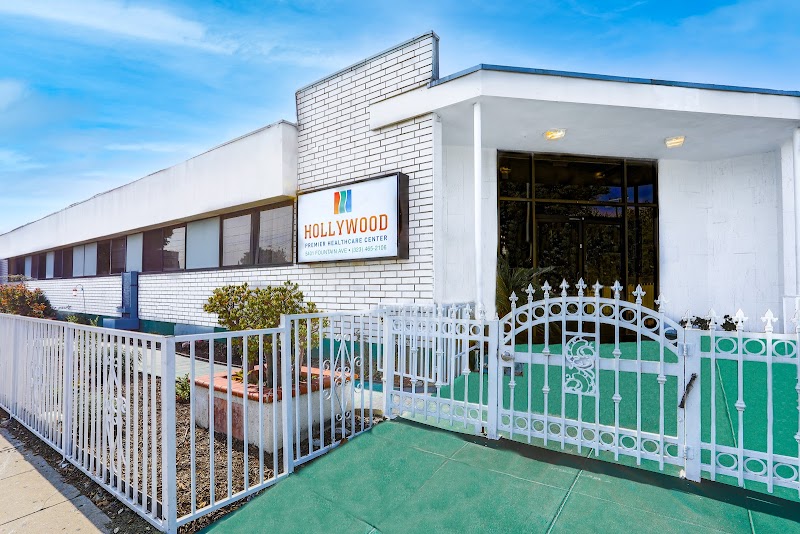
5401 FOUNTAIN AVE., LOS ANGELES, CA 90029 (323) 465-2106
For profit - Corporation 99 Beds SERRANO GROUP Data: November 2025 2 Immediate Jeopardy citations
Trust Grade
0/100
#1043 of 1155 in CA
Last Inspection: August 2025

Inspected within the last 6 months. Data reflects current conditions.

Overview

Hollywood Premier Healthcare Center has received an F grade, indicating poor performance and significant concerns about the care provided. It ranks #1043 out of 1155 facilities in California and #308 out of 369 in Los Angeles County, placing it in the bottom half of all options available. The facility is showing signs of improvement, having reduced its number of issues from 30 in 2024 to 22 in 2025, but still faces serious challenges. Staffing appears to be a strength, with a 0% turnover rate, meaning staff members stay long-term, which is beneficial for residents. However, there are alarming incidents reported, including a critical failure to protect a resident from sexual abuse and another instance of physical abuse, highlighting serious safety concerns that families should consider.

Trust Score
F
0/100
In California
#1043/1155
Bottom 10%
Safety Record
High Risk
Review needed
Inspections
Getting Better
30 → 22 violations
Staff Stability
○ Average
Turnover data not reported for this facility.
Penalties
✓ Good
No fines on record. Clean compliance history, better than most California facilities.
Skilled Nurses
○ Average
RN staffing data not reported for this facility.
Violations
⚠ Watch
92 deficiencies on record. Higher than average. Multiple issues found across inspections.
★☆☆☆☆
1.0
Overall Rating
★☆☆☆☆
1.0
Staff Levels
★★★★☆
4.0
Care Quality
★☆☆☆☆
1.0
Inspection Score
Stable
2024: 30 issues
2025: 22 issues

The Good

  • 4-Star Quality Measures · Strong clinical quality outcomes
  • Full Sprinkler Coverage · Fire safety systems throughout facility
  • No fines on record

Facility shows strength in quality measures, fire safety.

The Bad

1-Star Overall Rating

Below California average (3.1)

Significant quality concerns identified by CMS

Chain: SERRANO GROUP

Part of a multi-facility chain

Ask about local staffing decisions and management

The Ugly 92 deficiencies on record

2 life-threatening 3 actual harm
Sept 2025 3 deficiencies
CONCERN (D) 📢 Someone Reported This

A family member, employee, or ombudsman was alarmed enough to file a formal complaint

Potential for Harm - no one hurt, but risky conditions existed

Notification of Changes (Tag F0580)

Could have caused harm · This affected 1 resident

**NOTE- TERMS IN BRACKETS HAVE BEEN EDITED TO PROTECT CONFIDENTIALITY** Based on interview and record review the facility failed to notify the physician when the resident had a change of condition for...

Read full inspector narrative →
**NOTE- TERMS IN BRACKETS HAVE BEEN EDITED TO PROTECT CONFIDENTIALITY** Based on interview and record review the facility failed to notify the physician when the resident had a change of condition for one of three sampled residents (Resident 1). For Resident 1, the facility failed to notify the primary physician on 8/23/25 when Resident 1 had a seizure (a sudden, uncontrolled electrical disturbance in the brain which can cause uncontrolled jerking, blank stares, and loss of consciousness), irregular heart rate and desaturation (when blood oxygen level drops below the normal range). This deficient practice had the potential for Resident 1 to have worsening conditions without appropriate intervention. During a review of the admission Record indicated the facility admitted Resident 1 on 6/3/19 and re-admitted on [DATE] with diagnoses including failure to thrive (presence of one or more medical condition that put them at risk of further decline), dementia (a progressive state of decline in mental abilities) and seizure (a sudden, uncontrolled electrical disturbance in the brain which can cause uncontrolled jerking, blank stares, and loss of consciousness). During a review of the Minimum Data Set (MDS, a resident assessment tool) dated 8/18/25 indicated Resident 1 had severe cognitive impairment. Resident 1 was dependent on eating, oral hygiene, toileting, shower, upper/lower body dressing, putting on/taking off footwear and personal hygiene. During a review of the Change of Condition (COC) dated 8/23/25 at 6:35 p.m., indicated on 8/23/25 at 5:30 p.m., Resident 1 had a heart rate of 147 to 152 beats per minute (bpm, normal resting heart rate ranges from 60 to 100 bpm), temperature of 99.8 degrees Fahrenheit (normal range is 97 degrees F to 99 degrees F), oxygen saturation (amount of oxygen that's circulating in the blood) of 85% (normal range is 95% to 100%) and had a seizure like activity. The COC indicated Resident 1 was given oxygen at five liters by nasal cannula (NC, nasal prongs) and seizure precautions were implemented. The COC indicated Resident 1's primary physician was notified, and a message was left with the answering service. The same COC indicated .new orders awaited. During a concurrent interview and record review on 9/12/25 at 9:33 a.m., Resident 1's COC dated 8/23/25 was reviewed with licensed vocational nurse (LVN 1). LVN 1 stated on 8/23/25 Resident 1 had a COC that included seizure-like activity lasting about 10 seconds, heart rate of 147 bpm and oxygen saturation was 85%. LVN 1 stated Resident 1 was given oxygen five liters and Resident 1's oxygen saturation improved to 90%. LVN 1 stated Resident 1's physician was notified by leaving a message with the primary physician's answering service. LVN 1 stated she was unable to find documentation that Resident 1's physician called back, or new orders were given. LVN 1 further stated the physician needs to be notified when Resident 1 had a COC because the physician would give orders or may want to give order to transfer Resident 1 to the general acute hospital for evaluation. During a telephone interview on 9/12/25 at 11:35 a.m., Resident 1's nurse practitioner (NP) stated when Resident 1 had a COC on 8/23/25 he would have sent Resident 1 to the general acute hospital by paramedics for evaluation. During an interview on 9/19/25 at 12:38 p.m., the director of nursing (DON) stated if Resident 1's physician did not call back, we are supposed to call the medical director for orders. During a review of the facility's policy and procedures (P&P) titled Acute Condition Changes - Clinical Protocol reviewed on 1/16/25, the P&P indicated the nursing staff will contact the physician based on the urgency of the situation. For emergencies, they will call or page the physician and request a prompt response (within approximately one-half hour or less). The same policy indicated the attending physician (or practitioner providing back-up coverage) will respond in a timely manner to notification of problems or changes in condition and status. The nursing staff will contact the medical director for additional guidance and consultation if they do not receive a timely or appropriate response.
CONCERN (D) 📢 Someone Reported This

A family member, employee, or ombudsman was alarmed enough to file a formal complaint

Potential for Harm - no one hurt, but risky conditions existed

Deficiency F0658 (Tag F0658)

Could have caused harm · This affected 1 resident

Based on interview and record review the facility failed to obtain blood sugar level by fingerstick according to accepted professional standards of practice for one of two sampled residents (Resident ...

Read full inspector narrative →
Based on interview and record review the facility failed to obtain blood sugar level by fingerstick according to accepted professional standards of practice for one of two sampled residents (Resident 2). For Resident 2, who had diagnoses that included diabetes mellitus (DM-a disorder characterized by difficulty in blood sugar control and poor wound healing), the facility failed to obtain blood sugar level when Resident 2 had nothing to eat from 3 p.m. to 9:30 p.m. on 8/30/25.This deficient practice had the potential for Resident 2 to suffer from either hypoglycemia (blood sugar level drop below normal) or hyperglycemia (abnormally high blood sugar) and for the facility not giving Resident 2 proper intervention. During a review of the admission Record indicated the facility admitted Resident 2 on 8/25/25 with diagnoses including DM and dysphagia (difficulty swallowing).During a review of the Minimum Data Set (MDS, a resident screening tool) dated 8/26/25 indicated Resident 2 had severe cognitive impairment. Resident 2 was dependent on oral hygiene, toileting hygiene, shower, upper/lower body dressing and putting on/taking off footwear. During a review of Resident 2's care plan initiated on 8/26/25 indicated Resident 2 had diagnosis of DM and was at risk for hyperglycemia and hypoglycemia. The care plan goal indicated Resident 2 will have blood sugar level within normal limits of 65 millimoles per liter (mmol/L, unit of measurement) to 115 mmol/L. The care plan interventions included to monitor blood sugar as ordered. During a review of the Change of Condition (COC) dated 8/30/25 at 3:21 p.m., indicated Resident 2 pulled out his nasogastric tube (NGT, a thin, soft tube that goes through the nose, down the throat and into the stomach) on 8/30/25 at 3 p.m. The COC indicated the facility attempted to re-insert the NGT but was unsuccessful. Resident 2's primary physician was notified, and the physician gave order to transfer Resident 2 to the general acute hospital (GACH) for NGT replacement. During a concurrent interview and record review with licensed vocational nurse (LVN 1) on 9/12/25 at 8:45 a.m., Resident 2's COC dated 8/30/25 was reviewed. LVN 1 stated Resident 2 pulled out his NGT on 8/30/25 at around 3 p.m. Resident 2's primary physician gave order to transfer Resident 2 to GACH for NGT placement. LVN 1 stated the ambulance came at 9:30 p.m. and transferred Resident 2 to GACH. LVN 1 stated Resident 2 had nothing to eat for six and half hours from 3 p.m. to 9:30 p.m. LVN 1 stated Resident 2's blood sugar level was not obtained. LVN 1 stated it is important to test Resident 2's blood sugar level to ensure Resident 2's blood sugar level .was not low or high. During a telephone interview on 9/12/25 at 9:14 a.m., LVN 2 stated Resident 2 pulled out his NGT on 8/30/25 and the primary physician gave an order to transfer Resident 2 to GACH. LVN 2 stated she did not obtain Resident 2's blood sugar level. LVN 2 stated Resident 2 had the potential to have hyperglycemia or hypoglycemia. During a review of the facility's policy and procedures (P&P) titled Nursing Care of the Older Adult with Diabetes Mellitus reviewed on 1/16/25, the P&P indicated to monitor the blood glucose as indicated if the individual is fasting before a medical procedure, has returned to the facility after a significant absence or has an acute infection or illness.
CONCERN (D) 📢 Someone Reported This

A family member, employee, or ombudsman was alarmed enough to file a formal complaint

Potential for Harm - no one hurt, but risky conditions existed

Laboratory Services (Tag F0770)

Could have caused harm · This affected 1 resident

**NOTE- TERMS IN BRACKETS HAVE BEEN EDITED TO PROTECT CONFIDENTIALITY** Based on interview and record review the facility failed to provide laboratory services for one of three sampled residents (Resi...

Read full inspector narrative →
**NOTE- TERMS IN BRACKETS HAVE BEEN EDITED TO PROTECT CONFIDENTIALITY** Based on interview and record review the facility failed to provide laboratory services for one of three sampled residents (Resident 1). For Resident 1, the facility failed to follow the physician order to obtain blood sample for comprehensive metabolic panel (CMP, series of 14 blood tests that provide information about a person's current metabolism) on 8/15/25. This deficient practice resulted in Resident 1 not provided laboratory services that would help determine the medical and diagnostic needs of Resident 1. During a review of the admission Record indicated the facility admitted Resident 1 on 6/3/19 and re-admitted on [DATE] with diagnoses including failure to thrive (presence of one or more medical condition that put them at risk of further decline), dementia (a progressive state of decline in mental abilities) and seizure (a sudden, uncontrolled electrical disturbance in the brain which can cause uncontrolled jerking, blank stares, and loss of consciousness). During a review of the Minimum Data Set (MDS, a resident assessment tool) dated 8/18/25 indicated Resident 1 had severe cognitive impairment. Resident 1 was dependent on eating, oral hygiene, toileting, shower, upper/lower body dressing, putting on/taking off footwear and personal hygiene. During a review of the Physician Order dated 8/13/25 at 9:53 a.m., indicated an order to obtain blood sample from Resident 1 for CMP to be done on 8/15/25. During a concurrent interview and record review, on 9/12/25 at 10:25 a.m., the Physician Order dated 8/13/25 was reviewed with LVN 3. LVN 3 stated the physician gave an order on 8/13/25 to get blood sample from Resident 1 for CMP. The order indicated the blood sample was to be done on 8/15/25. LVN 3 stated she was unable to find the CMP result and stated she was unable to find documentation why the CMP was not done. During an interview, on 9/12/25 at 10:35 a.m., the medical record director (MRD) stated she was unable to find the result of Resident 1's CMP because the CMP was not done on 8/15/25. During an interview on 9/12/25 at 10:50 a.m., the director of staff development (DSD) stated if Resident 1's CMP was not done, we will not be able to identify what is wrong. with the resident. During a review of the facility's policy and procedures (P&P) titled Laboratory and Diagnostic Test Results - Clinical reviewed on 1/16/25, the P&P indicated the physician will identify and order diagnostic and laboratory testing based on the resident's diagnostic and monitoring needs. The staff will process test requisitions and arrange for tests. The same Policy indicated a nurse will try to determine whether the test was done that included:a. as a routine screen or follow-up.b. To assess a condition change or recent onset of signs and symptomsc. to monitor the drug level.
Sept 2025 2 deficiencies 2 IJ
CRITICAL (J) 📢 Someone Reported This

A family member, employee, or ombudsman was alarmed enough to file a formal complaint

Immediate Jeopardy (IJ) - the most serious Medicare violation

Free from Abuse/Neglect (Tag F0600)

Someone could have died · This affected 1 resident

**NOTE- TERMS IN BRACKETS HAVE BEEN EDITED TO PROTECT CONFIDENTIALITY** Based on interview and record review, the facility failed to ensure one of four sampled residents (Resident 1) was free from sex...

Read full inspector narrative →
**NOTE- TERMS IN BRACKETS HAVE BEEN EDITED TO PROTECT CONFIDENTIALITY** Based on interview and record review, the facility failed to ensure one of four sampled residents (Resident 1) was free from sexual abuse (non-consensual sexual contact of any type or sexual harassment) from Resident 2 who had a history of inappropriate sexual behavior of walking around the facility with his genitals (sexual organs) out and masturbating (stimulate own genitals for sexual pleasure) excessively (extremely) while residing in the facility. On 9/6/2025 at approximately 3:55 AM to 4 AM, Certified Nursing Assistant 1 (CNA1) heard grunting (mumbling)/moaning from Resident 1's room (who was nonverbal). CNA1 observed Resident 2 on top of Resident 1 who was in a supine (lying face up) position between Resident 1's legs naked from the waist down on Resident 1's bed. Licensed Vocational Nurse (LVN1 who came into Resident 1's room after CNA1 screamed for help) noticed Resident 2 pulling his pants up walking away from Resident 1. Resident 1 was unable to verbalize the incident. The facility called 911 (emergency phone number) and sent Resident 1 to the General Acute Care Hospital 2 (GACH2) for a trauma evaluation (assessing the immediate physical injuries). GACH2 admitted Resident 1 for an evaluation on sexual assault (nonconsensual sexual act). This failure resulted in Resident 1 to experience sexual abuse from Resident 2 under the care of the facility and resulted in Resident 1 to be admitted to GACH2 for an evaluation on sexual assault. On 9/9/2025 at 2:21PM, the Department called an Immediate Jeopardy Situation (IJ, a situation in which the provider's non-compliance with one or more requirements of participation has caused, or likely to cause, serious injury, harm impairment, or death to a patient) in the presence of the facility's Administrator (ADM) and the Director of Nursing (DON) related to the failure to protect Resident 1 from sexual abuse from Resident 2 for allowing inappropriate sexual behavior of walking around the facility with his genitals out and masturbating excessively while residing in the facility. This placed Resident 1 and other potential unidentified residents in the facility at risk for sexual abuse. On 9/12/2025 at 2:44 PM, the Department removed the IJ situation while onsite in the presence of the ADM and DON after the surveyor verified the facility's implementation of the IJ removal plan (includes all actions the agency has taken or will take to immediately address the noncompliance that resulted in or made serious injury, serious harm, serious impairment, or death likely) through observation, interview, and record review, which included: -On 9/6/2025, the facility staff (unidentified) separated Resident 2 from Resident 1 and placed Resident 1 on a one-to-one supervision (where a single staff member is assigned to directly supervise no more than one individual). -On 9/6/2025 at 4:30 AM, the facility transferred Resident 1 to GACH2 via emergency services for immediate trauma evaluation. -On 9/6/2025 at 12:33PM, the facility transferred Resident 2 to GACH3 for an evaluation of inappropriate sexual behavior. -On 9/7/2025 at 12:12AM, the facility readmitted Resident 2 from GACH3 and provided one-to-one supervision. -On 9/8/2025 at 12:24 AM, the facility transferred Resident 2 to GACH4 via 5150 (involuntary 72-hour psychiatric [relating to mental illness or its treatment] hold) due to inappropriate sexual behavior. -On 9/9/2025 the Director of Clinical and Regional Director of Operations provided training on abuse prevention education to the ADM, the DON, to all the department heads, and staff. -On 9/10/2025, the facility conducted a wide safety check for all 80 in-house residents to ask for any exposure and physical advances or touching by Resident 2. -On 9/11/2025, the licensed nurses (unidentified) checked seven nonverbal residents for any signs of skin discoloration to the genital areas. Findings: 1.During a review of Resident 1's admission Record, the admission record indicated the facility admitted the resident 1 on 5/27/2025 with diagnoses including generalized muscle weakness (a widespread loss of muscle strength that affects multiple muscle groups throughout the body), anxiety (excessive worry, fear, and nervousness), and developmental disorders of speech and language (difficulties in learning, understanding, and using spoken words). During a review of Resident 1's History and Physical (H&P) dated 6/9/2025, the H&P indicated Resident 1 did not have capacity to understand and make decisions. During a review of Resident 1's Minimum Data Set (MDS, a resident assessment tool), dated 8/29/2025, the MDS indicated Resident 1's cognition (the process of acquiring knowledge and understanding through thought, experience, and the senses) was severely impaired (reduced). The MDS indicated Resident 1 had unclear speech (slurred or mumbled words) and was rarely/never understood. The MDS indicated Resident 1 was dependent (helper does all the effort) with eating, personal hygiene (practices and habits that maintain cleanliness and health of the body) oral(mouth) hygiene, showering/bathing, dressing, and toilet use. The MDS indicated Resident 1 was dependent on staff to go from sitting to lying position and from lying position to a sitting position on the side of the bed. During a review of Resident 1's Progress Notes dated 9/6/2025 at 3:55 to 4AM, indicated the CNA (CNA1) heard grunting/moaning from Resident 1's room. The Progress Notes indicated Resident 1 was nonverbal. The Progress Notes indicated the CNA (CNA1) went to Resident 1's room and the CNA (CNA1) observed Resident 2 on top of Resident 1who was in a supine (lying face up) position naked from the waist down, and the hospital gown pulled up. The Progress Notes indicated the CNA (CNA1) yelled for help and the Charge Nurse (LVN1) noticed Resident 2 pulling his pants up walking away from Resident 1. The Progress Notes indicated Resident 1 was unable to verbalize the incident. The Progress Notes indicated the facility called 911 at 4:13AM. The Progress Notes indicated Resident 1's medical doctor ordered at 5:41AM to transfer Resident 1 to the hospital for trauma evaluation. During a review of Resident 1's GACH2 Emergency Department (ED) record dated 9/6/2025 at 11:32 AM, the ED record indicated Resident 1 arrived from the facility to GACH2 for complaints of sexual assault at 3:55AM that was witnessed by a CNA (unidentified). The GACH2 record indicated the Emergency Medical Services (EMS, emergency medical personnel who respond to emergency situations) reported that another resident (unidentified) was apparently on top of Resident 1 with no pants on. The GACH record indicated the GACH admitted Resident 1 for further evaluation. 2. During a review of Resident 2's GACH1 Progress Notes dated 7/23/2025 (prior to admission), the GACH1 record indicated Resident 2 had a history of psychoses (a severe mental condition in which thought, and emotions are so affected that contact is lost with reality) and hypersexuality (compulsive [uncontrollable] sexual behavior). During a review of Resident 2's GACH1 Consultation Notes dated 8/19/2025, the GACH1 record indicated Resident 2 was positive (showed action) for masturbating and disrobing (removing clothes) at Resident 2's nursing home facility (different facility) with sexual aggression towards his roommate. During a review of Resident 2's admission Record, the admission Record indicated the facility admitted Resident 2 on 8/22/2025 with diagnoses including other psychotic disorder (severe mental illness where the individual's thoughts and perceptions are so out of sync with those around them that they have trouble functioning in daily life) not due to a substance or known physiological condition (how the body functions at any given moment) unspecified severity, with other behavioral disturbance (a consistent pattern of problematic, disruptive, or unhealthy behaviors that interfere with a person's ability to function normally in daily life, affecting their self-control and respect for rules and the rights of others). During a review of Resident 2's H&P dated 8/23/2025, the H&P indicated Resident 2 had hypersexual behavior. During a review of Resident 2's Order Summary Report dated 8/25/2025, the Order Summary Report indicated Resident 2 had an order for Haloperidol (medication used for behavioral issues) manifested(shown) by inappropriate sexual behavior, walking around with penis out and masturbating excessively. During a review of Resident 2's MDS, dated [DATE], the MDS indicated Resident 2 was able to walk without assistance. During a review of Resident 2's Progress Notes dated 8/25/2025 at 11:17 AM, the Progress Notes indicated Resident 2 had inappropriate sexual behavior and was walking around the facility with his penis out and masturbating excessively. During a review of Resident 2's Care Plan Report dated 8/25/2025, the Care Plan Report indicated Resident 2 had a potential for behavior disturbance related to psychosis manifested by inappropriate sexual behavior, walking around with his penis out and masturbating excessively. The Care Plan Report indicated the nursing intervention was to intervene as needed to protect the rights and safety of others. During a review of Resident 2's Medication Administration Record (MAR) dated September 2025, the MAR indicated Resident 2 had inappropriate sexual behavior, walking around with his penis out and masturbating excessively on the following dates: -On 9/2/2025 during the 11PM to 7AM shift. -On 9/3/2025 during the 11PM to 7AM shift. -On 9/4/2025 during the 7AM-3PM shift and the 3-11PM shift. -On 9/5/2025 during the 11PM-7AM shift. -On 9/6/2025 during the 7AM-3PM shift, and the 11PM-7AM shift. -On 9/7/2025 7during the 7AM-3PM shift and on 3PM-11PM shift. -On 9/8/2025 during the 7AM-3PM shift. During a review of Resident 2's The Nursing Progress Notes dated 9/6/2025 at 8:20AM, The Nursing Progress Note indicated at 3:55 AM to 4AM the CNA (CNA1) heard grunting/moaning from Resident 1's room. The Nursing Progress Notes indicated the CNA (CNA1) went to Resident 1's room and CNA1 observed Resident 2 on top of Resident 1 naked, and the CNA (CNA1) yelled for help. The Progress Notes indicated that the Charge Nurse (LVN1) noticed Resident 2 pulling his pants up walking away from Resident 1. During a review of Resident 2's Application for up to 72-hour Assessment, Evaluation, and Crisis Intervention or Placement for Evaluation and Treatment (5150 form) dated 9/7/2025, the 5150-form indicated Resident 2 was a danger to others and at risk for hurting someone (unidentified) sexually and required further evaluation. During an interview on 9/8/2025 at 2:02 PM, with CNA1, CNA1 stated that on 9/6/2025 between 3:55AM to 4AM she (CNA1) heard commotion coming out of Resident 1's room. CNA1 stated she (CNA1) saw Resident 2 naked on top of Resident 1's bed in between Resident 1's legs. CNA1 stated Resident 1 was naked from the waist down and Resident 1's legs were open. During an interview and record review on 9/9/2025 at 8:18 AM, with Registered Nurse Supervisor (RNS), Resident 2's Care Plan Report initiated on 8/25/2025 was reviewed. RNS stated the Care Plan Report indicated Resident 2 had a behavior of inappropriate sexual behavior, walking around with his penis out and masturbating excessively. RNS stated the interventions were to intervene as needed to protect the rights and safety of others. The RNS stated the facility did not follow the care plan. The RNS stated the incident between Resident 1 and Resident 2 could have been prevented. The RNS stated Resident 2 should have been closely monitored. During an interview and record review on 9/9/2025, at 8:42 AM with LVN3, Resident 2's MAR dated September 2025 was reviewed. LVN3 stated the MAR indicated Resident 2 had inappropriate sexual behavior of walking around with penis out and masturbating on the following dates: on 9/2/2025 during the 11PM-7AM shift, on 9/3/2025 11PM to 7AM shift, on 9/4/2025 during the 7AM-3PM and the 3PM-11PM shifts, on 9/5/2025 during the 11PM-7AM, and on 9/6/2025 during the 11PM-7AM. During an interview on 9/9/2025 at 9:44 AM, with LVN2, LVN2 stated she (LVN2) saw Resident 2 masturbating inside his room in his bed on 9/4/2025 (time unidentified) during the 7-3 pm shift with the privacy curtains open. During an interview and a record review of Resident 2's medical chart (in general) on 9/9/2025 at 10:07AM, with the Social Services Director (SSD), the SSD stated the facility did not conduct an interdisciplinary team meeting (IDT, a collaborative group of diverse health care professionals from different fields who work together) to address Resident 2's inappropriate sexual behavior of walking around with his penis out and masturbating. The SSD stated the facility should have conducted an IDT to discuss Resident 2's inappropriate sexual behaviors to have better interventions. During an interview on 9/9/2025 at 12:45 PM with the DON, the DON stated she (DON) reviewed Resident 2's preadmission GACH1 record and that she (DON) was aware Resident 2 had a behavior of masturbation and that the facility would be able to care for Resident 2. The DON stated there was no IDT conducted. The DON stated there should have been an IDT to have interventions. The DON stated the Medical Director was notified on 9/9/2025 of Resident 1 and Resident 2's sexual abuse incident. During an interview with the Medical Director on 9/9/2025 at 1:15PM, the Medical Director stated the DON notified him of Resident 1 and Resident 2 allegation of sexual abuse on 9/9/2025. The Medical Director stated the facility needed to conduct an IDT regarding Resident 2's behavior of inappropriate sexual behavior to have better interventions. During a review of the facility's Abuse, Neglect, Exploitation (means taking advantage of a resident for personal gain through the use of manipulation, intimidation, or threats), and Misappropriation Prevention Program, policy and procedure (P&P) dated April 2021 and reviewed 1/16/2025, the P&P indicated the residents have the right to be free from abuse including sexual abuse. The P&P indicated the facility would protect residents from abuse, neglect .by anyone including, but not necessarily limited to . other residents. During a review of policy titled, Residents Rights dated 1/16/2025 indicated, Federal and state laws guarantee certain basic rights to all residents of this facility. These rights include the resident's right to be free from abuse .
CRITICAL (J) 📢 Someone Reported This

A family member, employee, or ombudsman was alarmed enough to file a formal complaint

Immediate Jeopardy (IJ) - the most serious Medicare violation

Abuse Prevention Policies (Tag F0607)

Someone could have died · This affected 1 resident

**NOTE- TERMS IN BRACKETS HAVE BEEN EDITED TO PROTECT CONFIDENTIALITY** Based on interview and record review, the facility failed to implement its policies and procedures to prohibit and prevent sexua...

Read full inspector narrative →
**NOTE- TERMS IN BRACKETS HAVE BEEN EDITED TO PROTECT CONFIDENTIALITY** Based on interview and record review, the facility failed to implement its policies and procedures to prohibit and prevent sexual abuse (non-consensual sexual contact of any type or sexual harassment), for one of four sampled residents (Resident 1) by failing to: -Ensure to closely monitor Resident 2 who had a history of inappropriate sexual behavior of walking around the facility with his genitals (sexual organs) out and masturbating (stimulate own genitals for sexual pleasure) excessively (extremely) while residing in the facility. -Ensure Resident 1 was free from sexual abuse from Resident 2. -Ensure to conduct an interdisciplinary team meeting (IDT, a collaborative group of diverse health care professionals from different fields who work together) to address Resident 2's inappropriate sexual behavior of walking around with his genitals out and masturbating. On 9/6/2025 at approximately 3:55 AM to 4 AM, Certified Nursing Assistant 1 (CNA1) heard grunting (mumbling)/moaning from Resident 1's room (who was nonverbal). CNA1 observed Resident 2 on top of Resident 1 who was in a supine (lying face up) position between Resident 1's legs naked from the waist down on Resident 1's bed. Licensed Vocational Nurse1 (LVN1 who came into Resident 1's room after CNA1 screamed for help) noticed Resident 2 pulling his pants up walking away from Resident 1. Resident 1 was unable to verbalize the incident. The facility called 911 (emergency phone number) and sent Resident 1 to the General Acute Care Hospital 2 (GACH2) for a trauma evaluation (assessing the immediate physical injuries). GACH2 admitted Resident 1 for an evaluation on sexual assault (nonconsensual sexual act). This failure resulted in Resident 1 to experience sexual abuse from Resident 2 under the care of the facility and resulted in Resident 1 to be admitted to GACH2 for an evaluation on sexual assault. On 9/9/2025 at 2:31 PM, the Department called an Immediate Jeopardy Situation (IJ, a situation in which the provider's non-compliance with one or more requirements of participation has caused, or likely to cause, serious injury, harm impairment, or death to a patient) in the presence of the facility's Administrator (ADM) and the Director of Nursing (DON) related to the failure to implement its policies and procedures to prevent and to protect Resident 1 from sexual abuse from Resident 2 and for not monitoring Resident 2 closely and allowing Resident 2's inappropriate sexual behavior of walking around the facility with his genitals out and masturbating excessively while residing in the facility. This placed Resident 1 and other potential unidentified residents in the facility at risk for sexual abuse. On 9/12/2025 at 2:44 PM, the Department removed the IJ situation while onsite in the presence of the ADM and DON after the surveyor verified the facility's implementation of the IJ removal plan (includes all actions the agency has taken or will take to immediately address the noncompliance that resulted in or made serious injury, serious harm, serious impairment, or death likely) through observation, interview, and record review, which included: -On 9/6/2025, the facility staff (unidentified) separated Resident 2 from Resident 1 and placed Resident 1 on a one-to-one supervision (where a single staff member is assigned to directly supervise no more than one individual). -On 9/6/2025 at 4:30 AM, the facility transferred Resident 1 to GACH2 via emergency services for immediate trauma evaluation. -On 9/6/2025 at 12:33PM, the facility transferred Resident 2 to GACH3 for an evaluation of inappropriate sexual behavior. -On 9/7/2025 at 12:12AM, the facility readmitted Resident 2 from GACH3 and provided one-to-one supervision. -On 9/8/2025 at 12:24 AM, the facility transferred Resident 2 to GACH4 via 5150 (involuntary 72-hour psychiatric [relating to mental illness or its treatment] hold) due to inappropriate sexual behavior. -On 9/9/2025 the Director of Clinical and Regional Director of Operations provided training on abuse prevention education to the ADM, the DON, to all the department heads, and staff. -On 9/10/2025, the facility conducted a wide safety check for all 80 in-house residents to ask for any exposure and physical advances or touching by Resident 2. -On 9/11/2025, the licensed nurses (unidentified) checked seven nonverbal residents for any signs of skin discoloration to the genital areas. Findings: 1.During a review of Resident 1's admission Record, the admission record indicated the facility admitted Resident 1 on 5/27/2025 with diagnoses including generalized muscle weakness (a widespread loss of muscle strength that affects multiple muscle groups throughout the body), anxiety (excessive worry, fear, and nervousness), and developmental disorders of speech and language (difficulties in learning, understanding, and using spoken words). During a review of Resident 1's History and Physical (H&P) dated 6/9/2025, the H&P indicated Resident 1 did not have capacity to understand and make decisions. During a review of Resident 1's Minimum Data Set (MDS, a resident assessment tool), dated 8/29/2025, the MDS indicated Resident 1's cognition (the process of acquiring knowledge and understanding through thought, experience, and the senses) was severely impaired (reduced). The MDS indicated Resident 1 had unclear speech (slurred or mumbled words) and was rarely/never understood. The MDS indicated Resident 1 was dependent (helper does all the effort) with eating, personal hygiene (practices and habits that maintain cleanliness and health of the body) oral(mouth) hygiene, showering/bathing, dressing, and toilet use. The MDS indicated Resident 1 was dependent on staff to go from sitting to lying position and from lying position to a sitting position on the side of the bed. During a review of Resident 1's Progress Notes dated 9/6/2025 at 3:55 to 4AM, indicated the CNA (CNA1) heard grunting/moaning from Resident 1's room. The Progress Notes indicated Resident 1 was nonverbal. The Progress Notes indicated the CNA (CNA1) went to Resident 1's room and the CNA (CNA1) observed Resident 2 on top of Resident 1 who was in a supine position naked from the waist down, and the hospital gown pulled up. The Progress Notes indicated the CNA (CNA1) yelled for help and the Charge Nurse (LVN1) noticed Resident 2 pulling his pants up walking away from Resident 1. The Progress Notes indicated Resident 1 was unable to verbalize the incident. The Progress Notes indicated the facility called 911 at 4:13AM. The Progress Notes indicated Resident 1's medical doctor ordered at 5:41AM to transfer Resident 1 to the hospital for trauma evaluation. During a review of Resident 1's GACH2 Emergency Department (ED) record dated 9/6/2025 at 11:32 AM, the ED record indicated Resident 1 arrived from the facility to GACH2 for complaints of sexual assault at 3:55AM that was witnessed by a CNA (unidentified). The GACH2 record indicated the Emergency Medical Services (EMS, emergency medical personnel who respond to emergency situations) reported that another resident (unidentified) was apparently on top of Resident 1 with no pants on. The GACH record indicated the GACH admitted Resident 1 for further evaluation. 2. During a review of Resident 2's GACH1 Progress Notes dated 7/23/2025 (prior to admission), the GACH1 record indicated Resident 2 had a history of psychosis (a severe mental condition in which thought, and emotions are so affected that contact is lost with reality) and hypersexuality (compulsive [incontrollable] sexual behavior). During a review of Resident 2's GACH1 Consultation Notes dated 8/19/2025, the GACH1 record indicated Resident 2 was positive (showed action) for masturbating and disrobing (removing clothes) at Resident 2's nursing home facility (different facility) with sexual aggression towards his roommate. During a review of Resident 2's admission Record, the admission Record indicated the facility admitted Resident 2 on 8/22/2025 with diagnoses including other psychotic disorder (severe mental illness where the individual's thoughts and perceptions are so out of sync with those around them that they have trouble functioning in daily life) not due to a substance or known physiological condition (how the body functions at any given moment) unspecified severity, with other behavioral disturbance (a consistent pattern of problematic, disruptive, or unhealthy behaviors that interfere with a person's ability to function normally in daily life, affecting their self-control and respect for rules and the rights of others). During a review of Resident 2's H&P dated 8/23/2025, the H&P indicated Resident 2 had hypersexual behavior. During a review of Resident 2's Order Summary Report dated 8/25/2025, the Order Summary Report indicated Resident 2 had an order for Haloperidol (medication used for behavioral issues) manifested(shown) by inappropriate sexual behavior, walking around with his genitals out and masturbating excessively. During a review of Resident 2's MDS, dated [DATE], the MDS indicated Resident 2 was able to walk without assistance. During a review of Resident 2's Progress Notes dated 8/25/2025 at 11:17 AM, the Progress Notes indicated Resident 2 had inappropriate sexual behavior and was walking around the facility with his genitals out and masturbating excessively. During a review of Resident 2's Care Plan Report dated 8/25/2025, the Care Plan Report indicated Resident 2 had a potential for behavior disturbance related to psychosis manifested by inappropriate sexual behavior, walking around with his genitals out and masturbating excessively. The Care Plan Report indicated the nursing intervention was to intervene as needed to protect the rights and safety of others. During a review of Resident 2's Medication Administration Record (MAR) dated September 2025, the MAR indicated Resident 2 had inappropriate sexual behavior, walking around with his genitals out and masturbating excessively on the following dates: -On 9/2/2025 during the 11PM to 7AM shift. -On 9/3/2025 during the 11PM to 7AM shift. -On 9/4/2025 during the 7AM-3PM shift and the 3-11PM shift. -On 9/5/2025 during the 11PM-7AM shift. -On 9/6/2025 during the 7AM-3PM shift, and the 11PM-7AM shift. -On 9/7/2025 7during the 7AM-3PM shift and on 3PM-11PM shift. -On 9/8/2025 during the 7AM-3PM shift. During a review of Resident 2's The Nursing Progress Notes dated 9/6/2025 at 8:20AM, The Nursing Progress Note indicated at 3:55 AM to 4AM the CNA (CNA1) heard grunting/moaning from Resident 1's room. The Nursing Progress Notes indicated the CNA (CNA1) went to Resident 1's room and CNA1 observed Resident 2 on top of Resident 1 naked. The Progress Nursing Notes indicated CNA (CNA1) yelled for help. The Progress Notes indicated that the Charge Nurse (LVN1) noticed Resident 2 pulling his pants up walking away from Resident 1. During a review of Resident 2's Application for up to 72-hour Assessment, Evaluation, and Crisis Intervention or Placement for Evaluation and Treatment (5150 form) dated 9/7/2025, the 5150-form indicated Resident 2 was a danger to others and at risk for hurting someone (unidentified) sexually and required further evaluation. During an interview on 9/8/2025 at 2:02 PM, with CNA1, CNA1 stated that on 9/6/2025 between 3:55AM to 4AM she (CNA1) heard commotion coming out of Resident 1's room. CNA1 stated she (CNA1) saw Resident 2 naked on top of Resident 1's bed in between Resident 1's legs. CNA1 stated Resident 1 was naked from the waist down and Resident 1's legs were open. During an interview and record review on 9/9/2025 at 8:18 AM, with Registered Nurse Supervisor (RNS), Resident 2's Care Plan Report initiated on 8/25/2025 was reviewed. RNS stated the Care Plan Report indicated Resident 2 had a behavior of inappropriate sexual behavior, walking around with his genitals out and masturbating excessively. RNS stated the interventions were to intervene as needed to protect the rights and safety of others. The RNS stated the facility did not follow the care plan. The RNS stated the incident between Resident 1 and Resident 2 could have been prevented. The RNS stated Resident 2 should have been closely monitored. During an interview and record review on 9/9/2025, at 8:42 AM with LVN3, Resident 2's MAR dated September 2025 was reviewed. LVN3 stated the MAR indicated Resident 2 had inappropriate sexual behavior of walking around with genitals out and masturbating on the following dates: on 9/2/2025 during the 11PM-7AM shift, on 9/3/2025 11PM to 7AM shift, on 9/4/2025 during the 7AM-3PM and the 3PM-11PM shifts, on 9/5/2025 during the 11PM-7AM, and on 9/6/2025 during the 11PM-7AM shift. During an interview on 9/9/2025 at 9:44 AM, with LVN2, LVN2 stated she (LVN2) saw Resident 2 masturbating inside his room in his bed on 9/4/2025 (time unidentified) during the 7-3 pm shift with the privacy curtains open. During an interview and a record review of Resident 2's medical chart (in general) on 9/9/2025 at 10:07AM, with the Social Services Director (SSD), the SSD stated the facility did not conduct an interdisciplinary team meeting (IDT, a collaborative group of diverse health care professionals from different fields who work together) to address Resident 2's inappropriate sexual behavior of walking around with his genitals out and masturbating. The SSD stated the facility should have conducted an IDT to discuss Resident 2's inappropriate sexual behaviors to have better interventions. During an interview on 9/9/2025 at 12:45 PM with the DON, the DON stated she (DON) reviewed Resident 2's preadmission GACH1 record and that she (DON) was aware Resident 2 had a behavior of masturbation and that the facility would be able to care for Resident 2. The DON stated there was no IDT conducted. The DON stated there should have been an IDT to have interventions. The DON stated the Medical Director was notified on 9/9/2025 of Resident 1 and Resident 2's sexual abuse incident. During an interview with the Medical Director on 9/9/2025 at 1:15PM, the Medical Director stated the DON notified him of Resident 1 and Resident 2 allegation of sexual abuse on 9/9/2025. The Medical Director stated the facility needed to conduct an IDT regarding Resident 2's behavior of inappropriate sexual behavior to have better interventions. During an interview with the ADM on 9/9/2025 at 1:38PM, the ADM stated the facility was responsible for knowing what type of residents (in general) would be admitted to the facility. The ADM stated he (ADM) was aware of Resident 2's behavior of masturbating and not of any other Resident 2's sexual behavior that was inappropriate. During a review of the facility's Abuse, Neglect, Exploitation (means taking advantage of a resident for personal gain through the use of manipulation, intimidation, or threats), and Misappropriation Prevention Program, policy and procedure (P&P) dated April 2021 and reviewed 1/16/2025, the P&P indicated the residents have the right to be free from abuse including sexual abuse. The P&P indicated the facility would protect residents from abuse, neglect .by anyone including, but not necessarily limited to . other residents. During a review of policy titled, Residents Rights dated 1/16/2025 indicated, Federal and state laws guarantee certain basic rights to all residents of this facility. These rights include the resident's right to be free from abuse .
Aug 2025 14 deficiencies
CONCERN (D)

Potential for Harm - no one hurt, but risky conditions existed

Deficiency F0552 (Tag F0552)

Could have caused harm · This affected 1 resident

Based on interview and record review, the facility failed to obtain an informed consent (voluntary agreement to accept treatment and/or procedures after receiving education regarding the risks, benefi...

Read full inspector narrative →
Based on interview and record review, the facility failed to obtain an informed consent (voluntary agreement to accept treatment and/or procedures after receiving education regarding the risks, benefits, and alternatives offered) for antipsychotic medication (medication that affects brain activity and is used to treat mental health disorders) administration for one of two sampled residents (Resident 11) by failing to: -Ensure to complete an informed consent form (a formal conversation and a signed document that acknowledges the resident's understanding and agreement to the medication treatment plan) for the following medications: - risperidone (Risperdal, a medication used to treat schizophrenia [a mental illness that is characterized by disturbances in thought])-quetiapine (Seroquel, a medication used to treat schizophrenia) -valproic acid (a medication used to treat bipolar disorder [sometimes called manic-depressive disorder; mood swings that range from the lows of depression to elevated periods of emotional highs]).These failures had the potential for Resident 11 to experience adverse effects (a harmful, unintended result caused by taking medication) from taking risperidone, quetiapine, and valproic acid; and affected the ability of Resident 11 to exercise her right to be informed of, participate in, and refuse treatment.Findings:During a review of Resident 11's admission Record (a document that collects essential information about a resident when they enter a healthcare facility), the admission Record indicated the facility readmitted Resident 1 on 5/22/2025 with diagnoses that included schizophrenia and bipolar disorder. During a review of Resident 11's Order Summary Report (a document that lists a resident's current medical orders) with an order date of 5/22/2025, the Summary Report indicated for Resident 11 to take Risperidone 2 milligrams (mg, unit of measurement) one tablet by mouth at bedtime for schizophrenia, Seroquel oral tablet 100 mg one tablet by mouth at bedtime for schizophrenia, valproic acid oral solution 250 mg/5 milliliters (mL, unit of volume) 10 mL by mouth in the morning for mood disorder (characterized by significant disturbances in a person's emotional state, often causing prolonged periods of sadness, irritability, or mania that interfere with daily life), and valproic acid oral solution 250 mg/5 mL 15 mL by mouth at bedtime for mood disorder. During a review of Resident 11's History and Physical (H&P, a medical document that includes medical history and physical examination findings) dated 5/23/2025, the H&P indicated the resident did not have the capacity to understand and make decisions. During a review of Resident 11's Minimum Data Set (MDS, a resident assessment tool) dated 5/23/2025, the MDS indicated the resident exhibited impaired memory recall. The MDS indicated Resident 11 was taking antipsychotic medication. During a review of Resident 11's Informed Consents: Risks and Benefits of Antipsychotic Medications forms dated 5/23/2025, the Informed Consents: Risks and Benefits of Antipsychotic Medications forms indicated the resident consented to taking Risperidone, Seroquel, and valproic acid. The Informed Consents: Risks and Benefits of Antipsychotic Medications forms indicated verbal consent from resident in the signature box designated for resident representative. The Informed Consents: Risks and Benefits of Antipsychotic Medications forms did not indicate the signature of the resident or a Responsible Party (RP, an individual who is responsible for handling a resident's finances and medical care). During an interview on 8/14/2024 at 12:20 PM, with the Director of Nursing (DON), the DON stated Resident 11 did not have the capacity to provide informed consent for antipsychotic medications. The DON stated the facility was required to obtain an informed consent prior to the administration of antipsychotic medications. During an interview on 8/14/2025 at 12:27 PM, with the Medical Director (MD), MD stated the facility did not obtain informed consent from Resident 11 or Resident 11's RP for the administration of Risperidone, Seroquel, or valproic acid.During an interview on 8/14/2025 at 1:40 PM with the DON, the DON stated the consent forms for Risperidone, Seroquel, and valproic acid were completed inaccurately and did not reflect Resident 11's cognitive capacity to consent to medication therapy. During a review of the facility's policy and procedure (P&P) titled, Psychotropic Medication Use, dated February 2025, the P&P indicated psychotropic medication is any medication that affects brain activity associated with mental processes and behavior including antipsychotics. The P&P indicated prior to initiating the use of, increasing the dose of, or switching to a different psychotropic medication, the staff and physician will review the following with the resident/representative prior to obtaining documented consent or refusal: non-pharmacological alternatives, the indication and rationale for recommendation, the potential risks and benefits, and the resident's/representative's right to accept or decline the treatment.
CONCERN (D)

Potential for Harm - no one hurt, but risky conditions existed

Deficiency F0578 (Tag F0578)

Could have caused harm · This affected 1 resident

Based on interview and record review, the facility failed to ensure to provide an advanced directive (a legal document indicating resident preference on end-of-life treatment decisions) to the Respons...

Read full inspector narrative →
Based on interview and record review, the facility failed to ensure to provide an advanced directive (a legal document indicating resident preference on end-of-life treatment decisions) to the Responsible Party (RP, an individual who is responsible for handling a resident's finances and medical care) for one of three sampled residents (Resident 70).This failure had the potential for Resident 70 to receive unwanted medical treatments or experience a delay in medical care and had the potential to affect Resident 70's ability to exercise her right to formulate an advanced directiveFindings:During a review of Resident 70's admission Record (a document that collects essential information about a resident when they enter a healthcare facility), dated 8/13/2025, the admission Record indicated the facility admitted Resident 70 on 7/30/2025 with a diagnoses that included schizoaffective disorder (a mental illness that can affect thoughts, mood, and behavior), lack of expected normal physiological development (developmental delay or failure to reach expected physical, cognitive, or behavioral milestones), and surgical aftercare (provided to support recovery, prevent complications, and manage pain and wound healing following surgery) following colostomy surgery (surgical procedure that creates an opening in the abdomen to divert stool to an external bag). During a review of Resident 70's Minimum Data Set (MDS, a resident assessment tool) dated 7/30/2025, the MDS indicated the resident had severely impaired cognition (impairment in the ability to think, understand, and reason). The MDS indicated Resident 70 was taking antipsychotic medication (used primarily to treat symptoms of psychosis [a mental state characterized by a disconnect from reality, often involving hallucinations, delusions, and disorganized thinking]) and antianxiety medication (used to treat anxiety). During a review of Resident 70's medical records (official documentation of a resident's health information and care), the medical records did not contain an advanced directive or advanced directive planning. During an interview on 8/12/2025 at 3:38 PM with the Social Services Director (SSD), the SSD stated she (SSD) contacted Resident 70's Regional Center Service Coordinator (RCSC, a professional who helps individuals with developmental disabilities access and manage services and support) on 8/6/2025 to request signed copies of the Physician Orders for Life-Sustaining Treatment (POLST-treatment wishes so that emergency personnel know what treatments the patient wants in the event of a medical emergency) form and the Request for admission and Authorization for Treatment and Medication form. The SSD stated she (SSD) did not inquire whether Resident 70 had executed an advanced directive. The SSD stated that she (SSD) did not provide Resident 70's RCSC advanced directive information. During an interview on 8/13/2025 at 9:36 AM, Resident 70's RCSC stated the facility did not inquire whether Resident 70 had executed an advanced directive. The RCSC stated the facility did not provide her (RSC) with advanced directive information or include her (RSC) in advanced directive planning. During a review of facility's policy and procedure (P&P) titled Advanced Directives, dated 1/16/2025, the P&P indicated the resident has the right to formulate an advanced directive. The P&P indicated upon admission the resident or representative is provided with written information concerning the right to formulate an advanced directive. The P&P indicated if the resident is incapacitated and unable to receive information about her or his right to formulate an advanced directive, the information may be provided to a resident's legal representative. The P&P indicated the resident information about whether the resident has executed an advanced directive is displayed prominently in the medical record.
CONCERN (D)

Potential for Harm - no one hurt, but risky conditions existed

Safe Environment (Tag F0584)

Could have caused harm · This affected 1 resident

**NOTE- TERMS IN BRACKETS HAVE BEEN EDITED TO PROTECT CONFIDENTIALITY** Based on observation, interview, and record review, the facility failed to ensure the resident 's environment promoted and enhan...

Read full inspector narrative →
**NOTE- TERMS IN BRACKETS HAVE BEEN EDITED TO PROTECT CONFIDENTIALITY** Based on observation, interview, and record review, the facility failed to ensure the resident 's environment promoted and enhanced their quality of life when her bed mattress was placed directly on the floor for one of one sampled resident (Resident 70).This failure had the potential to result in Resident 70 acquiring a healthcare-associated infection (infections acquired during healthcare delivery and are not present at the time of admission), experiencing physical safety hazards and psychological harm; and affected the quality of care provided to Resident 70.Findings:During a review of Resident 70's admission Record (a document that collects essential information about a resident when they enter a healthcare facility), dated 8/13/2025, the record indicated Resident 70, a [AGE] year-old female, admitted to the facility on [DATE] with a diagnosis that included metabolic encephalopathy (brain dysfunction caused by underlying medical conditions that disrupt the body's metabolism [the process by which the body converts food into energy]), dysphagia (difficulty swallowing), and surgical aftercare (provided to support recovery, prevent complications, and manage pain and wound healing following surgery) following colostomy surgery (surgical procedure that creates an opening in the abdomen to divert stool to an external bag).During a review of Resident 70's Minimum Data Set (MDS, a resident assessment tool) dated 7/30/2025, the MDS indicated the resident was completely dependent on assistance from medical staff for self-care needs (eating, oral care, showering, toileting, dressing, and putting on/taking off footwear) and mobility. MDS indicated Resident 70 had a surgical wound.During a review of Resident 70's Care Plan Report (a document that outlines a person's individual health and social care needs and the specific actions and support required to meet those needs), dated 8/12/2025, the report indicated Resident 70 needed a safe environment with a high-low bed (a fully adjustable bed with head, foot, and height adjustability) in low position while resident is in bed. The report indicated Resident 70 had impaired bed mobility and needed bedrails to assist with mobility. The report indicated Resident 70 required perineal care (cleaning the genital and anal area) and surgical wound care (the process of managing a surgical incision to promote healing, prevent infection, and minimize complications). During a review of Resident 70's Care Plan Report, dated 8/12/2025, the report indicated Preadmission Screening and Resident Review (PASARR, a federal assessment requirement to help ensure that individuals who have a mental disorder or intellectual disabilities are placed in facilities that can provide the appropriate care) Level 2 Evaluation (a person-centered evaluation that is completed for anyone identified by the Level 1 Screening as having a serious mental illness, intellectual disability, developmental disability, or related condition) determined Resident 70 required nursing facility services due to her medical condition and/or schizophrenia and bipolar disorder. During an observation on 8/11/2025 at 10:01 AM in Resident 70's room, Resident 70 was lying on a bed mattress placed directly on the floor without a bed frame or bedrails. During an interview on 8/12/2025 at 9:45 AM with Certified Nursing Assistant4 (CNA 4), CNA 4 stated transferring Resident 70 from a mattress placed on the floor could result in discomfort. CNA 4 stated transferring Resident 70 from a mattress placed directly on the floor with a mechanical lift was unsafe, the lift may become unstable and topple, creating a risk of fall and injury to the resident. CNA 4 stated the placement of the mattress directly on the floor compromised Resident 70's quality of care by restricting the ability of staff to provide appropriate care. During an interview on 8/12/2025 at 10:08 AM with CNA 5, CNA 5 stated Resident 70 ate meals in bed positioned against the Wall for support. CNA 5 stated the facility had high-low beds that could be positioned very near to the ground. During an interview on 8/14/2025 at 11:11 AM with the Director of Staff Development (DSD), DSD stated the facility cannot ensure Resident 70's bed was in the lowest setting if the mattress was not placed on a height-adjustable bedframe. During the interview on 8/14/2025 at 11:11 AM with the DSD. DSD stated the facility had not provided training on care for individuals with intellectual disabilities since Resident 70's admission. The DSD stated the facility had not provided training on care practices associated with floor-level mattress placement. During an interview on 8/14/2025 at 1:24 PM with the Director of Nursing (DON), DON stated alternative safety interventions that did not involve placing Resident 70's mattress on the floor were available. The DON stated Resident 70 may have felt she was not treated equally to other residents. During a review of the facility's policy and procedures (P&P) titled, Dignity, dated 1/16/2025, the P&P indicated each resident shall be cared for in a manner that promotes her or his sense of well-being and feelings of self-worth and self-esteem. The P&P indicated staff are expected to treat cognitively impaired residents with dignity and sensitivity. The P&P indicated when staff assist with resident care, residents are supported in exercising their rights.
CONCERN (D)

Potential for Harm - no one hurt, but risky conditions existed

Comprehensive Care Plan (Tag F0656)

Could have caused harm · This affected 1 resident

Based on observation, interview, and record review, the facility failed to develop and implement a care plan for one of 19 sampled residents (Resident 34) for fall prevention to address the resident's...

Read full inspector narrative →
Based on observation, interview, and record review, the facility failed to develop and implement a care plan for one of 19 sampled residents (Resident 34) for fall prevention to address the resident's preference of raising his bed to the bed's maximum height.This deficient practice had the potential for Resident 34 to fall and sustain an injury.Findings:During a review of Resident 34's admission Record, the admission Record indicated the facility admitted the resident on 3/7/2025 with diagnoses that included lack of coordination, unsteadiness on feet, idiopathic aseptic necrosis (a medical condition where bone tissue dies because of a disruption in its blood supply, and no known cause for this disruption can be identified) of right femur (thigh bone), left wrist drop (you can't lift your left wrist or fingers, and your hand hangs down limply), other cord compression (pressure on your spinal cord - tube of tissue that carries nerve signals from your brain to the rest of your body and back), spinal stenosis cervical region (a narrowing of the spinal canal in the neck that can cause pain, numbness, tingling, difficulty walking, stiffness, and weakness), chronic obstructive pulmonary disease (COPD-a chronic lung disease causing difficulty in breathing), and sciatica (pain, numbness, or tingling in the leg caused by the sciatic nerve, the body's longest nerve, getting pinched or injured in the lower back) right side. During a review of Resident 34's Care Plan Report dated 3/10/2025, the Care Plan Report indicated Resident 34 was at risk for falls related to poor balance, unsteady gait (pattern of walking), decreased functional status (reduced ability to do the things you need to take care of yourself and live independently), attempts to exit the bed, and attempts to stand unassisted. The Care Plan Report indicated interventions to assess the resident's joint mobility upon admission, quarterly and/or when significant change of condition. The Care Plan Report indicated interventions for the resident to have a call light (a device used by a patient to signal his or her need for assistance) within reach and for the staff to answer promptly. The Care Plan Report indicated interventions for the licensed nursing staff to monitor the resident for sedation (drowsiness), unsteady standing, and sitting balance. Inform MD (medical doctor). During a review of Resident 34's nursing Progress Notes dated 5/22/2025 at 11:54 PM, the Progress Notes indicated, a Certified Nursing Assistant (CNA unidentified) informed the Charge Nurse (CN unidentified) that the resident's bed was in the highest position and the resident requested batteries for his control (unidentified). The Progress Notes indicated the CN (unidentified) went in the resident's room and saw the resident's bed in the highest position. During a review of Resident 34's Nursing-Fall Risk Evaluation dated 6/12/2025, the Nursing-Fall Risk Evaluation indicated Resident 34 had a balance problem while standing and a balance problem while walking. The Nursing-Fall Risk Evaluation indicated Resident 34 required the use of assistive devices such as a walker (is a type of mobility aid that offers stability and support while walking), cane, w/c (wheelchair), or furniture. During a review of Resident 34's Minimum Data Set (MDS - a resident assessment tool), dated 6/24/2025, the MDS indicated Resident 34 had the ability to make himself understood and had the ability to understand others. The MDS indicated Resident 34 used a wheelchair. The MDS indicated Resident 34 needed partial/moderate assistance with shower/bathing self. The MDS indicated the facility did not attempt to evaluate Resident 34's ability to tub/shower transfer (how a person with limited mobility safely moves into and out of a shower or bathtub) due to medical condition or safety concerns. During a concurrent observation and interview on 8/11/2025 at 10:19 AM with Resident 34 and Certified Nursing Assistant 2 (CNA 2), Resident 34's bed was noted to be in the highest position and Resident 34's call light was out of reach hanging behind and above Resident 34's bed. Resident 34 stated he (Resident 34) could not see very well, and he put his bed to the highest position. CNA 2 stated Resident 34's call light was not where the resident could reach it and the resident would not be able to call for help. During an interview on 8/13/2025 at 8:02 AM with the Director of Nursing (DON), the DON stated the resident had the ability to control his bed himself and did not comply (follow the rules) with keeping his (Resident 34) bed in a low position for safety. The DON stated Resident 34 was at risk for falls. During a concurrent interview and record review on 8/13/2025 at 8:28 AM with the DON, Resident 34's care plan dated 3/10/2025 was reviewed. The DON stated the care plan indicated there was no care plan for Resident 34 raising his bed. The DON stated the facility did not start the care plan regarding Resident 34's non-compliance (not following the rules) with raising his bed. During a review of the facility policy and procedure titled, Care Plans, Comprehensive Person-Centered, reviewed 1/16/2025, the policy and procedure indicated the facility develops and implements a comprehensive, person-centered care plan for each resident. The policy and procedure indicated assessments of residents are ongoing and care plans are revised as information about the residents and the residents' conditions change.
CONCERN (D)

Potential for Harm - no one hurt, but risky conditions existed

Quality of Care (Tag F0684)

Could have caused harm · This affected 1 resident

**NOTE- TERMS IN BRACKETS HAVE BEEN EDITED TO PROTECT CONFIDENTIALITY** Based on interview and record review, the facility failed to provide appropriate treatment to prevent a urinary tract infection ...

Read full inspector narrative →
**NOTE- TERMS IN BRACKETS HAVE BEEN EDITED TO PROTECT CONFIDENTIALITY** Based on interview and record review, the facility failed to provide appropriate treatment to prevent a urinary tract infection (UTI, an infection in the bladder/urinary tract) for one of 19 sampled residents (Resident 5), when there was missing documentation of a post void residual (PVR, the amount of urine remaining in the bladder after urination) every six hours as ordered by the physician. This failure had the potential to result in Resident 5 developing a UTI. Findings: During a review of Resident 5's Face Sheet (admission record), the Face Sheet indicated Resident 5 was admitted to the facility on [DATE] with diagnoses that included diabetes mellitus (disorder characterized by difficulty in blood sugar control and poor wound healing), acute kidney failure (a condition in which the kidneys suddenly can't filter waste from the blood), and dementia (a progressive state of decline in mental abilities). During a review of Resident 5's Minimum Data Set (MDS, a resident assessment tool), the MDS indicated Resident 5 has severe cognitive impairment (a condition where someone experiences significant difficulty with cognitive functions like memory, learning, concentration, and decision-making, to the point where they can no longer live independently). During a record review of Resident 5's physician orders dated 8/11/2025 timed at 10:18 AM, the physician orders indicated, .PVR every 6 hours for 24 hours. If greater than 300 cubic centimeters (cc, a unit of volume in the metric system), re-insert Foley catheter (a flexible tube inserted into the bladder to drain urine) every 6 hours for 1 day. During a concurrent interview and record review on 8/12/2025 at 11:24 AM with Registered Nurse (RN) 1, Resident 5's Treatment Administration Record (TAR, a legal document within the medical record that provides a comprehensive account of treatments administered to a patient by healthcare professionals), dated 8/12/2025 was reviewed. The TAR indicated the Resident 5's PVR measurements on 8/11/2025 at 12 PM, 8/11/2025 at 6 PM, and 8/12/2025 at midnight. There was no PVR measurement documented on 8/12/2025 at 6 AM. RN 1 stated there should have been a PVR charted on 8/12/2025 at 6 AM because Resident 5 could have been retaining urine, which could lead to infection. During a review of the facility's policy and procedure (P&P) titled, Acute Condition Changes - Clinical Protocol, dated 1/16/2025, the P&P indicated, The staff will monitor and document the resident/patient's progress and responses to treatment, and the physician will adjust treatment accordingly.
CONCERN (D)

Potential for Harm - no one hurt, but risky conditions existed

Deficiency F0697 (Tag F0697)

Could have caused harm · This affected 1 resident

**NOTE- TERMS IN BRACKETS HAVE BEEN EDITED TO PROTECT CONFIDENTIALITY** Based on interview and record review, the facility failed to ensure that one of four sampled residents (Resident 50) received he...

Read full inspector narrative →
**NOTE- TERMS IN BRACKETS HAVE BEEN EDITED TO PROTECT CONFIDENTIALITY** Based on interview and record review, the facility failed to ensure that one of four sampled residents (Resident 50) received her 6AM dose of hydrocodone-acetaminophen (a pain medication to treat moderate to severe pain) on 8/11/2025. This failure had the potential to result in Resident 50 experiencing unrelieved pain. Findings:During a review of Resident 50's Facesheet (admission Record), dated 8/11/2025, the Facesheet indicated Resident 50, a [AGE] year old female, was admitted to the facility on [DATE], with diagnosis that included systemic lupus erythematosus (a condition where the body's immune system attacks its own healthy tissues and organs), chronic pain syndrome (a condition where someone experiences persistent pain), and unspecified dementia (a non-specific type of dementia where a person's thinking, memory and reasoning declines). During a review of Resident 50's Minimum Data Set (MDS, an assessment tool used to screen a resident), dated 8/1/2025, the MDS indicated Resident 50 experiences occasional pain.During a review of Resident 50's Physician Pain Management Note, dated 8/11/2025, the Physician's Pain Management Note indicated Resident 50 rated her pain an 8 out of 10 on the numerical pain scale and the pain had gotten worse over time.During a review of Resident 50's Order Report, dated 8/13/2025, the Order Report indicated the medication hydrocodone-acetaminophen 10-325 milligrams (mg, a unit of measure) one tablet by mouth every 8 hours for chronic pain syndrome was ordered. During a review of Resident 50's Medication Administration Record (MAR), dated 8/13/2025, the MAR indicated Resident 50 did not receive the 6 AM dose of hydrocodone-acetaminophen on 8/11/2025. During an interview on 8/11/2025 at 9:43 AM, with Resident 50, Resident 50 stated the medication hydrocodone-acetaminophen was the only medication that helped her with her pain and that it was not always available upon request. Resident 50 stated it has been an ongoing issue with the medication not being available. During a concurrent interview and record review on 8/13/2025 at 12:20 PM, with LVN 5, the nurses progress note, dated 8/11/2025 was reviewed. The nurse's progress note indicated the nurse was waiting for the medication hydrocodone-acetaminophen to be delivered by the pharmacy. LVN 5 stated when a nurse needs a medication that is not available, then the process is for the nurse to call pharmacy and get access to the emergency kit. During a concurrent interview and record review on 8/13/2025 at 12:59 PM, with Director of Nursing (DON), the nurses progress note, dated 8/11/2025 was reviewed. The nurse's progress note indicated the nurse was waiting for the medication hydrocodone-acetaminophen to be delivered by pharmacy. The DON stated the nurse should have called the pharmacy to get access to retrieve the hydrocodone-acetaminophen medication from the emergency kit. DON stated that when a resident does not receive their pain medication it can cause increased pain and the resident can become upset. During a review of the facility's policy and procedure (P&P) titled, Pain Management, dated 5/3/2023, the P&P indicated that effective pain management is achieved with around the clock medication.
CONCERN (D)

Potential for Harm - no one hurt, but risky conditions existed

Deficiency F0761 (Tag F0761)

Could have caused harm · This affected 1 resident

**NOTE- TERMS IN BRACKETS HAVE BEEN EDITED TO PROTECT CONFIDENTIALITY** Based on observation, interview, and record review, the facility failed to ensure the medication bubble packs for three of 87 sa...

Read full inspector narrative →
**NOTE- TERMS IN BRACKETS HAVE BEEN EDITED TO PROTECT CONFIDENTIALITY** Based on observation, interview, and record review, the facility failed to ensure the medication bubble packs for three of 87 sampled residents (Resident 26, Resident 59, and Resident 69) were labeled with expiration dates. This failure had the potential to result in the administration of expired or deteriorated medications to the residents. Findings: During a review of Resident 26's Face Sheet (admission record), the Face Sheet indicated Resident 26 was admitted to the facility on [DATE] with diagnoses that included schizophrenia (a mental illness that is characterized by disturbances in thought), hypothyroidism (a condition in which the thyroid gland does not make and release enough hormone into the bloodstream), and diabetes mellitus (a disorder characterized by difficulty in blood sugar control and poor wound healing). During a review of Resident 26's Minimum Data Set (MDS, a resident assessment tool) dated 6/16/2025, the MDS indicated Resident 26 required moderate assistance with activities of daily living. During a review of Resident 59's Face Sheet, the Face Sheet indicated Resident 59 was admitted to the facility on [DATE] with diagnoses that included polyosteoarthritis (a progressive disorder of the joints, caused by a gradual loss of cartilage), muscle weakness, and dementia (a progressive state of decline in mental abilities). During a review of Resident 59's MDS dated [DATE], the MDS indicated Resident 59 has severe cognitive impairment (a condition where someone experiences significant difficulty with cognitive functions like memory, learning, concentration, and decision-making, to the point where they can no longer live independently). During a review of Resident 69's Face Sheet, the Face Sheet indicated Resident 69 was admitted to the facility on [DATE] with diagnoses that included schizophrenia, major depressive disorder (a mood disorder that causes a persistent feeling of sadness and loss of interest), and bipolar disorder (mood swings that range from the lows of depression to elevated periods of emotional highs). During a review of Resident 69's MDS dated [DATE], the MDS indicated Resident 69 required substantial to maximal assistance with activities of daily living. During a concurrent observation and interview on 8/13/2025 at 12 PM with Licensed Vocational Nurse (LVN) 1 in station one, Medication Cart (MC) 1 contained two medication bubble packs of rivastigmine (a medication used to treat dementia) 1.5 milligram (mg, a unit of measurement) capsules prescribed for Resident 59 with no expiration dates. LVN 1 stated there were no expiration dates on the two bubble packs. LVN 1 stated it was important to maintain expiration dates for the bubble packs because administering expired medications could cause possible harm to Resident 59. During a concurrent observation and interview on 8/13/2025 at 12:40 PM with LVN 2 in station two, MC 2 contained one medication bubble pack of trihexyphenidyl (a medication used to treat Parkinson's disease [a progressive disease of the nervous system marked by tremor, muscular rigidity, and slow, imprecise movements]) 5 mg tablets prescribed for Resident 69 and one bubble pack of lurasidone (a medication used to treat schizophrenia) 40 mg tablets prescribed for Resident 26 with no expiration dates. LVN 2 stated there were no expiration dates on the two bubble packs. LVN 2 stated it was important to maintain expiration dates for the bubble packs, so staff do not administer expired medications to Resident 69 and Resident 26. During a review of the facility's policy and procedure (P&P) titled, Medication Labeling and Storage, dated 1/16/2025, the P&P indicated, .The medication label includes, at a minimum. expiration date, when applicable.
CONCERN (D)

Potential for Harm - no one hurt, but risky conditions existed

Deficiency F0919 (Tag F0919)

Could have caused harm · This affected 1 resident

Based on observation, interview, and record review, the facility failed to ensure one of 19 sampled resident (Resident 34) had the call light (a device used by a patient to signal his or her need for ...

Read full inspector narrative →
Based on observation, interview, and record review, the facility failed to ensure one of 19 sampled resident (Resident 34) had the call light (a device used by a patient to signal his or her need for assistance) within reach.This failure had the potential for Resident 34 not to be able to call for assistance and had the potential not to meet Resident 34's needs. Findings:During a review of Resident 34's admission Record, the admission Record indicated the facility admitted the resident on 3/7/2025 with diagnoses that included right side sciatica (pain that travels from the buttocks down the leg), chronic obstructive pulmonary disease (COPD-a chronic lung disease causing difficulty in breathing), spinal stenosis (a narrowing of the spinal canal, the bony tunnel that protects the spinal cord and nerves in your back) cervical region (neck), idiopathic aseptic necrosis of the right femur (a condition where the bone death of the right thigh bone happens for no known reason because a loss of blood supply), other cord compression (something is squeezing or putting pressure on your spinal cord ), unsteadiness on feet, left wrist drop (your left hand hangs limply or droops, and you have difficulty straightening your wrist and fingers), and other lack of coordination (you have trouble controlling your movements, making them jerky, unsteady, or clumsy instead of smooth and precise). During a review of Resident 34's History and Physical (H&P-a comprehensive document that records a patient's medical history and a detailed physical examination performed by a healthcare professional) dated 3/8/2025, the H&P indicated Resident 34 had the capacity to understand and make decisions. During a review of Resident 34's Care Plan Report (a personalized roadmap for how a person will receive the help they need, covering their medical conditions, medications, and daily support needs) dated 3/10/2025, the Care Plan Report indicated Resident 34 was at risk for falls related to poor balance and unsteady gait (walk). The Care Plan Report indicated the nursing intervention was for Resident 34 to have the call light within reach and for the staff (in general) to answer the call light promptly (with no delay). During a review of Resident 34's Minimum Data Set (MDS - a resident assessment tool) dated 3/20/2025, the MDS indicated Resident 34 had the ability to understand others and had the ability to make himself understood. The MDS indicated Resident 34 used a walker or wheelchair. The MDS indicated Resident 34 was dependent on toileting, shower/bathing, upper/lower body dressing, taking off/putting on footwear, personal hygiene, going from sitting to lying position, and going from lying to sitting on the side of the bed. The MDS indicated Resident 34 needed partial/moderate assistance to roll left and right on the bed. The MDS indicated the facility did not attempt to get Resident 34 from chair/bed to chair transfer (the ability to transfer to and from a bed to a chair) due to medical condition or safety concerns. During a concurrent observation and interview on 8/11/2025 at 10:19 AM with Certified Nursing Assistant 2 (CNA 2), inside Resident 34's room, Resident 34's call light was observed hanging behind the head of the resident's bed. CNA 2 stated the call light was not within Resident 34's reach. CNA 2 stated Resident 34 would not be able to call for help or assistance if the call light was not within the resident's reach. During an interview on 8/13/2025 at 7:38 AM with the Director of Nursing (DON), the DON stated if Resident 34's call light was not within reach, the resident could not call for help. During a review of the facility's policy and procedure (P&P) titled Answering the Call Light, dated 1/16/2025, indicated the purpose of the P&P is to ensure timely responses to the resident's requests and needs. The P&P indicated the facility would ensure that the call light is accessible to the resident when in bed, from the toilet, from the shower or bathing facility and from the floor.
CONCERN (E)

Potential for Harm - no one hurt, but risky conditions existed

Deficiency F0657 (Tag F0657)

Could have caused harm · This affected multiple residents

**NOTE- TERMS IN BRACKETS HAVE BEEN EDITED TO PROTECT CONFIDENTIALITY** Based on observation, interview, and record review, the facility failed to review/revise the care plans for two of two sampled r...

Read full inspector narrative →
**NOTE- TERMS IN BRACKETS HAVE BEEN EDITED TO PROTECT CONFIDENTIALITY** Based on observation, interview, and record review, the facility failed to review/revise the care plans for two of two sampled residents (Resident 5 and Resident 27) by failing to: 1. Ensure to review/revise Resident 5's care plan when Resident 5's Foley catheter (a flexible tube inserted into the bladder to drain urine) was discontinued. 2. Ensure to review/revise Resident 27's care plan for smoking. This failure had the potential to result in a delay in care and interventions for Resident 5 and Resident 27.Findings:1. During a review of Resident 5's admission Record, the admission Record indicated the facility admitted Resident 5 on 7/31/2025 with diagnoses that included diabetes mellitus (disorder characterized by difficulty in blood sugar control and poor wound healing), acute kidney failure (a condition in which the kidneys suddenly can't filter waste from the blood), and dementia (a progressive state of decline in mental abilities). During a review of Resident 5's physician orders, dated 8/11/2025, the physician orders indicated to discontinue Resident 5's Foley catheter. During a review of Resident 5's Minimum Data Set (MDS, a resident assessment tool) dated 8/12/2025, the MDS indicated Resident 5 has severe cognitive impairment (a condition where someone experiences significant difficulty with cognitive functions like memory, learning, concentration, and decision-making, to the point where they can no longer live independently). During a concurrent interview and record review on 8/12/2025 at 11 AM with Registered Nurse 1 (RN 1), Resident 5's Care Plan dated 7/31/2025 was reviewed. The Care Plan Indicated Resident 5 had a Foley catheter. RN 1 stated the care plan should have been reviewed and updated to reflect that Resident 5 did not have a foley catheter. RN 1 stated care plans should be individualized based on each resident's care. 2. During a review of Resident 27's admission Record, the admission Record indicated Resident 1 was originally admitted on [DATE] and readmitted on [DATE] with diagnoses that included Type 2 DM with foot ulcer (a slow-healing open sore on the foot of someone with diabetes), complete traumatic amputation (when a body part, like a finger, toe, arm, or leg, is entirely ripped or torn away from the rest of the body in an accident) of two or more left lesser toes, hyperlipidemia (excess of fats in your blood), essential primary hypertension (high blood pressure that develops gradually over time and has no known single cause), unsteadiness of feet, lack of coordination (you have trouble controlling your movements, making them jerky, unsteady, or clumsy instead of smooth and precise), and nicotine dependence (your body and mind become so used to nicotine [the addictive chemical in tobacco] that you feel a compulsive need for it). During a review of Resident 27's VB-IDT (interdisciplinary team - a group of different healthcare experts who work closely together to create a single, coordinated treatment plan for a resident) Smoking/Vaping Risk Evaluation (helps the facility determine how they can help a resident who smokes) dated 5/1/2025 at 3:15 PM, the evaluation indicated Resident 27 was not able to light cigarette with lighter or match without difficulty and handles it securely and safely. The evaluation indicated Resident 27 needed to be assessed (evaluated) by the IDT for possible requirements that the resident may smoke only if supervised, such as wearing a protective apron, or follow other specifically identified guidelines. The evaluation indicated the outcome section was left blank. The evaluation indicated Resident 27 was a supervised smoker with an intervention to monitor Resident 27 for unsafe smoking practices. During a review of Resident 27's MDS dated [DATE], the MDS indicated Resident 27 had the ability to understand others and make himself understood. The MDS indicated Resident 27 used tobacco. During a review of Resident 27's Care Plan Report dated 5/18/2023, the Care Plan Report indicated Resident 27 was a supervised smoker at risk for injury and respiratory distress (someone is having difficulty breathing, making it hard to get enough air) non-compliance (not following the rules) with apron (a special fire-resistant cover worn by people, often wheelchair users, to protect their clothes and surrounding furniture from). The Care Plan Report indicated smoking materials were stored in a safe place out of view of the residents. The Care Plan Report indicated the resident's visitor, and family would be advised not to give cigarettes to any residents until they check with nursing. During a review of Resident 27's Progress Note dated 8/11/2025, the Progress Note indicated Resident 27 was found with an unused cigarette inside his room at the bedside drawer. The progress note indicated Resident (Resident 27) stated, My Godbrother gave it to me when he came (unknown date). During a concurrent observation and interview on 8/11/2025 at 10:53 AM with Certified Nursing Assistant 2 (CNA 2) in Resident 27's room, an unused cigarette was observed left unattended on Resident 27's bedside cabinet. CNA 2 stated she (CNA2) observed the cigarette on Resident 27's bedside cabinet and stated he (Resident 27) gets mad when the facility tried to take away his cigarettes. During a concurrent observation and interview on 8/11/2025 at 10:59 AM with Licensed Vocational Nurse 5 (LVN 5) in Resident 27's room, an unused cigarette was observed left unattended on Resident 27's bedside cabinet. LVN 5 stated she (LVN5) observed the cigarette on Resident 27's bedside cabinet and stated Resident 27 was not supposed to have cigarettes at the bedside. During an interview on 8/12/2025 at 10:08 AM with Resident 27, Resident 27 stated he (Resident 27) got his cigarettes from the Activity Director (AD). Resident 27 preferred not to respond whether he (Resident 27) would keep cigarettes in his room. During an interview on 8/12/2025 at 2:29 PM with the Director of Nursing (DON), the DON could not provide an answer why the facility allowed Resident 27 to keep cigarettes in his room. During an interview on 8/12/2025 at 2:53 PM with Family Member 1 (FAM 1), FAM 1 stated he (FAM1) would bring cigarettes to the facility for Resident 27 for years. FAM 1 stated he (FAM1) would bring Resident 27 cigarettes about once a week and Resident 27 would store the cigarettes in a black pouch around his (Resident 27) neck or on the bedside cabinet in his (Resident 27) room. FAM 1 stated the next time he (FAM1) would come to the facility to bring Resident 27 cigarettes; he (FAM1) would check in with the staff first. FAM 1 stated he (FAM1) was certain the facility's staff was aware he (FAM1) would bring cigarettes to Resident 27. During an interview on 8/12/2025 at 3:42 PM with the DON, Social Services Director (SSD) and the Minimum Data Set nurse (MDS nurse who specializes in the assessment and documentation of patient care), the SSD stated she (SSD) was aware Resident 27's family would bring cigarettes to Resident 27 as of 7/30/2025. The MDS nurse stated she (MDS nurse) was aware the family brought Resident 27 cigarettes when Resident 27's care plan was created in 2023 (Care Plan Report that indicated Resident 27 was a supervised smoker at risk for injury and respiratory distress non-compliance with apron dated 5/18/2023). The DON and the MDS nurse stated they (DON, SSD, and the MDS nurse) could not provide evidence Resident 27's care plan regarding educating the family not to bring Resident 27 any cigarettes or that the facility updated the care plan. During a review of the facility's policy and procedure (P&P) titled, Care Plans, Comprehensive Person-Centered, dated 1/16/2025, the P&P indicated, assessments of residents are ongoing and care plans are revised as information about the residents and the residents' conditions change. The P&P indicated the interdisciplinary team reviews and updates the care plan when there has been a significant change in the resident's condition; when the desired outcome is not met; when the resident has been readmitted to the facility from a hospital stay; and at least quarterly, in conjunction with the required quarterly MOS assessment (a research approach for evaluating the effectiveness of medical treatments and interventions).
CONCERN (E)

Potential for Harm - no one hurt, but risky conditions existed

Accident Prevention (Tag F0689)

Could have caused harm · This affected multiple residents

**NOTE- TERMS IN BRACKETS HAVE BEEN EDITED TO PROTECT CONFIDENTIALITY** Based on observation, interview, and record review, the facility failed to maintain safe resident smoking practices for two of t...

Read full inspector narrative →
**NOTE- TERMS IN BRACKETS HAVE BEEN EDITED TO PROTECT CONFIDENTIALITY** Based on observation, interview, and record review, the facility failed to maintain safe resident smoking practices for two of three sampled residents (Resident 27 and Resident 79) investigated under the smoking care area by failing to: 1. Ensure Resident 27 did not to store smoking materials (cigarettes) in his room without supervision. 2. Ensure to provide Resident 79 with a smoking apron, ash tray, and an appropriate place to discard his used unlit cigarette butt (the end of a cigarette) while Resident 79 smoked outside the patio on 8/12/2025 at 9:37 AM. These failures had the potential for Resident 27 and Resident 79 to sustain injuries such as cigarette burns.Findings:1. During a review of Resident 27's admission Record, the admission Record indicated Resident 1 was originally admitted on [DATE] and readmitted on [DATE] with diagnoses that included Type 2 Diabetes Mellitus (DM-a disorder characterized by difficulty in blood sugar control and poor wound healing) with foot ulcer (a slow-healing open sore on the foot of someone with diabetes), complete traumatic amputation (when a body part, like a finger, toe, arm, or leg, is entirely ripped or torn away from the rest of the body in an accident) of two or more left lesser toes, hyperlipidemia (excess of fats in your blood), essential primary hypertension (high blood pressure that develops gradually over time and has no known single cause), unsteadiness of feet, lack of coordination (you have trouble controlling your movements, making them jerky, unsteady, or clumsy instead of smooth and precise), and nicotine dependence (your body and mind become so used to nicotine [the addictive chemical in tobacco] that you feel a compulsive need for it). During a review of Resident 27's VB-IDT (interdisciplinary team - a group of different healthcare experts who work closely together to create a single, coordinated treatment plan for a resident) Smoking/Vaping Risk Evaluation (helps the facility determine how they can help a resident who smokes) dated 5/1/2025 at 3:15 PM, the evaluation indicated Resident 27 was not able to light cigarette with lighter or match without difficulty and handles it securely and safely. The evaluation indicated Resident 27 needed to be assessed (evaluated) by the IDT for possible requirements that the resident may smoke only if supervised, such as wearing a protective apron, or follow other specifically identified guidelines. The evaluation indicated the outcome section was left blank. The evaluation indicated Resident 27 was a supervised smoker with an intervention to monitor Resident 27 for unsafe smoking practices. During a review of Resident 27's Minimum Data Set (MDS, a resident assessment tool) dated 5/14/2025, the MDS indicated Resident 27 had the ability to understand others and make himself understood. The MDS indicated Resident 27 used tobacco. During a review of Resident 27's Care Plan Report dated 5/18/2023, the Care Plan Report indicated Resident 27 was a supervised smoker at risk for injury and respiratory distress (someone is having difficulty breathing, making it hard to get enough air) non-compliance (not following the rules) with apron (a special fire-resistant cover worn by people, often wheelchair users, to protect their clothes and surrounding furniture from). The Care Plan Report indicated smoking materials were stored in a safe place out of view of the residents. The Care Plan Report indicated the resident's visitor, and family would be advised not to give cigarettes to any residents until they check with nursing. During a review of Resident 27's Progress Note dated 8/11/2025, the Progress Note indicated Resident 27 was found with an unused cigarette inside his room at the bedside drawer. The progress note indicated Resident (Resident 27) stated, My Godbrother gave it to me when he came (unknown date). During a concurrent observation and interview on 8/11/2025 at 10:53 AM with Certified Nursing Assistant 2 (CNA 2) in Resident 27's room, an unused cigarette was observed left unattended on Resident 27's bedside cabinet. CNA 2 stated she (CNA2) observed the cigarette on Resident 27's bedside cabinet and stated he (Resident 27) gets mad when the facility tried to take away his cigarettes. During a concurrent observation and interview on 8/11/2025 at 10:59 AM with Licensed Vocational Nurse 5 (LVN 5) in Resident 27's room, an unused cigarette was observed left unattended on Resident 27's bedside cabinet. LVN 5 stated she (LVN5) observed the cigarette on Resident 27's bedside cabinet and stated Resident 27 was not supposed to have cigarettes at the bedside. During an interview on 8/12/2025 at 10:08 AM with Resident 27, Resident 27 stated he (Resident 27) got his cigarettes from the Activity Director (AD). Resident 27 preferred not to respond whether he (Resident 27) would keep cigarettes in his room. During an interview on 8/12/2025 at 2:29 PM with the Director of Nursing (DON), the DON could not provide an answer why the facility allowed Resident 27 to keep cigarettes in his room. During an interview on 8/12/2025 at 2:53 PM with Family Member 1 (FAM 1), FAM 1 stated he (FAM1) would bring cigarettes to the facility for Resident 27 for years. FAM 1 stated he (FAM1) would bring Resident 27 cigarettes about once a week and Resident 27 would store the cigarettes in a black pouch around his (Resident 27) neck or on the bedside cabinet in his (Resident 27) room. FAM 1 stated the next time he (FAM1) would come to the facility to bring Resident 27 cigarettes; he (FAM1) would check in with the staff first. FAM 1 stated he (FAM1) was certain the facility's staff was aware he (FAM1) would bring cigarettes to Resident 27. During an interview on 8/12/2025 at 3:42 PM with the DON, Social Services Director (SSD) and the Minimum Data Set nurse (MDS nurse who specializes in the assessment and documentation of patient care), the SSD stated she (SSD) was aware Resident 27's family would bring cigarettes to Resident 27 as of 7/30/2025. The MDS nurse stated she (MDS nurse) was aware the family brought Resident 27 cigarettes when Resident 27's care plan was created in 2023 (Care Plan Report that indicated Resident 27 was a supervised smoker at risk for injury and respiratory distress non-compliance with apron dated 5/18/2023). The DON and the MDS nurse stated they (DON, SSD, and the MDS nurse) could not provide evidence Resident 27's care plan regarding educating the family not to bring Resident 27 any cigarettes or that the facility updated the care plan. 2. During a review of Resident 79's admission Record, the admission Record indicated Resident 79 was admitted to the facility on [DATE] with diagnoses that included fracture (broken bone) of the right lower leg, chronic obstructive pulmonary disease (COPD-a chronic lung disease causing difficulty in breathing, schizoaffective disorder (a mental illness that can affect thoughts, mood, and behavior), bipolar disorder (sometimes called manic-depressive disorder; mood swings that range from the lows of depression to elevated periods of emotional highs), muscle weakness, difficulty walking, cardiomyopathy (disease of the heart muscle, where the heart becomes weakened, enlarged, thickened, or stiff, making it harder to pump blood effectively), and tobacco (plant with leaves that have high levels of the addictive chemical nicotine) use. During a review of Resident 79's VB-ITD Smoking/Vaping Risk Evaluation, dated 5/7/2025 at 9:06 AM, the evaluation indicated Resident 79 was not able to light cigarette with lighter or match without difficulty and handles it securely and safely. The evaluation indicated Resident 79 extinguishes cigarette safely and completely when finished smoking and gets all ashes into the ashtray. The evaluation indicated Resident 79 required supervision per facility policy. The evaluation indicted Resident 79 must wear a protective non-flammable (cannot catch fire) vest/apron when smoking. During a review of Resident 79's Care Plan Report dated 5/9/2024, indicated Resident 79 was a supervised smoker at risk for respiratory distress and injury noncompliant with apron use. The Care Plan Report indicated the goal for Resident 79 was to only smoke in designated areas and use of approved ash tray. The Care Plan Report indicated the interventions included to keep smoking materials in a safe place out of view of the resident, offer smoking apron, monitor by staff continuously, and to monitor for any unsafe smoking practices. During a review of Resident 79's MDS dated [DATE], the MDS indicated Resident 19 usually understood others and usually could make himself understood. The MDS indicated Resident 79 used tobacco. During a review of Resident 79's doctor's Progress Notes dated 5/20/2025, the Progress Notes indicated Resident 79 had the capacity to understand and make his own medical decisions During an observation on 8/12/2025 at 9:37 AM in the facility's designated smoking patio, Resident 79 was observed sitting in a wheelchair wearing a leg brace on his right leg and his exposed left leg showed redness and swelling. Resident 79 was observed smoking without a smoking apron, dropping cigarette ashes on the side of the wheelchair he (Resident 79) was sitting on. There was no ashtray within reach of Resident 79 observed. Resident 79 was observed dropping his (Resident 79) cigarette butt to the floor next to his wheelchair once he was finished smoking. During a concurrent observation and interview on 8/12/2025 at 9:42 AM with Smoking Aid 1 (SA 1) in the facility's designated smoking patio, Resident 79 was observed smoking without a smoking apron and smoking without an ashtray within reach. SA 1 stated if a resident refused to use a smoking apron, she (SA1) would watch the resident, looking at the cigarette. SA 1 stated sometimes ashes could fall on a resident's (in general) clothes and could cause a burn to the resident. SA 1 stated residents (in general) should have an ashtray because a resident's cigarette could fall to the floor and a resident could get burned if they tried to put it out by stepping on it. SA 1 stated residents should have an ashtray they can reach when a resident started smoking so they could put the cigarette ashes in the ashtray. During an interview on 8/12/2025 at 9:51 AM with the DON, the DON stated the facility assessed (evaluated) a resident's ability to smoke independently (on their own) or if the resident needed supervision (to be monitored/watched). The DON stated the facility monitored all residents for smoking whether or not the residents were independent or needed supervision for smoking. The DON stated residents (in general) needed to have ashtrays near them for cigarette ashes/butts and residents should not be flicking ashes anywhere except in the ashtray and not on themselves or around them. The DON stated a resident could stain an injury if they did not use the ashtray and flick their ashes on themselves. The DON stated the facility should educate residents not to throw their cigarette butts on the floor. The DON stated the facility made a care plan for Resident 79 and should have continued to offer Resident 79 a smoking apron even though he continued to refuse it. The DON stated the facility educated residents with a diagnosis of COPD on the risks of smoking because these residents could end up in the hospital. During a review for the facility's policy and procedure (P&P) titled, Smoking Policy - Residents, dated 4/9/2025 the P&P indicated metal containers, with self-closing cover devices, are available in smoking areas, ashtrays are emptied only into designated receptacles. The P&P indicated the results of the smoking evaluation, including any safety measures will be added to the care plan. (for example~ need for close monitoring, aprons, other safety equipment etc). During a review of the facility's House Rules, dated 8/26/2025, the House Rules indicated Resident 27 did not sign the form until 8/26/2025. The form indicated Items not permitted in resident rooms: Coffee Makers, Space Heaters, Extension Cords, Rugs, Aerosol Cans (includes cleaning agents and air fresheners), Laundry Soap (can be kept in the laundry room), Smoking Paraphernalia (cigarettes, lighter, etc.).
CONCERN (E)

Potential for Harm - no one hurt, but risky conditions existed

Deficiency F0810 (Tag F0810)

Could have caused harm · This affected multiple residents

**NOTE- TERMS IN BRACKETS HAVE BEEN EDITED TO PROTECT CONFIDENTIALITY** Based on observation, interview, and record review the facility failed to provide appropriate assistance to residents using spec...

Read full inspector narrative →
**NOTE- TERMS IN BRACKETS HAVE BEEN EDITED TO PROTECT CONFIDENTIALITY** Based on observation, interview, and record review the facility failed to provide appropriate assistance to residents using special eating equipment for two of four sampled residents by:1. Failing to place the plate guard (a crescent shaped dining aid designed to help prevent food from falling off the edge of a plate while eating) in the correct position for Residents 28 and 73.2. Failing to provide the correct assistive eating device for Resident 73.These failures had the potential to cause inadequate nutrition, weight loss, loss of dignity and confidence for Residents 28 and 73.Findings:1.During a review of Resident 28's admission Record, (undated), the admission Record indicated the facility admitted the resident on 9/13/24, with diagnoses including but not limited to generalized muscle weakness, dementia (a loss of brain function that occurs with certain diseases), and encephalopathy (a disease or condition that affects the brain's structure or function, causing it to not work properly).During a review of Resident 28's Minimum Data Set (MDS, a standardized assessment and care screening tool), dated 9/30/2024, the MDS indicated resident has functional limited range of motion (a body part can't move as far or in as many directions as it should) in both arms.During a review of Residents 28's care plan, initiated 9/26/24, the care plan indicated the resident was at a risk for nutrition and weight loss. May use PLATEGUARD during meal to prevent food spillage and ease in scooping food off plate. During review of Resident 28's physician order, dated 7/11/2025, the physician order indicated, May use PLATEGUARD during meal to prevent food spillage and ease in scooping food off plate. During a review of Residents 28 ‘s Occupational Therapy Treatment Encounter Note(s), dated 8/13/25, The note indicated, Caregiver educated on proper use/positioning of plate guard during mealtimes in order to promote [patient] independence with self-feeding, w/ good carryover of task. 2.During a review of Resident 73's admission Record, (undated), the admission Record indicated the facility admitted the resident on 8/28/20, with diagnoses including but not limited to epilepsy (sudden and temporary disturbances in brain activity that cause changes in behavior, movement, or consciousness) and dementia.During a review of Resident 73's MDS dated [DATE], the MDS indicated Resident 73 has no impairment on both upper and lower extremities. Resident 73 needs set-up or clean up assistance for eating.During review of Resident 73's physician order, dated 11/23/2022, the physician order indicated, May have Divided plate during mealtime. During review of Resident 73's care plan, initiated 9/26/24, the care plan indicated, the resident had a potential nutritional problem related to diet restrictions. Provide divided plate (a regular plate with built-in walls or barriers that create separate sections) during mealtime. During a review of Resident 73's, Occupational Therapy Treatment Encounter Note(s), dated 8/13/25, The note indicated, Caregiver educated on proper use/positioning of plate guard during mealtimes in order to promote [patient] independence with self-feeding, w/ good carryover of task. During a concurrent observation and interview on 8/11/25 at 12:30 PM with Licensed Vocational Nurse (LVN) 4 in the activity/dining room, Resident 28 and 73's plate guard was in the incorrect position on their plate. The opening to the plate guard faced Resident 28 and 73 and food spilled onto the table. Resident 73 had a regular plate with plate guard instead of divided plate as ordered by physician. LVN 4 stated the assistive eating devices were incorrect for Residents 28 and 73. LVN 4 stated the plate guards are used to help residents pick up their food easier and were in the wrong position. LVN 4 stated the residents could spill food on themselves, hurting their dignity and possibly burning themselves with hot food.During an interview on 8/14/25 at 8:45 AM with the Rehabilitation Supervisor (PT), PT stated residents are observed at least monthly to determine if residents need an assistive device such as a plate guard. PT stated education on proper usage of assistive devices is provided to Certified Nursing Assistants (CNA), Licensed Vocational Nurses (LVN), and residents prior to first use. PT stated if an assistive device is used incorrectly, PT will educate staff and document in the electronic health record (EHR) under Caregiver Treatment Education.During a review of the facility's policy and procedure (P&P) titled, Assistive Devices and Equipment, reviewed 1/16/25, the P&P indicated Staff and volunteers are trained and demonstrate competency on the use of devices and equipment prior to assisting or supervising residents.
CONCERN (E)

Potential for Harm - no one hurt, but risky conditions existed

Food Safety (Tag F0812)

Could have caused harm · This affected multiple residents

Based on observation, interview, and record review, the facility failed to store food with a food label and/or date in one of four food storage areas. This failure had the potential to result in a foo...

Read full inspector narrative →
Based on observation, interview, and record review, the facility failed to store food with a food label and/or date in one of four food storage areas. This failure had the potential to result in a foodborne illness (illness caused by the ingestion of contaminated food or beverages) for the residents.Findings:During a concurrent observation and interview on 8/11/2025 at 8:23 AM with the Dietary Supervisor (DS) in the facility kitchen, the following items were found in the freezer:1. 16 light brown meat patties in a freezer bag with no food label or date.2. A package of unopened frozen beef chorizo with manufacture date 10/24/2024 with no expiration date or best used by date.3. Frozen ham in a freezer bag dated 5/28/2025 with no expiration date or best used by date.4. A clear bag of chopped white pieces of meat with no food label or date.5. A freezer bag with meat had a food label whose ink had faded, making the name and date unreadable.During a concurrent observation and interview on 8/11/2025 at 8:23 AM with the DS, the DS stated there should be a label on the bags with the name of contents and dates because the residents could be at risk of an allergic reaction or a food borne illness.During a review of the facility's policy and procedure (P&P) titled, Food Storage, last reviewed 1/16/25, the P&P indicated, All opened and partially used foods shall be dated, labeled and sealed before being returned to the storage area.
CONCERN (E)

Potential for Harm - no one hurt, but risky conditions existed

Infection Control (Tag F0880)

Could have caused harm · This affected multiple residents

**NOTE- TERMS IN BRACKETS HAVE BEEN EDITED TO PROTECT CONFIDENTIALITY** Based on observation, interview, and record review, the facility failed to follow infection control (a set of practices and proc...

Read full inspector narrative →
**NOTE- TERMS IN BRACKETS HAVE BEEN EDITED TO PROTECT CONFIDENTIALITY** Based on observation, interview, and record review, the facility failed to follow infection control (a set of practices and procedures used to prevent the spread of infections, particularly in healthcare settings) practices for three of six sampled residents (Resident 2, Resident 70 and Resident 85), and for laundry services by failing to: - Ensure Certified Nursing Assistant 1 (CNA 1) washed/sanitized (clean it well enough to reduce germs to a safe, healthy level) her (CNA1) hands before and after she (CNA1) assisted Resident 2 on 8/11/2025 at 9:52 AM. -Ensure Resident 70's mattress and bed linen were not in direct contact with the facility's floor. -Ensure Certified Nursing Assistant 4 (CNA4) disinfected (cleaned) Resident 70's call light that was on the floor before CNA4 placed the call light (a device used by a patient to signal his or her need for assistance) on Resident 70's mattress on 8/12/2025 at 10:35 AM. -Ensure Resident 85's laundry was not folded in a non-designated (the hallway) for folding laundry. -Ensure the facility's linen was not left uncovered in a hallway These failures placed the residents at risk for infections. Findings: 1. During a review of Resident 2's admission Record, the admission Record indicated the facility admitted Resident 2 on 6/25/2025 with diagnoses that included dependence on renal (kidney) dialysis (a treatment to cleanse the blood of wastes and extra fluids artificially through a machine when the kidney(s) have failed), long-term use of insulin (a hormone that removes excess sugar from the blood, can be produced by the body or given artificially via medication), unspecified cirrhosis of the liver (permanent scarring that damages your liver and interferes with its functioning , but the exact cause is not yet known or documented), gastro-esophageal reflux disease (a condition where stomach contents flow back up into the esophagus, the tube that carries food from the mouth to the stomach), essential primary hypertension (HTN - high blood pressure), peripheral vascular disease (a circulation problem where blood vessels outside the heart and brain are narrowed or blocked, most commonly in the legs and feet, causing pain, numbness, or slow-healing sores), polyneuropathy (w [NAME] many nerves outside of your brain and spinal cord, called peripheral nerves, are damaged and start to malfunction), anemia in chronic kidney disease (damaged kidneys can't make enough of a hormone called erythropoietin, which tells your body to make oxygen-carrying red blood cells), viral hepatitis (an infection that causes swelling and damage to the liver), and type 2 Diabetes Mellitus (DM-a disorder characterized by difficulty in blood sugar control and poor wound healing) During a review of Resident 2's Care Plan Report (a document that outlines a person's individual health and social care needs and the specific actions and support required to meet those needs), dated 2/14/2025, the Care Plan Report indicated Resident 2 was at risk for Multidrug Resistant Organism (MDRO,- bacteria that resist treatment with more than one antibiotic) due to right upper chest permcath (a soft, flexible tube placed into a large vein in your chest or neck to create a reliable, long-term access point for dialysis treatments). The Care Plan Report indicated for the staff to utilize (use) gowns and gloves for high-contact resident care activities to minimize or reduce the risk of developing/transmission of infection (when germs move from an infected person, animal, or the environment to a person). The Care Plan Report indicated an intervention (any action taken to help a patient and achieve a specific health goal) for the staff to clean their hands, including before entering and when leaving the room. During a review of Resident 2's Minimum Data Set (MDS, a resident assessment tool) dated 7/15/2025, the MDS indicated Resident 2 had the ability to understand others and had the ability to make himself understood. During a concurrent observation and interview on 8/11/2025 at 9:52 AM in Resident 2's room, CNA 1 was assisted Resident 2's roommate (Resident 77) and then moved to assist Resident 2 without washing/sanitizing her (CNA 1) hands. CNA 1 stated she (CNA1) did not wash/sanitize her hands because Resident 2 called right away. CNA 1 stated she (CNA1) did not touch Resident 2 and that she (CNA1) took his (Resident 2) water pitcher out of the room. CNA 1 stated not washing/sanitizing her hands could cause an infection control risk. During an interview on 8/14/2025 at 7:11 AM with the Director of Nursing (DON), the DON stated it would be an infection control issue if a CNA (any CNA at the facility) did not wash or sanitize their hands when caring for resident. The DON stated the facility staff should wash or sanitize their hands before and after helping residents. 2. During a review of Resident 70's admission Record, the admission Record indicated the facility admitted Resident 70 on 7/30/2025 with diagnoses that included surgical aftercare (provided to support recovery, prevent complications, and manage pain and wound healing following surgery) following colostomy surgery (surgical procedure that creates an opening in the abdomen to divert stool to an external bag). During a review of Resident 70's MDS dated [DATE], the MDS indicated the resident presented with an ostomy (a surgically created opening on the abdomen). The MDS indicated Resident 70 required surgical wound care. During a review of Resident 70's Care Plan Report, dated 8/12/2025, the Care Plan Report indicated Resident 70 was at risk of infection at the left lower colostomy site, the area shall be kept clean and dry and monitored for signs and symptoms of infection. During an observation on 8/11/2025 at 10:01 AM in Resident 70's room, Resident 70 was lying on a mattress placed directly on the floor without a bed frame. The bed linen was in contact with the floor, with the floor surface within Resident 70's immediate arm reach. During an interview on 8/12/2025 at 9:45 AM with Certified Nursing Assistant 4 (CNA 4), CNA4 stated positioning the mattress directly on the floor without a bed frame limited the ability to adequately clean the area around and beneath the mattress. CNA 4 stated this positioning (the mattress on the floor) created challenges for the staff (in general) to maintain proper infection control practices for safe resident cleaning, turning, and repositioning. During a concurrent observation and interview on 8/12/2025 at 10:35 AM with CNA 3 in Resident 70's room, CNA 3 picked up a call light from the floor and placed it on Resident 70's bed without disinfecting it first. CNA 3 stated this practice exposed Resident 70 to pathogens, putting her (Resident 70) at an increased risk of developing a colostomy site infection. During an interview on 8/13/2025 at 2:46 PM, the Infection Preventionist (IP - disease control expert for hospitals and other healthcare settings, working to stop the spread of infections among patients and staff) stated placing Resident 70's mattress directly on the floor and placing a call light from the floor onto Resident 70's bed without disinfection were not appropriate infection control practices. 3 During a review of Resident 85's admission Record, the admission Record indicated the facility admitted Resident 85 on 5/21/2024 with diagnoses that included schizophrenia (a mental illness that is characterized by disturbances in thought), autistic disorder (a condition that affects the brain, leading to differences in how a person interacts with others, communicates, and behaves), severe morbid obesity (a person is significantly overweight, often 100 or more pounds over their ideal weight, putting them at serious risk for health problems), anxiety disorder (a mental health condition where a person has excessive and persistent worry, fear, and unease that can interfere with daily life), muscle weakness, and metabolic encephalopathy (a condition where the brain struggles to function normally because of a chemical imbalance). During a review of Resident 85's MDS dated [DATE], the MDS indicated Resident 85 could understand others and could make herself understood. During a concurrent observation and interview on 8/14/2025 at 7:30 AM in the hallway of the facility's basement, Laundry Aid 1 (LA 1) was observed folding laundry in the basement.LA 1 stated it was ok to fold the laundry in the hallway because it was the resident's (Resident 85) belongings.LA 1 stated folding clean laundry in the hallway instead of the designated (the place where it is supposed to be/take place) folding area could spread infection to the residents (in general). During a concurrent observation and interview on 8/14/2025 at 7:40 AM with the Maintenance Supervisor (MS), LA 1 was observed folding clean clothes in the hallway.The MS instructed LA 1 to bring the clothes to the correct area for folding clean linen.The MS stated folding clean linens in the hallway could spread bacteria/infection. During an interview on 8/14/2025 at 8:05 AM with the Director of Staff Development (DSD) and the facility's DON,the DSD stated the laundry being folded by LA 1 belonged to Resident 85.The DSD and the DON both stated LA 1 created an infection control issue when she (LA 1) folded Resident 85's clothes in the hallway.Both the DSD and the DON stated LA 2 created an infection control issue by leaving her keys, badge, and cell phone on the designated folding area/table. 4. During a concurrent laundry service observation and interview on 8/13/2025 at 8:45 AM with Laundry Aid 2 (LA 2) in the basement hallway, an uncovered linen bin held resident (unidentified) clothing. LA 2 stated the resident clothing was clean and must be covered to prevent contamination. LA 2 stated the uncovered clothing could become contaminated as dirty linen and soiled cleaning solutions or equipment were transported through the basement hallway. During a concurrent laundry service observation and interview on 8/13/2025 at 8:50 AM with LA 2 in the clean linen folding room (area where laundered linens are folded, organized, and prepared for use), blankets were stored in ripped plastic bags with the exposed blankets touching the floor. LA 2 stated this practice may result in residents receiving blankets without proper disinfection. LA 2 stated blankets shall be stored inside sealed plastic bags without tears or openings and maintained on a raised surface not in direct contact with the floor. During an interview on 8/13/2025 at 2:46 PM with the IP, the IP stated clean linen needed to always be covered and needed to be stored elevated, above the floor to prevent contamination and promote infection control. During a concurrent observation and interview on 8/14/2025 at 7:35 AM, in the designated area/table for folding laundry with LA 2, a set of keys, a cell phone, and a badge belonging to LA 2 was observed lying on the folding area/table designated for folding clean laundry. LA 2 stated she (LA 2) did not know she (LA2) could not leave her keys, badge, and cell phone on the folding area/table. LA 2 stated leaving her belongings on the folding area/table could be an infection control issue. During a review of the facility's policy and procedures (P&P) titled, Infection Prevention and Control Program, dated 1/16/2025, the P&P indicated facets of infection prevention include identifying possible infections or potential complications, instituting measures to avoid complications or dissemination [spreading], ensuring staff adhere to proper techniques and procedures, and following established general and disease-specific guidelines from the Centers for Disease Control. During a review if the facility's P&P titled, Laundry and Bedding, Soiled, dated 1/16/2025, the P&P indicated clean linen is protected from dust and soiling during transport and storage to ensure cleanliness.The P&P indicated Sorting and rinsing of contaminated laundry at the point of use, hallways, or other open resident care spaces is prohibited (not allowed). During a review of the facility's P&P titled, Handwashing/Hand Hygiene, dated 1/16/2025, the P&P indicated the facility considers hand hygiene the primary means to prevent the spread of healthcare-associated infections (an infection you get while receiving medical care which was not present when you first sought treatment). The P&P indicated all personnel are expected to adhere to hand hygiene policies and practices to help prevent the spread of infections to other personnel, residents, and visitors.
MINOR (B)

Minor Issue - procedural, no safety impact

Deficiency F0911 (Tag F0911)

Minor procedural issue · This affected multiple residents

**NOTE- TERMS IN BRACKETS HAVE BEEN EDITED TO PROTECT CONFIDENTIALITY** Based on observation, interview, and record review, the facility failed to ensure one of 35 residents` rooms (room [ROOM NUMBER]...

Read full inspector narrative →
**NOTE- TERMS IN BRACKETS HAVE BEEN EDITED TO PROTECT CONFIDENTIALITY** Based on observation, interview, and record review, the facility failed to ensure one of 35 residents` rooms (room [ROOM NUMBER]) did not accommodate more than four residents. This failure had the potential to result in inadequate space to provide safe nursing care and privacy for Resident 17, Resident 19, Resident 55, and Resident 64. Findings: During a review of the facility's untitled letter (room waiver request) to the Department of Public Health dated 6/18/2025, the room waiver request letter indicated the facility requested to waive room [ROOM NUMBER]'s size requirement. The room waiver request letter indicated there was ample (enough) room to accommodate wheelchairs, and other medical equipment as well as space for mobility and movement of ambulatory residents. The room waiver request letter indicated there was adequate space for nursing care, and the health and safety of the residents, and did not impede (delay or prevent) the ability of any resident in the room to allow his/her highest practicable wellbeing. During an initial tour observation on 8/11/2025 at 2 PM, room [ROOM NUMBER] had five resident beds. During an observation on 8/11/2025 at 2 PM, four residents (Resident 17, Resident 55, Resident 19, and Resident 64) were observed in the room with sufficient space for the residents to be able to go in and out of the room as well as enough space for therapy and equipment. During an interview on 8/11/2025 at 2:02 PM with Resident 55 and Resident 64, Resident 55 and Resident 64 stated they (Resident 55 and Resident 64) did not have complaints regarding not having enough space in the room. During the survey from 8/11/2025 to 8/14/2025, it was observed that the nursing staff (in general) had full access to provide treatment, administer medications, and assist residents to perform their individual routine activities of daily living. The Department is recommending continuation of the room waiver request.
Mar 2025 1 deficiency 1 Harm
SERIOUS (G) 📢 Someone Reported This

A family member, employee, or ombudsman was alarmed enough to file a formal complaint

Actual Harm - a resident was hurt due to facility failures

Free from Abuse/Neglect (Tag F0600)

A resident was harmed · This affected 1 resident

**NOTE- TERMS IN BRACKETS HAVE BEEN EDITED TO PROTECT CONFIDENTIALITY** Based on observation, interview, and record review, the facility failed to protect the resident's right to be free from physical...

Read full inspector narrative →
**NOTE- TERMS IN BRACKETS HAVE BEEN EDITED TO PROTECT CONFIDENTIALITY** Based on observation, interview, and record review, the facility failed to protect the resident's right to be free from physical abuse (deliberate, aggressive, or violent behavior with the intention to cause harm) for one of three sampled residents (Resident 2), who was subjected to Resident 1's physical attack, who had diagnoses of schizophrenia (a serious mental disorder in which people interpret reality abnormally, may result in delusions and behavior that impairs daily functioning, may have grandiose delusions [strong beliefs of things that are untrue]). The facility failed to: -Implement the facility's policy and procedure (P&P) titled, Abuse, Neglect, Exploitation and Misappropriation Prevention Prog, reviewed 1/31/2024, which indicated the facility shall uphold the resident's right to be free from physical abuse. -Revise and update Resident 1's Behavior Problem Care Plan dated 1/16/2025, after a Change in Condition (COC) with three different panic attacks of yelling, hitting himself, and grabbed the nursing staff on 2/4/2025. -Ensure an Interdisciplinary Team (IDT, healthcare professionals from various disciplines to collaborate and discuss a patient's case, share information, and develop a coordinated care plan) Meeting was conducted on 2/7/2025 upon Resident 1's re-admission to the facility after being transferred to General Acute Care Hospital (GACH) 1 for being a danger to himself and to others, per the facility's P&P titled, Behavioral Assessment, Intervention and Monitoring, reviewed 1/31/2024. This deficient practice resulted in Resident 2 being subjected to physical abuse by Resident 1 while under the care of the facility. On 3/5/2025, one month after Resident 1 was transferred to a GACH for a psychiatric evaluation due to being a danger to self and others, Resident 1 punched Resident 2 in the face. Resident 2 complained of pain, had discoloration on the right side of her face and first aid was rendered. Resident 2 was transferred to GACH 2 and diagnosed with a left orbital fracture (a break in the bony structure that supports the eye). Findings: A review of Resident 1's admission Record indicated the facility initially admitted the resident on 10/1/2024 with diagnoses including schizophrenia, depression (a mood disorder that causes a persistent feeling of sadness and loss of interest and can interfere with daily activities of living), panic disorder (a mental and behavioral disorder characterized by sudden periods of intense fear, discomfort, or a sense of losing control), and anxiety disorder (a mental health condition characterized by feelings of worry or fear that interferes with daily activities of living). A review of the Minimum Data Set (MDS, a resident assessment tool) dated 12/13/2024, indicated Resident 1 was cognitively intact (had the ability to think, understand, and reason) and did not exhibit any physical or verbal behaviors directed towards others. The MDS indicated Resident 1 was taking an antipsychotic (medication used to treat symptoms of schizophrenia) and an antidepressant (used to treat depression) medication. A review of Resident 1's Change of Condition (COC) documentation dated 1/16/2025 at 7:23 PM, indicated the resident was having behavioral symptoms and panic attacks without provocation (an action or statement that is intended to make someone angry). The COC indicated Resident 1 was yelling and striking the wall, door, and medical carts. The COC indicated Resident 1 verbalized having panic attacks, the physician was notified and recommended to monitor the resident for 72 hours. A review of Resident 1's care plan initiated 1/16/2025, indicated the resident had a behavior problem of slamming doors, walls, and the medical cart related to the resident verbalizing he had a panic attack. The care plan indicated a goal for Resident 1 to have fewer episodes of behavior. The care plan interventions indicated to administer Resident 1's medication as ordered, monitor for side effects and effectiveness, anticipate and meet the resident's needs, assist the resident to develop more appropriate methods of coping and interacting, encourage the resident to express feelings appropriately, minimizing the potential for the resident's disruptive behaviors by offering tasks which divert attentions such as encouraging the resident to come to activities, discussing the resident's behavior if reasonable, explaining and reinforcing why the behavior was inappropriate or unacceptable to the resident, providing the resident opportunities for positive interaction, intervening as necessary to protect the rights and safety of others, approaching and speaking in a calm manner, removing the resident from the situation and taking him to an alternate location as needed, and listening to music with his phone and headset to help calm the resident. According to a review of Resident 1's COC documentation dated 2/4/2025 (approximately three weeks later) at 2:31 AM, the resident was having behavioral symptoms and grabbed the nursing staff when he was having a panic attack. The COC indicated Resident 1 came out of the room yelling into the hallways. The COC indicated when Resident 1 approached the nursing station, the Charge Nurse (CN) asked Resident 1 what happened. Resident 1 stated he had a panic attack but felt okay and went back into his room. The COC indicated the Certified Nursing Assistant (CNA) informed the CN that as soon as Resident 1 came out of his room, he saw the CNA sitting in the hallway, grabbed the CNA, and then shook the CNA. The COC indicated Resident 1's physician was notified and ordered to inform the resident's psychiatrist (a medical doctor who specializes in the diagnosis, treatment, and prevention of mental, emotional, and behavioral disorders). A review of Resident 1's Nursing Progress Note dated 2/4/2025 at 2:34 PM (12 hours later), indicated the resident had another panic attack, suddenly started yelling, went to the lobby, started striking the wall, went to the social worker's office, came out, went to his room, and yelled again. The progress note indicated the facility ensured Resident 1's safety by removing objects in the resident's way and by watching the resident closely. The progress note indicated staff attempted to assess the cause of Resident 1's panic attack, but the resident did not want to discuss. The progress note further indicated Resident 1's psychiatric nurse practitioner was notified. A review of Resident 1's Behavior Note (BN) dated 2/4/2025 at 3:18 PM, indicated Resident 1 suddenly stormed to his room yelling and screaming, hit himself and the wall with his hands, and attempted to hit the staff. The BN indicated Resident 1's psychiatric nurse practitioner was called and provided orders to transfer the resident on 5150 (a temporary, involuntary psychiatric hold, also known as a 72-hour hold, initiated by law enforcement or mental health professionals) and administer a one-time dose of Ativan (a medication used to treat anxiety) 1 milligram (mg) intramuscularly (IM, medication is injected directly into a muscle). A review of Resident 1's Nursing Progress Note dated 2/4/2025 indicated at 5:30 PM Resident 1 had a third episode of anxiety, screaming, and yelling in the hallways. The progress note indicated at 7 PM an ambulance arrived to transfer Resident 1 to GACH 1 for a psychiatric evaluation due to being a danger to self and others. A review of Resident 1's 'application for up to 72-hour assessment, evaluation, and crisis intervention or placement for evaluation and treatment' form dated 2/4/2025, indicated detainment of Resident 1 began at 6 PM. The form indicated Resident 1 was observed pacing, pulling his hair, that staff and residents were in fear for their safety and that Resident 1 was unpredictable. The form further indicated there was probable cause to believe that Resident 1 was a danger to themselves and a danger to others as a result of mental health disorders. According to a review of Resident 1's care plan related to behavior problem of slamming doors, walls, and the medical cart, initiated 1/16/2025, the care plan failed to indicate an update or revision after Resident 1's COC on 2/4/2025. A review of Resident 1's Nursing Progress Note dated 2/7/2025 at 4:10 PM, indicated the resident was readmitted to the facility with no aggressive behaviors noted. A review of Resident 1's electronic health record (EHR) indicated the facility failed to conduct an Interdisciplinary Team Meeting to discuss and address Resident 1's behaviors from 2/4/2025, after the resident returned to the facility from GACH 1 on 2/7/2025. A review of Resident 1's COC documentation dated 3/5/2025 at 5:24 PM (one month after being readmitted to the facility), indicated Resident 1 had a physical altercation with another resident (Resident 2). Resident 1's physician was notified and recommended to transfer Resident 1 to GACH 3 for a psychiatric evaluation. A review of Resident 1's Nursing Progress Note dated 3/5/2025 indicated at approximately 5:15 PM, a physical altercation occurred between Resident 2 and Resident 1 in the facility lobby. The progress note indicated Resident 2 and Resident 1 were seated side by side, with Resident 2's wheelchair positioned between both residents. The progress note indicated that according to witness reports, Resident 1 moved Resident 2's wheelchair, which upset Resident 2 and lead to a verbal disagreement. The progress note indicated both Residents stood up, and Resident 1 suddenly threw a punch at Resident 2 striking the right side of Resident 2's face. The progress note indicated Resident 1 had no injuries, Resident 1's physician was notified and gave orders to transfer the resident to the GACH for further evaluation of his behavior. The progress note indicated at 5:35 PM the RN supervisor and CN interviewed Resident 1 about the incident and Resident 1 called Resident 2 a derogatory name. A review of Resident 1's Nursing Progress Note dated 3/11/2025 indicated that at 2:30 PM, Resident 1 returned to the facility from the GACH. A review of the IDT Note dated 3/11/2025 indicated Resident 1 wrote a letter indicating that Resident 1 would not bring physical harm to residents or to staff and Resident 1 signed the letter. A review of Resident 2's admission Record indicated the facility admitted the resident on 1/7/2025 with diagnoses including schizophrenia, bipolar disorder (a mental disorder that causes dramatic shifts in a person's mood or energy and may affect the person's ability to think clearly), depression, unsteadiness on their feet, muscle weakness, and anxiety disorder. According to a review of Resident 2's MDS dated [DATE], the resident had moderately impaired cognition (problems with the ability to think, understand, and reason), did not exhibit physical or verbal behavioral symptoms towards others, and Resident 2 was taking antipsychotic medication. A review of Resident 2's COC documentation dated 3/5/2025 at 5:28 PM, indicated the resident had a physical altercation with another resident (Resident 1). Resident 2's physician was notified and recommended to transfer the resident to the GACH for further evaluation and treatment. A review of Resident 2's Nursing Progress Note dated 3/5/2025 indicated at approximately 5:15 PM, Resident 2 was noted to have discoloration on the right side of her face due to the altercation with Resident 1. The progress note indicated first aid was rendered, and a neuro check and vital sign assessment was completed for Resident 2. The progress note indicated Resident 2's attending physician was notified and provided orders to apply an ice pack to the affected area every 15 minutes for three applications and to transfer Resident 2 to the GACH for further evaluation of her injury. The progress note indicated at 5:40 PM the CN interviewed Resident 2 regarding the incident, and the resident stated she did not remember exactly what happened, all she could remember was a big man punched her in the face. A review of the Physician's Order dated 3/5/2025, indicated to transfer Resident 2 to GACH 2 for further evaluation of facial trauma. During a concurrent observation and interview on 3/18/2025 at 9:03 AM, in Resident 1's room, the resident was observed sitting on the side of the bed, calm, and watching television. Resident 1 stated he hit Resident 2 because she was irritating him. Resident 1 stated Resident 2 tried to throw her wheelchair at him, so he punched Resident 2 in her face. Resident 1 stated Resident 2 also punched him in his face. During an interview on 3/18/2025 at 9:12 AM, the Director of Social Services (DSS) stated Resident 1 had a history of mood swings and tantrums. The DSS stated Resident 1 verbalized and admitted that what he did to Resident 2 was wrong. On 3/21/2025 at 9:21 AM, during an interview with Resident 3, who was cognitively intact, Resident 3 stated she witnessed the altercation between Resident 1 and Resident 2. Resident 3 stated Resident 2 used curse words and told Resident 1 to move, get out of the way. Resident 3 stated Resident 1 got up and punched Resident 2 in the face. During a telephone interview on 3/18/2025 at 12:31 PM, RN 1 stated the altercation between Resident 1 and Resident 2 happened quickly. RN 1 stated Resident 2 complained of pain to the right side of her face 30 minutes after the incident, so the resident was given pain medication. RN 1 further stated Resident 1 previously had panic attacks, and when the resident would have these attacks he would scream, throw things on the floor, and bang the walls. During a concurrent interview and record review on 3/18/2025 at 2:44 PM, Resident 1's care plan, COC's, and progress notes were reviewed with RN 2. RN 2 stated she was familiar with Resident 1. RN 2 stated Resident 1 had grabbed another staff member during one of his previous panic attacks. RN 2 stated Resident 1 had a care plan for his panic attacks that was initiated on 1/16/2025 which was not revised after his panic attack on 2/4/2025. RN 2 further stated an IDT meeting was not conducted for Resident 1's behaviors after the resident was transferred to the GACH for a psychiatric evaluation on 2/4/2025. During a concurrent interview and record review on 3/18/2025 at 4:09 PM, Resident 1's care plan, COC's, and progress notes were reviewed with the DON. The DON stated Resident 2 could not remember much about the altercation and that Resident 1 admitted to punching Resident 2. The DON stated that on 2/4/2025 Resident 1 had a series of panic attacks during which he shook a CNA. The DON stated the resident's care plan for panic attacks was initiated on 1/16/2025 and had not been updated or revised after his panic attacks on 2/4/2025. The DON stated Resident 1's care plan for panic attacks should have been revised after having a change of condition on 2/4/2025. The DON confirmed and stated there was no IDT meeting conducted after Resident 1's change of condition on 2/4/2025 and she also looked in Resident 1's EHR and did not see that an IDT meeting was held to discuss Resident 1's behaviors after the 5150 hold. The DON stated an IDT meeting should have been held within 72 hours of Resident 1's return to the facility. The DON stated Resident 1's panic attacks were an ongoing area of concern for the resident which was why it was important to ensure the resident's behaviors were discussed during an IDT meeting. The DON stated punching another resident was not acceptable behavior and abuse was not acceptable in the facility. A review of the facility's P&P titled, Behavioral Assessment, Intervention and Monitoring, reviewed 1/31/2024, indicated under Interventions and Management, the IDT evaluated behavioral symptoms in residents to determine the degree of severity, distress, and potential safety risk to the resident, and developed a plan of care accordingly. Atypical behavior was differentiated from behavior that was dangerous or problematic for the resident (s) or staff, or behavior that signals underlying distress. If a behavior was atypical but not problematic or dangerous and the resident did not appear to be in distress, then the IDT monitors for changes but did not necessarily intervene to normalize the behavior. Safety strategies were implemented immediately, if necessary, to protect the resident and others form harm. The P&P indicated the care plan included as a minimum: a description of the behavioral symptoms, including frequency, intensity, duration, outcomes, location, environment; and precipitating factors or situations; targeted and individualized interventions for the behavioral and/or psychosocial symptoms; the rationale for the interventions and approaches; specific and measurable goals for targeted behaviors; and how the staff would monitor the effectiveness of the interventions. Interventions were individualized and part of an overall care environment that supports physical, functional, and psychosocial needs, and strives to understand, prevent, or relieve the resident's distress or loss of abilities. A review of the facility's P&P titled, Care Plans, Comprehensive Person-Centered, reviewed 1/31/2024, indicated A comprehensive, person-centered care plan that includes measurable objectives and timetables to meet the resident's physical, psychosocial and functional needs is developed and implemented for each resident. The IDT, in conjunction with the resident and his/her family or legal representative, develops and implements a comprehensive, person-centered care plan or each resident .Care plan interventions are chosen only after data gathering, proper sequencing of events, careful consideration of the relationship between the resident's problem areas and their causes, and relevant clinical decision making .Assessments of residents are ongoing and care plans are revised as information about the residents and the residents' conditions change. The interdisciplinary team reviews and updates the care plan: when there has been a significant change in the resident's condition, when the desired outcome is not met; when the resident has been readmitted to the facility from a hospital stay; and at least quarterly, in conjunction with the required quarterly MDS assessment. A review of the facility's P&P titled, Abuse, Neglect, Exploitation and Misappropriation Prevention Prog, reviewed 1/31/2024, indicated Residents have the right to be free from abuse, neglect, misappropriation of resident property and exploitation. This includes but is not limited to freedom from corporal punishment, involuntary seclusion, verbal, mental, sexual or physical abuse, and physical or chemical restraint not required to treat the resident's symptoms. The resident abuse, neglect, and exploitation prevention program consists of a facility wide commitment and resource allocation to support the following objectives: 1. Protect residents from abuse, neglect, exploitation or misappropriation of property by anyone include but not necessarily limited to: facility staff, other residents, consultants, volunteer, staff from other agencies, family members, legal representatives, friends, visitors, and/or any other individual .Establish and maintain a culture of compassion and caring for all residents and particularly those with behavioral, cognitive, or emotional problems.
Feb 2025 1 deficiency
CONCERN (D) 📢 Someone Reported This

A family member, employee, or ombudsman was alarmed enough to file a formal complaint

Potential for Harm - no one hurt, but risky conditions existed

Deficiency F0552 (Tag F0552)

Could have caused harm · This affected 1 resident

**NOTE- TERMS IN BRACKETS HAVE BEEN EDITED TO PROTECT CONFIDENTIALITY** Based on interview and record review, the facility failed to ensure one sampled resident (Resident 3) had a signed informed cons...

Read full inspector narrative →
**NOTE- TERMS IN BRACKETS HAVE BEEN EDITED TO PROTECT CONFIDENTIALITY** Based on interview and record review, the facility failed to ensure one sampled resident (Resident 3) had a signed informed consent for psychotropic medications (drugs that affect the brain and nervous system, altering mood, behavior, and cognitive function). This failure had the potential for lack of education regarding the use of a psychotropic medication for Resident 3. Findings: A review of Resident 3 ' s admission record indicated the resident was admitted to the facility on [DATE], with diagnoses including anxiety disorder (a group of mental health conditions characterized by excessive and persistent worry, fear, and nervousness that can significantly interfere with daily life), major depressive disorder (a mood disorder that causes a persistent feeling of sadness and loss of interest) and paraplegia (loss of movement and/or sensation, to some degree, of the legs). A review of Resident 3 ' s Minimum Data Set (MDS – a resident assessment tool) dated 9/9/24, indicated the resident was alert and oriented with good recall. A review of Resident 3 ' s Use of Antidepressant Medication Care Plan dated 11/25/24, indicated Resident 3 was prescribed Duloxetine HCL oral capsule delayed release one time a day for polyneuropathy (the nerves that are located outside of the brain and spinal cord (peripheral nerves) are damaged). During a concurrent interview and record review on 2/7/25 at 12:55 PM, with Licensed Vocational Nurse (LVN) 1, Resident 3 ' s consents for treatment were reviewed. LVN 1 stated she did not see an informed consent for the medication duloxetine. LVN 1 stated there must be an informed consent for psychotropic medications although it was being administered for another use. LVN 1 stated either the doctor or nurse can give the verbal informed consent. LVN 1 stated during medication pass the nurses would inform the resident what the medications were and their side effects. LVN 1 stated that although the education was given during the med pass, there was no informed consent paperwork located in the physical or electronic chart. During an interview on 2/7/25 at 1:42 PM with the Director of Nursing (DON), the Informed Consent Policy for Psychotropic Medications was requested. The DON stated the facility did not have an informed consent policy. The DON provided an Administering Medication Policy. A review of the Administering Medication and Psychotropic Medication policies indicated no verbiage regarding informed consent for psychotropic medications. During an interview on 2/7/25 at 2:05 PM the DON stated the RN supervisor took the order for Resident 3 ' s psychotropic medication but did not document if she obtained the informed consent. The DON stated it was the doctor ' s responsibility to obtain the informed consent. The DON stated the RN supervisor should check that Resident 3 had an informed consent. The DON stated the risk to Resident 3 would be risks and benefits for taking the psychotropic medication and new medication would not be given.
Jan 2025 1 deficiency
CONCERN (D) 📢 Someone Reported This

A family member, employee, or ombudsman was alarmed enough to file a formal complaint

Potential for Harm - no one hurt, but risky conditions existed

Safe Transfer (Tag F0626)

Could have caused harm · This affected 1 resident

**NOTE- TERMS IN BRACKETS HAVE BEEN EDITED TO PROTECT CONFIDENTIALITY** Based on interview and record review, the facility failed to allow one of two sampled residents (Resident 2) to return to the fa...

Read full inspector narrative →
**NOTE- TERMS IN BRACKETS HAVE BEEN EDITED TO PROTECT CONFIDENTIALITY** Based on interview and record review, the facility failed to allow one of two sampled residents (Resident 2) to return to the facility following hospitalization at the General Acute Care Hospital (GACH). Resident 2, who had a bipolar disorder (associated with mood swings), was deemed medically stable to return to the facility but remained at the GACH for over three weeks. This deficient practice placed Resident 2 at risk for discharge from the facility against her needs or wants and a potential for psychosocial harm of not returning to primary residence at the facility. Findings: A review of the admission record indicated Resident 2 was re-admitted to the facility on [DATE] with diagnoses including schizoaffective disorder bipolar type (combination of symptoms of schizophrenia and mood disorder), bipolar disorder, and anxiety disorder (intense, excessive, and persistent worry and fear about every day). A review of Resident 2's quarterly Minimum Data Set (MDS - a resident assessment tool) dated 12/11/2024, indicated the resident was cognitively intact (having the ability to think, learn, and remember clearly) for decision making and had the ability to understand and be understood. The MDS indicated Resident 2 required some help with self-care and there were no indications of psychosis or behavioral symptoms noted. A review of the Nursing Progress note dated 12/17/24 at 8:15 am indicated the Psychiatric Emergency Team (PET, a mobile team that provides psychiatric evaluations and crisis intervention for individuals experiencing a mental health crisis) was called for Resident 2, as the resident was yelling and screaming. The Nursing Progress Note indicated Resident 2 was on 1:1 supervision. According to a review of the Nursing Progress Notes dated 12/17/2024 at 2:50 pm, a mental health worker assessed Resident 2 as she had behaviors of yelling and screaming. The note indicated Resident 2 remained on 1:1 supervision for safety. A review of the Physician's Order dated 12/17/2024 indicated to transfer Resident 2 via 5150 (the number of the section of the Welfare and Institutions Code, which allows an adult who is experiencing a mental health crisis to be involuntarily detained for a 72- hour psychiatric hospitalization [potentially three days] when evaluated to be a danger to others, to herself, or gravely disabled) due to damaging medical equipment (Resident 2's bedframe) with a lighter. A review of the GACH psychiatry inpatient progress note dated 12/20/2024 indicated Resident 2 could discharge back to the skilled nursing facility. According to a review of the GACH inpatient progress note dated 12/21/2024, Resident 2 was medically stable at this time for placement. A review of Resident 2's medical record indicated there was no documentation regarding specific needs of Resident 2 that could not be met at the facility. On 1/3/2025 at 9 am during an interview with the GACHs Social Worker (SW, a trained professional who helps people, families, and communities deal with challenges in their lives, including mental health, substance abuse, homelessness, and domestic violence) 1, he stated the facility Resident 2 had came from would not allow Resident 2 to return to the facility. SW 1 stated he made several attempts since Resident 1 was medically cleared to return to the facility since 1/21/2025. SW 1 stated that he has not received any confirmation about Resident 2 returning to the facility and now the facility was not returning his calls. During an interview on 1/3/2025 at 10 am, the Administrator (ADM) stated Resident 2 could not return to the facility because the facility did not have the level of care needed to keep the resident safe. The Administrator stated Resident 2, Required a higher safety standard that we do not possess here at the facility. During an interview on 1/3/2025 at 10:45 am, the Director Of Nursing (DON) stated Resident 2 could not return to the facility because of the fire risk the resident posed and that the facility tried tirelessly to place Resident 2 at another facility with better care, but she understands how difficult it was for conserved residents to find placement. On 1/3/25 at 11 am, an interview was attempted with Resident 2. Resident 2 did not answer any questions. A review of the facility's policy dated 7/2017 titled, Bed Hold, indicated that upon admission, the facility advices residents and/or their representatives in writing that the facility has a bed hold policy and would hold the resident's bed for up to seven days if the resident was transferred to an acute care hospital or went on therapeutic leave of no more than the state allowed overnights per calendar year, as long as the resident or his/her representative notified the facility within twenty four hours of the transfer that they wish to have the facility hold the resident's bed. A review of the facility's policy dated 1/31/2024 titled, Transfer or Discharge, Emergency, indicated the requirement that residents be permitted to return to the facility following hospitalization or therapeutic leave applies to all residents regardless of payer source.
Nov 2024 3 deficiencies
CONCERN (D) 📢 Someone Reported This

A family member, employee, or ombudsman was alarmed enough to file a formal complaint

Potential for Harm - no one hurt, but risky conditions existed

Safe Environment (Tag F0584)

Could have caused harm · This affected 1 resident

Based on observation, interview, and record review, the facility failed to maintain a clean, sanitary, and accident-free environment in two of two shower rooms, Shower room A and Shower room B. This d...

Read full inspector narrative →
Based on observation, interview, and record review, the facility failed to maintain a clean, sanitary, and accident-free environment in two of two shower rooms, Shower room A and Shower room B. This deficient practice had the potential for residents to be exposed to dirt, spread of disease - causing organisms, and accidents. Findings: During an observation of Shower Room A on 11/5/2024 at 11:22 a.m., observed shower room A with Social Services Director (SSD) and observed soiled and wet Mepilex (foam dressing is designed to help manage non to low exuding acute and chronic wounds) on the floor. During an observation of Shower Room A on 11/5/2024 at 11:23 a.m., observed shower room B with SSD and observed soiled and wet face towel on the floor, and hair on the water drain. During an interview with Housekeeping 1 (HS 1) on 11/5/2024 at 11:28 a.m. Was called to observe the shower rooms and he stated the shower room are not clean, the mepilex should not be on the floor and should be tossed out after each shower. HS 1 further stated, the face towel and hairs should not be on the floor as well. During an interview with Director of Nursing (DON) on 11/5/2024 at 2:17 p.m., DON stated, the shower rooms should be clean after each use. During a review of facility ' s policy and procedures (P&P), titled, Cleaning and Disinfection of Environmental Surfaces, revised August 2019, the P&P indicated that, Housekeeping surfaces (e.g., floors, tabletops) will be cleaned on a regular basis, when spills occur, and when these surfaces are visibly soiled. Environmental surfaces will be disinfected (or cleaned) on a regular basis (e.g., daily, three times per week) and when surfaces are visibly soiled. During a review of facility ' s P&P titled, Homelike Environment, reviewed 1/31/2024, the P&P indicated, Residents are provided with a safe, clean, comfortable and homelike environment and encouraged to use their personal belongings to the extent possible.
CONCERN (D) 📢 Someone Reported This

A family member, employee, or ombudsman was alarmed enough to file a formal complaint

Potential for Harm - no one hurt, but risky conditions existed

Accident Prevention (Tag F0689)

Could have caused harm · This affected 1 resident

**NOTE- TERMS IN BRACKETS HAVE BEEN EDITED TO PROTECT CONFIDENTIALITY** Based on observation, interview and record review, the facility failed to ensure the residents receive adequate supervision and ...

Read full inspector narrative →
**NOTE- TERMS IN BRACKETS HAVE BEEN EDITED TO PROTECT CONFIDENTIALITY** Based on observation, interview and record review, the facility failed to ensure the residents receive adequate supervision and assistance based on the residents ' individual needs to prevent accidental injuries for one of five sampled residents (Resident 2) by failing to ensure Certified Nursing Assistant 3 (CNA 3) was awake and alert while in Resident 2's room. This deficient practice had the potential for resident to experience unavoidable accidents. Findings: A review of the admission Record indicated Resident 2 was originally admitted to the facility on [DATE] and readmitted on [DATE] with diagnosis including urinary tract infection (UTI- an infection in the bladder/urinary tract), chronic obstructive pulmonary disease (COPD-a chronic lung disease causing difficulty in breathing) and unspecified dementia (a progressive state of decline in mental abilities). A review of the Minimum Data Set (MDS - a federally mandated resident assessment tool) dated 9/16/2024, indicated Resident 2 ' s cognitive (mental action or process of acquiring knowledge and understanding) skills for daily decisions was severely impaired. The MDS indicated Resident 2 was totally dependent from staffs for activities of daily living (ADLs- routine tasks/activities such as bathing, dressing and toileting a person performs daily to care for themselves). During an observation of Resident 2's room on 11/5/2024 at 12:01 p.m., Resident 2 was observed lying in bed, with eyes closed and next to Resident 2 was CNA3 who was sitting and has his (CNA3) ' s head laying on the bedside table with his both eyes closed. During a concurrent observation and interview with Certified Nursing Assistant 4 (CNA 4) on 11/5/2024 at 12:03 p.m., CNA4 observed Resident 2's room with the surveyor and noticed CNA3 next to Resident 2 ' s bed. CNA4 called off CNA3's name loudly and after three calls, CNA3's eyes opened and woke up. During an interview with CNA3 on 11/5/2024 at 12:04 p.m., CNA3 stated, he was tired and had a long day. CNA3 stated, he was waiting for Resident 2 to wake up so he could change his (Resident 2's) incontinent brief. During a concurrent observation and interview with Registered Nurse 1 (RN 1) on 11/5/2024 at 12:19 p.m., RN 1 stated, staff should be awake and not had their head down while on the clock and while assisting residents. RN 1 stated, this may cause accident like fall, and they won ' t be able to assess in case residents starts having shortness of breath (SOB). During an interview with Director of Nursing (DON) on 11/5/2024 at 2:21 p.m., DON stated, the nurses should not be taking a nap while on duty. DON stated, this affects residents care. During a review of facility 's policy and procedure (P&P), titled, Safety and Supervision of Residents reviewed 1/31/2024, the P&P indicated, Employees shall be trained on potential accident hazards and demonstrate competency on how to identify and report accident hazards, and try to prevent avoidable accidents . The care team shall target interventions to reduce individual risks related to hazards in the environment, including adequate supervision and assistive devices.
CONCERN (D) 📢 Someone Reported This

A family member, employee, or ombudsman was alarmed enough to file a formal complaint

Potential for Harm - no one hurt, but risky conditions existed

Deficiency F0807 (Tag F0807)

Could have caused harm · This affected 1 resident

**NOTE- TERMS IN BRACKETS HAVE BEEN EDITED TO PROTECT CONFIDENTIALITY** Based on observation, interview and record review, the facility failed to ensure the residents were served the food preferences ...

Read full inspector narrative →
**NOTE- TERMS IN BRACKETS HAVE BEEN EDITED TO PROTECT CONFIDENTIALITY** Based on observation, interview and record review, the facility failed to ensure the residents were served the food preferences listed on the lunch meal ticket (physician ordered diet with resident food preferences) and received substitute meal options of similar nutritive value when one of four sampled residents (Resident 1)'s food preferences were not honored when Resident 1 verbalized, she does not like Mocha Mix (liquid non-dairy creamers). This deficient practice had the potential to result in decreased meal satisfaction, decreased nutritive value for the meal and weight loss. Findings: A review of the admission Record indicated Resident 1 was originally admitted to the facility on [DATE] and readmitted on [DATE] with diagnosis including chronic kidney disease (CKD-a longstanding disease of the kidneys leading to renal failure) and depression (a mood disorder that causes persistent feeling of sadness and loss of interest). A review of the Minimum Data Set (MDS - a federally mandated resident assessment tool) dated 9/10/2024, indicated Resident 1's cognitive (mental action or process of acquiring knowledge and understanding) skills for daily decisions was intact. The MDS indicated Resident 1 was independent from staffs for activities of daily living (ADLs- routine tasks/activities such as bathing, dressing and toileting a person performs daily to care for themselves): eating. The same MDS also indicated, Resident 1's daily preferences and choices while at the facility was very important. A review of Resident 1's Physician 's order dated 10/13/2024 indicated, renal regular no added salt diet (diet low in sodium, phosphorus and sometimes potassium and protein). A review of Resident 1's meal ticket (physician ordered diet with resident food preferences) for breakfast, lunch and dinner dated 11/5/2024, indicated Renal regular texture diet and likes mocha mix. During an interview with Resident 1 on 11/5/2024 at 11:14 a.m., Resident 1 stated, she does not like mocha mix on her meal tray, but she kept getting the same mocha mix on her tray. Resident 1 stated, on her meal ticket, it indicated on her likes that she liked mocha mix, so she wrote on the meal ticket that she does not like mocha mix. Resident 1 stated, she kept getting the wrong tray and she had to keep telling the nurses to have it changed. During a concurrent observation and interview with Dietary Supervisor (DS) on 11/5/2024 at 11:33 a.m., DS stated, she spoke with Resident 1 regarding her food preferences and Resident 1 verbalized that she does not like mocha mix. DS stated, Resident 1 is on a Renal diet, and they must give mocha mix instead of regular milk. DS stated, they have substitute for mocha mix but she needs to get the Registered Dietitian (RD) to talk to Resident 1 so they can substitute the mocha mix. DS stated, she had not consulted with RD regarding substitution for mocha mix, which is why she have been putting mocha mix as Resident 1 ' s likes. DS further stated, she should have the RD involved as soon as she was informed of Resident 1's food preferences and substitution. A review of facility's policy and procedure (P&P), titled, Resident Food Preferences reviewed 1/31/2024, the P&P indicated, The Dietitian and nursing staff, assisted by the Physician, will identify any nutritional issues and dietary recommendations that might be in conflict with the resident ' s food preferences . The resident has the right not to comply with the therapeutic diets. A review of facility's P&P titled, Renal Non-dairy Substitutions, created on 10/10/2024, the P&P indicated, Renal diets have restrictions in sodium, phosphorus, calcium, potassium and oxalates . Recommended substitutions are listed below: non-dairy, rice milk, soy milk, almond milk, mocha mix, half and half.
Oct 2024 1 deficiency
CONCERN (D) 📢 Someone Reported This

A family member, employee, or ombudsman was alarmed enough to file a formal complaint

Potential for Harm - no one hurt, but risky conditions existed

Deficiency F0624 (Tag F0624)

Could have caused harm · This affected 1 resident

**NOTE- TERMS IN BRACKETS HAVE BEEN EDITED TO PROTECT CONFIDENTIALITY** Based on interview and record review, the facility failed to provide and document preparation and orientation to ensure a safe a...

Read full inspector narrative →
**NOTE- TERMS IN BRACKETS HAVE BEEN EDITED TO PROTECT CONFIDENTIALITY** Based on interview and record review, the facility failed to provide and document preparation and orientation to ensure a safe and orderly facility-initiated discharge for one of two sampled residents (Resident 1). Resident 1 and/or Family Member 1 (FM 1) were not involved in the post-discharge planning process. There was no post discharge plan developed for 24 hours prior to Resident 1's discharge and the post discharge plan was not reviewed with Resident 1 and FM 1. This deficient practice had a potential for Resident 1 to have an unsafe facility-initiated discharge. Findings: A review of Resident 1's admission Record indicated the resident was originally admitted to the facility on [DATE] with diagnoses including systemic lupus erythematosus (chronic disease that causes the body's immune system to attack healthy tissues and cells), schizophrenia (a mental illness that is characterized by disturbances in thought), prediabetes (condition where your blood sugar levels are higher than normal but not yet high enough to be diagnosed as diabetes), and major depressive disorder (a mood disorder that causes a persistent feeling of sadness and loss of interest). The admission Record indicated FM 1 was Resident 1's responsible party. A review of Resident 1's care plan regarding the expectation to remain in the facility and had potential to go to a board and care / home was revised 6/8/2024. The care plan intervention indicated to provide family, resident, and or responsible agents with a post discharge plan of care. A review of the Social Service Evaluation dated 8/5/2024 indicated Resident 1 and FM 1 would participate in discharge planning and that the Resident's preferred discharge plan was a long term care facility. A review of Resident 1's Minimum Data Set (MDS - a federally mandated resident assessment tool) dated 9/24/2024 indicated the resident was cognitively intact (able to understand and make decisions). According to a review of Resident 1's Notice of Discharge and 30 Day Notice to Quit indicated Resident 1 and the responsible person were notified on 10/2/2024 of Resident 1's effective date of discharge as 11/1/2024. The Notice of Discharge and 30 Day Notice to Quit indicated the reason for discharge was because the resident's health had improved sufficiently so the resident no longer needed the services provided by the facility. The Notice of Discharge and 30 Day Notice to Quit indicated a witness of delivery signature dated 10/2/2024 signed by the facility receptionist. A review of Resident 1's Interdisciplinary Team (IDT, a team of health care professionals, which include the facility's medical director, Director of Nursing (DON), social worker, registered nurse, and other staff as needed who work together to establish plans of care for residents) Note dated 10/3/2024 indicated at around 2:50 PM, FM 1 came in the facility and discussed the plan of discharge to an assisted living, FM 1 received the notice of discharge, and was given the flyer of the assisted living. The IDT note indicated the FM 1's plan was to go home and work on a new home for Resident 1. The note indicated while FM 1 was working on the home, the assisted living or board and care were offered for the resident. The note indicated the flyer and notice of discharge was accepted. During an interview on 10/30/2024 at 11:28 AM, the Administrator (ADM) stated the plan was to discharge Resident 1 on 11/1/2024 to a lower level of care and it was a facility-initiated discharge. During a phone interview on 10/30/2024 at 12:12 PM, FM 1 stated he was Resident 1's responsible party and that the facility receptionist gave him a packet of discharge papers for Resident 1, but could not recall the date. FM 1 stated he received a flyer with information about one facility but could not recall the date. The FM 1 stated he would like to take Resident 1 home, but needed one to two months to find a home and he informed the social worker he needed extra time. FM 1 stated he was not involved in selecting a new location for discharge and that he might have been invited to a discharge meeting but could not recall. FM 1 stated he was not offered any tours of the facilities in the discharge paperwork and he believed the plan was for Resident 1 to be discharged on 10/30/2024 but would need to look at the paperwork. During an interview on 10/30/2021 at 1:29 PM, the DON stated after review of Resident 1's electronic health record there was no documentation to show FM 1 received the 30 day notice of discharge on [DATE]. The DON confirmed there was an IDT Note dated 10/3/2024 indicating FM 1 received the 30 day notice of discharge. The DON stated FM 1 was given three options of discharging facilities and she provided FM 1 with a flyer to one of the three discharging facilities. The DON stated the three facilities were assisted living. The DON stated she did not offer any tours of the facilities to Resident 1 or FM 1. During an interview with Receptionist 1 on 10/30/2024 at 3:38 PM, the receptionist stated she gave FM 1 a packet regarding discharge information for Resident 1 on 10/2/2024. Receptionist 1 stated she gave FM 1 the packet at about 11 AM when the FM 1 was signing into the visitor log. During a concurrent record review and interview with the DON on 10/30/2024 at 3:45 PM, the Visitor Daily Log and Visitor Log Book for 10/2 and 10/3/2024 were reviewed. The DON stated and confirmed there was no documentation in the log that FM 1 visited the facility on 10/2/2024. The DON confirmed FM 1 visited the facility on 10/3/2024 based on the Visitor Daily Log. The DON stated anybody in the facility can give a resident or the resident representative a 30 Day notice of discharge, but if a member of the IDT team was present, the appropriate person should be social services or nursing services. The DON stated social services and nursing were more knowledgeable and could explain and answer any questions regarding the discharge immediately. During a concurrent record review and interview with the DON on 10/30/2024 at 4 PM, the Transfer or Discharge, Facility Initiated Policy was reviewed. The DON stated based on the policy, a post discharge plan would be developed for each resident prior to his or her discharge and the plan would be reviewed with the resident, and/or his or her family, at least 24 hours before the residents discharge to another facility. The DON stated there was no documentation a post discharge plan was developed for Resident 1 or discussed with the resident or FM 1. During a concurrent record review and interview with the Social Service Director (SSD) on 10/31/2024 at 9:08 AM, Resident 1's electronic health record was reviewed. The SSD stated it was important to have a post discharge plan to ensure the resident and/or RR were aware of the discharge plan and the facility could address their concerns. The SSD stated FM 1 was given a flyer for one facility and was not offered a tour to the possible facilities. The SSD stated the Social Service department would usually help arrange a tour. The SSD stated it was important to offer the resident and/or the RR a tour of the potential facilities so they could pick a safe place for the resident. The SSD stated she did not discuss the appeal process for discharge with FM 1. The SSD stated she was an advocate for the residents, and it was important the resident and RR to know their rights including the appeal process for discharge. During a concurrent record review and interview with the DON on 10/31/2024 at 10:31 AM, Resident 1's electronic medical record was reviewed. The DON stated and confirmed there was no post discharge plan for Resident 1. The DON stated since 10/3/2024, there was no documentation of follow up with the Resident 1 or FM 1 regarding the discharge plan. The DON stated it was important to have a post discharge plan to discuss the discharge process with the resident and/or RR and provide instructions on medications, follow up appointments, and address resident concerns. The DON stated she did not discuss the appeal process for discharge with FM 1. The DON stated informing the resident and/or the RR of the appeal process should have been done when providing the 30 day notice of discharge packet. The DON stated it was important to show the resident and/or the RR where the appeal process information was in the packet. The DON stated it was important to discuss the appeal process with the resident and/or RR because it was the resident's right and if the resident or RR did not feel ready to discharge, they had an option to appeal the discharge. During an interview with the DON on 10/31/2024 at 10:35 AM, the DON stated there was no active physician's order for Resident 1 to be discharged . A review of the facility's policy and procedure titled, Transfer or Discharge, Facility Initiated, revised 10/2022 indicated once admitted to the facility, residents had the right to remain in the facility. The policy indicated facility-initiated transfers and discharges, when necessary, must meet specific criteria and require resident / representative notification and orientation, and documentation as specified in this policy. The policy under the section of Orientation for Transfer or Discharge (Planned) indicated a post-discharge plan was developed for each resident prior to his or her transfer or discharge. The plan would be reviewed with the resident, and/or his or her family, at least 24 hours before the resident's discharge or transfer from the facility. A member of the IDT would review the final post-discharge plan with the resident and family at least 24 hours before the discharge was to take place. A review of the facility's policy and procedure titled, Discharge Summary and Plan, revised 10/2016 indicated the resident / family would be involved in the post-discharge planning process and informed of the final post-discharge plan.
Oct 2024 2 deficiencies
CONCERN (D) 📢 Someone Reported This

A family member, employee, or ombudsman was alarmed enough to file a formal complaint

Potential for Harm - no one hurt, but risky conditions existed

Safe Environment (Tag F0584)

Could have caused harm · This affected 1 resident

**NOTE- TERMS IN BRACKETS HAVE BEEN EDITED TO PROTECT CONFIDENTIALITY** Based on interview and record review the facility failed to ensure resident ' s belongings were protected from loss for one of t...

Read full inspector narrative →
**NOTE- TERMS IN BRACKETS HAVE BEEN EDITED TO PROTECT CONFIDENTIALITY** Based on interview and record review the facility failed to ensure resident ' s belongings were protected from loss for one of three sampled residents (Resident 1). For Resident 1 who reported on 8/17/24 that her money in the amount of 40 dollars ($) was missing, the facility failed to search and investigate Resident 1 ' s claim that Resident 1 lost $40. This deficient practice resulted in Resident 1 not given her right to keep her possessions safely while at the facility. Findings: During a review of the admission Record indicated the facility admitted Resident 1 on 6/25/24 and readmitted on [DATE] with diagnoses including congestive heart failure (CHF, a heart disorder which causes the heart not to pump blood efficiently sometimes resulting in leg swelling) and chronic obstructive pulmonary disease (COPD, a chronic lung [breathing organ] disease causing difficulty in breathing). During a review of the Nursing Progress Note dated 8/17/24 at 6:02 p.m. indicated Resident 1 stated that she lost $40. The Notes indicated licensed vocational nurse (LVN 1), searched for Resident 1 ' s missing $40 but was unable to find the $40. During a review of the Minimum Data Set (MDS – a federally mandated resident assessment tool) dated 9/20/24, indicated Resident 1 was cognitively intact. Resident 1 was dependent (helper does all the effort) with toileting hygiene, shower/bathe self, upper/lower body dressing, putting taking off footwear, personal hygiene, partial assistance with oral hygiene and independent with eating. During a concurrent interview and record review on 10/15/24 at 12:47 p.m., with the director of staff development (DSD), the Nursing Progress Note dated 8/17/24 at 6:02 p.m. was reviewed. DSD stated Resident 1 reported to LVN 1 on 8/17/24 that Resident 1 was missing $40. DSD stated there was no documentation that the $40 was found. DSD stated when a money is reported missing, a Theft and Loss Form should be filled out and send to the social service designee (SSD) for investigation. During a telephone interview on 10/15/24 at 2:25 p.m., LVN 1 stated Resident 1 reported on 8/17/24 that Resident 1 was missing the $40. LVN 1 stated she searched for Resident 1 ' s missing $40 but was unable to find the $40. LVN 1 stated she did not report to the SSD and did not fill out the Theft and Loss Form. During an interview on 10/15/24 at 4:01 p.m., the director of nursing (DON) stated she did not receive complaint from Resident 1 about the missing $40. DON stated when the money is reported missing, the facility will conduct a search and when the money is not found and the money is small amount, the facility will replace the money. During a review of the facility's policy and procedures (P&P) titled Investigating Incidents of Theft and/or Misappropriation of Resident Property, reviewed on 1/31/24, the P&P indicated all reports of theft or misappropriation of resident property shall be promptly and thoroughly investigated. The same Policy indicated the facility will exercise reasonable care to protect the resident from property loss or theft, including promptly responding to and investigating complaints of theft or misappropriation of property.
CONCERN (D) 📢 Someone Reported This

A family member, employee, or ombudsman was alarmed enough to file a formal complaint

Potential for Harm - no one hurt, but risky conditions existed

Deficiency F0760 (Tag F0760)

Could have caused harm · This affected 1 resident

**NOTE- TERMS IN BRACKETS HAVE BEEN EDITED TO PROTECT CONFIDENTIALITY** Based on interview and record review the facility failed to follow physician order for one of three sampled residents (Resident ...

Read full inspector narrative →
**NOTE- TERMS IN BRACKETS HAVE BEEN EDITED TO PROTECT CONFIDENTIALITY** Based on interview and record review the facility failed to follow physician order for one of three sampled residents (Resident 1). For Resident 1, the facility failed to follow the physician order to monitor Resident 1 for sedation when Resident 1 was administered methocarbamol tablet (muscle relaxant) 500 milligrams (mg. metric unit of measurement, used for medication dosage and/or amount) orally three times a day and gabapentin (medication used to treat seizure or nerve pain) 300 mg. orally three times a day. These deficient practices had the potential to cause respiratory distress (slow and ineffective breathing) for Resident 1. Findings: During a review of the admission Record indicated the facility admitted Resident 1 on 6/25/24 and readmitted on [DATE] with diagnoses including congestive heart failure (CHF, a heart disorder which causes the heart not to pump blood efficiently sometimes resulting in leg swelling) and chronic obstructive pulmonary disease (COPD, a chronic lung [breathing organ] disease causing difficulty in breathing). During a review of the Physician Order dated 6/26/24 at 12:37 a.m., indicated an order for gabapentin oral capsule 300 mg. to give one capsule by mouth three times a day for neuropathic pain (disease or dysfunction of one or more nerves, typically causing numbness or weakness in the hands and feet) and to hold for sedation. During a review of the Physician Order dated 6/27/24 at 2:49 p.m., indicated an order for methocarbamol 500 mg. to give one tablet by mouth two times a day for low back pain/muscle stiffness and to hold for sedation. During a review of Resident 1 ' s Care Plan initiated on 6/27/24, indicated Resident 1 uses multiple pain medications that included gabapentin and methocarbamol. The care plan goal indicated Resident 1 will have no signs of opioid overdose such as pinpoint pupils, unresponsiveness, and slow, shallow breathing for 90 days. The interventions included to administer pain medications as ordered. During a review of the Physician Order dated 7/4/24 at 4:11 p.m., indicated and order for methocarbamol 500 mg. one tablet by mouth three times a day for low back pain and hold for sedation. During a review of the Medication Administration Record (MAR- daily documentation record used by a licensed nurse to document medications and treatments given to a resident) indicated Resident 1 was administered the methocarbamol 500 mg one tablet two times a day from 6/27/24 to 7/4/24. There was no documentation indicating Resident 1 was monitored for sedation. During a review of the MAR indicated Resident 1 was given methocarbamol 500 mg. three times a day from 7/5/24 to 7/15/24 and from 7/27/24 to 8/5/24. There was no documentation indicating Resident 1 was monitored for sedation. During a review of the MAR indicated Resident 1 was administered gabapentin 300 mg. one capsule three times a day from 6/26/24 to 7/15/24 and from 7/27/24 to 8/31/24. There was no documentation indicating Resident 1 was monitored for sedation. During a review of the Minimum Data Set (MDS – a federally mandated resident assessment tool) dated 9/20/24, indicated Resident 1 was cognitively intact. Resident 1 was dependent (helper does all the effort) with toileting hygiene, shower/bathe self, upper/lower body dressing, putting taking off footwear, personal hygiene, partial assistance with oral hygiene and independent with eating. During a concurrent interview and record review on 10/8/24 at 10:26 a.m., with licensed vocational nurse (LVN 2), Resident 1 ' s MAR dated 6/24 to 8/24 was reviewed. LVN 2 stated the gabapentin, and the methocarbamol had a physician order to give to Resident 1 and to hold for sedation. LVN 2 stated Resident 1 should be monitored for sedation by counting the respiratory rate and the respiratory rate should be above 12 breaths per minute. LVN 2 stated the methocarbamol, and the gabapentin can cause respiratory depression. LVN 1 stated she was unable to find documentation that Resident 1 was monitored for sedation. During an interview on 10/8/24 at 12:32 p.m., the director of nursing (DON) stated Resident 1 was given the gabapentin and the methocarbamol, but DON stated there was no documentation that Resident 1 was monitored for sedation. During a review of the facility' policy and procedures titled, Administering Medications, reviewed on 1/31/24, the P&P indicated medications are administered in accordance with prescriber orders including any required time frame.
Sept 2024 1 deficiency
CONCERN (D) 📢 Someone Reported This

A family member, employee, or ombudsman was alarmed enough to file a formal complaint

Potential for Harm - no one hurt, but risky conditions existed

Quality of Care (Tag F0684)

Could have caused harm · This affected 1 resident

**NOTE- TERMS IN BRACKETS HAVE BEEN EDITED TO PROTECT CONFIDENTIALITY** Based on interview and record review, the facility failed to ensure one of two sampled residents (Resident 1), who had a diagnos...

Read full inspector narrative →
**NOTE- TERMS IN BRACKETS HAVE BEEN EDITED TO PROTECT CONFIDENTIALITY** Based on interview and record review, the facility failed to ensure one of two sampled residents (Resident 1), who had a diagnosis of congestive heart failure (the heart's inability to pump blood throughout the body efficiently), received treatment and care in accordance with professional standards of practice. Resident 1 did not have blood pressure parameters for the blood pressure medications administered. This deficient practice had the potential to jeopardize the safety and well-being of the resident. Findings: A review of Resident 1's history and physical dated 8/19/2024 indicated the resident was discharged from a General Acute Hospital (GACH) for cough and congestion, shortness of breath, and chest pain for one week. A review of Resident 1's face sheet indicated the resident was admitted to the facility on [DATE] with diagnoses including chronic obstructive pulmonary disease (a lung diseases that block airflow and make it difficult to breathe), cardiomyopathies (diseases that affect the heart muscle), chronic kidney disease (when the kidney's cannot filter blood properly), atrial flutter (irregular, fast heart rhythm), and muscle weakness. A review of the Physician's Orders dated 8/23/2024 indicated Resident 1 received Metoprolol Tartrate (lopressor, a medication that can treat high blood pressure, chest pain [angina], and heart failure) 25 milligrams (mg, a unit of measurement) by mouth one time a day every day and Hydralazine (medication used to treat high blood pressure, relaxes blood vessels for easier blood flow through the vessels) 10 mg by mouth three times a day every day. Further review of the Physician's Order indicated there were no parameters included to hold these medications when Resident 1's blood pressure (BP) dropped below a certain number. According to a review of the Nurse's Drug Guide dated 2017, the medical management of lopressor should include taking the apical pulse and blood pressure before administering the drug. The Nurse's Drug Guide also indicated to observe hypertensive patients with CHF closely for dyspnea on exertion (running out of air during physical activity), orthopnea (shortness of breath when lying down), cough at night, edema (build up of fluid in the body's tissues), distended (swollen) neck veins, and to monitor intake / output and daily weights. A review of the Nurse's Drug Guide dated 2017, indicated the medical management of Hydralazine HCL included to monitor blood pressure and heart rate closely. A review of the National Institute of Health, February 2024, indicated for lopressor the following parameters should be monitored: blood pressure and heart rate. The blood pressure and heart rate should be measured at rest, during exercise, and before and after taking lopressor. A review of Resident 1's Drug Regimen Review (DRR) dated 8/23/2024 did not indicate the medications lopressor or Hydralazine were reviewed by the pharmacist. A review of the care plan dated 8/23/2024, indicated Resident 1 was at risk for fluctuating blood pressure and complications due to the diagnosis of hypertension (HTN, high blood pressure). The goal indicated to maintain Resident 1's BP and pulse within acceptable limits as determined by the MD, to minimize the risk of complications related to HTN. However there were no acceptable limits determined for the lopressor or the Hydralazine. The care plan intervention indicated to monitor and record BP as ordered and to notify the physician (MD) of any abnormal reading. According to a review of the Medication Administration Record (MAR) dated 9/1 and 9/2/2024, the facility documented Resident 1 was administered lopressor and Hydralazine. The MAR indicated Resident 1's heart rate but did not indicate how Resident 1's heart rate (pulse) was assessed. During an interview on 9/5/2024 at 2:43 PM, the Director of Staff Development (DSD) stated residents who have blood pressure medications ordered should have parameters written in the orders. The DSD stated that if there were no parameters to follow, Resident 1 could be at risk of getting low blood pressure, which can cause headache, blurred vision, and dizziness which can potentially lead to hospitalization. During an interview on 9/12/2024 at 9:48 AM, the Director of Nursing (DON) stated blood pressure medications should always have parameters and that it was important so Resident 1 would not become hypotensive (low blood pressure). The DON stated that it was the responsibility of the admitting nurse, the nurse administering medications, and the pharmacy consultant to address any medication discrepancy (inconsistency) and report it to the physician (MD). On 9/12/2024 at 3:13 PM, during an interview, the facility Pharmacy Consultant (PHM 2), stated blood pressure parameters should have been implemented for Resident 1's lopressor and Hydralazine upon initial drug regimen review (DRR) on 8/23/2024. PHM 2 stated having no blood pressure parameters placed Resident 1 at risk for hypotension, which could lead to low perfusion (blood flow) and ultimately hospitalization. A review of the facility's policy and procedure titled, Medication and Treatment Orders, revised 1/31/2024, indicated orders for medications and treatments would be consistent with principles of safe and effective order writing. A review of the facility's policy and procedure titled, Care Plans, Comprehensive Person-Centered, revised on March 2022, indicated the comprehensive, person-centered care plan described services that attain or maintain the resident's highest practicable physical, mental, and psychosocial well-being and also reflected currently recognized standards of practice for problem conditions.
Jul 2024 13 deficiencies
CONCERN (D)

Potential for Harm - no one hurt, but risky conditions existed

Safe Environment (Tag F0584)

Could have caused harm · This affected 1 resident

**NOTE- TERMS IN BRACKETS HAVE BEEN EDITED TO PROTECT CONFIDENTIALITY** Based on observation, interview, and record review the facility failed to maintain a safe and home like environment for one of t...

Read full inspector narrative →
**NOTE- TERMS IN BRACKETS HAVE BEEN EDITED TO PROTECT CONFIDENTIALITY** Based on observation, interview, and record review the facility failed to maintain a safe and home like environment for one of two sampled residents (Residents 14) by not maintaining and repairing a damaged residents' floor surface. This failure had the potential for unsafe resident`s environment and placed the resident and staff at risk for fall hazard resulting in injury. Findings: During the survey initial tour observation on 7/22/2024 at 9:52 AM, Resident 14 room (room [ROOM NUMBER]) was observed with the following: a. The floor surface appeared to be made of vinyl flooring. b.There was a crack and chip across the entire floor length from entrance to the back wall. c. Uneven and slanted surface approximately by half inch. d.Approximately a third of the room's floor surface alongside the cracked and chipped line was slanted. During an interview on 7/22/2024 at 9:52 AM, Resident 14 stated that he has been in this room for the last few months and the damaged floor surface had been there since his admission in the room. Resident 14 stated that he does not like his room nor the facility and would like to transfer closer to his family and his hometown. During an interview on 7/23/2024 at 2:23 PM with Certified Nursing Assistant 1 (CNA 1), CNA 1 was shown room [ROOM NUMBER] damage, CNA 1 stated she assists the residents in room [ROOM NUMBER] with ADLs, and the damaged floor has a potential risk for trip and fall for residents and staff. CNA 1 stated the damages on the floor has been there for several months and she had to watch her steps not to trip and fall. During an interview on 7/23/2024 at 2:30 PM, with Director of Staff Development (DSD), the DSD was shown and confirmed the damaged floor in room [ROOM NUMBER]. The DSD stated the damage needs to be repaired because it is a potential risk for fall. During an interview on 7/25/2024 at 8:38 AM, in room [ROOM NUMBER] with the facility Environment Aide (EA), EA stated he has been working in the facility for over six years. EA stated the floor damage has been there for more than six months. EA stated the floor damage is not safe to walk in the room because it is a potential risk for fall. During an interview on 7/23/2024 at 2:45 PM with the Director of Maintenance and Housekeeping (DM) in front of room [ROOM NUMBER], DM stated the damages in room [ROOM NUMBER] were notified to facility leadership. DM stated that he had contacted a third-party company for repairs, and the repairs should be done soon. DM stated he had noticed the damages in room [ROOM NUMBER] for months and are potential for trip and fall. During an interview on 7/24/2024 at 11:35 AM with the facility`s Director of Nursing (DON), the DON stated there is a plan to repair the damaged floor in room [ROOM NUMBER]. The DON stated we have transferred Resident 14 to a different room for the planned repair. The DON was unable to provide specific time frame and details of planned repair. A review of the facility's policy and procedure titled Homelike Environment not dated, indicated, Resident are provided with a safe, clean, comfortable, and homelike environment and encouraged to use their personal belongings to the extent possible. The facility staff and management maximize, to the extent possible, that characteristics of the facility that reflect a personalized, homelike setting. These characteristics include a clean sanitary and orderly environment.
CONCERN (D)

Potential for Harm - no one hurt, but risky conditions existed

Comprehensive Care Plan (Tag F0656)

Could have caused harm · This affected 1 resident

**NOTE- TERMS IN BRACKETS HAVE BEEN EDITED TO PROTECT CONFIDENTIALITY** Based on interview and record review, the facility failed to create a care plan for Diflucan (Fluconazole, a medication that tre...

Read full inspector narrative →
**NOTE- TERMS IN BRACKETS HAVE BEEN EDITED TO PROTECT CONFIDENTIALITY** Based on interview and record review, the facility failed to create a care plan for Diflucan (Fluconazole, a medication that treats and prevents fungal infections) for one of six sampled residents (Resident 83). This deficient practice had the potential for Resident 83 to not have their needs met and receive inadequate care. Findings: A review of Resident 83's admission Record indicated the resident was initially admitted to the facility on [DATE] and re-admitted on [DATE] with diagnoses that included an elevated white blood cell count (an increase in cells in the blood that fight infections), adult failure to thrive (a decline in older adults that manifests as a downward spiral of health and ability), and urinary tract infection (UTI, an illness in any part of the urinary tract, the system of organs that makes urine). A review of Resident 83's Minimum Data Set (MDS, a standardized assessment and care screening tool) dated 6/4/2024, indicated the resident was cognitively intact (had the ability to think, understand, and reason). The MDS indicated the resident required supervision or touching assistance for eating and oral hygiene. The MDS further indicated the resident required substantial/maximal assistance for showering/bathing self, upper body dressing, lower body dressing, putting on/taking off footwear, and personal hygiene. A review of Resident 83's physician order dated 7/16/2024, indicated the resident was to receive Diflucan 100 milligrams (mg) by mouth once a day for fungal pneumonitis (a lung infection caused by fungus). A review of Resident 83's care plan indicated the resident did not have a care plan for Diflucan. During a concurrent interview and record review on 7/25/2024 at 11:45 AM, Resident 83's care plan was reviewed with the Director of Nursing (DON). The DON stated Resident 83 received Diflucan as ordered by the physician. The DON stated Resident 83 did not have a care plan for Diflucan. The DON stated Resident 83 should have a care plan for Diflucan. The DON stated a care plan was important to evaluate the effectiveness of antibiotics and to ensure that Resident 83 was not given unnecessary medication. The DON further stated the care plan should be updated when a new physician order is received. The DON stated resident needs could potentially not be met if the care plan is not developed. A review of the facility's policy and procedure titled Care Plans, Comprehensive Person-Centered revised 3/2022, indicated A comprehensive, person-centered care plan that includes measurable objectives and timetables to meet the resident's physical, psychosocial, and functional needs is developed and implemented for each resident. The Interdisciplinary team (IDT), in conjunction with the resident and his/her family or legal representative, develops, and implements a comprehensive, person-centered care plan for each resident .The care plan interventions are derived from a thorough analysis of the information gathered as part of the comprehensive assessment .The comprehensive, person-centered care plan: includes measurable objectives and timeframes; describes the services that are to be furnished to attain or maintain the resident's highest practicable physical, mental, and psychosocial well-being, including: services that would otherwise be provided for the above, but are not provided due to the resident exercising his or her rights, including the right to refuse treatment; any specialized services to be provided as a result of PASSAR recommendations; and which professional services are responsible for each element of care; includes the resident's stated goals upon admission and desired outcomes; builds on the resident's strengths; and reflect currently recognized standards of practice for problem areas and conditions.
CONCERN (D)

Potential for Harm - no one hurt, but risky conditions existed

Pressure Ulcer Prevention (Tag F0686)

Could have caused harm · This affected 1 resident

Based on observation, interview, and record review the facility failed to provide services that promote the prevention of pressure ulcer injury (injury to the skin caused by pressure) for one of two s...

Read full inspector narrative →
Based on observation, interview, and record review the facility failed to provide services that promote the prevention of pressure ulcer injury (injury to the skin caused by pressure) for one of two sampled residents (Resident 190) as evidenced by failing to make sure the low air loss mattress (LALM-mattress designed to treat and prevent pressure ulcers) setting was correct. This deficient practice had the potential for worsening of pressure ulcer and harm to Resident 190. Findings: A review of Resident 190's admission Record indicated the facility admitted the resident on 7/10/2024, with diagnoses including stage three (full thickness skin loss) pressure ulcer (injury to the skin caused by pressure) of unspecified region of back, and unstageable pressure ulcer (a type of pressure injury that occurs due to prolonged pressure on a specific area of the skin, resulting in the lack of blood flow and oxygen to the tissue) of right ankle and right heel. A review of Resident 190's Minimum Data Set (MDS - a standardized assessment and screening tool) dated 7/17/2024, indicated the resident`s cognitive skills (brain's ability to think, read, learn, remember, reason, express thoughts, and make decisions) for daily decision making was intact (decisions consistent/reasonable). The MDS indicated that Resident 190 was at risk for developing pressure ulcers, had one stage three pressure ulcer that was present upon admission, was receiving pressure ulcer care, had pressure reducing device for bed, and was receiving nutrition or hydration interventions to manage skin problems. A review of Resident 190's physician order dated 7/11/2024, indicated to apply a LALM for wound management according to resident`s weight and comfort. The order further indicated to check for placement and functioning of the LALM during every shift. A review of Resident 190`s Care Plan for alteration (change) in skin by manifested by mid-spine (middle section of back) stage three pressure injury indicated that the resident is at risk for wound worsening, infection, pain, discomfort, and complications. The care plan interventions were to apply LALM for wound management according to resident`s weight and comfort. Check for placement and functioning of the LALM every shift. Monitor pain pre, during, and post assessment for wound care. Handle effected areas gently and keep the area clean and dry. Monitor for sign and symptoms of infection. During a concurrent observation, and interview on 7/22/2024 at 9:39 AM, with Treatment Nurse 2 (TN 2) inside Resident 190`s room, Resident 190 was observed laying on his bed with a LALM . TN 2 stated the purpose of LALM is to prevent extra weight on the wound and the settings of the LALM are determined by the resident's weight . TN 2 stated Resident 190 `s LALM set up is on 200. TN 2 further stated Resident 190`s weight is 140 lbs., however the LALM was set on 200 lbs. The LALM setting is required to be consistent with the resident`s weight or comfort. TN 2 stated the potential outcome of incorrect LALM set up is delayed wound healing and worsening of the wound. A review of Resident 190's Weight Summary Record dated 7/15/2024, indicated that Resident 190 weighed 145 pounds (lbs.- a unit of weight). During an interview on 7/25/2024 at 2:00 PM, with the facility`s Director of Nursing (DON), the DON stated licensed staff are required to check and monitor residents` LALM placement, functioning and setting. The LALM settings are determined by the resident's weight and the incorrect settings on the LALM is a deficient practice. The DON stated the potential outcome is worsening of the resident`s pressure ulcer. A review of the facility`s policy and procedure titled Prevention of Pressure Ulcers/Injuries, reviewed 1/31/2024, indicated to teach residents who can change positions independently the importance of repositioning. Provide support devices and assistance as needed. Select appropriate support surfaces based on resident`s mobility, continence, skin moisture and perfusion, body size, weight, and overall risk factors. A review of the facility`s undated policy and procedure titled Support Surface Guidelines-Skin and Wound Management, indicated any individual at risk for developing pressure ulcers should be placed on a redistribution support surface, such as foam, gel, static air, alternating air, or air-loss or gel when lying in bed. Refer to bed selection algorithm for support surface selection. Review the resident` care plan to assess for any special needs of the resident. Assemble the equipment and supplies as needed. A review of Med-Aire Melody Alternating Pressure Low Air Loss mattress Replacement System Operator`s Manual, indicated determine the patient`s weight and set the control knob to that weight setting on the control unit.
CONCERN (D)

Potential for Harm - no one hurt, but risky conditions existed

Pharmacy Services (Tag F0755)

Could have caused harm · This affected 1 resident

**NOTE- TERMS IN BRACKETS HAVE BEEN EDITED TO PROTECT CONFIDENTIALITY** Based on observation, interview, and record review, the facility failed to clarify the strength and dose on a physician order fo...

Read full inspector narrative →
**NOTE- TERMS IN BRACKETS HAVE BEEN EDITED TO PROTECT CONFIDENTIALITY** Based on observation, interview, and record review, the facility failed to clarify the strength and dose on a physician order for docusate sodium (a medication used to relieve difficulty passing stool and to treat constipation [a term used to describe difficulty passing stool]) liquid, for one of six sampled residents (Resident 1.) This failure had the potential to result in Resident 1 receiving inadequate or excessive dosage of docusate sodium and increased risk for adverse consequences such as constipation or diarrhea due to not receiving medication per physician orders. Findings: During a review of Resident 1's admission Record (a document containing demographic and diagnostic information), dated 07/23/2024, the admission record indicated, the facility admitted Resident 1 on 12/30/2013, and readmitted on [DATE], with diagnoses including gastro-esophageal reflux disease ([GERD] - a medical term for a condition when stomach acid flows back into esophagus [the tube connecting mouth and stomach] without esophagitis [inflammation of esophagus]), seizures (a medical term used to describe sudden, uncontrolled burst of electrical activity in the brain), encephalopathy (a medical term used to describe brain disease with altered brain function), and dementia (a medical term used to describe loss of memory, cognition and judgement). During a review of Resident 1's Minimum Data Set ([MDS], a standardized assessment and care screening tool) dated 07/08/2024, the MDS indicated resident was rarely or never understood. Resident 1's MDS indicated resident required full assistance from facility staff for activities of daily living (tasks of everyday life that include eating, personal hygiene, dressing, showering and toileting hygiene). During an observation on 07/23/2024 at 9:02 AM, during medication pass, Licensed Vocational Nurse 1 (LVN) 1 prepared six medications for Resident 1, that included 25 mL of docusate sodium from a bottle that indicated Docusate Sodium liquid 50 milligrams (mg - a unit of measure for mass) per 5 milliliters (mL - a unit of measure for volume). LVN 1 poured out 25 mL dose in medicine cup to be administered to Resident 1 along with other medications. During a review of Resident 1's Order Details, (a document containing ordered medication dose, time, quantity, frequency, and other medication details), dated 07/23/2024, the order indicated: Docusate Sodium Oral Liquid, give 25 mL by mouth one time a day for Constipation Hold for loose stool. Order date 01/21/2024. During a review of Resident 1's Medication Administration Record (MAR - a written record of all medications given to a resident) for May 2024, June 2024, and July 2024, dated 05/01/2024 to 05/31/2024, 06/01/2024 to 06/30/2024 and 07/01/2024 to 07/31/2024, the MAR indicated that the physician order was listed without a medication strength, concentration, and dose, indicated as follows: Docusate Sodium Oral Liquid (Docusate Sodium) give 25 ml by mouth one time a day for Constipation Hold for loose stool, order date: 01/21/2024 1526, D/C (discontinued) date 07/23/2024 1249. During an interview on 07/23/2024 at 11:53 AM with LVN 1, LVN 1 stated docusate sodium liquid only had instructions for volume of 25 mL to be given but no dose or concentration of the liquid listed on the physician order. LVN 1 stated it was important to clarify the strength and dose on the physician order. LVN 1 stated if docusate sodium was not given in correct dose, it could potentially be an excessive dose causing loose stool, diarrhea, dehydration, and even hospitalization. LVN 1 stated if docusate sodium was not given in adequate dose, it would not relieve Resident 1's constipation causing gastrointestinal issues and health complications. During an interview on 07/23/2024 at 4:39 PM, with the Director of Nursing (DON), the DON stated it was important to clarify the physician order for docusate sodium liquid to indicate dose and strength. The DON stated there would be a risk for resident to be not treated for constipation or suffer with episodes of diarrhea if he did not receive correct dose of docusate sodium liquid, which could increase the risk for hospitalization. During a review of the facility's policy and procedure (P&P) titled, Medication and Treatment Orders, dated 07/2016, the P&P indicated, Orders for medications must include: a. name and strength of the drug; b. number of doses duration of therapy; c. dosage and frequency of administration; d. route . f. any interim follow-up requirements monitoring, etc.). During a review of the facility's P&P titled, Administering Medications, dated 04/2019, the P&P indicated, If a dosage is believed to be inappropriate or excessive for a resident, or .will contact the prescriber, the resident's attending physician or .to discuss the concerns. As required or indicated for a medication, the individual administering the medication records in the resident's medical record: a. the date and time the medication was administered; b. the dosage g. the signature and title of the person administering the drug.
CONCERN (D)

Potential for Harm - no one hurt, but risky conditions existed

Deficiency F0802 (Tag F0802)

Could have caused harm · This affected 1 resident

Based on observation, interview, and record review the facility failed to ensure the Dietary staff had the appropriate competencies and skills when: 1. Dietary Aide (DA 1) failed to verbalize and foll...

Read full inspector narrative →
Based on observation, interview, and record review the facility failed to ensure the Dietary staff had the appropriate competencies and skills when: 1. Dietary Aide (DA 1) failed to verbalize and follow the manufacturer's guidelines of QT-40 test paper (a type of test strip) when checking the Quaternary Ammonium Compounds (Quats, a group of chemicals used to disinfect surfaces and equipment) sanitizer concentration. This failure had a potential to result in potential cross-contamination (a transfer of bacteria from one object to another), unsanitized food preparation areas and bacterial growth to food that could lead to food borne illness (an illness caused by contaminated food and beverages) for the 88 residents who received food from the kitchen. Findings: During a concurrent observation and interview on 7/23/2024 at 9:05 AM, with DA 1, observed DA 1 demonstrate red bucket sanitizing solution testing. Observed DA 1 fill red bucket with a sanitizer solution labeled Keystone Multi-Quat Sanitizer by the three-compartment sink. DA 1 dropped sanitizer test strip in the red bucket with sanitizer and removed test strip right away. DA 1 compared the color of the testing strip on the color reference chart. According to the color reference chart on the QT-40 test paper, the testing strip showed a reading of 400 parts per minute (PPM). When asked what level the strip should read, DA 1 stated he was unsure. DA 1 stated that it is important to perform the quat test correctly because there is a potential for the dishware to be improperly sanitized. A review of the Quat sanitizer test strips manufacturer guidelines titled QT-40 Lot 221422 Exp 8/1/2024 it indicated that testing strips should be left for a total of 10 seconds in the solution before removing. Once testing strip removed it should be compared to the color reference chart on the. A review of the facility's red bucket log titled Temperature/Sanitizer Record dated July 2024, it indicated that the sanitizer PPM level should be at 200 PPM. During an interview on 7/23/2024 at 10:56 AM with the Registered Dietician (RD), RD has been serving as the temporary Dietary Supervisor (DS) for a week and currently oversees the Dietary Department. RD stated that annual competencies and in-services for the kitchen staff are usually completed by the DS. RD stated that all Dietary Staff should have completed all their annual competencies but stated that she was unsure since she had just started this position. A review of DA 1's employee records indicated that DA 1 began employment on 10/17/2016 with the job title Dietary Aide, under the Dietary Department. A review of the facility's Dietary Aide Competency title Cook/Kitchen Competency Assessment dated 12/11/2023, it indicated that DA 1 received an annual competency evaluation on 12/11/2023 for Dietary Aide and that all skills were completed and checked off by the DS on 12/11/2023. During an interview with the Director of Staff Development (DSD) and the Director of Nursing (DON), DSD stated that both the DSD and DS oversee the competency and skills evaluation for the Dietary Department. DSD stated that the DS should have educated and evaluated those with the job title of Dietary Aides on how to test the sanitation solutions. DON stated that if sanitation solutions are not tested correctly, it can lead to improper sanitation of kitchen equipment such as dishes, utensils, or pots which can potentially lead to food born illnesses. A review of the facility's document dated 1/2012 and titled Dietary Aide, it indicated that the general role of the Dietary Aide is to follow all directions regarding sanitation. A review of the facility's policy and procedure titled Infection Prevention and Control revised December 2023, it indicated all personnel are trained on infection prevention and control policies and procedures upon hire and periodically thereafter, including how to use appropriate procedures and equipment related to infection control. It also indicated that personnel training is consistent with job responsibilities and competency demonstrations may be required for certain policies and procedures .
CONCERN (D)

Potential for Harm - no one hurt, but risky conditions existed

Deficiency F0925 (Tag F0925)

Could have caused harm · This affected 1 resident

Based on observation, interview, and record review the facility failed to maintain sanitary environment and prevent infestation of flies in and around a waste segregation and disposal area by leaving ...

Read full inspector narrative →
Based on observation, interview, and record review the facility failed to maintain sanitary environment and prevent infestation of flies in and around a waste segregation and disposal area by leaving a trash bin open and overfilled with food leftovers and waste materials. This failure had the potential to affect residents in the facility, flies infecting and causing disease outbreaks. Findings: During an observation on 7/23/2024 at 2:34 PM, the facility waste segregation and disposal area was observed with two open trash bins filled with food leftovers, trash spilled over, and flies swarming in and around the open trash bins. During an interview on 7/23/2024 at 2:40 PM, with the facility Maintenance Supervisor (MS), MS was shown the open trash bins filled with leftover food items and waste materials. There were at least ten or more flies swarming in and around the open trash bins. MS stated pest control is visiting the facility regularly. MS stated flies are potential risks for infection outbreak and having open and overfilled trash bins are not acceptable practice of the facility. MS to provide pest control visitation documents. During an interview on 7/24/2024 at 1:40 PM with the Director of Nursing (DON), the DON stated facility maintenance handles the waste and trash segregation area. A third-party pest control company visits the facility in a regular basis. DON stated having any kind of pest in and around the facility is not the standard practice and potential risk factor for infection outbreaks. During an interview on 7/24/2024 at 2:20 PM with the Infection preventionist Nurse (IPN), IPN stated pest control is a team effort, facility maintenance and environment team maintains trash bin area. IPN stated flies are potential risks for infection outbreaks in the facility. IPN stated it is against the facility infection prevention policy to have pests in the resident care areas. During an interview on 7/25/2024 at 08:38 AM with facility Environment Aide (EA), the EA stated maintaining the trash bins areas are part of his responsibilities. EA stated having flies and other pests in or around the facility is a potential for infection outbreak. During a review of ORKIN pest control company's invoice dated 7/19/2024, it indicated the following: - Date of service 7/19/2024 complete interior and exterior inspection and treatment provided. Recommendation to clean and sanitize area of building perimeter for insect and rodent control. Date of service 6/20/2024 complete interior and exterior inspection and treatment provided. Observation of uncovered trash on 5/3/2024, 4/5/2024, 3/15/2024, 3/1/2024, 2/16/2024. Recommendation to cover trash in the interior /building area. During further observation on 7/25/2024 at 4:02 PM, in the facility's conference room, during an exit conference with the facility staff, a dark greenish approximately ¼ cm long fly was observed flying in the conference room and exited to the resident care area. A review of facility`s policy and procedure titled Pest Control, reviewed 1/31/2024, indicated our facility shall maintain an effective pest control program. This facility maintains an ongoing pest control program to ensure that the building is kept free of insects or the rodents. Garbage and trash are not permitted to accumulate and are removed from the facility daily. Pest control services are provided by ORKIN. Maintenance services assist when appropriate and necessary, in providing pest control services. A review of undated article by ORKIN pest control agency titled A Guide to IPM (integrated pest management) In Long-Term Care Facilities. it indicated, Flies are more than a nuisance; they also can spread germs rapidly. Covering distances quickly, they might feed on garbage one minute and a resident's food the next. Flies carry staphylococcus, E.Coli and salmonella, and can drop bacteria wherever they land. They produce rapidly and are hard to control once they gain entry.
CONCERN (E)

Potential for Harm - no one hurt, but risky conditions existed

Deficiency F0657 (Tag F0657)

Could have caused harm · This affected multiple residents

**NOTE- TERMS IN BRACKETS HAVE BEEN EDITED TO PROTECT CONFIDENTIALITY** Based on observation, interview, and record review the facility failed to revise the care plan (a document outlining a detailed ...

Read full inspector narrative →
**NOTE- TERMS IN BRACKETS HAVE BEEN EDITED TO PROTECT CONFIDENTIALITY** Based on observation, interview, and record review the facility failed to revise the care plan (a document outlining a detailed approach to care customized to an individual resident's need) for two of six sampled residents (Resident 33 and Resident 83) as evidenced by: 1. Failing to update the tube feeding (TF, a form of nutrition that is delivered into the digestive system as a liquid) care plan for Resident 33 to reflect current physician orders. 2. Failing to update the antibiotic (medicines that help stop infections caused by bacteria) care plan for Resident 83 to reflect current physician orders. These deficient practices had the potential for Resident 33 and Resident 83 to not have their needs met and receive inadequate care. Findings: 1. A review of Resident 33's admission Record indicated the resident was admitted to the facility on [DATE] with diagnoses that included gastrostomy (G-Tube, a tube inserted through the abdomen that delivers nutrition directly to the stomach), dysphagia (difficulty swallowing), and chronic gastritis (inflammation of the lining of the stomach) with bleeding. A review of Resident 33's Minimum Data Set (MDS, a standardized assessment and care screening tool) dated 6/25/2024, indicated the resident had severely impaired cognitive skills for daily decision making (never/rarely made decisions). The MDS indicated Resident 33 was dependent on help for eating. The MDS further indicated Resident 33 had a feeding tube (G-tube). A review of Resident 33's care plan revised on 6/25/2024, indicated the resident had altered nutrition and was receiving g-tube feeding Novasource 2.0 (a type of tube feeding that that provide nutritional needs for residents with elevated nutritional needs) at 40 milliliters (ml)/hour (hr.). The care plan had goals that included to minimize the risk of significant weight loss. The care plan indicated interventions that included to administer tube feeding as ordered by the Medical Doctor (MD). A review of Resident 33's physician order dated 7/8/2024, indicated the resident was to receive enteral formula (tube feeding) Novasource 2.0 at 35 ml/hr. for 20 hours every shift for dysphagia. During an observation on 7/23/2024 at 8:59 AM, Resident 1 was observed in their room. Resident 1 was observed with TF Novasource 2.0 running at 35 ml/hr. The TF was observed dated and labeled to have started at 7/23/2024 at 6 AM. 2.A review of Resident 83's admission Record indicated the resident was initially admitted to the facility on [DATE] and re-admitted on [DATE] with diagnoses that included an elevated white blood cell count (an increase in cells in the blood that fight infections), adult failure to thrive (a decline in older adults that manifests as a downward spiral of health and ability), and urinary tract infection (UTI, an illness in any part of the urinary tract, the system of organs that makes urine). A review of Resident 83's Minimum Data Set (MDS, a standardized assessment and care screening tool) dated 6/4/2024, indicated the resident was cognitively intact (had the ability to think, understand, and reason). The MDS indicated the resident required supervision or touching assistance for eating and oral hygiene. The MDS further indicated the resident required substantial/maximal assistance for showering/bathing self, upper body dressing, lower body dressing, putting on/taking off footwear, and personal hygiene. A review of Resident 83's care plan revised 7/9/2024, indicated the resident required Intravenous (IV, a soft, flexible tube placed inside a vein, usually in the hand or arm. A medical technique that administers medication, fluids, and/or nutrients directly into a person's vein) therapy. The care plan indicated Resident 83 was receiving Meropenem (an antibiotic used to treat bacterial infections) 1 gram every 8 hours until 7/12/2024 and Vancomycin (an antibiotic used to treat bacterial infections) 1 gram every 12 hours for two weeks for pneumonia (an infection that inflames the air sacs in one or both lungs). A review of Resident 83's physician order dated 7/9/2024, indicated the resident was to receive Meropenem 1 gram intravenously every 8 hours for pneumonia until 7/12/2024. A review of Resident 83's Medication Administration Record dated 7/1/2024 - 7/12/2024, indicated the resident completed receiving Meropenem on 7/12/2024. A review of Resident 83's physician order dated 7/20/2024 indicated the resident was to receive Vancomycin 750 milligrams (mg) intravenously two times a day for pneumonia until 7/23/2024. During an observation on 7/23/2024 at 10:50 AM, Resident 83 was observed in their room with and IV to their right hand. The IV dressing was observed clean, dry, and intact and dated 7/21/2024. The IV had tubing connected to a small medication bag of Vancomycin 750 mg. Resident 83 stated they received their Vancomycin antibiotic that morning. During a concurrent interview and record review on 7/25/2024 at 11:45 AM, Resident 33's TF care plan and Resident 83's antibiotic care plans were reviewed with the Director of Nursing (DON). The DON stated Resident 33's tube feeding care plan and Resident 83's antibiotic care plan was not revised to reflect their current physician orders. The DON stated Resident 33 was receiving their TF at 35 ml/hr. not 40 ml/hr. The DON stated Resident 83 was no longer receiving Meropenem and was receiving Vancomycin 750 mg not 1 gram. The DON stated care plans are updated with a change of condition, upon admission, quarterly, or as needed. The DON stated care plans are revised as appropriate. The DON stated resident care plans should reflect current physician's orders and should be updated when a new physician order is received. The DON stated resident needs could potentially not be met if the care plan is not revised to reflect current physician orders. A review of the facility's policy and procedure titled Care Plans, Comprehensive Person-Centered revised 3/2022, indicated Assessments of residents are ongoing and care plans are revised as information of the residents and the residents' condition change. The interdisciplinary team reviews and updates the care plan: when there has been a significant change in the resident's condition; when the desired outcome is not met; when the resident has been readmitted to the facility from a hospital stay; and at least quarterly, in conduction with the required MDS assessment.
CONCERN (E)

Potential for Harm - no one hurt, but risky conditions existed

Deficiency F0726 (Tag F0726)

Could have caused harm · This affected multiple residents

Based on interview and record review, the facility failed to maintain a yearly staff competency and mandated reporting elder and dependent adult abuse training for two of five sampled staff members. T...

Read full inspector narrative →
Based on interview and record review, the facility failed to maintain a yearly staff competency and mandated reporting elder and dependent adult abuse training for two of five sampled staff members. This deficient practice had the potential for residents to not receive the appropriate level of care needed affecting quality of care and potentially leading to resident harm. Findings: During a review of Certified Nursing Assistant 3 `s (CNA 3) employee file on 7/25/2024, the employee file indicated missing annual employee competency skills check and mandated elder and dependent adults abuse reporting training records for the years from 2018 to 2022. During a review of CNA 4's employee file on 7/25/2024, the employee file indicated missing annual employee competency skills check and mandated elder and dependent adults abuse reporting training records for the year 2022. During a concurrent interview and record review on 7/25/2024 at 2 PM with Director of Staff Development (DSD), five sampled employees (CNA3, CNA 4, Licensed Vocational Nurse 2, Treatment Nurse 2, and Registered Nurse 1) files were reviewed. Two of the five reviewed employee files were missing yearly competency and skills check in between hire year and 2023. The DSD stated previous staff members handling staff trainings might have trimmed the employee files and stored it somewhere else. DSD was unable to locate the missing files. DSD stated that she assumed the DSD role a year ago and since then has engaged in training staff with the required competencies and updating employee files. DSD stated she is currently working on Quality Assurance Performance Improvement action plans (QAPI) to train all staff according to the standard practice and update employee files. During a review of QAPI dated 8/1/2023, the QAPI project indicated, DSD reviewed staff personal records policy and procedures, improvement in data retentions, creating new filing system and further evaluations. During an interview on 7/25/2024 at 2:30 PM with CNA 7, CNA 7 stated they had been working for the facility for over four years. CNA 7 was able to verbalize basic nursing skills tasks on intervention, resident positioning, activities of daily living, and abuse reporting mandates. CNA 7 was not able to recall if completed a yearly competency and skills check every year prior 2022. During an in interview on 7/25/24 at 2:35 PM with Director of Nursing (DON), the DON stated, the DSD took initiatives proactively from the start of her role as DSD and is working on QAPI projects to improve yearly staff competency trainings and retain employee records. DON stated consistent competency skills and mandatory abuse reporting trainings are the standard practices of the facility to ensure the quality of care of residents. During a review of the facility's undated policy and procedure titled Personal Records, indicated Personal records contain, as each may apply, the following data: . d. Orientation and training program records; e. Performance evaluations; .Personal records shall be retained for a period of not less than five (5) years unless otherwise required by federal or state laws. During a review of the facility's policy and procedure titled In-Service Training, All Staff, dated 2001, it indicated, The primary objective of the in-service training is to ensure that staff are able to interact in a manner that enhances the resident's quality of life and quality of care and can demonstrate competency in the topic areas of the training.
CONCERN (E)

Potential for Harm - no one hurt, but risky conditions existed

Deficiency F0740 (Tag F0740)

Could have caused harm · This affected multiple residents

Based on interview and record review, the facility failed to identify, address, and/or obtain necessary services for the behavioral health care needs for one of three sampled residents (Resident 9) . ...

Read full inspector narrative →
Based on interview and record review, the facility failed to identify, address, and/or obtain necessary services for the behavioral health care needs for one of three sampled residents (Resident 9) . This deficient practice had the potential to lead to the inadequate care of Resident 9. Findings: A review of Resident 9's admission Record (Face Sheet) indicated the facility admitted the resident on 3/28/2024, with diagnoses including schizophrenia (a serious mental illness that affects how a person thinks, feels, and behaves), and heart failure (a condition that develops when your heart does not pump enough blood for your body's needs). A review of Resident 9's Minimum Data Set (MDS - a standardized assessment and screening tool) dated 7/3/2024, indicated the resident`s cognitive skills (brain's ability to think, read, learn, remember, reason, express thoughts, and make decisions) for daily decision making was severely impaired (never/rarely made decisions). The MDS indicated Resident 9 had diagnoses of schizophrenia, did not exhibit ( display) rejection of care (behavior that interfere with caregiver-initiated efforts to assist an individual care recipient) and did not have hallucinations (a sight, sound, smell, taste, or touch that a person believes to be real but is not real) and delusions (a false belief or judgment about external reality). The MDS further indicated that Resident 9 was not taking antipsychotic medications (the main class of drugs used to treat people with schizophrenia). A review of Resident 9`s physician History and Physical (H&P) dated 4/4/2024, indicated that Resident 9 did not have the capacity to understand and make decisions. A review of Resident 9`s physician order dated 3/28/2024, indicated to administer Risperidone (a medication that is used to treat certain mental disorders such as schizophrenia) oral tablet one Milligram (mg - a unit of measurement) by mouth at bedtime for schizophrenia. A review of Resident 9`s physician orders dated 3/29/2024, and 6/4/2024, indicated to provide psychology (the study of the mind and behavior) consultation for the resident. A review of Resident 9`s Medication Administration Record (MAR) for the month of March 2024, indicated that the order for Risperidone oral tablet one MG by mouth at bedtime for schizophrenia was discontinued on 3/29/2024 at 1:09 PM. A further review of Resident 9`s MARs indicated that Resident 9 did not receive Risperidone since her admission to the facility. A review of Resident 9`s Care Plan initiated on 3/29/2024 , indicated that the resident had potential for alteration (a change) in behavior related to diagnosis of schizophrenia. The care plan goal was to minimize the risk of having any alteration in behavior for three months. The care plan interventions were to alter resident`s environment, provide activities to take resident for a walk if resident is upset. Encourage the resident to participate in activities daily. Provide psychiatric and psychology consultations as indicated and to monitor for any unusual behavior daily and report to the physician promptly (immediately). During a concurrent interview and record review on 7/23/2024 at 2:10 PM, with the facility`s Director of Nursing (DON), Resident 9`s physician orders were reviewed. The DON stated Resident 9 has a history of schizophrenia however, she is not taking any anti-psychotic medications. The DON stated When Resident 9 was admitted to the facility, I noticed that she was on Risperidone one MG at bedtime based on the hospital discharge medication list. I contacted the Administrator of the board and care (houses in residential neighborhoods that are equipped and staffed to help people with their daily routines) Resident 9 used to live and she informed me that Resident 9 had been taking this medication for a long time. However, she was not able to specify Resident 9`s behavior related to this medication and her diagnosis of schizophrenia. We did not resume the medication because Resident 9 did not display any behavioral issues during her stay in the facility. The DON further stated she did not consult Resident 9`s physician or any psychiatrist before discontinuing this medication. The DON stated the potential outcome is lack of care and follow up for necessary services. During a concurrent interview and record review on 7/24/2024 at 9:15 AM, Resident 9`s physician orders and care plans were reviewed. The DON stated Resident 9`s physician had ordered a psychology consultation on 3/29/2024 and 6/4/2024. However, the psychology evaluation was not done yet. The DON stated, It was missed. The DON stated the potential outcome of not performing a psychology evaluation for a resident with schizophrenia is the inability to determine the necessary behavioral health services that resident is required to receive in the facility. The DON stated Resident 9`s care plan for schizophrenia was initiated on 3/28/2024, however, this care plan was not revised quarterly. The DON stated licensed nurses are required to review and revise residents` care plans at least quarterly, or when there is a change of condition. The DON stated the potential outcome of not reviewing and revising resident`s care plan is the inability to evaluate the effectiveness of person-centered care plan interventions and inability to evaluate to see if desired outcome is met. A review of the facility policy and procedure titled Behavioral Assessment, Intervention and Monitoring, revised March 2019, indicated that the facility will provide, and residents will receive behavioral health services as needed to attain or maintain the highest practicable physical, mental, and psychological well-being in accordance with the comprehensive assessment and plan of care. Behavioral health services will be provided by qualified staff who have the competencies and skills necessary to provide appropriate services to the residents. The interdisciplinary team will evaluate behavioral symptoms in residents to determine the degree of severity, distress, and potential safety risk to the resident, and develop a plan of care accordingly. A review of the facility policy and procedure titled Psychotropic Medication Use, revised July 2022, indicated consideration of the use of any psychotropic medication is based on comprehensive review of the resident. This includes evaluation of the resident`s sign and symptoms in order to identify underlying causes. Situations which may prompt an evaluation or re-evaluation of the resident include admission or re-admission. When determining whether to initiate, modify, or discontinue medication therapy, the IDT conducts as evaluation of the resident. A review of the facility policy and procedure titled Care Plans, Comprehensive Person-Centered, revised March 2022, indicated the comprehensive, person-centered care plan includes measurable objectives and timeframes. Assessments of residents are ongoing and care plans are revised as information about the residents and the residents` condition change. The interdisciplinary team reviews and updates the care plan when there has been a significant change in the resident`s condition, when the desired outcome is not met, when the resident has been readmitted to the facility from a hospital stay and at least quarterly, in conjunctions with the required quarterly MDS assessment.
CONCERN (E)

Potential for Harm - no one hurt, but risky conditions existed

Deficiency F0761 (Tag F0761)

Could have caused harm · This affected multiple residents

**NOTE- TERMS IN BRACKETS HAVE BEEN EDITED TO PROTECT CONFIDENTIALITY** Based on observation, interview, and record review, the facility failed to: 1. Ensure secure storage of controlled medications (...

Read full inspector narrative →
**NOTE- TERMS IN BRACKETS HAVE BEEN EDITED TO PROTECT CONFIDENTIALITY** Based on observation, interview, and record review, the facility failed to: 1. Ensure secure storage of controlled medications (a term used to describe prescription medications with high abuse potential) and non-controlled medications for one of six sampled residents (Resident 77) during medication administration. 2. Ensure proper labeling of insulin (a medication used to treat high blood sugar), per facility's policies and procedures (P&P) titled, Medication Labeling and Storage and manufacturer's requirements, affecting one resident (Resident 66) in one of two inspected medication carts (Middle Medication Cart). These failures had the potential to result in medication errors, misuse, drug loss, diversion, and accidental exposure to controlled substances, and increased the risk for Resident 66 to receive insulin that had become ineffective or toxic due to improper labeling possibly leading to health complications and hospitalization. Findings: 1. During a review of Resident 77's admission Record (a document containing demographic and diagnostic information), dated [DATE], the admission record indicated, Resident 77 was originally admitted to the facility on [DATE] and then re-admitted on [DATE] with diagnoses including, but not limited to, peritoneal abscess (a medical term used to describe infection of the tissues lining abdominal wall, pelvic cavity and organs in the abdomen), gastro-esophageal reflux disease ([GERD] - a medical term for a condition when stomach acid flows back into esophagus [the tube connecting mouth and stomach] without esophagitis [inflammation of esophagus]), essential hypertension (a medical term used to describe high blood pressure), acute embolism and thrombosis of unspecified deep veins of unspecified lower extremity (a medical condition to describe blood clot formation in deep veins in the legs), and seizures (a medical term used to describe sudden, uncontrolled burst of electrical activity in the brain). During a review of Resident 77's History and Physical, dated [DATE], the document indicated resident has the capacity to understand and make decisions. During a review of Resident 77's Minimum Data Set ([MDS], a standardized assessment and care screening tool) dated [DATE], the MDS indicated Resident 77 had intact cognition (mental action or process of acquiring knowledge and understanding through thought and the senses). The MDS indicated Resident 77 required setup or clean-up assistance for eating and required full assistance from the facility staff for other activities of daily living (tasks of everyday life that include oral hygiene, dressing, bathing, toileting, and personal hygiene). During a review of Resident 77's Order Summary Report (a list of all currently active medical orders), dated [DATE], the order summary report indicated the following list of medications: Acetaminophen (a medication used to treat fever and pain) oral tablet, give 500 milligrams (mg - a unit of measurement for mass) by mouth every 8 hours as needed for mild pain, order date: [DATE], start date: [DATE] Apixaban (a medication used to prevent and reduce the risk of blood clot), oral tablet 2.5 mg, give 1 tablet by mouth two times a day for deep venous thrombosis ([DVT] - a medical term to describe blood clot formation in deep veins in the body in the legs) prevention, order date: [DATE], start date: [DATE] Arginaid oral packet (nutritional supplement), give 1 packet by mouth two times a day for wound supplement, mix 1 packet with 8 ounces ([oz] - a unit of measurement for volume) of water, order date: [DATE], start date: [DATE] Ascorbic Acid (a dietary supplement to treat vitamin C deficiency) oral tablet 500 mg, give 500 mg by mouth one time a day for supplement, order date: [DATE], start date: [DATE] Cholecalciferol (a dietary supplement to treat vitamin D deficiency) oral tablet 25 microgram (mcg - a unit of measurement for mass), give 25 mcg by mouth one time a day for supplement, order date: [DATE], start date: [DATE] Famotidine oral tablet 40 mg, give 1 tablet by mouth in the evening for GERD, start date: [DATE], start date: [DATE] Keppra ([Generic name - Levetiracetam] a medication used to treat seizures) oral solution 100 mg / milliliters (mL - a unit of measurement for volume), give 10 ml by mouth two times a day for seizure, order date: [DATE], start date: [DATE] Lacosamide (a medication used to treat seizures) oral tablet 200 mg, give 1 tablet by mouth two times a day for seizure, order date: [DATE], start date: [DATE] Loperamide (a medication used to treat diarrhea) hydrochloride (HCl) 2 mg, give 1 tablet by mouth every 6 hours as needed for diarrhea, order date: [DATE], start date: [DATE] Magnesium Chloride (a dietary supplement used to treat magnesium deficiency) oral tablet 64 mg, give 2 tablets by mouth four times a day for supplement for 14 days, order date: [DATE], start date: [DATE], end date: [DATE] Magnesium Chloride oral tablet 64 mg, give 2 tablets by mouth two times a day for supplement, start [DATE], order date: [DATE], start date: [DATE] Mobic ([Generic name - Meloxicam] a medication used to treat inflammation and pain) 15 mg (meloxicam), give 15 mg by mouth every 24 hours as needed for moderate pain, order date: [DATE], start date: [DATE] Multi Vitamin (a dietary supplement to prevent and treat vitamin deficiency) oral tablet, give 1 tablet by mouth one time a day for supplement, order date: [DATE], start date: [DATE] Pantoprazole (a medication used to treat acid reflux) sodium oral tablet delayed release 40 mg, give 1 tablet by mouth one time a day for GERD, order date: [DATE], start date: [DATE] Potassium Chloride (a medication used to treat low levels of potassium) extended release (ER) oral tablet 20 milliequivalent (mEq - a unit of measurement for mass), give 1 tablet by mouth one time a day for supplement, start [DATE], order date: [DATE], start date: [DATE] Zinc (a dietary supplement to treat zinc deficiency) oral tablet, give 50 mg by mouth one time a day for supplement, order date: [DATE], start date: [DATE] Zofran ([Generic name - ondansetron] a medication used to treat nausea and vomiting), give 1 tablet by mouth every 6 hours as needed for nausea and or vomiting, order date: [DATE], start date: [DATE] During an observation on [DATE] at 9:42 AM outside of Resident 77's room, the Licensed Vocational Nurse (LVN) 1 prepared ten medications to administer to Resident 77 during medication pass. LVN 1 prepared the following medications in separate medicine cups: Lacosamide 200 mg, 1 tablet Arginaid, 1 packet dissolved in 240 mL water Eliquis (apixaban) 2.5 mg, 1 tablet Vitamin C 500 mg, 1 tablet Vitamin D 25 mcg, 1 tablet Levetiracetam 100 mg/mL, 10 mL Magnesium DR 64 mg, 2 tablets Multivitamin, 1 tablet Potassium Chloride 20 mEq ER, 1 tablet Zinc 50 mg, 1 tablet During a concurrent observation and interview at [DATE] at 9:50 AM with LVN 1, Resident 77 was wheeled out of her room by the facility staff to take shower. LVN 1 stated she would have to return to Resident 77's room after she got back from shower to administer medications. During an observation on [DATE] at 10:13 AM, Resident 77's ten medications listed above were left in a medication tray unattended on Station 2 Medication Cart countertop. LVN 1 stepped away for approximately five minutes from Station 2 Medication Cart to attend another resident. During an observation on [DATE] at 10:38 AM in Resident 77's room, LVN 1 administered medications listed above. During an interview on [DATE] at 11:53 AM with LVN 1, LVN 1 stated she would usually stay with the medication cart to keep medications safe and secure and to prevent accidental exposure to other residents. LVN 1 stated she did not have space inside medication cart to store the prepared medications securely. LVN 1 stated medications should not have been left unattended because of increased risk of diversion and accidental exposure. LVN 1 stated lacosamide was a controlled medication with a potential for dependence and abuse, and it was important for it to be properly secured along with other medications, to prevent unintended use by facility staff or residents potentially leading to adverse reactions and hospitalization. During a review of the facility's policy and procedure (P&P) titled, Medication Labeling and Storage, dated 02/2023, the P&P indicated, Compartments (including, but not limited to, drawers, cabinets, rooms, refrigerators, carts, and boxes) containing medications and biologicals are locked when not in use, and trays or carts used to transport such items are not left unattended if open or otherwise potentially available to others. 2. During an observation and inspection on [DATE] at 3:59 PM of Middle Medication Cart with LVN 4, the following medication for Resident 66 was found stored in the medication cart labeled with two different dates, which was not in accordance with manufacturer's requirements and facility's policy and procedure. Novolin R (a medication in the category of insulin used to treat high blood glucose level) 100 units (a unit of measurement for insulin) / milliliters (mL - a unit of measure for volume) insulin vial for Resident 66, had a hand-written date of [DATE] on outside pharmacy container, and a hand-written date of [DATE] on a green date opened label on the insulin vial inside the container. According to the manufacturer's product labeling, unopened / not in-use vial and opened / in-use vial if stored at room temperature (up to 77°F [25°C]) must be used within 42 days. During an interview on [DATE] at 4:08 PM with LVN 4, LVN 4 stated the insulin vial should only have one opened date to accurately determine expiration date and stability, and to ensure removal from the medication cart if expired. LVN 4 stated she would call pharmacy to replace the insulin vial because it had two different opened dates making it unclear to determine when the medication was removed from the refrigerator or when it was opened. LVN 4 stated expired insulin could cause hyperglycemia (a term used to describe high blood glucose level) or hypoglycemia (a term used to describe low blood glucose level) for the resident. During an interview on [DATE] at 12:11 PM with the Director of Nursing (DON), DON stated the licensed nurse would label the insulin vial with an opened date when the nurse opened the vial to be used for a resident. DON stated the licensed nurse should discard the insulin vial after 28 days if removed from the refrigerator. DON stated the licensed nurse should place the opened date label on the immediate container, that is, on the insulin vial, not on the outside pharmacy container. DON stated the safety and efficacy of insulin could be affected if the insulin stored at room temperature with an unclear date was administered, which could potentially cause the resident to become hypoglycemic or hyperglycemic resulting in hospitalization. During a review of the facility's P&P titled, Medication Labeling and Storage, dated 02/2023, the P&P indicated, Multi-dose vials that have been opened or accessed (e.g., needle punctured) are dated and discarded within 28 days unless the manufacturer specifies a shorter or longer date for the open vial. The medication label includes, at a minimum: a. medication name d. expiration date g. appropriate instructions and precautions.
CONCERN (E)

Potential for Harm - no one hurt, but risky conditions existed

Food Safety (Tag F0812)

Could have caused harm · This affected multiple residents

Based on observation, interview, and record review the facility failed to observe proper food storage and handling when: 1. A package of cookies was found left opened and undated on a shelf in the ki...

Read full inspector narrative →
Based on observation, interview, and record review the facility failed to observe proper food storage and handling when: 1. A package of cookies was found left opened and undated on a shelf in the kitchen's pantry. 2. The [NAME] (Cook 1) went to rinse a towel in the sink and the cook did not wash his hands prior to serving prepared food during the facility's lunch tray line. These failures had the potential to result in residents acquiring food borne illnesses. Findings: During a concurrent observation and interview during the initial kitchen tour on 7/22/2024 at 7:50 AM, a package of cookies was found opened and undated in the back of a shelf in the kitchen's pantry. Showed [NAME] 1 the opened package of cookies and per [NAME] 1, all packaged foods that are opened should be stored in a new container and dated with the open date immediately after opening. [NAME] 1 then proceeded to discard the opened package of cookies. [NAME] 1 stated that it was important to properly store foods because the food is at risk of getting spoiled, which can potentially cause residents to get sick if they are to eat it. During an interview with the Registered Dietitian (RD) on 7/23/2024 at 10:56 AM, RD stated that she is responsible for overseeing the kitchen staff. The RD stated that all dry foods that are opened should be repackaged and dated with the open date to prevent the food from becoming spoiled. The RD stated that food that has been left opened is at risk with being contaminated by insects or rodents, which can lead to the residents acquiring a food borne illness if the food is consumed. A review of the facility's policy and procedure titled Food Receiving and Storage revised November 2022, it indicated that foods shall be received and stored in a manner that complies with safe food handling practices. It further indicated that dry food and goods are handles and stored in a manner that maintains the integrity of the packaging until they are ready to use. During a concurrent observation and interview on 7/23/2024 at 12:00 PM in the kitchen, [NAME] 1 was observed serving food during the facilities lunch tray line. [NAME] 1 left the area where they were serving food and proceeded to the sink area to rinse off a towel. [NAME] 1 then continued to serve food without washing their hands. [NAME] 1 stated that he forgot to wash his hands before returning to serve food and that stated that he should have washed his hands because he could have contaminated the food. During a concurrent interview and record review on 7/24/2024 at 9:07 AM with the Director of Staff Development (DSD) and the Director of Nursing (DON), DSD stated that annual competency for kitchen staff was done on a yearly basis and that the focus was on infection control (such a temperature control and hand washing). DSD stated that it was important for the kitchen staff to routinely perform good hand washing practices as there was a potential risk for cross contamination to occur which could lead to residents acquiring a food borne illness. A review of the facility's job description dated 1/2012 and titled Dietary-Cook, it indicated that the cook is responsible for assuring that strict sanitation standards are followed in accordance with the State and Federal regulation. A review of the facility's policy and procedure titled Handwashing/Hand Hygiene, revised on October 2023, it indicated that all personnel are expected to adhere to hand hygiene policies and practices to help prevent the spread of infections to other personnel, residents, and visitors.
CONCERN (E)

Potential for Harm - no one hurt, but risky conditions existed

Infection Control (Tag F0880)

Could have caused harm · This affected multiple residents

**NOTE- TERMS IN BRACKETS HAVE BEEN EDITED TO PROTECT CONFIDENTIALITY** 3a. During a review of Resident 1's admission record (a document containing demographic and diagnostic information), dated 07/23...

Read full inspector narrative →
**NOTE- TERMS IN BRACKETS HAVE BEEN EDITED TO PROTECT CONFIDENTIALITY** 3a. During a review of Resident 1's admission record (a document containing demographic and diagnostic information), dated 07/23/2024, the admission record indicated, Resident 1 was admitted to the facility on [DATE] and readmitted on [DATE] with diagnoses including, but not limited to, gastro-esophageal reflux disease ([GERD] - a medical term for a condition when stomach acid flows back into esophagus [the tube connecting mouth and stomach] without esophagitis [inflammation of esophagus]), seizures (a medical term used to describe sudden, uncontrolled burst of electrical activity in the brain), encephalopathy (a medical term used to describe brain disease with altered brain function), and dementia (a medical term used to describe loss of memory, cognition and judgement). During an observation on 07/23/2024 at 9:02 AM during medication pass, Licensed Vocational Nurse (LVN) 1 prepared medications in separate medicine cups and placed them in a medication tray on bedside table in Resident 1's room. LVN 1 administered medications on 07/30/2024 at 9:21 AM. LVN 1 did not disinfect medication tray and the medication cart countertop after medication administration. 3b. During a review of Resident 4's admission record, dated 07/24/2024, the admission record indicated, Resident 4 was admitted to the facility on [DATE] with diagnoses including but not limited to, paranoid schizophrenia (a mental health condition that disrupts areas of brain, affecting thinking abilities and differentiating between what is real and what is not real), essential hypertension (a medical term used to describe high blood pressure), generalized muscle weakness, and unspecified osteoarthritis (a medical term to describe chronic inflammation and pain of joints). During an observation on 07/23/2024 at 9:28 AM during medication pass, LVN 1 prepared medications in separate medicine cups to administer to Resident 4 and placed them in medication tray which was then placed on bedside table in Resident 4's room. LVN 1 was not observed disinfecting medication tray that was brought from previous resident's room and the medication cart countertop in between visiting resident rooms. 3c. During a review of Resident 70's admission record, dated 07/24/2024, the admission record indicated, Resident 70 was admitted to the facility on [DATE] with diagnoses including, but not limited to, encephalopathy, essential hypertension, and type 2 diabetes mellitus (a medical condition described by the inability to control blood sugar) without complications. During an observation on 07/23/2024 at 9:41 AM, LVN 1 prepared medications in separate medicine cups to administer to Resident 70 and placed them in medication tray which was then placed on bedside table in Resident 70's room. LVN 1 was not observed disinfecting medication tray that was brought from previous resident room and the medication cart countertop in between visiting resident rooms with medication trays. 3d. During a review of Resident 77's admission record, dated 07/24/2024, the admission record indicated, Resident 77 was originally admitted to the facility on [DATE] and then readmitted on [DATE], with diagnoses including, but not limited to, peritoneal abscess (a medical term used to describe infection of the tissues lining abdominal wall, pelvic cavity and organs in the abdomen), gastro-esophageal reflux disease without esophagitis, essential hypertension, other seizures, and sepsis (a medical condition when chemicals are released in the bloodstream to fight an infection causing inflammation throughout the body). During an observation on 07/23/2024 at 9:42 AM, LVN 1 prepared medications in separate medicine cups to administer to Resident 77 and placed them in medication tray which was then placed on the medication cart countertop. Resident 77 was taken for shower and LVN 1 stated she would have to return to administer medications. During an observation on 07/23/2024 between 10:27 AM and 10:38 AM, LVN 1 administered medications to Resident 77. LVN 1 was not observed disinfecting medication tray and the medication cart countertop in between visiting resident rooms with medication trays. During an interview on 07/23/2024 at 12:11 PM, LVN 1 stated she did not continue to disinfect trays in between each resident's medication administration. LVN 1 stated she disinfected trays at the start of medication pass and she washed hands and sanitized hands to prevent spread of infection in between residents. LVN 1 stated she would wash medication trays at the end of medication pass. LVN 1 stated this lack of disinfecting medication trays in between resident rooms and during medication pass would increase risk for spread of infection in the facility. During an interview on 07/23/2024 at 4:39 PM, the Director of Nursing (DON), the DON stated facility should use hand sanitizer and disinfect equipment during medication administration. DON stated it is important to disinfect medication trays in between resident room visits during medication administration to prevent the spread of infection. During a review of the facility's P&P titled, Administering Medications, dated 04/2019, the P&P indicated, staff follows established facility infection control procedures administration of medications, as applicable. During a review of the facility's Policy and Procedure (P/P), revised 9/2022, titled, Cleaning and Disinfection of Resident-Care Items and Equipment, indicated resident care equipment, including reusable items and durable medical equipment will be cleaned and disinfected according to current CDC recommendations for disinfection and the OSHA Bloodborne Pathogens Standard. The P/P further indicated reusable resident care equipment will be decontaminated and/or sterilized between residents according to manufacturer's instructions. Reusable items are cleaned and disinfected or sterilized between residents. Non-critical items are those that come in contact with intact skin but not mucous membranes. Non-critical environmental surfaces include bed rails, bedside tables, etc. Intermediate and low-level disinfectants for non-critical items include ethyl or isopropyl alcohol, sodium hypochlorite, phenolic germicidal detergents, iodophor germicidal detergents and quaternary ammonium germicidal detergents (low-level disinfection only). A review of the facility's policy and procedure titled Policies and Procedures - Infection Prevention and Control revised 12/2023, indicated The facility adopted infection prevention and control policies and procedures are intended to help maintain a safe, sanitary, and comfortable environment and to help prevent and manage transmission of diseases and infections. Infection prevention and control policies and procedures apply to all personnel, consultants, contractors, residents, visitors, and volunteers. The objectives of the infection prevention and control policies and procedures are to monitor, prevent, detect, investigate, and control infections in the facility; maintain a safe, sanitary, and comfortable environment for personnel, residents, visitors, and the general public; and provide evidence - based guidelines for infection prevention and control based on current best practices. A review of the facility's policy and procedure titled Bedpan/Urinal, Offering/Removing reviewed 1/31/2024, indicated After Assisting the Resident .Clean the bedpan or urinal. Wipe dry with a clean paper towel. Discard paper towel into designated container. Store the bedpan or urinal per facility policy. Do not leave it in the bathroom or on the floor .Clean wash basin and return to designated storage area. Based on observation, interview, and record review, the facility failed to implement infection prevention and control measures for six of 18 sampled residents (Resident 1, Resident 4, Resident 70, Resident 77 Resident 38 and Resident 85) when: 1. Restorative Nursing Aide 1 (RNA 1) did not use the appropriate cleaning agent to effectively clean and disinfect a cloth gait belt (safety device worn around the waist that can be used help safely transfer a person from one surface to another or while walking) after completing Restorative Nursing Aide (RNA, nursing aide program that help residents maintain any progress made after therapy intervention to maintain their function) walking exercises with Resident 38. 2. Resident 85's urinals were found hanging on the inside of a trashcan next to the resident's bed. 3. The medication cart countertop and medication trays were not disinfected in between resident room visits for Resident 1, 4, 70 and 77. These failures had the potential to contaminate medications and cause spread of infection in the facility. Findings: 1. A review of Resident 38's admission Record indicated the facility admitted Resident 38 on 12/12/2023, with diagnoses including end stage renal disease (chronic kidney disease that causes gradual loss of kidney function) and congestive heart failure (weakness of the heart that leads to buildup of fluid in the lungs and other parts of the body). During an observation and interview on 7/23/2024 at 3:09 PM, in the resident's room, Resident 38 was sitting at the edge of the bed. RNA 1 placed a cloth gait belt around Resident 38's waist, placed a front wheeled walker (mobility device with two wheels in the front used for support when standing or walking) in front of Resident 38's body, and assisted Resident 38 into a standing position. RNA 1 assisted Resident 38 to walk down the hallways holding onto the gait belt while Restorative Nursing Aide 2 (RNA 2) followed behind with a wheelchair. After completing walking exercises, Resident 38 sat in a wheelchair in the hallway. RNA 1 removed Resident 38's gait belt from around the waist, walked to the front desk of the facility to obtain disinfectant wipes, and wiped down the cloth gait belt with disinfectant wipes. RNA 1 stated the cloth gait belt was made of fabric and used disinfecting wipes called Super Sani-Cloth disposable wipes to disinfect the cloth gait belt after use with Resident 38. RNA 1 stated it was important to properly clean and disinfect cloth gait belts before and after resident use to prevent the spread of infection. During an interview on 7/24/2024 at 2:20 PM, the Infection Preventionist Nurse (IPN) stated cloth gait belts were made of fabric, a porous (having small spaces or holes through which liquid or air may pass) material. The IPN reviewed the manufacturer instructions for the Super Sani-Cloth disposable wipes and confirmed the wipes were to be used on hard, non-porous surfaces only for disinfection. The IPN stated cloth gait belts should not be cleaned and disinfected with Super Sani-Cloth wipes after resident use because it was not the appropriate cleaning agent to use on porous material. The IPN stated the only way to properly clean and disinfect cloth gait belts was to launder them after each resident use. The IPN stated it was important to clean and disinfect shared equipment properly and according to manufacturer's recommendations to maximize infection control, ensure the cleaning was effective, and to prevent the spread of infection. During an interview on 7/24/2024 at 2:38 PM, the Director of Maintenance and Housekeeping (DM) stated the Super Sani-Cloth disposable wipes should be used to disinfect hard, non-porous surfaces only and were not appropriate cleaning agents for any equipment made of fabric. The DM stated it was important to clean and disinfect shared equipment properly and according to manufacturer's instructions to prevent the spread of infection. During an interview on 7/25/2024 at 9:56 AM, the Director of Nursing (DON) stated shared resident equipment such as gait belts must be cleaned and disinfected before and after each resident use. The DON stated it was important shared resident equipment was cleaned and disinfected appropriately and according to manufacturer's guidelines to prevent the spread of infection. 2. A review of Resident 85's admission Record indicated the facility admitted the resident on 7/5/2024 with diagnoses including lack of coordination, unsteadiness on feet, and fatty liver (a condition in which fat builds up in your liver). A review of Resident 85's Minimum Data Set (MDS, a standardized assessment and care screening tool) dated 7/12/2024, indicated the resident was cognitively intact (has the ability to think, understand, and reason). The MDS indicated Resident 85 required partial/moderate assistance for eating, oral hygiene, and upper body dressing. The MDS indicated Resident 85 required substantial/maximal assistance for lower body dressing, putting on/taking off footwear, and personal hygiene. The MDS indicated Resident 85 was dependent on assistance for toileting hygiene, and showering/bathing self. The MD further indicated Resident 85 was frequently incontinent (unable to control) of urine and always incontinent of bowel. During a concurrent observation and interview on 7/22/2024 at 8:55 AM, Resident 85 was observed in their room lying in bed. Next to the right side of Resident 85's bed, two urinals were observed hanging on the inside of a trash can. Resident 85 stated they put the urinals in the trash can because that was how they could reach them. Licensed Vocational Nurse (LVN) 6 verified Resident 85's urinals were hanging on the inside of the trashcan by the resident's bed and stated the urinals should not have been placed there. LVN 6 stated the urinals should have been placed on urinal holder. LVN 6 stated placing Resident 85's urinals in the trash can could lead to infection control issues. During an interview on 7/25/2024 at 11:45 AM, the Director of Nursing (DON) stated urinals should not be placed in the trash can. The DON stated the facility had holders for the urinal so that the urinal can be placed within the resident's reach. The DON stated urinals in the trash can create issues with infection control.
MINOR (B)

Minor Issue - procedural, no safety impact

Deficiency F0911 (Tag F0911)

Minor procedural issue · This affected multiple residents

Based on observation, interview, and record review, the facility failed to ensure one of 35 residents` rooms did not accommodate more than four residents. This deficient practice had the potential to ...

Read full inspector narrative →
Based on observation, interview, and record review, the facility failed to ensure one of 35 residents` rooms did not accommodate more than four residents. This deficient practice had the potential to result in inadequate space to provide safe nursing care and privacy for the residents. Findings: On 7/22/2024 at 8:45 AM, during initial tour of the facility, it was observed that one resident room had five resident beds. A review of the facility`s letter to the Department of Public Health, dated 7/22/2024, indicated that the facility is requesting a wavier to be granted on the condition that there is ample (enough) room to accommodate wheelchairs, and other medical equipment as well as space for mobility and movement of ambulatory residents. There is adequate space for nursing care, and the health and safety of the residents occupying this room are not in jeopardy. The room is in accordance with the safety of the residents and do not impede (delay or prevent) the ability of any residents in the room to allow his/her highest practicable wellbeing. During an observation on 7/23/2024 at 1:33 PM, Observed two residents ( Residents 34 and 54) inside the room with five beds. Both residents were not interview-able. During an interview on 7/25/2024 at 2 PM, with Certified Nursing Assistant 5 ( CNA 5) , CNA 5 stated she has been assigned to residents in the room with five resident beds . CNA 5 stated there is enough space to move around and provide resident care in the room with five beds. During an interview on 7/25/2024 at 2:28 PM with CNA 6, CNA 6 stated there are two residents inside the room with five beds. CNA6 stated she never had any concerns regarding residents not having enough space in this room. During the survey from 7/22/2024-7/25/2024, it was observed that the nursing staff had full access to provide treatment, administer medications, and assist residents to perform their individual routine activities of daily living.
Jul 2024 2 deficiencies
CONCERN (D) 📢 Someone Reported This

A family member, employee, or ombudsman was alarmed enough to file a formal complaint

Potential for Harm - no one hurt, but risky conditions existed

Deficiency F0552 (Tag F0552)

Could have caused harm · This affected 1 resident

Based on interview and record review, the facility failed to ensure residents were informed in advance of the risks and benefits of psychoactive medication (a drug that changes brain function and resu...

Read full inspector narrative →
Based on interview and record review, the facility failed to ensure residents were informed in advance of the risks and benefits of psychoactive medication (a drug that changes brain function and results in alterations in perception, mood, consciousness, or behavior) and hypnotic medication (drugs that induce or prolong sleep in patients with sleep disorder) for one of three sampled residents (Resident 1). This deficient practice violated the resident ' s right to make an informed decision regarding the use of psychoactive medications. Findings: A review of Resident 1 ' s admission Record indicated the facility initially admitted Resident 1 on 6/12/2024 with diagnoses including schizophrenia (a serious mental illness that affects how a person thinks, feels, and behaves), depression (a common and serious medical illness that negatively affects how you feel, the way you think and how you act), and diabetes type 2 (a long-term medical condition in which the body does not use insulin [a hormone that lowers the level of sugar in the blood] properly). A review of Resident 1 ' s History and Physical, dated 6/20/2024, indicated the resident did not have the capacity to understand and make decisions. A review of Resident 1's Minimum Data Set (MDS - a standardized assessment and care-screening tool), dated 6/19/2024, indicated the resident had moderately impaired cognition (ability to remember and make decisions). The MDS indicated Resident 1 was taking hypnotic medication (drugs that induce or prolong sleep in patients with sleep disorders) during the last 7 days. A review of Resident 1 ' s Physician's Order, dated 7/2/2024, indicated to : -Discontinue Lorazepam 0.5 milligram ( mg -unit of measurement) every eight hours as needed for anxiety manifested by pacing. -Give Lorazepam 1 mg every 8 hours as needed for anxiety manifested by pacing. -Give Zyprexa 5 mg at bedtime for Schizophrenia manifested by aggressive behavior. During a concurrent interview and record review on 7/11/2024 at 4:25 PM, the Director of Nursing (DON) reviewed Resident 1 ' s informed consents for Zyprexa 5 mg at bedtime for schizophrenia, dated 7/2/2024 and for Lorazepam 1 mg at bedtime for Schizophrenia manifested by aggressive behavior, dated 7/02/2024. The DON stated that both consents did not indicate the name of the physician who obtained the informed consent. The DON further stated that she was unable to provide documented evidence that Resident 1 ' s informed consent was obtained from the physician prior to the initiation of therapy. A review of the facility policy and procedure titled, Psychotropic Medication Use, revised in July 2022, indicated residents would only receive antipsychotic medication when necessary to treat specific condition. A review of the facility policy and procedure titled, Informed Consent for medication / treatment, reviewed 1/31/2024, indicated the attending physician will inform the resident of the medication or treatment orders with the adverse side effects of this medication or treatment. This is verified that resident or resident representative or both were informed by the MD (medical doctor) by signing the facility ' s verification of informed consent which will be in the resident ' s medical record.
CONCERN (D) 📢 Someone Reported This

A family member, employee, or ombudsman was alarmed enough to file a formal complaint

Potential for Harm - no one hurt, but risky conditions existed

Comprehensive Care Plan (Tag F0656)

Could have caused harm · This affected 1 resident

Based on interview and record review, the facility failed to initiate a Zyprexa care plan (antipsychotic medication [a class of psychotropic medication used to manage psychosis [including delusions, h...

Read full inspector narrative →
Based on interview and record review, the facility failed to initiate a Zyprexa care plan (antipsychotic medication [a class of psychotropic medication used to manage psychosis [including delusions, hallucinations, paranoia, or disordered thought]) for one of three sampled resident (Resident 1). This deficient practice resulted in a failure to meet the resident ' s psychosocial needs. Findings: A review of Resident 1 ' s admission Record indicated that the facility initially admitted Resident 1 on 6/12/2024 with diagnoses including schizophrenia (a serious mental illness that affects how a person thinks, feels, and behaves), depression (a common and serious medical illness that negatively affects how you feel, the way you think and how you act), and diabetes type 2 (a long-term medical condition in which the body does not use insulin [a hormone that lowers the level of sugar in the blood] properly). A review of Resident 1 ' s History and Physical, dated 6/20/2024, indicated the resident did not have the capacity to understand and make decisions. A review of Resident 1's Minimum Data Set (MDS - a standardized assessment and care-screening tool), dated 6/19/2024, indicated the resident had moderately impaired cognition (ability to remember and make decisions). The MDS indicated Resident 1 was taking hypnotic medication (drugs that induce or prolong sleep in patients with sleep disorders) during the last 7 days. A review of Resident 1's Physician's Order, dated 7/2/2024 indicated to give Zyprexa 5 mg at bedtime for schizophrenia manifested by aggressive behavior. During concurrent interview and record review on 7/11/2024 at 4:25 PM, Resident 1 ' s chart was reviewed by the Director of Nursing (DON). The DON stated that no new care plan for the administration of Zyprexa was initiated and that it was important to initiate a care plan for Zyprexa with measurable objectives to meet the resident ' s needs and desired outcomes. A review of the facility's recent policy and procedure titled, Care Plans, Comprehensive Person - Centered, last reviewed on 1/31/2024, indicated a comprehensive, person-centered care plan that includes measurable objectives and timetables to meet the resident's physical, psychosocial and functional needs was developed and implemented for each resident.
Jul 2024 1 deficiency
CONCERN (E) 📢 Someone Reported This

A family member, employee, or ombudsman was alarmed enough to file a formal complaint

Potential for Harm - no one hurt, but risky conditions existed

Accident Prevention (Tag F0689)

Could have caused harm · This affected multiple residents

**NOTE- TERMS IN BRACKETS HAVE BEEN EDITED TO PROTECT CONFIDENTIALITY** Based on observation, interview, and record review, the facility failed to provide direct supervision of residents when smoking ...

Read full inspector narrative →
**NOTE- TERMS IN BRACKETS HAVE BEEN EDITED TO PROTECT CONFIDENTIALITY** Based on observation, interview, and record review, the facility failed to provide direct supervision of residents when smoking in the facility's smoking patio as indicated in the facility's policy and procedure (P&P) titled, Smoking Policy - Residents dated August 2022, for three of three sampled residents (Residents 1, 2 and 3). As a result, on 6/20/2024 Resident 1 hit Resident 2 on the chin and also hit Resident 3 on the forehead while unsupervised in the smoking patio. Findings: A review of Resident 1's admission Record indicated the facility admitted the resident on 6/12/2024, with diagnoses including schizophrenia (a serious mental illness that affects how a person would think, feel, and behave), depression (constant feeling of sadness and loss of interest, which stops you doing your normal activities), and epilepsy (disorder of the brain characterized by repeated seizures). A review of Resident 1's Minimum Data Set (MDS - a standardized resident assessment and care screening tool) dated 6/19/2024, indicated Resident 1 had severe cognitive impairment (problems with a person's ability to think, learn, remember, use judgement, and make decisions). The MDS indicated Resident 1's active diagnoses included depression and schizophrenia and the resident was receiving antipsychotic medication (type of psychiatric medication which were available on prescription to treat psychosis) and antidepressant medication (increase the activity of chemicals call neurotransmitters in the brain). A review of Resident 1's History and Physical (H&P) dated 6/20/2024, indicated the resident did not have the capacity to understand and make medical decisions. A review of Resident 1's Change in Condition (COC) dated 6/20/2024 at 9:30 PM, indicated the resident was physically aggressive and hit another resident around 8:05 PM. The COC indicated the resident representative and physician were notified. The COC indicated the facility was to transfer the resident to the hospital for psychiatric evaluation (assess a person's mental health status) due to the physical aggression. A review of Resident 1's care plan for Physically Aggressive Behavior dated 6/20/2024, indicated a goal to minimize the risk of evidence of behavior problems. The Care Plan interventions included approaching the resident in a warm and positive manner, encourage to express feelings appropriately, and monitor behavior episodes. A review of Resident 1's Psychological Service Note dated 6/21/2024, indicated the resident was encouraged to seek out staff for concerns or issues especially with any increase in mood disturbances or agitation. A review of Resident 2's admission Record indicated the facility admitted the resident on 4/30/2024, with diagnoses including schizophrenia, anxiety disorder (feelings of fear, dread, and uneasiness that may occur as a reaction to stress), and acute kidney failure (occurs when the kidneys suddenly become unable to filter waste products from your blood). A review of Resident 2's H&P dated 5/1/2024, indicated the resident had capacity to understand and make decisions. A review of Resident 2's MDS dated [DATE], indicated the resident's cognition was intact. The MDS indicated Resident 2's active diagnoses included anxiety disorder and schizophrenia and the resident was receiving antipsychotic medication. The MDS indicated the resident was a tobacco (a plant that leave high levels of addictive chemical nicotine) user. A review of Resident 2's COC dated 6/20/2024 at 9:43 p.m., indicated to monitor for psychological impact related to recent incident (the COC did not indicate what the incident was). The COC indicated the resident's conservator (a court proceeding in which a probate judge appoints a responsible adult or organization) and physician were notified. The COC indicated the resident was to be monitored for psychological impact and 72 hours neuro checks (evaluation of a person's nervous system). A review of Resident 2's care plan for Risk for Negative Psychological impact due to Incident dated 6/20/2024, indicated a goal for the resident was to have no negative psychological problems. The Care Plan interventions included allowing the resident time to answer questions and verbalize feelings, monitor / document resident's feelings, and offer diversional activities of interest. A review of Resident 2's Psychological Service Note dated 6/21/2024, indicated the resident was a recent victim of aggression by a make peer. The note indicated the resident felt safe and was praised for not retaliating against Resident 1 after the incident. A review of Resident 3's admission Record indicated the facility admitted the resident on 12/7/2023 and re-admitted the resident on 5/23/2024, with diagnoses including schizophrenia, bipolar disorder (a serious mental illness that causes unusual shifts in mood, ranging from extreme highs [mania or manic episodes] to lows [depression or depressive episode]), and anxiety disorder. A review of Resident 3's MDS dated [DATE], indicated the resident's cognition was intact. The MDS indicated Resident 3's active diagnoses included anxiety disorder, bipolar disorder, and schizophrenia and the resident was receiving antipsychotic and antianxiety medication (help reduce the symptoms of anxiety). The MDS indicated the resident was a tobacco user. A review of Resident 3's H&P dated 5/24/2024, indicated the resident had the capacity to understand and make decisions. A review of Resident 3's COC dated 6/20/2024 at 9:42 PM, indicated to monitor for psychological impact related to recent incident. The COC indicated the physician was notified. The COC indicated to monitor for neuro check and negative psychological impact. A review of Resident 3's care plan for Risk for Negative Psychological impact due to Incident dated 6/20/2024, indicated a goal for the resident to have no negative psychological problem. The Care Plan interventions included allowing the resident time to answer questions and verbalize feelings, monitor / document resident's feelings, and offer diversional activities of interest. A review of Resident 3's Psychological Service Note dated 6/21/2024, indicated the resident felt safe and explored the experience and the emotions during the incident related. The physician validated the resident's emotional experience. A review of the undated Smoking Hours indicated smoking hours were from 9 AM to 12 PM, 1 PM to 5 PM, and 6 PM to 8 PM. The Smoking Hours indicated the smoking patio was closed from 12 PM to 1 PM and 5 PM to 6 PM. During an observation in the smoking patio on 7/8/2024 at 10:37 AM, the facility receptionist (the facility staff in charge of the smoking patio) was observed with approximately 8 residents and 1 staff member (receptionist) during the designated smoke break and asked if the residents wanted an apron. Only one resident was noted with an apron and the other residents refused. The Receptionist was observed providing the residents with a cigarette and lighting the cigarette. Three large metal ash receptacles noted within the smoking patio. During an interview on 7/8/2024 at 10:22 AM, Resident 3 stated the Receptionist that watched over the smoke breaks and would leave at 5 PM. Resident 3 stated after the Receptionist would leave no staff members were in the smoking patio watching the residents. Resident 3 stated the staff checked on the residents to make sure the residents were okay, but the staff did not stay in the smoking patio during the smoke break. Resident 3 stated on the day of the incident there were no staff members in the smoking patio. During an interview on 7/8/2024 at 10:50 AM, Resident 2 stated on the day of the incident (6/20/2024) with Resident 1 there were no staff in the smoking patio with the residents. Resident 2 stated when staff saw what was happening, they (staff) went to the patio. Resident 2 stated staff did not go to the patio after the receptionist left at 5 PM. During an interview on 7/8/2024 at 10:55 PM, the Receptionist stated there should have always been a staff member with the patient's during a smoke break, or else the residents could burn their body or be injured. The Receptionist stated she asked every resident if the wanted an apron, gave them a cigarette and lit it for them, as she was outside to monitor. During an interview on 7/8/2024 at 1:41 PM, the Director of Nursing (DON) stated a staff member had to be outside during a smoke break. The DON stated if residents were in the smoking patio, staff had to stay with the residents. The DON stated if staff was not there, there was potential for injury like a burn or an altercation between residents. The DON stated the incident could have been prevented on 6/20/2024 if a staff member was in the smoking patio to intervene right away. A review of the facility's policy and procedure (P&P) titled, Smoking Policy - Residents, dated August 2022, indicated Any resident with smoking privileges requiring monitoring shall have the direct supervision of a staff member, family member, visitor, or volunteer worker at all times while smoking.
Jun 2024 1 deficiency
CONCERN (D) 📢 Someone Reported This

A family member, employee, or ombudsman was alarmed enough to file a formal complaint

Potential for Harm - no one hurt, but risky conditions existed

Free from Abuse/Neglect (Tag F0600)

Could have caused harm · This affected 1 resident

**NOTE- TERMS IN BRACKETS HAVE BEEN EDITED TO PROTECT CONFIDENTIALITY** Based on observation, interview, and record review, the facility failed to protect the resident's right to be free from physical...

Read full inspector narrative →
**NOTE- TERMS IN BRACKETS HAVE BEEN EDITED TO PROTECT CONFIDENTIALITY** Based on observation, interview, and record review, the facility failed to protect the resident's right to be free from physical abuse (intentional bodily injury) for one sampled resident (Resident 1) by failing to ensure Resident 2's whereabouts every hour per the Physician's Order. This deficient practice resulted in Resident 1 being subjected to physical abuse after Resident 2 poked Resident 1 with a grabbing stick, resulting in Resident 1 having pain to the right knee. Findings: a. A review of the admission Record indicated the facility initially admitted Resident 1 on 9/5/2023 and re-admitted the resident on 3/16/2024 with diagnoses including cardiomyopathy (disease of the heart muscle that makes it harder for the heart to pump blood to the rest of the body), heart failure and functional quadriplegia (complete immobility due to severe disability or frailty from another medical condition without injury to the brain or spinal cord). A review of the History and Physical (H&P) dated 5/13/2024, indicated Resident 1 had the capacity to understand and make decisions. A review of the Minimum Data Set (MDS - a standardized assessment and care screening tool) dated 3/12/2024, indicated Resident 1's cognition was intact (sufficient judgement and self-control to manage the normal demands of the environment). The MDS indicated the resident required substantial / maximal assistance from facility staff with showering, toileting hygiene, transfers, and required set-up / clean-up assistance from facility staff with eating and oral hygiene. A review of the Interdisciplinary Team (IDT) Progress Note dated 5/28/2024, indicated the IDT met with Resident 1 to discuss concerns regarding another resident (Resident 2) carrying a grabbing stick because the grabbing stick could be used as a weapon. The IDT Progress Note indicated Resident 1 also believed Resident 2 was upset because the crayons had to be shared during activities. A review of the Change of Condition (COC) dated 6/1/2024, indicated another resident (Resident 2) hit Resident 1's right knee with a grabbing stick, a skin assessment was completed and no changes were observed. The COC indicated the family and physician were notified and orders to monitor for pain, psych evaluation and an x-ray (form of electromagnetic radiation, similar to visible light) of the right knee was to be obtained. A review of the Risk for Negative Psychological Impact care plan developed on 6/1/2024 due to Resident 1's altercation, had a goal for the resident to effectively cope with feelings, have no indications of negative psychological problems, and for the resident to verbalize feelings related to emotional state. The care plan interventions indicated allowing the resident time to answer questions and to verbalize feelings, perceptions, and fears, encourage resident to vent / share feelings, and frequent visual monitoring. A review of the Pain Evaluation dated 6/1/2024, indicated Resident 1 had pain to the right and left thigh. The Pain Evaluation indicated the resident had a numeric rating scale of seven from a zero to 10 (10 as the worst pain you could imagine) range. The Pain Evaluation indicated the resident's PRN (as needed) medications include acetaminophen 325 milligrams (mg - unit of measurement), two tabs every 6 hours, Hydrocodone-Acetaminophen 5-325 mg, by mouth every 6H PRN for moderate pain; Hydrocodone-Acetaminophen 10-325 mg, q4H PRN for severe pain. A review of Resident 1's Nursing Progress Note dated 6/2/2024, indicated a post incident skin assessment was performed and there was no redness, inflammation, bruising, or pain on the right knee. A review of Resident 1's Psychological Service Note dated 6/7/2024, indicated the resident did not have concerns or issues and felt safe in the facility. The Psychological Service Note indicated the resident was in a positive mood and denied depression and anxiety. b. A review of Resident 2's admission Record indicated the facility admitted the resident on 8/3/2020 with diagnoses that included dementia (difficulty thinking, remembering, and reasoning), depression (constant feeling of sadness and loss of interest, which stops you doing your normal activities), and lack of coordination (not able to move different parts of the body together well or easily). A review of the History and Physical (H&P) dated 3/4/2024, indicated Resident 2 did not have the capacity to understand and make decisions. A review of the MDS dated [DATE], indicated Resident 2 had severe cognitive impairment (problems with ability to think, learn, remember, use judgement, and make decisions) and did not have mood or behavior issues. A review of Resident 2's COC dated 6/1/2024, indicated Resident 2 hit Resident 1 on the knee with a grabbing stick. The COC indicated a mental status evaluation was done and no changes were observed. The COC indicated a behavioral status evaluation was done and no changes were observed. The COC indicated the family and physician were notified and orders for a psych consult was obtained. A review of Resident 2's Behavior of Physical Contact without Apparent Cause care plan developed 6/1/2024, had a goal to eliminate and / or resolve without negative results, minimize harm to others, minimize harm to self, and use socially acceptable behavior to resolve conflict. The care plan interventions indicated to provide counseling to vent feelings, explore alternate coping mechanisms, and monitor the resident's whereabouts every hour, and separate the residents and re-direct. A review of the Physician's Order dated 6/1/2024, indicated to monitor Resident 2's whereabouts every hour. A review of the Social Services Progress Note dated 6/3/2024, indicated Resident 2 was alert and oriented times one with confusion. The Social Services Progress Note indicated Resident 2 did not hit Resident 1 but pointed the grabber and poked Resident 1 a little bit. Resident 2 did not have a reason as to why the incident happened. The Social Services Progress Note indicated Resident 2 could not recall the day or time the incident happened and started talking about irrelevant matters not related to the incident. A review of Resident 2's Psychological Service Note dated 6/7/2024, indicated the resident's presenting and ongoing symptoms include depression / mood swings. The Psychological Service Note indicated the resident appeared to be in a positive mood and did not have concerns or issues. The Psychological Service Note indicated the staff reported Resident 2 was allegedly an aggressor towards another peer, but the accounts were inconsistent and to monitor the patient for safety and well-being. During an observation on 6/10/2024 at 9:50 AM, in the activities room, Resident 1 was sitting in the wheelchair nearest to the patio entrance with a staff member. Resident 2 was sitting in a wheelchair in the back of the room nearest to the front lobby entrance. Resident 1 and Resident 2 were not near each other. During an interview on 6/10/2024 at 9:59 AM, Resident 1 stated Resident 2 poked her right leg in the lobby near the front door. Resident 1 stated after Resident 2 poked her leg, the leg hurt because of the arthritis. Resident 1 stated one month prior, Resident 2 hit and grabbed her hair. Resident 1 stated the Director of Social Services (DSS) was notified and the facility started to separate the residents. During an interview on 6/10/2024 at 11:20 AM, Resident 2 stated there was nothing to say and did not want to discuss the incident with Resident 1 any further. During an interview on 6/10/2024 at 11:37 AM, Resident 3 stated Resident 2 pulled Resident 1's hair in the activity room about a month and a half ago. Resident 3 stated Resident 1 was nervous, scared and had trauma from the incidents. Resident 3 stated the DSS was informed of the incident with the grabbing stick and the swooping of Resident 1's hair. Resident 3 stated the DSS took Resident 2 to the office and discussed the situation. During an interview on 6/10/2024 at 11:50 AM, Licensed Vocational Nurse (LVN) 1 stated Resident 1 was very alert and oriented, liked to socialize, and go to activities. LVN 1 had been the nurse for Resident 1 on various occasions including today. LVN 1 stated Resident 1's behavior had not changed since the incident and Resident 1 had not expressed being fearful from the experience. During an interview on 6/10/2024 at 12:15 PM, Certified Nursing Assistant (CNA) 1 stated Resident 2 liked to go to activities and color. CNA 1 stated Resident 2's behavior / demeanor had not changed since the incident and had not complained about anything. During an interview on 6/10/2024 at 1:44 PM, the Director of Activities (DA) stated if an incident occurs in the activities room, the first step was to separate the residents. The DA was on vacation during the time of the incident but stated the DA and assistants were always observing and monitoring the residents. The DA stated Resident 1 never expressed being fearful. During an interview on 6/10/2024 at 1:56 PM, the DSS stated the incident with Resident 2 poking Resident 1's right leg could have been prevented if the facility initiated and documented separating the residents from the start of the first incident. The DSS stated Resident 1 had never expressed she was fearful or demonstrated changes in behavior since the incident. The DSS stated the facility took away the grabber from Resident 2 and was stationed closer to the nurses station for the nurses to monitor the resident closely. A review of the facility's policy and procedure (P&P) titled, Abuse, Neglect, Exploitation and Misappropriation Prevention, dated April 2021, indicated to protect residents from abuse, neglect, exploitation by anyone including, but not necessarily limited to other residents. The P&P indicated to develop and implement policies and protocols to prevent and identify abuse or mistreatment of residents. A review of the facility's P&P titled, Resident-to-Resident Altercations, dated September 2022, indicated Behaviors that may provoke a reaction by residents or others include physically aggressive behavior, such as hitting, kicking, grabbing, scratching, pushing / shoving, biting, spitting, threatening gestures, and throwing objects. The P&P indicated if two residents were involved in an altercation, staff must document in the resident's clinical record all interventions and their effectiveness.
May 2024 2 deficiencies
CONCERN (D) 📢 Someone Reported This

A family member, employee, or ombudsman was alarmed enough to file a formal complaint

Potential for Harm - no one hurt, but risky conditions existed

Drug Regimen Review (Tag F0756)

Could have caused harm · This affected 1 resident

**NOTE- TERMS IN BRACKETS HAVE BEEN EDITED TO PROTECT CONFIDENTIALITY** Based on interview and record review, the facility failed to ensure the consultant pharmacist (CP) completed a thorough review o...

Read full inspector narrative →
**NOTE- TERMS IN BRACKETS HAVE BEEN EDITED TO PROTECT CONFIDENTIALITY** Based on interview and record review, the facility failed to ensure the consultant pharmacist (CP) completed a thorough review of one of three sampled residents (Resident 1) medical records from 12/29/2022 to 5/22/2024. By failing to identify and report to physician when laboratory (labs) tests ordered for medication management, were not done. This deficient practice increased the risk that medication therapy for Resident 1 not being optimized for the best possible health outcomes and could have led to a negative impact on the resident ' s overall physical, mental, and psychosocial well-being. Findings: During a review of Resident 1's admission Record (a document containing demographic and diagnostic information), dated 5/22/2024, the admission record indicated that the resident was admitted on [DATE] and readmitted on [DATE], diagnoses included, Dementia (progressive loss of memory), bipolar disorder (a condition of major mood swings), and seizures (a sudden rush of abnormal electrical activity in your brain). A review of Resident 1 ' s Order Summary Report with active orders as of 4/30/2024, included orders for two seizure medications Depakote (Divalproex Sodium, also used for bipolar disorder [a condition of major mood swings]) and Keppra (Levetiracetam) as follow: 1. Depakote Oral Tablet Delayed Release 125 milligrams (mg), with instructions to give one tablet by mouth two times a day for bipolar disorder manifested by mood swings, order date 10/23/2023. 2. Keppra Tablet 500 mg, with instructions to give one tablet by mouth two times a day for seizures, order date 9/7/2021. During a review of Resident 1's Physician Orders for lab tests, indicated the prescriber included lab orders for Resident 1 as follow: On 2/28/2022 lab orders were placed to check Resident 1 ' s Complete Blood Count (CBC), Basic Metabolic Panel (BMP), Lipids, Renal Panel, thyroid stimulating hormone (TSH), Vitamin D, Valproic Acid every third Tuesday of February, May, August, and November. On 3/27/2023 lab orders were placed to check Resident 1 ' s Depakote level, one time for 1 day until 3/28/2023. On 5/11/2023 lab orders were placed to check Resident 1 ' s Keppra level, CBC, CMP, Lipids Panel, TSH, Vitamin D, and Valproic Acid, one time only until 5/12/2023. On 9/21/2023 lab orders were placed to check Resident 1 ' s Keppra level, CBC, CMP, Lipids, Renal Panel, TSH, Vitamin D, and Valproic Acid, one time only until 9/22/2023. On 1/3/2024 lab orders were placed to check Resident 1 ' s Keppra level, CBC, CMP, Lipids Panel, TSH, Vitamin D, and Valproic Acid, one time only until 1/5/2024. During a review of the Consultant Pharmacist's Medication Regimen Review (MRR - a monthly report summarizing he consultant pharmacist's individualized suggestions to the attending physician to optimize a resident's medication therapy), indicated on CP ' s form titled, Consultant Pharmacist ' s Medication Regimen Review: Listing of Residents Reviewed with No Recommendations, listed Resident 1 as a resident with no recommendations from CP on the following dates, 1/1/2024, 1/5/2024, 2/1/2024, 2/18/2024, 4/1/2024, and 4/24/2024. During a concurrent interview and review of Resident 1 ' s clinical records on 5/22/2024 at 4:56 PM with the Director of Nursing (DON), Resident 1 ' s MRR between 1/1/2024 through 4/24/2024 was reviewed. The DON stated that she did not see pharmacist recommendations regarding labs for Resident 1 in the resident ' s physical chart. The DON reviewed CP ' s MRR for the months of 1/2024, 2/2024, 3/2024, and 4/2024 and stated there was no pharmacist recommendation for Resident 1 regarding Resident 1 not having lab work done every three months as ordered on 2/28/2022 or for Resident 1 not having lab work done as ordered on 3/27/2023, 5/11/2023, 9/21/2023, and 1/3/2024. During an interview on 5/22/2024 at 5:14 PM with the facility ' s Consultant Pharmacist (CP) in the presence of the DON, the CP stated, labs ordered by the prescriber should have been done as ordered. The CP stated valproic levels could reach toxic levels and should be monitored. The CP stated that he must have overlooked the orders for Resident 1 ' s labs. The CP stated that he randomly checked lab orders for residents and confirmed by stating he (CP) did not make any recommendations to the facility or prescriber when Resident 1 ' s orders for labs were not done. A review of the facility ' s Policy and Procedures titled, Medication Regimen Review, revised 1/2024, indicated, The Consultant Pharmacist performs a medication regimen review (MRR) for every resident in the facility receiving medication .The goal of the MRR is to promote positive outcomes while minimizing adverse consequences and potential risks associated with medication .The MRR involves a thorough review of the resident ' s medical record to prevent, identify, and report and resolve medication related problems, medication errors and order irregularities, for example .inadequate monitoring for adverse consequences .other medication errors, including those related to documentation .Within 24 hours of the MRR, the Consultant Pharmacist provides a written report to the attending physician for each resident identified as having a non-life threatening medication irregularity. The report contains: a. The resident's name; b. The name of the medication; c. The identified irregularity; and d. The pharmacist's recommendation.
CONCERN (E) 📢 Someone Reported This

A family member, employee, or ombudsman was alarmed enough to file a formal complaint

Potential for Harm - no one hurt, but risky conditions existed

Laboratory Services (Tag F0770)

Could have caused harm · This affected multiple residents

**NOTE- TERMS IN BRACKETS HAVE BEEN EDITED TO PROTECT CONFIDENTIALITY** Based on interviews and record reviews the facility failed to follow physician orders for laboratory (labs) services for one out...

Read full inspector narrative →
**NOTE- TERMS IN BRACKETS HAVE BEEN EDITED TO PROTECT CONFIDENTIALITY** Based on interviews and record reviews the facility failed to follow physician orders for laboratory (labs) services for one out of three residents (Resident 1) receiving two anticonvulsant medications Keppra (levetiracetam) and Depakote (is made by combining valproic acid and sodium valproate). This deficient practice of failing to monitor Resident 1 ' s labs placed Resident 1 at risk for medication related adverse reactions. Findings: During a review of Resident 1's admission Record (a document containing demographic and diagnostic information), dated 5/22/2024, the admission record indicated that the resident was admitted on [DATE] and readmitted on [DATE], diagnoses included, Dementia (progressive loss of memory), Bipolar Disorder (a condition of major mood swings), and seizures (a sudden rush of abnormal electrical activity in your brain). A review of Resident 1's History and Physical (H&P), dated 3/12/2024, Resident 1 ' s H&P indicated the resident has fluctuating capacity to understand and make decisions. A review of Resident 1 ' s Minimum Data Summary (MDS), dated [DATE], indicated Resident 1 had intact cognition (mental action or process of acquiring knowledge and understanding), required supervision or touch assistance with eating and oral hygiene, and required substantial or maximal assistance with upper body dressing, personal hygiene, and dependent upon facility ' s staff for lower body dressing. A review of Resident 1 ' s Order Summary Report with active orders as of 4/30/2024, included orders for two seizure (is a sudden rush of abnormal electrical activity in your brain) medications Depakote (Divalproex Sodium, also used for bipolar disorder [a condition of major mood swings]) and Keppra (Levetiracetam) as follow: 1. Depakote Oral Tablet Delayed Release 125 mg, with instructions to give one tablet by mouth two times a day for bipolar disorder manifested by mood swings, order date 10/23/2023 2. Keppra Tablet 500 mg, with instructions to give one tablet by mouth two times a day for seizures, order date 9/7/2021. During a review of Resident 1's Physician Orders for laboratory (lab) tests, indicated the prescriber included lab orders for Resident 1 as follow: On 2/28/2022 lab orders were placed to check Resident 1 ' s Complete Blood Count (CBC), Basic Metabolic Panel (BMP), Lipids, Renal Panel, thyroid stimulating hormone (TSH), Vitamin D, Valproic Acid every third Tuesday of February, May, August, and November. On 3/27/2023 lab orders were placed to check Resident 1 ' s Depakote level, one time for 1 day until 3/28/2023. On 5/11/2023 lab orders were placed to check Resident 1 ' s Keppra level, CBC, CMP, Lipids Panel, TSH, Vitamin D, and Valproic Acid, one time only until 5/12/2023. On 9/21/2023 lab orders were placed to check Resident 1 ' s Keppra level, CBC, CMP, Lipids, Renal Panel, TSH, Vitamin D, and Valproic Acid, one time only until 9/22/2023. On 1/3/2024 lab orders were placed to check Resident 1 ' s Keppra level, CBC, CMP, Lipids Panel, TSH, Vitamin D, and Valproic Acid, one time only until 1/5/2024. A review of Resident 1 ' s Care Plans indicated for: Refusal of laboratory test initial date 10/17/2023 and revised 5/21/2024, indicated goal, Will be able to work with resident to resolve the reason for non-compliance Interventions/Tasks included, Notify MD at refusal of medication. Involve family with care .Determine residents ' reason for being non-compliance. A review of Nursing Progress Notes dated 5/20/2024 indicated, Transfer to (General Acute Care Hospital [GACH]) d/t (do to) refusal of lab. Test for further evaluation. During an interview with Resident 1 on 5/22/2024 at 12:01 PM inside of resident ' s room, Resident 1 stated, I got my labs done at the hospital because a doctor did it. Here no doctor comes around. Resident 1 stated he wanted to be transferred back to a facility closer to his family and where he had a doctor, he was familiar with. Resident 1 stated he did not want the facility to do lab test until he saw a doctor. Resident 1 stated, I saw a doctor at the hospital, but not at the facility. I don ' t know if I have seen a nurse practitioner. Resident 1 stated, I think I see a psychiatrist once a month. During a concurrent interview and record review on 5/22/2024 at 3:07 PM with a Licensed Vocational Nurse (LVN) 2, Resident 1 ' s current physician orders, labs, and labs from the GACH on 5/21/2024 were reviewed. LVN 2 stated, Resident 1 refused lab tests on 1/22/2024, 1/5/2024, 10/24/2023, and 9/26/2023, was transferred out to the hospital 5/21/2024 and returned to the facility the same night (5/21/2024). LVN 2 reviewed the lab test results from the GACH, dated 5/21/2024 and stated there was no record the GACH checked Resident 1 ' s serum (amount of drug (medication) in the blood) levels for Keppra (levetiracetam) or Depakote (valproic acid). During a concurrent interview and record review on 5/22/2024 at 3:31 PM with two Registered Nurses (RN 1 and RN 2), Resident 1 ' s labs result between 2/2022 through 5/2024 were reviewed. RN 1 stated Resident 1 ' s clinical records indicated Resident 1 ' s last lab results for Depakote (valproic acid level) and Keppra (levetiracetam levels) was last documented as taken on 12/29/2022 for Keppra and Depakote was last documented as taken on 5/18/2022. RN 1 stated without labs the facility would not know if the resident was in therapeutic range for adequate seizure control or if the medication was too low or too high which could result in toxicity (when too much medication is in the bloodstream which could lead to adverse, unwanted, or harmful effects to the resident). RN 2 stated the concern for not obtaining labs for Depakote or Keppra would be not knowing if the medications were effective or at the right dose for Resident 1. During a concurrent interview and review of nursing and physician progress notes for Resident 1, on 5/22/2024 at 4:02 PM, with RN 1 and RN 2, RN 2 stated she did not see a note to indicate the physician was notified that resident 1 did not have lab test done as ordered since 12/29/2022. During a concurrent interview and record review on 5/22/2024 at 4:23 PM with the Director of Nursing (DON), Resident 1 ' s orders, lab orders, lab results, and GACH transfer records for 5/21/2024, were reviewed. The DON stated Resident 1 agreed to be transferred to the GACH on 5/21/2024 and was transferred back to the facility the same day (5/21/2024). The DON stated there was no baseline labs done at the GACH for Resident 1 ' s Keppra or Depakote, which was the plan when Resident 1 was transferred to the GACH. The DON reviewed the GACH transfer order dated 5/21/2024 and stated Resident 1 ' s transfer order to the GACH was broad and did not specify what labs should be included and there was no lab request indicated to check Resident 1 ' s Depakote or Keppra levels at the GACH during the visit on 5/21/2024. The DON stated the physician ordered labs for Resident 1 to be done every three months, but they were not being done. The DON stated when Resident 1 was sent out to the GACH on 5/21/2024 the facility missed the opportunity to obtain all the needed labs for Resident 1. The DON stated a nurse practitioner (NP) went once a month to see residents, including Resident 1. During an interview on 5/22/2024 at 5:14 PM with the facility ' s Consultant Pharmacist (CP) in the presence of the DON, the CP stated, labs ordered by the prescriber should have been done as ordered. The CP stated valproic levels could reach toxic levels and had to be monitored. The CP stated that he must have overlooked the orders for Resident 1 ' s labs. The CP stated that he randomly checked lab orders for residents and did not make any recommendations to the facility or prescriber when Resident 1 ' s orders for labs were not done. During an interview on 5/22/20224 at 5:30 PM, with NP, in the presence of DON, the NP stated that he was not aware that Resident 1 was not having labs done. The NP stated Resident 1 had lab orders to monitor the seizure medication levels to prevent the level from being too low which could cause a seizure, or the level could be too high or become toxic which would not be safe for the resident. The NP stated if the resident was refusing labs the facility should have consulted with Resident 1 ' s psychiatrist for possible transfer to the GACH. A review of the facility ' s Policy and Procedures (P&P) titled, Lab and Diagnostic Test Results – Clinical, revised 1/2024, indicated, The physician will identify, and order diagnostic and lab testing based on the resident ' s diagnostic and monitoring needs. The staff will process test requisitions and arrange for tests . A review of the facility ' s P&P titled, Seizures and Epilepsy – Clinical Protocol, revised 1/2024, indicated, The physician and staff will help identify individuals who have a history of seizure or epilepsy, and individuals who are receiving antiepileptic medications for any reason; for example, seizure prophylaxis after a recent stroke or treatment for behavioral symptoms related to dementia .In addition, the nurse shall assess and document/report the following .Last blood level of any anticonvulsants being given .The physician will monitor antiepileptic medication blood levels periodically, where applicable. A review of the facility ' s P&P titled, Requesting, Refusing and/or Discontinuing Care or Treatment, revised 1/2024, indicated, .If a resident requests, discontinues or refuses care or treatment, the Unit Manager, Charge Nurse, or Director of Nursing Services will meet with the resident to: a. determines why the resident is requesting, refusing, or discontinuing care or treatment; b. try to address the resident's concerns and discuss alternative options; and c. discuss the potential outcomes or consequences (positive and negative) of the resident's decision . Detailed information relating to the request, refusal or discontinuation of care or treatment will be documented in the resident's medical record. Documentation pertaining to a resident's request, discontinuation or refusal of treatment shall include at least the following: a. The date and time the care or treatment was attempted; b. The type of care or treatment; c. The resident's response and stated reason(s) for request, discontinuation, or refusal; d. The name of the person attempting to administer the care or treatment; e. That the resident was informed (to the extent of their ability to understand) of the purpose of the treatment and the potential outcome of not receiving the medication/or treatment; f. The resident's condition and any adverse effects due to the request; g. The date and time the practitioner was notified as well as the practitioner's response; h. All other pertinent observations; and i. The signature and title of the person recording the data. The healthcare practitioner must be notified of refusal of treatment, in a time frame determined by the resident's condition and potential serious consequences of the request.
May 2024 1 deficiency
CONCERN (D) 📢 Someone Reported This

A family member, employee, or ombudsman was alarmed enough to file a formal complaint

Potential for Harm - no one hurt, but risky conditions existed

Report Alleged Abuse (Tag F0609)

Could have caused harm · This affected 1 resident

**NOTE- TERMS IN BRACKETS HAVE BEEN EDITED TO PROTECT CONFIDENTIALITY** Based on interview and record review the facility failed to implement it's policy and procedures (P & P) on abuse for two of fou...

Read full inspector narrative →
**NOTE- TERMS IN BRACKETS HAVE BEEN EDITED TO PROTECT CONFIDENTIALITY** Based on interview and record review the facility failed to implement it's policy and procedures (P & P) on abuse for two of four sampled residents (Resident 1 and Resident 2). The facility failed to report to the state survey agency (SSA) and the appropriate agencies as indicated in the facility Abuse Policy when on: 1. 5/8/24, Resident 1 and Resident 2 were verbally aggressive to one another, calling each other derogatory names and racial slur. 2. 5/9/24, Resident 1 threw a shower sponge on Resident 2 and the shower sponge hit Resident 2 ' s leg. Resident 2 called the police and wanted to press charges against Resident 1. 3. 5/14/24, Resident 1 alleged that Resident 2 wanted to kill and rape Resident 1. These deficient practices resulted in delay of investigation to ensure Resident 1, and Resident 2 felt safe while in the facility. Findings: 1.During a review of the admission Record indicated the facility admitted Resident 1 on 6/17/21 and readmitted on [DATE] with diagnoses including anxiety and bipolar disorder (mental condition that causes extreme mood swings that include emotional highs and lows). During a review of the Minimum Data Set (MDS, standardized care and health screening tool) dated 3/11/24 indicated Resident 1 was cognitively intact. Resident 1 was dependent (helper does all the effort) with putting on/taking off footwear, toileting hygiene, substantial assistance (helper does more than half the effort) with shower/bathe self, upper/lower body dressing, partial assistance (helper does less than half the effort) with personal hygiene and set-up (helper sets up and resident completes the activity) with eating and oral hygiene. During a review of the Change in Condition Evaluation (COC) dated 5/8/24 at 4 p.m., indicated Resident 1 was verbally aggressive towards another resident (Resident 2). The COC indicated Resident 1, and Resident 2 were heard cursing at each other. Resident 1 called Resident 2 a racial slur and Resident 2 called Resident 1 a derogatory name. The Notes indicated Resident 1 ' s primary physician was notified and gave order to monitor Resident 1. During a review of the Resident 1 ' s COC dated 5/9/24 at 11:09 a.m., indicated Resident 1 threw object (bath sponge) on Resident 2. The COC indicated while Resident 1 was being taken out of the shower room, Resident 1 threw a shower sponge on Resident 2, who was waiting to go to the shower. The Notes indicated Resident 1 ' s primary physician was notified and gave order to transfer Resident 1 to the general acute hospital (GACH 1) for evaluation. During a review of the Nursing Progress Note dated 5/9/24 at 6:23 p.m., indicated GACH 1 did not have a bed available for Resident 1. During a review of the Psychiatrist (medical doctor who can diagnose and treat mental, emotional, and behavioral conditions) Note dated 5/14/24 at 3:23 p.m. indicated Resident 1 is alert, but impulsive and verbally aggressive. The Notes indicated the psychiatrist had recommended medications to address Resident 1 ' s behavior but Resident 1 refused. Resident 1 called the ombudsman yesterday (5/13/24) reporting that she is afraid of being raped by resident (Resident 2) she assaulted. The Notes indicated Resident 1 was fabricating stories. The Notes also indicated Resident 1 was to be sent out for psychiatric evaluation but there was no bed available at the GACH 1. During a review of the Interdisciplinary Team (IDT, group of professionals from different health care discipline that bring together knowledge to help patients receive the care they need) dated 5/16/24 at 2:41 p.m., indicated the IDT met with Resident 1 regarding the incidents that happened on 5/8/24 and 5/9/24 with Resident 2. The Notes also indicated Resident 1 alleged that Resident 2 told Resident 1 that he will kill and rape her. Resident 1 was offered room change but refused. 2. During a review of the admission Record indicated the facility initially admitted Resident 2 on 10/28/16 and re-admitted on [DATE] with diagnoses including schizophrenia (mental illness that affects how a person thinks, feels, and behaves) and diabetes mellitus (group of diseases that affect how the body uses blood sugar (glucose). During a review of Resident 2 ' s MDS dated [DATE] indicated Resident 2 was cognitively intact. Resident 2 was dependent with personal hygiene, putting on/off footwear, lower body dressing, shower, toileting, substantial assistance with upper body dressing and set up with eating and oral hygiene. During a review of the Resident 2 ' s COC dated 5/8/24 at 3:30 p.m., indicated Resident 2 was verbally aggressive towards another resident (Resident 1). Resident 2 called Resident 1 a derogatory name. The COC indicated the primary physician was notified and gave order to monitor Resident 2. During a review of Resident 2 ' s COC dated 5/9/24 at 11:40 a.m., indicated Resident 2 was hit on his leg with an object (shower sponge) by another resident (Resident 1) while Resident 2 was waiting to go in the shower room. Resident 2 denied pain and had no bleeding or bruises after assessment. Resident 2 ' s primary physician was notified and gave order to continue to monitor Resident 2. During a review of Resident 2 ' s Nursing Progress Note dated 5/9/24 at 1:40 p.m., indicated Resident 2 called the police. The Notes indicated the police came and spoke to Resident 2. Resident 2 wanted Resident 1 to move to another facility. During a review of the IDT Note dated 5/17/24 at 10:25 a.m., indicated IDT met with Resident 2. The Notes indicated Resident 2 was informed of Resident 1 ' s allegation that Resident 1 will rape and kill Resident 1. The Notes indicated Resident 2 denied Resident 1 ' s allegation. During an interview on 5/17/24 at 10:30 a.m., Resident 1 stated Resident 2 told her that Resident 2 will rape and kill me. Resident 1 further stated Resident 2 called her derogatory names and he was tormenting me. Resident 1 stated she did not feel safe in the facility. During an interview on 5/17/24 at 10:50 a.m., Resident 2 stated Resident 1 called him a racial slur. During an interview on 5/17/24 at 11 a.m., LVN 1 stated Resident 1 and Resident 2 were yelling and cussing at each other. LVN 1 also stated Resident 1 threw shower sponge on Resident 2 on 5/9/24. Resident 1 ' s psychiatrist was notified and gave order to transfer Resident 1 to the hospital for psychiatric evaluation but Resident 1 refused. LVN 1 stated Resident 2 was upset and called the police to press charges against Resident 1. LVN 1 stated she notified the director of nursing (DON). LVN 1 stated she did not hear Resident 2 tell Resident 1 that he will kill and rape Resident 1. During an interview on 5/17/24 at 11:25 a.m., the social service designee (SSD) stated Resident 1 and Resident 2 are calling each other derogatory names and racial slur. SSD stated there were two incidents and both incidents were not reported to the SSA. SSD stated, we did not report because it is more on the behavior of the residents. During an interview on 5/17/24 at 12:02 p.m., the director of staff development (DSD) stated for verbal altercation and resident to resident altercation any physical violence and threat of harm should be reported within two hours. During an interview on 5/17/24 at 12:11 p.m., the DON stated the facility did not report the incidents to the SSA when Resident 1 and Resident 2 cursed at each other and Resident 1 making the allegation that Resident 2 will rape and kill Resident 1. DON also stated there were verbal exchange and cursing at each other. DON stated Resident 1 ' s allegation that Resident 2 will rape and kill Resident 1 was not witnessed by any of the staff of the facility. DON stated, we did not report because we think it is more on their behavior problems. During an interview on 5/17/24 at 2:47 p.m. with the administrator (ADM) in the presence of the DON, the ADM stated Resident 1 and Resident 2 ' s yelling and cursing at each other and Resident 1 ' s allegation that Resident 2 will rape and kill Resident 1 were not reportable. ADM stated staff were present and did not hear Resident 2 state that he will rape and kill Resident 1. ADM stated Resident 1 had history of fabricating stories. During a review of the facility P & P titled Resident-to-Resident Altercations revised on 1/31/24 indicated facility staff will monitor residents for aggressive/inappropriate behavior towards other residents, family members, visitors or to the staff. The Policy indicated report incidents, findings and corrective measures to appropriate agencies as outlined in the facility ' s abuse reporting policy. During review of the facility P & P titled Abuse, Neglect, Exploitation or Misappropriation – Reporting and Investigating reviewed on 1/31/24 indicated all reports of resident abuse (including injuries of unknown origin), neglect, exploitation or theft/misappropriation of resident property are reported to local, state, and federal agencies (as required by current regulations) and thoroughly investigated by facility management. Findings for all investigations are documented and reported. The Policy indicated the administrator or the individual making the allegation immediately reports his or her suspicion to the following persons or agencies: a. the state licensing/certification agency responsible for surveying/licensing the facility. b. The local/state ombudsman c. The resident ' s representative d. Adult Protective services (where state law provides jurisdiction in long-term care) e. law enforcement officials f. The resident ' s attending physician g. The facility medical director. The same P & P indicated immediately is defined as within two hours of an allegation involving abuse or result in bodily injury or within 24 hours of an allegation that does not involve abuse or result in serious bodily injury.
May 2024 1 deficiency
CONCERN (D) 📢 Someone Reported This

A family member, employee, or ombudsman was alarmed enough to file a formal complaint

Potential for Harm - no one hurt, but risky conditions existed

Deficiency F0657 (Tag F0657)

Could have caused harm · This affected 1 resident

Based on interview and record review, the facility failed to ensure one sampled resident (Resident 1) had a comprehensive care plan that was updated and revised with effective interventions to prevent...

Read full inspector narrative →
Based on interview and record review, the facility failed to ensure one sampled resident (Resident 1) had a comprehensive care plan that was updated and revised with effective interventions to prevent resident harm. Resident 1 refused padded side rails and laboratory tests, but there was no appropriate response from facility. This deficient practice caused an increased risk in harm to Resident 1. Findings: A review of Resident 1's admission Record indicated the facility admitted the resident on 9/7/2021, with diagnoses including dementia (loss of memory, thinking, and reasoning), bipolar disorder (a serious mental illness that causes unusual shifts in mood, ranging from extreme highs to lows), anemia (a condition that develops when your blood produces a lower than normal amount of healthy red blood cells), and seizures (sudden, uncontrolled body movements and changes in behavior that occur because of abnormal electrical activity in the brain). A review of the Physician's Order dated 9/7/2021, indicated Resident 1 was to receive Keppra (an anti-epileptic drug, also called an anticonvulsant) one tablet two times a day for seizures. A review of Resident 1's Risk for Injuries care plan developed on 1/28/2022, related to the resident's seizure disorder, had a goal for the resident to show no signs or symptoms of seizure tremors every day. The care plan interventions indicated to notify the doctor if the resident was experiencing excessive tremors or seizure activity, seizure precautions to not leave the resident alone during a seizure, protect the resident from injury, and to remove or loosen tight clothing, and obtain labs as ordered and report the results to the doctor promptly. The care plan did not indicate it was revised when Resident 1 refused to utilize the padded siderails. The care plan did not indicate to provide education for the continuation of padded siderails. A review of the Physician's Order dated 2/28/2022, indicated Resident 1 was to have blood drawn for valproic acid (measures the amount of valproic acid, an anticonvulsant medicine, in a blood sample), every third Tuesday of February, May, August, and November. A review of Resident 1's care plan initiated on 12/23/2022, indicated the resident had a diagnosis of anemia and was at risk for weakness, fatigue, shortness of breath, complication such as bruises, ecchymosis, & skin tears. The care plan indicated goals for Resident 1 to have a blood count within normal baseline limits and to minimize the risk of new bruises/discoloration or skin tears every day. The care plan indicated the goals were last revised on 9/28/2023. The care plan indicated interventions to give vitamin supplements or medications as ordered, handle resident gently during care/transfer; never grab them by the wrist or legs and assess skin every day and monitor and report new bruises and skin tears, and provide protective clothing; monitor and report abnormal lab values to the doctor promptly. The care plan indicated the interventions were initiated on 12/23/2022. The care plan did not indicate the interventions were revised after 12/23/2022. A review of Resident 1's Non-compliance care plan initiated on 1/16/2024, related to laboratory, had a goal for the resident to listen to staff's efforts in explaining the risk and consequences of non-compliance in relation to his medical condition and would verbally acknowledge and understand non-compliance. The goal also indicated the facility would be able to work with the resident to resolve the reason for non-compliance within 90 days. The care plan did not indicate the goals were revised after 1/16/2024. The care plan indicated interventions to approach the resident calmly; encourage the resident to express wishes and ideas and show willingness to listen and cooperate; encourage the resident to participate in care; explain to the resident the risk and consequences of refusal in connection to the residents health; to notify the doctor regarding the specific aspect of care that the resident was refusing, particularly those that may affect the resident clinically; respect resident's right to refuse, and to work with the resident to resolve the reasons for non-compliance. The care plan indicated the interventions were initiated on 1/16/2024. The care plan did not indicate the interventions were revised after 1/16/2024. According to a review of Resident 1's MAR dated 2/20/2024, the resident did not have labs drawn as ordered by the Physician. The MAR did not indicate labs were drawn from 2/1 to 2/29/2024 and did not indicate the resident refused treatment. A review of Resident 1's Nursing Progress Note dated 2/20/2024, indicated the doctor was notified regarding the resident's laboratory refusal even though risks and benefits were explained to Resident 1. The Nursing Progress Note indicated the doctor did not have new orders. A review of Resident 1's Minimum Data Set (MDS - a standardized assessment and care screening) dated 2/28/2024, indicated Resident 1's cognition was intact (able to understand and make decisions) and did not have any mood or behavior issues. The MDS indicated the resident had active diagnoses of anemia, dementia, seizure, and bipolar disorder. A review of Resident 1's History and Physical (H&P) dated 3/12/2024, indicated the resident had fluctuating capacity to understand and make decisions. A review of Resident 1's Medication Administration Record (MAR) indicated the resident received Folic Acid and Keppra as ordered by the Physician from 5/1/2024 to 5/16/2024. A review of Resident 1's Change of Condition (COC) dated 5/7/2024, indicated the Certified Nursing Assistant (CNA) reported the resident had discoloration to the right-hand knuckles. The COC indicated ice was applied to the resident's hand and the resident denied pain. The COC indicated the doctor was notified and ordered an x-ray (a form of electromagnetic radiation, similar to visible light) to the affected area. The COC also indicated the resident's family was notified. According to a review of Resident 1's Conclusion Letter dated 5/14/2024, associated with the resident's COC, the discoloration on Resident 1's right hand could have occurred as a result of the resident reaching for the call light cord and coming in contact with the grab bars. The Conclusion Letter indicated the resident was high risk for skin discoloration due to a chronic diagnosis of anemia. During a concurrent interview and record review on 5/15/2024 at 11:05 AM, the Licensed Vocational Nurse (LVN) stated for the resident's Non-compliance related to Laboratory care plan, the interventions were implemented by re-approaching and encouraging the resident two or three more times. The LVN stated should the resident continued to refuse; the facility would document the resident refused in the progress note. During a concurrent interview and record review on 5/16/2024 at 8:32 AM, with the Director of Nursing (DON), Resident 1's Risk for Injuries related to seizure disorder care plan dated 1/28/2024 was reviewed. The DON stated the care plan should have had interventions to educate and provide padded siderails for Resident 1 because of the resident's diagnosis of seizures. The DON stated the facility should not stop providing education because the resident refuses but should continue providing education to prevent further injury and keep the resident safe. On 5/16/2024, during a review of Resident 1's Anemia care plan and concurrent interview, the DON stated the care plan should have been revised and updated because the conclusion of the facility's investigation was a result of the resident's anemia. The DON stated interventions were verbalized and visualized when assessing the resident and not documented. The DON stated the facility will document interventions when the resident had an issue, not if the resident did not. During a review of Resident 1's Non-compliance related to laboratory care plan and concurrent interview on 5/16/2024, the DON stated the care plan should have been updated with new interventions that could work for the resident since the resident had been refusing lab draws for a long time. The DON stated if labs were not drawn, the facility will not be able to determine the resident's blood levels in regard to the resident's medications or if a blood transfusion was required due to the resident's anemia. The DON stated if the interventions were not updated the resident would not be getting the proper treatments and could have severe decline in the residents physical and medical condition. A review of the facility's policy and procedures (P&P) titled, Requesting, Refusing and/or Discontinuing Care or Treatment, reviewed on 1/31/2024, indicated if a resident refuses care or treatment, the Unit Manager, Charge Nurse, or Director of Nursing Services will meet with the resident to: determine why the resident is requesting, refusing, or discontinuing care or treatment; try to address the resident's concerns and discuss alternative options; and discuss the potential outcomes or consequences (positive and negative) of the resident's decision. The P&P indicated the interdisciplinary team will assess the resident's needs and offer the resident alternative treatments, if available and pertinent, while continuing to provide other services outlined in the care plan. A review of the facility's P&P titled, Care Plans, Comprehensive Person-Centered, reviewed on 1/31/2024, indicated the care plan interventions are chosen only after careful data gathering, proper sequencing of events, careful consideration of the relationship between the resident's problem areas and their causes, and relevant clinical decision making: when possible, interventions address the underlying source(s) of the problem area(s), not just addressing only symptoms or triggers. The P&P indicated assessments of residents are ongoing and care plans are revised as information about the residents and the resident's conditions change. The P&P also indicated the Interdisciplinary Team must review and update the care plan: When there has been a significant change in the resident's condition, and when the desired outcome is not met.
May 2024 1 deficiency
CONCERN (D) 📢 Someone Reported This

A family member, employee, or ombudsman was alarmed enough to file a formal complaint

Potential for Harm - no one hurt, but risky conditions existed

Deficiency F0553 (Tag F0553)

Could have caused harm · This affected 1 resident

Based on interview and record review the facility failed to ensure care plan for conferences were held on a regular basis for one of three sampled residents (Resident 1). For Resident 1 the facility f...

Read full inspector narrative →
Based on interview and record review the facility failed to ensure care plan for conferences were held on a regular basis for one of three sampled residents (Resident 1). For Resident 1 the facility failed to: 1. Ensure the care plan meetings were held on a regular basis and as needed. 2. Ensure the care plan were updated after the meeting that would include the discharge goal and discharge preferences of Resident 1 and his Responsible Party (RP). These deficient practices had the potential to fail to meet the needs and preferences of Resident 1 and his RP. Findings: A review of Resident 1's admission Record indicated the facility admitted Resident 1 on 6/20/23 with diagnoses including anxiety disorder and anorexia (loss of appetite and inability to eat). A review of Resident 1's Interdisciplinary Team Review (IDT, group of health care professionals with various areas of expertise who work together toward the goals of the resident) dated 6/27/23 at 6:16 p.m., indicated Resident 1's RP had a plan of transferring Resident 1 to a facility closer to the RP's home. The IDT review indicated the hospice (specialized form of healthcare that helps provide comfort and support to individuals facing the end of their lives) and discharge planner will try to help each other to assist Resident 1's wishes to be closer to the RP's home. A review of Resident 1's care plan initiated on 7/3/23 indicated Resident 1 was expected to remain in the facility. The care plan goal indicated will remain in this facility for long term care nursing needs. The interventions included: 1. Encourage Resident 1 to participate in care planning and expressing feedback regarding facility stay or care transition 2. Follow up with Resident 1 and family to assist with any further transitional needs. 3. Provide family, Resident 1 and or responsible agents with a post discharge plan of care. However, the care plan was not updated to include the goals and preferences of Resident 1 and Resident 1's RP. A review of Resident 1's IDT Review dated 7/18/23 at 1:24 p.m., indicated Resident 1's RP wanted Resident 1 transferred to a facility closer to RP's home. A review of Resident 1's Care Plan Conference Summary dated 9/28/23 at 1:48 p.m., indicated the RP wanted Resident 1 transferred to a facility closer to the RP's home. The Care Plan Conference Summary indicated once Resident 1's, health benefits are approved the discharge plan is to transfer Resident 1 to a facility closer to the RP's home. A review of Resident 1's Care Plan Conference Summary dated 12/27/23 at 1:45 p.m., indicated Resident 1's RP expressed that RP wanted Resident 1 to be transferred to a facility closer to the RP's home. The Summary indicated the discharge planner explained the process and will follow up. A review of the Minimum Data Set (MDS, standardized care and health care screening tool) dated 3/25/24, indicated Resident 1 was cognitively intact. Resident 1 was dependent on staff with putting on/taking off footwear, shower, maximal assistance (helper does more than half of the effort) with lower body dressing, toileting hygiene, moderate assistance (helper does less than half the effort) with upper body dressing and supervision with eating and oral hygiene. During an interview on 5/3/24 at 10:23 a.m., Resident 1 stated Resident 1 wanted to move to a facility closer to Resident 1's RP, friends, and family. Resident 1 stated being closer to family helps my heart and makes me happier. During an interview on 5/3/24 at 10:31 a.m., the social service designee (SSD) stated SSD spoke to Resident 1's RP and that the RP expressed wanting Resident 1 to move to a facility closer to the RP's home. SSD stated SSD had not started looking for possible placement for Resident 1. SSD further stated SSD asked the RP for help to find Resident 1 a facility that would be closer to the RPs home. During an interview on 5/3/24 at 11:16 a.m., the licensed vocational nurse 1 (LVN 1) stated care plan meetings are held during the MDS assessment schedule which is quarterly and as needed. LVN 1 stated the care plan meeting with Resident 1 and Resident 1's RP was last done on 12/27/23 and should have been done on 3/24. LVN 1 further stated the care plan meetings are held to discuss the care being provided to Resident 1 and discuss any concerns Resident 1 and the RP may have. During an interview on 5/3/24 at 12:36 p.m., the director of nursing (DON) stated the care plan meeting was not done for Resident 1 last 3/24. DON further stated even though Resident 1 had no income, the facility can start looking for another facility that would be closer to Resident 1's RP. DON also stated discharge planning starts on admission. A review of the facility policy and procedures (P&P) titled Social Services, reviewed on 1/31/24, indicated, the facility provides medically related social services to assure that each resident can attain or maintain his/her highest practicable physical, mental, or psychosocial well-being. The social service department is responsible for the following that included: compiling and maintaining up-to date information about community health and service agencies available for resident referrals, maintaining contact with the resident's family members involving them in their resident's total plan of care and making supportive visits to residents and performing needed services (i.e. communication with the family or friends coordinating resources and services to meet the resident's needs). A review of the facility P&P titled Care Plans, Comprehensive Person Centered, reviewed on 1/31/24, indicated, the IDT in conjunction with the resident and his/her family or legal representative develops and implements a comprehensive, person-centered care plan for each resident. The comprehensive, person-centered care plan will reflect the resident's expressed wishes regarding care and treatment goals. The IDT must review and update the care plan at least quarterly in conjunction with the required quarterly MDS assessment.
Apr 2024 1 deficiency
CONCERN (D) 📢 Someone Reported This

A family member, employee, or ombudsman was alarmed enough to file a formal complaint

Potential for Harm - no one hurt, but risky conditions existed

Quality of Care (Tag F0684)

Could have caused harm · This affected 1 resident

**NOTE- TERMS IN BRACKETS HAVE BEEN EDITED TO PROTECT CONFIDENTIALITY** Based on interview and record review, the facility failed to ensure resident received treatment and care in accordance with prof...

Read full inspector narrative →
**NOTE- TERMS IN BRACKETS HAVE BEEN EDITED TO PROTECT CONFIDENTIALITY** Based on interview and record review, the facility failed to ensure resident received treatment and care in accordance with professional standards of practice for one of five sampled residents, Resident 1 by failing to: 1. Implement facility 's policy and procedures (P&P) titled, Death of a Resident, Documenting when Resident 1 expired on [DATE]. 2. Report the unusual occurrence as required by federal or state regulations which affect the health, safety, or welfare of residents, employees or visitors. This deficient practice placed Resident 1 in incomplete assessment and documentation required per facility's P&P upon death and resulted in delay of onsite inspection by the State Agency to ensure resident's death was thoroughly investigated. Findings: A review of Resident 1's admission Record indicated resident was originally admitted to the facility on [DATE] and readmitted on [DATE], with diagnoses including unspecified atrial fibrillation (afib- an irregular and very rapid heart rhythm that and can lead blood clots in the heart), chronic kidney disease (CKD-a longstanding disease of the kidneys leading to renal failure), and muscle weakness. The admission Record also indicated; Resident 1 expired (death) on [DATE] at 9:03 p.m. A review of the Minimum Data Set (MDS - a comprehensive assessment and care screening tool), dated [DATE], indicated Resident 1's cognitive (mental action or process of acquiring knowledge and understanding) skills for daily decision-making were severely impaired. A review of Resident 1's Progress Notes dated [DATE] at 10:37 p.m. indicated, on 8:30 p.m., Certified Nursing Assistant (CNA) called Registered Nurse 1 (RN 1) as resident was found non-responsive to stimuli, chest was with no rise and fall for a full minute, absence of respirations and a cardiopulmonary resuscitation (CPR - medical procedure involving repeated compression of a patient's chest, performed in an attempt to restore the blood circulation and breathing of a person who has suffered cardiac arrest) was initiated. A review of Resident 1's medical record on [DATE] at 4:15 p.m., indicated there was no physician 's progress notes that was completed within 24 hours of resident ' s death and no record of death was filed. A review of Resident 1's Responsible Party (RP) ' s record submitted to the State Agency on [DATE], RP took a Forensics Toxicology Laboratory Test Autopsy (the analysis of biological samples for the presence of toxins, including drugs) on [DATE], which the report indicated, Resident 1 ' s blood was found to have a lethal dose of diphenhydramine (Benadryl - an antihistamine used to relieve symptoms of allergy, hay fever, and the common cold, these symptoms include rash, itching, watery eyes, itchy eyes/nose/throat, cough, runny nose, and sneezing, it is known to cause drowsiness, or sedating, antihistamine as it makes you sleepy). RP indicated on his letter that according to Resident 1's medical record, she was not on Benadryl medication during her stay in the facility and was baffled how she ended up with a lethal dose of Benadryl in her blood. RP further indicated; he reported this result to the facility. During an interview with Registered Nurse 1 (RN 1) on [DATE] at 4:35 p.m., RN 1 stated, on [DATE] at about 3:00 p.m., she started her shift that day and she observed Resident 1 eating burgers and she said hi to her. RN 1 stated, there was nothing unusual with Resident throughout her whole shift until the CNA called for help when she was found unresponsive at around 8:30 p.m. RN 1 stated, she was surprised when Resident 1 was found unresponsive as there was no signs and symptoms of her impending death, and she was in stable condition. RN 1 further stated, Resident 1 was not in hospice care (medical care for people with an anticipated life expectancy of 6 months or less, when cure isn ' t an option, and the focus shifts to symptom management and quality of life) and her Physician Orders for Life Sustaining Treatment form (POLST-a medical order from a physician that aids people with serious illnesses more control over their own care by stating the type of treatment they want to receive) indicated, full code (if a person ' s heart stopped beating or breathing, the person will allow all medical measures to be taken to maintain and resuscitate life). During a concurrent interview and record review of Resident 1's medical record with Director of Nursing (DON), on [DATE] at 5:33 p.m., DON stated and confirmed, there was no physician's progress notes regarding Resident 1's cause of death and if facility filed a death certificate with the appropriate agency within 24 hours. DON further stated, Resident 1 was not on Benadryl medication while under the facility ' s care. DON stated, she found out about RP ' s complained about the Benadryl dose found in Resident 1 ' s blood. DON further stated, she did not report incident to the Stage Agency, Ombudsman and Police upon knowing of the report. DON further stated, it is a usual occurrence for a resident to die under their care in their facility. During an interview with Administrator (ADM) on [DATE] at 5:47 p.m., ADM stated, resident deaths are not required to be reported in the State Agency, Ombudsman and Police. ADM stated, there are people dying everyday and it is not an unusual occurrence for people to die in the facility. ADM further stated, people die all the time. A review of the facility ' s P&P titled, Death of a Resident, Documenting, reviewed on [DATE] indicated, Appropriate documentation shall be made in the clinical record concerning the death of a resident . The Attending Physician must record the cause of death in the progress notes and must complete and file a death certificate with the appropriate agency within 24 hours of the resident ' s death or as may be prescribed by state law. A review of the facility ' s P&P titled, Unusual Occurrence Reporting, reviewed on [DATE] indicated, As required by federal or state regulations, our facility reports unusual occurrences or other reportable events which affect the health, safety, or welfare of our residents, employees or visitors . out facility will report the following events to appropriate agencies: death of a resident, employee or visitor because of unnatural cause (e.g. suicide, homicide, accidents, etc) . Unusual occurrences shall be reported via telephone to appropriate agencies as required by current law and/or regulations within 24 hours of such incident . A written report detailing the incident and actions taken by the facility after the event shall be sent or delivered to the state agency within 48 hours of reporting the event or as required by federal and state regulations.
Oct 2023 1 deficiency
CONCERN (D) 📢 Someone Reported This

A family member, employee, or ombudsman was alarmed enough to file a formal complaint

Potential for Harm - no one hurt, but risky conditions existed

Deficiency F0657 (Tag F0657)

Could have caused harm · This affected 1 resident

**NOTE- TERMS IN BRACKETS HAVE BEEN EDITED TO PROTECT CONFIDENTIALITY** Based on observation, interview and record review, the facility failed to revise the care plan (written guide that organizes inf...

Read full inspector narrative →
**NOTE- TERMS IN BRACKETS HAVE BEEN EDITED TO PROTECT CONFIDENTIALITY** Based on observation, interview and record review, the facility failed to revise the care plan (written guide that organizes information about the resident's care) for one of three sampled residents (Resident 1) who was a moderate risk for elopement, after the resident eloped (departs the health care facility unsupervised and undetected) from the facility on 10/12/2023. This deficient practice had the potential to place Resident 1 at further risk for elopement and injury related to elopement. Findings: A review of Resident 1's admission record indicated Resident 1 was admitted to the facility on [DATE] with diagnoses that included schizophrenia (chronic and severe mental disorder that affects how a person thinks, feels, and behaves), unsteadiness of feet, and generalized muscle weakness (lack of physical or muscle strength and the feeling that extra effort is required to move your arms, legs, or other muscles). A review of Resident 1's Minimum Data Set (MDS- a standardized assessment and screening tool) dated 8/7/2023 indicated the resident was moderately cognitively impaired (decisions poor, cues and supervision required). The MDS indicated the resident needed supervision with set up help only for bed mobility, transfer, and locomotion off the unit. A review of Resident 1's elopement risk evaluation dated 8/7/2023 indicated a score of 13. The evaluation indicated a score of 10 or higher is considered at risk for elopement (resident who departs the health care facility unsupervised and undetected). A record review of Resident 1's Change in Condition note (COC) dated 10/12/2023 indicated Resident 1 eloped. A review of the nurse's notes dated 10/13/2023 at 9:19 PM indicated Resident 1 was back in the facility. During a concurrent record review and interview on 10/25/2023 at 1:15 PM, with Licensed Vocational Nurse 1 (LVN 1), Resident 1's care plan indicated Resident 1 was a moderate risk for elopement and had no episodes of wandering out of the facility. LVN 1 stated the care plan that Resident 1 was a moderate risk for elopement with no episodes of wandering out of the facility was initiated 5/2/2023 and last revised on 8/7/2023. He stated the care plan interventions included the following: 1. Wander guard (an alarm device used to ensure safety by alerting staff when a resident attempt to leave a safe area) placement on the left wrist. 2. Monitor resident whereabouts everyone hour. 3. Check that all exit doors are properly alarmed. LVN 1 stated there was no revision to the care plan after Resident 1's elopement on 10/12/2023. He stated the potential outcome of not revising the care plan to include additional interventions is that the resident could elope again. During a concurrent record review and interview on 10/25/2023 at 1:35 PM, with the Director of Nursing (DON), Resident 1's care plan was reviewed and indicated Resident 1 was a moderate risk for elopement and had no episodes of wander out of the facility. The DON confirmed the care plan for Resident 1 indicated is Resident 1 was a moderate risk for elopement and had no episodes of wandering out of the facility. The interventions included the following: 1. Wander guard placement on left wrist. 2. Monitor resident whereabouts every one hour. 3. Check that all exit doors are properly alarmed. The DON stated the care plan was initiated on 5/2/2023 and last revised 8/7/2023. The DON stated there was no new intervention added and no revision to the care plan after Resident 1 eloped on 10/12/2023. She stated there should have been a revision in the care plan to include a new intervention to prevent further elopements. A review of the facility's policy and procedure, Care plans, comprehensive person centered, revised March 2022, indicated assessments of residents are ongoing and care plans are revised as information about the residents and the resident's conditions change.
Aug 2023 2 deficiencies
CONCERN (D) 📢 Someone Reported This

A family member, employee, or ombudsman was alarmed enough to file a formal complaint

Potential for Harm - no one hurt, but risky conditions existed

Comprehensive Care Plan (Tag F0656)

Could have caused harm · This affected 1 resident

**NOTE- TERMS IN BRACKETS HAVE BEEN EDITED TO PROTECT CONFIDENTIALITY** Based on interview, and record review, the facility failed to develop a comprehensive care plan for two of five sampled resident...

Read full inspector narrative →
**NOTE- TERMS IN BRACKETS HAVE BEEN EDITED TO PROTECT CONFIDENTIALITY** Based on interview, and record review, the facility failed to develop a comprehensive care plan for two of five sampled residents (Resident 4, and Resident 5) when Resident 4 refused the influenza (a high contagious viral infection of the respiratory passages), pneumococcal (lung inflammation caused by infection), and COVID-19 (Coronavirus disease 2019 is an infectious disease caused by virus that can result in different symptoms from mild to severe respiratory illnesses and is spread during close contact and through the air from person to person) vaccinations. The facility failed to develop a care plan when Resident 5 refused the influenza vaccination. These deficient practices had the potential to negatively affect Resident 4, and Resident 5's quality of care and services received. Findings: a.)A review of Resident 4's admission Record indicated the facility admitted the resident on 8/5/2022, with diagnoses including multiple sclerosis (a condition that affects the brain and spinal cord), and muscle weakness. A review of Resident 4's Minimum Data Set (MDS- a standardized assessment and care screening tool) dated 8/8/2023, indicated the resident had intact cognition (decisions consistent/reasonable) and required extensive assistance with one person's physical assist for bed mobility, transfer, dressing, eating, toilet use, and personal hygiene. A review of the Physician's History and Physical (H&P) dated 8/18/2022, indicated Resident 4 had the capacity to understand and make decisions. A review of Resident 4's Immunization Records on 8/28/2023, indicated Resident 4 refused to receive the COVID-19 Bivalent booster (an extra dose of vaccine after the original doses that protects against two strains of COVID-19) on 10/18/2022, the influenza vaccine on 9/15/2022, and the pneumococcal vaccine on 8/10/2022. A review of Resident 4's Care Plan on 8/28/2023, indicated no care plan was initiated by a licensed staff member for Resident 4's refusal of the influenza, pneumococcal, and COVID-19 booster vaccinations. b.)A review of Resident 5's admission Record indicated the facility originally admitted the resident on 7/2/2018, and readmitted on [DATE], with diagnoses including encephalopathy (brain disease or damage) and seizure (a sudden, irregular movement of the body). A review of Resident 5's MDS dated [DATE], indicated the resident had intact cognition and required extensive assistance with one person's physical assist for bed mobility, dressing, toilet use, and personal hygiene. A review of the Physician's History and Physical dated 9/10/2022, indicated Resident 5 had fluctuating (changing) capacity to understand and make decisions. A review of Resident 5's Immunization Records on 8/28/2023 at 2:10 PM, indicated Resident 5 refused to receive the influenza vaccine on 9/15/2022. A review of Resident 5's Care Plan on 8/28/2023 indicated no care plan was initiated by a licensed staff member for Resident 5's refusal of the influenza vaccination. During an interview on 8/28/2023 at 2:36 PM, the facility's Infection Preventionist Nurse (IP) confirmed that the licensed staff did not develop a person-centered care plan after Resident 4 refused to receive the influenza, pneumococcal, and COVID-19 booster vaccinations. Similarly, the IP also confirmed that staff did not initiate a care plan after Residents 5's refusal of the influenza vaccination. The IP stated licensed staff were required to initiate and develop a care plan for refusal of the influenza, pneumococcal, and COVID-19 vaccinations. The IP stated a care plan was important when a resident refused a vaccine because it assists in educating residents about benefits of receiving the vaccine and for tracking purposes. The IP stated the potential outcome of not initiating care plans for vaccination refusal was the inability to track and confirm resident's wishes. During an interview on 8/29/2023 at 2:30 PM, the Director of Nursing (DON) stated staff were required to initiate and develop a person-centered care plan for refusal of the influenza, pneumococcal, and COVID-19 vaccinations. The DON stated the potential outcome of not initiating care plans for vaccination refusal was the inability to implement required monitoring interventions. A review of facility's policy and procedure titled, Care Plans, Comprehensive Person-Centered, revised December 2016, indicated a comprehensive, person-centered care plan that includes measurable objectives and timetables to meet the resident's physical, psychological and functional needs was developed and implemented for each resident. The comprehensive, person-centered care plan will describe the services that were to be furnished at attain or maintain the resident's highest practicable physical, mental, and psychological well-being. The care planning process will incorporate the resident's personal and cultural preferences in developing the goals of care.
CONCERN (D) 📢 Someone Reported This

A family member, employee, or ombudsman was alarmed enough to file a formal complaint

Potential for Harm - no one hurt, but risky conditions existed

Deficiency F0887 (Tag F0887)

Could have caused harm · This affected 1 resident

**NOTE- TERMS IN BRACKETS HAVE BEEN EDITED TO PROTECT CONFIDENTIALITY** Based on interview, and record review, the facility failed to implement policies and procedures related to COVID-19 (Coronavirus...

Read full inspector narrative →
**NOTE- TERMS IN BRACKETS HAVE BEEN EDITED TO PROTECT CONFIDENTIALITY** Based on interview, and record review, the facility failed to implement policies and procedures related to COVID-19 (Coronavirus disease 2019 is an infectious disease caused by virus that can result in different symptoms from mild to severe respiratory illnesses and is spread during close contact and through the air from person to person) vaccination for one of five sampled residents (Resident 2). Resident 2 received the COVID-19 Bivalent Booster (an extra dose of vaccine after the original doses that protects against two strains of COVID-19) without the informed consent of his Responsible Party (RP). This deficient practice resulted in excluding Resident 2's Responsible Party in making an informed decision for Resident 2 regarding COVID-19 vaccination. Findings: A review of Resident 2's admission Record indicated the facility admitted the resident on 6/30/2023, with diagnoses including Parkinson's disease (a brain disorder that causes uncontrollable movement such as shaking) and suicidal ideation (thoughts about self-harm). A review of Resident 2's Physician History and Physical (H&P) dated 7/3/2023, indicated the resident had fluctuating (changing) capacity to understand and make decision due to his psychological issues. A review of Resident 2's Minimum Data Set (MDS - a standardized assessment and care screening tool) dated 7/7/2023, indicated the resident had intact cognition (decisions consistent/reasonable) and required extensive assistance with one person's physical assist for bed mobility, transfer, dressing, toilet use, and personal hygiene. A review of Resident 2's COVID-19 Bivalent Booster Consent form dated 7/13/2023, indicated there was no name identifying who gave the consent for administration of the booster. Further review of the form indicated that at the signature section, it was written unable to sign due to medical condition. A review of Resident 2's Immunization Record indicated the resident received COVID-19 Bivalent booster on 7/18/2023. A review of Resident 2's Social Service assessment dated [DATE], indicated the RP was Resident 2's surrogate (a person that serves as substitute) decision maker. During a concurrent interview and record review on 8/28/2023 at 1:17 PM, with the facility's Infection Preventionist Nurse (IP), the IP stated Resident 2 was able to make decisions. The IP stated Resident 2 gave verbal consent to receive COVID-19 Bivalent booster. However, Resident 2 was not able to sign the consent form. The IP stated based on Resident 2's physician's H&P, the resident had fluctuating capacity to understand and make decisions. The IP stated she should have confirmed with the RP before administering COVID-19 Bivalent booster to Resident 2. The IP further stated she was required to educate residents and their responsible parties about the risks and benefits of vaccines prior to administering them. The IP stated the potential outcome of administering vaccine without a proper informed consent was a violation of the resident's and RPs rights. During a telephone interview on 8/29/2023 at 12:21 PM, Resident 2's (RP) stated she was not informed that the facility administered COVID-19 Bivalent booster to Resident 2. She stated she physically never signed any consents in the facility. The RP stated Resident 2 had episodes of confusion and when Resident 2 was hospitalized in June, all the nurses would call her to get consent for treatments because Resident 2 was not alert and oriented enough to make medical decisions. The RP stated the facility did not contact her regarding the consent for COVID-19 Bivalent booster and did not offer her education on the benefits and risks of receiving this vaccine. During an interview on 8/29/2023 at 2:30 PM, the Director of Nursing (DON) stated Resident 2 had fluctuating capacity to understand and staff were required to obtain consent for treatments and administering medications and vaccines from the RP. The DON stated staff were required to inform the RP about Resident 2's wish to receive COVID-19 Bivalent booster before administration of the booster. The DON stated the potential outcome of administering vaccine without proper consent and notification was the violation of the resident or their responsible party's right for decision making. A review of facility's policy and procedure titled, Coronavirus Disease-Vaccination of Residents, revised November 2021, indicated the resident or resident representative had the opportunity to accept or refuse a COVID-19 vaccine, and to change their decision. COVID-19 vaccine education, documentation and reporting were overseen by the Infection Preventionist Nurse and coordinated by his or her designee. Before the COVID-19 vaccine was offered, the resident was provided with education regarding the benefits, risks, and potential side effects associated with the vaccine. Residents must sign a consent to vaccinate from prior to receiving the vaccine. The form was provided to the resident in a language and format understood by the resident or representative.
May 2023 1 deficiency
CONCERN (D) 📢 Someone Reported This

A family member, employee, or ombudsman was alarmed enough to file a formal complaint

Potential for Harm - no one hurt, but risky conditions existed

Accident Prevention (Tag F0689)

Could have caused harm · This affected 1 resident

Based on interview and record review the facility failed to provide adequate supervision for one of three sampled residents, Resident 1 in accordance with the facility's policy and procedures titled, ...

Read full inspector narrative →
Based on interview and record review the facility failed to provide adequate supervision for one of three sampled residents, Resident 1 in accordance with the facility's policy and procedures titled, Safety and Supervision of Residents, reviewed on 1/19/23, by failing to ensure Resident 1 received adequate supervision on 5/9/23 as Resident 1 was waiting for his transportation. The facility identified Resident 1 as a high risk for elopement (when a resident leaves the premises or a safe area without authorization and/or necessary supervision). This deficient practice resulted in Resident 1 walking out of the facility and eloping on 5/9/23. The emergency medical services (EMS, ambulance service) located and transported Resident 1 to general acute care hospital 1 (GACH 1) on 5/9/2023. GACH 1 admitted Resident 1 for further evaluation and treatment. Findings: A review of Resident 1's admission Record indicated the facility admitted Resident 1 on 2/25/23 with diagnoses including dementia (loss of memory, language, problem-solving and other thinking abilities that are severe enough to interfere with daily life), history of fall and diabetes (elevated sugar in the blood). A review of Resident 1's Elopement Risk Evaluation dated 2/25/23 at 4:06 a.m., indicated Resident 1 scored 12 (a score of 10 or higher is considered at risk for elopement) for elopement/wandering. A review of Resident 1's Care Plan initiated on 2/25/23 indicated Resident 1 was a high risk for elopement. The care plan goal indicated Resident 1, will stay within the facility and move with purposeful behavior daily. The interventions included frequent visual checks and attend to all Resident 1's needs. A review of Resident 1's Minimum Data Set (MDS, standardized care and screening tool) dated 3/3/23, indicated Resident 1 was disoriented (having lost one's sense of direction) to year, month, and day. The MDS indicated Resident 1 needed one-person physical assistance with transfer, dressing, eating, toilet use, personal hygiene, bathing and two or more persons physical assistance with bed mobility. A review of Resident 1's Nursing Progress Notes dated 5/9/23 at 3:57 p.m., indicated that on 5/9/2023, at around 11:30 a.m., Resident 1 was sitting in the chair in the lobby. The Notes indicated that at around 11:45 a.m., licensed vocational nurse 1 (LVN 1) went to the lobby to obtain Resident 1's blood sugar level and was unable nursing notes further indicated the physician and Resident 1's next of kin (NOK) were notified. A review of Resident 1's Social Services Notes dated 5/9/23 at 4:56 p.m., indicated the police were notified and came to the facility to help search for Resident 1 but was unsuccessful. A review of Resident 1's general acute hospital (GACH 1) Emergency Department (ER) Encounter Note dated 5/9/23 at 10:24 p.m., indicated EMS found Resident 1 sitting on a curb on the side of the street. The EMS took Resident 1 to GACH 1, and that Resident 1 was confused (inability to think as clearly or quickly as one would normally do). Resident 1 was admitted at GACH 1 for further evaluation and treatment. During an interview on 5/11/23 at 9:56 a.m., LVN 1 stated that on 5/9/23, Resident 1 had an appointment with the cardiologist (a medical doctor who specializes in the study and treatment of heart diseases and heart abnormalities). LVN 1 stated at around 11:30 a.m., Resident 1 was sitting in the chair in the lobby in front of the receptionist, waiting for the NOK to take Resident 1 to the appointment. LVN 1 stated at around 11:45 am, she went back to the lobby to check Resident 1's blood sugar level but Resident 1 was gone. LVN 1 stated the facility searched for Resident 1 inside and outside the facility including the neighborhood but unable to find Resident 1. LVN 1 stated she was worried for Resident 1's safety. LVN 1 further stated the receptionist was in the lobby and the receptionist did not notice that Resident 1 left the facility. During an interview on 5/11/23 at 10:12 a.m., the receptionist stated that on 5/9/23, at around 11 a.m., Resident 1 was sitting in the chair across him [receptionist]. The receptionist stated he did not notice Resident 1 leave the facility. The receptionist further stated, every time the front door opens there was an audible automatic announcement that the door is open. The receptionist stated he did not hear the announcement indicating that the door was open. During an interview on 5/11/23 at 11:57 a.m., the director of nursing (DON) stated Resident 1 was a high risk for elopement. The DON stated, the receptionist is part of the healthcare team and supposed to watch the residents including Resident 1 when in the lobby. The DON stated the receptionist did not notice Resident 1 leave the facility. The DON further stated, it is the responsibility of the nurses and the receptionist to watch Resident 1. The DON stated when Resident 1 eloped, there is a potential for Resident 1 to be in an accident such as a fall. A review of the facility's policy and procedure titled, Safety and Supervision of Residents, reviewed on 1/19/23, indicated, resident safety and supervision and assistance to prevent accidents are facility-wide priorities. The individualized, resident centered approach to safety addresses safety and accident hazards for individual residents. The care team shall target interventions to reduce risks related to hazards in the environment including adequate supervision and assistive device. The same Policy indicated implementing interventions to reduce accident risks and hazards shall include the following: A. communicating specific interventions to all relevant staff. B. Assigning responsibility for carrying out interventions C. Providing trainings as necessary D. Ensuring that interventions are implemented and E. Documenting interventions.
May 2023 2 deficiencies
CONCERN (D) 📢 Someone Reported This

A family member, employee, or ombudsman was alarmed enough to file a formal complaint

Potential for Harm - no one hurt, but risky conditions existed

Free from Abuse/Neglect (Tag F0600)

Could have caused harm · This affected 1 resident

**NOTE- TERMS IN BRACKETS HAVE BEEN EDITED TO PROTECT CONFIDENTIALITY** Based on interview and record review, the facility failed to protect the rights of one of three sampled residents (Resident 1) t...

Read full inspector narrative →
**NOTE- TERMS IN BRACKETS HAVE BEEN EDITED TO PROTECT CONFIDENTIALITY** Based on interview and record review, the facility failed to protect the rights of one of three sampled residents (Resident 1) to be free from abuse by Resident 2, who had a history of verbal and physical aggression toward others. This deficient practice resulted in Resident 2 hitting Resident 1 in the stomach. Findings: A review of Resident 1 ' s admission record indicated, the facility originally admitted the resident on 12/24/2020 and re-admitted the resident on 4/1/2022 with diagnoses including unspecified intellectual disabilities, chronic kidney disease and spinal stenosis (narrowing of the spinal canal). A review of Resident 1 ' s Minimum Data Set (MDS- a comprehensive assessment and care screening tool), dated 4/4/2023, indicated Resident 1 could make himself understood and understand others and his cognitive skills (mental action or process of acquiring knowledge and understanding) for daily decision-making were intact. It also indicated the resident was able to independently move in bed, ambulate on and off the unit, eating and personally hygiene. A review of Resident 1 ' s Change Of Condition (COC)/ Situation, Background, Assessment, Recommendation (SBAR, is a verbal or written communication tool that helps provide essential, concise information, usually during crucial situations) note dated 4/15/2023, indicated Resident 1 stated he was walking in the hallway when another resident shouted at him, get out of my way. It further indicated the other resident hit him on the stomach. A review of Resident 1 ' s resident altercation care plan initiated 4/15/2023, after the alleged abuse indicated that the resident was at risk for negative psychological (of, affecting, or arising in the mind; related to the mental and emotional state of a person) impact due to the physical altercation. The care plan interventions included to treat his head laceration, provide a calm safe environment and to encourage the resident to share his feelings. A review of the interdisciplinary team (IDT, - a group of healthcare professionals from different disciplines [nurses, social worker, therapist, physician, etc.] that provide care for the residents) note dated 4/17/2023, indicated the meeting was conducted regarding the incident that occurred on 4/15/2023. It also indicated Resident 2 screamed, Get out of my way, and then hit Resident 1 in the stomach. It further indicated law enforcement was called and the incident was reported to Department of Health Services, and the ombudsman. A review of Resident 2 ' s admission record indicated the facility re-admitted the resident on 6/7/22 with diagnoses that include but are not limited to schizophrenia (a serious mental disorder in which people interpret reality abnormally), multiple myeloma (cancer that involves the white blood cells that make antibodies that protect us from infection) and major depressive disorder (characterized by a persistent feeling of sadness or a lack of interest in outside stimuli). A review of the Physician Order dated 3/5/2023, indicated the facility was to administer to Resident 2, Risperidone (an antipsychotic medication) 2 milligram (mg, unit of measurement) twice a day for schizophrenia (A disorder that affects a person's ability to think, feel, and behave clearly) manifested by yelling and screaming. A review of Resident 2 ' s MDS, dated [DATE], indicated Resident 2 ' s cognitive skills for daily decision-making were intact and the resident had no physical or verbal behavioral symptoms directed towards others. The same MDS further indicated the resident required extensive assistance for bed mobility, transfer, and walk in corridor, toileting and personal hygiene. A review of Resident 2 ' s behavior problem Care Plan initiated 3/16/2023, indicated Resident 2 mentally abused his wife. It also indicated the resident hit staff on 4/5/2023. The goal indicated the resident will have zero behavioral episodes daily. Interventions included to intervene as needed in order to protect the rights and safety of others. A review of Resident 2 ' s Nursing Progress Note dated 3/19/2023, indicated Resident 2 ' s wife stated Resident 2 attempted to strike out at his wife over a cigarette. A review of Resident 2 ' s Change in Condition Evaluation dated 3/19/2023, indicated Resident 2 attempted to strike out at his wife. It also indicated a CNA staff member noticed that Resident 2 was asking for a cigarette from his wife, and they were arguing with each other. A review of Resident 2 ' s potential to be physically aggressive Care Plan, initiated 3/19/2023, indicate he tried to strike out at his wife. The goal indicated the resident will not harm self or others. The interventions included document observed behavior and attempted interventions in behavior log. A review of Resident 2 ' s Psychotherapy Consultation dated 3/22/2023, indicated Resident 2 had an altercation with his wife, who was his roommate. It further indicated when Resident 2 ' s wife refused to give him a cigarette Resident 2 approached her as though to strike her. It also indicated Resident 2 continues to exhibit anxiety, dysphoric mood (a consistent state of profound unhappiness and dissatisfaction), psychosis (A mental disorder characterized by a disconnection from reality), auditory hallucinations (happen when you hear voices or noises that aren't there), and paranoid delusions (reflect profound fear and anxiety along with the loss of the ability to tell what's real and what's not real). A review of Resident 2 ' s Change in Condition Evaluation dated 4/5/2023, indicated Resident 2 was physically aggressive towards staff. A review of Resident 2 ' s Nursing Progress note dated 4/5/2023, indicated the resident was being monitored for hitting staff. A review of Resident 2 ' s Social Services assessment dated [DATE], indicated Resident 2 had episodes of sudden outburst of anger. A review of Resident 2 ' s Physician Order dated 4/15/2023, indicated his dosage of Trileptal was doubled to 300mg three times a day for mood disorder manifested by attempting to strike out. A review of Resident 2 ' s Nursing Progress note dated 4/17/2023, indicated the resident was on monitoring for a physical altercation with another resident on 4/15/2023. A review of Resident 2 ' s April 2023, Medication Administration Record (MAR) indicated between 4/1/2023, and 4/15/2023, Resident 2 had 19 episodes yelling or screaming. The MAR indicated on 4/5/2023, the facility was ordered to administer Trileptal 150mg three times a day for mood disorder manifested by attempting to strike. It also indicated on 4/15/2023, the dose was doubled to 300mg three times a day for a mood disorder manifested by attempting to strike out. A review of Resident 2 ' s Physician Order dated 4/15/2023, indicated his dosage of Trileptal was doubled to 300mg three times a day for mood disorder manifested by attempting to strike out. A review of Resident 2 ' s resident to resident altercation Care Plan, initiated 4/15/2023, indicated the resident had a physical altercation with another resident. Interventions included to monitor/document resident ' s feelings, assess and anticipate resident ' s needs and psychiatric consult as needed. During an interview on 5/1/2023 at 12:15 PM, Certified Nursing Assistant 1 (CNA 1) stated Resident 2 is nice, but he also has episodes of shouting especially when he is out of cigarettes. CNA 1 stated she is not aware that Resident 2 has psychiatric issues and has not been given any instructions on how to redirect him when he yells. During a phone interview on 5/1/2023 at 12:57 PM, Receptionist (RCP) stated on 4/15/2023, he saw Resident 1 and Resident 2 meet in the middle of the hallway and Resident 2 hit Resident 1 on the right side of his stomach. He further stated Resident 1 did not hit Resident 2 in return. RCP also stated Resident 2 becomes aggressive when he runs out of cigarettes, he starts yelling but hasn ' t been physically aggressive before. During a phone interview on 5/1/2023 at 1:05 PM, Licensed Vocational Nurse 1 (LVN 1) stated she did not witness the physical altercation. She went over when she heard screaming and was told Resident 2 hit Resident 1. LVN 1 stated the Registered Nurse Supervisor called the physician after the altercation. During an interview on 5/1/2023 at 1:43 PM Interview, Resident 1 stated Resident 2 was screaming, get out of my way, get out of my way, then Resident 2 hit him in the stomach. Resident 1 stated, If he would hit me, he would hit somebody else and about two months prior, Resident 1 balled his fit at him. Resident 1 further stated, you can hear Resident 2 screaming curse words at night and it gets worse every day. Resident 1 stated, I don ' t want to be here, it ' s not safe. During an interview on 5/1/2023 at 1:55 PM, Resident 2 stated he did hit Resident 1, but he did not hurt him. I don ' t remember exactly why I hit him. I got angry though. During an interview on 5/1/2023 at 2:51 PM LVN 3 stated he assessed Resident 1 ' s and Resident 2 ' s bodies after the altercation. LVN 3 stated Resident 1 told him Resident 2 hit him in the stomach and Resident 1 would not retaliate because he would hurt Resident 2. LVN 3 also stated Resident 2 stated he hit Resident 1 because he would not give him a cigarette. During a concurrent interview and record review of Resident 2 ' s electronic chart on 5/3/2023 at 12:59, LVN 4 stated according to the chart Resident 2 attempted to strike his wife on 3/19/2023. She further stated on 4/5/2023 at approximate 2:55 AM, a CNA approached the RN and reported that he was hit by the Resident 2 in the arm twice. Resident 2 said he hit CNA in the arm to show him he means business. Resident attempted to get lighter from CNA. CNA didn ' t have one. LVN 4 also stated, We try to give him what he wants. He usually gets agitated when he doesn ' t have cigarettes or lighter. We don ' t allow residents to have lighters on them. LVN 4 read Resident 2 ' s COC/SBAR note and stated On 4/5/23 at approximate 2:55 AM, CNA approached the RN (Registered Nurse) that he was hit by the resident in the arm twice. Went to assess, resident in wheelchair in the hallway. Resident said he hit CNA in the arm ' to show him he means business. ' During an interview on 5/3/2023 at 2:40 PM, Director of Nursing (DON) stated it was explained to her that Resident 2 hit Resident 1 in the stomach. She further stated Resident 1 stated, he hit me, he hit me. DON also stated we reported the incident to Department of Public Health (DPH), police and the ombudsman. During an interview on 5/3/2023 at 3:54 PM, Administrator (ADM) stated that the facility investigated the altercation between Resident 1 and Resident 2. Resident 1 became upset when his cigarette package did not arrive, and he hit Resident 2. ADM stated, When he (Resident 2) gets upset he will lose it and yell and curse. ADM further stated, We can only do what we can do with someone with mental illness. Mental illness is a challenge. Mental patients will decompensate but there is not much more that we can do. We are continuing to monitor but there is not much else that we can do. The ADM further stated that he was not aware of Resident 1 hitting the CNA on 4/5/23. A review of the facility ' s policy and procedures (P &P) titled, Safety and Supervision of Residents, revised 4/2017, indicated resident safety, supervision, and assistance to prevent accidents are facility-wide priorities. It also indicated safety risks are identified on an ongoing basis a combination of employee training, employee monitoring and reporting processes. A review of the facility ' s P & P titled, Abuse and Neglect – Clinical Protocol, revised 3/2018, indicated the staff will help identify risk factors for abuse within the facility; for example, significant numbers of residents/patients with unmanaged problematic behavior; significant injuries in physically dependent individuals and problematic family relationships. A review of the facility ' s P & P titled, Unusual Occurrence Reporting, revised 12/2007, indicated the facility should report unusual occurrences or other reportable events which affect the health, safety, or welfare of the residents, employees or visitors as required by federal or state regulations. The events include allegations of abuse, neglect, and misappropriation of resident property. Unusual occurrences shall be reported via telephone to appropriate agencies as required by current law and/or regulations within 24 hours of such incident or as otherwise required by federal and state regulations.
CONCERN (D) 📢 Someone Reported This

A family member, employee, or ombudsman was alarmed enough to file a formal complaint

Potential for Harm - no one hurt, but risky conditions existed

Comprehensive Care Plan (Tag F0656)

Could have caused harm · This affected 1 resident

Based on interview, and record review, the facility failed to create a comprehensive care plan (a resident-specific plan with defined clinical goals and interventions used to manage identified medical...

Read full inspector narrative →
Based on interview, and record review, the facility failed to create a comprehensive care plan (a resident-specific plan with defined clinical goals and interventions used to manage identified medical issues or other areas of concern) to meet the needs of one of three sampled residents (Resident 2), who had diagnoses of schizophrenia (a serious mental disorder in which people interpret reality abnormally) and major depressive disorder (characterized by a persistent feeling of sadness or a lack of interest in outside stimuli). This deficient practice had the potential for Resident 2 to receive not at the best possible level of care from facility staff leading to diminished physical, mental, and psychosocial well-being. Findings: A review of Resident 2's admission record indicated the facility re-admitted the resident on 6/7/22 with diagnoses that include but are not limited to schizophrenia, multiple myeloma (cancer that involves the white blood cells that make antibodies that protect us from infection) and major depressive disorder. A review of Resident 2's Change in Condition Evaluation dated 4/5/2023, indicated the resident punched a Certified Nursing Assistant in the arm. It also indicated the physician ordered the facility to administer Trileptal 150 milligrams (mg), 1 tablet by mouth three times a day for mood disorder manifested by attempting to strike out. A review of Resident 2's physician's orders dated 4/15/2022, indicated the facility was to administer Trileptal (a medication used to treat mood disorder) 150 milligrams (mg, unit of measurement) two tablets (for a total of 300 mg) by mouth three time for mood disorder manifested by attempting to strike out. It also indicated this was an increase in previous dosage. A review of Resident 2's Nursing Progress note dated 4/17/2023, indicated the resident was on monitoring for a physical altercation with another resident on 4/15/2023. A review of Resident 2's Minimum Data Set (MDS- a comprehensive assessment and care screening tool), dated 3/9/2023, indicated Resident 2's cognitive skills (mental action or process of acquiring knowledge and understanding) for daily decision-making were intact and the resident had no physical or verbal behavioral symptoms directed towards others. It also indicated the resident required extensive assistance for bed mobility, transfer, and walk in corridor, toileting, and personal hygiene. During a concurrent interview and record review of Resident 2's care plans on 5/3/2023 at 2:02 PM, the Minimum Data Set Director (MDSD) stated there wasn't a care plan for Trileptal. MDSD further stated, Psychotropic medications are to have a care plan. MDSD further stated Trileptal is used for Resident 2's mood disorder and psychotropics are care planned to see if they are effective and they have different side effects, and we have to monitor them differently. During an interview on 5/3/2023 at 2:40 PM, Director of Nursing (DON) stated care plans are to be person centered and Resident 2's Trileptal medication should have been care planned. The DON further stated the care plan should be initiated to monitor effectiveness, for changes in behavior and any side effects for that medication. A review of the facility's policy and procedures (P &P) titled, Psychotropic Medication Use, revised 7/2022, indicated a psychotropic medication is any medication that affects brain activity associated with mental processes and behavior. The same policy further indicated categories of medications which affect brain activity such as antihistamines, anti-cholinergic medications, and central nervous system medications that are prescribed as a substitute for or an adjunct to a psychotropic medication are monitored and managed as psychotropic medications. It also indicated residents receiving psychotropic medications are monitored for adverse consequences. A review of the facility's P &P titled Comprehensive Person-Centered Care Planning, revised 12/2016, indicated an individualized comprehensive care plan will be developed within seven days of the completion of the comprehensive MDS assessment and care plans are revised as information about the residents and the residents' conditions change.
Apr 2023 2 deficiencies
CONCERN (D) 📢 Someone Reported This

A family member, employee, or ombudsman was alarmed enough to file a formal complaint

Potential for Harm - no one hurt, but risky conditions existed

Deficiency F0557 (Tag F0557)

Could have caused harm · This affected 1 resident

**NOTE- TERMS IN BRACKETS HAVE BEEN EDITED TO PROTECT CONFIDENTIALITY** Based on observation, and interview, the facility failed to protect the privacy and maintain the dignity of one of five sampled ...

Read full inspector narrative →
**NOTE- TERMS IN BRACKETS HAVE BEEN EDITED TO PROTECT CONFIDENTIALITY** Based on observation, and interview, the facility failed to protect the privacy and maintain the dignity of one of five sampled residents (Resident 4). This deficient practice had the potential to negatively affect the resident`s psychosocial wellbeing. Findings: A review of Resident 4's admission Record indicated the facility originally admitted the resident on 8/27/2010, and readmitted on [DATE], with diagnoses including abnormal posture (not normal body positions) and essential hypertension (high blood pressure). A review of Resident 4's Minimum Data Set (MDS- a standardized assessment and screening tool) dated 2/10/2023, indicated the resident had intact cognition (decisions consistent/reasonable). The MDS indicated the resident required extensive assistance with one person`s physical assist for bed mobility, transfer, dressing, eating, toilet use, and personal hygiene. During a concurrent observation and interview on 4/14/2023 at 10:40 AM, the surveyor entered Resident 4`s room accompanied with the Director of Maintenance (DM) to check the hot water temperature in the bathroom. The surveyor observed Resident 4 on a shower chair without any clothing on. The Certified Nursing Assistant 2 (CNA2) was behind Resident 4`s bed curtain and not immediately visible to the surveyor. Given the circumstances, the surveyor and DM immediately exit the room. During an interview, DM stated, that was a deficient practice and Resident 4 was not treated with respect and dignity. DM further stated, CNA2 was required to cover Resident 4 or close the curtain to maintain Resident 4`s privacy and dignity. During an interview on 4/14/2023 at 11:11 AM, CNA2 stated Resident 4 likes to go in the bathroom and clean himself up. I was getting him out of the bathroom and was trying to get him back to his bed. CNA2 stated I did not close the curtain. I was trying to arrange Resident 4`s bed. CNA2 stated I could have covered Resident 4 and not leave him undressed and uncovered. CNA2 stated he is required to respect residents` privacy and dignity and in this case, he failed to do so. During an interview on 4/14/2023 at 12:38 PM, the Director of Nursing (DON) stated staff are required to treat residents with dignity and respect their privacy at all times. The DON stated CNA2 did not treat Resident 4 with dignity, and it is a deficient practice. The DON stated the potential outcome is the loss of resident`s self-esteem and self-worth. A review of facility`s policy and procedure titled Quality of Life-Dignity, revised January 2022, indicated each resident shall be cared for in a manner that promotes and enhances his or her sense of well-being, level of satisfaction with life, feeling of self-worth and self-esteem. Residents are treated with dignity and respect at all times. Staff promote, maintain, and protect resident privacy, including bodily privacy during assistance with personal care and during treatment procedures.
CONCERN (D) 📢 Someone Reported This

A family member, employee, or ombudsman was alarmed enough to file a formal complaint

Potential for Harm - no one hurt, but risky conditions existed

Deficiency F0919 (Tag F0919)

Could have caused harm · This affected 1 resident

Based on observation, interview, and record review, the facility failed to ensure the call light was functioning for one of five sampled residents (Resident 2). This deficient practice had the potenti...

Read full inspector narrative →
Based on observation, interview, and record review, the facility failed to ensure the call light was functioning for one of five sampled residents (Resident 2). This deficient practice had the potential to prevent Resident 2 from using the call light to alert staff for assistance. Findings: A review of Resident 2's admission Record indicated the facility admitted the resident on 1/25/2023, with diagnoses including history of falling and muscle weakness. A review of Resident 2's Minimum Data Set (MDS- a standardized assessment and screening tool) dated 2/1/2023, indicated the resident had intact cognition (decisions consistent/reasonable). The MDS indicated the resident required extensive assistance with one person`s physical assist for bed mobility, transfer, dressing, toilet use, and personal hygiene. During a concurrent observation and interview on 4/14/2023 at 9:16 AM, the surveyor observed Resident 2`s call light attached to his bed. When the surveyor asked Resident 2 to press the call light, he stated his call light is not functioning because maintenance had removed a part but has not yet replaced it. Resident 2 stated his call light has not been functioning for almost a month. Resident 2 attempted to use the call light and the call light did not light. During an interview on 4/14/2023 At 9:20 AM, the Director of Maintenance (DM), present at Resident 2 `s bedside, confirmed that there is a problem with Resident 2`s call light cord and the cord needs to be changed. DM stated, I was not at work yesterday, but I checked all the call lights the day before yesterday and this call light was functioning. DM stated the potential outcome of a defective call light is the inability of residents to call for help when they need it. During an interview on 4/14/2023 at 10:15 AM, the Director of Nursing (DON) stated the call lights are required to be in operating order in the facility at all times . The DON stated all residents are required to have a functioning call light within their reach. The DON stated the potential outcome is the resident care would be delayed. A review of the facility ' s policy and procedure titled, Call System-Resident, dated September 2022, indicated residents are provided with a means to call staff for assistance through a communication system that directly calls a staff member or a centralized workstation. Call system communication may be audible or visual. The resident call system remains functioning at all times. The resident call system is routinely maintained and tested by the maintenance department. A review of the facility ' s policy and procedure titled, Answering the Call Light, revised March 2021, indicated be sure the call light is plugged in and functioning at all times. Report all defective call lights to the nurse supervisor promptly.
Mar 2023 2 deficiencies
CONCERN (D) 📢 Someone Reported This

A family member, employee, or ombudsman was alarmed enough to file a formal complaint

Potential for Harm - no one hurt, but risky conditions existed

Deficiency F0604 (Tag F0604)

Could have caused harm · This affected 1 resident

**NOTE- TERMS IN BRACKETS HAVE BEEN EDITED TO PROTECT CONFIDENTIALITY** Based on observation, interview, and record review, the facility failed to ensure that the resident is free from physical restra...

Read full inspector narrative →
**NOTE- TERMS IN BRACKETS HAVE BEEN EDITED TO PROTECT CONFIDENTIALITY** Based on observation, interview, and record review, the facility failed to ensure that the resident is free from physical restraints for two of three sampled residents (Resident 1 and 2). Resident 1 and 2 in bed with a sheet over their mid-section tucked on both sides of the bed. This deficient practice of Resident 1 and 2 being restrained in their beds unable to get up, had the potential to cause anger, embarrassment, and depression. Findings: During an interview, on 3/20/23, at 1:08 p.m., Certified Nursing Assistant (CNA 2) stated on 1/31/23 between 8:30 a.m. and 9 a.m., during rounds checking the residents, Residents 1 and 2 were observed with a sheet over their abdomen tucked loosely under the mattress on both sides of the bed. CNA 2 further stated she took a picture of the restraint on Resident 1 and sent the picture to the Director of Staff Development (DSD) and called the Registered Nurse (RN) to assess Resident's 1 and 2's restraints. During an interview, on 3/20/23, at 11:45 a.m., the Director of Nursing (DON) stated she not aware of the incident until 3/9/23, when the DSD showed her and the administrator the picture of Resident 1 with the sheet tucked on the right side she could not tell if the sheet was tucked on both sides and stated it did not look like abuse. During an interview, on 3/20/23, at 1:22 p.m., the RN 1 stated on 1/31/23 (could not recall the time), CNA 2 called her to Residents 1 and 2 room to see the sheet tucked on the residents. RN 1 stated she assessed the residents; there were no bruises or complaints of pain but could not recall if the sheet was tucked on both sides of the bed. RN 1 then called CNA 1 (who applied the sheets) and told her not to tuck sheets on residents, CNA 1 acknowledged she would not apply sheets again (RN 1 could not remember exactly what CNA 1 said). RN 1 stated she did not notify the family, DON nor the Abuse coordinator (Administrator) because there was no harm. RN 1 further stated she should have informed the DON and the Administrator on the day of the incident, but she got busy. During an interview on 3/20/23, at 3 p.m., the DSD stated on 1/31/23, she received the picture from CNA 2, and it looked like a roll of linen on top of Resident 1's stomach. The DSD further stated she trusted RN 1's assessment and did not realize it was not reported. On 3/9/23 (unsure of the time), DSD stated she was thinking about the incident and showed the picture to the Administrator to get his assessment of the incident, she admitted she should have reported the incident to the Administrator on 1/31/23 when it happened. During an interview on 3/21/23 at 12 p.m., CNA 1 stated on 1/31/23 at 5 a.m., Resident 2 was agitated screaming and yelling and woke up Resident 1 whom became agitated, trying to get out of bed, she stated she asked other CNA for assistance, but none was provided. CNA 1 stated she did not want them to fall so she placed the sheet loosely over Resident 1 and 2's mid-section and tucked the sheet on both sides of their beds for safety to prevent them from falling. CNA 1 further stated she had never tucked sheets on a resident before and would never do it again. A review of Resident 1's admission Records indicated she was admitted to the facility, on 1/27/21, with diagnoses including Alzheimer's Disease (general term for memory loss and other cognitive abilities serious enough to interfere with daily life), abnormal posture, and osteoporosis (a condition in which there is a decrease in the amount and thickness of bone tissue. This causes the bones to become weak and break more easily). Record review of the Minimum Data Set (MDS -a standardized assessment and care screening tool) dated 12/23/22, indicated Resident 1 had a clear speech, sometimes able to understand and usually able to be understood with short- and long-term memory problems and had tendencies to wander. The resident required limited to extensive physical assistance with one person to physically assist in activities of daily living (ADL) bed mobility, transfers, dressing, eating, toilet use, personal hygiene, and bathing. Resident 1 was not stable (walking) and needed assistance from the staff with walking, turning around, moving off the toilet seat, moving from standing to sitting and had a fall since admission. The Physical Restraint and Alarms section was assessed as not used. The Falls Risk assessment dated [DATE], indicated Resident 1 had three or more falls in the past three months, had problems with balance standing and walking, with decreased muscular coordination. During an interview on 3/15/23 at 12:48 p.m., Resident 1 was unable to recall the incident of the sheet being used as a restraint. A review of Resident 2's admission Record indicated she was admitted to the facility on [DATE], with a diagnosis of cognitive communication deficit (difficulty communicating), encephalopathy (swelling of the brain), schizophrenia (mental disorder), anxiety disorder, muscle weakness, abnormal gait, and mobility. Record review of Resident 2's MDS dated [DATE], indicated Resident 2 had a clear speech, able to understand and able to be understood with short term memory recall problems. Had tendencies to be verbally abusive towards others and wanders. The resident required extensive physical assistance with one to two persons to physically assist in activities of daily living (ADL) bed mobility, transfers, dressing, eating, toilet use, personal hygiene, and bathing. Resident 2 was not steady walking, only able to stabilize with assistance from the staff with walking, moving off the toilet seat, moving from standing to sitting, used a wheelchair for transportation and had a fall since admission. The Physical Restraint and Alarms section was assessed as not used. During an interview on 3/15/23 at 12:45 p.m. and at 4:20 p.m., Resident 2 was anxious and confused and unable to recall the incident of sheet being used as a restraint. The facility's policy titled, Abuse Prevention Program, dated 2001 and revised December 2016, indicated residents have the right to be free from abuse, neglect misappropriation of property and exploitation. This includes but not limited to freedom from corporal punishment, involuntary seclusion, verbal, mental, sexual, or physical abuse and physical and chemical restraint not required to treat the resident's symptoms. Protect the residents from abuse by anyone including, but not necessarily limited to facility staff, other residents, consultants, volunteers, staff from other agencies providing services, family members, legal representatives, friends, visitors, or any other individuals.
CONCERN (D) 📢 Someone Reported This

A family member, employee, or ombudsman was alarmed enough to file a formal complaint

Potential for Harm - no one hurt, but risky conditions existed

Report Alleged Abuse (Tag F0609)

Could have caused harm · This affected 1 resident

Based on observation, interview and record review, the facility's nursing and administrative staff failed to ensure all alleged violations involving abuse were investigated and reported immediately, b...

Read full inspector narrative →
Based on observation, interview and record review, the facility's nursing and administrative staff failed to ensure all alleged violations involving abuse were investigated and reported immediately, but not later than 2 hours for two of three sampled residents (Resident's 1 and 2). This had the potential of placing the residents at risk for further abuse and delayed investigating to determine the cause and rule out abuse. Findings: During an interview, on 3/20/23, at 1:08 p.m., Certified Nursing Assistant (CNA 2) stated on 1/31/23 between 8:30 a.m. and 9 a.m., during rounds checking the residents, Residents 1 and 2 were observed with a sheet over their abdomen tucked loosely under the mattress on both sides of the bed. CNA 2 further stated she took a picture of the restraint on Resident 1 and sent the picture to the Director of Staff Development (DSD) and called the Registered Nurse (RN) to assess Resident's 1 and 2's restraints. During an interview with the Director of Nursing (DON) on 3/15/23 at 11:30 a.m., stated the allegation of abuse occurred on 1/31/23, but the nursing staff (CNA 1 and 2, DSD and RN 1) did not inform her or the administrator of the allegation of abuse until 3/9/23, (six weeks later). The DON further stated the policy was to report the abuse allegation within two hours (2) hours, but they had to do the investigation and reported it on 3/13/23. During an interview with the Administrator on 3/15/23 at 3:45 p.m., stated he was not notified of the allegation of abuse until 3/9/23 at 5 p.m., by the DSD. He further stated the staff is taught to report all alleged abuse, but abuse allegation was reported late to me. During an interview, on 3/20/23, at 1:22 p.m., the RN 1 stated she did not notify the family, director of nurses (DON) nor the Abuse coordinator (Administrator) because there was no harm. RN 1 further stated she should have informed the DON and the Administrator on the day of the abuse allegation, but she got busy. During an interview on 3/20/23, at 3:00 p.m., the DSD stated on 1/31/23, RN 1's did the assessment for Resident's 1 and 2 and she did not realize RN 1 did not report the abuse allegation. The DSD further stated on 3/8/23 (not sure of the time) she was thinking about the incident and showed the picture to the Administrator to get his assessment of the incident, she admitted she should have reported the incident to the Administrator on 1/31/23 when it happened. During an interview on 3/21/23 at 12:00 p.m., CNA 1 stated she had never tucked sheets on a resident before and would never do it again. The facility's policy titled, Abuse Investigation and Reporting, dated 2001, revised July 2017, indicated all reports of abuse, neglect, exploitation, misappropriation of property, mistreatment and /or injuries of unknown source (abuse) shall be promptly reported to local, state, and federal agencies and thoroughly investigated by the facility management. Findings of the abuse investigation will also be reported. Reporting All allegations of abuse will be reported by the facility Administrator or his /her designee immediately but not later than two (2) hours if the alleged violation involves abuse OR has resulted in serious bodily injury; twenty-four (24) hours if alleged violation does not involve abuse AND has not resulted in serious bodily injury. This includes but not limited to freedom from corporal punishment, involuntary seclusion, verbal, mental, sexual, or physical abuse and physical and chemical restraint not required to treat the resident's symptoms. Protect the residents from abuse by anyone including, but not necessarily limited to facility staff, other residents, consultants, volunteers, staff from other agencies providing services, family members, legal representatives, friends, visitors, or any other individuals.
Jan 2023 1 deficiency 1 Harm
SERIOUS (G) 📢 Someone Reported This

A family member, employee, or ombudsman was alarmed enough to file a formal complaint

Actual Harm - a resident was hurt due to facility failures

Free from Abuse/Neglect (Tag F0600)

A resident was harmed · This affected 1 resident

**NOTE- TERMS IN BRACKETS HAVE BEEN EDITED TO PROTECT CONFIDENTIALITY** Based on observation, interview, and record review, the facility failed to protect the resident's right to be free from physical...

Read full inspector narrative →
**NOTE- TERMS IN BRACKETS HAVE BEEN EDITED TO PROTECT CONFIDENTIALITY** Based on observation, interview, and record review, the facility failed to protect the resident's right to be free from physical abuse by Certified Nursing Assistant 1 (CNA) for one of two sampled residents (Resident 1). CNA 1 grabbed the back collar of Resident 1's gown (who was severely cognitively impaired [never/rarely made decisions]) and pushed Resident 1 into the resident's room. As a result, on 11/24/2022, Resident 1 was evaluated for injury or distress, was at risk for negative psychological impact due to alleged physical abuse. A reasonable person would have suffered emotional distress such as becoming fearful and suffer psychosocial harm when remembering the incident. Findings: A review of Resident 1's admission record indicated the facility readmitted Resident 1 on 7/5/2022 with diagnoses including Alzheimer's Disease (a progressive disease that destroys memory and other important mental functions), diabetes mellitus Type II (a chronic condition that affects the way the body processes blood sugar), and hypertension (HTN - elevated blood pressure). A review of the Minimum Data Set (MDS- a comprehensive assessment and care screening tool), dated 9/26/2022, indicated Resident 1 was severely cognitively impaired (never/rarely made decisions) and required limited assistance with one person assist for bed mobility, transfer, and walk in corridor. The MDS indicated Resident 1 was not steady, only able to stabilize with staff assistance with no upper and lower extremity impairments. According to a review of the facility's Elder Abuse in-service records, CNA 1 received Elder Abuse training on 11/17/2022. A review of Resident 1's nursing progress note, dated 11/24/2022 at 11:11 AM indicated the police was contacted for a report alleging physical abuse of CNA 1 and Resident 1. A review of Resident 1's Change of Condition form (COC - a technique that can be used to facilitate prompt and appropriate communication between the different disciplines caring for the resident), dated 11/24/2022 indicated Resident 1 had an alleged physical abuse. The primary physician recommended to monitor for any negative psychological impact status post alleged physical abuse. The COC did not indicate the perpetrator of the alleged abuse or any description of the alleged abuse. A review of the staff assignment sheet, dated 11/24/2022, indicated Certified Nursing Assistant 1 (CNA 1) was assigned to Resident 1. According to a review of Resident 1's care plan for physical abuse, initiated on 11/24/2022, the care plan interventions included to evaluate for injury or distress and take actions. The care plan indicated Resident 1 was at risk for negative psychological impact due to alleged physical abuse, on 11/24/2022. A review of Resident 1's interdisciplinary team (IDT, - a group of healthcare professionals from different disciplines [nurses, social worker, therapist, physician, etc.] that provide care for the residents) note, dated 11/25/2022 for physical abuse indicated to observe resident for any psychological impact and emotional distress. Resident 1 had Alzheimer's disease and had no recollection of what happened. During an interview on 12/8/2022 at 10:45 AM, the Receptionist (RCT) stated that on 11/24/2022 8:30 AM he was at the reception desk in the front of the office. He stated he observed Resident 1 walking in the hallway with Resident 2. The RCT stated he observed CNA 1 approach Resident 1, and CNA 1 grabbed Resident 1 by the collar on the back of gown with right hand and pushed Resident 1 into the room. The RCT stated he did not see what occurred after CNA 1 and Resident 1 entered the room. The RCT stated the Housekeeper (HK) approached him and told the RCT he witnessed CNA 1 push Resident 1 to her bed. According to a review of CNA 1's Notice of Employee as to Change in Relationship, dated 12/9/2022, indicated discharge effective date 12/9/2022. A review of the Psychiatric Note dated 12/12/2022, indicated Resident 1 was interviewed due to the alleged abuse done by CNA 1. Resident 1 was unable to recall the incident. The Psychiatric Note indicated to provide emotional support for compliance with treatment, increase socialization to prevent isolation, and continue to monitor. During an interview on 12/8/2022 at 11:25 AM, the Housekeeper (HK) stated that on 11/24/2022 at around 8:30 AM he was in the hallway near Resident 1's room. The HK stated he witnessed CNA 1 grab Resident 1 by the collar and physically push Resident 1 into the resident's room. He stated he was not able to see anything after they entered the room. The HK stated he asked Resident 2 if he saw what happened with Resident 1 and Resident 2 stated he saw CNA 1 grab and push Resident 1 into the room. The HK stated he informed the Receptionist of what occurred. During an interview on 12/8/2022 at 11:40 AM, Resident 2 stated that on 11/24/2022 at around 8 or 9 AM, he saw CNA 1 grab Resident 1 on the back of her gown around the collar and push Resident 1 into her room. Resident 2 stated Resident 1 did not fall. Resident 2 stated if CNA 1 grabbed and pushed him like she did Resident 1, he would feel sad and afraid. A review of Resident 2's admission record indicated the facility admitted Resident 2 on 7/28/2022 with diagnoses including Schizophrenia (chronic and severe mental disorder that affects how a person thinks, feels, and behaves), anxiety disorder (a mental disorder characterized by feelings of excessive uneasiness and apprehension), and hypertension (HTN - elevated blood pressure). A review of the Resident 2's MDS, dated [DATE], indicated Resident 2 was cognitively intact (decisions consistent/reasonable). During an interview on 12/8/2022 at 11:50 AM, the Director of Staff Development (DSD) stated that on 11/24/2022 at around 9:30 AM she was informed of the incident. She stated she spoke with CNA 1 and CNA 1 stated she did not push the resident but did grab Resident 1's gown by the neck. The DSD stated CNA 1 was sent home immediately that day on 11/24/2022 pending the investigation. The DSD stated she spoke with the HK and the RCT, who validated and collaborated they witnessed CNA 1 grabbed and pushed Resident 1 into the room. The DSD stated pushing and grabbing a resident can be considered a form of physical abuse. During an interview on 12/8/2022 at 12 PM, Resident 1 stated she does not remember being grabbed by the collar by CNA 1, but stated she was pushed in the back in the morning by CNA 1. Resident 1 stated she could not remember what day it happened and that she feels ok. During an interview on 1/24/2023 at 10:23 AM, CNA 1 stated she was working on 11/24/2022 from 7 AM to 3:30 PM shift. CNA 1 stated she was assigned to care for Resident 1 and was walking in the hallway when she helped Resident 1 with her gown because it was slightly opened. She stated the backside was open, so she tied the gown. CNA1 stated she directed the resident back to her room by putting both her hands on both of Resident 1's right and left shoulders. She stated she guided and did not push the resident to her room and put the resident back to her bed. CNA1 stated the DSD called her after she left Resident 1's room and indicated she needed to go home due to allegedly pushing Resident 1. She stated while she was transferring resident from hallway to her room, there was no additional staff with her. She stated Resident 1 was ambulatory and able to follow directions and required limited assistance while walking. When CNA 1 was asked why she stood behind Resident 1 when Resident 1 was ambulatory, followed directions, and required limited assistance while walking, CNA 1 stated she was standing behind the resident to cover Resident 1's gown. CAN1 stated she was grabbing Resident 1's gown and not holding onto both her shoulders to cover resident's open gown in the back. On 1/24/2023 at 11:21 AM, during an interview, the Director of Nursing (DON) stated the facility conducted a thorough investigation and concluded CNA 1 conducted inappropriate handling of Resident 1. The DON stated the investigation substantiated the allegation of physical abuse that occurred on 11/24/2022 between Resident 1 and CNA 1. She stated CNA 1 held Resident 1 by her gown collar. The DON stated staff were trained to guide residents while holding their hands versus holding residents by the shoulder or collar of the clothes. She stated staff were trained to hold residents who have difficulty walking by the hand to assist and if necessary to grab residents by the waist. The DON stated the conclusion of the investigation indicated CAN 1 did not follow facility protocol in properly transferring residents by grabbing Resident 1 by the back of the collar and pushing resident from the back. She stated CNA 1 grabbing and pushing Resident 1 can potentially be considered physical abuse. She stated the staff was terminated from the facility and reported to her licensing board for abuse. The DON stated an average cognitively intact resident would be very upset with being grabbed and pushed into the room. She stated the resident could potentially experience emotional distress from the incident. During an interview on 1/24/2023 at 2:07 PM, the Administrator (Admin) stated the grabbing of the resident by the back of the collar and pushing the resident can be considered a form of abuse. He stated when the facility was informed of the incident, the staff was sent home immediately, and appropriate authorities notified including the ombudsman, police, and local CPDH. He stated after the facility investigated the incident, staff CNA 1 was determined to be in violation of the facility abuse policy and procedure and was terminated and reported to the licensing board for abusive behavior towards Resident 1. He stated a cognitive intact person or reasonable person who was intact would not like to be grabbed by the collar and pushed by a staff. He stated they may have felt frustrated, angry, and even fearful. A review of the facility's policy and procedure titled, Abuse Prevention Program, revised 12/2016, indicated residents have a right to be free from abuse. This includes but is not limited to freedom from corporal punishment, involuntary seclusion, or physical abuse. The policy indicated as part of the resident abuse prevention, the administration will develop and implement policies and procedure to aid our facility in preventing abuse, neglect, or mistreatment of our residents.
Jan 2023 1 deficiency
CONCERN (D) 📢 Someone Reported This

A family member, employee, or ombudsman was alarmed enough to file a formal complaint

Potential for Harm - no one hurt, but risky conditions existed

Accident Prevention (Tag F0689)

Could have caused harm · This affected 1 resident

Based on interview, and record review, the facility failed to follow their policy and procedure titled, Safety and Supervision for Resident, for one of three sampled residents (Resident1). Resident 1 ...

Read full inspector narrative →
Based on interview, and record review, the facility failed to follow their policy and procedure titled, Safety and Supervision for Resident, for one of three sampled residents (Resident1). Resident 1 exited the building from a door which was not locked by the staff. This deficient practice had the potential for Resident 1 to sustain an accidental injury while outside the facility premises without staff supervision. Findings: A review of Resident 1 ' s Face sheet (admission Record) indicated the facility admitted Resident 1 on 9/23/2022 with diagnoses including cerebral infarction (when a clot blocks a blood vessel that feeds the brain) and unsteadiness on feet. A review of Resident 1`s Elopement Risk Evaluation dated 9/23/2022 indicated the resident was not at risk for elopement/wandering. A review of Resident 1 ' s Minimum Data Set (MDS, a standardized assessment and care-screening tool) dated 9/30/2022, indicated Resident 1 had severely impaired cognition (never/rarely made decisions). The MDS indicated the resident required limited assistance with one-person physical assistance for activities of daily living (ADLs, such as bed mobility, transfer, walk in room and corridor, toilet use, and personal hygiene). A review of the physician`s History and Physical (H&P) dated 10/4/2022 indicated, Resident 1 could not make own decisions, however, the resident was able to make his needs known. A review of Social Services Notes dated 12/14/2022 at 5:08 PM, indicated the Case Manager (CM) of a homeless service returned the facility`s phone call to inform that Resident 1 came to her office on 12/14/2022. Resident 1 stated he was released from the facility, and spent the night in the street. Resident 1 further stated to the CM that he was going back to his unit. The social services note indicated Resident 1 remained stable and safe per the CM. A review of the facility`s Resident Elopement Investigation Report, dated 12/17/2022 indicated on 12/13/2022 Resident 1 was last seen at 7:45 PM by Licensed Vocational Nurse 1 (LVN1) in his bed, awake and watching TV. At around 8:30 PM, the Certified Nursing Assistant 1(CNA1) and LVN1 alerted the Registered Nurse Supervisor 1 (RN1) that the resident was no longer in his room. Upon investigation, Resident 1's room sliding door, which opened to the patio, was observed wide open. Also, Resident 1`s luggage was nowhere to be found in his room. The Elopement Investigation Report indicated staff drove around the facility but Resident 1 was not seen anywhere. A review of the facility`s Resident Elopement Investigation Report, dated 12/17/2022 indicated on 12/14/2022 facility`s staff members went to the address provided by the CM and saw Resident 1 safe and sound at the shelter/unit. The report indicated that the staff asked Resident 1 if he was willing to return to the facility or to be transferred to the hospital. Resident 1 stated that he was happy at home, and he wants to stay there. During a telephone interview on 1/17/2023 at 4:15 PM, the Licensed Vocational Nurse 2 (LVN2) stated, On 12/13/2022, I was working in the facility, but I was not assigned to Resident 1. At around 8 PM, I was informed by the staff regarding Resident 1`s elopement. We looked for Resident 1 throughout the entire facility including other resident rooms. However, we were unable to find him. LVN2 stated, I checked the exit doors and the alarms and found that the patio`s back door alarm was off. LVN2 stated, The charge nurses are responsible to check the alarms every shift. However, on 12/13/2022 I did not get a chance to check the doors and the alarm. I missed checking the doors and the alarms during the 3PM-11PM shift. During a telephone interview on 1/17/2023 at 3:25 PM, RN1 stated Resident 1 eloped from the facility on Tuesday 12/13/2022 during the 3PM-11PM shift. RN1 stated he was present in the facility when Resident 1 eloped. RN 1 stated, Resident 1 had no history of leaving the facility and on 12/13/2022 we were very surprised that he left. We interviewed Resident 1`s roommates and they stated they did not see him leave because they were sleeping. RN1 stated around 8:30 PM, LVN1 and CNA1 informed me that Resident 1 was not in the building. We looked throughout the facility including inside resident rooms, but we were unable to find Resident 1. RN1 stated, When we checked Resident 1`s room, his sliding door leading to the patio area was open. RN1 stated on 12/13/2022 the facility was dealing with a COVID-19 (Coronavirus disease, a severe respiratory illness caused by virus and transmitted from person to person) outbreak (sudden rise in the number of cases) and the designated nurses in the red zone (where COVID-19 positive residents are placed) were exiting through the patio door. RN1 stated the back patio door had a key. If that door was not locked the alarm will not sound. RN1 stated, I believe that staff members left the door open and forgot to lock it. During a telephone interview on 1/17/2023 at 3:40 PM, LVN1 stated, On 12/13/2022 when we checked the exit door at the patio, we discovered that the door was unlocked, so Resident 1 must have exit through that unlocked and unarmed door. LVN1 stated on 12/14/2022 she went to the address provided by Resident 1`s CM, and she visited Resident 1. LVN1 stated Resident 1 was safe and happy in his unit and refused to return to the facility. During a telephone interview on 1/17/2023 at 3:56 PM, the Director of Nursing (DON) stated on 12/13/2022 the facility had COVID-19 outbreak and the designated red zone staff were exiting through the patio back door. The DON stated staff utilized the patio door for visitors entering and exiting the facility. The DON stated Resident 1 possibly opened his sliding door, went to the patio, and exit through unarmed exit door. The DON stated on 12/13/2022 the door was not locked on during the 3PM-11PM shift and consequently when Resident 1 opened the door it did not alarm. The DON stated the potential outcome of resident eloping the facility was injuries and hospitalization. A Review of facility`s policy and procedure titled, Safety and Supervision for residents, revised December 2007, indicated safety and supervision and assistance to prevent accidents are facility-wide priorities. Resident supervision is a core component of the systems approach to safety. The type and frequency of resident supervisions determined by the individual resident`s assessed needs and identified hazards in the environment. The type and frequency of resident supervision may vary among residents and over time for the same resident. For example, resident supervision may need to be increased when there are temporary hazards in the environment.
Jan 2023 2 deficiencies
CONCERN (D) 📢 Someone Reported This

A family member, employee, or ombudsman was alarmed enough to file a formal complaint

Potential for Harm - no one hurt, but risky conditions existed

Deficiency F0726 (Tag F0726)

Could have caused harm · This affected 1 resident

Deficiency Text Not Available

Read full inspector narrative →
Deficiency Text Not Available
CONCERN (E) 📢 Someone Reported This

A family member, employee, or ombudsman was alarmed enough to file a formal complaint

Potential for Harm - no one hurt, but risky conditions existed

Safe Environment (Tag F0584)

Could have caused harm · This affected multiple residents

**NOTE- TERMS IN BRACKETS HAVE BEEN EDITED TO PROTECT CONFIDENTIALITY** Based on observation, interview and record review the facility failed to provide comfortable and safe room temperature levels fo...

Read full inspector narrative →
**NOTE- TERMS IN BRACKETS HAVE BEEN EDITED TO PROTECT CONFIDENTIALITY** Based on observation, interview and record review the facility failed to provide comfortable and safe room temperature levels for four of six sampled residents, Resident 1, Resident 2, Resident 3, and Resident 4. The room temperature for the residents ' rooms were below 71 degrees Fahrenheit (F). This deficient practice resulted in residents stating that the room they are living in were too cold and felt uncomfortable. Resident 1 stated he was unable to sleep due to the cold temperature. Findings: During a telephone interview on 12/13/2022, at 1:38 p.m., Resident 1 stated the room where he was living was too cold. Resident 1 stated he needed more blankets; the temperature of the room was too uncomfortable, and he was unable to sleep. During an interview on 12/14/2022, at 9:27 a.m., Resident 2 stated the room is too cold. During an interview on 12/14/2022, at 9:36 a.m., Resident 4 and Resident 5 stated their room was too cold. Resident 4 stated she needed more blanket as the room is too cold. Resident 5 stated she had to wear gloves and beanie to keep warm. During an observation and concurrent interview on 12/14/2022, at 9:42 a.m., random temperature checks were done with the maintenance supervisor (MS). The following rooms have the following room temperature: room [ROOM NUMBER] – 67 degrees F room [ROOM NUMBER] – 66 degrees F room [ROOM NUMBER] – 61 degrees F room [ROOM NUMBER] – 59 degrees F room [ROOM NUMBER] A – 55 degrees F room [ROOM NUMBER] – 59 degrees F room [ROOM NUMBER] – 59 degrees F room [ROOM NUMBER] – 59 degrees F room [ROOM NUMBER] – 53 degrees F During concurrent interview the MS stated the facility try to keep the temperature in the facility between 72 to 75 degrees. During an interview on 12/14/2022, at 10:22 a.m., licensed vocational nurse (LVN 1) stated the temperature of 58 degrees F was too cold. During an interview on 12/27/2022, at 1:19 p.m., the director of nursing (DON) stated if the room temperature is too cold, there is the potential for residents to develop cough and runny nose. During a review of the facility Policy titled Quality of Life – Homelike Environment revised on 5/2017 indicated staff shall provide person-centered care that emphasizes the residents ' comfort, independence and personal needs and preferences. The facility staff and management shall maximize, to the extent possible the characteristics of the facility that reflect a personalized homelike setting. These characteristics include comfortable and safe temperature (71 degrees F to 81 degrees F).
Jan 2023 1 deficiency
CONCERN (D) 📢 Someone Reported This

A family member, employee, or ombudsman was alarmed enough to file a formal complaint

Potential for Harm - no one hurt, but risky conditions existed

Deficiency F0726 (Tag F0726)

Could have caused harm · This affected 1 resident

**NOTE- TERMS IN BRACKETS HAVE BEEN EDITED TO PROTECT CONFIDENTIALITY** Based on interview and record review the facility failed to develop a care plan timely after a change of condition for one of tw...

Read full inspector narrative →
**NOTE- TERMS IN BRACKETS HAVE BEEN EDITED TO PROTECT CONFIDENTIALITY** Based on interview and record review the facility failed to develop a care plan timely after a change of condition for one of two sampled residents (Resident 1). Resident 1 who had an aggressive behavior on 7/27/2022, the facility failed to develop a care plan that would immediately address Resident 1 ' s aggression. The facility created the care plan for the aggressive behavior on 8/31/2022, 34 days later. This deficient practice had the potential for the facility not to meet the resident ' s safety and psychosocial well-being. Findings: 1. A review of the admission Record indicated the facility admitted Resident 1 on 3/22/2022, with diagnoses including anoxic brain damage (occurs when the brain is deprived of oxygen) and parkinsonism (brain condition that cause slowed movements, rigidity, and tremors). A review of the Minimum Data Set (MDS, standardized care and screening tool) dated 6/27/2022, indicated Resident 1 was oriented to year, month, and day. Resident 1 needed one-person physical assistance with activities of daily living (ADLs). A review of the Change in Condition dated 7/27/2022, at 12:24 a.m., indicated Resident 1 had physical aggression of scratching. A review of the Nursing Progress Notes dated 7/27/2022, at 10:02 p.m., indicated Resident 1 had physical altercation with Resident 2. Resident 1 was moved to another room. A review of the Care Plan initiated on 8/31/2022, indicated Resident 1 was at risk for sudden aggressive behavior to staff and resident related to depression, anoxic brain damage and episodes of aggressive behavior to roommate. The care plan goal indicated included Resident 1 will minimize risk of evidence of behavior problems by review date every month. Interventions included notify physician if behavior interferes with functioning, educate Resident 1 that physical aggression is not appropriate and report any issues with roommates to the nurses for assistance. 2. A review of the admission Record indicated the facility admitted Resident 2 on 12/29/2021 with diagnoses including dementia (loss of memory, language, problem solving and other thinking abilities that are severe enough to interfere with daily life) and hypertension (high blood pressure). A review of the MDS dated [DATE], indicated Resident 2 was disoriented to year, month, and day. Resident 2 needed one-person physical assistance with dressing, eating, toilet use, personal hygiene and two or more persons physical assistance with bed mobility, transfers. And bathing. A review of the Change in Condition dated 7/27/2022, at 12:23 a.m. indicated Resident 2 had superficial scratches measuring two centimeters (cm) and 1.5 cm to the right upper arm. A review of the Skin/Wound Note dated 7/29/2022 at 7:56 p.m., indicated Resident 2 had scratches in the right upper arm. The Notes indicated Resident 1 stated that guy started hitting me for no reason the other day. During an interview on 12/16/2022 at 9:40 a.m., the licensed vocational nurse (LVN 1) stated on 7/27/2022, Resident 1 scratched Resident 2. Resident 2 sustained two scratches on the right upper extremity. LVN 1 stated Resident 1 was moved to another room. LVN 1 stated the primary physicians and responsible parties of Resident 1 and Resident 2 were notified. LVN 1 further stated the police were also notified. During an interview on 12/16/2022, at 10:02 a.m., the social service designee (SSD) stated Resident 1 was the aggressor. SSD stated Resident 1 and Resident 2 were roommates. Resident 1 was moved to another room. During an interview on 12/27/2022, at 11:35 a.m., the care plan dated 8/31/2022 was reviewed with the director of nursing (DON). DON stated Resident 1 scratched Resident 2 on the right upper arm on 7/27/2022. DON stated the care plan for the aggressive behavior was created on 8/31/2022. DON stated the care plan should be created on the day the change in condition occurred or within 24 hours of the change of condition. The DON further stated the care plan is important so the incident will not happen again and will direct the plan of care. A review of the facility Policy titled Care Plans, Comprehensive Person-Centered, revised on 12/2016, indicated the assessments of residents are ongoing and care plans are revised as information about the residents and the resident ' s condition change. The Interdisciplinary team (IDT) must review and update the care plan: 1. When there has been a significant change in the resident ' s condition 2. When the desired outcome is not met. 3. When the resident has been readmitted to the facility from the hospital stay 4. And at least quarterly, in conjunction with the required quarterly MDS assessment.
Dec 2022 1 deficiency
CONCERN (D) 📢 Someone Reported This

A family member, employee, or ombudsman was alarmed enough to file a formal complaint

Potential for Harm - no one hurt, but risky conditions existed

Infection Control (Tag F0880)

Could have caused harm · This affected 1 resident

**NOTE- TERMS IN BRACKETS HAVE BEEN EDITED TO PROTECT CONFIDENTIALITY** Based on observation, interview, and record review, the facility failed to maintain a system to prevent and control the transmis...

Read full inspector narrative →
**NOTE- TERMS IN BRACKETS HAVE BEEN EDITED TO PROTECT CONFIDENTIALITY** Based on observation, interview, and record review, the facility failed to maintain a system to prevent and control the transmission of COVID-19 (Coronavirus disease 2019 is an infectious disease caused by virus that can result in different symptoms from mild to severe respiratory illnesses and is spread during close contact and through the air from person to person) infection for one of four sampled residents (Resident 3) by failing to ensure that: Resident 3 was not administered the Bivalent (include a component of the original virus strain to provide broad protection against COVID-19 and a component of the omicron variant to provide better protection against COVID-19 caused by the omicron variant) Covid 19 vaccine booster. As a result, on 11/25/2022, Resident 3 tested positive for Covid 19 and suffered symptoms such as hypoxia (low levels of oxygen in your body tissues), and fevers ( is a body temperature that is higher than normal) which ultimately led to resident receiving oxygen as well as intravenous (IV-administered in to the [NAME]) antibiotics (medications that destroy or slow down the growth of bacteria) and steroids (They're medicines that quickly fight inflammation in your body). Findings: A review of the admission record indicated that Resident 3 was initially admitted on [DATE] with diagnoses including End Stage Renal Disease (a medical condition in which a person's kidneys cease functioning on a permanent basis leading to the need for a regular course of long-term dialysis or a kidney transplant to maintain life), essential hypertension (occurs when you have abnormally high blood pressure that's not the result of a medical condition), and muscle weakness (a lack of strength in the muscles and can be cause by underlying diseases). A review of Resident 3's Minimum Data Set (MDS- a standardized assessment and care screening tool) dated 9/30/2022 indicated that Resident 3 is cognitively intact (had no trouble remembering, learning new things, or making decisions) and required supervision with one person assist for all of his Activities of Daily Living (ADLs- activities related to personal care such as bathing, bed mobility, toilet use, personal hygiene, eating, walking and locomotion). A review of Resident 3's History and physical date 10/12/2022 indicated that Resident 3 had the capacity to understand and make decisions. A review of the document titled Covid-19 Bivalent Booster Consent form date 10/18/2022 indicated that Resident 3 had signed thereby given the facility permission to administer a Covid-19 booster dose. During an interview on 12/23/2022 at 11:00 a.m., Staff 2 confirmed that Resident 3 had signed the consent for the Bivalent Covid-19 vaccine booster on 10/18/2022. IPN stated that Resident 3 had not received the vaccine booster yet because she wanted to get more residents on the list so that the vaccination clinic staff would not have to show up for only one resident. When asked if there was a minimum number of residents needed for the vaccination clinic staff to come in, she stated that there was none. During an interview on 12/23/22 at 4:40 p.m., staff 9 from the vaccination clinic stated that there was no minimum number of residents for vaccinating. The staff further stated that they do go out to facilities even if it is just one resident scheduled. A review of the facility progress notes dated 11/25/2022 at 10:14 a.m., indicated that Resident 3 was in the smoking patient when he was witnessed to be vomiting, leaning to his right side, then fell to the floor. Emergency Medical Services were called, and Resident 3 was eventually transferred to the hospital for a syncope (Fainting or passing out). During an interview with staff 1 on 12/29/2022 at 1006 a.m., When asked about what the importance of receiving the booster vaccination, staff 1 stated that the risks of contracting Covid-19 would be lessened A review of a laboratory test results document from the hospital dated 11/25/2022 at 2:52 p.m., indicated that Resident 3 was positive for SARS-CoV-2 P (Covid-19). A review of the hospital's cardiology report dated 11/26/2022, indicated that Resident 3 had a fever of 99.1 (normal 97-99), elevated heart rate of 110 beats per minute (normal 60-100). A review of the Infectious Disease Specialist report dated 12/27/2022, it indicated that had an elevated temperature of 100.6, was on oxygen and had an oxygen level of 95% (range 95-100% on room air). It further indicated that Resident 3 would be started on intravenous (through the veins) dexamethasone (a medicine steroid used to reduce inflammation) for mild hypoxia (an absence of enough oxygen in the tissues to sustain bodily functions). A review of the facility policy titled Corona Disease (COVID-19) - Vaccination of residents dated 3/1/2022 indicated that each resident is offered the Covid-19 vaccine unless the immunization is medically contraindicated, or the resident has already been immunized. It also indicated that the resident or the resident representative has the opportunity to accept or refuse a COVID-19 vaccine, and to change their decision. It further stated that if a resident requests vaccination, but missed earlier opportunities for any reason, the vaccine will be offered to the resident as soon as possible.
Dec 2022 4 deficiencies 1 Harm
SERIOUS (G) 📢 Someone Reported This

A family member, employee, or ombudsman was alarmed enough to file a formal complaint

Actual Harm - a resident was hurt due to facility failures

Free from Abuse/Neglect (Tag F0600)

A resident was harmed · This affected 1 resident

**NOTE- TERMS IN BRACKETS HAVE BEEN EDITED TO PROTECT CONFIDENTIALITY** Based on interview and record review, the facility failed to ensure one of two sampled residents (Resident 1), who had diagnoses...

Read full inspector narrative →
**NOTE- TERMS IN BRACKETS HAVE BEEN EDITED TO PROTECT CONFIDENTIALITY** Based on interview and record review, the facility failed to ensure one of two sampled residents (Resident 1), who had diagnoses including epilepsy (seizure disorder), was not subjected to physical and mental abuse inflicted by Resident 2. On 10/12/2022, at 2 AM., Resident 2 physically abused Resident 1 on by hitting Resident 1 in the head causing pain and bleeding. Resident 1 was transferred to the General Acute Care Hospital (GACH) where he received treatment for the laceration to the head. As a result, Resident 1 was subjected to physical abuse by Resident 2 while under the care of the facility. Resident 1 was subjected to physical assault, had physical pain, and was at risk for negative psychological impact due to the physical altercation. Findings: A review of Resident 1's admission Record indicated the resident was re-admitted to the facility on [DATE], with diagnoses including epilepsy (seizure disorder), muscle weakness and Type II diabetes mellitus (impairment in the way the body regulates and uses sugar [glucose] as a fuel). A review of Resident 1's Minimum Data Set (MDS- a standardized assessment and care-screening tool) dated 8/16/2022, indicated the resident's cognitive skills of daily decision were severely impaired (never/rarely made decision). The MDS also indicated Resident 1 required one - person physical assist with activities of daily living (transfer, toileting, and personal hygiene). A review of Resident 1's Change in Condition (COC) form dated 10/12/2022, timed at 3:03 AM., indicated Resident 1 was struck on the head by his roommate (Resident 2) with a humidifier machine. The COC form indicated Resident 1 sustained a 3cm x 0.1cm laceration to the top of his head that was bleeding, and the resident complained of a headache with pain rated at 10 out of 10 (10 being the most severe pain). A review of Resident 1's progress note dated 10/12/2022, timed at 5:33 AM indicated that at approximately 2:05 AM, a certified nursing assistant notified the registered nurse supervisor that Resident 1 was bleeding from his head and the roommate allegedly had hit him. The progress note indicated the resident had a three-centimeter laceration (a deep cut or tear in skin or flesh) and tramadol (narcotic, controlled substance treats moderate to severe pain) 50 mg was given for the resident's pain rated on a scale as 10. According to a review of the Physician's Order Summary Report, dated 10/12/2022, Resident 1 was transferred to the general acute care hospital (GACH) 1 via 911 due to the laceration requiring sutures and persistent headache. A review of the GACH's treatment record dated 10/12/2022, indicated Resident 1 had a laceration on the top of his head, the computerized tomography (CT) scan of Resident 1's cervical spine was completed and there was no fracture. Resident 1 was stable to discharge back to the facility. A review of Resident 1's risk for pain care plan initiated 10/12/2022, after the alleged abuse indicated that the resident was at risk for negative psychological impact due to the physical altercation. The care plan interventions included to treat his head laceration, provide a calm safe environment and to encourage the resident to share his feelings. According to a review of Resident 1's alteration in skin care plan initiated on 10/12/2022, (after the incident), Resident 1 was at risk for infection, pain, and discomfort. The care plan interventions included to administer pain medications as needed and to handle the resident gently during care. A review of Resident 2's admission Record indicated the resident was admitted to the facility on [DATE], with the diagnoses including anxiety disorder (restlessness and worry) and dysarthria (difficult or unclear articulation of speech) and anarthria (total inability to articulate speech in the absence of any deficit both of hearing comprehension and of written language). A review of Resident 2's MDS dated [DATE] indicated the resident's cognition was intact (able to make decisions) and required extensive assistance with one - person physical assist with transferring, toileting, and personal hygiene. The MDS indicated Resident 2 exhibited no indicators of psychosis (hallucinations or delusions). A review of Resident 2's anti-anxiety medication (Ativan) care plan initiated 9/15/2022, indicated Resident 2 had an anxiety disorder and an adverse reaction included impaired thinking and judgement. The care plan interventions indicated to monitor the resident every shift for safety and to monitor/document any adverse reactions including the unexpected side effects of mania, hostility, rage, aggressive or impulsive behavior. A review of Resident 2's COC dated 10/12/2022, timed at 2:51 AM., indicated the resident was angry towards his roommate because of the television volume and Resident 2 had a new behavior of hitting. A review of Resident 2's risk for harm to self or others care plan initiated 10/12/2022, (after the incident) indicated the resident had a physical altercation. Interventions included monitoring the resident's location every hour and monitor for aggressive behavior every shift. According to a review of the Physician's Orders dated 10/12/2022, Resident 2 was transferred to GACH 2 to be evaluated for physical aggression by hitting roommate with an object. A review of Resident 2's Nursing Progress Note dated 10/12/2022 timed at 8:34 AM indicated the resident admitted to hitting his roommate. During an interview on 10/25/2022, at 12:10 PM, Resident 1 stated that he could not remember the date, but he went to the bathroom to wash his face. He sat on the bed when he came back and the guy in the middle bed (Resident 2) hit him on the head. Resident 1 stated he was hit three times on the head and back of his neck. Resident 1 stated there was a lot of blood and the roommate (Resident 2) had never been aggressive before. Resident 1 stated, I yelled, help, that guy crazy. The nurses came and called the police. During an interview on 10/25/2022, at 12:26 PM., the Director of Nursing (DON), stated after the incident Resident 2 was moved to another room. Resident 1's physician was notified, and the incident was reported to the police. A review of the facility's policy and procedure titled, Abuse Prevention Program, revised 12/2016, indicated the residents have the right to be free from abuse and neglect, including physical abuse. The policy indicated the administration would protect the residents from abuse by anyone including other residents or any other individual. The administration would develop and implement policies and procedures to aid the facility in preventing abuse and neglect or mistreatment of the residents. Implement measures to address factors that may lead to abusive situations. The facility will investigate and report any allegations of abuse within timeframes as required by federal requirements. The policy indicated the facility / administration would establish and implement QAPI review and analysis of abuse incidents and implement changes to prevent future occurrences of abuse.
CONCERN (D) 📢 Someone Reported This

A family member, employee, or ombudsman was alarmed enough to file a formal complaint

Potential for Harm - no one hurt, but risky conditions existed

Report Alleged Abuse (Tag F0609)

Could have caused harm · This affected 1 resident

**NOTE- TERMS IN BRACKETS HAVE BEEN EDITED TO PROTECT CONFIDENTIALITY** Based on interviews and record review, the facility failed to implement its Unusual Occurrence Reporting policy and procedure fo...

Read full inspector narrative →
**NOTE- TERMS IN BRACKETS HAVE BEEN EDITED TO PROTECT CONFIDENTIALITY** Based on interviews and record review, the facility failed to implement its Unusual Occurrence Reporting policy and procedure for one of two sampled residents (Resident 1). The facility failed to report to the State Survey Agency the unusual occurrence of Resident 2 physically abused Resident 1 on 10/12/2022 and ensure the reporting of any allegation of abuse within timeframes, as required by federal requirements. This deficient practice resulted in a delay of an onsite inspection by the Department of Public Health and had the potential for other injuries to go unrecognized in the facility. Findings: A review of Resident 1's admission Record indicated the resident was re-admitted to the facility on [DATE], with diagnoses including epilepsy (seizure disorder), muscle weakness and Type II diabetes mellitus (impairment in the way the body regulates and uses sugar [glucose] as a fuel). A review of Resident 1's Minimum Data Set (MDS- a standardized assessment and care-screening tool) dated 8/16/2022, indicated the resident's cognitive skills of daily decision were severely impaired (never/rarely made decision). The MDS also indicated Resident 1 required one - person physical assist with activities of daily living (transfer, toileting, and personal hygiene). A review of Resident 1's Change in Condition (COC) form dated 10/12/2022, timed at 3:03 AM., indicated Resident 1 was struck on the head by his roommate (Resident 2) with a humidifier machine. The COC form indicated Resident 1 sustained a 3cm x 0.1cm laceration to the top of his head that was bleeding, and the resident complained of a headache with pain rated at 10 out of 10 (10 being the most severe pain). A review of Resident 1's progress note dated 10/12/2022, timed at 5:33 AM indicated that at approximately 2:05 AM, a certified nursing assistant notified the registered nurse supervisor that Resident 1 was bleeding from his head and the roommate (Resident 2) allegedly had hit him. The progress note indicated the resident had a three-centimeter laceration (a deep cut or tear in skin or flesh) and tramadol 50 mg was given for the resident's pain rated on a scale as 10. According to a review of the Physician's Order Summary Report, dated 10/12/2022, Resident 1 was transferred to the general acute care hospital (GACH) 1 via 911 due to the laceration requiring sutures and persistent headache. A review of the GACH's treatment record dated 10/12/2022, indicated Resident 1 had a laceration on the top of his head, the computerized tomography (CT) scan of Resident 1's cervical spine was completed and there was no fracture. Resident 1 was stable to discharge back to the facility. A review of Resident 1's risk for pain care plan initiated 10/12/2022, after the alleged abuse indicated that the resident was at risk for negative psychological impact due to the physical altercation. The care plan interventions included to treat his head laceration, provide a calm safe environment and to encourage the resident to share his feelings. A review of Resident 2's admission Record indicated the resident was admitted to the facility on [DATE], with the diagnoses including anxiety disorder (restlessness and worry) and dysarthria (difficult or unclear articulation of speech) and anarthria (total inability to articulate speech in the absence of any deficit both of hearing comprehension and of written language). A review of Resident 2's MDS dated [DATE] indicated the resident's cognition was intact (able to answer questions) and required extensive assistance with one - person physical assist with transferring, toileting, and personal hygiene. The MDS indicated Resident 2 exhibited no indicators of psychosis (hallucinations or delusions). A review of Resident 2's anti-anxiety medication (Ativan) care plan initiated 9/15/2022, indicated Resident 2 had an anxiety disorder and an adverse reaction included impaired thinking and judgement. The care plan interventions indicated to monitor the resident every shift for safety and to monitor/document any adverse reactions including the unexpected side effects of mania, hostility, rage, aggressive or impulsive behavior. According to a review of Resident 2's COC dated 10/12/2022, timed at 2:51 AM., the resident was angry towards his roommate because of the television volume and Resident 1 had a new behavior of hitting. A review of the Physician's Orders dated 10/12/2022 indicated Resident 2 was to transfer to GACH 2 to be evaluated for physical aggression by hitting roommate (Resident 1) with an object. A review of Resident 2's nursing progress note dated 10/12/2022 timed at 8:34 AM indicated the resident admitted to hitting his roommate (Resident 1). During an interview on 10/25/2022, at 12:10 PM, Resident 1 stated that he could not remember the date, but he went to the bathroom to wash his face. He sat on the bed when he came back and the guy in the middle bed (Resident 2) hit him on the head. Resident 1 stated he was hit three times on the head and back of his neck and there was a lot of blood. Resident 1 stated, I yelled, help, that guy crazy. The nurses came and called the police. During a record review and concurrent interview on 10/25/2022, at 12:26 PM., with the Director of Nursing (DON), Resident 1's electronic chart was reviewed. The DON stated on 10/12/2022, around 2 AM., a CNA told the supervisor that Resident 1 stated Resident 2 hit him, and the CNA saw Resident 2 with a humidifier in his hand. The DON stated Resident 2 was moved to another room. Resident 1's physician was notified, and the incident was reported to the police. She also stated she was not sure if the Department of Public Health was not informed. During a record review and concurrent interview on 10/25/2022, at 1:12 PM., with DON, the facility's fax confirmation pages were reviewed. The DON stated that the Department was faxed on 10/12/2022 at 5:24 AM and that the event should have been reported within two hours. The DON stated she did not know why the nurses did not do it and that it was mandatory to report abuse within two hours if there was an injury to the patient. A review of the facility's policy and procedure titled, Abuse Prevention Program, revised 12/2016, indicated the facility will investigate and report any allegations of abuse within timeframes as required by federal requirements. A review of the facility's policy and procedure titled, Unusual Occurrence Reporting, revised 12/2007, indicated the facility should report unusual occurrences or other reportable events which affect the health, safety, or welfare of the residents, employees or visitors as required by federal or state regulations. The events include allegations of abuse, neglect, and misappropriation of resident property. Unusual occurrences shall be reported via telephone to appropriate agencies as required by current law and/or regulations within 24 hours of such incident or as otherwise required by federal and state regulations.
CONCERN (D) 📢 Someone Reported This

A family member, employee, or ombudsman was alarmed enough to file a formal complaint

Potential for Harm - no one hurt, but risky conditions existed

Deficiency F0726 (Tag F0726)

Could have caused harm · This affected 1 resident

**NOTE- TERMS IN BRACKETS HAVE BEEN EDITED TO PROTECT CONFIDENTIALITY** Based on observation, interview and record review, the facility failed to ensure five of five sampled staff [Registered Nurse (R...

Read full inspector narrative →
**NOTE- TERMS IN BRACKETS HAVE BEEN EDITED TO PROTECT CONFIDENTIALITY** Based on observation, interview and record review, the facility failed to ensure five of five sampled staff [Registered Nurse (RN) 1, Certified Nursing Assistant (CNA) 1, CNA 3, CNA 4, and Licensed Vocation Nurse (LVN) 1] participated in the facility ' s mandatory Dementia Care Training Program as outlined in the Facility Assessment Tool. This failure had the potential for harm to all residents in the facility with a dementia diagnosis due to the unique and specialized care they require. Findings: A review of Resident 6 ' s face sheet indicated Resident 6 was admitted to the facility on [DATE] with diagnoses of sepsis (serious condition resulting from the presence of harmful microorganisms in the blood or other tissues) and open wound to the right knee. A review of Resident 6 ' s Minimum Data Set (MDS - a comprehensive assessment of each resident's functional capabilities and helps nursing home staff identify health problems) on 12/28/22 indicated Resident 6 had no cognitive impairment and required extensive assistance by staff with one person assist from staff for bed mobility. A review of the nursing progress note dated 1/18/23 at 7:12 p.m. indicated, Around dinner time, [Resident 6] was on the phone talking to her family when [Resident 5] was pacing with a butter knife. During an interview with Resident 6 on 1/20/23 at 8:40 a.m., Resident 6 reported being involved in a resident-to-resident altercation with Resident 5 on 1/18/23 around dinner time. During a concurrent observation and interview with CNA 1 on 1/20/23 at 8:55 a.m., CNA 1 was observed providing care to Resident 5. When asked if familiar with Resident 5, CNA 1 stated, I know she tried to fight somebody. That ' s why she is here [a different room from Resident 6]. I wasn ' t here when it happened. During an observation of Resident 5 on 1/20/23 at 8:55 a.m., Resident 5 was observed sitting at the edge of the bed and stated, Look at grandma, she is so beautiful. Resident 5 was referring to CNA 1 as grandma repeating CNA 1 was beautiful. A review of Resident 5 ' s face sheet indicated a diagnosis of dementia (a general term for the impaired ability to remember, think, or make decisions that interferes with doing everyday activities), unspecified severity, with other behavioral disturbance and schizophrenia (a serious mental disorder that can cause abnormal interpretations of reality, resulting in hallucinations, delusions, and extremely disordered thinking and behavior). A review of Resident 5 ' s MDS dated [DATE] indicated Resident 5 had cognitive impairment and required extensive assistance from one staff for ambulation in their room. During an interview on 1/20/23 at 11:20 a.m., the Director of Staff Development (DSD) stated they were responsible for conducting the staffing of unlicensed personnel, and the DON was responsible for the staffing of licensed personnel. The DSD further confirmed being responsible for providing the dementia care training that occurs three to four times a year for all CNAs and licensed staff. A review of staffing assignments for 1/18/23 indicated CNA 2 was providing direct care for Resident 5 under RN 1 ' s supervision at the time of the altercation where Resident 5 approached Resident 6 with a butter knife. A review of the document titled, Monthly In-Service, dated 7/22 indicated two trainings titled, Dementia: Dealing with difficult patient, which occurred on 7/14/22, and Dementia: Nutrition Hydration which occurred on 7/21/22. The attached attendance records for both trainings indicated CNA 2 and RN 1 did not attend the training. A review of the document titled, Monthly In-Service, dated 8/22 indicated a training titled Admission-Discharge Dementia = Sundowner, which occurred on 8/25/22. The attached attendance records for both trainings indicated CNA 2 and RN 1 did not attend the training. During an interview with DSD on 1/20/23 at 1:33 p.m., the DSD verified CNA 2 and RN 1 had not received dementia care training for the past year. The DSD further confirmed three additional sampled staff (CNA 3, CNA 4, and LVN 1) had not attended the dementia care training for the past year because it occurred on a day they were not scheduled. A review of the document titled, Facility Assessment Too,l dated 12/27/22, the section titled Staff training/education and competencies, indicated the staff training/education and competencies that are necessary to provide the level and types of support and care needed for [the] resident population. A Dementia Care Training Program was listed. A review of an undated facility policy titled, Staffing, indicated the facility should provide sufficient numbers of staff with the skills and competency necessary to provide care and services for all residents in accordance with resident care plans and the facility assessment. A review of an undated facility policy titled Dementia – Clinical Protocol, indicated Nursing assistants will receive initial training in the care of residents with dementia and related behaviors. In-services will be conducted at least annually thereafter.
CONCERN (D) 📢 Someone Reported This

A family member, employee, or ombudsman was alarmed enough to file a formal complaint

Potential for Harm - no one hurt, but risky conditions existed

Deficiency F0838 (Tag F0838)

Could have caused harm · This affected 1 resident

**NOTE- TERMS IN BRACKETS HAVE BEEN EDITED TO PROTECT CONFIDENTIALITY** Based on interview and record review, the facility failed to revise their staffing plan to meet the residents ' needs on three o...

Read full inspector narrative →
**NOTE- TERMS IN BRACKETS HAVE BEEN EDITED TO PROTECT CONFIDENTIALITY** Based on interview and record review, the facility failed to revise their staffing plan to meet the residents ' needs on three of three sampled days (1/6/23, 1/11/23, and 1/18/23). The facility currently requested a state staffing waiver due to a substantial staff shortage but did not modify the facility assessment to reflect the change. This deficient practice placed residents at risk on 1/11/23 due to not meeting the residents needs, and on 1/6/23 and 1/18/23 due to a compromise in resident safety related to three separate incidences of unwitnessed resident-to-resident altercations. Findings: A review of the Facility Assessment, dated 12/27/22, consisted of a facility analysis that included a component for staffing plan. Under staffing plan the analysis indicated that the total number of nurse aides needed at any given time based on a census of 85 to 89 residents was 28 to 30 Certified Nursing Assistants (CNAs) per day, with no specification of the number needed per shift to provide the resident care. The analysis was based on the facility's assessment that included the quantifiable data from data sources such as Resource Utilization Groups (RUG - data that includes core services provided to residents such as Rehabilitation, Extensive Services, Special Care, Clinically Complex, Impaired Cognition, Behavior Problems, and Reduced Physical Function) and/or Minimum Data Set (MDS - comprehensive assessments of each resident's functional capabilities and helps nursing home staff identify health problems and resident/patient acuity). This analysis was done by the facility to understand and make an analysis of the required staff and resources needed to meet the resident ' s needs. A review of a document titled, Incident Log, dated January 2023 indicated two incidents of physical altercations on 1/6/23. The following summarizes of the two incidents: -A review of the document titled, Report of Suspected Dependent Adult/Elder Abuse, dated 1/6/23 at 9:50 a.m. indicated [Resident 2] wheeled himself to the social service and claimed that he was hit by his roommate [Resident 1] with a cane . [Resident 2] noted with bruising on right forearm (the part of a person's arm extending from the elbow to the wrist or the fingertips). -A review of document titled, Report of Suspected Dependent Adult/Elder Abuse, dated 1/6/23 at 12 p.m. indicated [Resident 4] was walking by the hallway but [Resident 3] was in the way. [Resident 4] to talk to [Resident 3] but he moved his left leg to block him and proceeded to punch [Resident 4] on the left chin. A review of the facility census and document titled, Nursing Staffing Assignment and Sign-In Sheet, dated 1/6/23, indicated 87 in-house residents with a total of 26 Certified Nursing Assistants (CNAs) for that day. There was a shortage of two to four CNAs to provide the resident care needed according to the Facility Assessment. During an interview with Resident 6 on 1/20/23 at 8:40 a.m., Resident 6 reported being involved in a resident-to-resident altercation with Resident 5 on 1/18/23 around dinner time. Resident 6 stated that Resident 5 approached them with a butter knife, but no physical harm was sustained. When asked if staff check on residents regularly, Resident 6 stated, I don ' t think so. Aren ' t they supposed to round every 2 hours? They don ' t come that often. When asked how staff were alerted to the incident on 1/18/23, Resident 6 stated, I am unable to get up and walk. I am here for rehab. They are really lazy on the night shift. They told me my call light wasn ' t working last night so I had to scream for a minute. A review of the facility census and document titled, Nursing Staffing Assignment and Sign-In Shee,t dated 1/18/23 indicated a total of 23 Certified Nursing Assistants (CNAs) with a census of 90 in-house residents. There was a shortage of five to seven CNAs to provide the resident care needed according to the Facility Assessment. A review of the facility census and document titled, Nursing Staffing Assignment and Sign-In Sheet, dated 1/11/23 indicated a total of 25 Certified Nursing Assistants (CNAs) with 88 in-house residents. There was a shortage of three to five CNAs to provide the resident care needed according to the Facility Assessment. During an interview on 1/20/23 at 11:20 a.m., the Director of Staff Development (DSD) stated that the 7 a.m. to 3 p.m. shift requied at least 12 CNAs due to the increased needs of the residents during that shift and the necessary supervision. The DSD also reported having daily meetings with the Director of Nursing (DON) and facility Administrator (ADM) to discuss the needs of the facility overall to ensure that all staffing needs were met, in addition to what was listed in the Facility Assessment Tool. On 1/6/23, the two resident-to-resident altercations occurred during the 7 a.m. to 3 p.m. shift when there were only 10 CNAs to provide care for the residents. During an interview on 1/20/23 at 1:46 p.m.,the DON stated the purpose of the Facility Assessment Tool was to indicate how many residents were in the facility, the services required of and being provided to the residents, and to identify the unique needs of the facility. The DON and ADM confirmed that the document provided titled, Facility Assessment Tool dated 12/27/22, was the most recent version, and revisions were made every 30 days and as needed. The DON also confirmed the Facility Assessment Tool provided was based on a facility census of 85 to 89 residents and the analysis was based on a facility census of 20 residents which did not accurately represent the current needs of the facility and the current facility census of 90 residents. The DON and ADM confirmed insufficient staff during any shift can negatively impact the residents due to an inability to provide adequate and person-centered care meeting the unique needs of the facility ' s residents. A review of the Facility assessment dated [DATE] included a section titled, Attachment 2 – Sample Process for Conducting the Facility Assessment. This section indicated the facility should assess for sufficient and competent staffing based on the number, acuity, and diagnoses of the resident population.
Jan 2022 20 deficiencies
CONCERN (D)

Potential for Harm - no one hurt, but risky conditions existed

Resident Rights (Tag F0550)

Could have caused harm · This affected 1 resident

Based on observation, interview and record review, the facility failed to ensure that staff was not standing and bending over when assisting the resident with meal during lunch time in a manner that w...

Read full inspector narrative →
Based on observation, interview and record review, the facility failed to ensure that staff was not standing and bending over when assisting the resident with meal during lunch time in a manner that will promote or enhance the resident's dignity and respect for one of one sampled resident (Resident 8). This deficient practice had the potential to cause psychosocial harm to the residents and violates Residents' right to be treated with dignity. Findings: A review of Resident 8's admission Record indicated the facility admitted the resident on 7/6/2020, with diagnoses that included but were not limited to cerebral infarction (stroke-when blood supply to part of the brain is interrupted or reduced preventing brain tissue from getting oxygen), hemiplegia (paralysis of one side of the body), and muscle weakness, A review of Resident 8's Minimum Data Set (MDS-a standardized assessment and care-screening tool) dated 1/7/2022, indicated the resident had severely impaired cognition (never/rarely made decisions), required total dependence and one-person physical assistance for toilet use, and extensive assistance and one-person physical assistance for bed mobility, dressing, eating, and personal hygiene. During an observation on 1/5/2022, at 1:21 p.m., Certified Nursing Assistant 4 (CNA 4) was observed feeding Resident 8 standing on the resident's left side bent over the resident. During an interview on 1/5/2022, at 1:24 p.m., with CNA 4, CNA 4 stated she was supposed to be sitting when feeding a resident, she stated she did not sit because there was no chair in the room. During an interview on 1/7/2022, at 1:03 p.m., with the Director of Nursing (DON), the DON stated residents who were feeders should be fed once the tray was delivered, and CNAs should be sitting at eye level when feeding a resident to promote dignity. A review of the facility's undated policy and procedures titled, Dignity, indicated each resident shall be cared for in a manner that promotes and enhances his or her well-being, level of satisfaction with life, and feelings of self-worth and self-esteem. When assisting with care, residents were supported in exercising their rights. For example, residents were provided with a dignified dining experience.
CONCERN (D)

Potential for Harm - no one hurt, but risky conditions existed

Safe Environment (Tag F0584)

Could have caused harm · This affected 1 resident

Based on observation and interview, the facility failed to provide a safe, clean, and comfortable home like environment for two of three sampled residents, (Residents 32 & 75). This deficient practice...

Read full inspector narrative →
Based on observation and interview, the facility failed to provide a safe, clean, and comfortable home like environment for two of three sampled residents, (Residents 32 & 75). This deficient practice had the potential for Residents 32 and 75 leaving in unsanitary environment which had the potential resulting to poor quality of life. Findings: During an initial tour of the facility on 1/4/2022, at 9:30 a.m., a bedside curtain with a brown stain was observed in Resident 75's room. A pale of water with brown substance was observed next to Resident 75's bed who was receiving enteral feeding (way of delivering nutrition directly to your stomach or small intestine). On 1/4/2022, at 9:40 a.m., during an interview with the maintenance director (MD), who stated and confirmed that the bed side curtain had brown stain which made the environment uncomfortable and not home like for the residents. A review of the facility's policy and procedures titled, Homelike Environment, undated, indicated the facility staff and management shall maximize, to the extent possible, the characteristics of the facility that reflect a personalized homelike setting, clean, sanitary, and orderly environment.
CONCERN (D)

Potential for Harm - no one hurt, but risky conditions existed

Comprehensive Care Plan (Tag F0656)

Could have caused harm · This affected 1 resident

**NOTE- TERMS IN BRACKETS HAVE BEEN EDITED TO PROTECT CONFIDENTIALITY** Based on observation, interview, and record review, the facility failed to ensure a plan of care for pressure injury stage 2 (PI...

Read full inspector narrative →
**NOTE- TERMS IN BRACKETS HAVE BEEN EDITED TO PROTECT CONFIDENTIALITY** Based on observation, interview, and record review, the facility failed to ensure a plan of care for pressure injury stage 2 (PI -when the skin breaks open, wears away, or forms an ulcer, which is usually tender and painful) was developed, implemented and revised when the resident stage 2 PI was reclassified as stage 3 (full-thickness skin loss potentially extending into the subcutaneous tissue layer) with measurable objectives, timeframe, and nursing interventions to meet the residents' needs for one of two sampled resident (Residents 4). This deficient practice had the potential for Resident 4 not to receive appropriate care and treatment for the pressure injury (sores (ulcers) that happen on areas of the skin that are under pressure). Findings: A Review of Resident 4's admission Record, indicated the facility admitted the resident on 6/20/2020, readmitted [DATE], and 12/29/2021, with diagnoses that included but were not to Pneumonia (infection in the lungs), pressure ulcer (injuries to skin and underlying tissue resulting from prolonged pressure on the skin) of unspecified site). A review of Resident 4's Minimum Data Set (MDS- a standardized assessment and care -screening tool) dated 10/1/2021, indicated the resident's cognitive skills of daily decision making were severely impaired. The MDS indicated, the resident needed extensive assistance with one-person assist for activities of daily living (personal hygiene, bed mobility, and dressing). The MDS also indicated the resident was at risk of developing pressure ulcers/injuries. A review of Resident 4's Weekly Non- Pressure Skin Condition Record dated 12/7/2021, indicated Resident 4 had a right medial buttock skin tear that measured 1.0 centimeters (cm), by 1.0 cm by 0.1 cm with an onset dated 11/16/2021. A review of Resident 4's weekly non-pressure skin condition record dated 12/14/2021, indicated Resident 4's right medial buttock skin tear measured 7.0 cm x 8.0 cm x 0.1 cm. This measurement indicated an increased in size. A review of Resident 4's change of condition assessment dated [DATE], indicated the resident's pressure injury was reclassified as stage 2 pressure injury (partial thickness loss of dermis presenting as a shallow open ulcer with a red, pink wound be) on the resident's right buttock that had deteriorated due to resident's incontinence. A review of Resident 4's weekly pressure ulcer record dated 12/23/2021, indicated Resident 4 developed a stage 2 pressure injury to the sacral coccyx (tail bone) region that measured 3.4 cm x 5.8 cm x 0.2 cm. Recommendations indicated to turn resident every two hours, low air loss mattress, high protein supplements, and multivitamin and to notify medical Doctor and family notified. A review of Resident 4's Braden Scale Record dated 12/29/2021, indicated the resident was readmitted to the facility with a moderate risk of developing a pressure injury. A review of Resident 4's plan of care dated 11/21/2021, indicated Resident 4 had alteration in skin integrity due to the presence of right inner buttock open area related to fragile skin, limited mobility, bowel and bladder incontinence. The goal indicated resident's skin condition will be resolved in 90 days of treatment and interventions included to notify the Medical Doctor of skin impairment and obtain treatment as ordered. Monitor for potential complications and notify Medical Doctor, measure, and record wound size weekly. However, this plan of care was not revised to include the resident's right inner buttock open area and turning and repositioning every two hours to prevent further breakdown. During an interview with Director of Nurses (DON) and Treatment Nurse (LVN 2) 1/6/2021, at 11 a.m., LVN 2 stated the resident had a skin tear to the right buttock and then it became a stage 2 pressure injury. Resident 4 was transferred to the hospital and when the resident was readmitted to the facility, he was admitted with a stage 3 pressure injury to sacral coccyx area. LVN 2 stated he forgot to initiate plan of care for the stage 2 right buttock pressure injury. LVN 2 stated a plan of care for the stage 3 pressure injury of sacral coccyx pressure injury was not developed. The DON and the treatment nurse were unable to provide a physician order and a developed plan of care for Resident 4's right buttock stage 2 pressure injury. During an interview with DON on 1/6/2021 at 12 p m., the DON stated the plan of care should have been revised on 12/14/2021 and the pressure injury should have been reclassified with new interventions and treatment order obtained from the physician for the stage 2 or stage 3 pressure injuries. A review of Resident 4's Treatment Administration Record for the month of November, indicated a treatment order to cleanse the right inner buttock open area with normal saline, pat dry, apply calmoseptine and leave open to air every day for 30 days. Order dates 11/16/2021 and discontinue date 12/6/2021. A review of Resident 4's treatment administration record for the month of December, indicated a treatment order to cleanse the right inner buttock open area with normal saline, pat dry, apply triple antibiotic and cover with dry dressing. Order dates 12/6/2021 to 12/21/2021. A review of Resident 4's Order Summary Report dated 1/5/2022 indicated Resident 4 had treatment orders to cleanse stage 3 pressure injury to sacrum with normal saline, pat dry, apply xeroform (a dressing used to maintain a moist wound dressing) and cover with waterproof foam dressing every day. During an interview with LVN 2 on 1/7/2022 at 1:15 a.m., LVN 2 stated plan of care for Resident 4 pressure injuries stage 3 was initiated 1/7/2022. LVN 2 stated nursing staffs failed to initiate the plan of care when the resident was assessed with stage 3 pressure injury. A review of the facility's policy and procedures titled, Goals and Objectives, Care Plans, revised April 2009, indicated care plans shall incorporate goal and objectives that lead to the resident's highest obtainable level of independence. Care plans goals and objectives are defined as the desired outcome for a specific resident problem. When goals and objectives are not achieved, the resident's clinical record will be documented as to why the results were not achieved and what new goal and objectives have been established. Care plans will be modified accordingly.
CONCERN (D)

Potential for Harm - no one hurt, but risky conditions existed

Deficiency F0657 (Tag F0657)

Could have caused harm · This affected 1 resident

**NOTE- TERMS IN BRACKETS HAVE BEEN EDITED TO PROTECT CONFIDENTIALITY** Based on interview and record review, the facility failed to review and revise the psychotropic medication (medication that affe...

Read full inspector narrative →
**NOTE- TERMS IN BRACKETS HAVE BEEN EDITED TO PROTECT CONFIDENTIALITY** Based on interview and record review, the facility failed to review and revise the psychotropic medication (medication that affects behavior, mood, thoughts, or perception) care plan for one sampled resident (Resident 47). This deficient practice had the potential to cause inadequate care and harm to Resident 47. Findings: A review of Resident 47's admission Record indicated the resident was admitted to the facility on [DATE] and re-admitted on [DATE] with diagnoses that included but were not limited to schizophrenia (a mental illness that interferes with a person's ability to think clearly, manage emotions, make decisions, and relate to others), bipolar (a mental health condition that causes extreme mood swings), and anxiety (a disorder that causes intense, excessive, and persistent worry and fear about everyday situations). A review of Resident 47's Minimum Data Set (MDS - a standardized assessment and care- screening tool) dated 11/23/2021, indicated the resident's cognitive skills of daily decision making were severely impaired and required limited assistance and one-person physical assist with activities of daily living (bed mobility, locomotion (movement) on and off the unit, and eating, and extensive assistance and one-person physical assistance for dressing, toilet use, and personal hygiene. The MDS further indicated the resident received antipsychotic medications (a group of medications that are used to treat mental illness) seven days a week. A review of Resident 47's Psychotropic behavioral Care Plan dated 5/23/2020, indicated on 6/17/2021 Resident 47 was receiving Olanzapine (medication used to treat certain mental or mood conditions) 3.75 milligrams (mg) by mouth every day, Olanzapine 5 mg by mouth at bedtime, Depakote (a medication used to manage symptoms of bipolar disorder) 375 mg by mouth every day, and 500 mg by mouth at bedtime. A review of Resident 47's physician's order summary dated 6/17/2021, indicated the resident was to receive Olanzapine 5 milligrams by mouth at bedtime for schizophrenia manifested by auditory hallucination (hearing noises that are not actually present) as evidenced by hearing voices. A review of Resident 47's physician's order summary dated 12/20/2021, indicated the resident was to receive Olanzapine 2.5 mg by mouth one time a day for schizophrenia manifested by auditory hallucinations as evidenced by hearing voices. A review of Resident 47's physician's order summary dated 1/4/2022, indicated the resident was to receive Depakote 125 mg, 3 capsules by mouth one time a day for bipolar disorder manifested by constantly screaming and yelling. On 1/6/2022 at 2:50 p.m., during an interview with Director of Nursing (DON), stated Resident 47's psychotropic medication care plan and physician's order summaries were reviewed but not timely. The DON confirmed and stated the care plan was last revised on 7/11/2021 and did not reflect the most current physician orders for Olanzapine 5 mg by mouth at bedtime, Olanzapine 2.5 mg by mouth one time a day, and Depakote 125 mg 3 capsules by mouth one time a day. The DON stated the care plan should have been revised with changes and quarterly and as needed to reflect the current medication orders for Olanzapine and Depakote. A review of the facility's Policy and Procedures titled Goals and Objectives, Care Plans revised 4/2009 indicated goals and objectives are reviewed and/or revised: when there has been a significant change in the resident's condition; when the desired outcome has been achieved; when the resident has been readmitted to the facility from a hospital/rehabilitation stay; and at least quarterly.
CONCERN (D)

Potential for Harm - no one hurt, but risky conditions existed

Deficiency F0658 (Tag F0658)

Could have caused harm · This affected 1 resident

Based on observation, interview, and record review, the facility failed to ensure the resident's medication Lexapro (a medication used to treat depressive disorder) 10 milligrams (mg) and folic acid (...

Read full inspector narrative →
Based on observation, interview, and record review, the facility failed to ensure the resident's medication Lexapro (a medication used to treat depressive disorder) 10 milligrams (mg) and folic acid (vitamin) 1 milligram (mg) were refilled in a timely manner for one of 21 sampled residents (Resident 56). This deficient practice had the potential for the resident missing and not receiving the medications as scheduled and could resulted to ineffective therapeutic level of the medication in Resident 4's blood stream thereby not treatment the resident's anxiety and anemia (low red blood cell in the body) Findings: A review of Resident 56's Minimum Data Set (MDS, a standardized assessment and care-screening tool) dated 12/6/2021, indicated the resident's cognitive skills of daily decision making were intact. The MDS indicated the resident required assistants with activities of daily living. On 1/6/2022, at 10:30 a.m., during medication observation, Licensed Vocational Nurse 5 (LVN 5) was observed administering 9 a.m. medications at 11 a.m. LVN 5 late medication passes was due to insufficient staffing. During medication observation, LVN did not administer Resident 56's Lexapro and Folic Acid. When LVN 5 was asked, LVN 5 stated this medication had not been reordered and does not know why the medications was not called to pharmacy for a refill. On 1/6/2022, at 10:35 a.m., during an interview the Director of Nursing (DON) stated not having the medication and not given the medication as order was not acceptable. The DON further stated she did not know why the medications were not ordered. A review of the facility's policy and procedures titled, Administering Medications, revised 4/2019, indicated medication administration times are determined by resident need and benefit, not staff convenience. Factors that are considered include: Enhancing optical therapeutic effect of the medication, preventing potential medication or food interactions, and honoring resident choices and preferences consistent with his or her care plans. Medication is administered within one hour of their prescribed times.
CONCERN (D)

Potential for Harm - no one hurt, but risky conditions existed

ADL Care (Tag F0677)

Could have caused harm · This affected 1 resident

**NOTE- TERMS IN BRACKETS HAVE BEEN EDITED TO PROTECT CONFIDENTIALITY** Based on observation, interview, and record review, the facility failed to provide showers according to pre-determined schedule ...

Read full inspector narrative →
**NOTE- TERMS IN BRACKETS HAVE BEEN EDITED TO PROTECT CONFIDENTIALITY** Based on observation, interview, and record review, the facility failed to provide showers according to pre-determined schedule for one of 25 sampled residents (Resident 51), who required assistance with activities of daily living (ADL). This deficient practice resulted in Resident 51 not receiving a shower and had the potential to negatively impact Resident 51s self-esteem. Findings: A review of the admission record indicated Resident 51 was admitted to the facility on [DATE], with diagnoses that included dementia (memory loss), muscle weakness, dysphagia (inability to swallow), and end stage renal disease (loss of kidney function). A review of Resident 51's Minimum Data Set [MDS- a comprehensive assessment and screening tool] dated 11/30/2021, indicated the resident was cognitively intact. Resident 51 required extensive one-person assist with toilet use, personal hygiene, and transfers. A review of Resident 51's Plan of Care, dated 11/23/2021, indicated Resident 51 required extensive one-person assistance with bed mobility, transfer, dressing, toilet use and personal hygiene. Resident 51 required total one-person assistance with bathing. The goal included to have bathing and grooming needs met by bathing resident twice a week, and more often if needed. During an observation and interview with Resident 51 on 1/7/2021 at 8 AM, noted Resident 51 awake, alert, and lying-in bed. Resident stated, the facility staff had not given her a shower in two weeks. During an interview and concurrent record review with Certified Nurse Assistant (CNA 5) on 1/7/2021 at 8:30 AM, CNA 5 stated the resident was supposed to get showers on Wednesdays and Saturdays, but she was not getting the showers because she goes to dialysis on those days. A review of the Activities of Daily Living Record indicated the resident did not receive a shower on the following dates: 12/6/2021, 12/8/2021, 12/15/2021, 12/22/2021, 1/5/2022. During a telephone interview with Director of Nurses on 1/14/2022 at 12:04 PM, the DON was unable to provide an answer for the days that Resident 51 did not receive a shower. A review of the facility's policy and procedure titled, Activities of Daily Living, undated, indicated, residents will be provided with care treatment and services as appropriate to maintain or improve their ability to carry out activities of daily living. Residents who are unable to carry out activities of daily living independently will receive the services necessary to maintain good nutrition grooming, personal and oral hygiene. Appropriate care and services will be provided for residents who are unable to carry out ADL's independently, with the consent of the resident and in accordance with the plan of care, including appropriate support and assistance with hygiene (bathing, dressing, grooming, and oral care).
CONCERN (D)

Potential for Harm - no one hurt, but risky conditions existed

Accident Prevention (Tag F0689)

Could have caused harm · This affected 1 resident

**NOTE- TERMS IN BRACKETS HAVE BEEN EDITED TO PROTECT CONFIDENTIALITY** Based on observation, interview, and record review, the facility failed to provide supervision to prevent injury and harm when R...

Read full inspector narrative →
**NOTE- TERMS IN BRACKETS HAVE BEEN EDITED TO PROTECT CONFIDENTIALITY** Based on observation, interview, and record review, the facility failed to provide supervision to prevent injury and harm when Residents 18 &73 were smoking in the patio for two of four sampled residents. This deficient practice had the potential of placing Residents 18 & 78 at risk for injuries and harm related to unsupervised smoking. Findings: a. A review of Resident 18's admission Record indicated the resident was admitted to the facility on [DATE], with diagnoses that included but were not limited to type 2 diabetes (high blood sugar), hypertension (high blood pressure), and hyperlipidemia (elevated levels of fat in the blood). A review of Resident 18's Minimum Data Set (MDS- a standardized assessment and care-screening tool) dated 10/27/2021, indicated the resident's cognitive skills of daily decision making were intact. The MDS indicated the resident required limited assistance with one-person assist for activities of daily living (personal hygiene, toileting, and transfer). A review of Resident 18's Smoking assessment dated [DATE], indicated the resident was not cognitively alert, oriented and did not exhibit independent judgement to maintain his own smoking and/or lighting materials and required supervision while smoking and/or using lighting materials A review of Resident 18's Care plan for Smoker dated 12/21/2021 and revised 1/4/2022 indicated the resident had to be monitored by staff continuously and offer smoking apron during smoking. b. A review of Resident 78's admission Record indicated, the resident was admitted to the facility on [DATE], with diagnoses that included but were not limited to osteomyelitis (bone infection), osteoarthritis (aging joints) of left knee, and muscle weakness. A review of Resident 78's MDS dated [DATE], indicated the resident's cognitive skills of daily decision making were intact. The MDS indicated the resident required extensive assistance with two persons- assist for activities of daily living (bed mobility, transfer, and toilet use). A review of Resident 78's smoking assessment dated [DATE], indicated the resident required supervision by staff during smoking. A review of Resident 78's Care plan for Smoker dated 10/21/2021 and revised 1/13/2022 indicated the resident had to be monitored by staff continuously and offer smoking apron during smoking. On 1/4/2021, at 8:10 a.m., during smoking observation, Residents 18 and 78 were observed smoking cigarette in the designated smoking area, in the patio without wearing a smoking apron and unsupervised. On 1/4/2021, at 8:50 a.m., during an interview with the Activities Assistant (AA) stated the residents were not supposed to be in the patio at the time because no one was outside monitoring the residents' smoking activities. AA further stated Resident 18, and Resident 78 had to be always supervised while smoking in the patio. On 1/7/2021, at 12:36 p.m., during an interview with Director of Nursing (DON) stated residents should always be supervised while smoking in the patio and to prevent injuries and harm from the cigarettes. A review the facility's policy and procedures titled, Smoking Policy-Residents, revised 7/2017, indicated, a resident with restricted smoking privileges requiring monitoring, shall have direct supervision from a staff member, family member, visitor, or volunteer worker always while smoking.
CONCERN (D)

Potential for Harm - no one hurt, but risky conditions existed

Tube Feeding (Tag F0693)

Could have caused harm · This affected 1 resident

**NOTE- TERMS IN BRACKETS HAVE BEEN EDITED TO PROTECT CONFIDENTIALITY** Based on observation, interview and record review, the facility failed to prepare the formula (milk) and feeding tubing (cannula...

Read full inspector narrative →
**NOTE- TERMS IN BRACKETS HAVE BEEN EDITED TO PROTECT CONFIDENTIALITY** Based on observation, interview and record review, the facility failed to prepare the formula (milk) and feeding tubing (cannula) with date, time, and staff's initials four hours before the administration for two of two sampled residents (Resident 4 and Resident 33). This deficient practice had the potential for the residents to develop tube feeding associated complications such as infection, diarrhea, and this could lead to serious illness, hospitalization, and death. Findings: A review of Resident 33's admission Record indicated the resident was initially admitted to the facility on [DATE], and readmitted on [DATE], to the facility with diagnoses that included but not limited to malignant neoplasm of the thyroid gland (cancer [abnormal growth of cells] of the thyroid gland), gastrostomy (G-tube, a small tube inserted to the stomach that is used to deliver fluid and formula) and dementia (loss of memory, language, problem-solving and other thinking abilities that are severe enough to interfere with daily life). A review of Resident 33's Minimum Data Set (MDS- a standardized assessment and care - screening tool) dated 11/17/2021, indicated the resident's cognitive skills of daily decision making were severely impaired and required total dependence with one-person physical assistance for activities of daily living (eating, bed mobility, transferring, dressing, toilet use, and personal hygiene). During an observation on 1/4/2022, at 8:49 a.m., Resident 33's tube feeding was observed not connected to the resident's G-tube with the tube feeding bag and tubing labeled with the date and time of 1/4/2022 and at 10 a.m. During an observation and interview on 1/4/2022, at 8:56 a.m., with Licensed Vocational Nurse (LVN) 4 confirmed that the resident's tube feeding was labeled for 1/4/2022 at 10 a.m. LVN 4 stated the tube feeding was labeled early. LVN 4 stated at 6 a.m. the nurse for that shift, prepared the feeding by spikes, date and times it which needs to be hang and starts at 10 a.m. A review of Resident 4's admission Record, indicated the resident was admitted to the facility on [DATE], and readmitted on [DATE], and 12/29/2021 with diagnoses that included but were not limited to hypertension (blood pressure), pressure ulcer (injuries to skin and underlying tissue resulting from prolonged pressure on the skin) of unspecified site, and dysphagia (inability to swallow). A review of Resident 4's MDS dated [DATE], indicated the resident's cognitive skills of daily decision making were severely impaired and required extensive assistance with one-person assist for activities of daily living (personal hygiene, bed mobility, and dressing). During an observation on 1/4/2022 at 8:40 a.m., Resident 4's tube feeding was observed connected to the resident's G-tube, but not infusing and observed air in the tube line. G-tube. During an observation and interview on 1/4/2022 at 8:51 a.m., with Licensed Vocational Nurse (LVN) 2 confirmed the resident's tube feeding was labeled for 1/4/2022 at 10 a.m., and the tubing was observed with air. LVN 2 stated, there should not be air in the tubing and the feeding should be prepared few minutes before hanging the feeding according to the physician's order. On 1/7/2022, at 1:18 p.m., during an interview, the Director of Nursing (DON) stated the tube feeding bag and tubing should be labeled with the resident's name, room number, date, and time immediately before starting the feeding. A review of the facility's policy and procedures titled, Enteral Tube Feeding via Continuous Pump revised 11/2018, indicated, the formula shall be labeled with staff initials, date, and time that the formula was hung/administered, and staff shall check the physician's order before hanging the formula.
CONCERN (D)

Potential for Harm - no one hurt, but risky conditions existed

Deficiency F0725 (Tag F0725)

Could have caused harm · This affected 1 resident

**NOTE- TERMS IN BRACKETS HAVE BEEN EDITED TO PROTECT CONFIDENTIALITY** Based on observation, interview and record review, the facility failed to maintain adequate staffing for licensed nurse of 3.5 D...

Read full inspector narrative →
**NOTE- TERMS IN BRACKETS HAVE BEEN EDITED TO PROTECT CONFIDENTIALITY** Based on observation, interview and record review, the facility failed to maintain adequate staffing for licensed nurse of 3.5 Direct Care Service Hours Per Patient (Resident) day (DHPPD) and certified nursing attendant (CNA) staff of 2.4 DHPPD. This deficient practice resulted in call lights not being answered in a timely manner, late administration of medications and had the potential of affecting the quality of life and treatment for 77 residents residing the facility, including two of two sampled residents. Findings: a. A review of Resident 50's admission Record indicated the resident was admitted to the facility on [DATE], and readmitted on [DATE], with diagnoses that included but were not limited to chronic obstructive pulmonary disease (a group of lung diseases that block airflow), type 2 diabetes (high blood sugar), hypertension (high blood pressure), and anemia (a lack of red blood cells) A review of Resident 50's Minimum Data Set (MDS- a standardized assessment and care- screening tool) dated 11/26/2021, indicated the resident's cognitive skills of daily decision making were intact. The MDS indicated the resident required extensive assistance with two persons - assist for activities of daily living (bed mobility, dressing, toilet use, and personal hygiene). During an observation and interview with Resident 50 on 1/4/2022, at 8:30 a.m., the resident was in bed, awake and alert. Resident 50 stated the facility was short of staff. According to Resident 50, he had to wait for about 30 to 40 minutes especially over the weekend to get assistance with his activities of daily living. b. A review of Resident 56's admission Record indicated the resident was readmitted to the facility on [DATE], with diagnoses not limited to major depressive disorder, sepsis (blood infection), muscle weakness, and rhabdomyolysis (a breakdown of muscle tissue that releases a damaging protein into the blood). A review of Resident 56's MDS dated [DATE], indicated the resident's cognitive skills of daily decision making were intact but required assistance activities of daily living. During the medication pass observation on 1/6/2022, at 10:30 a.m., licensed vocational nurse (LVN) 5 stated medications were administered late because the facility was short of staff and could not administer medications to all residents within scheduled times (9 a.m). A review of the facility's census and DHPPD dated 10/2/2021 to 12/13/2021, indicated the beginning patient (resident) census was as follows: 10/2/2021: 72 10/3/2021: 73 10/4/2021: 73 10/8/202: 74 10/9/2021: 75 10/10/2021: 75 10/11/2021: 75 10/14/2021: 73 10/16/2021: 72 10/17/2021: 74 10/31/2021: 74 11/20/2021: 78 11/22/2021: 79 11/26/2021: 77 12/04/2021: 79 12/05/2021: 80 12/11/2021: 76 12/12/2021: 75 12/13/2021: 77 A review of the facility's Census and DHPPD from 10/2/2021 to 12/13/2021, indicated the facility did not meet the required 3.5 hours for licensed staff as follows: 10/2/2021: 3.20 10/3/2021: 3.32 10/4/2021: 3.37 10/8/2021: 3.30 10/9/2021: 3.28 10/10/2021: 2.77 10/11/2021: 3.33 10/14/2021: 3.33 10/16/2021: 2.92 10/17/2021: 2.74 10/31/2021: 3.21 11/20/2021: 2.99 11/22/2021: 3.40 11/26/2021: 3.28 12/04/2021: 3.05 12/05/2021: 2.96 12/11/2021: 3.27 12/12/2021: 3.13 12/13/2021: 3.33 A review of the facility's Census and DHPPD from 10/2/2021 to 12/13/2021, indicated the facility did not meet the required 2.4 hours for CNA: 10/2/2021: 2.32 10/8/2021: 2.31 10/9/2021: 2.28 10/10/2021: 2.18 10/14/2021: 3.34 10/17/2021: 2.16 10/31/2021: 2.35 11/20/2021: 2.07 11/22/2021: 2.36 11/26/2021: 2.23 12/04/2021: 2.18 12/05/2021: 1.91 12/11/2021: 2.29 12/12/2021: 2.07 According to CDPH AFL 21-11 (takes the place of 19-16), dated 3/17/2021 titled, Guidelines for 3.5 Direct Care Service Hours Per Patient Day (DHPPD) Staffing Audits, indicated that the 3.5 DHPPD staffing requirements, of which 2.4 hours per patient day must be performed by CNAs, was a minimum requirement for SNFs. SNFs shall employ and schedule additional staff and anticipate individual patient needs for the activities of each shift, to ensure patients received nursing care based on their needs.
CONCERN (D)

Potential for Harm - no one hurt, but risky conditions existed

Staffing Information (Tag F0732)

Could have caused harm · This affected 1 resident

Based on interview and record review, the facility failed to ensure a complete Daily Nursing Staffing (posting information that contains the calculation of the number of hours worked by staff for resi...

Read full inspector narrative →
Based on interview and record review, the facility failed to ensure a complete Daily Nursing Staffing (posting information that contains the calculation of the number of hours worked by staff for resident care) was posted daily. This deficient practice resulted in the total number of staff and the actual hours worked by the staff not to be readily accessible to residents and visitors. On 1/4/2021, at 11:00 a. m., during an interview and record review with the Director of Nursing (DON) stated, the Staff Developer was responsible for posting the nursing staffing breakdown with their actual working hours, but currently not in the facility. DON stated not posting the daily staffing hours, resident and visitors would not know how is providing care to their love ones. A review of the facility's policy and procedure titled, Posting Direct Care Staffing Numbers, revised on 7/16, indicated the facility will post daily for each shift, the number of nursing personnel responsible for providing direct care to residents. Within two hours of the beginning of each shift, the number of Licensed Nurses (RNs (registered nurse), LPNs (licensed Practical Nurse), and the number of unlicensed nursing personnel (CNA-Certified Nurse Assistant) directly responsible for resident care will be posted in a prominent location (accessible to residents and visitors) and in a clear and readable format. Shift staffing information shall be recorded on the Nursing Staff Directly Responsible for Resident care form for each shift. The information recorded on the form shall include: 1) The name of the facility, 2) The date for which the information is posted, 3) The resident census at the beginning of the shift for which the information is posted, 4) 24-hour shift schedule operated by the facility, 5) The shift for which the information is posted, 6) Type (RN, LPN, LVN, or CAN) and category (licensed or non- licensed of nursing staff working during that shift, 7) The actual time worked during that shift for each category and type of nursing staff, and 8)Total number of licensed and non-licensed nursing staff working for the posted shift.
CONCERN (D)

Potential for Harm - no one hurt, but risky conditions existed

Medication Errors (Tag F0758)

Could have caused harm · This affected 1 resident

Based on interview and record review, the facility failed to ensure the practitioner had documentation and rationale for the extension of the 14 days administration for as need psychotropic medication...

Read full inspector narrative →
Based on interview and record review, the facility failed to ensure the practitioner had documentation and rationale for the extension of the 14 days administration for as need psychotropic medication (medication that affects behavior, mood, thoughts, or perception) of Xanax (medication used to treat anxiety, a disorder that causes intense, excessive, and persistent worry and fear about everyday situations) for one sampled resident (Resident 54). This deficient practice had the potential to cause Resident 54 to receive a medication more than necessary leading to serious illness, hospitalization, or death. Findings: A review of Resident 54's admission Record indicated the facility originally admitted the resident on 10/5/2021, and re-admitted the resident on 11/8/2021, with diagnoses that included but were not limited to depression (a mood disorder that causes a persistent feeling of sadness and loss of interest that can interfere with daily functioning). A review of Resident 54's History and Physical dated 11/9/2021, indicated the resident had a history of schizophrenia (a mental illness that interferes with a person's ability to think clearly, manage emotions, make decisions, and relate to others) and anxiety (a disorder that causes intense, excessive, and persistent worry and fear about everyday situations). A review of Resident 54's Minimum Data Set (MDS, a standardized assessment and care-screening tool) dated 11/12/2021, indicated the resident's cognitive skills of daily decision making were intact and required limited assistance and one-person physical assist with bed mobility and eating, and supervision and one-person physical assistance with transferring, walking in the room and corridor, dressing, toilet use, and personal hygiene. A review of Resident 54's Medication Regimen Review (a thorough evaluation by a pharmacist of the medication a resident is receiving with the goal of promoting positive outcome and minimizing adverse consequences related to medications) dated 11/1/2021 - 11/16/2021 indicated Pharmacist 1 reviewed Resident 54's medication. Pharmacist 1 indicated Resident 54 had an as needed order for Xanax; and as needed psychotropic orders are limited to 14 days unless the prescriber believes it was appropriate to extend the order beyond 14 days, documents this in the clinical record, and updates the order with a duration for the as needed order. A review of Resident 54's Physician's Orders summary dated 12/20/2021, indicated the resident was to receive Xanax 0.25 mg 1 tablet by mouth every 4 hours as needed for anxiety for 30 days. A review of Resident 54's Medication Administration Record dated 12/1/2021 - 12/31/2021, indicated the facility had been administering the medication Xanax 0.25 mg every 4 hours as needed during the month of December. However, there was no documentation indicated the 14 days. A review of Resident 54's Progress Notes dated 12/20/2021, indicated the resident requested for Xanax and Medical Doctor 1 (MD1) was called to report the concerns. The progress note indicated MD1 renewed the order for 30 days. A review of Resident 54's Skilled Facility Progress Notes dated 12/1/21, 12/8/21, 12/16/21, 12/22/21, and 12/24/21 by Nurse Practitioner 1 (NP 1) did not indicate a rationale for the extension of the as needed order of Xanax beyond 14 days. During a concurrent interview and record review on 1/7/2022 at 12:35 p.m., with the Director of Nursing (DON), Resident 54's physician orders dated 12/20/2021 were reviewed. The DON confirmed the order for Xanax 0.25 mg was ordered as needed for a total of 30 days. The DON stated as needed psychotropic medications should only be ordered for 14 days, then the doctor should re-assess the resident and re-evaluate the resident in person to see if the medication is still needed. The DON stated Xanax should only be ordered as needed for 14-day increments. A review of the facility's undated policy and procedures titled, Antipsychotic Medication Use, indicated the need to continue PRN (as needed) orders for psychotropic medications beyond 14 days requires that the practitioner document the rationale for the extended order. The duration of the PRN order will be indicated in the order. PRN orders for antipsychotic medications will not be renewed beyond 14 days unless the healthcare practitioner has evaluated the resident for the appropriateness of the medication.
CONCERN (D)

Potential for Harm - no one hurt, but risky conditions existed

Infection Control (Tag F0880)

Could have caused harm · This affected 1 resident

Based on observation, interview and record review, the facility failed to ensure three staff members properly donned (put on) or doffed (took off) Personal Protective Equipment (PPE, specialized cloth...

Read full inspector narrative →
Based on observation, interview and record review, the facility failed to ensure three staff members properly donned (put on) or doffed (took off) Personal Protective Equipment (PPE, specialized clothing or equipment worn by health care workers for their protection and to help prevent the spread of germs between patients) before entering or exiting a resident's room in the yellow zone (area of the facility where residents who are suspected of having Coronavirus [COVID-19, a virus that causes respiratory illness that can spread from person to person] reside). This deficient practice had the potential to expose residents, staff, and the community to COVID-19. Findings: During an observation on 1/4/2022, at 12:46 p. m., Certified Nursing Assistant 3 (CNA 3) was observed wearing a gown, N95 mask, and face shield while delivering a tray to a resident's room. CNA 3 was observed not wearing gloves and touching belongings the resident's room. CNA 3 doffed gown and exited room. During an interview on 1/4/2022 at 12:50 p. m., CNA 3 stated the resident's room was in the yellow zone. CNA 3 stated she was not wearing gloves and stated she should be wearing gloves in addition to the gown, N95 mask, and face shield. During an observation on 1/4/2022, at 1:04 p. m., the Administrator (ADM) was observed entering a resident's room in the yellow zone wearing a N95 mask and face shield. The ADM was observed not wearing a gown or gloves. During an interview on 1/4/2022, at 1:23 p. m., the ADM stated he entered the resident's room to answer a call light. The ADM stated he was only wearing a N95 mask and face shield when entering the room. The ADM stated the resident's room was in the yellow zone and in the yellow zone he should have put on a gown and gloves to prevent spread of infection. During an observation on 1/5/2022, at 1:21 p. m., CNA 4 was observed donning PPE and entering a resident's room. CNA 4 was observed repositioning and feeding a resident; when finished CNA 4 was observed exiting the room without doffing PPE. During an interview on 1/5/2022, at 1:24 p. m., CNA 4 stated the resident's room was in the yellow zone. CNA 4 stated she exited the room with PPE because she wanted to put away the finished food tray. CNA 4 stated she was supposed to remove the PPE before coming out of the room, she stated did a mistake and would take off the PPE next time. During an interview on 1/6/2022, at 11:10 a. m., the Director of Nursing (DON) stated in the yellow zone staff should wear a gown, gloves, N95 mask, and face shield when in the resident's room and should doff PPE prior to exiting the room. The DON stated not properly donning/doffing PPE can lead to spread of infection and COVID 19. A review of the facility's policy and procedure titled, COVID 19 Mitigation Plan, dated 1/3/2022, indicated all staff will wear recommended PPE while in the building per current CDPH (California Department of Public Health) PPE guidance. A review of Centers for Disease Control and Prevention (CDC) document titled, Using PPE, dated 8/19/2020, Using PPE indicated that identifying and gathering the proper PPE to don, performing hand hygiene using hand sanitizer, putting on isolation gown, putting on NIOSH-approved N95 filtering facepiece respirator or higher, putting on face shield or goggles, and putting on gloves are the steps taken prior to healthcare personnel entering a patient's room. A review of California Department of Public Health documented titled, California Department of Public Health, Healthcare-Associated Infections Program COVID-19 PPE, Resident Placement/Movement, and Staffing Considerations by Resident Category, dated 7/22/2021, indicated an N95 respirator, eye protection, gowns, and gloves with hand hygiene before donning and after doffing gloves are recommended in the yellow area.
CONCERN (D)

Potential for Harm - no one hurt, but risky conditions existed

Deficiency F0882 (Tag F0882)

Could have caused harm · This affected 1 resident

Based on interview and record review, the facility failed to employ a full-time designated Infection Preventionist (IP). This deficient practice had the potential to lead to the spread of infection an...

Read full inspector narrative →
Based on interview and record review, the facility failed to employ a full-time designated Infection Preventionist (IP). This deficient practice had the potential to lead to the spread of infection and Coronavirus disease (COVID-19, a virus that causes respiratory illness that can spread from person to person) between residents, staff, and the community. Findings: During an interview on 1/6/2022, at 11:10 a.m., the Director of Nursing (DON) stated the facility did not have a dedicated full time IP. The DON stated the facility's Director of Staff Development (DSD) was also the IP. The DON stated the DSD was full time 40 hours, but also dedicated half her time to DSD duties and half to IP duties. The DON stated occasionally the facility's treatment nurse will help with IP tasks because he used to be IP, but that was not his main role. The DON stated she hoped she can find an IP soon. A review of Infection Preventionist (IP) 1's timecard for 12/2021, indicated IP 1's title at the facility was Treatment Nurse - LVN (Licensed Vocational Nurse). A review of IP 2's timecard for 12/2021, indicated IP 2's title at the facility was Director of Staff Development. A review of California Department of Public Health All facilities Letter (AFL) 20-52, dated 5/11/2020, titled Coronavirus Disease 2019 (COVID-19) Mitigation Plan Implementation and Submission Requirements for Skilled Nursing Facilities (SNF) and Infection Control Guidance for Health Care Personnel (HCP) indicated the SNF must have a full-time, dedicated Infection Preventionist (IP). This can be achieved by more than one staff member sharing this role, but a plan must be in place for infection prevention quality control. A review of the California Department of Public Health All Facilities Letter (AFL) 20-84, dated 11/5/2020, titled Infection Prevention Recommendations and Incorporation into the Quality and Accountability Supplemental Payment (QASP) Program indicated the IP should complete 10 hours of continuing education in the field of IPC on an annual basis. A review of California Department of Public Health All facilities Letter (AFL) 21-51, dated 12/13/2021, titled Assembly [NAME] (AB) 1585 - Expansion of SNF Infection Preventionist (IP) Minimum Qualifications indicated SNF's continue to be required to employ a full-time, dedicated IP, a role that may be filled by either one full-time IP or by two staff members sharing the IP responsibilities, provided the total time dedicated to the IP role equals at least the time of one full-time staff member. A review of the facility's policy and procedure titled, COVID 19 Mitigation Plan, dated 1/3/2022, indicated the facility will designate an Infection Preventionist.
CONCERN (D)

Potential for Harm - no one hurt, but risky conditions existed

Room Equipment (Tag F0908)

Could have caused harm · This affected 1 resident

Based on observation, interview and record review, the facility failed to ensure the walk-in freezer was maintained in a good operating condition. The walk-in freezer had ice buildup inside the walk-i...

Read full inspector narrative →
Based on observation, interview and record review, the facility failed to ensure the walk-in freezer was maintained in a good operating condition. The walk-in freezer had ice buildup inside the walk-in freezer vinyl strip air curtains, ceiling, floor, and boxes of food. There was ice buildup on the door and the parameters of the door. The gasket was loose not allowing for the freezer door to close shut (gasket-a flexible elastic strip attached to the outer edge of a freezer door. Gasket is designed to form an air-tight seal that serves as a barrier between the cool air inside the appliance and the warmer external environment). The reach in freezer was operational in a manner that had the potential to affect food quality and or increase the potential of growth of microorganism that could cause food borne illness. This deficient practice resulted in the inappropriate storage of food and had the potential to affect 70 residents who eat food from the facility kitchen. Findings: During an observation in the kitchen on 1/4/22, at 9:00 a. m., there was large amount of ice buildup inside the walk-in freezer ceiling, on the door, on vinyl strip air curtains, door frame, and on the food, box stored in the front of the walk- in freezer. There was a thin layer of ice on the floor of the walk-in freezer. During a concurrent interview with DS, he stated he did not notice any ice buildup before, he added that he has not reported the ice build up to maintenance to check for repair. DS further stated the door is not closing and there is a problem. DS agreed that Freezer door should close to maintain a safe and appropriate environment for food storage. During an interview with maintenance Supervisor (MS) on 1/4/22 at 11:45 a. m., he stated the ice buildup is because the door is not shutting adequately, and warm air gets in. He added that the gasket is broken and needs to be replaced. MS said he was not aware of the ice buildup. A review of facility's policy and procedures titled Equipment maintenance Policy No.598 (date 2012) indicated, Adequate equipment in working order will be maintained to operate the dietary department. It also indicated, The Maintenance department routinely monitors all equipment for proper functioning and safety and performs routine preventative maintenance as per facility procedures.
CONCERN (D)

Potential for Harm - no one hurt, but risky conditions existed

Deficiency F0919 (Tag F0919)

Could have caused harm · This affected 1 resident

Based on observation, interview, and record review, the facility failed to provide one of three sampled residents (Resident 52) access to call light. Resident 52 did not have a call light in her room....

Read full inspector narrative →
Based on observation, interview, and record review, the facility failed to provide one of three sampled residents (Resident 52) access to call light. Resident 52 did not have a call light in her room. This deficient practice caused Resident 52 not being able to obtain staff assistance during times of need or emergencies which could lead to harm to Resident 52. Findings: A review of Resident 52's admission Record indicated the facility admitted the resident on 2/26/2021 with a medical history including unspecified abnormalities of gait and mobility (unable to walk in the usual way), schizophrenia (a mental illness that interferes with a person's ability to think clearly, manage emotions, make decisions, and relate to others), and major depressive disorder (a mood disorder that causes a persistent feeling of sadness and loss of interest that can interfere with daily functioning). A review of Resident 52's Minimum Data Set (MDS-a standardized assessment and care-screening tool) dated 1/6/2022, indicated Resident 52 had moderately impaired cognition (decisions poor; cues/supervision required), required extensive assistance and one-person physical assist with dressing and personal hygiene, and supervision and one-person physical assist with bed mobility, transferring, walking in the room and corridor, locomotion (movement) on and off the unit, eating, and toileting. During an observation on 1/4/2022 at 9:11 a.m., Resident 52 was observed in her room lying in bed. Resident 52's room was observed without a call light. Resident 52 was asked how she called staff for assistance. Resident stated, I don't know. During a concurrent observation and interview on 1/4/2022 at 9:19 a.m., with Licensed Vocational Nurse 4 (LVN 4), Resident 52's room was observed. LVN 4 confirmed Resident 52 had no call light and stated Resident 52 should have a call light and stated she would ask maintenance about why the resident did not have a call light. During an interview on 1/7/2022 at 1:03 p.m., with the Director of Nursing (DON), the DON stated every resident should have access to a call light because if they need help or in emergencies it was important for the residents to have call light to call staff for help. A review of the facility's policy and procedures titled, Answering the Call Light, Revised 3/2021, indicated to be sure the call light was plugged in and always functioning, when the resident was in bed or confined to a chair be sure the call light was within easy reach of the resident. Report all defective call lights to the nurse supervisor promptly.
CONCERN (E)

Potential for Harm - no one hurt, but risky conditions existed

Pressure Ulcer Prevention (Tag F0686)

Could have caused harm · This affected multiple residents

**NOTE- TERMS IN BRACKETS HAVE BEEN EDITED TO PROTECT CONFIDENTIALITY** Based on observation, interview, and record review, the facility failed to ensure Resident 4 who was admitted with pressure inju...

Read full inspector narrative →
**NOTE- TERMS IN BRACKETS HAVE BEEN EDITED TO PROTECT CONFIDENTIALITY** Based on observation, interview, and record review, the facility failed to ensure Resident 4 who was admitted with pressure injury stage 2 (PI -when the skin breaks open, wears away, or forms an ulcer, which is usually tender and painful) does not worsen to stage 3 (full-thickness skin loss potentially extending into the subcutaneous tissue layer) for 1 of two sampled resident (Residents 4). This deficient practice had the potential for Resident 4 not to receive appropriate care and treatment for the pressure injury (sores (ulcers) that happen on areas of the skin that are under pressure). Findings: A Review of Resident 4's admission Record, indicated the facility admitted the resident on 6/20/2020, readmitted [DATE], and 12/29/2021, with diagnoses including Pneumonia (infection in the lungs), pressure ulcer (injuries to skin and underlying tissue resulting from prolonged pressure on the skin) of unspecified site). A review of Resident 4's Minimum Data Set (MDS- a standardized assessment and care -screening tool) dated 10/1/2021, indicated the resident's cognitive skills of daily decision making were severely impaired. The MDS indicated the resident needed extensive assistance with one-person assist for activities of daily living (personal hygiene, bed mobility, and dressing). The MDS also indicated the resident was at risk of developing pressure ulcers/injuries. A review of Resident 4's Weekly Non- Pressure Skin Condition Record dated 12/7/2021, indicated Resident 4 had a right medial buttock skin tear that measures 1.0 centimeters (cm), by 1.0 cm by 0.1 cm with an onset dated 11/16/2021. A review of Resident 4's another weekly non-pressure skin condition record dated 12/14/2021, indicated Resident 4's right medial buttock skin tear measures 7.0 cm x 8.0 cm x 0.1 cm. This measurement indicated an increased in size. A review of Resident 4's change of condition assessment dated [DATE], indicated the resident's pressure injury was reclassified as stage 2 pressure injury (partial thickness loss of dermis presenting as a shallow open ulcer with a red, pink wound be) on the resident's right buttock that had deteriorated due to resident's incontinence. A review of Resident 4's weekly pressure ulcer record dated 12/23/2021, indicated Resident 4 developed a stage 2 pressure injury to the sacral coccyx (tail bone) region that measured 3.4 cm x 5.8 cm x 0.2 cm. Recommendations indicated to turn resident every two hours, low air loss mattress, high protein supplements, and multivitamin and to notify medical Doctor and family notified. A review of Resident 4's Braden Scale Record dated 12/29/2021, indicated the resident was readmitted to the facility with a moderate risk of developing a pressure injury. A review of Resident 4's plan of care dated 11/21/2021, indicated Resident 4 had alteration in skin integrity due to the presence of right inner buttock open area related to fragile skin, limited mobility, bowel and bladder incontinence. The goal indicated; resident's skin condition will be resolved in 90 days of treatment and interventions included to notify the Medical Doctor of skin impairment and obtain treatment as ordered. Monitor for potential complications and notify Medical Doctor, measure, and record wound size weekly. However, this plan of care was not revised to include the resident's right inner buttock open area and turning and repositioning every two hours to prevent further breakdown. During an interview with Director of Nurses (DON) and Treatment Nurse (LVN 2) 1/6/2021, at 11 a.m., LVN 2 stated, the Resident had a skin tear to the right buttock and then it became a stage 2 pressure injury. The resident was transferred to the hospital and when the resident was readmitted to the facility, he was admitted with a stage 3 pressure injury to sacral coccyx area. LVN 2 stated he forgot to initiate plan of care for the stage 2 right buttock pressure injury. LVN 2 stated a plan of care for the stage 3 pressure injury of sacral coccyx pressure injury was not developed. The DON and the treatment nurse were unable to provide a physician order and a developed plan of care for Resident 4's right buttock stage 2 Pressure injury. During an interview on 1/6/2021 at 12 p.m., the DON stated the plan of care should have been revised on 12/14/2021 and the pressure injury should have been reclassified with new interventions and treatment order obtained from the physician for the stage 2 or stage 3 pressure injuries. A review of Resident 4's Treatment Administration Record for the month of November, indicated a treatment order to cleanse the right inner buttock open area with normal saline, pat dry, apply calmoseptine and leave open to air every day for 30 days. Order dates 11/16/2021 and discontinue date 12/6/2021. A review of Resident 4's treatment administration record for the month of December, indicated a treatment order to cleanse the right inner buttock open area with normal saline, pat dry, apply triple antibiotic and cover with dry dressing. Order dates 12/06/2021 to 12/21/2021. A review of Resident 4's Order Summary Report dated 1/5/2022 indicated Resident 4 had treatment orders to cleanse stage 3 pressure injury to sacrum with normal saline, pat dry, apply xeroform (a dressing used to maintain a moist wound dressing) and cover with waterproof foam dressing every day. During an interview with LVN 2 on 1/7/2022 at 1:15 a.m., LVN 2 stated plan of care for Resident 4 pressure injuries stage 3 was initiated 1/7/2022. LVN 2 stated nursing staffs failed to initiate the plan of care when the resident was assessed with stage 3 pressure injury. A review of the facility's policy and procedures titled, Goals and Objectives, Care Plans, revised April 2009, indicated care plans shall incorporate goal and objectives that lead to the resident's highest obtainable level of independence. Care plans goals and objectives are defined as the desired outcome for a specific resident problem. When goals and objectives are not achieved, the resident's clinical record will be documented as to why the results were not achieved and what new goal and objectives have been established. Care plans will be modified accordingly.
CONCERN (E)

Potential for Harm - no one hurt, but risky conditions existed

Unnecessary Medications (Tag F0759)

Could have caused harm · This affected multiple residents

**NOTE- TERMS IN BRACKETS HAVE BEEN EDITED TO PROTECT CONFIDENTIALITY** Based on observation, interview and record review, the facility failed to ensure the medication error rate was less than five pe...

Read full inspector narrative →
**NOTE- TERMS IN BRACKETS HAVE BEEN EDITED TO PROTECT CONFIDENTIALITY** Based on observation, interview and record review, the facility failed to ensure the medication error rate was less than five percent for two of four sampled residents who did not receive their scheduled medications (Lexapro 10 milligrams (mg) - used to treat depression and generalized anxiety disorder) and Folic Acid (used to or prevent anemia (making red blood cells) and Renvela (medication to lower high blood phosphorus (phosphate) levels in patients who are on dialysis) that were not available in the facility at the time of medication administration. This failure of not administering resident 56's and 41's medications resulted to three medication errors out of twenty-nine (29) opportunities resulted to medication administration error rate of (10.3) percent (%), that exceeded the 5% threshold. Findings: a. A review of Resident 56's admission Record indicated the resident was readmitted to the facility on [DATE], with diagnoses that included but were not limited to major depressive disorder and rhabdomyolysis (a breakdown of muscle tissue that releases a damaging protein into the blood stream). A review of Resident 56's Minimum Data Set (MDS, a standardized assessment and care-screening tool) dated 12/6/2021, indicated the resident's cognitive skills of daily decision making were intact. The MDS indicated the resident required assistants with activities of daily living. On 1/6/2022, at 10:30 a.m., during medication observation, Licensed Vocational Nurse 5 (LVN 5) was observed administering 9 a m. medications at 11 a m. LVN 5 late medication passes was due to insufficient staffing. During medication observation, LVN 5 did not administer Resident 56's Lexapro and Folic Acid. When LVN 5 was asked, LVN 5 stated this medication had not been reordered and did not know why the medications were not called to pharmacy for a refill. On 1/6/2022, at 10:35 a.m., during an interview with the Director of Nursing (DON) stated not having the medication and not given the medication as order was not acceptable. The DON further stated she did not know why the medications were not ordered. b. A review of Resident 41's admission Record indicated the resident was readmitted to the facility on [DATE], with diagnoses that included but were not limited End Stage Renal Disease (ESRD- inability of the kidney to remove waste product from the blood stream) and hypertension (High blood Pressure). A review of Resident 41's MDS dated [DATE], indicated the resident's cognitive skills of daily decision making were intact. The MDS indicated the resident required extensive to total assistance with two persons physical assist with activities of daily living. A review of Resident 41's physician's order summary dated 1/2022, indicated Renvela tablet 800 mg (Sevelamer Carbonate), give two tablets by mouth with meals related to ESRD ordered 9/9/2021. On 1/6/2022, at 10:35 a.m., during an interview the Director of Nursing (DON) stated not having the medication and not given the medication as order was not acceptable. The DON further stated she did not know why the medications were not ordered On 1/6/2022, 10: 40 a. m., during medication pass observation for Resident 41, Renvela 800 mg 2 tablets were scheduled to be given at 7:30 a. m with meal. However, the medication was not available, and facility did not have this medication in its inventory for refill and was required to order the medication. On the same date at 10:55 a. m., during an interview LVN 3 stated modification Renvela 800 mg was not called in to the pharmacy as supposed to. When LVN 3 was questioned, LVN 3 had no comment. LVN 3 further stated she was aware of the policy and procedures for refilling medication in a timely manner. On 1/24/2022 at 12: 25 p. m., during an interview with registered nurse (RN) 1 stated when there was 5 or less tablets or capsules in the bubble pack, the facility's providing pharmacy would be called for refill of the medications so that the medication would be available during to time of administration or in need. RN 1 stated if medications are not given as prescribed, the medication would not be effective due to low therapeutic level in the resident's blood stream. A review of the facility's undated policy and procedures titled, Pharmacy Services Overview, indicated the facility shall accurately and safely provide or obtain pharmaceutical services, including the provision of routine and emergency medication s and biological and as needed in a timely manner. A review of the facility's policy and procedures titled, Transmitting Medication orders, undated, indicated refill order should be conducted when a three to five- day supply remains in the medication storage.
CONCERN (E)

Potential for Harm - no one hurt, but risky conditions existed

Menu Adequacy (Tag F0803)

Could have caused harm · This affected multiple residents

**NOTE- TERMS IN BRACKETS HAVE BEEN EDITED TO PROTECT CONFIDENTIALITY** Based on observation, interview and record review, the facility failed to follow the menu as written for residents who were on r...

Read full inspector narrative →
**NOTE- TERMS IN BRACKETS HAVE BEEN EDITED TO PROTECT CONFIDENTIALITY** Based on observation, interview and record review, the facility failed to follow the menu as written for residents who were on regular and mechanical soft diets. The residents received less Corn bread stuffing than what was written on menu. This deficient practice had the potential to result in weight loss in 61 residents due to inadequate calorie intake. Findings: During an observation of the tray line served for lunch on 1/4/22, at 12:03 p. m., residents who were on mechanical soft and regular diet. The cook was observed serving using #12 scoop that provided 2.5 ounces (oz.) of corn bread dressing instead of #8 scoop or 4 ounces (oz). A review of the facility's lunch menu dated 1/4/22, the following items was to be served: Chicken, Maple with gravy, Corn bread stuffing (#8 scoop) ½ cup, green beans (#8 scoop) ½ cup, pumpkin gingerbread with whipped cream and milk. During an interview with cook 2 on 1/4/22, at 12:30 p. m., stated the menu was checked to verify the portion sizes and which size scoops needed to be used. When [NAME] 2 verified the [NAME], she realized that she had used the wrong scoop sizes to serve the corn bread dressing to resident on regular and mechanical soft diets. During an interview with Dietary Supervisor (DS), he stated that the cook should had followed the menu and portion sizes.
CONCERN (E)

Potential for Harm - no one hurt, but risky conditions existed

Food Safety (Tag F0812)

Could have caused harm · This affected multiple residents

Based on observation, staff interviews, and record review, the facility failed to ensure safe and sanitary food storage and food preparation practices in the kitchen when: 1.Food contact surfaces and...

Read full inspector narrative →
Based on observation, staff interviews, and record review, the facility failed to ensure safe and sanitary food storage and food preparation practices in the kitchen when: 1.Food contact surfaces and food preparation counters were not sanitized with adequate amount of sanitizer per manufacture guidelines. Sanitizers and disinfectants are used on food contact surfaces to prevent foodborne illness. Sanitizers are used to reduce microorganisms to safe levels determined by public health codes and regulations. 2. Large amount of ice buildup inside the walk-in freezer door, vinyl strip air curtains (air curtains are devices used to separate two spaces from each other, particularly at an exterior entrance. An air curtain is commonly used as walk-in cooler or freezer doors, usually to keep cold temperature and even food odors and aromas from escaping the refrigeration unit), door frame, floor and on the food box. This had the potential to affect food quality and the inappropriate storage for food. These failures had the potential to result in harmful bacteria growth and cross contamination (transfer of harmful bacteria from one place to another) that could lead to food borne illness in 70 residents who received food from the kitchen. Findings: 1.During an observation in the dish washing area on 1/4/22 at 8:45AM, [NAME] 1 used the towel in the red bucket to wipe down food preparation counters. During the same observation and interview Dietary Aid (DA3) stated he prepared the sanitizer in the red bucket. He stated the towel stored inside the red bucket solution is used to clean the counters. He also said he changes the sanitizer solution every two hours. During a concurrent sanitizer concentration check with DA3, DA2 and Dietary supervisor (DS), DA2 checked the sanitizer from the bucket that cook 1 used to wipe down the counter, the color appeared light on the test strip. DA2 stated this is at 100PPM and it should be at 200PPM. DSS stated is should be 200PPM when asked what the correct concentration should be for effective sanitization when suing the quaternary ammonium sanitizer. During the same observation and interview, DA3 stated that he did not check or test the sanitizer to make sure it was at 200PPM. DA2 then added that sanitizer is premixed and pumped through the dispenser attached to dishwashing sink. DA2 tested and verified the sanitizer solution out of the dispenser was not adequate. DSS stated will inform staff to manually mix the sanitizer solution following manufacturers instruction and he will immediately contact the sanitizer company for repair. During an interview with DSS on 1/4/22 at 8:55AM he stated DA3 should check the sanitizer solution. He added that facility randomly conduct test of the sanitizer solution in the red bucket. A review of facility policy titled Sanitizer bucket for cleaning cloths (date 2018) indicated, While dispenser pumps set up by the chemical company may be used, it is the responsibility of the staff to ensure that sanitizing is at an effective level. Premixed solutions should be tested daily with test strips appropriate for the chemical being used. The policy also indicated, Once a week, the cook will test their buckets at the end of their shift to ensure that they are still at an effective level (at least 200PPM for quaternary). 2.During an observation in the kitchen on 1/4/22 at 9:00AM, there was large amount of ice buildup inside the walk-in freezer ceiling, on the door, on vinyl strip air curtains, door frame, and on the food box stored in the front of the walk in freezer. The freezer door and around the frame was made from wood and there was discoloration and black spots around the wooden panel and on the door from inside. Ice and moisture were on the wooden door frame. During a concurrent interview with DS, he stated he did not notice any ice buildup before, he added that he has not reported the ice build up to maintenance to check for repair. DS further stated the door is not closing and there is a problem. DS agreed that Freezer door should close to maintain a safe and appropriate environment for food storage. A review of facility's policy and procedures titled Equipment maintenance Policy No.598 (date 2012) indicated, Adequate equipment in working order will be maintained to operate the dietary department. It also indicated, The dietary Service Supervisor will periodically check all equipment and report items needing repair to the maintenance department following facility procedure.
MINOR (B)

Minor Issue - procedural, no safety impact

Deficiency F0911 (Tag F0911)

Minor procedural issue · This affected multiple residents

Based on observation, interview and record review, the facility failed to ensure one of 34 resident's rooms did not accommodate more than four residents. This deficient practice had the potential to r...

Read full inspector narrative →
Based on observation, interview and record review, the facility failed to ensure one of 34 resident's rooms did not accommodate more than four residents. This deficient practice had the potential to result in inadequate space to provide safe nursing care and privacy for the resident. Findings: On 1/4/2022, at 8:45 a. m., during the initial tour of the facility, it was observed that one resident room had five resident beds. A review of the facility's letter to the Department of Public Health, dated 1/5/2022, indicated the facility is requesting a waiver be granted on the condition that there is ample room to accommodate wheelchairs, and other medical equipment, as well as space for mobility and movement of ambulatory residents. There is adequate space for nursing care, and the health and safety of the residents occupying this room are not in jeopardy. The room is in accordance with the safety of the residents and do not impedes the ability of any residents in the rooms to allow his/her highest practicable wellbeing. During an interview with Resident 35, on 1/4/22, at 9:54 a. m., resident stated that he feels the room had enough space and no current concerns regarding spacing of the room. During an interview with Resident 45, on 1/4/22, at 10:16 a. m., resident stated that he had enough space in the room. During the survey from 1/4/22 to 1/7/22, it was observed that the residents in the room had no difficulty getting in and out of the room. The nursing staff had full access to provide treatments, administer medications, and assist residents to perform their individual routine activities of daily living.
Understanding Severity Codes (click to expand)
Life-Threatening (Immediate Jeopardy)
J - Isolated K - Pattern L - Widespread
Actual Harm
G - Isolated H - Pattern I - Widespread
Potential for Harm
D - Isolated E - Pattern F - Widespread
No Harm (Minor)
A - Isolated B - Pattern C - Widespread

Questions to Ask on Your Visit

  • "What changes have you made since the serious inspection findings?"
  • "What safeguards are in place to prevent abuse and neglect?"
  • "Can I speak with families of current residents?"
  • "What's your RN coverage like on weekends and overnight?"

Our Honest Assessment

Strengths
  • • No fines on record. Clean compliance history, better than most California facilities.
Concerns
  • • Multiple safety concerns identified: Federal abuse finding, 2 life-threatening violation(s), 3 harm violation(s). Review inspection reports carefully.
  • • 92 deficiencies on record, including 2 critical (life-threatening) violations. These warrant careful review before choosing this facility.
  • • Grade F (0/100). Below average facility with significant concerns.
Bottom line: This facility has a substantiated abuse finding. Extreme caution advised. Explore alternatives.

About This Facility

What is Hollywood Premier Healthcare Center's CMS Rating?

CMS assigns HOLLYWOOD PREMIER HEALTHCARE CENTER an overall rating of 1 out of 5 stars, which is considered much below average nationally. Within California, this rating places the facility higher than 0% of the state's 100 nursing homes. A rating at this level reflects concerns identified through health inspections, staffing assessments, or quality measures that families should carefully consider.
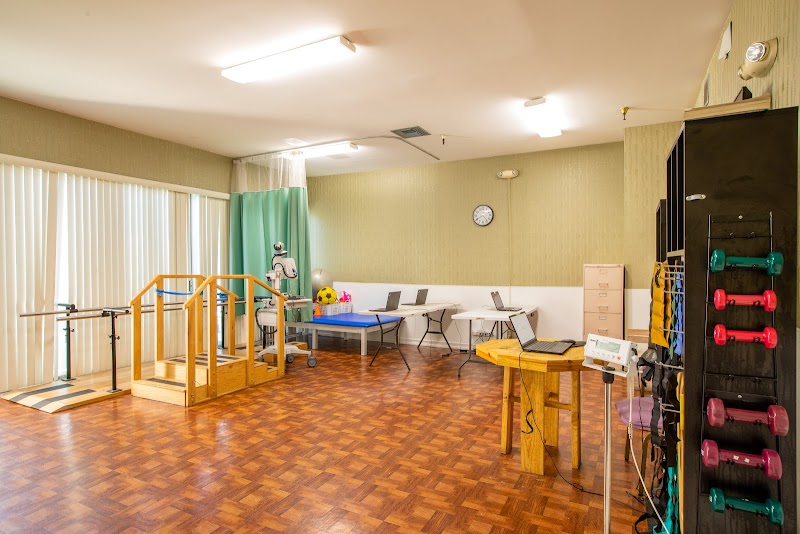
How is Hollywood Premier Healthcare Center Staffed?

CMS rates HOLLYWOOD PREMIER HEALTHCARE CENTER's staffing level at 1 out of 5 stars, which is much below average compared to other nursing homes.

What Have Inspectors Found at Hollywood Premier Healthcare Center?

State health inspectors documented 92 deficiencies at HOLLYWOOD PREMIER HEALTHCARE CENTER during 2022 to 2025. These included: 2 Immediate Jeopardy (the most serious level, indicating potential for serious harm or death), 3 that caused actual resident harm, 84 with potential for harm, and 3 minor or isolated issues. Immediate Jeopardy findings are rare and represent the most serious regulatory concerns. They require immediate corrective action.
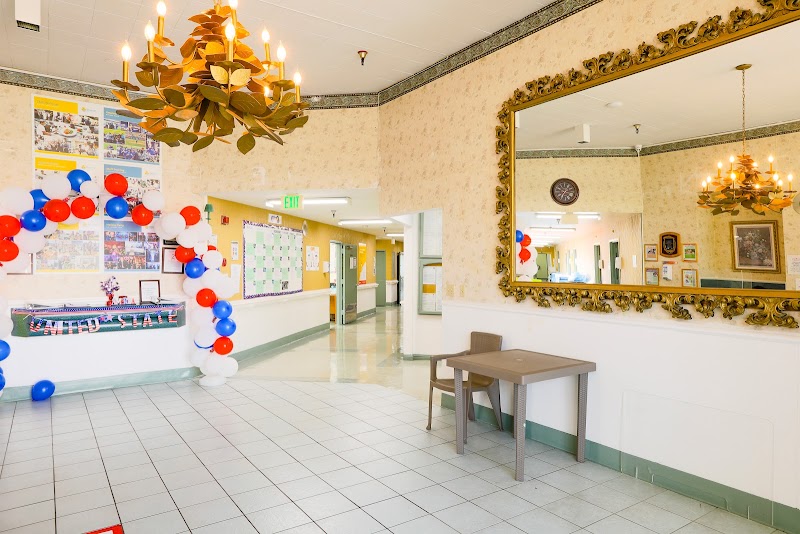
Who Owns and Operates Hollywood Premier Healthcare Center?

HOLLYWOOD PREMIER HEALTHCARE CENTER is owned by a for-profit company. For-profit facilities operate as businesses with obligations to shareholders or private owners. The facility is operated by SERRANO GROUP, a chain that manages multiple nursing homes. With 99 certified beds and approximately 88 residents (about 89% occupancy), it is a smaller facility located in LOS ANGELES, California.

How Does Hollywood Premier Healthcare Center Compare to Other California Nursing Homes?

Compared to the 100 nursing homes in California, HOLLYWOOD PREMIER HEALTHCARE CENTER's overall rating (1 stars) is below the state average of 3.1 and health inspection rating (1 stars) is much below the national benchmark.

What Should Families Ask When Visiting Hollywood Premier Healthcare Center?

Based on this facility's data, families visiting should ask: "What changes have been made since the serious inspection findings, and how are you preventing similar issues?" "What safeguards and monitoring systems are in place to protect residents from abuse or neglect?" "Can you walk me through typical staffing levels on day, evening, and night shifts?" "Can I visit during a mealtime to observe dining assistance and food quality?" These questions are particularly relevant given the facility's Immediate Jeopardy citations, the substantiated abuse finding on record, and the below-average staffing rating.

Is Hollywood Premier Healthcare Center Safe?

Based on CMS inspection data, HOLLYWOOD PREMIER HEALTHCARE CENTER has documented safety concerns. The facility has 1 substantiated abuse finding (meaning confirmed case of resident harm by staff or other residents). Inspectors have issued 2 Immediate Jeopardy citations (the most serious violation level indicating risk of serious injury or death). The facility has a 1-star overall rating and ranks #100 of 100 nursing homes in California. Families considering this facility should ask detailed questions about what corrective actions have been taken since these incidents.

Do Nurses at Hollywood Premier Healthcare Center Stick Around?

HOLLYWOOD PREMIER HEALTHCARE CENTER has not reported staff turnover data to CMS. Staff turnover matters because consistent caregivers learn residents' individual needs, medications, and preferences. When staff frequently change, this institutional knowledge is lost. Families should ask the facility directly about their staff retention rates and average employee tenure.

Was Hollywood Premier Healthcare Center Ever Fined?

HOLLYWOOD PREMIER HEALTHCARE CENTER has no federal fines on record. CMS issues fines when nursing homes fail to meet care standards or don't correct problems found during inspections. The absence of fines suggests the facility has either maintained compliance or corrected any issues before penalties were assessed. This is a positive indicator, though families should still review recent inspection reports for the full picture.

Is Hollywood Premier Healthcare Center on Any Federal Watch List?

HOLLYWOOD PREMIER HEALTHCARE CENTER is not on any federal watch list. The most significant is the Special Focus Facility (SFF) program, which identifies the bottom 1% of nursing homes nationally based on persistent, serious quality problems. Not being on this list means the facility has avoided the pattern of deficiencies that triggers enhanced federal oversight. This is a positive indicator, though families should still review the facility's inspection history directly.