HYDE PARK HEALTHCARE CENTER
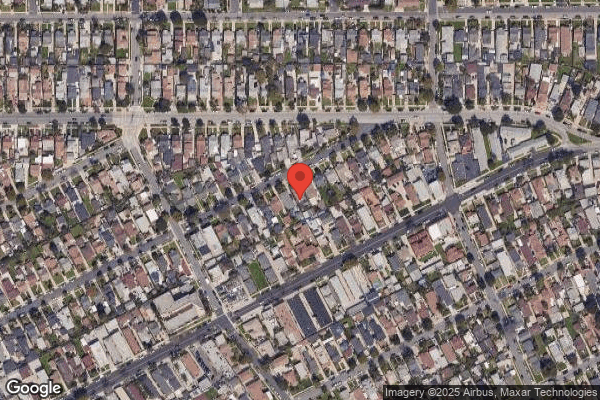

6520 WEST BLVD., LOS ANGELES, CA 90043 (323) 753-1354
For profit - Limited Liability company 72 Beds Independent Data: November 2025
Trust Grade
20/100
#1045 of 1155 in CA
Last Inspection: June 2025

Inspected within the last 6 months. Data reflects current conditions.

Overview

Hyde Park Healthcare Center has received a Trust Grade of F, indicating significant concerns regarding the quality of care provided. It ranks #1045 out of 1155 facilities in California, placing it in the bottom half, and #309 out of 369 in Los Angeles County, suggesting only a few local options are worse. The facility's situation is worsening, with issues increasing from 31 in 2024 to 33 in 2025. Staffing is a weakness, with a rating of 2 out of 5 stars and a turnover rate of 53%, which is concerning compared to the California average of 38%. Additionally, the facility has incurred $112,816 in fines, which is higher than 96% of California facilities, indicating repeated compliance issues. There were specific incidents such as a resident falling and sustaining a fracture due to inadequate assistance during transfers and failures in medication management, highlighting serious shortcomings in care. While the facility has some average quality measures, the overall picture raises significant red flags for families considering this nursing home.

Trust Score
F
20/100
In California
#1045/1155
Bottom 10%
Safety Record
High Risk
Review needed
Inspections
Getting Worse
31 → 33 violations
Staff Stability
⚠ Watch
53% turnover. Above average. Higher turnover means staff may not know residents' routines.
Penalties
○ Average
$112,816 in fines. Higher than 51% of California facilities. Some compliance issues.
Skilled Nurses
⚠ Watch
Each resident gets only 16 minutes of Registered Nurse (RN) attention daily — below average for California. Fewer RN minutes means fewer trained eyes watching for problems.
Violations
⚠ Watch
72 deficiencies on record. Higher than average. Multiple issues found across inspections.
★☆☆☆☆
1.0
Overall Rating
★★☆☆☆
2.0
Staff Levels
★★★☆☆
3.0
Care Quality
★☆☆☆☆
1.0
Inspection Score
Stable
2024: 31 issues
2025: 33 issues

The Good

  • Full Sprinkler Coverage · Fire safety systems throughout facility
  • No fines on record

Facility shows strength in fire safety.

The Bad

1-Star Overall Rating

Below California average (3.1)

Significant quality concerns identified by CMS

Staff Turnover: 53%

Near California avg (46%)

Higher turnover may affect care consistency

Federal Fines: $112,816

Well above median ($33,413)

Significant penalties indicating serious issues

The Ugly 72 deficiencies on record

1 actual harm
Sept 2025 1 deficiency
CONCERN (D) 📢 Someone Reported This

A family member, employee, or ombudsman was alarmed enough to file a formal complaint

Potential for Harm - no one hurt, but risky conditions existed

Infection Control (Tag F0880)

Could have caused harm · This affected 1 resident

**NOTE- TERMS IN BRACKETS HAVE BEEN EDITED TO PROTECT CONFIDENTIALITY** Based on observation, interview, and record review, the facility failed to:1.Follow Enhanced Barrier Precautions ([EBP] - an inf...

Read full inspector narrative →
**NOTE- TERMS IN BRACKETS HAVE BEEN EDITED TO PROTECT CONFIDENTIALITY** Based on observation, interview, and record review, the facility failed to:1.Follow Enhanced Barrier Precautions ([EBP] - an infection control intervention designed to reduce transmission of multi-drug-resistant organisms) for one of four sampled residents (Resident 4).This deficient practice had the potential to result in cross contamination (the process by which bacteria or other microorganisms are unintentionally transferred from one substance or object to another, with harmful effect) and an increased risk of developing and spreading infection to Resident 4 and other residents and staff in the facility. Findings: During a review of Resident 4's admission Record, the admission Record indicated, Resident 4 was initially admitted to the facility on [DATE] and readmitted on [DATE]. Resident 4's diagnoses included hepatic encephalopathy (condition that occurs when the liver is unable to properly filter toxins from the blood), chronic obstructive pulmonary disease ([COPD] - a chronic lung disease causing difficulty in breathing), and dementia (a progressive state of decline in mental abilities). During a review of Resident 4's History and Physical (H&P), dated 2/4/2025, the H&P indicated, Resident 4 did not have the mental capacity to make medical decision. During a review of Resident 4's Minimum Data Set ([MDS] - a resident assessment tool), dated 8/11/2025, the MDS indicated, Resident 4 had severely impaired cognitive skills (problems with ability to think, use judgement, and reason) for daily decision making. The MDS indicated, Resident 4 was totally dependent (helper does all of the effort) on staff with eating, oral hygiene, and toileting hygiene. The MDS indicated, Resident 4 had one stage 4 pressure ulcer (full-thickness skin and tissue loss with exposed muscle, tendon, ligament, cartilage, or bone) that was present upon admission. During an observation on 9/18/2025 at 9:25 a.m., in Resident 4's room, Certified Nurse Assistant 1 (CNA 1) was not wearing a gown while administering Activities of Daily Living ([ADL's] - activities such as bathing, dressing and toileting a person performs daily) to Resident 4. During an interview on 9/18/2025 at 10:40 a.m., with CNA 1, CNA 1 stated Resident 4 was on EBP because she had an open wound on her body. CNA 1 stated she forgot to use a gown when she administered ADL care to Resident 4. During an interview on 9/18/2025 at 11:54 a.m. with the Director of Staff Development (DSD), the DSD stated EBP is practiced on residents that have a medical device such as gastrostomy tube ([GT] - a surgical opening fitted with a device to allow feedings to be administered directly to the stomach common for people with swallowing problems), foley catheter (a thin, flexible tube inserted into the bladder to drain urine) or have a wound. The DSD stated when providing care for residents under EBP, staff are supposed to wear gloves, mask, and gown to protect the residents from acquiring and spreading multi-drug-resistant organisms ([MDRO] - microorganisms, predominantly bacteria that are resistant to one or more classes of antimicrobial agents). During an interview on 9/18/2025 at 12:19 p.m., with the Director of Nursing (DON), the DON stated staff need to wear a gloves, mask, and gown when performing care for residents on EBP to prevent the spread of infection and cross contamination. During a review of the facility's policy and procedure (P&P) titled, Enhanced Barrier Precaution, dated 6/2022, the P&P indicated, It is the policy of the facility to ensure that the isolation procedure standard is based on the most up-to-date infection control practice. The P&P also indicated to use EBP for high-contact resident care activities by using gown and glove during dressing, bathing/showering, transferring, providing hygiene, changing linen, and changing briefs or assisting with toileting.
Aug 2025 1 deficiency
CONCERN (D) 📢 Someone Reported This

A family member, employee, or ombudsman was alarmed enough to file a formal complaint

Potential for Harm - no one hurt, but risky conditions existed

Deficiency F0627 (Tag F0627)

Could have caused harm · This affected 1 resident

**NOTE- TERMS IN BRACKETS HAVE BEEN EDITED TO PROTECT CONFIDENTIALITY** Based on interview and record review, the facility failed to ensure a safe discharge planning process for one of four sampled re...

Read full inspector narrative →
**NOTE- TERMS IN BRACKETS HAVE BEEN EDITED TO PROTECT CONFIDENTIALITY** Based on interview and record review, the facility failed to ensure a safe discharge planning process for one of four sampled residents, Resident 1. This failure had the potential for unsafe discharge by not identifying the resident's discharge needs and not thoroughly planned and prepared, and communicated to the receiving facility. This failure caused Resident 1 to feel anxious and sad and had the potential to affect the resident's highest practicable physical, mental and psychosocial well-being.Findings:During a review of Resident 1's admission Record, the admission Record indicated Resident 1 was admitted to the facility on [DATE], with diagnoses including metabolic encephalopathy (a condition where the brain does not function properly due to underlying metabolic disturbances,) mood disorders (mental health conditions that affect a person's emotions, thoughts, and behaviors) and cellulitis of left lower limb (a bacterial infection of the skin and the tissue beneath.) During a review of Resident 1's care plan titled, Readiness for enhanced self-health management related to improvement in condition and upcoming discharge, dated 8/13/2025, the plan indicated to coordinate discharge plan with IDT team, educate resident and/ or caregiver on new or continuing medications, disease process, wound care and signs and symptoms requiring medication attention, arrange for durable medical equipment, complete and provide discharge packet, confirm transportation and receiving environment. During a review of Residents 1's Minimum Data Set (MDS - a resident assessment tool) dated 8/17/2025, the MDS indicated Resident 1 had mild cognitive impairment. The MDS indicated Resident 1 required supervision or touching assistance with activities of daily living (ADLs) such as dressing, toilet use, personal hygiene, transfer and mobility. During a review of Resident 1's Multidisciplinary Care Conference (also known as Interdisciplinary Team [IDT], group of healthcare professionals, including resident/ resident representative, working together to provide residents with needed care) document dated 8/19/2025, the nursing summary indicated the IDT was held to review the plan of care, to address any concerns and recommendation for plan of care. The nursing summary indicated Resident 1 wanted to leave the facility to go see her family. The nursing summary indicated the IDT informed Resident 1 that a doctor's order for discharge was needed. The nursing summary indicated Resident 1 stated if she doesn't get it (unspecified), she would leave Against Medical Advice (AMA- leaving the hospital without the doctor's approval or order). During a review of Resident 1's health status notes from 8/18/2025 to 8/20/2025, the notes did not indicate documented evidence that the physician was contacted of the resident's request to go see her family nor discharge order was obtained. During an interview on 8/20/2025 at 10:20 a.m. with Resident 1, Resident 1 stated I will leave the facility 8/21/2025 with or without a doctors order. Resident 1 stated she was admitted for a wound in the left lower leg but now it is better. Resident 1 stated I can take care of the wound myself. Resident 1 stated on 8/18/2025, the Social Services (SS) sent the owner of an independent living facility (a housing community, often for adults 55 and older, where residents maintain their independence while benefiting from convenient services, social opportunities, and a sense of community) to talk to me and told me that a room is available when I get discharged from the facility. Resident 1 stated she informed the SS on 8/19/2025 about the available room and had requested to be discharged . Resident 1 stated the SS did not do anything for me to be discharged , and it made me anxious and sad. During an interview on 8/21/2025 at 1:22 p.m. with the Activity Director (AD), the AD stated after the IDT meeting with Resident 1 on 8/19/25 at 10:30 a.m., Resident 1 verbalized that on 8/21/2025, she will be leaving the facility. The AD stated Resident 1 verbalized that she will sign AMA if nothing is prepared for discharge. The AD stated the SS explained Resident 1 about discharge process, but Resident 1 repeatedly stated that she will leave on Thursday, 8/21/2025. During an interview on 8/21/2025 at 3:43 p.m. with LVN 4, LVN 4 stated when Resident 1 expressed her wish to be discharged by Thursday 8/21/2025, the Director of Nursing (DON) was informed, but Resident 1's doctor was not called to obtain a discharge order. LVN 4 stated the facility failed to follow Resident 1's right to be discharged . LVN 4 stated, it caused Resident 1 to feel stressed and anxious because she felt the facility did not do anything for her request to be discharged . LVN 4 stated I should have called the doctor to get an order and start the discharge planning. During an interview on 8/21/2025 at 2:17 p.m. with SS, the SS stated on 8/18/2025 the owner of an independent living facility came to the facility and spoke to Resident 1 about independent living. The SS stated the independent living facility had a room for Resident 1. The SS stated after the IDT meeting on 8/19/2025, LVN 4 was told to follow up with the doctor for a discharge order and with the treatment nurse regarding the wound condition before discharge. During an interview on 8/21/2025 at 4:00 p.m. with DON, the DON stated when the SS knew that Resident 1 had a bed available at the independent living facility, the nurse should have called the doctor and obtained the discharge order and informed the resident that they are working on her discharge. During a review of the facility's Policy and Procedures (P&P) titled, Transfer & Discharge, dated 12/2016, the P&P indicated when a resident is discharged , the facility should review the plan with the resident, and/or his or her family or responsible party, at least 24 hours before the resident's discharge from the facility. The P&P indicated to provide preparation and orientation to the resident to ensure safe and orderly transfer/discharge from the facility. The P&P indicated, if appropriate, to refer to the resident's discharge plan in their Comprehensive Plan of Care. The P&P indicated, preparation and orientation should include the following: informing the resident where he or she is going. taking steps to assure safe transportation. involving the resident and family in selecting the new residence. trial visits, if possible, by the resident to the new location. orienting the staff in the receiving facility to resident's daily patterns. reviewing with staff the routines for handling transfers and dischargesin a manner that minimizes unnecessary and avoidable anxiety ordepression. making appropriate referrals; and providing counseling, if necessary.The P&P indicated a discharge order should be obtained by nursing from the physician indicating where the resident is being discharged , why the resident is being discharged , reviewing with staff the routines for handling transfers and discharges in a manner that minimizes unnecessary and avoidable anxiety or depression in residents.
Jun 2025 22 deficiencies
CONCERN (D)

Potential for Harm - no one hurt, but risky conditions existed

Deficiency F0553 (Tag F0553)

Could have caused harm · This affected 1 resident

**NOTE- TERMS IN BRACKETS HAVE BEEN EDITED TO PROTECT CONFIDENTIALITY** Based on interview and record review, the facility failed to: 1. Ensure one of 17 sampled residents (Resident 167) participated ...

Read full inspector narrative →
**NOTE- TERMS IN BRACKETS HAVE BEEN EDITED TO PROTECT CONFIDENTIALITY** Based on interview and record review, the facility failed to: 1. Ensure one of 17 sampled residents (Resident 167) participated in care plan meetings. This deficient practice violated Resident 167's rights to be fully informed of the resident's plan of care and had the potential to result in delay of care and services. Findings: During a review of Resident 167's admission Record (front page of the chart that contains a summary of basic information about the resident), the admission Record indicated, Resident 167 was admitted to the facility on [DATE]. Resident 167's diagnoses included cerebral infarction (also known as stroke, the death of brain tissue due to a lack of blood flow), dysphagia (difficulty swallowing), and liver cirrhosis (a condition where healthy liver tissue is replaced by scar tissue, leading to impaired liver function). During a review of Resident 167s Minimum Data Assessment ([MDS] - a resident assessment tool), dated 6/15/2025, the MDS indicated, Resident 167 had the ability to express ideas and wants and the ability to understand others. The MDS indicated, Resident 167 required moderate assistance (helper does less than half the effort) from staff with oral hygiene, toileting hygiene, and personal hygiene. The MDS indicated, Resident 167 wants to participate in assessment and goal setting. During an interview on 6/24/2025 at 10:09 a.m., with Resident 167, Resident 167 stated she never had any meeting with the facility staff about her condition. Resident 167 stated she would like to meet the facility staff so they could discuss her list of medications. During a concurrent interview and record review on 6/25/2025 at 9:54 a.m., with the Social Service Director (SSD), Resident 167's Multidisciplinary Care Conference Note, dated 6/12/2025, was reviewed. The SSD stated the Multidisciplinary Care Conference Note, dated 6/12/2025, was not completed and there were no documentation that Resident 167 or her representative attended the care conference meeting. The SSD stated it is a standard of practice for the interdisciplinary team ([IDT] - team members from different disciplines who come together to discuss resident care) to conduct a care plan meeting with the resident or his/her legal representative within 24-48 hours to discuss facility's plan of care. The SSD stated it was a violation of resident rights for not allowing the resident or her representative to participate in care planning process. During an interview on 6/25/2025 at 10:30 a.m., with the Minimum Data Set Nurse, the MDSN stated it was important to have a conference meeting with the resident or her representative so they could better meet the needs of the resident. During an interview on 6/25/2025 at 2:01 p.m., with the Director of Nursing, the DON stated it was important for the resident or her representative to be involved in the care plan meeting for them to share what was going on with the resident prior to the admission to the facility, to discuss discharge planning and for continuity of care. During a review of the facility's policy and procedure (P&P) titled, Care Plan Conference, dated 12/2016, the P&P indicated, It is the policy of the facility to provide each resident, resident's family, surrogate or representative a medium to held a care conference to meet and discuss the progress, needs and goals of care. The P&P indicated to document the care plan conference in the care conference meeting notes and include the summary of the meeting and list of attendees. During a review of the facility's P&P titled, Exercise of Resident Rights, dated 11/2017, indicated the facility protects and promotes the rights of each resident.
CONCERN (D)

Potential for Harm - no one hurt, but risky conditions existed

Deficiency F0557 (Tag F0557)

Could have caused harm · This affected 1 resident

**NOTE- TERMS IN BRACKETS HAVE BEEN EDITED TO PROTECT CONFIDENTIALITY** Based on interview and record review, the facility failed to: 1. Ensure a foley catheter (a flexible plastic tube inserted into ...

Read full inspector narrative →
**NOTE- TERMS IN BRACKETS HAVE BEEN EDITED TO PROTECT CONFIDENTIALITY** Based on interview and record review, the facility failed to: 1. Ensure a foley catheter (a flexible plastic tube inserted into the bladder to provide continuous urinary drainage) privacy drainage bag was provided for one of one sampled resident (Resident 20). This deficient practice had the potential for Resident 20 to feel embarrassed. Findings: During a review of Resident 20's admission Record (front page of the chart that contains a summary of basic information about the resident), the admission Record indicated, Resident 20 was initially admitted to the facility on [DATE] and readmitted on [DATE]. Resident 20's diagnoses included benign prostatic hyperplasia (enlargement of the prostate), other specified diseases of bladder (a muscular, hollow organ in the lower abdomen that stores urine until it is eliminated from the body) and metabolic encephalopathy (a change in how your brain works due to an underlying condition). During a review of Resident 20's Minimum Data Assessment ([MDS] - a resident assessment tool), dated 5/27/2025, the MDS indicated, Resident 20 had the ability to express ideas and wants and ability to understand others. The MDS indicated, Resident 20 was totally dependent (helper does all of the effort) from staff with oral hygiene, toileting hygiene, and personal hygiene. The MDS indicated, Resident 20 had indwelling catheter (a flexible plastic tube inserted into the bladder to provide continuous urinary drainage). During a concurrent observation and interview on 6/25/2025 at 9:38 a.m., with Registered Nurse 1 (RN 1) in Resident 20's room, Resident 20 was lying in bed. RN 1 stated, Resident 20's foley catheter drainage bag with urine was exposed, and no privacy bag was applied. RN 1 stated it is a standard of practice to put a drainage privacy bag for all residents with foley catheter. RN 1 stated Resident 20 would feel embarrassed that could possibly affect his quality of life by not having a foley catheter drainage privacy bag. RN 1 stated the privacy bag could also serve as a protection to prevent any damage of the drainage bag. During an interview on 6/25/2025 at 9:58 a.m., with the Director of Nursing (DON), the DON stated it is the responsibility of the licensed nursing staff to put privacy bag to promote resident's dignity. During a review of the facility's policy and procedure (P&P) titled, Resident Dignity and Personal Privacy, dated 12/2016, the P&P indicated, The facility provides care for residents in a manner that respects and enhance each resident's dignity, individuality, and right to personal privacy.
CONCERN (D) 📢 Someone Reported This

A family member, employee, or ombudsman was alarmed enough to file a formal complaint

Potential for Harm - no one hurt, but risky conditions existed

Report Alleged Abuse (Tag F0609)

Could have caused harm · This affected 1 resident

**NOTE- TERMS IN BRACKETS HAVE BEEN EDITED TO PROTECT CONFIDENTIALITY** Based on interview and record review, the facility failed to: 1. Report to the California Department of Public Health (CDPH- the...

Read full inspector narrative →
**NOTE- TERMS IN BRACKETS HAVE BEEN EDITED TO PROTECT CONFIDENTIALITY** Based on interview and record review, the facility failed to: 1. Report to the California Department of Public Health (CDPH- the state department responsible for public health in California) of a resident-to-resident altercation in a timely manner to CDPH for 2 of 3 sampled residents (Resident 118 and Resident 59). This deficient practice resulted in a delay in investigation by CDPH and placed Resident 2, Resident 3 and other residents at risk for further abuse. Findings: A. During a review of Resident 118's face sheet (front page of the chart that contains a summary of basic information about the resident), the face sheet indicated Resident 118 was originally admitted on [DATE] and readmitted on [DATE] with diagnoses which included bipolar disorder (sometimes called manic-depressive disorder; mood swings that range from the lows of depression to elevated periods of emotional highs), anxiety (feelings of worry, nervousness, or unease), polyosteoarthritis (a form of osteoarthritis that affects multiple joints in the body) and myalgia (muscle pain). During a review of Resident 118's Minimum Data Set (MDS- a federally mandated resident assessment tool), dated 6/8/2025, the MDS indicated Resident 118's cognitive skills were moderately impaired. The MDS indicated Resident 118 required partial assistance with activities of daily living (ADLs-routine tasks/activities such as bathing, dressing and toileting a person performs daily to care for themselves). During a review of Resident 118's change of condition (COC) form, dated 6/8/2025, the COC indicated Resident 118 was found on the floor in his room at 7:30 a.m. The COC indicated Resident 118 stated his roommate had tripped him. The COC indicated Resident 59 denied tripping Resident 118. B. During a review of Resident 59's face sheet (front page of the chart that contains a summary of basic information about the resident), the face sheet indicated Resident 59 was admitted on [DATE] with diagnoses which included abnormalities of gait and mobility (a change in a person's walking pattern), psychosis, muscle wasting and atrophy and lack of coordination. During a review of Resident 59's Minimum Data Set (MDS- a federally mandated resident assessment tool), dated 5/10/2025, the MDS indicated Resident 59's cognitive skills were moderately impaired. The MDS indicated Resident 59 required partial assistance with activities of daily living (ADLs-routine tasks/activities such as bathing, dressing and toileting a person performs daily to care for themselves). During a concurrent interview and record review, on 6/26/2025, at 1:47 p.m., with the Director of Nursing (DON), the DON stated Resident 118 called the facility from the hospital and stated Resident 59 had tripped him. The DON stated she did not know the alleged altercation occurred on 6/8/2025. The DON stated the facility reported the allegation to CDPH on 6/10/2025. The DON stated the time frame for reporting abuse allegations was 2 hours. The DON stated the risk of not reporting in a timely manner could result in Obviously getting some sort of deficiency. During a concurrent interview and record review, on 6/26/2025, at 3:45 p.m., with the Assistant Administrator (Asst Admin), the Asst Admin stated Resident 118 had called him on 6/10/2025 stating Resident 59 had pushed him. The Asst Admin stated the COC indicated the allegation occurred on 6/8/2025. The Asst Admin stated he was not informed of the allegation on 6/8/2025. The Asst Admins stated the allegation should had been reported within 2 hours. The Asst Admin stated the risk of not reporting in a timely manner could result in further abuse and an unsafe environment. During a review of the facility's policy and procedures (P&P),titled Abuse and Neglect Prohibition Policy, dated 6/2022, the P&P indicated Upon receiving information concerning a report of suspected or alleged abuse, mistreatment, neglect, or exploitation, the Administrator or designee will perform the following: All alleged violations- immediately but not later than 2 hours if the alleged violation involves abuse or results in serious bodily injury.
CONCERN (D)

Potential for Harm - no one hurt, but risky conditions existed

MDS Data Transmission (Tag F0640)

Could have caused harm · This affected 1 resident

**NOTE- TERMS IN BRACKETS HAVE BEEN EDITED TO PROTECT CONFIDENTIALITY** Based on interview and record review, the facility failed to: 1. Transmit the Discharge Minimum Data Set ([MDS]- a resident asse...

Read full inspector narrative →
**NOTE- TERMS IN BRACKETS HAVE BEEN EDITED TO PROTECT CONFIDENTIALITY** Based on interview and record review, the facility failed to: 1. Transmit the Discharge Minimum Data Set ([MDS]- a resident assessment tool) Assessment within 14 days after completion to Center of Medicare and Medicaid Services (CMS) for one of one sampled resident (Resident 15). This deficient practice had the potential to result in billing error and inaccurate data on resident care needs. Findings: During a review of Resident 15's admission Record (front page of the chart that contains a summary of basic information about the resident), the admission Record indicated, Resident 15 was initially admitted to the facility on [DATE] and readmitted on [DATE]. Resident 15's diagnoses included metabolic encephalopathy (a change in how your brain works due to an underlying condition), epilepsy (a chronic brain disorder characterized by recurrent, unprovoked seizures), and chronic obstructive pulmonary disease ([COPD] - a chronic lung disease causing difficulty in breathing). During a review of Resident 15's MDS assessment, dated 3/9/2025, the MDS indicated, Resident 15's cognitive (ability to think and reason) skills for daily decision making was severely impaired (never/rarely made decision). The MDS indicated, Resident 15 was totally dependent (helper does all of the effort) from staff with toileting hygiene, lower body dressing, and personal hygiene. During a review of the CMS MDS 3.0 NH Validation Report, dated 6/26/2025, the CMS MDS 3.0 NH Validation Report, indicated Resident 15's MDS assessment was completed late for more 14 days after the Assessment Reference Date ([ARD] - the specific date used as the endpoint of the observation period when assessing resident's condition). During a concurrent interview and record review on 6/26/2025 at 10:24 a.m., with the Minimum Data Set Nurse (MDSN), Resident 15's discharge MDS assessment, dated 3/9/2025, was reviewed. The MDSN stated Resident 15's discharge MDS assessment had not been transmitted to the CMS. The MDSN stated all MDS assessment should be submitted and transmitted to the CMS within 14 days from the ARD/discharge date . The MDSN stated it was important to submit and transmit Resident 15's discharge MDS assessment in a timely manner so the CMS would know the whereabout of the resident. The MDSN stated submitting late MDS assessment to the CMS would affect facility's staffing and quality measures. During an interview on 6/26/2025 at 10:42 a.m., with the Director of Nursing (DON), the DON stated the importance of submitting MDS assessment in a timely manner was for the plan of care of the resident. During a review of the facility's policy and procedure (P&P) titled, Minimum Data Set (MDS) Transmission and Validation Reports, dated 10/2023, the P&P indicated, MDS nurse/RN Assessment Coordinator will create a batch to be transmitted to IQIES according to the electronic medical record (EMR) and RAI guidelines.
CONCERN (D)

Potential for Harm - no one hurt, but risky conditions existed

Deficiency F0645 (Tag F0645)

Could have caused harm · This affected 1 resident

**NOTE- TERMS IN BRACKETS HAVE BEEN EDITED TO PROTECT CONFIDENTIALITY** Based on observation, interview and record review, the facility failed to: 1. Submit a Pre-admission Screening and Record Review...

Read full inspector narrative →
**NOTE- TERMS IN BRACKETS HAVE BEEN EDITED TO PROTECT CONFIDENTIALITY** Based on observation, interview and record review, the facility failed to: 1. Submit a Pre-admission Screening and Record Review (PASARR) for one of four sampled residents (Resident 47). This deficient practice had the potential to result in a delay of necessary care and mental health services. Findings: During a review of Resident 47's face sheet (front page of the chart that contains a summary of basic information about the resident), the face sheet indicated Resident 46 was admitted on [DATE] with diagnoses which included schizophrenia (a mental illness that is characterized by disturbances in thought), major depressive disorder (a mood disorder that causes a persistent feeling of sadness and loss of interest), anxiety (feelings of worry, nervousness, or unease) and other persistent mood disorders. During a review of Resident 47's Minimum Data Set (MDS- a federally mandated resident assessment tool), dated 5/12/2025, the MDS indicated Resident 47's cognitive skills were severely impaired. The MDS indicated Resident 47 required maximal assistance with activities of daily living (ADLs-routine tasks/activities such as bathing, dressing and toileting a person performs daily to care for themselves). During a concurrent interview and record review, on 6/26/2025, at 1:47 p.m., with the Director of Nursing (DON), the DON stated PASARRs was to be completed before admission or if not completed prior to admission, the facility would screen a resident within 24 hours. The DON stated she could process a resident's PASARR but the facility hadn't given her access to do so. The DON stated Resident 47 had a diagnosis of schizophrenia, depression, anxiety and other mood disorders. The DON stated Resident 47's should have had a Level 1 PASARR submitted upon his admission of May 2025. The DON stated the risk of not submitting a PASARR for a resident could result in not providing the proper mental health services a resident may need. During a review of the facility's policy and procedures (P&P), titled Pre-admission Screening and Resident Review, dated 12/2022, the P&P indicated The PASRR Level 1 screening is required for all potential skilled nursing facility (SNF) residents.
CONCERN (D)

Potential for Harm - no one hurt, but risky conditions existed

Deficiency F0655 (Tag F0655)

Could have caused harm · This affected 1 resident

**NOTE- TERMS IN BRACKETS HAVE BEEN EDITED TO PROTECT CONFIDENTIALITY** Based on interview and record review, the facility failed to: 1. Develop a baseline care plan for one of 17 sampled residents (R...

Read full inspector narrative →
**NOTE- TERMS IN BRACKETS HAVE BEEN EDITED TO PROTECT CONFIDENTIALITY** Based on interview and record review, the facility failed to: 1. Develop a baseline care plan for one of 17 sampled residents (Resident 167). This deficient practice had the potential for Resident 167 to not receive appropriate care and treatment specific to her needs. Findings: During a review of Resident 167's admission Record (front page of the chart that contains a summary of basic information about the resident), the admission Record indicated, Resident 167 was admitted to the facility on [DATE]. Resident 167's diagnoses included cerebral infarction (also known as stroke, the death of brain tissue due to a lack of blood flow), dysphagia (difficulty swallowing), and liver cirrhosis (a condition where healthy liver tissue is replaced by scar tissue, leading to impaired liver function). During a review of Resident 167s Minimum Data Assessment ([MDS] - a resident assessment tool), dated 6/15/2025, the MDS indicated, Resident 167 had the ability to express ideas and wants and the ability to understand others. The MDS indicated, Resident 167 required moderate assistance (helper does less than half the effort) from staff with oral hygiene, toileting hygiene, and personal hygiene. During a concurrent interview and record review on 6/25/2025 at 10:21 a.m., with the Social Service Director (SSD), Resident 167's clinical records were reviewed. The SSD stated the facility staff did not develop a baseline care plan for Resident 167. The SSD stated each member of the interdisciplinary team ([IDT] - team members from different disciplines who come together to discuss resident care) was responsible in creating a baseline care plan within 24 to 48 hours upon residents admission to the facility. The SSD stated baseline care plan serves as a communication tool that reflects resident's condition and facility staff initial intervention for the resident. During an interview on 6/25/2025 at 10:36 a.m., with the Minimum Data Set Nurse (MDSN), the MDSN stated baseline care plan should be developed upon admission in order to provide the needs of the resident. During an interview on 6/25/2025 at 2:01 p.m., with the Director of Nursing (DON), the DON stated it was important to develop a baseline care plan so the facility staff could coordinate the care and services to the resident. During a review of the facility's policy and procedure (P&P) titled, Baseline Plan of Care, dated 12/2016, the P&P indicated, It is the policy of the facility to provide each resident with an interim (initial) plan of care developed within 48 hours of admission that addresses identified risk areas and resident's initial individual needs. The P&P indicated the interdisciplinary team develops the interim plan of care based on information received from the referring facility, physician's orders, resident and family interviews, clinical screens and assessments, and other information received during the admission process.
CONCERN (D)

Potential for Harm - no one hurt, but risky conditions existed

Pressure Ulcer Prevention (Tag F0686)

Could have caused harm · This affected 1 resident

**NOTE- TERMS IN BRACKETS HAVE BEEN EDITED TO PROTECT CONFIDENTIALITY** Based on observation and interview, the facility failed to: 1. Ensure a low air loss mattress (a specialized type of medical air...

Read full inspector narrative →
**NOTE- TERMS IN BRACKETS HAVE BEEN EDITED TO PROTECT CONFIDENTIALITY** Based on observation and interview, the facility failed to: 1. Ensure a low air loss mattress (a specialized type of medical air mattress designed to prevent and treat pressure injuries (bedsores) by reducing moisture and heat buildup on the skin) was provided for one of four sampled residents (Resident 46). This deficient practice had the potential to result in further skin breakdown. Findings: During a review of Resident 46's face sheet (front page of the chart that contains a summary of basic information about the resident), the face sheet indicated Resident 46 was originally admitted on [DATE] and readmitted on [DATE] with diagnoses which included Stage 4 pressure ulcer of the right buttock(a wound over bony prominences characterized by full-thickness tissue loss, exposing muscle, bone, or tendon), major depressive disorder (a mood disorder that causes a persistent feeling of sadness and loss of interest), bradycardia (slow heart rate) and sepsis (a life-threatening blood infection). During a review of Resident 46's Minimum Data Set (MDS- a federally mandated resident assessment tool), dated 6/15/2025, the MDS indicated Resident 46's cognitive skills were moderately impaired. The MDS indicated Resident 46 required partial assistance with activities of daily living (ADLs-routine tasks/activities such as bathing, dressing and toileting a person performs daily to care for themselves). During a record review of Resident 46's physician orders, dated 6/24/2025, the physician order stated Resident 46 was to have a low air loss mattress. During an observation on 6/26/2025, at 9:14 a.m., Resident 46 was observed laying on a regular mattress. During a concurrent observation and interview, on 6/26/2025 at 1:47 p.m., with the Director of Nursing (DON), the DON stated the purpose of low air loss mattresses was to avoid skin breakdown for residents with pressure ulcers. The DON stated residents with pressure ulcers were required to have low air loss mattresses. The DON stated no air loss mattresses had been ordered for a resident within the last 2 months. The DON stated Resident 46 did not have a low air loss mattress as ordered. The DON stated the risk of not providing a resident a low air loss mattress as ordered could result in wound discoloration. During a review of the facility's policy and procedures, titled Pressure Reducing Mattresses, dated 4/2022, the P&P indicated, Pressure reducing support surfaces are a type of durable medical equipment (DME) used for the care of pressure sores, also known as pressure ulcers. and A specialty mattress will be obtained for pressure relief of residents that have pressure injury or at risk for pressure injury.
CONCERN (D)

Potential for Harm - no one hurt, but risky conditions existed

Incontinence Care (Tag F0690)

Could have caused harm · This affected 1 resident

**NOTE- TERMS IN BRACKETS HAVE BEEN EDITED TO PROTECT CONFIDENTIALITY** Based on interview and record review, the facility failed to: 1. Ensure an appointment for urology (branch of medicine that foc...

Read full inspector narrative →
**NOTE- TERMS IN BRACKETS HAVE BEEN EDITED TO PROTECT CONFIDENTIALITY** Based on interview and record review, the facility failed to: 1. Ensure an appointment for urology (branch of medicine that focuses on surgical and medical diseases of the urinary system and the reproductive organs) evaluation/referral was completed for one of one sampled resident (Resident 20). This deficient practice had the potential to result in the delay of necessary care and services. Findings: During a review of Resident 20's admission Record (front page of the chart that contains a summary of basic information about the resident), the admission Record indicated, Resident 20 was initially admitted to the facility on [DATE] and readmitted on [DATE]. Resident 20's diagnoses included benign prostatic hyperplasia (enlargement of the prostate), other specified diseases of bladder (a muscular, hollow organ in the lower abdomen that stores urine until it is eliminated from the body) and metabolic encephalopathy (a change in how your brain works due to an underlying condition). During a review of Resident 20's Minimum Data Assessment ([MDS] - a resident assessment tool), dated 5/27/2025, the MDS indicated, Resident 20 had the ability to express ideas and wants and ability to understand others. The MDS indicated, Resident 20 was totally dependent (helper does all of the effort) from staff with oral hygiene, toileting hygiene, and personal hygiene. The MDS indicated, Resident 20 had indwelling catheter (a flexible plastic tube inserted into the bladder to provide continuous urinary drainage). During a review of Resident 20's General Acute Care Hospital (GACH) discharge order, dated 5/23/2025, the GACH discharge order indicated to refer Resident 20 to urology for urodynamics and cystogram (both diagnostic tests used to evaluate the lower urinary tract) related to history of urinary tract infection ([UTI] - an infection in the bladder/urinary tract). During a review of Resident 20's Progress Notes, dated 5/23/2025, the Progress Notes indicated, Resident 20 will need a referral to urology. During a concurrent interview and record review on 6/25/2025 at 10:58 a.m. with the Minimum Data Set Nurse (MDSN), Resident 20's clinical records were reviewed. The MDSN stated the licensed nursing staff was responsible for scheduling urology appointment. The MDSN stated the urology referral appointment for Resident 20 should have been made but was not. The MDSN stated it was important for Resident 20 to be seen by a urologist to evaluate the use of his foley catheter and to determine how long he would need it. The MDSN stated prolong use of foley catheter would result in urine infection possibly leading to sepsis (a life-threatening blood infection) that would likely require hospitalization. During an interview on 6/25/2025 at 2:05 p.m., with the Director of Nursing (DON), the DON stated it was important to follow the recommendation from the GACH for Resident 20 to be referred to a urologist. The DON stated she was not really sure what would be the worst complication of UTI. During a review of the facility's policy and procedure (P&P) titled, Referrals to Outside Agencies, dated 8/2017, the P&P indicated, Referrals may be made to outside agencies to meet the physical or psychosocial needs of the resident. During a review of the facility's P&P titled, Preventing Catheter Related Urinary Tract Infection (UTI) dated 8/2017, the P&P indicated it is the policy of the facility to ensure appropriate interventions are used for prevention of catheter related UTI.
CONCERN (D)

Potential for Harm - no one hurt, but risky conditions existed

Deficiency F0726 (Tag F0726)

Could have caused harm · This affected 1 resident

Based on interview and record review, the facility failed to ensure the initial and annual competency checklists were completed for one of four sampled employees (Certified Nurse Assistant [CNA] 3). ...

Read full inspector narrative →
Based on interview and record review, the facility failed to ensure the initial and annual competency checklists were completed for one of four sampled employees (Certified Nurse Assistant [CNA] 3). This failure had the potential to negatively affect the residents' quality of care. Findings: During a review of CNA 3's employee personnel file, the employee personnel file did not indicate an initial competency checklist was completed upon hire (5/10/2023) and an annual competency checklist in May 2025. During an interview on 6/26/2025 at 3:04 pm with the Director of Staff Development (DSD), the DSD stated she could not provide documentation of CNA 3's initial competency checklist for 2023 and her annual competency checklist for 2025. The DSD stated CNA 3's initial competency checklist should have been completed on the day she was hired (5/10/2023) and her annual competency checklist should have been completed in May 2025. The DSD stated the purpose of completing initial and annual competency checklists is to make sure staff are up to date with their skills and to ensure staff perform their job effectively. The DSD stated residents could be affected because CNAs might not be able to provide care to their full potential. During a record review of the facility's P&P titled, Competency Evaluation, revised 7/2019, the P&P indicated, Upon hire, each nursing staff's competency will be reviewed and completed by the end of the probationary period .Annually, each employee's competency will be reviewed during performance evaluation review.
CONCERN (D)

Potential for Harm - no one hurt, but risky conditions existed

Drug Regimen Review (Tag F0756)

Could have caused harm · This affected 1 resident

**NOTE- TERMS IN BRACKETS HAVE BEEN EDITED TO PROTECT CONFIDENTIALITY** Based on interview and record review, the facility failed to respond to the consultant pharmacist ' s recommendation (monthly re...

Read full inspector narrative →
**NOTE- TERMS IN BRACKETS HAVE BEEN EDITED TO PROTECT CONFIDENTIALITY** Based on interview and record review, the facility failed to respond to the consultant pharmacist ' s recommendation (monthly recommendations by a pharmacist concerning potential medication-related irregularities), dated 3/23/25, to limit PRN (as needed) orders for Zyprexa (antipsychotic medications used to treat mental illness) to a 14-day duration in one of five residents sampled for unnecessary medications (Resident 118.) The deficient practices of failing to respond to the consultant pharmacist ' s recommendation to limit PRN orders for antipsychotic medications to 14-days increased the risk that Resident 118 could have experienced adverse effects related to antipsychotic medication therapy, such as drowsiness, dizziness, constipation, or increased risk of fall, possibly leading to impairment or decline in his mental or physical condition or functional or psychosocial status. Findings: During a review of Resident 118 ' s admission Record (a document containing a resident ' s diagnostic and demographic information), dated 6/11/25, indicated he was admitted to the facility on [DATE] and most recently readmitted on [DATE] with diagnoses including: bipolar disorder (a mental health condition that causes a person to experience extreme mood swings.) During a review of Resident 118 ' s History and Physical (H&P - a record of a comprehensive physician ' s assessment), dated 5/16/25, indicated he had the capacity for medical decision making. During a review of Resident 118 ' s MAR for March 2025 indicated from 3/6/25 to 3/30/25, Resident 118 had an active order for Zyprexa 5 milligrams (mg - a unit of measure for mass) by mouth every six hours as needed for agitation, a period of 24 days. During a review of Resident 118 ' s MAR for March and April 2025 indicated from 3/31/25 to 4/16/25, Resident 118 had an active order for Zyprexa 5 mg by mouth every six hours as needed for manic depressive behavior with agitation related to schizophrenia (a mental illness characterized by hearing or seeing things that are not there or believing things that are not true), a period of 16 days. During a review of the consultant pharmacist ' s recommendation, dated 3/23/35, indicated the pharmacist recommended to ensure Resident 118 ' s order for PRN Zyprexa was limited to a 14-day duration. Further review of the recommendation indicated the facility did not document a response to the pharmacist or that any additional action had been taken concerning the recommendation. During an interview on 6/26/25 at 1:06 PM with the Director of Nursing (DON), the DON stated the facility failed to limit the duration of Resident 118's PRN Zyprexa to 14 days between 3/6/25 and 4/16/25. The DON stated PRN antipsychotics must be limited to 14 days only as their rationale for use may have changed within that time. The DON stated the facility failed to respond to the consultant pharmacist ' s recommendation dated 3/23/25 to limit Resident 118 ' s PRN Zyprexa for 14 days. The DON stated failing to limit PRN antipsychotics to 14 days or respond to the pharmacist ' s recommendation increased the risk that Resident 118 may have received Zyprexa for longer than needed leading to adverse effects related to antipsychotic medications such as movement disorders, sedation, dry mouth, and falls with injury. During a review of the facility ' s policy Psychoactive Medication Management, dated July 2017, indicated .Based on a comprehensive assessment of a resident, the facility must ensure that . PRN orders for anti-psychotic drugs are limited to 14 days and cannot be renewed unless the attending physician or prescribing practitioner evaluated the resident for the appropriateness of that medication . During a review of the facility ' s policy Limited Drug Regimen Review, revised April 2018, indicated Review drug list with the pharmacist at the time of order . if there are any recommendations, contact physician and inform of why change in medication is indicated .
CONCERN (D)

Potential for Harm - no one hurt, but risky conditions existed

Deficiency F0760 (Tag F0760)

Could have caused harm · This affected 1 resident

**NOTE- TERMS IN BRACKETS HAVE BEEN EDITED TO PROTECT CONFIDENTIALITY** Based on observation, interview, and record review, the facility failed to ensure residents were free of significant medication ...

Read full inspector narrative →
**NOTE- TERMS IN BRACKETS HAVE BEEN EDITED TO PROTECT CONFIDENTIALITY** Based on observation, interview, and record review, the facility failed to ensure residents were free of significant medication errors by administering the incorrect dose of Seroquel (a medication used to treat mental illness) on 6/25/25 to one of four residents observed for medication administration (Resident 40.) The deficient practice of failing to administer medications in accordance with the physician ' s orders increased the risk that Resident 40 may have experienced medical complications possibly resulting in hospitalization. Findings: During an observation of medication administration on 6/25/25 at 8:22 AM with the Licensed Vocational Nurse (LVN 1), LVN 1 was observed preparing the following medication for Resident 40: 1. One tablet of Seroquel 50 mg. During an observation on 6/25/25 at 8:29 AM, LVN 1 was observed offering the Seroquel 50 mg tablet to Resident 40. Resident 40 was observed taking the medication by mouth with water. A review of Resident 40 ' s admission Record (a document containing diagnostic and demographic information), dated 6/25/25, indicated she was admitted to the facility on [DATE] and most recently readmitted on [DATE] with diagnoses including schizophrenia (a mental illness characterized by seeing or hearing things that are not there.) A review of Resident 40 ' s History and Physical (H&P - a record of a comprehensive physician ' s assessment), dated 1/23/25, indicated she had the capacity for medical decision making. A review of Resident 40 ' s Order Summary Report (a monthly summary report of all active physician orders), dated 6/25/25, indicated Resident 40 ' s attending physician prescribed the following: 1. Seroquel 50 mg to give one-half tablet by mouth every morning and at bedtime for schizophrenia manifested by delusional belief people trying to harm her. During an observation and concurrent interview on 6/25/25 at 9:29 AM with LVN 1, Resident 40's supply of Seroquel 50 mg was observed to be packaged in a bubble-pack with each bubble containing a full tablet. Further observation of Resident 40 ' s supply of Seroquel 50 mg revealed no tablets were pre-split and the pharmacy instructions labeled on the bubble pack indicated to give 1 (full) tablet by mouth twice daily with a fill date of 6/4/25. LVN 1 stated Resident 40's order for Seroquel 50 mg is to give one-half tablet daily. LVN 1 stated she administered the wrong dose by administering a full tablet rather than a half tablet. LVN 1 stated she failed to check the instructions on the order with the instructions on the pharmacy label to ensure they were correct. LVN 1 stated, if she had noticed the instructions were different, she would have called the physician to clarify the order and the pharmacy to determine if there was a dispensing error. LVN 1 stated giving a higher dose of Seroquel than ordered may result in medical complications from medication-related side effects which could lead to a decline in quality of life or hospitalization for Resident 40. LVN 1 stated it is important to check the products and dosages against the residents' orders prior to administering medication to ensure they match. LVN 1 stated giving the incorrect strengths and formulations of medications could lead to medical complications. During an interview on 6/25/25 at 11:43 AM with LVN 1, LVN 1 stated she contacted the pharmacy regarding Resident 40's Seroquel 50 mg order and determined the pharmacy never received a fax for the new order for Resident 40's Seroquel when the dose was recently decreased. LVN 1 stated this explains why the instructions on the pharmacy label differed from Resident 40's current order. A review of the facility ' s policy Medication Administration - General Guidelines, dated March 2024, indicated .Prior to administration, the medication and dosage schedule on the resident ' s MAR shall be compared with the medication label. If the label and MAR are different and the container is not flagged indicating a change in directions or if there is any other reason to question the dosage or directions, the physician ' s orders shall be checked for the correct dosage schedule . Medications shall be administered in accordance with written orders of the attending physician .
CONCERN (D)

Potential for Harm - no one hurt, but risky conditions existed

Laboratory Services (Tag F0770)

Could have caused harm · This affected 1 resident

**NOTE- TERMS IN BRACKETS HAVE BEEN EDITED TO PROTECT CONFIDENTIALITY** Based on interview and record review, the facility failed to: 1. Ensure one of five sampled residents (Resident 38) had a Leveti...

Read full inspector narrative →
**NOTE- TERMS IN BRACKETS HAVE BEEN EDITED TO PROTECT CONFIDENTIALITY** Based on interview and record review, the facility failed to: 1. Ensure one of five sampled residents (Resident 38) had a Levetiracetam level (a blood test to check the amount of this drug in your body) completed every three months. This deficient practice had the potential to result in Resident 38 having a seizure (a sudden, uncontrolled electrical disturbance in the brain which can cause uncontrolled jerking, blank stares, and loss of consciousness) if the levels were not in range. Findings: During a review of Resident 38's admission Record, the admission Record indicated Resident 38 was admitted to the facility on [DATE], with a readmission on [DATE]. Resident 38's diagnoses included hypertension (HTN-high blood pressure), diabetes mellitus (DM-a disorder characterized by difficulty in blood sugar control and poor wound healing), and epilepsy (a brain condition that causes recurring seizures). During a review of Resident 38's History and Physical (H&P), dated 1/2/2025, the H&P indicated Resident 38 had the capacity for medical decision making. During a review of Resident 38's Minimum Data Set (MDS - a resident assessment tool), dated 4/30/2025, the MDS indicated Resident 10 needed moderate assistance with toileting, showering, and dressing. During a review of Resident 38's Order Summary, dated 6/27/2025, the summary indicated on 2/27/2025 the physician entered an order for a Levetiracetam level the next lab day and every three months thereafter. During a review of Resident 38's care plan, dated 6/11/2025, the care plan indicated Resident 38 had a seizure disorder. The care plan further indicated the facility would monitor labs and report any sub therapeutic (below a desired range for effectiveness) or toxic (having the effect of poison) results to the physician. During a concurrent interview and record review on 6/27/2025 at 10:54 a.m. with Licensed Vocational Nurse (LVN) 2, Resident 38's lab results were reviewed. LVN2 stated the Levetiracetam blood test was not completed. LVN2 stated the physician ordered the test to ensure the drug level is within normal limits. It will let the physician know if the medication dosage needs to be increased or decreased. If you don't know the levels, it could possibly be too low and result in the resident having a seizure.
CONCERN (D)

Potential for Harm - no one hurt, but risky conditions existed

Medical Records (Tag F0842)

Could have caused harm · This affected 1 resident

**NOTE- TERMS IN BRACKETS HAVE BEEN EDITED TO PROTECT CONFIDENTIALITY** Based on interview and record review, the facility failed to: 1. Ensure the documentation was complete and x-ray result for one...

Read full inspector narrative →
**NOTE- TERMS IN BRACKETS HAVE BEEN EDITED TO PROTECT CONFIDENTIALITY** Based on interview and record review, the facility failed to: 1. Ensure the documentation was complete and x-ray result for one of one sampled resident (Resident 56) was accessible and filed in medical records. This deficient practice had the potential to place Resident 56 at risk of not receiving appropriate care and delay in communication among staff due to incomplete medical records. Findings: During a review of Resident 56's admission Record (front page of the chart that contains a summary of basic information about the resident), the admission Record indicated, Resident 56 was initially admitted to the facility on [DATE] and readmitted on [DATE]. Resident 56's diagnoses included metabolic encephalopathy (a change in how your brain works due to an underlying condition), dementia (a progressive state of decline in mental abilities), and nicotine (substance found in tobacco products). During a review of Resident 56's History and Physical (H&P), the H&P indicated, Resident 56 could make needs known but did not have the capacity to consent. During a review of Resident 56's annual Minimum Data Assessment ([MDS] - a resident assessment tool), dated 1/14/2025, the MDS indicated, Resident 56's cognitive (ability to think and reason) skills for daily decision making was severely impaired (never/rarely made decisions). The MDS indicated, Resident 56 required supervision (helper provides verbal cues) from staff with oral hygiene, toileting hygiene, and upper and lower body dressing. During a review of Resident 56's Order Summary Report (a document containing active orders), dated 6/27/2025, the Order Summary Report indicated, the physician placed a telephone order on 6/16/2025 for Resident 56 to have x-ray of left leg and foot. During a concurrent interview and record review on 6/26/2025 at 10:08 a.m., with Licensed Vocational Nurse 1 (LVN 1), Resident 56's clinical records were reviewed. LVN 1 stated the physician of Resident 56 ordered a stat (immediately or without delay) x-ray on 6/16/2025 to evaluate the cause of pain and swelling on resident's left leg and foot. LVN 1 stated Resident 56's medical records were incomplete, and the left leg and foot x-rays results were not accessible. LVN 1 stated there was no documentation indicating the facility staff communicated with the physician of Resident 56's regarding the x-ray results and no evidence of follow up with the x-ray provider of what happened with the x-ray results. LVN 1 stated if it was not documented then it did not happen. During an interview on 6/27/2025 at 10:47 a.m., with the Director of Nursing (DON), the DON stated on 6/17/2025 she received the left leg and foot x-ray results of Resident 56 and gave it to one of the licensed nursing staff. The DON could not explain why the x-rays results were not available and accessible in resident's medical records. The DON stated she believed that the x-rays results were reported to Resident 56's physician but could not provide any documentation. During a review of the facility's policy and procedure (P&P) titled, General Records Policies, dated 11/2021, the P&P indicated, The content will meet the requirements for compliance with the Center for Medicare and Medicaid Services (CMS) Department of Health and Licensing Certification to serve as the legal health record, meeting documentation and professional standards. The P&P indicated records will be filed in an accessible manner and easily retrieved within in the facility or in record storage. During a review of facility's Charge Nurse-RN/LVN Job Description, the Charge Nurse LVN/RN Job Description indicated to ensure documentation is complete and legible at all times and to report results of labs, x-ray, etc. to physician, documenting call, response, and new orders as appropriate.
CONCERN (D)

Potential for Harm - no one hurt, but risky conditions existed

Infection Control (Tag F0880)

Could have caused harm · This affected 1 resident

Based on observation and interview, the facility failed to ensure staff disinfected blood pressure cuffs before and after use during medication administration affecting two of four residents observed ...

Read full inspector narrative →
Based on observation and interview, the facility failed to ensure staff disinfected blood pressure cuffs before and after use during medication administration affecting two of four residents observed for medication administration (Residents 32 and 40.) The deficient practice of failing to disinfect shared medical equipment before and after use on different residents increased the risk that Residents 32 and 40 could have developed an infection (the invasion and growth of germs in the body) causing medical complications possibly leading to hospitalization. Findings: During an observation of medication administration with the Licensed Vocational Nurse (LVN 1) on 6/25/25 at 8:09 AM, LVN 1 was observed taking Resident 32 ' s blood pressure with an automatic blood pressure machine with a Velcro-style cuff without first disinfecting it. When complete, LVN 1 was observed placing the blood pressure machine and cuff back into its case, closing it with a zipper, and placing it back in the bottom drawer of the medication cart without first disinfecting it. During an observation on 6/25/25 at 8:24 AM, LVN 1 was observed using the same blood pressure machine and cuff to take Resident 40 ' s blood pressure without disinfecting the cuff. When complete, LVN 1 was observed placing the machine and blood pressure cuff back into its case again without first disinfecting it. During an interview on 6/25/25 at 8:30 AM with LVN 1, LVN 1 stated she failed to clean or disinfect the BP cuff before or after taking the blood pressure for Resident 32 and 40. LVN 1 stated she is required to clean the blood pressure cuff before and after each use and stated she has no excuse for not doing it. LVN 1 stated failing to disinfect shared medical equipment, such as the blood pressure cuff, increases the risk of spreading infections between residents which could lead to medical complications including hospitalization. A review of the facility ' s policy Cleaning and Disinfecting Vital Signs Machine, revised August 2017, indicated It is the policy of the facility to maintain clean resident equipment . After each use: Clean and disinfect all resident-contact surfaces . Wipe down the following areas thoroughly . blood pressure cuff and tubing .
CONCERN (E)

Potential for Harm - no one hurt, but risky conditions existed

Deficiency F0605 (Tag F0605)

Could have caused harm · This affected multiple residents

**NOTE- TERMS IN BRACKETS HAVE BEEN EDITED TO PROTECT CONFIDENTIALITY** Based on interview and record review, the facility failed to: 1. Ensure PRN (as needed) orders for Zyprexa (antipsychotic medica...

Read full inspector narrative →
**NOTE- TERMS IN BRACKETS HAVE BEEN EDITED TO PROTECT CONFIDENTIALITY** Based on interview and record review, the facility failed to: 1. Ensure PRN (as needed) orders for Zyprexa (antipsychotic medications used to treat mental illness) were limited to a 14-day duration between 3/6/25 and 4/16/25 in one of five residents sampled for unnecessary medications (Resident 118.) 2. Monitor and document the target behavior of inability to relax and adverse effects (unwanted or dangerous side effects of medication) related to the use of Ativan (an anti-anxiety medication used to treat mental illness) in the Medication Administration Record (MAR - a record of all medication administration and monitoring done for a resident) in one of five residents sampled for unnecessary medications (Resident 13.) The deficient practices of failing to limit PRN orders for antipsychotic medications to 14-days and monitor target behaviors and adverse effects related to the use of psychotropic medications (medications that affect brain activities associated with mental processes and behavior) increased the risk that Residents 13 and 118 could have experienced adverse effects related to psychotropic medication therapy, such as drowsiness, dizziness, constipation, or increased risk of fall, possibly leading to impairment or decline in their mental or physical condition or functional or psychosocial status. Findings: During a review of Resident 118 ' s admission Record (a document containing a resident ' s diagnostic and demographic information), dated 6/11/25, indicated he was admitted to the facility on [DATE] and most recently readmitted on [DATE] with diagnoses including: bipolar disorder (a mental health condition that causes a person to experience extreme mood swings.) A review of Resident 118 ' s History and Physical (H&P - a record of a comprehensive physician ' s assessment), dated 5/16/25, indicated he had the capacity for medical decision making. During a review of Resident 118 ' s MAR for March 2025 indicated from 3/6/25 to 3/30/25, Resident 118 had an active order for Zyprexa 5 milligrams (mg - a unit of measure for mass) by mouth every six hours as needed for agitation, a period of 24 days. During a review of Resident 118 ' s MAR for March and April 2025 indicated from 3/31/25 to 4/16/25, Resident 118 had an active order for Zyprexa 5 mg by mouth every six hours as needed for manic depressive behavior with agitation related to schizophrenia (a mental illness characterized by hearing or seeing things that are not there or believing things that are not true), a period of 16 days. During an interview on 6/26/25 at 1:06 PM with the Director of Nursing (DON), the DON stated the facility failed to limit the duration of Resident 118's PRN Zyprexa to 14 days between 3/6/25 and 4/16/25. The DON stated PRN antipsychotics must be limited to 14 days only as their rationale for use may have changed within that time. The DON stated failing to limit PRN antipsychotics to 14 days increased the risk that Resident 118 may have received Zyprexa for longer than needed leading to adverse effects related to antipsychotic medications such as movement disorders, sedation, dry mouth, and falls with injury. During a review of Resident 13 ' s admission Record (a document containing a resident ' s diagnostic and demographic information), dated 6/26/25, indicated he was admitted to the facility on [DATE] and most recently readmitted on [DATE] with diagnoses including: dementia (the loss of cognitive function, including memory, thinking, and reasoning, that interferes with daily life.) During a review of Resident 13 ' s History and Physical (H&P - a record of a comprehensive physician ' s assessment), dated 5/9/25, indicated he did not have the capacity to make decisions or make needs known. During a review of Resident 13 ' s MAR for May and June 2025 indicated from 5/25/26 to 6/8/25, Resident 13 was prescribed Ativan 1 milligram (mg - a unit of measure for mass) by mouth every six hours for anxiety manifested by inability to relax. Further review of the MAR indicated there was no monitoring or documentation being conducted to record or quantify incidences of inability to relax or how frequently Resident 13 experienced adverse effects related to the use of Ativan. During a review of Resident 13 ' s Order Summary Report (a summary of all active physician orders), dated 6/26/25, indicated there were no physician orders to monitor for the behavior of inability to relax or adverse effects related to the use of Ativan. During a review of Resident 13 ' s available, undated care plans (resident-specific plans of care developed to address a specific problem or resident need) indicated there were no care plans addressing Resident 13 ' s diagnosis of anxiety (a mental illness characterized by constant worries persistent enough to interfere with everyday life), behavior of inability to relax, or the use of Ativan. During an interview on 6/26/25 at 1:15 PM with the Director of Nursing (DON), the DON stated the facility failed to create a comprehensive care plan regarding a diagnosis of anxiety with behavior of inability to relax related to the use of Ativan for Resident 13. The DON stated the facility failed to monitor Resident 13 for behaviors of inability to relax or adverse effects related to the use of Ativan in the resident's MAR. The DON stated failing to create care plans and monitor adverse effects and behaviors related to the use of psychotropic medications doesn't allow the resident's care team to make a fair evaluation as to whether the benefits of the medication continue to outweigh the risks. The DON stated this increased the risk that Resident 13 may have received Ativan for longer than is necessary possibly leading to a diminished quality of life. During a review of the facility ' s policy Psychoactive Medication Management, dated July 2017, indicated .Based on a comprehensive assessment of a resident, the facility must ensure that . PRN orders for anti-psychotic drugs are limited to 14 days and cannot be renewed unless the attending physician or prescribing practitioner evaluated the resident for the appropriateness of that medication . The Medication Administration Record (MAR) will be used by nursing staff to document the frequency of behaviors, adverse reactions, and resident responses on each shift. The following information should be included in the MAR monitoring . behaviors being monitored every shift . possible adverse drugs reactions to be monitored .
CONCERN (E)

Potential for Harm - no one hurt, but risky conditions existed

PASARR Coordination (Tag F0644)

Could have caused harm · This affected multiple residents

**NOTE- TERMS IN BRACKETS HAVE BEEN EDITED TO PROTECT CONFIDENTIALITY** Based on interview and record review, the facility failed to: 1. Complete and re-submit the Preadmission Screening and Resident ...

Read full inspector narrative →
**NOTE- TERMS IN BRACKETS HAVE BEEN EDITED TO PROTECT CONFIDENTIALITY** Based on interview and record review, the facility failed to: 1. Complete and re-submit the Preadmission Screening and Resident Review ([PASARR - a tool to determine if the person had, or was suspected of having a mental illness, intellectual disability, or related condition) Level one (I) screening and refer to the appropriate state-designated authority for PASARR Level two (II) evaluation and determination for two of seven sampled residents (Resident 13 and Resident 46). This deficient practice had the potential to result in Resident 13 and 46 to not receive the appropriate medical treatments for mental illness diagnosis. Findings: A. During a review of Resident 13's admission Record (front page of the chart that contains a summary of basic information about the resident), the admission Record indicated, Resident 13 was initially admitted to the facility on [DATE] and readmitted on [DATE]. Resident 13's diagnoses included metabolic encephalopathy (a change in how your brain works due to an underlying condition), dysphagia (difficulty swallowing), and dementia (a progressive state of decline in mental abilities). During a review of Resident 13's Minimum Data Assessment ([MDS] - a resident assessment tool), dated 4/21/2025, the MDS indicated, Resident 13's cognitive (ability to think and reason) skills for daily decision making was moderately impaired (decisions poor, cues/supervision required). The MDS indicated, Resident 13 was totally dependent (helper does all of the effort) from staff with oral hygiene, toileting hygiene, and upper and lower body dressing. During a review of Resident 13's Order Summary Report (a document containing active orders), dated 6/24/2025, the Order Summary Report indicated, the physician placed a telephone order on 6/12/2025 for Resident 13 to start on Lorazepam (drug to relieve anxiety) 1 milligram ([mg) - metric unit of measurement, used for medication dosage and/or amount) by mouth one tablet by mouth every six hours as needed for anxiety disorder (a mental health condition characterized by excessive, persistent, and irrational worry or fear that can interfere with daily life) manifested by inability to relax, for 14 days. During a review of Resident 13's Psychiatric Evaluation, dated 4/30/2025, indicated Resident 13 had diagnosis of anxiety disorder. During a concurrent interview and record review on 6/25/2025 at 1:28 p.m., with the Director of Nursing (DON), Resident 13's PASARR Level 1 screening completed by General Acute Care Hospital (GACH) on 2/3/2025, was reviewed. The DON stated the PASARR Level 1 screening indicated, Resident 13 had no serious mental illness diagnosis and was not prescribed psychotropic medication (Any drug that affects brain activities associated with mental process and behavior). The DON stated the PASARR Level 1 screening also indicated, Resident 13's case was closed, and a Level II mental health evaluation was not required. The DON stated the facility should have completed and resubmitted a new PASARR Level I for Resident 13 to indicate his diagnosis of anxiety disorder. The DON stated Lorazepam is considered as psychotropic drug classified as anti-anxiety medication. The DON stated it would be in the best interest of Resident 13 to be referred to State mental health agency so they could evaluate and review the mental health services he required. During a review of the facility's policy and procedure (P&P) titled, Pre-admission Screening and Resident Review, dated 12/2022, the P&P indicated, The facility will comply with all state and federal regulations to ensure appropriate placement and services for PASARR-identified individuals. During a review of PASRR reference manual, dated 2/2023, the PASRR reference manual indicated, An additional requirement has been added for NF's to promptly notify the state mental health and/or intellectual or developmental disability authority, as applicable, if there is a significant change in the physical or mental condition of an individual who is mentally ill or has an intellectual or developmental disability. This would warrant a re-evaluation to determine if a NF is still the most appropriate setting and/or if the individual could benefit from specialized services for his/her mental illness or intellectual disability. B. During a review of Resident 46's face sheet (front page of the chart that contains a summary of basic information about the resident), the face sheet indicated Resident 46 was originally admitted on [DATE] and readmitted on [DATE] with diagnoses which included schizophrenia (a mental illness that is characterized by disturbances in thought), major depressive disorder ((a mood disorder that causes a persistent feeling of sadness and loss of interest), bradycardia (slow heart rate) and sepsis (a life-threatening blood infection). During a review of Resident 46's Minimum Data Set (MDS- a federally mandated resident assessment tool), dated 6/15/2025, the MDS indicated Resident 46's cognitive skills were moderately impaired. The MDS indicated Resident 46 required partial assistance with activities of daily living (ADLs-routine tasks/activities such as bathing, dressing and toileting a person performs daily to care for themselves). During a review of Resident 46's Level 1 PASARR application, dated 6/5/2025, the PASARR indicated Resident 46 did not require a Level 2 PASARR due to denying Resident 46 had a mental health disorder. During a concurrent interview and record review, on 6/26/2025, at 1:47 p.m., with the Director of Nursing (DON), the DON stated PASARRs was to be completed before or within 24 hours of a resident's admission. The DON stated she could process a resident's PASARR, but the facility hadn't given her access to do so. The DON stated Resident 46 had a diagnosis of schizophrenia and depression. The DON stated Resident 4's Level 1 PASARR indicated Resident 46 did not have a mental health condition. The DON stated a Level 1 PASARR should have been resubmitted with Resident 46's accurate diagnoses. The DON stated the risk of not resubmitting a PASARR for a resident could result in not providing the proper mental health services a resident may need. During a review of the facility's policy and procedure (P&P) titled, Pre-admission Screening and Resident Review, dated 12/2022, the P&P indicated, The facility will comply with all state and federal regulations to ensure appropriate placement and services for PASARR-identified individuals.
CONCERN (E)

Potential for Harm - no one hurt, but risky conditions existed

Comprehensive Care Plan (Tag F0656)

Could have caused harm · This affected multiple residents

**NOTE- TERMS IN BRACKETS HAVE BEEN EDITED TO PROTECT CONFIDENTIALITY** Based on interview and record review, the facility failed to: 1. Develop a comprehensive plan of care (resident-specific plans ...

Read full inspector narrative →
**NOTE- TERMS IN BRACKETS HAVE BEEN EDITED TO PROTECT CONFIDENTIALITY** Based on interview and record review, the facility failed to: 1. Develop a comprehensive plan of care (resident-specific plans of care developed to address a specific problem or resident need) to address a diagnosis of anxiety (a mental illness characterized by constant worries persistent enough to interfere with everyday life) and behaviors of inability to relax related to the use of Ativan (an anti-anxiety medication used to treat mental illness) in one of five residents sampled for unnecessary medications (Resident 13.) The deficient practices of failing to create a comprehensive care plan to address Resident 13 ' s diagnosis of anxiety and behavior of inability to relax related to the use of psychotropic medications (medications that affect brain activities associated with mental processes and behavior) increased the risk that Residents 13 could have experienced adverse effects related to psychotropic medication therapy, such as drowsiness, dizziness, constipation, or increased risk of fall, possibly leading to impairment or decline in his mental or physical condition or functional or psychosocial status. 2. Ensure a schizophrenia care plan was developed for one of four sampled residents (Resident 46). This deficient practice had the potential to result in a delay in delivery of care and services. Findings: A. During a review of Resident 13 ' s admission Record (a document containing a resident ' s diagnostic and demographic information), dated 6/26/25, indicated he was admitted to the facility on [DATE] and most recently readmitted on [DATE] with diagnoses including: dementia (the loss of cognitive function, including memory, thinking, and reasoning, that interferes with daily life.) During a review of Resident 13 ' s History and Physical (H&P - a record of a comprehensive physician ' s assessment), dated 5/9/25, indicated he did not have the capacity to make decisions or make needs known. During a review of Resident 13 ' s MAR for May and June 2025 indicated from 5/25/26 to 6/8/25, Resident 13 was prescribed Ativan 1 milligram (mg - a unit of measure for mass) by mouth every six hours for anxiety manifested by inability to relax. Further review of the MAR indicated there was no monitoring or documentation being conducted to record or quantify incidences of inability to relax or how frequently Resident 13 experienced adverse effects related to the use of Ativan. During a review of Resident 13 ' s Order Summary Report (a summary of all active physician orders), dated 6/26/25, indicated there were no physician orders to monitor for the behavior of inability to relax or adverse effects related to the use of Ativan. During a review of Resident 13 ' s available, undated care plans indicated there were no care plans addressing Resident 13 ' s diagnosis of anxiety, behavior of inability to relax, or the use of Ativan. During an interview on 6/26/25 at 1:15 PM with the Director of Nursing (DON), the DON stated the facility failed to create a comprehensive care plan regarding a diagnosis of anxiety with behavior of inability to relax related to the use of Ativan for Resident 13. The DON stated the facility failed to monitor Resident 13 for behaviors of inability to relax or adverse effects related to the use of Ativan in the resident's MAR. The DON stated failing to create care plans and monitor adverse effects and behaviors related to the use of psychotropic medications doesn't allow the resident's care team to make a fair evaluation as to whether the benefits of the medication continue to outweigh the risks. The DON stated this increased the risk that Resident 13 may have received Ativan for longer than is necessary possibly leading to a diminished quality of life. B. During a review of Resident 46's face sheet (front page of the chart that contains a summary of basic information about the resident), the face sheet indicated Resident 46 was originally admitted on [DATE] and readmitted on [DATE] with diagnoses which included schizophrenia (a mental illness that is characterized by disturbances in thought), major depressive disorder ((a mood disorder that causes a persistent feeling of sadness and loss of interest), bradycardia (slow heart rate) and sepsis (a life-threatening blood infection). During a review of Resident 46's Minimum Data Set (MDS- a federally mandated resident assessment tool), dated 6/15/2025, the MDS indicated Resident 46's cognitive skills were moderately impaired. The MDS indicated Resident 46 required partial assistance with activities of daily living (ADLs-routine tasks/activities such as bathing, dressing and toileting a person performs daily to care for themselves). During a concurrent interview and record review, on 6/26/2025, at 1:47 p.m., with the Director of Nursing (DON), the DON stated care plans were to be initiated upon admission or if a change of condition occurred. The DON stated care plans were required for residents with a diagnosis of schizophrenia. The DON stated there was no care plan for Resident 46's schizophrenia diagnosis. The DON stated the risk of not completing a care plan for a resident could result in improper care. The DON stated, We need to have an individualized care plan to deliver the proper care to a resident. A review of the facility ' s policy Psychoactive Medication Management, dated July 2017, indicated .An individualized care plan will be developed for residents with behavioral and psychoactive medication. The plan will include interventions for: The mood or behavior problem and its manifestations will be entered on the care plan with the side effects of the drugs, non-drug interventions and monitoring methods .
CONCERN (E)

Potential for Harm - no one hurt, but risky conditions existed

Accident Prevention (Tag F0689)

Could have caused harm · This affected multiple residents

**NOTE- TERMS IN BRACKETS HAVE BEEN EDITED TO PROTECT CONFIDENTIALITY** B. During a review of Resident 56's admission Record (front page of the chart that contains a summary of basic information about...

Read full inspector narrative →
**NOTE- TERMS IN BRACKETS HAVE BEEN EDITED TO PROTECT CONFIDENTIALITY** B. During a review of Resident 56's admission Record (front page of the chart that contains a summary of basic information about the resident), the admission Record indicated, Resident 56 was initially admitted to the facility on [DATE] and readmitted on [DATE]. Resident 56's diagnoses included metabolic encephalopathy (a change in how your brain works due to an underlying condition), dementia (a progressive state of decline in mental abilities), and nicotine (substance found in tobacco products). During a review of Resident 56's History and Physical (H&P), the H&P indicated, Resident 56 could make needs known but did not have the capacity to consent. During a review of Resident 56's annual Minimum Data Assessment ([MDS] - a resident assessment tool), dated 1/14/2025, the MDS indicated, Resident 56's cognitive (ability to think and reason) skills for daily decision making was severely impaired (never/rarely made decisions). The MDS indicated, Resident 56 required supervision (helper provides verbal cues) from staff with oral hygiene, toileting hygiene, and upper and lower body dressing. The MDS indicated, Resident 56 had current tobacco use. During a concurrent interview and record review on 6/26/2025 at 10:06 a.m., with the Minimum Data Set Nurse (MDSN), Resident 56's clinical records were reviewed. The MDSN stated Resident 56 had an initial Smoking and Safety assessment completed on 1/11/2025 but did not have a quarterly (every 3 months) Smoking and Safety assessment completed. The MDSN stated she was responsible in completing and updating the Smoking and Safety assessment for all residents identified as smokers. The MDSN stated the Smoking and Safety assessment is a tool to identify if resident could smoke independently, supervised by a facility staff and resident's ability to smoke safely. The MDSN stated it was important to complete and update the resident's Smoking and Safety assessment to ensure appropriate interventions are implemented for the safety of the residents and staff. During an interview on 6/26/2025 at 10:35 a.m., with the Director of Nursing (DON), the DON stated it was important to complete and update the Smoking and Safety assessment to determine if there was a change in the plan of care of the resident. During a review of the facility's policy and procedure (P&P) titled, Residents Smoking Policy, dated 6/2022, the P&P indicated, The facility shall establish and maintain safe resident smoking practices. The P&P indicated documentation of smoking will be assessed and documented in the smoking assessment. During a review of the facility's P&P titled, Minimum Data Set (MDS) Care Area Assessment (CAA), dated 10/2023 indicated the Care Area Assessment is part of the initial and periodic assessments for all patients used to develop, review, and revise the plan of care that will be used to provide services to attain or maintain the highest practicable physical, mental, and psychosocial well-being. Based on interview and record review, the facility failed to: 1. Ensure the fire extinguisher on the smoking patio was accessible for use in case of an emergency. This deficient practice had the potential to result in injury to residents on the smoking patio in the event of a fire. 2. Ensure quarterly smoking assessment was completed for one of one sampled resident (Resident 56). This deficient practice had the potential to place Resident 56 at risk for injury and inadequate care planning. Findings: A. During a concurrent observation and interview on 6/24/2025 at 1:15 p.m. with the Activity Assistant (AA) on the smoking patio, the fire extinguisher was observed in a locked box. The AA stated she did not have the key. The maintenance supervisor has the key. The AA stated if there is a fire, the extinguisher is not accessible. The AA further stated she would have run to the kitchen to get a fire extinguisher in the event of a fire emergency. The AA stated if there is a fire residents could be injured because there isn't a fire extinguisher nearby to use.
CONCERN (E)

Potential for Harm - no one hurt, but risky conditions existed

Pharmacy Services (Tag F0755)

Could have caused harm · This affected multiple residents

Based on observation, interview, and record review, the facility failed to maintain complete records of non-narcotic (medications other than those controlled for an increased risk of abuse) destructio...

Read full inspector narrative →
Based on observation, interview, and record review, the facility failed to maintain complete records of non-narcotic (medications other than those controlled for an increased risk of abuse) destruction logs by failing to have a licensed nurse and a witness sign the destruction logs in one of one inspected medication rooms (Station 1 Medication Room.) The deficient practice of failing to ensure a licensed nurse and witness sign off on the non-narcotic destruction logs increased the risk of drug diversion (any use of a medication for reasons other than those intended by the prescriber) or accidental exposure to the facility ' s residents possibly leading to medical complications. Findings: During an observation on 6/25/25 at 11:32 AM of Station 1 Medication Room, the non-narcotic medication destruction logs were found to be kept in a three-ring binder inside the medication room. During a review of the available Facility Medication Destruction Form records dating from 3/6/25 to present indicated none of the available records contained signatures from licensed staff, witnesses, or any other indication of who was responsible for completing the medication destruction. Further review of the available records indicated that many of the entries were also undated. During an interview on 6/25/25 at 12:08 PM with the Director of Nursing (DON), the DON stated the non-narcotic destruction logs between 3/4/25 and 6/23/25 are incomplete as there are no signatures to determine which nurses completed the disposition. DON stated the nurses on the overnight shift who are responsible for performing the disposition failed to sign off any of the available logs after completing the destructions. The DON stated this increased the risk of medication diversion or accidental exposure of medication which could have unintended consequences on the residents possibly leading to medical complications. During a review of the facility ' s policy Disposal of Medication, revised July 2022, indicated .A non-controlled medication disposition log or form shall be used for documentation and shall be retained as per federal privacy and state regulations. The log shall contain the following information: . Date of disposition . Signatures of the required witnesses .
CONCERN (E)

Potential for Harm - no one hurt, but risky conditions existed

Unnecessary Medications (Tag F0759)

Could have caused harm · This affected multiple residents

**NOTE- TERMS IN BRACKETS HAVE BEEN EDITED TO PROTECT CONFIDENTIALITY** Based on observation, interview, and record review, the facility failed to ensure that its medication error rate was less than f...

Read full inspector narrative →
**NOTE- TERMS IN BRACKETS HAVE BEEN EDITED TO PROTECT CONFIDENTIALITY** Based on observation, interview, and record review, the facility failed to ensure that its medication error rate was less than five percent (%). Three errors out of 26 opportunities contributed to an overall error rate of 11.54 % affecting two of four residents observed for medication administration (Resident 32 and Resident 40.). The errors noted were as follows: 1. Incorrect dose of calcium carbonate (a supplement) administered to Resident 32 2. Incorrect formulation of multivitamins (a supplement) administered to Resident 40 3. Incorrect dose of Seroquel (a medication used to treat mental illness) administered to Resident 40. The deficient practice of failing to administer medications in accordance with the physician ' s orders increased the risk that Residents 32 and 40 may have experienced medical complications possibly resulting in hospitalization. Findings: During an observation of medication administration on 6/25/25 at 8:08 AM with the Licensed Vocational Nurse (LVN 1), LVN 1 was observed preparing the following medications for Resident 32: 1. One tablet of calcium carbonate 750 milligrams (mg - a unit of measure for mass) During an observation on 6/25/25 at 8:22 AM, LVN 1 was observed offering calcium carbonate 750 mg tablet to Resident 32. Resident 32 was observed taking the medication by mouth with water. A review of Resident 32 ' s admission Record (a document containing diagnostic and demographic information), dated 6/25/25, indicated she was admitted to the facility on [DATE] and most recently readmitted on [DATE] with diagnoses including paranoid schizophrenia (a mental illness characterized by seeing or hearing things that are not there.) A review of Resident 32 ' s History and Physical (H&P - a record of a comprehensive physician ' s assessment), dated 2/4/25, indicated she had the capacity to understand and make her own medical decisions. A review of Resident 32 ' s Order Summary Report (a monthly summary report of all active physician orders), dated 6/25/25, indicated Resident 32 ' s attending physician prescribed calcium carbonate 500 mg by mouth one time a day for supplement. During an observation of medication administration on 6/25/25 at 8:22 AM with the Licensed Vocational Nurse (LVN 1), LVN 1 was observed preparing the following medications for Resident 40: 1. One tablet of multivitamins with minerals (a supplement) 2. One tablet of Seroquel 50 mg. During an observation on 6/25/25 at 8:29 AM, LVN 1 was observed offering the multivitamin with minerals and Seroquel 50 mg tablets to Resident 40. Resident 40 was observed taking the medications by mouth with water. A review of Resident 40 ' s admission Record (a document containing diagnostic and demographic information), dated 6/25/25, indicated she was admitted to the facility on [DATE] and most recently readmitted on [DATE] with diagnoses including schizophrenia (a mental illness characterized by seeing or hearing things that are not there.) A review of Resident 40 ' s History and Physical (H&P - a record of a comprehensive physician ' s assessment), dated 1/23/25, indicated she had the capacity for medical decision making. A review of Resident 40 ' s Order Summary Report (a monthly summary report of all active physician orders), dated 6/25/25, indicated Resident 40 ' s attending physician prescribed the following: 1. Multivitamin tablet (formulation without minerals) by mouth in the morning for supplement 2. Seroquel 50 mg to give one-half tablet by mouth every morning and at bedtime for schizophrenia manifested by delusional belief people trying to harm her. During an observation and concurrent interview on 6/25/25 at 9:29 AM with LVN 1, Resident 40's supply of Seroquel 50 mg was observed to be packaged in a bubble-pack with each bubble containing a full tablet. Further observation of Resident 40 ' s supply of Seroquel 50 mg revealed no tablets were pre-split and the pharmacy instructions labeled on the bubble pack indicated to give 1 (full) tablet by mouth twice daily with a fill date of 6/4/25. LVN 1 stated Resident 40's order for Seroquel 50 mg is to give one-half tablet daily. LVN 1 stated she administered the wrong dose by administering a full tablet rather than a half tablet. LVN 1 stated she failed to check the instructions on the order with the instructions on the pharmacy label to ensure they were correct. LVN 1 stated, if she had noticed the instructions were different, she would have called the physician to clarify the order and the pharmacy to determine if there was a dispensing error. LVN 1 stated giving a higher dose of Seroquel than ordered may result in medical complications from medication-related side effects which could lead to a decline in quality of life or hospitalization for Resident 40. LVN 1 stated she also administered the wrong dose of calcium carbonate tablets to Resident 32. LVN 1 stated Resident 32's dose of calcium carbonate is 500 mg, and she administered 750 mg. LVN 1 stated she also administered the wrong formulation of multivitamins to Resident 40. LVN 1 stated she administered the formulation containing minerals while Resident 40 ' s order specified the version without. LVN 1 stated it is important to check the products and dosages against the residents' orders prior to administering medication to ensure they match. LVN 1 stated giving the incorrect strengths and formulations of medications could lead to medical complications. During an interview on 6/25/25 at 11:43 AM with LVN 1, LVN 1 stated she contacted the pharmacy regarding Resident 40's Seroquel 50 mg order and determined the pharmacy never received a fax for the new order for Resident 40's Seroquel when the dose was recently decreased. LVN 1 stated this explains why the instructions on the pharmacy label differed from Resident 40's current order. A review of the facility's policy Medication Administration - General Guidelines, dated March 2024, indicated .Prior to administration, the medication and dosage schedule on the resident ' s MAR shall be compared with the medication label. If the label and MAR are different and the container is not flagged indicating a change in directions or if there is any other reason to question the dosage or directions, the physician ' s orders shall be checked for the correct dosage schedule . Medications shall be administered in accordance with written orders of the attending physician .
CONCERN (E)

Potential for Harm - no one hurt, but risky conditions existed

Deficiency F0761 (Tag F0761)

Could have caused harm · This affected multiple residents

**NOTE- TERMS IN BRACKETS HAVE BEEN EDITED TO PROTECT CONFIDENTIALITY** Based on observation, interview, and record review the facility failed to: 1. Store one unopened vial of latanoprost eye drops (...

Read full inspector narrative →
**NOTE- TERMS IN BRACKETS HAVE BEEN EDITED TO PROTECT CONFIDENTIALITY** Based on observation, interview, and record review the facility failed to: 1. Store one unopened vial of latanoprost eye drops (a medication used to treat eye conditions) in the refrigerator according to the manufacturer's instructions affecting Resident 2 in one of two inspected medication carts (Station 2 Cart.) 2. Store two unopened Lantus insulin pens (a medication used to treat high blood sugar) in the refrigerator according to the manufacturer's instructions affecting Residents 30 and 216 in one of two inspected medication carts (Station 1 Cart.) The deficient practices of failing to store medications per the manufacturers ' requirements increased the risk that Residents 2, 20, and 216 could have received medication that had become ineffective or toxic due to improper storage possibly leading to health complications resulting in hospitalization or death. Findings: During a concurrent observation and interview on [DATE] at 11:24 AM of Station 2 Cart with the Licensed Vocational Nurse (LVN 2), the following medications were found either expired, stored in a manner contrary to their respective manufacturer ' s requirements, or not labeled with an open date as required by their respective manufacturer ' s specifications: 1. One unopened vial of latanoprost eye drops for Resident 2 was found stored in the medication cart at room temperature. According to the product labeling, unopened vials of latanoprost eye drops must be stored in the refrigerator. During a concurrent interview, LVN 2 stated the unopened latanoprost eye drops should be kept in the refrigerator before they are in use. LVN 2 stated not storing the eye drops in the refrigerator could cause them to not work as intended. LVN2 stated this may cause medical complications such as Resident 2's eyes to get worse, possibly resulting in hospitalization. During a concurrent observation and interview on [DATE] at 11:24 AM of Station 1 Cart with the Licensed Vocational Nurse (LVN 1), the following medications were found either expired, stored in a manner contrary to their respective manufacturer ' s requirements, or not labeled with an open date as required by their respective manufacturer ' s specifications: 1. One unopened Lantus insulin pen for Resident 216 was found stored in the medication cart at room temperature. According to the product labeling, unopened Lantus insulin pens must be stored in the refrigerator. 2. One unopened Lantus insulin pen for Resident 30 was found stored in the medication cart at room temperature. According to the product labeling, unopened Lantus insulin pens must be stored in the refrigerator. During a concurrent interview, LVN 1 stated the Lantus pens for Residents 30 and 216 are unopened and stored at room temperature. LVN 1 stated unopened insulin pens are supposed to be stored in the refrigerator until they are opened. LVN 1 stated once they are opened, they are only good for 28 days and must be dated to know when to discard. LVN 1 stated, if they Lantus pens are stored or labeled improperly, they could become ineffective at controlling Resident 30 and 216's blood sugar possibly leading to medical complications and a decreased quality of life. A review of the facility ' s policy Storage of Medication, dated [DATE], indicated Medications and biologicals shall be stored safely, securely, and properly, following manufacturer ' s recommendations or those of the supplier . Medications requiring ' refrigeration ' . shall be kept in a refrigerator with a thermometer to allow temperature monitoring .
MINOR (B)

Minor Issue - procedural, no safety impact

Deficiency F0912 (Tag F0912)

Minor procedural issue · This affected multiple residents

**NOTE- TERMS IN BRACKETS HAVE BEEN EDITED TO PROTECT CONFIDENTIALITY** Based on observation, interview, and record review, the facility failed to: 1. Ensure residents in rooms 101, 102, 103, 104, 105...

Read full inspector narrative →
**NOTE- TERMS IN BRACKETS HAVE BEEN EDITED TO PROTECT CONFIDENTIALITY** Based on observation, interview, and record review, the facility failed to: 1. Ensure residents in rooms 101, 102, 103, 104, 105, 106, 107, 109, 110, 111, 112, 114, 115, 116, 117, 118, 119, 120, 121,122, 123, 126, and 127 had at least 80 square feet ([sqft]- a unit of measure) of living space. This deficient practice had the potential to result in residents not being able to move around freely or store personal items. Staff may also have difficulty providing care due to a lack of space. Findings: During an observation on 6/24/2025 at 10:29 a.m., room [ROOM NUMBER] was noted to contain three beds. During a review of the Client Accommodation Analysis, dated 6/26/2025, the analysis indicated the facility had the following room measurements: Room # # of beds Floor square footage 101 3 215 102 3 215 103 3 215 104 3 215 105 3 215 106 3 215 107 3 215 108 2 160 109 3 215 110 3 215 111 3 215 112 3 215 114 3 215 115 3 215 116 3 215 117 2 147 118 3 215 119 3 215 120 3 215 121 3 215 122 3 215 123 3 215 124 2 213 126 3 215 127 3 216 During a review of the Room Variance Waiver request letter, dated 6/26/2025, the letter indicated the facility is requesting a waiver for the following rooms: 101, 102, 103, 104, 105, 106, 107, 109, 110, 111, 112, 114, 115, 116, 117, 118, 119, 120, 121, 122, 123, 126, 127. The letter further stated the configuration of the rooms allows for the accessibility of wheelchairs, comfort/privacy of residents, and does not hinder care. During an interview on 6/27/2025 at 12:25 p.m. with the Assistant Administrator (AADM), the AADM stated the smaller rooms could potentially make it difficult for nursing staff to provide care.
May 2025 1 deficiency
CONCERN (D) 📢 Someone Reported This

A family member, employee, or ombudsman was alarmed enough to file a formal complaint

Potential for Harm - no one hurt, but risky conditions existed

Deficiency F0627 (Tag F0627)

Could have caused harm · This affected 1 resident

**NOTE- TERMS IN BRACKETS HAVE BEEN EDITED TO PROTECT CONFIDENTIALITY** Based on interview and record review, the facility failed to safely discharge on e of three sampled residents (Resident 1) when:...

Read full inspector narrative →
**NOTE- TERMS IN BRACKETS HAVE BEEN EDITED TO PROTECT CONFIDENTIALITY** Based on interview and record review, the facility failed to safely discharge on e of three sampled residents (Resident 1) when: 1. The facility discharged Resident 1 from the facility, without his knowledge, request, or consent, against medical advice (AMA), on 5/2/2025. This deficient practice placed the resident at risk for avoidable physical and psychosocial harm due to their discharge without confirmation of his whereabouts and/or safety. Findings: During a review of Resident 1 ' s Face Sheet (front page of the chart that contains a summary of basic information about the resident), the Face Sheet indicated Resident 1 was admitted to the facility on [DATE] and readmitted on [DATE]. Resident 1 ' s diagnoses included schizophrenia (a mental disorder characterized by disturbances in thought), major depressive disorder (a mood disorder that causes a persistent feeling of sadness and loss of interest), and diabetes mellitus (DM – a disorder characterized by difficulty in blood sugar control and poor wound healing). During a review of Resident 1 ' s History and Physical (H&P), dated 4/11/2025, the H&P indicated Resident 1 had the capacity to understand and make decisions. During a review of Resident 1 ' s Minimum Data Set ([MDS] –a resident assessment tool), dated 3/30/2025, the MDS indicated Resident 1 had the ability to express ideas and wants, and the ability to understand others. The MDS indicated the resident was independent with indoor mobility (the ability to move or be moved freely). During a review of Resident 1 ' s Care Plan Report dated 3/31/2025, the care plan indicated Resident 1 was an elopement risk related to history of attempts to exit facility. During a review of Resident 1 ' s Wandering & Elopement Risk Assessment, the assessment indicated Resident 1 had a score of three out of four (Significant Actual Risk). During a review of Resident 1 ' s physician order, dated 4/24/2025, the order indicated Resident 1 was permitted to leave the facility, one time only, out on pass (OOP), not to exceed four hours. During a review of Resident 1 ' s physician order, dated 4/25/2025, the order indicated Resident 1 was permitted to leave the facility, OOP. During a review of Resident 1 ' s Progress Note dated 5/1/2025 7:10 am, the progress note indicated Resident 1 was on monitoring for increased agitation, yelling, screaming, and talking to himself. The progress note also indicated Resident 1 went to the smoking patio and snatched a cigarette out of another residents ' mouth and the police came but nothing was resolved. During a review of Resident 1 ' s Release for Temporary Absence log, the log indicates dates from 4/24/2025 through 5/1/2025. The 5/1/2025 entry consists of the date and time 8:30 only. The fields for resident signature, phone number, destination, anticipated time of return, date and actual time returned with facility representative signature, were blank. During a review of the Interdisciplinary Team (IDT) Note dated 5/2/2025, the IDT Note indicated the resident would be considered a discharge AMA. During a review of the Notice of Proposed Transfer/discharge date d 5/2/2025, and the Physician Discharge summary dated [DATE], both indicated an effective date of 5/2/2025 discharge to AMA after out on pass. During an interview and concurrent record review on 5/14/2025 at 8:04 am, with Certified Nursing Assistant (CNA) 1, Resident 1 ' s Release for Temporary Absence log was Reviewed. CNA 1 stated, on 5/1/2025 at 8:30 am, Resident 1 stopped at the designated desk to sign the log. CNA 1 stated he did not notice that Resident 1 did not complete the log before leaving. CNA 1 stated Resident 1 stated he was going to the post office. During an interview on 5/14/2025 at 8:37 am, with Licensed Vocational Nurse (LVN) 1, LVN 1 stated she previously asked Resident 1 to inform her when he was leaving, but that he gets verbally aggressive often when she spoke to him and she was concerned about him becoming physical. During an interview on 5/14/2025 at 3:00 pm, with the Assistant Administrator (AADM), the AADM stated Resident 1 went out on pass and did not return, so we considered he left Against Medical Advice (AMA). The AADM stated Resident 1 did not have a phone and attempts to reach his emergency contact were unsuccessful. The AADM stated the facility did not know Resident 1 ' s whereabouts, or the reason he did not return within the four-hour timeframe when the facility discharged him. During a review of the facility Policy and Procedure (P&P) titled Resident on Pass, dated 12/2016, the P&P indicated all residents leaving the facility must be signed out. Resident 1 did not sign out from the facility.
Apr 2025 1 deficiency
CONCERN (D) 📢 Someone Reported This

A family member, employee, or ombudsman was alarmed enough to file a formal complaint

Potential for Harm - no one hurt, but risky conditions existed

Safe Environment (Tag F0584)

Could have caused harm · This affected 1 resident

**NOTE- TERMS IN BRACKETS HAVE BEEN EDITED TO PROTECT CONFIDENTIALITY** Based on observation, interview, and record review, the facility failed to ensure two of seven sampled Residents (Resident 3 and...

Read full inspector narrative →
**NOTE- TERMS IN BRACKETS HAVE BEEN EDITED TO PROTECT CONFIDENTIALITY** Based on observation, interview, and record review, the facility failed to ensure two of seven sampled Residents (Resident 3 and Resident 7) were provided a clean homelike environment by failing to ensure the residents bed linen were changed daily or when soiled. This deficient practice had the potential to spread of infection and placed the residents at risk for physical discomfort. Findings: During a review of Resident 3 ' s admission Record, the admission Record indicated Resident 3 was originally admitted to the facility on [DATE] and re admitted on [DATE]. Resident 3 ' s diagnoses included schizophrenia (a mental illness that can affect thoughts, mood and behavior), anxiety disorder (excessive worry, fear, and other physical and behavioral symptoms that interfere with daily life), unspecified psychosis (a severe mental condition in which thought, and emotions are so affected that contact is lost with reality). During a review of Residents 3 ' s Minimum Data Set (MDS - a resident assessment tool) dated 1/21/2025, the MDS indicated Resident 3 was able to understand and be understood by others. The MDS indicated Resident 3 required partial to moderate assistance for Activities of Daily Living (ADLs) such as bed mobility, transfers, walking, eating, personal hygiene and toileting. During a concurrent observation and interview on 4/10/2025 at 10:07 p.m. with Resident 3, in Resident 3 ' s room. Resident 3 ' s bed linen was observed covered with black and brown spots across the bottom half of the bed. Resident 3 stated the nurses had not changed his linen for a long time. Resident 3 stated the nurses did not change his linen every day. Resident stated he did not feel comfortable laying down in dirty linen. During an interview on 4/10/2025 at 1:20 p.m. with Certified Nurse Assistant (CNA) 2, CNA 2 stated Resident 2 ' s bed linen was dirty, and she did not know when the resident ' s bed linen was last changed. CNA 2 stated it was not acceptable that Residents laid down on soiled linen and it was important to keep the linen nice and clean for the residents. CNA 2 stated it was a resident ' s right to be in a clean environment. During a review of resident 7 ' s admission Record, the admission Record indicated Resident 7 was originally admitted to the facility on [DATE] with diagnoses including chronic obstructive pulmonary disease (COPD-a chronic lung disease causing difficulty in breathing), muscle waste and atrophy (weakening, shrinking, and loss of muscle), congestive heart failure (CHF-a heart disorder which causes the heart to not pump the blood efficiently, sometimes resulting in leg swelling). During a review of residents 7 ' s MDS dated [DATE], the MDS indicated Resident 7 was able to understand and be understood by others. The MDS indicated Resident 7 required substantial/maximal assistance for ADLs such as bed mobility, transfer, walking, eating, personal hygiene and toileting. During an interview on 4/10/2025 at 11:51 a.m. with Certified Nurse Assistance (CNA) 3, CNA 3 stated Resident 7 ' s bed linen was dirty. CNA 3 stated the bed linen needed to be changed daily and. it was the facility ' s policy to apply clean linen in Residents beds. During an observation on 4/10/2025 at 12:30 p.m. in Resident 7 ' s room, Resident 7 ' s bed linen was dirty with dry black and red spots. During an interview on 4/10/2025 at 3:30 p.m. with the Director of Nursing (DON), the DON stated the bed linens should be changed daily. The DON stated it was important due to infection control, prevention of skin breakdown, skin irritations and Resident dignity. The DON stated it was the facility ' s responsibility to maintain a home like environment for Residents such as keeping ensuring residents had clean linen on their beds. During a review of the facility's Certified Nursing Assistant- Job Description dated 5/2017, specific areas of responsibility included providing resident hygiene and comfort measures, making both occupied and unoccupied beds. During a review of the facility ' s policy and procedures (P&P) titled, Resident ' s Homelike Environment dated 12/2017, the P&P indicated, the facility staff and management shall maximize, to the extended possible, the characteristics of the facility that reflect a personalized, homelike setting, cleanliness and order.
Feb 2025 2 deficiencies 1 Harm
SERIOUS (G) 📢 Someone Reported This

A family member, employee, or ombudsman was alarmed enough to file a formal complaint

Actual Harm - a resident was hurt due to facility failures

Accident Prevention (Tag F0689)

A resident was harmed · This affected 1 resident

**NOTE- TERMS IN BRACKETS HAVE BEEN EDITED TO PROTECT CONFIDENTIALITY** Based on observation, interview, and record review, the facility failed to provide care and services to prevent a fall for one o...

Read full inspector narrative →
**NOTE- TERMS IN BRACKETS HAVE BEEN EDITED TO PROTECT CONFIDENTIALITY** Based on observation, interview, and record review, the facility failed to provide care and services to prevent a fall for one of three sampled residents (Resident 1) by failing to: 1. Ensure Certified Nursing Assistant (CNA) 1 provided a two-person physical assist (help from two persons) when using a Hoyer Lift (mechanical lift- a device used to transfer residents from a bed to a chair or other similar places) to transfer Resident 1 from the bed to a Geri-chair (padded chair to provide comfort and support for people with limited mobility). This deficient practice caused Resident 1 to fall and sustain an acute (immediate) fracture (broken bone) of the right femoral neck (part of the thigh bone below the hip joint). Resident 1 was transferred to a general acute care hospital (GACH) for evaluation and treatment five days after the fall. Findings: During a review of Resident 1's Face Sheet (front page of the chart that contains a summary of basic information about the resident), the Face Sheet indicated Resident 1 was admitted to the facility on [DATE]. Resident 1's diagnoses included paraplegia (paralysis in the lower half of the body), muscle wasting and atrophy (loss of muscle and strength), and major depressive disorder (a mood disorder that causes a persistent feeling of sadness and loss of interest). During a review of Resident 1's History and Physical (H&P), dated [DATE], the H&P indicated Resident 1 had cognitive impairment and to monitor for safety and function. During a review of Resident 1's Minimum Data Set ([MDS] -a resident assessment tool), dated [DATE], the MDS indicated Resident 1 had the ability to express ideas and wants, and the ability to understand others. The MDS indicated Resident 1 was totally dependent (full staff performance) on staff with a two-person physical assist for transfer (how the resident moves between surfaces) and activities of daily living ([ADLs]- routine tasks/activities such as bathing, dressing and toileting a person performs daily to care for themselves). During a review of Resident 1's care plan titled, The resident has an alteration in musculoskeletal status related to paraplegia ., dated [DATE], the care plan indicated interventions to assist Resident 1 with the use of supportive devices (primarily used to assist residents with moving from one place to another and with personal care). During a review of Resident 1's Physical Therapy (PT) Report, Progress Report & Updated Therapy Plan, dated [DATE] - [DATE], the report indicated Resident 1 should be transferred between surfaces using a Hoyer Lift. During a review of Resident 1's Change in Condition Evaluation (COC) report, dated [DATE] at 11:45 a.m., the COC indicated on [DATE], Resident 1 reported to staff that he fell to the floor and hit his knees while being assisted by CNA 1 (Certified Nursing Assistant) during a transfer from bed to chair. During a review of Resident 1's progress note dated [DATE] at 12:14 p.m., the progress note indicated on [DATE], Resident 1 reported that while transferring from bed to chair with CNA 1, he fell to his knees. The progress note indicated Resident 1 had complaints of knee pain and a small skin tear (a traumatic wound that occurs when the layers of the skin separate due to friction, removal of adhesive, or blunt force) to the right knee. The progress noted indicated all findings were reported to the physician, and given an order of an X-Ray (machine that creates an image of the inside of the body), to both knees. During a review of the facility's document titled Risk Management, dated [DATE] at 12:25 pm, the document indicated Resident 1 complained of knee pain at a level of 8 out of 10 (7-10 on the pain scale [a numerical tool used to assess the intensity of pain] indicates severe pain). During a review of Resident 1's progress note dated [DATE] at 10:08 a.m., the progress note indicated Resident 1 continued to complain of right knee pain at a level of 8 out of 10. Resident 1's physician was notified and ordered Resident 1 be transferred to a general acute care hospital (GACH) for further evaluation. During a review of Resident 1's GACH emergency room (ER) admission record, dated [DATE] at 11:08 p.m., the GACH ER admission record indicated Resident 1 was evaluated for a fall with complaints of pain in the right lower extremity (leg). During a review of Resident 1's GACH records, Resident 1 was admitted to the GACH on [DATE]. The GACH ER X-ray Reports dated [DATE] at 11:00 p.m., and [DATE] at 8:55 a.m., indicated there was an acute fracture through the right femoral neck (part of the thigh bone below the hip joint). Resident 1 was treated for severe pain with medication while in the GACH. Resident 1 was discharged from the GACH on [DATE] with instructions to repeat hip x-ray in four to six weeks to evaluate healing. During a review of Resident 1's facility progress note, dated [DATE] at 4:35 p.m., the progress note indicated Resident 1 returned to the facility from the GACH. During an observation on [DATE] at 11:45 a.m., in Resident 1's room, Resident 1 was observed asleep. The bed was in a high position, the side table was to the right of Resident 1 with a radio, headphones, and a bottle of water on the table. During an interview on [DATE] at 11:45 a.m., with Resident 1, Resident 1 stated on [DATE], CNA 1 was transferring him from the bed to a Geri-chair (a supportive reclining chair that provides more support and comfort than a wheelchair) using a Hoyer Lift without assistance from a second person. Resident 1 stated the battery died on the lift and CNA 1 lowered the resident back on the bed to go get batteries. Resident 1 stated, on the second attempt, he fell to the floor on his knees. Resident 1 stated CNA 1 helped him back into the bed and left the room. Resident 1 stated CNA 1 had not transferred him before. During an interview on [DATE] at 12:03 p.m., with Licensed Vocational Nurse (LVN) 1, LVN 1 stated on [DATE] around noon, Resident 1's call light was on. LVN 1 stated she went to the room and Resident 1 stated he fell out the bed earlier and CNA 1 put him back in. LVN 1 stated Resident 1 was always transferred using a Hoyer Lift and a required two persons assist. During an interview on [DATE] at 1:00 p.m., with CNA 2, in Resident 1's room, CNA 2 stated there should always be two staff available to lift or transfer a resident for safety reasons. CNA 2 stated CNA 1 had worked at the facility a few months and had never asked her for help with the Hoyer Lift. During an interview on [DATE] at 1:20 p.m. with the Maintenance Supervisor (MS), the MS stated the Hoyer Lift ran on electricity and changing the battery was only for the built in weighing scale used to get a residents' weight. The MS stated if the lift stopped working, it would need to be plugged in to charge before continuing use. During an interview on [DATE] at 3:02 p.m. with the Assistant Administrator (AA), the AA stated Hoyer Lifts should be operated by two people. During a review of the facility's Policy and Procedure (P&P) titled, Fall Prevention Program, dated [DATE], the P&P indicated the facility will make the environment as free of accident hazards as possible. The P&P indicated the facility's priority was resident safety, supervision, and assistance to prevent accidents. During a review of the facility's P&P titled Lifting Procedures Using a Mechanical Lift, dated [DATE], the P&P indicated the facility will protect the safety and well-being of residents and staff. The P&P indicated the facility will promote quality care, use appropriate techniques and devices to lift and transfer residents. During a review of an undated Manufacturer's User Manual titled Protekt 600 Lift Power Patient Lift Model: 33600 the user manual indicated a recommendation to use two persons assist for lifting and transferring procedures. During a review of the facility's Certified Nursing Assistant (CNA) Job Description, undated, the CNA Job Description indicated responsibilities and accountabilities include implementing care according to the care plan. The CNA Job Description indicated helping residents with their ADLs, and proper lifting and transitioning from bed to wheelchair, wheelchair to bed, etc.
CONCERN (D) 📢 Someone Reported This

A family member, employee, or ombudsman was alarmed enough to file a formal complaint

Potential for Harm - no one hurt, but risky conditions existed

Report Alleged Abuse (Tag F0609)

Could have caused harm · This affected 1 resident

**NOTE- TERMS IN BRACKETS HAVE BEEN EDITED TO PROTECT CONFIDENTIALITY** Based on interview and record review, the facility failed to report to the California Department of Public Health (CDPH), a fall...

Read full inspector narrative →
**NOTE- TERMS IN BRACKETS HAVE BEEN EDITED TO PROTECT CONFIDENTIALITY** Based on interview and record review, the facility failed to report to the California Department of Public Health (CDPH), a fall that resulted in a hip fracture (broken bone) after it was reported to the facility by a general acute care hospital (GACH). This deficient practice had the potential to lead to severe complications, including prolonged pain, blood clots (semi-solid masses that form and could block blood flow), and potentially death. Findings: During a review of Resident 1's Face Sheet (front page of the chart that contains a summary of basic information about the resident), the Face Sheet indicated Resident 1 was admitted to the facility on [DATE]. Resident 1's diagnoses included paraplegia (paralysis in the lower half of the body), muscle wasting and atrophy (loss of muscle and strength), and major depressive disorder (a mood disorder that causes a persistent feeling of sadness and loss of interest). During a review of Resident 1's History and Physical (H&P), dated [DATE], the H&P indicated Resident 1 had cognitive (ability to think and reason) impairment and to the resident monitor for safety and function. During a review of Resident 1's Minimum Data Set ([MDS] -a resident assessment tool), dated [DATE], the MDS indicated Resident 1 had the ability to express ideas and wants, and the ability to understand others. The MDS indicated Resident 1 was totally dependent (full staff performance) on staff with a two-person physical assist for transfer (how the resident moves between surfaces) and activities of daily living ([ADLs]- routine tasks/activities such as bathing, dressing and toileting a person performs daily to care for themselves). During a review of Resident 1's Change in Condition (COC) Evaluation report, dated [DATE] at 11:45 a.m., the COC indicated on [DATE], Resident 1 reported to staff that he fell to the floor and hit his knees while being assisted by CNA 1 (Certified Nursing Assistant) during a transfer from bed to chair. During a review of the facility's document titled Risk Management, dated [DATE] at 12:25 p.m., the document indicated Resident 1 complained of knee pain at a level of 8 out of 10 (7-10 on the pain scale [a numerical tool used to assess the intensity of pain] indicates severe pain). During a review of Resident 1's progress note dated [DATE] at 10:08 a.m., the progress note indicated Resident 1 continued to complain of right knee pain at a level of 8 out of 10. Resident 1's physician was notified and ordered Resident 1 be transferred to a general acute care hospital (GACH) for further evaluation. During a review of Resident 1's GACH emergency room (ER) admission record, dated [DATE] at 11:08 p.m., the GACH ER admission record indicated Resident 1 was had a fall with pain to the right lower extremity (leg). During a review of Resident 1's GACH records, Resident 1 was admitted to the GACH on [DATE]. The GACH ER X-ray (machine that creates an image of the inside of the body) Reports dated [DATE] at 11:00 p.m., and [DATE] at 8:55 a.m., indicated there was an acute (immediate) fracture (broken bone) through the right femoral neck (part of the thigh bone below the hip joint). Resident 1 was discharged from the GACH on [DATE]. During an interview on [DATE] at 11:45 a.m., with Resident 1, Resident 1 stated on [DATE], CNA 1 was transferring him from the bed to a Geri-chair (a supportive reclining chair that provides more support and comfort than a wheelchair) using a Hoyer Lift (mechanical lift- a device used to transfer residents from a bed to a chair or other similar places) without assistance from a second person. Resident 1 stated the battery died on the lift and CNA 1 lowered the resident back on the bed to go get batteries. Resident 1 stated, CNA 1 returned and on the second attempt, he fell to the floor on his knees. Resident 1 stated CNA 1 helped him back into the bed and left the room. During an interview on [DATE] at 2:17 p.m. with the Director of Nursing (DON), the DON stated the GACH called the facility, while Resident 1 was still admitted , to report Resident 1 had a fracture. The DON stated the incident was not reported to CDPH because the fall was witnessed by CNA 1. During an interview on [DATE] at 3:02 p.m. with the Assistant Administrator (AADM), the AADM stated there was no need to report the incident to CDPH because it was a witnessed fall. The AADM also stated once the GACH reported the injury to the facility, he thought the GACH would also report to CDPH. During a review of the facility's P&P titled Incident Reporting for Residents or Visitors, dated [DATE], the P&P indicated the facility will report to federal and state agencies as defined by those agencies. The P&P also indicated the facility will report an event involving a resident with undesirable results or outcomes.
Feb 2025 4 deficiencies
CONCERN (D) 📢 Someone Reported This

A family member, employee, or ombudsman was alarmed enough to file a formal complaint

Potential for Harm - no one hurt, but risky conditions existed

Resident Rights (Tag F0550)

Could have caused harm · This affected 1 resident

**NOTE- TERMS IN BRACKETS HAVE BEEN EDITED TO PROTECT CONFIDENTIALITY** Based on interview and record review, the facility failed to follow its policy and procedure (P&P) titled Residents' Personal Pr...

Read full inspector narrative →
**NOTE- TERMS IN BRACKETS HAVE BEEN EDITED TO PROTECT CONFIDENTIALITY** Based on interview and record review, the facility failed to follow its policy and procedure (P&P) titled Residents' Personal Property, when a grievance (complaint) was not filed, and an investigation not conducted, when one of four residents (Resident 3), reported belongings were missing. This failure resulted in a violation of Resident 3's rights and resulted in Resident 3 feeling sad. Findings: During a review of Resident 3's admission Record, the admission Record indicated Resident 3 was admitted to the facility on [DATE]. During a review of Resident 3's History and Physical (H&P), dated 10/23/2024, the H&P indicated Resident 3 had a history of major depressive disorder (a mood disorder that causes a persistent feeling of sadness and loss of interest) and anxiety (a mental health condition that causes feelings of unease, worry, fear, and apprehension). The H&P indicated Resident 3 had the ability to make medical decisions. During a review of Resident 3's Minimum Data Set (MDS – a federally mandated resident assessment tool), dated 1/22/2025, the MDS indicated Resident 3 had mild cognitive impairment and no inattention or disorganized thinking. The MDS indicated Resident 3 reported feeling down, depressed, or hopeless nearly every day. The MDS indicated Resident 3 had no hallucinations (perceptual experiences in the absence of real external sensory stimuli) or delusions (beliefs that are firmly held, contrary to reality). During a concurrent observation and interview on 2/18/2025 at 8:50 a.m. with Resident 3 in Resident 3's room, no personal clothing items were observed in Resident 3's closet or room. Resident 3 stated he was admitted to the facility with several items of clothing (two pairs of pants, three shirts, two jackets). Resident 3 stated he spoke directly to the Social Services Director (SSD) regarding the loss of his items. Resident 3 expressed sadness about the facility not investigating or escalating the alleged missing items. During an interview on 2/18/2025 at 12:20 p.m. with Resident 3, Resident 3 stated the facility did not provide an opportunity to file a grievance or file a grievance on Resident 3's behalf. Resident 3 stated he did not know if the facility attempted to find the alleged missing items. During an interview on 2/18/2025 at 1:25 p.m. with the SSD, the SSD stated Resident 3 notified the SSD about alleged missing belongings. The SSD stated there was no indication in Resident 3's chart that he had personal items on admission to the facility. The SSD stated the SSD searched Resident 3's room and throughout the facility for the alleged missing items. The SSD stated the SSD did not document the allegation or subsequent investigation. The SSD stated she did not follow the grievance process or document an investigation after Resident 3 reported missing belongings. During a concurrent interview and record review on 2/18/2025 at 2:02 p.m. with Certified Nurse Assistant (CNA) 1 in Resident 3's room, no personal belongings or clothing were in Resident 3's room. CNA 1 stated Resident 3 did not have any personal clothing. CNA 1 stated there were no personal clothing items for Resident 3 in the room or laundry. During a concurrent interview and record review on 2/18/2025 at 4:20 p.m. with the Director of Nursing (DON), Resident 3's Progress Notes since admission and the facility's P&P titled Residents' Personal Property, dated 12/2016, were reviewed. The DON stated the P&P indicated all reported residents' lost properties should be investigated through a grievance process and documented in the progress notes or in a grievance. The DON stated Resident 3's progress notes did not indicate an investigation was performed. The DON stated there was no grievance filed for Resident 3's reportedly lost personal belongings. During a review of the facility's P&P titled Residents' Personal Property, dated 12/2016, the P&P indicated reports of misappropriation of resident property are to be investigated through the resident grievance process and documented in the progress notes or the grievance process.
CONCERN (D) 📢 Someone Reported This

A family member, employee, or ombudsman was alarmed enough to file a formal complaint

Potential for Harm - no one hurt, but risky conditions existed

Deficiency F0558 (Tag F0558)

Could have caused harm · This affected 1 resident

**NOTE- TERMS IN BRACKETS HAVE BEEN EDITED TO PROTECT CONFIDENTIALITY** Based on observation, interview, and record review, the facility failed to ensure, one of four sampled residents ' (Resident 3) ...

Read full inspector narrative →
**NOTE- TERMS IN BRACKETS HAVE BEEN EDITED TO PROTECT CONFIDENTIALITY** Based on observation, interview, and record review, the facility failed to ensure, one of four sampled residents ' (Resident 3) call light was plugged in and placed within reach, as indicated in the facility ' s policy and procedure (P&P) titled, Answering Call Lights. This failure had the potential for the resident not to call staff for assistance and could delay care and assistance, potentially resulting in falls, pressure ulcers (localized, pressure-related damage to the skin and/or underlying tissue usually over a bony prominence), and neglect. Findings: During a review of Resident 3 ' s admission Record, the admission Record indicated Resident 3 was admitted to the facility on [DATE]. During a review of Resident 3 ' s History and Physical (H&P), dated 10/23/2024, the H&P indicated Resident 3 had a history of major depressive disorder (a mood disorder that causes a persistent feeling of sadness and loss of interest) and anxiety (a mental health condition that causes feelings of unease, worry, fear, and apprehension). The H&P indicated Resident 3 had the ability to make medical decisions. During a review of Resident 3 ' s Minimum Data Set (MDS – a federally mandated resident assessment tool), dated 1/22/2025, the MDS indicated Resident 3 had mild cognitive impairment and no inattention or disorganized thinking. The MDS indicated Resident 3 reported feeling down, depressed, or hopeless nearly every day. The MDS indicated Resident 3 had no hallucinations (perceptual experiences in the absence of real external sensory stimuli) or delusions (beliefs that are firmly held, contrary to reality). During an observation on 2/18/2025 at 7:47 a.m. in Resident 3 ' s room, Resident 3 was sitting in bed. The call light socket was empty, and the call light was not observed on the bed or floor of the room. During a concurrent observation and interview on 2/18/2025 at 7:56 a.m. with Licensed Vocational Nurse (LVN 1) in Resident 3 ' s room, while Resident 3 was sitting on bed and the call light socket was empty, and the call light was not observed on the bed or floor of the room, LVN 1 did not notice nor address Resident 3 ' s call light was not within reach. During a concurrent interview and observation on 2/18/2025 at 8:50 a.m. with Resident 3 in Resident 3 ' s room, Resident 3 stated he had no call light and that the call light had been missing. During a concurrent interview and observation on 2/18/2025 at 8:56 a.m. with the Maintenance Director in Resident 3 ' s room, the Maintenance Director stated the call light was not plugged in or within Resident 3 ' s reach. The Maintenance Director stated all staff are responsible for ensuring all call lights are plugged in and within residents ' reach. During an interview on 2/18/2025 at 10:40 a.m. with Certified Nursing Assistant (CNA 1), CNA 1 stated call lights alert staff of resident ' s needs or requests. CNA 1 stated staff must check that call lights are plugged in, are functional, and placed within resident ' s reach. CNA 1 stated residents have the potential to not be able to call for assistance, fall, develop bed sores, or experience neglect, if call lights are not available. During a concurrent interview and record review on 2/18/2025 at 1:02 p.m. with LVN 2, the facility ' s P&P titled Answering Call Lights, dated August 2017, was reviewed. LVN 2 stated the P&P indicated staff must ensure the call light is plugged in at all times and placed within reach of the resident while in bed. LVN 2 stated Resident 3 ' s call light should have been monitored and corrected by staff. During a review of the facility ' s P&P titled, Answering Call Lights, dated 8/2017, the P&P indicated staff must ensure the call light is plugged in at all times and placed within reach of the resident while in bed.
CONCERN (D) 📢 Someone Reported This

A family member, employee, or ombudsman was alarmed enough to file a formal complaint

Potential for Harm - no one hurt, but risky conditions existed

Quality of Care (Tag F0684)

Could have caused harm · This affected 1 resident

**NOTE- TERMS IN BRACKETS HAVE BEEN EDITED TO PROTECT CONFIDENTIALITY** Based on interview, and record review, the facility failed ensure skin treatment orders were not missed on 2/2/2025, 2/13/2025, ...

Read full inspector narrative →
**NOTE- TERMS IN BRACKETS HAVE BEEN EDITED TO PROTECT CONFIDENTIALITY** Based on interview, and record review, the facility failed ensure skin treatment orders were not missed on 2/2/2025, 2/13/2025, 2/15/2025, 2/16/2025, 2/17/2025, and 2/18/2025, to one of three residents (Resident 2). This failure had the potential to delay the healing of Resident 2's skin condition and placed the resident at risk for complications. Findings: During a review of Resident 2's admission Record, the admission Record indicated Resident 2 was admitted to the facility on [DATE] and readmitted on [DATE]. The admission Record indicated Resident 2 had a history of diabetic polyneuropathy (disease or dysfunction of multiple nerves, typically causing numbness or weakness in the hands and feet), morbid (severe) obesity (excessive body fat), cellulitis (a skin infection that causes swelling and redness), and a pressure ulcer (localized damage to the skin and/or underlying tissue usually over a bony prominence). During a review of Resident 2's History and Physical (H&P), dated 11/12/2024, the H&P indicated Resident 2 was not able to make medical decisions. During a review of Resident 2's Minimum Data Set (MDS – a federally mandated resident assessment tool),dated 12/15/2024, the MDS indicated Resident 2 had moderate cognitive impairment. The MDS indicated Resident 2 reported feeling down, depressed, or hopeless nearly every day. The MDS indicated Resident 2 had a stage 4 (full-thickness skin and tissue loss with exposed muscle, tendon, ligament, cartilage, or bone) pressure ulcer on admission to the facility. During a review of Resident 2's physician orders, dated 2/2/2025, the physician's order indicated to cleanse Resident 2's to receive treatments for moisture-associated skin damage (MASD) on the inner gluteal (buttock) folds with mild soap and water, pat dry and apply zinc oxide (topical ointment) after grooming each shift and as needed. During a review of Resident 2's Treatment Administration Record (TAR) for 2/2025, the TAR dated 2/2/2025, 2/13/2025, 2/15/2025, 2/16/2025, 2/17/2025, and 2/18/2025 had blank spaces (did not indicate staff initials). During a review of Resident 2's Skin Assessment, dated 2/2/2025 and 2/17/2025, the Skin Assessment indicate Resident 2 had moisture-associated skin damage (MASD). During a concurrent observation and interview on 2/18/2025 at 12:35 p.m. with Certified Nursing Assistant (CNA 2) in Resident 2's room, Resident 2 was observed with redness on the buttocks. CNA 2 stated Resident 2 had MASD on the buttocks. During an interview on 2/18/2025 at 12:40 p.m. with Resident 2, Resident 2 stated Resident 2 hemissed multiple skin treatments (dates unidentified)and expressed feeling upset and worried about wound healing after the missed treatments. During a concurrent interview and record review on 2/18/2025 at 4:20 p.m. with the Director of Nursing (DON), Resident 2's TAR dated 2/2025 was reviewed. The DON stated the blank spaces in TAR on 2/2/2025, 2/13/2025, 2/15/2025, 2/16/2025, 2/17/2025, and 2/18/2025 indicated treatments were not performed. The DON stated Resident 2's wound treatments were prescribed to heal wounds. The DON stated licensed nurses were responsible for providing and overseeing care according to physician orders. The DON stated Resident 2's wounds and skin condition healing may be delayed or complicated after missing wound treatments. The DON stated licensed nurses are responsible for performing wound treatments per physician's order. During a review of the Charge Nurse LVN Job Description, dated 2017, the job description indicated charge nurses must administer treatment in a proficient manner per direction from the physician and perform assigned resident care duties to meet the individualized needs of each resident.
CONCERN (E) 📢 Someone Reported This

A family member, employee, or ombudsman was alarmed enough to file a formal complaint

Potential for Harm - no one hurt, but risky conditions existed

Safe Environment (Tag F0584)

Could have caused harm · This affected multiple residents

**NOTE- TERMS IN BRACKETS HAVE BEEN EDITED TO PROTECT CONFIDENTIALITY** Based on observation, interview, and record review, the facility did not provide a safe and homelike environment for four of fou...

Read full inspector narrative →
**NOTE- TERMS IN BRACKETS HAVE BEEN EDITED TO PROTECT CONFIDENTIALITY** Based on observation, interview, and record review, the facility did not provide a safe and homelike environment for four of four sampled residents (Residents 1, 2, 3, 4) when flies were present in resident rooms. This failure resulted in residents feeling unhygienic (dirty) and dehumanized (degrade). Findings: 1. During a review of Resident 1's admission Record, the admission Record indicated Resident 1 was admitted to the facility on [DATE] and readmitted on [DATE]. The admission Record indicated Resident 1 had a history of psychosis (a severe mental condition in which thought, and emotions are so affected that contact is lost with reality), schizophrenia (a mental illness that is characterized by disturbances in thought), and anxiety disorder (a mental health condition that causes feelings of unease, worry, fear, and apprehension). During a review of Resident 1's History and Physical (H&P), dated 1/20/2025, the H&P indicated Resident 1 could make medical decisions. During a review of Resident 1's Minimum Data Set (MDS– a federally mandated resident assessment tool), dated 1/21/2025, the MDS indicated Resident 1 had mild cognitive impairment and no inattention or disorganized thinking. The MDS indicated Resident 1 reported feeling down, depressed, or hopeless nearly every day. The MDS indicated Resident 3 had no hallucinations (perceptual experiences in the absence of real external sensory stimuli) or delusions (beliefs that are firmly held, contrary to reality). During a concurrent observation and interview on 2/18/2025 at 7:48 a.m. with Resident 1 in Resident 1's room, six flies (insect) were observed on Resident 1's clothing, bed, and belongings. Resident 1 stated the multiple flies in the room made him feel unhygienic and dehumanized. During a concurrent observation and interview on 2/18/2025 at 7:56 a.m. with Licensed Vocational Nurse (LVN 1) in Resident 1's room, four flies were observed on Resident 1's clothing, bed, and belongings. LVN 1 stated flies could result in spread of disease and infection. 2. During a review of Resident 2's admission Record, the admission Record indicated Resident 2 was admitted to the facility on [DATE] and readmitted on [DATE]. The admission Record indicated Resident 1 had a history of diabetic polyneuropathy (disease or dysfunction of multiple nerves, typically causing numbness or weakness in the hands and feet), morbid (severe) obesity (excessive body fat), and cellulitis (a skin infection that causes swelling and redness). During a review of Resident 2's H&P, dated 11/12/2024, the H&P indicated Resident 2 was not able to make medical decisions. During a review of Resident 2's MDS, dated [DATE], the MDS indicated Resident 2 was moderately cognitively impaired and no inattention or disorganized thinking. The MDS indicated Resident 2 reported feeling down, depressed, or hopeless nearly every day. The MDS indicated Resident 2 had a stage 4 (full-thickness skin and tissue loss with exposed muscle, tendon, ligament, cartilage, or bone) pressure ulcer on admission to the facility. During a concurrent observation and interview on 2/18/2025 at 12:35 p.m. with CNA 2 in Resident 2's room, four flies were observed in Resident 2's room. CNA 2 stated there were multiple flies in the room. During a concurrent observation and interview on 2/18/2025 at 12:40 p.m. with Resident 2 in Resident 2's room, multiple flies were observed in Resident 2's room. Resident 2 stated the flies were observed in his room since last Friday, 2/14/2025. Resident 2 stated the flies evoked feelings of annoyance and sadness. 3. During a review of Resident 3's admission Record, the admission Record indicated Resident 3 was admitted to the facility on [DATE]. During a review of Resident 3's H&P, dated 10/23/2024, the H&P indicated Resident 3 had a history of major depressive disorder (a mood disorder that causes a persistent feeling of sadness and loss of interest) and anxiety. The H&P indicated Resident 3 had the ability to make medical decisions. During a review of Resident 3's MDS, dated [DATE], the MDS indicated Resident 3 had mild cognitive impairment and no inattention or disorganized thinking. The MDS indicated Resident 3 reported feeling down, depressed, or hopeless nearly every day. The MDS indicated Resident 3 had no hallucinations or delusions. During a concurrent interview and observation on 2/18/2025 at 8:50 a.m. with Resident 3 in Resident 3's room, flies were observed on Resident 3's clothing, bed, and belongings. Resident 3 stated he was annoyed and uncomfortable by the flies in his room. During a concurrent observation and interview on 2/18/2025 at 8:56 a.m. with the Maintenance Director in Resident 3's room, five flies were observed on Resident 3's body and bed. The Maintenance Director stated there were multiple flies in the room and adjacent rooms in the facility. The Maintenance Director stated he was informed of the issue yesterday by the Director of Nursing (DON). 4. During a review of Resident 4's admission Record, the admission Record indicated Resident 4 was admitted on [DATE]. The admission Record indicated Resident 4 had a history of psychosis, anxiety disorders, major depressive disorder, and schizophrenia. During a review of Resident 4's H&P, dated 12/26/2024, the H&P indicated Resident 4 had fluctuating ability to make medical decisions. During a review of Resident 4's MDS, dated [DATE], the MDS indicated Resident 4 had severe cognitive impairment and no inattention or disorganized thinking. The MDS indicated Resident 4 reported feeling down, depressed, or hopeless nearly every day. The MDS indicated Resident 4 had no hallucinations or delusions. During a concurrent observation and interview on 2/18/2025 at 8:20 a.m. with Resident 4 in Resident 4's room, multiple flies were observed on Resident 4's clothing, bed, and belongings. Resident 4 stated there were multiple flies in his room since 2/14/2025. During a concurrent observation and interview on 2/18/2025 at 8:23 a.m. with LVN 1 in Resident 4's room, multiple flies were observed in Resident 4's room. LVN 1 stated multiple flies were observed in Resident 4's room. During an interview on 2/18/2025 at 10:40 a.m. with Certified Nurse Assistant (CNA) 1, CNA 1 stated she noticed the flies on Friday 2/14/2025 and reported the flies to an LVN. CNA 1 stated the flies could lead to maggot (larva) infestation of resident's wounds and belongings. During an interview on 2/18/2025 at 1:02 p.m. with LVN 2, LVN 2 stated LVN 2 verbally notified the DON and Maintenance Director of the presence of flies in residents' rooms on Friday, 2/14/2025. During an interview on 2/18/2025 at 4:20 p.m. with the DON, the DON stated the DON was first notified of the flies on 2/17/2025. The DON stated the DON notified the Maintenance Director on 2/18/2025. During a review of the policy and procedure (P&P) titled, Resident's Homelike Environment, dated 12/2017, the P&P indicated residents should be provided with a safe, clean, comfortable and homelike environment. During a review of the P&P titled, Pest Control, dated 4/2018, the P&P indicated facility staff should report any signs of insects in the facility to each department manager. The P&P indicated the Maintenance Supervisor should to take immediate action to remove pests.
Jan 2025 1 deficiency
CONCERN (E) 📢 Someone Reported This

A family member, employee, or ombudsman was alarmed enough to file a formal complaint

Potential for Harm - no one hurt, but risky conditions existed

Comprehensive Care Plan (Tag F0656)

Could have caused harm · This affected multiple residents

**NOTE- TERMS IN BRACKETS HAVE BEEN EDITED TO PROTECT CONFIDENTIALITY** Based on interview, and record review, the facility failed to develop an individualized plan of care for two of two residents (R...

Read full inspector narrative →
**NOTE- TERMS IN BRACKETS HAVE BEEN EDITED TO PROTECT CONFIDENTIALITY** Based on interview, and record review, the facility failed to develop an individualized plan of care for two of two residents (Resident 1 and Resident 2) after a both residents had a physical altercation on 12/22/2024. The deficient practice had the potential for unidentified interventions and placed Resident 1 and Resident 2 at risk for recurring physical altercations, injuries and hospitalization. Findings: During a review of Resident 1's admission Record, the admission Record indicated Resident 1 was originally admitted to the facility on [DATE] and readmitted on [DATE]. Resident 1's diagnoses included schizoaffective disorder (serious mental illness that affects how a person thinks, feels, and behaves) and migraine (recurring headache that can cause moderate to severe pain). During a review of Resident 1's History and Physical (H&P), dated 10/5/2024, H&P indicated Resident 1 had the capacity for medical decision making. During a review of Resident 1's Minimum Data Set ([MDS], a resident assessment tool), dated 10/12/24, the MDS indicated Resident 1 was able to understand and be understood by others. The MDS indicated Resident 1 required supervision from staff with Activities of Daily Living (ADLs) such as eating, showering/bathing, upper body dressing, and moderate assistance (staff does more than half the effort) with oral hygiene, toileting hygiene, putting on/off footwear and personal hygiene. During a review of Resident 1's SBAR ([situation, background, assessment, recommendation] a communication tool used by healthcare workers when there is a change of condition among the residents) dated 12/22/2024, the SBAR indicated Resident 1 had physical aggressive behavior. During a review of Resident 2's admission Record, the admission Record indicated Resident 2 was admitted to the facility on [DATE] with diagnoses including hyperlipidemia (high cholesterol) and hyperglycemia (high sugar levels.) During a review of Resident 2's H&P, dated 10/5/2024, H&P indicated Resident 2 could make needs known, but could not make his own medical decisions. During a review of Resident 2's MDS dated [DATE], the MDS indicated Resident 2 was able to understand and be understood by others. The MDS indicated Resident 2 required supervision with ADLs such as eating, oral hygiene, dressing, personal hygiene and moderate assistance with oral toileting hygiene, shower/bathing, and putting on/off footwear. During a review of Resident 2's SBAR dated 12/22/2024, the SBAR indicated Resident 2 had physical aggressive behavior. During a review of Resident 1's Interdisciplinary Team ([IDT] a group of healthcare professional who work together to manage the resident's care) Conference Record dated 12/23/2024, the Record indicated Resident 1 had a physical altercation with Resident 2 on 12/22/2024. The Record indicated Resident 1 reported Resident 2 yelled and was aggressive towards Resident 1 and Resident 1 yelled back and punched Resident 2. During a phone interview on 1/8/2025 at 1:41 p.m. with LVN 2, LVN 2 stated there were no care plans for Resident 1 and Resident 2 for the altercation that occurred on 12/22/24. LVN 2 stated the facility should have created a care plan to address the problem (related to the resident altercation) by creating specific goals and interventions to prevent incident from recurring. LVN 2 stated some of the interventions he would implement included keeping the residents separate during coffee break or serving coffee to them in their rooms. During a review of the facility's Policy and Procedure (P&P) titled, Comprehensive Plan of Care dated 12/2016, the P&P indicated it is the policy to provide each resident with a comprehensive plan of care developed that includes goals, measurable objectives, and timetables to meet their medical, nursing, mental and psychosocial needs. The P&P indicated to re-evaluate and modify care plans as necessary to reflect changes in care, service and treatment quarterly, and with significant change in status assessment. During a review of the facility's P&P titled, Abuse and Neglect Prohibition Policy, dated 6/2022, the P&P indicated when an abuse is identified, the appropriate steps to protect residents from additional abuse will be implemented immediately by taking appropriate action that is reflected in the revised care plan that addresses the resident's current medical, nursing, physical mental or psychosocial needs or preferences change as a result of an incident of abuse.
Dec 2024 1 deficiency
CONCERN (D) 📢 Someone Reported This

A family member, employee, or ombudsman was alarmed enough to file a formal complaint

Potential for Harm - no one hurt, but risky conditions existed

Pharmacy Services (Tag F0755)

Could have caused harm · This affected 1 resident

**NOTE- TERMS IN BRACKETS HAVE BEEN EDITED TO PROTECT CONFIDENTIALITY** Based on interview and record review the facility failed to administer one of six sampled resident's (Resident 1) medication as ...

Read full inspector narrative →
**NOTE- TERMS IN BRACKETS HAVE BEEN EDITED TO PROTECT CONFIDENTIALITY** Based on interview and record review the facility failed to administer one of six sampled resident's (Resident 1) medication as ordered by the physician. This deficient practice placed Resident 1 at risk for subtherapeutic drug levels (level too low to produce intended medical effect of the medication) and worsening of the resident's medical condition or symptoms. Findings: During a review of Resident 1's admission Record, the admission Record indicated Resident 1 was admitted to the facility on [DATE] and re-admitted on [DATE]. Resident 1's diagnoses included schizophrenia (a mental illness that is characterized by disturbances in thought), anxiety disorder (excessive fear of or apprehension about real or perceived threats, leading to altered behavior and often to physical symptoms such as increased heart rate or muscle tension) and suicidal ideations (thinking about or formulating plans for taking ones own life). During a review of Resident 1's Minimum Data Set ([MDS] a resident assessment tool), dated 11/8/24, indicated Resident 1 had was able to understand and be understood by others. The MDS indicated Resident 1 had verbal behavioral symptoms directed toward others (i.e. threatening others, screaming, cursing at others). The MDS indicated Resident 1 required supervision or touching assistance with Activities of Daily Living (ADLs) such as eating, toileting hygiene, dressing and personal hygiene. During a review of Resident 1's Physician's Order dated 5/15/2024, the Order indicated to Administer Risperidone (medication used to treat mental and mood disorders) 0.5 milligrams (mg.) 1 tablet by mouth two times a day for schizophrenia manifested by aggressive behavior towards others. During a review of Resident 1's Care Plan dated 10/2/2024, the Care Plan indicated Resident 1 had a behavior problem of yelling and using profanity towards staff during basic care, becoming verbally aggressive with staff, refusing care by staff and medications when offered related to schizophrenia. The care plan interventions indicated to Administer medications as ordered. During a review of Resident 1's Medication Administration Record (MAR), dated 11/2024, the MAR indicated to administer Risperidone to Resident 1 two times a day at 9:00 a.m. and 5:00 p.m. The MAR did not indicate Resident 1 received the 5 p.m. Risperidone doses on 11/1/2024, 11/2/2024, 11/8/2024, 11/11/2024, 11/12/2024, 11/13/2024, 11/14/2024 and 11/19/2024. The MAR was marked with 9 indicating other/see progress notes. During a review of Resident 1's Progress Notes dated 11/2024, the Progress Notes did not indicate Risperidone was administered, withheld, or refused on 11/1/2024, 11/2/2024, 11/8/2024, 11/11/2024, 11/12/2024, 11/13/2024, 11/14/2024 and 11/19/2024. During an interview on 12/2/2024, at 9:00 a.m. with Resident 1, Resident 1 stated staff was not providing his antipsychotic medication (class of drugs used to treat disorders such as schizophrenia) before dinner as ordered by his physician. During an interview on 12/4/2024, at 4:20 p.m. with the Director of Nursing (DON), the DON stated if staff failed to document nursing notes to indicate a reason for holding the medications, then it would be a lack of communication and documentation, leaving others to wonder why the medication was not given. During a review of the facility Policy and Procedure (P&P) titled, Pharmaceutical Services Policy and Procedure Manual dated 3/2024, the P&P indicated medications shall be administered in accordance with written orders of the attending physician. The P&P indicated medications shall be administered within 60 minutes of scheduled time according to the established medication administration of the facility. The P&P also indicated, an explanatory note is entered if a dose of regularly schedule medication is withheld, refused or given at other than the scheduled time.
Nov 2024 1 deficiency
CONCERN (D) 📢 Someone Reported This

A family member, employee, or ombudsman was alarmed enough to file a formal complaint

Potential for Harm - no one hurt, but risky conditions existed

Assessment Accuracy (Tag F0641)

Could have caused harm · This affected 1 resident

**NOTE- TERMS IN BRACKETS HAVE BEEN EDITED TO PROTECT CONFIDENTIALITY** Based on observations, interview, and record review, the facility failed to conduct a thorough assessment to one out of three re...

Read full inspector narrative →
**NOTE- TERMS IN BRACKETS HAVE BEEN EDITED TO PROTECT CONFIDENTIALITY** Based on observations, interview, and record review, the facility failed to conduct a thorough assessment to one out of three residents (Resident 1), who had a bruise (an injury appearing as an area of discolored skin on the body caused by a blow or impact) on the hand and scratch on arm. This deficient practice caused the facility to not have proper plan of care in place for Resident 1. Findings: During a review of Resident 1's admission Record, the admission Record indicated Resident 1 was originally admitted to the facility on [DATE] and readmitted on [DATE] with diagnoses including metabolic encephalopathy (a problem in the brain caused by a chemical imbalance in the blood), atrial fibrillation (a heart condition that causes an irregular and often very rapid heart rhythm), and dementia (a decline in mental ability that interferes with daily life). During a review of Resident 1's History and Physical (H&P), dated 10/21/2024, the H&P indicated Resident 1 did not have the capacity for medical decision making due to dementia. During a review of Resident 1's Minimum Data Set (MDS, a resident assessment tool), dated 10/24/2024, the MDS indicated Resident 1 was able to understand and be understood by others. The MDS indicated Resident 1's cognition was moderately impaired. The MDS indicated Resident 1 required substantial assistance from staff for activities of daily living such as toileting hygiene, showering, lower body dressing, and putting and taking off footwear, partial assistance from staff for oral hygiene and upper body dressing, and supervision from staff for eating. The MDS indicated Resident 1 required substantial assistance from staff for rolling left and right, sit to lying, and lying to sitting on side of the bed and was dependent on staff for chair to bed transfer and toilet transfer. During a review of Resident 1's Order Summary Report (MD orders), dated 11/20/2024, the MD orders indicated starting on 10/20/20204, staff were to monitor the signs and symptoms of gastrointestinal (GI) bleeding (any bleeding that occurs in the digestive tract) and skin discoloration (a change in the color, texture, or pigmentation of the skin) every shift. During a review of Resident 1's long term care evaluation, dated 11/19/2024, the long-term care evaluation indicated Resident 1 had no skin changes since the last evaluation and Resident 1's skin was warm and dry and skin color was normal. During a review of Resident 1's Situation, Background, Assessment, Recommendation (SBAR, a communication tool used by healthcare workers when there is a change of condition among the residents) form, dated 11/20/2024, the SBAR indicated Resident 1 was observed with a right hand and forearm bruise, and right forearm scab. The SBAR indicated Resident 1 was unclear as to when the bruise happened. The SBAR indicated both the right hand and forearm bruise were yellowish in color. During an observation on 11/20/2024 at 12:11 p.m. in Resident 1's room, Resident 1 was observed with a yellow and dark bruise on her right wrist. During a concurrent observation and interview on 11/20/2024 at 1:21 p.m. with the Licensed Vocational Nurse (LVN 1) in Resident 1's room, Resident 1 had a yellow and dark bruise on her right wrist. LVN 1 stated no one had told him about the burise and was unaware of the bruise on Resident 1's wrist. During a concurrent observation and interview on 11/20/2024 at 1:38 p.m. with the Director of Nursing (DON) in Resident 1's room, Resident 1 had a yellow and dark bruise on her right wrist. The DON stated the bruise was yellowing so it was not a new bruise, and the bruise was already healing. The DON stated the wrist was in a visible area and should have been noticed and there was no report about the bruise. During a concurrent interview and record review on 11/20/2024 at 1:45 p.m. with the DON, Resident 1's long term care evaluation, dated 11/19/2024 was reviewed. The skilled nursing evaluation indicated there were no skin issues noted, skin was warm and dry and color normal. The DON stated a bruise was a skin issue and should have been assessed and documented. During an interview on 11/20/2024 at 3:05 p.m. with LVN 1, LVN 1 stated the Certified Nurse Assistant reported Resident 1's scratch mark on the forearm scratch on 11/13/2024 but LVN 1 did not notice the bruise. During a concurrent interview and record review on 11/20/2024 at 3:42 p.m. with LVN 1, Resident 1's clinical record was reviewed for any change of condition report. The clinical record did not indicate any change of condition done for Resident 1's scratch on the forearm. LVN 1 stated there was no change of condition done for Resident 1's scratch on 11/13/2024 and it should have been done. During an interview on 11/21/2024 at 11:42 a.m. with the DON, the DON stated the documentation of no skin issues was not proper assessment and the staff should have documented what they saw and if the assessment was not properly done, then there would not be a proper plan of care in place for the resident. During a review of the facility's policy and procedure (P&P) titled, Initial Nursing Assessment and Re-Assessment, dated 9/2019, the P&P indicated any change in the condition shall require an immediate reassessment with changes in the plan of care reflecting the change in condition. During a review of the facility's P&P titled, Change of Condition, dated 08/2017, the P&P indicated nurses' notes would record in the resident's medical record information relative to changes in the resident's medical/mental condition or status.
Oct 2024 2 deficiencies
CONCERN (D) 📢 Someone Reported This

A family member, employee, or ombudsman was alarmed enough to file a formal complaint

Potential for Harm - no one hurt, but risky conditions existed

Deficiency F0624 (Tag F0624)

Could have caused harm · This affected 1 resident

**NOTE- TERMS IN BRACKETS HAVE BEEN EDITED TO PROTECT CONFIDENTIALITY** Based on interview and record, the facility failed to: 1.Re-admit Resident 6 to the facility on [DATE] after the resident discov...

Read full inspector narrative →
**NOTE- TERMS IN BRACKETS HAVE BEEN EDITED TO PROTECT CONFIDENTIALITY** Based on interview and record, the facility failed to: 1.Re-admit Resident 6 to the facility on [DATE] after the resident discovered the Assisted Living Facility (ALF) did not have an available bed for him. 2. Followed its policy and procedure (P/P) titled Transfer and Discharge, which indicated prior to discharging a resident, the facility will prepare the resident for a safe and orderly discharge and orient the receiving facility of the resident ' s daily patterns. This deficienct practice resulted in Resident 6 staying in a motel for five days, became sick, called 911, and was transferred to a general acute care hospital (GACH) for evaluation and treatment. During a review of resident 6 admission Record, indicated Resident 6 was admitted to the facility on [DATE] with diagnoses including depression (a common mental health condition characterized by a low mood or loss of pleasure or interest in activities for long periods of time), and diabetes ( [DM] a disorder characterized by difficulty in blood sugar control and poor wound healing), polyneuropathy (a disease that affects many peripheral nerves throughout the body simultaneously), hypertensive heart disease (a group of heart problems that develop due to long-term high blood pressure), chronic obstructive pulmonary disease ([COPD] a chronic lung disease causing difficulty in breathing). During a review of Resident 6's History and Physical (H&P) dated 8/20/2024, indicated Resident 6 had the capacity to consent, awake , alert and oriented times four. During a review of Resident 6's Minimum Data Set ([MDS] a federally mandated resident assessment tool) dated 9/6/2024, indicated Resident 6's cognition (ability to gain knowledge and understand) was intact. The MDS indicated Resident 6 was dependent on staff for toileting, bathing, and dressing. The MDS indicated Resident 6 required maximum assistance with rolling left and right (the ability to roll from lying on back to left and right side and return to lying on back on the bed), chair/bed-to-chair transfer (the ability to transfer to and from a bed to a chair or wheelchair), and toilet transfer (to get on and off a toilet or commode). The MDS indicated Resident 6 used a wheelchair. During a review of Resident 6 ' s Notice of Proposed Transfer/discharge date d 10/7/2024, indicated Resident 6 was discharged to the ALF because Resident 6 ' s health had improved sufficiently and no longer required services provided by the facility. During a review of Resident 6 ' s Discharge summary dated [DATE] at 1:30 p.m., indicated Resident 6 may discharge to the ALF. During a review of Resident 6 ' s Social Services Notes dated 10/7/2024 at 2:07 p.m., indicated Resident 6 was to be discharged to the ALF and was to be transported by the resident ' s family member (FM 1). During a phone interview on 10/30/2024 at 10:31 a.m. with Resident 6, Resident 6 stated he received a phone call from an unknown lady after being discharged from the facility, stating he did not have a bed at the ALF. Resident 6 stated the AFL did not have a ramp for his wheelchair. Resident 6 stated, the facility refused to take him back. Resident 6 stated, he was not provided any other options and had to stay at a motel. Resident 6 stated he became sick, called 911 and was taken to a GACH for treatment. During a phone interview on 10/31/2024 at 11:12 a.m., with the Chief Executive Officer (CEO) of the ALF, the CEO stated the facility had very narrow hallways that were not suitable for the Resident 6 ' s wheelchair and Resident 6 was never accepted to the AFL. During an interview on 10/31/2024 at 11:30 a.m., with the Placement Coordinator (PC), the PC stated she assisted SNFs with finding placement for residents. The PC stated Resident 6 was not supposed to go to the ALF because they did not have space. During an interview on 10/31/2024 at 4:29 p.m., with a Registered Nurse (RN 1), the RN 1 stated all communications between the facility and discharge location was completed by the Social Worker (SW 1). RN 1 stated if a resident was discharged , and there was no available bed, the physician should have been notified and the resident readmitted to the facility for safety. During an interview on 10/31/2024 at 4:57 p.m., with the Social Worker (SW) 1, SW 1 stated the PC notified her there was a bed available at the ALF, one week prior to Resident 6 ' s discharge. The SW 1 stated, she did not speak with anyone at the facility to confirm Resident 6 had a bed. During an interview on 10/31/2024 at 5:29 p.m., with the Director of Nursing (DON), the DON stated an IDT meeting was not conducted to prepare Resident 6 for discharge. The DON stated an IDT should have been conducted to discuss Resident 6 ' S discharge. The DON could not state why an IDT meeting was not conducted. During a review of the facility's policy and procedure (P&P) titled, Transfer & Discharge, dated 12/2016, indicated the transfer and discharge process must provide preparation and orientation to the resident to ensure safe, orderly transfer with trail visits. The P &P indicated prior to discharging a resident, the facility will orient the receiving facility of the resident ' s daily patterns.
CONCERN (D) 📢 Someone Reported This

A family member, employee, or ombudsman was alarmed enough to file a formal complaint

Potential for Harm - no one hurt, but risky conditions existed

Deficiency F0661 (Tag F0661)

Could have caused harm · This affected 1 resident

**NOTE- TERMS IN BRACKETS HAVE BEEN EDITED TO PROTECT CONFIDENTIALITY** Based on interview and record review, the facility failed to ensure the discharge summary for one of three sampled residents (Re...

Read full inspector narrative →
**NOTE- TERMS IN BRACKETS HAVE BEEN EDITED TO PROTECT CONFIDENTIALITY** Based on interview and record review, the facility failed to ensure the discharge summary for one of three sampled residents (Resident 6), who was discharged to an Assisted Living Facility ([ALF] a residential facility that provides housing and personal care for residents who need help with daily activities but don ' t require the level of care found in a nursing home), was completed with a reconciliation of the resident ' s pre/post discharge medications. This deficient practice had the potential to result in Resident 6 not receiving the needed medications upon discharge and could negatively affect the resident ' s physical well-being. Findings: During a review of Resident 6's admission Record, the admission Record indicated Resident 6 was admitted to the facility on [DATE] with diagnoses including depression (a common mental health condition characterized by a low mood or loss of pleasure or interest in activities for long periods of time), glaucoma (eye disease that damages the nerve), and diabetes ( [DM] a disorder characterized by difficulty in blood sugar control and poor wound healing), polyneuropathy (a disease that affects many peripheral nerves throughout the body simultaneously), hypertensive heart disease (a group of heart problems that develop due to long-term high blood pressure), chronic obstructive pulmonary disease ([COPD] a chronic lung disease causing difficulty in breathing), muscle spasms and benign prostatic hyperplasia (enlargement of the prostate). During a review of Resident 6's History and Physical (H&P) dated 8/20/2024, the H&P indicated Resident 6 had the capacity to consent. During a review of Resident 6's Minimum Data Set ([MDS] a federally mandated resident assessment tool) dated 9/6/2024, the MDS indicated Resident 6's cognition (ability to gain knowledge and understand) was intact. The MDS indicated Resident 6 was dependent on staff for toileting, bathing, and dressing. The MDS indicated Resident 6 required maximum assistance with rolling left and right (the ability to roll from lying on back to left and right side and return to lying on back on the bed), chair/bed-to-chair transfer (the ability to transfer to and from a bed to a chair or wheelchair), and toilet transfer (to get on and off a toilet or commode). The MDS indicated Resident 6 used a wheelchair. During a review of Resident 6 ' s Notice of Proposed Transfer/discharge date d 10/7/2024, the Notice indicated was being discharged to the ALF because Resident 6 ' s health has improved sufficiently and longer require services provided by the facility. During a review of Resident 6 ' s Discharge summary dated [DATE] at 1:30 p.m., the Summary indicated Resident 6 may discharge per physician to the ALF. During a concurrent interview and record review on 10/31/2024 at 4:29 p.m., with Registered Nurse (RN) 1, Resident 6 ' s medical record was reviewed. RN 1 stated the discharge summary on the recapitulation discharge form should include the list of medications the resident should continue upon discharge. RN 1 stated, Resident 6 ' s medical records did not indicate Resident 6 was provided with the medication list. During an interview on 10/31/2024 at 5:29 p.m. with the Director of Nursing (DON), the DON stated it was important to provide the medication list for the resident to know what medications to continue upon discharge. The DON stated, there was no supporting documentation to indicate the medication list was given to the resident. During a review of the facility's policy and procedure (P&P) titled, Medication Reconciliation, dated 12/2015, the P&P indicated it was the facility ' s policy that medication reconciliation (process of creating the most complete and accurate list of resident ' s current medications) is completed at every transition of care (admission and discharge) in which new medications are ordered or existing orders are rewritten or where current medications are discontinued to prevent medication errors. The P&P indicated, upon discharge, a list of all current medications will be provided to the patient/family as part of the recapitulation of stay.
Aug 2024 1 deficiency
CONCERN (D) 📢 Someone Reported This

A family member, employee, or ombudsman was alarmed enough to file a formal complaint

Potential for Harm - no one hurt, but risky conditions existed

Deficiency F0711 (Tag F0711)

Could have caused harm · This affected 1 resident

**NOTE- TERMS IN BRACKETS HAVE BEEN EDITED TO PROTECT CONFIDENTIALITY** Based on interview and record review failed to: 1. Obtain a doctor order before transering one out of three sampled residents (R...

Read full inspector narrative →
**NOTE- TERMS IN BRACKETS HAVE BEEN EDITED TO PROTECT CONFIDENTIALITY** Based on interview and record review failed to: 1. Obtain a doctor order before transering one out of three sampled residents (Resident 2) to the General Acute Care Hospital (GACH). This had the potential to result in adverse outcome, medication error, and/or unnecessary medication or treatment. Findings: During a review of Resident 1 ' s admission Record (Face Sheet), the admission Record indicated Resident 1 was initially admitted to the facility on [DATE] and readmitted to the facility on [DATE] with diagnoses that included chronic obstructive pulmonary disease (a lung disease causing restricted airflow and breathing problems), schizophrenia (a serious mental illness that affects how a person things, feels, and behaves), and myocardial infarction (blood flow to the heat muscle is blocked, causing the heart muscle to die from lack of oxygen). During a review of Resident 1 ' s History and Physical (H&P), dated 7/31/2024, the H&P indicated, Resident 1 did not have the capacity to understand and make decisions. During a review of Resident 1 ' s Minimum Data set ([MDS] a standardized care screening and assessment tool), dated 7/20/2024, the MDS indicated, the MDS indicated, Resident 1 activities of daily living ([ADL] activities related to personal care) Resident 1 required maximal assistance (helpers does more than half the effort) with toileting hygiene, showering, and dressing. During a concurrent interview and record review on 8/22/24 at 1:58 p.m. with Registered Nurse (RN) 1, Resident 1 ' s Resident Orders, dates 5/20/2024 thru 7/20/2024 was reviewed. The Resident Orders indicated, on 7/20/2024 there was no discharge orders by the MD to go to GACH. RN 1 stated when there is a change of condition the MD is notified, and the MD will give an order. RN 1 stated there was no order for discharge for Resident 1. RN 1 stated because there is not a MD order for discharge, I would still think Resident 1 is still in the facility. RN 1 stated this error can affect the communication with the staff and fluency of the day for example, the kitchen will prepare the food by not having the correct order. During a concurrent interview and record review on 8/22/24 at 3:41 p.m. with Director of Nursing (DON), Resident 1 ' s Resident Orders, dates 5/20/2024 thru 7/20/2024 was reviewed. The Resident Orders indicated, on 7/20/2024 there was no discharge orders by the MD to go to GACH. The DON stated it is important to have a MD order for discharge because it tells us to discharge Resident 1. The DON stated the MD order provide directions on what or how to care for the resident. The DON stated the MD order needed to be put in the system so the nurses can know what the instructions are going to be for discharge. During a review of the facility ' s policy and procedure titled, Physician Orders, dated 12/2016, the P&P indicated, Physician orders are obtained to provide a clear direction in the care of the resident .Discipline specific treatment orders can be written by a licensed health care professional but must be counter-initiated and dated by a licensed nurse acknowledging receipt and notification to the physician. During a review of the facility ' s policy and procedure titled, Documentation Guidelines, dated 11/2021, the P&P indicated, Documentation is required where regulations are not specific . Electronic record formats/protocols will follow a standardized process as identified in the EHR setup .A standardized order of filing will be followed for all active and discharged records .Accurately document time of admission, discharge, transfer, and arrival at another area of the facility .Date and time when noting physician orders timely and utilize the computer key or system for entering/noting physician ' s orders.
Aug 2024 3 deficiencies
CONCERN (D) 📢 Someone Reported This

A family member, employee, or ombudsman was alarmed enough to file a formal complaint

Potential for Harm - no one hurt, but risky conditions existed

Notification of Changes (Tag F0580)

Could have caused harm · This affected 1 resident

**NOTE- TERMS IN BRACKETS HAVE BEEN EDITED TO PROTECT CONFIDENTIALITY** Based on interview and record review, the facility failed to notify, one of three residents ' (Resident 2) family representative...

Read full inspector narrative →
**NOTE- TERMS IN BRACKETS HAVE BEEN EDITED TO PROTECT CONFIDENTIALITY** Based on interview and record review, the facility failed to notify, one of three residents ' (Resident 2) family representative and physician after a change in condition (unusual condition) was identified. This failure had the potential for delay in treatment necessary to maintain resident ' s highest practicable mental, physical, and psychosocial well-being. Findings: During a review of Residents 2 ' s Face Sheet, the face sheet indicated Resident 2 was admitted to the facility on [DATE], with diagnoses that included pain in left and right knee and schizophrenia (a mental disorder characterized by disruptions in thought processes, perceptions, emotional responsiveness, and social interactions). During a review of Resident 2's Minimum Data Set ([MDS], a standardized assessment and care screening tool) dated 5/10/2024, the MDS indicated Resident 2 had the ability to understand and be understood by others. The MDS indicated Resident 2 required substantial/maximal assistance (helper does more than half the effort) for mobility. The MDS indicated Resident 2 required substantial assistance to sit to stand, chair/bed to chair transfer and toilet transfer. During a review of Resident 2 ' s Care plan titled Fall risk dated 5/16/2024, the care plan ' s listed interventions indicated to encourage resident to call for assistance if needed, assist with Activities of daily living (ADLS, activities related to personal care, that includes bathing or showering, dressing, getting in and out of bed or a chair, walking, using the toilet, and eating) as needed. During a review of Resident 2's Departmental Notes dated 7/19/2024, the notes indicated on 7/19/2024, at 7:40 a.m., a Registry Nurse heard a sound of a fall by the hallway of Resident 2 ' s room. The notes indicated the Registry Nurse observed two (2) Certified Nurse Assistants (CNA) (unidentified) rushed towards Resident 2 ' s room. The Registry Nurse followed the 2 CNAs and observed Resident 2 was on the floor, in a sitting position. During an interview on 7/25/2024 at 2:00 p.m., with the Registered Nurse Supervisor (RNS 2), the RNS 2 stated there was no change of condition (a report created when a resident has a change in medical status) noted in the medical record. RNS 2 stated it was important to create a change of condition for Resident 2 to evaluate the resident, determine if higher level of care would be needed. RNS 2 stated there were no notes to indicate if the physician or the family were notified of Resident 2 ' s fall. During a review of the facility ' s policy and procedure (P&P) titled, Physician Notification, dated 12/2016, the P&P indicated the physician will be notified promptly of a resident ' s change in condition. During a review of the facility ' s P&P titled, Change of Condition, dated 8/2017, indicated, it is the facility ' s policy that the resident, Attending Physician, and representative (sponsor) will be notified promptly of changes in the resident ' s medical/mental condition and/or status. The P&P indicated to use the interact tool SBAR (Situation, Background, Assessment, Recommendation, provides focused and concise information) notify the physician for all signs and symptoms manifested by the patient. The P&P indicated, the form will be used to initiate change of condition documentation for any decline or improvement.
CONCERN (D) 📢 Someone Reported This

A family member, employee, or ombudsman was alarmed enough to file a formal complaint

Potential for Harm - no one hurt, but risky conditions existed

Deficiency F0657 (Tag F0657)

Could have caused harm · This affected 1 resident

**NOTE- TERMS IN BRACKETS HAVE BEEN EDITED TO PROTECT CONFIDENTIALITY** Based on interview, and record review, the facility failed to modify one of three sampled residents' (Resident 2), care plan who...

Read full inspector narrative →
**NOTE- TERMS IN BRACKETS HAVE BEEN EDITED TO PROTECT CONFIDENTIALITY** Based on interview, and record review, the facility failed to modify one of three sampled residents' (Resident 2), care plan who had multiple falls, as indicated in the facility's policy and procedure (P&P) titled, Fall Prevention Program, which indicated the facility should implement all precautions to protect the resident and identify approaches to reduce the risk of falls. This failure resulted to a total of five falls (8/29/2023, 3/29/2024, 5/4/2024, 6/30/2024 and 7/19/2024) and placed Resident 2 at risk for further falls and severe injuries which could lead to hospitalization and death. Findings: During a review of Residents 2 ' s Face Sheet, the face sheet indicated Resident 2 was originally admitted to the facility on [DATE] and readmitted on [DATE]. Resident 2 ' s diagnoses included pain in left and right kneeand schizophrenia (a mental disorder characterized by disruptions in thought processes, perceptions, emotional responsiveness, and social interactions). During a review of Resident 2 ' s Fall Risk assessment dated [DATE], Resident 2 had a total score of seven (7). The assessment indicated a total score of 10 or above, represents high risk for fall, however, did not indicate meaning for the total score of 7. During a review of Resident 2 ' s care plan titled At Risk for Fall, dated 8/18/2023, the approaches indicated to place call light within resident ' s reach and staff to answer promptly, encourage resident to call for assistance if needed, maintain safe environment, roof free of clutter, assist with Activities of daily living (ADLS, activities related to personal care, that includes bathing or showering, dressing, getting in and out of bed or a chair, walking, using the toilet, and eating) as needed, remind resident to use assistive device, keep frequently used items within reach. During a review of Resident 2 ' s Minimum Data Set ([MDS], a standardized assessment and care screening tool) dated 8/22/2023, the MDS indicated Resident 2 had severe cognitive impairment. The MDS indicated Resident 2 used a walker (assistive device to aid in walking) and a wheelchair. The MDS indicated Resident 2 required limited assistance with walking with assistive device, turning around and facing the opposite direction while walking, moving on and off toilet and surface-to-surface transfer (transfer between bed and chair or wheelchair). a). During a review of Resident 2 ' s Situation, Background, Assessment, and Recommendation ([SBAR] a structured way to communicate to the care team about a resident ' s change in condition) dated 8/29/2023, the SBAR indicated Resident 2 had a witnessed fall on 8/29/2023 (time not indicated). During a review of Resident 2 ' s Departmental notes dated 8/29/2023 at 11:46 p.m., the notes indicated a nurse (unidentified) informed Licensed Vocational Nurse (LVN) 2 that Resident 2 fell and hit her (Resident 2) head on the closet door. The notes indicated LVN 2 observed Resident 2 was sitting on the floor with the rear end (back) near the closet door. b). During a review of Resident 2 ' s SBAR dated 3/29/2024, the SBAR indicated on 3/29/2024 (time not indicated), Resident 2 had a witnessed fall. The notes indicated Resident 2 misstepped (area not indicated) while she (Resident 2) was ambulating in the patio using her front wheel walker ([FWW] an equipment to aid in walking). The notes indicated Resident 2 fell on her two knees with no injuries sustained. During a review of Resident 2 ' s post fall assessment dated [DATE] at 3:09 p.m., the assessment indicated Resident 2 fell on her knees while walking. During a review of Resident 2 ' s Departmental notes, the notes did not indicate the 3/29/2024 fall incident. During a review of Resident 2 ' s care plan titled At risk for fall related to actual fall on 3/29/2024, dated 3/29/2024, the approaches indicated to place call light within resident ' s reach and staff to answer promptly, encourage resident to call for assistance if needed, maintain safe environment, roof free of clutter, assist with ADLS as needed, remind resident to use assistive device, refer to Physical Therapy (PT)/ Occupational Therapy (OT) as needed (PRN), keep bed at low position and keep frequently used items within reach. c). During a review of Resident 2 ' s Departmental Notes dated 5/4/2024, the notes indicated, on 5/4/2024 at 3:16 p.m., Resident 2 wandered into Resident 8 ' s room. The notes indicated Resident 8 pushed Resident 2, to get out of her (Resident 8) room. The notes indicated both Residents 2 and 8 fell on the floor. Resident 2 sustained a bump on her head. During a review of Resident 2 ' s Care plan titled, At Risk for Fall, dated 5/6/2024, the approaches indicated to place call light within resident ' s reach and staff to answer promptly, encourage resident to call for assistance if needed, maintain safe environment, roof free of clutter, assist with Activities of daily living (ADLS, activities related to personal care, that includes bathing or showering, dressing, getting in and out of bed or a chair, walking, using the toilet, and eating)as needed, remind resident to use assistive device, keep frequently used items within reach. During a review of Resident 2 ' s Interdisciplinary Team (group of healthcare professionals working together to provide residents with needed care) Conference Record dated 5/6/2024, the conference record indicated Resident 2 wandered in Resident 8 ' s room. The notes indicated Residents 2 and 8 fell on the floor on 5/4/2024. The notes indicated Resident 2 sustained a bump on the head. The notes indicated Resident 2 was transferred to a general acute care hospital (GACH) emergency room (ER) for evaluation. d). During a review of Resident 2 ' s SBAR dated 6/30/2024, the SBAR indicated on 6/30/2024 at 4:11 p.m., Resident 2 had lost her balance while she (Resident 2) repositioned her walker. The notes indicated Resident 2 fell down the floor with no injuries. During a review of Resident 2 ' s care plan titled, Recent fall incidence on 6/30/2024,, the goal indicated Resident 2 will not have further fall. The approaches indicated to provide Resident 2 a safe environment, handle gently, encourage to use resident call light for all needs, provide resident with free of clutter, place all personal belongings within reach and encourage resident to attend activity of choice. During a review of Resident 2 ' s care plan titled, At Risk for fall related to use of antidepressants, dated 7/14/2024, the approaches indicated to place call light within resident ' s reach, encourage resident to call for assistance if needed, remind resident to use assistive device, maintain a safe environment, assist with ADLs as needed. e). During a review of Resident 2's Departmental Notes dated 7/19/2024 at 8:08 a.m., the notes indicated on 7/19/2024 at 7:40 a.m. LVN 3 heard a sound of a walker falling to the ground from the hallway of Resident 2 ' s room. The notes indicated LVN 3 observed two (2) (unidentified) Certified Nurse Assistants (CNA) rushed towards Resident 2 ' s room. The notes indicated LVN 3 observed Resident 2 was on the floor in a sitting position. The notes indicated Resident 2 reported her left side of head hit the floor. The notes indicated Resident 2 ' s left middle digit finger was blue. The notes indicated Resident 2 had 4/10 pain level (pain numerical scale- 0-5 no pain to mild pain, 6-10 moderate to severe pain) when hand was touched. During a review of Resident 2 ' s care plan titled, Recent Fall Incidence, dated 7/19/2024, the approaches indicated to always provide resident a safe environment, handle gently, encourage resident to use call light for all needs, maintain a safe environment, room free of clutter, assist with ADLs, remind resident to use assistive device, matt on floor refer to PT/ OT PRN, keep bed in low position and wheel locked, and encourage resident to report any changes in gait balance to nursing staff. During a review of Resident 2 ' s multi-IDT conference (notes) dated 7/22/2024 at 4:12 p.m., the notes indicated Resident 2 had a fall while ambulating with walker in the hallway. The summary indicated Resident 2 was educated on allowing nursing staff to assist with ambulation. During an interview on 7/25/2024 at 2:00 p.m. with the Registered Nurse Supervisor (RNS 2), RNS 2 stated Resident 2 should have been visually monitored by staff. RNS stated one of the important approaches could have been staff to monitor Resident 2 for safety. RNS stated Resident 2 ' s care plan should have been updated to ensure Resident 2 was handled correctly and to prevent future incidents. During the interview with the RNS on 8/6/2024 at 3:11 p.m., the RNS stated the IDT meeting held on 5/6/2024 was conducted to assess, evaluate, and provide Resident 2 interventions for safety. When RNS was asked regarding the meaning for Resident 2 ' s total Fall Risk Assessment score of 7 last 8/18/2023, the RNS stated she would need to look at the facility ' s policy which was unavailable at that time. The RNS stated the IDT missed to address the issues for resident ' s multiple falls and safety. The RNS stated more interventions were needed to prevent Resident 2 from further falls while walking. During a concurrent interview and record review with the RNS on 8/6/2024 at 3:12 p.m., the care plan for the 8/29/2023 fall incident was to be reviewed, however, the RNS was unable to find the care plan. During an interview with the Director of Nursing (DON) on 8/12/2024 at 11:53 a.m., the DON stated we could have added more interventions to Resident 2's care plans to what the facility had already established to prevent recurrence of fall. During a review of the facility ' s P&P titled, Fall Prevention Program, dated 12/2026, the P&P indicated if resident was at risk for fall, the facility should implement all precautions to protect the resident. The P&P indicated; the facility should identify approaches to reduce the risk of falls. The P&P indicated, the care plan approaches should include the treatment prescribed by the physician and interdisciplinary recommendations, if any, and should also include assistance, close supervision and increased supervision, and use of monitoring or sensor devices. The P&P indicated, a resident ' s condition and the effectiveness of the plan of care approaches should be evaluated if revisions were necessary to justify for continuing the existing plan of care.
CONCERN (E) 📢 Someone Reported This

A family member, employee, or ombudsman was alarmed enough to file a formal complaint

Potential for Harm - no one hurt, but risky conditions existed

Room Equipment (Tag F0908)

Could have caused harm · This affected multiple residents

Based on observation, interview and record review, the facility failed to ensure the shower grab bar (metal bar used as safety devices designed to enable a person to maintain balance or lessen fatigue...

Read full inspector narrative →
Based on observation, interview and record review, the facility failed to ensure the shower grab bar (metal bar used as safety devices designed to enable a person to maintain balance or lessen fatigue) in Shower 1, used by 34 of 66 residents , was properly screwed (secured) on the wall. This failure had the potential to cause accidents and injuries. Findings: During a concurrent observation and interview on 7/22/2024 at 12:23 p.m. with Maintenance Supervisor (MS), four (4) screws (a device to secure thins on the wall) on each side of the grab bar were loose. The MS stated he (MS) did not know how long it had been loose. The MS stated he checked the grab bar last week. The MS stated the facility do not have a method to track things they check every week. The MS stated it (loose grab bar) was not brought to his attention that the grab bar was loose. During a concurrent observation and interview on 7/22/2024 at 12:35 p.m. with Maintenance Assistant (MA). The MA stated if the grab bar was loose and unstable, it placed the residents at risk for falling. During an interview on 7/23/2024 at 12:18 p.m., with Certified Nurse Assistant (CNA 1), CNA 1 stated Shower 1 was used for the residents in Nurses Station 1. CNA 1 stated a loose grab bar could cause residents to lose their balance and fall. During an interview on 7/24/2024 at 11:03 a.m., with the Assistant Administrator (AADM), the AADM stated he was not aware of the grab bar being loose, but it posed risks to residents to fall. During a review of the facility's policy and procedure (P&P) titled, Repair and Maintenance, dated 7/2016, the P&P indicated the facility will ensure proper functioning, safety, and reliability of all equipment used within the nursing home.
Jun 2024 11 deficiencies
CONCERN (D)

Potential for Harm - no one hurt, but risky conditions existed

Notification of Changes (Tag F0580)

Could have caused harm · This affected 1 resident

**NOTE- TERMS IN BRACKETS HAVE BEEN EDITED TO PROTECT CONFIDENTIALITY** Based on interview and record review, the facility failed to: 1. Inform the physician when one of one sampled residents (Residen...

Read full inspector narrative →
**NOTE- TERMS IN BRACKETS HAVE BEEN EDITED TO PROTECT CONFIDENTIALITY** Based on interview and record review, the facility failed to: 1. Inform the physician when one of one sampled residents (Resident 42) continuously refused blood to be drawn for lab test. This deficient practice had the potential to result in a delay of necessary medical care and interventions. Findings: A review of Resident 42's Face Sheet, indicated Resident 42 was admitted to the facility on [DATE] with diagnoses included chronic obstructive pulmonary disease ([COPD] group of lung diseases that make it difficult to breathe, dementia (a decline in memory, language, problem solving and other thinking skills that affect one's ability to perform everyday activities), and history of fall. A review of Resident 42's History and Physical (H&P), dated 6/3/2024, the H&P indicated Resident 1 did not have the capacity to understand and make decisions. A review of Resident 42's Minimum Data Set ([MDS] a standardized assessment and care screening tool), dated 5/29/2024, the MDS indicated Resident 42 required maximum assistance (helper does more than half the effort) in toileting hygiene, personal hygiene, and upper and lower body dressing. A review of Resident 42's Physician Orders dated 6/10/2024, indicated Resident 42 had a Physician Order to check Comprehensive Metabolic Panel ([CMP] a test that measures different substances in the blood and provides important information of the body's chemical balance and how it uses food and energy), Complete Blood Count ([CBC] a blood test used to look at overall health conditions and blood disorders), hemoglobin A1C ([HbA1C] a blood test that shows what your average blood sugar level was over the past two to three months, T3, T4, Thyroid Stimulating Hormone ([TSH] a series of blood tests that measure the levels of thyroid hormones and TSH in your blood), and Vitamin D level (a blood test to measure how much vitamin D is in your body). A review of Resident 42's lab requisition form, indicated Resident 42 had refused blood tests on 6/12/2024, 6/14/2024, and 6/19/2024. During a concurrent interview and record review on 6/26/2024 at 10:35 a.m., with Registered Nurse (RN 1), Resident 42's clinical records were reviewed. RN 1 stated there were no documentation indicating the facility communicated with the physician that Resident 42 had refused the blood tests. RN 1 stated if resident refused treatment such as blood test, the licensed nursing staff should document and notify the physician and family about resident's refusal of treatment. RN 1 stated blood tests were important to monitor resident health condition. During an interview on 6/26/2024 at 1:41 p.m., with Licensed Vocational Nurse (LVN 1), LVN 1 stated if resident refused blood test, then it was considered as a change of condition and the physician should be notified. LVN 1 stated it would jeopardize resident's health condition for not informing the physician of resident's refusal for blood test. A review of the facility's policy and procedure (P&P) titled, Physician Notification, dated 12/2016, the P&P indicated, Attending physician will be promptly informed of the change of condition for residents. A review of the facility's P&P titled, Right to Refuse or Discontinue Treatment, dated 2/2017, the P&P indicated, Document the date and time the physician was notified as well as the physicians response. The P&P also indicated the detailed information relating to the refusal will be entered into the resident's medical record.
CONCERN (D)

Potential for Harm - no one hurt, but risky conditions existed

Accident Prevention (Tag F0689)

Could have caused harm · This affected 1 resident

**NOTE- TERMS IN BRACKETS HAVE BEEN EDITED TO PROTECT CONFIDENTIALITY** Based on observation, interview, and record review the facility failed to: 1. Ensure Resident 15 had a fall mat beside her bed f...

Read full inspector narrative →
**NOTE- TERMS IN BRACKETS HAVE BEEN EDITED TO PROTECT CONFIDENTIALITY** Based on observation, interview, and record review the facility failed to: 1. Ensure Resident 15 had a fall mat beside her bed for safety purposes. This deficient practice put Resident 15 at risk for injury in the event of a fall. a. A review of Resident 15's admission Record (Face Sheet) indicated Resident 15 was admitted to the facility on [DATE]. Resident 15's diagnoses included knee pain, muscle wasting, anxiety (excessive worry), and dementia (loss of ability to reason and remember). A review of Resident 15's Minimum Data Set ([MDS] a standardized assessment and care screening tool) dated 5/10/2024, indicated Resident 15 needed substantial assistance transferring from bed to chair. A review of Resident 15's Physician Orders, dated June 2024, indicated Resident 15 was to have a fall mat on the right side of the bed. A review of Resident 15's Fall Risk assessment dated [DATE], indicated Resident 15 was at high risk for fall. Resident 15's fall score was 13 (greater than 10 is high risk). A review of Resident 15's care plan, dated 3/29/2024, indicated Resident 15 was at risk for a fall. The care plan indicated Resident 15 had an actual fall on 3/29/2024. Resident 15 had decreased functional ability to transfer and walk. During a concurrent observation and interview on 6/28/2024 at 8:00 a.m. with CNA1 at the bedside of Resident 15, CNA1 stated Resident 15 did not have a fall mat. CNA1 further stated Resident 15 was at risk for falls and the mat will prevent injuries. During an interview on 6/28/2024 at 8:05 a.m. with LVN1, LVN1 stated Resident 15 should have a fall mat. LVN 1 further stated, the fall mat was needed to prevent the resident from falling and injuring herself.
CONCERN (D)

Potential for Harm - no one hurt, but risky conditions existed

Respiratory Care (Tag F0695)

Could have caused harm · This affected 1 resident

**NOTE- TERMS IN BRACKETS HAVE BEEN EDITED TO PROTECT CONFIDENTIALITY** Based on observation, interview, and record review, the facility failed to: 1. Ensure respiratory care was consistent with profe...

Read full inspector narrative →
**NOTE- TERMS IN BRACKETS HAVE BEEN EDITED TO PROTECT CONFIDENTIALITY** Based on observation, interview, and record review, the facility failed to: 1. Ensure respiratory care was consistent with professional standards of practice when there was no physician order to administer oxygen for one of six sampled residents (Resident 16). This deficient practice had the potential to result in unsafe use of oxygen equipment. Findings: A review of Resident 16's admission record indicated Resident 16 was initially admitted to the facility on [DATE] and readmitted on [DATE], with diagnoses that included osteoporosis (a condition in which bones become weak and brittle), muscle atrophy (the decrease in size and wasting of muscle tissue), anxiety (intense, excessive, and persistent worry and fear about everyday situations), and insomnia (problems with falling and staying asleep). A review of Resident 16's Minimum Data Set (MDS- an assessment and care screening tool) assessment, dated 4/10/2024, indicated Resident 16 was cognitively intact. Resident 16 also required maximal assistance on staff members with toileting, showering and upper/lower body dressing. During an observation, on 6/25/2024 at 11:36 a.m., Resident 16 was observed receiving 2 liters of oxygen continuously by a nasal cannula (a device that delivers extra oxygen through a tube and into your nose). A record review of Resident 16's physician orders, on 6/25/2024 at 12:08 PM, indicated there was no order written for Resident 16's oxygen administration. During an observation, on 6/26/2024 at 11:52 a.m., Resident 16 was again observed receiving 2 liters of oxygen by nasal cannula. During a concurrent interview and record review, on 6/27/2024 at 11:49 a.m., with Licensed Vocational Nurse 1 (LVN 1), LVN 1 stated Resident 16 was observed receiving oxygen at 2 liters via nasal cannula. LVN 1 stated a physician order was required to administer oxygen. LVN 1 stated there was no physician's order for Resident 16 to receive oxygen. LVN 1 stated the risk of not having a physician's order for oxygen administration could possibly result in over oxygenating a resident. LVN 1 stated, Nothing should be administered to a resident without a physician's order. During an interview, on 6/28/2024 at 1:46 p.m., with the Director of Nursing (DON), the DON stated a resident must have a physician order to receive oxygen apart from emergencies. The DON stated Resident 16 did not have a physician's order for oxygen and an in-service was given to all licensed staff members. The DON stated the risk of administering oxygen without a physician order could result in a resident receiving too much oxygen and possibly drying out the nasal, oral and respiratory mucosa (lining of the nose, mouth and lungs). A review of the facility's policy and procedure, titled, Oxygen Administration, Nasal Cannula, dated 8/2017, indicated Oxygen is a drug and as much there must be a physician's order for its use.
CONCERN (D)

Potential for Harm - no one hurt, but risky conditions existed

Deficiency F0697 (Tag F0697)

Could have caused harm · This affected 1 resident

**NOTE- TERMS IN BRACKETS HAVE BEEN EDITED TO PROTECT CONFIDENTIALITY** Based on observation, interview and record review, the facility failed to: 1. Obtain physician orders for pain for one of 6 samp...

Read full inspector narrative →
**NOTE- TERMS IN BRACKETS HAVE BEEN EDITED TO PROTECT CONFIDENTIALITY** Based on observation, interview and record review, the facility failed to: 1. Obtain physician orders for pain for one of 6 sampled residents (Resident 40). This deficient practice had the potential to negatively affect the residents physical comfort and psychosocial well-being. Findings: A review of Resident 40's admission record, indicated Resident 40 was admitted to the facility on [DATE] and readmitted on [DATE], with diagnoses that included asthma (a chronic disease in which the bronchial air ways in the lungs become narrowed and swollen, making it difficult to breathe), suicidal ideation (thinking about or planning suicide), muscle atrophy (the decrease in size and wasting of muscle tissue) and nicotine dependence (an addiction to tobacco products caused by the drug nicotine). A review of Resident 40's Minimum Data Set (MDS- an assessment and care screening tool) assessment, dated 5/29/2024, indicated Resident 40 was severely cognitively impaired. Resident 40 also required partial assistance on staff members with toileting, showering and upper/lower body dressing. During an interview, on 6/25/2024 at 11:36 a.m., with Resident 40, Resident 40 stated he had been in pain off and on over the last month and told nursing. Resident 40 further stated, I do not even think of pain medication until I am in pain. A record review of Resident 40's Medication Administration Record (MAR), dated 6/1/2024, indicated to assess pain every shift. A record review of Resident 40's June 2024 MAR vital signs (pain level) indicated his pain level was assessed only once on 6/11/2024 at 2:41 p.m., with no orders for pain medication. A record review of physician's orders, on 6/26/2024 at 11:28 a.m., indicated there was no order for any pain medication for Resident 40. During a concurrent interview and record review, on 6/27/2024 at 12:00 p.m., with Licensed Vocational Nurse 1 (LVN 1), LVN 1 stated pain levels were to be assessed every shift. LVN 1 stated Resident 40's pain level was only assessed on 6/11/2024. LVN 1 further stated the risk of not assessing a resident's pain level could result in distress. A review of the facility's policy and procedure, titled Pain Management Program, dated 1/2019, indicated licensed nurses will monitor pain every shift and Pharmacological interventions may be prescribed to manage pain.
CONCERN (D)

Potential for Harm - no one hurt, but risky conditions existed

Deficiency F0761 (Tag F0761)

Could have caused harm · This affected 1 resident

Based on observation, interview and record review, the facility failed to: 1. Ensure an opened personal beverage (soda) of the licensed staff was not stored in the medication cart at Station 1. This f...

Read full inspector narrative →
Based on observation, interview and record review, the facility failed to: 1. Ensure an opened personal beverage (soda) of the licensed staff was not stored in the medication cart at Station 1. This failure resulted in a lack of oversight for checking medications stored in medication cart. Findings: During an observation and interview, on 6/27/2024 at 11:30 a.m., of medication cart at Station 1 with Licensed Vocational Nurse 2 (LVN 2), LVN 2 was observed removing an opened personal beverage from the cart during inspection. LVN 2 stated licensed staff personal beverages or food items were not allowed to be stored in the medication cart at any time. During an interview, on 6/27/2024 at 1:46 p.m., with the Director of Nursing (DON), the DON stated personal items and food was not allowed near or in the medication cart. The DON stated the risk of having personal beverages in the cart could result in spills, unsanitary areas, and medication cross contamination. A review of the facility's policy and procedures, titled Medication Labeling and Storage, dated 2/2023, indicated The nursing staff was responsible for maintaining medication storage and preparation areas in a clean, safe, and sanitary manner.
CONCERN (D)

Potential for Harm - no one hurt, but risky conditions existed

Deficiency F0849 (Tag F0849)

Could have caused harm · This affected 1 resident

**NOTE- TERMS IN BRACKETS HAVE BEEN EDITED TO PROTECT CONFIDENTIALITY** Based on interview and record review, the facility failed to: 1. Follow its policy and procedure for hospice care (a comprehensi...

Read full inspector narrative →
**NOTE- TERMS IN BRACKETS HAVE BEEN EDITED TO PROTECT CONFIDENTIALITY** Based on interview and record review, the facility failed to: 1. Follow its policy and procedure for hospice care (a comprehensive set of services identified and coordinated by an interdisciplinary group ([IDT] team members from different disciplines who come together to discuss resident care) to provide for the physical, psychosocial, spiritual, and emotional needs of a terminally ill patient as delineated in a specific patient plan of care) by failing to ensure hospice representative participates with facility IDT care conference for one of one sampled resident (Resident 42). This deficient practice had the potential to result in a delay or lack of coordination of care and services for residents. Findings: A review of Resident 42's Face Sheet, indicated Resident 42 was admitted to the facility on [DATE] with diagnoses included chronic obstructive pulmonary disease ([COPD] group of lung diseases that make it difficult to breathe, dementia (a decline in memory, language, problem solving and other thinking skills that affect one's ability to perform everyday activities), and history of fall. A review of Resident 42's Physician Orders dated 5/16/2024, the Physician Orders indicated Resident 42 was admitted under hospice care with primary diagnosis of COPD. A review of Resident 42's History and Physical (H&P), dated 6/3/2024, the H&P indicated Resident 1 did not have the capacity to understand and make decisions. A review of Resident 42's Minimum Data Set ([MDS] a standardized assessment and care screening tool), dated 5/29/2024, the MDS indicated Resident 42 required maximum assistance (helper does more than half the effort) in toileting hygiene, personal hygiene, and upper and lower body dressing. A review of Resident 42's care plan titled Resident on hospice care related to COPD dated 5/16/2024, indicated Resident 42 should receive comfort and care according to hospice philosophy daily for 3 months. During a concurrent interview and record review on 6/26/2024 at 11:00 a.m., with the Director of Nursing (DON), Resident 42's Interdisciplinary Team Conference Record, dated 5/16/2024, was reviewed. The Interdisciplinary Team Conference Record did not indicate a hospice representative was among the members who attended the meeting. The DON stated the facility staff and hospice members should coordinate with the plan of care of residents. The DON further stated the purpose of the care conference meeting was to discuss the condition, progress and goals of care of resident. A review of the facility's policy and procedure (P&P) titled, Hospice Care, dated 8/2017, the P&P indicated, The hospice representative participates in the interdisciplinary process for care plan development.
CONCERN (D)

Potential for Harm - no one hurt, but risky conditions existed

Antibiotic Stewardship (Tag F0881)

Could have caused harm · This affected 1 resident

**NOTE- TERMS IN BRACKETS HAVE BEEN EDITED TO PROTECT CONFIDENTIALITY** Based on interview and record review, the facility failed to: 1. Complete the McGeer Criteria ( minimum set of signs and symptom...

Read full inspector narrative →
**NOTE- TERMS IN BRACKETS HAVE BEEN EDITED TO PROTECT CONFIDENTIALITY** Based on interview and record review, the facility failed to: 1. Complete the McGeer Criteria ( minimum set of signs and symptoms which, when met, indicate that a resident likely has an infection and that an antibiotic might be needed) Surveillance Data Collection Form for one of one sampled resident (Resident 173). This deficient practice had the potential to result in the improper use of antibiotics (a drug used to treat infections caused by bacteria). Findings: A review of Resident 173's Face Sheet, indicated Resident 173 was admitted to the facility on [DATE] with diagnoses included Urinary Tract Infection ([UTI) urine infection), hypertension (elevated blood pressure), and chronic indwelling urinary catheter (a device that drains urine from your urinary bladder into a collection bag outside of your body when you can't urinate on your own). A review of Resident 173's Physician Orders dated 6/25/2024, indicated Resident 173 had a Physician Order for Ceftriaxone (antibiotic) 1 gram ([gm] unit of measurement) intravenously ([IV] administer through vein) every 24 hours for UTI. During a concurrent interview and record review on 6/27/2024 at 2:45 p.m., with the Infection Preventionist Nurse (IP), Resident 173's clinical records were reviewed. The IP acknowledged the facility uses the McGeer criteria and she was responsible for antibiotic stewardship (a set of commitments and actions designed to optimize the treatment of infections while reducing the adverse events associated with antibiotic use) at the facility. The IP could not find the McGeer criteria Surveillance Data Collection form for Resident 173. The IP stated all residents in the facility who had an infection and was on antibiotic, the Surveillance Data Collection Form must be completed. The IP stated the purpose of the antibiotic stewardship program was to prevent outbreaks and infections. Without proper stewardship, residents can become resistant to antibiotic treatment. A review of the facility's policy and procedure (P&P) titled, Surveillance Program, dated 10/2012, the P&P indicated, Surveillance is a key component of infection prevention and control whereby the IP collects data on the resident's clinical condition as it relates to possible infection. The policy also indicated as residents are identified with infection events, the licensed nurse identifying the change in the resident's clinical condition must start an assessment sheet. The IP will oversee this process for accuracy and thoroughness of information collected. A review of the facility's P&P titled Antibiotic Stewardship, dated 12/2016, the P&P indicated, The purpose of the Antibiotic Stewardship Program was to monitor the use of antibiotics of residents.
CONCERN (E)

Potential for Harm - no one hurt, but risky conditions existed

Deficiency F0658 (Tag F0658)

Could have caused harm · This affected multiple residents

**NOTE- TERMS IN BRACKETS HAVE BEEN EDITED TO PROTECT CONFIDENTIALITY** b. A review of Resident 7's Face Sheet indicated Resident 7 was admitted to the facility on [DATE]. Resident 7's diagnoses inclu...

Read full inspector narrative →
**NOTE- TERMS IN BRACKETS HAVE BEEN EDITED TO PROTECT CONFIDENTIALITY** b. A review of Resident 7's Face Sheet indicated Resident 7 was admitted to the facility on [DATE]. Resident 7's diagnoses included seizure disorder, muscle wasting, malnutrition (poor nutrition), and history of falling. A review of Resident 7's Physician Orders, dated June 2024, indicated Resident 7 was to have upper side rails padded for seizure precautions. During an observation on 6/27/2024 at 2:30 p.m. at the bedside of Resident 7, the side rails were not padded. During an interview on 6/27/2024 at 2:41 p.m. with LVN2, LVN2 stated for seizure precautions the facility puts the side rails up and pads them. LVN2 futher stated if the resident had a seizure and the siderails are not padded could cause serious injuries. During an interview on 6/27/2024 at 2:53 p.m. with LVN1, LVN1 stated if a resident doesn't have padded side rails, they can hit their head or be injured during a seizure. A review of Resident 9's Face Sheet indicated Resident 9 was admitted to the facility on [DATE]. Resident 9 was admitted with diagnoses of seizure disorder, muscle wasting, and hypertension (high blood pressure. A review of Resident 9's H&P indicated Resident 9 does not have capacity for medical decision making. A review of Resident 9's Physician Orders, dated June 2024, indicated Resident 9 was to have upper side rails padded for seizure precautions. A review of Resident 9's care plan for seizure disorder, dated 1/2/2024, indicated Resident 9 is at risk for injury related to seizure activity. The care plan indicated the facility would use padded side rails. During an observation on 6/27/2024 at 2:30 p.m. at the bedside of Resident 9, the side rails were not padded. During an interview on 6/27/2024 at 2:41 p.m. with LVN2, LVN2 stated for seizure precautions the facility puts the side rails up and pads them. If the resident has a seizure and the rails are not padded the resident can be injured. During an interview on 6/27/2024 2:53 p.m. with LVN1, LVN1 stated if a resident doesn't have padded side rails, they can hit their head or be injured during a seizure. A review of Resident 37's Face Sheet indicated Resident 37 was admitted to the facility on [DATE]. Resident 37's diagnoses included seizure disorder, chronic kidney disease, and anxiety (excessive worry). A review of Resident 37's Physician Orders, dated June 2024, indicated Resident 37 was to have upper side rails padded for seizure precautions. A review of Resident 37's History and Physical (H&P) indicated Resident 37 has fluctuating capacity to understand and make decisions. A review of Resident 37's care plan for seizure disorder, dated 5/28/2024, indicated Resident 37 is at risk for injury related to seizure activity. During an observation on 6/27/2024 at 2:30 p.m. at the bedside of Resident 37, the side rails were not padded. During an interview on 6/27/2024 at 2:41 p.m. with LVN2, LVN2 stated for seizure precautions the facility puts the side rails up and pads them. If the resident has a seizure and the rails are not padded the resident can be injured. During an interview on 6/27/2024 2:53 p.m. with LVN1, LVN1 stated if a resident doesn't have padded side rails, they can hit their head or be injured during a seizure. A review of Resident 39's Face Sheet indicated Resident 39 was admitted to the facility on [DATE]. Resident 39's diagnoses included seizure disorder, hypertension (high blood pressure), and hearing loss. A review of Resident 39's Physician Orders, dated June 2024, indicated Resident 39 was to have upper side rails padded for seizure precautions. A review of Resident 39's care plan for seizure disorder, dated 6/3/2024, indicated Resident 39 is at risk for injury related to seizure activity. The care plan indicated the facility would use padded side rails. During an observation on 6/27/2024 at 2:30 p.m. at the bedside of Resident 9, the side rails were not padded. During an interview on 6/27/2024 at 2:41 p.m. with LVN2, LVN2 stated for seizure precautions the facility puts the side rails up and pads them. If the resident has a seizure and the rails are not padded the resident can be injured. During an interview on 6/27/2024 2:53 p.m. with LVN1, LVN1 stated if a resident doesn't have padded side rails, they can hit their head or be injured during a seizure. C. A review of Resident 43's Face Sheet indicated Resident 43 was admitted to the facility on [DATE]. Resident 43's diagnoses included seizure disorder, muscle wasting, and malnutrition (poor nutrition). A review of Resident 43's History and Physical (H&P), dated 2/20/2024, indicated Resident 43 did not have the capacity to understand and make decisions. A review of Resident 43's Physician Orders, dated June 2024, indicated Resident 43 was to have a Keppra level completed monthly. A review of Resident 43's care plan, dated 5/11/2024, indicated Resident 43 is at risk for injury due to seizure activity. The care plan indicated the facility will complete lab tests as ordered. During a concurrent interview and record review on 6/27/2024 at 2:33 p.m. with RN1, RN1 stated Resident 43 last had a Keppra level drawn on 3/10/2024. Since the Keppra level was not drawn the resident had the potential to have a seizure since the level is not known. During an interview on 6/27/2024 at 2:41 p.m. with LVN2, LVN2 stated she gave Resident 43 Keppra this morning. LVN2 cannot state what the last Keppra level was. LVN2 stated the Keppra level is needed to ensure the resident isn't overmedicated or the level isn't too low. If the level is too low the resident can have a seizure. A review of facility's policy and procedure (P&P) titled, Physician Orders, dated 12/2016, the P&P indicated, Physician orders are obtained to provide a clear direction in the care of the resident. Based on observation, interview, and record review, the facility failed to: 1. Follow physician orders for six out of 18 sampled residents (Residents 7, 9, 37, 39, 42, and 42). These failures had the potential to compromise the residents care and services which could cause medical complications. Findings: a. A review of Resident 42's Face Sheet, indicated Resident 42 was admitted to the facility on [DATE] with diagnoses included chronic obstructive pulmonary disease ([COPD] group of lung diseases that make it difficult to breathe, dementia (a decline in memory, language, problem solving and other thinking skills that affect one's ability to perform everyday activities), and history of fall. A review of Resident 42's History and Physical (H&P), dated 6/3/2024, the H&P indicated Resident 1 did not have the capacity to understand and make decisions. A review of Resident 42's Minimum Data Set ([MDS] a standardized assessment and care screening tool), dated 5/29/2024, the MDS indicated Resident 42 required maximum assistance (helper does more than half the effort) in toileting hygiene, personal hygiene, and upper and lower body dressing. A review of Resident 42's Physician Orders dated 2/1/2024, indicated Resident 42 had a Physician Order to provide sitter daily due to behavior and history of multiple falls. A review of Resident 42's Fall Risk assessment dated [DATE], the Fall Risk Assessment indicated Resident 42 had a total score of 10 indicating the resident was high risk for fall (total score of 10 or above represent high risk). During an observation on 6/25/2024 at 10:48 a.m. in Resident 42's room, Resident 42 in bed awake, confused. No sitter at bedside. During an interview on 6/26/2024 at 11:38 a.m., with the Licensed Vocational Nurse (LVN 1), LVN 1 stated Resident 42 was considered as high risk for fall and had a behavior of being aggressive. LVN 1 stated there was no sitter assigned to Resident 42. During an interview on 6/26/2024 at 11:50 a.m., with the Director of Staff Development (DSD), the DSD stated she was responsible for assigning a sitter for Resident 42. The DSD stated Resident 42 had no assigned sitter for almost 3 months. The DSD stated she was given an instruction by the Director of Nursing (DON) not to provide a sitter for Resident 42. The DSD stated if there was a physician order to provide a sitter for Resident 42 then it must be followed. During an interview on 6/26/2024 at 1:53 p.m., with the DON, the DON stated she was not aware that Resident 42 had a physician order to provide a sitter every day. The DON stated if she had known Resident 42 had a physician order to provide a sitter then she would not tell the DSD to remove a staff to sit with the resident. The DON stated a sitter means one to one, monitor resident safety, redirect his behavior and attend to his needs. The DON stated the facility did not follow the physician order of Resident 42 by not providing a sitter every day. A review of facility's policy and procedure (P&P) titled, Physician Orders, dated 12/2016, the P&P indicated, Physician orders are obtained to provide a clear direction in the care of the resident.
CONCERN (E)

Potential for Harm - no one hurt, but risky conditions existed

Deficiency F0726 (Tag F0726)

Could have caused harm · This affected multiple residents

Based on interview and record review, the facility failed to: 1. Ensure abuse reporting, orientation, and competency assessment post-test (a measurable pattern of knowledge, skills, and abilities) wer...

Read full inspector narrative →
Based on interview and record review, the facility failed to: 1. Ensure abuse reporting, orientation, and competency assessment post-test (a measurable pattern of knowledge, skills, and abilities) were completed upon hire for four out of five randomly selected staff. This deficient practice had the potential for the facility to not be able to assess nursing skills necessary to assure resident safety. Findings: During a concurrent interview and record review on 6/27/2024 at 10:31 a.m., with the Director of Staff Development (DSD), five random employees file were checked. The DSD stated Certified Nurse Assistant 3 (CNA 3), Certified Nurse Assistant 4 (CNA 4), Infection Preventionist Nurse (IP), and the Director of Nursing (DON) did not have their abuse competency tests and orientation packets completed. The DSD stated competency assessment skills check must be done upon hire. The DSD stated licensed nursing staff cannot work on the floor without completing and passed all required competency assessment skills. The DSD stated competency tests should have been completed for the 4 out of 5 staff members. The DSD stated the risk of not having completed competency assessments could result in residents receiving incompetent care and untrained staff. During an interview on 6/27/2024 at 1:46 p.m., with the Director of Nursing (DON), the DON stated it was important to perform competency assessment skills check to make sure all licensed nursing staff can provide the standard of care and practice to all residents within the regulations and to prevent malpractice (failure to act correctly or legally when doing your job, often causing injury or loss). The DON stated the risk of not having completed competency assessments could result in incompetent staffing. A review of the facility's undated Policy and Procedure (P&P) titled, Staffing, Sufficient and Competent Nursing, indicated All nursing staff must meet the specific competency requirements of their respective licensure and certification requirements defined by the state law and Competency requirements and training for nursing staff are established and monitored by nursing leadership with input from the medical doctor to ensure: programming for staff training results in nursing competency.
CONCERN (E)

Potential for Harm - no one hurt, but risky conditions existed

Food Safety (Tag F0812)

Could have caused harm · This affected multiple residents

Based on observation, interview, and record review, the facility failed to: 1. Ensure safe and sanitary food preparation practices were being conducted while preparing to serve food in the kitchen. T...

Read full inspector narrative →
Based on observation, interview, and record review, the facility failed to: 1. Ensure safe and sanitary food preparation practices were being conducted while preparing to serve food in the kitchen. These deficient practices had the potential to result in foodborne illnesses in the highly susceptible resident population. Findings: a. During an observation on 6/26/2024 at 12:00 p.m., in the kitchen area during tray line, DA 1 did not wear a hairnet while serving food. During an interview with the Dietary Manager (DM) on 6/26/2024 at 12:45 p.m., the DM stated DA 1 did not wear a hairnet because he had no hair. During an interview with the Registered Dietitian (RD) on 6/26/2024 at 12:50 p.m., the RD stated the standard of practice and facility policy for kitchen staff who did not have hair was not to use any protective hair covering. A review of the facility's policy and procedure (P&P) titled, Dress Code, dated 2023, the P&P did not disclose if kitchen staff has no hair you don't have to wear hairnet. A review of the California Health and Safety Code, section 113969-Hair Restraints (b) indicated all food employees preparing, serving, or handling food or utensils shall wear hair restraints such as hats, hair coverings, or nets. A review of the facility's P&P titled, Food Handling Practices, dated 6/2022, the P&P indicated, Hair restraints will be used in the process of any food services which includes cooking, preparing and assembling food. b. During an observation on 6/26/2024 at 12:16 p.m., with DA 2 in the kitchen, DA 2 was observed making peanut butter sandwich then went to open the refrigerator and grab some health shakes. DA 2 did not wash her hands in between tasks while in the kitchen. During an interview on 6/26/2024 at 12:20 p.m., with DA 2, DA 2 stated she should have wash her hands in between every task. During an interview on 6/26/2024 at 12:30 p.m., with the DM, the DM stated handwashing was important to prevent cross contamination in the kitchen which can lead to residents developing food borne illnesses. The DM stated dietary staff were expected to practice good hand hygiene by washing their hands in between tasks. A review of the facility's P&P titled, Hand Washing Procedure, dated 2023, the P&P indicated, Hand washing is important to prevent the spread of infection. A review of the 2022 U.S. Food and Drug Administration Food Code, code number 2-301.14 (F) and (H) When to Wash Hands, indicated during food preparation, as often as necessary to remove soil and contamination and to prevent cross contamination when changing tasks and before donning gloves to initiate a task that involves working with food.
MINOR (B)

Minor Issue - procedural, no safety impact

Deficiency F0912 (Tag F0912)

Minor procedural issue · This affected multiple residents

**NOTE- TERMS IN BRACKETS HAVE BEEN EDITED TO PROTECT CONFIDENTIALITY** Based on observation, interview, and record review the facility failed to: 1. Ensure 23 out of 25 resident rooms provided 80 sqf...

Read full inspector narrative →
**NOTE- TERMS IN BRACKETS HAVE BEEN EDITED TO PROTECT CONFIDENTIALITY** Based on observation, interview, and record review the facility failed to: 1. Ensure 23 out of 25 resident rooms provided 80 sqft (unit of measure) of living space per resident. This deficient practice affected 23 residents' health and safety, by causing insufficient space for the resident to move around comfortably in his/her room, and did not provide adequate space to easily access furniture. Findings: A review of the Client Accommodation Analysis, dated 6/25/2024, indicated room [ROOM NUMBER] measures 147 sq ft (square feet) and contains two residents. room [ROOM NUMBER] measures 216 sq ft and contains three residents. Rooms 101, 102, 103, 104, 105, 106, 107, 109, 110, 111, 112, 114, 115, 116, 118, 119, 120, 121, 122, 123, and 126 measure 215 sqft and contain three residents. During an interview on 6/28/24 11:49 a.m. with assistant administrator (AIT), AIT stated the smaller room could feel like a restraint for a resident who has to have their bed pushed against the wall. A review of the facility's waiver request indicated wanting to be granted a variance which will note adversely affect the residents' health and safety and the waiver request was in accordance with the special needs of the residents.
Apr 2024 1 deficiency
CONCERN (D) 📢 Someone Reported This

A family member, employee, or ombudsman was alarmed enough to file a formal complaint

Potential for Harm - no one hurt, but risky conditions existed

Quality of Care (Tag F0684)

Could have caused harm · This affected 1 resident

**NOTE- TERMS IN BRACKETS HAVE BEEN EDITED TO PROTECT CONFIDENTIALITY** Based on interview and record review, the facility failed to identify resident's needs, and ensure the needed care and services ...

Read full inspector narrative →
**NOTE- TERMS IN BRACKETS HAVE BEEN EDITED TO PROTECT CONFIDENTIALITY** Based on interview and record review, the facility failed to identify resident's needs, and ensure the needed care and services during showers and personal hygiene were provided in accordance with professional standards of practice, and the comprehensive person-centered care plan, for one of three residents (Resident 1). This deficient practice resulted in lice (tiny insects that crawl on the scalp eating human blood) grown in Resident 1's head/ hair that can affect resident's highest practicable physical, mental, and psychosocial well-being. Findings A review of Resident 1's admission record indicated Resident 1 was admitted to the facility on [DATE], and re-admitted on [DATE], with a diagnosis that included schizophrenia (a mental disorder affecting the person's ability to think, fell and behave), protein calorie malnutrition (insufficient intake of protein), and candidiasis (fungal infection) of skin and nails. A review of Resident 1's history and physician (H&P) dated 10/25/2023, indicated resident had the capacity to make medical decisions. A review of Resident 1's Minimum Data Set ([MDS], a standardized assessment and care screening tool) dated 1/8/2024, the MDS indicated Resident 1's cognitive skills (thought process) was moderately impaired and could understand and be understood by others. The MDS indicated Resident 1 required supervision with partial and moderate assistance with activities such as dressing, toileting, personal hygiene, and bathing. A review of Resident 1's care plan for activities of daily living ([ADLs]-activities related to personal care) dated 10/23/2023, indicated Resident 1 required supervision with personal hygiene and Resident 1 required to be monitored for ADL needs. During an interview on 4/23/2024 at 1:00 p.m. with Certified Nurse Assistant 1 (CNA 1), CNA 1 stated Resident 1 approached him complaining that her head was itching. CNA 1 stated when Resident 1 removed her wig, he noted her hair under the wig matted with numerous small animals that appeared to be lice crawling all over her head. CNA 1 stated Resident 1 always wore a wig and never took it off. CNA 1 stated, Resident 1 would shower, however, he would never supervise her showers because she was independent. CNA 1 stated he was unaware if Resident 1 ever removed her wig while showering. CNA1 stated, if the wig was removed, the head could have been cleaned well and possibly prevent lice to grow. During an interview on 4/29/2024 at 3:30 p.m. with CNA 2, CNA 2 stated when it was time to sleep, he never noticed Resident 1 removed her wig. CNA 2 stated he never looked under Resident 1's wig. CNA 2 stated he would only give Resident 1 the toiletries she needed but has not assisted and have not supervised Resident 1. During an interview on 5/6/2024 at 11:00 a.m. with the MDS nurse, the MDS nurse stated Resident 1 required supervision in the areas of personal hygiene and partial to moderate assist in showering. The MDS nurse stated, when showering and providing personal hygiene Resident 1 required supervision and some assistance by the caregiver. During an interview on 5/6/2024 at 2:30 p.m. with the Director of Nursing (DON), the DON stated the importance of the MDS was to collect and assess information for the well-being of the residents in order to plan and provide quality patient care. The DON stated the CNAs should be providing resident care basing on the MDS assessment because it showed that the residents have not received the care they needed and were assessed for. During a review of the facility's policies and procedures (P&P) titled, Tube Baths and Showers, dated 8/2018, the P&P indicated when showering or bathing patients, the nurse must remain nearby for emergencies and check on the patient every 5 to 10 minutes. During a review of the facility's undated CNA job description, the CNA job description indicated the CNA must assist residents with bath functions and assist residents with hair care functions. Based on interview and record review, the facility failed to identify resident's needs, and ensure the needed care and services during showers and personal hygiene were provided in accordance with professional standards of practice, and the comprehensive person-centered care plan, for one of three residents (Resident 1). This deficient practice resulted in lice (tiny insects that crawl on the scalp eating human blood) grown in Resident 1's head/ hair that can affect resident's highest practicable physical, mental, and psychosocial well-being. Findings A review of Resident 1's admission record indicated Resident 1 was admitted to the facility on [DATE], and re-admitted on [DATE], with a diagnosis that included schizophrenia (a mental disorder affecting the person's ability to think, fell and behave), protein calorie malnutrition (insufficient intake of protein), and candidiasis (fungal infection) of skin and nails. A review of Resident 1's history and physician (H&P) dated 10/25/2023, indicated resident had the capacity to make medical decisions. A review of Resident 1's Minimum Data Set ([MDS], a standardized assessment and care screening tool) dated 1/8/2024, the MDS indicated Resident 1's cognitive skills (thought process) was moderately impaired and could understand and be understood by others. The MDS indicated Resident 1 required supervision with partial and moderate assistance with activities such as dressing, toileting, personal hygiene, and bathing. A review of Resident 1's care plan for activities of daily living ([ADLs]-activities related to personal care) dated 10/23/2023, indicated Resident 1 required supervision with personal hygiene and Resident 1 required to be monitored for ADL needs. During an interview on 4/23/2024 at 1:00 p.m. with Certified Nurse Assistant 1 (CNA 1), CNA 1 stated Resident 1 approached him complaining that her head was itching. CNA 1 stated when Resident 1 removed her wig, he noted her hair under the wig matted with numerous small animals that appeared to be lice crawling all over her head. CNA 1 stated Resident 1 always wore a wig and never took it off. CNA 1 stated, Resident 1 would shower, however, he would never supervise her showers because she was independent. CNA 1 stated he was unaware if Resident 1 ever removed her wig while showering. CNA1 stated, if the wig was removed, the head could have been cleaned well and possibly prevent lice to grow. During an interview on 4/29/2024 at 3:30 p.m. with CNA 2, CNA 2 stated when it was time to sleep, he never noticed Resident 1 removed her wig. CNA 2 stated he never looked under Resident 1's wig. CNA 2 stated he would only give Resident 1 the toiletries she needed but has not assisted and have not supervised Resident 1. During an interview on 5/6/2024 at 11:00 a.m. with the MDS nurse, the MDS nurse stated Resident 1 required supervision in the areas of personal hygiene and partial to moderate assist in showering. The MDS nurse stated, when showering and providing personal hygiene Resident 1 required supervision and some assistance by the caregiver. During an interview on 5/6/2024 at 2:30 p.m. with the Director of Nursing (DON), the DON stated the importance of the MDS was to collect and assess information for the well-being of the residents in order to plan and provide quality patient care. The DON stated the CNAs should be providing resident care basing on the MDS assessment because it showed that the residents have not received the care they needed and were assessed for. During a review of the facility's policies and procedures (P&P) titled, Tube Baths and Showers, dated 8/2018, the P&P indicated when showering or bathing patients, the nurse must remain nearby for emergencies and check on the patient every 5 to 10 minutes. During a review of the facility's undated CNA job description, the CNA job description indicated the CNA must assist residents with bath functions and assist residents with hair care functions.
Mar 2024 1 deficiency
CONCERN (D) 📢 Someone Reported This

A family member, employee, or ombudsman was alarmed enough to file a formal complaint

Potential for Harm - no one hurt, but risky conditions existed

Comprehensive Care Plan (Tag F0656)

Could have caused harm · This affected 1 resident

**NOTE- TERMS IN BRACKETS HAVE BEEN EDITED TO PROTECT CONFIDENTIALITY** Based on interview and record review, the facility failed to implement one of three sampled residents (Resident 1's) care plan b...

Read full inspector narrative →
**NOTE- TERMS IN BRACKETS HAVE BEEN EDITED TO PROTECT CONFIDENTIALITY** Based on interview and record review, the facility failed to implement one of three sampled residents (Resident 1's) care plan by not monitoring his hypersexual behavior (urges or behaviors that can not be controlled). This deficient practice had the potential to place residents at risk for unwarranted sexual advances. Findings: During a review of the face sheet, Resident 1 was admitted to the facility on [DATE] with diagnoses that included paranoid schizophrenia (a chronic and severe mental disorder that affects how a person thinks, feels, and behaves), bipolar disorder (a mental disorder marked by alternating periods of great happiness and great sadness), and hypersexual behaviors. During a review of Resident 1's care plan ([CP]- a form that summarizes a resident's health conditions, care needs and current treatment) dated 3/7/2024, the CP indicated Resident 1 needs behavioral management and monitoring every shift beginning on 3/8/24. During a review of Resident 1's physician orders, dated 3/7/ 2024 indicated to start monitoring Resident 1's sexual behaviors on 3/8/2024. During a review of Resident 1's medication administration record (MAR), dated 3/8/2024, there was no documented information indicating for staff to monitor Resident 1's behaviors every shift. During a review of Resident 1's certified nursing (CNA) flow sheet, dated 3/9/2024 at 4:42 p.m., disclosed the following: Resident 1 was being disrespectful and saying inappropriate things to staff. During an interview on 3/13/2024 at 2:37 p.m., with CNA 4, CNA 4 stated staff documents tasks for each resident on the flowsheet. CNA 4 further stated, if anything unusual occurs that was not listed in their documentation a written note can be made on the last page. During an interview on 3/13/24 at 3 p.m., with licensed vocational nurse 1 (LVN 1), LVN 1 stated there should have been a written order on Resident 1's MAR. LVN 1 further stated, the order was not placed on the MAR alerting nursing of Resident 1's behaviors. During an interview on 3/13/2024 with registered nurse 1 (RN 1), RN 1 stated there should have been an order in the residents chart under the MAR. RN 1 further stated, if the physician orders were not in place, the facility was not compliant with the physician order. RN 1 further stated, there was no monitoring or documentation as ordered for resident 1's behaviors. During a review of the policy and procedure titled, Person Centered Care Plan, dated 12/2016 indicated the status of progress toward goal achievement should be documented in the care conference notes as part of the resident's medical record. During a review of the policy and procedure titled, Safety and Supervision of Residents, revised and dated on 7/2017, indicated staff should be implementing interventions to reduce accident risks and hazards. The policy further indicated the following: communicating specific interventions to all relevant staff by ensuring all interventions are being implemented and documented.
Jan 2024 10 deficiencies
CONCERN (D)

Potential for Harm - no one hurt, but risky conditions existed

Deficiency F0558 (Tag F0558)

Could have caused harm · This affected 1 resident

**NOTE- TERMS IN BRACKETS HAVE BEEN EDITED TO PROTECT CONFIDENTIALITY** Based on observation and interview the facility failed to ensure the call lights were within reach for two out five Residents (R...

Read full inspector narrative →
**NOTE- TERMS IN BRACKETS HAVE BEEN EDITED TO PROTECT CONFIDENTIALITY** Based on observation and interview the facility failed to ensure the call lights were within reach for two out five Residents (Resident 6 and 49). This deficient practice placed Resident 6 and 49 at risk for not receiving prompt care when needing assistance. Findings: a. During a review of Resident's 6 admission Record (Face Sheet), the Face Sheet indicated Resident 6 was initially admitted to the facility on [DATE] and was readmitted on [DATE]. Resident 6's diagnoses included schizophrenia (a mental condition marked by withdrawal from reality, illogical thinking, delusions, and hallucinations behavior), anxiety (the feeling of fear that occurs when faced with threatening or stressful situations), and gastro-esophageal reflux disease (a condition when the stomach contents move up into the esophagus [the canal that connects the throat and the stomach]). During a review of Resident 6's History and Physical (H&P), dated 9/20/2023, the H&P indicated, Resident 6 cannot make decisions but can make needs known. Resident 6's Minimum Data Set ([MDS] a comprehensive assessment and care-screening tool), dated 12/27/2023, the MDS indicated Resident 6's cognition (ability to learn, reason, remember, understand, and make decisions) was not able to repeat and recall information when ask to repeat information. The MDS indicated, Resident 6 required substantial and maximal assistance during Activities of Daily Living (ADL) for showering, dressing, and toileting. During observation on 1/9/2023 at 9:30 a.m. in Resident 6's room, there was no call light in Resident 6's room. During an observation and interview on 1/9/2023 at 9:30a.m. with Certified Nursing Assistant (CNA) 2 in Resident 6's room, Resident 6 did not have a call light at bedside. CNA 2 stated there was no call light in the room for Resident 6. During an interview on 1/11/24 at 12:13 p.m. with Director of Nursing (DON) 1. DON 1 stated Resident 6 becomes agitated and will yank the call light cord out of the wall and Resident 6 will throw the call light on the floor. DON 1 stated it was important for Resident 6 to have a call light so the resident could notify the staff of what he needs. During an interview on 1/11/2024 at 2:38 p.m. with Licensed Vocational Nurse (LVN) 2. LVN 2 stated Resident 6 takes the call light and swings the call light around when he would get angry. LVN 2 stated it was important for Resident 6 to have a call light so Resident 6 could call for help and make us aware of his needs. During an interview on 1/11/2024 at 3:31 p.m. with CNA 2. CNA 2 stated I new the call light was not in the wall, and I was told not to have the call light in the wall because Resident 6 will pull it out of the wall. CNA 2 stated it is important for CNA 2 to have a call light just in case he was choking on food, had a safety issue, and Resident 6 could call. CNA 2 stated the call light is for the Residents to call if they need something and we can address the Resident's needs. b. During a review of Resident's 49 admission Record (Face Sheet), the Face Sheet indicated Resident 49 was admitted to the facility on [DATE]. Resident 49's diagnoses included schizophrenia (a mental condition marked by withdrawal from reality, illogical thinking, delusions, and hallucinations behavior), dementia (difficulty with reasoning, judgement, and memory), and metabolic encephalopathy (an altercation in consciousness caused due to brain dysfunction). During a review of Resident 49's History and Physical (H&P), dated 11/13/2023, the H&P indicated, Resident 49 does not have the capacity to understand and make decisions. Resident 49's Minimum Data Set ([MDS] a comprehensive assessment and care-screening tool), dated 12/20/2023, the MDS indicated Resident 49's cognition (ability to learn, reason, remember, understand, and make decisions) was not able to repeat and recall information when ask to repeat information. The MDS indicated Resident 49 was dependent during Activities of Daily Living (ADL) for showering, dressing, and toileting. During observation on 1/9/2024 at 10:11a.m. in Resident 49's room the call light was in the bedside nightstand dresser drawer and call light was not within reach. During an observation and interview on 1/11/2023 at 1:22 p.m. with DON 1. DON 1 stated the call light was in the nightstand dresser drawer and the call light was not within reach. DON 1 stated it was important to have the call light within reach so Resident 49 needs could be addressed. During an observation and interview on 1/11/2023 at 2:24 p.m. with CNA 3. CNA 3 stated the call light is not within reach and is in the nightstand dresser drawer. CNA 3 stated the call light is not within reach because of safety and the resident will not keep it on the bed. CNA 3 stated the call light should be within reach so Resident 49 can call for help. During a review of the facility's policy and procedure (P&P) titled, Answering Call Lights, dated 8/2017, the P&P indicated, The purpose of this procedure is to respond to the resident's requests and needs .Ensure the call light is plugged at all times. When resident is in bed and confined to a chair, the call light will be placed within easy reach of the resident.
CONCERN (D)

Potential for Harm - no one hurt, but risky conditions existed

Deficiency F0582 (Tag F0582)

Could have caused harm · This affected 1 resident

**NOTE- TERMS IN BRACKETS HAVE BEEN EDITED TO PROTECT CONFIDENTIALITY** Based on interview and record review, the facility failed to ensure one of three sampled resident (Resident 62) were appropriate...

Read full inspector narrative →
**NOTE- TERMS IN BRACKETS HAVE BEEN EDITED TO PROTECT CONFIDENTIALITY** Based on interview and record review, the facility failed to ensure one of three sampled resident (Resident 62) were appropriately notified regarding changes in their Medicare coverage through provision of Notice of Medicare Non-Coverage (NOMNC) form. This deficient practice had the potential to result in the responsible parties not being able to exercise their right to file an appeal. Findings: During a review of Resident 62's Face Sheet, the Face Sheet indicated Resident 62 was admitted to the facility on [DATE] with diagnoses including Alzheimer's disease (a progressive disease that destroys memory and other important mental functions), schizophrenia (a disorder that affects a person's ability to think, feel, and behave clearly), and insomnia (persistent problems falling and staying asleep). During a review of Resident 62's History and Physical (H&P), dated 5/18/2023, the H&P indicated, Resident 62 had the capacity for medical decision making. During an interview on 1/10/2024 at 9:40 a.m., with Business Office Manager 1 (BOM 1). BOM 1 stated the Minimum Data Set nurse 1 or the Social Service Director 1 (SSD 1) were responsible in providing and explaining the NOMNC to the resident or responsible party. BOM 1 stated she only gets a copy of the NOMNC once the form were signed and completed. During a concurrent interview and record review on 1/10/2024 at 9:55 a.m., with Minimum Data Set nurse 1 (MDS nurse 1), the NOMNC form was reviewed. MDS nurse 1 stated Resident 62's last covered day for Medicare Part A skilled services will end 8/22/2023 and the NOMNC form was not signed (indicating the resident and/or resident representative was not notified of the appeal process). MDS nurse 1 stated a risk was posed to the resident and/or representative by not providing the form, that includes the rights to appeal their coverage and their resident rights not being honored. During an interview on 1/10/2024 at 10:54 a.m., with Director of Nursing 1 (DON 1). DON 1 stated BOM 1 was part of the Patient-Driven Payment Model (PDPM) meeting where Medicare Part A coverage dates were discussed. DON 1 stated if resident was approaching their Medicare Part A discharge date , BOM 1 notifies the resident or resident representative by phone or in person. DON 1 stated the facility's process was the BOM 1 was responsible for completing, providing, and maintaining signed copies of the NOMNC forms. During a review of the facility's policy and procedure (P&P), titled Medicare Non-Coverage Notice, dated October 2023, the P&P indicated, A Medicare provider or health plan must give an advance, completed copy of the Notice of Medicare Non-Coverage (NOMNC) to beneficiaries/enrollees receiving skilled nursing not later than two days before the termination of services.
CONCERN (D)

Potential for Harm - no one hurt, but risky conditions existed

Deficiency F0638 (Tag F0638)

Could have caused harm · This affected 1 resident

**NOTE- TERMS IN BRACKETS HAVE BEEN EDITED TO PROTECT CONFIDENTIALITY** Based on interview and record review, the facility failed to ensure the quarterly Minimum Data Set ([MDS] resident assessment an...

Read full inspector narrative →
**NOTE- TERMS IN BRACKETS HAVE BEEN EDITED TO PROTECT CONFIDENTIALITY** Based on interview and record review, the facility failed to ensure the quarterly Minimum Data Set ([MDS] resident assessment and care screening tool) for one of one sampled resident (Resident 7) were completed and submitted within the required timeframe. This deficient practice could potentially affect the care services of Resident 7. Findings: During a review of Resident 7's Face Sheet, the Face Sheet indicated Resident 7 was admitted to the facility on [DATE] with diagnoses including chronic obstructive pulmonary disease (a group of lung disease that blocks the airflow and make it difficult to breathe), anemia (a common blood disorder that occurs when the body has fewer red blood cells than normal), and schizoaffective disorder (a mental illness that can affect your thoughts, mood and behavior. During a review of Resident 7's History and Physical (H&P), dated 2/28/2023, the H&P indicated, Resident 7 cannot make own decisions but can make needs known. During a review of Resident 7's last quarterly MDS assessment indicated, the Assessment Reference Date ([ARD] observation end date) of 9/5/2023 and completion date of 9/12/2023. During an interview and record review on 1/12/2024 at 9:46 a.m., with MDS nurse 1, the Centers for Medicare and Medicaid Services (CMS) Submission Report was reviewed. MDS nurse 1 stated the report indicated Resident 7's quarterly MDS was completed late for more than 14 days after the ARD. MDS nurse 1 stated ARD was 12/4/2023 and the quarterly MDS assessment should had been completed and submitted no later than 14 days from the ARD. MDS nurse 1 stated she was so busy with other task and was an oversight on her part for not completing the MDS quarterly assessment. MDS nurse 1 stated she submitted the MDS quarterly assessment on 1/11/2024 and it was essential to submit the MDS assessment in a timely manner as required by CMS because it would affect the delivery of care of residents and for facility billing reimbursement. During a review of the facility's policy and procedure (P&P), titled Minimum Data Set (MDS) Transmissions and Validation Reports, dated May 2016, the P&P indicated, The facility conducts a comprehensive assessment to identify patient's needs per the guidelines set by Resident Assessment Instrument (RAI) Manual. The following assessments will be completed based on the guidelines set by RAI Manual: A. admission Assessment B. Significant change of Condition C. Quarterly Assessments D. Medicare Pay Per Performance (PPS) Assessments E. Correction Assessments F. Tracking Assessments.
CONCERN (D)

Potential for Harm - no one hurt, but risky conditions existed

Assessment Accuracy (Tag F0641)

Could have caused harm · This affected 1 resident

**NOTE- TERMS IN BRACKETS HAVE BEEN EDITED TO PROTECT CONFIDENTIALITY** Based on observation, interview and record review, the facility failed to provide accurate information in the Minimum Data Set (...

Read full inspector narrative →
**NOTE- TERMS IN BRACKETS HAVE BEEN EDITED TO PROTECT CONFIDENTIALITY** Based on observation, interview and record review, the facility failed to provide accurate information in the Minimum Data Set ([MDS] resident assessment and care screening tool) for one of one sampled resident (Resident 2). This deficient practice had the potential to result inaccurate care and services for the Resident 2 due to inappropriate MDS care screening and assessment tool practices. Findings: During a review of Resident 2's Face Sheet, the Face Sheet indicated the facility originally admitted Resident 2 on 1/4/2015 and was readmitted on [DATE] with diagnoses including dysphagia (difficulty of swallowing), Gastrostomy tube placement (a tube inserted through the belly that brings nutrition directly to the stomach), and chronic obstructive pulmonary disease (a group of lung disease that block airflow and make it difficult to breathe). During a review of Resident 2's History and Physical (H&P), dated 12/7/2023, the H&P indicated, Resident 2 had fluctuating capacity to understand and make decisions. During a review of Resident 2's Physician Orders (PO), dated 12/3/2023, the PO indicated, Resident 2 has an active order to apply bilateral hand mittens (a large glove that covers the hand) to prevent pulling out medical devices. Release every 2 hours for circulation check and range of motion. During an observation on 1/9/2024 at 12:30 p.m., observed Resident 2 lying in bed with hand mittens on both hands. During a concurrent interview and record review on 1/11/2024 at 12:00 p.m., with MDS nurse 1, the MDS quarterly assessment dated [DATE] was reviewed. MDS nurse 1 stated Resident 2 MDS assessment under Section P (records frequency of restraint use) Limb restraint used in bed and used in chair or out of bed were coded and assessed inaccurately. MDS nurse 1 stated it should be coded as 2 (used daily), not 0 (not used). MDS nurse 1 stated she made a mistake of not coding the bilateral hand mittens as a restraint because she thought it was only a nursing measure but per Resident Instrument Assessment manual ([RAI] a system for client evaluation and documentation in long-term care, it was considered as a physical restraint because it attached to Resident 2's body and restricts her freedom of movement. MDS nurse 1 stated it was very important to submit MDS accurately so you can provide quality of care to all residents. During a review of the facility's policy and procedure (P&P), titled Minimum Data Set (MDS) Accuracy, dated October 2023, the P&P indicated, The facility shall establish a system in which MDS accuracy is checked to assure that each patient receives an accurate assessment by staff that are qualified to assess relevant care areas and are knowledgeable of the resident's status, needs, strengths and areas of potential or actual decline.
CONCERN (D)

Potential for Harm - no one hurt, but risky conditions existed

Deficiency F0657 (Tag F0657)

Could have caused harm · This affected 1 resident

**NOTE- TERMS IN BRACKETS HAVE BEEN EDITED TO PROTECT CONFIDENTIALITY** Based on interview and record review the facility failed to ensure one out of five Residents (Resident49) had a revised care pla...

Read full inspector narrative →
**NOTE- TERMS IN BRACKETS HAVE BEEN EDITED TO PROTECT CONFIDENTIALITY** Based on interview and record review the facility failed to ensure one out of five Residents (Resident49) had a revised care plan. This deficient practice of not revising the care plan for Resident 49 had the potential of not receiving appropriate interventions. Findings: During a review of Resident's 49 admission Record (Face Sheet), the Face Sheet indicated Resident 49 was admitted to the facility on [DATE]. Resident 49's diagnoses included schizophrenia (a mental condition marked by withdrawal from reality, illogical thinking, delusions, and hallucinations behavior), dementia (difficulty with reasoning, judgement, and memory), and metabolic encephalopathy (an altercation in consciousness caused due to brain dysfunction). During a review of Resident 49's History and Physical (H&P), dated 11/13/2023, the H&P indicated, Resident 49 does not have the capacity to understand and make decisions. Resident 49's Minimum Data Set ([MDS] a comprehensive assessment and care-screening tool), dated 12/20/2023, the MDS indicated Resident 49's cognition (ability to learn, reason, remember, understand, and make decisions) was not able to repeat and recall information when ask to repeat information. The MDS indicated Resident 49 was dependent during Activities of Daily Living (ADL) for showering, dressing, and toileting. During an interview and record review on 1/11/2024 at 1:22p.m. with Director of Nursing (DON)1. DON 1 stated I am not able to find a care plan regarding Resident 49 having a one-to-one sitter (staff that are immediately at hand can help prevent a fall or redirect a patient from engaging in a harmful act) there was no mention about having a one-to-one sitter in Resident 49 care plan under risk for falls. DON 1 stated the care plan should have reflected Resident 49 had a one-to-one sitter. DON 1 stated it is important to have an updated care plan so appropriate interventions are being followed and if the interventions were effective. During an interview and record review on 1/12/2024 at 10:59a.m. with Social Services Director (SSD) 1. Resident's 49 Care Conference Summary, dated 12/21/2023 was reviewed. The Care Conference Summary indicated, on 12/21/2023 at 11:00a.m. Resident 49 was to still have a 24-hour sitter with him in his room. SSD 1 stated I documented there should be someone in the room at all times 24 hours a day because of the risk of falls and the resident behavior. SSD 1 stated there should have been a care plan revised to reflect the needs for Resident 49. SSD 1 stated its important to have an updated care plan so the staff will provide the appropriate care. During a review of the facility's policy and procedure titled, Care Plan Conference, dated 12/2016, It is the policy of this facility to provide each resident, resident's family, surrogate or representative a medium to held a care conference to meet and discuss the progress, needs and goals of care .Care plan reviews will include the following, at a minimum .Care plan list, short, long term goals .Care plans are reviewed to meet the needs and requests of the residents. During a review of the facility's policy and procedure titled, 1:1 Supervision/Sitters, dated 10/2018, the P&P indicated, The facility will hire, train, and provide monitoring aides to those residents in need of extra supervision due to their medical, physical or psychosocial wellbeing in accordance with IDT Assessment .The IDT will revise the resident's care plan to include specific are modalities which will be provided by the sitter. During a review of the facility's policy and procedure titled, Comprehensive Plan of Care, dated 12/2016, the P&P indicated, The comprehensive care plan must describe services that are provided to the resident to attain or maintain the resident's highest practicable physical, mental, and psychosocial well-being .The comprehensive plan of care will include .Reflect interventions to meet both sort and long term goals .Include interventions to attempt to manage risk factors .Be periodically reviewed and revised by the interdisciplinary team as changes in the resident's care and treatment occur.
CONCERN (D)

Potential for Harm - no one hurt, but risky conditions existed

Quality of Care (Tag F0684)

Could have caused harm · This affected 1 resident

**NOTE- TERMS IN BRACKETS HAVE BEEN EDITED TO PROTECT CONFIDENTIALITY** Based on observation, interview and record review, the facility failed to ensure residents received treatment and care in accord...

Read full inspector narrative →
**NOTE- TERMS IN BRACKETS HAVE BEEN EDITED TO PROTECT CONFIDENTIALITY** Based on observation, interview and record review, the facility failed to ensure residents received treatment and care in accordance with professional standards of practice, for one of one sampled resident (Resident 19) by failing to notify physician of left foot edema (swelling caused by too much fluid trapped in the body's tissues) and to provide and implement interventions. This deficient practice had the potential to result in a delay in reducing the swelling of the affected extremity and assessing for possible complications. Findings: During a review of Resident 19's Face Sheet, the Face Sheet indicated the facility originally admitted Resident 19 on 6/3/2016 and was readmitted on [DATE] with diagnoses including chronic obstructive pulmonary disease (a group of lung disease that block airflow and make it difficult to breathe), depression (a mood disorder that causes persistent feelings of sadness, emptiness, and loss of joy), and hypertensive heart disease (heart problems that occur because of high blood pressure that is present over a long time). During a review of Resident 19's History and Physical (H&P), dated 9/26/2023, the H&P indicated, Resident 19 had fluctuating capacity to understand and make decisions. During a review of Resident 19's Minimum Data Set ([MDS], a standardized assessment and care screening tool), dated 10/12/2023, the MDS indicated Resident 19 needs Setup or clean-up assistance (Helper sets up or cleans up; resident completes activity. Helper assists only prior to or following the activity) in eating, oral hygiene and substantial/maximal assistance (Helper does more than half the effort. Helper lifts or hold trunk or limbs and provides less than half the effort) in personal hygiene, upper and lower body dressing. During an initial tour of the facility on 1/9/2024 at 10:11 a.m., Resident 19 was observed lying flat in bed with left foot edema. Both legs were not elevated with pillows. During an interview on 1/10/2024 at 7:50 a.m., with Resident 19. Resident 19 stated her left foot had been swollen and she kept telling the nurses and nothing was done. During an interview on 1/11/2024 at 8:00 a.m., with Restorative Nursing Assistant 1 (RNA 1). RNA 1 stated Resident 19 left foot had been swollen since she started on Restorative Nursing Program for active assisted range of motion exercises. RNA 1 stated she did not report to the licensed nurses because she assumed the nurses knew already. During an interview on 1/11/2024 at 8:35 a.m., with Licensed Vocational Nurse 1 (LVN 1). LVN 1 stated RNA 1 did not report Resident 19's left foot swelling. LVN 1 stated one of the intervention to reduce edema was to elevate the affected extremity with pillows. During a concurrent observation and interview on 1/11/2024 at 11:10 a.m., with Registered Nurse 1 (RN 1) in Resident 19 room, stated Resident 19 has 2+ edema on left foot. RN 1 stated she would do a Situation, Background, Assessment, and Recommendation form ([SBAR] a communication tool used by licensed staff after a resident has a change of condition). RN 1 stated it was important to notify the doctor immediately so they would know the cause of the edema and if untreated would result in fluid overload and cardiac abnormality. During a review of the facility's policy and procedure (P&P), titled Edema Monitoring, dated August 2017, the P&P indicated, It is the policy of this facility to establish guidelines and procedures for the effective monitoring of edema among residents in the nursing home, ensuring early detection, appropriate intervention, and optimal resident care. Residents with history of cardiovascular conditions, renal issues, or other relevant medical conditions will be closely monitored. During a review of the facility's policy and procedure (P&P), titled Quality of Care, dated November 2019, the P&P indicated, It is the policy of the facility to provide all treatment and care to all residents based on comprehensive person-centered care plan, and the residents choice.
CONCERN (D)

Potential for Harm - no one hurt, but risky conditions existed

Accident Prevention (Tag F0689)

Could have caused harm · This affected 1 resident

**NOTE- TERMS IN BRACKETS HAVE BEEN EDITED TO PROTECT CONFIDENTIALITY** Based on observation, interview and record review, the facility failed to have a sitter monitoring one out of six Residents (Res...

Read full inspector narrative →
**NOTE- TERMS IN BRACKETS HAVE BEEN EDITED TO PROTECT CONFIDENTIALITY** Based on observation, interview and record review, the facility failed to have a sitter monitoring one out of six Residents (Resident 49) 24 hours a day due to impulsive outburst (without warning) behaviors and falls. This deficient practice of not having continuous supervision ([one to one sitter] staff that are immediately at hand to prevent a fall or redirect a patient from engaging in a harmful act) placed Resident 49 at for avoidable injuries. Findings: During a review of Resident's 49 admission Record (Face Sheet), the Face Sheet indicated Resident 49 was admitted to the facility on [DATE]. Resident 49's diagnoses included schizophrenia (a mental condition marked by withdrawal from reality, illogical thinking, delusions, and hallucinations behavior), dementia (difficulty with reasoning, judgement, and memory), and metabolic encephalopathy (an altercation in consciousness caused due to brain dysfunction). During a review of Resident 49's History and Physical (H&P), dated 11/13/2023, the H&P indicated, Resident 49 does not have the capacity to understand and make decisions. During a review of Resident 49's Interdisciplinary Team (IDT) notes, dated 12/1/23, the IDT notes indicated, Resident 49 had a sitter at bedside 24 hours a day due to behaviors and potential falls. During a review of Resident 49's Minimum Data Set ([MDS] a comprehensive assessment and care-screening tool), dated 12/20/2023, the MDS indicated Resident 49's cognition (ability to learn, reason, remember, understand, and make decisions) was not able to repeat and recall information when ask to repeat information. The MDS indicated Resident 49 was dependent during Activities of Daily Living (ADL) for showering, dressing, and toileting. During an observation on 1/9/2024 at 10:12 a.m in Resident 49 room there were no staff in the room observing nor sitting in the room with Resident 49. During an observation on 1/9/2024 at 12:27 p.m. in Resident 49 room there was a staff member sitting in the room. During an interview on 1/11/2024 at 12:13 p.m. with Director of Nursing (DON) 1. DON 1 stated Resident 49 is a one-to-one sitter and required continuous supervision due to his behavior. DON 1 stated should have been CNA in the room at all times. DON 1 stated if there is no one to one sitter in the room it puts the Resident 49 at risk for acting out on those behaviors will place Resident 49 for harm to himself or others. During an interview on 1/11/2023 at 2:23 p.m. with Certified Nursing Assistant (CNA) 2. CNA 2 stated my role is to monitor Resident 49 in the room. CNA 2 stated if I was to leave the room; I will call for someone to replace me so Resident 49 had continuous supervision. CNA stated Resident 49 should have not been unattended due to the risk of falling and Resident 49 behavior. During an interview on 1/11/2023 at 2:38 p.m. with Licensed Vocational Nurse (LVN) 2. LVN 2 stated Resident 49 had ongoing supervision in the room [ROOM NUMBER] hours a day seven days a week. LVN 2 stated if one of the CNA needed to come out of the room; the CNA should have let us know and we would have switched for someone else to supervise the room. LVN 2 stated if there is no supervision it placed Resident at risk for falls and no one to monitor Resident 49 behavioral issues. During a review of the facility's policy and procedure titled, 1:1 Supervision/Sitters, dated 10/2018, the P&P indicated, To assist residents who need additional supervision .A sitter's sole responsibility is to provide companionship to a resident including monitoring for identified behaviors that predicated the need for a sitter .The sitter will notify the facility staff when takin a break or when the sitter will be away from the resident during his/her work shift. During a review of the facility's policy and procedure titled, Safety and Supervision of Residents, dated 7/2017, the P&P indicated, Our facility strives to make the environment as free from accident hazards as possible. Resident safety and supervision and assistance to prevent accidents are facility-wide priorities .Resident supervision is a core component of the systems approach to safety.
CONCERN (D)

Potential for Harm - no one hurt, but risky conditions existed

Deficiency F0726 (Tag F0726)

Could have caused harm · This affected 1 resident

Based on interview and record review, the facility failed to ensure a competency assessment skill (a measurable pattern of knowledge, skills, abilities, behaviors, and other characteristics in perform...

Read full inspector narrative →
Based on interview and record review, the facility failed to ensure a competency assessment skill (a measurable pattern of knowledge, skills, abilities, behaviors, and other characteristics in performing that an individual need to perform work roles or occupational functions successfully) checks were performed annually for two of five randomly selected staff. This deficient practice had the potential for the facility not be able to assess the skills necessary to provide nursing services to assure resident safety and to attain or maintain the highest practicable physical, mental, and psychosocial well-being of each resident will not be performed within the acceptable standards of practice. Findings: During a concurrent interview and record review on 1/11/2024 at 3:08 p.m., with the Director of Staff Development 1 (DSD1), five random employee files were checked and reviewed. Minimum Data Set nurse 1 (MDS nurse 1) and Licensed Vocational Nurse 1 (LVN 1) did not have yearly competency assessment skills done. DSD 1 stated it was the responsibility of the Director of Nursing 1 (DON 1) to perform the yearly competency skills for the licensed nurses. DSD 1 stated competency skills checks to be done upon hire, yearly and as needed and if it were not done, it would jeopardized the welfare and safety of all residents in the facility. During an interview on 1/11/2024 at 3:42 p.m., with DON 1. DON 1 stated it was an oversight on her part by not doing the yearly competency skills check of MDS nurse 1 and LVN 1. DON 1 stated it was very important to perform competency skills check for all licensed nurses so they would be updated with the current regulations. During a review of the facility's policy and procedure (P&P) titled, Competency Evaluation, dated July 2019, the P&P indicated, It is the facility's policy to performance competency evaluation for all employees. New hire and annual competency and performance review will be filed in the employee file using a performance evaluation form.
CONCERN (E)

Potential for Harm - no one hurt, but risky conditions existed

Deficiency F0578 (Tag F0578)

Could have caused harm · This affected multiple residents

**NOTE- TERMS IN BRACKETS HAVE BEEN EDITED TO PROTECT CONFIDENTIALITY** Based on interview and record review the facility failed to complete Physician Orders for Life-Sustaining Treatments (POLST-care...

Read full inspector narrative →
**NOTE- TERMS IN BRACKETS HAVE BEEN EDITED TO PROTECT CONFIDENTIALITY** Based on interview and record review the facility failed to complete Physician Orders for Life-Sustaining Treatments (POLST-care directives during life threatening situations) an approach to improve end of life care by encouraging providers to speak with patients and create specific medical orders to be honored by health care workers during medical crisis for five out of six Residents (Residents 11, 49, 8 ,60, and 47). This deficient practice had the potential to delay emergency treatment or the potential to force emergency, life-sustaining procedures against the resident's personal preferences. Findings: a. During a review of Resident's 11 admission Record (Face Sheet), the Face Sheet indicated Resident 11 was admitted to the facility on [DATE]. Resident 11's diagnoses included schizophrenia (a mental condition marked by withdrawal from reality, illogical thinking, delusions, and hallucinations behavior), bipolar (mental illness that causes unusual shifts in a person's mood, energy, activity levels, and concentration), and gastro-esophageal reflux disease (a condition when the stomach contents move up into the esophagus [the canal that connects the throat and the stomach]). During a concurrent interview and record review on 1/11/2024 at 2:39 p.m. with Licensed Vocational Nurse (LVN) 2, Residents 11's Physician Orders for Life-Sustaining Treatment (POLST), dated 10/10/2023 was reviewed. The POLST indicated, on 10/10/2023 part D of the POLST information and signatures were incomplete. LVN 2 stated the part D was not checked and the POLST forms were not completely filled out for Residents 11. LVN 2 stated it is important to have the POLST form completely filled out for Resident 11, so the wishes for the resident are known in an urgent situation. During a concurrent interview and record review on 1/11/2024 at 11:03 a.m. with Social Services Director (SSD) 1, Residents 11's Physician Orders for Life-Sustaining Treatment (POLST), dated 10/10/2023 was reviewed. The POLST indicated, on 10/10/2023 part D of the POLST information and signatures were incomplete. SSD 1 stated the nurses are responsible for completing the POLST. SSD stated I am responsible for completing the Acknowledgement letter only for the Advance Directives (a written statement of a person's wishes regarding medical treatment). SSD stated If the POLST is not completed it would not be clear for the nurses to understand if there is an Advance Directive or not. During a concurrent interview and record review on 1/12/2024 at 2:30 p.m. with Director of Nursing (DON) 1, Residents 11's Physician Orders for Life-Sustaining Treatment (POLST), dated 10/10/2023 was reviewed. The POLSTs indicated, on 10/10/2023 part D information and signatures were incomplete. DON 1 stated the POLST forms part D were incomplete and should have been completed by the SSD. DON 1 stated the POLST form is used to verify if the Residents are full code or what is the next step in treating the Residents when they are in distress. DON 1 stated if Residents 11 were sent out to the hospital; the staff would not know if there were an Advance Directive or not. DON 1 stated the POLST form determines what the Residents wishes would be. b. During a review of Resident's 49 admission Record (Face Sheet), the Face Sheet indicated Resident 49 was admitted to the facility on [DATE]. Resident 49's diagnoses included schizophrenia (a mental condition marked by withdrawal from reality, illogical thinking, delusions, and hallucinations behavior), dementia (difficulty with reasoning, judgement, and memory), and metabolic encephalopathy (an altercation in consciousness caused due to brain dysfunction). During a concurrent interview and record review on 1/11/2024 at 2:39 p.m. with Licensed Vocational Nurse (LVN) 2, Residents 49 Physician Orders for Life-Sustaining Treatment (POLST), dated 2/4/2022 was reviewed. The POLST indicated, on 2/4/2022 part D information and signatures were incomplete. LVN 2 stated the part D was not checked and the POLST form was not completely filled out for Residents 49. LVN 2 stated it is important to have the POLST form completely filled out for Resident 49, so the wishes are known for the resident in an urgent situation. During a concurrent interview and record review on 1/11/2024 at 11:03 a.m. with Social Services Director (SSD) 1, Residents 49 Physician Orders for Life-Sustaining Treatment (POLST), dated 2/4/2022 was reviewed. The POLSTs indicated, on 2/4/2022 part D information and signatures were incomplete. SSD 1 the nurses are responsible for completing the POLST. SSD stated I am responsible for completing the Acknowledgement letter only for Advance Directives. SSD stated If the POLST is not completed it would not be clear for the nurses to understand if there is an Advance Directive or not. During a concurrent interview and record review on 1/12/2024 at 2:30 p.m. with Director of Nursing (DON) 1, Residents 49 Physician Orders for Life-Sustaining Treatment (POLST), dated 2/4/2022 was reviewed. The POLST indicated, on 2/4/2022 part D information and signatures were incomplete. DON 1 stated the POLST forms part D were incomplete and should have been completed by the SSD. DON 1 stated the POLST form is used to verify if the Residents are full code or what is the next step in treating the Residents when they are in distress. DON 1 stated the Residents 49 were sent out to the hospital; the staff would not know if there were an Advance Directive or not. DON 1 stated the POLST form determines what the Residents wishes would be. c. During a review of Resident's 8 admission Record (Face Sheet), the Face Sheet indicated Resident 8 was initially admitted to the facility on [DATE] and readmitted to the facility on [DATE]. Resident 8's diagnoses included paranoid schizophrenia (a mental condition person feels distrustful and suspicious of other people and is marked by withdrawal from reality, illogical thinking, delusions, and hallucinations behavior), bipolar (mental illness that causes unusual shifts in a person's mood, energy, activity levels, and concentration), and hypertension (a condition in which the blood vessels have persistently raised pressure). During a concurrent interview and record review on 1/11/2024 at 2:39 p.m. with Licensed Vocational Nurse (LVN) 2, Residents 8 Physician Orders for Life-Sustaining Treatment (POLST), date unknown was reviewed. The POLST indicated, on date unknown part D information and signatures of the POLST was incomplete. LVN 2 stated the part D was not checked and the POLST forms were not completely filled out for Residents 8. LVN 2 stated it is important to have the POLST form completely filled out for Resident 8, so the wishes of the Residents are known in an urgent situation. During a concurrent interview and record review on 1/11/2024 at 11:03 a.m. with Social Services Director (SSD) 1, Residents 8 Physician Orders for Life-Sustaining Treatment (POLST), date unknown was reviewed. The POLST indicated, on those dates part D information and signatures was incomplete. SSD 1 the nurses are responsible for completing the POLST. SSD stated I am responsible for completing the Acknowledgement letter only. SSD stated If the POLST is not completed it would not be clear for the nurses to understand if there is an Advance Directive or not. During a concurrent interview and record review on 1/12/2024 at 2:30 p.m. with Director of Nursing (DON) 1, Residents 8 Physician Orders for Life-Sustaining Treatment (POLST) date unknown was reviewed. The POLST indicated, on those dates part D information and signatures was incomplete. DON 1 stated the POLST form part D were incomplete and should have been completed by the SSD. DON 1 stated the POLST form is used to verify if the Residents are full code or what is the next step in treating the Residents when they are in distress. DON 1 stated the Residents 8 were sent out to the hospital; the staff would not know if there were an Advance Directive or not. DON 1 stated the POLST form determines what the Residents wishes would be. d. During a review of Resident's 47 admission Record (Face Sheet), the Face Sheet indicated Resident 47 was initially admitted to the facility on [DATE] and readmitted on [DATE]. Resident 47's diagnoses included schizophrenia mental condition marked by withdrawal from reality, illogical thinking, delusions, and hallucinations behavior), anxiety (the feeling of fear that occurs when faced with threatening or stressful situations), and gastro-esophageal reflux disease (a condition when the stomach contents move up into the esophagus [the canal that connects the throat and the stomach]). During a concurrent interview and record review on 1/11/2024 at 2:39 p.m. with Licensed Vocational Nurse (LVN) 2, Residents 47 Physician Orders for Life-Sustaining Treatment (POLST), dated 10/19/2021 was reviewed. The POLST indicated, on those dates part D information and signatures was incomplete. LVN 2 stated the part D was not checked and the POLST forms were not completely filled out for Residents 47. LVN 2 stated it is important to have the POLST form completely filled out for Resident 47, so their wishes are known in an urgent situation. During a concurrent interview and record review on 1/11/2024 at 11:03 a.m. with Social Services Director (SSD) 1, Residents 47 Physician Orders for Life-Sustaining Treatment (POLST), dated 10/19/2021 was reviewed. The POLST indicated, on those dates part D information and signatures was incomplete. SSD 1 the nurses are responsible for completing the POLST. SSD stated I am responsible for completing the Acknowledgement letter only. SSD stated If the POLST is not completed it would not be clear for the nurses to understand if there is an Advance Directive or not. During a concurrent interview and record review on 1/12/2024 at 2:30p.m. with Director of Nursing (DON) 1, Resident 47 Physician Orders for Life-Sustaining Treatment (POLST), dated 10/19/2021 was reviewed. The POLST indicated, on those dates part D information and signatures were incomplete. DON 1 stated the POLST forms part D were incomplete and should have been completed by the SSD. DON 1 stated the POLST form is used to verify if the Residents are full code or what is the next step in treating the Residents when they are in distress. DON 1 stated if Residents 47 was sent out to the hospital; the staff would not know if there were an Advance Directive or not. DON 1 stated the POLST form determines what the Residents wishes would be. e. During a review of Resident's 60 admission Record (Face Sheet), the Face Sheet indicated Resident 60 was admitted to the facility on [DATE]. Resident 60's diagnoses included paranoid schizophrenia (a mental condition person feels distrustful and suspicious of other people and is marked by withdrawal from reality, illogical thinking, delusions, and hallucinations behavior), anxiety(the feeling of fear that occurs when faced with threatening or stressful situations), and gastro-esophageal reflux disease (a condition when the stomach contents move up into the esophagus [the canal that connects the throat and the stomach]). During a concurrent interview and record review on 1/11/2024 at 2:39p.m. with Licensed Vocational Nurse (LVN) 2, Residents 60 Physician Orders for Life-Sustaining Treatment (POLST), dated unknown was reviewed. LVN 2 stated the POLST form is incomplete parts A ([cardiopulmonary resuscitation] compression of a patient's chest to restore the blood circulation and breathing), B (medical interventions), C (artificially administered nutrition), and D (information and signatures). LVN 2 stated if Resident 60 had an urgent manner; I would have to look around to double verify the Advance Directive. LVN 2 stated medical decisions should be on the POLST form or in the Advance Directive and I am not able to identify if Resident 60 had an Advance Directive. LVN 2 stated since the form is not completed, I am not sure of Resident 60 wishes. During a concurrent interview and record review on 1/11/2024 at 11:03a.m. with Social Services Director (SSD) 1, 60 Physician Orders for Life-Sustaining Treatment (POLST), date unknown was reviewed. The POLSTs indicated, on date unknown parts A, B, C and D were incomplete. SSD 1 the nurses are responsible for completing the POLST. SSD stated I am responsible for completing the Acknowledgement letter only. SSD stated If the POLST is not completed it would not be clear for the nurses to understand if there is an Advance Directive or not. During a concurrent interview and record review on 1/12/2024 at 2:30 p.m. with Director of Nursing (DON) 1, Residents 60 Physician Orders for Life-Sustaining Treatment (POLST), unknown was reviewed. The POLSTs indicated, on date unknown parts A, B, C and D were incomplete. DON 1 stated all parts A, B, C, and D of the POLST was incomplete. DON 1 stated the POLST is completed by the SSD and should be reviewed by the nurses. DON 1 stated the PLOST determines what the residents wishes are and if the POLST is incomplete we do not know if there is an Advance Directive or not. During a review of the facility's policy and procedure titled, Physician's Order on Life Sustaining Treatment (POLST) Policy, dated 12/2016, the P&P indicated, This policy also outline procedures regarding the completion of a POLST form by a resident and the steps necessary when reviewing or revising a POLST form .A completed, full executed POLST is a legal physician order, and is immediately actionable .A qualified health care provider, preferably a registered nurse or social worker, will conduct an initial review of the POLST with the resident.
MINOR (B)

Minor Issue - procedural, no safety impact

Deficiency F0912 (Tag F0912)

Minor procedural issue · This affected multiple residents

**NOTE- TERMS IN BRACKETS HAVE BEEN EDITED TO PROTECT CONFIDENTIALITY** Based on observation, interview and record review, the facility failed to provide at least 80 square feet (sq. ft.) per resident...

Read full inspector narrative →
**NOTE- TERMS IN BRACKETS HAVE BEEN EDITED TO PROTECT CONFIDENTIALITY** Based on observation, interview and record review, the facility failed to provide at least 80 square feet (sq. ft.) per resident in multiple resident bedrooms for 23 out of 25 resident rooms. The insufficient space could lead to inadequate nursing care to the residents. Findings: During a facility tour on 1/10/2024 at 7:55 a.m., observed that room [ROOM NUMBER], 102, 103, 104, 105, 106, 107, 109, 110, 111, 112, 114, 115, 116, 117, 118, 119, 120, 121, 122, 123, 126, and 127, residents were able to move in and out of their rooms, and there was space for the beds, side tables, and resident care equipment. During an interview on 1/10/2024 at 8:10 a.m., with Administrator (ADM), the ADM confirmed they had rooms less than the required 80 sq. ft. per resident. During a review of the facility's waiver request for bedrooms to measure at least 80 sq. ft. per resident letter dated 1/9/2024 submitted by the ADM, for 25 resident rooms was reviewed. The waiver request letter indicated residents are admitted to rooms regardless of Activities of Daily Living (ADL) needs. The configuration of the rooms allows accessibility of wheelchairs, comfort and privacy of residents, and in no way hinders the mobility of residents and staff in providing care to residents in accordance with their needs. Residents are not jeopardized by room size. The following room provided less than 80 sq. ft per resident: Rooms # beds sq. ft. 101 3 215 102 3 215 103 3 215 104 3 215 105 3 215 106 3 215 107 3 215 109 3 215 110 3 215 111 3 215 112 3 215 114 3 215 115 3 215 116 3 215 117 2 147 118 3 215 119 3 215 120 3 215 121 3 215 122 3 215 123 3 215 126 3 215 127 3 216 The minimum sq. ft. for a two-bedroom room was 160 sq. ft. The minimum sq. ft. for a three-bedroom room was 240 sq. ft.
Aug 2023 2 deficiencies
CONCERN (D) 📢 Someone Reported This

A family member, employee, or ombudsman was alarmed enough to file a formal complaint

Potential for Harm - no one hurt, but risky conditions existed

Comprehensive Care Plan (Tag F0656)

Could have caused harm · This affected 1 resident

**NOTE- TERMS IN BRACKETS HAVE BEEN EDITED TO PROTECT CONFIDENTIALITY** Based on interview and record review, the facility failed to establish a comprehensive and person-centered plan of care, for one...

Read full inspector narrative →
**NOTE- TERMS IN BRACKETS HAVE BEEN EDITED TO PROTECT CONFIDENTIALITY** Based on interview and record review, the facility failed to establish a comprehensive and person-centered plan of care, for one of three sampled residents (Resident 1) to address the resident's history of refusing to take his psychotropic medications (treatment for managing psychosis) to manage his aggressive behavior towards staff and residents. This deficient practice resulted in Resident 1 not receiving the level of care needed to ensure his needs were met. This deficient practice also resulted in Resident 1 lashing out and hurting another resident. Findings: A review of Resident 1's admission record (Face sheet), the face sheet indicated Resident 1 was admitted on [DATE], with a diagnosis of schizophrenia (a mental disorder affecting the persons ability to think, fell and behave), Alzheimer's (a disorder that affects memory and other mental functions), and diabetes (high blood sugar). The face sheet indicated Resident 1 was self responsible. A review of Resident 1's minimum data set ([MDS] a standardized care assessment and care screening tool), dated 7/22/2023, the MDS indicated Resident 1's cognitive skills (thought process) was moderately impaired and could understand and be understood by others. The MDS indicated Resident 1 displayed altered verbal behavior such as screaming, threatening, and cursing at others four (4) to six (6) days of the week. The MDS indicated Resident 1's behavior significantly interfered with Resident 1's care and rejected care from the nurses. The MDS indicated Resident 1 was independent with activities such as dressing, toilet use, personal hygiene, eating, and walking. A review of Resident 1's physician orders for the month of August 2023, Resident 1 had the following orders: 1. Olanzapine (treatment for schizophrenia) 10 milligrams ([mg] unit of measurement) 1 tablet (tab) for schizophrenia manifested by aggressive behavior and verbal abuse towards staff. 2. Olanzapine 10 mg 1 tab at bedtime for schizophrenia manifested by aggressive behavior and verbal abuse towards staff. A review of Resident 1's medication administration record (MAR) for the month of August 2023, the MAR indicated Resident 1 had 8 doses of Olanzapine that he refused to take for the 9 a.m. and 9 p.m. medication administration. A review of Resident 1's nursing progress notes (NPN) dated 8/16/2023 at 12:40 a.m., the NPN indicated Resident 1 was on close monitoring for aggressive behavior and threatening to stab staff. A review of Resident 1's NPN dated 8/18/2023 at 1:16 p.m., the NPN indicated Resident 1 continued to be non-compliant with medication to treat his aggressive behavior. The NPN indicated Resident 1 continued to threaten to stab staff. The NPN indicated Resident 1 was observed ambulating the hallways with his wheelchair and was verbally abusive towards staff and would become physically aggressive unprovoked. A review of Resident 1's NPN dated 8/22/2023 at 10:09 a.m., the NPN indicated Resident 1 refused to take his morning medication stating he had a lot of medication in his system already. The NPN indicated the medical doctor (MD) was informed. A review of Resident 1's NPN dated 8/23/2023 at 9:06 a.m., the NPN indicated Resident 1 attacked Resident 2 during an unsupervised smoke break. The NPN indicated Resident 1 hit Resident 2 under the lip and Resident 2 scratched Resident 1's left arm. The NPN indicated Resident 1 had a history of attacking other staff and residents. The NPN indicated Resident 1 was being kept away from Resident 2. A review of Resident 1's social service notes (SSN) dated 8/23/2023 at 11:14 a.m., the SSN indicated Resident 1 attacked Resident 2 in the smoking patio for no reason. The SSN indicated Resident 2 was passing by Resident 1, when Resident 1 began attacking Resident 2 by hitting his head and scratching his face. A review of Resident 1's situation, background, assessment, and recommendation (SBAR-form of communication between staff) form dated 8/23/2023, the SBAR form indicated a resident came to the nursing station and reported Resident 1 had hit Resident 2 on the chin during an unsupervised smoke break. During an interview on 8/24/2023 at 11:31 a.m. with the license vocational nurse (LVN 1), the LVN 1 stated Resident 1 was non-compliant with taking his antipsychotic medication and had aggressive outburst towards staff and residents. LVN 1 stated that she did not create a patient centered care plan addressing Resident 1's refusal to take his medication because his behavior was not new, and because she was unaware, she had to create a care plan addressing the residents behavior. During an interview on 8/24/2023 at 11:40 a.m. with the quality assurance (QA) nurse, the QA nurse stated there should have been a care plan addressing Resident 1's refusal to take his medications. The QA nurse stated the care plan was missing, and also stated the importance of a care plan was to address the top concerns for the residents and come up with a plan and intervention to meet the needs of the resident. During an interview on 8/24/2023 at 12:10 p.m. with the director of nursing (DON), the DON stated there was not a care plan created for Resident 1 to address his behavior of refusing his medications. DON stated the purpose of a care plan was so that the staff could come up with a plan and set goals to treat and manage the residents condition. A review of the facility's policies and procedures (P&P) titled Comprehensive Plan of Care dated December 2016, the P&P indicated the comprehensive plan of care will reflect the facility's efforts to provide alternative methods when a resident wishes to refuse certain treatments or services .
CONCERN (D) 📢 Someone Reported This

A family member, employee, or ombudsman was alarmed enough to file a formal complaint

Potential for Harm - no one hurt, but risky conditions existed

Accident Prevention (Tag F0689)

Could have caused harm · This affected 1 resident

**NOTE- TERMS IN BRACKETS HAVE BEEN EDITED TO PROTECT CONFIDENTIALITY** Based on interview and record review, the facility failed to provide supervision in the patio for 2 out of 2 sampled residents (...

Read full inspector narrative →
**NOTE- TERMS IN BRACKETS HAVE BEEN EDITED TO PROTECT CONFIDENTIALITY** Based on interview and record review, the facility failed to provide supervision in the patio for 2 out of 2 sampled residents (Resident 1, and Resident 2) during a pending smoking break. This deficient practice resulted in a resident-to-resident altercation between Resident 1 and Resident 2 where Resident 1 sustained scratches on the left arm and Resident 2 sustained an abrasion (cut) below the lip. Findings: A review of Resident 1's admission record (Face sheet), the face sheet indicated Resident 1 was admitted on [DATE], with a diagnosis of schizophrenia (a mental disorder affecting the persons ability to think, fell and behave), Alzheimer's (a disorder that affects memory and other mental functions), and diabetes (high blood sugar). The face sheet indicated Resident 1 was self responsible. A review of Resident 1's minimum data set ([MDS] a standardized care assessment and care screening tool), dated 7/22/2023, the MDS indicated Resident 1's cognitive skills (thought process) was moderately impaired and could understand and be understood by others. The MDS indicated Resident 1 displayed altered verbal behavior such as screaming, threatening, and cursing at others four (4) to six (6) days of the week. The MDS indicated Resident 1's behavior significantly interfered with Resident 1's care and rejected care from the nurses. The MDS indicated Resident 1 was independent with activities such as dressing, toilet use, personal hygiene, eating, and walking. A review of Resident 1's care plan for smoking dated 7/19/2023, the care plan interventions indicated Resident 1 would be frequently monitored. A review of Resident 1's situation, background, assessment, and recommendation (SBAR-form of communication between staff) form dated 8/23/2023, the SBAR form indicated a resident came to the nursing station and reported Resident 1 had hit Resident 2 on the chin during an unsupervised smoke break. A review of Resident 1's nursing progress notes (NPN) dated 8/23/2023 at 9:06 a.m., the NPN indicated Resident 1 attacked Resident 2 during an unsupervised smoke break. The NPN indicated Resident 1 hit Resident 2 under the lip and Resident 2 scratched Resident 1's left arm. The NPN indicated Resident 1 had a history of attacking other staff and residents at a prior facility. The NPN indicated Resident 1 was being kept away from Resident 2. A review of Resident 1's social service notes (SSN) dated 8/23/2023 at 11:14 a.m., the SSN indicated Resident 1 attacked Resident 2 in the smoking patio for no reason. The SSN indicated Resident 2 was passing by Resident 1, when Resident 1 began attacking Resident 2 by hitting his head and scratching his face. A review of Resident 2's face sheet, the face sheet indicated Resident 2 was admitted on [DATE] with a diagnosis of schizophrenia, bipolar disorder (a condition marked by alternating periods of elation and depression), and anxiety disorder (persistent and excessive worry). The face sheet indicated Resident 2 was self responsible. A review of Resident 2's MDS, dated [DATE], the MDS indicated Resident 2's cognitive skills was intact and could understand and be understood by others. The MDS indicated Resident 2 was independent with activities such as dressing, toilet use, personal hygiene, eating, and walking. A review of Resident 2's smoking care plan dated, 1/3/2023, the care plan interventions indicated the facility would provide precautionary measures and supervision during smoking schedule. A review of Resident 2's SBAR form dated 8/23/2023, the SBAR form indicated Resident 2 was hit under the lip by Resident 1. The SBAR indicated Resident 2 sustained an abrasion under the lip. A review of Resident 2's NPN dated 8/23/2023 at 9:03 a.m., the NPN indicated Resident 2 went outside unsupervised for a smoke break and was arguing with Resident 1. The NPN indicated Resident 1 hit Resident 2 under the lip and sustained a small abrasion. A review of the facilities activity department schedule for August 2023, the schedule indicated activities personal 1 (AP 1) was scheduled to work on 8/23/2023 at 7:30 a.m. A review of the facilities time card report dated 8/23/23, the time card report indicated AP 1 clocked in on 8/23/2023 at 8:45 a.m. During an interview on 8/24/2023 at 10:50 a.m. with the activities director (AD), the AD stated AP 1 was scheduled to work on 8/23/2023 at 7:30 a.m. The AD stated the AP 1 was under the impression that his start time was 8:30 a.m. The AD stated the AP 1 did not call the facility to communicate with the staff that he was running late. The AD stated the AP 1 should have called and reported that he was be running late so that a nursing staff could step in for him and supervise the smoking break. During an interview on 8/24/2023 at 11:31 a.m., with License Vocational Nurse 1 (LVN 1), LVN 1 stated Resident 1 and Resident 2 were outside in the patio waiting for their smoking break. LVN 1 stated she was informed by another resident who approached the nursing station and reported that there were two residents outside in the patio fighting. LVN 1 stated staff immediately ran outside and noted that the residents were alone, and there was no supervision. LVN 1 stated she was not informed that AP 1 was running late. LVN 1 stated Resident 2 had a history of aggressive behavior by lashing out at staff and residents at a prior facility. During an interview on 8/24/2023 at 12 p.m. with the administrator (Admin), the Admin stated due to AP 1 not informing the facility that he was running late, the residents were left in the patio unsupervised which resulted in the resident to resident altercation. A Review of the facilities policies and procedures (P&P) titled Protection of Resident , dated December 2017, the P&P indicated The facility should evaluate provision of sufficient protection to prevent resident to resident abuse such as sufficiently protective response to a resident who will not be deterred from targeting other residents for abuse once he/she has been redirected.
Jul 2023 1 deficiency
CONCERN (D) 📢 Someone Reported This

A family member, employee, or ombudsman was alarmed enough to file a formal complaint

Potential for Harm - no one hurt, but risky conditions existed

Report Alleged Abuse (Tag F0609)

Could have caused harm · This affected 1 resident

**NOTE- TERMS IN BRACKETS HAVE BEEN EDITED TO PROTECT CONFIDENTIALITY** Based on observation, interview and record review, the facility failed to report an allegation of sexual abuse to the Department...

Read full inspector narrative →
**NOTE- TERMS IN BRACKETS HAVE BEEN EDITED TO PROTECT CONFIDENTIALITY** Based on observation, interview and record review, the facility failed to report an allegation of sexual abuse to the Department of Public Health, Licensing and Certification (DPH L&C) for one of five sampled resident (Resident 63) by Resident 8 and provide written conclusions of their investigation for the allegation of sexual abuse for Resident 63. This deficient practice resulted in the delay of the investigation of the sexual abuse allegation and potentially increased the risk for Resident 63 and other residents in the facility to be sexually abused. Findings: During a review of Resident 63's admission Record (Face Sheet), the Face Sheet indicated Resident 63 was admitted on [DATE] with a diagnoses that included schizophrenia disorder (mental illness that can affect your thoughts, mood and behavior), bipolar disorder (a mood disorder that can cause intense mood swings) and major depressive disorder (a persistent feeling of sadness and loss of interest and can interfere with daily life). During a review of Resident 63's History and Physical (H&P) dated 6/9/2023, the H&P indicated Resident 63 does not have the capacity for medical decision-making due to underlying psychiatric disorders (mental illnesses that significantly disturb thinking, moods, and behavior) and Alzheimer (a brain disorder that slowly destroys memory and thinking skills and, eventually, the ability to carry out the simplest tasks). During a review of Resident 63's Minimum Data Set ([MDS] a standardized care assessment and care screening tool), dated 6/13/2023, the MDS indicated Resident 63's cognitive skills (thought process) was moderately impaired and could understand and be usually understood by others. The MDS indicated Resident 63 required supervision with activities of daily living such as dressing, toilet use, personal hygiene, transfer (moving between surfaces to and from bed, chair, and wheelchair) and bed mobility (how resident moves from lying to turning side to side). During an interview on 7/20/2023 at 4:35 p.m., with CNA 3, CNA 3 requested to speak with the survey team. CNA 3 stated Resident 8 tried to sexually assault the residents (Resident 63 and Resident 17). CNA 3 stated she saw Resident 8 putting his hands in Resident 63's adult protective brief (around 6/17/2023) and she reported the sexual abuse to the Administrator (ADM) around on 6/17/2023. During a review of untitled facility document, dated 7/10/2023, the document indicated on 7/10/2023 CNA 3, had originally reported on unspecified date that an incident of a male resident (Resident 8) was found climbing into the bed of a female resident (Resident 63). CNA 3 claimed that she intervened before anything had happened between the residents. The document indicated CNA 3 had been telling unidentified staff that she witnessed a rape referring to the incident on 6/17/2023 between Resident 8 and Resident 63. During a review of Resident 63's care plan, titled Change of Condition, dated 7/20/2023 (completed 33 days after the incident), the care plan indicated Resident 63 had a COC. A certified nurse assistant reported a male resident was in bed with Resident 63 a few weeks ago (6/17/2023). Care plan goal indicated Resident 63 will be free of any physical distress. Nursing interventions included monitor and document any changes every shift for 72 hours and notify the medical doctor as needed, notify Police Department, notify Department of Health Services (DHS), and provide treatment as needed. During a review of Resident 8's Face Sheet, the Face Sheet indicated Resident 8 was admitted on [DATE] and re admitted on [DATE] with a diagnoses that included schizophrenia, bipolar disorder, and major depressive disorder. During a review of Resident 8's H&P dated 6/26/2023, the H&P indicated Resident 8 can make decisions for activities of daily living. During a review of Resident 8's MDS dated [DATE], the MDS indicated Resident 8's cognitive skills was moderately impaired. The MDS indicated Resident 8 was independent with activities of daily living such as dressing, toilet use, personal hygiene, transfer, and bed mobility (how resident moves from lying to turning side to side). During a review of Resident 8's Physician Order dated 6/17/2023, the Physician Order indicated to transfer Resident 8 to the General Acute Care hospital (GACH) for evaluation due to hyper sexually active (increased in sex drive). During a review of Resident 8's Social Service Progress Notes (SSD note), dated 6/19/2023 at 8:11 a.m., the SSD Note indicated Resident 8 was transferred to the GACH due to inappropriate sexual conduct, trying to get into a female bed. The SSD Note indicated staff returned him to his room immediately and processed his transfer to the GACH for further evaluation. During a review of Resident 8's SSD Note, dated 7/12/2023 at 12:34 p.m., the SSD note indicated Resident 8's family member was called regarding the need of medication for Resident 8's aggressive behavior, like touching others. During a concurrent interview and record review on 7/21/2023 at 11:56 a.m., with RN 1, Resident 8's Clinical Record (including Change of Condition ([COC] a clinical deviation from a resident's baseline) note, care plan, and Interdisciplinary Team ([IDT] group of different disciplines working together towards a common goal of a resident) meeting notes, and nurses notes) were reviewed. RN 1 stated there was no COC, no IDT meeting conducted, and no plan of care initiated for Resident 8 after resident was found on another female resident's room and attempted to go on top of Resident 63 in her bed on 6/19/2023. RN 1 stated Resident 8 was not being monitored for inappropriate sexual behavior. During an interview on 7/20/2023 at 4:50 p.m., with the ADM, the ADM stated few weeks ago CNA 3 reported that Resident 8 was found inside of Resident 63 room and CNA 3 was able to take Resident 8 outside Resident 63's room. The ADM stated CNA 3 told him that Resident 8 was trying to get on top of Resident 63, but Resident 8 was not able to go on top of Resident 63 because CNA 3 took him out of the room. The ADM stated the incident was not reported to DPH because there was no physical touch between residents (Resident 8 and Resident 63). The ADM stated CNA 3 told him that Resident 8 was standing beside Resident 63's bed with the intention on getting on top of the bed but Resident 8 did not touch Resident 63. The administrator was asked for documentation of the incident such as an incident report, change of condition, witness interviews and care plans but the ADM stated there was no COC and no documentation of abused investigation as they thought it was not an allegation of sexual abuse. During a review of the facility's policy and procedure (P&P) titled Abuse and Neglect Prohibition Policy, dated June 2022. The P&P indicated it is the policy of the facility to prohibit abuse, mistreatment, neglect, involuntary seclusion, and misappropriation of property for all residents. The policy indicated staff will identify events such as suspicious bruising of residents, occurrences, patterns, and trends that may constitute abuse and determine the direction of the investigation including resident to resident. The P&P indicated when abuse is identified, the appropriate steps to protect residents from additional abuse will be implemented immediately, which will include, conducting a thorough investigation of the alleged abuse and taking steps to prevent further potential abuse. The P&P indicated the facility will report the alleged violation and initiate an investigation within required timeframe. Initiate an investigation within 24 hours of an allegation of abuse that focuses on whether abuse or neglect occurred and to what extent and implement interventions to prevent further injury. The policy indicated the investigation will be thoroughly documented on the facility's investigation form and log.
Jul 2023 1 deficiency
CONCERN (D) 📢 Someone Reported This

A family member, employee, or ombudsman was alarmed enough to file a formal complaint

Potential for Harm - no one hurt, but risky conditions existed

Notification of Changes (Tag F0580)

Could have caused harm · This affected 1 resident

**NOTE- TERMS IN BRACKETS HAVE BEEN EDITED TO PROTECT CONFIDENTIALITY** Based on observation, interview, and record review, the facility failed to notify the physician of one of three sampled resident...

Read full inspector narrative →
**NOTE- TERMS IN BRACKETS HAVE BEEN EDITED TO PROTECT CONFIDENTIALITY** Based on observation, interview, and record review, the facility failed to notify the physician of one of three sampled residents' (Resident 3) refusal to take his prescribed medications (antipsychotics, used to treat mental illness) as ordered, and failed to notify the physician when the resident experienced a change in condition, when the resident missed 4 consecutive days of his prescribed mediication. As a result of this deficient practice, Resident 3 could have been potentially harmed by staff failing to recognize a relapse in psychotic symptoms (disorganized behavior due to disturbed and confused thought patterns which can lead to aggression, agitation, hostility, self-harm, and harm of others), withdrawal symptoms, and physician instructions for care. Findings: During a record review of Resident 3's Face Sheet, dated 7/7/2023, the face sheet indicated Resident 3 was admitted to the facility on [DATE]. Resident 3's admission diagnoses included paranoid schizophrenia (a psychiatric disorder that involves false beliefs, seeing or hearing things that are not there, and a pattern of behaviors where a person feels distrustful and suspicious of others). During a record review of Resident 3's Minimum Data Set ([MDS] a standardized assessment and care screening tool), dated 5/20/2023, the MDS indicated Resident 3's cognitive decision making was moderately impaired (ability to think and reason). During a review of Resident 3's Departmental Note, dated 3/7/2023, indicated Resident 3 was agitated and delusional about staff hitting him. During a record review of Resident 3's Departmental Note, dated 5/5/2023, the note indicated Resident 3 was transferred to a GACH for further evaluation of change in psychiatric state due to being racially verbally aggressive towards residents and staff. During a record review of Resident 3's Physician's Order, dated 5/16/2023, the order indicated Resident 3 was taking antipsychotics (medications used to manage psychotic symptoms) including Zyprexa 10 milligrams (mg, unit of measurement) twice a day for schizophrenia, and Seroquel 50 mg twice a day for schizophrenia. During a review of Resident 3's document titled, Notification of Room Change, dated 6/19/2023, indicated Resident 3 was moved to another room because he does not get along with his roommate. During a review of Resident 3's document titled, Notification of Room Change, dated 6/26/2023, the document indicated Resident 3 was moved to another room because he did not get along with his roommate. During a concurrent observation and interview on 7/7/2023, at 7:45 a.m., Resident 3 was observed awake, alert, oriented, and independent in ambulation (walking). Resident 3 requested to speak in private and stated he wanted to either leave the facility or change rooms again because his roommates call him racist names. Resident 3 alleged 5 months prior, Housekeeping (HK) 1 pulled him by the shirt and kicked him. Resident 3 stated he did not know why HK 1 pulled his shirt and kicked him, and did not report the incident to anyone. During an interview on 7/7/2023, at 9:27 a.m., with Certified Nursing Assistant (CNA) 1, CNA 1 stated Resident 3 would get irritated with staff, slamming doors in her face, and snatching things out of her hands because she tried to encourage the resident to take a shower. CNA 1 stated Resident 3 would say he took a shower when he did not, evidenced by him wearing the same clothes and his hair not being wet. CNA 1 stated she thought Resident 3 could believed his own thoughts, such as taking a shower when he did not. CNA 1 stated staff regularly must check Resident 3's room because he would hide trash everywhere. During an interview on 7/7/2023, at 10:00 a.m., with LVN 1, LVN 1 stated Resident 3 felt insecure around black people and had a history of cursing out black staff and residents. LVN 1 stated Resident 3 sometimes talked to himself and requested a private room. LVN 1 stated Resident 3 hoarded (to accumulate) items in his room, hid things under his mattress, and in his roommate's space (Resident 1). LVN 1 stated Resident 3 refused his medications often because he did not trust people, and she must warm him up and talk to him before he takes his medications. LVN 1 stated Resident 3 was delusional because he has told her he won the lottery and wanted to take her to different countries. During an interview on 7/7/2023, at 10:30 a.m., with Social Worker (SW) 1, SW 1 stated she had been working with Resident 3 since his admission to try to transfer him to a lower level of care per his request, however due to the resident's mood swings the psychiatric physician said he was not stable to transfer yet. SW 1 stated Resident 3 exhibited verbal aggression towards staff and residents, particularly with racist remarks towards black people. SW 1 stated she was currently trying to move Resident 3 to a new room per his request, but it was difficult to accommodate the resident's racial preferences. SW 1 stated on 5/5/2023, Resident 3 was transferred to the general acute care hospital (GACH) for a psychiatric evaluation due to verbal aggression towards staff. SW 1 stated Resident 3 had accused staff of hitting him in the past but after investigation there was no evidence or discovery of any abuse. During an interview on 7/7/2023, at 11:30 a.m., with LVN 2, LVN 2 stated Resident 3 had told other residents he was a Nazi, and had a history of accusing staff of hitting him. LVN 2 stated staff used to go in Resident 3's room in pairs due to false accusations of abuse. LVN 2 stated Resident 3 would get particularly upset when he saw people cleaning his room or removing trash. During an interview on 7/7/2023, at 1:00 p.m., with HK 1, HK 1 stated in the past when he cleaned Resident 3's room he would ask for permission but Resident 3 would yell at him. HK1 stated he never touched Resident 3 or other residents at all because he was not a nurse. During an interview on 7/7/2023, at 1:30 p.m., with HK 2, HK 2 stated when she cleaned Resident 3's room that day (7/7/2023) he had some sandwiches in his room which were expired, and normally found excess food, napkins utensils, linen, magazines, books, and shampoo in the cabinets, closets, under his mattress, and even stored in his roommates' closets. HK 2 stated Resident 3 had called her names and threatened to lie and say she hit him if she did not stop taking his stuff away. HK 2 stated they used to go in the room with a witness but recently stopped going in pairs. HK 2 stated she now cleaned Resident 3's room when he was not occupying it to avoid conflict. HK 2 stated she never witnessed any staff members hit or kick Resident 3, but she had seen him arguing with staff about cleaning the trash in his room. During a concurrent interview and record review of Resident 3's Medication Administration Record (MAR) dated from 6/21/2023 through 6/24/2023, with the Director of Nursing (DON) on 7/7/2023, at 2:30 p.m., the DON stated Resident 3 had a history of delusion, and told her the day prior (7/6/2023) he was tied to the bed and stabbed in his chest, but with no such injury observed. The MAR indicated Resident 3 missed the 9:00 a.m. scheduled doses of Zyprexa and Seroquel used to treat schizophrenia, four consecutive days in a row. The DON stated if a resident missed medications, the physician must be notified and if it was more than 3 times in a row a change of condition (COC) note should have been documented. Upon record review of Resident 3's chart, there were no notes indicated the physician was notified and no COC notes were documented for the missed doses of Zyprexa and Seroquel from 6/21/2023 through 6/24/2023. During a concurrent interview and record review of Resident 3's chart on 7/7/2023, at 3:30 p.m., with LVN 1, LVN 1 stated Resident 3 missed four doses of his psychiatric medications (Zyprexa and Seroquel) from 6/21 through 6/24/2023. LVN 1 stated she was the nurse administering Resident 3's medications on 6/24/2023. LVN 1 stated she did call Resident 3's physician to notify him, but she forgot to document. LVN 1 stated if a resident missed medications the physician must be notified, and the notification must be documented. LVN 1 stated if medication was missed more than 3 consecutive times a COC note must be made. During a review of the facilitiy's policy and procedure (P&P) titled, Documentation Guidelines , dated 11/2021, the P&P indicated physician notifications via phone must be documented including date, time, physician name, what was communicated, instructions given by the physician, and the follow up.
Apr 2023 3 deficiencies
CONCERN (D) 📢 Someone Reported This

A family member, employee, or ombudsman was alarmed enough to file a formal complaint

Potential for Harm - no one hurt, but risky conditions existed

Transfer Notice (Tag F0623)

Could have caused harm · This affected 1 resident

**NOTE- TERMS IN BRACKETS HAVE BEEN EDITED TO PROTECT CONFIDENTIALITY** Based on interview and record review, the facility failed to ensure the notice of proposed transfer/discharge was in the residen...

Read full inspector narrative →
**NOTE- TERMS IN BRACKETS HAVE BEEN EDITED TO PROTECT CONFIDENTIALITY** Based on interview and record review, the facility failed to ensure the notice of proposed transfer/discharge was in the resident's preferred language for one of 3 sampled residents (Resident 1). This deficient practice had the potential to result in Resident 1 not understanding his discharge information instructions and or denying residents the right to appeal. Findings: During a review of Resident 1's face sheet (admission record), dated 4/25/2023, the face sheet indicated Resident 1 was originally admitted to the facility on [DATE] and readmitted on [DATE]. Resident 1's diagnoses included polyarthritis (a condition where five or more joints are affected causing joint pain), and anemia (condition in which a person lacks enough healthy red blood cells to carry adequate oxygen to your body's tissues). The face sheet indicated Resident 1's primary language was Spanish. During a review of Resident 1's Minimum Data Set ([MDS], a standardized assessment and care planning tool), dated 4/5/2023, the MDS indicated Resident 1 was able to understand and be understood by others. The MDS indicated Resident 1 was independent but required supervision on all activities of daily living (ADLs). During a review of Resident 1's Physician Orders (orders), dated 4/2023, the orders indicated Resident 1 was to be discharged on 4/25/2023 to a lower level of care. During a review of the Notice, dated 4/24/2023, the notice signed by Resident 1 indicated the resident was to be transferred on 4/25/2023 because Resident 1 no longer required the services of the facility. During a phone interview and record review with the Social Serviced Director (SSD) on 4/27/2023 at 11:27 a.m., the SSD stated the notice of proposed transfer/discharge provided to Resident 1's was in English. The SSD stated Resident 1 was Spanish speaking and not able to read in English. The SSD stated she verbally translated the notice in Spanish to Resident 1 and the resident signed the notice. The SSD stated she provided Resident 1 with a signed a copy of the notice in English because the facility did not have Notices of Proposed Transfer/Discharge in Spanish. During a phone interview with Resident 1 on 4/27/2023 at 1:50 p.m., Resident 1 stated no one explained the notice of proposed transfer/discharge to him. Resident 1 stated the only reason he signed the notice was because the facility staff told him he was leaving, and the paperwork was for his discharge. Resident 1 stated he did not understand English and was not provided a copy of the Notice of Proposed Transfer/Discharge in Spanish when he was discharged from the facility. During a phone interview with the SSD on 4/28/2023 at 1:02 p.m., the SSD stated the notice of proposed transfer/discharge was supposed to be in the resident's preferred language so the resident could understand the contents of the notice and his/her rights. During a review of the facility's Policy and Procedure (P&P) titled Transfer and Discharge, dated 12/2016, the P&P indicated the facility shall provide a resident or the resident's representative with information about transfer or discharge in writing and in a language and manner they understand.
CONCERN (D) 📢 Someone Reported This

A family member, employee, or ombudsman was alarmed enough to file a formal complaint

Potential for Harm - no one hurt, but risky conditions existed

Deficiency F0625 (Tag F0625)

Could have caused harm · This affected 1 resident

**NOTE- TERMS IN BRACKETS HAVE BEEN EDITED TO PROTECT CONFIDENTIALITY** Based on interview and record review, the facility failed to provide a bed-hold (holding or reserving a resident's bed while the...

Read full inspector narrative →
**NOTE- TERMS IN BRACKETS HAVE BEEN EDITED TO PROTECT CONFIDENTIALITY** Based on interview and record review, the facility failed to provide a bed-hold (holding or reserving a resident's bed while the resident was absent from the facility for therapeutic leave or hospitalization) notice upon transfer to an acute care hospital (GACH) on 4/3/2023, for one of three sampled residents (Resident 2). Resident 2 was admitted to the GACH for care and treatment on 4/3/2023 and was ready for discharge on to 4/17/2023. The facility refused to accept Resident 2 back to the facility. This deficient practice resulted in denial of Resident 2's rights to a bed-hold prior hospitalization. Findings During a review of Resident 2's face sheet (admission record), dated 4/25/2023, the face sheet indicated Resident 2 was originally admitted to the facility on [DATE], and readmitted on [DATE], with diagnoses including schizophrenia (a disorder that affects a person's ability to think, feel, and behave clearly), anxiety (a mental health disorder characterized by feelings of worry or fear that are strong enough to interfere with one's daily activities), and chronic obstructive pulmonary disease ([COPD] a group of lung diseases that block airflow and make it difficult to breathe). The face sheet indicated Resident 2 was discharged on 4/3/2023. During a review of Resident 2's Minimum Data Set ([MDS], a standardized assessment and care planning tool), dated 3/31/2023, the MDS indicated Resident 2 was able to understand and be understood by others. During a review of a Bed-hold Informed Consent dated 3/31/2023, the consent indicated Resident 2 consented to a bed hold on 3/31/2023 at 2:20p.m. During a review of the Social Services Progress notes (SS notes), dated 4/4/23 at 11:32 a.m., the SS notes indicated Resident 2 did not want a bed hold while being transferred to the GACH on 4/3/2023. The SS notes indicated prior to Resident 2's discharge on [DATE], Resident 2 stated she did not want a bed-hold. During an interview with Resident 2 on 4/28/2023 at 1:47 p.m., Resident 2 stated on 3/31/2023, she was offered a bed-hold notice before transferring to the GACH. Resident 2 stated on 4/3/2023, she was not offered a bed hold notice on before transferring to the GACH on 4/3/2023. During an interview with the Administrator (Admin) on 5/2/2023 on 9:44 p.m., the Admin stated the facility did not offer Resident 2 a bed-hold notice on 4/3/2023 before going to the GACH, because Resident 2 did not want a bed-hold. During a review of the facility's policy and procedure (P&P) titled Bed-Hold, dated 12/2016, the P&P indicated the facility provided a written notification to all residents, family members and/or legal representative of the bed/hold policy upon admission and at the tie of transfer, in accordance with federal and state guidelines. The P&P indicated upon admission and at time a resident was transferred to a hospital, the facility will provide the resident written information concerning the option to exercise the bed-hold policy. The P&P also indicated the bed-hold must specify the duration if the bed-hold and be issued at the time of transfer.
CONCERN (D) 📢 Someone Reported This

A family member, employee, or ombudsman was alarmed enough to file a formal complaint

Potential for Harm - no one hurt, but risky conditions existed

Safe Transfer (Tag F0626)

Could have caused harm · This affected 1 resident

**NOTE- TERMS IN BRACKETS HAVE BEEN EDITED TO PROTECT CONFIDENTIALITY** Based on interview and record review, the facility failed to: 1. Readmit one of three sampled residents (Resident 2) to her prev...

Read full inspector narrative →
**NOTE- TERMS IN BRACKETS HAVE BEEN EDITED TO PROTECT CONFIDENTIALITY** Based on interview and record review, the facility failed to: 1. Readmit one of three sampled residents (Resident 2) to her previous room after being hospitalized in a general acute care hospital (GACH). Resident 2 was hospitalized from [DATE] to 4/2/2023 (a total of two days), upon her return, the resident was not permitted to reside in her previous room. 2. Permit Resident 2 to return to the facility after being hospitalized at a GACH from 4/3/2023 to 4/17/2023 (a total of 14 days). These deficient practices resulted in Resident 2 feeling upset, neglected, and abandoned. It also resulted in the denial of Resident 2's rights to return to the facility. Findings During a review of Resident 2's face sheet (admission record), dated 4/25/2023, the face sheet indicated Resident 2 was originally admitted to the facility on [DATE], and readmitted on [DATE], with diagnoses including schizophrenia (a disorder that affects a person's ability to think, feel, and behave clearly), anxiety (a mental health disorder characterized by feelings of worry or fear that are strong enough to interfere with one's daily activities), and chronic obstructive pulmonary disease ([COPD] a group of lung diseases that block airflow and make it difficult to breathe). The face sheet indicated Resident 2 was discharged on 4/3/2023. During a review of Resident 2's Minimum Data Set ([MDS], a standardized assessment and care planning tool), dated 3/31/2023, the MDS indicated Resident 2 was able to understand and be understood by others. The MDS indicated Resident 2 required limited assistance (resident highly involved in activity, staff provide guided maneuvering of limbs or non-weight-bearing assistance) from one-person physical assist with bed mobility, transfers, dressing, and personal hygiene. The MDS indicated Resident 2 required extensive assistance (resident involved in activity, staff provide weight-beating support) with toilet use. During a review of Resident 2's care plan, titled Discharge Planning, dated 4/2023, the care plan indicated Resident 2 was expected to be discharged to the community when activities of daily living (ADLs) returned to prior level of functioning or safe to be discharged with family or caretaker. The care plan interventions indicated the facility will review and discuss discharge plan with Resident 2 as appropriate, assist in obtaining discharge order from the physician, re-evaluate the discharge plan and discuss with the resident every 3 months as needed. During a review of Resident 2's Progress Notes dated 4/3/2023, the progress notes indicated Resident 2 wads admitted to the facility on [DATE] but was very psychotic, screaming, yelling, and arguing with her new roommate. The progress notes indicated Resident 2 stated she did not want to come back here. During a review of Resident 2's Appeal Decision Order dated 3/27/2023, the Appeal Decision Order indicated Resident 2's insurance authorized her stay at the facility until 7/31/2023. The Appeal Decision Order indicated the facility may not conduct an involuntary discharge of Resident 2 and Resident 2 shall be permitted to remain in the facility. The Appeal Decision Order indicated the facility did not meet the documentation requirements for conducting an involuntary transfer/discharge and so, the transfer/discharge was improper, and Resident 2 would be permitted to remain in the facility. During a review of the facility's census, dated 3/31/2023, the census indicated Resident 2 was in room [ROOM NUMBER] B. During a review of the facility's census, dated 4/2/2023, the census indicated Resident 2 was in room [ROOM NUMBER] B. The census also indicated Resident 2's former bed 108 B was unoccupied. During a review of the GACH discharge planning notes, dated 4/4/2023, the notes indicated the discharge planner (DCP) 1, called the facility and spoke with the admission Coordinator (AC) and AC told DCP 1 that the Director of Nursing (DON) told admission that Resident 2 was not able to return to the facility. During an interview with Resident 2 on 4/28/2023 at 1:47 p.m., Resident 2 stated when she returned from the GACH on 4/2/2023, the nurses told the paramedics that she (Resident 2) did not have a bed in the facility. Resident 2 stated after the paramedics argued with the nurses, Resident 2 was moved to room [ROOM NUMBER]B instead of her previous room [ROOM NUMBER]B. Resident 2 stated she was only hospitalized for two days and should have returned to bed 108A. Resident 2 stated her belongings were in the previous room and she felt upset, neglected, and abandoned. Resident 2 stated on 4/3/2023, she was admitted to the GACH and upon discharged , she was admitted to another facility against her wish. Resident 2 stated she wanted to return to the previous facility because it was her home for two years. During an interview with the DCP 1 on 5/1/2023 at 3:25 p.m., DCP 1 stated Resident 2 was admitted to the GACH on 4/3/2023 and when DCP 1 called the facility on 4/4/2023, the DON stated, Resident 2 was not able to return to the facility. DCP 1 stated the DON did not state the reason why Resident 1 could not return to the facility. DCP 1 stated on 4/7/2023, the social worker (SW) for Resident 2's current facility stated Resident 2 was to be admitted to the new facility upon discharge from the GACH on 4/17/2023. During an interview with the Administrator (Admin) of Resident 2's previous facility on 5/2/2023 at 9:44 a.m., the Admin stated the facility notified the GACH that Resident 2 did not want a bed hold notice and did not want to return to the facility. The Admin stated he preferred not to readmit Resident 2 to the facility because of issues between Resident 2 and the facility staff. The Admin stated it was not a good idea for Resident 2 to return to the facility because Resident 2 refused care and refused staff certain staff from taking care of her. The Admin stated when a resident returned to the facility within the bed-hold period, the resident did not necessarily return to the same bed because room changes could happen. The Admin stated Resident 2 did not return to her previous bed because another resident had occupied the bed. During a review of the facility's policy and procedure (P&P) titled, Notice of a Transfer and/or Discharge, dated 12/2016, the P&P indicated the facility may not transfer or discharge a resident while the appeal was pending unless the failure to discharge or transfer would endanger the health or safety of the resident or other individuals in the facility. During a review of the facility's P&P titled, Transfer and Discharge, dated 12/2016, the P&P indicated residents who were transferred for hospitalization and whose absence exceeds the bed-hold period were permitted to return to the facility in the first available bed.
Dec 2022 1 deficiency
CONCERN (D) 📢 Someone Reported This

A family member, employee, or ombudsman was alarmed enough to file a formal complaint

Potential for Harm - no one hurt, but risky conditions existed

Free from Abuse/Neglect (Tag F0600)

Could have caused harm · This affected 1 resident

**NOTE- TERMS IN BRACKETS HAVE BEEN EDITED TO PROTECT CONFIDENTIALITY** Based on interview and record review, the facility failed to ensure one out of one sampled resident (Resident 1) was free of ver...

Read full inspector narrative →
**NOTE- TERMS IN BRACKETS HAVE BEEN EDITED TO PROTECT CONFIDENTIALITY** Based on interview and record review, the facility failed to ensure one out of one sampled resident (Resident 1) was free of verbal abuse when Certified Nurse Assistant (CNA) 1 witnessed Licensed Vocational Nurse (LVN) 1 call Resident 1 a bitch. This failure had the potential to result in increased anxiety and decline of psychosocial well-being for Resident 1. Findings: During a review of Resident 1 ' s Face Sheet, the Face Sheet indicated Resident 1 was originally admitted on [DATE] and readmitted on [DATE]. Resident 1 Diagnosis included anxiety disorder (symptoms of intense anxiety or panic that are directly related caused by a physical health problem) and chronic pain syndrome (pain that carries on for longer than 12 weeks despite medication or treatment). During a review of Resident 1 ' s History and Physical (H&P), dated 5/21/22, the H&P indicated, Resident 1 had fluctuating capacity to understand and make decisions. During a review of Resident 1 ' s Minimum Data Set ([MDS] a comprehensive resident assessment and care screening tool) dated 7/25/2022, indicated Resident 1 was able to understand and be understood by others. The MDS indicated Resident 1 required one-person extensive assistance with dressing, toilet, and personal hygiene. During a review of the Situation, Background, Assessment, and Recommendation 4.0 Communication Form ([SBAR] an internal communication tool) dated 8/21/22, the SBAR indicated Resident 1 stated LVN 1 called her a bitch. During a review of Resident 1 ' s Departmental Notes dated 8/21/22, and timed 10:28 a.m., the nurse ' s note indicated CNA 1 witnessed and heard LVN 1 verbally abused resident 1 by calling Resident 1 a bitch. During an interview with Resident 1, on 8/30/22, at 5:30 p.m., Resident 1 stated at on 8/21/2022, around 8 a.m., she pressed the call light to get pain medication for her toothache. Resident 1 stated CNA 1 who was in her room, left her room and notified LVN 1 she (Resident 1) wanted pain medication. Resident 1 stated while she was in pain LVN 1 passed by her room and Resident 1 stated, This muthafucka just passed my room. Resident 1 stated LVN 1 appeared from around the corner and yelled, I ' m the muthafucka who will be giving you your medicine. Resident 1 stated she told LVN 1 she always said muthafucka. Resident 1 stated LVN 1 yelled at her and stated he (LVN 1) always said bitch, LVN 1 then called her a bitch, and walked out of the room. Resident 1 stated she was shocked with LVN 1 ' s behavior towards her. During an interview with CAN 1, on 12/20/22, at 11:50 a.m., CNA 1 stated she witnessed the incident between Resident 1 and LVN 1. CAN 1 stated Resident 1 said she couldn ' t wait for that muthafucka to come and bring her medications. CAN 1 stated LVN 1t [NAME] ran into Resident 1 ' s room and yelled he was the muthafucka who she was talking about it. CAN 1 stated Resident 1 told LVN 1 she called everyone muthafucka and LVN 1 replied he called everyone bitch, then LVN 1 called Resident 1 a bitch and walked out of Resident 1 ' s room. During a review of the facility ' s policy and procedure titled, Abuse Prevention/ Prohibition dated 11/2018, indicated the facility did not condone any form of resident abuse or mistreatment and developed facility policies and procedures, training programs, and systems to promote an environment free from abuse and mistreatment. The policy indicated verbal abuse was defined as any use of oral, written, or gestured language that willfully includes disparaging and derogatory terms directed to residents, or their families, or within their hearing distance, to describe residents, regardless of their age, ability to comprehend, or disability. During a review or the facility ' s policy and procedure titled, Resident Rights dated 08/2009, indicated employees should treat all residents with kindness, respect, and dignity.
Understanding Severity Codes (click to expand)
Life-Threatening (Immediate Jeopardy)
J - Isolated K - Pattern L - Widespread
Actual Harm
G - Isolated H - Pattern I - Widespread
Potential for Harm
D - Isolated E - Pattern F - Widespread
No Harm (Minor)
A - Isolated B - Pattern C - Widespread

Questions to Ask on Your Visit

  • "Can I speak with families of current residents?"
  • "What's your RN coverage like on weekends and overnight?"

Our Honest Assessment

Strengths
  • • Licensed and certified facility. Meets minimum state requirements.
Concerns
  • • Multiple safety concerns identified: 1 harm violation(s), $112,816 in fines, Payment denial on record. Review inspection reports carefully.
  • • 72 deficiencies on record, including 1 serious (caused harm) violation. Ask about corrective actions taken.
  • • $112,816 in fines. Extremely high, among the most fined facilities in California. Major compliance failures.
  • • Grade F (20/100). Below average facility with significant concerns.
Bottom line: Trust Score of 20/100 indicates significant concerns. Thoroughly evaluate alternatives.

About This Facility

What is Hyde Park Healthcare Center's CMS Rating?

CMS assigns HYDE PARK HEALTHCARE CENTER an overall rating of 1 out of 5 stars, which is considered much below average nationally. Within California, this rating places the facility higher than 0% of the state's 100 nursing homes. A rating at this level reflects concerns identified through health inspections, staffing assessments, or quality measures that families should carefully consider.
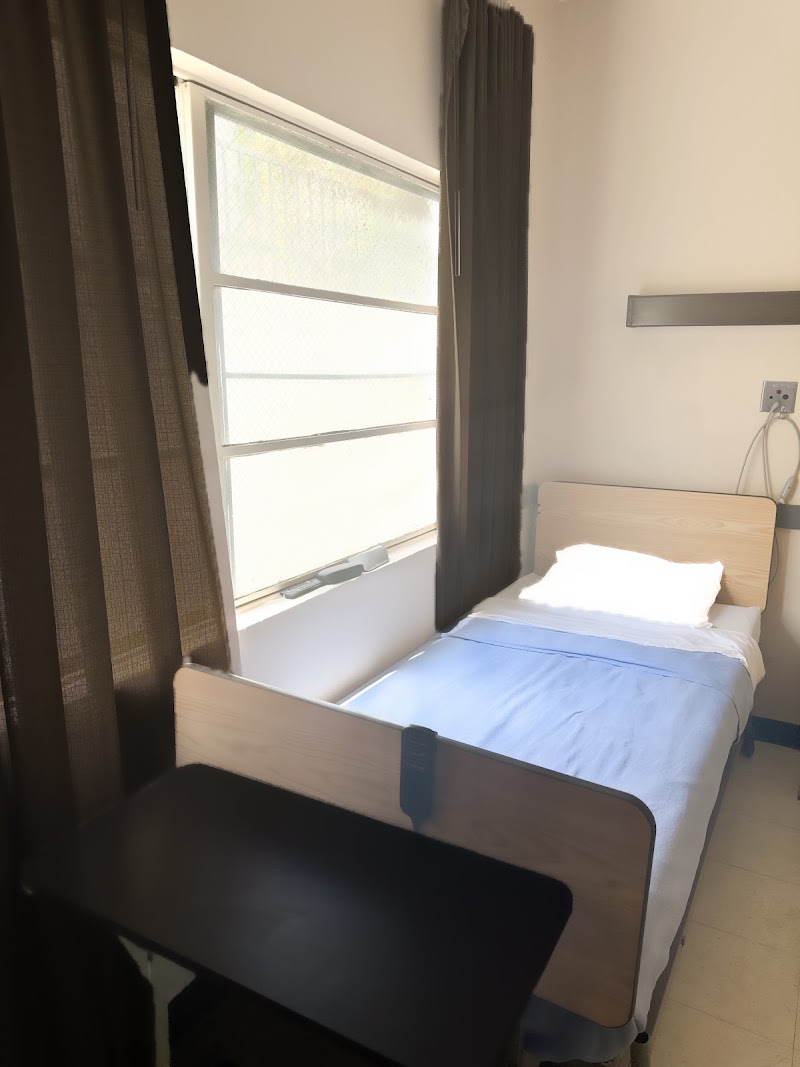
How is Hyde Park Healthcare Center Staffed?

CMS rates HYDE PARK HEALTHCARE CENTER's staffing level at 2 out of 5 stars, which is below average compared to other nursing homes. Staff turnover is 53%, compared to the California average of 46%.

What Have Inspectors Found at Hyde Park Healthcare Center?

State health inspectors documented 72 deficiencies at HYDE PARK HEALTHCARE CENTER during 2022 to 2025. These included: 1 that caused actual resident harm, 68 with potential for harm, and 3 minor or isolated issues. Deficiencies causing actual harm indicate documented cases where residents experienced negative health consequences.
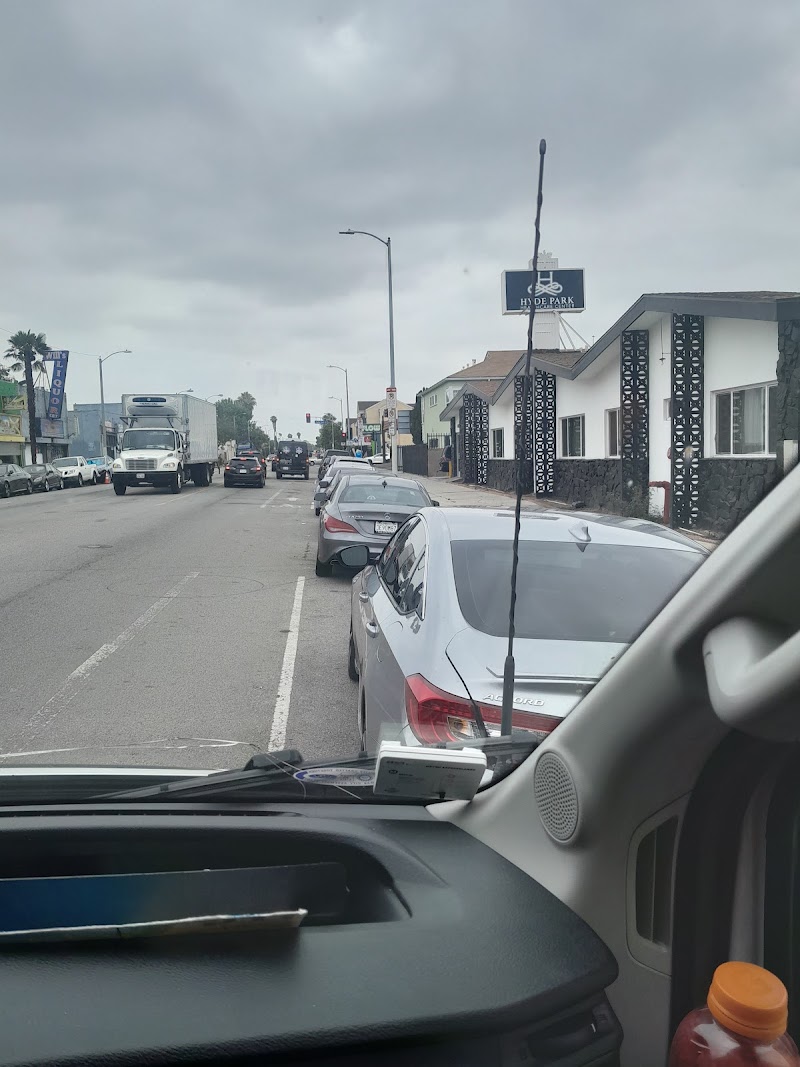
Who Owns and Operates Hyde Park Healthcare Center?

HYDE PARK HEALTHCARE CENTER is owned by a for-profit company. For-profit facilities operate as businesses with obligations to shareholders or private owners. The facility operates independently rather than as part of a larger chain. With 72 certified beds and approximately 66 residents (about 92% occupancy), it is a smaller facility located in LOS ANGELES, California.
How Does Hyde Park Healthcare Center Compare to Other California Nursing Homes?

Compared to the 100 nursing homes in California, HYDE PARK HEALTHCARE CENTER's overall rating (1 stars) is below the state average of 3.1, staff turnover (53%) is near the state average of 46%, and health inspection rating (1 stars) is much below the national benchmark.

What Should Families Ask When Visiting Hyde Park Healthcare Center?

Based on this facility's data, families visiting should ask: "Can you walk me through typical staffing levels on day, evening, and night shifts?" "Can I visit during a mealtime to observe dining assistance and food quality?" "How do you handle medical emergencies, and what is your hospital transfer rate?" "Can I speak with family members of current residents about their experience?" These questions are particularly relevant given the below-average staffing rating.

Is Hyde Park Healthcare Center Safe?

Based on CMS inspection data, HYDE PARK HEALTHCARE CENTER has a clean safety record: no substantiated abuse findings (meaning no confirmed cases of resident harm), no Immediate Jeopardy citations (the most serious violation level indicating risk of serious injury or death), and is not on the Special Focus Facility watch list (a federal program monitoring the lowest-performing 1% of nursing homes). The facility has a 1-star overall rating and ranks #100 of 100 nursing homes in California. While no facility is perfect, families should still ask about staff-to-resident ratios and recent inspection results during their visit.

Do Nurses at Hyde Park Healthcare Center Stick Around?

HYDE PARK HEALTHCARE CENTER has a staff turnover rate of 53%, which is 7 percentage points above the California average of 46%. Moderate turnover is common in nursing homes, but families should still ask about staff tenure and how the facility maintains care continuity when employees leave.

Was Hyde Park Healthcare Center Ever Fined?

HYDE PARK HEALTHCARE CENTER has been fined $112,816 across 4 penalty actions. This is 3.3x the California average of $34,207. Fines at this level are uncommon and typically indicate a pattern of serious deficiencies, repeated violations, or failure to correct problems promptly. CMS reserves penalties of this magnitude for facilities that pose significant, documented risk to resident health or safety. Families should request specific documentation of what issues led to these fines and what systemic changes have been implemented.

Is Hyde Park Healthcare Center on Any Federal Watch List?

HYDE PARK HEALTHCARE CENTER is not on any federal watch list. The most significant is the Special Focus Facility (SFF) program, which identifies the bottom 1% of nursing homes nationally based on persistent, serious quality problems. Not being on this list means the facility has avoided the pattern of deficiencies that triggers enhanced federal oversight. This is a positive indicator, though families should still review the facility's inspection history directly.