INFINITY CARE OF EAST LOS ANGELES

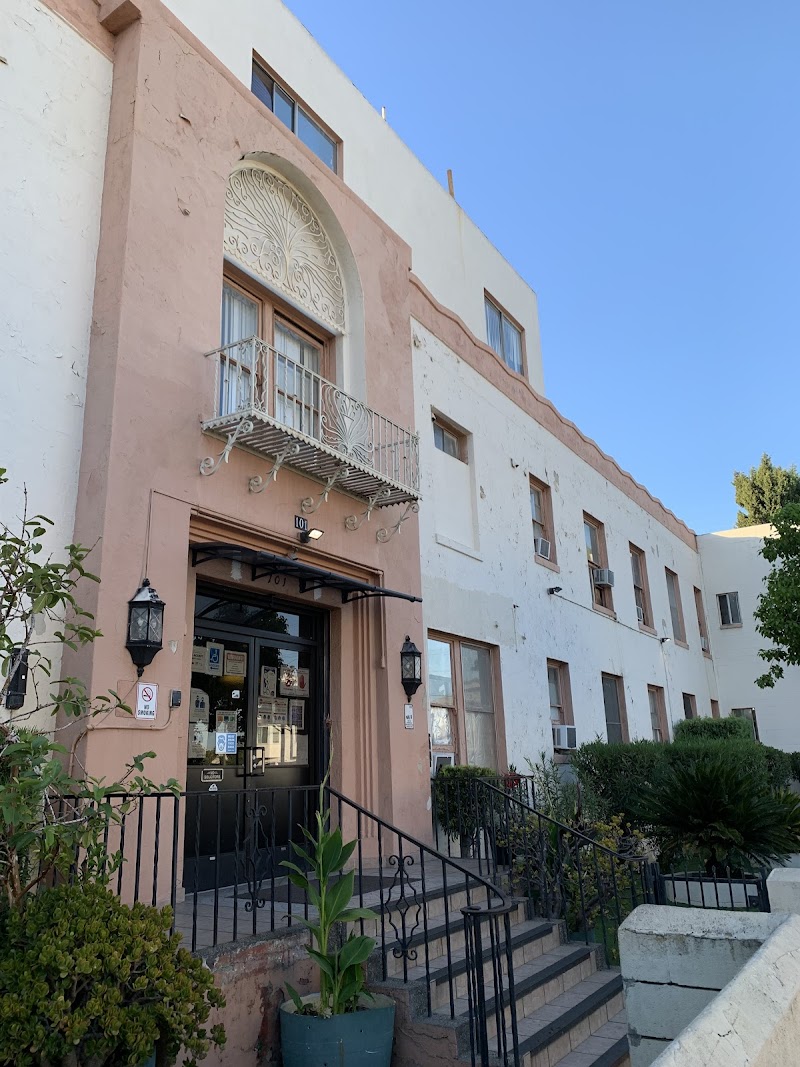
101 S FICKETT STREET, LOS ANGELES, CA 90033 (323) 261-8108
For profit - Limited Liability company 99 Beds Independent Data: November 2025 3 Immediate Jeopardy citations
Trust Grade
0/100
#824 of 1155 in CA
Last Inspection: June 2025

Inspected within the last 6 months. Data reflects current conditions.

Overview

Infinity Care of East Los Angeles has a Trust Grade of F, indicating significant concerns about the facility's quality and safety. They rank #824 out of 1155 nursing homes in California, placing them in the bottom half of all facilities in the state, and #193 out of 369 in Los Angeles County, suggesting limited options for better care nearby. The facility's performance is worsening, with issues increasing from 20 in 2024 to 34 in 2025. Staffing is a weakness, with a poor rating of 1 out of 5 stars and concerning RN coverage that is less than 93% of state facilities, although the turnover rate is impressively low at 0%. Notably, there have been critical incidents, including failure to report a physical abuse case and not protecting a resident from sexual abuse, which raises serious safety concerns for potential residents and their families.

Trust Score
F
0/100
In California
#824/1155
Bottom 29%
Safety Record
High Risk
Review needed
Inspections
Getting Worse
20 → 34 violations
Staff Stability
○ Average
Turnover data not reported for this facility.
Penalties
✓ Good
$63,307 in fines. Lower than most California facilities. Relatively clean record.
Skilled Nurses
⚠ Watch
Each resident gets only 10 minutes of Registered Nurse (RN) attention daily — below average for California. Fewer RN minutes means fewer trained eyes watching for problems.
Violations
⚠ Watch
80 deficiencies on record. Higher than average. Multiple issues found across inspections.
★★☆☆☆
2.0
Overall Rating
★☆☆☆☆
1.0
Staff Levels
★★★★★
5.0
Care Quality
★☆☆☆☆
1.0
Inspection Score
Stable
2024: 20 issues
2025: 34 issues

The Good

  • 5-Star Quality Measures · Strong clinical quality outcomes
  • Full Sprinkler Coverage · Fire safety systems throughout facility
  • No fines on record

Facility shows strength in quality measures, fire safety.

The Bad

2-Star Overall Rating

Below California average (3.1)

Below average - review inspection findings carefully

Federal Fines: $63,307

Above median ($33,413)

Moderate penalties - review what triggered them

The Ugly 80 deficiencies on record

3 life-threatening
Sept 2025 1 deficiency
CONCERN (D) 📢 Someone Reported This

A family member, employee, or ombudsman was alarmed enough to file a formal complaint

Potential for Harm - no one hurt, but risky conditions existed

Deficiency F0567 (Tag F0567)

Could have caused harm · This affected 1 resident

**NOTE- TERMS IN BRACKETS HAVE BEEN EDITED TO PROTECT CONFIDENTIALITY** Based on interview and record review, the facility failed to implement its policy and procedure to ensure the personal fund for ...

Read full inspector narrative →
**NOTE- TERMS IN BRACKETS HAVE BEEN EDITED TO PROTECT CONFIDENTIALITY** Based on interview and record review, the facility failed to implement its policy and procedure to ensure the personal fund for one (1) of two (2) sampled residents (Resident 1) was not overcharged.This deficient practice resulted in Resident 1 being overcharged in the share of cost for 11/2024.Findings:During a review of Resident 1's admission Record, the admission Record indicated the resident was originally admitted on [DATE] and was readmitted on [DATE] with the following but not limited to diagnoses of dementia (a progressive state of decline in mental abilities), glaucoma (a group of eye diseases that damage the optic nerve, which carries visual information from the eye to the brain) and bilateral hearing loss.During a review of Resident 1' s Eligibility Response, dated 11/1/2024, the Eligibility Response indicated the residents spend down total obligation/share of cost is $1,133.00.During a review of Resident 1's Minimum Data Set (MDS - a resident assessment tool), dated 4/8/2025, the MDS indicated the resident is severely impaired (never/rarely made decisions) in cognitive (the ability to understand and make decisions) skills for daily decision making. The MDS also indicated that the resident is dependent (helper does all of the effort. Residents does none of the effort to complete the activity. Or, the assistance of 2 or more helpers is required for the resident to complete the activity) with oral hygiene, toileting hygiene, shower/bathe self, upper body dressing, lower body dressing, putting on /taking off footwear and personal hygiene.During a review of Resident 1's ledger, dated 1/11/2022 to 7/11/2025, the ledger indicated Resident 1 was charged $1,133.00 on 10/2024 and $1,867.00 on 11/2024.During a review of the facility's Resident Trust Account, dated 3/20/2025, the Resident Trust Account indicated Resident 1 was charged $3000.00 in total for 10/2024 and 11/2024.During a concurrent interview and record review on 9/15/2025 at 12:38PM, Resident 1's ledger, dated 1/11/2022 to 7/11/2025, and Resident 1's Eligibility Response, dated 11/1/2024, was reviewed. The Finance Manager (FM) stated the ledger indicated Resident 1 was charged $1,867.00 on 11/2024 but the ledger indicated Resident 1's share of cost should be $1,133.00; therefore, Resident 1 was overcharged $734.During a concurrent interview and record review on 9/15/2025 at 1:31PM, Resident 1's finance documents, dated 11/2024, were reviewed. The FM stated there were no documents indicating why there was an overcharge of $734. During a review of the facility's Policy and Procedure (P&P) titled Conveyance of Resident Funds, revised 3/2024, the P&P indicated should any over-charge occur regarding a resident's funds, those overcharged resident funds should be returned to the resident, the resident representative, or to the resident's estate.During a review of the facility's P&P titled Medicare Advance Beneficiary and Medicare Non-Coverage Notices, revised 3/2024, the P&P indicated residents are informed in advance when changes will occur to their bills.
Sept 2025 1 deficiency
CONCERN (D) 📢 Someone Reported This

A family member, employee, or ombudsman was alarmed enough to file a formal complaint

Potential for Harm - no one hurt, but risky conditions existed

Accident Prevention (Tag F0689)

Could have caused harm · This affected 1 resident

**NOTE- TERMS IN BRACKETS HAVE BEEN EDITED TO PROTECT CONFIDENTIALITY** Based on observation, interview and record review, the facility did not provide the necessary care and services for 1 of 2 sampl...

Read full inspector narrative →
**NOTE- TERMS IN BRACKETS HAVE BEEN EDITED TO PROTECT CONFIDENTIALITY** Based on observation, interview and record review, the facility did not provide the necessary care and services for 1 of 2 sample residents (Resident 1) who had a fall by failing to:1. Ensure Resident 1's fall assessment was accurate and complete.2. Ensure Resident 1's fall was thoroughly investigated by interviewing the roommate.3. Ensure Resident 1's Care Plan was resident centered.4. Ensure Resident 1's Minimum Data Set (MDS) was accurate to reflect the resident needs for Activities of Daily Living (ADL - activities such as bathing, dressing and toileting a person performs daily).5. Ensure LVN 1 reported and monitored Resident 1 after a suspected fall.6. Ensure Resident 1's fall was monitored and documented on 8/31/2025 11pm to 7am shift, 9/1/2025 3pm to 11pm shift and 11pm to 7am shift, 9/2/2025 3pm to 11am shift and 11pm to 7am shift.This deficient practice has the potential for Resident 1 to have further falls which could result to harm, hospitalization, and/or death.Findings:1. During a review of Resident 1's admission Record, the admission Record indicated the resident was originally admitted to the facility on [DATE], and was readmitted on [DATE] with the following, but not limited to, diagnoses of Parkinson's Disease (a progressive disease of the nervous system marked by tremor, muscular rigidity, and slow, imprecise movements), muscle weakness, dry eye syndrome (eye is dry and sensitive to light), dementia (a progressive state of decline in mental abilities), difficulty in waking, history of falling and hypertension (HTN-high blood pressure).During a review of Resident 1's Physician Orders, dated 11/21/2024, the Physician Orders indicated clonidine hydrochloride (antihypertensive medication) oral tablet 0.1 milligrams (mg) as needed for systolic (pressure in arteries when heart pumps blood throughout body) greater than 160.During a review of Resident 1's Care Plan with focus on diagnosis of dementia, dated 12/3/2024, the Care Plan indicated staff are to perform ADLs every shift.During a review of Resident 1's Care Plan with focus on Resident 1 at risk for decline in ADLs secondary but not limited to Parkinson's Disease with dyskinesia, cataracts and dementia, dated 3/5/2025, the Care Plan indicated to assist with ADL to the extent necessary for safety and comfort. During a review of Resident 1' s MDS, dated [DATE], the MDS indicated the resident is severely impaired in cognitive (the ability to think and understand) skills for daily decision making.During a review of Resident 1's Fall Risk Assessment, dated 6/5/2025, the assessment indicated only the age category was marked.During a concurrent interview and record review on 9/12/2025 at 11:45AM, Resident 1's Fall Risk Assessment, dated 6/5/2025, was reviewed. The DON stated the Fall Risk Assessment was not accurate and was incomplete because vision and cognitive should have been marked.During a concurrent interview and record review on 9/12/2025 at 12:13PM, Resident 1's Fall Risk Assessment, dated 6/5/2025 and 9/5/2025, were reviewed. The DON stated the fall risk assessments are inaccurate and the assessments should have included the resident's antihypertensive medication, unsteady gait, visual due to cataracts, and altered awareness should have been marked which places the resident at a high risk for falls.During a review of the facility's P&P titled Charting and Documentation, revised 3/2024, the P&P indicated documentation in the medical record will be objective, complete and accurate. 2. During a review of Resident 2's (Resident 1's roommate) admission Record, the admission Record indicated the resident was originally admitted to the facility on [DATE] and was readmitted on [DATE] with the following but not limited to diagnosis of diabetes mellitus (DM-a disorder characterized by difficulty in blood sugar control and poor wound healing).During a review of Resident 2's History and Physical (H&P), dated 9/10/2024, the H&P indicated the resident has the capacity to understand and make decisions.During a review of Resident 2's MDS, dated [DATE], the MDS indicated the resident is independent in cognitive skills for daily decision making.During an interview on 9/11/2025 at 10:53AM while in Resident 1 and Resident 2's room, Resident 2 was observed lying on her left side in bed and facing Resident 1's bed, when Resident 2 stated she observed Resident 1 having a fall at the end of 8/2025. Resident 2 also stated Resident 1 slipped from her bed and fell on her buttocks.During an interview on 9/11/2025 at 11:10AM, Resident 1 stated she fell from her bed a few weeks ago. Resident 1 also stated her roommate witnessed her fall.During a concurrent interview and record review on 9/12/2025 at 11:40AM, Resident 1's Skin Incident and Investigation Report, dated 9/1/2025, was reviewed. DON stated she did not but should have had an interview with Resident 2. The DON also stated she did not do a thorough investigation.During an interview on 9/12/2025 at 12 PM, the DON stated she forgot to interview Resident 2 when she did her investigation. The DON also stated interviewing Resident 2 would help clarify if the resident had an alleged fall or an actual fall.During a review of the facility's P&P titled Assessing Falls and Their Causes, revised 3/2024, the P&P indicated after an observed or probably fall, clarify the details of the fall, such as when the fall occurred and what the individual was trying to do at the time the fall occurred. The P&P also indicated to evaluate chains of events or circumstances preceding a recent fall including whether the resident was among other persons.3. During a review of Resident 1's Care Plan, with a focus on Resident 1, being at risk for decline in ADLs secondary but not limited to Parkinson's Disease with dyskinesia, cataracts and dementia, dated 3/5/2025, the Care Plan indicated the following: Assist with ADL's to the extent necessary for safety and comfort. Call light and frequently used items at reach. Encourage resident to do ADLs that do not need assistance from staff. Labs and medications as ordered. Monitor Residents ADLs daily. PT/OT/ST services if needed. Report to MD if sudden changes in ADLs occur. RNA services as ordered.During a concurrent interview and record review on 9/12/2025 at 2PM, Resident 1's Care Plans, with a focus on decline in ADLs, dated 3/5/2025, were reviewed. The DON stated the care plan was not and should be resident centered for the continuity of care of the residents and to prevent falls.During a review of the facility's P&P titled Comprehensive Person-Centered Care Plan, revised 3/2024, the P&P indicated a comprehensive, person-centered care plan that includes measurables objectives and timetables to meet the resident's physical, psychological and functional needs is developed and implemented for each resident.4. During a review of Resident 1's MDS, dated [DATE], the MDS indicated the resident is independent (Resident completes the activity by themselves with no assistance from a helper) with rolling left and right, sitting to lying, lying to sitting on the side of bed, sit to stand, chair/bed-to-chair transfer, toilet transfer, walk 10 feet, walk 50 feet with two turns and walk 150 feet.During a review of Resident 1's Occupational Therapy Certification (OTC), dated 6/3/2025, the OTC indicated the resident required Contact Guard Assistance (CGA - maintains physical contact with a patient, often with one or two hands on their body, to provide balance and stability during an activity) with roll to left, roll to right, supine (lying) to sit, sit to supine, sit to stand, stand to sit and wheelchair mobility.During a review of Resident 1's Physical Therapy Certification (PTC), dated 6/05/2025, the PTC indicated the resident required moderate assistance (the resident performs half of the work while the Physical Therapist completes the other half of the work) with roll to left, roll to right, supine (lying) to sit, sit to supine, wheel chair mobility, brakes management, sit to stand, stand to sit, bed to wheelchair, wheelchair to bed, and gait on level surfaces.During a concurrent interview and record review on 9/12/2025 at 2:11PM, Resident 1's MDS, dated [DATE], and Resident 1's Physical Therapy Certification (PTC), dated 6/5/2025, were reviewed. The MDS coordinator stated the MDS is not accurate, therefore, the PTC and MDS are not consistent, and it should be. The MDS coordinator also stated Resident 1 is at risk of falls and would require some supervision and the MDS should indicate Resident 1 required assistance.During a review of the facility's P&P titled Charting and Documentation, revised 3/2024, the P&P indicated Documentation in the medical record will be objective, complete and accurate.5. During an interview on 9/11/2025 at 11:45AM, Resident 1's Responsible Party (RP) stated Resident 1 informed RP of the fall on 8/31/2025. RP also stated she had informed Licensed Vocational Nurse 1 (LVN 1) on 8/31/2025 of Resident 1's fall. The RP stated she made the Director of Nursing (DON) aware of Resident 1's fall on 9/1/2025.During an interview on 9/11/2025 at 12:36PM, LVN 1 stated the RP informed him of Resident 1's fall. LVN 1 also stated because Resident 1 stated she did not fall; LVN 1 does not need to do anything else.During an interview on 9/11/2025 at 1:53PM, the DON stated when a resident is suspected of a fall, an investigation would be needed to determine the fall.During an interview and record review on 9/12/2025 at 11:37AM, LVN 1's Counseling Record, dated 9/1/2025, was reviewed. The DON stated LVN 1 was written up and was provided education for the lack of reporting and monitoring of Resident 1's alleged fall. During a review of the facility's P&P titled Assessing Falls and Their Causes, revised 3/2024, the P&P also indicated if an assessment rules out significant injury, help the resident to a comfortable sitting, lying, or standing position, and then document relevant details. The P&P also indicated to notify the following individuals but not limited to the nurse supervisor on duty and the DON.During a review of the facility's P&P titled Investigating Resident Injuries, revised 3/2024, the P&P indicated if an incident/accident is suspected, a nurse or nurse supervisor completes the facility-approved accident/incident form.During a review of the facility's P&P titled Change in a Resident's Condition and Status, revised 3/2024, the policy indicated the nurse will record in a resident's medical record information relative to changes in the resident's medical/mental condition or status.During a review of the facility's P&P titled Safety and Supervision of Residents, revised 3/2024, the P&P indicated employees shall be trained on potential accident hazards and demonstrate competency on how to identify and report accident hazards and try to prevent avoidable accidents.6. During a concurrent interview and record review on 9/12/2025 at 1:51PM, Resident 1's Progress notes, dated 8/31/2025 to 9/2/2025, were reviewed. The DON stated there is no monitoring for Resident 1's fall other than 8/31/2025 for 3pm-11pm shift and 9/1/2025 for the 7am-3pm shift. The DON also stated there should be documentation on monitoring Resident 1 for 8/31/2025 11pm to 7am shift, 9/1/2025 3pm to 11pm shift and 11pm to 7am shift, 9/2/2025 3pm to 11pm shift and 11pm to 7am shift.During a review of the facility's Policy and Procedure (P&P) titled Fall and Management of Fall Risk, revised 3/2024, the P&P indicated the staff will monitor and document responses to interventions intended to reduce falling or the risk of falling for the resident who experienced a fall.During a review of the facility's P&P titled Assessing Falls and Their Causes, revised 3/2024, the P&P indicated when a resident falls, documentation includes, but not limited to, assessment data, interventions, completion of fall risk assessment, and signature and title of person documenting.
Aug 2025 1 deficiency
CONCERN (E) 📢 Someone Reported This

A family member, employee, or ombudsman was alarmed enough to file a formal complaint

Potential for Harm - no one hurt, but risky conditions existed

Deficiency F0559 (Tag F0559)

Could have caused harm · This affected multiple residents

**NOTE- TERMS IN BRACKETS HAVE BEEN EDITED TO PROTECT CONFIDENTIALITY** Based on observation, interview and record review, the facility failed to follow its Resident Rights policy for two (2) of 2 sam...

Read full inspector narrative →
**NOTE- TERMS IN BRACKETS HAVE BEEN EDITED TO PROTECT CONFIDENTIALITY** Based on observation, interview and record review, the facility failed to follow its Resident Rights policy for two (2) of 2 sampled residents (Residents 1 and 2) when they did not accommodate their request to be roomed together as a married couple. This failure had the potential to negatively affect Residents 1 and 2's psychosocial wellbeing. 1. During a review of Resident 1's admission Record, the admission Record indicated the resident was initially admitted to the facility on [DATE] and readmitted [DATE] with diagnoses of atherosclerosis (the buildup of fats, cholesterol and other substances in and on the artery [a blood vessel that carries oxygen-rich blood from the heart to the rest of the body] walls) of aorta (the largest artery in the body) and cardiomegaly (an enlarged heart). During a review of Resident 1'S Minimum Data Set (MDS - a resident assessment tool), dated 8/9/2025, the MDS indicated the resident had an intact cognitive (ability to think, remember, and reason) skills for daily decision making. Resident 1 needed setup or clean-up assistance (helper sets up or cleans up; resident completes activity) with personal hygiene and eating and was independent with upper and lower body dressing (the ability to dress and undress above and below the waist), putting on/taking off footwear, transfers (how resident moves to and from bed, chair, wheelchair, standing position) and walking 150 feet. 2. During a review of Resident 2's admission Record, the admission Record indicated the resident was initially admitted to the facility on [DATE] and readmitted [DATE] with diagnoses of dementia (a progressive state of decline in mental abilities), without behavioral disturbance (a problematic pattern of behavior that interferes with a person's ability to function in daily life), psychotic disturbance (a state of losing touch with reality, characterized by symptoms of delusions [false beliefs] and hallucinations [seeing or hearing things that are not there]), mood disturbance (a significant, disruptive change in a person's emotional state that goes beyond everyday fluctuations and impacts their mood, thoughts and behavior) and anxiety (a state of intense fear, worry, and unease) and hearing loss (a partial or total inability to hear sounds). Resident 2's admission Record also indicated that her responsible party was Resident 1. During a review of Resident 2'S MDS, dated [DATE], the MDS indicated the resident was moderately impaired with cognitive skills for daily decision making. Resident 2 needed supervision or touching assistance (helper provides verbal cues and/or touching/steadying and/or contact guard assistance as resident completes activity) with personal hygiene, upper and lower body dressing, and putting on/taking off footwear. Resident 2 needed setup or clean-up assistance with eating and walking 150 feet and was independent with transfers. During a review of Resident 1's Situation, Background, Assessment and Recommendation (SBAR; a communication framework for providing essential patient information in a structured way) Documentation, dated 8/15/2025, Resident 1's SBAR Documentation indicated Resident 1 was in the room with his spouse (Resident 2) when Resident 2 yelled and threw paper at him and Resident 1 stated, Can you guys get her out of the room? The residents were immediately separated. During an interview on 8/28/2025 at 9:48 AM with Resident 1, Resident 1 stated on 8/15/2025, while he was in his room sitting down coloring and doing crossword puzzles, his spouse (Resident 2) who also shares the same room, got mad at him due to frustration and started screaming for not paying attention to her. Resident 1 stated his wife (Resident 2) had been together for 80 years and are normally always happy and like all couples, have their arguments. Resident 1 stated he spoke briefly to Licensed Vocational Nurse 1 (LVN 1) but does not believe that he asked her to remove Resident 2 from their room. Resident 1 also stated that when they removed Resident 2 from their room, he only thought they were separating them for a short time like a time-out. During the same interview on 8/28/2025 at 9:48 AM with Resident 1, Resident 1 stated that he had been separated from Resident 2 for about 2 or three (3) weeks now. Resident 1 stated the facility staff never explained to him that he would be separated from Resident 2 for this long and only thought the separation would be brief. Resident 1 stated that if he had known they were going to move Resident 2 out of their room, he would have begged them to leave Resident 2 in their room. Resident 1 also stated that he has told multiple staff members, including LVN 1, that he would like Resident 2 to come back to their room. Resident 1 further stated he felt bad that Resident 2 was in another room and felt lonely and abandoned and just wanted her to be back in the same room with him. During an interview on 8/28/2025 at 10:01 AM with LVN 1, LVN 1 stated on 8/15/2025 she was sitting at the nurses' station when Resident 1 came up to her to ask to remove Resident 2 from their room. LVN 1 stated Resident 1 told her Resident 2 was screaming and throwing paper at him. LVN 1 stated she felt Resident 1 and Resident 2 were just having an argument between spouses and did not feel like it was verbal abuse (the harmful use of words to control, intimidate, threaten, or hurt someone, causing emotional distress and undermining their self-worth and can include insults, name-calling, excessive yelling, blaming and humiliation). LVN 1 also stated that Resident 2 was very upset when she was told she had to be separated from Resident 1. LVN 1 further stated that Resident 1 has asked her multiple times as well as witnessing Resident 1 ask Restorative Nursing Assistant 1 (RNA 1), the Director of Staff Development (DSD) and the Psychiatrist (a medical doctor who specializes in the diagnosis, treatment, and prevention of mental health disorders) to bring Resident 2 back to their room. During an interview on 8/28/2025 at 10:15 AM with Resident 2, Resident 2 stated on 8/15/202, she did not remember what she and Resident 1 were disagreeing on but stated it was just a disagreement. Resident 2 stated that both she and Resident 1 had been together for 80 years and married for 40 years. Resident 2 stated this is the first time they had been separated, and she misses Resident 1 and feels sad. Resident 2 further stated that she wishes to be in the same room as Resident 1 because she loves him and she takes care of him, and he does the same. During a concurrent observation and interview on 8/28/2025 at 10:20 AM with Resident 2 in the dining room, Resident 2 was observed crying. Resident 2 stated she did not realize it had already been 2 to 3 weeks since she has been separated from Resident 1. Resident 2 further stated that she only had a disagreement with Resident 1 and does not understand why or think that they should have been separated over it. During an interview on 8/28/2025 at 10:26 AM with DSD, DSD stated that Residents 1 and 2 do argue but have never heard them screaming. DSD also stated Resident 2 is hard of hearing and tends to speak loudly. DSD stated that Resident 1 has asked her about 3 times if they could bring Resident 2 back to his room so they could be back together and stated that Resident 2 has also expressed the same, asking to be back with her spouse. During an interview on 8/28/2025 at 10:53 AM with Resident 1, Resident 1 stated the facility staff did not ask him if he wanted Resident 2 to be moved to another room and when they did move Resident 2's things out of their shared room, they did not let him know what room she was moving to and reiterated that it made him feel sad and abandoned. During an interview on 8/28/2025 at 11:47 AM with SSD, SSD stated Residents 1 and 2 constantly argue and they were told on 8/13/2025 that they needed to stop or they would be separated. SSD stated both Residents 1 and 2 had another argument on 8/15/2025 and because Resident 1 had asked LVN 1 to remove Resident 2 from their room, it was reported to the Administrator (ADM), and they were separated. SSD also stated that Resident 2 has expressed that she would like to be back with her spouse, Resident 1. During a review of Resident 1's Psychosocial Note, dated 8/15/2025, timed at 3:32 PM, Resident 1's Psychosocial Note indicated the Interdisciplinary Team (IDT; a group of diverse professionals from different disciplines who collaborate to achieve a common goal, typically by addressing complex issues for a patient) spoke with Resident 1 regarding the incident where Resident 2 was yelling and throwing papers at him. The note indicated Resident 1 had stated that he and Resident 2 should not be separated and that the argument was not a big deal. Resident 1 stated he felt safe with Resident 2 together in their room.During an interview on 8/28/2025 at 12:23 PM with ADM, ADM stated on 8/15/2025 Residents 1 and 2 were verbally notified of the room change and that he did unsubstantiate the allegation of verbal abuse between Residents 1 and 2. ADM stated that both Residents 1 and 2 have been expressing that they wanted to be back together and that they had both told the psychiatrist. ADM further stated that he understood that keeping the residents apart is a resident rights issue but decided to keep them apart as a safety precaution. During a review of Resident 2's Psychosocial Note dated 8/18/2025, Resident 2's Psychosocial Note indicated SSD and Social Services Assistant (SSA) spoke with Resident 2 and Resident 2 had asked them when she would be able to go back into her previous room with her spouse, Resident 1. SSD had told Resident 2 that the transfer back was still in question due to her tendency to argue with Resident 1. During a review of Resident 1's Initial Psychiatric Evaluation dated 8/18/2025, Resident 1's Initial Psychiatric Evaluation indicated Resident 1 stated he would like Resident 2 to return to their room as they were separated and also stated that he is sad Resident 2 is in another room and that he feels safe in the facility and would feel safe if Resident 2 would return.During a review of Resident 2's Initial Psychiatric Evaluation dated 8/18/2025, Resident 2's Initial Psychiatric Evaluation indicated Resident 2 stated she was upset and the incident of her yelling at him would not happen again and that she would like to return to the room with Resident 1. During a concurrent interview and record review on 8/28/2025 at 1 PM with the Director of Nursing (DON), Resident 1's Psychosocial Note, dated 8/15/2025, and timed at 3:32 PM and the facility's Policy and Procedure (P&P) titled, Resident Rights, revised December 2016 were reviewed. The Facility's P&P indicated, Federal and state laws guarantee certain basic rights to all residents of this facility. These rights include the resident's right to: share a room with a spouse, if that is mutually agreeable. The DON stated if both Residents 1 and 2 had expressed that they wanted to be back together, then they should have been put back together. The DON further stated that since Resident 1 is Resident 2's responsible party, if they wanted to be back together, per policy it is their right.During an interview on 8/28/2025 at 1:21 PM with RNA 1, RNA 1 stated that since Residents 1 and 2 were first separated on 8/15/2025, Resident 1 had expressed to her multiple times that he would like to be back with Resident 2 in their room. During a review of the facility's P&P titled, Resident Rights, revised December 2016, the P&P indicated, Federal and state laws guarantee certain basic rights to all residents of this facility. These rights include the resident's right to: share a room with a spouse, if that is mutually agreeable.
Jun 2025 22 deficiencies
CONCERN (D)

Potential for Harm - no one hurt, but risky conditions existed

Resident Rights (Tag F0550)

Could have caused harm · This affected 1 resident

**NOTE- TERMS IN BRACKETS HAVE BEEN EDITED TO PROTECT CONFIDENTIALITY** Based on observation, interview and record review, the facility failed to promote dignity and respect for one of two sampled res...

Read full inspector narrative →
**NOTE- TERMS IN BRACKETS HAVE BEEN EDITED TO PROTECT CONFIDENTIALITY** Based on observation, interview and record review, the facility failed to promote dignity and respect for one of two sampled residents (Resident 24) when Certified Nurse Assistant 5 (CNA 5) was observed standing above Resident 24's eye level while assisting the resident during mealtime on 6/10/2025. This deficient practice had the potential to affect Resident 24's self-esteem and self-worth and violate the resident's right to be treated with dignity. Findings: During a review of Resident 24's admission Record, the admission Record indicated the resident was originally admitted to the facility on [DATE], with diagnosis of dementia (a progressive state of decline in mental abilities), sacral pressure ulcer (localized, pressure-related damage to the skin and/or underlying tissue usually over a bony prominence), and pressure ulcer of right and left heel. During a review of Resident 24's Minimum Data Set (MDS- a resident assessment tool), dated 4/10/2025, indicated Resident 24's cognitive (ability to think and reason) skills for daily decision making was moderately impaired (decisions poor; cues/supervision required). The MDS indicated Resident 24 was dependent (helper does all the effort) with eating, oral hygiene, toileting hygiene, shower, upper and lower body dressing, putting on/taking off footwear and personal hygiene. During a review of Resident 24's care plan that focuses on Resident 24 at risk for dehydration (dangerous loss of body fluid caused by illness, sweating, or inadequate intake) and dependence on staff for Activities of Daily Living (ADLs-activities such as bathing, dressing and toileting a person performs daily), initiated on 10/10/2024, the Care Plan indicated the staff interventions included were to assist at mealtime and for all food and fluids offerings. During an observation on 6/10/2025 at 12:26 PM in Resident 24's room, CNA 5 was observed assisting Resident 24 in bed with lunch meal. CNA 5 was observed standing on the right side of the bed and above Resident 24's eye level while feeding the resident's lunch meal. During a concurrent observation and interview on 6/10/2025 at 12:28 with Licensed Vocational Nurse 6 (LVN 6), in Resident 24's room, LVN 6 verified CNA 5 was standing while feeding Resident 24. LVN 6 also stated CNA 5 and Resident 24 were not in the same eye level. During an interview on 6/10/2025 at 2:30 PM with CNA 5, CNA 5 stated she did not sit in a chair while assisting Resident 24 with lunch meal because she is short, and it will be hard for her to reach Resident 24 when she is in sitting position. During an interview on 6/11/2025 at 1:52 PM with LVN 2, LVN 2 stated staff need to maintain eye level, talk to the residents, and tell them what food they are giving when providing assistance with feeding. During an interview on 6/12/2-25 at 11:47 AM with Registered Nurse 1 (RN 1), RN 1 stated staff need to sit down and be at an eye level with the residents to establish rapport and to show respect. RN 1 stated, It is a different perspective when you are eye level with another person, instead of being looked down at. RN1 also stated, There is a risk of resident's aspiration when the staff assisting is higher than resident. During a review of the facility's undated policy and procedure (P&P) titled, Quality of Life-Dignity, the P&P indicated, Each resident shall be cared for in a manner that promote, and enhances his or her sense of well-being, level of satisfaction with life, feeling of self-worth and self-esteem. It also indicated Residents are treated with dignity and respect at all times. During a review of facility's P&P titled, Assistance with Meals, revised in March 2022, indicated Residents who cannot feed themselves will be fed with attention to safety, comfort and dignity, for not standing over residents while assisting them with meals.
CONCERN (D)

Potential for Harm - no one hurt, but risky conditions existed

Deficiency F0605 (Tag F0605)

Could have caused harm · This affected 1 resident

**NOTE- TERMS IN BRACKETS HAVE BEEN EDITED TO PROTECT CONFIDENTIALITY** Based on observation, interview, and record review, the facility failed to ensure two (2) of six (6) sampled residents (Resident...

Read full inspector narrative →
**NOTE- TERMS IN BRACKETS HAVE BEEN EDITED TO PROTECT CONFIDENTIALITY** Based on observation, interview, and record review, the facility failed to ensure two (2) of six (6) sampled residents (Resident 85 and 86) was free from an unnecessary psychotropic drug (any medication capable of affecting the mind, emotions, and behavior) in accordance with the facility policy and procedure (P&P) by failing to ensure Resident 85 and 86's Lorazepam (medication used to treat anxiety [persistent and excessive worry that interferes with daily activities) as needed (PRN) order was discontinued after 14 days from the order date. This deficient practice had the potential to place Resident 85 and 86 at risk for significant adverse consequences from the use of unnecessary psychotropic drug, which could result to impairment or decline in the residents' mental, physical condition, functional, and psychosocial status. Findings: 1. During a review of Resident 85's admission Record, the admission Record indicated Resident 85 was admitted to the facility on [DATE]. Resident 85's diagnoses included dementia (a progressive state of decline in mental abilities), Alzheimer's disease (a disease characterized by a progressive decline in mental abilities) and anxiety disorder (a natural human emotion characterized by feelings of worry, nervousness, or unease). During a review of Resident 85's MDS (MDS - a resident assessment tool) dated 4/23/2025, the MDS indicated Resident 85's cognitive skills for daily decision making was severely impaired (never/rarely made decisions). The MDS indicated Resident 85 was dependent (helper does all the effort) with eating, oral hygiene, toileting hygiene, shower/bath, upper and lower body dressing, putting on/off footwear and personal hygiene. During a review of Resident 85's Lorazepam as needed, give one (1) milligram (mg, unit of measurement) sublingual, every four (4) hours for anxiety manifested by restlessness, ordered on 6/6/2024, indicated a stop date of indefinite. During a concurrent record review and interview on 6/12/2025 at 11:19 AM with Registered Nurse Supervisor 1 (RNS 1), Resident 85's lorazepam orders was reviewed. RNS 1 verified Resident 85 has an order of lorazepam as needed order for anxiety on 6/6/2025, with no stop date. RNS 1 stated PRN Lorazepam ordered on 6/6/2025 should have been discontinued after 14 days from order date. 2. During a review of Resident 86's admission Record, the admission Record indicated Resident 86 was admitted to the facility on [DATE]. Resident 86's diagnoses included dementia, major depressive disorder (a mood disorder that causes a persistent feeling of sadness and loss of interest), and anxiety disorder. During a review of Resident 86's MDS dated [DATE], the MDS indicated Resident 86's cognitive skills for daily decision making was severely impaired. The MDS indicated Resident 86 required partial/moderate (helper does less than half) assistance with eating. The MDS indicated Resident 86 was dependent with oral hygiene, toileting hygiene, shower/bath, upper and lower body dressing, putting on/off footwear and personal hygiene. The MDS indicated Resident 86 uses wheelchair while in the facility. During a review of Resident 86's Lorazepam order of 1 mg, give 0.5 milliliter (ml, unit of measurement) orally every four hours PRN order for anxiety manifested by persistent restlessness, ordered on 2/17/2025, indicated a stop date of indefinite. During a concurrent record review and interview on 6/12/2025 at 11:20 AM with Registered Nurse Supervisor 1 (RNS 1), Resident 86's Lorazepam orders was reviewed. RNS 1 verified Resident 86 has an order of Lorazepam as needed order for anxiety since 2/17/2025, with no stop date. RNS 1 also stated the lorazepam as needed order was changed on 6/10/2025 because frequency was changed to every 2 hours from every 4 hours, and order was kept indefinite, which means no stop date. RNS 1 stated PRN Lorazepam ordered on 2/17/2025 should have been discontinued after 14 days from order date. RNS 1 was unable to provide a written documentation from Resident 86's Physician's regarding extending the PRN Lorazepam order beyond 14 days. During a concurrent record review and interview on 6/12/2025 at 1:33 PM with the Director of Nursing (DON), Resident 85 and 86's Lorazepam orders were reviewed. The DON did not know what happened why Resident 86's as needed Lorazepam order on 2/17/2025 has no stop date and was only discontinued on 6/10/2025 when the order was changed for increase in frequency. The DON verified the new order as needed Lorazepam order on 6/10/2025 has no stop date as well for Resident 86. The DON stated as needed Lorazepam order should be limited to 14 days to make sure resident's physician is aware of resident's status, and the need to adjust medication if it's being effective after 14 days of order. During a review of Facility's P&P titled Psychotropic Medication Use, revised in February 2025, indicated PRN orders for psychotropic medications are limited to 14 days.
CONCERN (D)

Potential for Harm - no one hurt, but risky conditions existed

Tube Feeding (Tag F0693)

Could have caused harm · This affected 1 resident

**NOTE- TERMS IN BRACKETS HAVE BEEN EDITED TO PROTECT CONFIDENTIALITY** Based on observation, interview, and record review, the facility failed to ensure proper care and treatment for gastrostomy tube...

Read full inspector narrative →
**NOTE- TERMS IN BRACKETS HAVE BEEN EDITED TO PROTECT CONFIDENTIALITY** Based on observation, interview, and record review, the facility failed to ensure proper care and treatment for gastrostomy tube (G-tube, a tube inserted through the abdomen that delivers nutrition directly to the stomach) for one of two (2) sampled residents (Resident 28) by failing to: a. Check Resident 28's G-tube placement by checking the gastric residual volume (GRV, the amount of liquid drained from a stomach following administration of enteral feed [a method of providing nutrition directly into the gastrointestinal (GI) tract when a person cannot consume enough food or nutrients orally]) b. Disinfect the tip of the resident's G-tube before administering G-tube feeding (a liquid food mixture provided through the G-tube). This deficient practice had the potential for Resident 28 to have complications including aspiration (when something swallowed enters the lungs) which could lead to pneumonia (infection that inflames air sacs in one or both lungs) and/or choking (severe difficulty in breathing because of a constricted or obstructed throat or a lack of air). Findings: During a review of Resident 28's admission Record, the admission Record indicated that Resident 28 was originally admitted to the facility on [DATE] and re-admitted on [DATE] with dysphagia oropharyngeal phase (when a person has difficulty swallowing due to damage to the oropharynx or throat.), type 2 diabetes mellitus (a medication condition characterized by the body's inability to regulate blood sugar level), and heart failure (a chronic condition in which the heart does not pump and fill blood adequately). During a review of Resident 28's Minimum Data Set (MDS - a comprehensive standardized assessment and screening tool), dated 4/3/2025, the MDS indicated Resident 28's cognitive (mental action or process of acquiring knowledge and understanding) skills for daily decision making were severely impaired. The MDS indicated Resident 28 required total dependence (full staff performance) on staff for oral hygiene, toilet hygiene, and personal hygiene. The MDS indicated Resident 28 was on feeding tube. During a review of Resident 28's Physician Oder, order date 3/27/2025, the Physician Order indicated the following: 1. Check tube placement and patency every shift, 2. Check residual every shift and hold tube feeding if residual is above 100 ml (milliliter- unit measurement in volume) for 2 hours and then resume feeding every shift. During a review of Resident 28's Care Plan, initiated on 3/28/2025, the Care Plan indicated Resident 28 required tube feeding due to poor oral intake. It also indicated Resident 28 was at risk for aspiration, nausea, vomiting, and abdominal distention. Staff interventions included were to check tube placement and patency every shift prior to giving feeding and to check residual every shift and hold tube feeding if residual is above 100ml for 2 hours and then resume feeding every shift. During a concurrent observation and interview on 6/11/2025 at 1:47 PM, in Resident 28's room, with Licensed Vocational Nurse 4 (LVN 4), LVN 4 was observed connecting the G-tube tubing to the extension feeding port, attempting to turn on the feeding pump. LVN 4 did not disinfect the tip of Resident 28's tubing and extension feeding port. LVN 4 also did check Resident 28's G-tube placement by checking GRV and did not check the G-tube for patency. LVN 4 stated because he did not check the GRV and patency of the G-tube, these could result in dangerously administering feeding to the wrong place and may cause Resident 28 to develop complications such as nausea, vomiting, and abdominal extension which could result in hospitalization. During an interview, on 6/12/2025 at 9:12 AM, with the Registered Nurse Supervisor 1 (RNS 1), RNS 1 stated it was important to disinfect the G-Tube tubing and extension feeding port for infection control. RNS 1 stated that failure to check the placement of the feeding tube by checking the GRV prior to administer the feeding, could lead to infection, and complication such as aspiration, nausea, and vomiting. During a review of the facility's policy and procedure titled, Enteral Nutrition, revised 11/2018, the policy and procedure indicated the provider will consider the need for supplemental orders, including: a. confirmation of tube placement b. laboratory monitoring c. instructions for enteral nutrition preparation d. nutritional consultations e. head of bed elevation f. checks for gastric residual volume GRV). The policy and procedure also indicated that staff caring for residents with feeding tubes are trained on how to recognize and report complications associated with the use of a feeding tube, such as: a. aspiration b. tube misplacement or migration c. clogging of the tube d. nausea, vomiting, diarrhea and abdominal cramping
CONCERN (D)

Potential for Harm - no one hurt, but risky conditions existed

Respiratory Care (Tag F0695)

Could have caused harm · This affected 1 resident

**NOTE- TERMS IN BRACKETS HAVE BEEN EDITED TO PROTECT CONFIDENTIALITY** Based on observation, interview, and record review, the facility failed to ensure the head of bed for one (1) of 23 sampled resi...

Read full inspector narrative →
**NOTE- TERMS IN BRACKETS HAVE BEEN EDITED TO PROTECT CONFIDENTIALITY** Based on observation, interview, and record review, the facility failed to ensure the head of bed for one (1) of 23 sampled residents (Resident 34) who was on oxygen therapy for shortness of breath was maintained at 30 to 45 degrees (unit of measurement) in accordance with facility's policy and procedure. This deficient practice had the potential to cause complications including for Resident 34 to have increase work of breathing and respiratory distress that can lead to hospitalization and death. Findings: During a review of Resident 34's admission Record, the admission Record indicated Resident 34 was originally admitted to the facility on [DATE] and readmitted on [DATE]. Resident 34's diagnoses included respiratory failure (a serious condition where the body cannot get enough oxygen into the blood), chronic obstructive pulmonary disease (COPD-a chronic lung disease causing difficulty in breathing), and dementia (a progressive state of decline in mental abilities). During a review of Resident 34's Minimum Data Set (MDS, a resident assessment tool), dated 5/21/2025, the MDS indicated Resident 34's cognitive (ability to think and reason) skills for daily decision making was severely impaired (never/rarely made decisions). The MDS indicated Resident 34 was dependent (helper does all the effort. Resident does none of the effort to complete the activity) with oral hygiene, toileting hygiene, shower/bath, upper and lower body dressing, putting on/off footwear and personal hygiene. The MDS indicated Resident 34 was on oxygen therapy while in the facility. During a review of Resident 34's Order Summary Report, the Order Summary Report indicated an order of oxygen at two (2) liters per minute (LPM, unit of measurement) via nasal cannula (a thin, flexible tube that wraps around your head, typically hooking around your ears), as needed for shortness of breath, ordered on 5/14/2025. During an observation on 6/11/2025 at 9:26 AM, in Resident 34's room, Resident 34's head of bed was observed to be almost flat in bed. Resident was observed with nasal cannula, connected to oxygen concentrator that was set at 2 LPM. During a concurrent observation and interview on 6/11/2025 at 9:31 AM, with Certified Nurse Assistant 8 (CNA 8), in Resident 34's room, with the presence of Licensed Vocational Nurse 5 (LVN 5), CNA 8 stated she positioned and left Resident 34 in that way at 8:45 AM. During a concurrent observation in Resident 34's room and interview with LVN 5 on 6/11/2025 at 9:32 AM, LVN 5 stated Resident 34's head of bed was positioned between 15-20 degrees (unit of measurement). LVN 5 stated the resident's head of bed should not be positioned that low because Resident 34 has shortness of breath, and it is harder to breath when positioned almost flat in bed. During an interview on 6/12/2025 at 11:23 AM, with Registered Nurse Supervisor 1 (RNS 1), RNS 1 stated it was important for Resident 34's head of bed to be positioned in upright position, at least 30 degrees, and should not be left in flat or almost flat position for better chest expansion and for breathing comfort. During a review of Facility's Policy and Procedure titled Oxygen Therapy, dated 8/4/2007, indicated the following: Resident shall be kept comfortable with head of bed elevated. Head of bed elevated 30 degrees or higher when oxygen is applied.
CONCERN (D)

Potential for Harm - no one hurt, but risky conditions existed

Deficiency F0698 (Tag F0698)

Could have caused harm · This affected 1 resident

**NOTE- TERMS IN BRACKETS HAVE BEEN EDITED TO PROTECT CONFIDENTIALITY** Based on interview, and record review, the facility failed to ensure one of one sampled resident (Resident 29), who was receivin...

Read full inspector narrative →
**NOTE- TERMS IN BRACKETS HAVE BEEN EDITED TO PROTECT CONFIDENTIALITY** Based on interview, and record review, the facility failed to ensure one of one sampled resident (Resident 29), who was receiving hemodialysis (process of removing waste products and excess fluid from the body) treatment was provided dialysis care and services by failing to assess the resident's right femoral dialysis access site (the use of the femoral vein, located in the groin area, as a point of entry for dialysis catheter [a thin tube that is placed under the skin in a vein, allowing long-term access to the vein]) on 5/24/2025, 5/27/2025, 5/29/2025, 5/31/2025, and 6/3/2025 in accordance with the facility policy and physician's order. This deficient practice had the potential for complications such as bleeding or infection and potential for unnoticed or missed excessive bleeding and infection on Resident 29's right femoral central venous catheter dialysis access. Findings: During a review of Resident 29's admission Record, the admission Record indicated the resident was originally admitted to the facility on [DATE] and was re admitted on [DATE], with diagnosis of end stage renal disease (ESRD, irreversible kidney failure), displacement of vascular dialysis catheter. During a review of Resident 29's Minimum Data Set (MDS- a resident assessment tool), dated 5/17/2025, indicated Resident 29 with modified independence (some difficult in new situations only) in terms of cognitive (ability to think and reason ) skills for daily decision making. The MDS indicated Resident 29 required setup or clean up assistance (helper sets up or cleans up, resident completes activity) with eating and oral hygiene. The MDS indicated Resident 29 required supervision (helper provides verbal cues) with toileting hygiene, shower, upper body dressing, lower body dressing and putting on/taking off footwear, and personal hygiene. During a review if Resident 29's Care Plan focused on the resident's right femoral line for dialysis site, initiated on 8/16/2024, the Care Plan indicated staff intervention included was to check resident's right femoral line site for infection or leakage. During a review of Resident 29's Order Summary Report, dated 6/9/2025, the Order Summary Report indicated an order to of pre and post dialysis monitoring check, vital signs, access site, weight and other patient condition, ordered on 8/27/2024. It also indicated an order to check Resident 29's right femoral line for signs and symptoms of infection or leakage, ordered on 8/27/2024. During a concurrent record review and interview on 6/10/2024 at 2:09 PM, with Licensed Vocational Nurse 4 (LVN 4), Resident 29's Nursing Facility pre-dialysis assessment and communication records, dated 5/24/2025, 5/27/2025, 5/29/2025, 5/31/2025 and 6/3/2025 were reviewed. LVN 4 stated the forms indicated an inaccurate dialysis access site assessment which might cause confusion when delivering care to Resident 29. During a concurrent record review and interview on 6/10/2024 at 2:11 PM, with LVN 5, Resident 29's Nursing Facility pre-dialysis assessment and communication records, dated 5/24/2025, 5/27/2025, 5/29/2025, 5/31/2025 and 6/3/2025 were reviewed. LVN 5 stated the forms indicated an inaccurate dialysis access site assessment for Resident 29. LVN 5 stated bruit (whooshing sound heard over an artery, usually with a stethoscope, indicating turbulent blood flow, often due to a narrowing or obstruction) and thrills (palpable vibration felt over an artery, also indicating turbulent blood flow) were documented and should not be present since Resident 29 had femoral dialysis access site. During a concurrent record review and interview on 6/10/2025 at 2:56 PM, with Registered Nurse Supervisor 2 (RNS 2), Resident 29's Nursing Facility pre-dialysis assessment and communication records, dated 5/24/2025, 5/27/2025, 5/29/2025, 5/31/2025 and 6/3/2025 were reviewed. LVN 5 stated the forms indicated an inaccurate dialysis access site assessment for Resident 29. RNS 2 stated the assessment indicated a right thigh dialysis access instead of right femoral access. RNS 2 also added that the assessment of bruits and thrills were incorrect because it was for an AV (arteriovenous) fistula (abnormal connection between an artery and a vein) and not for a central venous catheter dialysis access (a surgically inserted, flexible tube used to access a large vein near the heart, facilitating blood flow to and from the dialysis machine during hemodialysis). RNS 2 stated, it was important to properly assess residents and complete the Dialysis communication record to make sure that resident will receive the proper care. During a review of the facility's policy and procedure (P&P) titled, Care of a Resident with End Stage Renal Disease, revised on September 2010, the P&P indicated Residents with end-stage renal disease will be cared for according to currently recognized standards of care.
CONCERN (D)

Potential for Harm - no one hurt, but risky conditions existed

Deficiency F0727 (Tag F0727)

Could have caused harm · This affected 1 resident

**NOTE- TERMS IN BRACKETS HAVE BEEN EDITED TO PROTECT CONFIDENTIALITY** Based on interview and record review, the facility failed to ensure there was a Registered Nurse (RN) on duty for at least eight...

Read full inspector narrative →
**NOTE- TERMS IN BRACKETS HAVE BEEN EDITED TO PROTECT CONFIDENTIALITY** Based on interview and record review, the facility failed to ensure there was a Registered Nurse (RN) on duty for at least eight (8) consecutive hours on 6/1/2025 to ensure all the residents' clinical needs were met either directly by the RN or indirectly by the Licensed Vocational Nurses (LVNs) or Certified Nurse Assistants (CNAs) for whom the RN was responsible for overseeing resident care. This failure had the potential to result in the delay in care and services and harm to residents. Findings: During a review of the Facility's Nursing Staffing Assignment and Sign-In Sheet dated 6/1/2025, the Nursing Staffing Assignment and Sign-In Sheet indicated no Registered Nurse Supervisor (RNS) for both the 7AM- 3:30 PM shift and the 3:00 PM - 11:30 PM shift. During a concurrent interview and record review on 6/12/2025 at 10:11 AM with Director of Staff Development (DSD), the facility's Monthly Employee Hours Schedule dated June 2025 was reviewed. The Monthly Employee Hours Schedule indicated RNS 2 was scheduled to work on 6/1/2025 for the 7AM - 3:30 PM shift and RNS 3 was scheduled to work on 6/1/2025 for the 3:00 PM - 11:30 PM shift. DSD stated, on 6/1/2025, RNS 2 did not show up for work and RNS 3 called in sick and the Director of Nursing (DON) at the time was not scheduled to work that day and was not present at the facility. DSD stated no replacement RNS was scheduled for 6/1/2025 for both the 7:00 AM - 3:30 PM and the 3:00 PM-11:30 PM shifts. DSD further stated there should always be an RN onsite at the facility for at least 8 hours to supervise and oversee everything so that if something were to happen, the RN would be able to assess the situation or resident as well as be a resource for the staff. During a review of the facility's Facility assessment dated [DATE], the Facility Assessment indicated the facility must ensure there are a sufficient number of staff with the appropriate competencies and skill sets necessary to care of its residents' needs, as identified through resident assessments and plan of care. The Facility Assessment also indicated in its staffing plan that an RN Supervisor is needed every day Monday through Sunday. During a review of the facility's RNS Job description (undated) the RNS Job Description indicated the RNS supervises all nursing staff in their daily activities. Other essential duties and responsibilities included: a. Assisting with handling personnel problems and employee relations. b. Reporting findings and recommendations to the DON and or Medical Director or Attending Physician. c. Monitoring incident reports for proper documentation and initiating investigations as needed.
CONCERN (D)

Potential for Harm - no one hurt, but risky conditions existed

Drug Regimen Review (Tag F0756)

Could have caused harm · This affected 1 resident

**NOTE- TERMS IN BRACKETS HAVE BEEN EDITED TO PROTECT CONFIDENTIALITY** Based on interview and record review the facility failed to ensure the irregularities (includes, but is not limited to, use of m...

Read full inspector narrative →
**NOTE- TERMS IN BRACKETS HAVE BEEN EDITED TO PROTECT CONFIDENTIALITY** Based on interview and record review the facility failed to ensure the irregularities (includes, but is not limited to, use of medications without adequate indication, without adequate monitoring, in excessive doses, and/or in the presence of adverse consequences, as well as the identification of conditions that may warrant initiation of medication therapy) on the Medication Regimen Review (MRR, consists of a thorough evaluation of the medication regimen of a resident with the goal of promoting positive outcomes and minimizing adverse consequences and potential risks associated with medication) for one (1) of five (5) sampled Residents (Resident 86) was reported to the resident's primary physician in accordance with the facility policy. This deficient practice had the potential for unnecessary medication administration and for Resident 86 to experience adverse effects (unwanted, uncomfortable, or dangerous effects that a drug may have) related to the medication therapy which could lead to impairment or decline in the resident's overall wellbeing resulting to serious harm. Cross reference F605 Findings: During a review of Resident 86's admission Record, the admission Record indicated Resident 86 was admitted to the facility on [DATE]. Resident 86's diagnoses included dementia (a progressive state of decline in mental abilities), major depressive disorder (a mood disorder that causes a persistent feeling of sadness and loss of interest), and anxiety disorder (a natural human emotion characterized by feelings of worry, nervousness, or unease). During a review of Resident 86's Minimum Data Set (MDS, a resident assessment and tool) dated 4/7/2025, the MDS indicated Resident 86's cognitive skills (mental action or process of acquiring knowledge and understanding) for daily decision making was severely impaired (never/rarely made decisions). The MDS indicated Resident 86 required partial/moderate assistance with eating. The MDS indicated Resident 86 was dependent with oral hygiene, toileting hygiene, shower/bath, upper and lower body dressing, putting on/off footwear and personal hygiene. The MDS indicated Resident 86 uses wheelchair while in the facility. During a review of Resident 86's MRR, dated 2/10/2025, indicated Psychotropic (a drug or other substance that affects how the brain works and causes changes in mood, awareness, thoughts, feelings, or behavior) orders are limited to 14 days. If longer duration of this as needed order is required, please include the documentation in the clinical record. Prescriber response indicated per hospice (form of medical care provided to individuals who are nearing the end of life), as needed for 14 days. During a review of Resident 86's lorazepam (medication used to treat anxiety [persistent and excessive worry that interferes with daily activities) 1 milligram (mg, unit of measurement), give 0.5 milliliter (ml, unit of measurement) orally every four hours as needed (PRN) order for anxiety manifested by persistent restlessness, ordered on 2/17/2025, indicated a stop date of indefinite. During a concurrent record review and interview on 6/12/2025 at 11:20 AM with Registered Nurse Supervisor 1 (RNS 1), Resident 86's lorazepam orders were reviewed. RNS 1 verified Resident 86 has an order of lorazepam as needed for anxiety since 2/17/2025, with no stop date. RNS 1 also stated the lorazepam as needed order was changed on 6/10/2025 because frequency was changed to every two (2) hours from every four (4) hours, and the order was kept indefinite, which means there was no stop date. RNS 1 stated PRN Lorazepam ordered on 2/17/2025 should have been discontinued after 14 days from order date. RNS 1 was unable to provide a written documentation from Resident 86's Physician's regarding extending the PRN Lorazepam order beyond 14 days. During a concurrent record review and interview on 6/12/2025 at 1:28 PM with Pharmacy Consultant (PC), Resident 86's MRR dated 2/10/2025 was reviewed. PC stated recommendation for as needed lorazepam order to be limited for 14 days was recommended in the month of February 2025. PC added MRR was done monthly but he would not duplicate the same recommendation every month. PCC stated it should have been the licensed nurse's responsibility to put a stop date to as needed lorazepam order for Resident 86. During a concurrent record review and interview on 6/12/2025 at 1:32 PM with the Director of Nursing (DON), Resident 86's MRR for the months of February 2025, March 2025, and April 2025 and Resident 86's lorazepam's order were reviewed. The DON verified the MRR for the month of February 2025 indicated to limit lorazepam as needed order to 14 days. The DON added there was no pharmacy recommendation for Resident 86 for the month of March 2025 and April 2025. The DON stated that the PC recommendation was not followed to limit the order of as needed lorazepam order to 14 days. The DON stated Resident 86's as needed lorazepam order on 2/17/2025 did not have a stop date and was only discontinued on 6/10/2025 when the order was changed due to an increase in frequency. The DON verified the new as needed lorazepam order on 6/10/2025 has no stop date as well. The DON stated as needed lorazepam order should be limited to 14 days. The DON stated Resident 86's physician was not and should have been made aware of the PC's recommendation on the MRR to ensure resident's lorazepam order was evaluated. The DON stated it was important for the physician to be aware of resident's status, and the need to adjust the resident's medication if it was effective or not after 14 days of order. During a review of Facility's Policy and Procedure (P&P) titled, Medication Regimen Reviews, revised in May 2019, the P&P indicated The goal of the MRR is to promote positive outcomes while minimizing adverse consequences and potential risks associated with medication. During a review of Facility's P&P titled, Psychotropic Medication Use, revised in February 2025, the P&P indicated PRN orders for psychotropic medications are limited to 14 days.
CONCERN (D)

Potential for Harm - no one hurt, but risky conditions existed

Deficiency F0760 (Tag F0760)

Could have caused harm · This affected 1 resident

**NOTE- TERMS IN BRACKETS HAVE BEEN EDITED TO PROTECT CONFIDENTIALITY** Based on observation, interview, and record review, the facility failed to provide pharmaceutical services to meet the needs of ...

Read full inspector narrative →
**NOTE- TERMS IN BRACKETS HAVE BEEN EDITED TO PROTECT CONFIDENTIALITY** Based on observation, interview, and record review, the facility failed to provide pharmaceutical services to meet the needs of one (1) of 23 sampled residents (Resident 29) as indicated on the facility policy and physician's order by failing to administer Resident 29's calcium acetate (a medicine to treat high level of phosphate [necessary for the formation of bones and teeth] in the blood]) with food on 6/12/2025. This deficient practice had the potential to result in Residents 29 not obtaining the therapeutic level (medicine levels in your blood are in a range that is medically helpful but not dangerous) of the medication, which could lead to complications. Findings: During a review of Resident 29's admission Record, the admission Record indicated the resident was originally admitted to the facility on [DATE] and was re admitted on [DATE], with diagnosis of end stage renal disease (ESRD, irreversible kidney failure), anemia (a condition where the body does not have enough healthy red blood cells), and diabetes mellitus (DM-a disorder characterized by difficulty in blood sugar control and poor wound healing). During a review of Resident 29's Minimum Data Set (MDS - a resident assessment tool), dated 5/17/2025, Resident 29's cognitive skills (ability to think and reason) for daily decision making was modified independence (some difficult in new situations only). The MDS indicated Resident 29 required setup or clean up assistance (helper sets up or cleans up, resident completes activity) with eating and oral hygiene. The MDS indicated Resident 29 required supervision (helper provides verbal cues) with toileting hygiene, shower, upper body dressing, lower body dressing and putting on/taking off footwear, and personal hygiene. During a review of Resident 51's Order Summary Report, dated 6/9/2025, the Order Summary Report indicated an order of calcium acetate, 667 milligrams (mg, unit of measurement), give 2 tablets by mouth with meals for hyperphosphatemia (high level of phosphate). Ordered on 3/18/2025. During a concurrent observation and interview on 6/12/2025 at 12:30 PM with Resident 29, in Resident 29's room, lunch meal was observed untouched. Resident 29 stated she was given her medication (unable to state which medication) before 12 noon, before food (lunch) got delivered to her room. Resident 29 stated she does not want to eat lunch. During a concurrent observation and interview on 6/12/2025 at 12:43 PM with Certified Nurse Assistant 4 (CNA 4), Resident 29's lunch tray was observed. CNA 4 stated she took Resident 29's lunch tray out of the room because Resident 29 refused to eat. CNA 4 verified Resident 29 did not eat her lunch meal. During an interview on 6/12/20255 at 12:45 PM with Licensed Vocational Nurse 4 (LVN 4), LVN 4 stated he administered Resident 29's calcium acetate medication before lunch time (12 noon). During an interview on 6/12/2025 at 12:46 PM with Registered Nurse 1 (RN 1), RN 1 stated medications that were ordered to be given with meals should be followed because these medications might cause stomach upset if not given with food or medication might not be effective. RN 1 stated calcium acetate is a phosphate binder, and if it is not given with food as per Doctor's order, Resident 29 might end up with uncontrolled phosphate level. RN 1 verified LVN 4 did not and should have administered Resident 29's calcium acetate with lunch meal. RN 1 stated LVN 4 should have waited until the lunch trays were delivered, and made sure Resident 29 was eating a meal when administering calcium acetate medication. During a review of facility's undated Policy and Procedure titled, Administering Medications, revised April 2019, the Policy and Procedure indicated Medications are administered in accordance with prescriber orders, including any required time frame. It also indicated medication administration times are determined by resident need and benefit, not staff convenience. Factors that are considered include: a. enhancing optimal therapeutic effect of the medication. b. preventing potential medication or food interaction.
CONCERN (D)

Potential for Harm - no one hurt, but risky conditions existed

Deficiency F0761 (Tag F0761)

Could have caused harm · This affected 1 resident

**NOTE- TERMS IN BRACKETS HAVE BEEN EDITED TO PROTECT CONFIDENTIALITY** Based on observation, interview, and record review the facility failed to follow its Medication Storage policy by failing to: 1....

Read full inspector narrative →
**NOTE- TERMS IN BRACKETS HAVE BEEN EDITED TO PROTECT CONFIDENTIALITY** Based on observation, interview, and record review the facility failed to follow its Medication Storage policy by failing to: 1. Properly dispose expired and discontinued medications in the incineration (burn) bin in medication storage room [ROOM NUMBER] (MSR 1). This deficient practice increased the risk for residents to accidentally receive the medication that had become ineffective or toxic due to improper storage which could possibly lead to health complications, which may result to harm and hospitalization. 2. Ensure non-licensed nurse was left alone inside medication room [ROOM NUMBER] (MSR 2). This deficient practice increased the risk for medications to be mishandled and improperly dispensed and administered. Findings: During a concurrent observation and interview on [DATE] at 10:44 AM with Licensed Vocational Nurse 4 (LVN 4), in MSR 1, the incineration bin's lid was not properly closed due to overflowing medications. LVN 4 stated incineration bin should not be overflowing because it defeats the purpose for the disposed medications not to be accessed. During a concurrent observation and interview on [DATE] at 10:52 AM with the Director of Nursing (DON), in MSR 2, the Director of Staff Development (DSD) was observed closing the door of medication storage 2. Upon entering medication storage room [ROOM NUMBER], the Central Supply Manager (CSM) was observed inside the medication storage room [ROOM NUMBER]. The CSM stated I was asked to clean up the incineration bin, to make sure it's not overflowing like the one in medication storage room [ROOM NUMBER]. The DON stated the DSD should not have closed the door of MSR 2 while the CSM was alone inside MSR 2 because the CSM is not a licensed nurse. The DON stated medications inside the MSR2 can be accessed by unauthorized individuals and could be mishandled. During an interview on [DATE] at 10:57 with CSM, the CSM stated I was left alone in MSR 2 yesterday after they asked me to clean up and make sure incineration bin is not overflowing. The CSM stated she was not a licensed nurse and should not have been left alone inside MSR 2. The CSM stated she should not be handling medications without licensed nurse monitoring her. During a review of Facility's Policy and Procedure (P&P) titled, Discarding and Destroying Medications, revised in [DATE], indicated non-controlled substances are disposed of in accordance with state regulations and federal guidelines regarding disposition of non-hazardous medications. It also indicated non-controlled substances may be disposed of in the collection receptacle. During a review of Facility's P&P titled, Medication labeling and storage, revised in February 2023, indicated the nursing staff is responsible for maintaining medication storage and preparation areas in a clean, safe, and sanitary manner.
CONCERN (D)

Potential for Harm - no one hurt, but risky conditions existed

Deficiency F0813 (Tag F0813)

Could have caused harm · This affected 1 resident

**NOTE- TERMS IN BRACKETS HAVE BEEN EDITED TO PROTECT CONFIDENTIALITY** Based on observation, interview, and record review, the facility failed to label and properly store the food found in the resid...

Read full inspector narrative →
**NOTE- TERMS IN BRACKETS HAVE BEEN EDITED TO PROTECT CONFIDENTIALITY** Based on observation, interview, and record review, the facility failed to label and properly store the food found in the resident's room for one (1) of 23 sampled residents (Resident 54) in accordance with the facility policy. This deficient practice had the potential to result in food-born illnesses (food poisoning) with symptoms including upset stomach, stomach cramps, nausea, vomiting, diarrhea and fever, other serious medical complications, and hospitalization. Findings: During a review of Resident 54's admission Record, the admission Record indicated Resident 54 was originally admitted to the facility on [DATE] and readmitted on [DATE]. Resident 54's diagnoses included chronic obstructive pulmonary disease (a group of lung diseases that block airflow and make it difficult to breathe), pressure ulcer (PU-injury to skin and underlying tissue resulting from prolonged pressure on the skin) of right heel unstageable (a type of pressure injury where the true depth of the wound cannot be determined due to the presence of dead tissue obscuring the wound bed.), and type II type 2 diabetes mellitus (a medication condition characterized by the body's inability to regulate blood sugar level). During a review of Resident 54's Minimum Data Set (MDS - a comprehensive standardized assessment and screening tool), dated 5/8/2025, the MDS indicated Resident 54's cognitive skill (mental action or process of acquiring knowledge and understanding) for daily decision making was moderately impaired. The MDS indicated Resident 54 was dependent (helper does all of the effort, resident does none of the effort to complete the activity) from staff for toileting hygiene, shower/bathe self, and upper/lower body dressing. During on observation and interview with Certified Nursing Assistant 1 (CNA 1), on 6/11/2025 at 11:59 AM, in Resident 54's room, CNA1 confirmed a shopping bag was on the floor containing three zipped bags with food without label. Several crackers were observed in the first zipped bag. A ham sandwich was observed in the second zipped bag, and several tortillas were observed in the third bag. There were also two cups of unopened apple sauce and one cup of unopened yogurt observed on the top of Resident 54's nightstand. A half box of honey maid crackers, one cup of unopened apple juice, and one cup of unopened apple sauce were observed inside Resident 54's side drawer. CNA 1 stated all the food in Resident 52's room were brought by the resident's family and did not have a label to indicate the expiration dates. CNA1 stated it could not be determined if the food were still good to consume. CNA1 stated the yogurt and apple sauce should have been in the residents' refrigerator. CNA 1 stated resident could get sick and be hospitalized for consuming expired food or from not being stored in the right temperature. During an interview Registered Nurse Supervisor 1 (RNS 1), on 6/11/2025 at 1:34 PM, RNS 1 stated it was important for dietary staff to check the food brought in the facility from outside to ensure that they were appropriate based on the prescribed diet texture for resident to prevent choking ( severe difficulty in breathing because of a constricted or obstructed throat or a lack of air). RNS 1 stated the outside food should be labeled with the date it was made as well as with the resident's name and room number to reduce the risk of foodborne illnesses including upset stomach, nausea, vomiting, diarrhea and fever, other serious medical complications, and hospitalization. During a review of facility's policy and procedure (P&P) titled, Foods Brought from Outside the Facility by Family or Visitors, revised March 2022, the P&P indicated that food brought by family/visitors that is left with the resident to consume later is to be labeled and stored in a manner that it is clearly distinguishable from facility-prepared food. Perishable foods are stored in resealable containers with tightly fitting lids in a refrigerator. Containers are labeled with the resident's name, the item and the use by date. The P&P indicated that food that present a potential choking hazard for residents with impaired cognitive function or swallowing difficulty are taken from the resident and returned to the family/visitor.
CONCERN (D)

Potential for Harm - no one hurt, but risky conditions existed

Deficiency F0919 (Tag F0919)

Could have caused harm · This affected 1 resident

**NOTE- TERMS IN BRACKETS HAVE BEEN EDITED TO PROTECT CONFIDENTIALITY** Based on observation and interview, the facility failed to have a functioning call light system for one (1) out of 23 sampled re...

Read full inspector narrative →
**NOTE- TERMS IN BRACKETS HAVE BEEN EDITED TO PROTECT CONFIDENTIALITY** Based on observation and interview, the facility failed to have a functioning call light system for one (1) out of 23 sampled residents (Resident 55) in accordance with the facility's call light policy. This failure had the potential to prevent Resident 55 from receiving assistance for needs in a prompt and timely manner. Findings: During a review of Resident 55's admission Record, the admission Record indicated Resident 55 was originally admitted to the facility on [DATE] and readmitted on [DATE]. Resident 55's diagnoses included encephalopathy (any disease, damage, or malfunction of the brain), cerebral infarction (stroke - damage to the tissues in the brain due to a loss of oxygen to the area), and lack of coordination. During a review of Resident 55's Minimum Data Set (MDS, resident assessment tool), dated 4/2/2025, the MDS indicated Resident 55's cognitive skill for daily decision making was moderately impaired. The MDS also indicated Resident 55 was assessed to require supervision or assistance (Helper provides verbal cues and touching/steadying and/or contact guard assistance as resident completes activity.) with shower/bathe self. The MDS indicated Resident 55 was assessed to require setup or clean-up assistance (helper sets up or clean up, resident completes activity.) with toilet hygiene, personal hygiene, and eating. During an observation and interview, on 6/9/2025 at 11:06 AM, in Resident 55's room, Resident 55's call light was observed on the bed. Resident 55 stated, The call light is broken! During a concurrent observation and interview with Licensed Vocational Nurse 7 (LVN7) on 6/9/2025 at 11:10 AM, in Resident 55's room, LVN 7 was observed activating the call light, then walked to the doorway, and glanced up to see if the light above the door lit up. LVN 7 stated Resident 55's call light was not functioning because there was no audible or visible signal above Resident 55's door. LVN 7 stated each resident must have a functional call light to notify the staff if they need help. During an interview with Registered Nurse Supervisor 1 (RNS 1) on 6/10/2025, at 8:36 AM, RNS 1 stated it was important to always have a functional and reliable call light, so residents' safety will not get compromised. During a review of facility's policies and procedures (P&P) titled, Call Light, Residents, revised dated September 2022, the P&P indicated that the resident call system remains functional at all times. If audible communication is used, the volume is maintained at an audible level that can be easily heard. If visual communication is used, the lights remain functional. The P&P indicated that each resident is provided with a means to call staff directly for assistance from his/her bed, from toileting/bathing facilities and from the floor.
CONCERN (E)

Potential for Harm - no one hurt, but risky conditions existed

Safe Environment (Tag F0584)

Could have caused harm · This affected multiple residents

**NOTE- TERMS IN BRACKETS HAVE BEEN EDITED TO PROTECT CONFIDENTIALITY** Based on observation, interview, and record review, the facility failed to maintain a safe, clean, comfortable, and home like en...

Read full inspector narrative →
**NOTE- TERMS IN BRACKETS HAVE BEEN EDITED TO PROTECT CONFIDENTIALITY** Based on observation, interview, and record review, the facility failed to maintain a safe, clean, comfortable, and home like environment for seven (7) of 7 sampled residents (Residents 7, 33, 55, 37, 57, 64, and 66) when facility failed to ensure: 1. Resident 33's closet handle was not tied using a plastic bag. 2. Resident 55's bed sheet was not worn out and discolored. 3. and 4. Residents 37 and 57's shared restroom had a rack to hang towels, and the ceiling paint was not peeled off. 5. Resident 64's room wall next to the resident's head of bed area was free of multiple scratches. 6. Resident 7 was provided with a rollator walker's (a mobility aid, essentially a wheeled walker, that provides support and stability for individuals with walking difficulties. Unlike traditional walkers, rollators have wheels [usually four], often a seat, and hand brakes, allowing for easier movement and the ability to rest without needing to lift the device) cushion that was well repaired and not chipped. 7. Resident 66 was provided with a wheelchair in good working condition. These deficient practices had the potential to result in discomfort, injury, and violate resident's right to be treated with dignity to Residents 7, 33, 55, 37, 57, 64, and 66, which had the potential to negatively affect the residents' overall well-being and quality of life. Findings: 1. During a review of Resident 33's admission Record, the admission Record indicated Resident 33 was originally admitted to the facility on [DATE] and readmitted on [DATE]. Resident 33's diagnoses included type 2 diabetes mellitus (a medication condition characterized by the body's inability to regulate blood sugar level), muscle weakness in general, and lack of coordination. During a review of Resident 33's Minimum Data Set (MDS- resident assessment tool), dated 4/29/2025, the MDS indicated Resident 33's cognitive skill (ability to understand and make decisions) for daily decision making was moderately impaired. The MDS also indicated Resident 33 was assessed to require partial/moderate assistance (helper does less than half the effort) with shower/bathe self, lower body dressing, and putting on/taking off footwear. During an interview and observation, on 6/9/2025 at 11:10 AM, in Resident 33's room, Resident 33's closet handle was observed with a clear plastic trash bag tied around it. Resident 33 stated, I used the trash bag to make a loop as an extension, to make it easier to open the closest door. During a concurrent observation and interview, on 6/10/2025 at 9:46 AM, in Resident 33's room with Director of Staff Development (DSD), DSD stated, It poses a safety risk for residents, as residents could get caught in the trash bag loop and injure themselves. DSD stated, Maintenance Supervisor (unable to give a name) will replace the trash bag with the proper handle for Resident 33. 2. During a review of Resident 55's admission Record, the admission Record indicated Resident 55 was originally admitted to the facility on [DATE] and readmitted on [DATE]. Resident 55's diagnoses included encephalopathy (brain disease that alters brain function or structure), cerebral infarction (stroke - damage to the tissues in the brain due to a loss of oxygen to the area), and lack of coordination. During a review of Resident 55's MDS, dated [DATE], the MDS indicated Resident 55's cognitive skill for daily decision making was moderately impaired. The MDS also indicated Resident 55 was assessed to require supervision or assistance (Helper provides verbal cues and touching/steadying and/or contact guard assistance as resident completes activity) with shower/bathe self. The MDS indicated Resident 55 was assessed to require setup or clean-up assistance (helper sets up or clean up, resident completes activity) with toilet hygiene, personal hygiene, and eating. During an observation on 6/9/2025 at 11:06 AM, in the Resident 55's room, Resident 55's bedsheet was observed worn-out, thin and can be seen through the mattress, discolored, and old. During a concurrent observation and interview with the Licensed Vocational Nurse 7 (LVN 7), on 6/10/2025 at 11:08 AM, in Resident 55's room, LVN 7 confirmed the bed sheet was old, worn out, and was discolored. LVN 7 stated the bed sheet needed to be replaced and disposed. 3. and 4. During a review of Resident 37's admission Record, the admission Record indicated Resident 37 was originally admitted to the facility on [DATE] and readmitted on [DATE]. Resident 37's diagnoses included dementia (loss of memory, language, problem-solving and other thinking abilities that are severe enough to interfere with daily life), encephalopathy, and lack of coordination. During a review of Resident 37's MDS, dated [DATE], the MDS indicated Resident 37's cognitive skill for daily decision making was moderately impaired. The MDS also indicated Resident 37 was assessed to require with toilet hygiene, shower/bathe self, and personal hygiene. The MDS also indicated Resident 37 normally used walker and wheelchair. During a review of Resident 57's admission Record, the admission Record indicated Resident 57 was originally admitted to the facility on 11/22023 and readmitted on [DATE]. Resident 57's diagnoses included cardiomegaly (an enlarged heart), muscle wasting and atrophy (the decrease in size and strength of muscle tissue), and lack of coordination. During a review of Resident 57's MDS, dated [DATE], the MDS indicated Resident 57's cognitive skill for daily decision making was intact. The MDS also indicated Resident 57 was assessed to require supervision or assistance with shower/bathe self and required setup or clean-up assistance with eating and personal hygiene. During a concurrent observation and interview, on 6/9/2025 at 11:43 AM, in Residents 37 and 57's shared restroom, a white hand towel was observed hanging on top of the soap dispenser above the sink. There were two other white hand towels observed hanging on the toilet paper holder and on top of the shower hose. The restroom's ceiling was also observed with peeled off paint. Resident 37 stated she wished the facility made a towel rack for them. During the same interview, on 6/9/2025 at 11:43 AM, Resident 57 stated it was not safe for Resident 37 to reach for the towels that were hanging on the shower hose. Resident 57 stated having towels hung everywhere were unsanitary. During an interviewed with DSD, on 6/10/2025 at 8:25 AM, in the Residents 37 and 57's shared bathroom, DSD stated Resident 37 needed assistance from sit to stand position and it was unsafe for the resident to reach for the towels. DSD stated it was unsanitary and disorganized to have the towels hung everywhere especially by the toilet. DSD stated it was not homelike to have paint peeling off the ceiling of Resident 37 and 57's bathroom. 5. During a review of Resident 64's admission Record, the admission Record indicated Resident 64 was admitted to the facility on [DATE] and readmitted on [DATE] with diagnoses that included dementia (the loss of cognitive functioning, thinking, remembering, and reasoning to such an extent that it interferes with a person's daily life and activities) muscle weakness (a reduced ability of one or more muscles to generate force, making it harder to perform tasks that require strength), and ataxic gait (awkward, uncoordinated walking). During a review of Resident 64's MDS, dated [DATE], the MDS indicated Resident 64 was able to understand others and made herself understood. Resident 64 was dependent, (helper does all the effort) on lower body dressing, shower, bath, toilet use, bed mobility and transfer. And moderate physical assistance with oral hygiene. During an observation of Resident 64's room on 6/9/2025 at 10:34 AM, Resident 64's room wall next to the resident's bed near the head area was observed to have discolorations and multiple scratches. During an interview with Resident 64 on 6/10/2025 at 12:26 PM in her room, Resident 64 stated the discolored and scratched wall makes Resident 64 feel disgusted. During an interview with Maintenance Director (MD) on 6/10/25, at 3:33 PM, MD stated the discoloration, and scratches may have been caused by the bed hitting the wall. MD stated this is not a homelike environment for the residents. MD stated the residents like it when everything in the resident's room is fixed and homelike. 6. During a review of Resident 7's admission Record, the admission Record indicated Resident 7 was initially admitted to the facility on [DATE] with diagnoses that included ataxic gait (awkward, uncoordinated walking), thrombocytopenia), alzheimer's disease (a progressive mental deterioration that can occur in middle or old age, due to generalized degeneration of the brain), and type II diabetes mellitus. During a review of Resident 7's MDS, dated [DATE], the MDS indicated Resident 7 needed supervision or touching assistance (helper provides verbal cues and /or touching/steadying and/or contact guard assistance as resident completes activity) for eating, eating, oral hygiene, toileting hygiene, shower/bathe self, change of position, and transfer. During an observation of Resident 7's room on 6/9/2025 at 10:36 AM, Resident 7's rollator walker's seat cushion cover was chipped with exposed yellow cushions or foam from inside with two big hole measuring five inches by one inch. During an interview with Maintenance Director (MD) on 6/10/25, at 3:35 PM, MD stated he was not made aware of Resident 7's chipped seat cushion. MD stated the nurses should have reported it to him so that he could have fixed it. MD stated all the wheelchairs should be maintained and in good repair to ensure they are all properly functioning. During a review of the facility's P&P titled, Homelike Environment, revised 3/2024, the P&P indicated the Facility will provide residents with a clean, sanitary and orderly environment. During a review of the facility's P&P titled, Maintenance Service, revised 3/2024, the P&P indicated, The Maintenance Department is responsible for maintaining the buildings, grounds, and equipment in a safe and operable manner at all times. The P&P further indicated, Functions of the Maintenance Department may include, but are not limited to maintaining the building in good repair and free from hazards. 7. During a review of Resident 66's admission Record, the admission Record indicated the resident was initially admitted to the facility on [DATE] and readmitted [DATE] with diagnoses of polyneuropathies (nerve damage affecting many different nerves throughout the body) and difficulty in walking. During a review of Resident 66's MDS, dated [DATE], the MDS indicated the resident was cognitively intact with cognitive skills for daily decision making. Resident 66 needed substantial/maximal assistance (helper does more than half the effort) with putting on/taking off footwear and lower body dressing (the ability to dress and undress below the waist). Resident 66 needed partial/moderate assistance with transfers (how resident moves to and from bed, chair, wheelchair, standing position) and upper body dressing (the ability to dress and undress above the waist) and needed supervision or touching assistance with eating. During a review of Resident 66's Care Plan dated 5/31/2025, the Care Plan indicated Resident 66 had a diagnosis of polyneuropathy, had potential for poor circulation, irregular pulse and shortness of breath (SOB), leg pains or edema and included an intervention to place the resident in a comfortable position in bed or in her wheelchair. During a concurrent observation and interview on 6/9/2025 at 1:23 PM with Resident 66 inside her room, Resident 66 was observed sitting in her wheelchair with the wheelchair's right armrest observed to be cracked with a piece of tape holding it together and the backrest of her wheelchair was observed to be worn down, cracked, faded and sagging down not giving any back support. Resident 66 stated her wheelchair is old, not giving the resident a back supportand would like a new one. During a concurrent observation and interview on 6/12/2025 at 8:57 AM with Resident 66 inside her room, Resident 66's wheelchair was observed to have a crack in the right arm rest with tape holding it together, the backrest was observed to be cracked, faded and sagging down offering no back support and the edge of the seat was observed to have cracks and multiple faded areas with missing vinyl. Resident 66 stated the right armrest was wobbly and the back is sagging and old. During an interview on 6/12/2025 at 8:57 AM with Maintenance Supervisor (MS), MS stated when a resident's wheelchair is no longer in good repair, they replace them and further stated it is important that resident's wheelchairs are checked and replaced for resident safety. During a concurrent observation and interview on 6/12/2025 at 9:01 AM with MS and Resident 66 inside Resident 66's room, Resident 66's wheelchair was observed to have a cracked right armrest with tape holding it together, the backrest was observed to be faded, cracked, missing vinyl and sagging down and the edge of the seat was observed to be faded with areas missing vinyl. MS stated Resident 66's wheelchair is falling apart and not in good repair. Resident 66 stated she had told the Director of Staff Development (DSD) she wanted a new wheelchair around a month prior. During an interview on 6/12/2025 at 9:20 AM with the Director of Nursing (DON) and Registered Nurse Supervisor 1 (RNS 1), RNS 1 stated wheelchairs should be checked once a month to ensure they are in good repair. The DON stated resident's wheelchairs need to be in good repair to prevent risk for injury and also to make sure it is functional enough for the residents to use them safely. During a review of the facility's P&P titled, Quality of Life - Homelike Environment revised May 2017, the P&P indicated, Residents are provided with a safe, clean, comfortable and homelike environment and encourages to use their personal belongings to the extent possible. The P&P further indicated: a. Staff shall provide person-centered care that emphasizes the resident's comfort, independence and personal needs an preferences. b. The facility staff and management shall maximize, to the extent possible, the characteristics of the facility that reflect a personalized, homelike setting. These characteristics include: a. Clean, sanitary and orderly environment; b. Inviting colors and decor; c. Personalized furniture and room arrangements; d. Clean bed and bath linens that are in good condition. During a review of the facility's policy and procedure (P&P) titled, Assistive Devices and Equipment, revised February 2021, the P&P indicated, Our facility maintains and supervises the use of assistive devices and equipment for residents. The P&P also indicated: a. The following factors are addressed to the extent possible to decrease the risk of avoidable accidents associated with devices and equipment. a. Device condition - devise and equipment are maintained on schedule and according to the manufacturer's instructions. Defective or worn devices are discarded or repaired.
CONCERN (E)

Potential for Harm - no one hurt, but risky conditions existed

Deficiency F0604 (Tag F0604)

Could have caused harm · This affected multiple residents

**NOTE- TERMS IN BRACKETS HAVE BEEN EDITED TO PROTECT CONFIDENTIALITY** Based on observation, interview, and record review, the facility failed to ensure two (2) of three (3) sampled resident (Residen...

Read full inspector narrative →
**NOTE- TERMS IN BRACKETS HAVE BEEN EDITED TO PROTECT CONFIDENTIALITY** Based on observation, interview, and record review, the facility failed to ensure two (2) of three (3) sampled resident (Resident 81 and86) was free from physical restraints (any manual method, physical or mechanical device, equipment, or material that is attached or adjacent to the resident's body; cannot be removed easily by the resident; and restricts the resident's freedom of movement or normal access to his/her body) when the facility failed to: 1. Conduct an assessment for Resident 81 and 86 for the use of geriatric chair (Geri chair- a large, padded, and mobile reclining chair that prevents a resident from rising). 2. Obtain a physician's order for Resident 81 and 86 for the use of Geri chair. These deficient practices had the potential to result in limiting Resident 81 and 86's mobility and cause injury. This also had the potential for Resident 81 and 86 not to be being treated with respect and dignity with the use of restraints Findings: 1. During a review of Resident 81's admission Record, the admission Record indicated Resident 81 was admitted to the facility on [DATE]. It also indicated, Resident 81's diagnoses included dementia (a progressive state of decline in mental abilities), Parkinson's disease (a progressive disease of the nervous system marked by tremor, muscular rigidity, and slow, imprecise movements), and muscle weakness. During a review of Resident 81's Minimum Data Set (MDS, a resident assessment tool), dated 4/8/2025, the MDS indicated Resident 81's cognitive (ability to think and reason) skills for daily decision making was moderately impaired (decisions poor, cues/supervision required). The MDS indicated Resident 81 required partial/moderate assistance (helper does less than half the effort) with upper body dressing. The MDS indicated Resident 81 required substantial/maximal assistance (helper does more than half the effort) with eating, oral hygiene and personal hygiene. The MDS indicated Resident 81 was dependent (helper does all the effort. Resident does none of the effort to complete the activity) with toileting hygiene, shower/bath, upper, lower body dressing and putting on/off footwear. The MDS indicated Resident 81 uses wheelchair while in the facility. During an observation on 6/9/2025 at 11:29 AM, in the hallway, across nursing station 2, Resident 81 was sitting in a Geri chair. During an interview on 6/10/2025 at 2:49 PM with Certified Nurse Assistant 8 (CNA 8), CNA 8 stated Resident 81 is on a Geri chair when not in bed so staff can watch her due to episodes of getting out of bed and Geri chair without assistance. CNA 8 stated, in Geri chair, unlike wheelchair, Resident 81 cannot get up easily because there is limit of movement. During a concurrent record review and interview on 6/10/2025 at 3 PM with Registered Nurse Supervisor 2 (RNS 2), Resident 81's active orders were reviewed. RNS 2 stated she had seen Resident 81 in a Geri chair and verified that there was no physician's order for the use of Geri chair. RNS 2 also verified that there is no restraint assessment documentation prior to the use of Geri chair to Resident 81. RNS 2 stated Resident 81 has unpredictable movements and putting her in Geri chair will limit her movements and prevent the resident from getting up. 2. During a review of Resident 86's admission Record, the admission Record indicated Resident 86 was admitted to the facility on [DATE]. Resident 86's diagnoses included dementia, major depressive disorder (a mood disorder that causes a persistent feeling of sadness and loss of interest), and anxiety disorder (a natural human emotion characterized by feelings of worry, nervousness, or unease). During a review of Resident 86's MDS dated [DATE], the MDS indicated Resident 86's cognitive skills for daily decision making was severely impaired (never/rarely made decisions). The MDS indicated Resident 86 required partial/moderate assistance with eating. The MDS indicated Resident 86 was dependent with oral hygiene, toileting hygiene, shower/bath, upper and lower body dressing, putting on/off footwear and personal hygiene. The MDS indicated Resident 86 uses wheelchair while in the facility. During an observation on 6/9/2025 at 11:30 AM, in the hallway, across nursing station 2, Resident 86 was sitting in a Geri chair. During an observation on 6/10/2025 at 12:24 PM, in Resident 86's room, Resident 86 was sitting in a Geri chair while eating lunch meal. During an interview on 6/10/2025 at 2:50 PM with CNA 8, she stated Resident 86 is on a Geri chair when not in bed so staff can watch her due to episodes of getting out of bed and Geri chair without assistance. CNA 8 stated that it's harder for Resident 86 to get out of the Geri chair than being in wheelchair. During a concurrent record review and interview on 6/10/2025 at 3:01 PM with RNS 2, Resident 86's active physician's orders and nursing assessments dated 6/10/2025 were reviewed. RNS 2 stated she had seen Resident 86 in a Geri chair and verified Resident 86 did not and should have had a physician's order for the use of Geri chair. RNS 2 stated Resident 86 did not and should have an assessment for the use of Geri chair. During an interview on 6/12/2025 at 11:20 AM with Registered Nurse Supervisor 1 (RNS 1), RNS 1 stated that prior to use of Gerichair, the interdisciplinary team (IDT) should conduct an assessment for its use because it can be a form of restraint. RNS 1 stated a physician's order to include use and purpose of the Geri chair should be obtained prior to use. RNS 1 also stated that Gerichair is a device that limits movement, and that means it is considered as a restraint. During a Facility's Policy and Procedure (P&P) titled Use of Restraints, revised in April 2017, indicated the following: Examples of devises that are/may be considered physical restraints include Geri chairs. Prior to placing a resident in restraints, there shall be a pre-restraining assessment and review to determine the need for restraints. Restraints shall only be used upon the written order of a physician and after obtaining consent form the resident and/or representative.
CONCERN (E) 📢 Someone Reported This

A family member, employee, or ombudsman was alarmed enough to file a formal complaint

Potential for Harm - no one hurt, but risky conditions existed

Report Alleged Abuse (Tag F0609)

Could have caused harm · This affected multiple residents

**NOTE- TERMS IN BRACKETS HAVE BEEN EDITED TO PROTECT CONFIDENTIALITY** Based on interview and record review the facility failed to implement its abuse (willful infliction of injury, unreasonable conf...

Read full inspector narrative →
**NOTE- TERMS IN BRACKETS HAVE BEEN EDITED TO PROTECT CONFIDENTIALITY** Based on interview and record review the facility failed to implement its abuse (willful infliction of injury, unreasonable confinement, intimidation, or punishment with resulting physical harm, pain or mental anguish and includes verbal abuse [a range of words of behaviors used to manipulate, intimidate, and maintain power and control over someone]) policy for two (2) of 2 sampled residents (Residents 15 and 241) by failing to report an allegation of abuse to the state agency (CDPH, California Department of Public Health), the state ombudsman (advocates for residents of nursing homes, board and care homes and assisted living facilities), and local law enforcement (Police Department) within 2 hours. This deficient practice had the potential to compromise or impede the protection of Resident 15 from further abuse, which could affect the residents' emotional and mental wellbeing. Findings: 1. During a review of Resident 15's admission Record, the admission Record indicated the resident was initially admitted to the facility on [DATE] with diagnoses of nontraumatic (not caused by trauma or injury to the body) intracerebral hemorrhage (ICH; also known as hemorrhagic stroke is a medical emergency where bleeding occurs within the brain tissue) in brain stem (the lower part of the brain that connects to the spinal cord [a tube of tissue that carries nerve signals from the brain to the rest of the body]) and type 2 diabetes mellitus (DM2; a disorder characterized by difficulty in blood sugar control and poor wound healing) with diabetic chronic kidney disease (damage to the kidneys caused by long-standing high sugar levels leading to impaired kidney function and potentially kidney failure). During a review of Resident 15's Minimum Data Set (MDS - a resident assessment tool), dated 5/14/2025, the MDS indicated the Resident 1 was severely impaired (difficulty with or unable to make decisions, learn remember things) with cognitive (ability to think, remember and reason) skills for daily decision making. Resident 1 needed substantial/maximal assistance (helper does more than half the effort) with walking 10 feet. Resident 1 needed partial/moderate assistance (helper does less than half the effort) with transfers (how resident moves to and from bed, chair, wheelchair, standing position), personal hygiene, putting on/taking off footwear, upper and lower body dressing (the ability to dress and undress above and below the waist) and needed setup or clean-up assistance (helper sets up or cleans up, resident completes activity) with eating. During a review of Resident 15's Situation, Background, Assessment and Recommendation (SBAR; a communication tool used by healthcare workers when there is a change of condition among the residents) documentation dated 6/5/2025, the SBAR indicated it was reported to the Director of Nursing (DON) that on 6/1/2025 an alleged verbal altercation happened between Resident 15 and roommate, Resident 241. During a review of Resident 15's Care Plan dated 6/5/2025, Resident 15's Care Plan indicated that Resident 15 was at risk for emotional and psychosocial distress due to alleged verbal altercation with his roommate, Resident 241 on 6/1/2025. 2. During a review of Resident 241's admission Record, the admission Record indicated the resident was initially admitted to the facility on [DATE] with diagnoses of encephalopathy (a condition where the brain does not function properly) and psychosis (a mental health condition characterized by a loss of touch with reality) not due to a substance or known psychological (relating to the mind and mental processes) condition. During a review of Resident 241's MDS, dated [DATE], the MDS indicated the resident was severely impaired with cognitive skills for daily decision making. Resident 241 needed setup or clean-up assistance with personal hygiene and eating and was independent (resident completes the activity by themselves with no assistance from a helper) with walking 150, 50 and 10 feet, transfers, upper and lower body dressing, and putting on/taking off footwear. During a review of Resident 241's Licensed Nurse Progress Note, dated 6/1/2025, Resident 241's Licensed Nurse Progress Note indicated Resident 241 was assigned to a new room due to an attempted altercation with his roommate, Resident 15. During an interview on 6/12/2025 at 8:40 AM with the DON, the DON stated she was informed about the situation that happened on 6/1/2025 between Resident 15 and 241 by the new Administrator (ADM) on 6/5/2025 and created the SBAR documentation but was not present on 6/1/2025 when the alleged altercation occurred. During an interview on 6/12/2025 at 9:13 AM with Certified Nursing Assistant 3 (CNA 3), CNA 3 stated on 6/1/2025, Resident 15 and Resident 241 had a verbal confrontation and were yelling at each other. CNA 3 stated Resident 241 got close to Resident 15 arguing that he needed space. CNA 3 then stated she put the call light on, and Licensed Vocational Nurse 3 (LVN 3) came into the room and immediately moved Resident 241 into a new room. During an interview on 6/12/2025 at 10:15 AM with LVN 3, LVN 3 stated when she entered Resident 241 and 15's room after noticing the call light being on, she observed Resident 241 yelling at Resident 15 and Resident 15 told Resident 241 to leave the room. LVN 3 then stated Resident 241 then picked up a pillow and attempted to hit Resident 15 with it but was able to immediately pull Resident 241 out of the room and called the DON at the time to notify her that she was moving Resident 241 to a new room. LVN 3 stated after informing the DON over the phone about the incident, she did not make an incident report and did not report the incident to California Department of Public Health (CDPH), law enforcement or the ombudsman (an advocate for residents of nursing homes, board and care centers, and assisted living facilities) and only documented the room change in the communication book. During the same interview on 6/12/2025 at 10:15 AM with LVN 3, LVN 3 stated she is a mandated reporter and the incident between Resident 15 and 241 should have been reported within two (2) hours. LVN 3 further stated it is important to report the incident for the residents' safety and to prevent them from injuring themselves and others. During an interview on 6/12/2025 at 10:45 AM with the ADM, ADM stated the altercation between Resident 15 and 241 should have been reported on 6/1/2025 within 2 hours to CDPH, the ombudsman and the police. ADM stated they were not able to report the incident to the three (3) entities until 6/5/2025 when they were made aware in a meeting by the MDS Coordinator who found the information after auditing Resident 241's progress notes. ADM further stated the incident was reported late and should have been reported on 6/1/2025 to prevent a future happening of abuse and that the facility needs to not only have a system of abuse prevention and reporting but also need to assess residents for any behaviors so that they can be addressed. During a review of the facility's policy and procedure (P&P) titled Abuse Investigation and Reporting dated March 2025, the P&P indicated, All reports of resident abuse, neglect, exploitation, misappropriation of resident property, mistreatment and/or injuries of unknown source ('abuse') shall be promptly reported to local, state and federal agencies (as defined by current regulations) and thoroughly investigated by facility management. Findings of abuse investigations will also be reported. The P&P also indicated: a. All alleged violation involving abuse, neglect, exploitation, or mistreatment, including injuries of an unknown source and misappropriation of property will be reported by the facility Administrator, or his/her designee, to the following persons or agencies: a. The state licensing/certification agency responsible for surveying/licensing the facility; b. The local/State Ombudsman; c. The Resident's Representative (Sponsor) of Record; d. Adult Protective Services (where state law provides jurisdiction in long-term care); e. Law enforcement officials; f. The resident's Attending Physician; and b. An alleged violation of abuse, neglect, exploitation or mistreatment (including injuries of unknown source and misappropriation of resident property) will be reported immediately, but not later than: Two (2) hours if the alleged violation involves abuse of any kind.
CONCERN (E)

Potential for Harm - no one hurt, but risky conditions existed

Pressure Ulcer Prevention (Tag F0686)

Could have caused harm · This affected multiple residents

**NOTE- TERMS IN BRACKETS HAVE BEEN EDITED TO PROTECT CONFIDENTIALITY** 2. During a review of Resident 54's admission Record, the admission Record indicated Resident 54 was originally admitted to the ...

Read full inspector narrative →
**NOTE- TERMS IN BRACKETS HAVE BEEN EDITED TO PROTECT CONFIDENTIALITY** 2. During a review of Resident 54's admission Record, the admission Record indicated Resident 54 was originally admitted to the facility on [DATE] and readmitted on [DATE]. Resident 54's diagnoses included chronic obstructive pulmonary disease (a group of lung diseases that block airflow and make it difficult to breathe), pressure ulcer of right heel unstageable (a type of pressure injury where the true depth of the wound cannot be determined due to the presence of dead tissue obscuring the wound bed.), and type II type 2 diabetes mellitus (a medication condition characterized by the body's inability to regulate blood sugar level). During a review of Resident 54's MDS, dated [DATE], the MDS indicated Resident 54's cognitive skill for daily decision making was moderately impaired. The MDS indicated Resident 54 was dependent from staff for toileting hygiene, shower/bathe self, and upper/lower body dressing. The MDS indicated Resident 54 was at risk of developing pressure ulcers/injuries. During a review of Resident 54's Care Plan, the Care Plan indicated Resident 54 had impaired skin integrity related to right dorsal foot diabetic wound, initiated on 5/1/2025. The care plan indicated intervention to provide offload right heel at all times, may remove when providing care. During a review of Resident 54's Order Summary Report for June 2025, the Order Summary indicated, on 5/11/2025 to provide offload right heel at all times, to prevent further skin damage every shift for surgical wound to right heel S/T (status post) I&D (incision and drainage- it is a medical procedure that involves making a small cut in the affected area and removing accumulated pus, fluid, or debris from the infected area). During a review of Resident 54's Pressure Injury Risk Assessment Tool (PIRAT- is used to identify individual at risk of developing pressure ulcers) with an effective date 5/8/2025, the PIRAT indicated Resident 54 was at high risk for developing pressure ulcer. During an observation on 6/10/25 11:32 AM, in Resident 54's room, Resident 54 was observed sleeping on her right side on the bed cross legged, with her right foot underneath her left foot. Her right foot was wrapped with kerlix and was not offload with pillows and Resident 54's right foot without heel protector and no heel protector was observed in the room. During an observation and interview with CNA 1 on 06/10/25 11:39 AM, in Resident 54's room, CNA 1 confirmed the Resident's right foot was not offloaded as indicated on the care plan. CNA 1 stated Resident 54 did not have a pillow under the resident's leg and/ or heel protector. CNA 1 stated Resident 54 was at risk for further injury to her right foot. During a concurrent observation on 6/11/25 1:32 PM, in Resident 54's room, Resident 54 was observed lying on the bed on supine position (a body position where a person lies flat on his/her back, with the face and torso facing upward). Resident 54 was observed her right foot was not offloaded as indicated per the MD order. During an interview with LVN 2, on 6/11/2025 at 1:33 PM, in Resident 54's room, LVN 2 stated Resident 54's heels had the order to be offloaded at all times. LVN 2 stated failure to follow doctor's order to provide offloading for a pressure injury could lead to severe complication including discomfort, pain, and delayed healing. During an interview with Registered Nurse Supervisor (RNS) 1, on 6/12/2025 at 10:19 AM, RNS 1 stated offloading was crucial for Resident 54's right foot wound. RNS 1 stated the offloading would reduce and/ or redistribute pressure on the affected area to promote healing and prevent further damage. RNS 1 it was not done for Resident 54. During a review of facility's policies and procedures (P&P) titled Pressure Injury (ulcer) Risk Assessment, revised dated March 2020, the P&P indicated the purpose of this procedure was to provide guidelines for the structured assessment and identification of residents at risk of developing new pressure injuries or worsening of existing pressure injuries. Based on observation, interview and record review, the facility failed to provide necessary treatment and services to prevent development of pressure ulcer (localized damage to the skin and/or underlying soft tissue usually over a bony prominence or related to a medical or other device) by not following a physician's (MD) order for heel offloading (to shift weight off the heel) for two (2) of 2 sampled residents (Residents 42 and 54). This deficient practice had the potential to put Residents 42 and 52 at risk for developing a pressure ulcer. Findings: 1. During a review of Resident 42's admission Record, the admission Record indicated the resident was initially admitted to the facility on [DATE] and readmitted [DATE] with diagnoses of cerebral infarction (a medical condition where a part of the brain is damaged due to a lack of blood supply) and contracture of muscle (a stiffening/shortening at an any joint, that reduces the joint's range of motion) in multiple sites. During a review of Resident 42's History and Physical Examination (H&P), dated 9/16/2024, the H&P indicated the resident had the capacity to understand and make decisions. During a review of Resident 42's Minimum Data Set (MDS - a resident assessment tool), dated 5/27/2025, the MDS indicated the resident was dependent (helper does all of the effort. Resident does none of the effort to complete activity or the assistance of 2 or more helpers is required for the resident to complete the activity) with putting on/taking off footwear, lower body dressing (the ability to dress and undress below the waist), and toileting hygiene (the ability to maintain perineal hygiene, adjust clothes before and after voiding or having a bowel movement). Resident 42 needed partial/moderate assistance (helper does less than half the effort) with rolling left and right in bed and upper body dressing (the ability to dress and undress above the waist). During a review of Resident 42's Order Summary Report dated 6/11/2025, Resident 42's Order Summary Report indicated an order from 6/8/2025 to offload bilateral (both sides) heels as tolerated to prevent skin breakdown every shift for contracture of bilateral lower extremities. During a review of Resident 42's Care Plan dated 6/9/2025, Resident 42's Care Plan indicated Resident 42 was at risk for development of skin breakdown of pressure sore (pressure ulcer) related to decreased mobility, incontinence of bowel and bladder (B&B), contractures and malnutrition(lack of proper nutrition, caused by not having enough to eat, not eating enough of the right things, or being unable to use the food that one does eat) and indicated an intervention to asses for possible need for heel protectors and provide as needed (PRN) and to provide treatment as ordered. During a review of Resident 42's Pressure Injury Risk assessment dated [DATE], Resident 42's Pressure Injury Risk Assessment indicated Resident 42 was at high risk for developing a pressure injury with a score of 13. During an observation on 6/10/2025 at 3:57 PM inside Resident 42's room, Resident 42 was observed lying down in bed with his legs bent underneath him with his feet towards the right side of his bed with no heel protectors on or a pillow underneath his heels for heel offloading. During a concurrent observation and interview on 6/11/2025 at 9:51 AM with Resident 42 inside his room, Resident 42 was observed lying down in bed with his heels bent underneath him. No heel protectors of pillow observed on or underneath his legs or heels for offloading. Resident 42 stated staff has not been putting heel protectors on him or placing a pillow underneath his heels. During a concurrent observation and interview on 6/11/2025 at 10:12 AM with Certified Nursing Assistant 2 (CNA 2) inside Resident 42's room. Resident 42's heel protectors were observed inside his closet. CNA 2 stated when a resident has an order for heel offloading, they will either use heel protector or place a pillow underneath the resident's heel to offload them. During an interview on 6/11/2025 at 10:15 AM with Licensed Vocational Nurse 2 (LVN 2), LVN 2 stated if a resident has an order for heel offloading, it would either be the treatment nurse (TXN) or Restorative Nursing Assistant (RNA) who would place the resident's heel protectors on. LVN 2 also stated for a resident with an order for heel offloading, the expectation would be to ensure the resident does have their heels offloaded every time she is able to have eyes on the resident especially if she is aware that the resident tends to remove them. During a concurrent observation and interview on 6/11/2025 at 10:25 AM with CNA 3 inside Resident 42's room, Resident 42 was observed lying down in bed with no heel protectors on or a pillow underneath his heels for offloading. CNA 3 stated Resident 42 did not have any heel protectors on or pillow underneath his heels to offload them. CNA 3 stated that Resident 42 has not had any heel offloading since she came in for her shift at 7:00 AM on 6/11/2025 and also stated Resident 42 did not have any heel offloading on 6/10/2025 during her shift from 7:00 AM - 3:00 PM. CNA 3 further stated it is normally the RNA or physical therapist (PT) who puts the resident's heel protectors on and stated if the resident refuses, the refusal should be charted by the RNA. During an interview on 6/11/2025 at 10:28 AM with RNA 1, RNA 1 stated if a resident has an order for heel offloading, the RNA is the one who would put them on and stated that she was not aware Resident 42 had an order for heel offloading and stated on 6/10/2025 on the 7:00 AM-3:00 PM shift, she did not put on Resident 42's heel protectors and that Resident 42 did not have any heel protectors or heel offloading for the morning of 6/11/2025. RNA 1 further stated it is important to follow the order to offload the resident's heels to prevent pressure sores and skin breakdown. During an interview on 6/12/2025 with the Director or Nursing (DON), the DON stated an order for heel offloading for a resident needs to be followed to prevent skin breakdown and decrease the risk for developing a deep tissue injury (DTI; damage to underlying soft tissues, often beneath intact skin, caused by pressure or sheer forces).
CONCERN (E)

Potential for Harm - no one hurt, but risky conditions existed

Pharmacy Services (Tag F0755)

Could have caused harm · This affected multiple residents

**NOTE- TERMS IN BRACKETS HAVE BEEN EDITED TO PROTECT CONFIDENTIALITY** Based on observation, interview, and record review, the facility failed to provide pharmaceutical services to meet the needs of ...

Read full inspector narrative →
**NOTE- TERMS IN BRACKETS HAVE BEEN EDITED TO PROTECT CONFIDENTIALITY** Based on observation, interview, and record review, the facility failed to provide pharmaceutical services to meet the needs of two (2) of five (5) sampled residents (Resident 55 and 84) as indicated on the facility policy and physician's order when during a Medication Pass observation, Licensed Vocational Nurse 4 (LVN 4) failed to administer Resident 55 and 84's medications within 60 minutes of scheduled time of 9 AM on 6/11/2025. This deficient practice had the potential to result in Resident's 55 and 84 not obtaining the therapeutic level (medicine levels in your blood are in a range that is medically helpful but not dangerous) of the medication, which could lead to complication and negatively affect the overall wellbeing of the residents. Cross reference: F759 Findings: 1. During a review of Resident 84's admission Record, the admission Record indicated the resident was originally admitted to the facility on [DATE] with diagnosis of neuralgia (a sharp, severe, and often intermittent pain caused by irritation or damage to a nerve) and right knee osteoarthritis (a progressive disorder of the joints, caused by a gradual loss of cartilage). During a review of Resident 84's Minimum Data Set (MDS- a resident assessment tool), dated 5/28/2025, the MDS indicated Resident 84 has some difficulty in new situations only (modified independence) with cognitive (ability to think and reason) skills for daily decision making. The MDS indicated Resident 84 required set up or clean up assistance (helper sets up or cleans up) with eating. The MDS indicated Resident 84 required partial/moderate assistance (helper does less than half the effort) with oral hygiene, upper body dressing and personal hygiene. The MDS indicated Resident 84 required substantial/maximal assistance (helper does more than half the effort) with lower body dressing and putting on/taking off footwear. The MDS indicated Resident 84 was dependent on toileting hygiene, and shower. During a review of Resident 84's Order Summary Report, the Order Summary Report indicated the following orders: a. Gabapentin (medicine used to treat nerve pain) capsule 300 milligrams (mg, unit of measurement), give one (1) capsule by mouth two times a day for neuropathic pain (nerve pain that can happen if your nervous system malfunctions or gets damaged). Ordered on 4/17/2025. b. Multivitamin with minerals (a dietary supplement that combines multiple vitamins and minerals into one product, aiming to supplement a person's intake of these essential nutrients) oral tablet, give 1 table by mouth one time a day for wound healing. Ordered on 12/10/2024. c. Acetaminophen (medicine to relieve pain) 325 mg, give 2 tablets by mouth every 4 hours as needed for general discomfort or mild pain. Ordered on 11/15/2024. During a medication administration observation on 6/11/2025 at 10:18 AM, with LVN 4, LVN 4 prepared and administered the following three (3) medications to Resident 84: a. Gabapentin 300 mg, 1 capsule b. Multivitamins with minerals, 1 tablet c. Acetaminophen 325 mg, 2 tablets 2. During a review of Resident 55's admission Record, the admission Record indicated the resident was originally admitted to the facility on [DATE] and was re admitted on [DATE], with diagnosis of hypertension (high blood pressure), dementia (a progressive state of decline in mental abilities), anemia (a condition where the body does not have enough healthy red blood cells) and encephalopathy (a term for any disease or disorder of the brain that affects its function or structure). During a review of Resident 55's MDS, the MDS indicated Resident 55 has some difficulty in new situations only with cognitive (ability to think and reason) skills for daily decision making. The MDS indicated Resident 55 was independent with oral hygiene and upper body dressing. The MDS indicated Resident 55 required setup or clean up assistance with eating, toileting hygiene, lower body dressing, putting on/taking off footwear and personal hygiene. The MDS indicated Resident 55 required supervision (helper provides verbal cues) with shower. During a review of Resident 55's Order Summary Report dated, the Order Summary Report indicated the following orders: a. Aspirin (a drug that reduces pain, fever, inflammation, and blood clotting), oral tablet delayed release 81 mg, give 1 tablet by mouth one time a day for cerebrovascular accident (CVA-stroke, loss of blood flow to a part of the brain). Ordered on 9/23/2024. b. Ferrous sulfate (used for the prevention and treatment of iron deficiency anemia) tablet 325 mg, give 1 tablet by mouth, one time a day for supplement. 5/22/2025. c. Carvedilol (medication to treat high blood pressure) oral Tablet 6.25 mg, give 1 tablet by mouth two times a day for hypertension. Ordered on 9/23/2024. d. Lactulose (medication used to treat constipation (having fewer than three bowel movements per week) oral solution 10 grams (unit of measurement)/15 milliliters (ml, unit of measurements), give 45 ml by mouth one time a day for high ammonia (a colorless, poisonous gas) level. Ordered on 10/16/2024. e. Lisinopril (medication to treat high blood pressure) oral tablet 5 mg, give 1 tablet by mouth, one time a day for hypertension. Ordered on 2/24/2025. f. Plavix (used to prevent blood clots) oral tablet 75 mg, give 1 tablet by mouth one time a day for Deep Vein Thrombosis (DVT, a condition where a blood clot forms in a deep vein, most commonly in the legs or pelvis). Ordered on 9/23/2024. During a medication administration observation on 6/11/2025 at 10:30 AM, with LVN 4, LVN 4 prepared and administered the following six (6) medications to Resident 55 : a. Aspirin Oral Tablet, 1 tablet b. Ferrous sulfate tablet 325 mg, 1 tablet c. Carvedilol 6.25 mg, 1 tablet d. Lactulose 45 ml e. Lisinopril 5 mg, 1 tablet f. Plavix oral tablet 75 mg, 1 tablet During an interview on 6/11/2025 at 10:34 AM with LVN 4, LVN 4 verified that he administered Resident 84 and 55's 9 AM medications late, after the 1-hour window because he got busy with another resident. During an interview on 6/11/2025 at 2:06 PM with LVN2, LVN 2 stated failing to administer medication to a resident per the physician's order can lead to medical complications possibly resulting in hospitalization. LVN 2 stated administering medications can be given one hour early and 1 hour later than the scheduled time of administration. LVN 2 stated if administering medications late or early, the licensed nurse would need to notify the physician and document the reason for the delay in the resident's progress notes. During an interview on 6/12/2025 at 11:05 AM with Registered Nurse Supervisor 1 (RNS 1), RNS 1 stated it is important to give the medication on time and as ordered by the physician to ensure efficacy of the medications and to avoid possible adverse reactions or side effects that resident can experience. RNS 1 stated the facility's morning medication administration time is scheduled at 9 AM, and medications can be administered one hour before or after 9 AM. During an interview on 6/12/2025 at 11:07 AM with the Director of Nursing (DON), the DON stated not following physician's order is a medication error. The DON confirmed LVN 4 administered Resident 84 and 55's due 9 AM medications late on 6/11/2025. The DON stated medications may be administered one-hour before or after the scheduled time and should not go beyond that time as it is a medication error. The DON also added that when LVN 4 is having hard time administering medications during the allotted time, LVN 4 should have asked for help, so another licensed nurse could have helped her administer the medications. The DON stated, If medications were not administered on time, for example blood pressure medications, it can affect the blood pressure of the residents which can cause a change in the residents' condition. During a review of Facility's Policy and Procedure (P&P) titled, Administering Medications, revised on April 2019, the P&P indicated Medications are administered in a safe and timely manner, and as prescribed. The P&P also indicated medications are administered within 1 hour of their prescribed time, unless otherwise specified (for example, before and after meal orders).
CONCERN (E)

Potential for Harm - no one hurt, but risky conditions existed

Unnecessary Medications (Tag F0759)

Could have caused harm · This affected multiple residents

**NOTE- TERMS IN BRACKETS HAVE BEEN EDITED TO PROTECT CONFIDENTIALITY** Based on observation, interview, and record review, the facility failed to ensure its medication error rate was less than five (...

Read full inspector narrative →
**NOTE- TERMS IN BRACKETS HAVE BEEN EDITED TO PROTECT CONFIDENTIALITY** Based on observation, interview, and record review, the facility failed to ensure its medication error rate was less than five (5) percent (%). Eight (8) medication errors (the observed or identified preparation or administration of medications or biologicals which is not in accordance with the prescriber's order/ manufacturer's specifications / accepted professional standards and principles out of 25 total opportunities (observed administered medications) for error, to yield an overall medication error rate of 32 % for one (2) of five (5) sampled residents (Resident 55 and Resident 84) observed for medication administration. Licensed Vocational Nurse 4 (LVN 4) failed to administer Resident 55 and 84's medications within 60 minutes of scheduled time of 9 AM on 6/11/2025. This deficient practice had the potential to result in Resident 55 and Resident 84 to experience medication adverse effects (unwanted, uncomfortable, or dangerous effects that a medication may have) negatively affecting the residents' health and well-being. Cross reference F755 Findings: 1. During a review of Resident 84's admission Record, the admission Record indicated the resident was originally admitted to the facility on [DATE] with diagnosis of neuralgia (a sharp, severe, and often intermittent pain caused by irritation or damage to a nerve) and right knee osteoarthritis (a progressive disorder of the joints, caused by a gradual loss of cartilage). During a review of Resident 84's Minimum Data Set (MDS- a resident assessment tool), dated 5/28/2025, the MDS indicated Resident 84's cognitive (ability to think and reason) skills for daily decision making was modified independence (some difficulty in new situations only). The MDS indicated Resident 84 required set up or clean up assistance (helper sets up or cleans up) with eating. The MDS indicated Resident 84 required partial/moderate assistance (helper does less than half the effort) with oral hygiene, upper body dressing and personal hygiene. The MDS indicated Resident 84 required substantial/maximal assistance (helper does more than half the effort) with lower body dressing and putting on/taking off footwear. The MDS indicated Resident 84 was dependent on toileting hygiene, and shower. During a review of Resident 84's Order Summary Report, the Order Summary Report indicated the following orders: Gabapentin (medicine used to treat nerve pain) capsule 300 milligrams (mg, unit of measurement), give one (1) capsule by mouth two times a day for neuropathic pain (nerve pain that can happen if your nervous system malfunctions or gets damaged). Ordered on 4/17/2025. Multivitamin with minerals (a dietary supplement that combines multiple vitamins and minerals into one product, aiming to supplement a person's intake of these essential nutrients) oral tablet, give 1 table by mouth one time a day for wound healing. Ordered on 12/10/2024. Acetaminophen (medicine to relieve pain) 325 mg, give 2 tablets by mouth every 4 hours as needed for general discomfort or mild pain. Ordered on 11/15/2024. During a medication administration observation on 6/11/2025 at 10:18 AM, with LVN 4, LVN 4 prepared and administered the following three (3) medications to Resident 84: Gabapentin 300 mg, 1 capsule. Multivitamins with minerals, 1 tablet. Acetaminophen 325 mg, 2 tablets. 2. During a review of Resident 55's admission Record, the admission Record indicated the resident was originally admitted to the facility on [DATE] and was re admitted on [DATE], with diagnosis of hypertension (high blood pressure), dementia (a progressive state of decline in mental abilities), anemia (a condition where the body does not have enough healthy red blood cells) and encephalopathy (a term for any disease or disorder of the brain that affects its function or structure). During a review of Resident 55's MDS, the MDS indicated Resident 55's cognitive skills for daily decision making was modified independence. The MDS indicated Resident 55 was independent with oral hygiene and upper body dressing. The MDS indicated Resident 55 required setup or clean up assistance with eating, toileting hygiene, lower body dressing, putting on/taking off footwear and personal hygiene. The MDS indicated Resident 55 required supervision (helper provides verbal cues) with shower. During a review of Resident 55's Order Summary Report dated, the Order Summary Report indicated the following orders: Aspirin (a drug that reduces pain, fever, inflammation, and blood clotting), oral tablet delayed release 81 mg, give 1 tablet by mouth one time a day for cerebrovascular accident (CVA-stroke, loss of blood flow to a part of the brain). Ordered on 9/23/2024. Ferrous sulfate (used for the prevention and treatment of iron deficiency anemia) tablet 325 mg, give 1 tablet by mouth, one time a day for supplement. 5/22/2025. Carvedilol (medication to treat high blood pressure) oral Tablet 6.25 mg, give 1 tablet by mouth two times a day for hypertension. Ordered on 9/23/2024. Lactulose (medication used to treat constipation (having fewer than three bowel movements per week) oral solution 10 grams (unit of measurement)/15 milliliters (ml, unit of measurements), give 45 ml by mouth one time a day for high ammonia (a colorless, poisonous gas) level. Ordered on 10/16/2024. Lisinopril (medication to treat high blood pressure) oral tablet 5 mg, give 1 tablet by mouth, one time a day for hypertension. Ordered on 2/24/2025. Plavix (used to prevent blood clots) oral tablet 75 mg, give 1 tablet by mouth one time a day for Deep Vein Thrombosis (DVT, a condition where a blood clot forms in a deep vein, most commonly in the legs or pelvis). Ordered on 9/23/2024. During a medication administration observation on 6/11/2025 at 10:30 AM, with LVN 4, LVN 4 prepared and administered the following six (6) medications to Resident 55 : Aspirin Oral Tablet, 1 tablet. Ferrous sulfate tablet 325 mg, 1 tablet. Carvedilol 6.25 mg, 1 tablet. Lactulose 45 ml. Lisinopril 5 mg, 1 tablet. Plavix oral tablet 75 mg, 1 tablet. During an interview on 6/11/2025 at 10:34 AM with LVN 4, LVN 4 verified that he administered Resident 84 and 55's 9 AM medications late, after the 1-hour window because he got busy with another resident. During an interview on 6/11/2025 at 2:06 PM with LVN2, LVN 2 stated failing to administer medication to a resident per the physician's order can lead to medical complications possibly resulting in hospitalization. LVN 2 stated administering medications can be given one hour early and 1 hour later than the scheduled time of administration. LVN 2 stated if administering medications late or early, the licensed nurse would need to notify the physician and document the reason for the delay in the resident's progress notes. During an interview on 6/12/2025 at 11:05 AM with Registered Nurse Supervisor 1 (RNS 1), RNS 1 stated it is important to give the medication on time and as ordered by the physician to ensure efficacy of the medications and to avoid possible adverse reactions or side effects that resident can experience. RNS 1 stated the facility's morning medication administration time is scheduled at 9 AM, and medications can be administered one hour before or after 9 AM. During an interview on 6/12/2025 at 11:07 AM with the Director of Nursing (DON), the DON stated not following physician's order is a medication error. The DON confirmed LVN 4 administered Resident 84 and 55's due 9 AM medications late on 6/11/2025. The DON stated medications may be administered one-hour before or after the scheduled time and should not go beyond that time as it is a medication error. The DON also added that when LVN 4 is having hard time administering medications during the allotted time, LVN 4 should have asked for help, so another licensed nurse could have helped her administer the medications. The DON stated, If medications were not administered on time, for example blood pressure medications, it can affect the blood pressure of the residents which can cause a change in the residents' condition. During a review of Facility's Policy and Procedure (P&P) titled, Administering Medications, revised on April 2019, the P&P indicated Medications are administered in a safe and timely manner, and as prescribed. The P&P also indicated medications are administered within 1 hour of their prescribed time, unless otherwise specified (for example, before and after meal orders).
CONCERN (E)

Potential for Harm - no one hurt, but risky conditions existed

Food Safety (Tag F0812)

Could have caused harm · This affected multiple residents

Based on observation, interview, and record review, the facility failed to follow proper food storage handling practices in accordance with its policy and procedure by failing to label food that were ...

Read full inspector narrative →
Based on observation, interview, and record review, the facility failed to follow proper food storage handling practices in accordance with its policy and procedure by failing to label food that were stored in the kitchen refrigerator and freezer. This deficient practice had the potential to place residents at risk for developing food borne illness (food poisoning) with symptoms including upset stomach, stomach cramps, nausea, vomiting, and diarrhea, which could lead to other serious medical complications and hospitalization Findings: During a concurrent observation with the Dietary Supervisor (DS), on 6/9/2025 at 7:44 AM, in the facility's kitchen, observed multiples items in the walk-in refrigerator without a use-by date. The items were as follows: 1. Cooked chicken in a plastic container with an open date of 6/8/2025. 2. Sliced ham in a plastic container with an open date of 6/8/2025. 3. Sliced turkey in a plastic container with an open date of 6/8/2025. 4. Cooked ground beef in a plastic container with an open date of 6/8/2025. 5. Chicken salad in a plastic container with an open date of 6/8/2025. 6. Diced pears in a bucket 7. Cut honey dew in a plastic container with an open date of 6/9/2025 8. Salsa sauce in a plastic container with an open date of 6/8/2025 9. Peeled garlic in a plastic jar with a delivered date of 5/16/2025. 10. Tomato sauce in a plastic container with an open date of 6/8/2025. 11. Four (4) one-pound sticks of solid margarine with an open date of 6/7/2025. Also in the facility's kitchen, were three (3) bags of 36- count corn tortillas with a use by date of 5/21/2025. During a concurrent observation with the DS, on 6/9/2025 at 8:23 AM, observed multiple items in the freezer without an open-date or use-by date or both: 1. 16 single-package of frozen fish without an open or use by date. 2. One (1) packaging of frozen chicken thigh with only an open date of 6/6/2025. 3. 1 bag of frozen chicken strips without an open or use by date. 4. Two (2) bags of frozen mix vegetable with only a delivered date of 5/26/2025. 5. Seven (7) bags of frozen pea with only a delivered date of 6/3/2025. During an interview with the DS on 6/9/2025 at 8:42 AM, DS stated food that were removed from their original packaging must be labeled with open date and use by date, so that they will be used by their use-by date, otherwise they need to be discarded. DS stated the 3 bags of corn tortillas with a use by date of 5/21/2025 should have been discarded because they were not safe to consume. DS stated residents could get sick if the facility serve the food that should be discarded. During an interview with Administrator (ADM) on 6/10/2025 at 2:40 PM, the ADM stated it was important for the kitchen staff to know how to practice safe food handling including proper labeling of foods with open date and use by date, and to discard expired foods to help reduce risk of getting foodborne illness. During a review of facility's policy and procedure (P&P) titled, Food Receiving and Storage, dated March 2024, the P&P indicated food shall be received and stored in a manner that complies with safe food handling practices and all food stored in the refrigerator or freezer will be covered, labeled, and dated (use by date).
CONCERN (E) 📢 Someone Reported This

A family member, employee, or ombudsman was alarmed enough to file a formal complaint

Potential for Harm - no one hurt, but risky conditions existed

Infection Control (Tag F0880)

Could have caused harm · This affected multiple residents

**NOTE- TERMS IN BRACKETS HAVE BEEN EDITED TO PROTECT CONFIDENTIALITY** Based on observation, interview, and record review the facility failed to implement its policy and procedure on infection contro...

Read full inspector narrative →
**NOTE- TERMS IN BRACKETS HAVE BEEN EDITED TO PROTECT CONFIDENTIALITY** Based on observation, interview, and record review the facility failed to implement its policy and procedure on infection control for four (2) of 23 sampled residents (Resident 24 and 29) and in the laundry when: 1. Staff did not use personal protective equipment (PPE, used to prevent or minimize exposure and to protect from potential transmission of biological agents that can be transferred from person to person by direct and indirect contact) while rendering care to Resident 24 who was on enhanced barrier precaution (EBP, use of PPE beyond anticipated blood and body fluid exposures) on 6/9/2025. 2. PPE cart and EBP signage was not available outside Resident 29's room who was on EBP precaution. 3. The facility failed to place a cart of clean linen in the clean area of the laundry room, put signs to indicate the clean and dirty area in the laundry room, and ensure laundry room's sink was not clogged with dark brown water These deficient practices have the potential to result in a widespread infection in the facility that could compromise the health of the residents, visitors, and staff. Findings: 1. During a review of Resident 24's admission Record, the admission Record indicated the resident was originally admitted to the facility on [DATE], with diagnosis of dementia (long term and often gradual decrease in the ability to think and remember severe enough to affect a person's daily functioning), sacral pressure ulcer (localized, pressure-related damage to the skin and/or underlying tissue usually over a bony prominence) and pressure ulcer of right and left heel. During a review of Resident 24's Minimum Data Set (MDS- a resident assessment tool), dated 4/10/2025, indicated Resident 24's cognitive (ability to think and reason) skills for daily decision making was moderately impaired (decisions poor; cues/supervision required). The MDS indicated Resident 24 was dependent (helper does all the effort) with eating, oral hygiene, toileting hygiene, shower, upper and lower body dressing, putting on/taking off footwear and personal hygiene. During a review of Resident 24's Order Summary Report, dated 6/9/2025, the Order Summary Report indicated an order of Enhanced Barrier Precaution due to wound, ordered on 9/19/2024. During an observation on 6/9/2025 at 8:30 AM, in Resident 24's room, EBP signage was observed outside Resident 24's room. Resident 24 was observed in bed while Certified Nurse Assistant 5 (CNA 5) was rendering care to the resident. CNA 5 was observed wearing gloves and not wearing isolation gown. During an interview on 6/10/2025 at 2:32 PM, with CNA 5, CNA 5 stated she rendered care to Resident 24 yesterday (6/9/2025) while Resident 24 was in bed. CNA 5 stated she removed her isolation gown after she changed Resident 24's diaper and she continued to care for Resident 24 while only wearing gloves. During an interview on 6/10/2025 at 2:35 PM with MDS Nurse (MDSN), MDSN verified Resident 24 has an order for EBP. MDSN stated EBP should be followed during high-contact patient care activities such as dressing, bed bath, wound care, changing diaper and changing bed linens. MDSN stated, CNA (CNA5) should have worn a gown until the care was finished, before leaving the room, and not only use the gown during diaper change. During an interview on 6/12/2025 at 11:50 AM with Registered Nurse 1 (RN 1), RN 1 stated Resident 24 has an order for EBP and should be implemented when rendering direct care. RN 1 stated that EBP is to protect residents from infections and viruses. 2. During a review of Resident 29's admission Record, the admission Record indicated the resident was originally admitted to the facility on [DATE] and was re admitted on [DATE], with diagnosis of end stage renal disease (ESRD, irreversible kidney failure), displacement of vascular dialysis catheter (a catheter [thin tube] that is placed under the skin in a vein, allowing long-term access to the vein). During a review of Resident 29's MDS, dated [DATE], Resident 29's cognitive skills for daily decision making was modified independence (some difficult in new situations only). The MDS indicated Resident 29 required setup or clean up assistance (helper sets up or cleans up, resident completes activity) with eating and oral hygiene. The MDS indicated Resident 29 required supervision (helper provides verbal cues) with toileting hygiene, shower, upper body dressing, lower body dressing and putting on/taking off footwear, and personal hygiene. During a review of Resident 29's Order Summary Report, dated 6/9/2025, the Order Summary Report indicated an order of Enhanced Barrier Precaution, ordered on 6/8/2025. During a concurrent observation and interview on 6/11/2025 at 1:12 PM, outside Resident 29's room, with Licensed Vocational Nurse 5 (LVN 5), LVN 5 stated that there was no EBP signage and no PPE cart outside Resident 29's room to alert staff and visitors to wear appropriate PPE while rendering close contact care to Resident 29. During an interview on 6/12/2025 at 11:51 AM with RN 1, RN 1 stated the facility does adhere EBP, wherein PPE, such as wearing gown, gloves, and mask, is needed during physical contact care like wound care treatment. RN 1 stated wearing PPE was important to protect the resident. RN 1 stated staff providing care to Resident 29 should wear the proper PPE for infection control because Resident 29 has central venous catheter (a catheter [thin tube] that is placed under the skin in a vein, allowing long-term access to the vein) for dialysis s (a treatment to cleanse the blood of wastes and extra fluids artificially through a machine when the kidney(s) have failed). During a review of facility's Policy and Procedures (P&P) titled, Enhanced Barrier Precautions Policy and Procedures, revised on 6/6/2025, the P&P indicated the following: EBP expands upon standard precautions by requiring the use of gowns and gloves during specific high-contact resident care activities. Examples of high-contact resident care activities requiring gown and glove use for residents on EBP include, but are not limited to providing hygiene, changing linens, changing briefs or assisting with toileting. Examples of indwelling medical devices for which EBP should be used include but are not limited toc central vascular lines (including hemodialysis catheters). Nursing staff ensure that the resident and staff are aware of the need to use EBP and that necessary supplies are provided and regularly restocked. Provide readily available personal protective equipment (PPE), including gowns and gloves. Residents and visitors should receive education on the importance of hand hygiene and adherence to facility policies, and on EBP. 3. During an observation on 6/11/2025 at 11:30 AM in the laundry room, a clean linen cart was placed in the laundry room's dirty area next to the sink which was filled with dark brown water. The laundry sink was also observed clogged with sitting dark brown water. There was also no signage inside the facility's laundry area to distinguish a clean area and dirty area. During a concurrent observation and interview on 6/11/2025 at 11:32 AM with the Housekeeping Supervisor (HS) in the laundry area of the facility, HS stated the clean laundry linen cart should have been placed in the clean laundry area instead of the dirty area of the laundry area to prevent cross contamination of the linens. During a concurrent observation and interview on 6/11/2025 at 11:33 AM with the HS in the laundry area of the facility, HS stated the sink was and should not be clogged. The HS stated the sink need to keep unclogged all the time to prevent spread of bacteria and contamination. During an interview on 6/11/2025 at 11:35AM with the HS, in the laundry area of the facility, HS stated there should be signs to indicate the clean area and the dirty area inside the laundry area. HS stated this will ensure all laundry room workers and staff would know where to put clean laundry and dirty laundry to prevent cross contamination and stop the spread of pathogens. HS also stated clean laundry needs to be put in the clean area to prevent the clean linen from getting contaminated and to prevent the spread of infection. During a concurrent observation and interview on 6/11/2025 at 11:37 AM with the Maintenance Supervisor (MS) in the laundry area of the facility, MS stated the sink should be unclogged all the time to prevent the spread of bacteria, pathogens, cross contamination, and pest infestation. During a concurrent interview on 6/11/2025 at 3:43 PM with the Infection Preventionist Nurse (IPN), IPN stated the laundry area needs to have signage to indicate clean area and dirty area. IPN stated the clean laundry was supposed to be placed in the clean area of the laundry area to prevent cross contamination, spread of the bacteria, and to stop the communicable diseases spread to the residents. IPN stated the laundry sink needs to be kept clean and unclogged all the time to prevent the spread of bacteria, pathogens, cross contamination, and pest infestation. During a review of the facility's undated P&P titled, Laundry & Linen, Linen Supply, Soiled & Clean Linen Storage, the P&P indicated to ensure that soiled and clean linens are not stored in the same room. Do not inter-mix the storage of soiled and clean linens. Keep all linen storage areas clean at all times. Report any problems to the supervisor. During a review of the facility's undated P& P titled, Laundry & Linen, Maintenance of the Laundry Room & Laundry Equipment, the P&P indicated report immediately to the supervisor any problems or malfunctions of the laundry equipment. Clean all sinks daily. Report any problem with laundry room ventilation or dirt or corrosion on fans or ducts to the supervisor.
CONCERN (E)

Potential for Harm - no one hurt, but risky conditions existed

Deficiency F0947 (Tag F0947)

Could have caused harm · This affected multiple residents

Based on interview and records review failed to ensure dementia management was included to the nurse aide in-services at least 12 hours in a year for (2) two out of (2) two sampled certified nursing a...

Read full inspector narrative →
Based on interview and records review failed to ensure dementia management was included to the nurse aide in-services at least 12 hours in a year for (2) two out of (2) two sampled certified nursing assistant (CNA) employees. These deficient practices may result in a potential compromised resident safety and reduced quality of care. Findings: During a review of employee folder for CNA 6 on 6/12/2025 at 11:15 AM with the Director of Staff Development (DSD) at DSD's office, CNA 6's employee record indicated CNA 6's latest dementia management training was on 1/12/2022. During a review of employee folder for CNA 7 on 6/12/2025 at 11:30 AM with the DSD at DSD's office, CNA 7's employee record indicated CNA 7's latest dementia management training was on 3/5/2024. During a concurrent interview and record review on 6/12/2025 at 11:35 AM with the DSD, DSD stated she does not have any upcoming dementia management training to the the annual performance evaluations were older than 12 months. DSD also stated she was not able to provide any additional information for her last dementia management training to the CNAs and other facility employees. DSD stated she had no tracking system to ensure CNAs had at least 12 hours of in-service education per year. DSD stated it was important to track the in-service CNAs received to make sure CNA had enough continuing education hours and competency to ensure residents were taken cared of appropriately. DSD stated she should have keep updating all employee files in a timely manner, provide employees in services and updating the in- service calendar to prevent potential compromised resident safety and reduced quality of care. During an interview on 6/12/2025 at 12:25 PM with the CNA6, CNA 6 stated the facility did not provide dementia management training to her ever since she had started working in this facility. CNA 6 stated she learned the dementia management training from her school. During a concurrent interview and record review on 6/12/2025 at 2:15 PM with the DSD, the facility's policy and procedure (P&P) titled, Job Description: Director of Staff Development undated, was reviewed. The P&P indicated it is the primary function of the Director of Staff Development to plan, develop, direct, evaluate, and coordinate the nursing assistant training program implemented by the facility in accordance with current federal, and state guidelines. It also indicated: General Functions/Duties 1. Coordinate continuous in-service training programs to ensure that appropriate topics are included in the program and needs are being met. 2. Participate in and/or assist facility in constructing class schedules, clinical training 3. Schedules, orientation programs, and in-service training classes. 4. Provide leadership in formulating the goals and objectives of the nursing assistant training program 5. Direct the preparation, scheduling, and selection of instructional material, equipment and training aids, to ensure that a modern. meaningful training program is provided. 6. Develop and participate in annual evaluation to determine if changes in the curriculum or training techniques need to be made. 7. Participate in the monitoring of instructional and skill training classes to ensure that course curriculum is being followed. 8. Assist in maintaining appropriate record keeping documents outlines in the course specifications, as well as may be mandated, by current federal and state requirements. 9. Plan, develop, direct, evaluate and coordinate the educational curriculum for the nursing assistant training program for long term care, as well as other allied health care institutions or agencies.
CONCERN (F)

Potential for Harm - no one hurt, but risky conditions existed

Staffing Data (Tag F0851)

Could have caused harm · This affected most or all residents

Based on record review and interview, the facility failed to submit the second quarter of 2025 Payroll Based Journal (PBJ- a system for healthcare facilities to submit staffing information. This syste...

Read full inspector narrative →
Based on record review and interview, the facility failed to submit the second quarter of 2025 Payroll Based Journal (PBJ- a system for healthcare facilities to submit staffing information. This system allows staffing information to be collected on a regular and more frequent basis than previously collected) for the month from 1/1/2025 to 3/31/ 2025 on the designated time. This deficient practice compromised the accuracy of the facility's staffing levels and potential for the facility to not be adequately staffed and/or have the necessary staff to provide care to meet the needs of all the residents in the facility. Findings: During a review of the CMS's (Centers for Medicare & Medicaid Services -the federal agency that provides health coverage) PBJ Staffing Data Report, dated 6/5/2025, the PBJ report indicated the facility did not submit data of staffing, for the quarter included 1/1/2025 to 3/31/2025. During an interview with the Payroll Coordinator (PC), on 6/11/2025 at 3:11PM, PC stated there were three errors in his staffing data report for the quarter included month of 1/1/2025 to 3/31/2025. During an interview with the PC, on 6/12/2025 at 11:01AM, PC stated the old payroll processing company was closed for an unknown reason. PC stated facility started using a new payroll company by the end of 5/2025. PC stated the 1/1/2025 to 3/31/2025 staffing data was resubmitted and it was accepted by the CMS on 6/3/2025. During an interview with the Administrator (ADM), ADM stated he has started working in this facility as the ADM since beginning of 6/2025. ADM stated he did not know anything about the failure of submission of Staffing Data Report of the first quarter. ADM stated PC should have let the former ADM knows about the closing of the old payroll processing company and they should have looking into this matter to prevent the delay of staffing data submission to the CMS. During a review of the facility's policy and procedure (P& P) titled Administrative Policies and Procedures for Long Term Care , revised on 10/2017, the P&P indicated staffing and census information will be reported electronically to CMS through the Payroll-Based Journal system in compliance with 6106 of the Affordable Care Act. The P&P also indicated: 1. Beginning with the fiscal quarter of 2016 (beginning July 1, 2016), direct-care staffing and census information will be reported electronically to CMS through the Payroll-Based Journal (PBJ) system. 2. For auditing purposes, reported staffing information is based on payroll records, or other verifiable information. 3. Information may be uploaded to the PBJ system manually, or through a payroll time and attendance system, or a combination of both. 4. Staffing information is collected daily and reported for each fiscal quarter no later than 45 days after the end of the reporting quarter. Dates are as follows: Submission deadline for the fiscal quarter included January 1- March 31 is May 15. 5. Information may be uploaded to the PBJ system manually, or through a payroll time and attendance system, or a combination of both. 6. Census data is reported each fiscal quarter and includes resident census on the last day of each month of the quarter. 7. Payroll coordinator is responsible for the prepare, verify, and submit the quarterly payroll-based journal as required.
MINOR (B)

Minor Issue - procedural, no safety impact

Deficiency F0912 (Tag F0912)

Minor procedural issue · This affected multiple residents

**NOTE- TERMS IN BRACKETS HAVE BEEN EDITED TO PROTECT CONFIDENTIALITY** Based on observation, interview and record review, the facility failed to ensure 11 of 41 resident rooms (rooms 105, 108, 116, 2...

Read full inspector narrative →
**NOTE- TERMS IN BRACKETS HAVE BEEN EDITED TO PROTECT CONFIDENTIALITY** Based on observation, interview and record review, the facility failed to ensure 11 of 41 resident rooms (rooms 105, 108, 116, 201, 203, 205, 207, 212, 214, 218 and 222) met the square footage requirement of 80 square feet (sq. ft.) per resident in a multiple resident room. This failure had the potential to affect the residents' personal space, decrease freedom of mobility and could compromise the provision of care. Findings: During the initial observation on 6/9/2025 from 9:00 AM to 12:00 PM, resident rooms 105, 108, 116, 201, 203, 205, 207, 212, 214, 218 and 222 did not meet the minimum requirement of 80 sq. ft. per resident. The residents in these rooms were able to ambulate and/or move around in their wheelchairs freely. Nursing staff were observed to have enough space to provide safe quality care and there was enough space for beds, side tables, dressers and other medical equipment. During a review of the facility's room waiver dated 6/9/2025, the facility's room waiver indicated the rooms with two (2) and three (3) beds are in accordance with the needs of the residents with adequate space and do not have any adverse effects on the residents' health and safety. The facility's room waiver also indicated the following: Room Sq. Ft. Beds room [ROOM NUMBER] - 146 sq. ft. - 2 beds room [ROOM NUMBER] - 234 sq. ft. - 3 beds room [ROOM NUMBER] - 219 sq. ft. - 3 beds room [ROOM NUMBER] - 143 sq. ft. - 2 beds room [ROOM NUMBER] - 143 sq. ft. - 2 beds room [ROOM NUMBER] - 143 sq. ft. - 2 beds room [ROOM NUMBER] - 206 sq. ft. - 3 beds room [ROOM NUMBER] - 216 sq. ft. - 3 beds room [ROOM NUMBER] - 154 sq. ft. - 2 beds room [ROOM NUMBER] - 216 sq. ft. - 3 beds room [ROOM NUMBER] - 156 sq. ft. - 2 beds The minimum square footage for a 2-bedroom is 160 sq. ft. and the minimum square footage for a 3-bedroom is 240 sq. ft. During an interview on 6/12/2025 at 2:17 PM with Certified Nursing Assistant 1 (CNA 1), CNA 1 stated all the rooms at the facility have enough room for him to provide care safely to the residents and stated the residents also have enough room to get around in their wheelchairs in the rooms just fine. During an interview on 6/12/2025 at 2:19 PM PM with Restorative Nursing Assistant 1 (RNA 1), RNA 1 stated that all the resident's rooms at the facility have enough room for her to provide care to the residents and that the residents also have enough room to move around safely. During an interview on 6/12/2025 at 2:35 PM with Licensed Vocational Nurse 1 (LVN 1), LVN 1 stated all the resident rooms have enough space for the residents to get around & also have enough room for her to provide care to the residents safely. During interviews with residents both individually and collectively, the residents did not express any concerns regarding the size of their rooms. The Department would be recommending the room waiver for Rooms 105, 108, 116, 201, 203, 205, 207, 212, 214, 218 and 222 as requested by the facility.
May 2025 1 deficiency 1 IJ
CRITICAL (J) 📢 Someone Reported This

A family member, employee, or ombudsman was alarmed enough to file a formal complaint

Immediate Jeopardy (IJ) - the most serious Medicare violation

Accident Prevention (Tag F0689)

Someone could have died · This affected 1 resident

**NOTE- TERMS IN BRACKETS HAVE BEEN EDITED TO PROTECT CONFIDENTIALITY** Based on interview and record review, the facility failed to ensure one (1) of 1 sampled resident (Resident 1), who has a diagno...

Read full inspector narrative →
**NOTE- TERMS IN BRACKETS HAVE BEEN EDITED TO PROTECT CONFIDENTIALITY** Based on interview and record review, the facility failed to ensure one (1) of 1 sampled resident (Resident 1), who has a diagnosis of nontraumatic (not caused by trauma or injury to the body) intracerebral hemorrhage (ICH, also known as hemorrhagic stroke [medical emergency where bleeding occurs within the brain tissue]) in brain stem (the lower part of the brain that connects to the spinal cord [a tube of tissue that carries nerve signals from the brain to the rest of the body]), assessed with severe cognitive impairment (ability to think, remember and reason) for daily decision making, and at risk for elopement (a resident who is incapable of adequately protecting himself, and who departs the health care facility unsupervised and undetected) was supervised to prevent injury and did not elope on 5/30/2025 between 8:40 AM to 9:30 AM by failing to: 1. Immediately reassess Resident 1, who was assessed as low risk for elopement on 5/8/2025, after Resident 1 was observed by Certified Nurse Assistant (CNA) 1 packing his belongings and verbalizing wanting to leave the facility on 5/30/2025 from 8:40 AM to 9:30 AM, in accordance with the facility's Resident Elopement Policy. 2. Implement interventions such as detailed monitoring plan to prevent elopement after Resident 1 was observed packing his belongings and verbalizing wanting to leave the facility on 5/30/2025 at around 8:40 AM in accordance with the facility's Resident Elopement Policy. 3. Supervise Resident 1 by ensuring the facility doors was being monitored to prevent Resident 1 from leaving the facility unsupervised, as instructed by the Director of Nursing (DON) after Resident 1 was observed packing his belongings and verbalizing wanting to leave the facility on 5/30/2025 at around 8:40 AM. These failures resulted in Resident 1 eloping from the facility on 5/30/2025 around 9:30 AM and had the potential to expose Resident 1 to harsh environmental conditions including excessive heat and or cold, the potential to be hit by a car as well as experiencing medical complications including malnutrition (a condition that occurs when a person does not consume enough nutrients or calories to meet their body's needs), dehydration (a condition that occurs when the body loses too much water and other fluids that it needs to work normally), heat stroke (a life-threatening condition where the body's temperature rises dangerously high), and death. Resident 1 returned to the facility on 5/30/2025 at 3:45 PM (six [6] hours and 15 minutes after resident eloped), accompanied by an unidentified individual. On 5/30/2025 at 6:26 PM, while onsite, the California Department of Public Health (CDPH) identified an Immediate Jeopardy situation (IJ, a situation in which the provider's noncompliance with one or more requirements of participation has caused or is likely to cause serious harm, impairment, or death of a resident) due to the facility's failure to immediately supervise Resident 1 to prevent Resident 1's elopement from the facility. The surveyor notified the DON of the IJ situation on 5/30/2025 at 6:26 PM, due to the facility's failure to ensure Resident 1 was immediately supervised to prevent injury and did not elope on 5/30/2025 between 8:40 AM to 9:30 AM. On 5/31/2025 at 12:58 PM the facility submitted an acceptable IJ removal plan (IJRP). After verification of the IJRP implementation through observation, interview and record review, the IJ was removed in the presence of the DON. Following the removal of the IJ, noncompliance remained at a scope (refers to how widespread a deficiency is) and severity (no actual harm, with potential for more than minimal harm) of a D (isolated [one or a very limited number of residents are affected], actual harm, that is not immediate jeopardy). The IJ Removal Plan dated 5/31/2025, included the following: Part A 1. Resident 1 agreed to be transferred to the acute care hospital for further evaluation. The attending physician (MD 1) issued the order for transfer on 5/30/2025 at 7:50 PM. 2. Resident 1 will remain on 1 to 1 (1:1) supervision for safety until transportation arrives for pickup. An order was obtained by the physician, and a log was used by the staff to document. 3. The facility will implement on 5/30/2025, 24-hour monitoring immediately of the doors to strive and prevent harm to all our patients. 4. Resident 1 refused to be transferred to the General Acute Care Hospital (GACH) when transport arrived at 12:15 AM on 5/31/2025. 5. Received orders from MD 1 to apply a wander guard (a system that uses a wearable device such as a bracelet to monitor the movement of a resident residing within a nursing home by alerting caregivers if they exit the facility) to Resident 1 on 5/31/2025 at 8:00 AM. 6. Obtained informed consent from Resident 1's Responsible Party (RP) on 5/31/2025 at 8:10 AM. 7. Resident 1 continued to refuse the wander guard despite several attempts and education on safety. MD 1 and Resident 1's RP made aware. 8. Resident 1 will remain on 1:1 monitoring with a log for staff to document to ensure safety and continuous 24-hour monitoring of doors to prevent another incident reoccurring. 9. Resident 1's elopement assessment was updated to reflect Resident 1 being at high risk for elopement. 10. Situation, Background, Assessment Recommendation (SBAR, a communication tool used by healthcare workers when there is a change of condition among the residents) documentation initiated on 5/31/2025 for Resident 1's and 72-hour SBAR documentation initiated. 11. Resident 1's care plan was updated with interventions implemented to prevent a repeat event. 12. Resident 1 spoke with a psychiatrist via (by) resident's telephone for evaluation for psychological support and emotional distress on 5/31/2025 at 10:45 AM. The psychiatrist ordered a follow-up with social services for discharge. Resident 1 was placed on psychological monitoring starting 5/30/2025. 13. Resident 1 will be seen by a psychologist on 5/31/2025 for evaluation for psychosocial distress related to the recent event of elopement. Part B 1. All residents have had an elopement risk evaluation assessment. All residents will be assessed upon admission, quarterly and in the event of a significant change with care plans updated. 2. Residents who are at high risk for elopement will be added to the quarterly Quality Assurance and Performance Improvement (QAPI, a data driven proactive approach to improvement used to ensure services are meeting quality standards) committee to identify other residents who have the potential to be affected. 3. Care plans will be updated for all 93 residents who are at low, moderate or high risk for elopement and will include strategies and interventions to maintain the residents' safety. 4. The facility has identified only one resident at high risk for elopement which is Resident 1. 5. The facility will put a system in place for residents who are identified as low to moderate elopement risk for frequent visual monitoring. Part C 1. The facility has put into place 24-hour door monitoring to ensure the deficient practice does not reoccur. 2. The facility employs a total of 58 staff members (Registered Nurses [RN], Licensed Vocational Nurses [LVN], and Certified Nursing Assistants [CNA]). The Director of Nursing (DON) and Director of Staff Development (DSD) in-serviced 25 staff members on 5/30/2025 and 5/31/2025 concerning the facility's policy to preserve and maintain resident safety by instituting measures to monitor and prevent resident from opportunities of wandering and eloping away from facility. DSD will in-service all licensed staff within 48-hours and before working assigned shift, staff will be in-serviced. As new hires come in, they will be educated and in-serviced on the elopement policy as well. 3. The facility will place an elopement binder at each nursing station identifying which residents are at low, moderate, and high risk for elopement. Included in the binder will be policy and procedures related to elopement, face sheets with clear picture identifiers of residents at risk and protocols for the event of an elopement. 4. The facility will implement a system that when an employee observes a resident leaving the premises he/she should attempt to prevent the resident from leaving in a courteous manner, get help from staff immediately in the vicinity, instruct the charge nurse and or DON that the resident is attempting to leave or has left the premises. 5. The facility will implement a system that when a resident is missing, the facility will initiate the elopement/missing resident emergency procedure, initiate a search of the building and premises and notify the Administrator (ADM), the DON, the resident's responsible party, physician, law enforcement, ombudsman (an advocate for residents of nursing homes, board and care centers, and assisted living facilities), and CDPH. 6. The facility will implement a system for when the resident who eloped is found, the DON and or charge nurse will examine the resident for injuries, contact the physician, report findings and conditions of the resident, notify the resident's responsible party, notify local law enforcement that the resident has been located, and initiate 72-hour SBAR documentation. Findings: During a review of Resident 1's admission Record, the admission Record indicated the resident was initially admitted to the facility on [DATE] with diagnoses of nontraumatic intracerebral hemorrhage in brain stem and type two (2) diabetes mellitus (DM2, a disorder characterized by difficulty in blood sugar control and poor wound healing) with diabetic chronic kidney disease (damage to the kidneys caused by long-standing high sugar levels leading to impaired kidney function and potentially kidney failure). During a review of Resident 1's Minimum Data Set (MDS, a resident assessment tool), dated 5/14/2025, the MDS indicated the Resident 1 had severe impairment with cognitive skills for daily decision making. Resident 1 needed substantial/maximal assistance (helper does more than half the effort) with walking 10 feet. Resident 1 needed partial/moderate assistance (helper does less than half the effort) with transfers (how resident moves to and from bed, chair, wheelchair, standing position), personal hygiene, putting on/taking off footwear, upper and lower body dressing (the ability to dress and undress above and below the waist), and needed setup or clean-up assistance (helper sets up or cleans up, resident completes activity) with eating. During a review of Resident 1's Elopement Risk Evaluation, dated 5/8/2025, the Elopement Risk Evaluation indicated Resident 1 was evaluated as low risk for elopement. During a review of Resident 1's Health Status Note, dated 5/30/2025, timed at 11:42 AM, the Health Status Note indicated on 5/30/2025 at 8:45 AM (22 days from Resident 1's initial Elopement Risk Evaluation), The AD stated resident (Resident 1) voiced he would like to leave the facility. During a review of Resident 1's SBAR documentation, dated 5/30/2025 at 2:19 PM, the SBAR documentation indicated Resident 1 left the building by walking without notifying anyone. The SBAR did not indicate the time Resident 1 left on 5/30/2025. During an interview on 5/30/2025 at 2:48 PM with the DON, the DON stated on the morning of 5/30/2025, she was informed by the AD that Resident 1 was packing his clothes and wanted to leave. The DON stated she called the Social Services Assistant (SSA) to speak with Resident 1 regarding Resident 1 wanting to leave. The DON then stated the SSA verified that Resident 1 wanted to leave and was going to call Resident 1's family so that Resident 1 could speak with them. The DON told the SSA to monitor the resident to monitor Resident 1 and ensure Resident 1 does not walk out of the facility's doors unsupervised. During the same interview on 5/30/2025 at 2:48 PM with the DON, the DON stated after the 9:30 AM meeting with all the facility department heads, CNA1 came up to all the department heads to ask if they have seen Resident 1. The DON stated she called a code silver (a signal used to alert staff of an older resident who has gone missing) and all staff started looking for Resident 1 around the facility premises and two blocks away from the building both on foot and by car. The DON stated that they had gone to the store across the street from the facility and the owner of the store had informed them that they saw Resident 1 walk out through the doors of the facility and walk towards the bus stop. The DON then stated around 11:45 AM, they received a call from a staff at Resident 1's previous residence (apartment) that Resident 1 was outside the apartment building. During the same interview on 5/30/2025 at 2:48 PM with the DON, the DON stated she had called 9-1-1 emergency response to go to Resident 1's previous residence to check on the resident. The DON stated after a while, paramedics told her that they could not force Resident 1 to go back to the hospital or facility since Resident 1 refused to leave his apartment. The DON then stated she called the Psychiatric Emergency Team (PET, a mobile team that provides crisis intervention and stabilization for individuals experiencing a mental health crisis) to go check on Resident 1 at his apartment. During the same interview on 5/30/2025 at 2:48 PM with the DON, the DON stated the doors of the facility is always to be monitored by the receptionist or another staff member. The DON added that if the facility staff monitoring the doors needs to step away or leave, she/he needs to be properly relieved by other staff, so the doors is continuously monitored to ensure residents do not walk out of the facility unsupervised. During an interview on 5/30/2025 at 3:54 PM with the DON, the DON stated Resident 1 returned to the facility at 3:45 PM on 5/30/2025 with an unknown individual. During an interview on 5/30/2025 at 4:01 PM with the DSD, the DSD stated a staff member should always be monitoring the door to help prevent resident elopement. DSD stated the receptionist normally comes in around 9:30 AM to 10 AM and works until 6 PM. DSD stated if the receptionist is not there to monitor the facility doors, another staff member should be assigned to monitor the door. During an interview on 5/30/2025 at 4:08 PM with AD, AD stated on 5/30/2025 around 8:50 AM to 9:05 AM while he was doing his rounds in the hallway, he passed CNA 1 who told him that Resident 1 wanted to leave the facility and was observed packing his belongings into a bag. AD stated he went straight to the DON to notify her of what Resident 1 was doing and the DON went to check on the situation right away. During an interview on 5/30/2025 at 4:13 PM with CNA 1, CNA 1 stated on 5/30/2025 around 8:40 AM, she observed Resident 1 gathering his belongings and asked him what he was doing. CNA 1 stated Resident 1 told her it was none of her business and she proceeded to inform AD of what she saw and continued with her assignment. CNA 1 then stated she noticed Resident 1 was gone (could not recall the exact time) after she went to follow-up after working with another resident. During an interview on 5/30/2025 at 4:22 PM with Resident 1, Resident 1 stated he left the faciity on the morning of 5/30/2025 because he needed to do some things at home and when he asked if he could leave, he was told no and so he left on his own. Resident 1 stated when the staff walked away from the doors, he stated he walked out of the building. Resident 1 then stated when he left the facility, he went to the bus stop and went to his apartment. Resident 1 stated that a friend of his picked him up from his apartment and brought him back to the facility. During an interview on 5/30/2025 at 4:31 PM with the DON, the DON stated residents who are high risk for elopement are the residents verbalizing wanting to leave or showing signs, such as packing their clothes. The DON stated interventions included are applying a wander guard (bracelets that residents wear, which is a tracking device to alert staff when a resident exits the facility), having a bed alarm (monitors resident's movement and alerts the staff when movement is detected) and a binder at the nurse's station to indicate who the high risk for elopement residents are. During the same interview with the DON on 5/30/2025 at 4:31 PM, a concurrent record review of Resident 1's elopement risk evaluation, dated 5/8/2025 was conducted. The DON stated the elopement risk evaluation indicated Resident 1 was assessed at low risk. The DON stated Resident 1's elopement risk should have been reassessed as soon as Resident 1 was observed packing his belongings and wanting to leave the facility, which could have increased Resident 1's risk of leaving the facility unsupervised. During an interview on 5/30/2025 at 4:37 PM with SSA, SSA stated around 8:45 AM to 8:50 AM, CNA 1 told him that Resident 1 was packing up his belongings and stated for CNA 1 to mind her own business. SSA stated the DON called him around 8:55 AM to also notify him of Resident 1 wanting to leave. DON instructed SSA to speak with Resident 1. SSA stated around 8:56 AM, he went to speak with Resident 1 to ask the resident why he was packing his belongings and Resident 1 told him it was none of his business. SSA stated around 9:05 AM, he gave the facility's cordless phone to Resident 1 so that he could speak with his family member. SSA then stated he left to go to the DON's office and was instructed by the DON to ensure the facility doors was monitored. SSA stated he went to the doors, but the receptionist was not there yet since she was running late. SSA stated there were staff (not specified) within the vicinity of the doors, but no one was specifically watching the doors. During an interview on 5/30/2025 at 5:09 PM with SSA, SSA stated on 5/30/2025 around 9:12 AM, he went to the facility front entrance, and no one was there, so he went to his office to grab his papers to get ready for the department head meeting which he attended at 9:34 AM. SSA stated once the meeting was over around 10 AM, CNA 1 approached all the department heads and asked if anyone had seen Resident 1 since he was not in his room. During a concurrent interview and record review of the facility's undated Policy and Procedure (P&P) titled, Resident Elopement and Resident 1's Care Plan dated 5/30/2025 on 5/30/2025 at 5:31 PM, the DON stated the P&P did not indicate that the facility's doors should be monitored. The DON stated the facility's doors being monitored for 24 hours and seven (7) days a week (24/7) should be included in the elopement policy to prevent residents from eloping. During the same interview on 5/30/2025 at 5:31 PM with the DON, the DON stated the facility doors should have been monitored as instructed which could have prevented Resident 1 from eloping. During a review of the facility's undated P&P titled, Resident Elopement, the P&P indicated, The facility will strive to prevent unsafe wandering while maintaining the least restrictive environment for residents who are at risk for elopement. Under policy interpretation and implementation, the P&P also indicated: A. The staff will identify residents who are at risk for harm because of unsafe wandering (including elopement). B. The staff will assess at-risk individuals for potentially correctable risk factors related to unsafe wandering. C. The resident's care plan will indicate the resident is at risk for elopement or other safety issues. Intervention to try to maintain safety, such as a detailed monitoring plan will be included.
May 2025 4 deficiencies 2 IJ (1 affecting multiple)
CRITICAL (J) 📢 Someone Reported This

A family member, employee, or ombudsman was alarmed enough to file a formal complaint

Immediate Jeopardy (IJ) - the most serious Medicare violation

Free from Abuse/Neglect (Tag F0600)

Someone could have died · This affected 1 resident

**NOTE- TERMS IN BRACKETS HAVE BEEN EDITED TO PROTECT CONFIDENTIALITY** Based on observation, interview, and record review, the facility failed to protect one of three sampled residents (Resident 1) r...

Read full inspector narrative →
**NOTE- TERMS IN BRACKETS HAVE BEEN EDITED TO PROTECT CONFIDENTIALITY** Based on observation, interview, and record review, the facility failed to protect one of three sampled residents (Resident 1) right to be free from sexual abuse (non-consensual [without the person's permission] touching of one person for the sexual gratification of another) on 5/6/2025 by failing to ensure: 1. Resident 1 was protected from sexual abuse by Resident 3. On 5/6/2025, while Resident 1 was sitting on her wheelchair along the hallway in front of Room A, Resident 3 touched Resident 1 on her inner thigh and later Resident 3 was witnessed touching Resident 1's upper back by placing his hands inside Resident 1's shirt. 2. Resident 1 was protected from further abuse by Resident 3 when facility staff did not separate Resident 1 from Resident 3. On 5/6/2025, Resident 1 and Resident 3 attended the same recreational group activity in the Activities Room. 3. Further abuse was to Resident 1 and other residents in the facility from Resident 3 when the facility failed to address Resident 3's behavior of touching his private part (a person's external sexual organs or genitals) during group activities in the Activity Room. These deficient practices resulted in Resident 1 experiencing sexual abuse, expressed feeling scared and not feeling safe in the facility since the incident occurred with Resident 3 on 5/6/2025. On 5/8/2025 at 6:31 PM, the California Department of Public Health (CDPH) called an Immediate Jeopardy situation (IJ, a situation in which the facility's noncompliance [not following rules] with one or more requirements of participation has caused, or is likely to cause, serious injury, harm, impairment, or death to a Resident) due to the facility's failure to protect Resident 1 from sexual abuse. The facility submitted an acceptable IJ Removal Plan (action to correct the deficient practice), to CDPH on 5/11/2025 at 5:20 PM. The IJ was removed on 5/11/2025, after the surveyor verified and confirmed the facility implemented the facility's IJ Removal Plan (a detailed plan to address the IJ findings) while onsite by observation, interview, and record review. The IJ was removed in the presence of the Administrator Consultant (ADMC) and the Director of Staff Development (DSD). The acceptable IJ Removal Plan included the following information: 1) Resident 3 was transferred to General Acute Care Hospital (GACH) for psychiatric (relating to mental illness) evaluation on 5/8/2025 at 10:51 PM. The attending physician issued the order for transfer at 5/8/2025, at 7:09 PM. 2) Resident 3 was on one-on-one watch on 5/8/2025 until transportation arrived for pickup. 3) On 5/8/2025 at 7:14 PM, Psychiatrist Physician Assistant (PPA- a licensed healthcare professional who practices medicine under the supervision of a physician, specializing in the diagnosis and treatment of mental illness) evaluated Resident 1 for psychological support and emotional distress. On 5/8/2025 at 7:11 PM, the PPA evaluated Resident 3 as well for psychosocial support (the provision of emotional, social, and mental health assistance to individuals or groups experiencing challenges) and emotional distress. 4) The Psychologist (mental health professional who specializes in the study of the mind and behavior) vendor came to the facility on 5/9/2025 at 10:04 AM to evaluate Resident 1 for psychosocial distress (the emotional, social, and/or spiritual discomfort an individual experiences when overwhelmed by stressful situations, particularly those that impact their quality of life) related to the recent case of sexual abuse. According to the psychologist's notes for Resident 1, the psychologist notes indicated, The recent incident of alleged sexual misconduct appears to be managed by the facility's safety protocols. On 5/10/2025 at 8:26 AM, Resident 1 was transferred to GACH for psychiatry (psych) evaluation, per the attending physician's order. According to the psychologist notes for Resident 2, the psychologist notes indicated, patient is currently stable and not experiencing significant psychological distress related to the reported incident. 5) 72 Hours SBAR (Situation, Background, Assessment, Recommendation - a structured communication tool used to improve clean and efficient communication, especially in critical situations or when transferring information between health-care professionals) initiated for Resident 1 on 5/8/2025, including assessment of emotional distress. 6) (Late) Report of SOC-341 (Report of Suspected Dependent Adult/Elder Abuse form- a mandated form used to document reports of suspected elder and dependent adult abuse) was completed on 5/8/2025 and faxed to the LTC (long-term care) Ombudsman (a designated official who advocates for the rights and well-being of residents in long-term care facilities) on 5/8/2025 at 10:05 PM and faxed to CDPH on 5/8/2025 at 10 PM for the incident of sexual abuse experienced by Resident 1. The local police department came to the facility to follow up on the telephonic report on 5/9/2025 at 9:40 AM for the incident of sexual abuse to Resident 1. 7) On 5/8/2025, 5/9/2025, and 5/10/2025, the DSD in-serviced all staff for abuse prevention, reporting, and investigation. 8) On 5/10/2025, ADMC in-serviced the following staff: 7 AM - 3 PM Licensed Nurses and Department Heads regarding Abuse Prevention, Investigation, and Reporting with emphasis placed on the importance of staff knowing how to report telephonically to CDPH, LTC Ombudsman, Local PD and how to complete and fax the SOC-341 form to CDPH and LTC Ombudsman. 9) On 5/10/2025, ADMC in-serviced the following staff: 3 PM to 11 PM Licensed Nurses regarding Abuse Prevention, Investigation, and Reporting with emphasis placed on the importance of staff knowing how to report telephonically to CDPH, LTC Ombudsman, Local PD and how to complete and fax the SOC-341 form to CDPH and LTC Ombudsman. 10) On 5/10/2025, the ADM (Administrator) attended an approved training course for abuse prevention and reporting. Training course is approved by the [NAME] (National Association of Long Term Care Administrator Boards- the authority for leadership core competencies in long term care) for 1 hour ([NAME] Approval- #2862013-1.05-3574-DL) and administered via: https://ltctrainer.com/product/elder-abuse-1011.cfm, the training course was completed by the Administrator on 5/10/2025. On 5/10/2025, the ADMC gave a one-on-one in-service to the ADM regarding F600 and F607. 11) Beginning 5/10/2025, Daily Room Rounds sheets will include questions such as: Do you feel safe? and Are you getting along with your roommate? and Do you feel safe in all areas of the facility, such as hallways, elevator, activities room, rehab room, and dining areas? 12) The incident of sexual abuse experienced by Resident 1 was care planned by the MDS Nurse on 5/8/2025. 13) The incident of physical abuse experienced by Resident 2 was care planned by the MDS Nurse on 5/8/2025. 14) If Resident 3 is readmitted to the facility, the resident can have in-room activities to ensure other residents are not subjected to unwanted touching or view of the resident touching himself. 15) The daily resident census for 5/9/2025 was surveyed by Social Services Director (SSD- a person responsible for ensuring the resident's social, emotional, and physical needs are met in the facility ) and assistants to ensure that no other residents experienced abuse at the hands of Resident 3 during their stay in the facility. The answers of the residents (from the daily census) will be documented. 16) The Medical Director (MD) was called and visited the facility on 5/9/2025, and discussed solutions regarding the deficient practices (an action, error, or lack of action on the part of the facility that leads not non-compliance with a regulatory requirement or standard). 17) Facility appointed temporarily an Abuse Coordinator on 5/10/2025, in consultation with the ADMC. The new Abuse Coordinator will be Business Office Manager (BOM). An alternate abuse coordinator will be made available in the event the Business Office Manager is unavailable. The alternate abuse coordinator will be: Central Supply Director (CSD). The ADMC in-serviced the new Abuse Coordinator and the alternate Abuse Coordinator regarding the role of an abuse coordinator. Please see attached the acknowledgement letter. The in-coming Director of Nursing (DON) who will start on 5/12/2025 will be the new Abuse coordinator. The ADMC will in-service the incoming DON regarding the role of Abuse Coordinator and the F-Tag 600 and F-Tag 607 starting tomorrow, 5/12/2025. Please see attached application and offer letter for the DON that will start on 5/12/2025. 18) Beginning 5/10/2025, while the facility is not in compliance with F600 and F607, ADMC will be employed as an ADMC to oversee the current facility ADM and give guidance on implementation of the immediate Plan of Action (POA) to ensure total compliance is achieved. 19) On 5/10/2025 at 4 PM, the ADMC in consultation with the President of the facility, suspended the assigned facility ADM for 5 days. If the conditions of counseling are not met further disciplinary actions up to termination are recommended. 20) On 5/11/2025, the ADMC recommended to the President and Chief Executive Officer (CEO) to terminate the ADM and to start looking for a new ADM. The CEO agreed with the recommendation and will start looking for a new candidate as soon as possible. The CEO expects to hire a qualified candidate within 30 days. 21) The in-coming DON will serve as the interim Nursing Home ADM while the current ADM is on suspension. The ADMC will provide oversight to the interim ADM and the abuse coordinator regarding F-Tag 600 starting on 5/12/2025. Once the facility hires a new ADM, the new ADM will be the Abuse Coordinator. Cross reference F607, F684, and F842 Findings: During a review of Resident 1's admission Record, it indicated Resident 1 was admitted to the facility on [DATE] with diagnoses that included other recurrent depressive disorder (persistent sadness and loss of interest in activities, affecting thoughts, behaviors, feelings, and well-being), schizophrenia (a mental illness that can affect thoughts, moods, and behavior), and unspecified psychosis (a severe mental condition in which thought, and emotions are so affected that contact is lost with reality). During a review of Resident 1's History and Physical Examination (H&P), dated 4/30/2024, the H&P indicated Resident 1 could make needs known but could not make medical decisions due to cognitive (mental action or process of acquiring knowledge and understanding) decline. During a review of Resident 1's Minimum Data Set (MDS- a resident assessment tool), dated 5/3/2025, the MDS indicated Resident 1 was assessed having moderately impaired cognitive skills (decisions poor; cues/supervision required) for daily decision making. Resident 1 required partial/moderate assistance (helper does more than half the effort) with upper body dressing, personal hygiene, sit to stand, and chair/bed-to-chair transfer. Resident 1 required substantial/maximal assistance (helper does more than half the effort) with toileting hygiene, shower/bathe self, and lower body dressing. During a review of Resident 1's Recreational Group Participation Record (a record that indicates resident participation in a recreational activity or event), dated 5/2025, the record indicated Resident 1 participated in activities in the Activity Room from 5/1/2025 to 5/8/2025. During a review of Resident 1's Care Plan Report, dated 10/31/2024, the care plan indicated Resident 1 had a history (hx) and episodes of verbalizing, I don't want to live anymore (no suicidal ideation plan verbalized) and was a potential/at risk for injury to self. Resident 1's care plan interventions indicated the following: Psychology (study of human mind and its functions especially those affecting behavior in a given context) consult and treatment (tx) as/if indicated SSD for psychosocial support Stay with Resident if Resident shows signs and symptoms of sadness, notify physician (MD) of change in condition (COC) During a review of Resident 1's Diagnostic Evaluation (Psychology) report, dated 5/9/2025, the report indicated the following: Resident 1 was referred following an allegation that another male resident touched her inner thigh and rubbed her back on 5/6/2025. The referral also includes a review of her current risk statements, which include recurrent declarations of I want to die. Observed engaging in repetitive rocking behavior, which may be indicated of internal distress (state of unease or discomfort experienced within oneself often stemming from thoughts, feelings and experiences rather than outside factors) or anxiety (an emotional state characterized by feelings of unease such as worry or fear that can range from mild to severe)-regulating mechanism During a review of Resident 3's admission Record, the admission Record indicated Resident 3 was admitted to the facility on [DATE] with diagnosis that included unspecified dementia (a progressive state of decline in mental abilities), recurrent depressive disorder, and specified anxiety disorder. During a review of Resident 3's H&P, dated 3/22/2025, the H&P indicated Resident 3 had a fluctuating capacity (when a resident may sometimes have the capacity to make certain choices and other times not, depending on their cognitive state) to understand and make decisions. During a review of Resident 3's MDS, dated [DATE], the MDS indicated Resident 3 was assessed having moderately impaired cognitive skills for daily decision making. Resident 3 required supervision or touching assistance with oral hygiene, upper body dressing, sit to stand, chair/bed-to-chair transfer, and toilet transfer. Resident 3 was independent with wheeling his manual wheelchair at least 50 feet (ft- unit of measurement) and making two turns and 150 ft in a corridor or similar space. During a review of Resident 3's Recreational Group Participation Record, dated 5/2025, the record indicated Resident 3 participated in activities in the Activity Room from 5/1/2025 to 5/6/2025. During an observation on 5/8/2025, at 10:58 AM, Resident 3 was observed sitting alone in his room watching television. Resident 3's room was located on the same floor as Resident 1. Resident 3 refused to be interviewed. During an interview on 5/8/2025, at 10:59 AM, with Charge Nurse 1 (CN 1) and the DON, CN 1 stated, on 5/6/2025, at around 1 PM, Resident 1 and Resident 3 were sitting on their wheelchairs and were placed next to each other in the hallway in front of Room A. CN 1 stated Resident 1 and Resident 3 were waiting to be taken to the Activity Room. CN 1 stated she was sitting in the nurse's station and when she stood up, observed Resident 3 touch Resident 1 on her inner thigh. CN 1 stated she called Resident 3's name and observed Housekeeping Staff (HKS) pull Resident 3's wheelchair away from Resident 1 and parked it on the opposite side of the hallway. CN 1 stated Resident 3 wheeled his wheelchair to Resident 1 and rubbed her back from behind. CN 1 stated she walked towards Resident 1 and Resident 3 and wheeled Resident 3 to the nurse's station. CN 1 stated Resident 3 denied touching Resident 1 when she asked him why he touched her. CN 1 stated Resident 1 stated she did not feel comfortable being touched by Resident 3 after the incident happened. CN 1 stated Restorative Nursing Assistant 1(RNA 1) and HKS also witnessed the incident. CN 1 stated Activities Assistant (AA) arrived and brought Resident 1 and Resident 3 to the activity room. CN 1 stated she followed Resident 1 and Resident 3 upstairs (in the activity room) and informed AA that Resident 1 and Resident 3 were not allowed to sit next to each other in the activity room. CN 1 stated AA informed her the Resident 3 was always placed away from the female residents in the activity room because of past incidences where Resident 3 had been touchy. CN 1 stated she did not know what AA meant by touchy and did not ask AA. During a concurrent observation and interview on 5/8/2025, at 11:32 AM, with Resident 1, Resident 1 was sitting on her wheelchair outside of her room. Resident 1 was alone and was rocking back and forth during the interview. Resident 1 stated that a couple of days ago Resident 3 touched her and pointed to her scapular (the flat triangular bone located on the back of the upper body) area when asked where she was touched. Resident 1 stated the incident occurred in the hallway close to the nurse's station while waiting to go to the activity room. Resident 1 stated she told Resident 3 to stop touching her and to leave her alone. Resident 1 stated she did not feel safe in the facility because she was raped (a type of sexual assault involving sexual intercourse, or other forms of sexual penetration, carried out against a person without their consent) before when she was living in the streets. Resident 1 stated only CN 1 talked to her about the incident since it happened. Resident 1 stated she was taken to the Activity room after the incident (Resident 3 inappropriately touching Resident 1 on 5/6/2026) happened. Resident 1 stated Resident 3 was also taken to the Activity room after the incident happened. Resident 1 stated she felt scared that Resident 3 was in the same room as her and felt like there was nothing she could do about it. During an interview on 5/8/2025, at 12:05 PM, with RNA 1, RNA 1 stated on 5/6/2025, she observed Resident 3 wheel his wheelchair towards Resident 1 and touch her inner thigh. RNA 1 stated she called Resident 3's name to get his attention. RNA 1 stated she did not stop Resident 3 from touching Resident 1 because she was pushing another resident towards the nurse's station. RNA 1 stated Resident 3 had a history of verbally abusing and talking about female body parts to the Certified Nursing Assistants (CNA). RNA 1 stated she reported the incident to CN 1. RNA 1 stated it was important to separate the residents to make them feel safe when there is suspected abuse. RNA 1 stated she spoke to Resident 1 after the incident. RNA 1 stated Resident 1 stated she felt scared because the incident with Resident 3 reminded her of what happened in the past. During an interview on 5/8/2025, at 1:50 PM, with HKS, HKS stated on 5/6/2025, she was cleaning Room A and saw Resident 1 and Resident 3 next to each other in the hallway. HKS stated she observed Resident 3 touch Resident 1's inner thigh on her way out of Room A. HKS stated she told Resident 3 not to touch Resident 1 and immediately pulled his wheelchair to the other side of the hallway. HKS stated she walked to the nurse's station and informed CN 1 about the incident. HKS stated while reporting to CN 1 she saw Resident 3 wheel himself back to Resident 1's wheelchair. HKS stated she observed Resident 3 place his hand inside Resident 1's shirt and touched Resident 1's upper back. HKS stated Resident 1 looked scared during the incident and rocked back and forth in her wheelchair. HKS stated Resident 3 always speaks dirty (use sexually explicit language) whenever a female staff enters his room. During a concurrent interview and record review on 5/8/2025, at 2:23 PM with the Minimum Data Set Nurse (MDSN), MDSN stated no documentation in Resident 1's chart about the incident on 5/6/2025 between Resident 1 and Resident 3. MDSN stated there was no documentation in Resident 3's chart about the incident on 5/6/2025 between Resident 1 and Resident 3. MDSN stated Resident 1 and Resident 3 documentation should have included an SBAR, progress note, care plan, and a 72-hour monitoring (a period of increased observation and assessment after a suspected incident of abuse or neglect, lasting 72 hours). MDSN stated no documentation was found in the charts that indicated Resident 1 and Resident 3's physicians and responsible parties were notified about the incident. MDSN stated it was important to notify the physician about sexual abuse so Resident 1 and Resident 3 could get the proper and necessary treatment or evaluation. MDSN stated Resident 1 and Resident 3 should have been separated and not attend activities at the same time and the same day. During an interview on 5/8/2025, at 3:23 PM, with AA, AA stated Resident 3 always rubbed his private part over Resident 3 clothes in the Activity room. AA stated when Resident 3 rubs his private part it looked like he was masturbating (stimulate one's own genitals for sexual pleasure). AA stated Resident 3 also liked looking at female residents and blow air kisses (to purse the lips as if kissing someone without making contact) at them. AA stated Resident 3's behavior made the female residents in the Activity room uncomfortable, so she would move Resident 3 away from the female residents and cover Resident 3 private area with a towel. AA stated Resident 3 would get mad every time AA told him to stop rubbing his private area. AA stated she reported Resident 3's behavior to the Activities Director (AD) and CNA 2. AA stated AD informed AA that AD would talk to Resident 3 about his behavior. AA stated she did not know if AD informed the DON or ADM about Resident 3's behavior. During the same interview on 5/8/2025, at 3:23 PM with AA, AA stated Resident 1 and Resident 3 arrived separately in the Activity room on 5/6/2025, at around 1 PM. AA stated CN 1 followed Resident 1 and Resident 3 to the Activity room and informed AA both residents needed to be seated away from each other but did not tell her why. During an observation in Resident 1's room on 5/8/2025 at 5:32 PM, the DON was observed asking Resident 1 if she felt safe in the facility. Resident 1 informed the DON she did not really feel safe in the facility because of what Resident 3 did to her. Resident 1 informed the DON that Resident 1 had a history of being raped before being admitted at the facility. During an interview on 5/8/2025, at 6:14 PM, with the ADM, the ADM stated the alleged sexual abuse between Resident 1 and Resident 3 happened on 5/6/2025. ADM stated there was no documentation that an assessment, monitoring or development of a care plan was done for Resident 1 and Resident 3 after the incident. The ADM stated facility staff should have assessed, monitored, and developed a care plan about the abuse incident between Resident 1 and Resident 3. During a concurrent interview and record review with AA on 5/9/2025, at 11:36 AM, Resident 1 and Resident 3's Recreational Group Participation Record, dated 5/2025 were reviewed. AA stated on 5/6/2025 Resident 1 and Resident 3 were both in the Activity room to watch a movie. AA stated she would not have had Resident 1 and Resident 3 in the Activity room at the same time if she knew about the incident in front of Room A. During an interview on 5/9/2025, at 11:54 AM, with AD, AD stated Resident 3 sat by the Medical Records (MR) room with a towel on his lap whenever he came to the Activity room. AD stated AA informed him about Resident 3 rubbing his private area around four months ago. AD stated he told Resident 3 to stop rubbing his private area as soon as he learned about it because there were female residents also went to the Activity room. AD stated Resident 3 told him he was just scratching his private area because he had a rash when AD told him to stop. AD stated he informed an unknown licensed nurse to check on Resident 3's rash. AD did not inform the ADM about Resident 3's behavior in the Activity room. During an interview on 5/9/2025, at 12:05 PM, with the Medical Record Director (MRD), the MRD stated Resident 1 and Resident 3 should not have been placed in the same room after the suspected abuse incident. MRD stated facility staff should have reported and documented Resident 3's behavior so that everyone was aware of his behavior. MRD stated facility staff could protect and prevent abuse from Resident 3 if everyone was aware of his behavior. During an interview on 5/9/2025, at 1:55 PM, Licensed Vocational Nurse 1 (LVN 1) stated Resident 2 touching Resident 1 on Resident 1's inner thigh and back without her consent was considered sexual abuse. LVN 1 denied knowing about the incident but stated Resident 1 and Resident 3 should not have been placed in the Activity room after the incident because Resident 1 can re-live the trauma that she experienced from being touched by Resident 3. LVN 1 stated trauma can be repeated in the presence of the abuser. LVN 1 stated it was also possible that Resident 3 can abuse Resident 1 again by being in the same room as her. LVN 1 stated the facility staff who observed the sexual abuse should have assessed the resident, written an SBAR, documented what was seen in the progress notes, and monitored the resident for 72 hours. LVN 1 stated the physician should have been notified of the incident. LVN 1 stated the SSD should have talked to Resident 1 to assess her psychosocial status after the incident. LVN 1 stated a care plan should have been developed for Resident 1 and Resident 3 to address resident-centered interventions to care for a resident who experienced abuse and prevent abuse. During a follow- up interview on 5/9/2025, at 2:25 PM, CN1 stated she did not write an SBAR or a care plan regarding the inappropriate touching of Resident 3 towards Resident 1. CN 1 stated it was important to write a care plan for abuse to know what interventions are needed to prevent another abuse incident. During a concurrent follow up interview and record review on 5/9/2025, at 2:54 PM, with MDSN, MDSN stated Resident 3 did not have a progress note, interdisciplinary team meeting (IDT- a group of healthcare professionals from different disciplines who collaborate to provide comprehensive and coordinated care for a resident), or care plan indicating his behavior of touching himself inappropriately in the Activity room. During an interview on 5/9/2025, at 3:23 PM, with the MD, MD stated the facility did not inform him that Resident 1 was the victim of Resident 3's inappropriate behavior on 5/6/2025. The MD stated Resident 3's inappropriate behavior towards Resident 1 should have been reported to the police and CDPH. The MD stated Resident 1 and Resident 3 should not have been placed in the Activity room at the same time. The MD stated Resident 1 seeing Resident 3 in the same room can physically and emotionally affect her since she was alert and oriented. The MD stated the facility's policy and procedure (P&P) for abuse prevention and reporting was not followed. During an interview on 5/9/2025, at 4:47 PM, with SSD, SSD stated she was informed by an unknownstaff that Resident 3 touched Resident 1's thigh and upper back on 5/6/2025. SSD stated the ADM was informed of the incident but believed it was not considered abuse because Resident 1 was wearing pants and Resident 3 just touched her thigh. SSD stated she did not assess or talk to Resident 1 after the incident. SSD stated Resident 1 and Resident 3 should not have been placed in the Activity room together at the same time to ensure Resident 1's safety. SSD stated she should have advocated for Resident 1's safety in the facility. During an interview on 5/10/2025, at 11:53 AM with the ADM, in the presence of the ADMC, the ADM stated he was informed by several staff that Resident 3 had a history of inappropriately touching females at a different facility. The ADM stated CN 1 informed him on 5/6/2025 that Resident 3 touched Resident 1's inner thigh and upper back in the hallway. The ADM stated if Resident 3 touched Resident 1 on her inner thigh and upper back without Resident 1's consent then it was considered abuse. The ADM stated the facility staff did not follow the process for abuse involving Resident 1 and Resident 3. The ADM stated it was important for facility staff to prevent further interactions and incidents between Resident 1 and Resident 3. The ADM stated Resident 1 or Resident 3 should have been moved to a different floor in the facility to prevent them from seeing each other. The ADM also stated Resident 1 and Resident 3 should not have attended activities at the same time in the Activity room on 5/6/2025. The ADM stated there was potential harm to Resident 1's physical and emotional health because the memories from her previous rape can come back after the incident with Resident 3. The ADM stated the facility staff did not follow the facility's goal for Resident 1 which was to provide proper care, keep her safe and free from abuse, and take care of her emotional and physical well-being. The ADM stated he was the abuse coordinator in the facility. The ADM stated the responsibility of the abuse coordinator was to ensure abuse is prevented and investigated. The ADM stated the facility's P&P for abuse prevention was not followed. During a review of the facility's P&P, titled, Abuse, Neglect, Exploitation and Misappropriation Prevention Program, revised 03/2025, the P&P indicated the following: Residents have the right to be free from abuse, neglect, misappropriation of resident property and exploitation. This includes but is not limited to freedom from corporal punishment, involuntary seclusion, verbal, mental, sexual or physical abuse, and physical or chemical restraint not required to treat the resident's symptoms. The resident abuse, neglect and exploitation prevention program consists of a facility-wide commitment and resource allocation to support the following objectives: protect residents from abuse, neglect, exploitation or misappropriation of property by anyone including but not necessarily limited to other residents. Establish and maintain a culture of compassion and caring for all residents and particularly those with behavioral, cognitive or emotional problems. Identify and investigate all possible incidents of abuse, neglect, mistreatment, or misappropriation of resident property. Protect residents from any further harm during investigations.
CRITICAL (K) 📢 Someone Reported This

A family member, employee, or ombudsman was alarmed enough to file a formal complaint

Immediate Jeopardy (IJ) - the most serious Medicare violation

Abuse Prevention Policies (Tag F0607)

Someone could have died · This affected multiple residents

**NOTE- TERMS IN BRACKETS HAVE BEEN EDITED TO PROTECT CONFIDENTIALITY** Based on observation, interview, and record review, the facility failed to implement their policy and procedure (P&P) for abuse ...

Read full inspector narrative →
**NOTE- TERMS IN BRACKETS HAVE BEEN EDITED TO PROTECT CONFIDENTIALITY** Based on observation, interview, and record review, the facility failed to implement their policy and procedure (P&P) for abuse (the willful infliction of physical or psychological harm or the knowing deprivation of goods or services that are necessary to meet essential needs or to avoid physical or psychological harm) prevention, reporting, and investigation for two of three sampled residents (Resident 1 and Resident 2) by failing to: 1. Report physical abuse (any intentional act causing injury or trauma to another person) by Resident 3 to Resident 2 within two hours from when the Activities Assistant (AA) witnessed Resident 3 punching (strike with a fist) Resident 2 on the chest while waiting inside the elevator on 4/15/2025. There was no documented evidence that the facility reported the incident to State Survey agency (SA or California Department of Public Health [CDPH]- a governmental body or institution established by a state government to perform specific functions or responsibilities like enforcing laws), Ombudsman (a designated official who advocates for the rights and well-being of residents in long-term care facilities), and law enforcement from 4/15/2025 to 5/8/2025. 2. Investigate and provide documentation of investigation of Resident 3's physical abuse to Resident 2. 3. Protect Resident 1 and other residents in the facility from further abuse and/or another abuse by Resident 3 when the facility did not report to SA, Ombudsman, and law enforcement when Charge Nurse 1 (CN 1), Restorative Nursing Assistant 1 (RNA 1), and Housekeeping Staff (HKS) witnessed Resident 3 touch Resident 1's inner thigh and inside the resident's shirt touching Resident 1's upper back. 4. Investigate and provide documentation of investigation of the sexual abuse (non-consensual touching of one person for the sexual gratification of another) incident by Resident 3 towards Resident 1 on 5/6/2025. These deficient practices resulted in Resident 2 experiencing physical abuse from Resident 3 on 4/15/2025 and Resident 1 experiencing sexual abuse from Resident 3 on 5/6/2025. It also placed other residents in the facility potential for physical and sexual abuse from Resident 3 due to Resident 3's inappropriate behavior. On 5/8/2025, Resident 1 expressed feeling scared and did not feel safe in the facility since the incident occurred with Resident 3. Resident 2 was placed at risk for physical and/or psychosocial (having to do with the spiritual, emotional, social, and mental aspects of a person's life) effects such as experiencing fear. On 5/8/2025 at 6:36 PM, the California Department of Public Health (CDPH) called an Immediate Jeopardy situation (IJ, a situation in which the facility's noncompliance [not following rules] with one or more requirements of participation has caused, or is likely to cause, serious injury, harm, impairment, or death to a Resident) with regards to the facility's failure to implement their policy and procedure for abuse prevention, reporting and investigation for Resident 1 and Resident 2. The facility submitted an acceptable IJ Removal Plan (action to correct the deficient practice), to CDPH on 5/11/2025 at 5:21 PM. The IJ was removed on 5/11/2025, after the surveyor verified and confirmed the facility implemented the facility's IJ Removal Plan (a detailed plan to address the IJ findings) while onsite by observation, interview, and record review. The IJ was removed in the presence of the Administrator Consultant (ADMC) and the Director of Staff Development (DSD). The acceptable IJ Removal Plan included the following information: 1) Resident 3 was transferred to General Acute Care Hospital (GACH) for psychiatric (relating to mental illness) evaluation on 5/8/2025 at 10:51 PM. The attending physician issued the order for transfer at 5/8/2025, at 7:09 PM. 2) Resident 3 was on one-on-one watch on 5/8/2025 until transportation arrived for pickup. An order was obtained from the physician, and a log was used by the staff to document. 3) On 5/8/2025 at 7:14 PM, Psychiatrist Physician Assistant (PPA- a licensed healthcare professional who practices medicine under the supervision of a physician, specializing in the diagnosis and treatment of mental illness) evaluated Resident 1 for psychological support and emotional distress. On 5/8/2025 at 7:40 PM, the PPA evaluated Resident 2 for psychological support and emotional distress. On 5/8/2025 at 7:11 PM, the PPA evaluated Resident 3 as well for psychosocial support (the provision of emotional, social, and mental health assistance to individuals or groups experiencing challenges) and emotional distress. 4) The Psychologist (mental health professional who specializes in the study of the mind and behavior) vendor came to the facility on 5/9/2025 at 10:04 AM to evaluate Resident 1 for psychosocial distress (the emotional, social, and/or spiritual discomfort an individual experiences when overwhelmed by stressful situations, particularly those that impact their quality of life) related to the recent case of sexual abuse. The Psychologist vendor came to the facility on 5/9/2025 at 10:59 AM to evaluate Resident 2 for psychosocial distress related to the recent case of physical abuse. According to the psychologist's notes for Resident 1, the psychologist notes indicated, The recent incident of alleged sexual misconduct appears to be managed by the facility's safety protocols. On 5/10/2025 at 8:26 AM, Resident 1 was transferred to GACH for psychiatry (psych) evaluation, per the attending physician's order. According to the psychologist notes for Resident 2, the psychologist notes indicated, patient is currently stable and not experiencing significant psychological distress related to the reported incident. 5) 72 Hours SBAR (Situation, Background, Assessment, Recommendation - a structured communication tool used to improve clean and efficient communication, especially in critical situations or when transferring information between health-care professionals) initiated for Resident 1 on 5/8/2025, including assessment of emotional distress. 6) 72 Hours SBAR initiated for Resident 2 on 5/8/2025, including assessment of emotional distress. 7) (Late) Report of SOC-341 (Report of Suspected Dependent Adult/Elder Abuse form- a mandated form used to document reports of suspected elder and dependent adult abuse) was completed on 5/8/2025 and faxed to the LTC (long-term care) Ombudsman (a designated official who advocates for the rights and well-being of residents in long-term care facilities) on 5/8/2025 at 10:05 PM and faxed to CDPH on 5/8/2025 at 10 PM for the incident of sexual abuse experienced by Resident 1. The local police department came to the facility to follow up on the telephonic report on 5/9/2025 at 9:40 AM for the incident of sexual abuse to Resident 1. 8) (Late) Report of SOC-341 was completed on 5/8/2025 and faxed to LTC Ombudsman on 5/8/2025 at 9:38 PM and faxed to CDPH on 5/8/2025 at 9:40 PM for the incident of physical abuse experienced by Resident 2. Local Police Dept. came to the facility to follow up on the telephonic report on 5/9/2025 at 9:40AM for the incident of physical abuse to Resident 2. 9) On 5/8/2025, 5/9/2025, and 5/10/2025, the DSD in-serviced all staff for abuse prevention, reporting, and investigation. 10) On 5/10/2025, ADMC in-serviced the following staff: 7 AM - 3 PM Licensed Nurses and Department Heads regarding Abuse Prevention, Investigation, and Reporting with emphasis placed on the importance of staff knowing how to report telephonically to CDPH, LTC Ombudsman, Local PD and how to complete and fax the SOC-341 form to CDPH and LTC Ombudsman. 11) On 5/10/2025, ADMC in-serviced the following staff: 3 PM to 11 PM Licensed Nurses regarding Abuse Prevention, Investigation, and Reporting with emphasis placed on the importance of staff knowing how to report telephonically to CDPH, LTC Ombudsman, Local PD and how to complete and fax the SOC-341 form to CDPH and LTC Ombudsman. 12) On 5/10/2025, the ADM attended an approved training course for abuse prevention and reporting. Training course is approved by the [NAME] (National Association of Long Term Care Administrator Boards- the authority for leadership core competencies in long term care) for 1 hour ([NAME] Approval- #A-DL) and administered via Website Address A, the training course was completed by the Administrator on 5/10/2025. On 5/10/2025, the ADMC gave a one-on-one in- service to the ADM regarding F600 and F607. 13) Beginning 5/10/2025, Daily Room Rounds sheets will include questions such as: Do you feel safe? and Are you getting along with your roommate? and Do you feel safe in all areas of the facility, such as hallways, elevator, activities room, rehab room, and dining areas? 14) The incident of sexual abuse experienced by Resident 1 was care planned by the MDS Nurse on 5/8/2025. 15) The incident of physical abuse experienced by Resident 2 was care planned by the MDS Nurse on 5/8/2025. 16) If Resident 3 is readmitted to the facility, the resident can have in-room activities to ensure other residents are not subjected to unwanted touching or view of the resident touching himself. 17) The daily resident census for 5/9/2025 was surveyed by Social Services Director (SSD) and assistants to ensure that no other residents experienced abuse at the hands of Resident 3 during their stay in the facility. The answers of the residents will be documented. 18) Evaluation of the Abuse Prevention Program will be discussed with the board of physicians in the monthly Quality Assessment (QA- the specification of standards for quality of service and outcomes, and systems throughout the organization for assuring that care is maintained at acceptable levels in relation to those standards)/Utilization Review (UR-a process that evaluates the appropriateness and necessity of healthcare services, treatments, and procedures) meeting with emphasis on all cases of abuse being reported within 2 hours. The abuse log will be reviewed in the monthly QA/UR meeting to ensure all cases of abuse are documented for their given month. 19) Interviews were conducted on 5/9/2025 with Resident 1 and associated witness as part of the facility's sexual abuse investigation. 20) Interviews were conducted on 5/9/2025 with Resident 2 and associated witness as part of the facility's physical abuse investigation. 21) The Medical Director (MD) was called and visited the facility on 5/9/2025 and discussed solutions regarding the deficient practices (an action, error, or lack of action on the part of the facility that leads not non-compliance with a regulatory requirement or standard). 22) Facility appointed temporarily an Abuse Coordinator on 5/10/2025, in consultation with the ADMC. The new Abuse Coordinator will be Business Office Manager (BOM). An alternate abuse coordinator will be made available in the event the Business Office Manager is unavailable. The alternate abuse coordinator will be: Central Supply Director (CSD). The ADMC in-serviced the new Abuse Coordinator and the alternate Abuse Coordinator regarding the role of an abuse coordinator. Please see attached the acknowledgement letter. The in-coming Director of Nursing (DON) who will start on 5/12/2025 will be the new Abuse coordinator. The ADMC will in-service the incoming DON regarding the role of Abuse Coordinator and the F-Tag 600 and F-Tag 607 starting tomorrow, 5/12/2025. Please see attached application and offer letter for the DON that will start on 5/12/2025. 23) Beginning 5/10/2025, while the facility is not in compliance with F600 and F607, ADMC will be employed as an ADMC to oversee the current facility ADM and give guidance on implementation of the immediate Plan of Action (POA) to ensure total compliance is achieved. 24) On 5/10/25 at 4:00pm, the ADMC, in consultation with the President of the facility, suspended the assigned facility administrator for 5 days. If the conditions of counseling are not met further disciplinary actions up to termination are recommended. 25) On 5/11/2025, the ADMC recommended to the President and Chief Executive Officer (CEO) to terminate the ADM and to start looking for a new ADM. The CEO agreed with the recommendation and will start looking for a new candidate as soon as possible. The CEO expects to hire a qualified candidate within 30 days. 26) The in-coming DON who will start on 5/12/2025 will serve as the interim Nursing Home ADM, while the current ADM is on suspension. The ADMC will provide oversight to the interim NH ADM/DON regarding F607 starting on 5/12/25. Once the facility hired a new ADM, the new ADM will be the Abuse Coordinator. Cross reference F600, F684, and F842 Findings: 1. During a review of Resident 1's admission Record indicated Resident 1 was admitted to the facility on [DATE] with diagnoses that included other recurrent depressive disorder (persistent sadness and loss of interest in activities, affecting thoughts, behaviors, feelings, and well-being), schizophrenia (a mental illness that can affect thoughts, moods, and behavior), and unspecified psychosis (a severe mental condition in which thought, and emotions are so affected that contact is lost with reality). During a review of Resident 1's History and Physical Examination (H&P), dated 4/30/2024, the H&P indicated Resident 1 could make needs known but could not make medical decisions due to cognitive (mental action of process of acquiring knowledge and understanding) decline. During a review of Resident 1's Minimum Data Set (MDS- a resident assessment tool), dated 5/3/2025, the MDS indicated Resident 1 was assessed having moderately impaired cognitive skills for daily decision making. Resident 1 required partial/moderate assistance (helper does more than half the effort) with upper body dressing, personal hygiene, sit to stand, and chair/bed-to-chair transfer. Resident 1 required substantial/maximal assistance (helper does more than half the effort) with toileting hygiene, shower/bathe self, and lower body dressing. During a review of Resident 1's Care Plan Report, dated 10/31/2024, the care plan indicated Resident 1 had a history (hx) and episodes of verbalizing, I don't want to live anymore (no suicidal ideation plan verbalized) and was a potential/at risk for injury to self. Resident 1's care plan interventions indicated the following: Psychology (study of human mind and its functions especially those affecting behavior in a given context) consult and treatment (tx) as/if indicated Social Services Director (SSD) for psychosocial support Stay with Resident if Resident shows signs and symptoms of sadness, notify physician (MD) of change in condition (COC) During a review of Resident 1's Diagnostic Evaluation (Psychology) report, dated 5/9/2025, the report indicated the following: Resident 1 was referred following an allegation that another male Resident touched her inner thigh and rubbed her back on 5/6/2025. The referral also includes a review of her current risk statements, which include recurrent declarations of I want to die. Observed engaging in repetitive rocking behavior, which may be indicated of internal distress (state of unease or discomfort experienced within oneself often stemming from thoughts, feelings and experiences rather than outside factors) or an anxiety (an emotional state characterized by feelings of unease such as worry or fear that can range from mild to severe)-regulating mechanism. 2. During a review of Resident 2's admission Record, the admission Record indicated Resident 2 was admitted to the facility on [DATE] with diagnoses that included type 2 diabetes mellitus (DM- a disorder characterized by difficulty in blood sugar control and poor wound healing, bilateral (affecting both sides) primary osteoarthritis (a progressive disorder of the joints, caused by gradual loss of cartilage) of knee, and other specified polyneuropathies (damage to multiple nerves typically affecting both sides of the body and often starting in the hands and feet). During a review of Resident 2's MDS indicated Resident 2 was assessed having intact memory and cognitive skills for daily decision making. Resident 2 required set up or clean up assistance with oral/personal hygiene, upper/lower body dressing, and eating. Resident 2 was independent with toileting hygiene, sit to lying, sit to stand, and toilet transfer. Resident 2 required supervision or touching assistance with walking 150 ft. 3. During a review of Resident 3's admission Record, the admission Record indicated Resident 3 was admitted to the facility on [DATE] with diagnoses that included unspecified dementia (a progressive state of decline in mental abilities), recurrent depressive disorder, and specified anxiety disorder. During a review of Resident 3's H&P, dated 3/22/2025, the H&P indicated Resident 3 had a fluctuating capacity to understand and make decisions. During a review of Resident 3's MDS, dated [DATE], the MDS indicated Resident 3 was assessed having moderately impaired cognitive skills for daily decision making. Resident 3 required supervision or touching assistance with oral hygiene, upper body dressing, sit to stand, chair/bed-to-chair transfer, and toilet transfer. Resident 3 was independent with wheeling his manual wheelchair at least 50 feet (ft- unit of measurement) and make two turns and 150 ft in a corridor or similar space. During an observation on 5/8/2025, at 10:58 AM, Resident 3 was observed sitting in his room watching television. Resident 3's room was located on the same floor as Resident 1. Resident 3 refused to be interviewed. During an interview on 5/8/2025, at 10:59 AM, with Charge Nurse 1 (CN 1), in the presence of the DON, CN 1 stated on 5/6/2025, at around 1 PM, Resident 1 and Resident 3 were sitting on their wheelchairs and were placed next to each other in the hallway in front of Room A. CN 1 stated Resident 1 and Resident 3 were waiting to be taken to the Activity Room. CN 1 stated she was sitting in the nurse's station and when she stood up, observed Resident 3 touch Resident 1 on her inner thigh. CN 1 stated she called Resident 3's name and observed Housekeeping Staff (HKS) pull Resident 3's wheelchair away from Resident 1 and parked it on the opposite side of the hallway. CN 1 stated Resident 3 wheeled his wheelchair to Resident 1 and rubbed her back from behind. CN 1 stated she walked towards Resident 1 and Resident 3 and wheeled Resident 3 to the nurse's station. CN 1 stated Resident 3 denied touching Resident 1 when she asked him why he touched her. CN 1 stated Resident 1 stated she did not feel comfortable being touched by Resident 3 after the incident happened. CN 1 stated Restorative Nursing Assistant 1(RNA 1) HKS also witnessed the incident. CN 1 stated Activities Assistant (AA) arrived and brought Resident 1 and Resident 3 to the activity room. CN 1 stated she followed Resident 1 and Resident 3 to the Activity room and informed AA that Resident 1 and Resident 3 were not allowed to sit next to each in the activity room. CN 1 stated AA informed her that Resident 3 was always placed away from the female residents in the activity room because of past incidences where Resident 3 had been touchy. CN 1 stated she did not know what AA meant by touchy and did not ask AA. During the same interview with CN 1 on 5/8/2025, at 10:59 AM, CN 1 stated AA was aware of the incident between Resident 1 and 3 that happened on 5/6/2025, and did not report Resident 3's inappropriate behavior to the ADM. CN 1 stated she was a mandated reporter (a person who is required by law to report suspected cases of abuse and neglect to the authorities) and reported the incident between Resident 1 and 3 to the ADM five minutes after she left the activity room. CN 1 stated the ADM told her he was not going to report the incident to CDPH. CN 1 stated the process in the facility regarding abuse was to report the abuse to the abuse coordinator immediately. CN 1 stated the facility's abuse coordinator was the ADM. CN 1 stated abuse should be reported to CDPH, LTC Ombudsman, and the police within 2 hours from when the abuse was witnessed/suspected, or the allegation was made. During the same interview on 5/8/2025, at 11:10 AM, with CN 1 and the DON, CN 1 stated on 4/15/2025, Resident 3 punched Resident 2 on the chest while Residents 3, 2 and AA were in the elevator. CN 1 stated Resident 3 stated he punched Resident 2 in retaliation to a prior incident when Resident 2 got upset at Resident 3 for walking between Resident 2 and another resident in the facility. The DON stated Resident 3 had a history of causing problems with other residents at a different facility. During a concurrent observation and interview on 5/8/2025, at 11:32 AM, with Resident 1, Resident 1 was sitting on her wheelchair outside of her room. Resident 1 was alone and was rocked back and forth during the interview. Resident 1 stated that a couple of days ago Resident 3 touched her and pointed to her scapular (the flat triangular bone located on the back of the upper body) area when asked where she was touched. Resident 1 stated the incident occurred in the hallway close to the nurse's station while waiting to go to the activity room. Resident 1 stated she told Resident 3 to stop touching her and to leave her alone. Resident 1 stated she did not feel safe in the facility because she was raped (a type of sexual assault involving sexual intercourse, or other forms of sexual penetration, carried out against a person without their consent) before when she was living in the streets. Resident 1 stated only CN 1 talked to her about the incident since it happened. Resident 1 stated she was brought to the Activity room after the incident happened. Resident 1 stated Resident was also brought to the Activity room after the incident happened. Resident 1 stated she felt scared that Resident 3 was in the same room as her but felt like there was nothing she could do about it. During an interview on 5/8/2025, at 12:05 PM, with RNA 1, RNA 1 stated on 5/6/2025, she observed Resident 3 wheel his wheelchair towards Resident 1 and touch her inner thigh. RNA 1 stated she called Resident 3's name to get his attention. RNA 1 stated she did not stop Resident 3 from touching Resident 1 because she was pushing another resident towards the nurse's station. RNA 1 stated Resident 3 had a history of verbally abusing and talking about female body parts to the Certified Nursing Assistants (CNA). RNA 1 stated she spoke to Resident 1 after the incident and Resident 1 stated she felt scared because the incident with Resident 3 reminded her of what happened in the past. RNA 1 stated she was a mandated reporter and reported the incident to CN 1 but RNA 1 was not sure what happened after. RNA 1 stated abuse should be reported to CDPH, LTC Ombudsman, and the police right away or within two hours from when it happened. RNA 1 stated it was important to investigate and report the abuse to CDPH to ensure the safety of the residents. RNA 1 stated the ADM never interviewed RNA 1 about what she witnessed between Resident 1 and 3. During an interview on 5/8/2025, at 12:39 PM with CNA 1, CNA 1 stated about a month ago Resident 2, and Resident 3 had a fight in the elevator. During an interview on 5/8/2025, at 1:50 PM, with HKS, HKS stated on 5/6/2025, she was cleaning Room A and saw Resident 1 and 3 sitting next to each other in the hallway. HKS stated she observed Resident 3 touch Resident 1's inner thigh as she walked out of Room A. HKS stated she told Resident 3 not to touch Resident 1 and immediately pulled his wheelchair on the other side of the hallway. HKS stated she walked to the nurse's station and informed CN 1 about the incident. HKS stated she saw Resident 3 wheel himself back to Resident 1's wheelchair and observed Resident 3 place his hand inside Resident 1's shirt and touched Resident 1's upper back. HKS stated Resident 1 looked scared during the incident and rocked back and forth in her wheelchair. HKS stated Resident 3 always spoke dirty (use sexually explicit language) whenever a female staff enters Resident 3's room. During a concurrent interview and record review on 5/8/2025, at 2:25 PM with the Minimum Data Set Nurse (MDSN), MDSN stated on 5/6/2025, an unknown CNA reported to CN 1 that Resident 3 touched Resident 1 inappropriately on Resident 1's inner thigh and upper back. MDSN stated on 5/6/2025, CN 1 informed the ADM regarding the incident between Resident 1 and Resident 3. MDSN stated that inappropriate touching was considered sexual abuse. MDSN stated abuse allegations should have been investigated by the ADM who was the facility's abuse coordinator. MDSN stated abuse allegations should be reported immediately or within two hours to CDPH, LTC Ombudsman, and the police. MDSN stated the ADM was the person responsible in the facility for reporting abuse to the SAs. MDSN stated she did not know if the ADM reported the incident between Resident 1 and 3 to the SAs. MDSN stated the incident between Resident 1 and Resident 3 should have been investigated by the ADM. MDSN stated she did not know if the ADM reported and investigated the incident between Resident 1 and Resident 3 that happened on 5/6/2025. MDSN stated she has not seen the police in the facility to investigate the incident between Resident 1 and Resident 3. MDSN stated Resident 1 and Resident 3 did not have an investigation report or a copy of the faxed SOC 341 (State of California's form used to report elderly abuse) about the incident on 5/6/2025 in the residents' charts. During the same concurrent interview and record review on 5/8/2025, at 2:25 PM, with the MDSN, MDSN stated she has not seen the police in the facility to investigate the physical abuse between Resident 2 and Resident 3 that happened on 4/15/2025. MDSN stated Resident 2 and 3 did not have an investigation report or a copy of the faxed SOC 341 about the physical abuse on 4/15/2025 in their charts. During an interview, on 5/8/2025, at 3 PM, with AA, AA stated approximately 4 weeks ago (around April) she was inside the elevator in the Activity room with Resident 2 and Resident 3. AA turned her back away from Resident 2 and Resident 3 to operate the elevator when she heard a noise. AA stated she turned around and saw Resident 3 punching Resident 2 at least three times on Resident 2's chest. AA stated Resident 2 attempted to punch Resident 3 back but could not reach him because of the resident's walker. AA stated she stood between Resident 2 and Resident 3 to stop them from punching each other. AA stated she reported the physical abuse immediately to Licensed Vocational Nurse 1 (LVN 1). AA stated the Activities Director (AD) and Medical Record Director (MRD) witnessed and assisted AA in separating Resident 2 and Resident 3 in the elevator. AA stated abuse needed to be reported immediately to the ADM. AA stated she reported the physical abuse to LVN 1 but not to the ADM. AA stated after the incident, the ADM met with the DON, MDSN, Resident 2 and Resident 3 in the ADM's office. AA stated she did not know if the ADM reported the physical abuse to CDPH, ombudsman and/or the police after the meeting. AA stated all facility staff are mandated reporters. During an interview, on 5/8/2025, at 4:56 PM, with Resident 2, Resident 2 stated Resident 3 punched him on his right chest in the elevator last month (unable to recall when) and the incident took place inside the elevator. Resident 2 stated Resident 3 was his roommate before, but they never got along. Resident 2 stated Resident 3 always got mad and yelled at him for waking up early and making noise. Resident 2 stated Resident 3 was a problematic resident and did not want to have anything to do with him. During an interview, on 5/8/2025, at 6:14 PM, with the ADM, in the presence of the DON, the ADM stated the alleged sexual abuse between Resident 1 and Resident 3 happened on 5/6/2025. ADM stated he did not investigate the incident that took place on 5/6/2025 between Resident 1 and Resident 3. The ADM stated he did not report the incident between Resident 1 and Resident 3 to CDPH, police, and LTC Ombudsman. During the same interview, on 5/8/2025, at 6:14 PM, with the ADM, in the presence of the DON, the ADM stated he was informed on 4/15/2025 that Resident 2 and Resident 3 had an altercation in the elevator after attending activities. The ADM stated Resident 3 punched Resident 2 for an unknown reason. The ADM stated he did not report the altercation between Resident 2 and Resident 3 to CDPH, LTC Ombudsman, and the police. The ADM stated he did not have an investigation report about the altercation between Resident 2 and Resident 3. During an interview, on 5/9/2025, at 12:05 PM, with MRD and Medical Records Assistant (MRA), MRD stated on 4/15/2025, she heard AA yell ayuda (help) in the Activity room elevator. MRD stated she and MRD ran to the elevator and saw Resident 3 trying to punch Resident 2. MRD stated she pulled Resident 3 out of the elevator and AA proceeded to take Resident 2 to his room. MRD stated she reported the altercation to LVN 1, SSD, and the DSD. MRD stated she did not report the incident to the ADM because he was not available. MRD stated abuse should be reported by all facility staff immediately or within 2 hours to CDPH, LTC Ombudsman, and police. MRD and MRA both stated they knew how to call the police and the LTC Ombudsman but stated they did not know how to report to CDPH. MRD and MRA both stated they did not know what an SOC 341 was and how to fill out a SOC 341 form. MRD stated it was important to report and investigate abuse for the safety of the residents in the facility. During an interview, on 5/9/2025, at 1:55 PM, with LVN 1, LVN 1 stated on 4/15/2025, AA notified him about the incident in the elevator between Resident 2 and Resident 3. LVN 1 stated the incident between Resident 2 and Resident 3 should have been reported to CDPH, the police and Ombudsman. LVN 1 stated the DON, and the ADM should fill out and send the SOC 341 form to CDPH for all alleged/witnessed abuse. LVN 1 stated he did not know if the ADM reported the altercation between Resident 2 and 3 to CDPH. LVN 1 stated he never saw the police come to the facility to investigate the altercation between Resident 2 and Resident 3. LVN 1 stated he did not know if the ADM investigated the incident between Resident 2 and Resident 3. During the same interview, on 5/9/2025, at 1:55 PM, with LVN 1, LVN 1 denied any knowledge about the incident that took place on 5/6/2025 between Resident 1 and Resident 3. LVN 1 stated the investigation should have included interviews from the witnesses, Resident 1, and Resident 3. LVN 1 stated it was the responsibility of the abuse coordinator to investigate abuse once it was reported. LVN 1[TRUNCATED]
CONCERN (E) 📢 Someone Reported This

A family member, employee, or ombudsman was alarmed enough to file a formal complaint

Potential for Harm - no one hurt, but risky conditions existed

Quality of Care (Tag F0684)

Could have caused harm · This affected multiple residents

**NOTE- TERMS IN BRACKETS HAVE BEEN EDITED TO PROTECT CONFIDENTIALITY** Based on interview and record review, the facility staff failed to ensure three of three sampled residents (Resident 1, 2 and 3)...

Read full inspector narrative →
**NOTE- TERMS IN BRACKETS HAVE BEEN EDITED TO PROTECT CONFIDENTIALITY** Based on interview and record review, the facility staff failed to ensure three of three sampled residents (Resident 1, 2 and 3) received treatment and care in accordance with professional standards of practice by failing to: 1. a. Assess and monitor Resident 1's physical, emotional, and mental status after a change in condition on 5/6/2025 when she was inappropriately touched on her inner thigh and upper back by Resident 3. b. Develop a resident-centered care plan for Resident 1 addressing an incident on 5/6/2025 after Resident 1 was inappropriately touched on her inner thigh and upper back by Resident 3 c. Inform the physician after Resident 1 was inappropriately touched on her inner thigh and upper back by Resident 3. Thes deficient practices resulted in failure in the delivery of necessary services and care and Resident 1 feeling unsafe and scared in the facility and had the potential to cause harmful physical and/or psychosocial effect, injury and/or death for Resident 1. 2. a. Assess and monitor Resident 2's physical and emotional status after a change in condition on 4/15/2025 when he was punched in the chest at least three times in the elevator by Resident 3. b . Develop a resident-centered care plan for Resident 2 addressing getting punched on 4/15/2025 on the chest at least three times in the elevator by Resident 3. c. Inform the physician after Resident 2 was punched at least three times on the chest by Resident 3 on 4/15/2025. These deficient practices resulted in failure in the delivery of necessary services and care and had the potential to cause harmful physical and/or psychosocial effect, injury and/or death for Resident 2. 3. a. Assess and monitor Resident 3 after inappropriately touching Resident 1 on Resident 1's inner thigh and upper back on 5/6/2025 and punching Resident 3 in the elevator on 4/15/2025. b. Develop a Resident-centered care plan addressing Resident 3's inappropriate behavior towards Resident 1 on 5/6/2025 and physical aggression towards Resident 2 on 4/15/2025. c. Inform the physician after Resident 3 inappropriately touched Resident 1 on 5/6/2025 and punched Resident 2 in the elevator on 4/15/2025. These deficient practices resulted in failure in the delivery of necessary services and care had the potential to place other residents in the facility at risk for experiencing physical and sexual abuse by Resident 3's due to his unaddressed inappropriate and aggressive behavior. Cross reference F600, F607, and F842 Findings 1. During a review of Resident 1's admission Record indicated Resident 1 was admitted to the facility on [DATE] with diagnoses that included other recurrent depressive disorder (persistent sadness and loss of interest in activities, affecting thoughts, behaviors, feelings, and well-being), schizophrenia (a mental illness that can affect thoughts, moods, and behavior), and unspecified psychosis (a severe mental condition in which thought, and emotions are so affected that contact is lost with reality). During a review of Resident 1's History and Physical Examination (H&P), dated 4/30/2024, the H&P indicated Resident 1 could make needs known but could not make medical decisions due to cognitive (mental action of process of acquiring knowledge and understanding) decline. During a review of Resident 1's Minimum Data Set (MDS- a resident assessment tool), dated 5/3/2025, the MDS indicated Resident 1 was assessed having moderately impaired cognitive skills for daily decision making. Resident 1 required partial/moderate assistance (helper does more than half the effort) with upper body dressing, personal hygiene, sit to stand, and chair/bed-to-chair transfer. Resident 1 required substantial/maximal assistance (helper does more than half the effort) with toileting hygiene, shower/bathe self, and lower body dressing. During an interview on 5/8/2025, at 10:59 AM, with Charge Nurse 1 (CN 1), CN 1 stated, on 5/6/2025, at around 1 PM, Resident 1 and Resident 3 sat next to each other in their wheelchairs in front of Room A. CN 1 stated she observed Resident 3 touch Resident 1 on Resident 1's inner thigh. CN 1 stated she called Resident 3's name and observed Housekeeping Staff (HKS) pull Resident 3's wheelchair away from Resident 1 and parked it on the opposite side of the hallway. CN 1 stated Resident 3 wheeled his wheelchair back to Resident 1 and rubbed her back from behind. CN 1 stated she asked Resident 1 if she felt comfortable about what happened and Resident 1 stated she did not feel comfortable being touched by Resident 3. During a concurrent observation and interview on 5/8/2025, at 11:32 AM, with Resident 1, Resident 1 sat on her wheelchair outside her room. Resident 1 was alone and rocked back and forth during the interview. Resident 1 stated that a couple of days ago Resident 3 touched her and pointed to her scapular (the flat triangular bone located on the back of the upper body) area when asked where she was touched. Resident 1 stated the incident occurred in the hallway close to the nurse's station while waiting to go to the activity room. Resident 1 stated she told Resident 3 to stop touching her and to leave her alone. Resident 1 stated she was scared and did not feel safe in the facility because she was raped (a type of sexual assault involving sexual intercourse, or other forms of sexual penetration, carried out against a person without their consent) before when she was living in the streets. Resident 1 stated only CN 1 talked to her about the incident since it happened. During a concurrent interview and record review on 5/8/2025, at 2:23 PM with the Minimum Data Set Nurse (MDSN), Resident 1's medical records dated from 5/6/2025 to 5/8/2025 were reviewed. MDSN stated there was no documentation in Resident 1's chart about the incident on 5/6/2025 between Resident 1 and Resident 3. MDSN stated Resident 1's documentation should have included an SBAR (Situation, Background, Assessment, Recommendation - a structured communication tool used to improve clean and efficient communication, especially in critical situations or when transferring information between health-care professionals), progress note (a written record that documents a resident's medical status, treatment progress, and any changes in their condition over time), care plan (a document that outlines the facility's plan to provide personalized care to a resident that includes measurable objectives and timeframes to meet a resident's medical, nursing, and mental and psychosocial needs), and monitoring (a period of increased observation and assessment after an incident like suspected abuse or neglect). MDSN stated there was also no documentation in Resident 1's chart that indicated Resident 1's physician was notified about the incident. MDSN stated it was important to notify the physician about the alleged sexual abuse so Resident 1 could get the proper and necessary treatment or evaluation. During a follow- up interview on 5/9/2025, at 2:25 PM, CN1 stated she did not write an SBAR or a care plan regarding the inappropriate touching of Resident 3 towards Resident 1. CN 1 stated it was important to write a care plan for abuse to know what interventions are needed to meet the goal of the problem. 2 During a review of Resident 2's admission Record, the admission Record indicated Resident 2 was admitted to the facility on [DATE] with diagnoses that included type 2 diabetes mellitus (DM- a disorder characterized by difficulty in blood sugar control and poor wound healing, bilateral (affecting both sides) primary osteoarthritis (a progressive disorder of the joints, caused by gradual loss of cartilage) of knee, and other specified polyneuropathies (damage to multiple nerves typically affecting both sides of the body and often starting in the hands and feet). During a review of Resident 2's MDS, dated [DATE], the MDS indicated Resident 2 was assessed having intact memory and cognitive skills for daily decision making. Resident 2 required set up or clean up assistance with oral/personal hygiene, upper/lower body dressing, and eating. Resident 2 was independent with toileting hygiene, sit to lying, sit to stand, and toilet transfer. Resident 2 required supervision or touching assistance with walking 150 ft. During an interview on 5/8/2025, at 11:10 AM, with CN 1, CN 1 stated on 4/15/2025, Resident 3 punched Resident 2 in the chest inside the elevator. CN 1 stated Resident 3 punched Resident 2 in retaliation to a prior incident when Resident 2 got upset at Resident 3 for walking between him and another resident in the facility. CN 1 stated Activity Assistant (AA) was in the elevator with Resident 2 and Resident 3 when the altercation happened. During a concurrent interview and record review on 5/8/2025, at 2:23 PM with MDSN, Resident 2's medical records dated from 4/15/2025 to 5/8/2025 were reviewed. The MDSN stated there was no documentation in Resident 2's chart about the incident of physical abuse by Resident 3 towards Resident 2 on 4/15/2025 between Resident 2 and Resident 3. MDSN stated Resident 2's documentation should have included an SBAR, progress note, care plan, and monitoring after the incident. MDSN stated there was also no documentation in Resident 2' medical chart that indicated Resident 2's physician was notified that Resident was punched in the chest. MDSN stated it was important to notify the physician about the physical abuse so Resident 2 could get the proper and necessary treatment or evaluation. During an interview, on 5/8/2025, at 4:56 PM, with Resident 2, Resident 2 stated Resident 3 punched him on his right chest in the elevator last month. During an interview, on 5/9/2025, at 1:55 PM, with Licensed Vocational Nurse 1 (LVN 1), LVN 1 stated on 4/15/2025, AA notified him that there was an incident in the Activity room elevator (located in the third floor) between Resident 2 3. LVN 1 stated he did not assess or document what he witnessed in the elevator. LVN 1 stated an SBAR should have been created to document what happened. LVN 1 stated Resident 2 should have been assessed for injuries and his well-being should have been monitored for 72 hours after the incident. LVN 1 stated Resident 2's physician should have been notified. LVN 1 stated the facility staff who initiated the SBAR should also create a care plan addressing the incident with goals and specific interventions for the Resident. LVN 1 stated a care plan should have interventions like assessment, medications, and monitoring. 3. During a review of Resident 3's admission Record, the admission Record indicated Resident 3 was admitted to the facility on [DATE] with diagnosis that included unspecified dementia (a progressive state of decline in mental abilities), recurrent depressive disorder, and specified anxiety disorder. During a review of Resident 3's H&P, dated 3/22/2025, the H&P indicated Resident 3 had a fluctuating capacity to understand and make decisions. During a review of Resident 3's MDS, dated [DATE], the MDS indicated Resident 3 was assessed having moderately impaired cognitive skills for daily decision making. Resident 3 required supervision or touching assistance with oral hygiene, upper body dressing, sit to stand, chair/bed-to-chair transfer, and toilet transfer. Resident 3 was independent with wheeling his manual wheelchair at least 50 feet (ft- unit of measurement) and make two turns and 150 ft in a corridor or similar space. During a concurrent interview and record review on 5/8/2025, at 2:23 PM with MDSN, Resident 3's medical records dated from 4/15/2025 to 5/8/2025 were reviewed. MDSN stated there was no documentation in Resident 3's chart about the incident on 5/6/2025 between Resident 3 and Resident 1. MDSN stated Resident 3 documentation should have included an SBAR, progress note, care plan, and monitoring. MDSN stated there was also no documentation in the chart that indicated Resident 3's physician was notified that Resident 3 punched Resident 2 last 4/15/2025 and that Resident 3 inappropriately touched Resident 1 on 5/6/2025. MDSN stated it was important to notify the physician about Resident 3's physical abuse and inappropriate behavior so that they can get the proper and necessary treatment or evaluation. During an interview, on 5/8/2025, at 6:14 PM, with the Administrator (ADM), the ADM stated Resident 1 did not have an SBAR and progress note that described the incident between Resident 1 and Resident 3. The ADM stated Resident 1 did not have a care plan to address the inappropriate touching and what interventions need to be taken for Resident 1. The ADM stated Resident 1's physical and emotional status was not monitored after being inappropriately touched by Resident 3. During an interview on 5/9/2025, at 3:23 PM, with the Medical Director (MD), the MD stated the facility did not inform him that Resident 1 was the victim of Resident 3's inappropriate behavior on 5/6/2025. The MD stated Resident 1 and Resident 3 should not have been placed in the Activity room at the same time. The MD stated Resident 1 seeing Resident 3 in the same room can physically and emotionally affect her since she was alert and oriented. The MD stated the facility's policy and procedure (P&P) for change of condition and abuse prevention and reporting was not followed. During an observation in the SSD's office and interview, on 5/9/2025, at 4:47 PM, with SSD, SSD stated she did not visit and assess Resident 1's psychosocial well- being after the she was inappropriately touched by Resident 3 on 5/6/2025 because the incident was not reported to CDPH. SSD stated she did not assess Resident 2's psychosocial well- being after the physical altercation in the elevator with Resident 3 on 4/15/2025. SSD stated that an IDT (IDT- a group of healthcare professionals from different disciplines who collaborate to provide comprehensive and coordinated care for a patient) meeting was done after the physical altercation between Resident 2 and Resident 3 but could not remember who was a part of the meeting or when the meeting took place. SSD was not able to provide documented evidence of the IDT meeting. SSD stated the physician for Residents 1, 2, and 3 should have been notified after each incident to find out if they needed to be transferred to the hospital for further evaluation. SSD stated it was important to assess and monitor Residents 1, 2, and 3 after each incident to make sure they feel safe and their secure. SSD stated it was important to assure the residents that their needs are being met in the facility. During an interview, on 5/9/2025, at 7:29 PM, with the Director of Nursing (DON), the DON stated she did not know why there was no documented evidence that Residents 1, 2, and 3 were assessed and monitored after their incidents. The DON stated the inappropriate touching, and physical abuse should have been care planned by the licensed nurse who was in charge the day the incidents took place. The DON stated inappropriate touching and getting punched on the chest are considered a change in the Resident's condition. The DON stated the licensed nurses should have documented, assessed, monitored, and notified the physician regarding the incidents with Resident 1, 2, and 3. During a follow up interview, on 5/10/2025, at 11:53 AM, with the ADM, the ADM stated he spoke to MD on 5/6/2025 but could not remember if he informed MD that Resident 3 inappropriately touched Resident 1 on her inner thigh and back. The ADM stated that in abuse cases, as soon as the residents are separated and safe it was the responsibility of the licensed nurse in charge to write and SBAR, create a care plan specific to the incident, call the physician, and monitor the resident. The ADM stated facility staff did not follow the Abuse Program policy for Resident's 1, 2 and 3. During a review of the facility's P&P, titled, Change in a Resident's Condition or Status, revised on 3/2024, the P&P indicated the following: Our facility promptly notifies the resident, his or her attending physician, and the Resident representative or changes in the resident's medical/mental condition and/or status (example: changes in level of care, Resident rights) The nurse will notify the resident's attending physician or physician on call when there has been and accident of incident involving the resident and significant change in the resident's physical/emotional/mental condition A significant change of condition is a major decline or improvement in the resident's status that will not normally resolve itself without intervention by staff, requires interdisciplinary review and/or revision to the care plan Prior to notifying the physician or healthcare provider, the nurse will make detailed observations and gather relevant and pertinent information for the provider, including (for example information prompted by the Interact SBAR Communication Form. Except in medical emergencies, notifications will be made within twenty-four (24) hours of a change occurring in the resident's medical/mental condition or status. The nurse will record in the resident's medical record information relative to changes in the resident's medical/mental condition or status During a review of the facility's P&P, titled, Charting and Documentation, revised on 3/2025, the P&P indicated the following: All services provided to the resident, progress toward the care plan goals, or any changes in the resident's medical, physical, functional or psychosocial condition, shall be documented in the resident's medical record. The medical record should facilitate communication between the interdisciplinary team regarding the resident's condition and response to care The following information is to be documented in the resident's medical record: changes in the resident's condition and events, incidents or accidents involving the Resident During a review of the facility's P&P, titled, Care Plans, Comprehensive Person-Centered, revised on 3/2024, the P&P indicated the following: A comprehensive, person-centered care plan that includes measurable objectives and timetables to meet the resident's physical, psychosocial, and functional needs is developed and implemented for each resident. The care plan interventions are derived from a thorough analysis of the information gathered as part of the comprehensive assessment. The comprehensive, person-centered care plan describes the services that are to be furnished to attain or maintain the resident's highest practicable physical, mental, and psychosocial well-being. During a review of the facility's P&P, titled, Abuse, Neglect, Exploitation and Misappropriation Prevention Program, revised 03/2025, the P&P indicated the facility will establish and maintain a culture of compassion and caring for all Residents and particularly those with behavioral, cognitive, or emotional problems.
CONCERN (E) 📢 Someone Reported This

A family member, employee, or ombudsman was alarmed enough to file a formal complaint

Potential for Harm - no one hurt, but risky conditions existed

Medical Records (Tag F0842)

Could have caused harm · This affected multiple residents

**NOTE- TERMS IN BRACKETS HAVE BEEN EDITED TO PROTECT CONFIDENTIALITY** Based on interview and record review, the facility staff failed to maintain an accurately documented medical records for two of ...

Read full inspector narrative →
**NOTE- TERMS IN BRACKETS HAVE BEEN EDITED TO PROTECT CONFIDENTIALITY** Based on interview and record review, the facility staff failed to maintain an accurately documented medical records for two of three sampled residents (Resident 1 and Resident 3) when: 1. Charge Nurse 1 (CN 1) initiated Resident 3's SBAR (Situation, Background, Assessment, Recommendation - a structured communication tool used to improve clean and efficient communication, especially in critical situations or when transferring information between health-care professionals) that indicated Resident 3 inappropriately touched a staff (unknown) instead of Resident 1. 2. Minimum Data Set (MDS - a resident assessment tool ) Nurse (MDSN) developed a care plan (a document that outlines the facility's plan to provide personalized care to a resident that includes measurable objectives and time frames to meet a resident's [NAME], nursing, and mental and psychosocial needs) that indicated Resident 3 had inappropriate behavior with female staff/Certified Nurse Assistant (CNA) instead of Resident 1 This deficient practice resulted in failure in the delivery of necessary services and care for Resident 1 and Resident 3 and had the potential to place other residents in the facility at risk for experiencing physical (any intentional act causing injury or trauma to another person by way of bodily contact) and sexual abuse (non-consensual [without the person's permission] touching of one person for the sexual gratification of another) by Resident 3's due to his unaddressed inappropriate and aggressive behavior. Cross reference F600, F607 and F684 Findings: During a review of Resident 1's admission Record indicated Resident 1 was admitted to the facility on [DATE] with diagnoses that included other recurrent depressive disorder (persistent sadness and loss of interest in activities, affecting thoughts, behaviors, feelings, and well-being), schizophrenia (a mental illness that can affect thoughts, moods, and behavior), and unspecified psychosis (a severe mental condition in which thought, and emotions are so affected that contact is lost with reality). During a review of Resident 1's MDS, dated [DATE], the MDS indicated Resident 1 was assessed as having moderately impaired (decisions poor; cues/supervision required) cognitive skills for daily decision making. Resident 1 required partial/moderate assistance (helper does more than half the effort) with upper body dressing, personal hygiene, sit to stand, and chair/bed-to-chair transfer. Resident 1 required substantial/maximal assistance (helper does more than half the effort) with toileting hygiene, shower/bathe self, and lower body dressing. During a review of Resident 3's admission Record, the admission Record indicated Resident 3 was admitted to the facility on [DATE] with diagnosis that included unspecified dementia (a progressive state of decline in mental abilities), recurrent depressive disorder, and specified anxiety disorder. During a review of Resident 3's MDS, dated [DATE], the MDS indicated Resident 3 was assessed having moderately impaired cognitive skills for daily decision making. Resident 3 required supervision or touching assistance with oral hygiene, upper body dressing, sit to stand, chair/bed-to-chair transfer, and toilet transfer. Resident 3 was independent with wheeling his manual wheelchair at least 50 feet (ft- unit of measurement) and make two turns and 150 ft in a corridor or similar space. During an interview on 5/8/2025, at 10:59 AM, with Charge Nurse 1 (CN 1) and the Director of Nursing ( DON) , CN 1 stated, on 5/6/2025, at around 1 PM, Resident 1 and Resident 3 were sitting on their wheelchairs and were placed next to each other in the hallway in front of Room A. CN 1 stated Resident 1 and Resident 3 were waiting to be taken to the Activity Room. CN 1 stated she was sitting in the nurse's station and when she stood up, observed Resident 3 touch Resident 1 on her inner thigh. CN 1 stated she called Resident 3's name and observed Housekeeping Staff (HKS) pull Resident 3's wheelchair away from Resident 1 and parked it on the opposite side of the hallway. CN 1 stated Resident 3 wheeled his wheelchair to Resident 1 and rubbed her back from behind. CN 1 stated she walked towards Resident 1 and Resident 3 and wheeled Resident 3 to the nurse's station. CN 1 stated Resident 1 stated she did not feel comfortable being touched by Resident 3 after the incident happened. During a concurrent observation and interview on 5/8/2025, at 11:32 AM, with Resident 1, Resident 1 was sitting on her wheelchair outside of her room. Resident 1 was alone and rocked back and forth during the interview. Resident 1 stated that a couple of days ago Resident 3 touched her and pointed to her scapular (the flat triangular bone located on the back of the upper body) area when asked where she was touched. Resident 1 stated the incident occurred in the hallway close to the nurse's station while waiting to go to the activity room. Resident 1 stated she told Resident 3 to stop touching her and to leave her alone. Resident 1 stated she did not feel safe in the facility because she was raped (a type of sexual assault involving sexual intercourse, or other forms of sexual penetration, carried out against a person without their consent) before when she was living in the streets. Resident 1 stated only CN 1 talked to her about the incident since it happened. During an interview on 5/9/2025, at 1:55 PM, with Licensed Vocational Nurse 1 (LVN 1), LVN 1 stated facility staff who witnessed the sexual abuse was responsible for initiating an SBAR and the care plan for the resident. LVN 1 stated it was important that the information on the SBAR and care plan was accurate. During a concurrent interview with CN 1 and record review, on 5/9/2025, at 2:25 PM, Resident 3's SBAR, dated 5/6/2025 was reviewed. CN 1 stated on 5/6/2025, before 3 PM, CN 1 was called to the DON's office for a meeting by the Administrator (ADM). CN 1 stated when she arrived at the DON's office the ADM, MDSN, Social Services Director (SSD), and Director of Staffing Development (DSD) were there. CN 1 stated the ADM told CN 1 to initiate an SBAR and indicate that Resident 3 had inappropriate behavior with staff since the ADM did not plan on reporting the incident between Resident 1 and 3 to the California Department of Public Health (CDPH- a governmental body or institution established by a state government to perform specific functions or responsibilities like enforcing laws). CN 1 stated she disagreed with the ADM and told the ADM that was not what happened. CN 1 stated she reminded the ADM that Resident 1 was inappropriately touched Resident 3 and not the staff. CN 1 stated the ADM wanted CN 1 to document Resident 3's behavior problems towards staff to justify Resident 3's need to get evaluated by a psychiatrist (psych, medical director who specializes in diagnosis, treatment, and prevention of mental, emotional, and behavioral disorder) and transferred out of the facility without getting Resident 1 involved. CN 1 stated, on 5/7/2025, she initiated Resident 3's SBAR and indicated Resident 3 had inappropriate behavior with female staff and was trying to touch CNAs inappropriately. During a concurrent interview and record review on 5/9/2025, at 2:54 PM, with MDSN, Resident 3's care plan for inappropriate behavior was reviewed. MDSN stated on 5/6/2025, Resident 3 touched Resident 1's inner thigh and upper back in the hallway. MDSN stated the ADM called a meeting in his office to discuss what to do with Resident 3. MDSN stated the ADM wanted to get a psych consult for Resident 3 but needed a reason why a consultation was necessary. MDSN stated the ADM met with MDSN and CN 1 in the DON's office. MDSN stated that during the meeting, the ADM stated he wanted CN 1 to document that Resident 3's inappropriate behavior was towards female staff and not Resident 1. MDSN stated CN 1 did not want to follow what the ADM was asking CN 1 to do. MDSN stated she could not understand why the ADM wanted to indicate that female staff was inappropriately touched and not Resident 1. MDSN 1 stated CN 1 documented on the SBAR that Resident 3 inappropriately touched female staff on 5/7/2025. MDSN stated she wrote Resident 3's care plan that indicated Resident 3 had inappropriate behavior and was touching female staff on 5/7/2025 after CN 1 asked for her help. MDSN stated that what she documented on Resident 3's care plan did not match what actually happened. MDSN stated she did not indicate in the care plan that it was Resident 1 who was touched inappropriately. MDSN stated CN 1 was guided by the ADM to write the SBAR a certain way. MDSN stated all facility staff are responsible for documenting what actually happened. During an interview on 5/9/2025, at 4:47 PM, with SSD, SSD stated she was in the DON's office when the ADM met with CN 1 and MDSN. SSD stated the ADM asked CN 1 to document on the SBAR that Resident 3 inappropriately touched staff and not Resident 1. SSD stated that as a result of CN 1's inaccurate documentation, she was not able to assess Resident 1 after the incident with Resident 3. SSD stated that if SSD documented the incident between Resident 1 and Resident 3 then CN 1's documentation on the SBAR will not match with SSD's documentation. SSD stated it was not right that what happened to Resident 1 was not documented because it was not advocating for Resident 1. During an interview, on 5/9/2025, at 7:29 PM, with the DON, the DON stated it was important for facility staff to accurately document what occurred to the residents in the facility. The DON stated facility staff were not allowed to falsify any documentation. During a review of the facility's policy and procedure (P&P) titled, Charting and Documentation, revised on 3/2024, the P&P indicated, Documentation in the medical record will be objective (not opinionate or speculative), complete, and accurate. During a review of the facility's P&P titled, Administrator, revised on 3/2024, the P&P indicated, The Administrator is responsible for, but not limited to implementing established Resident care policies, personnel policies, safety and security policies, and other operational policies and procedures necessary to remain in compliance with current laws, regulations, and guidelines governing long-term care facilities.
Feb 2025 2 deficiencies
CONCERN (D) 📢 Someone Reported This

A family member, employee, or ombudsman was alarmed enough to file a formal complaint

Potential for Harm - no one hurt, but risky conditions existed

Free from Abuse/Neglect (Tag F0600)

Could have caused harm · This affected 1 resident

**NOTE- TERMS IN BRACKETS HAVE BEEN EDITED TO PROTECT CONFIDENTIALITY** Based on observation, interview, and record review, the facility failed to ensure one of three sampled residents (Resident 2) we...

Read full inspector narrative →
**NOTE- TERMS IN BRACKETS HAVE BEEN EDITED TO PROTECT CONFIDENTIALITY** Based on observation, interview, and record review, the facility failed to ensure one of three sampled residents (Resident 2) were free from physical abuse (the willful infliction of injury, unreasonable confinement, intimidation, or punishment with resulting physical harm, pain or mental anguish), when Resident 1 allegedly grabbed Resident 2 by the neck and shook Resident 2 on 2/23/2025. This deficient practice resulted in Resident 1 had a scratch to left side of the neck and had the potential to negatively affect Resident 1's comfort and psychosocial (having to do with the mental, emotional, social, and spiritual effects of a disease) well-being which can lead to hospitalization and/ or death. Findings: During a review of Resident 1's admission Record, indicated Resident 1 was admitted to the facility on [DATE] with diagnoses that included psychosis (a mental health condition characterized by a loss of contact with reality), encephalopathy (a medical condition characterized by a general dysfunction of the brain) and acute kidney failure (a sudden loss of kidney function). During a review of Resident 1's Minimum Data Set (MDS, a resident assessment tool), dated 5/15/2024, the MDS indicated Resident 1's cognitive (ability to think and reason) skills for daily decision making was moderately impaired (decisions poor; cues/supervision required). The MDS indicated Resident 1 required setup or clean-up assistance (helper sets up or cleans up) with eating, oral hygiene and personal hygiene. The MDS indicated Resident 1 required supervision or touching assistance (helper provides verbal cues; resident completes activity) with toileting hygiene, shower/bath, upper body dressing, lower body dressing, and putting on/taking off footwear. The MDS indicated Resident 1 is independent with lying to sitting on side of bed, sit to stand, walk 10 feet (unit of measurement), walk 50 feet with two turns, and walk 50 feet. During a review of Resident 1's SBAR (situation, background, assessment, recommendation-a communication tool used by healthcare workers when there is a change of condition among the residents) dated 2/23/2025, timed 8:20 AM, documented by LVN 1, indicated a situation of alleged minor altercation. The SBAR indicated Resident 1 is confused. The SBAR indicated while LVN 1 is walking down the hall, she heard loud voices coming from Resident 1 and 2's room. The SBAR also indicated LVN 1 observed Resident 1 was standing next to his bed and Resident 2 is sitting on his bed. Resident 1 stated I grabbed him (Resident 2) and I shook him. During a review of Resident 2's admission Record, indicated Resident 2 was admitted to the facility on [DATE] with diagnoses that included chronic obstructive pulmonary disease (COPD-a chronic lung disease causing difficulty in breathing), gastrostomy (a surgical opening fitted with a device to allow feedings to be administered directly to the stomach common for people with swallowing Problems) and difficulty in walking. During a review of Resident 2's MDS dated [DATE], the MDS indicated Resident 2's cognitive skills for daily decision making was moderately impaired. The MDS indicated Resident 2 required supervision or touching assistance with eating, oral hygiene, toileting hygiene, shower/bath, upper body dressing, lower body dressing, and putting on/taking off footwear and personal hygiene. The MDS indicated Resident 2 required supervision or touching assistance with walk 10 feet, walk 50 feet with two turns, and walk 50 feet. During a review of Resident 2's SBAR dated 2/23/2025, timed 8:13 AM, documented by LVN 1, indicated a situation of alleged minor altercation with resident (Resident 1), and Resident 2 was noted with scratch to left side of neck. The SBAR indicated Resident 2 is alert and oriented to person, time, and place. The SBAR indicated Resident 2 stated He (Resident 1) grabbed me. During a review of Resident 2's Skin only evaluation, dated 2/23/2025, timed 9:31 AM, indicated a skin issue of left neck scratch, measured 5 centimeters (cm, unit of measurement) in length by width of 0.1 cm. During a review of Resident 2's order summary report, dated 2/28/2025, timed 11:20 AM, indicated a treatment order to left side of neck, cleanse with normal saline and pat dry, apply triple antibiotic to area and leave open to air daily for 5 days, with order date of 2/23/2025. During an observation on 2/28/2025 at 8 AM with Resident 2, in Resident 2's room, Resident 2 was observed sitting in bed, and Resident 2 refused to be interviewed when asked about the incident with Resident 1. During an interview on 2/28/2025 at 1:05 PM with Certified Nurse Assistant (CNA) 1, CNA 1 stated, on 2/23/2025 morning, around 7 AM, CNA 1 was passing breakfast trays when he heard Licensed Vocational Nurse (LVN) 1 asked assistance in Resident 1 and 2's room. During an interview on 2/28/2025 at 12:50 PM with LVN 2, LVN 2 stated he was working on the second floor on 2/23/2025 and LVN 2 was informed the alleged physical abuse of Resident 1 and Resident 2. LVN 2 stated LVN 1 was the first staff who heard the altercation and who went to Resident 1 and 2's room to check what was going on. During a concurrent observation in Resident 2's room and interview on 2/28/2025 at 2 PM with Resident 2, a scratch on the resident's neck was observed. Resident 2 stated that his previous roommate (Resident 1), grabbed him by the neck (unable to recall when), and that is how he obtained the left neck scratch. During an interview with Director of Nursing (DON) on 2/28/2025 at 4:45 PM, the DON stated she was made aware on 2/23/2025 by LVN 1 that there was a resident-to-resident altercation between Resident 1 and Resident 2 in their room. The DON stated she went to Resident 2's room, where the alleged incident happened, and the DON observed Resident 2 in bed, with a scratch on Resident 2's left neck. The DON stated Resident 2 claimed that Resident 1 tried to choke him, and that Resident 1 end up obtaining a scratch in his left side of the neck. During a review of the facility's Policy and Procedure (P&P), titled Abuse prevention and reporting, dated 8/1/2007, indicated the facility shall uphold resident's right to be free from any form of verbal (use of oral, written, or gestured communication, or sounds, to residents within hearing distance, regardless of age, ability to comprehend, or disability), sexual (non-consensual sexual contact of any type with a resident), physical, and mental abuse, corporal punishment (physical punishment), and involuntary seclusion (forced confinement of a person in a room or area). The P&P also indicated the facility shall establish system to prevent patient abuse including those practices and omissions, neglect (the failure of the facility, its employees or service providers to provide goods and services to a resident) and misappropriation of property (the deliberate misplacement, exploitation, or wrongful, temporary, or permanent use of a resident's belongings or money without the resident's consent) that if left unchecked, may lead to abuse. The P&P also indicated residents shall not be subjected to abuse by anyone, including, but not limited to, facility staff; other residents, consultants or volunteers, staff of other agencies serving the individual, family members or legal guardians, friends, or other individuals.
CONCERN (D) 📢 Someone Reported This

A family member, employee, or ombudsman was alarmed enough to file a formal complaint

Potential for Harm - no one hurt, but risky conditions existed

Accident Prevention (Tag F0689)

Could have caused harm · This affected 1 resident

**NOTE- TERMS IN BRACKETS HAVE BEEN EDITED TO PROTECT CONFIDENTIALITY** Based on observation, interview and record review, facility failed to ensure wander guard (used to keep track of patients) was c...

Read full inspector narrative →
**NOTE- TERMS IN BRACKETS HAVE BEEN EDITED TO PROTECT CONFIDENTIALITY** Based on observation, interview and record review, facility failed to ensure wander guard (used to keep track of patients) was checked for functionality and expiration date according with the facility's policy and procedure (P&P) titled Wander Guard, for one of two sampled resident (Resident 1) who was cognitively (ability to think and reason) impaired and displayed behaviors of wandering (walking around aimlessly without a fixed plan) in the facility. This deficient practice placed Resident 1 at risk for eloping (a patient who is incapable of adequately protecting himself, and who departs the health care facility unsupervised and undetected) with the potential of being exposed to severe environmental conditions including excessive cold, possible motor vehicle accident, medical complications including malnutrition (health problems that may arise due to lack of nutrients [substances found in food necessary for the body to function normally]), dehydration (abnormally low fluid levels in the body), and death. Findings: During a review of Resident 1's admission Record, indicated Resident 1 was admitted to the facility on [DATE] with diagnoses that included psychosis (a mental health condition characterized by a loss of contact with reality), encephalopathy (a medical condition characterized by a general dysfunction of the brain) and acute kidney failure (a sudden loss of kidney function). During a review of Resident 1's Minimum Data Set (MDS, a resident assessment tool), dated 5/15/2024, the MDS indicated Resident 1's cognitive (ability to think and reason) skills for daily decision making was moderately impaired (decisions poor; cues/supervision required). The MDS indicated Resident 1 required setup or clean-up assistance (helper sets up or cleans up) with eating, oral hygiene and personal hygiene. The MDS indicated Resident 1 required supervision or touching assistance (helper provides verbal cues; resident completes activity) with toileting hygiene, shower/bath, upper body dressing, lower body dressing, and putting on/taking off footwear. The MDS indicated Resident 1 is independent with lying to sitting on side of bed, sit to stand, walk 10 feet (unit of measurement), walk 50 feet with two turns, and walk 50 feet. During a review of Resident 1's order summary dated 2/28/2025, timed 11:04 AM, indicated the following orders: Place wander guard (used to keep track of patients) to right arm and check placement every (q) shift for elopement risk with order date of 2/27/2025. Check function of wander guard with transmitter q shift/ change battery as needed every shift for operational with order date of 2/27/2025. During a concurrent observation and interview on 2/28/2025 at 10:55 AM, with Resident 1, in Resident 1's room, Resident 1 asked surveyor to remove the band that is placed on his left ankle. Resident 1 showed surveyor the wander guard that is attached to his left ankle. Resident 1 stated he does not know what it is for, and Resident 1 wants it removed. During a concurrent observation in Resident 1's room and interview on 2/28/2025 at 2:12 PM, with Licensed Vocational Nurse (LVN) 3, LVN 3 checked Resident 1's wander guard that is attached to Resident 1's ankle. LVN 3 read the numbers printed in Resident 1's wander guard, and LVN 3 stated the numbers are 072024. LVN 3 stated there is another set of numbers with some letters that reads 900-0138i. LVN 3 stated he did not know what these numbers and letters mean in the wander guard. During an interview on 2/28/2025 at 2:17 PM with Director of Staff Development (DSD), the DSD stated she initially applied wander guard to Resident 1 yesterday (2/27/2025) in Resident 1's right wrist. The DSD stated she did not and should have checked the expiration of the wander guard before applying it to the reisdent. During an interview on 2/28/2025 at 2:25 PM with Facility's Administrator (ADM), the ADM stated that as long as the wander guard alarmed when staff tested the wander guard before applying to Resident 1 yesterday, then it should be okay to use. During an interview on 2/28/2025 at 3:34 PM with Registered Nurse (RN) 1, RN 1 stated using an expired wander guard might compromise the use of it, and residents who used it might end up eloping because the alarm might not sound to alert the staff that resident with wander guard is already near the door where the exit alarm receiver (devices that receive signals from alarms on emergency exit doors, triggering an alarm when an unauthorized exit is attempted) is located. During an interview on 2/28/2025 at 4:46 PM with RN 2, RN 2 stated Resident 1 removed his wander guard that is placed on his right wrist, evening of 2/27/2025. RN 2 stated she did not document that it was removed, and she reapplied the wander guard in Resident 1's left ankle before she ended her shift at 11 PM. RN 2 stated that she did not and should have inspected for the functionality of the wander guard before applying to Resident 1's left ankle. RN 2 stated she did not know that the expiration date is printed in the wander guard. During an interview on 2/28/2025 at 5:03 PM with the Director of Nursing (DON), the DON stated expired medical supplies like wander guard should not be used to any residents and should be dispose properly. The DON also stated expired wander guard is not guaranteed that it is going to work to prevent elopement. During a review of Facility's undated Policy and Procedure (P&P), titled Resident Elopement, indicated the facility will strive to prevent unsafe wandering while maintaining the least restrictive environment for residents who are at risk for elopement. It also indicated policy interpretation and implementation as follows: The staff will identify residents who are at risk for harm because of unsafe wandering (including elopement). The staff will assess at-risk individuals for potentially correctable risk factors related to unsafe wandering. During a review of Facility's P&P, titled Wander Guard, dated 8/4/2007, indicated it is the policy of this facility to preserve and maintain resident's safety, by instituting measures to monitor and prevent resident from opportunities of wandering away from the facility. The procedure indicated the following: Facility shall use Wander Guard as primary measure of monitoring and preventing residents from wandering away from the facility. Wander Guards shall only be used if prescribed by a physician. Licensed nurse shall be responsible for including in the resident's plan of care, use of wander guard for resident's safety. Licensed nurse shall be responsible for care and use of wander guard, following manufacturer's recommendations. During a review of user guide, titled Code Alert, Wander Management Transmitters, dated 11/2018, indicated each transmitter is stamped with a warranty expiration date. This date indicates the date the warranty on that transmitter expires. If the warranty period has expired, discard the transmitter immediately. The user guide indicated using a transmitter beyond the printed expiration date can result in system failure and/or elopement. The user guide indicated test all transmitters prior to use to verify proper operation. This includes every time that the band is replaced. Failure to test the transmitters before use can result in system failure and/or an elopement.
Feb 2025 1 deficiency
CONCERN (D) 📢 Someone Reported This

A family member, employee, or ombudsman was alarmed enough to file a formal complaint

Potential for Harm - no one hurt, but risky conditions existed

Safe Environment (Tag F0584)

Could have caused harm · This affected 1 resident

**NOTE- TERMS IN BRACKETS HAVE BEEN EDITED TO PROTECT CONFIDENTIALITY** Based on observation, interview and record review the facility failed to maintain the building in good repair and free from haza...

Read full inspector narrative →
**NOTE- TERMS IN BRACKETS HAVE BEEN EDITED TO PROTECT CONFIDENTIALITY** Based on observation, interview and record review the facility failed to maintain the building in good repair and free from hazards in accordance with the facility's policy and procedure (P&P) titled Maintenance Service. The facility did not repair dark brown, moldy (covered with a fungal growth that causes decay, due to damp conditions) looking water damage and an opening in the ceiling of the second-floor dining room (Dinning room [ROOM NUMBER]). Furthermore, the facility did not close off Dining room [ROOM NUMBER] to residents upon discovering water damage and hole in ceiling. These deficient practices had the potential to expose residents to mold and debris from the opening in the ceiling roof of Dining room [ROOM NUMBER] which may cause illness to residents. Findings: During a concurrent observation and interview on 2/22/2025 at 8:18 AM with Certified Nursing Assistant (CNA) 1, the ceiling of Dining room [ROOM NUMBER] was observed. CNA 1 stated, there is peeling and brown discoloration on the ceiling. Like from water damage. It looks old. There is also a hole in the ceiling. They (maintenance) should have fixed it. It looks brown, dark color and could be mold. During a concurrent observation and interview on 2/22/2025 at 9:00 AM with Licensed Vocational Nurse (LVN) 1, the ceiling of Dining room [ROOM NUMBER] was observed. CNA 1 stated, there is moldy discoloration of the corner of the activity room. It looks old and is peeling. This exposes the residents to mold. They (the residents) have weakened immune systems and if they (the residents) are exposed to mold they can get an infection or get sick. During a concurrent observation and interview on 2/22/2025 at 9:12 AM with Registered Nurse (RN) 1, the ceiling of Dining room [ROOM NUMBER] was observed. RN 1 stated, there is a brown, moldy discoloration on the top right corner of the ceiling and a hole. It can cause illness to patients (the resident in the facility) if they are exposed to mold. During a concurrent observation and interview on 2/22/2025 at 8:18 AM with CNA 2, the ceiling of Dining room [ROOM NUMBER] was observed. CNA 2 stated, there is brown moldy discoloration on the roof corner of the room. Residents come to watch television (TV) in this room. The ceiling is peeling off and I can see rotting wood inside. This is a health hazard (something that can cause harm to the health of people) because they can breathe in moldy air and get sick. The wall below the peeling ceiling looks like it has water damage, and the wood feels soft. It can easily break. There are water streaks on the paint and bubbling from water exposure. There is a resident in the room right now looking out the window. During a concurrent interview and record review on 2/22/2025 at 12:33 PM with the Maintenance Supervisor (MS), the facility's P&P titled, Maintenance Service, Revised 3/2024 was reviewed. The P&P indicated: 1. Maintenance service shall be provided to all areas of the building, grounds and equipment. 2. The maintenance department is responsible for maintaining the buildings, grounds and equipment in a safe and operable manner at all times. 3. Functions of maintenance personnel include but are not limited to maintaining the building in good repair and free from hazards. MS stated, I first noticed the hole and moldy discoloration on the ceiling of Dining room [ROOM NUMBER] on 2/18/2025 and documented it in my maintenance log. Nothing has been done to fix the hole in the room since then. The ceiling is not in good repair. It needs to be fixed soon. Our mistake is that we did not close the room to residents because the hole in the roof has debris that are falling, and residents can breathe it in and get sick. During a concurrent interview and record review on 2/22/2025 at 12:50 PM with the Administrator (ADM), the facility's Monthly Maintenance Inspection Check List (MMICL), dated 2/18/2025 was reviewed. MMICL indicated that Dining room [ROOM NUMBER] needs roof repaired. ADM stated, MS did notice the hole on the roof of Dining room [ROOM NUMBER] on 2/18/2025. The room should have been closed off sooner. The room was closed off today. The facility's policy for Maintenance Service indicated that the building should be kept in good repair and free of hazards.
Feb 2025 1 deficiency
CONCERN (D) 📢 Someone Reported This

A family member, employee, or ombudsman was alarmed enough to file a formal complaint

Potential for Harm - no one hurt, but risky conditions existed

Safe Environment (Tag F0921)

Could have caused harm · This affected 1 resident

**NOTE- TERMS IN BRACKETS HAVE BEEN EDITED TO PROTECT CONFIDENTIALITY** Based on observation, interview, and record review, the facility failed to provide safe and comfortable environment to their 52 ...

Read full inspector narrative →
**NOTE- TERMS IN BRACKETS HAVE BEEN EDITED TO PROTECT CONFIDENTIALITY** Based on observation, interview, and record review, the facility failed to provide safe and comfortable environment to their 52 residents residing at the facility's second floor by failing to ensure that there was no leakage in the second floor's ceiling located above Shower room [ROOM NUMBER] (shower room used for the residents) and hallway across room [ROOM NUMBER]. This deficient practice had the potential to result in ceiling collapse (fall down) and had the potential for residents to be placed at risk for injury. Findings: During a concurrent observation outside Shower room [ROOM NUMBER] (located across a resident's room [room [ROOM NUMBER]]) and interview on 2/14/2025 at 9 AM with Maintenance Supervisor (MS), MS stated, there is a water stain (indicates a visible discoloration on your ceiling caused by moisture seeping through from a leak) on the ceiling outside Shower room [ROOM NUMBER]. MS also stated, he does not know when the leak/ water stain started. During an interview with Administrator (ADM) on 2/14/2025 at 3:18 PM, ADM stated the leak located on the ceiling of the 2nd floor primarily affects the removable and easily replaceable ceiling tile (lightweight construction materials, which are used to cover ceilings). The ADM stated any leaks observed on the second floor occurred due to the mounting of commercial air conditioner unit located on the roof of the facility (unable to recall when), leak was from the micro cracks (a tiny crack in a material) and fissures (a long, narrow opening) then caused seepage (slow escape of a liquid) of water to occur at those points and subsequently flow to the second-floor ceiling. The ADM added having a wet ceiling might cause the tile to swell (to increase in size) and collapse. During an interview on 2/14/2025 at 4:11 PM with MS, MS stated the water stain in the ceiling outside shower room [ROOM NUMBER] is measured 22.5 inches (unit of measurement) by 17 inches. MS stated the water stain could have been from the recent rain last 2/13/2025 due to small leak from the roof. During a review of Facility's Policy and Procedure, titled Homelike Environment', revised in March 2024, indicated repairs such as painting, patching, and/or leak repairs will be done in coordination with the resident. Repairs will be done in a timely fashion and in a manner that does not interfere with resident care.
Jun 2024 16 deficiencies
CONCERN (D)

Potential for Harm - no one hurt, but risky conditions existed

Resident Rights (Tag F0550)

Could have caused harm · This affected 1 resident

**NOTE- TERMS IN BRACKETS HAVE BEEN EDITED TO PROTECT CONFIDENTIALITY** Based on observation, interview, and record review, the facility failed to provide care in a manner that maintained the resident...

Read full inspector narrative →
**NOTE- TERMS IN BRACKETS HAVE BEEN EDITED TO PROTECT CONFIDENTIALITY** Based on observation, interview, and record review, the facility failed to provide care in a manner that maintained the resident's dignity and respect in full recognition of their individuality for one of one sampled resident (Resident 30) by failing to ensure Resident 30's indwelling catheter (a tube inserted into the bladder to help drain urine) collection bag (designed to collect urine drained from the bladder via a catheter or sheath) as covered with a dignity bag (a bag used to cover and hold the catheter drainage/collection bag so it is not visible). This deficient practice violated Resident 30's right for privacy and had the potential to affect Resident 30's self-worth, self-esteem, and psychosocial well-being (the state of mental, emotional, and social health of an individual). Findings: A review of Resident 30's admission Record indicated Resident 30 was admitted to the facility on [DATE] with diagnoses that included hemiplegia (paralysis on one side of the body) following cerebral infarct affecting left non dominant side (when the blood supply to part of the brain is blocked or reduced causing muscle weakness or partial paralysis on one side of the body), non-traumatic chronic subdural hemorrhage (a condition in which blood slowly leaks beneath the outermost layer of the tissue that covers and protects the brain), and mechanical complication of other urinary catheter (indwelling catheter). A review of Resident 30's History and Physical Examination (H&P), dated 3/10/2024, indicated Resident 30 had the capacity to understand and make decisions. A review of Resident 30's Minimum Data Set (MDS, a standardized assessment and care planning tool), dated 3/15/2024, indicated Resident 30 had intact memory and cognition (mental action or process of acquiring knowledge and understanding) skills for daily decision making and required substantial/maximal assistance (helper does more than half the effort) with toileting hygiene, shower/bathe self, lower body dressing, and toilet transfer. A review of Resident 30's Physician Orders, dated 6/2024, indicated a physician order, with a start date of 3/8/2024, for foley catheter (indwelling catheter) for urinary retention/benign prostatic hyperplasia (BPH- enlargement of the prostate gland causing urination difficulty). During a concurrent observation of Resident 30 and interview with Certified Nursing Assistant 1 (CNA 1), on 6/4/2024, at 8:43 AM, Resident 30 was observed awake in bed. Resident 30's indwelling catheter collection bag was placed on the right side of the bed. Resident 30's in the indwelling catheter collection bag was not covered by a dignity bag and his urine was exposed. CNA 1 stated Resident 30's indwelling catheter collection bag should always be covered with a dignity bag. CNA 1 stated Resident 30's dignity bag was hanging on Resident 30's wheelchair. During an interview with the Director of Nursing (DON), on 6/7/2024, at 9:33 AM, the DON stated indwelling catheter collection bags should always be covered by a dignity bag to prevent staff and visitors from seeing the urine inside the collection bag. The DON stated residents can feel embarrassed if staff or visitors see the urine in the collection bag. The DON stated the dignity bag is used to protect the resident's dignity. The DON stated the treatment nurse and certified nursing assistants are responsible for making sure the indwelling catheter collection bags are covered with a dignity bag. A review of the facility's policy and procedure (P&P), titled, Dignity, revised on 3/2024, indicated, Each resident shall be cared for in a manner that promotes and enhances his or her sense of well-being, level of satisfaction with life, and feelings or self-worth and self-esteem. A review of the facility's P&P, titled, Resident's Rights, revised on 3/2024, indicated, Employees shall treat all residents with kindness, respect, and dignity. The P&P also indicated, Federal and state laws guarantee certain basic rights to all residents in the facility. These rights include the resident's right to a dignified existence and be treated with respect, kindness, and dignity.
CONCERN (D) 📢 Someone Reported This

A family member, employee, or ombudsman was alarmed enough to file a formal complaint

Potential for Harm - no one hurt, but risky conditions existed

Report Alleged Abuse (Tag F0609)

Could have caused harm · This affected 1 resident

**NOTE- TERMS IN BRACKETS HAVE BEEN EDITED TO PROTECT CONFIDENTIALITY** Cross reference F610 Based on interview and record review, the facility failed to report an allegation of verbal abuse (a range ...

Read full inspector narrative →
**NOTE- TERMS IN BRACKETS HAVE BEEN EDITED TO PROTECT CONFIDENTIALITY** Cross reference F610 Based on interview and record review, the facility failed to report an allegation of verbal abuse (a range of words of behaviors used to manipulate, intimidate and maintain power and control over someone) within two hours for two (2) of 24 sampled residents (Residents 28 and 77) to the State Survey Agency (SA, where state law provides for jurisdiction in long-term care facilities), the state ombudsman (advocates for residents of nursing homes, board and care homes and assisted living facilities), and local law enforcement, in accordance with the facility's abuse policy. This deficient practice has the potential to result in unreported abuse in the facility and failure to protect Resident 28 and other residents from abuse. Findings: 1. During a review of Resident 28's admission Record, the admission Record indicated the resident was initially admitted to the facility on [DATE] and readmitted [DATE] with diagnoses of bilateral (both) primary osteoarthritis (degenerative joint disease in which the tissues in the joint break down over time) of the knee and hemiplegia (one sided muscle paralysis or weakness) following cerebral infarction (damage to tissues in the brain due to a loss of oxygen to the area) affecting the right dominant side. During a review of Resident 28's History and Physical Examination (H&P), dated 4/1/2023, the H&P indicated the resident has the capacity to understand and make decisions. During a review of Resident 28's Minimum Data Set (MDS - a standardized resident assessment care screening tool), dated 3/4/2024, the MDS indicated the resident had intact cognitive (ability to think, remember, and reason) skills for daily decision making. Resident 28 was dependent ( helper dopes all of the effort) for bed-to-chair transfers and needed substantial/maximal assistance (helper does more than half the effort) with dressing (how a resident puts on, fastens, and takes off all items of clothing). Resident 28 needed supervision or touching assistance (helper provides verbal cues/or touching/steadying and/or contact guard assistance as resident completes activity) with personal hygiene & needed setup or clean-up assistance (helper sets up or cleans up; resident completes activity) with eating. 2. During a review of Resident 77's admission Record, the admission Record indicated the resident was initially admitted to the facility on [DATE] with diagnoses of atherosclerotic heart disease (involves plaque buildup in artery walls) and cerebral infarction. During a review of Resident 77's H&P, dated 4/25/2024, the H&P indicated the resident has the capacity to understand and make decisions. During a review of Resident 77's, dated 4/12/2024, the MDS indicated the resident had intact cognitive skills for daily decision making. Resident 77 was dependent with transfers (how resident moves to and from bed, chair, wheelchair, standing position), lower body dressing and personal hygiene, and needed setup or clean-up assistance (helper set up or cleans up; resident completes activity) with eating. During a review of Resident 77's Interdisciplinary Team (IDT; team members from different disciplines working collaboratively, with a common purpose, to set goals, make decisions and share resources and responsibilities) Note dated 5/6/2024, the IDT Meeting Note indicated that when Certified Nursing Assistant 2 (CNA 2) was assisting Resident 28 to the shower, Resident 77 yelled at Resident 28 and used socially inappropriate verbal language towards her. During a concurrent interview and record review on 6/6/2024 at 3:49 PM with Social Services Director (SSD), Resident 77's IDT Meeting Note, dated 5/6/2024, was reviewed. Resident 77's IDT Meeting Note addressed an incident that occurred when Resident 77 yelled at Resident 28 using socially inappropriate verbal language. SSD stated that the language Resident 77 used toward Resident 28 was considered verbal abuse. During an interview on 6/6/2024 at 4:00 PM with Resident 28, Resident 28 stated that on the morning of 5/8/24 Resident 77 used socially inappropriate verbal language towards her as CNA 2 was helping her to the shower. Resident 28 stated that the next day, she spoke with SSD and MDS Nurse (MDSN) about the incident and told them that no one is allowed to or has the right to speak to her like that and that. Resident 28 further stated that Resident 77 using inappropriate language towards her made her feel very angry. During an interview on 6/7/2024 at 2:40 PM with SSD, SSD stated that verbal abuse is when someone says something to someone that is offensive and unacceptable and stated that what Resident 77 said to Resident 28 offended her and was unacceptable. SSD stated that the timeline for reporting is within two hours and that CNA 2 should have reported the incident to the supervisor and charge nurse since she was the one who witnessed the incident. SSD further stated that it was important that allegations of abuse be reported to SA so it will not happen again for the safety and wellbeing of the residents and staff involved. During an interview on 6/7/2024 at 3:18 PM with CNA 3, CNA 3 stated, Verbal abuse is when bad words are used, yelling, saying something degrading or negative. CNA3 also stated the incident that happened between Resident 77 using inappropriate language toward Resident 28 was considered verbal abuse. CNA 3 also stated that the incident should have been reported within two hours to CDPH, the ombudsman, and the police. During an interview on 6/7/2024 at 3:26 PM with the Director of Nursing (DON), the DON stated that verbal abuse is when a person directly screams at another person by swearing and using foul language. The DON also stated that if a resident was offended by this type of behavior, then it was not acceptable and should be considered an allegation of abuse. The DON stated the allegation of abuse should have been reported by CNA 2 within two hours or earlier to the authorities and the facility's abuse coordinator. The DON further stated that if an allegation of abuse was not investigated, it could psychologically (affects the mind or relates to the emotional state of a person) harm the resident, could be detrimental (formal way of saying harmful) to the resident's mental health and the incident could possibly happen again. During a review of the facility's Policy and Procedure (P&P) titled, Identifying Types of Abuse, revised March 2024, the P&P indicated, Verbal abuse may be considered to be a type of mental abuse. Verbal abuse includes the use of verbal, written or gestured communication, or sounds, to residents within hearing distance, regardless of age, ability to comprehend, or disability and Examples of mental and verbal abuse include, but are not limited to: a. Harassing a resident; b. Mocking, insulting, ridiculing; c. Yelling or hovering over a resident, with the intent to intimidate. During a review of the facility's P&P titled, Abuse Investigation and Reporting, revised March 2024, the P&P indicated: 1. All alleged violations involving abuse, neglect, exploitation, or mistreatment, including injuries of an unknown source and misappropriation of property will be reported by the facility Administrator, or his/her designee, to the following persons or agencies: a. The State licensing/certification agency responsible for surveying/licensing the facility; b. The local/State Ombudsman; c. The Resident's Representative (Sponsor) of Record; d. Adult Protective Services (where state law provides jurisdiction in long-term care); e. Law enforcement officials; f. The resident's Attending Physician; and 2. An alleged violation of abuse, neglect, exploitation, or mistreatment (including injuries of unknown source and misappropriation of resident property) will be reported immediately, but not later than: - Two (2) hours if the alleged violation involves abuse of any kind. During a review of the facility's policy and procedure (P&P) titled Abuse Reporting revised 4/2023, the P&P indicated that, If you suspect an incident of abuse has occurred, you must report the event to the first three agencies listed below via telephone within two (2) hours of the suspected abuse incident. Follow the steps below to report: Step 1 - Call California Department of Public Health (CDPH), Long term Care (LTC) Ombudsman, and Police Department (PD) within two hours of the alleged event.
CONCERN (D) 📢 Someone Reported This

A family member, employee, or ombudsman was alarmed enough to file a formal complaint

Potential for Harm - no one hurt, but risky conditions existed

Investigate Abuse (Tag F0610)

Could have caused harm · This affected 1 resident

**NOTE- TERMS IN BRACKETS HAVE BEEN EDITED TO PROTECT CONFIDENTIALITY** Cross reference: F609 Based on interview and record review, the facility failed to investigate an allegation of verbal abuse (a ...

Read full inspector narrative →
**NOTE- TERMS IN BRACKETS HAVE BEEN EDITED TO PROTECT CONFIDENTIALITY** Cross reference: F609 Based on interview and record review, the facility failed to investigate an allegation of verbal abuse (a range of words of behaviors used to manipulate, intimidate and maintain power and control over someone) for two (2) of 24 sampled residents (Residents 28 & 77) as indicated in the facility's abuse policy when Resident 77 used inappropriate verbal language with Resident 28. This failure had the potential to result in failing to protect Resident 28 and other residents from abuse. Findings: 1. During a review of Resident 28's admission Record, the admission Record indicated the resident was initially admitted to the facility on [DATE] and readmitted [DATE] with diagnoses of bilateral (both) primary osteoarthritis (degenerative joint disease in which the tissues in the joint break down over time) of the knee and hemiplegia (one sided muscle paralysis or weakness) following cerebral infarction (damage to tissues in the brain due to a loss of oxygen to the area) affecting the right dominant side. During a review of Resident 28's History and Physical Examination (H&P), dated 4/1/2023, the H&P indicated the resident has the capacity to understand and make decisions. During a review of Resident 28's Minimum Data Set (MDS - a standardized resident assessment care screening tool), dated 3/4/2024, the MDS indicated the resident had intact cognitive (ability to think, remember, and reason) skills for daily decision making. Resident 28 was dependent ( helper dopes all of the effort) for bed-to-chair transfers and needed substantial/maximal assistance (helper does more than half the effort) with dressing (how a resident puts on, fastens, and takes off all items of clothing). Resident 28 needed supervision or touching assistance (helper provides verbal cues/or touching/steadying and/or contact guard assistance as resident completes activity) with personal hygiene & needed setup or clean-up assistance (helper sets up or cleans up; resident completes activity) with eating. 2. During a review of Resident 77's admission Record, the admission Record indicated the resident was initially admitted to the facility on [DATE] with diagnoses of atherosclerotic heart disease (involves plaque buildup in artery walls) and cerebral infarction. During a review of Resident 77's H&P, dated 4/25/2024, the H&P indicated the resident has the capacity to understand and make decisions. During a review of Resident 77's, dated 4/12/2024, the MDS indicated the resident had intact cognitive skills for daily decision making. Resident 77 was dependent with transfers (how resident moves to and from bed, chair, wheelchair, standing position), lower body dressing and personal hygiene, and needed setup or clean-up assistance (helper set up or cleans up; resident completes activity) with eating. During a review of Resident 77's Interdisciplinary Team (IDT, team members from different disciplines working collaboratively, with a common purpose, to set goals, make decisions and share resources and responsibilities) Note dated 5/6/2024, the IDT Meeting Note indicated that when Certified Nursing Assistant 2 (CNA 2) was assisting Resident 28 to the shower, Resident 77 yelled at Resident 28 and used socially inappropriate verbal language towards her. During a concurrent interview and record review on 6/6/2024 at 3:49 PM with Social Services Director (SSD), Resident 77's IDT Meeting Note, dated 5/6/2024, was reviewed. Resident 77's IDT Meeting Note addressed an incident that occurred when Resident 77 yelled at Resident 28 using socially inappropriate verbal language. SSD stated that the language Resident 77 used toward Resident 28 was considered verbal abuse. During an interview on 6/6/2024 at 4:00 PM with Resident 28, Resident 28 stated that on the morning of 5/8/24 Resident 77 used socially inappropriate verbal language towards her as CNA 2 was helping her to the shower. Resident 28 stated that the next day, she spoke with SSD and MDS Nurse (MDSN) about the incident and told them that no one is allowed to or has the right to speak to her like that and that. Resident 28 further stated that Resident 77 using inappropriate language towards her made her feel very angry. During an interview on 6/7/2024 at 2:40 PM with SSD, SSD stated that verbal abuse is when someone says something to someone that is offensive and unacceptable. SSD stated that what Resident 77 said to Resident 28 offended her and was unacceptable. SSD also stated that the Administrator (ADM) is the facility's abuse coordinator and that there was no documentation of the allegation being investigated. During an interview on 6/7/2024 at 3:18 PM with CNA 3, CNA 3 stated, Verbal abuse is when bad words are used, yelling, saying something degrading or negative. CNA3 also stated the incident that happened between Resident 77 using inappropriate language toward Resident 28 was considered verbal abuse. During an interview on 6/7/2024 at 3:26 PM with the Director of Nursing (DON), the DON stated that verbal abuse is when a person directly screams at another person by swearing and using foul language. The DON also stated that if a resident was offended by this type of behavior, then it was not acceptable and should be considered an allegation of abuse. The DON further stated that if an allegation of abuse was not investigated, it could psychologically (affects the mind or relates to the emotional state of a person) harm the resident, could be detrimental (formal way of saying harmful) to the resident's mental health and the incident could possibly happen again. During a review of the facility's Policy and Procedure (P&P) titled, Identifying Types of Abuse, revised March 2024, the P&P indicated, Verbal abuse may be considered to be a type of mental abuse. Verbal abuse includes the use of verbal, written or gestured communication, or sounds, to residents within hearing distance, regardless of age, ability to comprehend, or disability and Examples of mental and verbal abuse include, but are not limited to: a. Harassing a resident; b. Mocking, insulting, ridiculing; c. Yelling or hovering over a resident, with the intent to intimidate. During a review of the facility's P&P titled, Abuse Investigation and Reporting, revised March 2024, the P&P indicated: All reports of resident abuse, neglect, exploitation, misappropriation of resident property, mistreatment, and/or injuries of unknown source (abuse) shall be thoroughly investigated by facility management. If an incident or suspected incident of resident abuse, mistreatment, neglect or injury of unknown source is reported, the Administrator will assign the investigation to an appropriate individual.
CONCERN (D)

Potential for Harm - no one hurt, but risky conditions existed

Deficiency F0657 (Tag F0657)

Could have caused harm · This affected 1 resident

**NOTE- TERMS IN BRACKETS HAVE BEEN EDITED TO PROTECT CONFIDENTIALITY** Based on observation, interview, and record review, the facility failed to revise and update the care plan as indicated on the f...

Read full inspector narrative →
**NOTE- TERMS IN BRACKETS HAVE BEEN EDITED TO PROTECT CONFIDENTIALITY** Based on observation, interview, and record review, the facility failed to revise and update the care plan as indicated on the facility policy and procedure to address Resident 2's preference for activities of daily living (ADL) while in the shower. This deficient practice placed Resident 2 at risk of not having appropriate care and interventions during showering and potential to violate resident's rights to choose preferred care. Findings: A review of Resident 2's admission Record indicated the resident was initially admitted to the facility on [DATE] with diagnoses of paroxysmal (an attack or sudden increase or recurrence of symptoms) atrial fibrillation (an irregular heartbeat that occurs when the electrical signals in the atria [the two upper chambers of the heart] fire rapidly at the same time), and cerebral infarction (damage to the tissues in the brain due to a loss of oxygen in the area). A review of Resident 2's History and Physical Examination (H&P), dated 9/16/2024, indicated the resident had the capacity to understand and make decisions. A review of Resident 2's Minimum Data Set (MDS - a standardized resident assessment care screening tool), dated 3/22/2024, indicated Resident 2 had intact cognitive (mental action or process of acquiring knowledge and understanding) skills for daily decision making. Resident 2 required supervision or touching assistance with shower/bathe self, tub/shower transfer, lower body dressing, putting on/taking off footwear, walking 10 feet, and walking 50 feet with two turns. During an interview, on 6/4/2024, at 1:09 PM, Resident 2 stated she showers by herself without the assistance or supervision from the facility staff. During a concurrent interview and observation of Resident 6 on 6/6/2024, at 8:11 AM, Resident 2 was observed sitting on a chair in the hallway with a basin on her lap that contained several washcloths. Resident 2 stated she was going to take a shower. During an interview with Certified Nursing Assistant 4 (CNA 4) on 6/6/2024, at 8:25 AM, CNA 4 stated Resident 2 was inside the shower room. CNA 4 stated CNA 3 was assigned to Resident 2 but was not inside the shower to supervise and assist Resident 2. During a concurrent observation of Shower 1 and interview with CNA 3 on 6/6/2024, at 8:26 AM, CNA 3 was observed standing next to the Shower 1. CNA 3 stated Resident 2 likes to shower by herself. CNA 3 stated she waits outside to make sure Resident 2 was alright. During a follow up interview with CNA 3 on 6/6/2024, at 9:06 AM, CNA 3 stated she sets up the shower for Resident 2 on her shower days. CNA 3 stated Resident 3 refuses to have facility staff in the shower with her. CNA 3 stated she monitors Resident 2's needs by standing outside the door. CNA 3 stated she can hear Resident 2 call out her needs through the door. CNA 3 stated Resident 2 informs her when she is done in the shower and CNA 3 helps dry up Resident 2. During a concurrent record review of Resident 2's MDS, dated [DATE], and interview MDS Nurse (MDSN) on 6/6/2024, at 9:51 AM, MDSN stated Resident 2 was assessed to require supervision/touching assistance in the shower/bathe and with tub/shower transfer. MDSN stated supervision means the CNA will be in the shower with Resident 2 to supervise and assist Resident 2 with her needs. MDSN stated facility staff should inform the charge nurse, document, and inform the physician if Resident 2 refused to be supervised in the bathroom. MDSN stated Resident 2's care plan should also be updated to inform facility staff of Resident 2's preference regarding her activities of daily living. MDSN stated licensed nurses and MDSN are responsible for updating and revising the resident's care plan. MDSN stated Resident 2's care plan did not indicate Resident 2's refusal to be supervised in the shower. During an interview with the Director of Nursing (DON), on 6/7/2024, at 6:03 PM, the DON stated Resident 2's care plan for showering should have been revised to reflect Resident 2's refusal to be supervised in the shower. The DON stated it was important for Resident 2's care plan to be up to date for facility staff to know how to properly implement interventions regarding Resident's 2 refusal to be supervised in the shower. A review of the facility's policy and procedure (P&P), titled, Care Plans-Revising, revised on 6/7/2024, indicated the following: Person Centered Care Plans are revised based on clinical or behavioral changes observed by the facility staff. Any member of staff is capable of reporting noticeable changes in a resident' behavior and is therefore able to document those findings and report these changes to the licensed nurse. Not all the items listed in a resident's individualized plan of care need to be clinical in nature to be included into the individualized plan of care; resident preferences can be added to plan of care. Individualized Plans of Care should be updated within 48 hours, or as needed, by the licensed nursing staff OR relevant member of the interdisciplinary team (IDT- a coordinated group of experts from different departments)
CONCERN (D)

Potential for Harm - no one hurt, but risky conditions existed

Pressure Ulcer Prevention (Tag F0686)

Could have caused harm · This affected 1 resident

**NOTE- TERMS IN BRACKETS HAVE BEEN EDITED TO PROTECT CONFIDENTIALITY** Based on interview and record review, the facility failed to provide care services to prevent worsening and promote healing of p...

Read full inspector narrative →
**NOTE- TERMS IN BRACKETS HAVE BEEN EDITED TO PROTECT CONFIDENTIALITY** Based on interview and record review, the facility failed to provide care services to prevent worsening and promote healing of pressure ulcer/injury (damaged skin caused by staying in one position for too long) for one of three sample residents (Resident 26) who was admitted in the facility with a UTD (unable to determine or unstageable pressure ulcer). The facility did not accurately monitor and set the correct settings of the low air loss mattress (LALM, is designed to prevent and to treat pressure sores, or pressure ulcers) according to Resident 26's weight. These deficient practices placed Resident 26 at risk of poor wound healing and deterioration of current pressure ulcers. Findings: A review of the admission record indicated Resident 26 was admitted to the facility on [DATE], with diagnoses that included but not limited to encounter for palliative care (specialized medical care for people living with a serious illness), retention of urine (the inability to empty the urine from your bladder), and pressure ulcer of sacral region (an area of the skin that has been damaged as a result of constant pressure). During record review of Resident 26's Physicians Telephone Orders dated 4/3/24 at 5:39 PM, indicated, LALM skin maintenance. A review of the Physician History and Physical dated 4/5/2024 indicated Resident 26 does not have the capacity to understand and make decisions. A review of the Minimum Data Set (MDS- a standardized assessment and care screening tool) dated 4/10/2024, indicated Resident 26 was severely impaired in cognitive skills for daily decision making, and needed total assistance from the staff for the activities of daily living such as eating, oral and toilet hygiene, shower, and dressing. During record review of Resident 26's Integumentary/Skin assessment dated [DATE], indicated, altered skin integrity related to disease progression, Stage IV pressure ulcer (full thickness skin loss with extensive destruction. Damage to muscle, bone or supporting structures such as tendons) to sacral (at the bottom of the spine and tail bone) area, multiple unstageable (UTD) sites to left 5th metatarsal (five long bones found in each foot), left lateral malleolus (bony part on the side of the ankle), right heel, left lateral mid foot. Multiple Deep Tissue Pressure Injury (DTPI, a serious form pf pressure injuries/ ulcer. Purple or maroon discoloration under the skin but with underlying soft tissue damage and can progress rapidly to extensive tissue damage) to 1st metatarsal (toe), right medial malleolus. During an observation on 6/4/2024 at 8:26 AM, Resident 26 was resting on LALM set to maximum of 400 pounds (lbs., unit of measurement for weight). During a concurrent observation in Resident 26' room and interview with Certified Nurse Assistant 2 (CNA2) on 6/5/2024 at 8:43 AM, CNA2 stated Resident 26's LALM was set to 400 lbs. the maximum in the settings. CNA2 stated, the company that brings the bed is the one that programs the settings, we only report if the mattress deflates then we call the charge nurse. During an interview and record review with LVN2 on 6/5/2024 at 9:38 AM, LVN2 stated I was not here when they brought the mattress, she (Resident 26) came in with a wound. There is an order for a LALM, but the settings would not be on the order. During a concurrent interview and record review of Resident 26 admission orders with Licensed Vocational Nurse (LVN2) on 6/5/2024 at 9:41 AM, LVN2 stated, the order for LALM should be upon admission. She is a wound patient so she should have an order for the LALM. LVN2 stated the LALM is important for Resident 26's for prevention of further ulcers and because Resident 26 is bedbound and requires full assistance. LVN2 stated, we do not touch the settings on the bed at all, we just make sure it's turned on to the green light and inflated. During an interview with Medical Director on 6/7/2024 at 12:30 PM, Medical Director stated, there was an order for Resident 26's LALM but it did not include the indication and it was needed either for weight or comfort. Medical Director stated, I just give the order, but the wound care nurse is the one that follows with the settings (LALM settings). During an interview with the Director of Nursing (DON) on 6/7/2024, the DON stated, the setting for a low air loss mattress should be according to the resident's weight. During an interview and record review with Treatment Nurse on 6/7/2024 Treatment Nurse stated, I do not check the settings for the LALM, during the initial assessment if there is an order for settings then it will be in the treatment book. Treatment Nurse could not find an order for LALM settings in the treatment book. During an interview with the DME Vendor Trainer Tech on 6/7/2024 at 1:33 PM, Trainer Tech stated, when the bed gets delivered, we test it out before setting it up as firm as possible to make sure there are no holes on the mattress. We set it as firm as possible which is 400 lbs. making it very firm, but the bed is supposed to be set determined to patient's (resident's) weight. Technically it is the patient's weight. The tech checks the form for the patient's weight or grabs the nurse and asks them for the resident's weight that way he can set it accordingly. During record review of Resident 26's weight chart on 6/7/2024 at 1:40 PM, it indicated, as of 6/6/2024 Resident 26' weight was 121 lbs. During a concurrent observation of Resident 26' LALM setting and interview with the DON on 6/7/2024 at 1:42 PM, the DON confirmed the settings for the LALM were set at 400 lbs. The DON also stated it was set to alternating and normal pressure, but the settings should be according to Resident 26's weight which is 121 lbs. A review of the Brand 1 Alternating Pressure Low Air Loss Mattress Replacement System Operators Manual revised 3/22/2021 indicated, Determine the patient's weight and set the control knob to that weight setting on the control unit. A review of the facility's Policy titled Prevention of Pressure Injuries, revised 3/2024 indicated, The purpose of this procedure is to provide information regarding identification of pressure injury risk factors and interventions for specific risk factors. The policy also indicated to select appropriate support surfaces based the resident's risk factors, in accordance with current clinical practice.
CONCERN (D)

Potential for Harm - no one hurt, but risky conditions existed

Tube Feeding (Tag F0693)

Could have caused harm · This affected 1 resident

**NOTE- TERMS IN BRACKETS HAVE BEEN EDITED TO PROTECT CONFIDENTIALITY** Based on observation, interview, and record review, the facility failed to provide appropriate services to prevent complications...

Read full inspector narrative →
**NOTE- TERMS IN BRACKETS HAVE BEEN EDITED TO PROTECT CONFIDENTIALITY** Based on observation, interview, and record review, the facility failed to provide appropriate services to prevent complications for one of three sampled residents (Resident 46) who has G-tube (GT, is a tube inserted through the belly that brings nutrition directly to the stomach).observe infection control measures for Resident 46: 1. Failed to ensure Resident 46's [NAME] valve (a device allowing movement in one direction only to use for the administration of medication without having to disconnect a suction or feeding line and reduces exposure to potentially infectious bodily fluids or gastric secretions) was covered at GT site. 2. Failed to ensure Resident 46's enteral tube feeding (delivery of liquid nutrients through a tube directly into the gastrointestinal tract) equipment were cleaned and did not have an accumulation of dried brown stains. 3. Ensure Resident 46's enteral tube feeding was labeled, with date and time formula was prepared as per Facility's Policies and Procedures (P&Ps). These deficient practices had the potential to transmit infectious microorganisms (bacteria, viruses, parasites, or fungi) and increase the risk of infection and contamination of the resident's care equipment and placed Resident 46 at risk for infection. Findings: A review of Resident 46's Face Sheet indicated Resident 46 was originally admitted on [DATE] and readmitted on [DATE], with diagnoses that included but not limited to unspecified dementia (a term used to describe a group of symptoms affecting memory, thinking and social abilities), encounter for attention to gastrostomy (artificial opening to stomach), contracture, left hand (one or more fingers to bend toward the palm of the hand. The affected fingers can't straighten completely), and primary generalized osteoarthritis (a degenerative joint disease- causing pain, stiffness, swelling, and decreased mobility). A review of Resident 46's Care Plan dated 5/5/2024 indicated Resident 46 needs GT feeding due to impaired swallowing. Resident 46's goals were Resident 46 will have no infection at GT site daily for 3 months. A review of the Physician History and Physical dated 5/7/2024 indicated Resident 46 does not have the capacity to understand and make decisions. A review of the Minimum Data Set (MDS- a standardized assessment and care screening tool) dated 5/29/2024, indicated Resident 46 was severely impaired in cognitive skills for daily decision making, and needed total assistance from the staff for the activities of daily living such as eating, oral and toilet hygiene, shower, and dressing. During an observation on 6/4/2024 at 9:16 AM, Resident 46 was resting in bed with GT feed running. There was no name, date, or time labeled on the GT feeding bag of when the formula was prepared or hung. During an observation and interview with Licensed Vocational Nurse (LVN) 3 on 6/6/2024 at 7:57 AM, LVN3 confirmed Resident 46's [NAME] valve was not capped, was not clean and had accumulation of dried brown stains. LVN3 stated, the [NAME] valve should be covered, and it should not be dirty. If it is not covered and it is dirty, it has the potential to cause the resident infection and bacteria can go in there causing the resident harm. During an observation and interview with the Director of Nursing (DON) on 06/07/2024 at 9:00 AM, the DON confirmed the [NAME] valve was not covered and was dirty. The DON stated, the [NAME] Valve for the GT feed should have a cap for infection control, it is important to have a cap to prevent any type of possible infection to the resident and it should also be clean. The DON also stated, for the [NAME] valve, the nurse should either use a cap or change the whole part. The nurses know they can go to the supply room and grab a new one. A review of the Facility's P&Ps titled Enteral Tube Feeding via continuous Pump revised 3/2024 indicated, The purpose of this procedure is to provide a guideline for the use of a pump for enteral feedings. The P&P also indicated, on the formula label document initials, date, and time the formula was hung/administered and initial that the label was checked against the order. A review of the Facility's P&Ps titled Infection Prevention and Control Program revised 3/2024 indicated, An infection prevention and control program (IPCP) is established and maintained to provide a safe, sanitary and comfortable environment and to help prevent the development and transmission of communicable diseases and infections. The P&P also indicated: a. Important facets of infection prevention include: (1) Identifying possible infections or potential complication of existing infections (2) Instituting measures to avoid complications or dissemination (3) educating staff and ensuring that they adhere to proper techniques and procedures
CONCERN (D)

Potential for Harm - no one hurt, but risky conditions existed

Deficiency F0698 (Tag F0698)

Could have caused harm · This affected 1 resident

**NOTE- TERMS IN BRACKETS HAVE BEEN EDITED TO PROTECT CONFIDENTIALITY** Based on observation, interview and record review, the facility failed to ensure a one (1) of 1 sampled resident (Resident 33) w...

Read full inspector narrative →
**NOTE- TERMS IN BRACKETS HAVE BEEN EDITED TO PROTECT CONFIDENTIALITY** Based on observation, interview and record review, the facility failed to ensure a one (1) of 1 sampled resident (Resident 33) who was receiving dialysis (process of removing waste products and excess fluid from the body) received care and treatment in accordance with the resident's care plan by failing to ensure a dialysis emergency kit was placed at bedside. This deficient practice had the potential for Residents 33 to be at risk for complications such as bleeding and potential for delay in provision of dialysis care and treatment in case of emergencies. Findings: A review of Resident 33's admission Record indicated the resident was initially admitted to the facility on [DATE] and readmitted on [DATE] with diagnosis that included end stage renal disease (ESRD, stage when the kidneys can no longer support the body's needs of removing waste and excess water from the body), dependence on renal dialysis, and hypertension (high blood pressure). A review of Resident 33's Minimum Data Set (MDS, standardized assessment and care screening tool), dated 5/17/2024, indicated Resident 33 has intact cognitive (mental action or process of acquiring knowledge and understanding) skills for daily decision making. The MDS also indicated Resident 33 needed supervision or touching assistance (helper provides verbal cues/touching/steady/contact guard assistance as resident completes activity) with toileting hygiene, shower/bathe self, lower and upper body dressing and putting on/taking off footwear and personal hygiene. A review of Resident 33's care plan for hemodialysis (a machine filters wastes, salts, and fluid from your blood when your kidneys are no longer healthy enough to do this work adequately), revised on 4/25/2024, indicated staff interventions included to have a dialysis kit readily available at bedside when unusual bleeding occurs at access site. During an observation inside Resident 33's room on 6/4/2024 at 8:28 AM, there was no emergency dialysis kit on Resident 33's bedside. During a concurrent observation in Resident 33's room and interview with Licensed Vocational Nurse 1 (LVN 1) on 6/4/2024 at 12:55 PM, LVN 1 stated Resident 33 did not have an emergency dialysis kit at bedside earlier. During a concurrent review of the Dialysis Care Policy and interview with the Director of Nursing (DON) on 6/6/2024 at 2:35 PM, the DON stated, Emergency dialysis kit should be on Resident 33's bedside so we can use it in case of emergency to stop the bleeding on the dialysis access. The emergency dialysis kit should always be on the Resident's bedside, and it should be included in the dialysis policy because it is part of the nursing measures just in case the resident had an emergency incident like bleeding on the dialysis site. A review of the facility's Policy and Procedure titled, Dialysis Care, dated 8/4/2007, indicated facility shall ensure provision of standards if care for residents on Renal Dialysis, including but not limited to monitoring and assessment of resident every shift for the following potential for bleeding, infection, edema and/or dehydration.
CONCERN (D)

Potential for Harm - no one hurt, but risky conditions existed

Drug Regimen Review (Tag F0756)

Could have caused harm · This affected 1 resident

**NOTE- TERMS IN BRACKETS HAVE BEEN EDITED TO PROTECT CONFIDENTIALITY** Based on interview and record review, the facility failed to follow its policy on Medication Regimen Review (MRR, a monthly thor...

Read full inspector narrative →
**NOTE- TERMS IN BRACKETS HAVE BEEN EDITED TO PROTECT CONFIDENTIALITY** Based on interview and record review, the facility failed to follow its policy on Medication Regimen Review (MRR, a monthly thorough evaluation by the consulting pharmacist of a resident's medication regimen, with the goal of promoting positive outcomes and minimizing adverse consequences and potential risks associated with medication) for two of five sampled residents (Residents 15 and 40) by failing to: 1. Conduct an MRR for Resident 15 for May 2024 2. Act upon the pharmacy recommendations for Resident 40's MRR for May 2024 This deficient practice had the potential to result in adverse medication outcome for potential unnecessary medications to Residents 15 and 40. Findings: 1. A review of Resident 15's admission Record indicated the resident was admitted to the facility on [DATE], with diagnoses that included chronic obstructive pulmonary disease (a chronic inflammatory lung disease that causes obstructed airflow from the lungs) and pleural effusion (abnormal fluid accumulation within the thin cavity between the pleural layers surrounding the lungs). A review of the Minimum Data Set (MDS- a comprehensive assessment and screening tool), dated 5/24/2024, indicated Resident 15 had moderately impaired cognitive (the process of acquiring knowledge and understanding through thought, experience, and the senses) skills for daily decision making. Resident 15 required extensive assistance with two or more persons physical assist for toilet use and personal hygiene. The MDS also indicated Resident 15 was receiving antipsychotic medications. During a concurrent interview and record review on 6/7/24 at 9:21 A.M., with Director of Nursing (DON), the DON confirmed there was no Medication Regiment Review (MRR) for the month of May 2024 for Resident 15. The DON stated this was important to prevent the use of unnecessary medications. 2. A review of Resident 40's admission Record indicated the resident was admitted to the facility 4/11/2018 and readmitted on [DATE] with diagnosis that included cardiomegaly (various conditions leading to enlargement of the heart). A review of Resident 40's MDS, dated [DATE], indicated the resident was moderately impaired with cognitive skills for daily decision making. The MDS indicated Resident 40 was independent with walking, eating, and oral hygiene. During an interview on 6/7/24 at 9:21 AM. with the DON, the DON stated she had just printed out the May 2024 MRR and will work on the MRR for Resident 40. The DON stated each resident in the facility should have their medications reviewed monthly by the consultant pharmacist to prevent the use of unnecessary medications. A review of the facility's Policy and Procedure titled, Medication Regimen Reviews, updated in October 2015, indicated the consultant pharmacist reviews the medication regimen of each resident at least monthly.
CONCERN (D)

Potential for Harm - no one hurt, but risky conditions existed

Deficiency F0761 (Tag F0761)

Could have caused harm · This affected 1 resident

**NOTE- TERMS IN BRACKETS HAVE BEEN EDITED TO PROTECT CONFIDENTIALITY** Based on observation, interview, and record review, the facility failed to ensure safe provision of pharmaceutical services by f...

Read full inspector narrative →
**NOTE- TERMS IN BRACKETS HAVE BEEN EDITED TO PROTECT CONFIDENTIALITY** Based on observation, interview, and record review, the facility failed to ensure safe provision of pharmaceutical services by failing to properly label the medications of one (1) of 24 sampled residents (Resident 19) as indicated on the facility policy. This deficient practice had the potential for adverse reaction if these improperly labeled medications were administered to Resident 19 in the wrong route. Findings: A review of Resident 19's admission Record indicated the resident was admitted to the facility on [DATE] and re-admitted on [DATE]. Resident 57's diagnoses included diabetes mellitus (DM, is a metabolic disease, involving inappropriately elevated blood glucose levels), hypertension (high blood pressure), and hyperlipidemia (high cholesterol). A review of Resident 19's history and physical dated 5/11/2024, indicated Resident 19 has the capacity to understand and make decisions. A review of Resident 19's Minimum Data Set (MDS, a standardized assessment and care-screening tool), dated 5/7/2024, indicated Resident 19 has intact cognition (mental action or process of acquiring knowledge and understanding) skills for daily decision making. The MDS also indicated Resident 19 needs supervision or touching assistance (helper provides verbal cues/touching/steady/contact guard assistance as resident completes activity) with toileting hygiene, shower/bathe self, lower body dressing and putting on/taking off footwear. A review of Resident 19's Nurses' Progress notes dated 4/17/2023 at 3:15 PM, Resident 19 was re-admitted from the hospital with diagnosis of status post gastrostomy tube (G-tube, is a tube inserted through the belly that brings nutrition directly to the stomach) removal. During a concurrent interview with Licensed Vocational Nurse 4 (LVN 4) and record review of Resident 19's lisinopril (medication to treat high blood pressure) bubble pack (medication packaging in which each tablet is sealed between a cardboard backing and a clear plastic over) on 6/6/2024, at 9:36 AM, stated, LVN 4 stated, The label on the bubble pack was wrong. The doctor's order has changed, and we have the round sticker (sig change refer to chart date) for the medication administration. LVN 4 stated, it was wrong because the bubble pack indicated to be given via G- Tube but Resident 19 did not have G- Tube anymore. During an interview with the Pharmacist (PHR) on 6/6/2024 at 10:40 AM, PHR stated, The label on the bubble pack for lisinopril is via G-tube route and it is not the correct route because the direction has changed and now, the staff in the facility needs to send the new order for this request. But a request did not come with any modification or adjustment. We are not aware of any modification. During a concurrent observation and interview with the Registered Nurse Supervisor 1 (RNS 1) on 6/6/2024 at 10:44 PM, RNS 1 stated, The bubble pack label was incorrect because Resident 19 was receiving oral medications. The staff who received the new order from the doctor should have faxed the updated order (to give oral and not via G- Tube) to the pharmacy. During a concurrent interview with the Director of Staff Development (DSD) and record review on 6/6/2024 at 2:45 PM, DSD stated, the label on the lisinopril bubble pack was wrong because it did not indicate to give the medication by mouth. The DSD also stated the staff who received the physician's order to give the lisinopril by mouth should have clarified with the doctor or pharmacist and should have faxed the new order to the pharmacy to correct and update Resident 19's order. DSD stated, it is important to send the updated order to the pharmacy, to clarify the order, and to provide correct label and direction for Resident 19's medication to avoid medication error (any preventable event that may cause or lead to inappropriate medication use and resident harm). During a concurrent observation and interview with the Director of Nursing (DON) on 6/7/2024 at 4:45 PM, the DON stated, the medication label for Resident 19's lisinopril in the bubble pack was incorrect. The DON also stated, the pharmacy did not receive the new order and the staff did not communicate to the pharmacy. The DON also stated, the label on Resident 19's lisinopril bubble pack was wrong because it indicated to give the medication via G-tube, the physician order was by mouth (PO). The DON further stated, if medication has the wrong label, the facility must call pharmacy because they (pharmacy) need to change the label then send the medication with the correct label. A review of the facility's policy and procedure titled, Storage of Medication, dated 03/2024, indicated drug containers that have missing, incomplete, improper, or incorrect labels are returned to the pharmacy for proper labeling before being stored.
CONCERN (E)

Potential for Harm - no one hurt, but risky conditions existed

Deficiency F0578 (Tag F0578)

Could have caused harm · This affected multiple residents

**NOTE- TERMS IN BRACKETS HAVE BEEN EDITED TO PROTECT CONFIDENTIALITY** Based on interview and record review the facility failed to follow their policy and procedure titled Advance Directive (a writte...

Read full inspector narrative →
**NOTE- TERMS IN BRACKETS HAVE BEEN EDITED TO PROTECT CONFIDENTIALITY** Based on interview and record review the facility failed to follow their policy and procedure titled Advance Directive (a written statement of a resident's wishes regarding medical treatment, often including a living will, made to ensure those wishes are carried out should the resident be unable to communicate them) by not providing a written information to three (3) of seven (7) sampled residents (Residents 47, 2, and 10) concerning the option to formulate an advance directive. This deficient practice violated Resident 47, 2, and 10 the right to be fully informed of the option to formulate their advance directives and had the potential to cause conflict with the residents' wishes regarding health care. Findings: 1. During a review of Resident 47's admission Record, the admission Record indicated the resident was initially admitted to the facility on [DATE] and readmitted [DATE] with diagnoses of leukemia (a type of cancer found in your blood and bone marrow and is caused by the rapid production of abnormal white blood cells) and cellulitis (a deep infection of the skin caused by bacteria) of the left lower limb. During a review of Resident 47's History and Physical Examination (H&P), dated 4/27/2024, the H&P indicated the resident has the capacity to understand and make decisions. During a review of Resident 47's Minimum Data Set (MDS - a standardized resident assessment care screening tool), dated 5/3/2024, the MDS indicated the resident had an intact cognitive (ability to think, remember, and reason) skills for daily decision making. Resident 47 needed substantial/maximal assistance (helper does more than half the effort) with bed-to-chair transfers, lower body dressing, and personal hygiene and needed supervision or touching assistance (helper provides verbal cues and/or touching/steadying and/or contact guard assistance as resident completes activity) with eating. During a review of Resident 47's medical chart dated 4/23/2024 to 6/5/2024, neither an Advance Directive nor and Advance Directive Acknowledgement Form was found in Resident 47's medical chart. During a concurrent interview and record review on 6/6/2024 at 9:55 AM with Social Services Director (SSD), Resident 47's medical chart dated 4/23/2024 to 6/6/2024 was reviewed. No Advance Directive Acknowledgment Form or Advance Directive was found in Resident 47's medical chart. SSD stated, there was no Advance Directive Acknowledgement Form in the resident's medical chart and stated that the form indicates whether the resident has executed an advance directive or did not, and that a copy should be available and accessible in the resident's chart. 2. During a review of Resident 2's admission Record, the admission Record indicated the resident was initially admitted to the facility on [DATE] with diagnoses of paroxysmal (an attack or sudden increase or recurrence of symptoms) atrial fibrillation (an irregular heartbeat that occurs when the electrical signals in the atria [the two upper chambers of the [NAME]] fire rapidly at the same time) and cerebral infarction (damage to the tissues in the brain due to a loss of oxygen in the area). During a review of Resident 2's H&P, dated 9/16/2024, the H&P indicated the resident has the capacity to understand and make decisions. During a review of Resident 2's MDS, dated [DATE], the MDS indicated the resident had intact cognitive skills for daily decision making. Resident 2 needed supervision or touching assistance (helper set up or cleans up; resident completes activity) with walking 50 feet and making 2 turns and dressing (how a resident puts on, fastens and takes off all items of clothing), needed setup or clean-up assistance (helper sets up or cleans up; resident completes activity) transferring from bed-to-chair, going from a sit to stand position, personal hygiene and eating. During a review of Resident 2's medical chart, dated 9/15/2023 to 6/5/2024, neither an Advance Directive nor and Advance Directive Acknowledgement Form was found in Resident 2's medical chart. During a concurrent interview and record review on 6/6/2024 at 9:58 AM with SSD, Resident 2's medical chart dated 9/15/2024 to 6/6/2024 was reviewed. The Advance Directive Acknowledgement Form was not filled out in its entirety and was not initialed (signed) by the resident indicating that they were informed and provided information of their right to formulate an advance directive. SSD stated the Advance Directive Acknowledgement Form was not filled out and signed by the resident or the resident representative. SSD stated it should have been fully filled out and initialed to show that SSD did go over the information of the resident's right to formulate an advance directive if the resident chooses to do so. 3. During a review of Resident 10's admission Record, the admission Record indicated Resident 10 was originally admitted on [DATE] and re admitted on [DATE] with diagnoses that included other Schizophrenia (a mental disorder characterized by disruptions in thought processes, perceptions, emotional responsiveness, and social interactions) unspecified dementia (a term used to describe a group of symptoms affecting memory, thinking and social abilities), and unspecified severity with other behavioral disturbances, delusional disorders, chronic obstructive pulmonary disease with acute exacerbation (sudden worsening in airway function and respiratory symptoms). During a review of Resident 10's H&P, dated 1/16/2024, the H&P indicated Resident 10 does not have the capacity to understand and make decisions. During a review of the MDS, dated [DATE], the MDS indicated Resident 10 was able to make self-understood and does have the ability to understand others and required substantial/maximal assistance (helper does more than half the effort) from staff members for oral and personal hygiene, upper and lower dressing and is dependent (helper does all of the effort) for transfer, toilet use, and bathing. During a review of Resident 10's Physician Orders for Life-Sustaining Treatment (POLST) dated 5/21/2020, the POLST did not indicate if Advance Directive information was discussed with Resident 10 and there was no advance directive date available or advance directive follow up information documented as given. During an interview with Director of Staff Development (DSD) on 6/04/2024 at 11:41 AM, DSD stated all charts should have the advance directive acknowledgement form to indicate if there was an advanced directive or not. During an interview and record review with Licensed Vocational Nurse 2 (LVN 2) on 6/5/2024 at 2:16 PM, LVN2 stated there was no hard copy of advance directive in Resident 10's chart. LVN2 stated, It is important to have the advance directive in the resident's chart in case there is an emergency and the code staff (a team that provides immediate resuscitative [action of reviving someone from unconsciousness or apparent death] efforts to a patient who is on cardiac arrest [sudden or unexcepted loss of heart functions, breathing and consciousness]) need to know what steps to take next and to respect their wishes. During a review of the facility's policy and procedure (P&P) titled Advance Directives dated March 2024, the P&P indicated: 1. If the resident or representative indicates that he or she has not established advance directives, the facility staff will offer assistance in establishing advance directives. a. The resident or representative is given the option to accept or decline assistance, and care will not be contingent on either decision. b. Nursing staff will document in the medical record the offer to assist and the resident's decision to accept or decline assistance. 2. Information about whether or not the resident has executed an advance directive is displayed prominently in the medical record in a section of the record that is retrievable by any staff.
CONCERN (E)

Potential for Harm - no one hurt, but risky conditions existed

Respiratory Care (Tag F0695)

Could have caused harm · This affected multiple residents

**NOTE- TERMS IN BRACKETS HAVE BEEN EDITED TO PROTECT CONFIDENTIALITY** 2. A review of Resident 22's admission Record indicated the resident was initially admitted to the facility on [DATE] and readmi...

Read full inspector narrative →
**NOTE- TERMS IN BRACKETS HAVE BEEN EDITED TO PROTECT CONFIDENTIALITY** 2. A review of Resident 22's admission Record indicated the resident was initially admitted to the facility on [DATE] and readmitted [DATE] with diagnoses of Parkinson's disease (a brain disorder that causes unintended or uncontrollable movements such as shaking, stiffness and difficulty with balance and coordination) and epilepsy (a disorder of the brain characterized by repeated seizures [a sudden alteration of behavior due to a temporary change in the electrical functioning of the brain]). A review of Resident 22's History and Physical Examination (H&P), dated 8/10/2023, indicated the resident does not have the capacity to understand and make decisions. A review of Resident 22's MDS, dated [DATE], MDS indicated the resident was severely impaired (never/rarely made decision) with cognitive skills for daily decision making. Resident 22 had minimal difficulty (difficulty in some environments [for example when person speaks softly or setting is noisy]) with hearing and had no speech (absence of spoken words). Resident 22 was also dependent (helper does all the effort) with tub/shower transfers, bed-to-chair transfers, rolling left and right (ability to roll from lying on back to the left and right side and return to lying on back on the bed), dressing (how resident puts on, fastens and takes off all items of clothing), personal hygiene and eating. During a review of Resident 22's Physician's Order, dated 8/9/2023, the Physician's Order indicated oxygen at 2 lpm via (by) nasal cannula as needed (PRN) for shortness of breath (SOB). During an observation on 6/4/2024 at 8:57 AM in Resident 22's room, Resident 22's oxygen tubing was observed on the floor. During a concurrent observation and interview on 6/4/2024 at 9:01 AM with Certified Nursing Assistant 3 (CNA 3) in Resident 22's room, Resident 22's oxygen NC tubing was observed on the floor. CNA 3 stated that the resident's oxygen NC tubing should not be on the floor. During an interview on 6/6/2024 at 2:57 PM with Infection Preventionist (IP), IP stated the residents' oxygen tubing is changed weekly by central supply and that the NC tubing should not be touching the floor because residents could get an infection and could potentially get something from the floor onto the tubing and into their nose which could result in a respiratory infection. A review of the facility's P&P titled, Oxygen Administration, revised June 2024, indicated, If tubing is visibly soiled or touching the floor or any other potentially unclean surface, tubing shall be changed by a licensed nurse. Based on observation, interview, and record review, the facility failed to provide oxygen therapy (treatment that provides supplemental, or extra oxygen) and necessary respiratory care services for two (2) of three (3) sampled residents (Resident 92 and 22) in accordance with the facility's policy and care plan by failing to: 1. Administer oxygen at 2 liters per minute (lpm, unit of measurement) via nasal cannula (device used to deliver supplemental oxygen placed directly on a resident's nostrils) to Resident 92 as indicated on the physician's order. This deficient practice had the potential to result in respiratory distress and/or other complications to Resident 92. 2. Keep Residents 22's oxygen nasal cannula (NC, a device that delivers extra oxygen through a tube into your nose) tubing sprawled out on and touching the floor. This deficient practice had the potential to result in infection to Resident 22. Findings: 1. A review of Resident 92 's admission Record indicated the resident was admitted to the facility on [DATE] with diagnoses which included pulmonary hypertension (a serious condition where there is abnormally high pressure in the blood vessels between the lungs and the heart), chronic obstructive pulmonary disease (COPD, a chronic inflammatory lung disease that causes obstructed airflow from the lungs) with hypoxia (lack of oxygen in the body tissues) A review of Resident 92's Minimum Data Set (MDS, a standardized assessment and care-screening tool), dated 11/20/23, indicated Resident 92 had intact cognitive (mental action or process of acquiring knowledge and understanding) skills for daily decision making. The MDS also indicated Resident 92 needed supervision or touching assistance (helper provides verbal cues/touching/steady/contact guard assistance as resident completes activity) with eating, oral hygiene, lower and upper body dressing. Resident 92 needed partial/moderate assistance (helper does less than half the effort. Helper lifts, holds, or supports trunk or limbs, but provides [NAME] than half the effort) toileting hygiene, sit to lying, and putting on/taking off footwear. A review of Resident 92's Care Plan (CP) for Ineffective airway clearance, dated 5/18/2024, indicated Resident 92 has a potential for shortness of breath associated with COPD exacerbation. The staff intervention included was to administer oxygen as needed. A review of Resident 92's Physician's Order, dated 5/10/2024, indicated oxygen at 2 lpm per nasal cannula continuously for shortness of breath. During a concurrent observation in Resident 92's room on 6/4/2024 at 9:18 AM, Resident 92 was observed on oxygen at 2.5 lpm via nasal cannula. During an observation in Resident 92's room on 6/5/2024 at 7:04 AM, Resident 92 was sleeping and observed with oxygen at 2.5 lpm via nasal cannula. During a concurrent record review of Resident 92's physician's order and interview with the Licensed Vocational Nurse 1 (LVN 1) on 6/5/2024 at 2:54 PM, LVN 1 stated Resident 92's Physician's order indicated oxygen at 2 lpm via nasal cannula continuously for shortness of breath. During a concurrent observation in Resident 92's room and interview with the LVN 1 on 6/5/2024 at 2:56 PM, Resident 92 was laying on his bed with his oxygen between 2.5-3 lpm via NC. LVN 1 verified Resident 92's oxygen machine was set between 2.5-3 lpm. LVN 1 stated The oxygen level was set incorrectly. The licensed staff should always check the oxygen every time we come inside the resident's room. If the oxygen setting is lower than the physician's order, the resident will not get enough oxygen. if the oxygen setting is higher, the resident will retain carbon dioxide and will not get enough oxygen in his body. During a concurrent record review of CP for Ineffective airway clearance, dated 5/18/2024, and interview with the Director of Nursing (DON) on 6/7/2024 at 4:34 PM, the DON stated, The care plan indicated oxygen as needed, it should have been added continuously. We have to revise the care plan, or we are not able to implement the correct intervention that we have to give to the Resident. During a concurrent observation and interview with the DON on 6/7/2024 at 5:59 PM, the DON stated, Oxygen was set incorrectly. The DON stated Resident 92 has COPD and if the oxygen setting was wrong, the resident might be receiving lesser or more oxygen that was ordered. The DON stated, It could have a negative effect on the Resident. A review of facility's policy and procedure (P&P) titled, Oxygen Administration, dated 3/2024, indicated the purpose of the procedure was to provide guidelines for safe oxygen administration. P&P indicated To verify that there is a physician's order for this procedure, adjust the oxygen delivery device so that it is comfortable for the resident and the proper flow of oxygen is being administered.
CONCERN (E)

Potential for Harm - no one hurt, but risky conditions existed

Garbage Disposal (Tag F0814)

Could have caused harm · This affected multiple residents

Based on observation, interview and record review, the facility failed to ensure one of two outside garbage dumpsters' lids were fully closed per facility policy and procedure (P&P). This failure had ...

Read full inspector narrative →
Based on observation, interview and record review, the facility failed to ensure one of two outside garbage dumpsters' lids were fully closed per facility policy and procedure (P&P). This failure had the potential to attract pests and insects to the facility and can place its resident's health at risk for potential infections. Findings: During an observation on 6/4/2024 at 2:39 PM in the facility's parking lot, one of the dumpster's lids was wide open and not closed properly. During an observation on 6/5/2024 at 7:12 AM, in the facility's parking lot, both dumpster's lids was open and not closed properly because of they are overflowing with trash bags. During an observation on 6/6/2024 at 7:15 AM, in the facility's parking lot, one of the dumpster's lids was wide open and not closed. During a concurrent observation in the facility's parking lot and interview on 6/6/2024 at 12:05 PM with the Dietary Supervisor (DS), DS stated the dumpsters lids are supposed to be closed. DS stated that it is the infection control issue, flies will be everywhere if the lids of the dumpster were left open, and all the departments will be responsible for the trashes. During a review of the facility's P&P titled, Waste Disposal revised in March 2024, the policy and procedure indicated: - All infectious and regulated waste shall be handled and disposed of in a safe and appropriate manner. - All infectious and regulated waste destined for disposal shall be placed in closable leak-proof containers.
CONCERN (E)

Potential for Harm - no one hurt, but risky conditions existed

Infection Control (Tag F0880)

Could have caused harm · This affected multiple residents

**NOTE- TERMS IN BRACKETS HAVE BEEN EDITED TO PROTECT CONFIDENTIALITY** Based on observation, interview, and record review, the facility failed to observe infection control measures as indicated on th...

Read full inspector narrative →
**NOTE- TERMS IN BRACKETS HAVE BEEN EDITED TO PROTECT CONFIDENTIALITY** Based on observation, interview, and record review, the facility failed to observe infection control measures as indicated on the facility policy when facility failed to establish and maintain an effective water management program to prevent the development and transmission of Legionnaire's disease (LD, a serious and often deadly form of lung infection [pneumonia], acquired by breathing in water droplets caused by the bacteria, legionella [the bacteria that causes LD]). This deficient practice placed the residents in the facility at risk for developing severe respiratory infection (pneumonia). Findings: During an interview with the Maintenance Supervisor (MS) on 6/6/2024, at 9:59 AM, MS stated, We do not have a particular treatment for Legionella (a [NAME] of pathogenic gram-negative bacteria that includes the species L. pneumophila, causing legionellosis [all illnesses caused by Legionella] including a pneumonia-type illness called Legionnaires' disease and a mild flu-like illness called Pontiac fever) or water pathogens. We do not treat the water coming from outside the facility. We do not have binder for water management treatment. During an interview with MS on 6/6/2024, at 10:29 AM, MS stated, We have a company doing the treatment for the water management. I have not seen them come in the facility to do the testing or monitoring. Nobody came in yet since 2018. During an interview with the MS on 6/6/2024, at 11:04 AM, MS stated, We do not have any water treatment this year (2024). Water management is important to make sure we're protecting the residents' health and prevention of any infection. During a concurrent interview with the Administrator (ADM) and record review on 6/6/2024, at 12:38 PM, Hot Water Monitoring Log dated May 2024 from the Kitchen and Laundry were reviewed. ADM stated, On 3/12/2019 the facility only had Legionella program review that year and nothing after that year. We only have hot water temperature log from the kitchen and laundry where hot water temperatures were recorded daily. We do not have any monitoring, testing, or analyzing of water samples done in the facility. During an interview with the Director of Nursing (DON) on 6/7/2024, at 4:43 PM, the DON stated, Water management is important because they also have bacteria, and it can be delivered to the residents in the facility, and we can all get sick. A review of the facility's Policy and Procedure titled, Legionella Water Management Program, revised 6/7/2024, indicated the water management program used by the facility is based on the Centers for Disease Control and Prevention (CDC) and American Society of Heating, Refrigerating and Air-Conditioning Engineers (ASHRAE) recommendations for developing a Legionella water management program. The water management program included the following elements: 5.d. The identification of situations that can lead to Legionella growth such as construction; water main breaks; changes in municipal water quality; the presence of biofilm, scale, or sediment; water temperature fluctuations; water pressure changes; water stagnation; and inadequate disinfection. e. Specific measures used to control the introduction and/or spread of legionella (e.g. temperature, disinfectants); f. The control limits or parameters that are acceptable and that are monitored; g. A diagram of where control measures are applied; h. A system to monitor control limits and the effectiveness of control measures; i. A plan for when control limits are not met and/or control measures are not effective; and j. Documentation of the program. 6. The water management program will be reviewed at least once a year, or sooner if the control limits are consistently not met. A review of the CDC's toolkit titled, Developing a Water Management Program to Reduce Legionella Growth & Spread in Buildings, dated 6/24/2021, indicated control measures and limits should be established for each control point. You will need to monitor to ensure your control measures are performing as designed. Control limits, in which a chemical or physical parameter must be maintained, should include a minimum and a maximum value. Examples of chemical and physical control measures and limits to reduce the risk of Legionella growth: Water quality should be measured throughout the system to ensure that changes that may lead to Legionella growth (such as a drop in chlorine levels) are not occurring. Water heaters should be maintained at appropriate temperatures. Decorative fountains should be kept free of debris and visible biofilm. Disinfectant and other chemical levels in cooling towers and hot tubs should be continuously maintained and regularly monitored. Surfaces with any visible biofilm (i.e., slime) should be cleaned. A review of ASHRAE Addendum to ASHRAE Standard [PHONE NUMBER] (defines types of buildings and devices that need a water management program) titled, Legionellosis: Risk Management for Building Water Systems, dated 6/23/2018, indicated the Program Team shall establish procedures to confirm, both initially and on an ongoing basis, that the Program is being implemented as designed. The resulting process is verification. The Program Team shall establish procedures to confirm, both initially and on an ongoing basis, that the Program, when implemented as designed, controls the hazardous conditions throughout the building water systems. The resulting process is validation. The Program Team shall determine whether testing for Legionella shall be performed and if so, how test results will be used to validate the Program. If the Program Team determines that testing is to be performed, the testing approach, including sampling frequency, number of samples, locations, sampling methods, and test methods, shall be specified and documented. The Program Team shall consider include the following as part of the determination of whether to test for Legionella: a. Program control limits are not maintained in the building water systems, including in water systems with supplemental disinfection.
CONCERN (E)

Potential for Harm - no one hurt, but risky conditions existed

Deficiency F0919 (Tag F0919)

Could have caused harm · This affected multiple residents

**NOTE- TERMS IN BRACKETS HAVE BEEN EDITED TO PROTECT CONFIDENTIALITY** 4. A review of Resident 79's admission Record indicated Resident 79 was admitted to the facility on [DATE] with diagnoses that i...

Read full inspector narrative →
**NOTE- TERMS IN BRACKETS HAVE BEEN EDITED TO PROTECT CONFIDENTIALITY** 4. A review of Resident 79's admission Record indicated Resident 79 was admitted to the facility on [DATE] with diagnoses that included ataxic gait (awkward, uncoordinated walking), thrombocytopenia (a condition that occurs when the platelet count in your blood is too low), and rickettsiosis (a group of diseases caused by closely related bacteria and spread to people through the bite of infected ticks and mites). A review of Resident 79's History and Physical Examination (H&P), dated 8/24/2023, indicated Resident 79 have the capacity to understand and make decisions. A review of Resident 79's Minimum Data Set (MDS, a standardized assessment and care planning tool), dated 2/29/2024, indicated Resident 79 was able to understand others and made herself understood. The MDS also indicated, Resident 79 required moderate physical assistance with bed mobility and transfer, and moderate physical assistance with toilet use (helper does less than half the effort) and moderate physical assistance with oral hygiene, toileting hygiene, lower body dressing, and personal hygiene. During a concurrent observation in resident 79's room and interview with Maintenance Supervisor (MS) on 6/6/2024 at 5:26 PM, observed Resident 79 pressed on the call light, and the call light turned on but was turned off when the call light button was not pressed. MS stated the call light in Resident 79's room was not working properly since the call light should have turned on after Resident 79 pressed on the call light one time. During interview with the DON on 6/7/2024 at 4:37 PM, the DON stated, the residents' call light should be working properly so staff will know when the resident called for help and/ or for assistance. 5. A review of Resident 55's admission Record indicated Resident 55 was initially admitted to the facility on [DATE] and was readmitted on [DATE] with diagnoses that included pleural effusion (a condition in which this occurs when fluid builds up in the space between the lung and the chest wall), stroke ( a serious life-threatening medical condition that happens when the blood supply to part of the brain is cut off) , and COPD (a chronic inflammatory lung disease that causes obstructed airflow from the lungs). A review of Resident 55's H&P, dated 4/30/2024, indicated Resident 55 can make needs known but cannot make medical decisions. A review of Resident 55's MDS, dated [DATE], indicated Resident 55 was assessed having moderately impaired cognition for daily decision making and required substantial/maximal assistance with toileting hygiene, shower/bathe self, upper and lower body dressing, personal hygiene, and sit to stand. During an observation on 6/4/2024 at 09:52 AM in front of Resident 55's room, Certified Nurse Assistant (CNA) 6 pressed on Resident 55's call light to check if it was working, after pressing on the call light, the call light by the Resident 55's door lit up and turned off immediately. During a concurrent observation at the second- floor nursing station and interview on 6/6/2024 at 3:50 PM with Registered Nurse (RN) 1, observe RN1 called first floor nursing station to check on which room was calling for service on the second floor. RN1 stated the whole call light panel on second floor is not working, it makes beeping noise, but there was only one room that has the light on for the whole call light panel and they were unable to tell who is the resident that needs help or pressed the call light button. During an interview with MS on 6/6/2024 at 5:26 PM, MS stated, the wall outlets are old and that could be the reason why the call light on the second floor in Resident 79 and 55's room were not working properly, and the facility need to fix it. During a review of the facility's policy and procedure titled, Maintenance Service, revised on March 2024, indicated, functions of maintenance personnel include, but are not limited to maintain the paging system in good working order. 2. A review of the admission record indicated Resident 26 was admitted to the facility on [DATE], with diagnoses that included but not limited to encounter for palliative care (specialized medical care for people living with a serious illness), retention of urine (the inability to empty the urine from your bladder), pressure ulcer of sacral region (an area of the skin that has been damaged as a result of constant pressure), unstageable and hepatic (a large organ of in the human body that helps with important changes in many of the substances contained in the blood) fibrosis (excessive connective tissue accumulates in the liver). A review of the Physician History and Physical dated 4/5/2024 indicated Resident 26 does not have the capacity to understand and make decisions. A review of the Minimum Data Set (MDS- a standardized assessment and care screening tool) dated 4/10/2024, indicated Resident 26 was severely impaired in cognitive skills for daily decision making, and needed total assistance from the staff for the activities of daily living such as eating, oral and toilet hygiene, shower, and dressing. A record review of Resident 26's Baseline Care plan (undated) indicated Resident 26's Nursing Interventions were to have the call light within reach. During an observation on 6/4/2024 at 8:26 AM, Resident 26's call light was not within reach and was hanging from the top of the side rail (barrier attached to the side of bed) at the head of the bed. During an interview with Licensed Vocational Nurse (LVN) 2 on 6/4/2024 at 9:50 AM, LVN2 stated the call light should be nearest where the resident can easily reach it. 3. A review of the admission record indicated Resident 46 was admitted to the facility on [DATE] and re admitted on [DATE], with diagnoses that included but not limited to primary generalized osteoarthritis (a degenerative joint disease causing pain, stiffness, swelling, and decreased mobility), other unspecified hypothyroidism (the thyroid is a small, butterfly-shaped gland in the front of your neck, when the thyroid gland doesn't make enough thyroid hormones [help control how cells and organs do their work] to meet the body's needs), contracture of the left hand (one or more fingers to bend toward the palm of the hand. The affected fingers can't straighten completely), and unspecified dementia (a term used to describe a group of symptoms affecting memory, thinking and social abilities). A review of the Physician History and Physical dated 5/7/2024 indicated Resident 46 does not have the capacity to understand and make decisions. A review of the MDS dated [DATE], indicated Resident 46 was severely impaired in cognitive skills for daily decision making, and needed total assistance from the staff for the activities of daily living such as eating, oral and toilet hygiene, shower, and dressing. During an observation on 6/4/2024 at 9:06 AM, Resident 46 was laying in bed, and the resident's call light was on right side of bed wrapped around top part of the side rail and not within the resident's reach. During a concurrent observation in Resident 46's room and interview with Restorative Nurse Assistant (RNA) 1 on 6/6/2024 at 9:54 AM, RNA1 stated, he (Resident 46) has a touch call light, he (Resident 46) can use it if you put within his reach but right now, I am not sure if he (Resident 46) can reach it I am not sure if he can use it since it was wrapped on the top side of rail. He (Resident 46) would not be able to use if it is on the side rail since he (Resident 46) cannot reach. The call light is important for the residents for any needs, any emergency the call light should be within the resident's reach at all times. A review of the facility's Policy titled Answering the Call Light Revised 3/2024, indicated, The purpose of this procedure is to ensure timely responses to the residents requests and needs. Based on observation, interview and record review, the facility failed to adequately equip and allow resident to call for staff assistance for five (5) of 24 sampled residents (Residents 74, 55, 79, 26 and 46) by: 1., 2, and 3. Failing to ensure the call light (used in healthcare facilities as an alerting device for nurses or other nursing personnel to assist a resident when in need) was within reach of Residents 74, 26 and 46 as indicated in the facility's policy and procedure. 4. and 5. Failing to ensure the call light was working for Resident 79 and 55. This deficient practice had the potential not to meet Resident 74, 55, 79, 26 and 46's needs and preference. Findings: 1. A review of Resident 74's admission Record indicated the resident was admitted to the facility on [DATE] with diagnoses which included chronic respiratory failure (a condition in which your blood doesn't have enough oxygen or has too much carbon dioxide), ataxia (poor muscle control that causes clumsy or awkward movements, having trouble walking or balancing), hypoxia (low levels of oxygen in the body tissues) and history of falling. A review of Resident 74's Minimum Data Set (MDS, a standardized assessment and care-screening tool) dated 1/12/2024, indicated Resident 74 has severely impaired cognitive skills (mental action or process of acquiring knowledge and understanding) for daily decision making. The MDS indicated Resident 74 required setup or clean-up assistance (helper sets up or cleans up, Resident completes the activity) in eating, oral hygiene, personal hygiene, upper body dressing and walk 10-50 feet. The MDS also indicated Resident 74 needs supervision or touching assistance (helper provides verbal cues/ touching/ steady/ contact guard assistance as resident completes activity) with toileting hygiene, shower/ bathe self, lower body dressing and putting on/ taking off footwear. A review of Resident 74's care plan dated on 5/17/2024, indicated Resident 74 potential for self-care deficit and requires assistance in activities of daily living (ADLs, are activities related to personal care including bathing or showering, dressing, getting in and out of bed or a chair, walking, using the toilet, and eating). The care plan intervention indicated maintain call light within easy reach and frequently used items. During an observation in Resident 74's room on, 6/4/2024 at 8:30 AM, Resident 74 was sleeping, and the call light was hanging on her overhead lights, and it was not within Resident 74's reach. During an observation in Resident 74's room on, 6/5/2024 at 7:08 AM, Resident 74 was sleeping, and the call light was hanging on her overhead lights, and it was not within Resident 74's reach. During concurrent observation in Resident 74's room and interview with the Registered Nurse Supervisor 1 (RNS 1) on, 6/5/2024 at 2:58 PM, Resident 74 was sleeping on her bed. RN supervisor observed the Resident 74's call light was hanging on the overhead light and not within resident's reach. RNS 1 stated the call light should be placed next to Resident 74 so that the resident can easily reach or access the call light and use it right away to call for assistance. The DON stated, it is important to have the call light within the residents' reach so the residents can call for help if they need assistance. During concurrent observation in Resident 74's room and interview with the Director of Nursing (DON) on, 6/5/2024 at 3:06 PM. Resident 74's call light is not within Resident 74's reach. DON stated, The call light should be within Resident 74's reach all the time. It is important to have the call light within the resident's reach because it is their way of communicating their needs with the staff. A review of facility's policy and procedure (P&P) titled, Answering the Call Light, dated 3/2024, indicated, ensure that call light is accessible to the resident when in bed, from the toilet, from the shower or bathing facility and from the door.
CONCERN (E)

Potential for Harm - no one hurt, but risky conditions existed

Safe Environment (Tag F0921)

Could have caused harm · This affected multiple residents

**NOTE- TERMS IN BRACKETS HAVE BEEN EDITED TO PROTECT CONFIDENTIALITY** Based on observation, interview, and record review, the facility failed to ensure residents were provided a homelike environment...

Read full inspector narrative →
**NOTE- TERMS IN BRACKETS HAVE BEEN EDITED TO PROTECT CONFIDENTIALITY** Based on observation, interview, and record review, the facility failed to ensure residents were provided a homelike environment for three of 13 sampled residents (Residents 79,76, and 55) for the environment care area by: 1. and 2. Failed to provide Resident's 79 and 76 with a clean and comfortable environment. The resident's room have unfinished patching, water marks and peeling paint on the ceilings and walls. 3. Failed to provide Resident's 55 a clean room by having white towels on the floor. 4. Failed to ensure ceiling in the resident's hallways in the first and second floor did not have water leak marks and brownish discoloration. These deficient practices had the potential for an unsafe and unclean resident's environment and had the potential to negatively affect the resident's quality of life. Findings: 1. A review of Resident 79's admission Record indicated Resident 79 was admitted to the facility on [DATE] with diagnoses that included ataxic gait (awkward and/ or uncoordinated walking), thrombocytopenia (a condition that occurs when the platelet count in your blood is too low), and rickettsiosis (a group of diseases caused by closely related bacteria and spread to people through the bite of infected ticks and mites). A review of Resident 79's History and Physical Examination (H&P), dated 8/24/2023, indicated Resident 79 have the capacity to understand and make decisions. A review of Resident 79's Minimum Data Set (MDS, a standardized assessment and care planning tool), dated 2/29/2024, indicated Resident 79 was able to understand others and made herself understood. The MDS also indicated, Resident 79 required moderate physical assistance with bed mobility and transfer, and moderate physical assistance with toilet use (helper does less than half the effort) and moderate physical assistance with oral hygiene, toileting hygiene, lower body dressing, and personal hygiene. During an observation of Resident 79's room, on 6/4/2024, at 10:34 AM, Resident 79's room was observed to have multiple unfinished patching, watermarks, and holes in between the wall and the ceiling. Watermarks are mostly on the left side of the wall to Resident 79's bed. During an interview on 6/4/2024, at 10:35 AM in Resident 79's room, Resident 79 stated the watermarks from the wall were from the leak from the last rain around March of 2024. Resident 79 stated her room has been like that for a while. 2. A review of Resident 76's admission Record indicated Resident 76 was initially admitted to the facility on [DATE] with diagnoses that included ataxic gait, thrombocytopenia, unspecified psychosis (a collection of symptoms that affect the mind, where there has been some loss of contact with reality), and other lack of coordination. A review of Resident 76's H&P, dated 2/7/2024, indicated Resident 76 have the capacity to understand and make decisions. A review of Resident 76's MDS, dated [DATE], indicated Resident 76 was independent and need very minimum assistance (resident completes the activity by themself with no assistance from a helper) with shower/bathe self, upper/lower body dressing, putting on/taking off footwear, and personal hygiene. The MDS also indicated Resident 76 required no assistance with toilet transfer, sit to stand, eating, oral hygiene, and toileting hygiene. During an observation of Resident 76's room, on 6/4/2024, at 10:36 AM, Resident 76's room was observed to have unfinished patching on the ceiling located above the resident's bed. During an interview with Maintenance Supervisor (MS), on 6/5/2024, at 3:33 PM, MS stated he was the one who supposed to fix Resident 79's room but there was nothing done so far. MS stated he did not know how long it has been like that and what cause it. MS stated the residents like it when everything in their room is fixed and being homelike. During an interview with the Director of Nursing (DON), on 6/7/2024, at 9:21 AM, the DON stated the resident's rooms should be presentable and personalized to what the resident need and like. The DON stated it is important for the resident feel like they are at home. The DON stated when the residents have a nice room, they feel dignified and respected. The DON stated unfinished patching, peeling paint, and white patches on the walls is not considered a homelike environment. The DON stated the Maintenance Department is responsible for checking which rooms need to be repaired. 3. A review of Resident 55's admission Record indicated Resident 55 was initially admitted to the facility on [DATE] and was readmitted on [DATE] with diagnoses that included pleural effusion (a condition in which this occurs when fluid builds up in the space between the lung and the chest wall), stroke ( a serious life-threatening medical condition that happens when the blood supply to part of the brain is cut off) , and COPD (a chronic inflammatory lung disease that causes obstructed airflow from the lungs). A review of Resident 55's H&P, dated 4/30/2024, indicated Resident 55 can make needs known but cannot make medical decisions. A review of Resident 55's MDS, dated [DATE], indicated Resident 55 was assessed having moderately impaired cognition for daily decision making and required substantial/maximal assistance with toileting hygiene, shower/bathe self, upper and lower body dressing, personal hygiene, and sit to stand. During a concurrent observation in Resident 55's room and interview with Certified Nurse Assistant (CNA6), on 6/6/2024 at 8:28 AM, there were three white towels on the floor in between the wall and the headboard of Resident 55's bed. In addition, there was a white linen/ sheet on the floor of Resident 55's shared restroom. CNA6 stated the towels, and the white sheet are not supposed to be left on the floor. CNA 6 also stated, it is housekeeper's responsibility to clean up and remove those white towels and white linen/ sheet. During an interview with the DON, on 6/7/2024, at 9:21 AM, the DON stated CNA is supposed to remove the towels and housekeeping are supposed to keep the area clean. The DON also stated the towels and white sheet are not supposed to be on the floor. The DON stated towels and linen, or sheets are not supposed to be on the floor, and it may cause infection to the resident, and this is not homelike environment if facility staff did not clean up the room. A review of the facility's P&P titled, Maintenance Service, revised on March 2024, indicated, The Maintenance Department is responsible for maintaining the buildings, grounds, and equipment in a safe and operable manner at all times. The P&P further indicated, Functions of the Maintenance Department may include, but are not limited to maintaining the building in good repair and free from hazards. 4. During an observation in the first-floor resident hallways on 6/6/2024 at 10:50 AM, the ceilings have water leak marks and has a brownish discoloration. During a concurrent observation in the first - floor resident hallway and interview with the Maintenance Supervisor (MS) on 6/6/2024, at 11:10 AM, MS stated, the ceiling has leaks from the rain and air conditioning vents. When the ceilings get soaked, it leaves stain, and it does not look good. It can also form molds that can get the residents' sick. During an observation in the second-floor resident hallways on 6/6/2024 at 5:50 PM, the ceilings have water leak marks and brownish discoloration in the resident hallways. During an interview with the Director of Nursing (DON) on 6/7/2024, 9:24 AM, the DON stated, the environment it is what it is and there is nothing I can do in this old environment. Itis the maintenance job. It does not feel good to look at the old environment, it does not feel homelike. A review of the facility's policy titled, Homelike Environment dated on 3/2024, indicated the facility provides residents with a safe and clean, comfortable, and homelike environment . The facility staff and management maximize, to the extent as possible, the characteristics of the facility that reflect a personalized, homelike setting.
CONCERN (E)

Potential for Harm - no one hurt, but risky conditions existed

Deficiency F0925 (Tag F0925)

Could have caused harm · This affected multiple residents

**NOTE- TERMS IN BRACKETS HAVE BEEN EDITED TO PROTECT CONFIDENTIALITY** Based on observation, interview, and record review, the facility failed to have an effective pest control program for gnats' (sm...

Read full inspector narrative →
**NOTE- TERMS IN BRACKETS HAVE BEEN EDITED TO PROTECT CONFIDENTIALITY** Based on observation, interview, and record review, the facility failed to have an effective pest control program for gnats' (small, winged insect) infestation, which affected three (3) of 24 sampled residents (Residents 2, 70, and 89). This deficient practice had the potential to cause itchy, painful bites to Residents 2, 70, and 89, which could result to open sores (an ulcer) that are susceptible to bacterial infection. This also had the potential for transmission of infectious diseases to other residents. Findings: 1. During a review of Resident 2's admission Record, the admission Record indicated the resident was initially admitted to the facility on [DATE] with diagnoses of paroxysmal (an attack or sudden increase or recurrence of symptoms) atrial fibrillation (an irregular heartbeat that occurs when the electrical signals in the atria [the two upper chambers of the [NAME]] fire rapidly at the same time), and cerebral infarction (damage to the tissues in the brain due to a loss of oxygen in the area). During a review of Resident 2's H&P, dated 9/16/2024, the H&P indicated the resident has the capacity to understand and make decisions. During a review of Resident 2's MDS , dated 3/22/2024, the MDS indicated the resident had intact cognitive skills of daily decision making. Resident 2 needed supervision or touching assistance (helper set up or cleans up; resident completes activity) with walking 50 feet and making 2 turns and dressing (how a resident puts on, fastens and takes off all items of clothing), needed setup or clean-up assistance (helper sets up or cleans up; resident completes activity) transferring from bed-to-chair, going from a sit to stand position, personal hygiene and eating. During a concurrent observation and interview on 6/4/2024 at 1:09 PM with Resident 2 in her room, multiple little black flies were observed on the privacy curtain, crawling around on the floor, and flying around the resident's bedside. Resident 2 stated that she tries to not keep fruit or food out but stated that the little flies were always there. During an observation on 6/5/2024 at 7:50 AM in Resident 2's room, a small black fly was observed on the resident's privacy curtain. 2. During a review of Resident 70's admission Record, the admission Record indicated the resident was initially admitted to the facility on [DATE] with diagnoses of malignant (a term for diseases in which abnormal cells divide without control and can invade nearby tissues) neoplasm (an abnormal mass of tissue that forms when cells grow and divide more than they should or do not die when they should) of endometrium (the layer of tissue that lines the uterus [the hollow, pear-shaped organ in the female pelvis]), and spinal stenosis (narrowing of the spinal column that causes pressure on the spinal cord). During a review of Resident 70's H&P, dated 4/24/2024, the H&P indicated the resident has the capacity to understand and make decisions. During a review of Resident 70's MDS dated [DATE], the MDS indicated the resident had intact cognitive skills for daily decision making. Resident 70 needed supervision or touching assistance with bed-to-chair transfers, going from a sitting to a standing position, upper body dressing and personal hygiene and needed setup or clean-up assistance (helper sets up or cleans up; resident completes activity) with eating. During a concurrent observation and interview on 6/4/2024 at 12:54 PM with Resident 70 in her room, multiple small little black flies were observed flying around her bedside. Resident 70 stated that the little flies are everywhere and that they bother her. Resident 70 stated she had to buy her own bug spray to prevent her from getting bitten. 3. During a review of Resident 89's admission Record, the admission Record indicated the resident was initially admitted to the facility on [DATE] and readmitted [DATE] with diagnoses of weakness and low back pain. During a review of Resident 89's H&P, dated 4/13/2024, the H&P indicated the resident has the capacity to understand and make decisions. During a review of Resident 89's MDS, dated [DATE], the MDS indicated the resident had intact cognitive skills of daily decision making. Resident 89 needed substantial/maximal assistance (helper does more than half the effort) with rolling left and right (the ability to roll from lying on back to left and right side, and return to lying on back on the bed) and with lower body dressing, needed partial/moderate assistance (helper does less than half the effort) with upper body dressing and needed setup or clean-up assistance (helper sets up or cleans up; resident completes activity) with eating. During a concurrent observation and interview on 6/4/2024 at 8:40 AM with Certified Nursing Assistant 1 (CNA 1), multiple small little black flies were observed flying around Resident 89's bedside. CNA 1 stated that there were a lot of little black flies flying around the resident. During an interview on 6/4/2024 at 11:25 AM with Maintenance Supervisor (MS), MS stated that it was important that the building be free of insects to prevent contamination, infection, and disease. A review of the facility's Policy and Procedure (P&P), Pest Control, dated 3/2024, the P&P indicated, the facility shall maintain an effective pest control program. The facility maintains an on-going pest control program to ensure that the building is kept free of insects, and rodents.
May 2024 1 deficiency
CONCERN (D) 📢 Someone Reported This

A family member, employee, or ombudsman was alarmed enough to file a formal complaint

Potential for Harm - no one hurt, but risky conditions existed

Incontinence Care (Tag F0690)

Could have caused harm · This affected 1 resident

**NOTE- TERMS IN BRACKETS HAVE BEEN EDITED TO PROTECT CONFIDENTIALITY** Based on interview and record review, the facility failed to ensure a bladder retraining program (use of a timed schedule for bl...

Read full inspector narrative →
**NOTE- TERMS IN BRACKETS HAVE BEEN EDITED TO PROTECT CONFIDENTIALITY** Based on interview and record review, the facility failed to ensure a bladder retraining program (use of a timed schedule for bladder based on the resident's identified need and routine to maximize control of the resident ' s bladder function as much as possible) and scheduled toileting program (use of a timed schedule for bowel movement to match the resident's bowel habits) were implemented for one of three sampled residents (Resident 1) as indicated on the facility policy. This deficient practice had the potential to result in not restoring the resident ' s bowel and bladder function, development of urinary tract infection (UTI- an infection in any part of the urinary system, the kidneys, bladder, or urethra), and fall. Findings: A review of Resident 1 ' s Face Sheet (admission Record), indicated an original admit date to the facility on [DATE] and readmitted on [DATE], with diagnoses that included femur fracture (a break in the thighbone), abnormal involuntary movements and diabetes mellitus (disease involving inappropriately elevated blood glucose [sugar] levels). A review of Resident 1's Minimum Data Set (MDS, a standardized assessment and care screening tool), dated 10/20/2023, indicated Resident 1 had intact cognitive (mental action or process of acquiring knowledge and understanding through thought and the senses) skills for daily decision making. Resident 1 required substantial/maximal assistance (helper does more than half the effort) with lower body dressing and putting on/taking off footwear. Resident 1 required partial/moderate assistance with oral hygiene, toileting hygiene, shower and upper body dressing. Resident required supervision with eating. A review of a facility form titled, Assessment for Bowel and Bladder (B&B) Data Collection Form (assessment of how the resident's bladder and bowel are working), dated 1/19/2024, as completed by MDS Nurse (MDSN) indicated Resident 1 ' s B&B profile was frequently incontinent (incontinent almost daily). The evaluation which indicated a choice for continent, incontinent, and totally incontinent was not checked. A review of Resident 1 ' s Assessment for B&B data collection form, dated 4/19/2024, as completed by MDSN, indicated Resident 1 was frequently incontinent for bladder and bowel. The evaluation which indicated a choice for continent, incontinent, and totally incontinent was not checked. During an interview on 5/8/2024 at 2 PM with Certified Nurse Assistant 1 (CNA1), CNA 1 stated that Resident 1 had episodes of both continence and incontinence of bowel and bladder. CNA 1 stated that Resident had a fall on 4/22/2024 and was found near the bathroom door. During an interview on 5/8/2024 at 3 PM with Licensed Vocational Nurse 1 (LVN 1), LVN 1 stated that Resident 1 fell on 4/22/2024. LVN 1 stated that according to Resident 2 who witnessed the fall, Resident 1 fell when he was coming out of the bathroom. LVN 1 added that Resident 2 told her Resident 1 walked to the bathroom by himself. During a concurrent record review of Resident 1 ' s Care Plan and interview with Assistant Director of Nursing (ADON) on 5/8/2024 at 3:40 PM, the ADON verified that Resident 1 does not have a care plan for bowel and bladder incontinence. The ADON stated Resident 1 has no care plan for frequent bowel and bladder incontinence. ADON stated that since Resident 1 is not fully incontinent of B&B, he could have been a good candidate for retraining. ADON stated that there should have been a care plan for Resident 1 ' s B&B incontinence and B&B program should have been started. During a concurrent record review of Resident 1 ' s Assessment for B&B data collection form, dated 4/19/2024, and interview with Registered Nurse 1 (RN 1) on 5/8/2024 at 5:50 PM, RN 1 stated that the Evaluation part of the form indicated Resident 1 was frequently incontinent of B&B. RN 1 stated that the evaluation was incorrect since the option indicating Incontinent of bladderand Incontinent of bowel (proceed to evaluate for training program) should have been selected (checked off) in order for the facility to proceed to evaluate Resident 1 as candidate for bladder retraining program and for bowel training program. RN 1 stated that Resident 1 has never been and should have been on scheduled toileting program. RN 1 stated that Residents on B&B retraining program were being monitored closely by staff. RN 1 added that the B&B retraining program was not and should have been in Resident 1 ' s care plan. RN 1 stated that starting Resident 1 on a B&B program could have benefited Resident 1 and could have prevented Resident 1 ' s fall on 4/22/2024. RN 1 stated that if Resident 1 was on B&B program, the staff assigned to take care of Resident 1 would have known his pattern of voiding and it could have been helpful in providing care to Resident 1. During a concurrent record review of Resident 1 ' s B&B Program Screener and interview with the DON on 5/8/2024 at 6:40 PM, the DON stated that B&B Program was important because it helps the facility staff to know and learn the residents ' pattern and times of voiding/defecating. During a concurrent record review of facility ' s Scheduled Toileting Program form and interview with the DON on 11/20/23 at 6:50 PM, the DON stated that this form is utilized for residents who will be started on the B&B Program. The DON stated the resident will be monitored every two hours for urination and bowel movement. If the resident is continent, staff will document bed pan or bathroom. If the resident is incontinent, staff will document the number of incontinence. The DON stated that after four days of monitoring the resident, the pattern will be added to the CNA ' s charting. The DON verified that Resident 1 was never on B&B program and therefore, was not started on the 4 day-scheduled toileting program. The DON stated that if B&B program was initiated and implemented, Resident 1 ' s fall incident could have been prevented. A review of facility ' s P&P titled, Bowel and Bladder, revised 2024, indicated, Facility to assess B&B function of residents in our care to ensure that the resident's health and safety is maintained at all times. It also indicated that facility would maintain a B&B retraining program to assist those residents who need aid eliminating. The Assessment for Bowel and Bladder form shall be used to assess residents. Resident's B&B functions will be re-assessed quarterly, or upon significant health change of the resident.
Mar 2024 2 deficiencies
CONCERN (D) 📢 Someone Reported This

A family member, employee, or ombudsman was alarmed enough to file a formal complaint

Potential for Harm - no one hurt, but risky conditions existed

Deficiency F0658 (Tag F0658)

Could have caused harm · This affected 1 resident

**NOTE- TERMS IN BRACKETS HAVE BEEN EDITED TO PROTECT CONFIDENTIALITY** Based on interview and record review, the facility failed to have a Cardiopulmonary Resuscitation (CPR, refers to any medical in...

Read full inspector narrative →
**NOTE- TERMS IN BRACKETS HAVE BEEN EDITED TO PROTECT CONFIDENTIALITY** Based on interview and record review, the facility failed to have a Cardiopulmonary Resuscitation (CPR, refers to any medical intervention used to restore circulatory and/or respiratory function that has ceased) team per shift to ensure effective delivery of basic life support (level of medical care which is used for victims of life- threatening illnesses or injuries until they can be given full medical care at a hospital and may include recognition of sudden cardiac arrest [is when the heart stops beating suddenly]) for one (1) of seven (7) sampled residents (Resident 1) in accordance with the facility's policy and 2010 American Heart Association (AHA) Guidelines for Cardiopulmonary Resuscitation and Emergency Cardiovascular Care. This deficient practice had the potential to result to improper delivery of care, miscommunication and inaccurate information of the care provided to the resident during the medical emergency. Findings: A review of Resident 1's admission Record indicated Resident 1 was admitted to the facility on [DATE] and readmitted on [DATE] with diagnoses that included anemia (a condition in which the body does not have enough healthy red blood cells), chronic obstructive pulmonary disease (COPD is a chronic inflammatory lung disease that causes obstructed airflow from the lungs), and adult failure to thrive (FTT, syndrome of weight loss, decreased appetite and poor nutrition, and inactivity, often accompanied by dehydration, depressive symptoms, impaired immune function, and low cholesterol). A review of Resident 1's Minimum Data Set (MDS, a standardized assessment and care planning tool), dated [DATE] indicated Resident 1 had intact cognition (thought process and ability to reason or make decisions) for daily decision making. Resident 1 required supervision/ touching assistance (helper provides verbal cues and /or touching/ steadying and/ or contact guard assistance as resident completes activity. Assistance may be provided throughout the activity or intermittently) in toileting hygiene, shower/bathe self, upper and lower body dressing, putting on/ taking off footwear personal hygiene toilet and tub/ shower transfer. Resident 1 needs set up or clean up assistance (helper sets up or cleans up; resident completed activity. Helper assists only prior to or following the activity) in eating, oral hygiene, sit to stand, chair/ bed-to-chair transfer, and walk 10-50 feet. A review of Resident 1's Situation, Background, Assessment, Recommendation (SBAR, verbal or written communication tool that helps provide essential, concise information, usually during crucial situation) Change of Condition (COC, a sudden clinically important deviation from a resident's baseline in physical, cognitive, behavioral, or functional domains) Documentation dated [DATE], indicated, Charge nurse notified at 10:15 AM. Resident 1 unresponsive. Started CPR at 10:18 AM. 911(is the number that you call in the United States in order to contact the emergency services.) called at 10:20 AM. Medics arrived and took over at 10:28 AM During an interview with Certified Nursing Assistant 3 (CNA 3) on, [DATE] at 2:49 PM, CNA 3 stated he does not recall when did he had the CPR training. He does not remember how many inches deep the compression should be. CNA 3 stated he cannot remember how many respirations to be given in each cycle. During an interview with the Director of Nursing (DON) on, [DATE] at 3:02 PM, the DON stated, we train the staff on CPR every 2 years, it is due this year. We do it every 2 years. The last time was 2022. During a concurrent record review of the facility Policy and Procedure (P&P) titled, Emergency Procedure - Cardiopulmonary Resuscitation, revised on 2/2018, and interview with the DON on [DATE] at 3:05 PM, the DON stated the facility will provide periodic Mock Codes (simulation of an actual cardiac arrest) for training purposes. The DON stated, We do not give mock codes. I do not know about that. The DON stated the P&P indicated, select and identify a CPR team for each shift in the case of an actual cardiac arrest. To the extent possible, designate a team leader on each shift who is responsible for coordinating the rescue effort and directing other team members during the rescue effort. The DON stated the facility does not have a CPR team or a team leader for each shift. During a concurrent record review of a facility form titled, Crash Cart (a set of trays/drawers/shelves on wheels used in health care settings for transportation and dispensing of emergency medication/equipment at site of medical/surgical emergency for life support protocols (CPR) to potentially save someone's life ) Checklist Log dated [DATE], and interview with the DON on [DATE] at 3:54 PM, the DON stated the log indicated missing initials from [DATE] to [DATE]. The DON stated if it was blank, meaning it was not done. During a concurrent record review of a facility form titled, Crash Cart Checklist Log dated [DATE], and interview with the Central Supply Personnel (CSP) on [DATE] at 4:30 PM, the CSP stated she forgot to sign the Crash Cart Checklist for [DATE] to [DATE]. The CSP stated the Crash Cart Checklist for [DATE] to [DATE] was also not signed by the Director of Staff Development (DSD). The CSP stated when conducting a Crash Cart Check, the CSP ensures that there is an adequate amount supplies used for emergency such as oxygen tubing (used to deliver oxygen from source to the patient, long plastic tube), non-rebreather masks (a device that gives you oxygen, usually in an emergency. It's a face mask that fits over your mouth and nose, and suction tubing(designed for removing small amounts of secretions from the nose, throat or ears. They are made of glass and are fitted to a suction pump). During a concurrent record review of Resident 1's COC, dated [DATE], and interview with the DON on [DATE] at 4:23 PM, the DON stated, Nobody was recording during the CPR as to who was in charge of compression and who was providing respirations. This was important to ensure correct CPR was provided. During a concurrent record review of Resident 1's COC, dated [DATE], and interview with the DON on [DATE] at 3:46PM, the DON stated, There was no documentation of the vital signs, the number of compressions being given. A review of the 2010 American Heart Association Guidelines for Cardiopulmonary Resuscitation and Emergency Cardiovascular Care titled, Part 16: Education, Implementation, and Teams published on [DATE], the guidelines indicated in the training intervals, reflecting the emerging trends supporting continuous maintenance of competence and continuing professional development in the healthcare professions, there is support to move away from a time-related certification standard and toward a more competency -based approach to resuscitation education. In one study a 2-hour class was sufficient for participants to acquire and retain BLS skills for an extended time period, provided a brief re - evaluation was performed after 6 months. A review of the facility's policy and procedure titled, Emergency Procedure - Cardiopulmonary Resuscitation, revised on 2/2018, P&P indicated, The facility's procedure for administering CPR shall incorporate the steps covered in the 2010 American Heart Association Guidelines for Cardiopulmonary Resuscitation and Emergency Cardiovascular Care or facility BLS training material. Provide periodic mock codes (simulations of an actual cardiac arrest) for training purposes. Select and identify a CPR team for each shift in the case of an actual cardiac arrest. To the extent possible, designate a team leader on each shift who is responsible for coordinating the rescue effort and directing other team members during the rescue effort. A review of the undated facility's policy and procedure titled Crash Cart Policy and Procedure, P&P indicated, crash cart supplies will be monitored daily. Based on interview and record review, the facility failed to have a Cardiopulmonary Resuscitation (CPR, refers to any medical intervention used to restore circulatory and/or respiratory function that has ceased) team per shift to ensure effective delivery of basic life support (level of medical care which is used for victims of life- threatening illnesses or injuries until they can be given full medical care at a hospital and may include recognition of sudden cardiac arrest [is when the heart stops beating suddenly]) for one (1) of seven (7) sampled residents (Resident 1) in accordance with the facility's policy and 2010 American Heart Association (AHA) Guidelines for Cardiopulmonary Resuscitation and Emergency Cardiovascular Care. This deficient practice had the potential to result to improper delivery of care, miscommunication and inaccurate information of the care provided to the resident during the medical emergency. Findings: A review of Resident 1's admission Record indicated Resident 1 was admitted to the facility on [DATE] and readmitted on [DATE] with diagnoses that included anemia (a condition in which the body does not have enough healthy red blood cells), chronic obstructive pulmonary disease (COPD is a chronic inflammatory lung disease that causes obstructed airflow from the lungs), and adult failure to thrive (FTT, syndrome of weight loss, decreased appetite and poor nutrition, and inactivity, often accompanied by dehydration, depressive symptoms, impaired immune function, and low cholesterol). A review of Resident 1's Minimum Data Set (MDS, a standardized assessment and care planning tool), dated [DATE] indicated Resident 1 had intact cognition (thought process and ability to reason or make decisions) for daily decision making. Resident 1 required supervision/ touching assistance (helper provides verbal cues and /or touching/ steadying and/ or contact guard assistance as resident completes activity. Assistance may be provided throughout the activity or intermittently) in toileting hygiene, shower/bathe self, upper and lower body dressing, putting on/ taking off footwear personal hygiene toilet and tub/ shower transfer. Resident 1 needs set up or clean up assistance (helper sets up or cleans up; resident completed activity. Helper assists only prior to or following the activity) in eating, oral hygiene, sit to stand, chair/ bed-to-chair transfer, and walk 10-50 feet. A review of Resident 1's Situation, Background, Assessment, Recommendation (SBAR, verbal or written communication tool that helps provide essential, concise information, usually during crucial situation) Change of Condition (COC, a sudden clinically important deviation from a resident's baseline in physical, cognitive, behavioral, or functional domains) Documentation dated [DATE], indicated, Charge nurse notified at 10:15 AM. Resident 1 unresponsive. Started CPR at 10:18 AM. 911(is the number that you call in the United States in order to contact the emergency services.) called at 10:20 AM. Medics arrived and took over at 10:28 AM During an interview with Certified Nursing Assistant 3 (CNA 3) on, [DATE] at 2:49 PM, CNA 3 stated he does not recall when did he had the CPR training. He does not remember how many inches deep the compression should be. CNA 3 stated he cannot remember how many respirations to be given in each cycle. During an interview with the Director of Nursing (DON) on, [DATE] at 3:02 PM, the DON stated, we train the staff on CPR every 2 years, it is due this year. We do it every 2 years. The last time was 2022. During a concurrent record review of the facility Policy and Procedure (P&P) titled, Emergency Procedure – Cardiopulmonary Resuscitation, revised on 2/2018, and interview with the DON on [DATE] at 3:05 PM, the DON stated the facility will provide periodic Mock Codes (simulation of an actual cardiac arrest) for training purposes. The DON stated, We do not give mock codes. I do not know about that. The DON stated the P&P indicated, select and identify a CPR team for each shift in the case of an actual cardiac arrest. To the extent possible, designate a team leader on each shift who is responsible for coordinating the rescue effort and directing other team members during the rescue effort. The DON stated the facility does not have a CPR team or a team leader for each shift. During a concurrent record review of a facility form titled, Crash Cart (a set of trays/drawers/shelves on wheels used in health care settings for transportation and dispensing of emergency medication/equipment at site of medical/surgical emergency for life support protocols (CPR) to potentially save someone's life ) Checklist Log dated [DATE], and interview with the DON on [DATE] at 3:54 PM, the DON stated the log indicated missing initials from [DATE] to [DATE]. The DON stated if it was blank, meaning it was not done. During a concurrent record review of a facility form titled, Crash Cart Checklist Log dated [DATE], and interview with the Central Supply Personnel (CSP) on [DATE] at 4:30 PM, the CSP stated she forgot to sign the Crash Cart Checklist for [DATE] to [DATE]. The CSP stated the Crash Cart Checklist for [DATE] to [DATE] was also not signed by the Director of Staff Development (DSD). The CSP stated when conducting a Crash Cart Check, the CSP ensures that there is an adequate amount supplies used for emergency such as oxygen tubing (used to deliver oxygen from source to the patient, long plastic tube), non-rebreather masks (a device that gives you oxygen, usually in an emergency. It's a face mask that fits over your mouth and nose, and suction tubing(designed for removing small amounts of secretions from the nose, throat or ears. They are made of glass and are fitted to a suction pump). During a concurrent record review of Resident 1's COC, dated [DATE], and interview with the DON on [DATE] at 4:23 PM, the DON stated, Nobody was recording during the CPR as to who was in charge of compression and who was providing respirations. This was important to ensure correct CPR was provided. During a concurrent record review of Resident 1's COC, dated [DATE], and interview with the DON on [DATE] at 3:46PM, the DON stated, There was no documentation of the vital signs, the number of compressions being given. A review of the 2010 American Heart Association Guidelines for Cardiopulmonary Resuscitation and Emergency Cardiovascular Care titled, Part 16: Education, Implementation, and Teams published on [DATE], the guidelines indicated in the training intervals, reflecting the emerging trends supporting continuous maintenance of competence and continuing professional development in the healthcare professions, there is support to move away from a time-related certification standard and toward a more competency –based approach to resuscitation education. In one study a 2-hour class was sufficient for participants to acquire and retain BLS skills for an extended time period, provided a brief re – evaluation was performed after 6 months. A review of the facility's policy and procedure titled, Emergency Procedure – Cardiopulmonary Resuscitation, revised on 2/2018, P&P indicated, The facility's procedure for administering CPR shall incorporate the steps covered in the 2010 American Heart Association Guidelines for Cardiopulmonary Resuscitation and Emergency Cardiovascular Care or facility BLS training material. Provide periodic mock codes (simulations of an actual cardiac arrest) for training purposes. Select and identify a CPR team for each shift in the case of an actual cardiac arrest. To the extent possible, designate a team leader on each shift who is responsible for coordinating the rescue effort and directing other team members during the rescue effort. A review of the undated facility's policy and procedure titled Crash Cart Policy and Procedure , P&P indicated, crash cart supplies will be monitored daily.
CONCERN (D) 📢 Someone Reported This

A family member, employee, or ombudsman was alarmed enough to file a formal complaint

Potential for Harm - no one hurt, but risky conditions existed

Medical Records (Tag F0842)

Could have caused harm · This affected 1 resident

**NOTE- TERMS IN BRACKETS HAVE BEEN EDITED TO PROTECT CONFIDENTIALITY** Based on interview and record review, the facility failed to ensure that the facility has a complete progress notes provided in ...

Read full inspector narrative →
**NOTE- TERMS IN BRACKETS HAVE BEEN EDITED TO PROTECT CONFIDENTIALITY** Based on interview and record review, the facility failed to ensure that the facility has a complete progress notes provided in the resident's medical record for one (1) of six (6) sampled residents (Resident 1) per facility's policy and procedure. This deficient practice had the potential to result in miscommunication and improper delivery of care and inaccurate information of the care provided to the resident during the medical emergency. Findings: A review of Resident 1's admission Record indicated Resident 1 was admitted to the facility on [DATE] and readmitted on [DATE] with diagnoses that included anemia (a condition in which the body does not have enough healthy red blood cells), chronic obstructive pulmonary disease (COPD) is a chronic inflammatory lung disease that causes obstructed airflow from the lungs), and adult failure to thrive (FTT, syndrome of weight loss, decreased appetite and poor nutrition, and inactivity, often accompanied by dehydration, depressive symptoms, impaired immune function, and low cholesterol). A review of Resident 1's Minimum Data Set (MDS, a standardized assessment and care planning tool), dated [DATE] indicated Resident 1 had intact cognition (thought process and ability to reason or make decisions) for daily decision making. Resident 1 required supervision/ touching assistance (helper provides verbal cues and /or touching/ steadying and/ or contact guard assistance as resident completes activity. Assistance may be provided throughout the activity or intermittently) in toileting hygiene, shower/bathe self, upper and lower body dressing, putting on/ taking off footwear personal hygiene toilet and tub/ shower transfer. Resident 1 needs set up or clean up assistance (helper sets up or cleans up; resident completed activity. Helper assists only prior to or following the activity) in eating, oral hygiene, sit to stand, chair/ bed-to-chair transfer, and walk 10-50 feet. A review of Resident 1's Situation, Background, Assessment, Recommendation (SBAR, is a verbal or written communication tool that helps provide essential, concise information, usually during crucial situation) Change of Condition (COC, is a sudden clinically important deviation from a resident's baseline in physical, cognitive, behavioral, or functional domains) Documentation dated [DATE], indicated, charge nurse notified at 10:15 (AM). Resident 1 unresponsive. Started CPR at 10:18(AM). 911 called at 10:20(AM). Medics arrived and took over at 10:28(AM). A review of Resident 1's undated Discharge Summary, the summary did not indicated Resident 1's time of death, the name and title of the individual pronouncing the resident expired (died). During a concurrent interview with the Director of Nursing (DON) and record review of Death of a Resident Documenting Policy on, [DATE] at 3:14 PM, the DON stated, according to their policy there should be a staff responsible on doing the documentation record. The DON stated, when the CPR was conducted there should be a staff documenting the CPR provided including who was giving compressions/ who was in charge of the respirations, and who called the primary physician. The DON also stated, it should have been documented who instructed to stop CPR, who declared resident was deceased and the time the resident was pronounced dead. During an interview with the DON on, [DATE] at 4:24, the DON stated, LVN 2 should have documented Resident 1 was found unresponsive, if the vital signs (clinical measurements, specifically pulse rate, temperature, respiration rate, and blood pressure, that indicate the state of a patient's essential body functions) were taken or checked prior to providing CPR, and if vital signs were check when the CPR was stopped. The DON stated, That is how LVN 2 supposed to document it. During a concurrent interview with the DON and record review of Resident 1's COC on, [DATE] at 3:46 PM, the DON stated, I did not see that in the process of doing CPR, no one was checking the vital signs. The DON also stated, no one was counting the compression being provided, and it was not documented. It was not documented for the reader if there was a pulse or continuing with compression and resident was given a breath/ respiration by whom. During a concurrent interview with the DON on, [DATE] at 3:51P M, the DON stated, Documentation is important. Well first, it is for legality. Write with accurate information in the documentation because of legality and that will save us. The DON stated whatever is not documented it is not done. A review of the facility's policy and procedure (P&P) titled, Death of a Resident, Documenting, revised on 7/2017, P&P indicated, appropriate documentation shall be made in the clinical record concerning the death of the resident. All information pertaining to a resident's death (date, time of death, the name and title of the individual pronouncing the resident dead, etc.) must be recorded on the nurse's notes. Based on interview and record review, the facility failed to ensure that the facility has a complete progress notes provided in the resident's medical record for one (1) of six (6) sampled residents (Resident 1) per facility's policy and procedure. This deficient practice had the potential to result in miscommunication and improper delivery of care and inaccurate information of the care provided to the resident during the medical emergency. Findings: A review of Resident 1's admission Record indicated Resident 1 was admitted to the facility on [DATE] and readmitted on [DATE] with diagnoses that included anemia (a condition in which the body does not have enough healthy red blood cells), chronic obstructive pulmonary disease (COPD) is a chronic inflammatory lung disease that causes obstructed airflow from the lungs), and adult failure to thrive (FTT, syndrome of weight loss, decreased appetite and poor nutrition, and inactivity, often accompanied by dehydration, depressive symptoms, impaired immune function, and low cholesterol). A review of Resident 1's Minimum Data Set (MDS, a standardized assessment and care planning tool), dated [DATE] indicated Resident 1 had intact cognition (thought process and ability to reason or make decisions) for daily decision making. Resident 1 required supervision/ touching assistance (helper provides verbal cues and /or touching/ steadying and/ or contact guard assistance as resident completes activity. Assistance may be provided throughout the activity or intermittently) in toileting hygiene, shower/bathe self, upper and lower body dressing, putting on/ taking off footwear personal hygiene toilet and tub/ shower transfer. Resident 1 needs set up or clean up assistance (helper sets up or cleans up; resident completed activity. Helper assists only prior to or following the activity) in eating, oral hygiene, sit to stand, chair/ bed-to-chair transfer, and walk 10-50 feet. A review of Resident 1's Situation, Background, Assessment, Recommendation (SBAR, is a verbal or written communication tool that helps provide essential, concise information, usually during crucial situation) Change of Condition (COC, is a sudden clinically important deviation from a resident's baseline in physical, cognitive, behavioral, or functional domains) Documentation dated [DATE], indicated, charge nurse notified at 10:15 (AM). Resident 1 unresponsive. Started CPR at 10:18(AM). 911 called at 10:20(AM). Medics arrived and took over at 10:28(AM). A review of Resident 1's undated Discharge Summary, the summary did not indicated Resident 1's time of death, the name and title of the individual pronouncing the resident expired (died). During a concurrent interview with the Director of Nursing (DON) and record review of Death of a Resident Documenting Policy on, [DATE] at 3:14 PM, the DON stated, according to their policy there should be a staff responsible on doing the documentation record. The DON stated, when the CPR was conducted there should be a staff documenting the CPR provided including who was giving compressions/ who was in charge of the respirations, and who called the primary physician. The DON also stated, it should have been documented who instructed to stop CPR, who declared resident was deceased and the time the resident was pronounced dead. During an interview with the DON on, [DATE] at 4:24, the DON stated, LVN 2 should have documented Resident 1 was found unresponsive, if the vital signs (clinical measurements, specifically pulse rate, temperature, respiration rate, and blood pressure, that indicate the state of a patient's essential body functions) were taken or checked prior to providing CPR, and if vital signs were check when the CPR was stopped. The DON stated, That is how LVN 2 supposed to document it. During a concurrent interview with the DON and record review of Resident 1's COC on, [DATE] at 3:46 PM, the DON stated, I did not see that in the process of doing CPR, no one was checking the vital signs. The DON also stated, no one was counting the compression being provided, and it was not documented. It was not documented for the reader if there was a pulse or continuing with compression and resident was given a breath/ respiration by whom. During a concurrent interview with the DON on, [DATE] at 3:51P M, the DON stated, Documentation is important. Well first, it is for legality. Write with accurate information in the documentation because of legality and that will save us. The DON stated whatever is not documented it is not done. A review of the facility's policy and procedure (P&P) titled, Death of a Resident, Documenting, revised on 7/2017, P&P indicated, appropriate documentation shall be made in the clinical record concerning the death of the resident. All information pertaining to a resident's death (date, time of death, the name and title of the individual pronouncing the resident dead, etc.) must be recorded on the nurse's notes.
Jan 2024 1 deficiency
CONCERN (D) 📢 Someone Reported This

A family member, employee, or ombudsman was alarmed enough to file a formal complaint

Potential for Harm - no one hurt, but risky conditions existed

Pharmacy Services (Tag F0755)

Could have caused harm · This affected 1 resident

**NOTE- TERMS IN BRACKETS HAVE BEEN EDITED TO PROTECT CONFIDENTIALITY** Based on interviews and record reviews, the facility failed to ensure the administration of Hydrocodone and acetaminophen (Norco...

Read full inspector narrative →
**NOTE- TERMS IN BRACKETS HAVE BEEN EDITED TO PROTECT CONFIDENTIALITY** Based on interviews and record reviews, the facility failed to ensure the administration of Hydrocodone and acetaminophen (Norco, controlled medication given for moderate to severe pain [pain sale of four to seven out of ten [10 as the most painful]) 5-325 milligram (mg, unit of measurement) tablet on 1/16/24 as indicated in the physician order for one (1) of three sample residents (Resident 3). The facility also failed to ensure Norco 5- 325 mg 1 tablet was not missing on 1/6/24. This deficient practice had the potential for Resident 3's pain no to be relieved which can affect residents over all wellbeing and for potential abuse of controlled medications (are substances that have an accepted medical use. Medications which fall under US Drug Enforcement Agency [DEA] Schedules II-V, have a potential for abuse, ranging from low to high, and may also lead to physical or psychological dependence) by resident and/ or the facility staff. Findings: A review of the admission Record dated 12/08/23, indicated Resident 3 was admitted on [DATE], with the diagnoses including osteoarthritis (degenerative joint disease), polyneuropathies (multiple nerves are damaged), and legal blindness (the vision is impaired). A review of Resident 3's Minimum Data Set (MDS-an assessment tool) dated 12/25/23, indicated Resident 3 had intact cognition. Resident 3 requires substantial or maximal assistance (helper does more than half the effort. Helper lifts or hold trunks or limbs) for toilet use and dressing. A review of Resident 3's Order Summary Report indicated a physician order dated 8/4/23 to administer Norco 5- 325 mg tablet give orally every 4 hours as needed (PRN) for moderate to severe pain. A review of Resident 3's Pain Assessment form for 01/2024, indicated the resident had 7 out of 10 pain scale on 1/6/24 during 7 AM to 3 PM shift. A review of Resident 3's Pain Management Flow Sheet dated from 1/4/24 to 1/6/24, indicated on 1/6/24, Resident 3 was given Norco 5-325 mg at 10:30 AM and 2:20 PM. The flowsheet indicated initials on the last column for the 10:30 AM and 2:20 PM entry but the initials did not have a corresponding signature at the bottom of the flow sheet to indicate who is the licensed nurse who gave the medicine. During an interview, on 1/9/24, at 2:03 PM, with Licensed Vocational Nurse (LVN) 1 stated, on the morning of 1/6/24 (unable to recall time) while she was in the break room, LVN 1 heard a loud thump coming from Resident 3's room and immediately went there and found LVN 3 on the floor. LVN 1 stated, she remembered seeing the Controlled Medication Count Sheet book inside the resident room and placed it back in the in locked medication cart 1. LVN 1 stated another staff member helped LVN 1 to transfer LVN 3 to another room so LVN 3 can rest. LVN 1 added, she counted Resident 3's Norco 5- 325 mg in a bubble pack kept in medication cart 1 with LVN 5 and saw that there was one tablet of Norco 5- 325 mg that was missing. During the same interview with LVN 1, LVN 1 stated after finding out there was a missing Norco tablet, she saw LVN 3 walking out the facility around 11 AM to 11:15 AM and did not see her after that. LVN 1 also stated, Resident 3 is very alert and knows her medications schedule and what medications the licensed nurses give her or did not give her. During an interview on 1/9/24, at 2:10 PM, with LVN 5 stated, he worked on 1/6/24 as the treatment nurse. LVN 5 stated, the last time she saw LVN 3 in the facility was around 10 AM to 10:45 AM and never seen the LVN after that. LVN 5 also stated, he took over the medication cart 1 but LVN 5 did not give any Norco 5- 325 mg to Resident 3 on 1/16/24. During the same interview and record review of the Pain Management Flow sheet dated 1/4/24 to 1/6/24 with LVN 5, LVN 5 stated the flow sheet indicated the Norco 5- 325 mg was given to Resident 3 on 1/6/24 at 2:20 PM for the resident's pain of 7 out of 10, however, it was not him who gave it nor signed the flow sheet. LVN 5 also stated he did not see LVN 3 around that time so there was no way LVN 3 could have given the Norco 5- 325 mg to Resident 3. During an interview, on 1/9/24, at 2:19 PM, Resident 3 stated that on Saturday (1/6/24) the licensed nurse (unable to recall name) gave her Norco 5- 325 mg pill in the morning, and it helps her pain, but the pain does not go away completely so the resident is taking the Norco 5- 325 mg twice a day. Resident 3 also stated, she did not get her Norco 5- 325 mg in the afternoon of 1/6/24 for her pain. A concurrent record review of the Paint Management Flow sheet dated 1/4/24 to 1/6/24 and interview, on 1/9/24, at 3:20 PM with the Director of Nursing (DON) stated, according with the pain management flowsheet, Norco 5- 325 mg was provided to Resident 3 on 1/6/24 at 10:30 AM and 2:20 PM and the initials signed on the last column was LVN 3's initials. The DON also stated, LVN 3 left around 11 AM on that day (1/16/24) without notifying other facility staff and did not come back in the afternoon so LVN 3 has no way of giving the Norco 5- 325 mg to the resident. During the same interview with the DON on 1/9/24 at 3:20 PM, the DON stated, Resident 3 is alert and knows her medication. The DON also stated, Resident 3 was claiming that the resident never received the Norco 5- 325 mg on 1/6/24 in the afternoon and so they are investigating the inconsistency including the missing Norco tablet that LVN 1 and LVN 5 found last 1/6/24. A review of the facility's policy titled, Narcotic Controlled Drugs dated 8/4/07, indicated it is the facility's policy to keep an accounting of controlled drugs kept in the facility thereby ensuring that drugs are inventoried under proper conditions with regards to security and state/ federal regulations. A review of the facility's policy titled, Medication Monitoring and Management updated 01/2017, indicated medications are administered at the frequency and times according with the prescriber's order. A review of the facility's policy titled, Discrepancies in the Controlled Drug Count, undated, indicated the outgoing staff member will not leave the facility until the discrepancy is resolved.
Oct 2023 1 deficiency
CONCERN (D) 📢 Someone Reported This

A family member, employee, or ombudsman was alarmed enough to file a formal complaint

Potential for Harm - no one hurt, but risky conditions existed

Abuse Prevention Policies (Tag F0607)

Could have caused harm · This affected 1 resident

**NOTE- TERMS IN BRACKETS HAVE BEEN EDITED TO PROTECT CONFIDENTIALITY** Based on observation, interview, and record review, the facility failed to protect one of two sampled residents (Resident 1) fro...

Read full inspector narrative →
**NOTE- TERMS IN BRACKETS HAVE BEEN EDITED TO PROTECT CONFIDENTIALITY** Based on observation, interview, and record review, the facility failed to protect one of two sampled residents (Resident 1) from physical harm during the dialysis (a process of purifying the blood of a person whose kidneys are not working normally) by not implementing the facility's Abuse Prevention Program Policy. This deficient practice placed the resident at risk for harm and injury. Findings: During a review of Resident 1's admission Record, the admission Record indicated Resident 1 was initially admitted on [DATE] and readmitted on [DATE] with diagnoses including but not limited to end stage renal disease (ESRD- a medical condition in which a person's kidneys stop functioning permanently), cirrhosis (liver damage from different causes leading to scarring and liver failure) of liver, type 2 diabetes mellitus (body's cells can't properly take up sugar (glucose) from the foods. Eventually, high blood sugar levels can lead to disorders of the circulatory, nervous and immune systems). During a review of Resident 1's Minimum Data Set (MDS, a standardized assessment and care planning tool), dated 9/11/23, indicated Resident 1 with intact memory and cognition (thought process and ability to reason or make decisions) for daily decision making that required supervision and set up with bed mobility, transfer, walk in room/corridor, dressing, and toilet use. During an observation with Resident 1 on 10/5/23, at 10:15 AM, Resident 1 had splint on his left wrist and AV fistula (an arteriovenous (AV) fistula is an irregular connection between an artery and a vein. Blood flow avoids tiny blood vessels (capillaries) and moves directly from an artery into a vein.) on the left lower arm. During an interview with Resident 1 on 10/5/23, at 10:15 AM, Resident 1 stated on 9/6/23 dialysis, dialysis technician tried numerous times to access his left arm AV fistula. Resident 1 stated he told dialysis technician his AV fistula did not feel right but the dialysis technician told him everything was okay and continued with dialysis. Resident 1 stated on 9/11/23 his left arm began to swell. Resident 1 stated Registered Nurse (RN 1) assessed his left arm on 9/11/23 before he left for dialysis. Resident 1 stated an x-ray (a photographic image of the internal composition of a part of our body) was done and the result indicated a fracture on his left arm. Resident 1 stated the left arm was broken before and he does not know how and when he hurt his left arm, but it did not start to hurt until the incident with dialysis technician at the dialysis center on 9/6/23. During an interview with RN 1 on 10/5/23, at 12 noon, RN 1 stated on 9/11/23 she noted swelling on Resident 1's left arm. RN 1 stated Resident 1 informed her that the dialysis technician jiggled the needle while trying to access his AV fistula at the dialysis center on 9/6/23. RN 1 stated she assessed Resident 1's left arm and AV fistula, notified the physician and sent the order for x-ray. RN 1 stated Resident 1 went to dialysis after the left arm and AV fistula was assessed. RN 1 confirmed she did not notify the dialysis center regarding the problem with Resident 1's AV fistula and the dialysis technician before sending Resident 1 to dialysis. During an interview with the Director of Nursing (DON) on 10/5/23, at 12:29 PM, the DON stated Resident 1's left arm swelling began on 9/11/16. DON stated Resident 1 reported to RN 1 that the swelling was from the incident with the dialysis technician at the dialysis center on 9/6/23. DON stated Resident 1 has osteopenia and osteoporosis and was at risk for fractures. DON stated the facility did not communicate with dialysis center Resident 1's concerns with the dialysis technician. During a follow up interview with RN 1 on 10/5/23, at 1:24 PM, RN 1 stated she did not inform the dialysis center about Resident 1's incident with the dialysis technician because she figured they might already know the issues. RN 1 stated as an advocate she should have verified what happened at the dialysis center. RN 1 stated facility should inform dialysis center about the incident to ensure Resident 1's safety and to prevent the incident from happening again in the future. During a concurrent interview and record review on 10/5/23, at 2:30 PM, with DON. DON stated the facility uses the Nursing Facility Pre- Dialysis Assessment and Communication Record form to communicate with the dialysis center. DON confirmed Resident 1's Nursing Facility Pre-Dialysis Assessment and Communication Record, dated 9/11/23 was reviewed, but Communication Record dated 9/11/23 did not have information regarding the incident with the dialysis technician from 9/6/23. DON confirmed that the incident on 9/6/23 was not communicated with the dialysis center because the swelling was possibly from blockage of the AV fistula and not from the dialysis technician. During a review of the facility's policy and procedure (P&P) titled, Abuse Prevention Program, revised on 12/2016 , the P&P indicated, As part of the Resident abuse prevention, the administration will protect our residents from abuse by anyone including, but not necessarily limited to: facility staff, other residents, consultants, volunteers, staff from agencies, family members, legal representatives, friends, visitors, or any other individual.
Jun 2023 1 deficiency
CONCERN (D) 📢 Someone Reported This

A family member, employee, or ombudsman was alarmed enough to file a formal complaint

Potential for Harm - no one hurt, but risky conditions existed

Accident Prevention (Tag F0689)

Could have caused harm · This affected 1 resident

**NOTE- TERMS IN BRACKETS HAVE BEEN EDITED TO PROTECT CONFIDENTIALITY** Based on interview, observation, and record review, the facility failed to ensure one of one sampled resident (Resident 1) who w...

Read full inspector narrative →
**NOTE- TERMS IN BRACKETS HAVE BEEN EDITED TO PROTECT CONFIDENTIALITY** Based on interview, observation, and record review, the facility failed to ensure one of one sampled resident (Resident 1) who was assessed as a high risk for elopement, (leaving the facility unsupervised and without staff knowledge) and monitored with a wander guard (bracelets that residents wear, sensors that monitor doors and sends safety alert in real time) was able to elope by failing to: Ensure Resident 1 ' s wander guard alarmed when exiting door to notify staff of elopement. This deficient practice resulted in Resident 1's elopement from facility. Findings: A review of Resident 1's face sheet (document used by facility which contains the demographic information of the resident) dated 04/24/2023 indicated the resident was admitted [DATE] with a diagnosis that included anemia (low level red blood cells in the blood), and cellulitis (inflammation of tissue) right upper limb. A review of Resident 1 ' s History Physical Examination dated 04/26/2023 indicated, this resident does not have the capacity to understand and make decisions. A review of Resident 1 ' s Minimum Data Set (MDS- an assessment tool) dated 05/01/2023 indicated Resident 1 ' s functional status during walking, eating, toileting, dressing, needed minimum assistance and for bathing extensive assistance. A review of Resident 1 ' s Care Plan (CP a form where person ' s health conditions, specific care needs, and current treatments can be summarized) dated 04/25/2023 indicated concerns & problems as Elopement from facility. Resident 1 ' s goal will have no episodes of elopement at facility. A review of Resident 1 ' s CP dated 05/20/2023 indicates concerns & problems as episodes of walking out of the facility through the front door unsupervised, resident goals will have no episodes of trying to leave facility daily in the next 90 days. A review of Resident 1 ' s doctors order dated 05/20/2023 at 8:40 PM indicates Wander guard placement to alert staff if attempting to exit facility unassisted/unsupervised, monitor wander guard placement every Friday. Monitor function of wander guard every Friday. Hourly monitoring until wander guard is placed, diagnosis elopement. During an interview and observation on 06/29/2023 at 2:00 PM with Business Office Manager (BOM) observed video dated 06/28/2023 at 9:35 AM, Resident 1 walks towards front entrance and disappears from [NAME] site, the wander guard (a monitoring device bracelet for alarming when a resident attempts to leave a safe area) does not alarm at front entrance for staff to be notified of Resident 1 ' s absence. BOM stated It is clear the wander guard not working is what went wrong, we both witnessed what occurred when you and I attempted to go near the door with the wander guard. The first time it took the fourth attempt for alarm to be activated. During second attempt it took two times until the door alarmed. During an interview with Administrator on 06/28/2023 at 3:30 PM, Administrator stated I don ' t believe the wander guard served its purpose of notifying the staff when Resident 1 went near the door and left the building. During an interview with Director of Staff Development (DSD) on 06/28/2023 at 3:45 PM, DSD stated the intervention we had did not serve its purpose, we must monitor that the wander guard is working because apparently it did not work. The potential for harm to Resident 1 is she could fall in the street, get hit by a car, someone might hurt her, head exhaustion, she can get lost, and she could die because people on street are violent. During a review of Policy & Procedure (P&P) titled Wandering and Elopements dated March 2019 indicates the facility will identify residents who are at risk of unsafe wandering and strive to prevent harm while maintaining the least restrictive environment for residents. During a review of Administrative P&P for Long Term Care Nursing Services, P&P Wander Guard, dated 08/04/2023 indicates facility shall use Wander Guard as primary measure of monitoring and preventing residents from wandering away from facility.
May 2023 2 deficiencies
CONCERN (D) 📢 Someone Reported This

A family member, employee, or ombudsman was alarmed enough to file a formal complaint

Potential for Harm - no one hurt, but risky conditions existed

Deficiency F0602 (Tag F0602)

Could have caused harm · This affected 1 resident

**NOTE- TERMS IN BRACKETS HAVE BEEN EDITED TO PROTECT CONFIDENTIALITY** Based on interview and record review the facility failed to follow their policy on Misappropriation of property for one of three...

Read full inspector narrative →
**NOTE- TERMS IN BRACKETS HAVE BEEN EDITED TO PROTECT CONFIDENTIALITY** Based on interview and record review the facility failed to follow their policy on Misappropriation of property for one of three sampled residents (Resident 1) by failing to: a. Replace or reimburse Resident 1 ' s missing personal cellphone. b. Notify the law enforcement officials for an alleged exploitation of misappropriation of property within 24 hours of incident. This deficient practice failed to protect Resident 1 ' s right to be free from misappropriation of resident property which could affect resident ' s psychological and financial well-being. Findings: During a review of the admission Record, Resident 1 was admitted to the facility on [DATE] and readmitted on [DATE] with diagnoses that included diabetes mellitus (high blood sugar), hypertension (high blood pressure), and chronic kidney disease (condition in which the kidneys are damaged and can not filter blood as they should). During a review of Resident 1's Minimum Data Set (MDS, a comprehensive assessment and care screening tool), dated 3/13/2023 indicated Resident was independent with cognitive (relating to the process of acquiring knowledge and understanding) skills for daily decision making. Resident 1 required limited assistance (staff provided guided maneuvering of limbs or other non-weight bearing assistance) with one-person for bed mobility, transfer, walk in room, locomotion on and off unit, dressing and toilet use. During an interview on 5/18/2023 at 9:45 AM, Resident 1 stated that his cellphone went missing on February 2023 and he reported it to the Social Service Director (SSD) after few days (unable to recall the date). Resident 1 added that facility have not reimbursed him for the amount of the cellphone company insurance so his cellphone could be replaced. Resident 1 stated having a cellphone was important because he uses it to call his wife and family. A review of a facility form titled, Theft and Loss Report, dated 2/15/2023, which was filed by the SSD, indicated Resident 1 had reported that his cellphone went missing on 2/11/2023. According to the report, Resident 1 went to the bathroom and left his phone on top of his bed. When he came back, the cellphone was already gone. The report also indicated immediate actions included were checking of closet, laundry, trash, room, and employee interviews. The box indicating law enforcement notification was not checked. During a concurrent interview and record review on 5/17/2023 at 4 PM, the SSD stated that the Theft and Loss report was filed for Resident 1 on 2/15/2023. The SSD said that Resident 1 reported it to her few days after the cellphone was missing. The SSD stated that the Theft and Loss report was resolved on 2/20/2023 when Resident 1 ' s wife agreed on the phone to be reimbursed for $100. The SSD said that Resident 1 ' s wife have not come by to pick up the check until now. The SSD stated Resident 1 ' s inventory list included his cellphone and charger. The SSD stated she did not call the local law enforcement because she taught that the Charge Nurse would be reporting this instead. The SSD stated, It was important to call law enforcement to have them investigate, and to look for missing item. The SSD stated it is the facility ' s policy to call law enforcement as indicated in the theft and loss form to notify local law enforcement for missing items valued at $100 or more. A review of a facility form titled, Addendum to Theft and Loss, indicated Resident 1's name on the form and a signature on the Responsible party signature line and was dated 10/3/1991. The form also indicated that the facility shall be liable for $20 in cash and $100 in valuables. During a concurrent interview and record review on 5/19/2023 at 11:30 AM, the Business Office Manager (BOM) stated that the form titled, Addendum to Theft and Loss Policy, was implemented on 4/26/2023. The BOM stated that this new form was a clarification for the discrepancy between the reimbursement for Residents ' lost belongings. The BOM stated the reimbursement used to be $50 which was indicated on the old form and was changed to $100 on the new form. The BOM stated that this new form indicated that the facility will pay the Resident immediately a maximum of $100 for lost valuables. The BOM stated that Resident 1 ' s wife has not picked up the check made for the lost cellphone. A review of facility ' s policy and procedure titled Investigating Incident of Theft and/or Misappropriation of Resident Property, revised on April 2021 indicated if an alleged or-suspected case of theft, exploitation or misappropriation of resident property is reported, the facility administrator, or his/her designee, notifies the following persons or agencies within 24 hours of such incident, as appropriate: a. State licensing and certification agency; b. Ombudsman; c. Resident representative; d. Adult protective services; e. Law enforcement officials;
CONCERN (D) 📢 Someone Reported This

A family member, employee, or ombudsman was alarmed enough to file a formal complaint

Potential for Harm - no one hurt, but risky conditions existed

Medical Records (Tag F0842)

Could have caused harm · This affected 1 resident

**NOTE- TERMS IN BRACKETS HAVE BEEN EDITED TO PROTECT CONFIDENTIALITY** Based on interview and record review, the facility failed to maintain an accurate resident medical records for one of three samp...

Read full inspector narrative →
**NOTE- TERMS IN BRACKETS HAVE BEEN EDITED TO PROTECT CONFIDENTIALITY** Based on interview and record review, the facility failed to maintain an accurate resident medical records for one of three sampled Residents (Resident 1) by failing to ensure accurate information on the date on the Addendum to Theft and Loss Policy, which included that the facility was liable for lost belongings. This deficient practice resulted to incorrect date reflected on the Addendum to Theft and Loss form for Resident 1, which had the potential for Resident not to be aware and not be able to the exercise his rights to be reimbursed for lost belongings as reflected on the facility's policy. Findings: During a review of the admission Record, Resident 1 was originally admitted to the facility on [DATE] and readmitted on [DATE] with diagnoses that included diabetes mellitus (high blood sugar), hypertension (high blood pressure), and chronic kidney disease (condition in which the kidneys are damaged and can not filter blood as they should). A review of a facility form titled, Addendum to Theft and Loss, indicated Resident 1's name on the form and a signature on the Responsible party signature line and was dated 10/3/1991. The form also indicated that the facility shall be liable for $20 in cash and $100 in valuables. During a concurrent interview and record review on 5/19/2023 at 11:30 AM, the Business Office Manager (BOM) stated that the form titled, Addendum to Theft and Loss Policy, was implemented on 4/26/2023. The BOM stated that this new form was a clarification for the discrepancy between the reimbursement for Residents ' lost belongings. The BOM stated the reimbursement used to be $50 which was indicated on the old form and was changed to $100 on the new form. The BOM stated that this new form indicated that the facility will pay the Resident immediately a maximum of $100 for lost valuables. The BOM stated Resident 1 ' s Addendum to Theft and Loss Policy, dated 10/3/1991 had the wrong date because Resident 1 was not admitted till 4/15/2008. The BOM stated this form should have been dated upon Resident 1 ' s readmission date on 3/3/2023 and should have been updated when the new form was revised.
Apr 2023 2 deficiencies
CONCERN (D) 📢 Someone Reported This

A family member, employee, or ombudsman was alarmed enough to file a formal complaint

Potential for Harm - no one hurt, but risky conditions existed

Notification of Changes (Tag F0580)

Could have caused harm · This affected 1 resident

**NOTE- TERMS IN BRACKETS HAVE BEEN EDITED TO PROTECT CONFIDENTIALITY** Based on interview, and record review, the facility failed to ensure Resident 1's attending physician (AP) was notified about X-...

Read full inspector narrative →
**NOTE- TERMS IN BRACKETS HAVE BEEN EDITED TO PROTECT CONFIDENTIALITY** Based on interview, and record review, the facility failed to ensure Resident 1's attending physician (AP) was notified about X-ray (imaging study that takes pictures of bones and soft tissues) not being done as ordered by the physician for one of two sampled residents (Resident 1). This deficient practice resulted in Resident 1's delayed in treatment and had the potential to negatively affect Resident 1's comfort, well-being, and quality of life. Findings: During an interview with Resident 1 on 3/8/2023 at 10 AM, Resident 1 stated he fell on 2/20/2023 and was transferred to the hospital on 2/22/2023 due to severe pain. A review of Resident 1's admission Record indicated the resident was initially admitted to the facility on [DATE] with diagnoses that included major depressive disorder (a mental health disorder characterized by persistently depressed mood or loss of interest in activities, causing significant impairment id daily life), type 2 diabetes mellitus (chronic condition that affects the way the body processes blood sugar) and lack of coordination. A review of Resident 1's History and Physical (H&P), dated 3/20/2022, indicated Resident 1 had intact cognition (ability to understand and reason) and had the capacity to understand and make decisions. A review of Resident 1's Minimum Data Set (MDS, a standardized resident assessment and care-screening tool), dated 2/22/2023, indicated Resident 1 required supervision (oversight, encouragement, and cueing) with bed mobility, transfer, dressing, toilet use, personal hygiene and was independent (no help or staff oversight at any time) with eating. A review of Resident 1's Physician's Order for the month of February 2023, indicated an order dated 3/19/2022, to give the resident Tylenol (Acetaminophen-used to relieve pain) 325 milligrams, (mg - a unit of measure for mass), two tablets, total of 650 mg, by mouth, every four hours as needed (PRN) for mild pain (pain score of 1-3 on a 10-point scale). Not to exceed (NTE) 3 grams (gm-a unit of measure for mass) of acetaminophen /24 hours. Another physician's order dated 3/19/2022 indicated to give the resident Tramadol (used to relieve pain) 50 mg, one tablet by mouth, every six hours PRN for moderate pain (pain score of 4-6). A review of Resident 1's Physicians Telephone Orders, dated 2/20/2023 at 7:30 PM, indicated AP ordered for an X-ray on Resident 1's left side of the ribs. A review of Resident 1's SBAR (acronym for Situation, Background, Assessment, Recommendation; communication tool between healthcare members) Change of Condition Documentation dated 2/20/2023 at 7:30 PM, indicated Resident 1 was found on the floor, lying on his left side, LVN 1 notified the AP and ordered a left rib X-ray. The SBAR Change of Condition Documentation indicated LVN 1 send a request to the diagnostic laboratory (DL) for an X-ray. A review of Resident 1's care plan for unwitnessed fall, dated 2/20/2023, indicated an intervention for an X-ray on left side of Resident 1's ribs. A review of Resident 1's Licensed Nurse Progress Record, dated 2/21/2023 at 7 PM, indicated Licensed Vocational Nurse (LVN) 1 was notified by Resident 1 that he wanted to call 911, go to the hospital and take Norco for pain. The Licensed Nurse Progress Record indicated that LVN 1 made a follow up call to the DL to remind about the Xray request, but the DL was unable to send any technician because all technicians were busy. During an interview on 3/8/2023 at 11:23 AM, Registered Nurse (RN) 1 stated that on 2/22/2023, during her morning rounds, Resident 1 was complaining of unrelieved rib pain. RN 1 stated X-ray was still not done so she decided to call and inform the AP about Resident 1's status/current condition. RN 1 stated that the AP ordered for Resident 1 to be transferred in the acute hospital for further evaluation due to unrelieved rib pain. During a concurrent interview with the RN 2, and review of Resident 1's clinical records, on 3/8/2023 at 11:39 AM, RN 2 stated there were no documentation that the AP was notified on 2/21/2023 that there was a delay in X-ray due to technicians were not available. RN 2 stated licensed nurses should have call the AP and informed about the delay of X-ray order so the AP can decide for a possible alternative treatment and management. During a concurrent interview and record review of clinical records on 3/8/2023 at 11:50 AM, the Director of Staff Development (DSD) stated there were documentations that licensed nurses followed up the X-ray request to the DL, but there was no documentation that licensed nurses notified the AP about the delay in X-ray. The DSD stated licensed nurses should notify, gave an update to the AP and check if the AP will order any alternative treatment or management like transferring Resident 1 to the hospital. The DSD stated since there was no documentation in the clinical records, it means it was not done During an interview with LVN 2 on 4/17/2023 at 5:03 PM, LVN 2 stated that it was endorsed to him by LVN 1 about Resident 1's statement that he wants to go to the hospital and there was a delay in the X-ray. LVN 2 stated that he was told not to call the AP at night if not a true emergency. LVN 2 stated he did not call and notify the AP about Resident 1's situation on 2/21/2023, night shift and had the RN 1 called the AP on 2/22/2023, morning shift. A review of facility's policy and procedure (P&P) titled Change in a Resident's Condition or Status revised in February 2021, indicated Our facility promptly notifies the resident, his or her attending physician, and the resident representative of changes in the resident's medical/mental condition and/or status (e.g., changes in level of care, billing/payments, resident rights, etc.). A review of facility's P&P titled Pain-Clinical Protocol revised in March 2018, indicated Cause Identification: The physician will perform, or order appropriate tests as needed to help clarify sources of pain. For example, an x-ray may help to identify the cause of joint pain.
CONCERN (D) 📢 Someone Reported This

A family member, employee, or ombudsman was alarmed enough to file a formal complaint

Potential for Harm - no one hurt, but risky conditions existed

Deficiency F0697 (Tag F0697)

Could have caused harm · This affected 1 resident

**NOTE- TERMS IN BRACKETS HAVE BEEN EDITED TO PROTECT CONFIDENTIALITY** Based on interview, and record review, the facility failed to ensure one of two sampled residents (Resident 1) receive the treat...

Read full inspector narrative →
**NOTE- TERMS IN BRACKETS HAVE BEEN EDITED TO PROTECT CONFIDENTIALITY** Based on interview, and record review, the facility failed to ensure one of two sampled residents (Resident 1) receive the treatment and care to address pain as indicated on the care plan and facility ' s policy by failing to: 1.Admnister pain medication based on Resident ' s pain scale of 7/10 (pain score of 7 to 10 on a 10-point scale). Resident 1 ' s pain scale was 7/10 but received Tramadol (used to relieve pain) 50 milligram (mg - a unit of measure for mass), to give one tablet by mouth, every six hours as needed (PRN) for moderate pain (pain score of 4-6) from 2/20/2023 to 2/22/2023. This deficient practice had resulted in Resident 1 ' s complaining of unrelieved rib pain. Findings: A review of Resident 1's admission Record indicated the resident was initially admitted to the facility on [DATE] with diagnoses that included major depressive disorder (a mental health disorder characterized by persistently depressed mood or loss of interest in activities, causing significant impairment id daily life), type 2 diabetes mellitus (chronic condition that affects the way the body processes blood sugar) and lack of coordination. A review of Resident 1's History and Physical (H&P), dated 3/20/2022, indicated Resident 1 had intact cognition (ability to understand and reason) and had the capacity to understand and make decisions. A review of Resident 1's Minimum Data Set (MDS, a standardized resident assessment and care-screening tool), dated 2/22/2023, indicated Resident 1 required supervision (oversight, encouragement, and cueing) with bed mobility, transfer, dressing, toilet use, personal hygiene and was independent (no help or staff oversight at any time) with eating. A review of Resident 1 ' s Physician ' s Order for the month of February 2023, indicated the following physician ' s orders: 1.Dated 3/19/2022, Tylenol (Acetaminophen-used to relieve pain) 325 milligrams, give two tablets, total of 650 mg, by mouth, every four hours PRN for mild pain (pain score of 1-3 on a 10-point scale). Not to exceed (NTE) 3 grams (gm-a unit of measure for mass) of acetaminophen /24 hours. 2.Dated 3/19/2022, Tramadol 50 mg, give one tablet by mouth, every six hours PRN for moderate pain. A review of Resident 1 ' s care plan for pain dated 2/22/2023, indicated Resident 1 complained of unrelieved pain to left side of rib cage and had an unwitnessed fall on 2/20/2023. The care plan indicated the following interventions: 1. Ask and assess for pain symptoms, 2. Administer medications as ordered, 3. Notify MD for increasing/unrelieved pain, and 4. Transfer to acute hospital for further evaluation due to unrelieved pain. A review of Resident 1 ' s Licensed Nurse Progress Record, dated 2/21/2023 at 7 PM, indicated Licensed Vocational Nurse (LVN) 1 was notified by Resident 1 that he wanted to call 911, go to the hospital and take Norco for pain. The Licensed Nurse Progress Record indicated that LVN 1 made a follow up call to the DL to remind about the Xray request, but the DL was unable to send any technician because all technicians were busy. During an interview on 3/8/2023 at 11:23 AM, Registered Nurse (RN) 1 stated that on 2/22/2023, during her morning rounds, Resident 1 was complaining of unrelieved rib pain. RN 1 stated X-ray was still not done so she decided to call and inform the AP about Resident 1 ' s status/current condition. RN 1 stated that the AP ordered for Resident 1 to be transferred in the acute hospital for further evaluation due to unrelieved rib pain. During an interview on 4/17/2023 at 5:03 PM, LVN 2 stated that he received an endorsement on 2/21/2023, around 11 PM, that Resident 1 wants to take a stronger pain medication like Norco (combination of acetaminophen and hydrocodone [opioid-drug/pain medication that affects mood or behavior]) for his rib pain. LVN 2 stated he did not call the AP because it is nighttime. During a concurrent interview and record review of Resident 1 ' s Pain Management Flow Sheet from 2/20/2023 to 2/22/2023 on 4/17/2023 at 5:10 PM, the Director of Staff Development (DSD) stated licensed nurses gave Tramadol to Resident 1, four times for pain scale of 7/10, for left rib pain. The DSD stated Tramadol were given on 2/20/2023 at 8 PM, 2/21/2023 at 3 3:30 AM, 2/21/2023 at 9:30 PM, and 2/22/2023 at 8 AM. The DSD stated, licensed nurses should call the AP and ask for pain medication for pain score of 7-10. The DSD stated licensed nurses can call the AP any time, especially during emergency, including pain management. During an interview on 4/17/2023 at 5:12 PM, the Director of Nursing (DON) stated licensed nurses should call the doctor including asking for order for stronger pain medication and/or better pain management even at nighttime. A review of facility ' s policy and procedure titled Pain-Clinical Protocol revised in March 2018, indicated the following: The staff will evaluate and report the resident/patient's use of standing and PRN analgesics. a. Depending on the characteristics of pain, the physician may start with PRN doses or supplement standing doses with PRN doses for breakthrough pain., and b.If there are more than occasional analgesic requests, the physician will consider changing to regular administration of at least one analgesic with another medication for PRN use, increasing the standing dose of an existing analgesic, switching to another analgesic, and/or adding nonpharmacological measures.
Mar 2023 1 deficiency
CONCERN (D) 📢 Someone Reported This

A family member, employee, or ombudsman was alarmed enough to file a formal complaint

Potential for Harm - no one hurt, but risky conditions existed

Pharmacy Services (Tag F0755)

Could have caused harm · This affected 1 resident

Based on interview and record review, the facility failed to ensure all controlled medications (generally a drug or chemical whose manufacture, possession, or use is regulated by a government, such as...

Read full inspector narrative →
Based on interview and record review, the facility failed to ensure all controlled medications (generally a drug or chemical whose manufacture, possession, or use is regulated by a government, such as illicitly used drugs or prescription medications that are designated by law) were properly accounted for when several dates for 2/2023 and 3/2023 on the Controlled Drug Shift Count did not have two licensed nurses signature. This had the potential for the facility staff to not secure and safeguard controlled medications and not be able to ensure that the medications were administered to the residents safely and accurately. Findings: On 3/16/2023 at 2:05 PM, during a concurrent record review and interview, the Director of Staff Development (DSD) stated there were a few days in the month of February 2023 and March 2023 that do not have two signatures for the Controlled Drug Shift Count sheet. DSD stated the dates and shift were the following: 1. 2/01/2023 (7AM-3PM) missing outgoing nurse's signature 2. 2/01/2023 (3PM-11PM) missing incoming nurse's signature 3. 2/01/2023 (11PM-7AM) missing outgoing nurse's signature 4. 2/07/2023 (11PM-7AM) missing incoming nurse's signature 5. 2/08/2023 (7AM-3PM) missing outgoing nurse's signature 6. 2/14/2023 (11PM-7AM) missing incoming nurse's signature 7. 2/15/2023 (7AM-3PM) missing incoming and outgoing nurse's signature 8. 3/01/2023 (7AM-3PM) missing outgoing nurse's signature 9. 3/02/2023 (11PM-7AM) missing incoming nurses signature 10. 3/03/2023 (7AM-3PM) missing outgoing nurse's signature 11. 3/12/2023 (7AM-3PM) missing incoming nurse's signature; 12. 3/12/2023 (3PM-11PM) missing outgoing nurses signature; 13. 3/15/2023 (11PM-7AM) missing incoming nurses signature The DSD stated the Controlled Drug Shift Count sheets should be filled out by staff to ensure that the narcotics have been accounted for. The DSD stated if this was not completed that means there were no staff to count the narcotics for that shift. The DSD stated sometimes the nurse leaves early before the incoming nurse can come so that is why there is no outgoing nurse to count with the incoming nurse. On 3/16/2023 at 2:15 PM, during a concurrent interview and record review, the Director of Nurse (DON) stated there have been a few shifts that the licensed nurse have not signed the Controlled Drug Shift Count in February 2023 and March 2023. The DON stated the Controlled Drug Shift Count should be signed and filled out by Licensed Nurse accounting for the narcotic medications to ensure they are accounted for and residents have their medications. On 3/16/2023 at 2:35 PM, during interview and record review, Registered Nurse 1 (RN 1) stated she has been working in the facility for over six (6) years. RN 1 stated she was the charge nurse for today and does medication pass. RN 1 stated on 3/2/23, the nurse for 11PM-7AM shift had left early and she was not able to count with the nurse, so she counted the narcotics herself. RN 1 stated the Controlled Drug Shift Count sheet should always be signed by two staff to ensure they were accounted for. During record review of the facility's policy and procedure titled Medication Storage in the Facility, dated 1/2017 indicated that drugs classified as controlled substances will be subject to special handling, storage, disposal, and record keeping through the following: At each shift change (on-coming nurse to count, off-going nurse to review the records for accuracy), these controlled drug/narcotics records are physically counted at the change of each shift, by tow licensed nurses and is documented.
Feb 2023 1 deficiency
CONCERN (D) 📢 Someone Reported This

A family member, employee, or ombudsman was alarmed enough to file a formal complaint

Potential for Harm - no one hurt, but risky conditions existed

Report Alleged Abuse (Tag F0609)

Could have caused harm · This affected 1 resident

Based on observation, interview and record review, the facility failed to report immediately, not later than two (2) hours an allegation of sexual abuse (non-consensual sexual contact of any type with...

Read full inspector narrative →
Based on observation, interview and record review, the facility failed to report immediately, not later than two (2) hours an allegation of sexual abuse (non-consensual sexual contact of any type with a resident) for one (1) of two residents (Resident 1) to the California Department of Public Health (CDPH). This deficient practice had the potential to result in unidentified abuse in the facility and failure to protect Resident 1 and other residents from abuse. Findings: A review of Resident 1's admission Record indicated the facility initially admitted the resident on 9/20/22 with diagnosis that included schizophrenia (mental disorder that disordered thinking and behavior that impairs daily functioning). A review of Resident 1's Minimum Data Set (MDS, standardized assessment and care planning tool), dated 10/7/22, indicated Resident 1 had moderate impairment in cognitive skills (ability to understand and make daily decisions). During an interview on 1/4/23 at 10:12 AM, the Director of Nursing (DON) stated on 12/16/22 at 8:30 PM, she interviewed Resident 1 due to an incident when Resident 1 struck Certified Nurse Assistant 1 (CNA 1). The DON stated during this interview, Resident 1 stated CNA 1 had raped her. The DON stated Resident 1 was not able to give any other information including date or time of the allegation of rape. The DON stated that he forgot to notify CDPH within 2 hours regarding the abuse allegation. The DON further stated he had reported the sexual abuse allegation three (3) days later on 12/19/22. During an observation and interview in Resident 1's room, on 1/4/2023 at 11:12 AM, Resident 1 was observed groomed and with poor eye contact. Resident was alert and oriented. Resident 1 stated CNA 1 raped her , her daughter and granddaughter 3 or four (4) times, but does not remember when. During an interview on 1/4/23 at 11:40 AM, the Administrator (ADM) stated that the investigation had started on 12/16/22, but had not been reported until 3 days later on 12/19/22. The ADM stated the DON should have reported the abuse allegation within 2 hours, because it's the law and it was for the protection of all residents. A review of the facility's policy and procedure titled, Abuse Investigation and Reporting, dated 7/2017, indicated an alleged violation of abuse, neglect, exploitation, or mistreatment will be reported immediately, but not later than: 2 hours if the alleged violation involves abuse or has resulted in serious bodily injury.
Feb 2023 2 deficiencies
CONCERN (D) 📢 Someone Reported This

A family member, employee, or ombudsman was alarmed enough to file a formal complaint

Potential for Harm - no one hurt, but risky conditions existed

Deficiency F0688 (Tag F0688)

Could have caused harm · This affected 1 resident

**NOTE- TERMS IN BRACKETS HAVE BEEN EDITED TO PROTECT CONFIDENTIALITY** Based on interview and record review, the facility failed to ensure two of five sampled residents (Residents 1 and 2) who had li...

Read full inspector narrative →
**NOTE- TERMS IN BRACKETS HAVE BEEN EDITED TO PROTECT CONFIDENTIALITY** Based on interview and record review, the facility failed to ensure two of five sampled residents (Residents 1 and 2) who had limited joint range of motion (refers to how far a person can move or stretch a part of a person's body such as a joint or a muscle) received restorative nursing aide (RNA) program (nursing aide program that help residents to maintain their function and joint mobility) treatments and services in accordance to the facility policy and procedure. 1. For Resident 1, RNA program for sitting balance exercises at the edge of the bed daily five (5) times per week, as ordered by Resident 1's attending physician was not provided for 30 days (1/1/2023 to 1/30/2023). 2. For Resident 2, RNA program for active assistive range of motion (AAROM, movement at a given joint with a person's own effort and assistance from an external force or another person) on both lower extremities (BLE-hip, knee, ankle, foot) and both upper extremities (BUE- shoulder, elbow, wrist, hand) daily 5 times per week and as tolerated were not provided on 1/30/2023. These deficient practices had the potential for the residents to have worsening contractures (condition of shortening and hardening of muscles, tendons, or other tissue, often leading to deformity and rigidity of joints), cause further decline in the residents' range of motion and affect residents' ability to participate on in the activities of daily living (ADL-basic tasks a person needs to be able to do on their own to live independently.) Findings: 1. A review of Resident 1's admission Record indicated the resident was re-admitted to the facility on [DATE] with diagnoses that included contracture of muscle, primary osteoarthritis (wear and tear; degenerative joint disease in which the tissues in the joint break down over time) of both knees and hands, polyneuropathies (multiple peripheral nerves [reside outside the person's brain and spinal cord; relay information between a person's brain and the rest of the body] become damaged). A review of Resident 1's Minimum Data Set (MDS, a standardized resident assessment and care-screening tool), dated 12/31/2022, indicated Resident 1 had an intact cognition (mental action or process of acquiring knowledge and understanding). The MDS indicated Resident 1 required extensive assistance (resident involved in activity, staff provide guided maneuvering) with transfer, dressing, and toilet use and required supervision oversight, encouragement, and cueing) with bed mobility. The MDS indicated Resident 1 was independent (no help, or staff oversight at any time) with eating and personal hygiene. The MDS indicated Resident 1 had limitations in range of motion (when a joint does not move fully, easily in its normal manner and interfered with daily functions or placed resident at risk for injury) on BLE and no impairments on BUE. A review of Resident 1's Order Summary Report for the month of January 2023 indicated an order, dated 10/4/2022, for RNA to do sitting balance exercises at the edge of the bed daily 5 times per week for 30 days, with a stop date of 2/16/2023. A review of Resident 1's Care Plan for RNA program, dated 10/4/2022, indicated Resident 1 was at risk of decline in functional mobility (ability to move), minimum strength, soft tissue (ligaments, muscles, and tendons) flexibility, and range of motion (ROM) on BLE. The care plan indicated an RNA intervention for sitting balance exercise at the edge of the bed daily five times per week or as tolerated. A concurrent record review of Resident 1's Restorative Administration Record for the month of January 2023 and interview on 1/31/2023 at 9:20 AM, the Director of Staff Development stated Resident 1's Restorative Administration Record for the month of January 2023 was blank. The boxes designated for RNA initial from 1/1/2023 to 1/30/2023 were blank. The DSD stated since the boxes were blank, it meant Resident 1 did not receive RNA treatment for all these days. The DSD stated the box should have been initialed by the RNA on the date the Restorative treatment was provided to Resident 1. The DSD stated Resident's refusal of RNA treatment or any missed treatment for any reason should be documented in the back of the Restorative Administration Record. The DSD verified the back of Resident 1's Restorative Administration Record form was blank. During an interview on 1/31/2023 at 6:45 AM, Resident 1 stated she was not doing any physical therapy (PT, evaluate and treat abnormal physical function related to an injury, disability, or other health condition to improve patients' range of movement, quality of life and prevent further injury or disability) anymore and was supposed to receive RNA treatment. Resident 1 stated she did not get RNA treatments for a while since RNA staff were shorthanded. Resident 1 was unable to provide the dates when the RNA treatment was not done. 2. A review of Resident 2's admission Record indicated the resident was re-admitted to the facility on [DATE] with diagnoses that included right and left knee contractures, rheumatoid arthritis (chronic [long-term] inflammatory disorder affecting many joints, including those in the hands and feet), and generalized osteoarthritis. A review of Resident 2's MDS, dated [DATE], indicated Resident 2 had an intact cognition. The MDS indicated Resident 2 required total dependence (full staff performance every time during entire 7-day period) with transfer, toilet use and required extensive assistance with bed mobility and personal hygiene. The MDS indicated Resident 2 required supervision (oversight, encouragement, and cueing) with eating. The MDS indicated Resident 2 had limitations in range of motion on BUE and BLE. A review of Resident 2's Order Summary Report for the month of January 2023 indicated an order, dated 10/24/2022, for RNA to do exercises on BUE and BLE daily 5 times per week or as tolerated. A review of Resident 2's Care Plan for RNA program, dated 10/24/2022, indicated Resident 2 was at risk for decline in current mobility, minimum strength, soft tissue flexibility, ROM on BUE/BLE and at risk for further contracture on both knees. The care plan indicated an RNA intervention for AAROM on BLE and BUE daily 5 times per week or as tolerated. A review of Resident 2's Restorative Administration Record for the month of January 2023, indicated a blank box (not initialed or signed by the RNA) on 1/30/2023. There was also no documentation in the back of the form to indicate resident refusal or missed RNA treatment. During an interview on 1/31/2023 at 7:03 AM, Resident 2 stated she was not doing any PT but she attends 20-30 minute exercise classes every day. Resident 2 stated she has a contracture and is not able to close her left hand. Resident 2 stated at first, her contracture was more on the right hand. Resident 2 also stated, I have trouble picking up things and everything falls on the floor. Resident 2 stated nurses help her when she eats so she does not need to use her hands. Resident 2 stated she was not currently receiving RNA exercises. During a concurrent record review and interview on 1/31/2023 at 8:16 AM, RNA 1 stated Resident 2 had an order for RNA daily 5 times per week, but RNA treatment was not provided for approximately more than a week due to episodes of Resident 2's refusal. RNA 1 verified there was no documentation written in the back of Resident 2's Restorative Administration Record form where resident refusal for RNA treatment should have been documented. During an interview on 2/7/2023 at 10:29 AM, the Director of Rehabilitation (DOR) stated, RNA treatment and exercises were important to maintain, restore and/or improve resident's function and improve quality of life. During an interview on 2/7/2023 at 1:35 PM, RNA 1 stated she would sign, encircle, and document the reason in the back of the Restorative Administration Record when residents refuse or when RNA treatment was not done. During an interview on 2/7/2023 at 2:51 PM, Registered Nurse (RN) 1 stated she has never seen staff provide RNA treatment to Residents 1 and 2. RN 1 stated ROM exercises were important to keep residents mobile, prevent muscle atrophy (wasting), chronic pain and contracture, and promote joint movement. RN 1 stated RNA should report to the charge nurse or supervisor whenever residents refuse RNA treatments. RN 1 stated there were no reports that the RNA treatments were not done. RN 1 stated RNA should initial/sign the Restorative Administration Record box on the date the RNA treatment was done and should encircle the RNA's initial if the RNA treatment was not done. RN 1 stated, the missed RNA treatment should be documented on the back of the Restorative Administration Record. RN 1 stated it was important for staff to document so the person reviewing it will know if the treatment was done or not. During an interview on 2/8/2023 at 9:33 AM, the Director of Nursing (DON) stated if resident refused the RNA treatment or if treatment was not done for any reason, the RNA should document it in the back of the Restorative Administration Record form along with the explanation. The DON stated if the resident refused RNA treatment for 3-7 days, RNAs should make a report for referral, then refer back to rehabilitation department so they can revise or change the RNA order if needed. A review of facility's policy and procedure (P&P) titled, Policy and Procedure Restorative Nursing Care, dated 8/4/2004, indicated the facility will provide restorative nursing care to residents to promote the resident's ability to attain his or her maximum functional potential. The P&P indicated if restorative nursing care is provided by the restorative nurse assistant, restorative program including resident's level of performance should be documented in the RNA Progress Notes. A review of facility's P&P titled, Policy and Procedure Range of Motion, dated 8/4/2007, indicated the facility will provide range of motion to residents who are totally dependent with their ADLs.
CONCERN (E) 📢 Someone Reported This

A family member, employee, or ombudsman was alarmed enough to file a formal complaint

Potential for Harm - no one hurt, but risky conditions existed

Deficiency F0657 (Tag F0657)

Could have caused harm · This affected multiple residents

**NOTE- TERMS IN BRACKETS HAVE BEEN EDITED TO PROTECT CONFIDENTIALITY** Based on interview and record review, the facility failed to ensure that the restorative nursing program care plan (person-cente...

Read full inspector narrative →
**NOTE- TERMS IN BRACKETS HAVE BEEN EDITED TO PROTECT CONFIDENTIALITY** Based on interview and record review, the facility failed to ensure that the restorative nursing program care plan (person-centered nursing care designed to improve or maintain the functional ability of residents for three of three sampled residents (Residents 1,2, and 3) were revised and reviewed/reevaluated as indicated in the facility policy. 1. Resident 1's Restorative Nursing Program care plan was not reevaluated. 2. Resident 2's Restorative Nursing Program care plan was not reevaluated. 3. Resident 3's Restorative Nursing Program care plan was not specific person centered. The care plan did not reflect Resident 3's restorative treatment as indicated on the physician's order. These deficient practices had the potential for residents not to receive the necessary care and services to meet the resident's needs. Findings: 1.A review of Resident 1's admission Record indicated the resident was re-admitted to the facility on [DATE] with diagnoses that included contracture (condition of shortening and hardening of muscles, tendons, or other tissue, often leading to deformity and rigidity of joints) of muscle, primary osteoarthritis (wear and tear; degenerative joint disease in which the tissues in the joint break down over time) of both knees and hands, polyneuropathies (multiple peripheral nerves [reside outside the person's brain and spinal cord; relay information between a person's brain and the rest of the body] become damaged). A review of Resident 1's Minimum Data Set (MDS, a standardized resident assessment and care-screening tool), dated 12/31/2022, indicated Resident 1 had an intact cognition (mental action or process of acquiring knowledge and understanding). The MDS indicated Resident 1 required extensive assistance (resident involved in activity, staff provide guided maneuvering) with transfer, dressing, and toilet use and required supervision oversight, encouragement, and cueing) with bed mobility. The MDS indicated Resident 1 was independent (no help, or staff oversight at any time) with eating and personal hygiene. The MDS indicated Resident 1 had limitations in range of motion (when a joint does not move fully, easily in its normal manner and interfered with daily functions or placed resident at risk for injury) on bilateral (both) lower extremities (BLE) and no impairments on both upper extremities (BUE). A review of Resident 1's Order Summary Report for the month of January 2023 indicated an order, dated 10/4/2022, for Restorative Nursing Assistant (RNA-nursing aide program that help residents to maintain their function and joint mobility) to do sitting balance exercises at the edge of the bed daily five (5) times per week for 30 days, with a stop date of 2/16/2023. A concurrent record review of Resident 1's Care Plan for RNA program and interview on 2/8/2023 at 8:50 AM, the Director of Staff Development (DSD) stated Resident 1's care plan, dated 10/4/2022, indicated Resident 1 was at risk of decline in functional mobility (ability to move), minimum strength, soft tissue (ligaments, muscles, and tendons) flexibility, and range of motion (ROM) on bilateral (B) LE / UE. The DSD stated the care plan indicated an intervention to do RNA for sitting balance exercise at the edge of the bed daily 5 times per week or as tolerated. The DSD stated there was no re-evaluation date, which should be three months after the last date it was reviewed. 2. A review of Resident 2's admission Record indicated the resident was re-admitted to the facility on [DATE] with diagnoses that included right and left knee contractures, rheumatoid arthritis (chronic [long-term] inflammatory disorder affecting many joints, including those in the hands and feet), and generalized osteoarthritis. A review of Resident 2's MDS dated [DATE], indicated Resident 2 had an intact cognition. The MDS indicated Resident 2 required total dependence (full staff performance every time during entire 7-day period) with transfer, toilet use and required extensive assistance with bed mobility and personal hygiene. The MDS indicated Resident 2 required supervision (oversight, encouragement, and cueing) with eating. The MDS indicated Resident 2 had limitations in range of motion on BUE and BLE. A review of Resident 2's Order Summary Report for the month of January 2023 indicated an order, dated 10/24/2022, for RNA to do active assistive range of motion (AAROM, movement at a given joint with a person's own effort and assistance from an external force or another person) exercises on (B) LE/UE daily 5 times per week or as tolerated. A concurrent record review of Resident 2's RNA Care Plan and interview on 2/8/2023 at 8:50 AM, the DSD stated Resident 2's care plan, dated 10/24/2022, indicated Resident 2 was at risk for decline in current mobility, minimum strength, soft tissue flexibility, ROM on BUE/BLE and at risk for further contracture on both knees. The DSD stated the care plan indicated an intervention to do RNA for AAROM on (B) LE/UE daily 5 times per week or as tolerated. The DSD stated there was no re-evaluation date, which should be three months after the last date it was reviewed. 3. A review of Resident 3's admission Record indicated the resident was re-admitted to the facility on [DATE] with diagnoses that included bilateral osteoarthritis of knee, right shoulder rheumatoid arthritis, and cardiomegaly (an enlarged heart). A review of Resident 3's MDS dated [DATE], indicated Resident 3 had an intact cognition. The MDS indicated Resident 3 required extensive assistance with bed mobility, transfer, dressing, toilet use and required supervision with eating. The MDS indicated Resident 3 was independent with eating. The MDS indicated Resident 3 had limitations in range of motion on both lower extremities. A review of Resident 3's Order Summary Report for the month of February 2023 indicated an order, dated 2/21/2022, for RNA to do active range of motion (AROM- performance of an exercise to move a joint without any assistance or effort of another person to the muscles surrounding the joint) exercises on BLE daily 5 times per week or as tolerated. A concurrent record review of Resident 3's RNA Care Plan and interview on 2/8/2023 at 8:55 AM, the DSD stated Resident 3's care plan, dated 2/21/2022, indicated Resident 3 was at risk of decline in functional mobility, minimum strength, soft tissue, flexibility, and ROM on BLE. The DSD stated staff intervention included was to do RNA for AAROM on (B) LE/UE daily 5 times per week or as tolerated. The DSD stated the care plan should have reflected what was on the physician's order, which was to do AROM on Resident 3's BLE and not AAROM on BLE/BUE. During an interview on 2/7/2023 at 2:59 PM. the Medical Records Director (MRD) stated that MDS nurse was responsible for updating restorative program care plan quarterly and yearly. The MRD stated the Rehabilitation Department was responsible for revising the care plan for the restorative program, in accordance to resident's needs. During an interview on 2/8/2023 at 8:43 AM, the MDS nurse stated comprehensive care plan, including restorative program care plan, must be updated quarterly, yearly, and as needed. The MDS nurse stated care plans should be accurate and person-centered to address resident's specific needs that would help improve resident's quality of life. During an interview on 2/8/2023 at 8:50 AM, the DSD stated RNAs can revise and update the restorative program care plan. The DSD stated restorative program care plan must be accurate and RNA treatment should be specific to the resident's needs. The DSD stated specific sites such as BLE, BUE, LE, UE should be clearly indicated in the RNA goal and treatment care plan. During an interview on 2/8/2023 at 9:33 AM, the Director of Nursing (DON) stated licensed nurses and rehabilitation department were responsible for revising and updating restorative program care plan as needed. The DON stated restorative program care plan must be reviewed, revised, and updated quarterly and yearly. The DON stated restorative program care plans must be developed to make sure resident's goals were met. The DON stated if RNA goals were not met and residents were not progressing, care plan should be revised, including discontinuance of the RNA order and referral to the rehabilitation department. The DON stated restorative program care plan must be person-centered since every resident needs require different interventions and should be accurate based on residents' assessment. A review of facility's policy and procedure titled, Policy and Procedure Restorative Nursing Care, dated 8/4/2007, indicated the following: 1. Formulate plan of care identifying resident's needs, strengths and weaknesses that require individualized interventions. 2. Plan of care should be specific in identifying patient outcome or goals and should allow for measurable evaluation of resident's progress. 3. Plan of care should include specific interventions identifying planned and scheduled activities and the disciplined responsible for providing the activity. 4. Plan of care should be evaluated at least once in every quarter (within 90 calendar days) and as often as necessary when there are changes in resident's level of performance.
Dec 2022 1 deficiency
CONCERN (D) 📢 Someone Reported This

A family member, employee, or ombudsman was alarmed enough to file a formal complaint

Potential for Harm - no one hurt, but risky conditions existed

Accident Prevention (Tag F0689)

Could have caused harm · This affected 1 resident

**NOTE- TERMS IN BRACKETS HAVE BEEN EDITED TO PROTECT CONFIDENTIALITY** Based on interview and record review, the facility failed to ensure that Resident 2, who had a behavior of exposing himself to f...

Read full inspector narrative →
**NOTE- TERMS IN BRACKETS HAVE BEEN EDITED TO PROTECT CONFIDENTIALITY** Based on interview and record review, the facility failed to ensure that Resident 2, who had a behavior of exposing himself to female residents was monitored and supervised every hour as indicated in the resident ' s continuing active care plan on 9/14/22 for one of three sampled residents (Resident 2). This deficient practice resulted to Resident 2 entering Resident 1 ' s room on 12/19/22 wanting to go into Resident 1 ' s bed for sex and exposed/played with himself in front of Resident 1. Resident 1 was monitored by the facility for possible emotional distress due to the incident and verbalized being worried that the incident could happen again when no one is around in the facility. This deficient practice had the potential to affect other female residents who are not able to verbalize their needs or bedbound and unable to protect themselves. Findings: 1. A review of Resident 1's admission Record indicated the facility admitted the resident on 11/15/2022 with diagnoses including chronic systolic heart failure (a chronic condition in which the heart does not pump or fill adequately), ulcerative colitis (inflammatory bowel disease that causes inflammation in the digestive tract), pleural effusion (a buildup of fluid between the tissues that line the lungs and the chest). A review of Resident 1's Minimum Data Set (MDS), a standardized care screening and assessment tool, dated 11/19/2022 indicated Resident 1 ' s cognition(thought process) is moderately impaired. The MDS indicated Resident 1 required limited assistance for transfers and bed mobility. A review of Resident 1 ' s History and Physical (H&P) dated 11/16/2022, indicated Resident 1 had the capacity to understand and make decision. A review of Resident 1 ' s SBAR Change of Condition Documentation dated 12/19/2022 timed at 6 P.M., indicated Resident 2 had an alleged Sexual battery from another resident (indecent exposure). The Notes indicated Resident 2 called for help and found a male resident in his wheelchair inside Resident 2 ' s room by the bedside. The Notes indicated that CNA 1 came to Resident 2 ' s room and Resident 2 verbalized to CNA 2 how Resident 1 wheeled himself inside her room and wanting to get into her bed for sex. The Note indicated Resident 2 complained how Resident 1 started to touch himself inappropriately in front of Resident 2. The Note indicated Resident 1 worried that Resident 1 might come back again in the middle of the night when no one is around. 2. A review of Resident 2's admission Record indicated the facility admitted the resident on 7/5/2021 and readmitted on [DATE] with diagnoses including Alzheimer ' s disease (a type of brain disorder that causes problems with memory, thinking and behavior), dementia (a group of symptoms that affects memory, thinking and interferes with daily life), and depressive episode (feeling of sadness). A review of Resident 2's Minimum Data Set (MDS), a standardized care screening and assessment tool, dated 10/19/2022 indicated Resident 2 ' s cognition(thought process) is intact. The MDS indicated Resident 2 required extensive assistance for transfer, bed mobility walk in and out of own room, dressing and toilet use. The MDS indicated Resident 2 uses a wheelchair and walker to get around within the facility. A review of Resident 2 ' s History and Physical (H&P) dated 10/17/2022, indicated Resident 2 did not have the capacity to understand and make decision due to cognitive impairment. A review of a Resident 2 ' s care plan dated 9/12/2022 indicated Inappropriate conduct behavior toward female residents manifested (m/b) showing his private parts. The care plan approaches or interventions included Frequent monitoring of resident whereabouts (every hour) and re-evaluated on 12/2022. A new entry in the same care plan dated 9/14/22 indicated Resident 2 was transferred to the acute hospital for evaluation secondary to inappropriate behavior. A review of a facility log Resident Visual Monitoring and Hourly Monitoring of Resident Whereabouts indicated the facility staff monitored Resident 2 ' s whereabouts from 9/13/22 through 10/11/22 every hour. The 10/11/2022 monitoring log indicated Resident 2 was transferred to the acute hospital on [DATE] (readmitted [DATE]) during the afternoon shift. A review of another care plan developed on 12/19/2022 (date of Resident 1 incident) indicated Resident 2 ' s concerns/problems in the care plan titled With history of change in behavior m/b inappropriate hypersexual tendencies like exposing private parts. The interventions indicated to monitor the resident ' s whereabouts every hour. A review of Resident 2 ' s Nurses Progress Notes dated 12/20/2022 indicated Resident 2 had a physician order to transfer to the acute hospital due to inappropriate behavior. The Notes indicated Resident 2 was picked up by ambulance on 12/20/2022 around 8:30 P.M. During an interview on 12/21/2022 at 9:30 A.M. with Resident 1, Resident 1 stated on 12/19/22 at around 5 P.M., Resident 2 wheeled himself to her room and exposed himself and started playing with himself. Resident 1 called for help and CNA 1 came in and took Resident 2 out of her room and to another floor. Resident 1 stated that no facility staff was present when Resident 2 wheeled himself to her room until she called for help. During an interview on 12/21/2022 at 9:20 A.M. with Resident 3, Resident 3 stated it has been a few times within the last month (December) that he notices Resident 2 exposed himself to other female residents in the facility hallway. Resident 3 stated she did not report to anyone, thinking that other facility were present during these occasions. During an interview on 12/21/2022 at 9:45 A.M. with CNA 2, CNA 2 stated she is familiar with Resident 1. CNA 2 stated Resident 1 was alert and oriented to person, time, and place (AOX3) and Resident 2 was alert wheelchair bound and alert/oriented to person and place (AOX2). CNA 2 stated it has been a few months that Resident 2 had been exposing himself to facility staff and other female residents in the facility. During an interview on 12/21/2022 at 10:05 A.M., CNA 3 stated she did not know Resident 2 ' s inappropriate behavior of exposing/touching himself in front of female residents. CNA 3 stated she had not observed Resident 2 exposed himself. During an interview on 12/21/2022 at 10:35 A.M. with Registered Nurse (RN) 1, RN 1 stated she is familiar with Resident 2, AOX1 with episodes of confusion. RN 1 stated the last few months RN 1 noticed Resident 2 trying to expose himself to female residents. RN 1 stated that facility staff monitors Resident 2 and redirects behavior. RN 1 stated she was not sure where facility staff documents the monitoring. During an interview and record review on 12/21/2022, and timed at 10:40 A.M., with the Director of Staff Development (DSD) stated, Resident 2 had a behavior issue of exposing himself to other residents for the last two months. The DSD stated there was an episode on 9/12/22 and there is a care plan created for this behavior. The DSD stated facility staff was monitoring Resident 2 every hour and documents in the monitoring log (Resident Visual Monitoring and Hourly Monitoring of Resident Whereabouts). A concurrent record review of Resident 2 ' s care plan for Inappropriate conduct behavior toward female residents manifested by showing his private parts dated 9/12/2022 with the DSD showed that facility staff needed to provide Resident 2 frequent monitoring of resident whereabouts (every hour). The DSD stated that Resident 2 ' s whereabouts monitoring started on 9/12/2022 but on 10/11/2022, Resident 2 was transferred to the acute hospital. The DSD stated that when Resident 2 was readmitted on [DATE] back to the facility, the facility staff did not continue to implement the care plan interventions to monitor Resident 2 ' s whereabouts as indicated in the care plan. During an interview with another resident (Resident 5) on 12/21/2022 at 11:15 A.M., Resident 5 stated that she remembered an old resident (unable to recall the name) in a wheelchair who exposes himself in the facility, opens his zipper down and touches himself. Resident 5 stated she would pass by this resident in the facility hallway. Resident 5 stated she did not report to any one. During a concurrent interview and record review of Resident 2 ' s care plans on 12/21/2022 at 11:30 A.M. with LVN 1, LVN 1 stated there was a care plan to monitor Resident 2 ' s whereabouts every hour 9/12/2022. LVN 1 stated Resident 2 was transferred to the acute hospital on [DATE] and readmitted back to the facility on [DATE]. LVN 1 stated that since 10/15/2022 until 12/19/2022 (the date of the incident with Resident 1) there was no hourly monitoring of Resident 2 ' s whereabouts documentation found in Resident 2 ' s records. LVN 1 stated the care plan was not followed. During an interview and record review of Resident 2 ' s records on 12/21/2022 with the DON, the DON stated Resident 2 had an inappropriate behavior towards female residents by exposing himself and an episode started on 9/12/22. The DON stated the facility created a care plan and monitored Resident 2 every hour. The DON stated she could not find documented evidence that facility staff monitored Resident 2 upon readmission to the facility on [DATE]. The DON stated the inappropriate behavior occurred again on 12/19/2022 with Resident 1. The DON stated the facility staff started to monitor Resident 1 for possible emotional distress. During another interview on 12/27/2022 at 3:12 P.M. with CNA 1, CNA 1 stated she was familiar with Resident 2 and he had a behavior of putting his hand in his pants and touching himself. CNA 1 stated that when she responded to Resident 1 ' s call for help on 12/19/2022, she does not recall that Resident 2 was being monitored every hour and does not recall documenting the monitoring [LC1] every hour. A review of the facility's policy and procedures titled, Care Plan, Comprehensive person centered, revised December 2016 indicated, a comprehensive, person-centered care plan includes measurable objectives and timetables to meet the resident's physical, psychosocial and functional needs is developed and implemented for each resident. The Interdisciplinary Team (IDT), in conjunction with the resident and his/her family or legal representative, develops and implements a comprehensive, person-centered care plan for each resident . The care plan indicated that assessments of residents are ongoing and care plans are revised as information about the residents and the residents' conditions change. The Interdisciplinary Team must review and update the care plan and when there has been a significant change in the resident s condition, when the desired outcome is not met. A review of the facility's policy and procedures titled, Monitoring and recording of accidents and incidents, dated August 2007 indicated, it is the policy of this facility to implement and enforce all safety procedures and rules to ensure the safety and wellbeing of residents, staff and visitors. Facility shall implement measures to prevent, monitor, and record accidents and incidents. Examples of resident-related accidents or incidents include but do not limit to: Assaultive behavior, Behavior/destructive/assaultive/ aggression/combative, unknown source, and , unusual Occurrence.
Nov 2022 2 deficiencies
CONCERN (D) 📢 Someone Reported This

A family member, employee, or ombudsman was alarmed enough to file a formal complaint

Potential for Harm - no one hurt, but risky conditions existed

Accident Prevention (Tag F0689)

Could have caused harm · This affected 1 resident

**NOTE- TERMS IN BRACKETS HAVE BEEN EDITED TO PROTECT CONFIDENTIALITY** Based on observation, interview, and record review the facility failed to follow the facility ' s policy to use a gait belt (tra...

Read full inspector narrative →
**NOTE- TERMS IN BRACKETS HAVE BEEN EDITED TO PROTECT CONFIDENTIALITY** Based on observation, interview, and record review the facility failed to follow the facility ' s policy to use a gait belt (transfer belt; an assistance safety device that can be used to help a resident sit, stand or walk around, as well as to transfer from a bed to a wheelchair and vice versa) when transferring residents that has weight-bearing (supporting or withstanding the weight of something) limitations, required stabilization, and physical assistance for two of three sampled residents (Residents 1 and 2). This deficient practice had the potential to put Residents 1 and 2 at risk for injury during transfers. Findings: 1. A review of Resident 2 ' s admission Record indicated an initial admission to the facility on 8/1/2016 and readmission on [DATE] with diagnoses of Alzheimer ' s disease (a progressive diseases that destroys memory and other important mental functions), incomplete paraplegia (inability to voluntarily move the lower parts of the body) and osteoarthritis (degenerative joint disease wear and tear that can affect many tissues of the joint.) A review of Resident 2 ' s History and Physical (H&P), indicated Resident 2 did not have the capacity to understand and make decisions. A review of Resident 2 ' s Minimum Data Set (MDS, a standardized assessment and care-screening tool), dated 5/19/22, indicated Resident 2 was totally dependent (full staff performance every time during entire 7-day period) with one person assist for transfer, dressing, toilet use, and required extensive (resident involved in activity; staff provide weight bearing support) assistance with bed mobility, eating and personal hygiene. A review of Resident 2 ' s care plan for Activities of Daily Living (ADL: for basic activities necessary for independent living) dated on 5/18/2022 indicated Resident 2 was at risk for decline in ADL related to Resident 2 ' s medical condition such as cerebrovascular accident (CVA-stroke) and paraplegia. The care plan indicated Resident 1 required extensive assistance with bed mobility and transfers. During an observation and interview in Resident 2 ' s room on 10/11/22 at 12:19 PM, Certified Nurse Assistant (CNA) 2 was observed transferring Resident 2 from bed to wheelchair. CNA 2 was observed wrapping Resident 2 ' s arms around her neck and placing Resident 2 in the wheelchair. CNA 2 was observed not using a gait belt during the transfer. CNA 2 stated Resident 2 was not able to stand and only required one person assist. 2. A review of Resident 1 ' s admission Record indicated an initial admission to the facility on 5/4/2016, and readmission on [DATE]. The admission Record indicated Resident 1 ' s diagnoses including fracture of left pubis (one of the bones that make up the pelvis), right and left knee contracture (fixed tightening of muscle, tendons, ligaments, or skin), rheumatoid arthritis (RA-a condition that can cause pain, swelling, and stiffness in joint; a chronic [long-lasting] inflammatory [swelling] disorder) and age-related osteoporosis (a condition in which bones become weak and brittle). A review of Resident 1 ' s MDS, dated [DATE], indicated the resident was cognitively (thinking and reasoning) intact and able to make needs known. The MDS indicated Resident 1 required extensive assistance with bed mobility, transfer, dressing, toilet use and required supervision (oversight, encouragement or cueing) with eating and personal hygiene. A review of Resident 1 ' s care plan for ADL dated on 6/22/2021, indicated Resident 1 was at risk for decline in ADL related to Resident 1 ' s medical condition such as RA, osteoarthritis and chronic pain. The care plan indicated Resident 1 required extensive assistance with bed mobility, and transfer. A review of Resident 1 ' s osteoarthritis care plan dated 9/30/2022, indicated Resident 1 was at risk for injuries, deformities, fractures (break) and pain related to osteoarthritis with the following intervention: a. Handle gently during care especially when moving, turning and repositioning the resident. During an observation and interview on 10/11/2022 at 11:39 AM, Resident 1 was observed sitting in her Geri chair (geriatric chair; large, padded chairs with wheeled bases and are assigned to assist persons with limited mobility) with left leg elevated with pillow. Resident 1 ' s left leg was observed swollen compared to the right leg with no redness. Resident 1 stated her left leg hurts but Resident 1 was taking pain medication to relieve the pain. Resident 1 stated the pain and swelling started after an incident when CNA 1 assisted her during transfer from bed to the wheelchair. Resident 1 stated the incident happened on 9/27/22 between 10 AM to 11 AM. Resident 1 stated CNA 1 picked her up from Resident 1 ' s bed wherein her left leg was caught under the wheelchair and Resident 1 shouted Ow, then CNA 1 picked her up higher. Resident 1 stated while Resident 1 was in mid-air, Resident 1 heard a pop sound. Resident 1 stated her left leg was usually stiffed and her left knees unable to fold. Resident 1 stated CNAs usually transferred her with only one person, and Resident 1 was not able to remember wearing a gait belt during the transfers. Resident 1 stated her leg left hurt a lot after the transfer and Resident 1 was transferred to the acute hospital. A review of Resident 1 ' s Incident and Accident Investigation Report dated 9/27/2022, Resident 1 had left knee and left lower leg slight swelling. During the same interview on 10/11/2022 at 11:39 AM, Resident 1 stated when she was readmitted back to the facility from the acute hospital, CNAs started transferring her with a Hoyer lift (a mechanical device used to assist with transfers and movement of individuals who require support for mobility beyond the manual support provided by caregivers alone) placing her in Geri-chair instead of a wheelchair due to Resident 1 was not able to move her left leg because of pain. During an interview on 10/11/22 at 12:07 PM, CNA 3 stated she regularly takes care of Resident 1 and usually transfer Resident 1 from bed to wheelchair without help from another staff. CNA 3 stated she used the Hoyer lift today to transfer Resident 1 due to Resident 1 ' s left leg pain and swelling. CNA 3 stated Physical Therapy (PT-evaluate and treat abnormal physical function related to an injury, disability, or other health condition to improve residents ' range of movement, quality of life and prevent further injury or disability) Department had given training to CNAs on how to transfer residents properly and safely. During an interview on 10/11/22 at 12:52 PM, Licensed Vocational Nurse (LVN) 1 stated Resident 1 was alert and able to verbalize if she ' s in pain. LVN 1 stated Resident 1 got hurt during transfer on 9/27/22 and complaining of severe pain thus was transferred to the acute hospital for further evaluation. During an interview on 11/8/2022 at 8:07 AM, CNA 1 stated that on 9/27/2022, CNA 1 stated Resident 1 was not able walk and stand. CNA 1 stated she transferred Resident 1 from bed to wheelchair and during the transfer, on mid-air, CNA 1 heard a popping noise, CNA 1 was not sure where the popping noise came from but placed Resident 1 in the wheelchair and called the charge nurse. CNA 1 stated CNA 1 stated CNAs uses Hoyer lift when residents were not able to help, and nurses were not able to carry the resident for safety. CNA 1 stated she did not used Hoyer lift and/or gait belt during the transfer. CNA 1 stated she was not aware of facility ' s policy in using the gait belt. CNA 1 was not able to remember when her last safe transfer in-service or training that she attended in the facility. During an interview on 11/14/2022 at 9:23 AM, Occupational Therapist (OT) stated before Resident 1 ' s hospitalization, Resident 1 normally sits in the wheelchair and required one person assist during transfer from bed to wheelchair. OT stated Resident 1 was not able to walk and stand. OT stated Resident 1 required extensive assistance with bed mobility and transfer. OT stated nurses needed to use gait belt whenever they transfer resident from bed to wheelchair. OT stated it is important to use gait belt, so nurses have something to hold on while helping resident to transfer and is the safest way. OT stated the Director of Physical Therapy (DPT) does transfer training using the gait belt. OT stated using a gait belt for transfer is a standard protocol (official procedure). The OT stated the use of gait belts are not only for dependent residents but were recommended to use during transfer regardless of how strong or weak the residents are. The OT stated, after hospitalization, Resident 1 was very afraid to transfer and very anxious. During an interview on 11/14/22 at 11:28 AM, the DPT stated gait belts were used for the safety of residents. The DPT stated gait belts were placed securely in resident ' s waist during transfer. The DPT stated, the use of gait belt in transferring residents who required limited to extensive assistance is a must for the safety of both residents and nurses. The DPT stated she would recommend using gait belt for both Resident 1 and 2 during transfer. The DPT stated when Resident 1 came back from the hospital, Resident 1 was anxious to get out of bed. During an interview on 11/14/2022 at 11:47 AM, LVN 1 stated she have not used gait belt before and training for gait belt were only for CNAs conducted by the Director of Staff Development (DSD) and the Director of Nursing (DON). During an interview on 11/14/2022 at 11:57 AM, Registered Nurse (RN) 2 stated CNAs do not use gait belt and only physical and occupational therapist uses gait belts for resident transfers. During an interview on 11/14/2022 at 12:03 PM, the DSD stated nurses need to use gait belt when transferring residents who are unsteady and need minimal to maximum assistance. The DSD stated nurses need to put gait belt on nurse ' s waist or place it in CNAs linen carts and should be available when needed. The DSD stated gait belts should be used when transferring residents for the safety of both residents and nurses. During an interview on 11/14/2022 at 12:09 PM, the DON stated nurses should use Hoyer lift when transferring bedbound residents and those residents who were not able to get up. The DON stated nurses need to use gait belts, so the nurses have something to hold on to support the resident and it is a requirement. The DON stated she had not seen licensed nurses attended in-service for the use of gait belt, only CNAs and restorative nurse assistants (RNAs). The DON stated licensed nurses should also be given training about fundamentals on how to transfer residents. A review of facility ' s policy and procedure (P&P) titled ' Activities of Daily Living (ADLs), Supporting revised in March 2018, indicated Appropriate care and services will be provided for residents who are unable to carry out ADLs independently, with the consent of the resident and in accordance with the plan of care, including appropriate support and assistance with: 1. Mobility (transfer and ambulation, including walking). A review of facility ' s P&P titled Safe Lifting and Movement of Residents revised in July 2017, indicated In order to protect the safety and well-being of staff and residents, and to promote quality care, this facility uses appropriate techniques and devices to lift and move residents. The P&P indicated Staff responsible for direct care will be trained in the use of manual (gait/transfer belts, lateral boards) and mechanical lifting devices. A review of facility ' s undated P&P titled Policy and Procedure for Use of Transfer/Gait belt, indicated Transfer/Gait belt should be used if the patient requires stabilization, physical assistance, and has weight-bearing limitation. Advantages of using a transfer/gait belt: 1.Aids the caregiver in moving an individual from one place to another. Transfer/Gait belts can also be sued to help raise a patient without straining the back. 2.Allows a caregiver to help stabilize a patient who loses his or her balance while walking. The belt act as a handle that allows a caregiver to easily grasp onto the belt and stabilize the patient. 3.Helps protect the patient and caregiver from unnecessary injuries. Based on observation, interview, and record review the facility failed to follow the facility's policy to use a gait belt (transfer belt; an assistance safety device that can be used to help a resident sit, stand or walk around, as well as to transfer from a bed to a wheelchair and vice versa) when transferring residents that has weight-bearing (supporting or withstanding the weight of something) limitations, required stabilization, and physical assistance for two of three sampled residents (Residents 1 and 2). This deficient practice had the potential to put Residents 1 and 2 at risk for injury during transfers. Findings: 1. A review of Resident 2's admission Record indicated an initial admission to the facility on 8/1/2016 and readmission on [DATE] with diagnoses of Alzheimer's disease (a progressive diseases that destroys memory and other important mental functions), incomplete paraplegia (inability to voluntarily move the lower parts of the body) and osteoarthritis (degenerative joint disease wear and tear that can affect many tissues of the joint.) A review of Resident 2's History and Physical (H&P), indicated Resident 2 did not have the capacity to understand and make decisions. A review of Resident 2's Minimum Data Set (MDS, a standardized assessment and care-screening tool), dated 5/19/22, indicated Resident 2 was totally dependent (full staff performance every time during entire 7-day period) with one person assist for transfer, dressing, toilet use, and required extensive (resident involved in activity; staff provide weight bearing support) assistance with bed mobility, eating and personal hygiene. A review of Resident 2's care plan for Activities of Daily Living (ADL: for basic activities necessary for independent living) dated on 5/18/2022 indicated Resident 2 was at risk for decline in ADL related to Resident 2's medical condition such as cerebrovascular accident (CVA-stroke) and paraplegia. The care plan indicated Resident 1 required extensive assistance with bed mobility and transfers. During an observation and interview in Resident 2's room on 10/11/22 at 12:19 PM, Certified Nurse Assistant (CNA) 2 was observed transferring Resident 2 from bed to wheelchair. CNA 2 was observed wrapping Resident 2's arms around her neck and placing Resident 2 in the wheelchair. CNA 2 was observed not using a gait belt during the transfer. CNA 2 stated Resident 2 was not able to stand and only required one person assist. 2. A review of Resident 1's admission Record indicated an initial admission to the facility on 5/4/2016, and readmission on [DATE]. The admission Record indicated Resident 1's diagnoses including fracture of left pubis (one of the bones that make up the pelvis), right and left knee contracture (fixed tightening of muscle, tendons, ligaments, or skin), rheumatoid arthritis (RA-a condition that can cause pain, swelling, and stiffness in joint; a chronic [long-lasting] inflammatory [swelling] disorder) and age-related osteoporosis (a condition in which bones become weak and brittle). A review of Resident 1's MDS, dated [DATE], indicated the resident was cognitively (thinking and reasoning) intact and able to make needs known. The MDS indicated Resident 1 required extensive assistance with bed mobility, transfer, dressing, toilet use and required supervision (oversight, encouragement or cueing) with eating and personal hygiene. A review of Resident 1's care plan for ADL dated on 6/22/2021, indicated Resident 1 was at risk for decline in ADL related to Resident 1's medical condition such as RA, osteoarthritis and chronic pain. The care plan indicated Resident 1 required extensive assistance with bed mobility, and transfer. A review of Resident 1's osteoarthritis care plan dated 9/30/2022, indicated Resident 1 was at risk for injuries, deformities, fractures (break) and pain related to osteoarthritis with the following intervention: a. Handle gently during care especially when moving, turning and repositioning the resident. During an observation and interview on 10/11/2022 at 11:39 AM, Resident 1 was observed sitting in her Geri chair (geriatric chair; large, padded chairs with wheeled bases and are assigned to assist persons with limited mobility) with left leg elevated with pillow. Resident 1's left leg was observed swollen compared to the right leg with no redness. Resident 1 stated her left leg hurts but Resident 1 was taking pain medication to relieve the pain. Resident 1 stated the pain and swelling started after an incident when CNA 1 assisted her during transfer from bed to the wheelchair. Resident 1 stated the incident happened on 9/27/22 between 10 AM to 11 AM. Resident 1 stated CNA 1 picked her up from Resident 1's bed wherein her left leg was caught under the wheelchair and Resident 1 shouted Ow, then CNA 1 picked her up higher. Resident 1 stated while Resident 1 was in mid-air, Resident 1 heard a pop sound. Resident 1 stated her left leg was usually stiffed and her left knees unable to fold. Resident 1 stated CNAs usually transferred her with only one person, and Resident 1 was not able to remember wearing a gait belt during the transfers. Resident 1 stated her leg left hurt a lot after the transfer and Resident 1 was transferred to the acute hospital. A review of Resident 1's Incident and Accident Investigation Report dated 9/27/2022, Resident 1 had left knee and left lower leg slight swelling. During the same interview on 10/11/2022 at 11:39 AM, Resident 1 stated when she was readmitted back to the facility from the acute hospital, CNAs started transferring her with a Hoyer lift (a mechanical device used to assist with transfers and movement of individuals who require support for mobility beyond the manual support provided by caregivers alone) placing her in Geri-chair instead of a wheelchair due to Resident 1 was not able to move her left leg because of pain. During an interview on 10/11/22 at 12:07 PM, CNA 3 stated she regularly takes care of Resident 1 and usually transfer Resident 1 from bed to wheelchair without help from another staff. CNA 3 stated she used the Hoyer lift today to transfer Resident 1 due to Resident 1's left leg pain and swelling. CNA 3 stated Physical Therapy (PT-evaluate and treat abnormal physical function related to an injury, disability, or other health condition to improve residents' range of movement, quality of life and prevent further injury or disability) Department had given training to CNAs on how to transfer residents properly and safely. During an interview on 10/11/22 at 12:52 PM, Licensed Vocational Nurse (LVN) 1 stated Resident 1 was alert and able to verbalize if she's in pain. LVN 1 stated Resident 1 got hurt during transfer on 9/27/22 and complaining of severe pain thus was transferred to the acute hospital for further evaluation. During an interview on 11/8/2022 at 8:07 AM, CNA 1 stated that on 9/27/2022, CNA 1 stated Resident 1 was not able walk and stand. CNA 1 stated she transferred Resident 1 from bed to wheelchair and during the transfer, on mid-air, CNA 1 heard a popping noise, CNA 1 was not sure where the popping noise came from but placed Resident 1 in the wheelchair and called the charge nurse. CNA 1 stated CNA 1 stated CNAs uses Hoyer lift when residents were not able to help, and nurses were not able to carry the resident for safety. CNA 1 stated she did not used Hoyer lift and/or gait belt during the transfer. CNA 1 stated she was not aware of facility's policy in using the gait belt. CNA 1 was not able to remember when her last safe transfer in-service or training that she attended in the facility. During an interview on 11/14/2022 at 9:23 AM, Occupational Therapist (OT) stated before Resident 1's hospitalization, Resident 1 normally sits in the wheelchair and required one person assist during transfer from bed to wheelchair. OT stated Resident 1 was not able to walk and stand. OT stated Resident 1 required extensive assistance with bed mobility and transfer. OT stated nurses needed to use gait belt whenever they transfer resident from bed to wheelchair. OT stated it is important to use gait belt, so nurses have something to hold on while helping resident to transfer and is the safest way . OT stated the Director of Physical Therapy (DPT) does transfer training using the gait belt. OT stated using a gait belt for transfer is a standard protocol (official procedure). The OT stated the use of gait belts are not only for dependent residents but were recommended to use during transfer regardless of how strong or weak the residents are. The OT stated, after hospitalization, Resident 1 was very afraid to transfer and very anxious. During an interview on 11/14/22 at 11:28 AM, the DPT stated gait belts were used for the safety of residents. The DPT stated gait belts were placed securely in resident's waist during transfer. The DPT stated, the use of gait belt in transferring residents who required limited to extensive assistance is a must for the safety of both residents and nurses. The DPT stated she would recommend using gait belt for both Resident 1 and 2 during transfer. The DPT stated when Resident 1 came back from the hospital, Resident 1 was anxious to get out of bed. During an interview on 11/14/2022 at 11:47 AM, LVN 1 stated she have not used gait belt before and training for gait belt were only for CNAs conducted by the Director of Staff Development (DSD) and the Director of Nursing (DON). During an interview on 11/14/2022 at 11:57 AM, Registered Nurse (RN) 2 stated CNAs do not use gait belt and only physical and occupational therapist uses gait belts for resident transfers. During an interview on 11/14/2022 at 12:03 PM, the DSD stated nurses need to use gait belt when transferring residents who are unsteady and need minimal to maximum assistance. The DSD stated nurses need to put gait belt on nurse's waist or place it in CNAs linen carts and should be available when needed. The DSD stated gait belts should be used when transferring residents for the safety of both residents and nurses. During an interview on 11/14/2022 at 12:09 PM, the DON stated nurses should use Hoyer lift when transferring bedbound residents and those residents who were not able to get up. The DON stated nurses need to use gait belts, so the nurses have something to hold on to support the resident and it is a requirement. The DON stated she had not seen licensed nurses attended in-service for the use of gait belt, only CNAs and restorative nurse assistants (RNAs). The DON stated licensed nurses should also be given training about fundamentals on how to transfer residents. A review of facility's policy and procedure (P&P) titled ' Activities of Daily Living (ADLs), Supporting revised in March 2018, indicated Appropriate care and services will be provided for residents who are unable to carry out ADLs independently, with the consent of the resident and in accordance with the plan of care, including appropriate support and assistance with: 1. Mobility (transfer and ambulation, including walking). A review of facility's P&P titled Safe Lifting and Movement of Residents revised in July 2017, indicated In order to protect the safety and well-being of staff and residents, and to promote quality care, this facility uses appropriate techniques and devices to lift and move residents. The P&P indicated Staff responsible for direct care will be trained in the use of manual (gait/transfer belts, lateral boards) and mechanical lifting devices. A review of facility's undated P&P titled Policy and Procedure for Use of Transfer/Gait belt, indicated Transfer/Gait belt should be used if the patient requires stabilization, physical assistance, and has weight-bearing limitation. Advantages of using a transfer/gait belt: 1. Aids the caregiver in moving an individual from one place to another. Transfer/Gait belts can also be sued to help raise a patient without straining the back. 2. Allows a caregiver to help stabilize a patient who loses his or her balance while walking. The belt act as a handle that allows a caregiver to easily grasp onto the belt and stabilize the patient. 3. Helps protect the patient and caregiver from unnecessary injuries.
CONCERN (E) 📢 Someone Reported This

A family member, employee, or ombudsman was alarmed enough to file a formal complaint

Potential for Harm - no one hurt, but risky conditions existed

Deficiency F0726 (Tag F0726)

Could have caused harm · This affected multiple residents

**NOTE- TERMS IN BRACKETS HAVE BEEN EDITED TO PROTECT CONFIDENTIALITY** Based on interview and record review, the facility failed to ensure that facility staff responsible for resident ' s direct care...

Read full inspector narrative →
**NOTE- TERMS IN BRACKETS HAVE BEEN EDITED TO PROTECT CONFIDENTIALITY** Based on interview and record review, the facility failed to ensure that facility staff responsible for resident ' s direct care are able to demonstrate sufficient knowledge/competency in using manual lifting device which included the use of gait belt (transfer belt; an assistance safety device that can be used to help a resident sit, stand or walk around, as well as to transfer from a bed to a wheelchair and vice versa) for resident transfers. This deficient practice had the potential to place residents at risk for injury during resident transfers. Findings: 1. During an observation and interview in Resident 2 ' s room on 10/11/22 at 12:19 PM, Certified Nurse Assistant (CNA) 2 was observed transferring Resident 2 from bed to wheelchair. CNA 2 observed wrapping Resident 2 ' s arms around her neck and placing Resident 2 in the wheelchair. CNA 2 was observed not using a gait belt during the transfer. CNA 2 stated Resident 2 was not able to stand and only required one person assist. A review of Resident 2 ' s admission Record indicated an initial admission to the facility on 8/1/2016 and readmission on [DATE] with diagnoses of Alzheimer ' s disease (a progressive diseases that destroys memory and other important mental functions), incomplete paraplegia (inability to voluntarily move the lower parts of the body) and osteoarthritis (degenerative joint disease wear and tear that can affect many tissues of the joint.) A review of Resident 2 ' s History and Physical (H&P), indicated Resident 2 did not have the capacity to understand and make decisions. A review of Resident 2 ' s Minimum Data Set (MDS, a standardized assessment and care-screening tool), dated 5/19/22, indicated Resident 2 was totally dependent (full staff performance every time during entire 7-day period) with one person assist for transfer, dressing, toilet use, and required extensive (resident involved in activity; staff provide weight bearing support) assistance with bed mobility, eating and personal hygiene. 2. A review of Resident 1 ' s admission Record indicated an initial admission to the facility on 5/4/2016, and readmission on [DATE]. The admission Record indicated diagnoses including fracture of left pubis (one of the bones that make up the pelvis), right and left knee contracture (fixed tightening of muscle, tendons, ligaments, or skin), rheumatoid arthritis (RA-a condition that can cause pain, swelling, and stiffness in joint; a chronic [long-lasting] inflammatory [swelling] disorder) and age-related osteoporosis (a condition in which bones become weak and brittle). A review of Resident 1 ' s MDS, dated [DATE], indicated the resident was cognitively (thinking and reasoning) intact and able to make needs known. The MDS indicated Resident 1 required extensive assistance with bed mobility, transfer, dressing, toilet use and required supervision (oversight, encouragement or cueing) with eating and personal hygiene. A review of Resident 1 ' s care plan for ADL dated 6/22/2021, indicated Resident 1 was at risk for decline in ADL related to Resident 1 ' s medical condition such as Rheumatoid Arthritis, osteoarthritis, and chronic pain. The care plan indicated Resident 1 required extensive assistance with bed mobility, and transfers. A review of Resident 1 ' s osteoarthritis care plan dated 9/30/2022, indicated Resident 1 was at risk for injuries, deformities, fractures (break) and pain related to osteoarthritis with the following intervention: a. Handle gently during care especially when moving, turning, and repositioning the resident. During an observation and interview on 10/11/2022 at 11:39 AM, Resident 1 was observed sitting in her Geri chair (geriatric chair; large, padded chairs with wheeled bases and are assigned to assist persons with limited mobility) with left leg elevated with pillow. Resident 1 ' s left leg was observed swollen compared to the right leg with no redness. Resident 1 stated her left leg hurts but Resident 1 was taking pain medication to relieve the pain. Resident 1 stated the pain and swelling started after an incident when CNA 1 assisted her during transfer from bed to the wheelchair. Resident 1 stated the incident happened on 9/27/22 between 10 AM to 11 AM. Resident 1 stated CNA 1 picked her up from Resident 1 ' s bed wherein her left leg was caught under the wheelchair and Resident 1 shouted Ow, then CNA 1 picked her up higher. Resident 1 stated while Resident 1 was in mid-air, Resident 1 heard a pop sound. Resident 1 stated her left leg was usually stiffed and her left knees unable to fold. Resident 1 stated CNAs usually transferred her with only one person, and Resident 1 was not able to remember wearing a gait belt during the transfers. Resident 1 stated her leg left hurt a lot after the transfer and Resident 1 was transferred to the acute hospital. During the same interview on 10/11/2022 at 11:39 AM, Resident 1 stated when she was readmitted back to the facility from the acute hospital, CNAs started transferring her with a Hoyer lift (a mechanical device used to assist with transfers and movement of individuals who require support for mobility beyond the manual support provided by caregivers alone) placing her in Geri-chair instead of a wheelchair due to Resident 1 was not able to move her left leg because of pain. During an interview on 10/11/22 at 12:07 PM, CNA 3 stated she regularly takes care of Resident 1 and usually transfer Resident 1 from bed to wheelchair without help from another staff. CNA 3 stated she used Hoyer lift today to transfer Resident 1 due to Resident 1 ' s left leg pain and swelling. CNA 3 stated Physical Therapy (PT-evaluate and treat abnormal physical function related to an injury, disability, or other health condition to improve residents ' range of movement, quality of life and prevent further injury or disability) Department had given training to CNAs on how to transfer residents properly and safely. During an interview on 10/11/22 at 12:52 PM, Licensed Vocational Nurse (LVN) 1 stated she was new to day shift and have not use a gait belt before. LVN 1 stated she had not seen facility staff using a gait belt in the facility. LVN 1 stated last general safe transfer training LVN 1 attended in the facility was last month conducted by the DSD. LVN 1 stated, gait belt training that was a personalized training for CNAs, most likely would be conducted by the DSD. During an interview on 11/8/2022 at 8:07 AM, CNA 1 stated that on 9/27/2022, CNA 1 stated Resident 1 was not able walk and stand. CNA 1 stated she transferred Resident 1 from bed to wheelchair and during the transfer, on mid-air, CNA 1 heard a popping noise, CNA 1 stated she was not sure where the popping noise came from but placed Resident 1 in the wheelchair and called the charge nurse. CNA 1 stated CNAs uses Hoyer lift when residents were not able to help, and nurses were not able to carry the resident for safety. CNA 1 stated she did not used Hoyer lift and/or gait belt during the transfer. CNA 1 stated she was not aware of facility ' s policy in using the gait belt for transfers. CNA 1 was not able to remember when her last safe transfer in-service or training that she attended in the facility. During an interview on 11/14/2022 at 9:23 AM, Occupational Therapist (OT) stated nurses needed to use gait belt whenever they transfer resident from bed to wheelchair. OT stated it is important to use gait belt, so nurses have something to hold on while helping resident to transfer and is the safest way. OT stated the Director of Physical Therapy (DPT) does transfer training using gait belt. OT stated using gait belt for transfer is a standard protocol (official procedure). The OT stated the use of gait belts are not only for dependent residents but were recommended to use during transfer regardless of how strong or weak the residents are. During an interview on 11/14/2022 at 11:28 AM, Restorative Nurse Assistant (RNA) 1 stated she works as RNA on Monday to Friday and works as CNA when needed. RNA 1 stated she attends safe transfer training and was aware nurses must use a gait belt when transferring residents who required limited to extensive assistance from bed to wheelchair and during ambulation. RNA stated it is important for nurses to use gait belt especially when transferring for nurses to better hold on to and support the residents during transfer. During an interview on 11/14/2022 at 11:47 AM, Licensed Vocational Nurse (LVN) 1 stated she have not used a gait belt before and had not attended a training for gait belt. LVN 1 stated the gait belt training was only for CNAs conducted by the DSD and the Director of Nursing (DON). During an interview on 11/14/2022 at 11:57 AM, Registered Nurse (RN) 2 stated CNAs do not use gait belt and only physical and occupational therapist uses gait belts for resident transfers. During an interview on 11/14/2022 at 12:03 PM, the DSD stated nurses need to use gait belt when transferring residents who are unsteady and need minimal to maximum assistance. The DSD stated nurses need to put gait belt on nurse ' s waist or place it in CNAs linen carts and should be available when needed. The DSD stated gait belt should be used when transferring residents for the safety of both residents and nurses. During an interview on 11/14/2022 at 12:09 PM, the DON stated nurses should use Hoyer lift when transferring bedbound residents and those residents who were not able to get up. The DON stated nurses need to use gait belt, so the nurses have something to hold on to support the resident and it is a requirement. The DON stated she had not seen licensed nurses attended in-service for the use of gait belt, only CNAs and RNAs. The DON stated licensed nurses should also be given training about fundamentals on how to transfer residents. During an interview on 11/14/2022 at 11:30 AM, the DSD stated there were no in-service or competency training for use of gait belt conducted this year (2022). The DSD stated that DPT talked about the use of gait belt during the safe transfer training conducted on 9/30/2022 but was not written and reflected in the lesson plan. The DSD stated all CNAs and RNAs were given gait belts and were instructed to always have it handy and/or they can place it in their linen carts. The DSD stated she dis not know where all the gait belts that the DSD provided to the CNAs and the reason why CNAs were not using it as required. A review of facility ' s P&P titled Safe Lifting and Movement of Residents revised in July 2017, indicated In order to protect the safety and well-being of staff and residents, and to promote quality care, this facility uses appropriate techniques and devices to lift and move residents. The P&P indicated also the following: 1.Staff responsible for direct care will be trained in the use of manual (gait/transfer belts, lateral boards) and mechanical lifting devices. 2. Only staff with documented training on the safe use and care of the machines and equipment used in this facility will be allowed to lift or move residents. 3. Staff will be observed for competency in using mechanical lifts and observed periodically for adherence to policies and procedures regarding the use of equipment and safe lifting techniques. 4.Safe lifting and movement of residents is part of an overall facility employee health and safety program, which: a. provides training on safety, ergonomics and proper use of equipment. A review of facility ' s undated P&P titled Policy and Procedure for Use of Transfer/Gait belt, indicated Transfer/Gait belt should be used if the patient requires stabilization, physical assistance, and has weight-bearing limitation. Advantages of using a transfer/gait belt: 1.Aids the caregiver in moving an individual from one place to another. Transfer/Gait belts can also be sued to help raise a patient without straining the back. 2.Allows a caregiver to help stabilize a patient who loses his or her balance while walking. The belt act as a handle that allows a caregiver to easily grasp onto the belt and stabilize the patient. 3.Helps protect the patient and caregiver from unnecessary injuries. Based on interview and record review, the facility failed to ensure that facility staff responsible for resident's direct care are able to demonstrate sufficient knowledge/competency in using manual lifting device which included the use of gait belt (transfer belt; an assistance safety device that can be used to help a resident sit, stand or walk around, as well as to transfer from a bed to a wheelchair and vice versa) for resident transfers. This deficient practice had the potential to place residents at risk for injury during resident transfers. Findings: 1. During an observation and interview in Resident 2's room on 10/11/22 at 12:19 PM, Certified Nurse Assistant (CNA) 2 was observed transferring Resident 2 from bed to wheelchair. CNA 2 observed wrapping Resident 2's arms around her neck and placing Resident 2 in the wheelchair. CNA 2 was observed not using a gait belt during the transfer. CNA 2 stated Resident 2 was not able to stand and only required one person assist. A review of Resident 2's admission Record indicated an initial admission to the facility on 8/1/2016 and readmission on [DATE] with diagnoses of Alzheimer's disease (a progressive diseases that destroys memory and other important mental functions), incomplete paraplegia (inability to voluntarily move the lower parts of the body) and osteoarthritis (degenerative joint disease wear and tear that can affect many tissues of the joint.) A review of Resident 2's History and Physical (H&P), indicated Resident 2 did not have the capacity to understand and make decisions. A review of Resident 2's Minimum Data Set (MDS, a standardized assessment and care-screening tool), dated 5/19/22, indicated Resident 2 was totally dependent (full staff performance every time during entire 7-day period) with one person assist for transfer, dressing, toilet use, and required extensive (resident involved in activity; staff provide weight bearing support) assistance with bed mobility, eating and personal hygiene. 2. A review of Resident 1's admission Record indicated an initial admission to the facility on 5/4/2016, and readmission on [DATE]. The admission Record indicated diagnoses including fracture of left pubis (one of the bones that make up the pelvis), right and left knee contracture (fixed tightening of muscle, tendons, ligaments, or skin), rheumatoid arthritis (RA-a condition that can cause pain, swelling, and stiffness in joint; a chronic [long-lasting] inflammatory [swelling] disorder) and age-related osteoporosis (a condition in which bones become weak and brittle). A review of Resident 1's MDS, dated [DATE], indicated the resident was cognitively (thinking and reasoning) intact and able to make needs known. The MDS indicated Resident 1 required extensive assistance with bed mobility, transfer, dressing, toilet use and required supervision (oversight, encouragement or cueing) with eating and personal hygiene. A review of Resident 1's care plan for ADL dated 6/22/2021, indicated Resident 1 was at risk for decline in ADL related to Resident 1's medical condition such as Rheumatoid Arthritis, osteoarthritis, and chronic pain. The care plan indicated Resident 1 required extensive assistance with bed mobility, and transfers. A review of Resident 1's osteoarthritis care plan dated 9/30/2022, indicated Resident 1 was at risk for injuries, deformities, fractures (break) and pain related to osteoarthritis with the following intervention: a. Handle gently during care especially when moving, turning, and repositioning the resident. During an observation and interview on 10/11/2022 at 11:39 AM, Resident 1 was observed sitting in her Geri chair (geriatric chair; large, padded chairs with wheeled bases and are assigned to assist persons with limited mobility) with left leg elevated with pillow. Resident 1's left leg was observed swollen compared to the right leg with no redness. Resident 1 stated her left leg hurts but Resident 1 was taking pain medication to relieve the pain. Resident 1 stated the pain and swelling started after an incident when CNA 1 assisted her during transfer from bed to the wheelchair. Resident 1 stated the incident happened on 9/27/22 between 10 AM to 11 AM. Resident 1 stated CNA 1 picked her up from Resident 1's bed wherein her left leg was caught under the wheelchair and Resident 1 shouted Ow, then CNA 1 picked her up higher. Resident 1 stated while Resident 1 was in mid-air, Resident 1 heard a pop sound. Resident 1 stated her left leg was usually stiffed and her left knees unable to fold. Resident 1 stated CNAs usually transferred her with only one person, and Resident 1 was not able to remember wearing a gait belt during the transfers. Resident 1 stated her leg left hurt a lot after the transfer and Resident 1 was transferred to the acute hospital. During the same interview on 10/11/2022 at 11:39 AM, Resident 1 stated when she was readmitted back to the facility from the acute hospital, CNAs started transferring her with a Hoyer lift (a mechanical device used to assist with transfers and movement of individuals who require support for mobility beyond the manual support provided by caregivers alone) placing her in Geri-chair instead of a wheelchair due to Resident 1 was not able to move her left leg because of pain. During an interview on 10/11/22 at 12:07 PM, CNA 3 stated she regularly takes care of Resident 1 and usually transfer Resident 1 from bed to wheelchair without help from another staff. CNA 3 stated she used Hoyer lift today to transfer Resident 1 due to Resident 1's left leg pain and swelling. CNA 3 stated Physical Therapy (PT-evaluate and treat abnormal physical function related to an injury, disability, or other health condition to improve residents' range of movement, quality of life and prevent further injury or disability) Department had given training to CNAs on how to transfer residents properly and safely. During an interview on 10/11/22 at 12:52 PM, Licensed Vocational Nurse (LVN) 1 stated she was new to day shift and have not use a gait belt before. LVN 1 stated she had not seen facility staff using a gait belt in the facility. LVN 1 stated last general safe transfer training LVN 1 attended in the facility was last month conducted by the DSD. LVN 1 stated, gait belt training that was a personalized training for CNAs, most likely would be conducted by the DSD. During an interview on 11/8/2022 at 8:07 AM, CNA 1 stated that on 9/27/2022, CNA 1 stated Resident 1 was not able walk and stand. CNA 1 stated she transferred Resident 1 from bed to wheelchair and during the transfer, on mid-air, CNA 1 heard a popping noise, CNA 1 stated she was not sure where the popping noise came from but placed Resident 1 in the wheelchair and called the charge nurse. CNA 1 stated CNAs uses Hoyer lift when residents were not able to help, and nurses were not able to carry the resident for safety. CNA 1 stated she did not used Hoyer lift and/or gait belt during the transfer. CNA 1 stated she was not aware of facility's policy in using the gait belt for transfers. CNA 1 was not able to remember when her last safe transfer in-service or training that she attended in the facility. During an interview on 11/14/2022 at 9:23 AM, Occupational Therapist (OT) stated nurses needed to use gait belt whenever they transfer resident from bed to wheelchair. OT stated it is important to use gait belt, so nurses have something to hold on while helping resident to transfer and is the safest way. OT stated the Director of Physical Therapy (DPT) does transfer training using gait belt. OT stated using gait belt for transfer is a standard protocol (official procedure). The OT stated the use of gait belts are not only for dependent residents but were recommended to use during transfer regardless of how strong or weak the residents are. During an interview on 11/14/2022 at 11:28 AM, Restorative Nurse Assistant (RNA) 1 stated she works as RNA on Monday to Friday and works as CNA when needed. RNA 1 stated she attends safe transfer training and was aware nurses must use a gait belt when transferring residents who required limited to extensive assistance from bed to wheelchair and during ambulation. RNA stated it is important for nurses to use gait belt especially when transferring for nurses to better hold on to and support the residents during transfer. During an interview on 11/14/2022 at 11:47 AM, Licensed Vocational Nurse (LVN) 1 stated she have not used a gait belt before and had not attended a training for gait belt. LVN 1 stated the gait belt training was only for CNAs conducted by the DSD and the Director of Nursing (DON). During an interview on 11/14/2022 at 11:57 AM, Registered Nurse (RN) 2 stated CNAs do not use gait belt and only physical and occupational therapist uses gait belts for resident transfers. During an interview on 11/14/2022 at 12:03 PM, the DSD stated nurses need to use gait belt when transferring residents who are unsteady and need minimal to maximum assistance. The DSD stated nurses need to put gait belt on nurse's waist or place it in CNAs linen carts and should be available when needed. The DSD stated gait belt should be used when transferring residents for the safety of both residents and nurses. During an interview on 11/14/2022 at 12:09 PM, the DON stated nurses should use Hoyer lift when transferring bedbound residents and those residents who were not able to get up. The DON stated nurses need to use gait belt, so the nurses have something to hold on to support the resident and it is a requirement. The DON stated she had not seen licensed nurses attended in-service for the use of gait belt, only CNAs and RNAs. The DON stated licensed nurses should also be given training about fundamentals on how to transfer residents. During an interview on 11/14/2022 at 11:30 AM, the DSD stated there were no in-service or competency training for use of gait belt conducted this year (2022). The DSD stated that DPT talked about the use of gait belt during the safe transfer training conducted on 9/30/2022 but was not written and reflected in the lesson plan. The DSD stated all CNAs and RNAs were given gait belts and were instructed to always have it handy and/or they can place it in their linen carts. The DSD stated she dis not know where all the gait belts that the DSD provided to the CNAs and the reason why CNAs were not using it as required. A review of facility's P&P titled Safe Lifting and Movement of Residents revised in July 2017, indicated In order to protect the safety and well-being of staff and residents, and to promote quality care, this facility uses appropriate techniques and devices to lift and move residents. The P&P indicated also the following: 1.Staff responsible for direct care will be trained in the use of manual (gait/transfer belts, lateral boards) and mechanical lifting devices. 2. Only staff with documented training on the safe use and care of the machines and equipment used in this facility will be allowed to lift or move residents. 3. Staff will be observed for competency in using mechanical lifts and observed periodically for adherence to policies and procedures regarding the use of equipment and safe lifting techniques. 4. Safe lifting and movement of residents is part of an overall facility employee health and safety program, which: a. provides training on safety, ergonomics and proper use of equipment. A review of facility's undated P&P titled Policy and Procedure for Use of Transfer/Gait belt , indicated Transfer/Gait belt should be used if the patient requires stabilization, physical assistance, and has weight-bearing limitation. Advantages of using a transfer/gait belt: 1. Aids the caregiver in moving an individual from one place to another. Transfer/Gait belts can also be sued to help raise a patient without straining the back. 2. Allows a caregiver to help stabilize a patient who loses his or her balance while walking. The belt act as a handle that allows a caregiver to easily grasp onto the belt and stabilize the patient. 3. Helps protect the patient and caregiver from unnecessary injuries.
Dec 2021 13 deficiencies
CONCERN (D)

Potential for Harm - no one hurt, but risky conditions existed

Deficiency F0554 (Tag F0554)

Could have caused harm · This affected 1 resident

**NOTE- TERMS IN BRACKETS HAVE BEEN EDITED TO PROTECT CONFIDENTIALITY** Based on observation, interview, and record review, the facility failed to ensure that one of one sampled resident (Resident 55)...

Read full inspector narrative →
**NOTE- TERMS IN BRACKETS HAVE BEEN EDITED TO PROTECT CONFIDENTIALITY** Based on observation, interview, and record review, the facility failed to ensure that one of one sampled resident (Resident 55) did not self-administer medications as indicated in the resident's Self Administration of Medication Assessment conducted by the facility's interdisciplinary team (IDT - a team of professionals responsible for planning and coordinating a resident's care). This deficient practice increased the risk that Resident 55 could have administered medications incorrectly, resulting in doses that were higher or lower than intended, or exposed other residents to medications not intended for them which could have resulted in a negative impact to their overall health and well-being. Findings: A review of Resident 55's admission Record, dated 12/7/21, indicated he was admitted to the facility on [DATE] with diagnoses including Type 2 diabetes mellitus (a condition results from insufficient production of insulin, causing high blood sugar), heart failure (a progressive disease that affects pumping action of the heart muscles and causes fatigue; shortness of breath), and anemia (a condition in which blood lacks adequate red blood cells to carry oxygen to all parts of the body). A review of Resident 55's Order Summary Report, dated 12/2021, indicated a physician order dated 11/8/21 for saline nasal spray solution (a solution to reduce the thick mucus secretions in the sinuses and nose and help wash away particles, allergens, and germs) one spray to both nostrils, every day to clear sinuses. A review of Resident 55's Self Administration of Medication Assessment (facility assessment completed concurrent with the admission assessment and anytime there is a significant change in the resident's condition), dated 11/9/21, indicated he was assessed as not being a candidate for safe self-administration of medications. On 12/15/21 at 8:57 AM, during a medication administration observation, the licensed vocational nurse (LVN) 2 gave the saline spray to Resident 55. Resident 55 was observed administering two doses in each nostril to himself while LVN 2 watched. On 12/16/21 at 8:11 AM, during an interview, the Director of Nursing (DON) stated, if a resident wants to administer their own medications, the resident must be evaluated by the IDT and, if determined to be safe, a physician order must be given. The DON stated, The nurse should follow the basic process before giving medications, checking resident's mentation to know if this is the resident with a physician order. The DON stated, The assessment, physician orders and IDT review would be in the chart. On 12/16/21 at 2:17 p.m., during an interview, the DON stated, based on the Self Administration of Medication Assessment, LVN 2 should not have allowed Resident 55 to self-administer any medications. LVN 2 should be familiar with Resident 55's chart because she is caring for him during that shift. The DON stated, LVN 2 failed to follow proper policy by allowing Resident 55 to administer his own medications contrary to the assessment in the chart. The DON stated, LVN 2 should have communicated Resident 55's desire to self-administer medications to the IDT and physician so the resident could be reassessed for safety. A review of the facility's policy titled Administering Medications - Quality of Care -Medication Administration on page 14, item #27 - dated April 2019, indicated: Residents may self-administer their own medications only if the attending Physician, in conjunction with the Interdisciplinary Care Planning Team, has determined that they have the decision-making capacity to do so safely. A review of the facility's policy titled Self-Administration of Medications on page 32, items #1 to 12, revised December 2015, indicated: Policy Statement: Residents have the right to self-administer medications if the interdisciplinary team has determined that it is clinically appropriate and safe for the resident to do so. The policy indicated: #3 - If the team determines that a resident cannot safely self-administer medications, the nursing staff will administer the resident's medications. #5 - The staff and practitioner will document their findings and the choices of residents who are able to self-administer medications. #7 - If the resident is able and willing to take responsibility for documenting their self-administration of medications, the resident will be instructed on how to complete a record indicating the administration of the medication. #12 - Nursing staff will review the self-administered medication record on each nursing shift, and they will transfer pertinent information to the medication administration record (MAR) kept at the nursing station, appropriately noting that the doses were self-administered.
CONCERN (D)

Potential for Harm - no one hurt, but risky conditions existed

Notification of Changes (Tag F0580)

Could have caused harm · This affected 1 resident

**NOTE- TERMS IN BRACKETS HAVE BEEN EDITED TO PROTECT CONFIDENTIALITY** Based on interview and record review, Licensed Vocational Nurse (LVN) 2 failed to notify the physician and responsible party of ...

Read full inspector narrative →
**NOTE- TERMS IN BRACKETS HAVE BEEN EDITED TO PROTECT CONFIDENTIALITY** Based on interview and record review, Licensed Vocational Nurse (LVN) 2 failed to notify the physician and responsible party of Resident 42's verbal report of an unwitnessed fall on 12/11/21. This deficient practice had the potential to a delay in the provision of required evaluation and treatment of resident's health and physiological condition that may lead to further injury and health complications. Findings: A review of Resident 42's Face Sheet (admission record) indicated Resident 42 was originally admitted to facility on 3/20/2015 and was readmitted [DATE]. A review of Resident 42's History and Physical (H &P) dated 12/4/2020 indicated the resident is diagnosed with neuropathy (disease or dysfunction of one or more peripheral nerves, typically causing numbness or weakness), generalized weakness, diabetes mellitus 2 (an impairment in the way the body regulates and uses sugar (glucose) as a fuel), chronic migraine, and chronic muscular pain. A review of Resident 42's Fall Risk Assessment indicated that resident as considered a high-risk for fall (total score 10 or above = high risk) and scored 11 on assessments dated 12/21/20, 1/28/21, and 7/29/21. The fall risk assessment indicated that on 10/28/21, the assessment indicated Resident 42 scored a 9, and on 12/16/21, Resident 42 scored a 10. A review of Resident 42's care plan dated 6/20/21 indicated the resident was a high risk for falls and repeated falls. The care plan interventions for falls included to notify MD. A review of Resident's 42's Minimum Data Set (MDS, a standardized assessment and care screening tool) dated 10/28/21, indicated the resident's cognition was intact. During an interview on 12/16/21 at 10:21 AM, Resident 42 stated that on 12/11/21, she fell off the bed while sleeping but was able to crawl back to the bed without assistance. Resident 42 informed Certified Nursing Assistant (CNA) 3 to notify LVN 2 that her leg and ankle was hurting. Resident 42 stated LVN 2 checked her left foot, shins, and knees. Resident 42 stated that LVN 2 told her that if the pain got worse to let LVN 2 know. Resident 42 stated that currently she was fine and blamed herself for falling. During an interview on 12/16/21 at 10:27 AM, LVN 2 stated that she had worked in the facility for five years and had in-service trainings for the facility's fall protocol. LVN 2 stated that Resident 42 notified her of falling off the bed around 11 AM. LVN 2 stated she went to Resident 42's room to give her pain medication, but LVN 2 could not remember the exact date Resident 42 notified her of falling. LVN 2 stated Resident 42 looked fine and there were no bruising or physical injury. LVN 2 did not notify anyone about Resident 42's fall (including the resident's attending physician). LVN 2 stated that she would normally notify the RN supervisor of a resident's fall, so that they could assess and see what else needed to be done for the resident. During an interview on 12/16/21 at 11:06 AM, the Director of Nursing (DON) stated that if there were claims and reports of witnessed or unwitnessed resident falls, that it needs to be reported and an incident report must be completed. The DON stated that the facility would investigate, and interview attending CNAs and roommates about the resident's fall and assess the resident by doing pain assessment, neurological examination (an exam that checks a person's mental status, coordination, ability to walk, and how well the muscles, sensory systems, and deep tendon reflexes work), vital signs, and range of motion (the full movement potential of a joint, usually its range of flexion and extension). The DON stated that if a resident had a fall, the licensed staff should ask the resident about the cause of the fall. The DON stated the licensed staff would notify the physician, the resident's responsible party, and the interdisciplinary team about the fall. During the same interview, on 12/16/21 at 11:06 AM, the DON stated that a change of condition evaluation (a sudden clinically important deviation from a patient's baseline in physical, cognitive, behavioral, or functional domains), medication regimen review, an SBAR (Situation-Background-Assessment-Recommendation, technique provides a framework for communication between members of the health care team about a patient's condition) form would be completed, a fall assessment would be conducted and the fall care plan would be updated. The DON stated a 72-hour evaluation would be conducted and documented in the resident's records after a fall. The DON stated the facility will check bed positioning and lighting to determine or rule out the cause and to prevent future falls. The DON stated that if there was a fall, the staff should report to the charge nurse. The DON stated she was not made aware of Resident 42's fall at the time it was reported to LVN 2. A review of the following facility's policies and procedures titled, Fall Risk Assessment, Change of Condition Notification, Protocol for Prevention, Monitoring and Recording of Accidents and Incidents, Protecting the Resident during Investigation of Incident or Accident, and Fall Prevention and Reduction dated 8/24/07, indicated facility staff were required to report and document in change of condition.
CONCERN (D)

Potential for Harm - no one hurt, but risky conditions existed

MDS Data Transmission (Tag F0640)

Could have caused harm · This affected 1 resident

**NOTE- TERMS IN BRACKETS HAVE BEEN EDITED TO PROTECT CONFIDENTIALITY** Based on interview and record review, the facility failed to ensure the minimum data set (MDS, a standardized assessment and car...

Read full inspector narrative →
**NOTE- TERMS IN BRACKETS HAVE BEEN EDITED TO PROTECT CONFIDENTIALITY** Based on interview and record review, the facility failed to ensure the minimum data set (MDS, a standardized assessment and care screening tool) was completed upon discharge and transmitted to Center of Medicare and Medicaid Services (CMS) in accordance with current federal and state submission timeframes for one of two sampled residents (Resident 2). This deficient practice failed to provide CMS specific resident information for quality care measure and tracking purposes. Findings: A review of Resident 2's Face Sheet (admission record), indicated Resident 1 was admitted to the facility on [DATE] with a diagnosis that included multiple rib fractures (a break) of left and right side, end stage renal disease (ESRD- kidneys are no longer able to work at a level needed for day-to -day life), Type 2 diabetes mellitus (a chronic condition that affects the way the body processes blood sugar). A review of Resident 2's Physician orders dated 9/29/2021, indicated the resident was discharged to home to a Board & Care (homes are meant for people who need some assistance with daily activities but do not require skilled nursing facility assistance) facility. A review of Resident 2's MDS, dated [DATE] indicated the resident's last submitted MDS assessment was a Significant Change in Status Assessment. A review of the facility's last CMS submission Report indicated Resident 2's MDS assessment was last submitted on 8/11/2021. On 12/16/2021 at 1:53 PM, during an interview and concurrent record review of Resident 2's records with the MDS coordinator, the MDS coordinator stated he was responsible for completing Resident1's MDS and transmitting to CMS. The MDS coordinator stated he forgot to complete a discharge MDS for Resident 2. The MDS coordinator stated MDS should be completed upon admission, updated quarterly, upon change of condition or/and at discharge. A review of the facility's policy and procedure titled MDS Completion and Submission Timeframes, revised 7/2017 indicated, the facility would complete and submit resident assessments in accordance with current federal and state submission timeframes.
CONCERN (D)

Potential for Harm - no one hurt, but risky conditions existed

Accident Prevention (Tag F0689)

Could have caused harm · This affected 1 resident

**NOTE- TERMS IN BRACKETS HAVE BEEN EDITED TO PROTECT CONFIDENTIALITY** Based on observation, interview and record review, the facility failed to ensure Resident 68's room was free from accident hazar...

Read full inspector narrative →
**NOTE- TERMS IN BRACKETS HAVE BEEN EDITED TO PROTECT CONFIDENTIALITY** Based on observation, interview and record review, the facility failed to ensure Resident 68's room was free from accident hazards for one of two sampled residents. 1. Resident 68's luggage, wheelchair, personal belongings were left cluttered on the floor in front and next to and on top of Resident 68's bed. These deficient practices have the potential to place residents at risk for accident and can result in life-threatening injuries. Resident 68's luggage, wheelchair, and other personal belongings were left cluttered on the floor and on the bed inside the resident's room . Findings: A review of Resident 68's Face Sheet (admission record), indicated Resident 68 was admitted to the facility on [DATE] and readmitted on [DATE], with a diagnosis that included end stage renal disease (ESRD- kidneys are no longer able to work at a level needed for day-to -day life), metabolic encephalopathy (a problem in the brain that is caused by a chemical imbalance in the blood). A review of Resident 68's Minimum Data Set (MDS, a standardized assessment and care screening tool) dated 11/22/2021, indicated intact cognition (mental action or process of acquiring knowledge and understanding through thought, experience, and the senses) intact. The MDS indicated Resident 68 required limited assistance (resident highly involved in activity, staff provide guided maneuvering of limbs) with walking, and required supervision (oversight, encouragement, and cuing) during bed mobility, transfer, dressing, toilet use, and personal hygiene. A review of Resident 68's Fall Risk assessment dated [DATE], indicated Resident 68 was a high risk for fall. The reassessment indicated Resident 68 scored a 10 which indicated he was a high risk for falls. A review of Resident 68's Care Plan dated 8/17/21, indicated Resident 68 was at high risk for falls due to his general weakness. The care plan indicated that a fall assessment score of 10 should have the following interventions: evaluate environment for hazards/potential hazards. On 12/14/2021 at 10:49 AM, during an interview and observation inside Resident 68's room, Resident 68 was sitting on his bed. Resident 68's bed was located next to the room's wall. There was one bed adjacent to Resident 68's bed and another bed in front of Resident 68's bed. During the observation, several luggage and boxes were observed cluttered on the floor by the foot part of Resident 68's bed. Next to Resident 68's bed was the bedside tray table full of the resident's personal belongings. Plastic bags were also observed on the floor. Resident 68 stated I don't have room to keep my stuff. I have trouble moving around and getting in and out of the room in my wheelchair (also kept inside the room) because of all the stuff around my bed. On 12/15/2021 at 12:18 PM, during an observation inside Resident 68's room and interview with Certified Assistant (CNA) 3, CNA 3 stated she was trying to help Resident 68 put away his personal belongings. CNA 3 stated that the luggages, wheelchairs cluttered on the floor was blocking the way for Resident 68 to move around inside the room in his wheelchair. CNA 3 stated Resident 68's clutter and other personal belongings make it hard for her to move around inside the room as well. CNA 3 stated the clutter was not safe and put Resident 68 at risk for an accident. On 12/17/21 at 12:24 PM during an interview, the Director of Nursing (DON) stated the facility do not allow anything to clutter on the floor in the residents' rooms because it was a hazard for the residents and could cause a potential risk for falls. The DON stated the facility do conducts daily room rounds and reinforces to the staff that it was not acceptable to allow anything to clutter in the resident's rooms.
CONCERN (D)

Potential for Harm - no one hurt, but risky conditions existed

Deficiency F0692 (Tag F0692)

Could have caused harm · This affected 1 resident

**NOTE- TERMS IN BRACKETS HAVE BEEN EDITED TO PROTECT CONFIDENTIALITY** Based on interview and record review, the facility failed to ensure a comprehensive approach in regard to monitoring nutritional...

Read full inspector narrative →
**NOTE- TERMS IN BRACKETS HAVE BEEN EDITED TO PROTECT CONFIDENTIALITY** Based on interview and record review, the facility failed to ensure a comprehensive approach in regard to monitoring nutritional parameters for an unplanned slow, gradual weight loss for one of one sampled resident/s (Resident 65) by failing to: 1. Address Resident 65's mouth/dental issues timely as recommended by the dentist. 2. Address Resident 65's concerns of inability to chew the mechanical soft diet. 3. Develop a care plan for Resident 65's oral/dental issues, inability to chew, and gradual weight losses in August 2021 (4 lbs.), September 2021 (3 lbs.), October 2021 (2 lbs), and November 2021 (8 lbs). These deficient practices resulted in not identifying and addressing slow unplanned severe weight loss, the interdisciplinary team was not able to assess and address underlying causes and the need for interventions to minimize any subsequent complications. Findings: During a concurrent observation and interview on 12/14/21 at 10:02 AM, Resident 65's mouth was observed with dark colored decayed bottom front teeth. Resident 65 stated he would like dentures for his bottom teeth (lower dentures) because he was having trouble eating and chewing his food. A review of Resident 65's Face Sheet, indicated the resident was admitted to the facility on [DATE] with diagnoses including Type 2 diabetes mellitus (adult-onset diabetes, a chronic condition that affects the way the body processes blood sugar), monoplegia (paralysis restricted to one limb or region of the body) of lower limb affecting right dominant side, and moderate protein-calorie malnutrition (lack of sufficient nutrients in the body, occurs when the body doesn't get enough nutrients). A review of Resident 65's Minimum Data Set (MDS), a resident assessment and care screening tool, dated 11/16/21, indicated the resident was cognitively (mentally) intact. A review of Resident 65's Physician orders 08/13/21 indicated to provide resident a mechanical soft (texture-modified diet that restricts foods that are difficult to chew or swallow), controlled carbohydrate (sugars, starch and cellulose) thin liquid diet, with large portion at breakfast. A review of Resident 65's Physician orders 08/13/21 indicated the resident may have dental evaluation and treatment annually and as indicated. A review of Resident 65's Monthly Vital Signs and Weight Record, indicated the following: a. On 8/13/21 an initial weight of 157 pounds. b. On 9/08/21 weight of 153 pounds. c. On 10/06/21 weight of 150 pounds. d. On 11/05/21 weight of 148 pounds. e. On 12/06/21 weight of 140 pounds. The Monthly Vital Signs and Weight Record indicated that Resident 65's weight loss from September to December 2021 triggered a severe weight loss of 8.5% in three months. Resident 65's weight loss from November to December 2021 triggered a severe weight loss of 5.4% in one month. A review of Resident 65's Dental Notes indicated that on 11/19/21, a referral was made for initial dental consult for the resident as ordered by the physician on 8/13/21 (3 months after admission). The Dental Notes indicated the dentist came to see the resident for initial consult on 11/26/21. The Dental notes indicated the resident was observed to have plaque and calculus on initial oral examination and had very poor oral hygiene. The Dental Notes indicated the resident had full upper dentures and had a lot of plaques and calculus noted to all remaining lower teeth. The Dental Notes indicated Resident 65 had requested to remove all his lower teeth and requested to get full lower dentures. The dental notes indicated a recommendation from the Dentist for oral surgery teeth extraction of resident's seven lower front teeth. A review of Resident 65's Physician Telephone Order, dated 12/06/21, indicated for Resident 65 to have a Registered Dietitian (RD) consult and weekly weights for 4 weeks due to weight loss. A review of Resident 65's Physician Telephone Order, dated 12/13/21, indicated to provide resident with fortified (having vitamins or other supplements added so as to increase the nutritional value) cereal with breakfast and 4 oz health shake at bedtime due to weight loss. A review of Resident 65's meal intake record titled Certified Nursing Assistant Activities for Daily Living Sheet, during the months of September, October, and November of 2021 indicated the resident consumed 40-100% of all meals. A review of Resident 65's care plan for weight loss developed on 12/08/21, indicated multiple interventions were implemented such as dental consult, RD consult, monitor weight weekly, monitoring appetite, encourage adequate intake, and record meal intake. During a concurrent interview and record review of dental consult, care plans, and weight log on 12/16/21 at 11:49 AM, the MDS nurse stated Resident 65 had an initial consult with the dentist on 11/26/21 and was referred to oral surgery for tooth extraction. The MDS nurse stated the inability to chew without dentures could be a risk factor for why Resident 65 was gradually losing weight. The MDS nurse stated she could not find documented evidence that a care plan was developed for Resident's inability to chew or dental/oral issues that interferes with resident's eating. During an interview on 12/16/21 at 1:27 PM with the Social Services Director (SSD), the SSD stated there was a recommendation from the dentist on 11/26/21 for Resident 65 to be referred to oral surgery for tooth extraction for lower dentures. The recommendation was submitted to the insurance company and Medi-Cal which takes about 6-8 weeks for approval. The SSD stated she did not document any of the follow ups she made for Resident 65's referral and approval from the insurance company since the recommendation from dentist was made. During a concurrent observation and interview on 12/17/21 at 7:45 AM, Resident 65's breakfast plate was observed with 3 slices of ½ toast and 2 eggs were not eaten, coffee was 90% consumed, and cereal was 75% eaten. The menu card indicated Resident 65 was on a Mechanical Soft diet no added salt and noted his likes/dislikes. During an interview on 12/17/21 at 8:44 AM with the facility's Registered Dietitian (RD), the RD stated significant weight changes were completed by the DON and the licensed nurses would complete and document a change of condition. RD stated she keeps track of the resident's weights and Resident 65 was not triggered for significant weight loss in November 2021 because he only had a 5% weight loss in three months. RD acknowledged that Resident 65 was losing weight since admission to the facility and stated she should have followed the resident closely as to why he kept losing weight and should be looking at the whole trend. The State Operations Manual; Appendix PP, revised on 11/22/2017, indicated the following Significant weight loss: One month= 5%, Three months= 7.5% , Six months= 10% Severe weight loss: One month= greater than 5%, Three months= greater than 7.5%, Six months= greater than 10% A review of the facility's policy and procedure titled Dental Consultant, dated April 2007 indicated a consultant dentist is retained by facility and is responsible for: providing a dental assessment of each resident within ninety days of admission and providing necessary information concerning residents to appropriate staff, care planning conferences, and/or committees. A review of the facility's policy and procedure titled Weight Assessment and Intervention dated September 2008 indicated the dietitian will review the unit Weight Record by the 15th of the month to follow individual weight trends over time, Negative trends will be evaluated by the treatment team whether or not the criteria for significant weight change have been met.
CONCERN (D)

Potential for Harm - no one hurt, but risky conditions existed

Deficiency F0698 (Tag F0698)

Could have caused harm · This affected 1 resident

**NOTE- TERMS IN BRACKETS HAVE BEEN EDITED TO PROTECT CONFIDENTIALITY** Based on interview and record review, the facility failed to ensure the resident's Nursing Facility Dialysis (is a life-support ...

Read full inspector narrative →
**NOTE- TERMS IN BRACKETS HAVE BEEN EDITED TO PROTECT CONFIDENTIALITY** Based on interview and record review, the facility failed to ensure the resident's Nursing Facility Dialysis (is a life-support treatment that uses a special machine to filter harmful wastes, salt, and excess fluid from your blood) Assessment and Communication Record were completed for 12/3/2021 and 12/10/2021 for one sampled of two sampled resident (Resident 66) receiving dialysis treatments. This deficient practice had the potential for the resident to experience complications of the dialysis access site (formed by the joining of a vein and an artery in an area in the body that connects to the dialysis machine). Findings: A review of Resident 66's Face Sheet indicated the resident was initially admitted to the facility on [DATE] then readmitted on [DATE], with diagnoses that included End Stage Renal Disease (kidneys are no longer able to work at a level needed for day-to -day life), and heart failure (condition in which the heart does not pump blood as well as it should). A review or Resident 66's Physician Orders dated 11/19/2021, indicated to conduct Pre and Post Dialysis monitoring check vital signs, access site, weight, and other resident's condition. A review of Resident 66's Physician Orders dated 11/19/2021, indicated Resident 66 receives Dialysis every Monday, Wednesday and Friday at 10:00 AM. A review of Resident 66's Minimum Data Set (MDS), a standardized assessment and care screening tool) dated 11/23/2021 indicated Resident 66's cognition(mental action or process of acquiring knowledge and understanding through thought, experience, and the senses) was intact. Resident 66 required extensive assistance (resident involved in activity, staff provide weight bearing support) with bed mobility, transfer, dressing, and toilet use and required limited assistance (resident highly involved in activity; staff provide guided maneuvering of limbs or other non-weight bearing assistance) with personal hygiene. On 12/15/2021 at 10:25 AM, during a concurrent interview and record review of Resident 66's Facility's Dialysis Assessment and Communication Records for December 2021, the MDS coordinator stated the licensed nurses did not complete the Dialysis Assessments for 12/03/2021 and 12/10/2021. The MDS coordinator stated all licensed nurses have to complete these forms for dialysis residents before and after-dialysis. On 12/16/2021 at 1:16 PM, during an interview with Director of Nursing (DON) 1, DON 1 stated dialysis assessments should be completed and documented before and after dialysis by the licensed nurses to identify any change of condition with the residents before and after dialysis treatments. A review of the facility's policy and procedure titled Dialysis Care, indicated Facility shall ensure provision of standards of care for residents on Renal Dialysis, including but not limited to: Monitoring of vital signs pre and post dialysis treatment and at least once every shift for a period of 24 hours after dialysis treatment.
CONCERN (D)

Potential for Harm - no one hurt, but risky conditions existed

Deficiency F0726 (Tag F0726)

Could have caused harm · This affected 1 resident

Based on interview and record review, the Facility failed to ensure four Certified Nursing Assistants (CNA 3, 4, 5, 6) out of five CNA employee files reviewed demonstrated competency skills for perine...

Read full inspector narrative →
Based on interview and record review, the Facility failed to ensure four Certified Nursing Assistants (CNA 3, 4, 5, 6) out of five CNA employee files reviewed demonstrated competency skills for perineal care, hygiene, and room services annually to care for residents. This deficient practice placed the residents at risk for not receiving appropriate services, treatments, and risk for infection from daily care. Findings: A review of CNA 3's employee file records indicated the facility hired CNA 3 on 7/18/2019. CNA 3's employee records titled Orientation Skills Return Demonstration Certified Nurse's Assistant indicated the recent skills check competency was completed on 7/18/2019. A review of CNA 4's record titled Skills Return Demonstration Certified Nurse Assistant indicated the last skills competency check was completed on 12/17/2019. A review of CNA 5's employee file records indicated the facility hired CNA 5 on 12/04/2018. CNA 5's employee records titled Orientation Skills Return Demonstration Certified Nurse's Assistant indicated recent skills competency check was completed on 12/04/2018. A review of CNA 6's employee file records indicated the facility hired CNA 6 on 12/18/2018. CNA 6's employee records titled Orientation Skills Return Demonstration Certified Nurse's Assistant indicated the recent skills competency check was completed on 12/18/2018. On 12/15/2021 at 12:26 AM, during an interview and record review with the Director of Staff Development (DSD), the DSD stated that all CNA staff should complete the facility's competency skills check upon hire and then annually. The DSD stated CNA 3, 4, 5, and 6's annual skills competency check was not completed because she got busy trying to catch up and had not completed all of the CNA's annual competencies. The DSD stated it was important to have annual skills competencies check completed to know if nurses are competent to care for the residents. A review of facility policy and procedure titled, Staff Development indicated The Staff Developer shall ensure that performance evaluations were completed for certified nursing assistants. The Director of Nursing Services shall be responsible for the completion of performance evaluations of all licensed nurses. In addition, a skill check list will be done at least once a year or as often as necessary, for all nursing staff.
CONCERN (D)

Potential for Harm - no one hurt, but risky conditions existed

Deficiency F0757 (Tag F0757)

Could have caused harm · This affected 1 resident

**NOTE- TERMS IN BRACKETS HAVE BEEN EDITED TO PROTECT CONFIDENTIALITY** 2. A review of a facility document titled Medical Information indicated Resident 51 was admitted to the facility on [DATE] with ...

Read full inspector narrative →
**NOTE- TERMS IN BRACKETS HAVE BEEN EDITED TO PROTECT CONFIDENTIALITY** 2. A review of a facility document titled Medical Information indicated Resident 51 was admitted to the facility on [DATE] with a diagnosis of type 2 diabetes mellitus (A chronic condition that affects the way the body processes blood sugar [glucose]) with other specified complications. The document indicated Resident 51 had a past medical history of other specified polyneuropathies (the simultaneous malfunction of many peripheral nerves throughout the body) and bilateral primary osteoarthritis (occurs when the protective cartilage that cushions the ends of the bones wears down over time) of knee. A review of Resident 51's History and Physical dated 10/31/2021, indicated Resident 51 had the capacity to understand and make decisions. A review of a facility document titled Physician Order dated 10/30/2021, indicated Resident 51 was on Lovenox (Enoxaparin) 40 milligrams (mg) injected subcutaneously (under the skin) once a day for deep vein thrombosis (DVT - a medical condition that occurs when a blood clot forms in a deep vein) prophylaxis. The document indicated the physician ordered to caution for bleeding/bruise/skin trauma/skin discoloration and monitor every shift. A review of Resident 51's Minimum Data Set (MDS, a facility care area screening tool) dated 11/6/2021 indicated Resident 51's cognition (the mental action or process of acquiring knowledge and understanding through thought, experience, and the senses) was intact. During an interview on 12/16/2021 at 9:15 AM RN 1 she stated assessments for bruising and bleeding are done were conducted through visual skin assessment checks of the resident. RN 1 stated for residents who are on anticoagulation medications for DVT prophylaxis, signs and symptoms for bruising and bleeding are should be assessed daily such as discoloration of the skin, bleeding gums when residents brush their teeth, and blood in the stool. RN 1 stated if the physician ordered monitoring for bruising and bleeding, it would be documented in the resident's Medication Administration Record (MAR). RN 1 stated It's supposed to be in the MAR, we just check it off. RN 1 stated she could not locate documentation for monitoring of bruising and bleeding on the MAR for Resident 51. During an interview on 12/16/2021 at 9:24 AM with the DON (director of nursing), she stated it was important to monitor residents for bruising and bleeding to see if they had active bleeding anywhere. The DON stated, There are some medications that can cause easy bruising and bleeding. The DON stated some medications that can cause side effects of bruising and bleeding included Aspirin and Lovenox. The DON stated monitoring for bruising and bleeding included visual assessments of the skin during medication pass and asking certified nursing assistants to assess urine and stools for signs of blood during toileting. The DON stated documentation should have been done in the MAR. The DON stated, there is no monitoring for signs and symptoms of bruising and bleeding for the month of November documented in the MAR. The DON stated, I cannot tell if it was done - if it's not documented it was not done. A review of Resident 51's Medication Administration Record (MAR) for November 2021 indicated no monitoring of signs and symptoms related to bleeding and bruising with anticoagulation medication was documented. A review of a facility policy and procedure titled Anticoagulation dated November 2018, indicated the staff and physician will monitor for possible complication in individuals who are being anticoagulated, and will manage related problems. The policy indicated the physician and staff will assess for any signs and symptoms related to adverse drug reactions due to the medication alone or in combination with other medications. Based on interview and record review, the facility failed to ensure signs and symptoms of bleeding were monitored for the use of anticoagulant (medication used to prevent blood clots) therapy medications in two of two sampled residents (Resident 46 and 51). 1. Resident 46 was on Aspirin and did not have adequate monitoring for adverse effects did not occur of the medication. 2. Resident 51 was on Lovenox and did not have adequate monitoring for adverse effects did not occur of the medication. This deficient practice increased the risk that Resident 46 and Resident 51 could have experienced adverse effects (unwanted and dangerous side effects of medication) such as bleeding and bruising leading to health complications requiring hospitalization. Findings: 1. A review of Resident 46's Face Sheet, dated 12/02/21, the Face Sheet indicated he was admitted to the facility on [DATE] with diagnoses including Type 2 Diabetes Mellitus (adult onset diabetes, a chronic condition that affects the way the body processes blood sugar), Human Immunodeficiency Virus (HIV, virus that interferes with the body's ability to fight infections), and orthopedic aftercare following surgical amputation (surgical removal of all or part of a limb or extremity such as an arm, leg, foot, hand, toe, or finger). A review of Resident 46's Physician Order Summary for 12/2021, the Order Summary dated 10/01/21, indicated the physician prescribed acetylsalicylic acid (aspirin) 81 milligrams (mg - a unit of measure for mass) enteric coated (EC) tablet by mouth daily for cerebrovascular accident (CVA, stroke) prophylaxis (prevention of the formation of blood clots that form in the legs due to immobility). A review of Resident 46's care plan for anticoagulant therapy, last reviewed 12/03/21, indicated to monitor for signs/symptoms for bleeding, hematuria (blood in the urine), gum bleeding, black tarry stool, ecchymosis (discoloration of the skin, bruising), hematoma (when an injury causes blood to collect and pool under the skin) report to physician if present. A review of Resident 46's Medication Administration Record (MAR - a record of medications administered, and monitoring done for a resident), for November 2021, indicated the facility's licensed nurses did not have documented evidence that the resident was monitored for signs and symptoms of bleeding such as hematuria, gum bleeding, black tarry stool, ecchymosis, and hematoma. During a concurrent interview and record review on 12/16/21 at 11:19 AM with the Minimum Data Set (MDS) Nurse, the MDS Nurse stated the facility's licensed nurses should monitor Resident 46 for signs and symptoms of bleeding or other adverse effects of aspirin use. The MDS Nurse stated he could not find documented evidence of the licensed nurses' monitoring for Resident 46's signs and symptoms of bleeding for the month of November 2021. A review of the facility's policy and procedure titled Anticoagulation- Clinical Protocol dated November 2018 indicated to assess for any signs or symptoms related to adverse drug reactions due to the medication alone or in combination with other medications. Policy indicated the staff and physician will monitor for possible complications in individuals who are being anticoagulated and will manage related problems.
CONCERN (D)

Potential for Harm - no one hurt, but risky conditions existed

Food Safety (Tag F0812)

Could have caused harm · This affected 1 resident

Based on observation, staff interviews, and record review, the facility failed to ensure safe and sanitary food storage and food preparation practices in the facility's one of one kitchen when: 1. On...

Read full inspector narrative →
Based on observation, staff interviews, and record review, the facility failed to ensure safe and sanitary food storage and food preparation practices in the facility's one of one kitchen when: 1. One container of prepared tuna salad, one small container of egg salad and one container of sliced ham and turkey were stored in the refrigerator with a date 12/10/21, exceeding storage periods for ready to eat food. 2. Nutritional supplements labeled store frozen with manufacturer's instructions to use within 14 day of thawing were stored in walk in refrigerator with an open date of 11/30/21 exceeding storage periods for the nutrition supplements. This deficient practice had the potential to result in food borne illness in 8 residents who receive nutritional supplements at the facility. 3. One staff working in the dishwashing machine area did not wash hands when removing the clean and sanitized dishes from the dishwashing machine. This failure had the potential to cross contaminate dishes and cause food borne illness to residents who eat from the facility's kitchen. 4.Food Preparation area was not maintained clean. Kitchen floor was not clean with textured and decorated tiles that had paint on it and black spots; there were black sticky areas on the side of the stove, and under the two-compartment sink. The dry storage area had a water leak on the floor. 5. Kitchen staff were observed eating lunch in the food preparation area in the kitchen. 6. Food brought to residents from outside of the facility, including leftovers, were stored in the Resident refrigerator in the facility's first-floor breakroom, were not clearly identified, labeled, or dated. These failures had the potential to result in harmful bacteria growth and cross contamination (transfer of harmful bacteria from one place to another) that could lead to foodborne illness for 68 out of 70 residents who received food from the kitchen. Findings: 1. During an observation on 12/14/21, at 8:35 AM, in the kitchen, there was medium size container of sliced ham and turkey stored in the walk-in refrigerator with an open date of 12/10/21, another medium size container of egg salad with a date of 12/10/21, and large container of tuna salad prepared on 12/10/21, and two small containers of tuna salad with a date of 12/10/21, stored in the walk-in refrigerator. During an interview on 12/14/21, at 10:58 AM, with Dietary Aide (DA) 1 and [NAME] (Cook) 2, DA 1 stated the date on the label indicates when the food item was prepared or opened and stored in the refrigerator. DA 1 stated ready to eat foods and leftovers such as tuna salad and egg salad are kept for three days. During the same interview DA 1 stated it was her and the cook's responsibility to discard expired items from the kitchen. DA 1 stated the deli meat, tuna and egg salad should be discarded because these items had exceeded three days after preparation. During an interview on 12/14/21, at 11 AM with the Dietary Supervisor (DS), she stated that tuna salad should be discarded in three days per facility policy. A review of the facility policy titled, Sanitation and Infection Control-Refrigerated Storage, dated 2018, indicated: Suggested refrigerated storage guidelines for fish- recommended maximum storage period 3 days. A review of the facility policy titled, Food Preparation, dated 2018, indicated: Leftovers must be refrigerated immediately utilizing cool down log, covered, labeled and dated, and be used within 3 days. A review of the 2017 U.S. Food and Drug Administration Food Code Ready-to-eat, Time/Temperature control for safety food should be marked by date or day of preparation, with a procedure to discard the food on or before the last date or day by which the food must be consumed, sold, or discarded. The Food Code indicates: Time/Temperature control for safety refrigerated food must be consumed, sold, or discarded by the expiration date. 2. During an observation on 12/14/21, at 8:35 AM in the kitchen, there were 19 individual cartons of vanilla flavored nutrition supplements with a thaw date of 11/30/21, and expiration date of 12/13/2021, stored in the walk-in refrigerator. During an interview on 12/14/21, at 10:58 AM, with DA 1, she stated that nutrition supplements are delivered frozen to the facility then once thawed the nutrition supplements are good for 14 days. During a concurrent review of the nutrition supplements manufacturer storage instructions with DA 1, she stated that the supplements were thawed on 11/30/21, and have exceeded the storage period for the supplements. DA 1 stated the supplements would be discarded. 3. During an observation on 12/14/21, at 8:50 AM, in the dishwashing machine area, the dishwasher (DW) was observed not wearing gloves and was removing the clean and sanitized dishes from the dishwashing machine. During the observation, DW moved to the dirty section and started loading the dirty dishes in the dishwashing machine. When the dishwashing machine stopped, DW did not wash his hands and proceeded to remove the clean and sanitized dishes from the dishwashing machine. During a concurrent observation and interview, DW stated he washed his hands in the morning before starting his task. DW stated that he did not wash hands when moving from dirty task to clean task. DW stated that it was important to wash hands to prevent contamination of the clean dishes. A review of the facility's policy titled, Handwashing/Hand Hygiene, revised on 8/2015, indicated: All personnel shall follow the handwashing/hand hygiene procedures to help prevent the spread of infections to other personnel, residents, and visitors. A review of the 2017 U.S. Food and Drug Administration Food Code 2-301.14 indicated: Food employees shall clean their hands and exposed portions of their arms immediately before engaging in food preparation including working with exposed food, clean equipment, and utensils and unwrapped single service and single use articles and after handling soiled equipment or utensils.
CONCERN (E)

Potential for Harm - no one hurt, but risky conditions existed

Comprehensive Care Plan (Tag F0656)

Could have caused harm · This affected multiple residents

**NOTE- TERMS IN BRACKETS HAVE BEEN EDITED TO PROTECT CONFIDENTIALITY** 3. A review of a facility document titled Medical Information indicated Resident 51 was admitted to the facility on [DATE] with ...

Read full inspector narrative →
**NOTE- TERMS IN BRACKETS HAVE BEEN EDITED TO PROTECT CONFIDENTIALITY** 3. A review of a facility document titled Medical Information indicated Resident 51 was admitted to the facility on [DATE] with diagnosis that included type 2 diabetes mellitus (a chronic condition that affects the way the body processes blood sugar [glucose]) with other specified complications. The document indicated Resident 51 had a past medical history of other specified polyneuropathies (the simultaneous malfunction of many peripheral nerves throughout the body) and bilateral primary osteoarthritis (occurs when the protective cartilage that cushions the ends of the bones wears down over time) of knee. A review of Resident 51's History and Physical dated 10/31/2021, indicated the resident had the capacity to understand and make decisions. A review of a facility document titled Resident 51's Minimum Data Set (MDS -a facility screening tool) dated 11/6/2021, indicated the resident's cognition (the mental action or process of acquiring knowledge and understanding through thought, experience, and the senses) was intact. The document MDS indicated Resident 51 needed extensive assistance with transfers (from bed to chair). The MDS document indicated Resident 51 did not walk in room or corridor. During an observation on 12/14/2021 at 8:21 AM, inside Resident 51's room, the resident's bed was observed to be in the highest position with no fall mat in place. During a concurrent observation on 12/15/2021 at 12:15 PM, Resident 51's bed was observed to be in the highest position with no fall mat in place. During a concurrent observation and interview on 12/14/2021 at 9:30 AM, with Registered Nurse (RN) 1 she observed Resident 51's bed in a high position and had no fall mats in placed. RN 1 stated Resident 51 was a fall risk. RN 1 stated Resident 51's bed positioning should not be in the highest position because the bed is too high and there is no fall mat it places the resident at risk for fall. RN 1 stated interventions to prevent falls were implementing low beds, fall mats are utilized, and supervision of residents should be done implemented throughout the shift. RN 1 stated the facility utilized falling stars on the doors and charts that inform staff of residents who are at risk for falls. RN 1 and surveyor observed Resident 51's bed in a high position. RN 1 stated that there is no fall mat in place at resident's bedside. During an interview on 12/15/2021 at 8:40 AM with CNA 1, she stated residents who were identified as fall risk have their bed positioned to the lowest position. CNA 1 stated non-ambulatory residents have fall mats because they could dangle their legs or roll over and fall. A review of a facility document titled Fall Risk Assessment indicated Resident 51 is a high fall risk. A review of a facility document titled OT (occupational therapy) Progress & Updated Plan of Care dated 11/29/2021, indicated Resident 51 had a treatment diagnosis of lack of coordination and other signs and symptoms involving the musculoskeletal system. The document indicated Resident 51 was a fall risk. The document indicated Resident 51 continued to have deficits in muscle strength, coordination, sitting balance and tolerance, safety awareness and endurance. A review of a facility document titled PT (physical therapy) Progress & Updated Plan of Care dated 11/26/2021, indicated Resident 51 had a treatment diagnosis of ataxic gait (an unsteady, staggering and uncoordinated gait is described as an ataxic gait because walking is uncoordinated and appears to be 'not ordered) and other signs and symptoms involving the musculoskeletal system (made up of the bones of the skeleton, muscles, cartilage, tendons, ligaments, joints, and other connective tissue that supports and binds tissues and organs together). The document indicated Resident 51 was a fall risk and had impairments in balance. The document indicated Resident 51 had impairments in balance. A review of a facility document titled Resident Care Plan dated 10/30/2021, indicated Resident 51 was at high risk for falls and repeated falls as evidenced by weakness and fall risk assessment indicating high fall risk. The document care plan interventions indicated Resident 51 would have a low bed and floor mat in place. A review of the facility's policy and procedure titled Fall Risk Assessment dated March 2018, indicated the staff will seek to identify environmental factors that may contribute to falling such as lighting and room lay out. 2. A review of the Face Sheet for Resident 8 indicated an admission to the facility on [DATE] with the diagnosis of respiratory failure (a condition in which the blood does not have enough oxygen) and emphysema (a condition in which the air sacs of the lungs are damaged and enlarged, causing breathlessness). A review of Resident 8's History and Physical dated 6/11/21 indicated the resident had the mental capacity to understand and make decisions. A review of Resident 8's Minimum Data Set (MDS, a care area screening and assessment tool) dated 6/17/2021 indicated the resident had a BIMS (Brief Interview for Mental Status: It is a screen used to assist with identifying a resident's current cognition and to help determine if any interventions need to occur) Score of 15 that indicated the resident had intact cognitive (the mental process involved in knowing, learning, and understanding things) response. During an observation and interview, inside Resident 8's room, on 12/14/21 at 10:15 AM, Resident 8 was moved to a new room because his previous room was leaking a clear liquid from the ceiling and was pooling on the floor. Resident 8 stated that the staff moved him this morning and he was okay with the room change A review of Resident 8's Care Plan, titled Resident Care Plan dated 12/14/21 indicated that resident 8 refused room changes. During a concurrent interview and record review on 12/16/21 at 9:57 AM, LVN 2 stated that Resident 8 was moved because of the leaking from the ceiling in the resident's room, the charge nurse working that day should have done a care plan to address the room change and the change of room notice is not in the resident's records. LVN 2 stated the care plan in the chart reads the resident refused to move which is not correct. LVN 2 stated I would notify the DON about the ceiling leaking and the room change for Resident 8; I would notify the Maintenance Supervisor about the ceiling leaking water as well. LVN 2 stated I would inform and give a reason to the residents before moving them into another room. LVN 2 stated I would start a new care plan to address the room change and I would involve the SSD do the change of room notice and explain it to Resident 8. During a concurrent interview and record review on 12/16/21 at 10:24 AM, The SSD stated, that Resident 8's current room change notification form was not in the resident's records because the charge nurse did not inform SSD of the change. During a concurrent interview and record review on 12/16/21 at 12:13 PM, the DON stated when a resident need to be moved to another room the resident's must be very alert so the facility could explain the reason for the change. The DON stated the SSD will be involved to speak with the resident and explain the nature of the change and do the room notification form. The DON stated regarding Resident 8's room change was due to water leaking from the ceiling, this is the reason why it was done. The DON stated the care plan in Resident 8's chart indicated a refusal to be moved from the new room back to the first floor, Resident 8 was okay with the room change on the 2nd floor across from his old room. The DON stated the care plan should have addressed the room change because of the water leaking on the floor which Resident 8 could get hurt and fall from the water pooling on the floor. A review of the facility Policy and Procedure, titled Comprehensive Assessments and the Care Delivery Process dated 12/2016, indicates Comprehensive assessments will be conducted to assist in developing person-centered care plans. A review of the facility's policy and procedure, titled Room Change/Roommate Assignment dated on 3/2021, indicated advanced documentation of a room change is recorded in the resident's medical record. Based on observations, interviews and record review, the facility failed to implement a care plan for one of three sampled residents (Resident 51) who was at risk for falls. 1. Resident 8's care plan for room change was not revised to reflect the resident's most current room change due to a water leak from the resident's room ceiling. This deficient practice had the potential to cause psychosocial distress. 2. For Resident 44, develop a care plan that included what side effects and specific behaviors to monitor for the use of Cymbalta (antidepressant (medication that treats depression [persistent feeling of sadness and loss of interest] and nerve pain medication) for sadness, and Zoloft (antidepressant). This deficient practice had the potential to put the residents at risk for potential side effects of the medications and unnecessary use without appropriate intervention or preventive measures. 3. For Resident 51, implement the careplan to ensure the bed was not in the highest position and fall mat was in place. This deficiency has the potential to result in a fall accident resulting in injury and further decline. Findings: 1. A review of Resident 44's Face Sheet, dated 12/02/21, the Face Sheet indicated he was admitted to the facility on [DATE] with diagnoses including Type 2 Diabetes Mellitus (adult onset diabetes, a chronic condition that affects the way the body processes blood sugar), Fibromyalgia (widespread muscle pain and tenderness), and Major Depressive Disorder (a mood disorder that causes a persistent feeling of sadness and loss of interfere and can interfere with your daily functioning) . A review of Resident 44's latest comprehensive Minimum Data Set (MDS, a standardized assessment and care planning tool), dated 10/30/21, indicated she had the ability to make self-understood, and understands others. A review of Resident 44's Physician Order Summary for 12/2021, the Order Summary dated 03/26/21, indicated the physician prescribed Cymbalta 60 milligrams (mg - a unit of measure for mass) capsule by mouth daily for fibromyalgia. A review of Resident 44's care plan dated 01/31/21, for Potential for pain due to Fibromyalgia, last reviewed on 03/26/21 did not include monitoring of specific side effects or adverse reactions for the use of Cymbalta. A review of Resdent 44's Physician Order Summary for 12/2021 dated 10/12/20 indicated the physician prescribed Zoloft 25 mg by mouth daily for depression manifested by verbalization of feeling of sadness due to not being able to see her son. A review of Resident 44's care plan, dated 01/31/21, for depression manifested by feeling of sadness due to not being able to see her son, did not indicate how Resident 44 was going to be monitored for feelings of sadness and did not include monitoring of specific side effects or adverse reactions for the use of Zoloft. The order indicated to monitor every shift the verbalization of feeling sadness due to not being able to see her son with tally by hashmarks. During a concurrent interview and record review of Resident 44's care plans for Cymbalta and Zoloft, on 12/16/21 at 11:27 AM, the MDS Nurse stated he could not find documented evidence in the resident's depression care plan that indicated how Resident 44 would be monitored for sadness in the use of Zoloft. The MDS Nurse stated resident's depression care plan should include to monitor every shift the verbalization of feeling sadness due to not being able to see her son with tally by hashmarks. During the same interview, on 12/16/21 at 11:27 AM, the MDS Nurse stated the use of Cymbalta was for Resident 44's pain, there is nothing in the care plan particular to the medication being used as an antidepressant. A review of the facility's policy and procedure titled Comprehensive Assessment and the Care Delivery Process, dated 12/2016, indicated comprehensive assessments, care planning and the care delivery process involved collecting and analyzing information, choosing, and initiating interventions, and then monitoring results and adjusting interventions.
CONCERN (E)

Potential for Harm - no one hurt, but risky conditions existed

Deficiency F0804 (Tag F0804)

Could have caused harm · This affected multiple residents

**NOTE- TERMS IN BRACKETS HAVE BEEN EDITED TO PROTECT CONFIDENTIALITY** Based on observation, interview, and record review the facility failed to ensure that meat prepared for residents was free of gr...

Read full inspector narrative →
**NOTE- TERMS IN BRACKETS HAVE BEEN EDITED TO PROTECT CONFIDENTIALITY** Based on observation, interview, and record review the facility failed to ensure that meat prepared for residents was free of gristle and cartilage for two of seven sampled residents (Resident 6 and 16). Resident 6 and Resident 16 complained the beef prepared by the facility had a rubbery consistency and was not palatable (appetizing). This deficient practice had the potential to result in and reduction in caloric intake that could lead to potential weight loss. Findings: During a concurrent dining observation and interview on 12/14/21 at 12:34 p.m., Resident 6's diet preference card indicated his diet was mechanical soft with no added salt and extra portions of vegetables. During the observation, Resident 6 ate approximately 75% of his meal and did not finish the meat. Resident 6 stated that he did not want to eat the rest of the meat because it was too chewy. During an observation of lunch on 12/15/2021 at 12:32 PM, Resident 16 ate all her vegetables and mashed potatoes and left her the beef on the lunch tray, untouched. During a concurrent observation and interview on 12/15/2021 at 12:35 PM, Resident 16 stated she did not like the beef. Resident 16 stated the beef was rubbery, I can't chew. It's no good. Resident 16 pointed to the cartilage on the meat. Observed During the observation, Resident 16 who was observed picking at her food and showed how her fork was not going through the meat. A review of the Face Sheet for Resident 6 indicated an admission to the facility on 3/5/2019 with diagnoses of Type 2 diabetes (is a long-term medical condition in which the body doesn't use insulin properly, resulting in unusual blood sugar levels) and hypertension (blood pressure that is higher than normal). A review of Resident 6's History and Physical dated 9/20/21 indicated the resident had does have the capacity to understand or make decisions. A review of Resident 6's Physician Orders dated 12/13/19 indicated the diet order is mechanical soft (consists of any foods that can be blended, mashed, pureed, or chopped) no added salt with extra portion of vegetables. A review of resident's a facility document titled Facesheet (admission record) indicated Resident 16 was admitted to the facility on [DATE] and re-admitted to the facility on [DATE] Resident 16 was originally admitted to the facility on [DATE]. The document indicated Resident 16 was admitted with diagnosis including heart failure (a chronic condition in which the heart doesn't pump blood as well as it should). A review of a facility document titled Diet Order dated 9/30/2021 indicated Resident 16 was on a regular, with low concentrated sweets. A review of a facility document titled History and Physical dated 10/2/2021 indicated Resident 16 had the capacity to understand and make decisions. A review of a facility document titled Minimum Data Set (a facility screening assessment) dated 10/4/2021 indicated Resident 16's cognition (the mental action or process of acquiring knowledge and understanding through thought, experience, and the senses) was intact. A review of a facility document titled Physician Order dated 9/30/2021, indicated Resident 16 was on a regular low fat and low cholesterol diet. During the test tray observation and inspection on 12/15/2021 at 12:30 PM, observed a sample meal tray provided by the facility kitchen that contained meat served to the residents. The test tray inspected included meat that contained gristle and cartilage that was difficult to poke and cut with a fork. During an interview on 12/16/2021 at 9:08 AM with the Dietary Supervisor (DS) she stated, fats and cartilage are removed prior to cooking. The DS stated that the kitchen staff should remove the particles of cartilage in the meat. The DS stated, for the diced beef we have to double check for cartilage and fat, it has to be removed. A review of the facility's policy and procedure titled Food Preparation dated Year 2018, indicated employees would prepare foods by methods that conserve nutrients, enhance flavor and maintain attractive appearance. The policy stated indicated prepared foods should be routinely checked and tested by the Dietary Supervisor and Registered Dietician for portion control, seasoning, quality, and correct consistency. A review of the facility's policy and procedure titled Menu Substitution dated Year 2018, indicated the Director of Food and Nutrition Services is responsible for supervising meal preparation and service to assure the menu is followed and served as planned.
CONCERN (E)

Potential for Harm - no one hurt, but risky conditions existed

Safe Environment (Tag F0921)

Could have caused harm · This affected multiple residents

**NOTE- TERMS IN BRACKETS HAVE BEEN EDITED TO PROTECT CONFIDENTIALITY** During a concurrent observation and interview on 12/14/21, at 9:20 AM with Maintenance Supervisor (MS) in the dry storage area, ...

Read full inspector narrative →
**NOTE- TERMS IN BRACKETS HAVE BEEN EDITED TO PROTECT CONFIDENTIALITY** During a concurrent observation and interview on 12/14/21, at 9:20 AM with Maintenance Supervisor (MS) in the dry storage area, the floor in the dry storage area was wet. During the same observation MS stated the leak was coming from the rain outside. The MS stated rainwater had leaked from the patio and stairs through the adjacent wall to the dry storage area. The MS stated that he will find out how the water leaked in the dry storage area and correct the problem. A review of the facility's policy titled, Sanitation and Infection Control, dated 2018, indicated: Food storage areas will be clean, dry, and free of pests, contamination by condensation, leakage, sewage, or wastewater backflow and neatly arranged. A review of the facility's policy titled, Maintenance Service, dated 2009, indicated: The maintenance department is responsible for maintaining the building in good repair and free from hazards. A review of the 2017 U.S. Food and Drug Administration Food Code Preventing Contamination from the Premises: 3-305.11 Food Storage, Pathogens can contaminate and/or grow in food that is not stored properly. Moist conditions in storage areas promote microbial growth. The Food Code indicates: FOOD shall be protected from contamination by storing the FOOD: (1) In a clean, dry location; (2) Where it is not exposed to splash, dust, or other contamination; and (3) At least 15 cm (6 inches) above the floor. 2. During an observation of the hallway on the second floor next to Resident 50's and Resident 19's room, on 12/14/21 at 9:06 AM, the ceiling had an exposed area with no tile, a pipe and yellow color insulation foam was visible, water was dropping from the ceiling into a bucket and a peri-pad was placed underneath the bucket and was saturated with fluid. There was a yellow caution sign on the floor next to the bucket. One ceiling tile next to the exposed area was saturating with fluid. During the observation, the hallway with the ceiling leak was observed next to Resident 8, 19, and 50's rooms. During an interview on 12/14/21 at 10 AM, the Maintenance Supervisor (MS) stated there are multiple areas on the second-floor ceiling with leaks. The MS stated the areas with the missing ceiling tile was his focus to start fixing immediately. The MS stated that yellow caution signs were posted on areas that had been leaking so nobody gets injured or hurt. The MS stated that more signs will be posted for staff and residents to be careful around the area that were leaking and not to walk in that area. A review of Resident 50's Face Sheet indicated an initial admission to the facility on [DATE]. A review of Resident 50's initial History and Physical dated 11/3/21 indicated Resident 50 does have the capacity to understand and make his own decisions. A review of Resident 50's Minimum Data Set (MDS- A care area screening and assessment tool) dated 11/5/21 indicated Resident 50 function status (an individual's ability to perform normal daily activities required to meet basic needs) for locomotion (movement or the ability to move from one place to another) needs physical help limited to transfer only and is able to move around in the hallway and room. A review of Resident 19's Face Sheet indicated an initial admission to the facility on 6/22/21. A review of Resident 19's History and Physical dated 7/6/21 indicated Resident 19 has the capacity to understand and make decisions. A review of Resident 19's Minimum Data Set (MDS- A care area screening and assessment tool) dated 11/5/21 indicated Resident 19 function status (an individual's ability to perform normal daily activities required to meet basic needs) for locomotion (movement or the ability to move from one place to another) needs limited supervision. A review of Resident 8's Face Sheet indicated an initial admission to the facility on [DATE]. A review of Resident 8's initial History and Physical dated 6/11/21 indicated Resident 8 does have the capacity to understand and make his own decisions. A review of Resident 8's Minimum Data Set (MDS- A care area screening and assessment tool) dated 11/5/21 indicated Resident 8 function status (an individual's ability to perform normal daily activities required to meet basic needs) for locomotion (movement or the ability to move from one place to another) needs physical help limited to transfer only and is able to move around in the hallway and room. A review of the facility's policy and procedure, titled Fall Prevention and Reduction dated on 8/4/2007, indicated it is this facility policy to prevent falls to the extent possible and within the control of the facility. A review of the facility's policy and procedure, titled Maintenance Service dated on 12/2009, indicated functions of maintenance personnel include, but are not limited to: maintaining the building in good repair and free from hazards. Based on observation, interview, and record review, the facility failed to maintain safe and comfortable environment in the facility residents' rooms, dry storage area and laundry room. 1. Water was leaking from the ceiling by the facility hallway next to Resident 8, 19, and 50's rooms. 2. Leaking was observed coming from the ceiling between Dryer 1 and Dryer 2 in the laundry room, dining/activity room and hallways on the 2nd floor of facility's main building. 3. The dry storage area had a water leak from the ceiling and observed wet areas on the floor These deficient practices had the potential to cause accidents and injury due to the water leaking from the ceiling. Findings: 1. During an observation on 12/14/21 at 9:35 AM of the hallway on the facility's second floor, the ceiling tile was observed missing and fluid leaking noted in front of room [ROOM NUMBER], no visible objects exposed from ceiling, fluid dropping from this area into a bucket and blankets. At 1:01 PM, orange liquid leak from the ceiling noted near room [ROOM NUMBER], the ceiling tile was also missing. During an interview on 12/14/21 at 2:59 PM with the Director of Nursing (DON) and Maintenance Supervisor (MS), MS stated additional patching on the roof was done the last time it rained. MS stated it rained a week ago and there was no leak, however the ceiling was removed to look for the water leak this morning on the 2nd floor due to the current rain. During an interview on 12/14/21 at 3:08 PM, the DON stated the bed capacity of the 2nd floor was 52, currently, there were 32 residents occupying the 2nd floor. The DON stated residents in room [ROOM NUMBER], 210, 211, 212 would be moved to different rooms, hallway signs indicating temporarily closed until safe will be placed for the areas that contain a leak from the ceiling. DON sated staff and residents would be made aware of all the areas with leaks coming from the ceiling. During an interview on 12/14/21 at 3:20 PM, the MS stated he first noticed the leak when he arrived at the facility this morning and placed buckets under the areas where water was leaking from the ceiling because he thought it was just a small leak. During an interview on 12/14/21 at 3:42 PM, the MS stated he contacted the owner of the facility and are currently looking for a contractor to fix the roof. The MS stated the facility did not have a contractor yet and does not know when the roof would be repaired. During an interview on 12/15/21 at 7:27 AM, the MS stated he knew which areas of the roof to patch because of a leak that happened a year ago. The MS stated a consultant from a roofing company taught him how to patch the roof. The MS stated the roof leaks have never been this bad and has had to patch the leaks coming from the roof every year since 2018. During a concurrent observation and interview on 12/15/21 at 8:56 AM with the Housekeeping/Laundry Supervisor (HLS), leaking was observed coming from the ceiling between Dryer 1 and Dryer 2 with a blanket on the floor and caution sign in place, leak from the ceiling was also located in the laundry staff break room. HLS stated it just leaks when it rains, and maintenance was aware of the leaks. There was a total of 4 dryers and 2 washers in the laundry area. During an interview on 12/17/21 at 6:55 AM, Certified Nursing Assistant (CNA) 7, stated there were no leaks during the night shift, the other night. During a concurrent observation and interview with the MS on 12/17/21 at 8:05 AM, water drops still leaking in between Dryer 1 and Dryer 2 located in front area of laundry room and no active leak noted in laundry staff break room. The MS stated leaking in the laundry room is caused by the two open vents on the roof of laundry building. The MS stated he was advised by the facility's contracted roofers to cover the vents and had instructed the laundry staff that Dryer 1 and Dryer 2 should not be in use when there is a leak on the roof.
MINOR (C)

Minor Issue - procedural, no safety impact

Deficiency F0912 (Tag F0912)

Minor procedural issue · This affected most or all residents

**NOTE- TERMS IN BRACKETS HAVE BEEN EDITED TO PROTECT CONFIDENTIALITY** Based on observation, interview and record review, the facility failed to provide a minimum of 80 square feet per resident for 9...

Read full inspector narrative →
**NOTE- TERMS IN BRACKETS HAVE BEEN EDITED TO PROTECT CONFIDENTIALITY** Based on observation, interview and record review, the facility failed to provide a minimum of 80 square feet per resident for 9 out of 41 resident rooms (Rooms 105,108,116, 201,203,205,207,212,218) . The 9 resident rooms consisted of 4 -two bedrooms and 5 -three bedrooms. This deficient practice had the potential to impact the ability to provide safe nursing care and privacy to the residents. Findings: On 12/14/2021 at 8:30 AM, during the entrance conference interview, the Director of Nursing (DON)1 stated multiple rooms in the facility did not have the required 80 square feet of space per resident, but the facility has a waiver in place and will request an additional waiver. DON 1 stated the room size had no impact on care of the residents. On 12/15/2021 the DON on behalf of administrator, stated the facility would like to request for an additional room waiver this year. A review of the facilities Client Accommodations Analysis form date 12/15/21, indicated the facility had 9 rooms that measured less than the required 80 square footages per resident in multiple bedrooms. A review of the facility's request for additional room waiver dated 12/15/2021 indicated the granting of the variance will not compromise the health, welfare and safety of the residents. The following resident bedrooms were: room [ROOM NUMBER] (2 beds) 2 residents 135 sq. ft. 67.5 sq. ft. room [ROOM NUMBER] (3 beds) 3 residents 170 sq. ft. 56.6 sq. ft. room [ROOM NUMBER] (3 beds) 1 resident 225 sq. ft. 75 sq. ft. room [ROOM NUMBER] (2 beds) 2 residents 143 sq. ft. 71.5 sq. ft. room [ROOM NUMBER] (2 beds) 2 residents 143 sq. ft. 71.5 sq. ft. room [ROOM NUMBER] (2 beds) 2 residents 147 sq. ft. 73.4 sq. ft. room [ROOM NUMBER] (3 beds) 3 residents 234 sq. ft. 78 sq. ft. room [ROOM NUMBER] (3 beds) 0 residents 170 sq. ft. 56.6 sq. ft. room [ROOM NUMBER] (3 beds) 0 residents 225 sq. ft. 75 sq. ft. During the Resident Council meeting attended by six residents on 12/15/21 at 11:12 AM, there were no concerns brought up regarding the residents' room size. During the survey, from 12/14/21 to 12/17/21, there were no observed adverse effects as to the adequacy of space, nursing care, comfort, and privacy to the residents. The residents residing in the affected rooms with an application for variance were observed to have enough space to move freely inside the rooms. Each resident inside the affected rooms had beds and side tables with drawers. There is an adequate room for the operation and use of the wheelchairs, walkers, or canes. The room variance did not affect the care and services provided to the residents when nursing staff were observed providing care to the residents.
Understanding Severity Codes (click to expand)
Life-Threatening (Immediate Jeopardy)
J - Isolated K - Pattern L - Widespread
Actual Harm
G - Isolated H - Pattern I - Widespread
Potential for Harm
D - Isolated E - Pattern F - Widespread
No Harm (Minor)
A - Isolated B - Pattern C - Widespread

Questions to Ask on Your Visit

  • "What changes have you made since the serious inspection findings?"
  • "What safeguards are in place to prevent abuse and neglect?"
  • "Can I speak with families of current residents?"
  • "What's your RN coverage like on weekends and overnight?"

Our Honest Assessment

Strengths
  • • Licensed and certified facility. Meets minimum state requirements.
Concerns
  • • Multiple safety concerns identified: Federal abuse finding, 3 life-threatening violation(s), Special Focus Facility, $63,307 in fines. Review inspection reports carefully.
  • • 80 deficiencies on record, including 3 critical (life-threatening) violations. These warrant careful review before choosing this facility.
  • • $63,307 in fines. Extremely high, among the most fined facilities in California. Major compliance failures.
  • • Grade F (0/100). Below average facility with significant concerns.
Bottom line: This facility has a substantiated abuse finding. Extreme caution advised. Explore alternatives.

About This Facility

What is Infinity Care Of East Los Angeles's CMS Rating?

CMS assigns INFINITY CARE OF EAST LOS ANGELES an overall rating of 2 out of 5 stars, which is considered below average nationally. Within California, this rating places the facility higher than 0% of the state's 100 nursing homes. A rating at this level reflects concerns identified through health inspections, staffing assessments, or quality measures that families should carefully consider.
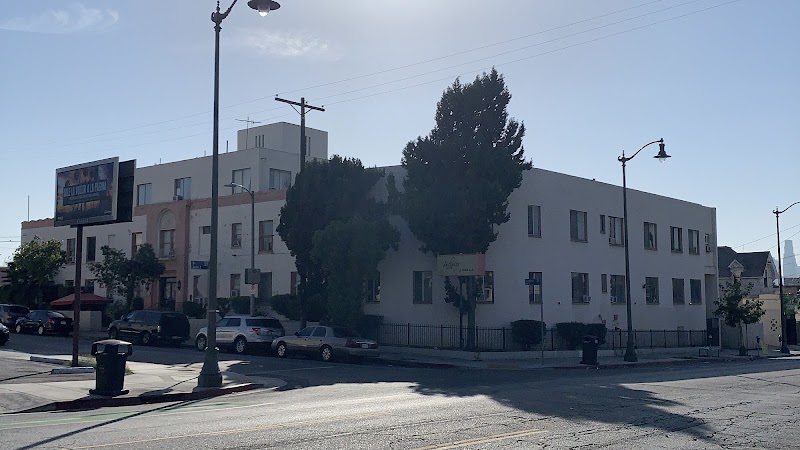
How is Infinity Care Of East Los Angeles Staffed?

CMS rates INFINITY CARE OF EAST LOS ANGELES's staffing level at 1 out of 5 stars, which is much below average compared to other nursing homes.

What Have Inspectors Found at Infinity Care Of East Los Angeles?

State health inspectors documented 80 deficiencies at INFINITY CARE OF EAST LOS ANGELES during 2021 to 2025. These included: 3 Immediate Jeopardy (the most serious level, indicating potential for serious harm or death), 75 with potential for harm, and 2 minor or isolated issues. Immediate Jeopardy findings are rare and represent the most serious regulatory concerns. They require immediate corrective action.
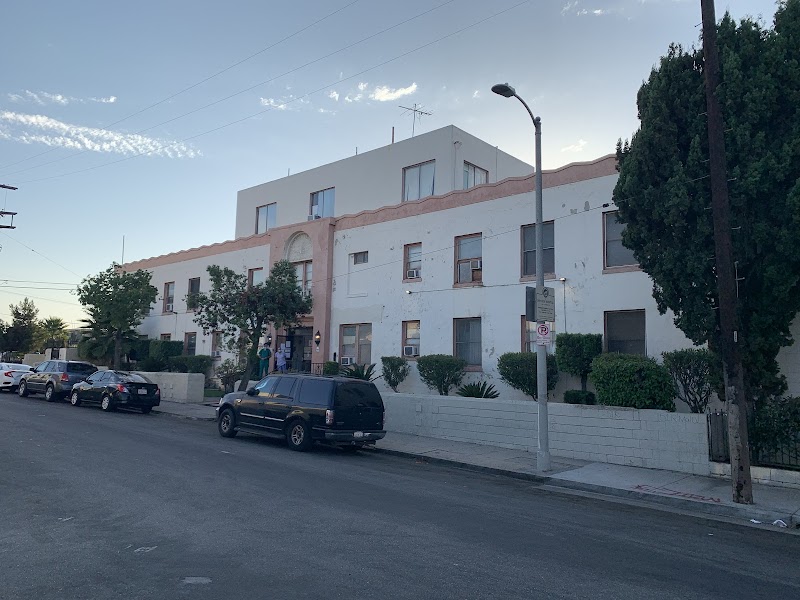
Who Owns and Operates Infinity Care Of East Los Angeles?

INFINITY CARE OF EAST LOS ANGELES is owned by a for-profit company. For-profit facilities operate as businesses with obligations to shareholders or private owners. The facility operates independently rather than as part of a larger chain. With 99 certified beds and approximately 86 residents (about 87% occupancy), it is a smaller facility located in LOS ANGELES, California.
How Does Infinity Care Of East Los Angeles Compare to Other California Nursing Homes?

Compared to the 100 nursing homes in California, INFINITY CARE OF EAST LOS ANGELES's overall rating (2 stars) is below the state average of 3.1 and health inspection rating (1 stars) is much below the national benchmark.

What Should Families Ask When Visiting Infinity Care Of East Los Angeles?

Based on this facility's data, families visiting should ask: "What changes have been made since the serious inspection findings, and how are you preventing similar issues?" "What safeguards and monitoring systems are in place to protect residents from abuse or neglect?" "Can you walk me through typical staffing levels on day, evening, and night shifts?" "Can I visit during a mealtime to observe dining assistance and food quality?" These questions are particularly relevant given the facility's Immediate Jeopardy citations, the substantiated abuse finding on record, and the below-average staffing rating.

Is Infinity Care Of East Los Angeles Safe?

Based on CMS inspection data, INFINITY CARE OF EAST LOS ANGELES has documented safety concerns. The facility has 1 substantiated abuse finding (meaning confirmed case of resident harm by staff or other residents). Inspectors have issued 3 Immediate Jeopardy citations (the most serious violation level indicating risk of serious injury or death). The facility is currently on the Special Focus Facility watch list (a federal program monitoring the lowest-performing 1% of nursing homes nationwide). The facility has a 2-star overall rating and ranks #100 of 100 nursing homes in California. Families considering this facility should ask detailed questions about what corrective actions have been taken since these incidents.

Do Nurses at Infinity Care Of East Los Angeles Stick Around?

INFINITY CARE OF EAST LOS ANGELES has not reported staff turnover data to CMS. Staff turnover matters because consistent caregivers learn residents' individual needs, medications, and preferences. When staff frequently change, this institutional knowledge is lost. Families should ask the facility directly about their staff retention rates and average employee tenure.

Was Infinity Care Of East Los Angeles Ever Fined?

INFINITY CARE OF EAST LOS ANGELES has been fined $63,307 across 2 penalty actions. This is above the California average of $33,712. Fines in this range indicate compliance issues significant enough for CMS to impose meaningful financial consequences. Common causes include delayed correction of deficiencies, repeat violations, or care failures affecting resident safety. Families should ask facility leadership what changes have been made since these penalties.

Is Infinity Care Of East Los Angeles on Any Federal Watch List?

INFINITY CARE OF EAST LOS ANGELES is currently an SFF Candidate, meaning CMS has identified it as potentially qualifying for the Special Focus Facility watch list. SFF Candidates have a history of serious deficiencies but haven't yet reached the threshold for full SFF designation. The facility is being monitored more closely — if problems continue, it may be added to the official watch list. Families should ask what the facility is doing to address the issues that led to this status.